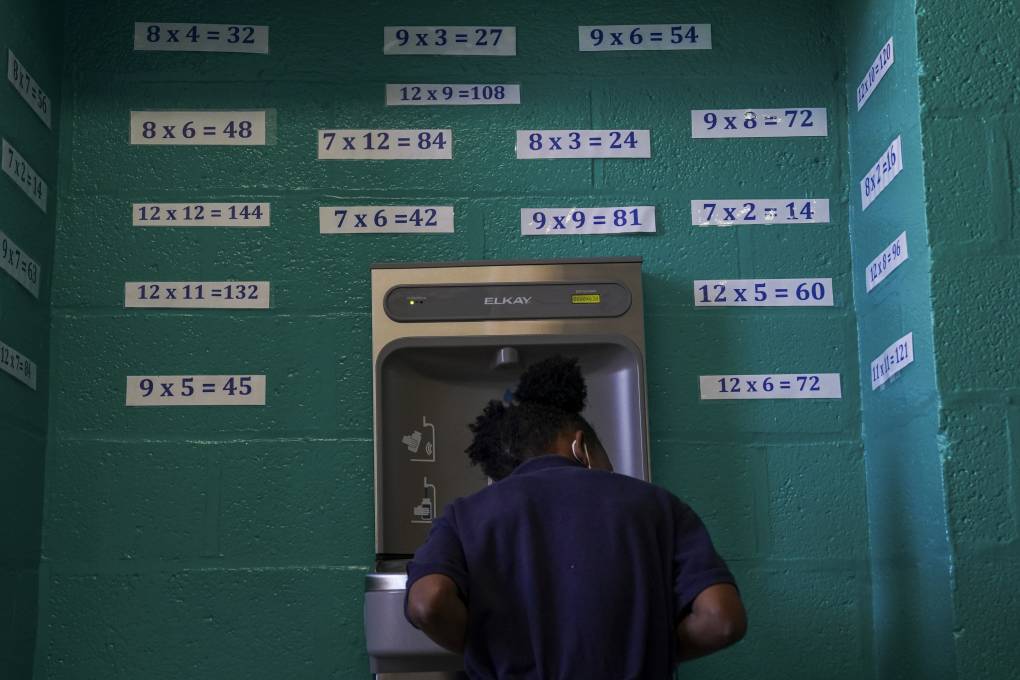
Charter schools have improved in the past 15 years, but many still fail students, researchers say
How Tips via Text Message May Help Parents and Preschoolers Learn
The Benefits of Helping Teens Identify Their Purpose in Life
How Schools Can Help Students Develop A Greater Sense Of Purpose
Why Even Great Teaching Strategies Can Backfire And What To Do About It
How Listening and Sharing Help Shape Collaborative Learning Experiences
Before Reading or Watching Videos, Students Should Experiment First
How to Help Mobile Education Go Global
What You Need to Know About MOOCs
Sponsored
window.__IS_SSR__=true
window.__INITIAL_STATE__={"attachmentsReducer":{"audio_0":{"type":"attachments","id":"audio_0","imgSizes":{"kqedFullSize":{"file":"https://ww2.kqed.org/news/wp-content/themes/KQED-unified/img/audio_bgs/background0.jpg"}}},"audio_1":{"type":"attachments","id":"audio_1","imgSizes":{"kqedFullSize":{"file":"https://ww2.kqed.org/news/wp-content/themes/KQED-unified/img/audio_bgs/background1.jpg"}}},"audio_2":{"type":"attachments","id":"audio_2","imgSizes":{"kqedFullSize":{"file":"https://ww2.kqed.org/news/wp-content/themes/KQED-unified/img/audio_bgs/background2.jpg"}}},"audio_3":{"type":"attachments","id":"audio_3","imgSizes":{"kqedFullSize":{"file":"https://ww2.kqed.org/news/wp-content/themes/KQED-unified/img/audio_bgs/background3.jpg"}}},"audio_4":{"type":"attachments","id":"audio_4","imgSizes":{"kqedFullSize":{"file":"https://ww2.kqed.org/news/wp-content/themes/KQED-unified/img/audio_bgs/background4.jpg"}}},"placeholder":{"type":"attachments","id":"placeholder","imgSizes":{"thumbnail":{"file":"https://ww2.kqed.org/wp-content/uploads/sites/10/2018/01/GettyImages-896326950-160x96.jpg","width":160,"height":96,"mimeType":"image/jpeg"},"medium":{"file":"https://ww2.kqed.org/wp-content/uploads/sites/10/2018/01/GettyImages-896326950-800x478.jpg","width":800,"height":478,"mimeType":"image/jpeg"},"large":{"file":"https://ww2.kqed.org/wp-content/uploads/sites/10/2018/01/GettyImages-896326950-1020x610.jpg","width":1020,"height":610,"mimeType":"image/jpeg"},"fd-lrg":{"file":"https://ww2.kqed.org/wp-content/uploads/sites/10/2018/01/GettyImages-896326950-1920x1148.jpg","width":1920,"height":1148,"mimeType":"image/jpeg"},"fd-med":{"file":"https://ww2.kqed.org/wp-content/uploads/sites/10/2018/01/GettyImages-896326950-1180x705.jpg","width":1180,"height":705,"mimeType":"image/jpeg"},"fd-sm":{"file":"https://ww2.kqed.org/wp-content/uploads/sites/10/2018/01/GettyImages-896326950-960x574.jpg","width":960,"height":574,"mimeType":"image/jpeg"},"post-thumbnail":{"file":"https://ww2.kqed.org/wp-content/uploads/sites/10/2018/01/GettyImages-896326950-672x372.jpg","width":672,"height":372,"mimeType":"image/jpeg"},"twentyfourteen-full-width":{"file":"https://ww2.kqed.org/wp-content/uploads/sites/10/2018/01/GettyImages-896326950-1038x576.jpg","width":1038,"height":576,"mimeType":"image/jpeg"},"xxsmall":{"file":"https://ww2.kqed.org/wp-content/uploads/sites/10/2018/01/GettyImages-896326950-240x143.jpg","width":240,"height":143,"mimeType":"image/jpeg"},"xsmall":{"file":"https://ww2.kqed.org/wp-content/uploads/sites/10/2018/01/GettyImages-896326950-375x224.jpg","width":375,"height":224,"mimeType":"image/jpeg"},"small":{"file":"https://ww2.kqed.org/wp-content/uploads/sites/10/2018/01/GettyImages-896326950-520x311.jpg","width":520,"height":311,"mimeType":"image/jpeg"},"xlarge":{"file":"https://ww2.kqed.org/wp-content/uploads/sites/10/2018/01/GettyImages-896326950-1180x705.jpg","width":1180,"height":705,"mimeType":"image/jpeg"},"full-width":{"file":"https://ww2.kqed.org/wp-content/uploads/sites/10/2018/01/GettyImages-896326950-1920x1148.jpg","width":1920,"height":1148,"mimeType":"image/jpeg"},"guest-author-32":{"file":"https://ww2.kqed.org/wp-content/uploads/sites/10/2018/01/GettyImages-896326950-32x32.jpg","width":32,"height":32,"mimeType":"image/jpeg"},"guest-author-50":{"file":"https://ww2.kqed.org/wp-content/uploads/sites/10/2018/01/GettyImages-896326950-50x50.jpg","width":50,"height":50,"mimeType":"image/jpeg"},"guest-author-64":{"file":"https://ww2.kqed.org/wp-content/uploads/sites/10/2018/01/GettyImages-896326950-64x64.jpg","width":64,"height":64,"mimeType":"image/jpeg"},"guest-author-96":{"file":"https://ww2.kqed.org/wp-content/uploads/sites/10/2018/01/GettyImages-896326950-96x96.jpg","width":96,"height":96,"mimeType":"image/jpeg"},"guest-author-128":{"file":"https://ww2.kqed.org/wp-content/uploads/sites/10/2018/01/GettyImages-896326950-128x128.jpg","width":128,"height":128,"mimeType":"image/jpeg"},"detail":{"file":"https://ww2.kqed.org/wp-content/uploads/sites/10/2018/01/GettyImages-896326950-150x150.jpg","width":150,"height":150,"mimeType":"image/jpeg"},"kqedFullSize":{"file":"https://ww2.kqed.org/wp-content/uploads/sites/10/2018/01/GettyImages-896326950-e1514998105161.jpg","width":1920,"height":1148}}},"mindshift_61828":{"type":"attachments","id":"mindshift_61828","meta":{"index":"attachments_1591205162","site":"mindshift","id":"61828","found":true},"title":"Center City Public Charter School, Listed as a Bold School by EmpowerK12","publishDate":1686455218,"status":"inherit","parent":61825,"modified":1686455298,"caption":"WASHINGTON, DC - OCTOBER 14: \nA student sips water under a wall of multiplication equations at the Center City Public Charter School - Congress Heights on October 14, 2022, in Washington, DC. EmpowerK12 will announce that Center City - Congress Heights is on its list of bold schools, DC schools with a large population of at-risk students who are seeing academic growth faster than similar schools in the city.","credit":"Jahi Chikwendiu/The Washington Post via Getty Images)","altTag":null,"description":null,"imgSizes":{"medium":{"file":"https://ww2.kqed.org/app/uploads/sites/23/2023/06/GettyImages-1244307317-800x533.jpg","width":800,"height":533,"mimeType":"image/jpeg"},"large":{"file":"https://ww2.kqed.org/app/uploads/sites/23/2023/06/GettyImages-1244307317-1020x680.jpg","width":1020,"height":680,"mimeType":"image/jpeg"},"thumbnail":{"file":"https://ww2.kqed.org/app/uploads/sites/23/2023/06/GettyImages-1244307317-160x107.jpg","width":160,"height":107,"mimeType":"image/jpeg"},"medium_large":{"file":"https://ww2.kqed.org/app/uploads/sites/23/2023/06/GettyImages-1244307317-768x512.jpg","width":768,"height":512,"mimeType":"image/jpeg"},"1536x1536":{"file":"https://ww2.kqed.org/app/uploads/sites/23/2023/06/GettyImages-1244307317-1536x1024.jpg","width":1536,"height":1024,"mimeType":"image/jpeg"},"2048x2048":{"file":"https://ww2.kqed.org/app/uploads/sites/23/2023/06/GettyImages-1244307317-2048x1365.jpg","width":2048,"height":1365,"mimeType":"image/jpeg"},"post-thumbnail":{"file":"https://ww2.kqed.org/app/uploads/sites/23/2023/06/GettyImages-1244307317-672x372.jpg","width":672,"height":372,"mimeType":"image/jpeg"},"twentyfourteen-full-width":{"file":"https://ww2.kqed.org/app/uploads/sites/23/2023/06/GettyImages-1244307317-1038x576.jpg","width":1038,"height":576,"mimeType":"image/jpeg"},"full-width":{"file":"https://ww2.kqed.org/app/uploads/sites/23/2023/06/GettyImages-1244307317-1920x1280.jpg","width":1920,"height":1280,"mimeType":"image/jpeg"},"kqedFullSize":{"file":"https://ww2.kqed.org/app/uploads/sites/23/2023/06/GettyImages-1244307317-scaled.jpg","width":2560,"height":1707}},"fetchFailed":false,"isLoading":false},"mindshift_50041":{"type":"attachments","id":"mindshift_50041","meta":{"index":"attachments_1591205162","site":"mindshift","id":"50041","found":true},"title":"YuhasScienceofLearning","publishDate":1516737429,"status":"inherit","parent":50040,"modified":1516737503,"caption":"Huyen Le and her daughter Katelynn Trinh. Through “nudges” via texts, Le gets reminded of activities to do with Katelynn that enhance her learning. ","credit":"Courtesy of Huyen Le","description":null,"imgSizes":{"thumbnail":{"file":"https://ww2.kqed.org/app/uploads/sites/23/2018/01/YuhasScienceofLearning-160x120.jpg","width":160,"height":120,"mimeType":"image/jpeg"},"medium":{"file":"https://ww2.kqed.org/app/uploads/sites/23/2018/01/YuhasScienceofLearning-800x600.jpg","width":800,"height":600,"mimeType":"image/jpeg"},"medium_large":{"file":"https://ww2.kqed.org/app/uploads/sites/23/2018/01/YuhasScienceofLearning-768x576.jpg","width":768,"height":576,"mimeType":"image/jpeg"},"large":{"file":"https://ww2.kqed.org/app/uploads/sites/23/2018/01/YuhasScienceofLearning-1020x765.jpg","width":1020,"height":765,"mimeType":"image/jpeg"},"fd-lrg":{"file":"https://ww2.kqed.org/app/uploads/sites/23/2018/01/YuhasScienceofLearning-1920x1440.jpg","width":1920,"height":1440,"mimeType":"image/jpeg"},"fd-med":{"file":"https://ww2.kqed.org/app/uploads/sites/23/2018/01/YuhasScienceofLearning-1180x885.jpg","width":1180,"height":885,"mimeType":"image/jpeg"},"fd-sm":{"file":"https://ww2.kqed.org/app/uploads/sites/23/2018/01/YuhasScienceofLearning-960x720.jpg","width":960,"height":720,"mimeType":"image/jpeg"},"post-thumbnail":{"file":"https://ww2.kqed.org/app/uploads/sites/23/2018/01/YuhasScienceofLearning-672x372.jpg","width":672,"height":372,"mimeType":"image/jpeg"},"twentyfourteen-full-width":{"file":"https://ww2.kqed.org/app/uploads/sites/23/2018/01/YuhasScienceofLearning-1038x576.jpg","width":1038,"height":576,"mimeType":"image/jpeg"},"xxsmall":{"file":"https://ww2.kqed.org/app/uploads/sites/23/2018/01/YuhasScienceofLearning-240x180.jpg","width":240,"height":180,"mimeType":"image/jpeg"},"xsmall":{"file":"https://ww2.kqed.org/app/uploads/sites/23/2018/01/YuhasScienceofLearning-375x281.jpg","width":375,"height":281,"mimeType":"image/jpeg"},"small":{"file":"https://ww2.kqed.org/app/uploads/sites/23/2018/01/YuhasScienceofLearning-520x390.jpg","width":520,"height":390,"mimeType":"image/jpeg"},"xlarge":{"file":"https://ww2.kqed.org/app/uploads/sites/23/2018/01/YuhasScienceofLearning-1180x885.jpg","width":1180,"height":885,"mimeType":"image/jpeg"},"full-width":{"file":"https://ww2.kqed.org/app/uploads/sites/23/2018/01/YuhasScienceofLearning-1920x1440.jpg","width":1920,"height":1440,"mimeType":"image/jpeg"},"guest-author-32":{"file":"https://ww2.kqed.org/app/uploads/sites/23/2018/01/YuhasScienceofLearning-32x32.jpg","width":32,"height":32,"mimeType":"image/jpeg"},"guest-author-50":{"file":"https://ww2.kqed.org/app/uploads/sites/23/2018/01/YuhasScienceofLearning-50x50.jpg","width":50,"height":50,"mimeType":"image/jpeg"},"guest-author-64":{"file":"https://ww2.kqed.org/app/uploads/sites/23/2018/01/YuhasScienceofLearning-64x64.jpg","width":64,"height":64,"mimeType":"image/jpeg"},"guest-author-96":{"file":"https://ww2.kqed.org/app/uploads/sites/23/2018/01/YuhasScienceofLearning-96x96.jpg","width":96,"height":96,"mimeType":"image/jpeg"},"guest-author-128":{"file":"https://ww2.kqed.org/app/uploads/sites/23/2018/01/YuhasScienceofLearning-128x128.jpg","width":128,"height":128,"mimeType":"image/jpeg"},"detail":{"file":"https://ww2.kqed.org/app/uploads/sites/23/2018/01/YuhasScienceofLearning-150x150.jpg","width":150,"height":150,"mimeType":"image/jpeg"},"kqedFullSize":{"file":"https://ww2.kqed.org/app/uploads/sites/23/2018/01/YuhasScienceofLearning-e1516737447166.jpg","width":1920,"height":1440}},"fetchFailed":false,"isLoading":false},"mindshift_49945":{"type":"attachments","id":"mindshift_49945","meta":{"index":"attachments_1591205162","site":"mindshift","id":"49945","found":true},"title":"Explorer","publishDate":1514983182,"status":"inherit","parent":49937,"modified":1514983207,"caption":null,"credit":"iStock/bowie15","description":null,"imgSizes":{"thumbnail":{"file":"https://ww2.kqed.org/app/uploads/sites/23/2018/01/iStock-676198628-160x109.jpg","width":160,"height":109,"mimeType":"image/jpeg"},"medium":{"file":"https://ww2.kqed.org/app/uploads/sites/23/2018/01/iStock-676198628-800x546.jpg","width":800,"height":546,"mimeType":"image/jpeg"},"medium_large":{"file":"https://ww2.kqed.org/app/uploads/sites/23/2018/01/iStock-676198628-768x525.jpg","width":768,"height":525,"mimeType":"image/jpeg"},"large":{"file":"https://ww2.kqed.org/app/uploads/sites/23/2018/01/iStock-676198628-1020x697.jpg","width":1020,"height":697,"mimeType":"image/jpeg"},"fd-lrg":{"file":"https://ww2.kqed.org/app/uploads/sites/23/2018/01/iStock-676198628-1920x1311.jpg","width":1920,"height":1311,"mimeType":"image/jpeg"},"fd-med":{"file":"https://ww2.kqed.org/app/uploads/sites/23/2018/01/iStock-676198628-1180x806.jpg","width":1180,"height":806,"mimeType":"image/jpeg"},"fd-sm":{"file":"https://ww2.kqed.org/app/uploads/sites/23/2018/01/iStock-676198628-960x656.jpg","width":960,"height":656,"mimeType":"image/jpeg"},"post-thumbnail":{"file":"https://ww2.kqed.org/app/uploads/sites/23/2018/01/iStock-676198628-672x372.jpg","width":672,"height":372,"mimeType":"image/jpeg"},"twentyfourteen-full-width":{"file":"https://ww2.kqed.org/app/uploads/sites/23/2018/01/iStock-676198628-1038x576.jpg","width":1038,"height":576,"mimeType":"image/jpeg"},"xxsmall":{"file":"https://ww2.kqed.org/app/uploads/sites/23/2018/01/iStock-676198628-240x164.jpg","width":240,"height":164,"mimeType":"image/jpeg"},"xsmall":{"file":"https://ww2.kqed.org/app/uploads/sites/23/2018/01/iStock-676198628-375x256.jpg","width":375,"height":256,"mimeType":"image/jpeg"},"small":{"file":"https://ww2.kqed.org/app/uploads/sites/23/2018/01/iStock-676198628-520x355.jpg","width":520,"height":355,"mimeType":"image/jpeg"},"xlarge":{"file":"https://ww2.kqed.org/app/uploads/sites/23/2018/01/iStock-676198628-1180x806.jpg","width":1180,"height":806,"mimeType":"image/jpeg"},"full-width":{"file":"https://ww2.kqed.org/app/uploads/sites/23/2018/01/iStock-676198628-1920x1311.jpg","width":1920,"height":1311,"mimeType":"image/jpeg"},"guest-author-32":{"file":"https://ww2.kqed.org/app/uploads/sites/23/2018/01/iStock-676198628-32x32.jpg","width":32,"height":32,"mimeType":"image/jpeg"},"guest-author-50":{"file":"https://ww2.kqed.org/app/uploads/sites/23/2018/01/iStock-676198628-50x50.jpg","width":50,"height":50,"mimeType":"image/jpeg"},"guest-author-64":{"file":"https://ww2.kqed.org/app/uploads/sites/23/2018/01/iStock-676198628-64x64.jpg","width":64,"height":64,"mimeType":"image/jpeg"},"guest-author-96":{"file":"https://ww2.kqed.org/app/uploads/sites/23/2018/01/iStock-676198628-96x96.jpg","width":96,"height":96,"mimeType":"image/jpeg"},"guest-author-128":{"file":"https://ww2.kqed.org/app/uploads/sites/23/2018/01/iStock-676198628-128x128.jpg","width":128,"height":128,"mimeType":"image/jpeg"},"detail":{"file":"https://ww2.kqed.org/app/uploads/sites/23/2018/01/iStock-676198628-150x150.jpg","width":150,"height":150,"mimeType":"image/jpeg"},"kqedFullSize":{"file":"https://ww2.kqed.org/app/uploads/sites/23/2018/01/iStock-676198628-e1514983215409.jpg","width":1920,"height":1311}},"fetchFailed":false,"isLoading":false},"mindshift_48016":{"type":"attachments","id":"mindshift_48016","meta":{"index":"attachments_1591205162","site":"mindshift","id":"48016","found":true},"title":null,"publishDate":1492122629,"status":"inherit","parent":48013,"modified":1492123312,"caption":null,"credit":"iStock/ALLVISIONN ","description":null,"imgSizes":{"thumbnail":{"file":"https://ww2.kqed.org/app/uploads/sites/23/2017/04/Map-160x119.jpg","width":160,"height":119,"mimeType":"image/jpeg"},"medium":{"file":"https://ww2.kqed.org/app/uploads/sites/23/2017/04/Map-800x597.jpg","width":800,"height":597,"mimeType":"image/jpeg"},"medium_large":{"file":"https://ww2.kqed.org/app/uploads/sites/23/2017/04/Map-768x573.jpg","width":768,"height":573,"mimeType":"image/jpeg"},"large":{"file":"https://ww2.kqed.org/app/uploads/sites/23/2017/04/Map-1020x762.jpg","width":1020,"height":762,"mimeType":"image/jpeg"},"fd-lrg":{"file":"https://ww2.kqed.org/app/uploads/sites/23/2017/04/Map-1920x1434.jpg","width":1920,"height":1434,"mimeType":"image/jpeg"},"fd-med":{"file":"https://ww2.kqed.org/app/uploads/sites/23/2017/04/Map-1180x881.jpg","width":1180,"height":881,"mimeType":"image/jpeg"},"fd-sm":{"file":"https://ww2.kqed.org/app/uploads/sites/23/2017/04/Map-960x717.jpg","width":960,"height":717,"mimeType":"image/jpeg"},"post-thumbnail":{"file":"https://ww2.kqed.org/app/uploads/sites/23/2017/04/Map-672x372.jpg","width":672,"height":372,"mimeType":"image/jpeg"},"twentyfourteen-full-width":{"file":"https://ww2.kqed.org/app/uploads/sites/23/2017/04/Map-1038x576.jpg","width":1038,"height":576,"mimeType":"image/jpeg"},"xxsmall":{"file":"https://ww2.kqed.org/app/uploads/sites/23/2017/04/Map-240x179.jpg","width":240,"height":179,"mimeType":"image/jpeg"},"xsmall":{"file":"https://ww2.kqed.org/app/uploads/sites/23/2017/04/Map-375x280.jpg","width":375,"height":280,"mimeType":"image/jpeg"},"small":{"file":"https://ww2.kqed.org/app/uploads/sites/23/2017/04/Map-520x388.jpg","width":520,"height":388,"mimeType":"image/jpeg"},"xlarge":{"file":"https://ww2.kqed.org/app/uploads/sites/23/2017/04/Map-1180x881.jpg","width":1180,"height":881,"mimeType":"image/jpeg"},"full-width":{"file":"https://ww2.kqed.org/app/uploads/sites/23/2017/04/Map-1920x1434.jpg","width":1920,"height":1434,"mimeType":"image/jpeg"},"guest-author-32":{"file":"https://ww2.kqed.org/app/uploads/sites/23/2017/04/Map-32x32.jpg","width":32,"height":32,"mimeType":"image/jpeg"},"guest-author-50":{"file":"https://ww2.kqed.org/app/uploads/sites/23/2017/04/Map-50x50.jpg","width":50,"height":50,"mimeType":"image/jpeg"},"guest-author-64":{"file":"https://ww2.kqed.org/app/uploads/sites/23/2017/04/Map-64x64.jpg","width":64,"height":64,"mimeType":"image/jpeg"},"guest-author-96":{"file":"https://ww2.kqed.org/app/uploads/sites/23/2017/04/Map-96x96.jpg","width":96,"height":96,"mimeType":"image/jpeg"},"guest-author-128":{"file":"https://ww2.kqed.org/app/uploads/sites/23/2017/04/Map-128x128.jpg","width":128,"height":128,"mimeType":"image/jpeg"},"detail":{"file":"https://ww2.kqed.org/app/uploads/sites/23/2017/04/Map-150x150.jpg","width":150,"height":150,"mimeType":"image/jpeg"},"kqedFullSize":{"file":"https://ww2.kqed.org/app/uploads/sites/23/2017/04/Map-e1492122651713.jpg","width":1920,"height":1434}},"fetchFailed":false,"isLoading":false},"mindshift_47714":{"type":"attachments","id":"mindshift_47714","meta":{"index":"attachments_1591205162","site":"mindshift","id":"47714","found":true},"title":"kids-drawing","publishDate":1488925014,"status":"inherit","parent":47712,"modified":1488925123,"caption":"A famous study found that when preschool children were incentivized to draw they no longer chose to do so when they had free play time.","credit":"iStock","description":null,"imgSizes":{"thumbnail":{"file":"https://ww2.kqed.org/app/uploads/sites/23/2017/03/kids-drawing-160x90.png","width":160,"height":90,"mimeType":"image/png"},"medium":{"file":"https://ww2.kqed.org/app/uploads/sites/23/2017/03/kids-drawing-800x450.png","width":800,"height":450,"mimeType":"image/png"},"medium_large":{"file":"https://ww2.kqed.org/app/uploads/sites/23/2017/03/kids-drawing-768x432.png","width":768,"height":432,"mimeType":"image/png"},"large":{"file":"https://ww2.kqed.org/app/uploads/sites/23/2017/03/kids-drawing-1020x574.png","width":1020,"height":574,"mimeType":"image/png"},"fd-lrg":{"file":"https://ww2.kqed.org/app/uploads/sites/23/2017/03/kids-drawing-1920x1080.png","width":1920,"height":1080,"mimeType":"image/png"},"fd-med":{"file":"https://ww2.kqed.org/app/uploads/sites/23/2017/03/kids-drawing-1180x664.png","width":1180,"height":664,"mimeType":"image/png"},"fd-sm":{"file":"https://ww2.kqed.org/app/uploads/sites/23/2017/03/kids-drawing-960x540.png","width":960,"height":540,"mimeType":"image/png"},"post-thumbnail":{"file":"https://ww2.kqed.org/app/uploads/sites/23/2017/03/kids-drawing-672x372.png","width":672,"height":372,"mimeType":"image/png"},"twentyfourteen-full-width":{"file":"https://ww2.kqed.org/app/uploads/sites/23/2017/03/kids-drawing-1038x576.png","width":1038,"height":576,"mimeType":"image/png"},"xxsmall":{"file":"https://ww2.kqed.org/app/uploads/sites/23/2017/03/kids-drawing-240x135.png","width":240,"height":135,"mimeType":"image/png"},"xsmall":{"file":"https://ww2.kqed.org/app/uploads/sites/23/2017/03/kids-drawing-375x211.png","width":375,"height":211,"mimeType":"image/png"},"small":{"file":"https://ww2.kqed.org/app/uploads/sites/23/2017/03/kids-drawing-520x293.png","width":520,"height":293,"mimeType":"image/png"},"xlarge":{"file":"https://ww2.kqed.org/app/uploads/sites/23/2017/03/kids-drawing-1180x664.png","width":1180,"height":664,"mimeType":"image/png"},"full-width":{"file":"https://ww2.kqed.org/app/uploads/sites/23/2017/03/kids-drawing-1920x1080.png","width":1920,"height":1080,"mimeType":"image/png"},"guest-author-32":{"file":"https://ww2.kqed.org/app/uploads/sites/23/2017/03/kids-drawing-32x32.png","width":32,"height":32,"mimeType":"image/png"},"guest-author-50":{"file":"https://ww2.kqed.org/app/uploads/sites/23/2017/03/kids-drawing-50x50.png","width":50,"height":50,"mimeType":"image/png"},"guest-author-64":{"file":"https://ww2.kqed.org/app/uploads/sites/23/2017/03/kids-drawing-64x64.png","width":64,"height":64,"mimeType":"image/png"},"guest-author-96":{"file":"https://ww2.kqed.org/app/uploads/sites/23/2017/03/kids-drawing-96x96.png","width":96,"height":96,"mimeType":"image/png"},"guest-author-128":{"file":"https://ww2.kqed.org/app/uploads/sites/23/2017/03/kids-drawing-128x128.png","width":128,"height":128,"mimeType":"image/png"},"detail":{"file":"https://ww2.kqed.org/app/uploads/sites/23/2017/03/kids-drawing-150x150.png","width":150,"height":150,"mimeType":"image/png"},"kqedFullSize":{"file":"https://ww2.kqed.org/app/uploads/sites/23/2017/03/kids-drawing.png","width":2120,"height":1193}},"fetchFailed":false,"isLoading":false},"mindshift_46027":{"type":"attachments","id":"mindshift_46027","meta":{"index":"attachments_1591205162","site":"mindshift","id":"46027","found":true},"title":"Hands","publishDate":1470292652,"status":"inherit","parent":46021,"modified":1470292692,"caption":null,"credit":"iStock","description":null,"imgSizes":{"thumbnail":{"file":"https://ww2.kqed.org/app/uploads/sites/23/2016/08/Hands-400x267.jpg","width":400,"height":267,"mimeType":"image/jpeg"},"medium":{"file":"https://ww2.kqed.org/app/uploads/sites/23/2016/08/Hands-800x533.jpg","width":800,"height":533,"mimeType":"image/jpeg"},"medium_large":{"file":"https://ww2.kqed.org/app/uploads/sites/23/2016/08/Hands-768x512.jpg","width":768,"height":512,"mimeType":"image/jpeg"},"large":{"file":"https://ww2.kqed.org/app/uploads/sites/23/2016/08/Hands-1440x960.jpg","width":1440,"height":960,"mimeType":"image/jpeg"},"fd-lrg":{"file":"https://ww2.kqed.org/app/uploads/sites/23/2016/08/Hands-1920x1280.jpg","width":1920,"height":1280,"mimeType":"image/jpeg"},"fd-med":{"file":"https://ww2.kqed.org/app/uploads/sites/23/2016/08/Hands-1180x787.jpg","width":1180,"height":787,"mimeType":"image/jpeg"},"fd-sm":{"file":"https://ww2.kqed.org/app/uploads/sites/23/2016/08/Hands-960x640.jpg","width":960,"height":640,"mimeType":"image/jpeg"},"post-thumbnail":{"file":"https://ww2.kqed.org/app/uploads/sites/23/2016/08/Hands-672x372.jpg","width":672,"height":372,"mimeType":"image/jpeg"},"twentyfourteen-full-width":{"file":"https://ww2.kqed.org/app/uploads/sites/23/2016/08/Hands-1038x576.jpg","width":1038,"height":576,"mimeType":"image/jpeg"},"cat_post_thumb_sizecategory-posts-2":{"file":"https://ww2.kqed.org/app/uploads/sites/23/2016/08/Hands-50x50.jpg","width":50,"height":50,"mimeType":"image/jpeg"},"guest-author-32":{"file":"https://ww2.kqed.org/app/uploads/sites/23/2016/08/Hands-32x32.jpg","width":32,"height":32,"mimeType":"image/jpeg"},"guest-author-50":{"file":"https://ww2.kqed.org/app/uploads/sites/23/2016/08/Hands-50x50.jpg","width":50,"height":50,"mimeType":"image/jpeg"},"guest-author-64":{"file":"https://ww2.kqed.org/app/uploads/sites/23/2016/08/Hands-64x64.jpg","width":64,"height":64,"mimeType":"image/jpeg"},"guest-author-96":{"file":"https://ww2.kqed.org/app/uploads/sites/23/2016/08/Hands-96x96.jpg","width":96,"height":96,"mimeType":"image/jpeg"},"guest-author-128":{"file":"https://ww2.kqed.org/app/uploads/sites/23/2016/08/Hands-128x128.jpg","width":128,"height":128,"mimeType":"image/jpeg"},"detail":{"file":"https://ww2.kqed.org/app/uploads/sites/23/2016/08/Hands-150x150.jpg","width":150,"height":150,"mimeType":"image/jpeg"},"kqedFullSize":{"file":"https://ww2.kqed.org/app/uploads/sites/23/2016/08/Hands-e1470292678532.jpg","width":1920,"height":1280}},"fetchFailed":false,"isLoading":false},"mindshift_27403":{"type":"attachments","id":"mindshift_27403","meta":{"index":"attachments_1591205162","site":"mindshift","id":"27403","found":true},"title":"Screen Shot 2013-02-28 at 9.29.20 AM 2","publishDate":1362072975,"status":"inherit","parent":27324,"modified":1362072975,"caption":null,"credit":null,"description":null,"imgSizes":{"thumbnail":{"file":"https://ww2.kqed.org/app/uploads/sites/23/2013/02/Screen-Shot-2013-02-28-at-9.29.20-AM-2-400x262.png","width":400,"height":262,"mimeType":"image/png"},"fd-sm":{"file":"https://ww2.kqed.org/app/uploads/sites/23/2013/02/Screen-Shot-2013-02-28-at-9.29.20-AM-2-320x210.png","width":320,"height":210,"mimeType":"image/png"},"post-thumbnail":{"file":"https://ww2.kqed.org/app/uploads/sites/23/2013/02/Screen-Shot-2013-02-28-at-9.29.20-AM-2-672x372.png","width":672,"height":372,"mimeType":"image/png"},"guest-author-32":{"file":"https://ww2.kqed.org/app/uploads/sites/23/2013/02/Screen-Shot-2013-02-28-at-9.29.20-AM-2-32x32.png","width":32,"height":32,"mimeType":"image/png"},"guest-author-64":{"file":"https://ww2.kqed.org/app/uploads/sites/23/2013/02/Screen-Shot-2013-02-28-at-9.29.20-AM-2-64x64.png","width":64,"height":64,"mimeType":"image/png"},"guest-author-96":{"file":"https://ww2.kqed.org/app/uploads/sites/23/2013/02/Screen-Shot-2013-02-28-at-9.29.20-AM-2-96x96.png","width":96,"height":96,"mimeType":"image/png"},"guest-author-128":{"file":"https://ww2.kqed.org/app/uploads/sites/23/2013/02/Screen-Shot-2013-02-28-at-9.29.20-AM-2-128x128.png","width":128,"height":128,"mimeType":"image/png"},"detail":{"file":"https://ww2.kqed.org/app/uploads/sites/23/2013/02/Screen-Shot-2013-02-28-at-9.29.20-AM-2-75x75.png","width":75,"height":75,"mimeType":"image/png"},"kqedFullSize":{"file":"https://ww2.kqed.org/app/uploads/sites/23/2013/02/Screen-Shot-2013-02-28-at-9.29.20-AM-2.png","width":734,"height":481}},"fetchFailed":false,"isLoading":false},"mindshift_26335":{"type":"attachments","id":"mindshift_26335","meta":{"index":"attachments_1591205162","site":"mindshift","id":"26335","found":true},"title":"MOOC","publishDate":1357843340,"status":"inherit","parent":26312,"modified":1357843340,"caption":null,"credit":null,"description":null,"imgSizes":{"thumbnail":{"file":"https://ww2.kqed.org/app/uploads/sites/23/2013/01/MOOC-400x232.png","width":400,"height":232,"mimeType":"image/png"},"medium":{"file":"https://ww2.kqed.org/app/uploads/sites/23/2013/01/MOOC-800x464.png","width":800,"height":464,"mimeType":"image/png"},"fd-lrg":{"file":"https://ww2.kqed.org/app/uploads/sites/23/2013/01/MOOC-1180x684.png","width":1180,"height":684,"mimeType":"image/png"},"fd-med":{"file":"https://ww2.kqed.org/app/uploads/sites/23/2013/01/MOOC-768x445.png","width":768,"height":445,"mimeType":"image/png"},"fd-sm":{"file":"https://ww2.kqed.org/app/uploads/sites/23/2013/01/MOOC-320x186.png","width":320,"height":186,"mimeType":"image/png"},"post-thumbnail":{"file":"https://ww2.kqed.org/app/uploads/sites/23/2013/01/MOOC-672x372.png","width":672,"height":372,"mimeType":"image/png"},"twentyfourteen-full-width":{"file":"https://ww2.kqed.org/app/uploads/sites/23/2013/01/MOOC-1038x576.png","width":1038,"height":576,"mimeType":"image/png"},"guest-author-32":{"file":"https://ww2.kqed.org/app/uploads/sites/23/2013/01/MOOC-32x32.png","width":32,"height":32,"mimeType":"image/png"},"guest-author-64":{"file":"https://ww2.kqed.org/app/uploads/sites/23/2013/01/MOOC-64x64.png","width":64,"height":64,"mimeType":"image/png"},"guest-author-96":{"file":"https://ww2.kqed.org/app/uploads/sites/23/2013/01/MOOC-96x96.png","width":96,"height":96,"mimeType":"image/png"},"guest-author-128":{"file":"https://ww2.kqed.org/app/uploads/sites/23/2013/01/MOOC-128x128.png","width":128,"height":128,"mimeType":"image/png"},"detail":{"file":"https://ww2.kqed.org/app/uploads/sites/23/2013/01/MOOC-75x75.png","width":75,"height":75,"mimeType":"image/png"},"kqedFullSize":{"file":"https://ww2.kqed.org/app/uploads/sites/23/2013/01/MOOC.png","width":1231,"height":714}},"fetchFailed":false,"isLoading":false}},"audioPlayerReducer":{"postId":"stream_live"},"authorsReducer":{"byline_mindshift_61825":{"type":"authors","id":"byline_mindshift_61825","meta":{"override":true},"slug":"byline_mindshift_61825","name":"Jill Barshay, \u003ca href=\"https://hechingerreport.org/\" target=\"_blank\">The Hechinger Report\u003c/a>","isLoading":false},"byline_mindshift_50040":{"type":"authors","id":"byline_mindshift_50040","meta":{"override":true},"slug":"byline_mindshift_50040","name":"\u003ca href=\"http://hechingerreport.org/\">Daisy Yuhas, The Hechinger Report\u003c/a>","isLoading":false},"byline_mindshift_49937":{"type":"authors","id":"byline_mindshift_49937","meta":{"override":true},"slug":"byline_mindshift_49937","name":"\u003ca href “https://www.hechingerreport.org\">Claudia Wallis, The Hechinger Report\u003c/a>","isLoading":false},"tbarseghian":{"type":"authors","id":"180","meta":{"index":"authors_1591205172","id":"180","found":true},"name":"Tina Barseghian","firstName":"Tina","lastName":"Barseghian","slug":"tbarseghian","email":"tbarseghian@kqed.org","display_author_email":false,"staff_mastheads":[],"title":null,"bio":null,"avatar":"https://secure.gravatar.com/avatar/de7e6ced1239b7018fe4d2b61f723c90?s=600&d=blank&r=g","twitter":null,"facebook":null,"instagram":null,"linkedin":null,"sites":[{"site":"styleguide","roles":["contributor"]},{"site":"news","roles":["subscriber"]},{"site":"mindshift","roles":["subscriber"]},{"site":"bayareabites","roles":["subscriber"]}],"headData":{"title":"Tina Barseghian | KQED","description":null,"ogImgSrc":"https://secure.gravatar.com/avatar/de7e6ced1239b7018fe4d2b61f723c90?s=600&d=blank&r=g","twImgSrc":"https://secure.gravatar.com/avatar/de7e6ced1239b7018fe4d2b61f723c90?s=600&d=blank&r=g"},"isLoading":false,"link":"/author/tbarseghian"},"katrinaschwartz":{"type":"authors","id":"234","meta":{"index":"authors_1591205172","id":"234","found":true},"name":"Katrina Schwartz","firstName":"Katrina","lastName":"Schwartz","slug":"katrinaschwartz","email":"kschwartz@kqed.org","display_author_email":false,"staff_mastheads":["news"],"title":"Producer","bio":"Katrina Schwartz is a journalist based in San Francisco. She's worked at KPCC public radio in LA and has reported on air and online for KQED since 2010. She covered how teaching and learning is changing for MindShift between 2012 and 2020. She is the co-host of the MindShift podcast and now produces KQED's Bay Curious podcast.","avatar":"https://secure.gravatar.com/avatar/a6a567574dafefa959593925eead665c?s=600&d=blank&r=g","twitter":"kschwart","facebook":null,"instagram":null,"linkedin":null,"sites":[{"site":"news","roles":["editor"]},{"site":"mindshift","roles":["administrator"]},{"site":"stateofhealth","roles":["author"]},{"site":"science","roles":["editor"]}],"headData":{"title":"Katrina Schwartz | KQED","description":"Producer","ogImgSrc":"https://secure.gravatar.com/avatar/a6a567574dafefa959593925eead665c?s=600&d=blank&r=g","twImgSrc":"https://secure.gravatar.com/avatar/a6a567574dafefa959593925eead665c?s=600&d=blank&r=g"},"isLoading":false,"link":"/author/katrinaschwartz"},"mindshift":{"type":"authors","id":"4354","meta":{"index":"authors_1591205172","id":"4354","found":true},"name":"MindShift","firstName":"MindShift","lastName":null,"slug":"mindshift","email":"tina@barseghian.com","display_author_email":false,"staff_mastheads":[],"title":null,"bio":null,"avatar":"https://secure.gravatar.com/avatar/ae7f1f73a229130205aa5f57b55eaf16?s=600&d=blank&r=g","twitter":null,"facebook":null,"instagram":null,"linkedin":null,"sites":[{"site":"arts","roles":["author"]},{"site":"mindshift","roles":["editor"]}],"headData":{"title":"MindShift | KQED","description":null,"ogImgSrc":"https://secure.gravatar.com/avatar/ae7f1f73a229130205aa5f57b55eaf16?s=600&d=blank&r=g","twImgSrc":"https://secure.gravatar.com/avatar/ae7f1f73a229130205aa5f57b55eaf16?s=600&d=blank&r=g"},"isLoading":false,"link":"/author/mindshift"},"ianquillen":{"type":"authors","id":"4411","meta":{"index":"authors_1591205172","id":"4411","found":true},"name":"Ian Quillen","firstName":"Ian","lastName":"Quillen","slug":"ianquillen","email":"ian.nicholas.quillen@gmail.com","display_author_email":false,"staff_mastheads":[],"title":null,"bio":null,"avatar":"https://secure.gravatar.com/avatar/587c40a44a1c17d9578290184bcc41cf?s=600&d=blank&r=g","twitter":null,"facebook":null,"instagram":null,"linkedin":null,"sites":[{"site":"mindshift","roles":["subscriber"]}],"headData":{"title":"Ian Quillen | KQED","description":null,"ogImgSrc":"https://secure.gravatar.com/avatar/587c40a44a1c17d9578290184bcc41cf?s=600&d=blank&r=g","twImgSrc":"https://secure.gravatar.com/avatar/587c40a44a1c17d9578290184bcc41cf?s=600&d=blank&r=g"},"isLoading":false,"link":"/author/ianquillen"},"lindaflan":{"type":"authors","id":"4613","meta":{"index":"authors_1591205172","id":"4613","found":true},"name":"Linda Flanagan","firstName":"Linda","lastName":"Flanagan","slug":"lindaflan","email":"lindaflan@comcast.net","display_author_email":false,"staff_mastheads":[],"title":null,"bio":"Linda Flanagan is a freelance writer, researcher, and editor. Her work has appeared in The Atlantic, The Wall St. Journal, Newsweek, Running Times, and Mind/Shift, and she blogs regularly for the Huffington Post. Linda writes about education, culture, athletics, youth sports, mental health, politics, college admissions, and other curiosities. She also reviews books and conducts interviews.","avatar":"https://secure.gravatar.com/avatar/6bca04c0736bf5eaea80654019de688f?s=600&d=blank&r=g","twitter":"LindaFlanagan2","facebook":null,"instagram":null,"linkedin":null,"sites":[{"site":"mindshift","roles":["contributor"]}],"headData":{"title":"Linda Flanagan | KQED","description":null,"ogImgSrc":"https://secure.gravatar.com/avatar/6bca04c0736bf5eaea80654019de688f?s=600&d=blank&r=g","twImgSrc":"https://secure.gravatar.com/avatar/6bca04c0736bf5eaea80654019de688f?s=600&d=blank&r=g"},"isLoading":false,"link":"/author/lindaflan"}},"breakingNewsReducer":{},"campaignFinanceReducer":{},"firebase":{"requesting":{},"requested":{},"timestamps":{},"data":{},"ordered":{},"auth":{"isLoaded":false,"isEmpty":true},"authError":null,"profile":{"isLoaded":false,"isEmpty":true},"listeners":{"byId":{},"allIds":[]},"isInitializing":false,"errors":[]},"navBarReducer":{"navBarId":"home","fullView":true,"showPlayer":false},"navMenuReducer":{"menus":[{"key":"menu1","items":[{"name":"News","link":"/","type":"title"},{"name":"Politics","link":"/politics"},{"name":"Science","link":"/science"},{"name":"Education","link":"/educationnews"},{"name":"Housing","link":"/housing"},{"name":"Immigration","link":"/immigration"},{"name":"Criminal Justice","link":"/criminaljustice"},{"name":"Silicon Valley","link":"/siliconvalley"},{"name":"Forum","link":"/forum"},{"name":"The California Report","link":"/californiareport"}]},{"key":"menu2","items":[{"name":"Arts & Culture","link":"/arts","type":"title"},{"name":"Critics’ Picks","link":"/thedolist"},{"name":"Cultural Commentary","link":"/artscommentary"},{"name":"Food & Drink","link":"/food"},{"name":"Bay Area Hip-Hop","link":"/bayareahiphop"},{"name":"Rebel Girls","link":"/rebelgirls"},{"name":"Arts Video","link":"/artsvideos"}]},{"key":"menu3","items":[{"name":"Podcasts","link":"/podcasts","type":"title"},{"name":"Bay Curious","link":"/podcasts/baycurious"},{"name":"Rightnowish","link":"/podcasts/rightnowish"},{"name":"The Bay","link":"/podcasts/thebay"},{"name":"On Our Watch","link":"/podcasts/onourwatch"},{"name":"Mindshift","link":"/podcasts/mindshift"},{"name":"Consider This","link":"/podcasts/considerthis"},{"name":"Political Breakdown","link":"/podcasts/politicalbreakdown"}]},{"key":"menu4","items":[{"name":"Live Radio","link":"/radio","type":"title"},{"name":"TV","link":"/tv","type":"title"},{"name":"Events","link":"/events","type":"title"},{"name":"For Educators","link":"/education","type":"title"},{"name":"Support KQED","link":"/support","type":"title"},{"name":"About","link":"/about","type":"title"},{"name":"Help Center","link":"https://kqed-helpcenter.kqed.org/s","type":"title"}]}]},"pagesReducer":{},"postsReducer":{"stream_live":{"type":"live","id":"stream_live","audioUrl":"https://streams.kqed.org/kqedradio","title":"Live Stream","excerpt":"Live Stream information currently unavailable.","link":"/radio","featImg":"","label":{"name":"KQED Live","link":"/"}},"stream_kqedNewscast":{"type":"posts","id":"stream_kqedNewscast","audioUrl":"https://www.kqed.org/.stream/anon/radio/RDnews/newscast.mp3?_=1","title":"KQED Newscast","featImg":"","label":{"name":"88.5 FM","link":"/"}},"mindshift_61825":{"type":"posts","id":"mindshift_61825","meta":{"index":"posts_1591205157","site":"mindshift","id":"61825","score":null,"sort":[1686564058000]},"guestAuthors":[],"slug":"charter-schools-have-improved-in-the-past-15-years-but-many-still-fail-students-researchers-say","title":"Charter schools have improved in the past 15 years, but many still fail students, researchers say","publishDate":1686564058,"format":"standard","headTitle":"Charter schools have improved in the past 15 years, but many still fail students, researchers say | KQED","labelTerm":{"site":"mindshift"},"content":"\u003cp>\u003cspan style=\"font-weight: 400\">After years of disappointing, confusing and uneven results, charter schools are generally getting better at educating students. These schools, which are publicly financed but privately run, still have shortcomings and a large subset of them fail students, particularly those with disabilities. But the latest national study from a Stanford University research group calculates that students, on average, learned more at charter schools between the years of 2014 and 2019 than similar students did at their traditional local public schools. The researchers matched charter school students with a “virtual twin”– a composite student who is otherwise similar to the charter school student but attended traditional public schools – and compared academic progress between the two. \u003c/span>\u003c/p>\n\u003cp>\u003cspan style=\"font-weight: 400\">“We find that this improvement is because schools are getting better, not because newer, better schools are opening,” said Margaret Raymond, director of Stanford’s Center for Research on Education Outcomes (CREDO), which released its \u003c/span>\u003ca href=\"https://ncss3.stanford.edu/\">\u003cspan style=\"font-weight: 400\">third national charter school study\u003c/span>\u003c/a>\u003cspan style=\"font-weight: 400\"> in June 2023. “We see that existing schools are getting better over time and that’s a hugely positive story.”\u003c/span>\u003c/p>\n\u003cp>\u003cspan style=\"font-weight: 400\">Hundreds of charter schools were not only outperforming traditional public schools, but had also lifted the achievement of Black and Hispanic students so much that they were learning as much in math and reading as white students and sometimes more, the study found. Racial gaps in learning – a stubborn problem in education – had been eliminated at these charters, which the researchers dubbed “gap busters.” Those findings may provide the best justification for establishing charters, which were intended to be laboratories of experimentation to improve public education.\u003c/span>\u003c/p>\n\u003ch2>\u003cb>Starting in the “pits”\u003c/b>\u003c/h2>\n\u003cp>\u003cspan style=\"font-weight: 400\">The outlook for charter schools didn’t seem nearly this rosy back in 2009, when Stanford’s Center for Research on Education Outcomes (CREDO) released its \u003c/span>\u003ca href=\"https://credo.stanford.edu/wp-content/uploads/2021/08/multiple_choice_credo.pdf\">\u003cspan style=\"font-weight: 400\">first national charter school study\u003c/span>\u003c/a>\u003cspan style=\"font-weight: 400\">. It was a time of bipartisan support for charter schools and rapid charter school expansion with more than 4,700 charter schools educating over 1.4 million students across 40 states. But CREDO found that the academic results for charter school students were far worse than at traditional public schools. \u003c/span>\u003c/p>\n\u003cp>\u003cspan style=\"font-weight: 400\">Raymond, the director of CREDO, recalls the moment in less than scientific terms. “It was the pits,” she said and charter school advocates were “pissed.”\u003c/span>\u003c/p>\n\u003cfigure id=\"attachment_61827\" class=\"wp-caption aligncenter\" style=\"max-width: 780px\">\u003cimg decoding=\"async\" loading=\"lazy\" class=\"size-full wp-image-61827\" src=\"https://ww2.kqed.org/app/uploads/sites/23/2023/06/image1.png\" alt=\"\" width=\"780\" height=\"315\" srcset=\"https://ww2.kqed.org/app/uploads/sites/23/2023/06/image1.png 780w, https://ww2.kqed.org/app/uploads/sites/23/2023/06/image1-160x65.png 160w, https://ww2.kqed.org/app/uploads/sites/23/2023/06/image1-768x310.png 768w\" sizes=\"(max-width: 780px) 100vw, 780px\">\u003cfigcaption class=\"wp-caption-text\">Improvement over time: annual academic growth of charter school students compared with traditional public school students across three national studies \u003ccite>(The National Charter School III Study 2023, CREDO, Stanford University)\u003c/cite>\u003c/figcaption>\u003c/figure>\n\u003cp>\u003cspan style=\"font-weight: 400\">Four years later in 2013, as the number of charter schools swelled to 6,000 students and educated 2.3 million students, there were signs of improvement. CREDO’s \u003c/span>\u003ca href=\"https://credo.stanford.edu/wp-content/uploads/2021/08/ncss_2013_final_draft.pdf\">\u003cspan style=\"font-weight: 400\">second study \u003c/span>\u003c/a>\u003cspan style=\"font-weight: 400\">documented that reading achievement at charters flipped from negative to positive territory. Math scores improved a lot too, but they were still slightly lower than at traditional public schools.\u003c/span>\u003c/p>\n\u003cp>[ad fullwidth]\u003c/p>\n\u003cp>\u003cspan style=\"font-weight: 400\">Though trends were heading in a positive direction, it was unclear whether the progress would continue. “In many ways, we’ve been holding our breath for the last 10 years,” said Raymond. \u003c/span>\u003c/p>\n\u003ch2>\u003cb>Favored by Black and Hispanic families\u003c/b>\u003c/h2>\n\u003cp>\u003cspan style=\"font-weight: 400\">According to the latest available data from the 2020-21 school year, there are now 7,800 charters serving \u003c/span>\u003ca href=\"https://nces.ed.gov/programs/coe/indicator/cgb/public-charter-enrollment\">\u003cspan style=\"font-weight: 400\">3.7 million students\u003c/span>\u003c/a>\u003cspan style=\"font-weight: 400\">. That’s a big increase, but still a small number compared to the \u003c/span>\u003ca href=\"https://nces.ed.gov/programs/coe/indicator/cgb/public-charter-enrollment\">\u003cspan style=\"font-weight: 400\">45 million\u003c/span>\u003c/a>\u003cspan style=\"font-weight: 400\"> children who attend traditional public schools. \u003c/span>\u003c/p>\n\u003cp>\u003cspan style=\"font-weight: 400\">Disadvantaged children and children of color are more likely to attend charters. Sixty percent of charter school students are poor enough to qualify for free or reduced price lunch. More than a third of charter school students are Hispanic and a quarter are Black, compared with their 26% and 14% shares of the youth population, respectively. Fewer than 30% of charter school students are white. \u003c/span>\u003c/p>\n\u003cp>\u003cspan style=\"font-weight: 400\">Black and Hispanic students appear to be doing much better at charter schools, on average, than at traditional public schools. For example, a typical Black student learned the equivalent of 40 more days worth of reading at a charter school in a year, according to the third CREDO study. White students, by contrast, tended to learn no more at charter schools; their annual reading gains were the same at traditional schools and their annual math gains were significantly \u003c/span>\u003ci>\u003cspan style=\"font-weight: 400\">weaker\u003c/span>\u003c/i>\u003cspan style=\"font-weight: 400\"> than at traditional schools.\u003c/span>\u003c/p>\n\u003cp>\u003cspan style=\"font-weight: 400\">Despite the academic gains for Black students at charter schools, the achievement gap between Black and white students remains large. A typical Black student student learned two thirds as much in reading as a typical white student did during a school year. In traditional public schools, by comparison, Black students learned only half as much as their white peers in the subject. \u003c/span>\u003c/p>\n\u003cp>\u003cspan style=\"font-weight: 400\">Researchers found more than 400 charter schools out of the 6800 they analyzed that managed to avoid these achievement gaps, but they declined to identify them by name. “We have a policy that we don’t name schools because we would then be potentially opening them up to very rapid consequences, both positive and negative,” said Raymond. “We don’t want to be market makers. That’s not our job.”\u003c/span>\u003c/p>\n\u003cp>\u003cspan style=\"font-weight: 400\">In the appendix to the \u003c/span>\u003ca href=\"https://ncss3.stanford.edu/wp-content/uploads/2023/06/Credo-NCSS3-Report.pdf\">\u003cspan style=\"font-weight: 400\">report\u003c/span>\u003c/a>\u003cspan style=\"font-weight: 400\">, CREDO identifies the names of charter management organizations (CMOs), charter school chains running multiple schools, that have succeeded in “gap busting.” They include most of the KIPP network schools, Success Academy and the Rocketship schools. \u003c/span>\u003c/p>\n\u003cfigure id=\"attachment_61826\" class=\"wp-caption aligncenter\" style=\"max-width: 780px\">\u003cimg decoding=\"async\" loading=\"lazy\" class=\"size-full wp-image-61826\" src=\"https://ww2.kqed.org/app/uploads/sites/23/2023/06/image2.png\" alt=\"\" width=\"780\" height=\"477\" srcset=\"https://ww2.kqed.org/app/uploads/sites/23/2023/06/image2.png 780w, https://ww2.kqed.org/app/uploads/sites/23/2023/06/image2-160x98.png 160w, https://ww2.kqed.org/app/uploads/sites/23/2023/06/image2-768x470.png 768w\" sizes=\"(max-width: 780px) 100vw, 780px\">\u003cfigcaption class=\"wp-caption-text\">Percentage of all public school students enrolled in public charter schools, by state: Fall 2021 \u003ccite>(U.S. Department of Education, National Center for Education Statistics, Public Charter School Enrollment)\u003c/cite>\u003c/figcaption>\u003c/figure>\n\u003cp>\u003cspan style=\"font-weight: 400\">Enrollment in charter schools varies regionally. More than 10% of all public school students attend them in California, Arizona, Utah, Nevada and Colorado. Meanwhile, there are no charter schools in the upper midwest states of Montana, Nebraska, North Dakota and South Dakota.\u003c/span>\u003c/p>\n\u003cp>\u003cspan style=\"font-weight: 400\">Charter schools are also primarily an urban phenomenon. More than 85% of charter school students are in cities and suburbs. Less than 15% of charter schools students are in rural areas or small towns. Los Angeles is the U.S. city with the most charter school students with over 150,000. In San Antonio, Texas, charters educate more than half of the city’s students.\u003c/span>\u003c/p>\n\u003ch2>\u003cb>No clear advice for schools\u003c/b>\u003c/h2>\n\u003cp>\u003cspan style=\"font-weight: 400\">On average, students attending charter schools learned the equivalent of an extra 16 days of reading, compared to what similar students learned in 180 days in a traditional public school, and an extra six days in math. Though a few extra days worth of learning may not sound impressive, Raymond noted that this incremental progress bucks the educational stagnation and declines seen in the rest of the nation during these years, according to the \u003c/span>\u003ca href=\"https://www.nationsreportcard.gov/reading/nation/scores/?grade=8\">\u003cspan style=\"font-weight: 400\">National Assessment of Educational Progress\u003c/span>\u003c/a>\u003cspan style=\"font-weight: 400\">, which measures the reading and math levels of fourth and eighth graders across the country and is viewed as a reliable yardstick of academic achievement.\u003c/span>\u003c/p>\n\u003cp>\u003cspan style=\"font-weight: 400\">Urban charter schools had the best results with nearly 30 extra days of growth in reading and math, compared to students in traditional public schools. Students in rural charter schools were not doing well in math; they tended to lag behind public school peers by 10 days of learning in this subject. \u003c/span>\u003c/p>\n\u003cp>\u003cspan style=\"font-weight: 400\">One frustrating upshot to this body of research is how little concrete advice there is in it for schools. Raymond and her colleagues primarily focused on outcomes and didn’t look under the hood to understand what curriculum and other choices schools are making to get such great results. \u003c/span>\u003c/p>\n\u003cp>\u003cspan style=\"font-weight: 400\">“We have investigated whether there’s anything common among the schools that do really, really well and the answer is there isn’t,” said Raymond. “From a policymaker standpoint, that’s sort of a bummer. But it also means that any school can do this. You don’t have to be a particular flavor, or size or shape in order to be successful. There’s lots of pathways to success.”\u003c/span>\u003c/p>\n\u003cp>\u003cspan style=\"font-weight: 400\">Some exemplary schools had a “no excuses” strict discipline approach to education. Others had a more lenient culture. Some schools changed their approach during the study period and were able to maintain strong academic performance. \u003c/span>\u003c/p>\n\u003cp>\u003cspan style=\"font-weight: 400\">From Raymond’s vantage point, the reason for many charters’ success lies in the combination of flexibility and accountability. Charter schools are freed from many regulations, which allow them, for example, to schedule longer school days and hold classes on weekends. New York City is now requiring elementary schools to choose from \u003c/span>\u003ca href=\"https://www.nytimes.com/2023/05/09/nyregion/reading-nyc-schools.html\">\u003cspan style=\"font-weight: 400\">three different reading curriculums\u003c/span>\u003c/a>\u003cspan style=\"font-weight: 400\">; charters are exempt. But, unlike traditional public schools, charter schools have to report on student progress every few years – the frequency varies by state and by charter authorizer – in order to renew their charters. The threat of closure looms if results are not good. \u003c/span>\u003c/p>\n\u003cp>\u003cspan style=\"font-weight: 400\">“It’s that balance of go out, try new things, build new ideas, test them out, tweak them, tinker, do whatever,” Raymond said. “And know that at some point, you’re going to have to be seriously reviewed for renewal.”\u003c/span>\u003c/p>\n\u003ch2>\u003cb>Online charters “devastating” for kids\u003c/b>\u003c/h2>\n\u003cp>\u003cspan style=\"font-weight: 400\">Still, many charter schools of poor quality continue to operate. The worst results were posted by online charter schools, also known as virtual schools, which enroll six percent of the nation’s 3.7 million charter school students. Students at these schools learned the equivalent of 58 fewer days in reading and 124 fewer days in math than their public school peers. That’s like missing one third of the school year in reading and two thirds of the school year in math.\u003c/span>\u003c/p>\n\u003cp>\u003cspan style=\"font-weight: 400\">“The numbers are just really devastating for kids,” said Raymond. \u003c/span>\u003c/p>\n\u003cp>\u003cspan style=\"font-weight: 400\">Schools run by charter management organizations [CMOs], the groups that operate multiple schools, generally offered a better education than single, stand-alone charter schools. But a quarter of the CMO schools were still underperforming traditional public schools. “It was a surprise to us that there are still CMOs out there that are replicating even though they’re not doing well by kids,” she said, blaming authorizers for not cracking down on poor performance.\u003c/span>\u003c/p>\n\u003cp>\u003cspan style=\"font-weight: 400\">(The \u003c/span>\u003ca href=\"https://ncss3.stanford.edu/wp-content/uploads/2023/06/Credo-NCSS3-Report.pdf\">\u003cspan style=\"font-weight: 400\">report\u003c/span>\u003c/a>\u003cspan style=\"font-weight: 400\">’s appendix also lists CMOs where students aren’t doing well, as measured by student test scores, and they include several well-known charter school chains that have received positive press.)\u003c/span>\u003c/p>\n\u003ch2>\u003cb>Backsliding in Washington D.C. and New Orleans\u003c/b>\u003c/h2>\n\u003cp>\u003cspan style=\"font-weight: 400\">Test scores at some previously strong charter schools declined. The largest decreases in reading and math between the second study in 2013 and the third study in 2023 were documented in Louisiana and Washington, D.C. After Hurricane Katrina in 2005, New Orleans converted nearly all of its public schools to charter schools and its early successes were viewed as proof of the charter school concept. That strength has not persisted.\u003c/span>\u003c/p>\n\u003cp>\u003cspan style=\"font-weight: 400\">Children with disabilities are another area of “real concern,” Raymond said. They are not getting as good an education at charter schools as they are in traditional schools.\u003c/span>\u003c/p>\n\u003ch2>\u003cb>Changes in methodology\u003c/b>\u003c/h2>\n\u003cp>\u003cspan style=\"font-weight: 400\">Raymond said that the third study covers over 90% of the nation’s charter school students, though it captures only 31 states and the District of Columbia. Some states, such as Alabama, had too few charter schools to make negotiating a data sharing agreement worthwhile. Georgia, which does have a substantial number of charter schools, declined to participate in the third study.\u003c/span>\u003c/p>\n\u003cp>\u003cspan style=\"font-weight: 400\">Some criticize the methodology used in the Stanford studies. Critics point out that charter schools cream the best students and counsel out difficult students; it might not be fair to compare charter students to those left behind in the public schools, even if they have similar demographic characteristics and initial test scores. High-achieving children from devoted families who opted for charter schools might have done just as well or better in their neighborhood schools. \u003c/span>\u003c/p>\n\u003cp>\u003cspan style=\"font-weight: 400\">The Stanford researchers still stand by their approach, though they have refined how they match student test scores between charter and traditional public schools. In this third study, they refuted the perception that “better” students go to charter schools. They found the opposite in 17 states, where considerably lower achieving students enrolled in charter schools. Those “left behind” in traditional district schools were generally much higher achieving. \u003c/span>\u003c/p>\n\u003cp>\u003cspan style=\"font-weight: 400\">Other researchers have taken a different analytical approach, studying lotteries for charter schools that have more applicants than seats available. Presumably all the families who enter the lottery are educationally ambitious and it’s a fairer comparison between those who win and lose seats. In many of these studies, \u003c/span>\u003ca href=\"https://www.aeaweb.org/articles?id=10.1257/jep.30.3.57\">\u003cspan style=\"font-weight: 400\">students in charter schools outperform\u003c/span>\u003c/a>\u003cspan style=\"font-weight: 400\">, too.\u003c/span>\u003c/p>\n\u003cp>\u003cspan style=\"font-weight: 400\">“Our method comes really, really close to what they find,” said Raymond. “No single study, no triplets of studies are going to be definitive. It takes all of this layering of evidence for a fairly long period of time.” \u003c/span>\u003c/p>\n\u003cp>[ad floatright]\u003c/p>\n\u003cp>\u003ci>\u003cspan style=\"font-weight: 400\">This story about a \u003c/span>\u003c/i>\u003ca href=\"https://hechingerreport.org/proof-points-charter-schools-have-improved-in-the-past-15-years-but-many-still-fail-students-researchers-say/\">\u003ci>\u003cspan style=\"font-weight: 400\">national charter school study\u003c/span>\u003c/i>\u003c/a>\u003ci>\u003cspan style=\"font-weight: 400\"> was written by Jill Barshay and produced by \u003c/span>\u003c/i>\u003cspan style=\"font-weight: 400\">The Hechinger Report\u003c/span>\u003ci>\u003cspan style=\"font-weight: 400\">, a nonprofit, independent news organization focused on inequality and innovation in education. Sign up for \u003c/span>\u003c/i>\u003ca href=\"https://hechingerreport.org/proofpoints/\">\u003ci>\u003cspan style=\"font-weight: 400\">Proof Points\u003c/span>\u003c/i>\u003c/a>\u003ci>\u003cspan style=\"font-weight: 400\"> and other \u003c/span>\u003c/i>\u003ca href=\"https://hechingerreport.org/newsletters/\">\u003ci>\u003cspan style=\"font-weight: 400\">Hechinger newsletters\u003c/span>\u003c/i>\u003c/a>\u003ci>\u003cspan style=\"font-weight: 400\">.\u003c/span>\u003c/i>\u003c/p>\n\n","blocks":[],"excerpt":"A third national study found that hundreds of charter schools close the achievement gap but the sector doesn’t do a good job of educating children with disabilities.","status":"publish","parent":0,"modified":1686455738,"stats":{"hasAudio":false,"hasVideo":false,"hasChartOrMap":false,"iframeSrcs":[],"hasGoogleForm":false,"hasGallery":false,"hasHearkenModule":false,"hasPolis":false,"paragraphCount":36,"wordCount":2211},"headData":{"title":"Charter schools have improved in the past 15 years, but many still fail students, researchers say | KQED","description":"Hundreds of charter schools close the achievement gap but the sector doesn’t do a good job of educating children with disabilities, the study finds.","ogTitle":"","ogDescription":"","ogImgId":"","twTitle":"","twDescription":"","twImgId":"","socialDescription":"Hundreds of charter schools close the achievement gap but the sector doesn’t do a good job of educating children with disabilities, the study finds.","schema":{"@context":"http://schema.org","@type":"Article","headline":"Charter schools have improved in the past 15 years, but many still fail students, researchers say","datePublished":"2023-06-12T10:00:58.000Z","dateModified":"2023-06-11T03:55:38.000Z","image":"https://cdn.kqed.org/wp-content/uploads/2020/02/KQED-OG-Image@1x.png"}},"nprByline":"Jill Barshay, \u003ca href=\"https://hechingerreport.org/\" target=\"_blank\">The Hechinger Report\u003c/a>","excludeFromSiteSearch":"Include","showOnAuthorArchivePages":"No","articleAge":"0","path":"/mindshift/61825/charter-schools-have-improved-in-the-past-15-years-but-many-still-fail-students-researchers-say","audioTrackLength":null,"parsedContent":[{"type":"contentString","content":"\u003cdiv class=\"post-body\">\u003cp>\u003cp>\u003cspan style=\"font-weight: 400\">After years of disappointing, confusing and uneven results, charter schools are generally getting better at educating students. These schools, which are publicly financed but privately run, still have shortcomings and a large subset of them fail students, particularly those with disabilities. But the latest national study from a Stanford University research group calculates that students, on average, learned more at charter schools between the years of 2014 and 2019 than similar students did at their traditional local public schools. The researchers matched charter school students with a “virtual twin”– a composite student who is otherwise similar to the charter school student but attended traditional public schools – and compared academic progress between the two. \u003c/span>\u003c/p>\n\u003cp>\u003cspan style=\"font-weight: 400\">“We find that this improvement is because schools are getting better, not because newer, better schools are opening,” said Margaret Raymond, director of Stanford’s Center for Research on Education Outcomes (CREDO), which released its \u003c/span>\u003ca href=\"https://ncss3.stanford.edu/\">\u003cspan style=\"font-weight: 400\">third national charter school study\u003c/span>\u003c/a>\u003cspan style=\"font-weight: 400\"> in June 2023. “We see that existing schools are getting better over time and that’s a hugely positive story.”\u003c/span>\u003c/p>\n\u003cp>\u003cspan style=\"font-weight: 400\">Hundreds of charter schools were not only outperforming traditional public schools, but had also lifted the achievement of Black and Hispanic students so much that they were learning as much in math and reading as white students and sometimes more, the study found. Racial gaps in learning – a stubborn problem in education – had been eliminated at these charters, which the researchers dubbed “gap busters.” Those findings may provide the best justification for establishing charters, which were intended to be laboratories of experimentation to improve public education.\u003c/span>\u003c/p>\n\u003ch2>\u003cb>Starting in the “pits”\u003c/b>\u003c/h2>\n\u003cp>\u003cspan style=\"font-weight: 400\">The outlook for charter schools didn’t seem nearly this rosy back in 2009, when Stanford’s Center for Research on Education Outcomes (CREDO) released its \u003c/span>\u003ca href=\"https://credo.stanford.edu/wp-content/uploads/2021/08/multiple_choice_credo.pdf\">\u003cspan style=\"font-weight: 400\">first national charter school study\u003c/span>\u003c/a>\u003cspan style=\"font-weight: 400\">. It was a time of bipartisan support for charter schools and rapid charter school expansion with more than 4,700 charter schools educating over 1.4 million students across 40 states. But CREDO found that the academic results for charter school students were far worse than at traditional public schools. \u003c/span>\u003c/p>\n\u003cp>\u003cspan style=\"font-weight: 400\">Raymond, the director of CREDO, recalls the moment in less than scientific terms. “It was the pits,” she said and charter school advocates were “pissed.”\u003c/span>\u003c/p>\n\u003cfigure id=\"attachment_61827\" class=\"wp-caption aligncenter\" style=\"max-width: 780px\">\u003cimg decoding=\"async\" loading=\"lazy\" class=\"size-full wp-image-61827\" src=\"https://ww2.kqed.org/app/uploads/sites/23/2023/06/image1.png\" alt=\"\" width=\"780\" height=\"315\" srcset=\"https://ww2.kqed.org/app/uploads/sites/23/2023/06/image1.png 780w, https://ww2.kqed.org/app/uploads/sites/23/2023/06/image1-160x65.png 160w, https://ww2.kqed.org/app/uploads/sites/23/2023/06/image1-768x310.png 768w\" sizes=\"(max-width: 780px) 100vw, 780px\">\u003cfigcaption class=\"wp-caption-text\">Improvement over time: annual academic growth of charter school students compared with traditional public school students across three national studies \u003ccite>(The National Charter School III Study 2023, CREDO, Stanford University)\u003c/cite>\u003c/figcaption>\u003c/figure>\n\u003cp>\u003cspan style=\"font-weight: 400\">Four years later in 2013, as the number of charter schools swelled to 6,000 students and educated 2.3 million students, there were signs of improvement. CREDO’s \u003c/span>\u003ca href=\"https://credo.stanford.edu/wp-content/uploads/2021/08/ncss_2013_final_draft.pdf\">\u003cspan style=\"font-weight: 400\">second study \u003c/span>\u003c/a>\u003cspan style=\"font-weight: 400\">documented that reading achievement at charters flipped from negative to positive territory. Math scores improved a lot too, but they were still slightly lower than at traditional public schools.\u003c/span>\u003c/p>\n\u003cp>\u003c/p>\u003c/div>","attributes":{"named":{},"numeric":[]}},{"type":"component","content":"","name":"ad","attributes":{"named":{"label":"fullwidth"},"numeric":["fullwidth"]}},{"type":"contentString","content":"\u003cdiv class=\"post-body\">\u003cp>\u003c/p>\n\u003cp>\u003cspan style=\"font-weight: 400\">Though trends were heading in a positive direction, it was unclear whether the progress would continue. “In many ways, we’ve been holding our breath for the last 10 years,” said Raymond. \u003c/span>\u003c/p>\n\u003ch2>\u003cb>Favored by Black and Hispanic families\u003c/b>\u003c/h2>\n\u003cp>\u003cspan style=\"font-weight: 400\">According to the latest available data from the 2020-21 school year, there are now 7,800 charters serving \u003c/span>\u003ca href=\"https://nces.ed.gov/programs/coe/indicator/cgb/public-charter-enrollment\">\u003cspan style=\"font-weight: 400\">3.7 million students\u003c/span>\u003c/a>\u003cspan style=\"font-weight: 400\">. That’s a big increase, but still a small number compared to the \u003c/span>\u003ca href=\"https://nces.ed.gov/programs/coe/indicator/cgb/public-charter-enrollment\">\u003cspan style=\"font-weight: 400\">45 million\u003c/span>\u003c/a>\u003cspan style=\"font-weight: 400\"> children who attend traditional public schools. \u003c/span>\u003c/p>\n\u003cp>\u003cspan style=\"font-weight: 400\">Disadvantaged children and children of color are more likely to attend charters. Sixty percent of charter school students are poor enough to qualify for free or reduced price lunch. More than a third of charter school students are Hispanic and a quarter are Black, compared with their 26% and 14% shares of the youth population, respectively. Fewer than 30% of charter school students are white. \u003c/span>\u003c/p>\n\u003cp>\u003cspan style=\"font-weight: 400\">Black and Hispanic students appear to be doing much better at charter schools, on average, than at traditional public schools. For example, a typical Black student learned the equivalent of 40 more days worth of reading at a charter school in a year, according to the third CREDO study. White students, by contrast, tended to learn no more at charter schools; their annual reading gains were the same at traditional schools and their annual math gains were significantly \u003c/span>\u003ci>\u003cspan style=\"font-weight: 400\">weaker\u003c/span>\u003c/i>\u003cspan style=\"font-weight: 400\"> than at traditional schools.\u003c/span>\u003c/p>\n\u003cp>\u003cspan style=\"font-weight: 400\">Despite the academic gains for Black students at charter schools, the achievement gap between Black and white students remains large. A typical Black student student learned two thirds as much in reading as a typical white student did during a school year. In traditional public schools, by comparison, Black students learned only half as much as their white peers in the subject. \u003c/span>\u003c/p>\n\u003cp>\u003cspan style=\"font-weight: 400\">Researchers found more than 400 charter schools out of the 6800 they analyzed that managed to avoid these achievement gaps, but they declined to identify them by name. “We have a policy that we don’t name schools because we would then be potentially opening them up to very rapid consequences, both positive and negative,” said Raymond. “We don’t want to be market makers. That’s not our job.”\u003c/span>\u003c/p>\n\u003cp>\u003cspan style=\"font-weight: 400\">In the appendix to the \u003c/span>\u003ca href=\"https://ncss3.stanford.edu/wp-content/uploads/2023/06/Credo-NCSS3-Report.pdf\">\u003cspan style=\"font-weight: 400\">report\u003c/span>\u003c/a>\u003cspan style=\"font-weight: 400\">, CREDO identifies the names of charter management organizations (CMOs), charter school chains running multiple schools, that have succeeded in “gap busting.” They include most of the KIPP network schools, Success Academy and the Rocketship schools. \u003c/span>\u003c/p>\n\u003cfigure id=\"attachment_61826\" class=\"wp-caption aligncenter\" style=\"max-width: 780px\">\u003cimg decoding=\"async\" loading=\"lazy\" class=\"size-full wp-image-61826\" src=\"https://ww2.kqed.org/app/uploads/sites/23/2023/06/image2.png\" alt=\"\" width=\"780\" height=\"477\" srcset=\"https://ww2.kqed.org/app/uploads/sites/23/2023/06/image2.png 780w, https://ww2.kqed.org/app/uploads/sites/23/2023/06/image2-160x98.png 160w, https://ww2.kqed.org/app/uploads/sites/23/2023/06/image2-768x470.png 768w\" sizes=\"(max-width: 780px) 100vw, 780px\">\u003cfigcaption class=\"wp-caption-text\">Percentage of all public school students enrolled in public charter schools, by state: Fall 2021 \u003ccite>(U.S. Department of Education, National Center for Education Statistics, Public Charter School Enrollment)\u003c/cite>\u003c/figcaption>\u003c/figure>\n\u003cp>\u003cspan style=\"font-weight: 400\">Enrollment in charter schools varies regionally. More than 10% of all public school students attend them in California, Arizona, Utah, Nevada and Colorado. Meanwhile, there are no charter schools in the upper midwest states of Montana, Nebraska, North Dakota and South Dakota.\u003c/span>\u003c/p>\n\u003cp>\u003cspan style=\"font-weight: 400\">Charter schools are also primarily an urban phenomenon. More than 85% of charter school students are in cities and suburbs. Less than 15% of charter schools students are in rural areas or small towns. Los Angeles is the U.S. city with the most charter school students with over 150,000. In San Antonio, Texas, charters educate more than half of the city’s students.\u003c/span>\u003c/p>\n\u003ch2>\u003cb>No clear advice for schools\u003c/b>\u003c/h2>\n\u003cp>\u003cspan style=\"font-weight: 400\">On average, students attending charter schools learned the equivalent of an extra 16 days of reading, compared to what similar students learned in 180 days in a traditional public school, and an extra six days in math. Though a few extra days worth of learning may not sound impressive, Raymond noted that this incremental progress bucks the educational stagnation and declines seen in the rest of the nation during these years, according to the \u003c/span>\u003ca href=\"https://www.nationsreportcard.gov/reading/nation/scores/?grade=8\">\u003cspan style=\"font-weight: 400\">National Assessment of Educational Progress\u003c/span>\u003c/a>\u003cspan style=\"font-weight: 400\">, which measures the reading and math levels of fourth and eighth graders across the country and is viewed as a reliable yardstick of academic achievement.\u003c/span>\u003c/p>\n\u003cp>\u003cspan style=\"font-weight: 400\">Urban charter schools had the best results with nearly 30 extra days of growth in reading and math, compared to students in traditional public schools. Students in rural charter schools were not doing well in math; they tended to lag behind public school peers by 10 days of learning in this subject. \u003c/span>\u003c/p>\n\u003cp>\u003cspan style=\"font-weight: 400\">One frustrating upshot to this body of research is how little concrete advice there is in it for schools. Raymond and her colleagues primarily focused on outcomes and didn’t look under the hood to understand what curriculum and other choices schools are making to get such great results. \u003c/span>\u003c/p>\n\u003cp>\u003cspan style=\"font-weight: 400\">“We have investigated whether there’s anything common among the schools that do really, really well and the answer is there isn’t,” said Raymond. “From a policymaker standpoint, that’s sort of a bummer. But it also means that any school can do this. You don’t have to be a particular flavor, or size or shape in order to be successful. There’s lots of pathways to success.”\u003c/span>\u003c/p>\n\u003cp>\u003cspan style=\"font-weight: 400\">Some exemplary schools had a “no excuses” strict discipline approach to education. Others had a more lenient culture. Some schools changed their approach during the study period and were able to maintain strong academic performance. \u003c/span>\u003c/p>\n\u003cp>\u003cspan style=\"font-weight: 400\">From Raymond’s vantage point, the reason for many charters’ success lies in the combination of flexibility and accountability. Charter schools are freed from many regulations, which allow them, for example, to schedule longer school days and hold classes on weekends. New York City is now requiring elementary schools to choose from \u003c/span>\u003ca href=\"https://www.nytimes.com/2023/05/09/nyregion/reading-nyc-schools.html\">\u003cspan style=\"font-weight: 400\">three different reading curriculums\u003c/span>\u003c/a>\u003cspan style=\"font-weight: 400\">; charters are exempt. But, unlike traditional public schools, charter schools have to report on student progress every few years – the frequency varies by state and by charter authorizer – in order to renew their charters. The threat of closure looms if results are not good. \u003c/span>\u003c/p>\n\u003cp>\u003cspan style=\"font-weight: 400\">“It’s that balance of go out, try new things, build new ideas, test them out, tweak them, tinker, do whatever,” Raymond said. “And know that at some point, you’re going to have to be seriously reviewed for renewal.”\u003c/span>\u003c/p>\n\u003ch2>\u003cb>Online charters “devastating” for kids\u003c/b>\u003c/h2>\n\u003cp>\u003cspan style=\"font-weight: 400\">Still, many charter schools of poor quality continue to operate. The worst results were posted by online charter schools, also known as virtual schools, which enroll six percent of the nation’s 3.7 million charter school students. Students at these schools learned the equivalent of 58 fewer days in reading and 124 fewer days in math than their public school peers. That’s like missing one third of the school year in reading and two thirds of the school year in math.\u003c/span>\u003c/p>\n\u003cp>\u003cspan style=\"font-weight: 400\">“The numbers are just really devastating for kids,” said Raymond. \u003c/span>\u003c/p>\n\u003cp>\u003cspan style=\"font-weight: 400\">Schools run by charter management organizations [CMOs], the groups that operate multiple schools, generally offered a better education than single, stand-alone charter schools. But a quarter of the CMO schools were still underperforming traditional public schools. “It was a surprise to us that there are still CMOs out there that are replicating even though they’re not doing well by kids,” she said, blaming authorizers for not cracking down on poor performance.\u003c/span>\u003c/p>\n\u003cp>\u003cspan style=\"font-weight: 400\">(The \u003c/span>\u003ca href=\"https://ncss3.stanford.edu/wp-content/uploads/2023/06/Credo-NCSS3-Report.pdf\">\u003cspan style=\"font-weight: 400\">report\u003c/span>\u003c/a>\u003cspan style=\"font-weight: 400\">’s appendix also lists CMOs where students aren’t doing well, as measured by student test scores, and they include several well-known charter school chains that have received positive press.)\u003c/span>\u003c/p>\n\u003ch2>\u003cb>Backsliding in Washington D.C. and New Orleans\u003c/b>\u003c/h2>\n\u003cp>\u003cspan style=\"font-weight: 400\">Test scores at some previously strong charter schools declined. The largest decreases in reading and math between the second study in 2013 and the third study in 2023 were documented in Louisiana and Washington, D.C. After Hurricane Katrina in 2005, New Orleans converted nearly all of its public schools to charter schools and its early successes were viewed as proof of the charter school concept. That strength has not persisted.\u003c/span>\u003c/p>\n\u003cp>\u003cspan style=\"font-weight: 400\">Children with disabilities are another area of “real concern,” Raymond said. They are not getting as good an education at charter schools as they are in traditional schools.\u003c/span>\u003c/p>\n\u003ch2>\u003cb>Changes in methodology\u003c/b>\u003c/h2>\n\u003cp>\u003cspan style=\"font-weight: 400\">Raymond said that the third study covers over 90% of the nation’s charter school students, though it captures only 31 states and the District of Columbia. Some states, such as Alabama, had too few charter schools to make negotiating a data sharing agreement worthwhile. Georgia, which does have a substantial number of charter schools, declined to participate in the third study.\u003c/span>\u003c/p>\n\u003cp>\u003cspan style=\"font-weight: 400\">Some criticize the methodology used in the Stanford studies. Critics point out that charter schools cream the best students and counsel out difficult students; it might not be fair to compare charter students to those left behind in the public schools, even if they have similar demographic characteristics and initial test scores. High-achieving children from devoted families who opted for charter schools might have done just as well or better in their neighborhood schools. \u003c/span>\u003c/p>\n\u003cp>\u003cspan style=\"font-weight: 400\">The Stanford researchers still stand by their approach, though they have refined how they match student test scores between charter and traditional public schools. In this third study, they refuted the perception that “better” students go to charter schools. They found the opposite in 17 states, where considerably lower achieving students enrolled in charter schools. Those “left behind” in traditional district schools were generally much higher achieving. \u003c/span>\u003c/p>\n\u003cp>\u003cspan style=\"font-weight: 400\">Other researchers have taken a different analytical approach, studying lotteries for charter schools that have more applicants than seats available. Presumably all the families who enter the lottery are educationally ambitious and it’s a fairer comparison between those who win and lose seats. In many of these studies, \u003c/span>\u003ca href=\"https://www.aeaweb.org/articles?id=10.1257/jep.30.3.57\">\u003cspan style=\"font-weight: 400\">students in charter schools outperform\u003c/span>\u003c/a>\u003cspan style=\"font-weight: 400\">, too.\u003c/span>\u003c/p>\n\u003cp>\u003cspan style=\"font-weight: 400\">“Our method comes really, really close to what they find,” said Raymond. “No single study, no triplets of studies are going to be definitive. It takes all of this layering of evidence for a fairly long period of time.” \u003c/span>\u003c/p>\n\u003cp>\u003c/p>\u003c/div>","attributes":{"named":{},"numeric":[]}},{"type":"component","content":"","name":"ad","attributes":{"named":{"label":"floatright"},"numeric":["floatright"]}},{"type":"contentString","content":"\u003cdiv class=\"post-body\">\u003cp>\u003c/p>\n\u003cp>\u003ci>\u003cspan style=\"font-weight: 400\">This story about a \u003c/span>\u003c/i>\u003ca href=\"https://hechingerreport.org/proof-points-charter-schools-have-improved-in-the-past-15-years-but-many-still-fail-students-researchers-say/\">\u003ci>\u003cspan style=\"font-weight: 400\">national charter school study\u003c/span>\u003c/i>\u003c/a>\u003ci>\u003cspan style=\"font-weight: 400\"> was written by Jill Barshay and produced by \u003c/span>\u003c/i>\u003cspan style=\"font-weight: 400\">The Hechinger Report\u003c/span>\u003ci>\u003cspan style=\"font-weight: 400\">, a nonprofit, independent news organization focused on inequality and innovation in education. Sign up for \u003c/span>\u003c/i>\u003ca href=\"https://hechingerreport.org/proofpoints/\">\u003ci>\u003cspan style=\"font-weight: 400\">Proof Points\u003c/span>\u003c/i>\u003c/a>\u003ci>\u003cspan style=\"font-weight: 400\"> and other \u003c/span>\u003c/i>\u003ca href=\"https://hechingerreport.org/newsletters/\">\u003ci>\u003cspan style=\"font-weight: 400\">Hechinger newsletters\u003c/span>\u003c/i>\u003c/a>\u003ci>\u003cspan style=\"font-weight: 400\">.\u003c/span>\u003c/i>\u003c/p>\n\n\u003c/div>\u003c/p>","attributes":{"named":{},"numeric":[]}}],"link":"/mindshift/61825/charter-schools-have-improved-in-the-past-15-years-but-many-still-fail-students-researchers-say","authors":["byline_mindshift_61825"],"categories":["mindshift_21504"],"tags":["mindshift_179","mindshift_958","mindshift_21471","mindshift_79"],"featImg":"mindshift_61828","label":"mindshift"},"mindshift_50040":{"type":"posts","id":"mindshift_50040","meta":{"index":"posts_1591205157","site":"mindshift","id":"50040","score":null,"sort":[1516779640000]},"guestAuthors":[],"slug":"how-tips-via-text-message-may-help-parents-and-preschoolers-learn","title":"How Tips via Text Message May Help Parents and Preschoolers Learn","publishDate":1516779640,"format":"standard","headTitle":"MindShift | KQED News","labelTerm":{"site":"mindshift"},"content":"\u003cp>Tending toddlers can require endless reserves of energy. Just ask Huyen Le, supervisor of a family resource center in San Jose, California. After a full day’s work managing children’s reading programs and parenting workshops, she returns home to her own two-year-old daughter, Katelynn.\u003c/p>\n\u003cp>“We do a lot in our center. Sometimes, I forget to do it with my kid at home,” Le says. Seeking inspiration, she turns to her phone where, for the last 10 months, she’s been receiving text messages with simple educational games, tips on how to engage with Katelynn and reminders of simple learning activities they can do together.\u003c/p>\n\u003cp>The texts come from a team of researchers at Stanford University’s \u003ca href=\"https://cepa.stanford.edu/cepalabs/tipsbytext\">Center for Education Policy Analysis (CEPA) Labs\u003c/a>. Each message goes out to parents or other caregivers and reminds them of the skills young children will eventually need for school and how to help kids build them.\u003c/p>\n\u003cp>The approach is inspired in part by “nudge” techniques, that is, behavioral interventions that push a person during decision-making towards a certain goal. For example, many employers nudge you to save for retirement by contributing a portion of your paycheck to a 401k. You could always opt out, but making saving a default decision spares you the task of regularly choosing how much to put away – it lightens your cognitive load, so to speak.\u003c/p>\n\u003cp>Nudges could have a powerful effect on education. Parental engagement can be a major factor in a student’s success or failure – and parents tend to have a lot on their minds. So several researchers are exploring how a simple text-based nudge to parents could improve their kids’ academic performance by making engagement easier and even habitual for parents.\u003c/p>\n\u003cp>[ad fullwidth]\u003c/p>\n\u003cp>For instance, Peter Bergman, at Teachers College, Columbia University, found that in one West Virginia school district, simply keeping parents in the loop, through texting, as to their child’s absences and grades \u003ca href=\"http://www.columbia.edu/~psb2101/ParentRCT.pdf\">could cut course failures for middle and high school students by nearly 40 percent\u003c/a>. (The Hechinger Report is an independently funded unit of Teachers College.) Reminders made monitoring a child easier, thus increasing the odds mom or dad would stay involved in a kid’s educational life. Texting, Bergman explains, while not the only communication option, is a wide-reaching, effective and inexpensive medium.\u003c/p>\n\u003cp>The program Le participates in aims at parents of much younger children. Three times a week, researchers from CEPA Labs send parents and other caregivers suggestions on how to support children’s literacy, numeracy and social and emotional skills. Bath time, walks in the park and familiar household interactions become opportunities for children to learn and practice concepts they will later use in school.\u003c/p>\n\u003cp>For example, a Monday message might flag an important domain (“children need to know the letters to learn how to read & write”); a Wednesday text might provide a related learning activity (such as asking a child to find the first letter in his or her name on signs or labels); and a Friday message might offer encouragement (“Keep pointing out the letters. You’re preparing your child 4 K [Kindergarten]!”).\u003c/p>\n\u003cp>Results thus far are encouraging. \u003ca href=\"https://cepa.stanford.edu/sites/default/files/One%20Step%20CEPA%20Working%20Paper%206%201%2017.pdf\">In an analysis of 935 families\u003c/a> with children in preschool in the San Francisco Unified School District, Loeb and her colleagues found that after eight months, teachers noted that text-receiving parents asked more questions about their child’s progress than other adults, and the kids themselves improved their literacy skills.\u003c/p>\n\u003cp>“In the long run it tells us we can positively affect parenting, particularly for kids who have traditionally not been as well served,” says Stanford professor of education Susannah Loeb. In fact, language skills advanced most among kids who started the program with the lowest scores in a literacy assessment.\u003c/p>\n\u003cp>These approaches work, explains University of Chicago professor Ariel Kalil, because they gradually reshape a parent’s routine and habits. Kalil, who co-directs the Behavioral Insights and Parenting Lab, has found that low-income parents know what they \u003cem>should \u003c/em>do with their kids – such as reading more books or practicing counting – but fail to follow through as other parts of their life get in the way. “The issue is basically habit formation, you have a gap between wanting to do something and actually doing it,” she says.\u003c/p>\n\u003cp>Along with the lab’s other co-director, University of Chicago professor Susan Mayer, Kalil is also exploring text-based nudges for low-income families. For instance, in a \u003ca href=\"http://www.nber.org/papers/w21602\">six-week study involving 169 parents\u003c/a>, Kalil and Mayer gave families tablets preloaded with more than 500 children’s stories.\u003c/p>\n\u003cp>Half of participating parents were asked to set weekly goals for how much time they would spend reading to kids, and then received texts with reminders of those targets, progress reports on meeting the aims and even notification when they spent the most time reading of any parent in the study in a given week. The other families received a tablet but no additional reading prompts. At the end of the intervention, the adults who had received the extra nudges spent more than twice as much time reading each week with their kids – a difference of 89 minutes on average.\u003c/p>\n\u003cp>If all of this reminds you of FitBit, but for family time, you’re right. In fact, both Loeb and Kalil make that comparison. Regular reminders of your progress, tips to achieve goals and, yes, gentle social pressure are all nudges that fitness trackers use to not just get you moving but also make walking habitual. If your device breaks, perhaps you won’t make 10,000 steps a day, but you’ll have created a routine that makes it likely you’ll hit, say, 7,000.\u003c/p>\n\u003cp>In that respect, the texting-based education interventions can also stick. Kalil and Mayer found that three months after their experiment had wrapped up and the tablets had been taken away, the parents who had received nudges were \u003cem>still\u003c/em> spending twice as much time reading to their kids as the other families who participated. Building on those successes, Kalil and Mayer are exploring interventions aimed at parents’ math skills, math anxiety and improving preschool attendance.\u003c/p>\n\u003cp>Perhaps because these interventions help parents achieve their goals in a collaborative, not paternalistic, spirit, families across these programs seem to appreciate the reminders. Le, who has helped enroll other caregivers at center where she works into the Stanford program, says, “They really enjoy receiving the texts.”\u003c/p>\n\u003cp>She herself likes having a record of activities to try with Katelynn.\u003c/p>\n\u003cp>“It’s good to have it in the phone,” she says, where she can save a message for later if she can’t act on a tip right away. Given the many demands of parenthood, it can be nice to know that even when things become overwhelming someone will gently nudge you back on track.\u003c/p>\n\u003cp>[ad floatright]\u003c/p>\n\u003cp>\u003cem>This story was produced by \u003ca href=\"http://hechingerreport.org/\">The Hechinger Report\u003c/a>, the nonprofit, independent news website focused on inequality and innovation in education. \u003c/em>\u003ca href=\"http://hechingerreport.us2.list-manage2.com/subscribe?u=66c306eebb323868c3ce353c1&id=a4f3e0748b\">\u003cem>Sign up for our newsletter.\u003c/em>\u003c/a>\u003c/p>\n\n","blocks":[],"excerpt":"Text “nudges” can boost literacy and numeracy among young children by reminding parents and changing their habits.","status":"publish","parent":0,"modified":1516779640,"stats":{"hasAudio":false,"hasVideo":false,"hasChartOrMap":false,"iframeSrcs":[],"hasGoogleForm":false,"hasGallery":false,"hasHearkenModule":false,"hasPolis":false,"paragraphCount":21,"wordCount":1214},"headData":{"title":"How Tips via Text Message May Help Parents and Preschoolers Learn | KQED","description":"Text “nudges” can boost literacy and numeracy among young children by reminding parents and changing their habits.","ogTitle":"","ogDescription":"","ogImgId":"","twTitle":"","twDescription":"","twImgId":"","schema":{"@context":"http://schema.org","@type":"Article","headline":"How Tips via Text Message May Help Parents and Preschoolers Learn","datePublished":"2018-01-24T07:40:40.000Z","dateModified":"2018-01-24T07:40:40.000Z","image":"https://cdn.kqed.org/wp-content/uploads/2020/02/KQED-OG-Image@1x.png"}},"disqusIdentifier":"50040 https://ww2.kqed.org/mindshift/?p=50040","disqusUrl":"https://ww2.kqed.org/mindshift/2018/01/23/how-tips-via-text-message-may-help-parents-and-preschoolers-learn/","disqusTitle":"How Tips via Text Message May Help Parents and Preschoolers Learn","nprByline":"\u003ca href=\"http://hechingerreport.org/\">Daisy Yuhas, The Hechinger Report\u003c/a>","path":"/mindshift/50040/how-tips-via-text-message-may-help-parents-and-preschoolers-learn","audioTrackLength":null,"parsedContent":[{"type":"contentString","content":"\u003cdiv class=\"post-body\">\u003cp>\u003cp>Tending toddlers can require endless reserves of energy. Just ask Huyen Le, supervisor of a family resource center in San Jose, California. After a full day’s work managing children’s reading programs and parenting workshops, she returns home to her own two-year-old daughter, Katelynn.\u003c/p>\n\u003cp>“We do a lot in our center. Sometimes, I forget to do it with my kid at home,” Le says. Seeking inspiration, she turns to her phone where, for the last 10 months, she’s been receiving text messages with simple educational games, tips on how to engage with Katelynn and reminders of simple learning activities they can do together.\u003c/p>\n\u003cp>The texts come from a team of researchers at Stanford University’s \u003ca href=\"https://cepa.stanford.edu/cepalabs/tipsbytext\">Center for Education Policy Analysis (CEPA) Labs\u003c/a>. Each message goes out to parents or other caregivers and reminds them of the skills young children will eventually need for school and how to help kids build them.\u003c/p>\n\u003cp>The approach is inspired in part by “nudge” techniques, that is, behavioral interventions that push a person during decision-making towards a certain goal. For example, many employers nudge you to save for retirement by contributing a portion of your paycheck to a 401k. You could always opt out, but making saving a default decision spares you the task of regularly choosing how much to put away – it lightens your cognitive load, so to speak.\u003c/p>\n\u003cp>Nudges could have a powerful effect on education. Parental engagement can be a major factor in a student’s success or failure – and parents tend to have a lot on their minds. So several researchers are exploring how a simple text-based nudge to parents could improve their kids’ academic performance by making engagement easier and even habitual for parents.\u003c/p>\n\u003cp>\u003c/p>\u003c/div>","attributes":{"named":{},"numeric":[]}},{"type":"component","content":"","name":"ad","attributes":{"named":{"label":"fullwidth"},"numeric":["fullwidth"]}},{"type":"contentString","content":"\u003cdiv class=\"post-body\">\u003cp>\u003c/p>\n\u003cp>For instance, Peter Bergman, at Teachers College, Columbia University, found that in one West Virginia school district, simply keeping parents in the loop, through texting, as to their child’s absences and grades \u003ca href=\"http://www.columbia.edu/~psb2101/ParentRCT.pdf\">could cut course failures for middle and high school students by nearly 40 percent\u003c/a>. (The Hechinger Report is an independently funded unit of Teachers College.) Reminders made monitoring a child easier, thus increasing the odds mom or dad would stay involved in a kid’s educational life. Texting, Bergman explains, while not the only communication option, is a wide-reaching, effective and inexpensive medium.\u003c/p>\n\u003cp>The program Le participates in aims at parents of much younger children. Three times a week, researchers from CEPA Labs send parents and other caregivers suggestions on how to support children’s literacy, numeracy and social and emotional skills. Bath time, walks in the park and familiar household interactions become opportunities for children to learn and practice concepts they will later use in school.\u003c/p>\n\u003cp>For example, a Monday message might flag an important domain (“children need to know the letters to learn how to read & write”); a Wednesday text might provide a related learning activity (such as asking a child to find the first letter in his or her name on signs or labels); and a Friday message might offer encouragement (“Keep pointing out the letters. You’re preparing your child 4 K [Kindergarten]!”).\u003c/p>\n\u003cp>Results thus far are encouraging. \u003ca href=\"https://cepa.stanford.edu/sites/default/files/One%20Step%20CEPA%20Working%20Paper%206%201%2017.pdf\">In an analysis of 935 families\u003c/a> with children in preschool in the San Francisco Unified School District, Loeb and her colleagues found that after eight months, teachers noted that text-receiving parents asked more questions about their child’s progress than other adults, and the kids themselves improved their literacy skills.\u003c/p>\n\u003cp>“In the long run it tells us we can positively affect parenting, particularly for kids who have traditionally not been as well served,” says Stanford professor of education Susannah Loeb. In fact, language skills advanced most among kids who started the program with the lowest scores in a literacy assessment.\u003c/p>\n\u003cp>These approaches work, explains University of Chicago professor Ariel Kalil, because they gradually reshape a parent’s routine and habits. Kalil, who co-directs the Behavioral Insights and Parenting Lab, has found that low-income parents know what they \u003cem>should \u003c/em>do with their kids – such as reading more books or practicing counting – but fail to follow through as other parts of their life get in the way. “The issue is basically habit formation, you have a gap between wanting to do something and actually doing it,” she says.\u003c/p>\n\u003cp>Along with the lab’s other co-director, University of Chicago professor Susan Mayer, Kalil is also exploring text-based nudges for low-income families. For instance, in a \u003ca href=\"http://www.nber.org/papers/w21602\">six-week study involving 169 parents\u003c/a>, Kalil and Mayer gave families tablets preloaded with more than 500 children’s stories.\u003c/p>\n\u003cp>Half of participating parents were asked to set weekly goals for how much time they would spend reading to kids, and then received texts with reminders of those targets, progress reports on meeting the aims and even notification when they spent the most time reading of any parent in the study in a given week. The other families received a tablet but no additional reading prompts. At the end of the intervention, the adults who had received the extra nudges spent more than twice as much time reading each week with their kids – a difference of 89 minutes on average.\u003c/p>\n\u003cp>If all of this reminds you of FitBit, but for family time, you’re right. In fact, both Loeb and Kalil make that comparison. Regular reminders of your progress, tips to achieve goals and, yes, gentle social pressure are all nudges that fitness trackers use to not just get you moving but also make walking habitual. If your device breaks, perhaps you won’t make 10,000 steps a day, but you’ll have created a routine that makes it likely you’ll hit, say, 7,000.\u003c/p>\n\u003cp>In that respect, the texting-based education interventions can also stick. Kalil and Mayer found that three months after their experiment had wrapped up and the tablets had been taken away, the parents who had received nudges were \u003cem>still\u003c/em> spending twice as much time reading to their kids as the other families who participated. Building on those successes, Kalil and Mayer are exploring interventions aimed at parents’ math skills, math anxiety and improving preschool attendance.\u003c/p>\n\u003cp>Perhaps because these interventions help parents achieve their goals in a collaborative, not paternalistic, spirit, families across these programs seem to appreciate the reminders. Le, who has helped enroll other caregivers at center where she works into the Stanford program, says, “They really enjoy receiving the texts.”\u003c/p>\n\u003cp>She herself likes having a record of activities to try with Katelynn.\u003c/p>\n\u003cp>“It’s good to have it in the phone,” she says, where she can save a message for later if she can’t act on a tip right away. Given the many demands of parenthood, it can be nice to know that even when things become overwhelming someone will gently nudge you back on track.\u003c/p>\n\u003cp>\u003c/p>\u003c/div>","attributes":{"named":{},"numeric":[]}},{"type":"component","content":"","name":"ad","attributes":{"named":{"label":"floatright"},"numeric":["floatright"]}},{"type":"contentString","content":"\u003cdiv class=\"post-body\">\u003cp>\u003c/p>\n\u003cp>\u003cem>This story was produced by \u003ca href=\"http://hechingerreport.org/\">The Hechinger Report\u003c/a>, the nonprofit, independent news website focused on inequality and innovation in education. \u003c/em>\u003ca href=\"http://hechingerreport.us2.list-manage2.com/subscribe?u=66c306eebb323868c3ce353c1&id=a4f3e0748b\">\u003cem>Sign up for our newsletter.\u003c/em>\u003c/a>\u003c/p>\n\n\u003c/div>\u003c/p>","attributes":{"named":{},"numeric":[]}}],"link":"/mindshift/50040/how-tips-via-text-message-may-help-parents-and-preschoolers-learn","authors":["byline_mindshift_50040"],"categories":["mindshift_192","mindshift_195"],"tags":["mindshift_20720","mindshift_20784","mindshift_1040","mindshift_21163","mindshift_152","mindshift_21164","mindshift_79","mindshift_917"],"featImg":"mindshift_50041","label":"mindshift"},"mindshift_49937":{"type":"posts","id":"mindshift_49937","meta":{"index":"posts_1591205157","site":"mindshift","id":"49937","score":null,"sort":[1514984651000]},"guestAuthors":[],"slug":"the-benefits-of-helping-teens-identify-purpose-in-life","title":"The Benefits of Helping Teens Identify Their Purpose in Life","publishDate":1514984651,"format":"standard","headTitle":"MindShift | KQED News","labelTerm":{"site":"mindshift"},"content":"\u003cp>It’s 12:15 p.m. on a Tuesday in December and 30 students gather for an unusual class at the Bronx Center for Science and Mathematics, a public high school located in one of the country’s poorest Congressional districts. Two seniors, who have been trained to lead the class, are presiding over today’s session on the theme of interpersonal connection. They project a slide on a topic of near-universal interest to teenagers – social media. It asks, “How connected are we?” and then presents three provocative quotes for students to contemplate:\u003c/p>\n\u003cul>\n\u003cli>“We live in a society where looking cool in pictures has become more important than being a genuine person.”\u003c/li>\n\u003cli>“We are all now connected by the Internet like neurons in a giant brain.”\u003c/li>\n\u003cli>“Social media and technology are not agents of change. They are just tools. We the connected people are the agents of change.”\u003c/li>\n\u003c/ul>\n\u003cp>A lively discussion soon erupts over the pluses and minuses of social media. The students touch on privacy, cyberbullying, false and true identity, and the quality of friendships sustained and snuffed on Instagram and SnapChat. They circle around the issue of trust and the risk of being shamed for secrets they’ve shared. Tiny freshmen hold their own with burly seniors, all of them tidily turned out in the school uniform of gray and navy with striped ties for both girls and boys. Welcome to the \u003ca href=\"http://openfutureinstitute.org/question-project/\">QUESTion Project\u003c/a>, a semester-long elective designed to give adolescents a space in which to wrestle with big questions about who they are, where they are headed and what matters most in their journey through life.\u003c/p>\n\u003caside class=\"pullquote alignright\">'One of the things that I’ve been seeing in some schools is they are saying enough is enough. We need to prioritize our students knowing what their value is in the world.'\u003ccite>Heather Malin, director of research, Stanford University Center on Adolescence\u003c/cite>\u003c/aside>\n\u003cp>The three-year-old program, now offered in six public schools (five in New York City and one in Los Angeles) is part of a movement within a movement. In the past decade or so, a growing number of schools have adopted curricula on social and emotional learning, including an emphasis on growth mindsets (as defined by psychologist Carol Dweck of Stanford) and developing a stick-to-it quality called \u003ca href=\"https://www.ncbi.nlm.nih.gov/pubmed/17547490\">grit\u003c/a> (as explored by Angela Duckworth of the University of Pennsylvania). The QUESTion Project and like-minded programs such as the \u003ca href=\"http://www.thefutureproject.org/\">Future Project\u003c/a> and \u003ca href=\"http://www.projectwayfinder.com/\">Project Wayfinder\u003c/a> focus on something a little more abstract and, arguably, profound: finding a sense of purpose.\u003c/p>\n\u003cp>Research and scholarship on “purpose” has gained momentum in recent years, converging from developmental psychology, moral philosophy, positive psychology and other directions. Its application to the world of adolescent education owes much to the work of Stanford psychologist William Damon, who, together with colleagues Jenni Menon and Kendall Cotton Bronk, developed \u003ca href=\"https://web.stanford.edu/group/adolescence/cgi-bin/coa/sites/default/files/devofpurpose_0.pdf\">this definition of purpose back in 2003\u003c/a>: “A stable and generalized intention to accomplish something that is at once meaningful to the self and of consequence to the world beyond the self.”\u003c/p>\n\u003cp>https://vimeo.com/154362942\u003c/p>\n\u003cp>[ad fullwidth]\u003c/p>\n\u003cp>While definitions vary a bit from study to study, researchers have linked a sense of purpose to lower levels of adolescent \u003ca href=\"https://www.ncbi.nlm.nih.gov/pubmed/20960241\">depression, less binge drinking and drug abuse\u003c/a>, healthier habits such as exercising, and a greater \u003ca href=\"http://psycnet.apa.org/doiLanding?doi=10.1037%2Fa0037637\">commitment to schoolwork\u003c/a>. Adults with a sense of purpose report greater satisfaction with life.\u003c/p>\n\u003cp>Unfortunately, research also suggests that purpose is rare. “Most young people and even most adults don’t have a purpose in their life,” says Bronk, now an associate professor of psychology at Claremont Graduate University in California. A \u003ca href=\"https://coa.stanford.edu/publications/purpose-giftedness-intrapersonal-intelligence\">2009 study\u003c/a> involving 237 young people found that only 17 percent of high school freshman have a sense of purpose, and just 23 percent of seniors do, though more than 40 percent of college students do.\u003c/p>\n\u003cp>Bronk and many others would like to figure out how to foster purpose in young people. The field is challenged, however, by difficulties in measuring this elusive quality. The “gold standard” is a 45-minute structured interview called the Revised Youth Purpose Interview. Obviously, that’s not terribly practical for doing large-scale studies involving many students.\u003c/p>\n\u003caside class=\"pullquote alignright\">'Most young people and even most adults don’t have a purpose in their life.'\u003ccite>Kendall Cotton Bronk, associate professor of psychology, Claremont Graduate University\u003c/cite>\u003c/aside>\n\u003cp>Oddly enough, the interview alone — 45 minutes of penetrating questions about personal motivation, direction and desire to make a difference — can itself help foster some aspects of purpose, at least according to one\u003ca href=\"https://www.ncbi.nlm.nih.gov/pubmed/22275281\"> 2011 study. \u003c/a>Psychologist Matthew Bundick, now at Duquesne University in Pittsburgh, conducted the interview with 38 college students and found that nine months later they had a greater sense of purpose than students in control group. That finding suggests that merely giving adolescents the opportunity to explore and discuss ideas about their own trajectory through life can be beneficial.\u003c/p>\n\u003cp>This is where programs like the QUESTion Project come in. They provide that opportunity. Bronk, meanwhile, has \u003ca href=\"https://www.fosterpurpose.org/\">created online tools\u003c/a> for teens to explore their purpose.\u003c/p>\n\u003cp>There’s no question that the study of purpose remains rather fuzzy.\u003c/p>\n\u003cp>“It’s an emerging field,” says psychologist Heather Malin, director of research at Stanford’s Center on Adolescence. Both Malin and Bronk are developing new survey tools for measuring purpose – tools that are needed for bigger, more rigorous studies. Malin is also writing a book on the subject that takes a close look at six purpose-oriented programs already in high schools around the country (including the ones mentioned above).\u003c/p>\n\u003cp>There’s some consensus, she says, about what is needed: “It starts with giving kids the space and time to reflect on their values, and from there, thinking about their future direction, the idea of purpose and then having opportunities to act on it.” However, Malin notes, “these programs are struggling to come up with research and measures to show that they work.”\u003c/p>\n\u003cp>And yet, despite the lack of outcome data, the programs seem to be striking a chord. “One of the things that I’ve been seeing in some schools,” Malin says, “is they are saying enough is enough. We need to prioritize our students knowing what their value is in the world. I’ve been hearing the word ‘humanity’ over and over again. People have hit the limit with the rigidity and rigor.”\u003c/p>\n\u003cp>That has a lot to do with why Gerard Senehi, a former middle school teacher, created the QUESTion Project. He, too, talks about giving students “outlets for their humanity,” not only in response to the rigid curriculum in so many American schools, but in response to social norms that are in flux.\u003c/p>\n\u003cp>“In the past we had more of a script for who to be and how to be. The lack of script is a very good thing but it also makes it very hard if students don’t have support,” Senehi says. “This is part of the depression problem [among teens]. If you don’t have a script or you don’t have a place to define it for yourself, you are like a ship without an anchor.”\u003c/p>\n\u003cp>Jamila Blades, who has taught the class at Bronx Center for Science and Mathematics for three years, says she has seen students emerge with more confidence and courage to try new things, more respect for one another and perhaps even a less rote and lockstep view of their path through life. It’s one class where freshmen and seniors listen intently to one another and where, unlike other courses, there are no wrong answers.\u003c/p>\n\u003cp>[ad floatright]\u003c/p>\n\u003cp>\u003cem>This story was produced by \u003c/em>\u003ca href=\"http://hechingerreport.org/\">\u003cem>The Hechinger Report\u003c/em>\u003c/a>\u003cem>, a nonprofit, independent news organization focused on inequality and innovation in education. Sign up for \u003c/em>\u003ca href=\"http://eepurl.com/c36ixT\">\u003cem>our newsletter\u003c/em>\u003c/a>\u003cem>.\u003c/em>\u003c/p>\n\n","blocks":[],"excerpt":"A new movement in schools makes room for students to explore life’s big questions. \r\n\r\n","status":"publish","parent":0,"modified":1514984962,"stats":{"hasAudio":false,"hasVideo":false,"hasChartOrMap":false,"iframeSrcs":[],"hasGoogleForm":false,"hasGallery":false,"hasHearkenModule":false,"hasPolis":false,"paragraphCount":19,"wordCount":1341},"headData":{"title":"The Benefits of Helping Teens Identify Their Purpose in Life | KQED","description":"A new movement in schools makes room for students to explore life’s big questions. \r\n\r\n","ogTitle":"","ogDescription":"","ogImgId":"","twTitle":"","twDescription":"","twImgId":"","schema":{"@context":"http://schema.org","@type":"Article","headline":"The Benefits of Helping Teens Identify Their Purpose in Life","datePublished":"2018-01-03T13:04:11.000Z","dateModified":"2018-01-03T13:09:22.000Z","image":"https://cdn.kqed.org/wp-content/uploads/2020/02/KQED-OG-Image@1x.png"}},"disqusIdentifier":"49937 https://ww2.kqed.org/mindshift/?p=49937","disqusUrl":"https://ww2.kqed.org/mindshift/2018/01/03/the-benefits-of-helping-teens-identify-purpose-in-life/","disqusTitle":"The Benefits of Helping Teens Identify Their Purpose in Life","nprByline":"\u003ca href “https://www.hechingerreport.org\">Claudia Wallis, The Hechinger Report\u003c/a>","path":"/mindshift/49937/the-benefits-of-helping-teens-identify-purpose-in-life","audioTrackLength":null,"parsedContent":[{"type":"contentString","content":"\u003cdiv class=\"post-body\">\u003cp>\u003cp>It’s 12:15 p.m. on a Tuesday in December and 30 students gather for an unusual class at the Bronx Center for Science and Mathematics, a public high school located in one of the country’s poorest Congressional districts. Two seniors, who have been trained to lead the class, are presiding over today’s session on the theme of interpersonal connection. They project a slide on a topic of near-universal interest to teenagers – social media. It asks, “How connected are we?” and then presents three provocative quotes for students to contemplate:\u003c/p>\n\u003cul>\n\u003cli>“We live in a society where looking cool in pictures has become more important than being a genuine person.”\u003c/li>\n\u003cli>“We are all now connected by the Internet like neurons in a giant brain.”\u003c/li>\n\u003cli>“Social media and technology are not agents of change. They are just tools. We the connected people are the agents of change.”\u003c/li>\n\u003c/ul>\n\u003cp>A lively discussion soon erupts over the pluses and minuses of social media. The students touch on privacy, cyberbullying, false and true identity, and the quality of friendships sustained and snuffed on Instagram and SnapChat. They circle around the issue of trust and the risk of being shamed for secrets they’ve shared. Tiny freshmen hold their own with burly seniors, all of them tidily turned out in the school uniform of gray and navy with striped ties for both girls and boys. Welcome to the \u003ca href=\"http://openfutureinstitute.org/question-project/\">QUESTion Project\u003c/a>, a semester-long elective designed to give adolescents a space in which to wrestle with big questions about who they are, where they are headed and what matters most in their journey through life.\u003c/p>\n\u003caside class=\"pullquote alignright\">'One of the things that I’ve been seeing in some schools is they are saying enough is enough. We need to prioritize our students knowing what their value is in the world.'\u003ccite>Heather Malin, director of research, Stanford University Center on Adolescence\u003c/cite>\u003c/aside>\n\u003cp>The three-year-old program, now offered in six public schools (five in New York City and one in Los Angeles) is part of a movement within a movement. In the past decade or so, a growing number of schools have adopted curricula on social and emotional learning, including an emphasis on growth mindsets (as defined by psychologist Carol Dweck of Stanford) and developing a stick-to-it quality called \u003ca href=\"https://www.ncbi.nlm.nih.gov/pubmed/17547490\">grit\u003c/a> (as explored by Angela Duckworth of the University of Pennsylvania). The QUESTion Project and like-minded programs such as the \u003ca href=\"http://www.thefutureproject.org/\">Future Project\u003c/a> and \u003ca href=\"http://www.projectwayfinder.com/\">Project Wayfinder\u003c/a> focus on something a little more abstract and, arguably, profound: finding a sense of purpose.\u003c/p>\n\u003cp>Research and scholarship on “purpose” has gained momentum in recent years, converging from developmental psychology, moral philosophy, positive psychology and other directions. Its application to the world of adolescent education owes much to the work of Stanford psychologist William Damon, who, together with colleagues Jenni Menon and Kendall Cotton Bronk, developed \u003ca href=\"https://web.stanford.edu/group/adolescence/cgi-bin/coa/sites/default/files/devofpurpose_0.pdf\">this definition of purpose back in 2003\u003c/a>: “A stable and generalized intention to accomplish something that is at once meaningful to the self and of consequence to the world beyond the self.”\u003c/p>\u003c/p>\u003c/div>","attributes":{"named":{},"numeric":[]}},{"type":"component","content":"","name":"vimeoLink","attributes":{"named":{"vimeoId":"154362942"},"numeric":[]}},{"type":"contentString","content":"\u003cdiv class=\"post-body\">\u003cp>\u003cp>\u003c/p>\u003c/div>","attributes":{"named":{},"numeric":[]}},{"type":"component","content":"","name":"ad","attributes":{"named":{"label":"fullwidth"},"numeric":["fullwidth"]}},{"type":"contentString","content":"\u003cdiv class=\"post-body\">\u003cp>\u003c/p>\n\u003cp>While definitions vary a bit from study to study, researchers have linked a sense of purpose to lower levels of adolescent \u003ca href=\"https://www.ncbi.nlm.nih.gov/pubmed/20960241\">depression, less binge drinking and drug abuse\u003c/a>, healthier habits such as exercising, and a greater \u003ca href=\"http://psycnet.apa.org/doiLanding?doi=10.1037%2Fa0037637\">commitment to schoolwork\u003c/a>. Adults with a sense of purpose report greater satisfaction with life.\u003c/p>\n\u003cp>Unfortunately, research also suggests that purpose is rare. “Most young people and even most adults don’t have a purpose in their life,” says Bronk, now an associate professor of psychology at Claremont Graduate University in California. A \u003ca href=\"https://coa.stanford.edu/publications/purpose-giftedness-intrapersonal-intelligence\">2009 study\u003c/a> involving 237 young people found that only 17 percent of high school freshman have a sense of purpose, and just 23 percent of seniors do, though more than 40 percent of college students do.\u003c/p>\n\u003cp>Bronk and many others would like to figure out how to foster purpose in young people. The field is challenged, however, by difficulties in measuring this elusive quality. The “gold standard” is a 45-minute structured interview called the Revised Youth Purpose Interview. Obviously, that’s not terribly practical for doing large-scale studies involving many students.\u003c/p>\n\u003caside class=\"pullquote alignright\">'Most young people and even most adults don’t have a purpose in their life.'\u003ccite>Kendall Cotton Bronk, associate professor of psychology, Claremont Graduate University\u003c/cite>\u003c/aside>\n\u003cp>Oddly enough, the interview alone — 45 minutes of penetrating questions about personal motivation, direction and desire to make a difference — can itself help foster some aspects of purpose, at least according to one\u003ca href=\"https://www.ncbi.nlm.nih.gov/pubmed/22275281\"> 2011 study. \u003c/a>Psychologist Matthew Bundick, now at Duquesne University in Pittsburgh, conducted the interview with 38 college students and found that nine months later they had a greater sense of purpose than students in control group. That finding suggests that merely giving adolescents the opportunity to explore and discuss ideas about their own trajectory through life can be beneficial.\u003c/p>\n\u003cp>This is where programs like the QUESTion Project come in. They provide that opportunity. Bronk, meanwhile, has \u003ca href=\"https://www.fosterpurpose.org/\">created online tools\u003c/a> for teens to explore their purpose.\u003c/p>\n\u003cp>There’s no question that the study of purpose remains rather fuzzy.\u003c/p>\n\u003cp>“It’s an emerging field,” says psychologist Heather Malin, director of research at Stanford’s Center on Adolescence. Both Malin and Bronk are developing new survey tools for measuring purpose – tools that are needed for bigger, more rigorous studies. Malin is also writing a book on the subject that takes a close look at six purpose-oriented programs already in high schools around the country (including the ones mentioned above).\u003c/p>\n\u003cp>There’s some consensus, she says, about what is needed: “It starts with giving kids the space and time to reflect on their values, and from there, thinking about their future direction, the idea of purpose and then having opportunities to act on it.” However, Malin notes, “these programs are struggling to come up with research and measures to show that they work.”\u003c/p>\n\u003cp>And yet, despite the lack of outcome data, the programs seem to be striking a chord. “One of the things that I’ve been seeing in some schools,” Malin says, “is they are saying enough is enough. We need to prioritize our students knowing what their value is in the world. I’ve been hearing the word ‘humanity’ over and over again. People have hit the limit with the rigidity and rigor.”\u003c/p>\n\u003cp>That has a lot to do with why Gerard Senehi, a former middle school teacher, created the QUESTion Project. He, too, talks about giving students “outlets for their humanity,” not only in response to the rigid curriculum in so many American schools, but in response to social norms that are in flux.\u003c/p>\n\u003cp>“In the past we had more of a script for who to be and how to be. The lack of script is a very good thing but it also makes it very hard if students don’t have support,” Senehi says. “This is part of the depression problem [among teens]. If you don’t have a script or you don’t have a place to define it for yourself, you are like a ship without an anchor.”\u003c/p>\n\u003cp>Jamila Blades, who has taught the class at Bronx Center for Science and Mathematics for three years, says she has seen students emerge with more confidence and courage to try new things, more respect for one another and perhaps even a less rote and lockstep view of their path through life. It’s one class where freshmen and seniors listen intently to one another and where, unlike other courses, there are no wrong answers.\u003c/p>\n\u003cp>\u003c/p>\u003c/div>","attributes":{"named":{},"numeric":[]}},{"type":"component","content":"","name":"ad","attributes":{"named":{"label":"floatright"},"numeric":["floatright"]}},{"type":"contentString","content":"\u003cdiv class=\"post-body\">\u003cp>\u003c/p>\n\u003cp>\u003cem>This story was produced by \u003c/em>\u003ca href=\"http://hechingerreport.org/\">\u003cem>The Hechinger Report\u003c/em>\u003c/a>\u003cem>, a nonprofit, independent news organization focused on inequality and innovation in education. Sign up for \u003c/em>\u003ca href=\"http://eepurl.com/c36ixT\">\u003cem>our newsletter\u003c/em>\u003c/a>\u003cem>.\u003c/em>\u003c/p>\n\n\u003c/div>\u003c/p>","attributes":{"named":{},"numeric":[]}}],"link":"/mindshift/49937/the-benefits-of-helping-teens-identify-purpose-in-life","authors":["byline_mindshift_49937"],"categories":["mindshift_192"],"tags":["mindshift_20784","mindshift_1040","mindshift_20772","mindshift_21092","mindshift_21161","mindshift_79","mindshift_20557"],"featImg":"mindshift_49945","label":"mindshift"},"mindshift_48014":{"type":"posts","id":"mindshift_48014","meta":{"index":"posts_1591205157","site":"mindshift","id":"48014","score":null,"sort":[1493730073000]},"guestAuthors":[],"slug":"how-schools-can-help-students-develop-a-greater-sense-of-purpose","title":"How Schools Can Help Students Develop A Greater Sense Of Purpose","publishDate":1493730073,"format":"standard","headTitle":"MindShift | KQED News","labelTerm":{"site":"mindshift"},"content":"\u003cp>When Aly Buffett was a young girl struggling with reading, her parents brought in a tutor. The tutor told her, “You’re struggling right now, but I’m here with you, and you’re going to do amazing things,” Buffett said. Now 20 years old and a junior at Tulane University, Buffett believes her tutor’s warmth and confidence altered the path of her life. She realized that the steady support she’d received from her parents, teachers and tutor isn’t something every struggling child receives.\u003c/p>\n\u003cp>“A lot of kids aren’t told, ‘You’re going to be successful, you’re going to achieve a lot,' ” she said. Conscious of her good fortune, and grateful to all who helped her, Buffett is considering a career in politics so she can shape education or health policy. “I feel the need to pay it forward,” she said.\u003c/p>\n\u003cp>Having a sense of purpose like this is “the long-term, number one motivator in life,” said William Damon, author of\u003ca href=\"https://www.amazon.com/Path-Purpose-Young-People-Calling/dp/1416537244\"> \u003cem>The Path to Purpose\u003c/em>\u003c/a>. To have purpose is to be engaged in something larger than the self, he said; it’s often sparked by the observation that something’s missing in the world that you might provide. It’s also a mindset that many teenagers appear to lack, according to research Damon carried out at the \u003ca href=\"https://coa.stanford.edu/\">Stanford Center on Adolescence\u003c/a>: About 20 percent of high school kids report being purposeful and dedicated to something besides themselves. The majority are either adrift, frenetic with work but purposeless, or full of big dreams but lacking a deliberate plan.\u003c/p>\n\u003cp>Of course, parents are instrumental in guiding their children toward purpose. But schools also play a part. And so far, Damon writes, when it comes to steering teenagers toward futures that are meaningful and rewarding, there's more work to be done.\u003c/p>\n\u003cp>Damon and other experts offer teachers and school leaders practical steps to assist students to find purpose.\u003c/p>\n\u003cp>[ad fullwidth]\u003c/p>\n\u003cp>\u003cstrong>Relate the lessons of literature to teenagers’ lives.\u003c/strong> When discussing Ken Kesey’s \u003cem>One Flew Over the Cuckoo’s Nest\u003c/em> with her 12\u003csup>th-\u003c/sup>grade English students, Anne Weisgerber prods her students to consider the characters’ purpose, and to puzzle over how their flaws set them on a disastrous path. “Stories like these get students thinking about why people do certain things, while commenting on right and wrong behavior,” Weisgerber said. “Students begin to understand the time and place and how there might be parallels to their own lives,” she added. Weisgerber wants her students to reflect over literature’s enduring themes and to apply these insights to their own life plan. “I always tell my students that life doesn't come with a rule book, but it does provide us with great literature,” she said.\u003c/p>\n\u003cp>\u003cstrong>Talk about why. \u003c/strong>“Every part of the curriculum should be taught with the \u003cem>Why\u003c/em> question squarely in the foreground,” Damon writes. Why study mathematics, or literature, or biology? Students might better appreciate a subject’s value if they understand its purpose, as well as what drove leading figures in the field to devote themselves to it. In literature, teachers can explore what compelled the author to develop a character in a particular way. “The closing question is always, ‘what’s the author’s purpose?’” Weisgerber said. “That’s where the big discussions happen,” she added.\u003c/p>\n\u003cp>\u003cstrong>Explain your purpose as a teacher.\u003c/strong> By sharing what they find meaningful in their work, teachers prod students to think about their own lives’ purpose. “They can be a model of what a purposeful person looks like,” Damon said.\u003c/p>\n\u003cp>\u003cstrong>Connect the classroom to the outside world\u003c/strong>. “There’s a disconnect between school curriculum and real life,” said Adam Poswolsky, author of \u003ca href=\"https://www.amazon.com/Quarter-Life-Breakthrough-Invent-Meaningful-Matters/dp/0143109529/ref=la_B00JAZQT2O_1_1?s=books&ie=UTF8&qid=1493729018&sr=1-1\">\u003cem>The Quarter-Life Breakthrough\u003c/em>\u003c/a>. When what goes on in class feels untethered to reality, kids lose interest in the subject and start to drift. Poswolsky encourages teachers to take students on field trips whenever possible. “You can’t replicate the real world in the classroom,” he said. Exposure to actual careers and experiences might help kids recognize the connection between what they’re learning and reality.\u003c/p>\n\u003cp>\u003cstrong>Promote community service and civic engagement\u003c/strong>. Already, schools have been successful in steering kids toward serving the community; \u003ca href=\"https://www.bls.gov/news.release/volun.nr0.htm\">26 percent\u003c/a> of teenagers between 16 and 19 volunteer. Such volunteerism, even when coerced by schools or parents, is apt to carry on beyond high school, especially when some \u003ca href=\"http://www.nytimes.com/2010/07/31/your-money/31shortcuts.html\">education accompanies the service\u003c/a>. To encourage more political engagement, schools can talk up the importance of student elections. These ultra-local, bottom-up campaigns teach kids about elections and the political process, and introduce them to purpose, said Poswolsky.\u003c/p>\n\u003cp>\u003cstrong>Continue to ask important questions.\u003c/strong> Elementary school kids are routinely asked big questions about their futures. What do you dream about? What do you want to be when you grow up? But by high school, adults more often inquire about teenagers’ college plan or course load. “Your purpose in high school is to get into the best college,” said Caroline Wohl, a freshman at Georgetown University, who said she spent her high school years striving for academic success. Candid, thoughtful conversations between teachers and students about purpose — as Weisgerber does in her literature discussions — can prod young people to think about their own values and how best to live.\u003c/p>\n\u003cp>\u003cstrong>It’s not just teachers.\u003c/strong> Coaches, tutors and guidance counselors also are well-suited to inviting thoughtful conversations about purpose. “There need to be people in a school who say, ‘I’m not worried about your actual work, I’m worried about your heart and dreams,” Poswolsky said. In high-needs schools, such figures are even more vital, he added. Neal Sharma, who has coached track and cross-country for 17 years in Summit, New Jersey, said that he delivers the message to kids that distance running will give them confidence in themselves and a sense of self-efficacy.\u003c/p>\n\u003cp>\u003c/p>\n\u003cp>“I think about helping kids become better versions of themselves, which might lead them to their purpose,” he said.\u003c/p>\n\n","blocks":[],"excerpt":"Connecting with something greater than oneself can be a lifelong motivator and guiding force for making the world a better place. ","status":"publish","parent":0,"modified":1493847577,"stats":{"hasAudio":false,"hasVideo":false,"hasChartOrMap":false,"iframeSrcs":[],"hasGoogleForm":false,"hasGallery":false,"hasHearkenModule":false,"hasPolis":false,"paragraphCount":15,"wordCount":1061},"headData":{"title":"How Schools Can Help Students Develop A Greater Sense Of Purpose | KQED","description":"Connecting with something greater than oneself can be a lifelong motivator and guiding force for making the world a better place. ","ogTitle":"","ogDescription":"","ogImgId":"","twTitle":"","twDescription":"","twImgId":"","schema":{"@context":"http://schema.org","@type":"Article","headline":"How Schools Can Help Students Develop A Greater Sense Of Purpose","datePublished":"2017-05-02T13:01:13.000Z","dateModified":"2017-05-03T21:39:37.000Z","image":"https://cdn.kqed.org/wp-content/uploads/2020/02/KQED-OG-Image@1x.png"}},"disqusIdentifier":"48014 https://ww2.kqed.org/mindshift/?p=48014","disqusUrl":"https://ww2.kqed.org/mindshift/2017/05/02/how-schools-can-help-students-develop-a-greater-sense-of-purpose/","disqusTitle":"How Schools Can Help Students Develop A Greater Sense Of Purpose","path":"/mindshift/48014/how-schools-can-help-students-develop-a-greater-sense-of-purpose","audioTrackLength":null,"parsedContent":[{"type":"contentString","content":"\u003cdiv class=\"post-body\">\u003cp>\u003cp>When Aly Buffett was a young girl struggling with reading, her parents brought in a tutor. The tutor told her, “You’re struggling right now, but I’m here with you, and you’re going to do amazing things,” Buffett said. Now 20 years old and a junior at Tulane University, Buffett believes her tutor’s warmth and confidence altered the path of her life. She realized that the steady support she’d received from her parents, teachers and tutor isn’t something every struggling child receives.\u003c/p>\n\u003cp>“A lot of kids aren’t told, ‘You’re going to be successful, you’re going to achieve a lot,' ” she said. Conscious of her good fortune, and grateful to all who helped her, Buffett is considering a career in politics so she can shape education or health policy. “I feel the need to pay it forward,” she said.\u003c/p>\n\u003cp>Having a sense of purpose like this is “the long-term, number one motivator in life,” said William Damon, author of\u003ca href=\"https://www.amazon.com/Path-Purpose-Young-People-Calling/dp/1416537244\"> \u003cem>The Path to Purpose\u003c/em>\u003c/a>. To have purpose is to be engaged in something larger than the self, he said; it’s often sparked by the observation that something’s missing in the world that you might provide. It’s also a mindset that many teenagers appear to lack, according to research Damon carried out at the \u003ca href=\"https://coa.stanford.edu/\">Stanford Center on Adolescence\u003c/a>: About 20 percent of high school kids report being purposeful and dedicated to something besides themselves. The majority are either adrift, frenetic with work but purposeless, or full of big dreams but lacking a deliberate plan.\u003c/p>\n\u003cp>Of course, parents are instrumental in guiding their children toward purpose. But schools also play a part. And so far, Damon writes, when it comes to steering teenagers toward futures that are meaningful and rewarding, there's more work to be done.\u003c/p>\n\u003cp>Damon and other experts offer teachers and school leaders practical steps to assist students to find purpose.\u003c/p>\n\u003cp>\u003c/p>\u003c/div>","attributes":{"named":{},"numeric":[]}},{"type":"component","content":"","name":"ad","attributes":{"named":{"label":"fullwidth"},"numeric":["fullwidth"]}},{"type":"contentString","content":"\u003cdiv class=\"post-body\">\u003cp>\u003c/p>\n\u003cp>\u003cstrong>Relate the lessons of literature to teenagers’ lives.\u003c/strong> When discussing Ken Kesey’s \u003cem>One Flew Over the Cuckoo’s Nest\u003c/em> with her 12\u003csup>th-\u003c/sup>grade English students, Anne Weisgerber prods her students to consider the characters’ purpose, and to puzzle over how their flaws set them on a disastrous path. “Stories like these get students thinking about why people do certain things, while commenting on right and wrong behavior,” Weisgerber said. “Students begin to understand the time and place and how there might be parallels to their own lives,” she added. Weisgerber wants her students to reflect over literature’s enduring themes and to apply these insights to their own life plan. “I always tell my students that life doesn't come with a rule book, but it does provide us with great literature,” she said.\u003c/p>\n\u003cp>\u003cstrong>Talk about why. \u003c/strong>“Every part of the curriculum should be taught with the \u003cem>Why\u003c/em> question squarely in the foreground,” Damon writes. Why study mathematics, or literature, or biology? Students might better appreciate a subject’s value if they understand its purpose, as well as what drove leading figures in the field to devote themselves to it. In literature, teachers can explore what compelled the author to develop a character in a particular way. “The closing question is always, ‘what’s the author’s purpose?’” Weisgerber said. “That’s where the big discussions happen,” she added.\u003c/p>\n\u003cp>\u003cstrong>Explain your purpose as a teacher.\u003c/strong> By sharing what they find meaningful in their work, teachers prod students to think about their own lives’ purpose. “They can be a model of what a purposeful person looks like,” Damon said.\u003c/p>\n\u003cp>\u003cstrong>Connect the classroom to the outside world\u003c/strong>. “There’s a disconnect between school curriculum and real life,” said Adam Poswolsky, author of \u003ca href=\"https://www.amazon.com/Quarter-Life-Breakthrough-Invent-Meaningful-Matters/dp/0143109529/ref=la_B00JAZQT2O_1_1?s=books&ie=UTF8&qid=1493729018&sr=1-1\">\u003cem>The Quarter-Life Breakthrough\u003c/em>\u003c/a>. When what goes on in class feels untethered to reality, kids lose interest in the subject and start to drift. Poswolsky encourages teachers to take students on field trips whenever possible. “You can’t replicate the real world in the classroom,” he said. Exposure to actual careers and experiences might help kids recognize the connection between what they’re learning and reality.\u003c/p>\n\u003cp>\u003cstrong>Promote community service and civic engagement\u003c/strong>. Already, schools have been successful in steering kids toward serving the community; \u003ca href=\"https://www.bls.gov/news.release/volun.nr0.htm\">26 percent\u003c/a> of teenagers between 16 and 19 volunteer. Such volunteerism, even when coerced by schools or parents, is apt to carry on beyond high school, especially when some \u003ca href=\"http://www.nytimes.com/2010/07/31/your-money/31shortcuts.html\">education accompanies the service\u003c/a>. To encourage more political engagement, schools can talk up the importance of student elections. These ultra-local, bottom-up campaigns teach kids about elections and the political process, and introduce them to purpose, said Poswolsky.\u003c/p>\n\u003cp>\u003cstrong>Continue to ask important questions.\u003c/strong> Elementary school kids are routinely asked big questions about their futures. What do you dream about? What do you want to be when you grow up? But by high school, adults more often inquire about teenagers’ college plan or course load. “Your purpose in high school is to get into the best college,” said Caroline Wohl, a freshman at Georgetown University, who said she spent her high school years striving for academic success. Candid, thoughtful conversations between teachers and students about purpose — as Weisgerber does in her literature discussions — can prod young people to think about their own values and how best to live.\u003c/p>\n\u003cp>\u003cstrong>It’s not just teachers.\u003c/strong> Coaches, tutors and guidance counselors also are well-suited to inviting thoughtful conversations about purpose. “There need to be people in a school who say, ‘I’m not worried about your actual work, I’m worried about your heart and dreams,” Poswolsky said. In high-needs schools, such figures are even more vital, he added. Neal Sharma, who has coached track and cross-country for 17 years in Summit, New Jersey, said that he delivers the message to kids that distance running will give them confidence in themselves and a sense of self-efficacy.\u003c/p>\n\u003cp>\u003c/p>\n\u003cp>“I think about helping kids become better versions of themselves, which might lead them to their purpose,” he said.\u003c/p>\n\n\u003c/div>\u003c/p>","attributes":{"named":{},"numeric":[]}}],"link":"/mindshift/48014/how-schools-can-help-students-develop-a-greater-sense-of-purpose","authors":["4613"],"categories":["mindshift_192"],"tags":["mindshift_21093","mindshift_20784","mindshift_1040","mindshift_256","mindshift_21092","mindshift_79"],"featImg":"mindshift_48016","label":"mindshift"},"mindshift_47712":{"type":"posts","id":"mindshift_47712","meta":{"index":"posts_1591205157","site":"mindshift","id":"47712","score":null,"sort":[1489983147000]},"guestAuthors":[],"slug":"why-even-great-teaching-strategies-can-backfire-and-what-to-do-about-it","title":"Why Even Great Teaching Strategies Can Backfire And What To Do About It","publishDate":1489983147,"format":"standard","headTitle":"MindShift | KQED News","labelTerm":{"site":"mindshift"},"content":"\u003cp>Educators often look for classroom inspiration from instructional strategies that “work,” focusing on how many students improved based on a given strategy. While that’s important and helpful, focusing only on how a strategy works, without examining why it didn’t work for some learners, is a missed opportunity. Examining the conditions when a strategy is ineffective or unintentionally misleads students doesn’t necessarily mean teachers should abandon that strategy altogether, but it does help them plan ahead for how it might backfire.\u003c/p>\n\u003cp>“What seems to be a great way to learn for the teachers, the students, the instructional designers is often a great way to learn,” said \u003ca href=\"https://ed.stanford.edu/faculty/danls\" target=\"_blank\" rel=\"noopener noreferrer\">Daniel Schwartz\u003c/a>, dean of Stanford’s Graduate School of Education, at the \u003ca href=\"https://www.learningandthebrain.com/\" target=\"_blank\" rel=\"noopener noreferrer\">Learning and the Brain\u003c/a> conference in San Francisco. “But sometimes it’s a horrible way to learn.”\u003c/p>\n\u003caside class=\"pullquote alignright\">'The scientists can give you certain laws about learning, but they can't put it together into instruction.'\u003ccite>Dan Schwartz, Dean of Stanford Graduate School of Education\u003c/cite>\u003c/aside>\n\u003cp>There are many examples in education of ideas implemented as though they were gospel backfiring because educators lost sight of the nuances. Rewards are a commonly misapplied tool in education, for example. Simple behavior theory predicts that rewards produce more of a desired behavior, while punishments yield less undesirable behavior. But a \u003ca href=\"https://psycnet.apa.org/record/1974-10497-001\" target=\"_blank\" rel=\"noopener noreferrer\">famous study by Mark Lepper, David Greene and Richard Nisbett\u003c/a> found that misapplied rewards can have disastrous consequences for intrinsic motivation.\u003c/p>\n\u003cp>For their study, Lepper, Greene and Nisbett first observed a preschool classroom for baseline observations and found that drawing was one of the most popular activities. They wanted to test intrinsic versus extrinsic rewards, so they put out felt-tipped markers (a big treat) at the art table and told one group of students that if they chose drawing during free play time they would get a certificate with a gold seal on it. A second group was not told about the reward, but after making art they received one. The third group was neither told about the rewards nor received one. After a week or two, the researchers again put out the felt-tipped markers and observed from behind a one-way mirror what activities the children chose to play with on their own.\u003c/p>\n\u003cp>Children in the reward condition chose to draw much less during a three-hour play period than either of the other two conditions. What happened? “The [certificate] replaced the satisfaction of drawing,” Schwartz said. “When there was no more reward, the kids didn’t want to draw.” And, interestingly, when kids were being rewarded for their drawings, they produced less creative work.\u003c/p>\n\u003cp>[ad fullwidth]\u003c/p>\n\u003cp>Another example is the commonly believed notion that treating each case as unique is a good problem-solving strategy. But this, too, can be misapplied. “Sometimes you design instruction that leads students to inadvertently do the wrong thing,” Schwartz said.\u003c/p>\n\u003cp>In \u003ca href=\"https://aaalab.stanford.edu/wp-content/uploads/2015/04/Seeking-the-General-Explanation-Offprint-1.pdf\" target=\"_blank\" rel=\"noopener noreferrer\">one study\u003c/a> done with college undergraduates, physics students were learning about how magnets affect electric current. They were given three cases of how a magnet interacted with a lightbulb attached to a wire loop. In Case A, the magnet moved right and the lightbulb lit up. In Case B, the magnet moved up and the lightbulb did not light up. In Case C, the magnet was flipped and the light went on.\u003c/p>\n\u003cp>Students were asked to come up with one account that could explain all three cases. They were placed in two groups, one of which was asked to use the “Predict-Observe-Explain” (POE) strategy, common in science education. This is a difficult problem and only about 30 percent of the control group got the correct answer: the lightbulb lights up with a change to the x-vector of the magnetic field. However, only one student was able to get the right answer in the POE group.\u003c/p>\n\u003cp>The researchers found that when students used POE, they treated each case as separate and weren’t looking for patterns across the cases. Schwartz said another way the each-case-is-unique idea can go wrong is when students are doing problem sets. They often treat each problem separately, instead of thinking about how they relate.\u003c/p>\n\u003cp>This is an example of what Schwartz calls a “learning frailty,” or things students are likely to do and that teachers can predict and plan to circumvent. To do this, teachers often have to explicitly tell students what the frailty is and advise them not to give into it. “You have to address what you want them to do, but also what you don’t want them to do,” Schwartz said.\u003c/p>\n\u003cp>\u003cstrong>INVESTIGATING LEARNING FRAILTIES\u003c/strong>\u003c/p>\n\u003cp>Schwartz wanted to know whether he could teach students to seek constructive feedback and to explore a space before prematurely settling on an idea, both strategies found to improve learning. He inserted an intervention into the setup of design thinking activities that 200 sixth-graders were doing in math, social studies and science. Students went through a design cycle where they were told to explore materials and ideas, generate solutions, create prototypes and reflect on the process.\u003c/p>\n\u003cp>One group was told that at each stage of the design process, they should seek constructive criticism on their idea. They were also told to avoid the learning frailty, “we like to hear what we have done well,” in favor of criticism that would help them improve. The other half were told that at each stage of the design process they should resist the temptation to settle on the first idea (the learning frailty), and instead to try multiple ideas before picking one.\u003c/p>\n\u003cp>Measuring whether these interventions taught the students to use the strategy on their own was tricky because Schwartz and his team were interested in whether students would recognize the value in the strategy and choose to use it on their own when they weren’t explicitly told to do so. They needed a way to measure choice, not knowledge, so they chose a game format.\u003c/p>\n\u003cfigure id=\"attachment_47716\" class=\"wp-caption aligncenter\" style=\"max-width: 640px\">\u003ca href=\"https://aaalab.stanford.edu/research/new-models-of-assessment/choice-based-assessments/\">\u003cimg class=\"size-large wp-image-47716\" src=\"https://ww2.kqed.org/mindshift/wp-content/uploads/sites/23/2017/03/posterlet-screenshot-1020x656.png\" alt=\"Screenshot from Schwartz' feedback game. Students could choose to either hear positive or negative feedback on their posters.\" width=\"640\" height=\"412\" srcset=\"https://ww2.kqed.org/app/uploads/sites/23/2017/03/posterlet-screenshot-1020x656.png 1020w, https://ww2.kqed.org/app/uploads/sites/23/2017/03/posterlet-screenshot-160x103.png 160w, https://ww2.kqed.org/app/uploads/sites/23/2017/03/posterlet-screenshot-800x515.png 800w, https://ww2.kqed.org/app/uploads/sites/23/2017/03/posterlet-screenshot-768x494.png 768w, https://ww2.kqed.org/app/uploads/sites/23/2017/03/posterlet-screenshot-960x617.png 960w, https://ww2.kqed.org/app/uploads/sites/23/2017/03/posterlet-screenshot-240x154.png 240w, https://ww2.kqed.org/app/uploads/sites/23/2017/03/posterlet-screenshot-375x241.png 375w, https://ww2.kqed.org/app/uploads/sites/23/2017/03/posterlet-screenshot-520x334.png 520w, https://ww2.kqed.org/app/uploads/sites/23/2017/03/posterlet-screenshot.png 1121w\" sizes=\"(max-width: 640px) 100vw, 640px\">\u003c/a>\u003cfigcaption class=\"wp-caption-text\">Screen shot from Schwartz's feedback game. Students could choose to either hear positive or negative feedback on their posters. \u003ccite>(Courtesy Dan Schwartz)\u003c/cite>\u003c/figcaption>\u003c/figure>\n\u003cp>The seeking-criticism group played a game in which they are hired to make posters for booths at a school fair. The game offers various tools kids can use to create the posters, and then students present their first draft to a focus group of animals that provide feedback that includes praise as well as constructive criticism. Students read the feedback, make changes to the poster, and then see how many tickets they sold. Researchers were looking for \u003ca href=\"https://aaalab.stanford.edu/wp-content/uploads/2015/08/4091-19508-1-PB.pdf\" target=\"_blank\" rel=\"noopener noreferrer\">how often students chose to hear more feedback\u003c/a> from the focus group and made changes to their posters as part of their process.\u003c/p>\n\u003cp>“The more feedback you choose in this game, the more likely you do well on the California standardized tests,” Schwartz said. He also found that lower-achieving kids weren’t using this strategy before the intervention, but after the design thinking project they recognized its power and did use the strategy more. Kids who were already high achievers were already using this strategy, so it didn’t make much difference.\u003c/p>\n\u003cp>Similarly, Schwartz designed a game for the group that was asked to design in parallel instead of choosing the first idea they had. In the game, students are photographers with a variety of settings on their cameras. The game measured how many different camera settings students tried before settling on their final version. And, once again, kids who had not previously used the “exploring the space” strategy did improve.\u003c/p>\n\u003cp>“You want to teach students what to do and what to avoid. And acknowledge why you’d want to avoid it,” Schwartz said. Another common learning frailty is to do the thing that takes the least time. Teachers can try to circumvent the frailty by explaining why a better strategy, while more time-consuming, will pay off in the end.\u003c/p>\n\u003cp>Schwartz is wary of anyone who says teachers should never lecture, or never give rewards because it is “bad pedagogy.” “The key here is understanding that these instructional moves are good. You just have to figure out when,” Schwartz said. Rewards work well to incentivize something students don’t like to do, but educators have to be careful about unintentionally reinforcing the idea that whatever is being rewarded is work and therefore not fun.\u003c/p>\n\u003cp>Similarly, some educators argue that telling students information is wrong or anti-constructivist, but there is a time and a place for telling students information, a relatively efficient way to transfer knowledge. Schwartz and Bransford \u003ca href=\"http://aaalab.stanford.edu/papers/time_for_telling.pdf\" target=\"_blank\" rel=\"noopener noreferrer\">completed a study\u003c/a> in 1998 showing that when college students analyzed contrasting data sets from classic psychology experiments and then read a text or listened to a lecture about why those experiments were important to the development of psychology, they were more prepared to understand and contextualize the new information. The students were then better able to grasp the outcomes of a similar set of data a week later, as compared to students who had summarized the information before the lecture. The analyze-and-lecture condition also predicted more accurately than students in a condition who analyzed the data twice.\u003c/p>\n\u003cp>\u003cstrong>WHAT DOES THIS MEAN FOR TEACHERS?\u003c/strong>\u003c/p>\n\u003cp>Ultimately, Schwartz’s warning about unintended consequences of instruction is a rallying cry for teacher professionalism. “The science points out what’s necessary; the trick is making instruction where that component sits in an environment that’s sufficient for learning,” Schwartz said. For example, scientists can prove that overwhelming students’ cognitive load is bad. But reduce cognitive load too much and students are bored. That’s why teachers are so important; they are the investigators carefully taking note of how different students respond to strategies in the classroom, and are constantly tweaking ideas to improve them.\u003c/p>\n\u003cp>“The scientists can give you certain laws about learning, but they can’t put it together into instruction,” Schwartz said. They understand the neuroscience, not how to translate it into a classroom environment. That’s why Schwartz believes the most important thing for good instruction is for the teacher to be an “adaptive expert,” someone who is constantly reflecting, and learning from what he or she has tried in the past. Adaptive experts have growth mindsets about their teaching, whereas “routine experts” get good at one way and repeat it over and over.\u003c/p>\n\u003cp>“You develop a great deal of expertise by designing instruction and looking at the outcomes of the instruction,” Schwartz said. “You as the teacher need to think about this as a creative endeavor.” Observing how students interpret a lesson and thinking through what learning frailties may have led them in the wrong direction is one way to try to avoid unintended consequences of instruction.\u003c/p>\n\u003cp>[ad floatright]\u003c/p>\n\u003cp>This discussion of instruction misfiring may feel frustrating for educators looking for tried-and-true research-based strategies, but it also reaffirms the importance of educators’ expertise in the classroom. The one guideline Schwartz offers is that often when the rationale for an instructional strategy is to save time or be more efficient, the likelihood of an instructional backfire is high. Resorting to only telling students things, rewarding them for doing what you want them to do and oversimplifying are all ways this can happen.\u003c/p>\n\n","blocks":[],"excerpt":"Teaching isn't always about knowing the best strategies. Sometimes it's more about when to use which strategy with an eye to any unintended consequences.","status":"publish","parent":0,"modified":1584135000,"stats":{"hasAudio":false,"hasVideo":false,"hasChartOrMap":false,"iframeSrcs":[],"hasGoogleForm":false,"hasGallery":false,"hasHearkenModule":false,"hasPolis":false,"paragraphCount":27,"wordCount":1932},"headData":{"title":"Why Even Great Teaching Strategies Can Backfire And What To Do About It | KQED","description":"Teaching isn't always about knowing the best strategies. Sometimes it's more about when to use which strategy with an eye to any unintended consequences.","ogTitle":"","ogDescription":"","ogImgId":"","twTitle":"","twDescription":"","twImgId":"","schema":{"@context":"http://schema.org","@type":"Article","headline":"Why Even Great Teaching Strategies Can Backfire And What To Do About It","datePublished":"2017-03-20T04:12:27.000Z","dateModified":"2020-03-13T21:30:00.000Z","image":"https://cdn.kqed.org/wp-content/uploads/2020/02/KQED-OG-Image@1x.png"}},"disqusIdentifier":"47712 https://ww2.kqed.org/mindshift/?p=47712","disqusUrl":"https://ww2.kqed.org/mindshift/2017/03/19/why-even-great-teaching-strategies-can-backfire-and-what-to-do-about-it/","disqusTitle":"Why Even Great Teaching Strategies Can Backfire And What To Do About It","path":"/mindshift/47712/why-even-great-teaching-strategies-can-backfire-and-what-to-do-about-it","audioTrackLength":null,"parsedContent":[{"type":"contentString","content":"\u003cdiv class=\"post-body\">\u003cp>\u003cp>Educators often look for classroom inspiration from instructional strategies that “work,” focusing on how many students improved based on a given strategy. While that’s important and helpful, focusing only on how a strategy works, without examining why it didn’t work for some learners, is a missed opportunity. Examining the conditions when a strategy is ineffective or unintentionally misleads students doesn’t necessarily mean teachers should abandon that strategy altogether, but it does help them plan ahead for how it might backfire.\u003c/p>\n\u003cp>“What seems to be a great way to learn for the teachers, the students, the instructional designers is often a great way to learn,” said \u003ca href=\"https://ed.stanford.edu/faculty/danls\" target=\"_blank\" rel=\"noopener noreferrer\">Daniel Schwartz\u003c/a>, dean of Stanford’s Graduate School of Education, at the \u003ca href=\"https://www.learningandthebrain.com/\" target=\"_blank\" rel=\"noopener noreferrer\">Learning and the Brain\u003c/a> conference in San Francisco. “But sometimes it’s a horrible way to learn.”\u003c/p>\n\u003caside class=\"pullquote alignright\">'The scientists can give you certain laws about learning, but they can't put it together into instruction.'\u003ccite>Dan Schwartz, Dean of Stanford Graduate School of Education\u003c/cite>\u003c/aside>\n\u003cp>There are many examples in education of ideas implemented as though they were gospel backfiring because educators lost sight of the nuances. Rewards are a commonly misapplied tool in education, for example. Simple behavior theory predicts that rewards produce more of a desired behavior, while punishments yield less undesirable behavior. But a \u003ca href=\"https://psycnet.apa.org/record/1974-10497-001\" target=\"_blank\" rel=\"noopener noreferrer\">famous study by Mark Lepper, David Greene and Richard Nisbett\u003c/a> found that misapplied rewards can have disastrous consequences for intrinsic motivation.\u003c/p>\n\u003cp>For their study, Lepper, Greene and Nisbett first observed a preschool classroom for baseline observations and found that drawing was one of the most popular activities. They wanted to test intrinsic versus extrinsic rewards, so they put out felt-tipped markers (a big treat) at the art table and told one group of students that if they chose drawing during free play time they would get a certificate with a gold seal on it. A second group was not told about the reward, but after making art they received one. The third group was neither told about the rewards nor received one. After a week or two, the researchers again put out the felt-tipped markers and observed from behind a one-way mirror what activities the children chose to play with on their own.\u003c/p>\n\u003cp>Children in the reward condition chose to draw much less during a three-hour play period than either of the other two conditions. What happened? “The [certificate] replaced the satisfaction of drawing,” Schwartz said. “When there was no more reward, the kids didn’t want to draw.” And, interestingly, when kids were being rewarded for their drawings, they produced less creative work.\u003c/p>\n\u003cp>\u003c/p>\u003c/div>","attributes":{"named":{},"numeric":[]}},{"type":"component","content":"","name":"ad","attributes":{"named":{"label":"fullwidth"},"numeric":["fullwidth"]}},{"type":"contentString","content":"\u003cdiv class=\"post-body\">\u003cp>\u003c/p>\n\u003cp>Another example is the commonly believed notion that treating each case as unique is a good problem-solving strategy. But this, too, can be misapplied. “Sometimes you design instruction that leads students to inadvertently do the wrong thing,” Schwartz said.\u003c/p>\n\u003cp>In \u003ca href=\"https://aaalab.stanford.edu/wp-content/uploads/2015/04/Seeking-the-General-Explanation-Offprint-1.pdf\" target=\"_blank\" rel=\"noopener noreferrer\">one study\u003c/a> done with college undergraduates, physics students were learning about how magnets affect electric current. They were given three cases of how a magnet interacted with a lightbulb attached to a wire loop. In Case A, the magnet moved right and the lightbulb lit up. In Case B, the magnet moved up and the lightbulb did not light up. In Case C, the magnet was flipped and the light went on.\u003c/p>\n\u003cp>Students were asked to come up with one account that could explain all three cases. They were placed in two groups, one of which was asked to use the “Predict-Observe-Explain” (POE) strategy, common in science education. This is a difficult problem and only about 30 percent of the control group got the correct answer: the lightbulb lights up with a change to the x-vector of the magnetic field. However, only one student was able to get the right answer in the POE group.\u003c/p>\n\u003cp>The researchers found that when students used POE, they treated each case as separate and weren’t looking for patterns across the cases. Schwartz said another way the each-case-is-unique idea can go wrong is when students are doing problem sets. They often treat each problem separately, instead of thinking about how they relate.\u003c/p>\n\u003cp>This is an example of what Schwartz calls a “learning frailty,” or things students are likely to do and that teachers can predict and plan to circumvent. To do this, teachers often have to explicitly tell students what the frailty is and advise them not to give into it. “You have to address what you want them to do, but also what you don’t want them to do,” Schwartz said.\u003c/p>\n\u003cp>\u003cstrong>INVESTIGATING LEARNING FRAILTIES\u003c/strong>\u003c/p>\n\u003cp>Schwartz wanted to know whether he could teach students to seek constructive feedback and to explore a space before prematurely settling on an idea, both strategies found to improve learning. He inserted an intervention into the setup of design thinking activities that 200 sixth-graders were doing in math, social studies and science. Students went through a design cycle where they were told to explore materials and ideas, generate solutions, create prototypes and reflect on the process.\u003c/p>\n\u003cp>One group was told that at each stage of the design process, they should seek constructive criticism on their idea. They were also told to avoid the learning frailty, “we like to hear what we have done well,” in favor of criticism that would help them improve. The other half were told that at each stage of the design process they should resist the temptation to settle on the first idea (the learning frailty), and instead to try multiple ideas before picking one.\u003c/p>\n\u003cp>Measuring whether these interventions taught the students to use the strategy on their own was tricky because Schwartz and his team were interested in whether students would recognize the value in the strategy and choose to use it on their own when they weren’t explicitly told to do so. They needed a way to measure choice, not knowledge, so they chose a game format.\u003c/p>\n\u003cfigure id=\"attachment_47716\" class=\"wp-caption aligncenter\" style=\"max-width: 640px\">\u003ca href=\"https://aaalab.stanford.edu/research/new-models-of-assessment/choice-based-assessments/\">\u003cimg class=\"size-large wp-image-47716\" src=\"https://ww2.kqed.org/mindshift/wp-content/uploads/sites/23/2017/03/posterlet-screenshot-1020x656.png\" alt=\"Screenshot from Schwartz' feedback game. Students could choose to either hear positive or negative feedback on their posters.\" width=\"640\" height=\"412\" srcset=\"https://ww2.kqed.org/app/uploads/sites/23/2017/03/posterlet-screenshot-1020x656.png 1020w, https://ww2.kqed.org/app/uploads/sites/23/2017/03/posterlet-screenshot-160x103.png 160w, https://ww2.kqed.org/app/uploads/sites/23/2017/03/posterlet-screenshot-800x515.png 800w, https://ww2.kqed.org/app/uploads/sites/23/2017/03/posterlet-screenshot-768x494.png 768w, https://ww2.kqed.org/app/uploads/sites/23/2017/03/posterlet-screenshot-960x617.png 960w, https://ww2.kqed.org/app/uploads/sites/23/2017/03/posterlet-screenshot-240x154.png 240w, https://ww2.kqed.org/app/uploads/sites/23/2017/03/posterlet-screenshot-375x241.png 375w, https://ww2.kqed.org/app/uploads/sites/23/2017/03/posterlet-screenshot-520x334.png 520w, https://ww2.kqed.org/app/uploads/sites/23/2017/03/posterlet-screenshot.png 1121w\" sizes=\"(max-width: 640px) 100vw, 640px\">\u003c/a>\u003cfigcaption class=\"wp-caption-text\">Screen shot from Schwartz's feedback game. Students could choose to either hear positive or negative feedback on their posters. \u003ccite>(Courtesy Dan Schwartz)\u003c/cite>\u003c/figcaption>\u003c/figure>\n\u003cp>The seeking-criticism group played a game in which they are hired to make posters for booths at a school fair. The game offers various tools kids can use to create the posters, and then students present their first draft to a focus group of animals that provide feedback that includes praise as well as constructive criticism. Students read the feedback, make changes to the poster, and then see how many tickets they sold. Researchers were looking for \u003ca href=\"https://aaalab.stanford.edu/wp-content/uploads/2015/08/4091-19508-1-PB.pdf\" target=\"_blank\" rel=\"noopener noreferrer\">how often students chose to hear more feedback\u003c/a> from the focus group and made changes to their posters as part of their process.\u003c/p>\n\u003cp>“The more feedback you choose in this game, the more likely you do well on the California standardized tests,” Schwartz said. He also found that lower-achieving kids weren’t using this strategy before the intervention, but after the design thinking project they recognized its power and did use the strategy more. Kids who were already high achievers were already using this strategy, so it didn’t make much difference.\u003c/p>\n\u003cp>Similarly, Schwartz designed a game for the group that was asked to design in parallel instead of choosing the first idea they had. In the game, students are photographers with a variety of settings on their cameras. The game measured how many different camera settings students tried before settling on their final version. And, once again, kids who had not previously used the “exploring the space” strategy did improve.\u003c/p>\n\u003cp>“You want to teach students what to do and what to avoid. And acknowledge why you’d want to avoid it,” Schwartz said. Another common learning frailty is to do the thing that takes the least time. Teachers can try to circumvent the frailty by explaining why a better strategy, while more time-consuming, will pay off in the end.\u003c/p>\n\u003cp>Schwartz is wary of anyone who says teachers should never lecture, or never give rewards because it is “bad pedagogy.” “The key here is understanding that these instructional moves are good. You just have to figure out when,” Schwartz said. Rewards work well to incentivize something students don’t like to do, but educators have to be careful about unintentionally reinforcing the idea that whatever is being rewarded is work and therefore not fun.\u003c/p>\n\u003cp>Similarly, some educators argue that telling students information is wrong or anti-constructivist, but there is a time and a place for telling students information, a relatively efficient way to transfer knowledge. Schwartz and Bransford \u003ca href=\"http://aaalab.stanford.edu/papers/time_for_telling.pdf\" target=\"_blank\" rel=\"noopener noreferrer\">completed a study\u003c/a> in 1998 showing that when college students analyzed contrasting data sets from classic psychology experiments and then read a text or listened to a lecture about why those experiments were important to the development of psychology, they were more prepared to understand and contextualize the new information. The students were then better able to grasp the outcomes of a similar set of data a week later, as compared to students who had summarized the information before the lecture. The analyze-and-lecture condition also predicted more accurately than students in a condition who analyzed the data twice.\u003c/p>\n\u003cp>\u003cstrong>WHAT DOES THIS MEAN FOR TEACHERS?\u003c/strong>\u003c/p>\n\u003cp>Ultimately, Schwartz’s warning about unintended consequences of instruction is a rallying cry for teacher professionalism. “The science points out what’s necessary; the trick is making instruction where that component sits in an environment that’s sufficient for learning,” Schwartz said. For example, scientists can prove that overwhelming students’ cognitive load is bad. But reduce cognitive load too much and students are bored. That’s why teachers are so important; they are the investigators carefully taking note of how different students respond to strategies in the classroom, and are constantly tweaking ideas to improve them.\u003c/p>\n\u003cp>“The scientists can give you certain laws about learning, but they can’t put it together into instruction,” Schwartz said. They understand the neuroscience, not how to translate it into a classroom environment. That’s why Schwartz believes the most important thing for good instruction is for the teacher to be an “adaptive expert,” someone who is constantly reflecting, and learning from what he or she has tried in the past. Adaptive experts have growth mindsets about their teaching, whereas “routine experts” get good at one way and repeat it over and over.\u003c/p>\n\u003cp>“You develop a great deal of expertise by designing instruction and looking at the outcomes of the instruction,” Schwartz said. “You as the teacher need to think about this as a creative endeavor.” Observing how students interpret a lesson and thinking through what learning frailties may have led them in the wrong direction is one way to try to avoid unintended consequences of instruction.\u003c/p>\n\u003cp>\u003c/p>\u003c/div>","attributes":{"named":{},"numeric":[]}},{"type":"component","content":"","name":"ad","attributes":{"named":{"label":"floatright"},"numeric":["floatright"]}},{"type":"contentString","content":"\u003cdiv class=\"post-body\">\u003cp>\u003c/p>\n\u003cp>This discussion of instruction misfiring may feel frustrating for educators looking for tried-and-true research-based strategies, but it also reaffirms the importance of educators’ expertise in the classroom. The one guideline Schwartz offers is that often when the rationale for an instructional strategy is to save time or be more efficient, the likelihood of an instructional backfire is high. Resorting to only telling students things, rewarding them for doing what you want them to do and oversimplifying are all ways this can happen.\u003c/p>\n\n\u003c/div>\u003c/p>","attributes":{"named":{},"numeric":[]}}],"link":"/mindshift/47712/why-even-great-teaching-strategies-can-backfire-and-what-to-do-about-it","authors":["234"],"categories":["mindshift_192","mindshift_193"],"tags":["mindshift_21072","mindshift_20784","mindshift_21074","mindshift_1040","mindshift_20772","mindshift_20985","mindshift_381","mindshift_79"],"featImg":"mindshift_47714","label":"mindshift"},"mindshift_46021":{"type":"posts","id":"mindshift_46021","meta":{"index":"posts_1591205157","site":"mindshift","id":"46021","score":null,"sort":[1470294188000]},"guestAuthors":[],"slug":"how-listening-and-sharing-help-shape-collaborative-learning-experiences","title":"How Listening and Sharing Help Shape Collaborative Learning Experiences","publishDate":1470294188,"format":"standard","headTitle":"MindShift | KQED News","labelTerm":{"site":"mindshift"},"content":"\u003cp>\u003cem>Excerpted from \"\u003ca href=\"http://books.wwnorton.com/books/The-ABCs-of-How-We-Learn/\">The ABCs of How We Learn: 26 Scientifically Proven Approaches, How They Work, and When to Use Them\u003c/a>,\"\u003c/em>\u003cem> (c) 2016 by Daniel L. Schwartz, Jessica M. Tsang and Kristen P. Blair. Used with the permission of the publisher, W. W. Norton & Co. The following is from the chapter \"L is for Listening and Sharing.\"\u003c/em>\u003c/p>\n\u003cp>\u003cstrong>Learning more together than alone\u003c/strong>\u003c/p>\n\u003cp>With listening and sharing learners try to construct joint understandings. Listening and sharing are the cornerstones of collaborative learning. We can learn more working together than working alone.\u003c/p>\n\u003cp>A little history lesson: The study of cooperation arose after World War II as part of a research program on conflict resolution (Deutsch, 1977). Negotiation depends on cooperation, and negotiation is a preferable resolution to conflict than war. From this starting point, one reason to use cooperative learning is to help students develop better skills at cooperating (e.g., Johnson & Johnson, 1987). Subsequent research discovered a second reason to use cooperative learning: when students collaborate on class assignments, they learn the material better (we provide examples below). Ideally, small group work can yield both better abilities to cooperate and better learning of the content.\u003c/p>\n\u003cp>Simply putting students into small groups, however, does not guarantee desirable outcomes. Success depends on listening and sharing. Here is a description of students who did not collaborate well.\u003c/p>\n\u003cblockquote>\u003cp>Sagging in his chair, Daryl gazed away, pointing his outstretched legs toward another group. Elizabeth, disgusted, looked down as she paged through the anthology. Across from them, Josh and Kara talked animatedly. When I stopped at their group, Kara told me the group had chosen Raymond Carver’s poem “Gravy.” Elizabeth complained that no one was listening to her and that she hated “the dumb poem they both want.” . . . Finally came the day of their presentation. . . . Kara and Josh had taken over the presentation. The other two never really found their way into the project. (Cohen & Lotan, 2014, p. 25, citing Shulman et al., 1998)\u003c/p>\u003c/blockquote>\n\u003cp>Kara and Josh did the lion’s share of the content work, and it may have been very good. Nevertheless, they did not listen to Elizabeth, and Daryl did not share any thoughts at all. The example resonates with people because most of us have been Daryl, Elizabeth, and Kara and Josh at some point. Fortunately, listening and sharing as cooperative techniques can alleviate frustration and, more importantly, allow group learning to surpass what would be possible by a single student (Slavin, 1995). Effective collaborative learning yields gains in motivation and conceptual understanding. Ideally, it also helps students learn how to cooperate in the future.\u003c/p>\n\u003cp>[ad fullwidth]\u003c/p>\n\u003cp>\u003cstrong>1. How Listening and Sharing Works\u003c/strong>\u003c/p>\n\u003cp>Everything is more fun with someone else!! Well, at least it should be. Many college students dislike group projects. Some of this is naïve egoism and an unwillingness to compromise—I can do this better alone than together. But more often than not, it is because one or more of five ingredients is missing: joint attention, listening, sharing, coordinating, and perspective taking.\u003c/p>\n\u003cp>\u003cstrong>Joint Attention\u003c/strong>\u003c/p>\n\u003cp>To collaborate, people need to pay attention to the same thing. If two children are building separate sand castles, they are not collaborating. They are engaged in parallel play. The abilities to maintain joint attention are foundational and emerge around the first year of life. Infants and parents can share attention to the same toy. Next, infants learn to follow the parents gaze to maintain joint visual attention. Finally, the infants learn to direct their parents’ attention (Carpenter, Nagell, Tomasello, Butterworth, & Moore, 1998). Visual attention provides an index of what people are thinking about. If you are looking longingly at an ice-cold beer, it is a good bet that you are thinking about an ice-cold beer.\u003c/p>\n\u003cp>\u003ca href=\"http://books.wwnorton.com/books/The-ABCs-of-How-We-Learn/\">\u003cimg class=\"size-full wp-image-46022 alignright\" src=\"http://ww2.kqed.org/mindshift/wp-content/uploads/sites/23/2016/08/ABCs-e1470241751579.jpg\" alt=\"Schwartz_comp17b\" width=\"250\" height=\"377\">\u003c/a>Using a common visual anchor (e.g., a common diagram) can help people maintain joint visual attention. In one study, Schneider and Pea (2013) had partners complete a circuit task, where participants had to figure out which circuit controlled which outcome in a simulation. They collaborated remotely over headsets. They saw the same image on their respective computers, so it was possible to maintain joint visual attention. In one condition, the authors used eye tracking: a moving dot showed each participant where the other was looking, so it was easier for them to maintain joint visual attention. These partners exhibited better collaboration, and they learned more from the task than did partners who did not have the eye-tracking dot to support joint attention.\u003c/p>\n\u003cp>\u003cstrong>Listening\u003c/strong>\u003c/p>\n\u003cp>Thoughts can be much more complex than an eye gaze. It also helps to hear what people are thinking. A common situation is that people refuse to listen to one another because they are too busy talking or they just discount other people’s ideas. The How-To section describes a number of solutions.\u003c/p>\n\u003cp>\u003cstrong>Sharing\u003c/strong>\u003c/p>\n\u003cp>Sharing operates on two levels: sharing common goals and sharing ideas. First, if people do not share some level of common goal, they will collaborate to cross-purposes. Two professors of mathematics may agree to design homework together for a large class, but if one professor aims to increase students’ interest in the field while the other aims to weed out the faint of heart, they will have a hard time reaching consensus. Second, if nobody shares ideas, collaboration will not go very far. In school, getting people to share can be difficult. Learners may be diffident, or they may not have good strategies for sharing. Children often do not know how to offer constructive criticism or build on an idea. It can be helpful to give templates for sharing, such as two likes and a wish, where the “wish” is a constructive criticism or a building idea.\u003c/p>\n\u003cp>\u003cstrong>Coordinating\u003c/strong>\u003c/p>\n\u003cp>Have you ever had the experience of a group discussion, in which you just cannot seem to get your timing right? Either you always interrupt before the speaker is done, or someone else grabs the floor exactly when the other person finishes and before you jump in. Collaboration requires a great deal of turn-taking coordination. When the number of collaborators increases, it is also important to partition roles and opportunities to interact. You may hope coordination evolves organically, which it might. But it might turn into a Lord of the Flies scenario instead. It can be useful to establish collaborative structures and rules.\u003c/p>\n\u003cp>\u003cstrong>Perspective Taking\u003c/strong>\u003c/p>\n\u003cp>A primary reason for collaborating is that people bring different ideas to the table. The first four ingredients—joint attention, listening, sharing, and coordinating—support the exchange of information. The fifth ingredient is understanding why people are offering the information they do. This often goes beyond what speakers can possibly show and say (see Chapter S). People need to understand the point of view behind what others are saying, so they can interpret it more fully. This requires perspective taking. This is where important learning takes place, because learners can gain a new way to think about matters. It can also help differentiate and clarify one’s own ideas. A conflict of opinions can enhance learning (Johnson & Johnson, 2009).\u003c/p>\n\u003cp>An interesting study on perspective taking (Kulkarni, Cambre, Kotturi, Bernstein, & Klemmer, 2015) occurred in a massive open online course (MOOC) with global participation. In their online discussions, learners were encouraged to review lecture content by relating it to their local context. The researchers placed people into low- or high-diversity groups based on the spread of geographic regions among participants. Students in the most geographically diverse discussion groups saw the highest learning gains, presumably because they had the opportunity to consider more different perspectives than geographically uniform groups did.\u003c/p>\n\u003cp>[ad floatright]\u003c/p>\n\u003cp class=\"p2\">\u003cem>\u003cspan class=\"s1\">Daniel L. Schwartz, PhD, is the Dean of the Stanford University Graduate \u003c/span>\u003cspan class=\"s1\">School of Education and holds the Nomellini-Olivier Chair in Educational \u003c/span>\u003cspan class=\"s1\">Technology. Jessica M. Tsang, PhD, and Kristen P. Blair, PhD are both \u003c/span>\u003cspan class=\"s1\">researchers and instructors at Stanford University’s Graduate School of \u003c/span>\u003cspan class=\"s1\">Education.\u003c/span>\u003c/em>\u003c/p>\n\n","blocks":[],"excerpt":"In order for collaborative work to be effective, students need to be mindful about listening, joint attention, sharing, coordinating and perspective taking. ","status":"publish","parent":0,"modified":1470294188,"stats":{"hasAudio":false,"hasVideo":false,"hasChartOrMap":false,"iframeSrcs":[],"hasGoogleForm":false,"hasGallery":false,"hasHearkenModule":false,"hasPolis":false,"paragraphCount":23,"wordCount":1344},"headData":{"title":"How Listening and Sharing Help Shape Collaborative Learning Experiences | KQED","description":"In order for collaborative work to be effective, students need to be mindful about listening, joint attention, sharing, coordinating and perspective taking. ","ogTitle":"","ogDescription":"","ogImgId":"","twTitle":"","twDescription":"","twImgId":"","schema":{"@context":"http://schema.org","@type":"Article","headline":"How Listening and Sharing Help Shape Collaborative Learning Experiences","datePublished":"2016-08-04T07:03:08.000Z","dateModified":"2016-08-04T07:03:08.000Z","image":"https://cdn.kqed.org/wp-content/uploads/2020/02/KQED-OG-Image@1x.png"}},"disqusIdentifier":"46021 http://ww2.kqed.org/mindshift/?p=46021","disqusUrl":"https://ww2.kqed.org/mindshift/2016/08/04/how-listening-and-sharing-help-shape-collaborative-learning-experiences/","disqusTitle":"How Listening and Sharing Help Shape Collaborative Learning Experiences","path":"/mindshift/46021/how-listening-and-sharing-help-shape-collaborative-learning-experiences","audioTrackLength":null,"parsedContent":[{"type":"contentString","content":"\u003cdiv class=\"post-body\">\u003cp>\u003cp>\u003cem>Excerpted from \"\u003ca href=\"http://books.wwnorton.com/books/The-ABCs-of-How-We-Learn/\">The ABCs of How We Learn: 26 Scientifically Proven Approaches, How They Work, and When to Use Them\u003c/a>,\"\u003c/em>\u003cem> (c) 2016 by Daniel L. Schwartz, Jessica M. Tsang and Kristen P. Blair. Used with the permission of the publisher, W. W. Norton & Co. The following is from the chapter \"L is for Listening and Sharing.\"\u003c/em>\u003c/p>\n\u003cp>\u003cstrong>Learning more together than alone\u003c/strong>\u003c/p>\n\u003cp>With listening and sharing learners try to construct joint understandings. Listening and sharing are the cornerstones of collaborative learning. We can learn more working together than working alone.\u003c/p>\n\u003cp>A little history lesson: The study of cooperation arose after World War II as part of a research program on conflict resolution (Deutsch, 1977). Negotiation depends on cooperation, and negotiation is a preferable resolution to conflict than war. From this starting point, one reason to use cooperative learning is to help students develop better skills at cooperating (e.g., Johnson & Johnson, 1987). Subsequent research discovered a second reason to use cooperative learning: when students collaborate on class assignments, they learn the material better (we provide examples below). Ideally, small group work can yield both better abilities to cooperate and better learning of the content.\u003c/p>\n\u003cp>Simply putting students into small groups, however, does not guarantee desirable outcomes. Success depends on listening and sharing. Here is a description of students who did not collaborate well.\u003c/p>\n\u003cblockquote>\u003cp>Sagging in his chair, Daryl gazed away, pointing his outstretched legs toward another group. Elizabeth, disgusted, looked down as she paged through the anthology. Across from them, Josh and Kara talked animatedly. When I stopped at their group, Kara told me the group had chosen Raymond Carver’s poem “Gravy.” Elizabeth complained that no one was listening to her and that she hated “the dumb poem they both want.” . . . Finally came the day of their presentation. . . . Kara and Josh had taken over the presentation. The other two never really found their way into the project. (Cohen & Lotan, 2014, p. 25, citing Shulman et al., 1998)\u003c/p>\u003c/blockquote>\n\u003cp>Kara and Josh did the lion’s share of the content work, and it may have been very good. Nevertheless, they did not listen to Elizabeth, and Daryl did not share any thoughts at all. The example resonates with people because most of us have been Daryl, Elizabeth, and Kara and Josh at some point. Fortunately, listening and sharing as cooperative techniques can alleviate frustration and, more importantly, allow group learning to surpass what would be possible by a single student (Slavin, 1995). Effective collaborative learning yields gains in motivation and conceptual understanding. Ideally, it also helps students learn how to cooperate in the future.\u003c/p>\n\u003cp>\u003c/p>\u003c/div>","attributes":{"named":{},"numeric":[]}},{"type":"component","content":"","name":"ad","attributes":{"named":{"label":"fullwidth"},"numeric":["fullwidth"]}},{"type":"contentString","content":"\u003cdiv class=\"post-body\">\u003cp>\u003c/p>\n\u003cp>\u003cstrong>1. How Listening and Sharing Works\u003c/strong>\u003c/p>\n\u003cp>Everything is more fun with someone else!! Well, at least it should be. Many college students dislike group projects. Some of this is naïve egoism and an unwillingness to compromise—I can do this better alone than together. But more often than not, it is because one or more of five ingredients is missing: joint attention, listening, sharing, coordinating, and perspective taking.\u003c/p>\n\u003cp>\u003cstrong>Joint Attention\u003c/strong>\u003c/p>\n\u003cp>To collaborate, people need to pay attention to the same thing. If two children are building separate sand castles, they are not collaborating. They are engaged in parallel play. The abilities to maintain joint attention are foundational and emerge around the first year of life. Infants and parents can share attention to the same toy. Next, infants learn to follow the parents gaze to maintain joint visual attention. Finally, the infants learn to direct their parents’ attention (Carpenter, Nagell, Tomasello, Butterworth, & Moore, 1998). Visual attention provides an index of what people are thinking about. If you are looking longingly at an ice-cold beer, it is a good bet that you are thinking about an ice-cold beer.\u003c/p>\n\u003cp>\u003ca href=\"http://books.wwnorton.com/books/The-ABCs-of-How-We-Learn/\">\u003cimg class=\"size-full wp-image-46022 alignright\" src=\"http://ww2.kqed.org/mindshift/wp-content/uploads/sites/23/2016/08/ABCs-e1470241751579.jpg\" alt=\"Schwartz_comp17b\" width=\"250\" height=\"377\">\u003c/a>Using a common visual anchor (e.g., a common diagram) can help people maintain joint visual attention. In one study, Schneider and Pea (2013) had partners complete a circuit task, where participants had to figure out which circuit controlled which outcome in a simulation. They collaborated remotely over headsets. They saw the same image on their respective computers, so it was possible to maintain joint visual attention. In one condition, the authors used eye tracking: a moving dot showed each participant where the other was looking, so it was easier for them to maintain joint visual attention. These partners exhibited better collaboration, and they learned more from the task than did partners who did not have the eye-tracking dot to support joint attention.\u003c/p>\n\u003cp>\u003cstrong>Listening\u003c/strong>\u003c/p>\n\u003cp>Thoughts can be much more complex than an eye gaze. It also helps to hear what people are thinking. A common situation is that people refuse to listen to one another because they are too busy talking or they just discount other people’s ideas. The How-To section describes a number of solutions.\u003c/p>\n\u003cp>\u003cstrong>Sharing\u003c/strong>\u003c/p>\n\u003cp>Sharing operates on two levels: sharing common goals and sharing ideas. First, if people do not share some level of common goal, they will collaborate to cross-purposes. Two professors of mathematics may agree to design homework together for a large class, but if one professor aims to increase students’ interest in the field while the other aims to weed out the faint of heart, they will have a hard time reaching consensus. Second, if nobody shares ideas, collaboration will not go very far. In school, getting people to share can be difficult. Learners may be diffident, or they may not have good strategies for sharing. Children often do not know how to offer constructive criticism or build on an idea. It can be helpful to give templates for sharing, such as two likes and a wish, where the “wish” is a constructive criticism or a building idea.\u003c/p>\n\u003cp>\u003cstrong>Coordinating\u003c/strong>\u003c/p>\n\u003cp>Have you ever had the experience of a group discussion, in which you just cannot seem to get your timing right? Either you always interrupt before the speaker is done, or someone else grabs the floor exactly when the other person finishes and before you jump in. Collaboration requires a great deal of turn-taking coordination. When the number of collaborators increases, it is also important to partition roles and opportunities to interact. You may hope coordination evolves organically, which it might. But it might turn into a Lord of the Flies scenario instead. It can be useful to establish collaborative structures and rules.\u003c/p>\n\u003cp>\u003cstrong>Perspective Taking\u003c/strong>\u003c/p>\n\u003cp>A primary reason for collaborating is that people bring different ideas to the table. The first four ingredients—joint attention, listening, sharing, and coordinating—support the exchange of information. The fifth ingredient is understanding why people are offering the information they do. This often goes beyond what speakers can possibly show and say (see Chapter S). People need to understand the point of view behind what others are saying, so they can interpret it more fully. This requires perspective taking. This is where important learning takes place, because learners can gain a new way to think about matters. It can also help differentiate and clarify one’s own ideas. A conflict of opinions can enhance learning (Johnson & Johnson, 2009).\u003c/p>\n\u003cp>An interesting study on perspective taking (Kulkarni, Cambre, Kotturi, Bernstein, & Klemmer, 2015) occurred in a massive open online course (MOOC) with global participation. In their online discussions, learners were encouraged to review lecture content by relating it to their local context. The researchers placed people into low- or high-diversity groups based on the spread of geographic regions among participants. Students in the most geographically diverse discussion groups saw the highest learning gains, presumably because they had the opportunity to consider more different perspectives than geographically uniform groups did.\u003c/p>\n\u003cp>\u003c/p>\u003c/div>","attributes":{"named":{},"numeric":[]}},{"type":"component","content":"","name":"ad","attributes":{"named":{"label":"floatright"},"numeric":["floatright"]}},{"type":"contentString","content":"\u003cdiv class=\"post-body\">\u003cp>\u003c/p>\n\u003cp class=\"p2\">\u003cem>\u003cspan class=\"s1\">Daniel L. Schwartz, PhD, is the Dean of the Stanford University Graduate \u003c/span>\u003cspan class=\"s1\">School of Education and holds the Nomellini-Olivier Chair in Educational \u003c/span>\u003cspan class=\"s1\">Technology. Jessica M. Tsang, PhD, and Kristen P. Blair, PhD are both \u003c/span>\u003cspan class=\"s1\">researchers and instructors at Stanford University’s Graduate School of \u003c/span>\u003cspan class=\"s1\">Education.\u003c/span>\u003c/em>\u003c/p>\n\n\u003c/div>\u003c/p>","attributes":{"named":{},"numeric":[]}}],"link":"/mindshift/46021/how-listening-and-sharing-help-shape-collaborative-learning-experiences","authors":["4354"],"categories":["mindshift_192"],"tags":["mindshift_1028","mindshift_121","mindshift_20784","mindshift_1040","mindshift_21021","mindshift_20821","mindshift_21022","mindshift_79"],"featImg":"mindshift_46027","label":"mindshift"},"mindshift_30012":{"type":"posts","id":"mindshift_30012","meta":{"index":"posts_1591205157","site":"mindshift","id":"30012","score":null,"sort":[1374080223000]},"guestAuthors":[],"slug":"before-reading-or-watching-videos-students-should-first-experiment","title":"Before Reading or Watching Videos, Students Should Experiment First","publishDate":1374080223,"format":"aside","headTitle":"MindShift | KQED News","labelTerm":{"site":"mindshift"},"content":"\u003cfigure id=\"attachment_30015\" class=\"wp-caption center\" style=\"max-width: 640px\">\u003cimg class=\"size-full wp-image-30015\" src=\"http://ww2.kqed.org/mindshift/wp-content/uploads/sites/23/2013/07/12869-flipped_news.jpg\" alt=\"The researchers drew on data gathered from students using the BrainExplorer, a tabletop tool that simulates how the human brain processes visual images. \" width=\"640\" height=\"360\" srcset=\"https://ww2.kqed.org/app/uploads/sites/23/2013/07/12869-flipped_news.jpg 640w, https://ww2.kqed.org/app/uploads/sites/23/2013/07/12869-flipped_news-400x225.jpg 400w, https://ww2.kqed.org/app/uploads/sites/23/2013/07/12869-flipped_news-320x180.jpg 320w\" sizes=\"(max-width: 640px) 100vw, 640px\">\u003cfigcaption class=\"wp-caption-text\">The researchers drew on data gathered from students using the BrainExplorer, a tabletop tool that simulates how the human brain processes visual images.\u003c/figcaption>\u003c/figure>\n\u003cp>\u003ca href=\"http://news.stanford.edu/news/2013/july/flipped-learning-model-071613.html\">\u003cstrong>By David Plotnikoff\u003c/strong>\u003c/a>\u003c/p>\n\u003cp class=\"dropcap-serif\">A new \u003ca href=\"http://www.computer.org/portal/web/tlt\">study\u003c/a> from the Stanford \u003ca href=\"https://ed.stanford.edu\">Graduate School of Education \u003c/a>flips upside down the notion that students learn best by first independently reading texts or watching online videos before coming to class to engage in hands-on projects. Studying a particular lesson, the Stanford researchers showed that when the order was reversed, students' performances improved substantially.\u003c/p>\n\u003cp>While the study has broad implications about how best to employ interactive learning technologies, it also focuses specifically on the teaching of neuroscience and underscores the effectiveness of a new interactive tabletop learning environment, called BrainExplorer, which was developed by Stanford GSE researchers to enhance neuroscience instruction.\u003c/p>\n\u003cp>The findings were featured in the April-June issue of \u003cem>IEEE Transactions on Learning Technologies\u003c/em>.\u003c/p>\n\u003cp>\"Our results suggest that students are better prepared to understand a theory after first exploring by themselves, and that tangible user interfaces are particularly well-suited for that purpose,\" said \u003ca href=\"http://blog.bertrandschneider.com/?page_id=13\">Bertrand Schneider\u003c/a>, a GSE graduate student who led the research under the direction of \u003ca href=\"https://ed.stanford.edu/faculty/paulob\">Paulo Blikstein\u003c/a>, an assistant professor of education. The two other co-authors of the research paper are \u003ca href=\"https://ed.stanford.edu/faculty/roypea\">Roy Pea\u003c/a>, a professor of education, and Stanford undergraduate Jenelle Wallace.\u003c/p>\n\u003cp>[ad fullwidth]\u003c/p>\n\u003cp>\u003cstrong>\u003c/strong>\u003c/p>\n\u003caside class=\"pullquote alignleft\">\u003cstrong>\"We are showing that exploration, inquiry and problem solving are not just 'nice to have' things in classrooms. They are powerful learning mechanisms that increase performance by every measure we have.\" \u003c/strong> \u003c/aside>\n\u003cp>The study draws on data gathered from students using the BrainExplorer, a tabletop tool that simulates how the human brain processes visual images. It features polymer reproductions of different regions of the brain and eyes, as well as cameras and infrared pens.\u003c/p>\n\u003cp>Students use the pen to manipulate and explore the neural network; by severing and reconfiguring the connections, they can see how perceptions of the visual field are transformed. (Schneider developed the device in collaboration with Wallace as a \u003ca href=\"http://beyondbitsandatomsblog.stanford.edu/spring2011/2011/05/28/bba-final-project-brain-explorer/\">final project\u003c/a> for a course, \u003cem>Beyond Bits and Atoms,\u003c/em> taught by Blikstein.)\u003c/p>\n\u003cp>The study involved 28 undergraduate and graduate students as participants, none of whom had studied neuroscience. After being given an initial test, half of the group read about the neuroscience of vision, while the others worked with BrainExplorer. When tested after those respective lessons, the performance of participants who used BrainExplorer increased significantly more – 30 percent – than those who had read the text.\u003c/p>\n\u003cp>Next the researchers had each of the two groups do the other learning activity: Those who had used BrainExplorer read the text, while those who had read the text used BrainExplorer. All the participants then took another test, and the findings revealed a 25-percent increase in performance when open-ended exploration came \u003cem>before\u003c/em> text study rather than after it. (A follow-up study showed identical results for video classes instead of text.)\u003c/p>\n\u003cp>\"We are showing that exploration, inquiry and problem solving are not just 'nice to have' things in classrooms,\" said Blikstein. \"They are powerful learning mechanisms that increase performance by every measure we have.\" Pea explained that these results indicate the value for learning of first engaging one's prior knowledge and intuitions in investigating problems in a learning domain – before being presented with abstracted knowledge. Having first explored how one believes a system works creates a knowledge-building relevance to the text or video that is then presented, he said.\u003c/p>\n\u003cp>\u003cstrong>\u003c/strong>\u003c/p>\n\u003caside class=\"pullquote alignright\">\"Part of our goal is to create low-cost, easy-to-scale educational platforms based on open source, free software and off-the-shelf building blocks so that our system can be easily and cheaply deployed in classrooms.\"\u003c/aside>\n\u003cp>\u003c/p>\n\u003cp>The research comes out as the idea of a \"flipped classroom,\" in which students first watch videos or read texts and then do projects in the classroom, has been growing in popularity at colleges and graduate schools. The study's conclusion suggests that the current model of the flipped classroom should itself be flipped upside down. The researchers advocate the \"flipped flipped classroom,\" in which videos come after exploration and not before.\u003c/p>\n\u003cp>The authors chose neuroscience as the discipline for the study because it is a rapidly changing field that relies heavily on computers rather than paper texts or lectures. But the results extend beyond neuroscience. Similar technology could be projected onto other emerging data-intensive fields such as genomics and nanotechnology, which are quickly making their way into undergraduate and high school education everywhere.\u003c/p>\n\u003cp>The BrainExplorer system is a proof-of-concept that may have applications in any field where teaching demands visualization and exploration of complex systems. \"Part of our goal,\" the researchers write, \"is to create low-cost, easy-to-scale educational platforms based on open source, free software and off-the-shelf building blocks such as web cameras and infrared pens so that our system can be easily and cheaply deployed in classrooms.\"\u003c/p>\n\u003cp>The study buttresses what many educational researchers and cognitive scientists have been asserting for many years: the \"exploration first\" model is a better way to learn. In addition to these published findings, the researchers spoke at an American Educational Research Association meeting earlier this year about another study that used instructional video instead of text and obtained the same results. The team is now conducting follow-up studies.\u003c/p>\n\u003cp>\"With this study, we are showing that research in education is useful because sometimes our intuitions about 'what works' are simply dead wrong,\" said Blikstein.\u003c/p>\n\u003cp>The study was funded with support from the National Science Foundation.\u003c/p>\n\u003cp>\u003c/p>\n\u003cp>\u003cem>David Plotnikoff writes frequently for the Graduate School of Education. \u003c/em>\u003c/p>\n\n","blocks":[],"excerpt":"A new Stanford study shows that students learn better when first exploring an unfamiliar idea or concept on their own, rather than reading a text or watching a video first.","status":"publish","parent":0,"modified":1374253730,"stats":{"hasAudio":false,"hasVideo":false,"hasChartOrMap":false,"iframeSrcs":[],"hasGoogleForm":false,"hasGallery":false,"hasHearkenModule":false,"hasPolis":false,"paragraphCount":21,"wordCount":931},"headData":{"title":"Before Reading or Watching Videos, Students Should Experiment First | KQED","description":"A new Stanford study shows that students learn better when first exploring an unfamiliar idea or concept on their own, rather than reading a text or watching a video first.","ogTitle":"","ogDescription":"","ogImgId":"","twTitle":"","twDescription":"","twImgId":"","schema":{"@context":"http://schema.org","@type":"Article","headline":"Before Reading or Watching Videos, Students Should Experiment First","datePublished":"2013-07-17T16:57:03.000Z","dateModified":"2013-07-19T17:08:50.000Z","image":"https://cdn.kqed.org/wp-content/uploads/2020/02/KQED-OG-Image@1x.png"}},"disqusIdentifier":"30012 http://blogs.kqed.org/mindshift/?p=30012","disqusUrl":"https://ww2.kqed.org/mindshift/2013/07/17/before-reading-or-watching-videos-students-should-first-experiment/","disqusTitle":"Before Reading or Watching Videos, Students Should Experiment First","path":"/mindshift/30012/before-reading-or-watching-videos-students-should-first-experiment","audioTrackLength":null,"parsedContent":[{"type":"contentString","content":"\u003cdiv class=\"post-body\">\u003cp>\u003cfigure id=\"attachment_30015\" class=\"wp-caption center\" style=\"max-width: 640px\">\u003cimg class=\"size-full wp-image-30015\" src=\"http://ww2.kqed.org/mindshift/wp-content/uploads/sites/23/2013/07/12869-flipped_news.jpg\" alt=\"The researchers drew on data gathered from students using the BrainExplorer, a tabletop tool that simulates how the human brain processes visual images. \" width=\"640\" height=\"360\" srcset=\"https://ww2.kqed.org/app/uploads/sites/23/2013/07/12869-flipped_news.jpg 640w, https://ww2.kqed.org/app/uploads/sites/23/2013/07/12869-flipped_news-400x225.jpg 400w, https://ww2.kqed.org/app/uploads/sites/23/2013/07/12869-flipped_news-320x180.jpg 320w\" sizes=\"(max-width: 640px) 100vw, 640px\">\u003cfigcaption class=\"wp-caption-text\">The researchers drew on data gathered from students using the BrainExplorer, a tabletop tool that simulates how the human brain processes visual images.\u003c/figcaption>\u003c/figure>\n\u003cp>\u003ca href=\"http://news.stanford.edu/news/2013/july/flipped-learning-model-071613.html\">\u003cstrong>By David Plotnikoff\u003c/strong>\u003c/a>\u003c/p>\n\u003cp class=\"dropcap-serif\">A new \u003ca href=\"http://www.computer.org/portal/web/tlt\">study\u003c/a> from the Stanford \u003ca href=\"https://ed.stanford.edu\">Graduate School of Education \u003c/a>flips upside down the notion that students learn best by first independently reading texts or watching online videos before coming to class to engage in hands-on projects. Studying a particular lesson, the Stanford researchers showed that when the order was reversed, students' performances improved substantially.\u003c/p>\n\u003cp>While the study has broad implications about how best to employ interactive learning technologies, it also focuses specifically on the teaching of neuroscience and underscores the effectiveness of a new interactive tabletop learning environment, called BrainExplorer, which was developed by Stanford GSE researchers to enhance neuroscience instruction.\u003c/p>\n\u003cp>The findings were featured in the April-June issue of \u003cem>IEEE Transactions on Learning Technologies\u003c/em>.\u003c/p>\n\u003cp>\"Our results suggest that students are better prepared to understand a theory after first exploring by themselves, and that tangible user interfaces are particularly well-suited for that purpose,\" said \u003ca href=\"http://blog.bertrandschneider.com/?page_id=13\">Bertrand Schneider\u003c/a>, a GSE graduate student who led the research under the direction of \u003ca href=\"https://ed.stanford.edu/faculty/paulob\">Paulo Blikstein\u003c/a>, an assistant professor of education. The two other co-authors of the research paper are \u003ca href=\"https://ed.stanford.edu/faculty/roypea\">Roy Pea\u003c/a>, a professor of education, and Stanford undergraduate Jenelle Wallace.\u003c/p>\n\u003cp>\u003c/p>\u003c/div>","attributes":{"named":{},"numeric":[]}},{"type":"component","content":"","name":"ad","attributes":{"named":{"label":"fullwidth"},"numeric":["fullwidth"]}},{"type":"contentString","content":"\u003cdiv class=\"post-body\">\u003cp>\u003c/p>\n\u003cp>\u003cstrong>\u003c/strong>\u003c/p>\n\u003caside class=\"pullquote alignleft\">\u003cstrong>\"We are showing that exploration, inquiry and problem solving are not just 'nice to have' things in classrooms. They are powerful learning mechanisms that increase performance by every measure we have.\" \u003c/strong> \u003c/aside>\n\u003cp>The study draws on data gathered from students using the BrainExplorer, a tabletop tool that simulates how the human brain processes visual images. It features polymer reproductions of different regions of the brain and eyes, as well as cameras and infrared pens.\u003c/p>\n\u003cp>Students use the pen to manipulate and explore the neural network; by severing and reconfiguring the connections, they can see how perceptions of the visual field are transformed. (Schneider developed the device in collaboration with Wallace as a \u003ca href=\"http://beyondbitsandatomsblog.stanford.edu/spring2011/2011/05/28/bba-final-project-brain-explorer/\">final project\u003c/a> for a course, \u003cem>Beyond Bits and Atoms,\u003c/em> taught by Blikstein.)\u003c/p>\n\u003cp>The study involved 28 undergraduate and graduate students as participants, none of whom had studied neuroscience. After being given an initial test, half of the group read about the neuroscience of vision, while the others worked with BrainExplorer. When tested after those respective lessons, the performance of participants who used BrainExplorer increased significantly more – 30 percent – than those who had read the text.\u003c/p>\n\u003cp>Next the researchers had each of the two groups do the other learning activity: Those who had used BrainExplorer read the text, while those who had read the text used BrainExplorer. All the participants then took another test, and the findings revealed a 25-percent increase in performance when open-ended exploration came \u003cem>before\u003c/em> text study rather than after it. (A follow-up study showed identical results for video classes instead of text.)\u003c/p>\n\u003cp>\"We are showing that exploration, inquiry and problem solving are not just 'nice to have' things in classrooms,\" said Blikstein. \"They are powerful learning mechanisms that increase performance by every measure we have.\" Pea explained that these results indicate the value for learning of first engaging one's prior knowledge and intuitions in investigating problems in a learning domain – before being presented with abstracted knowledge. Having first explored how one believes a system works creates a knowledge-building relevance to the text or video that is then presented, he said.\u003c/p>\n\u003cp>\u003cstrong>\u003c/strong>\u003c/p>\n\u003caside class=\"pullquote alignright\">\"Part of our goal is to create low-cost, easy-to-scale educational platforms based on open source, free software and off-the-shelf building blocks so that our system can be easily and cheaply deployed in classrooms.\"\u003c/aside>\n\u003cp>\u003c/p>\n\u003cp>The research comes out as the idea of a \"flipped classroom,\" in which students first watch videos or read texts and then do projects in the classroom, has been growing in popularity at colleges and graduate schools. The study's conclusion suggests that the current model of the flipped classroom should itself be flipped upside down. The researchers advocate the \"flipped flipped classroom,\" in which videos come after exploration and not before.\u003c/p>\n\u003cp>The authors chose neuroscience as the discipline for the study because it is a rapidly changing field that relies heavily on computers rather than paper texts or lectures. But the results extend beyond neuroscience. Similar technology could be projected onto other emerging data-intensive fields such as genomics and nanotechnology, which are quickly making their way into undergraduate and high school education everywhere.\u003c/p>\n\u003cp>The BrainExplorer system is a proof-of-concept that may have applications in any field where teaching demands visualization and exploration of complex systems. \"Part of our goal,\" the researchers write, \"is to create low-cost, easy-to-scale educational platforms based on open source, free software and off-the-shelf building blocks such as web cameras and infrared pens so that our system can be easily and cheaply deployed in classrooms.\"\u003c/p>\n\u003cp>The study buttresses what many educational researchers and cognitive scientists have been asserting for many years: the \"exploration first\" model is a better way to learn. In addition to these published findings, the researchers spoke at an American Educational Research Association meeting earlier this year about another study that used instructional video instead of text and obtained the same results. The team is now conducting follow-up studies.\u003c/p>\n\u003cp>\"With this study, we are showing that research in education is useful because sometimes our intuitions about 'what works' are simply dead wrong,\" said Blikstein.\u003c/p>\n\u003cp>The study was funded with support from the National Science Foundation.\u003c/p>\n\u003cp>\u003c/p>\n\u003cp>\u003cem>David Plotnikoff writes frequently for the Graduate School of Education. \u003c/em>\u003c/p>\n\n\u003c/div>\u003c/p>","attributes":{"named":{},"numeric":[]}}],"link":"/mindshift/30012/before-reading-or-watching-videos-students-should-first-experiment","authors":["4354"],"categories":["mindshift_193"],"tags":["mindshift_651","mindshift_1040","mindshift_797","mindshift_980","mindshift_256","mindshift_79"],"label":"mindshift"},"mindshift_27324":{"type":"posts","id":"mindshift_27324","meta":{"index":"posts_1591205157","site":"mindshift","id":"27324","score":null,"sort":[1362073193000]},"guestAuthors":[],"slug":"how-to-help-mobile-education-go-global","title":"How to Help Mobile Education Go Global","publishDate":1362073193,"format":"aside","headTitle":"MindShift | KQED News","labelTerm":{"site":"mindshift"},"content":"\u003cfigure id=\"attachment_27403\" class=\"wp-caption left\" style=\"max-width: 300px\">\u003ca href=\"http://gse-it.stanford.edu/research/project/smile\">\u003cimg class=\"size-medium wp-image-27403\" title=\"\" src=\"http://ww2.kqed.org/mindshift/wp-content/uploads/sites/23/2013/02/Screen-Shot-2013-02-28-at-9.29.20-AM-2-300x196.png\" alt=\"Screen Shot 2013-02-28 at 9.29.20 AM 2\" width=\"300\" height=\"196\">\u003c/a>\u003cfigcaption class=\"wp-caption-text\"> \u003c/figcaption>\u003c/figure>\n\u003cp class=\"dropcap-serif\">For many of us, the \u003ca href=\"http://ww2.kqed.org/mindshift/tag/mobile-learning/\">conversation around mobile learning\u003c/a> has shifted from asking \u003cem>whether\u003c/em> mobile devices present educational opportunities to \u003cem>how\u003c/em> they might best do so.\u003cem>\u003c/em>\u003c/p>\n\u003cp>\u003cem>\u003c/em>From that second question, a new initiative has been launched: \u003ca href=\"http://gse-it.stanford.edu/research/project/smile\">SMILE\u003c/a>, the Stanford Mobile Inquiry Learning Environment, \u003ca href=\"http://www.youtube.com/watch?v=_loCtB-9FiY&feature=share&list=PLFA1E4062649A5DB8\">an idea,\u003c/a> which, in practice, is almost staggeringly simple. Essentially, SMILE is a learning management system that allows students to create, share, answer, and evaluate questions in a collaborative manner through the use of cell phones.\u003c/p>\n\u003cp>Students use mobile devices -- typically android phones that are connected to the same network -- to create their own multiple-choice questions about a given topic. Their classmates answer those questions, and evaluate them based on their difficulty. While the devices need to be connected to each other, they don't necessarily need to be connected to the outside Web, which is a key issue for some communities around the globe, said \u003ca href=\"http://gse-it.stanford.edu/about/team/paulkim\">Paul Kim\u003c/a>, the assistant dean and chief technology officer of Stanford University's Office of Innovation & Technology and SMILE's creator.\u003c/p>\n\u003cp>The drive to make questions that score higher on their peers' difficulty index ultimately spurs students to think about the subject material in a deeper way, Kim says. And while there are some shortcomings—such as the lack of allowance for longer-form responses like written answers and essays, and a reliance mostly on more simple content elements such as texts and still photographs—the system's simpleness allows it to be used in a variety of educational environments, ranging from a rural village in southern Africa to a medical school classroom at Stanford itself.\u003c/p>\n\u003cp>But creating such a project is one thing. Actually putting it into practice is another. So Kim, who has also helped launch SMILE in \u003ca href=\"http://gse-it.stanford.edu/research/smile/pilot-studies/india\">India\u003c/a>, \u003ca href=\"http://gse-it.stanford.edu/research/smile/pilot-studies/argentina\">Argentina\u003c/a>, and \u003ca href=\"http://gse-it.stanford.edu/research/smile/pilot-studies/paloalto\">suburban Northern California\u003c/a>, shares some \u003c!--more-->of his tactics and lessons learned about how best to launch this project even in communities that are unlikely to have Internet access -- or sometimes even electricity.\u003c/p>\n\u003cp>[ad fullwidth]\u003c/p>\n\u003cp>\u003cstrong>USE EXISTING TOOLS\u003cbr>\n\u003c/strong>\u003c/p>\n\u003cp>Despite reaching out to poor and particularly rural communities around the world, Kim and his team have striven to use as many already-existing resources as possible, even if the devices themselves have to be procured. For example, for a power source on a SMILE pilot project in a remote Indian location with little access to electricity, Kim's team used the batteries commonly found in motorcycles and rickshaws. Another SMILE project in Southeast Asia is adapting the software for use on tablets students already have through a government initiative. Even SMILE's central premise—using children rather than a curriculum to create questions—fits the use-the resources-you-have approach.\u003c/p>\n\u003cp>“Try not to bring in anything new, because you're not going to find anybody who can service,” devices brought in from the outside, he said. “You're not going to find any replacement parts. So you have to work with what is already out there, and that was my conclusion.”\u003c/p>\n\u003cp>\u003cstrong>ALWAYS PLACE CONTENT IN CONTEXT\u003c/strong>\u003c/p>\n\u003cp>Part of why SMILE appears to work in under-served communities is because using student questions makes a shortage of content access less important. And as the project has grown, the launch of Global SMILE will provide another workaround for sites with Web access, since it will archive and curate the best student-created questions, and making them available to users worldwide.\u003c/p>\n\u003cp>But in this initiative, as well as any other aiming to reach diverse student populations, Kim says it is important to keep any content in a context that make sense in the world in which the students live. That can be easier said than done when simple Western essentials like running water and toasters are non-existent in a rural African student's life.\u003c/p>\n\u003cp>For example, “if you are using books that talk about microwave ovens and blueberry cakes baked from the oven,” Kim says, “it doesn’t make sense in a rural village setting.”\u003c/p>\n\u003cp>\u003cstrong>EMBRACE SECULAR AND RELIGIOUS PARTNERS\u003c/strong>\u003c/p>\n\u003cp>SMILE has worked with populations served by a host of nonprofit, philanthropic organizations, meaning partnerships can often create a more efficient way to administer the program.\u003c/p>\n\u003cp>Sometimes those organizations are secular, such as the Peace Corps, which has aided work with students using SMILE in Tanzania. But other times, religious charities have also helped provide resources and lines of communication for SMILE projects. Kim acknowledges that affiliating with religious groups can be a delicate issue, but says doing so is often the most cost-effective way to implement a mobile program.\u003c/p>\n\u003cp>“They don't need any extra incentive. … They just want to reach out to more people,” Kim says. “It could be controversial. But I always tell people that I work with all religious organizations out there, and it has been nothing but success.”\u003c/p>\n\u003cp>\u003cstrong>PUBLICIZE YOURSELF, THEN LET THEM COME TO YOU\u003c/strong>\u003c/p>\n\u003cp>Despite advances in mobile education it can still have a stigma among some educators. For that reason, Kim says he has never purposefully targeted specific countries, regions, or communities for the implementation of SMILE, because letting those communities find him is a more authentic way of insuring buy-in.\u003c/p>\n\u003cp>\u003c/p>\n\u003cp>“A lot of people come forward, and they say, 'Oh we'd like to do this in our country, in our region, in our school.'” Kim said. “So I've been responding. … It's been always one place leading to another.”\u003c/p>\n\n","blocks":[],"excerpt":null,"status":"publish","parent":0,"modified":1362074303,"stats":{"hasAudio":false,"hasVideo":false,"hasChartOrMap":false,"iframeSrcs":[],"hasGoogleForm":false,"hasGallery":false,"hasHearkenModule":false,"hasPolis":false,"paragraphCount":20,"wordCount":916},"headData":{"title":"How to Help Mobile Education Go Global | KQED","description":"For many of us, the conversation around mobile learning has shifted from asking whether mobile devices present educational opportunities to how they might best do so. From that second question, a new initiative has been launched: SMILE, the Stanford Mobile Inquiry Learning Environment, an idea, which, in practice, is almost staggeringly simple. Essentially, SMILE is","ogTitle":"","ogDescription":"","ogImgId":"","twTitle":"","twDescription":"","twImgId":"","schema":{"@context":"http://schema.org","@type":"Article","headline":"How to Help Mobile Education Go Global","datePublished":"2013-02-28T17:39:53.000Z","dateModified":"2013-02-28T17:58:23.000Z","image":"https://cdn.kqed.org/wp-content/uploads/2020/02/KQED-OG-Image@1x.png"}},"disqusIdentifier":"27324 http://blogs.kqed.org/mindshift/?p=27324","disqusUrl":"https://ww2.kqed.org/mindshift/2013/02/28/how-to-help-mobile-education-go-global/","disqusTitle":"How to Help Mobile Education Go Global","path":"/mindshift/27324/how-to-help-mobile-education-go-global","audioTrackLength":null,"parsedContent":[{"type":"contentString","content":"\u003cdiv class=\"post-body\">\u003cp>\u003cfigure id=\"attachment_27403\" class=\"wp-caption left\" style=\"max-width: 300px\">\u003ca href=\"http://gse-it.stanford.edu/research/project/smile\">\u003cimg class=\"size-medium wp-image-27403\" title=\"\" src=\"http://ww2.kqed.org/mindshift/wp-content/uploads/sites/23/2013/02/Screen-Shot-2013-02-28-at-9.29.20-AM-2-300x196.png\" alt=\"Screen Shot 2013-02-28 at 9.29.20 AM 2\" width=\"300\" height=\"196\">\u003c/a>\u003cfigcaption class=\"wp-caption-text\"> \u003c/figcaption>\u003c/figure>\n\u003cp class=\"dropcap-serif\">For many of us, the \u003ca href=\"http://ww2.kqed.org/mindshift/tag/mobile-learning/\">conversation around mobile learning\u003c/a> has shifted from asking \u003cem>whether\u003c/em> mobile devices present educational opportunities to \u003cem>how\u003c/em> they might best do so.\u003cem>\u003c/em>\u003c/p>\n\u003cp>\u003cem>\u003c/em>From that second question, a new initiative has been launched: \u003ca href=\"http://gse-it.stanford.edu/research/project/smile\">SMILE\u003c/a>, the Stanford Mobile Inquiry Learning Environment, \u003ca href=\"http://www.youtube.com/watch?v=_loCtB-9FiY&feature=share&list=PLFA1E4062649A5DB8\">an idea,\u003c/a> which, in practice, is almost staggeringly simple. Essentially, SMILE is a learning management system that allows students to create, share, answer, and evaluate questions in a collaborative manner through the use of cell phones.\u003c/p>\n\u003cp>Students use mobile devices -- typically android phones that are connected to the same network -- to create their own multiple-choice questions about a given topic. Their classmates answer those questions, and evaluate them based on their difficulty. While the devices need to be connected to each other, they don't necessarily need to be connected to the outside Web, which is a key issue for some communities around the globe, said \u003ca href=\"http://gse-it.stanford.edu/about/team/paulkim\">Paul Kim\u003c/a>, the assistant dean and chief technology officer of Stanford University's Office of Innovation & Technology and SMILE's creator.\u003c/p>\n\u003cp>The drive to make questions that score higher on their peers' difficulty index ultimately spurs students to think about the subject material in a deeper way, Kim says. And while there are some shortcomings—such as the lack of allowance for longer-form responses like written answers and essays, and a reliance mostly on more simple content elements such as texts and still photographs—the system's simpleness allows it to be used in a variety of educational environments, ranging from a rural village in southern Africa to a medical school classroom at Stanford itself.\u003c/p>\n\u003cp>But creating such a project is one thing. Actually putting it into practice is another. So Kim, who has also helped launch SMILE in \u003ca href=\"http://gse-it.stanford.edu/research/smile/pilot-studies/india\">India\u003c/a>, \u003ca href=\"http://gse-it.stanford.edu/research/smile/pilot-studies/argentina\">Argentina\u003c/a>, and \u003ca href=\"http://gse-it.stanford.edu/research/smile/pilot-studies/paloalto\">suburban Northern California\u003c/a>, shares some \u003c!--more-->of his tactics and lessons learned about how best to launch this project even in communities that are unlikely to have Internet access -- or sometimes even electricity.\u003c/p>\n\u003cp>\u003c/p>\u003c/div>","attributes":{"named":{},"numeric":[]}},{"type":"component","content":"","name":"ad","attributes":{"named":{"label":"fullwidth"},"numeric":["fullwidth"]}},{"type":"contentString","content":"\u003cdiv class=\"post-body\">\u003cp>\u003c/p>\n\u003cp>\u003cstrong>USE EXISTING TOOLS\u003cbr>\n\u003c/strong>\u003c/p>\n\u003cp>Despite reaching out to poor and particularly rural communities around the world, Kim and his team have striven to use as many already-existing resources as possible, even if the devices themselves have to be procured. For example, for a power source on a SMILE pilot project in a remote Indian location with little access to electricity, Kim's team used the batteries commonly found in motorcycles and rickshaws. Another SMILE project in Southeast Asia is adapting the software for use on tablets students already have through a government initiative. Even SMILE's central premise—using children rather than a curriculum to create questions—fits the use-the resources-you-have approach.\u003c/p>\n\u003cp>“Try not to bring in anything new, because you're not going to find anybody who can service,” devices brought in from the outside, he said. “You're not going to find any replacement parts. So you have to work with what is already out there, and that was my conclusion.”\u003c/p>\n\u003cp>\u003cstrong>ALWAYS PLACE CONTENT IN CONTEXT\u003c/strong>\u003c/p>\n\u003cp>Part of why SMILE appears to work in under-served communities is because using student questions makes a shortage of content access less important. And as the project has grown, the launch of Global SMILE will provide another workaround for sites with Web access, since it will archive and curate the best student-created questions, and making them available to users worldwide.\u003c/p>\n\u003cp>But in this initiative, as well as any other aiming to reach diverse student populations, Kim says it is important to keep any content in a context that make sense in the world in which the students live. That can be easier said than done when simple Western essentials like running water and toasters are non-existent in a rural African student's life.\u003c/p>\n\u003cp>For example, “if you are using books that talk about microwave ovens and blueberry cakes baked from the oven,” Kim says, “it doesn’t make sense in a rural village setting.”\u003c/p>\n\u003cp>\u003cstrong>EMBRACE SECULAR AND RELIGIOUS PARTNERS\u003c/strong>\u003c/p>\n\u003cp>SMILE has worked with populations served by a host of nonprofit, philanthropic organizations, meaning partnerships can often create a more efficient way to administer the program.\u003c/p>\n\u003cp>Sometimes those organizations are secular, such as the Peace Corps, which has aided work with students using SMILE in Tanzania. But other times, religious charities have also helped provide resources and lines of communication for SMILE projects. Kim acknowledges that affiliating with religious groups can be a delicate issue, but says doing so is often the most cost-effective way to implement a mobile program.\u003c/p>\n\u003cp>“They don't need any extra incentive. … They just want to reach out to more people,” Kim says. “It could be controversial. But I always tell people that I work with all religious organizations out there, and it has been nothing but success.”\u003c/p>\n\u003cp>\u003cstrong>PUBLICIZE YOURSELF, THEN LET THEM COME TO YOU\u003c/strong>\u003c/p>\n\u003cp>Despite advances in mobile education it can still have a stigma among some educators. For that reason, Kim says he has never purposefully targeted specific countries, regions, or communities for the implementation of SMILE, because letting those communities find him is a more authentic way of insuring buy-in.\u003c/p>\n\u003cp>\u003c/p>\n\u003cp>“A lot of people come forward, and they say, 'Oh we'd like to do this in our country, in our region, in our school.'” Kim said. “So I've been responding. … It's been always one place leading to another.”\u003c/p>\n\n\u003c/div>\u003c/p>","attributes":{"named":{},"numeric":[]}}],"link":"/mindshift/27324/how-to-help-mobile-education-go-global","authors":["4411"],"categories":["mindshift_195"],"tags":["mindshift_187","mindshift_1007","mindshift_79"],"featImg":"mindshift_27403","label":"mindshift"},"mindshift_26312":{"type":"posts","id":"mindshift_26312","meta":{"index":"posts_1591205157","site":"mindshift","id":"26312","score":null,"sort":[1357842277000]},"guestAuthors":[],"slug":"what-you-need-to-know-about-moocs","title":"What You Need to Know About MOOCs","publishDate":1357842277,"format":"aside","headTitle":"MindShift | KQED News","labelTerm":{"site":"mindshift"},"content":"\u003cp>\u003cobject width=\"514\" height=\"290\" classid=\"d27cdb6e-ae6d-11cf-96b8-444553540000\" codebase=\"http://download.macromedia.com/pub/shockwave/cabs/flash/swflash.cab#version=6,0,40,0\">\u003cparam name=\"flashvars\" value=\"width=514&height=290&video=http://video.pbs.org/videoPlayerInfo/2324067804/?player=PBS_Partner_Player_v1&start=0&end=0&balance=true&player=viral&end=0&lr_admap=in:warnings:0;in:pbs:0\">\u003cparam name=\"allowFullScreen\" value=\"true\">\u003cparam name=\"allowscriptaccess\" value=\"always\">\u003cparam name=\"wmode\" value=\"transparent\">\u003cparam name=\"src\" value=\"http://dgjigvacl6ipj.cloudfront.net/media/swf/PBSPlayer.swf\">\u003cparam name=\"allowfullscreen\" value=\"true\">\u003cembed width=\"514\" height=\"290\" type=\"application/x-shockwave-flash\" src=\"http://dgjigvacl6ipj.cloudfront.net/media/swf/PBSPlayer.swf\" flashvars=\"width=514&height=290&video=http://video.pbs.org/videoPlayerInfo/2324067804/?player=PBS_Partner_Player_v1&start=0&end=0&balance=true&player=viral&end=0&lr_admap=in:warnings:0;in:pbs:0\" allowfullscreen=\"true\" allowscriptaccess=\"always\" wmode=\"transparent\">\u003c/embed>\u003c/object>\u003c/p>\n\u003cp style=\"font-size: 11px;font-family: Arial, Helvetica, sans-serif;color: #808080;margin-top: 5px;background: transparent;text-align: center;width: 512px\">Watch \u003ca href=\"http://video.pbs.org/video/2324067804\" target=\"_blank\">How Free Online Courses Are Changing Traditional Education\u003c/a> on PBS. See more from \u003ca href=\"http://www.pbs.org/newshour/\" target=\"_blank\">PBS NewsHour.\u003c/a>\u003c/p>\n\u003cp>For those still trying to piece together all the different definitions and scenarios of a \u003ca href=\"blogs.kqed.org/mindshift/tag/mooc/\">MOOC\u003c/a> (massive open online courses), this PBS Newshour segment presents a comprehensive overview of the evolution of this phenomenon.\u003c/p>\n\u003cp>From the financial angle, MOOC startups are still trying to figure out how to make money. Udacity is getting revenue from several companies like Google to provide specialized courses. Coursera is charging potential employers for providing names of high-scoring students.\u003c/p>\n\u003cp>Sebastian Thrun of Udacity, Daphne Koller and Andrew Ng of Coursera, students, and other professors who question the wisdom of these classes weigh in.\u003c/p>\n\u003cp>[ad fullwidth]\u003c/p>\n\u003cp>\u003cstrong>Student Tracy Lippincott's perspective on teacher-student connection:\u003c/strong>\u003cbr>\n\"The thing that I really miss is actually personal contact with the professor. I like to be able to get personalized advice from the person who's in charge, and maybe just a little of like a thumbs-up, you know, just a little bit of positive reinforcement.\"\u003c/p>\n\u003cp>\u003cstrong>Sebastian Thrun on his view of lecturing:\u003c/strong>\u003cbr>\n\"It's not my lecturing that changes the student, but it's the student exercise. So our courses feel very much like video games, where you're being bombarded with exercise after exercise after \u003c!--more-->exercise. That's very different from the way I teach at Stanford, where I'm much more in a lecturing mode.\"\u003c/p>\n\u003cp>\u003cstrong>Stanford professor Susan Holmes\u003c/strong>:\u003cbr>\n\"I don't think that you can give a Stanford education online, in the same way as I don't think that Facebook gives you a social life.\"\u003c/p>\n\u003cp>\u003c/p>\n\u003cp>Coursera, which is seeking authority to give college credit for their courses (as opposed to just certification), is working with a company called \u003ca href=\"http://www.proctoru.com/\">ProctorU\u003c/a> to verify student identity and participation. Correspondent Spencer Michels demonstrates \u003ca href=\"http://www.pbs.org/newshour/rundown/2013/01/how-to-make-sure-online-students-dont-cheat.html\">in this video\u003c/a> how online testing would work, and how the system they've devised is meant to prevent -- or at least curtails -- cheating.\u003c/p>\n\n","blocks":[],"excerpt":null,"status":"publish","parent":0,"modified":1357842277,"stats":{"hasAudio":false,"hasVideo":false,"hasChartOrMap":false,"iframeSrcs":[],"hasGoogleForm":false,"hasGallery":false,"hasHearkenModule":false,"hasPolis":false,"paragraphCount":10,"wordCount":326},"headData":{"title":"What You Need to Know About MOOCs | KQED","description":"Watch How Free Online Courses Are Changing Traditional Education on PBS. See more from PBS NewsHour. For those still trying to piece together all the different definitions and scenarios of a MOOC (massive open online courses), this PBS Newshour segment presents a comprehensive overview of the evolution of this phenomenon. From the financial angle, MOOC","ogTitle":"","ogDescription":"","ogImgId":"","twTitle":"","twDescription":"","twImgId":"","schema":{"@context":"http://schema.org","@type":"Article","headline":"What You Need to Know About MOOCs","datePublished":"2013-01-10T18:24:37.000Z","dateModified":"2013-01-10T18:24:37.000Z","image":"https://cdn.kqed.org/wp-content/uploads/2020/02/KQED-OG-Image@1x.png"}},"disqusIdentifier":"26312 http://blogs.kqed.org/mindshift/?p=26312","disqusUrl":"https://ww2.kqed.org/mindshift/2013/01/10/what-you-need-to-know-about-moocs/","disqusTitle":"What You Need to Know About MOOCs","path":"/mindshift/26312/what-you-need-to-know-about-moocs","audioTrackLength":null,"parsedContent":[{"type":"contentString","content":"\u003cdiv class=\"post-body\">\u003cp>\u003cp>\u003cobject width=\"514\" height=\"290\" classid=\"d27cdb6e-ae6d-11cf-96b8-444553540000\" codebase=\"http://download.macromedia.com/pub/shockwave/cabs/flash/swflash.cab#version=6,0,40,0\">\u003cparam name=\"flashvars\" value=\"width=514&height=290&video=http://video.pbs.org/videoPlayerInfo/2324067804/?player=PBS_Partner_Player_v1&start=0&end=0&balance=true&player=viral&end=0&lr_admap=in:warnings:0;in:pbs:0\">\u003cparam name=\"allowFullScreen\" value=\"true\">\u003cparam name=\"allowscriptaccess\" value=\"always\">\u003cparam name=\"wmode\" value=\"transparent\">\u003cparam name=\"src\" value=\"http://dgjigvacl6ipj.cloudfront.net/media/swf/PBSPlayer.swf\">\u003cparam name=\"allowfullscreen\" value=\"true\">\u003cembed width=\"514\" height=\"290\" type=\"application/x-shockwave-flash\" src=\"http://dgjigvacl6ipj.cloudfront.net/media/swf/PBSPlayer.swf\" flashvars=\"width=514&height=290&video=http://video.pbs.org/videoPlayerInfo/2324067804/?player=PBS_Partner_Player_v1&start=0&end=0&balance=true&player=viral&end=0&lr_admap=in:warnings:0;in:pbs:0\" allowfullscreen=\"true\" allowscriptaccess=\"always\" wmode=\"transparent\">\u003c/embed>\u003c/object>\u003c/p>\n\u003cp style=\"font-size: 11px;font-family: Arial, Helvetica, sans-serif;color: #808080;margin-top: 5px;background: transparent;text-align: center;width: 512px\">Watch \u003ca href=\"http://video.pbs.org/video/2324067804\" target=\"_blank\">How Free Online Courses Are Changing Traditional Education\u003c/a> on PBS. See more from \u003ca href=\"http://www.pbs.org/newshour/\" target=\"_blank\">PBS NewsHour.\u003c/a>\u003c/p>\n\u003cp>For those still trying to piece together all the different definitions and scenarios of a \u003ca href=\"blogs.kqed.org/mindshift/tag/mooc/\">MOOC\u003c/a> (massive open online courses), this PBS Newshour segment presents a comprehensive overview of the evolution of this phenomenon.\u003c/p>\n\u003cp>From the financial angle, MOOC startups are still trying to figure out how to make money. Udacity is getting revenue from several companies like Google to provide specialized courses. Coursera is charging potential employers for providing names of high-scoring students.\u003c/p>\n\u003cp>Sebastian Thrun of Udacity, Daphne Koller and Andrew Ng of Coursera, students, and other professors who question the wisdom of these classes weigh in.\u003c/p>\n\u003cp>\u003c/p>\u003c/div>","attributes":{"named":{},"numeric":[]}},{"type":"component","content":"","name":"ad","attributes":{"named":{"label":"fullwidth"},"numeric":["fullwidth"]}},{"type":"contentString","content":"\u003cdiv class=\"post-body\">\u003cp>\u003c/p>\n\u003cp>\u003cstrong>Student Tracy Lippincott's perspective on teacher-student connection:\u003c/strong>\u003cbr>\n\"The thing that I really miss is actually personal contact with the professor. I like to be able to get personalized advice from the person who's in charge, and maybe just a little of like a thumbs-up, you know, just a little bit of positive reinforcement.\"\u003c/p>\n\u003cp>\u003cstrong>Sebastian Thrun on his view of lecturing:\u003c/strong>\u003cbr>\n\"It's not my lecturing that changes the student, but it's the student exercise. So our courses feel very much like video games, where you're being bombarded with exercise after exercise after \u003c!--more-->exercise. That's very different from the way I teach at Stanford, where I'm much more in a lecturing mode.\"\u003c/p>\n\u003cp>\u003cstrong>Stanford professor Susan Holmes\u003c/strong>:\u003cbr>\n\"I don't think that you can give a Stanford education online, in the same way as I don't think that Facebook gives you a social life.\"\u003c/p>\n\u003cp>\u003c/p>\n\u003cp>Coursera, which is seeking authority to give college credit for their courses (as opposed to just certification), is working with a company called \u003ca href=\"http://www.proctoru.com/\">ProctorU\u003c/a> to verify student identity and participation. Correspondent Spencer Michels demonstrates \u003ca href=\"http://www.pbs.org/newshour/rundown/2013/01/how-to-make-sure-online-students-dont-cheat.html\">in this video\u003c/a> how online testing would work, and how the system they've devised is meant to prevent -- or at least curtails -- cheating.\u003c/p>\n\n\u003c/div>\u003c/p>","attributes":{"named":{},"numeric":[]}}],"link":"/mindshift/26312/what-you-need-to-know-about-moocs","authors":["180"],"categories":["mindshift_195","mindshift_193"],"tags":["mindshift_852","mindshift_986","mindshift_654","mindshift_984","mindshift_79","mindshift_868"],"featImg":"mindshift_26335","label":"mindshift"}},"programsReducer":{"possible":{"id":"possible","title":"Possible","info":"Possible is hosted by entrepreneur Reid Hoffman and writer Aria Finger. Together in Possible, Hoffman and Finger lead enlightening discussions about building a brighter collective future. The show features interviews with visionary guests like Trevor Noah, Sam Altman and Janette Sadik-Khan. Possible paints an optimistic portrait of the world we can create through science, policy, business, art and our shared humanity. It asks: What if everything goes right for once? How can we get there? Each episode also includes a short fiction story generated by advanced AI GPT-4, serving as a thought-provoking springboard to speculate how humanity could leverage technology for good.","airtime":"SUN 2pm","imageSrc":"https://cdn.kqed.org/wp-content/uploads/2024/04/Possible-Podcast-Tile-360x360-1.jpg","officialWebsiteLink":"https://www.possible.fm/","meta":{"site":"news","source":"Possible"},"link":"/radio/program/possible","subscribe":{"apple":"https://podcasts.apple.com/us/podcast/possible/id1677184070","spotify":"https://open.spotify.com/show/730YpdUSNlMyPQwNnyjp4k"}},"1a":{"id":"1a","title":"1A","info":"1A is home to the national conversation. 1A brings on great guests and frames the best debate in ways that make you think, share and engage.","airtime":"MON-THU 11pm-12am","imageSrc":"https://ww2.kqed.org/radio/wp-content/uploads/sites/50/2018/04/1a.jpg","officialWebsiteLink":"https://the1a.org/","meta":{"site":"news","source":"npr"},"link":"/radio/program/1a","subscribe":{"npr":"https://rpb3r.app.goo.gl/RBrW","apple":"https://itunes.apple.com/WebObjects/MZStore.woa/wa/viewPodcast?s=143441&mt=2&id=1188724250&at=11l79Y&ct=nprdirectory","tuneIn":"https://tunein.com/radio/1A-p947376/","rss":"https://feeds.npr.org/510316/podcast.xml"}},"all-things-considered":{"id":"all-things-considered","title":"All Things Considered","info":"Every weekday, \u003cem>All Things Considered\u003c/em> hosts Robert Siegel, Audie Cornish, Ari Shapiro, and Kelly McEvers present the program's trademark mix of news, interviews, commentaries, reviews, and offbeat features. Michel Martin hosts on the weekends.","airtime":"MON-FRI 1pm-2pm, 4:30pm-6:30pm\u003cbr />SAT-SUN 5pm-6pm","imageSrc":"https://cdn.kqed.org/wp-content/uploads/2024/04/All-Things-Considered-Podcast-Tile-360x360-1.jpg","officialWebsiteLink":"https://www.npr.org/programs/all-things-considered/","meta":{"site":"news","source":"npr"},"link":"/radio/program/all-things-considered"},"american-suburb-podcast":{"id":"american-suburb-podcast","title":"American Suburb: The Podcast","tagline":"The flip side of gentrification, told through one town","info":"Gentrification is changing cities across America, forcing people from neighborhoods they have long called home. Call them the displaced. Now those priced out of the Bay Area are looking for a better life in an unlikely place. American Suburb follows this migration to one California town along the Delta, 45 miles from San Francisco. But is this once sleepy suburb ready for them?","imageSrc":"https://cdn.kqed.org/wp-content/uploads/2024/04/American-Suburb-Podcast-Tile-703x703-1.jpg","officialWebsiteLink":"/news/series/american-suburb-podcast","meta":{"site":"news","source":"kqed","order":"13"},"link":"/news/series/american-suburb-podcast/","subscribe":{"npr":"https://rpb3r.app.goo.gl/RBrW","apple":"https://itunes.apple.com/WebObjects/MZStore.woa/wa/viewPodcast?mt=2&id=1287748328","tuneIn":"https://tunein.com/radio/American-Suburb-p1086805/","rss":"https://ww2.kqed.org/news/series/american-suburb-podcast/feed/podcast","google":"https://podcasts.google.com/feed/aHR0cHM6Ly9mZWVkcy5tZWdhcGhvbmUuZm0vS1FJTkMzMDExODgxNjA5"}},"baycurious":{"id":"baycurious","title":"Bay Curious","tagline":"Exploring the Bay Area, one question at a time","info":"KQED’s new podcast, Bay Curious, gets to the bottom of the mysteries — both profound and peculiar — that give the Bay Area its unique identity. And we’ll do it with your help! You ask the questions. You decide what Bay Curious investigates. And you join us on the journey to find the answers.","imageSrc":"https://cdn.kqed.org/wp-content/uploads/2024/04/Bay-Curious-Podcast-Tile-703x703-1.jpg","imageAlt":"\"KQED Bay Curious","officialWebsiteLink":"/news/series/baycurious","meta":{"site":"news","source":"kqed","order":"4"},"link":"/podcasts/baycurious","subscribe":{"apple":"https://podcasts.apple.com/us/podcast/bay-curious/id1172473406","npr":"https://www.npr.org/podcasts/500557090/bay-curious","rss":"https://ww2.kqed.org/news/category/bay-curious-podcast/feed/podcast","google":"https://podcasts.google.com/feed/aHR0cHM6Ly93dzIua3FlZC5vcmcvbmV3cy9jYXRlZ29yeS9iYXktY3VyaW91cy1wb2RjYXN0L2ZlZWQvcG9kY2FzdA","stitcher":"https://www.stitcher.com/podcast/kqed/bay-curious","spotify":"https://open.spotify.com/show/6O76IdmhixfijmhTZLIJ8k"}},"bbc-world-service":{"id":"bbc-world-service","title":"BBC World Service","info":"The day's top stories from BBC News compiled twice daily in the week, once at weekends.","airtime":"MON-FRI 9pm-10pm, TUE-FRI 1am-2am","imageSrc":"https://cdn.kqed.org/wp-content/uploads/2024/04/BBC-World-Service-Podcast-Tile-360x360-1.jpg","officialWebsiteLink":"https://www.bbc.co.uk/sounds/play/live:bbc_world_service","meta":{"site":"news","source":"BBC World Service"},"link":"/radio/program/bbc-world-service","subscribe":{"apple":"https://itunes.apple.com/us/podcast/global-news-podcast/id135067274?mt=2","tuneIn":"https://tunein.com/radio/BBC-World-Service-p455581/","rss":"https://podcasts.files.bbci.co.uk/p02nq0gn.rss"}},"code-switch-life-kit":{"id":"code-switch-life-kit","title":"Code Switch / Life Kit","info":"\u003cem>Code Switch\u003c/em>, which listeners will hear in the first part of the hour, has fearless and much-needed conversations about race. Hosted by journalists of color, the show tackles the subject of race head-on, exploring how it impacts every part of society — from politics and pop culture to history, sports and more.\u003cbr />\u003cbr />\u003cem>Life Kit\u003c/em>, which will be in the second part of the hour, guides you through spaces and feelings no one prepares you for — from finances to mental health, from workplace microaggressions to imposter syndrome, from relationships to parenting. The show features experts with real world experience and shares their knowledge. Because everyone needs a little help being human.\u003cbr />\u003cbr />\u003ca href=\"https://www.npr.org/podcasts/510312/codeswitch\">\u003cem>Code Switch\u003c/em> offical site and podcast\u003c/a>\u003cbr />\u003ca href=\"https://www.npr.org/lifekit\">\u003cem>Life Kit\u003c/em> offical site and podcast\u003c/a>\u003cbr />","airtime":"SUN 9pm-10pm","imageSrc":"https://cdn.kqed.org/wp-content/uploads/2024/04/Code-Switch-Life-Kit-Podcast-Tile-360x360-1.jpg","meta":{"site":"radio","source":"npr"},"link":"/radio/program/code-switch-life-kit","subscribe":{"apple":"https://podcasts.apple.com/podcast/1112190608?mt=2&at=11l79Y&ct=nprdirectory","google":"https://podcasts.google.com/feed/aHR0cHM6Ly93d3cubnByLm9yZy9yc3MvcG9kY2FzdC5waHA_aWQ9NTEwMzEy","spotify":"https://open.spotify.com/show/3bExJ9JQpkwNhoHvaIIuyV","rss":"https://feeds.npr.org/510312/podcast.xml"}},"commonwealth-club":{"id":"commonwealth-club","title":"Commonwealth Club of California Podcast","info":"The Commonwealth Club of California is the nation's oldest and largest public affairs forum. As a non-partisan forum, The Club brings to the public airwaves diverse viewpoints on important topics. The Club's weekly radio broadcast - the oldest in the U.S., dating back to 1924 - is carried across the nation on public radio stations and is now podcasting. Our website archive features audio of our recent programs, as well as selected speeches from our long and distinguished history. This podcast feed is usually updated twice a week and is always un-edited.","airtime":"THU 10pm, FRI 1am","imageSrc":"https://cdn.kqed.org/wp-content/uploads/2024/04/Commonwealth-Club-Podcast-Tile-360x360-1.jpg","officialWebsiteLink":"https://www.commonwealthclub.org/podcasts","meta":{"site":"news","source":"Commonwealth Club of California"},"link":"/radio/program/commonwealth-club","subscribe":{"apple":"https://itunes.apple.com/us/podcast/commonwealth-club-of-california-podcast/id976334034?mt=2","google":"https://podcasts.google.com/feed/aHR0cDovL3d3dy5jb21tb253ZWFsdGhjbHViLm9yZy9hdWRpby9wb2RjYXN0L3dlZWtseS54bWw","tuneIn":"https://tunein.com/radio/Commonwealth-Club-of-California-p1060/"}},"considerthis":{"id":"considerthis","title":"Consider This","tagline":"Make sense of the day","info":"Make sense of the day. Every weekday afternoon, Consider This helps you consider the major stories of the day in less than 15 minutes, featuring the reporting and storytelling resources of NPR. Plus, KQED’s Bianca Taylor brings you the local KQED news you need to know.","imageSrc":"https://cdn.kqed.org/wp-content/uploads/2024/04/Consider-This-Podcast-Tile-703x703-1.jpg","imageAlt":"Consider This from NPR and KQED","officialWebsiteLink":"/podcasts/considerthis","meta":{"site":"news","source":"kqed","order":"7"},"link":"/podcasts/considerthis","subscribe":{"apple":"https://podcasts.apple.com/podcast/id1503226625?mt=2&at=11l79Y&ct=nprdirectory","npr":"https://rpb3r.app.goo.gl/coronavirusdaily","google":"https://podcasts.google.com/feed/aHR0cHM6Ly9mZWVkcy5ucHIub3JnLzUxMDM1NS9wb2RjYXN0LnhtbA","spotify":"https://open.spotify.com/show/3Z6JdCS2d0eFEpXHKI6WqH"}},"forum":{"id":"forum","title":"Forum","tagline":"The conversation starts here","info":"KQED’s live call-in program discussing local, state, national and international issues, as well as in-depth interviews.","airtime":"MON-FRI 9am-11am, 10pm-11pm","imageSrc":"https://cdn.kqed.org/wp-content/uploads/2024/04/Forum-Podcast-Tile-703x703-1.jpg","imageAlt":"KQED Forum with Mina Kim and Alexis Madrigal","officialWebsiteLink":"/forum","meta":{"site":"news","source":"kqed","order":"8"},"link":"/forum","subscribe":{"apple":"https://podcasts.apple.com/us/podcast/kqeds-forum/id73329719","google":"https://podcasts.google.com/feed/aHR0cHM6Ly9mZWVkcy5tZWdhcGhvbmUuZm0vS1FJTkM5NTU3MzgxNjMz","npr":"https://www.npr.org/podcasts/432307980/forum","stitcher":"https://www.stitcher.com/podcast/kqedfm-kqeds-forum-podcast","rss":"https://feeds.megaphone.fm/KQINC9557381633"}},"freakonomics-radio":{"id":"freakonomics-radio","title":"Freakonomics Radio","info":"Freakonomics Radio is a one-hour award-winning podcast and public-radio project hosted by Stephen Dubner, with co-author Steve Levitt as a regular guest. It is produced in partnership with WNYC.","imageSrc":"https://ww2.kqed.org/news/wp-content/uploads/sites/10/2018/05/freakonomicsRadio.png","officialWebsiteLink":"http://freakonomics.com/","airtime":"SUN 1am-2am, SAT 3pm-4pm","meta":{"site":"radio","source":"WNYC"},"link":"/radio/program/freakonomics-radio","subscribe":{"npr":"https://rpb3r.app.goo.gl/4s8b","apple":"https://itunes.apple.com/us/podcast/freakonomics-radio/id354668519","tuneIn":"https://tunein.com/podcasts/WNYC-Podcasts/Freakonomics-Radio-p272293/","rss":"https://feeds.feedburner.com/freakonomicsradio"}},"fresh-air":{"id":"fresh-air","title":"Fresh Air","info":"Hosted by Terry Gross, \u003cem>Fresh Air from WHYY\u003c/em> is the Peabody Award-winning weekday magazine of contemporary arts and issues. One of public radio's most popular programs, Fresh Air features intimate conversations with today's biggest luminaries.","airtime":"MON-FRI 7pm-8pm","imageSrc":"https://cdn.kqed.org/wp-content/uploads/2024/04/Fresh-Air-Podcast-Tile-360x360-1.jpg","officialWebsiteLink":"https://www.npr.org/programs/fresh-air/","meta":{"site":"radio","source":"npr"},"link":"/radio/program/fresh-air","subscribe":{"npr":"https://rpb3r.app.goo.gl/4s8b","apple":"https://itunes.apple.com/WebObjects/MZStore.woa/wa/viewPodcast?s=143441&mt=2&id=214089682&at=11l79Y&ct=nprdirectory","tuneIn":"https://tunein.com/radio/Fresh-Air-p17/","rss":"https://feeds.npr.org/381444908/podcast.xml"}},"here-and-now":{"id":"here-and-now","title":"Here & Now","info":"A live production of NPR and WBUR Boston, in collaboration with stations across the country, Here & Now reflects the fluid world of news as it's happening in the middle of the day, with timely, in-depth news, interviews and conversation. Hosted by Robin Young, Jeremy Hobson and Tonya Mosley.","airtime":"MON-THU 11am-12pm","imageSrc":"https://cdn.kqed.org/wp-content/uploads/2024/04/Here-And-Now-Podcast-Tile-360x360-1.jpg","officialWebsiteLink":"http://www.wbur.org/hereandnow","meta":{"site":"news","source":"npr"},"link":"/radio/program/here-and-now","subsdcribe":{"apple":"https://itunes.apple.com/WebObjects/MZStore.woa/wa/viewPodcast?mt=2&id=426698661","tuneIn":"https://tunein.com/radio/Here--Now-p211/","rss":"https://feeds.npr.org/510051/podcast.xml"}},"how-i-built-this":{"id":"how-i-built-this","title":"How I Built This with Guy Raz","info":"Guy Raz dives into the stories behind some of the world's best known companies. How I Built This weaves a narrative journey about innovators, entrepreneurs and idealists—and the movements they built.","imageSrc":"https://ww2.kqed.org/news/wp-content/uploads/sites/10/2018/05/howIBuiltThis.png","officialWebsiteLink":"https://www.npr.org/podcasts/510313/how-i-built-this","airtime":"SUN 7:30pm-8pm","meta":{"site":"news","source":"npr"},"link":"/radio/program/how-i-built-this","subscribe":{"npr":"https://rpb3r.app.goo.gl/3zxy","apple":"https://itunes.apple.com/us/podcast/how-i-built-this-with-guy-raz/id1150510297?mt=2","tuneIn":"https://tunein.com/podcasts/Arts--Culture-Podcasts/How-I-Built-This-p910896/","rss":"https://feeds.npr.org/510313/podcast.xml"}},"inside-europe":{"id":"inside-europe","title":"Inside Europe","info":"Inside Europe, a one-hour weekly news magazine hosted by Helen Seeney and Keith Walker, explores the topical issues shaping the continent. No other part of the globe has experienced such dynamic political and social change in recent years.","airtime":"SAT 3am-4am","imageSrc":"https://cdn.kqed.org/wp-content/uploads/2024/04/Inside-Europe-Podcast-Tile-300x300-1.jpg","meta":{"site":"news","source":"Deutsche Welle"},"link":"/radio/program/inside-europe","subscribe":{"apple":"https://itunes.apple.com/us/podcast/inside-europe/id80106806?mt=2","tuneIn":"https://tunein.com/radio/Inside-Europe-p731/","rss":"https://partner.dw.com/xml/podcast_inside-europe"}},"latino-usa":{"id":"latino-usa","title":"Latino USA","airtime":"MON 1am-2am, SUN 6pm-7pm","info":"Latino USA, the radio journal of news and culture, is the only national, English-language radio program produced from a Latino perspective.","imageSrc":"https://ww2.kqed.org/radio/wp-content/uploads/sites/50/2018/04/latinoUsa.jpg","officialWebsiteLink":"http://latinousa.org/","meta":{"site":"news","source":"npr"},"link":"/radio/program/latino-usa","subscribe":{"npr":"https://rpb3r.app.goo.gl/xtTd","apple":"https://itunes.apple.com/WebObjects/MZStore.woa/wa/viewPodcast?s=143441&mt=2&id=79681317&at=11l79Y&ct=nprdirectory","tuneIn":"https://tunein.com/radio/Latino-USA-p621/","rss":"https://feeds.npr.org/510016/podcast.xml"}},"live-from-here-highlights":{"id":"live-from-here-highlights","title":"Live from Here Highlights","info":"Chris Thile steps to the mic as the host of Live from Here (formerly A Prairie Home Companion), a live public radio variety show. Download Chris’s Song of the Week plus other highlights from the broadcast. Produced by American Public Media.","airtime":"SAT 6pm-8pm, SUN 11am-1pm","imageSrc":"https://cdn.kqed.org/wp-content/uploads/2024/04/Live-From-Here-Podcast-Tile-360x360-1.jpg","officialWebsiteLink":"https://www.livefromhere.org/","meta":{"site":"arts","source":"american public media"},"link":"/radio/program/live-from-here-highlights","subscribe":{"apple":"https://itunes.apple.com/us/podcast/id1167173941","tuneIn":"https://tunein.com/radio/Live-from-Here-Highlights-p921744/","rss":"https://feeds.publicradio.org/public_feeds/a-prairie-home-companion-highlights/rss/rss"}},"marketplace":{"id":"marketplace","title":"Marketplace","info":"Our flagship program, helmed by Kai Ryssdal, examines what the day in money delivered, through stories, conversations, newsworthy numbers and more. Updated Monday through Friday at about 3:30 p.m. PT.","airtime":"MON-FRI 4pm-4:30pm, MON-WED 6:30pm-7pm","imageSrc":"https://cdn.kqed.org/wp-content/uploads/2024/04/Marketplace-Podcast-Tile-360x360-1.jpg","officialWebsiteLink":"https://www.marketplace.org/","meta":{"site":"news","source":"American Public Media"},"link":"/radio/program/marketplace","subscribe":{"apple":"https://itunes.apple.com/WebObjects/MZStore.woa/wa/viewPodcast?s=143441&mt=2&id=201853034&at=11l79Y&ct=nprdirectory","tuneIn":"https://tunein.com/radio/APM-Marketplace-p88/","rss":"https://feeds.publicradio.org/public_feeds/marketplace-pm/rss/rss"}},"mindshift":{"id":"mindshift","title":"MindShift","tagline":"A podcast about the future of learning and how we raise our kids","info":"The MindShift podcast explores the innovations in education that are shaping how kids learn. Hosts Ki Sung and Katrina Schwartz introduce listeners to educators, researchers, parents and students who are developing effective ways to improve how kids learn. We cover topics like how fed-up administrators are developing surprising tactics to deal with classroom disruptions; how listening to podcasts are helping kids develop reading skills; the consequences of overparenting; and why interdisciplinary learning can engage students on all ends of the traditional achievement spectrum. This podcast is part of the MindShift education site, a division of KQED News. KQED is an NPR/PBS member station based in San Francisco. You can also visit the MindShift website for episodes and supplemental blog posts or tweet us \u003ca href=\"https://twitter.com/MindShiftKQED\">@MindShiftKQED\u003c/a> or visit us at \u003ca href=\"/mindshift\">MindShift.KQED.org\u003c/a>","imageSrc":"https://cdn.kqed.org/wp-content/uploads/2024/04/Mindshift-Podcast-Tile-703x703-1.jpg","imageAlt":"KQED MindShift: How We Will Learn","officialWebsiteLink":"/mindshift/","meta":{"site":"news","source":"kqed","order":"2"},"link":"/podcasts/mindshift","subscribe":{"apple":"https://podcasts.apple.com/us/podcast/mindshift-podcast/id1078765985","google":"https://podcasts.google.com/feed/aHR0cHM6Ly9mZWVkcy5tZWdhcGhvbmUuZm0vS1FJTkM1NzY0NjAwNDI5","npr":"https://www.npr.org/podcasts/464615685/mind-shift-podcast","stitcher":"https://www.stitcher.com/podcast/kqed/stories-teachers-share","spotify":"https://open.spotify.com/show/0MxSpNYZKNprFLCl7eEtyx"}},"morning-edition":{"id":"morning-edition","title":"Morning Edition","info":"\u003cem>Morning Edition\u003c/em> takes listeners around the country and the world with multi-faceted stories and commentaries every weekday. Hosts Steve Inskeep, David Greene and Rachel Martin bring you the latest breaking news and features to prepare you for the day.","airtime":"MON-FRI 3am-9am","imageSrc":"https://cdn.kqed.org/wp-content/uploads/2024/04/Morning-Edition-Podcast-Tile-360x360-1.jpg","officialWebsiteLink":"https://www.npr.org/programs/morning-edition/","meta":{"site":"news","source":"npr"},"link":"/radio/program/morning-edition"},"onourwatch":{"id":"onourwatch","title":"On Our Watch","tagline":"Police secrets, unsealed","info":"For decades, the process for how police police themselves has been inconsistent – if not opaque. In some states, like California, these proceedings were completely hidden. After a new police transparency law unsealed scores of internal affairs files, our reporters set out to examine these cases and the shadow world of police discipline. On Our Watch brings listeners into the rooms where officers are questioned and witnesses are interrogated to find out who this system is really protecting. Is it the officers, or the public they've sworn to serve?","imageSrc":"https://cdn.kqed.org/wp-content/uploads/2024/04/On-Our-Watch-Podcast-Tile-703x703-1.jpg","imageAlt":"On Our Watch from NPR and KQED","officialWebsiteLink":"/podcasts/onourwatch","meta":{"site":"news","source":"kqed","order":"1"},"link":"/podcasts/onourwatch","subscribe":{"apple":"https://podcasts.apple.com/podcast/id1567098962","google":"https://podcasts.google.com/feed/aHR0cHM6Ly9mZWVkcy5ucHIub3JnLzUxMDM2MC9wb2RjYXN0LnhtbD9zYz1nb29nbGVwb2RjYXN0cw","npr":"https://rpb3r.app.goo.gl/onourwatch","spotify":"https://open.spotify.com/show/0OLWoyizopu6tY1XiuX70x","tuneIn":"https://tunein.com/radio/On-Our-Watch-p1436229/","stitcher":"https://www.stitcher.com/show/on-our-watch","rss":"https://feeds.npr.org/510360/podcast.xml"}},"on-the-media":{"id":"on-the-media","title":"On The Media","info":"Our weekly podcast explores how the media 'sausage' is made, casts an incisive eye on fluctuations in the marketplace of ideas, and examines threats to the freedom of information and expression in America and abroad. For one hour a week, the show tries to lift the veil from the process of \"making media,\" especially news media, because it's through that lens that we see the world and the world sees us","airtime":"SUN 2pm-3pm, MON 12am-1am","imageSrc":"https://ww2.kqed.org/radio/wp-content/uploads/sites/50/2018/04/onTheMedia.png","officialWebsiteLink":"https://www.wnycstudios.org/shows/otm","meta":{"site":"news","source":"wnyc"},"link":"/radio/program/on-the-media","subscribe":{"apple":"https://itunes.apple.com/us/podcast/on-the-media/id73330715?mt=2","tuneIn":"https://tunein.com/radio/On-the-Media-p69/","rss":"http://feeds.wnyc.org/onthemedia"}},"our-body-politic":{"id":"our-body-politic","title":"Our Body Politic","info":"Presented by KQED, KCRW and KPCC, and created and hosted by award-winning journalist Farai Chideya, Our Body Politic is unapologetically centered on reporting on not just how women of color experience the major political events of today, but how they’re impacting those very issues.","airtime":"SAT 6pm-7pm, SUN 1am-2am","imageSrc":"https://cdn.kqed.org/wp-content/uploads/2024/04/Our-Body-Politic-Podcast-Tile-360x360-1.jpg","officialWebsiteLink":"https://our-body-politic.simplecast.com/","meta":{"site":"news","source":"kcrw"},"link":"/radio/program/our-body-politic","subscribe":{"apple":"https://podcasts.apple.com/us/podcast/our-body-politic/id1533069868","google":"https://podcasts.google.com/feed/aHR0cHM6Ly9mZWVkcy5zaW1wbGVjYXN0LmNvbS9feGFQaHMxcw","spotify":"https://open.spotify.com/show/4ApAiLT1kV153TttWAmqmc","rss":"https://feeds.simplecast.com/_xaPhs1s","tuneIn":"https://tunein.com/podcasts/News--Politics-Podcasts/Our-Body-Politic-p1369211/"}},"pbs-newshour":{"id":"pbs-newshour","title":"PBS NewsHour","info":"Analysis, background reports and updates from the PBS NewsHour putting today's news in context.","airtime":"MON-FRI 3pm-4pm","imageSrc":"https://cdn.kqed.org/wp-content/uploads/2024/04/PBS-News-Hour-Podcast-Tile-360x360-1.jpg","officialWebsiteLink":"https://www.pbs.org/newshour/","meta":{"site":"news","source":"pbs"},"link":"/radio/program/pbs-newshour","subscribe":{"apple":"https://itunes.apple.com/us/podcast/pbs-newshour-full-show/id394432287?mt=2","tuneIn":"https://tunein.com/radio/PBS-NewsHour---Full-Show-p425698/","rss":"https://www.pbs.org/newshour/feeds/rss/podcasts/show"}},"perspectives":{"id":"perspectives","title":"Perspectives","tagline":"KQED's series of of daily listener commentaries since 1991","info":"KQED's series of of daily listener commentaries since 1991.","imageSrc":"https://cdn.kqed.org/wp-content/uploads/2024/04/Perspectives-Podcast-Tile-703x703-1.jpg","officialWebsiteLink":"/perspectives/","meta":{"site":"radio","source":"kqed","order":"15"},"link":"/perspectives","subscribe":{"apple":"https://podcasts.apple.com/us/podcast/id73801135","npr":"https://www.npr.org/podcasts/432309616/perspectives","rss":"https://ww2.kqed.org/perspectives/category/perspectives/feed/","google":"https://podcasts.google.com/feed/aHR0cHM6Ly93dzIua3FlZC5vcmcvcGVyc3BlY3RpdmVzL2NhdGVnb3J5L3BlcnNwZWN0aXZlcy9mZWVkLw"}},"planet-money":{"id":"planet-money","title":"Planet Money","info":"The economy explained. Imagine you could call up a friend and say, Meet me at the bar and tell me what's going on with the economy. Now imagine that's actually a fun evening.","airtime":"SUN 3pm-4pm","imageSrc":"https://ww2.kqed.org/radio/wp-content/uploads/sites/50/2018/04/planetmoney.jpg","officialWebsiteLink":"https://www.npr.org/sections/money/","meta":{"site":"news","source":"npr"},"link":"/radio/program/planet-money","subscribe":{"npr":"https://rpb3r.app.goo.gl/M4f5","apple":"https://itunes.apple.com/us/podcast/planet-money/id290783428?mt=2","tuneIn":"https://tunein.com/podcasts/Business--Economics-Podcasts/Planet-Money-p164680/","rss":"https://feeds.npr.org/510289/podcast.xml"}},"politicalbreakdown":{"id":"politicalbreakdown","title":"Political Breakdown","tagline":"Politics from a personal perspective","info":"Political Breakdown is a new series that explores the political intersection of California and the nation. Each week hosts Scott Shafer and Marisa Lagos are joined with a new special guest to unpack politics -- with personality — and offer an insider’s glimpse at how politics happens.","airtime":"THU 6:30pm-7pm","imageSrc":"https://cdn.kqed.org/wp-content/uploads/2024/04/Political-Breakdown-2024-Podcast-Tile-703x703-1.jpg","imageAlt":"KQED Political Breakdown","officialWebsiteLink":"/podcasts/politicalbreakdown","meta":{"site":"radio","source":"kqed","order":"11"},"link":"/podcasts/politicalbreakdown","subscribe":{"apple":"https://podcasts.apple.com/us/podcast/political-breakdown/id1327641087","google":"https://podcasts.google.com/feed/aHR0cHM6Ly9mZWVkcy5tZWdhcGhvbmUuZm0vS1FJTkM5Nzk2MzI2MTEx","npr":"https://www.npr.org/podcasts/572155894/political-breakdown","stitcher":"https://www.stitcher.com/podcast/kqed/political-breakdown","spotify":"https://open.spotify.com/show/07RVyIjIdk2WDuVehvBMoN","rss":"https://ww2.kqed.org/news/tag/political-breakdown/feed/podcast"}},"pri-the-world":{"id":"pri-the-world","title":"PRI's The World: Latest Edition","info":"Each weekday, host Marco Werman and his team of producers bring you the world's most interesting stories in an hour of radio that reminds us just how small our planet really is.","airtime":"MON-FRI 2pm-3pm","imageSrc":"https://cdn.kqed.org/wp-content/uploads/2024/04/The-World-Podcast-Tile-360x360-1.jpg","officialWebsiteLink":"https://www.pri.org/programs/the-world","meta":{"site":"news","source":"PRI"},"link":"/radio/program/pri-the-world","subscribe":{"apple":"https://itunes.apple.com/us/podcast/pris-the-world-latest-edition/id278196007?mt=2","tuneIn":"https://tunein.com/podcasts/News--Politics-Podcasts/PRIs-The-World-p24/","rss":"http://feeds.feedburner.com/pri/theworld"}},"radiolab":{"id":"radiolab","title":"Radiolab","info":"A two-time Peabody Award-winner, Radiolab is an investigation told through sounds and stories, and centered around one big idea. In the Radiolab world, information sounds like music and science and culture collide. Hosted by Jad Abumrad and Robert Krulwich, the show is designed for listeners who demand skepticism, but appreciate wonder. WNYC Studios is the producer of other leading podcasts including Freakonomics Radio, Death, Sex & Money, On the Media and many more.","airtime":"SUN 12am-1am, SAT 2pm-3pm","imageSrc":"https://ww2.kqed.org/radio/wp-content/uploads/sites/50/2018/04/radiolab1400.png","officialWebsiteLink":"https://www.wnycstudios.org/shows/radiolab/","meta":{"site":"science","source":"WNYC"},"link":"/radio/program/radiolab","subscribe":{"apple":"https://itunes.apple.com/us/podcast/radiolab/id152249110?mt=2","tuneIn":"https://tunein.com/radio/RadioLab-p68032/","rss":"https://feeds.wnyc.org/radiolab"}},"reveal":{"id":"reveal","title":"Reveal","info":"Created by The Center for Investigative Reporting and PRX, Reveal is public radios first one-hour weekly radio show and podcast dedicated to investigative reporting. Credible, fact based and without a partisan agenda, Reveal combines the power and artistry of driveway moment storytelling with data-rich reporting on critically important issues. The result is stories that inform and inspire, arming our listeners with information to right injustices, hold the powerful accountable and improve lives.Reveal is hosted by Al Letson and showcases the award-winning work of CIR and newsrooms large and small across the nation. In a radio and podcast market crowded with choices, Reveal focuses on important and often surprising stories that illuminate the world for our listeners.","airtime":"SAT 4pm-5pm","imageSrc":"https://ww2.kqed.org/radio/wp-content/uploads/sites/50/2018/04/reveal300px.png","officialWebsiteLink":"https://www.revealnews.org/episodes/","meta":{"site":"news","source":"npr"},"link":"/radio/program/reveal","subscribe":{"apple":"https://itunes.apple.com/us/podcast/reveal/id886009669","tuneIn":"https://tunein.com/radio/Reveal-p679597/","rss":"http://feeds.revealradio.org/revealpodcast"}},"says-you":{"id":"says-you","title":"Says You!","info":"Public radio's game show of bluff and bluster, words and whimsy. The warmest, wittiest cocktail party - it's spirited and civil, brainy and boisterous, peppered with musical interludes. Fast paced and playful, it's the most fun you can have with language without getting your mouth washed out with soap. Our motto: It's not important to know the answers, it's important to like the answers!","airtime":"SUN 4pm-5pm","imageSrc":"https://cdn.kqed.org/wp-content/uploads/2024/04/Says-You-Podcast-Tile-360x360-1.jpg","officialWebsiteLink":"http://www.saysyouradio.com/","meta":{"site":"comedy","source":"Pipit and Finch"},"link":"/radio/program/says-you","subscribe":{"apple":"https://itunes.apple.com/us/podcast/says-you!/id1050199826","tuneIn":"https://tunein.com/radio/Says-You-p480/","rss":"https://saysyou.libsyn.com/rss"}},"science-friday":{"id":"science-friday","title":"Science Friday","info":"Science Friday is a weekly science talk show, broadcast live over public radio stations nationwide. Each week, the show focuses on science topics that are in the news and tries to bring an educated, balanced discussion to bear on the scientific issues at hand. Panels of expert guests join host Ira Flatow, a veteran science journalist, to discuss science and to take questions from listeners during the call-in portion of the program.","airtime":"FRI 11am-1pm","imageSrc":"https://cdn.kqed.org/wp-content/uploads/2024/04/Science-Friday-Podcast-Tile-360x360-1.jpg","officialWebsiteLink":"https://www.wnycstudios.org/shows/science-friday","meta":{"site":"news","source":"npr"},"link":"/radio/program/science-friday","subscribe":{"apple":"https://itunes.apple.com/WebObjects/MZStore.woa/wa/viewPodcast?s=143441&mt=2&id=73329284&at=11l79Y&ct=nprdirectory","tuneIn":"https://tunein.com/radio/Science-Friday-p394/","rss":"http://feeds.wnyc.org/science-friday"}},"science-podcast":{"id":"science-podcast","title":"KQED Science News","tagline":"From the lab, to your ears","info":"KQED Science explores science and environment news, trends, and events from the Bay Area and beyond.","imageSrc":"https://cdn.kqed.org/wp-content/uploads/2024/04/Science-News-Podcast-Tile-703x703-1.jpg","officialWebsiteLink":"https://ww2.kqed.org/science/category/science-podcast/","meta":{"site":"science","source":"kqed","order":"17"},"link":"/science/category/science-podcast","subscribe":{"apple":"https://podcasts.apple.com/us/podcast/kqed-science-news/id214663465","google":"https://podcasts.google.com/feed/aHR0cDovL2Jsb2dzLmtxZWQub3JnL3NjaWVuY2UvZmVlZC8","stitcher":"https://www.stitcher.com/podcast/kqed-science-news","rss":"https://ww2.kqed.org/science/category/science-podcast/feed/podcast"}},"selected-shorts":{"id":"selected-shorts","title":"Selected Shorts","info":"Spellbinding short stories by established and emerging writers take on a new life when they are performed by stars of the stage and screen.","airtime":"SAT 8pm-9pm","imageSrc":"https://cdn.kqed.org/wp-content/uploads/2024/04/Selected-Shorts-Podcast-Tile-360x360-1.jpg","officialWebsiteLink":"https://www.pri.org/programs/selected-shorts","meta":{"site":"arts","source":"pri"},"link":"/radio/program/selected-shorts","subscribe":{"apple":"https://itunes.apple.com/WebObjects/MZStore.woa/wa/viewPodcast?s=143441&mt=2&id=253191824&at=11l79Y&ct=nprdirectory","tuneIn":"https://tunein.com/radio/Selected-Shorts-p31792/","rss":"https://feeds.megaphone.fm/selectedshorts"}},"snap-judgment":{"id":"snap-judgment","title":"Snap Judgment","info":"Snap Judgment (Storytelling, with a BEAT) mixes real stories with killer beats to produce cinematic, dramatic, kick-ass radio. Snap’s raw, musical brand of storytelling dares listeners to see the world through the eyes of another. WNYC studios is the producer of leading podcasts including Radiolab, Freakonomics Radio, Note To Self, Here’s The Thing With Alec Baldwin, and more.","airtime":"SAT 1pm-2pm, 9pm-10pm","imageSrc":"https://ww2.kqed.org/radio/wp-content/uploads/sites/50/2018/04/snapJudgement.jpg","officialWebsiteLink":"https://snapjudgment.org","meta":{"site":"arts","source":"WNYC"},"link":"/radio/program/snap-judgment","subscribe":{"apple":"https://itunes.apple.com/WebObjects/MZStore.woa/wa/viewPodcast?s=143441&mt=2&id=283657561&at=11l79Y&ct=nprdirectory","tuneIn":"https://tunein.com/radio/Snap-Judgment-p243817/","rss":"https://feeds.feedburner.com/snapjudgment-wnyc"}},"soldout":{"id":"soldout","title":"SOLD OUT: Rethinking Housing in America","tagline":"A new future for housing","info":"Sold Out: Rethinking Housing in America","imageSrc":"https://cdn.kqed.org/wp-content/uploads/2024/04/Sold-Out-Podcast-Tile-703x703-1.jpg","imageAlt":"KQED Sold Out: Rethinking Housing in America","officialWebsiteLink":"/podcasts/soldout","meta":{"site":"news","source":"kqed","order":3},"link":"/podcasts/soldout","subscribe":{"npr":"https://www.npr.org/podcasts/911586047/s-o-l-d-o-u-t-a-new-future-for-housing","apple":"https://podcasts.apple.com/us/podcast/introducing-sold-out-rethinking-housing-in-america/id1531354937","rss":"https://feeds.megaphone.fm/soldout","spotify":"https://open.spotify.com/show/38dTBSk2ISFoPiyYNoKn1X","stitcher":"https://www.stitcher.com/podcast/kqed/sold-out-rethinking-housing-in-america","tunein":"https://tunein.com/radio/SOLD-OUT-Rethinking-Housing-in-America-p1365871/","google":"https://podcasts.google.com/feed/aHR0cHM6Ly9mZWVkcy5tZWdhcGhvbmUuZm0vc29sZG91dA"}},"ted-radio-hour":{"id":"ted-radio-hour","title":"TED Radio Hour","info":"The TED Radio Hour is a journey through fascinating ideas, astonishing inventions, fresh approaches to old problems, and new ways to think and create.","airtime":"SUN 3pm-4pm, SAT 10pm-11pm","imageSrc":"https://ww2.kqed.org/radio/wp-content/uploads/sites/50/2018/04/tedRadioHour.jpg","officialWebsiteLink":"https://www.npr.org/programs/ted-radio-hour/?showDate=2018-06-22","meta":{"site":"news","source":"npr"},"link":"/radio/program/ted-radio-hour","subscribe":{"npr":"https://rpb3r.app.goo.gl/8vsS","apple":"https://itunes.apple.com/WebObjects/MZStore.woa/wa/viewPodcast?s=143441&mt=2&id=523121474&at=11l79Y&ct=nprdirectory","tuneIn":"https://tunein.com/radio/TED-Radio-Hour-p418021/","rss":"https://feeds.npr.org/510298/podcast.xml"}},"tech-nation":{"id":"tech-nation","title":"Tech Nation Radio Podcast","info":"Tech Nation is a weekly public radio program, hosted by Dr. Moira Gunn. Founded in 1993, it has grown from a simple interview show to a multi-faceted production, featuring conversations with noted technology and science leaders, and a weekly science and technology-related commentary.","airtime":"FRI 10pm","imageSrc":"https://cdn.kqed.org/wp-content/uploads/2024/04/Tech-Nation-Radio-Podcast-Tile-360x360-1.jpg","officialWebsiteLink":"http://technation.podomatic.com/","meta":{"site":"science","source":"Tech Nation Media"},"link":"/radio/program/tech-nation","subscribe":{"rss":"https://technation.podomatic.com/rss2.xml"}},"thebay":{"id":"thebay","title":"The Bay","tagline":"Local news to keep you rooted","info":"Host Devin Katayama walks you through the biggest story of the day with reporters and newsmakers.","imageSrc":"https://cdn.kqed.org/wp-content/uploads/2024/04/The-Bay-Podcast-Tile-703x703-1.jpg","imageAlt":"\"KQED The Bay","officialWebsiteLink":"/podcasts/thebay","meta":{"site":"radio","source":"kqed","order":"6"},"link":"/podcasts/thebay","subscribe":{"apple":"https://podcasts.apple.com/us/podcast/the-bay/id1350043452","google":"https://podcasts.google.com/feed/aHR0cHM6Ly9mZWVkcy5tZWdhcGhvbmUuZm0vS1FJTkM4MjU5Nzg2MzI3","npr":"https://www.npr.org/podcasts/586725995/the-bay","stitcher":"https://www.stitcher.com/podcast/kqed/the-bay","spotify":"https://open.spotify.com/show/4BIKBKIujizLHlIlBNaAqQ","rss":"https://feeds.megaphone.fm/KQINC8259786327"}},"californiareport":{"id":"californiareport","title":"The California Report","tagline":"California, day by day","info":"KQED’s statewide radio news program providing daily coverage of issues, trends and public policy decisions.","imageSrc":"https://cdn.kqed.org/wp-content/uploads/2024/04/The-California-Report-Podcast-Tile-703x703-1.jpg","imageAlt":"KQED The California Report","officialWebsiteLink":"/californiareport","meta":{"site":"news","source":"kqed","order":"9"},"link":"/californiareport","subscribe":{"apple":"https://podcasts.apple.com/us/podcast/kqeds-the-california-report/id79681292","google":"https://podcasts.google.com/feed/aHR0cHM6Ly9mZWVkcy5tZWdhcGhvbmUuZm0vS1FJTkM1MDAyODE4NTgz","npr":"https://www.npr.org/podcasts/432285393/the-california-report","stitcher":"https://www.stitcher.com/podcast/kqedfm-kqeds-the-california-report-podcast-8838","rss":"https://ww2.kqed.org/news/tag/tcram/feed/podcast"}},"californiareportmagazine":{"id":"californiareportmagazine","title":"The California Report Magazine","tagline":"Your state, your stories","info":"Every week, The California Report Magazine takes you on a road trip for the ears: to visit the places and meet the people who make California unique. The in-depth storytelling podcast from the California Report.","airtime":"FRI 4:30pm-5pm, 6:30pm-7pm, 11pm-11:30pm","imageSrc":"https://cdn.kqed.org/wp-content/uploads/2024/04/The-California-Report-Magazine-Podcast-Tile-703x703-1.jpg","officialWebsiteLink":"/californiareportmagazine","meta":{"site":"news","source":"kqed","order":"10"},"link":"/californiareportmagazine","subscribe":{"apple":"https://podcasts.apple.com/us/podcast/the-california-report-magazine/id1314750545","google":"https://podcasts.google.com/feed/aHR0cHM6Ly9mZWVkcy5tZWdhcGhvbmUuZm0vS1FJTkM3NjkwNjk1OTAz","npr":"https://www.npr.org/podcasts/564733126/the-california-report-magazine","stitcher":"https://www.stitcher.com/podcast/kqed/the-california-report-magazine","rss":"https://ww2.kqed.org/news/tag/tcrmag/feed/podcast"}},"theleap":{"id":"theleap","title":"The Leap","tagline":"What if you closed your eyes, and jumped?","info":"Stories about people making dramatic, risky changes, told by award-winning public radio reporter Judy Campbell.","imageSrc":"https://cdn.kqed.org/wp-content/uploads/2024/04/The-Leap-Podcast-Tile-703x703-1.jpg","imageAlt":"KQED The Leap","officialWebsiteLink":"/podcasts/theleap","meta":{"site":"news","source":"kqed","order":"14"},"link":"/podcasts/theleap","subscribe":{"apple":"https://podcasts.apple.com/us/podcast/the-leap/id1046668171","google":"https://podcasts.google.com/feed/aHR0cHM6Ly9mZWVkcy5tZWdhcGhvbmUuZm0vS1FJTkM0NTcwODQ2MjY2","npr":"https://www.npr.org/podcasts/447248267/the-leap","stitcher":"https://www.stitcher.com/podcast/kqed/the-leap","spotify":"https://open.spotify.com/show/3sSlVHHzU0ytLwuGs1SD1U","rss":"https://ww2.kqed.org/news/programs/the-leap/feed/podcast"}},"masters-of-scale":{"id":"masters-of-scale","title":"Masters of Scale","info":"Masters of Scale is an original podcast in which LinkedIn co-founder and Greylock Partner Reid Hoffman sets out to describe and prove theories that explain how great entrepreneurs take their companies from zero to a gazillion in ingenious fashion.","airtime":"Every other Wednesday June 12 through October 16 at 8pm (repeats Thursdays at 2am)","imageSrc":"https://cdn.kqed.org/wp-content/uploads/2024/04/Masters-of-Scale-Podcast-Tile-360x360-1.jpg","officialWebsiteLink":"https://mastersofscale.com/","meta":{"site":"radio","source":"WaitWhat"},"link":"/radio/program/masters-of-scale","subscribe":{"apple":"http://mastersofscale.app.link/","rss":"https://rss.art19.com/masters-of-scale"}},"the-moth-radio-hour":{"id":"the-moth-radio-hour","title":"The Moth Radio Hour","info":"Since its launch in 1997, The Moth has presented thousands of true stories, told live and without notes, to standing-room-only crowds worldwide. Moth storytellers stand alone, under a spotlight, with only a microphone and a roomful of strangers. The storyteller and the audience embark on a high-wire act of shared experience which is both terrifying and exhilarating. Since 2008, The Moth podcast has featured many of our favorite stories told live on Moth stages around the country. For information on all of our programs and live events, visit themoth.org.","airtime":"SAT 8pm-9pm and SUN 11am-12pm","imageSrc":"https://ww2.kqed.org/radio/wp-content/uploads/sites/50/2018/04/theMoth.jpg","officialWebsiteLink":"https://themoth.org/","meta":{"site":"arts","source":"prx"},"link":"/radio/program/the-moth-radio-hour","subscribe":{"apple":"https://itunes.apple.com/us/podcast/the-moth-podcast/id275699983?mt=2","tuneIn":"https://tunein.com/radio/The-Moth-p273888/","rss":"http://feeds.themoth.org/themothpodcast"}},"the-new-yorker-radio-hour":{"id":"the-new-yorker-radio-hour","title":"The New Yorker Radio Hour","info":"The New Yorker Radio Hour is a weekly program presented by the magazine's editor, David Remnick, and produced by WNYC Studios and The New Yorker. Each episode features a diverse mix of interviews, profiles, storytelling, and an occasional burst of humor inspired by the magazine, and shaped by its writers, artists, and editors. This isn't a radio version of a magazine, but something all its own, reflecting the rich possibilities of audio storytelling and conversation. Theme music for the show was composed and performed by Merrill Garbus of tUnE-YArDs.","airtime":"SAT 10am-11am","imageSrc":"https://cdn.kqed.org/wp-content/uploads/2024/04/The-New-Yorker-Podcast-Tile-360x360-1.jpg","officialWebsiteLink":"https://www.wnycstudios.org/shows/tnyradiohour","meta":{"site":"arts","source":"WNYC"},"link":"/radio/program/the-new-yorker-radio-hour","subscribe":{"apple":"https://itunes.apple.com/us/podcast/id1050430296","tuneIn":"https://tunein.com/podcasts/WNYC-Podcasts/New-Yorker-Radio-Hour-p803804/","rss":"https://feeds.feedburner.com/newyorkerradiohour"}},"the-takeaway":{"id":"the-takeaway","title":"The Takeaway","info":"The Takeaway is produced in partnership with its national audience. It delivers perspective and analysis to help us better understand the day’s news. Be a part of the American conversation on-air and online.","airtime":"MON-THU 12pm-1pm","imageSrc":"https://cdn.kqed.org/wp-content/uploads/2024/04/The-Takeaway-Podcast-Tile-360x360-1.jpg","officialWebsiteLink":"https://www.wnycstudios.org/shows/takeaway","meta":{"site":"news","source":"WNYC"},"link":"/radio/program/the-takeaway","subscribe":{"apple":"https://itunes.apple.com/us/podcast/the-takeaway/id363143310?mt=2","tuneIn":"http://tunein.com/radio/The-Takeaway-p150731/","rss":"https://feeds.feedburner.com/takeawaypodcast"}},"this-american-life":{"id":"this-american-life","title":"This American Life","info":"This American Life is a weekly public radio show, heard by 2.2 million people on more than 500 stations. Another 2.5 million people download the weekly podcast. It is hosted by Ira Glass, produced in collaboration with Chicago Public Media, delivered to stations by PRX The Public Radio Exchange, and has won all of the major broadcasting awards.","airtime":"SAT 12pm-1pm, 7pm-8pm","imageSrc":"https://ww2.kqed.org/radio/wp-content/uploads/sites/50/2018/04/thisAmericanLife.png","officialWebsiteLink":"https://www.thisamericanlife.org/","meta":{"site":"news","source":"wbez"},"link":"/radio/program/this-american-life","subscribe":{"apple":"https://itunes.apple.com/WebObjects/MZStore.woa/wa/viewPodcast?s=143441&mt=2&id=201671138&at=11l79Y&ct=nprdirectory","rss":"https://www.thisamericanlife.org/podcast/rss.xml"}},"truthbetold":{"id":"truthbetold","title":"Truth Be Told","tagline":"Advice by and for people of color","info":"We’re the friend you call after a long day, the one who gets it. Through wisdom from some of the greatest thinkers of our time, host Tonya Mosley explores what it means to grow and thrive as a Black person in America, while discovering new ways of being that serve as a portal to more love, more healing, and more joy.","airtime":"","imageSrc":"https://cdn.kqed.org/wp-content/uploads/2024/04/Truth-Be-Told-Podcast-Tile-360x360-1.jpg","imageAlt":"KQED Truth Be Told with Tonya Mosley","officialWebsiteLink":"https://www.kqed.ord/podcasts/truthbetold","meta":{"site":"news","source":"npr","order":"12"},"link":"/podcasts/truthbetold","subscribe":{"apple":"https://podcasts.apple.com/us/podcast/truth-be-told/id1462216572","google":"https://podcasts.google.com/feed/aHR0cHM6Ly93dzIua3FlZC5vcmcvbmV3cy9jYXRlZ29yeS90cnV0aC1iZS10b2xkLXBvZGNhc3QvZmVlZA","npr":"https://www.npr.org/podcasts/719210818/truth-be-told","stitcher":"https://www.stitcher.com/s?fid=398170&refid=stpr","spotify":"https://open.spotify.com/show/587DhwTBxke6uvfwDfaV5N"}},"wait-wait-dont-tell-me":{"id":"wait-wait-dont-tell-me","title":"Wait Wait... Don't Tell Me!","info":"Peter Sagal and Bill Kurtis host the weekly NPR News quiz show alongside some of the best and brightest news and entertainment personalities.","airtime":"SUN 10am-11am, SAT 11am-12pm, SAT 6pm-7pm","imageSrc":"https://cdn.kqed.org/wp-content/uploads/2024/04/Wait-Wait-Podcast-Tile-300x300-1.jpg","officialWebsiteLink":"https://www.npr.org/programs/wait-wait-dont-tell-me/","meta":{"site":"news","source":"npr"},"link":"/radio/program/wait-wait-dont-tell-me","subscribe":{"npr":"https://rpb3r.app.goo.gl/Xogv","apple":"https://itunes.apple.com/WebObjects/MZStore.woa/wa/viewPodcast?s=143441&mt=2&id=121493804&at=11l79Y&ct=nprdirectory","tuneIn":"https://tunein.com/radio/Wait-Wait-Dont-Tell-Me-p46/","rss":"https://feeds.npr.org/344098539/podcast.xml"}},"washington-week":{"id":"washington-week","title":"Washington Week","info":"For 50 years, Washington Week has been the most intelligent and up to date conversation about the most important news stories of the week. Washington Week is the longest-running news and public affairs program on PBS and features journalists -- not pundits -- lending insight and perspective to the week's important news stories.","airtime":"SAT 1:30am-2am","imageSrc":"https://ww2.kqed.org/radio/wp-content/uploads/sites/50/2018/04/washington-week.jpg","officialWebsiteLink":"http://www.pbs.org/weta/washingtonweek/","meta":{"site":"news","source":"pbs"},"link":"/radio/program/washington-week","subscribe":{"apple":"https://itunes.apple.com/us/podcast/washington-week-audio-pbs/id83324702?mt=2","tuneIn":"https://tunein.com/podcasts/Current-Affairs/Washington-Week-p693/","rss":"http://feeds.pbs.org/pbs/weta/washingtonweek-audio"}},"weekend-edition-saturday":{"id":"weekend-edition-saturday","title":"Weekend Edition Saturday","info":"Weekend Edition Saturday wraps up the week's news and offers a mix of analysis and features on a wide range of topics, including arts, sports, entertainment, and human interest stories. The two-hour program is hosted by NPR's Peabody Award-winning Scott Simon.","airtime":"SAT 5am-10am","imageSrc":"https://cdn.kqed.org/wp-content/uploads/2024/04/Weekend-Edition-Podcast-Tile-360x360-1.jpg","officialWebsiteLink":"https://www.npr.org/programs/weekend-edition-saturday/","meta":{"site":"news","source":"npr"},"link":"/radio/program/weekend-edition-saturday"},"weekend-edition-sunday":{"id":"weekend-edition-sunday","title":"Weekend Edition Sunday","info":"Weekend Edition Sunday features interviews with newsmakers, artists, scientists, politicians, musicians, writers, theologians and historians. The program has covered news events from Nelson Mandela's 1990 release from a South African prison to the capture of Saddam Hussein.","airtime":"SUN 5am-10am","imageSrc":"https://cdn.kqed.org/wp-content/uploads/2024/04/Weekend-Edition-Podcast-Tile-360x360-1.jpg","officialWebsiteLink":"https://www.npr.org/programs/weekend-edition-sunday/","meta":{"site":"news","source":"npr"},"link":"/radio/program/weekend-edition-sunday"},"world-affairs":{"id":"world-affairs","title":"World Affairs","info":"The world as we knew it is undergoing a rapid transformation…so what's next? Welcome to WorldAffairs, your guide to a changing world. We give you the context you need to navigate across borders and ideologies. Through sound-rich stories and in-depth interviews, we break down what it means to be a global citizen on a hot, crowded planet. Our hosts, Ray Suarez, Teresa Cotsirilos and Philip Yun help you make sense of an uncertain world, one story at a time.","airtime":"MON 10pm, TUE 1am, SAT 3am","imageSrc":"https://cdn.kqed.org/wp-content/uploads/2024/04/World-Affairs-Podcast-Tile-360x360-1.jpg ","officialWebsiteLink":"https://www.worldaffairs.org/","meta":{"site":"news","source":"World Affairs"},"link":"/radio/program/world-affairs","subscribe":{"apple":"https://itunes.apple.com/us/podcast/world-affairs/id101215657?mt=2","tuneIn":"https://tunein.com/radio/WorldAffairs-p1665/","rss":"https://worldaffairs.libsyn.com/rss"}},"on-shifting-ground":{"id":"on-shifting-ground","title":"On Shifting Ground with Ray Suarez","info":"Geopolitical turmoil. A warming planet. Authoritarians on the rise. We live in a chaotic world that’s rapidly shifting around us. “On Shifting Ground with Ray Suarez” explores international fault lines and how they impact us all. Each week, NPR veteran Ray Suarez hosts conversations with journalists, leaders and policy experts to help us read between the headlines – and give us hope for human resilience.","airtime":"MON 10pm, TUE 1am, SAT 3am","imageSrc":"https://ww2.kqed.org/app/uploads/2022/12/onshiftingground-600x600-1.png","officialWebsiteLink":"https://worldaffairs.org/radio-podcast/","meta":{"site":"news","source":"On Shifting Ground"},"link":"/radio/program/on-shifting-ground","subscribe":{"apple":"https://podcasts.apple.com/ie/podcast/on-shifting-ground/id101215657","rss":"https://feeds.libsyn.com/36668/rss"}},"hidden-brain":{"id":"hidden-brain","title":"Hidden Brain","info":"Shankar Vedantam uses science and storytelling to reveal the unconscious patterns that drive human behavior, shape our choices and direct our relationships.","imageSrc":"https://ww2.kqed.org/radio/wp-content/uploads/sites/50/2018/05/hiddenbrain.jpg","officialWebsiteLink":"https://www.npr.org/series/423302056/hidden-brain","airtime":"SUN 7pm-8pm","meta":{"site":"news","source":"NPR"},"link":"/radio/program/hidden-brain","subscribe":{"apple":"https://itunes.apple.com/us/podcast/hidden-brain/id1028908750?mt=2","tuneIn":"https://tunein.com/podcasts/Science-Podcasts/Hidden-Brain-p787503/","rss":"https://feeds.npr.org/510308/podcast.xml"}},"city-arts":{"id":"city-arts","title":"City Arts & Lectures","info":"A one-hour radio program to hear celebrated writers, artists and thinkers address contemporary ideas and values, often discussing the creative process. Please note: tapes or transcripts are not available","imageSrc":"https://ww2.kqed.org/radio/wp-content/uploads/sites/50/2018/05/cityartsandlecture-300x300.jpg","officialWebsiteLink":"https://www.cityarts.net/","airtime":"SUN 1pm-2pm, TUE 10pm, WED 1am","meta":{"site":"news","source":"City Arts & Lectures"},"link":"https://www.cityarts.net","subscribe":{"tuneIn":"https://tunein.com/radio/City-Arts-and-Lectures-p692/","rss":"https://www.cityarts.net/feed/"}},"white-lies":{"id":"white-lies","title":"White Lies","info":"In 1965, Rev. James Reeb was murdered in Selma, Alabama. Three men were tried and acquitted, but no one was ever held to account. Fifty years later, two journalists from Alabama return to the city where it happened, expose the lies that kept the murder from being solved and uncover a story about guilt and memory that says as much about America today as it does about the past.","imageSrc":"https://cdn.kqed.org/wp-content/uploads/2024/04/White-Lies-Podcast-Tile-360x360-1.jpg","officialWebsiteLink":"https://www.npr.org/podcasts/510343/white-lies","meta":{"site":"news","source":"npr"},"link":"/radio/program/white-lies","subscribe":{"npr":"https://rpb3r.app.goo.gl/whitelies","apple":"https://podcasts.apple.com/podcast/id1462650519?mt=2&at=11l79Y&ct=nprdirectory","google":"https://podcasts.google.com/feed/aHR0cHM6Ly9mZWVkcy5ucHIub3JnLzUxMDM0My9wb2RjYXN0LnhtbA","spotify":"https://open.spotify.com/show/12yZ2j8vxqhc0QZyRES3ft?si=LfWYEK6URA63hueKVxRLAw","rss":"https://feeds.npr.org/510343/podcast.xml"}},"rightnowish":{"id":"rightnowish","title":"Rightnowish","tagline":"Art is where you find it","info":"Rightnowish digs into life in the Bay Area right now… ish. Journalist Pendarvis Harshaw takes us to galleries painted on the sides of liquor stores in West Oakland. We'll dance in warehouses in the Bayview, make smoothies with kids in South Berkeley, and listen to classical music in a 1984 Cutlass Supreme in Richmond. Every week, Pen talks to movers and shakers about how the Bay Area shapes what they create, and how they shape the place we call home.","imageSrc":"https://cdn.kqed.org/wp-content/uploads/2024/04/Rightnowish-Podcast-Tile-500x500-1.jpg","imageAlt":"KQED Rightnowish with Pendarvis Harshaw","officialWebsiteLink":"/podcasts/rightnowish","meta":{"site":"arts","source":"kqed","order":"5"},"link":"/podcasts/rightnowish","subscribe":{"npr":"https://www.npr.org/podcasts/721590300/rightnowish","rss":"https://ww2.kqed.org/arts/programs/rightnowish/feed/podcast","apple":"https://podcasts.apple.com/us/podcast/rightnowish/id1482187648","stitcher":"https://www.stitcher.com/podcast/kqed/rightnowish","google":"https://podcasts.google.com/feed/aHR0cHM6Ly9mZWVkcy5tZWdhcGhvbmUuZm0vS1FJTkMxMjU5MTY3NDc4","spotify":"https://open.spotify.com/show/7kEJuafTzTVan7B78ttz1I"}},"jerrybrown":{"id":"jerrybrown","title":"The Political Mind of Jerry Brown","tagline":"Lessons from a lifetime in politics","info":"The Political Mind of Jerry Brown brings listeners the wisdom of the former Governor, Mayor, and presidential candidate. Scott Shafer interviewed Brown for more than 40 hours, covering the former governor's life and half-century in the political game – and Brown has some lessons he'd like to share. ","imageSrc":"https://cdn.kqed.org/wp-content/uploads/2024/04/The-Political-Mind-of-Jerry-Brown-Podcast-Tile-703x703-1.jpg","imageAlt":"KQED The Political Mind of Jerry Brown","officialWebsiteLink":"/podcasts/jerrybrown","meta":{"site":"news","source":"kqed","order":"16"},"link":"/podcasts/jerrybrown","subscribe":{"npr":"https://www.npr.org/podcasts/790253322/the-political-mind-of-jerry-brown","apple":"https://itunes.apple.com/us/podcast/id1492194549","rss":"https://ww2.kqed.org/news/series/jerrybrown/feed/podcast/","tuneIn":"http://tun.in/pjGcK","stitcher":"https://www.stitcher.com/podcast/kqed/the-political-mind-of-jerry-brown","spotify":"https://open.spotify.com/show/54C1dmuyFyKMFttY6X2j6r?si=K8SgRCoISNK6ZbjpXrX5-w","google":"https://podcasts.google.com/feed/aHR0cHM6Ly93dzIua3FlZC5vcmcvbmV3cy9zZXJpZXMvamVycnlicm93bi9mZWVkL3BvZGNhc3Qv"}},"the-splendid-table":{"id":"the-splendid-table","title":"The Splendid Table","info":"\u003cem>The Splendid Table\u003c/em> hosts our nation's conversations about cooking, sustainability and food culture.","imageSrc":"https://cdn.kqed.org/wp-content/uploads/2024/04/The-Splendid-Table-Podcast-Tile-360x360-1.jpg","officialWebsiteLink":"https://www.splendidtable.org/","airtime":"SUN 10-11 pm","meta":{"site":"radio","source":"npr"},"link":"/radio/program/the-splendid-table"}},"racesReducer":{"5921":{"id":"5921","type":"apRace","location":"State of California","raceName":"U.S. House of Representatives, District 7","raceDescription":"Top candidate wins seat.","raceType":"top2","totalVotes":158422,"precinctsReportPercentage":98.97,"eevp":99,"tabulationStatus":"Tabulation Paused","dateUpdated":"March 22, 2024","timeUpdated":"4:48 PM","source":"AP","candidates":[{"candidateName":"Doris Matsui","candidateIncumbent":true,"candidateParty":"D","voteCount":89456,"isWinner":true},{"candidateName":"Tom Silva","candidateIncumbent":false,"candidateParty":"R","voteCount":48920,"isWinner":true},{"candidateName":"David Mandel","candidateIncumbent":false,"candidateParty":"D","voteCount":20046,"isWinner":false}],"winnerDateTime":"2024-03-09T01:00:38.194Z"},"5922":{"id":"5922","type":"apRace","location":"State of California","raceName":"U.S. House of Representatives, District 8","raceDescription":"Top candidate wins seat.","raceType":"top2","totalVotes":0,"uncontested":true,"precinctsReportPercentage":0,"eevp":0,"tabulationStatus":"Tabulation Paused","dateUpdated":"March 22, 2024","timeUpdated":"4:20 PM","source":"AP","candidates":[{"candidateName":"Rudy Recile","candidateIncumbent":false,"candidateParty":"R","voteCount":0,"isWinner":true},{"candidateName":"John Garamendi","candidateIncumbent":true,"candidateParty":"D","voteCount":0,"isWinner":true}],"winnerDateTime":"2024-03-06T04:00:30.000Z"},"5924":{"id":"5924","type":"apRace","location":"State of California","raceName":"U.S. House of Representatives, District 10","raceDescription":"Top candidate wins seat.","raceType":"top2","totalVotes":185034,"precinctsReportPercentage":99.07,"eevp":99,"tabulationStatus":"Tabulation Paused","dateUpdated":"March 22, 2024","timeUpdated":"4:48 PM","source":"AP","candidates":[{"candidateName":"Mark DeSaulnier","candidateIncumbent":true,"candidateParty":"D","voteCount":121265,"isWinner":true},{"candidateName":"Katherine Piccinini","candidateIncumbent":false,"candidateParty":"R","voteCount":34883,"isWinner":true},{"candidateName":"Nolan Chen","candidateIncumbent":false,"candidateParty":"R","voteCount":19459,"isWinner":false},{"candidateName":"Joe Sweeney","candidateIncumbent":false,"candidateParty":"NPP","voteCount":7606,"isWinner":false},{"candidateName":"Mohamed Elsherbini","candidateIncumbent":false,"candidateParty":"NPP","voteCount":1821,"isWinner":false}],"winnerDateTime":"2024-03-09T01:02:32.415Z"},"5926":{"id":"5926","type":"apRace","location":"State of California","raceName":"U.S. House of Representatives, District 12","raceDescription":"Top candidate wins seat.","raceType":"top2","totalVotes":153801,"precinctsReportPercentage":98.88,"eevp":99,"tabulationStatus":"Tabulation Paused","dateUpdated":"March 20, 2024","timeUpdated":"4:41 PM","source":"AP","candidates":[{"candidateName":"Lateefah Simon","candidateIncumbent":false,"candidateParty":"D","voteCount":85905,"isWinner":true},{"candidateName":"Jennifer Tran","candidateIncumbent":false,"candidateParty":"D","voteCount":22964,"isWinner":true},{"candidateName":"Tony Daysog","candidateIncumbent":false,"candidateParty":"D","voteCount":17197,"isWinner":false},{"candidateName":"Stephen Slauson","candidateIncumbent":false,"candidateParty":"R","voteCount":9699,"isWinner":false},{"candidateName":"Glenn Kaplan","candidateIncumbent":false,"candidateParty":"D","voteCount":6785,"isWinner":false},{"candidateName":"Eric Wilson","candidateIncumbent":false,"candidateParty":"D","voteCount":4243,"isWinner":false},{"candidateName":"Abdur Sikder","candidateIncumbent":false,"candidateParty":"D","voteCount":2847,"isWinner":false},{"candidateName":"Ned Nuerge","candidateIncumbent":false,"candidateParty":"R","voteCount":2532,"isWinner":false},{"candidateName":"Andre Todd","candidateIncumbent":false,"candidateParty":"D","voteCount":1629,"isWinner":false}],"winnerDateTime":"2024-03-16T00:22:36.062Z"},"5928":{"id":"5928","type":"apRace","location":"State of California","raceName":"U.S. House of Representatives, District 14","raceDescription":"Top candidate wins seat.","raceType":"top2","totalVotes":125831,"precinctsReportPercentage":99.14,"eevp":99,"tabulationStatus":"Tabulation Paused","dateUpdated":"March 20, 2024","timeUpdated":"4:41 PM","source":"AP","candidates":[{"candidateName":"Eric Swalwell","candidateIncumbent":true,"candidateParty":"D","voteCount":83989,"isWinner":true},{"candidateName":"Vin Kruttiventi","candidateIncumbent":false,"candidateParty":"R","voteCount":22106,"isWinner":true},{"candidateName":"Alison Hayden","candidateIncumbent":false,"candidateParty":"R","voteCount":11928,"isWinner":false},{"candidateName":"Luis Reynoso","candidateIncumbent":false,"candidateParty":"R","voteCount":7808,"isWinner":false}],"winnerDateTime":"2024-03-12T00:51:36.366Z"},"5930":{"id":"5930","type":"apRace","location":"State of California","raceName":"U.S. House of Representatives, District 16","raceDescription":"Top candidate wins seat.","raceType":"top2","totalVotes":182135,"precinctsReportPercentage":98.91,"eevp":99,"tabulationStatus":"Tabulation Paused","dateUpdated":"April 3, 2024","timeUpdated":"3:04 PM","source":"AP","candidates":[{"candidateName":"Sam Liccardo","candidateIncumbent":false,"candidateParty":"D","voteCount":38489,"isWinner":true},{"candidateName":"Evan Low","candidateIncumbent":false,"candidateParty":"D","voteCount":30249,"isWinner":false},{"candidateName":"Joe Simitian","candidateIncumbent":false,"candidateParty":"D","voteCount":30249,"isWinner":false},{"candidateName":"Peter Ohtaki","candidateIncumbent":false,"candidateParty":"R","voteCount":23275,"isWinner":false},{"candidateName":"Peter Dixon","candidateIncumbent":false,"candidateParty":"D","voteCount":14673,"isWinner":false},{"candidateName":"Rishi Kumar","candidateIncumbent":false,"candidateParty":"D","voteCount":12377,"isWinner":false},{"candidateName":"Karl Ryan","candidateIncumbent":false,"candidateParty":"R","voteCount":11557,"isWinner":false},{"candidateName":"Julie Lythcott-Haims","candidateIncumbent":false,"candidateParty":"D","voteCount":11383,"isWinner":false},{"candidateName":"Ahmed Mostafa","candidateIncumbent":false,"candidateParty":"D","voteCount":5811,"isWinner":false},{"candidateName":"Greg Tanaka","candidateIncumbent":false,"candidateParty":"D","voteCount":2421,"isWinner":false},{"candidateName":"Joby Bernstein","candidateIncumbent":false,"candidateParty":"D","voteCount":1651,"isWinner":false}],"winnerDateTime":"2024-03-12T00:32:05.002Z"},"5931":{"id":"5931","type":"apRace","location":"State of California","raceName":"U.S. House of Representatives, District 17","raceDescription":"Top candidate wins seat.","raceType":"top2","totalVotes":117534,"precinctsReportPercentage":98.92,"eevp":99,"tabulationStatus":"Tabulation Paused","dateUpdated":"March 22, 2024","timeUpdated":"4:20 PM","source":"AP","candidates":[{"candidateName":"Ro Khanna","candidateIncumbent":true,"candidateParty":"D","voteCount":73941,"isWinner":true},{"candidateName":"Anita Chen","candidateIncumbent":false,"candidateParty":"R","voteCount":31539,"isWinner":true},{"candidateName":"Ritesh Tandon","candidateIncumbent":false,"candidateParty":"D","voteCount":5728,"isWinner":false},{"candidateName":"Mario Ramirez","candidateIncumbent":false,"candidateParty":"D","voteCount":4491,"isWinner":false},{"candidateName":"Joe Dehn","candidateIncumbent":false,"candidateParty":"Lib","voteCount":1835,"isWinner":false}],"winnerDateTime":"2024-03-08T01:50:53.956Z"},"5932":{"id":"5932","type":"apRace","location":"State of California","raceName":"U.S. House of Representatives, District 18","raceDescription":"Top candidate wins seat.","raceType":"top2","totalVotes":96302,"precinctsReportPercentage":98.93,"eevp":98.83,"tabulationStatus":"Tabulation Paused","dateUpdated":"March 25, 2024","timeUpdated":"5:47 AM","source":"AP","candidates":[{"candidateName":"Zoe Lofgren","candidateIncumbent":true,"candidateParty":"D","voteCount":49323,"isWinner":true},{"candidateName":"Peter Hernandez","candidateIncumbent":false,"candidateParty":"R","voteCount":31622,"isWinner":true},{"candidateName":"Charlene Nijmeh","candidateIncumbent":false,"candidateParty":"D","voteCount":10614,"isWinner":false},{"candidateName":"Lawrence Milan","candidateIncumbent":false,"candidateParty":"D","voteCount":2712,"isWinner":false},{"candidateName":"Luele Kifle","candidateIncumbent":false,"candidateParty":"D","voteCount":2031,"isWinner":false}],"winnerDateTime":"2024-03-12T00:26:02.706Z"},"5963":{"id":"5963","type":"apRace","location":"State of California","raceName":"State House, District 2","raceDescription":"Top candidate wins seat.","raceType":"top2","totalVotes":139085,"precinctsReportPercentage":98.62,"eevp":98.6,"tabulationStatus":"Tabulation Paused","dateUpdated":"March 22, 2024","timeUpdated":"4:20 PM","source":"AP","candidates":[{"candidateName":"Michael Greer","candidateIncumbent":false,"candidateParty":"R","voteCount":38079,"isWinner":true},{"candidateName":"Chris Rogers","candidateIncumbent":false,"candidateParty":"D","voteCount":27126,"isWinner":true},{"candidateName":"Rusty Hicks","candidateIncumbent":false,"candidateParty":"D","voteCount":25615,"isWinner":false},{"candidateName":"Ariel Kelley","candidateIncumbent":false,"candidateParty":"D","voteCount":19483,"isWinner":false},{"candidateName":"Frankie Myers","candidateIncumbent":false,"candidateParty":"D","voteCount":17694,"isWinner":false},{"candidateName":"Ted Williams","candidateIncumbent":false,"candidateParty":"D","voteCount":9550,"isWinner":false},{"candidateName":"Cynthia Click","candidateIncumbent":false,"candidateParty":"D","voteCount":1538,"isWinner":false}],"winnerDateTime":"2024-03-22T21:38:36.711Z"},"5972":{"id":"5972","type":"apRace","location":"State of California","raceName":"State House, District 11","raceDescription":"Top candidate wins seat.","raceType":"top2","totalVotes":99775,"precinctsReportPercentage":99,"eevp":99,"tabulationStatus":"Tabulation Paused","dateUpdated":"March 22, 2024","timeUpdated":"4:48 PM","source":"AP","candidates":[{"candidateName":"Lori Wilson","candidateIncumbent":true,"candidateParty":"D","voteCount":50085,"isWinner":true},{"candidateName":"Dave Ennis","candidateIncumbent":false,"candidateParty":"R","voteCount":26074,"isWinner":true},{"candidateName":"Wanda Wallis","candidateIncumbent":false,"candidateParty":"R","voteCount":14638,"isWinner":false},{"candidateName":"Jeffrey Flack","candidateIncumbent":false,"candidateParty":"D","voteCount":8978,"isWinner":false}],"winnerDateTime":"2024-03-08T02:01:24.524Z"},"5973":{"id":"5973","type":"apRace","location":"State of California","raceName":"State House, District 12","raceDescription":"Top candidate wins seat.","raceType":"top2","totalVotes":143532,"precinctsReportPercentage":99.19,"eevp":99,"tabulationStatus":"Tabulation Paused","dateUpdated":"March 22, 2024","timeUpdated":"4:38 PM","source":"AP","candidates":[{"candidateName":"Damon Connolly","candidateIncumbent":true,"candidateParty":"D","voteCount":111275,"isWinner":true},{"candidateName":"Andy Podshadley","candidateIncumbent":false,"candidateParty":"R","voteCount":17240,"isWinner":true},{"candidateName":"Eryn Cervantes","candidateIncumbent":false,"candidateParty":"R","voteCount":15017,"isWinner":false}],"winnerDateTime":"2024-03-21T00:25:32.262Z"},"5975":{"id":"5975","type":"apRace","location":"State of California","raceName":"State House, District 14","raceDescription":"Top candidate wins seat.","raceType":"top2","totalVotes":106997,"precinctsReportPercentage":99.06,"eevp":99,"tabulationStatus":"Tabulation Paused","dateUpdated":"March 22, 2024","timeUpdated":"4:48 PM","source":"AP","candidates":[{"candidateName":"Buffy Wicks","candidateIncumbent":true,"candidateParty":"D","voteCount":78678,"isWinner":true},{"candidateName":"Margot Smith","candidateIncumbent":false,"candidateParty":"D","voteCount":18251,"isWinner":true},{"candidateName":"Utkarsh Jain","candidateIncumbent":false,"candidateParty":"R","voteCount":10068,"isWinner":false}],"winnerDateTime":"2024-03-15T01:30:34.539Z"},"5976":{"id":"5976","type":"apRace","location":"State of California","raceName":"State House, District 15","raceDescription":"Top candidate wins seat.","raceType":"top2","totalVotes":97144,"precinctsReportPercentage":98.98,"eevp":99,"tabulationStatus":"Tabulation Paused","dateUpdated":"March 22, 2024","timeUpdated":"4:48 PM","source":"AP","candidates":[{"candidateName":"Sonia Ledo","candidateIncumbent":false,"candidateParty":"R","voteCount":30946,"isWinner":true},{"candidateName":"Anamarie Farias","candidateIncumbent":false,"candidateParty":"D","voteCount":29512,"isWinner":true},{"candidateName":"Monica Wilson","candidateIncumbent":false,"candidateParty":"D","voteCount":24775,"isWinner":false},{"candidateName":"Karen Mitchoff","candidateIncumbent":false,"candidateParty":"D","voteCount":11911,"isWinner":false}],"winnerDateTime":"2024-03-14T00:19:38.858Z"},"5977":{"id":"5977","type":"apRace","location":"State of California","raceName":"State House, District 16","raceDescription":"Top candidate wins seat.","raceType":"top2","totalVotes":0,"uncontested":true,"precinctsReportPercentage":0,"eevp":0,"tabulationStatus":"Tabulation Paused","dateUpdated":"March 22, 2024","timeUpdated":"4:20 PM","source":"AP","candidates":[{"candidateName":"Joseph Rubay","candidateIncumbent":false,"candidateParty":"R","voteCount":0,"isWinner":true},{"candidateName":"Rebecca Bauer-Kahan","candidateIncumbent":true,"candidateParty":"D","voteCount":0,"isWinner":true}],"winnerDateTime":"2024-03-06T04:00:30.000Z"},"5978":{"id":"5978","type":"apRace","location":"State of California","raceName":"State House, District 17","raceDescription":"Top candidate wins seat.","raceType":"top2","totalVotes":111003,"precinctsReportPercentage":98.99,"eevp":99,"tabulationStatus":"Tabulation Paused","dateUpdated":"March 22, 2024","timeUpdated":"8:25 AM","source":"AP","candidates":[{"candidateName":"Matt Haney","candidateIncumbent":true,"candidateParty":"D","voteCount":90915,"isWinner":true},{"candidateName":"Manuel Noris-Barrera","candidateIncumbent":false,"candidateParty":"R","voteCount":13843,"isWinner":true},{"candidateName":"Otto Duke","candidateIncumbent":false,"candidateParty":"D","voteCount":6245,"isWinner":false}],"winnerDateTime":"2024-03-12T00:36:19.697Z"},"5979":{"id":"5979","type":"apRace","location":"State of California","raceName":"State House, District 18","raceDescription":"Top candidate wins seat.","raceType":"top2","totalVotes":86008,"precinctsReportPercentage":99.1,"eevp":99,"tabulationStatus":"Tabulation Paused","dateUpdated":"March 20, 2024","timeUpdated":"4:41 PM","source":"AP","candidates":[{"candidateName":"Mia Bonta","candidateIncumbent":true,"candidateParty":"D","voteCount":73040,"isWinner":true},{"candidateName":"Andre Sandford","candidateIncumbent":false,"candidateParty":"AIP","voteCount":4575,"isWinner":false},{"candidateName":"Mindy Pechenuk","candidateIncumbent":false,"candidateParty":"R","voteCount":4389,"isWinner":false},{"candidateName":"Cheyenne Kenney","candidateIncumbent":false,"candidateParty":"R","voteCount":4004,"isWinner":false}],"winnerDateTime":"2024-03-06T08:03:23.729Z"},"5980":{"id":"5980","type":"apRace","location":"State of California","raceName":"State House, District 19","raceDescription":"Top candidate wins seat.","raceType":"top2","totalVotes":113959,"precinctsReportPercentage":98.8,"eevp":99,"tabulationStatus":"Tabulation Paused","dateUpdated":"March 22, 2024","timeUpdated":"4:20 PM","source":"AP","candidates":[{"candidateName":"Catherine Stefani","candidateIncumbent":false,"candidateParty":"D","voteCount":64960,"isWinner":true},{"candidateName":"David Lee","candidateIncumbent":false,"candidateParty":"D","voteCount":33035,"isWinner":true},{"candidateName":"Nadia Flamenco","candidateIncumbent":false,"candidateParty":"R","voteCount":8335,"isWinner":false},{"candidateName":"Arjun Sodhani","candidateIncumbent":false,"candidateParty":"R","voteCount":7629,"isWinner":false}],"winnerDateTime":"2024-03-11T23:50:23.109Z"},"5981":{"id":"5981","type":"apRace","location":"State of California","raceName":"State House, District 20","raceDescription":"Top candidate wins seat.","raceType":"top2","totalVotes":0,"uncontested":true,"precinctsReportPercentage":0,"eevp":0,"tabulationStatus":"Tabulation Paused","dateUpdated":"March 20, 2024","timeUpdated":"4:36 PM","source":"AP","candidates":[{"candidateName":"Liz Ortega","candidateIncumbent":true,"candidateParty":"D","voteCount":0,"isWinner":true}],"winnerDateTime":"2024-03-06T04:00:30.000Z"},"5982":{"id":"5982","type":"apRace","location":"State of California","raceName":"State House, District 21","raceDescription":"Top candidate wins seat.","raceType":"top2","totalVotes":0,"uncontested":true,"precinctsReportPercentage":0,"eevp":0,"tabulationStatus":"Tabulation Paused","dateUpdated":"March 22, 2024","timeUpdated":"4:20 PM","source":"AP","candidates":[{"candidateName":"Mark Gilham","candidateIncumbent":false,"candidateParty":"R","voteCount":0,"isWinner":true},{"candidateName":"Diane Papan","candidateIncumbent":true,"candidateParty":"D","voteCount":0,"isWinner":true}],"winnerDateTime":"2024-03-06T04:00:30.000Z"},"5984":{"id":"5984","type":"apRace","location":"State of California","raceName":"State House, District 23","raceDescription":"Top candidate wins seat.","raceType":"top2","totalVotes":116963,"precinctsReportPercentage":98.91,"eevp":99,"tabulationStatus":"Tabulation Paused","dateUpdated":"March 22, 2024","timeUpdated":"4:20 PM","source":"AP","candidates":[{"candidateName":"Marc Berman","candidateIncumbent":true,"candidateParty":"D","voteCount":67106,"isWinner":true},{"candidateName":"Lydia Kou","candidateIncumbent":false,"candidateParty":"D","voteCount":23699,"isWinner":true},{"candidateName":"Gus Mattammal","candidateIncumbent":false,"candidateParty":"R","voteCount":13277,"isWinner":false},{"candidateName":"Allan Marson","candidateIncumbent":false,"candidateParty":"R","voteCount":12881,"isWinner":false}],"winnerDateTime":"2024-03-12T01:13:06.280Z"},"5987":{"id":"5987","type":"apRace","location":"State of California","raceName":"State House, District 26","raceDescription":"Top candidate wins seat.","raceType":"top2","totalVotes":72753,"precinctsReportPercentage":99.19,"eevp":99,"tabulationStatus":"Tabulation Paused","dateUpdated":"March 22, 2024","timeUpdated":"4:20 PM","source":"AP","candidates":[{"candidateName":"Patrick Ahrens","candidateIncumbent":false,"candidateParty":"D","voteCount":25036,"isWinner":true},{"candidateName":"Tara Sreekrishnan","candidateIncumbent":false,"candidateParty":"D","voteCount":19600,"isWinner":true},{"candidateName":"Sophie Song","candidateIncumbent":false,"candidateParty":"R","voteCount":15954,"isWinner":false},{"candidateName":"Omar Din","candidateIncumbent":false,"candidateParty":"D","voteCount":8772,"isWinner":false},{"candidateName":"Bob Goodwyn","candidateIncumbent":false,"candidateParty":"Lib","voteCount":2170,"isWinner":false},{"candidateName":"Ashish Garg","candidateIncumbent":false,"candidateParty":"NPP","voteCount":1221,"isWinner":false}],"winnerDateTime":"2024-03-13T21:06:29.070Z"},"5989":{"id":"5989","type":"apRace","location":"State of California","raceName":"State House, District 28","raceDescription":"Top candidate wins seat.","raceType":"top2","totalVotes":0,"uncontested":true,"precinctsReportPercentage":0,"eevp":0,"tabulationStatus":"Tabulation Paused","dateUpdated":"March 22, 2024","timeUpdated":"5:10 PM","source":"AP","candidates":[{"candidateName":"Gail Pellerin","candidateIncumbent":true,"candidateParty":"D","voteCount":0,"isWinner":true},{"candidateName":"Liz Lawler","candidateIncumbent":false,"candidateParty":"R","voteCount":0,"isWinner":true}],"winnerDateTime":"2024-03-06T04:00:30.000Z"},"6010":{"id":"6010","type":"apRace","location":"State of California","raceName":"State House, District 49","raceDescription":"Top candidate wins seat.","raceType":"top2","totalVotes":0,"uncontested":true,"precinctsReportPercentage":0,"eevp":0,"tabulationStatus":"Tabulation Paused","dateUpdated":"March 22, 2024","timeUpdated":"4:36 PM","source":"AP","candidates":[{"candidateName":"Mike Fong","candidateIncumbent":true,"candidateParty":"D","voteCount":0,"isWinner":true},{"candidateName":"Long Liu","candidateIncumbent":false,"candidateParty":"R","voteCount":0,"isWinner":true}],"winnerDateTime":"2024-03-06T04:00:30.000Z"},"6018":{"id":"6018","type":"apRace","location":"State of California","raceName":"U.S. House of Representatives, District 2","raceDescription":"Top candidate wins seat.","raceType":"top2","totalVotes":229348,"precinctsReportPercentage":99.05,"eevp":99,"tabulationStatus":"Tabulation Paused","dateUpdated":"March 22, 2024","timeUpdated":"4:38 PM","source":"AP","candidates":[{"candidateName":"Jared Huffman","candidateIncumbent":true,"candidateParty":"D","voteCount":169005,"isWinner":true},{"candidateName":"Chris Coulombe","candidateIncumbent":false,"candidateParty":"R","voteCount":37372,"isWinner":true},{"candidateName":"Tief Gibbs","candidateIncumbent":false,"candidateParty":"R","voteCount":18437,"isWinner":false},{"candidateName":"Jolian Kangas","candidateIncumbent":false,"candidateParty":"NPP","voteCount":3166,"isWinner":false},{"candidateName":"Jason Brisendine","candidateIncumbent":false,"candidateParty":"NPP","voteCount":1368,"isWinner":false}],"winnerDateTime":"2024-03-12T00:46:10.103Z"},"6020":{"id":"6020","type":"apRace","location":"State of California","raceName":"U.S. House of Representatives, District 4","raceDescription":"Top candidate wins seat.","raceType":"top2","totalVotes":187640,"precinctsReportPercentage":96.32,"eevp":96.36,"tabulationStatus":"Tabulation Paused","dateUpdated":"March 22, 2024","timeUpdated":"4:20 PM","source":"AP","candidates":[{"candidateName":"Mike Thompson","candidateIncumbent":true,"candidateParty":"D","voteCount":118147,"isWinner":true},{"candidateName":"John Munn","candidateIncumbent":false,"candidateParty":"R","voteCount":56232,"isWinner":true},{"candidateName":"Andrew Engdahl","candidateIncumbent":false,"candidateParty":"D","voteCount":11202,"isWinner":false},{"candidateName":"Niket Patwardhan","candidateIncumbent":false,"candidateParty":"NPP","voteCount":2059,"isWinner":false}],"winnerDateTime":"2024-03-07T00:30:57.980Z"},"6025":{"id":"6025","type":"apRace","location":"State of California","raceName":"U.S. House of Representatives, District 9","raceDescription":"Top candidate wins seat.","raceType":"top2","totalVotes":121271,"precinctsReportPercentage":99.17,"eevp":99,"tabulationStatus":"Tabulation Paused","dateUpdated":"March 22, 2024","timeUpdated":"5:10 PM","source":"AP","candidates":[{"candidateName":"Josh Harder","candidateIncumbent":true,"candidateParty":"D","voteCount":60396,"isWinner":true},{"candidateName":"Kevin Lincoln","candidateIncumbent":false,"candidateParty":"R","voteCount":36346,"isWinner":true},{"candidateName":"John McBride","candidateIncumbent":false,"candidateParty":"R","voteCount":15525,"isWinner":false},{"candidateName":"Khalid Jafri","candidateIncumbent":false,"candidateParty":"R","voteCount":9004,"isWinner":false}],"winnerDateTime":"2024-03-12T00:49:44.113Z"},"6031":{"id":"6031","type":"apRace","location":"State of California","raceName":"U.S. House of Representatives, District 15","raceDescription":"Top candidate wins seat.","raceType":"top2","totalVotes":0,"uncontested":true,"precinctsReportPercentage":0,"eevp":0,"tabulationStatus":"Tabulation Paused","dateUpdated":"March 22, 2024","timeUpdated":"4:20 PM","source":"AP","candidates":[{"candidateName":"Anna Kramer","candidateIncumbent":false,"candidateParty":"R","voteCount":0,"isWinner":true},{"candidateName":"Kevin Mullin","candidateIncumbent":true,"candidateParty":"D","voteCount":0,"isWinner":true}],"winnerDateTime":"2024-03-06T04:00:30.000Z"},"6035":{"id":"6035","type":"apRace","location":"State of California","raceName":"U.S. House of Representatives, District 19","raceDescription":"Top candidate wins seat.","raceType":"top2","totalVotes":203670,"precinctsReportPercentage":99.11,"eevp":99,"tabulationStatus":"Tabulation Paused","dateUpdated":"March 25, 2024","timeUpdated":"5:47 AM","source":"AP","candidates":[{"candidateName":"Jimmy Panetta","candidateIncumbent":true,"candidateParty":"D","voteCount":132540,"isWinner":true},{"candidateName":"Jason Anderson","candidateIncumbent":false,"candidateParty":"R","voteCount":58120,"isWinner":true},{"candidateName":"Sean Dougherty","candidateIncumbent":false,"candidateParty":"Grn","voteCount":13010,"isWinner":false}],"winnerDateTime":"2024-03-07T00:23:46.779Z"},"6066":{"id":"6066","type":"apRace","location":"State of California","raceName":"State House, District 3","raceDescription":"Top candidate wins seat.","raceType":"top2","totalVotes":0,"uncontested":true,"precinctsReportPercentage":0,"eevp":0,"tabulationStatus":"Tabulation Paused","dateUpdated":"March 22, 2024","timeUpdated":"5:10 PM","source":"AP","candidates":[{"candidateName":"Jamie Gallagher","candidateIncumbent":true,"candidateParty":"R","voteCount":0,"isWinner":true},{"candidateName":"Aaron Draper","candidateIncumbent":false,"candidateParty":"D","voteCount":0,"isWinner":true}],"winnerDateTime":"2024-03-06T04:00:30.000Z"},"6067":{"id":"6067","type":"apRace","location":"State of California","raceName":"State House, District 4","raceDescription":"Top candidate wins seat.","raceType":"top2","totalVotes":0,"uncontested":true,"precinctsReportPercentage":0,"eevp":0,"tabulationStatus":"Tabulation Paused","dateUpdated":"March 22, 2024","timeUpdated":"4:20 PM","source":"AP","candidates":[{"candidateName":"Cecilia Aguiar-Curry","candidateIncumbent":true,"candidateParty":"D","voteCount":0,"isWinner":true}],"winnerDateTime":"2024-03-06T04:00:30.000Z"},"6087":{"id":"6087","type":"apRace","location":"State of California","raceName":"State House, District 24","raceDescription":"Top candidate wins seat.","raceType":"top2","totalVotes":66643,"precinctsReportPercentage":99.19,"eevp":99,"tabulationStatus":"Tabulation Paused","dateUpdated":"March 22, 2024","timeUpdated":"4:20 PM","source":"AP","candidates":[{"candidateName":"Alex Lee","candidateIncumbent":true,"candidateParty":"D","voteCount":45544,"isWinner":true},{"candidateName":"Bob Brunton","candidateIncumbent":false,"candidateParty":"R","voteCount":14951,"isWinner":true},{"candidateName":"Marti Souza","candidateIncumbent":false,"candidateParty":"R","voteCount":6148,"isWinner":false}],"winnerDateTime":"2024-03-14T23:23:49.770Z"},"6088":{"id":"6088","type":"apRace","location":"State of California","raceName":"State House, District 25","raceDescription":"Top candidate wins seat.","raceType":"top2","totalVotes":69560,"precinctsReportPercentage":99.31,"eevp":99,"tabulationStatus":"Tabulation Paused","dateUpdated":"March 22, 2024","timeUpdated":"4:20 PM","source":"AP","candidates":[{"candidateName":"Ash Kalra","candidateIncumbent":true,"candidateParty":"D","voteCount":35821,"isWinner":true},{"candidateName":"Ted Stroll","candidateIncumbent":false,"candidateParty":"R","voteCount":18255,"isWinner":true},{"candidateName":"Lan Ngo","candidateIncumbent":false,"candidateParty":"D","voteCount":15484,"isWinner":false}],"winnerDateTime":"2024-03-14T02:40:57.200Z"},"6092":{"id":"6092","type":"apRace","location":"State of California","raceName":"State House, District 29","raceDescription":"Top candidate wins seat.","raceType":"top2","totalVotes":0,"uncontested":true,"precinctsReportPercentage":0,"eevp":0,"tabulationStatus":"Tabulation Paused","dateUpdated":"March 25, 2024","timeUpdated":"5:47 AM","source":"AP","candidates":[{"candidateName":"Robert Rivas","candidateIncumbent":true,"candidateParty":"D","voteCount":0,"isWinner":true},{"candidateName":"J.W. Paine","candidateIncumbent":false,"candidateParty":"R","voteCount":0,"isWinner":true}],"winnerDateTime":"2024-03-06T04:00:30.000Z"},"6223":{"id":"6223","type":"apRace","location":"State of California","raceName":"U.S. House of Representatives, District 46","raceDescription":"Top candidate wins seat.","raceType":"top2","totalVotes":0,"uncontested":true,"precinctsReportPercentage":0,"eevp":0,"tabulationStatus":"Tabulation Paused","dateUpdated":"March 22, 2024","timeUpdated":"5:16 PM","source":"AP","candidates":[{"candidateName":"Lou Correa","candidateIncumbent":true,"candidateParty":"D","voteCount":0,"isWinner":true},{"candidateName":"David Pan","candidateIncumbent":false,"candidateParty":"R","voteCount":0,"isWinner":true}],"winnerDateTime":"2024-03-06T04:00:30.000Z"},"6530":{"id":"6530","type":"apRace","location":"State of California","raceName":"State Senate, District 3","raceDescription":"Top candidate wins seat.","raceType":"top2","totalVotes":222193,"precinctsReportPercentage":98.99,"eevp":99,"tabulationStatus":"Tabulation Paused","dateUpdated":"March 22, 2024","timeUpdated":"4:48 PM","source":"AP","candidates":[{"candidateName":"Thom Bogue","candidateIncumbent":false,"candidateParty":"R","voteCount":61776,"isWinner":true},{"candidateName":"Christopher Cabaldon","candidateIncumbent":false,"candidateParty":"D","voteCount":59041,"isWinner":true},{"candidateName":"Rozzana Verder-Aliga","candidateIncumbent":false,"candidateParty":"D","voteCount":45546,"isWinner":false},{"candidateName":"Jackie Elward","candidateIncumbent":false,"candidateParty":"D","voteCount":41127,"isWinner":false},{"candidateName":"Jimih Jones","candidateIncumbent":false,"candidateParty":"R","voteCount":14703,"isWinner":false}],"winnerDateTime":"2024-03-15T01:24:31.539Z"},"6531":{"id":"6531","type":"apRace","location":"State of California","raceName":"State Senate, District 5","raceDescription":"Top candidate wins seat.","raceType":"top2","totalVotes":171623,"precinctsReportPercentage":99.09,"eevp":99,"tabulationStatus":"Tabulation Paused","dateUpdated":"March 22, 2024","timeUpdated":"5:10 PM","source":"AP","candidates":[{"candidateName":"Jim Shoemaker","candidateIncumbent":false,"candidateParty":"R","voteCount":74935,"isWinner":true},{"candidateName":"Jerry McNerney","candidateIncumbent":false,"candidateParty":"D","voteCount":57040,"isWinner":true},{"candidateName":"Carlos Villapudua","candidateIncumbent":false,"candidateParty":"D","voteCount":39648,"isWinner":false}],"winnerDateTime":"2024-03-13T20:07:46.382Z"},"6532":{"id":"6532","type":"apRace","location":"State of California","raceName":"State Senate, District 7","raceDescription":"Top candidate wins seat.","raceType":"top2","totalVotes":192446,"precinctsReportPercentage":98.72,"eevp":98.78,"tabulationStatus":"Tabulation Paused","dateUpdated":"March 22, 2024","timeUpdated":"4:48 PM","source":"AP","candidates":[{"candidateName":"Jesse Arreguín","candidateIncumbent":false,"candidateParty":"D","voteCount":61837,"isWinner":true},{"candidateName":"Jovanka Beckles","candidateIncumbent":false,"candidateParty":"D","voteCount":34025,"isWinner":true},{"candidateName":"Dan Kalb","candidateIncumbent":false,"candidateParty":"D","voteCount":28842,"isWinner":false},{"candidateName":"Kathryn Lybarger","candidateIncumbent":false,"candidateParty":"D","voteCount":28041,"isWinner":false},{"candidateName":"Sandre Swanson","candidateIncumbent":false,"candidateParty":"D","voteCount":22862,"isWinner":false},{"candidateName":"Jeanne Solnordal","candidateIncumbent":false,"candidateParty":"R","voteCount":16839,"isWinner":false}],"winnerDateTime":"2024-03-16T00:58:11.533Z"},"6533":{"id":"6533","type":"apRace","location":"State of California","raceName":"State Senate, District 9","raceDescription":"Top candidate wins seat.","raceType":"top2","totalVotes":0,"uncontested":true,"precinctsReportPercentage":0,"eevp":0,"tabulationStatus":"Tabulation Paused","dateUpdated":"March 22, 2024","timeUpdated":"4:20 PM","source":"AP","candidates":[{"candidateName":"Tim Grayson","candidateIncumbent":false,"candidateParty":"D","voteCount":0,"isWinner":true},{"candidateName":"Marisol Rubio","candidateIncumbent":false,"candidateParty":"D","voteCount":0,"isWinner":true}],"winnerDateTime":"2024-03-06T04:00:30.000Z"},"6534":{"id":"6534","type":"apRace","location":"State of California","raceName":"State Senate, District 11","raceDescription":"Top candidate wins seat.","raceType":"top2","totalVotes":228260,"precinctsReportPercentage":99.09,"eevp":99,"tabulationStatus":"Tabulation Paused","dateUpdated":"March 22, 2024","timeUpdated":"4:20 PM","source":"AP","candidates":[{"candidateName":"Scott Wiener","candidateIncumbent":true,"candidateParty":"D","voteCount":166592,"isWinner":true},{"candidateName":"Yvette Corkrean","candidateIncumbent":false,"candidateParty":"R","voteCount":34438,"isWinner":true},{"candidateName":"Cynthia Cravens","candidateIncumbent":false,"candidateParty":"D","voteCount":18513,"isWinner":false},{"candidateName":"Jing Xiong","candidateIncumbent":false,"candidateParty":"NPP","voteCount":8717,"isWinner":false}],"winnerDateTime":"2024-03-12T02:01:51.597Z"},"6535":{"id":"6535","type":"apRace","location":"State of California","raceName":"State Senate, District 13","raceDescription":"Top candidate wins seat.","raceType":"top2","totalVotes":227191,"precinctsReportPercentage":98.88,"eevp":99,"tabulationStatus":"Tabulation Paused","dateUpdated":"March 22, 2024","timeUpdated":"4:20 PM","source":"AP","candidates":[{"candidateName":"Josh Becker","candidateIncumbent":true,"candidateParty":"D","voteCount":167127,"isWinner":true},{"candidateName":"Alexander Glew","candidateIncumbent":false,"candidateParty":"R","voteCount":42788,"isWinner":true},{"candidateName":"Christina Laskowski","candidateIncumbent":false,"candidateParty":"R","voteCount":17276,"isWinner":false}],"winnerDateTime":"2024-03-12T01:56:24.964Z"},"6536":{"id":"6536","type":"apRace","location":"State of California","raceName":"State Senate, District 15","raceDescription":"Top candidate wins seat.","raceType":"top2","totalVotes":180231,"precinctsReportPercentage":98.81,"eevp":98.95,"tabulationStatus":"Tabulation Paused","dateUpdated":"March 22, 2024","timeUpdated":"4:20 PM","source":"AP","candidates":[{"candidateName":"Dave Cortese","candidateIncumbent":true,"candidateParty":"D","voteCount":124440,"isWinner":true},{"candidateName":"Robert Howell","candidateIncumbent":false,"candidateParty":"R","voteCount":34173,"isWinner":true},{"candidateName":"Tony Loaiza","candidateIncumbent":false,"candidateParty":"R","voteCount":21618,"isWinner":false}],"winnerDateTime":"2024-03-13T01:15:45.365Z"},"6548":{"id":"6548","type":"apRace","location":"State of California","raceName":"State Senate, District 39","raceDescription":"Top candidate wins seat.","raceType":"top2","totalVotes":0,"uncontested":true,"precinctsReportPercentage":0,"eevp":0,"tabulationStatus":"Tabulation Paused","dateUpdated":"March 20, 2024","timeUpdated":"4:55 PM","source":"AP","candidates":[{"candidateName":"Akilah Weber","candidateIncumbent":false,"candidateParty":"D","voteCount":0,"isWinner":true},{"candidateName":"Bob Divine","candidateIncumbent":false,"candidateParty":"R","voteCount":0,"isWinner":true}],"winnerDateTime":"2024-03-06T04:00:30.000Z"},"6611":{"id":"6611","type":"apRace","location":"State of California","raceName":"U.S. House of Representatives, District 11","raceDescription":"Top candidate wins seat.","raceType":"top2","totalVotes":188732,"precinctsReportPercentage":98.89,"eevp":99,"tabulationStatus":"Tabulation Paused","dateUpdated":"March 22, 2024","timeUpdated":"8:25 AM","source":"AP","candidates":[{"candidateName":"Nancy Pelosi","candidateIncumbent":true,"candidateParty":"D","voteCount":138285,"isWinner":true},{"candidateName":"Bruce Lou","candidateIncumbent":false,"candidateParty":"R","voteCount":16285,"isWinner":true},{"candidateName":"Marjorie Mikels","candidateIncumbent":false,"candidateParty":"D","voteCount":9363,"isWinner":false},{"candidateName":"Bianca Von Krieg","candidateIncumbent":false,"candidateParty":"D","voteCount":7634,"isWinner":false},{"candidateName":"Jason Zeng","candidateIncumbent":false,"candidateParty":"R","voteCount":6607,"isWinner":false},{"candidateName":"Jason Boyce","candidateIncumbent":false,"candidateParty":"D","voteCount":4325,"isWinner":false},{"candidateName":"Larry Nichelson","candidateIncumbent":false,"candidateParty":"R","voteCount":3482,"isWinner":false},{"candidateName":"Eve Del Castello","candidateIncumbent":false,"candidateParty":"R","voteCount":2751,"isWinner":false}],"winnerDateTime":"2024-03-12T00:31:55.445Z"},"8589":{"id":"8589","type":"apRace","location":"State of California","raceName":"U.S. Senate, Class I","raceDescription":"Top candidate wins seat.","raceType":"top2","totalVotes":7276537,"precinctsReportPercentage":99,"eevp":99,"tabulationStatus":"Tabulation Paused","dateUpdated":"March 25, 2024","timeUpdated":"5:47 AM","source":"AP","candidates":[{"candidateName":"Adam Schiff","candidateIncumbent":false,"candidateParty":"D","voteCount":2299507,"isWinner":true},{"candidateName":"Steve Garvey","candidateIncumbent":false,"candidateParty":"R","voteCount":2292414,"isWinner":true},{"candidateName":"Katie Porter","candidateIncumbent":false,"candidateParty":"D","voteCount":1115606,"isWinner":false},{"candidateName":"Barbara Lee","candidateIncumbent":false,"candidateParty":"D","voteCount":714408,"isWinner":false},{"candidateName":"Eric Early","candidateIncumbent":false,"candidateParty":"R","voteCount":240723,"isWinner":false},{"candidateName":"James Bradley","candidateIncumbent":false,"candidateParty":"R","voteCount":98180,"isWinner":false},{"candidateName":"Christina Pascucci","candidateIncumbent":false,"candidateParty":"D","voteCount":61755,"isWinner":false},{"candidateName":"Sharleta Bassett","candidateIncumbent":false,"candidateParty":"R","voteCount":54422,"isWinner":false},{"candidateName":"Sarah Liew","candidateIncumbent":false,"candidateParty":"R","voteCount":38483,"isWinner":false},{"candidateName":"Laura Garza ","candidateIncumbent":false,"candidateParty":"NPP","voteCount":34320,"isWinner":false},{"candidateName":"Jonathan Reiss","candidateIncumbent":false,"candidateParty":"R","voteCount":34283,"isWinner":false},{"candidateName":"Sepi Gilani","candidateIncumbent":false,"candidateParty":"D","voteCount":34056,"isWinner":false},{"candidateName":"Gail Lightfoot","candidateIncumbent":false,"candidateParty":"Lib","voteCount":33046,"isWinner":false},{"candidateName":"Denice Gary-Pandol","candidateIncumbent":false,"candidateParty":"R","voteCount":25494,"isWinner":false},{"candidateName":"James Macauley","candidateIncumbent":false,"candidateParty":"R","voteCount":23168,"isWinner":false},{"candidateName":"Harmesh Kumar","candidateIncumbent":false,"candidateParty":"D","voteCount":21522,"isWinner":false},{"candidateName":"David Peterson","candidateIncumbent":false,"candidateParty":"D","voteCount":21076,"isWinner":false},{"candidateName":"Douglas Pierce","candidateIncumbent":false,"candidateParty":"D","voteCount":19371,"isWinner":false},{"candidateName":"Major Singh","candidateIncumbent":false,"candidateParty":"NPP","voteCount":16965,"isWinner":false},{"candidateName":"John Rose","candidateIncumbent":false,"candidateParty":"D","voteCount":14577,"isWinner":false},{"candidateName":"Perry Pound","candidateIncumbent":false,"candidateParty":"D","voteCount":14134,"isWinner":false},{"candidateName":"Raji Rab","candidateIncumbent":false,"candidateParty":"D","voteCount":13558,"isWinner":false},{"candidateName":"Mark Ruzon","candidateIncumbent":false,"candidateParty":"NPP","voteCount":13429,"isWinner":false},{"candidateName":"Forrest Jones","candidateIncumbent":false,"candidateParty":"AIP","voteCount":13027,"isWinner":false},{"candidateName":"Stefan Simchowitz","candidateIncumbent":false,"candidateParty":"R","voteCount":12717,"isWinner":false},{"candidateName":"Martin Veprauskas","candidateIncumbent":false,"candidateParty":"R","voteCount":9714,"isWinner":false},{"candidateName":"Don Grundmann","candidateIncumbent":false,"candidateParty":"NPP","voteCount":6582,"isWinner":false}],"winnerDateTime":"2024-03-06T05:01:46.589Z"},"8686":{"id":"8686","type":"apRace","location":"State of California","raceName":"President,","raceDescription":"Top candidate wins seat.","raceType":"top1","totalVotes":3589127,"precinctsReportPercentage":99,"eevp":99,"tabulationStatus":"Tabulation Paused","dateUpdated":"March 25, 2024","timeUpdated":"5:48 AM","source":"AP","candidates":[{"candidateName":"Joe Biden","candidateIncumbent":true,"candidateParty":"D","voteCount":3200188,"isWinner":true},{"candidateName":"Marianne Williamson","candidateIncumbent":false,"candidateParty":"D","voteCount":145690,"isWinner":false},{"candidateName":"Dean Phillips","candidateIncumbent":false,"candidateParty":"D","voteCount":99981,"isWinner":false},{"candidateName":"Armando Perez-Serrato","candidateIncumbent":false,"candidateParty":"D","voteCount":42925,"isWinner":false},{"candidateName":"Gabriel Cornejo","candidateIncumbent":false,"candidateParty":"D","voteCount":41261,"isWinner":false},{"candidateName":"President Boddie","candidateIncumbent":false,"candidateParty":"D","voteCount":25373,"isWinner":false},{"candidateName":"Stephen Lyons","candidateIncumbent":false,"candidateParty":"D","voteCount":21008,"isWinner":false},{"candidateName":"Eban Cambridge","candidateIncumbent":false,"candidateParty":"D","voteCount":12701,"isWinner":false}],"winnerDateTime":"2024-03-06T04:12:27.559Z"},"8688":{"id":"8688","type":"apRace","location":"State of California","raceName":"President,","raceDescription":"Top candidate wins seat.","raceType":"top1","totalVotes":2466569,"precinctsReportPercentage":99,"eevp":99,"tabulationStatus":"Tabulation Paused","dateUpdated":"March 25, 2024","timeUpdated":"5:47 AM","source":"AP","candidates":[{"candidateName":"Donald Trump","candidateIncumbent":false,"candidateParty":"R","voteCount":1953947,"isWinner":true},{"candidateName":"Nikki Haley","candidateIncumbent":false,"candidateParty":"R","voteCount":430792,"isWinner":false},{"candidateName":"Ron DeSantis","candidateIncumbent":false,"candidateParty":"R","voteCount":35581,"isWinner":false},{"candidateName":"Chris Christie","candidateIncumbent":false,"candidateParty":"R","voteCount":20164,"isWinner":false},{"candidateName":"Vivek Ramaswamy","candidateIncumbent":false,"candidateParty":"R","voteCount":11069,"isWinner":false},{"candidateName":"Rachel Swift","candidateIncumbent":false,"candidateParty":"R","voteCount":4231,"isWinner":false},{"candidateName":"David Stuckenberg","candidateIncumbent":false,"candidateParty":"R","voteCount":3895,"isWinner":false},{"candidateName":"Ryan Binkley","candidateIncumbent":false,"candidateParty":"R","voteCount":3563,"isWinner":false},{"candidateName":"Asa Hutchinson","candidateIncumbent":false,"candidateParty":"R","voteCount":3327,"isWinner":false}],"winnerDateTime":"2024-03-06T04:13:19.766Z"},"81993":{"id":"81993","type":"apRace","location":"State of California","raceName":"U.S. Senate, Class I Unexpired Term","raceDescription":"Top candidate wins seat.","raceType":"top2","totalVotes":7358837,"precinctsReportPercentage":99,"eevp":99,"tabulationStatus":"Tabulation Paused","dateUpdated":"March 25, 2024","timeUpdated":"5:47 AM","source":"AP","candidates":[{"candidateName":"Steve Garvey","candidateIncumbent":false,"candidateParty":"R","voteCount":2444940,"isWinner":true},{"candidateName":"Adam Schiff","candidateIncumbent":false,"candidateParty":"D","voteCount":2155146,"isWinner":true},{"candidateName":"Katie Porter","candidateIncumbent":false,"candidateParty":"D","voteCount":1269194,"isWinner":false},{"candidateName":"Barbara Lee","candidateIncumbent":false,"candidateParty":"D","voteCount":863278,"isWinner":false},{"candidateName":"Eric Early","candidateIncumbent":false,"candidateParty":"R","voteCount":448788,"isWinner":false},{"candidateName":"Christina Pascucci","candidateIncumbent":false,"candidateParty":"D","voteCount":109421,"isWinner":false},{"candidateName":"Sepi Gilani","candidateIncumbent":false,"candidateParty":"D","voteCount":68070,"isWinner":false}],"winnerDateTime":"2024-03-06T04:31:08.186Z"},"82014":{"id":"82014","type":"apRace","location":"State of California","raceName":"Proposition, 1 - Behavioral Health Services Program","raceDescription":"Top candidate wins seat.","raceType":"top1","totalVotes":7221972,"precinctsReportPercentage":99,"eevp":99,"tabulationStatus":"Tabulation Paused","dateUpdated":"March 25, 2024","timeUpdated":"5:47 AM","source":"AP","candidates":[{"candidateName":"Yes","candidateIncumbent":false,"candidateParty":null,"voteCount":3624998,"isWinner":true},{"candidateName":"No","candidateIncumbent":false,"candidateParty":null,"voteCount":3596974,"isWinner":false}],"winnerDateTime":"2024-03-21T00:11:06.265Z"},"timeLoaded":"April 26, 2024 8:55 PM","nationalRacesLoaded":true,"localRacesLoaded":true,"overrides":[{"id":"5921","raceName":"U.S. House of Representatives, District 7","raceDescription":"Top two candidates advance to general election.","raceReadTheStory":""},{"id":"5922","raceName":"U.S. House of Representatives, District 8","raceDescription":"Top two candidates advance to general election.","raceReadTheStory":""},{"id":"5924","raceName":"U.S. House of Representatives, District 10","raceDescription":"Top two candidates advance to general election.","raceReadTheStory":""},{"id":"5926","raceName":"U.S. House of Representatives, District 12","raceDescription":"Top two candidates advance to general election.","raceReadTheStory":"https://www.kqed.org/elections/results/alameda/congress-12th-district"},{"id":"5928","raceName":"U.S. House of Representatives, District 14","raceDescription":"Top two candidates advance to general election.","raceReadTheStory":""},{"id":"5930","raceName":"U.S. House of Representatives, District 16","raceDescription":"Top two candidates advance to general election.","raceReadTheStory":"https://www.kqed.org/elections/results/california/congress-16th-district"},{"id":"5931","raceName":"U.S. House of Representatives, District 17","raceDescription":"Top two candidates advance to general election.","raceReadTheStory":""},{"id":"5932","raceName":"U.S. House of Representatives, District 18","raceDescription":"Top two candidates advance to general election.","raceReadTheStory":""},{"id":"5963","raceName":"State Assembly, District 2","raceDescription":"Top two candidates advance to general election.","raceReadTheStory":""},{"id":"5972","raceName":"State Assembly, District 11","raceDescription":"Top two candidates advance to general election.","raceReadTheStory":""},{"id":"5973","raceName":"State Assembly, District 12","raceDescription":"Top two candidates advance to general election.","raceReadTheStory":""},{"id":"5975","raceName":"State Assembly, District 14","raceDescription":"Top two candidates advance to general election.","raceReadTheStory":""},{"id":"5976","raceName":"State Assembly, District 15","raceDescription":"Top two candidates advance to general election.","raceReadTheStory":"https://www.kqed.org/elections/results/contracosta/state-assembly"},{"id":"5977","raceName":"State Assembly, District 16","raceDescription":"Top two candidates advance to general election.","raceReadTheStory":""},{"id":"5978","raceName":"State Assembly, District 17","raceDescription":"Top two candidates advance to general election.","raceReadTheStory":""},{"id":"5979","raceName":"State Assembly, District 18","raceDescription":"Top two candidates advance to general election.","raceReadTheStory":""},{"id":"5980","raceName":"State Assembly, District 19","raceDescription":"Top two candidates advance to general election.","raceReadTheStory":""},{"id":"5981","raceName":"State Assembly, District 20","raceDescription":"Top two candidates advance to general election.","raceReadTheStory":""},{"id":"5982","raceName":"State Assembly, District 21","raceDescription":"Top two candidates advance to general election.","raceReadTheStory":""},{"id":"5984","raceName":"State Assembly, District 23","raceDescription":"Top two candidates advance to general election.","raceReadTheStory":"https://www.kqed.org/elections/results/california/state-assembly-23rd-district"},{"id":"5987","raceName":"State Assembly, District 26","raceDescription":"Top two candidates advance to general election.","raceReadTheStory":"https://www.kqed.org/elections/results/santaclara/state-assembly-26th-district"},{"id":"5989","raceName":"State Assembly, District 28","raceDescription":"Top two candidates advance to general election.","raceReadTheStory":""},{"id":"6010","raceName":"State Assembly, District 4","raceDescription":"Top two candidates advance to general election.","raceReadTheStory":""},{"id":"6018","raceName":"U.S. House of Representatives, District 2","raceDescription":"Top two candidates advance to general election.","raceReadTheStory":""},{"id":"6020","raceName":"U.S. House of Representatives, District 4","raceDescription":"Top two candidates advance to general election.","raceReadTheStory":""},{"id":"6025","raceName":"U.S. House of Representatives, District 9","raceDescription":"Top two candidates advance to general election.","raceReadTheStory":""},{"id":"6031","raceName":"U.S. House of Representatives, District 15","raceDescription":"Top two candidates advance to general election.","raceReadTheStory":""},{"id":"6035","raceName":"U.S. House of Representatives, District 19","raceDescription":"Top two candidates advance to general election.","raceReadTheStory":""},{"id":"6067","raceName":"State Assembly, District 4","raceDescription":"Top two candidates advance to general election.","raceReadTheStory":""},{"id":"6087","raceName":"State Assembly, District 24","raceDescription":"Top two candidates advance to general election.","raceReadTheStory":""},{"id":"6088","raceName":"State Assembly, District 25","raceDescription":"Top two candidates advance to general election.","raceReadTheStory":""},{"id":"6092","raceName":"State Assembly, District 29","raceDescription":"Top two candidates advance to general election.","raceReadTheStory":""},{"id":"6223","raceName":"U.S. House of Representatives, District 4","raceDescription":"Top two candidates advance to general election.","raceReadTheStory":""},{"id":"6530","raceName":"State Senate, District 3","raceDescription":"Top two candidates advance to general election.","raceReadTheStory":"https://www.kqed.org/elections/results/california/state-senate-3rd-district"},{"id":"6531","raceName":"State Senate, District 5","raceDescription":"Top two candidates advance to general election.","raceReadTheStory":""},{"id":"6532","raceName":"State Senate, District 7","raceDescription":"Top two candidates advance to general election.","raceReadTheStory":"https://www.kqed.org/elections/results/california/state-senate-7th-district"},{"id":"6533","raceName":"State Senate, District 9","raceDescription":"Top two candidates advance to general election.","raceReadTheStory":""},{"id":"6534","raceName":"State Senate, District 11","raceDescription":"Top two candidates advance to general election.","raceReadTheStory":""},{"id":"6535","raceName":"State Senate, District 13","raceDescription":"Top two candidates advance to general election.","raceReadTheStory":""},{"id":"6536","raceName":"State Senate, District 15","raceDescription":"Top two candidates advance to general election.","raceReadTheStory":""},{"id":"6611","raceName":"U.S. House of Representatives, District 11","raceDescription":"Top two candidates advance to general election.","raceReadTheStory":""},{"id":"8589","raceName":"U.S. Senate (Full Term)","raceDescription":"Top two candidates advance to general election.","raceReadTheStory":"https://www.kqed.org/elections/results/california/senator"},{"id":"8686","raceName":"California Democratic Presidential Primary","raceDescription":"Candidates are competing for 496 delegates.","raceReadTheStory":"https://www.kqed.org/elections/results/president/democrat"},{"id":"8688","raceName":"California Republican Presidential Primary","raceDescription":"Candidates are competing for 169 delegates.","raceReadTheStory":"https://kqed.org/elections/results/president/republican"},{"id":"81993","raceName":"U.S. Senate (Partial/Unexpired Term)","raceDescription":"Top two candidates advance to general election."},{"id":"82014","raceName":"Proposition 1","raceDescription":"Bond and mental health reforms. Passes with majority vote.","raceReadTheStory":"https://www.kqed.org/elections/results/california/proposition-1"}],"AlamedaJudge5":{"id":"AlamedaJudge5","type":"localRace","location":"Alameda","raceName":"Superior Court Judge, Office 5","raceDescription":"Top candidate wins seat.","raceReadTheStory":"","raceType":"top1","timeUpdated":"7:02 PM","dateUpdated":"April 1, 2024","totalVotes":200601,"candidates":[{"candidateName":"Terry Wiley","candidateIncumbent":true,"candidateParty":"","voteCount":200601}]},"AlamedaJudge12":{"id":"AlamedaJudge12","type":"localRace","location":"Alameda","raceName":"Superior Court Judge, Office 12","raceDescription":"Top candidate wins seat.","raceReadTheStory":"","raceType":"top1","timeUpdated":"7:02 PM","dateUpdated":"April 1, 2024","totalVotes":240853,"candidates":[{"candidateName":"Mark Fickes","candidateIncumbent":false,"candidateParty":"","voteCount":133009},{"candidateName":"Michael P. Johnson","candidateIncumbent":false,"candidateParty":"","voteCount":107844}]},"AlamedaBoard2":{"id":"AlamedaBoard2","type":"localRace","location":"Alameda","raceName":"Board of Education, Trustee Area 2","raceDescription":"Top candidate wins seat.","raceReadTheStory":"","raceType":"top1","timeUpdated":"7:02 PM","dateUpdated":"April 1, 2024","totalVotes":33580,"candidates":[{"candidateName":"John Lewis","candidateIncumbent":false,"candidateParty":"","voteCount":6943},{"candidateName":"Angela Normand","candidateIncumbent":true,"candidateParty":"","voteCount":26637}]},"AlamedaBoard5":{"id":"AlamedaBoard5","type":"localRace","location":"Alameda","raceName":"Board of Education, Trustee Area 5","raceDescription":"Top candidate wins seat.","raceReadTheStory":"","raceType":"top1","timeUpdated":"7:02 PM","dateUpdated":"April 1, 2024","totalVotes":26072,"candidates":[{"candidateName":"Guadalupe \"Lupe\" Angulo","candidateIncumbent":false,"candidateParty":"","voteCount":7521},{"candidateName":"Janevette Cole","candidateIncumbent":true,"candidateParty":"","voteCount":13338},{"candidateName":"Joe Orlando Ramos","candidateIncumbent":false,"candidateParty":"","voteCount":5213}]},"AlamedaBoard6":{"id":"AlamedaBoard6","type":"localRace","location":"Alameda","raceName":"Board of Education, Trustee Area 6","raceDescription":"Top candidate wins seat.","raceReadTheStory":"","raceType":"top1","timeUpdated":"7:02 PM","dateUpdated":"April 1, 2024","totalVotes":30864,"candidates":[{"candidateName":"John Guerrero","candidateIncumbent":false,"candidateParty":"","voteCount":9989},{"candidateName":"Eileen McDonald","candidateIncumbent":true,"candidateParty":"","voteCount":20875}]},"AlamedaSup1":{"id":"AlamedaSup1","type":"localRace","location":"Alameda","raceName":"Board of Supervisors, District 1","raceDescription":"Candidate with majority vote wins seat. If no candidate reaches majority, top two candidates advance to runoff in general election.","raceReadTheStory":"","raceType":"top1","timeUpdated":"7:02 PM","dateUpdated":"April 1, 2024","totalVotes":41038,"candidates":[{"candidateName":"David Haubert","candidateIncumbent":true,"candidateParty":"","voteCount":41038}]},"AlamedaSup2":{"id":"AlamedaSup2","type":"localRace","location":"Alameda","raceName":"Board of Supervisors, District 2","raceDescription":"Candidate with majority vote wins seat. If no candidate reaches majority, top two candidates advance to runoff in general election.","raceReadTheStory":"","raceType":"top2","timeUpdated":"7:02 PM","dateUpdated":"April 1, 2024","totalVotes":31034,"candidates":[{"candidateName":"Elisa Márquez","candidateIncumbent":true,"candidateParty":"","voteCount":31034}]},"AlamedaSup4":{"id":"AlamedaSup4","type":"localRace","location":"Alameda","raceName":"Board of Supervisors, District 4","raceDescription":"Candidate with majority vote wins seat. If no candidate reaches majority, top two candidates advance to runoff in general election.","raceReadTheStory":"https://www.kqed.org/elections/results/alameda/supervisor-4th-district","raceType":"top2","timeUpdated":"7:02 PM","dateUpdated":"April 1, 2024","totalVotes":57007,"candidates":[{"candidateName":"Jennifer Esteen","candidateIncumbent":false,"candidateParty":"","voteCount":22400},{"candidateName":"Nate Miley","candidateIncumbent":true,"candidateParty":"","voteCount":34607}]},"AlamedaSup5":{"id":"AlamedaSup5","type":"localRace","location":"Alameda","raceName":"Board of Supervisors, District 5","raceDescription":"Candidate with majority vote wins seat. If no candidate reaches majority, top two candidates advance to runoff in general election.","raceReadTheStory":"https://www.kqed.org/elections/results/alameda/supervisor-5th-district","raceType":"top2","timeUpdated":"7:02 PM","dateUpdated":"April 1, 2024","totalVotes":81059,"candidates":[{"candidateName":"Ben Bartlett","candidateIncumbent":false,"candidateParty":"","voteCount":13518},{"candidateName":"Nikki Fortunato Bas","candidateIncumbent":false,"candidateParty":"","voteCount":27597},{"candidateName":"John J. Bauters","candidateIncumbent":false,"candidateParty":"","voteCount":16783},{"candidateName":"Ken Berrick","candidateIncumbent":false,"candidateParty":"","voteCount":7520},{"candidateName":"Omar Farmer","candidateIncumbent":false,"candidateParty":"","voteCount":1240},{"candidateName":"Gregory Hodge","candidateIncumbent":false,"candidateParty":"","voteCount":3419},{"candidateName":"Chris Moore","candidateIncumbent":false,"candidateParty":"","voteCount":7428},{"candidateName":"Gerald Pechenuk","candidateIncumbent":false,"candidateParty":"","voteCount":305},{"candidateName":"Lorrel Plimier","candidateIncumbent":false,"candidateParty":"","voteCount":3249}]},"AlamedaBoard7":{"id":"AlamedaBoard7","type":"localRace","location":"Alameda","raceName":"Flood Control & Water Conservation District Director, Zone 7, Full Term","raceDescription":"Top three candidates win seat.","raceReadTheStory":"","raceType":"top3","timeUpdated":"7:02 PM","dateUpdated":"April 1, 2024","totalVotes":134340,"candidates":[{"candidateName":"Alan Burnham","candidateIncumbent":false,"candidateParty":"","voteCount":15723},{"candidateName":"Sandy Figuers","candidateIncumbent":false,"candidateParty":"","voteCount":22454},{"candidateName":"Laurene K. Green","candidateIncumbent":false,"candidateParty":"","voteCount":30343},{"candidateName":"Kathy Narum","candidateIncumbent":true,"candidateParty":"","voteCount":23833},{"candidateName":"Seema Badar","candidateIncumbent":false,"candidateParty":"","voteCount":7468},{"candidateName":"Catherine Brown","candidateIncumbent":false,"candidateParty":"","voteCount":34519}]},"AlamedaAuditor":{"id":"AlamedaAuditor","type":"localRace","location":"Alameda","raceName":"Oakland Auditor","raceDescription":"Top candidate wins seat.","raceReadTheStory":"","raceType":"top1","timeUpdated":"7:02 PM","dateUpdated":"April 1, 2024","totalVotes":59227,"candidates":[{"candidateName":"Michael Houston","candidateIncumbent":true,"candidateParty":"","voteCount":59227}]},"AlamedaMeasureA":{"id":"AlamedaMeasureA","type":"localRace","location":"Alameda","raceName":"Measure A","raceDescription":"Alameda County. Civil service. Passes with majority vote.","raceReadTheStory":"","raceType":"yesNo","timeUpdated":"7:02 PM","dateUpdated":"April 1, 2024","totalVotes":282335,"candidates":[{"candidateName":"Yes","candidateIncumbent":false,"candidateParty":"","voteCount":167903},{"candidateName":"No","candidateIncumbent":false,"candidateParty":"","voteCount":114432}]},"AlamedaMeasureB":{"id":"AlamedaMeasureB","type":"localRace","location":"Alameda","raceName":"Measure B","raceDescription":"Alameda County. Recall rules. Passes with majority vote.","raceReadTheStory":"https://www.kqed.org/elections/results/alameda/measure-b","raceType":"yesNo","timeUpdated":"7:02 PM","dateUpdated":"April 1, 2024","totalVotes":282683,"candidates":[{"candidateName":"Yes","candidateIncumbent":false,"candidateParty":"","voteCount":182200},{"candidateName":"No","candidateIncumbent":false,"candidateParty":"","voteCount":100483}]},"AlamedaMeasureD":{"id":"AlamedaMeasureD","type":"localRace","location":"Alameda","raceName":"Measure D","raceDescription":"Oakland. Appropriations limit. Passes with majority vote.","raceReadTheStory":"","raceType":"yesNo","timeUpdated":"7:02 PM","dateUpdated":"April 1, 2024","totalVotes":79797,"candidates":[{"candidateName":"Yes","candidateIncumbent":false,"candidateParty":"","voteCount":59852},{"candidateName":"No","candidateIncumbent":false,"candidateParty":"","voteCount":19945}]},"AlamedaMeasureE":{"id":"AlamedaMeasureE","type":"localRace","location":"Alameda","raceName":"Measure E","raceDescription":"Alameda Unified School District. Parcel tax. Passes with 2/3 vote.","raceReadTheStory":"","raceType":"yesNo","timeUpdated":"7:02 PM","dateUpdated":"April 1, 2024","totalVotes":22692,"candidates":[{"candidateName":"Yes","candidateIncumbent":false,"candidateParty":"","voteCount":17280},{"candidateName":"No","candidateIncumbent":false,"candidateParty":"","voteCount":5412}]},"AlamedaMeasureF":{"id":"AlamedaMeasureF","type":"localRace","location":"Alameda","raceName":"Measure F","raceDescription":"Piedmont. Parcel tax. Passes with 2/3 vote.","raceReadTheStory":"","raceType":"yesNo","timeUpdated":"7:02 PM","dateUpdated":"April 1, 2024","totalVotes":4855,"candidates":[{"candidateName":"Yes","candidateIncumbent":false,"candidateParty":"","voteCount":3673},{"candidateName":"No","candidateIncumbent":false,"candidateParty":"","voteCount":1182}]},"AlamedaMeasureG":{"id":"AlamedaMeasureG","type":"localRace","location":"Alameda","raceName":"Measure G","raceDescription":"Albany Unified School District. Parcel tax. Passes with 2/3 vote. ","raceReadTheStory":"","raceType":"yesNo","timeUpdated":"7:02 PM","dateUpdated":"April 1, 2024","totalVotes":5898,"candidates":[{"candidateName":"Yes","candidateIncumbent":false,"candidateParty":"","voteCount":4651},{"candidateName":"No","candidateIncumbent":false,"candidateParty":"","voteCount":1247}]},"AlamedaMeasureH":{"id":"AlamedaMeasureH","type":"localRace","location":"Alameda","raceName":"Measure H","raceDescription":"Berkeley Unified School District. Parcel tax. Passes with 2/3 vote.","raceReadTheStory":"","raceType":"yesNo","timeUpdated":"7:02 PM","dateUpdated":"April 1, 2024","totalVotes":33331,"candidates":[{"candidateName":"Yes","candidateIncumbent":false,"candidateParty":"","voteCount":29418},{"candidateName":"No","candidateIncumbent":false,"candidateParty":"","voteCount":3913}]},"AlamedaMeasureI":{"id":"AlamedaMeasureI","type":"localRace","location":"Alameda","raceName":"Measure I","raceDescription":"Hayward Unified School District. School bond. Passes with 55% vote.","raceReadTheStory":"","raceType":"yesNo","timeUpdated":"7:02 PM","dateUpdated":"April 1, 2024","totalVotes":21929,"candidates":[{"candidateName":"Yes","candidateIncumbent":false,"candidateParty":"","voteCount":14151},{"candidateName":"No","candidateIncumbent":false,"candidateParty":"","voteCount":7778}]},"AlamedaMeasureJ":{"id":"AlamedaMeasureJ","type":"localRace","location":"Alameda","raceName":"Measure J","raceDescription":"San Leandro Unified School District. School bond. Passes with 55% vote.","raceReadTheStory":"","raceType":"yesNo","timeUpdated":"7:02 PM","dateUpdated":"April 1, 2024","totalVotes":12338,"candidates":[{"candidateName":"Yes","candidateIncumbent":false,"candidateParty":"","voteCount":7784},{"candidateName":"No","candidateIncumbent":false,"candidateParty":"","voteCount":4554}]},"CCD2":{"id":"CCD2","type":"localRace","location":"Contra Costa","raceName":"Board of Supervisors, District 2","raceDescription":"Candidate with majority vote wins seat. If no candidate reaches majority, top two candidates advance to runoff in general election.","raceReadTheStory":"","raceType":"yesNo","timeUpdated":"6:45 PM","dateUpdated":"March 28, 2024","totalVotes":45776,"candidates":[{"candidateName":"Candace Andersen","candidateIncumbent":true,"candidateParty":"","voteCount":45776}]},"CCD3":{"id":"CCD3","type":"localRace","location":"Contra Costa","raceName":"Board of Supervisors, District 3","raceDescription":"Candidate with majority vote wins seat. If no candidate reaches majority, top two candidates advance to runoff in general election.","raceReadTheStory":"","raceType":"top1","timeUpdated":"6:45 PM","dateUpdated":"March 28, 2024","totalVotes":25120,"candidates":[{"candidateName":"Diane Burgis","candidateIncumbent":true,"candidateParty":"","voteCount":25120}]},"CCD5":{"id":"CCD5","type":"localRace","location":"Contra Costa","raceName":"Board of Supervisors, District 5","raceDescription":"Candidate with majority vote wins seat. If no candidate reaches majority, top two candidates advance to runoff in general election.","raceReadTheStory":"https://www.kqed.org/elections/results/contracosta/supervisor-5th-district","raceType":"top2","timeUpdated":"6:45 PM","dateUpdated":"March 28, 2024","totalVotes":37045,"candidates":[{"candidateName":"Mike Barbanica","candidateIncumbent":false,"candidateParty":"","voteCount":14338},{"candidateName":"Jelani Killings","candidateIncumbent":false,"candidateParty":"","voteCount":5683},{"candidateName":"Shanelle Scales-Preston","candidateIncumbent":false,"candidateParty":"","voteCount":12993},{"candidateName":"Iztaccuauhtli Hector Gonzalez","candidateIncumbent":false,"candidateParty":"","voteCount":4031}]},"CCMeasureA":{"id":"CCMeasureA","type":"localRace","location":"Contra Costa","raceName":"Measure A","raceDescription":"Martinez. Appoint City Clerk. Passes with a majority vote.","raceReadTheStory":"","raceType":"yesNo","timeUpdated":"6:45 PM","dateUpdated":"March 28, 2024","totalVotes":11513,"candidates":[{"candidateName":"Yes","candidateIncumbent":false,"candidateParty":"","voteCount":7554},{"candidateName":"No","candidateIncumbent":false,"candidateParty":"","voteCount":3959}]},"CCMeasureB":{"id":"CCMeasureB","type":"localRace","location":"Contra Costa","raceName":"Measure B","raceDescription":"Antioch Unified School District. School bond. Passes with 55% vote.","raceReadTheStory":"","raceType":"yesNo","timeUpdated":"6:45 PM","dateUpdated":"March 28, 2024","totalVotes":17971,"candidates":[{"candidateName":"Yes","candidateIncumbent":false,"candidateParty":"","voteCount":10397},{"candidateName":"No","candidateIncumbent":false,"candidateParty":"","voteCount":7574}]},"CCMeasureC":{"id":"CCMeasureC","type":"localRace","location":"Contra Costa","raceName":"Measure C","raceDescription":"Martinez Unified School District. Parcel tax. Passes with 2/3 vote.","raceReadTheStory":"","raceType":"yesNo","timeUpdated":"6:45 PM","dateUpdated":"March 28, 2024","totalVotes":9230,"candidates":[{"candidateName":"Yes","candidateIncumbent":false,"candidateParty":"","voteCount":6917},{"candidateName":"No","candidateIncumbent":false,"candidateParty":"","voteCount":2313}]},"CCMeasureD":{"id":"CCMeasureD","type":"localRace","location":"Contra Costa","raceName":"Measure D","raceDescription":"Moraga School District. School bond. Passes with 55% vote.","raceReadTheStory":"","raceType":"yesNo","timeUpdated":"6:45 PM","dateUpdated":"March 28, 2024","totalVotes":6007,"candidates":[{"candidateName":"Yes","candidateIncumbent":false,"candidateParty":"","voteCount":4052},{"candidateName":"No","candidateIncumbent":false,"candidateParty":"","voteCount":1955}]},"MarinD2":{"id":"MarinD2","type":"localRace","location":"Marin","raceName":"Board of Supervisors, District 2","raceDescription":"Candidate with majority vote wins seat. If no candidate reaches majority, top two candidates advance to runoff in general election.","raceReadTheStory":"https://www.kqed.org/elections/results/marin/supervisor-2nd-district","raceType":"top2","timeUpdated":"6:54 PM","dateUpdated":"March 27, 2024","totalVotes":18466,"candidates":[{"candidateName":"Brian Colbert","candidateIncumbent":false,"candidateParty":"","voteCount":7971},{"candidateName":"Heather McPhail Sridharan","candidateIncumbent":false,"candidateParty":"","voteCount":4851},{"candidateName":"Ryan O'Neil","candidateIncumbent":false,"candidateParty":"","voteCount":2647},{"candidateName":"Gabe Paulson","candidateIncumbent":false,"candidateParty":"","voteCount":2997}]},"MarinD3":{"id":"MarinD3","type":"localRace","location":"Marin","raceName":"Board of Supervisors, District 3","raceDescription":"Candidate with majority vote wins seat. If no candidate reaches majority, top two candidates advance to runoff in general election.","raceReadTheStory":"","raceType":"top1","timeUpdated":"6:54 PM","dateUpdated":"March 27, 2024","totalVotes":13274,"candidates":[{"candidateName":"Stephanie Moulton-Peters","candidateIncumbent":true,"candidateParty":"","voteCount":13274}]},"MarinD4":{"id":"MarinD4","type":"localRace","location":"Marin","raceName":"Board of Supervisors, District 4","raceDescription":"Candidate with majority vote wins seat. If no candidate reaches majority, top two candidates advance to runoff in general election.","raceReadTheStory":"","raceType":"top1","timeUpdated":"6:54 PM","dateUpdated":"March 27, 2024","totalVotes":12986,"candidates":[{"candidateName":"Dennis Rodoni","candidateIncumbent":true,"candidateParty":"","voteCount":10086},{"candidateName":"Francis Drouillard","candidateIncumbent":false,"candidateParty":"","voteCount":2900}]},"MarinLarkspurCC":{"id":"MarinLarkspurCC","type":"localRace","location":"Marin","raceName":"Larkspur City Council (Short Term)","raceDescription":"Top candidate wins seat.","raceReadTheStory":"","raceType":"top1","timeUpdated":"6:54 PM","dateUpdated":"March 27, 2024","totalVotes":4176,"candidates":[{"candidateName":"Stephanie Andre","candidateIncumbent":false,"candidateParty":"","voteCount":2514},{"candidateName":"Claire Paquette","candidateIncumbent":false,"candidateParty":"","voteCount":1008},{"candidateName":"Lana Scott","candidateIncumbent":false,"candidateParty":"","voteCount":654}]},"MarinRossCouncil":{"id":"MarinRossCouncil","type":"localRace","location":"Marin","raceName":"Ross Town Council","raceDescription":"Top three candidates win seat.","raceReadTheStory":"","raceType":"top3","timeUpdated":"6:54 PM","dateUpdated":"March 27, 2024","totalVotes":1740,"candidates":[{"candidateName":"Charles William \"Bill\" Kircher, Jr.","candidateIncumbent":false,"candidateParty":"","voteCount":536},{"candidateName":"Mathew Salter","candidateIncumbent":false,"candidateParty":"","voteCount":502},{"candidateName":"Shadi Aboukhater","candidateIncumbent":false,"candidateParty":"","voteCount":187},{"candidateName":"Teri Dowling","candidateIncumbent":false,"candidateParty":"","voteCount":515}]},"MarinMeasureA":{"id":"MarinMeasureA","type":"localRace","location":"Marin","raceName":"Measure A","raceDescription":"Tamalpais Union High School District. School bond. Passes with 55% vote.","raceReadTheStory":"","raceType":"yesNo","timeUpdated":"6:54 PM","dateUpdated":"March 27, 2024","totalVotes":45345,"candidates":[{"candidateName":"Yes","candidateIncumbent":false,"candidateParty":"","voteCount":24376},{"candidateName":"No","candidateIncumbent":false,"candidateParty":"","voteCount":20969}]},"MarinMeasureB":{"id":"MarinMeasureB","type":"localRace","location":"Marin","raceName":"Measure B","raceDescription":"Petaluma Joint Union High School District. Parcel tax. Passes with 2/3 vote.","raceReadTheStory":"","raceType":"yesNo","timeUpdated":"6:54 PM","dateUpdated":"March 27, 2024","totalVotes":132,"candidates":[{"candidateName":"Yes","candidateIncumbent":false,"candidateParty":"","voteCount":62},{"candidateName":"No","candidateIncumbent":false,"candidateParty":"","voteCount":70}]},"MarinMeasureC":{"id":"MarinMeasureC","type":"localRace","location":"Marin","raceName":"Measure C","raceDescription":"Belvedere. Appropriation limit. Passes with majority vote.","raceReadTheStory":"","raceType":"yesNo","timeUpdated":"6:54 PM","dateUpdated":"March 27, 2024","totalVotes":870,"candidates":[{"candidateName":"Yes","candidateIncumbent":false,"candidateParty":"","voteCount":679},{"candidateName":"No","candidateIncumbent":false,"candidateParty":"","voteCount":191}]},"MarinMeasureD":{"id":"MarinMeasureD","type":"localRace","location":"Marin","raceName":"Measure D","raceDescription":"Larkspur. Rent stabilization. Passes with majority vote.","raceReadTheStory":"https://www.kqed.org/elections/results/marin/measure-d","raceType":"yesNo","timeUpdated":"6:54 PM","dateUpdated":"March 27, 2024","totalVotes":4955,"candidates":[{"candidateName":"Yes","candidateIncumbent":false,"candidateParty":"","voteCount":2573},{"candidateName":"No","candidateIncumbent":false,"candidateParty":"","voteCount":2382}]},"MarinMeasureE":{"id":"MarinMeasureE","type":"localRace","location":"Marin","raceName":"Measure E","raceDescription":"Ross. Special tax. Passes with 2/3 vote.","raceReadTheStory":"https://www.kqed.org/elections/results/marin/measure-e","raceType":"yesNo","timeUpdated":"6:54 PM","dateUpdated":"March 27, 2024","totalVotes":874,"candidates":[{"candidateName":"Yes","candidateIncumbent":false,"candidateParty":"","voteCount":683},{"candidateName":"No","candidateIncumbent":false,"candidateParty":"","voteCount":191}]},"MarinMeasureF":{"id":"MarinMeasureF","type":"localRace","location":"Marin","raceName":"Measure F","raceDescription":"San Anselmo. Flood Control and Water Conservation District. Passes with majority vote.","raceReadTheStory":"","raceType":"yesNo","timeUpdated":"6:54 PM","dateUpdated":"March 27, 2024","totalVotes":5193,"candidates":[{"candidateName":"Yes","candidateIncumbent":false,"candidateParty":"","voteCount":3083},{"candidateName":"No","candidateIncumbent":false,"candidateParty":"","voteCount":2110}]},"MarinMeasureG":{"id":"MarinMeasureG","type":"localRace","location":"Marin","raceName":"Measure G","raceDescription":"Bel Marin Keys Community Services District. Special tax. Passes with 2/3 vote.","raceReadTheStory":"","raceType":"yesNo","timeUpdated":"6:54 PM","dateUpdated":"March 27, 2024","totalVotes":830,"candidates":[{"candidateName":"Yes","candidateIncumbent":false,"candidateParty":"","voteCount":661},{"candidateName":"No","candidateIncumbent":false,"candidateParty":"","voteCount":169}]},"MarinMeasureH":{"id":"MarinMeasureH","type":"localRace","location":"Marin","raceName":"Measure H","raceDescription":"Marinwood Community Services District. Appropriations limit, fire protection. Passes with a majority vote.","raceReadTheStory":"","raceType":"yesNo","timeUpdated":"6:54 PM","dateUpdated":"March 27, 2024","totalVotes":1738,"candidates":[{"candidateName":"Yes","candidateIncumbent":false,"candidateParty":"","voteCount":1369},{"candidateName":"No","candidateIncumbent":false,"candidateParty":"","voteCount":369}]},"MarinMeasureI":{"id":"MarinMeasureI","type":"localRace","location":"Marin","raceName":"Measure I","raceDescription":"Marinwood Community Services District. Appropriations limit, parks. Passes with a majority vote.","raceReadTheStory":"","raceType":"yesNo","timeUpdated":"6:54 PM","dateUpdated":"March 27, 2024","totalVotes":1735,"candidates":[{"candidateName":"Yes","candidateIncumbent":false,"candidateParty":"","voteCount":1336},{"candidateName":"No","candidateIncumbent":false,"candidateParty":"","voteCount":399}]},"NapaD2":{"id":"NapaD2","type":"localRace","location":"Napa","raceName":"Board of Supervisors, District 2","raceDescription":"Candidate with majority vote wins seat. If no candidate reaches majority, top two candidates advance to runoff in general election.","raceReadTheStory":"","raceType":"top1","timeUpdated":"6:50 PM","dateUpdated":"April 3, 2024","totalVotes":8351,"candidates":[{"candidateName":"Liz Alessio","candidateIncumbent":false,"candidateParty":"","voteCount":6340},{"candidateName":"Doris Gentry","candidateIncumbent":false,"candidateParty":"","voteCount":2011}]},"NapaD4":{"id":"NapaD4","type":"localRace","location":"Napa","raceName":"Board of Supervisors, District 4","raceDescription":"Candidate with majority vote wins seat. If no candidate reaches majority, top two candidates advance to runoff in general election.","raceReadTheStory":"https://www.kqed.org/elections/results/napa/supervisor-4th-district","raceType":"top1","timeUpdated":"6:50 PM","dateUpdated":"April 3, 2024","totalVotes":7306,"candidates":[{"candidateName":"Amber Manfree","candidateIncumbent":false,"candidateParty":"","voteCount":3913},{"candidateName":"Pete Mott","candidateIncumbent":false,"candidateParty":"","voteCount":3393}]},"NapaD5":{"id":"NapaD5","type":"localRace","location":"Napa","raceName":"Board of Supervisors, District 5","raceDescription":"Candidate with majority vote wins seat. If no candidate reaches majority, top two candidates advance to runoff in general election.","raceReadTheStory":"https://www.kqed.org/elections/results/napa/supervisor-5th-district","raceType":"top1","timeUpdated":"6:50 PM","dateUpdated":"April 3, 2024","totalVotes":5356,"candidates":[{"candidateName":"Mariam Aboudamous","candidateIncumbent":false,"candidateParty":"","voteCount":2379},{"candidateName":"Belia Ramos","candidateIncumbent":true,"candidateParty":"","voteCount":2977}]},"NapaMeasureD":{"id":"NapaMeasureD","type":"localRace","location":"Napa","raceName":"Measure D","raceDescription":"Howell Mountain Elementary School District. School bond. Passes with 55% vote.","raceReadTheStory":"","raceType":"yesNo","timeUpdated":"6:50 PM","dateUpdated":"April 3, 2024","totalVotes":741,"candidates":[{"candidateName":"Yes","candidateIncumbent":false,"candidateParty":"","voteCount":367},{"candidateName":"No","candidateIncumbent":false,"candidateParty":"","voteCount":374}]},"NapaMeasureU":{"id":"NapaMeasureU","type":"localRace","location":"Napa","raceName":"Measure U","raceDescription":"Lake Berryessa Resort Improvement District. Appropriations limit. Passes with majority vote. ","raceReadTheStory":"","raceType":"yesNo","timeUpdated":"6:50 PM","dateUpdated":"April 3, 2024","totalVotes":86,"candidates":[{"candidateName":"Yes","candidateIncumbent":false,"candidateParty":"","voteCount":63},{"candidateName":"No","candidateIncumbent":false,"candidateParty":"","voteCount":23}]},"NapaMeasureU1":{"id":"NapaMeasureU1","type":"localRace","location":"Napa","raceName":"Measure U","raceDescription":"Yountville. Appropriations limit. Passes with majority vote. ","raceReadTheStory":"","raceType":"yesNo","timeUpdated":"6:50 PM","dateUpdated":"April 3, 2024","totalVotes":925,"candidates":[{"candidateName":"Yes","candidateIncumbent":false,"candidateParty":"","voteCount":793},{"candidateName":"No","candidateIncumbent":false,"candidateParty":"","voteCount":132}]},"SFJudge1":{"id":"SFJudge1","type":"localRace","location":"San Francisco","raceName":"Superior Court Judge, Seat 1","raceDescription":"Candidate with majority vote wins seat. If no candidate reaches majority, top two candidates advance to runoff in general election.","raceReadTheStory":"https://www.kqed.org/elections/results/sanfrancisco/superior-court-seat-1","raceType":"top1","timeUpdated":"6:50 PM","dateUpdated":"March 21, 2024","totalVotes":202960,"candidates":[{"candidateName":"Michael Begert","candidateIncumbent":true,"candidateParty":"","voteCount":124943},{"candidateName":"Chip Zecher","candidateIncumbent":false,"candidateParty":"","voteCount":78017}]},"SFJudge13":{"id":"SFJudge13","type":"localRace","location":"San Francisco","raceName":"Superior Court Judge, Seat 13","raceDescription":"Candidate with majority vote wins seat. If no candidate reaches majority, top two candidates advance to runoff in general election.","raceReadTheStory":"https://www.kqed.org/elections/results/sanfrancisco/superior-court-seat-13","raceType":"top1","timeUpdated":"6:50 PM","dateUpdated":"March 21, 2024","totalVotes":202386,"candidates":[{"candidateName":"Jean Myungjin Roland","candidateIncumbent":false,"candidateParty":"","voteCount":90012},{"candidateName":"Patrick S. Thompson","candidateIncumbent":true,"candidateParty":"","voteCount":112374}]},"SFPropA":{"id":"SFPropA","type":"localRace","location":"San Francisco","raceName":"Proposition A","raceDescription":"Housing bond. Passes with 2/3 vote.","raceReadTheStory":"https://www.kqed.org/elections/results/sanfrancisco/proposition-a","raceType":"yesNo","timeUpdated":"6:50 PM","dateUpdated":"March 21, 2024","totalVotes":225187,"candidates":[{"candidateName":"Yes","candidateIncumbent":false,"candidateParty":"","voteCount":158497},{"candidateName":"No","candidateIncumbent":false,"candidateParty":"","voteCount":66690}]},"SFPropB":{"id":"SFPropB","type":"localRace","location":"San Francisco","raceName":"Proposition B","raceDescription":"Police staffing. Passes with majority vote.","raceReadTheStory":"","raceType":"yesNo","timeUpdated":"6:50 PM","dateUpdated":"March 21, 2024","totalVotes":222954,"candidates":[{"candidateName":"Yes","candidateIncumbent":false,"candidateParty":"","voteCount":61580},{"candidateName":"No","candidateIncumbent":false,"candidateParty":"","voteCount":161374}]},"SFPropC":{"id":"SFPropC","type":"localRace","location":"San Francisco","raceName":"Proposition C","raceDescription":"Transfer tax exemption. Passes with majority vote.","raceReadTheStory":"","raceType":"yesNo","timeUpdated":"6:50 PM","dateUpdated":"March 21, 2024","totalVotes":220349,"candidates":[{"candidateName":"Yes","candidateIncumbent":false,"candidateParty":"","voteCount":116311},{"candidateName":"No","candidateIncumbent":false,"candidateParty":"","voteCount":104038}]},"SFPropD":{"id":"SFPropD","type":"localRace","location":"San Francisco","raceName":"Proposition D","raceDescription":"Ethics laws. Passes with majority vote.","raceReadTheStory":"","raceType":"yesNo","timeUpdated":"6:50 PM","dateUpdated":"March 21, 2024","totalVotes":222615,"candidates":[{"candidateName":"Yes","candidateIncumbent":false,"candidateParty":"","voteCount":198584},{"candidateName":"No","candidateIncumbent":false,"candidateParty":"","voteCount":24031}]},"SFPropE":{"id":"SFPropE","type":"localRace","location":"San Francisco","raceName":"Proposition E","raceDescription":"Police policies. Passes with majority vote.","raceReadTheStory":"https://www.kqed.org/elections/results/sanfrancisco/proposition-e","raceType":"yesNo","timeUpdated":"6:50 PM","dateUpdated":"March 21, 2024","totalVotes":222817,"candidates":[{"candidateName":"Yes","candidateIncumbent":false,"candidateParty":"","voteCount":120529},{"candidateName":"No","candidateIncumbent":false,"candidateParty":"","voteCount":102288}]},"SFPropF":{"id":"SFPropF","type":"localRace","location":"San Francisco","raceName":"Proposition F","raceDescription":"Drug screening. Passes with majority vote.","raceReadTheStory":"https://www.kqed.org/elections/results/sanfrancisco/proposition-f","raceType":"yesNo","timeUpdated":"6:50 PM","dateUpdated":"March 21, 2024","totalVotes":224004,"candidates":[{"candidateName":"Yes","candidateIncumbent":false,"candidateParty":"","voteCount":130214},{"candidateName":"No","candidateIncumbent":false,"candidateParty":"","voteCount":93790}]},"SFPropG":{"id":"SFPropG","type":"localRace","location":"San Francisco","raceName":"Proposition G","raceDescription":"Eighth-grade algebra. Passes with majority vote.","raceReadTheStory":"","raceType":"yesNo","timeUpdated":"6:50 PM","dateUpdated":"March 21, 2024","totalVotes":222704,"candidates":[{"candidateName":"Yes","candidateIncumbent":false,"candidateParty":"","voteCount":182066},{"candidateName":"No","candidateIncumbent":false,"candidateParty":"","voteCount":40638}]},"SMJudge4":{"id":"SMJudge4","type":"localRace","location":"San Mateo","raceName":"Superior Court Judge, Office 4","raceDescription":"Candidate with majority vote wins seat. If no candidate reaches majority, top two candidates advance to runoff in general election.","raceReadTheStory":"","raceType":"top1","timeUpdated":"6:56 PM","dateUpdated":"April 4, 2024","totalVotes":108919,"candidates":[{"candidateName":"Sarah Burdick","candidateIncumbent":false,"candidateParty":"","voteCount":108919}]},"SMD1":{"id":"SMD1","type":"localRace","location":"San Mateo","raceName":"Board of Supervisors, District 1","raceDescription":"Candidate with majority vote wins seat. If no candidate reaches majority, top two candidates advance to runoff in general election.","raceReadTheStory":"https://www.kqed.org/elections/results/sanmateo/supervisor-1st-district","raceType":"top1","timeUpdated":"6:56 PM","dateUpdated":"April 4, 2024","totalVotes":29650,"candidates":[{"candidateName":"Jackie Speier","candidateIncumbent":false,"candidateParty":"","voteCount":20353},{"candidateName":"Ann Schneider","candidateIncumbent":false,"candidateParty":"","voteCount":9297}]},"SMD4":{"id":"SMD4","type":"localRace","location":"San Mateo","raceName":"Board of Supervisors, District 4","raceDescription":"Candidate with majority vote wins seat. If no candidate reaches majority, top two candidates advance to runoff in general election.","raceReadTheStory":"https://www.kqed.org/elections/results/sanmateo/supervisor-4th-district","raceType":"top2","timeUpdated":"6:56 PM","dateUpdated":"April 4, 2024","totalVotes":22725,"candidates":[{"candidateName":"Antonio Lopez","candidateIncumbent":false,"candidateParty":"","voteCount":5730},{"candidateName":"Lisa Gauthier","candidateIncumbent":false,"candidateParty":"","voteCount":10358},{"candidateName":"Celeste Brevard","candidateIncumbent":false,"candidateParty":"","voteCount":1268},{"candidateName":"Paul Bocanegra","candidateIncumbent":false,"candidateParty":"","voteCount":1909},{"candidateName":"Maggie Cornejo","candidateIncumbent":false,"candidateParty":"","voteCount":3460}]},"SMD5":{"id":"SMD5","type":"localRace","location":"San Mateo","raceName":"Board of Supervisors, District 5","raceDescription":"Candidate with majority vote wins seat. If no candidate reaches majority, top two candidates advance to runoff in general election.","raceReadTheStory":"","raceType":"top1","timeUpdated":"6:56 PM","dateUpdated":"April 4, 2024","totalVotes":19937,"candidates":[{"candidateName":"David Canepa","candidateIncumbent":true,"candidateParty":"","voteCount":19937}]},"SMMeasureB":{"id":"SMMeasureB","type":"localRace","location":"San Mateo","raceName":"Measure B","raceDescription":"County Service Area #1 (Highlands). Special tax. Passes with 2/3 vote.","raceReadTheStory":"","raceType":"yesNo","timeUpdated":"6:56 PM","dateUpdated":"April 4, 2024","totalVotes":1549,"candidates":[{"candidateName":"Yes","candidateIncumbent":false,"candidateParty":"","voteCount":1360},{"candidateName":"No","candidateIncumbent":false,"candidateParty":"","voteCount":189}]},"SMMeasureC":{"id":"SMMeasureC","type":"localRace","location":"San Mateo","raceName":"Measure C","raceDescription":"Jefferson Elementary School District. Parcel tax. Passes with 2/3 vote","raceReadTheStory":"","raceType":"yesNo","timeUpdated":"6:56 PM","dateUpdated":"April 4, 2024","totalVotes":12234,"candidates":[{"candidateName":"Yes","candidateIncumbent":false,"candidateParty":"","voteCount":8543},{"candidateName":"No","candidateIncumbent":false,"candidateParty":"","voteCount":3691}]},"SMMeasureE":{"id":"SMMeasureE","type":"localRace","location":"San Mateo","raceName":"Measure E","raceDescription":"Woodside Elementary School District. School bond. Passes with 55% vote.","raceReadTheStory":"","raceType":"yesNo","timeUpdated":"6:56 PM","dateUpdated":"April 4, 2024","totalVotes":1392,"candidates":[{"candidateName":"Yes","candidateIncumbent":false,"candidateParty":"","voteCount":910},{"candidateName":"No","candidateIncumbent":false,"candidateParty":"","voteCount":482}]},"SMMeasureG":{"id":"SMMeasureG","type":"localRace","location":"San Mateo","raceName":"Measure G","raceDescription":"Pacifica School District. School bond. Passes with 55% vote.","raceReadTheStory":"","raceType":"yesNo","timeUpdated":"6:56 PM","dateUpdated":"April 4, 2024","totalVotes":11548,"candidates":[{"candidateName":"Yes","candidateIncumbent":false,"candidateParty":"","voteCount":7067},{"candidateName":"No","candidateIncumbent":false,"candidateParty":"","voteCount":4481}]},"SMMeasureH":{"id":"SMMeasureH","type":"localRace","location":"San Mateo","raceName":"Measure H","raceDescription":"San Carlos School District. School bond. Passes with 55% vote.","raceReadTheStory":"","raceType":"yesNo","timeUpdated":"6:56 PM","dateUpdated":"April 4, 2024","totalVotes":9938,"candidates":[{"candidateName":"Yes","candidateIncumbent":false,"candidateParty":"","voteCount":6283},{"candidateName":"No","candidateIncumbent":false,"candidateParty":"","voteCount":3655}]},"SCJudge5":{"id":"SCJudge5","type":"localRace","location":"Santa Clara","raceName":"Superior Court Judge, Office 5","raceDescription":"Candidate with majority vote wins seat. If no candidate reaches majority, top two candidates advance to runoff in general election.","raceReadTheStory":"","raceType":"top1","timeUpdated":"7:05 PM","dateUpdated":"April 4, 2024","totalVotes":301953,"candidates":[{"candidateName":"Jay Boyarsky","candidateIncumbent":false,"candidateParty":"","voteCount":142549},{"candidateName":"Nicole M. Ford","candidateIncumbent":false,"candidateParty":"","voteCount":52147},{"candidateName":"Johnene Linda Stebbins","candidateIncumbent":false,"candidateParty":"","voteCount":107257}]},"SCD2":{"id":"SCD2","type":"localRace","location":"Santa Clara","raceName":"Board of Supervisors, District 2","raceDescription":"Candidate with majority vote wins seat. If no candidate reaches majority, top two candidates advance to runoff in general election.","raceReadTheStory":"https://www.kqed.org/elections/results/santaclara/supervisor-2nd-district","raceType":"top2","timeUpdated":"7:05 PM","dateUpdated":"April 4, 2024","totalVotes":44059,"candidates":[{"candidateName":"Corina Herrera-Loera","candidateIncumbent":false,"candidateParty":"","voteCount":10519},{"candidateName":"Jennifer Margaret Celaya","candidateIncumbent":false,"candidateParty":"","voteCount":2394},{"candidateName":"Madison Nguyen","candidateIncumbent":false,"candidateParty":"","voteCount":12794},{"candidateName":"Betty Duong","candidateIncumbent":false,"candidateParty":"","voteCount":14031},{"candidateName":"Nelson McElmurry","candidateIncumbent":false,"candidateParty":"","voteCount":4321}]},"SCD3":{"id":"SCD3","type":"localRace","location":"Santa Clara","raceName":"Board of Supervisors, District 3","raceDescription":"Candidate with majority vote wins seat. If no candidate reaches majority, top two candidates advance to runoff in general election.","raceReadTheStory":"","raceType":"top1","timeUpdated":"7:05 PM","dateUpdated":"April 4, 2024","totalVotes":42549,"candidates":[{"candidateName":"Otto Lee","candidateIncumbent":true,"candidateParty":"","voteCount":42549}]},"SCD5":{"id":"SCD5","type":"localRace","location":"Santa Clara","raceName":"Board of Supervisors, District 5","raceDescription":"Candidate with majority vote wins seat. If no candidate reaches majority, top two candidates advance to runoff in general election.","raceReadTheStory":"https://www.kqed.org/elections/results/santaclara/supervisor-5th-district","raceType":"top2","timeUpdated":"7:05 PM","dateUpdated":"April 4, 2024","totalVotes":88712,"candidates":[{"candidateName":"Margaret Abe-Koga","candidateIncumbent":false,"candidateParty":"","voteCount":37172},{"candidateName":"Sally J. Lieber","candidateIncumbent":false,"candidateParty":"","voteCount":21962},{"candidateName":"Barry Chang","candidateIncumbent":false,"candidateParty":"","voteCount":6164},{"candidateName":"Peter C. Fung","candidateIncumbent":false,"candidateParty":"","voteCount":17892},{"candidateName":"Sandy Sans","candidateIncumbent":false,"candidateParty":"","voteCount":5522}]},"SCSJMayor":{"id":"SCSJMayor","type":"localRace","location":"Santa Clara","raceName":"San José Mayor","raceDescription":"Candidate with majority vote wins seat. If no candidate reaches majority, top two candidates advance to runoff in general election.","raceReadTheStory":"","raceType":"top1","timeUpdated":"7:05 PM","dateUpdated":"April 4, 2024","totalVotes":167064,"candidates":[{"candidateName":"Matt Mahan","candidateIncumbent":true,"candidateParty":"","voteCount":144701},{"candidateName":"Tyrone Wade","candidateIncumbent":false,"candidateParty":"","voteCount":22363}]},"SCSJD2":{"id":"SCSJD2","type":"localRace","location":"Santa Clara","raceName":"San José City Council, District 2","raceDescription":"Candidate with majority vote wins seat. If no candidate reaches majority, top two candidates advance to runoff in general election.","raceReadTheStory":"","raceType":"top2","timeUpdated":"7:05 PM","dateUpdated":"April 4, 2024","totalVotes":14131,"candidates":[{"candidateName":"Joe Lopez","candidateIncumbent":false,"candidateParty":"","voteCount":4950},{"candidateName":"Pamela Campos","candidateIncumbent":false,"candidateParty":"","voteCount":3436},{"candidateName":"Vanessa Sandoval","candidateIncumbent":false,"candidateParty":"","voteCount":2719},{"candidateName":"Babu Prasad","candidateIncumbent":false,"candidateParty":"","voteCount":3026}]},"SCSJD4":{"id":"SCSJD4","type":"localRace","location":"Santa Clara","raceName":"San José City Council, District 4","raceDescription":"Candidate with majority vote wins seat. If no candidate reaches majority, top two candidates advance to runoff in general election.","raceReadTheStory":"","raceType":"top1","timeUpdated":"7:05 PM","dateUpdated":"April 4, 2024","totalVotes":14322,"candidates":[{"candidateName":"Kansen Chu","candidateIncumbent":false,"candidateParty":"","voteCount":5931},{"candidateName":"David Cohen","candidateIncumbent":true,"candidateParty":"","voteCount":8391}]},"SCSJD6":{"id":"SCSJD6","type":"localRace","location":"Santa Clara","raceName":"San José City Council, District 6","raceDescription":"Candidate with majority vote wins seat. If no candidate reaches majority, top two candidates advance to runoff in general election.","raceReadTheStory":"","raceType":"top2","timeUpdated":"7:05 PM","dateUpdated":"April 4, 2024","totalVotes":25108,"candidates":[{"candidateName":"David Cohen","candidateIncumbent":false,"candidateParty":"","voteCount":9875},{"candidateName":"Alex Shoor","candidateIncumbent":false,"candidateParty":"","voteCount":3850},{"candidateName":"Angelo \"A.J.\" Pasciuti","candidateIncumbent":false,"candidateParty":"","voteCount":2688},{"candidateName":"Michael Mulcahy","candidateIncumbent":false,"candidateParty":"","voteCount":8695}]},"SCSJD8":{"id":"SCSJD8","type":"localRace","location":"Santa Clara","raceName":"San José City Council, District 8","raceDescription":"Candidate with majority vote wins seat. If no candidate reaches majority, top two candidates advance to runoff in general election.","raceReadTheStory":"","raceType":"top2","timeUpdated":"7:05 PM","dateUpdated":"April 4, 2024","totalVotes":21462,"candidates":[{"candidateName":"Tam Truong","candidateIncumbent":false,"candidateParty":"","voteCount":6982},{"candidateName":"Domingo Candelas","candidateIncumbent":true,"candidateParty":"","voteCount":8466},{"candidateName":"Sukhdev Singh Bainiwal","candidateIncumbent":false,"candidateParty":"","voteCount":5513},{"candidateName":"Surinder Kaur Dhaliwal","candidateIncumbent":false,"candidateParty":"","voteCount":501}]},"SCSJD10":{"id":"SCSJD10","type":"localRace","location":"Santa Clara","raceName":"San José City Council, District 10","raceDescription":"Candidate with majority vote wins seat. If no candidate reaches majority, top two candidates advance to runoff in general election.","raceReadTheStory":"","raceType":"top2","timeUpdated":"7:05 PM","dateUpdated":"April 4, 2024","totalVotes":22799,"candidates":[{"candidateName":"George Casey","candidateIncumbent":false,"candidateParty":"","voteCount":8805},{"candidateName":"Arjun Batra","candidateIncumbent":true,"candidateParty":"","voteCount":8354},{"candidateName":"Lenka Wright","candidateIncumbent":false,"candidateParty":"","voteCount":5640}]},"SCMeasureA":{"id":"SCMeasureA","type":"localRace","location":"Santa Clara","raceName":"Measure A","raceDescription":"Santa Clara. Appointed city clerk. Passes with majority vote.","raceReadTheStory":"","raceType":"yesNo","timeUpdated":"7:05 PM","dateUpdated":"April 4, 2024","totalVotes":20315,"candidates":[{"candidateName":"Yes","candidateIncumbent":false,"candidateParty":"","voteCount":6580},{"candidateName":"No","candidateIncumbent":false,"candidateParty":"","voteCount":13735}]},"SCMeasureB":{"id":"SCMeasureB","type":"localRace","location":"Santa Clara","raceName":"Measure B","raceDescription":"Santa Clara. Appointed police chief. Passes with majority vote.","raceReadTheStory":"","raceType":"yesNo","timeUpdated":"7:05 PM","dateUpdated":"April 4, 2024","totalVotes":20567,"candidates":[{"candidateName":"Yes","candidateIncumbent":false,"candidateParty":"","voteCount":5680},{"candidateName":"No","candidateIncumbent":false,"candidateParty":"","voteCount":14887}]},"SCMeasureC":{"id":"SCMeasureC","type":"localRace","location":"Santa Clara","raceName":"Measure C","raceDescription":"Sunnyvale School District. School bond. Passes with 55% vote.","raceReadTheStory":"","raceType":"yesNo","timeUpdated":"7:05 PM","dateUpdated":"April 4, 2024","totalVotes":14656,"candidates":[{"candidateName":"Yes","candidateIncumbent":false,"candidateParty":"","voteCount":10261},{"candidateName":"No","candidateIncumbent":false,"candidateParty":"","voteCount":4395}]},"SolanoD15":{"id":"SolanoD15","type":"localRace","location":"Solano","raceName":"Superior Court Judge, Department 15","raceDescription":"Candidate with majority vote wins seat. If no candidate reaches majority, top two candidates advance to runoff in general election.","raceReadTheStory":"","raceType":"","timeUpdated":"7:08 PM","dateUpdated":"March 28, 2024","totalVotes":81709,"candidates":[{"candidateName":"Mike Thompson","candidateIncumbent":false,"candidateParty":"","voteCount":36844},{"candidateName":"Bryan J. Kim","candidateIncumbent":false,"candidateParty":"","voteCount":44865}]},"SolanoD1":{"id":"SolanoD1","type":"localRace","location":"Solano","raceName":"Board of Supervisors, District 1","raceDescription":"Candidate with majority vote wins seat. If no candidate reaches majority, top two candidates advance to runoff in general election.","raceReadTheStory":"https://www.kqed.org/elections/results/solano/supervisor-1st-district","raceType":"","timeUpdated":"7:08 PM","dateUpdated":"March 28, 2024","totalVotes":13786,"candidates":[{"candidateName":"Michael Wilson","candidateIncumbent":false,"candidateParty":"","voteCount":6401},{"candidateName":"Cassandra James","candidateIncumbent":false,"candidateParty":"","voteCount":7385}]},"SolanoD2":{"id":"SolanoD2","type":"localRace","location":"Solano","raceName":"Board of Supervisors, District 2","raceDescription":"Candidate with majority vote wins seat. If no candidate reaches majority, top two candidates advance to runoff in general election.","raceReadTheStory":"","raceType":"","timeUpdated":"7:08 PM","dateUpdated":"March 28, 2024","totalVotes":19903,"candidates":[{"candidateName":"Monica Brown","candidateIncumbent":true,"candidateParty":"","voteCount":10951},{"candidateName":"Nora Dizon","candidateIncumbent":false,"candidateParty":"","voteCount":3135},{"candidateName":"Rochelle Sherlock","candidateIncumbent":false,"candidateParty":"","voteCount":5817}]},"SolanoD5":{"id":"SolanoD5","type":"localRace","location":"Solano","raceName":"Board of Supervisors, District 5","raceDescription":"Candidate with majority vote wins seat. If no candidate reaches majority, top two candidates advance to runoff in general election.","raceReadTheStory":"","raceType":"","timeUpdated":"7:08 PM","dateUpdated":"March 28, 2024","totalVotes":17888,"candidates":[{"candidateName":"Mitch Mashburn","candidateIncumbent":true,"candidateParty":"","voteCount":11210},{"candidateName":"Chadwick J. Ledoux","candidateIncumbent":false,"candidateParty":"","voteCount":6678}]},"SolanoEducation":{"id":"SolanoEducation","type":"localRace","location":"Solano","raceName":"Sacramento County Board of Education","raceDescription":"Candidate with majority vote wins seat. If no candidate reaches majority, top two candidates advance to runoff in general election.","raceReadTheStory":"","raceType":"","timeUpdated":"7:08 PM","dateUpdated":"March 28, 2024","totalVotes":3650,"candidates":[{"candidateName":"Heather Davis","candidateIncumbent":true,"candidateParty":"","voteCount":2960},{"candidateName":"Shazleen Khan","candidateIncumbent":false,"candidateParty":"","voteCount":690}]},"SolanoMeasureA":{"id":"SolanoMeasureA","type":"localRace","location":"Solano","raceName":"Measure A","raceDescription":"Benicia. Hotel tax. Passes with majority vote.","raceReadTheStory":"https://www.kqed.org/elections/results/solano/measure-a","raceType":"yesNo","timeUpdated":"7:08 PM","dateUpdated":"March 28, 2024","totalVotes":10136,"candidates":[{"candidateName":"Yes","candidateIncumbent":false,"candidateParty":"","voteCount":7869},{"candidateName":"No","candidateIncumbent":false,"candidateParty":"","voteCount":2267}]},"SolanoMeasureB":{"id":"SolanoMeasureB","type":"localRace","location":"Solano","raceName":"Measure B","raceDescription":"Benicia. Sales tax. Passes with majority vote.","raceReadTheStory":"https://www.kqed.org/elections/results/solano/measure-b","raceType":"yesNo","timeUpdated":"7:08 PM","dateUpdated":"March 28, 2024","totalVotes":10164,"candidates":[{"candidateName":"Yes","candidateIncumbent":false,"candidateParty":"","voteCount":7335},{"candidateName":"No","candidateIncumbent":false,"candidateParty":"","voteCount":2829}]},"SolanoMeasureC":{"id":"SolanoMeasureC","type":"localRace","location":"Solano","raceName":"Measure C","raceDescription":"Benicia Unified School District. School bond. Passes with 55% vote.","raceReadTheStory":"","raceType":"yesNo","timeUpdated":"7:08 PM","dateUpdated":"March 28, 2024","totalVotes":10112,"candidates":[{"candidateName":"Yes","candidateIncumbent":false,"candidateParty":"","voteCount":6316},{"candidateName":"No","candidateIncumbent":false,"candidateParty":"","voteCount":3796}]},"SolanoMeasureN":{"id":"SolanoMeasureN","type":"localRace","location":"Solano","raceName":"Measure N","raceDescription":"Davis Joint Unified School District. Parcel tax. Passes with 2/3 vote.","raceReadTheStory":"","raceType":"yesNo","timeUpdated":"7:08 PM","dateUpdated":"March 28, 2024","totalVotes":15,"candidates":[{"candidateName":"Yes","candidateIncumbent":false,"candidateParty":"","voteCount":5},{"candidateName":"No","candidateIncumbent":false,"candidateParty":"","voteCount":10}]},"SonomaJudge3":{"id":"SonomaJudge3","type":"localRace","location":"Sonoma","raceName":"Superior Court Judge, Office 3","raceDescription":"Candidate with majority vote wins seat. If no candidate reaches majority, top two candidates advance to runoff in general election.","raceReadTheStory":"","raceType":"top1","timeUpdated":"6:51 PM","dateUpdated":"March 29, 2024","totalVotes":115405,"candidates":[{"candidateName":"Kristine M. Burk","candidateIncumbent":false,"candidateParty":"","voteCount":79498},{"candidateName":"Beki Berrey","candidateIncumbent":false,"candidateParty":"","voteCount":35907}]},"SonomaJudge4":{"id":"SonomaJudge4","type":"localRace","location":"Sonoma","raceName":"Superior Court Judge, Office 4","raceDescription":"Candidate with majority vote wins seat. If no candidate reaches majority, top two candidates advance to runoff in general election.","raceReadTheStory":"","raceType":"top1","timeUpdated":"6:51 PM","dateUpdated":"March 29, 2024","totalVotes":86789,"candidates":[{"candidateName":"Paul J. Lozada","candidateIncumbent":false,"candidateParty":"","voteCount":86789}]},"SonomaJudge6":{"id":"SonomaJudge6","type":"localRace","location":"Sonoma","raceName":"Superior Court Judge, Office 6","raceDescription":"Candidate with majority vote wins seat. If no candidate reaches majority, top two candidates advance to runoff in general election.","raceReadTheStory":"","raceType":"top1","timeUpdated":"6:51 PM","dateUpdated":"March 29, 2024","totalVotes":117990,"candidates":[{"candidateName":"Omar Figueroa","candidateIncumbent":false,"candidateParty":"","voteCount":42236},{"candidateName":"Kenneth English","candidateIncumbent":false,"candidateParty":"","voteCount":75754}]},"SonomaD1":{"id":"SonomaD1","type":"localRace","location":"Sonoma","raceName":"Board of Supervisors, District 1","raceDescription":"Candidate with majority vote wins seat. If no candidate reaches majority, top two candidates advance to runoff in general election.","raceReadTheStory":"","raceType":"top1","timeUpdated":"6:51 PM","dateUpdated":"March 29, 2024","totalVotes":30348,"candidates":[{"candidateName":"Rebecca Hermosillo","candidateIncumbent":false,"candidateParty":"","voteCount":23958},{"candidateName":"Jonathan Mathieu","candidateIncumbent":false,"candidateParty":"","voteCount":6390}]},"SonomaD3":{"id":"SonomaD3","type":"localRace","location":"Sonoma","raceName":"Board of Supervisors, District 3","raceDescription":"Candidate with majority vote wins seat. If no candidate reaches majority, top two candidates advance to runoff in general election.","raceReadTheStory":"https://www.kqed.org/elections/results/sonoma/supervisor-3rd-district","raceType":"top1","timeUpdated":"6:51 PM","dateUpdated":"March 29, 2024","totalVotes":16312,"candidates":[{"candidateName":"Chris Coursey","candidateIncumbent":true,"candidateParty":"","voteCount":11346},{"candidateName":"Omar Medina","candidateIncumbent":false,"candidateParty":"","voteCount":4966}]},"SonomaD5":{"id":"SonomaD5","type":"localRace","location":"Sonoma","raceName":"Board of Supervisors, District 5","raceDescription":"Candidate with majority vote wins seat. If no candidate reaches majority, top two candidates advance to runoff in general election.","raceReadTheStory":"","raceType":"top1","timeUpdated":"6:51 PM","dateUpdated":"March 29, 2024","totalVotes":23356,"candidates":[{"candidateName":"Lynda Hopkins","candidateIncumbent":true,"candidateParty":"","voteCount":23356}]},"SonomaMeasureA":{"id":"SonomaMeasureA","type":"localRace","location":"Sonoma","raceName":"Measure A","raceDescription":"Cotati-Rohnert Park Unified School District. Parcel tax. Passes with 2/3 vote.","raceReadTheStory":"","raceType":"yesNo","timeUpdated":"6:51 PM","dateUpdated":"March 29, 2024","totalVotes":13756,"candidates":[{"candidateName":"Yes","candidateIncumbent":false,"candidateParty":"","voteCount":10320},{"candidateName":"No","candidateIncumbent":false,"candidateParty":"","voteCount":3436}]},"SonomaMeasureB":{"id":"SonomaMeasureB","type":"localRace","location":"Sonoma","raceName":"Measure B","raceDescription":"Petaluma Joint Union High School District. Parcel tax. Passes with 2/3 vote.","raceReadTheStory":"","raceType":"yesNo","timeUpdated":"6:51 PM","dateUpdated":"March 29, 2024","totalVotes":24877,"candidates":[{"candidateName":"Yes","candidateIncumbent":false,"candidateParty":"","voteCount":15795},{"candidateName":"No","candidateIncumbent":false,"candidateParty":"","voteCount":9082}]},"SonomaMeasureC":{"id":"SonomaMeasureC","type":"localRace","location":"Sonoma","raceName":"Measure C","raceDescription":"Fort Ross School District. School bond. Passes with 55% vote.","raceReadTheStory":"","raceType":"yesNo","timeUpdated":"6:51 PM","dateUpdated":"March 29, 2024","totalVotes":286,"candidates":[{"candidateName":"Yes","candidateIncumbent":false,"candidateParty":"","voteCount":159},{"candidateName":"No","candidateIncumbent":false,"candidateParty":"","voteCount":127}]},"SonomaMeasureD":{"id":"SonomaMeasureD","type":"localRace","location":"Sonoma","raceName":"Measure D","raceDescription":"Harmony Union School District. School bond. Passes with 55% vote.","raceReadTheStory":"","raceType":"yesNo","timeUpdated":"6:51 PM","dateUpdated":"March 29, 2024","totalVotes":1925,"candidates":[{"candidateName":"Yes","candidateIncumbent":false,"candidateParty":"","voteCount":1089},{"candidateName":"No","candidateIncumbent":false,"candidateParty":"","voteCount":836}]},"SonomaMeasureE":{"id":"SonomaMeasureE","type":"localRace","location":"Sonoma","raceName":"Measure E","raceDescription":"Petaluma City (Elementary) School District. Parcel tax. Passes with 2/3 vote.","raceReadTheStory":"","raceType":"yesNo","timeUpdated":"6:51 PM","dateUpdated":"March 29, 2024","totalVotes":11133,"candidates":[{"candidateName":"Yes","candidateIncumbent":false,"candidateParty":"","voteCount":7622},{"candidateName":"No","candidateIncumbent":false,"candidateParty":"","voteCount":3511}]},"SonomaMeasureG":{"id":"SonomaMeasureG","type":"localRace","location":"Sonoma","raceName":"Measure G","raceDescription":"Rincon Valley Union School District. School bond. Passes with 55% vote.","raceReadTheStory":"","raceType":"yesNo","timeUpdated":"6:51 PM","dateUpdated":"March 29, 2024","totalVotes":14577,"candidates":[{"candidateName":"Yes","candidateIncumbent":false,"candidateParty":"","voteCount":8668},{"candidateName":"No","candidateIncumbent":false,"candidateParty":"","voteCount":5909}]},"SonomaMeasureH":{"id":"SonomaMeasureH","type":"localRace","location":"Sonoma","raceName":"Measure H","raceDescription":"Sonoma County. Sales tax. Passes with majority vote.","raceReadTheStory":"https://www.kqed.org/elections/results/sonoma/measure-h","raceType":"yesNo","timeUpdated":"6:51 PM","dateUpdated":"March 29, 2024","totalVotes":145261,"candidates":[{"candidateName":"Yes","candidateIncumbent":false,"candidateParty":"","voteCount":89646},{"candidateName":"No","candidateIncumbent":false,"candidateParty":"","voteCount":55615}]}},"radioSchedulesReducer":{},"listsReducer":{"posts/mindshift?tag=stanford":{"isFetching":false,"latestQuery":{"from":0,"postsToRender":9},"tag":null,"vitalsOnly":true,"totalRequested":9,"isLoading":false,"isLoadingMore":true,"total":18,"items":["mindshift_61825","mindshift_50040","mindshift_49937","mindshift_48014","mindshift_47712","mindshift_46021","mindshift_30012","mindshift_27324","mindshift_26312"]}},"recallGuideReducer":{"intros":{},"policy":{},"candidates":{}},"savedPostsReducer":{},"pfsSessionReducer":{},"siteSettingsReducer":{},"subscriptionsReducer":{},"termsReducer":{"about":{"name":"About","type":"terms","id":"about","slug":"about","link":"/about","taxonomy":"site"},"arts":{"name":"Arts & Culture","grouping":["arts","pop","trulyca"],"description":"KQED Arts provides daily in-depth coverage of the Bay Area's music, art, film, performing arts, literature and arts news, as well as cultural commentary and criticism.","type":"terms","id":"arts","slug":"arts","link":"/arts","taxonomy":"site"},"artschool":{"name":"Art School","parent":"arts","type":"terms","id":"artschool","slug":"artschool","link":"/artschool","taxonomy":"site"},"bayareabites":{"name":"KQED food","grouping":["food","bayareabites","checkplease"],"parent":"food","type":"terms","id":"bayareabites","slug":"bayareabites","link":"/food","taxonomy":"site"},"bayareahiphop":{"name":"Bay Area Hiphop","type":"terms","id":"bayareahiphop","slug":"bayareahiphop","link":"/bayareahiphop","taxonomy":"site"},"campaign21":{"name":"Campaign 21","type":"terms","id":"campaign21","slug":"campaign21","link":"/campaign21","taxonomy":"site"},"checkplease":{"name":"KQED food","grouping":["food","bayareabites","checkplease"],"parent":"food","type":"terms","id":"checkplease","slug":"checkplease","link":"/food","taxonomy":"site"},"education":{"name":"Education","grouping":["education"],"type":"terms","id":"education","slug":"education","link":"/education","taxonomy":"site"},"elections":{"name":"Elections","type":"terms","id":"elections","slug":"elections","link":"/elections","taxonomy":"site"},"events":{"name":"Events","type":"terms","id":"events","slug":"events","link":"/events","taxonomy":"site"},"event":{"name":"Event","alias":"events","type":"terms","id":"event","slug":"event","link":"/event","taxonomy":"site"},"filmschoolshorts":{"name":"Film School Shorts","type":"terms","id":"filmschoolshorts","slug":"filmschoolshorts","link":"/filmschoolshorts","taxonomy":"site"},"food":{"name":"KQED food","grouping":["food","bayareabites","checkplease"],"type":"terms","id":"food","slug":"food","link":"/food","taxonomy":"site"},"forum":{"name":"Forum","relatedContentQuery":"posts/forum?","parent":"news","type":"terms","id":"forum","slug":"forum","link":"/forum","taxonomy":"site"},"futureofyou":{"name":"Future of You","grouping":["science","futureofyou"],"parent":"science","type":"terms","id":"futureofyou","slug":"futureofyou","link":"/futureofyou","taxonomy":"site"},"jpepinheart":{"name":"KQED food","relatedContentQuery":"trending/food,bayareabites,checkplease","parent":"food","type":"terms","id":"jpepinheart","slug":"jpepinheart","link":"/food","taxonomy":"site"},"liveblog":{"name":"Live Blog","type":"terms","id":"liveblog","slug":"liveblog","link":"/liveblog","taxonomy":"site"},"livetv":{"name":"Live TV","parent":"tv","type":"terms","id":"livetv","slug":"livetv","link":"/livetv","taxonomy":"site"},"lowdown":{"name":"The Lowdown","relatedContentQuery":"posts/lowdown?","parent":"news","type":"terms","id":"lowdown","slug":"lowdown","link":"/lowdown","taxonomy":"site"},"mindshift":{"name":"Mindshift","parent":"news","description":"MindShift explores the future of education by highlighting the innovative – and sometimes counterintuitive – ways educators and parents are helping all children succeed.","type":"terms","id":"mindshift","slug":"mindshift","link":"/mindshift","taxonomy":"site"},"news":{"name":"News","grouping":["news","forum"],"type":"terms","id":"news","slug":"news","link":"/news","taxonomy":"site"},"perspectives":{"name":"Perspectives","parent":"radio","type":"terms","id":"perspectives","slug":"perspectives","link":"/perspectives","taxonomy":"site"},"podcasts":{"name":"Podcasts","type":"terms","id":"podcasts","slug":"podcasts","link":"/podcasts","taxonomy":"site"},"pop":{"name":"Pop","parent":"arts","type":"terms","id":"pop","slug":"pop","link":"/pop","taxonomy":"site"},"pressroom":{"name":"Pressroom","type":"terms","id":"pressroom","slug":"pressroom","link":"/pressroom","taxonomy":"site"},"quest":{"name":"Quest","parent":"science","type":"terms","id":"quest","slug":"quest","link":"/quest","taxonomy":"site"},"radio":{"name":"Radio","grouping":["forum","perspectives"],"description":"Listen to KQED Public Radio – home of Forum and The California Report – on 88.5 FM in San Francisco, 89.3 FM in Sacramento, 88.3 FM in Santa Rosa and 88.1 FM in Martinez.","type":"terms","id":"radio","slug":"radio","link":"/radio","taxonomy":"site"},"root":{"name":"KQED","image":"https://ww2.kqed.org/app/uploads/2020/02/KQED-OG-Image@1x.png","imageWidth":1200,"imageHeight":630,"headData":{"title":"KQED | News, Radio, Podcasts, TV | Public Media for Northern California","description":"KQED provides public radio, television, and independent reporting on issues that matter to the Bay Area. We’re the NPR and PBS member station for Northern California."},"type":"terms","id":"root","slug":"root","link":"/root","taxonomy":"site"},"science":{"name":"Science","grouping":["science","futureofyou"],"description":"KQED Science brings you award-winning science and environment coverage from the Bay Area and beyond.","type":"terms","id":"science","slug":"science","link":"/science","taxonomy":"site"},"stateofhealth":{"name":"State of Health","parent":"science","type":"terms","id":"stateofhealth","slug":"stateofhealth","link":"/stateofhealth","taxonomy":"site"},"support":{"name":"Support","type":"terms","id":"support","slug":"support","link":"/support","taxonomy":"site"},"thedolist":{"name":"The Do List","parent":"arts","type":"terms","id":"thedolist","slug":"thedolist","link":"/thedolist","taxonomy":"site"},"trulyca":{"name":"Truly CA","grouping":["arts","pop","trulyca"],"parent":"arts","type":"terms","id":"trulyca","slug":"trulyca","link":"/trulyca","taxonomy":"site"},"tv":{"name":"TV","type":"terms","id":"tv","slug":"tv","link":"/tv","taxonomy":"site"},"voterguide":{"name":"Voter Guide","parent":"elections","alias":"elections","type":"terms","id":"voterguide","slug":"voterguide","link":"/voterguide","taxonomy":"site"},"mindshift_79":{"type":"terms","id":"mindshift_79","meta":{"index":"terms_1591234321","site":"mindshift","id":"79","found":true},"relationships":{},"included":{},"name":"Stanford","slug":"stanford","taxonomy":"tag","description":null,"featImg":null,"headData":{"title":"Stanford Archives | KQED Mindshift","description":null,"ogTitle":null,"ogDescription":null,"ogImgId":null,"twTitle":null,"twDescription":null,"twImgId":null,"imageData":{"ogImageSize":{"file":"https://cdn.kqed.org/wp-content/uploads/2020/02/KQED-OG-Image@1x.png","width":1200,"height":630},"twImageSize":{"file":"https://cdn.kqed.org/wp-content/uploads/2020/02/KQED-OG-Image@1x.png"},"twitterCard":"summary_large_image"}},"ttid":79,"isLoading":false,"link":"/mindshift/tag/stanford"},"mindshift_21504":{"type":"terms","id":"mindshift_21504","meta":{"index":"terms_1591234321","site":"mindshift","id":"21504","found":true},"relationships":{},"included":{},"name":"Education research","slug":"education-research","taxonomy":"category","description":null,"featImg":null,"headData":{"title":"Education research Archives | KQED Mindshift","description":null,"ogTitle":null,"ogDescription":null,"ogImgId":null,"twTitle":null,"twDescription":null,"twImgId":null},"ttid":20776,"isLoading":false,"link":"/mindshift/category/education-research"},"mindshift_179":{"type":"terms","id":"mindshift_179","meta":{"index":"terms_1591234321","site":"mindshift","id":"179","found":true},"relationships":{},"included":{},"name":"achievement gap","slug":"achievement-gap","taxonomy":"tag","description":null,"featImg":null,"headData":{"title":"achievement gap Archives | KQED Mindshift","description":null,"ogTitle":null,"ogDescription":null,"ogImgId":null,"twTitle":null,"twDescription":null,"twImgId":null},"ttid":179,"isLoading":false,"link":"/mindshift/tag/achievement-gap"},"mindshift_958":{"type":"terms","id":"mindshift_958","meta":{"index":"terms_1591234321","site":"mindshift","id":"958","found":true},"relationships":{},"included":{},"name":"charter schools","slug":"charter-schools","taxonomy":"tag","description":null,"featImg":null,"headData":{"title":"charter schools Archives | KQED Mindshift","description":null,"ogTitle":null,"ogDescription":null,"ogImgId":null,"twTitle":null,"twDescription":null,"twImgId":null},"ttid":963,"isLoading":false,"link":"/mindshift/tag/charter-schools"},"mindshift_21471":{"type":"terms","id":"mindshift_21471","meta":{"index":"terms_1591234321","site":"mindshift","id":"21471","found":true},"relationships":{},"included":{},"name":"disabilities","slug":"disabilities","taxonomy":"tag","description":null,"featImg":null,"headData":{"title":"disabilities Archives | KQED Mindshift","description":null,"ogTitle":null,"ogDescription":null,"ogImgId":null,"twTitle":null,"twDescription":null,"twImgId":null},"ttid":20743,"isLoading":false,"link":"/mindshift/tag/disabilities"},"mindshift_192":{"type":"terms","id":"mindshift_192","meta":{"index":"terms_1591234321","site":"mindshift","id":"192","found":true},"relationships":{},"included":{},"name":"Big Ideas","slug":"big-ideas","taxonomy":"category","description":"The latest findings from experts in the field related to the future of learning.","featImg":null,"headData":{"title":"Big Ideas Archives | KQED Mindshift","description":"The latest findings from experts in the field related to the future of learning.","ogTitle":null,"ogDescription":null,"ogImgId":null,"twTitle":null,"twDescription":null,"twImgId":null},"ttid":192,"isLoading":false,"link":"/mindshift/category/big-ideas"},"mindshift_195":{"type":"terms","id":"mindshift_195","meta":{"index":"terms_1591234321","site":"mindshift","id":"195","found":true},"relationships":{},"included":{},"name":"Digital Tools","slug":"digital-tools","taxonomy":"category","description":"How devices, software, and the Internet are changing the classroom dynamic.","featImg":null,"headData":{"title":"Digital Tools Archives | KQED Mindshift","description":"How devices, software, and the Internet are changing the classroom dynamic.","ogTitle":null,"ogDescription":null,"ogImgId":null,"twTitle":null,"twDescription":null,"twImgId":null},"ttid":195,"isLoading":false,"link":"/mindshift/category/digital-tools"},"mindshift_20720":{"type":"terms","id":"mindshift_20720","meta":{"index":"terms_1591234321","site":"mindshift","id":"20720","found":true},"relationships":{},"included":{},"name":"early childhood education","slug":"early-childhood-education","taxonomy":"tag","description":null,"featImg":null,"headData":{"title":"early childhood education Archives | KQED Mindshift","description":null,"ogTitle":null,"ogDescription":null,"ogImgId":null,"twTitle":null,"twDescription":null,"twImgId":null},"ttid":19997,"isLoading":false,"link":"/mindshift/tag/early-childhood-education"},"mindshift_20784":{"type":"terms","id":"mindshift_20784","meta":{"index":"terms_1591234321","site":"mindshift","id":"20784","found":true},"relationships":{},"included":{},"name":"featured","slug":"featured","taxonomy":"tag","description":null,"featImg":null,"headData":{"title":"featured Archives | KQED Mindshift","description":null,"ogTitle":null,"ogDescription":null,"ogImgId":null,"twTitle":null,"twDescription":null,"twImgId":null},"ttid":20061,"isLoading":false,"link":"/mindshift/tag/featured"},"mindshift_1040":{"type":"terms","id":"mindshift_1040","meta":{"index":"terms_1591234321","site":"mindshift","id":"1040","found":true},"relationships":{},"included":{},"name":"full-image","slug":"full-image","taxonomy":"tag","description":null,"featImg":null,"headData":{"title":"full-image Archives | KQED Mindshift","description":null,"ogTitle":null,"ogDescription":null,"ogImgId":null,"twTitle":null,"twDescription":null,"twImgId":null},"ttid":1045,"isLoading":false,"link":"/mindshift/tag/full-image"},"mindshift_21163":{"type":"terms","id":"mindshift_21163","meta":{"index":"terms_1591234321","site":"mindshift","id":"21163","found":true},"relationships":{},"included":{},"name":"nudge","slug":"nudge","taxonomy":"tag","description":null,"featImg":null,"headData":{"title":"nudge Archives | KQED Mindshift","description":null,"ogTitle":null,"ogDescription":null,"ogImgId":null,"twTitle":null,"twDescription":null,"twImgId":null},"ttid":20435,"isLoading":false,"link":"/mindshift/tag/nudge"},"mindshift_152":{"type":"terms","id":"mindshift_152","meta":{"index":"terms_1591234321","site":"mindshift","id":"152","found":true},"relationships":{},"included":{},"name":"preschool","slug":"preschool","taxonomy":"tag","description":null,"featImg":null,"headData":{"title":"preschool Archives | KQED Mindshift","description":null,"ogTitle":null,"ogDescription":null,"ogImgId":null,"twTitle":null,"twDescription":null,"twImgId":null},"ttid":152,"isLoading":false,"link":"/mindshift/tag/preschool"},"mindshift_21164":{"type":"terms","id":"mindshift_21164","meta":{"index":"terms_1591234321","site":"mindshift","id":"21164","found":true},"relationships":{},"included":{},"name":"push notifications","slug":"push-notifications","taxonomy":"tag","description":null,"featImg":null,"headData":{"title":"push notifications Archives | KQED Mindshift","description":null,"ogTitle":null,"ogDescription":null,"ogImgId":null,"twTitle":null,"twDescription":null,"twImgId":null},"ttid":20436,"isLoading":false,"link":"/mindshift/tag/push-notifications"},"mindshift_917":{"type":"terms","id":"mindshift_917","meta":{"index":"terms_1591234321","site":"mindshift","id":"917","found":true},"relationships":{},"included":{},"name":"texting","slug":"texting","taxonomy":"tag","description":null,"featImg":null,"headData":{"title":"texting Archives | KQED Mindshift","description":null,"ogTitle":null,"ogDescription":null,"ogImgId":null,"twTitle":null,"twDescription":null,"twImgId":null},"ttid":921,"isLoading":false,"link":"/mindshift/tag/texting"},"mindshift_20772":{"type":"terms","id":"mindshift_20772","meta":{"index":"terms_1591234321","site":"mindshift","id":"20772","found":true},"relationships":{},"included":{},"name":"intrinsic motivation","slug":"intrinsic-motivation","taxonomy":"tag","description":null,"featImg":null,"headData":{"title":"intrinsic motivation Archives | KQED Mindshift","description":null,"ogTitle":null,"ogDescription":null,"ogImgId":null,"twTitle":null,"twDescription":null,"twImgId":null},"ttid":20049,"isLoading":false,"link":"/mindshift/tag/intrinsic-motivation"},"mindshift_21092":{"type":"terms","id":"mindshift_21092","meta":{"index":"terms_1591234321","site":"mindshift","id":"21092","found":true},"relationships":{},"included":{},"name":"purpose","slug":"purpose","taxonomy":"tag","description":null,"featImg":null,"headData":{"title":"purpose Archives | KQED Mindshift","description":null,"ogTitle":null,"ogDescription":null,"ogImgId":null,"twTitle":null,"twDescription":null,"twImgId":null},"ttid":20364,"isLoading":false,"link":"/mindshift/tag/purpose"},"mindshift_21161":{"type":"terms","id":"mindshift_21161","meta":{"index":"terms_1591234321","site":"mindshift","id":"21161","found":true},"relationships":{},"included":{},"name":"QUESTion Project","slug":"question-project","taxonomy":"tag","description":null,"featImg":null,"headData":{"title":"QUESTion Project Archives | KQED Mindshift","description":null,"ogTitle":null,"ogDescription":null,"ogImgId":null,"twTitle":null,"twDescription":null,"twImgId":null},"ttid":20433,"isLoading":false,"link":"/mindshift/tag/question-project"},"mindshift_20557":{"type":"terms","id":"mindshift_20557","meta":{"index":"terms_1591234321","site":"mindshift","id":"20557","found":true},"relationships":{},"included":{},"name":"student motivation","slug":"student-motivation","taxonomy":"tag","description":null,"featImg":null,"headData":{"title":"student motivation Archives | KQED Mindshift","description":null,"ogTitle":null,"ogDescription":null,"ogImgId":null,"twTitle":null,"twDescription":null,"twImgId":null},"ttid":19834,"isLoading":false,"link":"/mindshift/tag/student-motivation"},"mindshift_21093":{"type":"terms","id":"mindshift_21093","meta":{"index":"terms_1591234321","site":"mindshift","id":"21093","found":true},"relationships":{},"included":{},"name":"adolescence","slug":"adolescence","taxonomy":"tag","description":null,"featImg":null,"headData":{"title":"adolescence Archives | KQED Mindshift","description":null,"ogTitle":null,"ogDescription":null,"ogImgId":null,"twTitle":null,"twDescription":null,"twImgId":null},"ttid":20365,"isLoading":false,"link":"/mindshift/tag/adolescence"},"mindshift_256":{"type":"terms","id":"mindshift_256","meta":{"index":"terms_1591234321","site":"mindshift","id":"256","found":true},"relationships":{},"included":{},"name":"Project Based Learning","slug":"project-based-learning","taxonomy":"tag","description":"Educators use Project Based Learning to allow students to make projects as they learn certain subjects.","featImg":null,"headData":{"title":"Project Based Learning Archives - KQED Mindshift","description":"Educators use Project Based Learning to allow students to make projects as they learn certain subjects.","ogTitle":null,"ogDescription":null,"ogImgId":null,"twTitle":null,"twDescription":null,"twImgId":null},"ttid":256,"isLoading":false,"link":"/mindshift/tag/project-based-learning"},"mindshift_193":{"type":"terms","id":"mindshift_193","meta":{"index":"terms_1591234321","site":"mindshift","id":"193","found":true},"relationships":{},"included":{},"name":"Teaching Strategies","slug":"teaching-strategies","taxonomy":"category","description":"Innovative ideas - projects, processes, curricula, and more - that are transforming how we teach and learn.","featImg":null,"headData":{"title":"Teaching Strategies Archives | KQED Mindshift","description":"Innovative ideas - projects, processes, curricula, and more - that are transforming how we teach and learn.","ogTitle":null,"ogDescription":null,"ogImgId":null,"twTitle":null,"twDescription":null,"twImgId":null},"ttid":193,"isLoading":false,"link":"/mindshift/category/teaching-strategies"},"mindshift_21072":{"type":"terms","id":"mindshift_21072","meta":{"index":"terms_1591234321","site":"mindshift","id":"21072","found":true},"relationships":{},"included":{},"name":"evidence-based teaching","slug":"evidence-based-teaching","taxonomy":"tag","description":null,"featImg":null,"headData":{"title":"evidence-based teaching Archives | KQED Mindshift","description":null,"ogTitle":null,"ogDescription":null,"ogImgId":null,"twTitle":null,"twDescription":null,"twImgId":null},"ttid":20344,"isLoading":false,"link":"/mindshift/tag/evidence-based-teaching"},"mindshift_21074":{"type":"terms","id":"mindshift_21074","meta":{"index":"terms_1591234321","site":"mindshift","id":"21074","found":true},"relationships":{},"included":{},"name":"feedback","slug":"feedback","taxonomy":"tag","description":null,"featImg":null,"headData":{"title":"feedback Archives | KQED Mindshift","description":null,"ogTitle":null,"ogDescription":null,"ogImgId":null,"twTitle":null,"twDescription":null,"twImgId":null},"ttid":20346,"isLoading":false,"link":"/mindshift/tag/feedback"},"mindshift_20985":{"type":"terms","id":"mindshift_20985","meta":{"index":"terms_1591234321","site":"mindshift","id":"20985","found":true},"relationships":{},"included":{},"name":"motivation","slug":"motivation","taxonomy":"tag","description":null,"featImg":null,"headData":{"title":"motivation Archives | KQED Mindshift","description":null,"ogTitle":null,"ogDescription":null,"ogImgId":null,"twTitle":null,"twDescription":null,"twImgId":null},"ttid":20257,"isLoading":false,"link":"/mindshift/tag/motivation"},"mindshift_381":{"type":"terms","id":"mindshift_381","meta":{"index":"terms_1591234321","site":"mindshift","id":"381","found":true},"relationships":{},"included":{},"name":"research","slug":"research-2","taxonomy":"tag","description":null,"featImg":null,"headData":{"title":"research Archives | KQED Mindshift","description":null,"ogTitle":null,"ogDescription":null,"ogImgId":null,"twTitle":null,"twDescription":null,"twImgId":null},"ttid":382,"isLoading":false,"link":"/mindshift/tag/research-2"},"mindshift_1028":{"type":"terms","id":"mindshift_1028","meta":{"index":"terms_1591234321","site":"mindshift","id":"1028","found":true},"relationships":{},"included":{},"name":"collaboration","slug":"collaboration","taxonomy":"tag","description":null,"featImg":null,"headData":{"title":"collaboration Archives | KQED Mindshift","description":null,"ogTitle":null,"ogDescription":null,"ogImgId":null,"twTitle":null,"twDescription":null,"twImgId":null},"ttid":1033,"isLoading":false,"link":"/mindshift/tag/collaboration"},"mindshift_121":{"type":"terms","id":"mindshift_121","meta":{"index":"terms_1591234321","site":"mindshift","id":"121","found":true},"relationships":{},"included":{},"name":"collaborative learning","slug":"collaborative-learning","taxonomy":"tag","description":null,"featImg":null,"headData":{"title":"collaborative learning Archives | KQED Mindshift","description":null,"ogTitle":null,"ogDescription":null,"ogImgId":null,"twTitle":null,"twDescription":null,"twImgId":null},"ttid":121,"isLoading":false,"link":"/mindshift/tag/collaborative-learning"},"mindshift_21021":{"type":"terms","id":"mindshift_21021","meta":{"index":"terms_1591234321","site":"mindshift","id":"21021","found":true},"relationships":{},"included":{},"name":"joint attention","slug":"joint-attention","taxonomy":"tag","description":null,"featImg":null,"headData":{"title":"joint attention Archives | KQED Mindshift","description":null,"ogTitle":null,"ogDescription":null,"ogImgId":null,"twTitle":null,"twDescription":null,"twImgId":null},"ttid":20293,"isLoading":false,"link":"/mindshift/tag/joint-attention"},"mindshift_20821":{"type":"terms","id":"mindshift_20821","meta":{"index":"terms_1591234321","site":"mindshift","id":"20821","found":true},"relationships":{},"included":{},"name":"listening and learning","slug":"listening-and-learning","taxonomy":"tag","description":null,"featImg":null,"headData":{"title":"listening and learning Archives | KQED Mindshift","description":null,"ogTitle":null,"ogDescription":null,"ogImgId":null,"twTitle":null,"twDescription":null,"twImgId":null},"ttid":20098,"isLoading":false,"link":"/mindshift/tag/listening-and-learning"},"mindshift_21022":{"type":"terms","id":"mindshift_21022","meta":{"index":"terms_1591234321","site":"mindshift","id":"21022","found":true},"relationships":{},"included":{},"name":"perspective taking","slug":"perspective-taking","taxonomy":"tag","description":null,"featImg":null,"headData":{"title":"perspective taking Archives | KQED Mindshift","description":null,"ogTitle":null,"ogDescription":null,"ogImgId":null,"twTitle":null,"twDescription":null,"twImgId":null},"ttid":20294,"isLoading":false,"link":"/mindshift/tag/perspective-taking"},"mindshift_651":{"type":"terms","id":"mindshift_651","meta":{"index":"terms_1591234321","site":"mindshift","id":"651","found":true},"relationships":{},"included":{},"name":"Flipped classroom","slug":"flipped-classroom","taxonomy":"tag","description":null,"featImg":null,"headData":{"title":"Flipped classroom Archives | KQED Mindshift","description":null,"ogTitle":null,"ogDescription":null,"ogImgId":null,"twTitle":null,"twDescription":null,"twImgId":null},"ttid":654,"isLoading":false,"link":"/mindshift/tag/flipped-classroom"},"mindshift_797":{"type":"terms","id":"mindshift_797","meta":{"index":"terms_1591234321","site":"mindshift","id":"797","found":true},"relationships":{},"included":{},"name":"inquiry learning","slug":"inquiry-learning","taxonomy":"tag","description":null,"featImg":null,"headData":{"title":"inquiry learning Archives - KQED Mindshift","description":null,"ogTitle":null,"ogDescription":null,"ogImgId":null,"twTitle":null,"twDescription":null,"twImgId":null},"ttid":800,"isLoading":false,"link":"/mindshift/tag/inquiry-learning"},"mindshift_980":{"type":"terms","id":"mindshift_980","meta":{"index":"terms_1591234321","site":"mindshift","id":"980","found":true},"relationships":{},"included":{},"name":"maker movement","slug":"maker-movement","taxonomy":"tag","description":null,"featImg":null,"headData":{"title":"maker movement Archives | KQED Mindshift","description":null,"ogTitle":null,"ogDescription":null,"ogImgId":null,"twTitle":null,"twDescription":null,"twImgId":null},"ttid":985,"isLoading":false,"link":"/mindshift/tag/maker-movement"},"mindshift_187":{"type":"terms","id":"mindshift_187","meta":{"index":"terms_1591234321","site":"mindshift","id":"187","found":true},"relationships":{},"included":{},"name":"Mobile Learning","slug":"mobile-learning","taxonomy":"tag","description":null,"featImg":null,"headData":{"title":"Mobile Learning Archives | KQED Mindshift","description":null,"ogTitle":null,"ogDescription":null,"ogImgId":null,"twTitle":null,"twDescription":null,"twImgId":null},"ttid":187,"isLoading":false,"link":"/mindshift/tag/mobile-learning"},"mindshift_1007":{"type":"terms","id":"mindshift_1007","meta":{"index":"terms_1591234321","site":"mindshift","id":"1007","found":true},"relationships":{},"included":{},"name":"SMILE","slug":"smile","taxonomy":"tag","description":null,"featImg":null,"headData":{"title":"SMILE Archives | KQED Mindshift","description":null,"ogTitle":null,"ogDescription":null,"ogImgId":null,"twTitle":null,"twDescription":null,"twImgId":null},"ttid":1012,"isLoading":false,"link":"/mindshift/tag/smile"},"mindshift_852":{"type":"terms","id":"mindshift_852","meta":{"index":"terms_1591234321","site":"mindshift","id":"852","found":true},"relationships":{},"included":{},"name":"Coursera","slug":"coursera","taxonomy":"tag","description":null,"featImg":null,"headData":{"title":"Coursera Archives | KQED Mindshift","description":null,"ogTitle":null,"ogDescription":null,"ogImgId":null,"twTitle":null,"twDescription":null,"twImgId":null},"ttid":855,"isLoading":false,"link":"/mindshift/tag/coursera"},"mindshift_986":{"type":"terms","id":"mindshift_986","meta":{"index":"terms_1591234321","site":"mindshift","id":"986","found":true},"relationships":{},"included":{},"name":"Daphne Koller","slug":"daphne-koller","taxonomy":"tag","description":null,"featImg":null,"headData":{"title":"Daphne Koller Archives | KQED Mindshift","description":null,"ogTitle":null,"ogDescription":null,"ogImgId":null,"twTitle":null,"twDescription":null,"twImgId":null},"ttid":991,"isLoading":false,"link":"/mindshift/tag/daphne-koller"},"mindshift_654":{"type":"terms","id":"mindshift_654","meta":{"index":"terms_1591234321","site":"mindshift","id":"654","found":true},"relationships":{},"included":{},"name":"MOOC","slug":"mooc","taxonomy":"tag","description":null,"featImg":null,"headData":{"title":"MOOC Archives | KQED Mindshift","description":null,"ogTitle":null,"ogDescription":null,"ogImgId":null,"twTitle":null,"twDescription":null,"twImgId":null},"ttid":657,"isLoading":false,"link":"/mindshift/tag/mooc"},"mindshift_984":{"type":"terms","id":"mindshift_984","meta":{"index":"terms_1591234321","site":"mindshift","id":"984","found":true},"relationships":{},"included":{},"name":"Sebastian Thrun","slug":"sebastian-thrun","taxonomy":"tag","description":null,"featImg":null,"headData":{"title":"Sebastian Thrun Archives | KQED Mindshift","description":null,"ogTitle":null,"ogDescription":null,"ogImgId":null,"twTitle":null,"twDescription":null,"twImgId":null},"ttid":989,"isLoading":false,"link":"/mindshift/tag/sebastian-thrun"},"mindshift_868":{"type":"terms","id":"mindshift_868","meta":{"index":"terms_1591234321","site":"mindshift","id":"868","found":true},"relationships":{},"included":{},"name":"Udacity","slug":"udacity","taxonomy":"tag","description":null,"featImg":null,"headData":{"title":"Udacity Archives | KQED Mindshift","description":null,"ogTitle":null,"ogDescription":null,"ogImgId":null,"twTitle":null,"twDescription":null,"twImgId":null},"ttid":871,"isLoading":false,"link":"/mindshift/tag/udacity"}},"userAgentReducer":{"userAgent":"Mozilla/5.0 AppleWebKit/537.36 (KHTML, like Gecko; compatible; ClaudeBot/1.0; +claudebot@anthropic.com)","isBot":true},"userPermissionsReducer":{"wpLoggedIn":false},"localStorageReducer":{},"browserHistoryReducer":[],"eventsReducer":{},"fssReducer":{},"tvDailyScheduleReducer":{},"tvWeeklyScheduleReducer":{},"tvPrimetimeScheduleReducer":{},"tvMonthlyScheduleReducer":{},"userAccountReducer":{"routeTo":"","showDeleteConfirmModal":false,"user":{"userId":"","isFound":false,"firstName":"","lastName":"","phoneNumber":"","email":"","articles":[]}},"youthMediaReducer":{},"checkPleaseReducer":{"filterData":{},"restaurantData":[]},"reframeReducer":{"attendee":null},"location":{"pathname":"/mindshift/tag/stanford/","previousPathname":"/"}}