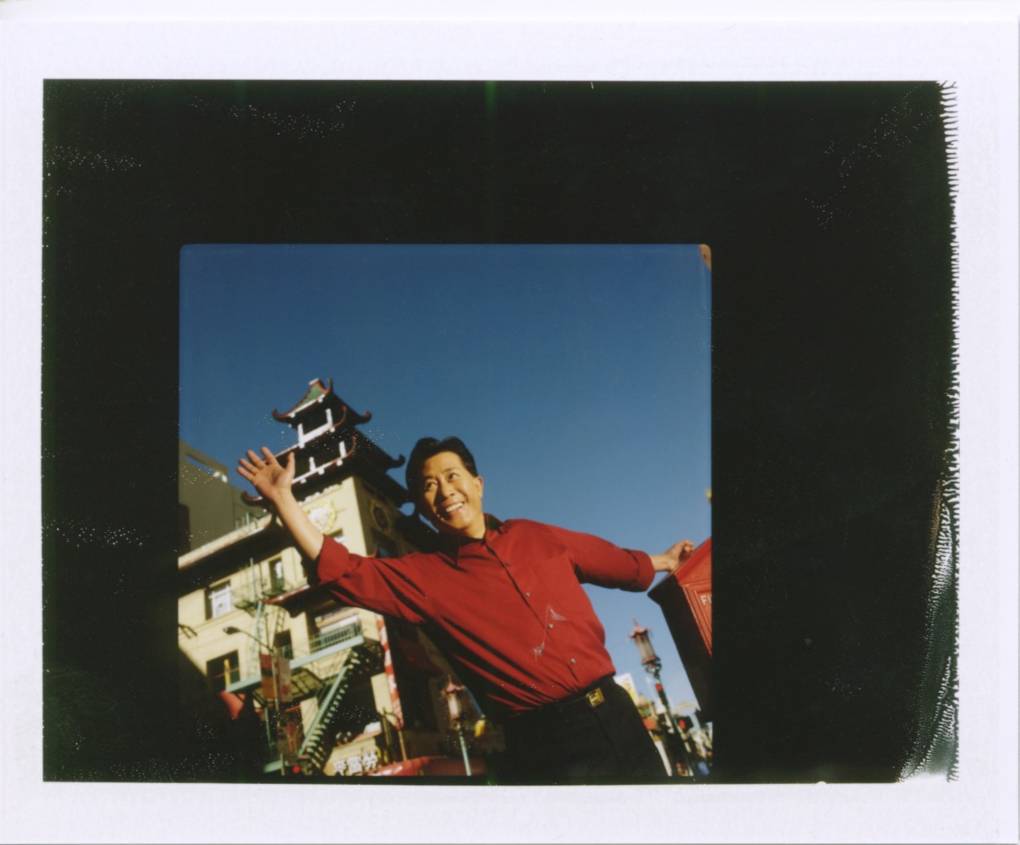
Martin Yan Was a YouTube Celebrity Chef Before There Was YouTube
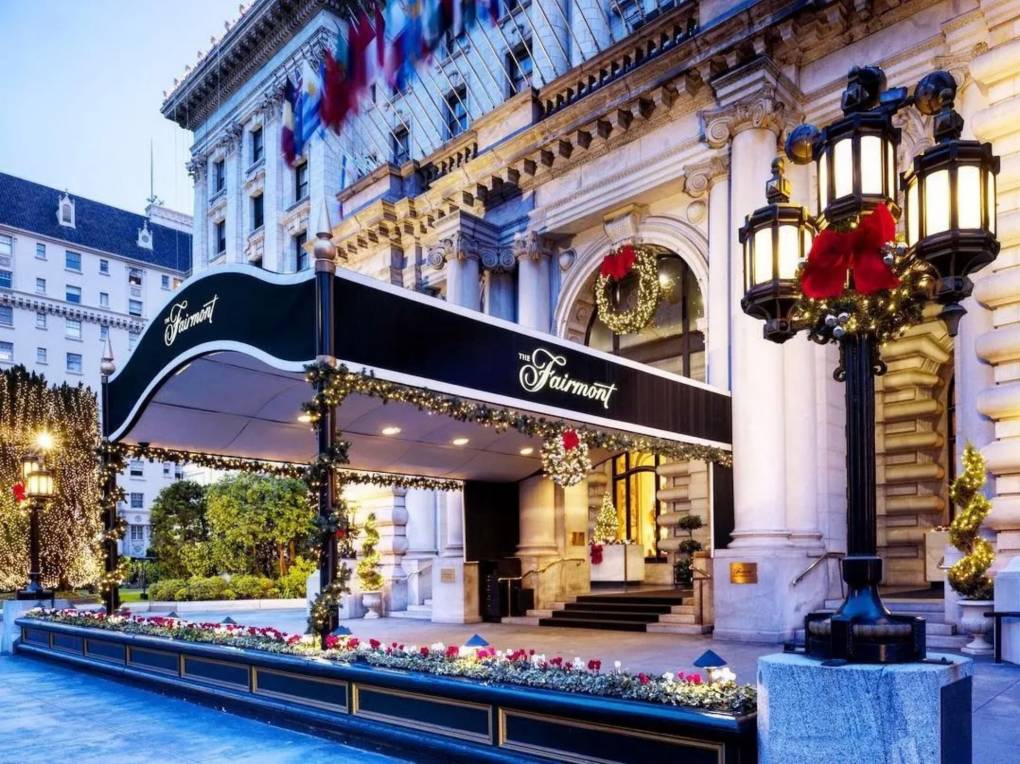
Holiday High Tea: Where to Sip Among Twinkling Lights and Historic Architecture
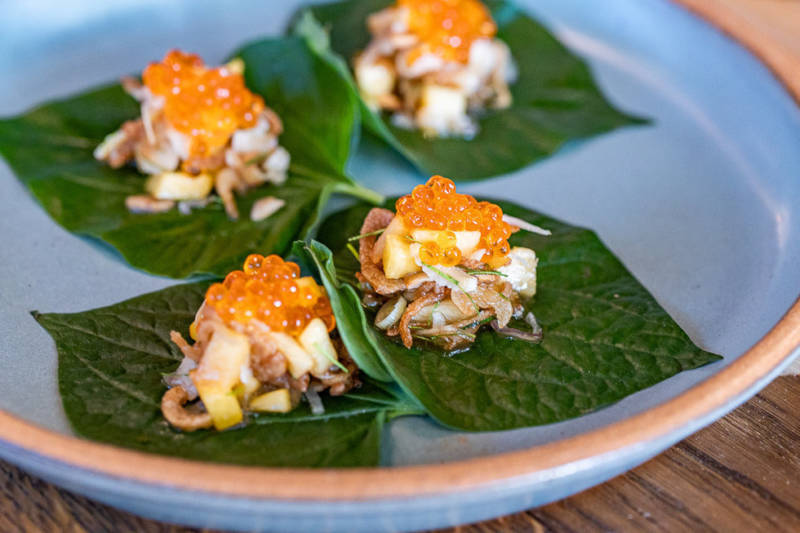
First Taste: Kin Khao sister restaurant Nari bursts with flavor and sophistication
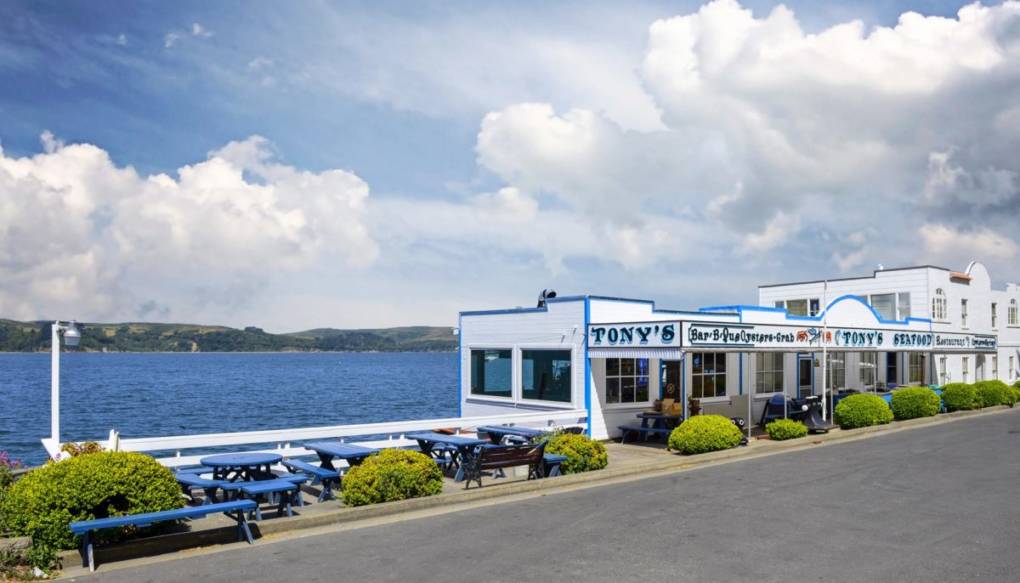
25 Historic Sonoma County Restaurants That Are Still Going Strong
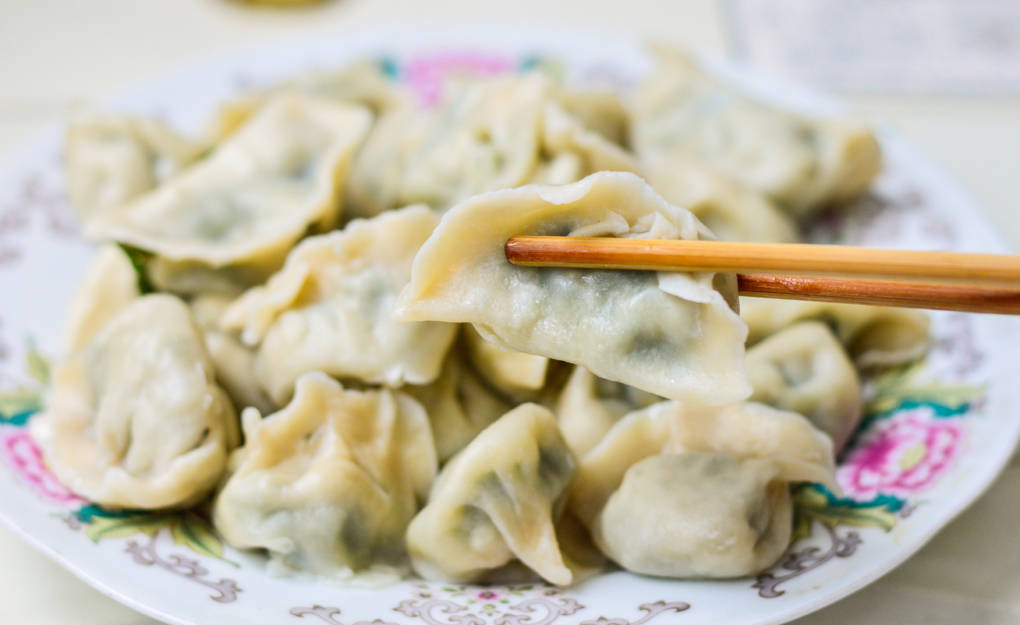
Are These the Best Dumpling Spots in the Bay Area?
5 Restaurants Near SFO Worth Landing At
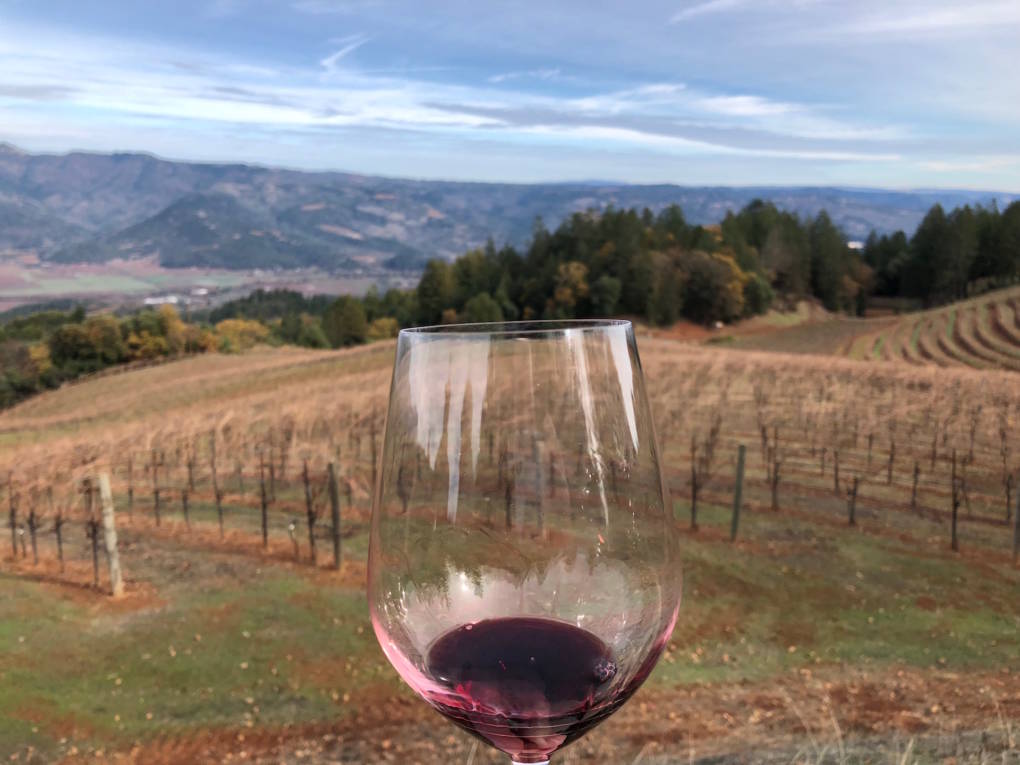
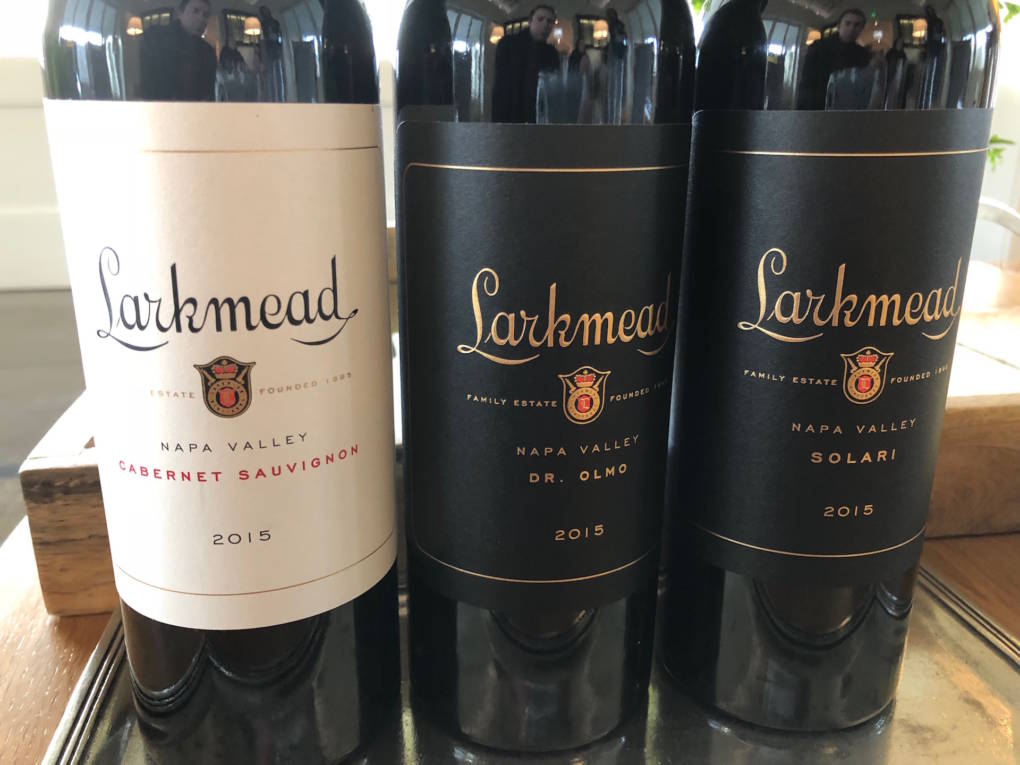
A Northern California Wine Bootcamp Adventure: From St. Helena to San Francisco
A Northern California Wine Bootcamp Adventure: From Sebastopol to St. Helena
A Northern California Wine Bootcamp Adventure: From Boonville to Sebastopol
Sponsored
window.__IS_SSR__=true
window.__INITIAL_STATE__={"attachmentsReducer":{"audio_0":{"type":"attachments","id":"audio_0","imgSizes":{"kqedFullSize":{"file":"https://ww2.kqed.org/news/wp-content/themes/KQED-unified/img/audio_bgs/background0.jpg"}}},"audio_1":{"type":"attachments","id":"audio_1","imgSizes":{"kqedFullSize":{"file":"https://ww2.kqed.org/news/wp-content/themes/KQED-unified/img/audio_bgs/background1.jpg"}}},"audio_2":{"type":"attachments","id":"audio_2","imgSizes":{"kqedFullSize":{"file":"https://ww2.kqed.org/news/wp-content/themes/KQED-unified/img/audio_bgs/background2.jpg"}}},"audio_3":{"type":"attachments","id":"audio_3","imgSizes":{"kqedFullSize":{"file":"https://ww2.kqed.org/news/wp-content/themes/KQED-unified/img/audio_bgs/background3.jpg"}}},"audio_4":{"type":"attachments","id":"audio_4","imgSizes":{"kqedFullSize":{"file":"https://ww2.kqed.org/news/wp-content/themes/KQED-unified/img/audio_bgs/background4.jpg"}}},"placeholder":{"type":"attachments","id":"placeholder","imgSizes":{"thumbnail":{"file":"https://ww2.kqed.org/wp-content/uploads/sites/10/2018/01/GettyImages-896326950-160x96.jpg","width":160,"height":96,"mimeType":"image/jpeg"},"medium":{"file":"https://ww2.kqed.org/wp-content/uploads/sites/10/2018/01/GettyImages-896326950-800x478.jpg","width":800,"height":478,"mimeType":"image/jpeg"},"large":{"file":"https://ww2.kqed.org/wp-content/uploads/sites/10/2018/01/GettyImages-896326950-1020x610.jpg","width":1020,"height":610,"mimeType":"image/jpeg"},"fd-lrg":{"file":"https://ww2.kqed.org/wp-content/uploads/sites/10/2018/01/GettyImages-896326950-1920x1148.jpg","width":1920,"height":1148,"mimeType":"image/jpeg"},"fd-med":{"file":"https://ww2.kqed.org/wp-content/uploads/sites/10/2018/01/GettyImages-896326950-1180x705.jpg","width":1180,"height":705,"mimeType":"image/jpeg"},"fd-sm":{"file":"https://ww2.kqed.org/wp-content/uploads/sites/10/2018/01/GettyImages-896326950-960x574.jpg","width":960,"height":574,"mimeType":"image/jpeg"},"post-thumbnail":{"file":"https://ww2.kqed.org/wp-content/uploads/sites/10/2018/01/GettyImages-896326950-672x372.jpg","width":672,"height":372,"mimeType":"image/jpeg"},"twentyfourteen-full-width":{"file":"https://ww2.kqed.org/wp-content/uploads/sites/10/2018/01/GettyImages-896326950-1038x576.jpg","width":1038,"height":576,"mimeType":"image/jpeg"},"xxsmall":{"file":"https://ww2.kqed.org/wp-content/uploads/sites/10/2018/01/GettyImages-896326950-240x143.jpg","width":240,"height":143,"mimeType":"image/jpeg"},"xsmall":{"file":"https://ww2.kqed.org/wp-content/uploads/sites/10/2018/01/GettyImages-896326950-375x224.jpg","width":375,"height":224,"mimeType":"image/jpeg"},"small":{"file":"https://ww2.kqed.org/wp-content/uploads/sites/10/2018/01/GettyImages-896326950-520x311.jpg","width":520,"height":311,"mimeType":"image/jpeg"},"xlarge":{"file":"https://ww2.kqed.org/wp-content/uploads/sites/10/2018/01/GettyImages-896326950-1180x705.jpg","width":1180,"height":705,"mimeType":"image/jpeg"},"full-width":{"file":"https://ww2.kqed.org/wp-content/uploads/sites/10/2018/01/GettyImages-896326950-1920x1148.jpg","width":1920,"height":1148,"mimeType":"image/jpeg"},"guest-author-32":{"file":"https://ww2.kqed.org/wp-content/uploads/sites/10/2018/01/GettyImages-896326950-32x32.jpg","width":32,"height":32,"mimeType":"image/jpeg"},"guest-author-50":{"file":"https://ww2.kqed.org/wp-content/uploads/sites/10/2018/01/GettyImages-896326950-50x50.jpg","width":50,"height":50,"mimeType":"image/jpeg"},"guest-author-64":{"file":"https://ww2.kqed.org/wp-content/uploads/sites/10/2018/01/GettyImages-896326950-64x64.jpg","width":64,"height":64,"mimeType":"image/jpeg"},"guest-author-96":{"file":"https://ww2.kqed.org/wp-content/uploads/sites/10/2018/01/GettyImages-896326950-96x96.jpg","width":96,"height":96,"mimeType":"image/jpeg"},"guest-author-128":{"file":"https://ww2.kqed.org/wp-content/uploads/sites/10/2018/01/GettyImages-896326950-128x128.jpg","width":128,"height":128,"mimeType":"image/jpeg"},"detail":{"file":"https://ww2.kqed.org/wp-content/uploads/sites/10/2018/01/GettyImages-896326950-150x150.jpg","width":150,"height":150,"mimeType":"image/jpeg"},"kqedFullSize":{"file":"https://ww2.kqed.org/wp-content/uploads/sites/10/2018/01/GettyImages-896326950-e1514998105161.jpg","width":1920,"height":1148}}},"bayareabites_136188":{"type":"attachments","id":"bayareabites_136188","meta":{"index":"attachments_1591205162","site":"bayareabites","id":"136188","found":true},"title":"Chef Yan Chinatown Serie-5-2002","publishDate":1580546816,"status":"inherit","parent":136185,"modified":1580546907,"caption":"Chef Martin Yan has been entertaining audiences across the nation for nearly four decades on his program Yan Can Cook.","credit":"KQED Archives","description":"Celebrated television host and chef Martin Yan waves to the camera in front of Chinatown.","imgSizes":{"thumbnail":{"file":"https://ww2.kqed.org/app/uploads/sites/24/2020/02/Chef-Yan-Chinatown-Serie-5-2002-160x133.jpg","width":160,"height":133,"mimeType":"image/jpeg"},"medium":{"file":"https://ww2.kqed.org/app/uploads/sites/24/2020/02/Chef-Yan-Chinatown-Serie-5-2002-800x663.jpg","width":800,"height":663,"mimeType":"image/jpeg"},"medium_large":{"file":"https://ww2.kqed.org/app/uploads/sites/24/2020/02/Chef-Yan-Chinatown-Serie-5-2002-768x636.jpg","width":768,"height":636,"mimeType":"image/jpeg"},"large":{"file":"https://ww2.kqed.org/app/uploads/sites/24/2020/02/Chef-Yan-Chinatown-Serie-5-2002-1020x845.jpg","width":1020,"height":845,"mimeType":"image/jpeg"},"post-thumbnail":{"file":"https://ww2.kqed.org/app/uploads/sites/24/2020/02/Chef-Yan-Chinatown-Serie-5-2002-672x372.jpg","width":672,"height":372,"mimeType":"image/jpeg"},"twentyfourteen-full-width":{"file":"https://ww2.kqed.org/app/uploads/sites/24/2020/02/Chef-Yan-Chinatown-Serie-5-2002-1038x576.jpg","width":1038,"height":576,"mimeType":"image/jpeg"},"full-width":{"file":"https://ww2.kqed.org/app/uploads/sites/24/2020/02/Chef-Yan-Chinatown-Serie-5-2002-1920x1590.jpg","width":1920,"height":1590,"mimeType":"image/jpeg"},"kqedFullSize":{"file":"https://ww2.kqed.org/app/uploads/sites/24/2020/02/Chef-Yan-Chinatown-Serie-5-2002.jpg","width":1920,"height":1590}},"fetchFailed":false,"isLoading":false},"bayareabites_135787":{"type":"attachments","id":"bayareabites_135787","meta":{"index":"attachments_1591205162","site":"bayareabites","id":"135787","found":true},"title":"fairmont-exterior-holiday","publishDate":1575568215,"status":"inherit","parent":135776,"modified":1575568252,"caption":"The Fairmont San Francisco decked out for the holidays","credit":"Courtesy of Fairmont San Francisco/7x7","description":"The Fairmont San Francisco decked out for the holidays","imgSizes":{"thumbnail":{"file":"https://ww2.kqed.org/app/uploads/sites/24/2019/12/fairmont-exterior-holiday-160x120.jpg","width":160,"height":120,"mimeType":"image/jpeg"},"medium":{"file":"https://ww2.kqed.org/app/uploads/sites/24/2019/12/fairmont-exterior-holiday-800x600.jpg","width":800,"height":600,"mimeType":"image/jpeg"},"medium_large":{"file":"https://ww2.kqed.org/app/uploads/sites/24/2019/12/fairmont-exterior-holiday-768x576.jpg","width":768,"height":576,"mimeType":"image/jpeg"},"large":{"file":"https://ww2.kqed.org/app/uploads/sites/24/2019/12/fairmont-exterior-holiday-1020x764.jpg","width":1020,"height":764,"mimeType":"image/jpeg"},"complete_open_graph":{"file":"https://ww2.kqed.org/app/uploads/sites/24/2019/12/fairmont-exterior-holiday-1200x899.jpg","width":1200,"height":899,"mimeType":"image/jpeg"},"post-thumbnail":{"file":"https://ww2.kqed.org/app/uploads/sites/24/2019/12/fairmont-exterior-holiday-672x372.jpg","width":672,"height":372,"mimeType":"image/jpeg"},"twentyfourteen-full-width":{"file":"https://ww2.kqed.org/app/uploads/sites/24/2019/12/fairmont-exterior-holiday-1038x576.jpg","width":1038,"height":576,"mimeType":"image/jpeg"},"full-width":{"file":"https://ww2.kqed.org/app/uploads/sites/24/2019/12/fairmont-exterior-holiday-1920x1439.jpg","width":1920,"height":1439,"mimeType":"image/jpeg"},"kqedFullSize":{"file":"https://ww2.kqed.org/app/uploads/sites/24/2019/12/fairmont-exterior-holiday.jpg","width":1920,"height":1439}},"fetchFailed":false,"isLoading":false},"bayareabites_134954":{"type":"attachments","id":"bayareabites_134954","meta":{"index":"attachments_1591205162","site":"bayareabites","id":"134954","found":true},"title":"nari-feat-betelnut-leaves-trout","publishDate":1570212754,"status":"inherit","parent":134952,"modified":1570212800,"caption":"Begin dinner at Nari with a pop: These betelnut leaves topped with salty cured trout roe burst with flavor in one bite. ","credit":"Sarah Chorey","description":"Betelnut leaves topped with salty cured trout roe.","imgSizes":{"thumbnail":{"file":"https://ww2.kqed.org/app/uploads/sites/24/2019/10/nari-feat-betelnut-leaves-trout-160x107.jpg","width":160,"height":107,"mimeType":"image/jpeg"},"medium":{"file":"https://ww2.kqed.org/app/uploads/sites/24/2019/10/nari-feat-betelnut-leaves-trout-800x533.jpg","width":800,"height":533,"mimeType":"image/jpeg"},"medium_large":{"file":"https://ww2.kqed.org/app/uploads/sites/24/2019/10/nari-feat-betelnut-leaves-trout-768x512.jpg","width":768,"height":512,"mimeType":"image/jpeg"},"post-thumbnail":{"file":"https://ww2.kqed.org/app/uploads/sites/24/2019/10/nari-feat-betelnut-leaves-trout-672x372.jpg","width":672,"height":372,"mimeType":"image/jpeg"},"twentyfourteen-full-width":{"file":"https://ww2.kqed.org/app/uploads/sites/24/2019/10/nari-feat-betelnut-leaves-trout-980x576.jpg","width":980,"height":576,"mimeType":"image/jpeg"},"kqedFullSize":{"file":"https://ww2.kqed.org/app/uploads/sites/24/2019/10/nari-feat-betelnut-leaves-trout.jpg","width":980,"height":653}},"fetchFailed":false,"isLoading":false},"bayareabites_134943":{"type":"attachments","id":"bayareabites_134943","meta":{"index":"attachments_1591205162","site":"bayareabites","id":"134943","found":true},"title":"tonys","publishDate":1570137957,"status":"inherit","parent":134907,"modified":1570138020,"caption":"Tony’s Seafood Restaurant, established in 1948, located in beautiful Marshall.","credit":"Tony's Seafood Restaurant","description":"Tony’s Seafood Restaurant, established in 1948, located in beautiful Marshall.","imgSizes":{"thumbnail":{"file":"https://ww2.kqed.org/app/uploads/sites/24/2019/10/tonys-160x91.jpg","width":160,"height":91,"mimeType":"image/jpeg"},"medium":{"file":"https://ww2.kqed.org/app/uploads/sites/24/2019/10/tonys-800x457.jpg","width":800,"height":457,"mimeType":"image/jpeg"},"medium_large":{"file":"https://ww2.kqed.org/app/uploads/sites/24/2019/10/tonys-768x439.jpg","width":768,"height":439,"mimeType":"image/jpeg"},"large":{"file":"https://ww2.kqed.org/app/uploads/sites/24/2019/10/tonys-1020x583.jpg","width":1020,"height":583,"mimeType":"image/jpeg"},"complete_open_graph":{"file":"https://ww2.kqed.org/app/uploads/sites/24/2019/10/tonys-1200x686.jpg","width":1200,"height":686,"mimeType":"image/jpeg"},"post-thumbnail":{"file":"https://ww2.kqed.org/app/uploads/sites/24/2019/10/tonys-672x372.jpg","width":672,"height":372,"mimeType":"image/jpeg"},"twentyfourteen-full-width":{"file":"https://ww2.kqed.org/app/uploads/sites/24/2019/10/tonys-1038x576.jpg","width":1038,"height":576,"mimeType":"image/jpeg"},"kqedFullSize":{"file":"https://ww2.kqed.org/app/uploads/sites/24/2019/10/tonys.jpg","width":1200,"height":686}},"fetchFailed":false,"isLoading":false},"bayareabites_134826":{"type":"attachments","id":"bayareabites_134826","meta":{"index":"attachments_1591205162","site":"bayareabites","id":"134826","found":true},"title":"Chopsticks Pick Up Boilded Chineses Dumplings from a Plate","publishDate":1569432261,"status":"inherit","parent":134814,"modified":1569432333,"caption":"Chopsticks Pick Up Boilded Chineses Dumplings from a Plate. ","credit":"Min Jing/iStock","description":"Chopsticks Pick Up Boilded Chineses Dumplings from a Plate. ","imgSizes":{"thumbnail":{"file":"https://ww2.kqed.org/app/uploads/sites/24/2019/09/iStock-860957840-160x98.jpg","width":160,"height":98,"mimeType":"image/jpeg"},"medium":{"file":"https://ww2.kqed.org/app/uploads/sites/24/2019/09/iStock-860957840-800x491.jpg","width":800,"height":491,"mimeType":"image/jpeg"},"medium_large":{"file":"https://ww2.kqed.org/app/uploads/sites/24/2019/09/iStock-860957840-768x471.jpg","width":768,"height":471,"mimeType":"image/jpeg"},"large":{"file":"https://ww2.kqed.org/app/uploads/sites/24/2019/09/iStock-860957840-1020x625.jpg","width":1020,"height":625,"mimeType":"image/jpeg"},"complete_open_graph":{"file":"https://ww2.kqed.org/app/uploads/sites/24/2019/09/iStock-860957840-1200x736.jpg","width":1200,"height":736,"mimeType":"image/jpeg"},"post-thumbnail":{"file":"https://ww2.kqed.org/app/uploads/sites/24/2019/09/iStock-860957840-672x372.jpg","width":672,"height":372,"mimeType":"image/jpeg"},"twentyfourteen-full-width":{"file":"https://ww2.kqed.org/app/uploads/sites/24/2019/09/iStock-860957840-1038x576.jpg","width":1038,"height":576,"mimeType":"image/jpeg"},"kqedFullSize":{"file":"https://ww2.kqed.org/app/uploads/sites/24/2019/09/iStock-860957840.jpg","width":1308,"height":802}},"fetchFailed":false,"isLoading":false},"bayareabites_134799":{"type":"attachments","id":"bayareabites_134799","meta":{"index":"attachments_1591205162","site":"bayareabites","id":"134799","found":true},"title":"sfo-restaurants-feat-image1","publishDate":1568827808,"status":"inherit","parent":134773,"modified":1568827838,"caption":"Bertolucci’s homemade chocolate “praline” will satisfy any chocolate fanatic.","credit":"Trevor Felch/KQED","description":"Bertolucci’s homemade chocolate “praline” will satisfy any chocolate fanatic.","imgSizes":{"thumbnail":{"file":"https://ww2.kqed.org/app/uploads/sites/24/2019/09/sfo-restaurants-feat-image1-160x83.jpg","width":160,"height":83,"mimeType":"image/jpeg"},"medium":{"file":"https://ww2.kqed.org/app/uploads/sites/24/2019/09/sfo-restaurants-feat-image1-800x417.jpg","width":800,"height":417,"mimeType":"image/jpeg"},"medium_large":{"file":"https://ww2.kqed.org/app/uploads/sites/24/2019/09/sfo-restaurants-feat-image1-768x400.jpg","width":768,"height":400,"mimeType":"image/jpeg"},"large":{"file":"https://ww2.kqed.org/app/uploads/sites/24/2019/09/sfo-restaurants-feat-image1-1020x531.jpg","width":1020,"height":531,"mimeType":"image/jpeg"},"complete_open_graph":{"file":"https://ww2.kqed.org/app/uploads/sites/24/2019/09/sfo-restaurants-feat-image1-1200x625.jpg","width":1200,"height":625,"mimeType":"image/jpeg"},"post-thumbnail":{"file":"https://ww2.kqed.org/app/uploads/sites/24/2019/09/sfo-restaurants-feat-image1-672x372.jpg","width":672,"height":372,"mimeType":"image/jpeg"},"twentyfourteen-full-width":{"file":"https://ww2.kqed.org/app/uploads/sites/24/2019/09/sfo-restaurants-feat-image1-1038x576.jpg","width":1038,"height":576,"mimeType":"image/jpeg"},"full-width":{"file":"https://ww2.kqed.org/app/uploads/sites/24/2019/09/sfo-restaurants-feat-image1-1920x1000.jpg","width":1920,"height":1000,"mimeType":"image/jpeg"},"kqedFullSize":{"file":"https://ww2.kqed.org/app/uploads/sites/24/2019/09/sfo-restaurants-feat-image1.jpg","width":1920,"height":1000}},"fetchFailed":false,"isLoading":false},"bayareabites_134667":{"type":"attachments","id":"bayareabites_134667","meta":{"index":"attachments_1591205162","site":"bayareabites","id":"134667","found":true},"title":"Smith-Madrone-Wine-View","publishDate":1567205086,"status":"inherit","parent":134550,"modified":1567205122,"caption":"A Smith-Madrone Cabernet Sauvignon enjoys a panoramic Npa Valley view from the winery’s Spring Mountain estate","credit":"Trevor Felch/KQED","description":null,"imgSizes":{"thumbnail":{"file":"https://ww2.kqed.org/app/uploads/sites/24/2019/08/Smith-Madrone-Wine-View-160x120.jpg","width":160,"height":120,"mimeType":"image/jpeg"},"medium":{"file":"https://ww2.kqed.org/app/uploads/sites/24/2019/08/Smith-Madrone-Wine-View-800x600.jpg","width":800,"height":600,"mimeType":"image/jpeg"},"medium_large":{"file":"https://ww2.kqed.org/app/uploads/sites/24/2019/08/Smith-Madrone-Wine-View-768x576.jpg","width":768,"height":576,"mimeType":"image/jpeg"},"large":{"file":"https://ww2.kqed.org/app/uploads/sites/24/2019/08/Smith-Madrone-Wine-View-1020x765.jpg","width":1020,"height":765,"mimeType":"image/jpeg"},"complete_open_graph":{"file":"https://ww2.kqed.org/app/uploads/sites/24/2019/08/Smith-Madrone-Wine-View-1200x900.jpg","width":1200,"height":900,"mimeType":"image/jpeg"},"post-thumbnail":{"file":"https://ww2.kqed.org/app/uploads/sites/24/2019/08/Smith-Madrone-Wine-View-672x372.jpg","width":672,"height":372,"mimeType":"image/jpeg"},"twentyfourteen-full-width":{"file":"https://ww2.kqed.org/app/uploads/sites/24/2019/08/Smith-Madrone-Wine-View-1038x576.jpg","width":1038,"height":576,"mimeType":"image/jpeg"},"full-width":{"file":"https://ww2.kqed.org/app/uploads/sites/24/2019/08/Smith-Madrone-Wine-View-1920x1440.jpg","width":1920,"height":1440,"mimeType":"image/jpeg"},"kqedFullSize":{"file":"https://ww2.kqed.org/app/uploads/sites/24/2019/08/Smith-Madrone-Wine-View.jpg","width":1920,"height":1440}},"fetchFailed":false,"isLoading":false},"bayareabites_134677":{"type":"attachments","id":"bayareabites_134677","meta":{"index":"attachments_1591205162","site":"bayareabites","id":"134677","found":true},"title":"Larkmead-wines","publishDate":1567206275,"status":"inherit","parent":134548,"modified":1567206299,"caption":"Three formidable Larkmead Vineyards 2015 Cabernet Sauvignon bottlings","credit":"Trevor Felch/KQED","description":"Three formidable Larkmead Vineyards 2015 Cabernet Sauvignon bottlings","imgSizes":{"thumbnail":{"file":"https://ww2.kqed.org/app/uploads/sites/24/2019/08/Larkmead-wines-160x120.jpg","width":160,"height":120,"mimeType":"image/jpeg"},"medium":{"file":"https://ww2.kqed.org/app/uploads/sites/24/2019/08/Larkmead-wines-800x600.jpg","width":800,"height":600,"mimeType":"image/jpeg"},"medium_large":{"file":"https://ww2.kqed.org/app/uploads/sites/24/2019/08/Larkmead-wines-768x576.jpg","width":768,"height":576,"mimeType":"image/jpeg"},"large":{"file":"https://ww2.kqed.org/app/uploads/sites/24/2019/08/Larkmead-wines-1020x765.jpg","width":1020,"height":765,"mimeType":"image/jpeg"},"complete_open_graph":{"file":"https://ww2.kqed.org/app/uploads/sites/24/2019/08/Larkmead-wines-1200x900.jpg","width":1200,"height":900,"mimeType":"image/jpeg"},"post-thumbnail":{"file":"https://ww2.kqed.org/app/uploads/sites/24/2019/08/Larkmead-wines-672x372.jpg","width":672,"height":372,"mimeType":"image/jpeg"},"twentyfourteen-full-width":{"file":"https://ww2.kqed.org/app/uploads/sites/24/2019/08/Larkmead-wines-1038x576.jpg","width":1038,"height":576,"mimeType":"image/jpeg"},"full-width":{"file":"https://ww2.kqed.org/app/uploads/sites/24/2019/08/Larkmead-wines-1920x1440.jpg","width":1920,"height":1440,"mimeType":"image/jpeg"},"kqedFullSize":{"file":"https://ww2.kqed.org/app/uploads/sites/24/2019/08/Larkmead-wines.jpg","width":1920,"height":1440}},"fetchFailed":false,"isLoading":false},"bayareabites_134649":{"type":"attachments","id":"bayareabites_134649","meta":{"index":"attachments_1591205162","site":"bayareabites","id":"134649","found":true},"title":"Littorai-wines","publishDate":1567180574,"status":"inherit","parent":134546,"modified":1567180602,"caption":"A variety of single vineyard Littorai wines","credit":"Trevor Felch/KQED","description":"A variety of single vineyard Littorai wines","imgSizes":{"thumbnail":{"file":"https://ww2.kqed.org/app/uploads/sites/24/2019/08/Littorai-wines-160x120.jpg","width":160,"height":120,"mimeType":"image/jpeg"},"medium":{"file":"https://ww2.kqed.org/app/uploads/sites/24/2019/08/Littorai-wines-800x600.jpg","width":800,"height":600,"mimeType":"image/jpeg"},"medium_large":{"file":"https://ww2.kqed.org/app/uploads/sites/24/2019/08/Littorai-wines-768x576.jpg","width":768,"height":576,"mimeType":"image/jpeg"},"large":{"file":"https://ww2.kqed.org/app/uploads/sites/24/2019/08/Littorai-wines-1020x765.jpg","width":1020,"height":765,"mimeType":"image/jpeg"},"complete_open_graph":{"file":"https://ww2.kqed.org/app/uploads/sites/24/2019/08/Littorai-wines-1200x900.jpg","width":1200,"height":900,"mimeType":"image/jpeg"},"post-thumbnail":{"file":"https://ww2.kqed.org/app/uploads/sites/24/2019/08/Littorai-wines-672x372.jpg","width":672,"height":372,"mimeType":"image/jpeg"},"twentyfourteen-full-width":{"file":"https://ww2.kqed.org/app/uploads/sites/24/2019/08/Littorai-wines-1038x576.jpg","width":1038,"height":576,"mimeType":"image/jpeg"},"full-width":{"file":"https://ww2.kqed.org/app/uploads/sites/24/2019/08/Littorai-wines-1920x1440.jpg","width":1920,"height":1440,"mimeType":"image/jpeg"},"kqedFullSize":{"file":"https://ww2.kqed.org/app/uploads/sites/24/2019/08/Littorai-wines.jpg","width":1920,"height":1440}},"fetchFailed":false,"isLoading":false}},"audioPlayerReducer":{"postId":"stream_live"},"authorsReducer":{"trevorfelch":{"type":"authors","id":"11338","meta":{"index":"authors_1591205172","id":"11338","found":true},"name":"Trevor Felch","firstName":"Trevor","lastName":"Felch","slug":"trevorfelch","email":"trevor.felch@gmail.com","display_author_email":false,"staff_mastheads":[],"title":null,"bio":"\u003cp class=\"p1\">I'm the SF Bay Area editor for Zagat. Before this post, I was a restaurants writer for Thrillist and SF Weekly, along with covering the wine industry for Vino 24/7. I've also dabbled in tech start-ups (of course) and TV journalism (most recently with NBC on their Rio Olympics research team). You'll find me at taquerias, bakeries, bars, pizzerias, corner bistros and tasting menu destinations throughout the Bay Area. Cheers!\u003c/p>","avatar":"https://secure.gravatar.com/avatar/a65d07ea1835bde4c52ca144f9269930?s=600&d=blank&r=g","twitter":null,"facebook":null,"instagram":null,"linkedin":null,"sites":[{"site":"bayareabites","roles":["author"]},{"site":"food","roles":["contributor"]}],"headData":{"title":"Trevor Felch | KQED","description":null,"ogImgSrc":"https://secure.gravatar.com/avatar/a65d07ea1835bde4c52ca144f9269930?s=600&d=blank&r=g","twImgSrc":"https://secure.gravatar.com/avatar/a65d07ea1835bde4c52ca144f9269930?s=600&d=blank&r=g"},"isLoading":false,"link":"/author/trevorfelch"},"sonomamagazine":{"type":"authors","id":"11349","meta":{"index":"authors_1591205172","id":"11349","found":true},"name":"Sonoma Magazine","firstName":"Sonoma","lastName":"Magazine","slug":"sonomamagazine","email":"sonomamag@gmail.com","display_author_email":false,"staff_mastheads":[],"title":null,"bio":"\u003cp class=\"p1\">Sonoma Magazine is an award-winning, bi-monthly publication that celebrates the Sonoma landscape and lifestyle. Through in-depth stories and vivid photography, Sonoma Magazine keeps readers on the pulse of the restaurants, wineries, arts, entertainment, culture and style that make Sonoma a destination, a haven, and a way of life. Visit \u003ca href=\"http://sonomamag.com\">sonomamag.com\u003c/a> to sign up for a subscription and find out what’s new in Wine Country.\u003c/p>","avatar":"https://secure.gravatar.com/avatar/7f30e2b81d7fa7b716644bdceabc490b?s=600&d=blank&r=g","twitter":null,"facebook":null,"instagram":null,"linkedin":null,"sites":[{"site":"bayareabites","roles":["contributor"]},{"site":"food","roles":["contributor"]}],"headData":{"title":"Sonoma Magazine | KQED","description":null,"ogImgSrc":"https://secure.gravatar.com/avatar/7f30e2b81d7fa7b716644bdceabc490b?s=600&d=blank&r=g","twImgSrc":"https://secure.gravatar.com/avatar/7f30e2b81d7fa7b716644bdceabc490b?s=600&d=blank&r=g"},"isLoading":false,"link":"/author/sonomamagazine"},"gcheung":{"type":"authors","id":"11404","meta":{"index":"authors_1591205172","id":"11404","found":true},"name":"Grace Cheung","firstName":"Grace","lastName":"Cheung","slug":"gcheung","email":"gcheung@kqed.org","display_author_email":false,"staff_mastheads":[],"title":"KQED Contributor","bio":"Grace was a social media and digital producer at KQED, and her love of food keeps her busy! As an amateur photographer and chef, she documents her recipes, restaurant adventures, and more on her blog, \u003ca href=\"https://put-an-egg-on-it.com/\">Put An Egg On It\u003c/a>. You can mostly follow her eating adventures on Instagram at \u003ca href=\"https://www.instagram.com/gcheung28/\">@gcheung28\u003c/a>.","avatar":"https://secure.gravatar.com/avatar/9d5b5595007c3709533a8959e3eda091?s=600&d=blank&r=g","twitter":null,"facebook":null,"instagram":null,"linkedin":null,"sites":[{"site":"arts","roles":["editor"]},{"site":"jpepinheart","roles":["editor"]},{"site":"about","roles":["author"]},{"site":"bayareabites","roles":["contributor"]},{"site":"checkplease","roles":["subscriber"]},{"site":"food","roles":["administrator"]},{"site":"essentialpepin","roles":["administrator"]}],"headData":{"title":"Grace Cheung | KQED","description":"KQED Contributor","ogImgSrc":"https://secure.gravatar.com/avatar/9d5b5595007c3709533a8959e3eda091?s=600&d=blank&r=g","twImgSrc":"https://secure.gravatar.com/avatar/9d5b5595007c3709533a8959e3eda091?s=600&d=blank&r=g"},"isLoading":false,"link":"/author/gcheung"},"7x7bayarea":{"type":"authors","id":"11590","meta":{"index":"authors_1591205172","id":"11590","found":true},"name":"7x7 Bay Area","firstName":"7x7 Bay Area","lastName":null,"slug":"7x7bayarea","email":"edit@7x7.com","display_author_email":false,"staff_mastheads":[],"title":null,"bio":"Founded in 2001, 7x7 is an independently owned and totally authentic guide to life in the San Francisco Bay Area. Our 24/7 online resource serves up stories on the best food and drink, arts and culture, style and design, hikes and wellness, regional travel, and more. Visit us anytime at \u003ca href=\"https://www.7x7.com/\">7x7.com\u003c/a>, and also find us on \u003ca href=\"https://www.facebook.com/7x7/\">Facebook\u003c/a>, \u003ca href=\"https://www.instagram.com/7x7bayarea/\">Instagram\u003c/a>, and \u003ca href=\"https://twitter.com/7x7\">Twitter\u003c/a>. Plus, subscribe to our podcast, \u003ca href=\"https://itunes.apple.com/us/podcast/7x7-bay-area-people-will-talk/id1444756628\">\"People Will Talk,\"\u003c/a> for insightful interviews with Bay Area luminaries; you'll find it on iTunes and wherever you get your podcasts.","avatar":"https://secure.gravatar.com/avatar/1084e0a66476f14f77589475632b61a7?s=600&d=blank&r=g","twitter":null,"facebook":null,"instagram":null,"linkedin":null,"sites":[{"site":"bayareabites","roles":["author"]}],"headData":{"title":"7x7 Bay Area | KQED","description":null,"ogImgSrc":"https://secure.gravatar.com/avatar/1084e0a66476f14f77589475632b61a7?s=600&d=blank&r=g","twImgSrc":"https://secure.gravatar.com/avatar/1084e0a66476f14f77589475632b61a7?s=600&d=blank&r=g"},"isLoading":false,"link":"/author/7x7bayarea"},"rgebreyesus":{"type":"authors","id":"11625","meta":{"index":"authors_1591205172","id":"11625","found":true},"name":"Ruth Gebreyesus","firstName":"Ruth","lastName":"Gebreyesus","slug":"rgebreyesus","email":"rgebreyesus@KQED.org","display_author_email":false,"staff_mastheads":[],"title":"Food Writer","bio":"Ruth Gebreyesus is a freelance writer and producer based in the Bay Area. Through stories across various mediums, Ruth explores the creation and consumption of cultural products. You can find more of her work \u003ca href=\"https://www.kotetakotet.com/\">here\u003c/a>.","avatar":"https://secure.gravatar.com/avatar/68980beab511750abbb1a58f1c768b45?s=600&d=blank&r=g","twitter":"root_g","facebook":null,"instagram":null,"linkedin":null,"sites":[{"site":"arts","roles":["subscriber"]},{"site":"bayareabites","roles":["subscriber"]},{"site":"checkplease","roles":["editor"]},{"site":"food","roles":["editor"]}],"headData":{"title":"Ruth Gebreyesus | KQED","description":"Food Writer","ogImgSrc":"https://secure.gravatar.com/avatar/68980beab511750abbb1a58f1c768b45?s=600&d=blank&r=g","twImgSrc":"https://secure.gravatar.com/avatar/68980beab511750abbb1a58f1c768b45?s=600&d=blank&r=g"},"isLoading":false,"link":"/author/rgebreyesus"}},"breakingNewsReducer":{},"campaignFinanceReducer":{},"firebase":{"requesting":{},"requested":{},"timestamps":{},"data":{},"ordered":{},"auth":{"isLoaded":false,"isEmpty":true},"authError":null,"profile":{"isLoaded":false,"isEmpty":true},"listeners":{"byId":{},"allIds":[]},"isInitializing":false,"errors":[]},"navBarReducer":{"navBarId":"arts","fullView":true,"showPlayer":false},"navMenuReducer":{"menus":[{"key":"menu1","items":[{"name":"News","link":"/","type":"title"},{"name":"Politics","link":"/politics"},{"name":"Science","link":"/science"},{"name":"Education","link":"/educationnews"},{"name":"Housing","link":"/housing"},{"name":"Immigration","link":"/immigration"},{"name":"Criminal Justice","link":"/criminaljustice"},{"name":"Silicon Valley","link":"/siliconvalley"},{"name":"Forum","link":"/forum"},{"name":"The California Report","link":"/californiareport"}]},{"key":"menu2","items":[{"name":"Arts & Culture","link":"/arts","type":"title"},{"name":"Critics’ Picks","link":"/thedolist"},{"name":"Cultural Commentary","link":"/artscommentary"},{"name":"Food & Drink","link":"/food"},{"name":"Bay Area Hip-Hop","link":"/bayareahiphop"},{"name":"Rebel Girls","link":"/rebelgirls"},{"name":"Arts Video","link":"/artsvideos"}]},{"key":"menu3","items":[{"name":"Podcasts","link":"/podcasts","type":"title"},{"name":"Bay Curious","link":"/podcasts/baycurious"},{"name":"Rightnowish","link":"/podcasts/rightnowish"},{"name":"The Bay","link":"/podcasts/thebay"},{"name":"On Our Watch","link":"/podcasts/onourwatch"},{"name":"Mindshift","link":"/podcasts/mindshift"},{"name":"Consider This","link":"/podcasts/considerthis"},{"name":"Political Breakdown","link":"/podcasts/politicalbreakdown"}]},{"key":"menu4","items":[{"name":"Live Radio","link":"/radio","type":"title"},{"name":"TV","link":"/tv","type":"title"},{"name":"Events","link":"/events","type":"title"},{"name":"For Educators","link":"/education","type":"title"},{"name":"Support KQED","link":"/support","type":"title"},{"name":"About","link":"/about","type":"title"},{"name":"Help Center","link":"https://kqed-helpcenter.kqed.org/s","type":"title"}]}]},"pagesReducer":{},"postsReducer":{"stream_live":{"type":"live","id":"stream_live","audioUrl":"https://streams.kqed.org/kqedradio","title":"Live Stream","excerpt":"Live Stream information currently unavailable.","link":"/radio","featImg":"","label":{"name":"KQED Live","link":"/"}},"stream_kqedNewscast":{"type":"posts","id":"stream_kqedNewscast","audioUrl":"https://www.kqed.org/.stream/anon/radio/RDnews/newscast.mp3?_=1","title":"KQED Newscast","featImg":"","label":{"name":"88.5 FM","link":"/"}},"bayareabites_136185":{"type":"posts","id":"bayareabites_136185","meta":{"index":"posts_1591205157","site":"bayareabites","id":"136185","score":null,"sort":[1580756414000]},"guestAuthors":[],"slug":"martin-yan-was-a-youtube-celebrity-chef-before-there-was-youtube","title":"Martin Yan Was a YouTube Celebrity Chef Before There Was YouTube","publishDate":1580756414,"format":"standard","headTitle":"Bay Area Bites | KQED Food","labelTerm":{"site":"bayareabites"},"content":"\u003cp>\u003cspan style=\"font-weight: 400\">Martin Yan is still convinced that if he can cook, so can you. At 71, the celebrated television show host and master chef is deeply optimistic about the power of food to bring people together. “Food brings the family together. Food brings friends closer. Food is diplomacy,” he says. \u003c/span>\u003c/p>\n\u003cp>[aside postID='bayareabites_125031' label='What does chef Yan cook at home?']\u003c/p>\n\u003cp>\u003cspan style=\"font-weight: 400\">In 1983, KQED broadcast the first season of \u003c/span>\u003ci>\u003cspan style=\"font-weight: 400\">Yan Can Cook \u003c/span>\u003c/i>\u003cspan style=\"font-weight: 400\">(the chef appeared on a Canadian television program a few years earlier). Zany and educational, Yan’s show, which still airs new episodes, gained a following across the nation. Like public television cooking favorites Julia Child and Jacques Pepin’s shows, the success of Yan’s cooking program was driven by his personality—an indisputable expertise made accessible by his commitment to silliness. \u003c/span>\u003c/p>\n\u003cp>\u003cspan style=\"font-weight: 400\">A more singular challenge Yan faced was introducing Chinese cooking techniques to an audience whose idea of the cuisine was far less complex in 1983 than it is today. He recalls his weekly pilgrimages to San Francisco’s Chinatown to gather ingredients. “Thirty, forty years ago when we started, it was hard to find ingredients. Now there’s a whole isle of ethnic food,” he says. “A chef can go and pick up anything they want.”\u003c/span>\u003c/p>\n\u003cfigure id=\"attachment_136189\" class=\"wp-caption alignnone\" style=\"max-width: 1920px\">\u003cimg class=\"size-full wp-image-136189\" src=\"https://ww2.kqed.org/app/uploads/sites/24/2020/02/Chef-Yan-w_-Dishes-1.jpg\" alt='With his famous catchphrase \"If Yan can cook, you can too!\", chef Martin Yan introduced audiences to Chinese cooking techniques. ' width=\"1920\" height=\"1699\" srcset=\"https://ww2.kqed.org/app/uploads/sites/24/2020/02/Chef-Yan-w_-Dishes-1.jpg 1920w, https://ww2.kqed.org/app/uploads/sites/24/2020/02/Chef-Yan-w_-Dishes-1-160x142.jpg 160w, https://ww2.kqed.org/app/uploads/sites/24/2020/02/Chef-Yan-w_-Dishes-1-800x708.jpg 800w, https://ww2.kqed.org/app/uploads/sites/24/2020/02/Chef-Yan-w_-Dishes-1-768x680.jpg 768w, https://ww2.kqed.org/app/uploads/sites/24/2020/02/Chef-Yan-w_-Dishes-1-1020x903.jpg 1020w\" sizes=\"(max-width: 1920px) 100vw, 1920px\">\u003cfigcaption class=\"wp-caption-text\">With his famous catchphrase \"If Yan can cook, you can too!\", chef Martin Yan introduced audiences to Chinese cooking techniques. \u003ccite>(KQED Archives)\u003c/cite>\u003c/figcaption>\u003c/figure>\n\u003cp>\u003cspan style=\"font-weight: 400\">These days, personality-driven cooking shows are ubiquitous on television and streaming platforms. Among those, \u003c/span>\u003ci>\u003cspan style=\"font-weight: 400\">Bon Appétit\u003c/span>\u003c/i>\u003cspan style=\"font-weight: 400\">’s YouTube channel boasts over a billion views with shows focusing on the adventures and experiments of the editorial team from its bustling test kitchen. Moving away from “hands-and-pans” shots that insinuate neutral professionalism,\u003c/span>\u003ci>\u003cspan style=\"font-weight: 400\"> Bon Appétit \u003c/span>\u003c/i>\u003cspan style=\"font-weight: 400\">along with YouTube celebrities have placed humor and narrative at the center of their videos. \u003c/span>\u003c/p>\n\u003cp>[ad fullwidth]\u003c/p>\n\u003cp>\u003cspan style=\"font-weight: 400\">All this is something Yan has done since the beginning. “Some people do it with passion, some people do it as a job,” he says. “We have done this with passion and only when you have passion you don’t feel like you’re working.” His passion is contagious, as seen in the active comment section of fan uploads of \u003cem>Yan Can Cook\u003c/em>, with people recalling watching when they stayed home from school and on weekend mornings. \u003c/span>\u003c/p>\n\u003cp>\u003cspan style=\"font-weight: 400\">Today, Yan is still cooking and touring the world with his show, exploring different regional cuisines in China and nearby nations in east Asia. He also runs the successful M.Y. China restaurant on the 4th floor of San Francisco’s Westfield Center. “I continue to believe that if I do a good job, people will come together and cook more,” he says. “So if I can do it on air, everybody can do it.” \u003c/span>\u003c/p>\n\u003cp>\u003cspan style=\"font-weight: 400\">For those of you want to relive the classic days of\u003c/span>\u003ca href=\"https://www.youtube.com/playlist?list=PL_PgxS3FkP7CL6Jg_8VENIhPSS8vul6cZ\">\u003ci>\u003cspan style=\"font-weight: 400\"> Yan Can Cook\u003c/span>\u003c/i>\u003c/a>\u003cspan style=\"font-weight: 400\">, KQED is releasing past episodes every Monday in 2020. \u003c/span>\u003c/p>\n\u003cp>[youtube https://www.youtube.com/watch?v=XT5-z1dGL70&w=560&h=315]\u003c/p>\n\u003cp> \u003c/p>\n\u003cp>\u003c/p>\n\u003cp> \u003c/p>\n\n","blocks":[],"excerpt":"The ever-enthusiastic chef still believes if he can cook, you can too. ","status":"publish","parent":0,"modified":1580752298,"stats":{"hasAudio":false,"hasVideo":true,"hasChartOrMap":false,"iframeSrcs":[],"hasGoogleForm":false,"hasGallery":false,"hasHearkenModule":false,"hasPolis":false,"paragraphCount":11,"wordCount":534},"headData":{"title":"Martin Yan Was a YouTube Celebrity Chef Before There Was YouTube | KQED","description":"The ever-enthusiastic chef still believes if he can cook, you can too. ","ogTitle":"","ogDescription":"","ogImgId":"","twTitle":"","twDescription":"","twImgId":"","schema":{"@context":"http://schema.org","@type":"Article","headline":"Martin Yan Was a YouTube Celebrity Chef Before There Was YouTube","datePublished":"2020-02-03T19:00:14.000Z","dateModified":"2020-02-03T17:51:38.000Z","image":"https://cdn.kqed.org/wp-content/uploads/2020/02/KQED-OG-Image@1x.png"}},"disqusIdentifier":"136185 https://ww2.kqed.org/bayareabites/?p=136185","disqusUrl":"https://ww2.kqed.org/bayareabites/2020/02/03/martin-yan-was-a-youtube-celebrity-chef-before-there-was-youtube/","disqusTitle":"Martin Yan Was a YouTube Celebrity Chef Before There Was YouTube","templateType":"standard","featuredImageType":"standard","path":"/bayareabites/136185/martin-yan-was-a-youtube-celebrity-chef-before-there-was-youtube","audioTrackLength":null,"parsedContent":[{"type":"contentString","content":"\u003cdiv class=\"post-body\">\u003cp>\u003cp>\u003cspan style=\"font-weight: 400\">Martin Yan is still convinced that if he can cook, so can you. At 71, the celebrated television show host and master chef is deeply optimistic about the power of food to bring people together. “Food brings the family together. Food brings friends closer. Food is diplomacy,” he says. \u003c/span>\u003c/p>\n\u003cp>\u003c/p>\u003c/div>","attributes":{"named":{},"numeric":[]}},{"type":"component","content":"","name":"aside","attributes":{"named":{"postid":"bayareabites_125031","label":"What does chef Yan cook at home? "},"numeric":[]}},{"type":"contentString","content":"\u003cdiv class=\"post-body\">\u003cp>\u003c/p>\n\u003cp>\u003cspan style=\"font-weight: 400\">In 1983, KQED broadcast the first season of \u003c/span>\u003ci>\u003cspan style=\"font-weight: 400\">Yan Can Cook \u003c/span>\u003c/i>\u003cspan style=\"font-weight: 400\">(the chef appeared on a Canadian television program a few years earlier). Zany and educational, Yan’s show, which still airs new episodes, gained a following across the nation. Like public television cooking favorites Julia Child and Jacques Pepin’s shows, the success of Yan’s cooking program was driven by his personality—an indisputable expertise made accessible by his commitment to silliness. \u003c/span>\u003c/p>\n\u003cp>\u003cspan style=\"font-weight: 400\">A more singular challenge Yan faced was introducing Chinese cooking techniques to an audience whose idea of the cuisine was far less complex in 1983 than it is today. He recalls his weekly pilgrimages to San Francisco’s Chinatown to gather ingredients. “Thirty, forty years ago when we started, it was hard to find ingredients. Now there’s a whole isle of ethnic food,” he says. “A chef can go and pick up anything they want.”\u003c/span>\u003c/p>\n\u003cfigure id=\"attachment_136189\" class=\"wp-caption alignnone\" style=\"max-width: 1920px\">\u003cimg class=\"size-full wp-image-136189\" src=\"https://ww2.kqed.org/app/uploads/sites/24/2020/02/Chef-Yan-w_-Dishes-1.jpg\" alt='With his famous catchphrase \"If Yan can cook, you can too!\", chef Martin Yan introduced audiences to Chinese cooking techniques. ' width=\"1920\" height=\"1699\" srcset=\"https://ww2.kqed.org/app/uploads/sites/24/2020/02/Chef-Yan-w_-Dishes-1.jpg 1920w, https://ww2.kqed.org/app/uploads/sites/24/2020/02/Chef-Yan-w_-Dishes-1-160x142.jpg 160w, https://ww2.kqed.org/app/uploads/sites/24/2020/02/Chef-Yan-w_-Dishes-1-800x708.jpg 800w, https://ww2.kqed.org/app/uploads/sites/24/2020/02/Chef-Yan-w_-Dishes-1-768x680.jpg 768w, https://ww2.kqed.org/app/uploads/sites/24/2020/02/Chef-Yan-w_-Dishes-1-1020x903.jpg 1020w\" sizes=\"(max-width: 1920px) 100vw, 1920px\">\u003cfigcaption class=\"wp-caption-text\">With his famous catchphrase \"If Yan can cook, you can too!\", chef Martin Yan introduced audiences to Chinese cooking techniques. \u003ccite>(KQED Archives)\u003c/cite>\u003c/figcaption>\u003c/figure>\n\u003cp>\u003cspan style=\"font-weight: 400\">These days, personality-driven cooking shows are ubiquitous on television and streaming platforms. Among those, \u003c/span>\u003ci>\u003cspan style=\"font-weight: 400\">Bon Appétit\u003c/span>\u003c/i>\u003cspan style=\"font-weight: 400\">’s YouTube channel boasts over a billion views with shows focusing on the adventures and experiments of the editorial team from its bustling test kitchen. Moving away from “hands-and-pans” shots that insinuate neutral professionalism,\u003c/span>\u003ci>\u003cspan style=\"font-weight: 400\"> Bon Appétit \u003c/span>\u003c/i>\u003cspan style=\"font-weight: 400\">along with YouTube celebrities have placed humor and narrative at the center of their videos. \u003c/span>\u003c/p>\n\u003cp>\u003c/p>\u003c/div>","attributes":{"named":{},"numeric":[]}},{"type":"component","content":"","name":"ad","attributes":{"named":{"label":"fullwidth"},"numeric":["fullwidth"]}},{"type":"contentString","content":"\u003cdiv class=\"post-body\">\u003cp>\u003c/p>\n\u003cp>\u003cspan style=\"font-weight: 400\">All this is something Yan has done since the beginning. “Some people do it with passion, some people do it as a job,” he says. “We have done this with passion and only when you have passion you don’t feel like you’re working.” His passion is contagious, as seen in the active comment section of fan uploads of \u003cem>Yan Can Cook\u003c/em>, with people recalling watching when they stayed home from school and on weekend mornings. \u003c/span>\u003c/p>\n\u003cp>\u003cspan style=\"font-weight: 400\">Today, Yan is still cooking and touring the world with his show, exploring different regional cuisines in China and nearby nations in east Asia. He also runs the successful M.Y. China restaurant on the 4th floor of San Francisco’s Westfield Center. “I continue to believe that if I do a good job, people will come together and cook more,” he says. “So if I can do it on air, everybody can do it.” \u003c/span>\u003c/p>\n\u003cp>\u003cspan style=\"font-weight: 400\">For those of you want to relive the classic days of\u003c/span>\u003ca href=\"https://www.youtube.com/playlist?list=PL_PgxS3FkP7CL6Jg_8VENIhPSS8vul6cZ\">\u003ci>\u003cspan style=\"font-weight: 400\"> Yan Can Cook\u003c/span>\u003c/i>\u003c/a>\u003cspan style=\"font-weight: 400\">, KQED is releasing past episodes every Monday in 2020. \u003c/span>\u003c/p>\n\u003cp>\u003c/p>\u003cp>\u003cspan class='utils-parseShortcode-shortcodes-__youtubeShortcode__embedYoutube'>\n \u003cspan class='utils-parseShortcode-shortcodes-__youtubeShortcode__embedYoutubeInside'>\n \u003ciframe\n loading='lazy'\n class='utils-parseShortcode-shortcodes-__youtubeShortcode__youtubePlayer'\n type='text/html'\n src='//www.youtube.com/embed/XT5-z1dGL70'\n title='//www.youtube.com/embed/XT5-z1dGL70'\n allowfullscreen='true'\n style='border:0;'>\u003c/iframe>\n \u003c/span>\n \u003c/span>\u003c/p>\u003cp>\u003c/p>\n\u003cp> \u003c/p>\n\u003cp>\u003c/p>\n\u003cp> \u003c/p>\n\n\u003c/div>\u003c/p>","attributes":{"named":{},"numeric":[]}}],"link":"/bayareabites/136185/martin-yan-was-a-youtube-celebrity-chef-before-there-was-youtube","authors":["11625"],"categories":["bayareabites_2998","bayareabites_109","bayareabites_752","bayareabites_63","bayareabites_2090","bayareabites_45","bayareabites_1875","bayareabites_61","bayareabites_316"],"tags":["bayareabites_8410","bayareabites_2386","bayareabites_10655","bayareabites_9710","bayareabites_14740","bayareabites_11091"],"featImg":"bayareabites_136188","label":"bayareabites"},"bayareabites_135776":{"type":"posts","id":"bayareabites_135776","meta":{"index":"posts_1591205157","site":"bayareabites","id":"135776","score":null,"sort":[1575568963000]},"guestAuthors":[],"slug":"holiday-high-tea-where-to-sip-among-twinkling-lights-and-historic-architecture","title":"Holiday High Tea: Where to Sip Among Twinkling Lights and Historic Architecture","publishDate":1575568963,"format":"standard","headTitle":"Bay Area Bites | KQED Food","labelTerm":{"site":"bayareabites"},"content":"\u003cp>This time of year, some of the Bay Area's most beautiful historic homes and hotels take on the tradition of afternoon tea.\u003cbr>\n[aside postID='bayareabites_135744']\u003cbr>\nThese extravagant architectural beauties are worth a visit in any season, but crustless finger sandwiches, scones with Devonshire cream and lemon curd, and an uplifting, aromatic tea make the trip even better. After all, everyone deserves to indulge in a little tradition around the holidays.\u003c/p>\n\u003ch2>Filoli\u003c/h2>\n\u003cp>86 Cañada Rd.\u003cbr>\nWoodside\u003c/p>\n\u003cfigure id=\"attachment_135781\" class=\"wp-caption aligncenter\" style=\"max-width: 1920px\">\u003cimg src=\"https://ww2.kqed.org/app/uploads/sites/24/2019/12/filoli.jpg\" alt=\"Filoli decked out for the holidays\" width=\"1920\" height=\"1123\" class=\"size-full wp-image-135781\" srcset=\"https://ww2.kqed.org/app/uploads/sites/24/2019/12/filoli.jpg 1920w, https://ww2.kqed.org/app/uploads/sites/24/2019/12/filoli-160x94.jpg 160w, https://ww2.kqed.org/app/uploads/sites/24/2019/12/filoli-800x468.jpg 800w, https://ww2.kqed.org/app/uploads/sites/24/2019/12/filoli-768x449.jpg 768w, https://ww2.kqed.org/app/uploads/sites/24/2019/12/filoli-1020x597.jpg 1020w, https://ww2.kqed.org/app/uploads/sites/24/2019/12/filoli-1200x702.jpg 1200w\" sizes=\"(max-width: 1920px) 100vw, 1920px\">\u003cfigcaption class=\"wp-caption-text\">Filoli decked out for the holidays \u003ccite>(Courtesy of Filoli via Facebook/7x7)\u003c/cite>\u003c/figcaption>\u003c/figure>\n\u003cp>\u003ca href=\"filoli.org\" target=\"_blank\" rel=\"noopener noreferrer\">Filoli\u003c/a>, the 19th century English manor in Woodside, takes the holidays very seriously: Musicians play special engagements, Santa makes a visit, and the property's manicured gardens magically light up. One of their best winter traditions, however, is a holiday high tea—a special version of their year-round tea service where they pull out all the stops. Alongside a special tea blend, guests are served delicate holiday treats with their scones and finger sandwiches. \u003c/p>\n\u003cp>When the meal is finished, check out the house's Drawing Room, where tea was traditionally presented to honored visitors. High tea is held every Tuesday and some Sundays from 1:30pm to 3pm, between November 26th and December 17th.\u003c/p>\n\u003ch2>Garden Court at the Palace Hotel\u003c/h2>\n\u003cp>2 New Montgomery St.\u003cbr>\nSan Francisco\u003c/p>\n\u003cfigure id=\"attachment_135782\" class=\"wp-caption aligncenter\" style=\"max-width: 1920px\">\u003cimg class=\"size-full wp-image-135782\" src=\"https://ww2.kqed.org/app/uploads/sites/24/2019/12/palace-hotel-garden-court.jpg\" alt=\"\" width=\"1920\" height=\"1281\" srcset=\"https://ww2.kqed.org/app/uploads/sites/24/2019/12/palace-hotel-garden-court.jpg 1920w, https://ww2.kqed.org/app/uploads/sites/24/2019/12/palace-hotel-garden-court-160x107.jpg 160w, https://ww2.kqed.org/app/uploads/sites/24/2019/12/palace-hotel-garden-court-800x534.jpg 800w, https://ww2.kqed.org/app/uploads/sites/24/2019/12/palace-hotel-garden-court-768x512.jpg 768w, https://ww2.kqed.org/app/uploads/sites/24/2019/12/palace-hotel-garden-court-1020x681.jpg 1020w, https://ww2.kqed.org/app/uploads/sites/24/2019/12/palace-hotel-garden-court-1200x801.jpg 1200w\" sizes=\"(max-width: 1920px) 100vw, 1920px\">\u003cfigcaption class=\"wp-caption-text\">Finger sandwiches, scones and tea at the Palace Hotel \u003ccite>(Courtesy of the Palace Hotel/7x7)\u003c/cite>\u003c/figcaption>\u003c/figure>\n\u003cp>\u003ca href=\"sfpalace.com\" target=\"_blank\" rel=\"noopener noreferrer\">The Palace\u003c/a>'s sumptuous Garden Court, with its stained glass dome and Austrian crystal chandeliers, was the hotel's crowning jewel when it opened in 1909. Over the years, it has hosted presidents (Warren G. Harding died in a room upstairs) and starred in movies (1997's The Game). For over a hundred years, it has also been the site of an elegant tea service.\u003cbr>\n[aside postID='news_11712325' align='left']\u003cbr>\nPresented on fine china and silver, holiday tea in the Garden Court ($90/adults, $60/kids) includes a special festive menu of finger sandwiches, scones, and sugar plum tea. On December 12th, 19th, 23rd, and 24th, the Palace will also offer tea with Santa ($95/adults, $65/kids). For those who want a little bubbly along with their tea, try the sparkling wine tea ($76). // Tea is served Monday through Saturday afternoons in December; reservations are preferred.\u003c/p>\n\u003ch2>Pardee Home Museum\u003c/h2>\n\u003cp>672 11th St.\u003cbr>\nOakland\u003c/p>\n\u003cfigure id=\"attachment_135783\" class=\"wp-caption aligncenter\" style=\"max-width: 1000px\">\u003cimg src=\"https://ww2.kqed.org/app/uploads/sites/24/2019/12/pardee-house.jpg\" alt=\"High tea at the Pardee Home Museum in Oakland\" width=\"1000\" height=\"1000\" class=\"size-full wp-image-135783\" srcset=\"https://ww2.kqed.org/app/uploads/sites/24/2019/12/pardee-house.jpg 1000w, https://ww2.kqed.org/app/uploads/sites/24/2019/12/pardee-house-160x160.jpg 160w, https://ww2.kqed.org/app/uploads/sites/24/2019/12/pardee-house-800x800.jpg 800w, https://ww2.kqed.org/app/uploads/sites/24/2019/12/pardee-house-768x768.jpg 768w\" sizes=\"(max-width: 1000px) 100vw, 1000px\">\u003cfigcaption class=\"wp-caption-text\">High tea at the Pardee Home Museum in Oakland \u003ccite>(Courtesy of Pardee Home Museum via Yelp/7x7)\u003c/cite>\u003c/figcaption>\u003c/figure>\n\u003cp>This cream-colored Victorian built in 1869 in Oakland celebrates its roots with oh-so British high teas. Served either in the house's elegant dining room or its manicured garden, \u003ca href=\"pardeehome.org\" target=\"_blank\" rel=\"noopener noreferrer\">the Pardee Home\u003c/a> pairs their brew with platters of sweet and savory treats for between six and twelve guests ($35 for high tea, $25 for dessert tea, $40 for garden tea). \u003c/p>\n\u003cp>[ad fullwidth]\u003c/p>\n\u003cp>When you've cleared your plate, take a tour of this beautifully decorated house museum. Teas are private and must be scheduled in advance. \u003c/p>\n\u003ch2>Fairmont San Francisco\u003c/h2>\n\u003cp>950 Mason St.\u003cbr>\nSan Francisco\u003c/p>\n\u003cfigure id=\"attachment_135784\" class=\"wp-caption aligncenter\" style=\"max-width: 1920px\">\u003cimg src=\"https://ww2.kqed.org/app/uploads/sites/24/2019/12/fairmont-christmas-tree.jpg\" alt=\"\" width=\"1920\" height=\"1277\" class=\"size-full wp-image-135784\" srcset=\"https://ww2.kqed.org/app/uploads/sites/24/2019/12/fairmont-christmas-tree.jpg 1920w, https://ww2.kqed.org/app/uploads/sites/24/2019/12/fairmont-christmas-tree-160x106.jpg 160w, https://ww2.kqed.org/app/uploads/sites/24/2019/12/fairmont-christmas-tree-800x532.jpg 800w, https://ww2.kqed.org/app/uploads/sites/24/2019/12/fairmont-christmas-tree-768x511.jpg 768w, https://ww2.kqed.org/app/uploads/sites/24/2019/12/fairmont-christmas-tree-1020x678.jpg 1020w, https://ww2.kqed.org/app/uploads/sites/24/2019/12/fairmont-christmas-tree-1200x798.jpg 1200w\" sizes=\"(max-width: 1920px) 100vw, 1920px\">\u003cfigcaption class=\"wp-caption-text\">The Fairmont San Francisco does Christmas right \u003ccite>(Courtesy of Fairmont San Francisco via Facebook/7x7)\u003c/cite>\u003c/figcaption>\u003c/figure>\n\u003cp>Afternoon tea has been served at the \u003ca href=\"fairmont.com\" target=\"_blank\" rel=\"noopener noreferrer\">Fairmont San Francisco\u003c/a> since 1907, so they've had time to perfect their skills. Presented in the Laurel Court restaurant and bar, the centerpiece of the hotel's lobby opens again after waiting six decades to be restored. the Fairmont's tea includes scones, pastries, and teas with locally sourced ingredients. Tea here is served on Saturday and Sunday afternoons year-round (between 1:30 and 3:30pm) but during the holidays, the lobby is extra festive—dressed to the nines in trains, trees, and a massive gingerbread house. \u003c/p>\n\u003cp>Get festive by attending their signature Gingerbread Holiday Tea, from November 30th through December 31st ($129/adult, $89/kid). // Reservations recommended.\u003c/p>\n\u003ch2>Top of the Mark\u003c/h2>\n\u003cp>999 California St.\u003cbr>\nSan Francisco\u003c/p>\n\u003cfigure id=\"attachment_135785\" class=\"wp-caption aligncenter\" style=\"max-width: 1954px\">\u003cimg src=\"https://ww2.kqed.org/app/uploads/sites/24/2019/12/top-of-mark-christmas.jpg\" alt=\"Afternoon tea at Top of the Mark\" width=\"1954\" height=\"1310\" class=\"size-full wp-image-135785\" srcset=\"https://ww2.kqed.org/app/uploads/sites/24/2019/12/top-of-mark-christmas.jpg 1954w, https://ww2.kqed.org/app/uploads/sites/24/2019/12/top-of-mark-christmas-160x107.jpg 160w, https://ww2.kqed.org/app/uploads/sites/24/2019/12/top-of-mark-christmas-800x536.jpg 800w, https://ww2.kqed.org/app/uploads/sites/24/2019/12/top-of-mark-christmas-768x515.jpg 768w, https://ww2.kqed.org/app/uploads/sites/24/2019/12/top-of-mark-christmas-1020x684.jpg 1020w, https://ww2.kqed.org/app/uploads/sites/24/2019/12/top-of-mark-christmas-1200x805.jpg 1200w\" sizes=\"(max-width: 1954px) 100vw, 1954px\">\u003cfigcaption class=\"wp-caption-text\">During the holidays, Top of the Mark serves two versions of afternoon tea—one for adults, another for kids. \u003ccite>(Courtesy of Top of the Mark/7x7)\u003c/cite>\u003c/figcaption>\u003c/figure>\n\u003cp>High above the city, perched on the penthouse level of the Intercontinental Mark Hopkins Hotel, \u003ca href=\"holidaysatthemark.com\" target=\"_blank\" rel=\"noopener noreferrer\">Top of the Mark\u003c/a> has been charming guests since 1939. During the holidays, this iconic San Francisco eatery serves two versions of afternoon tea—one for adults, another for kids. \u003c/p>\n\u003cp>At the Children's Magical Tea ($80), finger sandwiches, scones and pastries are served buffet style in a delightful afternoon of face painting, cookie decorating, and balloon animal making. There are two seatings—at noon and 12:30pm—Fridays and Saturdays between November 29th and December 26th. If you can't make these times, swing by on Thursday, December 19th or Wednesday, December 26th. \u003c/p>\n\u003cp>For an extra holiday treat, be sure to schedule your teatime around Santa himself: Santa Claus will be in the lobby on Saturdays December 7th, 14th, and 21st between 12:30pm and 4:30pm. // Reservations required.\u003c/p>\n\u003cp>\u003c/p>\n\u003cp>\u003ci>This article originally appeared on \u003ca href=\"https://www.7x7.com/holiday-high-tea-bay-area-2507204931.html\" target=\"_blank\" rel=\"noopener noreferrer\">7x7 Bay Area\u003c/a>.\u003c/i>\u003c/p>\n\n","blocks":[],"excerpt":"During the holidays, some of the Bay Area's most beautiful historic homes and hotels take on the tradition of afternoon tea.","status":"publish","parent":0,"modified":1575568963,"stats":{"hasAudio":false,"hasVideo":false,"hasChartOrMap":false,"iframeSrcs":[],"hasGoogleForm":false,"hasGallery":false,"hasHearkenModule":false,"hasPolis":false,"paragraphCount":19,"wordCount":825},"headData":{"title":"Holiday High Tea: Where to Sip Among Twinkling Lights and Historic Architecture | KQED","description":"During the holidays, some of the Bay Area's most beautiful historic homes and hotels take on the tradition of afternoon tea.","ogTitle":"","ogDescription":"","ogImgId":"","twTitle":"","twDescription":"","twImgId":"","schema":{"@context":"http://schema.org","@type":"Article","headline":"Holiday High Tea: Where to Sip Among Twinkling Lights and Historic Architecture","datePublished":"2019-12-05T18:02:43.000Z","dateModified":"2019-12-05T18:02:43.000Z","image":"https://cdn.kqed.org/wp-content/uploads/2020/02/KQED-OG-Image@1x.png"}},"disqusIdentifier":"135776 https://ww2.kqed.org/bayareabites/?p=135776","disqusUrl":"https://ww2.kqed.org/bayareabites/2019/12/05/holiday-high-tea-where-to-sip-among-twinkling-lights-and-historic-architecture/","disqusTitle":"Holiday High Tea: Where to Sip Among Twinkling Lights and Historic Architecture","path":"/bayareabites/135776/holiday-high-tea-where-to-sip-among-twinkling-lights-and-historic-architecture","audioTrackLength":null,"parsedContent":[{"type":"contentString","content":"\u003cdiv class=\"post-body\">\u003cp>\u003cp>This time of year, some of the Bay Area's most beautiful historic homes and hotels take on the tradition of afternoon tea.\u003cbr>\n\u003c/p>\u003c/div>","attributes":{"named":{},"numeric":[]}},{"type":"component","content":"","name":"aside","attributes":{"named":{"postid":"bayareabites_135744","label":""},"numeric":[]}},{"type":"contentString","content":"\u003cdiv class=\"post-body\">\u003cp>\u003cbr>\nThese extravagant architectural beauties are worth a visit in any season, but crustless finger sandwiches, scones with Devonshire cream and lemon curd, and an uplifting, aromatic tea make the trip even better. After all, everyone deserves to indulge in a little tradition around the holidays.\u003c/p>\n\u003ch2>Filoli\u003c/h2>\n\u003cp>86 Cañada Rd.\u003cbr>\nWoodside\u003c/p>\n\u003cfigure id=\"attachment_135781\" class=\"wp-caption aligncenter\" style=\"max-width: 1920px\">\u003cimg src=\"https://ww2.kqed.org/app/uploads/sites/24/2019/12/filoli.jpg\" alt=\"Filoli decked out for the holidays\" width=\"1920\" height=\"1123\" class=\"size-full wp-image-135781\" srcset=\"https://ww2.kqed.org/app/uploads/sites/24/2019/12/filoli.jpg 1920w, https://ww2.kqed.org/app/uploads/sites/24/2019/12/filoli-160x94.jpg 160w, https://ww2.kqed.org/app/uploads/sites/24/2019/12/filoli-800x468.jpg 800w, https://ww2.kqed.org/app/uploads/sites/24/2019/12/filoli-768x449.jpg 768w, https://ww2.kqed.org/app/uploads/sites/24/2019/12/filoli-1020x597.jpg 1020w, https://ww2.kqed.org/app/uploads/sites/24/2019/12/filoli-1200x702.jpg 1200w\" sizes=\"(max-width: 1920px) 100vw, 1920px\">\u003cfigcaption class=\"wp-caption-text\">Filoli decked out for the holidays \u003ccite>(Courtesy of Filoli via Facebook/7x7)\u003c/cite>\u003c/figcaption>\u003c/figure>\n\u003cp>\u003ca href=\"filoli.org\" target=\"_blank\" rel=\"noopener noreferrer\">Filoli\u003c/a>, the 19th century English manor in Woodside, takes the holidays very seriously: Musicians play special engagements, Santa makes a visit, and the property's manicured gardens magically light up. One of their best winter traditions, however, is a holiday high tea—a special version of their year-round tea service where they pull out all the stops. Alongside a special tea blend, guests are served delicate holiday treats with their scones and finger sandwiches. \u003c/p>\n\u003cp>When the meal is finished, check out the house's Drawing Room, where tea was traditionally presented to honored visitors. High tea is held every Tuesday and some Sundays from 1:30pm to 3pm, between November 26th and December 17th.\u003c/p>\n\u003ch2>Garden Court at the Palace Hotel\u003c/h2>\n\u003cp>2 New Montgomery St.\u003cbr>\nSan Francisco\u003c/p>\n\u003cfigure id=\"attachment_135782\" class=\"wp-caption aligncenter\" style=\"max-width: 1920px\">\u003cimg class=\"size-full wp-image-135782\" src=\"https://ww2.kqed.org/app/uploads/sites/24/2019/12/palace-hotel-garden-court.jpg\" alt=\"\" width=\"1920\" height=\"1281\" srcset=\"https://ww2.kqed.org/app/uploads/sites/24/2019/12/palace-hotel-garden-court.jpg 1920w, https://ww2.kqed.org/app/uploads/sites/24/2019/12/palace-hotel-garden-court-160x107.jpg 160w, https://ww2.kqed.org/app/uploads/sites/24/2019/12/palace-hotel-garden-court-800x534.jpg 800w, https://ww2.kqed.org/app/uploads/sites/24/2019/12/palace-hotel-garden-court-768x512.jpg 768w, https://ww2.kqed.org/app/uploads/sites/24/2019/12/palace-hotel-garden-court-1020x681.jpg 1020w, https://ww2.kqed.org/app/uploads/sites/24/2019/12/palace-hotel-garden-court-1200x801.jpg 1200w\" sizes=\"(max-width: 1920px) 100vw, 1920px\">\u003cfigcaption class=\"wp-caption-text\">Finger sandwiches, scones and tea at the Palace Hotel \u003ccite>(Courtesy of the Palace Hotel/7x7)\u003c/cite>\u003c/figcaption>\u003c/figure>\n\u003cp>\u003ca href=\"sfpalace.com\" target=\"_blank\" rel=\"noopener noreferrer\">The Palace\u003c/a>'s sumptuous Garden Court, with its stained glass dome and Austrian crystal chandeliers, was the hotel's crowning jewel when it opened in 1909. Over the years, it has hosted presidents (Warren G. Harding died in a room upstairs) and starred in movies (1997's The Game). For over a hundred years, it has also been the site of an elegant tea service.\u003cbr>\n\u003c/p>\u003c/div>","attributes":{"named":{},"numeric":[]}},{"type":"component","content":"","name":"aside","attributes":{"named":{"postid":"news_11712325","align":"left","label":""},"numeric":[]}},{"type":"contentString","content":"\u003cdiv class=\"post-body\">\u003cp>\u003cbr>\nPresented on fine china and silver, holiday tea in the Garden Court ($90/adults, $60/kids) includes a special festive menu of finger sandwiches, scones, and sugar plum tea. On December 12th, 19th, 23rd, and 24th, the Palace will also offer tea with Santa ($95/adults, $65/kids). For those who want a little bubbly along with their tea, try the sparkling wine tea ($76). // Tea is served Monday through Saturday afternoons in December; reservations are preferred.\u003c/p>\n\u003ch2>Pardee Home Museum\u003c/h2>\n\u003cp>672 11th St.\u003cbr>\nOakland\u003c/p>\n\u003cfigure id=\"attachment_135783\" class=\"wp-caption aligncenter\" style=\"max-width: 1000px\">\u003cimg src=\"https://ww2.kqed.org/app/uploads/sites/24/2019/12/pardee-house.jpg\" alt=\"High tea at the Pardee Home Museum in Oakland\" width=\"1000\" height=\"1000\" class=\"size-full wp-image-135783\" srcset=\"https://ww2.kqed.org/app/uploads/sites/24/2019/12/pardee-house.jpg 1000w, https://ww2.kqed.org/app/uploads/sites/24/2019/12/pardee-house-160x160.jpg 160w, https://ww2.kqed.org/app/uploads/sites/24/2019/12/pardee-house-800x800.jpg 800w, https://ww2.kqed.org/app/uploads/sites/24/2019/12/pardee-house-768x768.jpg 768w\" sizes=\"(max-width: 1000px) 100vw, 1000px\">\u003cfigcaption class=\"wp-caption-text\">High tea at the Pardee Home Museum in Oakland \u003ccite>(Courtesy of Pardee Home Museum via Yelp/7x7)\u003c/cite>\u003c/figcaption>\u003c/figure>\n\u003cp>This cream-colored Victorian built in 1869 in Oakland celebrates its roots with oh-so British high teas. Served either in the house's elegant dining room or its manicured garden, \u003ca href=\"pardeehome.org\" target=\"_blank\" rel=\"noopener noreferrer\">the Pardee Home\u003c/a> pairs their brew with platters of sweet and savory treats for between six and twelve guests ($35 for high tea, $25 for dessert tea, $40 for garden tea). \u003c/p>\n\u003cp>\u003c/p>\u003c/div>","attributes":{"named":{},"numeric":[]}},{"type":"component","content":"","name":"ad","attributes":{"named":{"label":"fullwidth"},"numeric":["fullwidth"]}},{"type":"contentString","content":"\u003cdiv class=\"post-body\">\u003cp>\u003c/p>\n\u003cp>When you've cleared your plate, take a tour of this beautifully decorated house museum. Teas are private and must be scheduled in advance. \u003c/p>\n\u003ch2>Fairmont San Francisco\u003c/h2>\n\u003cp>950 Mason St.\u003cbr>\nSan Francisco\u003c/p>\n\u003cfigure id=\"attachment_135784\" class=\"wp-caption aligncenter\" style=\"max-width: 1920px\">\u003cimg src=\"https://ww2.kqed.org/app/uploads/sites/24/2019/12/fairmont-christmas-tree.jpg\" alt=\"\" width=\"1920\" height=\"1277\" class=\"size-full wp-image-135784\" srcset=\"https://ww2.kqed.org/app/uploads/sites/24/2019/12/fairmont-christmas-tree.jpg 1920w, https://ww2.kqed.org/app/uploads/sites/24/2019/12/fairmont-christmas-tree-160x106.jpg 160w, https://ww2.kqed.org/app/uploads/sites/24/2019/12/fairmont-christmas-tree-800x532.jpg 800w, https://ww2.kqed.org/app/uploads/sites/24/2019/12/fairmont-christmas-tree-768x511.jpg 768w, https://ww2.kqed.org/app/uploads/sites/24/2019/12/fairmont-christmas-tree-1020x678.jpg 1020w, https://ww2.kqed.org/app/uploads/sites/24/2019/12/fairmont-christmas-tree-1200x798.jpg 1200w\" sizes=\"(max-width: 1920px) 100vw, 1920px\">\u003cfigcaption class=\"wp-caption-text\">The Fairmont San Francisco does Christmas right \u003ccite>(Courtesy of Fairmont San Francisco via Facebook/7x7)\u003c/cite>\u003c/figcaption>\u003c/figure>\n\u003cp>Afternoon tea has been served at the \u003ca href=\"fairmont.com\" target=\"_blank\" rel=\"noopener noreferrer\">Fairmont San Francisco\u003c/a> since 1907, so they've had time to perfect their skills. Presented in the Laurel Court restaurant and bar, the centerpiece of the hotel's lobby opens again after waiting six decades to be restored. the Fairmont's tea includes scones, pastries, and teas with locally sourced ingredients. Tea here is served on Saturday and Sunday afternoons year-round (between 1:30 and 3:30pm) but during the holidays, the lobby is extra festive—dressed to the nines in trains, trees, and a massive gingerbread house. \u003c/p>\n\u003cp>Get festive by attending their signature Gingerbread Holiday Tea, from November 30th through December 31st ($129/adult, $89/kid). // Reservations recommended.\u003c/p>\n\u003ch2>Top of the Mark\u003c/h2>\n\u003cp>999 California St.\u003cbr>\nSan Francisco\u003c/p>\n\u003cfigure id=\"attachment_135785\" class=\"wp-caption aligncenter\" style=\"max-width: 1954px\">\u003cimg src=\"https://ww2.kqed.org/app/uploads/sites/24/2019/12/top-of-mark-christmas.jpg\" alt=\"Afternoon tea at Top of the Mark\" width=\"1954\" height=\"1310\" class=\"size-full wp-image-135785\" srcset=\"https://ww2.kqed.org/app/uploads/sites/24/2019/12/top-of-mark-christmas.jpg 1954w, https://ww2.kqed.org/app/uploads/sites/24/2019/12/top-of-mark-christmas-160x107.jpg 160w, https://ww2.kqed.org/app/uploads/sites/24/2019/12/top-of-mark-christmas-800x536.jpg 800w, https://ww2.kqed.org/app/uploads/sites/24/2019/12/top-of-mark-christmas-768x515.jpg 768w, https://ww2.kqed.org/app/uploads/sites/24/2019/12/top-of-mark-christmas-1020x684.jpg 1020w, https://ww2.kqed.org/app/uploads/sites/24/2019/12/top-of-mark-christmas-1200x805.jpg 1200w\" sizes=\"(max-width: 1954px) 100vw, 1954px\">\u003cfigcaption class=\"wp-caption-text\">During the holidays, Top of the Mark serves two versions of afternoon tea—one for adults, another for kids. \u003ccite>(Courtesy of Top of the Mark/7x7)\u003c/cite>\u003c/figcaption>\u003c/figure>\n\u003cp>High above the city, perched on the penthouse level of the Intercontinental Mark Hopkins Hotel, \u003ca href=\"holidaysatthemark.com\" target=\"_blank\" rel=\"noopener noreferrer\">Top of the Mark\u003c/a> has been charming guests since 1939. During the holidays, this iconic San Francisco eatery serves two versions of afternoon tea—one for adults, another for kids. \u003c/p>\n\u003cp>At the Children's Magical Tea ($80), finger sandwiches, scones and pastries are served buffet style in a delightful afternoon of face painting, cookie decorating, and balloon animal making. There are two seatings—at noon and 12:30pm—Fridays and Saturdays between November 29th and December 26th. If you can't make these times, swing by on Thursday, December 19th or Wednesday, December 26th. \u003c/p>\n\u003cp>For an extra holiday treat, be sure to schedule your teatime around Santa himself: Santa Claus will be in the lobby on Saturdays December 7th, 14th, and 21st between 12:30pm and 4:30pm. // Reservations required.\u003c/p>\n\u003cp>\u003c/p>\n\u003cp>\u003ci>This article originally appeared on \u003ca href=\"https://www.7x7.com/holiday-high-tea-bay-area-2507204931.html\" target=\"_blank\" rel=\"noopener noreferrer\">7x7 Bay Area\u003c/a>.\u003c/i>\u003c/p>\n\n\u003c/div>\u003c/p>","attributes":{"named":{},"numeric":[]}}],"link":"/bayareabites/135776/holiday-high-tea-where-to-sip-among-twinkling-lights-and-historic-architecture","authors":["11590"],"categories":["bayareabites_13306","bayareabites_8770","bayareabites_50","bayareabites_11028","bayareabites_1763","bayareabites_366","bayareabites_90","bayareabites_1248","bayareabites_61"],"tags":["bayareabites_3328","bayareabites_558","bayareabites_14757","bayareabites_14745","bayareabites_165","bayareabites_16511"],"featImg":"bayareabites_135787","label":"bayareabites"},"bayareabites_134952":{"type":"posts","id":"bayareabites_134952","meta":{"index":"posts_1591205157","site":"bayareabites","id":"134952","score":null,"sort":[1570213648000]},"guestAuthors":[],"slug":"first-taste-kin-khao-sister-restaurant-nari-bursts-with-flavor-and-sophistication","title":"First Taste: Kin Khao sister restaurant Nari bursts with flavor and sophistication","publishDate":1570213648,"format":"standard","headTitle":"Bay Area Bites | KQED Food","labelTerm":{"site":"bayareabites"},"content":"\u003cp>[aside postID='checkplease_18170,bayareabites_81166' label='More on Pim from KQED']\u003cbr>\n\u003ci>by Sarah Chorey\u003c/i>\u003c/p>\n\u003cp>The words \"let's go for Thai\" are typically happy-making. Who doesn't love to dip into a platter of peanut-y pad Thai noodles or a rich, steaming bowl of red curry?\u003c/p>\n\u003cp>But while those dishes have a place in our hearts for cozy date nights or take-out at home, what we think of as \"traditional\" Thai food often isn't authentic at all (and more than likely it isn't fresh). Fortunately, we have Pim Techamuanvivit, a Michelin-class Thai chef, right here in our backyard. Through her first restaurant, the runaway success that is Kin Khao, and now her followup project, Nari, she's showing us the way to the true flavors of Thailand.\u003c/p>\n\u003cp>When \u003ca href=\"http://www.kinkhao.com/\">Kin Khao\u003c/a> opened in 2014 on the ground floor of downtown's Parc 55 Hotel (a place rarely visited by locals), the whole city was basically blown away. The restaurant served made-from-scratch, intense, and stunningly delicious Thai food in a funky, low-budget space and, in 2016, earned a Michelin star, which it has retained every year since.\u003c/p>\n\u003cp>But hold on, because Nari is not Kin Khao 2.0.\u003c/p>\n\u003cfigure id=\"attachment_134955\" class=\"wp-caption aligncenter\" style=\"max-width: 980px\">\u003cimg src=\"https://ww2.kqed.org/bayareabites/wp-content/uploads/sites/24/2019/10/nari-interior-greenery.jpg\" alt=\"Greenery sprouts up throughout the space, lending an urban oasis feel.\" width=\"980\" height=\"735\" class=\"size-full wp-image-134955\" srcset=\"https://ww2.kqed.org/app/uploads/sites/24/2019/10/nari-interior-greenery.jpg 980w, https://ww2.kqed.org/app/uploads/sites/24/2019/10/nari-interior-greenery-160x120.jpg 160w, https://ww2.kqed.org/app/uploads/sites/24/2019/10/nari-interior-greenery-800x600.jpg 800w, https://ww2.kqed.org/app/uploads/sites/24/2019/10/nari-interior-greenery-768x576.jpg 768w\" sizes=\"(max-width: 980px) 100vw, 980px\">\u003cfigcaption class=\"wp-caption-text\">Greenery sprouts up throughout the space, lending an urban oasis feel. \u003ccite>(Anson Smart)\u003c/cite>\u003c/figcaption>\u003c/figure>\n\u003cp>The scope of the place is your first clue. Inside Japantown's \u003ca href=\"https://www.7x7.com/first-taste-hotel-kabuki-japantown-2533728836.html\">Hotel Kabuki\u003c/a>, the dining room can seat up to 100 guests for dinner plus another 40 in the upstairs bar and lounge.\u003c/p>\n\u003cp>[ad fullwidth]\u003c/p>\n\u003cp>The interior is also decidedly more polished than Kin Khao's. Kitted out by \u003ca href=\"https://www.lundbergdesign.com/\">Lundberg Design\u003c/a>, the aesthetes behind the interiors at Mourad and Quince, Nari is modern and elegant—an open two-story space with floor-to-ceiling windows that shed light on lush ferns and trendy monstera growing up between half-circle booths upholstered in exquisite floral fabric. In Lundberg fashion, there is thoughtful woodwork and sculptural fixtures.\u003c/p>\n\u003cp>Design-wise, you might call Nari the brighter yang to Kin Khao's darker yin, and while Techamuanvivit has always helmed Kin Khao, there are strong feminine wiles at work here. The restaurant's name itself means \"women\" in Thai, and the operation is run by a powerhouse team of femmes. \u003c/p>\n\u003cp>Techamuanvivit, who developed the menu, is joined by chef de cuisine Meghan Clark (also of Kin Khao) and bar star Megan Daniel-Hoang (formerly of Whitechapel). The cocktails here are named after women characters in Thai novels; there is also an extensive wine list.\u003c/p>\n\u003cfigure id=\"attachment_134956\" class=\"wp-caption aligncenter\" style=\"max-width: 980px\">\u003cimg src=\"https://ww2.kqed.org/bayareabites/wp-content/uploads/sites/24/2019/10/nari-cocktails.jpg\" alt=\"Left to right: The Manora, the Rojana and the Montheo\" width=\"980\" height=\"653\" class=\"size-full wp-image-134956\" srcset=\"https://ww2.kqed.org/app/uploads/sites/24/2019/10/nari-cocktails.jpg 980w, https://ww2.kqed.org/app/uploads/sites/24/2019/10/nari-cocktails-160x107.jpg 160w, https://ww2.kqed.org/app/uploads/sites/24/2019/10/nari-cocktails-800x533.jpg 800w, https://ww2.kqed.org/app/uploads/sites/24/2019/10/nari-cocktails-768x512.jpg 768w\" sizes=\"(max-width: 980px) 100vw, 980px\">\u003cfigcaption class=\"wp-caption-text\">Left to right: The Manora, the Rojana and the Montheo \u003ccite>(Sarah Chorey)\u003c/cite>\u003c/figcaption>\u003c/figure>\n\u003cp>Nari's cocktail program is reason enough to visit. The Manora is similar to a Thai version of a pisco sour, made with egg whites, pineapple sherbert, yellow chartreuse falernum, and lime. The Rojana brings together a light rum, Smith & Cross rum, lime cordial, pineapple gum, orgeat, and Thai bitters for am elevated play on a daiquiri. The Montheo is pleasantly tart thanks to a bit of sea gin made with seaweed, sherry, chareau, vanilla, absinthe, cucumber, muddled basil, and a hint of lemon.\u003c/p>\n\u003cp>Once you've settled in, it's time to forget about pad Thai and open your taste buds to a new dimension. Salty meets sweet in most of the dishes here, and funky-intense flavors come through thanks to ingredients such as shrimp paste and fish sauce. The best approach: Order with an open mind and no expectations.\u003c/p>\n\u003cfigure id=\"attachment_134957\" class=\"wp-caption aligncenter\" style=\"max-width: 980px\">\u003cimg src=\"https://ww2.kqed.org/bayareabites/wp-content/uploads/sites/24/2019/10/nari-kapi-plah.jpg\" alt=\"The kapi plah is an intensely flavorful chilled dip is made with gulf prawns and shrimp paste relish and comes with a spread of crisp radishes, beans, and sliced pear.\" width=\"980\" height=\"653\" class=\"size-full wp-image-134957\" srcset=\"https://ww2.kqed.org/app/uploads/sites/24/2019/10/nari-kapi-plah.jpg 980w, https://ww2.kqed.org/app/uploads/sites/24/2019/10/nari-kapi-plah-160x107.jpg 160w, https://ww2.kqed.org/app/uploads/sites/24/2019/10/nari-kapi-plah-800x533.jpg 800w, https://ww2.kqed.org/app/uploads/sites/24/2019/10/nari-kapi-plah-768x512.jpg 768w\" sizes=\"(max-width: 980px) 100vw, 980px\">\u003cfigcaption class=\"wp-caption-text\">The kapi plah is an intensely flavorful chilled dip is made with gulf prawns and shrimp paste relish and comes with a spread of crisp radishes, beans, and sliced pear. \u003ccite>(Sarah Chorey)\u003c/cite>\u003c/figcaption>\u003c/figure>\n\u003cp>Start with the punchy miang, an intensely green betel leaf topped with stone fruit, trout roe, and fish sauce caramel. Sample the yum tawai, a platter of haricots vert with bits of chicken, peanuts, sesame, and coconut and tamarind sauce. Indulge in a pretty spicy version of gaeng bumbai aubergine, a curry of eggplant with hints of lemon basil and topped with crunchy fried shallots.\u003c/p>\n\u003cfigure id=\"attachment_134958\" class=\"wp-caption aligncenter\" style=\"max-width: 980px\">\u003cimg src=\"https://ww2.kqed.org/bayareabites/wp-content/uploads/sites/24/2019/10/gaeng-rawaeng-nari.jpg\" alt=\"Nari's gaeng rawaeng\" width=\"980\" height=\"653\" class=\"size-full wp-image-134958\" srcset=\"https://ww2.kqed.org/app/uploads/sites/24/2019/10/gaeng-rawaeng-nari.jpg 980w, https://ww2.kqed.org/app/uploads/sites/24/2019/10/gaeng-rawaeng-nari-160x107.jpg 160w, https://ww2.kqed.org/app/uploads/sites/24/2019/10/gaeng-rawaeng-nari-800x533.jpg 800w, https://ww2.kqed.org/app/uploads/sites/24/2019/10/gaeng-rawaeng-nari-768x512.jpg 768w\" sizes=\"(max-width: 980px) 100vw, 980px\">\u003cfigcaption class=\"wp-caption-text\">Nari's gaeng rawaeng \u003ccite>(Sarah Chorey)\u003c/cite>\u003c/figcaption>\u003c/figure>\n\u003cp>The gaeng rawaeng is a menu standout. The whole cornish game hen is cooked in a rich rawaeng curry sauce, and served with buttery roti bread perfect for dipping up all the juices. Like next-level comfort food, it's guaranteed to become a Nari signature dish.\u003c/p>\n\u003cp>The desserts, like the cocktails, shine. Saved room for the babin coconut cake, a thick, pudding-like slice of coconut, basil, and ginger, topped with toasted coconut flakes. We did also love the makrut lime tart with bright strawberries, creaming creamy citrus filling, and crispy rice puffs rolled in powdered sugar.\u003c/p>\n\u003cfigure id=\"attachment_134959\" class=\"wp-caption aligncenter\" style=\"max-width: 980px\">\u003cimg src=\"https://ww2.kqed.org/bayareabites/wp-content/uploads/sites/24/2019/10/makrut-lime-tart-nari.jpg\" alt=\"\" width=\"980\" height=\"653\" class=\"size-full wp-image-134959\" srcset=\"https://ww2.kqed.org/app/uploads/sites/24/2019/10/makrut-lime-tart-nari.jpg 980w, https://ww2.kqed.org/app/uploads/sites/24/2019/10/makrut-lime-tart-nari-160x107.jpg 160w, https://ww2.kqed.org/app/uploads/sites/24/2019/10/makrut-lime-tart-nari-800x533.jpg 800w, https://ww2.kqed.org/app/uploads/sites/24/2019/10/makrut-lime-tart-nari-768x512.jpg 768w\" sizes=\"(max-width: 980px) 100vw, 980px\">\u003cfigcaption class=\"wp-caption-text\">Nari's makrut lime tart \u003ccite>(Sarah Chorey)\u003c/cite>\u003c/figcaption>\u003c/figure>\n\u003cp>\u003c/p>\n\u003cp>\u003ci>This article originally appeared on \u003ca href=\"https://www.7x7.com/first-taste-nari-thai-restaurant-sf-2640493649.html\">7x7 Bay Area\u003c/a>.\u003c/i>\u003c/p>\n\n","blocks":[],"excerpt":"Through Pim Techamuanvivit's first restaurant, Kin Khao, and now her followup project, Nari, she's showing us the way to the true flavors of Thailand.","status":"publish","parent":0,"modified":1570213648,"stats":{"hasAudio":false,"hasVideo":false,"hasChartOrMap":false,"iframeSrcs":[],"hasGoogleForm":false,"hasGallery":false,"hasHearkenModule":false,"hasPolis":false,"paragraphCount":17,"wordCount":789},"headData":{"title":"First Taste: Kin Khao sister restaurant Nari bursts with flavor and sophistication | KQED","description":"Through Pim Techamuanvivit's first restaurant, Kin Khao, and now her followup project, Nari, she's showing us the way to the true flavors of Thailand.","ogTitle":"","ogDescription":"","ogImgId":"","twTitle":"","twDescription":"","twImgId":"","schema":{"@context":"http://schema.org","@type":"Article","headline":"First Taste: Kin Khao sister restaurant Nari bursts with flavor and sophistication","datePublished":"2019-10-04T18:27:28.000Z","dateModified":"2019-10-04T18:27:28.000Z","image":"https://cdn.kqed.org/wp-content/uploads/2020/02/KQED-OG-Image@1x.png"}},"disqusIdentifier":"134952 https://ww2.kqed.org/bayareabites/?p=134952","disqusUrl":"https://ww2.kqed.org/bayareabites/2019/10/04/first-taste-kin-khao-sister-restaurant-nari-bursts-with-flavor-and-sophistication/","disqusTitle":"First Taste: Kin Khao sister restaurant Nari bursts with flavor and sophistication","path":"/bayareabites/134952/first-taste-kin-khao-sister-restaurant-nari-bursts-with-flavor-and-sophistication","audioTrackLength":null,"parsedContent":[{"type":"contentString","content":"\u003cdiv class=\"post-body\">\u003cp>\u003cp>\u003c/p>\u003c/div>","attributes":{"named":{},"numeric":[]}},{"type":"component","content":"","name":"aside","attributes":{"named":{"postid":"checkplease_18170,bayareabites_81166","label":"More on Pim from KQED "},"numeric":[]}},{"type":"contentString","content":"\u003cdiv class=\"post-body\">\u003cp>\u003cbr>\n\u003ci>by Sarah Chorey\u003c/i>\u003c/p>\n\u003cp>The words \"let's go for Thai\" are typically happy-making. Who doesn't love to dip into a platter of peanut-y pad Thai noodles or a rich, steaming bowl of red curry?\u003c/p>\n\u003cp>But while those dishes have a place in our hearts for cozy date nights or take-out at home, what we think of as \"traditional\" Thai food often isn't authentic at all (and more than likely it isn't fresh). Fortunately, we have Pim Techamuanvivit, a Michelin-class Thai chef, right here in our backyard. Through her first restaurant, the runaway success that is Kin Khao, and now her followup project, Nari, she's showing us the way to the true flavors of Thailand.\u003c/p>\n\u003cp>When \u003ca href=\"http://www.kinkhao.com/\">Kin Khao\u003c/a> opened in 2014 on the ground floor of downtown's Parc 55 Hotel (a place rarely visited by locals), the whole city was basically blown away. The restaurant served made-from-scratch, intense, and stunningly delicious Thai food in a funky, low-budget space and, in 2016, earned a Michelin star, which it has retained every year since.\u003c/p>\n\u003cp>But hold on, because Nari is not Kin Khao 2.0.\u003c/p>\n\u003cfigure id=\"attachment_134955\" class=\"wp-caption aligncenter\" style=\"max-width: 980px\">\u003cimg src=\"https://ww2.kqed.org/bayareabites/wp-content/uploads/sites/24/2019/10/nari-interior-greenery.jpg\" alt=\"Greenery sprouts up throughout the space, lending an urban oasis feel.\" width=\"980\" height=\"735\" class=\"size-full wp-image-134955\" srcset=\"https://ww2.kqed.org/app/uploads/sites/24/2019/10/nari-interior-greenery.jpg 980w, https://ww2.kqed.org/app/uploads/sites/24/2019/10/nari-interior-greenery-160x120.jpg 160w, https://ww2.kqed.org/app/uploads/sites/24/2019/10/nari-interior-greenery-800x600.jpg 800w, https://ww2.kqed.org/app/uploads/sites/24/2019/10/nari-interior-greenery-768x576.jpg 768w\" sizes=\"(max-width: 980px) 100vw, 980px\">\u003cfigcaption class=\"wp-caption-text\">Greenery sprouts up throughout the space, lending an urban oasis feel. \u003ccite>(Anson Smart)\u003c/cite>\u003c/figcaption>\u003c/figure>\n\u003cp>The scope of the place is your first clue. Inside Japantown's \u003ca href=\"https://www.7x7.com/first-taste-hotel-kabuki-japantown-2533728836.html\">Hotel Kabuki\u003c/a>, the dining room can seat up to 100 guests for dinner plus another 40 in the upstairs bar and lounge.\u003c/p>\n\u003cp>\u003c/p>\u003c/div>","attributes":{"named":{},"numeric":[]}},{"type":"component","content":"","name":"ad","attributes":{"named":{"label":"fullwidth"},"numeric":["fullwidth"]}},{"type":"contentString","content":"\u003cdiv class=\"post-body\">\u003cp>\u003c/p>\n\u003cp>The interior is also decidedly more polished than Kin Khao's. Kitted out by \u003ca href=\"https://www.lundbergdesign.com/\">Lundberg Design\u003c/a>, the aesthetes behind the interiors at Mourad and Quince, Nari is modern and elegant—an open two-story space with floor-to-ceiling windows that shed light on lush ferns and trendy monstera growing up between half-circle booths upholstered in exquisite floral fabric. In Lundberg fashion, there is thoughtful woodwork and sculptural fixtures.\u003c/p>\n\u003cp>Design-wise, you might call Nari the brighter yang to Kin Khao's darker yin, and while Techamuanvivit has always helmed Kin Khao, there are strong feminine wiles at work here. The restaurant's name itself means \"women\" in Thai, and the operation is run by a powerhouse team of femmes. \u003c/p>\n\u003cp>Techamuanvivit, who developed the menu, is joined by chef de cuisine Meghan Clark (also of Kin Khao) and bar star Megan Daniel-Hoang (formerly of Whitechapel). The cocktails here are named after women characters in Thai novels; there is also an extensive wine list.\u003c/p>\n\u003cfigure id=\"attachment_134956\" class=\"wp-caption aligncenter\" style=\"max-width: 980px\">\u003cimg src=\"https://ww2.kqed.org/bayareabites/wp-content/uploads/sites/24/2019/10/nari-cocktails.jpg\" alt=\"Left to right: The Manora, the Rojana and the Montheo\" width=\"980\" height=\"653\" class=\"size-full wp-image-134956\" srcset=\"https://ww2.kqed.org/app/uploads/sites/24/2019/10/nari-cocktails.jpg 980w, https://ww2.kqed.org/app/uploads/sites/24/2019/10/nari-cocktails-160x107.jpg 160w, https://ww2.kqed.org/app/uploads/sites/24/2019/10/nari-cocktails-800x533.jpg 800w, https://ww2.kqed.org/app/uploads/sites/24/2019/10/nari-cocktails-768x512.jpg 768w\" sizes=\"(max-width: 980px) 100vw, 980px\">\u003cfigcaption class=\"wp-caption-text\">Left to right: The Manora, the Rojana and the Montheo \u003ccite>(Sarah Chorey)\u003c/cite>\u003c/figcaption>\u003c/figure>\n\u003cp>Nari's cocktail program is reason enough to visit. The Manora is similar to a Thai version of a pisco sour, made with egg whites, pineapple sherbert, yellow chartreuse falernum, and lime. The Rojana brings together a light rum, Smith & Cross rum, lime cordial, pineapple gum, orgeat, and Thai bitters for am elevated play on a daiquiri. The Montheo is pleasantly tart thanks to a bit of sea gin made with seaweed, sherry, chareau, vanilla, absinthe, cucumber, muddled basil, and a hint of lemon.\u003c/p>\n\u003cp>Once you've settled in, it's time to forget about pad Thai and open your taste buds to a new dimension. Salty meets sweet in most of the dishes here, and funky-intense flavors come through thanks to ingredients such as shrimp paste and fish sauce. The best approach: Order with an open mind and no expectations.\u003c/p>\n\u003cfigure id=\"attachment_134957\" class=\"wp-caption aligncenter\" style=\"max-width: 980px\">\u003cimg src=\"https://ww2.kqed.org/bayareabites/wp-content/uploads/sites/24/2019/10/nari-kapi-plah.jpg\" alt=\"The kapi plah is an intensely flavorful chilled dip is made with gulf prawns and shrimp paste relish and comes with a spread of crisp radishes, beans, and sliced pear.\" width=\"980\" height=\"653\" class=\"size-full wp-image-134957\" srcset=\"https://ww2.kqed.org/app/uploads/sites/24/2019/10/nari-kapi-plah.jpg 980w, https://ww2.kqed.org/app/uploads/sites/24/2019/10/nari-kapi-plah-160x107.jpg 160w, https://ww2.kqed.org/app/uploads/sites/24/2019/10/nari-kapi-plah-800x533.jpg 800w, https://ww2.kqed.org/app/uploads/sites/24/2019/10/nari-kapi-plah-768x512.jpg 768w\" sizes=\"(max-width: 980px) 100vw, 980px\">\u003cfigcaption class=\"wp-caption-text\">The kapi plah is an intensely flavorful chilled dip is made with gulf prawns and shrimp paste relish and comes with a spread of crisp radishes, beans, and sliced pear. \u003ccite>(Sarah Chorey)\u003c/cite>\u003c/figcaption>\u003c/figure>\n\u003cp>Start with the punchy miang, an intensely green betel leaf topped with stone fruit, trout roe, and fish sauce caramel. Sample the yum tawai, a platter of haricots vert with bits of chicken, peanuts, sesame, and coconut and tamarind sauce. Indulge in a pretty spicy version of gaeng bumbai aubergine, a curry of eggplant with hints of lemon basil and topped with crunchy fried shallots.\u003c/p>\n\u003cfigure id=\"attachment_134958\" class=\"wp-caption aligncenter\" style=\"max-width: 980px\">\u003cimg src=\"https://ww2.kqed.org/bayareabites/wp-content/uploads/sites/24/2019/10/gaeng-rawaeng-nari.jpg\" alt=\"Nari's gaeng rawaeng\" width=\"980\" height=\"653\" class=\"size-full wp-image-134958\" srcset=\"https://ww2.kqed.org/app/uploads/sites/24/2019/10/gaeng-rawaeng-nari.jpg 980w, https://ww2.kqed.org/app/uploads/sites/24/2019/10/gaeng-rawaeng-nari-160x107.jpg 160w, https://ww2.kqed.org/app/uploads/sites/24/2019/10/gaeng-rawaeng-nari-800x533.jpg 800w, https://ww2.kqed.org/app/uploads/sites/24/2019/10/gaeng-rawaeng-nari-768x512.jpg 768w\" sizes=\"(max-width: 980px) 100vw, 980px\">\u003cfigcaption class=\"wp-caption-text\">Nari's gaeng rawaeng \u003ccite>(Sarah Chorey)\u003c/cite>\u003c/figcaption>\u003c/figure>\n\u003cp>The gaeng rawaeng is a menu standout. The whole cornish game hen is cooked in a rich rawaeng curry sauce, and served with buttery roti bread perfect for dipping up all the juices. Like next-level comfort food, it's guaranteed to become a Nari signature dish.\u003c/p>\n\u003cp>The desserts, like the cocktails, shine. Saved room for the babin coconut cake, a thick, pudding-like slice of coconut, basil, and ginger, topped with toasted coconut flakes. We did also love the makrut lime tart with bright strawberries, creaming creamy citrus filling, and crispy rice puffs rolled in powdered sugar.\u003c/p>\n\u003cfigure id=\"attachment_134959\" class=\"wp-caption aligncenter\" style=\"max-width: 980px\">\u003cimg src=\"https://ww2.kqed.org/bayareabites/wp-content/uploads/sites/24/2019/10/makrut-lime-tart-nari.jpg\" alt=\"\" width=\"980\" height=\"653\" class=\"size-full wp-image-134959\" srcset=\"https://ww2.kqed.org/app/uploads/sites/24/2019/10/makrut-lime-tart-nari.jpg 980w, https://ww2.kqed.org/app/uploads/sites/24/2019/10/makrut-lime-tart-nari-160x107.jpg 160w, https://ww2.kqed.org/app/uploads/sites/24/2019/10/makrut-lime-tart-nari-800x533.jpg 800w, https://ww2.kqed.org/app/uploads/sites/24/2019/10/makrut-lime-tart-nari-768x512.jpg 768w\" sizes=\"(max-width: 980px) 100vw, 980px\">\u003cfigcaption class=\"wp-caption-text\">Nari's makrut lime tart \u003ccite>(Sarah Chorey)\u003c/cite>\u003c/figcaption>\u003c/figure>\n\u003cp>\u003c/p>\n\u003cp>\u003ci>This article originally appeared on \u003ca href=\"https://www.7x7.com/first-taste-nari-thai-restaurant-sf-2640493649.html\">7x7 Bay Area\u003c/a>.\u003c/i>\u003c/p>\n\n\u003c/div>\u003c/p>","attributes":{"named":{},"numeric":[]}}],"link":"/bayareabites/134952/first-taste-kin-khao-sister-restaurant-nari-bursts-with-flavor-and-sophistication","authors":["11590"],"categories":["bayareabites_2998","bayareabites_1653","bayareabites_2090","bayareabites_1807","bayareabites_10","bayareabites_90","bayareabites_61"],"tags":["bayareabites_3328","bayareabites_13312","bayareabites_16474","bayareabites_3743","bayareabites_14745","bayareabites_1190"],"featImg":"bayareabites_134954","label":"bayareabites"},"bayareabites_134907":{"type":"posts","id":"bayareabites_134907","meta":{"index":"posts_1591205157","site":"bayareabites","id":"134907","score":null,"sort":[1570143240000]},"guestAuthors":[],"slug":"25-historic-sonoma-county-restaurants-that-are-still-going-strong","title":"25 Historic Sonoma County Restaurants That Are Still Going Strong","publishDate":1570143240,"format":"standard","headTitle":"Bay Area Bites | KQED Food","labelTerm":{"site":"bayareabites"},"content":"\u003cp>[aside postID='bayareabites_129955,bayareabites_134158' label='More Sonoma Bites']\u003c/p>\n\u003cp>In the restaurant business, it’s saying something to make it through the first year, and rare to last more than ten. But in Sonoma County, there are more than a dozen that have survived well past their 30th year, and a handful which have outlasted generations of diners, stretching back more than a century.\u003c/p>\n\u003cp>These are well-worn eateries that have a proven formula. Most share a common heritage, built by Italian immigrants to the region, serving hearty family-style meals at approachable prices. It’s not a stretch to say that the farms, timber mills, railroads and vineyards of Sonoma County were built on pasta and meatballs. And maybe a steak or two.\u003c/p>\n\u003cp>We pay homage to 25 tried and true restaurants that have stood the test of time and are still going strong.\u003c/p>\n\u003ch2>Stormy’s Spirits and Supper, Petaluma (1854)\u003c/h2>\n\u003cp>\u003cem>6650 Bloomfield Road, Petaluma, 795-0127, \u003ca href=\"http://www.stormysrestaurant.com/\">stormysrestaurant.com\u003c/a>\u003c/em>\u003c/p>\n\u003cfigure id=\"attachment_134909\" class=\"wp-caption alignnone\" style=\"max-width: 800px\">\u003cimg class=\"size-medium wp-image-134909\" src=\"https://ww2.kqed.org/bayareabites/wp-content/uploads/sites/24/2019/10/AJ1008_STORMYSSPIRITSSUPPER_10_800304-800x533.jpg\" alt=\"\" width=\"800\" height=\"533\" srcset=\"https://ww2.kqed.org/app/uploads/sites/24/2019/10/AJ1008_STORMYSSPIRITSSUPPER_10_800304-800x533.jpg 800w, https://ww2.kqed.org/app/uploads/sites/24/2019/10/AJ1008_STORMYSSPIRITSSUPPER_10_800304-160x107.jpg 160w, https://ww2.kqed.org/app/uploads/sites/24/2019/10/AJ1008_STORMYSSPIRITSSUPPER_10_800304-768x512.jpg 768w, https://ww2.kqed.org/app/uploads/sites/24/2019/10/AJ1008_STORMYSSPIRITSSUPPER_10_800304-1020x680.jpg 1020w, https://ww2.kqed.org/app/uploads/sites/24/2019/10/AJ1008_STORMYSSPIRITSSUPPER_10_800304-1200x800.jpg 1200w, https://ww2.kqed.org/app/uploads/sites/24/2019/10/AJ1008_STORMYSSPIRITSSUPPER_10_800304.jpg 1280w\" sizes=\"(max-width: 800px) 100vw, 800px\">\u003cfigcaption class=\"wp-caption-text\">Stormy's Spirits and Supper, in Bloomfield, California \u003ccite>(Alvin Jornada)\u003c/cite>\u003c/figcaption>\u003c/figure>\n\u003cp>Established as a roadhouse, Stormy’s has hosted generations of West County diners. The restaurant turned into a steakhouse in the early 1970s, and \u003ca href=\"https://www.sonomamag.com/stormys-spirits-and-supper-still-thrives-in-bloomfield/\">remains a family-style dining destination\u003c/a> in Bloomfield.\u003c/p>\n\u003ch2>Washoe House, Petaluma (1859)\u003c/h2>\n\u003cp>\u003cem>2840 Stony Point, Petaluma, 795-4544.\u003c/em>\u003c/p>\n\u003cfigure id=\"attachment_134910\" class=\"wp-caption alignnone\" style=\"max-width: 800px\">\u003cimg class=\"size-medium wp-image-134910\" src=\"https://ww2.kqed.org/bayareabites/wp-content/uploads/sites/24/2019/10/washoe-house-800x600.jpg\" alt=\"\" width=\"800\" height=\"600\" srcset=\"https://ww2.kqed.org/app/uploads/sites/24/2019/10/washoe-house.jpg 800w, https://ww2.kqed.org/app/uploads/sites/24/2019/10/washoe-house-160x120.jpg 160w, https://ww2.kqed.org/app/uploads/sites/24/2019/10/washoe-house-768x576.jpg 768w\" sizes=\"(max-width: 800px) 100vw, 800px\">\u003cfigcaption class=\"wp-caption-text\">Washoe House, illuminated at night. \u003ccite>(Chris Hardy)\u003c/cite>\u003c/figcaption>\u003c/figure>\n\u003cp>A former stagecoach stop connecting Petaluma, Santa Rosa and Bodega, this historic roadhouse is best known for two things: Dollar bills pinned to the bar ceiling and The Battle of the Washoe House. According to legend, following the 1865 assassination of Abraham Lincoln, a group of Petaluma militia were intent on creating trouble for Southern-leaning Santa Rosans. Their thirst got the best of them, and the group ended up getting drunk instead of rabble-rousing. The Washoe House was sold in 2015 to Petaluma Creamery owner Larry Peter.\u003c/p>\n\u003cfigure id=\"attachment_134911\" class=\"wp-caption alignnone\" style=\"max-width: 800px\">\u003cimg class=\"size-medium wp-image-134911\" src=\"https://ww2.kqed.org/bayareabites/wp-content/uploads/sites/24/2019/10/washoe-dollars-800x533.jpg\" alt=\"\" width=\"800\" height=\"533\" srcset=\"https://ww2.kqed.org/app/uploads/sites/24/2019/10/washoe-dollars-800x533.jpg 800w, https://ww2.kqed.org/app/uploads/sites/24/2019/10/washoe-dollars-160x107.jpg 160w, https://ww2.kqed.org/app/uploads/sites/24/2019/10/washoe-dollars-768x512.jpg 768w, https://ww2.kqed.org/app/uploads/sites/24/2019/10/washoe-dollars-1020x680.jpg 1020w, https://ww2.kqed.org/app/uploads/sites/24/2019/10/washoe-dollars.jpg 1200w\" sizes=\"(max-width: 800px) 100vw, 800px\">\u003cfigcaption class=\"wp-caption-text\">Personalized dollar bills hang from the ceiling at Washoe House in Petaluma. \u003ccite>(Beth Schlanker)\u003c/cite>\u003c/figcaption>\u003c/figure>\n\u003ch2>Volpi’s Grocery, Petaluma (1925)\u003c/h2>\n\u003cp>\u003cem>124 Washington St., Petaluma, 762-2371.\u003c/em>\u003c/p>\n\u003cfigure id=\"attachment_134912\" class=\"wp-caption alignnone\" style=\"max-width: 800px\">\u003cimg class=\"size-medium wp-image-134912\" src=\"https://ww2.kqed.org/bayareabites/wp-content/uploads/sites/24/2019/10/volpis-800x560.jpg\" alt=\"\" width=\"800\" height=\"560\" srcset=\"https://ww2.kqed.org/app/uploads/sites/24/2019/10/volpis-800x560.jpg 800w, https://ww2.kqed.org/app/uploads/sites/24/2019/10/volpis-160x112.jpg 160w, https://ww2.kqed.org/app/uploads/sites/24/2019/10/volpis-768x538.jpg 768w, https://ww2.kqed.org/app/uploads/sites/24/2019/10/volpis-1020x714.jpg 1020w, https://ww2.kqed.org/app/uploads/sites/24/2019/10/volpis-1200x840.jpg 1200w, https://ww2.kqed.org/app/uploads/sites/24/2019/10/volpis.jpg 1280w\" sizes=\"(max-width: 800px) 100vw, 800px\">\u003cfigcaption class=\"wp-caption-text\">Volpi's Ristorante and Historical Bar in Petaluma. \u003ccite>(Kent Porter)\u003c/cite>\u003c/figcaption>\u003c/figure>\n\u003cp>Though it's operated as a grocery for most of its existence, Volpi’s major claim to fame was as a speakeasy in the 1920s. Locals know that the “secret” bar is still in operation, with a convenient escape door to the alley in case of a raid. Or your ex-wife. \u003c/p>\n\u003cfigure id=\"attachment_134913\" class=\"wp-caption alignnone\" style=\"max-width: 800px\">\u003cimg class=\"size-medium wp-image-134913\" src=\"https://ww2.kqed.org/bayareabites/wp-content/uploads/sites/24/2019/10/volpis-old-800x1057.jpg\" alt=\"\" width=\"800\" height=\"1057\" srcset=\"https://ww2.kqed.org/app/uploads/sites/24/2019/10/volpis-old-800x1057.jpg 800w, https://ww2.kqed.org/app/uploads/sites/24/2019/10/volpis-old-160x211.jpg 160w, https://ww2.kqed.org/app/uploads/sites/24/2019/10/volpis-old-768x1014.jpg 768w, https://ww2.kqed.org/app/uploads/sites/24/2019/10/volpis-old-908x1200.jpg 908w, https://ww2.kqed.org/app/uploads/sites/24/2019/10/volpis-old.jpg 969w\" sizes=\"(max-width: 800px) 100vw, 800px\">\u003cfigcaption class=\"wp-caption-text\">Brother and sister John and Sylvia Volpi grew up in an accordion-playing family and used to play Friday and Saturday nights and for special occasions at Volpi's Ristorante and Bar in Petaluma. Sylvia passed away in 2017. \u003ccite>(Kent Porter)\u003c/cite>\u003c/figcaption>\u003c/figure>\n\u003cp>The grocery became a restaurant in 1992, though there’s still an old Italian grocery vibe with well-worn wooden floors and walls lined with Italian tchotchkes, accordions, and candle wax-covered chianti bottles.\u003c/p>\n\u003ch2>Pinky's Pizza, Petaluma (1962)\u003c/h2>\n\u003cp>\u003cem>321 Petaluma Blvd. South, Petaluma, 707-763-2510, \u003ca href=\"http://pinkyspizzaparlor.com/\">pinkyspizzaparlor.com\u003c/a>.\u003c/em>\u003c/p>\n\u003cfigure id=\"attachment_134914\" class=\"wp-caption alignnone\" style=\"max-width: 800px\">\u003cimg class=\"size-medium wp-image-134914\" src=\"https://ww2.kqed.org/bayareabites/wp-content/uploads/sites/24/2019/10/pinkys-800x533.jpeg\" alt=\"\" width=\"800\" height=\"533\" srcset=\"https://ww2.kqed.org/app/uploads/sites/24/2019/10/pinkys.jpeg 800w, https://ww2.kqed.org/app/uploads/sites/24/2019/10/pinkys-160x107.jpeg 160w, https://ww2.kqed.org/app/uploads/sites/24/2019/10/pinkys-768x512.jpeg 768w\" sizes=\"(max-width: 800px) 100vw, 800px\">\u003cfigcaption class=\"wp-caption-text\">Pinky's Pizza. \u003ccite>(Biteclub)\u003c/cite>\u003c/figcaption>\u003c/figure>\n\u003cp>A hometown classic pizza joint loved by generations of Petalumans.\u003c/p>\n\u003ch2>Union Hotel, Occidental (1891)\u003c/h2>\n\u003cp>\u003cem>3731 Main St., Occidental, 874-3555, \u003ca href=\"http://www.unionhoteloccidental.com/\">unionhoteloccidental.com\u003c/a>. \u003c/em>\u003c/p>\n\u003cfigure id=\"attachment_134915\" class=\"wp-caption alignnone\" style=\"max-width: 800px\">\u003cimg class=\"size-medium wp-image-134915\" src=\"https://ww2.kqed.org/bayareabites/wp-content/uploads/sites/24/2019/10/union-hotel-800x529.jpg\" alt=\"\" width=\"800\" height=\"529\" srcset=\"https://ww2.kqed.org/app/uploads/sites/24/2019/10/union-hotel-800x529.jpg 800w, https://ww2.kqed.org/app/uploads/sites/24/2019/10/union-hotel-160x106.jpg 160w, https://ww2.kqed.org/app/uploads/sites/24/2019/10/union-hotel-768x508.jpg 768w, https://ww2.kqed.org/app/uploads/sites/24/2019/10/union-hotel-1020x675.jpg 1020w, https://ww2.kqed.org/app/uploads/sites/24/2019/10/union-hotel.jpg 1200w\" sizes=\"(max-width: 800px) 100vw, 800px\">\u003cfigcaption class=\"wp-caption-text\">The Union Hotel, in Occidental. \u003ccite>(Christopher Chung)\u003c/cite>\u003c/figcaption>\u003c/figure>\n\u003cp>Though there are several newer locations of this classic restaurant, the Occidental restaurant has been around for more than 125 years. What began as the Union Saloon and General Store grew into a family business, with four generations managing the restaurant serving Italian dinners over the years. The bakery and cafe is packed on the weekends, and rightly so, with some of the best pastries around.\u003c/p>\n\u003cfigure id=\"attachment_134916\" class=\"wp-caption alignnone\" style=\"max-width: 800px\">\u003cimg class=\"size-medium wp-image-134916\" src=\"https://ww2.kqed.org/bayareabites/wp-content/uploads/sites/24/2019/10/union-hotel-historic-800x637.jpeg\" alt=\"\" width=\"800\" height=\"637\" srcset=\"https://ww2.kqed.org/app/uploads/sites/24/2019/10/union-hotel-historic.jpeg 800w, https://ww2.kqed.org/app/uploads/sites/24/2019/10/union-hotel-historic-160x127.jpeg 160w, https://ww2.kqed.org/app/uploads/sites/24/2019/10/union-hotel-historic-768x612.jpeg 768w\" sizes=\"(max-width: 800px) 100vw, 800px\">\u003cfigcaption class=\"wp-caption-text\">Hotel staff on the porch in 1918. \u003ccite>(Sonoma Heritage Collection -- Sonoma County Library)\u003c/cite>\u003c/figcaption>\u003c/figure>\n\u003ch2>Catelli’s, Geyserville (1936)\u003c/h2>\n\u003cp>\u003cem>21047 Geyserville Ave., Geyserville, 857-7142, \u003ca href=\"http://www.mycatellis.com/\">mycatellis.com\u003c/a>.\u003c/em>\u003c/p>\n\u003cfigure id=\"attachment_134917\" class=\"wp-caption alignnone\" style=\"max-width: 800px\">\u003cimg class=\"size-medium wp-image-134917\" src=\"https://ww2.kqed.org/bayareabites/wp-content/uploads/sites/24/2019/10/catellis-800x558.jpg\" alt=\"\" width=\"800\" height=\"558\" srcset=\"https://ww2.kqed.org/app/uploads/sites/24/2019/10/catellis-800x558.jpg 800w, https://ww2.kqed.org/app/uploads/sites/24/2019/10/catellis-160x112.jpg 160w, https://ww2.kqed.org/app/uploads/sites/24/2019/10/catellis-768x536.jpg 768w, https://ww2.kqed.org/app/uploads/sites/24/2019/10/catellis-1020x712.jpg 1020w, https://ww2.kqed.org/app/uploads/sites/24/2019/10/catellis-1200x837.jpg 1200w, https://ww2.kqed.org/app/uploads/sites/24/2019/10/catellis.jpg 1390w\" sizes=\"(max-width: 800px) 100vw, 800px\">\u003cfigcaption class=\"wp-caption-text\">Dinner in the dinning room at Catelli's The Rex restaurant in Geyserville. \u003ccite>(Catelli's)\u003c/cite>\u003c/figcaption>\u003c/figure>\n\u003cp>Italian immigrants Santi and Virginia Catelli opened Catelli’s “The Rex” in tiny Geyserville as an unpretentious family eatery featuring spaghetti, minestrone and ravioli. The family closed the restaurant in 1986, but it was reopened in Healdsburg, where it stood until 2004. \u003c/p>\n\u003cfigure id=\"attachment_134918\" class=\"wp-caption alignnone\" style=\"max-width: 800px\">\u003cimg class=\"size-medium wp-image-134918\" src=\"https://ww2.kqed.org/bayareabites/wp-content/uploads/sites/24/2019/10/catellis-lasagna-800x567.jpg\" alt=\"\" width=\"800\" height=\"567\" srcset=\"https://ww2.kqed.org/app/uploads/sites/24/2019/10/catellis-lasagna-800x567.jpg 800w, https://ww2.kqed.org/app/uploads/sites/24/2019/10/catellis-lasagna-160x113.jpg 160w, https://ww2.kqed.org/app/uploads/sites/24/2019/10/catellis-lasagna-768x544.jpg 768w, https://ww2.kqed.org/app/uploads/sites/24/2019/10/catellis-lasagna-1020x723.jpg 1020w, https://ww2.kqed.org/app/uploads/sites/24/2019/10/catellis-lasagna.jpg 1200w\" sizes=\"(max-width: 800px) 100vw, 800px\">\u003cfigcaption class=\"wp-caption-text\">Richard's meat sauce over ten layer lasagna at Catelli's in Geyserville. \u003ccite>(Jeff Kan Lee)\u003c/cite>\u003c/figcaption>\u003c/figure>\n\u003cp>In 2010, siblings Domenica and Nick Catelli reopened the restaurant at the original Geyserville location, where its been host to a number of celebrities, but remains an approachable family-style restaurant. Their paper-thin layers of lasagna noodles makes Catelli’s version one of the best in the region.\u003c/p>\n\u003ch2>Dinucci's Italian Dinners, Valley Ford (1939)\u003c/h2>\n\u003cp>\u003cem>14485 Hwy. 1, Valley Ford, 876-3260, \u003ca href=\"http://www.dinuccisrestaurant.com/\">dinuccisrestaurant.com\u003c/a>. \u003c/em>\u003c/p>\n\u003cfigure id=\"attachment_134919\" class=\"wp-caption alignnone\" style=\"max-width: 800px\">\u003cimg class=\"size-medium wp-image-134919\" src=\"https://ww2.kqed.org/bayareabites/wp-content/uploads/sites/24/2019/10/dinuccis-800x533.jpg\" alt=\"\" width=\"800\" height=\"533\" srcset=\"https://ww2.kqed.org/app/uploads/sites/24/2019/10/dinuccis-800x533.jpg 800w, https://ww2.kqed.org/app/uploads/sites/24/2019/10/dinuccis-160x107.jpg 160w, https://ww2.kqed.org/app/uploads/sites/24/2019/10/dinuccis-768x512.jpg 768w, https://ww2.kqed.org/app/uploads/sites/24/2019/10/dinuccis-1020x680.jpg 1020w, https://ww2.kqed.org/app/uploads/sites/24/2019/10/dinuccis.jpg 1200w\" sizes=\"(max-width: 800px) 100vw, 800px\">\u003cfigcaption class=\"wp-caption-text\">Dinucci's Italian Dinners in Valley Ford, California. \u003ccite>(Alvin Jornada)\u003c/cite>\u003c/figcaption>\u003c/figure>\n\u003cp>Though the building dates to 1908, serving train travelers, the current restaurant didn’t open until 1939. Run by Henry and Mabel Dinucci, the restaurant was a welcome stop for hearty family-style Italian dinners. The restaurant was sold to the Wagner family in 1968, but some of Mabel's recipes have stood the test of time, and are still in use today. The historic interior hasn’t changed much, with red and white checkered tablecloths right out of the 1940s.\u003c/p>\n\u003cfigure id=\"attachment_134920\" class=\"wp-caption alignnone\" style=\"max-width: 800px\">\u003cimg class=\"size-medium wp-image-134920\" src=\"https://ww2.kqed.org/bayareabites/wp-content/uploads/sites/24/2019/10/historic-dinnucis-800x533.jpg\" alt=\"\" width=\"800\" height=\"533\" srcset=\"https://ww2.kqed.org/app/uploads/sites/24/2019/10/historic-dinnucis-800x533.jpg 800w, https://ww2.kqed.org/app/uploads/sites/24/2019/10/historic-dinnucis-160x107.jpg 160w, https://ww2.kqed.org/app/uploads/sites/24/2019/10/historic-dinnucis-768x512.jpg 768w, https://ww2.kqed.org/app/uploads/sites/24/2019/10/historic-dinnucis-1020x680.jpg 1020w, https://ww2.kqed.org/app/uploads/sites/24/2019/10/historic-dinnucis.jpg 1200w\" sizes=\"(max-width: 800px) 100vw, 800px\">\u003cfigcaption class=\"wp-caption-text\">A photo of owner Jeanne Garcia's mother Betty Wagner, who originally owned the restaurant with her husband, hangs above the dining room at Dinucci's Italian Dinners in Valley Ford, California. \u003ccite>(Alvin Jornada)\u003c/cite>\u003c/figcaption>\u003c/figure>\n\u003ch2>Negri’s, Occidental (1942)\u003c/h2>\n\u003cp>\u003cem>3700 Bohemian Hwy., Occidental, \u003ca href=\"http://negrisrestaurant.com/\">negrisrestaurant.com\u003c/a>.\u003c/em>\u003c/p>\n\u003cfigure id=\"attachment_134921\" class=\"wp-caption alignnone\" style=\"max-width: 800px\">\u003cimg class=\"size-medium wp-image-134921\" src=\"https://ww2.kqed.org/bayareabites/wp-content/uploads/sites/24/2019/10/negris-800x581.jpeg\" alt=\"\" width=\"800\" height=\"581\" srcset=\"https://ww2.kqed.org/app/uploads/sites/24/2019/10/negris.jpeg 800w, https://ww2.kqed.org/app/uploads/sites/24/2019/10/negris-160x116.jpeg 160w, https://ww2.kqed.org/app/uploads/sites/24/2019/10/negris-768x558.jpeg 768w\" sizes=\"(max-width: 800px) 100vw, 800px\">\u003cfigcaption class=\"wp-caption-text\">Negri's has been an Occidental mainstay, serving family style Italian dinners for over half a century. \u003ccite>(Sonoma Heritage Collection- Sonoma County Library)\u003c/cite>\u003c/figcaption>\u003c/figure>\n\u003cp>This family-owned Italian restaurant started as a stopover for train travelers going from San Francisco to Eureka. The restaurant lore is that the original owner, Joe Negri Sr., an Italian immigrant, was once the personal chef of movie legend Rudolph Valentino. After moving to Santa Rosa, he opened Negri’s, which has continued to serve up traditional Italian pasta dinners, many using original recipes from the 1930s, ever since.\u003c/p>\n\u003cfigure id=\"attachment_134922\" class=\"wp-caption alignnone\" style=\"max-width: 800px\">\u003cimg class=\"size-medium wp-image-134922\" src=\"https://ww2.kqed.org/bayareabites/wp-content/uploads/sites/24/2019/10/negris-800x526.jpg\" alt=\"\" width=\"800\" height=\"526\" srcset=\"https://ww2.kqed.org/app/uploads/sites/24/2019/10/negris-800x526.jpg 800w, https://ww2.kqed.org/app/uploads/sites/24/2019/10/negris-160x105.jpg 160w, https://ww2.kqed.org/app/uploads/sites/24/2019/10/negris-768x505.jpg 768w, https://ww2.kqed.org/app/uploads/sites/24/2019/10/negris-1020x671.jpg 1020w, https://ww2.kqed.org/app/uploads/sites/24/2019/10/negris.jpg 1200w\" sizes=\"(max-width: 800px) 100vw, 800px\">\u003cfigcaption class=\"wp-caption-text\">Nonni's Ravioli features house made pasta, beef, pork, swiss chard, herbs and parmesan from Negri's Italian Dinners and Joe's Bar in Occidental. \u003ccite>(John Burgess)\u003c/cite>\u003c/figcaption>\u003c/figure>\n\u003ch2>Swiss Hotel, Sonoma(1892)\u003c/h2>\n\u003cp>\u003cem>18 W. Spain St., Sonoma, 707-938-3298, \u003ca href=\"http://swisshotelsonoma.com/\">swisshotelsonoma.com\u003c/a>.\u003c/em>\u003c/p>\n\u003cfigure id=\"attachment_134923\" class=\"wp-caption alignnone\" style=\"max-width: 800px\">\u003cimg class=\"size-medium wp-image-134923\" src=\"https://ww2.kqed.org/bayareabites/wp-content/uploads/sites/24/2019/10/swiss-hotel-800x536.jpg\" alt=\"\" width=\"800\" height=\"536\" srcset=\"https://ww2.kqed.org/app/uploads/sites/24/2019/10/swiss-hotel-800x536.jpg 800w, https://ww2.kqed.org/app/uploads/sites/24/2019/10/swiss-hotel-160x107.jpg 160w, https://ww2.kqed.org/app/uploads/sites/24/2019/10/swiss-hotel-768x515.jpg 768w, https://ww2.kqed.org/app/uploads/sites/24/2019/10/swiss-hotel-1020x683.jpg 1020w, https://ww2.kqed.org/app/uploads/sites/24/2019/10/swiss-hotel.jpg 1200w\" sizes=\"(max-width: 800px) 100vw, 800px\">\u003cfigcaption class=\"wp-caption-text\">The Swiss Hotel in Sonoma, \u003ccite>(Crista Jeremiason)\u003c/cite>\u003c/figcaption>\u003c/figure>\n\u003cp>The history of Sonoma is written on the walls of this historic inn, restaurant and bar. An Italian-focused menu reflects the generations oof family ownership.\u003c/p>\n\u003ch2>Depot Hotel, Sonoma (1985)\u003c/h2>\n\u003cp>\u003cem>241 First St. West, Sonoma, 938-2980, \u003ca href=\"http://www.depotsonoma.com/\">depotsonoma.com\u003c/a>.\u003c/em>\u003c/p>\n\u003cfigure id=\"attachment_134924\" class=\"wp-caption alignnone\" style=\"max-width: 800px\">\u003cimg class=\"size-medium wp-image-134924\" src=\"https://ww2.kqed.org/bayareabites/wp-content/uploads/sites/24/2019/10/depot-800x533.jpeg\" alt=\"\" width=\"800\" height=\"533\" srcset=\"https://ww2.kqed.org/app/uploads/sites/24/2019/10/depot.jpeg 800w, https://ww2.kqed.org/app/uploads/sites/24/2019/10/depot-160x107.jpeg 160w, https://ww2.kqed.org/app/uploads/sites/24/2019/10/depot-768x512.jpeg 768w\" sizes=\"(max-width: 800px) 100vw, 800px\">\u003cfigcaption class=\"wp-caption-text\">Depot Hotel, Sonoma. \u003ccite>(Biteclub)\u003c/cite>\u003c/figcaption>\u003c/figure>\n\u003cp>Though it's a bit of a sleeper, the off-square restaurant is located inside a historic 19th-century hotel, and features a hidden pool on the outdoor patio. Owner Michael Ghilarducci and his wife founded a cooking school in1987, and now their son, Antonio is the executive chef.\u003c/p>\n\u003ch2>La Casa, Sonoma (1967)\u003c/h2>\n\u003cp>\u003cem>121 East Spain St., Sonoma, 996-3406, \u003ca href=\"http://www.lacasarestaurant.com/\">lacasarestaurant.com\u003c/a>. \u003c/em>\u003c/p>\n\u003cfigure id=\"attachment_134925\" class=\"wp-caption alignnone\" style=\"max-width: 800px\">\u003cimg class=\"size-medium wp-image-134925\" src=\"https://ww2.kqed.org/bayareabites/wp-content/uploads/sites/24/2019/10/la-casa-800x533.jpg\" alt=\"\" width=\"800\" height=\"533\" srcset=\"https://ww2.kqed.org/app/uploads/sites/24/2019/10/la-casa-800x533.jpg 800w, https://ww2.kqed.org/app/uploads/sites/24/2019/10/la-casa-160x107.jpg 160w, https://ww2.kqed.org/app/uploads/sites/24/2019/10/la-casa-768x512.jpg 768w, https://ww2.kqed.org/app/uploads/sites/24/2019/10/la-casa-1020x680.jpg 1020w, https://ww2.kqed.org/app/uploads/sites/24/2019/10/la-casa.jpg 1200w\" sizes=\"(max-width: 800px) 100vw, 800px\">\u003cfigcaption class=\"wp-caption-text\">Tacos at La Casa. \u003ccite>(Tom Ipri)\u003c/cite>\u003c/figcaption>\u003c/figure>\n\u003cp>With simple, traditional Mexican food just off the Sonoma Square, La Casa has seen the transformation of this sleepy rural town into the tourist destination it is today. The restaurant was purchased in 2015 by the Sherpa Brothers Group, Nepalese restaurateurs who’ve reinvigorated several of the town’s restaurant spaces. If you go, don’t miss the margaritas.\u003c/p>\n\u003ch2>Mary's Pizza Shack, Various Locations(1959)\u003c/h2>\n\u003cp>\u003cem>\u003ca href=\"http://maryspizzashack.com/\">maryspizzashack.com\u003c/a>. \u003c/em>\u003c/p>\n\u003cfigure id=\"attachment_134926\" class=\"wp-caption alignnone\" style=\"max-width: 800px\">\u003cimg class=\"size-medium wp-image-134926\" src=\"https://ww2.kqed.org/bayareabites/wp-content/uploads/sites/24/2019/10/marys-pizza-shack-800x600.jpg\" alt=\"\" width=\"800\" height=\"600\" srcset=\"https://ww2.kqed.org/app/uploads/sites/24/2019/10/marys-pizza-shack-800x600.jpg 800w, https://ww2.kqed.org/app/uploads/sites/24/2019/10/marys-pizza-shack-160x120.jpg 160w, https://ww2.kqed.org/app/uploads/sites/24/2019/10/marys-pizza-shack-768x576.jpg 768w, https://ww2.kqed.org/app/uploads/sites/24/2019/10/marys-pizza-shack-1020x765.jpg 1020w, https://ww2.kqed.org/app/uploads/sites/24/2019/10/marys-pizza-shack.jpg 1200w\" sizes=\"(max-width: 800px) 100vw, 800px\">\u003cfigcaption class=\"wp-caption-text\">Mary's Pizza Shack Mary Fazio opened her first Mary's Pizza Shack in Boyes Hot Springs in 1959. Fazio died in 1999 but her restaurant now has 18 locations all the stores remain family owned with 750 employees. \u003ccite>(Mary's Pizza Shack)\u003c/cite>\u003c/figcaption>\u003c/figure>\n\u003cp>Though the original Boyes Springs location is gone, Mary Fazio opened her first pizzeria with her family's recipes and her own pots and pans from home. The chain has grown exponentially throughout the Bay Area with 17 locations now in business.\u003c/p>\n\u003ch2>Mac's Deli, Santa Rosa (1952)\u003c/h2>\n\u003cp>\u003cem>630 4th St, Santa Rosa, 707-545-3785, \u003ca href=\"http://macsdeliandcafe.com./\">macsdeliandcafe.com.\u003c/a> \u003c/em>\u003c/p>\n\u003cfigure id=\"attachment_134927\" class=\"wp-caption alignnone\" style=\"max-width: 800px\">\u003cimg class=\"size-medium wp-image-134927\" src=\"https://ww2.kqed.org/bayareabites/wp-content/uploads/sites/24/2019/10/macs-deli-800x543.jpg\" alt=\"\" width=\"800\" height=\"543\" srcset=\"https://ww2.kqed.org/app/uploads/sites/24/2019/10/macs-deli-800x543.jpg 800w, https://ww2.kqed.org/app/uploads/sites/24/2019/10/macs-deli-160x109.jpg 160w, https://ww2.kqed.org/app/uploads/sites/24/2019/10/macs-deli-768x522.jpg 768w, https://ww2.kqed.org/app/uploads/sites/24/2019/10/macs-deli-1020x693.jpg 1020w, https://ww2.kqed.org/app/uploads/sites/24/2019/10/macs-deli.jpg 1200w\" sizes=\"(max-width: 800px) 100vw, 800px\">\u003cfigcaption class=\"wp-caption-text\">A cup of Joe with a club sandwich from Mac's Deli in downtown Santa Rosa. \u003ccite>(John Burgess)\u003c/cite>\u003c/figcaption>\u003c/figure>\n\u003cp>Billing itself as the oldest continuing breakfast and sandwich cafe in Sonoma County, it was originally opened by Mac Nesmon as a New York-style deli. The Soltani family bought the place in 1970 and have been running it since. The Rueben sandwich is a can't miss.\u003c/p>\n\u003ch2>The Villa, Santa Rosa (1976)\u003c/h2>\n\u003cp>\u003cem>3901 Montgomery Dr., Santa Rosa, 528-7755, \u003ca href=\"http://www.thevillarestaurant.com/\">thevillarestaurant.com\u003c/a>.\u003c/em>\u003c/p>\n\u003cfigure id=\"attachment_134928\" class=\"wp-caption alignnone\" style=\"max-width: 800px\">\u003cimg class=\"size-medium wp-image-134928\" src=\"https://ww2.kqed.org/bayareabites/wp-content/uploads/sites/24/2019/10/the-villa-800x533.jpg\" alt=\"\" width=\"800\" height=\"533\" srcset=\"https://ww2.kqed.org/app/uploads/sites/24/2019/10/the-villa.jpg 800w, https://ww2.kqed.org/app/uploads/sites/24/2019/10/the-villa-160x107.jpg 160w, https://ww2.kqed.org/app/uploads/sites/24/2019/10/the-villa-768x512.jpg 768w\" sizes=\"(max-width: 800px) 100vw, 800px\">\u003cfigcaption class=\"wp-caption-text\">Great views at The Villa. \u003ccite>(The Villa )\u003c/cite>\u003c/figcaption>\u003c/figure>\n\u003cp>Great views and a popular bar have made this Italian restaurant a destination for generations. The fare is right out of the 1950s, with dishes like Beef Stroganoff, Sole Dore, Veal Picatta and Scaloppine, Shrimp Louie and spaghetti and meatballs, but newer additions like pizza and risotto are also popular. \u003c/p>\n\u003cp>[ad fullwidth]\u003c/p>\n\u003cp>You’ll find plenty of goombas and early bird diners (dinner starts at 3pm), along with a newer generation at Happy Hour, enjoying the hilltop gathering place.\u003c/p>\n\u003ch2>Don Taylor’s Omelette Express, Santa Rosa (1978)\u003c/h2>\n\u003cp>\u003cem>112 Fourth St., Santa Rosa, 525-1690; 150 Windsor River Road, Windsor, 838-6920, \u003ca href=\"http://www.omeletteexpress.com/\">omeletteexpress.com\u003c/a>\u003c/em>\u003c/p>\n\u003cfigure id=\"attachment_134929\" class=\"wp-caption alignnone\" style=\"max-width: 800px\">\u003cimg class=\"size-medium wp-image-134929\" src=\"https://ww2.kqed.org/bayareabites/wp-content/uploads/sites/24/2019/10/omlette-express-800x600.jpg\" alt=\"\" width=\"800\" height=\"600\" srcset=\"https://ww2.kqed.org/app/uploads/sites/24/2019/10/omlette-express-800x600.jpg 800w, https://ww2.kqed.org/app/uploads/sites/24/2019/10/omlette-express-160x120.jpg 160w, https://ww2.kqed.org/app/uploads/sites/24/2019/10/omlette-express-768x576.jpg 768w, https://ww2.kqed.org/app/uploads/sites/24/2019/10/omlette-express.jpg 960w\" sizes=\"(max-width: 800px) 100vw, 800px\">\u003cfigcaption class=\"wp-caption-text\">Don Taylor in front of Don Taylor’s Omelette Express. \u003ccite>(Don Taylor’s Omelette Express)\u003c/cite>\u003c/figcaption>\u003c/figure>\n\u003cp>You’ll find owner Don Taylor at the door of the original Santa Rosa location most weekends, welcoming generations of families who’ve made breakfast at Omelette Express a tradition. Omelettes are, of course, a best bet, but there’s plenty more on the lengthy menu, including Benedicts, burgers, sandwiches, salads and some of the best coffee in town.\u003c/p>\n\u003ch2>La Gare, Santa Rosa (1979)\u003c/h2>\n\u003cp>208 Wilson St., Santa Rosa. \u003ca href=\"http://lagarerestaurant.com/\">lagarerestaurant.com.\u003c/a>\u003c/p>\n\u003cfigure id=\"attachment_134930\" class=\"wp-caption alignnone\" style=\"max-width: 800px\">\u003cimg class=\"size-medium wp-image-134930\" src=\"https://ww2.kqed.org/bayareabites/wp-content/uploads/sites/24/2019/10/la-gare-ambience-800x515.jpg\" alt=\"\" width=\"800\" height=\"515\" srcset=\"https://ww2.kqed.org/app/uploads/sites/24/2019/10/la-gare-ambience-800x515.jpg 800w, https://ww2.kqed.org/app/uploads/sites/24/2019/10/la-gare-ambience-160x103.jpg 160w, https://ww2.kqed.org/app/uploads/sites/24/2019/10/la-gare-ambience-768x494.jpg 768w, https://ww2.kqed.org/app/uploads/sites/24/2019/10/la-gare-ambience-1020x656.jpg 1020w, https://ww2.kqed.org/app/uploads/sites/24/2019/10/la-gare-ambience.jpg 1200w\" sizes=\"(max-width: 800px) 100vw, 800px\">\u003cfigcaption class=\"wp-caption-text\">La Gare restaurant in 2002. \u003ccite>(La Gare )\u003c/cite>\u003c/figcaption>\u003c/figure>\n\u003cp>Roger Praplan relishes the fact that he’s serving the grandchildren of some of La Gare’s early customers. Praplan’s parents were early entrepreneurs in Santa Rosa’s Railroad Square, purchasing their lot for $25,000 in 1977. Though dining trends have come and gone during the restaurant’s 30-plus years, Praplan stays laser-focused on the traditional French cuisine that’s made the restaurant a popular birthday, anniversary and holiday restaurant for decades. \u003c/p>\n\u003cp>“People always want to reinvent. Just readjust, and stick to your vision,” said Praplan.\u003c/p>\n\u003ch2>John Ash & Co, Santa Rosa (1980)\u003c/h2>\n\u003cp>\u003cem>4330 Barnes Road, Santa Rosa, \u003ca href=\"https://www.vintnersinn.com/dining/john-ash-co/\">vintnersinn.com/dining/john-ash-co/\u003c/a>\u003c/em>\u003c/p>\n\u003cfigure id=\"attachment_134931\" class=\"wp-caption alignnone\" style=\"max-width: 800px\">\u003cimg class=\"size-medium wp-image-134931\" src=\"https://ww2.kqed.org/bayareabites/wp-content/uploads/sites/24/2019/10/john-ash-co-800x533.jpg\" alt=\"\" width=\"800\" height=\"533\" srcset=\"https://ww2.kqed.org/app/uploads/sites/24/2019/10/john-ash-co-800x533.jpg 800w, https://ww2.kqed.org/app/uploads/sites/24/2019/10/john-ash-co-160x107.jpg 160w, https://ww2.kqed.org/app/uploads/sites/24/2019/10/john-ash-co-768x512.jpg 768w, https://ww2.kqed.org/app/uploads/sites/24/2019/10/john-ash-co-1020x679.jpg 1020w, https://ww2.kqed.org/app/uploads/sites/24/2019/10/john-ash-co.jpg 1024w\" sizes=\"(max-width: 800px) 100vw, 800px\">\u003cfigcaption class=\"wp-caption-text\">John Ash Camp & Co, Santa Rosa \u003ccite>(John Ash & Co)\u003c/cite>\u003c/figcaption>\u003c/figure>\n\u003cp>It’s impossible to talk about Sonoma’s longstanding food scene without paying homage to its patriarch, John Ash. What began as an idea became a revolution — using nearby produce, meats and cheeses to create wholesome, ethical, lush food and pairing it with great local wines. Though it seems almost quaint now, Ash was an early pioneer at his Montgomery Village restaurant. \u003c/p>\n\u003cp>Though Ash is no longer in the kitchen of his eponymous restaurant, some of the top chefs and winemakers (Jeffrey Madura, Dan Kosta, Michael Browne) are alums of the historic eatery. Now headed by Chef Tom Schmidt, the restaurant still holds close its original vision.\u003c/p>\n\u003ch2>Cattlemens, Santa Rosa and Petaluma (1968)\u003c/h2>\n\u003cp>\u003cem>Locations in Santa Rosa's Montgomery Village and Petaluma, \u003ca href=\"http://cattlemens.com/\">cattlemens.com\u003c/a>.\u003c/em>\u003c/p>\n\u003cfigure id=\"attachment_134932\" class=\"wp-caption alignnone\" style=\"max-width: 800px\">\u003cimg class=\"size-medium wp-image-134932\" src=\"https://ww2.kqed.org/bayareabites/wp-content/uploads/sites/24/2019/10/cattlemens-800x549.jpg\" alt=\"\" width=\"800\" height=\"549\" srcset=\"https://ww2.kqed.org/app/uploads/sites/24/2019/10/cattlemens-800x549.jpg 800w, https://ww2.kqed.org/app/uploads/sites/24/2019/10/cattlemens-160x110.jpg 160w, https://ww2.kqed.org/app/uploads/sites/24/2019/10/cattlemens-768x527.jpg 768w, https://ww2.kqed.org/app/uploads/sites/24/2019/10/cattlemens-1020x700.jpg 1020w, https://ww2.kqed.org/app/uploads/sites/24/2019/10/cattlemens.jpg 1200w\" sizes=\"(max-width: 800px) 100vw, 800px\">\u003cfigcaption class=\"wp-caption-text\">Saturday dinner hour at Cattlemens in Santa Rosa. \u003ccite>(Crista Jeremiason)\u003c/cite>\u003c/figcaption>\u003c/figure>\n\u003cp>This family-friendly steakhouse was started by ranchers, and quickly became a go-to for giant slabs of beef, beans and the Cowpie Brownie Sundae.\u003c/p>\n\u003ch2>Betty's Fish and Chips, Santa Rosa (1967)\u003c/h2>\n\u003cp>\u003cem>4046 Sonoma Hwy., Santa Rosa, 707-539-0899, \u003ca href=\"http://bettysfishandchips.com/\">bettysfishandchips.com\u003c/a>.\u003c/em>\u003c/p>\n\u003cfigure id=\"attachment_134933\" class=\"wp-caption alignnone\" style=\"max-width: 800px\">\u003cimg class=\"size-medium wp-image-134933\" src=\"https://ww2.kqed.org/bayareabites/wp-content/uploads/sites/24/2019/10/bettys-fish-and-chips-800x496.jpg\" alt=\"\" width=\"800\" height=\"496\" srcset=\"https://ww2.kqed.org/app/uploads/sites/24/2019/10/bettys-fish-and-chips-800x496.jpg 800w, https://ww2.kqed.org/app/uploads/sites/24/2019/10/bettys-fish-and-chips-160x99.jpg 160w, https://ww2.kqed.org/app/uploads/sites/24/2019/10/bettys-fish-and-chips-768x476.jpg 768w, https://ww2.kqed.org/app/uploads/sites/24/2019/10/bettys-fish-and-chips-1020x632.jpg 1020w, https://ww2.kqed.org/app/uploads/sites/24/2019/10/bettys-fish-and-chips.jpg 1200w\" sizes=\"(max-width: 800px) 100vw, 800px\">\u003cfigcaption class=\"wp-caption-text\">Betty's Fish 'n Chips is located on Sonoma Highway just east of Farmers Lane. \u003ccite>(Jeff Kan Lee)\u003c/cite>\u003c/figcaption>\u003c/figure>\n\u003cp>English-style fish and chips served up with the world's best lemon pie have been Santa Rosa favorites for more than 50 years. The restaurant got a facelift in 1996 and has continued on the tradition.\u003c/p>\n\u003ch2>Restaurant at Madrona Manor, Healdsburg (1981)\u003c/h2>\n\u003cp>\u003cem>1001 Westside Road, Healdsburg, 433-4321, \u003ca href=\"http://www.madronamanor.com/\">madronamanor.com\u003c/a>.\u003c/em>\u003c/p>\n\u003cfigure id=\"attachment_134934\" class=\"wp-caption alignnone\" style=\"max-width: 800px\">\u003cimg class=\"size-medium wp-image-134934\" src=\"https://ww2.kqed.org/bayareabites/wp-content/uploads/sites/24/2019/10/mardona-manor-800x525.jpg\" alt=\"\" width=\"800\" height=\"525\" srcset=\"https://ww2.kqed.org/app/uploads/sites/24/2019/10/mardona-manor-800x525.jpg 800w, https://ww2.kqed.org/app/uploads/sites/24/2019/10/mardona-manor-160x105.jpg 160w, https://ww2.kqed.org/app/uploads/sites/24/2019/10/mardona-manor-768x504.jpg 768w, https://ww2.kqed.org/app/uploads/sites/24/2019/10/mardona-manor-1020x669.jpg 1020w, https://ww2.kqed.org/app/uploads/sites/24/2019/10/mardona-manor.jpg 1200w\" sizes=\"(max-width: 800px) 100vw, 800px\">\u003cfigcaption class=\"wp-caption-text\">The Madrona Manor, a Victorian estate built in 1881. \u003ccite>(Scott Manchester)\u003c/cite>\u003c/figcaption>\u003c/figure>\n\u003cp>As Healdsburg has grown up, so has this once-unassuming restaurant inside this Victorian bed and breakfast. In 1999, when Bill and Trudi Konrad purchased the property, they hired Chef Jesse Mallgren. An alum of Gary Danko’s at Chateau Souverain and SF’s legendary Stars, Mallgren grew up in Sonoma County. \u003c/p>\n\u003cfigure id=\"attachment_134935\" class=\"wp-caption alignnone\" style=\"max-width: 800px\">\u003cimg class=\"size-medium wp-image-134935\" src=\"https://ww2.kqed.org/bayareabites/wp-content/uploads/sites/24/2019/10/fancy-madrona-800x506.jpg\" alt=\"\" width=\"800\" height=\"506\" srcset=\"https://ww2.kqed.org/app/uploads/sites/24/2019/10/fancy-madrona-800x506.jpg 800w, https://ww2.kqed.org/app/uploads/sites/24/2019/10/fancy-madrona-160x101.jpg 160w, https://ww2.kqed.org/app/uploads/sites/24/2019/10/fancy-madrona-768x486.jpg 768w, https://ww2.kqed.org/app/uploads/sites/24/2019/10/fancy-madrona-1020x645.jpg 1020w, https://ww2.kqed.org/app/uploads/sites/24/2019/10/fancy-madrona.jpg 1200w\" sizes=\"(max-width: 800px) 100vw, 800px\">\u003cfigcaption class=\"wp-caption-text\">Vanilla Passion Roulade with raspberry gel, almond streusel, calamansi sorbet and chocolate feather from Madrona Manor in Healdsburg. \u003ccite>(John Burgess)\u003c/cite>\u003c/figcaption>\u003c/figure>\n\u003cp>Though he defines his cuisine as first and foremost local and seasonally-inspired, about 10 years ago Mallgren began pushing boundaries with molecular gastronomy techniques that include using liquid nitrogen to make ice cream. “We use the best techniques with the best products,” he said. What he credits with the restaurant’s continued success: Creative control in the kitchen. \u003c/p>\n\u003cp>Free of financial and time constraints of many other chefs, Mallgren can channel his energy into a showcase tasting menu.\u003c/p>\n\u003ch2>Pick's Drive In, Cloverdale (1923)\u003c/h2>\n\u003cp>\u003cem>117 S. Cloverdale Blvd. Cloverdale, 707-894-2962, \u003ca href=\"http://healdsburger.com/\">healdsburger.com\u003c/a>. \u003c/em>\u003c/p>\n\u003cfigure id=\"attachment_134936\" class=\"wp-caption alignnone\" style=\"max-width: 800px\">\u003cimg class=\"size-medium wp-image-134936\" src=\"https://ww2.kqed.org/bayareabites/wp-content/uploads/sites/24/2019/10/picks-drive-in-800x538.jpg\" alt=\"\" width=\"800\" height=\"538\" srcset=\"https://ww2.kqed.org/app/uploads/sites/24/2019/10/picks-drive-in-800x538.jpg 800w, https://ww2.kqed.org/app/uploads/sites/24/2019/10/picks-drive-in-160x108.jpg 160w, https://ww2.kqed.org/app/uploads/sites/24/2019/10/picks-drive-in-768x516.jpg 768w, https://ww2.kqed.org/app/uploads/sites/24/2019/10/picks-drive-in-1020x686.jpg 1020w, https://ww2.kqed.org/app/uploads/sites/24/2019/10/picks-drive-in.jpg 1200w\" sizes=\"(max-width: 800px) 100vw, 800px\">\u003cfigcaption class=\"wp-caption-text\">Pick's Drive In, one of the oldest hamburger restaurants in America. \u003ccite>(Beth Schlanker)\u003c/cite>\u003c/figcaption>\u003c/figure>\n\u003cp>One of the oldest hamburger restaurants in America, this Cloverdale drive-in has been serving up beefy burgers, hot dogs and shakes for nearly a century. The restaurant was acquired by David Alioto.\u003c/p>\n\u003ch2>Tide's Wharf, Bodega Bay (1950s)\u003c/h2>\n\u003cp>\u003cem>835 Bay Hwy, Bodega Bay,707-875-3652, \u003ca href=\"http://innatthetides.com/tides-wharf-restaurant.\">innatthetides.com/tides-wharf-restaurant.\u003c/a>\u003c/em>\u003c/p>\n\u003cfigure id=\"attachment_134937\" class=\"wp-caption alignnone\" style=\"max-width: 800px\">\u003cimg class=\"size-medium wp-image-134937\" src=\"https://ww2.kqed.org/bayareabites/wp-content/uploads/sites/24/2019/10/tides-wharf-800x549.jpg\" alt=\"\" width=\"800\" height=\"549\" srcset=\"https://ww2.kqed.org/app/uploads/sites/24/2019/10/tides-wharf-800x549.jpg 800w, https://ww2.kqed.org/app/uploads/sites/24/2019/10/tides-wharf-160x110.jpg 160w, https://ww2.kqed.org/app/uploads/sites/24/2019/10/tides-wharf-768x527.jpg 768w, https://ww2.kqed.org/app/uploads/sites/24/2019/10/tides-wharf-1020x700.jpg 1020w, https://ww2.kqed.org/app/uploads/sites/24/2019/10/tides-wharf.jpg 1200w\" sizes=\"(max-width: 800px) 100vw, 800px\">\u003cfigcaption class=\"wp-caption-text\">Visitors dine and enjoy drinks outside the Inn at the Tides restaurant in Bodega Bay, California. \u003ccite>(Alvin Jornada)\u003c/cite>\u003c/figcaption>\u003c/figure>\n\u003cp>Made popular by the 1960's Alfred Hitchcock movie, \"The Birds\", this Bodega seafood restaurant has been a destination for more than 50 years. Stellar views of the Bay make it a magical place for a coastal stop.\u003c/p>\n\u003cfigure id=\"attachment_134938\" class=\"wp-caption alignnone\" style=\"max-width: 800px\">\u003cimg class=\"size-medium wp-image-134938\" src=\"https://ww2.kqed.org/bayareabites/wp-content/uploads/sites/24/2019/10/tides-histroric-800x568.jpg\" alt=\"\" width=\"800\" height=\"568\" srcset=\"https://ww2.kqed.org/app/uploads/sites/24/2019/10/tides-histroric-800x568.jpg 800w, https://ww2.kqed.org/app/uploads/sites/24/2019/10/tides-histroric-160x114.jpg 160w, https://ww2.kqed.org/app/uploads/sites/24/2019/10/tides-histroric-768x545.jpg 768w, https://ww2.kqed.org/app/uploads/sites/24/2019/10/tides-histroric-1020x724.jpg 1020w, https://ww2.kqed.org/app/uploads/sites/24/2019/10/tides-histroric-1200x852.jpg 1200w, https://ww2.kqed.org/app/uploads/sites/24/2019/10/tides-histroric.jpg 1392w\" sizes=\"(max-width: 800px) 100vw, 800px\">\u003cfigcaption class=\"wp-caption-text\">Hazel Mitchell, on the set of \"The Birds\" in Bodega Bay in 1962. A waitress at the old Tides restaurant, she served film director Alfred Hitchcock the same meal each day during the filming - a piece of sole, a lettuce leaf and a few string beans. \u003ccite>(Biteclub)\u003c/cite>\u003c/figcaption>\u003c/figure>\n\u003ch2>Blue Heron, Duncans Mills (1977)\u003c/h2>\n\u003cp>\u003cem>25275 Steelhead Blvd, Duncans Mills, 707- 865-2261, \u003ca href=\"http://blueheronrestaurant.com/\">blueheronrestaurant.com\u003c/a>.\u003c/em>\u003c/p>\n\u003cfigure id=\"attachment_134939\" class=\"wp-caption alignnone\" style=\"max-width: 800px\">\u003cimg class=\"size-medium wp-image-134939\" src=\"https://ww2.kqed.org/bayareabites/wp-content/uploads/sites/24/2019/10/blue-heron-800x450.jpg\" alt=\"\" width=\"800\" height=\"450\" srcset=\"https://ww2.kqed.org/app/uploads/sites/24/2019/10/blue-heron-800x450.jpg 800w, https://ww2.kqed.org/app/uploads/sites/24/2019/10/blue-heron-160x90.jpg 160w, https://ww2.kqed.org/app/uploads/sites/24/2019/10/blue-heron-768x432.jpg 768w, https://ww2.kqed.org/app/uploads/sites/24/2019/10/blue-heron.jpg 1000w\" sizes=\"(max-width: 800px) 100vw, 800px\">\u003cfigcaption class=\"wp-caption-text\">The Blue Heron, Duncan Mills. \u003ccite>(The Blue Heron)\u003c/cite>\u003c/figcaption>\u003c/figure>\n\u003cp>Though the building was originally constructed in the late 1800s, the 1906 earthquake mostly destroyed the town. In 1976, a restoration project brought the town back to life. The Blue Heron has a lengthy menu that includes local seafood, burgers, salad and chowder.\u003c/p>\n\u003ch2>Tony’s Seafood Restaurant, Marshall (1948)\u003c/h2>\n\u003cp>\u003cem>18863 Shoreline Highway, Marshall, 415-663-1107, \u003ca href=\"http://tonysseafoodrestaurant.com/\">tonysseafoodrestaurant.com\u003c/a>.\u003c/em>\u003c/p>\n\u003cfigure id=\"attachment_134940\" class=\"wp-caption alignnone\" style=\"max-width: 800px\">\u003cimg class=\"size-medium wp-image-134940\" src=\"https://ww2.kqed.org/bayareabites/wp-content/uploads/sites/24/2019/10/tonys-clam-800x545.jpg\" alt=\"\" width=\"800\" height=\"545\" srcset=\"https://ww2.kqed.org/app/uploads/sites/24/2019/10/tonys-clam-800x545.jpg 800w, https://ww2.kqed.org/app/uploads/sites/24/2019/10/tonys-clam-160x109.jpg 160w, https://ww2.kqed.org/app/uploads/sites/24/2019/10/tonys-clam-768x524.jpg 768w, https://ww2.kqed.org/app/uploads/sites/24/2019/10/tonys-clam-1020x695.jpg 1020w, https://ww2.kqed.org/app/uploads/sites/24/2019/10/tonys-clam.jpg 1200w\" sizes=\"(max-width: 800px) 100vw, 800px\">\u003cfigcaption class=\"wp-caption-text\">Clam chowder at Tony’s Seafood in Marshall. \u003ccite>(Heather Irwin)\u003c/cite>\u003c/figcaption>\u003c/figure>\n\u003cp>For almost 70 years, the ramshackle little fish house was a coastal favorite run by a Croatian fishing family. But by the time the restaurant changed hands in 2017, the restaurant was a fading relic from another era. After a two-year remodel by the owners of Hog Island Oyster Co., Tony’s has been reborn into a vibrant, modern seafood house with some of the best food and best views of Tomales Bay.\u003c/p>\n\u003ch2>William Tell House, Tomales (1877)\u003c/h2>\n\u003cp>\u003cem>26955 CA-1, Tomales, 707-879-2002, \u003ca href=\"http://williamtellhouse.com/\">williamtellhouse.com\u003c/a>. \u003c/em>\u003c/p>\n\u003cfigure id=\"attachment_134941\" class=\"wp-caption alignnone\" style=\"max-width: 800px\">\u003cimg class=\"size-medium wp-image-134941\" src=\"https://ww2.kqed.org/bayareabites/wp-content/uploads/sites/24/2019/10/william-tell-house-800x529.jpg\" alt=\"\" width=\"800\" height=\"529\" srcset=\"https://ww2.kqed.org/app/uploads/sites/24/2019/10/william-tell-house-800x529.jpg 800w, https://ww2.kqed.org/app/uploads/sites/24/2019/10/william-tell-house-160x106.jpg 160w, https://ww2.kqed.org/app/uploads/sites/24/2019/10/william-tell-house-768x508.jpg 768w, https://ww2.kqed.org/app/uploads/sites/24/2019/10/william-tell-house-1020x674.jpg 1020w, https://ww2.kqed.org/app/uploads/sites/24/2019/10/william-tell-house.jpg 1200w\" sizes=\"(max-width: 800px) 100vw, 800px\">\u003cfigcaption class=\"wp-caption-text\">Local friends enjoy a a drink and appetizers at the bar at the William Tell House in Tomales. \u003ccite>(John Burgess)\u003c/cite>\u003c/figcaption>\u003c/figure>\n\u003cp>Though the original house burned in the early 20th century, there’s still a historic feeling to what’s been called Marin’s Oldest Bar. \u003ca href=\"https://www.pressdemocrat.com/lifestyle/10023746-181/tomales-iconic-william-tell-house\">The menu was recently expanded\u003c/a> to include locally-sourced burgers, steaks, chowder and a seafood tower.\u003c/p>\n\u003cfigure id=\"attachment_134942\" class=\"wp-caption alignnone\" style=\"max-width: 800px\">\u003cimg class=\"size-medium wp-image-134942\" src=\"https://ww2.kqed.org/bayareabites/wp-content/uploads/sites/24/2019/10/tell-house-historic-800x453.jpg\" alt=\"\" width=\"800\" height=\"453\" srcset=\"https://ww2.kqed.org/app/uploads/sites/24/2019/10/tell-house-historic-800x453.jpg 800w, https://ww2.kqed.org/app/uploads/sites/24/2019/10/tell-house-historic-160x91.jpg 160w, https://ww2.kqed.org/app/uploads/sites/24/2019/10/tell-house-historic-768x435.jpg 768w, https://ww2.kqed.org/app/uploads/sites/24/2019/10/tell-house-historic-1020x578.jpg 1020w, https://ww2.kqed.org/app/uploads/sites/24/2019/10/tell-house-historic.jpg 1200w\" sizes=\"(max-width: 800px) 100vw, 800px\">\u003cfigcaption class=\"wp-caption-text\">The William Tell House in Tomales was built in 1877, and burned down in 1906. \u003ccite>(Biteclub)\u003c/cite>\u003c/figcaption>\u003c/figure>\n\u003cp>[ad floatright]\u003c/p>\n\u003cp>\u003ci>This article originally appeared on \u003ca href=\"https://www.sonomamag.com/historic-restaurants-of-sonoma-county/?slide=59#slide-59\">Sonoma Magazine\u003c/a>.\u003c/i>\u003c/p>\n\n","blocks":[],"excerpt":"In Sonoma County, there are a handful of restaurants that have outlasted generations of diners, stretching back more than a century.","status":"publish","parent":0,"modified":1570143371,"stats":{"hasAudio":false,"hasVideo":false,"hasChartOrMap":false,"iframeSrcs":[],"hasGoogleForm":false,"hasGallery":false,"hasHearkenModule":false,"hasPolis":false,"paragraphCount":64,"wordCount":2657},"headData":{"title":"25 Historic Sonoma County Restaurants That Are Still Going Strong | KQED","description":"In Sonoma County, there are a handful of restaurants that have outlasted generations of diners, stretching back more than a century.","ogTitle":"","ogDescription":"","ogImgId":"","twTitle":"","twDescription":"","twImgId":"","schema":{"@context":"http://schema.org","@type":"Article","headline":"25 Historic Sonoma County Restaurants That Are Still Going Strong","datePublished":"2019-10-03T22:54:00.000Z","dateModified":"2019-10-03T22:56:11.000Z","image":"https://cdn.kqed.org/wp-content/uploads/2020/02/KQED-OG-Image@1x.png"}},"disqusIdentifier":"134907 https://ww2.kqed.org/bayareabites/?p=134907","disqusUrl":"https://ww2.kqed.org/bayareabites/2019/10/03/25-historic-sonoma-county-restaurants-that-are-still-going-strong/","disqusTitle":"25 Historic Sonoma County Restaurants That Are Still Going Strong","path":"/bayareabites/134907/25-historic-sonoma-county-restaurants-that-are-still-going-strong","audioTrackLength":null,"parsedContent":[{"type":"contentString","content":"\u003cdiv class=\"post-body\">\u003cp>\u003cp>\u003c/p>\u003c/div>","attributes":{"named":{},"numeric":[]}},{"type":"component","content":"","name":"aside","attributes":{"named":{"postid":"bayareabites_129955,bayareabites_134158","label":"More Sonoma Bites "},"numeric":[]}},{"type":"contentString","content":"\u003cdiv class=\"post-body\">\u003cp>\u003c/p>\n\u003cp>In the restaurant business, it’s saying something to make it through the first year, and rare to last more than ten. But in Sonoma County, there are more than a dozen that have survived well past their 30th year, and a handful which have outlasted generations of diners, stretching back more than a century.\u003c/p>\n\u003cp>These are well-worn eateries that have a proven formula. Most share a common heritage, built by Italian immigrants to the region, serving hearty family-style meals at approachable prices. It’s not a stretch to say that the farms, timber mills, railroads and vineyards of Sonoma County were built on pasta and meatballs. And maybe a steak or two.\u003c/p>\n\u003cp>We pay homage to 25 tried and true restaurants that have stood the test of time and are still going strong.\u003c/p>\n\u003ch2>Stormy’s Spirits and Supper, Petaluma (1854)\u003c/h2>\n\u003cp>\u003cem>6650 Bloomfield Road, Petaluma, 795-0127, \u003ca href=\"http://www.stormysrestaurant.com/\">stormysrestaurant.com\u003c/a>\u003c/em>\u003c/p>\n\u003cfigure id=\"attachment_134909\" class=\"wp-caption alignnone\" style=\"max-width: 800px\">\u003cimg class=\"size-medium wp-image-134909\" src=\"https://ww2.kqed.org/bayareabites/wp-content/uploads/sites/24/2019/10/AJ1008_STORMYSSPIRITSSUPPER_10_800304-800x533.jpg\" alt=\"\" width=\"800\" height=\"533\" srcset=\"https://ww2.kqed.org/app/uploads/sites/24/2019/10/AJ1008_STORMYSSPIRITSSUPPER_10_800304-800x533.jpg 800w, https://ww2.kqed.org/app/uploads/sites/24/2019/10/AJ1008_STORMYSSPIRITSSUPPER_10_800304-160x107.jpg 160w, https://ww2.kqed.org/app/uploads/sites/24/2019/10/AJ1008_STORMYSSPIRITSSUPPER_10_800304-768x512.jpg 768w, https://ww2.kqed.org/app/uploads/sites/24/2019/10/AJ1008_STORMYSSPIRITSSUPPER_10_800304-1020x680.jpg 1020w, https://ww2.kqed.org/app/uploads/sites/24/2019/10/AJ1008_STORMYSSPIRITSSUPPER_10_800304-1200x800.jpg 1200w, https://ww2.kqed.org/app/uploads/sites/24/2019/10/AJ1008_STORMYSSPIRITSSUPPER_10_800304.jpg 1280w\" sizes=\"(max-width: 800px) 100vw, 800px\">\u003cfigcaption class=\"wp-caption-text\">Stormy's Spirits and Supper, in Bloomfield, California \u003ccite>(Alvin Jornada)\u003c/cite>\u003c/figcaption>\u003c/figure>\n\u003cp>Established as a roadhouse, Stormy’s has hosted generations of West County diners. The restaurant turned into a steakhouse in the early 1970s, and \u003ca href=\"https://www.sonomamag.com/stormys-spirits-and-supper-still-thrives-in-bloomfield/\">remains a family-style dining destination\u003c/a> in Bloomfield.\u003c/p>\n\u003ch2>Washoe House, Petaluma (1859)\u003c/h2>\n\u003cp>\u003cem>2840 Stony Point, Petaluma, 795-4544.\u003c/em>\u003c/p>\n\u003cfigure id=\"attachment_134910\" class=\"wp-caption alignnone\" style=\"max-width: 800px\">\u003cimg class=\"size-medium wp-image-134910\" src=\"https://ww2.kqed.org/bayareabites/wp-content/uploads/sites/24/2019/10/washoe-house-800x600.jpg\" alt=\"\" width=\"800\" height=\"600\" srcset=\"https://ww2.kqed.org/app/uploads/sites/24/2019/10/washoe-house.jpg 800w, https://ww2.kqed.org/app/uploads/sites/24/2019/10/washoe-house-160x120.jpg 160w, https://ww2.kqed.org/app/uploads/sites/24/2019/10/washoe-house-768x576.jpg 768w\" sizes=\"(max-width: 800px) 100vw, 800px\">\u003cfigcaption class=\"wp-caption-text\">Washoe House, illuminated at night. \u003ccite>(Chris Hardy)\u003c/cite>\u003c/figcaption>\u003c/figure>\n\u003cp>A former stagecoach stop connecting Petaluma, Santa Rosa and Bodega, this historic roadhouse is best known for two things: Dollar bills pinned to the bar ceiling and The Battle of the Washoe House. According to legend, following the 1865 assassination of Abraham Lincoln, a group of Petaluma militia were intent on creating trouble for Southern-leaning Santa Rosans. Their thirst got the best of them, and the group ended up getting drunk instead of rabble-rousing. The Washoe House was sold in 2015 to Petaluma Creamery owner Larry Peter.\u003c/p>\n\u003cfigure id=\"attachment_134911\" class=\"wp-caption alignnone\" style=\"max-width: 800px\">\u003cimg class=\"size-medium wp-image-134911\" src=\"https://ww2.kqed.org/bayareabites/wp-content/uploads/sites/24/2019/10/washoe-dollars-800x533.jpg\" alt=\"\" width=\"800\" height=\"533\" srcset=\"https://ww2.kqed.org/app/uploads/sites/24/2019/10/washoe-dollars-800x533.jpg 800w, https://ww2.kqed.org/app/uploads/sites/24/2019/10/washoe-dollars-160x107.jpg 160w, https://ww2.kqed.org/app/uploads/sites/24/2019/10/washoe-dollars-768x512.jpg 768w, https://ww2.kqed.org/app/uploads/sites/24/2019/10/washoe-dollars-1020x680.jpg 1020w, https://ww2.kqed.org/app/uploads/sites/24/2019/10/washoe-dollars.jpg 1200w\" sizes=\"(max-width: 800px) 100vw, 800px\">\u003cfigcaption class=\"wp-caption-text\">Personalized dollar bills hang from the ceiling at Washoe House in Petaluma. \u003ccite>(Beth Schlanker)\u003c/cite>\u003c/figcaption>\u003c/figure>\n\u003ch2>Volpi’s Grocery, Petaluma (1925)\u003c/h2>\n\u003cp>\u003cem>124 Washington St., Petaluma, 762-2371.\u003c/em>\u003c/p>\n\u003cfigure id=\"attachment_134912\" class=\"wp-caption alignnone\" style=\"max-width: 800px\">\u003cimg class=\"size-medium wp-image-134912\" src=\"https://ww2.kqed.org/bayareabites/wp-content/uploads/sites/24/2019/10/volpis-800x560.jpg\" alt=\"\" width=\"800\" height=\"560\" srcset=\"https://ww2.kqed.org/app/uploads/sites/24/2019/10/volpis-800x560.jpg 800w, https://ww2.kqed.org/app/uploads/sites/24/2019/10/volpis-160x112.jpg 160w, https://ww2.kqed.org/app/uploads/sites/24/2019/10/volpis-768x538.jpg 768w, https://ww2.kqed.org/app/uploads/sites/24/2019/10/volpis-1020x714.jpg 1020w, https://ww2.kqed.org/app/uploads/sites/24/2019/10/volpis-1200x840.jpg 1200w, https://ww2.kqed.org/app/uploads/sites/24/2019/10/volpis.jpg 1280w\" sizes=\"(max-width: 800px) 100vw, 800px\">\u003cfigcaption class=\"wp-caption-text\">Volpi's Ristorante and Historical Bar in Petaluma. \u003ccite>(Kent Porter)\u003c/cite>\u003c/figcaption>\u003c/figure>\n\u003cp>Though it's operated as a grocery for most of its existence, Volpi’s major claim to fame was as a speakeasy in the 1920s. Locals know that the “secret” bar is still in operation, with a convenient escape door to the alley in case of a raid. Or your ex-wife. \u003c/p>\n\u003cfigure id=\"attachment_134913\" class=\"wp-caption alignnone\" style=\"max-width: 800px\">\u003cimg class=\"size-medium wp-image-134913\" src=\"https://ww2.kqed.org/bayareabites/wp-content/uploads/sites/24/2019/10/volpis-old-800x1057.jpg\" alt=\"\" width=\"800\" height=\"1057\" srcset=\"https://ww2.kqed.org/app/uploads/sites/24/2019/10/volpis-old-800x1057.jpg 800w, https://ww2.kqed.org/app/uploads/sites/24/2019/10/volpis-old-160x211.jpg 160w, https://ww2.kqed.org/app/uploads/sites/24/2019/10/volpis-old-768x1014.jpg 768w, https://ww2.kqed.org/app/uploads/sites/24/2019/10/volpis-old-908x1200.jpg 908w, https://ww2.kqed.org/app/uploads/sites/24/2019/10/volpis-old.jpg 969w\" sizes=\"(max-width: 800px) 100vw, 800px\">\u003cfigcaption class=\"wp-caption-text\">Brother and sister John and Sylvia Volpi grew up in an accordion-playing family and used to play Friday and Saturday nights and for special occasions at Volpi's Ristorante and Bar in Petaluma. Sylvia passed away in 2017. \u003ccite>(Kent Porter)\u003c/cite>\u003c/figcaption>\u003c/figure>\n\u003cp>The grocery became a restaurant in 1992, though there’s still an old Italian grocery vibe with well-worn wooden floors and walls lined with Italian tchotchkes, accordions, and candle wax-covered chianti bottles.\u003c/p>\n\u003ch2>Pinky's Pizza, Petaluma (1962)\u003c/h2>\n\u003cp>\u003cem>321 Petaluma Blvd. South, Petaluma, 707-763-2510, \u003ca href=\"http://pinkyspizzaparlor.com/\">pinkyspizzaparlor.com\u003c/a>.\u003c/em>\u003c/p>\n\u003cfigure id=\"attachment_134914\" class=\"wp-caption alignnone\" style=\"max-width: 800px\">\u003cimg class=\"size-medium wp-image-134914\" src=\"https://ww2.kqed.org/bayareabites/wp-content/uploads/sites/24/2019/10/pinkys-800x533.jpeg\" alt=\"\" width=\"800\" height=\"533\" srcset=\"https://ww2.kqed.org/app/uploads/sites/24/2019/10/pinkys.jpeg 800w, https://ww2.kqed.org/app/uploads/sites/24/2019/10/pinkys-160x107.jpeg 160w, https://ww2.kqed.org/app/uploads/sites/24/2019/10/pinkys-768x512.jpeg 768w\" sizes=\"(max-width: 800px) 100vw, 800px\">\u003cfigcaption class=\"wp-caption-text\">Pinky's Pizza. \u003ccite>(Biteclub)\u003c/cite>\u003c/figcaption>\u003c/figure>\n\u003cp>A hometown classic pizza joint loved by generations of Petalumans.\u003c/p>\n\u003ch2>Union Hotel, Occidental (1891)\u003c/h2>\n\u003cp>\u003cem>3731 Main St., Occidental, 874-3555, \u003ca href=\"http://www.unionhoteloccidental.com/\">unionhoteloccidental.com\u003c/a>. \u003c/em>\u003c/p>\n\u003cfigure id=\"attachment_134915\" class=\"wp-caption alignnone\" style=\"max-width: 800px\">\u003cimg class=\"size-medium wp-image-134915\" src=\"https://ww2.kqed.org/bayareabites/wp-content/uploads/sites/24/2019/10/union-hotel-800x529.jpg\" alt=\"\" width=\"800\" height=\"529\" srcset=\"https://ww2.kqed.org/app/uploads/sites/24/2019/10/union-hotel-800x529.jpg 800w, https://ww2.kqed.org/app/uploads/sites/24/2019/10/union-hotel-160x106.jpg 160w, https://ww2.kqed.org/app/uploads/sites/24/2019/10/union-hotel-768x508.jpg 768w, https://ww2.kqed.org/app/uploads/sites/24/2019/10/union-hotel-1020x675.jpg 1020w, https://ww2.kqed.org/app/uploads/sites/24/2019/10/union-hotel.jpg 1200w\" sizes=\"(max-width: 800px) 100vw, 800px\">\u003cfigcaption class=\"wp-caption-text\">The Union Hotel, in Occidental. \u003ccite>(Christopher Chung)\u003c/cite>\u003c/figcaption>\u003c/figure>\n\u003cp>Though there are several newer locations of this classic restaurant, the Occidental restaurant has been around for more than 125 years. What began as the Union Saloon and General Store grew into a family business, with four generations managing the restaurant serving Italian dinners over the years. The bakery and cafe is packed on the weekends, and rightly so, with some of the best pastries around.\u003c/p>\n\u003cfigure id=\"attachment_134916\" class=\"wp-caption alignnone\" style=\"max-width: 800px\">\u003cimg class=\"size-medium wp-image-134916\" src=\"https://ww2.kqed.org/bayareabites/wp-content/uploads/sites/24/2019/10/union-hotel-historic-800x637.jpeg\" alt=\"\" width=\"800\" height=\"637\" srcset=\"https://ww2.kqed.org/app/uploads/sites/24/2019/10/union-hotel-historic.jpeg 800w, https://ww2.kqed.org/app/uploads/sites/24/2019/10/union-hotel-historic-160x127.jpeg 160w, https://ww2.kqed.org/app/uploads/sites/24/2019/10/union-hotel-historic-768x612.jpeg 768w\" sizes=\"(max-width: 800px) 100vw, 800px\">\u003cfigcaption class=\"wp-caption-text\">Hotel staff on the porch in 1918. \u003ccite>(Sonoma Heritage Collection -- Sonoma County Library)\u003c/cite>\u003c/figcaption>\u003c/figure>\n\u003ch2>Catelli’s, Geyserville (1936)\u003c/h2>\n\u003cp>\u003cem>21047 Geyserville Ave., Geyserville, 857-7142, \u003ca href=\"http://www.mycatellis.com/\">mycatellis.com\u003c/a>.\u003c/em>\u003c/p>\n\u003cfigure id=\"attachment_134917\" class=\"wp-caption alignnone\" style=\"max-width: 800px\">\u003cimg class=\"size-medium wp-image-134917\" src=\"https://ww2.kqed.org/bayareabites/wp-content/uploads/sites/24/2019/10/catellis-800x558.jpg\" alt=\"\" width=\"800\" height=\"558\" srcset=\"https://ww2.kqed.org/app/uploads/sites/24/2019/10/catellis-800x558.jpg 800w, https://ww2.kqed.org/app/uploads/sites/24/2019/10/catellis-160x112.jpg 160w, https://ww2.kqed.org/app/uploads/sites/24/2019/10/catellis-768x536.jpg 768w, https://ww2.kqed.org/app/uploads/sites/24/2019/10/catellis-1020x712.jpg 1020w, https://ww2.kqed.org/app/uploads/sites/24/2019/10/catellis-1200x837.jpg 1200w, https://ww2.kqed.org/app/uploads/sites/24/2019/10/catellis.jpg 1390w\" sizes=\"(max-width: 800px) 100vw, 800px\">\u003cfigcaption class=\"wp-caption-text\">Dinner in the dinning room at Catelli's The Rex restaurant in Geyserville. \u003ccite>(Catelli's)\u003c/cite>\u003c/figcaption>\u003c/figure>\n\u003cp>Italian immigrants Santi and Virginia Catelli opened Catelli’s “The Rex” in tiny Geyserville as an unpretentious family eatery featuring spaghetti, minestrone and ravioli. The family closed the restaurant in 1986, but it was reopened in Healdsburg, where it stood until 2004. \u003c/p>\n\u003cfigure id=\"attachment_134918\" class=\"wp-caption alignnone\" style=\"max-width: 800px\">\u003cimg class=\"size-medium wp-image-134918\" src=\"https://ww2.kqed.org/bayareabites/wp-content/uploads/sites/24/2019/10/catellis-lasagna-800x567.jpg\" alt=\"\" width=\"800\" height=\"567\" srcset=\"https://ww2.kqed.org/app/uploads/sites/24/2019/10/catellis-lasagna-800x567.jpg 800w, https://ww2.kqed.org/app/uploads/sites/24/2019/10/catellis-lasagna-160x113.jpg 160w, https://ww2.kqed.org/app/uploads/sites/24/2019/10/catellis-lasagna-768x544.jpg 768w, https://ww2.kqed.org/app/uploads/sites/24/2019/10/catellis-lasagna-1020x723.jpg 1020w, https://ww2.kqed.org/app/uploads/sites/24/2019/10/catellis-lasagna.jpg 1200w\" sizes=\"(max-width: 800px) 100vw, 800px\">\u003cfigcaption class=\"wp-caption-text\">Richard's meat sauce over ten layer lasagna at Catelli's in Geyserville. \u003ccite>(Jeff Kan Lee)\u003c/cite>\u003c/figcaption>\u003c/figure>\n\u003cp>In 2010, siblings Domenica and Nick Catelli reopened the restaurant at the original Geyserville location, where its been host to a number of celebrities, but remains an approachable family-style restaurant. Their paper-thin layers of lasagna noodles makes Catelli’s version one of the best in the region.\u003c/p>\n\u003ch2>Dinucci's Italian Dinners, Valley Ford (1939)\u003c/h2>\n\u003cp>\u003cem>14485 Hwy. 1, Valley Ford, 876-3260, \u003ca href=\"http://www.dinuccisrestaurant.com/\">dinuccisrestaurant.com\u003c/a>. \u003c/em>\u003c/p>\n\u003cfigure id=\"attachment_134919\" class=\"wp-caption alignnone\" style=\"max-width: 800px\">\u003cimg class=\"size-medium wp-image-134919\" src=\"https://ww2.kqed.org/bayareabites/wp-content/uploads/sites/24/2019/10/dinuccis-800x533.jpg\" alt=\"\" width=\"800\" height=\"533\" srcset=\"https://ww2.kqed.org/app/uploads/sites/24/2019/10/dinuccis-800x533.jpg 800w, https://ww2.kqed.org/app/uploads/sites/24/2019/10/dinuccis-160x107.jpg 160w, https://ww2.kqed.org/app/uploads/sites/24/2019/10/dinuccis-768x512.jpg 768w, https://ww2.kqed.org/app/uploads/sites/24/2019/10/dinuccis-1020x680.jpg 1020w, https://ww2.kqed.org/app/uploads/sites/24/2019/10/dinuccis.jpg 1200w\" sizes=\"(max-width: 800px) 100vw, 800px\">\u003cfigcaption class=\"wp-caption-text\">Dinucci's Italian Dinners in Valley Ford, California. \u003ccite>(Alvin Jornada)\u003c/cite>\u003c/figcaption>\u003c/figure>\n\u003cp>Though the building dates to 1908, serving train travelers, the current restaurant didn’t open until 1939. Run by Henry and Mabel Dinucci, the restaurant was a welcome stop for hearty family-style Italian dinners. The restaurant was sold to the Wagner family in 1968, but some of Mabel's recipes have stood the test of time, and are still in use today. The historic interior hasn’t changed much, with red and white checkered tablecloths right out of the 1940s.\u003c/p>\n\u003cfigure id=\"attachment_134920\" class=\"wp-caption alignnone\" style=\"max-width: 800px\">\u003cimg class=\"size-medium wp-image-134920\" src=\"https://ww2.kqed.org/bayareabites/wp-content/uploads/sites/24/2019/10/historic-dinnucis-800x533.jpg\" alt=\"\" width=\"800\" height=\"533\" srcset=\"https://ww2.kqed.org/app/uploads/sites/24/2019/10/historic-dinnucis-800x533.jpg 800w, https://ww2.kqed.org/app/uploads/sites/24/2019/10/historic-dinnucis-160x107.jpg 160w, https://ww2.kqed.org/app/uploads/sites/24/2019/10/historic-dinnucis-768x512.jpg 768w, https://ww2.kqed.org/app/uploads/sites/24/2019/10/historic-dinnucis-1020x680.jpg 1020w, https://ww2.kqed.org/app/uploads/sites/24/2019/10/historic-dinnucis.jpg 1200w\" sizes=\"(max-width: 800px) 100vw, 800px\">\u003cfigcaption class=\"wp-caption-text\">A photo of owner Jeanne Garcia's mother Betty Wagner, who originally owned the restaurant with her husband, hangs above the dining room at Dinucci's Italian Dinners in Valley Ford, California. \u003ccite>(Alvin Jornada)\u003c/cite>\u003c/figcaption>\u003c/figure>\n\u003ch2>Negri’s, Occidental (1942)\u003c/h2>\n\u003cp>\u003cem>3700 Bohemian Hwy., Occidental, \u003ca href=\"http://negrisrestaurant.com/\">negrisrestaurant.com\u003c/a>.\u003c/em>\u003c/p>\n\u003cfigure id=\"attachment_134921\" class=\"wp-caption alignnone\" style=\"max-width: 800px\">\u003cimg class=\"size-medium wp-image-134921\" src=\"https://ww2.kqed.org/bayareabites/wp-content/uploads/sites/24/2019/10/negris-800x581.jpeg\" alt=\"\" width=\"800\" height=\"581\" srcset=\"https://ww2.kqed.org/app/uploads/sites/24/2019/10/negris.jpeg 800w, https://ww2.kqed.org/app/uploads/sites/24/2019/10/negris-160x116.jpeg 160w, https://ww2.kqed.org/app/uploads/sites/24/2019/10/negris-768x558.jpeg 768w\" sizes=\"(max-width: 800px) 100vw, 800px\">\u003cfigcaption class=\"wp-caption-text\">Negri's has been an Occidental mainstay, serving family style Italian dinners for over half a century. \u003ccite>(Sonoma Heritage Collection- Sonoma County Library)\u003c/cite>\u003c/figcaption>\u003c/figure>\n\u003cp>This family-owned Italian restaurant started as a stopover for train travelers going from San Francisco to Eureka. The restaurant lore is that the original owner, Joe Negri Sr., an Italian immigrant, was once the personal chef of movie legend Rudolph Valentino. After moving to Santa Rosa, he opened Negri’s, which has continued to serve up traditional Italian pasta dinners, many using original recipes from the 1930s, ever since.\u003c/p>\n\u003cfigure id=\"attachment_134922\" class=\"wp-caption alignnone\" style=\"max-width: 800px\">\u003cimg class=\"size-medium wp-image-134922\" src=\"https://ww2.kqed.org/bayareabites/wp-content/uploads/sites/24/2019/10/negris-800x526.jpg\" alt=\"\" width=\"800\" height=\"526\" srcset=\"https://ww2.kqed.org/app/uploads/sites/24/2019/10/negris-800x526.jpg 800w, https://ww2.kqed.org/app/uploads/sites/24/2019/10/negris-160x105.jpg 160w, https://ww2.kqed.org/app/uploads/sites/24/2019/10/negris-768x505.jpg 768w, https://ww2.kqed.org/app/uploads/sites/24/2019/10/negris-1020x671.jpg 1020w, https://ww2.kqed.org/app/uploads/sites/24/2019/10/negris.jpg 1200w\" sizes=\"(max-width: 800px) 100vw, 800px\">\u003cfigcaption class=\"wp-caption-text\">Nonni's Ravioli features house made pasta, beef, pork, swiss chard, herbs and parmesan from Negri's Italian Dinners and Joe's Bar in Occidental. \u003ccite>(John Burgess)\u003c/cite>\u003c/figcaption>\u003c/figure>\n\u003ch2>Swiss Hotel, Sonoma(1892)\u003c/h2>\n\u003cp>\u003cem>18 W. Spain St., Sonoma, 707-938-3298, \u003ca href=\"http://swisshotelsonoma.com/\">swisshotelsonoma.com\u003c/a>.\u003c/em>\u003c/p>\n\u003cfigure id=\"attachment_134923\" class=\"wp-caption alignnone\" style=\"max-width: 800px\">\u003cimg class=\"size-medium wp-image-134923\" src=\"https://ww2.kqed.org/bayareabites/wp-content/uploads/sites/24/2019/10/swiss-hotel-800x536.jpg\" alt=\"\" width=\"800\" height=\"536\" srcset=\"https://ww2.kqed.org/app/uploads/sites/24/2019/10/swiss-hotel-800x536.jpg 800w, https://ww2.kqed.org/app/uploads/sites/24/2019/10/swiss-hotel-160x107.jpg 160w, https://ww2.kqed.org/app/uploads/sites/24/2019/10/swiss-hotel-768x515.jpg 768w, https://ww2.kqed.org/app/uploads/sites/24/2019/10/swiss-hotel-1020x683.jpg 1020w, https://ww2.kqed.org/app/uploads/sites/24/2019/10/swiss-hotel.jpg 1200w\" sizes=\"(max-width: 800px) 100vw, 800px\">\u003cfigcaption class=\"wp-caption-text\">The Swiss Hotel in Sonoma, \u003ccite>(Crista Jeremiason)\u003c/cite>\u003c/figcaption>\u003c/figure>\n\u003cp>The history of Sonoma is written on the walls of this historic inn, restaurant and bar. An Italian-focused menu reflects the generations oof family ownership.\u003c/p>\n\u003ch2>Depot Hotel, Sonoma (1985)\u003c/h2>\n\u003cp>\u003cem>241 First St. West, Sonoma, 938-2980, \u003ca href=\"http://www.depotsonoma.com/\">depotsonoma.com\u003c/a>.\u003c/em>\u003c/p>\n\u003cfigure id=\"attachment_134924\" class=\"wp-caption alignnone\" style=\"max-width: 800px\">\u003cimg class=\"size-medium wp-image-134924\" src=\"https://ww2.kqed.org/bayareabites/wp-content/uploads/sites/24/2019/10/depot-800x533.jpeg\" alt=\"\" width=\"800\" height=\"533\" srcset=\"https://ww2.kqed.org/app/uploads/sites/24/2019/10/depot.jpeg 800w, https://ww2.kqed.org/app/uploads/sites/24/2019/10/depot-160x107.jpeg 160w, https://ww2.kqed.org/app/uploads/sites/24/2019/10/depot-768x512.jpeg 768w\" sizes=\"(max-width: 800px) 100vw, 800px\">\u003cfigcaption class=\"wp-caption-text\">Depot Hotel, Sonoma. \u003ccite>(Biteclub)\u003c/cite>\u003c/figcaption>\u003c/figure>\n\u003cp>Though it's a bit of a sleeper, the off-square restaurant is located inside a historic 19th-century hotel, and features a hidden pool on the outdoor patio. Owner Michael Ghilarducci and his wife founded a cooking school in1987, and now their son, Antonio is the executive chef.\u003c/p>\n\u003ch2>La Casa, Sonoma (1967)\u003c/h2>\n\u003cp>\u003cem>121 East Spain St., Sonoma, 996-3406, \u003ca href=\"http://www.lacasarestaurant.com/\">lacasarestaurant.com\u003c/a>. \u003c/em>\u003c/p>\n\u003cfigure id=\"attachment_134925\" class=\"wp-caption alignnone\" style=\"max-width: 800px\">\u003cimg class=\"size-medium wp-image-134925\" src=\"https://ww2.kqed.org/bayareabites/wp-content/uploads/sites/24/2019/10/la-casa-800x533.jpg\" alt=\"\" width=\"800\" height=\"533\" srcset=\"https://ww2.kqed.org/app/uploads/sites/24/2019/10/la-casa-800x533.jpg 800w, https://ww2.kqed.org/app/uploads/sites/24/2019/10/la-casa-160x107.jpg 160w, https://ww2.kqed.org/app/uploads/sites/24/2019/10/la-casa-768x512.jpg 768w, https://ww2.kqed.org/app/uploads/sites/24/2019/10/la-casa-1020x680.jpg 1020w, https://ww2.kqed.org/app/uploads/sites/24/2019/10/la-casa.jpg 1200w\" sizes=\"(max-width: 800px) 100vw, 800px\">\u003cfigcaption class=\"wp-caption-text\">Tacos at La Casa. \u003ccite>(Tom Ipri)\u003c/cite>\u003c/figcaption>\u003c/figure>\n\u003cp>With simple, traditional Mexican food just off the Sonoma Square, La Casa has seen the transformation of this sleepy rural town into the tourist destination it is today. The restaurant was purchased in 2015 by the Sherpa Brothers Group, Nepalese restaurateurs who’ve reinvigorated several of the town’s restaurant spaces. If you go, don’t miss the margaritas.\u003c/p>\n\u003ch2>Mary's Pizza Shack, Various Locations(1959)\u003c/h2>\n\u003cp>\u003cem>\u003ca href=\"http://maryspizzashack.com/\">maryspizzashack.com\u003c/a>. \u003c/em>\u003c/p>\n\u003cfigure id=\"attachment_134926\" class=\"wp-caption alignnone\" style=\"max-width: 800px\">\u003cimg class=\"size-medium wp-image-134926\" src=\"https://ww2.kqed.org/bayareabites/wp-content/uploads/sites/24/2019/10/marys-pizza-shack-800x600.jpg\" alt=\"\" width=\"800\" height=\"600\" srcset=\"https://ww2.kqed.org/app/uploads/sites/24/2019/10/marys-pizza-shack-800x600.jpg 800w, https://ww2.kqed.org/app/uploads/sites/24/2019/10/marys-pizza-shack-160x120.jpg 160w, https://ww2.kqed.org/app/uploads/sites/24/2019/10/marys-pizza-shack-768x576.jpg 768w, https://ww2.kqed.org/app/uploads/sites/24/2019/10/marys-pizza-shack-1020x765.jpg 1020w, https://ww2.kqed.org/app/uploads/sites/24/2019/10/marys-pizza-shack.jpg 1200w\" sizes=\"(max-width: 800px) 100vw, 800px\">\u003cfigcaption class=\"wp-caption-text\">Mary's Pizza Shack Mary Fazio opened her first Mary's Pizza Shack in Boyes Hot Springs in 1959. Fazio died in 1999 but her restaurant now has 18 locations all the stores remain family owned with 750 employees. \u003ccite>(Mary's Pizza Shack)\u003c/cite>\u003c/figcaption>\u003c/figure>\n\u003cp>Though the original Boyes Springs location is gone, Mary Fazio opened her first pizzeria with her family's recipes and her own pots and pans from home. The chain has grown exponentially throughout the Bay Area with 17 locations now in business.\u003c/p>\n\u003ch2>Mac's Deli, Santa Rosa (1952)\u003c/h2>\n\u003cp>\u003cem>630 4th St, Santa Rosa, 707-545-3785, \u003ca href=\"http://macsdeliandcafe.com./\">macsdeliandcafe.com.\u003c/a> \u003c/em>\u003c/p>\n\u003cfigure id=\"attachment_134927\" class=\"wp-caption alignnone\" style=\"max-width: 800px\">\u003cimg class=\"size-medium wp-image-134927\" src=\"https://ww2.kqed.org/bayareabites/wp-content/uploads/sites/24/2019/10/macs-deli-800x543.jpg\" alt=\"\" width=\"800\" height=\"543\" srcset=\"https://ww2.kqed.org/app/uploads/sites/24/2019/10/macs-deli-800x543.jpg 800w, https://ww2.kqed.org/app/uploads/sites/24/2019/10/macs-deli-160x109.jpg 160w, https://ww2.kqed.org/app/uploads/sites/24/2019/10/macs-deli-768x522.jpg 768w, https://ww2.kqed.org/app/uploads/sites/24/2019/10/macs-deli-1020x693.jpg 1020w, https://ww2.kqed.org/app/uploads/sites/24/2019/10/macs-deli.jpg 1200w\" sizes=\"(max-width: 800px) 100vw, 800px\">\u003cfigcaption class=\"wp-caption-text\">A cup of Joe with a club sandwich from Mac's Deli in downtown Santa Rosa. \u003ccite>(John Burgess)\u003c/cite>\u003c/figcaption>\u003c/figure>\n\u003cp>Billing itself as the oldest continuing breakfast and sandwich cafe in Sonoma County, it was originally opened by Mac Nesmon as a New York-style deli. The Soltani family bought the place in 1970 and have been running it since. The Rueben sandwich is a can't miss.\u003c/p>\n\u003ch2>The Villa, Santa Rosa (1976)\u003c/h2>\n\u003cp>\u003cem>3901 Montgomery Dr., Santa Rosa, 528-7755, \u003ca href=\"http://www.thevillarestaurant.com/\">thevillarestaurant.com\u003c/a>.\u003c/em>\u003c/p>\n\u003cfigure id=\"attachment_134928\" class=\"wp-caption alignnone\" style=\"max-width: 800px\">\u003cimg class=\"size-medium wp-image-134928\" src=\"https://ww2.kqed.org/bayareabites/wp-content/uploads/sites/24/2019/10/the-villa-800x533.jpg\" alt=\"\" width=\"800\" height=\"533\" srcset=\"https://ww2.kqed.org/app/uploads/sites/24/2019/10/the-villa.jpg 800w, https://ww2.kqed.org/app/uploads/sites/24/2019/10/the-villa-160x107.jpg 160w, https://ww2.kqed.org/app/uploads/sites/24/2019/10/the-villa-768x512.jpg 768w\" sizes=\"(max-width: 800px) 100vw, 800px\">\u003cfigcaption class=\"wp-caption-text\">Great views at The Villa. \u003ccite>(The Villa )\u003c/cite>\u003c/figcaption>\u003c/figure>\n\u003cp>Great views and a popular bar have made this Italian restaurant a destination for generations. The fare is right out of the 1950s, with dishes like Beef Stroganoff, Sole Dore, Veal Picatta and Scaloppine, Shrimp Louie and spaghetti and meatballs, but newer additions like pizza and risotto are also popular. \u003c/p>\n\u003cp>\u003c/p>\u003c/div>","attributes":{"named":{},"numeric":[]}},{"type":"component","content":"","name":"ad","attributes":{"named":{"label":"fullwidth"},"numeric":["fullwidth"]}},{"type":"contentString","content":"\u003cdiv class=\"post-body\">\u003cp>\u003c/p>\n\u003cp>You’ll find plenty of goombas and early bird diners (dinner starts at 3pm), along with a newer generation at Happy Hour, enjoying the hilltop gathering place.\u003c/p>\n\u003ch2>Don Taylor’s Omelette Express, Santa Rosa (1978)\u003c/h2>\n\u003cp>\u003cem>112 Fourth St., Santa Rosa, 525-1690; 150 Windsor River Road, Windsor, 838-6920, \u003ca href=\"http://www.omeletteexpress.com/\">omeletteexpress.com\u003c/a>\u003c/em>\u003c/p>\n\u003cfigure id=\"attachment_134929\" class=\"wp-caption alignnone\" style=\"max-width: 800px\">\u003cimg class=\"size-medium wp-image-134929\" src=\"https://ww2.kqed.org/bayareabites/wp-content/uploads/sites/24/2019/10/omlette-express-800x600.jpg\" alt=\"\" width=\"800\" height=\"600\" srcset=\"https://ww2.kqed.org/app/uploads/sites/24/2019/10/omlette-express-800x600.jpg 800w, https://ww2.kqed.org/app/uploads/sites/24/2019/10/omlette-express-160x120.jpg 160w, https://ww2.kqed.org/app/uploads/sites/24/2019/10/omlette-express-768x576.jpg 768w, https://ww2.kqed.org/app/uploads/sites/24/2019/10/omlette-express.jpg 960w\" sizes=\"(max-width: 800px) 100vw, 800px\">\u003cfigcaption class=\"wp-caption-text\">Don Taylor in front of Don Taylor’s Omelette Express. \u003ccite>(Don Taylor’s Omelette Express)\u003c/cite>\u003c/figcaption>\u003c/figure>\n\u003cp>You’ll find owner Don Taylor at the door of the original Santa Rosa location most weekends, welcoming generations of families who’ve made breakfast at Omelette Express a tradition. Omelettes are, of course, a best bet, but there’s plenty more on the lengthy menu, including Benedicts, burgers, sandwiches, salads and some of the best coffee in town.\u003c/p>\n\u003ch2>La Gare, Santa Rosa (1979)\u003c/h2>\n\u003cp>208 Wilson St., Santa Rosa. \u003ca href=\"http://lagarerestaurant.com/\">lagarerestaurant.com.\u003c/a>\u003c/p>\n\u003cfigure id=\"attachment_134930\" class=\"wp-caption alignnone\" style=\"max-width: 800px\">\u003cimg class=\"size-medium wp-image-134930\" src=\"https://ww2.kqed.org/bayareabites/wp-content/uploads/sites/24/2019/10/la-gare-ambience-800x515.jpg\" alt=\"\" width=\"800\" height=\"515\" srcset=\"https://ww2.kqed.org/app/uploads/sites/24/2019/10/la-gare-ambience-800x515.jpg 800w, https://ww2.kqed.org/app/uploads/sites/24/2019/10/la-gare-ambience-160x103.jpg 160w, https://ww2.kqed.org/app/uploads/sites/24/2019/10/la-gare-ambience-768x494.jpg 768w, https://ww2.kqed.org/app/uploads/sites/24/2019/10/la-gare-ambience-1020x656.jpg 1020w, https://ww2.kqed.org/app/uploads/sites/24/2019/10/la-gare-ambience.jpg 1200w\" sizes=\"(max-width: 800px) 100vw, 800px\">\u003cfigcaption class=\"wp-caption-text\">La Gare restaurant in 2002. \u003ccite>(La Gare )\u003c/cite>\u003c/figcaption>\u003c/figure>\n\u003cp>Roger Praplan relishes the fact that he’s serving the grandchildren of some of La Gare’s early customers. Praplan’s parents were early entrepreneurs in Santa Rosa’s Railroad Square, purchasing their lot for $25,000 in 1977. Though dining trends have come and gone during the restaurant’s 30-plus years, Praplan stays laser-focused on the traditional French cuisine that’s made the restaurant a popular birthday, anniversary and holiday restaurant for decades. \u003c/p>\n\u003cp>“People always want to reinvent. Just readjust, and stick to your vision,” said Praplan.\u003c/p>\n\u003ch2>John Ash & Co, Santa Rosa (1980)\u003c/h2>\n\u003cp>\u003cem>4330 Barnes Road, Santa Rosa, \u003ca href=\"https://www.vintnersinn.com/dining/john-ash-co/\">vintnersinn.com/dining/john-ash-co/\u003c/a>\u003c/em>\u003c/p>\n\u003cfigure id=\"attachment_134931\" class=\"wp-caption alignnone\" style=\"max-width: 800px\">\u003cimg class=\"size-medium wp-image-134931\" src=\"https://ww2.kqed.org/bayareabites/wp-content/uploads/sites/24/2019/10/john-ash-co-800x533.jpg\" alt=\"\" width=\"800\" height=\"533\" srcset=\"https://ww2.kqed.org/app/uploads/sites/24/2019/10/john-ash-co-800x533.jpg 800w, https://ww2.kqed.org/app/uploads/sites/24/2019/10/john-ash-co-160x107.jpg 160w, https://ww2.kqed.org/app/uploads/sites/24/2019/10/john-ash-co-768x512.jpg 768w, https://ww2.kqed.org/app/uploads/sites/24/2019/10/john-ash-co-1020x679.jpg 1020w, https://ww2.kqed.org/app/uploads/sites/24/2019/10/john-ash-co.jpg 1024w\" sizes=\"(max-width: 800px) 100vw, 800px\">\u003cfigcaption class=\"wp-caption-text\">John Ash Camp & Co, Santa Rosa \u003ccite>(John Ash & Co)\u003c/cite>\u003c/figcaption>\u003c/figure>\n\u003cp>It’s impossible to talk about Sonoma’s longstanding food scene without paying homage to its patriarch, John Ash. What began as an idea became a revolution — using nearby produce, meats and cheeses to create wholesome, ethical, lush food and pairing it with great local wines. Though it seems almost quaint now, Ash was an early pioneer at his Montgomery Village restaurant. \u003c/p>\n\u003cp>Though Ash is no longer in the kitchen of his eponymous restaurant, some of the top chefs and winemakers (Jeffrey Madura, Dan Kosta, Michael Browne) are alums of the historic eatery. Now headed by Chef Tom Schmidt, the restaurant still holds close its original vision.\u003c/p>\n\u003ch2>Cattlemens, Santa Rosa and Petaluma (1968)\u003c/h2>\n\u003cp>\u003cem>Locations in Santa Rosa's Montgomery Village and Petaluma, \u003ca href=\"http://cattlemens.com/\">cattlemens.com\u003c/a>.\u003c/em>\u003c/p>\n\u003cfigure id=\"attachment_134932\" class=\"wp-caption alignnone\" style=\"max-width: 800px\">\u003cimg class=\"size-medium wp-image-134932\" src=\"https://ww2.kqed.org/bayareabites/wp-content/uploads/sites/24/2019/10/cattlemens-800x549.jpg\" alt=\"\" width=\"800\" height=\"549\" srcset=\"https://ww2.kqed.org/app/uploads/sites/24/2019/10/cattlemens-800x549.jpg 800w, https://ww2.kqed.org/app/uploads/sites/24/2019/10/cattlemens-160x110.jpg 160w, https://ww2.kqed.org/app/uploads/sites/24/2019/10/cattlemens-768x527.jpg 768w, https://ww2.kqed.org/app/uploads/sites/24/2019/10/cattlemens-1020x700.jpg 1020w, https://ww2.kqed.org/app/uploads/sites/24/2019/10/cattlemens.jpg 1200w\" sizes=\"(max-width: 800px) 100vw, 800px\">\u003cfigcaption class=\"wp-caption-text\">Saturday dinner hour at Cattlemens in Santa Rosa. \u003ccite>(Crista Jeremiason)\u003c/cite>\u003c/figcaption>\u003c/figure>\n\u003cp>This family-friendly steakhouse was started by ranchers, and quickly became a go-to for giant slabs of beef, beans and the Cowpie Brownie Sundae.\u003c/p>\n\u003ch2>Betty's Fish and Chips, Santa Rosa (1967)\u003c/h2>\n\u003cp>\u003cem>4046 Sonoma Hwy., Santa Rosa, 707-539-0899, \u003ca href=\"http://bettysfishandchips.com/\">bettysfishandchips.com\u003c/a>.\u003c/em>\u003c/p>\n\u003cfigure id=\"attachment_134933\" class=\"wp-caption alignnone\" style=\"max-width: 800px\">\u003cimg class=\"size-medium wp-image-134933\" src=\"https://ww2.kqed.org/bayareabites/wp-content/uploads/sites/24/2019/10/bettys-fish-and-chips-800x496.jpg\" alt=\"\" width=\"800\" height=\"496\" srcset=\"https://ww2.kqed.org/app/uploads/sites/24/2019/10/bettys-fish-and-chips-800x496.jpg 800w, https://ww2.kqed.org/app/uploads/sites/24/2019/10/bettys-fish-and-chips-160x99.jpg 160w, https://ww2.kqed.org/app/uploads/sites/24/2019/10/bettys-fish-and-chips-768x476.jpg 768w, https://ww2.kqed.org/app/uploads/sites/24/2019/10/bettys-fish-and-chips-1020x632.jpg 1020w, https://ww2.kqed.org/app/uploads/sites/24/2019/10/bettys-fish-and-chips.jpg 1200w\" sizes=\"(max-width: 800px) 100vw, 800px\">\u003cfigcaption class=\"wp-caption-text\">Betty's Fish 'n Chips is located on Sonoma Highway just east of Farmers Lane. \u003ccite>(Jeff Kan Lee)\u003c/cite>\u003c/figcaption>\u003c/figure>\n\u003cp>English-style fish and chips served up with the world's best lemon pie have been Santa Rosa favorites for more than 50 years. The restaurant got a facelift in 1996 and has continued on the tradition.\u003c/p>\n\u003ch2>Restaurant at Madrona Manor, Healdsburg (1981)\u003c/h2>\n\u003cp>\u003cem>1001 Westside Road, Healdsburg, 433-4321, \u003ca href=\"http://www.madronamanor.com/\">madronamanor.com\u003c/a>.\u003c/em>\u003c/p>\n\u003cfigure id=\"attachment_134934\" class=\"wp-caption alignnone\" style=\"max-width: 800px\">\u003cimg class=\"size-medium wp-image-134934\" src=\"https://ww2.kqed.org/bayareabites/wp-content/uploads/sites/24/2019/10/mardona-manor-800x525.jpg\" alt=\"\" width=\"800\" height=\"525\" srcset=\"https://ww2.kqed.org/app/uploads/sites/24/2019/10/mardona-manor-800x525.jpg 800w, https://ww2.kqed.org/app/uploads/sites/24/2019/10/mardona-manor-160x105.jpg 160w, https://ww2.kqed.org/app/uploads/sites/24/2019/10/mardona-manor-768x504.jpg 768w, https://ww2.kqed.org/app/uploads/sites/24/2019/10/mardona-manor-1020x669.jpg 1020w, https://ww2.kqed.org/app/uploads/sites/24/2019/10/mardona-manor.jpg 1200w\" sizes=\"(max-width: 800px) 100vw, 800px\">\u003cfigcaption class=\"wp-caption-text\">The Madrona Manor, a Victorian estate built in 1881. \u003ccite>(Scott Manchester)\u003c/cite>\u003c/figcaption>\u003c/figure>\n\u003cp>As Healdsburg has grown up, so has this once-unassuming restaurant inside this Victorian bed and breakfast. In 1999, when Bill and Trudi Konrad purchased the property, they hired Chef Jesse Mallgren. An alum of Gary Danko’s at Chateau Souverain and SF’s legendary Stars, Mallgren grew up in Sonoma County. \u003c/p>\n\u003cfigure id=\"attachment_134935\" class=\"wp-caption alignnone\" style=\"max-width: 800px\">\u003cimg class=\"size-medium wp-image-134935\" src=\"https://ww2.kqed.org/bayareabites/wp-content/uploads/sites/24/2019/10/fancy-madrona-800x506.jpg\" alt=\"\" width=\"800\" height=\"506\" srcset=\"https://ww2.kqed.org/app/uploads/sites/24/2019/10/fancy-madrona-800x506.jpg 800w, https://ww2.kqed.org/app/uploads/sites/24/2019/10/fancy-madrona-160x101.jpg 160w, https://ww2.kqed.org/app/uploads/sites/24/2019/10/fancy-madrona-768x486.jpg 768w, https://ww2.kqed.org/app/uploads/sites/24/2019/10/fancy-madrona-1020x645.jpg 1020w, https://ww2.kqed.org/app/uploads/sites/24/2019/10/fancy-madrona.jpg 1200w\" sizes=\"(max-width: 800px) 100vw, 800px\">\u003cfigcaption class=\"wp-caption-text\">Vanilla Passion Roulade with raspberry gel, almond streusel, calamansi sorbet and chocolate feather from Madrona Manor in Healdsburg. \u003ccite>(John Burgess)\u003c/cite>\u003c/figcaption>\u003c/figure>\n\u003cp>Though he defines his cuisine as first and foremost local and seasonally-inspired, about 10 years ago Mallgren began pushing boundaries with molecular gastronomy techniques that include using liquid nitrogen to make ice cream. “We use the best techniques with the best products,” he said. What he credits with the restaurant’s continued success: Creative control in the kitchen. \u003c/p>\n\u003cp>Free of financial and time constraints of many other chefs, Mallgren can channel his energy into a showcase tasting menu.\u003c/p>\n\u003ch2>Pick's Drive In, Cloverdale (1923)\u003c/h2>\n\u003cp>\u003cem>117 S. Cloverdale Blvd. Cloverdale, 707-894-2962, \u003ca href=\"http://healdsburger.com/\">healdsburger.com\u003c/a>. \u003c/em>\u003c/p>\n\u003cfigure id=\"attachment_134936\" class=\"wp-caption alignnone\" style=\"max-width: 800px\">\u003cimg class=\"size-medium wp-image-134936\" src=\"https://ww2.kqed.org/bayareabites/wp-content/uploads/sites/24/2019/10/picks-drive-in-800x538.jpg\" alt=\"\" width=\"800\" height=\"538\" srcset=\"https://ww2.kqed.org/app/uploads/sites/24/2019/10/picks-drive-in-800x538.jpg 800w, https://ww2.kqed.org/app/uploads/sites/24/2019/10/picks-drive-in-160x108.jpg 160w, https://ww2.kqed.org/app/uploads/sites/24/2019/10/picks-drive-in-768x516.jpg 768w, https://ww2.kqed.org/app/uploads/sites/24/2019/10/picks-drive-in-1020x686.jpg 1020w, https://ww2.kqed.org/app/uploads/sites/24/2019/10/picks-drive-in.jpg 1200w\" sizes=\"(max-width: 800px) 100vw, 800px\">\u003cfigcaption class=\"wp-caption-text\">Pick's Drive In, one of the oldest hamburger restaurants in America. \u003ccite>(Beth Schlanker)\u003c/cite>\u003c/figcaption>\u003c/figure>\n\u003cp>One of the oldest hamburger restaurants in America, this Cloverdale drive-in has been serving up beefy burgers, hot dogs and shakes for nearly a century. The restaurant was acquired by David Alioto.\u003c/p>\n\u003ch2>Tide's Wharf, Bodega Bay (1950s)\u003c/h2>\n\u003cp>\u003cem>835 Bay Hwy, Bodega Bay,707-875-3652, \u003ca href=\"http://innatthetides.com/tides-wharf-restaurant.\">innatthetides.com/tides-wharf-restaurant.\u003c/a>\u003c/em>\u003c/p>\n\u003cfigure id=\"attachment_134937\" class=\"wp-caption alignnone\" style=\"max-width: 800px\">\u003cimg class=\"size-medium wp-image-134937\" src=\"https://ww2.kqed.org/bayareabites/wp-content/uploads/sites/24/2019/10/tides-wharf-800x549.jpg\" alt=\"\" width=\"800\" height=\"549\" srcset=\"https://ww2.kqed.org/app/uploads/sites/24/2019/10/tides-wharf-800x549.jpg 800w, https://ww2.kqed.org/app/uploads/sites/24/2019/10/tides-wharf-160x110.jpg 160w, https://ww2.kqed.org/app/uploads/sites/24/2019/10/tides-wharf-768x527.jpg 768w, https://ww2.kqed.org/app/uploads/sites/24/2019/10/tides-wharf-1020x700.jpg 1020w, https://ww2.kqed.org/app/uploads/sites/24/2019/10/tides-wharf.jpg 1200w\" sizes=\"(max-width: 800px) 100vw, 800px\">\u003cfigcaption class=\"wp-caption-text\">Visitors dine and enjoy drinks outside the Inn at the Tides restaurant in Bodega Bay, California. \u003ccite>(Alvin Jornada)\u003c/cite>\u003c/figcaption>\u003c/figure>\n\u003cp>Made popular by the 1960's Alfred Hitchcock movie, \"The Birds\", this Bodega seafood restaurant has been a destination for more than 50 years. Stellar views of the Bay make it a magical place for a coastal stop.\u003c/p>\n\u003cfigure id=\"attachment_134938\" class=\"wp-caption alignnone\" style=\"max-width: 800px\">\u003cimg class=\"size-medium wp-image-134938\" src=\"https://ww2.kqed.org/bayareabites/wp-content/uploads/sites/24/2019/10/tides-histroric-800x568.jpg\" alt=\"\" width=\"800\" height=\"568\" srcset=\"https://ww2.kqed.org/app/uploads/sites/24/2019/10/tides-histroric-800x568.jpg 800w, https://ww2.kqed.org/app/uploads/sites/24/2019/10/tides-histroric-160x114.jpg 160w, https://ww2.kqed.org/app/uploads/sites/24/2019/10/tides-histroric-768x545.jpg 768w, https://ww2.kqed.org/app/uploads/sites/24/2019/10/tides-histroric-1020x724.jpg 1020w, https://ww2.kqed.org/app/uploads/sites/24/2019/10/tides-histroric-1200x852.jpg 1200w, https://ww2.kqed.org/app/uploads/sites/24/2019/10/tides-histroric.jpg 1392w\" sizes=\"(max-width: 800px) 100vw, 800px\">\u003cfigcaption class=\"wp-caption-text\">Hazel Mitchell, on the set of \"The Birds\" in Bodega Bay in 1962. A waitress at the old Tides restaurant, she served film director Alfred Hitchcock the same meal each day during the filming - a piece of sole, a lettuce leaf and a few string beans. \u003ccite>(Biteclub)\u003c/cite>\u003c/figcaption>\u003c/figure>\n\u003ch2>Blue Heron, Duncans Mills (1977)\u003c/h2>\n\u003cp>\u003cem>25275 Steelhead Blvd, Duncans Mills, 707- 865-2261, \u003ca href=\"http://blueheronrestaurant.com/\">blueheronrestaurant.com\u003c/a>.\u003c/em>\u003c/p>\n\u003cfigure id=\"attachment_134939\" class=\"wp-caption alignnone\" style=\"max-width: 800px\">\u003cimg class=\"size-medium wp-image-134939\" src=\"https://ww2.kqed.org/bayareabites/wp-content/uploads/sites/24/2019/10/blue-heron-800x450.jpg\" alt=\"\" width=\"800\" height=\"450\" srcset=\"https://ww2.kqed.org/app/uploads/sites/24/2019/10/blue-heron-800x450.jpg 800w, https://ww2.kqed.org/app/uploads/sites/24/2019/10/blue-heron-160x90.jpg 160w, https://ww2.kqed.org/app/uploads/sites/24/2019/10/blue-heron-768x432.jpg 768w, https://ww2.kqed.org/app/uploads/sites/24/2019/10/blue-heron.jpg 1000w\" sizes=\"(max-width: 800px) 100vw, 800px\">\u003cfigcaption class=\"wp-caption-text\">The Blue Heron, Duncan Mills. \u003ccite>(The Blue Heron)\u003c/cite>\u003c/figcaption>\u003c/figure>\n\u003cp>Though the building was originally constructed in the late 1800s, the 1906 earthquake mostly destroyed the town. In 1976, a restoration project brought the town back to life. The Blue Heron has a lengthy menu that includes local seafood, burgers, salad and chowder.\u003c/p>\n\u003ch2>Tony’s Seafood Restaurant, Marshall (1948)\u003c/h2>\n\u003cp>\u003cem>18863 Shoreline Highway, Marshall, 415-663-1107, \u003ca href=\"http://tonysseafoodrestaurant.com/\">tonysseafoodrestaurant.com\u003c/a>.\u003c/em>\u003c/p>\n\u003cfigure id=\"attachment_134940\" class=\"wp-caption alignnone\" style=\"max-width: 800px\">\u003cimg class=\"size-medium wp-image-134940\" src=\"https://ww2.kqed.org/bayareabites/wp-content/uploads/sites/24/2019/10/tonys-clam-800x545.jpg\" alt=\"\" width=\"800\" height=\"545\" srcset=\"https://ww2.kqed.org/app/uploads/sites/24/2019/10/tonys-clam-800x545.jpg 800w, https://ww2.kqed.org/app/uploads/sites/24/2019/10/tonys-clam-160x109.jpg 160w, https://ww2.kqed.org/app/uploads/sites/24/2019/10/tonys-clam-768x524.jpg 768w, https://ww2.kqed.org/app/uploads/sites/24/2019/10/tonys-clam-1020x695.jpg 1020w, https://ww2.kqed.org/app/uploads/sites/24/2019/10/tonys-clam.jpg 1200w\" sizes=\"(max-width: 800px) 100vw, 800px\">\u003cfigcaption class=\"wp-caption-text\">Clam chowder at Tony’s Seafood in Marshall. \u003ccite>(Heather Irwin)\u003c/cite>\u003c/figcaption>\u003c/figure>\n\u003cp>For almost 70 years, the ramshackle little fish house was a coastal favorite run by a Croatian fishing family. But by the time the restaurant changed hands in 2017, the restaurant was a fading relic from another era. After a two-year remodel by the owners of Hog Island Oyster Co., Tony’s has been reborn into a vibrant, modern seafood house with some of the best food and best views of Tomales Bay.\u003c/p>\n\u003ch2>William Tell House, Tomales (1877)\u003c/h2>\n\u003cp>\u003cem>26955 CA-1, Tomales, 707-879-2002, \u003ca href=\"http://williamtellhouse.com/\">williamtellhouse.com\u003c/a>. \u003c/em>\u003c/p>\n\u003cfigure id=\"attachment_134941\" class=\"wp-caption alignnone\" style=\"max-width: 800px\">\u003cimg class=\"size-medium wp-image-134941\" src=\"https://ww2.kqed.org/bayareabites/wp-content/uploads/sites/24/2019/10/william-tell-house-800x529.jpg\" alt=\"\" width=\"800\" height=\"529\" srcset=\"https://ww2.kqed.org/app/uploads/sites/24/2019/10/william-tell-house-800x529.jpg 800w, https://ww2.kqed.org/app/uploads/sites/24/2019/10/william-tell-house-160x106.jpg 160w, https://ww2.kqed.org/app/uploads/sites/24/2019/10/william-tell-house-768x508.jpg 768w, https://ww2.kqed.org/app/uploads/sites/24/2019/10/william-tell-house-1020x674.jpg 1020w, https://ww2.kqed.org/app/uploads/sites/24/2019/10/william-tell-house.jpg 1200w\" sizes=\"(max-width: 800px) 100vw, 800px\">\u003cfigcaption class=\"wp-caption-text\">Local friends enjoy a a drink and appetizers at the bar at the William Tell House in Tomales. \u003ccite>(John Burgess)\u003c/cite>\u003c/figcaption>\u003c/figure>\n\u003cp>Though the original house burned in the early 20th century, there’s still a historic feeling to what’s been called Marin’s Oldest Bar. \u003ca href=\"https://www.pressdemocrat.com/lifestyle/10023746-181/tomales-iconic-william-tell-house\">The menu was recently expanded\u003c/a> to include locally-sourced burgers, steaks, chowder and a seafood tower.\u003c/p>\n\u003cfigure id=\"attachment_134942\" class=\"wp-caption alignnone\" style=\"max-width: 800px\">\u003cimg class=\"size-medium wp-image-134942\" src=\"https://ww2.kqed.org/bayareabites/wp-content/uploads/sites/24/2019/10/tell-house-historic-800x453.jpg\" alt=\"\" width=\"800\" height=\"453\" srcset=\"https://ww2.kqed.org/app/uploads/sites/24/2019/10/tell-house-historic-800x453.jpg 800w, https://ww2.kqed.org/app/uploads/sites/24/2019/10/tell-house-historic-160x91.jpg 160w, https://ww2.kqed.org/app/uploads/sites/24/2019/10/tell-house-historic-768x435.jpg 768w, https://ww2.kqed.org/app/uploads/sites/24/2019/10/tell-house-historic-1020x578.jpg 1020w, https://ww2.kqed.org/app/uploads/sites/24/2019/10/tell-house-historic.jpg 1200w\" sizes=\"(max-width: 800px) 100vw, 800px\">\u003cfigcaption class=\"wp-caption-text\">The William Tell House in Tomales was built in 1877, and burned down in 1906. \u003ccite>(Biteclub)\u003c/cite>\u003c/figcaption>\u003c/figure>\n\u003cp>\u003c/p>\u003c/div>","attributes":{"named":{},"numeric":[]}},{"type":"component","content":"","name":"ad","attributes":{"named":{"label":"floatright"},"numeric":["floatright"]}},{"type":"contentString","content":"\u003cdiv class=\"post-body\">\u003cp>\u003c/p>\n\u003cp>\u003ci>This article originally appeared on \u003ca href=\"https://www.sonomamag.com/historic-restaurants-of-sonoma-county/?slide=59#slide-59\">Sonoma Magazine\u003c/a>.\u003c/i>\u003c/p>\n\n\u003c/div>\u003c/p>","attributes":{"named":{},"numeric":[]}}],"link":"/bayareabites/134907/25-historic-sonoma-county-restaurants-that-are-still-going-strong","authors":["11349"],"categories":["bayareabites_109","bayareabites_2090","bayareabites_15155","bayareabites_1807","bayareabites_15156","bayareabites_61"],"tags":["bayareabites_16473","bayareabites_8579","bayareabites_187","bayareabites_15921","bayareabites_356","bayareabites_16340"],"featImg":"bayareabites_134943","label":"bayareabites"},"bayareabites_134814":{"type":"posts","id":"bayareabites_134814","meta":{"index":"posts_1591205157","site":"bayareabites","id":"134814","score":null,"sort":[1569517794000]},"guestAuthors":[],"slug":"a-guide-to-the-bay-areas-favorite-dumplings","title":"Are These the Best Dumpling Spots in the Bay Area?","publishDate":1569517794,"format":"standard","headTitle":"Bay Area Bites | KQED Food","labelTerm":{"site":"bayareabites"},"content":"\u003cp>[aside tag='dumplings' label='More Dumplings' num='1' target=_blank]\u003cbr>\nDumplings! We know them, we love them and we all have our favorite spots for them. What constitutes a dumpling, you ask?\u003c/p>\n\u003cp>\u003cstrong>Dumpling (n.)\u003c/strong>: \u003cem>a rounded mass of steamed and seasoned dough, often served in soup or with stewed meat\u003c/em>.\u003c/p>\n\u003cp>Many cultures have their own types of dumplings. According to Wikipedia, even ravioli and tortellini fit the basic definition of a dumpling — David Chang even covered this revelation in his show, \u003ca href=\"https://www.eater.com/2018/2/23/17021424/ugly-delicious-stuffed-recap-season-1-episode-8\">\u003ci>Ugly Delicious\u003c/i>\u003c/a>!\u003c/p>\n\u003cp>https://twitter.com/davidchang/status/970688482342592512?lang=en\u003c/p>\n\u003cp>When Bay Area Bites tackled the topic of dumplings in the Bay Area before, it was mostly the Chinese version of them. We tried them in the East Bay (\u003ca href=\"https://www.kqed.org/bayareabites/111374/bay-area-bites-guide-to-5-favorite-dumplings-in-oakland-and-berkeley\">Oakland and Berkeley\u003c/a>), in \u003ca href=\"https://www.kqed.org/bayareabites/108972/bay-area-bites-guide-to-5-great-dumpling-spots-in-san-francisco\">San Francisco\u003c/a> and \u003ca href=\"https://www.kqed.org/bayareabites/106934/bay-area-bites-guide-to-5-favorite-dim-sum-restaurants-south-of-san-francisco\">south of San Francisco\u003c/a>.\u003c/p>\n\u003cp>[ad fullwidth]\u003c/p>\n\u003cp>We’ve even shown you how to make them at home — \u003ca href=\"https://www.kqed.org/bayareabites/10798/pork-and-shrimp-dumplings-jiao-zi\">this recipe\u003c/a> is pretty timeless and is great eaten by itself or \u003ca href=\"https://www.kqed.org/bayareabites/132285/at-chinese-new-year-every-family-has-a-tradition\">in hot pot\u003c/a>. And yes, \u003ca href=\"https://www.facebook.com/KQEDcheckplease/photos/a.10150428158745232/10162484492970232/?type=3&theater\">as many of you stated\u003c/a>, mom’s homemade dumplings will always be the best, but when you’re far from home or there are no ingredients on hand to make some, it’s good to have a place in your back pocket.\u003c/p>\n\u003cp>We recently asked you, the KQED community, to share their favorite dumpling spots, and we’ve compiled the submissions into this handy list for you! Most of the comments suggested Chinese restaurants, but shout-out to the Pushkin and Mama Papa Lithuanian lovers out there.\u003c/p>\n\u003cp>\u003c/p>\n\u003cp>As always, our guides are by no means exhaustive, so, if we’re missing a dumpling eatery that people should try, let us know on \u003cb>\u003ca href=\"https://www.facebook.com/KQEDcheckplease/\">Facebook\u003c/a>\u003c/b>, \u003cb>\u003ca href=\"https://twitter.com/KQEDcheckplease\">Twitter\u003c/a>\u003c/b> or \u003cb>\u003ca href=\"https://www.instagram.com/kqedbayareabites/\">Instagram\u003c/a>\u003c/b>.\u003c/p>\n\u003ch2>San Francisco\u003c/h2>\n\u003cul>\n\u003cli>\u003ca href=\"https://chinalivesf.com/\">China Live\u003c/a>\u003c/li>\n\u003cli>\u003ca href=\"https://cityviewdimsum.com/\">City View\u003c/a>\u003c/li>\n\u003cli>\u003ca href=\"https://www.yelp.com/biz/ton-kiang-san-francisco\">Ton Kiang\u003c/a>\u003c/li>\n\u003cli>\u003ca href=\"https://www.facebook.com/Hang-Ah-Tea-Room-223720221142534/\">Hang Ah Tearoom\u003c/a>\u003c/li>\n\u003cli>\u003ca href=\"http://dragonbeaux.com/\">Dragon Beaux\u003c/a>\u003c/li>\n\u003cli>\u003ca href=\"https://www.yelp.com/biz/dumpling-specialist-san-francisco-2\">Dumpling Specialist\u003c/a>\u003c/li>\n\u003cli>\u003ca href=\"https://www.shanghaidumplingkingsf.com/\">Shanghai Dumpling King\u003c/a> \u003cb>(\u003ca href=\"https://www.kqed.org/checkplease/1213/check-please-bay-area-season-4-episode-2-402\">Watch the Check, Please! Bay Area review\u003c/a>)\u003c/b>\u003c/li>\n\u003cli>\u003ca href=\"https://www.yelp.com/biz/shanghai-house-san-francisco\">Shanghai House\u003c/a>\u003c/li>\n\u003cli>\u003ca href=\"https://www.maklichinese.com/\">Makli\u003c/a>\u003c/li>\n\u003cli>\u003ca href=\"http://www.kingofchinesedumpling.com/english/contact.htm\">Kingdom of Dumpling\u003c/a> \u003cb>(\u003ca href=\"https://www.kqed.org/checkplease/17480/check-please-bay-area-reviews-backdoor-bistro-wine-bar-kingdom-of-dumpling-john-ash-co\">Watch the Check, Please! Bay Area review\u003c/a>)\u003c/b>\u003c/li>\n\u003cli>\u003ca href=\"https://www.yelp.com/biz/dumpling-house-san-francisco?osq=dumpling+house\">Dumpling House\u003c/a>\u003c/li>\n\u003cli>\u003ca href=\"http://www.dumpling-kitchen.com/\">Dumpling Kitchen\u003c/a>\u003c/li>\n\u003cli>\u003ca href=\"https://harborviewsf.com/\">Harborview Restaurant & Bar\u003c/a>\u003c/li>\n\u003cli>\u003ca href=\"https://www.yelp.com/biz/shandong-deluxe-san-francisco\">Shandong Deluxe\u003c/a>\u003c/li>\n\u003cli>\u003ca href=\"https://www.yelp.com/biz/good-luck-dim-sum-san-francisco\">Good Luck Dim Sum\u003c/a>\u003c/li>\n\u003cli>\u003ca href=\"https://www.facebook.com/pages/Good-Mong-Kok-Bakery/107194425985610\">Good Mong Kok Bakery\u003c/a>\u003c/li>\n\u003cli>\u003ca href=\"http://www.orderyuanbaojiaozi.com/\">Yuanbao Jiaozi\u003c/a>\u003c/li>\n\u003cli>\u003ca href=\"http://www.mamajissf.com/\">Mama Ji’s\u003c/a>\u003c/li>\n\u003cli>\u003ca href=\"http://shenhua.co/\">Shen Hua\u003c/a>\u003c/li>\n\u003cli>\u003ca href=\"http://www.shangrilalosgatos.com/\">Shangri-La\u003c/a>\u003c/li>\n\u003cli>\u003ca href=\"http://www.redjaderestaurant.com/mobile.html\">Red Jade\u003c/a> \u003cb>(\u003ca href=\"https://www.kqed.org/checkplease/1347/red-jade-reviews\">Read the Check, Please! Bay Area review\u003c/a>)\u003c/b>\u003c/li>\n\u003cli>\u003ca href=\"https://www.yelp.com/biz/yummy-dumpling-san-francisco\">Yummy Dumpling\u003c/a>\u003c/li>\n\u003cli>\u003ca href=\"http://www.pushkinsf.com/\">Pushkin\u003c/a>\u003c/li>\n\u003cli>\u003ca href=\"https://www.yelp.com/biz/china-north-dumpling-san-francisco\">China North Dumpling King\u003c/a>\u003c/li>\n\u003cli>\u003ca href=\"https://www.yanksing.com/\">Yank Sing\u003c/a>\u003c/li>\n\u003cli>\u003ca href=\"https://www.yelp.com/biz/house-of-pancakes-san-francisco\">House of Pancakes\u003c/a>\u003c/li>\n\u003cli>\u003ca href=\"https://www.yelp.com/biz/dumpling-alley-san-francisco\">Dumpling Alley\u003c/a>\u003c/li>\n\u003cli>\u003ca href=\"https://www.chilihousesf.com/\">Chili House\u003c/a>\u003c/li>\n\u003cli>\u003ca href=\"http://henryshunan.com/\">Henry’s Hunan\u003c/a>\u003c/li>\n\u003cli>\u003ca href=\"https://www.dumplingtimesf.com/\">Dumpling Time\u003c/a>\u003c/li>\n\u003cli>\u003ca href=\"https://www.zandyrestaurant.com/\">Z & Y Restaurant\u003c/a> \u003cb>(\u003ca href=\"https://www.kqed.org/checkplease/20142/check-please-bay-area-reviews-z-y-restaurant-pausa-souley-vegan\">Watch the Check, Please! Bay Area review\u003c/a>)\u003c/b>\u003c/li>\n\u003cli>\u003ca href=\"https://www.yelp.com/biz/xiao-long-bao-san-francisco\">Xiao Long Bao\u003c/a>\u003c/li>\n\u003c/ul>\n\u003ch2>East Bay\u003c/h2>\n\u003cul>\n\u003cli>\u003ca href=\"https://www.peonyseafood.com/\">Peony Seafood Restaurant\u003c/a> (Oakland)\u003c/li>\n\u003cli>\u003ca href=\"http://shandongoakland.com/\">Shandong\u003c/a> (Oakland)\u003c/li>\n\u003cli>\u003ca href=\"https://www.instagram.com/oramasamadumplings/?hl=en\">Oramasama\u003c/a> (Pop-up)\u003c/li>\n\u003cli>\u003ca href=\"https://www.greatchinaberkeley.com/\">Great China\u003c/a> (Berkeley)\u003c/li>\n\u003cli>\u003ca href=\"http://sichuanhouse.squarespace.com/\">Sichuan House\u003c/a> (Walnut Creek)\u003c/li>\n\u003cli>\u003ca href=\"https://www.facebook.com/pages/New-Dumpling/613245789150332\">New Dumpling\u003c/a> (El Cerrito)\u003c/li>\n\u003cli>\u003ca href=\"http://hkeo.us/\">Hong Kong East Ocean\u003c/a> (Emeryville)\u003c/li>\n\u003cli>\u003ca href=\"https://www.goodtoeatdumplings.com/about-us\">Good To Eat Dumplings\u003c/a> (Oakland)\u003c/li>\n\u003cli>\u003ca href=\"http://eastoceanseafoodrestaurant.com/\">East Ocean Seafood Restaurant\u003c/a> (Alameda)\u003c/li>\n\u003cli>\u003ca href=\"https://fremontbingsdumplings.weebly.com/\">Bing’s Dumpling\u003c/a> (Fremont)\u003c/li>\n\u003cli>\u003ca href=\"https://www.yinyinlivermore.com/\">The Yin Yin\u003c/a> (Livermore)\u003c/li>\n\u003cli>\u003ca href=\"https://www.yelp.com/biz/shanghai-bistro-newark\">Shanghai Bistro\u003c/a> (Newark)\u003c/li>\n\u003cli>\u003ca href=\"https://www.yelp.com/biz/din-ding-dumpling-house-fremont-4\">Din Ding Dumpling\u003c/a> House (Union City)\u003c/li>\n\u003cli>\u003ca href=\"https://shanghaidumplinghouse.business.site/\">Shanghai Dumpling House\u003c/a> (Pleasanton)\u003c/li>\n\u003cli>\u003ca href=\"https://www.fullhousechinesefremont.com/\">Full House Dumpling\u003c/a> (Fremont)\u003c/li>\n\u003cli>\u003ca href=\"https://www.facebook.com/pages/category/Chinese-Restaurant/Qi-Dumpling-Lounge-113775862461728/\">Qi Dumpling Lounge\u003c/a> (Oakland)\u003c/li>\n\u003cli>\u003ca href=\"https://www.yelp.com/biz/house-of-dumplings-union-city\">House of Dumplings\u003c/a> (Union City)\u003c/li>\n\u003cli>\u003ca href=\"http://www.mamapapalithuania.com/\">Mama Papa Lithuania\u003c/a> (Alameda) \u003cb>(\u003ca href=\"https://www.kqed.org/checkplease/18127/check-please-bay-area-season-12-reviews-miss-ollies-mama-papa-lithuania-restaurant-bar-crudo\">Watch the Check, Please! Bay Area review\u003c/a>)\u003c/b>\u003c/li>\n\u003c/ul>\n\u003ch2>South Bay/Peninsula\u003c/h2>\n\u003cul>\n\u003cli>\u003ca href=\"https://www.dumplinggarden.com/contact/\">Dumpling Garden\u003c/a> (Mountain View)\u003c/li>\n\u003cli>\u003ca href=\"https://dumplingempire.localon.com/\">Dumpling Empire\u003c/a> (South San Francisco)\u003c/li>\n\u003cli>\u003ca href=\"https://www.dumplingcityca.com/\">Dumpling City\u003c/a> (Palo Alto)\u003c/li>\n\u003cli>\u003ca href=\"https://www.cookingpapa.us/\">Cooking Papa\u003c/a> (Foster City, Mountain View, Santa Clara)\u003c/li>\n\u003cli>\u003ca href=\"https://www.yelp.com/biz/xlb-kitchen-cupertino-3\">XLB Kitchen\u003c/a> (Cupertino)\u003c/li>\n\u003cli>\u003ca href=\"https://www.yelp.com/biz/panda-dumpling-san-carlos\">Panda Dumpling\u003c/a> (San Carlos)\u003c/li>\n\u003cli>\u003ca href=\"https://www.yelp.com/biz/joy-restaurant-foster-city-3\">Joy Restaurant\u003c/a> (Foster City)\u003c/li>\n\u003cli>\u003ca href=\"https://www.dumplingdepot.com/\">Dumpling Depot\u003c/a> (Sunnyvale)\u003c/li>\n\u003cli>\u003ca href=\"http://www.tastyplacemillbrae.com/\">Tasty Place\u003c/a> (Millbrae)\u003c/li>\n\u003cli>\u003ca href=\"https://www.yelp.com/biz/red-circle-dumplings-san-bruno\">Red Circle Dumpling\u003c/a> (San Bruno)\u003c/li>\n\u003cli>\u003ca href=\"http://townofdumpling.com/\">Town of Dumpling\u003c/a> (San Mateo)\u003c/li>\n\u003cli>\u003ca href=\"https://www.yelp.com/biz/shanghai-dumpling-shop-millbrae\">Shanghai Dumpling Shop\u003c/a> (Millbrae)\u003c/li>\n\u003cli>\u003ca href=\"https://idumplingredwood.com/\">iDumpling\u003c/a> (Redwood City)\u003c/li>\n\u003cli>\u003ca href=\"https://www.yelp.com/biz/oriental-garden-campbell\">Oriental Garden\u003c/a> (Campbell)\u003c/li>\n\u003cli>\u003ca href=\"https://www.yelp.com/biz/tong-dumpling-cupertino\">Tong Dumpling\u003c/a> (Cupertino)\u003c/li>\n\u003cli>\u003ca href=\"https://dintaifungusa.com/\">Din Tai Fung\u003c/a> (Santa Clara)\u003c/li>\n\u003cli>\u003ca href=\"https://www.facebook.com/fullsteamdumpling/\">Full Steam Dumpling\u003c/a> (Santa Cruz)\u003c/li>\n\u003cli>\u003ca href=\"https://www.yelp.com/biz/dim-sum-king-sunnyvale\">Dim Sum King\u003c/a> (Sunnyvale)\u003c/li>\n\u003cli>\u003ca href=\"http://www.grandpalaceseafoodrestaurant.com/\">Grand Palace\u003c/a> (South SF)\u003c/li>\n\u003c/ul>\n\u003ch2>North Bay\u003c/h2>\n\u003cul>\n\u003cli>\u003ca href=\"http://www.harmonyrestaurantgroup.com/\">Harmony Restaurant\u003c/a> (Mill Valley)\u003c/li>\n\u003c/ul>\n\n","blocks":[],"excerpt":"Dumplings! We know them, we love them and we all have our favorite spots for them. Here's what Bay Area dumpling lovers recommended.","status":"publish","parent":0,"modified":1569865630,"stats":{"hasAudio":false,"hasVideo":false,"hasChartOrMap":false,"iframeSrcs":[],"hasGoogleForm":false,"hasGallery":false,"hasHearkenModule":false,"hasPolis":false,"paragraphCount":9,"wordCount":567},"headData":{"title":"Are These the Best Dumpling Spots in the Bay Area? | KQED","description":"Dumplings! We know them, we love them and we all have our favorite spots for them. Here's what Bay Area dumpling lovers recommended.","ogTitle":"","ogDescription":"","ogImgId":"","twTitle":"","twDescription":"","twImgId":"","schema":{"@context":"http://schema.org","@type":"Article","headline":"Are These the Best Dumpling Spots in the Bay Area?","datePublished":"2019-09-26T17:09:54.000Z","dateModified":"2019-09-30T17:47:10.000Z","image":"https://cdn.kqed.org/wp-content/uploads/2020/02/KQED-OG-Image@1x.png"}},"disqusIdentifier":"134814 https://ww2.kqed.org/bayareabites/?p=134814","disqusUrl":"https://ww2.kqed.org/bayareabites/2019/09/26/a-guide-to-the-bay-areas-favorite-dumplings/","disqusTitle":"Are These the Best Dumpling Spots in the Bay Area?","WpOldSlug":"are-these-the-best-dumpling-spots-in-the-bay-area","path":"/bayareabites/134814/a-guide-to-the-bay-areas-favorite-dumplings","audioTrackLength":null,"parsedContent":[{"type":"contentString","content":"\u003cdiv class=\"post-body\">\u003cp>\u003cp>\u003c/p>\u003c/div>","attributes":{"named":{},"numeric":[]}},{"type":"component","content":"","name":"aside","attributes":{"named":{"tag":"dumplings","label":"More Dumplings ","num":"1","target":"_blank"},"numeric":[]}},{"type":"contentString","content":"\u003cdiv class=\"post-body\">\u003cp>\u003cbr>\nDumplings! We know them, we love them and we all have our favorite spots for them. What constitutes a dumpling, you ask?\u003c/p>\n\u003cp>\u003cstrong>Dumpling (n.)\u003c/strong>: \u003cem>a rounded mass of steamed and seasoned dough, often served in soup or with stewed meat\u003c/em>.\u003c/p>\n\u003cp>Many cultures have their own types of dumplings. According to Wikipedia, even ravioli and tortellini fit the basic definition of a dumpling — David Chang even covered this revelation in his show, \u003ca href=\"https://www.eater.com/2018/2/23/17021424/ugly-delicious-stuffed-recap-season-1-episode-8\">\u003ci>Ugly Delicious\u003c/i>\u003c/a>!\u003c/p>\u003c/p>\u003c/div>","attributes":{"named":{},"numeric":[]}},{"type":"component","content":"","name":"singleTwitterStatus","attributes":{"named":{"id":"970688482342592512"},"numeric":[]}},{"type":"contentString","content":"\u003cdiv class=\"post-body\">\u003cp>\n\u003cp>When Bay Area Bites tackled the topic of dumplings in the Bay Area before, it was mostly the Chinese version of them. We tried them in the East Bay (\u003ca href=\"https://www.kqed.org/bayareabites/111374/bay-area-bites-guide-to-5-favorite-dumplings-in-oakland-and-berkeley\">Oakland and Berkeley\u003c/a>), in \u003ca href=\"https://www.kqed.org/bayareabites/108972/bay-area-bites-guide-to-5-great-dumpling-spots-in-san-francisco\">San Francisco\u003c/a> and \u003ca href=\"https://www.kqed.org/bayareabites/106934/bay-area-bites-guide-to-5-favorite-dim-sum-restaurants-south-of-san-francisco\">south of San Francisco\u003c/a>.\u003c/p>\n\u003cp>\u003c/p>\u003c/div>","attributes":{"named":{},"numeric":[]}},{"type":"component","content":"","name":"ad","attributes":{"named":{"label":"fullwidth"},"numeric":["fullwidth"]}},{"type":"contentString","content":"\u003cdiv class=\"post-body\">\u003cp>\u003c/p>\n\u003cp>We’ve even shown you how to make them at home — \u003ca href=\"https://www.kqed.org/bayareabites/10798/pork-and-shrimp-dumplings-jiao-zi\">this recipe\u003c/a> is pretty timeless and is great eaten by itself or \u003ca href=\"https://www.kqed.org/bayareabites/132285/at-chinese-new-year-every-family-has-a-tradition\">in hot pot\u003c/a>. And yes, \u003ca href=\"https://www.facebook.com/KQEDcheckplease/photos/a.10150428158745232/10162484492970232/?type=3&theater\">as many of you stated\u003c/a>, mom’s homemade dumplings will always be the best, but when you’re far from home or there are no ingredients on hand to make some, it’s good to have a place in your back pocket.\u003c/p>\n\u003cp>We recently asked you, the KQED community, to share their favorite dumpling spots, and we’ve compiled the submissions into this handy list for you! Most of the comments suggested Chinese restaurants, but shout-out to the Pushkin and Mama Papa Lithuanian lovers out there.\u003c/p>\n\u003cp>\u003c/p>\n\u003cp>As always, our guides are by no means exhaustive, so, if we’re missing a dumpling eatery that people should try, let us know on \u003cb>\u003ca href=\"https://www.facebook.com/KQEDcheckplease/\">Facebook\u003c/a>\u003c/b>, \u003cb>\u003ca href=\"https://twitter.com/KQEDcheckplease\">Twitter\u003c/a>\u003c/b> or \u003cb>\u003ca href=\"https://www.instagram.com/kqedbayareabites/\">Instagram\u003c/a>\u003c/b>.\u003c/p>\n\u003ch2>San Francisco\u003c/h2>\n\u003cul>\n\u003cli>\u003ca href=\"https://chinalivesf.com/\">China Live\u003c/a>\u003c/li>\n\u003cli>\u003ca href=\"https://cityviewdimsum.com/\">City View\u003c/a>\u003c/li>\n\u003cli>\u003ca href=\"https://www.yelp.com/biz/ton-kiang-san-francisco\">Ton Kiang\u003c/a>\u003c/li>\n\u003cli>\u003ca href=\"https://www.facebook.com/Hang-Ah-Tea-Room-223720221142534/\">Hang Ah Tearoom\u003c/a>\u003c/li>\n\u003cli>\u003ca href=\"http://dragonbeaux.com/\">Dragon Beaux\u003c/a>\u003c/li>\n\u003cli>\u003ca href=\"https://www.yelp.com/biz/dumpling-specialist-san-francisco-2\">Dumpling Specialist\u003c/a>\u003c/li>\n\u003cli>\u003ca href=\"https://www.shanghaidumplingkingsf.com/\">Shanghai Dumpling King\u003c/a> \u003cb>(\u003ca href=\"https://www.kqed.org/checkplease/1213/check-please-bay-area-season-4-episode-2-402\">Watch the Check, Please! Bay Area review\u003c/a>)\u003c/b>\u003c/li>\n\u003cli>\u003ca href=\"https://www.yelp.com/biz/shanghai-house-san-francisco\">Shanghai House\u003c/a>\u003c/li>\n\u003cli>\u003ca href=\"https://www.maklichinese.com/\">Makli\u003c/a>\u003c/li>\n\u003cli>\u003ca href=\"http://www.kingofchinesedumpling.com/english/contact.htm\">Kingdom of Dumpling\u003c/a> \u003cb>(\u003ca href=\"https://www.kqed.org/checkplease/17480/check-please-bay-area-reviews-backdoor-bistro-wine-bar-kingdom-of-dumpling-john-ash-co\">Watch the Check, Please! Bay Area review\u003c/a>)\u003c/b>\u003c/li>\n\u003cli>\u003ca href=\"https://www.yelp.com/biz/dumpling-house-san-francisco?osq=dumpling+house\">Dumpling House\u003c/a>\u003c/li>\n\u003cli>\u003ca href=\"http://www.dumpling-kitchen.com/\">Dumpling Kitchen\u003c/a>\u003c/li>\n\u003cli>\u003ca href=\"https://harborviewsf.com/\">Harborview Restaurant & Bar\u003c/a>\u003c/li>\n\u003cli>\u003ca href=\"https://www.yelp.com/biz/shandong-deluxe-san-francisco\">Shandong Deluxe\u003c/a>\u003c/li>\n\u003cli>\u003ca href=\"https://www.yelp.com/biz/good-luck-dim-sum-san-francisco\">Good Luck Dim Sum\u003c/a>\u003c/li>\n\u003cli>\u003ca href=\"https://www.facebook.com/pages/Good-Mong-Kok-Bakery/107194425985610\">Good Mong Kok Bakery\u003c/a>\u003c/li>\n\u003cli>\u003ca href=\"http://www.orderyuanbaojiaozi.com/\">Yuanbao Jiaozi\u003c/a>\u003c/li>\n\u003cli>\u003ca href=\"http://www.mamajissf.com/\">Mama Ji’s\u003c/a>\u003c/li>\n\u003cli>\u003ca href=\"http://shenhua.co/\">Shen Hua\u003c/a>\u003c/li>\n\u003cli>\u003ca href=\"http://www.shangrilalosgatos.com/\">Shangri-La\u003c/a>\u003c/li>\n\u003cli>\u003ca href=\"http://www.redjaderestaurant.com/mobile.html\">Red Jade\u003c/a> \u003cb>(\u003ca href=\"https://www.kqed.org/checkplease/1347/red-jade-reviews\">Read the Check, Please! Bay Area review\u003c/a>)\u003c/b>\u003c/li>\n\u003cli>\u003ca href=\"https://www.yelp.com/biz/yummy-dumpling-san-francisco\">Yummy Dumpling\u003c/a>\u003c/li>\n\u003cli>\u003ca href=\"http://www.pushkinsf.com/\">Pushkin\u003c/a>\u003c/li>\n\u003cli>\u003ca href=\"https://www.yelp.com/biz/china-north-dumpling-san-francisco\">China North Dumpling King\u003c/a>\u003c/li>\n\u003cli>\u003ca href=\"https://www.yanksing.com/\">Yank Sing\u003c/a>\u003c/li>\n\u003cli>\u003ca href=\"https://www.yelp.com/biz/house-of-pancakes-san-francisco\">House of Pancakes\u003c/a>\u003c/li>\n\u003cli>\u003ca href=\"https://www.yelp.com/biz/dumpling-alley-san-francisco\">Dumpling Alley\u003c/a>\u003c/li>\n\u003cli>\u003ca href=\"https://www.chilihousesf.com/\">Chili House\u003c/a>\u003c/li>\n\u003cli>\u003ca href=\"http://henryshunan.com/\">Henry’s Hunan\u003c/a>\u003c/li>\n\u003cli>\u003ca href=\"https://www.dumplingtimesf.com/\">Dumpling Time\u003c/a>\u003c/li>\n\u003cli>\u003ca href=\"https://www.zandyrestaurant.com/\">Z & Y Restaurant\u003c/a> \u003cb>(\u003ca href=\"https://www.kqed.org/checkplease/20142/check-please-bay-area-reviews-z-y-restaurant-pausa-souley-vegan\">Watch the Check, Please! Bay Area review\u003c/a>)\u003c/b>\u003c/li>\n\u003cli>\u003ca href=\"https://www.yelp.com/biz/xiao-long-bao-san-francisco\">Xiao Long Bao\u003c/a>\u003c/li>\n\u003c/ul>\n\u003ch2>East Bay\u003c/h2>\n\u003cul>\n\u003cli>\u003ca href=\"https://www.peonyseafood.com/\">Peony Seafood Restaurant\u003c/a> (Oakland)\u003c/li>\n\u003cli>\u003ca href=\"http://shandongoakland.com/\">Shandong\u003c/a> (Oakland)\u003c/li>\n\u003cli>\u003ca href=\"https://www.instagram.com/oramasamadumplings/?hl=en\">Oramasama\u003c/a> (Pop-up)\u003c/li>\n\u003cli>\u003ca href=\"https://www.greatchinaberkeley.com/\">Great China\u003c/a> (Berkeley)\u003c/li>\n\u003cli>\u003ca href=\"http://sichuanhouse.squarespace.com/\">Sichuan House\u003c/a> (Walnut Creek)\u003c/li>\n\u003cli>\u003ca href=\"https://www.facebook.com/pages/New-Dumpling/613245789150332\">New Dumpling\u003c/a> (El Cerrito)\u003c/li>\n\u003cli>\u003ca href=\"http://hkeo.us/\">Hong Kong East Ocean\u003c/a> (Emeryville)\u003c/li>\n\u003cli>\u003ca href=\"https://www.goodtoeatdumplings.com/about-us\">Good To Eat Dumplings\u003c/a> (Oakland)\u003c/li>\n\u003cli>\u003ca href=\"http://eastoceanseafoodrestaurant.com/\">East Ocean Seafood Restaurant\u003c/a> (Alameda)\u003c/li>\n\u003cli>\u003ca href=\"https://fremontbingsdumplings.weebly.com/\">Bing’s Dumpling\u003c/a> (Fremont)\u003c/li>\n\u003cli>\u003ca href=\"https://www.yinyinlivermore.com/\">The Yin Yin\u003c/a> (Livermore)\u003c/li>\n\u003cli>\u003ca href=\"https://www.yelp.com/biz/shanghai-bistro-newark\">Shanghai Bistro\u003c/a> (Newark)\u003c/li>\n\u003cli>\u003ca href=\"https://www.yelp.com/biz/din-ding-dumpling-house-fremont-4\">Din Ding Dumpling\u003c/a> House (Union City)\u003c/li>\n\u003cli>\u003ca href=\"https://shanghaidumplinghouse.business.site/\">Shanghai Dumpling House\u003c/a> (Pleasanton)\u003c/li>\n\u003cli>\u003ca href=\"https://www.fullhousechinesefremont.com/\">Full House Dumpling\u003c/a> (Fremont)\u003c/li>\n\u003cli>\u003ca href=\"https://www.facebook.com/pages/category/Chinese-Restaurant/Qi-Dumpling-Lounge-113775862461728/\">Qi Dumpling Lounge\u003c/a> (Oakland)\u003c/li>\n\u003cli>\u003ca href=\"https://www.yelp.com/biz/house-of-dumplings-union-city\">House of Dumplings\u003c/a> (Union City)\u003c/li>\n\u003cli>\u003ca href=\"http://www.mamapapalithuania.com/\">Mama Papa Lithuania\u003c/a> (Alameda) \u003cb>(\u003ca href=\"https://www.kqed.org/checkplease/18127/check-please-bay-area-season-12-reviews-miss-ollies-mama-papa-lithuania-restaurant-bar-crudo\">Watch the Check, Please! Bay Area review\u003c/a>)\u003c/b>\u003c/li>\n\u003c/ul>\n\u003ch2>South Bay/Peninsula\u003c/h2>\n\u003cul>\n\u003cli>\u003ca href=\"https://www.dumplinggarden.com/contact/\">Dumpling Garden\u003c/a> (Mountain View)\u003c/li>\n\u003cli>\u003ca href=\"https://dumplingempire.localon.com/\">Dumpling Empire\u003c/a> (South San Francisco)\u003c/li>\n\u003cli>\u003ca href=\"https://www.dumplingcityca.com/\">Dumpling City\u003c/a> (Palo Alto)\u003c/li>\n\u003cli>\u003ca href=\"https://www.cookingpapa.us/\">Cooking Papa\u003c/a> (Foster City, Mountain View, Santa Clara)\u003c/li>\n\u003cli>\u003ca href=\"https://www.yelp.com/biz/xlb-kitchen-cupertino-3\">XLB Kitchen\u003c/a> (Cupertino)\u003c/li>\n\u003cli>\u003ca href=\"https://www.yelp.com/biz/panda-dumpling-san-carlos\">Panda Dumpling\u003c/a> (San Carlos)\u003c/li>\n\u003cli>\u003ca href=\"https://www.yelp.com/biz/joy-restaurant-foster-city-3\">Joy Restaurant\u003c/a> (Foster City)\u003c/li>\n\u003cli>\u003ca href=\"https://www.dumplingdepot.com/\">Dumpling Depot\u003c/a> (Sunnyvale)\u003c/li>\n\u003cli>\u003ca href=\"http://www.tastyplacemillbrae.com/\">Tasty Place\u003c/a> (Millbrae)\u003c/li>\n\u003cli>\u003ca href=\"https://www.yelp.com/biz/red-circle-dumplings-san-bruno\">Red Circle Dumpling\u003c/a> (San Bruno)\u003c/li>\n\u003cli>\u003ca href=\"http://townofdumpling.com/\">Town of Dumpling\u003c/a> (San Mateo)\u003c/li>\n\u003cli>\u003ca href=\"https://www.yelp.com/biz/shanghai-dumpling-shop-millbrae\">Shanghai Dumpling Shop\u003c/a> (Millbrae)\u003c/li>\n\u003cli>\u003ca href=\"https://idumplingredwood.com/\">iDumpling\u003c/a> (Redwood City)\u003c/li>\n\u003cli>\u003ca href=\"https://www.yelp.com/biz/oriental-garden-campbell\">Oriental Garden\u003c/a> (Campbell)\u003c/li>\n\u003cli>\u003ca href=\"https://www.yelp.com/biz/tong-dumpling-cupertino\">Tong Dumpling\u003c/a> (Cupertino)\u003c/li>\n\u003cli>\u003ca href=\"https://dintaifungusa.com/\">Din Tai Fung\u003c/a> (Santa Clara)\u003c/li>\n\u003cli>\u003ca href=\"https://www.facebook.com/fullsteamdumpling/\">Full Steam Dumpling\u003c/a> (Santa Cruz)\u003c/li>\n\u003cli>\u003ca href=\"https://www.yelp.com/biz/dim-sum-king-sunnyvale\">Dim Sum King\u003c/a> (Sunnyvale)\u003c/li>\n\u003cli>\u003ca href=\"http://www.grandpalaceseafoodrestaurant.com/\">Grand Palace\u003c/a> (South SF)\u003c/li>\n\u003c/ul>\n\u003ch2>North Bay\u003c/h2>\n\u003cul>\n\u003cli>\u003ca href=\"http://www.harmonyrestaurantgroup.com/\">Harmony Restaurant\u003c/a> (Mill Valley)\u003c/li>\n\u003c/ul>\n\n\u003c/div>\u003c/p>","attributes":{"named":{},"numeric":[]}}],"link":"/bayareabites/134814/a-guide-to-the-bay-areas-favorite-dumplings","authors":["11404"],"categories":["bayareabites_2998","bayareabites_8770","bayareabites_10028","bayareabites_13746","bayareabites_15155","bayareabites_1807","bayareabites_90","bayareabites_91","bayareabites_181","bayareabites_61"],"tags":["bayareabites_13285","bayareabites_16243","bayareabites_14751","bayareabites_1544","bayareabites_14773","bayareabites_9710","bayareabites_13419","bayareabites_16470","bayareabites_16469","bayareabites_3472","bayareabites_14757","bayareabites_16252","bayareabites_14745","bayareabites_14746"],"featImg":"bayareabites_134826","label":"bayareabites"},"bayareabites_134773":{"type":"posts","id":"bayareabites_134773","meta":{"index":"posts_1591205157","site":"bayareabites","id":"134773","score":null,"sort":[1568828095000]},"guestAuthors":[],"slug":"5-restaurants-near-sfo-worth-landing-at","title":"5 Restaurants Near SFO Worth Landing At","publishDate":1568828095,"format":"standard","headTitle":"Bay Area Bites | KQED Food","labelTerm":{"site":"bayareabites"},"content":"\u003cp>[aside postID='news_11773215,arts_13860218' label='More News About SFO' target=_]\u003cbr>\nSlowly but surely, the San Francisco International Airport (SFO) dining scene’s improvement is making the airport a slightly less frustrating experience. With recent openings from current and former local favorites like the Manufactory Food Hall, 1300 on Fillmore (which is no longer on Fillmore) and Farmer Brown (the SF sibling is closed), it’s actually possible to have a legitimately good meal past security.\u003c/p>\n\u003cp>But, it’s still airport dining, which comes with the background soundtrack of “white courtesy telephone” requests and angry passengers screaming at gate agents (and don’t forget the inflated prices). Fortunately for those coming and going from SFO, the surrounding area is filled with outstanding dining choices of all price points and cuisines. \u003c/p>\n\u003cp>With the holiday travel blitz soon to start and \u003ca href=\"https://www.kqed.org/news/11773215/hundreds-of-flight-delays-and-cancellations-at-sfo-heres-what-to-expect\">the current runway construction causing hundreds of delays and cancellations daily\u003c/a>, now is the time to have a great meal near SFO to take the edge off catching a flight—or give you an incentive to sit through 101 traffic when your roommate asks for a ride.\u003c/p>\n\u003ch2>Bertolucci’s\u003c/h2>\n\u003cp>\u003ca href=\"https://goo.gl/maps/ubRUgRHn5uWLPjQw8\">421 Cypress Ave.\u003c/a>\u003cbr>\nSouth San Francisco\u003c/p>\n\u003cfigure id=\"attachment_134778\" class=\"wp-caption aligncenter\" style=\"max-width: 1920px\">\u003cimg src=\"https://ww2.kqed.org/bayareabites/wp-content/uploads/sites/24/2019/09/Bertolucci.jpg\" alt=\"The legendary Bertolucci’s just off 101 in South San Francisco has been around since 1929 and still sees several hundred diners on any given night.\" width=\"1920\" height=\"1440\" class=\"size-full wp-image-134778\" srcset=\"https://ww2.kqed.org/app/uploads/sites/24/2019/09/Bertolucci.jpg 1920w, https://ww2.kqed.org/app/uploads/sites/24/2019/09/Bertolucci-160x120.jpg 160w, https://ww2.kqed.org/app/uploads/sites/24/2019/09/Bertolucci-800x600.jpg 800w, https://ww2.kqed.org/app/uploads/sites/24/2019/09/Bertolucci-768x576.jpg 768w, https://ww2.kqed.org/app/uploads/sites/24/2019/09/Bertolucci-1020x765.jpg 1020w, https://ww2.kqed.org/app/uploads/sites/24/2019/09/Bertolucci-1200x900.jpg 1200w\" sizes=\"(max-width: 1920px) 100vw, 1920px\">\u003cfigcaption class=\"wp-caption-text\">The legendary Bertolucci’s just off 101 in South San Francisco has been around since 1929 and still sees several hundred diners on any given night. \u003ccite>(Trevor Felch/KQED)\u003c/cite>\u003c/figcaption>\u003c/figure>\n\u003cp>Only a handful of restaurants in the Bay Area can remember when Herbert Hoover was elected over Al Smith. South San Francisco’s \u003ca href=\"http://sodinisbertoluccis.com/\">beloved classic Italian destination\u003c/a> is one of them.\u003cbr>\nSince 1928, Peninsula diners have come to this \u003ca href=\"https://www.kqed.org/checkplease/613/sodinis-bertoluccis-ristorante-reviews\">Check, Please! Bay Area-approved\u003c/a> venerable address for tried-and-true Italian favorites with a slight Tuscan emphasis, which reflects where the Bertolucci family is originally from. Since 2005, the restaurant has been owned by Peter Sodini (the founder of North Beach’s equally beloved Golden Boy Pizza) after the Bertoluccis retired and sold the establishment.\u003c/p>\n\u003cfigure id=\"attachment_134780\" class=\"wp-caption aligncenter\" style=\"max-width: 1920px\">\u003cimg src=\"https://ww2.kqed.org/bayareabites/wp-content/uploads/sites/24/2019/09/Bertoluccis-picatta.jpg\" alt=\"Tried-and-true classic Italian standards like salmon picatta are nicely prepared by the Bertolucci’s kitchen.\" width=\"1920\" height=\"1440\" class=\"size-full wp-image-134780\" srcset=\"https://ww2.kqed.org/app/uploads/sites/24/2019/09/Bertoluccis-picatta.jpg 1920w, https://ww2.kqed.org/app/uploads/sites/24/2019/09/Bertoluccis-picatta-160x120.jpg 160w, https://ww2.kqed.org/app/uploads/sites/24/2019/09/Bertoluccis-picatta-800x600.jpg 800w, https://ww2.kqed.org/app/uploads/sites/24/2019/09/Bertoluccis-picatta-768x576.jpg 768w, https://ww2.kqed.org/app/uploads/sites/24/2019/09/Bertoluccis-picatta-1020x765.jpg 1020w, https://ww2.kqed.org/app/uploads/sites/24/2019/09/Bertoluccis-picatta-1200x900.jpg 1200w\" sizes=\"(max-width: 1920px) 100vw, 1920px\">\u003cfigcaption class=\"wp-caption-text\">Tried-and-true classic Italian standards like salmon picatta are nicely prepared by the Bertolucci’s kitchen. \u003ccite>(Trevor Felch/KQED)\u003c/cite>\u003c/figcaption>\u003c/figure>\n\u003cp>That connection would explain why Golden Boy pizza is available on the menu, but the rest of what the kitchen produces probably looks much like it did 90 years ago but is far from tired: osso buco, veal Milanese, linguine con vongole, lasagna. Along with the complimentary, generous bread platter of cheese pizza-like focaccia hunks and sourdough slices, most tables start with a Caesar salad that prominently displays tiny anchovy filets draped on top. \u003c/p>\n\u003cp>[ad fullwidth]\u003c/p>\n\u003cp>Pastas are split between customizable pick-a-style and pick-a-sauce format, or traditional favorites like creamy tortellini Carbonara. For secondi, if you’re a first-timer, it’s all about trying the hardly innovative but perfectly done picatta sauce with salmon, veal or chicken. The silky mashed potatoes with it are particularly special and warrant your own trip. To conclude, biscotti, cannoli and silky chocolate praline (like a chocolate mousse torte) are must-orders, meaning that some additional dessert time should be allotted before catching a flight. \u003c/p>\n\u003cfigure id=\"attachment_134800\" class=\"wp-caption aligncenter\" style=\"max-width: 1920px\">\u003cimg src=\"https://ww2.kqed.org/bayareabites/wp-content/uploads/sites/24/2019/09/Bertolucci-biscotti.jpg\" alt=\"The biscotti at Bertolucci’s is a must-order and far softer in texture than most biscotti.\" width=\"1920\" height=\"1440\" class=\"size-full wp-image-134800\" srcset=\"https://ww2.kqed.org/app/uploads/sites/24/2019/09/Bertolucci-biscotti.jpg 1920w, https://ww2.kqed.org/app/uploads/sites/24/2019/09/Bertolucci-biscotti-160x120.jpg 160w, https://ww2.kqed.org/app/uploads/sites/24/2019/09/Bertolucci-biscotti-800x600.jpg 800w, https://ww2.kqed.org/app/uploads/sites/24/2019/09/Bertolucci-biscotti-768x576.jpg 768w, https://ww2.kqed.org/app/uploads/sites/24/2019/09/Bertolucci-biscotti-1020x765.jpg 1020w, https://ww2.kqed.org/app/uploads/sites/24/2019/09/Bertolucci-biscotti-1200x900.jpg 1200w\" sizes=\"(max-width: 1920px) 100vw, 1920px\">\u003cfigcaption class=\"wp-caption-text\">The biscotti at Bertolucci’s is a must-order and far softer in texture than most biscotti. \u003ccite>(Trevor Felch/KQED)\u003c/cite>\u003c/figcaption>\u003c/figure>\n\u003cp>Bertolucci’s certainly falls into that “they don’t make ‘em like this anymore” group.With hulking plates of spaghetti and meatballs, dim lighting, retro Italian posters and art, and plush Rat Pack-era red leather booths, Bertolucci’s isn’t trying to replicate history. It IS history.\u003c/p>\n\u003ch2>Flavas Jamaican Grill\u003c/h2>\n\u003cp>\u003ca href=\"https://goo.gl/maps/JSBZVHakMBEeGJdL9\">314 Linden Ave.\u003c/a>\u003cbr>\nSouth San Francisco\u003c/p>\n\u003cfigure id=\"attachment_134782\" class=\"wp-caption aligncenter\" style=\"max-width: 1920px\">\u003cimg src=\"https://ww2.kqed.org/bayareabites/wp-content/uploads/sites/24/2019/09/Flavas-south-sf.jpg\" alt=\"Flavas Jamaican Grill in South San Francisco is one of the Bay Area’s few remaining Caribbean restaurants and just might have the region’s leading jerk chicken.\" width=\"1920\" height=\"2560\" class=\"size-full wp-image-134782\" srcset=\"https://ww2.kqed.org/app/uploads/sites/24/2019/09/Flavas-south-sf.jpg 1920w, https://ww2.kqed.org/app/uploads/sites/24/2019/09/Flavas-south-sf-160x213.jpg 160w, https://ww2.kqed.org/app/uploads/sites/24/2019/09/Flavas-south-sf-800x1067.jpg 800w, https://ww2.kqed.org/app/uploads/sites/24/2019/09/Flavas-south-sf-768x1024.jpg 768w, https://ww2.kqed.org/app/uploads/sites/24/2019/09/Flavas-south-sf-1020x1360.jpg 1020w, https://ww2.kqed.org/app/uploads/sites/24/2019/09/Flavas-south-sf-900x1200.jpg 900w\" sizes=\"(max-width: 1920px) 100vw, 1920px\">\u003cfigcaption class=\"wp-caption-text\">Flavas Jamaican Grill in South San Francisco is one of the Bay Area’s few remaining Caribbean restaurants and just might have the region’s leading jerk chicken. \u003ccite>(Trevor Felch/KQED)\u003c/cite>\u003c/figcaption>\u003c/figure>\n\u003cp>With the closings of \u003ca href=\"https://www.kqed.org/bayareabites/131123/isla-vida-looks-to-make-waves-of-impact-in-the-fillmore\">Isla Vida\u003c/a> and Kaya in recent months, the Bay Area’s already compact roster of Caribbean restaurants shrunk even further. Luckily, one of the region’s remaining stalwarts for jerk chicken and oxtails is still going strong—and happens to be right by SFO.\u003cbr>\n[aside tag='guides' num='2' align='left' target=_ label='More Bay Area Guides']\u003cbr>\nChef/owner Leroy Douglas started cooking for his family in Jamaica at just 10 years old and after a long, winding career cooking all over North America, he ended up in South San Francisco opening this casual, charming restaurant with a definitive rendition of jerk chicken. \u003c/p>\n\u003cp>It has the ideal mix of Scotch bonnet peppers, cloves and a host of other spices that strike the right sharp spice/earthiness notes in coating the chicken without overwhelming it. The marinade has an interesting thickness to it that is rarely seen in jerk chicken preparations and must contribute to keeping the meat extra moist. \u003c/p>\n\u003cfigure id=\"attachment_134783\" class=\"wp-caption aligncenter\" style=\"max-width: 1920px\">\u003cimg src=\"https://ww2.kqed.org/bayareabites/wp-content/uploads/sites/24/2019/09/Flavas-plate.jpg\" alt=\"A jerk chicken and oxtail combo with plantains and rice & beans at Flavas Jamaican Grill.\" width=\"1920\" height=\"2560\" class=\"size-full wp-image-134783\" srcset=\"https://ww2.kqed.org/app/uploads/sites/24/2019/09/Flavas-plate.jpg 1920w, https://ww2.kqed.org/app/uploads/sites/24/2019/09/Flavas-plate-160x213.jpg 160w, https://ww2.kqed.org/app/uploads/sites/24/2019/09/Flavas-plate-800x1067.jpg 800w, https://ww2.kqed.org/app/uploads/sites/24/2019/09/Flavas-plate-768x1024.jpg 768w, https://ww2.kqed.org/app/uploads/sites/24/2019/09/Flavas-plate-1020x1360.jpg 1020w, https://ww2.kqed.org/app/uploads/sites/24/2019/09/Flavas-plate-900x1200.jpg 900w\" sizes=\"(max-width: 1920px) 100vw, 1920px\">\u003cfigcaption class=\"wp-caption-text\">A jerk chicken and oxtail combo with plantains and rice & beans at Flavas Jamaican Grill. \u003ccite>(Trevor Felch/KQED)\u003c/cite>\u003c/figcaption>\u003c/figure>\n\u003cp>Guests can order the jerk chicken à la carte or as part of a combo with fall-off-the-bone oxtail or jerk salmon. There’s terrific detail in the cooking—huge depth to the gravy with the oxtail, deft seasoning with the rice and beans, perfectly caramelized plantains. \u003c/p>\n\u003cp>Outside of a Bob Marley poster and a painting of the Caribbean Sea at sunset, Flavas keeps it low-key on the design front in the tidy dining room. But when diners look at that shimmering Caribbean water and have a bite of the jerk chicken, there’s a special moment where diners have no worries, whether it’s just a quick lunch or dinner before a redeye. \u003c/p>\n\u003ch2>Royal Feast\u003c/h2>\n\u003cp>\u003ca href=\"https://goo.gl/maps/CLx8uTd1CpwJyfr37\">148 El Camino Real\u003c/a>\u003cbr>\nMillbrae\u003c/p>\n\u003cfigure id=\"attachment_134784\" class=\"wp-caption aligncenter\" style=\"max-width: 1920px\">\u003cimg src=\"https://ww2.kqed.org/bayareabites/wp-content/uploads/sites/24/2019/09/Royal-Feast.jpg\" alt=\"Royal Feast in Millbrae is a favorite destination for locals and for travelers with its location by SFO and Millbrae BART.\" width=\"1920\" height=\"1440\" class=\"size-full wp-image-134784\" srcset=\"https://ww2.kqed.org/app/uploads/sites/24/2019/09/Royal-Feast.jpg 1920w, https://ww2.kqed.org/app/uploads/sites/24/2019/09/Royal-Feast-160x120.jpg 160w, https://ww2.kqed.org/app/uploads/sites/24/2019/09/Royal-Feast-800x600.jpg 800w, https://ww2.kqed.org/app/uploads/sites/24/2019/09/Royal-Feast-768x576.jpg 768w, https://ww2.kqed.org/app/uploads/sites/24/2019/09/Royal-Feast-1020x765.jpg 1020w, https://ww2.kqed.org/app/uploads/sites/24/2019/09/Royal-Feast-1200x900.jpg 1200w\" sizes=\"(max-width: 1920px) 100vw, 1920px\">\u003cfigcaption class=\"wp-caption-text\">Royal Feast in Millbrae is a favorite destination for locals and for travelers with its location by SFO and Millbrae BART. \u003ccite>(Trevor Felch/KQED)\u003c/cite>\u003c/figcaption>\u003c/figure>\n\u003cp>You can count on one hand the number of restaurants between the South Bay and Daly City that San Francisco Chronicle dining critics Michael Bauer and Soleil Ho named to their annual ‘Top 100’ guides in 2018 or 2019. \u003ca>\u003c/a>Royal Feast, a relatively intimate 80-seat spot in Millbrae, is one of them—and for good reason. \u003c/p>\n\u003cp>Chef Zongyi Liu is one of the Peninsula’s most acclaimed chefs, both because of how consistently excellent his cooking is with a roughly 100 item-long menu and because he competed in the Bocuse d’Or global gastronomy competition representing his native China several years ago. \u003c/p>\n\u003cfigure id=\"attachment_134785\" class=\"wp-caption aligncenter\" style=\"max-width: 1920px\">\u003cimg src=\"https://ww2.kqed.org/bayareabites/wp-content/uploads/sites/24/2019/09/Royal-Feast-feast.jpg\" alt=\"The feast is under way with a table of smoked duck, fried rice, kung pao chicken and more at Millbrae’s Royal Feast.\" width=\"1920\" height=\"1440\" class=\"size-full wp-image-134785\" srcset=\"https://ww2.kqed.org/app/uploads/sites/24/2019/09/Royal-Feast-feast.jpg 1920w, https://ww2.kqed.org/app/uploads/sites/24/2019/09/Royal-Feast-feast-160x120.jpg 160w, https://ww2.kqed.org/app/uploads/sites/24/2019/09/Royal-Feast-feast-800x600.jpg 800w, https://ww2.kqed.org/app/uploads/sites/24/2019/09/Royal-Feast-feast-768x576.jpg 768w, https://ww2.kqed.org/app/uploads/sites/24/2019/09/Royal-Feast-feast-1020x765.jpg 1020w, https://ww2.kqed.org/app/uploads/sites/24/2019/09/Royal-Feast-feast-1200x900.jpg 1200w\" sizes=\"(max-width: 1920px) 100vw, 1920px\">\u003cfigcaption class=\"wp-caption-text\">The feast is under way with a table of smoked duck, fried rice, kung pao chicken and more at Millbrae’s Royal Feast. \u003ccite>(Trevor Felch/KQED)\u003c/cite>\u003c/figcaption>\u003c/figure>\n\u003cp>His menu is a mix of Szechuan favorites, seldom-seen royal banquet dishes generally served in large format styles, and the more expected Chinese or Chinese-American fare. The quality is strong, where even the oft-ridiculed kung pao chicken turns out to be a delight of spice, crunch and, yes, plenty of numbness from the ma-la sensation of Szechuan peppers. \u003c/p>\n\u003cp>Keep an eye out for the mapo tofu, pork dumplings in chili oil or the must-order poached fish fillet in chili oil, along with items in the ‘Chef’s Recommendations’ (the pork belly and sea cucumber won over this jaded pork belly eater) and ‘Royal Cuisine’ sections. For diners in the mood for Beijing-style smoked duck with crackling crispy skin served on a duck-shaped platter (it’s true), this is definitely one of the better renditions in SF or the Peninsula.\u003c/p>\n\u003cfigure id=\"attachment_134786\" class=\"wp-caption aligncenter\" style=\"max-width: 1920px\">\u003cimg src=\"https://ww2.kqed.org/bayareabites/wp-content/uploads/sites/24/2019/09/Royal-Feast-dumplings.jpg\" alt=\"A plate of ‘dumplings in chili oil’ at Royal Feast in Millbrae.\" width=\"1920\" height=\"2560\" class=\"size-full wp-image-134786\" srcset=\"https://ww2.kqed.org/app/uploads/sites/24/2019/09/Royal-Feast-dumplings.jpg 1920w, https://ww2.kqed.org/app/uploads/sites/24/2019/09/Royal-Feast-dumplings-160x213.jpg 160w, https://ww2.kqed.org/app/uploads/sites/24/2019/09/Royal-Feast-dumplings-800x1067.jpg 800w, https://ww2.kqed.org/app/uploads/sites/24/2019/09/Royal-Feast-dumplings-768x1024.jpg 768w, https://ww2.kqed.org/app/uploads/sites/24/2019/09/Royal-Feast-dumplings-1020x1360.jpg 1020w, https://ww2.kqed.org/app/uploads/sites/24/2019/09/Royal-Feast-dumplings-900x1200.jpg 900w\" sizes=\"(max-width: 1920px) 100vw, 1920px\">\u003cfigcaption class=\"wp-caption-text\">A plate of ‘dumplings in chili oil’ at Royal Feast in Millbrae. \u003ccite>(Trevor Felch/KQED)\u003c/cite>\u003c/figcaption>\u003c/figure>\n\u003cp>Finally, one other recommendation—every table should get at least one order of the scallion pancakes. They arrive scalding hot, slightly doughy in the center and, not revealed on the menu, accompanied by a baba ghanoush-evoking eggplant dip. Use the pancake with everything—spread the eggplant, dunk it in chili oil, use it for the additional duck slices, slather sea cucumber on it. It’s your feast. Enjoy!\u003c/p>\n\u003ch2>Gintei\u003c/h2>\n\u003cp>\u003ca href=\"https://goo.gl/maps/ZDiX88nDZkfeebfW6\">235 El Camino Real\u003c/a>\u003cbr>\nSan Bruno\u003c/p>\n\u003cfigure id=\"attachment_134787\" class=\"wp-caption aligncenter\" style=\"max-width: 1920px\">\u003cimg src=\"https://ww2.kqed.org/bayareabites/wp-content/uploads/sites/24/2019/09/Gintei-bar.jpg\" alt=\"The relaxed yet elegant sushi counter at Gintei in San Bruno.\" width=\"1920\" height=\"1440\" class=\"size-full wp-image-134787\" srcset=\"https://ww2.kqed.org/app/uploads/sites/24/2019/09/Gintei-bar.jpg 1920w, https://ww2.kqed.org/app/uploads/sites/24/2019/09/Gintei-bar-160x120.jpg 160w, https://ww2.kqed.org/app/uploads/sites/24/2019/09/Gintei-bar-800x600.jpg 800w, https://ww2.kqed.org/app/uploads/sites/24/2019/09/Gintei-bar-768x576.jpg 768w, https://ww2.kqed.org/app/uploads/sites/24/2019/09/Gintei-bar-1020x765.jpg 1020w, https://ww2.kqed.org/app/uploads/sites/24/2019/09/Gintei-bar-1200x900.jpg 1200w\" sizes=\"(max-width: 1920px) 100vw, 1920px\">\u003cfigcaption class=\"wp-caption-text\">The relaxed yet elegant sushi counter at Gintei in San Bruno. \u003ccite>(Trevor Felch/KQED)\u003c/cite>\u003c/figcaption>\u003c/figure>\n\u003cp>While omakase-only restaurants in San Francisco now charge north of $200 for their exquisite offerings, an omakase for sushi or sashimi at \u003ca href=\"http://gintei.co/\">Gintei\u003c/a> in San Bruno is either $50 or $65 — and generally a dozen of their fish offerings come from the same source: Tokyo’s famed Tsukiji Fish Market.\u003c/p>\n\u003cp>It’s easy to get carried away price-wise going the à la carte specials route at Gintei when the likes of Hokkaido uni and A5 Wagyu are over $20 per bite. However, an enjoyable bento box lunch or sushi-filled dinner here doesn’t have to focus on the luxury ingredients.\u003c/p>\n\u003cfigure id=\"attachment_134788\" class=\"wp-caption aligncenter\" style=\"max-width: 1920px\">\u003cimg src=\"https://ww2.kqed.org/bayareabites/wp-content/uploads/sites/24/2019/09/Gintei-sushi-roll.jpg\" alt=\"The Rainbow #1 roll at San Bruno’s Gintei right by SFO.\" width=\"1920\" height=\"2560\" class=\"size-full wp-image-134788\" srcset=\"https://ww2.kqed.org/app/uploads/sites/24/2019/09/Gintei-sushi-roll.jpg 1920w, https://ww2.kqed.org/app/uploads/sites/24/2019/09/Gintei-sushi-roll-160x213.jpg 160w, https://ww2.kqed.org/app/uploads/sites/24/2019/09/Gintei-sushi-roll-800x1067.jpg 800w, https://ww2.kqed.org/app/uploads/sites/24/2019/09/Gintei-sushi-roll-768x1024.jpg 768w, https://ww2.kqed.org/app/uploads/sites/24/2019/09/Gintei-sushi-roll-1020x1360.jpg 1020w, https://ww2.kqed.org/app/uploads/sites/24/2019/09/Gintei-sushi-roll-900x1200.jpg 900w\" sizes=\"(max-width: 1920px) 100vw, 1920px\">\u003cfigcaption class=\"wp-caption-text\">The Rainbow #1 roll at San Bruno’s Gintei right by SFO. \u003ccite>(Trevor Felch/KQED)\u003c/cite>\u003c/figcaption>\u003c/figure>\n\u003cp>Gintei satisfies that hard-to-find niche where the omakase isn’t stratospheric, the à la carte fish quality is sensational AND the non-sushi or sashimi plates are equally well-executed. Of all the restaurants in the immediate SFO area, this is the one that is the most flexible for all kinds of diners. \u003c/p>\n\u003cp>Come to the sushi bar, say “omakase” and out comes a parade of minimally adorned, maximum quality shima aji, kanpachi and katsuo. Or, bring the family, sit in the slightly sleek dining room (bring a jacket because the air conditioning can be strangely strong here), and order individual rolls or nigiri offerings from the various specials board or printed menu. \u003c/p>\n\u003cfigure id=\"attachment_134792\" class=\"wp-caption aligncenter\" style=\"max-width: 1920px\">\u003cimg src=\"https://ww2.kqed.org/bayareabites/wp-content/uploads/sites/24/2019/09/Gintei-nigiri.jpg\" alt=\"An assortment of nigiri specials at Gintei.\" width=\"1920\" height=\"2560\" class=\"size-full wp-image-134792\" srcset=\"https://ww2.kqed.org/app/uploads/sites/24/2019/09/Gintei-nigiri.jpg 1920w, https://ww2.kqed.org/app/uploads/sites/24/2019/09/Gintei-nigiri-160x213.jpg 160w, https://ww2.kqed.org/app/uploads/sites/24/2019/09/Gintei-nigiri-800x1067.jpg 800w, https://ww2.kqed.org/app/uploads/sites/24/2019/09/Gintei-nigiri-768x1024.jpg 768w, https://ww2.kqed.org/app/uploads/sites/24/2019/09/Gintei-nigiri-1020x1360.jpg 1020w, https://ww2.kqed.org/app/uploads/sites/24/2019/09/Gintei-nigiri-900x1200.jpg 900w\" sizes=\"(max-width: 1920px) 100vw, 1920px\">\u003cfigcaption class=\"wp-caption-text\">An assortment of nigiri specials at Gintei. \u003ccite>(Trevor Felch/KQED)\u003c/cite>\u003c/figcaption>\u003c/figure>\n\u003cp>But wait, then there’s the beautifully fried tempura, grilled salmon collar, and a delightful bowl of chilled ankimo (monkfish liver) that tempt from the kitchen. There are lots of choices. The good news? There’s no going wrong here.\u003c/p>\n\u003ch2>Sam Choy’s Poke to the Max\u003c/h2>\n\u003cp>\u003ca href=\"https://goo.gl/maps/aqQbC885TogLs5YW9\">629 San Mateo Ave.\u003c/a>\u003cbr>\nSan Bruno\u003c/p>\n\u003cfigure id=\"attachment_134789\" class=\"wp-caption aligncenter\" style=\"max-width: 1920px\">\u003cimg src=\"https://ww2.kqed.org/bayareabites/wp-content/uploads/sites/24/2019/09/Sam-Choy-room.jpg\" alt=\"Eating at Sam Choy’s Poke to the Max in San Bruno is a fun—and a learning—experience before or after a flight.\" width=\"1920\" height=\"1440\" class=\"size-full wp-image-134789\" srcset=\"https://ww2.kqed.org/app/uploads/sites/24/2019/09/Sam-Choy-room.jpg 1920w, https://ww2.kqed.org/app/uploads/sites/24/2019/09/Sam-Choy-room-160x120.jpg 160w, https://ww2.kqed.org/app/uploads/sites/24/2019/09/Sam-Choy-room-800x600.jpg 800w, https://ww2.kqed.org/app/uploads/sites/24/2019/09/Sam-Choy-room-768x576.jpg 768w, https://ww2.kqed.org/app/uploads/sites/24/2019/09/Sam-Choy-room-1020x765.jpg 1020w, https://ww2.kqed.org/app/uploads/sites/24/2019/09/Sam-Choy-room-1200x900.jpg 1200w\" sizes=\"(max-width: 1920px) 100vw, 1920px\">\u003cfigcaption class=\"wp-caption-text\">Eating at Sam Choy’s Poke to the Max in San Bruno is a fun—and a learning—experience before or after a flight. \u003ccite>(Trevor Felch/KQED)\u003c/cite>\u003c/figcaption>\u003c/figure>\n\u003cp>Before celebrity chefs were celebrity chefs featured on gossip websites and Instagram feeds, they were just iconic, game-changing chefs like Sam Choy was (and still is) to the Hawaiian Islands. Along with the likes of Alan Wong and Roy Yamaguchi (the ‘Roy’ of Roy’s in San Francisco), Choy lifted up the ingredient quality and culinary identity of Hawaii’s beautiful and delicious cuisine. Not only that, Choy was one of the first ‘celebrity chefs’ that an airline used to design menus to make airplane food going to Hawaii actually not just, well, airplane food.\u003c/p>\n\u003cp>Coincidence or not, almost a decade after he began consulting for American Airlines, Choy’s \u003ca href=\"https://www.samchoyspoke.com/\">first restaurant outpost\u003c/a> is one of the closest eateries to SFO. As the name suggests, poke is the headliner. \u003c/p>\n\u003cp>Customizable poke bars are becoming as ubiquitous as sandwich delis in the Bay Area, but the shoyu salmon and creamy avocado here are as good as it gets anywhere in the region thanks to the pristine fish quality used. The customizable option comes into play where diners choose between tacos, wraps, salads and rice plates as the base for their poke. Unlike other poke bars, this one doesn’t offer an endless array of garnishes. \u003c/p>\n\u003cfigure id=\"attachment_134790\" class=\"wp-caption aligncenter\" style=\"max-width: 1920px\">\u003cimg src=\"https://ww2.kqed.org/bayareabites/wp-content/uploads/sites/24/2019/09/Sam-Choy-poke.jpg\" alt=\"A ‘classic shoyu’ ahi poke rice plate at Sam Choy’s Poke to the Max in San Bruno.\" width=\"1920\" height=\"1440\" class=\"size-full wp-image-134790\" srcset=\"https://ww2.kqed.org/app/uploads/sites/24/2019/09/Sam-Choy-poke.jpg 1920w, https://ww2.kqed.org/app/uploads/sites/24/2019/09/Sam-Choy-poke-160x120.jpg 160w, https://ww2.kqed.org/app/uploads/sites/24/2019/09/Sam-Choy-poke-800x600.jpg 800w, https://ww2.kqed.org/app/uploads/sites/24/2019/09/Sam-Choy-poke-768x576.jpg 768w, https://ww2.kqed.org/app/uploads/sites/24/2019/09/Sam-Choy-poke-1020x765.jpg 1020w, https://ww2.kqed.org/app/uploads/sites/24/2019/09/Sam-Choy-poke-1200x900.jpg 1200w\" sizes=\"(max-width: 1920px) 100vw, 1920px\">\u003cfigcaption class=\"wp-caption-text\">A ‘classic shoyu’ ahi poke rice plate at Sam Choy’s Poke to the Max in San Bruno. \u003ccite>(Trevor Felch/KQED)\u003c/cite>\u003c/figcaption>\u003c/figure>\n\u003cp>Beyond the poke, there are several other Hawaiian favorites like musubis (think sushi burritos) that include the obligatory spam but also branch out to other proteins. Classic Hawaiian plate lunches are served with the signature scoops of macaroni salad and rice alongside hearty proteins like ‘loco moco’ that can be a beef patty or, as is so 2019, a vegan one with ‘Just Egg’ and an Impossible burger patty. \u003c/p>\n\u003cp>There is a pleasant refinement here in general that makes it more along the lines of a ‘fine fast-casual’ spot than just ‘fast-casual.’ Plants hang from the walls, the poke is nicely plated instead of being just an uninspired scoop on a rice bowl, the scoops of rice sports flecks of umami-rich dried seaweed on top, and sunlight comes streaming in making the place positively glow even on foggy mornings. \u003c/p>\n\u003cp>[ad floatright]\u003c/p>\n\u003cp>It might not be poke on the beach but it’s at least close to the max poke experience.\u003c/p>\n\n","blocks":[],"excerpt":"Whether you're picking up, dropping off or just don't fancy eating in the airport before your flight, try out one of these restaurants near the San Francisco International Airport (SFO).","status":"publish","parent":0,"modified":1568828095,"stats":{"hasAudio":false,"hasVideo":false,"hasChartOrMap":false,"iframeSrcs":[],"hasGoogleForm":false,"hasGallery":false,"hasHearkenModule":false,"hasPolis":false,"paragraphCount":34,"wordCount":2118},"headData":{"title":"5 Restaurants Near SFO Worth Landing At | KQED","description":"Whether you're picking up, dropping off or just don't fancy eating in the airport before your flight, try out one of these restaurants near the San Francisco International Airport (SFO).","ogTitle":"","ogDescription":"","ogImgId":"","twTitle":"","twDescription":"","twImgId":"","schema":{"@context":"http://schema.org","@type":"Article","headline":"5 Restaurants Near SFO Worth Landing At","datePublished":"2019-09-18T17:34:55.000Z","dateModified":"2019-09-18T17:34:55.000Z","image":"https://cdn.kqed.org/wp-content/uploads/2020/02/KQED-OG-Image@1x.png"}},"disqusIdentifier":"134773 https://ww2.kqed.org/bayareabites/?p=134773","disqusUrl":"https://ww2.kqed.org/bayareabites/2019/09/18/5-restaurants-near-sfo-worth-landing-at/","disqusTitle":"5 Restaurants Near SFO Worth Landing At","path":"/bayareabites/134773/5-restaurants-near-sfo-worth-landing-at","audioTrackLength":null,"parsedContent":[{"type":"contentString","content":"\u003cdiv class=\"post-body\">\u003cp>\u003cp>\u003c/p>\u003c/div>","attributes":{"named":{},"numeric":[]}},{"type":"component","content":"","name":"aside","attributes":{"named":{"postid":"news_11773215,arts_13860218","label":"More News About SFO ","target":"_"},"numeric":[]}},{"type":"contentString","content":"\u003cdiv class=\"post-body\">\u003cp>\u003cbr>\nSlowly but surely, the San Francisco International Airport (SFO) dining scene’s improvement is making the airport a slightly less frustrating experience. With recent openings from current and former local favorites like the Manufactory Food Hall, 1300 on Fillmore (which is no longer on Fillmore) and Farmer Brown (the SF sibling is closed), it’s actually possible to have a legitimately good meal past security.\u003c/p>\n\u003cp>But, it’s still airport dining, which comes with the background soundtrack of “white courtesy telephone” requests and angry passengers screaming at gate agents (and don’t forget the inflated prices). Fortunately for those coming and going from SFO, the surrounding area is filled with outstanding dining choices of all price points and cuisines. \u003c/p>\n\u003cp>With the holiday travel blitz soon to start and \u003ca href=\"https://www.kqed.org/news/11773215/hundreds-of-flight-delays-and-cancellations-at-sfo-heres-what-to-expect\">the current runway construction causing hundreds of delays and cancellations daily\u003c/a>, now is the time to have a great meal near SFO to take the edge off catching a flight—or give you an incentive to sit through 101 traffic when your roommate asks for a ride.\u003c/p>\n\u003ch2>Bertolucci’s\u003c/h2>\n\u003cp>\u003ca href=\"https://goo.gl/maps/ubRUgRHn5uWLPjQw8\">421 Cypress Ave.\u003c/a>\u003cbr>\nSouth San Francisco\u003c/p>\n\u003cfigure id=\"attachment_134778\" class=\"wp-caption aligncenter\" style=\"max-width: 1920px\">\u003cimg src=\"https://ww2.kqed.org/bayareabites/wp-content/uploads/sites/24/2019/09/Bertolucci.jpg\" alt=\"The legendary Bertolucci’s just off 101 in South San Francisco has been around since 1929 and still sees several hundred diners on any given night.\" width=\"1920\" height=\"1440\" class=\"size-full wp-image-134778\" srcset=\"https://ww2.kqed.org/app/uploads/sites/24/2019/09/Bertolucci.jpg 1920w, https://ww2.kqed.org/app/uploads/sites/24/2019/09/Bertolucci-160x120.jpg 160w, https://ww2.kqed.org/app/uploads/sites/24/2019/09/Bertolucci-800x600.jpg 800w, https://ww2.kqed.org/app/uploads/sites/24/2019/09/Bertolucci-768x576.jpg 768w, https://ww2.kqed.org/app/uploads/sites/24/2019/09/Bertolucci-1020x765.jpg 1020w, https://ww2.kqed.org/app/uploads/sites/24/2019/09/Bertolucci-1200x900.jpg 1200w\" sizes=\"(max-width: 1920px) 100vw, 1920px\">\u003cfigcaption class=\"wp-caption-text\">The legendary Bertolucci’s just off 101 in South San Francisco has been around since 1929 and still sees several hundred diners on any given night. \u003ccite>(Trevor Felch/KQED)\u003c/cite>\u003c/figcaption>\u003c/figure>\n\u003cp>Only a handful of restaurants in the Bay Area can remember when Herbert Hoover was elected over Al Smith. South San Francisco’s \u003ca href=\"http://sodinisbertoluccis.com/\">beloved classic Italian destination\u003c/a> is one of them.\u003cbr>\nSince 1928, Peninsula diners have come to this \u003ca href=\"https://www.kqed.org/checkplease/613/sodinis-bertoluccis-ristorante-reviews\">Check, Please! Bay Area-approved\u003c/a> venerable address for tried-and-true Italian favorites with a slight Tuscan emphasis, which reflects where the Bertolucci family is originally from. Since 2005, the restaurant has been owned by Peter Sodini (the founder of North Beach’s equally beloved Golden Boy Pizza) after the Bertoluccis retired and sold the establishment.\u003c/p>\n\u003cfigure id=\"attachment_134780\" class=\"wp-caption aligncenter\" style=\"max-width: 1920px\">\u003cimg src=\"https://ww2.kqed.org/bayareabites/wp-content/uploads/sites/24/2019/09/Bertoluccis-picatta.jpg\" alt=\"Tried-and-true classic Italian standards like salmon picatta are nicely prepared by the Bertolucci’s kitchen.\" width=\"1920\" height=\"1440\" class=\"size-full wp-image-134780\" srcset=\"https://ww2.kqed.org/app/uploads/sites/24/2019/09/Bertoluccis-picatta.jpg 1920w, https://ww2.kqed.org/app/uploads/sites/24/2019/09/Bertoluccis-picatta-160x120.jpg 160w, https://ww2.kqed.org/app/uploads/sites/24/2019/09/Bertoluccis-picatta-800x600.jpg 800w, https://ww2.kqed.org/app/uploads/sites/24/2019/09/Bertoluccis-picatta-768x576.jpg 768w, https://ww2.kqed.org/app/uploads/sites/24/2019/09/Bertoluccis-picatta-1020x765.jpg 1020w, https://ww2.kqed.org/app/uploads/sites/24/2019/09/Bertoluccis-picatta-1200x900.jpg 1200w\" sizes=\"(max-width: 1920px) 100vw, 1920px\">\u003cfigcaption class=\"wp-caption-text\">Tried-and-true classic Italian standards like salmon picatta are nicely prepared by the Bertolucci’s kitchen. \u003ccite>(Trevor Felch/KQED)\u003c/cite>\u003c/figcaption>\u003c/figure>\n\u003cp>That connection would explain why Golden Boy pizza is available on the menu, but the rest of what the kitchen produces probably looks much like it did 90 years ago but is far from tired: osso buco, veal Milanese, linguine con vongole, lasagna. Along with the complimentary, generous bread platter of cheese pizza-like focaccia hunks and sourdough slices, most tables start with a Caesar salad that prominently displays tiny anchovy filets draped on top. \u003c/p>\n\u003cp>\u003c/p>\u003c/div>","attributes":{"named":{},"numeric":[]}},{"type":"component","content":"","name":"ad","attributes":{"named":{"label":"fullwidth"},"numeric":["fullwidth"]}},{"type":"contentString","content":"\u003cdiv class=\"post-body\">\u003cp>\u003c/p>\n\u003cp>Pastas are split between customizable pick-a-style and pick-a-sauce format, or traditional favorites like creamy tortellini Carbonara. For secondi, if you’re a first-timer, it’s all about trying the hardly innovative but perfectly done picatta sauce with salmon, veal or chicken. The silky mashed potatoes with it are particularly special and warrant your own trip. To conclude, biscotti, cannoli and silky chocolate praline (like a chocolate mousse torte) are must-orders, meaning that some additional dessert time should be allotted before catching a flight. \u003c/p>\n\u003cfigure id=\"attachment_134800\" class=\"wp-caption aligncenter\" style=\"max-width: 1920px\">\u003cimg src=\"https://ww2.kqed.org/bayareabites/wp-content/uploads/sites/24/2019/09/Bertolucci-biscotti.jpg\" alt=\"The biscotti at Bertolucci’s is a must-order and far softer in texture than most biscotti.\" width=\"1920\" height=\"1440\" class=\"size-full wp-image-134800\" srcset=\"https://ww2.kqed.org/app/uploads/sites/24/2019/09/Bertolucci-biscotti.jpg 1920w, https://ww2.kqed.org/app/uploads/sites/24/2019/09/Bertolucci-biscotti-160x120.jpg 160w, https://ww2.kqed.org/app/uploads/sites/24/2019/09/Bertolucci-biscotti-800x600.jpg 800w, https://ww2.kqed.org/app/uploads/sites/24/2019/09/Bertolucci-biscotti-768x576.jpg 768w, https://ww2.kqed.org/app/uploads/sites/24/2019/09/Bertolucci-biscotti-1020x765.jpg 1020w, https://ww2.kqed.org/app/uploads/sites/24/2019/09/Bertolucci-biscotti-1200x900.jpg 1200w\" sizes=\"(max-width: 1920px) 100vw, 1920px\">\u003cfigcaption class=\"wp-caption-text\">The biscotti at Bertolucci’s is a must-order and far softer in texture than most biscotti. \u003ccite>(Trevor Felch/KQED)\u003c/cite>\u003c/figcaption>\u003c/figure>\n\u003cp>Bertolucci’s certainly falls into that “they don’t make ‘em like this anymore” group.With hulking plates of spaghetti and meatballs, dim lighting, retro Italian posters and art, and plush Rat Pack-era red leather booths, Bertolucci’s isn’t trying to replicate history. It IS history.\u003c/p>\n\u003ch2>Flavas Jamaican Grill\u003c/h2>\n\u003cp>\u003ca href=\"https://goo.gl/maps/JSBZVHakMBEeGJdL9\">314 Linden Ave.\u003c/a>\u003cbr>\nSouth San Francisco\u003c/p>\n\u003cfigure id=\"attachment_134782\" class=\"wp-caption aligncenter\" style=\"max-width: 1920px\">\u003cimg src=\"https://ww2.kqed.org/bayareabites/wp-content/uploads/sites/24/2019/09/Flavas-south-sf.jpg\" alt=\"Flavas Jamaican Grill in South San Francisco is one of the Bay Area’s few remaining Caribbean restaurants and just might have the region’s leading jerk chicken.\" width=\"1920\" height=\"2560\" class=\"size-full wp-image-134782\" srcset=\"https://ww2.kqed.org/app/uploads/sites/24/2019/09/Flavas-south-sf.jpg 1920w, https://ww2.kqed.org/app/uploads/sites/24/2019/09/Flavas-south-sf-160x213.jpg 160w, https://ww2.kqed.org/app/uploads/sites/24/2019/09/Flavas-south-sf-800x1067.jpg 800w, https://ww2.kqed.org/app/uploads/sites/24/2019/09/Flavas-south-sf-768x1024.jpg 768w, https://ww2.kqed.org/app/uploads/sites/24/2019/09/Flavas-south-sf-1020x1360.jpg 1020w, https://ww2.kqed.org/app/uploads/sites/24/2019/09/Flavas-south-sf-900x1200.jpg 900w\" sizes=\"(max-width: 1920px) 100vw, 1920px\">\u003cfigcaption class=\"wp-caption-text\">Flavas Jamaican Grill in South San Francisco is one of the Bay Area’s few remaining Caribbean restaurants and just might have the region’s leading jerk chicken. \u003ccite>(Trevor Felch/KQED)\u003c/cite>\u003c/figcaption>\u003c/figure>\n\u003cp>With the closings of \u003ca href=\"https://www.kqed.org/bayareabites/131123/isla-vida-looks-to-make-waves-of-impact-in-the-fillmore\">Isla Vida\u003c/a> and Kaya in recent months, the Bay Area’s already compact roster of Caribbean restaurants shrunk even further. Luckily, one of the region’s remaining stalwarts for jerk chicken and oxtails is still going strong—and happens to be right by SFO.\u003cbr>\n\u003c/p>\u003c/div>","attributes":{"named":{},"numeric":[]}},{"type":"component","content":"","name":"aside","attributes":{"named":{"tag":"guides","num":"2","align":"left","target":"_","label":"More Bay Area Guides "},"numeric":[]}},{"type":"contentString","content":"\u003cdiv class=\"post-body\">\u003cp>\u003cbr>\nChef/owner Leroy Douglas started cooking for his family in Jamaica at just 10 years old and after a long, winding career cooking all over North America, he ended up in South San Francisco opening this casual, charming restaurant with a definitive rendition of jerk chicken. \u003c/p>\n\u003cp>It has the ideal mix of Scotch bonnet peppers, cloves and a host of other spices that strike the right sharp spice/earthiness notes in coating the chicken without overwhelming it. The marinade has an interesting thickness to it that is rarely seen in jerk chicken preparations and must contribute to keeping the meat extra moist. \u003c/p>\n\u003cfigure id=\"attachment_134783\" class=\"wp-caption aligncenter\" style=\"max-width: 1920px\">\u003cimg src=\"https://ww2.kqed.org/bayareabites/wp-content/uploads/sites/24/2019/09/Flavas-plate.jpg\" alt=\"A jerk chicken and oxtail combo with plantains and rice & beans at Flavas Jamaican Grill.\" width=\"1920\" height=\"2560\" class=\"size-full wp-image-134783\" srcset=\"https://ww2.kqed.org/app/uploads/sites/24/2019/09/Flavas-plate.jpg 1920w, https://ww2.kqed.org/app/uploads/sites/24/2019/09/Flavas-plate-160x213.jpg 160w, https://ww2.kqed.org/app/uploads/sites/24/2019/09/Flavas-plate-800x1067.jpg 800w, https://ww2.kqed.org/app/uploads/sites/24/2019/09/Flavas-plate-768x1024.jpg 768w, https://ww2.kqed.org/app/uploads/sites/24/2019/09/Flavas-plate-1020x1360.jpg 1020w, https://ww2.kqed.org/app/uploads/sites/24/2019/09/Flavas-plate-900x1200.jpg 900w\" sizes=\"(max-width: 1920px) 100vw, 1920px\">\u003cfigcaption class=\"wp-caption-text\">A jerk chicken and oxtail combo with plantains and rice & beans at Flavas Jamaican Grill. \u003ccite>(Trevor Felch/KQED)\u003c/cite>\u003c/figcaption>\u003c/figure>\n\u003cp>Guests can order the jerk chicken à la carte or as part of a combo with fall-off-the-bone oxtail or jerk salmon. There’s terrific detail in the cooking—huge depth to the gravy with the oxtail, deft seasoning with the rice and beans, perfectly caramelized plantains. \u003c/p>\n\u003cp>Outside of a Bob Marley poster and a painting of the Caribbean Sea at sunset, Flavas keeps it low-key on the design front in the tidy dining room. But when diners look at that shimmering Caribbean water and have a bite of the jerk chicken, there’s a special moment where diners have no worries, whether it’s just a quick lunch or dinner before a redeye. \u003c/p>\n\u003ch2>Royal Feast\u003c/h2>\n\u003cp>\u003ca href=\"https://goo.gl/maps/CLx8uTd1CpwJyfr37\">148 El Camino Real\u003c/a>\u003cbr>\nMillbrae\u003c/p>\n\u003cfigure id=\"attachment_134784\" class=\"wp-caption aligncenter\" style=\"max-width: 1920px\">\u003cimg src=\"https://ww2.kqed.org/bayareabites/wp-content/uploads/sites/24/2019/09/Royal-Feast.jpg\" alt=\"Royal Feast in Millbrae is a favorite destination for locals and for travelers with its location by SFO and Millbrae BART.\" width=\"1920\" height=\"1440\" class=\"size-full wp-image-134784\" srcset=\"https://ww2.kqed.org/app/uploads/sites/24/2019/09/Royal-Feast.jpg 1920w, https://ww2.kqed.org/app/uploads/sites/24/2019/09/Royal-Feast-160x120.jpg 160w, https://ww2.kqed.org/app/uploads/sites/24/2019/09/Royal-Feast-800x600.jpg 800w, https://ww2.kqed.org/app/uploads/sites/24/2019/09/Royal-Feast-768x576.jpg 768w, https://ww2.kqed.org/app/uploads/sites/24/2019/09/Royal-Feast-1020x765.jpg 1020w, https://ww2.kqed.org/app/uploads/sites/24/2019/09/Royal-Feast-1200x900.jpg 1200w\" sizes=\"(max-width: 1920px) 100vw, 1920px\">\u003cfigcaption class=\"wp-caption-text\">Royal Feast in Millbrae is a favorite destination for locals and for travelers with its location by SFO and Millbrae BART. \u003ccite>(Trevor Felch/KQED)\u003c/cite>\u003c/figcaption>\u003c/figure>\n\u003cp>You can count on one hand the number of restaurants between the South Bay and Daly City that San Francisco Chronicle dining critics Michael Bauer and Soleil Ho named to their annual ‘Top 100’ guides in 2018 or 2019. \u003ca>\u003c/a>Royal Feast, a relatively intimate 80-seat spot in Millbrae, is one of them—and for good reason. \u003c/p>\n\u003cp>Chef Zongyi Liu is one of the Peninsula’s most acclaimed chefs, both because of how consistently excellent his cooking is with a roughly 100 item-long menu and because he competed in the Bocuse d’Or global gastronomy competition representing his native China several years ago. \u003c/p>\n\u003cfigure id=\"attachment_134785\" class=\"wp-caption aligncenter\" style=\"max-width: 1920px\">\u003cimg src=\"https://ww2.kqed.org/bayareabites/wp-content/uploads/sites/24/2019/09/Royal-Feast-feast.jpg\" alt=\"The feast is under way with a table of smoked duck, fried rice, kung pao chicken and more at Millbrae’s Royal Feast.\" width=\"1920\" height=\"1440\" class=\"size-full wp-image-134785\" srcset=\"https://ww2.kqed.org/app/uploads/sites/24/2019/09/Royal-Feast-feast.jpg 1920w, https://ww2.kqed.org/app/uploads/sites/24/2019/09/Royal-Feast-feast-160x120.jpg 160w, https://ww2.kqed.org/app/uploads/sites/24/2019/09/Royal-Feast-feast-800x600.jpg 800w, https://ww2.kqed.org/app/uploads/sites/24/2019/09/Royal-Feast-feast-768x576.jpg 768w, https://ww2.kqed.org/app/uploads/sites/24/2019/09/Royal-Feast-feast-1020x765.jpg 1020w, https://ww2.kqed.org/app/uploads/sites/24/2019/09/Royal-Feast-feast-1200x900.jpg 1200w\" sizes=\"(max-width: 1920px) 100vw, 1920px\">\u003cfigcaption class=\"wp-caption-text\">The feast is under way with a table of smoked duck, fried rice, kung pao chicken and more at Millbrae’s Royal Feast. \u003ccite>(Trevor Felch/KQED)\u003c/cite>\u003c/figcaption>\u003c/figure>\n\u003cp>His menu is a mix of Szechuan favorites, seldom-seen royal banquet dishes generally served in large format styles, and the more expected Chinese or Chinese-American fare. The quality is strong, where even the oft-ridiculed kung pao chicken turns out to be a delight of spice, crunch and, yes, plenty of numbness from the ma-la sensation of Szechuan peppers. \u003c/p>\n\u003cp>Keep an eye out for the mapo tofu, pork dumplings in chili oil or the must-order poached fish fillet in chili oil, along with items in the ‘Chef’s Recommendations’ (the pork belly and sea cucumber won over this jaded pork belly eater) and ‘Royal Cuisine’ sections. For diners in the mood for Beijing-style smoked duck with crackling crispy skin served on a duck-shaped platter (it’s true), this is definitely one of the better renditions in SF or the Peninsula.\u003c/p>\n\u003cfigure id=\"attachment_134786\" class=\"wp-caption aligncenter\" style=\"max-width: 1920px\">\u003cimg src=\"https://ww2.kqed.org/bayareabites/wp-content/uploads/sites/24/2019/09/Royal-Feast-dumplings.jpg\" alt=\"A plate of ‘dumplings in chili oil’ at Royal Feast in Millbrae.\" width=\"1920\" height=\"2560\" class=\"size-full wp-image-134786\" srcset=\"https://ww2.kqed.org/app/uploads/sites/24/2019/09/Royal-Feast-dumplings.jpg 1920w, https://ww2.kqed.org/app/uploads/sites/24/2019/09/Royal-Feast-dumplings-160x213.jpg 160w, https://ww2.kqed.org/app/uploads/sites/24/2019/09/Royal-Feast-dumplings-800x1067.jpg 800w, https://ww2.kqed.org/app/uploads/sites/24/2019/09/Royal-Feast-dumplings-768x1024.jpg 768w, https://ww2.kqed.org/app/uploads/sites/24/2019/09/Royal-Feast-dumplings-1020x1360.jpg 1020w, https://ww2.kqed.org/app/uploads/sites/24/2019/09/Royal-Feast-dumplings-900x1200.jpg 900w\" sizes=\"(max-width: 1920px) 100vw, 1920px\">\u003cfigcaption class=\"wp-caption-text\">A plate of ‘dumplings in chili oil’ at Royal Feast in Millbrae. \u003ccite>(Trevor Felch/KQED)\u003c/cite>\u003c/figcaption>\u003c/figure>\n\u003cp>Finally, one other recommendation—every table should get at least one order of the scallion pancakes. They arrive scalding hot, slightly doughy in the center and, not revealed on the menu, accompanied by a baba ghanoush-evoking eggplant dip. Use the pancake with everything—spread the eggplant, dunk it in chili oil, use it for the additional duck slices, slather sea cucumber on it. It’s your feast. Enjoy!\u003c/p>\n\u003ch2>Gintei\u003c/h2>\n\u003cp>\u003ca href=\"https://goo.gl/maps/ZDiX88nDZkfeebfW6\">235 El Camino Real\u003c/a>\u003cbr>\nSan Bruno\u003c/p>\n\u003cfigure id=\"attachment_134787\" class=\"wp-caption aligncenter\" style=\"max-width: 1920px\">\u003cimg src=\"https://ww2.kqed.org/bayareabites/wp-content/uploads/sites/24/2019/09/Gintei-bar.jpg\" alt=\"The relaxed yet elegant sushi counter at Gintei in San Bruno.\" width=\"1920\" height=\"1440\" class=\"size-full wp-image-134787\" srcset=\"https://ww2.kqed.org/app/uploads/sites/24/2019/09/Gintei-bar.jpg 1920w, https://ww2.kqed.org/app/uploads/sites/24/2019/09/Gintei-bar-160x120.jpg 160w, https://ww2.kqed.org/app/uploads/sites/24/2019/09/Gintei-bar-800x600.jpg 800w, https://ww2.kqed.org/app/uploads/sites/24/2019/09/Gintei-bar-768x576.jpg 768w, https://ww2.kqed.org/app/uploads/sites/24/2019/09/Gintei-bar-1020x765.jpg 1020w, https://ww2.kqed.org/app/uploads/sites/24/2019/09/Gintei-bar-1200x900.jpg 1200w\" sizes=\"(max-width: 1920px) 100vw, 1920px\">\u003cfigcaption class=\"wp-caption-text\">The relaxed yet elegant sushi counter at Gintei in San Bruno. \u003ccite>(Trevor Felch/KQED)\u003c/cite>\u003c/figcaption>\u003c/figure>\n\u003cp>While omakase-only restaurants in San Francisco now charge north of $200 for their exquisite offerings, an omakase for sushi or sashimi at \u003ca href=\"http://gintei.co/\">Gintei\u003c/a> in San Bruno is either $50 or $65 — and generally a dozen of their fish offerings come from the same source: Tokyo’s famed Tsukiji Fish Market.\u003c/p>\n\u003cp>It’s easy to get carried away price-wise going the à la carte specials route at Gintei when the likes of Hokkaido uni and A5 Wagyu are over $20 per bite. However, an enjoyable bento box lunch or sushi-filled dinner here doesn’t have to focus on the luxury ingredients.\u003c/p>\n\u003cfigure id=\"attachment_134788\" class=\"wp-caption aligncenter\" style=\"max-width: 1920px\">\u003cimg src=\"https://ww2.kqed.org/bayareabites/wp-content/uploads/sites/24/2019/09/Gintei-sushi-roll.jpg\" alt=\"The Rainbow #1 roll at San Bruno’s Gintei right by SFO.\" width=\"1920\" height=\"2560\" class=\"size-full wp-image-134788\" srcset=\"https://ww2.kqed.org/app/uploads/sites/24/2019/09/Gintei-sushi-roll.jpg 1920w, https://ww2.kqed.org/app/uploads/sites/24/2019/09/Gintei-sushi-roll-160x213.jpg 160w, https://ww2.kqed.org/app/uploads/sites/24/2019/09/Gintei-sushi-roll-800x1067.jpg 800w, https://ww2.kqed.org/app/uploads/sites/24/2019/09/Gintei-sushi-roll-768x1024.jpg 768w, https://ww2.kqed.org/app/uploads/sites/24/2019/09/Gintei-sushi-roll-1020x1360.jpg 1020w, https://ww2.kqed.org/app/uploads/sites/24/2019/09/Gintei-sushi-roll-900x1200.jpg 900w\" sizes=\"(max-width: 1920px) 100vw, 1920px\">\u003cfigcaption class=\"wp-caption-text\">The Rainbow #1 roll at San Bruno’s Gintei right by SFO. \u003ccite>(Trevor Felch/KQED)\u003c/cite>\u003c/figcaption>\u003c/figure>\n\u003cp>Gintei satisfies that hard-to-find niche where the omakase isn’t stratospheric, the à la carte fish quality is sensational AND the non-sushi or sashimi plates are equally well-executed. Of all the restaurants in the immediate SFO area, this is the one that is the most flexible for all kinds of diners. \u003c/p>\n\u003cp>Come to the sushi bar, say “omakase” and out comes a parade of minimally adorned, maximum quality shima aji, kanpachi and katsuo. Or, bring the family, sit in the slightly sleek dining room (bring a jacket because the air conditioning can be strangely strong here), and order individual rolls or nigiri offerings from the various specials board or printed menu. \u003c/p>\n\u003cfigure id=\"attachment_134792\" class=\"wp-caption aligncenter\" style=\"max-width: 1920px\">\u003cimg src=\"https://ww2.kqed.org/bayareabites/wp-content/uploads/sites/24/2019/09/Gintei-nigiri.jpg\" alt=\"An assortment of nigiri specials at Gintei.\" width=\"1920\" height=\"2560\" class=\"size-full wp-image-134792\" srcset=\"https://ww2.kqed.org/app/uploads/sites/24/2019/09/Gintei-nigiri.jpg 1920w, https://ww2.kqed.org/app/uploads/sites/24/2019/09/Gintei-nigiri-160x213.jpg 160w, https://ww2.kqed.org/app/uploads/sites/24/2019/09/Gintei-nigiri-800x1067.jpg 800w, https://ww2.kqed.org/app/uploads/sites/24/2019/09/Gintei-nigiri-768x1024.jpg 768w, https://ww2.kqed.org/app/uploads/sites/24/2019/09/Gintei-nigiri-1020x1360.jpg 1020w, https://ww2.kqed.org/app/uploads/sites/24/2019/09/Gintei-nigiri-900x1200.jpg 900w\" sizes=\"(max-width: 1920px) 100vw, 1920px\">\u003cfigcaption class=\"wp-caption-text\">An assortment of nigiri specials at Gintei. \u003ccite>(Trevor Felch/KQED)\u003c/cite>\u003c/figcaption>\u003c/figure>\n\u003cp>But wait, then there’s the beautifully fried tempura, grilled salmon collar, and a delightful bowl of chilled ankimo (monkfish liver) that tempt from the kitchen. There are lots of choices. The good news? There’s no going wrong here.\u003c/p>\n\u003ch2>Sam Choy’s Poke to the Max\u003c/h2>\n\u003cp>\u003ca href=\"https://goo.gl/maps/aqQbC885TogLs5YW9\">629 San Mateo Ave.\u003c/a>\u003cbr>\nSan Bruno\u003c/p>\n\u003cfigure id=\"attachment_134789\" class=\"wp-caption aligncenter\" style=\"max-width: 1920px\">\u003cimg src=\"https://ww2.kqed.org/bayareabites/wp-content/uploads/sites/24/2019/09/Sam-Choy-room.jpg\" alt=\"Eating at Sam Choy’s Poke to the Max in San Bruno is a fun—and a learning—experience before or after a flight.\" width=\"1920\" height=\"1440\" class=\"size-full wp-image-134789\" srcset=\"https://ww2.kqed.org/app/uploads/sites/24/2019/09/Sam-Choy-room.jpg 1920w, https://ww2.kqed.org/app/uploads/sites/24/2019/09/Sam-Choy-room-160x120.jpg 160w, https://ww2.kqed.org/app/uploads/sites/24/2019/09/Sam-Choy-room-800x600.jpg 800w, https://ww2.kqed.org/app/uploads/sites/24/2019/09/Sam-Choy-room-768x576.jpg 768w, https://ww2.kqed.org/app/uploads/sites/24/2019/09/Sam-Choy-room-1020x765.jpg 1020w, https://ww2.kqed.org/app/uploads/sites/24/2019/09/Sam-Choy-room-1200x900.jpg 1200w\" sizes=\"(max-width: 1920px) 100vw, 1920px\">\u003cfigcaption class=\"wp-caption-text\">Eating at Sam Choy’s Poke to the Max in San Bruno is a fun—and a learning—experience before or after a flight. \u003ccite>(Trevor Felch/KQED)\u003c/cite>\u003c/figcaption>\u003c/figure>\n\u003cp>Before celebrity chefs were celebrity chefs featured on gossip websites and Instagram feeds, they were just iconic, game-changing chefs like Sam Choy was (and still is) to the Hawaiian Islands. Along with the likes of Alan Wong and Roy Yamaguchi (the ‘Roy’ of Roy’s in San Francisco), Choy lifted up the ingredient quality and culinary identity of Hawaii’s beautiful and delicious cuisine. Not only that, Choy was one of the first ‘celebrity chefs’ that an airline used to design menus to make airplane food going to Hawaii actually not just, well, airplane food.\u003c/p>\n\u003cp>Coincidence or not, almost a decade after he began consulting for American Airlines, Choy’s \u003ca href=\"https://www.samchoyspoke.com/\">first restaurant outpost\u003c/a> is one of the closest eateries to SFO. As the name suggests, poke is the headliner. \u003c/p>\n\u003cp>Customizable poke bars are becoming as ubiquitous as sandwich delis in the Bay Area, but the shoyu salmon and creamy avocado here are as good as it gets anywhere in the region thanks to the pristine fish quality used. The customizable option comes into play where diners choose between tacos, wraps, salads and rice plates as the base for their poke. Unlike other poke bars, this one doesn’t offer an endless array of garnishes. \u003c/p>\n\u003cfigure id=\"attachment_134790\" class=\"wp-caption aligncenter\" style=\"max-width: 1920px\">\u003cimg src=\"https://ww2.kqed.org/bayareabites/wp-content/uploads/sites/24/2019/09/Sam-Choy-poke.jpg\" alt=\"A ‘classic shoyu’ ahi poke rice plate at Sam Choy’s Poke to the Max in San Bruno.\" width=\"1920\" height=\"1440\" class=\"size-full wp-image-134790\" srcset=\"https://ww2.kqed.org/app/uploads/sites/24/2019/09/Sam-Choy-poke.jpg 1920w, https://ww2.kqed.org/app/uploads/sites/24/2019/09/Sam-Choy-poke-160x120.jpg 160w, https://ww2.kqed.org/app/uploads/sites/24/2019/09/Sam-Choy-poke-800x600.jpg 800w, https://ww2.kqed.org/app/uploads/sites/24/2019/09/Sam-Choy-poke-768x576.jpg 768w, https://ww2.kqed.org/app/uploads/sites/24/2019/09/Sam-Choy-poke-1020x765.jpg 1020w, https://ww2.kqed.org/app/uploads/sites/24/2019/09/Sam-Choy-poke-1200x900.jpg 1200w\" sizes=\"(max-width: 1920px) 100vw, 1920px\">\u003cfigcaption class=\"wp-caption-text\">A ‘classic shoyu’ ahi poke rice plate at Sam Choy’s Poke to the Max in San Bruno. \u003ccite>(Trevor Felch/KQED)\u003c/cite>\u003c/figcaption>\u003c/figure>\n\u003cp>Beyond the poke, there are several other Hawaiian favorites like musubis (think sushi burritos) that include the obligatory spam but also branch out to other proteins. Classic Hawaiian plate lunches are served with the signature scoops of macaroni salad and rice alongside hearty proteins like ‘loco moco’ that can be a beef patty or, as is so 2019, a vegan one with ‘Just Egg’ and an Impossible burger patty. \u003c/p>\n\u003cp>There is a pleasant refinement here in general that makes it more along the lines of a ‘fine fast-casual’ spot than just ‘fast-casual.’ Plants hang from the walls, the poke is nicely plated instead of being just an uninspired scoop on a rice bowl, the scoops of rice sports flecks of umami-rich dried seaweed on top, and sunlight comes streaming in making the place positively glow even on foggy mornings. \u003c/p>\n\u003cp>\u003c/p>\u003c/div>","attributes":{"named":{},"numeric":[]}},{"type":"component","content":"","name":"ad","attributes":{"named":{"label":"floatright"},"numeric":["floatright"]}},{"type":"contentString","content":"\u003cdiv class=\"post-body\">\u003cp>\u003c/p>\n\u003cp>It might not be poke on the beach but it’s at least close to the max poke experience.\u003c/p>\n\n\u003c/div>\u003c/p>","attributes":{"named":{},"numeric":[]}}],"link":"/bayareabites/134773/5-restaurants-near-sfo-worth-landing-at","authors":["11338"],"categories":["bayareabites_2998","bayareabites_10028","bayareabites_13746","bayareabites_1807","bayareabites_91","bayareabites_61"],"tags":["bayareabites_9710","bayareabites_13419","bayareabites_16466","bayareabites_14746","bayareabites_14743"],"featImg":"bayareabites_134799","label":"bayareabites"},"bayareabites_134550":{"type":"posts","id":"bayareabites_134550","meta":{"index":"posts_1591205157","site":"bayareabites","id":"134550","score":null,"sort":[1567352724000]},"guestAuthors":[],"slug":"a-northern-california-wine-bootcamp-adventure-from-st-helena-to-san-francisco","title":"A Northern California Wine Bootcamp Adventure: From St. Helena to San Francisco","publishDate":1567352724,"format":"standard","headTitle":"Bay Area Bites | KQED Food","labelTerm":{"site":"bayareabites"},"content":"\u003cp>[aside postID='bayareabites_134208' label='Back to Wine Bootcamp Central']\u003c/p>\n\u003col>\n\u003cli>\u003ca href=\"https://www.kqed.org/bayareabites/134550/a-northern-california-wine-bootcamp-adventure-from-st-helena-to-san-francisco#charles-krug\">Charles Krug Winery\u003c/a>\u003c/li>\n\u003cli>\u003ca href=\"https://www.kqed.org/bayareabites/134550/a-northern-california-wine-bootcamp-adventure-from-st-helena-to-san-francisco#smith-madrone\">Smith-Madrone Vineyards\u003c/a>\u003c/li>\n\u003cli>\u003ca href=\"https://www.kqed.org/bayareabites/134550/a-northern-california-wine-bootcamp-adventure-from-st-helena-to-san-francisco#lunch\">Oakville Grocery\u003c/a>\u003c/li>\n\u003cli>\u003ca href=\"https://www.kqed.org/bayareabites/134550/a-northern-california-wine-bootcamp-adventure-from-st-helena-to-san-francisco#shafer\">Shafer Vineyards\u003c/a>\u003c/li>\n\u003cli>\u003ca href=\"https://www.kqed.org/bayareabites/134550/a-northern-california-wine-bootcamp-adventure-from-st-helena-to-san-francisco#far-niente\">Far Niente Winery\u003c/a>\u003c/li>\n\u003c/ol>\n\u003cp>[googlemaps https://www.google.com/maps/d/u/0/embed?mid=1ONI_1j0NZr4gINICM4XI49EM0C7RGeCB&w=640&h=480]\u003c/p>\n\u003cp>\u003ca id=\"charles-krug\">\u003c/a>\u003c/p>\n\u003ch2>Charles Krug Winery\u003c/h2>\n\u003cp>\u003cem>\u003ca href=\"http://www.google.com/maps/place/Charles+Krug+Winery/@38.518744,-122.480955,15z/data=!4m5!3m4!1s0x0:0x5ed38c326d8a3f5a!8m2!3d38.518744!4d-122.480955\">2800 Main St.\u003c/a>\u003c/em>\u003cbr>\n\u003cem>St. Helena, CA 94574\u003c/em>\u003c/p>\n\u003cfigure id=\"attachment_134660\" class=\"wp-caption aligncenter\" style=\"max-width: 1920px\">\u003cimg src=\"https://ww2.kqed.org/bayareabites/wp-content/uploads/sites/24/2019/08/CharlesKrug-vineyards-Greystone.jpg\" alt=\"Estate vines at Charles Krug Winery, looking at the Culinary Institute of America’s Greystone campus\" width=\"1920\" height=\"1440\" class=\"size-full wp-image-134660\" srcset=\"https://ww2.kqed.org/app/uploads/sites/24/2019/08/CharlesKrug-vineyards-Greystone.jpg 1920w, https://ww2.kqed.org/app/uploads/sites/24/2019/08/CharlesKrug-vineyards-Greystone-160x120.jpg 160w, https://ww2.kqed.org/app/uploads/sites/24/2019/08/CharlesKrug-vineyards-Greystone-800x600.jpg 800w, https://ww2.kqed.org/app/uploads/sites/24/2019/08/CharlesKrug-vineyards-Greystone-768x576.jpg 768w, https://ww2.kqed.org/app/uploads/sites/24/2019/08/CharlesKrug-vineyards-Greystone-1020x765.jpg 1020w, https://ww2.kqed.org/app/uploads/sites/24/2019/08/CharlesKrug-vineyards-Greystone-1200x900.jpg 1200w\" sizes=\"(max-width: 1920px) 100vw, 1920px\">\u003cfigcaption class=\"wp-caption-text\">Estate vines at Charles Krug Winery, looking at the Culinary Institute of America’s Greystone campus \u003ccite>(Trevor Felch/KQED)\u003c/cite>\u003c/figcaption>\u003c/figure>\n\u003cp>The trip’s earliest start and most rushed visit (with just one taste because of timing) came at one of California wine history’s true icons: \u003ca href=\"http://www.charleskrug.com\">Charles Krug\u003c/a>. Contrary to what most people think, THIS is actually the winery owned by the Mondavi family. Robert Mondavi Winery is now part of Constellation Brands. \u003c/p>\n\u003cp>[ad fullwidth]\u003c/p>\n\u003cp>You won’t hear much at Charles Krug about the infamous family split where brothers Peter and Robert had various disagreements about the direction of the winery, the style of a winery (with nitpicks like how Robert wanted all French oak) and how the winery’s money should be spent. After the split, Robert created his namesake winery further south towards Oakville and Peter ran Charles Krug.\u003c/p>\n\u003cp>Several Mondavi family members still live on the Charles Krug property, which stayed that name because its original owner (Charles Krug) wrote in the land grant (it was originally given to him as a wedding dowry) that it shall never change. Hence the confusion for many wine drinkers, myself included, how Charles Krug is the real Mondavi domain. Got it all? Yes, this family is one of the most famous and confusing in all of wine.\u003c/p>\n\u003cfigure id=\"attachment_134661\" class=\"wp-caption aligncenter\" style=\"max-width: 1920px\">\u003cimg src=\"https://ww2.kqed.org/bayareabites/wp-content/uploads/sites/24/2019/08/Charles-Krug-barrels.jpg\" alt=\"The signature burgundy painted barrels resting at Charles Krug Winery\" width=\"1920\" height=\"1440\" class=\"size-full wp-image-134661\" srcset=\"https://ww2.kqed.org/app/uploads/sites/24/2019/08/Charles-Krug-barrels.jpg 1920w, https://ww2.kqed.org/app/uploads/sites/24/2019/08/Charles-Krug-barrels-160x120.jpg 160w, https://ww2.kqed.org/app/uploads/sites/24/2019/08/Charles-Krug-barrels-800x600.jpg 800w, https://ww2.kqed.org/app/uploads/sites/24/2019/08/Charles-Krug-barrels-768x576.jpg 768w, https://ww2.kqed.org/app/uploads/sites/24/2019/08/Charles-Krug-barrels-1020x765.jpg 1020w, https://ww2.kqed.org/app/uploads/sites/24/2019/08/Charles-Krug-barrels-1200x900.jpg 1200w\" sizes=\"(max-width: 1920px) 100vw, 1920px\">\u003cfigcaption class=\"wp-caption-text\">The signature burgundy painted barrels resting at Charles Krug Winery \u003ccite>(Trevor Felch/KQED)\u003c/cite>\u003c/figcaption>\u003c/figure>\n\u003cp>Everywhere you look on the property across Highway 29 from the Culinary Institute of America Greystone complex is history and something majestic: gorgeous valley vistas, barrels with red stripes that are painted to look like they’re bleeding wine, and a striking Howard Backen redesigned carriage house that John fell in love with since he does lots of woodwork at his homes. \u003c/p>\n\u003cp>I can’t vouch for the quality of all 50,000 cases the winery produces, but our one taste was a phenomenal 2015 'Generations’ Bordeaux blend.\u003c/p>\n\u003cp>\u003cb>Also consider:\u003c/b> \u003ca href=\"http://www.freemarkabbey.com\">Freemark Abbey\u003c/a>, \u003ca href=\"http://www.inglenook.com\">Inglenook\u003c/a>, \u003ca href=\"http://www.ackermanfamilyvineyards.com\">Ackerman Family Vineyards/Heritage House\u003c/a>\u003cbr>\n\u003ca id=\"smith-madrone\">\u003c/a>\u003c/p>\n\u003ch2>Smith-Madrone Vineyards\u003c/h2>\n\u003cp>\u003cem>\u003ca href=\"http://www.google.com/maps/place/Smith-Madrone+Vineyards/@38.5322882,-122.549057,15z/data=!4m5!3m4!1s0x0:0x8c5e7f7cfbc3e671!8m2!3d38.5322882!4d-122.549057\">4022 Spring Mountain Rd.\u003c/a>\u003c/em>\u003cbr>\n\u003cem>St. Helena, CA 94574\u003c/em>\u003c/p>\n\u003cfigure id=\"attachment_134662\" class=\"wp-caption aligncenter\" style=\"max-width: 1920px\">\u003cimg src=\"https://ww2.kqed.org/bayareabites/wp-content/uploads/sites/24/2019/08/Smith-Madrone-Wines.jpg\" alt=\"Some of Smith-Madrone’s exceptional wines including a 2016 Chardonnay, 2013 Cook’s Flat Reserve and 2014 Cabernet Sauvignon\" width=\"1920\" height=\"2560\" class=\"size-full wp-image-134662\" srcset=\"https://ww2.kqed.org/app/uploads/sites/24/2019/08/Smith-Madrone-Wines.jpg 1920w, https://ww2.kqed.org/app/uploads/sites/24/2019/08/Smith-Madrone-Wines-160x213.jpg 160w, https://ww2.kqed.org/app/uploads/sites/24/2019/08/Smith-Madrone-Wines-800x1067.jpg 800w, https://ww2.kqed.org/app/uploads/sites/24/2019/08/Smith-Madrone-Wines-768x1024.jpg 768w, https://ww2.kqed.org/app/uploads/sites/24/2019/08/Smith-Madrone-Wines-1020x1360.jpg 1020w, https://ww2.kqed.org/app/uploads/sites/24/2019/08/Smith-Madrone-Wines-900x1200.jpg 900w\" sizes=\"(max-width: 1920px) 100vw, 1920px\">\u003cfigcaption class=\"wp-caption-text\">Some of Smith-Madrone’s exceptional wines including a 2016 Chardonnay, 2013 Cook’s Flat Reserve and 2014 Cabernet Sauvignon \u003ccite>(Trevor Felch/KQED)\u003c/cite>\u003c/figcaption>\u003c/figure>\n\u003cp>Luckily, I had been to this rustic Spring Mountain legend once before, so I already knew how many twists and turns were coming up en route to stop 2 for the day. You \u003ci>will\u003c/i> get lost your first time going to \u003ca href=\"http://www.smithmadrone.com\">Smith Madrone\u003c/a>. This time, we weren’t lost, but we did get greeted by a giant fallen tree in the process of being removed, so there was some off-roading needed. Speaking of off-roading, assistant winemaker Sam Smith whisked us away almost immediately in an off-road four-wheeler and zoomed us all over the dry-farmed estate vineyards, through forests, by streams, and almost everywhere yielded panoramic valley views. \u003c/p>\n\u003cp>Sam is the son of Stuart Smith, who founded the winery in 1971 and runs it with his brother Charles, who serves as the winemaker. Sam is also the most talented balancer of a wine glass while driving through potholes I have ever seen.\u003c/p>\n\u003cfigure id=\"attachment_134663\" class=\"wp-caption aligncenter\" style=\"max-width: 1920px\">\u003cimg src=\"https://ww2.kqed.org/bayareabites/wp-content/uploads/sites/24/2019/08/Smith-Madrone-exploring.jpg\" alt=\"John and Smith-Madrone Vineyard & Winery’s Assistant Winemaker Sam Smith discuss wine and off-road vehicles in the redwood forests of Spring Mountain\" width=\"1920\" height=\"2560\" class=\"size-full wp-image-134663\" srcset=\"https://ww2.kqed.org/app/uploads/sites/24/2019/08/Smith-Madrone-exploring.jpg 1920w, https://ww2.kqed.org/app/uploads/sites/24/2019/08/Smith-Madrone-exploring-160x213.jpg 160w, https://ww2.kqed.org/app/uploads/sites/24/2019/08/Smith-Madrone-exploring-800x1067.jpg 800w, https://ww2.kqed.org/app/uploads/sites/24/2019/08/Smith-Madrone-exploring-768x1024.jpg 768w, https://ww2.kqed.org/app/uploads/sites/24/2019/08/Smith-Madrone-exploring-1020x1360.jpg 1020w, https://ww2.kqed.org/app/uploads/sites/24/2019/08/Smith-Madrone-exploring-900x1200.jpg 900w\" sizes=\"(max-width: 1920px) 100vw, 1920px\">\u003cfigcaption class=\"wp-caption-text\">John and Smith-Madrone Vineyard & Winery’s Assistant Winemaker Sam Smith discuss wine and off-road vehicles in the redwood forests of Spring Mountain \u003ccite>(Trevor Felch/KQED)\u003c/cite>\u003c/figcaption>\u003c/figure>\n\u003cp>This is old Napa, where there is no glitz, the Cabernet Sauvignon still hovers around the $50 mark, and it’s one of three wineries still growing Riesling, which way back in the day was a primary grape of Napa Valley. Smith-Madrone’s Cook’s Flat Reserve is their answer to the Screaming Eagles of Napa Valley, with extensive layers and giant, rich red and black fruit notes. It is priced accordingly since the Smiths finally realized they needed to adapt a little bit to the Napa Valley of the 2010s.\u003c/p>\n\u003cp>When tourists and locals alike ask about \u003ci>the\u003c/i> Napa Valley winery to visit — you know, the secret one with gorgeous views, no pretention, excellent wine, no wine club hard sell, huge character — this is that winery.\u003c/p>\n\u003cp>\u003cb>3 wines to try:\u003c/b> 2015 Riesling, 2014 Cabernet Sauvignon, 2013 Cook’s Flat Reserve\u003c/p>\n\u003cp>\u003cb>Also consider:\u003c/b> \u003ca href=\"http://www.stonyhillvineyard.com\">Stony Hill\u003c/a>, \u003ca href=\"http://www.greenandred.com/\">Green & Red\u003c/a>, \u003ca href=\"http://www.tressabores.com\">Tres Sabores\u003c/a>\u003c/p>\n\u003cp>\u003ca id=\"lunch\">\u003c/a>\u003c/p>\n\u003ch2>Lunch: \u003ca href=\"http://oakvillegrocery.com/?SID=0dd07f4f7569a623bff82ace209f3e98\">Oakville Grocery\u003c/a>\u003c/h2>\n\u003cp>\u003ca href=\"http://www.google.com/maps/place/Oakville+Grocery/@38.4373272,-122.4029416,15z/data=!4m5!3m4!1s0x0:0x47087a7305951bc9!8m2!3d38.4373272!4d-122.4029416\">\u003ci>7856 St. Helena Hwy, Oakville\u003c/i>\u003c/a>\u003c/p>\n\u003cp>https://www.instagram.com/p/BrGVX1Lhr7r/\u003c/p>\n\u003cp>A Napa Valley daytime staple. On weekends, it’s Bay Bridge rush hour traffic-like packed. Luckily, on a Monday in early December we were almost alone. The bread for the sandwiches is shockingly pedestrian, so opt for the prepared salads and any dessert.\u003c/p>\n\u003cp>\u003cb>Also consider:\u003c/b> \u003ca href=\"http://www.lacalendamex.com\">La Calenda\u003c/a>, \u003ca href=\"http://www.thomaskeller.com/bouchonyountville\">Bouchon\u003c/a>, \u003ca href=\"http://www.redd-wood.com/\">Redd Wood\u003c/a>\u003cbr>\n\u003ca id=\"shafer\">\u003c/a>\u003c/p>\n\u003ch2>Shafer Vineyards\u003c/h2>\n\u003cp>\u003cem>\u003ca href=\"http://www.google.com/maps/place/Shafer+Vineyards/@38.421021,-122.326365,15z/data=!4m5!3m4!1s0x0:0xf32e8bbbafb3a50b!8m2!3d38.421021!4d-122.326365\">6154 Silverado Trail\u003c/a>\u003c/em>\u003cbr>\n\u003cem>Napa, CA 94558\u003c/em>\u003c/p>\n\u003cfigure id=\"attachment_134664\" class=\"wp-caption aligncenter\" style=\"max-width: 1920px\">\u003cimg src=\"https://ww2.kqed.org/bayareabites/wp-content/uploads/sites/24/2019/08/Shafer-cave.jpg\" alt=\"Barrels resting in Shafer Vineyards’ sprawling caves\" width=\"1920\" height=\"2560\" class=\"size-full wp-image-134664\" srcset=\"https://ww2.kqed.org/app/uploads/sites/24/2019/08/Shafer-cave.jpg 1920w, https://ww2.kqed.org/app/uploads/sites/24/2019/08/Shafer-cave-160x213.jpg 160w, https://ww2.kqed.org/app/uploads/sites/24/2019/08/Shafer-cave-800x1067.jpg 800w, https://ww2.kqed.org/app/uploads/sites/24/2019/08/Shafer-cave-768x1024.jpg 768w, https://ww2.kqed.org/app/uploads/sites/24/2019/08/Shafer-cave-1020x1360.jpg 1020w, https://ww2.kqed.org/app/uploads/sites/24/2019/08/Shafer-cave-900x1200.jpg 900w\" sizes=\"(max-width: 1920px) 100vw, 1920px\">\u003cfigcaption class=\"wp-caption-text\">Barrels resting in Shafer Vineyards’ sprawling caves \u003ccite>(Trevor Felch/KQED)\u003c/cite>\u003c/figcaption>\u003c/figure>\n\u003cp>John figured out the “surprise winery” of the trip secretly long before seeing \u003ci>the\u003c/i> hillside. That hillside, nestled behind \u003ca href=\"http://shafervineyards.com/\">Shafer Vineyards\u003c/a> a little off the Silverado Trail in what is considered the Stags Leap District, is probably the most famous “hillside” in Napa Valley and thankfully just missed being struck by the 2017 fires, whose damage you can still clearly see further up the hill towards Atlas Peak. It’s the hillside of “Hillside Select”, one of Napa Valley’s definitive wines.\u003c/p>\n\u003cp>I had seen in John’s cellar spreadsheet that he had some Shafer, though it wasn’t Hillside Select, so I figured this would be a fun surprise. Somehow, he already knew it would be Shafer, perhaps because he might not have any other Napa Valley wines? Anyhow, what I didn’t know is that he and Meg’s mom had tried to visit Shafer before and failed since they couldn’t just walk in. \u003c/p>\n\u003cp>Reservation in hand, our host Andy Demsky asked if we were “winery toured out” and we pretty much were. But, when you’re at a place of Shafer’s renown, you must see what you can see. So we breezed through the gorgeous winery, saw winemaker Elias Fernandez in action doing some careful cleaning and sampling, then tasted what was easily one of the trip’s finest lineups.\u003c/p>\n\u003cfigure id=\"attachment_134665\" class=\"wp-caption aligncenter\" style=\"max-width: 1920px\">\u003cimg src=\"https://ww2.kqed.org/bayareabites/wp-content/uploads/sites/24/2019/08/Shafer-wine-tasting.jpg\" alt=\"The celebrated Hillside Select (far right) and its excellent peers at Shafer Vineyards\" width=\"1920\" height=\"2560\" class=\"size-full wp-image-134665\" srcset=\"https://ww2.kqed.org/app/uploads/sites/24/2019/08/Shafer-wine-tasting.jpg 1920w, https://ww2.kqed.org/app/uploads/sites/24/2019/08/Shafer-wine-tasting-160x213.jpg 160w, https://ww2.kqed.org/app/uploads/sites/24/2019/08/Shafer-wine-tasting-800x1067.jpg 800w, https://ww2.kqed.org/app/uploads/sites/24/2019/08/Shafer-wine-tasting-768x1024.jpg 768w, https://ww2.kqed.org/app/uploads/sites/24/2019/08/Shafer-wine-tasting-1020x1360.jpg 1020w, https://ww2.kqed.org/app/uploads/sites/24/2019/08/Shafer-wine-tasting-900x1200.jpg 900w\" sizes=\"(max-width: 1920px) 100vw, 1920px\">\u003cfigcaption class=\"wp-caption-text\">The celebrated Hillside Select (far right) and its excellent peers at Shafer Vineyards \u003ccite>(Trevor Felch/KQED)\u003c/cite>\u003c/figcaption>\u003c/figure>\n\u003cp>Like at Peter Michael and Kosta Browne, those lofty Wine Spectator scores didn’t lie in this instance. Shafer is deservedly a Napa Valley legend, 30,000 cases strong, and really doing a fantastic job creating big wines that also boast excitement. One reason for that is the fun use of different oaks in the wine. Winery president Doug Shafer calls the different types of barrels “the spice rack” with so many unique options that can add a slightly new angle to high caliber grapes, like spices might work for Thomas Keller at The French Laundry. It was an eye-opening analogy to winemaking for us.\u003c/p>\n\u003cp>\u003cb>3 wines to try:\u003c/b> 2015 One Point Five, 2015 Relentless, 2014 Hillside Select\u003c/p>\n\u003cp>\u003cb>Also consider:\u003c/b> \u003ca href=\"http://www.chappellet.com\">Chappellet\u003c/a>, \u003ca href=\"http://www.robertsinskey.com/\">Robert Sinskey\u003c/a>, \u003ca href=\"http://www.frogsleap.com\">Frog’s Leap\u003c/a>\u003cbr>\n\u003ca id=\"far-niente\">\u003c/a>\u003c/p>\n\u003ch2>Far Niente Winery\u003c/h2>\n\u003cp>\u003cem>\u003ca href=\"http://www.google.com/maps/place/Far+Niente+Winery/@38.4257839,-122.4031331,15z/data=!4m5!3m4!1s0x0:0xc635dcaf43c9e1db!8m2!3d38.4257839!4d-122.4031331\">1350 Acacia Dr.\u003c/a>\u003c/em>\u003cbr>\n\u003cem>Oakville, CA 94562\u003c/em>\u003c/p>\n\u003cfigure id=\"attachment_134666\" class=\"wp-caption aligncenter\" style=\"max-width: 1920px\">\u003cimg src=\"https://ww2.kqed.org/bayareabites/wp-content/uploads/sites/24/2019/08/FarNiente-NobHill.jpg\" alt=\"Far Niente’s predecessor — a 1977 bottle of Nob Hill Cellars by Far Niente founder Gil Nickel who bought an apartment on Nob Hill in San Francisco with winemaking equipment, which started off his illustrious wine career\" width=\"1920\" height=\"2560\" class=\"size-full wp-image-134666\" srcset=\"https://ww2.kqed.org/app/uploads/sites/24/2019/08/FarNiente-NobHill.jpg 1920w, https://ww2.kqed.org/app/uploads/sites/24/2019/08/FarNiente-NobHill-160x213.jpg 160w, https://ww2.kqed.org/app/uploads/sites/24/2019/08/FarNiente-NobHill-800x1067.jpg 800w, https://ww2.kqed.org/app/uploads/sites/24/2019/08/FarNiente-NobHill-768x1024.jpg 768w, https://ww2.kqed.org/app/uploads/sites/24/2019/08/FarNiente-NobHill-1020x1360.jpg 1020w, https://ww2.kqed.org/app/uploads/sites/24/2019/08/FarNiente-NobHill-900x1200.jpg 900w\" sizes=\"(max-width: 1920px) 100vw, 1920px\">\u003cfigcaption class=\"wp-caption-text\">Far Niente’s predecessor — a 1977 bottle of Nob Hill Cellars by Far Niente founder Gil Nickel who bought an apartment on Nob Hill in San Francisco with winemaking equipment, which started off his illustrious wine career \u003ccite>(Trevor Felch/KQED)\u003c/cite>\u003c/figcaption>\u003c/figure>\n\u003cp>At long last, we arrived at the final winery of the trip. Of course, we were a bit leisurely with the exceptional Shafer wines, so we joined our \u003ca href=\"http://farniente.com\">Far Niente\u003c/a> tour as they were strolling through the endless ornate barrel rooms and cellars under the estate. Yes, this was our one public tour of the trip and by now we kind of just wanted to experience a winery as a tourist.\u003cbr>\n[aside postID='bayareabites_134546' align='left' label='Wineries from Boonville to Sebastopol']\u003cbr>\nAnd so we toured through Far Niente’s own Chardonnay and Cabernet Sauvignon, including a regal 2005 Cabernet Sauvignon which was our oldest vintage of the trip, and Far Niente’s sibling EnRoute Pinot Noir from Russian River Valley, déjà vu from our first day of the trip. Not surprisingly, I was the only guest taking notes, something that reminded me that while it was a Monday work assignment for me, Napa Valley for these other guests from the likes of Miami and Orange County was a truly special vacation experience. They wanted that wine. They wanted the spectacular gardens and winery luxury, something Far Niente does particularly well at its Oakville estate. \u003c/p>\n\u003cp>Though it dates back to 1885 when a forty-niner founded the estate, Far Niente fell into disrepair because of Prohibition, but was resuscitated by the late Oklahoma based nursery owner (and later vintner) Gil Nickel. Hence, that’s why the gardens and exteriors of the property are particularly spectacular at this winery where landscape and wine were intertwined in the DNA of its longtime proprietor.\u003c/p>\n\u003cp>We closed with a sip of our only sweet wine of the trip, the Dolce late harvest Sauternes style Semillon and Sauvignon Blanc sourced from the southern edge of the Napa Valley. Fittingly, it was our final sip of the trip and a sweet way to send us back to the big city.\u003c/p>\n\u003cp>\u003cb>3 wines to try:\u003c/b> 2012 Dolce, 2016 EnRoute Pinot Noir “Les Pommiers,” 2016 estate Cabernet Sauvignon (and 2011 and 2009 if you can find them)\u003c/p>\n\u003cp>\u003cb>Also consider:\u003c/b> \u003ca href=\"http://www.josephphelps.com\">Joseph Phelps\u003c/a>, \u003ca href=\"http://corison.com\">Corison\u003c/a>, \u003ca href=\"http://www.hesscollection.com\">Hess Collection\u003c/a>\u003c/p>\n\u003cp>Our trip prelude dinner was at the intimate Potrero Flats wine geek favorite (and a worthy destination for delicious seasonal cooking) \u003ca href=\"http://themorris-sf.com\">The Morris\u003c/a> (\u003ca href=\"http://www.google.com/maps/place/The+Morris/@37.7629657,-122.4085607,15z/data=!4m5!3m4!1s0x0:0xc9872041746a8751!8m2!3d37.7629657!4d-122.4085607\">\u003cem>2501 Mariposa St., San Francisco\u003c/em>\u003c/a>).\u003c/p>\n\u003cp>https://www.instagram.com/p/Bqt8fQqBcRO/\u003c/p>\n\u003cp>After Far Niente and a delightful sluggish rush hour trip across the Bay Bridge back to San Francisco, we closed with \u003ca href=\"http://biale.com\">Robert Biale\u003c/a> Zinfandel, Negronis, and the indulgent jazz club/supper club delight that is \u003ca href=\"http://www.bixrestaurant.com/\">Bix\u003c/a> (\u003ca href=\"http://www.google.com/maps/place/Bix/@37.7968728,-122.4029372,15z/data=!4m5!3m4!1s0x0:0xcba0a2e0fa5d9191!8m2!3d37.7968728!4d-122.4029372\">\u003cem>56 Gold St., San Francisco\u003c/em>\u003c/a>) near Jackson Square. It was indeed a fitting celebration to celebrate a special week.\u003c/p>\n\u003cp>https://www.instagram.com/p/BrLrhibh8Xb/\u003c/p>\n\u003cp>\u003cstrong>Total Mileage:\u003c/strong> 542\u003c/p>\n\u003cp>\u003cstrong>Total Wineries:\u003c/strong> 31\u003c/p>\n\u003cp>\u003cstrong>Sips/Tastes:\u003c/strong> No idea\u003c/p>\n\u003cp>\u003cstrong>Did we still like wine afterwards?\u003c/strong> You bet\u003c/p>\n\u003cp>\u003cstrong>Are we still talking?\u003c/strong> Yes\u003c/p>\n\u003cp>Sounds like a success to me. And now we’re bringing Wine Bootcamp to Burgundy in early March. This time, though, we’ll both be the rookies and it’s significantly harder to lasso together an itinerary. I sure wish somebody had written that Wine Bootcamp article for Burgundy already. Hopefully this one for Sonoma, Napa and Mendocino Counties will be of use for you.\u003c/p>\n\u003cp>Cheers!\u003c/p>\n\u003cp>[ad floatright]\u003c/p>\n\u003cp>\u003ci>\u003cb>Head back to \u003ca href=\"https://www.kqed.org/bayareabites/134208/a-northern-california-wine-bootcamp-adventure\">Wine Bootcamp Central\u003c/a> for the full guide of wineries and eateries we visited.\u003c/b>\u003c/i>\u003c/p>\n\n","blocks":[],"excerpt":"Northern California Wine Bootcamp Adventure winds down with a trip to one of California wine history’s true icons.","status":"publish","parent":0,"modified":1567628300,"stats":{"hasAudio":false,"hasVideo":false,"hasChartOrMap":true,"iframeSrcs":["https://www.google.com/maps/d/u/0/embed"],"hasGoogleForm":false,"hasGallery":false,"hasHearkenModule":false,"hasPolis":false,"paragraphCount":46,"wordCount":1849},"headData":{"title":"A Northern California Wine Bootcamp Adventure: From St. Helena to San Francisco | KQED","description":"Northern California Wine Bootcamp Adventure winds down with a trip to one of California wine history’s true icons.","ogTitle":"","ogDescription":"","ogImgId":"","twTitle":"","twDescription":"","twImgId":"","schema":{"@context":"http://schema.org","@type":"Article","headline":"A Northern California Wine Bootcamp Adventure: From St. Helena to San Francisco","datePublished":"2019-09-01T15:45:24.000Z","dateModified":"2019-09-04T20:18:20.000Z","image":"https://cdn.kqed.org/wp-content/uploads/2020/02/KQED-OG-Image@1x.png"}},"disqusIdentifier":"134550 https://ww2.kqed.org/bayareabites/?p=134550","disqusUrl":"https://ww2.kqed.org/bayareabites/2019/09/01/a-northern-california-wine-bootcamp-adventure-from-st-helena-to-san-francisco/","disqusTitle":"A Northern California Wine Bootcamp Adventure: From St. Helena to San Francisco","path":"/bayareabites/134550/a-northern-california-wine-bootcamp-adventure-from-st-helena-to-san-francisco","audioTrackLength":null,"parsedContent":[{"type":"contentString","content":"\u003cdiv class=\"post-body\">\u003cp>\u003cp>\u003c/p>\u003c/div>","attributes":{"named":{},"numeric":[]}},{"type":"component","content":"","name":"aside","attributes":{"named":{"postid":"bayareabites_134208","label":"Back to Wine Bootcamp Central "},"numeric":[]}},{"type":"contentString","content":"\u003cdiv class=\"post-body\">\u003cp>\u003c/p>\n\u003col>\n\u003cli>\u003ca href=\"https://www.kqed.org/bayareabites/134550/a-northern-california-wine-bootcamp-adventure-from-st-helena-to-san-francisco#charles-krug\">Charles Krug Winery\u003c/a>\u003c/li>\n\u003cli>\u003ca href=\"https://www.kqed.org/bayareabites/134550/a-northern-california-wine-bootcamp-adventure-from-st-helena-to-san-francisco#smith-madrone\">Smith-Madrone Vineyards\u003c/a>\u003c/li>\n\u003cli>\u003ca href=\"https://www.kqed.org/bayareabites/134550/a-northern-california-wine-bootcamp-adventure-from-st-helena-to-san-francisco#lunch\">Oakville Grocery\u003c/a>\u003c/li>\n\u003cli>\u003ca href=\"https://www.kqed.org/bayareabites/134550/a-northern-california-wine-bootcamp-adventure-from-st-helena-to-san-francisco#shafer\">Shafer Vineyards\u003c/a>\u003c/li>\n\u003cli>\u003ca href=\"https://www.kqed.org/bayareabites/134550/a-northern-california-wine-bootcamp-adventure-from-st-helena-to-san-francisco#far-niente\">Far Niente Winery\u003c/a>\u003c/li>\n\u003c/ol>\n\u003cp>\u003c/p>\u003cp>\u003ciframe\n src='https://www.google.com/maps/d/u/0/embed?mid=1ONI_1j0NZr4gINICM4XI49EM0C7RGeCB&w=640&h=480'\n title='https://www.google.com/maps/d/u/0/embed?mid=1ONI_1j0NZr4gINICM4XI49EM0C7RGeCB&w=640&h=480'\n width='640'\n height='480'\n scrolling='no'\n frameborder='no'>\u003c/iframe>\u003c/p>\u003cp>\u003c/p>\n\u003cp>\u003ca id=\"charles-krug\">\u003c/a>\u003c/p>\n\u003ch2>Charles Krug Winery\u003c/h2>\n\u003cp>\u003cem>\u003ca href=\"http://www.google.com/maps/place/Charles+Krug+Winery/@38.518744,-122.480955,15z/data=!4m5!3m4!1s0x0:0x5ed38c326d8a3f5a!8m2!3d38.518744!4d-122.480955\">2800 Main St.\u003c/a>\u003c/em>\u003cbr>\n\u003cem>St. Helena, CA 94574\u003c/em>\u003c/p>\n\u003cfigure id=\"attachment_134660\" class=\"wp-caption aligncenter\" style=\"max-width: 1920px\">\u003cimg src=\"https://ww2.kqed.org/bayareabites/wp-content/uploads/sites/24/2019/08/CharlesKrug-vineyards-Greystone.jpg\" alt=\"Estate vines at Charles Krug Winery, looking at the Culinary Institute of America’s Greystone campus\" width=\"1920\" height=\"1440\" class=\"size-full wp-image-134660\" srcset=\"https://ww2.kqed.org/app/uploads/sites/24/2019/08/CharlesKrug-vineyards-Greystone.jpg 1920w, https://ww2.kqed.org/app/uploads/sites/24/2019/08/CharlesKrug-vineyards-Greystone-160x120.jpg 160w, https://ww2.kqed.org/app/uploads/sites/24/2019/08/CharlesKrug-vineyards-Greystone-800x600.jpg 800w, https://ww2.kqed.org/app/uploads/sites/24/2019/08/CharlesKrug-vineyards-Greystone-768x576.jpg 768w, https://ww2.kqed.org/app/uploads/sites/24/2019/08/CharlesKrug-vineyards-Greystone-1020x765.jpg 1020w, https://ww2.kqed.org/app/uploads/sites/24/2019/08/CharlesKrug-vineyards-Greystone-1200x900.jpg 1200w\" sizes=\"(max-width: 1920px) 100vw, 1920px\">\u003cfigcaption class=\"wp-caption-text\">Estate vines at Charles Krug Winery, looking at the Culinary Institute of America’s Greystone campus \u003ccite>(Trevor Felch/KQED)\u003c/cite>\u003c/figcaption>\u003c/figure>\n\u003cp>The trip’s earliest start and most rushed visit (with just one taste because of timing) came at one of California wine history’s true icons: \u003ca href=\"http://www.charleskrug.com\">Charles Krug\u003c/a>. Contrary to what most people think, THIS is actually the winery owned by the Mondavi family. Robert Mondavi Winery is now part of Constellation Brands. \u003c/p>\n\u003cp>\u003c/p>\u003c/div>","attributes":{"named":{},"numeric":[]}},{"type":"component","content":"","name":"ad","attributes":{"named":{"label":"fullwidth"},"numeric":["fullwidth"]}},{"type":"contentString","content":"\u003cdiv class=\"post-body\">\u003cp>\u003c/p>\n\u003cp>You won’t hear much at Charles Krug about the infamous family split where brothers Peter and Robert had various disagreements about the direction of the winery, the style of a winery (with nitpicks like how Robert wanted all French oak) and how the winery’s money should be spent. After the split, Robert created his namesake winery further south towards Oakville and Peter ran Charles Krug.\u003c/p>\n\u003cp>Several Mondavi family members still live on the Charles Krug property, which stayed that name because its original owner (Charles Krug) wrote in the land grant (it was originally given to him as a wedding dowry) that it shall never change. Hence the confusion for many wine drinkers, myself included, how Charles Krug is the real Mondavi domain. Got it all? Yes, this family is one of the most famous and confusing in all of wine.\u003c/p>\n\u003cfigure id=\"attachment_134661\" class=\"wp-caption aligncenter\" style=\"max-width: 1920px\">\u003cimg src=\"https://ww2.kqed.org/bayareabites/wp-content/uploads/sites/24/2019/08/Charles-Krug-barrels.jpg\" alt=\"The signature burgundy painted barrels resting at Charles Krug Winery\" width=\"1920\" height=\"1440\" class=\"size-full wp-image-134661\" srcset=\"https://ww2.kqed.org/app/uploads/sites/24/2019/08/Charles-Krug-barrels.jpg 1920w, https://ww2.kqed.org/app/uploads/sites/24/2019/08/Charles-Krug-barrels-160x120.jpg 160w, https://ww2.kqed.org/app/uploads/sites/24/2019/08/Charles-Krug-barrels-800x600.jpg 800w, https://ww2.kqed.org/app/uploads/sites/24/2019/08/Charles-Krug-barrels-768x576.jpg 768w, https://ww2.kqed.org/app/uploads/sites/24/2019/08/Charles-Krug-barrels-1020x765.jpg 1020w, https://ww2.kqed.org/app/uploads/sites/24/2019/08/Charles-Krug-barrels-1200x900.jpg 1200w\" sizes=\"(max-width: 1920px) 100vw, 1920px\">\u003cfigcaption class=\"wp-caption-text\">The signature burgundy painted barrels resting at Charles Krug Winery \u003ccite>(Trevor Felch/KQED)\u003c/cite>\u003c/figcaption>\u003c/figure>\n\u003cp>Everywhere you look on the property across Highway 29 from the Culinary Institute of America Greystone complex is history and something majestic: gorgeous valley vistas, barrels with red stripes that are painted to look like they’re bleeding wine, and a striking Howard Backen redesigned carriage house that John fell in love with since he does lots of woodwork at his homes. \u003c/p>\n\u003cp>I can’t vouch for the quality of all 50,000 cases the winery produces, but our one taste was a phenomenal 2015 'Generations’ Bordeaux blend.\u003c/p>\n\u003cp>\u003cb>Also consider:\u003c/b> \u003ca href=\"http://www.freemarkabbey.com\">Freemark Abbey\u003c/a>, \u003ca href=\"http://www.inglenook.com\">Inglenook\u003c/a>, \u003ca href=\"http://www.ackermanfamilyvineyards.com\">Ackerman Family Vineyards/Heritage House\u003c/a>\u003cbr>\n\u003ca id=\"smith-madrone\">\u003c/a>\u003c/p>\n\u003ch2>Smith-Madrone Vineyards\u003c/h2>\n\u003cp>\u003cem>\u003ca href=\"http://www.google.com/maps/place/Smith-Madrone+Vineyards/@38.5322882,-122.549057,15z/data=!4m5!3m4!1s0x0:0x8c5e7f7cfbc3e671!8m2!3d38.5322882!4d-122.549057\">4022 Spring Mountain Rd.\u003c/a>\u003c/em>\u003cbr>\n\u003cem>St. Helena, CA 94574\u003c/em>\u003c/p>\n\u003cfigure id=\"attachment_134662\" class=\"wp-caption aligncenter\" style=\"max-width: 1920px\">\u003cimg src=\"https://ww2.kqed.org/bayareabites/wp-content/uploads/sites/24/2019/08/Smith-Madrone-Wines.jpg\" alt=\"Some of Smith-Madrone’s exceptional wines including a 2016 Chardonnay, 2013 Cook’s Flat Reserve and 2014 Cabernet Sauvignon\" width=\"1920\" height=\"2560\" class=\"size-full wp-image-134662\" srcset=\"https://ww2.kqed.org/app/uploads/sites/24/2019/08/Smith-Madrone-Wines.jpg 1920w, https://ww2.kqed.org/app/uploads/sites/24/2019/08/Smith-Madrone-Wines-160x213.jpg 160w, https://ww2.kqed.org/app/uploads/sites/24/2019/08/Smith-Madrone-Wines-800x1067.jpg 800w, https://ww2.kqed.org/app/uploads/sites/24/2019/08/Smith-Madrone-Wines-768x1024.jpg 768w, https://ww2.kqed.org/app/uploads/sites/24/2019/08/Smith-Madrone-Wines-1020x1360.jpg 1020w, https://ww2.kqed.org/app/uploads/sites/24/2019/08/Smith-Madrone-Wines-900x1200.jpg 900w\" sizes=\"(max-width: 1920px) 100vw, 1920px\">\u003cfigcaption class=\"wp-caption-text\">Some of Smith-Madrone’s exceptional wines including a 2016 Chardonnay, 2013 Cook’s Flat Reserve and 2014 Cabernet Sauvignon \u003ccite>(Trevor Felch/KQED)\u003c/cite>\u003c/figcaption>\u003c/figure>\n\u003cp>Luckily, I had been to this rustic Spring Mountain legend once before, so I already knew how many twists and turns were coming up en route to stop 2 for the day. You \u003ci>will\u003c/i> get lost your first time going to \u003ca href=\"http://www.smithmadrone.com\">Smith Madrone\u003c/a>. This time, we weren’t lost, but we did get greeted by a giant fallen tree in the process of being removed, so there was some off-roading needed. Speaking of off-roading, assistant winemaker Sam Smith whisked us away almost immediately in an off-road four-wheeler and zoomed us all over the dry-farmed estate vineyards, through forests, by streams, and almost everywhere yielded panoramic valley views. \u003c/p>\n\u003cp>Sam is the son of Stuart Smith, who founded the winery in 1971 and runs it with his brother Charles, who serves as the winemaker. Sam is also the most talented balancer of a wine glass while driving through potholes I have ever seen.\u003c/p>\n\u003cfigure id=\"attachment_134663\" class=\"wp-caption aligncenter\" style=\"max-width: 1920px\">\u003cimg src=\"https://ww2.kqed.org/bayareabites/wp-content/uploads/sites/24/2019/08/Smith-Madrone-exploring.jpg\" alt=\"John and Smith-Madrone Vineyard & Winery’s Assistant Winemaker Sam Smith discuss wine and off-road vehicles in the redwood forests of Spring Mountain\" width=\"1920\" height=\"2560\" class=\"size-full wp-image-134663\" srcset=\"https://ww2.kqed.org/app/uploads/sites/24/2019/08/Smith-Madrone-exploring.jpg 1920w, https://ww2.kqed.org/app/uploads/sites/24/2019/08/Smith-Madrone-exploring-160x213.jpg 160w, https://ww2.kqed.org/app/uploads/sites/24/2019/08/Smith-Madrone-exploring-800x1067.jpg 800w, https://ww2.kqed.org/app/uploads/sites/24/2019/08/Smith-Madrone-exploring-768x1024.jpg 768w, https://ww2.kqed.org/app/uploads/sites/24/2019/08/Smith-Madrone-exploring-1020x1360.jpg 1020w, https://ww2.kqed.org/app/uploads/sites/24/2019/08/Smith-Madrone-exploring-900x1200.jpg 900w\" sizes=\"(max-width: 1920px) 100vw, 1920px\">\u003cfigcaption class=\"wp-caption-text\">John and Smith-Madrone Vineyard & Winery’s Assistant Winemaker Sam Smith discuss wine and off-road vehicles in the redwood forests of Spring Mountain \u003ccite>(Trevor Felch/KQED)\u003c/cite>\u003c/figcaption>\u003c/figure>\n\u003cp>This is old Napa, where there is no glitz, the Cabernet Sauvignon still hovers around the $50 mark, and it’s one of three wineries still growing Riesling, which way back in the day was a primary grape of Napa Valley. Smith-Madrone’s Cook’s Flat Reserve is their answer to the Screaming Eagles of Napa Valley, with extensive layers and giant, rich red and black fruit notes. It is priced accordingly since the Smiths finally realized they needed to adapt a little bit to the Napa Valley of the 2010s.\u003c/p>\n\u003cp>When tourists and locals alike ask about \u003ci>the\u003c/i> Napa Valley winery to visit — you know, the secret one with gorgeous views, no pretention, excellent wine, no wine club hard sell, huge character — this is that winery.\u003c/p>\n\u003cp>\u003cb>3 wines to try:\u003c/b> 2015 Riesling, 2014 Cabernet Sauvignon, 2013 Cook’s Flat Reserve\u003c/p>\n\u003cp>\u003cb>Also consider:\u003c/b> \u003ca href=\"http://www.stonyhillvineyard.com\">Stony Hill\u003c/a>, \u003ca href=\"http://www.greenandred.com/\">Green & Red\u003c/a>, \u003ca href=\"http://www.tressabores.com\">Tres Sabores\u003c/a>\u003c/p>\n\u003cp>\u003ca id=\"lunch\">\u003c/a>\u003c/p>\n\u003ch2>Lunch: \u003ca href=\"http://oakvillegrocery.com/?SID=0dd07f4f7569a623bff82ace209f3e98\">Oakville Grocery\u003c/a>\u003c/h2>\n\u003cp>\u003ca href=\"http://www.google.com/maps/place/Oakville+Grocery/@38.4373272,-122.4029416,15z/data=!4m5!3m4!1s0x0:0x47087a7305951bc9!8m2!3d38.4373272!4d-122.4029416\">\u003ci>7856 St. Helena Hwy, Oakville\u003c/i>\u003c/a>\u003c/p>\u003c/p>\u003c/div>","attributes":{"named":{},"numeric":[]}},{"type":"component","content":"","name":"instagramLink","attributes":{"named":{"instagramId":"BrGVX1Lhr7r"},"numeric":[]}},{"type":"contentString","content":"\u003cdiv class=\"post-body\">\u003cp>\u003cp>A Napa Valley daytime staple. On weekends, it’s Bay Bridge rush hour traffic-like packed. Luckily, on a Monday in early December we were almost alone. The bread for the sandwiches is shockingly pedestrian, so opt for the prepared salads and any dessert.\u003c/p>\n\u003cp>\u003cb>Also consider:\u003c/b> \u003ca href=\"http://www.lacalendamex.com\">La Calenda\u003c/a>, \u003ca href=\"http://www.thomaskeller.com/bouchonyountville\">Bouchon\u003c/a>, \u003ca href=\"http://www.redd-wood.com/\">Redd Wood\u003c/a>\u003cbr>\n\u003ca id=\"shafer\">\u003c/a>\u003c/p>\n\u003ch2>Shafer Vineyards\u003c/h2>\n\u003cp>\u003cem>\u003ca href=\"http://www.google.com/maps/place/Shafer+Vineyards/@38.421021,-122.326365,15z/data=!4m5!3m4!1s0x0:0xf32e8bbbafb3a50b!8m2!3d38.421021!4d-122.326365\">6154 Silverado Trail\u003c/a>\u003c/em>\u003cbr>\n\u003cem>Napa, CA 94558\u003c/em>\u003c/p>\n\u003cfigure id=\"attachment_134664\" class=\"wp-caption aligncenter\" style=\"max-width: 1920px\">\u003cimg src=\"https://ww2.kqed.org/bayareabites/wp-content/uploads/sites/24/2019/08/Shafer-cave.jpg\" alt=\"Barrels resting in Shafer Vineyards’ sprawling caves\" width=\"1920\" height=\"2560\" class=\"size-full wp-image-134664\" srcset=\"https://ww2.kqed.org/app/uploads/sites/24/2019/08/Shafer-cave.jpg 1920w, https://ww2.kqed.org/app/uploads/sites/24/2019/08/Shafer-cave-160x213.jpg 160w, https://ww2.kqed.org/app/uploads/sites/24/2019/08/Shafer-cave-800x1067.jpg 800w, https://ww2.kqed.org/app/uploads/sites/24/2019/08/Shafer-cave-768x1024.jpg 768w, https://ww2.kqed.org/app/uploads/sites/24/2019/08/Shafer-cave-1020x1360.jpg 1020w, https://ww2.kqed.org/app/uploads/sites/24/2019/08/Shafer-cave-900x1200.jpg 900w\" sizes=\"(max-width: 1920px) 100vw, 1920px\">\u003cfigcaption class=\"wp-caption-text\">Barrels resting in Shafer Vineyards’ sprawling caves \u003ccite>(Trevor Felch/KQED)\u003c/cite>\u003c/figcaption>\u003c/figure>\n\u003cp>John figured out the “surprise winery” of the trip secretly long before seeing \u003ci>the\u003c/i> hillside. That hillside, nestled behind \u003ca href=\"http://shafervineyards.com/\">Shafer Vineyards\u003c/a> a little off the Silverado Trail in what is considered the Stags Leap District, is probably the most famous “hillside” in Napa Valley and thankfully just missed being struck by the 2017 fires, whose damage you can still clearly see further up the hill towards Atlas Peak. It’s the hillside of “Hillside Select”, one of Napa Valley’s definitive wines.\u003c/p>\n\u003cp>I had seen in John’s cellar spreadsheet that he had some Shafer, though it wasn’t Hillside Select, so I figured this would be a fun surprise. Somehow, he already knew it would be Shafer, perhaps because he might not have any other Napa Valley wines? Anyhow, what I didn’t know is that he and Meg’s mom had tried to visit Shafer before and failed since they couldn’t just walk in. \u003c/p>\n\u003cp>Reservation in hand, our host Andy Demsky asked if we were “winery toured out” and we pretty much were. But, when you’re at a place of Shafer’s renown, you must see what you can see. So we breezed through the gorgeous winery, saw winemaker Elias Fernandez in action doing some careful cleaning and sampling, then tasted what was easily one of the trip’s finest lineups.\u003c/p>\n\u003cfigure id=\"attachment_134665\" class=\"wp-caption aligncenter\" style=\"max-width: 1920px\">\u003cimg src=\"https://ww2.kqed.org/bayareabites/wp-content/uploads/sites/24/2019/08/Shafer-wine-tasting.jpg\" alt=\"The celebrated Hillside Select (far right) and its excellent peers at Shafer Vineyards\" width=\"1920\" height=\"2560\" class=\"size-full wp-image-134665\" srcset=\"https://ww2.kqed.org/app/uploads/sites/24/2019/08/Shafer-wine-tasting.jpg 1920w, https://ww2.kqed.org/app/uploads/sites/24/2019/08/Shafer-wine-tasting-160x213.jpg 160w, https://ww2.kqed.org/app/uploads/sites/24/2019/08/Shafer-wine-tasting-800x1067.jpg 800w, https://ww2.kqed.org/app/uploads/sites/24/2019/08/Shafer-wine-tasting-768x1024.jpg 768w, https://ww2.kqed.org/app/uploads/sites/24/2019/08/Shafer-wine-tasting-1020x1360.jpg 1020w, https://ww2.kqed.org/app/uploads/sites/24/2019/08/Shafer-wine-tasting-900x1200.jpg 900w\" sizes=\"(max-width: 1920px) 100vw, 1920px\">\u003cfigcaption class=\"wp-caption-text\">The celebrated Hillside Select (far right) and its excellent peers at Shafer Vineyards \u003ccite>(Trevor Felch/KQED)\u003c/cite>\u003c/figcaption>\u003c/figure>\n\u003cp>Like at Peter Michael and Kosta Browne, those lofty Wine Spectator scores didn’t lie in this instance. Shafer is deservedly a Napa Valley legend, 30,000 cases strong, and really doing a fantastic job creating big wines that also boast excitement. One reason for that is the fun use of different oaks in the wine. Winery president Doug Shafer calls the different types of barrels “the spice rack” with so many unique options that can add a slightly new angle to high caliber grapes, like spices might work for Thomas Keller at The French Laundry. It was an eye-opening analogy to winemaking for us.\u003c/p>\n\u003cp>\u003cb>3 wines to try:\u003c/b> 2015 One Point Five, 2015 Relentless, 2014 Hillside Select\u003c/p>\n\u003cp>\u003cb>Also consider:\u003c/b> \u003ca href=\"http://www.chappellet.com\">Chappellet\u003c/a>, \u003ca href=\"http://www.robertsinskey.com/\">Robert Sinskey\u003c/a>, \u003ca href=\"http://www.frogsleap.com\">Frog’s Leap\u003c/a>\u003cbr>\n\u003ca id=\"far-niente\">\u003c/a>\u003c/p>\n\u003ch2>Far Niente Winery\u003c/h2>\n\u003cp>\u003cem>\u003ca href=\"http://www.google.com/maps/place/Far+Niente+Winery/@38.4257839,-122.4031331,15z/data=!4m5!3m4!1s0x0:0xc635dcaf43c9e1db!8m2!3d38.4257839!4d-122.4031331\">1350 Acacia Dr.\u003c/a>\u003c/em>\u003cbr>\n\u003cem>Oakville, CA 94562\u003c/em>\u003c/p>\n\u003cfigure id=\"attachment_134666\" class=\"wp-caption aligncenter\" style=\"max-width: 1920px\">\u003cimg src=\"https://ww2.kqed.org/bayareabites/wp-content/uploads/sites/24/2019/08/FarNiente-NobHill.jpg\" alt=\"Far Niente’s predecessor — a 1977 bottle of Nob Hill Cellars by Far Niente founder Gil Nickel who bought an apartment on Nob Hill in San Francisco with winemaking equipment, which started off his illustrious wine career\" width=\"1920\" height=\"2560\" class=\"size-full wp-image-134666\" srcset=\"https://ww2.kqed.org/app/uploads/sites/24/2019/08/FarNiente-NobHill.jpg 1920w, https://ww2.kqed.org/app/uploads/sites/24/2019/08/FarNiente-NobHill-160x213.jpg 160w, https://ww2.kqed.org/app/uploads/sites/24/2019/08/FarNiente-NobHill-800x1067.jpg 800w, https://ww2.kqed.org/app/uploads/sites/24/2019/08/FarNiente-NobHill-768x1024.jpg 768w, https://ww2.kqed.org/app/uploads/sites/24/2019/08/FarNiente-NobHill-1020x1360.jpg 1020w, https://ww2.kqed.org/app/uploads/sites/24/2019/08/FarNiente-NobHill-900x1200.jpg 900w\" sizes=\"(max-width: 1920px) 100vw, 1920px\">\u003cfigcaption class=\"wp-caption-text\">Far Niente’s predecessor — a 1977 bottle of Nob Hill Cellars by Far Niente founder Gil Nickel who bought an apartment on Nob Hill in San Francisco with winemaking equipment, which started off his illustrious wine career \u003ccite>(Trevor Felch/KQED)\u003c/cite>\u003c/figcaption>\u003c/figure>\n\u003cp>At long last, we arrived at the final winery of the trip. Of course, we were a bit leisurely with the exceptional Shafer wines, so we joined our \u003ca href=\"http://farniente.com\">Far Niente\u003c/a> tour as they were strolling through the endless ornate barrel rooms and cellars under the estate. Yes, this was our one public tour of the trip and by now we kind of just wanted to experience a winery as a tourist.\u003cbr>\n\u003c/p>\u003c/div>","attributes":{"named":{},"numeric":[]}},{"type":"component","content":"","name":"aside","attributes":{"named":{"postid":"bayareabites_134546","align":"left","label":"Wineries from Boonville to Sebastopol "},"numeric":[]}},{"type":"contentString","content":"\u003cdiv class=\"post-body\">\u003cp>\u003cbr>\nAnd so we toured through Far Niente’s own Chardonnay and Cabernet Sauvignon, including a regal 2005 Cabernet Sauvignon which was our oldest vintage of the trip, and Far Niente’s sibling EnRoute Pinot Noir from Russian River Valley, déjà vu from our first day of the trip. Not surprisingly, I was the only guest taking notes, something that reminded me that while it was a Monday work assignment for me, Napa Valley for these other guests from the likes of Miami and Orange County was a truly special vacation experience. They wanted that wine. They wanted the spectacular gardens and winery luxury, something Far Niente does particularly well at its Oakville estate. \u003c/p>\n\u003cp>Though it dates back to 1885 when a forty-niner founded the estate, Far Niente fell into disrepair because of Prohibition, but was resuscitated by the late Oklahoma based nursery owner (and later vintner) Gil Nickel. Hence, that’s why the gardens and exteriors of the property are particularly spectacular at this winery where landscape and wine were intertwined in the DNA of its longtime proprietor.\u003c/p>\n\u003cp>We closed with a sip of our only sweet wine of the trip, the Dolce late harvest Sauternes style Semillon and Sauvignon Blanc sourced from the southern edge of the Napa Valley. Fittingly, it was our final sip of the trip and a sweet way to send us back to the big city.\u003c/p>\n\u003cp>\u003cb>3 wines to try:\u003c/b> 2012 Dolce, 2016 EnRoute Pinot Noir “Les Pommiers,” 2016 estate Cabernet Sauvignon (and 2011 and 2009 if you can find them)\u003c/p>\n\u003cp>\u003cb>Also consider:\u003c/b> \u003ca href=\"http://www.josephphelps.com\">Joseph Phelps\u003c/a>, \u003ca href=\"http://corison.com\">Corison\u003c/a>, \u003ca href=\"http://www.hesscollection.com\">Hess Collection\u003c/a>\u003c/p>\n\u003cp>Our trip prelude dinner was at the intimate Potrero Flats wine geek favorite (and a worthy destination for delicious seasonal cooking) \u003ca href=\"http://themorris-sf.com\">The Morris\u003c/a> (\u003ca href=\"http://www.google.com/maps/place/The+Morris/@37.7629657,-122.4085607,15z/data=!4m5!3m4!1s0x0:0xc9872041746a8751!8m2!3d37.7629657!4d-122.4085607\">\u003cem>2501 Mariposa St., San Francisco\u003c/em>\u003c/a>).\u003c/p>\u003c/p>\u003c/div>","attributes":{"named":{},"numeric":[]}},{"type":"component","content":"","name":"instagramLink","attributes":{"named":{"instagramId":"Bqt8fQqBcRO"},"numeric":[]}},{"type":"contentString","content":"\u003cdiv class=\"post-body\">\u003cp>\u003cp>After Far Niente and a delightful sluggish rush hour trip across the Bay Bridge back to San Francisco, we closed with \u003ca href=\"http://biale.com\">Robert Biale\u003c/a> Zinfandel, Negronis, and the indulgent jazz club/supper club delight that is \u003ca href=\"http://www.bixrestaurant.com/\">Bix\u003c/a> (\u003ca href=\"http://www.google.com/maps/place/Bix/@37.7968728,-122.4029372,15z/data=!4m5!3m4!1s0x0:0xcba0a2e0fa5d9191!8m2!3d37.7968728!4d-122.4029372\">\u003cem>56 Gold St., San Francisco\u003c/em>\u003c/a>) near Jackson Square. It was indeed a fitting celebration to celebrate a special week.\u003c/p>\u003c/p>\u003c/div>","attributes":{"named":{},"numeric":[]}},{"type":"component","content":"","name":"instagramLink","attributes":{"named":{"instagramId":"BrLrhibh8Xb"},"numeric":[]}},{"type":"contentString","content":"\u003cdiv class=\"post-body\">\u003cp>\u003cp>\u003cstrong>Total Mileage:\u003c/strong> 542\u003c/p>\n\u003cp>\u003cstrong>Total Wineries:\u003c/strong> 31\u003c/p>\n\u003cp>\u003cstrong>Sips/Tastes:\u003c/strong> No idea\u003c/p>\n\u003cp>\u003cstrong>Did we still like wine afterwards?\u003c/strong> You bet\u003c/p>\n\u003cp>\u003cstrong>Are we still talking?\u003c/strong> Yes\u003c/p>\n\u003cp>Sounds like a success to me. And now we’re bringing Wine Bootcamp to Burgundy in early March. This time, though, we’ll both be the rookies and it’s significantly harder to lasso together an itinerary. I sure wish somebody had written that Wine Bootcamp article for Burgundy already. Hopefully this one for Sonoma, Napa and Mendocino Counties will be of use for you.\u003c/p>\n\u003cp>Cheers!\u003c/p>\n\u003cp>\u003c/p>\u003c/div>","attributes":{"named":{},"numeric":[]}},{"type":"component","content":"","name":"ad","attributes":{"named":{"label":"floatright"},"numeric":["floatright"]}},{"type":"contentString","content":"\u003cdiv class=\"post-body\">\u003cp>\u003c/p>\n\u003cp>\u003ci>\u003cb>Head back to \u003ca href=\"https://www.kqed.org/bayareabites/134208/a-northern-california-wine-bootcamp-adventure\">Wine Bootcamp Central\u003c/a> for the full guide of wineries and eateries we visited.\u003c/b>\u003c/i>\u003c/p>\n\n\u003c/div>\u003c/p>","attributes":{"named":{},"numeric":[]}}],"link":"/bayareabites/134550/a-northern-california-wine-bootcamp-adventure-from-st-helena-to-san-francisco","authors":["11338"],"categories":["bayareabites_13306","bayareabites_11028","bayareabites_10028","bayareabites_13746","bayareabites_1146","bayareabites_15155","bayareabites_1807","bayareabites_61","bayareabites_119"],"featImg":"bayareabites_134667","label":"bayareabites"},"bayareabites_134548":{"type":"posts","id":"bayareabites_134548","meta":{"index":"posts_1591205157","site":"bayareabites","id":"134548","score":null,"sort":[1567266318000]},"guestAuthors":[],"slug":"a-northern-california-wine-bootcamp-adventure-from-sebastopol-to-st-helena","title":"A Northern California Wine Bootcamp Adventure: From Sebastopol to St. Helena","publishDate":1567266318,"format":"standard","headTitle":"Bay Area Bites | KQED Food","labelTerm":{"site":"bayareabites"},"content":"\u003cp>[aside postID='bayareabites_134208' label='Back to Wine Bootcamp Central']\u003cbr>\nOur brisk Sunday morning started with a rushed drive (two of us are not morning people!) from Santa Rosa to Sonoma through the Kenwood area, bypassing dozens of wineries en route to Sonoma Plaza.\u003c/p>\n\u003col>\n\u003cli>\u003ca href=\"https://www.kqed.org/bayareabites/134548/a-northern-california-wine-bootcamp-adventure-from-sebastopol-to-st-helena#bedrock\">Bedrock Wine Co.\u003c/a>\u003c/li>\n\u003cli>\u003ca href=\"https://www.kqed.org/bayareabites/134548/a-northern-california-wine-bootcamp-adventure-from-sebastopol-to-st-helena#saintsbury\">Saintsbury LLC\u003c/a>\u003c/li>\n\u003cli>\u003ca href=\"https://www.kqed.org/bayareabites/134548/a-northern-california-wine-bootcamp-adventure-from-sebastopol-to-st-helena#lunch\">Lunch: Farmstead at Long Meadow Ranch\u003c/a>\u003c/li>\n\u003cli>\u003ca href=\"https://www.kqed.org/bayareabites/134548/a-northern-california-wine-bootcamp-adventure-from-sebastopol-to-st-helena#larkmead\">Larkmead Vineyards\u003c/a>\u003c/li>\n\u003cli>\u003ca href=\"https://www.kqed.org/bayareabites/134548/a-northern-california-wine-bootcamp-adventure-from-sebastopol-to-st-helena#alpha\">Alpha Omega Winery\u003c/a>\u003c/li>\n\u003cli>\u003ca href=\"https://www.kqed.org/bayareabites/134548/a-northern-california-wine-bootcamp-adventure-from-sebastopol-to-st-helena#dinner\">Dinner: Oenotri\u003c/a>\u003c/li>\n\u003c/ol>\n\u003cp>[googlemaps https://www.google.com/maps/d/u/0/embed?mid=1e-En_gM08O-wKwu-SAM0E9pQ0OvuvpSa&w=640&h=480]\u003cbr>\n\u003ca id=\"bedrock\">\u003c/a>\u003c/p>\n\u003ch2>Bedrock Wine Co.\u003c/h2>\n\u003cp>\u003cem>\u003ca href=\"http://www.google.com/maps/place/Bedrock+Wine+Co.+-+By+Appointment/@38.293239,-122.45621,15z/data=!4m5!3m4!1s0x0:0x78357e0a8973fec9!8m2!3d38.293239!4d-122.45621\">414 1st St. E\u003c/a>\u003c/em>\u003cbr>\n\u003cem>Sonoma, CA 95476\u003c/em>\u003c/p>\n\u003cfigure id=\"attachment_134672\" class=\"wp-caption aligncenter\" style=\"max-width: 1920px\">\u003cimg src=\"https://ww2.kqed.org/bayareabites/wp-content/uploads/sites/24/2019/08/Bedrock-Chris.jpg\" alt=\"Bedrock Wine Co. partner Chris Cottrell discusses wine and the world at-large in Bedrock’s Sonoma Square tasting room\" width=\"1920\" height=\"2560\" class=\"size-full wp-image-134672\" srcset=\"https://ww2.kqed.org/app/uploads/sites/24/2019/08/Bedrock-Chris.jpg 1920w, https://ww2.kqed.org/app/uploads/sites/24/2019/08/Bedrock-Chris-160x213.jpg 160w, https://ww2.kqed.org/app/uploads/sites/24/2019/08/Bedrock-Chris-800x1067.jpg 800w, https://ww2.kqed.org/app/uploads/sites/24/2019/08/Bedrock-Chris-768x1024.jpg 768w, https://ww2.kqed.org/app/uploads/sites/24/2019/08/Bedrock-Chris-1020x1360.jpg 1020w, https://ww2.kqed.org/app/uploads/sites/24/2019/08/Bedrock-Chris-900x1200.jpg 900w\" sizes=\"(max-width: 1920px) 100vw, 1920px\">\u003cfigcaption class=\"wp-caption-text\">Bedrock Wine Co. partner Chris Cottrell discusses wine and the world at-large in Bedrock’s Sonoma Square tasting room \u003ccite>(Trevor Felch/KQED)\u003c/cite>\u003c/figcaption>\u003c/figure>\n\u003cp>Anyone following the past decade of California wine knows the \u003ca href=\"http://www.bedrockwineco.com\">“Bedrock”\u003c/a> name. The label by Morgan Twain-Peterson (son of Ravenswood legend Joel Peterson) and Chris Cottrell is a stalwart for both Zinfandel and being an ardent proponent for the state’s older vineyards filled with field of blends grape varieties most of us have never heard of. They’ve managed to be that rare winery that can satisfy the most picky of wine collector nerds, while having fantastic value wines that actually can be considered by many as weeknight wines.\u003c/p>\n\u003cp>You’ll learn all about those historic vineyards and Bedrock’s own history in the bucolic tasting room that recently took over the old General Joseph Hooker house. Cottrell joined us midway in the tasting and, if we had time, we would have had the honor to visit the Bedrock Vineyard itself with him, located near Moon Mountain by Hamel Winery. Still, we took plenty of time to discuss all kinds of winemaking terminology and all sorts of New York stuff since Chris and Meg both spent much of their lives there.\u003c/p>\n\u003cfigure id=\"attachment_134673\" class=\"wp-caption aligncenter\" style=\"max-width: 1920px\">\u003cimg src=\"https://ww2.kqed.org/bayareabites/wp-content/uploads/sites/24/2019/08/Bedrock-winesjpg.jpg\" alt=\"Some 2017 vintage Bedrock wines sourced from vineyards all over Northern California\" width=\"1920\" height=\"1440\" class=\"size-full wp-image-134673\" srcset=\"https://ww2.kqed.org/app/uploads/sites/24/2019/08/Bedrock-winesjpg.jpg 1920w, https://ww2.kqed.org/app/uploads/sites/24/2019/08/Bedrock-winesjpg-160x120.jpg 160w, https://ww2.kqed.org/app/uploads/sites/24/2019/08/Bedrock-winesjpg-800x600.jpg 800w, https://ww2.kqed.org/app/uploads/sites/24/2019/08/Bedrock-winesjpg-768x576.jpg 768w, https://ww2.kqed.org/app/uploads/sites/24/2019/08/Bedrock-winesjpg-1020x765.jpg 1020w, https://ww2.kqed.org/app/uploads/sites/24/2019/08/Bedrock-winesjpg-1200x900.jpg 1200w\" sizes=\"(max-width: 1920px) 100vw, 1920px\">\u003cfigcaption class=\"wp-caption-text\">Some 2017 vintage Bedrock wines sourced from vineyards all over Northern California \u003ccite>(Trevor Felch/KQED)\u003c/cite>\u003c/figcaption>\u003c/figure>\n\u003cp>In addition to tasting a few excellent Bedrock blends and a Zinfandel that all showed the unique strengths of each vineyard, we tried the other project of Twain-Peterson and Cottrell, “Under the Wire,” a single-vineyard, single vintage specific sparkling wine concept à la grower champagne. The pair is at the forefront of this idea for California and it’s no doubt going to be a hot trend in the next few years.\u003c/p>\n\u003cp>[ad fullwidth]\u003c/p>\n\u003cp>\u003cb>4 wines to try:\u003c/b> 2011 Under the Wire Brosseau Vineyard sparkling wine, 2017 Esola Amador County Zinfandel, 2017 The Bedrock Heritage Wine, 2016 Hudson Syrah\u003c/p>\n\u003cp>\u003cb>Also consider:\u003c/b> \u003ca href=\"http://scribewinery.com\">Scribe\u003c/a>,\u003ca href=\"http://hamelfamilywines.com\"> Hamel\u003c/a>, \u003ca href=\"http://www.kivelstadtcellars.com\">Kivelstadt\u003c/a>\u003cbr>\n\u003ca id=\"saintsbury\">\u003c/a>\u003c/p>\n\u003ch2>Saintsbury LLC\u003c/h2>\n\u003cp>\u003cem>\u003ca href=\"http://www.google.com/maps/place/Saintsbury+LLC/@38.2501452,-122.3255536,15z/data=!4m5!3m4!1s0x0:0x1a75096ebf61f66f!8m2!3d38.2501452!4d-122.3255536\">1500 Los Carneros Ave.\u003c/a>\u003c/em>\u003cbr>\n\u003cem>Napa, CA 94559\u003c/em>\u003c/p>\n\u003cfigure id=\"attachment_134674\" class=\"wp-caption aligncenter\" style=\"max-width: 1920px\">\u003cimg src=\"https://ww2.kqed.org/bayareabites/wp-content/uploads/sites/24/2019/08/Saintsbury-wine-tasting.jpg\" alt=\"A perfectly framed view of Saintsbury’s vineyards in Carneros\" width=\"1920\" height=\"2560\" class=\"size-full wp-image-134674\" srcset=\"https://ww2.kqed.org/app/uploads/sites/24/2019/08/Saintsbury-wine-tasting.jpg 1920w, https://ww2.kqed.org/app/uploads/sites/24/2019/08/Saintsbury-wine-tasting-160x213.jpg 160w, https://ww2.kqed.org/app/uploads/sites/24/2019/08/Saintsbury-wine-tasting-800x1067.jpg 800w, https://ww2.kqed.org/app/uploads/sites/24/2019/08/Saintsbury-wine-tasting-768x1024.jpg 768w, https://ww2.kqed.org/app/uploads/sites/24/2019/08/Saintsbury-wine-tasting-1020x1360.jpg 1020w, https://ww2.kqed.org/app/uploads/sites/24/2019/08/Saintsbury-wine-tasting-900x1200.jpg 900w\" sizes=\"(max-width: 1920px) 100vw, 1920px\">\u003cfigcaption class=\"wp-caption-text\">A perfectly framed view of Saintsbury’s vineyards in Carneros \u003ccite>(Trevor Felch/KQED)\u003c/cite>\u003c/figcaption>\u003c/figure>\n\u003cp>The Sonoma-Napa drive reminds visitors how close the Sonoma and Napa valleys are when you’re at the southern tip of both, also known as the Carneros region. This is flat, Bay-influenced winds territory, so you’re very much in the land of Pinot Noir and Chardonnay. On cue, stop 2 of the day was at \u003ca href=\"http://www.saintsbury.com/\">Saintsbury\u003c/a>, one of the few Carneros producers, though a significant part of their fruit is sourced from other regions like Russian River Valley and Anderson Valley.\u003c/p>\n\u003cp>The winery is a strong success story, from a 1981 first vintage by Dick Ward and David Graves who met in a home brewing class as graduate students at UC Davis, to a 20,000 case operation today that is one of the few producers of that size that is resolutely focused on single vineyard expressions. A tasting in the beautifully built, spacious winery (or on warm days on the patio overlooking miles of Carneros vines) is eye-opening in terms of side-by-side comparisons of the deep differences in California Pinot Noir and Chardonnay terroir. Basically, this tasting was our Bootcamp trip in one sitting.\u003c/p>\n\u003cfigure id=\"attachment_134675\" class=\"wp-caption aligncenter\" style=\"max-width: 1920px\">\u003cimg src=\"https://ww2.kqed.org/bayareabites/wp-content/uploads/sites/24/2019/08/Saintsbury-wine.jpg\" alt=\"Saintsbury’s hard-to-find Brown Ranch estate Pinot Noir\" width=\"1920\" height=\"2560\" class=\"size-full wp-image-134675\" srcset=\"https://ww2.kqed.org/app/uploads/sites/24/2019/08/Saintsbury-wine.jpg 1920w, https://ww2.kqed.org/app/uploads/sites/24/2019/08/Saintsbury-wine-160x213.jpg 160w, https://ww2.kqed.org/app/uploads/sites/24/2019/08/Saintsbury-wine-800x1067.jpg 800w, https://ww2.kqed.org/app/uploads/sites/24/2019/08/Saintsbury-wine-768x1024.jpg 768w, https://ww2.kqed.org/app/uploads/sites/24/2019/08/Saintsbury-wine-1020x1360.jpg 1020w, https://ww2.kqed.org/app/uploads/sites/24/2019/08/Saintsbury-wine-900x1200.jpg 900w\" sizes=\"(max-width: 1920px) 100vw, 1920px\">\u003cfigcaption class=\"wp-caption-text\">Saintsbury’s hard-to-find Brown Ranch estate Pinot Noir \u003ccite>(Trevor Felch/KQED)\u003c/cite>\u003c/figcaption>\u003c/figure>\n\u003cp>Two fun notes that we loved: each visitor gets a postcard that they can send for free from Saintsbury, and George Saintsbury was a late 19th and early 20th century literary critic who Ward and Graves read at UC Davis. Saintsbury’s writings were dry in their opinion, but one saying stuck with the pair to lean towards Pinot Noir: “If Claret is queen, Burgundy is king.” That is true in Carneros...but not a few miles up Highway 29, our next destination.\u003c/p>\n\u003cp>\u003cb>3 wines to try:\u003c/b> 2016 Pratt Vineyard Sonoma Coast Pinot Noir, 2009 estate Carneros Pinot Noir, 2015 Stanley Ranch Dijon Clone 115 Carneros Pinot Noir\u003c/p>\n\u003cp>\u003cb>Also consider:\u003c/b> \u003ca href=\"http://www.bouchaine.com/\">Bouchaine\u003c/a>, \u003ca href=\"http://www.matthiasson.com\">Matthiasson\u003c/a>, \u003ca href=\"http://www.yrousseauwines.com/\">Y. Rousseau\u003c/a>\u003c/p>\n\u003cp>\u003ca id=\"lunch\">\u003c/a>\u003c/p>\n\u003ch2>Lunch: \u003ca href=\"http://www.longmeadowranch.com/eat-drink/restaurant\">Farmstead at Long Meadow Ranch\u003c/a>\u003c/h2>\n\u003cp>\u003ca href=\"https://www.google.com/maps/place/Farmstead+at+Long+Meadow+Ranch/@38.5010527,-122.463001,15z/data=!4m5!3m4!1s0x0:0x5037d70c390f3f5!8m2!3d38.5010527!4d-122.463001\">\u003cem>738 Main St., St. Helena\u003c/em>\u003c/a>\u003c/p>\n\u003cp>https://www.instagram.com/p/BrBuNyohF_I/\u003c/p>\n\u003cp>The back patio is hard to beat for atmosphere, but our St. Helena lunch destination underwhelmed with the signature ribs and Red Lobster-inspired cheddar biscuits presenting strangely muted flavors. That being said, the real highlight was Farmstead’s eggnog. Can’t beat that on the second day of December, right? Also, the brunch-only lamb hash is a must-order and was devoured instead of the ribs.\u003c/p>\n\u003cp>\u003cb>Also consider:\u003c/b> \u003ca href=\"http://www.thecharteroak.com\">The Charter Oak\u003c/a>, \u003ca href=\"http://cooksthelena.com\">Cook\u003c/a>, \u003ca href=\"http://www.gotts.com\">Gott’s Roadside\u003c/a>\u003cbr>\n\u003ca id=\"larkmead\">\u003c/a>\u003c/p>\n\u003ch2>Larkmead Vineyards\u003c/h2>\n\u003cp>\u003cem>\u003ca href=\"http://www.google.com/maps/place/Larkmead+Vineyards/@38.5587193,-122.5245894,15z/data=!4m5!3m4!1s0x0:0x584d08b1fd7ac451!8m2!3d38.5587193!4d-122.5245894\">1100 Larkmead Ln.\u003c/a>\u003c/em>\u003cbr>\n\u003cem>Calistoga, CA 94515\u003c/em>\u003c/p>\n\u003cfigure id=\"attachment_134676\" class=\"wp-caption aligncenter\" style=\"max-width: 1920px\">\u003cimg src=\"https://ww2.kqed.org/bayareabites/wp-content/uploads/sites/24/2019/08/Larkmead-views.jpg\" alt=\"The gorgeous Larkmead Vineyards estate towards the northern end of the Napa Valley in Calistoga\" width=\"1920\" height=\"2560\" class=\"size-full wp-image-134676\" srcset=\"https://ww2.kqed.org/app/uploads/sites/24/2019/08/Larkmead-views.jpg 1920w, https://ww2.kqed.org/app/uploads/sites/24/2019/08/Larkmead-views-160x213.jpg 160w, https://ww2.kqed.org/app/uploads/sites/24/2019/08/Larkmead-views-800x1067.jpg 800w, https://ww2.kqed.org/app/uploads/sites/24/2019/08/Larkmead-views-768x1024.jpg 768w, https://ww2.kqed.org/app/uploads/sites/24/2019/08/Larkmead-views-1020x1360.jpg 1020w, https://ww2.kqed.org/app/uploads/sites/24/2019/08/Larkmead-views-900x1200.jpg 900w\" sizes=\"(max-width: 1920px) 100vw, 1920px\">\u003cfigcaption class=\"wp-caption-text\">The gorgeous Larkmead Vineyards estate towards the northern end of the Napa Valley in Calistoga \u003ccite>(Trevor Felch/KQED)\u003c/cite>\u003c/figcaption>\u003c/figure>\n\u003cp>For history purposes, \u003ca href=\"http://www.larkmead.com\">Larkmead\u003c/a> deserves to be amongst the historic titans like Stag’s Leap, Charles Krug and Chateau Montelena for the Napa Valley. However, Larkmead has managed to avoid the gaudy/corporate nature that has crept into almost all of the “famous” Napa Valley wineries, focusing on the wine itself being made in Calistoga on Larkmead Lane, where the Silverado Trail and Highway 29 are so close together you can almost start seeing one from the other. \u003c/p>\n\u003cp>Winemaker Dan Petroski has the magic Cabernet Sauvignon touch and manages to find the perfect middle ground of Napa styles over his dozen harvests: strong flavors, mildly rugged textures, and superb balance of tannins and ripeness that keeps the wines from being too dominant on the palate.\u003c/p>\n\u003cfigure id=\"attachment_134680\" class=\"wp-caption aligncenter\" style=\"max-width: 1920px\">\u003cimg src=\"https://ww2.kqed.org/bayareabites/wp-content/uploads/sites/24/2019/08/Larkmead-John-vineyards.jpg\" alt=\"Larkmead’s Deanna Basham explains vine grafting to John\" width=\"1920\" height=\"2560\" class=\"size-full wp-image-134680\" srcset=\"https://ww2.kqed.org/app/uploads/sites/24/2019/08/Larkmead-John-vineyards.jpg 1920w, https://ww2.kqed.org/app/uploads/sites/24/2019/08/Larkmead-John-vineyards-160x213.jpg 160w, https://ww2.kqed.org/app/uploads/sites/24/2019/08/Larkmead-John-vineyards-800x1067.jpg 800w, https://ww2.kqed.org/app/uploads/sites/24/2019/08/Larkmead-John-vineyards-768x1024.jpg 768w, https://ww2.kqed.org/app/uploads/sites/24/2019/08/Larkmead-John-vineyards-1020x1360.jpg 1020w, https://ww2.kqed.org/app/uploads/sites/24/2019/08/Larkmead-John-vineyards-900x1200.jpg 900w\" sizes=\"(max-width: 1920px) 100vw, 1920px\">\u003cfigcaption class=\"wp-caption-text\">Larkmead’s Deanna Basham explains vine grafting to John \u003ccite>(Trevor Felch/KQED)\u003c/cite>\u003c/figcaption>\u003c/figure>\n\u003cp>He’s a bit fortunate, though, since Larkmead’s 110-acre estate is some of the most notable land in Napa for its diverse soils that are usually found on the Napa hillsides, so the estate gets valley weather above ground and hillside character below ground. He’s working with some of the best terroir in one of the world’s definitive wine growing regions. Indeed, several of the wines prove that combination can translate with gusto to the finished product.\u003c/p>\n\u003cp>Somehow, Petroski (a Brooklyn-born, former Manhattan publishing industry worker) still has time for his Italian centric personal label, Massican, that has its own cult following. You won’t get the chance to try that at Larkmead, but seek it out. Overall, Larkmead’s Cabernet Sauvignons (and Tocai Friulano), history (dating back to 1895), gorgeous pastel paintings by co-owner Kate Solari-Baker) and beautiful valley floor vistas will keep you plenty entertained. The staff is particularly enlightening here, as well, and our host Deanna Basham even took John out into the vineyard at twilight to fully explain how vine grafting works.\u003c/p>\n\u003cp>\u003cb>3 wines to try:\u003c/b> 2017 Lillie Sauvignon Blanc, 2015 Napa Valley Cabernet Sauvignon, 2015 Solari Cabernet Sauvignon\u003c/p>\n\u003cp>\u003cb>Also consider:\u003c/b> \u003ca href=\"http://www.spottswoode.com\">Spottswoode\u003c/a>, \u003ca href=\"http://www.younginglewood.com/\">Young Inglewood\u003c/a>, \u003ca href=\"http://www.davisestates.com\">Davis Estates\u003c/a>\u003cbr>\n\u003ca id=\"alpha\">\u003c/a>\u003c/p>\n\u003ch2>Alpha Omega Winery\u003c/h2>\n\u003cp>\u003cem>\u003ca href=\"http://www.google.com/maps/place/Alpha+Omega+Winery/@38.4705541,-122.4289289,15z/data=!4m5!3m4!1s0x0:0x127b00c2be70c6fc!8m2!3d38.4705541!4d-122.4289289\">1155 Mee Ln.\u003c/a>\u003c/em>\u003cbr>\n\u003cem>St. Helena, CA 94574\u003c/em>\u003c/p>\n\u003cfigure id=\"attachment_134678\" class=\"wp-caption aligncenter\" style=\"max-width: 1920px\">\u003cimg src=\"https://ww2.kqed.org/bayareabites/wp-content/uploads/sites/24/2019/08/Alpha-Omega-wines.jpg\" alt=\"Two of the Napa Valley’s most iconic vineyards, Beckstoffer Dr. Crane and Stagecoach, are sources for Alpha Omega Cabernet Sauvignon\" width=\"1920\" height=\"2560\" class=\"size-full wp-image-134678\" srcset=\"https://ww2.kqed.org/app/uploads/sites/24/2019/08/Alpha-Omega-wines.jpg 1920w, https://ww2.kqed.org/app/uploads/sites/24/2019/08/Alpha-Omega-wines-160x213.jpg 160w, https://ww2.kqed.org/app/uploads/sites/24/2019/08/Alpha-Omega-wines-800x1067.jpg 800w, https://ww2.kqed.org/app/uploads/sites/24/2019/08/Alpha-Omega-wines-768x1024.jpg 768w, https://ww2.kqed.org/app/uploads/sites/24/2019/08/Alpha-Omega-wines-1020x1360.jpg 1020w, https://ww2.kqed.org/app/uploads/sites/24/2019/08/Alpha-Omega-wines-900x1200.jpg 900w\" sizes=\"(max-width: 1920px) 100vw, 1920px\">\u003cfigcaption class=\"wp-caption-text\">Two of the Napa Valley’s most iconic vineyards, Beckstoffer Dr. Crane and Stagecoach, are sources for Alpha Omega Cabernet Sauvignon \u003ccite>(Trevor Felch/KQED)\u003c/cite>\u003c/figcaption>\u003c/figure>\n\u003cp>First, let’s talk about \u003ca href=\"http://www.aowinery.com\">Alpha Omega\u003c/a> wines: they are grand, powerful and everything that everyone talks about in terms of “new Napa.” That means heavy oak, high alcohol and even higher prices. Some of the wines are more held in check, while others are explosive. Now, is it a bad thing to make these high octane, rich wines? Not necessarily. All the wines I sampled at Alpha Omega were either very good or absolutely excellent. Nobody should be penalized for fulfilling a vision and a style if they can pull it off in a delicious way, contrary to the many writers who try to bring down the new Napa style. Alpha Omega makes terrific wine.\u003c/p>\n\u003cp>Eventually, after enough give and take between the winery and our group to get Meg frustrated and just want to leave, we relented and bought a bottle over a membership despite our host’s multiple tries to get us to spend lots more money. There needs to be a balance of being a salesperson, but also knowing that some visitors simply are there to learn and have a good time, as I mentioned in the introduction. A lesson for wineries since, the attempts at a vigorous upsell certainly put a damper on our drive back to Napa after what was a fantastic day.\u003c/p>\n\u003cp>\u003cb>3 wines to try:\u003c/b> 2016 Stagecoach Atlas Peak Cabernet Sauvignon, 2016 Becstoffer Dr. Crane Cabernet Sauvignon, 2016 ERA Cabernet Sauvignon\u003c/p>\n\u003cp>\u003cb>Also consider:\u003c/b> \u003ca href=\"http://www.grgich.com\">Grgich Hills\u003c/a>, \u003ca href=\"http://www.kenzoestate.com\">Kenzo Estate\u003c/a>, \u003ca href=\"http://www.roundpond.com\">Round Pond\u003c/a>\u003c/p>\n\u003cp>\u003ca id=\"dinner\">\u003c/a>\u003c/p>\n\u003ch2>Dinner: \u003ca href=\"http://oenotri.com\">Oenotri\u003c/a>; 2013 \u003ca href=\"http://www.seaveyvineyard.com\">Seavey\u003c/a> “Coravina” Cabernet Sauvignon\u003c/h2>\n\u003cp>\u003ca href=\"http://www.google.com/maps/place/Oenotri/@38.297317,-122.288834,15z/data=!4m5!3m4!1s0x0:0x5c8a199dd2540770!8m2!3d38.297317!4d-122.288834\">\u003ci>1425 1st St., Napa\u003c/i>\u003c/a>\u003c/p>\n\u003cp>https://www.instagram.com/p/BrD50SLhPlS/\u003c/p>\n\u003cp>Pizza and pasta are the strengths of this restaurant that pretty much put Downtown Napa dining on the map with the much-missed Ubuntu. Unfortunately, my last visit was, well, not the most impressive to put it lightly. So I decided to give the restaurant another chance (as all diners and writers should!), and really saw a sizable improvement.\u003c/p>\n\u003cp>Wine-wise, as a preview of our final day and since Meg would be Uber-ing home after Oenotri in advance of the work week after this and not get to try any more Napa wineries, we tried one of the important wineries off the Silverado Trail beyond Lake Hennessey in one of the more non-tourist visited areas of the valley.\u003c/p>\n\u003cp>\u003cb>Also consider:\u003c/b> \u003ca href=\"http://www.ciccionapavalley.com\">Ciccio\u003c/a>, \u003ca href=\"http://www.miminashi.com\">Miminashi\u003c/a>, \u003ca href=\"http://www.torcnapa.com\">Torc\u003c/a> (obviously little places called \u003ca href=\"http://www.thomaskeller.com/tfl\">The French Laundry\u003c/a> and \u003ca href=\"http://www.therestaurantatmeadowood.com\">The Restaurant at Meadowood\u003c/a> if money is no object)\u003c/p>\n\u003cp>[ad floatright]\u003c/p>\n\u003cp>\u003ci>\u003cb>Head back to \u003ca href=\"https://www.kqed.org/bayareabites/134208/a-northern-california-wine-bootcamp-adventure\">Wine Bootcamp Central\u003c/a> for the full guide of wineries and eateries we visited.\u003c/b>\u003c/i>\u003c/p>\n\n","blocks":[],"excerpt":"The Northern California Wine Bootcamp Adventure continues with a drive to Sonoma plaza and visits to Alpha Omega Winery and more.","status":"publish","parent":0,"modified":1567628322,"stats":{"hasAudio":false,"hasVideo":false,"hasChartOrMap":true,"iframeSrcs":["https://www.google.com/maps/d/u/0/embed"],"hasGoogleForm":false,"hasGallery":false,"hasHearkenModule":false,"hasPolis":false,"paragraphCount":38,"wordCount":1719},"headData":{"title":"A Northern California Wine Bootcamp Adventure: From Sebastopol to St. Helena | KQED","description":"The Northern California Wine Bootcamp Adventure continues with a drive to Sonoma plaza and visits to Alpha Omega Winery and more.","ogTitle":"","ogDescription":"","ogImgId":"","twTitle":"","twDescription":"","twImgId":"","schema":{"@context":"http://schema.org","@type":"Article","headline":"A Northern California Wine Bootcamp Adventure: From Sebastopol to St. Helena","datePublished":"2019-08-31T15:45:18.000Z","dateModified":"2019-09-04T20:18:42.000Z","image":"https://cdn.kqed.org/wp-content/uploads/2020/02/KQED-OG-Image@1x.png"}},"disqusIdentifier":"134548 https://ww2.kqed.org/bayareabites/?p=134548","disqusUrl":"https://ww2.kqed.org/bayareabites/2019/08/31/a-northern-california-wine-bootcamp-adventure-from-sebastopol-to-st-helena/","disqusTitle":"A Northern California Wine Bootcamp Adventure: From Sebastopol to St. Helena","path":"/bayareabites/134548/a-northern-california-wine-bootcamp-adventure-from-sebastopol-to-st-helena","audioTrackLength":null,"parsedContent":[{"type":"contentString","content":"\u003cdiv class=\"post-body\">\u003cp>\u003cp>\u003c/p>\u003c/div>","attributes":{"named":{},"numeric":[]}},{"type":"component","content":"","name":"aside","attributes":{"named":{"postid":"bayareabites_134208","label":"Back to Wine Bootcamp Central "},"numeric":[]}},{"type":"contentString","content":"\u003cdiv class=\"post-body\">\u003cp>\u003cbr>\nOur brisk Sunday morning started with a rushed drive (two of us are not morning people!) from Santa Rosa to Sonoma through the Kenwood area, bypassing dozens of wineries en route to Sonoma Plaza.\u003c/p>\n\u003col>\n\u003cli>\u003ca href=\"https://www.kqed.org/bayareabites/134548/a-northern-california-wine-bootcamp-adventure-from-sebastopol-to-st-helena#bedrock\">Bedrock Wine Co.\u003c/a>\u003c/li>\n\u003cli>\u003ca href=\"https://www.kqed.org/bayareabites/134548/a-northern-california-wine-bootcamp-adventure-from-sebastopol-to-st-helena#saintsbury\">Saintsbury LLC\u003c/a>\u003c/li>\n\u003cli>\u003ca href=\"https://www.kqed.org/bayareabites/134548/a-northern-california-wine-bootcamp-adventure-from-sebastopol-to-st-helena#lunch\">Lunch: Farmstead at Long Meadow Ranch\u003c/a>\u003c/li>\n\u003cli>\u003ca href=\"https://www.kqed.org/bayareabites/134548/a-northern-california-wine-bootcamp-adventure-from-sebastopol-to-st-helena#larkmead\">Larkmead Vineyards\u003c/a>\u003c/li>\n\u003cli>\u003ca href=\"https://www.kqed.org/bayareabites/134548/a-northern-california-wine-bootcamp-adventure-from-sebastopol-to-st-helena#alpha\">Alpha Omega Winery\u003c/a>\u003c/li>\n\u003cli>\u003ca href=\"https://www.kqed.org/bayareabites/134548/a-northern-california-wine-bootcamp-adventure-from-sebastopol-to-st-helena#dinner\">Dinner: Oenotri\u003c/a>\u003c/li>\n\u003c/ol>\n\u003cp>\u003c/p>\u003cp>\u003ciframe\n src='https://www.google.com/maps/d/u/0/embed?mid=1e-En_gM08O-wKwu-SAM0E9pQ0OvuvpSa&w=640&h=480'\n title='https://www.google.com/maps/d/u/0/embed?mid=1e-En_gM08O-wKwu-SAM0E9pQ0OvuvpSa&w=640&h=480'\n width='640'\n height='480'\n scrolling='no'\n frameborder='no'>\u003c/iframe>\u003c/p>\u003cp>\u003cbr>\n\u003ca id=\"bedrock\">\u003c/a>\u003c/p>\n\u003ch2>Bedrock Wine Co.\u003c/h2>\n\u003cp>\u003cem>\u003ca href=\"http://www.google.com/maps/place/Bedrock+Wine+Co.+-+By+Appointment/@38.293239,-122.45621,15z/data=!4m5!3m4!1s0x0:0x78357e0a8973fec9!8m2!3d38.293239!4d-122.45621\">414 1st St. E\u003c/a>\u003c/em>\u003cbr>\n\u003cem>Sonoma, CA 95476\u003c/em>\u003c/p>\n\u003cfigure id=\"attachment_134672\" class=\"wp-caption aligncenter\" style=\"max-width: 1920px\">\u003cimg src=\"https://ww2.kqed.org/bayareabites/wp-content/uploads/sites/24/2019/08/Bedrock-Chris.jpg\" alt=\"Bedrock Wine Co. partner Chris Cottrell discusses wine and the world at-large in Bedrock’s Sonoma Square tasting room\" width=\"1920\" height=\"2560\" class=\"size-full wp-image-134672\" srcset=\"https://ww2.kqed.org/app/uploads/sites/24/2019/08/Bedrock-Chris.jpg 1920w, https://ww2.kqed.org/app/uploads/sites/24/2019/08/Bedrock-Chris-160x213.jpg 160w, https://ww2.kqed.org/app/uploads/sites/24/2019/08/Bedrock-Chris-800x1067.jpg 800w, https://ww2.kqed.org/app/uploads/sites/24/2019/08/Bedrock-Chris-768x1024.jpg 768w, https://ww2.kqed.org/app/uploads/sites/24/2019/08/Bedrock-Chris-1020x1360.jpg 1020w, https://ww2.kqed.org/app/uploads/sites/24/2019/08/Bedrock-Chris-900x1200.jpg 900w\" sizes=\"(max-width: 1920px) 100vw, 1920px\">\u003cfigcaption class=\"wp-caption-text\">Bedrock Wine Co. partner Chris Cottrell discusses wine and the world at-large in Bedrock’s Sonoma Square tasting room \u003ccite>(Trevor Felch/KQED)\u003c/cite>\u003c/figcaption>\u003c/figure>\n\u003cp>Anyone following the past decade of California wine knows the \u003ca href=\"http://www.bedrockwineco.com\">“Bedrock”\u003c/a> name. The label by Morgan Twain-Peterson (son of Ravenswood legend Joel Peterson) and Chris Cottrell is a stalwart for both Zinfandel and being an ardent proponent for the state’s older vineyards filled with field of blends grape varieties most of us have never heard of. They’ve managed to be that rare winery that can satisfy the most picky of wine collector nerds, while having fantastic value wines that actually can be considered by many as weeknight wines.\u003c/p>\n\u003cp>You’ll learn all about those historic vineyards and Bedrock’s own history in the bucolic tasting room that recently took over the old General Joseph Hooker house. Cottrell joined us midway in the tasting and, if we had time, we would have had the honor to visit the Bedrock Vineyard itself with him, located near Moon Mountain by Hamel Winery. Still, we took plenty of time to discuss all kinds of winemaking terminology and all sorts of New York stuff since Chris and Meg both spent much of their lives there.\u003c/p>\n\u003cfigure id=\"attachment_134673\" class=\"wp-caption aligncenter\" style=\"max-width: 1920px\">\u003cimg src=\"https://ww2.kqed.org/bayareabites/wp-content/uploads/sites/24/2019/08/Bedrock-winesjpg.jpg\" alt=\"Some 2017 vintage Bedrock wines sourced from vineyards all over Northern California\" width=\"1920\" height=\"1440\" class=\"size-full wp-image-134673\" srcset=\"https://ww2.kqed.org/app/uploads/sites/24/2019/08/Bedrock-winesjpg.jpg 1920w, https://ww2.kqed.org/app/uploads/sites/24/2019/08/Bedrock-winesjpg-160x120.jpg 160w, https://ww2.kqed.org/app/uploads/sites/24/2019/08/Bedrock-winesjpg-800x600.jpg 800w, https://ww2.kqed.org/app/uploads/sites/24/2019/08/Bedrock-winesjpg-768x576.jpg 768w, https://ww2.kqed.org/app/uploads/sites/24/2019/08/Bedrock-winesjpg-1020x765.jpg 1020w, https://ww2.kqed.org/app/uploads/sites/24/2019/08/Bedrock-winesjpg-1200x900.jpg 1200w\" sizes=\"(max-width: 1920px) 100vw, 1920px\">\u003cfigcaption class=\"wp-caption-text\">Some 2017 vintage Bedrock wines sourced from vineyards all over Northern California \u003ccite>(Trevor Felch/KQED)\u003c/cite>\u003c/figcaption>\u003c/figure>\n\u003cp>In addition to tasting a few excellent Bedrock blends and a Zinfandel that all showed the unique strengths of each vineyard, we tried the other project of Twain-Peterson and Cottrell, “Under the Wire,” a single-vineyard, single vintage specific sparkling wine concept à la grower champagne. The pair is at the forefront of this idea for California and it’s no doubt going to be a hot trend in the next few years.\u003c/p>\n\u003cp>\u003c/p>\u003c/div>","attributes":{"named":{},"numeric":[]}},{"type":"component","content":"","name":"ad","attributes":{"named":{"label":"fullwidth"},"numeric":["fullwidth"]}},{"type":"contentString","content":"\u003cdiv class=\"post-body\">\u003cp>\u003c/p>\n\u003cp>\u003cb>4 wines to try:\u003c/b> 2011 Under the Wire Brosseau Vineyard sparkling wine, 2017 Esola Amador County Zinfandel, 2017 The Bedrock Heritage Wine, 2016 Hudson Syrah\u003c/p>\n\u003cp>\u003cb>Also consider:\u003c/b> \u003ca href=\"http://scribewinery.com\">Scribe\u003c/a>,\u003ca href=\"http://hamelfamilywines.com\"> Hamel\u003c/a>, \u003ca href=\"http://www.kivelstadtcellars.com\">Kivelstadt\u003c/a>\u003cbr>\n\u003ca id=\"saintsbury\">\u003c/a>\u003c/p>\n\u003ch2>Saintsbury LLC\u003c/h2>\n\u003cp>\u003cem>\u003ca href=\"http://www.google.com/maps/place/Saintsbury+LLC/@38.2501452,-122.3255536,15z/data=!4m5!3m4!1s0x0:0x1a75096ebf61f66f!8m2!3d38.2501452!4d-122.3255536\">1500 Los Carneros Ave.\u003c/a>\u003c/em>\u003cbr>\n\u003cem>Napa, CA 94559\u003c/em>\u003c/p>\n\u003cfigure id=\"attachment_134674\" class=\"wp-caption aligncenter\" style=\"max-width: 1920px\">\u003cimg src=\"https://ww2.kqed.org/bayareabites/wp-content/uploads/sites/24/2019/08/Saintsbury-wine-tasting.jpg\" alt=\"A perfectly framed view of Saintsbury’s vineyards in Carneros\" width=\"1920\" height=\"2560\" class=\"size-full wp-image-134674\" srcset=\"https://ww2.kqed.org/app/uploads/sites/24/2019/08/Saintsbury-wine-tasting.jpg 1920w, https://ww2.kqed.org/app/uploads/sites/24/2019/08/Saintsbury-wine-tasting-160x213.jpg 160w, https://ww2.kqed.org/app/uploads/sites/24/2019/08/Saintsbury-wine-tasting-800x1067.jpg 800w, https://ww2.kqed.org/app/uploads/sites/24/2019/08/Saintsbury-wine-tasting-768x1024.jpg 768w, https://ww2.kqed.org/app/uploads/sites/24/2019/08/Saintsbury-wine-tasting-1020x1360.jpg 1020w, https://ww2.kqed.org/app/uploads/sites/24/2019/08/Saintsbury-wine-tasting-900x1200.jpg 900w\" sizes=\"(max-width: 1920px) 100vw, 1920px\">\u003cfigcaption class=\"wp-caption-text\">A perfectly framed view of Saintsbury’s vineyards in Carneros \u003ccite>(Trevor Felch/KQED)\u003c/cite>\u003c/figcaption>\u003c/figure>\n\u003cp>The Sonoma-Napa drive reminds visitors how close the Sonoma and Napa valleys are when you’re at the southern tip of both, also known as the Carneros region. This is flat, Bay-influenced winds territory, so you’re very much in the land of Pinot Noir and Chardonnay. On cue, stop 2 of the day was at \u003ca href=\"http://www.saintsbury.com/\">Saintsbury\u003c/a>, one of the few Carneros producers, though a significant part of their fruit is sourced from other regions like Russian River Valley and Anderson Valley.\u003c/p>\n\u003cp>The winery is a strong success story, from a 1981 first vintage by Dick Ward and David Graves who met in a home brewing class as graduate students at UC Davis, to a 20,000 case operation today that is one of the few producers of that size that is resolutely focused on single vineyard expressions. A tasting in the beautifully built, spacious winery (or on warm days on the patio overlooking miles of Carneros vines) is eye-opening in terms of side-by-side comparisons of the deep differences in California Pinot Noir and Chardonnay terroir. Basically, this tasting was our Bootcamp trip in one sitting.\u003c/p>\n\u003cfigure id=\"attachment_134675\" class=\"wp-caption aligncenter\" style=\"max-width: 1920px\">\u003cimg src=\"https://ww2.kqed.org/bayareabites/wp-content/uploads/sites/24/2019/08/Saintsbury-wine.jpg\" alt=\"Saintsbury’s hard-to-find Brown Ranch estate Pinot Noir\" width=\"1920\" height=\"2560\" class=\"size-full wp-image-134675\" srcset=\"https://ww2.kqed.org/app/uploads/sites/24/2019/08/Saintsbury-wine.jpg 1920w, https://ww2.kqed.org/app/uploads/sites/24/2019/08/Saintsbury-wine-160x213.jpg 160w, https://ww2.kqed.org/app/uploads/sites/24/2019/08/Saintsbury-wine-800x1067.jpg 800w, https://ww2.kqed.org/app/uploads/sites/24/2019/08/Saintsbury-wine-768x1024.jpg 768w, https://ww2.kqed.org/app/uploads/sites/24/2019/08/Saintsbury-wine-1020x1360.jpg 1020w, https://ww2.kqed.org/app/uploads/sites/24/2019/08/Saintsbury-wine-900x1200.jpg 900w\" sizes=\"(max-width: 1920px) 100vw, 1920px\">\u003cfigcaption class=\"wp-caption-text\">Saintsbury’s hard-to-find Brown Ranch estate Pinot Noir \u003ccite>(Trevor Felch/KQED)\u003c/cite>\u003c/figcaption>\u003c/figure>\n\u003cp>Two fun notes that we loved: each visitor gets a postcard that they can send for free from Saintsbury, and George Saintsbury was a late 19th and early 20th century literary critic who Ward and Graves read at UC Davis. Saintsbury’s writings were dry in their opinion, but one saying stuck with the pair to lean towards Pinot Noir: “If Claret is queen, Burgundy is king.” That is true in Carneros...but not a few miles up Highway 29, our next destination.\u003c/p>\n\u003cp>\u003cb>3 wines to try:\u003c/b> 2016 Pratt Vineyard Sonoma Coast Pinot Noir, 2009 estate Carneros Pinot Noir, 2015 Stanley Ranch Dijon Clone 115 Carneros Pinot Noir\u003c/p>\n\u003cp>\u003cb>Also consider:\u003c/b> \u003ca href=\"http://www.bouchaine.com/\">Bouchaine\u003c/a>, \u003ca href=\"http://www.matthiasson.com\">Matthiasson\u003c/a>, \u003ca href=\"http://www.yrousseauwines.com/\">Y. Rousseau\u003c/a>\u003c/p>\n\u003cp>\u003ca id=\"lunch\">\u003c/a>\u003c/p>\n\u003ch2>Lunch: \u003ca href=\"http://www.longmeadowranch.com/eat-drink/restaurant\">Farmstead at Long Meadow Ranch\u003c/a>\u003c/h2>\n\u003cp>\u003ca href=\"https://www.google.com/maps/place/Farmstead+at+Long+Meadow+Ranch/@38.5010527,-122.463001,15z/data=!4m5!3m4!1s0x0:0x5037d70c390f3f5!8m2!3d38.5010527!4d-122.463001\">\u003cem>738 Main St., St. Helena\u003c/em>\u003c/a>\u003c/p>\u003c/p>\u003c/div>","attributes":{"named":{},"numeric":[]}},{"type":"component","content":"","name":"instagramLink","attributes":{"named":{"instagramId":"BrBuNyohF_I"},"numeric":[]}},{"type":"contentString","content":"\u003cdiv class=\"post-body\">\u003cp>\u003cp>The back patio is hard to beat for atmosphere, but our St. Helena lunch destination underwhelmed with the signature ribs and Red Lobster-inspired cheddar biscuits presenting strangely muted flavors. That being said, the real highlight was Farmstead’s eggnog. Can’t beat that on the second day of December, right? Also, the brunch-only lamb hash is a must-order and was devoured instead of the ribs.\u003c/p>\n\u003cp>\u003cb>Also consider:\u003c/b> \u003ca href=\"http://www.thecharteroak.com\">The Charter Oak\u003c/a>, \u003ca href=\"http://cooksthelena.com\">Cook\u003c/a>, \u003ca href=\"http://www.gotts.com\">Gott’s Roadside\u003c/a>\u003cbr>\n\u003ca id=\"larkmead\">\u003c/a>\u003c/p>\n\u003ch2>Larkmead Vineyards\u003c/h2>\n\u003cp>\u003cem>\u003ca href=\"http://www.google.com/maps/place/Larkmead+Vineyards/@38.5587193,-122.5245894,15z/data=!4m5!3m4!1s0x0:0x584d08b1fd7ac451!8m2!3d38.5587193!4d-122.5245894\">1100 Larkmead Ln.\u003c/a>\u003c/em>\u003cbr>\n\u003cem>Calistoga, CA 94515\u003c/em>\u003c/p>\n\u003cfigure id=\"attachment_134676\" class=\"wp-caption aligncenter\" style=\"max-width: 1920px\">\u003cimg src=\"https://ww2.kqed.org/bayareabites/wp-content/uploads/sites/24/2019/08/Larkmead-views.jpg\" alt=\"The gorgeous Larkmead Vineyards estate towards the northern end of the Napa Valley in Calistoga\" width=\"1920\" height=\"2560\" class=\"size-full wp-image-134676\" srcset=\"https://ww2.kqed.org/app/uploads/sites/24/2019/08/Larkmead-views.jpg 1920w, https://ww2.kqed.org/app/uploads/sites/24/2019/08/Larkmead-views-160x213.jpg 160w, https://ww2.kqed.org/app/uploads/sites/24/2019/08/Larkmead-views-800x1067.jpg 800w, https://ww2.kqed.org/app/uploads/sites/24/2019/08/Larkmead-views-768x1024.jpg 768w, https://ww2.kqed.org/app/uploads/sites/24/2019/08/Larkmead-views-1020x1360.jpg 1020w, https://ww2.kqed.org/app/uploads/sites/24/2019/08/Larkmead-views-900x1200.jpg 900w\" sizes=\"(max-width: 1920px) 100vw, 1920px\">\u003cfigcaption class=\"wp-caption-text\">The gorgeous Larkmead Vineyards estate towards the northern end of the Napa Valley in Calistoga \u003ccite>(Trevor Felch/KQED)\u003c/cite>\u003c/figcaption>\u003c/figure>\n\u003cp>For history purposes, \u003ca href=\"http://www.larkmead.com\">Larkmead\u003c/a> deserves to be amongst the historic titans like Stag’s Leap, Charles Krug and Chateau Montelena for the Napa Valley. However, Larkmead has managed to avoid the gaudy/corporate nature that has crept into almost all of the “famous” Napa Valley wineries, focusing on the wine itself being made in Calistoga on Larkmead Lane, where the Silverado Trail and Highway 29 are so close together you can almost start seeing one from the other. \u003c/p>\n\u003cp>Winemaker Dan Petroski has the magic Cabernet Sauvignon touch and manages to find the perfect middle ground of Napa styles over his dozen harvests: strong flavors, mildly rugged textures, and superb balance of tannins and ripeness that keeps the wines from being too dominant on the palate.\u003c/p>\n\u003cfigure id=\"attachment_134680\" class=\"wp-caption aligncenter\" style=\"max-width: 1920px\">\u003cimg src=\"https://ww2.kqed.org/bayareabites/wp-content/uploads/sites/24/2019/08/Larkmead-John-vineyards.jpg\" alt=\"Larkmead’s Deanna Basham explains vine grafting to John\" width=\"1920\" height=\"2560\" class=\"size-full wp-image-134680\" srcset=\"https://ww2.kqed.org/app/uploads/sites/24/2019/08/Larkmead-John-vineyards.jpg 1920w, https://ww2.kqed.org/app/uploads/sites/24/2019/08/Larkmead-John-vineyards-160x213.jpg 160w, https://ww2.kqed.org/app/uploads/sites/24/2019/08/Larkmead-John-vineyards-800x1067.jpg 800w, https://ww2.kqed.org/app/uploads/sites/24/2019/08/Larkmead-John-vineyards-768x1024.jpg 768w, https://ww2.kqed.org/app/uploads/sites/24/2019/08/Larkmead-John-vineyards-1020x1360.jpg 1020w, https://ww2.kqed.org/app/uploads/sites/24/2019/08/Larkmead-John-vineyards-900x1200.jpg 900w\" sizes=\"(max-width: 1920px) 100vw, 1920px\">\u003cfigcaption class=\"wp-caption-text\">Larkmead’s Deanna Basham explains vine grafting to John \u003ccite>(Trevor Felch/KQED)\u003c/cite>\u003c/figcaption>\u003c/figure>\n\u003cp>He’s a bit fortunate, though, since Larkmead’s 110-acre estate is some of the most notable land in Napa for its diverse soils that are usually found on the Napa hillsides, so the estate gets valley weather above ground and hillside character below ground. He’s working with some of the best terroir in one of the world’s definitive wine growing regions. Indeed, several of the wines prove that combination can translate with gusto to the finished product.\u003c/p>\n\u003cp>Somehow, Petroski (a Brooklyn-born, former Manhattan publishing industry worker) still has time for his Italian centric personal label, Massican, that has its own cult following. You won’t get the chance to try that at Larkmead, but seek it out. Overall, Larkmead’s Cabernet Sauvignons (and Tocai Friulano), history (dating back to 1895), gorgeous pastel paintings by co-owner Kate Solari-Baker) and beautiful valley floor vistas will keep you plenty entertained. The staff is particularly enlightening here, as well, and our host Deanna Basham even took John out into the vineyard at twilight to fully explain how vine grafting works.\u003c/p>\n\u003cp>\u003cb>3 wines to try:\u003c/b> 2017 Lillie Sauvignon Blanc, 2015 Napa Valley Cabernet Sauvignon, 2015 Solari Cabernet Sauvignon\u003c/p>\n\u003cp>\u003cb>Also consider:\u003c/b> \u003ca href=\"http://www.spottswoode.com\">Spottswoode\u003c/a>, \u003ca href=\"http://www.younginglewood.com/\">Young Inglewood\u003c/a>, \u003ca href=\"http://www.davisestates.com\">Davis Estates\u003c/a>\u003cbr>\n\u003ca id=\"alpha\">\u003c/a>\u003c/p>\n\u003ch2>Alpha Omega Winery\u003c/h2>\n\u003cp>\u003cem>\u003ca href=\"http://www.google.com/maps/place/Alpha+Omega+Winery/@38.4705541,-122.4289289,15z/data=!4m5!3m4!1s0x0:0x127b00c2be70c6fc!8m2!3d38.4705541!4d-122.4289289\">1155 Mee Ln.\u003c/a>\u003c/em>\u003cbr>\n\u003cem>St. Helena, CA 94574\u003c/em>\u003c/p>\n\u003cfigure id=\"attachment_134678\" class=\"wp-caption aligncenter\" style=\"max-width: 1920px\">\u003cimg src=\"https://ww2.kqed.org/bayareabites/wp-content/uploads/sites/24/2019/08/Alpha-Omega-wines.jpg\" alt=\"Two of the Napa Valley’s most iconic vineyards, Beckstoffer Dr. Crane and Stagecoach, are sources for Alpha Omega Cabernet Sauvignon\" width=\"1920\" height=\"2560\" class=\"size-full wp-image-134678\" srcset=\"https://ww2.kqed.org/app/uploads/sites/24/2019/08/Alpha-Omega-wines.jpg 1920w, https://ww2.kqed.org/app/uploads/sites/24/2019/08/Alpha-Omega-wines-160x213.jpg 160w, https://ww2.kqed.org/app/uploads/sites/24/2019/08/Alpha-Omega-wines-800x1067.jpg 800w, https://ww2.kqed.org/app/uploads/sites/24/2019/08/Alpha-Omega-wines-768x1024.jpg 768w, https://ww2.kqed.org/app/uploads/sites/24/2019/08/Alpha-Omega-wines-1020x1360.jpg 1020w, https://ww2.kqed.org/app/uploads/sites/24/2019/08/Alpha-Omega-wines-900x1200.jpg 900w\" sizes=\"(max-width: 1920px) 100vw, 1920px\">\u003cfigcaption class=\"wp-caption-text\">Two of the Napa Valley’s most iconic vineyards, Beckstoffer Dr. Crane and Stagecoach, are sources for Alpha Omega Cabernet Sauvignon \u003ccite>(Trevor Felch/KQED)\u003c/cite>\u003c/figcaption>\u003c/figure>\n\u003cp>First, let’s talk about \u003ca href=\"http://www.aowinery.com\">Alpha Omega\u003c/a> wines: they are grand, powerful and everything that everyone talks about in terms of “new Napa.” That means heavy oak, high alcohol and even higher prices. Some of the wines are more held in check, while others are explosive. Now, is it a bad thing to make these high octane, rich wines? Not necessarily. All the wines I sampled at Alpha Omega were either very good or absolutely excellent. Nobody should be penalized for fulfilling a vision and a style if they can pull it off in a delicious way, contrary to the many writers who try to bring down the new Napa style. Alpha Omega makes terrific wine.\u003c/p>\n\u003cp>Eventually, after enough give and take between the winery and our group to get Meg frustrated and just want to leave, we relented and bought a bottle over a membership despite our host’s multiple tries to get us to spend lots more money. There needs to be a balance of being a salesperson, but also knowing that some visitors simply are there to learn and have a good time, as I mentioned in the introduction. A lesson for wineries since, the attempts at a vigorous upsell certainly put a damper on our drive back to Napa after what was a fantastic day.\u003c/p>\n\u003cp>\u003cb>3 wines to try:\u003c/b> 2016 Stagecoach Atlas Peak Cabernet Sauvignon, 2016 Becstoffer Dr. Crane Cabernet Sauvignon, 2016 ERA Cabernet Sauvignon\u003c/p>\n\u003cp>\u003cb>Also consider:\u003c/b> \u003ca href=\"http://www.grgich.com\">Grgich Hills\u003c/a>, \u003ca href=\"http://www.kenzoestate.com\">Kenzo Estate\u003c/a>, \u003ca href=\"http://www.roundpond.com\">Round Pond\u003c/a>\u003c/p>\n\u003cp>\u003ca id=\"dinner\">\u003c/a>\u003c/p>\n\u003ch2>Dinner: \u003ca href=\"http://oenotri.com\">Oenotri\u003c/a>; 2013 \u003ca href=\"http://www.seaveyvineyard.com\">Seavey\u003c/a> “Coravina” Cabernet Sauvignon\u003c/h2>\n\u003cp>\u003ca href=\"http://www.google.com/maps/place/Oenotri/@38.297317,-122.288834,15z/data=!4m5!3m4!1s0x0:0x5c8a199dd2540770!8m2!3d38.297317!4d-122.288834\">\u003ci>1425 1st St., Napa\u003c/i>\u003c/a>\u003c/p>\u003c/p>\u003c/div>","attributes":{"named":{},"numeric":[]}},{"type":"component","content":"","name":"instagramLink","attributes":{"named":{"instagramId":"BrD50SLhPlS"},"numeric":[]}},{"type":"contentString","content":"\u003cdiv class=\"post-body\">\u003cp>\u003cp>Pizza and pasta are the strengths of this restaurant that pretty much put Downtown Napa dining on the map with the much-missed Ubuntu. Unfortunately, my last visit was, well, not the most impressive to put it lightly. So I decided to give the restaurant another chance (as all diners and writers should!), and really saw a sizable improvement.\u003c/p>\n\u003cp>Wine-wise, as a preview of our final day and since Meg would be Uber-ing home after Oenotri in advance of the work week after this and not get to try any more Napa wineries, we tried one of the important wineries off the Silverado Trail beyond Lake Hennessey in one of the more non-tourist visited areas of the valley.\u003c/p>\n\u003cp>\u003cb>Also consider:\u003c/b> \u003ca href=\"http://www.ciccionapavalley.com\">Ciccio\u003c/a>, \u003ca href=\"http://www.miminashi.com\">Miminashi\u003c/a>, \u003ca href=\"http://www.torcnapa.com\">Torc\u003c/a> (obviously little places called \u003ca href=\"http://www.thomaskeller.com/tfl\">The French Laundry\u003c/a> and \u003ca href=\"http://www.therestaurantatmeadowood.com\">The Restaurant at Meadowood\u003c/a> if money is no object)\u003c/p>\n\u003cp>\u003c/p>\u003c/div>","attributes":{"named":{},"numeric":[]}},{"type":"component","content":"","name":"ad","attributes":{"named":{"label":"floatright"},"numeric":["floatright"]}},{"type":"contentString","content":"\u003cdiv class=\"post-body\">\u003cp>\u003c/p>\n\u003cp>\u003ci>\u003cb>Head back to \u003ca href=\"https://www.kqed.org/bayareabites/134208/a-northern-california-wine-bootcamp-adventure\">Wine Bootcamp Central\u003c/a> for the full guide of wineries and eateries we visited.\u003c/b>\u003c/i>\u003c/p>\n\n\u003c/div>\u003c/p>","attributes":{"named":{},"numeric":[]}}],"link":"/bayareabites/134548/a-northern-california-wine-bootcamp-adventure-from-sebastopol-to-st-helena","authors":["11338"],"categories":["bayareabites_13306","bayareabites_11028","bayareabites_10028","bayareabites_13746","bayareabites_1146","bayareabites_15155","bayareabites_1807","bayareabites_61","bayareabites_119"],"featImg":"bayareabites_134677","label":"bayareabites"},"bayareabites_134546":{"type":"posts","id":"bayareabites_134546","meta":{"index":"posts_1591205157","site":"bayareabites","id":"134546","score":null,"sort":[1567181142000]},"guestAuthors":[],"slug":"a-northern-california-wine-bootcamp-adventure-from-boonville-to-sebastopol","title":"A Northern California Wine Bootcamp Adventure: From Boonville to Sebastopol","publishDate":1567181142,"format":"standard","headTitle":"Bay Area Bites | KQED Food","labelTerm":{"site":"bayareabites"},"content":"\u003cp>[aside postID='bayareabites_134208' label='Back to Wine Bootcamp Central']\u003cbr>\nAfter virtuous granola bowls and many glasses of outstanding \u003ca href=\"http://www.philoapplefarm.com\">Philo Apple Farm\u003c/a> apple juice that make up the serve-yourself breakfast at the \u003ca href=\"http://www.boonvillehotel.com\">Boonville Hotel\u003c/a>, it was time for the long trek to Sebastopol’s sprawling Barlow food & drink complex.\u003c/p>\n\u003cp>First, though, we stopped in Healdsburg en route for Flying Goat coffee and then Meg joined us at one of the country’s definitive cult following wineries.\u003c/p>\n\u003col>\n\u003cli>\u003ca href=\"https://www.kqed.org/bayareabites/134546/a-northern-california-wine-bootcamp-adventure-from-boonville-to-sebastopol#kosta\">Kosta Browne Winery\u003c/a>\u003c/li>\n\u003cli>\u003ca href=\"https://www.kqed.org/bayareabites/134546/a-northern-california-wine-bootcamp-adventure-from-boonville-to-sebastopol#lunch\">Lunch: The Farmer’s Wife\u003c/a>\u003c/li>\n\u003cli>\u003ca href=\"https://www.kqed.org/bayareabites/134546/a-northern-california-wine-bootcamp-adventure-from-boonville-to-sebastopol#littorai\">Littorai Wines\u003c/a>\u003c/li>\n\u003cli>\u003ca>Freeman Vineyard & Winery\u003c/a>\u003c/li>\n\u003cli>\u003ca href=\"https://www.kqed.org/bayareabites/134546/a-northern-california-wine-bootcamp-adventure-from-boonville-to-sebastopol#dinner\">Dinner: Ramen Gaijin\u003c/a>\u003c/li>\n\u003c/ol>\n\u003cp>[googlemaps https://www.google.com/maps/d/u/0/embed?mid=1MWlUDboNrMlEUzb5CyBRAoMC6MGnt5X3&w=640&h=480]\u003cbr>\n\u003ca id=\"kosta\">\u003c/a>\u003c/p>\n\u003ch2>Kosta Browne Winery\u003c/h2>\n\u003cp>\u003cem>\u003ca href=\"http://www.google.com/maps/place/220+Morris+St,+Sebastopol,+CA+95472/@38.4049695,-122.8220538,17z/data=!3m1!4b1!4m5!3m4!1s0x808430a7fccc5dcd:0x8931265a2331b558!8m2!3d38.4049695!4d-122.8198651\">220 Morris St.\u003c/a>\u003c/em>\u003cbr>\n\u003cem>Sebastopol, CA 95472\u003c/em>\u003c/p>\n\u003cfigure id=\"attachment_134648\" class=\"wp-caption aligncenter\" style=\"max-width: 1920px\">\u003cimg src=\"https://ww2.kqed.org/bayareabites/wp-content/uploads/sites/24/2019/08/Kosta-Browne-wines.jpg\" alt=\"Tasting time at Kosta Browne Winery in Sebastopol\" width=\"1920\" height=\"1440\" class=\"size-full wp-image-134648\" srcset=\"https://ww2.kqed.org/app/uploads/sites/24/2019/08/Kosta-Browne-wines.jpg 1920w, https://ww2.kqed.org/app/uploads/sites/24/2019/08/Kosta-Browne-wines-160x120.jpg 160w, https://ww2.kqed.org/app/uploads/sites/24/2019/08/Kosta-Browne-wines-800x600.jpg 800w, https://ww2.kqed.org/app/uploads/sites/24/2019/08/Kosta-Browne-wines-768x576.jpg 768w, https://ww2.kqed.org/app/uploads/sites/24/2019/08/Kosta-Browne-wines-1020x765.jpg 1020w, https://ww2.kqed.org/app/uploads/sites/24/2019/08/Kosta-Browne-wines-1200x900.jpg 1200w\" sizes=\"(max-width: 1920px) 100vw, 1920px\">\u003cfigcaption class=\"wp-caption-text\">Tasting time at Kosta Browne Winery in Sebastopol \u003ccite>(Trevor Felch/KQED)\u003c/cite>\u003c/figcaption>\u003c/figure>\n\u003cp>This was my second visit to \u003ca href=\"http://www.kostabrowne.com\">Kosta Browne\u003c/a>’s contemporary, sleek, sort of secretive Barlow home after meeting Hospitality Manager Damon Wong at a San Francisco event a few years ago. Wong is a fountain of knowledge about everything food and wine related, and he makes you want to have this wine. And you do indeed want this wine that started so humbly as a hobby project in 1997 by two Santa Rosa waiters, Dan Kosta and Michael Browne.\u003c/p>\n\u003cp>[ad fullwidth]\u003c/p>\n\u003cp>Kosta Browne wines’ forte is in the start-to-finish polish of these Chardonnays and Pinot Noirs. In addition to two winery visits, I have now tasted the wines at two exceptional pairing dinners, one at Petit Crenn and one at the winery with chef Mike Lofaro of HumuHumu restaurant in Maui. \u003c/p>\n\u003cp>With food or without, the wines show strength, spectacular fruit notes across the board, and a definitive layered texture. Of course, it remains to be seen if the recent purchase of the winery by the more corporate Duckhorn company will make substantial changes. Getting the wines is financially daunting and the waitlist to be a member is long, so most of us won’t know anyway. However, John and I acknowledged later that there might be an unending hype for Kosta Browne, but these are indeed some of the more spectacular, textbook perfect wines we may ever get to try.\u003c/p>\n\u003cp>\u003cb>3 wines to try:\u003c/b> 2016 El Diablo Chardonnay, 2016 Mt. Carmel Pinot Noir, 2016 Free James Pinot Noir\u003c/p>\n\u003cp>\u003cb>Also consider:\u003c/b> \u003ca href=\"http://www.merryedwards.com\">Merry Edwards\u003c/a>, \u003ca href=\"http://hanzell.com\">Hanzell\u003c/a>, \u003ca href=\"http://www.ceritaswines.com\">Ceritas\u003c/a>\u003c/p>\n\u003cp>\u003ca id=\"lunch\">\u003c/a>\u003c/p>\n\u003ch2>Lunch: \u003ca href=\"http://www.thefarmerswifesonoma.com/\">The Farmer’s Wife\u003c/a>\u003c/h2>\n\u003cp>\u003ca href=\"http://www.google.com/maps/place/The+Farmer's+Wife/@38.4042465,-122.8202511,15z/data=!4m5!3m4!1s0x0:0x8cc8066b64539f8c!8m2!3d38.4042465!4d-122.8202511\">\u003ci>6760 McKinley St Unit 120, Sebastopol\u003c/i>\u003c/a>\u003c/p>\n\u003cp>https://www.instagram.com/p/Bq-mL1cBdKS/\u003c/p>\n\u003cp>Former \u003cem>San Francisco Chronicle\u003c/em> writer Sarah Fritsche once declared the grilled cheese by this previously only pop-ups and farmer’s market’s vendor as one of the \u003ca href=\"http://www.sfchronicle.com/food/article/The-Farmer-s-Wife-makes-one-of-the-Bay-Area-s-12189651.php\">Bay Area’s premier sandwiches\u003c/a>. She’s right. Lunch at its newly opened Barlow kiosk proved that the grilled cheese and all the sandwiches offered really are destination-worthy. The exceptional cookies were equally as notable.\u003c/p>\n\u003cp>\u003cstrong>Note:\u003c/strong> The Farmer's Wife closed for several months after this visit because of damage sustained from major flooding. Fortunately, it has reopened.\u003c/p>\n\u003cp>\u003cb>Also consider:\u003c/b> \u003ca href=\"http://www.handline.com/\">Handline\u003c/a>, \u003ca href=\"http://forkcatering.com/\">Fork Roadhouse\u003c/a>, \u003ca href=\"http://klbistro.com/\">K&L Bistro\u003c/a>; don’t forget ice cream at \u003ca href=\"http://www.screaminmimisicecream.com/\">Screamin’ Mimi’s\u003c/a>\u003cbr>\n\u003ca id=\"littorai\">\u003c/a>\u003c/p>\n\u003ch2>Littorai Wines\u003c/h2>\n\u003cp>\u003cem>\u003ca href=\"http://www.google.com/maps/place/Littorai+Wines/@38.3849138,-122.8651004,15z/data=!4m5!3m4!1s0x0:0xf07b38ff76bd2d93!8m2!3d38.3849138!4d-122.8651004\">788 Gold Ridge Rd.\u003c/a>\u003c/em>\u003cbr>\n\u003cem>Sebastopol, CA 95472\u003c/em>\u003c/p>\n\u003cfigure id=\"attachment_134650\" class=\"wp-caption aligncenter\" style=\"max-width: 1920px\">\u003cimg src=\"https://ww2.kqed.org/bayareabites/wp-content/uploads/sites/24/2019/08/Littorai-vineyards.jpg\" alt=\"The organic estate vineyards at Littorai Wines in Sebastopol\" width=\"1920\" height=\"1440\" class=\"size-full wp-image-134650\" srcset=\"https://ww2.kqed.org/app/uploads/sites/24/2019/08/Littorai-vineyards.jpg 1920w, https://ww2.kqed.org/app/uploads/sites/24/2019/08/Littorai-vineyards-160x120.jpg 160w, https://ww2.kqed.org/app/uploads/sites/24/2019/08/Littorai-vineyards-800x600.jpg 800w, https://ww2.kqed.org/app/uploads/sites/24/2019/08/Littorai-vineyards-768x576.jpg 768w, https://ww2.kqed.org/app/uploads/sites/24/2019/08/Littorai-vineyards-1020x765.jpg 1020w, https://ww2.kqed.org/app/uploads/sites/24/2019/08/Littorai-vineyards-1200x900.jpg 1200w\" sizes=\"(max-width: 1920px) 100vw, 1920px\">\u003cfigcaption class=\"wp-caption-text\">The organic estate vineyards at Littorai Wines in Sebastopol \u003ccite>(Trevor Felch/KQED)\u003c/cite>\u003c/figcaption>\u003c/figure>\n\u003cp>Winemaker/owner Ted Lemon is a California wine icon partly because his \u003ca href=\"http://www.littorai.com\">Littorai\u003c/a> wines are downright delicious and partly because he is a pioneer in tying together biodynamic farming, biodiversity, and high-level winemaking. We’re not calling him the Alice Waters of California Wine because that’s cliché, but he’s had a similar impact in a similar way in really advocating the biodiversity niche of this agricultural product.\u003cbr>\n[aside postID='bayareabites_134544' align='left' label='Alexander Valley Wineries']\u003cbr>\nVisiting Lemon’s Sebastopol estate is as much a winery visit as it is a farm visit and guests are always astonished at how Lemon was a Brown University graduate who worked at four Burgundy houses by the age of 24. We had the chance to try a fantastic Littorai Chardonnay and Chenin Blanc, but this winery is all about exploring distinct coastal vineyard Pinot Noirs that all have excellent brightness and acidity — never too fruity or chewy; excellent balance. \u003c/p>\n\u003cp>You taste the land and the cleanliness of the grapes and barrels in each expression, never with the funk like in the wines of Lemon’s followers who have turned biodynamic/natural wine so trendy and controversial. It’s wine made naturally...not natural wine.\u003c/p>\n\u003cp>\u003cb>3 wines to try:\u003c/b> 2014 One Acre Anderson Valley Pinot Noir, 2014 Theriot Sonoma Coast Pinot Noir, 2009 May’s Canyon Guerneville Pinot Noir\u003c/p>\n\u003cp>\u003cb>Also consider:\u003c/b> \u003ca href=\"http://www.horseandplow.com\">Horse & Plow\u003c/a>, \u003ca href=\"http://www.benziger.com\">Benziger\u003c/a>, \u003ca href=\"http://quivirawine.com\">Quivira\u003c/a>\u003cbr>\n\u003ca id=\"freeman\">\u003c/a>\u003c/p>\n\u003ch2>Freeman Vineyard & Winery\u003c/h2>\n\u003cp>\u003cem>\u003ca href=\"http://www.google.com/maps/place/Freeman+Vineyard+%26+Winery/@38.4094931,-122.8831176,15z/data=!4m5!3m4!1s0x0:0x2692be2030ed1f03!8m2!3d38.4094931!4d-122.8831176\">1300 Montgomery Rd.\u003c/a>\u003c/em>\u003cbr>\n\u003cem>Sebastopol, CA 95472\u003c/em>\u003c/p>\n\u003cfigure id=\"attachment_134652\" class=\"wp-caption aligncenter\" style=\"max-width: 1920px\">\u003cimg src=\"https://ww2.kqed.org/bayareabites/wp-content/uploads/sites/24/2019/08/Freeman-wines-poured.jpg\" alt=\"Freeman Winery’s winemaker Akiko Freeman at the winery’s cave in Sebastopol\" width=\"1920\" height=\"2560\" class=\"size-full wp-image-134652\" srcset=\"https://ww2.kqed.org/app/uploads/sites/24/2019/08/Freeman-wines-poured.jpg 1920w, https://ww2.kqed.org/app/uploads/sites/24/2019/08/Freeman-wines-poured-160x213.jpg 160w, https://ww2.kqed.org/app/uploads/sites/24/2019/08/Freeman-wines-poured-800x1067.jpg 800w, https://ww2.kqed.org/app/uploads/sites/24/2019/08/Freeman-wines-poured-768x1024.jpg 768w, https://ww2.kqed.org/app/uploads/sites/24/2019/08/Freeman-wines-poured-1020x1360.jpg 1020w, https://ww2.kqed.org/app/uploads/sites/24/2019/08/Freeman-wines-poured-900x1200.jpg 900w\" sizes=\"(max-width: 1920px) 100vw, 1920px\">\u003cfigcaption class=\"wp-caption-text\">Freeman Winery’s winemaker Akiko Freeman at the winery’s cave in Sebastopol \u003ccite>(Trevor Felch/KQED)\u003c/cite>\u003c/figcaption>\u003c/figure>\n\u003cp>Before even trying \u003ca href=\"http://www.freemanwinery.com\">Freeman\u003c/a>’s excellent Pinot Noir from the winery’s two “estates,” we were fascinated by two things: the spectacular cave dug into a Sebastopol hill on the Freeman’s home “Gloria Estate” and the story of how husband-and-wife owners Akiko and Ken Freeman met at a keg party as college students in New York (when she was an exchange student from Japan) during Hurricane Gloria, hence the home estate’s namesake. Akiko thought that this keg party was like any ol’ party, so she dressed up to the nines for it…and was quite surprised with what she found at this “party.” \u003c/p>\n\u003cp>Well, Ken wooed her despite the bad beer in the kegs and her feeling a bit overdressed for the occasion, and all turned out swell as Akiko later followed him to San Francisco, where she decided to study Italian Renaissance history at Stanford for graduate school.\u003c/p>\n\u003cfigure id=\"attachment_134651\" class=\"wp-caption aligncenter\" style=\"max-width: 1920px\">\u003cimg src=\"https://ww2.kqed.org/bayareabites/wp-content/uploads/sites/24/2019/08/Freeman-Obama-wine.jpg\" alt=\"A copy of the entertainment program and menu from the 2015 White House dinner hosted by President Obama for Japanese Prime Minister Shinzo Abe, where Freeman Winery’s Ryo-fu Chardonnay was served\" width=\"1920\" height=\"2560\" class=\"size-full wp-image-134651\" srcset=\"https://ww2.kqed.org/app/uploads/sites/24/2019/08/Freeman-Obama-wine.jpg 1920w, https://ww2.kqed.org/app/uploads/sites/24/2019/08/Freeman-Obama-wine-160x213.jpg 160w, https://ww2.kqed.org/app/uploads/sites/24/2019/08/Freeman-Obama-wine-800x1067.jpg 800w, https://ww2.kqed.org/app/uploads/sites/24/2019/08/Freeman-Obama-wine-768x1024.jpg 768w, https://ww2.kqed.org/app/uploads/sites/24/2019/08/Freeman-Obama-wine-1020x1360.jpg 1020w, https://ww2.kqed.org/app/uploads/sites/24/2019/08/Freeman-Obama-wine-900x1200.jpg 900w\" sizes=\"(max-width: 1920px) 100vw, 1920px\">\u003cfigcaption class=\"wp-caption-text\">A copy of the entertainment program and menu from the 2015 White House dinner hosted by President Obama for Japanese Prime Minister Shinzo Abe, where Freeman Winery’s Ryo-fu Chardonnay was served \u003ccite>(Trevor Felch/KQED)\u003c/cite>\u003c/figcaption>\u003c/figure>\n\u003cp>Sure, all of those paintings might have been fun to read about, but she radically shifted gears to now be a self-taught winemaker whose 2013 Ryo-fu Chardonnay was served at a President Obama state dinner for Japan’s Prime Minister Shinzo Abe, paired with vegetable consommé en croûte with “shikai maki” sushi. For good measure, the Jersey Boys cast sang at the same event. With that music and Freeman wine, oh, what a night that must have been. For the three of us, it was hard to beat the Pinot Noir lineup at Freeman, just like at the other two Sebastopol stops of Day 4.\u003c/p>\n\u003cp>\u003cb>3 wines to try:\u003c/b> 2016 Gloria Estate Pinot Noir, 2016 Yu-Ki Estate Pinot Noir, 2015 Akiko’s Cuvée Pinot Noir\u003c/p>\n\u003cp>\u003cb>Also consider:\u003c/b> \u003ca href=\"http://www.kistlervineyards.com\">Kistler\u003c/a>, \u003ca href=\"http://www.emeritusvineyards.com/\">Emeritus\u003c/a>, \u003ca href=\"http://www.ballettovineyards.com\">Balletto\u003c/a>\u003c/p>\n\u003cp>\u003ca id=\"dinner\">\u003c/a>\u003c/p>\n\u003ch2>Dinner: \u003ca href=\"http://www.ramengaijin.com/\">Ramen Gaijin\u003c/a>; \u003ca href=\"http://www.anthillfarms.com\">Anthill Farms\u003c/a> 2016 Sonoma Coast Syrah\u003c/h2>\n\u003cp>\u003ca href=\"http://www.google.com/maps/place/Ramen+Gaijin/@38.4025848,-122.8237493,15z/data=!4m5!3m4!1s0x0:0xff680e9792eec193!8m2!3d38.4025848!4d-122.8237493\">\u003cem>6948 Sebastopol Ave., Sebastopol\u003c/em>\u003c/a>\u003c/p>\n\u003cp>https://www.instagram.com/p/Bq_siOGh5YC/\u003c/p>\n\u003cp>The ramen is excellent at this always popular and très hip spot right by the Barlow, but Ramen Gaijin is really about a stellar blend of classic Japanese izakaya dishes and other downright creative offerings. Don’t miss the cocktails, gyoza or black sesame ice cream with miso caramel. \u003c/p>\n\u003cp>Wine-wise, Anthill Farms is a trio of young, extremely talented winemakers with other industry day jobs who source fruit from Sonoma and Mendocino Counties, and they make fantastic single-vineyard Pinot Noirs, along with a little Syrah and Chardonnay.\u003c/p>\n\u003cp>\u003cb>Also consider:\u003c/b> \u003ca href=\"http://www.gravensteingrill.com/\">Gravenstein Grill\u003c/a>, \u003ca href=\"http://lowellssebastopol.com/\">Lowell’s\u003c/a>, \u003ca href=\"http://www.fernbar.com\">Fern Bar\u003c/a>\u003c/p>\n\u003cp>[ad floatright]\u003c/p>\n\u003cp>\u003ci>\u003cb>Head back to \u003ca href=\"https://www.kqed.org/bayareabites/134208/a-northern-california-wine-bootcamp-adventure\">Wine Bootcamp Central\u003c/a> for the full guide of wineries and eateries we visited.\u003c/b>\u003c/i>\u003c/p>\n\n","blocks":[],"excerpt":"On the 4th leg of the Northern California Wine Bootcamp Adventure, we head to Sebastopol for Kosta Browne Winery, ramen and more.","status":"publish","parent":0,"modified":1567181930,"stats":{"hasAudio":false,"hasVideo":false,"hasChartOrMap":true,"iframeSrcs":["https://www.google.com/maps/d/u/0/embed"],"hasGoogleForm":false,"hasGallery":false,"hasHearkenModule":false,"hasPolis":false,"paragraphCount":33,"wordCount":1300},"headData":{"title":"A Northern California Wine Bootcamp Adventure: From Boonville to Sebastopol | KQED","description":"On the 4th leg of the Northern California Wine Bootcamp Adventure, we head to Sebastopol for Kosta Browne Winery, ramen and more.","ogTitle":"","ogDescription":"","ogImgId":"","twTitle":"","twDescription":"","twImgId":"","schema":{"@context":"http://schema.org","@type":"Article","headline":"A Northern California Wine Bootcamp Adventure: From Boonville to Sebastopol","datePublished":"2019-08-30T16:05:42.000Z","dateModified":"2019-08-30T16:18:50.000Z","image":"https://cdn.kqed.org/wp-content/uploads/2020/02/KQED-OG-Image@1x.png"}},"disqusIdentifier":"134546 https://ww2.kqed.org/bayareabites/?p=134546","disqusUrl":"https://ww2.kqed.org/bayareabites/2019/08/30/a-northern-california-wine-bootcamp-adventure-from-boonville-to-sebastopol/","disqusTitle":"A Northern California Wine Bootcamp Adventure: From Boonville to Sebastopol","path":"/bayareabites/134546/a-northern-california-wine-bootcamp-adventure-from-boonville-to-sebastopol","audioTrackLength":null,"parsedContent":[{"type":"contentString","content":"\u003cdiv class=\"post-body\">\u003cp>\u003cp>\u003c/p>\u003c/div>","attributes":{"named":{},"numeric":[]}},{"type":"component","content":"","name":"aside","attributes":{"named":{"postid":"bayareabites_134208","label":"Back to Wine Bootcamp Central "},"numeric":[]}},{"type":"contentString","content":"\u003cdiv class=\"post-body\">\u003cp>\u003cbr>\nAfter virtuous granola bowls and many glasses of outstanding \u003ca href=\"http://www.philoapplefarm.com\">Philo Apple Farm\u003c/a> apple juice that make up the serve-yourself breakfast at the \u003ca href=\"http://www.boonvillehotel.com\">Boonville Hotel\u003c/a>, it was time for the long trek to Sebastopol’s sprawling Barlow food & drink complex.\u003c/p>\n\u003cp>First, though, we stopped in Healdsburg en route for Flying Goat coffee and then Meg joined us at one of the country’s definitive cult following wineries.\u003c/p>\n\u003col>\n\u003cli>\u003ca href=\"https://www.kqed.org/bayareabites/134546/a-northern-california-wine-bootcamp-adventure-from-boonville-to-sebastopol#kosta\">Kosta Browne Winery\u003c/a>\u003c/li>\n\u003cli>\u003ca href=\"https://www.kqed.org/bayareabites/134546/a-northern-california-wine-bootcamp-adventure-from-boonville-to-sebastopol#lunch\">Lunch: The Farmer’s Wife\u003c/a>\u003c/li>\n\u003cli>\u003ca href=\"https://www.kqed.org/bayareabites/134546/a-northern-california-wine-bootcamp-adventure-from-boonville-to-sebastopol#littorai\">Littorai Wines\u003c/a>\u003c/li>\n\u003cli>\u003ca>Freeman Vineyard & Winery\u003c/a>\u003c/li>\n\u003cli>\u003ca href=\"https://www.kqed.org/bayareabites/134546/a-northern-california-wine-bootcamp-adventure-from-boonville-to-sebastopol#dinner\">Dinner: Ramen Gaijin\u003c/a>\u003c/li>\n\u003c/ol>\n\u003cp>\u003c/p>\u003cp>\u003ciframe\n src='https://www.google.com/maps/d/u/0/embed?mid=1MWlUDboNrMlEUzb5CyBRAoMC6MGnt5X3&w=640&h=480'\n title='https://www.google.com/maps/d/u/0/embed?mid=1MWlUDboNrMlEUzb5CyBRAoMC6MGnt5X3&w=640&h=480'\n width='640'\n height='480'\n scrolling='no'\n frameborder='no'>\u003c/iframe>\u003c/p>\u003cp>\u003cbr>\n\u003ca id=\"kosta\">\u003c/a>\u003c/p>\n\u003ch2>Kosta Browne Winery\u003c/h2>\n\u003cp>\u003cem>\u003ca href=\"http://www.google.com/maps/place/220+Morris+St,+Sebastopol,+CA+95472/@38.4049695,-122.8220538,17z/data=!3m1!4b1!4m5!3m4!1s0x808430a7fccc5dcd:0x8931265a2331b558!8m2!3d38.4049695!4d-122.8198651\">220 Morris St.\u003c/a>\u003c/em>\u003cbr>\n\u003cem>Sebastopol, CA 95472\u003c/em>\u003c/p>\n\u003cfigure id=\"attachment_134648\" class=\"wp-caption aligncenter\" style=\"max-width: 1920px\">\u003cimg src=\"https://ww2.kqed.org/bayareabites/wp-content/uploads/sites/24/2019/08/Kosta-Browne-wines.jpg\" alt=\"Tasting time at Kosta Browne Winery in Sebastopol\" width=\"1920\" height=\"1440\" class=\"size-full wp-image-134648\" srcset=\"https://ww2.kqed.org/app/uploads/sites/24/2019/08/Kosta-Browne-wines.jpg 1920w, https://ww2.kqed.org/app/uploads/sites/24/2019/08/Kosta-Browne-wines-160x120.jpg 160w, https://ww2.kqed.org/app/uploads/sites/24/2019/08/Kosta-Browne-wines-800x600.jpg 800w, https://ww2.kqed.org/app/uploads/sites/24/2019/08/Kosta-Browne-wines-768x576.jpg 768w, https://ww2.kqed.org/app/uploads/sites/24/2019/08/Kosta-Browne-wines-1020x765.jpg 1020w, https://ww2.kqed.org/app/uploads/sites/24/2019/08/Kosta-Browne-wines-1200x900.jpg 1200w\" sizes=\"(max-width: 1920px) 100vw, 1920px\">\u003cfigcaption class=\"wp-caption-text\">Tasting time at Kosta Browne Winery in Sebastopol \u003ccite>(Trevor Felch/KQED)\u003c/cite>\u003c/figcaption>\u003c/figure>\n\u003cp>This was my second visit to \u003ca href=\"http://www.kostabrowne.com\">Kosta Browne\u003c/a>’s contemporary, sleek, sort of secretive Barlow home after meeting Hospitality Manager Damon Wong at a San Francisco event a few years ago. Wong is a fountain of knowledge about everything food and wine related, and he makes you want to have this wine. And you do indeed want this wine that started so humbly as a hobby project in 1997 by two Santa Rosa waiters, Dan Kosta and Michael Browne.\u003c/p>\n\u003cp>\u003c/p>\u003c/div>","attributes":{"named":{},"numeric":[]}},{"type":"component","content":"","name":"ad","attributes":{"named":{"label":"fullwidth"},"numeric":["fullwidth"]}},{"type":"contentString","content":"\u003cdiv class=\"post-body\">\u003cp>\u003c/p>\n\u003cp>Kosta Browne wines’ forte is in the start-to-finish polish of these Chardonnays and Pinot Noirs. In addition to two winery visits, I have now tasted the wines at two exceptional pairing dinners, one at Petit Crenn and one at the winery with chef Mike Lofaro of HumuHumu restaurant in Maui. \u003c/p>\n\u003cp>With food or without, the wines show strength, spectacular fruit notes across the board, and a definitive layered texture. Of course, it remains to be seen if the recent purchase of the winery by the more corporate Duckhorn company will make substantial changes. Getting the wines is financially daunting and the waitlist to be a member is long, so most of us won’t know anyway. However, John and I acknowledged later that there might be an unending hype for Kosta Browne, but these are indeed some of the more spectacular, textbook perfect wines we may ever get to try.\u003c/p>\n\u003cp>\u003cb>3 wines to try:\u003c/b> 2016 El Diablo Chardonnay, 2016 Mt. Carmel Pinot Noir, 2016 Free James Pinot Noir\u003c/p>\n\u003cp>\u003cb>Also consider:\u003c/b> \u003ca href=\"http://www.merryedwards.com\">Merry Edwards\u003c/a>, \u003ca href=\"http://hanzell.com\">Hanzell\u003c/a>, \u003ca href=\"http://www.ceritaswines.com\">Ceritas\u003c/a>\u003c/p>\n\u003cp>\u003ca id=\"lunch\">\u003c/a>\u003c/p>\n\u003ch2>Lunch: \u003ca href=\"http://www.thefarmerswifesonoma.com/\">The Farmer’s Wife\u003c/a>\u003c/h2>\n\u003cp>\u003ca href=\"http://www.google.com/maps/place/The+Farmer's+Wife/@38.4042465,-122.8202511,15z/data=!4m5!3m4!1s0x0:0x8cc8066b64539f8c!8m2!3d38.4042465!4d-122.8202511\">\u003ci>6760 McKinley St Unit 120, Sebastopol\u003c/i>\u003c/a>\u003c/p>\u003c/p>\u003c/div>","attributes":{"named":{},"numeric":[]}},{"type":"component","content":"","name":"instagramLink","attributes":{"named":{"instagramId":"Bq-mL1cBdKS"},"numeric":[]}},{"type":"contentString","content":"\u003cdiv class=\"post-body\">\u003cp>\u003cp>Former \u003cem>San Francisco Chronicle\u003c/em> writer Sarah Fritsche once declared the grilled cheese by this previously only pop-ups and farmer’s market’s vendor as one of the \u003ca href=\"http://www.sfchronicle.com/food/article/The-Farmer-s-Wife-makes-one-of-the-Bay-Area-s-12189651.php\">Bay Area’s premier sandwiches\u003c/a>. She’s right. Lunch at its newly opened Barlow kiosk proved that the grilled cheese and all the sandwiches offered really are destination-worthy. The exceptional cookies were equally as notable.\u003c/p>\n\u003cp>\u003cstrong>Note:\u003c/strong> The Farmer's Wife closed for several months after this visit because of damage sustained from major flooding. Fortunately, it has reopened.\u003c/p>\n\u003cp>\u003cb>Also consider:\u003c/b> \u003ca href=\"http://www.handline.com/\">Handline\u003c/a>, \u003ca href=\"http://forkcatering.com/\">Fork Roadhouse\u003c/a>, \u003ca href=\"http://klbistro.com/\">K&L Bistro\u003c/a>; don’t forget ice cream at \u003ca href=\"http://www.screaminmimisicecream.com/\">Screamin’ Mimi’s\u003c/a>\u003cbr>\n\u003ca id=\"littorai\">\u003c/a>\u003c/p>\n\u003ch2>Littorai Wines\u003c/h2>\n\u003cp>\u003cem>\u003ca href=\"http://www.google.com/maps/place/Littorai+Wines/@38.3849138,-122.8651004,15z/data=!4m5!3m4!1s0x0:0xf07b38ff76bd2d93!8m2!3d38.3849138!4d-122.8651004\">788 Gold Ridge Rd.\u003c/a>\u003c/em>\u003cbr>\n\u003cem>Sebastopol, CA 95472\u003c/em>\u003c/p>\n\u003cfigure id=\"attachment_134650\" class=\"wp-caption aligncenter\" style=\"max-width: 1920px\">\u003cimg src=\"https://ww2.kqed.org/bayareabites/wp-content/uploads/sites/24/2019/08/Littorai-vineyards.jpg\" alt=\"The organic estate vineyards at Littorai Wines in Sebastopol\" width=\"1920\" height=\"1440\" class=\"size-full wp-image-134650\" srcset=\"https://ww2.kqed.org/app/uploads/sites/24/2019/08/Littorai-vineyards.jpg 1920w, https://ww2.kqed.org/app/uploads/sites/24/2019/08/Littorai-vineyards-160x120.jpg 160w, https://ww2.kqed.org/app/uploads/sites/24/2019/08/Littorai-vineyards-800x600.jpg 800w, https://ww2.kqed.org/app/uploads/sites/24/2019/08/Littorai-vineyards-768x576.jpg 768w, https://ww2.kqed.org/app/uploads/sites/24/2019/08/Littorai-vineyards-1020x765.jpg 1020w, https://ww2.kqed.org/app/uploads/sites/24/2019/08/Littorai-vineyards-1200x900.jpg 1200w\" sizes=\"(max-width: 1920px) 100vw, 1920px\">\u003cfigcaption class=\"wp-caption-text\">The organic estate vineyards at Littorai Wines in Sebastopol \u003ccite>(Trevor Felch/KQED)\u003c/cite>\u003c/figcaption>\u003c/figure>\n\u003cp>Winemaker/owner Ted Lemon is a California wine icon partly because his \u003ca href=\"http://www.littorai.com\">Littorai\u003c/a> wines are downright delicious and partly because he is a pioneer in tying together biodynamic farming, biodiversity, and high-level winemaking. We’re not calling him the Alice Waters of California Wine because that’s cliché, but he’s had a similar impact in a similar way in really advocating the biodiversity niche of this agricultural product.\u003cbr>\n\u003c/p>\u003c/div>","attributes":{"named":{},"numeric":[]}},{"type":"component","content":"","name":"aside","attributes":{"named":{"postid":"bayareabites_134544","align":"left","label":"Alexander Valley Wineries "},"numeric":[]}},{"type":"contentString","content":"\u003cdiv class=\"post-body\">\u003cp>\u003cbr>\nVisiting Lemon’s Sebastopol estate is as much a winery visit as it is a farm visit and guests are always astonished at how Lemon was a Brown University graduate who worked at four Burgundy houses by the age of 24. We had the chance to try a fantastic Littorai Chardonnay and Chenin Blanc, but this winery is all about exploring distinct coastal vineyard Pinot Noirs that all have excellent brightness and acidity — never too fruity or chewy; excellent balance. \u003c/p>\n\u003cp>You taste the land and the cleanliness of the grapes and barrels in each expression, never with the funk like in the wines of Lemon’s followers who have turned biodynamic/natural wine so trendy and controversial. It’s wine made naturally...not natural wine.\u003c/p>\n\u003cp>\u003cb>3 wines to try:\u003c/b> 2014 One Acre Anderson Valley Pinot Noir, 2014 Theriot Sonoma Coast Pinot Noir, 2009 May’s Canyon Guerneville Pinot Noir\u003c/p>\n\u003cp>\u003cb>Also consider:\u003c/b> \u003ca href=\"http://www.horseandplow.com\">Horse & Plow\u003c/a>, \u003ca href=\"http://www.benziger.com\">Benziger\u003c/a>, \u003ca href=\"http://quivirawine.com\">Quivira\u003c/a>\u003cbr>\n\u003ca id=\"freeman\">\u003c/a>\u003c/p>\n\u003ch2>Freeman Vineyard & Winery\u003c/h2>\n\u003cp>\u003cem>\u003ca href=\"http://www.google.com/maps/place/Freeman+Vineyard+%26+Winery/@38.4094931,-122.8831176,15z/data=!4m5!3m4!1s0x0:0x2692be2030ed1f03!8m2!3d38.4094931!4d-122.8831176\">1300 Montgomery Rd.\u003c/a>\u003c/em>\u003cbr>\n\u003cem>Sebastopol, CA 95472\u003c/em>\u003c/p>\n\u003cfigure id=\"attachment_134652\" class=\"wp-caption aligncenter\" style=\"max-width: 1920px\">\u003cimg src=\"https://ww2.kqed.org/bayareabites/wp-content/uploads/sites/24/2019/08/Freeman-wines-poured.jpg\" alt=\"Freeman Winery’s winemaker Akiko Freeman at the winery’s cave in Sebastopol\" width=\"1920\" height=\"2560\" class=\"size-full wp-image-134652\" srcset=\"https://ww2.kqed.org/app/uploads/sites/24/2019/08/Freeman-wines-poured.jpg 1920w, https://ww2.kqed.org/app/uploads/sites/24/2019/08/Freeman-wines-poured-160x213.jpg 160w, https://ww2.kqed.org/app/uploads/sites/24/2019/08/Freeman-wines-poured-800x1067.jpg 800w, https://ww2.kqed.org/app/uploads/sites/24/2019/08/Freeman-wines-poured-768x1024.jpg 768w, https://ww2.kqed.org/app/uploads/sites/24/2019/08/Freeman-wines-poured-1020x1360.jpg 1020w, https://ww2.kqed.org/app/uploads/sites/24/2019/08/Freeman-wines-poured-900x1200.jpg 900w\" sizes=\"(max-width: 1920px) 100vw, 1920px\">\u003cfigcaption class=\"wp-caption-text\">Freeman Winery’s winemaker Akiko Freeman at the winery’s cave in Sebastopol \u003ccite>(Trevor Felch/KQED)\u003c/cite>\u003c/figcaption>\u003c/figure>\n\u003cp>Before even trying \u003ca href=\"http://www.freemanwinery.com\">Freeman\u003c/a>’s excellent Pinot Noir from the winery’s two “estates,” we were fascinated by two things: the spectacular cave dug into a Sebastopol hill on the Freeman’s home “Gloria Estate” and the story of how husband-and-wife owners Akiko and Ken Freeman met at a keg party as college students in New York (when she was an exchange student from Japan) during Hurricane Gloria, hence the home estate’s namesake. Akiko thought that this keg party was like any ol’ party, so she dressed up to the nines for it…and was quite surprised with what she found at this “party.” \u003c/p>\n\u003cp>Well, Ken wooed her despite the bad beer in the kegs and her feeling a bit overdressed for the occasion, and all turned out swell as Akiko later followed him to San Francisco, where she decided to study Italian Renaissance history at Stanford for graduate school.\u003c/p>\n\u003cfigure id=\"attachment_134651\" class=\"wp-caption aligncenter\" style=\"max-width: 1920px\">\u003cimg src=\"https://ww2.kqed.org/bayareabites/wp-content/uploads/sites/24/2019/08/Freeman-Obama-wine.jpg\" alt=\"A copy of the entertainment program and menu from the 2015 White House dinner hosted by President Obama for Japanese Prime Minister Shinzo Abe, where Freeman Winery’s Ryo-fu Chardonnay was served\" width=\"1920\" height=\"2560\" class=\"size-full wp-image-134651\" srcset=\"https://ww2.kqed.org/app/uploads/sites/24/2019/08/Freeman-Obama-wine.jpg 1920w, https://ww2.kqed.org/app/uploads/sites/24/2019/08/Freeman-Obama-wine-160x213.jpg 160w, https://ww2.kqed.org/app/uploads/sites/24/2019/08/Freeman-Obama-wine-800x1067.jpg 800w, https://ww2.kqed.org/app/uploads/sites/24/2019/08/Freeman-Obama-wine-768x1024.jpg 768w, https://ww2.kqed.org/app/uploads/sites/24/2019/08/Freeman-Obama-wine-1020x1360.jpg 1020w, https://ww2.kqed.org/app/uploads/sites/24/2019/08/Freeman-Obama-wine-900x1200.jpg 900w\" sizes=\"(max-width: 1920px) 100vw, 1920px\">\u003cfigcaption class=\"wp-caption-text\">A copy of the entertainment program and menu from the 2015 White House dinner hosted by President Obama for Japanese Prime Minister Shinzo Abe, where Freeman Winery’s Ryo-fu Chardonnay was served \u003ccite>(Trevor Felch/KQED)\u003c/cite>\u003c/figcaption>\u003c/figure>\n\u003cp>Sure, all of those paintings might have been fun to read about, but she radically shifted gears to now be a self-taught winemaker whose 2013 Ryo-fu Chardonnay was served at a President Obama state dinner for Japan’s Prime Minister Shinzo Abe, paired with vegetable consommé en croûte with “shikai maki” sushi. For good measure, the Jersey Boys cast sang at the same event. With that music and Freeman wine, oh, what a night that must have been. For the three of us, it was hard to beat the Pinot Noir lineup at Freeman, just like at the other two Sebastopol stops of Day 4.\u003c/p>\n\u003cp>\u003cb>3 wines to try:\u003c/b> 2016 Gloria Estate Pinot Noir, 2016 Yu-Ki Estate Pinot Noir, 2015 Akiko’s Cuvée Pinot Noir\u003c/p>\n\u003cp>\u003cb>Also consider:\u003c/b> \u003ca href=\"http://www.kistlervineyards.com\">Kistler\u003c/a>, \u003ca href=\"http://www.emeritusvineyards.com/\">Emeritus\u003c/a>, \u003ca href=\"http://www.ballettovineyards.com\">Balletto\u003c/a>\u003c/p>\n\u003cp>\u003ca id=\"dinner\">\u003c/a>\u003c/p>\n\u003ch2>Dinner: \u003ca href=\"http://www.ramengaijin.com/\">Ramen Gaijin\u003c/a>; \u003ca href=\"http://www.anthillfarms.com\">Anthill Farms\u003c/a> 2016 Sonoma Coast Syrah\u003c/h2>\n\u003cp>\u003ca href=\"http://www.google.com/maps/place/Ramen+Gaijin/@38.4025848,-122.8237493,15z/data=!4m5!3m4!1s0x0:0xff680e9792eec193!8m2!3d38.4025848!4d-122.8237493\">\u003cem>6948 Sebastopol Ave., Sebastopol\u003c/em>\u003c/a>\u003c/p>\u003c/p>\u003c/div>","attributes":{"named":{},"numeric":[]}},{"type":"component","content":"","name":"instagramLink","attributes":{"named":{"instagramId":"Bq_siOGh5YC"},"numeric":[]}},{"type":"contentString","content":"\u003cdiv class=\"post-body\">\u003cp>\u003cp>The ramen is excellent at this always popular and très hip spot right by the Barlow, but Ramen Gaijin is really about a stellar blend of classic Japanese izakaya dishes and other downright creative offerings. Don’t miss the cocktails, gyoza or black sesame ice cream with miso caramel. \u003c/p>\n\u003cp>Wine-wise, Anthill Farms is a trio of young, extremely talented winemakers with other industry day jobs who source fruit from Sonoma and Mendocino Counties, and they make fantastic single-vineyard Pinot Noirs, along with a little Syrah and Chardonnay.\u003c/p>\n\u003cp>\u003cb>Also consider:\u003c/b> \u003ca href=\"http://www.gravensteingrill.com/\">Gravenstein Grill\u003c/a>, \u003ca href=\"http://lowellssebastopol.com/\">Lowell’s\u003c/a>, \u003ca href=\"http://www.fernbar.com\">Fern Bar\u003c/a>\u003c/p>\n\u003cp>\u003c/p>\u003c/div>","attributes":{"named":{},"numeric":[]}},{"type":"component","content":"","name":"ad","attributes":{"named":{"label":"floatright"},"numeric":["floatright"]}},{"type":"contentString","content":"\u003cdiv class=\"post-body\">\u003cp>\u003c/p>\n\u003cp>\u003ci>\u003cb>Head back to \u003ca href=\"https://www.kqed.org/bayareabites/134208/a-northern-california-wine-bootcamp-adventure\">Wine Bootcamp Central\u003c/a> for the full guide of wineries and eateries we visited.\u003c/b>\u003c/i>\u003c/p>\n\n\u003c/div>\u003c/p>","attributes":{"named":{},"numeric":[]}}],"link":"/bayareabites/134546/a-northern-california-wine-bootcamp-adventure-from-boonville-to-sebastopol","authors":["11338"],"categories":["bayareabites_13306","bayareabites_11028","bayareabites_10028","bayareabites_13746","bayareabites_1146","bayareabites_15155","bayareabites_1807","bayareabites_61","bayareabites_119"],"tags":["bayareabites_2984","bayareabites_13419","bayareabites_10146","bayareabites_187","bayareabites_3472","bayareabites_1377","bayareabites_356","bayareabites_10321","bayareabites_14748","bayareabites_3788"],"featImg":"bayareabites_134649","label":"bayareabites"}},"programsReducer":{"possible":{"id":"possible","title":"Possible","info":"Possible is hosted by entrepreneur Reid Hoffman and writer Aria Finger. Together in Possible, Hoffman and Finger lead enlightening discussions about building a brighter collective future. The show features interviews with visionary guests like Trevor Noah, Sam Altman and Janette Sadik-Khan. Possible paints an optimistic portrait of the world we can create through science, policy, business, art and our shared humanity. It asks: What if everything goes right for once? How can we get there? Each episode also includes a short fiction story generated by advanced AI GPT-4, serving as a thought-provoking springboard to speculate how humanity could leverage technology for good.","airtime":"SUN 2pm","imageSrc":"https://cdn.kqed.org/wp-content/uploads/2024/04/Possible-Podcast-Tile-360x360-1.jpg","officialWebsiteLink":"https://www.possible.fm/","meta":{"site":"news","source":"Possible"},"link":"/radio/program/possible","subscribe":{"apple":"https://podcasts.apple.com/us/podcast/possible/id1677184070","spotify":"https://open.spotify.com/show/730YpdUSNlMyPQwNnyjp4k"}},"1a":{"id":"1a","title":"1A","info":"1A is home to the national conversation. 1A brings on great guests and frames the best debate in ways that make you think, share and engage.","airtime":"MON-THU 11pm-12am","imageSrc":"https://ww2.kqed.org/radio/wp-content/uploads/sites/50/2018/04/1a.jpg","officialWebsiteLink":"https://the1a.org/","meta":{"site":"news","source":"npr"},"link":"/radio/program/1a","subscribe":{"npr":"https://rpb3r.app.goo.gl/RBrW","apple":"https://itunes.apple.com/WebObjects/MZStore.woa/wa/viewPodcast?s=143441&mt=2&id=1188724250&at=11l79Y&ct=nprdirectory","tuneIn":"https://tunein.com/radio/1A-p947376/","rss":"https://feeds.npr.org/510316/podcast.xml"}},"all-things-considered":{"id":"all-things-considered","title":"All Things Considered","info":"Every weekday, \u003cem>All Things Considered\u003c/em> hosts Robert Siegel, Audie Cornish, Ari Shapiro, and Kelly McEvers present the program's trademark mix of news, interviews, commentaries, reviews, and offbeat features. Michel Martin hosts on the weekends.","airtime":"MON-FRI 1pm-2pm, 4:30pm-6:30pm\u003cbr />SAT-SUN 5pm-6pm","imageSrc":"https://cdn.kqed.org/wp-content/uploads/2024/04/All-Things-Considered-Podcast-Tile-360x360-1.jpg","officialWebsiteLink":"https://www.npr.org/programs/all-things-considered/","meta":{"site":"news","source":"npr"},"link":"/radio/program/all-things-considered"},"american-suburb-podcast":{"id":"american-suburb-podcast","title":"American Suburb: The Podcast","tagline":"The flip side of gentrification, told through one town","info":"Gentrification is changing cities across America, forcing people from neighborhoods they have long called home. Call them the displaced. Now those priced out of the Bay Area are looking for a better life in an unlikely place. American Suburb follows this migration to one California town along the Delta, 45 miles from San Francisco. But is this once sleepy suburb ready for them?","imageSrc":"https://cdn.kqed.org/wp-content/uploads/2024/04/American-Suburb-Podcast-Tile-703x703-1.jpg","officialWebsiteLink":"/news/series/american-suburb-podcast","meta":{"site":"news","source":"kqed","order":"13"},"link":"/news/series/american-suburb-podcast/","subscribe":{"npr":"https://rpb3r.app.goo.gl/RBrW","apple":"https://itunes.apple.com/WebObjects/MZStore.woa/wa/viewPodcast?mt=2&id=1287748328","tuneIn":"https://tunein.com/radio/American-Suburb-p1086805/","rss":"https://ww2.kqed.org/news/series/american-suburb-podcast/feed/podcast","google":"https://podcasts.google.com/feed/aHR0cHM6Ly9mZWVkcy5tZWdhcGhvbmUuZm0vS1FJTkMzMDExODgxNjA5"}},"baycurious":{"id":"baycurious","title":"Bay Curious","tagline":"Exploring the Bay Area, one question at a time","info":"KQED’s new podcast, Bay Curious, gets to the bottom of the mysteries — both profound and peculiar — that give the Bay Area its unique identity. And we’ll do it with your help! You ask the questions. You decide what Bay Curious investigates. And you join us on the journey to find the answers.","imageSrc":"https://cdn.kqed.org/wp-content/uploads/2024/04/Bay-Curious-Podcast-Tile-703x703-1.jpg","imageAlt":"\"KQED Bay Curious","officialWebsiteLink":"/news/series/baycurious","meta":{"site":"news","source":"kqed","order":"4"},"link":"/podcasts/baycurious","subscribe":{"apple":"https://podcasts.apple.com/us/podcast/bay-curious/id1172473406","npr":"https://www.npr.org/podcasts/500557090/bay-curious","rss":"https://ww2.kqed.org/news/category/bay-curious-podcast/feed/podcast","google":"https://podcasts.google.com/feed/aHR0cHM6Ly93dzIua3FlZC5vcmcvbmV3cy9jYXRlZ29yeS9iYXktY3VyaW91cy1wb2RjYXN0L2ZlZWQvcG9kY2FzdA","stitcher":"https://www.stitcher.com/podcast/kqed/bay-curious","spotify":"https://open.spotify.com/show/6O76IdmhixfijmhTZLIJ8k"}},"bbc-world-service":{"id":"bbc-world-service","title":"BBC World Service","info":"The day's top stories from BBC News compiled twice daily in the week, once at weekends.","airtime":"MON-FRI 9pm-10pm, TUE-FRI 1am-2am","imageSrc":"https://cdn.kqed.org/wp-content/uploads/2024/04/BBC-World-Service-Podcast-Tile-360x360-1.jpg","officialWebsiteLink":"https://www.bbc.co.uk/sounds/play/live:bbc_world_service","meta":{"site":"news","source":"BBC World Service"},"link":"/radio/program/bbc-world-service","subscribe":{"apple":"https://itunes.apple.com/us/podcast/global-news-podcast/id135067274?mt=2","tuneIn":"https://tunein.com/radio/BBC-World-Service-p455581/","rss":"https://podcasts.files.bbci.co.uk/p02nq0gn.rss"}},"code-switch-life-kit":{"id":"code-switch-life-kit","title":"Code Switch / Life Kit","info":"\u003cem>Code Switch\u003c/em>, which listeners will hear in the first part of the hour, has fearless and much-needed conversations about race. Hosted by journalists of color, the show tackles the subject of race head-on, exploring how it impacts every part of society — from politics and pop culture to history, sports and more.\u003cbr />\u003cbr />\u003cem>Life Kit\u003c/em>, which will be in the second part of the hour, guides you through spaces and feelings no one prepares you for — from finances to mental health, from workplace microaggressions to imposter syndrome, from relationships to parenting. The show features experts with real world experience and shares their knowledge. Because everyone needs a little help being human.\u003cbr />\u003cbr />\u003ca href=\"https://www.npr.org/podcasts/510312/codeswitch\">\u003cem>Code Switch\u003c/em> offical site and podcast\u003c/a>\u003cbr />\u003ca href=\"https://www.npr.org/lifekit\">\u003cem>Life Kit\u003c/em> offical site and podcast\u003c/a>\u003cbr />","airtime":"SUN 9pm-10pm","imageSrc":"https://cdn.kqed.org/wp-content/uploads/2024/04/Code-Switch-Life-Kit-Podcast-Tile-360x360-1.jpg","meta":{"site":"radio","source":"npr"},"link":"/radio/program/code-switch-life-kit","subscribe":{"apple":"https://podcasts.apple.com/podcast/1112190608?mt=2&at=11l79Y&ct=nprdirectory","google":"https://podcasts.google.com/feed/aHR0cHM6Ly93d3cubnByLm9yZy9yc3MvcG9kY2FzdC5waHA_aWQ9NTEwMzEy","spotify":"https://open.spotify.com/show/3bExJ9JQpkwNhoHvaIIuyV","rss":"https://feeds.npr.org/510312/podcast.xml"}},"commonwealth-club":{"id":"commonwealth-club","title":"Commonwealth Club of California Podcast","info":"The Commonwealth Club of California is the nation's oldest and largest public affairs forum. As a non-partisan forum, The Club brings to the public airwaves diverse viewpoints on important topics. The Club's weekly radio broadcast - the oldest in the U.S., dating back to 1924 - is carried across the nation on public radio stations and is now podcasting. Our website archive features audio of our recent programs, as well as selected speeches from our long and distinguished history. This podcast feed is usually updated twice a week and is always un-edited.","airtime":"THU 10pm, FRI 1am","imageSrc":"https://cdn.kqed.org/wp-content/uploads/2024/04/Commonwealth-Club-Podcast-Tile-360x360-1.jpg","officialWebsiteLink":"https://www.commonwealthclub.org/podcasts","meta":{"site":"news","source":"Commonwealth Club of California"},"link":"/radio/program/commonwealth-club","subscribe":{"apple":"https://itunes.apple.com/us/podcast/commonwealth-club-of-california-podcast/id976334034?mt=2","google":"https://podcasts.google.com/feed/aHR0cDovL3d3dy5jb21tb253ZWFsdGhjbHViLm9yZy9hdWRpby9wb2RjYXN0L3dlZWtseS54bWw","tuneIn":"https://tunein.com/radio/Commonwealth-Club-of-California-p1060/"}},"considerthis":{"id":"considerthis","title":"Consider This","tagline":"Make sense of the day","info":"Make sense of the day. Every weekday afternoon, Consider This helps you consider the major stories of the day in less than 15 minutes, featuring the reporting and storytelling resources of NPR. Plus, KQED’s Bianca Taylor brings you the local KQED news you need to know.","imageSrc":"https://cdn.kqed.org/wp-content/uploads/2024/04/Consider-This-Podcast-Tile-703x703-1.jpg","imageAlt":"Consider This from NPR and KQED","officialWebsiteLink":"/podcasts/considerthis","meta":{"site":"news","source":"kqed","order":"7"},"link":"/podcasts/considerthis","subscribe":{"apple":"https://podcasts.apple.com/podcast/id1503226625?mt=2&at=11l79Y&ct=nprdirectory","npr":"https://rpb3r.app.goo.gl/coronavirusdaily","google":"https://podcasts.google.com/feed/aHR0cHM6Ly9mZWVkcy5ucHIub3JnLzUxMDM1NS9wb2RjYXN0LnhtbA","spotify":"https://open.spotify.com/show/3Z6JdCS2d0eFEpXHKI6WqH"}},"forum":{"id":"forum","title":"Forum","tagline":"The conversation starts here","info":"KQED’s live call-in program discussing local, state, national and international issues, as well as in-depth interviews.","airtime":"MON-FRI 9am-11am, 10pm-11pm","imageSrc":"https://cdn.kqed.org/wp-content/uploads/2024/04/Forum-Podcast-Tile-703x703-1.jpg","imageAlt":"KQED Forum with Mina Kim and Alexis Madrigal","officialWebsiteLink":"/forum","meta":{"site":"news","source":"kqed","order":"8"},"link":"/forum","subscribe":{"apple":"https://podcasts.apple.com/us/podcast/kqeds-forum/id73329719","google":"https://podcasts.google.com/feed/aHR0cHM6Ly9mZWVkcy5tZWdhcGhvbmUuZm0vS1FJTkM5NTU3MzgxNjMz","npr":"https://www.npr.org/podcasts/432307980/forum","stitcher":"https://www.stitcher.com/podcast/kqedfm-kqeds-forum-podcast","rss":"https://feeds.megaphone.fm/KQINC9557381633"}},"freakonomics-radio":{"id":"freakonomics-radio","title":"Freakonomics Radio","info":"Freakonomics Radio is a one-hour award-winning podcast and public-radio project hosted by Stephen Dubner, with co-author Steve Levitt as a regular guest. It is produced in partnership with WNYC.","imageSrc":"https://ww2.kqed.org/news/wp-content/uploads/sites/10/2018/05/freakonomicsRadio.png","officialWebsiteLink":"http://freakonomics.com/","airtime":"SUN 1am-2am, SAT 3pm-4pm","meta":{"site":"radio","source":"WNYC"},"link":"/radio/program/freakonomics-radio","subscribe":{"npr":"https://rpb3r.app.goo.gl/4s8b","apple":"https://itunes.apple.com/us/podcast/freakonomics-radio/id354668519","tuneIn":"https://tunein.com/podcasts/WNYC-Podcasts/Freakonomics-Radio-p272293/","rss":"https://feeds.feedburner.com/freakonomicsradio"}},"fresh-air":{"id":"fresh-air","title":"Fresh Air","info":"Hosted by Terry Gross, \u003cem>Fresh Air from WHYY\u003c/em> is the Peabody Award-winning weekday magazine of contemporary arts and issues. One of public radio's most popular programs, Fresh Air features intimate conversations with today's biggest luminaries.","airtime":"MON-FRI 7pm-8pm","imageSrc":"https://cdn.kqed.org/wp-content/uploads/2024/04/Fresh-Air-Podcast-Tile-360x360-1.jpg","officialWebsiteLink":"https://www.npr.org/programs/fresh-air/","meta":{"site":"radio","source":"npr"},"link":"/radio/program/fresh-air","subscribe":{"npr":"https://rpb3r.app.goo.gl/4s8b","apple":"https://itunes.apple.com/WebObjects/MZStore.woa/wa/viewPodcast?s=143441&mt=2&id=214089682&at=11l79Y&ct=nprdirectory","tuneIn":"https://tunein.com/radio/Fresh-Air-p17/","rss":"https://feeds.npr.org/381444908/podcast.xml"}},"here-and-now":{"id":"here-and-now","title":"Here & Now","info":"A live production of NPR and WBUR Boston, in collaboration with stations across the country, Here & Now reflects the fluid world of news as it's happening in the middle of the day, with timely, in-depth news, interviews and conversation. Hosted by Robin Young, Jeremy Hobson and Tonya Mosley.","airtime":"MON-THU 11am-12pm","imageSrc":"https://cdn.kqed.org/wp-content/uploads/2024/04/Here-And-Now-Podcast-Tile-360x360-1.jpg","officialWebsiteLink":"http://www.wbur.org/hereandnow","meta":{"site":"news","source":"npr"},"link":"/radio/program/here-and-now","subsdcribe":{"apple":"https://itunes.apple.com/WebObjects/MZStore.woa/wa/viewPodcast?mt=2&id=426698661","tuneIn":"https://tunein.com/radio/Here--Now-p211/","rss":"https://feeds.npr.org/510051/podcast.xml"}},"how-i-built-this":{"id":"how-i-built-this","title":"How I Built This with Guy Raz","info":"Guy Raz dives into the stories behind some of the world's best known companies. How I Built This weaves a narrative journey about innovators, entrepreneurs and idealists—and the movements they built.","imageSrc":"https://ww2.kqed.org/news/wp-content/uploads/sites/10/2018/05/howIBuiltThis.png","officialWebsiteLink":"https://www.npr.org/podcasts/510313/how-i-built-this","airtime":"SUN 7:30pm-8pm","meta":{"site":"news","source":"npr"},"link":"/radio/program/how-i-built-this","subscribe":{"npr":"https://rpb3r.app.goo.gl/3zxy","apple":"https://itunes.apple.com/us/podcast/how-i-built-this-with-guy-raz/id1150510297?mt=2","tuneIn":"https://tunein.com/podcasts/Arts--Culture-Podcasts/How-I-Built-This-p910896/","rss":"https://feeds.npr.org/510313/podcast.xml"}},"inside-europe":{"id":"inside-europe","title":"Inside Europe","info":"Inside Europe, a one-hour weekly news magazine hosted by Helen Seeney and Keith Walker, explores the topical issues shaping the continent. No other part of the globe has experienced such dynamic political and social change in recent years.","airtime":"SAT 3am-4am","imageSrc":"https://cdn.kqed.org/wp-content/uploads/2024/04/Inside-Europe-Podcast-Tile-300x300-1.jpg","meta":{"site":"news","source":"Deutsche Welle"},"link":"/radio/program/inside-europe","subscribe":{"apple":"https://itunes.apple.com/us/podcast/inside-europe/id80106806?mt=2","tuneIn":"https://tunein.com/radio/Inside-Europe-p731/","rss":"https://partner.dw.com/xml/podcast_inside-europe"}},"latino-usa":{"id":"latino-usa","title":"Latino USA","airtime":"MON 1am-2am, SUN 6pm-7pm","info":"Latino USA, the radio journal of news and culture, is the only national, English-language radio program produced from a Latino perspective.","imageSrc":"https://ww2.kqed.org/radio/wp-content/uploads/sites/50/2018/04/latinoUsa.jpg","officialWebsiteLink":"http://latinousa.org/","meta":{"site":"news","source":"npr"},"link":"/radio/program/latino-usa","subscribe":{"npr":"https://rpb3r.app.goo.gl/xtTd","apple":"https://itunes.apple.com/WebObjects/MZStore.woa/wa/viewPodcast?s=143441&mt=2&id=79681317&at=11l79Y&ct=nprdirectory","tuneIn":"https://tunein.com/radio/Latino-USA-p621/","rss":"https://feeds.npr.org/510016/podcast.xml"}},"live-from-here-highlights":{"id":"live-from-here-highlights","title":"Live from Here Highlights","info":"Chris Thile steps to the mic as the host of Live from Here (formerly A Prairie Home Companion), a live public radio variety show. Download Chris’s Song of the Week plus other highlights from the broadcast. Produced by American Public Media.","airtime":"SAT 6pm-8pm, SUN 11am-1pm","imageSrc":"https://cdn.kqed.org/wp-content/uploads/2024/04/Live-From-Here-Podcast-Tile-360x360-1.jpg","officialWebsiteLink":"https://www.livefromhere.org/","meta":{"site":"arts","source":"american public media"},"link":"/radio/program/live-from-here-highlights","subscribe":{"apple":"https://itunes.apple.com/us/podcast/id1167173941","tuneIn":"https://tunein.com/radio/Live-from-Here-Highlights-p921744/","rss":"https://feeds.publicradio.org/public_feeds/a-prairie-home-companion-highlights/rss/rss"}},"marketplace":{"id":"marketplace","title":"Marketplace","info":"Our flagship program, helmed by Kai Ryssdal, examines what the day in money delivered, through stories, conversations, newsworthy numbers and more. Updated Monday through Friday at about 3:30 p.m. PT.","airtime":"MON-FRI 4pm-4:30pm, MON-WED 6:30pm-7pm","imageSrc":"https://cdn.kqed.org/wp-content/uploads/2024/04/Marketplace-Podcast-Tile-360x360-1.jpg","officialWebsiteLink":"https://www.marketplace.org/","meta":{"site":"news","source":"American Public Media"},"link":"/radio/program/marketplace","subscribe":{"apple":"https://itunes.apple.com/WebObjects/MZStore.woa/wa/viewPodcast?s=143441&mt=2&id=201853034&at=11l79Y&ct=nprdirectory","tuneIn":"https://tunein.com/radio/APM-Marketplace-p88/","rss":"https://feeds.publicradio.org/public_feeds/marketplace-pm/rss/rss"}},"mindshift":{"id":"mindshift","title":"MindShift","tagline":"A podcast about the future of learning and how we raise our kids","info":"The MindShift podcast explores the innovations in education that are shaping how kids learn. Hosts Ki Sung and Katrina Schwartz introduce listeners to educators, researchers, parents and students who are developing effective ways to improve how kids learn. We cover topics like how fed-up administrators are developing surprising tactics to deal with classroom disruptions; how listening to podcasts are helping kids develop reading skills; the consequences of overparenting; and why interdisciplinary learning can engage students on all ends of the traditional achievement spectrum. This podcast is part of the MindShift education site, a division of KQED News. KQED is an NPR/PBS member station based in San Francisco. You can also visit the MindShift website for episodes and supplemental blog posts or tweet us \u003ca href=\"https://twitter.com/MindShiftKQED\">@MindShiftKQED\u003c/a> or visit us at \u003ca href=\"/mindshift\">MindShift.KQED.org\u003c/a>","imageSrc":"https://cdn.kqed.org/wp-content/uploads/2024/04/Mindshift-Podcast-Tile-703x703-1.jpg","imageAlt":"KQED MindShift: How We Will Learn","officialWebsiteLink":"/mindshift/","meta":{"site":"news","source":"kqed","order":"2"},"link":"/podcasts/mindshift","subscribe":{"apple":"https://podcasts.apple.com/us/podcast/mindshift-podcast/id1078765985","google":"https://podcasts.google.com/feed/aHR0cHM6Ly9mZWVkcy5tZWdhcGhvbmUuZm0vS1FJTkM1NzY0NjAwNDI5","npr":"https://www.npr.org/podcasts/464615685/mind-shift-podcast","stitcher":"https://www.stitcher.com/podcast/kqed/stories-teachers-share","spotify":"https://open.spotify.com/show/0MxSpNYZKNprFLCl7eEtyx"}},"morning-edition":{"id":"morning-edition","title":"Morning Edition","info":"\u003cem>Morning Edition\u003c/em> takes listeners around the country and the world with multi-faceted stories and commentaries every weekday. Hosts Steve Inskeep, David Greene and Rachel Martin bring you the latest breaking news and features to prepare you for the day.","airtime":"MON-FRI 3am-9am","imageSrc":"https://cdn.kqed.org/wp-content/uploads/2024/04/Morning-Edition-Podcast-Tile-360x360-1.jpg","officialWebsiteLink":"https://www.npr.org/programs/morning-edition/","meta":{"site":"news","source":"npr"},"link":"/radio/program/morning-edition"},"onourwatch":{"id":"onourwatch","title":"On Our Watch","tagline":"Police secrets, unsealed","info":"For decades, the process for how police police themselves has been inconsistent – if not opaque. In some states, like California, these proceedings were completely hidden. After a new police transparency law unsealed scores of internal affairs files, our reporters set out to examine these cases and the shadow world of police discipline. On Our Watch brings listeners into the rooms where officers are questioned and witnesses are interrogated to find out who this system is really protecting. Is it the officers, or the public they've sworn to serve?","imageSrc":"https://cdn.kqed.org/wp-content/uploads/2024/04/On-Our-Watch-Podcast-Tile-703x703-1.jpg","imageAlt":"On Our Watch from NPR and KQED","officialWebsiteLink":"/podcasts/onourwatch","meta":{"site":"news","source":"kqed","order":"1"},"link":"/podcasts/onourwatch","subscribe":{"apple":"https://podcasts.apple.com/podcast/id1567098962","google":"https://podcasts.google.com/feed/aHR0cHM6Ly9mZWVkcy5ucHIub3JnLzUxMDM2MC9wb2RjYXN0LnhtbD9zYz1nb29nbGVwb2RjYXN0cw","npr":"https://rpb3r.app.goo.gl/onourwatch","spotify":"https://open.spotify.com/show/0OLWoyizopu6tY1XiuX70x","tuneIn":"https://tunein.com/radio/On-Our-Watch-p1436229/","stitcher":"https://www.stitcher.com/show/on-our-watch","rss":"https://feeds.npr.org/510360/podcast.xml"}},"on-the-media":{"id":"on-the-media","title":"On The Media","info":"Our weekly podcast explores how the media 'sausage' is made, casts an incisive eye on fluctuations in the marketplace of ideas, and examines threats to the freedom of information and expression in America and abroad. For one hour a week, the show tries to lift the veil from the process of \"making media,\" especially news media, because it's through that lens that we see the world and the world sees us","airtime":"SUN 2pm-3pm, MON 12am-1am","imageSrc":"https://ww2.kqed.org/radio/wp-content/uploads/sites/50/2018/04/onTheMedia.png","officialWebsiteLink":"https://www.wnycstudios.org/shows/otm","meta":{"site":"news","source":"wnyc"},"link":"/radio/program/on-the-media","subscribe":{"apple":"https://itunes.apple.com/us/podcast/on-the-media/id73330715?mt=2","tuneIn":"https://tunein.com/radio/On-the-Media-p69/","rss":"http://feeds.wnyc.org/onthemedia"}},"our-body-politic":{"id":"our-body-politic","title":"Our Body Politic","info":"Presented by KQED, KCRW and KPCC, and created and hosted by award-winning journalist Farai Chideya, Our Body Politic is unapologetically centered on reporting on not just how women of color experience the major political events of today, but how they’re impacting those very issues.","airtime":"SAT 6pm-7pm, SUN 1am-2am","imageSrc":"https://cdn.kqed.org/wp-content/uploads/2024/04/Our-Body-Politic-Podcast-Tile-360x360-1.jpg","officialWebsiteLink":"https://our-body-politic.simplecast.com/","meta":{"site":"news","source":"kcrw"},"link":"/radio/program/our-body-politic","subscribe":{"apple":"https://podcasts.apple.com/us/podcast/our-body-politic/id1533069868","google":"https://podcasts.google.com/feed/aHR0cHM6Ly9mZWVkcy5zaW1wbGVjYXN0LmNvbS9feGFQaHMxcw","spotify":"https://open.spotify.com/show/4ApAiLT1kV153TttWAmqmc","rss":"https://feeds.simplecast.com/_xaPhs1s","tuneIn":"https://tunein.com/podcasts/News--Politics-Podcasts/Our-Body-Politic-p1369211/"}},"pbs-newshour":{"id":"pbs-newshour","title":"PBS NewsHour","info":"Analysis, background reports and updates from the PBS NewsHour putting today's news in context.","airtime":"MON-FRI 3pm-4pm","imageSrc":"https://cdn.kqed.org/wp-content/uploads/2024/04/PBS-News-Hour-Podcast-Tile-360x360-1.jpg","officialWebsiteLink":"https://www.pbs.org/newshour/","meta":{"site":"news","source":"pbs"},"link":"/radio/program/pbs-newshour","subscribe":{"apple":"https://itunes.apple.com/us/podcast/pbs-newshour-full-show/id394432287?mt=2","tuneIn":"https://tunein.com/radio/PBS-NewsHour---Full-Show-p425698/","rss":"https://www.pbs.org/newshour/feeds/rss/podcasts/show"}},"perspectives":{"id":"perspectives","title":"Perspectives","tagline":"KQED's series of of daily listener commentaries since 1991","info":"KQED's series of of daily listener commentaries since 1991.","imageSrc":"https://cdn.kqed.org/wp-content/uploads/2024/04/Perspectives-Podcast-Tile-703x703-1.jpg","officialWebsiteLink":"/perspectives/","meta":{"site":"radio","source":"kqed","order":"15"},"link":"/perspectives","subscribe":{"apple":"https://podcasts.apple.com/us/podcast/id73801135","npr":"https://www.npr.org/podcasts/432309616/perspectives","rss":"https://ww2.kqed.org/perspectives/category/perspectives/feed/","google":"https://podcasts.google.com/feed/aHR0cHM6Ly93dzIua3FlZC5vcmcvcGVyc3BlY3RpdmVzL2NhdGVnb3J5L3BlcnNwZWN0aXZlcy9mZWVkLw"}},"planet-money":{"id":"planet-money","title":"Planet Money","info":"The economy explained. Imagine you could call up a friend and say, Meet me at the bar and tell me what's going on with the economy. Now imagine that's actually a fun evening.","airtime":"SUN 3pm-4pm","imageSrc":"https://ww2.kqed.org/radio/wp-content/uploads/sites/50/2018/04/planetmoney.jpg","officialWebsiteLink":"https://www.npr.org/sections/money/","meta":{"site":"news","source":"npr"},"link":"/radio/program/planet-money","subscribe":{"npr":"https://rpb3r.app.goo.gl/M4f5","apple":"https://itunes.apple.com/us/podcast/planet-money/id290783428?mt=2","tuneIn":"https://tunein.com/podcasts/Business--Economics-Podcasts/Planet-Money-p164680/","rss":"https://feeds.npr.org/510289/podcast.xml"}},"politicalbreakdown":{"id":"politicalbreakdown","title":"Political Breakdown","tagline":"Politics from a personal perspective","info":"Political Breakdown is a new series that explores the political intersection of California and the nation. Each week hosts Scott Shafer and Marisa Lagos are joined with a new special guest to unpack politics -- with personality — and offer an insider’s glimpse at how politics happens.","airtime":"THU 6:30pm-7pm","imageSrc":"https://cdn.kqed.org/wp-content/uploads/2024/04/Political-Breakdown-2024-Podcast-Tile-703x703-1.jpg","imageAlt":"KQED Political Breakdown","officialWebsiteLink":"/podcasts/politicalbreakdown","meta":{"site":"radio","source":"kqed","order":"11"},"link":"/podcasts/politicalbreakdown","subscribe":{"apple":"https://podcasts.apple.com/us/podcast/political-breakdown/id1327641087","google":"https://podcasts.google.com/feed/aHR0cHM6Ly9mZWVkcy5tZWdhcGhvbmUuZm0vS1FJTkM5Nzk2MzI2MTEx","npr":"https://www.npr.org/podcasts/572155894/political-breakdown","stitcher":"https://www.stitcher.com/podcast/kqed/political-breakdown","spotify":"https://open.spotify.com/show/07RVyIjIdk2WDuVehvBMoN","rss":"https://ww2.kqed.org/news/tag/political-breakdown/feed/podcast"}},"pri-the-world":{"id":"pri-the-world","title":"PRI's The World: Latest Edition","info":"Each weekday, host Marco Werman and his team of producers bring you the world's most interesting stories in an hour of radio that reminds us just how small our planet really is.","airtime":"MON-FRI 2pm-3pm","imageSrc":"https://cdn.kqed.org/wp-content/uploads/2024/04/The-World-Podcast-Tile-360x360-1.jpg","officialWebsiteLink":"https://www.pri.org/programs/the-world","meta":{"site":"news","source":"PRI"},"link":"/radio/program/pri-the-world","subscribe":{"apple":"https://itunes.apple.com/us/podcast/pris-the-world-latest-edition/id278196007?mt=2","tuneIn":"https://tunein.com/podcasts/News--Politics-Podcasts/PRIs-The-World-p24/","rss":"http://feeds.feedburner.com/pri/theworld"}},"radiolab":{"id":"radiolab","title":"Radiolab","info":"A two-time Peabody Award-winner, Radiolab is an investigation told through sounds and stories, and centered around one big idea. In the Radiolab world, information sounds like music and science and culture collide. Hosted by Jad Abumrad and Robert Krulwich, the show is designed for listeners who demand skepticism, but appreciate wonder. WNYC Studios is the producer of other leading podcasts including Freakonomics Radio, Death, Sex & Money, On the Media and many more.","airtime":"SUN 12am-1am, SAT 2pm-3pm","imageSrc":"https://ww2.kqed.org/radio/wp-content/uploads/sites/50/2018/04/radiolab1400.png","officialWebsiteLink":"https://www.wnycstudios.org/shows/radiolab/","meta":{"site":"science","source":"WNYC"},"link":"/radio/program/radiolab","subscribe":{"apple":"https://itunes.apple.com/us/podcast/radiolab/id152249110?mt=2","tuneIn":"https://tunein.com/radio/RadioLab-p68032/","rss":"https://feeds.wnyc.org/radiolab"}},"reveal":{"id":"reveal","title":"Reveal","info":"Created by The Center for Investigative Reporting and PRX, Reveal is public radios first one-hour weekly radio show and podcast dedicated to investigative reporting. Credible, fact based and without a partisan agenda, Reveal combines the power and artistry of driveway moment storytelling with data-rich reporting on critically important issues. The result is stories that inform and inspire, arming our listeners with information to right injustices, hold the powerful accountable and improve lives.Reveal is hosted by Al Letson and showcases the award-winning work of CIR and newsrooms large and small across the nation. In a radio and podcast market crowded with choices, Reveal focuses on important and often surprising stories that illuminate the world for our listeners.","airtime":"SAT 4pm-5pm","imageSrc":"https://ww2.kqed.org/radio/wp-content/uploads/sites/50/2018/04/reveal300px.png","officialWebsiteLink":"https://www.revealnews.org/episodes/","meta":{"site":"news","source":"npr"},"link":"/radio/program/reveal","subscribe":{"apple":"https://itunes.apple.com/us/podcast/reveal/id886009669","tuneIn":"https://tunein.com/radio/Reveal-p679597/","rss":"http://feeds.revealradio.org/revealpodcast"}},"says-you":{"id":"says-you","title":"Says You!","info":"Public radio's game show of bluff and bluster, words and whimsy. The warmest, wittiest cocktail party - it's spirited and civil, brainy and boisterous, peppered with musical interludes. Fast paced and playful, it's the most fun you can have with language without getting your mouth washed out with soap. Our motto: It's not important to know the answers, it's important to like the answers!","airtime":"SUN 4pm-5pm","imageSrc":"https://cdn.kqed.org/wp-content/uploads/2024/04/Says-You-Podcast-Tile-360x360-1.jpg","officialWebsiteLink":"http://www.saysyouradio.com/","meta":{"site":"comedy","source":"Pipit and Finch"},"link":"/radio/program/says-you","subscribe":{"apple":"https://itunes.apple.com/us/podcast/says-you!/id1050199826","tuneIn":"https://tunein.com/radio/Says-You-p480/","rss":"https://saysyou.libsyn.com/rss"}},"science-friday":{"id":"science-friday","title":"Science Friday","info":"Science Friday is a weekly science talk show, broadcast live over public radio stations nationwide. Each week, the show focuses on science topics that are in the news and tries to bring an educated, balanced discussion to bear on the scientific issues at hand. Panels of expert guests join host Ira Flatow, a veteran science journalist, to discuss science and to take questions from listeners during the call-in portion of the program.","airtime":"FRI 11am-1pm","imageSrc":"https://cdn.kqed.org/wp-content/uploads/2024/04/Science-Friday-Podcast-Tile-360x360-1.jpg","officialWebsiteLink":"https://www.wnycstudios.org/shows/science-friday","meta":{"site":"news","source":"npr"},"link":"/radio/program/science-friday","subscribe":{"apple":"https://itunes.apple.com/WebObjects/MZStore.woa/wa/viewPodcast?s=143441&mt=2&id=73329284&at=11l79Y&ct=nprdirectory","tuneIn":"https://tunein.com/radio/Science-Friday-p394/","rss":"http://feeds.wnyc.org/science-friday"}},"science-podcast":{"id":"science-podcast","title":"KQED Science News","tagline":"From the lab, to your ears","info":"KQED Science explores science and environment news, trends, and events from the Bay Area and beyond.","imageSrc":"https://cdn.kqed.org/wp-content/uploads/2024/04/Science-News-Podcast-Tile-703x703-1.jpg","officialWebsiteLink":"https://ww2.kqed.org/science/category/science-podcast/","meta":{"site":"science","source":"kqed","order":"17"},"link":"/science/category/science-podcast","subscribe":{"apple":"https://podcasts.apple.com/us/podcast/kqed-science-news/id214663465","google":"https://podcasts.google.com/feed/aHR0cDovL2Jsb2dzLmtxZWQub3JnL3NjaWVuY2UvZmVlZC8","stitcher":"https://www.stitcher.com/podcast/kqed-science-news","rss":"https://ww2.kqed.org/science/category/science-podcast/feed/podcast"}},"selected-shorts":{"id":"selected-shorts","title":"Selected Shorts","info":"Spellbinding short stories by established and emerging writers take on a new life when they are performed by stars of the stage and screen.","airtime":"SAT 8pm-9pm","imageSrc":"https://cdn.kqed.org/wp-content/uploads/2024/04/Selected-Shorts-Podcast-Tile-360x360-1.jpg","officialWebsiteLink":"https://www.pri.org/programs/selected-shorts","meta":{"site":"arts","source":"pri"},"link":"/radio/program/selected-shorts","subscribe":{"apple":"https://itunes.apple.com/WebObjects/MZStore.woa/wa/viewPodcast?s=143441&mt=2&id=253191824&at=11l79Y&ct=nprdirectory","tuneIn":"https://tunein.com/radio/Selected-Shorts-p31792/","rss":"https://feeds.megaphone.fm/selectedshorts"}},"snap-judgment":{"id":"snap-judgment","title":"Snap Judgment","info":"Snap Judgment (Storytelling, with a BEAT) mixes real stories with killer beats to produce cinematic, dramatic, kick-ass radio. Snap’s raw, musical brand of storytelling dares listeners to see the world through the eyes of another. WNYC studios is the producer of leading podcasts including Radiolab, Freakonomics Radio, Note To Self, Here’s The Thing With Alec Baldwin, and more.","airtime":"SAT 1pm-2pm, 9pm-10pm","imageSrc":"https://ww2.kqed.org/radio/wp-content/uploads/sites/50/2018/04/snapJudgement.jpg","officialWebsiteLink":"https://snapjudgment.org","meta":{"site":"arts","source":"WNYC"},"link":"/radio/program/snap-judgment","subscribe":{"apple":"https://itunes.apple.com/WebObjects/MZStore.woa/wa/viewPodcast?s=143441&mt=2&id=283657561&at=11l79Y&ct=nprdirectory","tuneIn":"https://tunein.com/radio/Snap-Judgment-p243817/","rss":"https://feeds.feedburner.com/snapjudgment-wnyc"}},"soldout":{"id":"soldout","title":"SOLD OUT: Rethinking Housing in America","tagline":"A new future for housing","info":"Sold Out: Rethinking Housing in America","imageSrc":"https://cdn.kqed.org/wp-content/uploads/2024/04/Sold-Out-Podcast-Tile-703x703-1.jpg","imageAlt":"KQED Sold Out: Rethinking Housing in America","officialWebsiteLink":"/podcasts/soldout","meta":{"site":"news","source":"kqed","order":3},"link":"/podcasts/soldout","subscribe":{"npr":"https://www.npr.org/podcasts/911586047/s-o-l-d-o-u-t-a-new-future-for-housing","apple":"https://podcasts.apple.com/us/podcast/introducing-sold-out-rethinking-housing-in-america/id1531354937","rss":"https://feeds.megaphone.fm/soldout","spotify":"https://open.spotify.com/show/38dTBSk2ISFoPiyYNoKn1X","stitcher":"https://www.stitcher.com/podcast/kqed/sold-out-rethinking-housing-in-america","tunein":"https://tunein.com/radio/SOLD-OUT-Rethinking-Housing-in-America-p1365871/","google":"https://podcasts.google.com/feed/aHR0cHM6Ly9mZWVkcy5tZWdhcGhvbmUuZm0vc29sZG91dA"}},"ted-radio-hour":{"id":"ted-radio-hour","title":"TED Radio Hour","info":"The TED Radio Hour is a journey through fascinating ideas, astonishing inventions, fresh approaches to old problems, and new ways to think and create.","airtime":"SUN 3pm-4pm, SAT 10pm-11pm","imageSrc":"https://ww2.kqed.org/radio/wp-content/uploads/sites/50/2018/04/tedRadioHour.jpg","officialWebsiteLink":"https://www.npr.org/programs/ted-radio-hour/?showDate=2018-06-22","meta":{"site":"news","source":"npr"},"link":"/radio/program/ted-radio-hour","subscribe":{"npr":"https://rpb3r.app.goo.gl/8vsS","apple":"https://itunes.apple.com/WebObjects/MZStore.woa/wa/viewPodcast?s=143441&mt=2&id=523121474&at=11l79Y&ct=nprdirectory","tuneIn":"https://tunein.com/radio/TED-Radio-Hour-p418021/","rss":"https://feeds.npr.org/510298/podcast.xml"}},"tech-nation":{"id":"tech-nation","title":"Tech Nation Radio Podcast","info":"Tech Nation is a weekly public radio program, hosted by Dr. Moira Gunn. Founded in 1993, it has grown from a simple interview show to a multi-faceted production, featuring conversations with noted technology and science leaders, and a weekly science and technology-related commentary.","airtime":"FRI 10pm","imageSrc":"https://cdn.kqed.org/wp-content/uploads/2024/04/Tech-Nation-Radio-Podcast-Tile-360x360-1.jpg","officialWebsiteLink":"http://technation.podomatic.com/","meta":{"site":"science","source":"Tech Nation Media"},"link":"/radio/program/tech-nation","subscribe":{"rss":"https://technation.podomatic.com/rss2.xml"}},"thebay":{"id":"thebay","title":"The Bay","tagline":"Local news to keep you rooted","info":"Host Devin Katayama walks you through the biggest story of the day with reporters and newsmakers.","imageSrc":"https://cdn.kqed.org/wp-content/uploads/2024/04/The-Bay-Podcast-Tile-703x703-1.jpg","imageAlt":"\"KQED The Bay","officialWebsiteLink":"/podcasts/thebay","meta":{"site":"radio","source":"kqed","order":"6"},"link":"/podcasts/thebay","subscribe":{"apple":"https://podcasts.apple.com/us/podcast/the-bay/id1350043452","google":"https://podcasts.google.com/feed/aHR0cHM6Ly9mZWVkcy5tZWdhcGhvbmUuZm0vS1FJTkM4MjU5Nzg2MzI3","npr":"https://www.npr.org/podcasts/586725995/the-bay","stitcher":"https://www.stitcher.com/podcast/kqed/the-bay","spotify":"https://open.spotify.com/show/4BIKBKIujizLHlIlBNaAqQ","rss":"https://feeds.megaphone.fm/KQINC8259786327"}},"californiareport":{"id":"californiareport","title":"The California Report","tagline":"California, day by day","info":"KQED’s statewide radio news program providing daily coverage of issues, trends and public policy decisions.","imageSrc":"https://cdn.kqed.org/wp-content/uploads/2024/04/The-California-Report-Podcast-Tile-703x703-1.jpg","imageAlt":"KQED The California Report","officialWebsiteLink":"/californiareport","meta":{"site":"news","source":"kqed","order":"9"},"link":"/californiareport","subscribe":{"apple":"https://podcasts.apple.com/us/podcast/kqeds-the-california-report/id79681292","google":"https://podcasts.google.com/feed/aHR0cHM6Ly9mZWVkcy5tZWdhcGhvbmUuZm0vS1FJTkM1MDAyODE4NTgz","npr":"https://www.npr.org/podcasts/432285393/the-california-report","stitcher":"https://www.stitcher.com/podcast/kqedfm-kqeds-the-california-report-podcast-8838","rss":"https://ww2.kqed.org/news/tag/tcram/feed/podcast"}},"californiareportmagazine":{"id":"californiareportmagazine","title":"The California Report Magazine","tagline":"Your state, your stories","info":"Every week, The California Report Magazine takes you on a road trip for the ears: to visit the places and meet the people who make California unique. The in-depth storytelling podcast from the California Report.","airtime":"FRI 4:30pm-5pm, 6:30pm-7pm, 11pm-11:30pm","imageSrc":"https://cdn.kqed.org/wp-content/uploads/2024/04/The-California-Report-Magazine-Podcast-Tile-703x703-1.jpg","officialWebsiteLink":"/californiareportmagazine","meta":{"site":"news","source":"kqed","order":"10"},"link":"/californiareportmagazine","subscribe":{"apple":"https://podcasts.apple.com/us/podcast/the-california-report-magazine/id1314750545","google":"https://podcasts.google.com/feed/aHR0cHM6Ly9mZWVkcy5tZWdhcGhvbmUuZm0vS1FJTkM3NjkwNjk1OTAz","npr":"https://www.npr.org/podcasts/564733126/the-california-report-magazine","stitcher":"https://www.stitcher.com/podcast/kqed/the-california-report-magazine","rss":"https://ww2.kqed.org/news/tag/tcrmag/feed/podcast"}},"theleap":{"id":"theleap","title":"The Leap","tagline":"What if you closed your eyes, and jumped?","info":"Stories about people making dramatic, risky changes, told by award-winning public radio reporter Judy Campbell.","imageSrc":"https://cdn.kqed.org/wp-content/uploads/2024/04/The-Leap-Podcast-Tile-703x703-1.jpg","imageAlt":"KQED The Leap","officialWebsiteLink":"/podcasts/theleap","meta":{"site":"news","source":"kqed","order":"14"},"link":"/podcasts/theleap","subscribe":{"apple":"https://podcasts.apple.com/us/podcast/the-leap/id1046668171","google":"https://podcasts.google.com/feed/aHR0cHM6Ly9mZWVkcy5tZWdhcGhvbmUuZm0vS1FJTkM0NTcwODQ2MjY2","npr":"https://www.npr.org/podcasts/447248267/the-leap","stitcher":"https://www.stitcher.com/podcast/kqed/the-leap","spotify":"https://open.spotify.com/show/3sSlVHHzU0ytLwuGs1SD1U","rss":"https://ww2.kqed.org/news/programs/the-leap/feed/podcast"}},"masters-of-scale":{"id":"masters-of-scale","title":"Masters of Scale","info":"Masters of Scale is an original podcast in which LinkedIn co-founder and Greylock Partner Reid Hoffman sets out to describe and prove theories that explain how great entrepreneurs take their companies from zero to a gazillion in ingenious fashion.","airtime":"Every other Wednesday June 12 through October 16 at 8pm (repeats Thursdays at 2am)","imageSrc":"https://cdn.kqed.org/wp-content/uploads/2024/04/Masters-of-Scale-Podcast-Tile-360x360-1.jpg","officialWebsiteLink":"https://mastersofscale.com/","meta":{"site":"radio","source":"WaitWhat"},"link":"/radio/program/masters-of-scale","subscribe":{"apple":"http://mastersofscale.app.link/","rss":"https://rss.art19.com/masters-of-scale"}},"the-moth-radio-hour":{"id":"the-moth-radio-hour","title":"The Moth Radio Hour","info":"Since its launch in 1997, The Moth has presented thousands of true stories, told live and without notes, to standing-room-only crowds worldwide. Moth storytellers stand alone, under a spotlight, with only a microphone and a roomful of strangers. The storyteller and the audience embark on a high-wire act of shared experience which is both terrifying and exhilarating. Since 2008, The Moth podcast has featured many of our favorite stories told live on Moth stages around the country. For information on all of our programs and live events, visit themoth.org.","airtime":"SAT 8pm-9pm and SUN 11am-12pm","imageSrc":"https://ww2.kqed.org/radio/wp-content/uploads/sites/50/2018/04/theMoth.jpg","officialWebsiteLink":"https://themoth.org/","meta":{"site":"arts","source":"prx"},"link":"/radio/program/the-moth-radio-hour","subscribe":{"apple":"https://itunes.apple.com/us/podcast/the-moth-podcast/id275699983?mt=2","tuneIn":"https://tunein.com/radio/The-Moth-p273888/","rss":"http://feeds.themoth.org/themothpodcast"}},"the-new-yorker-radio-hour":{"id":"the-new-yorker-radio-hour","title":"The New Yorker Radio Hour","info":"The New Yorker Radio Hour is a weekly program presented by the magazine's editor, David Remnick, and produced by WNYC Studios and The New Yorker. Each episode features a diverse mix of interviews, profiles, storytelling, and an occasional burst of humor inspired by the magazine, and shaped by its writers, artists, and editors. This isn't a radio version of a magazine, but something all its own, reflecting the rich possibilities of audio storytelling and conversation. Theme music for the show was composed and performed by Merrill Garbus of tUnE-YArDs.","airtime":"SAT 10am-11am","imageSrc":"https://cdn.kqed.org/wp-content/uploads/2024/04/The-New-Yorker-Podcast-Tile-360x360-1.jpg","officialWebsiteLink":"https://www.wnycstudios.org/shows/tnyradiohour","meta":{"site":"arts","source":"WNYC"},"link":"/radio/program/the-new-yorker-radio-hour","subscribe":{"apple":"https://itunes.apple.com/us/podcast/id1050430296","tuneIn":"https://tunein.com/podcasts/WNYC-Podcasts/New-Yorker-Radio-Hour-p803804/","rss":"https://feeds.feedburner.com/newyorkerradiohour"}},"the-takeaway":{"id":"the-takeaway","title":"The Takeaway","info":"The Takeaway is produced in partnership with its national audience. It delivers perspective and analysis to help us better understand the day’s news. Be a part of the American conversation on-air and online.","airtime":"MON-THU 12pm-1pm","imageSrc":"https://cdn.kqed.org/wp-content/uploads/2024/04/The-Takeaway-Podcast-Tile-360x360-1.jpg","officialWebsiteLink":"https://www.wnycstudios.org/shows/takeaway","meta":{"site":"news","source":"WNYC"},"link":"/radio/program/the-takeaway","subscribe":{"apple":"https://itunes.apple.com/us/podcast/the-takeaway/id363143310?mt=2","tuneIn":"http://tunein.com/radio/The-Takeaway-p150731/","rss":"https://feeds.feedburner.com/takeawaypodcast"}},"this-american-life":{"id":"this-american-life","title":"This American Life","info":"This American Life is a weekly public radio show, heard by 2.2 million people on more than 500 stations. Another 2.5 million people download the weekly podcast. It is hosted by Ira Glass, produced in collaboration with Chicago Public Media, delivered to stations by PRX The Public Radio Exchange, and has won all of the major broadcasting awards.","airtime":"SAT 12pm-1pm, 7pm-8pm","imageSrc":"https://ww2.kqed.org/radio/wp-content/uploads/sites/50/2018/04/thisAmericanLife.png","officialWebsiteLink":"https://www.thisamericanlife.org/","meta":{"site":"news","source":"wbez"},"link":"/radio/program/this-american-life","subscribe":{"apple":"https://itunes.apple.com/WebObjects/MZStore.woa/wa/viewPodcast?s=143441&mt=2&id=201671138&at=11l79Y&ct=nprdirectory","rss":"https://www.thisamericanlife.org/podcast/rss.xml"}},"truthbetold":{"id":"truthbetold","title":"Truth Be Told","tagline":"Advice by and for people of color","info":"We’re the friend you call after a long day, the one who gets it. Through wisdom from some of the greatest thinkers of our time, host Tonya Mosley explores what it means to grow and thrive as a Black person in America, while discovering new ways of being that serve as a portal to more love, more healing, and more joy.","airtime":"","imageSrc":"https://cdn.kqed.org/wp-content/uploads/2024/04/Truth-Be-Told-Podcast-Tile-360x360-1.jpg","imageAlt":"KQED Truth Be Told with Tonya Mosley","officialWebsiteLink":"https://www.kqed.ord/podcasts/truthbetold","meta":{"site":"news","source":"npr","order":"12"},"link":"/podcasts/truthbetold","subscribe":{"apple":"https://podcasts.apple.com/us/podcast/truth-be-told/id1462216572","google":"https://podcasts.google.com/feed/aHR0cHM6Ly93dzIua3FlZC5vcmcvbmV3cy9jYXRlZ29yeS90cnV0aC1iZS10b2xkLXBvZGNhc3QvZmVlZA","npr":"https://www.npr.org/podcasts/719210818/truth-be-told","stitcher":"https://www.stitcher.com/s?fid=398170&refid=stpr","spotify":"https://open.spotify.com/show/587DhwTBxke6uvfwDfaV5N"}},"wait-wait-dont-tell-me":{"id":"wait-wait-dont-tell-me","title":"Wait Wait... Don't Tell Me!","info":"Peter Sagal and Bill Kurtis host the weekly NPR News quiz show alongside some of the best and brightest news and entertainment personalities.","airtime":"SUN 10am-11am, SAT 11am-12pm, SAT 6pm-7pm","imageSrc":"https://cdn.kqed.org/wp-content/uploads/2024/04/Wait-Wait-Podcast-Tile-300x300-1.jpg","officialWebsiteLink":"https://www.npr.org/programs/wait-wait-dont-tell-me/","meta":{"site":"news","source":"npr"},"link":"/radio/program/wait-wait-dont-tell-me","subscribe":{"npr":"https://rpb3r.app.goo.gl/Xogv","apple":"https://itunes.apple.com/WebObjects/MZStore.woa/wa/viewPodcast?s=143441&mt=2&id=121493804&at=11l79Y&ct=nprdirectory","tuneIn":"https://tunein.com/radio/Wait-Wait-Dont-Tell-Me-p46/","rss":"https://feeds.npr.org/344098539/podcast.xml"}},"washington-week":{"id":"washington-week","title":"Washington Week","info":"For 50 years, Washington Week has been the most intelligent and up to date conversation about the most important news stories of the week. Washington Week is the longest-running news and public affairs program on PBS and features journalists -- not pundits -- lending insight and perspective to the week's important news stories.","airtime":"SAT 1:30am-2am","imageSrc":"https://ww2.kqed.org/radio/wp-content/uploads/sites/50/2018/04/washington-week.jpg","officialWebsiteLink":"http://www.pbs.org/weta/washingtonweek/","meta":{"site":"news","source":"pbs"},"link":"/radio/program/washington-week","subscribe":{"apple":"https://itunes.apple.com/us/podcast/washington-week-audio-pbs/id83324702?mt=2","tuneIn":"https://tunein.com/podcasts/Current-Affairs/Washington-Week-p693/","rss":"http://feeds.pbs.org/pbs/weta/washingtonweek-audio"}},"weekend-edition-saturday":{"id":"weekend-edition-saturday","title":"Weekend Edition Saturday","info":"Weekend Edition Saturday wraps up the week's news and offers a mix of analysis and features on a wide range of topics, including arts, sports, entertainment, and human interest stories. The two-hour program is hosted by NPR's Peabody Award-winning Scott Simon.","airtime":"SAT 5am-10am","imageSrc":"https://cdn.kqed.org/wp-content/uploads/2024/04/Weekend-Edition-Podcast-Tile-360x360-1.jpg","officialWebsiteLink":"https://www.npr.org/programs/weekend-edition-saturday/","meta":{"site":"news","source":"npr"},"link":"/radio/program/weekend-edition-saturday"},"weekend-edition-sunday":{"id":"weekend-edition-sunday","title":"Weekend Edition Sunday","info":"Weekend Edition Sunday features interviews with newsmakers, artists, scientists, politicians, musicians, writers, theologians and historians. The program has covered news events from Nelson Mandela's 1990 release from a South African prison to the capture of Saddam Hussein.","airtime":"SUN 5am-10am","imageSrc":"https://cdn.kqed.org/wp-content/uploads/2024/04/Weekend-Edition-Podcast-Tile-360x360-1.jpg","officialWebsiteLink":"https://www.npr.org/programs/weekend-edition-sunday/","meta":{"site":"news","source":"npr"},"link":"/radio/program/weekend-edition-sunday"},"world-affairs":{"id":"world-affairs","title":"World Affairs","info":"The world as we knew it is undergoing a rapid transformation…so what's next? Welcome to WorldAffairs, your guide to a changing world. We give you the context you need to navigate across borders and ideologies. Through sound-rich stories and in-depth interviews, we break down what it means to be a global citizen on a hot, crowded planet. Our hosts, Ray Suarez, Teresa Cotsirilos and Philip Yun help you make sense of an uncertain world, one story at a time.","airtime":"MON 10pm, TUE 1am, SAT 3am","imageSrc":"https://cdn.kqed.org/wp-content/uploads/2024/04/World-Affairs-Podcast-Tile-360x360-1.jpg ","officialWebsiteLink":"https://www.worldaffairs.org/","meta":{"site":"news","source":"World Affairs"},"link":"/radio/program/world-affairs","subscribe":{"apple":"https://itunes.apple.com/us/podcast/world-affairs/id101215657?mt=2","tuneIn":"https://tunein.com/radio/WorldAffairs-p1665/","rss":"https://worldaffairs.libsyn.com/rss"}},"on-shifting-ground":{"id":"on-shifting-ground","title":"On Shifting Ground with Ray Suarez","info":"Geopolitical turmoil. A warming planet. Authoritarians on the rise. We live in a chaotic world that’s rapidly shifting around us. “On Shifting Ground with Ray Suarez” explores international fault lines and how they impact us all. Each week, NPR veteran Ray Suarez hosts conversations with journalists, leaders and policy experts to help us read between the headlines – and give us hope for human resilience.","airtime":"MON 10pm, TUE 1am, SAT 3am","imageSrc":"https://ww2.kqed.org/app/uploads/2022/12/onshiftingground-600x600-1.png","officialWebsiteLink":"https://worldaffairs.org/radio-podcast/","meta":{"site":"news","source":"On Shifting Ground"},"link":"/radio/program/on-shifting-ground","subscribe":{"apple":"https://podcasts.apple.com/ie/podcast/on-shifting-ground/id101215657","rss":"https://feeds.libsyn.com/36668/rss"}},"hidden-brain":{"id":"hidden-brain","title":"Hidden Brain","info":"Shankar Vedantam uses science and storytelling to reveal the unconscious patterns that drive human behavior, shape our choices and direct our relationships.","imageSrc":"https://ww2.kqed.org/radio/wp-content/uploads/sites/50/2018/05/hiddenbrain.jpg","officialWebsiteLink":"https://www.npr.org/series/423302056/hidden-brain","airtime":"SUN 7pm-8pm","meta":{"site":"news","source":"NPR"},"link":"/radio/program/hidden-brain","subscribe":{"apple":"https://itunes.apple.com/us/podcast/hidden-brain/id1028908750?mt=2","tuneIn":"https://tunein.com/podcasts/Science-Podcasts/Hidden-Brain-p787503/","rss":"https://feeds.npr.org/510308/podcast.xml"}},"city-arts":{"id":"city-arts","title":"City Arts & Lectures","info":"A one-hour radio program to hear celebrated writers, artists and thinkers address contemporary ideas and values, often discussing the creative process. Please note: tapes or transcripts are not available","imageSrc":"https://ww2.kqed.org/radio/wp-content/uploads/sites/50/2018/05/cityartsandlecture-300x300.jpg","officialWebsiteLink":"https://www.cityarts.net/","airtime":"SUN 1pm-2pm, TUE 10pm, WED 1am","meta":{"site":"news","source":"City Arts & Lectures"},"link":"https://www.cityarts.net","subscribe":{"tuneIn":"https://tunein.com/radio/City-Arts-and-Lectures-p692/","rss":"https://www.cityarts.net/feed/"}},"white-lies":{"id":"white-lies","title":"White Lies","info":"In 1965, Rev. James Reeb was murdered in Selma, Alabama. Three men were tried and acquitted, but no one was ever held to account. Fifty years later, two journalists from Alabama return to the city where it happened, expose the lies that kept the murder from being solved and uncover a story about guilt and memory that says as much about America today as it does about the past.","imageSrc":"https://cdn.kqed.org/wp-content/uploads/2024/04/White-Lies-Podcast-Tile-360x360-1.jpg","officialWebsiteLink":"https://www.npr.org/podcasts/510343/white-lies","meta":{"site":"news","source":"npr"},"link":"/radio/program/white-lies","subscribe":{"npr":"https://rpb3r.app.goo.gl/whitelies","apple":"https://podcasts.apple.com/podcast/id1462650519?mt=2&at=11l79Y&ct=nprdirectory","google":"https://podcasts.google.com/feed/aHR0cHM6Ly9mZWVkcy5ucHIub3JnLzUxMDM0My9wb2RjYXN0LnhtbA","spotify":"https://open.spotify.com/show/12yZ2j8vxqhc0QZyRES3ft?si=LfWYEK6URA63hueKVxRLAw","rss":"https://feeds.npr.org/510343/podcast.xml"}},"rightnowish":{"id":"rightnowish","title":"Rightnowish","tagline":"Art is where you find it","info":"Rightnowish digs into life in the Bay Area right now… ish. Journalist Pendarvis Harshaw takes us to galleries painted on the sides of liquor stores in West Oakland. We'll dance in warehouses in the Bayview, make smoothies with kids in South Berkeley, and listen to classical music in a 1984 Cutlass Supreme in Richmond. Every week, Pen talks to movers and shakers about how the Bay Area shapes what they create, and how they shape the place we call home.","imageSrc":"https://cdn.kqed.org/wp-content/uploads/2024/04/Rightnowish-Podcast-Tile-500x500-1.jpg","imageAlt":"KQED Rightnowish with Pendarvis Harshaw","officialWebsiteLink":"/podcasts/rightnowish","meta":{"site":"arts","source":"kqed","order":"5"},"link":"/podcasts/rightnowish","subscribe":{"npr":"https://www.npr.org/podcasts/721590300/rightnowish","rss":"https://ww2.kqed.org/arts/programs/rightnowish/feed/podcast","apple":"https://podcasts.apple.com/us/podcast/rightnowish/id1482187648","stitcher":"https://www.stitcher.com/podcast/kqed/rightnowish","google":"https://podcasts.google.com/feed/aHR0cHM6Ly9mZWVkcy5tZWdhcGhvbmUuZm0vS1FJTkMxMjU5MTY3NDc4","spotify":"https://open.spotify.com/show/7kEJuafTzTVan7B78ttz1I"}},"jerrybrown":{"id":"jerrybrown","title":"The Political Mind of Jerry Brown","tagline":"Lessons from a lifetime in politics","info":"The Political Mind of Jerry Brown brings listeners the wisdom of the former Governor, Mayor, and presidential candidate. Scott Shafer interviewed Brown for more than 40 hours, covering the former governor's life and half-century in the political game – and Brown has some lessons he'd like to share. ","imageSrc":"https://cdn.kqed.org/wp-content/uploads/2024/04/The-Political-Mind-of-Jerry-Brown-Podcast-Tile-703x703-1.jpg","imageAlt":"KQED The Political Mind of Jerry Brown","officialWebsiteLink":"/podcasts/jerrybrown","meta":{"site":"news","source":"kqed","order":"16"},"link":"/podcasts/jerrybrown","subscribe":{"npr":"https://www.npr.org/podcasts/790253322/the-political-mind-of-jerry-brown","apple":"https://itunes.apple.com/us/podcast/id1492194549","rss":"https://ww2.kqed.org/news/series/jerrybrown/feed/podcast/","tuneIn":"http://tun.in/pjGcK","stitcher":"https://www.stitcher.com/podcast/kqed/the-political-mind-of-jerry-brown","spotify":"https://open.spotify.com/show/54C1dmuyFyKMFttY6X2j6r?si=K8SgRCoISNK6ZbjpXrX5-w","google":"https://podcasts.google.com/feed/aHR0cHM6Ly93dzIua3FlZC5vcmcvbmV3cy9zZXJpZXMvamVycnlicm93bi9mZWVkL3BvZGNhc3Qv"}},"the-splendid-table":{"id":"the-splendid-table","title":"The Splendid Table","info":"\u003cem>The Splendid Table\u003c/em> hosts our nation's conversations about cooking, sustainability and food culture.","imageSrc":"https://cdn.kqed.org/wp-content/uploads/2024/04/The-Splendid-Table-Podcast-Tile-360x360-1.jpg","officialWebsiteLink":"https://www.splendidtable.org/","airtime":"SUN 10-11 pm","meta":{"site":"radio","source":"npr"},"link":"/radio/program/the-splendid-table"}},"racesReducer":{"5921":{"id":"5921","type":"apRace","location":"State of California","raceName":"U.S. House of Representatives, District 7","raceDescription":"Top candidate wins seat.","raceType":"top2","totalVotes":158422,"precinctsReportPercentage":98.97,"eevp":99,"tabulationStatus":"Tabulation Paused","dateUpdated":"March 22, 2024","timeUpdated":"4:48 PM","source":"AP","candidates":[{"candidateName":"Doris Matsui","candidateIncumbent":true,"candidateParty":"D","voteCount":89456,"isWinner":true},{"candidateName":"Tom Silva","candidateIncumbent":false,"candidateParty":"R","voteCount":48920,"isWinner":true},{"candidateName":"David Mandel","candidateIncumbent":false,"candidateParty":"D","voteCount":20046,"isWinner":false}],"winnerDateTime":"2024-03-09T01:00:38.194Z"},"5922":{"id":"5922","type":"apRace","location":"State of California","raceName":"U.S. House of Representatives, District 8","raceDescription":"Top candidate wins seat.","raceType":"top2","totalVotes":0,"uncontested":true,"precinctsReportPercentage":0,"eevp":0,"tabulationStatus":"Tabulation Paused","dateUpdated":"March 22, 2024","timeUpdated":"4:20 PM","source":"AP","candidates":[{"candidateName":"Rudy Recile","candidateIncumbent":false,"candidateParty":"R","voteCount":0,"isWinner":true},{"candidateName":"John Garamendi","candidateIncumbent":true,"candidateParty":"D","voteCount":0,"isWinner":true}],"winnerDateTime":"2024-03-06T04:00:30.000Z"},"5924":{"id":"5924","type":"apRace","location":"State of California","raceName":"U.S. House of Representatives, District 10","raceDescription":"Top candidate wins seat.","raceType":"top2","totalVotes":185034,"precinctsReportPercentage":99.07,"eevp":99,"tabulationStatus":"Tabulation Paused","dateUpdated":"March 22, 2024","timeUpdated":"4:48 PM","source":"AP","candidates":[{"candidateName":"Mark DeSaulnier","candidateIncumbent":true,"candidateParty":"D","voteCount":121265,"isWinner":true},{"candidateName":"Katherine Piccinini","candidateIncumbent":false,"candidateParty":"R","voteCount":34883,"isWinner":true},{"candidateName":"Nolan Chen","candidateIncumbent":false,"candidateParty":"R","voteCount":19459,"isWinner":false},{"candidateName":"Joe Sweeney","candidateIncumbent":false,"candidateParty":"NPP","voteCount":7606,"isWinner":false},{"candidateName":"Mohamed Elsherbini","candidateIncumbent":false,"candidateParty":"NPP","voteCount":1821,"isWinner":false}],"winnerDateTime":"2024-03-09T01:02:32.415Z"},"5926":{"id":"5926","type":"apRace","location":"State of California","raceName":"U.S. House of Representatives, District 12","raceDescription":"Top candidate wins seat.","raceType":"top2","totalVotes":153801,"precinctsReportPercentage":98.88,"eevp":99,"tabulationStatus":"Tabulation Paused","dateUpdated":"March 20, 2024","timeUpdated":"4:41 PM","source":"AP","candidates":[{"candidateName":"Lateefah Simon","candidateIncumbent":false,"candidateParty":"D","voteCount":85905,"isWinner":true},{"candidateName":"Jennifer Tran","candidateIncumbent":false,"candidateParty":"D","voteCount":22964,"isWinner":true},{"candidateName":"Tony Daysog","candidateIncumbent":false,"candidateParty":"D","voteCount":17197,"isWinner":false},{"candidateName":"Stephen Slauson","candidateIncumbent":false,"candidateParty":"R","voteCount":9699,"isWinner":false},{"candidateName":"Glenn Kaplan","candidateIncumbent":false,"candidateParty":"D","voteCount":6785,"isWinner":false},{"candidateName":"Eric Wilson","candidateIncumbent":false,"candidateParty":"D","voteCount":4243,"isWinner":false},{"candidateName":"Abdur Sikder","candidateIncumbent":false,"candidateParty":"D","voteCount":2847,"isWinner":false},{"candidateName":"Ned Nuerge","candidateIncumbent":false,"candidateParty":"R","voteCount":2532,"isWinner":false},{"candidateName":"Andre Todd","candidateIncumbent":false,"candidateParty":"D","voteCount":1629,"isWinner":false}],"winnerDateTime":"2024-03-16T00:22:36.062Z"},"5928":{"id":"5928","type":"apRace","location":"State of California","raceName":"U.S. House of Representatives, District 14","raceDescription":"Top candidate wins seat.","raceType":"top2","totalVotes":125831,"precinctsReportPercentage":99.14,"eevp":99,"tabulationStatus":"Tabulation Paused","dateUpdated":"March 20, 2024","timeUpdated":"4:41 PM","source":"AP","candidates":[{"candidateName":"Eric Swalwell","candidateIncumbent":true,"candidateParty":"D","voteCount":83989,"isWinner":true},{"candidateName":"Vin Kruttiventi","candidateIncumbent":false,"candidateParty":"R","voteCount":22106,"isWinner":true},{"candidateName":"Alison Hayden","candidateIncumbent":false,"candidateParty":"R","voteCount":11928,"isWinner":false},{"candidateName":"Luis Reynoso","candidateIncumbent":false,"candidateParty":"R","voteCount":7808,"isWinner":false}],"winnerDateTime":"2024-03-12T00:51:36.366Z"},"5930":{"id":"5930","type":"apRace","location":"State of California","raceName":"U.S. House of Representatives, District 16","raceDescription":"Top candidate wins seat.","raceType":"top2","totalVotes":182135,"precinctsReportPercentage":98.91,"eevp":99,"tabulationStatus":"Tabulation Paused","dateUpdated":"April 3, 2024","timeUpdated":"3:04 PM","source":"AP","candidates":[{"candidateName":"Sam Liccardo","candidateIncumbent":false,"candidateParty":"D","voteCount":38489,"isWinner":true},{"candidateName":"Evan Low","candidateIncumbent":false,"candidateParty":"D","voteCount":30249,"isWinner":false},{"candidateName":"Joe Simitian","candidateIncumbent":false,"candidateParty":"D","voteCount":30249,"isWinner":false},{"candidateName":"Peter Ohtaki","candidateIncumbent":false,"candidateParty":"R","voteCount":23275,"isWinner":false},{"candidateName":"Peter Dixon","candidateIncumbent":false,"candidateParty":"D","voteCount":14673,"isWinner":false},{"candidateName":"Rishi Kumar","candidateIncumbent":false,"candidateParty":"D","voteCount":12377,"isWinner":false},{"candidateName":"Karl Ryan","candidateIncumbent":false,"candidateParty":"R","voteCount":11557,"isWinner":false},{"candidateName":"Julie Lythcott-Haims","candidateIncumbent":false,"candidateParty":"D","voteCount":11383,"isWinner":false},{"candidateName":"Ahmed Mostafa","candidateIncumbent":false,"candidateParty":"D","voteCount":5811,"isWinner":false},{"candidateName":"Greg Tanaka","candidateIncumbent":false,"candidateParty":"D","voteCount":2421,"isWinner":false},{"candidateName":"Joby Bernstein","candidateIncumbent":false,"candidateParty":"D","voteCount":1651,"isWinner":false}],"winnerDateTime":"2024-03-12T00:32:05.002Z"},"5931":{"id":"5931","type":"apRace","location":"State of California","raceName":"U.S. House of Representatives, District 17","raceDescription":"Top candidate wins seat.","raceType":"top2","totalVotes":117534,"precinctsReportPercentage":98.92,"eevp":99,"tabulationStatus":"Tabulation Paused","dateUpdated":"March 22, 2024","timeUpdated":"4:20 PM","source":"AP","candidates":[{"candidateName":"Ro Khanna","candidateIncumbent":true,"candidateParty":"D","voteCount":73941,"isWinner":true},{"candidateName":"Anita Chen","candidateIncumbent":false,"candidateParty":"R","voteCount":31539,"isWinner":true},{"candidateName":"Ritesh Tandon","candidateIncumbent":false,"candidateParty":"D","voteCount":5728,"isWinner":false},{"candidateName":"Mario Ramirez","candidateIncumbent":false,"candidateParty":"D","voteCount":4491,"isWinner":false},{"candidateName":"Joe Dehn","candidateIncumbent":false,"candidateParty":"Lib","voteCount":1835,"isWinner":false}],"winnerDateTime":"2024-03-08T01:50:53.956Z"},"5932":{"id":"5932","type":"apRace","location":"State of California","raceName":"U.S. House of Representatives, District 18","raceDescription":"Top candidate wins seat.","raceType":"top2","totalVotes":96302,"precinctsReportPercentage":98.93,"eevp":98.83,"tabulationStatus":"Tabulation Paused","dateUpdated":"March 25, 2024","timeUpdated":"5:47 AM","source":"AP","candidates":[{"candidateName":"Zoe Lofgren","candidateIncumbent":true,"candidateParty":"D","voteCount":49323,"isWinner":true},{"candidateName":"Peter Hernandez","candidateIncumbent":false,"candidateParty":"R","voteCount":31622,"isWinner":true},{"candidateName":"Charlene Nijmeh","candidateIncumbent":false,"candidateParty":"D","voteCount":10614,"isWinner":false},{"candidateName":"Lawrence Milan","candidateIncumbent":false,"candidateParty":"D","voteCount":2712,"isWinner":false},{"candidateName":"Luele Kifle","candidateIncumbent":false,"candidateParty":"D","voteCount":2031,"isWinner":false}],"winnerDateTime":"2024-03-12T00:26:02.706Z"},"5963":{"id":"5963","type":"apRace","location":"State of California","raceName":"State House, District 2","raceDescription":"Top candidate wins seat.","raceType":"top2","totalVotes":139085,"precinctsReportPercentage":98.62,"eevp":98.6,"tabulationStatus":"Tabulation Paused","dateUpdated":"March 22, 2024","timeUpdated":"4:20 PM","source":"AP","candidates":[{"candidateName":"Michael Greer","candidateIncumbent":false,"candidateParty":"R","voteCount":38079,"isWinner":true},{"candidateName":"Chris Rogers","candidateIncumbent":false,"candidateParty":"D","voteCount":27126,"isWinner":true},{"candidateName":"Rusty Hicks","candidateIncumbent":false,"candidateParty":"D","voteCount":25615,"isWinner":false},{"candidateName":"Ariel Kelley","candidateIncumbent":false,"candidateParty":"D","voteCount":19483,"isWinner":false},{"candidateName":"Frankie Myers","candidateIncumbent":false,"candidateParty":"D","voteCount":17694,"isWinner":false},{"candidateName":"Ted Williams","candidateIncumbent":false,"candidateParty":"D","voteCount":9550,"isWinner":false},{"candidateName":"Cynthia Click","candidateIncumbent":false,"candidateParty":"D","voteCount":1538,"isWinner":false}],"winnerDateTime":"2024-03-22T21:38:36.711Z"},"5972":{"id":"5972","type":"apRace","location":"State of California","raceName":"State House, District 11","raceDescription":"Top candidate wins seat.","raceType":"top2","totalVotes":99775,"precinctsReportPercentage":99,"eevp":99,"tabulationStatus":"Tabulation Paused","dateUpdated":"March 22, 2024","timeUpdated":"4:48 PM","source":"AP","candidates":[{"candidateName":"Lori Wilson","candidateIncumbent":true,"candidateParty":"D","voteCount":50085,"isWinner":true},{"candidateName":"Dave Ennis","candidateIncumbent":false,"candidateParty":"R","voteCount":26074,"isWinner":true},{"candidateName":"Wanda Wallis","candidateIncumbent":false,"candidateParty":"R","voteCount":14638,"isWinner":false},{"candidateName":"Jeffrey Flack","candidateIncumbent":false,"candidateParty":"D","voteCount":8978,"isWinner":false}],"winnerDateTime":"2024-03-08T02:01:24.524Z"},"5973":{"id":"5973","type":"apRace","location":"State of California","raceName":"State House, District 12","raceDescription":"Top candidate wins seat.","raceType":"top2","totalVotes":143532,"precinctsReportPercentage":99.19,"eevp":99,"tabulationStatus":"Tabulation Paused","dateUpdated":"March 22, 2024","timeUpdated":"4:38 PM","source":"AP","candidates":[{"candidateName":"Damon Connolly","candidateIncumbent":true,"candidateParty":"D","voteCount":111275,"isWinner":true},{"candidateName":"Andy Podshadley","candidateIncumbent":false,"candidateParty":"R","voteCount":17240,"isWinner":true},{"candidateName":"Eryn Cervantes","candidateIncumbent":false,"candidateParty":"R","voteCount":15017,"isWinner":false}],"winnerDateTime":"2024-03-21T00:25:32.262Z"},"5975":{"id":"5975","type":"apRace","location":"State of California","raceName":"State House, District 14","raceDescription":"Top candidate wins seat.","raceType":"top2","totalVotes":106997,"precinctsReportPercentage":99.06,"eevp":99,"tabulationStatus":"Tabulation Paused","dateUpdated":"March 22, 2024","timeUpdated":"4:48 PM","source":"AP","candidates":[{"candidateName":"Buffy Wicks","candidateIncumbent":true,"candidateParty":"D","voteCount":78678,"isWinner":true},{"candidateName":"Margot Smith","candidateIncumbent":false,"candidateParty":"D","voteCount":18251,"isWinner":true},{"candidateName":"Utkarsh Jain","candidateIncumbent":false,"candidateParty":"R","voteCount":10068,"isWinner":false}],"winnerDateTime":"2024-03-15T01:30:34.539Z"},"5976":{"id":"5976","type":"apRace","location":"State of California","raceName":"State House, District 15","raceDescription":"Top candidate wins seat.","raceType":"top2","totalVotes":97144,"precinctsReportPercentage":98.98,"eevp":99,"tabulationStatus":"Tabulation Paused","dateUpdated":"March 22, 2024","timeUpdated":"4:48 PM","source":"AP","candidates":[{"candidateName":"Sonia Ledo","candidateIncumbent":false,"candidateParty":"R","voteCount":30946,"isWinner":true},{"candidateName":"Anamarie Farias","candidateIncumbent":false,"candidateParty":"D","voteCount":29512,"isWinner":true},{"candidateName":"Monica Wilson","candidateIncumbent":false,"candidateParty":"D","voteCount":24775,"isWinner":false},{"candidateName":"Karen Mitchoff","candidateIncumbent":false,"candidateParty":"D","voteCount":11911,"isWinner":false}],"winnerDateTime":"2024-03-14T00:19:38.858Z"},"5977":{"id":"5977","type":"apRace","location":"State of California","raceName":"State House, District 16","raceDescription":"Top candidate wins seat.","raceType":"top2","totalVotes":0,"uncontested":true,"precinctsReportPercentage":0,"eevp":0,"tabulationStatus":"Tabulation Paused","dateUpdated":"March 22, 2024","timeUpdated":"4:20 PM","source":"AP","candidates":[{"candidateName":"Joseph Rubay","candidateIncumbent":false,"candidateParty":"R","voteCount":0,"isWinner":true},{"candidateName":"Rebecca Bauer-Kahan","candidateIncumbent":true,"candidateParty":"D","voteCount":0,"isWinner":true}],"winnerDateTime":"2024-03-06T04:00:30.000Z"},"5978":{"id":"5978","type":"apRace","location":"State of California","raceName":"State House, District 17","raceDescription":"Top candidate wins seat.","raceType":"top2","totalVotes":111003,"precinctsReportPercentage":98.99,"eevp":99,"tabulationStatus":"Tabulation Paused","dateUpdated":"March 22, 2024","timeUpdated":"8:25 AM","source":"AP","candidates":[{"candidateName":"Matt Haney","candidateIncumbent":true,"candidateParty":"D","voteCount":90915,"isWinner":true},{"candidateName":"Manuel Noris-Barrera","candidateIncumbent":false,"candidateParty":"R","voteCount":13843,"isWinner":true},{"candidateName":"Otto Duke","candidateIncumbent":false,"candidateParty":"D","voteCount":6245,"isWinner":false}],"winnerDateTime":"2024-03-12T00:36:19.697Z"},"5979":{"id":"5979","type":"apRace","location":"State of California","raceName":"State House, District 18","raceDescription":"Top candidate wins seat.","raceType":"top2","totalVotes":86008,"precinctsReportPercentage":99.1,"eevp":99,"tabulationStatus":"Tabulation Paused","dateUpdated":"March 20, 2024","timeUpdated":"4:41 PM","source":"AP","candidates":[{"candidateName":"Mia Bonta","candidateIncumbent":true,"candidateParty":"D","voteCount":73040,"isWinner":true},{"candidateName":"Andre Sandford","candidateIncumbent":false,"candidateParty":"AIP","voteCount":4575,"isWinner":false},{"candidateName":"Mindy Pechenuk","candidateIncumbent":false,"candidateParty":"R","voteCount":4389,"isWinner":false},{"candidateName":"Cheyenne Kenney","candidateIncumbent":false,"candidateParty":"R","voteCount":4004,"isWinner":false}],"winnerDateTime":"2024-03-06T08:03:23.729Z"},"5980":{"id":"5980","type":"apRace","location":"State of California","raceName":"State House, District 19","raceDescription":"Top candidate wins seat.","raceType":"top2","totalVotes":113959,"precinctsReportPercentage":98.8,"eevp":99,"tabulationStatus":"Tabulation Paused","dateUpdated":"March 22, 2024","timeUpdated":"4:20 PM","source":"AP","candidates":[{"candidateName":"Catherine Stefani","candidateIncumbent":false,"candidateParty":"D","voteCount":64960,"isWinner":true},{"candidateName":"David Lee","candidateIncumbent":false,"candidateParty":"D","voteCount":33035,"isWinner":true},{"candidateName":"Nadia Flamenco","candidateIncumbent":false,"candidateParty":"R","voteCount":8335,"isWinner":false},{"candidateName":"Arjun Sodhani","candidateIncumbent":false,"candidateParty":"R","voteCount":7629,"isWinner":false}],"winnerDateTime":"2024-03-11T23:50:23.109Z"},"5981":{"id":"5981","type":"apRace","location":"State of California","raceName":"State House, District 20","raceDescription":"Top candidate wins seat.","raceType":"top2","totalVotes":0,"uncontested":true,"precinctsReportPercentage":0,"eevp":0,"tabulationStatus":"Tabulation Paused","dateUpdated":"March 20, 2024","timeUpdated":"4:36 PM","source":"AP","candidates":[{"candidateName":"Liz Ortega","candidateIncumbent":true,"candidateParty":"D","voteCount":0,"isWinner":true}],"winnerDateTime":"2024-03-06T04:00:30.000Z"},"5982":{"id":"5982","type":"apRace","location":"State of California","raceName":"State House, District 21","raceDescription":"Top candidate wins seat.","raceType":"top2","totalVotes":0,"uncontested":true,"precinctsReportPercentage":0,"eevp":0,"tabulationStatus":"Tabulation Paused","dateUpdated":"March 22, 2024","timeUpdated":"4:20 PM","source":"AP","candidates":[{"candidateName":"Mark Gilham","candidateIncumbent":false,"candidateParty":"R","voteCount":0,"isWinner":true},{"candidateName":"Diane Papan","candidateIncumbent":true,"candidateParty":"D","voteCount":0,"isWinner":true}],"winnerDateTime":"2024-03-06T04:00:30.000Z"},"5984":{"id":"5984","type":"apRace","location":"State of California","raceName":"State House, District 23","raceDescription":"Top candidate wins seat.","raceType":"top2","totalVotes":116963,"precinctsReportPercentage":98.91,"eevp":99,"tabulationStatus":"Tabulation Paused","dateUpdated":"March 22, 2024","timeUpdated":"4:20 PM","source":"AP","candidates":[{"candidateName":"Marc Berman","candidateIncumbent":true,"candidateParty":"D","voteCount":67106,"isWinner":true},{"candidateName":"Lydia Kou","candidateIncumbent":false,"candidateParty":"D","voteCount":23699,"isWinner":true},{"candidateName":"Gus Mattammal","candidateIncumbent":false,"candidateParty":"R","voteCount":13277,"isWinner":false},{"candidateName":"Allan Marson","candidateIncumbent":false,"candidateParty":"R","voteCount":12881,"isWinner":false}],"winnerDateTime":"2024-03-12T01:13:06.280Z"},"5987":{"id":"5987","type":"apRace","location":"State of California","raceName":"State House, District 26","raceDescription":"Top candidate wins seat.","raceType":"top2","totalVotes":72753,"precinctsReportPercentage":99.19,"eevp":99,"tabulationStatus":"Tabulation Paused","dateUpdated":"March 22, 2024","timeUpdated":"4:20 PM","source":"AP","candidates":[{"candidateName":"Patrick Ahrens","candidateIncumbent":false,"candidateParty":"D","voteCount":25036,"isWinner":true},{"candidateName":"Tara Sreekrishnan","candidateIncumbent":false,"candidateParty":"D","voteCount":19600,"isWinner":true},{"candidateName":"Sophie Song","candidateIncumbent":false,"candidateParty":"R","voteCount":15954,"isWinner":false},{"candidateName":"Omar Din","candidateIncumbent":false,"candidateParty":"D","voteCount":8772,"isWinner":false},{"candidateName":"Bob Goodwyn","candidateIncumbent":false,"candidateParty":"Lib","voteCount":2170,"isWinner":false},{"candidateName":"Ashish Garg","candidateIncumbent":false,"candidateParty":"NPP","voteCount":1221,"isWinner":false}],"winnerDateTime":"2024-03-13T21:06:29.070Z"},"5989":{"id":"5989","type":"apRace","location":"State of California","raceName":"State House, District 28","raceDescription":"Top candidate wins seat.","raceType":"top2","totalVotes":0,"uncontested":true,"precinctsReportPercentage":0,"eevp":0,"tabulationStatus":"Tabulation Paused","dateUpdated":"March 22, 2024","timeUpdated":"5:10 PM","source":"AP","candidates":[{"candidateName":"Gail Pellerin","candidateIncumbent":true,"candidateParty":"D","voteCount":0,"isWinner":true},{"candidateName":"Liz Lawler","candidateIncumbent":false,"candidateParty":"R","voteCount":0,"isWinner":true}],"winnerDateTime":"2024-03-06T04:00:30.000Z"},"6010":{"id":"6010","type":"apRace","location":"State of California","raceName":"State House, District 49","raceDescription":"Top candidate wins seat.","raceType":"top2","totalVotes":0,"uncontested":true,"precinctsReportPercentage":0,"eevp":0,"tabulationStatus":"Tabulation Paused","dateUpdated":"March 22, 2024","timeUpdated":"4:36 PM","source":"AP","candidates":[{"candidateName":"Mike Fong","candidateIncumbent":true,"candidateParty":"D","voteCount":0,"isWinner":true},{"candidateName":"Long Liu","candidateIncumbent":false,"candidateParty":"R","voteCount":0,"isWinner":true}],"winnerDateTime":"2024-03-06T04:00:30.000Z"},"6018":{"id":"6018","type":"apRace","location":"State of California","raceName":"U.S. House of Representatives, District 2","raceDescription":"Top candidate wins seat.","raceType":"top2","totalVotes":229348,"precinctsReportPercentage":99.05,"eevp":99,"tabulationStatus":"Tabulation Paused","dateUpdated":"March 22, 2024","timeUpdated":"4:38 PM","source":"AP","candidates":[{"candidateName":"Jared Huffman","candidateIncumbent":true,"candidateParty":"D","voteCount":169005,"isWinner":true},{"candidateName":"Chris Coulombe","candidateIncumbent":false,"candidateParty":"R","voteCount":37372,"isWinner":true},{"candidateName":"Tief Gibbs","candidateIncumbent":false,"candidateParty":"R","voteCount":18437,"isWinner":false},{"candidateName":"Jolian Kangas","candidateIncumbent":false,"candidateParty":"NPP","voteCount":3166,"isWinner":false},{"candidateName":"Jason Brisendine","candidateIncumbent":false,"candidateParty":"NPP","voteCount":1368,"isWinner":false}],"winnerDateTime":"2024-03-12T00:46:10.103Z"},"6020":{"id":"6020","type":"apRace","location":"State of California","raceName":"U.S. House of Representatives, District 4","raceDescription":"Top candidate wins seat.","raceType":"top2","totalVotes":187640,"precinctsReportPercentage":96.32,"eevp":96.36,"tabulationStatus":"Tabulation Paused","dateUpdated":"March 22, 2024","timeUpdated":"4:20 PM","source":"AP","candidates":[{"candidateName":"Mike Thompson","candidateIncumbent":true,"candidateParty":"D","voteCount":118147,"isWinner":true},{"candidateName":"John Munn","candidateIncumbent":false,"candidateParty":"R","voteCount":56232,"isWinner":true},{"candidateName":"Andrew Engdahl","candidateIncumbent":false,"candidateParty":"D","voteCount":11202,"isWinner":false},{"candidateName":"Niket Patwardhan","candidateIncumbent":false,"candidateParty":"NPP","voteCount":2059,"isWinner":false}],"winnerDateTime":"2024-03-07T00:30:57.980Z"},"6025":{"id":"6025","type":"apRace","location":"State of California","raceName":"U.S. House of Representatives, District 9","raceDescription":"Top candidate wins seat.","raceType":"top2","totalVotes":121271,"precinctsReportPercentage":99.17,"eevp":99,"tabulationStatus":"Tabulation Paused","dateUpdated":"March 22, 2024","timeUpdated":"5:10 PM","source":"AP","candidates":[{"candidateName":"Josh Harder","candidateIncumbent":true,"candidateParty":"D","voteCount":60396,"isWinner":true},{"candidateName":"Kevin Lincoln","candidateIncumbent":false,"candidateParty":"R","voteCount":36346,"isWinner":true},{"candidateName":"John McBride","candidateIncumbent":false,"candidateParty":"R","voteCount":15525,"isWinner":false},{"candidateName":"Khalid Jafri","candidateIncumbent":false,"candidateParty":"R","voteCount":9004,"isWinner":false}],"winnerDateTime":"2024-03-12T00:49:44.113Z"},"6031":{"id":"6031","type":"apRace","location":"State of California","raceName":"U.S. House of Representatives, District 15","raceDescription":"Top candidate wins seat.","raceType":"top2","totalVotes":0,"uncontested":true,"precinctsReportPercentage":0,"eevp":0,"tabulationStatus":"Tabulation Paused","dateUpdated":"March 22, 2024","timeUpdated":"4:20 PM","source":"AP","candidates":[{"candidateName":"Anna Kramer","candidateIncumbent":false,"candidateParty":"R","voteCount":0,"isWinner":true},{"candidateName":"Kevin Mullin","candidateIncumbent":true,"candidateParty":"D","voteCount":0,"isWinner":true}],"winnerDateTime":"2024-03-06T04:00:30.000Z"},"6035":{"id":"6035","type":"apRace","location":"State of California","raceName":"U.S. House of Representatives, District 19","raceDescription":"Top candidate wins seat.","raceType":"top2","totalVotes":203670,"precinctsReportPercentage":99.11,"eevp":99,"tabulationStatus":"Tabulation Paused","dateUpdated":"March 25, 2024","timeUpdated":"5:47 AM","source":"AP","candidates":[{"candidateName":"Jimmy Panetta","candidateIncumbent":true,"candidateParty":"D","voteCount":132540,"isWinner":true},{"candidateName":"Jason Anderson","candidateIncumbent":false,"candidateParty":"R","voteCount":58120,"isWinner":true},{"candidateName":"Sean Dougherty","candidateIncumbent":false,"candidateParty":"Grn","voteCount":13010,"isWinner":false}],"winnerDateTime":"2024-03-07T00:23:46.779Z"},"6066":{"id":"6066","type":"apRace","location":"State of California","raceName":"State House, District 3","raceDescription":"Top candidate wins seat.","raceType":"top2","totalVotes":0,"uncontested":true,"precinctsReportPercentage":0,"eevp":0,"tabulationStatus":"Tabulation Paused","dateUpdated":"March 22, 2024","timeUpdated":"5:10 PM","source":"AP","candidates":[{"candidateName":"Jamie Gallagher","candidateIncumbent":true,"candidateParty":"R","voteCount":0,"isWinner":true},{"candidateName":"Aaron Draper","candidateIncumbent":false,"candidateParty":"D","voteCount":0,"isWinner":true}],"winnerDateTime":"2024-03-06T04:00:30.000Z"},"6067":{"id":"6067","type":"apRace","location":"State of California","raceName":"State House, District 4","raceDescription":"Top candidate wins seat.","raceType":"top2","totalVotes":0,"uncontested":true,"precinctsReportPercentage":0,"eevp":0,"tabulationStatus":"Tabulation Paused","dateUpdated":"March 22, 2024","timeUpdated":"4:20 PM","source":"AP","candidates":[{"candidateName":"Cecilia Aguiar-Curry","candidateIncumbent":true,"candidateParty":"D","voteCount":0,"isWinner":true}],"winnerDateTime":"2024-03-06T04:00:30.000Z"},"6087":{"id":"6087","type":"apRace","location":"State of California","raceName":"State House, District 24","raceDescription":"Top candidate wins seat.","raceType":"top2","totalVotes":66643,"precinctsReportPercentage":99.19,"eevp":99,"tabulationStatus":"Tabulation Paused","dateUpdated":"March 22, 2024","timeUpdated":"4:20 PM","source":"AP","candidates":[{"candidateName":"Alex Lee","candidateIncumbent":true,"candidateParty":"D","voteCount":45544,"isWinner":true},{"candidateName":"Bob Brunton","candidateIncumbent":false,"candidateParty":"R","voteCount":14951,"isWinner":true},{"candidateName":"Marti Souza","candidateIncumbent":false,"candidateParty":"R","voteCount":6148,"isWinner":false}],"winnerDateTime":"2024-03-14T23:23:49.770Z"},"6088":{"id":"6088","type":"apRace","location":"State of California","raceName":"State House, District 25","raceDescription":"Top candidate wins seat.","raceType":"top2","totalVotes":69560,"precinctsReportPercentage":99.31,"eevp":99,"tabulationStatus":"Tabulation Paused","dateUpdated":"March 22, 2024","timeUpdated":"4:20 PM","source":"AP","candidates":[{"candidateName":"Ash Kalra","candidateIncumbent":true,"candidateParty":"D","voteCount":35821,"isWinner":true},{"candidateName":"Ted Stroll","candidateIncumbent":false,"candidateParty":"R","voteCount":18255,"isWinner":true},{"candidateName":"Lan Ngo","candidateIncumbent":false,"candidateParty":"D","voteCount":15484,"isWinner":false}],"winnerDateTime":"2024-03-14T02:40:57.200Z"},"6092":{"id":"6092","type":"apRace","location":"State of California","raceName":"State House, District 29","raceDescription":"Top candidate wins seat.","raceType":"top2","totalVotes":0,"uncontested":true,"precinctsReportPercentage":0,"eevp":0,"tabulationStatus":"Tabulation Paused","dateUpdated":"March 25, 2024","timeUpdated":"5:47 AM","source":"AP","candidates":[{"candidateName":"Robert Rivas","candidateIncumbent":true,"candidateParty":"D","voteCount":0,"isWinner":true},{"candidateName":"J.W. Paine","candidateIncumbent":false,"candidateParty":"R","voteCount":0,"isWinner":true}],"winnerDateTime":"2024-03-06T04:00:30.000Z"},"6223":{"id":"6223","type":"apRace","location":"State of California","raceName":"U.S. House of Representatives, District 46","raceDescription":"Top candidate wins seat.","raceType":"top2","totalVotes":0,"uncontested":true,"precinctsReportPercentage":0,"eevp":0,"tabulationStatus":"Tabulation Paused","dateUpdated":"March 22, 2024","timeUpdated":"5:16 PM","source":"AP","candidates":[{"candidateName":"Lou Correa","candidateIncumbent":true,"candidateParty":"D","voteCount":0,"isWinner":true},{"candidateName":"David Pan","candidateIncumbent":false,"candidateParty":"R","voteCount":0,"isWinner":true}],"winnerDateTime":"2024-03-06T04:00:30.000Z"},"6530":{"id":"6530","type":"apRace","location":"State of California","raceName":"State Senate, District 3","raceDescription":"Top candidate wins seat.","raceType":"top2","totalVotes":222193,"precinctsReportPercentage":98.99,"eevp":99,"tabulationStatus":"Tabulation Paused","dateUpdated":"March 22, 2024","timeUpdated":"4:48 PM","source":"AP","candidates":[{"candidateName":"Thom Bogue","candidateIncumbent":false,"candidateParty":"R","voteCount":61776,"isWinner":true},{"candidateName":"Christopher Cabaldon","candidateIncumbent":false,"candidateParty":"D","voteCount":59041,"isWinner":true},{"candidateName":"Rozzana Verder-Aliga","candidateIncumbent":false,"candidateParty":"D","voteCount":45546,"isWinner":false},{"candidateName":"Jackie Elward","candidateIncumbent":false,"candidateParty":"D","voteCount":41127,"isWinner":false},{"candidateName":"Jimih Jones","candidateIncumbent":false,"candidateParty":"R","voteCount":14703,"isWinner":false}],"winnerDateTime":"2024-03-15T01:24:31.539Z"},"6531":{"id":"6531","type":"apRace","location":"State of California","raceName":"State Senate, District 5","raceDescription":"Top candidate wins seat.","raceType":"top2","totalVotes":171623,"precinctsReportPercentage":99.09,"eevp":99,"tabulationStatus":"Tabulation Paused","dateUpdated":"March 22, 2024","timeUpdated":"5:10 PM","source":"AP","candidates":[{"candidateName":"Jim Shoemaker","candidateIncumbent":false,"candidateParty":"R","voteCount":74935,"isWinner":true},{"candidateName":"Jerry McNerney","candidateIncumbent":false,"candidateParty":"D","voteCount":57040,"isWinner":true},{"candidateName":"Carlos Villapudua","candidateIncumbent":false,"candidateParty":"D","voteCount":39648,"isWinner":false}],"winnerDateTime":"2024-03-13T20:07:46.382Z"},"6532":{"id":"6532","type":"apRace","location":"State of California","raceName":"State Senate, District 7","raceDescription":"Top candidate wins seat.","raceType":"top2","totalVotes":192446,"precinctsReportPercentage":98.72,"eevp":98.78,"tabulationStatus":"Tabulation Paused","dateUpdated":"March 22, 2024","timeUpdated":"4:48 PM","source":"AP","candidates":[{"candidateName":"Jesse Arreguín","candidateIncumbent":false,"candidateParty":"D","voteCount":61837,"isWinner":true},{"candidateName":"Jovanka Beckles","candidateIncumbent":false,"candidateParty":"D","voteCount":34025,"isWinner":true},{"candidateName":"Dan Kalb","candidateIncumbent":false,"candidateParty":"D","voteCount":28842,"isWinner":false},{"candidateName":"Kathryn Lybarger","candidateIncumbent":false,"candidateParty":"D","voteCount":28041,"isWinner":false},{"candidateName":"Sandre Swanson","candidateIncumbent":false,"candidateParty":"D","voteCount":22862,"isWinner":false},{"candidateName":"Jeanne Solnordal","candidateIncumbent":false,"candidateParty":"R","voteCount":16839,"isWinner":false}],"winnerDateTime":"2024-03-16T00:58:11.533Z"},"6533":{"id":"6533","type":"apRace","location":"State of California","raceName":"State Senate, District 9","raceDescription":"Top candidate wins seat.","raceType":"top2","totalVotes":0,"uncontested":true,"precinctsReportPercentage":0,"eevp":0,"tabulationStatus":"Tabulation Paused","dateUpdated":"March 22, 2024","timeUpdated":"4:20 PM","source":"AP","candidates":[{"candidateName":"Tim Grayson","candidateIncumbent":false,"candidateParty":"D","voteCount":0,"isWinner":true},{"candidateName":"Marisol Rubio","candidateIncumbent":false,"candidateParty":"D","voteCount":0,"isWinner":true}],"winnerDateTime":"2024-03-06T04:00:30.000Z"},"6534":{"id":"6534","type":"apRace","location":"State of California","raceName":"State Senate, District 11","raceDescription":"Top candidate wins seat.","raceType":"top2","totalVotes":228260,"precinctsReportPercentage":99.09,"eevp":99,"tabulationStatus":"Tabulation Paused","dateUpdated":"March 22, 2024","timeUpdated":"4:20 PM","source":"AP","candidates":[{"candidateName":"Scott Wiener","candidateIncumbent":true,"candidateParty":"D","voteCount":166592,"isWinner":true},{"candidateName":"Yvette Corkrean","candidateIncumbent":false,"candidateParty":"R","voteCount":34438,"isWinner":true},{"candidateName":"Cynthia Cravens","candidateIncumbent":false,"candidateParty":"D","voteCount":18513,"isWinner":false},{"candidateName":"Jing Xiong","candidateIncumbent":false,"candidateParty":"NPP","voteCount":8717,"isWinner":false}],"winnerDateTime":"2024-03-12T02:01:51.597Z"},"6535":{"id":"6535","type":"apRace","location":"State of California","raceName":"State Senate, District 13","raceDescription":"Top candidate wins seat.","raceType":"top2","totalVotes":227191,"precinctsReportPercentage":98.88,"eevp":99,"tabulationStatus":"Tabulation Paused","dateUpdated":"March 22, 2024","timeUpdated":"4:20 PM","source":"AP","candidates":[{"candidateName":"Josh Becker","candidateIncumbent":true,"candidateParty":"D","voteCount":167127,"isWinner":true},{"candidateName":"Alexander Glew","candidateIncumbent":false,"candidateParty":"R","voteCount":42788,"isWinner":true},{"candidateName":"Christina Laskowski","candidateIncumbent":false,"candidateParty":"R","voteCount":17276,"isWinner":false}],"winnerDateTime":"2024-03-12T01:56:24.964Z"},"6536":{"id":"6536","type":"apRace","location":"State of California","raceName":"State Senate, District 15","raceDescription":"Top candidate wins seat.","raceType":"top2","totalVotes":180231,"precinctsReportPercentage":98.81,"eevp":98.95,"tabulationStatus":"Tabulation Paused","dateUpdated":"March 22, 2024","timeUpdated":"4:20 PM","source":"AP","candidates":[{"candidateName":"Dave Cortese","candidateIncumbent":true,"candidateParty":"D","voteCount":124440,"isWinner":true},{"candidateName":"Robert Howell","candidateIncumbent":false,"candidateParty":"R","voteCount":34173,"isWinner":true},{"candidateName":"Tony Loaiza","candidateIncumbent":false,"candidateParty":"R","voteCount":21618,"isWinner":false}],"winnerDateTime":"2024-03-13T01:15:45.365Z"},"6548":{"id":"6548","type":"apRace","location":"State of California","raceName":"State Senate, District 39","raceDescription":"Top candidate wins seat.","raceType":"top2","totalVotes":0,"uncontested":true,"precinctsReportPercentage":0,"eevp":0,"tabulationStatus":"Tabulation Paused","dateUpdated":"March 20, 2024","timeUpdated":"4:55 PM","source":"AP","candidates":[{"candidateName":"Akilah Weber","candidateIncumbent":false,"candidateParty":"D","voteCount":0,"isWinner":true},{"candidateName":"Bob Divine","candidateIncumbent":false,"candidateParty":"R","voteCount":0,"isWinner":true}],"winnerDateTime":"2024-03-06T04:00:30.000Z"},"6611":{"id":"6611","type":"apRace","location":"State of California","raceName":"U.S. House of Representatives, District 11","raceDescription":"Top candidate wins seat.","raceType":"top2","totalVotes":188732,"precinctsReportPercentage":98.89,"eevp":99,"tabulationStatus":"Tabulation Paused","dateUpdated":"March 22, 2024","timeUpdated":"8:25 AM","source":"AP","candidates":[{"candidateName":"Nancy Pelosi","candidateIncumbent":true,"candidateParty":"D","voteCount":138285,"isWinner":true},{"candidateName":"Bruce Lou","candidateIncumbent":false,"candidateParty":"R","voteCount":16285,"isWinner":true},{"candidateName":"Marjorie Mikels","candidateIncumbent":false,"candidateParty":"D","voteCount":9363,"isWinner":false},{"candidateName":"Bianca Von Krieg","candidateIncumbent":false,"candidateParty":"D","voteCount":7634,"isWinner":false},{"candidateName":"Jason Zeng","candidateIncumbent":false,"candidateParty":"R","voteCount":6607,"isWinner":false},{"candidateName":"Jason Boyce","candidateIncumbent":false,"candidateParty":"D","voteCount":4325,"isWinner":false},{"candidateName":"Larry Nichelson","candidateIncumbent":false,"candidateParty":"R","voteCount":3482,"isWinner":false},{"candidateName":"Eve Del Castello","candidateIncumbent":false,"candidateParty":"R","voteCount":2751,"isWinner":false}],"winnerDateTime":"2024-03-12T00:31:55.445Z"},"8589":{"id":"8589","type":"apRace","location":"State of California","raceName":"U.S. Senate, Class I","raceDescription":"Top candidate wins seat.","raceType":"top2","totalVotes":7276537,"precinctsReportPercentage":99,"eevp":99,"tabulationStatus":"Tabulation Paused","dateUpdated":"March 25, 2024","timeUpdated":"5:47 AM","source":"AP","candidates":[{"candidateName":"Adam Schiff","candidateIncumbent":false,"candidateParty":"D","voteCount":2299507,"isWinner":true},{"candidateName":"Steve Garvey","candidateIncumbent":false,"candidateParty":"R","voteCount":2292414,"isWinner":true},{"candidateName":"Katie Porter","candidateIncumbent":false,"candidateParty":"D","voteCount":1115606,"isWinner":false},{"candidateName":"Barbara Lee","candidateIncumbent":false,"candidateParty":"D","voteCount":714408,"isWinner":false},{"candidateName":"Eric Early","candidateIncumbent":false,"candidateParty":"R","voteCount":240723,"isWinner":false},{"candidateName":"James Bradley","candidateIncumbent":false,"candidateParty":"R","voteCount":98180,"isWinner":false},{"candidateName":"Christina Pascucci","candidateIncumbent":false,"candidateParty":"D","voteCount":61755,"isWinner":false},{"candidateName":"Sharleta Bassett","candidateIncumbent":false,"candidateParty":"R","voteCount":54422,"isWinner":false},{"candidateName":"Sarah Liew","candidateIncumbent":false,"candidateParty":"R","voteCount":38483,"isWinner":false},{"candidateName":"Laura Garza ","candidateIncumbent":false,"candidateParty":"NPP","voteCount":34320,"isWinner":false},{"candidateName":"Jonathan Reiss","candidateIncumbent":false,"candidateParty":"R","voteCount":34283,"isWinner":false},{"candidateName":"Sepi Gilani","candidateIncumbent":false,"candidateParty":"D","voteCount":34056,"isWinner":false},{"candidateName":"Gail Lightfoot","candidateIncumbent":false,"candidateParty":"Lib","voteCount":33046,"isWinner":false},{"candidateName":"Denice Gary-Pandol","candidateIncumbent":false,"candidateParty":"R","voteCount":25494,"isWinner":false},{"candidateName":"James Macauley","candidateIncumbent":false,"candidateParty":"R","voteCount":23168,"isWinner":false},{"candidateName":"Harmesh Kumar","candidateIncumbent":false,"candidateParty":"D","voteCount":21522,"isWinner":false},{"candidateName":"David Peterson","candidateIncumbent":false,"candidateParty":"D","voteCount":21076,"isWinner":false},{"candidateName":"Douglas Pierce","candidateIncumbent":false,"candidateParty":"D","voteCount":19371,"isWinner":false},{"candidateName":"Major Singh","candidateIncumbent":false,"candidateParty":"NPP","voteCount":16965,"isWinner":false},{"candidateName":"John Rose","candidateIncumbent":false,"candidateParty":"D","voteCount":14577,"isWinner":false},{"candidateName":"Perry Pound","candidateIncumbent":false,"candidateParty":"D","voteCount":14134,"isWinner":false},{"candidateName":"Raji Rab","candidateIncumbent":false,"candidateParty":"D","voteCount":13558,"isWinner":false},{"candidateName":"Mark Ruzon","candidateIncumbent":false,"candidateParty":"NPP","voteCount":13429,"isWinner":false},{"candidateName":"Forrest Jones","candidateIncumbent":false,"candidateParty":"AIP","voteCount":13027,"isWinner":false},{"candidateName":"Stefan Simchowitz","candidateIncumbent":false,"candidateParty":"R","voteCount":12717,"isWinner":false},{"candidateName":"Martin Veprauskas","candidateIncumbent":false,"candidateParty":"R","voteCount":9714,"isWinner":false},{"candidateName":"Don Grundmann","candidateIncumbent":false,"candidateParty":"NPP","voteCount":6582,"isWinner":false}],"winnerDateTime":"2024-03-06T05:01:46.589Z"},"8686":{"id":"8686","type":"apRace","location":"State of California","raceName":"President,","raceDescription":"Top candidate wins seat.","raceType":"top1","totalVotes":3589127,"precinctsReportPercentage":99,"eevp":99,"tabulationStatus":"Tabulation Paused","dateUpdated":"March 25, 2024","timeUpdated":"5:48 AM","source":"AP","candidates":[{"candidateName":"Joe Biden","candidateIncumbent":true,"candidateParty":"D","voteCount":3200188,"isWinner":true},{"candidateName":"Marianne Williamson","candidateIncumbent":false,"candidateParty":"D","voteCount":145690,"isWinner":false},{"candidateName":"Dean Phillips","candidateIncumbent":false,"candidateParty":"D","voteCount":99981,"isWinner":false},{"candidateName":"Armando Perez-Serrato","candidateIncumbent":false,"candidateParty":"D","voteCount":42925,"isWinner":false},{"candidateName":"Gabriel Cornejo","candidateIncumbent":false,"candidateParty":"D","voteCount":41261,"isWinner":false},{"candidateName":"President Boddie","candidateIncumbent":false,"candidateParty":"D","voteCount":25373,"isWinner":false},{"candidateName":"Stephen Lyons","candidateIncumbent":false,"candidateParty":"D","voteCount":21008,"isWinner":false},{"candidateName":"Eban Cambridge","candidateIncumbent":false,"candidateParty":"D","voteCount":12701,"isWinner":false}],"winnerDateTime":"2024-03-06T04:12:27.559Z"},"8688":{"id":"8688","type":"apRace","location":"State of California","raceName":"President,","raceDescription":"Top candidate wins seat.","raceType":"top1","totalVotes":2466569,"precinctsReportPercentage":99,"eevp":99,"tabulationStatus":"Tabulation Paused","dateUpdated":"March 25, 2024","timeUpdated":"5:47 AM","source":"AP","candidates":[{"candidateName":"Donald Trump","candidateIncumbent":false,"candidateParty":"R","voteCount":1953947,"isWinner":true},{"candidateName":"Nikki Haley","candidateIncumbent":false,"candidateParty":"R","voteCount":430792,"isWinner":false},{"candidateName":"Ron DeSantis","candidateIncumbent":false,"candidateParty":"R","voteCount":35581,"isWinner":false},{"candidateName":"Chris Christie","candidateIncumbent":false,"candidateParty":"R","voteCount":20164,"isWinner":false},{"candidateName":"Vivek Ramaswamy","candidateIncumbent":false,"candidateParty":"R","voteCount":11069,"isWinner":false},{"candidateName":"Rachel Swift","candidateIncumbent":false,"candidateParty":"R","voteCount":4231,"isWinner":false},{"candidateName":"David Stuckenberg","candidateIncumbent":false,"candidateParty":"R","voteCount":3895,"isWinner":false},{"candidateName":"Ryan Binkley","candidateIncumbent":false,"candidateParty":"R","voteCount":3563,"isWinner":false},{"candidateName":"Asa Hutchinson","candidateIncumbent":false,"candidateParty":"R","voteCount":3327,"isWinner":false}],"winnerDateTime":"2024-03-06T04:13:19.766Z"},"81993":{"id":"81993","type":"apRace","location":"State of California","raceName":"U.S. Senate, Class I Unexpired Term","raceDescription":"Top candidate wins seat.","raceType":"top2","totalVotes":7358837,"precinctsReportPercentage":99,"eevp":99,"tabulationStatus":"Tabulation Paused","dateUpdated":"March 25, 2024","timeUpdated":"5:47 AM","source":"AP","candidates":[{"candidateName":"Steve Garvey","candidateIncumbent":false,"candidateParty":"R","voteCount":2444940,"isWinner":true},{"candidateName":"Adam Schiff","candidateIncumbent":false,"candidateParty":"D","voteCount":2155146,"isWinner":true},{"candidateName":"Katie Porter","candidateIncumbent":false,"candidateParty":"D","voteCount":1269194,"isWinner":false},{"candidateName":"Barbara Lee","candidateIncumbent":false,"candidateParty":"D","voteCount":863278,"isWinner":false},{"candidateName":"Eric Early","candidateIncumbent":false,"candidateParty":"R","voteCount":448788,"isWinner":false},{"candidateName":"Christina Pascucci","candidateIncumbent":false,"candidateParty":"D","voteCount":109421,"isWinner":false},{"candidateName":"Sepi Gilani","candidateIncumbent":false,"candidateParty":"D","voteCount":68070,"isWinner":false}],"winnerDateTime":"2024-03-06T04:31:08.186Z"},"82014":{"id":"82014","type":"apRace","location":"State of California","raceName":"Proposition, 1 - Behavioral Health Services Program","raceDescription":"Top candidate wins seat.","raceType":"top1","totalVotes":7221972,"precinctsReportPercentage":99,"eevp":99,"tabulationStatus":"Tabulation Paused","dateUpdated":"March 25, 2024","timeUpdated":"5:47 AM","source":"AP","candidates":[{"candidateName":"Yes","candidateIncumbent":false,"candidateParty":null,"voteCount":3624998,"isWinner":true},{"candidateName":"No","candidateIncumbent":false,"candidateParty":null,"voteCount":3596974,"isWinner":false}],"winnerDateTime":"2024-03-21T00:11:06.265Z"},"timeLoaded":"April 30, 2024 9:18 AM","nationalRacesLoaded":true,"localRacesLoaded":true,"overrides":[{"id":"5921","raceName":"U.S. House of Representatives, District 7","raceDescription":"Top two candidates advance to general election.","raceReadTheStory":""},{"id":"5922","raceName":"U.S. House of Representatives, District 8","raceDescription":"Top two candidates advance to general election.","raceReadTheStory":""},{"id":"5924","raceName":"U.S. House of Representatives, District 10","raceDescription":"Top two candidates advance to general election.","raceReadTheStory":""},{"id":"5926","raceName":"U.S. House of Representatives, District 12","raceDescription":"Top two candidates advance to general election.","raceReadTheStory":"https://www.kqed.org/elections/results/alameda/congress-12th-district"},{"id":"5928","raceName":"U.S. House of Representatives, District 14","raceDescription":"Top two candidates advance to general election.","raceReadTheStory":""},{"id":"5930","raceName":"U.S. House of Representatives, District 16","raceDescription":"Top two candidates advance to general election.","raceReadTheStory":"https://www.kqed.org/elections/results/california/congress-16th-district"},{"id":"5931","raceName":"U.S. House of Representatives, District 17","raceDescription":"Top two candidates advance to general election.","raceReadTheStory":""},{"id":"5932","raceName":"U.S. House of Representatives, District 18","raceDescription":"Top two candidates advance to general election.","raceReadTheStory":""},{"id":"5963","raceName":"State Assembly, District 2","raceDescription":"Top two candidates advance to general election.","raceReadTheStory":""},{"id":"5972","raceName":"State Assembly, District 11","raceDescription":"Top two candidates advance to general election.","raceReadTheStory":""},{"id":"5973","raceName":"State Assembly, District 12","raceDescription":"Top two candidates advance to general election.","raceReadTheStory":""},{"id":"5975","raceName":"State Assembly, District 14","raceDescription":"Top two candidates advance to general election.","raceReadTheStory":""},{"id":"5976","raceName":"State Assembly, District 15","raceDescription":"Top two candidates advance to general election.","raceReadTheStory":"https://www.kqed.org/elections/results/contracosta/state-assembly"},{"id":"5977","raceName":"State Assembly, District 16","raceDescription":"Top two candidates advance to general election.","raceReadTheStory":""},{"id":"5978","raceName":"State Assembly, District 17","raceDescription":"Top two candidates advance to general election.","raceReadTheStory":""},{"id":"5979","raceName":"State Assembly, District 18","raceDescription":"Top two candidates advance to general election.","raceReadTheStory":""},{"id":"5980","raceName":"State Assembly, District 19","raceDescription":"Top two candidates advance to general election.","raceReadTheStory":""},{"id":"5981","raceName":"State Assembly, District 20","raceDescription":"Top two candidates advance to general election.","raceReadTheStory":""},{"id":"5982","raceName":"State Assembly, District 21","raceDescription":"Top two candidates advance to general election.","raceReadTheStory":""},{"id":"5984","raceName":"State Assembly, District 23","raceDescription":"Top two candidates advance to general election.","raceReadTheStory":"https://www.kqed.org/elections/results/california/state-assembly-23rd-district"},{"id":"5987","raceName":"State Assembly, District 26","raceDescription":"Top two candidates advance to general election.","raceReadTheStory":"https://www.kqed.org/elections/results/santaclara/state-assembly-26th-district"},{"id":"5989","raceName":"State Assembly, District 28","raceDescription":"Top two candidates advance to general election.","raceReadTheStory":""},{"id":"6010","raceName":"State Assembly, District 4","raceDescription":"Top two candidates advance to general election.","raceReadTheStory":""},{"id":"6018","raceName":"U.S. House of Representatives, District 2","raceDescription":"Top two candidates advance to general election.","raceReadTheStory":""},{"id":"6020","raceName":"U.S. House of Representatives, District 4","raceDescription":"Top two candidates advance to general election.","raceReadTheStory":""},{"id":"6025","raceName":"U.S. House of Representatives, District 9","raceDescription":"Top two candidates advance to general election.","raceReadTheStory":""},{"id":"6031","raceName":"U.S. House of Representatives, District 15","raceDescription":"Top two candidates advance to general election.","raceReadTheStory":""},{"id":"6035","raceName":"U.S. House of Representatives, District 19","raceDescription":"Top two candidates advance to general election.","raceReadTheStory":""},{"id":"6067","raceName":"State Assembly, District 4","raceDescription":"Top two candidates advance to general election.","raceReadTheStory":""},{"id":"6087","raceName":"State Assembly, District 24","raceDescription":"Top two candidates advance to general election.","raceReadTheStory":""},{"id":"6088","raceName":"State Assembly, District 25","raceDescription":"Top two candidates advance to general election.","raceReadTheStory":""},{"id":"6092","raceName":"State Assembly, District 29","raceDescription":"Top two candidates advance to general election.","raceReadTheStory":""},{"id":"6223","raceName":"U.S. House of Representatives, District 4","raceDescription":"Top two candidates advance to general election.","raceReadTheStory":""},{"id":"6530","raceName":"State Senate, District 3","raceDescription":"Top two candidates advance to general election.","raceReadTheStory":"https://www.kqed.org/elections/results/california/state-senate-3rd-district"},{"id":"6531","raceName":"State Senate, District 5","raceDescription":"Top two candidates advance to general election.","raceReadTheStory":""},{"id":"6532","raceName":"State Senate, District 7","raceDescription":"Top two candidates advance to general election.","raceReadTheStory":"https://www.kqed.org/elections/results/california/state-senate-7th-district"},{"id":"6533","raceName":"State Senate, District 9","raceDescription":"Top two candidates advance to general election.","raceReadTheStory":""},{"id":"6534","raceName":"State Senate, District 11","raceDescription":"Top two candidates advance to general election.","raceReadTheStory":""},{"id":"6535","raceName":"State Senate, District 13","raceDescription":"Top two candidates advance to general election.","raceReadTheStory":""},{"id":"6536","raceName":"State Senate, District 15","raceDescription":"Top two candidates advance to general election.","raceReadTheStory":""},{"id":"6611","raceName":"U.S. House of Representatives, District 11","raceDescription":"Top two candidates advance to general election.","raceReadTheStory":""},{"id":"8589","raceName":"U.S. Senate (Full Term)","raceDescription":"Top two candidates advance to general election.","raceReadTheStory":"https://www.kqed.org/elections/results/california/senator"},{"id":"8686","raceName":"California Democratic Presidential Primary","raceDescription":"Candidates are competing for 496 delegates.","raceReadTheStory":"https://www.kqed.org/elections/results/president/democrat"},{"id":"8688","raceName":"California Republican Presidential Primary","raceDescription":"Candidates are competing for 169 delegates.","raceReadTheStory":"https://kqed.org/elections/results/president/republican"},{"id":"81993","raceName":"U.S. Senate (Partial/Unexpired Term)","raceDescription":"Top two candidates advance to general election."},{"id":"82014","raceName":"Proposition 1","raceDescription":"Bond and mental health reforms. Passes with majority vote.","raceReadTheStory":"https://www.kqed.org/elections/results/california/proposition-1"}],"AlamedaJudge5":{"id":"AlamedaJudge5","type":"localRace","location":"Alameda","raceName":"Superior Court Judge, Office 5","raceDescription":"Top candidate wins seat.","raceReadTheStory":"","raceType":"top1","timeUpdated":"7:02 PM","dateUpdated":"April 1, 2024","totalVotes":200601,"candidates":[{"candidateName":"Terry Wiley","candidateIncumbent":true,"candidateParty":"","voteCount":200601}]},"AlamedaJudge12":{"id":"AlamedaJudge12","type":"localRace","location":"Alameda","raceName":"Superior Court Judge, Office 12","raceDescription":"Top candidate wins seat.","raceReadTheStory":"","raceType":"top1","timeUpdated":"7:02 PM","dateUpdated":"April 1, 2024","totalVotes":240853,"candidates":[{"candidateName":"Mark Fickes","candidateIncumbent":false,"candidateParty":"","voteCount":133009},{"candidateName":"Michael P. Johnson","candidateIncumbent":false,"candidateParty":"","voteCount":107844}]},"AlamedaBoard2":{"id":"AlamedaBoard2","type":"localRace","location":"Alameda","raceName":"Board of Education, Trustee Area 2","raceDescription":"Top candidate wins seat.","raceReadTheStory":"","raceType":"top1","timeUpdated":"7:02 PM","dateUpdated":"April 1, 2024","totalVotes":33580,"candidates":[{"candidateName":"John Lewis","candidateIncumbent":false,"candidateParty":"","voteCount":6943},{"candidateName":"Angela Normand","candidateIncumbent":true,"candidateParty":"","voteCount":26637}]},"AlamedaBoard5":{"id":"AlamedaBoard5","type":"localRace","location":"Alameda","raceName":"Board of Education, Trustee Area 5","raceDescription":"Top candidate wins seat.","raceReadTheStory":"","raceType":"top1","timeUpdated":"7:02 PM","dateUpdated":"April 1, 2024","totalVotes":26072,"candidates":[{"candidateName":"Guadalupe \"Lupe\" Angulo","candidateIncumbent":false,"candidateParty":"","voteCount":7521},{"candidateName":"Janevette Cole","candidateIncumbent":true,"candidateParty":"","voteCount":13338},{"candidateName":"Joe Orlando Ramos","candidateIncumbent":false,"candidateParty":"","voteCount":5213}]},"AlamedaBoard6":{"id":"AlamedaBoard6","type":"localRace","location":"Alameda","raceName":"Board of Education, Trustee Area 6","raceDescription":"Top candidate wins seat.","raceReadTheStory":"","raceType":"top1","timeUpdated":"7:02 PM","dateUpdated":"April 1, 2024","totalVotes":30864,"candidates":[{"candidateName":"John Guerrero","candidateIncumbent":false,"candidateParty":"","voteCount":9989},{"candidateName":"Eileen McDonald","candidateIncumbent":true,"candidateParty":"","voteCount":20875}]},"AlamedaSup1":{"id":"AlamedaSup1","type":"localRace","location":"Alameda","raceName":"Board of Supervisors, District 1","raceDescription":"Candidate with majority vote wins seat. If no candidate reaches majority, top two candidates advance to runoff in general election.","raceReadTheStory":"","raceType":"top1","timeUpdated":"7:02 PM","dateUpdated":"April 1, 2024","totalVotes":41038,"candidates":[{"candidateName":"David Haubert","candidateIncumbent":true,"candidateParty":"","voteCount":41038}]},"AlamedaSup2":{"id":"AlamedaSup2","type":"localRace","location":"Alameda","raceName":"Board of Supervisors, District 2","raceDescription":"Candidate with majority vote wins seat. If no candidate reaches majority, top two candidates advance to runoff in general election.","raceReadTheStory":"","raceType":"top2","timeUpdated":"7:02 PM","dateUpdated":"April 1, 2024","totalVotes":31034,"candidates":[{"candidateName":"Elisa Márquez","candidateIncumbent":true,"candidateParty":"","voteCount":31034}]},"AlamedaSup4":{"id":"AlamedaSup4","type":"localRace","location":"Alameda","raceName":"Board of Supervisors, District 4","raceDescription":"Candidate with majority vote wins seat. If no candidate reaches majority, top two candidates advance to runoff in general election.","raceReadTheStory":"https://www.kqed.org/elections/results/alameda/supervisor-4th-district","raceType":"top2","timeUpdated":"7:02 PM","dateUpdated":"April 1, 2024","totalVotes":57007,"candidates":[{"candidateName":"Jennifer Esteen","candidateIncumbent":false,"candidateParty":"","voteCount":22400},{"candidateName":"Nate Miley","candidateIncumbent":true,"candidateParty":"","voteCount":34607}]},"AlamedaSup5":{"id":"AlamedaSup5","type":"localRace","location":"Alameda","raceName":"Board of Supervisors, District 5","raceDescription":"Candidate with majority vote wins seat. If no candidate reaches majority, top two candidates advance to runoff in general election.","raceReadTheStory":"https://www.kqed.org/elections/results/alameda/supervisor-5th-district","raceType":"top2","timeUpdated":"7:02 PM","dateUpdated":"April 1, 2024","totalVotes":81059,"candidates":[{"candidateName":"Ben Bartlett","candidateIncumbent":false,"candidateParty":"","voteCount":13518},{"candidateName":"Nikki Fortunato Bas","candidateIncumbent":false,"candidateParty":"","voteCount":27597},{"candidateName":"John J. Bauters","candidateIncumbent":false,"candidateParty":"","voteCount":16783},{"candidateName":"Ken Berrick","candidateIncumbent":false,"candidateParty":"","voteCount":7520},{"candidateName":"Omar Farmer","candidateIncumbent":false,"candidateParty":"","voteCount":1240},{"candidateName":"Gregory Hodge","candidateIncumbent":false,"candidateParty":"","voteCount":3419},{"candidateName":"Chris Moore","candidateIncumbent":false,"candidateParty":"","voteCount":7428},{"candidateName":"Gerald Pechenuk","candidateIncumbent":false,"candidateParty":"","voteCount":305},{"candidateName":"Lorrel Plimier","candidateIncumbent":false,"candidateParty":"","voteCount":3249}]},"AlamedaBoard7":{"id":"AlamedaBoard7","type":"localRace","location":"Alameda","raceName":"Flood Control & Water Conservation District Director, Zone 7, Full Term","raceDescription":"Top three candidates win seat.","raceReadTheStory":"","raceType":"top3","timeUpdated":"7:02 PM","dateUpdated":"April 1, 2024","totalVotes":134340,"candidates":[{"candidateName":"Alan Burnham","candidateIncumbent":false,"candidateParty":"","voteCount":15723},{"candidateName":"Sandy Figuers","candidateIncumbent":false,"candidateParty":"","voteCount":22454},{"candidateName":"Laurene K. Green","candidateIncumbent":false,"candidateParty":"","voteCount":30343},{"candidateName":"Kathy Narum","candidateIncumbent":true,"candidateParty":"","voteCount":23833},{"candidateName":"Seema Badar","candidateIncumbent":false,"candidateParty":"","voteCount":7468},{"candidateName":"Catherine Brown","candidateIncumbent":false,"candidateParty":"","voteCount":34519}]},"AlamedaAuditor":{"id":"AlamedaAuditor","type":"localRace","location":"Alameda","raceName":"Oakland Auditor","raceDescription":"Top candidate wins seat.","raceReadTheStory":"","raceType":"top1","timeUpdated":"7:02 PM","dateUpdated":"April 1, 2024","totalVotes":59227,"candidates":[{"candidateName":"Michael Houston","candidateIncumbent":true,"candidateParty":"","voteCount":59227}]},"AlamedaMeasureA":{"id":"AlamedaMeasureA","type":"localRace","location":"Alameda","raceName":"Measure A","raceDescription":"Alameda County. Civil service. Passes with majority vote.","raceReadTheStory":"","raceType":"yesNo","timeUpdated":"7:02 PM","dateUpdated":"April 1, 2024","totalVotes":282335,"candidates":[{"candidateName":"Yes","candidateIncumbent":false,"candidateParty":"","voteCount":167903},{"candidateName":"No","candidateIncumbent":false,"candidateParty":"","voteCount":114432}]},"AlamedaMeasureB":{"id":"AlamedaMeasureB","type":"localRace","location":"Alameda","raceName":"Measure B","raceDescription":"Alameda County. Recall rules. Passes with majority vote.","raceReadTheStory":"https://www.kqed.org/elections/results/alameda/measure-b","raceType":"yesNo","timeUpdated":"7:02 PM","dateUpdated":"April 1, 2024","totalVotes":282683,"candidates":[{"candidateName":"Yes","candidateIncumbent":false,"candidateParty":"","voteCount":182200},{"candidateName":"No","candidateIncumbent":false,"candidateParty":"","voteCount":100483}]},"AlamedaMeasureD":{"id":"AlamedaMeasureD","type":"localRace","location":"Alameda","raceName":"Measure D","raceDescription":"Oakland. Appropriations limit. Passes with majority vote.","raceReadTheStory":"","raceType":"yesNo","timeUpdated":"7:02 PM","dateUpdated":"April 1, 2024","totalVotes":79797,"candidates":[{"candidateName":"Yes","candidateIncumbent":false,"candidateParty":"","voteCount":59852},{"candidateName":"No","candidateIncumbent":false,"candidateParty":"","voteCount":19945}]},"AlamedaMeasureE":{"id":"AlamedaMeasureE","type":"localRace","location":"Alameda","raceName":"Measure E","raceDescription":"Alameda Unified School District. Parcel tax. Passes with 2/3 vote.","raceReadTheStory":"","raceType":"yesNo","timeUpdated":"7:02 PM","dateUpdated":"April 1, 2024","totalVotes":22692,"candidates":[{"candidateName":"Yes","candidateIncumbent":false,"candidateParty":"","voteCount":17280},{"candidateName":"No","candidateIncumbent":false,"candidateParty":"","voteCount":5412}]},"AlamedaMeasureF":{"id":"AlamedaMeasureF","type":"localRace","location":"Alameda","raceName":"Measure F","raceDescription":"Piedmont. Parcel tax. Passes with 2/3 vote.","raceReadTheStory":"","raceType":"yesNo","timeUpdated":"7:02 PM","dateUpdated":"April 1, 2024","totalVotes":4855,"candidates":[{"candidateName":"Yes","candidateIncumbent":false,"candidateParty":"","voteCount":3673},{"candidateName":"No","candidateIncumbent":false,"candidateParty":"","voteCount":1182}]},"AlamedaMeasureG":{"id":"AlamedaMeasureG","type":"localRace","location":"Alameda","raceName":"Measure G","raceDescription":"Albany Unified School District. Parcel tax. Passes with 2/3 vote. ","raceReadTheStory":"","raceType":"yesNo","timeUpdated":"7:02 PM","dateUpdated":"April 1, 2024","totalVotes":5898,"candidates":[{"candidateName":"Yes","candidateIncumbent":false,"candidateParty":"","voteCount":4651},{"candidateName":"No","candidateIncumbent":false,"candidateParty":"","voteCount":1247}]},"AlamedaMeasureH":{"id":"AlamedaMeasureH","type":"localRace","location":"Alameda","raceName":"Measure H","raceDescription":"Berkeley Unified School District. Parcel tax. Passes with 2/3 vote.","raceReadTheStory":"","raceType":"yesNo","timeUpdated":"7:02 PM","dateUpdated":"April 1, 2024","totalVotes":33331,"candidates":[{"candidateName":"Yes","candidateIncumbent":false,"candidateParty":"","voteCount":29418},{"candidateName":"No","candidateIncumbent":false,"candidateParty":"","voteCount":3913}]},"AlamedaMeasureI":{"id":"AlamedaMeasureI","type":"localRace","location":"Alameda","raceName":"Measure I","raceDescription":"Hayward Unified School District. School bond. Passes with 55% vote.","raceReadTheStory":"","raceType":"yesNo","timeUpdated":"7:02 PM","dateUpdated":"April 1, 2024","totalVotes":21929,"candidates":[{"candidateName":"Yes","candidateIncumbent":false,"candidateParty":"","voteCount":14151},{"candidateName":"No","candidateIncumbent":false,"candidateParty":"","voteCount":7778}]},"AlamedaMeasureJ":{"id":"AlamedaMeasureJ","type":"localRace","location":"Alameda","raceName":"Measure J","raceDescription":"San Leandro Unified School District. School bond. Passes with 55% vote.","raceReadTheStory":"","raceType":"yesNo","timeUpdated":"7:02 PM","dateUpdated":"April 1, 2024","totalVotes":12338,"candidates":[{"candidateName":"Yes","candidateIncumbent":false,"candidateParty":"","voteCount":7784},{"candidateName":"No","candidateIncumbent":false,"candidateParty":"","voteCount":4554}]},"CCD2":{"id":"CCD2","type":"localRace","location":"Contra Costa","raceName":"Board of Supervisors, District 2","raceDescription":"Candidate with majority vote wins seat. If no candidate reaches majority, top two candidates advance to runoff in general election.","raceReadTheStory":"","raceType":"yesNo","timeUpdated":"6:45 PM","dateUpdated":"March 28, 2024","totalVotes":45776,"candidates":[{"candidateName":"Candace Andersen","candidateIncumbent":true,"candidateParty":"","voteCount":45776}]},"CCD3":{"id":"CCD3","type":"localRace","location":"Contra Costa","raceName":"Board of Supervisors, District 3","raceDescription":"Candidate with majority vote wins seat. If no candidate reaches majority, top two candidates advance to runoff in general election.","raceReadTheStory":"","raceType":"top1","timeUpdated":"6:45 PM","dateUpdated":"March 28, 2024","totalVotes":25120,"candidates":[{"candidateName":"Diane Burgis","candidateIncumbent":true,"candidateParty":"","voteCount":25120}]},"CCD5":{"id":"CCD5","type":"localRace","location":"Contra Costa","raceName":"Board of Supervisors, District 5","raceDescription":"Candidate with majority vote wins seat. If no candidate reaches majority, top two candidates advance to runoff in general election.","raceReadTheStory":"https://www.kqed.org/elections/results/contracosta/supervisor-5th-district","raceType":"top2","timeUpdated":"6:45 PM","dateUpdated":"March 28, 2024","totalVotes":37045,"candidates":[{"candidateName":"Mike Barbanica","candidateIncumbent":false,"candidateParty":"","voteCount":14338},{"candidateName":"Jelani Killings","candidateIncumbent":false,"candidateParty":"","voteCount":5683},{"candidateName":"Shanelle Scales-Preston","candidateIncumbent":false,"candidateParty":"","voteCount":12993},{"candidateName":"Iztaccuauhtli Hector Gonzalez","candidateIncumbent":false,"candidateParty":"","voteCount":4031}]},"CCMeasureA":{"id":"CCMeasureA","type":"localRace","location":"Contra Costa","raceName":"Measure A","raceDescription":"Martinez. Appoint City Clerk. Passes with a majority vote.","raceReadTheStory":"","raceType":"yesNo","timeUpdated":"6:45 PM","dateUpdated":"March 28, 2024","totalVotes":11513,"candidates":[{"candidateName":"Yes","candidateIncumbent":false,"candidateParty":"","voteCount":7554},{"candidateName":"No","candidateIncumbent":false,"candidateParty":"","voteCount":3959}]},"CCMeasureB":{"id":"CCMeasureB","type":"localRace","location":"Contra Costa","raceName":"Measure B","raceDescription":"Antioch Unified School District. School bond. Passes with 55% vote.","raceReadTheStory":"","raceType":"yesNo","timeUpdated":"6:45 PM","dateUpdated":"March 28, 2024","totalVotes":17971,"candidates":[{"candidateName":"Yes","candidateIncumbent":false,"candidateParty":"","voteCount":10397},{"candidateName":"No","candidateIncumbent":false,"candidateParty":"","voteCount":7574}]},"CCMeasureC":{"id":"CCMeasureC","type":"localRace","location":"Contra Costa","raceName":"Measure C","raceDescription":"Martinez Unified School District. Parcel tax. Passes with 2/3 vote.","raceReadTheStory":"","raceType":"yesNo","timeUpdated":"6:45 PM","dateUpdated":"March 28, 2024","totalVotes":9230,"candidates":[{"candidateName":"Yes","candidateIncumbent":false,"candidateParty":"","voteCount":6917},{"candidateName":"No","candidateIncumbent":false,"candidateParty":"","voteCount":2313}]},"CCMeasureD":{"id":"CCMeasureD","type":"localRace","location":"Contra Costa","raceName":"Measure D","raceDescription":"Moraga School District. School bond. Passes with 55% vote.","raceReadTheStory":"","raceType":"yesNo","timeUpdated":"6:45 PM","dateUpdated":"March 28, 2024","totalVotes":6007,"candidates":[{"candidateName":"Yes","candidateIncumbent":false,"candidateParty":"","voteCount":4052},{"candidateName":"No","candidateIncumbent":false,"candidateParty":"","voteCount":1955}]},"MarinD2":{"id":"MarinD2","type":"localRace","location":"Marin","raceName":"Board of Supervisors, District 2","raceDescription":"Candidate with majority vote wins seat. If no candidate reaches majority, top two candidates advance to runoff in general election.","raceReadTheStory":"https://www.kqed.org/elections/results/marin/supervisor-2nd-district","raceType":"top2","timeUpdated":"6:54 PM","dateUpdated":"March 27, 2024","totalVotes":18466,"candidates":[{"candidateName":"Brian Colbert","candidateIncumbent":false,"candidateParty":"","voteCount":7971},{"candidateName":"Heather McPhail Sridharan","candidateIncumbent":false,"candidateParty":"","voteCount":4851},{"candidateName":"Ryan O'Neil","candidateIncumbent":false,"candidateParty":"","voteCount":2647},{"candidateName":"Gabe Paulson","candidateIncumbent":false,"candidateParty":"","voteCount":2997}]},"MarinD3":{"id":"MarinD3","type":"localRace","location":"Marin","raceName":"Board of Supervisors, District 3","raceDescription":"Candidate with majority vote wins seat. If no candidate reaches majority, top two candidates advance to runoff in general election.","raceReadTheStory":"","raceType":"top1","timeUpdated":"6:54 PM","dateUpdated":"March 27, 2024","totalVotes":13274,"candidates":[{"candidateName":"Stephanie Moulton-Peters","candidateIncumbent":true,"candidateParty":"","voteCount":13274}]},"MarinD4":{"id":"MarinD4","type":"localRace","location":"Marin","raceName":"Board of Supervisors, District 4","raceDescription":"Candidate with majority vote wins seat. If no candidate reaches majority, top two candidates advance to runoff in general election.","raceReadTheStory":"","raceType":"top1","timeUpdated":"6:54 PM","dateUpdated":"March 27, 2024","totalVotes":12986,"candidates":[{"candidateName":"Dennis Rodoni","candidateIncumbent":true,"candidateParty":"","voteCount":10086},{"candidateName":"Francis Drouillard","candidateIncumbent":false,"candidateParty":"","voteCount":2900}]},"MarinLarkspurCC":{"id":"MarinLarkspurCC","type":"localRace","location":"Marin","raceName":"Larkspur City Council (Short Term)","raceDescription":"Top candidate wins seat.","raceReadTheStory":"","raceType":"top1","timeUpdated":"6:54 PM","dateUpdated":"March 27, 2024","totalVotes":4176,"candidates":[{"candidateName":"Stephanie Andre","candidateIncumbent":false,"candidateParty":"","voteCount":2514},{"candidateName":"Claire Paquette","candidateIncumbent":false,"candidateParty":"","voteCount":1008},{"candidateName":"Lana Scott","candidateIncumbent":false,"candidateParty":"","voteCount":654}]},"MarinRossCouncil":{"id":"MarinRossCouncil","type":"localRace","location":"Marin","raceName":"Ross Town Council","raceDescription":"Top three candidates win seat.","raceReadTheStory":"","raceType":"top3","timeUpdated":"6:54 PM","dateUpdated":"March 27, 2024","totalVotes":1740,"candidates":[{"candidateName":"Charles William \"Bill\" Kircher, Jr.","candidateIncumbent":false,"candidateParty":"","voteCount":536},{"candidateName":"Mathew Salter","candidateIncumbent":false,"candidateParty":"","voteCount":502},{"candidateName":"Shadi Aboukhater","candidateIncumbent":false,"candidateParty":"","voteCount":187},{"candidateName":"Teri Dowling","candidateIncumbent":false,"candidateParty":"","voteCount":515}]},"MarinMeasureA":{"id":"MarinMeasureA","type":"localRace","location":"Marin","raceName":"Measure A","raceDescription":"Tamalpais Union High School District. School bond. Passes with 55% vote.","raceReadTheStory":"","raceType":"yesNo","timeUpdated":"6:54 PM","dateUpdated":"March 27, 2024","totalVotes":45345,"candidates":[{"candidateName":"Yes","candidateIncumbent":false,"candidateParty":"","voteCount":24376},{"candidateName":"No","candidateIncumbent":false,"candidateParty":"","voteCount":20969}]},"MarinMeasureB":{"id":"MarinMeasureB","type":"localRace","location":"Marin","raceName":"Measure B","raceDescription":"Petaluma Joint Union High School District. Parcel tax. Passes with 2/3 vote.","raceReadTheStory":"","raceType":"yesNo","timeUpdated":"6:54 PM","dateUpdated":"March 27, 2024","totalVotes":132,"candidates":[{"candidateName":"Yes","candidateIncumbent":false,"candidateParty":"","voteCount":62},{"candidateName":"No","candidateIncumbent":false,"candidateParty":"","voteCount":70}]},"MarinMeasureC":{"id":"MarinMeasureC","type":"localRace","location":"Marin","raceName":"Measure C","raceDescription":"Belvedere. Appropriation limit. Passes with majority vote.","raceReadTheStory":"","raceType":"yesNo","timeUpdated":"6:54 PM","dateUpdated":"March 27, 2024","totalVotes":870,"candidates":[{"candidateName":"Yes","candidateIncumbent":false,"candidateParty":"","voteCount":679},{"candidateName":"No","candidateIncumbent":false,"candidateParty":"","voteCount":191}]},"MarinMeasureD":{"id":"MarinMeasureD","type":"localRace","location":"Marin","raceName":"Measure D","raceDescription":"Larkspur. Rent stabilization. Passes with majority vote.","raceReadTheStory":"https://www.kqed.org/elections/results/marin/measure-d","raceType":"yesNo","timeUpdated":"6:54 PM","dateUpdated":"March 27, 2024","totalVotes":4955,"candidates":[{"candidateName":"Yes","candidateIncumbent":false,"candidateParty":"","voteCount":2573},{"candidateName":"No","candidateIncumbent":false,"candidateParty":"","voteCount":2382}]},"MarinMeasureE":{"id":"MarinMeasureE","type":"localRace","location":"Marin","raceName":"Measure E","raceDescription":"Ross. Special tax. Passes with 2/3 vote.","raceReadTheStory":"https://www.kqed.org/elections/results/marin/measure-e","raceType":"yesNo","timeUpdated":"6:54 PM","dateUpdated":"March 27, 2024","totalVotes":874,"candidates":[{"candidateName":"Yes","candidateIncumbent":false,"candidateParty":"","voteCount":683},{"candidateName":"No","candidateIncumbent":false,"candidateParty":"","voteCount":191}]},"MarinMeasureF":{"id":"MarinMeasureF","type":"localRace","location":"Marin","raceName":"Measure F","raceDescription":"San Anselmo. Flood Control and Water Conservation District. Passes with majority vote.","raceReadTheStory":"","raceType":"yesNo","timeUpdated":"6:54 PM","dateUpdated":"March 27, 2024","totalVotes":5193,"candidates":[{"candidateName":"Yes","candidateIncumbent":false,"candidateParty":"","voteCount":3083},{"candidateName":"No","candidateIncumbent":false,"candidateParty":"","voteCount":2110}]},"MarinMeasureG":{"id":"MarinMeasureG","type":"localRace","location":"Marin","raceName":"Measure G","raceDescription":"Bel Marin Keys Community Services District. Special tax. Passes with 2/3 vote.","raceReadTheStory":"","raceType":"yesNo","timeUpdated":"6:54 PM","dateUpdated":"March 27, 2024","totalVotes":830,"candidates":[{"candidateName":"Yes","candidateIncumbent":false,"candidateParty":"","voteCount":661},{"candidateName":"No","candidateIncumbent":false,"candidateParty":"","voteCount":169}]},"MarinMeasureH":{"id":"MarinMeasureH","type":"localRace","location":"Marin","raceName":"Measure H","raceDescription":"Marinwood Community Services District. Appropriations limit, fire protection. Passes with a majority vote.","raceReadTheStory":"","raceType":"yesNo","timeUpdated":"6:54 PM","dateUpdated":"March 27, 2024","totalVotes":1738,"candidates":[{"candidateName":"Yes","candidateIncumbent":false,"candidateParty":"","voteCount":1369},{"candidateName":"No","candidateIncumbent":false,"candidateParty":"","voteCount":369}]},"MarinMeasureI":{"id":"MarinMeasureI","type":"localRace","location":"Marin","raceName":"Measure I","raceDescription":"Marinwood Community Services District. Appropriations limit, parks. Passes with a majority vote.","raceReadTheStory":"","raceType":"yesNo","timeUpdated":"6:54 PM","dateUpdated":"March 27, 2024","totalVotes":1735,"candidates":[{"candidateName":"Yes","candidateIncumbent":false,"candidateParty":"","voteCount":1336},{"candidateName":"No","candidateIncumbent":false,"candidateParty":"","voteCount":399}]},"NapaD2":{"id":"NapaD2","type":"localRace","location":"Napa","raceName":"Board of Supervisors, District 2","raceDescription":"Candidate with majority vote wins seat. If no candidate reaches majority, top two candidates advance to runoff in general election.","raceReadTheStory":"","raceType":"top1","timeUpdated":"6:50 PM","dateUpdated":"April 3, 2024","totalVotes":8351,"candidates":[{"candidateName":"Liz Alessio","candidateIncumbent":false,"candidateParty":"","voteCount":6340},{"candidateName":"Doris Gentry","candidateIncumbent":false,"candidateParty":"","voteCount":2011}]},"NapaD4":{"id":"NapaD4","type":"localRace","location":"Napa","raceName":"Board of Supervisors, District 4","raceDescription":"Candidate with majority vote wins seat. If no candidate reaches majority, top two candidates advance to runoff in general election.","raceReadTheStory":"https://www.kqed.org/elections/results/napa/supervisor-4th-district","raceType":"top1","timeUpdated":"6:50 PM","dateUpdated":"April 3, 2024","totalVotes":7306,"candidates":[{"candidateName":"Amber Manfree","candidateIncumbent":false,"candidateParty":"","voteCount":3913},{"candidateName":"Pete Mott","candidateIncumbent":false,"candidateParty":"","voteCount":3393}]},"NapaD5":{"id":"NapaD5","type":"localRace","location":"Napa","raceName":"Board of Supervisors, District 5","raceDescription":"Candidate with majority vote wins seat. If no candidate reaches majority, top two candidates advance to runoff in general election.","raceReadTheStory":"https://www.kqed.org/elections/results/napa/supervisor-5th-district","raceType":"top1","timeUpdated":"6:50 PM","dateUpdated":"April 3, 2024","totalVotes":5356,"candidates":[{"candidateName":"Mariam Aboudamous","candidateIncumbent":false,"candidateParty":"","voteCount":2379},{"candidateName":"Belia Ramos","candidateIncumbent":true,"candidateParty":"","voteCount":2977}]},"NapaMeasureD":{"id":"NapaMeasureD","type":"localRace","location":"Napa","raceName":"Measure D","raceDescription":"Howell Mountain Elementary School District. School bond. Passes with 55% vote.","raceReadTheStory":"","raceType":"yesNo","timeUpdated":"6:50 PM","dateUpdated":"April 3, 2024","totalVotes":741,"candidates":[{"candidateName":"Yes","candidateIncumbent":false,"candidateParty":"","voteCount":367},{"candidateName":"No","candidateIncumbent":false,"candidateParty":"","voteCount":374}]},"NapaMeasureU":{"id":"NapaMeasureU","type":"localRace","location":"Napa","raceName":"Measure U","raceDescription":"Lake Berryessa Resort Improvement District. Appropriations limit. Passes with majority vote. ","raceReadTheStory":"","raceType":"yesNo","timeUpdated":"6:50 PM","dateUpdated":"April 3, 2024","totalVotes":86,"candidates":[{"candidateName":"Yes","candidateIncumbent":false,"candidateParty":"","voteCount":63},{"candidateName":"No","candidateIncumbent":false,"candidateParty":"","voteCount":23}]},"NapaMeasureU1":{"id":"NapaMeasureU1","type":"localRace","location":"Napa","raceName":"Measure U","raceDescription":"Yountville. Appropriations limit. Passes with majority vote. ","raceReadTheStory":"","raceType":"yesNo","timeUpdated":"6:50 PM","dateUpdated":"April 3, 2024","totalVotes":925,"candidates":[{"candidateName":"Yes","candidateIncumbent":false,"candidateParty":"","voteCount":793},{"candidateName":"No","candidateIncumbent":false,"candidateParty":"","voteCount":132}]},"SFJudge1":{"id":"SFJudge1","type":"localRace","location":"San Francisco","raceName":"Superior Court Judge, Seat 1","raceDescription":"Candidate with majority vote wins seat. If no candidate reaches majority, top two candidates advance to runoff in general election.","raceReadTheStory":"https://www.kqed.org/elections/results/sanfrancisco/superior-court-seat-1","raceType":"top1","timeUpdated":"6:50 PM","dateUpdated":"March 21, 2024","totalVotes":202960,"candidates":[{"candidateName":"Michael Begert","candidateIncumbent":true,"candidateParty":"","voteCount":124943},{"candidateName":"Chip Zecher","candidateIncumbent":false,"candidateParty":"","voteCount":78017}]},"SFJudge13":{"id":"SFJudge13","type":"localRace","location":"San Francisco","raceName":"Superior Court Judge, Seat 13","raceDescription":"Candidate with majority vote wins seat. If no candidate reaches majority, top two candidates advance to runoff in general election.","raceReadTheStory":"https://www.kqed.org/elections/results/sanfrancisco/superior-court-seat-13","raceType":"top1","timeUpdated":"6:50 PM","dateUpdated":"March 21, 2024","totalVotes":202386,"candidates":[{"candidateName":"Jean Myungjin Roland","candidateIncumbent":false,"candidateParty":"","voteCount":90012},{"candidateName":"Patrick S. Thompson","candidateIncumbent":true,"candidateParty":"","voteCount":112374}]},"SFPropA":{"id":"SFPropA","type":"localRace","location":"San Francisco","raceName":"Proposition A","raceDescription":"Housing bond. Passes with 2/3 vote.","raceReadTheStory":"https://www.kqed.org/elections/results/sanfrancisco/proposition-a","raceType":"yesNo","timeUpdated":"6:50 PM","dateUpdated":"March 21, 2024","totalVotes":225187,"candidates":[{"candidateName":"Yes","candidateIncumbent":false,"candidateParty":"","voteCount":158497},{"candidateName":"No","candidateIncumbent":false,"candidateParty":"","voteCount":66690}]},"SFPropB":{"id":"SFPropB","type":"localRace","location":"San Francisco","raceName":"Proposition B","raceDescription":"Police staffing. Passes with majority vote.","raceReadTheStory":"","raceType":"yesNo","timeUpdated":"6:50 PM","dateUpdated":"March 21, 2024","totalVotes":222954,"candidates":[{"candidateName":"Yes","candidateIncumbent":false,"candidateParty":"","voteCount":61580},{"candidateName":"No","candidateIncumbent":false,"candidateParty":"","voteCount":161374}]},"SFPropC":{"id":"SFPropC","type":"localRace","location":"San Francisco","raceName":"Proposition C","raceDescription":"Transfer tax exemption. Passes with majority vote.","raceReadTheStory":"","raceType":"yesNo","timeUpdated":"6:50 PM","dateUpdated":"March 21, 2024","totalVotes":220349,"candidates":[{"candidateName":"Yes","candidateIncumbent":false,"candidateParty":"","voteCount":116311},{"candidateName":"No","candidateIncumbent":false,"candidateParty":"","voteCount":104038}]},"SFPropD":{"id":"SFPropD","type":"localRace","location":"San Francisco","raceName":"Proposition D","raceDescription":"Ethics laws. Passes with majority vote.","raceReadTheStory":"","raceType":"yesNo","timeUpdated":"6:50 PM","dateUpdated":"March 21, 2024","totalVotes":222615,"candidates":[{"candidateName":"Yes","candidateIncumbent":false,"candidateParty":"","voteCount":198584},{"candidateName":"No","candidateIncumbent":false,"candidateParty":"","voteCount":24031}]},"SFPropE":{"id":"SFPropE","type":"localRace","location":"San Francisco","raceName":"Proposition E","raceDescription":"Police policies. Passes with majority vote.","raceReadTheStory":"https://www.kqed.org/elections/results/sanfrancisco/proposition-e","raceType":"yesNo","timeUpdated":"6:50 PM","dateUpdated":"March 21, 2024","totalVotes":222817,"candidates":[{"candidateName":"Yes","candidateIncumbent":false,"candidateParty":"","voteCount":120529},{"candidateName":"No","candidateIncumbent":false,"candidateParty":"","voteCount":102288}]},"SFPropF":{"id":"SFPropF","type":"localRace","location":"San Francisco","raceName":"Proposition F","raceDescription":"Drug screening. Passes with majority vote.","raceReadTheStory":"https://www.kqed.org/elections/results/sanfrancisco/proposition-f","raceType":"yesNo","timeUpdated":"6:50 PM","dateUpdated":"March 21, 2024","totalVotes":224004,"candidates":[{"candidateName":"Yes","candidateIncumbent":false,"candidateParty":"","voteCount":130214},{"candidateName":"No","candidateIncumbent":false,"candidateParty":"","voteCount":93790}]},"SFPropG":{"id":"SFPropG","type":"localRace","location":"San Francisco","raceName":"Proposition G","raceDescription":"Eighth-grade algebra. Passes with majority vote.","raceReadTheStory":"","raceType":"yesNo","timeUpdated":"6:50 PM","dateUpdated":"March 21, 2024","totalVotes":222704,"candidates":[{"candidateName":"Yes","candidateIncumbent":false,"candidateParty":"","voteCount":182066},{"candidateName":"No","candidateIncumbent":false,"candidateParty":"","voteCount":40638}]},"SMJudge4":{"id":"SMJudge4","type":"localRace","location":"San Mateo","raceName":"Superior Court Judge, Office 4","raceDescription":"Candidate with majority vote wins seat. If no candidate reaches majority, top two candidates advance to runoff in general election.","raceReadTheStory":"","raceType":"top1","timeUpdated":"6:56 PM","dateUpdated":"April 4, 2024","totalVotes":108919,"candidates":[{"candidateName":"Sarah Burdick","candidateIncumbent":false,"candidateParty":"","voteCount":108919}]},"SMD1":{"id":"SMD1","type":"localRace","location":"San Mateo","raceName":"Board of Supervisors, District 1","raceDescription":"Candidate with majority vote wins seat. If no candidate reaches majority, top two candidates advance to runoff in general election.","raceReadTheStory":"https://www.kqed.org/elections/results/sanmateo/supervisor-1st-district","raceType":"top1","timeUpdated":"6:56 PM","dateUpdated":"April 4, 2024","totalVotes":29650,"candidates":[{"candidateName":"Jackie Speier","candidateIncumbent":false,"candidateParty":"","voteCount":20353},{"candidateName":"Ann Schneider","candidateIncumbent":false,"candidateParty":"","voteCount":9297}]},"SMD4":{"id":"SMD4","type":"localRace","location":"San Mateo","raceName":"Board of Supervisors, District 4","raceDescription":"Candidate with majority vote wins seat. If no candidate reaches majority, top two candidates advance to runoff in general election.","raceReadTheStory":"https://www.kqed.org/elections/results/sanmateo/supervisor-4th-district","raceType":"top2","timeUpdated":"6:56 PM","dateUpdated":"April 4, 2024","totalVotes":22725,"candidates":[{"candidateName":"Antonio Lopez","candidateIncumbent":false,"candidateParty":"","voteCount":5730},{"candidateName":"Lisa Gauthier","candidateIncumbent":false,"candidateParty":"","voteCount":10358},{"candidateName":"Celeste Brevard","candidateIncumbent":false,"candidateParty":"","voteCount":1268},{"candidateName":"Paul Bocanegra","candidateIncumbent":false,"candidateParty":"","voteCount":1909},{"candidateName":"Maggie Cornejo","candidateIncumbent":false,"candidateParty":"","voteCount":3460}]},"SMD5":{"id":"SMD5","type":"localRace","location":"San Mateo","raceName":"Board of Supervisors, District 5","raceDescription":"Candidate with majority vote wins seat. If no candidate reaches majority, top two candidates advance to runoff in general election.","raceReadTheStory":"","raceType":"top1","timeUpdated":"6:56 PM","dateUpdated":"April 4, 2024","totalVotes":19937,"candidates":[{"candidateName":"David Canepa","candidateIncumbent":true,"candidateParty":"","voteCount":19937}]},"SMMeasureB":{"id":"SMMeasureB","type":"localRace","location":"San Mateo","raceName":"Measure B","raceDescription":"County Service Area #1 (Highlands). Special tax. Passes with 2/3 vote.","raceReadTheStory":"","raceType":"yesNo","timeUpdated":"6:56 PM","dateUpdated":"April 4, 2024","totalVotes":1549,"candidates":[{"candidateName":"Yes","candidateIncumbent":false,"candidateParty":"","voteCount":1360},{"candidateName":"No","candidateIncumbent":false,"candidateParty":"","voteCount":189}]},"SMMeasureC":{"id":"SMMeasureC","type":"localRace","location":"San Mateo","raceName":"Measure C","raceDescription":"Jefferson Elementary School District. Parcel tax. Passes with 2/3 vote","raceReadTheStory":"","raceType":"yesNo","timeUpdated":"6:56 PM","dateUpdated":"April 4, 2024","totalVotes":12234,"candidates":[{"candidateName":"Yes","candidateIncumbent":false,"candidateParty":"","voteCount":8543},{"candidateName":"No","candidateIncumbent":false,"candidateParty":"","voteCount":3691}]},"SMMeasureE":{"id":"SMMeasureE","type":"localRace","location":"San Mateo","raceName":"Measure E","raceDescription":"Woodside Elementary School District. School bond. Passes with 55% vote.","raceReadTheStory":"","raceType":"yesNo","timeUpdated":"6:56 PM","dateUpdated":"April 4, 2024","totalVotes":1392,"candidates":[{"candidateName":"Yes","candidateIncumbent":false,"candidateParty":"","voteCount":910},{"candidateName":"No","candidateIncumbent":false,"candidateParty":"","voteCount":482}]},"SMMeasureG":{"id":"SMMeasureG","type":"localRace","location":"San Mateo","raceName":"Measure G","raceDescription":"Pacifica School District. School bond. Passes with 55% vote.","raceReadTheStory":"","raceType":"yesNo","timeUpdated":"6:56 PM","dateUpdated":"April 4, 2024","totalVotes":11548,"candidates":[{"candidateName":"Yes","candidateIncumbent":false,"candidateParty":"","voteCount":7067},{"candidateName":"No","candidateIncumbent":false,"candidateParty":"","voteCount":4481}]},"SMMeasureH":{"id":"SMMeasureH","type":"localRace","location":"San Mateo","raceName":"Measure H","raceDescription":"San Carlos School District. School bond. Passes with 55% vote.","raceReadTheStory":"","raceType":"yesNo","timeUpdated":"6:56 PM","dateUpdated":"April 4, 2024","totalVotes":9938,"candidates":[{"candidateName":"Yes","candidateIncumbent":false,"candidateParty":"","voteCount":6283},{"candidateName":"No","candidateIncumbent":false,"candidateParty":"","voteCount":3655}]},"SCJudge5":{"id":"SCJudge5","type":"localRace","location":"Santa Clara","raceName":"Superior Court Judge, Office 5","raceDescription":"Candidate with majority vote wins seat. If no candidate reaches majority, top two candidates advance to runoff in general election.","raceReadTheStory":"","raceType":"top1","timeUpdated":"7:05 PM","dateUpdated":"April 4, 2024","totalVotes":301953,"candidates":[{"candidateName":"Jay Boyarsky","candidateIncumbent":false,"candidateParty":"","voteCount":142549},{"candidateName":"Nicole M. Ford","candidateIncumbent":false,"candidateParty":"","voteCount":52147},{"candidateName":"Johnene Linda Stebbins","candidateIncumbent":false,"candidateParty":"","voteCount":107257}]},"SCD2":{"id":"SCD2","type":"localRace","location":"Santa Clara","raceName":"Board of Supervisors, District 2","raceDescription":"Candidate with majority vote wins seat. If no candidate reaches majority, top two candidates advance to runoff in general election.","raceReadTheStory":"https://www.kqed.org/elections/results/santaclara/supervisor-2nd-district","raceType":"top2","timeUpdated":"7:05 PM","dateUpdated":"April 4, 2024","totalVotes":44059,"candidates":[{"candidateName":"Corina Herrera-Loera","candidateIncumbent":false,"candidateParty":"","voteCount":10519},{"candidateName":"Jennifer Margaret Celaya","candidateIncumbent":false,"candidateParty":"","voteCount":2394},{"candidateName":"Madison Nguyen","candidateIncumbent":false,"candidateParty":"","voteCount":12794},{"candidateName":"Betty Duong","candidateIncumbent":false,"candidateParty":"","voteCount":14031},{"candidateName":"Nelson McElmurry","candidateIncumbent":false,"candidateParty":"","voteCount":4321}]},"SCD3":{"id":"SCD3","type":"localRace","location":"Santa Clara","raceName":"Board of Supervisors, District 3","raceDescription":"Candidate with majority vote wins seat. If no candidate reaches majority, top two candidates advance to runoff in general election.","raceReadTheStory":"","raceType":"top1","timeUpdated":"7:05 PM","dateUpdated":"April 4, 2024","totalVotes":42549,"candidates":[{"candidateName":"Otto Lee","candidateIncumbent":true,"candidateParty":"","voteCount":42549}]},"SCD5":{"id":"SCD5","type":"localRace","location":"Santa Clara","raceName":"Board of Supervisors, District 5","raceDescription":"Candidate with majority vote wins seat. If no candidate reaches majority, top two candidates advance to runoff in general election.","raceReadTheStory":"https://www.kqed.org/elections/results/santaclara/supervisor-5th-district","raceType":"top2","timeUpdated":"7:05 PM","dateUpdated":"April 4, 2024","totalVotes":88712,"candidates":[{"candidateName":"Margaret Abe-Koga","candidateIncumbent":false,"candidateParty":"","voteCount":37172},{"candidateName":"Sally J. Lieber","candidateIncumbent":false,"candidateParty":"","voteCount":21962},{"candidateName":"Barry Chang","candidateIncumbent":false,"candidateParty":"","voteCount":6164},{"candidateName":"Peter C. Fung","candidateIncumbent":false,"candidateParty":"","voteCount":17892},{"candidateName":"Sandy Sans","candidateIncumbent":false,"candidateParty":"","voteCount":5522}]},"SCSJMayor":{"id":"SCSJMayor","type":"localRace","location":"Santa Clara","raceName":"San José Mayor","raceDescription":"Candidate with majority vote wins seat. If no candidate reaches majority, top two candidates advance to runoff in general election.","raceReadTheStory":"","raceType":"top1","timeUpdated":"7:05 PM","dateUpdated":"April 4, 2024","totalVotes":167064,"candidates":[{"candidateName":"Matt Mahan","candidateIncumbent":true,"candidateParty":"","voteCount":144701},{"candidateName":"Tyrone Wade","candidateIncumbent":false,"candidateParty":"","voteCount":22363}]},"SCSJD2":{"id":"SCSJD2","type":"localRace","location":"Santa Clara","raceName":"San José City Council, District 2","raceDescription":"Candidate with majority vote wins seat. If no candidate reaches majority, top two candidates advance to runoff in general election.","raceReadTheStory":"","raceType":"top2","timeUpdated":"7:05 PM","dateUpdated":"April 4, 2024","totalVotes":14131,"candidates":[{"candidateName":"Joe Lopez","candidateIncumbent":false,"candidateParty":"","voteCount":4950},{"candidateName":"Pamela Campos","candidateIncumbent":false,"candidateParty":"","voteCount":3436},{"candidateName":"Vanessa Sandoval","candidateIncumbent":false,"candidateParty":"","voteCount":2719},{"candidateName":"Babu Prasad","candidateIncumbent":false,"candidateParty":"","voteCount":3026}]},"SCSJD4":{"id":"SCSJD4","type":"localRace","location":"Santa Clara","raceName":"San José City Council, District 4","raceDescription":"Candidate with majority vote wins seat. If no candidate reaches majority, top two candidates advance to runoff in general election.","raceReadTheStory":"","raceType":"top1","timeUpdated":"7:05 PM","dateUpdated":"April 4, 2024","totalVotes":14322,"candidates":[{"candidateName":"Kansen Chu","candidateIncumbent":false,"candidateParty":"","voteCount":5931},{"candidateName":"David Cohen","candidateIncumbent":true,"candidateParty":"","voteCount":8391}]},"SCSJD6":{"id":"SCSJD6","type":"localRace","location":"Santa Clara","raceName":"San José City Council, District 6","raceDescription":"Candidate with majority vote wins seat. If no candidate reaches majority, top two candidates advance to runoff in general election.","raceReadTheStory":"","raceType":"top2","timeUpdated":"7:05 PM","dateUpdated":"April 4, 2024","totalVotes":25108,"candidates":[{"candidateName":"David Cohen","candidateIncumbent":false,"candidateParty":"","voteCount":9875},{"candidateName":"Alex Shoor","candidateIncumbent":false,"candidateParty":"","voteCount":3850},{"candidateName":"Angelo \"A.J.\" Pasciuti","candidateIncumbent":false,"candidateParty":"","voteCount":2688},{"candidateName":"Michael Mulcahy","candidateIncumbent":false,"candidateParty":"","voteCount":8695}]},"SCSJD8":{"id":"SCSJD8","type":"localRace","location":"Santa Clara","raceName":"San José City Council, District 8","raceDescription":"Candidate with majority vote wins seat. If no candidate reaches majority, top two candidates advance to runoff in general election.","raceReadTheStory":"","raceType":"top2","timeUpdated":"7:05 PM","dateUpdated":"April 4, 2024","totalVotes":21462,"candidates":[{"candidateName":"Tam Truong","candidateIncumbent":false,"candidateParty":"","voteCount":6982},{"candidateName":"Domingo Candelas","candidateIncumbent":true,"candidateParty":"","voteCount":8466},{"candidateName":"Sukhdev Singh Bainiwal","candidateIncumbent":false,"candidateParty":"","voteCount":5513},{"candidateName":"Surinder Kaur Dhaliwal","candidateIncumbent":false,"candidateParty":"","voteCount":501}]},"SCSJD10":{"id":"SCSJD10","type":"localRace","location":"Santa Clara","raceName":"San José City Council, District 10","raceDescription":"Candidate with majority vote wins seat. If no candidate reaches majority, top two candidates advance to runoff in general election.","raceReadTheStory":"","raceType":"top2","timeUpdated":"7:05 PM","dateUpdated":"April 4, 2024","totalVotes":22799,"candidates":[{"candidateName":"George Casey","candidateIncumbent":false,"candidateParty":"","voteCount":8805},{"candidateName":"Arjun Batra","candidateIncumbent":true,"candidateParty":"","voteCount":8354},{"candidateName":"Lenka Wright","candidateIncumbent":false,"candidateParty":"","voteCount":5640}]},"SCMeasureA":{"id":"SCMeasureA","type":"localRace","location":"Santa Clara","raceName":"Measure A","raceDescription":"Santa Clara. Appointed city clerk. Passes with majority vote.","raceReadTheStory":"","raceType":"yesNo","timeUpdated":"7:05 PM","dateUpdated":"April 4, 2024","totalVotes":20315,"candidates":[{"candidateName":"Yes","candidateIncumbent":false,"candidateParty":"","voteCount":6580},{"candidateName":"No","candidateIncumbent":false,"candidateParty":"","voteCount":13735}]},"SCMeasureB":{"id":"SCMeasureB","type":"localRace","location":"Santa Clara","raceName":"Measure B","raceDescription":"Santa Clara. Appointed police chief. Passes with majority vote.","raceReadTheStory":"","raceType":"yesNo","timeUpdated":"7:05 PM","dateUpdated":"April 4, 2024","totalVotes":20567,"candidates":[{"candidateName":"Yes","candidateIncumbent":false,"candidateParty":"","voteCount":5680},{"candidateName":"No","candidateIncumbent":false,"candidateParty":"","voteCount":14887}]},"SCMeasureC":{"id":"SCMeasureC","type":"localRace","location":"Santa Clara","raceName":"Measure C","raceDescription":"Sunnyvale School District. School bond. Passes with 55% vote.","raceReadTheStory":"","raceType":"yesNo","timeUpdated":"7:05 PM","dateUpdated":"April 4, 2024","totalVotes":14656,"candidates":[{"candidateName":"Yes","candidateIncumbent":false,"candidateParty":"","voteCount":10261},{"candidateName":"No","candidateIncumbent":false,"candidateParty":"","voteCount":4395}]},"SolanoD15":{"id":"SolanoD15","type":"localRace","location":"Solano","raceName":"Superior Court Judge, Department 15","raceDescription":"Candidate with majority vote wins seat. If no candidate reaches majority, top two candidates advance to runoff in general election.","raceReadTheStory":"","raceType":"","timeUpdated":"7:08 PM","dateUpdated":"March 28, 2024","totalVotes":81709,"candidates":[{"candidateName":"Mike Thompson","candidateIncumbent":false,"candidateParty":"","voteCount":36844},{"candidateName":"Bryan J. Kim","candidateIncumbent":false,"candidateParty":"","voteCount":44865}]},"SolanoD1":{"id":"SolanoD1","type":"localRace","location":"Solano","raceName":"Board of Supervisors, District 1","raceDescription":"Candidate with majority vote wins seat. If no candidate reaches majority, top two candidates advance to runoff in general election.","raceReadTheStory":"https://www.kqed.org/elections/results/solano/supervisor-1st-district","raceType":"","timeUpdated":"7:08 PM","dateUpdated":"March 28, 2024","totalVotes":13786,"candidates":[{"candidateName":"Michael Wilson","candidateIncumbent":false,"candidateParty":"","voteCount":6401},{"candidateName":"Cassandra James","candidateIncumbent":false,"candidateParty":"","voteCount":7385}]},"SolanoD2":{"id":"SolanoD2","type":"localRace","location":"Solano","raceName":"Board of Supervisors, District 2","raceDescription":"Candidate with majority vote wins seat. If no candidate reaches majority, top two candidates advance to runoff in general election.","raceReadTheStory":"","raceType":"","timeUpdated":"7:08 PM","dateUpdated":"March 28, 2024","totalVotes":19903,"candidates":[{"candidateName":"Monica Brown","candidateIncumbent":true,"candidateParty":"","voteCount":10951},{"candidateName":"Nora Dizon","candidateIncumbent":false,"candidateParty":"","voteCount":3135},{"candidateName":"Rochelle Sherlock","candidateIncumbent":false,"candidateParty":"","voteCount":5817}]},"SolanoD5":{"id":"SolanoD5","type":"localRace","location":"Solano","raceName":"Board of Supervisors, District 5","raceDescription":"Candidate with majority vote wins seat. If no candidate reaches majority, top two candidates advance to runoff in general election.","raceReadTheStory":"","raceType":"","timeUpdated":"7:08 PM","dateUpdated":"March 28, 2024","totalVotes":17888,"candidates":[{"candidateName":"Mitch Mashburn","candidateIncumbent":true,"candidateParty":"","voteCount":11210},{"candidateName":"Chadwick J. Ledoux","candidateIncumbent":false,"candidateParty":"","voteCount":6678}]},"SolanoEducation":{"id":"SolanoEducation","type":"localRace","location":"Solano","raceName":"Sacramento County Board of Education","raceDescription":"Candidate with majority vote wins seat. If no candidate reaches majority, top two candidates advance to runoff in general election.","raceReadTheStory":"","raceType":"","timeUpdated":"7:08 PM","dateUpdated":"March 28, 2024","totalVotes":3650,"candidates":[{"candidateName":"Heather Davis","candidateIncumbent":true,"candidateParty":"","voteCount":2960},{"candidateName":"Shazleen Khan","candidateIncumbent":false,"candidateParty":"","voteCount":690}]},"SolanoMeasureA":{"id":"SolanoMeasureA","type":"localRace","location":"Solano","raceName":"Measure A","raceDescription":"Benicia. Hotel tax. Passes with majority vote.","raceReadTheStory":"https://www.kqed.org/elections/results/solano/measure-a","raceType":"yesNo","timeUpdated":"7:08 PM","dateUpdated":"March 28, 2024","totalVotes":10136,"candidates":[{"candidateName":"Yes","candidateIncumbent":false,"candidateParty":"","voteCount":7869},{"candidateName":"No","candidateIncumbent":false,"candidateParty":"","voteCount":2267}]},"SolanoMeasureB":{"id":"SolanoMeasureB","type":"localRace","location":"Solano","raceName":"Measure B","raceDescription":"Benicia. Sales tax. Passes with majority vote.","raceReadTheStory":"https://www.kqed.org/elections/results/solano/measure-b","raceType":"yesNo","timeUpdated":"7:08 PM","dateUpdated":"March 28, 2024","totalVotes":10164,"candidates":[{"candidateName":"Yes","candidateIncumbent":false,"candidateParty":"","voteCount":7335},{"candidateName":"No","candidateIncumbent":false,"candidateParty":"","voteCount":2829}]},"SolanoMeasureC":{"id":"SolanoMeasureC","type":"localRace","location":"Solano","raceName":"Measure C","raceDescription":"Benicia Unified School District. School bond. Passes with 55% vote.","raceReadTheStory":"","raceType":"yesNo","timeUpdated":"7:08 PM","dateUpdated":"March 28, 2024","totalVotes":10112,"candidates":[{"candidateName":"Yes","candidateIncumbent":false,"candidateParty":"","voteCount":6316},{"candidateName":"No","candidateIncumbent":false,"candidateParty":"","voteCount":3796}]},"SolanoMeasureN":{"id":"SolanoMeasureN","type":"localRace","location":"Solano","raceName":"Measure N","raceDescription":"Davis Joint Unified School District. Parcel tax. Passes with 2/3 vote.","raceReadTheStory":"","raceType":"yesNo","timeUpdated":"7:08 PM","dateUpdated":"March 28, 2024","totalVotes":15,"candidates":[{"candidateName":"Yes","candidateIncumbent":false,"candidateParty":"","voteCount":5},{"candidateName":"No","candidateIncumbent":false,"candidateParty":"","voteCount":10}]},"SonomaJudge3":{"id":"SonomaJudge3","type":"localRace","location":"Sonoma","raceName":"Superior Court Judge, Office 3","raceDescription":"Candidate with majority vote wins seat. If no candidate reaches majority, top two candidates advance to runoff in general election.","raceReadTheStory":"","raceType":"top1","timeUpdated":"6:51 PM","dateUpdated":"March 29, 2024","totalVotes":115405,"candidates":[{"candidateName":"Kristine M. Burk","candidateIncumbent":false,"candidateParty":"","voteCount":79498},{"candidateName":"Beki Berrey","candidateIncumbent":false,"candidateParty":"","voteCount":35907}]},"SonomaJudge4":{"id":"SonomaJudge4","type":"localRace","location":"Sonoma","raceName":"Superior Court Judge, Office 4","raceDescription":"Candidate with majority vote wins seat. If no candidate reaches majority, top two candidates advance to runoff in general election.","raceReadTheStory":"","raceType":"top1","timeUpdated":"6:51 PM","dateUpdated":"March 29, 2024","totalVotes":86789,"candidates":[{"candidateName":"Paul J. Lozada","candidateIncumbent":false,"candidateParty":"","voteCount":86789}]},"SonomaJudge6":{"id":"SonomaJudge6","type":"localRace","location":"Sonoma","raceName":"Superior Court Judge, Office 6","raceDescription":"Candidate with majority vote wins seat. If no candidate reaches majority, top two candidates advance to runoff in general election.","raceReadTheStory":"","raceType":"top1","timeUpdated":"6:51 PM","dateUpdated":"March 29, 2024","totalVotes":117990,"candidates":[{"candidateName":"Omar Figueroa","candidateIncumbent":false,"candidateParty":"","voteCount":42236},{"candidateName":"Kenneth English","candidateIncumbent":false,"candidateParty":"","voteCount":75754}]},"SonomaD1":{"id":"SonomaD1","type":"localRace","location":"Sonoma","raceName":"Board of Supervisors, District 1","raceDescription":"Candidate with majority vote wins seat. If no candidate reaches majority, top two candidates advance to runoff in general election.","raceReadTheStory":"","raceType":"top1","timeUpdated":"6:51 PM","dateUpdated":"March 29, 2024","totalVotes":30348,"candidates":[{"candidateName":"Rebecca Hermosillo","candidateIncumbent":false,"candidateParty":"","voteCount":23958},{"candidateName":"Jonathan Mathieu","candidateIncumbent":false,"candidateParty":"","voteCount":6390}]},"SonomaD3":{"id":"SonomaD3","type":"localRace","location":"Sonoma","raceName":"Board of Supervisors, District 3","raceDescription":"Candidate with majority vote wins seat. If no candidate reaches majority, top two candidates advance to runoff in general election.","raceReadTheStory":"https://www.kqed.org/elections/results/sonoma/supervisor-3rd-district","raceType":"top1","timeUpdated":"6:51 PM","dateUpdated":"March 29, 2024","totalVotes":16312,"candidates":[{"candidateName":"Chris Coursey","candidateIncumbent":true,"candidateParty":"","voteCount":11346},{"candidateName":"Omar Medina","candidateIncumbent":false,"candidateParty":"","voteCount":4966}]},"SonomaD5":{"id":"SonomaD5","type":"localRace","location":"Sonoma","raceName":"Board of Supervisors, District 5","raceDescription":"Candidate with majority vote wins seat. If no candidate reaches majority, top two candidates advance to runoff in general election.","raceReadTheStory":"","raceType":"top1","timeUpdated":"6:51 PM","dateUpdated":"March 29, 2024","totalVotes":23356,"candidates":[{"candidateName":"Lynda Hopkins","candidateIncumbent":true,"candidateParty":"","voteCount":23356}]},"SonomaMeasureA":{"id":"SonomaMeasureA","type":"localRace","location":"Sonoma","raceName":"Measure A","raceDescription":"Cotati-Rohnert Park Unified School District. Parcel tax. Passes with 2/3 vote.","raceReadTheStory":"","raceType":"yesNo","timeUpdated":"6:51 PM","dateUpdated":"March 29, 2024","totalVotes":13756,"candidates":[{"candidateName":"Yes","candidateIncumbent":false,"candidateParty":"","voteCount":10320},{"candidateName":"No","candidateIncumbent":false,"candidateParty":"","voteCount":3436}]},"SonomaMeasureB":{"id":"SonomaMeasureB","type":"localRace","location":"Sonoma","raceName":"Measure B","raceDescription":"Petaluma Joint Union High School District. Parcel tax. Passes with 2/3 vote.","raceReadTheStory":"","raceType":"yesNo","timeUpdated":"6:51 PM","dateUpdated":"March 29, 2024","totalVotes":24877,"candidates":[{"candidateName":"Yes","candidateIncumbent":false,"candidateParty":"","voteCount":15795},{"candidateName":"No","candidateIncumbent":false,"candidateParty":"","voteCount":9082}]},"SonomaMeasureC":{"id":"SonomaMeasureC","type":"localRace","location":"Sonoma","raceName":"Measure C","raceDescription":"Fort Ross School District. School bond. Passes with 55% vote.","raceReadTheStory":"","raceType":"yesNo","timeUpdated":"6:51 PM","dateUpdated":"March 29, 2024","totalVotes":286,"candidates":[{"candidateName":"Yes","candidateIncumbent":false,"candidateParty":"","voteCount":159},{"candidateName":"No","candidateIncumbent":false,"candidateParty":"","voteCount":127}]},"SonomaMeasureD":{"id":"SonomaMeasureD","type":"localRace","location":"Sonoma","raceName":"Measure D","raceDescription":"Harmony Union School District. School bond. Passes with 55% vote.","raceReadTheStory":"","raceType":"yesNo","timeUpdated":"6:51 PM","dateUpdated":"March 29, 2024","totalVotes":1925,"candidates":[{"candidateName":"Yes","candidateIncumbent":false,"candidateParty":"","voteCount":1089},{"candidateName":"No","candidateIncumbent":false,"candidateParty":"","voteCount":836}]},"SonomaMeasureE":{"id":"SonomaMeasureE","type":"localRace","location":"Sonoma","raceName":"Measure E","raceDescription":"Petaluma City (Elementary) School District. Parcel tax. Passes with 2/3 vote.","raceReadTheStory":"","raceType":"yesNo","timeUpdated":"6:51 PM","dateUpdated":"March 29, 2024","totalVotes":11133,"candidates":[{"candidateName":"Yes","candidateIncumbent":false,"candidateParty":"","voteCount":7622},{"candidateName":"No","candidateIncumbent":false,"candidateParty":"","voteCount":3511}]},"SonomaMeasureG":{"id":"SonomaMeasureG","type":"localRace","location":"Sonoma","raceName":"Measure G","raceDescription":"Rincon Valley Union School District. School bond. Passes with 55% vote.","raceReadTheStory":"","raceType":"yesNo","timeUpdated":"6:51 PM","dateUpdated":"March 29, 2024","totalVotes":14577,"candidates":[{"candidateName":"Yes","candidateIncumbent":false,"candidateParty":"","voteCount":8668},{"candidateName":"No","candidateIncumbent":false,"candidateParty":"","voteCount":5909}]},"SonomaMeasureH":{"id":"SonomaMeasureH","type":"localRace","location":"Sonoma","raceName":"Measure H","raceDescription":"Sonoma County. Sales tax. Passes with majority vote.","raceReadTheStory":"https://www.kqed.org/elections/results/sonoma/measure-h","raceType":"yesNo","timeUpdated":"6:51 PM","dateUpdated":"March 29, 2024","totalVotes":145261,"candidates":[{"candidateName":"Yes","candidateIncumbent":false,"candidateParty":"","voteCount":89646},{"candidateName":"No","candidateIncumbent":false,"candidateParty":"","voteCount":55615}]}},"radioSchedulesReducer":{},"listsReducer":{"posts/bayareabites?category=travel":{"isFetching":false,"latestQuery":{"from":0,"postsToRender":9},"tag":null,"vitalsOnly":true,"totalRequested":9,"isLoading":false,"isLoadingMore":true,"total":143,"items":["bayareabites_136185","bayareabites_135776","bayareabites_134952","bayareabites_134907","bayareabites_134814","bayareabites_134773","bayareabites_134550","bayareabites_134548","bayareabites_134546"]}},"recallGuideReducer":{"intros":{},"policy":{},"candidates":{}},"savedPostsReducer":{},"pfsSessionReducer":{},"siteSettingsReducer":{},"subscriptionsReducer":{},"termsReducer":{"about":{"name":"About","type":"terms","id":"about","slug":"about","link":"/about","taxonomy":"site"},"arts":{"name":"Arts & Culture","grouping":["arts","pop","trulyca"],"description":"KQED Arts provides daily in-depth coverage of the Bay Area's music, art, film, performing arts, literature and arts news, as well as cultural commentary and criticism.","type":"terms","id":"arts","slug":"arts","link":"/arts","taxonomy":"site"},"artschool":{"name":"Art School","parent":"arts","type":"terms","id":"artschool","slug":"artschool","link":"/artschool","taxonomy":"site"},"bayareabites":{"name":"KQED food","grouping":["food","bayareabites","checkplease"],"parent":"food","type":"terms","id":"bayareabites","slug":"bayareabites","link":"/food","taxonomy":"site"},"bayareahiphop":{"name":"Bay Area Hiphop","type":"terms","id":"bayareahiphop","slug":"bayareahiphop","link":"/bayareahiphop","taxonomy":"site"},"campaign21":{"name":"Campaign 21","type":"terms","id":"campaign21","slug":"campaign21","link":"/campaign21","taxonomy":"site"},"checkplease":{"name":"KQED food","grouping":["food","bayareabites","checkplease"],"parent":"food","type":"terms","id":"checkplease","slug":"checkplease","link":"/food","taxonomy":"site"},"education":{"name":"Education","grouping":["education"],"type":"terms","id":"education","slug":"education","link":"/education","taxonomy":"site"},"elections":{"name":"Elections","type":"terms","id":"elections","slug":"elections","link":"/elections","taxonomy":"site"},"events":{"name":"Events","type":"terms","id":"events","slug":"events","link":"/events","taxonomy":"site"},"event":{"name":"Event","alias":"events","type":"terms","id":"event","slug":"event","link":"/event","taxonomy":"site"},"filmschoolshorts":{"name":"Film School Shorts","type":"terms","id":"filmschoolshorts","slug":"filmschoolshorts","link":"/filmschoolshorts","taxonomy":"site"},"food":{"name":"KQED food","grouping":["food","bayareabites","checkplease"],"type":"terms","id":"food","slug":"food","link":"/food","taxonomy":"site"},"forum":{"name":"Forum","relatedContentQuery":"posts/forum?","parent":"news","type":"terms","id":"forum","slug":"forum","link":"/forum","taxonomy":"site"},"futureofyou":{"name":"Future of You","grouping":["science","futureofyou"],"parent":"science","type":"terms","id":"futureofyou","slug":"futureofyou","link":"/futureofyou","taxonomy":"site"},"jpepinheart":{"name":"KQED food","relatedContentQuery":"trending/food,bayareabites,checkplease","parent":"food","type":"terms","id":"jpepinheart","slug":"jpepinheart","link":"/food","taxonomy":"site"},"liveblog":{"name":"Live Blog","type":"terms","id":"liveblog","slug":"liveblog","link":"/liveblog","taxonomy":"site"},"livetv":{"name":"Live TV","parent":"tv","type":"terms","id":"livetv","slug":"livetv","link":"/livetv","taxonomy":"site"},"lowdown":{"name":"The Lowdown","relatedContentQuery":"posts/lowdown?","parent":"news","type":"terms","id":"lowdown","slug":"lowdown","link":"/lowdown","taxonomy":"site"},"mindshift":{"name":"Mindshift","parent":"news","description":"MindShift explores the future of education by highlighting the innovative – and sometimes counterintuitive – ways educators and parents are helping all children succeed.","type":"terms","id":"mindshift","slug":"mindshift","link":"/mindshift","taxonomy":"site"},"news":{"name":"News","grouping":["news","forum"],"type":"terms","id":"news","slug":"news","link":"/news","taxonomy":"site"},"perspectives":{"name":"Perspectives","parent":"radio","type":"terms","id":"perspectives","slug":"perspectives","link":"/perspectives","taxonomy":"site"},"podcasts":{"name":"Podcasts","type":"terms","id":"podcasts","slug":"podcasts","link":"/podcasts","taxonomy":"site"},"pop":{"name":"Pop","parent":"arts","type":"terms","id":"pop","slug":"pop","link":"/pop","taxonomy":"site"},"pressroom":{"name":"Pressroom","type":"terms","id":"pressroom","slug":"pressroom","link":"/pressroom","taxonomy":"site"},"quest":{"name":"Quest","parent":"science","type":"terms","id":"quest","slug":"quest","link":"/quest","taxonomy":"site"},"radio":{"name":"Radio","grouping":["forum","perspectives"],"description":"Listen to KQED Public Radio – home of Forum and The California Report – on 88.5 FM in San Francisco, 89.3 FM in Sacramento, 88.3 FM in Santa Rosa and 88.1 FM in Martinez.","type":"terms","id":"radio","slug":"radio","link":"/radio","taxonomy":"site"},"root":{"name":"KQED","image":"https://ww2.kqed.org/app/uploads/2020/02/KQED-OG-Image@1x.png","imageWidth":1200,"imageHeight":630,"headData":{"title":"KQED | News, Radio, Podcasts, TV | Public Media for Northern California","description":"KQED provides public radio, television, and independent reporting on issues that matter to the Bay Area. We’re the NPR and PBS member station for Northern California."},"type":"terms","id":"root","slug":"root","link":"/root","taxonomy":"site"},"science":{"name":"Science","grouping":["science","futureofyou"],"description":"KQED Science brings you award-winning science and environment coverage from the Bay Area and beyond.","type":"terms","id":"science","slug":"science","link":"/science","taxonomy":"site"},"stateofhealth":{"name":"State of Health","parent":"science","type":"terms","id":"stateofhealth","slug":"stateofhealth","link":"/stateofhealth","taxonomy":"site"},"support":{"name":"Support","type":"terms","id":"support","slug":"support","link":"/support","taxonomy":"site"},"thedolist":{"name":"The Do List","parent":"arts","type":"terms","id":"thedolist","slug":"thedolist","link":"/thedolist","taxonomy":"site"},"trulyca":{"name":"Truly CA","grouping":["arts","pop","trulyca"],"parent":"arts","type":"terms","id":"trulyca","slug":"trulyca","link":"/trulyca","taxonomy":"site"},"tv":{"name":"TV","type":"terms","id":"tv","slug":"tv","link":"/tv","taxonomy":"site"},"voterguide":{"name":"Voter Guide","parent":"elections","alias":"elections","type":"terms","id":"voterguide","slug":"voterguide","link":"/voterguide","taxonomy":"site"},"bayareabites_61":{"type":"terms","id":"bayareabites_61","meta":{"index":"terms_1591234321","site":"bayareabites","id":"61","found":true},"relationships":{},"included":{},"name":"travel","slug":"travel","taxonomy":"category","description":null,"featImg":null,"headData":{"title":"travel Archives | KQED Bay Area Bites","description":null,"ogTitle":null,"ogDescription":null,"ogImgId":null,"twTitle":null,"twDescription":null,"twImgId":null,"imageData":{"ogImageSize":{"file":"https://cdn.kqed.org/wp-content/uploads/2020/02/KQED-OG-Image@1x.png","width":1200,"height":630},"twImageSize":{"file":"https://cdn.kqed.org/wp-content/uploads/2020/02/KQED-OG-Image@1x.png"},"twitterCard":"summary_large_image"}},"ttid":1216,"isLoading":false,"link":"/bayareabites/category/travel"},"bayareabites_2998":{"type":"terms","id":"bayareabites_2998","meta":{"index":"terms_1591234321","site":"bayareabites","id":"2998","found":true},"relationships":{},"included":{},"name":"asian food and drink","slug":"asian-food-and-drink","taxonomy":"category","description":null,"featImg":null,"headData":{"title":"asian food and drink Archives | KQED Bay Area Bites","description":null,"ogTitle":null,"ogDescription":null,"ogImgId":null,"twTitle":null,"twDescription":null,"twImgId":null},"ttid":58,"isLoading":false,"link":"/bayareabites/category/asian-food-and-drink"},"bayareabites_109":{"type":"terms","id":"bayareabites_109","meta":{"index":"terms_1591234321","site":"bayareabites","id":"109","found":true},"relationships":{},"included":{},"name":"bay area","slug":"bay-area","taxonomy":"category","description":null,"featImg":null,"headData":{"title":"bay area Archives | KQED Bay Area Bites","description":null,"ogTitle":null,"ogDescription":null,"ogImgId":null,"twTitle":null,"twDescription":null,"twImgId":null},"ttid":73,"isLoading":false,"link":"/bayareabites/category/bay-area"},"bayareabites_752":{"type":"terms","id":"bayareabites_752","meta":{"index":"terms_1591234321","site":"bayareabites","id":"752","found":true},"relationships":{},"included":{},"name":"Bay Area Bites Food + Drink","slug":"food-and-drink","taxonomy":"category","description":null,"featImg":null,"headData":{"title":"Bay Area Bites Food + Drink Archives | KQED Bay Area Bites","description":null,"ogTitle":null,"ogDescription":null,"ogImgId":null,"twTitle":null,"twDescription":null,"twImgId":null},"ttid":1,"isLoading":false,"link":"/bayareabites/category/food-and-drink"},"bayareabites_63":{"type":"terms","id":"bayareabites_63","meta":{"index":"terms_1591234321","site":"bayareabites","id":"63","found":true},"relationships":{},"included":{},"name":"chefs","slug":"chefs","taxonomy":"category","description":null,"featImg":null,"headData":{"title":"chefs Archives | KQED Bay Area Bites","description":null,"ogTitle":null,"ogDescription":null,"ogImgId":null,"twTitle":null,"twDescription":null,"twImgId":null},"ttid":27,"isLoading":false,"link":"/bayareabites/category/chefs"},"bayareabites_2090":{"type":"terms","id":"bayareabites_2090","meta":{"index":"terms_1591234321","site":"bayareabites","id":"2090","found":true},"relationships":{},"included":{},"name":"food history and celebrities","slug":"food-history-and-celebrities","taxonomy":"category","description":null,"featImg":null,"headData":{"title":"food history and celebrities Archives | KQED Bay Area Bites","description":null,"ogTitle":null,"ogDescription":null,"ogImgId":null,"twTitle":null,"twDescription":null,"twImgId":null},"ttid":1561,"isLoading":false,"link":"/bayareabites/category/food-history-and-celebrities"},"bayareabites_45":{"type":"terms","id":"bayareabites_45","meta":{"index":"terms_1591234321","site":"bayareabites","id":"45","found":true},"relationships":{},"included":{},"name":"KQED","slug":"kqed","taxonomy":"category","description":null,"featImg":null,"headData":{"title":"KQED Archives | KQED Bay Area Bites","description":null,"ogTitle":null,"ogDescription":null,"ogImgId":null,"twTitle":null,"twDescription":null,"twImgId":null},"ttid":7,"isLoading":false,"link":"/bayareabites/category/kqed"},"bayareabites_1875":{"type":"terms","id":"bayareabites_1875","meta":{"index":"terms_1591234321","site":"bayareabites","id":"1875","found":true},"relationships":{},"included":{},"name":"local food businesses","slug":"local-food-businesses","taxonomy":"category","description":null,"featImg":null,"headData":{"title":"local food businesses Archives | KQED Bay Area Bites","description":null,"ogTitle":null,"ogDescription":null,"ogImgId":null,"twTitle":null,"twDescription":null,"twImgId":null},"ttid":1453,"isLoading":false,"link":"/bayareabites/category/local-food-businesses"},"bayareabites_316":{"type":"terms","id":"bayareabites_316","meta":{"index":"terms_1591234321","site":"bayareabites","id":"316","found":true},"relationships":{},"included":{},"name":"video","slug":"video","taxonomy":"category","description":null,"featImg":null,"headData":{"title":"video Archives | KQED Bay Area Bites","description":null,"ogTitle":null,"ogDescription":null,"ogImgId":null,"twTitle":null,"twDescription":null,"twImgId":null},"ttid":5360,"isLoading":false,"link":"/bayareabites/category/video"},"bayareabites_8410":{"type":"terms","id":"bayareabites_8410","meta":{"index":"terms_1591234321","site":"bayareabites","id":"8410","found":true},"relationships":{},"included":{},"name":"chinese cooking","slug":"chinese-cooking","taxonomy":"tag","description":null,"featImg":null,"headData":{"title":"chinese cooking Archives | KQED Bay Area Bites","description":null,"ogTitle":null,"ogDescription":null,"ogImgId":null,"twTitle":null,"twDescription":null,"twImgId":null},"ttid":2863,"isLoading":false,"link":"/bayareabites/tag/chinese-cooking"},"bayareabites_2386":{"type":"terms","id":"bayareabites_2386","meta":{"index":"terms_1591234321","site":"bayareabites","id":"2386","found":true},"relationships":{},"included":{},"name":"chinese food","slug":"chinese-food","taxonomy":"tag","description":null,"featImg":null,"headData":{"title":"chinese food Archives | KQED Bay Area Bites","description":null,"ogTitle":null,"ogDescription":null,"ogImgId":null,"twTitle":null,"twDescription":null,"twImgId":null},"ttid":1773,"isLoading":false,"link":"/bayareabites/tag/chinese-food"},"bayareabites_10655":{"type":"terms","id":"bayareabites_10655","meta":{"index":"terms_1591234321","site":"bayareabites","id":"10655","found":true},"relationships":{},"included":{},"name":"cooking shows","slug":"cooking-shows","taxonomy":"tag","description":null,"featImg":null,"headData":{"title":"cooking shows Archives | KQED Bay Area Bites","description":null,"ogTitle":null,"ogDescription":null,"ogImgId":null,"twTitle":null,"twDescription":null,"twImgId":null},"ttid":5109,"isLoading":false,"link":"/bayareabites/tag/cooking-shows"},"bayareabites_9710":{"type":"terms","id":"bayareabites_9710","meta":{"index":"terms_1591234321","site":"bayareabites","id":"9710","found":true},"relationships":{},"included":{},"name":"featured","slug":"featured","taxonomy":"tag","description":null,"featImg":null,"headData":{"title":"featured Archives | KQED Bay Area Bites","description":null,"ogTitle":null,"ogDescription":null,"ogImgId":null,"twTitle":null,"twDescription":null,"twImgId":null},"ttid":4164,"isLoading":false,"link":"/bayareabites/tag/featured"},"bayareabites_14740":{"type":"terms","id":"bayareabites_14740","meta":{"index":"terms_1591234321","site":"bayareabites","id":"14740","found":true},"relationships":{},"included":{},"name":"KQED","slug":"kqed","taxonomy":"tag","description":null,"featImg":null,"headData":{"title":"KQED Archives | KQED Bay Area Bites","description":null,"ogTitle":null,"ogDescription":null,"ogImgId":null,"twTitle":null,"twDescription":null,"twImgId":null},"ttid":1199,"isLoading":false,"link":"/bayareabites/tag/kqed"},"bayareabites_11091":{"type":"terms","id":"bayareabites_11091","meta":{"index":"terms_1591234321","site":"bayareabites","id":"11091","found":true},"relationships":{},"included":{},"name":"martin yan","slug":"martin-yan","taxonomy":"tag","description":null,"featImg":null,"headData":{"title":"martin yan Archives | KQED Bay Area Bites","description":null,"ogTitle":null,"ogDescription":null,"ogImgId":null,"twTitle":null,"twDescription":null,"twImgId":null},"ttid":5550,"isLoading":false,"link":"/bayareabites/tag/martin-yan"},"bayareabites_13306":{"type":"terms","id":"bayareabites_13306","meta":{"index":"terms_1591234321","site":"bayareabites","id":"13306","found":true},"relationships":{},"included":{},"name":"beverages","slug":"beverages","taxonomy":"category","description":null,"featImg":null,"headData":{"title":"beverages Archives | KQED Bay Area Bites","description":null,"ogTitle":null,"ogDescription":null,"ogImgId":null,"twTitle":null,"twDescription":null,"twImgId":null},"ttid":7773,"isLoading":false,"link":"/bayareabites/category/beverages"},"bayareabites_8770":{"type":"terms","id":"bayareabites_8770","meta":{"index":"terms_1591234321","site":"bayareabites","id":"8770","found":true},"relationships":{},"included":{},"name":"east bay","slug":"east-bay","taxonomy":"category","description":null,"featImg":null,"headData":{"title":"east bay Archives | KQED Bay Area Bites","description":null,"ogTitle":null,"ogDescription":null,"ogImgId":null,"twTitle":null,"twDescription":null,"twImgId":null},"ttid":7634,"isLoading":false,"link":"/bayareabites/category/east-bay"},"bayareabites_50":{"type":"terms","id":"bayareabites_50","meta":{"index":"terms_1591234321","site":"bayareabites","id":"50","found":true},"relationships":{},"included":{},"name":"events","slug":"events","taxonomy":"category","description":null,"featImg":null,"headData":{"title":"events Archives | KQED Bay Area Bites","description":null,"ogTitle":null,"ogDescription":null,"ogImgId":null,"twTitle":null,"twDescription":null,"twImgId":null},"ttid":750,"isLoading":false,"link":"/bayareabites/category/events"},"bayareabites_11028":{"type":"terms","id":"bayareabites_11028","meta":{"index":"terms_1591234321","site":"bayareabites","id":"11028","found":true},"relationships":{},"included":{},"name":"food art","slug":"food-art","taxonomy":"category","description":null,"featImg":null,"headData":{"title":"food art Archives | KQED Bay Area Bites","description":null,"ogTitle":null,"ogDescription":null,"ogImgId":null,"twTitle":null,"twDescription":null,"twImgId":null},"ttid":7736,"isLoading":false,"link":"/bayareabites/category/food-art"},"bayareabites_1763":{"type":"terms","id":"bayareabites_1763","meta":{"index":"terms_1591234321","site":"bayareabites","id":"1763","found":true},"relationships":{},"included":{},"name":"holidays and traditions","slug":"holidays-and-traditions","taxonomy":"category","description":null,"featImg":null,"headData":{"title":"holidays and traditions Archives | KQED Bay Area Bites","description":null,"ogTitle":null,"ogDescription":null,"ogImgId":null,"twTitle":null,"twDescription":null,"twImgId":null},"ttid":1254,"isLoading":false,"link":"/bayareabites/category/holidays-and-traditions"},"bayareabites_366":{"type":"terms","id":"bayareabites_366","meta":{"index":"terms_1591234321","site":"bayareabites","id":"366","found":true},"relationships":{},"included":{},"name":"oakland","slug":"oakland","taxonomy":"category","description":null,"featImg":null,"headData":{"title":"oakland Archives | KQED Bay Area Bites","description":null,"ogTitle":null,"ogDescription":null,"ogImgId":null,"twTitle":null,"twDescription":null,"twImgId":null},"ttid":7635,"isLoading":false,"link":"/bayareabites/category/oakland"},"bayareabites_90":{"type":"terms","id":"bayareabites_90","meta":{"index":"terms_1591234321","site":"bayareabites","id":"90","found":true},"relationships":{},"included":{},"name":"san francisco","slug":"san-francisco","taxonomy":"category","description":null,"featImg":null,"headData":{"title":"san francisco Archives | KQED Bay Area Bites","description":null,"ogTitle":null,"ogDescription":null,"ogImgId":null,"twTitle":null,"twDescription":null,"twImgId":null},"ttid":54,"isLoading":false,"link":"/bayareabites/category/san-francisco"},"bayareabites_1248":{"type":"terms","id":"bayareabites_1248","meta":{"index":"terms_1591234321","site":"bayareabites","id":"1248","found":true},"relationships":{},"included":{},"name":"tea and coffee","slug":"tea-and-coffee","taxonomy":"category","description":null,"featImg":null,"headData":{"title":"tea and coffee Archives | KQED Bay Area Bites","description":null,"ogTitle":null,"ogDescription":null,"ogImgId":null,"twTitle":null,"twDescription":null,"twImgId":null},"ttid":1086,"isLoading":false,"link":"/bayareabites/category/tea-and-coffee"},"bayareabites_3328":{"type":"terms","id":"bayareabites_3328","meta":{"index":"terms_1591234321","site":"bayareabites","id":"3328","found":true},"relationships":{},"included":{},"name":"7x7","slug":"7x7","taxonomy":"tag","description":null,"featImg":null,"headData":{"title":"7x7 Archives | KQED Bay Area Bites","description":null,"ogTitle":null,"ogDescription":null,"ogImgId":null,"twTitle":null,"twDescription":null,"twImgId":null},"ttid":2248,"isLoading":false,"link":"/bayareabites/tag/7x7"},"bayareabites_558":{"type":"terms","id":"bayareabites_558","meta":{"index":"terms_1591234321","site":"bayareabites","id":"558","found":true},"relationships":{},"included":{},"name":"christmas","slug":"christmas","taxonomy":"tag","description":null,"featImg":null,"headData":{"title":"christmas Archives | KQED Bay Area Bites","description":null,"ogTitle":null,"ogDescription":null,"ogImgId":null,"twTitle":null,"twDescription":null,"twImgId":null},"ttid":523,"isLoading":false,"link":"/bayareabites/tag/christmas"},"bayareabites_14757":{"type":"terms","id":"bayareabites_14757","meta":{"index":"terms_1591234321","site":"bayareabites","id":"14757","found":true},"relationships":{},"included":{},"name":"oakland","slug":"oakland","taxonomy":"tag","description":null,"featImg":null,"headData":{"title":"oakland Archives | KQED Bay Area Bites","description":null,"ogTitle":null,"ogDescription":null,"ogImgId":null,"twTitle":null,"twDescription":null,"twImgId":null},"ttid":331,"isLoading":false,"link":"/bayareabites/tag/oakland"},"bayareabites_14745":{"type":"terms","id":"bayareabites_14745","meta":{"index":"terms_1591234321","site":"bayareabites","id":"14745","found":true},"relationships":{},"included":{},"name":"san francisco","slug":"san-francisco","taxonomy":"tag","description":null,"featImg":null,"headData":{"title":"san francisco Archives | KQED Bay Area Bites","description":null,"ogTitle":null,"ogDescription":null,"ogImgId":null,"twTitle":null,"twDescription":null,"twImgId":null},"ttid":817,"isLoading":false,"link":"/bayareabites/tag/san-francisco"},"bayareabites_165":{"type":"terms","id":"bayareabites_165","meta":{"index":"terms_1591234321","site":"bayareabites","id":"165","found":true},"relationships":{},"included":{},"name":"tea","slug":"tea","taxonomy":"tag","description":null,"featImg":null,"headData":{"title":"tea Archives | KQED Bay Area Bites","description":null,"ogTitle":null,"ogDescription":null,"ogImgId":null,"twTitle":null,"twDescription":null,"twImgId":null},"ttid":130,"isLoading":false,"link":"/bayareabites/tag/tea"},"bayareabites_16511":{"type":"terms","id":"bayareabites_16511","meta":{"index":"terms_1591234321","site":"bayareabites","id":"16511","found":true},"relationships":{},"included":{},"name":"woodside","slug":"woodside","taxonomy":"tag","description":null,"featImg":null,"headData":{"title":"woodside Archives | KQED Bay Area Bites","description":null,"ogTitle":null,"ogDescription":null,"ogImgId":null,"twTitle":null,"twDescription":null,"twImgId":null},"ttid":100841,"isLoading":false,"link":"/bayareabites/tag/woodside"},"bayareabites_1653":{"type":"terms","id":"bayareabites_1653","meta":{"index":"terms_1591234321","site":"bayareabites","id":"1653","found":true},"relationships":{},"included":{},"name":"dessert and chocolate","slug":"dessert-and-chocolate","taxonomy":"category","description":null,"featImg":null,"headData":{"title":"dessert and chocolate Archives | KQED Bay Area Bites","description":null,"ogTitle":null,"ogDescription":null,"ogImgId":null,"twTitle":null,"twDescription":null,"twImgId":null},"ttid":12,"isLoading":false,"link":"/bayareabites/category/dessert-and-chocolate"},"bayareabites_1807":{"type":"terms","id":"bayareabites_1807","meta":{"index":"terms_1591234321","site":"bayareabites","id":"1807","found":true},"relationships":{},"included":{},"name":"restaurants, bars, cafes, pop-ups","slug":"restaurants-and-bars","taxonomy":"category","description":null,"featImg":null,"headData":{"title":"restaurants, bars, cafes, pop-ups Archives | KQED Bay Area Bites","description":null,"ogTitle":null,"ogDescription":null,"ogImgId":null,"twTitle":null,"twDescription":null,"twImgId":null},"ttid":56,"isLoading":false,"link":"/bayareabites/category/restaurants-and-bars"},"bayareabites_10":{"type":"terms","id":"bayareabites_10","meta":{"index":"terms_1591234321","site":"bayareabites","id":"10","found":true},"relationships":{},"included":{},"name":"reviews","slug":"reviews","taxonomy":"category","description":null,"featImg":null,"headData":{"title":"reviews Archives | KQED Bay Area Bites","description":null,"ogTitle":null,"ogDescription":null,"ogImgId":null,"twTitle":null,"twDescription":null,"twImgId":null},"ttid":24,"isLoading":false,"link":"/bayareabites/category/reviews"},"bayareabites_13312":{"type":"terms","id":"bayareabites_13312","meta":{"index":"terms_1591234321","site":"bayareabites","id":"13312","found":true},"relationships":{},"included":{},"name":"Kin Khao","slug":"kin-khao","taxonomy":"tag","description":null,"featImg":null,"headData":{"title":"Kin Khao Archives | KQED Bay Area Bites","description":null,"ogTitle":null,"ogDescription":null,"ogImgId":null,"twTitle":null,"twDescription":null,"twImgId":null},"ttid":7780,"isLoading":false,"link":"/bayareabites/tag/kin-khao"},"bayareabites_16474":{"type":"terms","id":"bayareabites_16474","meta":{"index":"terms_1591234321","site":"bayareabites","id":"16474","found":true},"relationships":{},"included":{},"name":"nari","slug":"nari","taxonomy":"tag","description":null,"featImg":null,"headData":{"title":"nari Archives | KQED Bay Area Bites","description":null,"ogTitle":null,"ogDescription":null,"ogImgId":null,"twTitle":null,"twDescription":null,"twImgId":null},"ttid":100804,"isLoading":false,"link":"/bayareabites/tag/nari"},"bayareabites_3743":{"type":"terms","id":"bayareabites_3743","meta":{"index":"terms_1591234321","site":"bayareabites","id":"3743","found":true},"relationships":{},"included":{},"name":"Pim Techamuanvivit","slug":"pim-techamuanvivit","taxonomy":"tag","description":null,"featImg":null,"headData":{"title":"Pim Techamuanvivit Archives | KQED Bay Area Bites","description":null,"ogTitle":null,"ogDescription":null,"ogImgId":null,"twTitle":null,"twDescription":null,"twImgId":null},"ttid":2461,"isLoading":false,"link":"/bayareabites/tag/pim-techamuanvivit"},"bayareabites_1190":{"type":"terms","id":"bayareabites_1190","meta":{"index":"terms_1591234321","site":"bayareabites","id":"1190","found":true},"relationships":{},"included":{},"name":"thai food","slug":"thai-food","taxonomy":"tag","description":null,"featImg":null,"headData":{"title":"thai food Archives | KQED Bay Area Bites","description":null,"ogTitle":null,"ogDescription":null,"ogImgId":null,"twTitle":null,"twDescription":null,"twImgId":null},"ttid":1049,"isLoading":false,"link":"/bayareabites/tag/thai-food"},"bayareabites_15155":{"type":"terms","id":"bayareabites_15155","meta":{"index":"terms_1591234321","site":"bayareabites","id":"15155","found":true},"relationships":{},"included":{},"name":"north bay","slug":"north-bay","taxonomy":"category","description":null,"featImg":null,"headData":{"title":"north bay Archives | KQED Bay Area Bites","description":null,"ogTitle":null,"ogDescription":null,"ogImgId":null,"twTitle":null,"twDescription":null,"twImgId":null},"ttid":99485,"isLoading":false,"link":"/bayareabites/category/north-bay"},"bayareabites_15156":{"type":"terms","id":"bayareabites_15156","meta":{"index":"terms_1591234321","site":"bayareabites","id":"15156","found":true},"relationships":{},"included":{},"name":"sonoma","slug":"sonoma","taxonomy":"category","description":null,"featImg":null,"headData":{"title":"sonoma Archives | KQED Bay Area Bites","description":null,"ogTitle":null,"ogDescription":null,"ogImgId":null,"twTitle":null,"twDescription":null,"twImgId":null},"ttid":99486,"isLoading":false,"link":"/bayareabites/category/sonoma"},"bayareabites_16473":{"type":"terms","id":"bayareabites_16473","meta":{"index":"terms_1591234321","site":"bayareabites","id":"16473","found":true},"relationships":{},"included":{},"name":"geyserville","slug":"geyserville","taxonomy":"tag","description":null,"featImg":null,"headData":{"title":"geyserville Archives | KQED Bay Area Bites","description":null,"ogTitle":null,"ogDescription":null,"ogImgId":null,"twTitle":null,"twDescription":null,"twImgId":null},"ttid":100803,"isLoading":false,"link":"/bayareabites/tag/geyserville"},"bayareabites_8579":{"type":"terms","id":"bayareabites_8579","meta":{"index":"terms_1591234321","site":"bayareabites","id":"8579","found":true},"relationships":{},"included":{},"name":"historic restaurants","slug":"historic-restaurants","taxonomy":"tag","description":null,"featImg":null,"headData":{"title":"historic restaurants Archives | KQED Bay Area Bites","description":null,"ogTitle":null,"ogDescription":null,"ogImgId":null,"twTitle":null,"twDescription":null,"twImgId":null},"ttid":3032,"isLoading":false,"link":"/bayareabites/tag/historic-restaurants"},"bayareabites_187":{"type":"terms","id":"bayareabites_187","meta":{"index":"terms_1591234321","site":"bayareabites","id":"187","found":true},"relationships":{},"included":{},"name":"Napa","slug":"napa","taxonomy":"tag","description":null,"featImg":null,"headData":{"title":"Napa Archives | KQED Bay Area Bites","description":null,"ogTitle":null,"ogDescription":null,"ogImgId":null,"twTitle":null,"twDescription":null,"twImgId":null},"ttid":152,"isLoading":false,"link":"/bayareabites/tag/napa"},"bayareabites_15921":{"type":"terms","id":"bayareabites_15921","meta":{"index":"terms_1591234321","site":"bayareabites","id":"15921","found":true},"relationships":{},"included":{},"name":"santa rosa","slug":"santa-rosa","taxonomy":"tag","description":null,"featImg":null,"headData":{"title":"santa rosa Archives | KQED Bay Area Bites","description":null,"ogTitle":null,"ogDescription":null,"ogImgId":null,"twTitle":null,"twDescription":null,"twImgId":null},"ttid":100251,"isLoading":false,"link":"/bayareabites/tag/santa-rosa"},"bayareabites_356":{"type":"terms","id":"bayareabites_356","meta":{"index":"terms_1591234321","site":"bayareabites","id":"356","found":true},"relationships":{},"included":{},"name":"sonoma","slug":"sonoma","taxonomy":"tag","description":null,"featImg":null,"headData":{"title":"sonoma Archives | KQED Bay Area Bites","description":null,"ogTitle":null,"ogDescription":null,"ogImgId":null,"twTitle":null,"twDescription":null,"twImgId":null},"ttid":321,"isLoading":false,"link":"/bayareabites/tag/sonoma"},"bayareabites_16340":{"type":"terms","id":"bayareabites_16340","meta":{"index":"terms_1591234321","site":"bayareabites","id":"16340","found":true},"relationships":{},"included":{},"name":"sonoma magazine","slug":"sonoma-magazine","taxonomy":"tag","description":null,"featImg":null,"headData":{"title":"sonoma magazine Archives | KQED Bay Area Bites","description":null,"ogTitle":null,"ogDescription":null,"ogImgId":null,"twTitle":null,"twDescription":null,"twImgId":null},"ttid":100670,"isLoading":false,"link":"/bayareabites/tag/sonoma-magazine"},"bayareabites_10028":{"type":"terms","id":"bayareabites_10028","meta":{"index":"terms_1591234321","site":"bayareabites","id":"10028","found":true},"relationships":{},"included":{},"name":"food news","slug":"food-news","taxonomy":"category","description":null,"featImg":null,"headData":{"title":"food news Archives | KQED Bay Area Bites","description":null,"ogTitle":null,"ogDescription":null,"ogImgId":null,"twTitle":null,"twDescription":null,"twImgId":null},"ttid":8301,"isLoading":false,"link":"/bayareabites/category/food-news"},"bayareabites_13746":{"type":"terms","id":"bayareabites_13746","meta":{"index":"terms_1591234321","site":"bayareabites","id":"13746","found":true},"relationships":{},"included":{},"name":"guides","slug":"guides-2","taxonomy":"category","description":null,"featImg":null,"headData":{"title":"guides Archives | KQED Bay Area Bites","description":null,"ogTitle":null,"ogDescription":null,"ogImgId":null,"twTitle":null,"twDescription":null,"twImgId":null},"ttid":8219,"isLoading":false,"link":"/bayareabites/category/guides-2"},"bayareabites_91":{"type":"terms","id":"bayareabites_91","meta":{"index":"terms_1591234321","site":"bayareabites","id":"91","found":true},"relationships":{},"included":{},"name":"south bay","slug":"south-bay","taxonomy":"category","description":null,"featImg":null,"headData":{"title":"south bay Archives | KQED Bay Area Bites","description":null,"ogTitle":null,"ogDescription":null,"ogImgId":null,"twTitle":null,"twDescription":null,"twImgId":null},"ttid":8157,"isLoading":false,"link":"/bayareabites/category/south-bay"},"bayareabites_181":{"type":"terms","id":"bayareabites_181","meta":{"index":"terms_1591234321","site":"bayareabites","id":"181","found":true},"relationships":{},"included":{},"name":"street food and fast food","slug":"street-food","taxonomy":"category","description":null,"featImg":null,"headData":{"title":"street food and fast food Archives | KQED Bay Area Bites","description":null,"ogTitle":null,"ogDescription":null,"ogImgId":null,"twTitle":null,"twDescription":null,"twImgId":null},"ttid":1872,"isLoading":false,"link":"/bayareabites/category/street-food"},"bayareabites_13285":{"type":"terms","id":"bayareabites_13285","meta":{"index":"terms_1591234321","site":"bayareabites","id":"13285","found":true},"relationships":{},"included":{},"name":"alameda","slug":"alameda","taxonomy":"tag","description":null,"featImg":null,"headData":{"title":"alameda Archives | KQED Bay Area Bites","description":null,"ogTitle":null,"ogDescription":null,"ogImgId":null,"twTitle":null,"twDescription":null,"twImgId":null},"ttid":7752,"isLoading":false,"link":"/bayareabites/tag/alameda"},"bayareabites_16243":{"type":"terms","id":"bayareabites_16243","meta":{"index":"terms_1591234321","site":"bayareabites","id":"16243","found":true},"relationships":{},"included":{},"name":"asian food","slug":"asian-food","taxonomy":"tag","description":null,"featImg":null,"headData":{"title":"asian food Archives | KQED Bay Area Bites","description":null,"ogTitle":null,"ogDescription":null,"ogImgId":null,"twTitle":null,"twDescription":null,"twImgId":null},"ttid":100573,"isLoading":false,"link":"/bayareabites/tag/asian-food"},"bayareabites_14751":{"type":"terms","id":"bayareabites_14751","meta":{"index":"terms_1591234321","site":"bayareabites","id":"14751","found":true},"relationships":{},"included":{},"name":"berkeley","slug":"berkeley","taxonomy":"tag","description":null,"featImg":null,"headData":{"title":"berkeley Archives | KQED Bay Area Bites","description":null,"ogTitle":null,"ogDescription":null,"ogImgId":null,"twTitle":null,"twDescription":null,"twImgId":null},"ttid":229,"isLoading":false,"link":"/bayareabites/tag/berkeley"},"bayareabites_1544":{"type":"terms","id":"bayareabites_1544","meta":{"index":"terms_1591234321","site":"bayareabites","id":"1544","found":true},"relationships":{},"included":{},"name":"dumplings","slug":"dumplings","taxonomy":"tag","description":null,"featImg":null,"headData":{"title":"dumplings Archives | KQED Bay Area Bites","description":null,"ogTitle":null,"ogDescription":null,"ogImgId":null,"twTitle":null,"twDescription":null,"twImgId":null},"ttid":1266,"isLoading":false,"link":"/bayareabites/tag/dumplings"},"bayareabites_14773":{"type":"terms","id":"bayareabites_14773","meta":{"index":"terms_1591234321","site":"bayareabites","id":"14773","found":true},"relationships":{},"included":{},"name":"east bay","slug":"east-bay","taxonomy":"tag","description":null,"featImg":null,"headData":{"title":"east bay Archives | KQED Bay Area Bites","description":null,"ogTitle":null,"ogDescription":null,"ogImgId":null,"twTitle":null,"twDescription":null,"twImgId":null},"ttid":3223,"isLoading":false,"link":"/bayareabites/tag/east-bay"},"bayareabites_13419":{"type":"terms","id":"bayareabites_13419","meta":{"index":"terms_1591234321","site":"bayareabites","id":"13419","found":true},"relationships":{},"included":{},"name":"guides","slug":"guides","taxonomy":"tag","description":null,"featImg":null,"headData":{"title":"guides Archives | KQED Bay Area Bites","description":null,"ogTitle":null,"ogDescription":null,"ogImgId":null,"twTitle":null,"twDescription":null,"twImgId":null},"ttid":7888,"isLoading":false,"link":"/bayareabites/tag/guides"},"bayareabites_16470":{"type":"terms","id":"bayareabites_16470","meta":{"index":"terms_1591234321","site":"bayareabites","id":"16470","found":true},"relationships":{},"included":{},"name":"lithuanian food","slug":"lithuanian-food","taxonomy":"tag","description":null,"featImg":null,"headData":{"title":"lithuanian food Archives | KQED Bay Area Bites","description":null,"ogTitle":null,"ogDescription":null,"ogImgId":null,"twTitle":null,"twDescription":null,"twImgId":null},"ttid":100800,"isLoading":false,"link":"/bayareabites/tag/lithuanian-food"},"bayareabites_16469":{"type":"terms","id":"bayareabites_16469","meta":{"index":"terms_1591234321","site":"bayareabites","id":"16469","found":true},"relationships":{},"included":{},"name":"mill valley","slug":"mill-valley","taxonomy":"tag","description":null,"featImg":null,"headData":{"title":"mill valley Archives | KQED Bay Area Bites","description":null,"ogTitle":null,"ogDescription":null,"ogImgId":null,"twTitle":null,"twDescription":null,"twImgId":null},"ttid":100799,"isLoading":false,"link":"/bayareabites/tag/mill-valley"},"bayareabites_3472":{"type":"terms","id":"bayareabites_3472","meta":{"index":"terms_1591234321","site":"bayareabites","id":"3472","found":true},"relationships":{},"included":{},"name":"north bay","slug":"north-bay","taxonomy":"tag","description":null,"featImg":null,"headData":{"title":"north bay Archives | KQED Bay Area Bites","description":null,"ogTitle":null,"ogDescription":null,"ogImgId":null,"twTitle":null,"twDescription":null,"twImgId":null},"ttid":2322,"isLoading":false,"link":"/bayareabites/tag/north-bay"},"bayareabites_16252":{"type":"terms","id":"bayareabites_16252","meta":{"index":"terms_1591234321","site":"bayareabites","id":"16252","found":true},"relationships":{},"included":{},"name":"russian food","slug":"russian-food","taxonomy":"tag","description":null,"featImg":null,"headData":{"title":"russian food Archives | KQED Bay Area Bites","description":null,"ogTitle":null,"ogDescription":null,"ogImgId":null,"twTitle":null,"twDescription":null,"twImgId":null},"ttid":100582,"isLoading":false,"link":"/bayareabites/tag/russian-food"},"bayareabites_14746":{"type":"terms","id":"bayareabites_14746","meta":{"index":"terms_1591234321","site":"bayareabites","id":"14746","found":true},"relationships":{},"included":{},"name":"south bay","slug":"south-bay","taxonomy":"tag","description":null,"featImg":null,"headData":{"title":"south bay Archives | KQED Bay Area Bites","description":null,"ogTitle":null,"ogDescription":null,"ogImgId":null,"twTitle":null,"twDescription":null,"twImgId":null},"ttid":55,"isLoading":false,"link":"/bayareabites/tag/south-bay"},"bayareabites_16466":{"type":"terms","id":"bayareabites_16466","meta":{"index":"terms_1591234321","site":"bayareabites","id":"16466","found":true},"relationships":{},"included":{},"name":"sfo","slug":"sfo","taxonomy":"tag","description":null,"featImg":null,"headData":{"title":"sfo Archives | KQED Bay Area Bites","description":null,"ogTitle":null,"ogDescription":null,"ogImgId":null,"twTitle":null,"twDescription":null,"twImgId":null},"ttid":100796,"isLoading":false,"link":"/bayareabites/tag/sfo"},"bayareabites_14743":{"type":"terms","id":"bayareabites_14743","meta":{"index":"terms_1591234321","site":"bayareabites","id":"14743","found":true},"relationships":{},"included":{},"name":"travel","slug":"travel","taxonomy":"tag","description":null,"featImg":null,"headData":{"title":"travel Archives | KQED Bay Area Bites","description":null,"ogTitle":null,"ogDescription":null,"ogImgId":null,"twTitle":null,"twDescription":null,"twImgId":null},"ttid":25,"isLoading":false,"link":"/bayareabites/tag/travel"},"bayareabites_1146":{"type":"terms","id":"bayareabites_1146","meta":{"index":"terms_1591234321","site":"bayareabites","id":"1146","found":true},"relationships":{},"included":{},"name":"hospitality","slug":"hospitality","taxonomy":"category","description":null,"featImg":null,"headData":{"title":"hospitality Archives | KQED Bay Area Bites","description":null,"ogTitle":null,"ogDescription":null,"ogImgId":null,"twTitle":null,"twDescription":null,"twImgId":null},"ttid":1460,"isLoading":false,"link":"/bayareabites/category/hospitality"},"bayareabites_119":{"type":"terms","id":"bayareabites_119","meta":{"index":"terms_1591234321","site":"bayareabites","id":"119","found":true},"relationships":{},"included":{},"name":"wine","slug":"wine","taxonomy":"category","description":null,"featImg":null,"headData":{"title":"wine Archives | KQED Bay Area Bites","description":null,"ogTitle":null,"ogDescription":null,"ogImgId":null,"twTitle":null,"twDescription":null,"twImgId":null},"ttid":83,"isLoading":false,"link":"/bayareabites/category/wine"},"bayareabites_2984":{"type":"terms","id":"bayareabites_2984","meta":{"index":"terms_1591234321","site":"bayareabites","id":"2984","found":true},"relationships":{},"included":{},"name":"boonville","slug":"boonville","taxonomy":"tag","description":null,"featImg":null,"headData":{"title":"boonville Archives | KQED Bay Area Bites","description":null,"ogTitle":null,"ogDescription":null,"ogImgId":null,"twTitle":null,"twDescription":null,"twImgId":null},"ttid":2086,"isLoading":false,"link":"/bayareabites/tag/boonville"},"bayareabites_10146":{"type":"terms","id":"bayareabites_10146","meta":{"index":"terms_1591234321","site":"bayareabites","id":"10146","found":true},"relationships":{},"included":{},"name":"Healdsburg","slug":"healdsburg","taxonomy":"tag","description":null,"featImg":null,"headData":{"title":"Healdsburg Archives | KQED Bay Area Bites","description":null,"ogTitle":null,"ogDescription":null,"ogImgId":null,"twTitle":null,"twDescription":null,"twImgId":null},"ttid":4600,"isLoading":false,"link":"/bayareabites/tag/healdsburg"},"bayareabites_1377":{"type":"terms","id":"bayareabites_1377","meta":{"index":"terms_1591234321","site":"bayareabites","id":"1377","found":true},"relationships":{},"included":{},"name":"sebastopol","slug":"sebastopol","taxonomy":"tag","description":null,"featImg":null,"headData":{"title":"sebastopol Archives | KQED Bay Area Bites","description":null,"ogTitle":null,"ogDescription":null,"ogImgId":null,"twTitle":null,"twDescription":null,"twImgId":null},"ttid":1185,"isLoading":false,"link":"/bayareabites/tag/sebastopol"},"bayareabites_10321":{"type":"terms","id":"bayareabites_10321","meta":{"index":"terms_1591234321","site":"bayareabites","id":"10321","found":true},"relationships":{},"included":{},"name":"St. Helena","slug":"st-helena","taxonomy":"tag","description":null,"featImg":null,"headData":{"title":"St. Helena Archives | KQED Bay Area Bites","description":null,"ogTitle":null,"ogDescription":null,"ogImgId":null,"twTitle":null,"twDescription":null,"twImgId":null},"ttid":4775,"isLoading":false,"link":"/bayareabites/tag/st-helena"},"bayareabites_14748":{"type":"terms","id":"bayareabites_14748","meta":{"index":"terms_1591234321","site":"bayareabites","id":"14748","found":true},"relationships":{},"included":{},"name":"wine","slug":"wine","taxonomy":"tag","description":null,"featImg":null,"headData":{"title":"wine Archives | KQED Bay Area Bites","description":null,"ogTitle":null,"ogDescription":null,"ogImgId":null,"twTitle":null,"twDescription":null,"twImgId":null},"ttid":930,"isLoading":false,"link":"/bayareabites/tag/wine"},"bayareabites_3788":{"type":"terms","id":"bayareabites_3788","meta":{"index":"terms_1591234321","site":"bayareabites","id":"3788","found":true},"relationships":{},"included":{},"name":"wine country","slug":"wine-country","taxonomy":"tag","description":null,"featImg":null,"headData":{"title":"wine country Archives | KQED Bay Area Bites","description":null,"ogTitle":null,"ogDescription":null,"ogImgId":null,"twTitle":null,"twDescription":null,"twImgId":null},"ttid":2468,"isLoading":false,"link":"/bayareabites/tag/wine-country"}},"userAgentReducer":{"userAgent":"Mozilla/5.0 AppleWebKit/537.36 (KHTML, like Gecko; compatible; ClaudeBot/1.0; +claudebot@anthropic.com)","isBot":true},"userPermissionsReducer":{"wpLoggedIn":false},"localStorageReducer":{},"browserHistoryReducer":[],"eventsReducer":{},"fssReducer":{},"tvDailyScheduleReducer":{},"tvWeeklyScheduleReducer":{},"tvPrimetimeScheduleReducer":{},"tvMonthlyScheduleReducer":{},"userAccountReducer":{"routeTo":"","showDeleteConfirmModal":false,"user":{"userId":"","isFound":false,"firstName":"","lastName":"","phoneNumber":"","email":"","articles":[]}},"youthMediaReducer":{},"checkPleaseReducer":{"filterData":{},"restaurantData":[]},"reframeReducer":{"attendee":null},"location":{"pathname":"/bayareabites/category/travel/","previousPathname":"/"}}