culinary education and classesculinary education and classes
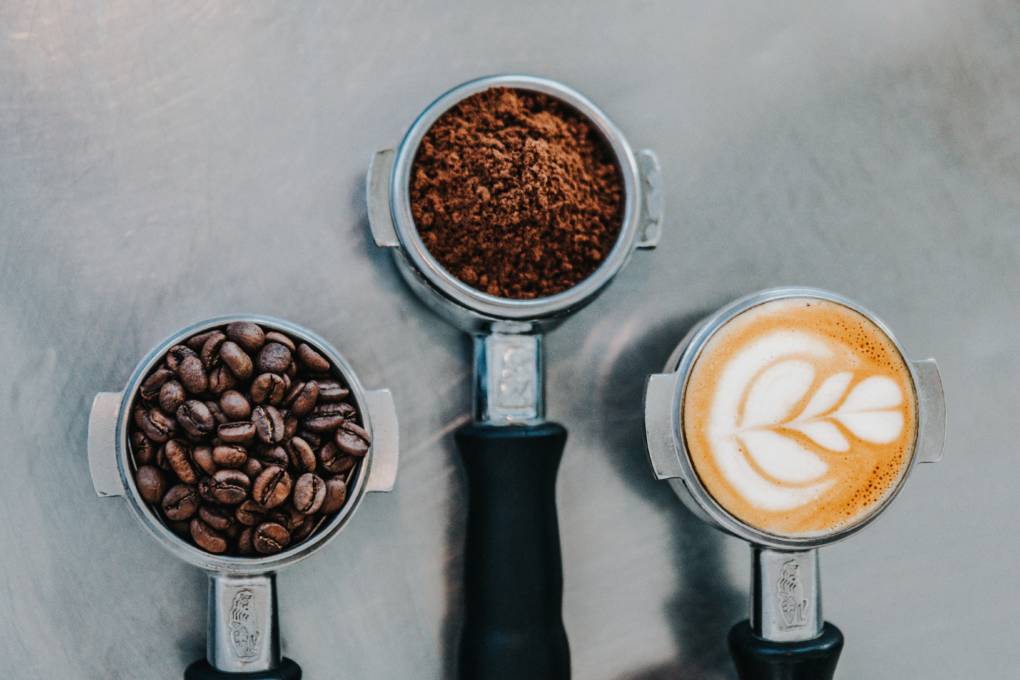
What's So Great About Bay Area Coffee, Anyway?
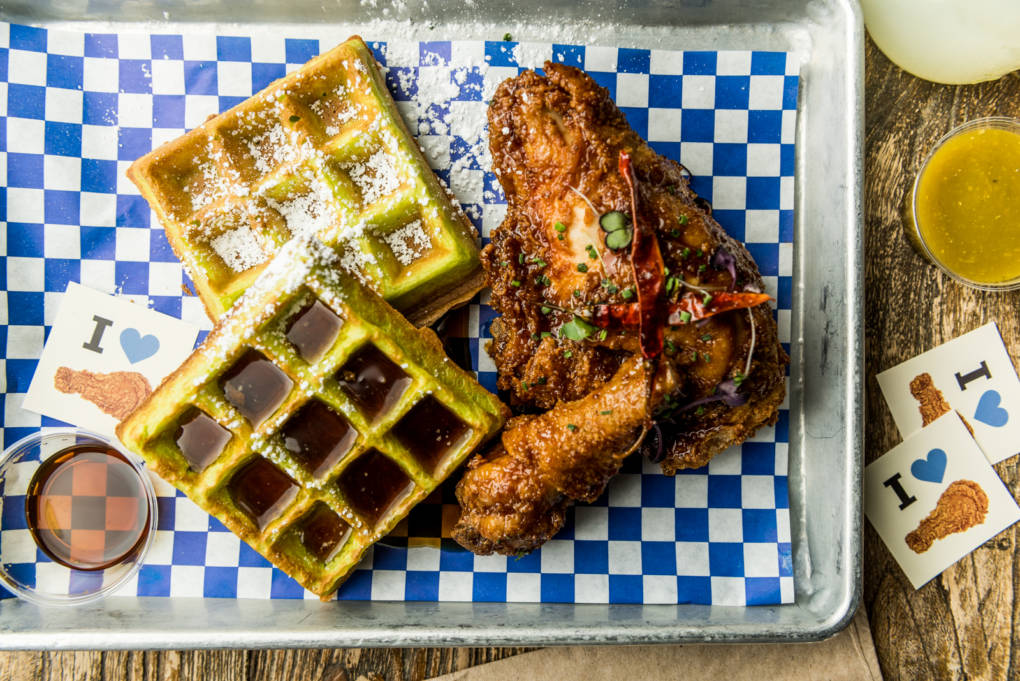
Secret Menus and Pop-Ups to Honor San Francisco's Filipino Food Scene
Meet the Women Blazing San Francisco’s Cannabis Culinary Scene
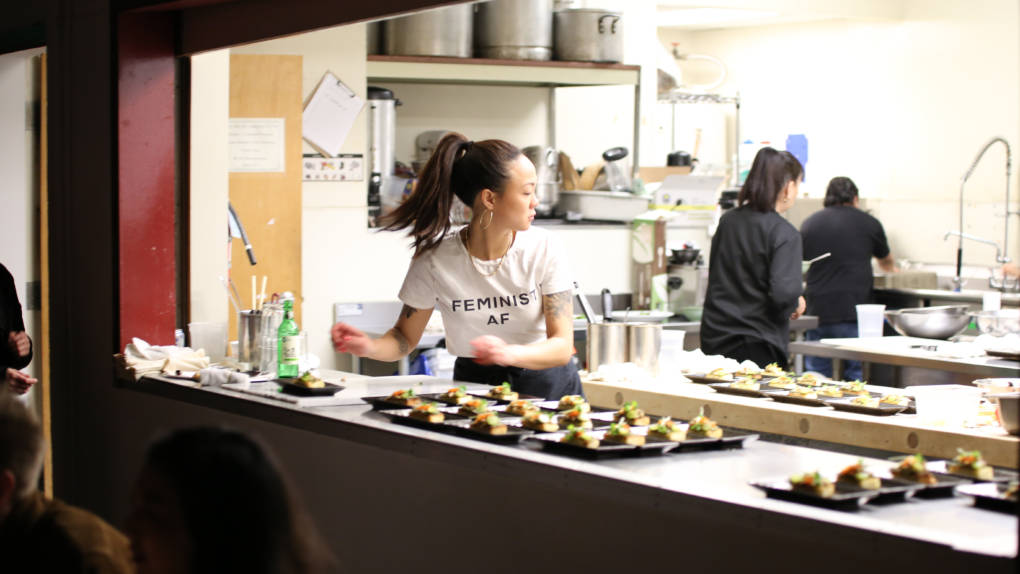
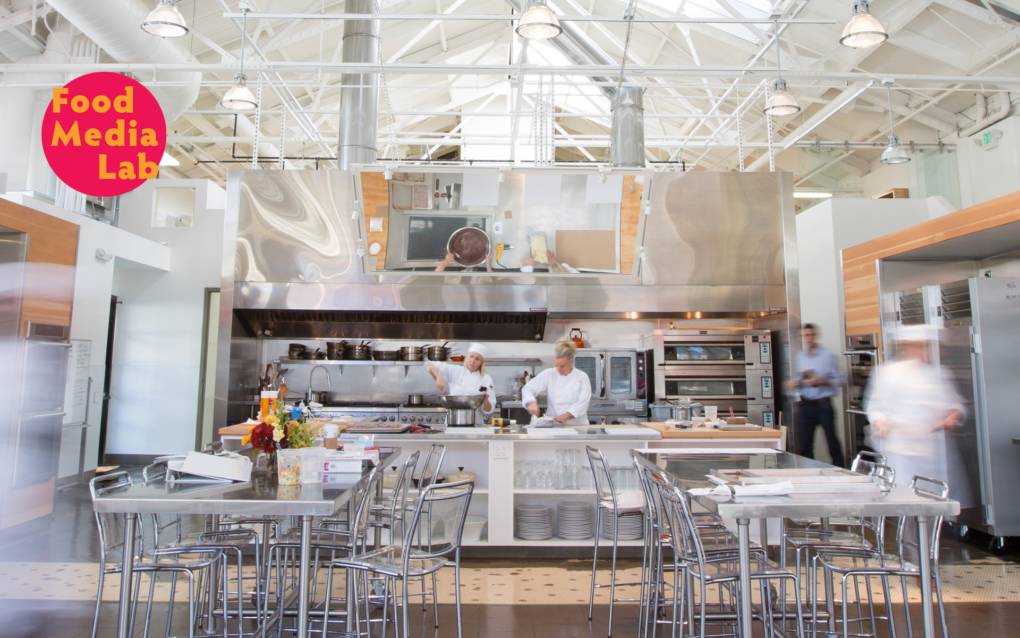
Soleil Ho and Others Lead San Francisco Cooking School's Food Media Lab
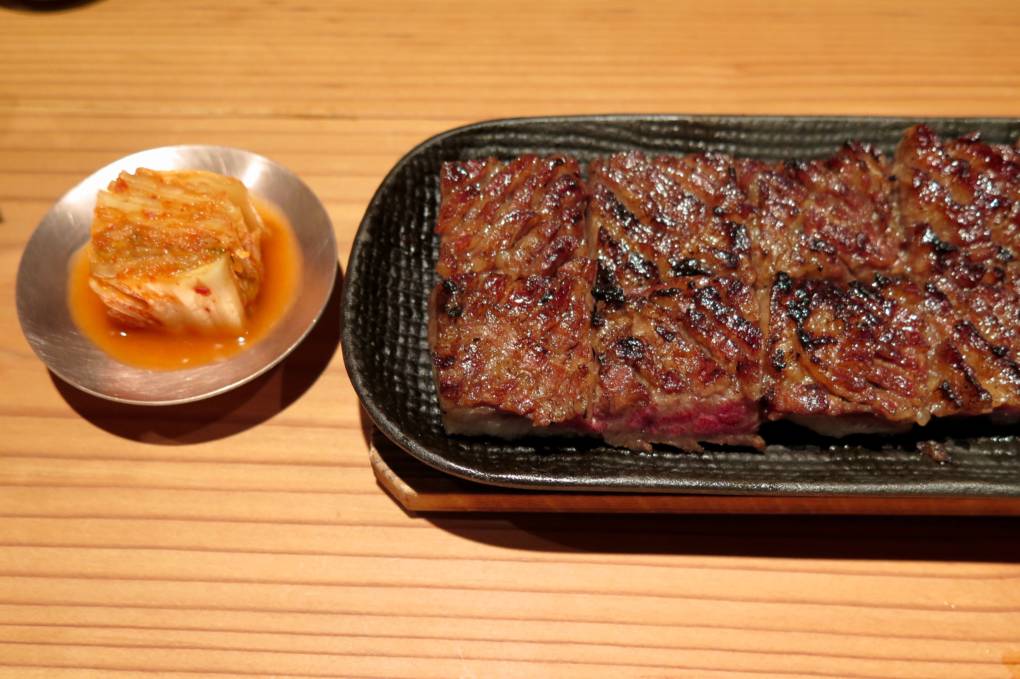
Table Talk: Dream Galbi at Maum, Indian Paradox Update, Denmark Pop-Up
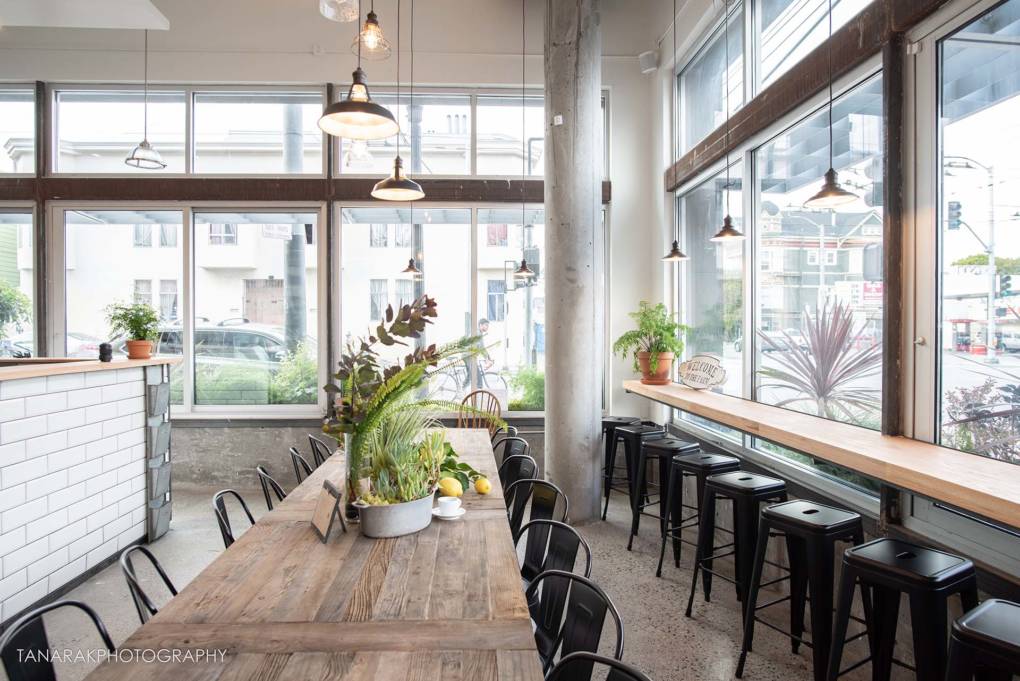
5 Places to Get Your Food Business Started
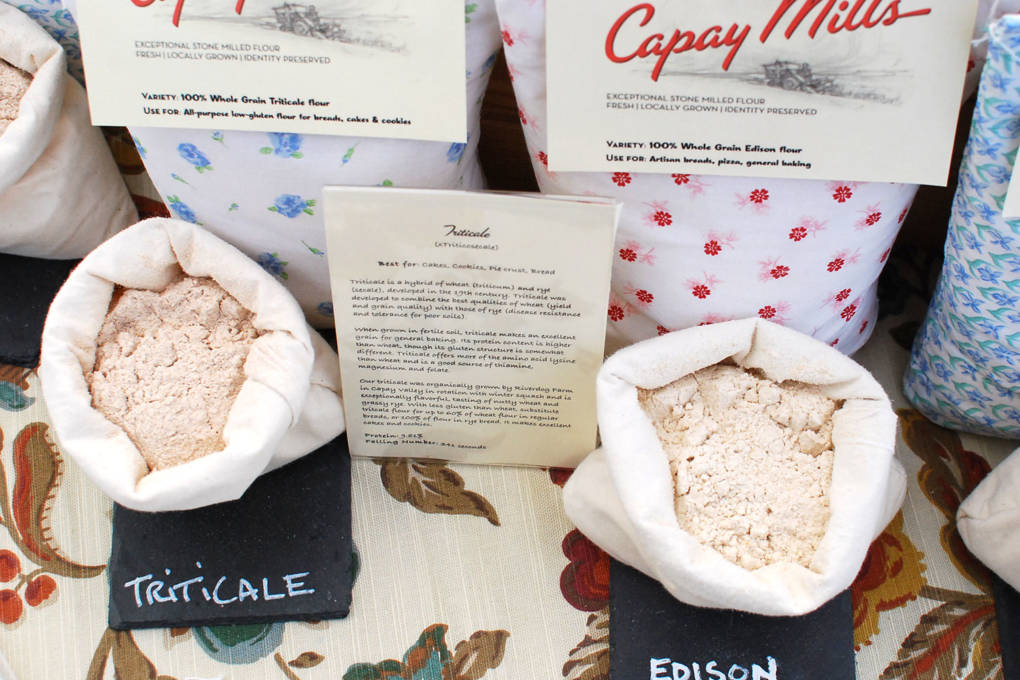
A Baker's Guide to California Grains and Flours
Table Talk: Drag Brunch, The Cheese School, Manresa and Greens Return
Table Talk: Learn About Makin’ Bacon, SF Restaurant History, Double Cheeseburgers
Sponsored
window.__IS_SSR__=true
window.__INITIAL_STATE__={"attachmentsReducer":{"audio_0":{"type":"attachments","id":"audio_0","imgSizes":{"kqedFullSize":{"file":"https://ww2.kqed.org/news/wp-content/themes/KQED-unified/img/audio_bgs/background0.jpg"}}},"audio_1":{"type":"attachments","id":"audio_1","imgSizes":{"kqedFullSize":{"file":"https://ww2.kqed.org/news/wp-content/themes/KQED-unified/img/audio_bgs/background1.jpg"}}},"audio_2":{"type":"attachments","id":"audio_2","imgSizes":{"kqedFullSize":{"file":"https://ww2.kqed.org/news/wp-content/themes/KQED-unified/img/audio_bgs/background2.jpg"}}},"audio_3":{"type":"attachments","id":"audio_3","imgSizes":{"kqedFullSize":{"file":"https://ww2.kqed.org/news/wp-content/themes/KQED-unified/img/audio_bgs/background3.jpg"}}},"audio_4":{"type":"attachments","id":"audio_4","imgSizes":{"kqedFullSize":{"file":"https://ww2.kqed.org/news/wp-content/themes/KQED-unified/img/audio_bgs/background4.jpg"}}},"placeholder":{"type":"attachments","id":"placeholder","imgSizes":{"thumbnail":{"file":"https://ww2.kqed.org/wp-content/uploads/sites/10/2018/01/GettyImages-896326950-160x96.jpg","width":160,"height":96,"mimeType":"image/jpeg"},"medium":{"file":"https://ww2.kqed.org/wp-content/uploads/sites/10/2018/01/GettyImages-896326950-800x478.jpg","width":800,"height":478,"mimeType":"image/jpeg"},"large":{"file":"https://ww2.kqed.org/wp-content/uploads/sites/10/2018/01/GettyImages-896326950-1020x610.jpg","width":1020,"height":610,"mimeType":"image/jpeg"},"fd-lrg":{"file":"https://ww2.kqed.org/wp-content/uploads/sites/10/2018/01/GettyImages-896326950-1920x1148.jpg","width":1920,"height":1148,"mimeType":"image/jpeg"},"fd-med":{"file":"https://ww2.kqed.org/wp-content/uploads/sites/10/2018/01/GettyImages-896326950-1180x705.jpg","width":1180,"height":705,"mimeType":"image/jpeg"},"fd-sm":{"file":"https://ww2.kqed.org/wp-content/uploads/sites/10/2018/01/GettyImages-896326950-960x574.jpg","width":960,"height":574,"mimeType":"image/jpeg"},"post-thumbnail":{"file":"https://ww2.kqed.org/wp-content/uploads/sites/10/2018/01/GettyImages-896326950-672x372.jpg","width":672,"height":372,"mimeType":"image/jpeg"},"twentyfourteen-full-width":{"file":"https://ww2.kqed.org/wp-content/uploads/sites/10/2018/01/GettyImages-896326950-1038x576.jpg","width":1038,"height":576,"mimeType":"image/jpeg"},"xxsmall":{"file":"https://ww2.kqed.org/wp-content/uploads/sites/10/2018/01/GettyImages-896326950-240x143.jpg","width":240,"height":143,"mimeType":"image/jpeg"},"xsmall":{"file":"https://ww2.kqed.org/wp-content/uploads/sites/10/2018/01/GettyImages-896326950-375x224.jpg","width":375,"height":224,"mimeType":"image/jpeg"},"small":{"file":"https://ww2.kqed.org/wp-content/uploads/sites/10/2018/01/GettyImages-896326950-520x311.jpg","width":520,"height":311,"mimeType":"image/jpeg"},"xlarge":{"file":"https://ww2.kqed.org/wp-content/uploads/sites/10/2018/01/GettyImages-896326950-1180x705.jpg","width":1180,"height":705,"mimeType":"image/jpeg"},"full-width":{"file":"https://ww2.kqed.org/wp-content/uploads/sites/10/2018/01/GettyImages-896326950-1920x1148.jpg","width":1920,"height":1148,"mimeType":"image/jpeg"},"guest-author-32":{"file":"https://ww2.kqed.org/wp-content/uploads/sites/10/2018/01/GettyImages-896326950-32x32.jpg","width":32,"height":32,"mimeType":"image/jpeg"},"guest-author-50":{"file":"https://ww2.kqed.org/wp-content/uploads/sites/10/2018/01/GettyImages-896326950-50x50.jpg","width":50,"height":50,"mimeType":"image/jpeg"},"guest-author-64":{"file":"https://ww2.kqed.org/wp-content/uploads/sites/10/2018/01/GettyImages-896326950-64x64.jpg","width":64,"height":64,"mimeType":"image/jpeg"},"guest-author-96":{"file":"https://ww2.kqed.org/wp-content/uploads/sites/10/2018/01/GettyImages-896326950-96x96.jpg","width":96,"height":96,"mimeType":"image/jpeg"},"guest-author-128":{"file":"https://ww2.kqed.org/wp-content/uploads/sites/10/2018/01/GettyImages-896326950-128x128.jpg","width":128,"height":128,"mimeType":"image/jpeg"},"detail":{"file":"https://ww2.kqed.org/wp-content/uploads/sites/10/2018/01/GettyImages-896326950-150x150.jpg","width":150,"height":150,"mimeType":"image/jpeg"},"kqedFullSize":{"file":"https://ww2.kqed.org/wp-content/uploads/sites/10/2018/01/GettyImages-896326950-e1514998105161.jpg","width":1920,"height":1148}}},"bayareabites_133295":{"type":"attachments","id":"bayareabites_133295","meta":{"index":"attachments_1591205162","site":"bayareabites","id":"133295","found":true},"title":"kqed-coverphoto","publishDate":1554598795,"status":"inherit","parent":133282,"modified":1554598795,"caption":null,"credit":null,"description":null,"imgSizes":{"thumbnail":{"file":"https://ww2.kqed.org/app/uploads/sites/24/2019/04/kqed-coverphoto-160x107.jpg","width":160,"height":107,"mimeType":"image/jpeg"},"medium":{"file":"https://ww2.kqed.org/app/uploads/sites/24/2019/04/kqed-coverphoto-800x533.jpg","width":800,"height":533,"mimeType":"image/jpeg"},"medium_large":{"file":"https://ww2.kqed.org/app/uploads/sites/24/2019/04/kqed-coverphoto-768x512.jpg","width":768,"height":512,"mimeType":"image/jpeg"},"large":{"file":"https://ww2.kqed.org/app/uploads/sites/24/2019/04/kqed-coverphoto-1020x680.jpg","width":1020,"height":680,"mimeType":"image/jpeg"},"complete_open_graph":{"file":"https://ww2.kqed.org/app/uploads/sites/24/2019/04/kqed-coverphoto-1200x800.jpg","width":1200,"height":800,"mimeType":"image/jpeg"},"post-thumbnail":{"file":"https://ww2.kqed.org/app/uploads/sites/24/2019/04/kqed-coverphoto-672x372.jpg","width":672,"height":372,"mimeType":"image/jpeg"},"twentyfourteen-full-width":{"file":"https://ww2.kqed.org/app/uploads/sites/24/2019/04/kqed-coverphoto-1038x576.jpg","width":1038,"height":576,"mimeType":"image/jpeg"},"full-width":{"file":"https://ww2.kqed.org/app/uploads/sites/24/2019/04/kqed-coverphoto-1920x1280.jpg","width":1920,"height":1280,"mimeType":"image/jpeg"},"guest-author-32":{"file":"https://ww2.kqed.org/app/uploads/sites/24/2019/04/kqed-coverphoto-32x32.jpg","width":32,"height":32,"mimeType":"image/jpeg"},"guest-author-50":{"file":"https://ww2.kqed.org/app/uploads/sites/24/2019/04/kqed-coverphoto-50x50.jpg","width":50,"height":50,"mimeType":"image/jpeg"},"guest-author-64":{"file":"https://ww2.kqed.org/app/uploads/sites/24/2019/04/kqed-coverphoto-64x64.jpg","width":64,"height":64,"mimeType":"image/jpeg"},"guest-author-96":{"file":"https://ww2.kqed.org/app/uploads/sites/24/2019/04/kqed-coverphoto-96x96.jpg","width":96,"height":96,"mimeType":"image/jpeg"},"guest-author-128":{"file":"https://ww2.kqed.org/app/uploads/sites/24/2019/04/kqed-coverphoto-128x128.jpg","width":128,"height":128,"mimeType":"image/jpeg"},"kqedFullSize":{"file":"https://ww2.kqed.org/app/uploads/sites/24/2019/04/kqed-coverphoto-e1555522333305.jpg","width":1920,"height":1280}},"fetchFailed":false,"isLoading":false},"bayareabites_133041":{"type":"attachments","id":"bayareabites_133041","meta":{"index":"attachments_1591205162","site":"bayareabites","id":"133041","found":true},"title":"pandan-mochi-waffle-fried-chicken-little-skillet","publishDate":1552941681,"status":"inherit","parent":133040,"modified":1552941722,"caption":"Fried chicken with Pandan Mochi Waffles from Little Skillet","credit":"Albert Law","description":"Fried chicken with Pandan Mochi Waffles from Little Skillet","imgSizes":{"thumbnail":{"file":"https://ww2.kqed.org/app/uploads/sites/24/2019/03/KC-W2_Fried-Chicken-Pandan-Mochi-Waffle_Little-Skillet_credit-Albert-Law-160x107.jpg","width":160,"height":107,"mimeType":"image/jpeg"},"medium":{"file":"https://ww2.kqed.org/app/uploads/sites/24/2019/03/KC-W2_Fried-Chicken-Pandan-Mochi-Waffle_Little-Skillet_credit-Albert-Law-800x534.jpg","width":800,"height":534,"mimeType":"image/jpeg"},"medium_large":{"file":"https://ww2.kqed.org/app/uploads/sites/24/2019/03/KC-W2_Fried-Chicken-Pandan-Mochi-Waffle_Little-Skillet_credit-Albert-Law-768x513.jpg","width":768,"height":513,"mimeType":"image/jpeg"},"large":{"file":"https://ww2.kqed.org/app/uploads/sites/24/2019/03/KC-W2_Fried-Chicken-Pandan-Mochi-Waffle_Little-Skillet_credit-Albert-Law-1020x681.jpg","width":1020,"height":681,"mimeType":"image/jpeg"},"complete_open_graph":{"file":"https://ww2.kqed.org/app/uploads/sites/24/2019/03/KC-W2_Fried-Chicken-Pandan-Mochi-Waffle_Little-Skillet_credit-Albert-Law-1200x801.jpg","width":1200,"height":801,"mimeType":"image/jpeg"},"post-thumbnail":{"file":"https://ww2.kqed.org/app/uploads/sites/24/2019/03/KC-W2_Fried-Chicken-Pandan-Mochi-Waffle_Little-Skillet_credit-Albert-Law-672x372.jpg","width":672,"height":372,"mimeType":"image/jpeg"},"twentyfourteen-full-width":{"file":"https://ww2.kqed.org/app/uploads/sites/24/2019/03/KC-W2_Fried-Chicken-Pandan-Mochi-Waffle_Little-Skillet_credit-Albert-Law-1038x576.jpg","width":1038,"height":576,"mimeType":"image/jpeg"},"guest-author-32":{"file":"https://ww2.kqed.org/app/uploads/sites/24/2019/03/KC-W2_Fried-Chicken-Pandan-Mochi-Waffle_Little-Skillet_credit-Albert-Law-32x32.jpg","width":32,"height":32,"mimeType":"image/jpeg"},"guest-author-50":{"file":"https://ww2.kqed.org/app/uploads/sites/24/2019/03/KC-W2_Fried-Chicken-Pandan-Mochi-Waffle_Little-Skillet_credit-Albert-Law-50x50.jpg","width":50,"height":50,"mimeType":"image/jpeg"},"guest-author-64":{"file":"https://ww2.kqed.org/app/uploads/sites/24/2019/03/KC-W2_Fried-Chicken-Pandan-Mochi-Waffle_Little-Skillet_credit-Albert-Law-64x64.jpg","width":64,"height":64,"mimeType":"image/jpeg"},"guest-author-96":{"file":"https://ww2.kqed.org/app/uploads/sites/24/2019/03/KC-W2_Fried-Chicken-Pandan-Mochi-Waffle_Little-Skillet_credit-Albert-Law-96x96.jpg","width":96,"height":96,"mimeType":"image/jpeg"},"guest-author-128":{"file":"https://ww2.kqed.org/app/uploads/sites/24/2019/03/KC-W2_Fried-Chicken-Pandan-Mochi-Waffle_Little-Skillet_credit-Albert-Law-128x128.jpg","width":128,"height":128,"mimeType":"image/jpeg"},"kqedFullSize":{"file":"https://ww2.kqed.org/app/uploads/sites/24/2019/03/KC-W2_Fried-Chicken-Pandan-Mochi-Waffle_Little-Skillet_credit-Albert-Law.jpg","width":1600,"height":1068}},"fetchFailed":false,"isLoading":false},"bayareabites_132921":{"type":"attachments","id":"bayareabites_132921","meta":{"index":"attachments_1591205162","site":"bayareabites","id":"132921","found":true},"title":"Big Bad Wolf's Haejin Chun is a woman to watch in San Francisco's canna-culinary scene.","publishDate":1552069446,"status":"inherit","parent":132755,"modified":1552072938,"caption":"Big Bad Wolf's Haejin Chun is a woman to watch in San Francisco's canna-culinary scene.","credit":"Nick Goldsmith","description":"Big Bad Wolf's Haejin Chun is a woman to watch in San Francisco's canna-culinary scene.","imgSizes":{"thumbnail":{"file":"https://ww2.kqed.org/app/uploads/sites/24/2019/03/big-bad-wolf-feminist-160x90.jpg","width":160,"height":90,"mimeType":"image/jpeg"},"medium":{"file":"https://ww2.kqed.org/app/uploads/sites/24/2019/03/big-bad-wolf-feminist-800x450.jpg","width":800,"height":450,"mimeType":"image/jpeg"},"medium_large":{"file":"https://ww2.kqed.org/app/uploads/sites/24/2019/03/big-bad-wolf-feminist-768x432.jpg","width":768,"height":432,"mimeType":"image/jpeg"},"large":{"file":"https://ww2.kqed.org/app/uploads/sites/24/2019/03/big-bad-wolf-feminist-1020x574.jpg","width":1020,"height":574,"mimeType":"image/jpeg"},"complete_open_graph":{"file":"https://ww2.kqed.org/app/uploads/sites/24/2019/03/big-bad-wolf-feminist-1200x675.jpg","width":1200,"height":675,"mimeType":"image/jpeg"},"post-thumbnail":{"file":"https://ww2.kqed.org/app/uploads/sites/24/2019/03/big-bad-wolf-feminist-672x372.jpg","width":672,"height":372,"mimeType":"image/jpeg"},"twentyfourteen-full-width":{"file":"https://ww2.kqed.org/app/uploads/sites/24/2019/03/big-bad-wolf-feminist-1038x576.jpg","width":1038,"height":576,"mimeType":"image/jpeg"},"full-width":{"file":"https://ww2.kqed.org/app/uploads/sites/24/2019/03/big-bad-wolf-feminist-1920x1080.jpg","width":1920,"height":1080,"mimeType":"image/jpeg"},"guest-author-32":{"file":"https://ww2.kqed.org/app/uploads/sites/24/2019/03/big-bad-wolf-feminist-32x32.jpg","width":32,"height":32,"mimeType":"image/jpeg"},"guest-author-50":{"file":"https://ww2.kqed.org/app/uploads/sites/24/2019/03/big-bad-wolf-feminist-50x50.jpg","width":50,"height":50,"mimeType":"image/jpeg"},"guest-author-64":{"file":"https://ww2.kqed.org/app/uploads/sites/24/2019/03/big-bad-wolf-feminist-64x64.jpg","width":64,"height":64,"mimeType":"image/jpeg"},"guest-author-96":{"file":"https://ww2.kqed.org/app/uploads/sites/24/2019/03/big-bad-wolf-feminist-96x96.jpg","width":96,"height":96,"mimeType":"image/jpeg"},"guest-author-128":{"file":"https://ww2.kqed.org/app/uploads/sites/24/2019/03/big-bad-wolf-feminist-128x128.jpg","width":128,"height":128,"mimeType":"image/jpeg"},"kqedFullSize":{"file":"https://ww2.kqed.org/app/uploads/sites/24/2019/03/big-bad-wolf-feminist-e1552069468785.jpg","width":1920,"height":1080}},"fetchFailed":false,"isLoading":false},"bayareabites_132808":{"type":"attachments","id":"bayareabites_132808","meta":{"index":"attachments_1591205162","site":"bayareabites","id":"132808","found":true},"title":"Front of kitchen at the San Francisco Cooking School (SFCS)","publishDate":1551809244,"status":"inherit","parent":132744,"modified":1551809258,"caption":"Front of kitchen at the San Francisco Cooking School (SFCS)","credit":"SFCS","description":"Front of kitchen at the San Francisco Cooking School (SFCS)","imgSizes":{"thumbnail":{"file":"https://ww2.kqed.org/app/uploads/sites/24/2019/03/foodlab-lead3-copy-160x100.jpg","width":160,"height":100,"mimeType":"image/jpeg"},"medium":{"file":"https://ww2.kqed.org/app/uploads/sites/24/2019/03/foodlab-lead3-copy-800x500.jpg","width":800,"height":500,"mimeType":"image/jpeg"},"medium_large":{"file":"https://ww2.kqed.org/app/uploads/sites/24/2019/03/foodlab-lead3-copy-768x480.jpg","width":768,"height":480,"mimeType":"image/jpeg"},"large":{"file":"https://ww2.kqed.org/app/uploads/sites/24/2019/03/foodlab-lead3-copy-1020x638.jpg","width":1020,"height":638,"mimeType":"image/jpeg"},"complete_open_graph":{"file":"https://ww2.kqed.org/app/uploads/sites/24/2019/03/foodlab-lead3-copy-1200x750.jpg","width":1200,"height":750,"mimeType":"image/jpeg"},"post-thumbnail":{"file":"https://ww2.kqed.org/app/uploads/sites/24/2019/03/foodlab-lead3-copy-672x372.jpg","width":672,"height":372,"mimeType":"image/jpeg"},"twentyfourteen-full-width":{"file":"https://ww2.kqed.org/app/uploads/sites/24/2019/03/foodlab-lead3-copy-1038x576.jpg","width":1038,"height":576,"mimeType":"image/jpeg"},"full-width":{"file":"https://ww2.kqed.org/app/uploads/sites/24/2019/03/foodlab-lead3-copy-1920x1200.jpg","width":1920,"height":1200,"mimeType":"image/jpeg"},"guest-author-32":{"file":"https://ww2.kqed.org/app/uploads/sites/24/2019/03/foodlab-lead3-copy-32x32.jpg","width":32,"height":32,"mimeType":"image/jpeg"},"guest-author-50":{"file":"https://ww2.kqed.org/app/uploads/sites/24/2019/03/foodlab-lead3-copy-50x50.jpg","width":50,"height":50,"mimeType":"image/jpeg"},"guest-author-64":{"file":"https://ww2.kqed.org/app/uploads/sites/24/2019/03/foodlab-lead3-copy-64x64.jpg","width":64,"height":64,"mimeType":"image/jpeg"},"guest-author-96":{"file":"https://ww2.kqed.org/app/uploads/sites/24/2019/03/foodlab-lead3-copy-96x96.jpg","width":96,"height":96,"mimeType":"image/jpeg"},"guest-author-128":{"file":"https://ww2.kqed.org/app/uploads/sites/24/2019/03/foodlab-lead3-copy-128x128.jpg","width":128,"height":128,"mimeType":"image/jpeg"},"kqedFullSize":{"file":"https://ww2.kqed.org/app/uploads/sites/24/2019/03/foodlab-lead3-copy.jpg","width":1920,"height":1200}},"fetchFailed":false,"isLoading":false},"bayareabites_131423":{"type":"attachments","id":"bayareabites_131423","meta":{"index":"attachments_1591205162","site":"bayareabites","id":"131423","found":true},"title":"The extraordinary galbi (and kimchee) at Maum in Palo Alto.","publishDate":1542603584,"status":"inherit","parent":131420,"modified":1542657530,"caption":"The extraordinary galbi (and kimchee) at Maum in Palo Alto.","credit":"tablehopper.com","description":"The extraordinary galbi (and kimchee) at Maum in Palo Alto.","imgSizes":{"thumbnail":{"file":"https://ww2.kqed.org/app/uploads/sites/24/2018/11/galbi-160x107.jpg","width":160,"height":107,"mimeType":"image/jpeg"},"medium":{"file":"https://ww2.kqed.org/app/uploads/sites/24/2018/11/galbi-800x533.jpg","width":800,"height":533,"mimeType":"image/jpeg"},"medium_large":{"file":"https://ww2.kqed.org/app/uploads/sites/24/2018/11/galbi-768x511.jpg","width":768,"height":511,"mimeType":"image/jpeg"},"large":{"file":"https://ww2.kqed.org/app/uploads/sites/24/2018/11/galbi-1020x679.jpg","width":1020,"height":679,"mimeType":"image/jpeg"},"complete_open_graph":{"file":"https://ww2.kqed.org/app/uploads/sites/24/2018/11/galbi-1200x799.jpg","width":1200,"height":799,"mimeType":"image/jpeg"},"fd-lrg":{"file":"https://ww2.kqed.org/app/uploads/sites/24/2018/11/galbi-1920x1279.jpg","width":1920,"height":1279,"mimeType":"image/jpeg"},"fd-med":{"file":"https://ww2.kqed.org/app/uploads/sites/24/2018/11/galbi-1180x786.jpg","width":1180,"height":786,"mimeType":"image/jpeg"},"fd-sm":{"file":"https://ww2.kqed.org/app/uploads/sites/24/2018/11/galbi-960x639.jpg","width":960,"height":639,"mimeType":"image/jpeg"},"post-thumbnail":{"file":"https://ww2.kqed.org/app/uploads/sites/24/2018/11/galbi-672x372.jpg","width":672,"height":372,"mimeType":"image/jpeg"},"twentyfourteen-full-width":{"file":"https://ww2.kqed.org/app/uploads/sites/24/2018/11/galbi-1038x576.jpg","width":1038,"height":576,"mimeType":"image/jpeg"},"xxsmall":{"file":"https://ww2.kqed.org/app/uploads/sites/24/2018/11/galbi-240x160.jpg","width":240,"height":160,"mimeType":"image/jpeg"},"xsmall":{"file":"https://ww2.kqed.org/app/uploads/sites/24/2018/11/galbi-375x250.jpg","width":375,"height":250,"mimeType":"image/jpeg"},"small":{"file":"https://ww2.kqed.org/app/uploads/sites/24/2018/11/galbi-520x346.jpg","width":520,"height":346,"mimeType":"image/jpeg"},"xlarge":{"file":"https://ww2.kqed.org/app/uploads/sites/24/2018/11/galbi-1180x786.jpg","width":1180,"height":786,"mimeType":"image/jpeg"},"full-width":{"file":"https://ww2.kqed.org/app/uploads/sites/24/2018/11/galbi-1920x1279.jpg","width":1920,"height":1279,"mimeType":"image/jpeg"},"guest-author-32":{"file":"https://ww2.kqed.org/app/uploads/sites/24/2018/11/galbi-32x32.jpg","width":32,"height":32,"mimeType":"image/jpeg"},"guest-author-50":{"file":"https://ww2.kqed.org/app/uploads/sites/24/2018/11/galbi-50x50.jpg","width":50,"height":50,"mimeType":"image/jpeg"},"guest-author-64":{"file":"https://ww2.kqed.org/app/uploads/sites/24/2018/11/galbi-64x64.jpg","width":64,"height":64,"mimeType":"image/jpeg"},"guest-author-96":{"file":"https://ww2.kqed.org/app/uploads/sites/24/2018/11/galbi-96x96.jpg","width":96,"height":96,"mimeType":"image/jpeg"},"guest-author-128":{"file":"https://ww2.kqed.org/app/uploads/sites/24/2018/11/galbi-128x128.jpg","width":128,"height":128,"mimeType":"image/jpeg"},"detail":{"file":"https://ww2.kqed.org/app/uploads/sites/24/2018/11/galbi-150x150.jpg","width":150,"height":150,"mimeType":"image/jpeg"},"kqedFullSize":{"file":"https://ww2.kqed.org/app/uploads/sites/24/2018/11/galbi-e1542603609542.jpg","width":1920,"height":1279}},"fetchFailed":false,"isLoading":false},"bayareabites_130738":{"type":"attachments","id":"bayareabites_130738","meta":{"index":"attachments_1591205162","site":"bayareabites","id":"130738","found":true},"title":"BiteUnite_11","publishDate":1539121115,"status":"inherit","parent":130730,"modified":1539121115,"caption":null,"credit":null,"description":null,"imgSizes":{"thumbnail":{"file":"https://ww2.kqed.org/app/uploads/sites/24/2018/10/BiteUnite_11-160x107.jpg","width":160,"height":107,"mimeType":"image/jpeg"},"medium":{"file":"https://ww2.kqed.org/app/uploads/sites/24/2018/10/BiteUnite_11-800x534.jpg","width":800,"height":534,"mimeType":"image/jpeg"},"medium_large":{"file":"https://ww2.kqed.org/app/uploads/sites/24/2018/10/BiteUnite_11-768x513.jpg","width":768,"height":513,"mimeType":"image/jpeg"},"large":{"file":"https://ww2.kqed.org/app/uploads/sites/24/2018/10/BiteUnite_11-1020x681.jpg","width":1020,"height":681,"mimeType":"image/jpeg"},"complete_open_graph":{"file":"https://ww2.kqed.org/app/uploads/sites/24/2018/10/BiteUnite_11-1200x801.jpg","width":1200,"height":801,"mimeType":"image/jpeg"},"fd-lrg":{"file":"https://ww2.kqed.org/app/uploads/sites/24/2018/10/BiteUnite_11-1920x1282.jpg","width":1920,"height":1282,"mimeType":"image/jpeg"},"fd-med":{"file":"https://ww2.kqed.org/app/uploads/sites/24/2018/10/BiteUnite_11-1180x788.jpg","width":1180,"height":788,"mimeType":"image/jpeg"},"fd-sm":{"file":"https://ww2.kqed.org/app/uploads/sites/24/2018/10/BiteUnite_11-960x641.jpg","width":960,"height":641,"mimeType":"image/jpeg"},"post-thumbnail":{"file":"https://ww2.kqed.org/app/uploads/sites/24/2018/10/BiteUnite_11-672x372.jpg","width":672,"height":372,"mimeType":"image/jpeg"},"twentyfourteen-full-width":{"file":"https://ww2.kqed.org/app/uploads/sites/24/2018/10/BiteUnite_11-1038x576.jpg","width":1038,"height":576,"mimeType":"image/jpeg"},"xxsmall":{"file":"https://ww2.kqed.org/app/uploads/sites/24/2018/10/BiteUnite_11-240x160.jpg","width":240,"height":160,"mimeType":"image/jpeg"},"xsmall":{"file":"https://ww2.kqed.org/app/uploads/sites/24/2018/10/BiteUnite_11-375x250.jpg","width":375,"height":250,"mimeType":"image/jpeg"},"small":{"file":"https://ww2.kqed.org/app/uploads/sites/24/2018/10/BiteUnite_11-520x347.jpg","width":520,"height":347,"mimeType":"image/jpeg"},"xlarge":{"file":"https://ww2.kqed.org/app/uploads/sites/24/2018/10/BiteUnite_11-1180x788.jpg","width":1180,"height":788,"mimeType":"image/jpeg"},"full-width":{"file":"https://ww2.kqed.org/app/uploads/sites/24/2018/10/BiteUnite_11-1920x1282.jpg","width":1920,"height":1282,"mimeType":"image/jpeg"},"guest-author-32":{"file":"https://ww2.kqed.org/app/uploads/sites/24/2018/10/BiteUnite_11-32x32.jpg","width":32,"height":32,"mimeType":"image/jpeg"},"guest-author-50":{"file":"https://ww2.kqed.org/app/uploads/sites/24/2018/10/BiteUnite_11-50x50.jpg","width":50,"height":50,"mimeType":"image/jpeg"},"guest-author-64":{"file":"https://ww2.kqed.org/app/uploads/sites/24/2018/10/BiteUnite_11-64x64.jpg","width":64,"height":64,"mimeType":"image/jpeg"},"guest-author-96":{"file":"https://ww2.kqed.org/app/uploads/sites/24/2018/10/BiteUnite_11-96x96.jpg","width":96,"height":96,"mimeType":"image/jpeg"},"guest-author-128":{"file":"https://ww2.kqed.org/app/uploads/sites/24/2018/10/BiteUnite_11-128x128.jpg","width":128,"height":128,"mimeType":"image/jpeg"},"detail":{"file":"https://ww2.kqed.org/app/uploads/sites/24/2018/10/BiteUnite_11-150x150.jpg","width":150,"height":150,"mimeType":"image/jpeg"},"kqedFullSize":{"file":"https://ww2.kqed.org/app/uploads/sites/24/2018/10/BiteUnite_11.jpg","width":1920,"height":1282}},"fetchFailed":false,"isLoading":false},"bayareabites_130674":{"type":"attachments","id":"bayareabites_130674","meta":{"index":"attachments_1591205162","site":"bayareabites","id":"130674","found":true},"title":"Flour from Capay Mills","publishDate":1538429548,"status":"inherit","parent":130672,"modified":1538429574,"caption":"Flour from Capay Mills","credit":"CUESA","description":"Flour from Capay Mills","imgSizes":{"thumbnail":{"file":"https://ww2.kqed.org/app/uploads/sites/24/2018/10/capay_mills_flour-160x107.jpg","width":160,"height":107,"mimeType":"image/jpeg"},"medium":{"file":"https://ww2.kqed.org/app/uploads/sites/24/2018/10/capay_mills_flour-800x533.jpg","width":800,"height":533,"mimeType":"image/jpeg"},"medium_large":{"file":"https://ww2.kqed.org/app/uploads/sites/24/2018/10/capay_mills_flour-768x512.jpg","width":768,"height":512,"mimeType":"image/jpeg"},"large":{"file":"https://ww2.kqed.org/app/uploads/sites/24/2018/10/capay_mills_flour-1020x680.jpg","width":1020,"height":680,"mimeType":"image/jpeg"},"complete_open_graph":{"file":"https://ww2.kqed.org/app/uploads/sites/24/2018/10/capay_mills_flour-1200x800.jpg","width":1200,"height":800,"mimeType":"image/jpeg"},"fd-med":{"file":"https://ww2.kqed.org/app/uploads/sites/24/2018/10/capay_mills_flour-1180x787.jpg","width":1180,"height":787,"mimeType":"image/jpeg"},"fd-sm":{"file":"https://ww2.kqed.org/app/uploads/sites/24/2018/10/capay_mills_flour-960x640.jpg","width":960,"height":640,"mimeType":"image/jpeg"},"post-thumbnail":{"file":"https://ww2.kqed.org/app/uploads/sites/24/2018/10/capay_mills_flour-672x372.jpg","width":672,"height":372,"mimeType":"image/jpeg"},"twentyfourteen-full-width":{"file":"https://ww2.kqed.org/app/uploads/sites/24/2018/10/capay_mills_flour-1038x576.jpg","width":1038,"height":576,"mimeType":"image/jpeg"},"xxsmall":{"file":"https://ww2.kqed.org/app/uploads/sites/24/2018/10/capay_mills_flour-240x160.jpg","width":240,"height":160,"mimeType":"image/jpeg"},"xsmall":{"file":"https://ww2.kqed.org/app/uploads/sites/24/2018/10/capay_mills_flour-375x250.jpg","width":375,"height":250,"mimeType":"image/jpeg"},"small":{"file":"https://ww2.kqed.org/app/uploads/sites/24/2018/10/capay_mills_flour-520x347.jpg","width":520,"height":347,"mimeType":"image/jpeg"},"xlarge":{"file":"https://ww2.kqed.org/app/uploads/sites/24/2018/10/capay_mills_flour-1180x787.jpg","width":1180,"height":787,"mimeType":"image/jpeg"},"guest-author-32":{"file":"https://ww2.kqed.org/app/uploads/sites/24/2018/10/capay_mills_flour-32x32.jpg","width":32,"height":32,"mimeType":"image/jpeg"},"guest-author-50":{"file":"https://ww2.kqed.org/app/uploads/sites/24/2018/10/capay_mills_flour-50x50.jpg","width":50,"height":50,"mimeType":"image/jpeg"},"guest-author-64":{"file":"https://ww2.kqed.org/app/uploads/sites/24/2018/10/capay_mills_flour-64x64.jpg","width":64,"height":64,"mimeType":"image/jpeg"},"guest-author-96":{"file":"https://ww2.kqed.org/app/uploads/sites/24/2018/10/capay_mills_flour-96x96.jpg","width":96,"height":96,"mimeType":"image/jpeg"},"guest-author-128":{"file":"https://ww2.kqed.org/app/uploads/sites/24/2018/10/capay_mills_flour-128x128.jpg","width":128,"height":128,"mimeType":"image/jpeg"},"detail":{"file":"https://ww2.kqed.org/app/uploads/sites/24/2018/10/capay_mills_flour-150x150.jpg","width":150,"height":150,"mimeType":"image/jpeg"},"kqedFullSize":{"file":"https://ww2.kqed.org/app/uploads/sites/24/2018/10/capay_mills_flour.jpg","width":1500,"height":1000}},"fetchFailed":false,"isLoading":false},"bayareabites_130561":{"type":"attachments","id":"bayareabites_130561","meta":{"index":"attachments_1591205162","site":"bayareabites","id":"130561","found":true},"title":"biscuit island","publishDate":1537554866,"status":"inherit","parent":130560,"modified":1537749981,"caption":"Take a trip to Biscuit Island at Juanita MORE!'s Sunday drag brunch. ","credit":"tablehopper.com","description":"Take a trip to Biscuit Island at Juanita MORE!'s Sunday drag brunch. ","imgSizes":{"thumbnail":{"file":"https://ww2.kqed.org/app/uploads/sites/24/2018/09/biscuit-island-160x107.jpg","width":160,"height":107,"mimeType":"image/jpeg"},"medium":{"file":"https://ww2.kqed.org/app/uploads/sites/24/2018/09/biscuit-island-800x533.jpg","width":800,"height":533,"mimeType":"image/jpeg"},"medium_large":{"file":"https://ww2.kqed.org/app/uploads/sites/24/2018/09/biscuit-island-768x511.jpg","width":768,"height":511,"mimeType":"image/jpeg"},"large":{"file":"https://ww2.kqed.org/app/uploads/sites/24/2018/09/biscuit-island-1020x679.jpg","width":1020,"height":679,"mimeType":"image/jpeg"},"complete_open_graph":{"file":"https://ww2.kqed.org/app/uploads/sites/24/2018/09/biscuit-island-1200x799.jpg","width":1200,"height":799,"mimeType":"image/jpeg"},"fd-lrg":{"file":"https://ww2.kqed.org/app/uploads/sites/24/2018/09/biscuit-island-1920x1279.jpg","width":1920,"height":1279,"mimeType":"image/jpeg"},"fd-med":{"file":"https://ww2.kqed.org/app/uploads/sites/24/2018/09/biscuit-island-1180x786.jpg","width":1180,"height":786,"mimeType":"image/jpeg"},"fd-sm":{"file":"https://ww2.kqed.org/app/uploads/sites/24/2018/09/biscuit-island-960x639.jpg","width":960,"height":639,"mimeType":"image/jpeg"},"post-thumbnail":{"file":"https://ww2.kqed.org/app/uploads/sites/24/2018/09/biscuit-island-672x372.jpg","width":672,"height":372,"mimeType":"image/jpeg"},"twentyfourteen-full-width":{"file":"https://ww2.kqed.org/app/uploads/sites/24/2018/09/biscuit-island-1038x576.jpg","width":1038,"height":576,"mimeType":"image/jpeg"},"xxsmall":{"file":"https://ww2.kqed.org/app/uploads/sites/24/2018/09/biscuit-island-240x160.jpg","width":240,"height":160,"mimeType":"image/jpeg"},"xsmall":{"file":"https://ww2.kqed.org/app/uploads/sites/24/2018/09/biscuit-island-375x250.jpg","width":375,"height":250,"mimeType":"image/jpeg"},"small":{"file":"https://ww2.kqed.org/app/uploads/sites/24/2018/09/biscuit-island-520x346.jpg","width":520,"height":346,"mimeType":"image/jpeg"},"xlarge":{"file":"https://ww2.kqed.org/app/uploads/sites/24/2018/09/biscuit-island-1180x786.jpg","width":1180,"height":786,"mimeType":"image/jpeg"},"full-width":{"file":"https://ww2.kqed.org/app/uploads/sites/24/2018/09/biscuit-island-1920x1279.jpg","width":1920,"height":1279,"mimeType":"image/jpeg"},"guest-author-32":{"file":"https://ww2.kqed.org/app/uploads/sites/24/2018/09/biscuit-island-32x32.jpg","width":32,"height":32,"mimeType":"image/jpeg"},"guest-author-50":{"file":"https://ww2.kqed.org/app/uploads/sites/24/2018/09/biscuit-island-50x50.jpg","width":50,"height":50,"mimeType":"image/jpeg"},"guest-author-64":{"file":"https://ww2.kqed.org/app/uploads/sites/24/2018/09/biscuit-island-64x64.jpg","width":64,"height":64,"mimeType":"image/jpeg"},"guest-author-96":{"file":"https://ww2.kqed.org/app/uploads/sites/24/2018/09/biscuit-island-96x96.jpg","width":96,"height":96,"mimeType":"image/jpeg"},"guest-author-128":{"file":"https://ww2.kqed.org/app/uploads/sites/24/2018/09/biscuit-island-128x128.jpg","width":128,"height":128,"mimeType":"image/jpeg"},"detail":{"file":"https://ww2.kqed.org/app/uploads/sites/24/2018/09/biscuit-island-150x150.jpg","width":150,"height":150,"mimeType":"image/jpeg"},"kqedFullSize":{"file":"https://ww2.kqed.org/app/uploads/sites/24/2018/09/biscuit-island-e1537554886943.jpg","width":1920,"height":1279}},"fetchFailed":false,"isLoading":false},"bayareabites_130341":{"type":"attachments","id":"bayareabites_130341","meta":{"index":"attachments_1591205162","site":"bayareabites","id":"130341","found":true},"title":"Meet the latest double cheeseburger to join the city’s pantheon of tasty burgers.","publishDate":1536595779,"status":"inherit","parent":130339,"modified":1536595820,"caption":"Meet the latest double cheeseburger to join the city’s pantheon of tasty burgers.","credit":"tablehopper.com","description":"Meet the latest double cheeseburger to join the city’s pantheon of tasty burgers.","imgSizes":{"thumbnail":{"file":"https://ww2.kqed.org/app/uploads/sites/24/2018/09/theboard-burger-160x107.jpg","width":160,"height":107,"mimeType":"image/jpeg"},"medium":{"file":"https://ww2.kqed.org/app/uploads/sites/24/2018/09/theboard-burger-800x533.jpg","width":800,"height":533,"mimeType":"image/jpeg"},"medium_large":{"file":"https://ww2.kqed.org/app/uploads/sites/24/2018/09/theboard-burger-768x511.jpg","width":768,"height":511,"mimeType":"image/jpeg"},"large":{"file":"https://ww2.kqed.org/app/uploads/sites/24/2018/09/theboard-burger-1020x679.jpg","width":1020,"height":679,"mimeType":"image/jpeg"},"complete_open_graph":{"file":"https://ww2.kqed.org/app/uploads/sites/24/2018/09/theboard-burger-1200x799.jpg","width":1200,"height":799,"mimeType":"image/jpeg"},"fd-lrg":{"file":"https://ww2.kqed.org/app/uploads/sites/24/2018/09/theboard-burger-1920x1279.jpg","width":1920,"height":1279,"mimeType":"image/jpeg"},"fd-med":{"file":"https://ww2.kqed.org/app/uploads/sites/24/2018/09/theboard-burger-1180x786.jpg","width":1180,"height":786,"mimeType":"image/jpeg"},"fd-sm":{"file":"https://ww2.kqed.org/app/uploads/sites/24/2018/09/theboard-burger-960x639.jpg","width":960,"height":639,"mimeType":"image/jpeg"},"post-thumbnail":{"file":"https://ww2.kqed.org/app/uploads/sites/24/2018/09/theboard-burger-672x372.jpg","width":672,"height":372,"mimeType":"image/jpeg"},"twentyfourteen-full-width":{"file":"https://ww2.kqed.org/app/uploads/sites/24/2018/09/theboard-burger-1038x576.jpg","width":1038,"height":576,"mimeType":"image/jpeg"},"xxsmall":{"file":"https://ww2.kqed.org/app/uploads/sites/24/2018/09/theboard-burger-240x160.jpg","width":240,"height":160,"mimeType":"image/jpeg"},"xsmall":{"file":"https://ww2.kqed.org/app/uploads/sites/24/2018/09/theboard-burger-375x250.jpg","width":375,"height":250,"mimeType":"image/jpeg"},"small":{"file":"https://ww2.kqed.org/app/uploads/sites/24/2018/09/theboard-burger-520x346.jpg","width":520,"height":346,"mimeType":"image/jpeg"},"xlarge":{"file":"https://ww2.kqed.org/app/uploads/sites/24/2018/09/theboard-burger-1180x786.jpg","width":1180,"height":786,"mimeType":"image/jpeg"},"full-width":{"file":"https://ww2.kqed.org/app/uploads/sites/24/2018/09/theboard-burger-1920x1279.jpg","width":1920,"height":1279,"mimeType":"image/jpeg"},"guest-author-32":{"file":"https://ww2.kqed.org/app/uploads/sites/24/2018/09/theboard-burger-32x32.jpg","width":32,"height":32,"mimeType":"image/jpeg"},"guest-author-50":{"file":"https://ww2.kqed.org/app/uploads/sites/24/2018/09/theboard-burger-50x50.jpg","width":50,"height":50,"mimeType":"image/jpeg"},"guest-author-64":{"file":"https://ww2.kqed.org/app/uploads/sites/24/2018/09/theboard-burger-64x64.jpg","width":64,"height":64,"mimeType":"image/jpeg"},"guest-author-96":{"file":"https://ww2.kqed.org/app/uploads/sites/24/2018/09/theboard-burger-96x96.jpg","width":96,"height":96,"mimeType":"image/jpeg"},"guest-author-128":{"file":"https://ww2.kqed.org/app/uploads/sites/24/2018/09/theboard-burger-128x128.jpg","width":128,"height":128,"mimeType":"image/jpeg"},"detail":{"file":"https://ww2.kqed.org/app/uploads/sites/24/2018/09/theboard-burger-150x150.jpg","width":150,"height":150,"mimeType":"image/jpeg"},"kqedFullSize":{"file":"https://ww2.kqed.org/app/uploads/sites/24/2018/09/theboard-burger-e1536595805427.jpg","width":1920,"height":1279}},"fetchFailed":false,"isLoading":false}},"audioPlayerReducer":{"postId":"stream_live"},"authorsReducer":{"byline_bayareabites_130672":{"type":"authors","id":"byline_bayareabites_130672","meta":{"override":true},"slug":"byline_bayareabites_130672","name":"David Kaisel, Capay Mills","isLoading":false},"marciagagliardi":{"type":"authors","id":"11398","meta":{"index":"authors_1591205172","id":"11398","found":true},"name":"Marcia Gagliardi","firstName":"Marcia","lastName":"Gagliardi","slug":"marciagagliardi","email":"marcia@tablehopper.com","display_author_email":false,"staff_mastheads":[],"title":null,"bio":"\u003cstrong>Marcia Gagliardi\u003c/strong> writes a popular insider e-column about the SF dining and drinking scene, get all the latest news at \u003ca href=\"http://www.tablehopper.com\">tablehopper.com\u003c/a>. Follow @tablehopper on \u003ca href=\"https://twitter.com/tablehopper\">Twitter\u003c/a> and \u003ca href=\"https://instagram.com/tablehopper/\">Instagram\u003c/a> for more culinary finds! She also writes about low-dose and high-quality cannabis products in her weekly mymilligram newsletter at \u003ca href=\"http://www.mymilligram.com\">mymilligram.com\u003c/a>.","avatar":"https://secure.gravatar.com/avatar/5d0caa5ce4f7e7b9746d41093f503928?s=600&d=blank&r=g","twitter":null,"facebook":null,"instagram":null,"linkedin":null,"sites":[{"site":"bayareabites","roles":["contributor"]},{"site":"food","roles":["contributor"]}],"headData":{"title":"Marcia Gagliardi | KQED","description":null,"ogImgSrc":"https://secure.gravatar.com/avatar/5d0caa5ce4f7e7b9746d41093f503928?s=600&d=blank&r=g","twImgSrc":"https://secure.gravatar.com/avatar/5d0caa5ce4f7e7b9746d41093f503928?s=600&d=blank&r=g"},"isLoading":false,"link":"/author/marciagagliardi"},"gcheung":{"type":"authors","id":"11404","meta":{"index":"authors_1591205172","id":"11404","found":true},"name":"Grace Cheung","firstName":"Grace","lastName":"Cheung","slug":"gcheung","email":"gcheung@kqed.org","display_author_email":false,"staff_mastheads":[],"title":"KQED Contributor","bio":"Grace was a social media and digital producer at KQED, and her love of food keeps her busy! As an amateur photographer and chef, she documents her recipes, restaurant adventures, and more on her blog, \u003ca href=\"https://put-an-egg-on-it.com/\">Put An Egg On It\u003c/a>. You can mostly follow her eating adventures on Instagram at \u003ca href=\"https://www.instagram.com/gcheung28/\">@gcheung28\u003c/a>.","avatar":"https://secure.gravatar.com/avatar/9d5b5595007c3709533a8959e3eda091?s=600&d=blank&r=g","twitter":null,"facebook":null,"instagram":null,"linkedin":null,"sites":[{"site":"arts","roles":["editor"]},{"site":"jpepinheart","roles":["editor"]},{"site":"about","roles":["author"]},{"site":"bayareabites","roles":["contributor"]},{"site":"checkplease","roles":["subscriber"]},{"site":"food","roles":["administrator"]},{"site":"essentialpepin","roles":["administrator"]}],"headData":{"title":"Grace Cheung | KQED","description":"KQED Contributor","ogImgSrc":"https://secure.gravatar.com/avatar/9d5b5595007c3709533a8959e3eda091?s=600&d=blank&r=g","twImgSrc":"https://secure.gravatar.com/avatar/9d5b5595007c3709533a8959e3eda091?s=600&d=blank&r=g"},"isLoading":false,"link":"/author/gcheung"},"patrickwong":{"type":"authors","id":"11494","meta":{"index":"authors_1591205172","id":"11494","found":true},"name":"Patrick Wong","firstName":"Patrick","lastName":"Wong","slug":"patrickwong","email":"patrickkaiwong@gmail.com","display_author_email":false,"staff_mastheads":[],"title":null,"bio":"Patrick is a Seattle native who grew up in a very food-centric family. His father owns a restaurant supply company, his two older sisters are former owners of a successful restaurant in Seattle's International District, and Patrick thinks his mother and grandmother are the best cooks in the world.\r\n\r\nAs editor of a food travel magazine in college and eating his way through New York City and Europe, it for some reason took him a long time to realize he wanted to work professionally in food. After trying to make it in television news in the Bay Area, he realized he hated it and ran for the world of food. Since then, Patrick has been able to combine his journalism chops with his love of food, dining, and cooking into lead marketing roles at several Bay Area food start-ups. Currently, he is the Brand Director for Roli Roti and is the video producer for restaurant podcast, Menu Stories and co-founder of food-inspired streetwear line, Mother Sauce. Patrick is also a contributing writer/photographer/videographer for Thrillist SF, Eater SF, SF Gate, and Tastemade.","avatar":"https://secure.gravatar.com/avatar/50251a078d2d4cde5a02394138ea501b?s=600&d=blank&r=g","twitter":null,"facebook":null,"instagram":null,"linkedin":null,"sites":[{"site":"bayareabites","roles":["author"]},{"site":"food","roles":["contributor"]}],"headData":{"title":"Patrick Wong | KQED","description":null,"ogImgSrc":"https://secure.gravatar.com/avatar/50251a078d2d4cde5a02394138ea501b?s=600&d=blank&r=g","twImgSrc":"https://secure.gravatar.com/avatar/50251a078d2d4cde5a02394138ea501b?s=600&d=blank&r=g"},"isLoading":false,"link":"/author/patrickwong"},"ashleyrodriguez":{"type":"authors","id":"11604","meta":{"index":"authors_1591205172","id":"11604","found":true},"name":"Ashley Rodriguez","firstName":"Ashley","lastName":"Rodriguez","slug":"ashleyrodriguez","email":"ashleyisacommonname@gmail.com","display_author_email":false,"staff_mastheads":[],"title":null,"bio":"Ashley Rodriguez is a freelance writer and editor for Barista Magazine. She also hosts a coffee podcast called Boss Barista, exploring issues of equity and inclusion within the coffee industry.","avatar":"https://secure.gravatar.com/avatar/b5e530458ae6781c587db0f6fefde450?s=600&d=blank&r=g","twitter":null,"facebook":null,"instagram":null,"linkedin":null,"sites":[{"site":"bayareabites","roles":["contributor"]}],"headData":{"title":"Ashley Rodriguez | KQED","description":null,"ogImgSrc":"https://secure.gravatar.com/avatar/b5e530458ae6781c587db0f6fefde450?s=600&d=blank&r=g","twImgSrc":"https://secure.gravatar.com/avatar/b5e530458ae6781c587db0f6fefde450?s=600&d=blank&r=g"},"isLoading":false,"link":"/author/ashleyrodriguez"}},"breakingNewsReducer":{},"campaignFinanceReducer":{},"firebase":{"requesting":{},"requested":{},"timestamps":{},"data":{},"ordered":{},"auth":{"isLoaded":false,"isEmpty":true},"authError":null,"profile":{"isLoaded":false,"isEmpty":true},"listeners":{"byId":{},"allIds":[]},"isInitializing":false,"errors":[]},"navBarReducer":{"navBarId":"arts","fullView":true,"showPlayer":false},"navMenuReducer":{"menus":[{"key":"menu1","items":[{"name":"News","link":"/","type":"title"},{"name":"Politics","link":"/politics"},{"name":"Science","link":"/science"},{"name":"Education","link":"/educationnews"},{"name":"Housing","link":"/housing"},{"name":"Immigration","link":"/immigration"},{"name":"Criminal Justice","link":"/criminaljustice"},{"name":"Silicon Valley","link":"/siliconvalley"},{"name":"Forum","link":"/forum"},{"name":"The California Report","link":"/californiareport"}]},{"key":"menu2","items":[{"name":"Arts & Culture","link":"/arts","type":"title"},{"name":"Critics’ Picks","link":"/thedolist"},{"name":"Cultural Commentary","link":"/artscommentary"},{"name":"Food & Drink","link":"/food"},{"name":"Bay Area Hip-Hop","link":"/bayareahiphop"},{"name":"Rebel Girls","link":"/rebelgirls"},{"name":"Arts Video","link":"/artsvideos"}]},{"key":"menu3","items":[{"name":"Podcasts","link":"/podcasts","type":"title"},{"name":"Bay Curious","link":"/podcasts/baycurious"},{"name":"Rightnowish","link":"/podcasts/rightnowish"},{"name":"The Bay","link":"/podcasts/thebay"},{"name":"On Our Watch","link":"/podcasts/onourwatch"},{"name":"Mindshift","link":"/podcasts/mindshift"},{"name":"Consider This","link":"/podcasts/considerthis"},{"name":"Political Breakdown","link":"/podcasts/politicalbreakdown"}]},{"key":"menu4","items":[{"name":"Live Radio","link":"/radio","type":"title"},{"name":"TV","link":"/tv","type":"title"},{"name":"Events","link":"/events","type":"title"},{"name":"For Educators","link":"/education","type":"title"},{"name":"Support KQED","link":"/support","type":"title"},{"name":"About","link":"/about","type":"title"},{"name":"Help Center","link":"https://kqed-helpcenter.kqed.org/s","type":"title"}]}]},"pagesReducer":{},"postsReducer":{"stream_live":{"type":"live","id":"stream_live","audioUrl":"https://streams.kqed.org/kqedradio","title":"Live Stream","excerpt":"Live Stream information currently unavailable.","link":"/radio","featImg":"","label":{"name":"KQED Live","link":"/"}},"stream_kqedNewscast":{"type":"posts","id":"stream_kqedNewscast","audioUrl":"https://www.kqed.org/.stream/anon/radio/RDnews/newscast.mp3?_=1","title":"KQED Newscast","featImg":"","label":{"name":"88.5 FM","link":"/"}},"bayareabites_133282":{"type":"posts","id":"bayareabites_133282","meta":{"index":"posts_1591205157","site":"bayareabites","id":"133282","score":null,"sort":[1555519408000]},"guestAuthors":[],"slug":"whats-so-great-about-bay-area-coffee-anyway","title":"What's So Great About Bay Area Coffee, Anyway?","publishDate":1555519408,"format":"standard","headTitle":"Bay Area Bites | KQED Food","labelTerm":{"site":"bayareabites"},"content":"\u003cp>[aside postID='bayareabites_130682,bayareabites_125102,bayareabites_60709' label='Sip on This']\u003cbr>\n\u003cem>Cover photo by \u003ca href=\"https://unsplash.com/photos/Y3AqmbmtLQI?utm_source=unsplash&utm_medium=referral&utm_content=creditCopyText\">Nathan Dumlao\u003c/a> on \u003ca href=\"https://unsplash.com/?utm_source=unsplash&utm_medium=referral&utm_content=creditCopyText\">Unsplash\u003c/a>\u003c/em>\u003c/p>\n\u003cp>I remember the day I moved to the Bay Area. I had coffee at a small shop in Oakland — the sun was shining, folks from the neighborhood were milling about with their kids, and a woman with a comically small Pomeranian, one that you might expect has its own Instagram account, kept the café crowd entertained by throwing a bouncy ball around the store, prompting the dog to run and chase the ball around the room. It was some sort of magic.\u003c/p>\n\u003cp>Now, after living in and leaving the Bay Area, I keep coming back to the reasons why its coffee community is unlike any other. Although experiences like the one I shared perhaps aren’t unique to any one city, there are a number of factors that make the coffee industry and its people in the Bay Area truly special.\u003c/p>\n\u003ch2>A Place to be a Coffee Professional\u003c/h2>\n\u003cp>The Bay Area is a breeding ground for coffee professionals — not just the baristas who are picking up shifts to fill in gaps in their schoolwork or to supplement a second job, but folks who truly love their craft.\u003c/p>\n\u003cp>“My first day in the Bay Area, I woke up off my friend’s couch in Oakland and hiked over to the \u003ca href=\"https://uvfm.org/temescal-sunday\">Temescal Farmers’ Market,\u003c/a>” shares Evan Gilman, Creative Director for \u003ca href=\"https://royalcoffee.com/\">Royal Coffee\u003c/a>, an importer based in Oakland, and its specialty coffee branch, \u003ca href=\"https://royalcoffee.com/the-crown/\">The Crown\u003c/a>. Eventually, Gilman ended up at \u003ca href=\"https://bluebottlecoffee.com/\">Blue Bottle\u003c/a>, an early tenant of the Temescal Farmers’ Market, and there he connected with a number of folks who started their careers at Blue Bottle and never stopped their journey through coffee.\u003c/p>\n\u003cfigure id=\"attachment_133287\" class=\"wp-caption alignnone\" style=\"max-width: 800px\">\u003cimg class=\"size-medium wp-image-133287\" src=\"https://ww2.kqed.org/bayareabites/wp-content/uploads/sites/24/2019/04/pic5-800x600.jpg\" alt=\"evan gilman pouring coffee beans\" width=\"800\" height=\"600\" srcset=\"https://ww2.kqed.org/app/uploads/sites/24/2019/04/pic5-800x600.jpg 800w, https://ww2.kqed.org/app/uploads/sites/24/2019/04/pic5-160x120.jpg 160w, https://ww2.kqed.org/app/uploads/sites/24/2019/04/pic5-768x576.jpg 768w, https://ww2.kqed.org/app/uploads/sites/24/2019/04/pic5.jpg 960w\" sizes=\"(max-width: 800px) 100vw, 800px\">\u003cfigcaption class=\"wp-caption-text\">Evan Gilman, Creative Director for Royal Coffee, remembers his early days in the coffee industry, and has seen colleagues he started out with advance and create meaningful careers. \u003ccite>(by Hiền Nguyễn)\u003c/cite>\u003c/figcaption>\u003c/figure>\n\u003cp>“The people I met and worked with went on to do admirable, incredible, amazing things. Blue Bottle was chock full of talented coffee people, and really drew the best people into the fold. I was fortunate enough to train some of them,” Gilman says. “James Parrish now has \u003ca href=\"https://rhetoric-coffee.myshopify.com/\">Rhetoric Coffee\u003c/a> and works at the \u003ca href=\"https://www.corocoffee.com/\">CoRo Coffee Room\u003c/a> as the manager. I recently traveled with Alicia Adams, who now works as the Green Buyer for \u003ca href=\"https://www.redbaycoffee.com/\">Red Bay Coffee\u003c/a>. I work with Sandra Loofbourow, Ruthie Knudsen, and Jen Apodaca here at The Crown, and I worked with them all at Blue Bottle.”\u003c/p>\n\u003cp>[ad fullwidth]\u003c/p>\n\u003cp>And he knows that list only scratches the surface: “sorry if I’m forgetting anyone!”\u003c/p>\n\u003cp>Gilman, like many coffee pros who look to expand their careers in the Bay, works for an importer bringing in green coffee, or coffee before it’s roasted, from all over the world. The \u003ca href=\"https://www.portofoakland.com/\">Port of Oakland\u003c/a> is one of the main ports for green coffee, meaning that a number of importers call Oakland home.\u003c/p>\n\u003cfigure id=\"attachment_133288\" class=\"wp-caption alignnone\" style=\"max-width: 800px\">\u003cimg class=\"size-medium wp-image-133288\" src=\"https://ww2.kqed.org/bayareabites/wp-content/uploads/sites/24/2019/04/52E0C7D8-50CD-46C0-9F55-257D07D36D44-800x976.jpeg\" alt=\"rj joseph red fox wall photo\" width=\"800\" height=\"976\" srcset=\"https://ww2.kqed.org/app/uploads/sites/24/2019/04/52E0C7D8-50CD-46C0-9F55-257D07D36D44-800x976.jpeg 800w, https://ww2.kqed.org/app/uploads/sites/24/2019/04/52E0C7D8-50CD-46C0-9F55-257D07D36D44-160x195.jpeg 160w, https://ww2.kqed.org/app/uploads/sites/24/2019/04/52E0C7D8-50CD-46C0-9F55-257D07D36D44-768x937.jpeg 768w, https://ww2.kqed.org/app/uploads/sites/24/2019/04/52E0C7D8-50CD-46C0-9F55-257D07D36D44-1020x1244.jpeg 1020w, https://ww2.kqed.org/app/uploads/sites/24/2019/04/52E0C7D8-50CD-46C0-9F55-257D07D36D44-984x1200.jpeg 984w\" sizes=\"(max-width: 800px) 100vw, 800px\">\u003cfigcaption class=\"wp-caption-text\">RJ Joseph is a lab technician and content writer for Red Fox Coffee Merchants. Her and her wife, Ellan, moved to the Bay Area for better coffee opportunities. \u003ccite>(Jenn Chen)\u003c/cite>\u003c/figcaption>\u003c/figure>\n\u003cp>“What I think makes coffee in the Bay special is the diverse array of coffee professionals and businesses in the region,” says RJ Joseph, Lab Technician for \u003ca href=\"http://www.redfoxcoffeemerchants.com/\">Red Fox Coffee Merchants\u003c/a> and freelance journalist. “Countless studies show that the more diversity teams have, the better they perform, and in the Bay Area, this couldn't be more true.”\u003c/p>\n\u003ch2>Creating Equitable Communities\u003c/h2>\n\u003cp>Along with writing and working for Red Fox, Joseph is also involved with local coffee organizations, and started Queer Cup with her wife, Ellan Kline, to address issues facing the queer coffee community in the Bay Area. “In particular, the community organizers who have taken the time to make the community what it is today are from diverse backgrounds and bring diverse unique perspectives to the table.” Kline says. “Even as the vast majority of coffee workers in the Bay Area (especially in positions of power) are white, the people from marginalized identities work hard to create and grow alternative space and uplift others, and I think that has a cumulative effect of making this a stronger space as a whole.”\u003c/p>\n\u003cp>Folks like Joseph and Kline came to the Bay Area specifically because of the opportunities to learn and expand their coffee careers. Kline is the Head of Retail Training for \u003ca href=\"https://www.ritualroasters.com/\">Ritual Coffee Roasters\u003c/a>, which means she works with new and seasoned baristas to hone their skills over Ritual’s six retail locations.\u003c/p>\n\u003cfigure id=\"attachment_133289\" class=\"wp-caption alignnone\" style=\"max-width: 800px\">\u003cimg class=\"size-medium wp-image-133289\" src=\"https://ww2.kqed.org/bayareabites/wp-content/uploads/sites/24/2019/04/rj-pouring-cupping-photo-800x450.jpg\" alt=\"rj pouring cupping photo\" width=\"800\" height=\"450\" srcset=\"https://ww2.kqed.org/app/uploads/sites/24/2019/04/rj-pouring-cupping-photo-800x450.jpg 800w, https://ww2.kqed.org/app/uploads/sites/24/2019/04/rj-pouring-cupping-photo-160x90.jpg 160w, https://ww2.kqed.org/app/uploads/sites/24/2019/04/rj-pouring-cupping-photo-768x432.jpg 768w, https://ww2.kqed.org/app/uploads/sites/24/2019/04/rj-pouring-cupping-photo-1020x574.jpg 1020w, https://ww2.kqed.org/app/uploads/sites/24/2019/04/rj-pouring-cupping-photo.jpg 1024w\" sizes=\"(max-width: 800px) 100vw, 800px\">\u003cfigcaption class=\"wp-caption-text\">Joseph, pictured here conducting a cupping, or a formal coffee tasting, notes the variety of jobs available to people who want to make their career in coffee. However, she also notes the pitfalls—primarily wages and a lack of diversity. \u003ccite>(Christy Duggan)\u003c/cite>\u003c/figcaption>\u003c/figure>\n\u003cp>“I came to The Bay because, with the concentration of great cafes and roasters, it represented the possibility to create a career in coffee as a barista while still providing opportunities to advance that career,” Kline notes.\u003c/p>\n\u003cp>The diversity of both businesses and individuals in the Bay Area means that the coffee community is robust. “I think having so many different types of companies based here (nonprofits to importers to cafes) offers us a chance to have more nuanced conversations and diverse events,” says Jenn Chen, a \u003ca href=\"https://jennchen.com/\">coffee marketer\u003c/a> based in San Francisco, “We don’t have only baristas on a panel. We’re likely to see an event with a producer in the same month as an event with a co-roasting organization. I love this variety and this constant desire among all of us to learn more about the industry.”\u003c/p>\n\u003cp>While these opportunities are enriching for coffee professionals, folks are starting to extend their hands out to customers as more and more events become available to the general public. “The Royal Crown [Royal Coffee’s retail and education space] just opened up, and they will be hosting a lot of great classes. \u003ca href=\"https://www.sweetmarias.com/\">Sweet Maria’s\u003c/a> also does classes and events in their education space, and of course, there’s a \u003ca href=\"https://counterculturecoffee.com/\">Counter Culture\u003c/a> training center in Emeryville,” notes Umeko Motoyoshi, CEO of \u003ca href=\"https://umeshiso.com/\">umeshiso.com\u003c/a>, which sells coffee gear to coffee pros and enthusiasts alike. Places like Counter Culture and Royal Crown do trainings on things like latte art, how to brew better coffee at home, and often host public coffee tastings open to anyone.\u003c/p>\n\u003cfigure id=\"attachment_133286\" class=\"wp-caption alignnone\" style=\"max-width: 800px\">\u003cimg class=\"size-medium wp-image-133286\" src=\"https://ww2.kqed.org/bayareabites/wp-content/uploads/sites/24/2019/04/pic2-800x600.jpg\" alt=\"cupping with mokhtar\" width=\"800\" height=\"600\" srcset=\"https://ww2.kqed.org/app/uploads/sites/24/2019/04/pic2-800x600.jpg 800w, https://ww2.kqed.org/app/uploads/sites/24/2019/04/pic2-160x120.jpg 160w, https://ww2.kqed.org/app/uploads/sites/24/2019/04/pic2-768x576.jpg 768w, https://ww2.kqed.org/app/uploads/sites/24/2019/04/pic2.jpg 960w\" sizes=\"(max-width: 800px) 100vw, 800px\">\u003cfigcaption class=\"wp-caption-text\">At The Crown, both coffee pros and home brewers can learn about the ins and outs of brewing, and participate in special events, like this cupping with Mokhtar Alkhanshali, a coffee importer from Yemen and subject of the newest Dave Eggers' book, The Monk of Mokha. \u003ccite>(Mokhtar Alkhanshali)\u003c/cite>\u003c/figcaption>\u003c/figure>\n\u003cp>“It’s a really nice thing to see, especially with Oakland being a historic port town. The more coffee education, the better I think — especially since these classes are almost all open to the public. It helps to deepen the public’s understanding of why specialty coffee costs more, which is always a great thing,” says Motoyoshi.\u003c/p>\n\u003ch2>Room To Grow\u003c/h2>\n\u003cp>As knowledge rich as the community is, there are still concerns. Increasing rents threaten the livelihood of most coffee professionals — many who are baristas — and they can’t afford to keep up with the continuing rising cost of living.\u003c/p>\n\u003cp>“Many companies aren't able to pay enough to make ends meet and retain talent, and hardly anyone on the labor side makes a living wage,” Joseph shares.\u003c/p>\n\u003cp>“With the ever-increasing costs of living and operating continually accelerating ahead of wage raises, less and less coffee people are able to make it here for a significant amount of time,” Kline explains.. Many baristas have to work two jobs to make ends meet, but most still find the time to work with and engage in local community events.\u003c/p>\n\u003cp>However, Kline is hopeful that the Bay Area can set an example for how coffee pros can live a balanced life.\u003c/p>\n\u003cp>[ad floatright]\u003c/p>\n\u003cp>“One inspiring thing about that shift is that the sense of community is shifting from folks who are continually hustling, effectively working huge amounts of overtime for no pay in order to build community, towards folks who have stronger, healthier boundaries between work and the rest of their lives.\"\u003c/p>\n\n","blocks":[],"excerpt":"Our local coffee scene is famed. A Bay Area coffee lover explains why the hype is justified (think: expertise.)","status":"publish","parent":0,"modified":1562788182,"stats":{"hasAudio":false,"hasVideo":false,"hasChartOrMap":false,"iframeSrcs":[],"hasGoogleForm":false,"hasGallery":false,"hasHearkenModule":false,"hasPolis":false,"paragraphCount":22,"wordCount":1428},"headData":{"title":"What's So Great About Bay Area Coffee, Anyway? | KQED","description":"Our local coffee scene is famed. A Bay Area coffee lover explains why the hype is justified (think: expertise.)","ogTitle":"","ogDescription":"","ogImgId":"","twTitle":"","twDescription":"","twImgId":"","schema":{"@context":"http://schema.org","@type":"Article","headline":"What's So Great About Bay Area Coffee, Anyway?","datePublished":"2019-04-17T16:43:28.000Z","dateModified":"2019-07-10T19:49:42.000Z","image":"https://cdn.kqed.org/wp-content/uploads/2020/02/KQED-OG-Image@1x.png"}},"disqusIdentifier":"133282 https://ww2.kqed.org/bayareabites/?p=133282","disqusUrl":"https://ww2.kqed.org/bayareabites/2019/04/17/whats-so-great-about-bay-area-coffee-anyway/","disqusTitle":"What's So Great About Bay Area Coffee, Anyway?","templateType":"standard","featuredImageType":"standard","path":"/bayareabites/133282/whats-so-great-about-bay-area-coffee-anyway","audioTrackLength":null,"parsedContent":[{"type":"contentString","content":"\u003cdiv class=\"post-body\">\u003cp>\u003cp>\u003c/p>\u003c/div>","attributes":{"named":{},"numeric":[]}},{"type":"component","content":"","name":"aside","attributes":{"named":{"postid":"bayareabites_130682,bayareabites_125102,bayareabites_60709","label":"Sip on This "},"numeric":[]}},{"type":"contentString","content":"\u003cdiv class=\"post-body\">\u003cp>\u003cbr>\n\u003cem>Cover photo by \u003ca href=\"https://unsplash.com/photos/Y3AqmbmtLQI?utm_source=unsplash&utm_medium=referral&utm_content=creditCopyText\">Nathan Dumlao\u003c/a> on \u003ca href=\"https://unsplash.com/?utm_source=unsplash&utm_medium=referral&utm_content=creditCopyText\">Unsplash\u003c/a>\u003c/em>\u003c/p>\n\u003cp>I remember the day I moved to the Bay Area. I had coffee at a small shop in Oakland — the sun was shining, folks from the neighborhood were milling about with their kids, and a woman with a comically small Pomeranian, one that you might expect has its own Instagram account, kept the café crowd entertained by throwing a bouncy ball around the store, prompting the dog to run and chase the ball around the room. It was some sort of magic.\u003c/p>\n\u003cp>Now, after living in and leaving the Bay Area, I keep coming back to the reasons why its coffee community is unlike any other. Although experiences like the one I shared perhaps aren’t unique to any one city, there are a number of factors that make the coffee industry and its people in the Bay Area truly special.\u003c/p>\n\u003ch2>A Place to be a Coffee Professional\u003c/h2>\n\u003cp>The Bay Area is a breeding ground for coffee professionals — not just the baristas who are picking up shifts to fill in gaps in their schoolwork or to supplement a second job, but folks who truly love their craft.\u003c/p>\n\u003cp>“My first day in the Bay Area, I woke up off my friend’s couch in Oakland and hiked over to the \u003ca href=\"https://uvfm.org/temescal-sunday\">Temescal Farmers’ Market,\u003c/a>” shares Evan Gilman, Creative Director for \u003ca href=\"https://royalcoffee.com/\">Royal Coffee\u003c/a>, an importer based in Oakland, and its specialty coffee branch, \u003ca href=\"https://royalcoffee.com/the-crown/\">The Crown\u003c/a>. Eventually, Gilman ended up at \u003ca href=\"https://bluebottlecoffee.com/\">Blue Bottle\u003c/a>, an early tenant of the Temescal Farmers’ Market, and there he connected with a number of folks who started their careers at Blue Bottle and never stopped their journey through coffee.\u003c/p>\n\u003cfigure id=\"attachment_133287\" class=\"wp-caption alignnone\" style=\"max-width: 800px\">\u003cimg class=\"size-medium wp-image-133287\" src=\"https://ww2.kqed.org/bayareabites/wp-content/uploads/sites/24/2019/04/pic5-800x600.jpg\" alt=\"evan gilman pouring coffee beans\" width=\"800\" height=\"600\" srcset=\"https://ww2.kqed.org/app/uploads/sites/24/2019/04/pic5-800x600.jpg 800w, https://ww2.kqed.org/app/uploads/sites/24/2019/04/pic5-160x120.jpg 160w, https://ww2.kqed.org/app/uploads/sites/24/2019/04/pic5-768x576.jpg 768w, https://ww2.kqed.org/app/uploads/sites/24/2019/04/pic5.jpg 960w\" sizes=\"(max-width: 800px) 100vw, 800px\">\u003cfigcaption class=\"wp-caption-text\">Evan Gilman, Creative Director for Royal Coffee, remembers his early days in the coffee industry, and has seen colleagues he started out with advance and create meaningful careers. \u003ccite>(by Hiền Nguyễn)\u003c/cite>\u003c/figcaption>\u003c/figure>\n\u003cp>“The people I met and worked with went on to do admirable, incredible, amazing things. Blue Bottle was chock full of talented coffee people, and really drew the best people into the fold. I was fortunate enough to train some of them,” Gilman says. “James Parrish now has \u003ca href=\"https://rhetoric-coffee.myshopify.com/\">Rhetoric Coffee\u003c/a> and works at the \u003ca href=\"https://www.corocoffee.com/\">CoRo Coffee Room\u003c/a> as the manager. I recently traveled with Alicia Adams, who now works as the Green Buyer for \u003ca href=\"https://www.redbaycoffee.com/\">Red Bay Coffee\u003c/a>. I work with Sandra Loofbourow, Ruthie Knudsen, and Jen Apodaca here at The Crown, and I worked with them all at Blue Bottle.”\u003c/p>\n\u003cp>\u003c/p>\u003c/div>","attributes":{"named":{},"numeric":[]}},{"type":"component","content":"","name":"ad","attributes":{"named":{"label":"fullwidth"},"numeric":["fullwidth"]}},{"type":"contentString","content":"\u003cdiv class=\"post-body\">\u003cp>\u003c/p>\n\u003cp>And he knows that list only scratches the surface: “sorry if I’m forgetting anyone!”\u003c/p>\n\u003cp>Gilman, like many coffee pros who look to expand their careers in the Bay, works for an importer bringing in green coffee, or coffee before it’s roasted, from all over the world. The \u003ca href=\"https://www.portofoakland.com/\">Port of Oakland\u003c/a> is one of the main ports for green coffee, meaning that a number of importers call Oakland home.\u003c/p>\n\u003cfigure id=\"attachment_133288\" class=\"wp-caption alignnone\" style=\"max-width: 800px\">\u003cimg class=\"size-medium wp-image-133288\" src=\"https://ww2.kqed.org/bayareabites/wp-content/uploads/sites/24/2019/04/52E0C7D8-50CD-46C0-9F55-257D07D36D44-800x976.jpeg\" alt=\"rj joseph red fox wall photo\" width=\"800\" height=\"976\" srcset=\"https://ww2.kqed.org/app/uploads/sites/24/2019/04/52E0C7D8-50CD-46C0-9F55-257D07D36D44-800x976.jpeg 800w, https://ww2.kqed.org/app/uploads/sites/24/2019/04/52E0C7D8-50CD-46C0-9F55-257D07D36D44-160x195.jpeg 160w, https://ww2.kqed.org/app/uploads/sites/24/2019/04/52E0C7D8-50CD-46C0-9F55-257D07D36D44-768x937.jpeg 768w, https://ww2.kqed.org/app/uploads/sites/24/2019/04/52E0C7D8-50CD-46C0-9F55-257D07D36D44-1020x1244.jpeg 1020w, https://ww2.kqed.org/app/uploads/sites/24/2019/04/52E0C7D8-50CD-46C0-9F55-257D07D36D44-984x1200.jpeg 984w\" sizes=\"(max-width: 800px) 100vw, 800px\">\u003cfigcaption class=\"wp-caption-text\">RJ Joseph is a lab technician and content writer for Red Fox Coffee Merchants. Her and her wife, Ellan, moved to the Bay Area for better coffee opportunities. \u003ccite>(Jenn Chen)\u003c/cite>\u003c/figcaption>\u003c/figure>\n\u003cp>“What I think makes coffee in the Bay special is the diverse array of coffee professionals and businesses in the region,” says RJ Joseph, Lab Technician for \u003ca href=\"http://www.redfoxcoffeemerchants.com/\">Red Fox Coffee Merchants\u003c/a> and freelance journalist. “Countless studies show that the more diversity teams have, the better they perform, and in the Bay Area, this couldn't be more true.”\u003c/p>\n\u003ch2>Creating Equitable Communities\u003c/h2>\n\u003cp>Along with writing and working for Red Fox, Joseph is also involved with local coffee organizations, and started Queer Cup with her wife, Ellan Kline, to address issues facing the queer coffee community in the Bay Area. “In particular, the community organizers who have taken the time to make the community what it is today are from diverse backgrounds and bring diverse unique perspectives to the table.” Kline says. “Even as the vast majority of coffee workers in the Bay Area (especially in positions of power) are white, the people from marginalized identities work hard to create and grow alternative space and uplift others, and I think that has a cumulative effect of making this a stronger space as a whole.”\u003c/p>\n\u003cp>Folks like Joseph and Kline came to the Bay Area specifically because of the opportunities to learn and expand their coffee careers. Kline is the Head of Retail Training for \u003ca href=\"https://www.ritualroasters.com/\">Ritual Coffee Roasters\u003c/a>, which means she works with new and seasoned baristas to hone their skills over Ritual’s six retail locations.\u003c/p>\n\u003cfigure id=\"attachment_133289\" class=\"wp-caption alignnone\" style=\"max-width: 800px\">\u003cimg class=\"size-medium wp-image-133289\" src=\"https://ww2.kqed.org/bayareabites/wp-content/uploads/sites/24/2019/04/rj-pouring-cupping-photo-800x450.jpg\" alt=\"rj pouring cupping photo\" width=\"800\" height=\"450\" srcset=\"https://ww2.kqed.org/app/uploads/sites/24/2019/04/rj-pouring-cupping-photo-800x450.jpg 800w, https://ww2.kqed.org/app/uploads/sites/24/2019/04/rj-pouring-cupping-photo-160x90.jpg 160w, https://ww2.kqed.org/app/uploads/sites/24/2019/04/rj-pouring-cupping-photo-768x432.jpg 768w, https://ww2.kqed.org/app/uploads/sites/24/2019/04/rj-pouring-cupping-photo-1020x574.jpg 1020w, https://ww2.kqed.org/app/uploads/sites/24/2019/04/rj-pouring-cupping-photo.jpg 1024w\" sizes=\"(max-width: 800px) 100vw, 800px\">\u003cfigcaption class=\"wp-caption-text\">Joseph, pictured here conducting a cupping, or a formal coffee tasting, notes the variety of jobs available to people who want to make their career in coffee. However, she also notes the pitfalls—primarily wages and a lack of diversity. \u003ccite>(Christy Duggan)\u003c/cite>\u003c/figcaption>\u003c/figure>\n\u003cp>“I came to The Bay because, with the concentration of great cafes and roasters, it represented the possibility to create a career in coffee as a barista while still providing opportunities to advance that career,” Kline notes.\u003c/p>\n\u003cp>The diversity of both businesses and individuals in the Bay Area means that the coffee community is robust. “I think having so many different types of companies based here (nonprofits to importers to cafes) offers us a chance to have more nuanced conversations and diverse events,” says Jenn Chen, a \u003ca href=\"https://jennchen.com/\">coffee marketer\u003c/a> based in San Francisco, “We don’t have only baristas on a panel. We’re likely to see an event with a producer in the same month as an event with a co-roasting organization. I love this variety and this constant desire among all of us to learn more about the industry.”\u003c/p>\n\u003cp>While these opportunities are enriching for coffee professionals, folks are starting to extend their hands out to customers as more and more events become available to the general public. “The Royal Crown [Royal Coffee’s retail and education space] just opened up, and they will be hosting a lot of great classes. \u003ca href=\"https://www.sweetmarias.com/\">Sweet Maria’s\u003c/a> also does classes and events in their education space, and of course, there’s a \u003ca href=\"https://counterculturecoffee.com/\">Counter Culture\u003c/a> training center in Emeryville,” notes Umeko Motoyoshi, CEO of \u003ca href=\"https://umeshiso.com/\">umeshiso.com\u003c/a>, which sells coffee gear to coffee pros and enthusiasts alike. Places like Counter Culture and Royal Crown do trainings on things like latte art, how to brew better coffee at home, and often host public coffee tastings open to anyone.\u003c/p>\n\u003cfigure id=\"attachment_133286\" class=\"wp-caption alignnone\" style=\"max-width: 800px\">\u003cimg class=\"size-medium wp-image-133286\" src=\"https://ww2.kqed.org/bayareabites/wp-content/uploads/sites/24/2019/04/pic2-800x600.jpg\" alt=\"cupping with mokhtar\" width=\"800\" height=\"600\" srcset=\"https://ww2.kqed.org/app/uploads/sites/24/2019/04/pic2-800x600.jpg 800w, https://ww2.kqed.org/app/uploads/sites/24/2019/04/pic2-160x120.jpg 160w, https://ww2.kqed.org/app/uploads/sites/24/2019/04/pic2-768x576.jpg 768w, https://ww2.kqed.org/app/uploads/sites/24/2019/04/pic2.jpg 960w\" sizes=\"(max-width: 800px) 100vw, 800px\">\u003cfigcaption class=\"wp-caption-text\">At The Crown, both coffee pros and home brewers can learn about the ins and outs of brewing, and participate in special events, like this cupping with Mokhtar Alkhanshali, a coffee importer from Yemen and subject of the newest Dave Eggers' book, The Monk of Mokha. \u003ccite>(Mokhtar Alkhanshali)\u003c/cite>\u003c/figcaption>\u003c/figure>\n\u003cp>“It’s a really nice thing to see, especially with Oakland being a historic port town. The more coffee education, the better I think — especially since these classes are almost all open to the public. It helps to deepen the public’s understanding of why specialty coffee costs more, which is always a great thing,” says Motoyoshi.\u003c/p>\n\u003ch2>Room To Grow\u003c/h2>\n\u003cp>As knowledge rich as the community is, there are still concerns. Increasing rents threaten the livelihood of most coffee professionals — many who are baristas — and they can’t afford to keep up with the continuing rising cost of living.\u003c/p>\n\u003cp>“Many companies aren't able to pay enough to make ends meet and retain talent, and hardly anyone on the labor side makes a living wage,” Joseph shares.\u003c/p>\n\u003cp>“With the ever-increasing costs of living and operating continually accelerating ahead of wage raises, less and less coffee people are able to make it here for a significant amount of time,” Kline explains.. Many baristas have to work two jobs to make ends meet, but most still find the time to work with and engage in local community events.\u003c/p>\n\u003cp>However, Kline is hopeful that the Bay Area can set an example for how coffee pros can live a balanced life.\u003c/p>\n\u003cp>\u003c/p>\u003c/div>","attributes":{"named":{},"numeric":[]}},{"type":"component","content":"","name":"ad","attributes":{"named":{"label":"floatright"},"numeric":["floatright"]}},{"type":"contentString","content":"\u003cdiv class=\"post-body\">\u003cp>\u003c/p>\n\u003cp>“One inspiring thing about that shift is that the sense of community is shifting from folks who are continually hustling, effectively working huge amounts of overtime for no pay in order to build community, towards folks who have stronger, healthier boundaries between work and the rest of their lives.\"\u003c/p>\n\n\u003c/div>\u003c/p>","attributes":{"named":{},"numeric":[]}}],"link":"/bayareabites/133282/whats-so-great-about-bay-area-coffee-anyway","authors":["11604"],"categories":["bayareabites_13306","bayareabites_64","bayareabites_8770","bayareabites_1962","bayareabites_11028","bayareabites_10028","bayareabites_366","bayareabites_60","bayareabites_1248"],"tags":["bayareabites_8472","bayareabites_125","bayareabites_16387","bayareabites_16384","bayareabites_14757","bayareabites_16388","bayareabites_16385","bayareabites_16386"],"featImg":"bayareabites_133295","label":"bayareabites"},"bayareabites_133040":{"type":"posts","id":"bayareabites_133040","meta":{"index":"posts_1591205157","site":"bayareabites","id":"133040","score":null,"sort":[1553108122000]},"guestAuthors":[],"slug":"secret-menus-and-pop-ups-to-honor-san-franciscos-filipino-food-scene","title":"Secret Menus and Pop-Ups to Honor San Francisco's Filipino Food Scene","publishDate":1553108122,"format":"standard","headTitle":"Bay Area Bites | KQED Food","labelTerm":{"site":"bayareabites"},"content":"\u003cp>Did you know the SOMA district in San Francisco is the Filipino Cultural Heritage district?\u003cbr>\n[aside postID=\"news_109044,bayareabites_113629\"]\u003cbr>\nIn \u003ca href=\"https://caamedia.org/blog/2016/10/05/filipino-americans-make-a-new-name-for-their-san-francisco-neighborhood/\">April 2016\u003c/a>, former mayor Ed Lee and the city’s Board of Supervisors recognized the need to preserve “the living landmark that is the Filipino community in the South of Market neighborhood and established the SoMa Pilipinas Filipino Cultural Heritage District.” Since then, community organizers have worked hard to make the existing Filipino community more visible to the rest of the Bay Area.\u003c/p>\n\u003cfigure id=\"attachment_133042\" class=\"wp-caption aligncenter\" style=\"max-width: 1600px\">\u003cimg class=\"size-full wp-image-133042\" src=\"https://ww2.kqed.org/bayareabites/wp-content/uploads/sites/24/2019/03/KC-W1_Dinuguan_Manila-Bowl_credit-Albert-Law.jpg\" alt=\"Dinuguan from Manila Bowl\" width=\"1600\" height=\"1068\" srcset=\"https://ww2.kqed.org/app/uploads/sites/24/2019/03/KC-W1_Dinuguan_Manila-Bowl_credit-Albert-Law.jpg 1600w, https://ww2.kqed.org/app/uploads/sites/24/2019/03/KC-W1_Dinuguan_Manila-Bowl_credit-Albert-Law-160x107.jpg 160w, https://ww2.kqed.org/app/uploads/sites/24/2019/03/KC-W1_Dinuguan_Manila-Bowl_credit-Albert-Law-800x534.jpg 800w, https://ww2.kqed.org/app/uploads/sites/24/2019/03/KC-W1_Dinuguan_Manila-Bowl_credit-Albert-Law-768x513.jpg 768w, https://ww2.kqed.org/app/uploads/sites/24/2019/03/KC-W1_Dinuguan_Manila-Bowl_credit-Albert-Law-1020x681.jpg 1020w, https://ww2.kqed.org/app/uploads/sites/24/2019/03/KC-W1_Dinuguan_Manila-Bowl_credit-Albert-Law-1200x801.jpg 1200w\" sizes=\"(max-width: 1600px) 100vw, 1600px\">\u003cfigcaption class=\"wp-caption-text\">Dinuguan from Manila Bowl \u003ccite>(Albert Law)\u003c/cite>\u003c/figcaption>\u003c/figure>\n\u003cp>That's where Desi Danganan, the executive director of Kultivate Labs, a local non-profit business accelerator, comes in. One of his team’s first projects to promote Filipino culture, food and art was a carefully curated night market festival called UNDISCOVERED SF that first launched in August 2017. It became a monthly summer festival, but, if you look at UNDISCOVERED SF’s \u003ca href=\"https://www.facebook.com/undiscoveredsf/\">social media presence\u003c/a> today, you’ll see that is has been taken over by a special event called Kulinary Confidential.\u003c/p>\n\u003cp>When asked for more details, Danganan explained, “Kulinary Confidential is a delicious way to explore the incredible Filipino food scene that exists in our city. The Bay Area is home to the largest population of Filipinos in the country, and there’s so much undiscovered culinary talent here. These chefs are pushing the boundaries of Filipino cuisine and reinterpreting it a uniquely Filipino-American perspective.”\u003c/p>\n\u003cfigure id=\"attachment_133043\" class=\"wp-caption aligncenter\" style=\"max-width: 1600px\">\u003cimg class=\"size-full wp-image-133043\" src=\"https://ww2.kqed.org/bayareabites/wp-content/uploads/sites/24/2019/03/KC-W1_Mystery-Bag_Sarap-Shop_credit-Albert-Law.jpg\" alt=\"Sarap Shop’s Mystery bag will include their signature Halo Halo Milk Tea and a mystery flavor of onigiri.\" width=\"1600\" height=\"1068\" srcset=\"https://ww2.kqed.org/app/uploads/sites/24/2019/03/KC-W1_Mystery-Bag_Sarap-Shop_credit-Albert-Law.jpg 1600w, https://ww2.kqed.org/app/uploads/sites/24/2019/03/KC-W1_Mystery-Bag_Sarap-Shop_credit-Albert-Law-160x107.jpg 160w, https://ww2.kqed.org/app/uploads/sites/24/2019/03/KC-W1_Mystery-Bag_Sarap-Shop_credit-Albert-Law-800x534.jpg 800w, https://ww2.kqed.org/app/uploads/sites/24/2019/03/KC-W1_Mystery-Bag_Sarap-Shop_credit-Albert-Law-768x513.jpg 768w, https://ww2.kqed.org/app/uploads/sites/24/2019/03/KC-W1_Mystery-Bag_Sarap-Shop_credit-Albert-Law-1020x681.jpg 1020w, https://ww2.kqed.org/app/uploads/sites/24/2019/03/KC-W1_Mystery-Bag_Sarap-Shop_credit-Albert-Law-1200x801.jpg 1200w\" sizes=\"(max-width: 1600px) 100vw, 1600px\">\u003cfigcaption class=\"wp-caption-text\">Sarap Shop’s Mystery bag will include their signature Halo Halo Milk Tea and a mystery flavor of onigiri. \u003ccite>(Albert Law)\u003c/cite>\u003c/figcaption>\u003c/figure>\n\u003cp>With participation from 7 restaurants and 16 chefs, this two-week affair will showcase the vibrant flavors of the Philippines through two self-guided food crawls featuring secret, off-menu dishes chosen by the chefs themselves. You could munch on Toyomansi-glazed Fried Chicken & Pandan Mochi Waffle at \u003ca href=\"http://www.littleskilletsf.com/\">Little Skillet\u003c/a> or try your luck with the Mystery Bag at \u003ca href=\"https://thesarapshop.com/\">Sarap Shop\u003c/a> — just 2 out of 8 options available to passport holders!\u003c/p>\n\u003cp>You might know a thing or two about lumpia, sisig, and other delicious Filipino fare but the tasting passport will help you dive into the cuisine with a little help from chefs and their special off-the-menu items. After all, what better way to learn about another culture than through their cuisine? Plus, each week has a different lineup of participating restaurants and secret dishes to keep things fresh. To keep the messaging concise, all of the participating restaurants and pop-up dinners are located within \u003ca href=\"https://www.somapilipinas.org/\">SOMA Pilipinas\u003c/a>, San Francisco’s Filipino cultural district.\u003c/p>\n\u003cp>[ad fullwidth]\u003c/p>\n\u003cp>\u003cem>Note: You can ONLY get the secret menu items by redeeming purchased passport tickets.\u003c/em>\u003c/p>\n\u003cfigure id=\"attachment_133044\" class=\"wp-caption aligncenter\" style=\"max-width: 1600px\">\u003cimg class=\"size-full wp-image-133044\" src=\"https://ww2.kqed.org/bayareabites/wp-content/uploads/sites/24/2019/03/KC-W1_Lechon-Kawali-Tacos_Mestiza_credit-Albert-Law.jpg\" alt=\"Lechon Kawali tacos from Mestiza\" width=\"1600\" height=\"1068\" srcset=\"https://ww2.kqed.org/app/uploads/sites/24/2019/03/KC-W1_Lechon-Kawali-Tacos_Mestiza_credit-Albert-Law.jpg 1600w, https://ww2.kqed.org/app/uploads/sites/24/2019/03/KC-W1_Lechon-Kawali-Tacos_Mestiza_credit-Albert-Law-160x107.jpg 160w, https://ww2.kqed.org/app/uploads/sites/24/2019/03/KC-W1_Lechon-Kawali-Tacos_Mestiza_credit-Albert-Law-800x534.jpg 800w, https://ww2.kqed.org/app/uploads/sites/24/2019/03/KC-W1_Lechon-Kawali-Tacos_Mestiza_credit-Albert-Law-768x513.jpg 768w, https://ww2.kqed.org/app/uploads/sites/24/2019/03/KC-W1_Lechon-Kawali-Tacos_Mestiza_credit-Albert-Law-1020x681.jpg 1020w, https://ww2.kqed.org/app/uploads/sites/24/2019/03/KC-W1_Lechon-Kawali-Tacos_Mestiza_credit-Albert-Law-1200x801.jpg 1200w\" sizes=\"(max-width: 1600px) 100vw, 1600px\">\u003cfigcaption class=\"wp-caption-text\">Lechon Kawali tacos from Mestiza \u003ccite>(Albert Law)\u003c/cite>\u003c/figcaption>\u003c/figure>\n\u003cp>There will also be 6 pop-up dinners where chefs will show off their creative interpretations of Filipino cuisine, like an elegant, modern Filipino tasting menu from \u003ca href=\"https://www.pinoyheritage.com/\">Pinoy Heritage\u003c/a>’s Chef Francis Ang or a flavorful Filipino and Japanese mashup from \u003ca href=\"http://www.undiscoveredsf.com/kc-tickets/ox-and-tigerpop-up-dinner\">Ox & Tiger\u003c/a> chefs EJ Macayan and Hitomi Wada.\u003cbr>\n[aside postID=\"bayareabites_130235,checkplease_19979\"]\u003cbr>\nTasting passports clock in at $48 and pop-up meal tickets range from $65-90. \u003ca href=\"http://www.undiscoveredsf.com/kc-ticket-page\">You can purchase your tickets here\u003c/a>. Go eat some delicious food and feel good while doing so because 5% of ticket sales go to Balboa High School’s Tagalog immersion trip! Thanks in part to donations, 20+ students will go to the Philippines to learn about their cultural roots and practice Tagalog.\u003c/p>\n\u003cp>Check it out and make sure to give feedback to the team! “If the participating chefs and public are happy and our efforts are helping to energize the conversation about Filipino food in the Bay Area, then I don’t see why we wouldn’t do this again. I can imagine us doing more thematic events like an all ube Kulinary Confidential,” says Danganan. An all ube tasting event? Sign me up.\u003c/p>\n\u003cp>See below for the full list of secret menu items and pop-up dinners.\u003c/p>\n\u003ch2>Secret Menu Items\u003c/h2>\n\u003cp>\u003ci>\u003cspan style=\"font-weight: 400\">Week 1 (April 1-7)\u003c/span>\u003c/i>\u003c/p>\n\u003col>\n\u003cli style=\"font-weight: 400\">\u003cspan style=\"font-weight: 400\">Lechon Kawali Tacos & Coconut Horchata at \u003c/span>\u003ca href=\"https://www.mestizasf.com/\">\u003cb>Mestiza \u003c/b>\u003c/a>\u003cspan style=\"font-weight: 400\">(crispy pork belly tacos)\u003c/span>\u003c/li>\n\u003cli style=\"font-weight: 400\">\u003cspan style=\"font-weight: 400\">Dinuguan at\u003c/span>\u003ca href=\"https://manilabowl.com/\">\u003cb> Manila Bowl \u003c/b>\u003c/a>\u003cspan style=\"font-weight: 400\">(pork blood stew with rice cakes)\u003c/span>\u003c/li>\n\u003cli style=\"font-weight: 400\">\u003cspan style=\"font-weight: 400\">Filipino Fried Chicken at \u003c/span>\u003ca href=\"https://www.facebook.com/alchemysf/\">\u003cb>Alchemy\u003c/b>\u003c/a>\u003cspan style=\"font-weight: 400\"> x SFC Christian Ciscle (pineapple mochi, spiced batter, soy chile sauce)\u003c/span>\u003c/li>\n\u003cli style=\"font-weight: 400\">\u003cspan style=\"font-weight: 400\">Mystery Bag at \u003c/span>\u003cb>Sarap Shop\u003c/b>\u003cspan style=\"font-weight: 400\"> (Sarap’s signature Halo Halo Milk Tea and a mystery flavor of onigiri)\u003c/span>\u003c/li>\n\u003c/ol>\n\u003cp>\u003c/p>\n\u003cp>\u003ci>\u003cspan style=\"font-weight: 400\">Week 2 (April 8-14)\u003c/span>\u003c/i>\u003c/p>\n\u003col>\n\u003cli style=\"font-weight: 400\">\u003cspan style=\"font-weight: 400\">Chicken Escabeche at \u003c/span>\u003cb>Alchemy\u003c/b>\u003cspan style=\"font-weight: 400\"> (\u003c/span>\u003cspan style=\"font-weight: 400\">coconut vinegar marinated fried chicken thigh, calamansi tartar sauce, cabbage, tomato salad)\u003c/span>\u003c/li>\n\u003cli style=\"font-weight: 400\">\u003cspan style=\"font-weight: 400\">Chicken Afritada at \u003c/span>\u003ca href=\"https://www.yelp.com/biz/jt-restaurant-san-francisco\">\u003cb>JT’s \u003c/b>\u003c/a>\u003cspan style=\"font-weight: 400\">(chicken tomato and vegetable stew)\u003c/span>\u003c/li>\n\u003cli style=\"font-weight: 400\">\u003cspan style=\"font-weight: 400\">Toyomansi-glazed Fried Chicken & Pandan Mochi Waffle at \u003c/span>\u003cb>Little Skillet\u003c/b>\u003c/li>\n\u003cli style=\"font-weight: 400\">\u003cspan style=\"font-weight: 400\">Adobo Carnitas with Dirty Rice at \u003c/span>\u003ca href=\"https://www.senorsisig.com/\">\u003cb>Senor Sisig \u003c/b>\u003c/a>\u003c/li>\n\u003c/ol>\n\u003cfigure id=\"attachment_133046\" class=\"wp-caption aligncenter\" style=\"max-width: 1600px\">\u003cimg class=\"size-full wp-image-133046\" src=\"https://ww2.kqed.org/bayareabites/wp-content/uploads/sites/24/2019/03/KC-W2_Adobo-Carnitas-with-Dirty-Rice_Senor-Sisig_credit-Albert-Law.jpg\" alt=\"Adobo Carnitas with Dirty Rice\" width=\"1600\" height=\"1068\" srcset=\"https://ww2.kqed.org/app/uploads/sites/24/2019/03/KC-W2_Adobo-Carnitas-with-Dirty-Rice_Senor-Sisig_credit-Albert-Law.jpg 1600w, https://ww2.kqed.org/app/uploads/sites/24/2019/03/KC-W2_Adobo-Carnitas-with-Dirty-Rice_Senor-Sisig_credit-Albert-Law-160x107.jpg 160w, https://ww2.kqed.org/app/uploads/sites/24/2019/03/KC-W2_Adobo-Carnitas-with-Dirty-Rice_Senor-Sisig_credit-Albert-Law-800x534.jpg 800w, https://ww2.kqed.org/app/uploads/sites/24/2019/03/KC-W2_Adobo-Carnitas-with-Dirty-Rice_Senor-Sisig_credit-Albert-Law-768x513.jpg 768w, https://ww2.kqed.org/app/uploads/sites/24/2019/03/KC-W2_Adobo-Carnitas-with-Dirty-Rice_Senor-Sisig_credit-Albert-Law-1020x681.jpg 1020w, https://ww2.kqed.org/app/uploads/sites/24/2019/03/KC-W2_Adobo-Carnitas-with-Dirty-Rice_Senor-Sisig_credit-Albert-Law-1200x801.jpg 1200w\" sizes=\"(max-width: 1600px) 100vw, 1600px\">\u003cfigcaption class=\"wp-caption-text\">Adobo Carnitas with Dirty Rice \u003ccite>(Albert Law)\u003c/cite>\u003c/figcaption>\u003c/figure>\n\u003ch2>Pop-Up Dinners\u003c/h2>\n\u003cul>\n\u003cli style=\"font-weight: 400\">\u003cspan style=\"font-weight: 400\">April 1: Rod Reyes of \u003c/span>\u003ca href=\"https://www.facebook.com/Baryakitchen/\">\u003cb>Barya Kitchen\u003c/b>\u003c/a>\n\u003cul>\n\u003cli style=\"font-weight: 400\">\u003cspan style=\"font-weight: 400\">5-course meal of classic Filipino dishes with a modern spin at Copyright Cocktail Kitchen, $65\u003c/span>\u003c/li>\n\u003c/ul>\n\u003c/li>\n\u003cli style=\"font-weight: 400\">\u003cspan style=\"font-weight: 400\">April 6: EJ Macayan + Hitomi Wada of \u003c/span>\u003cb>Ox & Tiger\u003c/b>\n\u003cul>\n\u003cli style=\"font-weight: 400\">\u003cspan style=\"font-weight: 400\">6-course meal fusing Filipino and Japanese flavors at Joint Venture, $70\u003c/span>\u003c/li>\n\u003c/ul>\n\u003c/li>\n\u003cli style=\"font-weight: 400\">\u003cspan style=\"font-weight: 400\">April 7: Marc Pescon of\u003c/span>\u003ca href=\"http://www.undiscoveredsf.com/kc-tickets/aliwang-lutu-pop-up-dinner-xs3kb\">\u003cb> Aliwang Lutu\u003c/b>\u003c/a>\n\u003cul>\n\u003cli style=\"font-weight: 400\">\u003cspan style=\"font-weight: 400\">3-course Filipino ‘Kamayan’ with a French twist at Executive Order, $90\u003c/span>\u003c/li>\n\u003c/ul>\n\u003c/li>\n\u003cli style=\"font-weight: 400\">\u003cspan style=\"font-weight: 400\">April 8: Yana Gilbuena of\u003c/span>\u003ca href=\"http://saloseries.com/\">\u003cb> Salo Series\u003c/b>\u003c/a> \u003cb>+ author of \u003c/b>\u003cb>\u003ci>No Forks Given\u003c/i>\u003c/b>\n\u003cul>\n\u003cli style=\"font-weight: 400\">\u003cspan style=\"font-weight: 400\">Family-style ‘Kamayan’ spread of 6 dishes featuring island-inspired flavors at Mestiza, $70\u003c/span>\u003c/li>\n\u003c/ul>\n\u003c/li>\n\u003cli style=\"font-weight: 400\">\u003cspan style=\"font-weight: 400\">April 13: Francis Ang of \u003c/span>\u003cb>Pinoy Heritage\u003c/b>\n\u003cul>\n\u003cli style=\"font-weight: 400\">\u003cspan style=\"font-weight: 400\">8-course modern Filipino at Picnic on Third, $80\u003c/span>\u003c/li>\n\u003c/ul>\n\u003c/li>\n\u003cli style=\"font-weight: 400\">\u003cspan style=\"font-weight: 400\">April 14: Aileen Suzara of\u003c/span>\u003ca href=\"https://www.facebook.com/sariwakitchen/\">\u003cb> Sariwa\u003c/b>\u003c/a>\n\u003cul>\n\u003cli style=\"font-weight: 400\">\u003cspan style=\"font-weight: 400\">Meal will highlight the deep influences of Indian influences on Filipino flavors and show a contemporary take on Aileen’s blended roots at Mestiza, $65\u003c/span>\u003c/li>\n\u003c/ul>\n\u003c/li>\n\u003c/ul>\n\n","blocks":[],"excerpt":"Celebrate the past, present and future of Filipino cuisine with Kulinary Confidential: a delicious two-week exploration of the SoMa Pilipinas Filipino Cultural Heritage District.","status":"publish","parent":0,"modified":1554397015,"stats":{"hasAudio":false,"hasVideo":false,"hasChartOrMap":false,"iframeSrcs":[],"hasGoogleForm":false,"hasGallery":false,"hasHearkenModule":false,"hasPolis":false,"paragraphCount":13,"wordCount":941},"headData":{"title":"Secret Menus and Pop-Ups to Honor San Francisco's Filipino Food Scene | KQED","description":"Celebrate the past, present and future of Filipino cuisine with Kulinary Confidential: a delicious two-week exploration of the SoMa Pilipinas Filipino Cultural Heritage District.","ogTitle":"","ogDescription":"","ogImgId":"","twTitle":"","twDescription":"","twImgId":"","schema":{"@context":"http://schema.org","@type":"Article","headline":"Secret Menus and Pop-Ups to Honor San Francisco's Filipino Food Scene","datePublished":"2019-03-20T18:55:22.000Z","dateModified":"2019-04-04T16:56:55.000Z","image":"https://cdn.kqed.org/wp-content/uploads/2020/02/KQED-OG-Image@1x.png"}},"disqusIdentifier":"133040 https://ww2.kqed.org/bayareabites/?p=133040","disqusUrl":"https://ww2.kqed.org/bayareabites/2019/03/20/secret-menus-and-pop-ups-to-honor-san-franciscos-filipino-food-scene/","disqusTitle":"Secret Menus and Pop-Ups to Honor San Francisco's Filipino Food Scene","path":"/bayareabites/133040/secret-menus-and-pop-ups-to-honor-san-franciscos-filipino-food-scene","audioTrackLength":null,"parsedContent":[{"type":"contentString","content":"\u003cdiv class=\"post-body\">\u003cp>\u003cp>Did you know the SOMA district in San Francisco is the Filipino Cultural Heritage district?\u003cbr>\n\u003c/p>\u003c/div>","attributes":{"named":{},"numeric":[]}},{"type":"component","content":"","name":"aside","attributes":{"named":{"postid":"news_109044,bayareabites_113629","label":""},"numeric":[]}},{"type":"contentString","content":"\u003cdiv class=\"post-body\">\u003cp>\u003cbr>\nIn \u003ca href=\"https://caamedia.org/blog/2016/10/05/filipino-americans-make-a-new-name-for-their-san-francisco-neighborhood/\">April 2016\u003c/a>, former mayor Ed Lee and the city’s Board of Supervisors recognized the need to preserve “the living landmark that is the Filipino community in the South of Market neighborhood and established the SoMa Pilipinas Filipino Cultural Heritage District.” Since then, community organizers have worked hard to make the existing Filipino community more visible to the rest of the Bay Area.\u003c/p>\n\u003cfigure id=\"attachment_133042\" class=\"wp-caption aligncenter\" style=\"max-width: 1600px\">\u003cimg class=\"size-full wp-image-133042\" src=\"https://ww2.kqed.org/bayareabites/wp-content/uploads/sites/24/2019/03/KC-W1_Dinuguan_Manila-Bowl_credit-Albert-Law.jpg\" alt=\"Dinuguan from Manila Bowl\" width=\"1600\" height=\"1068\" srcset=\"https://ww2.kqed.org/app/uploads/sites/24/2019/03/KC-W1_Dinuguan_Manila-Bowl_credit-Albert-Law.jpg 1600w, https://ww2.kqed.org/app/uploads/sites/24/2019/03/KC-W1_Dinuguan_Manila-Bowl_credit-Albert-Law-160x107.jpg 160w, https://ww2.kqed.org/app/uploads/sites/24/2019/03/KC-W1_Dinuguan_Manila-Bowl_credit-Albert-Law-800x534.jpg 800w, https://ww2.kqed.org/app/uploads/sites/24/2019/03/KC-W1_Dinuguan_Manila-Bowl_credit-Albert-Law-768x513.jpg 768w, https://ww2.kqed.org/app/uploads/sites/24/2019/03/KC-W1_Dinuguan_Manila-Bowl_credit-Albert-Law-1020x681.jpg 1020w, https://ww2.kqed.org/app/uploads/sites/24/2019/03/KC-W1_Dinuguan_Manila-Bowl_credit-Albert-Law-1200x801.jpg 1200w\" sizes=\"(max-width: 1600px) 100vw, 1600px\">\u003cfigcaption class=\"wp-caption-text\">Dinuguan from Manila Bowl \u003ccite>(Albert Law)\u003c/cite>\u003c/figcaption>\u003c/figure>\n\u003cp>That's where Desi Danganan, the executive director of Kultivate Labs, a local non-profit business accelerator, comes in. One of his team’s first projects to promote Filipino culture, food and art was a carefully curated night market festival called UNDISCOVERED SF that first launched in August 2017. It became a monthly summer festival, but, if you look at UNDISCOVERED SF’s \u003ca href=\"https://www.facebook.com/undiscoveredsf/\">social media presence\u003c/a> today, you’ll see that is has been taken over by a special event called Kulinary Confidential.\u003c/p>\n\u003cp>When asked for more details, Danganan explained, “Kulinary Confidential is a delicious way to explore the incredible Filipino food scene that exists in our city. The Bay Area is home to the largest population of Filipinos in the country, and there’s so much undiscovered culinary talent here. These chefs are pushing the boundaries of Filipino cuisine and reinterpreting it a uniquely Filipino-American perspective.”\u003c/p>\n\u003cfigure id=\"attachment_133043\" class=\"wp-caption aligncenter\" style=\"max-width: 1600px\">\u003cimg class=\"size-full wp-image-133043\" src=\"https://ww2.kqed.org/bayareabites/wp-content/uploads/sites/24/2019/03/KC-W1_Mystery-Bag_Sarap-Shop_credit-Albert-Law.jpg\" alt=\"Sarap Shop’s Mystery bag will include their signature Halo Halo Milk Tea and a mystery flavor of onigiri.\" width=\"1600\" height=\"1068\" srcset=\"https://ww2.kqed.org/app/uploads/sites/24/2019/03/KC-W1_Mystery-Bag_Sarap-Shop_credit-Albert-Law.jpg 1600w, https://ww2.kqed.org/app/uploads/sites/24/2019/03/KC-W1_Mystery-Bag_Sarap-Shop_credit-Albert-Law-160x107.jpg 160w, https://ww2.kqed.org/app/uploads/sites/24/2019/03/KC-W1_Mystery-Bag_Sarap-Shop_credit-Albert-Law-800x534.jpg 800w, https://ww2.kqed.org/app/uploads/sites/24/2019/03/KC-W1_Mystery-Bag_Sarap-Shop_credit-Albert-Law-768x513.jpg 768w, https://ww2.kqed.org/app/uploads/sites/24/2019/03/KC-W1_Mystery-Bag_Sarap-Shop_credit-Albert-Law-1020x681.jpg 1020w, https://ww2.kqed.org/app/uploads/sites/24/2019/03/KC-W1_Mystery-Bag_Sarap-Shop_credit-Albert-Law-1200x801.jpg 1200w\" sizes=\"(max-width: 1600px) 100vw, 1600px\">\u003cfigcaption class=\"wp-caption-text\">Sarap Shop’s Mystery bag will include their signature Halo Halo Milk Tea and a mystery flavor of onigiri. \u003ccite>(Albert Law)\u003c/cite>\u003c/figcaption>\u003c/figure>\n\u003cp>With participation from 7 restaurants and 16 chefs, this two-week affair will showcase the vibrant flavors of the Philippines through two self-guided food crawls featuring secret, off-menu dishes chosen by the chefs themselves. You could munch on Toyomansi-glazed Fried Chicken & Pandan Mochi Waffle at \u003ca href=\"http://www.littleskilletsf.com/\">Little Skillet\u003c/a> or try your luck with the Mystery Bag at \u003ca href=\"https://thesarapshop.com/\">Sarap Shop\u003c/a> — just 2 out of 8 options available to passport holders!\u003c/p>\n\u003cp>You might know a thing or two about lumpia, sisig, and other delicious Filipino fare but the tasting passport will help you dive into the cuisine with a little help from chefs and their special off-the-menu items. After all, what better way to learn about another culture than through their cuisine? Plus, each week has a different lineup of participating restaurants and secret dishes to keep things fresh. To keep the messaging concise, all of the participating restaurants and pop-up dinners are located within \u003ca href=\"https://www.somapilipinas.org/\">SOMA Pilipinas\u003c/a>, San Francisco’s Filipino cultural district.\u003c/p>\n\u003cp>\u003c/p>\u003c/div>","attributes":{"named":{},"numeric":[]}},{"type":"component","content":"","name":"ad","attributes":{"named":{"label":"fullwidth"},"numeric":["fullwidth"]}},{"type":"contentString","content":"\u003cdiv class=\"post-body\">\u003cp>\u003c/p>\n\u003cp>\u003cem>Note: You can ONLY get the secret menu items by redeeming purchased passport tickets.\u003c/em>\u003c/p>\n\u003cfigure id=\"attachment_133044\" class=\"wp-caption aligncenter\" style=\"max-width: 1600px\">\u003cimg class=\"size-full wp-image-133044\" src=\"https://ww2.kqed.org/bayareabites/wp-content/uploads/sites/24/2019/03/KC-W1_Lechon-Kawali-Tacos_Mestiza_credit-Albert-Law.jpg\" alt=\"Lechon Kawali tacos from Mestiza\" width=\"1600\" height=\"1068\" srcset=\"https://ww2.kqed.org/app/uploads/sites/24/2019/03/KC-W1_Lechon-Kawali-Tacos_Mestiza_credit-Albert-Law.jpg 1600w, https://ww2.kqed.org/app/uploads/sites/24/2019/03/KC-W1_Lechon-Kawali-Tacos_Mestiza_credit-Albert-Law-160x107.jpg 160w, https://ww2.kqed.org/app/uploads/sites/24/2019/03/KC-W1_Lechon-Kawali-Tacos_Mestiza_credit-Albert-Law-800x534.jpg 800w, https://ww2.kqed.org/app/uploads/sites/24/2019/03/KC-W1_Lechon-Kawali-Tacos_Mestiza_credit-Albert-Law-768x513.jpg 768w, https://ww2.kqed.org/app/uploads/sites/24/2019/03/KC-W1_Lechon-Kawali-Tacos_Mestiza_credit-Albert-Law-1020x681.jpg 1020w, https://ww2.kqed.org/app/uploads/sites/24/2019/03/KC-W1_Lechon-Kawali-Tacos_Mestiza_credit-Albert-Law-1200x801.jpg 1200w\" sizes=\"(max-width: 1600px) 100vw, 1600px\">\u003cfigcaption class=\"wp-caption-text\">Lechon Kawali tacos from Mestiza \u003ccite>(Albert Law)\u003c/cite>\u003c/figcaption>\u003c/figure>\n\u003cp>There will also be 6 pop-up dinners where chefs will show off their creative interpretations of Filipino cuisine, like an elegant, modern Filipino tasting menu from \u003ca href=\"https://www.pinoyheritage.com/\">Pinoy Heritage\u003c/a>’s Chef Francis Ang or a flavorful Filipino and Japanese mashup from \u003ca href=\"http://www.undiscoveredsf.com/kc-tickets/ox-and-tigerpop-up-dinner\">Ox & Tiger\u003c/a> chefs EJ Macayan and Hitomi Wada.\u003cbr>\n\u003c/p>\u003c/div>","attributes":{"named":{},"numeric":[]}},{"type":"component","content":"","name":"aside","attributes":{"named":{"postid":"bayareabites_130235,checkplease_19979","label":""},"numeric":[]}},{"type":"contentString","content":"\u003cdiv class=\"post-body\">\u003cp>\u003cbr>\nTasting passports clock in at $48 and pop-up meal tickets range from $65-90. \u003ca href=\"http://www.undiscoveredsf.com/kc-ticket-page\">You can purchase your tickets here\u003c/a>. Go eat some delicious food and feel good while doing so because 5% of ticket sales go to Balboa High School’s Tagalog immersion trip! Thanks in part to donations, 20+ students will go to the Philippines to learn about their cultural roots and practice Tagalog.\u003c/p>\n\u003cp>Check it out and make sure to give feedback to the team! “If the participating chefs and public are happy and our efforts are helping to energize the conversation about Filipino food in the Bay Area, then I don’t see why we wouldn’t do this again. I can imagine us doing more thematic events like an all ube Kulinary Confidential,” says Danganan. An all ube tasting event? Sign me up.\u003c/p>\n\u003cp>See below for the full list of secret menu items and pop-up dinners.\u003c/p>\n\u003ch2>Secret Menu Items\u003c/h2>\n\u003cp>\u003ci>\u003cspan style=\"font-weight: 400\">Week 1 (April 1-7)\u003c/span>\u003c/i>\u003c/p>\n\u003col>\n\u003cli style=\"font-weight: 400\">\u003cspan style=\"font-weight: 400\">Lechon Kawali Tacos & Coconut Horchata at \u003c/span>\u003ca href=\"https://www.mestizasf.com/\">\u003cb>Mestiza \u003c/b>\u003c/a>\u003cspan style=\"font-weight: 400\">(crispy pork belly tacos)\u003c/span>\u003c/li>\n\u003cli style=\"font-weight: 400\">\u003cspan style=\"font-weight: 400\">Dinuguan at\u003c/span>\u003ca href=\"https://manilabowl.com/\">\u003cb> Manila Bowl \u003c/b>\u003c/a>\u003cspan style=\"font-weight: 400\">(pork blood stew with rice cakes)\u003c/span>\u003c/li>\n\u003cli style=\"font-weight: 400\">\u003cspan style=\"font-weight: 400\">Filipino Fried Chicken at \u003c/span>\u003ca href=\"https://www.facebook.com/alchemysf/\">\u003cb>Alchemy\u003c/b>\u003c/a>\u003cspan style=\"font-weight: 400\"> x SFC Christian Ciscle (pineapple mochi, spiced batter, soy chile sauce)\u003c/span>\u003c/li>\n\u003cli style=\"font-weight: 400\">\u003cspan style=\"font-weight: 400\">Mystery Bag at \u003c/span>\u003cb>Sarap Shop\u003c/b>\u003cspan style=\"font-weight: 400\"> (Sarap’s signature Halo Halo Milk Tea and a mystery flavor of onigiri)\u003c/span>\u003c/li>\n\u003c/ol>\n\u003cp>\u003c/p>\n\u003cp>\u003ci>\u003cspan style=\"font-weight: 400\">Week 2 (April 8-14)\u003c/span>\u003c/i>\u003c/p>\n\u003col>\n\u003cli style=\"font-weight: 400\">\u003cspan style=\"font-weight: 400\">Chicken Escabeche at \u003c/span>\u003cb>Alchemy\u003c/b>\u003cspan style=\"font-weight: 400\"> (\u003c/span>\u003cspan style=\"font-weight: 400\">coconut vinegar marinated fried chicken thigh, calamansi tartar sauce, cabbage, tomato salad)\u003c/span>\u003c/li>\n\u003cli style=\"font-weight: 400\">\u003cspan style=\"font-weight: 400\">Chicken Afritada at \u003c/span>\u003ca href=\"https://www.yelp.com/biz/jt-restaurant-san-francisco\">\u003cb>JT’s \u003c/b>\u003c/a>\u003cspan style=\"font-weight: 400\">(chicken tomato and vegetable stew)\u003c/span>\u003c/li>\n\u003cli style=\"font-weight: 400\">\u003cspan style=\"font-weight: 400\">Toyomansi-glazed Fried Chicken & Pandan Mochi Waffle at \u003c/span>\u003cb>Little Skillet\u003c/b>\u003c/li>\n\u003cli style=\"font-weight: 400\">\u003cspan style=\"font-weight: 400\">Adobo Carnitas with Dirty Rice at \u003c/span>\u003ca href=\"https://www.senorsisig.com/\">\u003cb>Senor Sisig \u003c/b>\u003c/a>\u003c/li>\n\u003c/ol>\n\u003cfigure id=\"attachment_133046\" class=\"wp-caption aligncenter\" style=\"max-width: 1600px\">\u003cimg class=\"size-full wp-image-133046\" src=\"https://ww2.kqed.org/bayareabites/wp-content/uploads/sites/24/2019/03/KC-W2_Adobo-Carnitas-with-Dirty-Rice_Senor-Sisig_credit-Albert-Law.jpg\" alt=\"Adobo Carnitas with Dirty Rice\" width=\"1600\" height=\"1068\" srcset=\"https://ww2.kqed.org/app/uploads/sites/24/2019/03/KC-W2_Adobo-Carnitas-with-Dirty-Rice_Senor-Sisig_credit-Albert-Law.jpg 1600w, https://ww2.kqed.org/app/uploads/sites/24/2019/03/KC-W2_Adobo-Carnitas-with-Dirty-Rice_Senor-Sisig_credit-Albert-Law-160x107.jpg 160w, https://ww2.kqed.org/app/uploads/sites/24/2019/03/KC-W2_Adobo-Carnitas-with-Dirty-Rice_Senor-Sisig_credit-Albert-Law-800x534.jpg 800w, https://ww2.kqed.org/app/uploads/sites/24/2019/03/KC-W2_Adobo-Carnitas-with-Dirty-Rice_Senor-Sisig_credit-Albert-Law-768x513.jpg 768w, https://ww2.kqed.org/app/uploads/sites/24/2019/03/KC-W2_Adobo-Carnitas-with-Dirty-Rice_Senor-Sisig_credit-Albert-Law-1020x681.jpg 1020w, https://ww2.kqed.org/app/uploads/sites/24/2019/03/KC-W2_Adobo-Carnitas-with-Dirty-Rice_Senor-Sisig_credit-Albert-Law-1200x801.jpg 1200w\" sizes=\"(max-width: 1600px) 100vw, 1600px\">\u003cfigcaption class=\"wp-caption-text\">Adobo Carnitas with Dirty Rice \u003ccite>(Albert Law)\u003c/cite>\u003c/figcaption>\u003c/figure>\n\u003ch2>Pop-Up Dinners\u003c/h2>\n\u003cul>\n\u003cli style=\"font-weight: 400\">\u003cspan style=\"font-weight: 400\">April 1: Rod Reyes of \u003c/span>\u003ca href=\"https://www.facebook.com/Baryakitchen/\">\u003cb>Barya Kitchen\u003c/b>\u003c/a>\n\u003cul>\n\u003cli style=\"font-weight: 400\">\u003cspan style=\"font-weight: 400\">5-course meal of classic Filipino dishes with a modern spin at Copyright Cocktail Kitchen, $65\u003c/span>\u003c/li>\n\u003c/ul>\n\u003c/li>\n\u003cli style=\"font-weight: 400\">\u003cspan style=\"font-weight: 400\">April 6: EJ Macayan + Hitomi Wada of \u003c/span>\u003cb>Ox & Tiger\u003c/b>\n\u003cul>\n\u003cli style=\"font-weight: 400\">\u003cspan style=\"font-weight: 400\">6-course meal fusing Filipino and Japanese flavors at Joint Venture, $70\u003c/span>\u003c/li>\n\u003c/ul>\n\u003c/li>\n\u003cli style=\"font-weight: 400\">\u003cspan style=\"font-weight: 400\">April 7: Marc Pescon of\u003c/span>\u003ca href=\"http://www.undiscoveredsf.com/kc-tickets/aliwang-lutu-pop-up-dinner-xs3kb\">\u003cb> Aliwang Lutu\u003c/b>\u003c/a>\n\u003cul>\n\u003cli style=\"font-weight: 400\">\u003cspan style=\"font-weight: 400\">3-course Filipino ‘Kamayan’ with a French twist at Executive Order, $90\u003c/span>\u003c/li>\n\u003c/ul>\n\u003c/li>\n\u003cli style=\"font-weight: 400\">\u003cspan style=\"font-weight: 400\">April 8: Yana Gilbuena of\u003c/span>\u003ca href=\"http://saloseries.com/\">\u003cb> Salo Series\u003c/b>\u003c/a> \u003cb>+ author of \u003c/b>\u003cb>\u003ci>No Forks Given\u003c/i>\u003c/b>\n\u003cul>\n\u003cli style=\"font-weight: 400\">\u003cspan style=\"font-weight: 400\">Family-style ‘Kamayan’ spread of 6 dishes featuring island-inspired flavors at Mestiza, $70\u003c/span>\u003c/li>\n\u003c/ul>\n\u003c/li>\n\u003cli style=\"font-weight: 400\">\u003cspan style=\"font-weight: 400\">April 13: Francis Ang of \u003c/span>\u003cb>Pinoy Heritage\u003c/b>\n\u003cul>\n\u003cli style=\"font-weight: 400\">\u003cspan style=\"font-weight: 400\">8-course modern Filipino at Picnic on Third, $80\u003c/span>\u003c/li>\n\u003c/ul>\n\u003c/li>\n\u003cli style=\"font-weight: 400\">\u003cspan style=\"font-weight: 400\">April 14: Aileen Suzara of\u003c/span>\u003ca href=\"https://www.facebook.com/sariwakitchen/\">\u003cb> Sariwa\u003c/b>\u003c/a>\n\u003cul>\n\u003cli style=\"font-weight: 400\">\u003cspan style=\"font-weight: 400\">Meal will highlight the deep influences of Indian influences on Filipino flavors and show a contemporary take on Aileen’s blended roots at Mestiza, $65\u003c/span>\u003c/li>\n\u003c/ul>\n\u003c/li>\n\u003c/ul>\n\n\u003c/div>\u003c/p>","attributes":{"named":{},"numeric":[]}}],"link":"/bayareabites/133040/secret-menus-and-pop-ups-to-honor-san-franciscos-filipino-food-scene","authors":["11404"],"categories":["bayareabites_2998","bayareabites_63","bayareabites_64","bayareabites_50","bayareabites_11028","bayareabites_10028","bayareabites_1807","bayareabites_90","bayareabites_181"],"tags":["bayareabites_10739","bayareabites_16365","bayareabites_15811","bayareabites_14745","bayareabites_16368","bayareabites_9758"],"featImg":"bayareabites_133041","label":"bayareabites"},"bayareabites_132755":{"type":"posts","id":"bayareabites_132755","meta":{"index":"posts_1591205157","site":"bayareabites","id":"132755","score":null,"sort":[1552073521000]},"guestAuthors":[],"slug":"meet-the-women-blazing-san-franciscos-cannabis-culinary-scene","title":"Meet the Women Blazing San Francisco’s Cannabis Culinary Scene","publishDate":1552073521,"format":"standard","headTitle":"Bay Area Bites | KQED Food","labelTerm":{"site":"bayareabites"},"content":"\u003cp>San Francisco’s restaurant scene may be dominated by men, but in the cannabis culinary world, women are leading the way. Meet the talented and dynamic women who are creating San Francisco’s canna-culinary culture.\u003c/p>\n\u003cp>[aside postID=\"bayareabites_124226\" label=\"More Stories\"]\u003c/p>\n\u003cp>Naturally, the busy intersection of San Francisco’s cannabis and culinary worlds is a vibrant one, with a passion for sun-grown cannabis and well-made products matched by our commitment to caring how our food is grown, sourced, and prepared, and the same goes for the wine we’re pairing with our meals (and now we're going full circle with cannabis cultivars as well). They are all agricultural products, after all. Underground cannabis dinner parties are a hot ticket, and we aren’t talking about munchie chow-downs with three-cheese nachos — it’s more like smoked tangerines with albacore crudo, English peas, fennel, crème fraîche, and infused olive oil. Because that’s how we roll here (joints included).\u003c/p>\n\u003cfigure id=\"attachment_132766\" class=\"wp-caption alignnone\" style=\"max-width: 800px\">\u003cimg class=\"size-medium wp-image-132766\" src=\"https://ww2.kqed.org/bayareabites/wp-content/uploads/sites/24/2019/03/cannaisseur-panna-cotta-800x1201.jpg\" alt=\"\" width=\"800\" height=\"1201\">\u003cfigcaption class=\"wp-caption-text\">Cinnamon panna cotta with mulled wine and 2mg of non-psychoactive THCA by Coreen Carroll of Cannaisseur Series. \u003ccite>(mymilligram.com)\u003c/cite>\u003c/figcaption>\u003c/figure>\n\u003cp>An unexpected development is the large number of women who are leading the local canna-culinary scene, many of them Asian American — a welcome contrast to SF’s primarily white cis male–dominated chef landscape. Some of these canna chefs have culinary training, while others are self-taught, bringing forth the dishes, flavors, and techniques of their family roots and histories, weaving in some local influences and ingredients, all with an elevated touch. We’re also seeing female producers of sophisticated canna-culinary experiences, content creators, and community builders, all contributing their many talents and hustle to a burgeoning scene that is unique to San Francisco and our culture here. \u003c/p>\n\u003cp>Best of all: many of these women collaborate together on their events. Fempire building, fempire rising.\u003c/p>\n\u003cfigure id=\"attachment_132763\" class=\"wp-caption alignnone\" style=\"max-width: 800px\">\u003cimg class=\"size-medium wp-image-132763\" src=\"https://ww2.kqed.org/bayareabites/wp-content/uploads/sites/24/2019/03/thu-infused-party-scene-800x600.jpg\" alt=\"\" width=\"800\" height=\"600\">\u003cfigcaption class=\"wp-caption-text\">Meta moments at one of The Herb Somm's Thursday Infused gatherings. \u003ccite>(mymilligram.com)\u003c/cite>\u003c/figcaption>\u003c/figure>\n\u003cp>Cannabis may be legal in California, and you can get cutting-edge products delivered right to your door, but cannabis culinary events remain underground, hosted in secret locations, private venues, and homes. It’s a bit like the street food and pop-up scene that rocked the SF culinary scene a decade ago, equally renegade and DIY in spirit, fueled by a palpable passion for cooking — and now with the added love for coming together and enjoying delicious food with cannabis.\u003c/p>\n\u003cfigure id=\"attachment_132767\" class=\"wp-caption alignnone\" style=\"max-width: 800px\">\u003cimg class=\"size-medium wp-image-132767\" src=\"https://ww2.kqed.org/bayareabites/wp-content/uploads/sites/24/2019/03/herban-tables-800x533.jpg\" alt=\"\" width=\"800\" height=\"533\">\u003cfigcaption class=\"wp-caption-text\">The elegant setting for TSO Sonoma's Herban Romance dinner for Valentine's Day. \u003ccite>(mymilligram.com)\u003c/cite>\u003c/figcaption>\u003c/figure>\n\u003cp>The demand for these experiences continues to grow, but operating in the shadows has many risks — and it’s also a massive amount of additional work, from the schlepping to staffing to cooking in ad hoc kitchens to lining up sponsors (many hosts try to support female-owned brands). But there’s something very special that happens around the table at these gatherings: community. Connection. Camaraderie.\u003c/p>\n\u003cp>[ad fullwidth]\u003c/p>\n\u003cp>[aside postID=\"bayareabites_130786\" label=\"More Cannabis Edibles and Drinks\"]\u003c/p>\n\u003cp>It’s heady stuff and keeps so many of these event hosts and producers inspired to continue cultivating the magic. Most of these events also give back to the community, dedicating a portion of their precious proceeds to a variety of causes and organizations, from social justice and equity, to supporting women in business, or Oakland's City Slicker Farms.\u003c/p>\n\u003cfigure id=\"attachment_132765\" class=\"wp-caption alignnone\" style=\"max-width: 800px\">\u003cimg class=\"size-medium wp-image-132765\" src=\"https://ww2.kqed.org/bayareabites/wp-content/uploads/sites/24/2019/03/wine-weed-TSO-800x533.jpg\" alt=\"\" width=\"800\" height=\"533\">\u003cfigcaption class=\"wp-caption-text\">Cannabis flower sensory pairings at TSO Sonoma's Fall Foraged dinner. \u003ccite>(mymilligram.com)\u003c/cite>\u003c/figcaption>\u003c/figure>\n\u003cp>In order to help spearhead legal access to cannabis cuisine, there’s a local group called\u003cb> \u003c/b>\u003ca href=\"https://www.facebook.com/croptokitchencommunity/\">\u003cb>Crop-to-Kitchen\u003c/b>\u003c/a> community (founded by Terrance Alan and Kimberly Belle) made up of chefs, restaurateurs, edibles and beverage makers, and canna industry insiders that meet on a quarterly basis. Belle shares, “The community is working to build pathways to legalize safe, responsibly dosed, on-premise consumption experiences, and to free up edibles manufacturers from current regulatory restrictions that favor shelf-stable food products over healthier, freshly prepared, real foods.”\u003c/p>\n\u003cfigure id=\"attachment_132761\" class=\"wp-caption alignnone\" style=\"max-width: 800px\">\u003cimg class=\"size-medium wp-image-132761\" src=\"https://ww2.kqed.org/bayareabites/wp-content/uploads/sites/24/2019/03/C2K-800x533.jpg\" alt=\"\" width=\"800\" height=\"533\">\u003cfigcaption class=\"wp-caption-text\">The Crop-to-Kitchen community organizers and speakers at their Winter Meet-Up. \u003ccite>(mymilligram.com)\u003c/cite>\u003c/figcaption>\u003c/figure>\n\u003cp>Crop-to-Kitchen just launched a sister chapter in Los Angeles, C2KLA, with Rachel Morgan (co-founder of \u003ca href=\"https://www.alteredplatesevents.com\">Altered Plates\u003c/a>, an LA-based culinary cannabis hospitality collective) as lead community organizer. The City of West Hollywood is quite a bit ahead of SF’s canna cuisine scene — Morgan gives us a peek at what’s happening south: “With the recent permitting of [four] onsite consumption lounges in West Hollywood, women are upping the ante on the culinary cannabis game, and are working to open some of the first spaces in the world where people will be able to combine a restaurant dining experience with their love of cannabis. I am very excited to be working on one of these lounges myself, and look forward to seeing the diversity of ways these lounges explore the endless possibilities for culinary cannabis. There is a place for cannabis alongside many classic culinary traditions, and it’s going to be very exciting to see how the community here in Los Angeles creates an entirely new category of dining experiences.”\u003c/p>\n\u003cfigure id=\"attachment_132762\" class=\"wp-caption alignnone\" style=\"max-width: 800px\">\u003cimg class=\"size-medium wp-image-132762\" src=\"https://ww2.kqed.org/bayareabites/wp-content/uploads/sites/24/2019/03/C2K-demo-800x533.jpg\" alt=\"\" width=\"800\" height=\"533\">\u003cfigcaption class=\"wp-caption-text\">Coreen Carroll and Stephanie Hua doing a recipe demo from their Edibles cookbook at the Crop-to-Kitchen Winter Meet-Up. \u003ccite>(mymilligram.com)\u003c/cite>\u003c/figcaption>\u003c/figure>\n\u003cp>Morgan adds: “The importance of having an organization like C2K, which is led by some of the leading minds in the culinary cannabis industry, taking up the charge of working with lawmakers to ensure a path for sensible regulations, [and] will pave the way for a culinary cannabis industry where chefs and restaurants can safely serve food alongside cannabis, create perfectly-dosed gourmet dishes, and open up new avenues for premium edibles that more closely resemble food than candy.”\u003c/p>\n\u003cfigure id=\"attachment_132764\" class=\"wp-caption alignnone\" style=\"max-width: 800px\">\u003cimg class=\"wp-image-132764 size-medium\" src=\"https://ww2.kqed.org/bayareabites/wp-content/uploads/sites/24/2019/03/salo-series-PDH-party-pic-800x600.jpg\" alt=\"\" width=\"800\" height=\"600\">\u003cfigcaption class=\"wp-caption-text\">Pot d'Huile's infused olive oil was a popular guest at Yana Gilbuena's Horno Buena kamayan feast. \u003ccite>(mymilligram.com)\u003c/cite>\u003c/figcaption>\u003c/figure>\n\u003cp>SF has a ways to go before we can plunk down at a cannabis café and order avocado toast with 3mg of cannabis-infused olive oil drizzled over it — with current California Department of Health regulations, we can’t even add CBD oil from hemp — but if you want to see it all happen, now is the time to get involved.\u003cspan class=\"Apple-converted-space\"> \u003c/span>\u003c/p>\n\u003cfigure id=\"attachment_132768\" class=\"wp-caption alignnone\" style=\"max-width: 800px\">\u003cimg class=\"size-medium wp-image-132768\" src=\"https://ww2.kqed.org/bayareabites/wp-content/uploads/sites/24/2019/03/bbw-oysters-800x570.jpg\" alt=\"\" width=\"800\" height=\"570\">\u003cfigcaption class=\"wp-caption-text\">Guests could finish freshly shucked oysters with cannabis herb oil at Big Bad Wolf's third anniversary party. \u003ccite>(mymilligram.com)\u003c/cite>\u003c/figcaption>\u003c/figure>\n\u003cp>In the meantime, here are some of the inspiring women to watch who are leading and shaping our local cannabis culinary scene, from chefs to event hosts to content creators — meet the makers of our future canna restaurant industry.\u003c/p>\n\u003cfigure id=\"attachment_132770\" class=\"wp-caption alignnone\" style=\"max-width: 800px\">\u003cimg class=\"size-medium wp-image-132770\" src=\"https://ww2.kqed.org/bayareabites/wp-content/uploads/sites/24/2019/03/thu-infused-dessert-sous-weed-800x1067.jpg\" alt=\"\" width=\"800\" height=\"1067\">\u003cfigcaption class=\"wp-caption-text\">Dessert at a collaborative Thursday Infused night with Sous Weed . \u003ccite>(mymilligram.com)\u003c/cite>\u003c/figcaption>\u003c/figure>\n\u003cp>\u003cb>Coreen Carroll: \u003c/b>\u003ca href=\"https://cannaisseurseries.com\">\u003cb>The Cannaisseur Series\u003c/b>\u003c/a>\u003c/p>\n\u003cfigure id=\"attachment_132772\" class=\"wp-caption alignnone\" style=\"max-width: 800px\">\u003cimg class=\"size-medium wp-image-132772\" src=\"https://ww2.kqed.org/bayareabites/wp-content/uploads/sites/24/2019/03/cannaisseurseries_094_rgb_Castro-800x533.jpeg\" alt=\"\" width=\"800\" height=\"533\">\u003cfigcaption class=\"wp-caption-text\">Chef Coreen Carroll keeps many things lit at her Cannaisseur Series events. \u003ccite>(Ashleigh Castro)\u003c/cite>\u003c/figcaption>\u003c/figure>\n\u003cp>A trailblazer in SF's cannabis dinner scene, nothing beats the party vibe and lively, diverse crowd of a Cannaisseur Series dinner or brunch. Chef Carroll loves to feed her guests (no one goes home hungry), and with her husband Ryan Bush, they create and plan an entire experience — from the theme (speakeasy? Oktoberfest?) to the arc of cannabis consumption, with thoughtful infused dishes and cannabis pairings, designed to take their guests on an immersive journey (read this Bay Area Bites \u003ca href=\"https://www.kqed.org/bayareabites/124226/underground-cannabis-dinners-are-creating-quite-a-buzz-in-the-bay-area-and-wine-is-no-longer-the-primary-food-pairing\">recap\u003c/a> for a detailed look at one of their past dinners).\u003c/p>\n\u003cp>[aside postID=\"bayareabites_130218\" label=\"More Stories\"]\u003c/p>\n\u003cp>Their team is additionally offering a variety of educational culinary workshops, from cannabis and cheese pairings, to oysters, or chocolate and wine, plus cooking demos. Carroll is also celebrating the recent launch of \u003ca href=\"http://yayedibles.com\">\u003ci>Edibles: Small Bites for the Modern Cannabis Kitchen\u003c/i>\u003c/a>, a cookbook she co-authored with Stephanie Hua, creator of \u003ca href=\"https://getmellows.com\">Mellows\u003c/a> (gourmet infused marshmallows); they met at the San Francisco Cooking School, and are experienced guides who teach inspiring ways to cook with cannabis.\u003c/p>\n\u003cp>Get on the party train: \u003ca href=\"https://www.instagram.com/cannaisseurseries/\">@cannaisseurseries\u003c/a>.\u003c/p>\n\u003cp>\u003cb>Haejin Chun: \u003c/b>\u003ca href=\"http://bigbadwolfsf.com\">\u003cb>Big Bad Wolf\u003c/b>\u003c/a>\u003c/p>\n\u003cfigure id=\"attachment_132760\" class=\"wp-caption alignnone\" style=\"max-width: 800px\">\u003cimg class=\"size-medium wp-image-132760\" src=\"https://ww2.kqed.org/bayareabites/wp-content/uploads/sites/24/2019/03/haej-meat-cones-800x1201.jpg\" alt=\"\" width=\"800\" height=\"1201\">\u003cfigcaption class=\"wp-caption-text\">Big Bad Wolf's Haejin Chun shows her guests she loves them with meat cones. \u003ccite>(mymilligram.com)\u003c/cite>\u003c/figcaption>\u003c/figure>\n\u003cp>Here’s how Haej kicked off her third anniversary party for Big Bad Wolf, her pop-up event series: with yuzu-habanero hot sauce and cannabis-infused mignonette over freshly shucked oysters, followed by passed apps of shrimp cocktail with feisty gochujang cocktail sauce, meat cones loaded with salumi from Lucca Ravioli Co., and colorful Bloom Farms vapes on trays. The finale of savory rice porridge was welcomed after the night of revelry.\u003c/p>\n\u003cp>There is an exuberance in Haej’s kitchen and cooking, a celebration of her Korean roots (she’s first generation Korean-American) and her love of community, with added ingredients of hip-hop, feminism, playful swagger, and heart. I love all the personal touches — she really gives so much of herself in every event — all the way to gift bags with little jars of her kimchee and a heartfelt thank you note. She is evolving at the speed of a comet — her sold-out gatherings keep getting dialed up, so jump on tickets as soon as they’re released (next one is March 22, but is a non-consumption dinner).\u003c/p>\n\u003cp>Get a behind-the-scenes look at her thought process at \u003ca href=\"https://www.instagram.com/bigbadwolfsf/\">@bigbadwolfsf\u003c/a>.\u003c/p>\n\u003cp>\u003cb>Allison Kosta and Devika Maskey: \u003c/b>\u003ca href=\"http://tsosonoma.com\">\u003cb>TSO Sonoma\u003c/b>\u003c/a>\u003c/p>\n\u003cfigure id=\"attachment_132759\" class=\"wp-caption alignnone\" style=\"max-width: 800px\">\u003cimg class=\"size-medium wp-image-132759\" src=\"https://ww2.kqed.org/bayareabites/wp-content/uploads/sites/24/2019/03/TSO-ladies-herban-romance-800x1201.jpg\" alt=\"\" width=\"800\" height=\"1201\">\u003cfigcaption class=\"wp-caption-text\">TSO Sonoma's Allison Kosta and Devika Maskey at their Herban Romance event on Valentine's Day. \u003ccite>(mymilligram.com)\u003c/cite>\u003c/figcaption>\u003c/figure>\n\u003cp>For a truly epicurean experience, it’s tough to top the well-produced and sophisticated events from TSO Sonoma, which celebrate Northern California cuisine, cannabis, wine, wellness, and community in gorgeous settings, from urban wineries to photo studios to stylish Wine Country homes. Both Kosta and Maskey have Northern California roots and a deep background in wine, which all comes across in these gatherings that celebrate NorCal lifestyle and culture.\u003c/p>\n\u003cp>These multi-course affairs include cannabis pairings, Wine Country chefs, live music, education, and access to their Awakening vaporizer pen, which is part of a full line launching soon. Guests practically float when leaving their thoughtful and abundant events. Become a \u003ca href=\"http://tsosonoma.com/become-a-member/\">member\u003c/a> of their TSOCIAL Club (it’s free) to receive event invitations, and be the first to know about their upcoming product launches and subscription box.\u003c/p>\n\u003cp>More at \u003ca href=\"https://www.instagram.com/tso.sonoma/\">@tso.sonoma\u003c/a>.\u003c/p>\n\u003cp>\u003cb>Jamie Evans: \u003c/b>\u003ca href=\"https://www.theherbsomm.com\">\u003cb>The Herb Somm\u003c/b>\u003c/a>\u003c/p>\n\u003cfigure id=\"attachment_132758\" class=\"wp-caption alignnone\" style=\"max-width: 800px\">\u003cimg class=\"size-medium wp-image-132758\" src=\"https://ww2.kqed.org/bayareabites/wp-content/uploads/sites/24/2019/03/jamie-herb-somm-800x1201.jpg\" alt=\"\" width=\"800\" height=\"1201\">\u003cfigcaption class=\"wp-caption-text\">The luminous Jamie Evans at her holiday event. \u003ccite>(mymilligram.com)\u003c/cite>\u003c/figcaption>\u003c/figure>\n\u003cp>Another consummate event host with a background in the wine industry is Jamie Evans, known for her exploration of pairing cannabis terpenes (the aromatic compounds in cannabis and many plants) with wine. At her highly curated \u003ca href=\"https://www.thursdayinfused.com\">Thursday Infused\u003c/a> monthly events, she walks guests through how to assess the nuances of cannabis aromatics with thoughtful food and wine pairings, as well as introducing quality cannabis growers and products, plus local and visiting chefs, all while providing education, discovery, and drawing an engaging crowd. Every detail of her events is so carefully considered, and presented with such gracious hospitality.\u003c/p>\n\u003cp>[aside postID=\"bayareabites_130202\" label=\"Read More\"]\u003c/p>\n\u003cp>She’s also a prolific content creator, sending out her Herb Somm newsletter with cannabis product reviews, recipes, and wellness tips, and be sure to follow her at \u003ca href=\"https://www.instagram.com/theherbsomm/\">@theherbsomm\u003c/a>. She’s hard at work on an upcoming book (due to come out this fall via Fair Winds Press, an imprint of Quarto Publishing Group), so she’s paused her events at the moment, but will be back this summer.\u003c/p>\n\u003cp>\u003cb>Yana Gilbuena: \u003c/b>\u003ca href=\"http://saloseries.com\">\u003cb>SALO Series\u003c/b>\u003c/a>\u003c/p>\n\u003cfigure id=\"attachment_132917\" class=\"wp-caption alignnone\" style=\"max-width: 800px\">\u003cimg class=\"size-medium wp-image-132917\" src=\"https://ww2.kqed.org/bayareabites/wp-content/uploads/sites/24/2019/03/salo-yana-800x533.jpg\" alt=\"\" width=\"800\" height=\"533\">\u003cfigcaption class=\"wp-caption-text\">Yana Gilbuena in her happy place. \u003ccite>(Celeste Noche )\u003c/cite>\u003c/figcaption>\u003c/figure>\n\u003cp>San Francisco is lucky to have itinerant chef Gilbuena cooling her jets and nesting in the 415 after completing her international Filipino pop-up dinner tour, the SALO Series. She started in Bushwick, and then hosted dinners in our 50 states in 52 weeks, as well as all eight provinces in Canada. She celebrates the cuisine of her native Visayas region in the central Philippines at elaborate kamayan feasts, where guests gather to eat communally with their hands over tables covered with banana leaves, laden with her soulful dishes that integrate local ingredients.\u003c/p>\n\u003cp>Her self-published and fundraised cookbook, \u003ci>No Forks Given\u003c/i>, just came out about her series and experiences cooking across America, with recipes. In SF, she’s collaborating with local cannabis brands and products and serving infused feasts with fellow chefs—get ready for upcoming events to celebrate her book release.\u003c/p>\n\u003cp>More at \u003ca href=\"https://www.instagram.com/saloseries/\">@saloseries\u003c/a>.\u003c/p>\n\u003cp>\u003cb>Monica Lo: \u003c/b>\u003ca href=\"https://www.sousweed.com\">\u003cb>Sous Weed\u003c/b>\u003c/a>\u003c/p>\n\u003cfigure id=\"attachment_132756\" class=\"wp-caption alignnone\" style=\"max-width: 800px\">\u003cimg class=\"size-medium wp-image-132756\" src=\"https://ww2.kqed.org/bayareabites/wp-content/uploads/sites/24/2019/03/MonicaLo_Photographer_1920x1920-800x800.jpg\" alt=\"\" width=\"800\" height=\"800\" srcset=\"https://ww2.kqed.org/app/uploads/sites/24/2019/03/MonicaLo_Photographer_1920x1920-800x800.jpg 800w, https://ww2.kqed.org/app/uploads/sites/24/2019/03/MonicaLo_Photographer_1920x1920-160x160.jpg 160w, https://ww2.kqed.org/app/uploads/sites/24/2019/03/MonicaLo_Photographer_1920x1920-768x768.jpg 768w, https://ww2.kqed.org/app/uploads/sites/24/2019/03/MonicaLo_Photographer_1920x1920-1020x1020.jpg 1020w, https://ww2.kqed.org/app/uploads/sites/24/2019/03/MonicaLo_Photographer_1920x1920-1200x1200.jpg 1200w, https://ww2.kqed.org/app/uploads/sites/24/2019/03/MonicaLo_Photographer_1920x1920-32x32.jpg 32w, https://ww2.kqed.org/app/uploads/sites/24/2019/03/MonicaLo_Photographer_1920x1920-50x50.jpg 50w, https://ww2.kqed.org/app/uploads/sites/24/2019/03/MonicaLo_Photographer_1920x1920-64x64.jpg 64w, https://ww2.kqed.org/app/uploads/sites/24/2019/03/MonicaLo_Photographer_1920x1920-96x96.jpg 96w, https://ww2.kqed.org/app/uploads/sites/24/2019/03/MonicaLo_Photographer_1920x1920-128x128.jpg 128w\" sizes=\"(max-width: 800px) 100vw, 800px\">\u003cfigcaption class=\"wp-caption-text\">Monica Lo of Sous Weed in action mode. \u003ccite>(Sean Amador)\u003c/cite>\u003c/figcaption>\u003c/figure>\n\u003cp>[aside postID=\"bayareabites_131261\" label=\"Cannabis Recipes\"]\u003c/p>\n\u003cp>While Lo isn’t hosting 40-person dinners for the public, she does collaborate on intimate and over-the-top feasts with chef friends and co-creators. She’s done a tremendous amount of work to help destigmatize and elevate cannabis cuisine, teaching refined infusing techniques through her recipes created for food lovers. No clichéd munchies with Lo: she’s all about cannabis-infused cooking using the sous vide method (read more on her blog, \u003ca href=\"https://www.sousweed.com/\">Sous Weed\u003c/a>), and you may have seen her byline on infused \u003ca href=\"https://www.kqed.org/author/monicalo\">recipes\u003c/a> here at Bay Area Bites.\u003c/p>\n\u003cp>She shot and styled the award-winning \u003ca href=\"https://www.heymolo.com/sousvidebook\">\u003ci>Sous Vide at Home\u003c/i>\u003c/a> cookbook with Penguin Random and Nomiku, and just released a sequel, \u003ca href=\"https://www.heymolo.com/svms\">\u003ci>Sous Vide Made Simple\u003c/i>\u003c/a>, in fall 2018. She’s a powerhouse of high-quality content creation and brand development, acting as a creative director, photographer (she contributes images to the groundbreaking \u003ca href=\"http://www.stockpotimages.com/\">Stock Pot Images\u003c/a>), writer, and collaborator.\u003c/p>\n\u003cp>[ad floatright]\u003c/p>\n\u003cp>Follow her prolific work at \u003ca href=\"https://www.instagram.com/sousweed/\">@sousweed\u003c/a> and \u003ca href=\"https://www.instagram.com/lobese/\">@lobese\u003c/a> and see how she smashes the lazy stoner paradigm.\u003c/p>\n\n","blocks":[],"excerpt":"Take a look at San Francisco’s vibrant canna-culinary scene, and the talented women who are leading it.","status":"publish","parent":0,"modified":1555620684,"stats":{"hasAudio":false,"hasVideo":false,"hasChartOrMap":false,"iframeSrcs":[],"hasGoogleForm":false,"hasGallery":false,"hasHearkenModule":false,"hasPolis":false,"paragraphCount":42,"wordCount":2278},"headData":{"title":"Meet the Women Blazing San Francisco’s Cannabis Culinary Scene | KQED","description":"Take a look at San Francisco’s vibrant canna-culinary scene, and the talented women who are leading it.","ogTitle":"","ogDescription":"","ogImgId":"","twTitle":"","twDescription":"","twImgId":"","schema":{"@context":"http://schema.org","@type":"Article","headline":"Meet the Women Blazing San Francisco’s Cannabis Culinary Scene","datePublished":"2019-03-08T19:32:01.000Z","dateModified":"2019-04-18T20:51:24.000Z","image":"https://cdn.kqed.org/wp-content/uploads/2020/02/KQED-OG-Image@1x.png"}},"disqusIdentifier":"132755 https://ww2.kqed.org/bayareabites/?p=132755","disqusUrl":"https://ww2.kqed.org/bayareabites/2019/03/08/meet-the-women-blazing-san-franciscos-cannabis-culinary-scene/","disqusTitle":"Meet the Women Blazing San Francisco’s Cannabis Culinary Scene","templateType":"standard","featuredImageType":"standard","path":"/bayareabites/132755/meet-the-women-blazing-san-franciscos-cannabis-culinary-scene","audioTrackLength":null,"parsedContent":[{"type":"contentString","content":"\u003cdiv class=\"post-body\">\u003cp>\u003cp>San Francisco’s restaurant scene may be dominated by men, but in the cannabis culinary world, women are leading the way. Meet the talented and dynamic women who are creating San Francisco’s canna-culinary culture.\u003c/p>\n\u003cp>\u003c/p>\u003c/div>","attributes":{"named":{},"numeric":[]}},{"type":"component","content":"","name":"aside","attributes":{"named":{"postid":"bayareabites_124226","label":"More Stories "},"numeric":[]}},{"type":"contentString","content":"\u003cdiv class=\"post-body\">\u003cp>\u003c/p>\n\u003cp>Naturally, the busy intersection of San Francisco’s cannabis and culinary worlds is a vibrant one, with a passion for sun-grown cannabis and well-made products matched by our commitment to caring how our food is grown, sourced, and prepared, and the same goes for the wine we’re pairing with our meals (and now we're going full circle with cannabis cultivars as well). They are all agricultural products, after all. Underground cannabis dinner parties are a hot ticket, and we aren’t talking about munchie chow-downs with three-cheese nachos — it’s more like smoked tangerines with albacore crudo, English peas, fennel, crème fraîche, and infused olive oil. Because that’s how we roll here (joints included).\u003c/p>\n\u003cfigure id=\"attachment_132766\" class=\"wp-caption alignnone\" style=\"max-width: 800px\">\u003cimg class=\"size-medium wp-image-132766\" src=\"https://ww2.kqed.org/bayareabites/wp-content/uploads/sites/24/2019/03/cannaisseur-panna-cotta-800x1201.jpg\" alt=\"\" width=\"800\" height=\"1201\">\u003cfigcaption class=\"wp-caption-text\">Cinnamon panna cotta with mulled wine and 2mg of non-psychoactive THCA by Coreen Carroll of Cannaisseur Series. \u003ccite>(mymilligram.com)\u003c/cite>\u003c/figcaption>\u003c/figure>\n\u003cp>An unexpected development is the large number of women who are leading the local canna-culinary scene, many of them Asian American — a welcome contrast to SF’s primarily white cis male–dominated chef landscape. Some of these canna chefs have culinary training, while others are self-taught, bringing forth the dishes, flavors, and techniques of their family roots and histories, weaving in some local influences and ingredients, all with an elevated touch. We’re also seeing female producers of sophisticated canna-culinary experiences, content creators, and community builders, all contributing their many talents and hustle to a burgeoning scene that is unique to San Francisco and our culture here. \u003c/p>\n\u003cp>Best of all: many of these women collaborate together on their events. Fempire building, fempire rising.\u003c/p>\n\u003cfigure id=\"attachment_132763\" class=\"wp-caption alignnone\" style=\"max-width: 800px\">\u003cimg class=\"size-medium wp-image-132763\" src=\"https://ww2.kqed.org/bayareabites/wp-content/uploads/sites/24/2019/03/thu-infused-party-scene-800x600.jpg\" alt=\"\" width=\"800\" height=\"600\">\u003cfigcaption class=\"wp-caption-text\">Meta moments at one of The Herb Somm's Thursday Infused gatherings. \u003ccite>(mymilligram.com)\u003c/cite>\u003c/figcaption>\u003c/figure>\n\u003cp>Cannabis may be legal in California, and you can get cutting-edge products delivered right to your door, but cannabis culinary events remain underground, hosted in secret locations, private venues, and homes. It’s a bit like the street food and pop-up scene that rocked the SF culinary scene a decade ago, equally renegade and DIY in spirit, fueled by a palpable passion for cooking — and now with the added love for coming together and enjoying delicious food with cannabis.\u003c/p>\n\u003cfigure id=\"attachment_132767\" class=\"wp-caption alignnone\" style=\"max-width: 800px\">\u003cimg class=\"size-medium wp-image-132767\" src=\"https://ww2.kqed.org/bayareabites/wp-content/uploads/sites/24/2019/03/herban-tables-800x533.jpg\" alt=\"\" width=\"800\" height=\"533\">\u003cfigcaption class=\"wp-caption-text\">The elegant setting for TSO Sonoma's Herban Romance dinner for Valentine's Day. \u003ccite>(mymilligram.com)\u003c/cite>\u003c/figcaption>\u003c/figure>\n\u003cp>The demand for these experiences continues to grow, but operating in the shadows has many risks — and it’s also a massive amount of additional work, from the schlepping to staffing to cooking in ad hoc kitchens to lining up sponsors (many hosts try to support female-owned brands). But there’s something very special that happens around the table at these gatherings: community. Connection. Camaraderie.\u003c/p>\n\u003cp>\u003c/p>\u003c/div>","attributes":{"named":{},"numeric":[]}},{"type":"component","content":"","name":"ad","attributes":{"named":{"label":"fullwidth"},"numeric":["fullwidth"]}},{"type":"contentString","content":"\u003cdiv class=\"post-body\">\u003cp>\u003c/p>\n\u003cp>\u003c/p>\u003c/div>","attributes":{"named":{},"numeric":[]}},{"type":"component","content":"","name":"aside","attributes":{"named":{"postid":"bayareabites_130786","label":"More Cannabis Edibles and Drinks "},"numeric":[]}},{"type":"contentString","content":"\u003cdiv class=\"post-body\">\u003cp>\u003c/p>\n\u003cp>It’s heady stuff and keeps so many of these event hosts and producers inspired to continue cultivating the magic. Most of these events also give back to the community, dedicating a portion of their precious proceeds to a variety of causes and organizations, from social justice and equity, to supporting women in business, or Oakland's City Slicker Farms.\u003c/p>\n\u003cfigure id=\"attachment_132765\" class=\"wp-caption alignnone\" style=\"max-width: 800px\">\u003cimg class=\"size-medium wp-image-132765\" src=\"https://ww2.kqed.org/bayareabites/wp-content/uploads/sites/24/2019/03/wine-weed-TSO-800x533.jpg\" alt=\"\" width=\"800\" height=\"533\">\u003cfigcaption class=\"wp-caption-text\">Cannabis flower sensory pairings at TSO Sonoma's Fall Foraged dinner. \u003ccite>(mymilligram.com)\u003c/cite>\u003c/figcaption>\u003c/figure>\n\u003cp>In order to help spearhead legal access to cannabis cuisine, there’s a local group called\u003cb> \u003c/b>\u003ca href=\"https://www.facebook.com/croptokitchencommunity/\">\u003cb>Crop-to-Kitchen\u003c/b>\u003c/a> community (founded by Terrance Alan and Kimberly Belle) made up of chefs, restaurateurs, edibles and beverage makers, and canna industry insiders that meet on a quarterly basis. Belle shares, “The community is working to build pathways to legalize safe, responsibly dosed, on-premise consumption experiences, and to free up edibles manufacturers from current regulatory restrictions that favor shelf-stable food products over healthier, freshly prepared, real foods.”\u003c/p>\n\u003cfigure id=\"attachment_132761\" class=\"wp-caption alignnone\" style=\"max-width: 800px\">\u003cimg class=\"size-medium wp-image-132761\" src=\"https://ww2.kqed.org/bayareabites/wp-content/uploads/sites/24/2019/03/C2K-800x533.jpg\" alt=\"\" width=\"800\" height=\"533\">\u003cfigcaption class=\"wp-caption-text\">The Crop-to-Kitchen community organizers and speakers at their Winter Meet-Up. \u003ccite>(mymilligram.com)\u003c/cite>\u003c/figcaption>\u003c/figure>\n\u003cp>Crop-to-Kitchen just launched a sister chapter in Los Angeles, C2KLA, with Rachel Morgan (co-founder of \u003ca href=\"https://www.alteredplatesevents.com\">Altered Plates\u003c/a>, an LA-based culinary cannabis hospitality collective) as lead community organizer. The City of West Hollywood is quite a bit ahead of SF’s canna cuisine scene — Morgan gives us a peek at what’s happening south: “With the recent permitting of [four] onsite consumption lounges in West Hollywood, women are upping the ante on the culinary cannabis game, and are working to open some of the first spaces in the world where people will be able to combine a restaurant dining experience with their love of cannabis. I am very excited to be working on one of these lounges myself, and look forward to seeing the diversity of ways these lounges explore the endless possibilities for culinary cannabis. There is a place for cannabis alongside many classic culinary traditions, and it’s going to be very exciting to see how the community here in Los Angeles creates an entirely new category of dining experiences.”\u003c/p>\n\u003cfigure id=\"attachment_132762\" class=\"wp-caption alignnone\" style=\"max-width: 800px\">\u003cimg class=\"size-medium wp-image-132762\" src=\"https://ww2.kqed.org/bayareabites/wp-content/uploads/sites/24/2019/03/C2K-demo-800x533.jpg\" alt=\"\" width=\"800\" height=\"533\">\u003cfigcaption class=\"wp-caption-text\">Coreen Carroll and Stephanie Hua doing a recipe demo from their Edibles cookbook at the Crop-to-Kitchen Winter Meet-Up. \u003ccite>(mymilligram.com)\u003c/cite>\u003c/figcaption>\u003c/figure>\n\u003cp>Morgan adds: “The importance of having an organization like C2K, which is led by some of the leading minds in the culinary cannabis industry, taking up the charge of working with lawmakers to ensure a path for sensible regulations, [and] will pave the way for a culinary cannabis industry where chefs and restaurants can safely serve food alongside cannabis, create perfectly-dosed gourmet dishes, and open up new avenues for premium edibles that more closely resemble food than candy.”\u003c/p>\n\u003cfigure id=\"attachment_132764\" class=\"wp-caption alignnone\" style=\"max-width: 800px\">\u003cimg class=\"wp-image-132764 size-medium\" src=\"https://ww2.kqed.org/bayareabites/wp-content/uploads/sites/24/2019/03/salo-series-PDH-party-pic-800x600.jpg\" alt=\"\" width=\"800\" height=\"600\">\u003cfigcaption class=\"wp-caption-text\">Pot d'Huile's infused olive oil was a popular guest at Yana Gilbuena's Horno Buena kamayan feast. \u003ccite>(mymilligram.com)\u003c/cite>\u003c/figcaption>\u003c/figure>\n\u003cp>SF has a ways to go before we can plunk down at a cannabis café and order avocado toast with 3mg of cannabis-infused olive oil drizzled over it — with current California Department of Health regulations, we can’t even add CBD oil from hemp — but if you want to see it all happen, now is the time to get involved.\u003cspan class=\"Apple-converted-space\"> \u003c/span>\u003c/p>\n\u003cfigure id=\"attachment_132768\" class=\"wp-caption alignnone\" style=\"max-width: 800px\">\u003cimg class=\"size-medium wp-image-132768\" src=\"https://ww2.kqed.org/bayareabites/wp-content/uploads/sites/24/2019/03/bbw-oysters-800x570.jpg\" alt=\"\" width=\"800\" height=\"570\">\u003cfigcaption class=\"wp-caption-text\">Guests could finish freshly shucked oysters with cannabis herb oil at Big Bad Wolf's third anniversary party. \u003ccite>(mymilligram.com)\u003c/cite>\u003c/figcaption>\u003c/figure>\n\u003cp>In the meantime, here are some of the inspiring women to watch who are leading and shaping our local cannabis culinary scene, from chefs to event hosts to content creators — meet the makers of our future canna restaurant industry.\u003c/p>\n\u003cfigure id=\"attachment_132770\" class=\"wp-caption alignnone\" style=\"max-width: 800px\">\u003cimg class=\"size-medium wp-image-132770\" src=\"https://ww2.kqed.org/bayareabites/wp-content/uploads/sites/24/2019/03/thu-infused-dessert-sous-weed-800x1067.jpg\" alt=\"\" width=\"800\" height=\"1067\">\u003cfigcaption class=\"wp-caption-text\">Dessert at a collaborative Thursday Infused night with Sous Weed . \u003ccite>(mymilligram.com)\u003c/cite>\u003c/figcaption>\u003c/figure>\n\u003cp>\u003cb>Coreen Carroll: \u003c/b>\u003ca href=\"https://cannaisseurseries.com\">\u003cb>The Cannaisseur Series\u003c/b>\u003c/a>\u003c/p>\n\u003cfigure id=\"attachment_132772\" class=\"wp-caption alignnone\" style=\"max-width: 800px\">\u003cimg class=\"size-medium wp-image-132772\" src=\"https://ww2.kqed.org/bayareabites/wp-content/uploads/sites/24/2019/03/cannaisseurseries_094_rgb_Castro-800x533.jpeg\" alt=\"\" width=\"800\" height=\"533\">\u003cfigcaption class=\"wp-caption-text\">Chef Coreen Carroll keeps many things lit at her Cannaisseur Series events. \u003ccite>(Ashleigh Castro)\u003c/cite>\u003c/figcaption>\u003c/figure>\n\u003cp>A trailblazer in SF's cannabis dinner scene, nothing beats the party vibe and lively, diverse crowd of a Cannaisseur Series dinner or brunch. Chef Carroll loves to feed her guests (no one goes home hungry), and with her husband Ryan Bush, they create and plan an entire experience — from the theme (speakeasy? Oktoberfest?) to the arc of cannabis consumption, with thoughtful infused dishes and cannabis pairings, designed to take their guests on an immersive journey (read this Bay Area Bites \u003ca href=\"https://www.kqed.org/bayareabites/124226/underground-cannabis-dinners-are-creating-quite-a-buzz-in-the-bay-area-and-wine-is-no-longer-the-primary-food-pairing\">recap\u003c/a> for a detailed look at one of their past dinners).\u003c/p>\n\u003cp>\u003c/p>\u003c/div>","attributes":{"named":{},"numeric":[]}},{"type":"component","content":"","name":"aside","attributes":{"named":{"postid":"bayareabites_130218","label":"More Stories "},"numeric":[]}},{"type":"contentString","content":"\u003cdiv class=\"post-body\">\u003cp>\u003c/p>\n\u003cp>Their team is additionally offering a variety of educational culinary workshops, from cannabis and cheese pairings, to oysters, or chocolate and wine, plus cooking demos. Carroll is also celebrating the recent launch of \u003ca href=\"http://yayedibles.com\">\u003ci>Edibles: Small Bites for the Modern Cannabis Kitchen\u003c/i>\u003c/a>, a cookbook she co-authored with Stephanie Hua, creator of \u003ca href=\"https://getmellows.com\">Mellows\u003c/a> (gourmet infused marshmallows); they met at the San Francisco Cooking School, and are experienced guides who teach inspiring ways to cook with cannabis.\u003c/p>\n\u003cp>Get on the party train: \u003ca href=\"https://www.instagram.com/cannaisseurseries/\">@cannaisseurseries\u003c/a>.\u003c/p>\n\u003cp>\u003cb>Haejin Chun: \u003c/b>\u003ca href=\"http://bigbadwolfsf.com\">\u003cb>Big Bad Wolf\u003c/b>\u003c/a>\u003c/p>\n\u003cfigure id=\"attachment_132760\" class=\"wp-caption alignnone\" style=\"max-width: 800px\">\u003cimg class=\"size-medium wp-image-132760\" src=\"https://ww2.kqed.org/bayareabites/wp-content/uploads/sites/24/2019/03/haej-meat-cones-800x1201.jpg\" alt=\"\" width=\"800\" height=\"1201\">\u003cfigcaption class=\"wp-caption-text\">Big Bad Wolf's Haejin Chun shows her guests she loves them with meat cones. \u003ccite>(mymilligram.com)\u003c/cite>\u003c/figcaption>\u003c/figure>\n\u003cp>Here’s how Haej kicked off her third anniversary party for Big Bad Wolf, her pop-up event series: with yuzu-habanero hot sauce and cannabis-infused mignonette over freshly shucked oysters, followed by passed apps of shrimp cocktail with feisty gochujang cocktail sauce, meat cones loaded with salumi from Lucca Ravioli Co., and colorful Bloom Farms vapes on trays. The finale of savory rice porridge was welcomed after the night of revelry.\u003c/p>\n\u003cp>There is an exuberance in Haej’s kitchen and cooking, a celebration of her Korean roots (she’s first generation Korean-American) and her love of community, with added ingredients of hip-hop, feminism, playful swagger, and heart. I love all the personal touches — she really gives so much of herself in every event — all the way to gift bags with little jars of her kimchee and a heartfelt thank you note. She is evolving at the speed of a comet — her sold-out gatherings keep getting dialed up, so jump on tickets as soon as they’re released (next one is March 22, but is a non-consumption dinner).\u003c/p>\n\u003cp>Get a behind-the-scenes look at her thought process at \u003ca href=\"https://www.instagram.com/bigbadwolfsf/\">@bigbadwolfsf\u003c/a>.\u003c/p>\n\u003cp>\u003cb>Allison Kosta and Devika Maskey: \u003c/b>\u003ca href=\"http://tsosonoma.com\">\u003cb>TSO Sonoma\u003c/b>\u003c/a>\u003c/p>\n\u003cfigure id=\"attachment_132759\" class=\"wp-caption alignnone\" style=\"max-width: 800px\">\u003cimg class=\"size-medium wp-image-132759\" src=\"https://ww2.kqed.org/bayareabites/wp-content/uploads/sites/24/2019/03/TSO-ladies-herban-romance-800x1201.jpg\" alt=\"\" width=\"800\" height=\"1201\">\u003cfigcaption class=\"wp-caption-text\">TSO Sonoma's Allison Kosta and Devika Maskey at their Herban Romance event on Valentine's Day. \u003ccite>(mymilligram.com)\u003c/cite>\u003c/figcaption>\u003c/figure>\n\u003cp>For a truly epicurean experience, it’s tough to top the well-produced and sophisticated events from TSO Sonoma, which celebrate Northern California cuisine, cannabis, wine, wellness, and community in gorgeous settings, from urban wineries to photo studios to stylish Wine Country homes. Both Kosta and Maskey have Northern California roots and a deep background in wine, which all comes across in these gatherings that celebrate NorCal lifestyle and culture.\u003c/p>\n\u003cp>These multi-course affairs include cannabis pairings, Wine Country chefs, live music, education, and access to their Awakening vaporizer pen, which is part of a full line launching soon. Guests practically float when leaving their thoughtful and abundant events. Become a \u003ca href=\"http://tsosonoma.com/become-a-member/\">member\u003c/a> of their TSOCIAL Club (it’s free) to receive event invitations, and be the first to know about their upcoming product launches and subscription box.\u003c/p>\n\u003cp>More at \u003ca href=\"https://www.instagram.com/tso.sonoma/\">@tso.sonoma\u003c/a>.\u003c/p>\n\u003cp>\u003cb>Jamie Evans: \u003c/b>\u003ca href=\"https://www.theherbsomm.com\">\u003cb>The Herb Somm\u003c/b>\u003c/a>\u003c/p>\n\u003cfigure id=\"attachment_132758\" class=\"wp-caption alignnone\" style=\"max-width: 800px\">\u003cimg class=\"size-medium wp-image-132758\" src=\"https://ww2.kqed.org/bayareabites/wp-content/uploads/sites/24/2019/03/jamie-herb-somm-800x1201.jpg\" alt=\"\" width=\"800\" height=\"1201\">\u003cfigcaption class=\"wp-caption-text\">The luminous Jamie Evans at her holiday event. \u003ccite>(mymilligram.com)\u003c/cite>\u003c/figcaption>\u003c/figure>\n\u003cp>Another consummate event host with a background in the wine industry is Jamie Evans, known for her exploration of pairing cannabis terpenes (the aromatic compounds in cannabis and many plants) with wine. At her highly curated \u003ca href=\"https://www.thursdayinfused.com\">Thursday Infused\u003c/a> monthly events, she walks guests through how to assess the nuances of cannabis aromatics with thoughtful food and wine pairings, as well as introducing quality cannabis growers and products, plus local and visiting chefs, all while providing education, discovery, and drawing an engaging crowd. Every detail of her events is so carefully considered, and presented with such gracious hospitality.\u003c/p>\n\u003cp>\u003c/p>\u003c/div>","attributes":{"named":{},"numeric":[]}},{"type":"component","content":"","name":"aside","attributes":{"named":{"postid":"bayareabites_130202","label":"Read More "},"numeric":[]}},{"type":"contentString","content":"\u003cdiv class=\"post-body\">\u003cp>\u003c/p>\n\u003cp>She’s also a prolific content creator, sending out her Herb Somm newsletter with cannabis product reviews, recipes, and wellness tips, and be sure to follow her at \u003ca href=\"https://www.instagram.com/theherbsomm/\">@theherbsomm\u003c/a>. She’s hard at work on an upcoming book (due to come out this fall via Fair Winds Press, an imprint of Quarto Publishing Group), so she’s paused her events at the moment, but will be back this summer.\u003c/p>\n\u003cp>\u003cb>Yana Gilbuena: \u003c/b>\u003ca href=\"http://saloseries.com\">\u003cb>SALO Series\u003c/b>\u003c/a>\u003c/p>\n\u003cfigure id=\"attachment_132917\" class=\"wp-caption alignnone\" style=\"max-width: 800px\">\u003cimg class=\"size-medium wp-image-132917\" src=\"https://ww2.kqed.org/bayareabites/wp-content/uploads/sites/24/2019/03/salo-yana-800x533.jpg\" alt=\"\" width=\"800\" height=\"533\">\u003cfigcaption class=\"wp-caption-text\">Yana Gilbuena in her happy place. \u003ccite>(Celeste Noche )\u003c/cite>\u003c/figcaption>\u003c/figure>\n\u003cp>San Francisco is lucky to have itinerant chef Gilbuena cooling her jets and nesting in the 415 after completing her international Filipino pop-up dinner tour, the SALO Series. She started in Bushwick, and then hosted dinners in our 50 states in 52 weeks, as well as all eight provinces in Canada. She celebrates the cuisine of her native Visayas region in the central Philippines at elaborate kamayan feasts, where guests gather to eat communally with their hands over tables covered with banana leaves, laden with her soulful dishes that integrate local ingredients.\u003c/p>\n\u003cp>Her self-published and fundraised cookbook, \u003ci>No Forks Given\u003c/i>, just came out about her series and experiences cooking across America, with recipes. In SF, she’s collaborating with local cannabis brands and products and serving infused feasts with fellow chefs—get ready for upcoming events to celebrate her book release.\u003c/p>\n\u003cp>More at \u003ca href=\"https://www.instagram.com/saloseries/\">@saloseries\u003c/a>.\u003c/p>\n\u003cp>\u003cb>Monica Lo: \u003c/b>\u003ca href=\"https://www.sousweed.com\">\u003cb>Sous Weed\u003c/b>\u003c/a>\u003c/p>\n\u003cfigure id=\"attachment_132756\" class=\"wp-caption alignnone\" style=\"max-width: 800px\">\u003cimg class=\"size-medium wp-image-132756\" src=\"https://ww2.kqed.org/bayareabites/wp-content/uploads/sites/24/2019/03/MonicaLo_Photographer_1920x1920-800x800.jpg\" alt=\"\" width=\"800\" height=\"800\" srcset=\"https://ww2.kqed.org/app/uploads/sites/24/2019/03/MonicaLo_Photographer_1920x1920-800x800.jpg 800w, https://ww2.kqed.org/app/uploads/sites/24/2019/03/MonicaLo_Photographer_1920x1920-160x160.jpg 160w, https://ww2.kqed.org/app/uploads/sites/24/2019/03/MonicaLo_Photographer_1920x1920-768x768.jpg 768w, https://ww2.kqed.org/app/uploads/sites/24/2019/03/MonicaLo_Photographer_1920x1920-1020x1020.jpg 1020w, https://ww2.kqed.org/app/uploads/sites/24/2019/03/MonicaLo_Photographer_1920x1920-1200x1200.jpg 1200w, https://ww2.kqed.org/app/uploads/sites/24/2019/03/MonicaLo_Photographer_1920x1920-32x32.jpg 32w, https://ww2.kqed.org/app/uploads/sites/24/2019/03/MonicaLo_Photographer_1920x1920-50x50.jpg 50w, https://ww2.kqed.org/app/uploads/sites/24/2019/03/MonicaLo_Photographer_1920x1920-64x64.jpg 64w, https://ww2.kqed.org/app/uploads/sites/24/2019/03/MonicaLo_Photographer_1920x1920-96x96.jpg 96w, https://ww2.kqed.org/app/uploads/sites/24/2019/03/MonicaLo_Photographer_1920x1920-128x128.jpg 128w\" sizes=\"(max-width: 800px) 100vw, 800px\">\u003cfigcaption class=\"wp-caption-text\">Monica Lo of Sous Weed in action mode. \u003ccite>(Sean Amador)\u003c/cite>\u003c/figcaption>\u003c/figure>\n\u003cp>\u003c/p>\u003c/div>","attributes":{"named":{},"numeric":[]}},{"type":"component","content":"","name":"aside","attributes":{"named":{"postid":"bayareabites_131261","label":"Cannabis Recipes "},"numeric":[]}},{"type":"contentString","content":"\u003cdiv class=\"post-body\">\u003cp>\u003c/p>\n\u003cp>While Lo isn’t hosting 40-person dinners for the public, she does collaborate on intimate and over-the-top feasts with chef friends and co-creators. She’s done a tremendous amount of work to help destigmatize and elevate cannabis cuisine, teaching refined infusing techniques through her recipes created for food lovers. No clichéd munchies with Lo: she’s all about cannabis-infused cooking using the sous vide method (read more on her blog, \u003ca href=\"https://www.sousweed.com/\">Sous Weed\u003c/a>), and you may have seen her byline on infused \u003ca href=\"https://www.kqed.org/author/monicalo\">recipes\u003c/a> here at Bay Area Bites.\u003c/p>\n\u003cp>She shot and styled the award-winning \u003ca href=\"https://www.heymolo.com/sousvidebook\">\u003ci>Sous Vide at Home\u003c/i>\u003c/a> cookbook with Penguin Random and Nomiku, and just released a sequel, \u003ca href=\"https://www.heymolo.com/svms\">\u003ci>Sous Vide Made Simple\u003c/i>\u003c/a>, in fall 2018. She’s a powerhouse of high-quality content creation and brand development, acting as a creative director, photographer (she contributes images to the groundbreaking \u003ca href=\"http://www.stockpotimages.com/\">Stock Pot Images\u003c/a>), writer, and collaborator.\u003c/p>\n\u003cp>\u003c/p>\u003c/div>","attributes":{"named":{},"numeric":[]}},{"type":"component","content":"","name":"ad","attributes":{"named":{"label":"floatright"},"numeric":["floatright"]}},{"type":"contentString","content":"\u003cdiv class=\"post-body\">\u003cp>\u003c/p>\n\u003cp>Follow her prolific work at \u003ca href=\"https://www.instagram.com/sousweed/\">@sousweed\u003c/a> and \u003ca href=\"https://www.instagram.com/lobese/\">@lobese\u003c/a> and see how she smashes the lazy stoner paradigm.\u003c/p>\n\n\u003c/div>\u003c/p>","attributes":{"named":{},"numeric":[]}}],"link":"/bayareabites/132755/meet-the-women-blazing-san-franciscos-cannabis-culinary-scene","authors":["11398"],"categories":["bayareabites_15908","bayareabites_63","bayareabites_64","bayareabites_8770","bayareabites_50","bayareabites_11028","bayareabites_10028","bayareabites_13746","bayareabites_15155","bayareabites_1807","bayareabites_90"],"tags":["bayareabites_14076","bayareabites_14211"],"featImg":"bayareabites_132921","label":"bayareabites"},"bayareabites_132744":{"type":"posts","id":"bayareabites_132744","meta":{"index":"posts_1591205157","site":"bayareabites","id":"132744","score":null,"sort":[1551808843000]},"guestAuthors":[],"slug":"soleil-ho-and-others-lead-san-francisco-cooking-schools-food-media-lab","title":"Soleil Ho and Others Lead San Francisco Cooking School's Food Media Lab","publishDate":1551808843,"format":"standard","headTitle":"Bay Area Bites | KQED Food","labelTerm":{"site":"bayareabites"},"content":"\u003cp>\"I know from my own experience, being hungry to write about food but clueless on where to start, that you need mentors and coaches willing to share what they know. It's easier to tell original stories in food, in whatever medium, when you feel part of a creative community engaged in the same work,\" explains John Birdsall, one of the \u003ca href=\"https://www.thefoodmedialab.com/\">Food Media Lab\u003c/a> event chairs.\u003c/p>\n\u003cp>To open up the conversation and educate both those already in the industry and those who aspire to join it, the \u003ca href=\"https://www.sfcooking.com/\">San Francisco Cooking School\u003c/a> (SFCS) is launching their first ever annual Food Media Lab from \u003cb>June 17th-19th\u003c/b>. The goal of this three-day workshop will be to \"educate, inspire, and grow the industry's next generation of food media professionals,\" and attendees will learn things like pitching a story, how to plan a podcast, navigating a contract and more.\u003c/p>\n\u003cp>SFCS founder and director Jodi Liano explains, \"Food media has exploded nationally in recent years with a stronger emphasis on diversity, personal narratives, politics, and progressive social movements. We are excited to host this event and bring together both aspiring and seasoned media professionals to learn from one another, openly discuss the media landscape, and explore the art of storytelling.\"\u003c/p>\n\u003cp>That's why \"The Stories You Tell\" is the common theme for this community workshop, and attendees will hopefully leave feeling inspired and armed with the knowledge and tools needed to bring their stories to life. Along with opportunities to rub shoulders with some of the brightest minds in the food world today, attendees can expect plenty of content to take home and interactive sessions around different aspects of food media: writing about food (cookbooks, memoirs, personal essays, blogging, and exploration of food culture), visual/audio media (photography, videos, and podcasting) and building your audience via social media.\u003c/p>\n\u003cfigure id=\"attachment_132811\" class=\"wp-caption aligncenter\" style=\"max-width: 1920px\">\u003cimg class=\"size-full wp-image-132811\" src=\"https://ww2.kqed.org/bayareabites/wp-content/uploads/sites/24/2019/03/sfcs-chairs-copy.jpg\" alt=\"Andrea Nguyen, Jodi Liano, John Birdsall (left to right)\" width=\"1920\" height=\"1200\" srcset=\"https://ww2.kqed.org/app/uploads/sites/24/2019/03/sfcs-chairs-copy.jpg 1920w, https://ww2.kqed.org/app/uploads/sites/24/2019/03/sfcs-chairs-copy-160x100.jpg 160w, https://ww2.kqed.org/app/uploads/sites/24/2019/03/sfcs-chairs-copy-800x500.jpg 800w, https://ww2.kqed.org/app/uploads/sites/24/2019/03/sfcs-chairs-copy-768x480.jpg 768w, https://ww2.kqed.org/app/uploads/sites/24/2019/03/sfcs-chairs-copy-1020x638.jpg 1020w, https://ww2.kqed.org/app/uploads/sites/24/2019/03/sfcs-chairs-copy-1200x750.jpg 1200w\" sizes=\"(max-width: 1920px) 100vw, 1920px\">\u003cfigcaption class=\"wp-caption-text\">Andrea Nguyen, Jodi Liano, John Birdsall (left to right) \u003ccite>(Aubrie Pick and SFCS)\u003c/cite>\u003c/figcaption>\u003c/figure>\n\u003cp>And who will you meet and learn from at the Food Media Lab? Leading the charge with Liano are event chairs and award-winning authors, \u003ca href=\"https://johnwbirdsall.tumblr.com/\">John Birdsall\u003c/a> (Two-time James Beard Award-winning Writer) and \u003ca href=\"https://www.vietworldkitchen.com/\">Andrea Nguyen\u003c/a> (James Beard Cookbook Award Winner). Some of the biggest names in the food industry will also be in attendance like \u003ca href=\"https://www.tejalrao.com/\">Tejal Rao\u003c/a> (California Restaurant Critic of \u003ci>The New York Times\u003c/i>), \u003ca href=\"https://soleilho.com/\">Soleil Ho\u003c/a> (\u003ci>San Francisco Chronicle\u003c/i> Restaurant Critic; Host of podcast, \u003ci>The Racist Sandwich\u003c/i>), \u003ca href=\"https://twitter.com/chrisyingz?lang=en\">Chris Ying\u003c/a> (former Editor in Chief of \u003ci>Lucky Peach\u003c/i>), \u003ca href=\"http://www.abrowntable.com/\">Nik Sharma\u003c/a> (\u003ci>San Francisco Chronicle\u003c/i> \"A Brown Kitchen\" columnist and author of \u003ci>Season\u003c/i>), \u003ca href=\"https://www.ericwolfinger.com/\">Eric Wolfinger\u003c/a> (food photographer and videographer), \u003ca href=\"http://toqueland.com/andrew-friedman/\">Andrew Friedman\u003c/a> (Host of \u003ci>Andrew Talks to Chefs\u003c/i>), and many more.\u003c/p>\n\u003cp>[ad fullwidth]\u003c/p>\n\u003cp>To make sure attendees will get the most out of the experience being held at SFCS, only 50 spots are available! Because it's such a small group, participants will be able to (and are encouraged to) ask questions at all the workshops and interactive sessions. There will also be a Happy Hour on the first day after all the workshops and a daily one-hour lunch break (food provided) where both speakers and participants can mix and mingle.\u003c/p>\n\u003cfigure id=\"attachment_132775\" class=\"wp-caption aligncenter\" style=\"max-width: 1920px\">\u003cimg class=\"size-full wp-image-132775\" src=\"https://ww2.kqed.org/bayareabites/wp-content/uploads/sites/24/2019/03/SFCS-exterior_Courtesy-of-SFCS-e1551719255524.jpg\" alt=\"The Food Media Lab will take place at the San Francisco Cooking School.\" width=\"1920\" height=\"1275\">\u003cfigcaption class=\"wp-caption-text\">The Food Media Lab will take place at the San Francisco Cooking School. \u003ccite>(SFCS)\u003c/cite>\u003c/figcaption>\u003c/figure>\n\u003cp>The opportunity for attendees to network with each other and with guest speakers is also one of the biggest benefits that the Food Media Lab provides. \"Many people want to impact the food media landscape yet the paths to do so aren't evident. The Lab brings those people together with seasoned professionals whom we've identified as thoughtful leaders and generous teachers. The synergy will be amazing. There's nothing like this — yet,\" says Nguyen, one of the event chairs. And, hopefully, this workshop series will bring new blood into the food media industry to continue the trend we're seeing of more diverse voices, perspectives and stories around food.\u003c/p>\n\u003cp>\u003cstrong>Interested in attending?\u003c/strong> Tickets for the Food Media Lab are available on \u003ca href=\"https://www.thefoodmedialab.com/\">their website\u003c/a> and are \u003cb>$995 each\u003c/b> — there will not be tickets available for individual days.\u003c/p>\n\u003cp>\u003cstrong>Interested in attending but unable to afford the cost of the ticket?\u003c/strong> Thanks to donations from sponsors like Ernest Vineyards, Fort Point Beer Company, Hint Water, Jane the Bakery, Kasa Indian, Proposition Chicken, and Souvla, some scholarships will be available for attendees (find more information on the \u003ca href=\"https://www.thefoodmedialab.com/\">Food Media Lab site\u003c/a>).\u003c/p>\n\u003cp>The full lineup for each day is listed below but could change as we get closer to the event date.\u003c/p>\n\u003cp>\u003cb>San Francisco Cooking School\u003c/b>\u003cbr>\n\u003ca href=\"https://goo.gl/maps/z5Uj2HmuVKP2\">690 Van Ness Ave\u003c/a>\u003cbr>\nSan Francisco, CA\u003cbr>\n94102\u003c/p>\n\u003cp>\u003cb>Food Media Lab\u003c/b>\u003cbr>\n\u003ca href=\"https://www.thefoodmedialab.com/\">Website\u003c/a>\u003cbr>\n\u003ca href=\"https://www.instagram.com/foodmedialab/\">Instagram\u003c/a>\u003cbr>\n\u003ca href=\"https://www.facebook.com/foodmedialab/\">Facebook\u003c/a>\u003cbr>\n\u003ca href=\"https://twitter.com/foodmedialab\">Twitter\u003c/a>\u003c/p>\n\u003cp>\u003cem>\u003cstrong>\u003ca href=\"https://www.thefoodmedialab.com/\">Buy tickets here\u003c/a>\u003c/strong>\u003c/em>\u003c/p>\n\u003cp>\u003cb>June 17: Books and Feature Writing - Confidence, Perseverance, and Your Point of View \u003c/b>\u003c/p>\n\u003cul>\n\u003cli>\u003cb>Keynote\u003c/b> - Chris Ying\u003c/li>\n\u003cli>\u003cb>Workshop: \u003c/b>\u003cem>Why Owning Your POV Matters\u003c/em> - John Birdsall\u003c/li>\n\u003cli>\u003cb>Workshop: \u003c/b>\u003cem>Navigating the Proposal and Contract\u003c/em> - Lorena Jones & Danielle Svetcov\u003c/li>\n\u003cli>\u003cb>Interactive Session: \u003c/b>\u003cem>How to Craft a Feature Story Pitch + \"Pitch It\" Activity\u003c/em> - Emma Christensen & Rachel Levin with John Birdsall & Andrea Nguyen\u003c/li>\n\u003c/ul>\n\u003cp>\u003cb>June 18: Photography and Podcasting - Bringing your stories to life through images and sounds\u003c/b>\u003c/p>\n\u003cul>\n\u003cli>\u003cb>Keynote\u003c/b> - Eric Wolfinger\u003c/li>\n\u003cli>\u003cb>Workshop: \u003c/b>\u003cem>Photography with a Purpose\u003c/em> - Nik Sharma\u003c/li>\n\u003cli>\u003cb>Workshop: \u003c/b>\u003cem>Podcasting Workflow\u003c/em> - Andrew Friedman\u003c/li>\n\u003cli>\u003cb>Interactive Session: \u003c/b>\u003cem>How to Market and Promote Your Podcast\u003c/em> - Soleil Ho & Brian Hogan Stewart\u003c/li>\n\u003cli>\u003cb>Interactive Session: \u003c/b>\u003cem>\"Let's Do a Podcast\" Activity\u003c/em> - Andrew Friedman, Soleil Ho, & Brian Hogan Stewart\u003c/li>\n\u003c/ul>\n\u003cp>\u003c/p>\n\u003cp>\u003cb>June 19: Building Your Unique Tribe - Why a Platform Matters\u003c/b>\u003c/p>\n\u003cul>\n\u003cli>\u003cb>Keynote\u003c/b> - Tejal Rao\u003c/li>\n\u003cli>\u003cb>Workshop: \u003c/b>\u003cem>Crafting a Public Voice\u003c/em> - Amanda Haas\u003c/li>\n\u003cli>\u003cb>Workshop: \u003c/b>\u003cem>Navigating Different Networks and Technologies\u003c/em> - Bruce Cole\u003c/li>\n\u003cli>\u003cb>Interactive Session: \u003c/b>\u003cem>Sponsored and Branded Content - Does it Help or Hurt + \"Create a Branded Partnership Plan\" Activity\u003c/em> - Phyllis Grant, Amy Guittard, and Irvin Lin\u003c/li>\n\u003c/ul>\n\n","blocks":[],"excerpt":"With an all-star lineup, the San Francisco Cooking School's Food Media Lab intends to connect, inspire and educate food media professionals at all levels.","status":"publish","parent":0,"modified":1554323065,"stats":{"hasAudio":false,"hasVideo":false,"hasChartOrMap":false,"iframeSrcs":[],"hasGoogleForm":false,"hasGallery":false,"hasHearkenModule":false,"hasPolis":false,"paragraphCount":18,"wordCount":935},"headData":{"title":"Soleil Ho and Others Lead San Francisco Cooking School's Food Media Lab | KQED","description":"With an all-star lineup, the San Francisco Cooking School's Food Media Lab intends to connect, inspire and educate food media professionals at all levels.","ogTitle":"","ogDescription":"","ogImgId":"","twTitle":"","twDescription":"","twImgId":"","schema":{"@context":"http://schema.org","@type":"Article","headline":"Soleil Ho and Others Lead San Francisco Cooking School's Food Media Lab","datePublished":"2019-03-05T18:00:43.000Z","dateModified":"2019-04-03T20:24:25.000Z","image":"https://cdn.kqed.org/wp-content/uploads/2020/02/KQED-OG-Image@1x.png"}},"disqusIdentifier":"132744 https://ww2.kqed.org/bayareabites/?p=132744","disqusUrl":"https://ww2.kqed.org/bayareabites/2019/03/05/soleil-ho-and-others-lead-san-francisco-cooking-schools-food-media-lab/","disqusTitle":"Soleil Ho and Others Lead San Francisco Cooking School's Food Media Lab","path":"/bayareabites/132744/soleil-ho-and-others-lead-san-francisco-cooking-schools-food-media-lab","audioTrackLength":null,"parsedContent":[{"type":"contentString","content":"\u003cdiv class=\"post-body\">\u003cp>\u003cp>\"I know from my own experience, being hungry to write about food but clueless on where to start, that you need mentors and coaches willing to share what they know. It's easier to tell original stories in food, in whatever medium, when you feel part of a creative community engaged in the same work,\" explains John Birdsall, one of the \u003ca href=\"https://www.thefoodmedialab.com/\">Food Media Lab\u003c/a> event chairs.\u003c/p>\n\u003cp>To open up the conversation and educate both those already in the industry and those who aspire to join it, the \u003ca href=\"https://www.sfcooking.com/\">San Francisco Cooking School\u003c/a> (SFCS) is launching their first ever annual Food Media Lab from \u003cb>June 17th-19th\u003c/b>. The goal of this three-day workshop will be to \"educate, inspire, and grow the industry's next generation of food media professionals,\" and attendees will learn things like pitching a story, how to plan a podcast, navigating a contract and more.\u003c/p>\n\u003cp>SFCS founder and director Jodi Liano explains, \"Food media has exploded nationally in recent years with a stronger emphasis on diversity, personal narratives, politics, and progressive social movements. We are excited to host this event and bring together both aspiring and seasoned media professionals to learn from one another, openly discuss the media landscape, and explore the art of storytelling.\"\u003c/p>\n\u003cp>That's why \"The Stories You Tell\" is the common theme for this community workshop, and attendees will hopefully leave feeling inspired and armed with the knowledge and tools needed to bring their stories to life. Along with opportunities to rub shoulders with some of the brightest minds in the food world today, attendees can expect plenty of content to take home and interactive sessions around different aspects of food media: writing about food (cookbooks, memoirs, personal essays, blogging, and exploration of food culture), visual/audio media (photography, videos, and podcasting) and building your audience via social media.\u003c/p>\n\u003cfigure id=\"attachment_132811\" class=\"wp-caption aligncenter\" style=\"max-width: 1920px\">\u003cimg class=\"size-full wp-image-132811\" src=\"https://ww2.kqed.org/bayareabites/wp-content/uploads/sites/24/2019/03/sfcs-chairs-copy.jpg\" alt=\"Andrea Nguyen, Jodi Liano, John Birdsall (left to right)\" width=\"1920\" height=\"1200\" srcset=\"https://ww2.kqed.org/app/uploads/sites/24/2019/03/sfcs-chairs-copy.jpg 1920w, https://ww2.kqed.org/app/uploads/sites/24/2019/03/sfcs-chairs-copy-160x100.jpg 160w, https://ww2.kqed.org/app/uploads/sites/24/2019/03/sfcs-chairs-copy-800x500.jpg 800w, https://ww2.kqed.org/app/uploads/sites/24/2019/03/sfcs-chairs-copy-768x480.jpg 768w, https://ww2.kqed.org/app/uploads/sites/24/2019/03/sfcs-chairs-copy-1020x638.jpg 1020w, https://ww2.kqed.org/app/uploads/sites/24/2019/03/sfcs-chairs-copy-1200x750.jpg 1200w\" sizes=\"(max-width: 1920px) 100vw, 1920px\">\u003cfigcaption class=\"wp-caption-text\">Andrea Nguyen, Jodi Liano, John Birdsall (left to right) \u003ccite>(Aubrie Pick and SFCS)\u003c/cite>\u003c/figcaption>\u003c/figure>\n\u003cp>And who will you meet and learn from at the Food Media Lab? Leading the charge with Liano are event chairs and award-winning authors, \u003ca href=\"https://johnwbirdsall.tumblr.com/\">John Birdsall\u003c/a> (Two-time James Beard Award-winning Writer) and \u003ca href=\"https://www.vietworldkitchen.com/\">Andrea Nguyen\u003c/a> (James Beard Cookbook Award Winner). Some of the biggest names in the food industry will also be in attendance like \u003ca href=\"https://www.tejalrao.com/\">Tejal Rao\u003c/a> (California Restaurant Critic of \u003ci>The New York Times\u003c/i>), \u003ca href=\"https://soleilho.com/\">Soleil Ho\u003c/a> (\u003ci>San Francisco Chronicle\u003c/i> Restaurant Critic; Host of podcast, \u003ci>The Racist Sandwich\u003c/i>), \u003ca href=\"https://twitter.com/chrisyingz?lang=en\">Chris Ying\u003c/a> (former Editor in Chief of \u003ci>Lucky Peach\u003c/i>), \u003ca href=\"http://www.abrowntable.com/\">Nik Sharma\u003c/a> (\u003ci>San Francisco Chronicle\u003c/i> \"A Brown Kitchen\" columnist and author of \u003ci>Season\u003c/i>), \u003ca href=\"https://www.ericwolfinger.com/\">Eric Wolfinger\u003c/a> (food photographer and videographer), \u003ca href=\"http://toqueland.com/andrew-friedman/\">Andrew Friedman\u003c/a> (Host of \u003ci>Andrew Talks to Chefs\u003c/i>), and many more.\u003c/p>\n\u003cp>\u003c/p>\u003c/div>","attributes":{"named":{},"numeric":[]}},{"type":"component","content":"","name":"ad","attributes":{"named":{"label":"fullwidth"},"numeric":["fullwidth"]}},{"type":"contentString","content":"\u003cdiv class=\"post-body\">\u003cp>\u003c/p>\n\u003cp>To make sure attendees will get the most out of the experience being held at SFCS, only 50 spots are available! Because it's such a small group, participants will be able to (and are encouraged to) ask questions at all the workshops and interactive sessions. There will also be a Happy Hour on the first day after all the workshops and a daily one-hour lunch break (food provided) where both speakers and participants can mix and mingle.\u003c/p>\n\u003cfigure id=\"attachment_132775\" class=\"wp-caption aligncenter\" style=\"max-width: 1920px\">\u003cimg class=\"size-full wp-image-132775\" src=\"https://ww2.kqed.org/bayareabites/wp-content/uploads/sites/24/2019/03/SFCS-exterior_Courtesy-of-SFCS-e1551719255524.jpg\" alt=\"The Food Media Lab will take place at the San Francisco Cooking School.\" width=\"1920\" height=\"1275\">\u003cfigcaption class=\"wp-caption-text\">The Food Media Lab will take place at the San Francisco Cooking School. \u003ccite>(SFCS)\u003c/cite>\u003c/figcaption>\u003c/figure>\n\u003cp>The opportunity for attendees to network with each other and with guest speakers is also one of the biggest benefits that the Food Media Lab provides. \"Many people want to impact the food media landscape yet the paths to do so aren't evident. The Lab brings those people together with seasoned professionals whom we've identified as thoughtful leaders and generous teachers. The synergy will be amazing. There's nothing like this — yet,\" says Nguyen, one of the event chairs. And, hopefully, this workshop series will bring new blood into the food media industry to continue the trend we're seeing of more diverse voices, perspectives and stories around food.\u003c/p>\n\u003cp>\u003cstrong>Interested in attending?\u003c/strong> Tickets for the Food Media Lab are available on \u003ca href=\"https://www.thefoodmedialab.com/\">their website\u003c/a> and are \u003cb>$995 each\u003c/b> — there will not be tickets available for individual days.\u003c/p>\n\u003cp>\u003cstrong>Interested in attending but unable to afford the cost of the ticket?\u003c/strong> Thanks to donations from sponsors like Ernest Vineyards, Fort Point Beer Company, Hint Water, Jane the Bakery, Kasa Indian, Proposition Chicken, and Souvla, some scholarships will be available for attendees (find more information on the \u003ca href=\"https://www.thefoodmedialab.com/\">Food Media Lab site\u003c/a>).\u003c/p>\n\u003cp>The full lineup for each day is listed below but could change as we get closer to the event date.\u003c/p>\n\u003cp>\u003cb>San Francisco Cooking School\u003c/b>\u003cbr>\n\u003ca href=\"https://goo.gl/maps/z5Uj2HmuVKP2\">690 Van Ness Ave\u003c/a>\u003cbr>\nSan Francisco, CA\u003cbr>\n94102\u003c/p>\n\u003cp>\u003cb>Food Media Lab\u003c/b>\u003cbr>\n\u003ca href=\"https://www.thefoodmedialab.com/\">Website\u003c/a>\u003cbr>\n\u003ca href=\"https://www.instagram.com/foodmedialab/\">Instagram\u003c/a>\u003cbr>\n\u003ca href=\"https://www.facebook.com/foodmedialab/\">Facebook\u003c/a>\u003cbr>\n\u003ca href=\"https://twitter.com/foodmedialab\">Twitter\u003c/a>\u003c/p>\n\u003cp>\u003cem>\u003cstrong>\u003ca href=\"https://www.thefoodmedialab.com/\">Buy tickets here\u003c/a>\u003c/strong>\u003c/em>\u003c/p>\n\u003cp>\u003cb>June 17: Books and Feature Writing - Confidence, Perseverance, and Your Point of View \u003c/b>\u003c/p>\n\u003cul>\n\u003cli>\u003cb>Keynote\u003c/b> - Chris Ying\u003c/li>\n\u003cli>\u003cb>Workshop: \u003c/b>\u003cem>Why Owning Your POV Matters\u003c/em> - John Birdsall\u003c/li>\n\u003cli>\u003cb>Workshop: \u003c/b>\u003cem>Navigating the Proposal and Contract\u003c/em> - Lorena Jones & Danielle Svetcov\u003c/li>\n\u003cli>\u003cb>Interactive Session: \u003c/b>\u003cem>How to Craft a Feature Story Pitch + \"Pitch It\" Activity\u003c/em> - Emma Christensen & Rachel Levin with John Birdsall & Andrea Nguyen\u003c/li>\n\u003c/ul>\n\u003cp>\u003cb>June 18: Photography and Podcasting - Bringing your stories to life through images and sounds\u003c/b>\u003c/p>\n\u003cul>\n\u003cli>\u003cb>Keynote\u003c/b> - Eric Wolfinger\u003c/li>\n\u003cli>\u003cb>Workshop: \u003c/b>\u003cem>Photography with a Purpose\u003c/em> - Nik Sharma\u003c/li>\n\u003cli>\u003cb>Workshop: \u003c/b>\u003cem>Podcasting Workflow\u003c/em> - Andrew Friedman\u003c/li>\n\u003cli>\u003cb>Interactive Session: \u003c/b>\u003cem>How to Market and Promote Your Podcast\u003c/em> - Soleil Ho & Brian Hogan Stewart\u003c/li>\n\u003cli>\u003cb>Interactive Session: \u003c/b>\u003cem>\"Let's Do a Podcast\" Activity\u003c/em> - Andrew Friedman, Soleil Ho, & Brian Hogan Stewart\u003c/li>\n\u003c/ul>\n\u003cp>\u003c/p>\n\u003cp>\u003cb>June 19: Building Your Unique Tribe - Why a Platform Matters\u003c/b>\u003c/p>\n\u003cul>\n\u003cli>\u003cb>Keynote\u003c/b> - Tejal Rao\u003c/li>\n\u003cli>\u003cb>Workshop: \u003c/b>\u003cem>Crafting a Public Voice\u003c/em> - Amanda Haas\u003c/li>\n\u003cli>\u003cb>Workshop: \u003c/b>\u003cem>Navigating Different Networks and Technologies\u003c/em> - Bruce Cole\u003c/li>\n\u003cli>\u003cb>Interactive Session: \u003c/b>\u003cem>Sponsored and Branded Content - Does it Help or Hurt + \"Create a Branded Partnership Plan\" Activity\u003c/em> - Phyllis Grant, Amy Guittard, and Irvin Lin\u003c/li>\n\u003c/ul>\n\n\u003c/div>\u003c/p>","attributes":{"named":{},"numeric":[]}}],"link":"/bayareabites/132744/soleil-ho-and-others-lead-san-francisco-cooking-schools-food-media-lab","authors":["11404"],"categories":["bayareabites_64","bayareabites_50","bayareabites_11028","bayareabites_2407","bayareabites_10028","bayareabites_4084","bayareabites_12555","bayareabites_90"],"tags":["bayareabites_10803"],"featImg":"bayareabites_132808","label":"bayareabites"},"bayareabites_131420":{"type":"posts","id":"bayareabites_131420","meta":{"index":"posts_1591205157","site":"bayareabites","id":"131420","score":null,"sort":[1542658687000]},"guestAuthors":[],"slug":"table-talk-dream-galbi-at-maum-indian-paradox-update-denmark-pop-up","title":"Table Talk: Dream Galbi at Maum, Indian Paradox Update, Denmark Pop-Up","publishDate":1542658687,"format":"standard","headTitle":"KQED’s Table Talk | Bay Area Bites | KQED Food","labelTerm":{"term":16115,"site":"bayareabites"},"content":"\u003cp>Track down the galbi at Maum in Palo Alto, Indian Paradox gets a technicolor update, don’t miss the Made In: Denmark pop-up at Baana (with a dinner with chef Nick Balla!), the latest Chef’s Cubano from Reem Assil at Media Noche, and a night of California food and drink history.\u003c/p>\n\u003ch2>Maum Is Serving Some of the Best Galbi in the Bay Area\u003c/h2>\n\u003cp>\u003ca href=\"http://maumpaloalto.com\">Maum\u003c/a>\u003cbr>\n\u003ca href=\"https://goo.gl/maps/5sQFsYQrehu\">322 University Ave., Palo Alto\u003c/a>\u003cbr>\nDinner served Thu–Sat, \u003ca href=\"https://www.exploretock.com/maum/\">reservations\u003c/a> required\u003c/p>\n\u003cfigure id=\"attachment_131424\" class=\"wp-caption alignnone\" style=\"max-width: 800px\">\u003cimg class=\"size-medium wp-image-131424\" src=\"https://ww2.kqed.org/bayareabites/wp-content/uploads/sites/24/2018/11/table-800x532.jpg\" alt=\"\" width=\"800\" height=\"532\">\u003cfigcaption class=\"wp-caption-text\">The refined communal dining experience at Maum. \u003ccite>(tablehopper.com)\u003c/cite>\u003c/figcaption>\u003c/figure>\n\u003cp>Anyone looking for a unique dining experience who has a little extra money to burn (and enjoys Korean food and flavor profiles) will want to check out \u003ca href=\"http://maumpaloalto.com\">\u003cb>Maum\u003c/b>\u003c/a> in Palo Alto — yes, even if you’re in San Francisco. You’ll enjoy a multi-course tasting menu that offers a modern take on Korean dishes and flavors, with California seasonality and quality ingredients woven in. There’s only one seating for dinner Thu–Sat for 16 diners who have booked a ticket through \u003ca href=\"https://www.exploretock.com/maum/\">Tock\u003c/a> ($175, and $100 for the excellent wine pairings, which you’ll want to do). The restaurant is basically one big private dining room, with a long wood table, and you can peek into a top-of-the-line kitchen at the back of the room. The space is full of other natural materials and colors, and it’s very minimalist but still welcoming (and very stylish).\u003cspan class=\"Apple-converted-space\"> \u003c/span>\u003c/p>\n\u003cfigure id=\"attachment_131425\" class=\"wp-caption alignnone\" style=\"max-width: 800px\">\u003cimg class=\"size-medium wp-image-131425\" src=\"https://ww2.kqed.org/bayareabites/wp-content/uploads/sites/24/2018/11/chef-mike-800x533.jpg\" alt=\"\" width=\"800\" height=\"533\">\u003cfigcaption class=\"wp-caption-text\">Consultant Charles Chen and chef Michael Kim. \u003ccite>(tablehopper.com)\u003c/cite>\u003c/figcaption>\u003c/figure>\n\u003cp>Maum was originally a private dining experience for guests of owners Brian and Grace Koo, and then they decided to open it as a part-time restaurant. They brought on consultant Charles Chen, now a managing partner, who has worked with Tartine Manufactory, Stonemill Matcha, and other projects on their openings and operations. The chef is Michael Kim, whom I met when he was the opening chef de cuisine at Namu Gaji in San Francisco — he has also worked at Redd and SPQR. His wife, Meichih Kim, has worked at Benu and Per Se, and is the mastermind behind the fabulous desserts.\u003c/p>\n\u003cp>Upon arriving, you’ll be greeted with Champagne and a wave of canapés, like a chestnut tartlet with a cloud-like filling and plump oysters topped with kimchi granita (but a bit too icy). It’s similar to a cocktail party, with a chance to mingle with some of the guests you’re going to be dining next to over the next couple of hours.\u003cspan class=\"Apple-converted-space\"> \u003c/span>\u003c/p>\n\u003cp>[ad fullwidth]\u003c/p>\n\u003cp>Honestly, the opening courses were fine but didn’t completely wow me — I think the kitchen could push the flavors and executions more into the “whoa” zone. As an example, while \u003ci>yookhwe\u003c/i> (steak tartare) is a Korean dish I adore, the presentation here only seemed updated with the elegant linen it was served upon (and the high-quality beef) — it felt like a missed opportunity to do something really unexpected or fun.\u003c/p>\n\u003cfigure id=\"attachment_131427\" class=\"wp-caption alignnone\" style=\"max-width: 800px\">\u003cimg class=\"size-medium wp-image-131427\" src=\"https://ww2.kqed.org/bayareabites/wp-content/uploads/sites/24/2018/11/sablefish-800x1201.jpg\" alt=\"\" width=\"800\" height=\"1201\">\u003cfigcaption class=\"wp-caption-text\">Sablefish, radish, gochujang. \u003ccite>(tablehopper.com)\u003c/cite>\u003c/figcaption>\u003c/figure>\n\u003cp>By the time you silently glide one of the immensely comfortable, black leather, mid-century modern chairs out and sit down, you will have noticed many of the beautiful plates and stemware and bowls during the opening service, but now it’s really going to be an aesthetic parade. You’ll want to bring home the wood sake cups that are so delicate they can practically fly out of your hand, and the other serve-ware is so elegant and obviously chosen with care.\u003c/p>\n\u003cp>While each course and wine pairing are announced for all to hear at once, it’s done in a way that is unobtrusive and not meant to interrupt the many conversations at the table. We had people celebrating birthdays, a couple from Marin on date night, a large family gathering, and, of course, some Silicon Valley folks — overall, the crowd was more mature than your usual SF hotspot. As the night went on, and the wine kept being poured, it definitely felt like a more lively dinner party.\u003c/p>\n\u003cfigure id=\"attachment_131426\" class=\"wp-caption alignnone\" style=\"max-width: 800px\">\u003cimg class=\"size-medium wp-image-131426\" src=\"https://ww2.kqed.org/bayareabites/wp-content/uploads/sites/24/2018/11/snapper-800x533.jpg\" alt=\"\" width=\"800\" height=\"533\">\u003cfigcaption class=\"wp-caption-text\">Aged snapper \"moolhwe.\" \u003ccite>(tablehopper.com)\u003c/cite>\u003c/figcaption>\u003c/figure>\n\u003cp>The aged snapper tartare with seaweed and roe was a beautiful opening salvo, and the silky abalone custard with matsutake mushrooms was elevated even further with its extraordinary pairing of Bianchetto, an orange wine from Le Coste, a producer in Lazio. Poached sablefish comes in a broth that shows how soulful the kitchen can be, with a deeply satisfying bass note from the gochujang.\u003cspan class=\"Apple-converted-space\"> \u003c/span>\u003c/p>\n\u003cdiv class=\"mceTemp\">\u003c/div>\n\u003cfigure id=\"attachment_131428\" class=\"wp-caption alignnone\" style=\"max-width: 800px\">\u003cimg class=\"size-medium wp-image-131428\" src=\"https://ww2.kqed.org/bayareabites/wp-content/uploads/sites/24/2018/11/galbi-spread-800x533.jpg\" alt=\"\" width=\"800\" height=\"533\">\u003cfigcaption class=\"wp-caption-text\">The galbi ssam spread, with kimchi and gochujang. \u003ccite>(tablehopper.com)\u003c/cite>\u003c/figcaption>\u003c/figure>\n\u003cp>The showstopper was the final course: the wagyu galbi ssam. It featured the most exquisite layered cubes of seared and fatty beef short-rib, served with bouquets of lettuce leaves that you use to wrap up the beef in, along with a dollop of spicy jang sauce, and a piece peeled off the elegant cube of kimchi (which you’ll want to request more of, because you need to pour some of the juice from it over the brisket-kimchi rice, which is presented like a paella). I’d book this dinner on this course alone — I’ve never had galbi come even close to this.\u003c/p>\n\u003cp>Dessert was a fun show, with delightful madeleines, mochi, mignardises, fresh fruit, and more, plus cake to bring home and enjoy later (good thing, because you’ll be stuffed). The tasting menu offers an extensive amount of food — while some may complain of still being hungry after many tasting menus, that is definitely not the case here. In fact, I even brought home my last bites of the rice and galbi, which proved to be the most divine base to my fried eggs the next morning.\u003cspan class=\"Apple-converted-space\"> \u003c/span>\u003c/p>\n\u003ch2>A Vibrant Makeover and Tasting Menu Built for Wine Lovers at Indian Paradox\u003c/h2>\n\u003cp>\u003ca href=\"https://indianparadoxsf.com\">Indian Paradox\u003c/a>\u003cbr>\n\u003ca href=\"https://goo.gl/maps/1f6ugYz9KS12\">258 Divisadero St., San Francisco\u003c/a>\u003cspan class=\"Apple-converted-space\"> \u003c/span>\u003cbr>\nDinner served Tue-Thu 5pm-10pm and Fri-Sat 5pm-11pm, Sat brunch 11am–2pm\u003c/p>\n\u003cfigure id=\"attachment_131429\" class=\"wp-caption alignnone\" style=\"max-width: 800px\">\u003cimg class=\"size-medium wp-image-131429\" src=\"https://ww2.kqed.org/bayareabites/wp-content/uploads/sites/24/2018/11/Indian-Paradox_Interior-02_11.07.18_Grace-Sager-Photography-800x533.jpg\" alt=\"\" width=\"800\" height=\"533\" srcset=\"https://ww2.kqed.org/app/uploads/sites/24/2018/11/Indian-Paradox_Interior-02_11.07.18_Grace-Sager-Photography-800x533.jpg 800w, https://ww2.kqed.org/app/uploads/sites/24/2018/11/Indian-Paradox_Interior-02_11.07.18_Grace-Sager-Photography-160x107.jpg 160w, https://ww2.kqed.org/app/uploads/sites/24/2018/11/Indian-Paradox_Interior-02_11.07.18_Grace-Sager-Photography-768x512.jpg 768w, https://ww2.kqed.org/app/uploads/sites/24/2018/11/Indian-Paradox_Interior-02_11.07.18_Grace-Sager-Photography-1020x680.jpg 1020w, https://ww2.kqed.org/app/uploads/sites/24/2018/11/Indian-Paradox_Interior-02_11.07.18_Grace-Sager-Photography-1200x800.jpg 1200w, https://ww2.kqed.org/app/uploads/sites/24/2018/11/Indian-Paradox_Interior-02_11.07.18_Grace-Sager-Photography-1180x787.jpg 1180w, https://ww2.kqed.org/app/uploads/sites/24/2018/11/Indian-Paradox_Interior-02_11.07.18_Grace-Sager-Photography-960x640.jpg 960w, https://ww2.kqed.org/app/uploads/sites/24/2018/11/Indian-Paradox_Interior-02_11.07.18_Grace-Sager-Photography-240x160.jpg 240w, https://ww2.kqed.org/app/uploads/sites/24/2018/11/Indian-Paradox_Interior-02_11.07.18_Grace-Sager-Photography-375x250.jpg 375w, https://ww2.kqed.org/app/uploads/sites/24/2018/11/Indian-Paradox_Interior-02_11.07.18_Grace-Sager-Photography-520x347.jpg 520w\" sizes=\"(max-width: 800px) 100vw, 800px\">\u003cfigcaption class=\"wp-caption-text\">The vibrant new interior at Indian Paradox will make it your happy place. \u003ccite>(Grace Sager)\u003c/cite>\u003c/figcaption>\u003c/figure>\n\u003cp>Three years ago, Kavitha Raghavan opened \u003ca href=\"https://indianparadoxsf.com\">\u003cb>Indian Paradox\u003c/b>\u003c/a> on Divisadero — her petite wine bar featuring wine pairings with Indian street food dishes (chaats) — and now the space has received a stylish redecoration and colorful upgrade. She partnered with artist and interior designer Lorena Zertuche (co-owner of the vibrant Loló) on the new look, and now the cozy space is full of patterns, color, turbans, and one wall is an homage to the highly adorned Indian trucks you’ll see on the roads in India. Honk! It’s the kind of place that is perfect for a date.\u003c/p>\n\u003cfigure id=\"attachment_131430\" class=\"wp-caption alignnone\" style=\"max-width: 800px\">\u003cimg class=\"size-medium wp-image-131430\" src=\"https://ww2.kqed.org/bayareabites/wp-content/uploads/sites/24/2018/11/Indian-Paradox_Dabeli_11.07.18_Grace-Sager-Photography-800x533.jpg\" alt=\"\" width=\"800\" height=\"533\" srcset=\"https://ww2.kqed.org/app/uploads/sites/24/2018/11/Indian-Paradox_Dabeli_11.07.18_Grace-Sager-Photography-800x533.jpg 800w, https://ww2.kqed.org/app/uploads/sites/24/2018/11/Indian-Paradox_Dabeli_11.07.18_Grace-Sager-Photography-160x107.jpg 160w, https://ww2.kqed.org/app/uploads/sites/24/2018/11/Indian-Paradox_Dabeli_11.07.18_Grace-Sager-Photography-768x512.jpg 768w, https://ww2.kqed.org/app/uploads/sites/24/2018/11/Indian-Paradox_Dabeli_11.07.18_Grace-Sager-Photography-1020x680.jpg 1020w, https://ww2.kqed.org/app/uploads/sites/24/2018/11/Indian-Paradox_Dabeli_11.07.18_Grace-Sager-Photography-1200x800.jpg 1200w, https://ww2.kqed.org/app/uploads/sites/24/2018/11/Indian-Paradox_Dabeli_11.07.18_Grace-Sager-Photography-1180x787.jpg 1180w, https://ww2.kqed.org/app/uploads/sites/24/2018/11/Indian-Paradox_Dabeli_11.07.18_Grace-Sager-Photography-960x640.jpg 960w, https://ww2.kqed.org/app/uploads/sites/24/2018/11/Indian-Paradox_Dabeli_11.07.18_Grace-Sager-Photography-240x160.jpg 240w, https://ww2.kqed.org/app/uploads/sites/24/2018/11/Indian-Paradox_Dabeli_11.07.18_Grace-Sager-Photography-375x250.jpg 375w, https://ww2.kqed.org/app/uploads/sites/24/2018/11/Indian-Paradox_Dabeli_11.07.18_Grace-Sager-Photography-520x347.jpg 520w\" sizes=\"(max-width: 800px) 100vw, 800px\">\u003cfigcaption class=\"wp-caption-text\">The dabeli (Indian potato burger) fortunately comes two to an order. \u003ccite>(Grace Sager)\u003c/cite>\u003c/figcaption>\u003c/figure>\n\u003cp>Kavitha also upgraded the stemware, and has launched a new tasting menu with chef Maribel Palomo: the new four-course menu is a chaat experience for $35 per person, with four half-pour/2.5 oz. ($55) or four full-glass/5 oz. ($75) pairings for each course, which include both New and Old World wines. It’s a fun spot to swing by on a whim if you just want a glass of wine and a couple snacks at the bar (don’t miss the sundal with warm garbanzos and unripe mango), or you can build a fulfilling dinner, or just let the kitchen just cook for you and do the full tasting.\u003c/p>\n\u003cfigure id=\"attachment_131431\" class=\"wp-caption alignnone\" style=\"max-width: 800px\">\u003cimg class=\"size-medium wp-image-131431\" src=\"https://ww2.kqed.org/bayareabites/wp-content/uploads/sites/24/2018/11/Indian-Paradox_Egg-Akuri-02_11.07.18_Grace-Sager-Photography-800x533.jpg\" alt=\"\" width=\"800\" height=\"533\" srcset=\"https://ww2.kqed.org/app/uploads/sites/24/2018/11/Indian-Paradox_Egg-Akuri-02_11.07.18_Grace-Sager-Photography-800x533.jpg 800w, https://ww2.kqed.org/app/uploads/sites/24/2018/11/Indian-Paradox_Egg-Akuri-02_11.07.18_Grace-Sager-Photography-160x107.jpg 160w, https://ww2.kqed.org/app/uploads/sites/24/2018/11/Indian-Paradox_Egg-Akuri-02_11.07.18_Grace-Sager-Photography-768x512.jpg 768w, https://ww2.kqed.org/app/uploads/sites/24/2018/11/Indian-Paradox_Egg-Akuri-02_11.07.18_Grace-Sager-Photography-1020x680.jpg 1020w, https://ww2.kqed.org/app/uploads/sites/24/2018/11/Indian-Paradox_Egg-Akuri-02_11.07.18_Grace-Sager-Photography-1200x800.jpg 1200w, https://ww2.kqed.org/app/uploads/sites/24/2018/11/Indian-Paradox_Egg-Akuri-02_11.07.18_Grace-Sager-Photography-1180x787.jpg 1180w, https://ww2.kqed.org/app/uploads/sites/24/2018/11/Indian-Paradox_Egg-Akuri-02_11.07.18_Grace-Sager-Photography-960x640.jpg 960w, https://ww2.kqed.org/app/uploads/sites/24/2018/11/Indian-Paradox_Egg-Akuri-02_11.07.18_Grace-Sager-Photography-240x160.jpg 240w, https://ww2.kqed.org/app/uploads/sites/24/2018/11/Indian-Paradox_Egg-Akuri-02_11.07.18_Grace-Sager-Photography-375x250.jpg 375w, https://ww2.kqed.org/app/uploads/sites/24/2018/11/Indian-Paradox_Egg-Akuri-02_11.07.18_Grace-Sager-Photography-520x347.jpg 520w\" sizes=\"(max-width: 800px) 100vw, 800px\">\u003cfigcaption class=\"wp-caption-text\">Come to Indian Paradox for brunch and get the egg akuri. \u003ccite>(Grace Sager)\u003c/cite>\u003c/figcaption>\u003c/figure>\n\u003cp>I’m also a huge fan of weekend brunch, served on Saturday from 11am–2pm (don’t miss the egg akuri: soft-scrambled eggs cooked with Parsi masala, ginger, garlic, turmeric, onions, tomatoes, and cilantro, served with buttered toast). More great news: Sunday brunch is coming January 20.\u003c/p>\n\u003ch2>\u003cb>This Month’s Chef’s Cubano at Media Noche from Chef Reem Assil\u003c/b>\u003c/h2>\n\u003cp>\u003ca href=\"https://www.medianochesf.com\">Media Noche\u003c/a>\u003cbr>\n\u003ca href=\"https://goo.gl/maps/jvQ78XzPAaN2\">3465 19th St., San Francisco\u003c/a>\u003c/p>\n\u003cfigure id=\"attachment_131432\" class=\"wp-caption alignnone\" style=\"max-width: 800px\">\u003cimg class=\"size-medium wp-image-131432\" src=\"https://ww2.kqed.org/bayareabites/wp-content/uploads/sites/24/2018/11/reems-cubano-800x1067.jpg\" alt=\"\" width=\"800\" height=\"1067\">\u003cfigcaption class=\"wp-caption-text\">The Chef's Cubano by Reem Assil at Media Noche. \u003ccite>(Casey Rebecca Nunes)\u003c/cite>\u003c/figcaption>\u003c/figure>\n\u003cp>You just have two weeks to make it over to \u003ca href=\"https://www.medianochesf.com\">Media Noche\u003c/a> in the Mission for November’s \u003cb>Chef’s Cubano\u003c/b>. Chef Reem Assil of Reem’s and Dyafa in Oakland has created the La Palestina Cubano, with sumac-braised chicken, melted pepper-jack cheese, pomegranate onions, harissa yogurt, whole-grain mustard, and arugula. It all gets pressed into a golden combination of sandwich perfection. It's $13.50, and 10% of the proceeds benefit Arab Resource & Organizing Center (AROC). This cubano is available through November 30 — you can order delivery via \u003ca href=\"http://www.trycaviar.com/r/amaz57\">Caviar\u003c/a>, and that linked code will give first-timers $10 off your first two orders.\u003c/p>\n\u003ch2>Learn About Bay Area Food & Drink History at Back to the Future\u003c/h2>\n\u003cp>Back to the Future: History of Bay Area Food and Drink Innovation\u003cbr>\nOld U.S. Mint\u003cbr>\n\u003ca href=\"https://goo.gl/maps/kZMpd41HE3q\">88 5th St., San Francisco\u003c/a>\u003cbr>\nNovember 27\u003cbr>\n6pm–8pm\u003cbr>\n$50\u003cbr>\n\u003ca href=\"https://my.californiahistoricalsociety.org/single/EventDetail.aspx?p=1317\">Info/tickets\u003c/a>\u003c/p>\n\u003cfigure id=\"attachment_131451\" class=\"wp-caption alignnone\" style=\"max-width: 800px\">\u003cimg class=\"size-medium wp-image-131451\" src=\"https://ww2.kqed.org/bayareabites/wp-content/uploads/sites/24/2018/11/Libations-image-800x565.jpg\" alt=\"\" width=\"800\" height=\"565\">\u003cfigcaption class=\"wp-caption-text\">Starlite Roof, Sir Francis Drake Hotel, San Francisco \u003ccite>(San Francisco Subjects Photograph Collection – Restaurants, California Historical Society)\u003c/cite>\u003c/figcaption>\u003c/figure>\n\u003cp>Cocktail and history lovers will have plenty to drink and discuss at the 10th annual Historic Libations event, hosted by the California Historical Society. This year’s event is \u003cb>Back to the Future: History of Bay Area Food and Drink Innovation\u003c/b>, held at the Old U.S. Mint. Starting at 6pm, guests can enjoy small bites, cocktails, beer, and wine, and \u003ca href=\"http://www.thebuenavista.com/home/home.html\">The Buena Vista Cafe \u003c/a>will provide iconic Irish Coffees. From 6:15pm–8pm, food and drink makers will provide 10-minute presentations and provide guests with tastings during the \u003ca href=\"https://my.californiahistoricalsociety.org/single/EventDetail.aspx?p=1317\">Tasty Talks\u003c/a> portion of the evening, like Amy Guittard from Guittard Chocolate, along with music from \u003ca href=\"http://www.bandasinnombre.com/RXiYZ/\">Banda Sin Nombre\u003c/a>.\u003c/p>\n\u003ch2>\u003cb>Celebrate Danish Design, Food, and Culture at Made in: Denmark\u003c/b>\u003c/h2>\n\u003cp>\u003ca href=\"http://whisksf.com/denmark/\">Made In: Denmark\u003c/a>\u003cbr>\nNov 29–Dec 2\u003cbr>\n\u003ca href=\"https://www.baana.co/\">Baana\u003c/a>\u003cbr>\n\u003ca href=\"https://goo.gl/maps/NggGyHT3bL42\">1256 Mason St., San Francisco\u003c/a>\u003cbr>\nVarious times\u003c/p>\n\u003cfigure id=\"attachment_131434\" class=\"wp-caption alignnone\" style=\"max-width: 800px\">\u003cimg class=\"size-medium wp-image-131434\" src=\"https://ww2.kqed.org/bayareabites/wp-content/uploads/sites/24/2018/11/denmark-800x800.jpg\" alt=\"\" width=\"800\" height=\"800\" srcset=\"https://ww2.kqed.org/app/uploads/sites/24/2018/11/denmark-800x800.jpg 800w, https://ww2.kqed.org/app/uploads/sites/24/2018/11/denmark-160x160.jpg 160w, https://ww2.kqed.org/app/uploads/sites/24/2018/11/denmark-768x768.jpg 768w, https://ww2.kqed.org/app/uploads/sites/24/2018/11/denmark-1020x1020.jpg 1020w, https://ww2.kqed.org/app/uploads/sites/24/2018/11/denmark-1200x1200.jpg 1200w, https://ww2.kqed.org/app/uploads/sites/24/2018/11/denmark-1180x1180.jpg 1180w, https://ww2.kqed.org/app/uploads/sites/24/2018/11/denmark-960x960.jpg 960w, https://ww2.kqed.org/app/uploads/sites/24/2018/11/denmark-240x240.jpg 240w, https://ww2.kqed.org/app/uploads/sites/24/2018/11/denmark-375x375.jpg 375w, https://ww2.kqed.org/app/uploads/sites/24/2018/11/denmark-520x520.jpg 520w, https://ww2.kqed.org/app/uploads/sites/24/2018/11/denmark-32x32.jpg 32w, https://ww2.kqed.org/app/uploads/sites/24/2018/11/denmark-50x50.jpg 50w, https://ww2.kqed.org/app/uploads/sites/24/2018/11/denmark-64x64.jpg 64w, https://ww2.kqed.org/app/uploads/sites/24/2018/11/denmark-96x96.jpg 96w, https://ww2.kqed.org/app/uploads/sites/24/2018/11/denmark-128x128.jpg 128w, https://ww2.kqed.org/app/uploads/sites/24/2018/11/denmark-150x150.jpg 150w\" sizes=\"(max-width: 800px) 100vw, 800px\">\u003cfigcaption class=\"wp-caption-text\">Nyhavn canal, Copenhagen. \u003ccite>(Michael Molesky)\u003c/cite>\u003c/figcaption>\u003c/figure>\n\u003cp>Kicking off at the end of November is \u003ca href=\"http://whisksf.com/denmark/\">M\u003cstrong>ade In: Denmark\u003c/strong>\u003c/a>, a four-day, pop-up experience featuring design, food, and culture from Denmark's leading creatives. The pop-up will be held at \u003ca href=\"https://www.baana.co/\">Baana\u003c/a>, the stylish event space from Maggie Spicer (Douglas Market, WHISK) and Sarah Kotcher of Heath Ceramics.\u003cspan class=\"Apple-converted-space\"> \u003c/span>\u003c/p>\n\u003cfigure id=\"attachment_131435\" class=\"wp-caption alignnone\" style=\"max-width: 800px\">\u003cimg class=\"size-medium wp-image-131435\" src=\"https://ww2.kqed.org/bayareabites/wp-content/uploads/sites/24/2018/11/IanLipsky-baana-800x533.jpg\" alt=\"\" width=\"800\" height=\"533\" srcset=\"https://ww2.kqed.org/app/uploads/sites/24/2018/11/IanLipsky-baana-800x533.jpg 800w, https://ww2.kqed.org/app/uploads/sites/24/2018/11/IanLipsky-baana-160x107.jpg 160w, https://ww2.kqed.org/app/uploads/sites/24/2018/11/IanLipsky-baana-768x512.jpg 768w, https://ww2.kqed.org/app/uploads/sites/24/2018/11/IanLipsky-baana-1020x680.jpg 1020w, https://ww2.kqed.org/app/uploads/sites/24/2018/11/IanLipsky-baana-1200x800.jpg 1200w, https://ww2.kqed.org/app/uploads/sites/24/2018/11/IanLipsky-baana-1180x787.jpg 1180w, https://ww2.kqed.org/app/uploads/sites/24/2018/11/IanLipsky-baana-960x640.jpg 960w, https://ww2.kqed.org/app/uploads/sites/24/2018/11/IanLipsky-baana-240x160.jpg 240w, https://ww2.kqed.org/app/uploads/sites/24/2018/11/IanLipsky-baana-375x250.jpg 375w, https://ww2.kqed.org/app/uploads/sites/24/2018/11/IanLipsky-baana-520x347.jpg 520w\" sizes=\"(max-width: 800px) 100vw, 800px\">\u003cfigcaption class=\"wp-caption-text\">The attractive Baana space. \u003ccite>(Ian Lipsky)\u003c/cite>\u003c/figcaption>\u003c/figure>\n\u003cp>On November 29, there will be an \u003ca href=\"http://whisksf.com/made-in-denmark/made-in-denmark-opening-panel-amp-shop-preview\">opening panel\u003c/a> and discussion on maker culture at 6:30pm, with Kantine smørrebrød, rose hip kombucha, and beer from Mikkeller; the Danish shop opens at 11am on November 30, with a \u003ca href=\"http://whisksf.com/made-in-denmark/douglas-x-rdder-og-vin-seminar\">natural wine seminar\u003c/a> curated by Solfinn of Rødder og Vin that evening at 6:30pm; December 1 is another shop day (11am–7pm), plus a \u003ca href=\"http://whisksf.com/made-in-denmark/candle-making-workshop\">ceramic candle–making workshop\u003c/a> with havtorn-turmeric tonic at 10:30am, a fermentation workshop with Empirical Spirits at 5:30pm, and a small group dinner with Nick Balla of Duna and \u003ca href=\"https://www.smokebread.com/\">Smokebread\u003c/a> at 7pm (more on that below); and December 2 is the final day of the pop-up, with Almost-Fika: a cupping of Coffee Collective coffee (prepared by Douglas) with Fellow Products and Kantine cinnamon kanelbullar, 11am–3pm (or until sold out — note this is not a ticketed event). And you can enjoy the last day of the shop from 11am–4pm.\u003c/p>\n\u003cfigure id=\"attachment_129505\" class=\"wp-caption alignnone\" style=\"max-width: 800px\">\u003cimg class=\"size-medium wp-image-129505\" src=\"https://ww2.kqed.org/bayareabites/wp-content/uploads/sites/24/2018/07/smokebread-opening-panorama-new-800x600.jpg\" alt=\"Lunch just got extra-tasty at Smokebread at The Perennial.\" width=\"800\" height=\"600\" srcset=\"https://ww2.kqed.org/app/uploads/sites/24/2018/07/smokebread-opening-panorama-new-800x600.jpg 800w, https://ww2.kqed.org/app/uploads/sites/24/2018/07/smokebread-opening-panorama-new-160x120.jpg 160w, https://ww2.kqed.org/app/uploads/sites/24/2018/07/smokebread-opening-panorama-new-768x576.jpg 768w, https://ww2.kqed.org/app/uploads/sites/24/2018/07/smokebread-opening-panorama-new-1020x765.jpg 1020w, https://ww2.kqed.org/app/uploads/sites/24/2018/07/smokebread-opening-panorama-new-1200x900.jpg 1200w, https://ww2.kqed.org/app/uploads/sites/24/2018/07/smokebread-opening-panorama-new-1180x885.jpg 1180w, https://ww2.kqed.org/app/uploads/sites/24/2018/07/smokebread-opening-panorama-new-960x720.jpg 960w, https://ww2.kqed.org/app/uploads/sites/24/2018/07/smokebread-opening-panorama-new-240x180.jpg 240w, https://ww2.kqed.org/app/uploads/sites/24/2018/07/smokebread-opening-panorama-new-375x281.jpg 375w, https://ww2.kqed.org/app/uploads/sites/24/2018/07/smokebread-opening-panorama-new-520x390.jpg 520w\" sizes=\"(max-width: 800px) 100vw, 800px\">\u003cfigcaption class=\"wp-caption-text\">A sampling of dishes from Smokebread at The Perennial. \u003ccite>(Karen Leibowitz)\u003c/cite>\u003c/figcaption>\u003c/figure>\n\u003cp>[ad floatright]\u003c/p>\n\u003cp>So, about that \u003ca href=\"http://whisksf.com/made-in-denmark/nick-balla-dinner\">dinner\u003c/a> on December 1: chef Nick Balla (formerly Bar Tartine, Duna, Smokebread) is going to serve a four-course, family-style preservation dinner based on peasant traditions, with dishes like cultured squash dip, beef tartare with bottarga, pumpkin seed tahini and collard greens, slow-roasted root vegetables, parsnip-sauerkraut stew with pork and mushrooms, and stuffed persimmons with yogurt and almonds. The fabulous meal will be served with cocktails from Empirical Spirits, natural wine, havtorn (sea buckthorn) turmeric tonic, and Nick's very own vermouth made of rosé wine, black lime, anise, and fennel flowers. There's just room for 20 guests at 7pm, $165 per ticket.\u003c/p>\n\n","blocks":[],"excerpt":"A visit to Maum, Indian Paradox update, Made In: Denmark pop-up, Chef’s Cubano at Media Noche, California food history.","status":"publish","parent":0,"modified":1544139996,"stats":{"hasAudio":false,"hasVideo":false,"hasChartOrMap":false,"iframeSrcs":[],"hasGoogleForm":false,"hasGallery":false,"hasHearkenModule":false,"hasPolis":false,"paragraphCount":25,"wordCount":2026},"headData":{"title":"Table Talk: Dream Galbi at Maum, Indian Paradox Update, Denmark Pop-Up | KQED","description":"A visit to Maum, Indian Paradox update, Made In: Denmark pop-up, Chef’s Cubano at Media Noche, California food history.","ogTitle":"","ogDescription":"","ogImgId":"","twTitle":"","twDescription":"","twImgId":"","schema":{"@context":"http://schema.org","@type":"Article","headline":"Table Talk: Dream Galbi at Maum, Indian Paradox Update, Denmark Pop-Up","datePublished":"2018-11-19T20:18:07.000Z","dateModified":"2018-12-06T23:46:36.000Z","image":"https://cdn.kqed.org/wp-content/uploads/2020/02/KQED-OG-Image@1x.png"}},"disqusIdentifier":"131420 https://ww2.kqed.org/bayareabites/?p=131420","disqusUrl":"https://ww2.kqed.org/bayareabites/2018/11/19/table-talk-dream-galbi-at-maum-indian-paradox-update-denmark-pop-up/","disqusTitle":"Table Talk: Dream Galbi at Maum, Indian Paradox Update, Denmark Pop-Up","path":"/bayareabites/131420/table-talk-dream-galbi-at-maum-indian-paradox-update-denmark-pop-up","audioTrackLength":null,"parsedContent":[{"type":"contentString","content":"\u003cdiv class=\"post-body\">\u003cp>\u003cp>Track down the galbi at Maum in Palo Alto, Indian Paradox gets a technicolor update, don’t miss the Made In: Denmark pop-up at Baana (with a dinner with chef Nick Balla!), the latest Chef’s Cubano from Reem Assil at Media Noche, and a night of California food and drink history.\u003c/p>\n\u003ch2>Maum Is Serving Some of the Best Galbi in the Bay Area\u003c/h2>\n\u003cp>\u003ca href=\"http://maumpaloalto.com\">Maum\u003c/a>\u003cbr>\n\u003ca href=\"https://goo.gl/maps/5sQFsYQrehu\">322 University Ave., Palo Alto\u003c/a>\u003cbr>\nDinner served Thu–Sat, \u003ca href=\"https://www.exploretock.com/maum/\">reservations\u003c/a> required\u003c/p>\n\u003cfigure id=\"attachment_131424\" class=\"wp-caption alignnone\" style=\"max-width: 800px\">\u003cimg class=\"size-medium wp-image-131424\" src=\"https://ww2.kqed.org/bayareabites/wp-content/uploads/sites/24/2018/11/table-800x532.jpg\" alt=\"\" width=\"800\" height=\"532\">\u003cfigcaption class=\"wp-caption-text\">The refined communal dining experience at Maum. \u003ccite>(tablehopper.com)\u003c/cite>\u003c/figcaption>\u003c/figure>\n\u003cp>Anyone looking for a unique dining experience who has a little extra money to burn (and enjoys Korean food and flavor profiles) will want to check out \u003ca href=\"http://maumpaloalto.com\">\u003cb>Maum\u003c/b>\u003c/a> in Palo Alto — yes, even if you’re in San Francisco. You’ll enjoy a multi-course tasting menu that offers a modern take on Korean dishes and flavors, with California seasonality and quality ingredients woven in. There’s only one seating for dinner Thu–Sat for 16 diners who have booked a ticket through \u003ca href=\"https://www.exploretock.com/maum/\">Tock\u003c/a> ($175, and $100 for the excellent wine pairings, which you’ll want to do). The restaurant is basically one big private dining room, with a long wood table, and you can peek into a top-of-the-line kitchen at the back of the room. The space is full of other natural materials and colors, and it’s very minimalist but still welcoming (and very stylish).\u003cspan class=\"Apple-converted-space\"> \u003c/span>\u003c/p>\n\u003cfigure id=\"attachment_131425\" class=\"wp-caption alignnone\" style=\"max-width: 800px\">\u003cimg class=\"size-medium wp-image-131425\" src=\"https://ww2.kqed.org/bayareabites/wp-content/uploads/sites/24/2018/11/chef-mike-800x533.jpg\" alt=\"\" width=\"800\" height=\"533\">\u003cfigcaption class=\"wp-caption-text\">Consultant Charles Chen and chef Michael Kim. \u003ccite>(tablehopper.com)\u003c/cite>\u003c/figcaption>\u003c/figure>\n\u003cp>Maum was originally a private dining experience for guests of owners Brian and Grace Koo, and then they decided to open it as a part-time restaurant. They brought on consultant Charles Chen, now a managing partner, who has worked with Tartine Manufactory, Stonemill Matcha, and other projects on their openings and operations. The chef is Michael Kim, whom I met when he was the opening chef de cuisine at Namu Gaji in San Francisco — he has also worked at Redd and SPQR. His wife, Meichih Kim, has worked at Benu and Per Se, and is the mastermind behind the fabulous desserts.\u003c/p>\n\u003cp>Upon arriving, you’ll be greeted with Champagne and a wave of canapés, like a chestnut tartlet with a cloud-like filling and plump oysters topped with kimchi granita (but a bit too icy). It’s similar to a cocktail party, with a chance to mingle with some of the guests you’re going to be dining next to over the next couple of hours.\u003cspan class=\"Apple-converted-space\"> \u003c/span>\u003c/p>\n\u003cp>\u003c/p>\u003c/div>","attributes":{"named":{},"numeric":[]}},{"type":"component","content":"","name":"ad","attributes":{"named":{"label":"fullwidth"},"numeric":["fullwidth"]}},{"type":"contentString","content":"\u003cdiv class=\"post-body\">\u003cp>\u003c/p>\n\u003cp>Honestly, the opening courses were fine but didn’t completely wow me — I think the kitchen could push the flavors and executions more into the “whoa” zone. As an example, while \u003ci>yookhwe\u003c/i> (steak tartare) is a Korean dish I adore, the presentation here only seemed updated with the elegant linen it was served upon (and the high-quality beef) — it felt like a missed opportunity to do something really unexpected or fun.\u003c/p>\n\u003cfigure id=\"attachment_131427\" class=\"wp-caption alignnone\" style=\"max-width: 800px\">\u003cimg class=\"size-medium wp-image-131427\" src=\"https://ww2.kqed.org/bayareabites/wp-content/uploads/sites/24/2018/11/sablefish-800x1201.jpg\" alt=\"\" width=\"800\" height=\"1201\">\u003cfigcaption class=\"wp-caption-text\">Sablefish, radish, gochujang. \u003ccite>(tablehopper.com)\u003c/cite>\u003c/figcaption>\u003c/figure>\n\u003cp>By the time you silently glide one of the immensely comfortable, black leather, mid-century modern chairs out and sit down, you will have noticed many of the beautiful plates and stemware and bowls during the opening service, but now it’s really going to be an aesthetic parade. You’ll want to bring home the wood sake cups that are so delicate they can practically fly out of your hand, and the other serve-ware is so elegant and obviously chosen with care.\u003c/p>\n\u003cp>While each course and wine pairing are announced for all to hear at once, it’s done in a way that is unobtrusive and not meant to interrupt the many conversations at the table. We had people celebrating birthdays, a couple from Marin on date night, a large family gathering, and, of course, some Silicon Valley folks — overall, the crowd was more mature than your usual SF hotspot. As the night went on, and the wine kept being poured, it definitely felt like a more lively dinner party.\u003c/p>\n\u003cfigure id=\"attachment_131426\" class=\"wp-caption alignnone\" style=\"max-width: 800px\">\u003cimg class=\"size-medium wp-image-131426\" src=\"https://ww2.kqed.org/bayareabites/wp-content/uploads/sites/24/2018/11/snapper-800x533.jpg\" alt=\"\" width=\"800\" height=\"533\">\u003cfigcaption class=\"wp-caption-text\">Aged snapper \"moolhwe.\" \u003ccite>(tablehopper.com)\u003c/cite>\u003c/figcaption>\u003c/figure>\n\u003cp>The aged snapper tartare with seaweed and roe was a beautiful opening salvo, and the silky abalone custard with matsutake mushrooms was elevated even further with its extraordinary pairing of Bianchetto, an orange wine from Le Coste, a producer in Lazio. Poached sablefish comes in a broth that shows how soulful the kitchen can be, with a deeply satisfying bass note from the gochujang.\u003cspan class=\"Apple-converted-space\"> \u003c/span>\u003c/p>\n\u003cdiv class=\"mceTemp\">\u003c/div>\n\u003cfigure id=\"attachment_131428\" class=\"wp-caption alignnone\" style=\"max-width: 800px\">\u003cimg class=\"size-medium wp-image-131428\" src=\"https://ww2.kqed.org/bayareabites/wp-content/uploads/sites/24/2018/11/galbi-spread-800x533.jpg\" alt=\"\" width=\"800\" height=\"533\">\u003cfigcaption class=\"wp-caption-text\">The galbi ssam spread, with kimchi and gochujang. \u003ccite>(tablehopper.com)\u003c/cite>\u003c/figcaption>\u003c/figure>\n\u003cp>The showstopper was the final course: the wagyu galbi ssam. It featured the most exquisite layered cubes of seared and fatty beef short-rib, served with bouquets of lettuce leaves that you use to wrap up the beef in, along with a dollop of spicy jang sauce, and a piece peeled off the elegant cube of kimchi (which you’ll want to request more of, because you need to pour some of the juice from it over the brisket-kimchi rice, which is presented like a paella). I’d book this dinner on this course alone — I’ve never had galbi come even close to this.\u003c/p>\n\u003cp>Dessert was a fun show, with delightful madeleines, mochi, mignardises, fresh fruit, and more, plus cake to bring home and enjoy later (good thing, because you’ll be stuffed). The tasting menu offers an extensive amount of food — while some may complain of still being hungry after many tasting menus, that is definitely not the case here. In fact, I even brought home my last bites of the rice and galbi, which proved to be the most divine base to my fried eggs the next morning.\u003cspan class=\"Apple-converted-space\"> \u003c/span>\u003c/p>\n\u003ch2>A Vibrant Makeover and Tasting Menu Built for Wine Lovers at Indian Paradox\u003c/h2>\n\u003cp>\u003ca href=\"https://indianparadoxsf.com\">Indian Paradox\u003c/a>\u003cbr>\n\u003ca href=\"https://goo.gl/maps/1f6ugYz9KS12\">258 Divisadero St., San Francisco\u003c/a>\u003cspan class=\"Apple-converted-space\"> \u003c/span>\u003cbr>\nDinner served Tue-Thu 5pm-10pm and Fri-Sat 5pm-11pm, Sat brunch 11am–2pm\u003c/p>\n\u003cfigure id=\"attachment_131429\" class=\"wp-caption alignnone\" style=\"max-width: 800px\">\u003cimg class=\"size-medium wp-image-131429\" src=\"https://ww2.kqed.org/bayareabites/wp-content/uploads/sites/24/2018/11/Indian-Paradox_Interior-02_11.07.18_Grace-Sager-Photography-800x533.jpg\" alt=\"\" width=\"800\" height=\"533\" srcset=\"https://ww2.kqed.org/app/uploads/sites/24/2018/11/Indian-Paradox_Interior-02_11.07.18_Grace-Sager-Photography-800x533.jpg 800w, https://ww2.kqed.org/app/uploads/sites/24/2018/11/Indian-Paradox_Interior-02_11.07.18_Grace-Sager-Photography-160x107.jpg 160w, https://ww2.kqed.org/app/uploads/sites/24/2018/11/Indian-Paradox_Interior-02_11.07.18_Grace-Sager-Photography-768x512.jpg 768w, https://ww2.kqed.org/app/uploads/sites/24/2018/11/Indian-Paradox_Interior-02_11.07.18_Grace-Sager-Photography-1020x680.jpg 1020w, https://ww2.kqed.org/app/uploads/sites/24/2018/11/Indian-Paradox_Interior-02_11.07.18_Grace-Sager-Photography-1200x800.jpg 1200w, https://ww2.kqed.org/app/uploads/sites/24/2018/11/Indian-Paradox_Interior-02_11.07.18_Grace-Sager-Photography-1180x787.jpg 1180w, https://ww2.kqed.org/app/uploads/sites/24/2018/11/Indian-Paradox_Interior-02_11.07.18_Grace-Sager-Photography-960x640.jpg 960w, https://ww2.kqed.org/app/uploads/sites/24/2018/11/Indian-Paradox_Interior-02_11.07.18_Grace-Sager-Photography-240x160.jpg 240w, https://ww2.kqed.org/app/uploads/sites/24/2018/11/Indian-Paradox_Interior-02_11.07.18_Grace-Sager-Photography-375x250.jpg 375w, https://ww2.kqed.org/app/uploads/sites/24/2018/11/Indian-Paradox_Interior-02_11.07.18_Grace-Sager-Photography-520x347.jpg 520w\" sizes=\"(max-width: 800px) 100vw, 800px\">\u003cfigcaption class=\"wp-caption-text\">The vibrant new interior at Indian Paradox will make it your happy place. \u003ccite>(Grace Sager)\u003c/cite>\u003c/figcaption>\u003c/figure>\n\u003cp>Three years ago, Kavitha Raghavan opened \u003ca href=\"https://indianparadoxsf.com\">\u003cb>Indian Paradox\u003c/b>\u003c/a> on Divisadero — her petite wine bar featuring wine pairings with Indian street food dishes (chaats) — and now the space has received a stylish redecoration and colorful upgrade. She partnered with artist and interior designer Lorena Zertuche (co-owner of the vibrant Loló) on the new look, and now the cozy space is full of patterns, color, turbans, and one wall is an homage to the highly adorned Indian trucks you’ll see on the roads in India. Honk! It’s the kind of place that is perfect for a date.\u003c/p>\n\u003cfigure id=\"attachment_131430\" class=\"wp-caption alignnone\" style=\"max-width: 800px\">\u003cimg class=\"size-medium wp-image-131430\" src=\"https://ww2.kqed.org/bayareabites/wp-content/uploads/sites/24/2018/11/Indian-Paradox_Dabeli_11.07.18_Grace-Sager-Photography-800x533.jpg\" alt=\"\" width=\"800\" height=\"533\" srcset=\"https://ww2.kqed.org/app/uploads/sites/24/2018/11/Indian-Paradox_Dabeli_11.07.18_Grace-Sager-Photography-800x533.jpg 800w, https://ww2.kqed.org/app/uploads/sites/24/2018/11/Indian-Paradox_Dabeli_11.07.18_Grace-Sager-Photography-160x107.jpg 160w, https://ww2.kqed.org/app/uploads/sites/24/2018/11/Indian-Paradox_Dabeli_11.07.18_Grace-Sager-Photography-768x512.jpg 768w, https://ww2.kqed.org/app/uploads/sites/24/2018/11/Indian-Paradox_Dabeli_11.07.18_Grace-Sager-Photography-1020x680.jpg 1020w, https://ww2.kqed.org/app/uploads/sites/24/2018/11/Indian-Paradox_Dabeli_11.07.18_Grace-Sager-Photography-1200x800.jpg 1200w, https://ww2.kqed.org/app/uploads/sites/24/2018/11/Indian-Paradox_Dabeli_11.07.18_Grace-Sager-Photography-1180x787.jpg 1180w, https://ww2.kqed.org/app/uploads/sites/24/2018/11/Indian-Paradox_Dabeli_11.07.18_Grace-Sager-Photography-960x640.jpg 960w, https://ww2.kqed.org/app/uploads/sites/24/2018/11/Indian-Paradox_Dabeli_11.07.18_Grace-Sager-Photography-240x160.jpg 240w, https://ww2.kqed.org/app/uploads/sites/24/2018/11/Indian-Paradox_Dabeli_11.07.18_Grace-Sager-Photography-375x250.jpg 375w, https://ww2.kqed.org/app/uploads/sites/24/2018/11/Indian-Paradox_Dabeli_11.07.18_Grace-Sager-Photography-520x347.jpg 520w\" sizes=\"(max-width: 800px) 100vw, 800px\">\u003cfigcaption class=\"wp-caption-text\">The dabeli (Indian potato burger) fortunately comes two to an order. \u003ccite>(Grace Sager)\u003c/cite>\u003c/figcaption>\u003c/figure>\n\u003cp>Kavitha also upgraded the stemware, and has launched a new tasting menu with chef Maribel Palomo: the new four-course menu is a chaat experience for $35 per person, with four half-pour/2.5 oz. ($55) or four full-glass/5 oz. ($75) pairings for each course, which include both New and Old World wines. It’s a fun spot to swing by on a whim if you just want a glass of wine and a couple snacks at the bar (don’t miss the sundal with warm garbanzos and unripe mango), or you can build a fulfilling dinner, or just let the kitchen just cook for you and do the full tasting.\u003c/p>\n\u003cfigure id=\"attachment_131431\" class=\"wp-caption alignnone\" style=\"max-width: 800px\">\u003cimg class=\"size-medium wp-image-131431\" src=\"https://ww2.kqed.org/bayareabites/wp-content/uploads/sites/24/2018/11/Indian-Paradox_Egg-Akuri-02_11.07.18_Grace-Sager-Photography-800x533.jpg\" alt=\"\" width=\"800\" height=\"533\" srcset=\"https://ww2.kqed.org/app/uploads/sites/24/2018/11/Indian-Paradox_Egg-Akuri-02_11.07.18_Grace-Sager-Photography-800x533.jpg 800w, https://ww2.kqed.org/app/uploads/sites/24/2018/11/Indian-Paradox_Egg-Akuri-02_11.07.18_Grace-Sager-Photography-160x107.jpg 160w, https://ww2.kqed.org/app/uploads/sites/24/2018/11/Indian-Paradox_Egg-Akuri-02_11.07.18_Grace-Sager-Photography-768x512.jpg 768w, https://ww2.kqed.org/app/uploads/sites/24/2018/11/Indian-Paradox_Egg-Akuri-02_11.07.18_Grace-Sager-Photography-1020x680.jpg 1020w, https://ww2.kqed.org/app/uploads/sites/24/2018/11/Indian-Paradox_Egg-Akuri-02_11.07.18_Grace-Sager-Photography-1200x800.jpg 1200w, https://ww2.kqed.org/app/uploads/sites/24/2018/11/Indian-Paradox_Egg-Akuri-02_11.07.18_Grace-Sager-Photography-1180x787.jpg 1180w, https://ww2.kqed.org/app/uploads/sites/24/2018/11/Indian-Paradox_Egg-Akuri-02_11.07.18_Grace-Sager-Photography-960x640.jpg 960w, https://ww2.kqed.org/app/uploads/sites/24/2018/11/Indian-Paradox_Egg-Akuri-02_11.07.18_Grace-Sager-Photography-240x160.jpg 240w, https://ww2.kqed.org/app/uploads/sites/24/2018/11/Indian-Paradox_Egg-Akuri-02_11.07.18_Grace-Sager-Photography-375x250.jpg 375w, https://ww2.kqed.org/app/uploads/sites/24/2018/11/Indian-Paradox_Egg-Akuri-02_11.07.18_Grace-Sager-Photography-520x347.jpg 520w\" sizes=\"(max-width: 800px) 100vw, 800px\">\u003cfigcaption class=\"wp-caption-text\">Come to Indian Paradox for brunch and get the egg akuri. \u003ccite>(Grace Sager)\u003c/cite>\u003c/figcaption>\u003c/figure>\n\u003cp>I’m also a huge fan of weekend brunch, served on Saturday from 11am–2pm (don’t miss the egg akuri: soft-scrambled eggs cooked with Parsi masala, ginger, garlic, turmeric, onions, tomatoes, and cilantro, served with buttered toast). More great news: Sunday brunch is coming January 20.\u003c/p>\n\u003ch2>\u003cb>This Month’s Chef’s Cubano at Media Noche from Chef Reem Assil\u003c/b>\u003c/h2>\n\u003cp>\u003ca href=\"https://www.medianochesf.com\">Media Noche\u003c/a>\u003cbr>\n\u003ca href=\"https://goo.gl/maps/jvQ78XzPAaN2\">3465 19th St., San Francisco\u003c/a>\u003c/p>\n\u003cfigure id=\"attachment_131432\" class=\"wp-caption alignnone\" style=\"max-width: 800px\">\u003cimg class=\"size-medium wp-image-131432\" src=\"https://ww2.kqed.org/bayareabites/wp-content/uploads/sites/24/2018/11/reems-cubano-800x1067.jpg\" alt=\"\" width=\"800\" height=\"1067\">\u003cfigcaption class=\"wp-caption-text\">The Chef's Cubano by Reem Assil at Media Noche. \u003ccite>(Casey Rebecca Nunes)\u003c/cite>\u003c/figcaption>\u003c/figure>\n\u003cp>You just have two weeks to make it over to \u003ca href=\"https://www.medianochesf.com\">Media Noche\u003c/a> in the Mission for November’s \u003cb>Chef’s Cubano\u003c/b>. Chef Reem Assil of Reem’s and Dyafa in Oakland has created the La Palestina Cubano, with sumac-braised chicken, melted pepper-jack cheese, pomegranate onions, harissa yogurt, whole-grain mustard, and arugula. It all gets pressed into a golden combination of sandwich perfection. It's $13.50, and 10% of the proceeds benefit Arab Resource & Organizing Center (AROC). This cubano is available through November 30 — you can order delivery via \u003ca href=\"http://www.trycaviar.com/r/amaz57\">Caviar\u003c/a>, and that linked code will give first-timers $10 off your first two orders.\u003c/p>\n\u003ch2>Learn About Bay Area Food & Drink History at Back to the Future\u003c/h2>\n\u003cp>Back to the Future: History of Bay Area Food and Drink Innovation\u003cbr>\nOld U.S. Mint\u003cbr>\n\u003ca href=\"https://goo.gl/maps/kZMpd41HE3q\">88 5th St., San Francisco\u003c/a>\u003cbr>\nNovember 27\u003cbr>\n6pm–8pm\u003cbr>\n$50\u003cbr>\n\u003ca href=\"https://my.californiahistoricalsociety.org/single/EventDetail.aspx?p=1317\">Info/tickets\u003c/a>\u003c/p>\n\u003cfigure id=\"attachment_131451\" class=\"wp-caption alignnone\" style=\"max-width: 800px\">\u003cimg class=\"size-medium wp-image-131451\" src=\"https://ww2.kqed.org/bayareabites/wp-content/uploads/sites/24/2018/11/Libations-image-800x565.jpg\" alt=\"\" width=\"800\" height=\"565\">\u003cfigcaption class=\"wp-caption-text\">Starlite Roof, Sir Francis Drake Hotel, San Francisco \u003ccite>(San Francisco Subjects Photograph Collection – Restaurants, California Historical Society)\u003c/cite>\u003c/figcaption>\u003c/figure>\n\u003cp>Cocktail and history lovers will have plenty to drink and discuss at the 10th annual Historic Libations event, hosted by the California Historical Society. This year’s event is \u003cb>Back to the Future: History of Bay Area Food and Drink Innovation\u003c/b>, held at the Old U.S. Mint. Starting at 6pm, guests can enjoy small bites, cocktails, beer, and wine, and \u003ca href=\"http://www.thebuenavista.com/home/home.html\">The Buena Vista Cafe \u003c/a>will provide iconic Irish Coffees. From 6:15pm–8pm, food and drink makers will provide 10-minute presentations and provide guests with tastings during the \u003ca href=\"https://my.californiahistoricalsociety.org/single/EventDetail.aspx?p=1317\">Tasty Talks\u003c/a> portion of the evening, like Amy Guittard from Guittard Chocolate, along with music from \u003ca href=\"http://www.bandasinnombre.com/RXiYZ/\">Banda Sin Nombre\u003c/a>.\u003c/p>\n\u003ch2>\u003cb>Celebrate Danish Design, Food, and Culture at Made in: Denmark\u003c/b>\u003c/h2>\n\u003cp>\u003ca href=\"http://whisksf.com/denmark/\">Made In: Denmark\u003c/a>\u003cbr>\nNov 29–Dec 2\u003cbr>\n\u003ca href=\"https://www.baana.co/\">Baana\u003c/a>\u003cbr>\n\u003ca href=\"https://goo.gl/maps/NggGyHT3bL42\">1256 Mason St., San Francisco\u003c/a>\u003cbr>\nVarious times\u003c/p>\n\u003cfigure id=\"attachment_131434\" class=\"wp-caption alignnone\" style=\"max-width: 800px\">\u003cimg class=\"size-medium wp-image-131434\" src=\"https://ww2.kqed.org/bayareabites/wp-content/uploads/sites/24/2018/11/denmark-800x800.jpg\" alt=\"\" width=\"800\" height=\"800\" srcset=\"https://ww2.kqed.org/app/uploads/sites/24/2018/11/denmark-800x800.jpg 800w, https://ww2.kqed.org/app/uploads/sites/24/2018/11/denmark-160x160.jpg 160w, https://ww2.kqed.org/app/uploads/sites/24/2018/11/denmark-768x768.jpg 768w, https://ww2.kqed.org/app/uploads/sites/24/2018/11/denmark-1020x1020.jpg 1020w, https://ww2.kqed.org/app/uploads/sites/24/2018/11/denmark-1200x1200.jpg 1200w, https://ww2.kqed.org/app/uploads/sites/24/2018/11/denmark-1180x1180.jpg 1180w, https://ww2.kqed.org/app/uploads/sites/24/2018/11/denmark-960x960.jpg 960w, https://ww2.kqed.org/app/uploads/sites/24/2018/11/denmark-240x240.jpg 240w, https://ww2.kqed.org/app/uploads/sites/24/2018/11/denmark-375x375.jpg 375w, https://ww2.kqed.org/app/uploads/sites/24/2018/11/denmark-520x520.jpg 520w, https://ww2.kqed.org/app/uploads/sites/24/2018/11/denmark-32x32.jpg 32w, https://ww2.kqed.org/app/uploads/sites/24/2018/11/denmark-50x50.jpg 50w, https://ww2.kqed.org/app/uploads/sites/24/2018/11/denmark-64x64.jpg 64w, https://ww2.kqed.org/app/uploads/sites/24/2018/11/denmark-96x96.jpg 96w, https://ww2.kqed.org/app/uploads/sites/24/2018/11/denmark-128x128.jpg 128w, https://ww2.kqed.org/app/uploads/sites/24/2018/11/denmark-150x150.jpg 150w\" sizes=\"(max-width: 800px) 100vw, 800px\">\u003cfigcaption class=\"wp-caption-text\">Nyhavn canal, Copenhagen. \u003ccite>(Michael Molesky)\u003c/cite>\u003c/figcaption>\u003c/figure>\n\u003cp>Kicking off at the end of November is \u003ca href=\"http://whisksf.com/denmark/\">M\u003cstrong>ade In: Denmark\u003c/strong>\u003c/a>, a four-day, pop-up experience featuring design, food, and culture from Denmark's leading creatives. The pop-up will be held at \u003ca href=\"https://www.baana.co/\">Baana\u003c/a>, the stylish event space from Maggie Spicer (Douglas Market, WHISK) and Sarah Kotcher of Heath Ceramics.\u003cspan class=\"Apple-converted-space\"> \u003c/span>\u003c/p>\n\u003cfigure id=\"attachment_131435\" class=\"wp-caption alignnone\" style=\"max-width: 800px\">\u003cimg class=\"size-medium wp-image-131435\" src=\"https://ww2.kqed.org/bayareabites/wp-content/uploads/sites/24/2018/11/IanLipsky-baana-800x533.jpg\" alt=\"\" width=\"800\" height=\"533\" srcset=\"https://ww2.kqed.org/app/uploads/sites/24/2018/11/IanLipsky-baana-800x533.jpg 800w, https://ww2.kqed.org/app/uploads/sites/24/2018/11/IanLipsky-baana-160x107.jpg 160w, https://ww2.kqed.org/app/uploads/sites/24/2018/11/IanLipsky-baana-768x512.jpg 768w, https://ww2.kqed.org/app/uploads/sites/24/2018/11/IanLipsky-baana-1020x680.jpg 1020w, https://ww2.kqed.org/app/uploads/sites/24/2018/11/IanLipsky-baana-1200x800.jpg 1200w, https://ww2.kqed.org/app/uploads/sites/24/2018/11/IanLipsky-baana-1180x787.jpg 1180w, https://ww2.kqed.org/app/uploads/sites/24/2018/11/IanLipsky-baana-960x640.jpg 960w, https://ww2.kqed.org/app/uploads/sites/24/2018/11/IanLipsky-baana-240x160.jpg 240w, https://ww2.kqed.org/app/uploads/sites/24/2018/11/IanLipsky-baana-375x250.jpg 375w, https://ww2.kqed.org/app/uploads/sites/24/2018/11/IanLipsky-baana-520x347.jpg 520w\" sizes=\"(max-width: 800px) 100vw, 800px\">\u003cfigcaption class=\"wp-caption-text\">The attractive Baana space. \u003ccite>(Ian Lipsky)\u003c/cite>\u003c/figcaption>\u003c/figure>\n\u003cp>On November 29, there will be an \u003ca href=\"http://whisksf.com/made-in-denmark/made-in-denmark-opening-panel-amp-shop-preview\">opening panel\u003c/a> and discussion on maker culture at 6:30pm, with Kantine smørrebrød, rose hip kombucha, and beer from Mikkeller; the Danish shop opens at 11am on November 30, with a \u003ca href=\"http://whisksf.com/made-in-denmark/douglas-x-rdder-og-vin-seminar\">natural wine seminar\u003c/a> curated by Solfinn of Rødder og Vin that evening at 6:30pm; December 1 is another shop day (11am–7pm), plus a \u003ca href=\"http://whisksf.com/made-in-denmark/candle-making-workshop\">ceramic candle–making workshop\u003c/a> with havtorn-turmeric tonic at 10:30am, a fermentation workshop with Empirical Spirits at 5:30pm, and a small group dinner with Nick Balla of Duna and \u003ca href=\"https://www.smokebread.com/\">Smokebread\u003c/a> at 7pm (more on that below); and December 2 is the final day of the pop-up, with Almost-Fika: a cupping of Coffee Collective coffee (prepared by Douglas) with Fellow Products and Kantine cinnamon kanelbullar, 11am–3pm (or until sold out — note this is not a ticketed event). And you can enjoy the last day of the shop from 11am–4pm.\u003c/p>\n\u003cfigure id=\"attachment_129505\" class=\"wp-caption alignnone\" style=\"max-width: 800px\">\u003cimg class=\"size-medium wp-image-129505\" src=\"https://ww2.kqed.org/bayareabites/wp-content/uploads/sites/24/2018/07/smokebread-opening-panorama-new-800x600.jpg\" alt=\"Lunch just got extra-tasty at Smokebread at The Perennial.\" width=\"800\" height=\"600\" srcset=\"https://ww2.kqed.org/app/uploads/sites/24/2018/07/smokebread-opening-panorama-new-800x600.jpg 800w, https://ww2.kqed.org/app/uploads/sites/24/2018/07/smokebread-opening-panorama-new-160x120.jpg 160w, https://ww2.kqed.org/app/uploads/sites/24/2018/07/smokebread-opening-panorama-new-768x576.jpg 768w, https://ww2.kqed.org/app/uploads/sites/24/2018/07/smokebread-opening-panorama-new-1020x765.jpg 1020w, https://ww2.kqed.org/app/uploads/sites/24/2018/07/smokebread-opening-panorama-new-1200x900.jpg 1200w, https://ww2.kqed.org/app/uploads/sites/24/2018/07/smokebread-opening-panorama-new-1180x885.jpg 1180w, https://ww2.kqed.org/app/uploads/sites/24/2018/07/smokebread-opening-panorama-new-960x720.jpg 960w, https://ww2.kqed.org/app/uploads/sites/24/2018/07/smokebread-opening-panorama-new-240x180.jpg 240w, https://ww2.kqed.org/app/uploads/sites/24/2018/07/smokebread-opening-panorama-new-375x281.jpg 375w, https://ww2.kqed.org/app/uploads/sites/24/2018/07/smokebread-opening-panorama-new-520x390.jpg 520w\" sizes=\"(max-width: 800px) 100vw, 800px\">\u003cfigcaption class=\"wp-caption-text\">A sampling of dishes from Smokebread at The Perennial. \u003ccite>(Karen Leibowitz)\u003c/cite>\u003c/figcaption>\u003c/figure>\n\u003cp>\u003c/p>\u003c/div>","attributes":{"named":{},"numeric":[]}},{"type":"component","content":"","name":"ad","attributes":{"named":{"label":"floatright"},"numeric":["floatright"]}},{"type":"contentString","content":"\u003cdiv class=\"post-body\">\u003cp>\u003c/p>\n\u003cp>So, about that \u003ca href=\"http://whisksf.com/made-in-denmark/nick-balla-dinner\">dinner\u003c/a> on December 1: chef Nick Balla (formerly Bar Tartine, Duna, Smokebread) is going to serve a four-course, family-style preservation dinner based on peasant traditions, with dishes like cultured squash dip, beef tartare with bottarga, pumpkin seed tahini and collard greens, slow-roasted root vegetables, parsnip-sauerkraut stew with pork and mushrooms, and stuffed persimmons with yogurt and almonds. The fabulous meal will be served with cocktails from Empirical Spirits, natural wine, havtorn (sea buckthorn) turmeric tonic, and Nick's very own vermouth made of rosé wine, black lime, anise, and fennel flowers. There's just room for 20 guests at 7pm, $165 per ticket.\u003c/p>\n\n\u003c/div>\u003c/p>","attributes":{"named":{},"numeric":[]}}],"link":"/bayareabites/131420/table-talk-dream-galbi-at-maum-indian-paradox-update-denmark-pop-up","authors":["11398"],"series":["bayareabites_16115"],"categories":["bayareabites_1244","bayareabites_64","bayareabites_50","bayareabites_11028","bayareabites_2090","bayareabites_10028","bayareabites_1807","bayareabites_90","bayareabites_91"],"featImg":"bayareabites_131423","label":"bayareabites_16115"},"bayareabites_130730":{"type":"posts","id":"bayareabites_130730","meta":{"index":"posts_1591205157","site":"bayareabites","id":"130730","score":null,"sort":[1539369588000]},"guestAuthors":[],"slug":"5-places-to-get-your-food-business-started","title":"5 Places to Get Your Food Business Started","publishDate":1539369588,"format":"standard","headTitle":"Bay Area Bites | KQED Food","labelTerm":{"site":"bayareabites"},"content":"\u003cp>\u003cspan style=\"font-weight: 400\">The Bay Area is where start-ups come to be born, (hopefully) thrive, and, in unfortunate cases, die. Whether it’s hardware, software, or somewhere in between, surviving in the Bay as an entrepreneur is a tough thing to do. And when it comes to food, it’s even tougher. Faced with a mountain-high pile of permitting and regulations to figure out, skyrocketing rent costs, and increasingly difficult to hire skilled labor—all on top of a razor-thin profit margin—making a food startup work is not an easy thing to do. That’s not to say it’s impossible of course—a good idea and a lot of grit can get you far, but a lack of resources can really stimy the progress. \u003c/span>\u003c/p>\n\u003cp>\u003cspan style=\"font-weight: 400\">Thankfully, there are places in the Bay that aim to champion the budding food entrepreneurs that are here, providing them with space, equipment, and even mentoring to help them achieve their food dreams. We’re taking a look at five Bay Area co-working spaces that are giving food start-ups a literal home to grow into successful businesses. Success stories like Azalina’s, Kika’s Treats, and Minnie Bells are testaments to how vital it is to have spaces providing this type of support in such a rough business landscape like San Francisco.\u003c/span>\u003c/p>\n\u003ch2>BiteUnite\u003c/h2>\n\u003cp>\u003cspan style=\"font-weight: 400\">\u003ca href=\"https://www.google.com/maps/place/BiteUnite+(San+Francisco)/@37.7633626,-122.4198796,17z/data=!3m1!4b1!4m5!3m4!1s0x808f7f73ded13161:0x36814660d0359592!8m2!3d37.7633584!4d-122.4176856\">600 S Van Ness Ave,\u003c/a>\u003cbr>\nSan Francisco, CA 94110\u003c/span>\u003c/p>\n\u003cfigure id=\"attachment_130735\" class=\"wp-caption alignnone\" style=\"max-width: 800px\">\u003cimg class=\"wp-image-130735 size-medium\" src=\"https://ww2.kqed.org/bayareabites/wp-content/uploads/sites/24/2018/10/BiteUnite_8-1-800x509.jpg\" alt=\"BiteUnite's kitchen is fully equipped with commercial equipment for all members to use and share.\" width=\"800\" height=\"509\" srcset=\"https://ww2.kqed.org/app/uploads/sites/24/2018/10/BiteUnite_8-1-800x509.jpg 800w, https://ww2.kqed.org/app/uploads/sites/24/2018/10/BiteUnite_8-1-160x102.jpg 160w, https://ww2.kqed.org/app/uploads/sites/24/2018/10/BiteUnite_8-1-768x488.jpg 768w, https://ww2.kqed.org/app/uploads/sites/24/2018/10/BiteUnite_8-1-1020x649.jpg 1020w, https://ww2.kqed.org/app/uploads/sites/24/2018/10/BiteUnite_8-1-1200x763.jpg 1200w, https://ww2.kqed.org/app/uploads/sites/24/2018/10/BiteUnite_8-1-1180x750.jpg 1180w, https://ww2.kqed.org/app/uploads/sites/24/2018/10/BiteUnite_8-1-960x611.jpg 960w, https://ww2.kqed.org/app/uploads/sites/24/2018/10/BiteUnite_8-1-240x153.jpg 240w, https://ww2.kqed.org/app/uploads/sites/24/2018/10/BiteUnite_8-1-375x238.jpg 375w, https://ww2.kqed.org/app/uploads/sites/24/2018/10/BiteUnite_8-1-520x331.jpg 520w\" sizes=\"(max-width: 800px) 100vw, 800px\">\u003cfigcaption class=\"wp-caption-text\">BiteUnite's kitchen is fully equipped with commercial equipment for all members to use and share.\u003c/figcaption>\u003c/figure>\n\u003cp>\u003cspan style=\"font-weight: 400\">A concept that originated in Hong Kong, \u003ca href=\"https://biteunite.com/\">BiteUnite\u003c/a> is one of the newest co-working kitchens to hit the Bay Area. Situated in the Mission, BiteUnite is one part shared kitchen, one part incubator, and one part cafe and event space. \u003c/span>\u003c/p>\n\u003cp>\u003cspan style=\"font-weight: 400\">The fully outfitted kitchen is open to all members of the kitchen, who can reserve stations in the kitchen online at an hourly cost with additional fees for storage. While the cafe portion of BiteUnite is open to the public during the day (where it sells a variety of sandwiches, local pastries, and currently a limited Thai food menu), members are able to rent out the space for their own events. There are also opportunities for members to work with the full-time BiteUnite staff to coordinate efforts to monetize and test their business, like offering a pick-up service for their products.\u003c/span>\u003c/p>\n\u003cp>[ad fullwidth]\u003c/p>\n\u003cp>\u003cspan style=\"font-weight: 400\">Patta Arkaresvimun, the founder of Bite Unite, saw the incredible and oftentimes prohibitive costs associated with opening a food business in Hong Kong, and seeing a similar issue in San Francisco, she uprooted her family from Hong Kong to the Bay to open her co-working kitchen.\u003c/span>\u003c/p>\n\u003cp>\u003cspan style=\"font-weight: 400\">With an established social media following from its kitchen in Hong Kong, BiteUnite also puts in an effort to leverage digital marketing to promote its own chefs. They are\u003c/span>\u003cspan style=\"font-weight: 400\"> currently accepting applicants for the kitchen which officially opens today. \u003c/span>\u003c/p>\n\u003cp>\u003cspan style=\"font-weight: 400\">Their space is also available for rent for non-members for rent; interested parties are welcome to walk in to learn more. \u003c/span>\u003c/p>\n\u003ch2>Eclectic Cookery\u003c/h2>\n\u003cp>\u003ca href=\"https://www.google.com/maps/place/Eclectic+Cookery/@37.7267232,-122.3678294,17z/data=!3m1!4b1!4m5!3m4!1s0x808f7f0cc057d421:0x3665ff876607f6a5!8m2!3d37.7267232!4d-122.3656354\">103 Horn Ave\u003c/a>\u003cbr>\nSan Francisco, CA 94124\u003c/p>\n\u003cfigure id=\"attachment_130854\" class=\"wp-caption alignnone\" style=\"max-width: 800px\">\u003cimg class=\"size-medium wp-image-130854\" src=\"https://ww2.kqed.org/bayareabites/wp-content/uploads/sites/24/2018/10/eclectic-800x450.jpeg\" alt=\"Eclectic Cookery is outfitted with industrial equipment for members to use.\" width=\"800\" height=\"450\" srcset=\"https://ww2.kqed.org/app/uploads/sites/24/2018/10/eclectic-800x450.jpeg 800w, https://ww2.kqed.org/app/uploads/sites/24/2018/10/eclectic-160x90.jpeg 160w, https://ww2.kqed.org/app/uploads/sites/24/2018/10/eclectic-768x432.jpeg 768w, https://ww2.kqed.org/app/uploads/sites/24/2018/10/eclectic-1020x574.jpeg 1020w, https://ww2.kqed.org/app/uploads/sites/24/2018/10/eclectic-1200x675.jpeg 1200w, https://ww2.kqed.org/app/uploads/sites/24/2018/10/eclectic-1180x664.jpeg 1180w, https://ww2.kqed.org/app/uploads/sites/24/2018/10/eclectic-960x540.jpeg 960w, https://ww2.kqed.org/app/uploads/sites/24/2018/10/eclectic-240x135.jpeg 240w, https://ww2.kqed.org/app/uploads/sites/24/2018/10/eclectic-375x211.jpeg 375w, https://ww2.kqed.org/app/uploads/sites/24/2018/10/eclectic-520x293.jpeg 520w\" sizes=\"(max-width: 800px) 100vw, 800px\">\u003cfigcaption class=\"wp-caption-text\">Eclectic Cookery is outfitted with industrial equipment for members to use. \u003ccite>(Eclectic Cookery)\u003c/cite>\u003c/figcaption>\u003c/figure>\n\u003cp>\u003cspan style=\"font-weight: 400\">Nestled in the Shipyard and the Bayview, \u003ca href=\"https://www.eclecticcookery.com/\">Eclectic Cookery\u003c/a> is a hidden culinary gem in otherwise food desert-y neighborhoods.\u003c/span>\u003c/p>\n\u003cp>\u003cspan style=\"font-weight: 400\">Founded by a team of friends who all worked in the food and hospitality industries, Eclectic has been around for a few decades and has weathered the Bay with countless food entrepreneurs, providing coworking kitchen space among its few kitchens in the Shipyard and Bayview. \u003c/span>\u003c/p>\n\u003cp>\u003cspan style=\"font-weight: 400\">All of their kitchens provide commercial equipment and can be used for full-on production, recipe testing, or simply to store professional-grade equipment that cannot be kept at home. Eclectic Cookery members pay an annual fee and a modest hourly rate to use the kitchen with any storage fees on top of that, and they have access to the kitchens every day and any time of the day.\u003c/span>\u003c/p>\n\u003cp>\u003cspan style=\"font-weight: 400\">Members are accepted on a constantly rolling basis, where several members have been around for years and call Eclectic their home base for their businesses.\u003c/span>\u003c/p>\n\u003ch2>Kitchener\u003c/h2>\n\u003cp>\u003ca href=\"https://www.google.com/maps/place/Kitchener+Oakland/@37.8133201,-122.2667004,17z/data=!4m12!1m6!3m5!1s0x808f87533a28e1eb:0xb03a00dcb4b53351!2sKitchener+Oakland!8m2!3d37.8133201!4d-122.2645064!3m4!1s0x808f87533a28e1eb:0xb03a00dcb4b53351!8m2!3d37.8133201!4d-122.2645064\">372 24th St\u003c/a>\u003cbr>\nOakland, CA 94612\u003c/p>\n\u003cfigure id=\"attachment_130736\" class=\"wp-caption alignnone\" style=\"max-width: 800px\">\u003cimg class=\"wp-image-130736 size-medium\" src=\"https://ww2.kqed.org/bayareabites/wp-content/uploads/sites/24/2018/10/2012-12-03-13.37.28-1-800x600.jpg\" alt=\"Kitchener provides an affordable space for chefs to use for as little as $14 an hour.\" width=\"800\" height=\"600\" srcset=\"https://ww2.kqed.org/app/uploads/sites/24/2018/10/2012-12-03-13.37.28-1-800x600.jpg 800w, https://ww2.kqed.org/app/uploads/sites/24/2018/10/2012-12-03-13.37.28-1-160x120.jpg 160w, https://ww2.kqed.org/app/uploads/sites/24/2018/10/2012-12-03-13.37.28-1-768x576.jpg 768w, https://ww2.kqed.org/app/uploads/sites/24/2018/10/2012-12-03-13.37.28-1-1020x765.jpg 1020w, https://ww2.kqed.org/app/uploads/sites/24/2018/10/2012-12-03-13.37.28-1-1200x900.jpg 1200w, https://ww2.kqed.org/app/uploads/sites/24/2018/10/2012-12-03-13.37.28-1-1180x885.jpg 1180w, https://ww2.kqed.org/app/uploads/sites/24/2018/10/2012-12-03-13.37.28-1-960x720.jpg 960w, https://ww2.kqed.org/app/uploads/sites/24/2018/10/2012-12-03-13.37.28-1-240x180.jpg 240w, https://ww2.kqed.org/app/uploads/sites/24/2018/10/2012-12-03-13.37.28-1-375x281.jpg 375w, https://ww2.kqed.org/app/uploads/sites/24/2018/10/2012-12-03-13.37.28-1-520x390.jpg 520w\" sizes=\"(max-width: 800px) 100vw, 800px\">\u003cfigcaption class=\"wp-caption-text\">Kitchener provides an affordable space for chefs to use for as little as $14 an hour. \u003ccite>(Sophia Chang)\u003c/cite>\u003c/figcaption>\u003c/figure>\n\u003cp>\u003cspan style=\"font-weight: 400\">\u003ca href=\"http://www.kitcheneroakland.com/\">Kitchener\u003c/a> is a convenient and super affordable option for those in the East Bay looking to get their food dreams into a reality.\u003c/span>\u003c/p>\n\u003cp>\u003cspan style=\"font-weight: 400\">Started in 2012 by founder Sophia Chang, the kitchen used to take an approach similar to BiteUnite, acting as a marketing and incubator liaison for joining members. However, due to some personal life events and not a lot of significant growth and returns on Kitchener’s extracurricular efforts, the space transitioned into becoming a traditional shared commercial kitchen.\u003c/span>\u003c/p>\n\u003cp>\u003cspan style=\"font-weight: 400\">While not offering the same outside amenities and activities as before, Kitchener remains a quality co-working space that won’t break the bank at just $14-23 per hour. As Chang points out, Kitchener is a very affordable option for up and coming entrepreneurs who can get a similar support that they previously offered through other free/ affordable resources like Kiva and the City of Oakland. By continuing to provide an affordable kitchen space, the entrepreneurs can pursue their own supplemental support channels. \u003c/span>\u003c/p>\n\u003ch2>Forage Kitchen\u003c/h2>\n\u003cp>\u003ca href=\"https://www.google.com/maps/place/Forage+Kitchen/@37.8147241,-122.2693548,17z/data=!3m1!4b1!4m5!3m4!1s0x808f80ab68cd2b43:0x628a2676168a53c0!8m2!3d37.8147241!4d-122.2671608\">478 25th St\u003c/a>\u003cbr>\nOakland, CA 94612\u003c/p>\n\u003cfigure id=\"attachment_130737\" class=\"wp-caption alignnone\" style=\"max-width: 800px\">\u003cimg class=\"size-medium wp-image-130737\" src=\"https://ww2.kqed.org/bayareabites/wp-content/uploads/sites/24/2018/10/160818_Forage-Kitchen-115-800x533.jpg\" alt=\"Forage Kitchen invites the public to enjoy members' products every first Friday of the month. \" width=\"800\" height=\"533\" srcset=\"https://ww2.kqed.org/app/uploads/sites/24/2018/10/160818_Forage-Kitchen-115-800x533.jpg 800w, https://ww2.kqed.org/app/uploads/sites/24/2018/10/160818_Forage-Kitchen-115-160x107.jpg 160w, https://ww2.kqed.org/app/uploads/sites/24/2018/10/160818_Forage-Kitchen-115-768x512.jpg 768w, https://ww2.kqed.org/app/uploads/sites/24/2018/10/160818_Forage-Kitchen-115-1020x680.jpg 1020w, https://ww2.kqed.org/app/uploads/sites/24/2018/10/160818_Forage-Kitchen-115-1200x800.jpg 1200w, https://ww2.kqed.org/app/uploads/sites/24/2018/10/160818_Forage-Kitchen-115-1180x787.jpg 1180w, https://ww2.kqed.org/app/uploads/sites/24/2018/10/160818_Forage-Kitchen-115-960x640.jpg 960w, https://ww2.kqed.org/app/uploads/sites/24/2018/10/160818_Forage-Kitchen-115-240x160.jpg 240w, https://ww2.kqed.org/app/uploads/sites/24/2018/10/160818_Forage-Kitchen-115-375x250.jpg 375w, https://ww2.kqed.org/app/uploads/sites/24/2018/10/160818_Forage-Kitchen-115-520x347.jpg 520w\" sizes=\"(max-width: 800px) 100vw, 800px\">\u003cfigcaption class=\"wp-caption-text\">Forage Kitchen invites the public to enjoy members' products every first Friday of the month. \u003ccite>(Forage Kitchen)\u003c/cite>\u003c/figcaption>\u003c/figure>\n\u003cp>\u003cspan style=\"font-weight: 400\">Another East Bay kitchen (just blocks from Kitchener), \u003ca href=\"http://www.foragekitchen.com/\">Forage Kitchen\u003c/a>'s counterpart, \u003ca href=\"https://www.foragesf.com/about-us/\">ForageSF\u003c/a> is well known as a food company that enables people to become better in tune with their food and to understand what out there is edible and tasty. They do so by coordinating foraging trips (like hunting for mushrooms or harvesting seaweed) and providing food education.\u003c/span>\u003c/p>\n\u003cp>\u003cspan style=\"font-weight: 400\">Founder of ForageSF, Iso Rabins, also founded Forage Kitchen: a decked out commercial kitchen for any food entrepreneur to become a part of. \u003c/span>\u003c/p>\n\u003cp>\u003cspan style=\"font-weight: 400\">Rabins’ goal with Forage Kitchen is to support small businesses so that they could affect change in the food ecosystem at large. To accomplish this, Forage provides members with small batch copacking as well as business mentorship and support. Every first Friday of the month, members are invited to be a part of “Batchmade”, a monthly event that allows members to do a tasting of their products and enjoy live music and drinks with the public.\u003c/span>\u003c/p>\n\u003ch2>KitchenTown\u003c/h2>\n\u003cp>\u003ca href=\"https://www.google.com/maps/place/KitchenTown+Caf%C3%A9/@37.585992,-122.3358075,17z/data=!3m1!4b1!4m5!3m4!1s0x808f9dea7ef353cd:0x81fbf60e80529ab1!8m2!3d37.585992!4d-122.3336135\">1007 Howard Ave\u003c/a>\u003cbr>\nSan Mateo, CA 94401\u003c/p>\n\u003cfigure id=\"attachment_130855\" class=\"wp-caption alignnone\" style=\"max-width: 800px\">\u003cimg class=\"size-medium wp-image-130855\" src=\"https://ww2.kqed.org/bayareabites/wp-content/uploads/sites/24/2018/10/KitchenTown-walkthrough-17-preview-800x533.jpg\" alt=\"Production is a daily norm for the members of KitchenTown.\" width=\"800\" height=\"533\" srcset=\"https://ww2.kqed.org/app/uploads/sites/24/2018/10/KitchenTown-walkthrough-17-preview-800x533.jpg 800w, https://ww2.kqed.org/app/uploads/sites/24/2018/10/KitchenTown-walkthrough-17-preview-160x107.jpg 160w, https://ww2.kqed.org/app/uploads/sites/24/2018/10/KitchenTown-walkthrough-17-preview-768x512.jpg 768w, https://ww2.kqed.org/app/uploads/sites/24/2018/10/KitchenTown-walkthrough-17-preview-1020x680.jpg 1020w, https://ww2.kqed.org/app/uploads/sites/24/2018/10/KitchenTown-walkthrough-17-preview-1200x800.jpg 1200w, https://ww2.kqed.org/app/uploads/sites/24/2018/10/KitchenTown-walkthrough-17-preview-1180x787.jpg 1180w, https://ww2.kqed.org/app/uploads/sites/24/2018/10/KitchenTown-walkthrough-17-preview-960x640.jpg 960w, https://ww2.kqed.org/app/uploads/sites/24/2018/10/KitchenTown-walkthrough-17-preview-240x160.jpg 240w, https://ww2.kqed.org/app/uploads/sites/24/2018/10/KitchenTown-walkthrough-17-preview-375x250.jpg 375w, https://ww2.kqed.org/app/uploads/sites/24/2018/10/KitchenTown-walkthrough-17-preview-520x347.jpg 520w\" sizes=\"(max-width: 800px) 100vw, 800px\">\u003cfigcaption class=\"wp-caption-text\">Production is a daily norm for the members of KitchenTown. \u003ccite>(KitchenTown)\u003c/cite>\u003c/figcaption>\u003c/figure>\n\u003cp>\u003cspan style=\"font-weight: 400\">For aspiring food dream chasers in the South Bay, \u003ca href=\"https://kitchentowncentral.com/\">KitchenTown\u003c/a> is a great option--however, beyond just geography, food entrepreneurs who want a true partner for this budding business should heavily consider KitchenTown. \u003c/span>\u003c/p>\n\u003cp>KitchenTown, similarly to BiteUnite and Forage Kitchen, provides more than a physical space for members to do production for their businesses. It also connects members with its growing list of mentors to further support them. In addition, KitchenTown has built-in educational components called KitchenTown Launchpad and Learning Lab to provide self-guided education to help entrepreneurs get their company off of the ground, as well as workshops with mentors to learn how to scale up their companies. The networks that KitchenTown leverages don't stop at mentorship. They will also act as a liaison with other established companies to be a learning experience for members but to also create long-lasting and mutually beneficial partnerships.\u003c/p>\n\u003cp>[ad floatright]\u003c/p>\n\u003cp>You can apply for membership on the KitchenTown site. KitchenTown has facilities in San Mateo and in Berlin, Germany should you want to take your food dreams international.\u003c/p>\n\n","blocks":[],"excerpt":"Starting a food business in the Bay Area can be tough--these spaces can help make it a lot easier and hopefully make you more successful. \r\n","status":"publish","parent":0,"modified":1539792704,"stats":{"hasAudio":false,"hasVideo":false,"hasChartOrMap":false,"iframeSrcs":[],"hasGoogleForm":false,"hasGallery":false,"hasHearkenModule":false,"hasPolis":false,"paragraphCount":27,"wordCount":1274},"headData":{"title":"5 Places to Get Your Food Business Started | KQED","description":"Starting a food business in the Bay Area can be tough--these spaces can help make it a lot easier and hopefully make you more successful. \r\n","ogTitle":"","ogDescription":"","ogImgId":"","twTitle":"","twDescription":"","twImgId":"","schema":{"@context":"http://schema.org","@type":"Article","headline":"5 Places to Get Your Food Business Started","datePublished":"2018-10-12T18:39:48.000Z","dateModified":"2018-10-17T16:11:44.000Z","image":"https://cdn.kqed.org/wp-content/uploads/2020/02/KQED-OG-Image@1x.png"}},"disqusIdentifier":"130730 https://ww2.kqed.org/bayareabites/?p=130730","disqusUrl":"https://ww2.kqed.org/bayareabites/2018/10/12/5-places-to-get-your-food-business-started/","disqusTitle":"5 Places to Get Your Food Business Started","path":"/bayareabites/130730/5-places-to-get-your-food-business-started","audioTrackLength":null,"parsedContent":[{"type":"contentString","content":"\u003cdiv class=\"post-body\">\u003cp>\u003cp>\u003cspan style=\"font-weight: 400\">The Bay Area is where start-ups come to be born, (hopefully) thrive, and, in unfortunate cases, die. Whether it’s hardware, software, or somewhere in between, surviving in the Bay as an entrepreneur is a tough thing to do. And when it comes to food, it’s even tougher. Faced with a mountain-high pile of permitting and regulations to figure out, skyrocketing rent costs, and increasingly difficult to hire skilled labor—all on top of a razor-thin profit margin—making a food startup work is not an easy thing to do. That’s not to say it’s impossible of course—a good idea and a lot of grit can get you far, but a lack of resources can really stimy the progress. \u003c/span>\u003c/p>\n\u003cp>\u003cspan style=\"font-weight: 400\">Thankfully, there are places in the Bay that aim to champion the budding food entrepreneurs that are here, providing them with space, equipment, and even mentoring to help them achieve their food dreams. We’re taking a look at five Bay Area co-working spaces that are giving food start-ups a literal home to grow into successful businesses. Success stories like Azalina’s, Kika’s Treats, and Minnie Bells are testaments to how vital it is to have spaces providing this type of support in such a rough business landscape like San Francisco.\u003c/span>\u003c/p>\n\u003ch2>BiteUnite\u003c/h2>\n\u003cp>\u003cspan style=\"font-weight: 400\">\u003ca href=\"https://www.google.com/maps/place/BiteUnite+(San+Francisco)/@37.7633626,-122.4198796,17z/data=!3m1!4b1!4m5!3m4!1s0x808f7f73ded13161:0x36814660d0359592!8m2!3d37.7633584!4d-122.4176856\">600 S Van Ness Ave,\u003c/a>\u003cbr>\nSan Francisco, CA 94110\u003c/span>\u003c/p>\n\u003cfigure id=\"attachment_130735\" class=\"wp-caption alignnone\" style=\"max-width: 800px\">\u003cimg class=\"wp-image-130735 size-medium\" src=\"https://ww2.kqed.org/bayareabites/wp-content/uploads/sites/24/2018/10/BiteUnite_8-1-800x509.jpg\" alt=\"BiteUnite's kitchen is fully equipped with commercial equipment for all members to use and share.\" width=\"800\" height=\"509\" srcset=\"https://ww2.kqed.org/app/uploads/sites/24/2018/10/BiteUnite_8-1-800x509.jpg 800w, https://ww2.kqed.org/app/uploads/sites/24/2018/10/BiteUnite_8-1-160x102.jpg 160w, https://ww2.kqed.org/app/uploads/sites/24/2018/10/BiteUnite_8-1-768x488.jpg 768w, https://ww2.kqed.org/app/uploads/sites/24/2018/10/BiteUnite_8-1-1020x649.jpg 1020w, https://ww2.kqed.org/app/uploads/sites/24/2018/10/BiteUnite_8-1-1200x763.jpg 1200w, https://ww2.kqed.org/app/uploads/sites/24/2018/10/BiteUnite_8-1-1180x750.jpg 1180w, https://ww2.kqed.org/app/uploads/sites/24/2018/10/BiteUnite_8-1-960x611.jpg 960w, https://ww2.kqed.org/app/uploads/sites/24/2018/10/BiteUnite_8-1-240x153.jpg 240w, https://ww2.kqed.org/app/uploads/sites/24/2018/10/BiteUnite_8-1-375x238.jpg 375w, https://ww2.kqed.org/app/uploads/sites/24/2018/10/BiteUnite_8-1-520x331.jpg 520w\" sizes=\"(max-width: 800px) 100vw, 800px\">\u003cfigcaption class=\"wp-caption-text\">BiteUnite's kitchen is fully equipped with commercial equipment for all members to use and share.\u003c/figcaption>\u003c/figure>\n\u003cp>\u003cspan style=\"font-weight: 400\">A concept that originated in Hong Kong, \u003ca href=\"https://biteunite.com/\">BiteUnite\u003c/a> is one of the newest co-working kitchens to hit the Bay Area. Situated in the Mission, BiteUnite is one part shared kitchen, one part incubator, and one part cafe and event space. \u003c/span>\u003c/p>\n\u003cp>\u003cspan style=\"font-weight: 400\">The fully outfitted kitchen is open to all members of the kitchen, who can reserve stations in the kitchen online at an hourly cost with additional fees for storage. While the cafe portion of BiteUnite is open to the public during the day (where it sells a variety of sandwiches, local pastries, and currently a limited Thai food menu), members are able to rent out the space for their own events. There are also opportunities for members to work with the full-time BiteUnite staff to coordinate efforts to monetize and test their business, like offering a pick-up service for their products.\u003c/span>\u003c/p>\n\u003cp>\u003c/p>\u003c/div>","attributes":{"named":{},"numeric":[]}},{"type":"component","content":"","name":"ad","attributes":{"named":{"label":"fullwidth"},"numeric":["fullwidth"]}},{"type":"contentString","content":"\u003cdiv class=\"post-body\">\u003cp>\u003c/p>\n\u003cp>\u003cspan style=\"font-weight: 400\">Patta Arkaresvimun, the founder of Bite Unite, saw the incredible and oftentimes prohibitive costs associated with opening a food business in Hong Kong, and seeing a similar issue in San Francisco, she uprooted her family from Hong Kong to the Bay to open her co-working kitchen.\u003c/span>\u003c/p>\n\u003cp>\u003cspan style=\"font-weight: 400\">With an established social media following from its kitchen in Hong Kong, BiteUnite also puts in an effort to leverage digital marketing to promote its own chefs. They are\u003c/span>\u003cspan style=\"font-weight: 400\"> currently accepting applicants for the kitchen which officially opens today. \u003c/span>\u003c/p>\n\u003cp>\u003cspan style=\"font-weight: 400\">Their space is also available for rent for non-members for rent; interested parties are welcome to walk in to learn more. \u003c/span>\u003c/p>\n\u003ch2>Eclectic Cookery\u003c/h2>\n\u003cp>\u003ca href=\"https://www.google.com/maps/place/Eclectic+Cookery/@37.7267232,-122.3678294,17z/data=!3m1!4b1!4m5!3m4!1s0x808f7f0cc057d421:0x3665ff876607f6a5!8m2!3d37.7267232!4d-122.3656354\">103 Horn Ave\u003c/a>\u003cbr>\nSan Francisco, CA 94124\u003c/p>\n\u003cfigure id=\"attachment_130854\" class=\"wp-caption alignnone\" style=\"max-width: 800px\">\u003cimg class=\"size-medium wp-image-130854\" src=\"https://ww2.kqed.org/bayareabites/wp-content/uploads/sites/24/2018/10/eclectic-800x450.jpeg\" alt=\"Eclectic Cookery is outfitted with industrial equipment for members to use.\" width=\"800\" height=\"450\" srcset=\"https://ww2.kqed.org/app/uploads/sites/24/2018/10/eclectic-800x450.jpeg 800w, https://ww2.kqed.org/app/uploads/sites/24/2018/10/eclectic-160x90.jpeg 160w, https://ww2.kqed.org/app/uploads/sites/24/2018/10/eclectic-768x432.jpeg 768w, https://ww2.kqed.org/app/uploads/sites/24/2018/10/eclectic-1020x574.jpeg 1020w, https://ww2.kqed.org/app/uploads/sites/24/2018/10/eclectic-1200x675.jpeg 1200w, https://ww2.kqed.org/app/uploads/sites/24/2018/10/eclectic-1180x664.jpeg 1180w, https://ww2.kqed.org/app/uploads/sites/24/2018/10/eclectic-960x540.jpeg 960w, https://ww2.kqed.org/app/uploads/sites/24/2018/10/eclectic-240x135.jpeg 240w, https://ww2.kqed.org/app/uploads/sites/24/2018/10/eclectic-375x211.jpeg 375w, https://ww2.kqed.org/app/uploads/sites/24/2018/10/eclectic-520x293.jpeg 520w\" sizes=\"(max-width: 800px) 100vw, 800px\">\u003cfigcaption class=\"wp-caption-text\">Eclectic Cookery is outfitted with industrial equipment for members to use. \u003ccite>(Eclectic Cookery)\u003c/cite>\u003c/figcaption>\u003c/figure>\n\u003cp>\u003cspan style=\"font-weight: 400\">Nestled in the Shipyard and the Bayview, \u003ca href=\"https://www.eclecticcookery.com/\">Eclectic Cookery\u003c/a> is a hidden culinary gem in otherwise food desert-y neighborhoods.\u003c/span>\u003c/p>\n\u003cp>\u003cspan style=\"font-weight: 400\">Founded by a team of friends who all worked in the food and hospitality industries, Eclectic has been around for a few decades and has weathered the Bay with countless food entrepreneurs, providing coworking kitchen space among its few kitchens in the Shipyard and Bayview. \u003c/span>\u003c/p>\n\u003cp>\u003cspan style=\"font-weight: 400\">All of their kitchens provide commercial equipment and can be used for full-on production, recipe testing, or simply to store professional-grade equipment that cannot be kept at home. Eclectic Cookery members pay an annual fee and a modest hourly rate to use the kitchen with any storage fees on top of that, and they have access to the kitchens every day and any time of the day.\u003c/span>\u003c/p>\n\u003cp>\u003cspan style=\"font-weight: 400\">Members are accepted on a constantly rolling basis, where several members have been around for years and call Eclectic their home base for their businesses.\u003c/span>\u003c/p>\n\u003ch2>Kitchener\u003c/h2>\n\u003cp>\u003ca href=\"https://www.google.com/maps/place/Kitchener+Oakland/@37.8133201,-122.2667004,17z/data=!4m12!1m6!3m5!1s0x808f87533a28e1eb:0xb03a00dcb4b53351!2sKitchener+Oakland!8m2!3d37.8133201!4d-122.2645064!3m4!1s0x808f87533a28e1eb:0xb03a00dcb4b53351!8m2!3d37.8133201!4d-122.2645064\">372 24th St\u003c/a>\u003cbr>\nOakland, CA 94612\u003c/p>\n\u003cfigure id=\"attachment_130736\" class=\"wp-caption alignnone\" style=\"max-width: 800px\">\u003cimg class=\"wp-image-130736 size-medium\" src=\"https://ww2.kqed.org/bayareabites/wp-content/uploads/sites/24/2018/10/2012-12-03-13.37.28-1-800x600.jpg\" alt=\"Kitchener provides an affordable space for chefs to use for as little as $14 an hour.\" width=\"800\" height=\"600\" srcset=\"https://ww2.kqed.org/app/uploads/sites/24/2018/10/2012-12-03-13.37.28-1-800x600.jpg 800w, https://ww2.kqed.org/app/uploads/sites/24/2018/10/2012-12-03-13.37.28-1-160x120.jpg 160w, https://ww2.kqed.org/app/uploads/sites/24/2018/10/2012-12-03-13.37.28-1-768x576.jpg 768w, https://ww2.kqed.org/app/uploads/sites/24/2018/10/2012-12-03-13.37.28-1-1020x765.jpg 1020w, https://ww2.kqed.org/app/uploads/sites/24/2018/10/2012-12-03-13.37.28-1-1200x900.jpg 1200w, https://ww2.kqed.org/app/uploads/sites/24/2018/10/2012-12-03-13.37.28-1-1180x885.jpg 1180w, https://ww2.kqed.org/app/uploads/sites/24/2018/10/2012-12-03-13.37.28-1-960x720.jpg 960w, https://ww2.kqed.org/app/uploads/sites/24/2018/10/2012-12-03-13.37.28-1-240x180.jpg 240w, https://ww2.kqed.org/app/uploads/sites/24/2018/10/2012-12-03-13.37.28-1-375x281.jpg 375w, https://ww2.kqed.org/app/uploads/sites/24/2018/10/2012-12-03-13.37.28-1-520x390.jpg 520w\" sizes=\"(max-width: 800px) 100vw, 800px\">\u003cfigcaption class=\"wp-caption-text\">Kitchener provides an affordable space for chefs to use for as little as $14 an hour. \u003ccite>(Sophia Chang)\u003c/cite>\u003c/figcaption>\u003c/figure>\n\u003cp>\u003cspan style=\"font-weight: 400\">\u003ca href=\"http://www.kitcheneroakland.com/\">Kitchener\u003c/a> is a convenient and super affordable option for those in the East Bay looking to get their food dreams into a reality.\u003c/span>\u003c/p>\n\u003cp>\u003cspan style=\"font-weight: 400\">Started in 2012 by founder Sophia Chang, the kitchen used to take an approach similar to BiteUnite, acting as a marketing and incubator liaison for joining members. However, due to some personal life events and not a lot of significant growth and returns on Kitchener’s extracurricular efforts, the space transitioned into becoming a traditional shared commercial kitchen.\u003c/span>\u003c/p>\n\u003cp>\u003cspan style=\"font-weight: 400\">While not offering the same outside amenities and activities as before, Kitchener remains a quality co-working space that won’t break the bank at just $14-23 per hour. As Chang points out, Kitchener is a very affordable option for up and coming entrepreneurs who can get a similar support that they previously offered through other free/ affordable resources like Kiva and the City of Oakland. By continuing to provide an affordable kitchen space, the entrepreneurs can pursue their own supplemental support channels. \u003c/span>\u003c/p>\n\u003ch2>Forage Kitchen\u003c/h2>\n\u003cp>\u003ca href=\"https://www.google.com/maps/place/Forage+Kitchen/@37.8147241,-122.2693548,17z/data=!3m1!4b1!4m5!3m4!1s0x808f80ab68cd2b43:0x628a2676168a53c0!8m2!3d37.8147241!4d-122.2671608\">478 25th St\u003c/a>\u003cbr>\nOakland, CA 94612\u003c/p>\n\u003cfigure id=\"attachment_130737\" class=\"wp-caption alignnone\" style=\"max-width: 800px\">\u003cimg class=\"size-medium wp-image-130737\" src=\"https://ww2.kqed.org/bayareabites/wp-content/uploads/sites/24/2018/10/160818_Forage-Kitchen-115-800x533.jpg\" alt=\"Forage Kitchen invites the public to enjoy members' products every first Friday of the month. \" width=\"800\" height=\"533\" srcset=\"https://ww2.kqed.org/app/uploads/sites/24/2018/10/160818_Forage-Kitchen-115-800x533.jpg 800w, https://ww2.kqed.org/app/uploads/sites/24/2018/10/160818_Forage-Kitchen-115-160x107.jpg 160w, https://ww2.kqed.org/app/uploads/sites/24/2018/10/160818_Forage-Kitchen-115-768x512.jpg 768w, https://ww2.kqed.org/app/uploads/sites/24/2018/10/160818_Forage-Kitchen-115-1020x680.jpg 1020w, https://ww2.kqed.org/app/uploads/sites/24/2018/10/160818_Forage-Kitchen-115-1200x800.jpg 1200w, https://ww2.kqed.org/app/uploads/sites/24/2018/10/160818_Forage-Kitchen-115-1180x787.jpg 1180w, https://ww2.kqed.org/app/uploads/sites/24/2018/10/160818_Forage-Kitchen-115-960x640.jpg 960w, https://ww2.kqed.org/app/uploads/sites/24/2018/10/160818_Forage-Kitchen-115-240x160.jpg 240w, https://ww2.kqed.org/app/uploads/sites/24/2018/10/160818_Forage-Kitchen-115-375x250.jpg 375w, https://ww2.kqed.org/app/uploads/sites/24/2018/10/160818_Forage-Kitchen-115-520x347.jpg 520w\" sizes=\"(max-width: 800px) 100vw, 800px\">\u003cfigcaption class=\"wp-caption-text\">Forage Kitchen invites the public to enjoy members' products every first Friday of the month. \u003ccite>(Forage Kitchen)\u003c/cite>\u003c/figcaption>\u003c/figure>\n\u003cp>\u003cspan style=\"font-weight: 400\">Another East Bay kitchen (just blocks from Kitchener), \u003ca href=\"http://www.foragekitchen.com/\">Forage Kitchen\u003c/a>'s counterpart, \u003ca href=\"https://www.foragesf.com/about-us/\">ForageSF\u003c/a> is well known as a food company that enables people to become better in tune with their food and to understand what out there is edible and tasty. They do so by coordinating foraging trips (like hunting for mushrooms or harvesting seaweed) and providing food education.\u003c/span>\u003c/p>\n\u003cp>\u003cspan style=\"font-weight: 400\">Founder of ForageSF, Iso Rabins, also founded Forage Kitchen: a decked out commercial kitchen for any food entrepreneur to become a part of. \u003c/span>\u003c/p>\n\u003cp>\u003cspan style=\"font-weight: 400\">Rabins’ goal with Forage Kitchen is to support small businesses so that they could affect change in the food ecosystem at large. To accomplish this, Forage provides members with small batch copacking as well as business mentorship and support. Every first Friday of the month, members are invited to be a part of “Batchmade”, a monthly event that allows members to do a tasting of their products and enjoy live music and drinks with the public.\u003c/span>\u003c/p>\n\u003ch2>KitchenTown\u003c/h2>\n\u003cp>\u003ca href=\"https://www.google.com/maps/place/KitchenTown+Caf%C3%A9/@37.585992,-122.3358075,17z/data=!3m1!4b1!4m5!3m4!1s0x808f9dea7ef353cd:0x81fbf60e80529ab1!8m2!3d37.585992!4d-122.3336135\">1007 Howard Ave\u003c/a>\u003cbr>\nSan Mateo, CA 94401\u003c/p>\n\u003cfigure id=\"attachment_130855\" class=\"wp-caption alignnone\" style=\"max-width: 800px\">\u003cimg class=\"size-medium wp-image-130855\" src=\"https://ww2.kqed.org/bayareabites/wp-content/uploads/sites/24/2018/10/KitchenTown-walkthrough-17-preview-800x533.jpg\" alt=\"Production is a daily norm for the members of KitchenTown.\" width=\"800\" height=\"533\" srcset=\"https://ww2.kqed.org/app/uploads/sites/24/2018/10/KitchenTown-walkthrough-17-preview-800x533.jpg 800w, https://ww2.kqed.org/app/uploads/sites/24/2018/10/KitchenTown-walkthrough-17-preview-160x107.jpg 160w, https://ww2.kqed.org/app/uploads/sites/24/2018/10/KitchenTown-walkthrough-17-preview-768x512.jpg 768w, https://ww2.kqed.org/app/uploads/sites/24/2018/10/KitchenTown-walkthrough-17-preview-1020x680.jpg 1020w, https://ww2.kqed.org/app/uploads/sites/24/2018/10/KitchenTown-walkthrough-17-preview-1200x800.jpg 1200w, https://ww2.kqed.org/app/uploads/sites/24/2018/10/KitchenTown-walkthrough-17-preview-1180x787.jpg 1180w, https://ww2.kqed.org/app/uploads/sites/24/2018/10/KitchenTown-walkthrough-17-preview-960x640.jpg 960w, https://ww2.kqed.org/app/uploads/sites/24/2018/10/KitchenTown-walkthrough-17-preview-240x160.jpg 240w, https://ww2.kqed.org/app/uploads/sites/24/2018/10/KitchenTown-walkthrough-17-preview-375x250.jpg 375w, https://ww2.kqed.org/app/uploads/sites/24/2018/10/KitchenTown-walkthrough-17-preview-520x347.jpg 520w\" sizes=\"(max-width: 800px) 100vw, 800px\">\u003cfigcaption class=\"wp-caption-text\">Production is a daily norm for the members of KitchenTown. \u003ccite>(KitchenTown)\u003c/cite>\u003c/figcaption>\u003c/figure>\n\u003cp>\u003cspan style=\"font-weight: 400\">For aspiring food dream chasers in the South Bay, \u003ca href=\"https://kitchentowncentral.com/\">KitchenTown\u003c/a> is a great option--however, beyond just geography, food entrepreneurs who want a true partner for this budding business should heavily consider KitchenTown. \u003c/span>\u003c/p>\n\u003cp>KitchenTown, similarly to BiteUnite and Forage Kitchen, provides more than a physical space for members to do production for their businesses. It also connects members with its growing list of mentors to further support them. In addition, KitchenTown has built-in educational components called KitchenTown Launchpad and Learning Lab to provide self-guided education to help entrepreneurs get their company off of the ground, as well as workshops with mentors to learn how to scale up their companies. The networks that KitchenTown leverages don't stop at mentorship. They will also act as a liaison with other established companies to be a learning experience for members but to also create long-lasting and mutually beneficial partnerships.\u003c/p>\n\u003cp>\u003c/p>\u003c/div>","attributes":{"named":{},"numeric":[]}},{"type":"component","content":"","name":"ad","attributes":{"named":{"label":"floatright"},"numeric":["floatright"]}},{"type":"contentString","content":"\u003cdiv class=\"post-body\">\u003cp>\u003c/p>\n\u003cp>You can apply for membership on the KitchenTown site. KitchenTown has facilities in San Mateo and in Berlin, Germany should you want to take your food dreams international.\u003c/p>\n\n\u003c/div>\u003c/p>","attributes":{"named":{},"numeric":[]}}],"link":"/bayareabites/130730/5-places-to-get-your-food-business-started","authors":["11494"],"categories":["bayareabites_752","bayareabites_64","bayareabites_11028","bayareabites_10028","bayareabites_13746","bayareabites_1875"],"featImg":"bayareabites_130738","label":"bayareabites"},"bayareabites_130672":{"type":"posts","id":"bayareabites_130672","meta":{"index":"posts_1591205157","site":"bayareabites","id":"130672","score":null,"sort":[1538505695000]},"guestAuthors":[],"slug":"a-bakers-guide-to-california-grains-and-flours","title":"A Baker's Guide to California Grains and Flours","publishDate":1538505695,"format":"standard","headTitle":"Bay Area Bites | KQED Food","labelTerm":{"site":"bayareabites"},"content":"\u003cp>\u003cem>As fall takes us into prime baking season, we asked our resident grain grower and miller David Kaisel of \u003ca href=\"https://cuesa.org/seller/capay-mills\">Capay Mills\u003c/a> to share what makes California grains and flours so different and special. A member of the \u003ca href=\"https://californiagrains.com/\">California Grain Campaign\u003c/a>, Capay Mills’ artisan flours can be found at the Ferry Plaza Farmers Market on Saturdays.\u003c/em>\u003c/p>\n\u003cp>\u003cem>David created this quick “grainiac’s guide” to get you started baking with locally grown and milled flours, which are more sustainable, nutritious, and flavorful.\u003c/em>\u003c/p>\n\u003cfigure id=\"attachment_130675\" class=\"wp-caption aligncenter\" style=\"max-width: 1500px\">\u003cimg class=\"size-full wp-image-130675\" src=\"https://ww2.kqed.org/bayareabites/wp-content/uploads/sites/24/2018/10/capay_mills_david_kaisel.jpg\" alt=\"David Kaisel of Capay Mills\" width=\"1500\" height=\"1000\" srcset=\"https://ww2.kqed.org/app/uploads/sites/24/2018/10/capay_mills_david_kaisel.jpg 1500w, https://ww2.kqed.org/app/uploads/sites/24/2018/10/capay_mills_david_kaisel-160x107.jpg 160w, https://ww2.kqed.org/app/uploads/sites/24/2018/10/capay_mills_david_kaisel-800x533.jpg 800w, https://ww2.kqed.org/app/uploads/sites/24/2018/10/capay_mills_david_kaisel-768x512.jpg 768w, https://ww2.kqed.org/app/uploads/sites/24/2018/10/capay_mills_david_kaisel-1020x680.jpg 1020w, https://ww2.kqed.org/app/uploads/sites/24/2018/10/capay_mills_david_kaisel-1200x800.jpg 1200w, https://ww2.kqed.org/app/uploads/sites/24/2018/10/capay_mills_david_kaisel-1180x787.jpg 1180w, https://ww2.kqed.org/app/uploads/sites/24/2018/10/capay_mills_david_kaisel-960x640.jpg 960w, https://ww2.kqed.org/app/uploads/sites/24/2018/10/capay_mills_david_kaisel-240x160.jpg 240w, https://ww2.kqed.org/app/uploads/sites/24/2018/10/capay_mills_david_kaisel-375x250.jpg 375w, https://ww2.kqed.org/app/uploads/sites/24/2018/10/capay_mills_david_kaisel-520x347.jpg 520w\" sizes=\"(max-width: 1500px) 100vw, 1500px\">\u003cfigcaption class=\"wp-caption-text\">David Kaisel of Capay Mills \u003ccite>(CUESA)\u003c/cite>\u003c/figcaption>\u003c/figure>\n\u003ch2>Commodity vs. Artisan Flours\u003c/h2>\n\u003cp>After 10,000 years of coevolution between humans and grains, less than 100 years of industrialization have rendered grains an anonymous commodity, devoid of nutrition, and with no connection to where, how, or who grew it. Here are some basic differences between commercially available flours and the locally grown, stone-milled flours you’ll find at the farmers market.\u003c/p>\n\u003cp>Here are some basic differences between commodity flour and stone-milled, artisan flours you’ll find at the farmers market.\u003c/p>\n\u003cp>\u003cstrong>Commodity flour:\u003c/strong>\u003c/p>\n\u003cul>\n\u003cli>Commodity flour is produced through a heavily industrialized milling process designed to yield hundreds of tons of high-extraction (refined) flour daily. Industry millers are artists at blending wheats from many sources to produce extremely consistent flours in terms of color, strength, and baking qualities for large volume commercial bakers. However, due to multiple levels of aggregation between farm and mill, it is nearly impossible to trace the source of the grain milled in a commodity mill.\u003c/li>\n\u003cli>The distinguishing characteristics of individual wheat varieties blended to make commodity flour, such as flavor, color, and nutritional value, can be lost in the commodity milling process.\u003c/li>\n\u003cli>It can contain additives to enhance or adjust dough and baking performance and improve the shelf life of stored flour.\u003c/li>\n\u003cli>Most of the grain’s flavor, nutrition, and enzymes that help digestibility are in the bran and germ, which are removed from refined white flour. Commodity mills typically reduce whole-grain kernels into up to 20 fractions that are sifted for different applications.\u003c/li>\n\u003c/ul>\n\u003cp>\u003cstrong>In contrast, stone-milled artisan flour:\u003c/strong>\u003c/p>\n\u003cul>\n\u003cli>Artisan millers often work closely with farmers, and pay a fair price for their grain while confirming how sustainably it is grown. Identity-preserved flour means all the grain milled is traceable by variety and by location.\u003c/li>\n\u003cli>Milling varietal or heritage flours makes it possible to highlight the unique flavors and personalities of different grains. Emphasizing heritage grains brings badly needed genetic diversity and distinct flavor profiles into the equation.\u003c/li>\n\u003cli>Small mills rarely bleach or add conditioners or chemicals to the flour.\u003c/li>\n\u003c/ul>\n\u003cp>Artisan flour is more likely to be whole grain and thus more nutritious and flavorful, containing a high percent of bran and germ. Whole-grain artisan flour is likely to be much fresher than commercial flour (and thus has a limited shelf life).\u003c/p>\n\u003cfigure id=\"attachment_130676\" class=\"wp-caption aligncenter\" style=\"max-width: 1500px\">\u003cimg class=\"size-full wp-image-130676\" src=\"https://ww2.kqed.org/bayareabites/wp-content/uploads/sites/24/2018/10/capay_mills_bread.jpg\" alt=\"Bread from Capay Mills\" width=\"1500\" height=\"1000\" srcset=\"https://ww2.kqed.org/app/uploads/sites/24/2018/10/capay_mills_bread.jpg 1500w, https://ww2.kqed.org/app/uploads/sites/24/2018/10/capay_mills_bread-160x107.jpg 160w, https://ww2.kqed.org/app/uploads/sites/24/2018/10/capay_mills_bread-800x533.jpg 800w, https://ww2.kqed.org/app/uploads/sites/24/2018/10/capay_mills_bread-768x512.jpg 768w, https://ww2.kqed.org/app/uploads/sites/24/2018/10/capay_mills_bread-1020x680.jpg 1020w, https://ww2.kqed.org/app/uploads/sites/24/2018/10/capay_mills_bread-1200x800.jpg 1200w, https://ww2.kqed.org/app/uploads/sites/24/2018/10/capay_mills_bread-1180x787.jpg 1180w, https://ww2.kqed.org/app/uploads/sites/24/2018/10/capay_mills_bread-960x640.jpg 960w, https://ww2.kqed.org/app/uploads/sites/24/2018/10/capay_mills_bread-240x160.jpg 240w, https://ww2.kqed.org/app/uploads/sites/24/2018/10/capay_mills_bread-375x250.jpg 375w, https://ww2.kqed.org/app/uploads/sites/24/2018/10/capay_mills_bread-520x347.jpg 520w\" sizes=\"(max-width: 1500px) 100vw, 1500px\">\u003cfigcaption class=\"wp-caption-text\">Bread from Capay Mills \u003ccite>(Capay Mills)\u003c/cite>\u003c/figcaption>\u003c/figure>\n\u003ch2>A Brief Lexicon of Flour\u003c/h2>\n\u003cp>There’s a rich and archaic vocabulary to describe flour. Flours can be designated by how they are milled, by how they are used, by color, or by whether the grain is intact. Here are a few important designations.\u003c/p>\n\u003cp>[ad fullwidth]\u003c/p>\n\u003cp>\u003cstrong>Whole-grain flour:\u003c/strong> Flour containing all of the grain’s original components (bran, germ, and endosperm), in the same proportions as found in the unmilled grain kernel. Whole-grain flour can be made from any grain as long as it contains all the components of the intact grain kernel. For example, \u003cem>whole-wheat flour\u003c/em> is a subset of whole-grain flour, and refers to flour milled exclusively from whole wheat berries. Though whole-grain flours can offer higher protein and gluten than refined (or sifted) flours, high percentages of bran and germ impede development of gluten that make for elastic dough.\u003c/p>\n\u003cp>\u003cstrong>Refined flour:\u003c/strong> Flour that has been sifted to remove most or all of the bran and germ. Flour not labeled as 100% whole-wheat flour has had at least some amount of the bran and germ removed.\u003c/p>\n\u003cp>\u003cstrong>Straight flour:\u003c/strong> Traditional millers’ term for flour containing all the endosperm after the bran and germ has been removed.\u003c/p>\n\u003cp>\u003cstrong>Patent flour:\u003c/strong> The most highly refined flour, and deemed the highest quality flour by commercial bakers. It is made from the center portion of the endosperm.\u003c/p>\n\u003cp>\u003cstrong>Clear flour:\u003c/strong> What remains of straight flour after patent flour is separated out. It is darker and coarser than patent flour, but with more flavor and nutrition.\u003c/p>\n\u003cp>\u003cstrong>All-purpose flour:\u003c/strong> 11.5-13% protein. It can be used for most breads and general baking. Commercial all-purpose flour is milled from hard red wheat, which is sifted to produce white flour. Always choose unbleached flour when available.\u003c/p>\n\u003cp>\u003cstrong>Bread flour:\u003c/strong> 12.5-15% protein. Commercial bread flour is usually refined patent flour, to provide maximum elasticity and elongation for yeast breads, pizza, and highly elastic doughs for laminated pastries (croissants) strudels and the like.\u003c/p>\n\u003cp>\u003cstrong>Pastry flour:\u003c/strong> Protein as low as 9%. A fancy clear flour milled from soft white wheat. It develops less gluten than other flours, producing tender short pastries (cookies, biscuits, pie dough) and batters (pancakes, quickbreads, cakes, muffins). Heritage white wheat varieties, which often have lower protein than modern wheat, make exceptional whole-grain pastry flours.\u003c/p>\n\u003cp>\u003cstrong>OO flour:\u003c/strong> Less than 9% protein. Highly refined flour with very low ash (mineral content, indicative of the amount of fiber the flour) of < 0.5%, according to the Italian flour classification system. Low ash makes “Tipo OO” flour extremely elastic and strong despite its low protein. Easy to work, but little flavor or nutrition.\u003c/p>\n\u003cfigure id=\"attachment_130677\" class=\"wp-caption aligncenter\" style=\"max-width: 1500px\">\u003cimg class=\"size-full wp-image-130677\" src=\"https://ww2.kqed.org/bayareabites/wp-content/uploads/sites/24/2018/10/capay_mills_wheat.jpg\" alt=\"The wheat fields of Capay Mills\" width=\"1500\" height=\"1000\" srcset=\"https://ww2.kqed.org/app/uploads/sites/24/2018/10/capay_mills_wheat.jpg 1500w, https://ww2.kqed.org/app/uploads/sites/24/2018/10/capay_mills_wheat-160x107.jpg 160w, https://ww2.kqed.org/app/uploads/sites/24/2018/10/capay_mills_wheat-800x533.jpg 800w, https://ww2.kqed.org/app/uploads/sites/24/2018/10/capay_mills_wheat-768x512.jpg 768w, https://ww2.kqed.org/app/uploads/sites/24/2018/10/capay_mills_wheat-1020x680.jpg 1020w, https://ww2.kqed.org/app/uploads/sites/24/2018/10/capay_mills_wheat-1200x800.jpg 1200w, https://ww2.kqed.org/app/uploads/sites/24/2018/10/capay_mills_wheat-1180x787.jpg 1180w, https://ww2.kqed.org/app/uploads/sites/24/2018/10/capay_mills_wheat-960x640.jpg 960w, https://ww2.kqed.org/app/uploads/sites/24/2018/10/capay_mills_wheat-240x160.jpg 240w, https://ww2.kqed.org/app/uploads/sites/24/2018/10/capay_mills_wheat-375x250.jpg 375w, https://ww2.kqed.org/app/uploads/sites/24/2018/10/capay_mills_wheat-520x347.jpg 520w\" sizes=\"(max-width: 1500px) 100vw, 1500px\">\u003cfigcaption class=\"wp-caption-text\">The wheat fields of Capay Mills \u003ccite>(Capay Mills)\u003c/cite>\u003c/figcaption>\u003c/figure>\n\u003ch2>A Baker’s Guide to Wheat Classes and California Varieties\u003c/h2>\n\u003cp>Here’s an overview of wheat classes adapted from the \u003ca href=\"https://californiagrains.com/\">California Grains Campaign\u003c/a>. We’ve also included some varieties you can try for yourself at the Capay Mills stand. The full guide can be found \u003ca href=\"http://californiagrains.com/wp-content/uploads/2017/11/Bakers-Guide.pdf'\">here\u003c/a>.\u003c/p>\n\u003cp>\u003cstrong>Hard Red Wheat\u003c/strong>\u003cbr>\nHigh-protein wheats with strong gluten suited for breads, pizza, and laminated pastries. Usually sifted to remove the dark reddish bran and germ containing tannins and phenolics that add flavor and nutrition to whole-grain flours. \u003cem>California varieties: Summit, Yecoro Rojo, Joaquin Oro, Cal Rojo, Red Fife (heritage).\u003c/em>\u003c/p>\n\u003cp>\u003cem>Available at Capay Mills:\u003c/em> \u003cstrong>Summit (grown by Frog Hollow Farm).\u003c/strong> A modern hard red wheat spring wheat introduced in 2011, with good baking qualities and good gluten strength typical of red wheat. More richly flavored that most white wheats.\u003c/p>\n\u003cp>\u003cstrong>Hard White Wheat\u003c/strong>\u003cbr>\nHard white wheats offer the gluten strength of hard red wheats, but with a more delicate and lighter bran that makes them ideal as whole-grain flours. Like hard reds, hard white wheats are suited for breads, pizzas, bagels, and laminated pastries. \u003cem>California varieties: Patwin, Blanca Grande, Clear White, Cristallo, Blanca Fuerte.\u003c/em>\u003c/p>\n\u003cp>\u003cem>Available at Capay Mills:\u003c/em> \u003cstrong>Patwin.\u003c/strong> A modern hard white spring wheat released by UC Davis in 2006. Patwin has darker bran than Sonora or Wit Wolkering, but offers good baking qualities and loaf volumes. Patwin produces consistent dough strength, and makes an excellent flour for blending or for use by itself.\u003c/p>\n\u003cp>\u003cstrong>Soft White Wheat\u003c/strong>\u003cbr>\nSoft white wheats produce a softer-textured flour that is usually (though not always) lower protein and primarily used pastry and cake fours. More delicately flavored than red wheats. \u003cem>California varieties: Alpowa, Alturas, Yamhill, Stephens, Sonora (heritage), Foisy (heritage).\u003c/em>\u003c/p>\n\u003cp>\u003cem>Available at Capay Mills:\u003c/em> \u003cstrong>Foisy.\u003c/strong> A soft white wheat developed in Oregon in 1865. Mildly flavored, with higher-than-average protein for a soft wheat. Should produce excellent batters and pastries, but strong enough for breads as well.\u003c/p>\n\u003cp>\u003cstrong>Durum Wheat\u003c/strong>\u003cbr>\nDurum wheat is a hard, amber-colored grain that is genetically distinct from common wheat. Durum semolina is a coarse flour milled from refined endosperm, and generally used for pasta. As a whole-grain flour, durum produces richly flavored breads, cakes and traditional Italian cookies. \u003cem>California varieties: Desert King, Kronos, Fortissimo, Durum Iraq (heritage), Blue Beard (heritage), Senatore Cappelli (heritage).\u003c/em>\u003c/p>\n\u003cp>\u003cem>Available at Capay Mills:\u003c/em> \u003cstrong>Durum (grown by Rancho Llano Seco).\u003c/strong> A robust, hard, golden-colored grain that grows best in Mediterranean climates, durum is related to “ancient grains” and genetically distinct from modern wheats. Its hardness and high protein make durum ideal for pasta, and it is used for breads, cakes and pastries in its native Italy. Durum’s bright color is associated with rich flavor.\u003c/p>\n\u003cp>\u003cstrong>Heritage Wheat\u003c/strong>\u003cbr>\nHistorical varieties of wheat that have been adapted over generations to suit local growing conditions and cooking tastes. Taller and less productive than modern varieties developed after 1950, heritage wheats bring needed genetic diversity, and are often more tolerant of poor soils and drought stress. \u003cem>California varieties: Sonora, Chiddam Blanc de Mars, Wit Wolkering, Red Fife, Foisy, Blue Beard Durum, India Jammu.\u003c/em>\u003c/p>\n\u003cp>\u003cem>Available at Capay Mills:\u003c/em> \u003cstrong>Sonora.\u003c/strong> Likely the first wheat grown in California, introduced by European explorers to the New World in the 1500s. Very light bran and germ produces a superior quality whole-grain white flour with balanced gluten and rich but light flavor.\u003c/p>\n\u003cp>\u003cstrong>Wit Wolkering.\u003c/strong> A medium-soft white landrace wheat from South Africa, related to Sonora. Very light bran makes it a great whole-wheat flour for flatbreads and naturally leavened loaves. Dough doesn’t darken on standing.\u003c/p>\n\u003ch2>Ancient Grains\u003c/h2>\n\u003cp>The earliest cultivated crops, which co-evolved with human civilization. Genetically distinct from modern wheat, the gluten proteins may be better tolerated by those with sensitivities. Unique flavors and baking characteristics. Delicious as cooked whole grains as well as milled for flour. \u003cem>California varieties: Einkorn, Emmer (Farro medio), Some Spelt, Khorasan (Kamut).\u003c/em>\u003c/p>\n\u003cp>\u003cem>Find Capay Mills at the Ferry Plaza Farmers Market on Saturdays, and join us for back-to-back baking demos at the CUESA Classroom on Saturday, September 29, at 10:30 am and 12:00 pm.\u003c/em>\u003c/p>\n\u003cp>\u003cem>The views and opinions expressed in this article are those of the author and do not necessarily reflect the official position or beliefs of CUESA.\u003c/em>\u003c/p>\n\u003cp>[ad floatright]\u003c/p>\n\u003cp>\u003cem>This article originally appeared on \u003ca href=\"https://cuesa.org/article/bakers-guide-california-grains-and-flours\">CUESA\u003c/a>.\u003c/em>\u003c/p>\n\n","blocks":[],"excerpt":"This quick “grainiac’s guide” will help get you started baking with locally grown and milled flours, which are more sustainable, nutritious, and flavorful.","status":"publish","parent":0,"modified":1538584187,"stats":{"hasAudio":false,"hasVideo":false,"hasChartOrMap":false,"iframeSrcs":[],"hasGoogleForm":false,"hasGallery":false,"hasHearkenModule":false,"hasPolis":false,"paragraphCount":35,"wordCount":1661},"headData":{"title":"A Baker's Guide to California Grains and Flours | KQED","description":"This quick “grainiac’s guide” will help get you started baking with locally grown and milled flours, which are more sustainable, nutritious, and flavorful.","ogTitle":"","ogDescription":"","ogImgId":"","twTitle":"","twDescription":"","twImgId":"","schema":{"@context":"http://schema.org","@type":"Article","headline":"A Baker's Guide to California Grains and Flours","datePublished":"2018-10-02T18:41:35.000Z","dateModified":"2018-10-03T16:29:47.000Z","image":"https://cdn.kqed.org/wp-content/uploads/2020/02/KQED-OG-Image@1x.png"}},"disqusIdentifier":"130672 https://ww2.kqed.org/bayareabites/?p=130672","disqusUrl":"https://ww2.kqed.org/bayareabites/2018/10/02/a-bakers-guide-to-california-grains-and-flours/","disqusTitle":"A Baker's Guide to California Grains and Flours","nprByline":"David Kaisel, Capay Mills","path":"/bayareabites/130672/a-bakers-guide-to-california-grains-and-flours","audioTrackLength":null,"parsedContent":[{"type":"contentString","content":"\u003cdiv class=\"post-body\">\u003cp>\u003cp>\u003cem>As fall takes us into prime baking season, we asked our resident grain grower and miller David Kaisel of \u003ca href=\"https://cuesa.org/seller/capay-mills\">Capay Mills\u003c/a> to share what makes California grains and flours so different and special. A member of the \u003ca href=\"https://californiagrains.com/\">California Grain Campaign\u003c/a>, Capay Mills’ artisan flours can be found at the Ferry Plaza Farmers Market on Saturdays.\u003c/em>\u003c/p>\n\u003cp>\u003cem>David created this quick “grainiac’s guide” to get you started baking with locally grown and milled flours, which are more sustainable, nutritious, and flavorful.\u003c/em>\u003c/p>\n\u003cfigure id=\"attachment_130675\" class=\"wp-caption aligncenter\" style=\"max-width: 1500px\">\u003cimg class=\"size-full wp-image-130675\" src=\"https://ww2.kqed.org/bayareabites/wp-content/uploads/sites/24/2018/10/capay_mills_david_kaisel.jpg\" alt=\"David Kaisel of Capay Mills\" width=\"1500\" height=\"1000\" srcset=\"https://ww2.kqed.org/app/uploads/sites/24/2018/10/capay_mills_david_kaisel.jpg 1500w, https://ww2.kqed.org/app/uploads/sites/24/2018/10/capay_mills_david_kaisel-160x107.jpg 160w, https://ww2.kqed.org/app/uploads/sites/24/2018/10/capay_mills_david_kaisel-800x533.jpg 800w, https://ww2.kqed.org/app/uploads/sites/24/2018/10/capay_mills_david_kaisel-768x512.jpg 768w, https://ww2.kqed.org/app/uploads/sites/24/2018/10/capay_mills_david_kaisel-1020x680.jpg 1020w, https://ww2.kqed.org/app/uploads/sites/24/2018/10/capay_mills_david_kaisel-1200x800.jpg 1200w, https://ww2.kqed.org/app/uploads/sites/24/2018/10/capay_mills_david_kaisel-1180x787.jpg 1180w, https://ww2.kqed.org/app/uploads/sites/24/2018/10/capay_mills_david_kaisel-960x640.jpg 960w, https://ww2.kqed.org/app/uploads/sites/24/2018/10/capay_mills_david_kaisel-240x160.jpg 240w, https://ww2.kqed.org/app/uploads/sites/24/2018/10/capay_mills_david_kaisel-375x250.jpg 375w, https://ww2.kqed.org/app/uploads/sites/24/2018/10/capay_mills_david_kaisel-520x347.jpg 520w\" sizes=\"(max-width: 1500px) 100vw, 1500px\">\u003cfigcaption class=\"wp-caption-text\">David Kaisel of Capay Mills \u003ccite>(CUESA)\u003c/cite>\u003c/figcaption>\u003c/figure>\n\u003ch2>Commodity vs. Artisan Flours\u003c/h2>\n\u003cp>After 10,000 years of coevolution between humans and grains, less than 100 years of industrialization have rendered grains an anonymous commodity, devoid of nutrition, and with no connection to where, how, or who grew it. Here are some basic differences between commercially available flours and the locally grown, stone-milled flours you’ll find at the farmers market.\u003c/p>\n\u003cp>Here are some basic differences between commodity flour and stone-milled, artisan flours you’ll find at the farmers market.\u003c/p>\n\u003cp>\u003cstrong>Commodity flour:\u003c/strong>\u003c/p>\n\u003cul>\n\u003cli>Commodity flour is produced through a heavily industrialized milling process designed to yield hundreds of tons of high-extraction (refined) flour daily. Industry millers are artists at blending wheats from many sources to produce extremely consistent flours in terms of color, strength, and baking qualities for large volume commercial bakers. However, due to multiple levels of aggregation between farm and mill, it is nearly impossible to trace the source of the grain milled in a commodity mill.\u003c/li>\n\u003cli>The distinguishing characteristics of individual wheat varieties blended to make commodity flour, such as flavor, color, and nutritional value, can be lost in the commodity milling process.\u003c/li>\n\u003cli>It can contain additives to enhance or adjust dough and baking performance and improve the shelf life of stored flour.\u003c/li>\n\u003cli>Most of the grain’s flavor, nutrition, and enzymes that help digestibility are in the bran and germ, which are removed from refined white flour. Commodity mills typically reduce whole-grain kernels into up to 20 fractions that are sifted for different applications.\u003c/li>\n\u003c/ul>\n\u003cp>\u003cstrong>In contrast, stone-milled artisan flour:\u003c/strong>\u003c/p>\n\u003cul>\n\u003cli>Artisan millers often work closely with farmers, and pay a fair price for their grain while confirming how sustainably it is grown. Identity-preserved flour means all the grain milled is traceable by variety and by location.\u003c/li>\n\u003cli>Milling varietal or heritage flours makes it possible to highlight the unique flavors and personalities of different grains. Emphasizing heritage grains brings badly needed genetic diversity and distinct flavor profiles into the equation.\u003c/li>\n\u003cli>Small mills rarely bleach or add conditioners or chemicals to the flour.\u003c/li>\n\u003c/ul>\n\u003cp>Artisan flour is more likely to be whole grain and thus more nutritious and flavorful, containing a high percent of bran and germ. Whole-grain artisan flour is likely to be much fresher than commercial flour (and thus has a limited shelf life).\u003c/p>\n\u003cfigure id=\"attachment_130676\" class=\"wp-caption aligncenter\" style=\"max-width: 1500px\">\u003cimg class=\"size-full wp-image-130676\" src=\"https://ww2.kqed.org/bayareabites/wp-content/uploads/sites/24/2018/10/capay_mills_bread.jpg\" alt=\"Bread from Capay Mills\" width=\"1500\" height=\"1000\" srcset=\"https://ww2.kqed.org/app/uploads/sites/24/2018/10/capay_mills_bread.jpg 1500w, https://ww2.kqed.org/app/uploads/sites/24/2018/10/capay_mills_bread-160x107.jpg 160w, https://ww2.kqed.org/app/uploads/sites/24/2018/10/capay_mills_bread-800x533.jpg 800w, https://ww2.kqed.org/app/uploads/sites/24/2018/10/capay_mills_bread-768x512.jpg 768w, https://ww2.kqed.org/app/uploads/sites/24/2018/10/capay_mills_bread-1020x680.jpg 1020w, https://ww2.kqed.org/app/uploads/sites/24/2018/10/capay_mills_bread-1200x800.jpg 1200w, https://ww2.kqed.org/app/uploads/sites/24/2018/10/capay_mills_bread-1180x787.jpg 1180w, https://ww2.kqed.org/app/uploads/sites/24/2018/10/capay_mills_bread-960x640.jpg 960w, https://ww2.kqed.org/app/uploads/sites/24/2018/10/capay_mills_bread-240x160.jpg 240w, https://ww2.kqed.org/app/uploads/sites/24/2018/10/capay_mills_bread-375x250.jpg 375w, https://ww2.kqed.org/app/uploads/sites/24/2018/10/capay_mills_bread-520x347.jpg 520w\" sizes=\"(max-width: 1500px) 100vw, 1500px\">\u003cfigcaption class=\"wp-caption-text\">Bread from Capay Mills \u003ccite>(Capay Mills)\u003c/cite>\u003c/figcaption>\u003c/figure>\n\u003ch2>A Brief Lexicon of Flour\u003c/h2>\n\u003cp>There’s a rich and archaic vocabulary to describe flour. Flours can be designated by how they are milled, by how they are used, by color, or by whether the grain is intact. Here are a few important designations.\u003c/p>\n\u003cp>\u003c/p>\u003c/div>","attributes":{"named":{},"numeric":[]}},{"type":"component","content":"","name":"ad","attributes":{"named":{"label":"fullwidth"},"numeric":["fullwidth"]}},{"type":"contentString","content":"\u003cdiv class=\"post-body\">\u003cp>\u003c/p>\n\u003cp>\u003cstrong>Whole-grain flour:\u003c/strong> Flour containing all of the grain’s original components (bran, germ, and endosperm), in the same proportions as found in the unmilled grain kernel. Whole-grain flour can be made from any grain as long as it contains all the components of the intact grain kernel. For example, \u003cem>whole-wheat flour\u003c/em> is a subset of whole-grain flour, and refers to flour milled exclusively from whole wheat berries. Though whole-grain flours can offer higher protein and gluten than refined (or sifted) flours, high percentages of bran and germ impede development of gluten that make for elastic dough.\u003c/p>\n\u003cp>\u003cstrong>Refined flour:\u003c/strong> Flour that has been sifted to remove most or all of the bran and germ. Flour not labeled as 100% whole-wheat flour has had at least some amount of the bran and germ removed.\u003c/p>\n\u003cp>\u003cstrong>Straight flour:\u003c/strong> Traditional millers’ term for flour containing all the endosperm after the bran and germ has been removed.\u003c/p>\n\u003cp>\u003cstrong>Patent flour:\u003c/strong> The most highly refined flour, and deemed the highest quality flour by commercial bakers. It is made from the center portion of the endosperm.\u003c/p>\n\u003cp>\u003cstrong>Clear flour:\u003c/strong> What remains of straight flour after patent flour is separated out. It is darker and coarser than patent flour, but with more flavor and nutrition.\u003c/p>\n\u003cp>\u003cstrong>All-purpose flour:\u003c/strong> 11.5-13% protein. It can be used for most breads and general baking. Commercial all-purpose flour is milled from hard red wheat, which is sifted to produce white flour. Always choose unbleached flour when available.\u003c/p>\n\u003cp>\u003cstrong>Bread flour:\u003c/strong> 12.5-15% protein. Commercial bread flour is usually refined patent flour, to provide maximum elasticity and elongation for yeast breads, pizza, and highly elastic doughs for laminated pastries (croissants) strudels and the like.\u003c/p>\n\u003cp>\u003cstrong>Pastry flour:\u003c/strong> Protein as low as 9%. A fancy clear flour milled from soft white wheat. It develops less gluten than other flours, producing tender short pastries (cookies, biscuits, pie dough) and batters (pancakes, quickbreads, cakes, muffins). Heritage white wheat varieties, which often have lower protein than modern wheat, make exceptional whole-grain pastry flours.\u003c/p>\n\u003cp>\u003cstrong>OO flour:\u003c/strong> Less than 9% protein. Highly refined flour with very low ash (mineral content, indicative of the amount of fiber the flour) of < 0.5%, according to the Italian flour classification system. Low ash makes “Tipo OO” flour extremely elastic and strong despite its low protein. Easy to work, but little flavor or nutrition.\u003c/p>\n\u003cfigure id=\"attachment_130677\" class=\"wp-caption aligncenter\" style=\"max-width: 1500px\">\u003cimg class=\"size-full wp-image-130677\" src=\"https://ww2.kqed.org/bayareabites/wp-content/uploads/sites/24/2018/10/capay_mills_wheat.jpg\" alt=\"The wheat fields of Capay Mills\" width=\"1500\" height=\"1000\" srcset=\"https://ww2.kqed.org/app/uploads/sites/24/2018/10/capay_mills_wheat.jpg 1500w, https://ww2.kqed.org/app/uploads/sites/24/2018/10/capay_mills_wheat-160x107.jpg 160w, https://ww2.kqed.org/app/uploads/sites/24/2018/10/capay_mills_wheat-800x533.jpg 800w, https://ww2.kqed.org/app/uploads/sites/24/2018/10/capay_mills_wheat-768x512.jpg 768w, https://ww2.kqed.org/app/uploads/sites/24/2018/10/capay_mills_wheat-1020x680.jpg 1020w, https://ww2.kqed.org/app/uploads/sites/24/2018/10/capay_mills_wheat-1200x800.jpg 1200w, https://ww2.kqed.org/app/uploads/sites/24/2018/10/capay_mills_wheat-1180x787.jpg 1180w, https://ww2.kqed.org/app/uploads/sites/24/2018/10/capay_mills_wheat-960x640.jpg 960w, https://ww2.kqed.org/app/uploads/sites/24/2018/10/capay_mills_wheat-240x160.jpg 240w, https://ww2.kqed.org/app/uploads/sites/24/2018/10/capay_mills_wheat-375x250.jpg 375w, https://ww2.kqed.org/app/uploads/sites/24/2018/10/capay_mills_wheat-520x347.jpg 520w\" sizes=\"(max-width: 1500px) 100vw, 1500px\">\u003cfigcaption class=\"wp-caption-text\">The wheat fields of Capay Mills \u003ccite>(Capay Mills)\u003c/cite>\u003c/figcaption>\u003c/figure>\n\u003ch2>A Baker’s Guide to Wheat Classes and California Varieties\u003c/h2>\n\u003cp>Here’s an overview of wheat classes adapted from the \u003ca href=\"https://californiagrains.com/\">California Grains Campaign\u003c/a>. We’ve also included some varieties you can try for yourself at the Capay Mills stand. The full guide can be found \u003ca href=\"http://californiagrains.com/wp-content/uploads/2017/11/Bakers-Guide.pdf'\">here\u003c/a>.\u003c/p>\n\u003cp>\u003cstrong>Hard Red Wheat\u003c/strong>\u003cbr>\nHigh-protein wheats with strong gluten suited for breads, pizza, and laminated pastries. Usually sifted to remove the dark reddish bran and germ containing tannins and phenolics that add flavor and nutrition to whole-grain flours. \u003cem>California varieties: Summit, Yecoro Rojo, Joaquin Oro, Cal Rojo, Red Fife (heritage).\u003c/em>\u003c/p>\n\u003cp>\u003cem>Available at Capay Mills:\u003c/em> \u003cstrong>Summit (grown by Frog Hollow Farm).\u003c/strong> A modern hard red wheat spring wheat introduced in 2011, with good baking qualities and good gluten strength typical of red wheat. More richly flavored that most white wheats.\u003c/p>\n\u003cp>\u003cstrong>Hard White Wheat\u003c/strong>\u003cbr>\nHard white wheats offer the gluten strength of hard red wheats, but with a more delicate and lighter bran that makes them ideal as whole-grain flours. Like hard reds, hard white wheats are suited for breads, pizzas, bagels, and laminated pastries. \u003cem>California varieties: Patwin, Blanca Grande, Clear White, Cristallo, Blanca Fuerte.\u003c/em>\u003c/p>\n\u003cp>\u003cem>Available at Capay Mills:\u003c/em> \u003cstrong>Patwin.\u003c/strong> A modern hard white spring wheat released by UC Davis in 2006. Patwin has darker bran than Sonora or Wit Wolkering, but offers good baking qualities and loaf volumes. Patwin produces consistent dough strength, and makes an excellent flour for blending or for use by itself.\u003c/p>\n\u003cp>\u003cstrong>Soft White Wheat\u003c/strong>\u003cbr>\nSoft white wheats produce a softer-textured flour that is usually (though not always) lower protein and primarily used pastry and cake fours. More delicately flavored than red wheats. \u003cem>California varieties: Alpowa, Alturas, Yamhill, Stephens, Sonora (heritage), Foisy (heritage).\u003c/em>\u003c/p>\n\u003cp>\u003cem>Available at Capay Mills:\u003c/em> \u003cstrong>Foisy.\u003c/strong> A soft white wheat developed in Oregon in 1865. Mildly flavored, with higher-than-average protein for a soft wheat. Should produce excellent batters and pastries, but strong enough for breads as well.\u003c/p>\n\u003cp>\u003cstrong>Durum Wheat\u003c/strong>\u003cbr>\nDurum wheat is a hard, amber-colored grain that is genetically distinct from common wheat. Durum semolina is a coarse flour milled from refined endosperm, and generally used for pasta. As a whole-grain flour, durum produces richly flavored breads, cakes and traditional Italian cookies. \u003cem>California varieties: Desert King, Kronos, Fortissimo, Durum Iraq (heritage), Blue Beard (heritage), Senatore Cappelli (heritage).\u003c/em>\u003c/p>\n\u003cp>\u003cem>Available at Capay Mills:\u003c/em> \u003cstrong>Durum (grown by Rancho Llano Seco).\u003c/strong> A robust, hard, golden-colored grain that grows best in Mediterranean climates, durum is related to “ancient grains” and genetically distinct from modern wheats. Its hardness and high protein make durum ideal for pasta, and it is used for breads, cakes and pastries in its native Italy. Durum’s bright color is associated with rich flavor.\u003c/p>\n\u003cp>\u003cstrong>Heritage Wheat\u003c/strong>\u003cbr>\nHistorical varieties of wheat that have been adapted over generations to suit local growing conditions and cooking tastes. Taller and less productive than modern varieties developed after 1950, heritage wheats bring needed genetic diversity, and are often more tolerant of poor soils and drought stress. \u003cem>California varieties: Sonora, Chiddam Blanc de Mars, Wit Wolkering, Red Fife, Foisy, Blue Beard Durum, India Jammu.\u003c/em>\u003c/p>\n\u003cp>\u003cem>Available at Capay Mills:\u003c/em> \u003cstrong>Sonora.\u003c/strong> Likely the first wheat grown in California, introduced by European explorers to the New World in the 1500s. Very light bran and germ produces a superior quality whole-grain white flour with balanced gluten and rich but light flavor.\u003c/p>\n\u003cp>\u003cstrong>Wit Wolkering.\u003c/strong> A medium-soft white landrace wheat from South Africa, related to Sonora. Very light bran makes it a great whole-wheat flour for flatbreads and naturally leavened loaves. Dough doesn’t darken on standing.\u003c/p>\n\u003ch2>Ancient Grains\u003c/h2>\n\u003cp>The earliest cultivated crops, which co-evolved with human civilization. Genetically distinct from modern wheat, the gluten proteins may be better tolerated by those with sensitivities. Unique flavors and baking characteristics. Delicious as cooked whole grains as well as milled for flour. \u003cem>California varieties: Einkorn, Emmer (Farro medio), Some Spelt, Khorasan (Kamut).\u003c/em>\u003c/p>\n\u003cp>\u003cem>Find Capay Mills at the Ferry Plaza Farmers Market on Saturdays, and join us for back-to-back baking demos at the CUESA Classroom on Saturday, September 29, at 10:30 am and 12:00 pm.\u003c/em>\u003c/p>\n\u003cp>\u003cem>The views and opinions expressed in this article are those of the author and do not necessarily reflect the official position or beliefs of CUESA.\u003c/em>\u003c/p>\n\u003cp>\u003c/p>\u003c/div>","attributes":{"named":{},"numeric":[]}},{"type":"component","content":"","name":"ad","attributes":{"named":{"label":"floatright"},"numeric":["floatright"]}},{"type":"contentString","content":"\u003cdiv class=\"post-body\">\u003cp>\u003c/p>\n\u003cp>\u003cem>This article originally appeared on \u003ca href=\"https://cuesa.org/article/bakers-guide-california-grains-and-flours\">CUESA\u003c/a>.\u003c/em>\u003c/p>\n\n\u003c/div>\u003c/p>","attributes":{"named":{},"numeric":[]}}],"link":"/bayareabites/130672/a-bakers-guide-to-california-grains-and-flours","authors":["byline_bayareabites_130672"],"categories":["bayareabites_12276","bayareabites_64","bayareabites_95","bayareabites_11028","bayareabites_10028","bayareabites_358","bayareabites_60"],"featImg":"bayareabites_130674","label":"bayareabites"},"bayareabites_130560":{"type":"posts","id":"bayareabites_130560","meta":{"index":"posts_1591205157","site":"bayareabites","id":"130560","score":null,"sort":[1537809135000]},"guestAuthors":[],"slug":"table-talk-drag-brunch-the-cheese-school-manresa-and-greens-return","title":"Table Talk: Drag Brunch, The Cheese School, Manresa and Greens Return","publishDate":1537809135,"format":"standard","headTitle":"KQED’s Table Talk | Bay Area Bites | KQED Food","labelTerm":{"term":16115,"site":"bayareabites"},"content":"\u003cp>This week’s Table Talk has the details on Juanita MORE!’s new Sunday drag brunch at Jones (and other changes, like new menus and more), The Cheese School has reopened and expanded into a spiffy new location in Ghirardelli Square, and both Manresa and Greens return like phoenixes from the ashes after both suffered fires.\u003c/p>\n\u003ch2>Sundays Are the Fun Kind of Drag at the Newly Launched MORE!Jones\u003c/h2>\n\u003cp>\u003ca href=\"http://620-jones.com\">MORE!Jones\u003c/a>\u003cbr>\n\u003ca href=\"https://goo.gl/maps/e4F19zAzPSD2\">620 Jones St., San Francisco\u003c/a>\u003cbr>\nBrunch is Sun 11am-3pm\u003cbr>\nDinner is Tue-Sat 5pm-9pm (bar until 12am and Fri–Sat until 2am)\u003c/p>\n\u003cfigure id=\"attachment_130562\" class=\"wp-caption alignnone\" style=\"max-width: 800px\">\u003cimg class=\"size-medium wp-image-130562\" src=\"https://ww2.kqed.org/bayareabites/wp-content/uploads/sites/24/2018/09/juanita-more-800x1201.jpg\" alt=\"\" width=\"800\" height=\"1201\">\u003cfigcaption class=\"wp-caption-text\">The hostess with the mostess (and the MORE!ness): Juanita MORE! \u003ccite>(tablehopper.com)\u003c/cite>\u003c/figcaption>\u003c/figure>\n\u003cp>Looking to add some sequins and sass to your Sunday brunch? You’re going to want to head over to Jones in Lower Nob Hill for \u003ca href=\"http://juanitamore.com/\">\u003cb>Juanita MORE!\u003c/b>\u003c/a>'s new Sunday drag brunch, which is perfectly timed with our sunny Indian Summer weather. The spacious and plant-filled patio, which is a bit enclosed from our SF wind, is also the runway and stage for the drag performances that happen every 30 minutes (from 12pm–2pm). Performers slink and shimmy between the tables, so get those dollar bills ready.\u003cspan class=\"Apple-converted-space\"> \u003c/span>\u003c/p>\n\u003cfigure id=\"attachment_130563\" class=\"wp-caption alignnone\" style=\"max-width: 800px\">\u003cimg class=\"size-medium wp-image-130563\" src=\"https://ww2.kqed.org/bayareabites/wp-content/uploads/sites/24/2018/09/drag-voodonna-800x1201.jpg\" alt=\"\" width=\"800\" height=\"1201\">\u003cfigcaption class=\"wp-caption-text\">While brunch was being served, Voodonna Black was serving looks. \u003ccite>(tablehopper.com)\u003c/cite>\u003c/figcaption>\u003c/figure>\n\u003cp>Drag icon Juanita More! is known for her parties (including her famed Pride party), her tireless charitable work, and she’s also known for her cooking. But she’s moved out of her tiny Tenderloin kitchen and is now overseeing the restaurant menus and banquet services at Jones, with chef Cory Armenta (Fork & Spoon Productions, Hecho, Hi Tops) and food stylist \u003ca href=\"https://www.colechurch.com/\">Cole Church\u003c/a> helping to execute her new vision. Meet \u003cstrong>MORE!Jones\u003c/strong>.\u003c/p>\n\u003cfigure id=\"attachment_130570\" class=\"wp-caption alignnone\" style=\"max-width: 800px\">\u003cimg class=\"size-medium wp-image-130570\" src=\"https://ww2.kqed.org/bayareabites/wp-content/uploads/sites/24/2018/09/hangovah-pizza-800x533.jpg\" alt=\"\" width=\"800\" height=\"533\">\u003cfigcaption class=\"wp-caption-text\">Juanita's Hangovah Pizza. \u003ccite>(tablehopper.com)\u003c/cite>\u003c/figcaption>\u003c/figure>\n\u003cp>The \u003ca href=\"http://620-jones.com/menu/dinner/\">menu\u003c/a> has more Latin-Mediterranean flavors, featuring seasonal ingredients from \u003ca href=\"http://www.feralheartfarm.com/\">Feral Heart Farm\u003c/a>, and she loves to feed people, so expect some hearty portions and dishes, from pizzas to a half-pound burger (there’s also an Impossible Burger for those who want to an alternative to the meaty one, just be sure to request a poblano chile relleno on top!). She’s also serving an affordable three-course, family-style dinner on Wednesday evenings for $35 (Sept. 26th is beef and pork meatballs!), and there’s a late-night menu with queso fundido fries.\u003c/p>\n\u003cfigure id=\"attachment_130564\" class=\"wp-caption alignnone\" style=\"max-width: 800px\">\u003cimg class=\"size-medium wp-image-130564\" src=\"https://ww2.kqed.org/bayareabites/wp-content/uploads/sites/24/2018/09/chilaquiles-800x533.jpg\" alt=\"\" width=\"800\" height=\"533\">\u003cfigcaption class=\"wp-caption-text\">If this chilaquiles sandwich won't save you from your hangover, nothing will. \u003ccite>(tablehopper.com)\u003c/cite>\u003c/figcaption>\u003c/figure>\n\u003cp>But let’s talk about this Sunday \u003ca href=\"http://620-jones.com/menu/brunch/\">brunch\u003c/a> (11am–3pm): there’s an open-faced chilaquiles sandwich on the menu that clocks in at $18, but it will hold you for most of the day (it comes complete with refried beans, eggs, and jack cheese), and your table should share Juanita's hangovah pizza ($18) with bacon, mushrooms, spinach, cheese, and runny eggs. Don’t miss a side of the spicy bacon. And then there’s Biscuit Island ($15), featuring her treasured buttermilk biscuits topped with seasonal fruit and vanilla ice cream. Grab some spoons, because everyone is gonna want to steal a bite.\u003c/p>\n\u003cfigure id=\"attachment_130565\" class=\"wp-caption alignnone\" style=\"max-width: 800px\">\u003cimg class=\"size-medium wp-image-130565\" src=\"https://ww2.kqed.org/bayareabites/wp-content/uploads/sites/24/2018/09/bacon-800x533.jpg\" alt=\"\" width=\"800\" height=\"533\">\u003cfigcaption class=\"wp-caption-text\">Would you like a side of spicy bacon? The answer is \"yes!\" \u003ccite>(tablehopper.com)\u003c/cite>\u003c/figcaption>\u003c/figure>\n\u003cp>Many groups of friends have pitchers of frozé on their tables, but there’s also a full bar with all kinds of cocktail options. The DJ adds to the patio party vibe, and the drag performances kick it into high gear (it’s not easy to get into full drag on a Sunday morning, especially with all that bright sunlight, so remember to tip big).\u003cspan class=\"Apple-converted-space\"> \u003c/span>\u003c/p>\n\u003cp>[ad fullwidth]\u003c/p>\n\u003cp>More than anything, I was just so happy to see such a lively and queer SF scene, full of friends and kisses and music and fashions. It reminded me of SF party days from 20 years ago, full of fun and family—and there’s always room for more to join Juanita’s community. Because more is MORE!\u003c/p>\n\u003ch2>The Cheese School of San Francisco Has Reopened in a Fab New Location\u003c/h2>\n\u003cp>\u003ca href=\"https://thecheeseschool.com\">The Cheese School of San Francisco\u003c/a>\u003cbr>\n\u003ca href=\"https://goo.gl/maps/JtzTnpqivQr\">900 North Point, Suite K201, San Francisco\u003c/a>\u003cbr>\nOpen daily 11am–9pm\u003c/p>\n\u003cfigure id=\"attachment_130571\" class=\"wp-caption alignnone\" style=\"max-width: 800px\">\u003cimg class=\"size-medium wp-image-130571\" src=\"https://ww2.kqed.org/bayareabites/wp-content/uploads/sites/24/2018/09/CheeseSchoolSF-Classroom-800x600.jpg\" alt=\"\" width=\"800\" height=\"600\" srcset=\"https://ww2.kqed.org/app/uploads/sites/24/2018/09/CheeseSchoolSF-Classroom-800x600.jpg 800w, https://ww2.kqed.org/app/uploads/sites/24/2018/09/CheeseSchoolSF-Classroom-160x120.jpg 160w, https://ww2.kqed.org/app/uploads/sites/24/2018/09/CheeseSchoolSF-Classroom-768x576.jpg 768w, https://ww2.kqed.org/app/uploads/sites/24/2018/09/CheeseSchoolSF-Classroom-1020x765.jpg 1020w, https://ww2.kqed.org/app/uploads/sites/24/2018/09/CheeseSchoolSF-Classroom-1200x900.jpg 1200w, https://ww2.kqed.org/app/uploads/sites/24/2018/09/CheeseSchoolSF-Classroom-1180x885.jpg 1180w, https://ww2.kqed.org/app/uploads/sites/24/2018/09/CheeseSchoolSF-Classroom-960x720.jpg 960w, https://ww2.kqed.org/app/uploads/sites/24/2018/09/CheeseSchoolSF-Classroom-240x180.jpg 240w, https://ww2.kqed.org/app/uploads/sites/24/2018/09/CheeseSchoolSF-Classroom-375x281.jpg 375w, https://ww2.kqed.org/app/uploads/sites/24/2018/09/CheeseSchoolSF-Classroom-520x390.jpg 520w\" sizes=\"(max-width: 800px) 100vw, 800px\">\u003cfigcaption class=\"wp-caption-text\">The new classroom comes with a view! \u003ccite>(Terese Sy)\u003c/cite>\u003c/figcaption>\u003c/figure>\n\u003cp>How well do you know cheese? Don’t you want to go to cheese school? You sure do, especially since \u003cstrong>\u003ca href=\"https://thecheeseschool.com%0Ahttps://thecheeseschool.com\">The Cheese School of San Francisco\u003c/a>\u003c/strong> has just reopened in some gorgeous new digs at Ghirardelli Square. Not only is there a spacious classroom with views of the bay (a perfect place to bring people visiting from out of town, or your favorite cheese-loving local), but there’s also a cheese shop, a café, and a private dining space.\u003c/p>\n\u003cp>Owner Kiri Fisher and chef Claudia Gutierrez Smith know a thing or two about making a perfect grilled cheese sandwich and mac and cheese, and there are also salads, soups, and snacks on the all-day menu. And Raclette.\u003c/p>\n\u003cp>Swing by the cheese counter before a party (cheesemongers will be at the ready to make suggestions and offer tastes) and there are grab-and-go cases with picnic-ready items, plus chilled wine, beer, and non-alcoholic beverages. Fisher designed this new two-level location to appeal to locals and tourists alike—take a look at the \u003ca href=\"https://thecheeseschool.com/collections/classes\">fall classes\u003c/a> (cheese and cider, Italian softies, and more!), or stand by for new drop-in classes on Friday afternoons.\u003c/p>\n\u003ch2>\u003cb>Manresa Reopens After a Second Fire \u003c/b>\u003c/h2>\n\u003cp>\u003ca href=\"https://www.manresarestaurant.com/\">Manresa\u003c/a>\u003cbr>\n\u003ca href=\"https://goo.gl/maps/YqRGbYAA6iq\">320 Village Ln., Los Gatos\u003c/a>\u003cbr>\nOpen Wed–Sun at 5:30pm for dinner\u003c/p>\n\u003cfigure id=\"attachment_130568\" class=\"wp-caption alignnone\" style=\"max-width: 800px\">\u003cimg class=\"size-medium wp-image-130568\" src=\"https://ww2.kqed.org/bayareabites/wp-content/uploads/sites/24/2018/09/Manresa-Exterior-photo-credit-David-Spiegelman-Wagstaff-Digital-800x534.jpg\" alt=\"\" width=\"800\" height=\"534\">\u003cfigcaption class=\"wp-caption-text\">Manresa in Los Gatos. \u003ccite>(David Spiegelman)\u003c/cite>\u003c/figcaption>\u003c/figure>\n\u003cp>Los Gatos has its crown jewel back in place: after suffering a fire on July 16 (fortunately, no one was injured), the three-Michelin-star restaurant \u003cstrong>\u003ca href=\"http://www.manresarestaurant.com/about/\">Manresa\u003c/a>\u003c/strong> has reopened after a two-month closure. The kitchen had a partial rebuild, and new carpeting and light fixtures are in place as well. This was the second fire the restaurant has suffered in the past four years—in 2014, a fire closed the restaurant for six months.\u003c/p>\n\u003cp>Chef David Kinch has had a little extra time to work on new dishes during this latest closure, so half of the dishes on the menu are new. His highly seasonal menu will be showcasing beautiful end-of-summer produce (there will be tomatoes!), so book your table and salute the season while welcoming the team back to their nest, again.\u003c/p>\n\u003ch2>Greens Returns October 15 After a Kitchen Fire\u003c/h2>\n\u003cp>\u003ca href=\"http://greensrestaurant.com\">Greens\u003c/a>\u003cbr>\n\u003ca href=\"https://goo.gl/maps/SmTaqKajgvp\">Landmark Building A, Fort Mason Center, 2 Marina Blvd., San Francisco\u003c/a>\u003c/p>\n\u003cfigure id=\"attachment_130574\" class=\"wp-caption alignnone\" style=\"max-width: 800px\">\u003cimg class=\"size-medium wp-image-130574\" src=\"https://ww2.kqed.org/bayareabites/wp-content/uploads/sites/24/2018/09/GREENS-800x515.jpg\" alt=\"\" width=\"800\" height=\"515\">\u003cfigcaption class=\"wp-caption-text\">A selection of Greens Restaurant autumn dishes, including fire-roasted poblano chile, Green Gulch lettuces and purslane, butternut squash soup, and seasonal sampler. \u003ccite>(Nader Khouri)\u003c/cite>\u003c/figcaption>\u003c/figure>\n\u003cp>Another beloved restaurant that is coming back after suffering a fire is \u003ca href=\"http://greensrestaurant.com\">\u003cb>Greens\u003c/b>\u003c/a> at Fort Mason. The kitchen hood fire happened just before dinner service on June 20, and they are now reopening four months later on October 15. And not a moment too soon: the restaurant is celebrating 40 years in 2019, and now it’s going to have a repaired kitchen and restored main dining room to take it into the next upcoming decades. The reservation book is open!\u003c/p>\n\u003cp>Executive chef Annie Somerville, who has been celebrating vegetables at the restaurant since 1985, is also preparing for semi-retirement next year, but she will continue to oversee the culinary vision and her shopping schedule for the restaurant at the Ferry Plaza Farmers Market.\u003cspan class=\"Apple-converted-space\"> \u003c/span>\u003c/p>\n\u003cp>[ad floatright]\u003c/p>\n\u003cp>For now, Somerville and her team are thrilled to return to their kitchen next month and greet their guests with new and garden-fresh vegetarian dishes, and their classics, too. The restaurant was opened by the San Francisco Zen Center, which also owns Green Gulch Farm, which provides the restaurant with organic produce year-round from its organic farm and garden.\u003cspan class=\"Apple-converted-space\"> \u003c/span>\u003c/p>\n\n","blocks":[],"excerpt":"This week’s Table Talk has the details on Juanita MORE!’s new Sunday drag brunch at Jones and...more!","status":"publish","parent":0,"modified":1538179365,"stats":{"hasAudio":false,"hasVideo":false,"hasChartOrMap":false,"iframeSrcs":[],"hasGoogleForm":false,"hasGallery":false,"hasHearkenModule":false,"hasPolis":false,"paragraphCount":21,"wordCount":1308},"headData":{"title":"Table Talk: Drag Brunch, The Cheese School, Manresa and Greens Return | KQED","description":"This week’s Table Talk has the details on Juanita MORE!’s new Sunday drag brunch at Jones and...more!","ogTitle":"","ogDescription":"","ogImgId":"","twTitle":"","twDescription":"","twImgId":"","schema":{"@context":"http://schema.org","@type":"Article","headline":"Table Talk: Drag Brunch, The Cheese School, Manresa and Greens Return","datePublished":"2018-09-24T17:12:15.000Z","dateModified":"2018-09-29T00:02:45.000Z","image":"https://cdn.kqed.org/wp-content/uploads/2020/02/KQED-OG-Image@1x.png"}},"disqusIdentifier":"130560 https://ww2.kqed.org/bayareabites/?p=130560","disqusUrl":"https://ww2.kqed.org/bayareabites/2018/09/24/table-talk-drag-brunch-the-cheese-school-manresa-and-greens-return/","disqusTitle":"Table Talk: Drag Brunch, The Cheese School, Manresa and Greens Return","path":"/bayareabites/130560/table-talk-drag-brunch-the-cheese-school-manresa-and-greens-return","audioTrackLength":null,"parsedContent":[{"type":"contentString","content":"\u003cdiv class=\"post-body\">\u003cp>\u003cp>This week’s Table Talk has the details on Juanita MORE!’s new Sunday drag brunch at Jones (and other changes, like new menus and more), The Cheese School has reopened and expanded into a spiffy new location in Ghirardelli Square, and both Manresa and Greens return like phoenixes from the ashes after both suffered fires.\u003c/p>\n\u003ch2>Sundays Are the Fun Kind of Drag at the Newly Launched MORE!Jones\u003c/h2>\n\u003cp>\u003ca href=\"http://620-jones.com\">MORE!Jones\u003c/a>\u003cbr>\n\u003ca href=\"https://goo.gl/maps/e4F19zAzPSD2\">620 Jones St., San Francisco\u003c/a>\u003cbr>\nBrunch is Sun 11am-3pm\u003cbr>\nDinner is Tue-Sat 5pm-9pm (bar until 12am and Fri–Sat until 2am)\u003c/p>\n\u003cfigure id=\"attachment_130562\" class=\"wp-caption alignnone\" style=\"max-width: 800px\">\u003cimg class=\"size-medium wp-image-130562\" src=\"https://ww2.kqed.org/bayareabites/wp-content/uploads/sites/24/2018/09/juanita-more-800x1201.jpg\" alt=\"\" width=\"800\" height=\"1201\">\u003cfigcaption class=\"wp-caption-text\">The hostess with the mostess (and the MORE!ness): Juanita MORE! \u003ccite>(tablehopper.com)\u003c/cite>\u003c/figcaption>\u003c/figure>\n\u003cp>Looking to add some sequins and sass to your Sunday brunch? You’re going to want to head over to Jones in Lower Nob Hill for \u003ca href=\"http://juanitamore.com/\">\u003cb>Juanita MORE!\u003c/b>\u003c/a>'s new Sunday drag brunch, which is perfectly timed with our sunny Indian Summer weather. The spacious and plant-filled patio, which is a bit enclosed from our SF wind, is also the runway and stage for the drag performances that happen every 30 minutes (from 12pm–2pm). Performers slink and shimmy between the tables, so get those dollar bills ready.\u003cspan class=\"Apple-converted-space\"> \u003c/span>\u003c/p>\n\u003cfigure id=\"attachment_130563\" class=\"wp-caption alignnone\" style=\"max-width: 800px\">\u003cimg class=\"size-medium wp-image-130563\" src=\"https://ww2.kqed.org/bayareabites/wp-content/uploads/sites/24/2018/09/drag-voodonna-800x1201.jpg\" alt=\"\" width=\"800\" height=\"1201\">\u003cfigcaption class=\"wp-caption-text\">While brunch was being served, Voodonna Black was serving looks. \u003ccite>(tablehopper.com)\u003c/cite>\u003c/figcaption>\u003c/figure>\n\u003cp>Drag icon Juanita More! is known for her parties (including her famed Pride party), her tireless charitable work, and she’s also known for her cooking. But she’s moved out of her tiny Tenderloin kitchen and is now overseeing the restaurant menus and banquet services at Jones, with chef Cory Armenta (Fork & Spoon Productions, Hecho, Hi Tops) and food stylist \u003ca href=\"https://www.colechurch.com/\">Cole Church\u003c/a> helping to execute her new vision. Meet \u003cstrong>MORE!Jones\u003c/strong>.\u003c/p>\n\u003cfigure id=\"attachment_130570\" class=\"wp-caption alignnone\" style=\"max-width: 800px\">\u003cimg class=\"size-medium wp-image-130570\" src=\"https://ww2.kqed.org/bayareabites/wp-content/uploads/sites/24/2018/09/hangovah-pizza-800x533.jpg\" alt=\"\" width=\"800\" height=\"533\">\u003cfigcaption class=\"wp-caption-text\">Juanita's Hangovah Pizza. \u003ccite>(tablehopper.com)\u003c/cite>\u003c/figcaption>\u003c/figure>\n\u003cp>The \u003ca href=\"http://620-jones.com/menu/dinner/\">menu\u003c/a> has more Latin-Mediterranean flavors, featuring seasonal ingredients from \u003ca href=\"http://www.feralheartfarm.com/\">Feral Heart Farm\u003c/a>, and she loves to feed people, so expect some hearty portions and dishes, from pizzas to a half-pound burger (there’s also an Impossible Burger for those who want to an alternative to the meaty one, just be sure to request a poblano chile relleno on top!). She’s also serving an affordable three-course, family-style dinner on Wednesday evenings for $35 (Sept. 26th is beef and pork meatballs!), and there’s a late-night menu with queso fundido fries.\u003c/p>\n\u003cfigure id=\"attachment_130564\" class=\"wp-caption alignnone\" style=\"max-width: 800px\">\u003cimg class=\"size-medium wp-image-130564\" src=\"https://ww2.kqed.org/bayareabites/wp-content/uploads/sites/24/2018/09/chilaquiles-800x533.jpg\" alt=\"\" width=\"800\" height=\"533\">\u003cfigcaption class=\"wp-caption-text\">If this chilaquiles sandwich won't save you from your hangover, nothing will. \u003ccite>(tablehopper.com)\u003c/cite>\u003c/figcaption>\u003c/figure>\n\u003cp>But let’s talk about this Sunday \u003ca href=\"http://620-jones.com/menu/brunch/\">brunch\u003c/a> (11am–3pm): there’s an open-faced chilaquiles sandwich on the menu that clocks in at $18, but it will hold you for most of the day (it comes complete with refried beans, eggs, and jack cheese), and your table should share Juanita's hangovah pizza ($18) with bacon, mushrooms, spinach, cheese, and runny eggs. Don’t miss a side of the spicy bacon. And then there’s Biscuit Island ($15), featuring her treasured buttermilk biscuits topped with seasonal fruit and vanilla ice cream. Grab some spoons, because everyone is gonna want to steal a bite.\u003c/p>\n\u003cfigure id=\"attachment_130565\" class=\"wp-caption alignnone\" style=\"max-width: 800px\">\u003cimg class=\"size-medium wp-image-130565\" src=\"https://ww2.kqed.org/bayareabites/wp-content/uploads/sites/24/2018/09/bacon-800x533.jpg\" alt=\"\" width=\"800\" height=\"533\">\u003cfigcaption class=\"wp-caption-text\">Would you like a side of spicy bacon? The answer is \"yes!\" \u003ccite>(tablehopper.com)\u003c/cite>\u003c/figcaption>\u003c/figure>\n\u003cp>Many groups of friends have pitchers of frozé on their tables, but there’s also a full bar with all kinds of cocktail options. The DJ adds to the patio party vibe, and the drag performances kick it into high gear (it’s not easy to get into full drag on a Sunday morning, especially with all that bright sunlight, so remember to tip big).\u003cspan class=\"Apple-converted-space\"> \u003c/span>\u003c/p>\n\u003cp>\u003c/p>\u003c/div>","attributes":{"named":{},"numeric":[]}},{"type":"component","content":"","name":"ad","attributes":{"named":{"label":"fullwidth"},"numeric":["fullwidth"]}},{"type":"contentString","content":"\u003cdiv class=\"post-body\">\u003cp>\u003c/p>\n\u003cp>More than anything, I was just so happy to see such a lively and queer SF scene, full of friends and kisses and music and fashions. It reminded me of SF party days from 20 years ago, full of fun and family—and there’s always room for more to join Juanita’s community. Because more is MORE!\u003c/p>\n\u003ch2>The Cheese School of San Francisco Has Reopened in a Fab New Location\u003c/h2>\n\u003cp>\u003ca href=\"https://thecheeseschool.com\">The Cheese School of San Francisco\u003c/a>\u003cbr>\n\u003ca href=\"https://goo.gl/maps/JtzTnpqivQr\">900 North Point, Suite K201, San Francisco\u003c/a>\u003cbr>\nOpen daily 11am–9pm\u003c/p>\n\u003cfigure id=\"attachment_130571\" class=\"wp-caption alignnone\" style=\"max-width: 800px\">\u003cimg class=\"size-medium wp-image-130571\" src=\"https://ww2.kqed.org/bayareabites/wp-content/uploads/sites/24/2018/09/CheeseSchoolSF-Classroom-800x600.jpg\" alt=\"\" width=\"800\" height=\"600\" srcset=\"https://ww2.kqed.org/app/uploads/sites/24/2018/09/CheeseSchoolSF-Classroom-800x600.jpg 800w, https://ww2.kqed.org/app/uploads/sites/24/2018/09/CheeseSchoolSF-Classroom-160x120.jpg 160w, https://ww2.kqed.org/app/uploads/sites/24/2018/09/CheeseSchoolSF-Classroom-768x576.jpg 768w, https://ww2.kqed.org/app/uploads/sites/24/2018/09/CheeseSchoolSF-Classroom-1020x765.jpg 1020w, https://ww2.kqed.org/app/uploads/sites/24/2018/09/CheeseSchoolSF-Classroom-1200x900.jpg 1200w, https://ww2.kqed.org/app/uploads/sites/24/2018/09/CheeseSchoolSF-Classroom-1180x885.jpg 1180w, https://ww2.kqed.org/app/uploads/sites/24/2018/09/CheeseSchoolSF-Classroom-960x720.jpg 960w, https://ww2.kqed.org/app/uploads/sites/24/2018/09/CheeseSchoolSF-Classroom-240x180.jpg 240w, https://ww2.kqed.org/app/uploads/sites/24/2018/09/CheeseSchoolSF-Classroom-375x281.jpg 375w, https://ww2.kqed.org/app/uploads/sites/24/2018/09/CheeseSchoolSF-Classroom-520x390.jpg 520w\" sizes=\"(max-width: 800px) 100vw, 800px\">\u003cfigcaption class=\"wp-caption-text\">The new classroom comes with a view! \u003ccite>(Terese Sy)\u003c/cite>\u003c/figcaption>\u003c/figure>\n\u003cp>How well do you know cheese? Don’t you want to go to cheese school? You sure do, especially since \u003cstrong>\u003ca href=\"https://thecheeseschool.com%0Ahttps://thecheeseschool.com\">The Cheese School of San Francisco\u003c/a>\u003c/strong> has just reopened in some gorgeous new digs at Ghirardelli Square. Not only is there a spacious classroom with views of the bay (a perfect place to bring people visiting from out of town, or your favorite cheese-loving local), but there’s also a cheese shop, a café, and a private dining space.\u003c/p>\n\u003cp>Owner Kiri Fisher and chef Claudia Gutierrez Smith know a thing or two about making a perfect grilled cheese sandwich and mac and cheese, and there are also salads, soups, and snacks on the all-day menu. And Raclette.\u003c/p>\n\u003cp>Swing by the cheese counter before a party (cheesemongers will be at the ready to make suggestions and offer tastes) and there are grab-and-go cases with picnic-ready items, plus chilled wine, beer, and non-alcoholic beverages. Fisher designed this new two-level location to appeal to locals and tourists alike—take a look at the \u003ca href=\"https://thecheeseschool.com/collections/classes\">fall classes\u003c/a> (cheese and cider, Italian softies, and more!), or stand by for new drop-in classes on Friday afternoons.\u003c/p>\n\u003ch2>\u003cb>Manresa Reopens After a Second Fire \u003c/b>\u003c/h2>\n\u003cp>\u003ca href=\"https://www.manresarestaurant.com/\">Manresa\u003c/a>\u003cbr>\n\u003ca href=\"https://goo.gl/maps/YqRGbYAA6iq\">320 Village Ln., Los Gatos\u003c/a>\u003cbr>\nOpen Wed–Sun at 5:30pm for dinner\u003c/p>\n\u003cfigure id=\"attachment_130568\" class=\"wp-caption alignnone\" style=\"max-width: 800px\">\u003cimg class=\"size-medium wp-image-130568\" src=\"https://ww2.kqed.org/bayareabites/wp-content/uploads/sites/24/2018/09/Manresa-Exterior-photo-credit-David-Spiegelman-Wagstaff-Digital-800x534.jpg\" alt=\"\" width=\"800\" height=\"534\">\u003cfigcaption class=\"wp-caption-text\">Manresa in Los Gatos. \u003ccite>(David Spiegelman)\u003c/cite>\u003c/figcaption>\u003c/figure>\n\u003cp>Los Gatos has its crown jewel back in place: after suffering a fire on July 16 (fortunately, no one was injured), the three-Michelin-star restaurant \u003cstrong>\u003ca href=\"http://www.manresarestaurant.com/about/\">Manresa\u003c/a>\u003c/strong> has reopened after a two-month closure. The kitchen had a partial rebuild, and new carpeting and light fixtures are in place as well. This was the second fire the restaurant has suffered in the past four years—in 2014, a fire closed the restaurant for six months.\u003c/p>\n\u003cp>Chef David Kinch has had a little extra time to work on new dishes during this latest closure, so half of the dishes on the menu are new. His highly seasonal menu will be showcasing beautiful end-of-summer produce (there will be tomatoes!), so book your table and salute the season while welcoming the team back to their nest, again.\u003c/p>\n\u003ch2>Greens Returns October 15 After a Kitchen Fire\u003c/h2>\n\u003cp>\u003ca href=\"http://greensrestaurant.com\">Greens\u003c/a>\u003cbr>\n\u003ca href=\"https://goo.gl/maps/SmTaqKajgvp\">Landmark Building A, Fort Mason Center, 2 Marina Blvd., San Francisco\u003c/a>\u003c/p>\n\u003cfigure id=\"attachment_130574\" class=\"wp-caption alignnone\" style=\"max-width: 800px\">\u003cimg class=\"size-medium wp-image-130574\" src=\"https://ww2.kqed.org/bayareabites/wp-content/uploads/sites/24/2018/09/GREENS-800x515.jpg\" alt=\"\" width=\"800\" height=\"515\">\u003cfigcaption class=\"wp-caption-text\">A selection of Greens Restaurant autumn dishes, including fire-roasted poblano chile, Green Gulch lettuces and purslane, butternut squash soup, and seasonal sampler. \u003ccite>(Nader Khouri)\u003c/cite>\u003c/figcaption>\u003c/figure>\n\u003cp>Another beloved restaurant that is coming back after suffering a fire is \u003ca href=\"http://greensrestaurant.com\">\u003cb>Greens\u003c/b>\u003c/a> at Fort Mason. The kitchen hood fire happened just before dinner service on June 20, and they are now reopening four months later on October 15. And not a moment too soon: the restaurant is celebrating 40 years in 2019, and now it’s going to have a repaired kitchen and restored main dining room to take it into the next upcoming decades. The reservation book is open!\u003c/p>\n\u003cp>Executive chef Annie Somerville, who has been celebrating vegetables at the restaurant since 1985, is also preparing for semi-retirement next year, but she will continue to oversee the culinary vision and her shopping schedule for the restaurant at the Ferry Plaza Farmers Market.\u003cspan class=\"Apple-converted-space\"> \u003c/span>\u003c/p>\n\u003cp>\u003c/p>\u003c/div>","attributes":{"named":{},"numeric":[]}},{"type":"component","content":"","name":"ad","attributes":{"named":{"label":"floatright"},"numeric":["floatright"]}},{"type":"contentString","content":"\u003cdiv class=\"post-body\">\u003cp>\u003c/p>\n\u003cp>For now, Somerville and her team are thrilled to return to their kitchen next month and greet their guests with new and garden-fresh vegetarian dishes, and their classics, too. The restaurant was opened by the San Francisco Zen Center, which also owns Green Gulch Farm, which provides the restaurant with organic produce year-round from its organic farm and garden.\u003cspan class=\"Apple-converted-space\"> \u003c/span>\u003c/p>\n\n\u003c/div>\u003c/p>","attributes":{"named":{},"numeric":[]}}],"link":"/bayareabites/130560/table-talk-drag-brunch-the-cheese-school-manresa-and-greens-return","authors":["11398"],"series":["bayareabites_16115"],"categories":["bayareabites_109","bayareabites_188","bayareabites_64","bayareabites_11028","bayareabites_10028","bayareabites_1875","bayareabites_1807","bayareabites_358","bayareabites_91"],"featImg":"bayareabites_130561","label":"bayareabites_16115"},"bayareabites_130339":{"type":"posts","id":"bayareabites_130339","meta":{"index":"posts_1591205157","site":"bayareabites","id":"130339","score":null,"sort":[1536596503000]},"guestAuthors":[],"slug":"table-talk-learn-about-makin-bacon-sf-restaurant-history-double-cheeseburgers","title":"Table Talk: Learn About Makin’ Bacon, SF Restaurant History, Double Cheeseburgers","publishDate":1536596503,"format":"standard","headTitle":"KQED’s Table Talk | Bay Area Bites | KQED Food","labelTerm":{"term":16115,"site":"bayareabites"},"content":"\u003cp>This week’s Table Talk will hopefully inspire you to attend a hands-on curing class, learn about SF’s post-Quake restaurant history, help you score a free scoop of PB&J ice cream from Humphry Slocombe, and clue you in on where double cheeseburger lovers will want to head immediately for their next burger chow down session.\u003c/p>\n\u003ch2>Learn How to Make Bacon, Cure Salmon, and More!\u003c/h2>\n\u003cp>\u003cb>FarmCurious Class with Karen Solomon\u003c/b>\u003cbr>\n\u003ca href=\"https://goo.gl/maps/AEJCbUHZP712\">825 Bancroft Way, Berkeley\u003c/a>\u003cbr>\nSunday, September 23, 11am–2pm\u003cbr>\n\u003ca href=\"https://www.farmcurious.com/products/meat-curing-with-karen-solomon\">Tickets\u003c/a>: $150\u003c/p>\n\u003cfigure id=\"attachment_130342\" class=\"wp-caption aligncenter\" style=\"max-width: 1920px\">\u003cimg src=\"https://ww2.kqed.org/bayareabites/wp-content/uploads/sites/24/2018/09/cured-karen-solomon-e1536595856489.jpg\" alt=\"Learn about making bacon, jerky, and more from Karen Solomon’s new book.\" width=\"1920\" height=\"2467\" class=\"size-full wp-image-130342\">\u003cfigcaption class=\"wp-caption-text\">Learn about making bacon, jerky, and more from Karen Solomon’s new book. \u003ccite>(Storey Publishing)\u003c/cite>\u003c/figcaption>\u003c/figure>\n\u003cp>Are you curious about curing meat and fish? Want to try making pickles, or expand your repertoire into things like pickled eggs? Did you know you can make tofu jerky? Karen Solomon, author of \u003ci>\u003ca href=\"https://www.amazon.com/gp/product/1607744767/ref=as_li_tl?ie=UTF8&tag=tablehopper-20&camp=1789&creative=9325&linkCode=as2&creativeASIN=1607744767&linkId=10237adb2bd2245e5718a5a1a40ec28b\">Asian Pickles\u003c/a>\u003c/i> and \u003ci>\u003ca href=\"https://www.amazon.com/gp/product/1580089585/ref=as_li_tl?ie=UTF8&tag=tablehopper-20&camp=1789&creative=9325&linkCode=as2&creativeASIN=1580089585&linkId=13d70156d33d3197017943d1b5bf9ac3\">Jam It, Pickle It, Cure It\u003c/a>\u003c/i>, has a new book: \u003ca href=\"https://www.amazon.com/gp/product/161212903X/ref=as_li_tl?ie=UTF8&tag=tablehopper-20&camp=1789&creative=9325&linkCode=as2&creativeASIN=161212903X&linkId=fd5eec87d52544c0d2b930b0ccaaf2e1\">\u003ci>Cured Meat, Smoked Fish & Pickled Eggs\u003c/i>\u003c/a>, and it will have you inspired to make pickled herring, duck breast prosciutto, preserved herbed feta, and rousong (pork floss) in no time. \u003c/p>\n\u003cp>To coincide with the book launch, she’s teaching a number of classes around the Bay Area, starting with a hands-on class on \u003ca href=\"https://www.farmcurious.com/products/meat-curing-with-karen-solomon\">meat and fish curing\u003c/a> with FarmCurious in Berkeley on September 23. You’ll learn to make beef jerky, smoky homemade bacon (without special equipment!), and bagel-ready cured salmon. And best of all, you get to bring it home. Yes, you are bringing home the bacon.\u003c/p>\n\u003ch2>PB&J Lovers Won’t Want to Miss This Free Ice Cream Scooping Event\u003c/h2>\n\u003cp>\u003cb>Humphry Slocombe\u003c/b>\u003cbr>\n\u003ca href=\"https://goo.gl/maps/tJXcEzin2Ek\">One Ferry Building, shop #8, San Francisco\u003c/a>\u003cbr>\nSaturday, September 15, 11am–1pm \u003c/p>\n\u003cfigure id=\"attachment_130343\" class=\"wp-caption aligncenter\" style=\"max-width: 1920px\">\u003cimg src=\"https://ww2.kqed.org/bayareabites/wp-content/uploads/sites/24/2018/09/OCHO-PBJ-by-Humphry-Slocombe-2-e1536595931144.jpg\" alt=\"Get your free scoop of OCHO PB&J at Humphry Slocombe on September 15.\" width=\"1920\" height=\"1280\" class=\"size-full wp-image-130343\">\u003cfigcaption class=\"wp-caption-text\">Get your free scoop of OCHO PB&J at Humphry Slocombe on September 15. \u003ccite>(Humphry Slocombe)\u003c/cite>\u003c/figcaption>\u003c/figure>\n\u003cp>Free ice cream AND candy? Pinch yourself, it’s true: on Saturday, September 15, \u003ca href=\"http://www.humphryslocombe.com/\">Humphry Slocombe\u003c/a> (at their San Francisco Ferry Building Marketplace shop) will be offering free scoops of their new flavor with Oakland-based \u003ca href=\"https://www.ochocandy.com/\">OCHO Candy\u003c/a>: \u003cb>OCHO PB&J\u003c/b>. The limited-edition flavor features chunks of OCHO’s organic peanut butter candy bars and gooey ribbons of organic raspberry jam mixed into Humphry Slocombe’s milk chocolate ice cream. It’s peanut butter jelly time! You’ll also get to try a mini OCHO candy bar (while supplies last).\u003c/p>\n\u003cp>[ad fullwidth]\u003c/p>\n\u003cp>Not going to make it to the scooping event? The new flavor will be available at all Humphry Slocombe Bay Area scoop shop locations (Mission, Ferry Building, Oakland) throughout September. \u003c/p>\n\u003ch2>Enjoy a Night of Learning About San Francisco Restaurant History\u003c/h2>\n\u003cp>\u003cb>Tables From The Rubble\u003c/b>\u003cbr>\nAnnual Alice Ross Carey Lecture and Dinner\u003cbr>\nFriday, September 21, 5:30pm–8pm\u003cbr>\n\u003ca href=\"https://goo.gl/maps/ydtUFYnzipq\">640 Heritage Preservation Foundation, Metropolitan Club\u003c/a>\u003cbr>\n640 Sutter St., San Francisco\u003cbr>\n\u003ca href=\"http://r20.rs6.net/tn.jsp?f=001UXfOheIv4TfNTyk7S9ne2laS906ZGMPcKc21F0K86YrQH0AWu568_S4B7HulEC1VCJU34-pS-P41-wj_c3PQvidlMCjaP9Cvj2P_57sn3R6Udma5Rv1wAYHwuFj0AO8slY8lpa5I5EL7qY71jeIO0nfAFkcII8GlJMAizRIx55ERFMuJn1PUuLfIICMbJXtPut22DovfK_etMgxqgA3ZEHCooHRM5fCvxzhxKZ3eIx9WCxvCtpmwUhsKijhIxDlIDrAgmlAkJZGbfafV8OAjXU5S-tU9FAjZ&c=SgeHXHfeO8Eez9reQII__K8turZvmZp72Olnd6UMqw9mxpRb5EstWQ==&ch=Jt--qmkxwb9kPorYiketUOK8ox_pxmriDKLdMe1YvNijn-3c9iXDBg==\">Tickets\u003c/a>: $10 Heritage Members, Metropolitan Club Members, or students/seniors with ID; $15 Non-Heritage Member\u003cbr>\nOptional dinner: $75, will begin at approximately 7:30pm, following the conclusion of the lecture\u003c/p>\n\u003cfigure id=\"attachment_130344\" class=\"wp-caption aligncenter\" style=\"max-width: 1794px\">\u003cimg src=\"https://ww2.kqed.org/bayareabites/wp-content/uploads/sites/24/2018/09/TablesFromTheRubble_cTandemvinesMedia_cover.jpg\" alt=\"Be sure to pick up a copy of Tables from the Rubble at this special lecture.\" width=\"1794\" height=\"2656\" class=\"size-full wp-image-130344\" srcset=\"https://ww2.kqed.org/app/uploads/sites/24/2018/09/TablesFromTheRubble_cTandemvinesMedia_cover.jpg 1794w, https://ww2.kqed.org/app/uploads/sites/24/2018/09/TablesFromTheRubble_cTandemvinesMedia_cover-160x237.jpg 160w, https://ww2.kqed.org/app/uploads/sites/24/2018/09/TablesFromTheRubble_cTandemvinesMedia_cover-800x1184.jpg 800w, https://ww2.kqed.org/app/uploads/sites/24/2018/09/TablesFromTheRubble_cTandemvinesMedia_cover-768x1137.jpg 768w, https://ww2.kqed.org/app/uploads/sites/24/2018/09/TablesFromTheRubble_cTandemvinesMedia_cover-1020x1510.jpg 1020w, https://ww2.kqed.org/app/uploads/sites/24/2018/09/TablesFromTheRubble_cTandemvinesMedia_cover-811x1200.jpg 811w, https://ww2.kqed.org/app/uploads/sites/24/2018/09/TablesFromTheRubble_cTandemvinesMedia_cover-1180x1747.jpg 1180w, https://ww2.kqed.org/app/uploads/sites/24/2018/09/TablesFromTheRubble_cTandemvinesMedia_cover-960x1421.jpg 960w, https://ww2.kqed.org/app/uploads/sites/24/2018/09/TablesFromTheRubble_cTandemvinesMedia_cover-240x355.jpg 240w, https://ww2.kqed.org/app/uploads/sites/24/2018/09/TablesFromTheRubble_cTandemvinesMedia_cover-375x555.jpg 375w, https://ww2.kqed.org/app/uploads/sites/24/2018/09/TablesFromTheRubble_cTandemvinesMedia_cover-520x770.jpg 520w\" sizes=\"(max-width: 1794px) 100vw, 1794px\">\u003cfigcaption class=\"wp-caption-text\">Be sure to pick up a copy of Tables from the Rubble at this special lecture. \u003ccite>(Tandemvines Media)\u003c/cite>\u003c/figcaption>\u003c/figure>\n\u003cp>San Francisco restaurant and history buffs won’t want to miss this special night when author Denise Clifton reads from her recent book, \u003ca href=\"https://www.amazon.com/gp/product/098827471X/ref=as_li_tl?ie=UTF8&camp=1789&creative=9325&creativeASIN=098827471X&linkCode=as2&tag=tablehopper-20&linkId=d5d318f695ca36969c4309b6adde6d40\">\u003ci>Tables From The Rubble: How the Restaurants That Arose After the Great Quake of 1906 Still Feed San Francisco Today\u003c/i>\u003c/a>, which transports readers to San Francisco in the years after the Great Earthquake of 1906. Amid the ruins, restaurants rose to feed the hungry and there are a handful that remain today, like Fior d’Italia, the Garden Court at the Palace Hotel, and Sam Wo. During the lecture, Clifton will share stories and historic photos from legacy restaurants. \u003c/p>\n\u003cp>Book signing and optional fixed-price dinner will follow. In partnership with \u003ca href=\"https://640hpf.org/\">640 Heritage Preservation Foundation\u003c/a>.\u003c/p>\n\u003ch2>It’s Time to Meat One of the City’s Latest Double Cheeseburgers\u003c/h2>\n\u003cp>\u003cb>The Board\u003c/b>\u003cbr>\n\u003ca href=\"https://goo.gl/maps/FCnQaBoEHBH2\">1077 Mission St., San Francisco\u003c/a>\u003cbr>\nWed–Fri 6pm–9pm\u003c/p>\n\u003cfigure id=\"attachment_130345\" class=\"wp-caption aligncenter\" style=\"max-width: 1920px\">\u003cimg src=\"https://ww2.kqed.org/bayareabites/wp-content/uploads/sites/24/2018/09/theboard-saucy-e1536596081374.jpg\" alt=\"Things can get saucy with the BB sauce at The Board.\" width=\"1920\" height=\"1279\" class=\"size-full wp-image-130345\">\u003cfigcaption class=\"wp-caption-text\">Things can get saucy with the BB sauce at The Board. \u003ccite>(tablehopper.com)\u003c/cite>\u003c/figcaption>\u003c/figure>\n\u003cp>Sometimes, you just want to sink your choppers into a double cheeseburger, and when that craving strikes, Adam Mesnick at \u003ca href=\"https://www.theboardsf.com/\">The Board\u003c/a> in SoMa is ready for you. He’s known for his beastmode sandwiches at nearby DeliBoard, and this is his latest outpost on Mission, which originally opened with wicked East Coast-style breakfast sandwiches and bagels. This summer, he pivoted the business to evening hours (Wed–Fri 6pm–9pm), and is renting out the space for private events and pop-ups.\u003c/p>\n\u003cp>With the new evening hours comes a new, rotating menu, and the star of the show is his double cheeseburger, topped with white and yellow American cheese (no shame here!), shredduce (shredded lettuce), BB (Board Burger) sauce (it’s a creamier and almost ranch-y version of a Thousand Island dressing, with extra pickle juice and less ketchup to boost the acidity), and thickly cut pickles that they slice fresh, which also helps cut through the overall richness (these are full dills from Chicago). \u003c/p>\n\u003cp>Mesnick is using Golden Gate Meat Company’s burger blend, which gets a nice sear on the edges of the patties (they have a kind of craggy edge instead of being perfectly formed, which yields different and pleasing textures as you eat your way through the burger). The Panorama bun (you can choose sesame or plain) holds up until the very end, which isn’t an easy feat considering the heft of this artfully and thoughtfully constructed burger. You’ll want to grab a few napkins. \u003c/p>\n\u003cp>The burger is more than enough, but if you’re in a “take no prisoners” mode, there are waffle fries ($8), which come with BB sauce, but who can say no to Cheez Whiz ($2)? Extra good with waffle fries. One night, you may have the option to graze on some nachos ($12) with carne asada or spicy Thai buffalo wings ($12) with bleu cheese. Let’s just say if you’ve paid a visit to any nearby bars or dispensaries, here’s your next stop.\u003c/p>\n\u003cfigure id=\"attachment_130346\" class=\"wp-caption aligncenter\" style=\"max-width: 1920px\">\u003cimg src=\"https://ww2.kqed.org/bayareabites/wp-content/uploads/sites/24/2018/09/theboard-snacks-e1536596131574.jpg\" alt=\"The Board also offers some wicked snacks, from spicy wings to Board rolls to nachos.\" width=\"1920\" height=\"1279\" class=\"size-full wp-image-130346\">\u003cfigcaption class=\"wp-caption-text\">The Board also offers some wicked snacks, from spicy wings to The Board rolls to nachos. \u003ccite>(tablehopper.com)\u003c/cite>\u003c/figcaption>\u003c/figure>\n\u003cp>Mesnick is always innovating and coming up with evil snacks, and the one that’s going to haunt me and my dining wingman is the Board Rolls (three for $12). You ready? It’s basically an egg roll filled with pepperoni (legit pepperoni from the East Coast, yo!), marinara sauce, and, of course, gooey cheese, and then it’s fried up. I was calling it a New York Hot Pocket, a brother from another mother to a Totino’s pizza roll. I didn’t even put it down to take a picture, it was that good. So wrong, and yet so right. \u003c/p>\n\u003cp>[ad floatright]\u003c/p>\n\u003cp>Follow along at \u003ca href=\"https://www.instagram.com/theboardfrisco/\">@theboardfrisco\u003c/a> to keep up with all the latest culinary shenanigans happening over there.\u003c/p>\n\n","blocks":[],"excerpt":"Attend a hands-on curing class, learn about post-Quake restaurant history, score a free scoop of PB&J ice cream, and double cheeseburger love.","status":"publish","parent":0,"modified":1542823665,"stats":{"hasAudio":false,"hasVideo":false,"hasChartOrMap":false,"iframeSrcs":[],"hasGoogleForm":false,"hasGallery":false,"hasHearkenModule":false,"hasPolis":false,"paragraphCount":19,"wordCount":1174},"headData":{"title":"Table Talk: Learn About Makin’ Bacon, SF Restaurant History, Double Cheeseburgers | KQED","description":"Attend a hands-on curing class, learn about post-Quake restaurant history, score a free scoop of PB&J ice cream, and double cheeseburger love.","ogTitle":"","ogDescription":"","ogImgId":"","twTitle":"","twDescription":"","twImgId":"","schema":{"@context":"http://schema.org","@type":"Article","headline":"Table Talk: Learn About Makin’ Bacon, SF Restaurant History, Double Cheeseburgers","datePublished":"2018-09-10T16:21:43.000Z","dateModified":"2018-11-21T18:07:45.000Z","image":"https://cdn.kqed.org/wp-content/uploads/2020/02/KQED-OG-Image@1x.png"}},"disqusIdentifier":"130339 https://ww2.kqed.org/bayareabites/?p=130339","disqusUrl":"https://ww2.kqed.org/bayareabites/2018/09/10/table-talk-learn-about-makin-bacon-sf-restaurant-history-double-cheeseburgers/","disqusTitle":"Table Talk: Learn About Makin’ Bacon, SF Restaurant History, Double Cheeseburgers","path":"/bayareabites/130339/table-talk-learn-about-makin-bacon-sf-restaurant-history-double-cheeseburgers","audioTrackLength":null,"parsedContent":[{"type":"contentString","content":"\u003cdiv class=\"post-body\">\u003cp>\u003cp>This week’s Table Talk will hopefully inspire you to attend a hands-on curing class, learn about SF’s post-Quake restaurant history, help you score a free scoop of PB&J ice cream from Humphry Slocombe, and clue you in on where double cheeseburger lovers will want to head immediately for their next burger chow down session.\u003c/p>\n\u003ch2>Learn How to Make Bacon, Cure Salmon, and More!\u003c/h2>\n\u003cp>\u003cb>FarmCurious Class with Karen Solomon\u003c/b>\u003cbr>\n\u003ca href=\"https://goo.gl/maps/AEJCbUHZP712\">825 Bancroft Way, Berkeley\u003c/a>\u003cbr>\nSunday, September 23, 11am–2pm\u003cbr>\n\u003ca href=\"https://www.farmcurious.com/products/meat-curing-with-karen-solomon\">Tickets\u003c/a>: $150\u003c/p>\n\u003cfigure id=\"attachment_130342\" class=\"wp-caption aligncenter\" style=\"max-width: 1920px\">\u003cimg src=\"https://ww2.kqed.org/bayareabites/wp-content/uploads/sites/24/2018/09/cured-karen-solomon-e1536595856489.jpg\" alt=\"Learn about making bacon, jerky, and more from Karen Solomon’s new book.\" width=\"1920\" height=\"2467\" class=\"size-full wp-image-130342\">\u003cfigcaption class=\"wp-caption-text\">Learn about making bacon, jerky, and more from Karen Solomon’s new book. \u003ccite>(Storey Publishing)\u003c/cite>\u003c/figcaption>\u003c/figure>\n\u003cp>Are you curious about curing meat and fish? Want to try making pickles, or expand your repertoire into things like pickled eggs? Did you know you can make tofu jerky? Karen Solomon, author of \u003ci>\u003ca href=\"https://www.amazon.com/gp/product/1607744767/ref=as_li_tl?ie=UTF8&tag=tablehopper-20&camp=1789&creative=9325&linkCode=as2&creativeASIN=1607744767&linkId=10237adb2bd2245e5718a5a1a40ec28b\">Asian Pickles\u003c/a>\u003c/i> and \u003ci>\u003ca href=\"https://www.amazon.com/gp/product/1580089585/ref=as_li_tl?ie=UTF8&tag=tablehopper-20&camp=1789&creative=9325&linkCode=as2&creativeASIN=1580089585&linkId=13d70156d33d3197017943d1b5bf9ac3\">Jam It, Pickle It, Cure It\u003c/a>\u003c/i>, has a new book: \u003ca href=\"https://www.amazon.com/gp/product/161212903X/ref=as_li_tl?ie=UTF8&tag=tablehopper-20&camp=1789&creative=9325&linkCode=as2&creativeASIN=161212903X&linkId=fd5eec87d52544c0d2b930b0ccaaf2e1\">\u003ci>Cured Meat, Smoked Fish & Pickled Eggs\u003c/i>\u003c/a>, and it will have you inspired to make pickled herring, duck breast prosciutto, preserved herbed feta, and rousong (pork floss) in no time. \u003c/p>\n\u003cp>To coincide with the book launch, she’s teaching a number of classes around the Bay Area, starting with a hands-on class on \u003ca href=\"https://www.farmcurious.com/products/meat-curing-with-karen-solomon\">meat and fish curing\u003c/a> with FarmCurious in Berkeley on September 23. You’ll learn to make beef jerky, smoky homemade bacon (without special equipment!), and bagel-ready cured salmon. And best of all, you get to bring it home. Yes, you are bringing home the bacon.\u003c/p>\n\u003ch2>PB&J Lovers Won’t Want to Miss This Free Ice Cream Scooping Event\u003c/h2>\n\u003cp>\u003cb>Humphry Slocombe\u003c/b>\u003cbr>\n\u003ca href=\"https://goo.gl/maps/tJXcEzin2Ek\">One Ferry Building, shop #8, San Francisco\u003c/a>\u003cbr>\nSaturday, September 15, 11am–1pm \u003c/p>\n\u003cfigure id=\"attachment_130343\" class=\"wp-caption aligncenter\" style=\"max-width: 1920px\">\u003cimg src=\"https://ww2.kqed.org/bayareabites/wp-content/uploads/sites/24/2018/09/OCHO-PBJ-by-Humphry-Slocombe-2-e1536595931144.jpg\" alt=\"Get your free scoop of OCHO PB&J at Humphry Slocombe on September 15.\" width=\"1920\" height=\"1280\" class=\"size-full wp-image-130343\">\u003cfigcaption class=\"wp-caption-text\">Get your free scoop of OCHO PB&J at Humphry Slocombe on September 15. \u003ccite>(Humphry Slocombe)\u003c/cite>\u003c/figcaption>\u003c/figure>\n\u003cp>Free ice cream AND candy? Pinch yourself, it’s true: on Saturday, September 15, \u003ca href=\"http://www.humphryslocombe.com/\">Humphry Slocombe\u003c/a> (at their San Francisco Ferry Building Marketplace shop) will be offering free scoops of their new flavor with Oakland-based \u003ca href=\"https://www.ochocandy.com/\">OCHO Candy\u003c/a>: \u003cb>OCHO PB&J\u003c/b>. The limited-edition flavor features chunks of OCHO’s organic peanut butter candy bars and gooey ribbons of organic raspberry jam mixed into Humphry Slocombe’s milk chocolate ice cream. It’s peanut butter jelly time! You’ll also get to try a mini OCHO candy bar (while supplies last).\u003c/p>\n\u003cp>\u003c/p>\u003c/div>","attributes":{"named":{},"numeric":[]}},{"type":"component","content":"","name":"ad","attributes":{"named":{"label":"fullwidth"},"numeric":["fullwidth"]}},{"type":"contentString","content":"\u003cdiv class=\"post-body\">\u003cp>\u003c/p>\n\u003cp>Not going to make it to the scooping event? The new flavor will be available at all Humphry Slocombe Bay Area scoop shop locations (Mission, Ferry Building, Oakland) throughout September. \u003c/p>\n\u003ch2>Enjoy a Night of Learning About San Francisco Restaurant History\u003c/h2>\n\u003cp>\u003cb>Tables From The Rubble\u003c/b>\u003cbr>\nAnnual Alice Ross Carey Lecture and Dinner\u003cbr>\nFriday, September 21, 5:30pm–8pm\u003cbr>\n\u003ca href=\"https://goo.gl/maps/ydtUFYnzipq\">640 Heritage Preservation Foundation, Metropolitan Club\u003c/a>\u003cbr>\n640 Sutter St., San Francisco\u003cbr>\n\u003ca href=\"http://r20.rs6.net/tn.jsp?f=001UXfOheIv4TfNTyk7S9ne2laS906ZGMPcKc21F0K86YrQH0AWu568_S4B7HulEC1VCJU34-pS-P41-wj_c3PQvidlMCjaP9Cvj2P_57sn3R6Udma5Rv1wAYHwuFj0AO8slY8lpa5I5EL7qY71jeIO0nfAFkcII8GlJMAizRIx55ERFMuJn1PUuLfIICMbJXtPut22DovfK_etMgxqgA3ZEHCooHRM5fCvxzhxKZ3eIx9WCxvCtpmwUhsKijhIxDlIDrAgmlAkJZGbfafV8OAjXU5S-tU9FAjZ&c=SgeHXHfeO8Eez9reQII__K8turZvmZp72Olnd6UMqw9mxpRb5EstWQ==&ch=Jt--qmkxwb9kPorYiketUOK8ox_pxmriDKLdMe1YvNijn-3c9iXDBg==\">Tickets\u003c/a>: $10 Heritage Members, Metropolitan Club Members, or students/seniors with ID; $15 Non-Heritage Member\u003cbr>\nOptional dinner: $75, will begin at approximately 7:30pm, following the conclusion of the lecture\u003c/p>\n\u003cfigure id=\"attachment_130344\" class=\"wp-caption aligncenter\" style=\"max-width: 1794px\">\u003cimg src=\"https://ww2.kqed.org/bayareabites/wp-content/uploads/sites/24/2018/09/TablesFromTheRubble_cTandemvinesMedia_cover.jpg\" alt=\"Be sure to pick up a copy of Tables from the Rubble at this special lecture.\" width=\"1794\" height=\"2656\" class=\"size-full wp-image-130344\" srcset=\"https://ww2.kqed.org/app/uploads/sites/24/2018/09/TablesFromTheRubble_cTandemvinesMedia_cover.jpg 1794w, https://ww2.kqed.org/app/uploads/sites/24/2018/09/TablesFromTheRubble_cTandemvinesMedia_cover-160x237.jpg 160w, https://ww2.kqed.org/app/uploads/sites/24/2018/09/TablesFromTheRubble_cTandemvinesMedia_cover-800x1184.jpg 800w, https://ww2.kqed.org/app/uploads/sites/24/2018/09/TablesFromTheRubble_cTandemvinesMedia_cover-768x1137.jpg 768w, https://ww2.kqed.org/app/uploads/sites/24/2018/09/TablesFromTheRubble_cTandemvinesMedia_cover-1020x1510.jpg 1020w, https://ww2.kqed.org/app/uploads/sites/24/2018/09/TablesFromTheRubble_cTandemvinesMedia_cover-811x1200.jpg 811w, https://ww2.kqed.org/app/uploads/sites/24/2018/09/TablesFromTheRubble_cTandemvinesMedia_cover-1180x1747.jpg 1180w, https://ww2.kqed.org/app/uploads/sites/24/2018/09/TablesFromTheRubble_cTandemvinesMedia_cover-960x1421.jpg 960w, https://ww2.kqed.org/app/uploads/sites/24/2018/09/TablesFromTheRubble_cTandemvinesMedia_cover-240x355.jpg 240w, https://ww2.kqed.org/app/uploads/sites/24/2018/09/TablesFromTheRubble_cTandemvinesMedia_cover-375x555.jpg 375w, https://ww2.kqed.org/app/uploads/sites/24/2018/09/TablesFromTheRubble_cTandemvinesMedia_cover-520x770.jpg 520w\" sizes=\"(max-width: 1794px) 100vw, 1794px\">\u003cfigcaption class=\"wp-caption-text\">Be sure to pick up a copy of Tables from the Rubble at this special lecture. \u003ccite>(Tandemvines Media)\u003c/cite>\u003c/figcaption>\u003c/figure>\n\u003cp>San Francisco restaurant and history buffs won’t want to miss this special night when author Denise Clifton reads from her recent book, \u003ca href=\"https://www.amazon.com/gp/product/098827471X/ref=as_li_tl?ie=UTF8&camp=1789&creative=9325&creativeASIN=098827471X&linkCode=as2&tag=tablehopper-20&linkId=d5d318f695ca36969c4309b6adde6d40\">\u003ci>Tables From The Rubble: How the Restaurants That Arose After the Great Quake of 1906 Still Feed San Francisco Today\u003c/i>\u003c/a>, which transports readers to San Francisco in the years after the Great Earthquake of 1906. Amid the ruins, restaurants rose to feed the hungry and there are a handful that remain today, like Fior d’Italia, the Garden Court at the Palace Hotel, and Sam Wo. During the lecture, Clifton will share stories and historic photos from legacy restaurants. \u003c/p>\n\u003cp>Book signing and optional fixed-price dinner will follow. In partnership with \u003ca href=\"https://640hpf.org/\">640 Heritage Preservation Foundation\u003c/a>.\u003c/p>\n\u003ch2>It’s Time to Meat One of the City’s Latest Double Cheeseburgers\u003c/h2>\n\u003cp>\u003cb>The Board\u003c/b>\u003cbr>\n\u003ca href=\"https://goo.gl/maps/FCnQaBoEHBH2\">1077 Mission St., San Francisco\u003c/a>\u003cbr>\nWed–Fri 6pm–9pm\u003c/p>\n\u003cfigure id=\"attachment_130345\" class=\"wp-caption aligncenter\" style=\"max-width: 1920px\">\u003cimg src=\"https://ww2.kqed.org/bayareabites/wp-content/uploads/sites/24/2018/09/theboard-saucy-e1536596081374.jpg\" alt=\"Things can get saucy with the BB sauce at The Board.\" width=\"1920\" height=\"1279\" class=\"size-full wp-image-130345\">\u003cfigcaption class=\"wp-caption-text\">Things can get saucy with the BB sauce at The Board. \u003ccite>(tablehopper.com)\u003c/cite>\u003c/figcaption>\u003c/figure>\n\u003cp>Sometimes, you just want to sink your choppers into a double cheeseburger, and when that craving strikes, Adam Mesnick at \u003ca href=\"https://www.theboardsf.com/\">The Board\u003c/a> in SoMa is ready for you. He’s known for his beastmode sandwiches at nearby DeliBoard, and this is his latest outpost on Mission, which originally opened with wicked East Coast-style breakfast sandwiches and bagels. This summer, he pivoted the business to evening hours (Wed–Fri 6pm–9pm), and is renting out the space for private events and pop-ups.\u003c/p>\n\u003cp>With the new evening hours comes a new, rotating menu, and the star of the show is his double cheeseburger, topped with white and yellow American cheese (no shame here!), shredduce (shredded lettuce), BB (Board Burger) sauce (it’s a creamier and almost ranch-y version of a Thousand Island dressing, with extra pickle juice and less ketchup to boost the acidity), and thickly cut pickles that they slice fresh, which also helps cut through the overall richness (these are full dills from Chicago). \u003c/p>\n\u003cp>Mesnick is using Golden Gate Meat Company’s burger blend, which gets a nice sear on the edges of the patties (they have a kind of craggy edge instead of being perfectly formed, which yields different and pleasing textures as you eat your way through the burger). The Panorama bun (you can choose sesame or plain) holds up until the very end, which isn’t an easy feat considering the heft of this artfully and thoughtfully constructed burger. You’ll want to grab a few napkins. \u003c/p>\n\u003cp>The burger is more than enough, but if you’re in a “take no prisoners” mode, there are waffle fries ($8), which come with BB sauce, but who can say no to Cheez Whiz ($2)? Extra good with waffle fries. One night, you may have the option to graze on some nachos ($12) with carne asada or spicy Thai buffalo wings ($12) with bleu cheese. Let’s just say if you’ve paid a visit to any nearby bars or dispensaries, here’s your next stop.\u003c/p>\n\u003cfigure id=\"attachment_130346\" class=\"wp-caption aligncenter\" style=\"max-width: 1920px\">\u003cimg src=\"https://ww2.kqed.org/bayareabites/wp-content/uploads/sites/24/2018/09/theboard-snacks-e1536596131574.jpg\" alt=\"The Board also offers some wicked snacks, from spicy wings to Board rolls to nachos.\" width=\"1920\" height=\"1279\" class=\"size-full wp-image-130346\">\u003cfigcaption class=\"wp-caption-text\">The Board also offers some wicked snacks, from spicy wings to The Board rolls to nachos. \u003ccite>(tablehopper.com)\u003c/cite>\u003c/figcaption>\u003c/figure>\n\u003cp>Mesnick is always innovating and coming up with evil snacks, and the one that’s going to haunt me and my dining wingman is the Board Rolls (three for $12). You ready? It’s basically an egg roll filled with pepperoni (legit pepperoni from the East Coast, yo!), marinara sauce, and, of course, gooey cheese, and then it’s fried up. I was calling it a New York Hot Pocket, a brother from another mother to a Totino’s pizza roll. I didn’t even put it down to take a picture, it was that good. So wrong, and yet so right. \u003c/p>\n\u003cp>\u003c/p>\u003c/div>","attributes":{"named":{},"numeric":[]}},{"type":"component","content":"","name":"ad","attributes":{"named":{"label":"floatright"},"numeric":["floatright"]}},{"type":"contentString","content":"\u003cdiv class=\"post-body\">\u003cp>\u003c/p>\n\u003cp>Follow along at \u003ca href=\"https://www.instagram.com/theboardfrisco/\">@theboardfrisco\u003c/a> to keep up with all the latest culinary shenanigans happening over there.\u003c/p>\n\n\u003c/div>\u003c/p>","attributes":{"named":{},"numeric":[]}}],"link":"/bayareabites/130339/table-talk-learn-about-makin-bacon-sf-restaurant-history-double-cheeseburgers","authors":["11398"],"series":["bayareabites_16115"],"categories":["bayareabites_109","bayareabites_63","bayareabites_64","bayareabites_1653","bayareabites_50","bayareabites_11028","bayareabites_2090","bayareabites_10028","bayareabites_1875"],"featImg":"bayareabites_130341","label":"bayareabites_16115"}},"programsReducer":{"possible":{"id":"possible","title":"Possible","info":"Possible is hosted by entrepreneur Reid Hoffman and writer Aria Finger. Together in Possible, Hoffman and Finger lead enlightening discussions about building a brighter collective future. The show features interviews with visionary guests like Trevor Noah, Sam Altman and Janette Sadik-Khan. Possible paints an optimistic portrait of the world we can create through science, policy, business, art and our shared humanity. It asks: What if everything goes right for once? How can we get there? Each episode also includes a short fiction story generated by advanced AI GPT-4, serving as a thought-provoking springboard to speculate how humanity could leverage technology for good.","airtime":"SUN 2pm","imageSrc":"https://cdn.kqed.org/wp-content/uploads/2024/04/Possible-Podcast-Tile-360x360-1.jpg","officialWebsiteLink":"https://www.possible.fm/","meta":{"site":"news","source":"Possible"},"link":"/radio/program/possible","subscribe":{"apple":"https://podcasts.apple.com/us/podcast/possible/id1677184070","spotify":"https://open.spotify.com/show/730YpdUSNlMyPQwNnyjp4k"}},"1a":{"id":"1a","title":"1A","info":"1A is home to the national conversation. 1A brings on great guests and frames the best debate in ways that make you think, share and engage.","airtime":"MON-THU 11pm-12am","imageSrc":"https://ww2.kqed.org/radio/wp-content/uploads/sites/50/2018/04/1a.jpg","officialWebsiteLink":"https://the1a.org/","meta":{"site":"news","source":"npr"},"link":"/radio/program/1a","subscribe":{"npr":"https://rpb3r.app.goo.gl/RBrW","apple":"https://itunes.apple.com/WebObjects/MZStore.woa/wa/viewPodcast?s=143441&mt=2&id=1188724250&at=11l79Y&ct=nprdirectory","tuneIn":"https://tunein.com/radio/1A-p947376/","rss":"https://feeds.npr.org/510316/podcast.xml"}},"all-things-considered":{"id":"all-things-considered","title":"All Things Considered","info":"Every weekday, \u003cem>All Things Considered\u003c/em> hosts Robert Siegel, Audie Cornish, Ari Shapiro, and Kelly McEvers present the program's trademark mix of news, interviews, commentaries, reviews, and offbeat features. Michel Martin hosts on the weekends.","airtime":"MON-FRI 1pm-2pm, 4:30pm-6:30pm\u003cbr />SAT-SUN 5pm-6pm","imageSrc":"https://cdn.kqed.org/wp-content/uploads/2024/04/All-Things-Considered-Podcast-Tile-360x360-1.jpg","officialWebsiteLink":"https://www.npr.org/programs/all-things-considered/","meta":{"site":"news","source":"npr"},"link":"/radio/program/all-things-considered"},"american-suburb-podcast":{"id":"american-suburb-podcast","title":"American Suburb: The Podcast","tagline":"The flip side of gentrification, told through one town","info":"Gentrification is changing cities across America, forcing people from neighborhoods they have long called home. Call them the displaced. Now those priced out of the Bay Area are looking for a better life in an unlikely place. American Suburb follows this migration to one California town along the Delta, 45 miles from San Francisco. But is this once sleepy suburb ready for them?","imageSrc":"https://cdn.kqed.org/wp-content/uploads/2024/04/American-Suburb-Podcast-Tile-703x703-1.jpg","officialWebsiteLink":"/news/series/american-suburb-podcast","meta":{"site":"news","source":"kqed","order":"13"},"link":"/news/series/american-suburb-podcast/","subscribe":{"npr":"https://rpb3r.app.goo.gl/RBrW","apple":"https://itunes.apple.com/WebObjects/MZStore.woa/wa/viewPodcast?mt=2&id=1287748328","tuneIn":"https://tunein.com/radio/American-Suburb-p1086805/","rss":"https://ww2.kqed.org/news/series/american-suburb-podcast/feed/podcast","google":"https://podcasts.google.com/feed/aHR0cHM6Ly9mZWVkcy5tZWdhcGhvbmUuZm0vS1FJTkMzMDExODgxNjA5"}},"baycurious":{"id":"baycurious","title":"Bay Curious","tagline":"Exploring the Bay Area, one question at a time","info":"KQED’s new podcast, Bay Curious, gets to the bottom of the mysteries — both profound and peculiar — that give the Bay Area its unique identity. And we’ll do it with your help! You ask the questions. You decide what Bay Curious investigates. And you join us on the journey to find the answers.","imageSrc":"https://cdn.kqed.org/wp-content/uploads/2024/04/Bay-Curious-Podcast-Tile-703x703-1.jpg","imageAlt":"\"KQED Bay Curious","officialWebsiteLink":"/news/series/baycurious","meta":{"site":"news","source":"kqed","order":"4"},"link":"/podcasts/baycurious","subscribe":{"apple":"https://podcasts.apple.com/us/podcast/bay-curious/id1172473406","npr":"https://www.npr.org/podcasts/500557090/bay-curious","rss":"https://ww2.kqed.org/news/category/bay-curious-podcast/feed/podcast","google":"https://podcasts.google.com/feed/aHR0cHM6Ly93dzIua3FlZC5vcmcvbmV3cy9jYXRlZ29yeS9iYXktY3VyaW91cy1wb2RjYXN0L2ZlZWQvcG9kY2FzdA","stitcher":"https://www.stitcher.com/podcast/kqed/bay-curious","spotify":"https://open.spotify.com/show/6O76IdmhixfijmhTZLIJ8k"}},"bbc-world-service":{"id":"bbc-world-service","title":"BBC World Service","info":"The day's top stories from BBC News compiled twice daily in the week, once at weekends.","airtime":"MON-FRI 9pm-10pm, TUE-FRI 1am-2am","imageSrc":"https://cdn.kqed.org/wp-content/uploads/2024/04/BBC-World-Service-Podcast-Tile-360x360-1.jpg","officialWebsiteLink":"https://www.bbc.co.uk/sounds/play/live:bbc_world_service","meta":{"site":"news","source":"BBC World Service"},"link":"/radio/program/bbc-world-service","subscribe":{"apple":"https://itunes.apple.com/us/podcast/global-news-podcast/id135067274?mt=2","tuneIn":"https://tunein.com/radio/BBC-World-Service-p455581/","rss":"https://podcasts.files.bbci.co.uk/p02nq0gn.rss"}},"code-switch-life-kit":{"id":"code-switch-life-kit","title":"Code Switch / Life Kit","info":"\u003cem>Code Switch\u003c/em>, which listeners will hear in the first part of the hour, has fearless and much-needed conversations about race. Hosted by journalists of color, the show tackles the subject of race head-on, exploring how it impacts every part of society — from politics and pop culture to history, sports and more.\u003cbr />\u003cbr />\u003cem>Life Kit\u003c/em>, which will be in the second part of the hour, guides you through spaces and feelings no one prepares you for — from finances to mental health, from workplace microaggressions to imposter syndrome, from relationships to parenting. The show features experts with real world experience and shares their knowledge. Because everyone needs a little help being human.\u003cbr />\u003cbr />\u003ca href=\"https://www.npr.org/podcasts/510312/codeswitch\">\u003cem>Code Switch\u003c/em> offical site and podcast\u003c/a>\u003cbr />\u003ca href=\"https://www.npr.org/lifekit\">\u003cem>Life Kit\u003c/em> offical site and podcast\u003c/a>\u003cbr />","airtime":"SUN 9pm-10pm","imageSrc":"https://cdn.kqed.org/wp-content/uploads/2024/04/Code-Switch-Life-Kit-Podcast-Tile-360x360-1.jpg","meta":{"site":"radio","source":"npr"},"link":"/radio/program/code-switch-life-kit","subscribe":{"apple":"https://podcasts.apple.com/podcast/1112190608?mt=2&at=11l79Y&ct=nprdirectory","google":"https://podcasts.google.com/feed/aHR0cHM6Ly93d3cubnByLm9yZy9yc3MvcG9kY2FzdC5waHA_aWQ9NTEwMzEy","spotify":"https://open.spotify.com/show/3bExJ9JQpkwNhoHvaIIuyV","rss":"https://feeds.npr.org/510312/podcast.xml"}},"commonwealth-club":{"id":"commonwealth-club","title":"Commonwealth Club of California Podcast","info":"The Commonwealth Club of California is the nation's oldest and largest public affairs forum. As a non-partisan forum, The Club brings to the public airwaves diverse viewpoints on important topics. The Club's weekly radio broadcast - the oldest in the U.S., dating back to 1924 - is carried across the nation on public radio stations and is now podcasting. Our website archive features audio of our recent programs, as well as selected speeches from our long and distinguished history. This podcast feed is usually updated twice a week and is always un-edited.","airtime":"THU 10pm, FRI 1am","imageSrc":"https://cdn.kqed.org/wp-content/uploads/2024/04/Commonwealth-Club-Podcast-Tile-360x360-1.jpg","officialWebsiteLink":"https://www.commonwealthclub.org/podcasts","meta":{"site":"news","source":"Commonwealth Club of California"},"link":"/radio/program/commonwealth-club","subscribe":{"apple":"https://itunes.apple.com/us/podcast/commonwealth-club-of-california-podcast/id976334034?mt=2","google":"https://podcasts.google.com/feed/aHR0cDovL3d3dy5jb21tb253ZWFsdGhjbHViLm9yZy9hdWRpby9wb2RjYXN0L3dlZWtseS54bWw","tuneIn":"https://tunein.com/radio/Commonwealth-Club-of-California-p1060/"}},"considerthis":{"id":"considerthis","title":"Consider This","tagline":"Make sense of the day","info":"Make sense of the day. Every weekday afternoon, Consider This helps you consider the major stories of the day in less than 15 minutes, featuring the reporting and storytelling resources of NPR. Plus, KQED’s Bianca Taylor brings you the local KQED news you need to know.","imageSrc":"https://cdn.kqed.org/wp-content/uploads/2024/04/Consider-This-Podcast-Tile-703x703-1.jpg","imageAlt":"Consider This from NPR and KQED","officialWebsiteLink":"/podcasts/considerthis","meta":{"site":"news","source":"kqed","order":"7"},"link":"/podcasts/considerthis","subscribe":{"apple":"https://podcasts.apple.com/podcast/id1503226625?mt=2&at=11l79Y&ct=nprdirectory","npr":"https://rpb3r.app.goo.gl/coronavirusdaily","google":"https://podcasts.google.com/feed/aHR0cHM6Ly9mZWVkcy5ucHIub3JnLzUxMDM1NS9wb2RjYXN0LnhtbA","spotify":"https://open.spotify.com/show/3Z6JdCS2d0eFEpXHKI6WqH"}},"forum":{"id":"forum","title":"Forum","tagline":"The conversation starts here","info":"KQED’s live call-in program discussing local, state, national and international issues, as well as in-depth interviews.","airtime":"MON-FRI 9am-11am, 10pm-11pm","imageSrc":"https://cdn.kqed.org/wp-content/uploads/2024/04/Forum-Podcast-Tile-703x703-1.jpg","imageAlt":"KQED Forum with Mina Kim and Alexis Madrigal","officialWebsiteLink":"/forum","meta":{"site":"news","source":"kqed","order":"8"},"link":"/forum","subscribe":{"apple":"https://podcasts.apple.com/us/podcast/kqeds-forum/id73329719","google":"https://podcasts.google.com/feed/aHR0cHM6Ly9mZWVkcy5tZWdhcGhvbmUuZm0vS1FJTkM5NTU3MzgxNjMz","npr":"https://www.npr.org/podcasts/432307980/forum","stitcher":"https://www.stitcher.com/podcast/kqedfm-kqeds-forum-podcast","rss":"https://feeds.megaphone.fm/KQINC9557381633"}},"freakonomics-radio":{"id":"freakonomics-radio","title":"Freakonomics Radio","info":"Freakonomics Radio is a one-hour award-winning podcast and public-radio project hosted by Stephen Dubner, with co-author Steve Levitt as a regular guest. It is produced in partnership with WNYC.","imageSrc":"https://ww2.kqed.org/news/wp-content/uploads/sites/10/2018/05/freakonomicsRadio.png","officialWebsiteLink":"http://freakonomics.com/","airtime":"SUN 1am-2am, SAT 3pm-4pm","meta":{"site":"radio","source":"WNYC"},"link":"/radio/program/freakonomics-radio","subscribe":{"npr":"https://rpb3r.app.goo.gl/4s8b","apple":"https://itunes.apple.com/us/podcast/freakonomics-radio/id354668519","tuneIn":"https://tunein.com/podcasts/WNYC-Podcasts/Freakonomics-Radio-p272293/","rss":"https://feeds.feedburner.com/freakonomicsradio"}},"fresh-air":{"id":"fresh-air","title":"Fresh Air","info":"Hosted by Terry Gross, \u003cem>Fresh Air from WHYY\u003c/em> is the Peabody Award-winning weekday magazine of contemporary arts and issues. One of public radio's most popular programs, Fresh Air features intimate conversations with today's biggest luminaries.","airtime":"MON-FRI 7pm-8pm","imageSrc":"https://cdn.kqed.org/wp-content/uploads/2024/04/Fresh-Air-Podcast-Tile-360x360-1.jpg","officialWebsiteLink":"https://www.npr.org/programs/fresh-air/","meta":{"site":"radio","source":"npr"},"link":"/radio/program/fresh-air","subscribe":{"npr":"https://rpb3r.app.goo.gl/4s8b","apple":"https://itunes.apple.com/WebObjects/MZStore.woa/wa/viewPodcast?s=143441&mt=2&id=214089682&at=11l79Y&ct=nprdirectory","tuneIn":"https://tunein.com/radio/Fresh-Air-p17/","rss":"https://feeds.npr.org/381444908/podcast.xml"}},"here-and-now":{"id":"here-and-now","title":"Here & Now","info":"A live production of NPR and WBUR Boston, in collaboration with stations across the country, Here & Now reflects the fluid world of news as it's happening in the middle of the day, with timely, in-depth news, interviews and conversation. Hosted by Robin Young, Jeremy Hobson and Tonya Mosley.","airtime":"MON-THU 11am-12pm","imageSrc":"https://cdn.kqed.org/wp-content/uploads/2024/04/Here-And-Now-Podcast-Tile-360x360-1.jpg","officialWebsiteLink":"http://www.wbur.org/hereandnow","meta":{"site":"news","source":"npr"},"link":"/radio/program/here-and-now","subsdcribe":{"apple":"https://itunes.apple.com/WebObjects/MZStore.woa/wa/viewPodcast?mt=2&id=426698661","tuneIn":"https://tunein.com/radio/Here--Now-p211/","rss":"https://feeds.npr.org/510051/podcast.xml"}},"how-i-built-this":{"id":"how-i-built-this","title":"How I Built This with Guy Raz","info":"Guy Raz dives into the stories behind some of the world's best known companies. How I Built This weaves a narrative journey about innovators, entrepreneurs and idealists—and the movements they built.","imageSrc":"https://ww2.kqed.org/news/wp-content/uploads/sites/10/2018/05/howIBuiltThis.png","officialWebsiteLink":"https://www.npr.org/podcasts/510313/how-i-built-this","airtime":"SUN 7:30pm-8pm","meta":{"site":"news","source":"npr"},"link":"/radio/program/how-i-built-this","subscribe":{"npr":"https://rpb3r.app.goo.gl/3zxy","apple":"https://itunes.apple.com/us/podcast/how-i-built-this-with-guy-raz/id1150510297?mt=2","tuneIn":"https://tunein.com/podcasts/Arts--Culture-Podcasts/How-I-Built-This-p910896/","rss":"https://feeds.npr.org/510313/podcast.xml"}},"inside-europe":{"id":"inside-europe","title":"Inside Europe","info":"Inside Europe, a one-hour weekly news magazine hosted by Helen Seeney and Keith Walker, explores the topical issues shaping the continent. No other part of the globe has experienced such dynamic political and social change in recent years.","airtime":"SAT 3am-4am","imageSrc":"https://cdn.kqed.org/wp-content/uploads/2024/04/Inside-Europe-Podcast-Tile-300x300-1.jpg","meta":{"site":"news","source":"Deutsche Welle"},"link":"/radio/program/inside-europe","subscribe":{"apple":"https://itunes.apple.com/us/podcast/inside-europe/id80106806?mt=2","tuneIn":"https://tunein.com/radio/Inside-Europe-p731/","rss":"https://partner.dw.com/xml/podcast_inside-europe"}},"latino-usa":{"id":"latino-usa","title":"Latino USA","airtime":"MON 1am-2am, SUN 6pm-7pm","info":"Latino USA, the radio journal of news and culture, is the only national, English-language radio program produced from a Latino perspective.","imageSrc":"https://ww2.kqed.org/radio/wp-content/uploads/sites/50/2018/04/latinoUsa.jpg","officialWebsiteLink":"http://latinousa.org/","meta":{"site":"news","source":"npr"},"link":"/radio/program/latino-usa","subscribe":{"npr":"https://rpb3r.app.goo.gl/xtTd","apple":"https://itunes.apple.com/WebObjects/MZStore.woa/wa/viewPodcast?s=143441&mt=2&id=79681317&at=11l79Y&ct=nprdirectory","tuneIn":"https://tunein.com/radio/Latino-USA-p621/","rss":"https://feeds.npr.org/510016/podcast.xml"}},"live-from-here-highlights":{"id":"live-from-here-highlights","title":"Live from Here Highlights","info":"Chris Thile steps to the mic as the host of Live from Here (formerly A Prairie Home Companion), a live public radio variety show. Download Chris’s Song of the Week plus other highlights from the broadcast. Produced by American Public Media.","airtime":"SAT 6pm-8pm, SUN 11am-1pm","imageSrc":"https://cdn.kqed.org/wp-content/uploads/2024/04/Live-From-Here-Podcast-Tile-360x360-1.jpg","officialWebsiteLink":"https://www.livefromhere.org/","meta":{"site":"arts","source":"american public media"},"link":"/radio/program/live-from-here-highlights","subscribe":{"apple":"https://itunes.apple.com/us/podcast/id1167173941","tuneIn":"https://tunein.com/radio/Live-from-Here-Highlights-p921744/","rss":"https://feeds.publicradio.org/public_feeds/a-prairie-home-companion-highlights/rss/rss"}},"marketplace":{"id":"marketplace","title":"Marketplace","info":"Our flagship program, helmed by Kai Ryssdal, examines what the day in money delivered, through stories, conversations, newsworthy numbers and more. Updated Monday through Friday at about 3:30 p.m. PT.","airtime":"MON-FRI 4pm-4:30pm, MON-WED 6:30pm-7pm","imageSrc":"https://cdn.kqed.org/wp-content/uploads/2024/04/Marketplace-Podcast-Tile-360x360-1.jpg","officialWebsiteLink":"https://www.marketplace.org/","meta":{"site":"news","source":"American Public Media"},"link":"/radio/program/marketplace","subscribe":{"apple":"https://itunes.apple.com/WebObjects/MZStore.woa/wa/viewPodcast?s=143441&mt=2&id=201853034&at=11l79Y&ct=nprdirectory","tuneIn":"https://tunein.com/radio/APM-Marketplace-p88/","rss":"https://feeds.publicradio.org/public_feeds/marketplace-pm/rss/rss"}},"mindshift":{"id":"mindshift","title":"MindShift","tagline":"A podcast about the future of learning and how we raise our kids","info":"The MindShift podcast explores the innovations in education that are shaping how kids learn. Hosts Ki Sung and Katrina Schwartz introduce listeners to educators, researchers, parents and students who are developing effective ways to improve how kids learn. We cover topics like how fed-up administrators are developing surprising tactics to deal with classroom disruptions; how listening to podcasts are helping kids develop reading skills; the consequences of overparenting; and why interdisciplinary learning can engage students on all ends of the traditional achievement spectrum. This podcast is part of the MindShift education site, a division of KQED News. KQED is an NPR/PBS member station based in San Francisco. You can also visit the MindShift website for episodes and supplemental blog posts or tweet us \u003ca href=\"https://twitter.com/MindShiftKQED\">@MindShiftKQED\u003c/a> or visit us at \u003ca href=\"/mindshift\">MindShift.KQED.org\u003c/a>","imageSrc":"https://cdn.kqed.org/wp-content/uploads/2024/04/Mindshift-Podcast-Tile-703x703-1.jpg","imageAlt":"KQED MindShift: How We Will Learn","officialWebsiteLink":"/mindshift/","meta":{"site":"news","source":"kqed","order":"2"},"link":"/podcasts/mindshift","subscribe":{"apple":"https://podcasts.apple.com/us/podcast/mindshift-podcast/id1078765985","google":"https://podcasts.google.com/feed/aHR0cHM6Ly9mZWVkcy5tZWdhcGhvbmUuZm0vS1FJTkM1NzY0NjAwNDI5","npr":"https://www.npr.org/podcasts/464615685/mind-shift-podcast","stitcher":"https://www.stitcher.com/podcast/kqed/stories-teachers-share","spotify":"https://open.spotify.com/show/0MxSpNYZKNprFLCl7eEtyx"}},"morning-edition":{"id":"morning-edition","title":"Morning Edition","info":"\u003cem>Morning Edition\u003c/em> takes listeners around the country and the world with multi-faceted stories and commentaries every weekday. Hosts Steve Inskeep, David Greene and Rachel Martin bring you the latest breaking news and features to prepare you for the day.","airtime":"MON-FRI 3am-9am","imageSrc":"https://cdn.kqed.org/wp-content/uploads/2024/04/Morning-Edition-Podcast-Tile-360x360-1.jpg","officialWebsiteLink":"https://www.npr.org/programs/morning-edition/","meta":{"site":"news","source":"npr"},"link":"/radio/program/morning-edition"},"onourwatch":{"id":"onourwatch","title":"On Our Watch","tagline":"Police secrets, unsealed","info":"For decades, the process for how police police themselves has been inconsistent – if not opaque. In some states, like California, these proceedings were completely hidden. After a new police transparency law unsealed scores of internal affairs files, our reporters set out to examine these cases and the shadow world of police discipline. On Our Watch brings listeners into the rooms where officers are questioned and witnesses are interrogated to find out who this system is really protecting. Is it the officers, or the public they've sworn to serve?","imageSrc":"https://cdn.kqed.org/wp-content/uploads/2024/04/On-Our-Watch-Podcast-Tile-703x703-1.jpg","imageAlt":"On Our Watch from NPR and KQED","officialWebsiteLink":"/podcasts/onourwatch","meta":{"site":"news","source":"kqed","order":"1"},"link":"/podcasts/onourwatch","subscribe":{"apple":"https://podcasts.apple.com/podcast/id1567098962","google":"https://podcasts.google.com/feed/aHR0cHM6Ly9mZWVkcy5ucHIub3JnLzUxMDM2MC9wb2RjYXN0LnhtbD9zYz1nb29nbGVwb2RjYXN0cw","npr":"https://rpb3r.app.goo.gl/onourwatch","spotify":"https://open.spotify.com/show/0OLWoyizopu6tY1XiuX70x","tuneIn":"https://tunein.com/radio/On-Our-Watch-p1436229/","stitcher":"https://www.stitcher.com/show/on-our-watch","rss":"https://feeds.npr.org/510360/podcast.xml"}},"on-the-media":{"id":"on-the-media","title":"On The Media","info":"Our weekly podcast explores how the media 'sausage' is made, casts an incisive eye on fluctuations in the marketplace of ideas, and examines threats to the freedom of information and expression in America and abroad. For one hour a week, the show tries to lift the veil from the process of \"making media,\" especially news media, because it's through that lens that we see the world and the world sees us","airtime":"SUN 2pm-3pm, MON 12am-1am","imageSrc":"https://ww2.kqed.org/radio/wp-content/uploads/sites/50/2018/04/onTheMedia.png","officialWebsiteLink":"https://www.wnycstudios.org/shows/otm","meta":{"site":"news","source":"wnyc"},"link":"/radio/program/on-the-media","subscribe":{"apple":"https://itunes.apple.com/us/podcast/on-the-media/id73330715?mt=2","tuneIn":"https://tunein.com/radio/On-the-Media-p69/","rss":"http://feeds.wnyc.org/onthemedia"}},"our-body-politic":{"id":"our-body-politic","title":"Our Body Politic","info":"Presented by KQED, KCRW and KPCC, and created and hosted by award-winning journalist Farai Chideya, Our Body Politic is unapologetically centered on reporting on not just how women of color experience the major political events of today, but how they’re impacting those very issues.","airtime":"SAT 6pm-7pm, SUN 1am-2am","imageSrc":"https://cdn.kqed.org/wp-content/uploads/2024/04/Our-Body-Politic-Podcast-Tile-360x360-1.jpg","officialWebsiteLink":"https://our-body-politic.simplecast.com/","meta":{"site":"news","source":"kcrw"},"link":"/radio/program/our-body-politic","subscribe":{"apple":"https://podcasts.apple.com/us/podcast/our-body-politic/id1533069868","google":"https://podcasts.google.com/feed/aHR0cHM6Ly9mZWVkcy5zaW1wbGVjYXN0LmNvbS9feGFQaHMxcw","spotify":"https://open.spotify.com/show/4ApAiLT1kV153TttWAmqmc","rss":"https://feeds.simplecast.com/_xaPhs1s","tuneIn":"https://tunein.com/podcasts/News--Politics-Podcasts/Our-Body-Politic-p1369211/"}},"pbs-newshour":{"id":"pbs-newshour","title":"PBS NewsHour","info":"Analysis, background reports and updates from the PBS NewsHour putting today's news in context.","airtime":"MON-FRI 3pm-4pm","imageSrc":"https://cdn.kqed.org/wp-content/uploads/2024/04/PBS-News-Hour-Podcast-Tile-360x360-1.jpg","officialWebsiteLink":"https://www.pbs.org/newshour/","meta":{"site":"news","source":"pbs"},"link":"/radio/program/pbs-newshour","subscribe":{"apple":"https://itunes.apple.com/us/podcast/pbs-newshour-full-show/id394432287?mt=2","tuneIn":"https://tunein.com/radio/PBS-NewsHour---Full-Show-p425698/","rss":"https://www.pbs.org/newshour/feeds/rss/podcasts/show"}},"perspectives":{"id":"perspectives","title":"Perspectives","tagline":"KQED's series of of daily listener commentaries since 1991","info":"KQED's series of of daily listener commentaries since 1991.","imageSrc":"https://cdn.kqed.org/wp-content/uploads/2024/04/Perspectives-Podcast-Tile-703x703-1.jpg","officialWebsiteLink":"/perspectives/","meta":{"site":"radio","source":"kqed","order":"15"},"link":"/perspectives","subscribe":{"apple":"https://podcasts.apple.com/us/podcast/id73801135","npr":"https://www.npr.org/podcasts/432309616/perspectives","rss":"https://ww2.kqed.org/perspectives/category/perspectives/feed/","google":"https://podcasts.google.com/feed/aHR0cHM6Ly93dzIua3FlZC5vcmcvcGVyc3BlY3RpdmVzL2NhdGVnb3J5L3BlcnNwZWN0aXZlcy9mZWVkLw"}},"planet-money":{"id":"planet-money","title":"Planet Money","info":"The economy explained. Imagine you could call up a friend and say, Meet me at the bar and tell me what's going on with the economy. Now imagine that's actually a fun evening.","airtime":"SUN 3pm-4pm","imageSrc":"https://ww2.kqed.org/radio/wp-content/uploads/sites/50/2018/04/planetmoney.jpg","officialWebsiteLink":"https://www.npr.org/sections/money/","meta":{"site":"news","source":"npr"},"link":"/radio/program/planet-money","subscribe":{"npr":"https://rpb3r.app.goo.gl/M4f5","apple":"https://itunes.apple.com/us/podcast/planet-money/id290783428?mt=2","tuneIn":"https://tunein.com/podcasts/Business--Economics-Podcasts/Planet-Money-p164680/","rss":"https://feeds.npr.org/510289/podcast.xml"}},"politicalbreakdown":{"id":"politicalbreakdown","title":"Political Breakdown","tagline":"Politics from a personal perspective","info":"Political Breakdown is a new series that explores the political intersection of California and the nation. Each week hosts Scott Shafer and Marisa Lagos are joined with a new special guest to unpack politics -- with personality — and offer an insider’s glimpse at how politics happens.","airtime":"THU 6:30pm-7pm","imageSrc":"https://cdn.kqed.org/wp-content/uploads/2024/04/Political-Breakdown-2024-Podcast-Tile-703x703-1.jpg","imageAlt":"KQED Political Breakdown","officialWebsiteLink":"/podcasts/politicalbreakdown","meta":{"site":"radio","source":"kqed","order":"11"},"link":"/podcasts/politicalbreakdown","subscribe":{"apple":"https://podcasts.apple.com/us/podcast/political-breakdown/id1327641087","google":"https://podcasts.google.com/feed/aHR0cHM6Ly9mZWVkcy5tZWdhcGhvbmUuZm0vS1FJTkM5Nzk2MzI2MTEx","npr":"https://www.npr.org/podcasts/572155894/political-breakdown","stitcher":"https://www.stitcher.com/podcast/kqed/political-breakdown","spotify":"https://open.spotify.com/show/07RVyIjIdk2WDuVehvBMoN","rss":"https://ww2.kqed.org/news/tag/political-breakdown/feed/podcast"}},"pri-the-world":{"id":"pri-the-world","title":"PRI's The World: Latest Edition","info":"Each weekday, host Marco Werman and his team of producers bring you the world's most interesting stories in an hour of radio that reminds us just how small our planet really is.","airtime":"MON-FRI 2pm-3pm","imageSrc":"https://cdn.kqed.org/wp-content/uploads/2024/04/The-World-Podcast-Tile-360x360-1.jpg","officialWebsiteLink":"https://www.pri.org/programs/the-world","meta":{"site":"news","source":"PRI"},"link":"/radio/program/pri-the-world","subscribe":{"apple":"https://itunes.apple.com/us/podcast/pris-the-world-latest-edition/id278196007?mt=2","tuneIn":"https://tunein.com/podcasts/News--Politics-Podcasts/PRIs-The-World-p24/","rss":"http://feeds.feedburner.com/pri/theworld"}},"radiolab":{"id":"radiolab","title":"Radiolab","info":"A two-time Peabody Award-winner, Radiolab is an investigation told through sounds and stories, and centered around one big idea. In the Radiolab world, information sounds like music and science and culture collide. Hosted by Jad Abumrad and Robert Krulwich, the show is designed for listeners who demand skepticism, but appreciate wonder. WNYC Studios is the producer of other leading podcasts including Freakonomics Radio, Death, Sex & Money, On the Media and many more.","airtime":"SUN 12am-1am, SAT 2pm-3pm","imageSrc":"https://ww2.kqed.org/radio/wp-content/uploads/sites/50/2018/04/radiolab1400.png","officialWebsiteLink":"https://www.wnycstudios.org/shows/radiolab/","meta":{"site":"science","source":"WNYC"},"link":"/radio/program/radiolab","subscribe":{"apple":"https://itunes.apple.com/us/podcast/radiolab/id152249110?mt=2","tuneIn":"https://tunein.com/radio/RadioLab-p68032/","rss":"https://feeds.wnyc.org/radiolab"}},"reveal":{"id":"reveal","title":"Reveal","info":"Created by The Center for Investigative Reporting and PRX, Reveal is public radios first one-hour weekly radio show and podcast dedicated to investigative reporting. Credible, fact based and without a partisan agenda, Reveal combines the power and artistry of driveway moment storytelling with data-rich reporting on critically important issues. The result is stories that inform and inspire, arming our listeners with information to right injustices, hold the powerful accountable and improve lives.Reveal is hosted by Al Letson and showcases the award-winning work of CIR and newsrooms large and small across the nation. In a radio and podcast market crowded with choices, Reveal focuses on important and often surprising stories that illuminate the world for our listeners.","airtime":"SAT 4pm-5pm","imageSrc":"https://ww2.kqed.org/radio/wp-content/uploads/sites/50/2018/04/reveal300px.png","officialWebsiteLink":"https://www.revealnews.org/episodes/","meta":{"site":"news","source":"npr"},"link":"/radio/program/reveal","subscribe":{"apple":"https://itunes.apple.com/us/podcast/reveal/id886009669","tuneIn":"https://tunein.com/radio/Reveal-p679597/","rss":"http://feeds.revealradio.org/revealpodcast"}},"says-you":{"id":"says-you","title":"Says You!","info":"Public radio's game show of bluff and bluster, words and whimsy. The warmest, wittiest cocktail party - it's spirited and civil, brainy and boisterous, peppered with musical interludes. Fast paced and playful, it's the most fun you can have with language without getting your mouth washed out with soap. Our motto: It's not important to know the answers, it's important to like the answers!","airtime":"SUN 4pm-5pm","imageSrc":"https://cdn.kqed.org/wp-content/uploads/2024/04/Says-You-Podcast-Tile-360x360-1.jpg","officialWebsiteLink":"http://www.saysyouradio.com/","meta":{"site":"comedy","source":"Pipit and Finch"},"link":"/radio/program/says-you","subscribe":{"apple":"https://itunes.apple.com/us/podcast/says-you!/id1050199826","tuneIn":"https://tunein.com/radio/Says-You-p480/","rss":"https://saysyou.libsyn.com/rss"}},"science-friday":{"id":"science-friday","title":"Science Friday","info":"Science Friday is a weekly science talk show, broadcast live over public radio stations nationwide. Each week, the show focuses on science topics that are in the news and tries to bring an educated, balanced discussion to bear on the scientific issues at hand. Panels of expert guests join host Ira Flatow, a veteran science journalist, to discuss science and to take questions from listeners during the call-in portion of the program.","airtime":"FRI 11am-1pm","imageSrc":"https://cdn.kqed.org/wp-content/uploads/2024/04/Science-Friday-Podcast-Tile-360x360-1.jpg","officialWebsiteLink":"https://www.wnycstudios.org/shows/science-friday","meta":{"site":"news","source":"npr"},"link":"/radio/program/science-friday","subscribe":{"apple":"https://itunes.apple.com/WebObjects/MZStore.woa/wa/viewPodcast?s=143441&mt=2&id=73329284&at=11l79Y&ct=nprdirectory","tuneIn":"https://tunein.com/radio/Science-Friday-p394/","rss":"http://feeds.wnyc.org/science-friday"}},"science-podcast":{"id":"science-podcast","title":"KQED Science News","tagline":"From the lab, to your ears","info":"KQED Science explores science and environment news, trends, and events from the Bay Area and beyond.","imageSrc":"https://cdn.kqed.org/wp-content/uploads/2024/04/Science-News-Podcast-Tile-703x703-1.jpg","officialWebsiteLink":"https://ww2.kqed.org/science/category/science-podcast/","meta":{"site":"science","source":"kqed","order":"17"},"link":"/science/category/science-podcast","subscribe":{"apple":"https://podcasts.apple.com/us/podcast/kqed-science-news/id214663465","google":"https://podcasts.google.com/feed/aHR0cDovL2Jsb2dzLmtxZWQub3JnL3NjaWVuY2UvZmVlZC8","stitcher":"https://www.stitcher.com/podcast/kqed-science-news","rss":"https://ww2.kqed.org/science/category/science-podcast/feed/podcast"}},"selected-shorts":{"id":"selected-shorts","title":"Selected Shorts","info":"Spellbinding short stories by established and emerging writers take on a new life when they are performed by stars of the stage and screen.","airtime":"SAT 8pm-9pm","imageSrc":"https://cdn.kqed.org/wp-content/uploads/2024/04/Selected-Shorts-Podcast-Tile-360x360-1.jpg","officialWebsiteLink":"https://www.pri.org/programs/selected-shorts","meta":{"site":"arts","source":"pri"},"link":"/radio/program/selected-shorts","subscribe":{"apple":"https://itunes.apple.com/WebObjects/MZStore.woa/wa/viewPodcast?s=143441&mt=2&id=253191824&at=11l79Y&ct=nprdirectory","tuneIn":"https://tunein.com/radio/Selected-Shorts-p31792/","rss":"https://feeds.megaphone.fm/selectedshorts"}},"snap-judgment":{"id":"snap-judgment","title":"Snap Judgment","info":"Snap Judgment (Storytelling, with a BEAT) mixes real stories with killer beats to produce cinematic, dramatic, kick-ass radio. Snap’s raw, musical brand of storytelling dares listeners to see the world through the eyes of another. WNYC studios is the producer of leading podcasts including Radiolab, Freakonomics Radio, Note To Self, Here’s The Thing With Alec Baldwin, and more.","airtime":"SAT 1pm-2pm, 9pm-10pm","imageSrc":"https://ww2.kqed.org/radio/wp-content/uploads/sites/50/2018/04/snapJudgement.jpg","officialWebsiteLink":"https://snapjudgment.org","meta":{"site":"arts","source":"WNYC"},"link":"/radio/program/snap-judgment","subscribe":{"apple":"https://itunes.apple.com/WebObjects/MZStore.woa/wa/viewPodcast?s=143441&mt=2&id=283657561&at=11l79Y&ct=nprdirectory","tuneIn":"https://tunein.com/radio/Snap-Judgment-p243817/","rss":"https://feeds.feedburner.com/snapjudgment-wnyc"}},"soldout":{"id":"soldout","title":"SOLD OUT: Rethinking Housing in America","tagline":"A new future for housing","info":"Sold Out: Rethinking Housing in America","imageSrc":"https://cdn.kqed.org/wp-content/uploads/2024/04/Sold-Out-Podcast-Tile-703x703-1.jpg","imageAlt":"KQED Sold Out: Rethinking Housing in America","officialWebsiteLink":"/podcasts/soldout","meta":{"site":"news","source":"kqed","order":3},"link":"/podcasts/soldout","subscribe":{"npr":"https://www.npr.org/podcasts/911586047/s-o-l-d-o-u-t-a-new-future-for-housing","apple":"https://podcasts.apple.com/us/podcast/introducing-sold-out-rethinking-housing-in-america/id1531354937","rss":"https://feeds.megaphone.fm/soldout","spotify":"https://open.spotify.com/show/38dTBSk2ISFoPiyYNoKn1X","stitcher":"https://www.stitcher.com/podcast/kqed/sold-out-rethinking-housing-in-america","tunein":"https://tunein.com/radio/SOLD-OUT-Rethinking-Housing-in-America-p1365871/","google":"https://podcasts.google.com/feed/aHR0cHM6Ly9mZWVkcy5tZWdhcGhvbmUuZm0vc29sZG91dA"}},"ted-radio-hour":{"id":"ted-radio-hour","title":"TED Radio Hour","info":"The TED Radio Hour is a journey through fascinating ideas, astonishing inventions, fresh approaches to old problems, and new ways to think and create.","airtime":"SUN 3pm-4pm, SAT 10pm-11pm","imageSrc":"https://ww2.kqed.org/radio/wp-content/uploads/sites/50/2018/04/tedRadioHour.jpg","officialWebsiteLink":"https://www.npr.org/programs/ted-radio-hour/?showDate=2018-06-22","meta":{"site":"news","source":"npr"},"link":"/radio/program/ted-radio-hour","subscribe":{"npr":"https://rpb3r.app.goo.gl/8vsS","apple":"https://itunes.apple.com/WebObjects/MZStore.woa/wa/viewPodcast?s=143441&mt=2&id=523121474&at=11l79Y&ct=nprdirectory","tuneIn":"https://tunein.com/radio/TED-Radio-Hour-p418021/","rss":"https://feeds.npr.org/510298/podcast.xml"}},"tech-nation":{"id":"tech-nation","title":"Tech Nation Radio Podcast","info":"Tech Nation is a weekly public radio program, hosted by Dr. Moira Gunn. Founded in 1993, it has grown from a simple interview show to a multi-faceted production, featuring conversations with noted technology and science leaders, and a weekly science and technology-related commentary.","airtime":"FRI 10pm","imageSrc":"https://cdn.kqed.org/wp-content/uploads/2024/04/Tech-Nation-Radio-Podcast-Tile-360x360-1.jpg","officialWebsiteLink":"http://technation.podomatic.com/","meta":{"site":"science","source":"Tech Nation Media"},"link":"/radio/program/tech-nation","subscribe":{"rss":"https://technation.podomatic.com/rss2.xml"}},"thebay":{"id":"thebay","title":"The Bay","tagline":"Local news to keep you rooted","info":"Host Devin Katayama walks you through the biggest story of the day with reporters and newsmakers.","imageSrc":"https://cdn.kqed.org/wp-content/uploads/2024/04/The-Bay-Podcast-Tile-703x703-1.jpg","imageAlt":"\"KQED The Bay","officialWebsiteLink":"/podcasts/thebay","meta":{"site":"radio","source":"kqed","order":"6"},"link":"/podcasts/thebay","subscribe":{"apple":"https://podcasts.apple.com/us/podcast/the-bay/id1350043452","google":"https://podcasts.google.com/feed/aHR0cHM6Ly9mZWVkcy5tZWdhcGhvbmUuZm0vS1FJTkM4MjU5Nzg2MzI3","npr":"https://www.npr.org/podcasts/586725995/the-bay","stitcher":"https://www.stitcher.com/podcast/kqed/the-bay","spotify":"https://open.spotify.com/show/4BIKBKIujizLHlIlBNaAqQ","rss":"https://feeds.megaphone.fm/KQINC8259786327"}},"californiareport":{"id":"californiareport","title":"The California Report","tagline":"California, day by day","info":"KQED’s statewide radio news program providing daily coverage of issues, trends and public policy decisions.","imageSrc":"https://cdn.kqed.org/wp-content/uploads/2024/04/The-California-Report-Podcast-Tile-703x703-1.jpg","imageAlt":"KQED The California Report","officialWebsiteLink":"/californiareport","meta":{"site":"news","source":"kqed","order":"9"},"link":"/californiareport","subscribe":{"apple":"https://podcasts.apple.com/us/podcast/kqeds-the-california-report/id79681292","google":"https://podcasts.google.com/feed/aHR0cHM6Ly9mZWVkcy5tZWdhcGhvbmUuZm0vS1FJTkM1MDAyODE4NTgz","npr":"https://www.npr.org/podcasts/432285393/the-california-report","stitcher":"https://www.stitcher.com/podcast/kqedfm-kqeds-the-california-report-podcast-8838","rss":"https://ww2.kqed.org/news/tag/tcram/feed/podcast"}},"californiareportmagazine":{"id":"californiareportmagazine","title":"The California Report Magazine","tagline":"Your state, your stories","info":"Every week, The California Report Magazine takes you on a road trip for the ears: to visit the places and meet the people who make California unique. The in-depth storytelling podcast from the California Report.","airtime":"FRI 4:30pm-5pm, 6:30pm-7pm, 11pm-11:30pm","imageSrc":"https://cdn.kqed.org/wp-content/uploads/2024/04/The-California-Report-Magazine-Podcast-Tile-703x703-1.jpg","officialWebsiteLink":"/californiareportmagazine","meta":{"site":"news","source":"kqed","order":"10"},"link":"/californiareportmagazine","subscribe":{"apple":"https://podcasts.apple.com/us/podcast/the-california-report-magazine/id1314750545","google":"https://podcasts.google.com/feed/aHR0cHM6Ly9mZWVkcy5tZWdhcGhvbmUuZm0vS1FJTkM3NjkwNjk1OTAz","npr":"https://www.npr.org/podcasts/564733126/the-california-report-magazine","stitcher":"https://www.stitcher.com/podcast/kqed/the-california-report-magazine","rss":"https://ww2.kqed.org/news/tag/tcrmag/feed/podcast"}},"theleap":{"id":"theleap","title":"The Leap","tagline":"What if you closed your eyes, and jumped?","info":"Stories about people making dramatic, risky changes, told by award-winning public radio reporter Judy Campbell.","imageSrc":"https://cdn.kqed.org/wp-content/uploads/2024/04/The-Leap-Podcast-Tile-703x703-1.jpg","imageAlt":"KQED The Leap","officialWebsiteLink":"/podcasts/theleap","meta":{"site":"news","source":"kqed","order":"14"},"link":"/podcasts/theleap","subscribe":{"apple":"https://podcasts.apple.com/us/podcast/the-leap/id1046668171","google":"https://podcasts.google.com/feed/aHR0cHM6Ly9mZWVkcy5tZWdhcGhvbmUuZm0vS1FJTkM0NTcwODQ2MjY2","npr":"https://www.npr.org/podcasts/447248267/the-leap","stitcher":"https://www.stitcher.com/podcast/kqed/the-leap","spotify":"https://open.spotify.com/show/3sSlVHHzU0ytLwuGs1SD1U","rss":"https://ww2.kqed.org/news/programs/the-leap/feed/podcast"}},"masters-of-scale":{"id":"masters-of-scale","title":"Masters of Scale","info":"Masters of Scale is an original podcast in which LinkedIn co-founder and Greylock Partner Reid Hoffman sets out to describe and prove theories that explain how great entrepreneurs take their companies from zero to a gazillion in ingenious fashion.","airtime":"Every other Wednesday June 12 through October 16 at 8pm (repeats Thursdays at 2am)","imageSrc":"https://cdn.kqed.org/wp-content/uploads/2024/04/Masters-of-Scale-Podcast-Tile-360x360-1.jpg","officialWebsiteLink":"https://mastersofscale.com/","meta":{"site":"radio","source":"WaitWhat"},"link":"/radio/program/masters-of-scale","subscribe":{"apple":"http://mastersofscale.app.link/","rss":"https://rss.art19.com/masters-of-scale"}},"the-moth-radio-hour":{"id":"the-moth-radio-hour","title":"The Moth Radio Hour","info":"Since its launch in 1997, The Moth has presented thousands of true stories, told live and without notes, to standing-room-only crowds worldwide. Moth storytellers stand alone, under a spotlight, with only a microphone and a roomful of strangers. The storyteller and the audience embark on a high-wire act of shared experience which is both terrifying and exhilarating. Since 2008, The Moth podcast has featured many of our favorite stories told live on Moth stages around the country. For information on all of our programs and live events, visit themoth.org.","airtime":"SAT 8pm-9pm and SUN 11am-12pm","imageSrc":"https://ww2.kqed.org/radio/wp-content/uploads/sites/50/2018/04/theMoth.jpg","officialWebsiteLink":"https://themoth.org/","meta":{"site":"arts","source":"prx"},"link":"/radio/program/the-moth-radio-hour","subscribe":{"apple":"https://itunes.apple.com/us/podcast/the-moth-podcast/id275699983?mt=2","tuneIn":"https://tunein.com/radio/The-Moth-p273888/","rss":"http://feeds.themoth.org/themothpodcast"}},"the-new-yorker-radio-hour":{"id":"the-new-yorker-radio-hour","title":"The New Yorker Radio Hour","info":"The New Yorker Radio Hour is a weekly program presented by the magazine's editor, David Remnick, and produced by WNYC Studios and The New Yorker. Each episode features a diverse mix of interviews, profiles, storytelling, and an occasional burst of humor inspired by the magazine, and shaped by its writers, artists, and editors. This isn't a radio version of a magazine, but something all its own, reflecting the rich possibilities of audio storytelling and conversation. Theme music for the show was composed and performed by Merrill Garbus of tUnE-YArDs.","airtime":"SAT 10am-11am","imageSrc":"https://cdn.kqed.org/wp-content/uploads/2024/04/The-New-Yorker-Podcast-Tile-360x360-1.jpg","officialWebsiteLink":"https://www.wnycstudios.org/shows/tnyradiohour","meta":{"site":"arts","source":"WNYC"},"link":"/radio/program/the-new-yorker-radio-hour","subscribe":{"apple":"https://itunes.apple.com/us/podcast/id1050430296","tuneIn":"https://tunein.com/podcasts/WNYC-Podcasts/New-Yorker-Radio-Hour-p803804/","rss":"https://feeds.feedburner.com/newyorkerradiohour"}},"the-takeaway":{"id":"the-takeaway","title":"The Takeaway","info":"The Takeaway is produced in partnership with its national audience. It delivers perspective and analysis to help us better understand the day’s news. Be a part of the American conversation on-air and online.","airtime":"MON-THU 12pm-1pm","imageSrc":"https://cdn.kqed.org/wp-content/uploads/2024/04/The-Takeaway-Podcast-Tile-360x360-1.jpg","officialWebsiteLink":"https://www.wnycstudios.org/shows/takeaway","meta":{"site":"news","source":"WNYC"},"link":"/radio/program/the-takeaway","subscribe":{"apple":"https://itunes.apple.com/us/podcast/the-takeaway/id363143310?mt=2","tuneIn":"http://tunein.com/radio/The-Takeaway-p150731/","rss":"https://feeds.feedburner.com/takeawaypodcast"}},"this-american-life":{"id":"this-american-life","title":"This American Life","info":"This American Life is a weekly public radio show, heard by 2.2 million people on more than 500 stations. Another 2.5 million people download the weekly podcast. It is hosted by Ira Glass, produced in collaboration with Chicago Public Media, delivered to stations by PRX The Public Radio Exchange, and has won all of the major broadcasting awards.","airtime":"SAT 12pm-1pm, 7pm-8pm","imageSrc":"https://ww2.kqed.org/radio/wp-content/uploads/sites/50/2018/04/thisAmericanLife.png","officialWebsiteLink":"https://www.thisamericanlife.org/","meta":{"site":"news","source":"wbez"},"link":"/radio/program/this-american-life","subscribe":{"apple":"https://itunes.apple.com/WebObjects/MZStore.woa/wa/viewPodcast?s=143441&mt=2&id=201671138&at=11l79Y&ct=nprdirectory","rss":"https://www.thisamericanlife.org/podcast/rss.xml"}},"truthbetold":{"id":"truthbetold","title":"Truth Be Told","tagline":"Advice by and for people of color","info":"We’re the friend you call after a long day, the one who gets it. Through wisdom from some of the greatest thinkers of our time, host Tonya Mosley explores what it means to grow and thrive as a Black person in America, while discovering new ways of being that serve as a portal to more love, more healing, and more joy.","airtime":"","imageSrc":"https://cdn.kqed.org/wp-content/uploads/2024/04/Truth-Be-Told-Podcast-Tile-360x360-1.jpg","imageAlt":"KQED Truth Be Told with Tonya Mosley","officialWebsiteLink":"https://www.kqed.ord/podcasts/truthbetold","meta":{"site":"news","source":"npr","order":"12"},"link":"/podcasts/truthbetold","subscribe":{"apple":"https://podcasts.apple.com/us/podcast/truth-be-told/id1462216572","google":"https://podcasts.google.com/feed/aHR0cHM6Ly93dzIua3FlZC5vcmcvbmV3cy9jYXRlZ29yeS90cnV0aC1iZS10b2xkLXBvZGNhc3QvZmVlZA","npr":"https://www.npr.org/podcasts/719210818/truth-be-told","stitcher":"https://www.stitcher.com/s?fid=398170&refid=stpr","spotify":"https://open.spotify.com/show/587DhwTBxke6uvfwDfaV5N"}},"wait-wait-dont-tell-me":{"id":"wait-wait-dont-tell-me","title":"Wait Wait... Don't Tell Me!","info":"Peter Sagal and Bill Kurtis host the weekly NPR News quiz show alongside some of the best and brightest news and entertainment personalities.","airtime":"SUN 10am-11am, SAT 11am-12pm, SAT 6pm-7pm","imageSrc":"https://cdn.kqed.org/wp-content/uploads/2024/04/Wait-Wait-Podcast-Tile-300x300-1.jpg","officialWebsiteLink":"https://www.npr.org/programs/wait-wait-dont-tell-me/","meta":{"site":"news","source":"npr"},"link":"/radio/program/wait-wait-dont-tell-me","subscribe":{"npr":"https://rpb3r.app.goo.gl/Xogv","apple":"https://itunes.apple.com/WebObjects/MZStore.woa/wa/viewPodcast?s=143441&mt=2&id=121493804&at=11l79Y&ct=nprdirectory","tuneIn":"https://tunein.com/radio/Wait-Wait-Dont-Tell-Me-p46/","rss":"https://feeds.npr.org/344098539/podcast.xml"}},"washington-week":{"id":"washington-week","title":"Washington Week","info":"For 50 years, Washington Week has been the most intelligent and up to date conversation about the most important news stories of the week. Washington Week is the longest-running news and public affairs program on PBS and features journalists -- not pundits -- lending insight and perspective to the week's important news stories.","airtime":"SAT 1:30am-2am","imageSrc":"https://ww2.kqed.org/radio/wp-content/uploads/sites/50/2018/04/washington-week.jpg","officialWebsiteLink":"http://www.pbs.org/weta/washingtonweek/","meta":{"site":"news","source":"pbs"},"link":"/radio/program/washington-week","subscribe":{"apple":"https://itunes.apple.com/us/podcast/washington-week-audio-pbs/id83324702?mt=2","tuneIn":"https://tunein.com/podcasts/Current-Affairs/Washington-Week-p693/","rss":"http://feeds.pbs.org/pbs/weta/washingtonweek-audio"}},"weekend-edition-saturday":{"id":"weekend-edition-saturday","title":"Weekend Edition Saturday","info":"Weekend Edition Saturday wraps up the week's news and offers a mix of analysis and features on a wide range of topics, including arts, sports, entertainment, and human interest stories. The two-hour program is hosted by NPR's Peabody Award-winning Scott Simon.","airtime":"SAT 5am-10am","imageSrc":"https://cdn.kqed.org/wp-content/uploads/2024/04/Weekend-Edition-Podcast-Tile-360x360-1.jpg","officialWebsiteLink":"https://www.npr.org/programs/weekend-edition-saturday/","meta":{"site":"news","source":"npr"},"link":"/radio/program/weekend-edition-saturday"},"weekend-edition-sunday":{"id":"weekend-edition-sunday","title":"Weekend Edition Sunday","info":"Weekend Edition Sunday features interviews with newsmakers, artists, scientists, politicians, musicians, writers, theologians and historians. The program has covered news events from Nelson Mandela's 1990 release from a South African prison to the capture of Saddam Hussein.","airtime":"SUN 5am-10am","imageSrc":"https://cdn.kqed.org/wp-content/uploads/2024/04/Weekend-Edition-Podcast-Tile-360x360-1.jpg","officialWebsiteLink":"https://www.npr.org/programs/weekend-edition-sunday/","meta":{"site":"news","source":"npr"},"link":"/radio/program/weekend-edition-sunday"},"world-affairs":{"id":"world-affairs","title":"World Affairs","info":"The world as we knew it is undergoing a rapid transformation…so what's next? Welcome to WorldAffairs, your guide to a changing world. We give you the context you need to navigate across borders and ideologies. Through sound-rich stories and in-depth interviews, we break down what it means to be a global citizen on a hot, crowded planet. Our hosts, Ray Suarez, Teresa Cotsirilos and Philip Yun help you make sense of an uncertain world, one story at a time.","airtime":"MON 10pm, TUE 1am, SAT 3am","imageSrc":"https://cdn.kqed.org/wp-content/uploads/2024/04/World-Affairs-Podcast-Tile-360x360-1.jpg ","officialWebsiteLink":"https://www.worldaffairs.org/","meta":{"site":"news","source":"World Affairs"},"link":"/radio/program/world-affairs","subscribe":{"apple":"https://itunes.apple.com/us/podcast/world-affairs/id101215657?mt=2","tuneIn":"https://tunein.com/radio/WorldAffairs-p1665/","rss":"https://worldaffairs.libsyn.com/rss"}},"on-shifting-ground":{"id":"on-shifting-ground","title":"On Shifting Ground with Ray Suarez","info":"Geopolitical turmoil. A warming planet. Authoritarians on the rise. We live in a chaotic world that’s rapidly shifting around us. “On Shifting Ground with Ray Suarez” explores international fault lines and how they impact us all. Each week, NPR veteran Ray Suarez hosts conversations with journalists, leaders and policy experts to help us read between the headlines – and give us hope for human resilience.","airtime":"MON 10pm, TUE 1am, SAT 3am","imageSrc":"https://ww2.kqed.org/app/uploads/2022/12/onshiftingground-600x600-1.png","officialWebsiteLink":"https://worldaffairs.org/radio-podcast/","meta":{"site":"news","source":"On Shifting Ground"},"link":"/radio/program/on-shifting-ground","subscribe":{"apple":"https://podcasts.apple.com/ie/podcast/on-shifting-ground/id101215657","rss":"https://feeds.libsyn.com/36668/rss"}},"hidden-brain":{"id":"hidden-brain","title":"Hidden Brain","info":"Shankar Vedantam uses science and storytelling to reveal the unconscious patterns that drive human behavior, shape our choices and direct our relationships.","imageSrc":"https://ww2.kqed.org/radio/wp-content/uploads/sites/50/2018/05/hiddenbrain.jpg","officialWebsiteLink":"https://www.npr.org/series/423302056/hidden-brain","airtime":"SUN 7pm-8pm","meta":{"site":"news","source":"NPR"},"link":"/radio/program/hidden-brain","subscribe":{"apple":"https://itunes.apple.com/us/podcast/hidden-brain/id1028908750?mt=2","tuneIn":"https://tunein.com/podcasts/Science-Podcasts/Hidden-Brain-p787503/","rss":"https://feeds.npr.org/510308/podcast.xml"}},"city-arts":{"id":"city-arts","title":"City Arts & Lectures","info":"A one-hour radio program to hear celebrated writers, artists and thinkers address contemporary ideas and values, often discussing the creative process. Please note: tapes or transcripts are not available","imageSrc":"https://ww2.kqed.org/radio/wp-content/uploads/sites/50/2018/05/cityartsandlecture-300x300.jpg","officialWebsiteLink":"https://www.cityarts.net/","airtime":"SUN 1pm-2pm, TUE 10pm, WED 1am","meta":{"site":"news","source":"City Arts & Lectures"},"link":"https://www.cityarts.net","subscribe":{"tuneIn":"https://tunein.com/radio/City-Arts-and-Lectures-p692/","rss":"https://www.cityarts.net/feed/"}},"white-lies":{"id":"white-lies","title":"White Lies","info":"In 1965, Rev. James Reeb was murdered in Selma, Alabama. Three men were tried and acquitted, but no one was ever held to account. Fifty years later, two journalists from Alabama return to the city where it happened, expose the lies that kept the murder from being solved and uncover a story about guilt and memory that says as much about America today as it does about the past.","imageSrc":"https://cdn.kqed.org/wp-content/uploads/2024/04/White-Lies-Podcast-Tile-360x360-1.jpg","officialWebsiteLink":"https://www.npr.org/podcasts/510343/white-lies","meta":{"site":"news","source":"npr"},"link":"/radio/program/white-lies","subscribe":{"npr":"https://rpb3r.app.goo.gl/whitelies","apple":"https://podcasts.apple.com/podcast/id1462650519?mt=2&at=11l79Y&ct=nprdirectory","google":"https://podcasts.google.com/feed/aHR0cHM6Ly9mZWVkcy5ucHIub3JnLzUxMDM0My9wb2RjYXN0LnhtbA","spotify":"https://open.spotify.com/show/12yZ2j8vxqhc0QZyRES3ft?si=LfWYEK6URA63hueKVxRLAw","rss":"https://feeds.npr.org/510343/podcast.xml"}},"rightnowish":{"id":"rightnowish","title":"Rightnowish","tagline":"Art is where you find it","info":"Rightnowish digs into life in the Bay Area right now… ish. Journalist Pendarvis Harshaw takes us to galleries painted on the sides of liquor stores in West Oakland. We'll dance in warehouses in the Bayview, make smoothies with kids in South Berkeley, and listen to classical music in a 1984 Cutlass Supreme in Richmond. Every week, Pen talks to movers and shakers about how the Bay Area shapes what they create, and how they shape the place we call home.","imageSrc":"https://cdn.kqed.org/wp-content/uploads/2024/04/Rightnowish-Podcast-Tile-500x500-1.jpg","imageAlt":"KQED Rightnowish with Pendarvis Harshaw","officialWebsiteLink":"/podcasts/rightnowish","meta":{"site":"arts","source":"kqed","order":"5"},"link":"/podcasts/rightnowish","subscribe":{"npr":"https://www.npr.org/podcasts/721590300/rightnowish","rss":"https://ww2.kqed.org/arts/programs/rightnowish/feed/podcast","apple":"https://podcasts.apple.com/us/podcast/rightnowish/id1482187648","stitcher":"https://www.stitcher.com/podcast/kqed/rightnowish","google":"https://podcasts.google.com/feed/aHR0cHM6Ly9mZWVkcy5tZWdhcGhvbmUuZm0vS1FJTkMxMjU5MTY3NDc4","spotify":"https://open.spotify.com/show/7kEJuafTzTVan7B78ttz1I"}},"jerrybrown":{"id":"jerrybrown","title":"The Political Mind of Jerry Brown","tagline":"Lessons from a lifetime in politics","info":"The Political Mind of Jerry Brown brings listeners the wisdom of the former Governor, Mayor, and presidential candidate. Scott Shafer interviewed Brown for more than 40 hours, covering the former governor's life and half-century in the political game – and Brown has some lessons he'd like to share. ","imageSrc":"https://cdn.kqed.org/wp-content/uploads/2024/04/The-Political-Mind-of-Jerry-Brown-Podcast-Tile-703x703-1.jpg","imageAlt":"KQED The Political Mind of Jerry Brown","officialWebsiteLink":"/podcasts/jerrybrown","meta":{"site":"news","source":"kqed","order":"16"},"link":"/podcasts/jerrybrown","subscribe":{"npr":"https://www.npr.org/podcasts/790253322/the-political-mind-of-jerry-brown","apple":"https://itunes.apple.com/us/podcast/id1492194549","rss":"https://ww2.kqed.org/news/series/jerrybrown/feed/podcast/","tuneIn":"http://tun.in/pjGcK","stitcher":"https://www.stitcher.com/podcast/kqed/the-political-mind-of-jerry-brown","spotify":"https://open.spotify.com/show/54C1dmuyFyKMFttY6X2j6r?si=K8SgRCoISNK6ZbjpXrX5-w","google":"https://podcasts.google.com/feed/aHR0cHM6Ly93dzIua3FlZC5vcmcvbmV3cy9zZXJpZXMvamVycnlicm93bi9mZWVkL3BvZGNhc3Qv"}},"the-splendid-table":{"id":"the-splendid-table","title":"The Splendid Table","info":"\u003cem>The Splendid Table\u003c/em> hosts our nation's conversations about cooking, sustainability and food culture.","imageSrc":"https://cdn.kqed.org/wp-content/uploads/2024/04/The-Splendid-Table-Podcast-Tile-360x360-1.jpg","officialWebsiteLink":"https://www.splendidtable.org/","airtime":"SUN 10-11 pm","meta":{"site":"radio","source":"npr"},"link":"/radio/program/the-splendid-table"}},"racesReducer":{"5921":{"id":"5921","type":"apRace","location":"State of California","raceName":"U.S. House of Representatives, District 7","raceDescription":"Top candidate wins seat.","raceType":"top2","totalVotes":158422,"precinctsReportPercentage":98.97,"eevp":99,"tabulationStatus":"Tabulation Paused","dateUpdated":"March 22, 2024","timeUpdated":"4:48 PM","source":"AP","candidates":[{"candidateName":"Doris Matsui","candidateIncumbent":true,"candidateParty":"D","voteCount":89456,"isWinner":true},{"candidateName":"Tom Silva","candidateIncumbent":false,"candidateParty":"R","voteCount":48920,"isWinner":true},{"candidateName":"David Mandel","candidateIncumbent":false,"candidateParty":"D","voteCount":20046,"isWinner":false}],"winnerDateTime":"2024-03-09T01:00:38.194Z"},"5922":{"id":"5922","type":"apRace","location":"State of California","raceName":"U.S. House of Representatives, District 8","raceDescription":"Top candidate wins seat.","raceType":"top2","totalVotes":0,"uncontested":true,"precinctsReportPercentage":0,"eevp":0,"tabulationStatus":"Tabulation Paused","dateUpdated":"March 22, 2024","timeUpdated":"4:20 PM","source":"AP","candidates":[{"candidateName":"Rudy Recile","candidateIncumbent":false,"candidateParty":"R","voteCount":0,"isWinner":true},{"candidateName":"John Garamendi","candidateIncumbent":true,"candidateParty":"D","voteCount":0,"isWinner":true}],"winnerDateTime":"2024-03-06T04:00:30.000Z"},"5924":{"id":"5924","type":"apRace","location":"State of California","raceName":"U.S. House of Representatives, District 10","raceDescription":"Top candidate wins seat.","raceType":"top2","totalVotes":185034,"precinctsReportPercentage":99.07,"eevp":99,"tabulationStatus":"Tabulation Paused","dateUpdated":"March 22, 2024","timeUpdated":"4:48 PM","source":"AP","candidates":[{"candidateName":"Mark DeSaulnier","candidateIncumbent":true,"candidateParty":"D","voteCount":121265,"isWinner":true},{"candidateName":"Katherine Piccinini","candidateIncumbent":false,"candidateParty":"R","voteCount":34883,"isWinner":true},{"candidateName":"Nolan Chen","candidateIncumbent":false,"candidateParty":"R","voteCount":19459,"isWinner":false},{"candidateName":"Joe Sweeney","candidateIncumbent":false,"candidateParty":"NPP","voteCount":7606,"isWinner":false},{"candidateName":"Mohamed Elsherbini","candidateIncumbent":false,"candidateParty":"NPP","voteCount":1821,"isWinner":false}],"winnerDateTime":"2024-03-09T01:02:32.415Z"},"5926":{"id":"5926","type":"apRace","location":"State of California","raceName":"U.S. House of Representatives, District 12","raceDescription":"Top candidate wins seat.","raceType":"top2","totalVotes":153801,"precinctsReportPercentage":98.88,"eevp":99,"tabulationStatus":"Tabulation Paused","dateUpdated":"March 20, 2024","timeUpdated":"4:41 PM","source":"AP","candidates":[{"candidateName":"Lateefah Simon","candidateIncumbent":false,"candidateParty":"D","voteCount":85905,"isWinner":true},{"candidateName":"Jennifer Tran","candidateIncumbent":false,"candidateParty":"D","voteCount":22964,"isWinner":true},{"candidateName":"Tony Daysog","candidateIncumbent":false,"candidateParty":"D","voteCount":17197,"isWinner":false},{"candidateName":"Stephen Slauson","candidateIncumbent":false,"candidateParty":"R","voteCount":9699,"isWinner":false},{"candidateName":"Glenn Kaplan","candidateIncumbent":false,"candidateParty":"D","voteCount":6785,"isWinner":false},{"candidateName":"Eric Wilson","candidateIncumbent":false,"candidateParty":"D","voteCount":4243,"isWinner":false},{"candidateName":"Abdur Sikder","candidateIncumbent":false,"candidateParty":"D","voteCount":2847,"isWinner":false},{"candidateName":"Ned Nuerge","candidateIncumbent":false,"candidateParty":"R","voteCount":2532,"isWinner":false},{"candidateName":"Andre Todd","candidateIncumbent":false,"candidateParty":"D","voteCount":1629,"isWinner":false}],"winnerDateTime":"2024-03-16T00:22:36.062Z"},"5928":{"id":"5928","type":"apRace","location":"State of California","raceName":"U.S. House of Representatives, District 14","raceDescription":"Top candidate wins seat.","raceType":"top2","totalVotes":125831,"precinctsReportPercentage":99.14,"eevp":99,"tabulationStatus":"Tabulation Paused","dateUpdated":"March 20, 2024","timeUpdated":"4:41 PM","source":"AP","candidates":[{"candidateName":"Eric Swalwell","candidateIncumbent":true,"candidateParty":"D","voteCount":83989,"isWinner":true},{"candidateName":"Vin Kruttiventi","candidateIncumbent":false,"candidateParty":"R","voteCount":22106,"isWinner":true},{"candidateName":"Alison Hayden","candidateIncumbent":false,"candidateParty":"R","voteCount":11928,"isWinner":false},{"candidateName":"Luis Reynoso","candidateIncumbent":false,"candidateParty":"R","voteCount":7808,"isWinner":false}],"winnerDateTime":"2024-03-12T00:51:36.366Z"},"5930":{"id":"5930","type":"apRace","location":"State of California","raceName":"U.S. House of Representatives, District 16","raceDescription":"Top candidate wins seat.","raceType":"top2","totalVotes":182135,"precinctsReportPercentage":98.91,"eevp":99,"tabulationStatus":"Tabulation Paused","dateUpdated":"April 3, 2024","timeUpdated":"3:04 PM","source":"AP","candidates":[{"candidateName":"Sam Liccardo","candidateIncumbent":false,"candidateParty":"D","voteCount":38489,"isWinner":true},{"candidateName":"Evan Low","candidateIncumbent":false,"candidateParty":"D","voteCount":30249,"isWinner":false},{"candidateName":"Joe Simitian","candidateIncumbent":false,"candidateParty":"D","voteCount":30249,"isWinner":false},{"candidateName":"Peter Ohtaki","candidateIncumbent":false,"candidateParty":"R","voteCount":23275,"isWinner":false},{"candidateName":"Peter Dixon","candidateIncumbent":false,"candidateParty":"D","voteCount":14673,"isWinner":false},{"candidateName":"Rishi Kumar","candidateIncumbent":false,"candidateParty":"D","voteCount":12377,"isWinner":false},{"candidateName":"Karl Ryan","candidateIncumbent":false,"candidateParty":"R","voteCount":11557,"isWinner":false},{"candidateName":"Julie Lythcott-Haims","candidateIncumbent":false,"candidateParty":"D","voteCount":11383,"isWinner":false},{"candidateName":"Ahmed Mostafa","candidateIncumbent":false,"candidateParty":"D","voteCount":5811,"isWinner":false},{"candidateName":"Greg Tanaka","candidateIncumbent":false,"candidateParty":"D","voteCount":2421,"isWinner":false},{"candidateName":"Joby Bernstein","candidateIncumbent":false,"candidateParty":"D","voteCount":1651,"isWinner":false}],"winnerDateTime":"2024-03-12T00:32:05.002Z"},"5931":{"id":"5931","type":"apRace","location":"State of California","raceName":"U.S. House of Representatives, District 17","raceDescription":"Top candidate wins seat.","raceType":"top2","totalVotes":117534,"precinctsReportPercentage":98.92,"eevp":99,"tabulationStatus":"Tabulation Paused","dateUpdated":"March 22, 2024","timeUpdated":"4:20 PM","source":"AP","candidates":[{"candidateName":"Ro Khanna","candidateIncumbent":true,"candidateParty":"D","voteCount":73941,"isWinner":true},{"candidateName":"Anita Chen","candidateIncumbent":false,"candidateParty":"R","voteCount":31539,"isWinner":true},{"candidateName":"Ritesh Tandon","candidateIncumbent":false,"candidateParty":"D","voteCount":5728,"isWinner":false},{"candidateName":"Mario Ramirez","candidateIncumbent":false,"candidateParty":"D","voteCount":4491,"isWinner":false},{"candidateName":"Joe Dehn","candidateIncumbent":false,"candidateParty":"Lib","voteCount":1835,"isWinner":false}],"winnerDateTime":"2024-03-08T01:50:53.956Z"},"5932":{"id":"5932","type":"apRace","location":"State of California","raceName":"U.S. House of Representatives, District 18","raceDescription":"Top candidate wins seat.","raceType":"top2","totalVotes":96302,"precinctsReportPercentage":98.93,"eevp":98.83,"tabulationStatus":"Tabulation Paused","dateUpdated":"March 25, 2024","timeUpdated":"5:47 AM","source":"AP","candidates":[{"candidateName":"Zoe Lofgren","candidateIncumbent":true,"candidateParty":"D","voteCount":49323,"isWinner":true},{"candidateName":"Peter Hernandez","candidateIncumbent":false,"candidateParty":"R","voteCount":31622,"isWinner":true},{"candidateName":"Charlene Nijmeh","candidateIncumbent":false,"candidateParty":"D","voteCount":10614,"isWinner":false},{"candidateName":"Lawrence Milan","candidateIncumbent":false,"candidateParty":"D","voteCount":2712,"isWinner":false},{"candidateName":"Luele Kifle","candidateIncumbent":false,"candidateParty":"D","voteCount":2031,"isWinner":false}],"winnerDateTime":"2024-03-12T00:26:02.706Z"},"5963":{"id":"5963","type":"apRace","location":"State of California","raceName":"State House, District 2","raceDescription":"Top candidate wins seat.","raceType":"top2","totalVotes":139085,"precinctsReportPercentage":98.62,"eevp":98.6,"tabulationStatus":"Tabulation Paused","dateUpdated":"March 22, 2024","timeUpdated":"4:20 PM","source":"AP","candidates":[{"candidateName":"Michael Greer","candidateIncumbent":false,"candidateParty":"R","voteCount":38079,"isWinner":true},{"candidateName":"Chris Rogers","candidateIncumbent":false,"candidateParty":"D","voteCount":27126,"isWinner":true},{"candidateName":"Rusty Hicks","candidateIncumbent":false,"candidateParty":"D","voteCount":25615,"isWinner":false},{"candidateName":"Ariel Kelley","candidateIncumbent":false,"candidateParty":"D","voteCount":19483,"isWinner":false},{"candidateName":"Frankie Myers","candidateIncumbent":false,"candidateParty":"D","voteCount":17694,"isWinner":false},{"candidateName":"Ted Williams","candidateIncumbent":false,"candidateParty":"D","voteCount":9550,"isWinner":false},{"candidateName":"Cynthia Click","candidateIncumbent":false,"candidateParty":"D","voteCount":1538,"isWinner":false}],"winnerDateTime":"2024-03-22T21:38:36.711Z"},"5972":{"id":"5972","type":"apRace","location":"State of California","raceName":"State House, District 11","raceDescription":"Top candidate wins seat.","raceType":"top2","totalVotes":99775,"precinctsReportPercentage":99,"eevp":99,"tabulationStatus":"Tabulation Paused","dateUpdated":"March 22, 2024","timeUpdated":"4:48 PM","source":"AP","candidates":[{"candidateName":"Lori Wilson","candidateIncumbent":true,"candidateParty":"D","voteCount":50085,"isWinner":true},{"candidateName":"Dave Ennis","candidateIncumbent":false,"candidateParty":"R","voteCount":26074,"isWinner":true},{"candidateName":"Wanda Wallis","candidateIncumbent":false,"candidateParty":"R","voteCount":14638,"isWinner":false},{"candidateName":"Jeffrey Flack","candidateIncumbent":false,"candidateParty":"D","voteCount":8978,"isWinner":false}],"winnerDateTime":"2024-03-08T02:01:24.524Z"},"5973":{"id":"5973","type":"apRace","location":"State of California","raceName":"State House, District 12","raceDescription":"Top candidate wins seat.","raceType":"top2","totalVotes":143532,"precinctsReportPercentage":99.19,"eevp":99,"tabulationStatus":"Tabulation Paused","dateUpdated":"March 22, 2024","timeUpdated":"4:38 PM","source":"AP","candidates":[{"candidateName":"Damon Connolly","candidateIncumbent":true,"candidateParty":"D","voteCount":111275,"isWinner":true},{"candidateName":"Andy Podshadley","candidateIncumbent":false,"candidateParty":"R","voteCount":17240,"isWinner":true},{"candidateName":"Eryn Cervantes","candidateIncumbent":false,"candidateParty":"R","voteCount":15017,"isWinner":false}],"winnerDateTime":"2024-03-21T00:25:32.262Z"},"5975":{"id":"5975","type":"apRace","location":"State of California","raceName":"State House, District 14","raceDescription":"Top candidate wins seat.","raceType":"top2","totalVotes":106997,"precinctsReportPercentage":99.06,"eevp":99,"tabulationStatus":"Tabulation Paused","dateUpdated":"March 22, 2024","timeUpdated":"4:48 PM","source":"AP","candidates":[{"candidateName":"Buffy Wicks","candidateIncumbent":true,"candidateParty":"D","voteCount":78678,"isWinner":true},{"candidateName":"Margot Smith","candidateIncumbent":false,"candidateParty":"D","voteCount":18251,"isWinner":true},{"candidateName":"Utkarsh Jain","candidateIncumbent":false,"candidateParty":"R","voteCount":10068,"isWinner":false}],"winnerDateTime":"2024-03-15T01:30:34.539Z"},"5976":{"id":"5976","type":"apRace","location":"State of California","raceName":"State House, District 15","raceDescription":"Top candidate wins seat.","raceType":"top2","totalVotes":97144,"precinctsReportPercentage":98.98,"eevp":99,"tabulationStatus":"Tabulation Paused","dateUpdated":"March 22, 2024","timeUpdated":"4:48 PM","source":"AP","candidates":[{"candidateName":"Sonia Ledo","candidateIncumbent":false,"candidateParty":"R","voteCount":30946,"isWinner":true},{"candidateName":"Anamarie Farias","candidateIncumbent":false,"candidateParty":"D","voteCount":29512,"isWinner":true},{"candidateName":"Monica Wilson","candidateIncumbent":false,"candidateParty":"D","voteCount":24775,"isWinner":false},{"candidateName":"Karen Mitchoff","candidateIncumbent":false,"candidateParty":"D","voteCount":11911,"isWinner":false}],"winnerDateTime":"2024-03-14T00:19:38.858Z"},"5977":{"id":"5977","type":"apRace","location":"State of California","raceName":"State House, District 16","raceDescription":"Top candidate wins seat.","raceType":"top2","totalVotes":0,"uncontested":true,"precinctsReportPercentage":0,"eevp":0,"tabulationStatus":"Tabulation Paused","dateUpdated":"March 22, 2024","timeUpdated":"4:20 PM","source":"AP","candidates":[{"candidateName":"Joseph Rubay","candidateIncumbent":false,"candidateParty":"R","voteCount":0,"isWinner":true},{"candidateName":"Rebecca Bauer-Kahan","candidateIncumbent":true,"candidateParty":"D","voteCount":0,"isWinner":true}],"winnerDateTime":"2024-03-06T04:00:30.000Z"},"5978":{"id":"5978","type":"apRace","location":"State of California","raceName":"State House, District 17","raceDescription":"Top candidate wins seat.","raceType":"top2","totalVotes":111003,"precinctsReportPercentage":98.99,"eevp":99,"tabulationStatus":"Tabulation Paused","dateUpdated":"March 22, 2024","timeUpdated":"8:25 AM","source":"AP","candidates":[{"candidateName":"Matt Haney","candidateIncumbent":true,"candidateParty":"D","voteCount":90915,"isWinner":true},{"candidateName":"Manuel Noris-Barrera","candidateIncumbent":false,"candidateParty":"R","voteCount":13843,"isWinner":true},{"candidateName":"Otto Duke","candidateIncumbent":false,"candidateParty":"D","voteCount":6245,"isWinner":false}],"winnerDateTime":"2024-03-12T00:36:19.697Z"},"5979":{"id":"5979","type":"apRace","location":"State of California","raceName":"State House, District 18","raceDescription":"Top candidate wins seat.","raceType":"top2","totalVotes":86008,"precinctsReportPercentage":99.1,"eevp":99,"tabulationStatus":"Tabulation Paused","dateUpdated":"March 20, 2024","timeUpdated":"4:41 PM","source":"AP","candidates":[{"candidateName":"Mia Bonta","candidateIncumbent":true,"candidateParty":"D","voteCount":73040,"isWinner":true},{"candidateName":"Andre Sandford","candidateIncumbent":false,"candidateParty":"AIP","voteCount":4575,"isWinner":false},{"candidateName":"Mindy Pechenuk","candidateIncumbent":false,"candidateParty":"R","voteCount":4389,"isWinner":false},{"candidateName":"Cheyenne Kenney","candidateIncumbent":false,"candidateParty":"R","voteCount":4004,"isWinner":false}],"winnerDateTime":"2024-03-06T08:03:23.729Z"},"5980":{"id":"5980","type":"apRace","location":"State of California","raceName":"State House, District 19","raceDescription":"Top candidate wins seat.","raceType":"top2","totalVotes":113959,"precinctsReportPercentage":98.8,"eevp":99,"tabulationStatus":"Tabulation Paused","dateUpdated":"March 22, 2024","timeUpdated":"4:20 PM","source":"AP","candidates":[{"candidateName":"Catherine Stefani","candidateIncumbent":false,"candidateParty":"D","voteCount":64960,"isWinner":true},{"candidateName":"David Lee","candidateIncumbent":false,"candidateParty":"D","voteCount":33035,"isWinner":true},{"candidateName":"Nadia Flamenco","candidateIncumbent":false,"candidateParty":"R","voteCount":8335,"isWinner":false},{"candidateName":"Arjun Sodhani","candidateIncumbent":false,"candidateParty":"R","voteCount":7629,"isWinner":false}],"winnerDateTime":"2024-03-11T23:50:23.109Z"},"5981":{"id":"5981","type":"apRace","location":"State of California","raceName":"State House, District 20","raceDescription":"Top candidate wins seat.","raceType":"top2","totalVotes":0,"uncontested":true,"precinctsReportPercentage":0,"eevp":0,"tabulationStatus":"Tabulation Paused","dateUpdated":"March 20, 2024","timeUpdated":"4:36 PM","source":"AP","candidates":[{"candidateName":"Liz Ortega","candidateIncumbent":true,"candidateParty":"D","voteCount":0,"isWinner":true}],"winnerDateTime":"2024-03-06T04:00:30.000Z"},"5982":{"id":"5982","type":"apRace","location":"State of California","raceName":"State House, District 21","raceDescription":"Top candidate wins seat.","raceType":"top2","totalVotes":0,"uncontested":true,"precinctsReportPercentage":0,"eevp":0,"tabulationStatus":"Tabulation Paused","dateUpdated":"March 22, 2024","timeUpdated":"4:20 PM","source":"AP","candidates":[{"candidateName":"Mark Gilham","candidateIncumbent":false,"candidateParty":"R","voteCount":0,"isWinner":true},{"candidateName":"Diane Papan","candidateIncumbent":true,"candidateParty":"D","voteCount":0,"isWinner":true}],"winnerDateTime":"2024-03-06T04:00:30.000Z"},"5984":{"id":"5984","type":"apRace","location":"State of California","raceName":"State House, District 23","raceDescription":"Top candidate wins seat.","raceType":"top2","totalVotes":116963,"precinctsReportPercentage":98.91,"eevp":99,"tabulationStatus":"Tabulation Paused","dateUpdated":"March 22, 2024","timeUpdated":"4:20 PM","source":"AP","candidates":[{"candidateName":"Marc Berman","candidateIncumbent":true,"candidateParty":"D","voteCount":67106,"isWinner":true},{"candidateName":"Lydia Kou","candidateIncumbent":false,"candidateParty":"D","voteCount":23699,"isWinner":true},{"candidateName":"Gus Mattammal","candidateIncumbent":false,"candidateParty":"R","voteCount":13277,"isWinner":false},{"candidateName":"Allan Marson","candidateIncumbent":false,"candidateParty":"R","voteCount":12881,"isWinner":false}],"winnerDateTime":"2024-03-12T01:13:06.280Z"},"5987":{"id":"5987","type":"apRace","location":"State of California","raceName":"State House, District 26","raceDescription":"Top candidate wins seat.","raceType":"top2","totalVotes":72753,"precinctsReportPercentage":99.19,"eevp":99,"tabulationStatus":"Tabulation Paused","dateUpdated":"March 22, 2024","timeUpdated":"4:20 PM","source":"AP","candidates":[{"candidateName":"Patrick Ahrens","candidateIncumbent":false,"candidateParty":"D","voteCount":25036,"isWinner":true},{"candidateName":"Tara Sreekrishnan","candidateIncumbent":false,"candidateParty":"D","voteCount":19600,"isWinner":true},{"candidateName":"Sophie Song","candidateIncumbent":false,"candidateParty":"R","voteCount":15954,"isWinner":false},{"candidateName":"Omar Din","candidateIncumbent":false,"candidateParty":"D","voteCount":8772,"isWinner":false},{"candidateName":"Bob Goodwyn","candidateIncumbent":false,"candidateParty":"Lib","voteCount":2170,"isWinner":false},{"candidateName":"Ashish Garg","candidateIncumbent":false,"candidateParty":"NPP","voteCount":1221,"isWinner":false}],"winnerDateTime":"2024-03-13T21:06:29.070Z"},"5989":{"id":"5989","type":"apRace","location":"State of California","raceName":"State House, District 28","raceDescription":"Top candidate wins seat.","raceType":"top2","totalVotes":0,"uncontested":true,"precinctsReportPercentage":0,"eevp":0,"tabulationStatus":"Tabulation Paused","dateUpdated":"March 22, 2024","timeUpdated":"5:10 PM","source":"AP","candidates":[{"candidateName":"Gail Pellerin","candidateIncumbent":true,"candidateParty":"D","voteCount":0,"isWinner":true},{"candidateName":"Liz Lawler","candidateIncumbent":false,"candidateParty":"R","voteCount":0,"isWinner":true}],"winnerDateTime":"2024-03-06T04:00:30.000Z"},"6010":{"id":"6010","type":"apRace","location":"State of California","raceName":"State House, District 49","raceDescription":"Top candidate wins seat.","raceType":"top2","totalVotes":0,"uncontested":true,"precinctsReportPercentage":0,"eevp":0,"tabulationStatus":"Tabulation Paused","dateUpdated":"March 22, 2024","timeUpdated":"4:36 PM","source":"AP","candidates":[{"candidateName":"Mike Fong","candidateIncumbent":true,"candidateParty":"D","voteCount":0,"isWinner":true},{"candidateName":"Long Liu","candidateIncumbent":false,"candidateParty":"R","voteCount":0,"isWinner":true}],"winnerDateTime":"2024-03-06T04:00:30.000Z"},"6018":{"id":"6018","type":"apRace","location":"State of California","raceName":"U.S. House of Representatives, District 2","raceDescription":"Top candidate wins seat.","raceType":"top2","totalVotes":229348,"precinctsReportPercentage":99.05,"eevp":99,"tabulationStatus":"Tabulation Paused","dateUpdated":"March 22, 2024","timeUpdated":"4:38 PM","source":"AP","candidates":[{"candidateName":"Jared Huffman","candidateIncumbent":true,"candidateParty":"D","voteCount":169005,"isWinner":true},{"candidateName":"Chris Coulombe","candidateIncumbent":false,"candidateParty":"R","voteCount":37372,"isWinner":true},{"candidateName":"Tief Gibbs","candidateIncumbent":false,"candidateParty":"R","voteCount":18437,"isWinner":false},{"candidateName":"Jolian Kangas","candidateIncumbent":false,"candidateParty":"NPP","voteCount":3166,"isWinner":false},{"candidateName":"Jason Brisendine","candidateIncumbent":false,"candidateParty":"NPP","voteCount":1368,"isWinner":false}],"winnerDateTime":"2024-03-12T00:46:10.103Z"},"6020":{"id":"6020","type":"apRace","location":"State of California","raceName":"U.S. House of Representatives, District 4","raceDescription":"Top candidate wins seat.","raceType":"top2","totalVotes":187640,"precinctsReportPercentage":96.32,"eevp":96.36,"tabulationStatus":"Tabulation Paused","dateUpdated":"March 22, 2024","timeUpdated":"4:20 PM","source":"AP","candidates":[{"candidateName":"Mike Thompson","candidateIncumbent":true,"candidateParty":"D","voteCount":118147,"isWinner":true},{"candidateName":"John Munn","candidateIncumbent":false,"candidateParty":"R","voteCount":56232,"isWinner":true},{"candidateName":"Andrew Engdahl","candidateIncumbent":false,"candidateParty":"D","voteCount":11202,"isWinner":false},{"candidateName":"Niket Patwardhan","candidateIncumbent":false,"candidateParty":"NPP","voteCount":2059,"isWinner":false}],"winnerDateTime":"2024-03-07T00:30:57.980Z"},"6025":{"id":"6025","type":"apRace","location":"State of California","raceName":"U.S. House of Representatives, District 9","raceDescription":"Top candidate wins seat.","raceType":"top2","totalVotes":121271,"precinctsReportPercentage":99.17,"eevp":99,"tabulationStatus":"Tabulation Paused","dateUpdated":"March 22, 2024","timeUpdated":"5:10 PM","source":"AP","candidates":[{"candidateName":"Josh Harder","candidateIncumbent":true,"candidateParty":"D","voteCount":60396,"isWinner":true},{"candidateName":"Kevin Lincoln","candidateIncumbent":false,"candidateParty":"R","voteCount":36346,"isWinner":true},{"candidateName":"John McBride","candidateIncumbent":false,"candidateParty":"R","voteCount":15525,"isWinner":false},{"candidateName":"Khalid Jafri","candidateIncumbent":false,"candidateParty":"R","voteCount":9004,"isWinner":false}],"winnerDateTime":"2024-03-12T00:49:44.113Z"},"6031":{"id":"6031","type":"apRace","location":"State of California","raceName":"U.S. House of Representatives, District 15","raceDescription":"Top candidate wins seat.","raceType":"top2","totalVotes":0,"uncontested":true,"precinctsReportPercentage":0,"eevp":0,"tabulationStatus":"Tabulation Paused","dateUpdated":"March 22, 2024","timeUpdated":"4:20 PM","source":"AP","candidates":[{"candidateName":"Anna Kramer","candidateIncumbent":false,"candidateParty":"R","voteCount":0,"isWinner":true},{"candidateName":"Kevin Mullin","candidateIncumbent":true,"candidateParty":"D","voteCount":0,"isWinner":true}],"winnerDateTime":"2024-03-06T04:00:30.000Z"},"6035":{"id":"6035","type":"apRace","location":"State of California","raceName":"U.S. House of Representatives, District 19","raceDescription":"Top candidate wins seat.","raceType":"top2","totalVotes":203670,"precinctsReportPercentage":99.11,"eevp":99,"tabulationStatus":"Tabulation Paused","dateUpdated":"March 25, 2024","timeUpdated":"5:47 AM","source":"AP","candidates":[{"candidateName":"Jimmy Panetta","candidateIncumbent":true,"candidateParty":"D","voteCount":132540,"isWinner":true},{"candidateName":"Jason Anderson","candidateIncumbent":false,"candidateParty":"R","voteCount":58120,"isWinner":true},{"candidateName":"Sean Dougherty","candidateIncumbent":false,"candidateParty":"Grn","voteCount":13010,"isWinner":false}],"winnerDateTime":"2024-03-07T00:23:46.779Z"},"6066":{"id":"6066","type":"apRace","location":"State of California","raceName":"State House, District 3","raceDescription":"Top candidate wins seat.","raceType":"top2","totalVotes":0,"uncontested":true,"precinctsReportPercentage":0,"eevp":0,"tabulationStatus":"Tabulation Paused","dateUpdated":"March 22, 2024","timeUpdated":"5:10 PM","source":"AP","candidates":[{"candidateName":"Jamie Gallagher","candidateIncumbent":true,"candidateParty":"R","voteCount":0,"isWinner":true},{"candidateName":"Aaron Draper","candidateIncumbent":false,"candidateParty":"D","voteCount":0,"isWinner":true}],"winnerDateTime":"2024-03-06T04:00:30.000Z"},"6067":{"id":"6067","type":"apRace","location":"State of California","raceName":"State House, District 4","raceDescription":"Top candidate wins seat.","raceType":"top2","totalVotes":0,"uncontested":true,"precinctsReportPercentage":0,"eevp":0,"tabulationStatus":"Tabulation Paused","dateUpdated":"March 22, 2024","timeUpdated":"4:20 PM","source":"AP","candidates":[{"candidateName":"Cecilia Aguiar-Curry","candidateIncumbent":true,"candidateParty":"D","voteCount":0,"isWinner":true}],"winnerDateTime":"2024-03-06T04:00:30.000Z"},"6087":{"id":"6087","type":"apRace","location":"State of California","raceName":"State House, District 24","raceDescription":"Top candidate wins seat.","raceType":"top2","totalVotes":66643,"precinctsReportPercentage":99.19,"eevp":99,"tabulationStatus":"Tabulation Paused","dateUpdated":"March 22, 2024","timeUpdated":"4:20 PM","source":"AP","candidates":[{"candidateName":"Alex Lee","candidateIncumbent":true,"candidateParty":"D","voteCount":45544,"isWinner":true},{"candidateName":"Bob Brunton","candidateIncumbent":false,"candidateParty":"R","voteCount":14951,"isWinner":true},{"candidateName":"Marti Souza","candidateIncumbent":false,"candidateParty":"R","voteCount":6148,"isWinner":false}],"winnerDateTime":"2024-03-14T23:23:49.770Z"},"6088":{"id":"6088","type":"apRace","location":"State of California","raceName":"State House, District 25","raceDescription":"Top candidate wins seat.","raceType":"top2","totalVotes":69560,"precinctsReportPercentage":99.31,"eevp":99,"tabulationStatus":"Tabulation Paused","dateUpdated":"March 22, 2024","timeUpdated":"4:20 PM","source":"AP","candidates":[{"candidateName":"Ash Kalra","candidateIncumbent":true,"candidateParty":"D","voteCount":35821,"isWinner":true},{"candidateName":"Ted Stroll","candidateIncumbent":false,"candidateParty":"R","voteCount":18255,"isWinner":true},{"candidateName":"Lan Ngo","candidateIncumbent":false,"candidateParty":"D","voteCount":15484,"isWinner":false}],"winnerDateTime":"2024-03-14T02:40:57.200Z"},"6092":{"id":"6092","type":"apRace","location":"State of California","raceName":"State House, District 29","raceDescription":"Top candidate wins seat.","raceType":"top2","totalVotes":0,"uncontested":true,"precinctsReportPercentage":0,"eevp":0,"tabulationStatus":"Tabulation Paused","dateUpdated":"March 25, 2024","timeUpdated":"5:47 AM","source":"AP","candidates":[{"candidateName":"Robert Rivas","candidateIncumbent":true,"candidateParty":"D","voteCount":0,"isWinner":true},{"candidateName":"J.W. Paine","candidateIncumbent":false,"candidateParty":"R","voteCount":0,"isWinner":true}],"winnerDateTime":"2024-03-06T04:00:30.000Z"},"6223":{"id":"6223","type":"apRace","location":"State of California","raceName":"U.S. House of Representatives, District 46","raceDescription":"Top candidate wins seat.","raceType":"top2","totalVotes":0,"uncontested":true,"precinctsReportPercentage":0,"eevp":0,"tabulationStatus":"Tabulation Paused","dateUpdated":"March 22, 2024","timeUpdated":"5:16 PM","source":"AP","candidates":[{"candidateName":"Lou Correa","candidateIncumbent":true,"candidateParty":"D","voteCount":0,"isWinner":true},{"candidateName":"David Pan","candidateIncumbent":false,"candidateParty":"R","voteCount":0,"isWinner":true}],"winnerDateTime":"2024-03-06T04:00:30.000Z"},"6530":{"id":"6530","type":"apRace","location":"State of California","raceName":"State Senate, District 3","raceDescription":"Top candidate wins seat.","raceType":"top2","totalVotes":222193,"precinctsReportPercentage":98.99,"eevp":99,"tabulationStatus":"Tabulation Paused","dateUpdated":"March 22, 2024","timeUpdated":"4:48 PM","source":"AP","candidates":[{"candidateName":"Thom Bogue","candidateIncumbent":false,"candidateParty":"R","voteCount":61776,"isWinner":true},{"candidateName":"Christopher Cabaldon","candidateIncumbent":false,"candidateParty":"D","voteCount":59041,"isWinner":true},{"candidateName":"Rozzana Verder-Aliga","candidateIncumbent":false,"candidateParty":"D","voteCount":45546,"isWinner":false},{"candidateName":"Jackie Elward","candidateIncumbent":false,"candidateParty":"D","voteCount":41127,"isWinner":false},{"candidateName":"Jimih Jones","candidateIncumbent":false,"candidateParty":"R","voteCount":14703,"isWinner":false}],"winnerDateTime":"2024-03-15T01:24:31.539Z"},"6531":{"id":"6531","type":"apRace","location":"State of California","raceName":"State Senate, District 5","raceDescription":"Top candidate wins seat.","raceType":"top2","totalVotes":171623,"precinctsReportPercentage":99.09,"eevp":99,"tabulationStatus":"Tabulation Paused","dateUpdated":"March 22, 2024","timeUpdated":"5:10 PM","source":"AP","candidates":[{"candidateName":"Jim Shoemaker","candidateIncumbent":false,"candidateParty":"R","voteCount":74935,"isWinner":true},{"candidateName":"Jerry McNerney","candidateIncumbent":false,"candidateParty":"D","voteCount":57040,"isWinner":true},{"candidateName":"Carlos Villapudua","candidateIncumbent":false,"candidateParty":"D","voteCount":39648,"isWinner":false}],"winnerDateTime":"2024-03-13T20:07:46.382Z"},"6532":{"id":"6532","type":"apRace","location":"State of California","raceName":"State Senate, District 7","raceDescription":"Top candidate wins seat.","raceType":"top2","totalVotes":192446,"precinctsReportPercentage":98.72,"eevp":98.78,"tabulationStatus":"Tabulation Paused","dateUpdated":"March 22, 2024","timeUpdated":"4:48 PM","source":"AP","candidates":[{"candidateName":"Jesse Arreguín","candidateIncumbent":false,"candidateParty":"D","voteCount":61837,"isWinner":true},{"candidateName":"Jovanka Beckles","candidateIncumbent":false,"candidateParty":"D","voteCount":34025,"isWinner":true},{"candidateName":"Dan Kalb","candidateIncumbent":false,"candidateParty":"D","voteCount":28842,"isWinner":false},{"candidateName":"Kathryn Lybarger","candidateIncumbent":false,"candidateParty":"D","voteCount":28041,"isWinner":false},{"candidateName":"Sandre Swanson","candidateIncumbent":false,"candidateParty":"D","voteCount":22862,"isWinner":false},{"candidateName":"Jeanne Solnordal","candidateIncumbent":false,"candidateParty":"R","voteCount":16839,"isWinner":false}],"winnerDateTime":"2024-03-16T00:58:11.533Z"},"6533":{"id":"6533","type":"apRace","location":"State of California","raceName":"State Senate, District 9","raceDescription":"Top candidate wins seat.","raceType":"top2","totalVotes":0,"uncontested":true,"precinctsReportPercentage":0,"eevp":0,"tabulationStatus":"Tabulation Paused","dateUpdated":"March 22, 2024","timeUpdated":"4:20 PM","source":"AP","candidates":[{"candidateName":"Tim Grayson","candidateIncumbent":false,"candidateParty":"D","voteCount":0,"isWinner":true},{"candidateName":"Marisol Rubio","candidateIncumbent":false,"candidateParty":"D","voteCount":0,"isWinner":true}],"winnerDateTime":"2024-03-06T04:00:30.000Z"},"6534":{"id":"6534","type":"apRace","location":"State of California","raceName":"State Senate, District 11","raceDescription":"Top candidate wins seat.","raceType":"top2","totalVotes":228260,"precinctsReportPercentage":99.09,"eevp":99,"tabulationStatus":"Tabulation Paused","dateUpdated":"March 22, 2024","timeUpdated":"4:20 PM","source":"AP","candidates":[{"candidateName":"Scott Wiener","candidateIncumbent":true,"candidateParty":"D","voteCount":166592,"isWinner":true},{"candidateName":"Yvette Corkrean","candidateIncumbent":false,"candidateParty":"R","voteCount":34438,"isWinner":true},{"candidateName":"Cynthia Cravens","candidateIncumbent":false,"candidateParty":"D","voteCount":18513,"isWinner":false},{"candidateName":"Jing Xiong","candidateIncumbent":false,"candidateParty":"NPP","voteCount":8717,"isWinner":false}],"winnerDateTime":"2024-03-12T02:01:51.597Z"},"6535":{"id":"6535","type":"apRace","location":"State of California","raceName":"State Senate, District 13","raceDescription":"Top candidate wins seat.","raceType":"top2","totalVotes":227191,"precinctsReportPercentage":98.88,"eevp":99,"tabulationStatus":"Tabulation Paused","dateUpdated":"March 22, 2024","timeUpdated":"4:20 PM","source":"AP","candidates":[{"candidateName":"Josh Becker","candidateIncumbent":true,"candidateParty":"D","voteCount":167127,"isWinner":true},{"candidateName":"Alexander Glew","candidateIncumbent":false,"candidateParty":"R","voteCount":42788,"isWinner":true},{"candidateName":"Christina Laskowski","candidateIncumbent":false,"candidateParty":"R","voteCount":17276,"isWinner":false}],"winnerDateTime":"2024-03-12T01:56:24.964Z"},"6536":{"id":"6536","type":"apRace","location":"State of California","raceName":"State Senate, District 15","raceDescription":"Top candidate wins seat.","raceType":"top2","totalVotes":180231,"precinctsReportPercentage":98.81,"eevp":98.95,"tabulationStatus":"Tabulation Paused","dateUpdated":"March 22, 2024","timeUpdated":"4:20 PM","source":"AP","candidates":[{"candidateName":"Dave Cortese","candidateIncumbent":true,"candidateParty":"D","voteCount":124440,"isWinner":true},{"candidateName":"Robert Howell","candidateIncumbent":false,"candidateParty":"R","voteCount":34173,"isWinner":true},{"candidateName":"Tony Loaiza","candidateIncumbent":false,"candidateParty":"R","voteCount":21618,"isWinner":false}],"winnerDateTime":"2024-03-13T01:15:45.365Z"},"6548":{"id":"6548","type":"apRace","location":"State of California","raceName":"State Senate, District 39","raceDescription":"Top candidate wins seat.","raceType":"top2","totalVotes":0,"uncontested":true,"precinctsReportPercentage":0,"eevp":0,"tabulationStatus":"Tabulation Paused","dateUpdated":"March 20, 2024","timeUpdated":"4:55 PM","source":"AP","candidates":[{"candidateName":"Akilah Weber","candidateIncumbent":false,"candidateParty":"D","voteCount":0,"isWinner":true},{"candidateName":"Bob Divine","candidateIncumbent":false,"candidateParty":"R","voteCount":0,"isWinner":true}],"winnerDateTime":"2024-03-06T04:00:30.000Z"},"6611":{"id":"6611","type":"apRace","location":"State of California","raceName":"U.S. House of Representatives, District 11","raceDescription":"Top candidate wins seat.","raceType":"top2","totalVotes":188732,"precinctsReportPercentage":98.89,"eevp":99,"tabulationStatus":"Tabulation Paused","dateUpdated":"March 22, 2024","timeUpdated":"8:25 AM","source":"AP","candidates":[{"candidateName":"Nancy Pelosi","candidateIncumbent":true,"candidateParty":"D","voteCount":138285,"isWinner":true},{"candidateName":"Bruce Lou","candidateIncumbent":false,"candidateParty":"R","voteCount":16285,"isWinner":true},{"candidateName":"Marjorie Mikels","candidateIncumbent":false,"candidateParty":"D","voteCount":9363,"isWinner":false},{"candidateName":"Bianca Von Krieg","candidateIncumbent":false,"candidateParty":"D","voteCount":7634,"isWinner":false},{"candidateName":"Jason Zeng","candidateIncumbent":false,"candidateParty":"R","voteCount":6607,"isWinner":false},{"candidateName":"Jason Boyce","candidateIncumbent":false,"candidateParty":"D","voteCount":4325,"isWinner":false},{"candidateName":"Larry Nichelson","candidateIncumbent":false,"candidateParty":"R","voteCount":3482,"isWinner":false},{"candidateName":"Eve Del Castello","candidateIncumbent":false,"candidateParty":"R","voteCount":2751,"isWinner":false}],"winnerDateTime":"2024-03-12T00:31:55.445Z"},"8589":{"id":"8589","type":"apRace","location":"State of California","raceName":"U.S. Senate, Class I","raceDescription":"Top candidate wins seat.","raceType":"top2","totalVotes":7276537,"precinctsReportPercentage":99,"eevp":99,"tabulationStatus":"Tabulation Paused","dateUpdated":"March 25, 2024","timeUpdated":"5:47 AM","source":"AP","candidates":[{"candidateName":"Adam Schiff","candidateIncumbent":false,"candidateParty":"D","voteCount":2299507,"isWinner":true},{"candidateName":"Steve Garvey","candidateIncumbent":false,"candidateParty":"R","voteCount":2292414,"isWinner":true},{"candidateName":"Katie Porter","candidateIncumbent":false,"candidateParty":"D","voteCount":1115606,"isWinner":false},{"candidateName":"Barbara Lee","candidateIncumbent":false,"candidateParty":"D","voteCount":714408,"isWinner":false},{"candidateName":"Eric Early","candidateIncumbent":false,"candidateParty":"R","voteCount":240723,"isWinner":false},{"candidateName":"James Bradley","candidateIncumbent":false,"candidateParty":"R","voteCount":98180,"isWinner":false},{"candidateName":"Christina Pascucci","candidateIncumbent":false,"candidateParty":"D","voteCount":61755,"isWinner":false},{"candidateName":"Sharleta Bassett","candidateIncumbent":false,"candidateParty":"R","voteCount":54422,"isWinner":false},{"candidateName":"Sarah Liew","candidateIncumbent":false,"candidateParty":"R","voteCount":38483,"isWinner":false},{"candidateName":"Laura Garza ","candidateIncumbent":false,"candidateParty":"NPP","voteCount":34320,"isWinner":false},{"candidateName":"Jonathan Reiss","candidateIncumbent":false,"candidateParty":"R","voteCount":34283,"isWinner":false},{"candidateName":"Sepi Gilani","candidateIncumbent":false,"candidateParty":"D","voteCount":34056,"isWinner":false},{"candidateName":"Gail Lightfoot","candidateIncumbent":false,"candidateParty":"Lib","voteCount":33046,"isWinner":false},{"candidateName":"Denice Gary-Pandol","candidateIncumbent":false,"candidateParty":"R","voteCount":25494,"isWinner":false},{"candidateName":"James Macauley","candidateIncumbent":false,"candidateParty":"R","voteCount":23168,"isWinner":false},{"candidateName":"Harmesh Kumar","candidateIncumbent":false,"candidateParty":"D","voteCount":21522,"isWinner":false},{"candidateName":"David Peterson","candidateIncumbent":false,"candidateParty":"D","voteCount":21076,"isWinner":false},{"candidateName":"Douglas Pierce","candidateIncumbent":false,"candidateParty":"D","voteCount":19371,"isWinner":false},{"candidateName":"Major Singh","candidateIncumbent":false,"candidateParty":"NPP","voteCount":16965,"isWinner":false},{"candidateName":"John Rose","candidateIncumbent":false,"candidateParty":"D","voteCount":14577,"isWinner":false},{"candidateName":"Perry Pound","candidateIncumbent":false,"candidateParty":"D","voteCount":14134,"isWinner":false},{"candidateName":"Raji Rab","candidateIncumbent":false,"candidateParty":"D","voteCount":13558,"isWinner":false},{"candidateName":"Mark Ruzon","candidateIncumbent":false,"candidateParty":"NPP","voteCount":13429,"isWinner":false},{"candidateName":"Forrest Jones","candidateIncumbent":false,"candidateParty":"AIP","voteCount":13027,"isWinner":false},{"candidateName":"Stefan Simchowitz","candidateIncumbent":false,"candidateParty":"R","voteCount":12717,"isWinner":false},{"candidateName":"Martin Veprauskas","candidateIncumbent":false,"candidateParty":"R","voteCount":9714,"isWinner":false},{"candidateName":"Don Grundmann","candidateIncumbent":false,"candidateParty":"NPP","voteCount":6582,"isWinner":false}],"winnerDateTime":"2024-03-06T05:01:46.589Z"},"8686":{"id":"8686","type":"apRace","location":"State of California","raceName":"President,","raceDescription":"Top candidate wins seat.","raceType":"top1","totalVotes":3589127,"precinctsReportPercentage":99,"eevp":99,"tabulationStatus":"Tabulation Paused","dateUpdated":"March 25, 2024","timeUpdated":"5:48 AM","source":"AP","candidates":[{"candidateName":"Joe Biden","candidateIncumbent":true,"candidateParty":"D","voteCount":3200188,"isWinner":true},{"candidateName":"Marianne Williamson","candidateIncumbent":false,"candidateParty":"D","voteCount":145690,"isWinner":false},{"candidateName":"Dean Phillips","candidateIncumbent":false,"candidateParty":"D","voteCount":99981,"isWinner":false},{"candidateName":"Armando Perez-Serrato","candidateIncumbent":false,"candidateParty":"D","voteCount":42925,"isWinner":false},{"candidateName":"Gabriel Cornejo","candidateIncumbent":false,"candidateParty":"D","voteCount":41261,"isWinner":false},{"candidateName":"President Boddie","candidateIncumbent":false,"candidateParty":"D","voteCount":25373,"isWinner":false},{"candidateName":"Stephen Lyons","candidateIncumbent":false,"candidateParty":"D","voteCount":21008,"isWinner":false},{"candidateName":"Eban Cambridge","candidateIncumbent":false,"candidateParty":"D","voteCount":12701,"isWinner":false}],"winnerDateTime":"2024-03-06T04:12:27.559Z"},"8688":{"id":"8688","type":"apRace","location":"State of California","raceName":"President,","raceDescription":"Top candidate wins seat.","raceType":"top1","totalVotes":2466569,"precinctsReportPercentage":99,"eevp":99,"tabulationStatus":"Tabulation Paused","dateUpdated":"March 25, 2024","timeUpdated":"5:47 AM","source":"AP","candidates":[{"candidateName":"Donald Trump","candidateIncumbent":false,"candidateParty":"R","voteCount":1953947,"isWinner":true},{"candidateName":"Nikki Haley","candidateIncumbent":false,"candidateParty":"R","voteCount":430792,"isWinner":false},{"candidateName":"Ron DeSantis","candidateIncumbent":false,"candidateParty":"R","voteCount":35581,"isWinner":false},{"candidateName":"Chris Christie","candidateIncumbent":false,"candidateParty":"R","voteCount":20164,"isWinner":false},{"candidateName":"Vivek Ramaswamy","candidateIncumbent":false,"candidateParty":"R","voteCount":11069,"isWinner":false},{"candidateName":"Rachel Swift","candidateIncumbent":false,"candidateParty":"R","voteCount":4231,"isWinner":false},{"candidateName":"David Stuckenberg","candidateIncumbent":false,"candidateParty":"R","voteCount":3895,"isWinner":false},{"candidateName":"Ryan Binkley","candidateIncumbent":false,"candidateParty":"R","voteCount":3563,"isWinner":false},{"candidateName":"Asa Hutchinson","candidateIncumbent":false,"candidateParty":"R","voteCount":3327,"isWinner":false}],"winnerDateTime":"2024-03-06T04:13:19.766Z"},"81993":{"id":"81993","type":"apRace","location":"State of California","raceName":"U.S. Senate, Class I Unexpired Term","raceDescription":"Top candidate wins seat.","raceType":"top2","totalVotes":7358837,"precinctsReportPercentage":99,"eevp":99,"tabulationStatus":"Tabulation Paused","dateUpdated":"March 25, 2024","timeUpdated":"5:47 AM","source":"AP","candidates":[{"candidateName":"Steve Garvey","candidateIncumbent":false,"candidateParty":"R","voteCount":2444940,"isWinner":true},{"candidateName":"Adam Schiff","candidateIncumbent":false,"candidateParty":"D","voteCount":2155146,"isWinner":true},{"candidateName":"Katie Porter","candidateIncumbent":false,"candidateParty":"D","voteCount":1269194,"isWinner":false},{"candidateName":"Barbara Lee","candidateIncumbent":false,"candidateParty":"D","voteCount":863278,"isWinner":false},{"candidateName":"Eric Early","candidateIncumbent":false,"candidateParty":"R","voteCount":448788,"isWinner":false},{"candidateName":"Christina Pascucci","candidateIncumbent":false,"candidateParty":"D","voteCount":109421,"isWinner":false},{"candidateName":"Sepi Gilani","candidateIncumbent":false,"candidateParty":"D","voteCount":68070,"isWinner":false}],"winnerDateTime":"2024-03-06T04:31:08.186Z"},"82014":{"id":"82014","type":"apRace","location":"State of California","raceName":"Proposition, 1 - Behavioral Health Services Program","raceDescription":"Top candidate wins seat.","raceType":"top1","totalVotes":7221972,"precinctsReportPercentage":99,"eevp":99,"tabulationStatus":"Tabulation Paused","dateUpdated":"March 25, 2024","timeUpdated":"5:47 AM","source":"AP","candidates":[{"candidateName":"Yes","candidateIncumbent":false,"candidateParty":null,"voteCount":3624998,"isWinner":true},{"candidateName":"No","candidateIncumbent":false,"candidateParty":null,"voteCount":3596974,"isWinner":false}],"winnerDateTime":"2024-03-21T00:11:06.265Z"},"timeLoaded":"April 25, 2024 10:38 PM","nationalRacesLoaded":true,"localRacesLoaded":true,"overrides":[{"id":"5921","raceName":"U.S. House of Representatives, District 7","raceDescription":"Top two candidates advance to general election.","raceReadTheStory":""},{"id":"5922","raceName":"U.S. House of Representatives, District 8","raceDescription":"Top two candidates advance to general election.","raceReadTheStory":""},{"id":"5924","raceName":"U.S. House of Representatives, District 10","raceDescription":"Top two candidates advance to general election.","raceReadTheStory":""},{"id":"5926","raceName":"U.S. House of Representatives, District 12","raceDescription":"Top two candidates advance to general election.","raceReadTheStory":"https://www.kqed.org/elections/results/alameda/congress-12th-district"},{"id":"5928","raceName":"U.S. House of Representatives, District 14","raceDescription":"Top two candidates advance to general election.","raceReadTheStory":""},{"id":"5930","raceName":"U.S. House of Representatives, District 16","raceDescription":"Top two candidates advance to general election.","raceReadTheStory":"https://www.kqed.org/elections/results/california/congress-16th-district"},{"id":"5931","raceName":"U.S. House of Representatives, District 17","raceDescription":"Top two candidates advance to general election.","raceReadTheStory":""},{"id":"5932","raceName":"U.S. House of Representatives, District 18","raceDescription":"Top two candidates advance to general election.","raceReadTheStory":""},{"id":"5963","raceName":"State Assembly, District 2","raceDescription":"Top two candidates advance to general election.","raceReadTheStory":""},{"id":"5972","raceName":"State Assembly, District 11","raceDescription":"Top two candidates advance to general election.","raceReadTheStory":""},{"id":"5973","raceName":"State Assembly, District 12","raceDescription":"Top two candidates advance to general election.","raceReadTheStory":""},{"id":"5975","raceName":"State Assembly, District 14","raceDescription":"Top two candidates advance to general election.","raceReadTheStory":""},{"id":"5976","raceName":"State Assembly, District 15","raceDescription":"Top two candidates advance to general election.","raceReadTheStory":"https://www.kqed.org/elections/results/contracosta/state-assembly"},{"id":"5977","raceName":"State Assembly, District 16","raceDescription":"Top two candidates advance to general election.","raceReadTheStory":""},{"id":"5978","raceName":"State Assembly, District 17","raceDescription":"Top two candidates advance to general election.","raceReadTheStory":""},{"id":"5979","raceName":"State Assembly, District 18","raceDescription":"Top two candidates advance to general election.","raceReadTheStory":""},{"id":"5980","raceName":"State Assembly, District 19","raceDescription":"Top two candidates advance to general election.","raceReadTheStory":""},{"id":"5981","raceName":"State Assembly, District 20","raceDescription":"Top two candidates advance to general election.","raceReadTheStory":""},{"id":"5982","raceName":"State Assembly, District 21","raceDescription":"Top two candidates advance to general election.","raceReadTheStory":""},{"id":"5984","raceName":"State Assembly, District 23","raceDescription":"Top two candidates advance to general election.","raceReadTheStory":"https://www.kqed.org/elections/results/california/state-assembly-23rd-district"},{"id":"5987","raceName":"State Assembly, District 26","raceDescription":"Top two candidates advance to general election.","raceReadTheStory":"https://www.kqed.org/elections/results/santaclara/state-assembly-26th-district"},{"id":"5989","raceName":"State Assembly, District 28","raceDescription":"Top two candidates advance to general election.","raceReadTheStory":""},{"id":"6010","raceName":"State Assembly, District 4","raceDescription":"Top two candidates advance to general election.","raceReadTheStory":""},{"id":"6018","raceName":"U.S. House of Representatives, District 2","raceDescription":"Top two candidates advance to general election.","raceReadTheStory":""},{"id":"6020","raceName":"U.S. House of Representatives, District 4","raceDescription":"Top two candidates advance to general election.","raceReadTheStory":""},{"id":"6025","raceName":"U.S. House of Representatives, District 9","raceDescription":"Top two candidates advance to general election.","raceReadTheStory":""},{"id":"6031","raceName":"U.S. House of Representatives, District 15","raceDescription":"Top two candidates advance to general election.","raceReadTheStory":""},{"id":"6035","raceName":"U.S. House of Representatives, District 19","raceDescription":"Top two candidates advance to general election.","raceReadTheStory":""},{"id":"6067","raceName":"State Assembly, District 4","raceDescription":"Top two candidates advance to general election.","raceReadTheStory":""},{"id":"6087","raceName":"State Assembly, District 24","raceDescription":"Top two candidates advance to general election.","raceReadTheStory":""},{"id":"6088","raceName":"State Assembly, District 25","raceDescription":"Top two candidates advance to general election.","raceReadTheStory":""},{"id":"6092","raceName":"State Assembly, District 29","raceDescription":"Top two candidates advance to general election.","raceReadTheStory":""},{"id":"6223","raceName":"U.S. House of Representatives, District 4","raceDescription":"Top two candidates advance to general election.","raceReadTheStory":""},{"id":"6530","raceName":"State Senate, District 3","raceDescription":"Top two candidates advance to general election.","raceReadTheStory":"https://www.kqed.org/elections/results/california/state-senate-3rd-district"},{"id":"6531","raceName":"State Senate, District 5","raceDescription":"Top two candidates advance to general election.","raceReadTheStory":""},{"id":"6532","raceName":"State Senate, District 7","raceDescription":"Top two candidates advance to general election.","raceReadTheStory":"https://www.kqed.org/elections/results/california/state-senate-7th-district"},{"id":"6533","raceName":"State Senate, District 9","raceDescription":"Top two candidates advance to general election.","raceReadTheStory":""},{"id":"6534","raceName":"State Senate, District 11","raceDescription":"Top two candidates advance to general election.","raceReadTheStory":""},{"id":"6535","raceName":"State Senate, District 13","raceDescription":"Top two candidates advance to general election.","raceReadTheStory":""},{"id":"6536","raceName":"State Senate, District 15","raceDescription":"Top two candidates advance to general election.","raceReadTheStory":""},{"id":"6611","raceName":"U.S. House of Representatives, District 11","raceDescription":"Top two candidates advance to general election.","raceReadTheStory":""},{"id":"8589","raceName":"U.S. Senate (Full Term)","raceDescription":"Top two candidates advance to general election.","raceReadTheStory":"https://www.kqed.org/elections/results/california/senator"},{"id":"8686","raceName":"California Democratic Presidential Primary","raceDescription":"Candidates are competing for 496 delegates.","raceReadTheStory":"https://www.kqed.org/elections/results/president/democrat"},{"id":"8688","raceName":"California Republican Presidential Primary","raceDescription":"Candidates are competing for 169 delegates.","raceReadTheStory":"https://kqed.org/elections/results/president/republican"},{"id":"81993","raceName":"U.S. Senate (Partial/Unexpired Term)","raceDescription":"Top two candidates advance to general election."},{"id":"82014","raceName":"Proposition 1","raceDescription":"Bond and mental health reforms. Passes with majority vote.","raceReadTheStory":"https://www.kqed.org/elections/results/california/proposition-1"}],"AlamedaJudge5":{"id":"AlamedaJudge5","type":"localRace","location":"Alameda","raceName":"Superior Court Judge, Office 5","raceDescription":"Top candidate wins seat.","raceReadTheStory":"","raceType":"top1","timeUpdated":"7:02 PM","dateUpdated":"April 1, 2024","totalVotes":200601,"candidates":[{"candidateName":"Terry Wiley","candidateIncumbent":true,"candidateParty":"","voteCount":200601}]},"AlamedaJudge12":{"id":"AlamedaJudge12","type":"localRace","location":"Alameda","raceName":"Superior Court Judge, Office 12","raceDescription":"Top candidate wins seat.","raceReadTheStory":"","raceType":"top1","timeUpdated":"7:02 PM","dateUpdated":"April 1, 2024","totalVotes":240853,"candidates":[{"candidateName":"Mark Fickes","candidateIncumbent":false,"candidateParty":"","voteCount":133009},{"candidateName":"Michael P. Johnson","candidateIncumbent":false,"candidateParty":"","voteCount":107844}]},"AlamedaBoard2":{"id":"AlamedaBoard2","type":"localRace","location":"Alameda","raceName":"Board of Education, Trustee Area 2","raceDescription":"Top candidate wins seat.","raceReadTheStory":"","raceType":"top1","timeUpdated":"7:02 PM","dateUpdated":"April 1, 2024","totalVotes":33580,"candidates":[{"candidateName":"John Lewis","candidateIncumbent":false,"candidateParty":"","voteCount":6943},{"candidateName":"Angela Normand","candidateIncumbent":true,"candidateParty":"","voteCount":26637}]},"AlamedaBoard5":{"id":"AlamedaBoard5","type":"localRace","location":"Alameda","raceName":"Board of Education, Trustee Area 5","raceDescription":"Top candidate wins seat.","raceReadTheStory":"","raceType":"top1","timeUpdated":"7:02 PM","dateUpdated":"April 1, 2024","totalVotes":26072,"candidates":[{"candidateName":"Guadalupe \"Lupe\" Angulo","candidateIncumbent":false,"candidateParty":"","voteCount":7521},{"candidateName":"Janevette Cole","candidateIncumbent":true,"candidateParty":"","voteCount":13338},{"candidateName":"Joe Orlando Ramos","candidateIncumbent":false,"candidateParty":"","voteCount":5213}]},"AlamedaBoard6":{"id":"AlamedaBoard6","type":"localRace","location":"Alameda","raceName":"Board of Education, Trustee Area 6","raceDescription":"Top candidate wins seat.","raceReadTheStory":"","raceType":"top1","timeUpdated":"7:02 PM","dateUpdated":"April 1, 2024","totalVotes":30864,"candidates":[{"candidateName":"John Guerrero","candidateIncumbent":false,"candidateParty":"","voteCount":9989},{"candidateName":"Eileen McDonald","candidateIncumbent":true,"candidateParty":"","voteCount":20875}]},"AlamedaSup1":{"id":"AlamedaSup1","type":"localRace","location":"Alameda","raceName":"Board of Supervisors, District 1","raceDescription":"Candidate with majority vote wins seat. If no candidate reaches majority, top two candidates advance to runoff in general election.","raceReadTheStory":"","raceType":"top1","timeUpdated":"7:02 PM","dateUpdated":"April 1, 2024","totalVotes":41038,"candidates":[{"candidateName":"David Haubert","candidateIncumbent":true,"candidateParty":"","voteCount":41038}]},"AlamedaSup2":{"id":"AlamedaSup2","type":"localRace","location":"Alameda","raceName":"Board of Supervisors, District 2","raceDescription":"Candidate with majority vote wins seat. If no candidate reaches majority, top two candidates advance to runoff in general election.","raceReadTheStory":"","raceType":"top2","timeUpdated":"7:02 PM","dateUpdated":"April 1, 2024","totalVotes":31034,"candidates":[{"candidateName":"Elisa Márquez","candidateIncumbent":true,"candidateParty":"","voteCount":31034}]},"AlamedaSup4":{"id":"AlamedaSup4","type":"localRace","location":"Alameda","raceName":"Board of Supervisors, District 4","raceDescription":"Candidate with majority vote wins seat. If no candidate reaches majority, top two candidates advance to runoff in general election.","raceReadTheStory":"https://www.kqed.org/elections/results/alameda/supervisor-4th-district","raceType":"top2","timeUpdated":"7:02 PM","dateUpdated":"April 1, 2024","totalVotes":57007,"candidates":[{"candidateName":"Jennifer Esteen","candidateIncumbent":false,"candidateParty":"","voteCount":22400},{"candidateName":"Nate Miley","candidateIncumbent":true,"candidateParty":"","voteCount":34607}]},"AlamedaSup5":{"id":"AlamedaSup5","type":"localRace","location":"Alameda","raceName":"Board of Supervisors, District 5","raceDescription":"Candidate with majority vote wins seat. If no candidate reaches majority, top two candidates advance to runoff in general election.","raceReadTheStory":"https://www.kqed.org/elections/results/alameda/supervisor-5th-district","raceType":"top2","timeUpdated":"7:02 PM","dateUpdated":"April 1, 2024","totalVotes":81059,"candidates":[{"candidateName":"Ben Bartlett","candidateIncumbent":false,"candidateParty":"","voteCount":13518},{"candidateName":"Nikki Fortunato Bas","candidateIncumbent":false,"candidateParty":"","voteCount":27597},{"candidateName":"John J. Bauters","candidateIncumbent":false,"candidateParty":"","voteCount":16783},{"candidateName":"Ken Berrick","candidateIncumbent":false,"candidateParty":"","voteCount":7520},{"candidateName":"Omar Farmer","candidateIncumbent":false,"candidateParty":"","voteCount":1240},{"candidateName":"Gregory Hodge","candidateIncumbent":false,"candidateParty":"","voteCount":3419},{"candidateName":"Chris Moore","candidateIncumbent":false,"candidateParty":"","voteCount":7428},{"candidateName":"Gerald Pechenuk","candidateIncumbent":false,"candidateParty":"","voteCount":305},{"candidateName":"Lorrel Plimier","candidateIncumbent":false,"candidateParty":"","voteCount":3249}]},"AlamedaBoard7":{"id":"AlamedaBoard7","type":"localRace","location":"Alameda","raceName":"Flood Control & Water Conservation District Director, Zone 7, Full Term","raceDescription":"Top three candidates win seat.","raceReadTheStory":"","raceType":"top3","timeUpdated":"7:02 PM","dateUpdated":"April 1, 2024","totalVotes":134340,"candidates":[{"candidateName":"Alan Burnham","candidateIncumbent":false,"candidateParty":"","voteCount":15723},{"candidateName":"Sandy Figuers","candidateIncumbent":false,"candidateParty":"","voteCount":22454},{"candidateName":"Laurene K. Green","candidateIncumbent":false,"candidateParty":"","voteCount":30343},{"candidateName":"Kathy Narum","candidateIncumbent":true,"candidateParty":"","voteCount":23833},{"candidateName":"Seema Badar","candidateIncumbent":false,"candidateParty":"","voteCount":7468},{"candidateName":"Catherine Brown","candidateIncumbent":false,"candidateParty":"","voteCount":34519}]},"AlamedaAuditor":{"id":"AlamedaAuditor","type":"localRace","location":"Alameda","raceName":"Oakland Auditor","raceDescription":"Top candidate wins seat.","raceReadTheStory":"","raceType":"top1","timeUpdated":"7:02 PM","dateUpdated":"April 1, 2024","totalVotes":59227,"candidates":[{"candidateName":"Michael Houston","candidateIncumbent":true,"candidateParty":"","voteCount":59227}]},"AlamedaMeasureA":{"id":"AlamedaMeasureA","type":"localRace","location":"Alameda","raceName":"Measure A","raceDescription":"Alameda County. Civil service. Passes with majority vote.","raceReadTheStory":"","raceType":"yesNo","timeUpdated":"7:02 PM","dateUpdated":"April 1, 2024","totalVotes":282335,"candidates":[{"candidateName":"Yes","candidateIncumbent":false,"candidateParty":"","voteCount":167903},{"candidateName":"No","candidateIncumbent":false,"candidateParty":"","voteCount":114432}]},"AlamedaMeasureB":{"id":"AlamedaMeasureB","type":"localRace","location":"Alameda","raceName":"Measure B","raceDescription":"Alameda County. Recall rules. Passes with majority vote.","raceReadTheStory":"https://www.kqed.org/elections/results/alameda/measure-b","raceType":"yesNo","timeUpdated":"7:02 PM","dateUpdated":"April 1, 2024","totalVotes":282683,"candidates":[{"candidateName":"Yes","candidateIncumbent":false,"candidateParty":"","voteCount":182200},{"candidateName":"No","candidateIncumbent":false,"candidateParty":"","voteCount":100483}]},"AlamedaMeasureD":{"id":"AlamedaMeasureD","type":"localRace","location":"Alameda","raceName":"Measure D","raceDescription":"Oakland. Appropriations limit. Passes with majority vote.","raceReadTheStory":"","raceType":"yesNo","timeUpdated":"7:02 PM","dateUpdated":"April 1, 2024","totalVotes":79797,"candidates":[{"candidateName":"Yes","candidateIncumbent":false,"candidateParty":"","voteCount":59852},{"candidateName":"No","candidateIncumbent":false,"candidateParty":"","voteCount":19945}]},"AlamedaMeasureE":{"id":"AlamedaMeasureE","type":"localRace","location":"Alameda","raceName":"Measure E","raceDescription":"Alameda Unified School District. Parcel tax. Passes with 2/3 vote.","raceReadTheStory":"","raceType":"yesNo","timeUpdated":"7:02 PM","dateUpdated":"April 1, 2024","totalVotes":22692,"candidates":[{"candidateName":"Yes","candidateIncumbent":false,"candidateParty":"","voteCount":17280},{"candidateName":"No","candidateIncumbent":false,"candidateParty":"","voteCount":5412}]},"AlamedaMeasureF":{"id":"AlamedaMeasureF","type":"localRace","location":"Alameda","raceName":"Measure F","raceDescription":"Piedmont. Parcel tax. Passes with 2/3 vote.","raceReadTheStory":"","raceType":"yesNo","timeUpdated":"7:02 PM","dateUpdated":"April 1, 2024","totalVotes":4855,"candidates":[{"candidateName":"Yes","candidateIncumbent":false,"candidateParty":"","voteCount":3673},{"candidateName":"No","candidateIncumbent":false,"candidateParty":"","voteCount":1182}]},"AlamedaMeasureG":{"id":"AlamedaMeasureG","type":"localRace","location":"Alameda","raceName":"Measure G","raceDescription":"Albany Unified School District. Parcel tax. Passes with 2/3 vote. ","raceReadTheStory":"","raceType":"yesNo","timeUpdated":"7:02 PM","dateUpdated":"April 1, 2024","totalVotes":5898,"candidates":[{"candidateName":"Yes","candidateIncumbent":false,"candidateParty":"","voteCount":4651},{"candidateName":"No","candidateIncumbent":false,"candidateParty":"","voteCount":1247}]},"AlamedaMeasureH":{"id":"AlamedaMeasureH","type":"localRace","location":"Alameda","raceName":"Measure H","raceDescription":"Berkeley Unified School District. Parcel tax. Passes with 2/3 vote.","raceReadTheStory":"","raceType":"yesNo","timeUpdated":"7:02 PM","dateUpdated":"April 1, 2024","totalVotes":33331,"candidates":[{"candidateName":"Yes","candidateIncumbent":false,"candidateParty":"","voteCount":29418},{"candidateName":"No","candidateIncumbent":false,"candidateParty":"","voteCount":3913}]},"AlamedaMeasureI":{"id":"AlamedaMeasureI","type":"localRace","location":"Alameda","raceName":"Measure I","raceDescription":"Hayward Unified School District. School bond. Passes with 55% vote.","raceReadTheStory":"","raceType":"yesNo","timeUpdated":"7:02 PM","dateUpdated":"April 1, 2024","totalVotes":21929,"candidates":[{"candidateName":"Yes","candidateIncumbent":false,"candidateParty":"","voteCount":14151},{"candidateName":"No","candidateIncumbent":false,"candidateParty":"","voteCount":7778}]},"AlamedaMeasureJ":{"id":"AlamedaMeasureJ","type":"localRace","location":"Alameda","raceName":"Measure J","raceDescription":"San Leandro Unified School District. School bond. Passes with 55% vote.","raceReadTheStory":"","raceType":"yesNo","timeUpdated":"7:02 PM","dateUpdated":"April 1, 2024","totalVotes":12338,"candidates":[{"candidateName":"Yes","candidateIncumbent":false,"candidateParty":"","voteCount":7784},{"candidateName":"No","candidateIncumbent":false,"candidateParty":"","voteCount":4554}]},"CCD2":{"id":"CCD2","type":"localRace","location":"Contra Costa","raceName":"Board of Supervisors, District 2","raceDescription":"Candidate with majority vote wins seat. If no candidate reaches majority, top two candidates advance to runoff in general election.","raceReadTheStory":"","raceType":"yesNo","timeUpdated":"6:45 PM","dateUpdated":"March 28, 2024","totalVotes":45776,"candidates":[{"candidateName":"Candace Andersen","candidateIncumbent":true,"candidateParty":"","voteCount":45776}]},"CCD3":{"id":"CCD3","type":"localRace","location":"Contra Costa","raceName":"Board of Supervisors, District 3","raceDescription":"Candidate with majority vote wins seat. If no candidate reaches majority, top two candidates advance to runoff in general election.","raceReadTheStory":"","raceType":"top1","timeUpdated":"6:45 PM","dateUpdated":"March 28, 2024","totalVotes":25120,"candidates":[{"candidateName":"Diane Burgis","candidateIncumbent":true,"candidateParty":"","voteCount":25120}]},"CCD5":{"id":"CCD5","type":"localRace","location":"Contra Costa","raceName":"Board of Supervisors, District 5","raceDescription":"Candidate with majority vote wins seat. If no candidate reaches majority, top two candidates advance to runoff in general election.","raceReadTheStory":"https://www.kqed.org/elections/results/contracosta/supervisor-5th-district","raceType":"top2","timeUpdated":"6:45 PM","dateUpdated":"March 28, 2024","totalVotes":37045,"candidates":[{"candidateName":"Mike Barbanica","candidateIncumbent":false,"candidateParty":"","voteCount":14338},{"candidateName":"Jelani Killings","candidateIncumbent":false,"candidateParty":"","voteCount":5683},{"candidateName":"Shanelle Scales-Preston","candidateIncumbent":false,"candidateParty":"","voteCount":12993},{"candidateName":"Iztaccuauhtli Hector Gonzalez","candidateIncumbent":false,"candidateParty":"","voteCount":4031}]},"CCMeasureA":{"id":"CCMeasureA","type":"localRace","location":"Contra Costa","raceName":"Measure A","raceDescription":"Martinez. Appoint City Clerk. Passes with a majority vote.","raceReadTheStory":"","raceType":"yesNo","timeUpdated":"6:45 PM","dateUpdated":"March 28, 2024","totalVotes":11513,"candidates":[{"candidateName":"Yes","candidateIncumbent":false,"candidateParty":"","voteCount":7554},{"candidateName":"No","candidateIncumbent":false,"candidateParty":"","voteCount":3959}]},"CCMeasureB":{"id":"CCMeasureB","type":"localRace","location":"Contra Costa","raceName":"Measure B","raceDescription":"Antioch Unified School District. School bond. Passes with 55% vote.","raceReadTheStory":"","raceType":"yesNo","timeUpdated":"6:45 PM","dateUpdated":"March 28, 2024","totalVotes":17971,"candidates":[{"candidateName":"Yes","candidateIncumbent":false,"candidateParty":"","voteCount":10397},{"candidateName":"No","candidateIncumbent":false,"candidateParty":"","voteCount":7574}]},"CCMeasureC":{"id":"CCMeasureC","type":"localRace","location":"Contra Costa","raceName":"Measure C","raceDescription":"Martinez Unified School District. Parcel tax. Passes with 2/3 vote.","raceReadTheStory":"","raceType":"yesNo","timeUpdated":"6:45 PM","dateUpdated":"March 28, 2024","totalVotes":9230,"candidates":[{"candidateName":"Yes","candidateIncumbent":false,"candidateParty":"","voteCount":6917},{"candidateName":"No","candidateIncumbent":false,"candidateParty":"","voteCount":2313}]},"CCMeasureD":{"id":"CCMeasureD","type":"localRace","location":"Contra Costa","raceName":"Measure D","raceDescription":"Moraga School District. School bond. Passes with 55% vote.","raceReadTheStory":"","raceType":"yesNo","timeUpdated":"6:45 PM","dateUpdated":"March 28, 2024","totalVotes":6007,"candidates":[{"candidateName":"Yes","candidateIncumbent":false,"candidateParty":"","voteCount":4052},{"candidateName":"No","candidateIncumbent":false,"candidateParty":"","voteCount":1955}]},"MarinD2":{"id":"MarinD2","type":"localRace","location":"Marin","raceName":"Board of Supervisors, District 2","raceDescription":"Candidate with majority vote wins seat. If no candidate reaches majority, top two candidates advance to runoff in general election.","raceReadTheStory":"https://www.kqed.org/elections/results/marin/supervisor-2nd-district","raceType":"top2","timeUpdated":"6:54 PM","dateUpdated":"March 27, 2024","totalVotes":18466,"candidates":[{"candidateName":"Brian Colbert","candidateIncumbent":false,"candidateParty":"","voteCount":7971},{"candidateName":"Heather McPhail Sridharan","candidateIncumbent":false,"candidateParty":"","voteCount":4851},{"candidateName":"Ryan O'Neil","candidateIncumbent":false,"candidateParty":"","voteCount":2647},{"candidateName":"Gabe Paulson","candidateIncumbent":false,"candidateParty":"","voteCount":2997}]},"MarinD3":{"id":"MarinD3","type":"localRace","location":"Marin","raceName":"Board of Supervisors, District 3","raceDescription":"Candidate with majority vote wins seat. If no candidate reaches majority, top two candidates advance to runoff in general election.","raceReadTheStory":"","raceType":"top1","timeUpdated":"6:54 PM","dateUpdated":"March 27, 2024","totalVotes":13274,"candidates":[{"candidateName":"Stephanie Moulton-Peters","candidateIncumbent":true,"candidateParty":"","voteCount":13274}]},"MarinD4":{"id":"MarinD4","type":"localRace","location":"Marin","raceName":"Board of Supervisors, District 4","raceDescription":"Candidate with majority vote wins seat. If no candidate reaches majority, top two candidates advance to runoff in general election.","raceReadTheStory":"","raceType":"top1","timeUpdated":"6:54 PM","dateUpdated":"March 27, 2024","totalVotes":12986,"candidates":[{"candidateName":"Dennis Rodoni","candidateIncumbent":true,"candidateParty":"","voteCount":10086},{"candidateName":"Francis Drouillard","candidateIncumbent":false,"candidateParty":"","voteCount":2900}]},"MarinLarkspurCC":{"id":"MarinLarkspurCC","type":"localRace","location":"Marin","raceName":"Larkspur City Council (Short Term)","raceDescription":"Top candidate wins seat.","raceReadTheStory":"","raceType":"top1","timeUpdated":"6:54 PM","dateUpdated":"March 27, 2024","totalVotes":4176,"candidates":[{"candidateName":"Stephanie Andre","candidateIncumbent":false,"candidateParty":"","voteCount":2514},{"candidateName":"Claire Paquette","candidateIncumbent":false,"candidateParty":"","voteCount":1008},{"candidateName":"Lana Scott","candidateIncumbent":false,"candidateParty":"","voteCount":654}]},"MarinRossCouncil":{"id":"MarinRossCouncil","type":"localRace","location":"Marin","raceName":"Ross Town Council","raceDescription":"Top three candidates win seat.","raceReadTheStory":"","raceType":"top3","timeUpdated":"6:54 PM","dateUpdated":"March 27, 2024","totalVotes":1740,"candidates":[{"candidateName":"Charles William \"Bill\" Kircher, Jr.","candidateIncumbent":false,"candidateParty":"","voteCount":536},{"candidateName":"Mathew Salter","candidateIncumbent":false,"candidateParty":"","voteCount":502},{"candidateName":"Shadi Aboukhater","candidateIncumbent":false,"candidateParty":"","voteCount":187},{"candidateName":"Teri Dowling","candidateIncumbent":false,"candidateParty":"","voteCount":515}]},"MarinMeasureA":{"id":"MarinMeasureA","type":"localRace","location":"Marin","raceName":"Measure A","raceDescription":"Tamalpais Union High School District. School bond. Passes with 55% vote.","raceReadTheStory":"","raceType":"yesNo","timeUpdated":"6:54 PM","dateUpdated":"March 27, 2024","totalVotes":45345,"candidates":[{"candidateName":"Yes","candidateIncumbent":false,"candidateParty":"","voteCount":24376},{"candidateName":"No","candidateIncumbent":false,"candidateParty":"","voteCount":20969}]},"MarinMeasureB":{"id":"MarinMeasureB","type":"localRace","location":"Marin","raceName":"Measure B","raceDescription":"Petaluma Joint Union High School District. Parcel tax. Passes with 2/3 vote.","raceReadTheStory":"","raceType":"yesNo","timeUpdated":"6:54 PM","dateUpdated":"March 27, 2024","totalVotes":132,"candidates":[{"candidateName":"Yes","candidateIncumbent":false,"candidateParty":"","voteCount":62},{"candidateName":"No","candidateIncumbent":false,"candidateParty":"","voteCount":70}]},"MarinMeasureC":{"id":"MarinMeasureC","type":"localRace","location":"Marin","raceName":"Measure C","raceDescription":"Belvedere. Appropriation limit. Passes with majority vote.","raceReadTheStory":"","raceType":"yesNo","timeUpdated":"6:54 PM","dateUpdated":"March 27, 2024","totalVotes":870,"candidates":[{"candidateName":"Yes","candidateIncumbent":false,"candidateParty":"","voteCount":679},{"candidateName":"No","candidateIncumbent":false,"candidateParty":"","voteCount":191}]},"MarinMeasureD":{"id":"MarinMeasureD","type":"localRace","location":"Marin","raceName":"Measure D","raceDescription":"Larkspur. Rent stabilization. Passes with majority vote.","raceReadTheStory":"https://www.kqed.org/elections/results/marin/measure-d","raceType":"yesNo","timeUpdated":"6:54 PM","dateUpdated":"March 27, 2024","totalVotes":4955,"candidates":[{"candidateName":"Yes","candidateIncumbent":false,"candidateParty":"","voteCount":2573},{"candidateName":"No","candidateIncumbent":false,"candidateParty":"","voteCount":2382}]},"MarinMeasureE":{"id":"MarinMeasureE","type":"localRace","location":"Marin","raceName":"Measure E","raceDescription":"Ross. Special tax. Passes with 2/3 vote.","raceReadTheStory":"https://www.kqed.org/elections/results/marin/measure-e","raceType":"yesNo","timeUpdated":"6:54 PM","dateUpdated":"March 27, 2024","totalVotes":874,"candidates":[{"candidateName":"Yes","candidateIncumbent":false,"candidateParty":"","voteCount":683},{"candidateName":"No","candidateIncumbent":false,"candidateParty":"","voteCount":191}]},"MarinMeasureF":{"id":"MarinMeasureF","type":"localRace","location":"Marin","raceName":"Measure F","raceDescription":"San Anselmo. Flood Control and Water Conservation District. Passes with majority vote.","raceReadTheStory":"","raceType":"yesNo","timeUpdated":"6:54 PM","dateUpdated":"March 27, 2024","totalVotes":5193,"candidates":[{"candidateName":"Yes","candidateIncumbent":false,"candidateParty":"","voteCount":3083},{"candidateName":"No","candidateIncumbent":false,"candidateParty":"","voteCount":2110}]},"MarinMeasureG":{"id":"MarinMeasureG","type":"localRace","location":"Marin","raceName":"Measure G","raceDescription":"Bel Marin Keys Community Services District. Special tax. Passes with 2/3 vote.","raceReadTheStory":"","raceType":"yesNo","timeUpdated":"6:54 PM","dateUpdated":"March 27, 2024","totalVotes":830,"candidates":[{"candidateName":"Yes","candidateIncumbent":false,"candidateParty":"","voteCount":661},{"candidateName":"No","candidateIncumbent":false,"candidateParty":"","voteCount":169}]},"MarinMeasureH":{"id":"MarinMeasureH","type":"localRace","location":"Marin","raceName":"Measure H","raceDescription":"Marinwood Community Services District. Appropriations limit, fire protection. Passes with a majority vote.","raceReadTheStory":"","raceType":"yesNo","timeUpdated":"6:54 PM","dateUpdated":"March 27, 2024","totalVotes":1738,"candidates":[{"candidateName":"Yes","candidateIncumbent":false,"candidateParty":"","voteCount":1369},{"candidateName":"No","candidateIncumbent":false,"candidateParty":"","voteCount":369}]},"MarinMeasureI":{"id":"MarinMeasureI","type":"localRace","location":"Marin","raceName":"Measure I","raceDescription":"Marinwood Community Services District. Appropriations limit, parks. Passes with a majority vote.","raceReadTheStory":"","raceType":"yesNo","timeUpdated":"6:54 PM","dateUpdated":"March 27, 2024","totalVotes":1735,"candidates":[{"candidateName":"Yes","candidateIncumbent":false,"candidateParty":"","voteCount":1336},{"candidateName":"No","candidateIncumbent":false,"candidateParty":"","voteCount":399}]},"NapaD2":{"id":"NapaD2","type":"localRace","location":"Napa","raceName":"Board of Supervisors, District 2","raceDescription":"Candidate with majority vote wins seat. If no candidate reaches majority, top two candidates advance to runoff in general election.","raceReadTheStory":"","raceType":"top1","timeUpdated":"6:50 PM","dateUpdated":"April 3, 2024","totalVotes":8351,"candidates":[{"candidateName":"Liz Alessio","candidateIncumbent":false,"candidateParty":"","voteCount":6340},{"candidateName":"Doris Gentry","candidateIncumbent":false,"candidateParty":"","voteCount":2011}]},"NapaD4":{"id":"NapaD4","type":"localRace","location":"Napa","raceName":"Board of Supervisors, District 4","raceDescription":"Candidate with majority vote wins seat. If no candidate reaches majority, top two candidates advance to runoff in general election.","raceReadTheStory":"https://www.kqed.org/elections/results/napa/supervisor-4th-district","raceType":"top1","timeUpdated":"6:50 PM","dateUpdated":"April 3, 2024","totalVotes":7306,"candidates":[{"candidateName":"Amber Manfree","candidateIncumbent":false,"candidateParty":"","voteCount":3913},{"candidateName":"Pete Mott","candidateIncumbent":false,"candidateParty":"","voteCount":3393}]},"NapaD5":{"id":"NapaD5","type":"localRace","location":"Napa","raceName":"Board of Supervisors, District 5","raceDescription":"Candidate with majority vote wins seat. If no candidate reaches majority, top two candidates advance to runoff in general election.","raceReadTheStory":"https://www.kqed.org/elections/results/napa/supervisor-5th-district","raceType":"top1","timeUpdated":"6:50 PM","dateUpdated":"April 3, 2024","totalVotes":5356,"candidates":[{"candidateName":"Mariam Aboudamous","candidateIncumbent":false,"candidateParty":"","voteCount":2379},{"candidateName":"Belia Ramos","candidateIncumbent":true,"candidateParty":"","voteCount":2977}]},"NapaMeasureD":{"id":"NapaMeasureD","type":"localRace","location":"Napa","raceName":"Measure D","raceDescription":"Howell Mountain Elementary School District. School bond. Passes with 55% vote.","raceReadTheStory":"","raceType":"yesNo","timeUpdated":"6:50 PM","dateUpdated":"April 3, 2024","totalVotes":741,"candidates":[{"candidateName":"Yes","candidateIncumbent":false,"candidateParty":"","voteCount":367},{"candidateName":"No","candidateIncumbent":false,"candidateParty":"","voteCount":374}]},"NapaMeasureU":{"id":"NapaMeasureU","type":"localRace","location":"Napa","raceName":"Measure U","raceDescription":"Lake Berryessa Resort Improvement District. Appropriations limit. Passes with majority vote. ","raceReadTheStory":"","raceType":"yesNo","timeUpdated":"6:50 PM","dateUpdated":"April 3, 2024","totalVotes":86,"candidates":[{"candidateName":"Yes","candidateIncumbent":false,"candidateParty":"","voteCount":63},{"candidateName":"No","candidateIncumbent":false,"candidateParty":"","voteCount":23}]},"NapaMeasureU1":{"id":"NapaMeasureU1","type":"localRace","location":"Napa","raceName":"Measure U","raceDescription":"Yountville. Appropriations limit. Passes with majority vote. ","raceReadTheStory":"","raceType":"yesNo","timeUpdated":"6:50 PM","dateUpdated":"April 3, 2024","totalVotes":925,"candidates":[{"candidateName":"Yes","candidateIncumbent":false,"candidateParty":"","voteCount":793},{"candidateName":"No","candidateIncumbent":false,"candidateParty":"","voteCount":132}]},"SFJudge1":{"id":"SFJudge1","type":"localRace","location":"San Francisco","raceName":"Superior Court Judge, Seat 1","raceDescription":"Candidate with majority vote wins seat. If no candidate reaches majority, top two candidates advance to runoff in general election.","raceReadTheStory":"https://www.kqed.org/elections/results/sanfrancisco/superior-court-seat-1","raceType":"top1","timeUpdated":"6:50 PM","dateUpdated":"March 21, 2024","totalVotes":202960,"candidates":[{"candidateName":"Michael Begert","candidateIncumbent":true,"candidateParty":"","voteCount":124943},{"candidateName":"Chip Zecher","candidateIncumbent":false,"candidateParty":"","voteCount":78017}]},"SFJudge13":{"id":"SFJudge13","type":"localRace","location":"San Francisco","raceName":"Superior Court Judge, Seat 13","raceDescription":"Candidate with majority vote wins seat. If no candidate reaches majority, top two candidates advance to runoff in general election.","raceReadTheStory":"https://www.kqed.org/elections/results/sanfrancisco/superior-court-seat-13","raceType":"top1","timeUpdated":"6:50 PM","dateUpdated":"March 21, 2024","totalVotes":202386,"candidates":[{"candidateName":"Jean Myungjin Roland","candidateIncumbent":false,"candidateParty":"","voteCount":90012},{"candidateName":"Patrick S. Thompson","candidateIncumbent":true,"candidateParty":"","voteCount":112374}]},"SFPropA":{"id":"SFPropA","type":"localRace","location":"San Francisco","raceName":"Proposition A","raceDescription":"Housing bond. Passes with 2/3 vote.","raceReadTheStory":"https://www.kqed.org/elections/results/sanfrancisco/proposition-a","raceType":"yesNo","timeUpdated":"6:50 PM","dateUpdated":"March 21, 2024","totalVotes":225187,"candidates":[{"candidateName":"Yes","candidateIncumbent":false,"candidateParty":"","voteCount":158497},{"candidateName":"No","candidateIncumbent":false,"candidateParty":"","voteCount":66690}]},"SFPropB":{"id":"SFPropB","type":"localRace","location":"San Francisco","raceName":"Proposition B","raceDescription":"Police staffing. Passes with majority vote.","raceReadTheStory":"","raceType":"yesNo","timeUpdated":"6:50 PM","dateUpdated":"March 21, 2024","totalVotes":222954,"candidates":[{"candidateName":"Yes","candidateIncumbent":false,"candidateParty":"","voteCount":61580},{"candidateName":"No","candidateIncumbent":false,"candidateParty":"","voteCount":161374}]},"SFPropC":{"id":"SFPropC","type":"localRace","location":"San Francisco","raceName":"Proposition C","raceDescription":"Transfer tax exemption. Passes with majority vote.","raceReadTheStory":"","raceType":"yesNo","timeUpdated":"6:50 PM","dateUpdated":"March 21, 2024","totalVotes":220349,"candidates":[{"candidateName":"Yes","candidateIncumbent":false,"candidateParty":"","voteCount":116311},{"candidateName":"No","candidateIncumbent":false,"candidateParty":"","voteCount":104038}]},"SFPropD":{"id":"SFPropD","type":"localRace","location":"San Francisco","raceName":"Proposition D","raceDescription":"Ethics laws. Passes with majority vote.","raceReadTheStory":"","raceType":"yesNo","timeUpdated":"6:50 PM","dateUpdated":"March 21, 2024","totalVotes":222615,"candidates":[{"candidateName":"Yes","candidateIncumbent":false,"candidateParty":"","voteCount":198584},{"candidateName":"No","candidateIncumbent":false,"candidateParty":"","voteCount":24031}]},"SFPropE":{"id":"SFPropE","type":"localRace","location":"San Francisco","raceName":"Proposition E","raceDescription":"Police policies. Passes with majority vote.","raceReadTheStory":"https://www.kqed.org/elections/results/sanfrancisco/proposition-e","raceType":"yesNo","timeUpdated":"6:50 PM","dateUpdated":"March 21, 2024","totalVotes":222817,"candidates":[{"candidateName":"Yes","candidateIncumbent":false,"candidateParty":"","voteCount":120529},{"candidateName":"No","candidateIncumbent":false,"candidateParty":"","voteCount":102288}]},"SFPropF":{"id":"SFPropF","type":"localRace","location":"San Francisco","raceName":"Proposition F","raceDescription":"Drug screening. Passes with majority vote.","raceReadTheStory":"https://www.kqed.org/elections/results/sanfrancisco/proposition-f","raceType":"yesNo","timeUpdated":"6:50 PM","dateUpdated":"March 21, 2024","totalVotes":224004,"candidates":[{"candidateName":"Yes","candidateIncumbent":false,"candidateParty":"","voteCount":130214},{"candidateName":"No","candidateIncumbent":false,"candidateParty":"","voteCount":93790}]},"SFPropG":{"id":"SFPropG","type":"localRace","location":"San Francisco","raceName":"Proposition G","raceDescription":"Eighth-grade algebra. Passes with majority vote.","raceReadTheStory":"","raceType":"yesNo","timeUpdated":"6:50 PM","dateUpdated":"March 21, 2024","totalVotes":222704,"candidates":[{"candidateName":"Yes","candidateIncumbent":false,"candidateParty":"","voteCount":182066},{"candidateName":"No","candidateIncumbent":false,"candidateParty":"","voteCount":40638}]},"SMJudge4":{"id":"SMJudge4","type":"localRace","location":"San Mateo","raceName":"Superior Court Judge, Office 4","raceDescription":"Candidate with majority vote wins seat. If no candidate reaches majority, top two candidates advance to runoff in general election.","raceReadTheStory":"","raceType":"top1","timeUpdated":"6:56 PM","dateUpdated":"April 4, 2024","totalVotes":108919,"candidates":[{"candidateName":"Sarah Burdick","candidateIncumbent":false,"candidateParty":"","voteCount":108919}]},"SMD1":{"id":"SMD1","type":"localRace","location":"San Mateo","raceName":"Board of Supervisors, District 1","raceDescription":"Candidate with majority vote wins seat. If no candidate reaches majority, top two candidates advance to runoff in general election.","raceReadTheStory":"https://www.kqed.org/elections/results/sanmateo/supervisor-1st-district","raceType":"top1","timeUpdated":"6:56 PM","dateUpdated":"April 4, 2024","totalVotes":29650,"candidates":[{"candidateName":"Jackie Speier","candidateIncumbent":false,"candidateParty":"","voteCount":20353},{"candidateName":"Ann Schneider","candidateIncumbent":false,"candidateParty":"","voteCount":9297}]},"SMD4":{"id":"SMD4","type":"localRace","location":"San Mateo","raceName":"Board of Supervisors, District 4","raceDescription":"Candidate with majority vote wins seat. If no candidate reaches majority, top two candidates advance to runoff in general election.","raceReadTheStory":"https://www.kqed.org/elections/results/sanmateo/supervisor-4th-district","raceType":"top2","timeUpdated":"6:56 PM","dateUpdated":"April 4, 2024","totalVotes":22725,"candidates":[{"candidateName":"Antonio Lopez","candidateIncumbent":false,"candidateParty":"","voteCount":5730},{"candidateName":"Lisa Gauthier","candidateIncumbent":false,"candidateParty":"","voteCount":10358},{"candidateName":"Celeste Brevard","candidateIncumbent":false,"candidateParty":"","voteCount":1268},{"candidateName":"Paul Bocanegra","candidateIncumbent":false,"candidateParty":"","voteCount":1909},{"candidateName":"Maggie Cornejo","candidateIncumbent":false,"candidateParty":"","voteCount":3460}]},"SMD5":{"id":"SMD5","type":"localRace","location":"San Mateo","raceName":"Board of Supervisors, District 5","raceDescription":"Candidate with majority vote wins seat. If no candidate reaches majority, top two candidates advance to runoff in general election.","raceReadTheStory":"","raceType":"top1","timeUpdated":"6:56 PM","dateUpdated":"April 4, 2024","totalVotes":19937,"candidates":[{"candidateName":"David Canepa","candidateIncumbent":true,"candidateParty":"","voteCount":19937}]},"SMMeasureB":{"id":"SMMeasureB","type":"localRace","location":"San Mateo","raceName":"Measure B","raceDescription":"County Service Area #1 (Highlands). Special tax. Passes with 2/3 vote.","raceReadTheStory":"","raceType":"yesNo","timeUpdated":"6:56 PM","dateUpdated":"April 4, 2024","totalVotes":1549,"candidates":[{"candidateName":"Yes","candidateIncumbent":false,"candidateParty":"","voteCount":1360},{"candidateName":"No","candidateIncumbent":false,"candidateParty":"","voteCount":189}]},"SMMeasureC":{"id":"SMMeasureC","type":"localRace","location":"San Mateo","raceName":"Measure C","raceDescription":"Jefferson Elementary School District. Parcel tax. Passes with 2/3 vote","raceReadTheStory":"","raceType":"yesNo","timeUpdated":"6:56 PM","dateUpdated":"April 4, 2024","totalVotes":12234,"candidates":[{"candidateName":"Yes","candidateIncumbent":false,"candidateParty":"","voteCount":8543},{"candidateName":"No","candidateIncumbent":false,"candidateParty":"","voteCount":3691}]},"SMMeasureE":{"id":"SMMeasureE","type":"localRace","location":"San Mateo","raceName":"Measure E","raceDescription":"Woodside Elementary School District. School bond. Passes with 55% vote.","raceReadTheStory":"","raceType":"yesNo","timeUpdated":"6:56 PM","dateUpdated":"April 4, 2024","totalVotes":1392,"candidates":[{"candidateName":"Yes","candidateIncumbent":false,"candidateParty":"","voteCount":910},{"candidateName":"No","candidateIncumbent":false,"candidateParty":"","voteCount":482}]},"SMMeasureG":{"id":"SMMeasureG","type":"localRace","location":"San Mateo","raceName":"Measure G","raceDescription":"Pacifica School District. School bond. Passes with 55% vote.","raceReadTheStory":"","raceType":"yesNo","timeUpdated":"6:56 PM","dateUpdated":"April 4, 2024","totalVotes":11548,"candidates":[{"candidateName":"Yes","candidateIncumbent":false,"candidateParty":"","voteCount":7067},{"candidateName":"No","candidateIncumbent":false,"candidateParty":"","voteCount":4481}]},"SMMeasureH":{"id":"SMMeasureH","type":"localRace","location":"San Mateo","raceName":"Measure H","raceDescription":"San Carlos School District. School bond. Passes with 55% vote.","raceReadTheStory":"","raceType":"yesNo","timeUpdated":"6:56 PM","dateUpdated":"April 4, 2024","totalVotes":9938,"candidates":[{"candidateName":"Yes","candidateIncumbent":false,"candidateParty":"","voteCount":6283},{"candidateName":"No","candidateIncumbent":false,"candidateParty":"","voteCount":3655}]},"SCJudge5":{"id":"SCJudge5","type":"localRace","location":"Santa Clara","raceName":"Superior Court Judge, Office 5","raceDescription":"Candidate with majority vote wins seat. If no candidate reaches majority, top two candidates advance to runoff in general election.","raceReadTheStory":"","raceType":"top1","timeUpdated":"7:05 PM","dateUpdated":"April 4, 2024","totalVotes":301953,"candidates":[{"candidateName":"Jay Boyarsky","candidateIncumbent":false,"candidateParty":"","voteCount":142549},{"candidateName":"Nicole M. Ford","candidateIncumbent":false,"candidateParty":"","voteCount":52147},{"candidateName":"Johnene Linda Stebbins","candidateIncumbent":false,"candidateParty":"","voteCount":107257}]},"SCD2":{"id":"SCD2","type":"localRace","location":"Santa Clara","raceName":"Board of Supervisors, District 2","raceDescription":"Candidate with majority vote wins seat. If no candidate reaches majority, top two candidates advance to runoff in general election.","raceReadTheStory":"https://www.kqed.org/elections/results/santaclara/supervisor-2nd-district","raceType":"top2","timeUpdated":"7:05 PM","dateUpdated":"April 4, 2024","totalVotes":44059,"candidates":[{"candidateName":"Corina Herrera-Loera","candidateIncumbent":false,"candidateParty":"","voteCount":10519},{"candidateName":"Jennifer Margaret Celaya","candidateIncumbent":false,"candidateParty":"","voteCount":2394},{"candidateName":"Madison Nguyen","candidateIncumbent":false,"candidateParty":"","voteCount":12794},{"candidateName":"Betty Duong","candidateIncumbent":false,"candidateParty":"","voteCount":14031},{"candidateName":"Nelson McElmurry","candidateIncumbent":false,"candidateParty":"","voteCount":4321}]},"SCD3":{"id":"SCD3","type":"localRace","location":"Santa Clara","raceName":"Board of Supervisors, District 3","raceDescription":"Candidate with majority vote wins seat. If no candidate reaches majority, top two candidates advance to runoff in general election.","raceReadTheStory":"","raceType":"top1","timeUpdated":"7:05 PM","dateUpdated":"April 4, 2024","totalVotes":42549,"candidates":[{"candidateName":"Otto Lee","candidateIncumbent":true,"candidateParty":"","voteCount":42549}]},"SCD5":{"id":"SCD5","type":"localRace","location":"Santa Clara","raceName":"Board of Supervisors, District 5","raceDescription":"Candidate with majority vote wins seat. If no candidate reaches majority, top two candidates advance to runoff in general election.","raceReadTheStory":"https://www.kqed.org/elections/results/santaclara/supervisor-5th-district","raceType":"top2","timeUpdated":"7:05 PM","dateUpdated":"April 4, 2024","totalVotes":88712,"candidates":[{"candidateName":"Margaret Abe-Koga","candidateIncumbent":false,"candidateParty":"","voteCount":37172},{"candidateName":"Sally J. Lieber","candidateIncumbent":false,"candidateParty":"","voteCount":21962},{"candidateName":"Barry Chang","candidateIncumbent":false,"candidateParty":"","voteCount":6164},{"candidateName":"Peter C. Fung","candidateIncumbent":false,"candidateParty":"","voteCount":17892},{"candidateName":"Sandy Sans","candidateIncumbent":false,"candidateParty":"","voteCount":5522}]},"SCSJMayor":{"id":"SCSJMayor","type":"localRace","location":"Santa Clara","raceName":"San José Mayor","raceDescription":"Candidate with majority vote wins seat. If no candidate reaches majority, top two candidates advance to runoff in general election.","raceReadTheStory":"","raceType":"top1","timeUpdated":"7:05 PM","dateUpdated":"April 4, 2024","totalVotes":167064,"candidates":[{"candidateName":"Matt Mahan","candidateIncumbent":true,"candidateParty":"","voteCount":144701},{"candidateName":"Tyrone Wade","candidateIncumbent":false,"candidateParty":"","voteCount":22363}]},"SCSJD2":{"id":"SCSJD2","type":"localRace","location":"Santa Clara","raceName":"San José City Council, District 2","raceDescription":"Candidate with majority vote wins seat. If no candidate reaches majority, top two candidates advance to runoff in general election.","raceReadTheStory":"","raceType":"top2","timeUpdated":"7:05 PM","dateUpdated":"April 4, 2024","totalVotes":14131,"candidates":[{"candidateName":"Joe Lopez","candidateIncumbent":false,"candidateParty":"","voteCount":4950},{"candidateName":"Pamela Campos","candidateIncumbent":false,"candidateParty":"","voteCount":3436},{"candidateName":"Vanessa Sandoval","candidateIncumbent":false,"candidateParty":"","voteCount":2719},{"candidateName":"Babu Prasad","candidateIncumbent":false,"candidateParty":"","voteCount":3026}]},"SCSJD4":{"id":"SCSJD4","type":"localRace","location":"Santa Clara","raceName":"San José City Council, District 4","raceDescription":"Candidate with majority vote wins seat. If no candidate reaches majority, top two candidates advance to runoff in general election.","raceReadTheStory":"","raceType":"top1","timeUpdated":"7:05 PM","dateUpdated":"April 4, 2024","totalVotes":14322,"candidates":[{"candidateName":"Kansen Chu","candidateIncumbent":false,"candidateParty":"","voteCount":5931},{"candidateName":"David Cohen","candidateIncumbent":true,"candidateParty":"","voteCount":8391}]},"SCSJD6":{"id":"SCSJD6","type":"localRace","location":"Santa Clara","raceName":"San José City Council, District 6","raceDescription":"Candidate with majority vote wins seat. If no candidate reaches majority, top two candidates advance to runoff in general election.","raceReadTheStory":"","raceType":"top2","timeUpdated":"7:05 PM","dateUpdated":"April 4, 2024","totalVotes":25108,"candidates":[{"candidateName":"David Cohen","candidateIncumbent":false,"candidateParty":"","voteCount":9875},{"candidateName":"Alex Shoor","candidateIncumbent":false,"candidateParty":"","voteCount":3850},{"candidateName":"Angelo \"A.J.\" Pasciuti","candidateIncumbent":false,"candidateParty":"","voteCount":2688},{"candidateName":"Michael Mulcahy","candidateIncumbent":false,"candidateParty":"","voteCount":8695}]},"SCSJD8":{"id":"SCSJD8","type":"localRace","location":"Santa Clara","raceName":"San José City Council, District 8","raceDescription":"Candidate with majority vote wins seat. If no candidate reaches majority, top two candidates advance to runoff in general election.","raceReadTheStory":"","raceType":"top2","timeUpdated":"7:05 PM","dateUpdated":"April 4, 2024","totalVotes":21462,"candidates":[{"candidateName":"Tam Truong","candidateIncumbent":false,"candidateParty":"","voteCount":6982},{"candidateName":"Domingo Candelas","candidateIncumbent":true,"candidateParty":"","voteCount":8466},{"candidateName":"Sukhdev Singh Bainiwal","candidateIncumbent":false,"candidateParty":"","voteCount":5513},{"candidateName":"Surinder Kaur Dhaliwal","candidateIncumbent":false,"candidateParty":"","voteCount":501}]},"SCSJD10":{"id":"SCSJD10","type":"localRace","location":"Santa Clara","raceName":"San José City Council, District 10","raceDescription":"Candidate with majority vote wins seat. If no candidate reaches majority, top two candidates advance to runoff in general election.","raceReadTheStory":"","raceType":"top2","timeUpdated":"7:05 PM","dateUpdated":"April 4, 2024","totalVotes":22799,"candidates":[{"candidateName":"George Casey","candidateIncumbent":false,"candidateParty":"","voteCount":8805},{"candidateName":"Arjun Batra","candidateIncumbent":true,"candidateParty":"","voteCount":8354},{"candidateName":"Lenka Wright","candidateIncumbent":false,"candidateParty":"","voteCount":5640}]},"SCMeasureA":{"id":"SCMeasureA","type":"localRace","location":"Santa Clara","raceName":"Measure A","raceDescription":"Santa Clara. Appointed city clerk. Passes with majority vote.","raceReadTheStory":"","raceType":"yesNo","timeUpdated":"7:05 PM","dateUpdated":"April 4, 2024","totalVotes":20315,"candidates":[{"candidateName":"Yes","candidateIncumbent":false,"candidateParty":"","voteCount":6580},{"candidateName":"No","candidateIncumbent":false,"candidateParty":"","voteCount":13735}]},"SCMeasureB":{"id":"SCMeasureB","type":"localRace","location":"Santa Clara","raceName":"Measure B","raceDescription":"Santa Clara. Appointed police chief. Passes with majority vote.","raceReadTheStory":"","raceType":"yesNo","timeUpdated":"7:05 PM","dateUpdated":"April 4, 2024","totalVotes":20567,"candidates":[{"candidateName":"Yes","candidateIncumbent":false,"candidateParty":"","voteCount":5680},{"candidateName":"No","candidateIncumbent":false,"candidateParty":"","voteCount":14887}]},"SCMeasureC":{"id":"SCMeasureC","type":"localRace","location":"Santa Clara","raceName":"Measure C","raceDescription":"Sunnyvale School District. School bond. Passes with 55% vote.","raceReadTheStory":"","raceType":"yesNo","timeUpdated":"7:05 PM","dateUpdated":"April 4, 2024","totalVotes":14656,"candidates":[{"candidateName":"Yes","candidateIncumbent":false,"candidateParty":"","voteCount":10261},{"candidateName":"No","candidateIncumbent":false,"candidateParty":"","voteCount":4395}]},"SolanoD15":{"id":"SolanoD15","type":"localRace","location":"Solano","raceName":"Superior Court Judge, Department 15","raceDescription":"Candidate with majority vote wins seat. If no candidate reaches majority, top two candidates advance to runoff in general election.","raceReadTheStory":"","raceType":"","timeUpdated":"7:08 PM","dateUpdated":"March 28, 2024","totalVotes":81709,"candidates":[{"candidateName":"Mike Thompson","candidateIncumbent":false,"candidateParty":"","voteCount":36844},{"candidateName":"Bryan J. Kim","candidateIncumbent":false,"candidateParty":"","voteCount":44865}]},"SolanoD1":{"id":"SolanoD1","type":"localRace","location":"Solano","raceName":"Board of Supervisors, District 1","raceDescription":"Candidate with majority vote wins seat. If no candidate reaches majority, top two candidates advance to runoff in general election.","raceReadTheStory":"https://www.kqed.org/elections/results/solano/supervisor-1st-district","raceType":"","timeUpdated":"7:08 PM","dateUpdated":"March 28, 2024","totalVotes":13786,"candidates":[{"candidateName":"Michael Wilson","candidateIncumbent":false,"candidateParty":"","voteCount":6401},{"candidateName":"Cassandra James","candidateIncumbent":false,"candidateParty":"","voteCount":7385}]},"SolanoD2":{"id":"SolanoD2","type":"localRace","location":"Solano","raceName":"Board of Supervisors, District 2","raceDescription":"Candidate with majority vote wins seat. If no candidate reaches majority, top two candidates advance to runoff in general election.","raceReadTheStory":"","raceType":"","timeUpdated":"7:08 PM","dateUpdated":"March 28, 2024","totalVotes":19903,"candidates":[{"candidateName":"Monica Brown","candidateIncumbent":true,"candidateParty":"","voteCount":10951},{"candidateName":"Nora Dizon","candidateIncumbent":false,"candidateParty":"","voteCount":3135},{"candidateName":"Rochelle Sherlock","candidateIncumbent":false,"candidateParty":"","voteCount":5817}]},"SolanoD5":{"id":"SolanoD5","type":"localRace","location":"Solano","raceName":"Board of Supervisors, District 5","raceDescription":"Candidate with majority vote wins seat. If no candidate reaches majority, top two candidates advance to runoff in general election.","raceReadTheStory":"","raceType":"","timeUpdated":"7:08 PM","dateUpdated":"March 28, 2024","totalVotes":17888,"candidates":[{"candidateName":"Mitch Mashburn","candidateIncumbent":true,"candidateParty":"","voteCount":11210},{"candidateName":"Chadwick J. Ledoux","candidateIncumbent":false,"candidateParty":"","voteCount":6678}]},"SolanoEducation":{"id":"SolanoEducation","type":"localRace","location":"Solano","raceName":"Sacramento County Board of Education","raceDescription":"Candidate with majority vote wins seat. If no candidate reaches majority, top two candidates advance to runoff in general election.","raceReadTheStory":"","raceType":"","timeUpdated":"7:08 PM","dateUpdated":"March 28, 2024","totalVotes":3650,"candidates":[{"candidateName":"Heather Davis","candidateIncumbent":true,"candidateParty":"","voteCount":2960},{"candidateName":"Shazleen Khan","candidateIncumbent":false,"candidateParty":"","voteCount":690}]},"SolanoMeasureA":{"id":"SolanoMeasureA","type":"localRace","location":"Solano","raceName":"Measure A","raceDescription":"Benicia. Hotel tax. Passes with majority vote.","raceReadTheStory":"https://www.kqed.org/elections/results/solano/measure-a","raceType":"yesNo","timeUpdated":"7:08 PM","dateUpdated":"March 28, 2024","totalVotes":10136,"candidates":[{"candidateName":"Yes","candidateIncumbent":false,"candidateParty":"","voteCount":7869},{"candidateName":"No","candidateIncumbent":false,"candidateParty":"","voteCount":2267}]},"SolanoMeasureB":{"id":"SolanoMeasureB","type":"localRace","location":"Solano","raceName":"Measure B","raceDescription":"Benicia. Sales tax. Passes with majority vote.","raceReadTheStory":"https://www.kqed.org/elections/results/solano/measure-b","raceType":"yesNo","timeUpdated":"7:08 PM","dateUpdated":"March 28, 2024","totalVotes":10164,"candidates":[{"candidateName":"Yes","candidateIncumbent":false,"candidateParty":"","voteCount":7335},{"candidateName":"No","candidateIncumbent":false,"candidateParty":"","voteCount":2829}]},"SolanoMeasureC":{"id":"SolanoMeasureC","type":"localRace","location":"Solano","raceName":"Measure C","raceDescription":"Benicia Unified School District. School bond. Passes with 55% vote.","raceReadTheStory":"","raceType":"yesNo","timeUpdated":"7:08 PM","dateUpdated":"March 28, 2024","totalVotes":10112,"candidates":[{"candidateName":"Yes","candidateIncumbent":false,"candidateParty":"","voteCount":6316},{"candidateName":"No","candidateIncumbent":false,"candidateParty":"","voteCount":3796}]},"SolanoMeasureN":{"id":"SolanoMeasureN","type":"localRace","location":"Solano","raceName":"Measure N","raceDescription":"Davis Joint Unified School District. Parcel tax. Passes with 2/3 vote.","raceReadTheStory":"","raceType":"yesNo","timeUpdated":"7:08 PM","dateUpdated":"March 28, 2024","totalVotes":15,"candidates":[{"candidateName":"Yes","candidateIncumbent":false,"candidateParty":"","voteCount":5},{"candidateName":"No","candidateIncumbent":false,"candidateParty":"","voteCount":10}]},"SonomaJudge3":{"id":"SonomaJudge3","type":"localRace","location":"Sonoma","raceName":"Superior Court Judge, Office 3","raceDescription":"Candidate with majority vote wins seat. If no candidate reaches majority, top two candidates advance to runoff in general election.","raceReadTheStory":"","raceType":"top1","timeUpdated":"6:51 PM","dateUpdated":"March 29, 2024","totalVotes":115405,"candidates":[{"candidateName":"Kristine M. Burk","candidateIncumbent":false,"candidateParty":"","voteCount":79498},{"candidateName":"Beki Berrey","candidateIncumbent":false,"candidateParty":"","voteCount":35907}]},"SonomaJudge4":{"id":"SonomaJudge4","type":"localRace","location":"Sonoma","raceName":"Superior Court Judge, Office 4","raceDescription":"Candidate with majority vote wins seat. If no candidate reaches majority, top two candidates advance to runoff in general election.","raceReadTheStory":"","raceType":"top1","timeUpdated":"6:51 PM","dateUpdated":"March 29, 2024","totalVotes":86789,"candidates":[{"candidateName":"Paul J. Lozada","candidateIncumbent":false,"candidateParty":"","voteCount":86789}]},"SonomaJudge6":{"id":"SonomaJudge6","type":"localRace","location":"Sonoma","raceName":"Superior Court Judge, Office 6","raceDescription":"Candidate with majority vote wins seat. If no candidate reaches majority, top two candidates advance to runoff in general election.","raceReadTheStory":"","raceType":"top1","timeUpdated":"6:51 PM","dateUpdated":"March 29, 2024","totalVotes":117990,"candidates":[{"candidateName":"Omar Figueroa","candidateIncumbent":false,"candidateParty":"","voteCount":42236},{"candidateName":"Kenneth English","candidateIncumbent":false,"candidateParty":"","voteCount":75754}]},"SonomaD1":{"id":"SonomaD1","type":"localRace","location":"Sonoma","raceName":"Board of Supervisors, District 1","raceDescription":"Candidate with majority vote wins seat. If no candidate reaches majority, top two candidates advance to runoff in general election.","raceReadTheStory":"","raceType":"top1","timeUpdated":"6:51 PM","dateUpdated":"March 29, 2024","totalVotes":30348,"candidates":[{"candidateName":"Rebecca Hermosillo","candidateIncumbent":false,"candidateParty":"","voteCount":23958},{"candidateName":"Jonathan Mathieu","candidateIncumbent":false,"candidateParty":"","voteCount":6390}]},"SonomaD3":{"id":"SonomaD3","type":"localRace","location":"Sonoma","raceName":"Board of Supervisors, District 3","raceDescription":"Candidate with majority vote wins seat. If no candidate reaches majority, top two candidates advance to runoff in general election.","raceReadTheStory":"https://www.kqed.org/elections/results/sonoma/supervisor-3rd-district","raceType":"top1","timeUpdated":"6:51 PM","dateUpdated":"March 29, 2024","totalVotes":16312,"candidates":[{"candidateName":"Chris Coursey","candidateIncumbent":true,"candidateParty":"","voteCount":11346},{"candidateName":"Omar Medina","candidateIncumbent":false,"candidateParty":"","voteCount":4966}]},"SonomaD5":{"id":"SonomaD5","type":"localRace","location":"Sonoma","raceName":"Board of Supervisors, District 5","raceDescription":"Candidate with majority vote wins seat. If no candidate reaches majority, top two candidates advance to runoff in general election.","raceReadTheStory":"","raceType":"top1","timeUpdated":"6:51 PM","dateUpdated":"March 29, 2024","totalVotes":23356,"candidates":[{"candidateName":"Lynda Hopkins","candidateIncumbent":true,"candidateParty":"","voteCount":23356}]},"SonomaMeasureA":{"id":"SonomaMeasureA","type":"localRace","location":"Sonoma","raceName":"Measure A","raceDescription":"Cotati-Rohnert Park Unified School District. Parcel tax. Passes with 2/3 vote.","raceReadTheStory":"","raceType":"yesNo","timeUpdated":"6:51 PM","dateUpdated":"March 29, 2024","totalVotes":13756,"candidates":[{"candidateName":"Yes","candidateIncumbent":false,"candidateParty":"","voteCount":10320},{"candidateName":"No","candidateIncumbent":false,"candidateParty":"","voteCount":3436}]},"SonomaMeasureB":{"id":"SonomaMeasureB","type":"localRace","location":"Sonoma","raceName":"Measure B","raceDescription":"Petaluma Joint Union High School District. Parcel tax. Passes with 2/3 vote.","raceReadTheStory":"","raceType":"yesNo","timeUpdated":"6:51 PM","dateUpdated":"March 29, 2024","totalVotes":24877,"candidates":[{"candidateName":"Yes","candidateIncumbent":false,"candidateParty":"","voteCount":15795},{"candidateName":"No","candidateIncumbent":false,"candidateParty":"","voteCount":9082}]},"SonomaMeasureC":{"id":"SonomaMeasureC","type":"localRace","location":"Sonoma","raceName":"Measure C","raceDescription":"Fort Ross School District. School bond. Passes with 55% vote.","raceReadTheStory":"","raceType":"yesNo","timeUpdated":"6:51 PM","dateUpdated":"March 29, 2024","totalVotes":286,"candidates":[{"candidateName":"Yes","candidateIncumbent":false,"candidateParty":"","voteCount":159},{"candidateName":"No","candidateIncumbent":false,"candidateParty":"","voteCount":127}]},"SonomaMeasureD":{"id":"SonomaMeasureD","type":"localRace","location":"Sonoma","raceName":"Measure D","raceDescription":"Harmony Union School District. School bond. Passes with 55% vote.","raceReadTheStory":"","raceType":"yesNo","timeUpdated":"6:51 PM","dateUpdated":"March 29, 2024","totalVotes":1925,"candidates":[{"candidateName":"Yes","candidateIncumbent":false,"candidateParty":"","voteCount":1089},{"candidateName":"No","candidateIncumbent":false,"candidateParty":"","voteCount":836}]},"SonomaMeasureE":{"id":"SonomaMeasureE","type":"localRace","location":"Sonoma","raceName":"Measure E","raceDescription":"Petaluma City (Elementary) School District. Parcel tax. Passes with 2/3 vote.","raceReadTheStory":"","raceType":"yesNo","timeUpdated":"6:51 PM","dateUpdated":"March 29, 2024","totalVotes":11133,"candidates":[{"candidateName":"Yes","candidateIncumbent":false,"candidateParty":"","voteCount":7622},{"candidateName":"No","candidateIncumbent":false,"candidateParty":"","voteCount":3511}]},"SonomaMeasureG":{"id":"SonomaMeasureG","type":"localRace","location":"Sonoma","raceName":"Measure G","raceDescription":"Rincon Valley Union School District. School bond. Passes with 55% vote.","raceReadTheStory":"","raceType":"yesNo","timeUpdated":"6:51 PM","dateUpdated":"March 29, 2024","totalVotes":14577,"candidates":[{"candidateName":"Yes","candidateIncumbent":false,"candidateParty":"","voteCount":8668},{"candidateName":"No","candidateIncumbent":false,"candidateParty":"","voteCount":5909}]},"SonomaMeasureH":{"id":"SonomaMeasureH","type":"localRace","location":"Sonoma","raceName":"Measure H","raceDescription":"Sonoma County. Sales tax. Passes with majority vote.","raceReadTheStory":"https://www.kqed.org/elections/results/sonoma/measure-h","raceType":"yesNo","timeUpdated":"6:51 PM","dateUpdated":"March 29, 2024","totalVotes":145261,"candidates":[{"candidateName":"Yes","candidateIncumbent":false,"candidateParty":"","voteCount":89646},{"candidateName":"No","candidateIncumbent":false,"candidateParty":"","voteCount":55615}]}},"radioSchedulesReducer":{},"listsReducer":{"posts/bayareabites?category=culinary-education":{"isFetching":false,"latestQuery":{"from":0,"postsToRender":9},"tag":null,"vitalsOnly":true,"totalRequested":9,"isLoading":false,"isLoadingMore":true,"total":125,"items":["bayareabites_133282","bayareabites_133040","bayareabites_132755","bayareabites_132744","bayareabites_131420","bayareabites_130730","bayareabites_130672","bayareabites_130560","bayareabites_130339"]}},"recallGuideReducer":{"intros":{},"policy":{},"candidates":{}},"savedPostsReducer":{},"pfsSessionReducer":{},"siteSettingsReducer":{},"subscriptionsReducer":{},"termsReducer":{"about":{"name":"About","type":"terms","id":"about","slug":"about","link":"/about","taxonomy":"site"},"arts":{"name":"Arts & Culture","grouping":["arts","pop","trulyca"],"description":"KQED Arts provides daily in-depth coverage of the Bay Area's music, art, film, performing arts, literature and arts news, as well as cultural commentary and criticism.","type":"terms","id":"arts","slug":"arts","link":"/arts","taxonomy":"site"},"artschool":{"name":"Art School","parent":"arts","type":"terms","id":"artschool","slug":"artschool","link":"/artschool","taxonomy":"site"},"bayareabites":{"name":"KQED food","grouping":["food","bayareabites","checkplease"],"parent":"food","type":"terms","id":"bayareabites","slug":"bayareabites","link":"/food","taxonomy":"site"},"bayareahiphop":{"name":"Bay Area Hiphop","type":"terms","id":"bayareahiphop","slug":"bayareahiphop","link":"/bayareahiphop","taxonomy":"site"},"campaign21":{"name":"Campaign 21","type":"terms","id":"campaign21","slug":"campaign21","link":"/campaign21","taxonomy":"site"},"checkplease":{"name":"KQED food","grouping":["food","bayareabites","checkplease"],"parent":"food","type":"terms","id":"checkplease","slug":"checkplease","link":"/food","taxonomy":"site"},"education":{"name":"Education","grouping":["education"],"type":"terms","id":"education","slug":"education","link":"/education","taxonomy":"site"},"elections":{"name":"Elections","type":"terms","id":"elections","slug":"elections","link":"/elections","taxonomy":"site"},"events":{"name":"Events","type":"terms","id":"events","slug":"events","link":"/events","taxonomy":"site"},"event":{"name":"Event","alias":"events","type":"terms","id":"event","slug":"event","link":"/event","taxonomy":"site"},"filmschoolshorts":{"name":"Film School Shorts","type":"terms","id":"filmschoolshorts","slug":"filmschoolshorts","link":"/filmschoolshorts","taxonomy":"site"},"food":{"name":"KQED food","grouping":["food","bayareabites","checkplease"],"type":"terms","id":"food","slug":"food","link":"/food","taxonomy":"site"},"forum":{"name":"Forum","relatedContentQuery":"posts/forum?","parent":"news","type":"terms","id":"forum","slug":"forum","link":"/forum","taxonomy":"site"},"futureofyou":{"name":"Future of You","grouping":["science","futureofyou"],"parent":"science","type":"terms","id":"futureofyou","slug":"futureofyou","link":"/futureofyou","taxonomy":"site"},"jpepinheart":{"name":"KQED food","relatedContentQuery":"trending/food,bayareabites,checkplease","parent":"food","type":"terms","id":"jpepinheart","slug":"jpepinheart","link":"/food","taxonomy":"site"},"liveblog":{"name":"Live Blog","type":"terms","id":"liveblog","slug":"liveblog","link":"/liveblog","taxonomy":"site"},"livetv":{"name":"Live TV","parent":"tv","type":"terms","id":"livetv","slug":"livetv","link":"/livetv","taxonomy":"site"},"lowdown":{"name":"The Lowdown","relatedContentQuery":"posts/lowdown?","parent":"news","type":"terms","id":"lowdown","slug":"lowdown","link":"/lowdown","taxonomy":"site"},"mindshift":{"name":"Mindshift","parent":"news","description":"MindShift explores the future of education by highlighting the innovative – and sometimes counterintuitive – ways educators and parents are helping all children succeed.","type":"terms","id":"mindshift","slug":"mindshift","link":"/mindshift","taxonomy":"site"},"news":{"name":"News","grouping":["news","forum"],"type":"terms","id":"news","slug":"news","link":"/news","taxonomy":"site"},"perspectives":{"name":"Perspectives","parent":"radio","type":"terms","id":"perspectives","slug":"perspectives","link":"/perspectives","taxonomy":"site"},"podcasts":{"name":"Podcasts","type":"terms","id":"podcasts","slug":"podcasts","link":"/podcasts","taxonomy":"site"},"pop":{"name":"Pop","parent":"arts","type":"terms","id":"pop","slug":"pop","link":"/pop","taxonomy":"site"},"pressroom":{"name":"Pressroom","type":"terms","id":"pressroom","slug":"pressroom","link":"/pressroom","taxonomy":"site"},"quest":{"name":"Quest","parent":"science","type":"terms","id":"quest","slug":"quest","link":"/quest","taxonomy":"site"},"radio":{"name":"Radio","grouping":["forum","perspectives"],"description":"Listen to KQED Public Radio – home of Forum and The California Report – on 88.5 FM in San Francisco, 89.3 FM in Sacramento, 88.3 FM in Santa Rosa and 88.1 FM in Martinez.","type":"terms","id":"radio","slug":"radio","link":"/radio","taxonomy":"site"},"root":{"name":"KQED","image":"https://ww2.kqed.org/app/uploads/2020/02/KQED-OG-Image@1x.png","imageWidth":1200,"imageHeight":630,"headData":{"title":"KQED | News, Radio, Podcasts, TV | Public Media for Northern California","description":"KQED provides public radio, television, and independent reporting on issues that matter to the Bay Area. We’re the NPR and PBS member station for Northern California."},"type":"terms","id":"root","slug":"root","link":"/root","taxonomy":"site"},"science":{"name":"Science","grouping":["science","futureofyou"],"description":"KQED Science brings you award-winning science and environment coverage from the Bay Area and beyond.","type":"terms","id":"science","slug":"science","link":"/science","taxonomy":"site"},"stateofhealth":{"name":"State of Health","parent":"science","type":"terms","id":"stateofhealth","slug":"stateofhealth","link":"/stateofhealth","taxonomy":"site"},"support":{"name":"Support","type":"terms","id":"support","slug":"support","link":"/support","taxonomy":"site"},"thedolist":{"name":"The Do List","parent":"arts","type":"terms","id":"thedolist","slug":"thedolist","link":"/thedolist","taxonomy":"site"},"trulyca":{"name":"Truly CA","grouping":["arts","pop","trulyca"],"parent":"arts","type":"terms","id":"trulyca","slug":"trulyca","link":"/trulyca","taxonomy":"site"},"tv":{"name":"TV","type":"terms","id":"tv","slug":"tv","link":"/tv","taxonomy":"site"},"voterguide":{"name":"Voter Guide","parent":"elections","alias":"elections","type":"terms","id":"voterguide","slug":"voterguide","link":"/voterguide","taxonomy":"site"},"bayareabites_64":{"type":"terms","id":"bayareabites_64","meta":{"index":"terms_1591234321","site":"bayareabites","id":"64","found":true},"relationships":{},"included":{},"name":"culinary education and classes","slug":"culinary-education","taxonomy":"category","description":null,"featImg":null,"headData":{"title":"culinary education and classes Archives | KQED Bay Area Bites","description":null,"ogTitle":null,"ogDescription":null,"ogImgId":null,"twTitle":null,"twDescription":null,"twImgId":null,"imageData":{"ogImageSize":{"file":"https://cdn.kqed.org/wp-content/uploads/2020/02/KQED-OG-Image@1x.png","width":1200,"height":630},"twImageSize":{"file":"https://cdn.kqed.org/wp-content/uploads/2020/02/KQED-OG-Image@1x.png"},"twitterCard":"summary_large_image"}},"ttid":28,"isLoading":false,"link":"/bayareabites/category/culinary-education"},"bayareabites_13306":{"type":"terms","id":"bayareabites_13306","meta":{"index":"terms_1591234321","site":"bayareabites","id":"13306","found":true},"relationships":{},"included":{},"name":"beverages","slug":"beverages","taxonomy":"category","description":null,"featImg":null,"headData":{"title":"beverages Archives | KQED Bay Area Bites","description":null,"ogTitle":null,"ogDescription":null,"ogImgId":null,"twTitle":null,"twDescription":null,"twImgId":null},"ttid":7773,"isLoading":false,"link":"/bayareabites/category/beverages"},"bayareabites_8770":{"type":"terms","id":"bayareabites_8770","meta":{"index":"terms_1591234321","site":"bayareabites","id":"8770","found":true},"relationships":{},"included":{},"name":"east bay","slug":"east-bay","taxonomy":"category","description":null,"featImg":null,"headData":{"title":"east bay Archives | KQED Bay Area Bites","description":null,"ogTitle":null,"ogDescription":null,"ogImgId":null,"twTitle":null,"twDescription":null,"twImgId":null},"ttid":7634,"isLoading":false,"link":"/bayareabites/category/east-bay"},"bayareabites_1962":{"type":"terms","id":"bayareabites_1962","meta":{"index":"terms_1591234321","site":"bayareabites","id":"1962","found":true},"relationships":{},"included":{},"name":"economy and food costs","slug":"economy-and-food-costs","taxonomy":"category","description":null,"featImg":null,"headData":{"title":"economy and food costs Archives | KQED Bay Area Bites","description":null,"ogTitle":null,"ogDescription":null,"ogImgId":null,"twTitle":null,"twDescription":null,"twImgId":null},"ttid":1488,"isLoading":false,"link":"/bayareabites/category/economy-and-food-costs"},"bayareabites_11028":{"type":"terms","id":"bayareabites_11028","meta":{"index":"terms_1591234321","site":"bayareabites","id":"11028","found":true},"relationships":{},"included":{},"name":"food art","slug":"food-art","taxonomy":"category","description":null,"featImg":null,"headData":{"title":"food art Archives | KQED Bay Area Bites","description":null,"ogTitle":null,"ogDescription":null,"ogImgId":null,"twTitle":null,"twDescription":null,"twImgId":null},"ttid":7736,"isLoading":false,"link":"/bayareabites/category/food-art"},"bayareabites_10028":{"type":"terms","id":"bayareabites_10028","meta":{"index":"terms_1591234321","site":"bayareabites","id":"10028","found":true},"relationships":{},"included":{},"name":"food news","slug":"food-news","taxonomy":"category","description":null,"featImg":null,"headData":{"title":"food news Archives | KQED Bay Area Bites","description":null,"ogTitle":null,"ogDescription":null,"ogImgId":null,"twTitle":null,"twDescription":null,"twImgId":null},"ttid":8301,"isLoading":false,"link":"/bayareabites/category/food-news"},"bayareabites_366":{"type":"terms","id":"bayareabites_366","meta":{"index":"terms_1591234321","site":"bayareabites","id":"366","found":true},"relationships":{},"included":{},"name":"oakland","slug":"oakland","taxonomy":"category","description":null,"featImg":null,"headData":{"title":"oakland Archives | KQED Bay Area Bites","description":null,"ogTitle":null,"ogDescription":null,"ogImgId":null,"twTitle":null,"twDescription":null,"twImgId":null},"ttid":7635,"isLoading":false,"link":"/bayareabites/category/oakland"},"bayareabites_60":{"type":"terms","id":"bayareabites_60","meta":{"index":"terms_1591234321","site":"bayareabites","id":"60","found":true},"relationships":{},"included":{},"name":"sustainability, environment, climate change","slug":"sustainability","taxonomy":"category","description":null,"featImg":null,"headData":{"title":"sustainability, environment, climate change Archives | KQED Bay Area Bites","description":null,"ogTitle":null,"ogDescription":null,"ogImgId":null,"twTitle":null,"twDescription":null,"twImgId":null},"ttid":23,"isLoading":false,"link":"/bayareabites/category/sustainability"},"bayareabites_1248":{"type":"terms","id":"bayareabites_1248","meta":{"index":"terms_1591234321","site":"bayareabites","id":"1248","found":true},"relationships":{},"included":{},"name":"tea and coffee","slug":"tea-and-coffee","taxonomy":"category","description":null,"featImg":null,"headData":{"title":"tea and coffee Archives | KQED Bay Area Bites","description":null,"ogTitle":null,"ogDescription":null,"ogImgId":null,"twTitle":null,"twDescription":null,"twImgId":null},"ttid":1086,"isLoading":false,"link":"/bayareabites/category/tea-and-coffee"},"bayareabites_8472":{"type":"terms","id":"bayareabites_8472","meta":{"index":"terms_1591234321","site":"bayareabites","id":"8472","found":true},"relationships":{},"included":{},"name":"blue bottle","slug":"blue-bottle","taxonomy":"tag","description":null,"featImg":null,"headData":{"title":"blue bottle Archives | KQED Bay Area Bites","description":null,"ogTitle":null,"ogDescription":null,"ogImgId":null,"twTitle":null,"twDescription":null,"twImgId":null},"ttid":2925,"isLoading":false,"link":"/bayareabites/tag/blue-bottle"},"bayareabites_125":{"type":"terms","id":"bayareabites_125","meta":{"index":"terms_1591234321","site":"bayareabites","id":"125","found":true},"relationships":{},"included":{},"name":"coffee","slug":"coffee","taxonomy":"tag","description":null,"featImg":null,"headData":{"title":"coffee Archives | KQED Bay Area Bites","description":null,"ogTitle":null,"ogDescription":null,"ogImgId":null,"twTitle":null,"twDescription":null,"twImgId":null},"ttid":89,"isLoading":false,"link":"/bayareabites/tag/coffee"},"bayareabites_16387":{"type":"terms","id":"bayareabites_16387","meta":{"index":"terms_1591234321","site":"bayareabites","id":"16387","found":true},"relationships":{},"included":{},"name":"Ellan Kline","slug":"ellan-kline","taxonomy":"tag","description":null,"featImg":null,"headData":{"title":"Ellan Kline Archives | KQED Bay Area Bites","description":null,"ogTitle":null,"ogDescription":null,"ogImgId":null,"twTitle":null,"twDescription":null,"twImgId":null},"ttid":100717,"isLoading":false,"link":"/bayareabites/tag/ellan-kline"},"bayareabites_16384":{"type":"terms","id":"bayareabites_16384","meta":{"index":"terms_1591234321","site":"bayareabites","id":"16384","found":true},"relationships":{},"included":{},"name":"Evan Gilman","slug":"evan-gilman","taxonomy":"tag","description":null,"featImg":null,"headData":{"title":"Evan Gilman Archives | KQED Bay Area Bites","description":null,"ogTitle":null,"ogDescription":null,"ogImgId":null,"twTitle":null,"twDescription":null,"twImgId":null},"ttid":100714,"isLoading":false,"link":"/bayareabites/tag/evan-gilman"},"bayareabites_14757":{"type":"terms","id":"bayareabites_14757","meta":{"index":"terms_1591234321","site":"bayareabites","id":"14757","found":true},"relationships":{},"included":{},"name":"oakland","slug":"oakland","taxonomy":"tag","description":null,"featImg":null,"headData":{"title":"oakland Archives | KQED Bay Area Bites","description":null,"ogTitle":null,"ogDescription":null,"ogImgId":null,"twTitle":null,"twDescription":null,"twImgId":null},"ttid":331,"isLoading":false,"link":"/bayareabites/tag/oakland"},"bayareabites_16388":{"type":"terms","id":"bayareabites_16388","meta":{"index":"terms_1591234321","site":"bayareabites","id":"16388","found":true},"relationships":{},"included":{},"name":"RJ Joseph","slug":"rj-joseph","taxonomy":"tag","description":null,"featImg":null,"headData":{"title":"RJ Joseph Archives | KQED Bay Area Bites","description":null,"ogTitle":null,"ogDescription":null,"ogImgId":null,"twTitle":null,"twDescription":null,"twImgId":null},"ttid":100718,"isLoading":false,"link":"/bayareabites/tag/rj-joseph"},"bayareabites_16385":{"type":"terms","id":"bayareabites_16385","meta":{"index":"terms_1591234321","site":"bayareabites","id":"16385","found":true},"relationships":{},"included":{},"name":"The Royal Crown","slug":"the-royal-crown","taxonomy":"tag","description":null,"featImg":null,"headData":{"title":"The Royal Crown Archives | KQED Bay Area Bites","description":null,"ogTitle":null,"ogDescription":null,"ogImgId":null,"twTitle":null,"twDescription":null,"twImgId":null},"ttid":100715,"isLoading":false,"link":"/bayareabites/tag/the-royal-crown"},"bayareabites_16386":{"type":"terms","id":"bayareabites_16386","meta":{"index":"terms_1591234321","site":"bayareabites","id":"16386","found":true},"relationships":{},"included":{},"name":"Umeko Motoyoshi","slug":"umeko-motoyoshi","taxonomy":"tag","description":null,"featImg":null,"headData":{"title":"Umeko Motoyoshi Archives | KQED Bay Area Bites","description":null,"ogTitle":null,"ogDescription":null,"ogImgId":null,"twTitle":null,"twDescription":null,"twImgId":null},"ttid":100716,"isLoading":false,"link":"/bayareabites/tag/umeko-motoyoshi"},"bayareabites_2998":{"type":"terms","id":"bayareabites_2998","meta":{"index":"terms_1591234321","site":"bayareabites","id":"2998","found":true},"relationships":{},"included":{},"name":"asian food and drink","slug":"asian-food-and-drink","taxonomy":"category","description":null,"featImg":null,"headData":{"title":"asian food and drink Archives | KQED Bay Area Bites","description":null,"ogTitle":null,"ogDescription":null,"ogImgId":null,"twTitle":null,"twDescription":null,"twImgId":null},"ttid":58,"isLoading":false,"link":"/bayareabites/category/asian-food-and-drink"},"bayareabites_63":{"type":"terms","id":"bayareabites_63","meta":{"index":"terms_1591234321","site":"bayareabites","id":"63","found":true},"relationships":{},"included":{},"name":"chefs","slug":"chefs","taxonomy":"category","description":null,"featImg":null,"headData":{"title":"chefs Archives | KQED Bay Area Bites","description":null,"ogTitle":null,"ogDescription":null,"ogImgId":null,"twTitle":null,"twDescription":null,"twImgId":null},"ttid":27,"isLoading":false,"link":"/bayareabites/category/chefs"},"bayareabites_50":{"type":"terms","id":"bayareabites_50","meta":{"index":"terms_1591234321","site":"bayareabites","id":"50","found":true},"relationships":{},"included":{},"name":"events","slug":"events","taxonomy":"category","description":null,"featImg":null,"headData":{"title":"events Archives | KQED Bay Area Bites","description":null,"ogTitle":null,"ogDescription":null,"ogImgId":null,"twTitle":null,"twDescription":null,"twImgId":null},"ttid":750,"isLoading":false,"link":"/bayareabites/category/events"},"bayareabites_1807":{"type":"terms","id":"bayareabites_1807","meta":{"index":"terms_1591234321","site":"bayareabites","id":"1807","found":true},"relationships":{},"included":{},"name":"restaurants, bars, cafes, pop-ups","slug":"restaurants-and-bars","taxonomy":"category","description":null,"featImg":null,"headData":{"title":"restaurants, bars, cafes, pop-ups Archives | KQED Bay Area Bites","description":null,"ogTitle":null,"ogDescription":null,"ogImgId":null,"twTitle":null,"twDescription":null,"twImgId":null},"ttid":56,"isLoading":false,"link":"/bayareabites/category/restaurants-and-bars"},"bayareabites_90":{"type":"terms","id":"bayareabites_90","meta":{"index":"terms_1591234321","site":"bayareabites","id":"90","found":true},"relationships":{},"included":{},"name":"san francisco","slug":"san-francisco","taxonomy":"category","description":null,"featImg":null,"headData":{"title":"san francisco Archives | KQED Bay Area Bites","description":null,"ogTitle":null,"ogDescription":null,"ogImgId":null,"twTitle":null,"twDescription":null,"twImgId":null},"ttid":54,"isLoading":false,"link":"/bayareabites/category/san-francisco"},"bayareabites_181":{"type":"terms","id":"bayareabites_181","meta":{"index":"terms_1591234321","site":"bayareabites","id":"181","found":true},"relationships":{},"included":{},"name":"street food and fast food","slug":"street-food","taxonomy":"category","description":null,"featImg":null,"headData":{"title":"street food and fast food Archives | KQED Bay Area Bites","description":null,"ogTitle":null,"ogDescription":null,"ogImgId":null,"twTitle":null,"twDescription":null,"twImgId":null},"ttid":1872,"isLoading":false,"link":"/bayareabites/category/street-food"},"bayareabites_10739":{"type":"terms","id":"bayareabites_10739","meta":{"index":"terms_1591234321","site":"bayareabites","id":"10739","found":true},"relationships":{},"included":{},"name":"Filipino cuisine","slug":"filipino-cuisine","taxonomy":"tag","description":null,"featImg":null,"headData":{"title":"Filipino cuisine Archives | KQED Bay Area Bites","description":null,"ogTitle":null,"ogDescription":null,"ogImgId":null,"twTitle":null,"twDescription":null,"twImgId":null},"ttid":5193,"isLoading":false,"link":"/bayareabites/tag/filipino-cuisine"},"bayareabites_16365":{"type":"terms","id":"bayareabites_16365","meta":{"index":"terms_1591234321","site":"bayareabites","id":"16365","found":true},"relationships":{},"included":{},"name":"kulinary confidential","slug":"kulinary-confidential","taxonomy":"tag","description":null,"featImg":null,"headData":{"title":"kulinary confidential Archives | KQED Bay Area Bites","description":null,"ogTitle":null,"ogDescription":null,"ogImgId":null,"twTitle":null,"twDescription":null,"twImgId":null},"ttid":100695,"isLoading":false,"link":"/bayareabites/tag/kulinary-confidential"},"bayareabites_15811":{"type":"terms","id":"bayareabites_15811","meta":{"index":"terms_1591234321","site":"bayareabites","id":"15811","found":true},"relationships":{},"included":{},"name":"Mestiza","slug":"mestiza","taxonomy":"tag","description":null,"featImg":null,"headData":{"title":"Mestiza Archives | KQED Bay Area Bites","description":null,"ogTitle":null,"ogDescription":null,"ogImgId":null,"twTitle":null,"twDescription":null,"twImgId":null},"ttid":100141,"isLoading":false,"link":"/bayareabites/tag/mestiza"},"bayareabites_14745":{"type":"terms","id":"bayareabites_14745","meta":{"index":"terms_1591234321","site":"bayareabites","id":"14745","found":true},"relationships":{},"included":{},"name":"san francisco","slug":"san-francisco","taxonomy":"tag","description":null,"featImg":null,"headData":{"title":"san francisco Archives | KQED Bay Area Bites","description":null,"ogTitle":null,"ogDescription":null,"ogImgId":null,"twTitle":null,"twDescription":null,"twImgId":null},"ttid":817,"isLoading":false,"link":"/bayareabites/tag/san-francisco"},"bayareabites_16368":{"type":"terms","id":"bayareabites_16368","meta":{"index":"terms_1591234321","site":"bayareabites","id":"16368","found":true},"relationships":{},"included":{},"name":"sarap shop","slug":"sarap-shop","taxonomy":"tag","description":null,"featImg":null,"headData":{"title":"sarap shop Archives | KQED Bay Area Bites","description":null,"ogTitle":null,"ogDescription":null,"ogImgId":null,"twTitle":null,"twDescription":null,"twImgId":null},"ttid":100698,"isLoading":false,"link":"/bayareabites/tag/sarap-shop"},"bayareabites_9758":{"type":"terms","id":"bayareabites_9758","meta":{"index":"terms_1591234321","site":"bayareabites","id":"9758","found":true},"relationships":{},"included":{},"name":"senor sisig","slug":"senor-sisig","taxonomy":"tag","description":null,"featImg":null,"headData":{"title":"senor sisig Archives | KQED Bay Area Bites","description":null,"ogTitle":null,"ogDescription":null,"ogImgId":null,"twTitle":null,"twDescription":null,"twImgId":null},"ttid":4212,"isLoading":false,"link":"/bayareabites/tag/senor-sisig"},"bayareabites_15908":{"type":"terms","id":"bayareabites_15908","meta":{"index":"terms_1591234321","site":"bayareabites","id":"15908","found":true},"relationships":{},"included":{},"name":"cannabis, marijuana","slug":"cannabis-marijuana","taxonomy":"category","description":null,"featImg":null,"headData":{"title":"cannabis, marijuana Archives | KQED Bay Area Bites","description":null,"ogTitle":null,"ogDescription":null,"ogImgId":null,"twTitle":null,"twDescription":null,"twImgId":null},"ttid":100238,"isLoading":false,"link":"/bayareabites/category/cannabis-marijuana"},"bayareabites_13746":{"type":"terms","id":"bayareabites_13746","meta":{"index":"terms_1591234321","site":"bayareabites","id":"13746","found":true},"relationships":{},"included":{},"name":"guides","slug":"guides-2","taxonomy":"category","description":null,"featImg":null,"headData":{"title":"guides Archives | KQED Bay Area Bites","description":null,"ogTitle":null,"ogDescription":null,"ogImgId":null,"twTitle":null,"twDescription":null,"twImgId":null},"ttid":8219,"isLoading":false,"link":"/bayareabites/category/guides-2"},"bayareabites_15155":{"type":"terms","id":"bayareabites_15155","meta":{"index":"terms_1591234321","site":"bayareabites","id":"15155","found":true},"relationships":{},"included":{},"name":"north bay","slug":"north-bay","taxonomy":"category","description":null,"featImg":null,"headData":{"title":"north bay Archives | KQED Bay Area Bites","description":null,"ogTitle":null,"ogDescription":null,"ogImgId":null,"twTitle":null,"twDescription":null,"twImgId":null},"ttid":99485,"isLoading":false,"link":"/bayareabites/category/north-bay"},"bayareabites_14076":{"type":"terms","id":"bayareabites_14076","meta":{"index":"terms_1591234321","site":"bayareabites","id":"14076","found":true},"relationships":{},"included":{},"name":"cannabis","slug":"cannabis","taxonomy":"tag","description":null,"featImg":null,"headData":{"title":"cannabis Archives | KQED Bay Area Bites","description":null,"ogTitle":null,"ogDescription":null,"ogImgId":null,"twTitle":null,"twDescription":null,"twImgId":null},"ttid":8551,"isLoading":false,"link":"/bayareabites/tag/cannabis"},"bayareabites_14211":{"type":"terms","id":"bayareabites_14211","meta":{"index":"terms_1591234321","site":"bayareabites","id":"14211","found":true},"relationships":{},"included":{},"name":"women's history month","slug":"womens-history-month","taxonomy":"tag","description":null,"featImg":null,"headData":{"title":"women's history month Archives | KQED Bay Area Bites","description":null,"ogTitle":null,"ogDescription":null,"ogImgId":null,"twTitle":null,"twDescription":null,"twImgId":null},"ttid":8687,"isLoading":false,"link":"/bayareabites/tag/womens-history-month"},"bayareabites_2407":{"type":"terms","id":"bayareabites_2407","meta":{"index":"terms_1591234321","site":"bayareabites","id":"2407","found":true},"relationships":{},"included":{},"name":"food art, writing, music, dance","slug":"food-art-writing-music","taxonomy":"category","description":null,"featImg":null,"headData":{"title":"food art, writing, music, dance Archives | KQED Bay Area Bites","description":null,"ogTitle":null,"ogDescription":null,"ogImgId":null,"twTitle":null,"twDescription":null,"twImgId":null},"ttid":941,"isLoading":false,"link":"/bayareabites/category/food-art-writing-music"},"bayareabites_4084":{"type":"terms","id":"bayareabites_4084","meta":{"index":"terms_1591234321","site":"bayareabites","id":"4084","found":true},"relationships":{},"included":{},"name":"food trends and technology","slug":"food-and-technology","taxonomy":"category","description":null,"featImg":null,"headData":{"title":"food trends and technology Archives | KQED Bay Area Bites","description":null,"ogTitle":null,"ogDescription":null,"ogImgId":null,"twTitle":null,"twDescription":null,"twImgId":null},"ttid":2573,"isLoading":false,"link":"/bayareabites/category/food-and-technology"},"bayareabites_12555":{"type":"terms","id":"bayareabites_12555","meta":{"index":"terms_1591234321","site":"bayareabites","id":"12555","found":true},"relationships":{},"included":{},"name":"marketing, advertising & labeling","slug":"marketing-and-advertising","taxonomy":"category","description":null,"featImg":null,"headData":{"title":"marketing, advertising & labeling Archives | KQED Bay Area Bites","description":null,"ogTitle":null,"ogDescription":null,"ogImgId":null,"twTitle":null,"twDescription":null,"twImgId":null},"ttid":7018,"isLoading":false,"link":"/bayareabites/category/marketing-and-advertising"},"bayareabites_10803":{"type":"terms","id":"bayareabites_10803","meta":{"index":"terms_1591234321","site":"bayareabites","id":"10803","found":true},"relationships":{},"included":{},"name":"san francisco cooking school","slug":"san-francisco-cooking-school","taxonomy":"tag","description":null,"featImg":null,"headData":{"title":"san francisco cooking school Archives | KQED Bay Area Bites","description":null,"ogTitle":null,"ogDescription":null,"ogImgId":null,"twTitle":null,"twDescription":null,"twImgId":null},"ttid":5257,"isLoading":false,"link":"/bayareabites/tag/san-francisco-cooking-school"},"bayareabites_16115":{"type":"terms","id":"bayareabites_16115","meta":{"index":"terms_1591234321","site":"bayareabites","id":"16115","found":true},"relationships":{},"included":{},"name":"KQED's Table Talk","slug":"kqeds-table-talk","taxonomy":"series","description":"KQED's Table Talk is Marcia Gagliardi's new weekly column where she shares five timely and tasty food + drink activities including: events, restaurant openings and pop-ups.\r\n\r\nMarcia has been writing tablehopper, a weekly e-column about the Bay Area dining scene, since 2006. She is a “culinary concierge” and has made her passion for exploring restaurants and the food scene a profession.\r\n\r\nSo, visit Table Talk every Monday to get the scoop on some of the most delicious things to do in the Bay Area right now.","featImg":null,"headData":{"title":"KQED's Table Talk Archives | KQED Bay Area Bites","description":"KQED's Table Talk is Marcia Gagliardi's new weekly column where she shares five timely and tasty food + drink activities including: events, restaurant openings and pop-ups. Marcia has been writing tablehopper, a weekly e-column about the Bay Area dining scene, since 2006. She is a “culinary concierge” and has made her passion for exploring restaurants and the food scene a profession. So, visit Table Talk every Monday to get the scoop on some of the most delicious things to do in the Bay Area right now.","ogTitle":null,"ogDescription":null,"ogImgId":null,"twTitle":null,"twDescription":null,"twImgId":null},"ttid":100445,"isLoading":false,"link":"/bayareabites/series/kqeds-table-talk"},"bayareabites_1244":{"type":"terms","id":"bayareabites_1244","meta":{"index":"terms_1591234321","site":"bayareabites","id":"1244","found":true},"relationships":{},"included":{},"name":"cocktails and spirits","slug":"cocktails-and-spirits","taxonomy":"category","description":null,"featImg":null,"headData":{"title":"cocktails and spirits Archives | KQED Bay Area Bites","description":null,"ogTitle":null,"ogDescription":null,"ogImgId":null,"twTitle":null,"twDescription":null,"twImgId":null},"ttid":53,"isLoading":false,"link":"/bayareabites/category/cocktails-and-spirits"},"bayareabites_2090":{"type":"terms","id":"bayareabites_2090","meta":{"index":"terms_1591234321","site":"bayareabites","id":"2090","found":true},"relationships":{},"included":{},"name":"food history and celebrities","slug":"food-history-and-celebrities","taxonomy":"category","description":null,"featImg":null,"headData":{"title":"food history and celebrities Archives | KQED Bay Area Bites","description":null,"ogTitle":null,"ogDescription":null,"ogImgId":null,"twTitle":null,"twDescription":null,"twImgId":null},"ttid":1561,"isLoading":false,"link":"/bayareabites/category/food-history-and-celebrities"},"bayareabites_91":{"type":"terms","id":"bayareabites_91","meta":{"index":"terms_1591234321","site":"bayareabites","id":"91","found":true},"relationships":{},"included":{},"name":"south bay","slug":"south-bay","taxonomy":"category","description":null,"featImg":null,"headData":{"title":"south bay Archives | KQED Bay Area Bites","description":null,"ogTitle":null,"ogDescription":null,"ogImgId":null,"twTitle":null,"twDescription":null,"twImgId":null},"ttid":8157,"isLoading":false,"link":"/bayareabites/category/south-bay"},"bayareabites_752":{"type":"terms","id":"bayareabites_752","meta":{"index":"terms_1591234321","site":"bayareabites","id":"752","found":true},"relationships":{},"included":{},"name":"Bay Area Bites Food + Drink","slug":"food-and-drink","taxonomy":"category","description":null,"featImg":null,"headData":{"title":"Bay Area Bites Food + Drink Archives | KQED Bay Area Bites","description":null,"ogTitle":null,"ogDescription":null,"ogImgId":null,"twTitle":null,"twDescription":null,"twImgId":null},"ttid":1,"isLoading":false,"link":"/bayareabites/category/food-and-drink"},"bayareabites_1875":{"type":"terms","id":"bayareabites_1875","meta":{"index":"terms_1591234321","site":"bayareabites","id":"1875","found":true},"relationships":{},"included":{},"name":"local food businesses","slug":"local-food-businesses","taxonomy":"category","description":null,"featImg":null,"headData":{"title":"local food businesses Archives | KQED Bay Area Bites","description":null,"ogTitle":null,"ogDescription":null,"ogImgId":null,"twTitle":null,"twDescription":null,"twImgId":null},"ttid":1453,"isLoading":false,"link":"/bayareabites/category/local-food-businesses"},"bayareabites_12276":{"type":"terms","id":"bayareabites_12276","meta":{"index":"terms_1591234321","site":"bayareabites","id":"12276","found":true},"relationships":{},"included":{},"name":"CUESA","slug":"cuesa","taxonomy":"category","description":null,"featImg":null,"headData":{"title":"CUESA Archives | KQED Bay Area Bites","description":null,"ogTitle":null,"ogDescription":null,"ogImgId":null,"twTitle":null,"twDescription":null,"twImgId":null},"ttid":6738,"isLoading":false,"link":"/bayareabites/category/cuesa"},"bayareabites_95":{"type":"terms","id":"bayareabites_95","meta":{"index":"terms_1591234321","site":"bayareabites","id":"95","found":true},"relationships":{},"included":{},"name":"farmers markets","slug":"farmers-markets","taxonomy":"category","description":null,"featImg":null,"headData":{"title":"farmers markets Archives | KQED Bay Area Bites","description":null,"ogTitle":null,"ogDescription":null,"ogImgId":null,"twTitle":null,"twDescription":null,"twImgId":null},"ttid":59,"isLoading":false,"link":"/bayareabites/category/farmers-markets"},"bayareabites_358":{"type":"terms","id":"bayareabites_358","meta":{"index":"terms_1591234321","site":"bayareabites","id":"358","found":true},"relationships":{},"included":{},"name":"science","slug":"science","taxonomy":"category","description":null,"featImg":null,"headData":{"title":"science Archives | KQED Bay Area Bites","description":null,"ogTitle":null,"ogDescription":null,"ogImgId":null,"twTitle":null,"twDescription":null,"twImgId":null},"ttid":7943,"isLoading":false,"link":"/bayareabites/category/science"},"bayareabites_109":{"type":"terms","id":"bayareabites_109","meta":{"index":"terms_1591234321","site":"bayareabites","id":"109","found":true},"relationships":{},"included":{},"name":"bay area","slug":"bay-area","taxonomy":"category","description":null,"featImg":null,"headData":{"title":"bay area Archives | KQED Bay Area Bites","description":null,"ogTitle":null,"ogDescription":null,"ogImgId":null,"twTitle":null,"twDescription":null,"twImgId":null},"ttid":73,"isLoading":false,"link":"/bayareabites/category/bay-area"},"bayareabites_188":{"type":"terms","id":"bayareabites_188","meta":{"index":"terms_1591234321","site":"bayareabites","id":"188","found":true},"relationships":{},"included":{},"name":"cheese","slug":"cheese","taxonomy":"category","description":null,"featImg":null,"headData":{"title":"cheese Archives | KQED Bay Area Bites","description":null,"ogTitle":null,"ogDescription":null,"ogImgId":null,"twTitle":null,"twDescription":null,"twImgId":null},"ttid":5989,"isLoading":false,"link":"/bayareabites/category/cheese"},"bayareabites_1653":{"type":"terms","id":"bayareabites_1653","meta":{"index":"terms_1591234321","site":"bayareabites","id":"1653","found":true},"relationships":{},"included":{},"name":"dessert and chocolate","slug":"dessert-and-chocolate","taxonomy":"category","description":null,"featImg":null,"headData":{"title":"dessert and chocolate Archives | KQED Bay Area Bites","description":null,"ogTitle":null,"ogDescription":null,"ogImgId":null,"twTitle":null,"twDescription":null,"twImgId":null},"ttid":12,"isLoading":false,"link":"/bayareabites/category/dessert-and-chocolate"}},"userAgentReducer":{"userAgent":"Mozilla/5.0 AppleWebKit/537.36 (KHTML, like Gecko; compatible; ClaudeBot/1.0; +claudebot@anthropic.com)","isBot":true},"userPermissionsReducer":{"wpLoggedIn":false},"localStorageReducer":{},"browserHistoryReducer":[],"eventsReducer":{},"fssReducer":{},"tvDailyScheduleReducer":{},"tvWeeklyScheduleReducer":{},"tvPrimetimeScheduleReducer":{},"tvMonthlyScheduleReducer":{},"userAccountReducer":{"routeTo":"","showDeleteConfirmModal":false,"user":{"userId":"","isFound":false,"firstName":"","lastName":"","phoneNumber":"","email":"","articles":[]}},"youthMediaReducer":{},"checkPleaseReducer":{"filterData":{},"restaurantData":[]},"reframeReducer":{"attendee":null},"location":{"pathname":"/bayareabites/category/culinary-education/","previousPathname":"/"}}