street food and fast foodstreet food and fast food
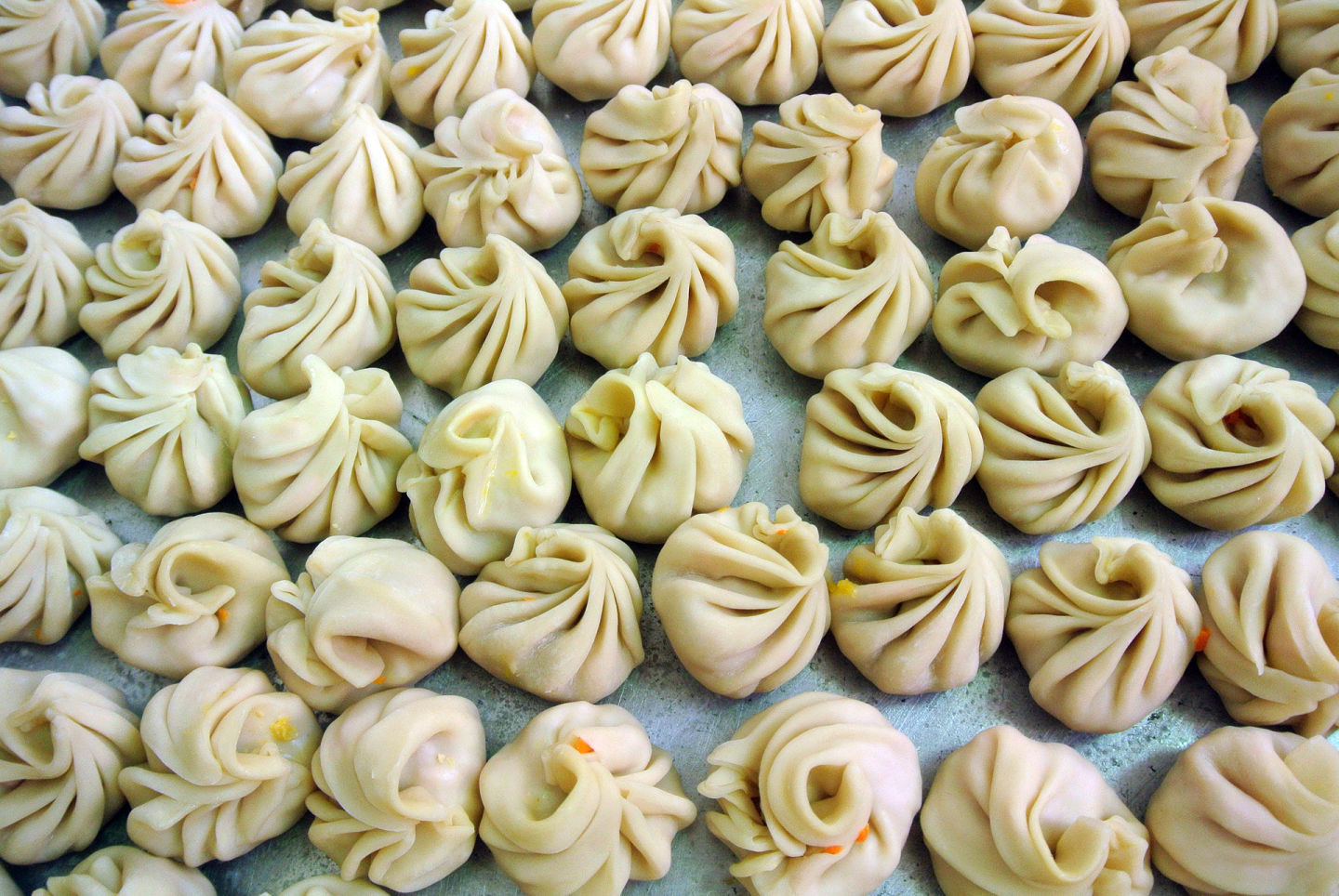
Where to Get Your International Street Food Fix in San Francisco & Berkeley
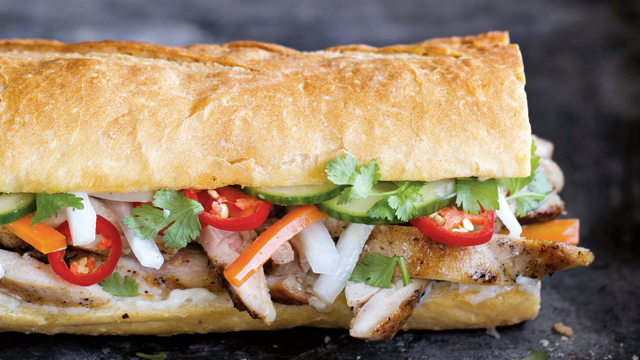
The Banh Mi Handbook: Recipes for Crazy-Delicious Sandwiches, by Andrea Nguyen
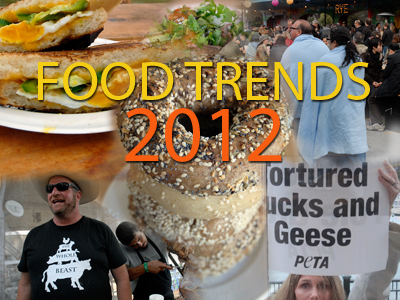
Top Food Stories and Trends of 2012
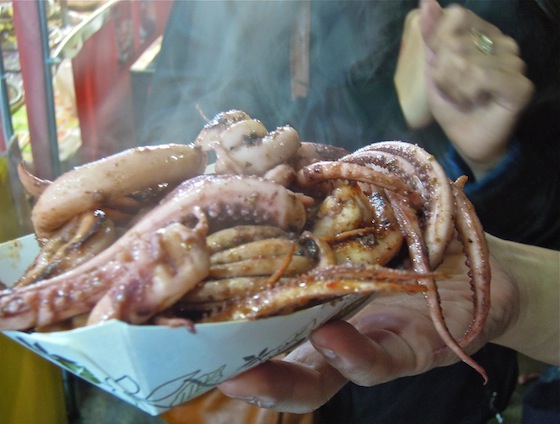
North America's Largest Night Market? It's in Richmond (B.C. that is)
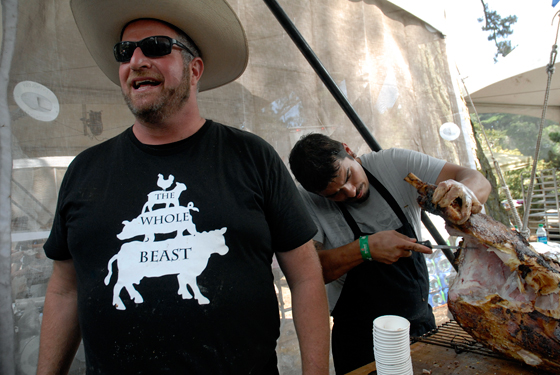
"Outside Lambs": A Moroccan Oasis Within Outside Lands
Off the Grid Rolls Into Southside Berkeley on Telegraph
A Preview of SoMa StrEat Food Park
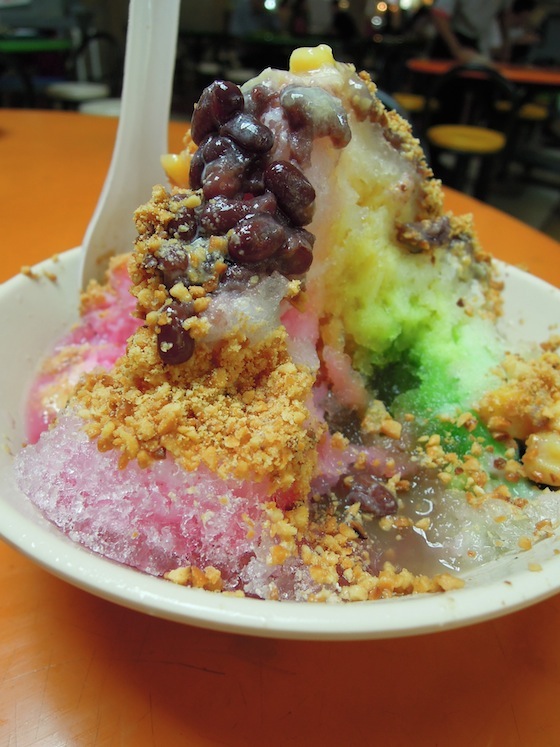
Sweet Treats in Food-Obsessed Singapore
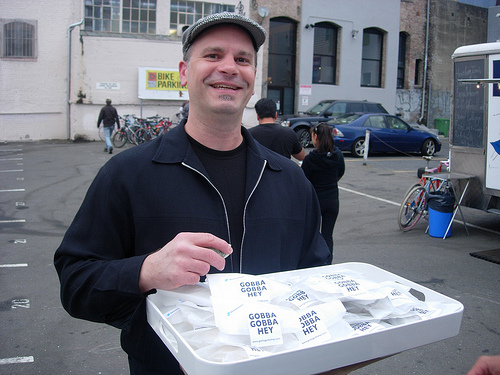
Gobba Gobba Hey!
Sponsored
window.__IS_SSR__=true
window.__INITIAL_STATE__={"attachmentsReducer":{"audio_0":{"type":"attachments","id":"audio_0","imgSizes":{"kqedFullSize":{"file":"https://ww2.kqed.org/news/wp-content/themes/KQED-unified/img/audio_bgs/background0.jpg"}}},"audio_1":{"type":"attachments","id":"audio_1","imgSizes":{"kqedFullSize":{"file":"https://ww2.kqed.org/news/wp-content/themes/KQED-unified/img/audio_bgs/background1.jpg"}}},"audio_2":{"type":"attachments","id":"audio_2","imgSizes":{"kqedFullSize":{"file":"https://ww2.kqed.org/news/wp-content/themes/KQED-unified/img/audio_bgs/background2.jpg"}}},"audio_3":{"type":"attachments","id":"audio_3","imgSizes":{"kqedFullSize":{"file":"https://ww2.kqed.org/news/wp-content/themes/KQED-unified/img/audio_bgs/background3.jpg"}}},"audio_4":{"type":"attachments","id":"audio_4","imgSizes":{"kqedFullSize":{"file":"https://ww2.kqed.org/news/wp-content/themes/KQED-unified/img/audio_bgs/background4.jpg"}}},"placeholder":{"type":"attachments","id":"placeholder","imgSizes":{"thumbnail":{"file":"https://ww2.kqed.org/wp-content/uploads/sites/10/2018/01/GettyImages-896326950-160x96.jpg","width":160,"height":96,"mimeType":"image/jpeg"},"medium":{"file":"https://ww2.kqed.org/wp-content/uploads/sites/10/2018/01/GettyImages-896326950-800x478.jpg","width":800,"height":478,"mimeType":"image/jpeg"},"large":{"file":"https://ww2.kqed.org/wp-content/uploads/sites/10/2018/01/GettyImages-896326950-1020x610.jpg","width":1020,"height":610,"mimeType":"image/jpeg"},"fd-lrg":{"file":"https://ww2.kqed.org/wp-content/uploads/sites/10/2018/01/GettyImages-896326950-1920x1148.jpg","width":1920,"height":1148,"mimeType":"image/jpeg"},"fd-med":{"file":"https://ww2.kqed.org/wp-content/uploads/sites/10/2018/01/GettyImages-896326950-1180x705.jpg","width":1180,"height":705,"mimeType":"image/jpeg"},"fd-sm":{"file":"https://ww2.kqed.org/wp-content/uploads/sites/10/2018/01/GettyImages-896326950-960x574.jpg","width":960,"height":574,"mimeType":"image/jpeg"},"post-thumbnail":{"file":"https://ww2.kqed.org/wp-content/uploads/sites/10/2018/01/GettyImages-896326950-672x372.jpg","width":672,"height":372,"mimeType":"image/jpeg"},"twentyfourteen-full-width":{"file":"https://ww2.kqed.org/wp-content/uploads/sites/10/2018/01/GettyImages-896326950-1038x576.jpg","width":1038,"height":576,"mimeType":"image/jpeg"},"xxsmall":{"file":"https://ww2.kqed.org/wp-content/uploads/sites/10/2018/01/GettyImages-896326950-240x143.jpg","width":240,"height":143,"mimeType":"image/jpeg"},"xsmall":{"file":"https://ww2.kqed.org/wp-content/uploads/sites/10/2018/01/GettyImages-896326950-375x224.jpg","width":375,"height":224,"mimeType":"image/jpeg"},"small":{"file":"https://ww2.kqed.org/wp-content/uploads/sites/10/2018/01/GettyImages-896326950-520x311.jpg","width":520,"height":311,"mimeType":"image/jpeg"},"xlarge":{"file":"https://ww2.kqed.org/wp-content/uploads/sites/10/2018/01/GettyImages-896326950-1180x705.jpg","width":1180,"height":705,"mimeType":"image/jpeg"},"full-width":{"file":"https://ww2.kqed.org/wp-content/uploads/sites/10/2018/01/GettyImages-896326950-1920x1148.jpg","width":1920,"height":1148,"mimeType":"image/jpeg"},"guest-author-32":{"file":"https://ww2.kqed.org/wp-content/uploads/sites/10/2018/01/GettyImages-896326950-32x32.jpg","width":32,"height":32,"mimeType":"image/jpeg"},"guest-author-50":{"file":"https://ww2.kqed.org/wp-content/uploads/sites/10/2018/01/GettyImages-896326950-50x50.jpg","width":50,"height":50,"mimeType":"image/jpeg"},"guest-author-64":{"file":"https://ww2.kqed.org/wp-content/uploads/sites/10/2018/01/GettyImages-896326950-64x64.jpg","width":64,"height":64,"mimeType":"image/jpeg"},"guest-author-96":{"file":"https://ww2.kqed.org/wp-content/uploads/sites/10/2018/01/GettyImages-896326950-96x96.jpg","width":96,"height":96,"mimeType":"image/jpeg"},"guest-author-128":{"file":"https://ww2.kqed.org/wp-content/uploads/sites/10/2018/01/GettyImages-896326950-128x128.jpg","width":128,"height":128,"mimeType":"image/jpeg"},"detail":{"file":"https://ww2.kqed.org/wp-content/uploads/sites/10/2018/01/GettyImages-896326950-150x150.jpg","width":150,"height":150,"mimeType":"image/jpeg"},"kqedFullSize":{"file":"https://ww2.kqed.org/wp-content/uploads/sites/10/2018/01/GettyImages-896326950-e1514998105161.jpg","width":1920,"height":1148}}},"bayareabites_101681":{"type":"attachments","id":"bayareabites_101681","meta":{"index":"attachments_1591205162","site":"bayareabites","id":"101681","found":true},"title":"Momos ready for steaming at Bini's Kitchen","publishDate":1443843980,"status":"inherit","parent":0,"modified":1443844051,"caption":"Momos ready for steaming at Bini's Kitchen","credit":"Renée Alexander","description":"Momos ready for steaming at Bini's Kitchen","imgSizes":{"thumbnail":{"file":"https://ww2.kqed.org/app/uploads/sites/24/2015/10/BinisMomo2-1920-400x268.jpg","width":400,"height":268,"mimeType":"image/jpeg"},"medium":{"file":"https://ww2.kqed.org/app/uploads/sites/24/2015/10/BinisMomo2-1920-800x535.jpg","width":800,"height":535,"mimeType":"image/jpeg"},"large":{"file":"https://ww2.kqed.org/app/uploads/sites/24/2015/10/BinisMomo2-1920-1440x964.jpg","width":1440,"height":964,"mimeType":"image/jpeg"},"fd-lrg":{"file":"https://ww2.kqed.org/app/uploads/sites/24/2015/10/BinisMomo2-1920-1920x1285.jpg","width":1920,"height":1285,"mimeType":"image/jpeg"},"fd-med":{"file":"https://ww2.kqed.org/app/uploads/sites/24/2015/10/BinisMomo2-1920-1180x790.jpg","width":1180,"height":790,"mimeType":"image/jpeg"},"fd-sm":{"file":"https://ww2.kqed.org/app/uploads/sites/24/2015/10/BinisMomo2-1920-960x643.jpg","width":960,"height":643,"mimeType":"image/jpeg"},"post-thumbnail":{"file":"https://ww2.kqed.org/app/uploads/sites/24/2015/10/BinisMomo2-1920-672x372.jpg","width":672,"height":372,"mimeType":"image/jpeg"},"twentyfourteen-full-width":{"file":"https://ww2.kqed.org/app/uploads/sites/24/2015/10/BinisMomo2-1920-1038x576.jpg","width":1038,"height":576,"mimeType":"image/jpeg"},"guest-author-32":{"file":"https://ww2.kqed.org/app/uploads/sites/24/2015/10/BinisMomo2-1920-32x32.jpg","width":32,"height":32,"mimeType":"image/jpeg"},"guest-author-64":{"file":"https://ww2.kqed.org/app/uploads/sites/24/2015/10/BinisMomo2-1920-64x64.jpg","width":64,"height":64,"mimeType":"image/jpeg"},"guest-author-96":{"file":"https://ww2.kqed.org/app/uploads/sites/24/2015/10/BinisMomo2-1920-96x96.jpg","width":96,"height":96,"mimeType":"image/jpeg"},"guest-author-128":{"file":"https://ww2.kqed.org/app/uploads/sites/24/2015/10/BinisMomo2-1920-128x128.jpg","width":128,"height":128,"mimeType":"image/jpeg"},"cat_post_thumb_sizecategory-posts-2":{"file":"https://ww2.kqed.org/app/uploads/sites/24/2015/10/BinisMomo2-1920-150x150.jpg","width":150,"height":150,"mimeType":"image/jpeg"},"detail":{"file":"https://ww2.kqed.org/app/uploads/sites/24/2015/10/BinisMomo2-1920-75x75.jpg","width":75,"height":75,"mimeType":"image/jpeg"},"kqedFullSize":{"file":"https://ww2.kqed.org/app/uploads/sites/24/2015/10/BinisMomo2-1920.jpg","width":1920,"height":1285}},"fetchFailed":false,"isLoading":false},"bayareabites_84974":{"type":"attachments","id":"bayareabites_84974","meta":{"index":"attachments_1591205162","site":"bayareabites","id":"84974","found":true},"title":"hanoi-grilled-chicken640x360","publishDate":1405536995,"status":"inherit","parent":84871,"modified":1405536995,"caption":null,"credit":null,"description":null,"imgSizes":{"kqedFullSize":{"file":"https://ww2.kqed.org/app/uploads/sites/24/2014/07/hanoi-grilled-chicken640x360.jpg","width":640,"height":360}},"fetchFailed":false,"isLoading":false},"bayareabites_53723":{"type":"attachments","id":"bayareabites_53723","meta":{"index":"attachments_1591205162","site":"bayareabites","id":"53723","found":true},"title":"food-trends-2012400x300","publishDate":1357075872,"status":"inherit","parent":53564,"modified":1357075872,"caption":null,"credit":null,"description":null,"imgSizes":{"kqedFullSize":{"file":"https://ww2.kqed.org/app/uploads/sites/24/2013/01/food-trends-2012400x3001.jpg","width":400,"height":300}},"fetchFailed":false,"isLoading":false},"bayareabites_49337":{"type":"attachments","id":"bayareabites_49337","meta":{"index":"attachments_1591205162","site":"bayareabites","id":"49337","found":true},"title":"bbq squid","publishDate":1348765732,"status":"inherit","parent":49301,"modified":1348765732,"caption":null,"credit":null,"description":null,"imgSizes":{"kqedFullSize":{"file":"https://ww2.kqed.org/app/uploads/sites/24/2012/09/bbq-squid.jpg","width":560,"height":424}},"fetchFailed":false,"isLoading":false},"bayareabites_47142":{"type":"attachments","id":"bayareabites_47142","meta":{"index":"attachments_1591205162","site":"bayareabites","id":"47142","found":true},"title":"John Fink at Outside Lambs. Photo: Wendy Goodfriend","publishDate":1344786496,"status":"inherit","parent":46867,"modified":1344786496,"caption":null,"credit":null,"description":null,"imgSizes":{"kqedFullSize":{"file":"https://ww2.kqed.org/app/uploads/sites/24/2012/08/john-fink-560.jpg","width":560,"height":375}},"fetchFailed":false,"isLoading":false},"bayareabites_45977":{"type":"attachments","id":"bayareabites_45977","meta":{"index":"attachments_1591205162","site":"bayareabites","id":"45977","found":true},"title":"otg truck","publishDate":1342162470,"status":"inherit","parent":45965,"modified":1342162470,"caption":null,"credit":null,"description":null,"imgSizes":{"kqedFullSize":{"file":"https://ww2.kqed.org/app/uploads/sites/24/2012/07/IMG_4377.jpg","width":559,"height":314}},"fetchFailed":false,"isLoading":false},"bayareabites_44051":{"type":"attachments","id":"bayareabites_44051","meta":{"index":"attachments_1591205162","site":"bayareabites","id":"44051","found":true},"title":"soma streatfood park","publishDate":1338500754,"status":"inherit","parent":44049,"modified":1338500754,"caption":null,"credit":null,"description":null,"imgSizes":{"kqedFullSize":{"file":"https://ww2.kqed.org/app/uploads/sites/24/2012/05/IMG_3625-e1338500805288.jpg","width":559,"height":314}},"fetchFailed":false,"isLoading":false},"bayareabites_35422":{"type":"attachments","id":"bayareabites_35422","meta":{"index":"attachments_1591205162","site":"bayareabites","id":"35422","found":true},"title":"ice kachang","publishDate":1321351227,"status":"inherit","parent":35403,"modified":1321351227,"caption":null,"credit":null,"description":null,"imgSizes":{"kqedFullSize":{"file":"https://ww2.kqed.org/app/uploads/sites/24/2011/11/ice-kachang2.jpg","width":560,"height":747}},"fetchFailed":false,"isLoading":false},"bayareabites_28425":{"type":"attachments","id":"bayareabites_28425","meta":{"index":"attachments_1591205162","site":"bayareabites","id":"28425","found":true},"title":"steven gdula","publishDate":1306999010,"status":"inherit","parent":28408,"modified":1306999010,"caption":"Steven Gdula, Founder of Gobba Gobba Hey","credit":null,"description":"Steven Gdula, Founder of Gobba Gobba Hey","imgSizes":{"kqedFullSize":{"file":"https://ww2.kqed.org/app/uploads/sites/24/2011/06/steven.jpg","width":500,"height":375}},"fetchFailed":false,"isLoading":false}},"audioPlayerReducer":{"postId":"stream_live"},"authorsReducer":{"jennyoh":{"type":"authors","id":"2100","meta":{"index":"authors_1591205172","id":"2100","found":true},"name":"Jenny Oh","firstName":"Jenny","lastName":"Oh","slug":"jennyoh","email":"joh@kqed.org","display_author_email":false,"staff_mastheads":["science"],"title":"Audience Engagement Producer, Deep Look","bio":"Jenny is an Emmy Award-winning producer and is currently the Audience Engagement Producer for KQED Science's \u003cem>Deep Look\u003c/em> online video series. She was also a long-time contributor to Bay Area Bites, KQED's popular food blog. Jenny graduated with honors from New York University’s Tisch School of the Arts Film and Television program and has worked for WNET/PBS, The Learning Channel, Sundance Channel, HBO and the University of California.","avatar":"https://secure.gravatar.com/avatar/7ddda0ed657e46dbe66083f569967752?s=600&d=blank&r=g","twitter":null,"facebook":null,"instagram":null,"linkedin":null,"sites":[{"site":"arts","roles":["editor"]},{"site":"pop","roles":["contributor"]},{"site":"futureofyou","roles":["editor"]},{"site":"jpepinheart","roles":["editor"]},{"site":"about","roles":["editor"]},{"site":"bayareabites","roles":["editor"]},{"site":"science","roles":["administrator"]},{"site":"education","roles":["author"]},{"site":"quest","roles":["editor"]},{"site":"food","roles":["administrator"]}],"headData":{"title":"Jenny Oh | KQED","description":"Audience Engagement Producer, Deep Look","ogImgSrc":"https://secure.gravatar.com/avatar/7ddda0ed657e46dbe66083f569967752?s=600&d=blank&r=g","twImgSrc":"https://secure.gravatar.com/avatar/7ddda0ed657e46dbe66083f569967752?s=600&d=blank&r=g"},"isLoading":false,"link":"/author/jennyoh"},"stephanie-rosenbaum":{"type":"authors","id":"5038","meta":{"index":"authors_1591205172","id":"5038","found":true},"name":"Stephanie Rosenbaum Klassen","firstName":"Stephanie","lastName":"Rosenbaum Klassen","slug":"stephanie-rosenbaum","email":"dixieday@aol.com","display_author_email":false,"staff_mastheads":[],"title":null,"bio":"Stephanie Rosenbaum Klassen is a longtime local food writer, author, and cook. Her books include The Art of Vintage Cocktails (Egg & Dart Press), World of Doughnuts (Egg & Dart Press); Kids in the Kitchen: Fun Food (Williams Sonoma); Honey from Flower to Table (Chronicle Books) and The Astrology Cookbook: A Cosmic Guide to Feasts of Love (Manic D Press). She has studied organic farming at UCSC and holds a certificate in Ecological Horticulture from the Center for Agroecology and Sustainable Food Systems. She does frequent cooking demonstrations at local farmers’ markets and has taught food writing at Media Alliance in San Francisco and the Continuing Education program at Stanford University. She has been the lead restaurant critic for the San Francisco Bay Guardian as well as for San Francisco magazine. She has been an assistant chef at the Headlands Center for the Arts, an artists' residency program located in the Marin Headlands, and a production cook at the Marin Sun Farms Cafe in Pt Reyes Station. After some 20 years in San Francisco interspersed with stints in Oakland, Santa Cruz, Brooklyn, and Manhattan, she recently moved to Sonoma county but still writes in San Francisco several days a week.","avatar":"https://secure.gravatar.com/avatar/46bf004da7b42de11bfd2b1614ecadcf?s=600&d=blank&r=g","twitter":"sjrosenbaum","facebook":null,"instagram":null,"linkedin":null,"sites":[{"site":"bayareabites","roles":["author"]},{"site":"food","roles":["contributor"]}],"headData":{"title":"Stephanie Rosenbaum Klassen | KQED","description":null,"ogImgSrc":"https://secure.gravatar.com/avatar/46bf004da7b42de11bfd2b1614ecadcf?s=600&d=blank&r=g","twImgSrc":"https://secure.gravatar.com/avatar/46bf004da7b42de11bfd2b1614ecadcf?s=600&d=blank&r=g"},"isLoading":false,"link":"/author/stephanie-rosenbaum"},"annamindess":{"type":"authors","id":"5283","meta":{"index":"authors_1591205172","id":"5283","found":true},"name":"Anna Mindess","firstName":"Anna","lastName":"Mindess","slug":"annamindess","email":"amindess@aol.com","display_author_email":false,"staff_mastheads":[],"title":null,"bio":"My passion is exploring the connections between food, travel and culture. I am a regular contributor to AFAR, Edible East Bay Magazine, Oakland Magazine, Berkeleyside's NOSH and other publications. I usually take a route that's slightly off the beaten path, like \u003ca href=\"http://edibleeastbay.com/online-magazine/fall-harvest-2017/fun-with-food-insults/\">collecting food-related insults\u003c/a> around the world or \u003ca href=\"https://www.afar.com/magazine/what-i-learned-hawking-sweet-potatoes-with-a-street-vendor-in-taiwan?email=amindess%40aol.com&utm_source=Sailthru&utm_medium=email&utm_campaign=Doctors%20Without%20Borders&utm_term=Daily%20Wander%20Newsletter\">volunteering with a Sweet Potato Mama\u003c/a> (street food seller) in Tapei.\r\n\r\nCulture is the thread that ties together my several careers. I also work as a sign language interpreter, educator and author. My study of Deaf culture has taken me around the world, where I am always on a quest to find Deaf-owned restaurants. I love making connections between my different worlds, for example in this AFAR story where I share \u003ca href=\"https://www.afar.com/magazine/tips-from-a-sign-language-interpreter-for-overcoming-language-barriers\">tips for communicating across cultures\u003c/a> that I learned from the real experts, Deaf people. Or this \u003ca href=\"http://edibleeastbay.com/online-magazine/fall-harvest-2017/deaf-chefs-compete/\">profile of a Deaf chef and culinary arts instructor\u003c/a> at the California School for the Deaf.\r\n\r\nTo see my visual/edible take on the world, follow me on Instagram: \u003ca href=\"https://www.instagram.com/annamindess/\">annamindess. \u003c/a>\r\n\r\nFor more of my stories: visit Contently \u003ca href=\"http://annamindess.contently.com\">annamindess.contently.com\u003c/a>","avatar":"https://secure.gravatar.com/avatar/5c0a68a51a07d3996f57634ef0cddaa6?s=600&d=blank&r=g","twitter":null,"facebook":null,"instagram":null,"linkedin":null,"sites":[{"site":"arts","roles":["author"]},{"site":"bayareabites","roles":["author"]},{"site":"food","roles":["contributor"]}],"headData":{"title":"Anna Mindess | KQED","description":null,"ogImgSrc":"https://secure.gravatar.com/avatar/5c0a68a51a07d3996f57634ef0cddaa6?s=600&d=blank&r=g","twImgSrc":"https://secure.gravatar.com/avatar/5c0a68a51a07d3996f57634ef0cddaa6?s=600&d=blank&r=g"},"isLoading":false,"link":"/author/annamindess"},"reneealexander":{"type":"authors","id":"8674","meta":{"index":"authors_1591205172","id":"8674","found":true},"name":"Renée Alexander","firstName":"Renée","lastName":"Alexander","slug":"reneealexander","email":"renee@grassrootspr.com","display_author_email":false,"staff_mastheads":[],"title":null,"bio":"Renée Alexander hails from North Carolina, where there are more pigs than people. Perhaps that explains her unapologetic addiction to pork, which culminates in an annual Pork of July potluck. After completing graduate school in the South, she drove West to Bend, Oregon, where she served as managing editor of the Source Weekly newspaper and ran one of the first online press release distribution services before launching grassrootsPR in 2002. She brought the business to San Francisco in 2009, where she continues to scout and share stories for non-profits and small businesses. When she isn't scouting stories for clients, she enjoys adventure travel that takes her off the beaten path. She drove a tuk-tuk across India in the Rickshaw Run, chased a solar eclipse through the Australian outback, crossed a remote Guatemala/Honduras border in the back of a pick-up truck, and contracted dengue fever on her honeymoon. Her life's goal is to get cheerleaders added to baseball. In addition to KQED's Bay Area Bites, her work appears in 7x7, Saveur, Wired, and The Atlantic. Follow Renée on Twitter \u003ca href=\"https://twitter.com/grassrootspr\">@grassrootspr\u003c/a>","avatar":"https://secure.gravatar.com/avatar/97b791d7893c72dd671130bb0f063daa?s=600&d=blank&r=g","twitter":null,"facebook":null,"instagram":null,"linkedin":null,"sites":[{"site":"bayareabites","roles":["editor"]},{"site":"food","roles":["contributor"]}],"headData":{"title":"Renée Alexander | KQED","description":null,"ogImgSrc":"https://secure.gravatar.com/avatar/97b791d7893c72dd671130bb0f063daa?s=600&d=blank&r=g","twImgSrc":"https://secure.gravatar.com/avatar/97b791d7893c72dd671130bb0f063daa?s=600&d=blank&r=g"},"isLoading":false,"link":"/author/reneealexander"}},"breakingNewsReducer":{},"campaignFinanceReducer":{},"firebase":{"requesting":{},"requested":{},"timestamps":{},"data":{},"ordered":{},"auth":{"isLoaded":false,"isEmpty":true},"authError":null,"profile":{"isLoaded":false,"isEmpty":true},"listeners":{"byId":{},"allIds":[]},"isInitializing":false,"errors":[]},"navBarReducer":{"navBarId":"arts","fullView":true,"showPlayer":false},"navMenuReducer":{"menus":[{"key":"menu1","items":[{"name":"News","link":"/","type":"title"},{"name":"Politics","link":"/politics"},{"name":"Science","link":"/science"},{"name":"Education","link":"/educationnews"},{"name":"Housing","link":"/housing"},{"name":"Immigration","link":"/immigration"},{"name":"Criminal Justice","link":"/criminaljustice"},{"name":"Silicon Valley","link":"/siliconvalley"},{"name":"Forum","link":"/forum"},{"name":"The California Report","link":"/californiareport"}]},{"key":"menu2","items":[{"name":"Arts & Culture","link":"/arts","type":"title"},{"name":"Critics’ Picks","link":"/thedolist"},{"name":"Cultural Commentary","link":"/artscommentary"},{"name":"Food & Drink","link":"/food"},{"name":"Bay Area Hip-Hop","link":"/bayareahiphop"},{"name":"Rebel Girls","link":"/rebelgirls"},{"name":"Arts Video","link":"/artsvideos"}]},{"key":"menu3","items":[{"name":"Podcasts","link":"/podcasts","type":"title"},{"name":"Bay Curious","link":"/podcasts/baycurious"},{"name":"Rightnowish","link":"/podcasts/rightnowish"},{"name":"The Bay","link":"/podcasts/thebay"},{"name":"On Our Watch","link":"/podcasts/onourwatch"},{"name":"Mindshift","link":"/podcasts/mindshift"},{"name":"Consider This","link":"/podcasts/considerthis"},{"name":"Political Breakdown","link":"/podcasts/politicalbreakdown"}]},{"key":"menu4","items":[{"name":"Live Radio","link":"/radio","type":"title"},{"name":"TV","link":"/tv","type":"title"},{"name":"Events","link":"/events","type":"title"},{"name":"For Educators","link":"/education","type":"title"},{"name":"Support KQED","link":"/support","type":"title"},{"name":"About","link":"/about","type":"title"},{"name":"Help Center","link":"https://kqed-helpcenter.kqed.org/s","type":"title"}]}]},"pagesReducer":{},"postsReducer":{"stream_live":{"type":"live","id":"stream_live","audioUrl":"https://streams.kqed.org/kqedradio","title":"Live Stream","excerpt":"Live Stream information currently unavailable.","link":"/radio","featImg":"","label":{"name":"KQED Live","link":"/"}},"stream_kqedNewscast":{"type":"posts","id":"stream_kqedNewscast","audioUrl":"https://www.kqed.org/.stream/anon/radio/RDnews/newscast.mp3?_=1","title":"KQED Newscast","featImg":"","label":{"name":"88.5 FM","link":"/"}},"bayareabites_101751":{"type":"posts","id":"bayareabites_101751","meta":{"index":"posts_1591205157","site":"bayareabites","id":"101751","score":null,"sort":[1444226403000]},"guestAuthors":[],"slug":"where-to-get-your-international-street-food-fix-in-san-francisco-berkeley","title":"Where to Get Your International Street Food Fix in San Francisco & Berkeley","publishDate":1444226403,"format":"image","headTitle":"Bay Area Bites | KQED Food","labelTerm":{},"content":"\u003cp>Experienced international travelers will tell you that eating street food is always a gamble. Delicious yet not without risks, street food will delight you now but may betray you later. Fortunately, San Francisco and Berkeley host a plethora of chefs from around the world who recreate dishes from their native countries that aim to please both the street food-phobic and the more adventurous souls who brave dysentery for a decent \u003cem>\u003ca href=\"https://en.wikipedia.org/wiki/Baleada\" target=\"_blank\">baleada\u003c/a>\u003c/em>. This list represents eight local spots where you'll find some of our favorite international street foods; be sure and let us know yours in the comments.\u003c/p>\n\u003ch3>Indian: Pani Puri\u003c/h3>\n\u003cfigure id=\"attachment_101664\" class=\"wp-caption aligncenter\" style=\"max-width: 1920px\">\u003cimg src=\"http://ww2.kqed.org/bayareabites/wp-content/uploads/sites/24/2015/10/Dosa-panipuri.jpg\" alt=\"DOSA's Pani Puri, available on Monday nights\" width=\"1920\" height=\"1285\" class=\"size-full wp-image-101664\" srcset=\"https://ww2.kqed.org/app/uploads/sites/24/2015/10/Dosa-panipuri.jpg 1920w, https://ww2.kqed.org/app/uploads/sites/24/2015/10/Dosa-panipuri-400x268.jpg 400w, https://ww2.kqed.org/app/uploads/sites/24/2015/10/Dosa-panipuri-800x535.jpg 800w, https://ww2.kqed.org/app/uploads/sites/24/2015/10/Dosa-panipuri-1440x964.jpg 1440w, https://ww2.kqed.org/app/uploads/sites/24/2015/10/Dosa-panipuri-1180x790.jpg 1180w, https://ww2.kqed.org/app/uploads/sites/24/2015/10/Dosa-panipuri-960x643.jpg 960w\" sizes=\"(max-width: 1920px) 100vw, 1920px\">\u003cfigcaption class=\"wp-caption-text\">DOSA's Pani Puri, available on Monday nights \u003ccite>(Renée Alexander)\u003c/cite>\u003c/figcaption>\u003c/figure>\n\u003cp>India is awash in street food, and \u003cem>\u003ca href=\"https://en.wikipedia.org/wiki/Panipuri\" target=\"_blank\">pani puri\u003c/a>\u003c/em> is the most ubiquitous. (It might also be the closest you'll get to nirvana.) Roughly the size of a walnut, one \u003cem>pani puri\u003c/em> nestles comfortably on your tongue. When you crunch down on the crispy shell, resilient mung beans pop between your teeth while a juicy deluge of sweet, spicy tartness drenches your palate. In India, \u003cem>pani puri\u003c/em> is served by roadside vendors - always men - who punch a thumb through the top of a puffed disc of \u003cem>puri\u003c/em>. It's stuffed with spiced potatoes and beans, then roughly equal amounts of minty, spiced \"\u003cem>pani\u003c/em>\" water and tangy, tamarind chutney are ladled inside before handing over each bite-sized bubble.\u003c/p>\n\u003cp>In San Francisco, you can get \u003cem>pani puri\u003c/em> every Monday at \u003ca href=\"http://dosasf.com/dosa-on-valencia/\" target=\"_blank\">\u003cstrong>DOSA Valencia\u003c/strong>\u003c/a> on Valencia during \"Chaat Night,\" which also features a few other Indian street food specialties like \u003cem>\u003ca href=\"https://en.wikipedia.org/wiki/Bhelpuri\" target=\"_blank\">bhel puri\u003c/a>\u003c/em>, \u003cem>\u003ca href=\"https://en.wikipedia.org/wiki/Sevpuri\" target=\"_blank\">sev puri\u003c/a>\u003c/em> and \u003cem>\u003ca href=\"https://en.wikipedia.org/wiki/Vada_pav\" target=\"_blank\">vada pav\u003c/a>\u003c/em>. DOSA's \u003cem>pani puri\u003c/em> \"kit\" is served artfully on a single plate with all the ingredients you'll need to make your own mini flavor bomb, and your server will \u003ca href=\"https://www.youtube.com/watch?v=aJSX8_BWFRg\" target=\"_blank\">demonstrate the proper procedure on request\u003c/a>. \u003c/p>\n\u003cp>\u003ca href=\"http://dosasf.com/dosa-on-valencia/\" target=\"_blank\">\u003cstrong>DOSA Valencia\u003c/strong>\u003c/a>\u003cbr>\n995 Valencia St., San Francisco [\u003ca href=\"https://goo.gl/3hSp63\" target=\"_blank\">Map\u003c/a>]\u003cbr>\nPh: (415) 642-3672\u003cbr>\nHours: Mon-Wed 5:30-10pm; Thu 5:30-11pm; Fri 5:30-midnight; Sat 11:30am-midnight; Sun 11:30am-10pm\u003cbr>\nFacebook: \u003ca href=\"https://www.facebook.com/DOSA-on-Valencia-196326700404830/timeline/\" target=\"_blank\">DOSA on Valencia\u003c/a>\u003cbr>\nPrice range: $ ( $10 and under)\u003c/p>\n\u003cfigure id=\"attachment_101659\" class=\"wp-caption aligncenter\" style=\"max-width: 1920px\">\u003cimg src=\"http://ww2.kqed.org/bayareabites/wp-content/uploads/sites/24/2015/10/ViksPaniPuri2-1920.jpg\" alt=\"Pani Puri at Vik's Chaat\" width=\"1920\" height=\"1285\" class=\"size-full wp-image-101659\" srcset=\"https://ww2.kqed.org/app/uploads/sites/24/2015/10/ViksPaniPuri2-1920.jpg 1920w, https://ww2.kqed.org/app/uploads/sites/24/2015/10/ViksPaniPuri2-1920-400x268.jpg 400w, https://ww2.kqed.org/app/uploads/sites/24/2015/10/ViksPaniPuri2-1920-800x535.jpg 800w, https://ww2.kqed.org/app/uploads/sites/24/2015/10/ViksPaniPuri2-1920-1440x964.jpg 1440w, https://ww2.kqed.org/app/uploads/sites/24/2015/10/ViksPaniPuri2-1920-1180x790.jpg 1180w, https://ww2.kqed.org/app/uploads/sites/24/2015/10/ViksPaniPuri2-1920-960x643.jpg 960w\" sizes=\"(max-width: 1920px) 100vw, 1920px\">\u003cfigcaption class=\"wp-caption-text\">Pani Puri at Vik's Chaat \u003ccite>(Renée Alexander)\u003c/cite>\u003c/figcaption>\u003c/figure>\n\u003cp>\u003ca href=\"http://vikschaat.com/\" target=\"_blank\">\u003cstrong>Vik's Chaat\u003c/strong>\u003c/a> in Berkeley serves \u003cem>pani puri\u003c/em> everyday on the same kind of cafeteria-style metal trays you'll find all over India. What Vic's lacks in presentation, it makes up for in flavor. Their version of \u003cem>pani puri\u003c/em> features garbanzo beans instead of mung beans, and the green \u003cem>pani\u003c/em> juice is served in a small bowl that encourages you to dip your stuffed \u003cem>puri\u003c/em> directly into the dish. You're encouraged to lick your fingers afterwards; after all, \"chaat\" means \"to lick\" in Hindi. And if you're in the South Bay, you'll find tasty \u003cem>pani puri\u003c/em> at \u003ca href=\"http://ww2.kqed.org/bayareabites/2014/03/31/5-bites-satisfy-your-indian-curry-and-chaat-cravings-in-and-around-fremont/\" target=\"_blank\">several Indian restaurants\u003c/a>. \u003ca href=\"http://chaatbhavan.com/\" target=\"_blank\">Chaat Bhavan\u003c/a> in Fremont is universally praised by my chaat-loving Indian friends.\u003c/p>\n\u003cp>[ad fullwidth]\u003c/p>\n\u003cp>\u003ca href=\"http://vikschaat.com/\" target=\"_blank\">\u003cstrong>Vik's Chaat\u003c/strong>\u003c/a>\u003cbr>\n2390 Fourth St., Berkeley [\u003ca href=\"https://goo.gl/CaiUTJ\" target=\"_blank\">Map\u003c/a>]\u003cbr>\nPh: (510) 644-4432\u003cbr>\nHours: Mon-Thu 11am-6pm; Fri-Sun 11am-8pm\u003cbr>\nFacebook: \u003ca href=\"https://www.facebook.com/ViksChaat\" target=\"_blank\">Vik's Chaat\u003c/a>\u003cbr>\nTwitter: \u003ca href=\"https://twitter.com/ViksChaat\" target=\"_blank\">@ViksChaat\u003c/a>\u003cbr>\nPrice range: $ ( $10 and under)\u003c/p>\n\u003ch3>Honduran: Baleadas and Pastelitos de Carne\u003c/h3>\n\u003cfigure id=\"attachment_101666\" class=\"wp-caption aligncenter\" style=\"max-width: 1920px\">\u003cimg src=\"http://ww2.kqed.org/bayareabites/wp-content/uploads/sites/24/2015/10/ElPaisaBaleada-1920.jpg\" alt=\"Baleadas at El Paisa Restaurante \" width=\"1920\" height=\"1285\" class=\"size-full wp-image-101666\" srcset=\"https://ww2.kqed.org/app/uploads/sites/24/2015/10/ElPaisaBaleada-1920.jpg 1920w, https://ww2.kqed.org/app/uploads/sites/24/2015/10/ElPaisaBaleada-1920-400x268.jpg 400w, https://ww2.kqed.org/app/uploads/sites/24/2015/10/ElPaisaBaleada-1920-800x535.jpg 800w, https://ww2.kqed.org/app/uploads/sites/24/2015/10/ElPaisaBaleada-1920-1440x964.jpg 1440w, https://ww2.kqed.org/app/uploads/sites/24/2015/10/ElPaisaBaleada-1920-1180x790.jpg 1180w, https://ww2.kqed.org/app/uploads/sites/24/2015/10/ElPaisaBaleada-1920-960x643.jpg 960w\" sizes=\"(max-width: 1920px) 100vw, 1920px\">\u003cfigcaption class=\"wp-caption-text\">Baleadas at El Paisa Restaurante \u003ccite>(Renée Alexander)\u003c/cite>\u003c/figcaption>\u003c/figure>\n\u003cp>In its simplest form, the \u003cem>baleada\u003c/em> is a thick, folded flour tortilla filled with refried beans. But this humble description does scant justice to Honduras' de facto national dish. They're made fresh by mostly middle-aged women at makeshift streetside stalls equipped with only rickety table and a Coleman-style camping stove. And for just a dollar, one \u003cem>baleada\u003c/em> will stave off hunger for about an hour. Starting with malleable dough made from wheat flour, the \"\u003cem>baleada\u003c/em> lady\" flattens a ping-pong-sized ball between her palms into a disc, then slaps and spins it back-and-forth between her hands until it stretches beyond her fingers. Then she fries it in a dry skillet, turning it by hand to brown on both sides. While it's still piping hot, she smears on a layer of flavorful Salvadorean red beans that have been mashed and refried to a spreadable consistency. Upon request, she might top it with crumbled cheese and \u003cem>crema\u003c/em>, avocado, or \u003cem>\u003ca href=\"https://en.wikipedia.org/wiki/Chismol\" target=\"_blank\">chismol\u003c/a>\u003c/em> (diced tomato, onion, and bell pepper), which are all folded inside the soft, slightly chewy flour tortilla. Unlike thin tortillas that exist primarily to keep burritos intact, these slightly-puffed flatbreads take a starring role in this warm and comforting Honduran-style taco.\u003c/p>\n\u003cfigure id=\"attachment_101668\" class=\"wp-caption aligncenter\" style=\"max-width: 1920px\">\u003cimg src=\"http://ww2.kqed.org/bayareabites/wp-content/uploads/sites/24/2015/10/ElPaisaPastelito1920.jpg\" alt=\"Pastelito de Carne at El Paisa\" width=\"1920\" height=\"1285\" class=\"size-full wp-image-101668\" srcset=\"https://ww2.kqed.org/app/uploads/sites/24/2015/10/ElPaisaPastelito1920.jpg 1920w, https://ww2.kqed.org/app/uploads/sites/24/2015/10/ElPaisaPastelito1920-400x268.jpg 400w, https://ww2.kqed.org/app/uploads/sites/24/2015/10/ElPaisaPastelito1920-800x535.jpg 800w, https://ww2.kqed.org/app/uploads/sites/24/2015/10/ElPaisaPastelito1920-1440x964.jpg 1440w, https://ww2.kqed.org/app/uploads/sites/24/2015/10/ElPaisaPastelito1920-1180x790.jpg 1180w, https://ww2.kqed.org/app/uploads/sites/24/2015/10/ElPaisaPastelito1920-960x643.jpg 960w\" sizes=\"(max-width: 1920px) 100vw, 1920px\">\u003cfigcaption class=\"wp-caption-text\">Pastelito de Carne at El Paisa \u003ccite>(Renée Alexander)\u003c/cite>\u003c/figcaption>\u003c/figure>\n\u003cp>\u003cem>Pastelitos\u003c/em> are nearly as popular as \u003cem>baleadas\u003c/em> on Honduran streets, and they cost about the same. These deep-fried, meat-filled pockets typically feature ground beef and potatoes or shredded chicken. The corn-flour dough -- made from \u003ca href=\"http://www.mimaseca.com/en/productos-maseca/d/maseca-corn-flour/1\" target=\"_blank\">Maseca\u003c/a> or homemade \u003cem>\u003ca href=\"https://en.wikipedia.org/wiki/Masa\" target=\"_blank\">masa harina\u003c/a>\u003c/em> -- is flattened into a disc, then molded into a half-moon shape around a fistful of meat filling before being pan-fried in an oiled skillet over a camping stove flame. \u003cem>Pastelitos\u003c/em> are always served warm with a ketchup-consistency tomato salsa and a lightly fermented cabbage relish called \"\u003cem>\u003ca href=\"https://en.wikipedia.org/wiki/Curtido\" target=\"_blank\">curtido\u003c/a>\u003c/em>\" that has a mild, salty crunch. \u003c/p>\n\u003cp>You'll find both at \u003ca href=\"http://www.yelp.com/biz/restaurante-el-paisa-san-francisco\" target=\"_blank\">\u003cstrong>El Paisa Restaurante\u003c/strong>\u003c/a> in the Mission. Their \u003cem>baleadas\u003c/em> are as soft, chewy and fulfilling as any of the street food versions I tried in Honduras, and their \u003cem>pastelitos\u003c/em> are as crispy as I remember (and juicier). Though the \u003cem>baleadas\u003c/em> are listed on the Spanish-only menu, you'll have to ask for the \u003cem>pastelitos\u003c/em> by name from the \"secret menu.\" \u003cem>Baleadas\u003c/em> are available in three different versions: \u003cem>sampedranas\u003c/em> with beans, cheese and Honduran crema; \u003cem>ceibeñas\u003c/em> with beans, cheese, crema and avocado; and \u003cem>al paisa\u003c/em> with beans, cheese, crema, avocado, eggs and chorizo. The \u003cem>pastelito de pollo\u003c/em> is stuffed with spiced shredded chicken, while the \u003cem>pastelito de re\u003c/em>s is filled with ground beef and potatoes. Both are topped with \u003cem>curtido\u003c/em> and warm tomato sauce.\u003c/p>\n\u003cp>\u003ca href=\"http://www.yelp.com/biz/restaurante-el-paisa-san-francisco\" target=\"_blank\">\u003cstrong>El Paisa Restaurante\u003c/strong>\u003c/a>\u003cbr>\n3322 Mission Street, San Francisco [\u003ca href=\"https://goo.gl/9Onmmy\" target=\"_blank\">Map\u003c/a>]\u003cbr>\nPh: (415) 550-0557\u003cbr>\nHours: Daily 9am-9pm\u003cbr>\nFacebook: \u003ca href=\"https://www.facebook.com/pages/El-Paisa-Restaurante-Jenny-Jesse/111487272208171?fref=ts\" target=\"_blank\">El Paisa Restaurante-Jenny & Jesse\u003c/a>\u003cbr>\nPrice range: $ ( $10 and under) CASH ONLY\u003c/p>\n\u003ch3>Salvadoran: Pupusas and Tamales de Elote\u003c/h3>\n\u003cfigure id=\"attachment_101670\" class=\"wp-caption aligncenter\" style=\"max-width: 1920px\">\u003cimg src=\"http://ww2.kqed.org/bayareabites/wp-content/uploads/sites/24/2015/10/BalompiePupusa-1920.jpg\" alt=\"Balompie Café Pupusas\" width=\"1920\" height=\"1285\" class=\"size-full wp-image-101670\" srcset=\"https://ww2.kqed.org/app/uploads/sites/24/2015/10/BalompiePupusa-1920.jpg 1920w, https://ww2.kqed.org/app/uploads/sites/24/2015/10/BalompiePupusa-1920-400x268.jpg 400w, https://ww2.kqed.org/app/uploads/sites/24/2015/10/BalompiePupusa-1920-800x535.jpg 800w, https://ww2.kqed.org/app/uploads/sites/24/2015/10/BalompiePupusa-1920-1440x964.jpg 1440w, https://ww2.kqed.org/app/uploads/sites/24/2015/10/BalompiePupusa-1920-1180x790.jpg 1180w, https://ww2.kqed.org/app/uploads/sites/24/2015/10/BalompiePupusa-1920-960x643.jpg 960w\" sizes=\"(max-width: 1920px) 100vw, 1920px\">\u003cfigcaption class=\"wp-caption-text\">Balompie Café Pupusas \u003ccite>(Renée Alexander)\u003c/cite>\u003c/figcaption>\u003c/figure>\n\u003cp>Honduras and El Salvador share more than a border. The same red beans inside \u003cem>baleadas\u003c/em> and the Maseca dough used to make \u003cem>pastelitos\u003c/em> in Honduras are turned into \u003cem>\u003ca href=\"https://en.wikipedia.org/wiki/Pupusa\" target=\"_blank\">pupusas\u003c/a>\u003c/em> in El Salvador. If you've walked down 16th Street between Valencia and Mission on a weekend evening, you've probably seen these stuffed tortillas being hand-slapped into shape at the sidewalk stall in front of Panchita's. Pupusas are similar to South American \u003cem>\u003ca href=\"https://en.wikipedia.org/wiki/Arepa\" target=\"_blank\">arepas\u003c/a>\u003c/em> and Mexican \u003cem>\u003ca href=\"https://en.wikipedia.org/wiki/Gordita\" target=\"_blank\">gorditas\u003c/a>\u003c/em>, except that they are stuffed prior to cooking instead of after. Typical fillings include any combination of beans, \u003cem>queso\u003c/em> (cheese), \u003cem>chicharrones\u003c/em> (fried pork skins), shredded pork, and \u003cem>\u003ca href=\"https://en.wikipedia.org/wiki/Fernaldia_pandurata\" target=\"_blank\">loroco\u003c/a>\u003c/em>, a succulent, green vine with edible flower buds. Pupusas are also served hot off the griddle with \u003cem>curtido\u003c/em> and tomato sauce; smother your \u003cem>pupusa\u003c/em> with the condiments and devour it all with a knife and fork, or tear off strips and use them as a utensil for grabbing condiments.\u003c/p>\n\u003cfigure id=\"attachment_101673\" class=\"wp-caption aligncenter\" style=\"max-width: 1920px\">\u003cimg src=\"http://ww2.kqed.org/bayareabites/wp-content/uploads/sites/24/2015/10/BalompieTamalesDeElote2-1920.jpg\" alt=\"Balompie Café Tamales de Elote\" width=\"1920\" height=\"1285\" class=\"size-full wp-image-101673\" srcset=\"https://ww2.kqed.org/app/uploads/sites/24/2015/10/BalompieTamalesDeElote2-1920.jpg 1920w, https://ww2.kqed.org/app/uploads/sites/24/2015/10/BalompieTamalesDeElote2-1920-400x268.jpg 400w, https://ww2.kqed.org/app/uploads/sites/24/2015/10/BalompieTamalesDeElote2-1920-800x535.jpg 800w, https://ww2.kqed.org/app/uploads/sites/24/2015/10/BalompieTamalesDeElote2-1920-1440x964.jpg 1440w, https://ww2.kqed.org/app/uploads/sites/24/2015/10/BalompieTamalesDeElote2-1920-1180x790.jpg 1180w, https://ww2.kqed.org/app/uploads/sites/24/2015/10/BalompieTamalesDeElote2-1920-960x643.jpg 960w\" sizes=\"(max-width: 1920px) 100vw, 1920px\">\u003cfigcaption class=\"wp-caption-text\">Balompie Café Tamales de Elote \u003ccite>(Renée Alexander)\u003c/cite>\u003c/figcaption>\u003c/figure>\n\u003cp>Maseca dough is also a main ingredient in \u003cem>tamales de elote\u003c/em>, or corn tamales. Slightly sweet and lightly studded with corn kernels, these fresh corn cakes can be served steamed or fried, usually for breakfast or as a starchy side dish with lunch or dinner. \u003cem>Tamales de elote\u003c/em> are usually topped with Salvadoran crema, which is creamier than sour cream and tastes like \u003cem>crème fraîche\u003c/em>.\u003c/p>\n\u003cp>\u003ca href=\"http://balompiecafe.com/balompie3.html\" target=\"_blank\">\u003cstrong>Balompie Café\u003c/strong>\u003c/a> (pronounced bah-loam-PEE-ay) has been serving handmade \u003cem>pupusas\u003c/em> and \u003cem>tamales de elote\u003c/em> in San Francisco's Mission District for over 25 years. Their pupusas are as good as they get, with a wide variety of traditional and specialty stuffings such as shrimp, prosciutto, ground beef and \u003cem>jalapeños\u003c/em>. While I can attest to the finger-licking goodness of the basic bean and \u003cem>chicharrón\u003c/em> versions, \u003cem>loroco\u003c/em> and cheese was my favorite flavor by far. The \u003cem>curtido\u003c/em> and tomato salsa were served on the side in separate dishes, and no one batted an eye when I set aside the silverware and dug in with my bare hands. You'll also find \u003cem>tamales de elote\u003c/em> on Balompie's menu, both steamed and fried, presented with a side ramekin of Salvadoran \u003cem>crema\u003c/em>. \u003c/p>\n\u003cp>\u003ca href=\"http://balompiecafe.com/balompie3.html\" target=\"_blank\">\u003cstrong>Balompie Café\u003c/strong>\u003c/a>\u003cbr>\n3349 18th Street, San Francisco [\u003ca href=\"https://goo.gl/pShVZ4\" target=\"_blank\">Map\u003c/a>]\u003cbr>\nPh: (415) 648-9199\u003cbr>\nHours: Tue-Sun 8am-9:30pm\u003cbr>\nFacebook: \u003ca href=\"https://www.facebook.com/pages/Balompie-Cafe/1163377030344568?fref=ts&rf=111240085565671\" target=\"_blank\">Balompie Cafe\u003c/a>\u003cbr>\nPrice range: $ ( $10 and under)\u003c/p>\n\u003cfigure id=\"attachment_101677\" class=\"wp-caption aligncenter\" style=\"max-width: 1920px\">\u003cimg src=\"http://ww2.kqed.org/bayareabites/wp-content/uploads/sites/24/2015/10/ElsyPupusa2-1920.jpg\" alt=\"Elsy’s Pupusas\" width=\"1920\" height=\"1285\" class=\"size-full wp-image-101677\" srcset=\"https://ww2.kqed.org/app/uploads/sites/24/2015/10/ElsyPupusa2-1920.jpg 1920w, https://ww2.kqed.org/app/uploads/sites/24/2015/10/ElsyPupusa2-1920-400x268.jpg 400w, https://ww2.kqed.org/app/uploads/sites/24/2015/10/ElsyPupusa2-1920-800x535.jpg 800w, https://ww2.kqed.org/app/uploads/sites/24/2015/10/ElsyPupusa2-1920-1440x964.jpg 1440w, https://ww2.kqed.org/app/uploads/sites/24/2015/10/ElsyPupusa2-1920-1180x790.jpg 1180w, https://ww2.kqed.org/app/uploads/sites/24/2015/10/ElsyPupusa2-1920-960x643.jpg 960w\" sizes=\"(max-width: 1920px) 100vw, 1920px\">\u003cfigcaption class=\"wp-caption-text\">Elsy’s Pupusas \u003ccite>(Renée Alexander)\u003c/cite>\u003c/figcaption>\u003c/figure>\n\u003cp>Another source of Salvadoran street food is \u003ca href=\"http://www.yelp.com/biz/elsys-restaurant-san-francisco\" target=\"_blank\">\u003cstrong>Elsy's Pupusas y Mas!\u003c/strong>\u003c/a>, located next door to La Taqueria on Mission at 25th. This neighborhood eatery is prized more for its authenticity than its ambiance, and you can watch your \u003cem>pupusas\u003c/em> being made to order in the open kitchen with traditional fillings of beans, cheese, pork and \u003cem>loroco\u003c/em>. They're available individually or on a platter with up to four pupusas, with \u003cem>curtido\u003c/em> and tomato salsa served on the side.\u003c/p>\n\u003cfigure id=\"attachment_101678\" class=\"wp-caption aligncenter\" style=\"max-width: 1920px\">\u003cimg src=\"http://ww2.kqed.org/bayareabites/wp-content/uploads/sites/24/2015/10/ElsyTamalesDeElote1-1920.jpg\" alt=\"Elsy’s Tamales de Elote\" width=\"1920\" height=\"1285\" class=\"size-full wp-image-101678\" srcset=\"https://ww2.kqed.org/app/uploads/sites/24/2015/10/ElsyTamalesDeElote1-1920.jpg 1920w, https://ww2.kqed.org/app/uploads/sites/24/2015/10/ElsyTamalesDeElote1-1920-400x268.jpg 400w, https://ww2.kqed.org/app/uploads/sites/24/2015/10/ElsyTamalesDeElote1-1920-800x535.jpg 800w, https://ww2.kqed.org/app/uploads/sites/24/2015/10/ElsyTamalesDeElote1-1920-1440x964.jpg 1440w, https://ww2.kqed.org/app/uploads/sites/24/2015/10/ElsyTamalesDeElote1-1920-1180x790.jpg 1180w, https://ww2.kqed.org/app/uploads/sites/24/2015/10/ElsyTamalesDeElote1-1920-960x643.jpg 960w\" sizes=\"(max-width: 1920px) 100vw, 1920px\">\u003cfigcaption class=\"wp-caption-text\">Elsy’s Tamales de Elote \u003ccite>(Renée Alexander)\u003c/cite>\u003c/figcaption>\u003c/figure>\n\u003cp>Elsy's \u003cem>tamales de elote\u003c/em> aren't listed on the menu; instead, they are advertised on a handwritten sign posted by the counter. Available both steamed and fried, they're served with a dollop of \u003cem>crema\u003c/em> and a small portion of \u003cem>casamiento\u003c/em>, which is a \"marriage\" of beans and rice. The steamed version is soft, moist, and slightly sweet, with fresh kernels of corn cooked inside. The fried version is the same, with a crispy exterior. For a taste bud trifecta, combine \u003cem>tamal\u003c/em>, \u003cem>casamiento\u003c/em> and \u003cem>crema\u003c/em> into a single bite.\u003c/p>\n\u003cp>\u003ca href=\"http://www.yelp.com/biz/elsys-restaurant-san-francisco\" target=\"_blank\">\u003cstrong>Elsy's Restaurant\u003c/strong>\u003c/a>\u003cbr>\n2893 Mission St., San Francisco [\u003ca href=\"https://goo.gl/BdMZ1m\" target=\"_blank\">Map\u003c/a>]\u003cbr>\nPh: (415) 642-0104\u003cbr>\nHours: Daily 9am-9pm\u003cbr>\nPrice range: $ ( $10 and under)\u003c/p>\n\u003ch3>Nepalese: Momos\u003c/h3>\n\u003cfigure id=\"attachment_101682\" class=\"wp-caption aligncenter\" style=\"max-width: 1920px\">\u003cimg src=\"http://ww2.kqed.org/bayareabites/wp-content/uploads/sites/24/2015/10/BinisMomo3-1920.jpg\" alt=\"Momos from Bini's Kitchen, topped with tomato sauce\" width=\"1920\" height=\"1285\" class=\"size-full wp-image-101682\" srcset=\"https://ww2.kqed.org/app/uploads/sites/24/2015/10/BinisMomo3-1920.jpg 1920w, https://ww2.kqed.org/app/uploads/sites/24/2015/10/BinisMomo3-1920-400x268.jpg 400w, https://ww2.kqed.org/app/uploads/sites/24/2015/10/BinisMomo3-1920-800x535.jpg 800w, https://ww2.kqed.org/app/uploads/sites/24/2015/10/BinisMomo3-1920-1440x964.jpg 1440w, https://ww2.kqed.org/app/uploads/sites/24/2015/10/BinisMomo3-1920-1180x790.jpg 1180w, https://ww2.kqed.org/app/uploads/sites/24/2015/10/BinisMomo3-1920-960x643.jpg 960w\" sizes=\"(max-width: 1920px) 100vw, 1920px\">\u003cfigcaption class=\"wp-caption-text\">Momos from Bini's Kitchen, topped with tomato sauce \u003ccite>(Renée Alexander)\u003c/cite>\u003c/figcaption>\u003c/figure>\n\u003cp>If you've traveled in or near the Himalayas, you've probably had a \u003cem>\u003ca href=\"https://en.wikipedia.org/wiki/Momo_(dumpling)\" target=\"_blank\">momo\u003c/a>\u003c/em>. Sold in restaurants and at roadside stalls throughout Nepal and some parts of northeastern India, these handmade dumplings are traditionally filled with meat from a freshly-slaughtered water buffalo, steamed and topped with a spicy tomato sauce. \u003cem>Momos\u003c/em> can also be fried or stuffed with vegetables, and they are eaten at all times of day as a snack or a meal.\u003c/p>\n\u003cfigure id=\"attachment_101680\" class=\"wp-caption aligncenter\" style=\"max-width: 1920px\">\u003cimg src=\"http://ww2.kqed.org/bayareabites/wp-content/uploads/sites/24/2015/10/BinisMomo1-1920.jpg\" alt=\"Momos ready for steaming at Bini's Kitchen\" width=\"1920\" height=\"1285\" class=\"size-full wp-image-101680\" srcset=\"https://ww2.kqed.org/app/uploads/sites/24/2015/10/BinisMomo1-1920.jpg 1920w, https://ww2.kqed.org/app/uploads/sites/24/2015/10/BinisMomo1-1920-400x268.jpg 400w, https://ww2.kqed.org/app/uploads/sites/24/2015/10/BinisMomo1-1920-800x535.jpg 800w, https://ww2.kqed.org/app/uploads/sites/24/2015/10/BinisMomo1-1920-1440x964.jpg 1440w, https://ww2.kqed.org/app/uploads/sites/24/2015/10/BinisMomo1-1920-1180x790.jpg 1180w, https://ww2.kqed.org/app/uploads/sites/24/2015/10/BinisMomo1-1920-960x643.jpg 960w\" sizes=\"(max-width: 1920px) 100vw, 1920px\">\u003cfigcaption class=\"wp-caption-text\">Momos ready for steaming at Bini's Kitchen \u003ccite>(Renée Alexander)\u003c/cite>\u003c/figcaption>\u003c/figure>\n\u003cp>Lacking a water buffalo supplier, Binita Pradhan of \u003ca href=\"http://biniskitchen.com/\" target=\"_blank\">\u003cstrong>Bini's Kitchen\u003c/strong>\u003c/a> makes turkey \u003cem>momos\u003c/em> and vegetarian versions which she sells at \u003ca href=\"http://offthegridsf.com/markets/fort-mason-center#about\" target=\"_blank\">Fort Mason's Off the Grid on Friday nights\u003c/a>. Each round \u003cem>momo\u003c/em> is a treasure of functional art, featuring a thumbprint-sized opening in the top to accommodate a bit of tomato cilantro sauce. The slightly chewy wrapper of Bini's turkey \u003cem>momo\u003c/em> provides just the right amount of resistance before your teeth pierce a tender morsel of spiced ground meat, releasing a warm cascade of savory juices that slides across your tongue. Pradhan takes great pride in her \u003cem>momos\u003c/em>, going so far as to dry, grind and mix her own imported spices for the sauce and fillings. She learned the recipe from her mother, who worked as a royal chef in Nepal, although she's toned down the heat of her tomato sauce to cater to local palates. \u003c/p>\n\u003cp>\u003ca href=\"http://biniskitchen.com/\" target=\"_blank\">\u003cstrong>Bini's Kitchen\u003c/strong>\u003c/a>\u003cbr>\nOff the Grid at Fort Mason on Fridays\u003cbr>\nFort Mason Center, 2 Marina Blvd., San Francisco [\u003ca href=\"https://goo.gl/8Ued4p\" target=\"_blank\">Map\u003c/a>]\u003cbr>\nPh: (415) 361-6911\u003cbr>\nHours: Fridays 5pm-10pm\u003cbr>\nFacebook: \u003ca href=\"https://www.facebook.com/biniskitchen?fref=ts\" target=\"_blank\">Bini's Kitchen\u003c/a>\u003cbr>\nPrice range: $ ( $10 and under)\u003c/p>\n\u003cfigure id=\"attachment_101684\" class=\"wp-caption aligncenter\" style=\"max-width: 1920px\">\u003cimg src=\"http://ww2.kqed.org/bayareabites/wp-content/uploads/sites/24/2015/10/LittleNepalMomo3-1920.jpg\" alt=\"Momos at Little Nepal\" width=\"1920\" height=\"1285\" class=\"size-full wp-image-101684\" srcset=\"https://ww2.kqed.org/app/uploads/sites/24/2015/10/LittleNepalMomo3-1920.jpg 1920w, https://ww2.kqed.org/app/uploads/sites/24/2015/10/LittleNepalMomo3-1920-400x268.jpg 400w, https://ww2.kqed.org/app/uploads/sites/24/2015/10/LittleNepalMomo3-1920-800x535.jpg 800w, https://ww2.kqed.org/app/uploads/sites/24/2015/10/LittleNepalMomo3-1920-1440x964.jpg 1440w, https://ww2.kqed.org/app/uploads/sites/24/2015/10/LittleNepalMomo3-1920-1180x790.jpg 1180w, https://ww2.kqed.org/app/uploads/sites/24/2015/10/LittleNepalMomo3-1920-960x643.jpg 960w\" sizes=\"(max-width: 1920px) 100vw, 1920px\">\u003cfigcaption class=\"wp-caption-text\">Momos at Little Nepal \u003ccite>(Renée Alexander)\u003c/cite>\u003c/figcaption>\u003c/figure>\n\u003cp>If you want a \u003cem>momo\u003c/em> with a little more kick, try Little Nepal in Bernal Heights. Available in minced chicken, pork, and vegetable varieties, these \u003cem>momos\u003c/em> are crescent-shaped and served six to a platter, alongside a dish of tomato chutney sauce spiced heavily with chilis, roasted sesame, garlic, ginger and cumin. Little Nepal's \u003cem>momos\u003c/em> may not be as pretty as Bini's, but they're unapologetically spicy and available six nights a week.\u003c/p>\n\u003cp>\u003ca href=\"http://www.littlenepalsf.com/\" target=\"_blank\">\u003cstrong>Little Nepal\u003c/strong>\u003c/a>\u003cbr>\n925 Cortland Avenue, San Francisco [\u003ca href=\"https://goo.gl/mkxk5z\" target=\"_blank\">Map\u003c/a>]\u003cbr>\nPh: (415) 643-3881\u003cbr>\nHours: Tue-Sun 5pm-10pm\u003cbr>\nFacebook: \u003ca href=\"https://www.facebook.com/littlenepalsf?fref=ts\" target=\"_blank\">Little Nepal Restaurant\u003c/a>\u003cbr>\nPrice range: $ ( $10 and under)\u003c/p>\n\u003ch3>Sri Lankan: Kottu Roti and Egg Hopper\u003c/h3>\n\u003cfigure id=\"attachment_101687\" class=\"wp-caption aligncenter\" style=\"max-width: 1920px\">\u003cimg src=\"http://ww2.kqed.org/bayareabites/wp-content/uploads/sites/24/2015/10/1601KottuRoti1-1920.jpg\" alt=\"Kottu Roti at 1601 Bar & Kitchen\" width=\"1920\" height=\"1285\" class=\"size-full wp-image-101687\" srcset=\"https://ww2.kqed.org/app/uploads/sites/24/2015/10/1601KottuRoti1-1920.jpg 1920w, https://ww2.kqed.org/app/uploads/sites/24/2015/10/1601KottuRoti1-1920-400x268.jpg 400w, https://ww2.kqed.org/app/uploads/sites/24/2015/10/1601KottuRoti1-1920-800x535.jpg 800w, https://ww2.kqed.org/app/uploads/sites/24/2015/10/1601KottuRoti1-1920-1440x964.jpg 1440w, https://ww2.kqed.org/app/uploads/sites/24/2015/10/1601KottuRoti1-1920-1180x790.jpg 1180w, https://ww2.kqed.org/app/uploads/sites/24/2015/10/1601KottuRoti1-1920-960x643.jpg 960w\" sizes=\"(max-width: 1920px) 100vw, 1920px\">\u003cfigcaption class=\"wp-caption-text\">Kottu Roti at 1601 Bar & Kitchen \u003ccite>(Renée Alexander)\u003c/cite>\u003c/figcaption>\u003c/figure>\n\u003cp>Sri Lankan \u003cem>\u003ca href=\"https://en.wikipedia.org/wiki/Kottu\" target=\"_blank\">kottu roti\u003c/a>\u003c/em> might be the only street food that produces \"music\" while it's being cooked. Roadside vendors stir-fry shredded \u003cem>roti\u003c/em> (a thin flatbread), egg, vegetables, spices and sometimes leftover chicken curry on a griddle, then chop and tos the mixture with a pair of handheld blades that look like oversized dough scrapers. Each \u003cem>kottu roti\u003c/em> maker \u003ca href=\"https://youtu.be/qSnqHbH19KA?t=3m3s\" target=\"_blank\">chops to his own beat\u003c/a>, creating a signature rhythm for his dish. The customer decides how much of each ingredient goes into the mix, so every \u003cem>kottu roti\u003c/em> is an original work of edible, audible art.\u003c/p>\n\u003cfigure id=\"attachment_101686\" class=\"wp-caption aligncenter\" style=\"max-width: 1920px\">\u003cimg src=\"http://ww2.kqed.org/bayareabites/wp-content/uploads/sites/24/2015/10/1601Hopper3-1920.jpg\" alt=\"The Egg Hopper at 1601 Bar & Kitchen\" width=\"1920\" height=\"1285\" class=\"size-full wp-image-101686\" srcset=\"https://ww2.kqed.org/app/uploads/sites/24/2015/10/1601Hopper3-1920.jpg 1920w, https://ww2.kqed.org/app/uploads/sites/24/2015/10/1601Hopper3-1920-400x268.jpg 400w, https://ww2.kqed.org/app/uploads/sites/24/2015/10/1601Hopper3-1920-800x535.jpg 800w, https://ww2.kqed.org/app/uploads/sites/24/2015/10/1601Hopper3-1920-1440x964.jpg 1440w, https://ww2.kqed.org/app/uploads/sites/24/2015/10/1601Hopper3-1920-1180x790.jpg 1180w, https://ww2.kqed.org/app/uploads/sites/24/2015/10/1601Hopper3-1920-960x643.jpg 960w\" sizes=\"(max-width: 1920px) 100vw, 1920px\">\u003cfigcaption class=\"wp-caption-text\">The Egg Hopper at 1601 Bar & Kitchen \u003ccite>(Renée Alexander)\u003c/cite>\u003c/figcaption>\u003c/figure>\n\u003cp>Sri Lanka's other favorite street food, the egg hopper, is a cup-shaped crepe cradling a steamed egg topped with spicy condiments such as chili paste and \u003cem>\u003ca href=\"https://en.wikipedia.org/wiki/Pol_Sambola_(Coconut_Sambol)\" target=\"_blank\">sambol\u003c/a>\u003c/em>, which is similar to a chutney or relish. Made from a batter of fermented rice flour and coconut milk, the crepes are crispy around the edges and easy to eat with your fingers. \u003c/p>\n\u003cp>You can try both street foods at 1601 Bar and Kitchen, a Sri Lankan-inspired SOMA eatery with a French flair. 1601's egg hopper is served with spicy chili paste, sweet and tangy onion \u003cem>sambal\u003c/em> and toasty coconut \u003cem>sambal\u003c/em>. If Chef Brian Fernando had his druthers, he'd toss all the condiments into the hopper himself to give diners a medley of diverse flavors he knows and loves from Sri Lanka. Instead, he provides generous portions of the onion and coconut \u003cem>sambols\u003c/em> on the side, with a big dollop of chili paste to spice things up.\u003c/p>\n\u003cp>The \u003cem>kottu roti\u003c/em> at 1601 is a tapas-sized dish topped with a fried Chesapeake Bay soft-shell crab. Toothsome strips of \u003cem>roti\u003c/em> provide a stable stage for shredded carrots and cabbage that are stir-fried with spices and sauces that bring all the ingredients together without stealing the limelight from the tender crab.\u003c/p>\n\u003cp>[ad floatright]\u003c/p>\n\u003cp>\u003ca href=\"http://1601sf.com/\" target=\"_blank\">\u003cstrong>1601 Bar & Kitchen\u003c/strong>\u003c/a>\u003cbr>\n1601 Howard Street, San Francisco [\u003ca href=\"https://goo.gl/muFIKx\" target=\"_blank\">Map\u003c/a>]\u003cbr>\nPh: (415) 552-1601\u003cbr>\nHours: Tue-Fri 6-10pm; Sat 5:30-10pm\u003cbr>\nFacebook: \u003ca href=\"https://www.facebook.com/1601BarAndKitchen?fref=ts\" target=\"_blank\">1601 Bar & Kitchen\u003c/a>\u003cbr>\nTwitter: \u003ca href=\"http://www.twitter.com/1601sf\" target=\"_blank\">@1601SF\u003c/a>\u003cbr>\nPrice range: $ ( $10 and under)\u003c/p>\n\n","blocks":[],"excerpt":"International street food lovers rejoice! Local chefs from around the globe are recreating their favorite native street foods, right here in the Bay Area. No passport required.","status":"publish","parent":0,"modified":1444339560,"stats":{"hasAudio":false,"hasVideo":false,"hasChartOrMap":false,"iframeSrcs":[],"hasGoogleForm":false,"hasGallery":false,"hasHearkenModule":false,"hasPolis":false,"paragraphCount":29,"wordCount":2397},"headData":{"title":"Where to Get Your International Street Food Fix in San Francisco & Berkeley | KQED","description":"International street food lovers rejoice! Local chefs from around the globe are recreating their favorite native street foods, right here in the Bay Area. No passport required.","ogTitle":"","ogDescription":"","ogImgId":"","twTitle":"","twDescription":"","twImgId":"","schema":{"@context":"http://schema.org","@type":"Article","headline":"Where to Get Your International Street Food Fix in San Francisco & Berkeley","datePublished":"2015-10-07T14:00:03.000Z","dateModified":"2015-10-08T21:26:00.000Z","image":"https://cdn.kqed.org/wp-content/uploads/2020/02/KQED-OG-Image@1x.png"}},"disqusIdentifier":"101751 http://ww2.kqed.org/bayareabites/?p=101751","disqusUrl":"https://ww2.kqed.org/bayareabites/2015/10/07/where-to-get-your-international-street-food-fix-in-san-francisco-berkeley/","disqusTitle":"Where to Get Your International Street Food Fix in San Francisco & Berkeley","source":"Guides","sourceUrl":"https://ww2.kqed.org/bayareabites/category/guides-2/","path":"/bayareabites/101751/where-to-get-your-international-street-food-fix-in-san-francisco-berkeley","audioTrackLength":null,"parsedContent":[{"type":"contentString","content":"\u003cdiv class=\"post-body\">\u003cp>\u003cp>Experienced international travelers will tell you that eating street food is always a gamble. Delicious yet not without risks, street food will delight you now but may betray you later. Fortunately, San Francisco and Berkeley host a plethora of chefs from around the world who recreate dishes from their native countries that aim to please both the street food-phobic and the more adventurous souls who brave dysentery for a decent \u003cem>\u003ca href=\"https://en.wikipedia.org/wiki/Baleada\" target=\"_blank\">baleada\u003c/a>\u003c/em>. This list represents eight local spots where you'll find some of our favorite international street foods; be sure and let us know yours in the comments.\u003c/p>\n\u003ch3>Indian: Pani Puri\u003c/h3>\n\u003cfigure id=\"attachment_101664\" class=\"wp-caption aligncenter\" style=\"max-width: 1920px\">\u003cimg src=\"http://ww2.kqed.org/bayareabites/wp-content/uploads/sites/24/2015/10/Dosa-panipuri.jpg\" alt=\"DOSA's Pani Puri, available on Monday nights\" width=\"1920\" height=\"1285\" class=\"size-full wp-image-101664\" srcset=\"https://ww2.kqed.org/app/uploads/sites/24/2015/10/Dosa-panipuri.jpg 1920w, https://ww2.kqed.org/app/uploads/sites/24/2015/10/Dosa-panipuri-400x268.jpg 400w, https://ww2.kqed.org/app/uploads/sites/24/2015/10/Dosa-panipuri-800x535.jpg 800w, https://ww2.kqed.org/app/uploads/sites/24/2015/10/Dosa-panipuri-1440x964.jpg 1440w, https://ww2.kqed.org/app/uploads/sites/24/2015/10/Dosa-panipuri-1180x790.jpg 1180w, https://ww2.kqed.org/app/uploads/sites/24/2015/10/Dosa-panipuri-960x643.jpg 960w\" sizes=\"(max-width: 1920px) 100vw, 1920px\">\u003cfigcaption class=\"wp-caption-text\">DOSA's Pani Puri, available on Monday nights \u003ccite>(Renée Alexander)\u003c/cite>\u003c/figcaption>\u003c/figure>\n\u003cp>India is awash in street food, and \u003cem>\u003ca href=\"https://en.wikipedia.org/wiki/Panipuri\" target=\"_blank\">pani puri\u003c/a>\u003c/em> is the most ubiquitous. (It might also be the closest you'll get to nirvana.) Roughly the size of a walnut, one \u003cem>pani puri\u003c/em> nestles comfortably on your tongue. When you crunch down on the crispy shell, resilient mung beans pop between your teeth while a juicy deluge of sweet, spicy tartness drenches your palate. In India, \u003cem>pani puri\u003c/em> is served by roadside vendors - always men - who punch a thumb through the top of a puffed disc of \u003cem>puri\u003c/em>. It's stuffed with spiced potatoes and beans, then roughly equal amounts of minty, spiced \"\u003cem>pani\u003c/em>\" water and tangy, tamarind chutney are ladled inside before handing over each bite-sized bubble.\u003c/p>\n\u003cp>In San Francisco, you can get \u003cem>pani puri\u003c/em> every Monday at \u003ca href=\"http://dosasf.com/dosa-on-valencia/\" target=\"_blank\">\u003cstrong>DOSA Valencia\u003c/strong>\u003c/a> on Valencia during \"Chaat Night,\" which also features a few other Indian street food specialties like \u003cem>\u003ca href=\"https://en.wikipedia.org/wiki/Bhelpuri\" target=\"_blank\">bhel puri\u003c/a>\u003c/em>, \u003cem>\u003ca href=\"https://en.wikipedia.org/wiki/Sevpuri\" target=\"_blank\">sev puri\u003c/a>\u003c/em> and \u003cem>\u003ca href=\"https://en.wikipedia.org/wiki/Vada_pav\" target=\"_blank\">vada pav\u003c/a>\u003c/em>. DOSA's \u003cem>pani puri\u003c/em> \"kit\" is served artfully on a single plate with all the ingredients you'll need to make your own mini flavor bomb, and your server will \u003ca href=\"https://www.youtube.com/watch?v=aJSX8_BWFRg\" target=\"_blank\">demonstrate the proper procedure on request\u003c/a>. \u003c/p>\n\u003cp>\u003ca href=\"http://dosasf.com/dosa-on-valencia/\" target=\"_blank\">\u003cstrong>DOSA Valencia\u003c/strong>\u003c/a>\u003cbr>\n995 Valencia St., San Francisco [\u003ca href=\"https://goo.gl/3hSp63\" target=\"_blank\">Map\u003c/a>]\u003cbr>\nPh: (415) 642-3672\u003cbr>\nHours: Mon-Wed 5:30-10pm; Thu 5:30-11pm; Fri 5:30-midnight; Sat 11:30am-midnight; Sun 11:30am-10pm\u003cbr>\nFacebook: \u003ca href=\"https://www.facebook.com/DOSA-on-Valencia-196326700404830/timeline/\" target=\"_blank\">DOSA on Valencia\u003c/a>\u003cbr>\nPrice range: $ ( $10 and under)\u003c/p>\n\u003cfigure id=\"attachment_101659\" class=\"wp-caption aligncenter\" style=\"max-width: 1920px\">\u003cimg src=\"http://ww2.kqed.org/bayareabites/wp-content/uploads/sites/24/2015/10/ViksPaniPuri2-1920.jpg\" alt=\"Pani Puri at Vik's Chaat\" width=\"1920\" height=\"1285\" class=\"size-full wp-image-101659\" srcset=\"https://ww2.kqed.org/app/uploads/sites/24/2015/10/ViksPaniPuri2-1920.jpg 1920w, https://ww2.kqed.org/app/uploads/sites/24/2015/10/ViksPaniPuri2-1920-400x268.jpg 400w, https://ww2.kqed.org/app/uploads/sites/24/2015/10/ViksPaniPuri2-1920-800x535.jpg 800w, https://ww2.kqed.org/app/uploads/sites/24/2015/10/ViksPaniPuri2-1920-1440x964.jpg 1440w, https://ww2.kqed.org/app/uploads/sites/24/2015/10/ViksPaniPuri2-1920-1180x790.jpg 1180w, https://ww2.kqed.org/app/uploads/sites/24/2015/10/ViksPaniPuri2-1920-960x643.jpg 960w\" sizes=\"(max-width: 1920px) 100vw, 1920px\">\u003cfigcaption class=\"wp-caption-text\">Pani Puri at Vik's Chaat \u003ccite>(Renée Alexander)\u003c/cite>\u003c/figcaption>\u003c/figure>\n\u003cp>\u003ca href=\"http://vikschaat.com/\" target=\"_blank\">\u003cstrong>Vik's Chaat\u003c/strong>\u003c/a> in Berkeley serves \u003cem>pani puri\u003c/em> everyday on the same kind of cafeteria-style metal trays you'll find all over India. What Vic's lacks in presentation, it makes up for in flavor. Their version of \u003cem>pani puri\u003c/em> features garbanzo beans instead of mung beans, and the green \u003cem>pani\u003c/em> juice is served in a small bowl that encourages you to dip your stuffed \u003cem>puri\u003c/em> directly into the dish. You're encouraged to lick your fingers afterwards; after all, \"chaat\" means \"to lick\" in Hindi. And if you're in the South Bay, you'll find tasty \u003cem>pani puri\u003c/em> at \u003ca href=\"http://ww2.kqed.org/bayareabites/2014/03/31/5-bites-satisfy-your-indian-curry-and-chaat-cravings-in-and-around-fremont/\" target=\"_blank\">several Indian restaurants\u003c/a>. \u003ca href=\"http://chaatbhavan.com/\" target=\"_blank\">Chaat Bhavan\u003c/a> in Fremont is universally praised by my chaat-loving Indian friends.\u003c/p>\n\u003cp>\u003c/p>\u003c/div>","attributes":{"named":{},"numeric":[]}},{"type":"component","content":"","name":"ad","attributes":{"named":{"label":"fullwidth"},"numeric":["fullwidth"]}},{"type":"contentString","content":"\u003cdiv class=\"post-body\">\u003cp>\u003c/p>\n\u003cp>\u003ca href=\"http://vikschaat.com/\" target=\"_blank\">\u003cstrong>Vik's Chaat\u003c/strong>\u003c/a>\u003cbr>\n2390 Fourth St., Berkeley [\u003ca href=\"https://goo.gl/CaiUTJ\" target=\"_blank\">Map\u003c/a>]\u003cbr>\nPh: (510) 644-4432\u003cbr>\nHours: Mon-Thu 11am-6pm; Fri-Sun 11am-8pm\u003cbr>\nFacebook: \u003ca href=\"https://www.facebook.com/ViksChaat\" target=\"_blank\">Vik's Chaat\u003c/a>\u003cbr>\nTwitter: \u003ca href=\"https://twitter.com/ViksChaat\" target=\"_blank\">@ViksChaat\u003c/a>\u003cbr>\nPrice range: $ ( $10 and under)\u003c/p>\n\u003ch3>Honduran: Baleadas and Pastelitos de Carne\u003c/h3>\n\u003cfigure id=\"attachment_101666\" class=\"wp-caption aligncenter\" style=\"max-width: 1920px\">\u003cimg src=\"http://ww2.kqed.org/bayareabites/wp-content/uploads/sites/24/2015/10/ElPaisaBaleada-1920.jpg\" alt=\"Baleadas at El Paisa Restaurante \" width=\"1920\" height=\"1285\" class=\"size-full wp-image-101666\" srcset=\"https://ww2.kqed.org/app/uploads/sites/24/2015/10/ElPaisaBaleada-1920.jpg 1920w, https://ww2.kqed.org/app/uploads/sites/24/2015/10/ElPaisaBaleada-1920-400x268.jpg 400w, https://ww2.kqed.org/app/uploads/sites/24/2015/10/ElPaisaBaleada-1920-800x535.jpg 800w, https://ww2.kqed.org/app/uploads/sites/24/2015/10/ElPaisaBaleada-1920-1440x964.jpg 1440w, https://ww2.kqed.org/app/uploads/sites/24/2015/10/ElPaisaBaleada-1920-1180x790.jpg 1180w, https://ww2.kqed.org/app/uploads/sites/24/2015/10/ElPaisaBaleada-1920-960x643.jpg 960w\" sizes=\"(max-width: 1920px) 100vw, 1920px\">\u003cfigcaption class=\"wp-caption-text\">Baleadas at El Paisa Restaurante \u003ccite>(Renée Alexander)\u003c/cite>\u003c/figcaption>\u003c/figure>\n\u003cp>In its simplest form, the \u003cem>baleada\u003c/em> is a thick, folded flour tortilla filled with refried beans. But this humble description does scant justice to Honduras' de facto national dish. They're made fresh by mostly middle-aged women at makeshift streetside stalls equipped with only rickety table and a Coleman-style camping stove. And for just a dollar, one \u003cem>baleada\u003c/em> will stave off hunger for about an hour. Starting with malleable dough made from wheat flour, the \"\u003cem>baleada\u003c/em> lady\" flattens a ping-pong-sized ball between her palms into a disc, then slaps and spins it back-and-forth between her hands until it stretches beyond her fingers. Then she fries it in a dry skillet, turning it by hand to brown on both sides. While it's still piping hot, she smears on a layer of flavorful Salvadorean red beans that have been mashed and refried to a spreadable consistency. Upon request, she might top it with crumbled cheese and \u003cem>crema\u003c/em>, avocado, or \u003cem>\u003ca href=\"https://en.wikipedia.org/wiki/Chismol\" target=\"_blank\">chismol\u003c/a>\u003c/em> (diced tomato, onion, and bell pepper), which are all folded inside the soft, slightly chewy flour tortilla. Unlike thin tortillas that exist primarily to keep burritos intact, these slightly-puffed flatbreads take a starring role in this warm and comforting Honduran-style taco.\u003c/p>\n\u003cfigure id=\"attachment_101668\" class=\"wp-caption aligncenter\" style=\"max-width: 1920px\">\u003cimg src=\"http://ww2.kqed.org/bayareabites/wp-content/uploads/sites/24/2015/10/ElPaisaPastelito1920.jpg\" alt=\"Pastelito de Carne at El Paisa\" width=\"1920\" height=\"1285\" class=\"size-full wp-image-101668\" srcset=\"https://ww2.kqed.org/app/uploads/sites/24/2015/10/ElPaisaPastelito1920.jpg 1920w, https://ww2.kqed.org/app/uploads/sites/24/2015/10/ElPaisaPastelito1920-400x268.jpg 400w, https://ww2.kqed.org/app/uploads/sites/24/2015/10/ElPaisaPastelito1920-800x535.jpg 800w, https://ww2.kqed.org/app/uploads/sites/24/2015/10/ElPaisaPastelito1920-1440x964.jpg 1440w, https://ww2.kqed.org/app/uploads/sites/24/2015/10/ElPaisaPastelito1920-1180x790.jpg 1180w, https://ww2.kqed.org/app/uploads/sites/24/2015/10/ElPaisaPastelito1920-960x643.jpg 960w\" sizes=\"(max-width: 1920px) 100vw, 1920px\">\u003cfigcaption class=\"wp-caption-text\">Pastelito de Carne at El Paisa \u003ccite>(Renée Alexander)\u003c/cite>\u003c/figcaption>\u003c/figure>\n\u003cp>\u003cem>Pastelitos\u003c/em> are nearly as popular as \u003cem>baleadas\u003c/em> on Honduran streets, and they cost about the same. These deep-fried, meat-filled pockets typically feature ground beef and potatoes or shredded chicken. The corn-flour dough -- made from \u003ca href=\"http://www.mimaseca.com/en/productos-maseca/d/maseca-corn-flour/1\" target=\"_blank\">Maseca\u003c/a> or homemade \u003cem>\u003ca href=\"https://en.wikipedia.org/wiki/Masa\" target=\"_blank\">masa harina\u003c/a>\u003c/em> -- is flattened into a disc, then molded into a half-moon shape around a fistful of meat filling before being pan-fried in an oiled skillet over a camping stove flame. \u003cem>Pastelitos\u003c/em> are always served warm with a ketchup-consistency tomato salsa and a lightly fermented cabbage relish called \"\u003cem>\u003ca href=\"https://en.wikipedia.org/wiki/Curtido\" target=\"_blank\">curtido\u003c/a>\u003c/em>\" that has a mild, salty crunch. \u003c/p>\n\u003cp>You'll find both at \u003ca href=\"http://www.yelp.com/biz/restaurante-el-paisa-san-francisco\" target=\"_blank\">\u003cstrong>El Paisa Restaurante\u003c/strong>\u003c/a> in the Mission. Their \u003cem>baleadas\u003c/em> are as soft, chewy and fulfilling as any of the street food versions I tried in Honduras, and their \u003cem>pastelitos\u003c/em> are as crispy as I remember (and juicier). Though the \u003cem>baleadas\u003c/em> are listed on the Spanish-only menu, you'll have to ask for the \u003cem>pastelitos\u003c/em> by name from the \"secret menu.\" \u003cem>Baleadas\u003c/em> are available in three different versions: \u003cem>sampedranas\u003c/em> with beans, cheese and Honduran crema; \u003cem>ceibeñas\u003c/em> with beans, cheese, crema and avocado; and \u003cem>al paisa\u003c/em> with beans, cheese, crema, avocado, eggs and chorizo. The \u003cem>pastelito de pollo\u003c/em> is stuffed with spiced shredded chicken, while the \u003cem>pastelito de re\u003c/em>s is filled with ground beef and potatoes. Both are topped with \u003cem>curtido\u003c/em> and warm tomato sauce.\u003c/p>\n\u003cp>\u003ca href=\"http://www.yelp.com/biz/restaurante-el-paisa-san-francisco\" target=\"_blank\">\u003cstrong>El Paisa Restaurante\u003c/strong>\u003c/a>\u003cbr>\n3322 Mission Street, San Francisco [\u003ca href=\"https://goo.gl/9Onmmy\" target=\"_blank\">Map\u003c/a>]\u003cbr>\nPh: (415) 550-0557\u003cbr>\nHours: Daily 9am-9pm\u003cbr>\nFacebook: \u003ca href=\"https://www.facebook.com/pages/El-Paisa-Restaurante-Jenny-Jesse/111487272208171?fref=ts\" target=\"_blank\">El Paisa Restaurante-Jenny & Jesse\u003c/a>\u003cbr>\nPrice range: $ ( $10 and under) CASH ONLY\u003c/p>\n\u003ch3>Salvadoran: Pupusas and Tamales de Elote\u003c/h3>\n\u003cfigure id=\"attachment_101670\" class=\"wp-caption aligncenter\" style=\"max-width: 1920px\">\u003cimg src=\"http://ww2.kqed.org/bayareabites/wp-content/uploads/sites/24/2015/10/BalompiePupusa-1920.jpg\" alt=\"Balompie Café Pupusas\" width=\"1920\" height=\"1285\" class=\"size-full wp-image-101670\" srcset=\"https://ww2.kqed.org/app/uploads/sites/24/2015/10/BalompiePupusa-1920.jpg 1920w, https://ww2.kqed.org/app/uploads/sites/24/2015/10/BalompiePupusa-1920-400x268.jpg 400w, https://ww2.kqed.org/app/uploads/sites/24/2015/10/BalompiePupusa-1920-800x535.jpg 800w, https://ww2.kqed.org/app/uploads/sites/24/2015/10/BalompiePupusa-1920-1440x964.jpg 1440w, https://ww2.kqed.org/app/uploads/sites/24/2015/10/BalompiePupusa-1920-1180x790.jpg 1180w, https://ww2.kqed.org/app/uploads/sites/24/2015/10/BalompiePupusa-1920-960x643.jpg 960w\" sizes=\"(max-width: 1920px) 100vw, 1920px\">\u003cfigcaption class=\"wp-caption-text\">Balompie Café Pupusas \u003ccite>(Renée Alexander)\u003c/cite>\u003c/figcaption>\u003c/figure>\n\u003cp>Honduras and El Salvador share more than a border. The same red beans inside \u003cem>baleadas\u003c/em> and the Maseca dough used to make \u003cem>pastelitos\u003c/em> in Honduras are turned into \u003cem>\u003ca href=\"https://en.wikipedia.org/wiki/Pupusa\" target=\"_blank\">pupusas\u003c/a>\u003c/em> in El Salvador. If you've walked down 16th Street between Valencia and Mission on a weekend evening, you've probably seen these stuffed tortillas being hand-slapped into shape at the sidewalk stall in front of Panchita's. Pupusas are similar to South American \u003cem>\u003ca href=\"https://en.wikipedia.org/wiki/Arepa\" target=\"_blank\">arepas\u003c/a>\u003c/em> and Mexican \u003cem>\u003ca href=\"https://en.wikipedia.org/wiki/Gordita\" target=\"_blank\">gorditas\u003c/a>\u003c/em>, except that they are stuffed prior to cooking instead of after. Typical fillings include any combination of beans, \u003cem>queso\u003c/em> (cheese), \u003cem>chicharrones\u003c/em> (fried pork skins), shredded pork, and \u003cem>\u003ca href=\"https://en.wikipedia.org/wiki/Fernaldia_pandurata\" target=\"_blank\">loroco\u003c/a>\u003c/em>, a succulent, green vine with edible flower buds. Pupusas are also served hot off the griddle with \u003cem>curtido\u003c/em> and tomato sauce; smother your \u003cem>pupusa\u003c/em> with the condiments and devour it all with a knife and fork, or tear off strips and use them as a utensil for grabbing condiments.\u003c/p>\n\u003cfigure id=\"attachment_101673\" class=\"wp-caption aligncenter\" style=\"max-width: 1920px\">\u003cimg src=\"http://ww2.kqed.org/bayareabites/wp-content/uploads/sites/24/2015/10/BalompieTamalesDeElote2-1920.jpg\" alt=\"Balompie Café Tamales de Elote\" width=\"1920\" height=\"1285\" class=\"size-full wp-image-101673\" srcset=\"https://ww2.kqed.org/app/uploads/sites/24/2015/10/BalompieTamalesDeElote2-1920.jpg 1920w, https://ww2.kqed.org/app/uploads/sites/24/2015/10/BalompieTamalesDeElote2-1920-400x268.jpg 400w, https://ww2.kqed.org/app/uploads/sites/24/2015/10/BalompieTamalesDeElote2-1920-800x535.jpg 800w, https://ww2.kqed.org/app/uploads/sites/24/2015/10/BalompieTamalesDeElote2-1920-1440x964.jpg 1440w, https://ww2.kqed.org/app/uploads/sites/24/2015/10/BalompieTamalesDeElote2-1920-1180x790.jpg 1180w, https://ww2.kqed.org/app/uploads/sites/24/2015/10/BalompieTamalesDeElote2-1920-960x643.jpg 960w\" sizes=\"(max-width: 1920px) 100vw, 1920px\">\u003cfigcaption class=\"wp-caption-text\">Balompie Café Tamales de Elote \u003ccite>(Renée Alexander)\u003c/cite>\u003c/figcaption>\u003c/figure>\n\u003cp>Maseca dough is also a main ingredient in \u003cem>tamales de elote\u003c/em>, or corn tamales. Slightly sweet and lightly studded with corn kernels, these fresh corn cakes can be served steamed or fried, usually for breakfast or as a starchy side dish with lunch or dinner. \u003cem>Tamales de elote\u003c/em> are usually topped with Salvadoran crema, which is creamier than sour cream and tastes like \u003cem>crème fraîche\u003c/em>.\u003c/p>\n\u003cp>\u003ca href=\"http://balompiecafe.com/balompie3.html\" target=\"_blank\">\u003cstrong>Balompie Café\u003c/strong>\u003c/a> (pronounced bah-loam-PEE-ay) has been serving handmade \u003cem>pupusas\u003c/em> and \u003cem>tamales de elote\u003c/em> in San Francisco's Mission District for over 25 years. Their pupusas are as good as they get, with a wide variety of traditional and specialty stuffings such as shrimp, prosciutto, ground beef and \u003cem>jalapeños\u003c/em>. While I can attest to the finger-licking goodness of the basic bean and \u003cem>chicharrón\u003c/em> versions, \u003cem>loroco\u003c/em> and cheese was my favorite flavor by far. The \u003cem>curtido\u003c/em> and tomato salsa were served on the side in separate dishes, and no one batted an eye when I set aside the silverware and dug in with my bare hands. You'll also find \u003cem>tamales de elote\u003c/em> on Balompie's menu, both steamed and fried, presented with a side ramekin of Salvadoran \u003cem>crema\u003c/em>. \u003c/p>\n\u003cp>\u003ca href=\"http://balompiecafe.com/balompie3.html\" target=\"_blank\">\u003cstrong>Balompie Café\u003c/strong>\u003c/a>\u003cbr>\n3349 18th Street, San Francisco [\u003ca href=\"https://goo.gl/pShVZ4\" target=\"_blank\">Map\u003c/a>]\u003cbr>\nPh: (415) 648-9199\u003cbr>\nHours: Tue-Sun 8am-9:30pm\u003cbr>\nFacebook: \u003ca href=\"https://www.facebook.com/pages/Balompie-Cafe/1163377030344568?fref=ts&rf=111240085565671\" target=\"_blank\">Balompie Cafe\u003c/a>\u003cbr>\nPrice range: $ ( $10 and under)\u003c/p>\n\u003cfigure id=\"attachment_101677\" class=\"wp-caption aligncenter\" style=\"max-width: 1920px\">\u003cimg src=\"http://ww2.kqed.org/bayareabites/wp-content/uploads/sites/24/2015/10/ElsyPupusa2-1920.jpg\" alt=\"Elsy’s Pupusas\" width=\"1920\" height=\"1285\" class=\"size-full wp-image-101677\" srcset=\"https://ww2.kqed.org/app/uploads/sites/24/2015/10/ElsyPupusa2-1920.jpg 1920w, https://ww2.kqed.org/app/uploads/sites/24/2015/10/ElsyPupusa2-1920-400x268.jpg 400w, https://ww2.kqed.org/app/uploads/sites/24/2015/10/ElsyPupusa2-1920-800x535.jpg 800w, https://ww2.kqed.org/app/uploads/sites/24/2015/10/ElsyPupusa2-1920-1440x964.jpg 1440w, https://ww2.kqed.org/app/uploads/sites/24/2015/10/ElsyPupusa2-1920-1180x790.jpg 1180w, https://ww2.kqed.org/app/uploads/sites/24/2015/10/ElsyPupusa2-1920-960x643.jpg 960w\" sizes=\"(max-width: 1920px) 100vw, 1920px\">\u003cfigcaption class=\"wp-caption-text\">Elsy’s Pupusas \u003ccite>(Renée Alexander)\u003c/cite>\u003c/figcaption>\u003c/figure>\n\u003cp>Another source of Salvadoran street food is \u003ca href=\"http://www.yelp.com/biz/elsys-restaurant-san-francisco\" target=\"_blank\">\u003cstrong>Elsy's Pupusas y Mas!\u003c/strong>\u003c/a>, located next door to La Taqueria on Mission at 25th. This neighborhood eatery is prized more for its authenticity than its ambiance, and you can watch your \u003cem>pupusas\u003c/em> being made to order in the open kitchen with traditional fillings of beans, cheese, pork and \u003cem>loroco\u003c/em>. They're available individually or on a platter with up to four pupusas, with \u003cem>curtido\u003c/em> and tomato salsa served on the side.\u003c/p>\n\u003cfigure id=\"attachment_101678\" class=\"wp-caption aligncenter\" style=\"max-width: 1920px\">\u003cimg src=\"http://ww2.kqed.org/bayareabites/wp-content/uploads/sites/24/2015/10/ElsyTamalesDeElote1-1920.jpg\" alt=\"Elsy’s Tamales de Elote\" width=\"1920\" height=\"1285\" class=\"size-full wp-image-101678\" srcset=\"https://ww2.kqed.org/app/uploads/sites/24/2015/10/ElsyTamalesDeElote1-1920.jpg 1920w, https://ww2.kqed.org/app/uploads/sites/24/2015/10/ElsyTamalesDeElote1-1920-400x268.jpg 400w, https://ww2.kqed.org/app/uploads/sites/24/2015/10/ElsyTamalesDeElote1-1920-800x535.jpg 800w, https://ww2.kqed.org/app/uploads/sites/24/2015/10/ElsyTamalesDeElote1-1920-1440x964.jpg 1440w, https://ww2.kqed.org/app/uploads/sites/24/2015/10/ElsyTamalesDeElote1-1920-1180x790.jpg 1180w, https://ww2.kqed.org/app/uploads/sites/24/2015/10/ElsyTamalesDeElote1-1920-960x643.jpg 960w\" sizes=\"(max-width: 1920px) 100vw, 1920px\">\u003cfigcaption class=\"wp-caption-text\">Elsy’s Tamales de Elote \u003ccite>(Renée Alexander)\u003c/cite>\u003c/figcaption>\u003c/figure>\n\u003cp>Elsy's \u003cem>tamales de elote\u003c/em> aren't listed on the menu; instead, they are advertised on a handwritten sign posted by the counter. Available both steamed and fried, they're served with a dollop of \u003cem>crema\u003c/em> and a small portion of \u003cem>casamiento\u003c/em>, which is a \"marriage\" of beans and rice. The steamed version is soft, moist, and slightly sweet, with fresh kernels of corn cooked inside. The fried version is the same, with a crispy exterior. For a taste bud trifecta, combine \u003cem>tamal\u003c/em>, \u003cem>casamiento\u003c/em> and \u003cem>crema\u003c/em> into a single bite.\u003c/p>\n\u003cp>\u003ca href=\"http://www.yelp.com/biz/elsys-restaurant-san-francisco\" target=\"_blank\">\u003cstrong>Elsy's Restaurant\u003c/strong>\u003c/a>\u003cbr>\n2893 Mission St., San Francisco [\u003ca href=\"https://goo.gl/BdMZ1m\" target=\"_blank\">Map\u003c/a>]\u003cbr>\nPh: (415) 642-0104\u003cbr>\nHours: Daily 9am-9pm\u003cbr>\nPrice range: $ ( $10 and under)\u003c/p>\n\u003ch3>Nepalese: Momos\u003c/h3>\n\u003cfigure id=\"attachment_101682\" class=\"wp-caption aligncenter\" style=\"max-width: 1920px\">\u003cimg src=\"http://ww2.kqed.org/bayareabites/wp-content/uploads/sites/24/2015/10/BinisMomo3-1920.jpg\" alt=\"Momos from Bini's Kitchen, topped with tomato sauce\" width=\"1920\" height=\"1285\" class=\"size-full wp-image-101682\" srcset=\"https://ww2.kqed.org/app/uploads/sites/24/2015/10/BinisMomo3-1920.jpg 1920w, https://ww2.kqed.org/app/uploads/sites/24/2015/10/BinisMomo3-1920-400x268.jpg 400w, https://ww2.kqed.org/app/uploads/sites/24/2015/10/BinisMomo3-1920-800x535.jpg 800w, https://ww2.kqed.org/app/uploads/sites/24/2015/10/BinisMomo3-1920-1440x964.jpg 1440w, https://ww2.kqed.org/app/uploads/sites/24/2015/10/BinisMomo3-1920-1180x790.jpg 1180w, https://ww2.kqed.org/app/uploads/sites/24/2015/10/BinisMomo3-1920-960x643.jpg 960w\" sizes=\"(max-width: 1920px) 100vw, 1920px\">\u003cfigcaption class=\"wp-caption-text\">Momos from Bini's Kitchen, topped with tomato sauce \u003ccite>(Renée Alexander)\u003c/cite>\u003c/figcaption>\u003c/figure>\n\u003cp>If you've traveled in or near the Himalayas, you've probably had a \u003cem>\u003ca href=\"https://en.wikipedia.org/wiki/Momo_(dumpling)\" target=\"_blank\">momo\u003c/a>\u003c/em>. Sold in restaurants and at roadside stalls throughout Nepal and some parts of northeastern India, these handmade dumplings are traditionally filled with meat from a freshly-slaughtered water buffalo, steamed and topped with a spicy tomato sauce. \u003cem>Momos\u003c/em> can also be fried or stuffed with vegetables, and they are eaten at all times of day as a snack or a meal.\u003c/p>\n\u003cfigure id=\"attachment_101680\" class=\"wp-caption aligncenter\" style=\"max-width: 1920px\">\u003cimg src=\"http://ww2.kqed.org/bayareabites/wp-content/uploads/sites/24/2015/10/BinisMomo1-1920.jpg\" alt=\"Momos ready for steaming at Bini's Kitchen\" width=\"1920\" height=\"1285\" class=\"size-full wp-image-101680\" srcset=\"https://ww2.kqed.org/app/uploads/sites/24/2015/10/BinisMomo1-1920.jpg 1920w, https://ww2.kqed.org/app/uploads/sites/24/2015/10/BinisMomo1-1920-400x268.jpg 400w, https://ww2.kqed.org/app/uploads/sites/24/2015/10/BinisMomo1-1920-800x535.jpg 800w, https://ww2.kqed.org/app/uploads/sites/24/2015/10/BinisMomo1-1920-1440x964.jpg 1440w, https://ww2.kqed.org/app/uploads/sites/24/2015/10/BinisMomo1-1920-1180x790.jpg 1180w, https://ww2.kqed.org/app/uploads/sites/24/2015/10/BinisMomo1-1920-960x643.jpg 960w\" sizes=\"(max-width: 1920px) 100vw, 1920px\">\u003cfigcaption class=\"wp-caption-text\">Momos ready for steaming at Bini's Kitchen \u003ccite>(Renée Alexander)\u003c/cite>\u003c/figcaption>\u003c/figure>\n\u003cp>Lacking a water buffalo supplier, Binita Pradhan of \u003ca href=\"http://biniskitchen.com/\" target=\"_blank\">\u003cstrong>Bini's Kitchen\u003c/strong>\u003c/a> makes turkey \u003cem>momos\u003c/em> and vegetarian versions which she sells at \u003ca href=\"http://offthegridsf.com/markets/fort-mason-center#about\" target=\"_blank\">Fort Mason's Off the Grid on Friday nights\u003c/a>. Each round \u003cem>momo\u003c/em> is a treasure of functional art, featuring a thumbprint-sized opening in the top to accommodate a bit of tomato cilantro sauce. The slightly chewy wrapper of Bini's turkey \u003cem>momo\u003c/em> provides just the right amount of resistance before your teeth pierce a tender morsel of spiced ground meat, releasing a warm cascade of savory juices that slides across your tongue. Pradhan takes great pride in her \u003cem>momos\u003c/em>, going so far as to dry, grind and mix her own imported spices for the sauce and fillings. She learned the recipe from her mother, who worked as a royal chef in Nepal, although she's toned down the heat of her tomato sauce to cater to local palates. \u003c/p>\n\u003cp>\u003ca href=\"http://biniskitchen.com/\" target=\"_blank\">\u003cstrong>Bini's Kitchen\u003c/strong>\u003c/a>\u003cbr>\nOff the Grid at Fort Mason on Fridays\u003cbr>\nFort Mason Center, 2 Marina Blvd., San Francisco [\u003ca href=\"https://goo.gl/8Ued4p\" target=\"_blank\">Map\u003c/a>]\u003cbr>\nPh: (415) 361-6911\u003cbr>\nHours: Fridays 5pm-10pm\u003cbr>\nFacebook: \u003ca href=\"https://www.facebook.com/biniskitchen?fref=ts\" target=\"_blank\">Bini's Kitchen\u003c/a>\u003cbr>\nPrice range: $ ( $10 and under)\u003c/p>\n\u003cfigure id=\"attachment_101684\" class=\"wp-caption aligncenter\" style=\"max-width: 1920px\">\u003cimg src=\"http://ww2.kqed.org/bayareabites/wp-content/uploads/sites/24/2015/10/LittleNepalMomo3-1920.jpg\" alt=\"Momos at Little Nepal\" width=\"1920\" height=\"1285\" class=\"size-full wp-image-101684\" srcset=\"https://ww2.kqed.org/app/uploads/sites/24/2015/10/LittleNepalMomo3-1920.jpg 1920w, https://ww2.kqed.org/app/uploads/sites/24/2015/10/LittleNepalMomo3-1920-400x268.jpg 400w, https://ww2.kqed.org/app/uploads/sites/24/2015/10/LittleNepalMomo3-1920-800x535.jpg 800w, https://ww2.kqed.org/app/uploads/sites/24/2015/10/LittleNepalMomo3-1920-1440x964.jpg 1440w, https://ww2.kqed.org/app/uploads/sites/24/2015/10/LittleNepalMomo3-1920-1180x790.jpg 1180w, https://ww2.kqed.org/app/uploads/sites/24/2015/10/LittleNepalMomo3-1920-960x643.jpg 960w\" sizes=\"(max-width: 1920px) 100vw, 1920px\">\u003cfigcaption class=\"wp-caption-text\">Momos at Little Nepal \u003ccite>(Renée Alexander)\u003c/cite>\u003c/figcaption>\u003c/figure>\n\u003cp>If you want a \u003cem>momo\u003c/em> with a little more kick, try Little Nepal in Bernal Heights. Available in minced chicken, pork, and vegetable varieties, these \u003cem>momos\u003c/em> are crescent-shaped and served six to a platter, alongside a dish of tomato chutney sauce spiced heavily with chilis, roasted sesame, garlic, ginger and cumin. Little Nepal's \u003cem>momos\u003c/em> may not be as pretty as Bini's, but they're unapologetically spicy and available six nights a week.\u003c/p>\n\u003cp>\u003ca href=\"http://www.littlenepalsf.com/\" target=\"_blank\">\u003cstrong>Little Nepal\u003c/strong>\u003c/a>\u003cbr>\n925 Cortland Avenue, San Francisco [\u003ca href=\"https://goo.gl/mkxk5z\" target=\"_blank\">Map\u003c/a>]\u003cbr>\nPh: (415) 643-3881\u003cbr>\nHours: Tue-Sun 5pm-10pm\u003cbr>\nFacebook: \u003ca href=\"https://www.facebook.com/littlenepalsf?fref=ts\" target=\"_blank\">Little Nepal Restaurant\u003c/a>\u003cbr>\nPrice range: $ ( $10 and under)\u003c/p>\n\u003ch3>Sri Lankan: Kottu Roti and Egg Hopper\u003c/h3>\n\u003cfigure id=\"attachment_101687\" class=\"wp-caption aligncenter\" style=\"max-width: 1920px\">\u003cimg src=\"http://ww2.kqed.org/bayareabites/wp-content/uploads/sites/24/2015/10/1601KottuRoti1-1920.jpg\" alt=\"Kottu Roti at 1601 Bar & Kitchen\" width=\"1920\" height=\"1285\" class=\"size-full wp-image-101687\" srcset=\"https://ww2.kqed.org/app/uploads/sites/24/2015/10/1601KottuRoti1-1920.jpg 1920w, https://ww2.kqed.org/app/uploads/sites/24/2015/10/1601KottuRoti1-1920-400x268.jpg 400w, https://ww2.kqed.org/app/uploads/sites/24/2015/10/1601KottuRoti1-1920-800x535.jpg 800w, https://ww2.kqed.org/app/uploads/sites/24/2015/10/1601KottuRoti1-1920-1440x964.jpg 1440w, https://ww2.kqed.org/app/uploads/sites/24/2015/10/1601KottuRoti1-1920-1180x790.jpg 1180w, https://ww2.kqed.org/app/uploads/sites/24/2015/10/1601KottuRoti1-1920-960x643.jpg 960w\" sizes=\"(max-width: 1920px) 100vw, 1920px\">\u003cfigcaption class=\"wp-caption-text\">Kottu Roti at 1601 Bar & Kitchen \u003ccite>(Renée Alexander)\u003c/cite>\u003c/figcaption>\u003c/figure>\n\u003cp>Sri Lankan \u003cem>\u003ca href=\"https://en.wikipedia.org/wiki/Kottu\" target=\"_blank\">kottu roti\u003c/a>\u003c/em> might be the only street food that produces \"music\" while it's being cooked. Roadside vendors stir-fry shredded \u003cem>roti\u003c/em> (a thin flatbread), egg, vegetables, spices and sometimes leftover chicken curry on a griddle, then chop and tos the mixture with a pair of handheld blades that look like oversized dough scrapers. Each \u003cem>kottu roti\u003c/em> maker \u003ca href=\"https://youtu.be/qSnqHbH19KA?t=3m3s\" target=\"_blank\">chops to his own beat\u003c/a>, creating a signature rhythm for his dish. The customer decides how much of each ingredient goes into the mix, so every \u003cem>kottu roti\u003c/em> is an original work of edible, audible art.\u003c/p>\n\u003cfigure id=\"attachment_101686\" class=\"wp-caption aligncenter\" style=\"max-width: 1920px\">\u003cimg src=\"http://ww2.kqed.org/bayareabites/wp-content/uploads/sites/24/2015/10/1601Hopper3-1920.jpg\" alt=\"The Egg Hopper at 1601 Bar & Kitchen\" width=\"1920\" height=\"1285\" class=\"size-full wp-image-101686\" srcset=\"https://ww2.kqed.org/app/uploads/sites/24/2015/10/1601Hopper3-1920.jpg 1920w, https://ww2.kqed.org/app/uploads/sites/24/2015/10/1601Hopper3-1920-400x268.jpg 400w, https://ww2.kqed.org/app/uploads/sites/24/2015/10/1601Hopper3-1920-800x535.jpg 800w, https://ww2.kqed.org/app/uploads/sites/24/2015/10/1601Hopper3-1920-1440x964.jpg 1440w, https://ww2.kqed.org/app/uploads/sites/24/2015/10/1601Hopper3-1920-1180x790.jpg 1180w, https://ww2.kqed.org/app/uploads/sites/24/2015/10/1601Hopper3-1920-960x643.jpg 960w\" sizes=\"(max-width: 1920px) 100vw, 1920px\">\u003cfigcaption class=\"wp-caption-text\">The Egg Hopper at 1601 Bar & Kitchen \u003ccite>(Renée Alexander)\u003c/cite>\u003c/figcaption>\u003c/figure>\n\u003cp>Sri Lanka's other favorite street food, the egg hopper, is a cup-shaped crepe cradling a steamed egg topped with spicy condiments such as chili paste and \u003cem>\u003ca href=\"https://en.wikipedia.org/wiki/Pol_Sambola_(Coconut_Sambol)\" target=\"_blank\">sambol\u003c/a>\u003c/em>, which is similar to a chutney or relish. Made from a batter of fermented rice flour and coconut milk, the crepes are crispy around the edges and easy to eat with your fingers. \u003c/p>\n\u003cp>You can try both street foods at 1601 Bar and Kitchen, a Sri Lankan-inspired SOMA eatery with a French flair. 1601's egg hopper is served with spicy chili paste, sweet and tangy onion \u003cem>sambal\u003c/em> and toasty coconut \u003cem>sambal\u003c/em>. If Chef Brian Fernando had his druthers, he'd toss all the condiments into the hopper himself to give diners a medley of diverse flavors he knows and loves from Sri Lanka. Instead, he provides generous portions of the onion and coconut \u003cem>sambols\u003c/em> on the side, with a big dollop of chili paste to spice things up.\u003c/p>\n\u003cp>The \u003cem>kottu roti\u003c/em> at 1601 is a tapas-sized dish topped with a fried Chesapeake Bay soft-shell crab. Toothsome strips of \u003cem>roti\u003c/em> provide a stable stage for shredded carrots and cabbage that are stir-fried with spices and sauces that bring all the ingredients together without stealing the limelight from the tender crab.\u003c/p>\n\u003cp>\u003c/p>\u003c/div>","attributes":{"named":{},"numeric":[]}},{"type":"component","content":"","name":"ad","attributes":{"named":{"label":"floatright"},"numeric":["floatright"]}},{"type":"contentString","content":"\u003cdiv class=\"post-body\">\u003cp>\u003c/p>\n\u003cp>\u003ca href=\"http://1601sf.com/\" target=\"_blank\">\u003cstrong>1601 Bar & Kitchen\u003c/strong>\u003c/a>\u003cbr>\n1601 Howard Street, San Francisco [\u003ca href=\"https://goo.gl/muFIKx\" target=\"_blank\">Map\u003c/a>]\u003cbr>\nPh: (415) 552-1601\u003cbr>\nHours: Tue-Fri 6-10pm; Sat 5:30-10pm\u003cbr>\nFacebook: \u003ca href=\"https://www.facebook.com/1601BarAndKitchen?fref=ts\" target=\"_blank\">1601 Bar & Kitchen\u003c/a>\u003cbr>\nTwitter: \u003ca href=\"http://www.twitter.com/1601sf\" target=\"_blank\">@1601SF\u003c/a>\u003cbr>\nPrice range: $ ( $10 and under)\u003c/p>\n\n\u003c/div>\u003c/p>","attributes":{"named":{},"numeric":[]}}],"link":"/bayareabites/101751/where-to-get-your-international-street-food-fix-in-san-francisco-berkeley","authors":["8674"],"categories":["bayareabites_2998","bayareabites_109","bayareabites_13746","bayareabites_1875","bayareabites_181"],"tags":["bayareabites_14914","bayareabites_8435","bayareabites_14915","bayareabites_14749"],"featImg":"bayareabites_101681","label":"source_bayareabites_101751"},"bayareabites_84871":{"type":"posts","id":"bayareabites_84871","meta":{"index":"posts_1591205157","site":"bayareabites","id":"84871","score":null,"sort":[1405538978000]},"guestAuthors":[],"slug":"the-banh-mi-handbook-recipes-for-crazy-delicious-sandwiches-by-andrea-nguyen","title":"The Banh Mi Handbook: Recipes for Crazy-Delicious Sandwiches, by Andrea Nguyen","publishDate":1405538978,"format":"aside","headTitle":"Bay Area Bites | KQED Food","labelTerm":{"site":"bayareabites"},"content":"\u003cfigure id=\"attachment_84972\" class=\"wp-caption aligncenter\" style=\"max-width: 1000px\">\u003ca href=\"http://ww2.kqed.org/bayareabites/wp-content/uploads/sites/24/2014/07/COVER_The-Banh-Mi-Handbook1000.jpg\">\u003cimg src=\"http://ww2.kqed.org/bayareabites/wp-content/uploads/sites/24/2014/07/COVER_The-Banh-Mi-Handbook1000.jpg\" alt=\"The Banh Mi Handbook: Recipes for Crazy-Delicious Vietnamese Sandwiches by Andrea Nguyen. Photo: Paige Green\" width=\"1000\" height=\"889\" class=\"size-full wp-image-84972\">\u003c/a>\u003cfigcaption class=\"wp-caption-text\">The Banh Mi Handbook: Recipes for Crazy-Delicious Vietnamese Sandwiches by Andrea Nguyen. Photo: Paige Green\u003c/figcaption>\u003c/figure>\n\u003cp>What's your favorite easy hand-held meal? If you've lived in the Bay Area for more than a week, it's probably the burrito. But increasingly, right behind it is the Vietnamese sandwich known as banh mi. Once found only in Vietnamese immigrant neighborhoods, the banh mi--which adapted French colonial ingredients to Southeast Asian tastes--has rapidly become a Bay Area staple. Vietnamese-owned delis like Saigon Sandwiches in the Tenderloin sell them; so do chic cafes like \u003ca href=\"http://www.bunmee.co/\">Bun Mee\u003c/a> in Pacific Heights and the Castro. And now, local Asian-food expert and cookbook author \u003ca href=\"http://www.vietworldkitchen.com\">Andrea Nguyen\u003c/a>, who was airlifted out of Saigon with her family in 1975, has come out with \u003ca href=\"http://www.amazon.com/exec/obidos/ASIN/160774533X/kqedorg-20\">The Banh Mi Handbook: Recipes for Crazy-Delicious Vietnamese Sandwiches\u003c/a>, an informative, mouth-watering guide to making banh mi at home. \u003c/p>\n\u003cfigure id=\"attachment_84971\" class=\"wp-caption alignright\" style=\"max-width: 214px\">\u003ca href=\"http://ww2.kqed.org/bayareabites/wp-content/uploads/sites/24/2014/07/AUTHOR_Andrea-Nguyen_Credit-Ariana-Lindquist700.jpg\">\u003cimg src=\"http://ww2.kqed.org/bayareabites/wp-content/uploads/sites/24/2014/07/AUTHOR_Andrea-Nguyen_Credit-Ariana-Lindquist700-214x290.jpg\" alt=\"Author Andrea Nguyen. Photo: Ariana Lindquist\" width=\"214\" height=\"290\" class=\"size-medium wp-image-84971\">\u003c/a>\u003cfigcaption class=\"wp-caption-text\">Author Andrea Nguyen. Photo: Ariana Lindquist\u003c/figcaption>\u003c/figure>\n\u003cp>Nguyen is the author of several other cookbooks, including \u003ca href=\"http://www.amazon.com/exec/obidos/ASIN/1580089755/kqedorg-20\">Asian Dumplings\u003c/a>, \u003ca href=\"http://www.amazon.com/exec/obidos/ASIN/1607740257/kqedorg-20\">Asian Tofu\u003c/a>, and \u003ca href=\"http://www.amazon.com/exec/obidos/ASIN/1580086659/kqedorg-20\">Into the Vietnamese Kitchen\u003c/a>. Her writing style is brisk and lively, and she does an excellent job in explaining unfamiliar ingredients and laying out techniques step by step. An accomplished home cook with professional training, Nguyen's recipes are clear and detailed, without restaurant-chef jargon, and she has a friendly way of anticipating--and problem-solving--typical pitfalls for novice cooks. The book, cute and stylish, would make a great off-to-college or first-apartment gift, especially for someone who already loves these flavors and, sadly, might be relocating to a wilderness where these pickle-adorned, headcheese-stuffed baguettes are not standard-issue sandwich-shop fare. Served with rice or noodles, many of the recipes for grilled and braised meats could make for easy dinners at home, while the big-flavor spreads could muscle out the typical mayo n' mustard on any number of Western-style sandwiches. \u003c/p>\n\u003cp>In a short but informative first chapter, Nguyen explains the French colonial influence in Vietnam that led to the sandwich's creation, as well as the post-war diaspora of refugees fleeing Communist rule that spread the sandwich across the world. The French colonials brought baguettes to Vietnam, where they were known first as \u003cem>banh Tay\u003c/em> (Western or French bread), then as \u003cem>banh mi \u003c/em>(wheat bread). Writes Nguyen,\u003c/p>\n\u003cblockquote>\u003cp>\"My father's eighty-something-year-old friends recall that around the early 1940s, Saigon vendors started offering \u003cem>banh mi thi nguoi,\u003c/em> an East-meets-West combination of cold cuts stuffed inside baguette with canned French butter or fresh mayonnaise, pickles, cucumber, cilantro, and chile. Reunification of North and South Vietnam via the communist takeover in 1975 resulted in a mass exodus of refugees, many of whom settled in North America, France, and Australia. Those who came from Saigon brought fond memories of Saigon-style sandwiches and yearned to savor them once more, and banh mi shops, bakeries, and delis sprung up in response.\"\u003c/p>\u003c/blockquote>\n\u003cp>Although the sandwich was born as a hybrid between French ingredients and Vietnamese tastes, Nguyen knows that a squirt of Sriracha and a handful of cilantro does not a banh mi make, and wisely, she resists the temptation to push her recipes into overloaded-hoagie territory. Although Nguyen's subtitle is \"Recipes for Crazy-Delicious Vietnamese Sandwiches,\" she keeps the emphasis on delicious rather than crazy. You won't find a sandwich stuffed with \u003ca href=\"http://sf.eater.com/archives/2014/05/27/the_macandcheese_burrito_sold_out_in_30_minutes.php\">mac and cheese\u003c/a> here. Nguyen's recipes are creative and contemporary, and definitely more adventurous than what you'll find at your typical Vietnamese corner deli, but they don't stray into anything-goes territory. Instead, you'll find fillings like Hanoi Grilled Chicken, Sri Lankan Black Curry Chicken, Shrimp in Caramel Sauce, Chinese Barbecued Pork, Panko-Crusted Tilapia, and Garlic Pepper Pork Tenderloin. There are also eight vegetarian fillings, from Edamame Pate to Lemongrass Sriracha Tempeh and Thai Fried Omelet. \u003c/p>\n\u003cfigure id=\"attachment_84984\" class=\"wp-caption aligncenter\" style=\"max-width: 1000px\">\u003ca href=\"http://ww2.kqed.org/bayareabites/wp-content/uploads/sites/24/2014/07/shrimp-in-caramel-sauce1000.jpg\">\u003cimg src=\"http://ww2.kqed.org/bayareabites/wp-content/uploads/sites/24/2014/07/shrimp-in-caramel-sauce1000.jpg\" alt=\"Shrimp in Carmel Sauce. Photo: Paige Green\" width=\"1000\" height=\"667\" class=\"size-full wp-image-84984\">\u003c/a>\u003cfigcaption class=\"wp-caption-text\">Shrimp in Caramel Sauce. Photo: Paige Green\u003c/figcaption>\u003c/figure>\n\u003cp>The book offers an in-depth, crash course in banh mi history, ingredients, and how-tos. There's a brief but helpful two-page guide to the \"banh mi pantry,\" stocked with items ranging from fish sauce, soy sauce, and Swiss Maggi Seasoning to white vinegar (for pickling), Chinese five-spice powder, and mayonnaise. The following \"Master Banh Mi\" recipe lays out the typical components and amounts of the classic sandwich: vegetables (cucumbers, cilantro, fresh chiles, pickled daikon and carrots); filling; bread; mayonnaise or butter; and an umami-rich seasoning, such as Maggi Seasoning or soy sauce. This master recipe explains the simple steps, from lightly toasting the bread to layering the fillings, that go into making a delicious banh mi. \u003c/p>\n\u003cp>[ad fullwidth]\u003c/p>\n\u003cp>Then, each chapter explains a different element of the process. \"Bread\" gives recipes for making your own French-style sandwich rolls at home, but also gives helpful suggestions on sourcing ready-made options. \"Mayonnaise, Sauces, and Pickles\" starts with homemade mayonnaise, then gives a handful of variations ranging from Cilantro Maggi Mayonnaise to Srirachi Aioli. Her easy vinegar-brine pickles--Citrusy Red Cabbage Pickle, Green Tomato and Lemongrass, Red Radish and Carrot--could liven up any summer picnic. \"Cold Cuts\" gives straightforward DIY options for making the East-meets-West sausages, terrines, and pates typically found in Vietnamese sandwich shops. Next come succulent, meaty chapters filled with inventive fillings, including chicken, pork, beef, seafood, tofu, and more. \u003c/p>\n\u003cp>At her book launch party at Omnivore Books on Monday, Nguyen came up with \u003ca href=\"http://www.vietworldkitchen.com/blog/2014/07/banh-mi-party-tips.html\">a great party idea\u003c/a>. Platters of grilled and braised meat, bowls of pickles, dishes of cilantro sprigs and slivered cucumbers, and jars of flavored mayonnaises with paired with baskets of thin-sliced baguette toasts. Guests piled their plates high and made their own open-face banh mi crostini. Savory cocktails were spiked with fish sauce or pickling brine. Forget the olives and proscuitto, cheese platter and grapes: \u003ca href=\"http://www.vietworldkitchen.com/blog/2014/07/banh-mi-party-tips.html\">the banh mi bar\u003c/a> had arrived, and in less than an hour, Nguyen's fans had picked every platter clean. As she writes,\u003c/p>\n\u003cblockquote>\u003cp>\"Banh mi started out as a colonial novelty in Vietnam, became a nationwide favorite, was transported and transplanted via a diaspora, and was enthusiastically adopted by new audiences. Like people in Vietnam, these new fans enjoy banh mi for what it is: a super tasty sandwich.\" \u003c/p>\u003c/blockquote>\n\u003cfigure id=\"attachment_84975\" class=\"wp-caption aligncenter\" style=\"max-width: 1000px\">\u003ca href=\"http://ww2.kqed.org/bayareabites/wp-content/uploads/sites/24/2014/07/hanoi-grilled-chicken1000.jpg\">\u003cimg src=\"http://ww2.kqed.org/bayareabites/wp-content/uploads/sites/24/2014/07/hanoi-grilled-chicken1000.jpg\" alt=\"Hanoi Grilled Chicken. Photo: Paige Green\" width=\"1000\" height=\"902\" class=\"size-full wp-image-84975\">\u003c/a>\u003cfigcaption class=\"wp-caption-text\">Hanoi Grilled Chicken. Photo: Paige Green\u003c/figcaption>\u003c/figure>\n\u003ch3>Recipe: Hanoi Grilled Chicken\u003c/h3>\n\u003cp>\u003cem>Reprinted with permission from The Banh Mi Handbook by Andrea Nguyen (Ten Speed Press, 2014).\u003c/em>\u003c/p>\n\u003cp>Brilliant foods are often simple foods. I had this tangy-salty grilled chicken at a Hanoi cafe in 2003 and was struck by its bright flavor. So much so that I replicated it upon returning to the States. It's great with rice but is perfectly at home stuffed into baguette. When possible, grill it over an open flame for a nice charred flavor. The heavy dose of black pepper lends an edge to this chicken. \u003c/p>\n\u003cp>\u003cem>Makes enough for 6 banh mi\u003c/em>\u003c/p>\n\u003cul>\n\u003cstrong>Ingredients:\u003c/strong>\n\u003cli>1 1/2 lbs boneless, skinless chicken thighs\u003c/li>\n\u003cli>1 teaspoon sugar\u003c/li>\n\u003cli>brimming 1/4 tsp salt\u003c/li>\n\u003cli>1 3/4 teaspoons black pepper\u003c/li>\n\u003cli>1 tablespoon fish sauce\u003c/li>\n\u003cli>1 tablespoon fresh lime juice\u003c/li>\n\u003cli>About 1 1/2 tbsp canola oil\u003c/li>\n\u003c/ul>\n\u003col>\n\u003cstrong>Instructions:\u003c/strong>\n\u003cli>Trim and discard big fat pads from chicken thighs. If the thighs are large and/or super uneven in thickness, butterfly them. Set aside.\u003c/li>\n\u003cli>In a bowl, stir together the sugar, salt, pepper, fish sauce, and lime juice. If needed, tweak the flavor to get a slightly tart-sweet, salty finish. Add the oil, then the chicken, coating the pieces well. Cover with plastic wrap and marinate at room temperature for 30 minutes.\u003c/li>\n\u003cli>To grill the chicken, preheat a gas grill to medium or prepare a medium-hot fire, or use a stove-top grill pan heated over medium-high heat with a little oil brushed on. Cook the chicken for 6 to 10 minutes, turning several times, until clear juices flow out when you pierce the flesh with the tip of a knife. Cool for 10 minutes before cutting across the grain. Tumble in the cooking juices to include extra flavor in the sandwich.\u003c/li>\n\u003c/ol>\n\u003cp>\u003cstrong>Note:\u003c/strong> When to Flip the Chicken\u003cbr>\nAfter putting a chicken thigh on a hot grill or pan, let it sear undisturbed. When there is an opaque border about 1/4 inch, flip the chicken. It should release easily and have nice browning on the underside. The second side will cook in less time, and you can turn it as you like. \u003c/p>\n\u003cfigure id=\"attachment_84973\" class=\"wp-caption aligncenter\" style=\"max-width: 1000px\">\u003ca href=\"http://ww2.kqed.org/bayareabites/wp-content/uploads/sites/24/2014/07/daikon-pickle1000.jpg\">\u003cimg src=\"http://ww2.kqed.org/bayareabites/wp-content/uploads/sites/24/2014/07/daikon-pickle1000.jpg\" alt=\"Daikon and Carrot Pickle. Photo: Paige Green \" width=\"1000\" height=\"667\" class=\"size-full wp-image-84973\">\u003c/a>\u003cfigcaption class=\"wp-caption-text\">Daikon and Carrot Pickle. Photo: Paige Green\u003c/figcaption>\u003c/figure>\n\u003ch3>Recipe: Daikon and Carrot Pickle\u003c/h3>\n\u003cp>\u003cem>Reprinted with permission from The Banh Mi Handbook by Andrea Nguyen (Ten Speed Press, 2014).\u003c/em>\u003c/p>\n\u003cp>If you only have one pickle for banh mi, this is it. Many banh mi shops opt to use only (or mostly) carrot for their do chua (literally “tart stuff”). In your kitchen, emphasize the slight radish funk for a sandwich with more character and cut the vegetables big enough to showcase their crunch; limp pickles get lost. Select daikon that’s firm, relatively smooth, and no wider than 2 inches . A batch of this pickle requires one that’s about the length of a forearm. \u003c/p>\n\u003cp>[ad floatright]\u003c/p>\n\u003cp>\u003cem>Makes about 3 cups\u003c/em>\u003c/p>\n\u003cul>\n\u003cstrong>Ingredients:\u003c/strong>\n\u003cli>1 medium daikon, about 1 pound\u003c/li>\n\u003cli>1 large carrot, about 6 ounces\u003c/li>\n\u003cli>1 teaspoon salt, fine sea salt preferred\u003c/li>\n\u003cli>2 teaspoons plus 1/2 cup (3.5 oz) sugar\u003c/li>\n\u003cli>1 1/4 cups distilled white vinegar\u003c/li>\n\u003cli>1 cup lukewarm water\u003c/li>\n\u003c/ul>\n\u003col>\n\u003cstrong>Instructions:\u003c/strong>\n\u003cli>Peel and cut the daikon into sticks about 3 inches (7.5 cm) long and 1⁄4 inch (6 mm) thick, the width of an average chopstick. Peel and cut the carrot to match the size of the daikon sticks but slightly skinnier. Put the vegetables in a bowl. Toss with the salt and 2 teaspoons of the sugar. Massage and knead the vegetables for 3 minutes, or until you can bend a piece of daikon and the tips touch with- out breaking. They will have lost about a quarter of their original volume.\u003c/li>\n\u003cli>Flush with running water, then drain in a mesh strainer or colander. Press or shake to expel excess water. Transfer to a 4-cup (1 l) jar.\u003c/li>\n\u003cli>For the brine, stir together the remaining 1⁄2 cup (105 g) sugar with the vinegar and water until dissolved. Pour into the jar to cover well. Discard any excess brine. Use after 1 hour or refrigerate for up to a month.\u003c/li>\n\u003c/ol>\n\n","blocks":[],"excerpt":"Move over, burritos, here comes the banh mi. Stephanie Rosenbaum Klassen explores The Banh Mi Handbook, Andrea Nguyen's stylish new guide to making irresistable Vietnamese sandwiches at home. With recipes for Hanoi Grilled Chicken and Daikon and Carrot Pickles. ","status":"publish","parent":0,"modified":1405615428,"stats":{"hasAudio":false,"hasVideo":false,"hasChartOrMap":false,"iframeSrcs":[],"hasGoogleForm":false,"hasGallery":false,"hasHearkenModule":false,"hasPolis":false,"paragraphCount":18,"wordCount":1738},"headData":{"title":"The Banh Mi Handbook: Recipes for Crazy-Delicious Sandwiches, by Andrea Nguyen | KQED","description":"Move over, burritos, here comes the banh mi. Stephanie Rosenbaum Klassen explores The Banh Mi Handbook, Andrea Nguyen's stylish new guide to making irresistable Vietnamese sandwiches at home. With recipes for Hanoi Grilled Chicken and Daikon and Carrot Pickles. ","ogTitle":"","ogDescription":"","ogImgId":"","twTitle":"","twDescription":"","twImgId":"","schema":{"@context":"http://schema.org","@type":"Article","headline":"The Banh Mi Handbook: Recipes for Crazy-Delicious Sandwiches, by Andrea Nguyen","datePublished":"2014-07-16T19:29:38.000Z","dateModified":"2014-07-17T16:43:48.000Z","image":"https://cdn.kqed.org/wp-content/uploads/2020/02/KQED-OG-Image@1x.png"}},"disqusIdentifier":"84871 http://blogs.kqed.org/bayareabites/?p=84871","disqusUrl":"https://ww2.kqed.org/bayareabites/2014/07/16/the-banh-mi-handbook-recipes-for-crazy-delicious-sandwiches-by-andrea-nguyen/","disqusTitle":"The Banh Mi Handbook: Recipes for Crazy-Delicious Sandwiches, by Andrea Nguyen","path":"/bayareabites/84871/the-banh-mi-handbook-recipes-for-crazy-delicious-sandwiches-by-andrea-nguyen","audioTrackLength":null,"parsedContent":[{"type":"contentString","content":"\u003cdiv class=\"post-body\">\u003cp>\u003cfigure id=\"attachment_84972\" class=\"wp-caption aligncenter\" style=\"max-width: 1000px\">\u003ca href=\"http://ww2.kqed.org/bayareabites/wp-content/uploads/sites/24/2014/07/COVER_The-Banh-Mi-Handbook1000.jpg\">\u003cimg src=\"http://ww2.kqed.org/bayareabites/wp-content/uploads/sites/24/2014/07/COVER_The-Banh-Mi-Handbook1000.jpg\" alt=\"The Banh Mi Handbook: Recipes for Crazy-Delicious Vietnamese Sandwiches by Andrea Nguyen. Photo: Paige Green\" width=\"1000\" height=\"889\" class=\"size-full wp-image-84972\">\u003c/a>\u003cfigcaption class=\"wp-caption-text\">The Banh Mi Handbook: Recipes for Crazy-Delicious Vietnamese Sandwiches by Andrea Nguyen. Photo: Paige Green\u003c/figcaption>\u003c/figure>\n\u003cp>What's your favorite easy hand-held meal? If you've lived in the Bay Area for more than a week, it's probably the burrito. But increasingly, right behind it is the Vietnamese sandwich known as banh mi. Once found only in Vietnamese immigrant neighborhoods, the banh mi--which adapted French colonial ingredients to Southeast Asian tastes--has rapidly become a Bay Area staple. Vietnamese-owned delis like Saigon Sandwiches in the Tenderloin sell them; so do chic cafes like \u003ca href=\"http://www.bunmee.co/\">Bun Mee\u003c/a> in Pacific Heights and the Castro. And now, local Asian-food expert and cookbook author \u003ca href=\"http://www.vietworldkitchen.com\">Andrea Nguyen\u003c/a>, who was airlifted out of Saigon with her family in 1975, has come out with \u003ca href=\"http://www.amazon.com/exec/obidos/ASIN/160774533X/kqedorg-20\">The Banh Mi Handbook: Recipes for Crazy-Delicious Vietnamese Sandwiches\u003c/a>, an informative, mouth-watering guide to making banh mi at home. \u003c/p>\n\u003cfigure id=\"attachment_84971\" class=\"wp-caption alignright\" style=\"max-width: 214px\">\u003ca href=\"http://ww2.kqed.org/bayareabites/wp-content/uploads/sites/24/2014/07/AUTHOR_Andrea-Nguyen_Credit-Ariana-Lindquist700.jpg\">\u003cimg src=\"http://ww2.kqed.org/bayareabites/wp-content/uploads/sites/24/2014/07/AUTHOR_Andrea-Nguyen_Credit-Ariana-Lindquist700-214x290.jpg\" alt=\"Author Andrea Nguyen. Photo: Ariana Lindquist\" width=\"214\" height=\"290\" class=\"size-medium wp-image-84971\">\u003c/a>\u003cfigcaption class=\"wp-caption-text\">Author Andrea Nguyen. Photo: Ariana Lindquist\u003c/figcaption>\u003c/figure>\n\u003cp>Nguyen is the author of several other cookbooks, including \u003ca href=\"http://www.amazon.com/exec/obidos/ASIN/1580089755/kqedorg-20\">Asian Dumplings\u003c/a>, \u003ca href=\"http://www.amazon.com/exec/obidos/ASIN/1607740257/kqedorg-20\">Asian Tofu\u003c/a>, and \u003ca href=\"http://www.amazon.com/exec/obidos/ASIN/1580086659/kqedorg-20\">Into the Vietnamese Kitchen\u003c/a>. Her writing style is brisk and lively, and she does an excellent job in explaining unfamiliar ingredients and laying out techniques step by step. An accomplished home cook with professional training, Nguyen's recipes are clear and detailed, without restaurant-chef jargon, and she has a friendly way of anticipating--and problem-solving--typical pitfalls for novice cooks. The book, cute and stylish, would make a great off-to-college or first-apartment gift, especially for someone who already loves these flavors and, sadly, might be relocating to a wilderness where these pickle-adorned, headcheese-stuffed baguettes are not standard-issue sandwich-shop fare. Served with rice or noodles, many of the recipes for grilled and braised meats could make for easy dinners at home, while the big-flavor spreads could muscle out the typical mayo n' mustard on any number of Western-style sandwiches. \u003c/p>\n\u003cp>In a short but informative first chapter, Nguyen explains the French colonial influence in Vietnam that led to the sandwich's creation, as well as the post-war diaspora of refugees fleeing Communist rule that spread the sandwich across the world. The French colonials brought baguettes to Vietnam, where they were known first as \u003cem>banh Tay\u003c/em> (Western or French bread), then as \u003cem>banh mi \u003c/em>(wheat bread). Writes Nguyen,\u003c/p>\n\u003cblockquote>\u003cp>\"My father's eighty-something-year-old friends recall that around the early 1940s, Saigon vendors started offering \u003cem>banh mi thi nguoi,\u003c/em> an East-meets-West combination of cold cuts stuffed inside baguette with canned French butter or fresh mayonnaise, pickles, cucumber, cilantro, and chile. Reunification of North and South Vietnam via the communist takeover in 1975 resulted in a mass exodus of refugees, many of whom settled in North America, France, and Australia. Those who came from Saigon brought fond memories of Saigon-style sandwiches and yearned to savor them once more, and banh mi shops, bakeries, and delis sprung up in response.\"\u003c/p>\u003c/blockquote>\n\u003cp>Although the sandwich was born as a hybrid between French ingredients and Vietnamese tastes, Nguyen knows that a squirt of Sriracha and a handful of cilantro does not a banh mi make, and wisely, she resists the temptation to push her recipes into overloaded-hoagie territory. Although Nguyen's subtitle is \"Recipes for Crazy-Delicious Vietnamese Sandwiches,\" she keeps the emphasis on delicious rather than crazy. You won't find a sandwich stuffed with \u003ca href=\"http://sf.eater.com/archives/2014/05/27/the_macandcheese_burrito_sold_out_in_30_minutes.php\">mac and cheese\u003c/a> here. Nguyen's recipes are creative and contemporary, and definitely more adventurous than what you'll find at your typical Vietnamese corner deli, but they don't stray into anything-goes territory. Instead, you'll find fillings like Hanoi Grilled Chicken, Sri Lankan Black Curry Chicken, Shrimp in Caramel Sauce, Chinese Barbecued Pork, Panko-Crusted Tilapia, and Garlic Pepper Pork Tenderloin. There are also eight vegetarian fillings, from Edamame Pate to Lemongrass Sriracha Tempeh and Thai Fried Omelet. \u003c/p>\n\u003cfigure id=\"attachment_84984\" class=\"wp-caption aligncenter\" style=\"max-width: 1000px\">\u003ca href=\"http://ww2.kqed.org/bayareabites/wp-content/uploads/sites/24/2014/07/shrimp-in-caramel-sauce1000.jpg\">\u003cimg src=\"http://ww2.kqed.org/bayareabites/wp-content/uploads/sites/24/2014/07/shrimp-in-caramel-sauce1000.jpg\" alt=\"Shrimp in Carmel Sauce. Photo: Paige Green\" width=\"1000\" height=\"667\" class=\"size-full wp-image-84984\">\u003c/a>\u003cfigcaption class=\"wp-caption-text\">Shrimp in Caramel Sauce. Photo: Paige Green\u003c/figcaption>\u003c/figure>\n\u003cp>The book offers an in-depth, crash course in banh mi history, ingredients, and how-tos. There's a brief but helpful two-page guide to the \"banh mi pantry,\" stocked with items ranging from fish sauce, soy sauce, and Swiss Maggi Seasoning to white vinegar (for pickling), Chinese five-spice powder, and mayonnaise. The following \"Master Banh Mi\" recipe lays out the typical components and amounts of the classic sandwich: vegetables (cucumbers, cilantro, fresh chiles, pickled daikon and carrots); filling; bread; mayonnaise or butter; and an umami-rich seasoning, such as Maggi Seasoning or soy sauce. This master recipe explains the simple steps, from lightly toasting the bread to layering the fillings, that go into making a delicious banh mi. \u003c/p>\n\u003cp>\u003c/p>\u003c/div>","attributes":{"named":{},"numeric":[]}},{"type":"component","content":"","name":"ad","attributes":{"named":{"label":"fullwidth"},"numeric":["fullwidth"]}},{"type":"contentString","content":"\u003cdiv class=\"post-body\">\u003cp>\u003c/p>\n\u003cp>Then, each chapter explains a different element of the process. \"Bread\" gives recipes for making your own French-style sandwich rolls at home, but also gives helpful suggestions on sourcing ready-made options. \"Mayonnaise, Sauces, and Pickles\" starts with homemade mayonnaise, then gives a handful of variations ranging from Cilantro Maggi Mayonnaise to Srirachi Aioli. Her easy vinegar-brine pickles--Citrusy Red Cabbage Pickle, Green Tomato and Lemongrass, Red Radish and Carrot--could liven up any summer picnic. \"Cold Cuts\" gives straightforward DIY options for making the East-meets-West sausages, terrines, and pates typically found in Vietnamese sandwich shops. Next come succulent, meaty chapters filled with inventive fillings, including chicken, pork, beef, seafood, tofu, and more. \u003c/p>\n\u003cp>At her book launch party at Omnivore Books on Monday, Nguyen came up with \u003ca href=\"http://www.vietworldkitchen.com/blog/2014/07/banh-mi-party-tips.html\">a great party idea\u003c/a>. Platters of grilled and braised meat, bowls of pickles, dishes of cilantro sprigs and slivered cucumbers, and jars of flavored mayonnaises with paired with baskets of thin-sliced baguette toasts. Guests piled their plates high and made their own open-face banh mi crostini. Savory cocktails were spiked with fish sauce or pickling brine. Forget the olives and proscuitto, cheese platter and grapes: \u003ca href=\"http://www.vietworldkitchen.com/blog/2014/07/banh-mi-party-tips.html\">the banh mi bar\u003c/a> had arrived, and in less than an hour, Nguyen's fans had picked every platter clean. As she writes,\u003c/p>\n\u003cblockquote>\u003cp>\"Banh mi started out as a colonial novelty in Vietnam, became a nationwide favorite, was transported and transplanted via a diaspora, and was enthusiastically adopted by new audiences. Like people in Vietnam, these new fans enjoy banh mi for what it is: a super tasty sandwich.\" \u003c/p>\u003c/blockquote>\n\u003cfigure id=\"attachment_84975\" class=\"wp-caption aligncenter\" style=\"max-width: 1000px\">\u003ca href=\"http://ww2.kqed.org/bayareabites/wp-content/uploads/sites/24/2014/07/hanoi-grilled-chicken1000.jpg\">\u003cimg src=\"http://ww2.kqed.org/bayareabites/wp-content/uploads/sites/24/2014/07/hanoi-grilled-chicken1000.jpg\" alt=\"Hanoi Grilled Chicken. Photo: Paige Green\" width=\"1000\" height=\"902\" class=\"size-full wp-image-84975\">\u003c/a>\u003cfigcaption class=\"wp-caption-text\">Hanoi Grilled Chicken. Photo: Paige Green\u003c/figcaption>\u003c/figure>\n\u003ch3>Recipe: Hanoi Grilled Chicken\u003c/h3>\n\u003cp>\u003cem>Reprinted with permission from The Banh Mi Handbook by Andrea Nguyen (Ten Speed Press, 2014).\u003c/em>\u003c/p>\n\u003cp>Brilliant foods are often simple foods. I had this tangy-salty grilled chicken at a Hanoi cafe in 2003 and was struck by its bright flavor. So much so that I replicated it upon returning to the States. It's great with rice but is perfectly at home stuffed into baguette. When possible, grill it over an open flame for a nice charred flavor. The heavy dose of black pepper lends an edge to this chicken. \u003c/p>\n\u003cp>\u003cem>Makes enough for 6 banh mi\u003c/em>\u003c/p>\n\u003cul>\n\u003cstrong>Ingredients:\u003c/strong>\n\u003cli>1 1/2 lbs boneless, skinless chicken thighs\u003c/li>\n\u003cli>1 teaspoon sugar\u003c/li>\n\u003cli>brimming 1/4 tsp salt\u003c/li>\n\u003cli>1 3/4 teaspoons black pepper\u003c/li>\n\u003cli>1 tablespoon fish sauce\u003c/li>\n\u003cli>1 tablespoon fresh lime juice\u003c/li>\n\u003cli>About 1 1/2 tbsp canola oil\u003c/li>\n\u003c/ul>\n\u003col>\n\u003cstrong>Instructions:\u003c/strong>\n\u003cli>Trim and discard big fat pads from chicken thighs. If the thighs are large and/or super uneven in thickness, butterfly them. Set aside.\u003c/li>\n\u003cli>In a bowl, stir together the sugar, salt, pepper, fish sauce, and lime juice. If needed, tweak the flavor to get a slightly tart-sweet, salty finish. Add the oil, then the chicken, coating the pieces well. Cover with plastic wrap and marinate at room temperature for 30 minutes.\u003c/li>\n\u003cli>To grill the chicken, preheat a gas grill to medium or prepare a medium-hot fire, or use a stove-top grill pan heated over medium-high heat with a little oil brushed on. Cook the chicken for 6 to 10 minutes, turning several times, until clear juices flow out when you pierce the flesh with the tip of a knife. Cool for 10 minutes before cutting across the grain. Tumble in the cooking juices to include extra flavor in the sandwich.\u003c/li>\n\u003c/ol>\n\u003cp>\u003cstrong>Note:\u003c/strong> When to Flip the Chicken\u003cbr>\nAfter putting a chicken thigh on a hot grill or pan, let it sear undisturbed. When there is an opaque border about 1/4 inch, flip the chicken. It should release easily and have nice browning on the underside. The second side will cook in less time, and you can turn it as you like. \u003c/p>\n\u003cfigure id=\"attachment_84973\" class=\"wp-caption aligncenter\" style=\"max-width: 1000px\">\u003ca href=\"http://ww2.kqed.org/bayareabites/wp-content/uploads/sites/24/2014/07/daikon-pickle1000.jpg\">\u003cimg src=\"http://ww2.kqed.org/bayareabites/wp-content/uploads/sites/24/2014/07/daikon-pickle1000.jpg\" alt=\"Daikon and Carrot Pickle. Photo: Paige Green \" width=\"1000\" height=\"667\" class=\"size-full wp-image-84973\">\u003c/a>\u003cfigcaption class=\"wp-caption-text\">Daikon and Carrot Pickle. Photo: Paige Green\u003c/figcaption>\u003c/figure>\n\u003ch3>Recipe: Daikon and Carrot Pickle\u003c/h3>\n\u003cp>\u003cem>Reprinted with permission from The Banh Mi Handbook by Andrea Nguyen (Ten Speed Press, 2014).\u003c/em>\u003c/p>\n\u003cp>If you only have one pickle for banh mi, this is it. Many banh mi shops opt to use only (or mostly) carrot for their do chua (literally “tart stuff”). In your kitchen, emphasize the slight radish funk for a sandwich with more character and cut the vegetables big enough to showcase their crunch; limp pickles get lost. Select daikon that’s firm, relatively smooth, and no wider than 2 inches . A batch of this pickle requires one that’s about the length of a forearm. \u003c/p>\n\u003cp>\u003c/p>\u003c/div>","attributes":{"named":{},"numeric":[]}},{"type":"component","content":"","name":"ad","attributes":{"named":{"label":"floatright"},"numeric":["floatright"]}},{"type":"contentString","content":"\u003cdiv class=\"post-body\">\u003cp>\u003c/p>\n\u003cp>\u003cem>Makes about 3 cups\u003c/em>\u003c/p>\n\u003cul>\n\u003cstrong>Ingredients:\u003c/strong>\n\u003cli>1 medium daikon, about 1 pound\u003c/li>\n\u003cli>1 large carrot, about 6 ounces\u003c/li>\n\u003cli>1 teaspoon salt, fine sea salt preferred\u003c/li>\n\u003cli>2 teaspoons plus 1/2 cup (3.5 oz) sugar\u003c/li>\n\u003cli>1 1/4 cups distilled white vinegar\u003c/li>\n\u003cli>1 cup lukewarm water\u003c/li>\n\u003c/ul>\n\u003col>\n\u003cstrong>Instructions:\u003c/strong>\n\u003cli>Peel and cut the daikon into sticks about 3 inches (7.5 cm) long and 1⁄4 inch (6 mm) thick, the width of an average chopstick. Peel and cut the carrot to match the size of the daikon sticks but slightly skinnier. Put the vegetables in a bowl. Toss with the salt and 2 teaspoons of the sugar. Massage and knead the vegetables for 3 minutes, or until you can bend a piece of daikon and the tips touch with- out breaking. They will have lost about a quarter of their original volume.\u003c/li>\n\u003cli>Flush with running water, then drain in a mesh strainer or colander. Press or shake to expel excess water. Transfer to a 4-cup (1 l) jar.\u003c/li>\n\u003cli>For the brine, stir together the remaining 1⁄2 cup (105 g) sugar with the vinegar and water until dissolved. Pour into the jar to cover well. Discard any excess brine. Use after 1 hour or refrigerate for up to a month.\u003c/li>\n\u003c/ol>\n\n\u003c/div>\u003c/p>","attributes":{"named":{},"numeric":[]}}],"link":"/bayareabites/84871/the-banh-mi-handbook-recipes-for-crazy-delicious-sandwiches-by-andrea-nguyen","authors":["5038"],"categories":["bayareabites_2998","bayareabites_752","bayareabites_2254","bayareabites_588","bayareabites_181"],"tags":["bayareabites_13582","bayareabites_10749","bayareabites_1180","bayareabites_14749","bayareabites_68","bayareabites_13581"],"featImg":"bayareabites_84974","label":"bayareabites"},"bayareabites_53564":{"type":"posts","id":"bayareabites_53564","meta":{"index":"posts_1591205157","site":"bayareabites","id":"53564","score":null,"sort":[1357076007000]},"guestAuthors":[],"slug":"top-food-stories-and-trends-of-2012","title":"Top Food Stories and Trends of 2012","publishDate":1357076007,"format":"aside","headTitle":"Bay Area Bites | KQED Food","labelTerm":{"site":"bayareabites"},"content":"\u003cp>\u003ca href=\"http://ww2.kqed.org/bayareabites/wp-content/uploads/sites/24/2013/01/food-trends-20122.jpg\">\u003cimg src=\"http://ww2.kqed.org/bayareabites/wp-content/uploads/sites/24/2013/01/food-trends-20122.jpg\" alt=\"Food Trends 2012. Photo collage by Wendy Goodfriend\" title=\"Food Trends 2012. Photo collage by Wendy Goodfriend\" width=\"560\" class=\"alignnone size-full wp-image-53722\">\u003c/a>\u003cbr>\n\u003cem>Photo collage by \u003ca href=\"http://ww2.kqed.org/bayareabites/author/wendy-goodfriend/\">Wendy Goodfriend\u003c/a>\u003c/em>\u003c/p>\n\u003cp>Delicious, or disgusting? The top food stories and trends of this year offered plenty of both. While the rest of the country worried about pink slime and contaminated peanuts, and dealt with the fallout of a devastating drought and a stalled farm bill, San Francisco debated its upcoming bans of \u003ca href=\"http://ww2.kqed.org/bayareabites/2012/05/09/last-hurrah-for-foie-gras/\">foie gras\u003c/a> and plastic shopping bags. \u003c/p>\n\u003cp>This was the year that big money and the usually New York-centric food media finally started to notice that our local food scene is no longer just \u003ca href=\"http://newyork.grubstreet.com/2009/10/ten_things_anthony_bourdain_an.html\">figs on a plate\u003c/a> or (humanely-raised) \u003ca href=\"http://insidescoopsf.sfgate.com/blog/2009/09/03/did-nate-appleman-diss-san-francisco/\">tripe in a bowl\u003c/a> if, really, it ever was, for those of us who live and eat here every day. A few of our local stars decamped for the \u003ca href=\"http://www.sfgate.com/food/article/Citizen-Cake-s-Elizabeth-Falkner-leaving-for-N-Y-3603021.php\">Big Apple\u003c/a>. \u003ca href=\"http://ww2.kqed.org/bayareabites/2012/08/13/outside-lands-2012-photos-food-art-music-people/\">Big music festivals\u003c/a> found that concert-goers now come as much for the food and drink as for the headliners, while other \u003ca href=\"http://ww2.kqed.org/bayareabites/2012/08/20/san-francisco-street-food-festival-2012-photo-slideshow/\">food-centric street festivals\u003c/a> proved that standing in line for Korean tacos, Himalayan dumplings, or Mexican huaraches could be the main event. \u003c/p>\n\u003cp>Coconut water and kale chips went from trendy to kiddie, and doughnuts (and \u003ca href=\"http://ww2.kqed.org/bayareabites/2012/11/26/east-bay-bagel-smackdown-beautys-vs-authentic-bagel-co/\">bagels\u003c/a>) became the new cupcakes, at least in the East Bay, where everyone, it seemed, opened a bakery this year. So here, looking back on a year's worth of columns from NPR, Bay Area Bites, and the rest of the media from the Bay Area and beyond, some reflections on what went right (and wrong) in food in 2012.\u003c/p>\n\u003cp>\u003cstrong>Don't They Have Chinese Food in New York City?\u003c/strong>\u003cbr>\nWhat do New Yorkers really, really want? To wait in line for hours and hours, drinking free keg beer, for the chance to numb their tastebuds and sear their gullets with the likes of kung pao pastrami and pork-laden mapo tofu at what even Pete \u003ca href=\"http://www.nytimes.com/2012/11/14/dining/reviews/restaurant-review-guys-american-kitchen-bar-in-times-square.html\">\"Guy Fieri, You're Dead to Me\u003c/a>\" Wells called the city's \u003ca href=\"http://www.nytimes.com/2012/12/26/dining/reviews/12-restaurant-triumphs-of-2012.html\">most exciting new restaurant\u003c/a>. Sorry, Gotham, but your hot ticket is our Tuesday night take-out. \u003ca href=\"http://www.missionchinesefood.com\">Mission Chinese Food\u003c/a> got its start as a quirky pop-up sharing kitchen and table space with a Mission Street Cantonese joint, and we know that \u003ca href=\"http://www.gq.com/food-travel/restaurants-and-bars/201212/danny-bowien-interview-mission-chinese-profile\">GQ darling\u003c/a> chef Danny Bowien will always love us best. Even better than those black-vinegar peanuts? That in two years, the restaurant, which donates 75 cents for every entree, has raised almost $170,000 for the \u003ca href=\"http://www.sffoodbank.org/\">SF Food Bank\u003c/a>.\u003c/p>\n\u003cp>[ad fullwidth]\u003c/p>\n\u003cp>\u003cstrong>Take Our Plastic Bags, Take Our Foie Gras, But Hands Off Our Sodas\u003c/strong>\u003cbr>\nWhile New Yorkers kvelled about \u003ca href=\"http://gothamist.com/2012/09/14/hes_not_my_nanny_new_yorkers_react.php\">\"Nanny Bloomberg's\"\u003c/a> attempt to limit their Big Gulp consumption, San Francisco took October's ordinance against plastic shopping bags in stride. A 10 cent nuisance fee for paper bags encouraged city dwellers to make reusable bags as much a part of daily baggage as cellphones and keys. And where San Fran goes, Oakland will follow: On January 1, Alameda County joins the \u003ca href=\"http://sanfrancisco.cbslocal.com/2012/12/29/alameda-county-joins-plastic-bag-ban/\">plastic bag ban\u003c/a>. \u003c/p>\n\u003cp>In July, the gavage (force-feeding) method of fattening geese and ducks became illegal in California, wiping foie gras off menus, shutting down foie gras production statewide, and inspiring a disproportionally large amount of media coverage, like this soul-searching piece by L.A. Times writer Ed Lebowitz in \u003ca href=\"http://www.theatlantic.com/magazine/archive/2012/07/the-last-days-of-foie-gras/309009/\">The Atlantic\u003c/a>. Hot on the heels of Humphry Slocombe's last-chance \u003ca href=\"https://twitter.com/humphryslocombe/status/211912227194806272\">foie-gras ice cream sandwiches\u003c/a> was the \u003ca href=\"http://www.sfgate.com/restaurants/article/Presidio-Social-Club-pulls-foie-gras-3724123.php\">well-publicized attempt\u003c/a> by the Presidio Social Club to circumvent the ban. (Their argument--that the restaurant, located in the Presidio, was on federal land and thus not subject to state regulations--didn't fly, and the restaurant took foie gras off its menu shortly thereafter.) Meanwhile, \u003ca href=\"http://www.nbcbayarea.com/news/local/Richmond-Soda-Tax-177591311.html\">Richmond residents defeated Measure N\u003c/a>, a proposed penny-per-ounce tax on sodas and other high-sugar drinks, after the American Beverage Association poured over $2.5 million into a \"No on N\" campaign. \u003c/p>\n\u003cp>\u003cstrong>Backyard Chickens Jumped the Shark\u003c/strong>\u003cbr>\nOK, not really. We like waking up to the clucking of our blond, bosomy Buff Orpingtons just as much as the next soft-hearted urban homesteader. But when Williams-Sonoma's new \u003ca href=\"http://www.williams-sonoma.com/shop/agrarian-garden/\">Agrarian\u003c/a> catalog category started offering a \u003ca href=\"http://www.williams-sonoma.com/products/reclaimed-rustic-coop-with-artwork/\">Reclaimed Rustic Chicken Coop\u003c/a>, \"built by hand using reclaimed redwood and decorated with a hand-painted rooster\" for $759.95, we did wonder if there wasn't some truth to this Deadspin writer's \u003ca href=\"http://deadspin.com/5959212\">hilariously bitter rant\u003c/a> about the San Francisco-based retailer. And just as you shouldn't plant veggies in untested urban soil, so you might want to consider where your cute, free-range city birds are scratching. A recent New York City study found \u003ca href=\"http://www.nytimes.com/2012/10/10/dining/worries-about-lead-for-new-yorks-garden-fresh-eggs.html\">high lead levels\u003c/a> in eggs from community-garden chickens. \u003c/p>\n\u003cp>\u003cstrong>Big Money Found Our Local Favorites\u003c/strong>\u003cbr>\nStarbucks spent $100 million to buy Bay Area-based bakery-cafe chain \u003ca href=\"http://www.sfgate.com/business/article/Bay-Area-s-La-Boulange-bakery-sold-to-Starbucks-3608539.php\">La Boulange\u003c/a>, while venture capitalists True Ventures and Index Ventures poured \u003ca href=\"http://www.wired.com/business/2012/10/blue-bottle-cashes-in/\">$20 million in funding\u003c/a> into Oakland's Blue Bottle Coffee. A German conglomerate, Joh. A. Benckiser, bought Peet's for nearly $1 billion. South Park's\u003ca href=\"http://www.huffingtonpost.com/2012/08/21/american-grilled-cheese-kitchen_n_1819013.html\"> American Grilled Cheese Kitchen\u003c/a> won a $250K grant from Chase as a winner of their \u003ca href=\"https://www.missionsmallbusiness.com/\">Mission: Small Business\u003c/a> competition. And tech money did more than just fuel impossible rents, $18 pizzas, and another round of \u003ca href=\"http://insidescoopsf.sfgate.com/blog/2011/09/14/the-rise-of-the-13-cocktail/\">$13 Corpse Revivers\u003c/a>: business partners Todd Masonis and Cameron Ring poured their big software-company payoff into \u003ca href=\"http://ww2.kqed.org/bayareabites/2012/02/10/dandelion-chocolate-raises-the-bar/\">Dandelion Chocolate\u003c/a>, a small-batch bean-to-bar operation. After starting the business in Dogpatch, they turned a former auto-repair place on Valencia Street into a full-service chocolate factory and shop just in time for holiday shopping, offering cool stuff like this \u003ca href=\"http://www.dandelionchocolate.com/2012/11/20/pirates-poems-sea-salt-chocolate/\">chapbook and chocolate combination\u003c/a>, produced with neighboring writing center \u003ca href=\"http://826valencia.org/\">826 Valencia\u003c/a>. \u003c/p>\n\u003cp>\u003cstrong>And Small-Money Operations Got the Nod from Jerry Brown\u003c/strong>\u003cbr>\nIn September, Gov. Brown approved \u003ca href=\"http://leginfo.legislature.ca.gov/faces/billNavClient.xhtml?bill_id=201120120AB1616\">AB 1616\u003c/a>, the \"cottage food law\" that allows for home production and less stringent health-department regulation for typically non-hazardous foods such as bread, pastries, dry pasta, granola, jam, honey, candy, coffee beans, spice blends and more. \"Cottage food\" industries for such items now don't require a commercial kitchen, as long as the businesses don't do more than $35K/year in gross sales this year. You still can't make hot or ready-to-eat foods or highly perishable items without full regulation and a commercial kitchen, which meant that Forage SF's very popular but renegade \u003ca href=\"http://foragesf.com/market/\">Underground Market\u003c/a> ended its 3-year run with a final food blitz on December 22.\u003cbr>\n\u003cstrong>\u003cbr>\nPut a Hole in It\u003c/strong>\u003cbr>\nThe East Bay, in particular, had a doughnut-and-bagel renaissance this year, with the opening of \u003ca href=\"http://ww2.kqed.org/bayareabites/2012/11/26/east-bay-bagel-smackdown-beautys-vs-authentic-bagel-co/\">Beauty's Bagels and Authentic Bagel Company\u003c/a>, plus \u003ca href=\"http://baronbaking.com/\">Baron Baking\u003c/a>, \u003ca href=\"http://www.facebook.com/DoughnutDolly\">Doughnut Dolly\u003c/a>, and \u003ca href=\"http://www.ediblecommunities.com/eastbay/fall-2012/donut-logic.htm\">Doughnut Savant\u003c/a>. Meanwhile, the newly opened \u003ca href=\"http://www.sweetbarbakery.com/\">Sweet Bar Bakery\u003c/a> drew crowds for its I-can't-believe-they're-vegan \"faux-nuts,\" a baked doughnut-like pastry that owner Mani Niall invented while working in Hollywood. It was just one of many small food businesses that opened this year thanks to crowd-sourced fundraising campaigns. Later this year, look for a revival of \u003ca href=\"http:www.charleschocolates.com\">Charles Chocolates\u003c/a>, which used Kickstarter to raise both money and public awareness that the much-missed chocolatier was planning a comeback. \u003c/p>\n\u003cp>\u003cstrong>Who's Playing? Who Cares? We're Here for the Lamb Poutine\u003c/strong>\u003cbr>\n2012 was the year Outside Lands and other big-draw music and entertainment festivals around the Bay became \u003ca href=\"http://ww2.kqed.org/bayareabites/2012/08/13/outside-lands-2012-photos-food-art-music-people/\">as much about the food\u003c/a> as the entertainment, as anyone who spent time at John Fink's mini-empire \u003ca href=\"http://ww2.kqed.org/bayareabites/2012/08/12/outside-lambs-a-moroccan-oasis-within-outside-lands/\">Outside Lambs\u003c/a> can attest. Oakland's Eat Real Festival was better than ever and La Cocina's Street Food Festival was bigger, with a fun, if chilly \u003ca href=\"http://ww2.kqed.org/bayareabites/2012/08/20/night-market-sf-street-food-festival/\">Night Market\u003c/a> added on. \u003c/p>\n\u003cp>\u003cstrong>You Like Us, You Really Like Us\u003c/strong>\u003cbr>\nDanny Bowien was definitely a cool cat in the San Francisco chef scene, but it wasn't until he and his long locks showed up on the Lower East Side to open an outpost of Mission Chinese Food in New York that his celebrity-chefdom flamed hotter than one of his own plates of cumin-spiced lamb. And this year, after moving, then closing, her restaurant and bakery Citizen Cake, California native and longtime San Franciscan Elizabeth Falkner resurfaced in Brooklyn, opening \u003ca href=\"http://krescendobrooklyn.com/\">Krescendo\u003c/a>, a pizza place. Still, the Bay Area felt some more love than usual from the national media this year, as Travel and Leisure's Adam Sachs sang the praises of a \u003ca href=\"http://www.travelandleisure.com/articles/a-new-crop-of-san-francisco-restaurants\">a new crop of (mostly Mission-centric) San Francisco restaurants\u003c/a>, including Bar Tartine, Craftsman+Wolves, St Vincent, Outerlands, Park Tavern, Benu, Rich Table, and others, and Bon Appetit dubbed Pacific Heights' State Bird Provisions as its \u003ca href=\"http://www.bonappetit.com/restaurants-travel/2012/09/state-bird-hot-ten\">2012 Restaurant of the Year\u003c/a>.\u003c/p>\n\u003cp>[ad floatright]\u003c/p>\n\u003cp>\u003cstrong>Smart Choices for Brain Food\u003c/strong>\u003cbr>\nWith dispiriting reminders that seafood mislabeling and ocean depredation continues around the world, KQED and other local publications helped raise the profile of sustainable fishing and seafood consumption, with pieces like \u003ca href=\"http://science.kqed.org/quest/2012/11/09/nothing-fishy-about-sustainable-seafood/\">Nothing Fishy About Sustainable Seafood\u003c/a>, \u003ca href=\"http://ww2.kqed.org/bayareabites/2012/05/31/the-whole-fish-snout-to-tail-movement-meet-gills-to-adipose-fin/\">The Whole Fish: Snout to Tail Movement Meets Gill to Adipose Fin\u003c/a>, and \u003ca href=\"http://www.ediblecommunities.com/eastbay/summer-2012/whats-cooking-with-sustainable-seafood.htm\">What's Cooking with Sustainable Seafood?\u003c/a>\u003c/p>\n\n","blocks":[],"excerpt":"Plastic bags, foie gras, soda taxes, backyard chickens, sustainable seafood: they all made it to the headlines this year. See the best and worst of 2012's food news and trends as we head into the new year. ","status":"publish","parent":0,"modified":1357635152,"stats":{"hasAudio":false,"hasVideo":false,"hasChartOrMap":false,"iframeSrcs":[],"hasGoogleForm":false,"hasGallery":false,"hasHearkenModule":false,"hasPolis":false,"paragraphCount":15,"wordCount":1473},"headData":{"title":"Top Food Stories and Trends of 2012 | KQED","description":"Plastic bags, foie gras, soda taxes, backyard chickens, sustainable seafood: they all made it to the headlines this year. See the best and worst of 2012's food news and trends as we head into the new year. ","ogTitle":"","ogDescription":"","ogImgId":"","twTitle":"","twDescription":"","twImgId":"","schema":{"@context":"http://schema.org","@type":"Article","headline":"Top Food Stories and Trends of 2012","datePublished":"2013-01-01T21:33:27.000Z","dateModified":"2013-01-08T08:52:32.000Z","image":"https://cdn.kqed.org/wp-content/uploads/2020/02/KQED-OG-Image@1x.png"}},"disqusIdentifier":"53564 http://blogs.kqed.org/bayareabites/?p=53564","disqusUrl":"https://ww2.kqed.org/bayareabites/2013/01/01/top-food-stories-and-trends-of-2012/","disqusTitle":"Top Food Stories and Trends of 2012","path":"/bayareabites/53564/top-food-stories-and-trends-of-2012","audioTrackLength":null,"parsedContent":[{"type":"contentString","content":"\u003cdiv class=\"post-body\">\u003cp>\u003cp>\u003ca href=\"http://ww2.kqed.org/bayareabites/wp-content/uploads/sites/24/2013/01/food-trends-20122.jpg\">\u003cimg src=\"http://ww2.kqed.org/bayareabites/wp-content/uploads/sites/24/2013/01/food-trends-20122.jpg\" alt=\"Food Trends 2012. Photo collage by Wendy Goodfriend\" title=\"Food Trends 2012. Photo collage by Wendy Goodfriend\" width=\"560\" class=\"alignnone size-full wp-image-53722\">\u003c/a>\u003cbr>\n\u003cem>Photo collage by \u003ca href=\"http://ww2.kqed.org/bayareabites/author/wendy-goodfriend/\">Wendy Goodfriend\u003c/a>\u003c/em>\u003c/p>\n\u003cp>Delicious, or disgusting? The top food stories and trends of this year offered plenty of both. While the rest of the country worried about pink slime and contaminated peanuts, and dealt with the fallout of a devastating drought and a stalled farm bill, San Francisco debated its upcoming bans of \u003ca href=\"http://ww2.kqed.org/bayareabites/2012/05/09/last-hurrah-for-foie-gras/\">foie gras\u003c/a> and plastic shopping bags. \u003c/p>\n\u003cp>This was the year that big money and the usually New York-centric food media finally started to notice that our local food scene is no longer just \u003ca href=\"http://newyork.grubstreet.com/2009/10/ten_things_anthony_bourdain_an.html\">figs on a plate\u003c/a> or (humanely-raised) \u003ca href=\"http://insidescoopsf.sfgate.com/blog/2009/09/03/did-nate-appleman-diss-san-francisco/\">tripe in a bowl\u003c/a> if, really, it ever was, for those of us who live and eat here every day. A few of our local stars decamped for the \u003ca href=\"http://www.sfgate.com/food/article/Citizen-Cake-s-Elizabeth-Falkner-leaving-for-N-Y-3603021.php\">Big Apple\u003c/a>. \u003ca href=\"http://ww2.kqed.org/bayareabites/2012/08/13/outside-lands-2012-photos-food-art-music-people/\">Big music festivals\u003c/a> found that concert-goers now come as much for the food and drink as for the headliners, while other \u003ca href=\"http://ww2.kqed.org/bayareabites/2012/08/20/san-francisco-street-food-festival-2012-photo-slideshow/\">food-centric street festivals\u003c/a> proved that standing in line for Korean tacos, Himalayan dumplings, or Mexican huaraches could be the main event. \u003c/p>\n\u003cp>Coconut water and kale chips went from trendy to kiddie, and doughnuts (and \u003ca href=\"http://ww2.kqed.org/bayareabites/2012/11/26/east-bay-bagel-smackdown-beautys-vs-authentic-bagel-co/\">bagels\u003c/a>) became the new cupcakes, at least in the East Bay, where everyone, it seemed, opened a bakery this year. So here, looking back on a year's worth of columns from NPR, Bay Area Bites, and the rest of the media from the Bay Area and beyond, some reflections on what went right (and wrong) in food in 2012.\u003c/p>\n\u003cp>\u003cstrong>Don't They Have Chinese Food in New York City?\u003c/strong>\u003cbr>\nWhat do New Yorkers really, really want? To wait in line for hours and hours, drinking free keg beer, for the chance to numb their tastebuds and sear their gullets with the likes of kung pao pastrami and pork-laden mapo tofu at what even Pete \u003ca href=\"http://www.nytimes.com/2012/11/14/dining/reviews/restaurant-review-guys-american-kitchen-bar-in-times-square.html\">\"Guy Fieri, You're Dead to Me\u003c/a>\" Wells called the city's \u003ca href=\"http://www.nytimes.com/2012/12/26/dining/reviews/12-restaurant-triumphs-of-2012.html\">most exciting new restaurant\u003c/a>. Sorry, Gotham, but your hot ticket is our Tuesday night take-out. \u003ca href=\"http://www.missionchinesefood.com\">Mission Chinese Food\u003c/a> got its start as a quirky pop-up sharing kitchen and table space with a Mission Street Cantonese joint, and we know that \u003ca href=\"http://www.gq.com/food-travel/restaurants-and-bars/201212/danny-bowien-interview-mission-chinese-profile\">GQ darling\u003c/a> chef Danny Bowien will always love us best. Even better than those black-vinegar peanuts? That in two years, the restaurant, which donates 75 cents for every entree, has raised almost $170,000 for the \u003ca href=\"http://www.sffoodbank.org/\">SF Food Bank\u003c/a>.\u003c/p>\n\u003cp>\u003c/p>\u003c/div>","attributes":{"named":{},"numeric":[]}},{"type":"component","content":"","name":"ad","attributes":{"named":{"label":"fullwidth"},"numeric":["fullwidth"]}},{"type":"contentString","content":"\u003cdiv class=\"post-body\">\u003cp>\u003c/p>\n\u003cp>\u003cstrong>Take Our Plastic Bags, Take Our Foie Gras, But Hands Off Our Sodas\u003c/strong>\u003cbr>\nWhile New Yorkers kvelled about \u003ca href=\"http://gothamist.com/2012/09/14/hes_not_my_nanny_new_yorkers_react.php\">\"Nanny Bloomberg's\"\u003c/a> attempt to limit their Big Gulp consumption, San Francisco took October's ordinance against plastic shopping bags in stride. A 10 cent nuisance fee for paper bags encouraged city dwellers to make reusable bags as much a part of daily baggage as cellphones and keys. And where San Fran goes, Oakland will follow: On January 1, Alameda County joins the \u003ca href=\"http://sanfrancisco.cbslocal.com/2012/12/29/alameda-county-joins-plastic-bag-ban/\">plastic bag ban\u003c/a>. \u003c/p>\n\u003cp>In July, the gavage (force-feeding) method of fattening geese and ducks became illegal in California, wiping foie gras off menus, shutting down foie gras production statewide, and inspiring a disproportionally large amount of media coverage, like this soul-searching piece by L.A. Times writer Ed Lebowitz in \u003ca href=\"http://www.theatlantic.com/magazine/archive/2012/07/the-last-days-of-foie-gras/309009/\">The Atlantic\u003c/a>. Hot on the heels of Humphry Slocombe's last-chance \u003ca href=\"https://twitter.com/humphryslocombe/status/211912227194806272\">foie-gras ice cream sandwiches\u003c/a> was the \u003ca href=\"http://www.sfgate.com/restaurants/article/Presidio-Social-Club-pulls-foie-gras-3724123.php\">well-publicized attempt\u003c/a> by the Presidio Social Club to circumvent the ban. (Their argument--that the restaurant, located in the Presidio, was on federal land and thus not subject to state regulations--didn't fly, and the restaurant took foie gras off its menu shortly thereafter.) Meanwhile, \u003ca href=\"http://www.nbcbayarea.com/news/local/Richmond-Soda-Tax-177591311.html\">Richmond residents defeated Measure N\u003c/a>, a proposed penny-per-ounce tax on sodas and other high-sugar drinks, after the American Beverage Association poured over $2.5 million into a \"No on N\" campaign. \u003c/p>\n\u003cp>\u003cstrong>Backyard Chickens Jumped the Shark\u003c/strong>\u003cbr>\nOK, not really. We like waking up to the clucking of our blond, bosomy Buff Orpingtons just as much as the next soft-hearted urban homesteader. But when Williams-Sonoma's new \u003ca href=\"http://www.williams-sonoma.com/shop/agrarian-garden/\">Agrarian\u003c/a> catalog category started offering a \u003ca href=\"http://www.williams-sonoma.com/products/reclaimed-rustic-coop-with-artwork/\">Reclaimed Rustic Chicken Coop\u003c/a>, \"built by hand using reclaimed redwood and decorated with a hand-painted rooster\" for $759.95, we did wonder if there wasn't some truth to this Deadspin writer's \u003ca href=\"http://deadspin.com/5959212\">hilariously bitter rant\u003c/a> about the San Francisco-based retailer. And just as you shouldn't plant veggies in untested urban soil, so you might want to consider where your cute, free-range city birds are scratching. A recent New York City study found \u003ca href=\"http://www.nytimes.com/2012/10/10/dining/worries-about-lead-for-new-yorks-garden-fresh-eggs.html\">high lead levels\u003c/a> in eggs from community-garden chickens. \u003c/p>\n\u003cp>\u003cstrong>Big Money Found Our Local Favorites\u003c/strong>\u003cbr>\nStarbucks spent $100 million to buy Bay Area-based bakery-cafe chain \u003ca href=\"http://www.sfgate.com/business/article/Bay-Area-s-La-Boulange-bakery-sold-to-Starbucks-3608539.php\">La Boulange\u003c/a>, while venture capitalists True Ventures and Index Ventures poured \u003ca href=\"http://www.wired.com/business/2012/10/blue-bottle-cashes-in/\">$20 million in funding\u003c/a> into Oakland's Blue Bottle Coffee. A German conglomerate, Joh. A. Benckiser, bought Peet's for nearly $1 billion. South Park's\u003ca href=\"http://www.huffingtonpost.com/2012/08/21/american-grilled-cheese-kitchen_n_1819013.html\"> American Grilled Cheese Kitchen\u003c/a> won a $250K grant from Chase as a winner of their \u003ca href=\"https://www.missionsmallbusiness.com/\">Mission: Small Business\u003c/a> competition. And tech money did more than just fuel impossible rents, $18 pizzas, and another round of \u003ca href=\"http://insidescoopsf.sfgate.com/blog/2011/09/14/the-rise-of-the-13-cocktail/\">$13 Corpse Revivers\u003c/a>: business partners Todd Masonis and Cameron Ring poured their big software-company payoff into \u003ca href=\"http://ww2.kqed.org/bayareabites/2012/02/10/dandelion-chocolate-raises-the-bar/\">Dandelion Chocolate\u003c/a>, a small-batch bean-to-bar operation. After starting the business in Dogpatch, they turned a former auto-repair place on Valencia Street into a full-service chocolate factory and shop just in time for holiday shopping, offering cool stuff like this \u003ca href=\"http://www.dandelionchocolate.com/2012/11/20/pirates-poems-sea-salt-chocolate/\">chapbook and chocolate combination\u003c/a>, produced with neighboring writing center \u003ca href=\"http://826valencia.org/\">826 Valencia\u003c/a>. \u003c/p>\n\u003cp>\u003cstrong>And Small-Money Operations Got the Nod from Jerry Brown\u003c/strong>\u003cbr>\nIn September, Gov. Brown approved \u003ca href=\"http://leginfo.legislature.ca.gov/faces/billNavClient.xhtml?bill_id=201120120AB1616\">AB 1616\u003c/a>, the \"cottage food law\" that allows for home production and less stringent health-department regulation for typically non-hazardous foods such as bread, pastries, dry pasta, granola, jam, honey, candy, coffee beans, spice blends and more. \"Cottage food\" industries for such items now don't require a commercial kitchen, as long as the businesses don't do more than $35K/year in gross sales this year. You still can't make hot or ready-to-eat foods or highly perishable items without full regulation and a commercial kitchen, which meant that Forage SF's very popular but renegade \u003ca href=\"http://foragesf.com/market/\">Underground Market\u003c/a> ended its 3-year run with a final food blitz on December 22.\u003cbr>\n\u003cstrong>\u003cbr>\nPut a Hole in It\u003c/strong>\u003cbr>\nThe East Bay, in particular, had a doughnut-and-bagel renaissance this year, with the opening of \u003ca href=\"http://ww2.kqed.org/bayareabites/2012/11/26/east-bay-bagel-smackdown-beautys-vs-authentic-bagel-co/\">Beauty's Bagels and Authentic Bagel Company\u003c/a>, plus \u003ca href=\"http://baronbaking.com/\">Baron Baking\u003c/a>, \u003ca href=\"http://www.facebook.com/DoughnutDolly\">Doughnut Dolly\u003c/a>, and \u003ca href=\"http://www.ediblecommunities.com/eastbay/fall-2012/donut-logic.htm\">Doughnut Savant\u003c/a>. Meanwhile, the newly opened \u003ca href=\"http://www.sweetbarbakery.com/\">Sweet Bar Bakery\u003c/a> drew crowds for its I-can't-believe-they're-vegan \"faux-nuts,\" a baked doughnut-like pastry that owner Mani Niall invented while working in Hollywood. It was just one of many small food businesses that opened this year thanks to crowd-sourced fundraising campaigns. Later this year, look for a revival of \u003ca href=\"http:www.charleschocolates.com\">Charles Chocolates\u003c/a>, which used Kickstarter to raise both money and public awareness that the much-missed chocolatier was planning a comeback. \u003c/p>\n\u003cp>\u003cstrong>Who's Playing? Who Cares? We're Here for the Lamb Poutine\u003c/strong>\u003cbr>\n2012 was the year Outside Lands and other big-draw music and entertainment festivals around the Bay became \u003ca href=\"http://ww2.kqed.org/bayareabites/2012/08/13/outside-lands-2012-photos-food-art-music-people/\">as much about the food\u003c/a> as the entertainment, as anyone who spent time at John Fink's mini-empire \u003ca href=\"http://ww2.kqed.org/bayareabites/2012/08/12/outside-lambs-a-moroccan-oasis-within-outside-lands/\">Outside Lambs\u003c/a> can attest. Oakland's Eat Real Festival was better than ever and La Cocina's Street Food Festival was bigger, with a fun, if chilly \u003ca href=\"http://ww2.kqed.org/bayareabites/2012/08/20/night-market-sf-street-food-festival/\">Night Market\u003c/a> added on. \u003c/p>\n\u003cp>\u003cstrong>You Like Us, You Really Like Us\u003c/strong>\u003cbr>\nDanny Bowien was definitely a cool cat in the San Francisco chef scene, but it wasn't until he and his long locks showed up on the Lower East Side to open an outpost of Mission Chinese Food in New York that his celebrity-chefdom flamed hotter than one of his own plates of cumin-spiced lamb. And this year, after moving, then closing, her restaurant and bakery Citizen Cake, California native and longtime San Franciscan Elizabeth Falkner resurfaced in Brooklyn, opening \u003ca href=\"http://krescendobrooklyn.com/\">Krescendo\u003c/a>, a pizza place. Still, the Bay Area felt some more love than usual from the national media this year, as Travel and Leisure's Adam Sachs sang the praises of a \u003ca href=\"http://www.travelandleisure.com/articles/a-new-crop-of-san-francisco-restaurants\">a new crop of (mostly Mission-centric) San Francisco restaurants\u003c/a>, including Bar Tartine, Craftsman+Wolves, St Vincent, Outerlands, Park Tavern, Benu, Rich Table, and others, and Bon Appetit dubbed Pacific Heights' State Bird Provisions as its \u003ca href=\"http://www.bonappetit.com/restaurants-travel/2012/09/state-bird-hot-ten\">2012 Restaurant of the Year\u003c/a>.\u003c/p>\n\u003cp>\u003c/p>\u003c/div>","attributes":{"named":{},"numeric":[]}},{"type":"component","content":"","name":"ad","attributes":{"named":{"label":"floatright"},"numeric":["floatright"]}},{"type":"contentString","content":"\u003cdiv class=\"post-body\">\u003cp>\u003c/p>\n\u003cp>\u003cstrong>Smart Choices for Brain Food\u003c/strong>\u003cbr>\nWith dispiriting reminders that seafood mislabeling and ocean depredation continues around the world, KQED and other local publications helped raise the profile of sustainable fishing and seafood consumption, with pieces like \u003ca href=\"http://science.kqed.org/quest/2012/11/09/nothing-fishy-about-sustainable-seafood/\">Nothing Fishy About Sustainable Seafood\u003c/a>, \u003ca href=\"http://ww2.kqed.org/bayareabites/2012/05/31/the-whole-fish-snout-to-tail-movement-meet-gills-to-adipose-fin/\">The Whole Fish: Snout to Tail Movement Meets Gill to Adipose Fin\u003c/a>, and \u003ca href=\"http://www.ediblecommunities.com/eastbay/summer-2012/whats-cooking-with-sustainable-seafood.htm\">What's Cooking with Sustainable Seafood?\u003c/a>\u003c/p>\n\n\u003c/div>\u003c/p>","attributes":{"named":{},"numeric":[]}}],"link":"/bayareabites/53564/top-food-stories-and-trends-of-2012","authors":["5038"],"categories":["bayareabites_109","bayareabites_752","bayareabites_63","bayareabites_2638","bayareabites_4084","bayareabites_1763","bayareabites_45","bayareabites_1875","bayareabites_90","bayareabites_181"],"tags":["bayareabites_8812","bayareabites_10080","bayareabites_10984","bayareabites_1786","bayareabites_295","bayareabites_9546","bayareabites_1686","bayareabites_2625","bayareabites_323","bayareabites_10313","bayareabites_14749"],"featImg":"bayareabites_53723","label":"bayareabites"},"bayareabites_49301":{"type":"posts","id":"bayareabites_49301","meta":{"index":"posts_1591205157","site":"bayareabites","id":"49301","score":null,"sort":[1349111872000]},"guestAuthors":[],"slug":"north-americas-largest-night-market-its-in-richmond-b-c-that-is","title":"North America's Largest Night Market? It's in Richmond (B.C. that is)","publishDate":1349111872,"format":"aside","headTitle":"Bay Area Bites | KQED Food","labelTerm":{"site":"bayareabites"},"content":"\u003cp>\u003ca href=\"http://ww2.kqed.org/bayareabites/wp-content/uploads/sites/24/2012/09/bbq-squid-collage.jpg\">\u003cimg src=\"http://ww2.kqed.org/bayareabites/wp-content/uploads/sites/24/2012/09/bbq-squid-collage.jpg\" alt=\"bbq squid collage\" title=\"bbq squid collage\" width=\"560\" height=\"280\" class=\"alignnone size-full wp-image-49302\">\u003c/a>\u003c/p>\n\u003cp>Slithery, sauced BBQ squid tentacles; spiral, spicy potato curlicues or icy mango cubes, sprinkled with bits of chewy grass jelly. What better way to enjoy these street food treats than among a throng of thousands of fellow snackers on a clear summer night at North America's largest Night Market in \u003ca href=\"http://en.wikipedia.org/wiki/Richmond,_British_Columbia\">Richmond, British Columbia\u003c/a>, Canada? Richmond, a city on the outskirts of Vancouver, boasts a population of 60% immigrants -- the highest percentage of any city in North America. And fully half of Richmond residents identify as Chinese. These numbers seem to hint at good things to sample at their famous night market. \u003ca href=\"http://en.wikipedia.org/wiki/Night_market\">Asian night markets\u003c/a> are common in Taiwan, Malaysia, Singapore, Hong Kong, Thailand and Indonesia, to mention only a few spots. Richmond, B.C. actually has 2 competing night markets: the one I visited \u003ca href=\"http://richmondnightmarket.com/\">near the casino\u003c/a> and \"\u003ca href=\"http://www.summernightmarket.com/main/default.asp\">The Summer Night Market\u003c/a>.\" \u003c/p>\n\u003cp>\u003ca href=\"http://ww2.kqed.org/bayareabites/wp-content/uploads/sites/24/2012/09/welcome-collage.jpg\">\u003cimg src=\"http://ww2.kqed.org/bayareabites/wp-content/uploads/sites/24/2012/09/welcome-collage.jpg\" alt=\"welcome collage\" title=\"welcome collage\" width=\"560\" height=\"560\" class=\"alignnone size-full wp-image-49305\">\u003c/a>\u003c/p>\n\u003cp>This market is open weekend evenings from May 18 - October 8 and estimates 30,000 visitors a night. If you think that sounds like instant crowded chaos, you need to understand that Canada is the \u003ca href=\"http://www.canadafreepress.com/index.php/article/25958\">capital of politeness\u003c/a>. People hold doors open for you and apologize for things that aren’t even their fault. Even the buses display a SORRY sign when they are not in service. The crowd was friendly, civilized and cooperative. And given the overwhelming food choices, fellow-tasters understood there is no way to try everything. Many generously let me photograph their meals, for vicarious eating pleasure.\u003c/p>\n\u003cp>\u003ca href=\"http://ww2.kqed.org/bayareabites/wp-content/uploads/sites/24/2012/09/hurricane-potatoes.jpg\">\u003cimg src=\"http://ww2.kqed.org/bayareabites/wp-content/uploads/sites/24/2012/09/hurricane-potatoes.jpg\" alt=\"hurricane potatoes\" title=\"hurricane potatoes\" width=\"400\" height=\"507\" class=\"alignnone size-full wp-image-49308\">\u003c/a>\u003cbr>\n\u003cem>Hurricane potatoes\u003c/em>\u003c/p>\n\u003cp>[ad fullwidth]\u003c/p>\n\u003cp>\"Hurricane potatoes\" are a Night Market classic, offered by several vendors in various flavors from jalapeno to chocolate marshmallow. These are from a stand called \"Rotato\" which made me laugh with a large poster illustrating alternative uses for their twirly fried potatoes on a stick (e.g., microphone, light saber, fencing sword or robot antlers).\u003c/p>\n\u003cp>\u003ca href=\"http://ww2.kqed.org/bayareabites/wp-content/uploads/sites/24/2012/09/Photo-by-Michael-KalusFlickr.com_.jpg\">\u003cimg src=\"http://ww2.kqed.org/bayareabites/wp-content/uploads/sites/24/2012/09/Photo-by-Michael-KalusFlickr.com_.jpg\" alt=\"Richmond Nightmarket 2012. Photo by Michael Kalus: Flickr.com\" title=\"Richmond Nightmarket 2012. Photo by Michael Kalus: Flickr.com\" width=\"560\" height=\"373\" class=\"alignnone size-full wp-image-49306\">\u003c/a>\u003cbr>\n\u003cem>Richmond Night Market. Photo by \u003ca href=\"http://www.flickr.com/photos/darkness/7332934668/\">Michael Kalus: Flickr.com\u003c/a>\u003c/em>\u003c/p>\n\u003cp>On my visit on a September Saturday night, I explored the food fairyland with a bunch of Canadian relatives. After a short but non-stressful wait in an orderly line my cousin commented, \"Canadians love lines\" and we entered the market aisles, awash with smells and sounds of sizzling, grilling and chomping. But how to choose? We shared a lot. Divide and conquer.\u003c/p>\n\u003cp>\u003ca href=\"http://ww2.kqed.org/bayareabites/wp-content/uploads/sites/24/2012/09/takoyaki-Collage.jpg\">\u003cimg src=\"http://ww2.kqed.org/bayareabites/wp-content/uploads/sites/24/2012/09/takoyaki-Collage.jpg\" alt=\"takoyaki Collage\" title=\"takoyaki Collage\" width=\"560\" height=\"280\" class=\"alignnone size-full wp-image-49310\">\u003c/a>\u003c/p>\n\u003cp>One of my favorite finds were fish balls, called Takoyaki. These Japanese treats are traditionally made with octopus (tako) in a battered globe with a delightfully creamy center, but we also tried variations with shrimp, scallop and vegetable, topped with sweet brown sauce, Kewpie mayo and shavings of dried bonito. All were scrumptious.\u003c/p>\n\u003cp>\u003ca href=\"http://ww2.kqed.org/bayareabites/wp-content/uploads/sites/24/2012/09/buckwheat-noodles.jpg\">\u003cimg src=\"http://ww2.kqed.org/bayareabites/wp-content/uploads/sites/24/2012/09/buckwheat-noodles.jpg\" alt=\"buckwheat noodles\" title=\"buckwheat noodles\" width=\"560\" height=\"420\" class=\"alignnone size-full wp-image-49312\">\u003c/a>\u003c/p>\n\u003cp>Another tasty snack was also a Japanese dish: buckwheat noodles with a choice of many toppings from a stand called Soba San. They came in three different sizes with more choices of add-ons the larger the dish. When my daughter and I decided to share a small one we couldn't agree on two toppings and so the sweet man gave us seaweed, kimchi and shrimp -- all for the regular price. I told you these Canadians are nice!\u003c/p>\n\u003cp>\u003ca href=\"http://ww2.kqed.org/bayareabites/wp-content/uploads/sites/24/2012/09/bubble-waffle-Collage.jpg\">\u003cimg src=\"http://ww2.kqed.org/bayareabites/wp-content/uploads/sites/24/2012/09/bubble-waffle-Collage.jpg\" alt=\"bubble waffle Collage\" title=\"bubble waffle Collage\" width=\"560\" height=\"275\" class=\"alignnone size-full wp-image-49313\">\u003c/a>\u003c/p>\n\u003cp>Bubble egg waffles and a taro bubble tea made a pleasant first dessert, but I was craving something mango.\u003c/p>\n\u003cp>\u003ca href=\"http://ww2.kqed.org/bayareabites/wp-content/uploads/sites/24/2012/09/mango-collage.jpg\">\u003cimg src=\"http://ww2.kqed.org/bayareabites/wp-content/uploads/sites/24/2012/09/mango-collage.jpg\" alt=\"mango collage\" title=\"mango collage\" width=\"560\" height=\"357\" class=\"alignnone size-full wp-image-49314\">\u003c/a>\u003c/p>\n\u003cp>Bingo! Boy, did that icy mango slush with bobba balls and chewy grass jelly hit the spot!\u003c/p>\n\u003cp>\u003ca href=\"http://ww2.kqed.org/bayareabites/wp-content/uploads/sites/24/2012/09/Filipino-foods.jpg\">\u003cimg src=\"http://ww2.kqed.org/bayareabites/wp-content/uploads/sites/24/2012/09/Filipino-foods.jpg\" alt=\"Filipino foods\" title=\"Filipino foods\" width=\"560\" height=\"402\" class=\"alignnone size-full wp-image-49317\">\u003c/a>\u003c/p>\n\u003cp>On our amble through the market, we passed lines of patrons at stands selling Indonesian steamed dumplings, Chinese BBQ chicken knees and gizzards, Japanese Rice burgers, Korean BBQ meat skewers, filament-like dragon beard candy, and Filipino favorites. I did notice one lonely German Bratwurst stand.\u003c/p>\n\u003cp>\u003c/p>\n\u003cp>With 400 vendors, I know I couldn't possibly taste or photograph everything, so all I can say is:\u003cbr>\n\u003ca href=\"http://ww2.kqed.org/bayareabites/wp-content/uploads/sites/24/2012/09/sorry-bus.jpg\">\u003cimg src=\"http://ww2.kqed.org/bayareabites/wp-content/uploads/sites/24/2012/09/sorry-bus.jpg\" alt=\"sorry bus\" title=\"sorry bus\" width=\"560\" height=\"420\" class=\"alignnone size-full wp-image-49315\">\u003c/a>\u003c/p>\n\n","blocks":[],"excerpt":"From slithery BBQ squid tentacles to icy mango slushies, 400 vendors and 30,000 visitors a night make the Annual Night Market in Richmond, B.C., Canada is the largest in North America. Enjoy a dizzying array of Asian street food snacks amid a typically-polite Canadian throng.","status":"publish","parent":0,"modified":1349111907,"stats":{"hasAudio":false,"hasVideo":false,"hasChartOrMap":false,"iframeSrcs":[],"hasGoogleForm":false,"hasGallery":false,"hasHearkenModule":false,"hasPolis":false,"paragraphCount":21,"wordCount":609},"headData":{"title":"North America's Largest Night Market? It's in Richmond (B.C. that is) | KQED","description":"From slithery BBQ squid tentacles to icy mango slushies, 400 vendors and 30,000 visitors a night make the Annual Night Market in Richmond, B.C., Canada is the largest in North America. Enjoy a dizzying array of Asian street food snacks amid a typically-polite Canadian throng.","ogTitle":"","ogDescription":"","ogImgId":"","twTitle":"","twDescription":"","twImgId":"","schema":{"@context":"http://schema.org","@type":"Article","headline":"North America's Largest Night Market? It's in Richmond (B.C. that is)","datePublished":"2012-10-01T17:17:52.000Z","dateModified":"2012-10-01T17:18:27.000Z","image":"https://cdn.kqed.org/wp-content/uploads/2020/02/KQED-OG-Image@1x.png"}},"disqusIdentifier":"49301 http://blogs.kqed.org/bayareabites/?p=49301","disqusUrl":"https://ww2.kqed.org/bayareabites/2012/10/01/north-americas-largest-night-market-its-in-richmond-b-c-that-is/","disqusTitle":"North America's Largest Night Market? It's in Richmond (B.C. that is)","path":"/bayareabites/49301/north-americas-largest-night-market-its-in-richmond-b-c-that-is","audioTrackLength":null,"parsedContent":[{"type":"contentString","content":"\u003cdiv class=\"post-body\">\u003cp>\u003cp>\u003ca href=\"http://ww2.kqed.org/bayareabites/wp-content/uploads/sites/24/2012/09/bbq-squid-collage.jpg\">\u003cimg src=\"http://ww2.kqed.org/bayareabites/wp-content/uploads/sites/24/2012/09/bbq-squid-collage.jpg\" alt=\"bbq squid collage\" title=\"bbq squid collage\" width=\"560\" height=\"280\" class=\"alignnone size-full wp-image-49302\">\u003c/a>\u003c/p>\n\u003cp>Slithery, sauced BBQ squid tentacles; spiral, spicy potato curlicues or icy mango cubes, sprinkled with bits of chewy grass jelly. What better way to enjoy these street food treats than among a throng of thousands of fellow snackers on a clear summer night at North America's largest Night Market in \u003ca href=\"http://en.wikipedia.org/wiki/Richmond,_British_Columbia\">Richmond, British Columbia\u003c/a>, Canada? Richmond, a city on the outskirts of Vancouver, boasts a population of 60% immigrants -- the highest percentage of any city in North America. And fully half of Richmond residents identify as Chinese. These numbers seem to hint at good things to sample at their famous night market. \u003ca href=\"http://en.wikipedia.org/wiki/Night_market\">Asian night markets\u003c/a> are common in Taiwan, Malaysia, Singapore, Hong Kong, Thailand and Indonesia, to mention only a few spots. Richmond, B.C. actually has 2 competing night markets: the one I visited \u003ca href=\"http://richmondnightmarket.com/\">near the casino\u003c/a> and \"\u003ca href=\"http://www.summernightmarket.com/main/default.asp\">The Summer Night Market\u003c/a>.\" \u003c/p>\n\u003cp>\u003ca href=\"http://ww2.kqed.org/bayareabites/wp-content/uploads/sites/24/2012/09/welcome-collage.jpg\">\u003cimg src=\"http://ww2.kqed.org/bayareabites/wp-content/uploads/sites/24/2012/09/welcome-collage.jpg\" alt=\"welcome collage\" title=\"welcome collage\" width=\"560\" height=\"560\" class=\"alignnone size-full wp-image-49305\">\u003c/a>\u003c/p>\n\u003cp>This market is open weekend evenings from May 18 - October 8 and estimates 30,000 visitors a night. If you think that sounds like instant crowded chaos, you need to understand that Canada is the \u003ca href=\"http://www.canadafreepress.com/index.php/article/25958\">capital of politeness\u003c/a>. People hold doors open for you and apologize for things that aren’t even their fault. Even the buses display a SORRY sign when they are not in service. The crowd was friendly, civilized and cooperative. And given the overwhelming food choices, fellow-tasters understood there is no way to try everything. Many generously let me photograph their meals, for vicarious eating pleasure.\u003c/p>\n\u003cp>\u003ca href=\"http://ww2.kqed.org/bayareabites/wp-content/uploads/sites/24/2012/09/hurricane-potatoes.jpg\">\u003cimg src=\"http://ww2.kqed.org/bayareabites/wp-content/uploads/sites/24/2012/09/hurricane-potatoes.jpg\" alt=\"hurricane potatoes\" title=\"hurricane potatoes\" width=\"400\" height=\"507\" class=\"alignnone size-full wp-image-49308\">\u003c/a>\u003cbr>\n\u003cem>Hurricane potatoes\u003c/em>\u003c/p>\n\u003cp>\u003c/p>\u003c/div>","attributes":{"named":{},"numeric":[]}},{"type":"component","content":"","name":"ad","attributes":{"named":{"label":"fullwidth"},"numeric":["fullwidth"]}},{"type":"contentString","content":"\u003cdiv class=\"post-body\">\u003cp>\u003c/p>\n\u003cp>\"Hurricane potatoes\" are a Night Market classic, offered by several vendors in various flavors from jalapeno to chocolate marshmallow. These are from a stand called \"Rotato\" which made me laugh with a large poster illustrating alternative uses for their twirly fried potatoes on a stick (e.g., microphone, light saber, fencing sword or robot antlers).\u003c/p>\n\u003cp>\u003ca href=\"http://ww2.kqed.org/bayareabites/wp-content/uploads/sites/24/2012/09/Photo-by-Michael-KalusFlickr.com_.jpg\">\u003cimg src=\"http://ww2.kqed.org/bayareabites/wp-content/uploads/sites/24/2012/09/Photo-by-Michael-KalusFlickr.com_.jpg\" alt=\"Richmond Nightmarket 2012. Photo by Michael Kalus: Flickr.com\" title=\"Richmond Nightmarket 2012. Photo by Michael Kalus: Flickr.com\" width=\"560\" height=\"373\" class=\"alignnone size-full wp-image-49306\">\u003c/a>\u003cbr>\n\u003cem>Richmond Night Market. Photo by \u003ca href=\"http://www.flickr.com/photos/darkness/7332934668/\">Michael Kalus: Flickr.com\u003c/a>\u003c/em>\u003c/p>\n\u003cp>On my visit on a September Saturday night, I explored the food fairyland with a bunch of Canadian relatives. After a short but non-stressful wait in an orderly line my cousin commented, \"Canadians love lines\" and we entered the market aisles, awash with smells and sounds of sizzling, grilling and chomping. But how to choose? We shared a lot. Divide and conquer.\u003c/p>\n\u003cp>\u003ca href=\"http://ww2.kqed.org/bayareabites/wp-content/uploads/sites/24/2012/09/takoyaki-Collage.jpg\">\u003cimg src=\"http://ww2.kqed.org/bayareabites/wp-content/uploads/sites/24/2012/09/takoyaki-Collage.jpg\" alt=\"takoyaki Collage\" title=\"takoyaki Collage\" width=\"560\" height=\"280\" class=\"alignnone size-full wp-image-49310\">\u003c/a>\u003c/p>\n\u003cp>One of my favorite finds were fish balls, called Takoyaki. These Japanese treats are traditionally made with octopus (tako) in a battered globe with a delightfully creamy center, but we also tried variations with shrimp, scallop and vegetable, topped with sweet brown sauce, Kewpie mayo and shavings of dried bonito. All were scrumptious.\u003c/p>\n\u003cp>\u003ca href=\"http://ww2.kqed.org/bayareabites/wp-content/uploads/sites/24/2012/09/buckwheat-noodles.jpg\">\u003cimg src=\"http://ww2.kqed.org/bayareabites/wp-content/uploads/sites/24/2012/09/buckwheat-noodles.jpg\" alt=\"buckwheat noodles\" title=\"buckwheat noodles\" width=\"560\" height=\"420\" class=\"alignnone size-full wp-image-49312\">\u003c/a>\u003c/p>\n\u003cp>Another tasty snack was also a Japanese dish: buckwheat noodles with a choice of many toppings from a stand called Soba San. They came in three different sizes with more choices of add-ons the larger the dish. When my daughter and I decided to share a small one we couldn't agree on two toppings and so the sweet man gave us seaweed, kimchi and shrimp -- all for the regular price. I told you these Canadians are nice!\u003c/p>\n\u003cp>\u003ca href=\"http://ww2.kqed.org/bayareabites/wp-content/uploads/sites/24/2012/09/bubble-waffle-Collage.jpg\">\u003cimg src=\"http://ww2.kqed.org/bayareabites/wp-content/uploads/sites/24/2012/09/bubble-waffle-Collage.jpg\" alt=\"bubble waffle Collage\" title=\"bubble waffle Collage\" width=\"560\" height=\"275\" class=\"alignnone size-full wp-image-49313\">\u003c/a>\u003c/p>\n\u003cp>Bubble egg waffles and a taro bubble tea made a pleasant first dessert, but I was craving something mango.\u003c/p>\n\u003cp>\u003ca href=\"http://ww2.kqed.org/bayareabites/wp-content/uploads/sites/24/2012/09/mango-collage.jpg\">\u003cimg src=\"http://ww2.kqed.org/bayareabites/wp-content/uploads/sites/24/2012/09/mango-collage.jpg\" alt=\"mango collage\" title=\"mango collage\" width=\"560\" height=\"357\" class=\"alignnone size-full wp-image-49314\">\u003c/a>\u003c/p>\n\u003cp>Bingo! Boy, did that icy mango slush with bobba balls and chewy grass jelly hit the spot!\u003c/p>\n\u003cp>\u003ca href=\"http://ww2.kqed.org/bayareabites/wp-content/uploads/sites/24/2012/09/Filipino-foods.jpg\">\u003cimg src=\"http://ww2.kqed.org/bayareabites/wp-content/uploads/sites/24/2012/09/Filipino-foods.jpg\" alt=\"Filipino foods\" title=\"Filipino foods\" width=\"560\" height=\"402\" class=\"alignnone size-full wp-image-49317\">\u003c/a>\u003c/p>\n\u003cp>On our amble through the market, we passed lines of patrons at stands selling Indonesian steamed dumplings, Chinese BBQ chicken knees and gizzards, Japanese Rice burgers, Korean BBQ meat skewers, filament-like dragon beard candy, and Filipino favorites. I did notice one lonely German Bratwurst stand.\u003c/p>\n\u003cp>\u003c/p>\n\u003cp>With 400 vendors, I know I couldn't possibly taste or photograph everything, so all I can say is:\u003cbr>\n\u003ca href=\"http://ww2.kqed.org/bayareabites/wp-content/uploads/sites/24/2012/09/sorry-bus.jpg\">\u003cimg src=\"http://ww2.kqed.org/bayareabites/wp-content/uploads/sites/24/2012/09/sorry-bus.jpg\" alt=\"sorry bus\" title=\"sorry bus\" width=\"560\" height=\"420\" class=\"alignnone size-full wp-image-49315\">\u003c/a>\u003c/p>\n\n\u003c/div>\u003c/p>","attributes":{"named":{},"numeric":[]}}],"link":"/bayareabites/49301/north-americas-largest-night-market-its-in-richmond-b-c-that-is","authors":["5283"],"categories":["bayareabites_2998","bayareabites_752","bayareabites_50","bayareabites_181","bayareabites_61"],"tags":["bayareabites_590","bayareabites_10768","bayareabites_10766","bayareabites_14749","bayareabites_10769","bayareabites_10767"],"featImg":"bayareabites_49337","label":"bayareabites"},"bayareabites_46867":{"type":"posts","id":"bayareabites_46867","meta":{"index":"posts_1591205157","site":"bayareabites","id":"46867","score":null,"sort":[1344790124000]},"guestAuthors":[],"slug":"outside-lambs-a-moroccan-oasis-within-outside-lands","title":"\"Outside Lambs\": A Moroccan Oasis Within Outside Lands","publishDate":1344790124,"format":"aside","headTitle":"Bay Area Bites | KQED Food","labelTerm":{"site":"bayareabites"},"content":"\u003cp>\u003ca href=\"http://ww2.kqed.org/bayareabites/wp-content/uploads/sites/24/2012/08/outsidelambs04.jpg\">\u003cimg src=\"http://ww2.kqed.org/bayareabites/wp-content/uploads/sites/24/2012/08/outsidelambs04.jpg\" alt=\"\" title=\"outsidelambs04\" width=\"559\" height=\"314\" class=\"alignnone size-full wp-image-47032\">\u003c/a>\u003c/p>\n\u003cp>Bigger than ever, the fifth annual \u003ca href=\"http://www.sfoutsidelands.com\">Outside Lands\u003c/a> arts and music festival is back at Golden Gate Park this weekend. Bay Area Bites editor \u003ca href=\"http://ww2.kqed.org/bayareabites/author/wendy-goodfriend/\">Wendy Goodfriend\u003c/a> and I paid a visit to \"Outside Lambs,\" chef \u003ca href=\"http://www.thewholebeastsf.com/\">John Fink\u003c/a>'s mini-empire within the festival grounds. His three booths with their colorful, Victorian house-like facades reside in the foodie territory of \"MacLaren Pass,\" with their decadent neighbors, Beer Lands and Choco Lands, just a short stroll away. It's his first time participating in this cultural extravaganza. \u003c/p>\n\u003cp>\u003ca href=\"http://ww2.kqed.org/bayareabites/wp-content/uploads/sites/24/2012/08/outsidelambs05.jpg\">\u003cimg src=\"http://ww2.kqed.org/bayareabites/wp-content/uploads/sites/24/2012/08/outsidelambs05.jpg\" alt=\"outside lambs / the whole beast\" title=\"outside lambs / the whole beast\" width=\"559\" height=\"314\" class=\"alignnone size-full wp-image-47033\">\u003c/a>\u003c/p>\n\u003cp>The name of his catering business, \u003ca href=\"http://www.thewholebeastsf.com/\">The Whole Beast\u003c/a>, reflects John's philosophy and approach to cooking. He focuses on using whole animals in the preparation of his dishes and lately, he's turned his attention to lambs. \u003c/p>\n\u003cblockquote>\u003cp>\"I have been working with whole lambs over the last few years, and the more I work with whole lamb, it has become a favorite meat to work with. It’s a luxury to cook it whole at a large event and use all of the parts.\"\u003c/p>\u003c/blockquote>\n\u003cp>And John's figured out a way to incorporate lamb into all of the dishes he's serving up to festivalgoers, whether's it's a garnish or the main ingredient of one of his offerings. \u003c/p>\n\u003cp>[ad fullwidth]\u003c/p>\n\u003cp>\u003ca href=\"http://ww2.kqed.org/bayareabites/wp-content/uploads/sites/24/2012/08/john-fink-560.jpg\">\u003cimg src=\"http://ww2.kqed.org/bayareabites/wp-content/uploads/sites/24/2012/08/john-fink-560.jpg\" alt=\"John Fink at Outside Lambs. Photo: Wendy Goodfriend\" title=\"John Fink at Outside Lambs. Photo: Wendy Goodfriend\" width=\"560\" height=\"375\" class=\"alignnone size-full wp-image-47142\">\u003c/a>\u003cbr>\n\u003cem>John Fink in foreground with a whole lamb getting broken down in background at Outside Lambs. Photo: Wendy Goodfriend\u003c/em>\u003c/p>\n\u003cp>\u003ca href=\"http://ww2.kqed.org/bayareabites/wp-content/uploads/sites/24/2012/08/outsidelambs09.jpg\">\u003cimg src=\"http://ww2.kqed.org/bayareabites/wp-content/uploads/sites/24/2012/08/outsidelambs09.jpg\" alt=\"lamb\" title=\"lamb\" width=\"559\" height=\"314\" class=\"alignnone size-full wp-image-47037\">\u003c/a>\u003c/p>\n\u003cp>\u003ca href=\"http://ww2.kqed.org/bayareabites/wp-content/uploads/sites/24/2012/08/outsidelambs15.jpg\">\u003cimg src=\"http://ww2.kqed.org/bayareabites/wp-content/uploads/sites/24/2012/08/outsidelambs15.jpg\" alt=\"chopped lamb\" title=\"chopped lamb\" width=\"559\" height=\"314\" class=\"alignnone size-full wp-image-47043\">\u003c/a>\u003c/p>\n\u003cp>A tall, imposing figure, John expertly butchered up the freshly cooked lamb as described his prep for his meals. \u003c/p>\n\u003cblockquote>\u003cp>\"We have sourced 25 lambs from a variety of California ranches that will be served over the course of the weekend. The Whole Beasts' lambs are cooked in my special smoker from \u003ca href=\"http://www.southern-pride.com/\">Southern Pride\u003c/a>. A good friend of mine who's a fire chief told me I was working way too hard. He let me borrow his oven. Then I asked to borrow it again and again and again. At the end of the year I said, 'I have got to get one.'\"\u003c/p>\u003c/blockquote>\n\u003cp>\u003ca href=\"http://ww2.kqed.org/bayareabites/wp-content/uploads/sites/24/2012/08/john-fink-1000b.jpg\">\u003cimg src=\"http://ww2.kqed.org/bayareabites/wp-content/uploads/sites/24/2012/08/john-fink-560b.jpg\" alt=\"John Fink and Southern Pride. Photo: Wendy Goodfriend\" title=\"John Fink and Southern Pride. Photo: Wendy Goodfriend\" width=\"560\" height=\"375\" class=\"alignnone size-full wp-image-47148\">\u003c/a>\u003cbr>\n\u003cem>John Fink and Southern Pride. Photo: Wendy Goodfriend\u003c/em>\u003c/p>\n\u003cp>\u003ca href=\"http://ww2.kqed.org/bayareabites/wp-content/uploads/sites/24/2012/08/outsidelambs10.jpg\">\u003cimg src=\"http://ww2.kqed.org/bayareabites/wp-content/uploads/sites/24/2012/08/outsidelambs10.jpg\" alt=\"oven\" title=\"oven\" width=\"559\" height=\"314\" class=\"alignnone size-full wp-image-47038\">\u003c/a>\u003c/p>\n\u003cp>\u003ca href=\"http://ww2.kqed.org/bayareabites/wp-content/uploads/sites/24/2012/08/outsidelambs11.jpg\">\u003cimg src=\"http://ww2.kqed.org/bayareabites/wp-content/uploads/sites/24/2012/08/outsidelambs11.jpg\" alt=\"southern pride oven\" title=\"oven 2\" width=\"559\" height=\"314\" class=\"alignnone size-full wp-image-47039\">\u003c/a>\u003c/p>\n\u003cp>\u003ca href=\"http://ww2.kqed.org/bayareabites/wp-content/uploads/sites/24/2012/08/outsidelambs12.jpg\">\u003cimg src=\"http://ww2.kqed.org/bayareabites/wp-content/uploads/sites/24/2012/08/outsidelambs12.jpg\" alt=\"john loads wood into the oven\" title=\"john loads wood\" width=\"559\" height=\"314\" class=\"alignnone size-full wp-image-47040\">\u003c/a>\u003c/p>\n\u003cp>John and his crew fired up his oven at 6AM this morning with five lambs on the spits. \"They take about three-and-half, four hours to cook, depending on how often that oven door opens up. Lamb necks take about six hours.\"\u003c/p>\n\u003cblockquote>\u003cp>\"It's so efficient,\" he continues. \"I don't have to burn that much wood. I do different varieties of whole animal cooking: open fire; underground; and a special fish grill where I butterfly the animal. But at these large events I can cook five to six lambs at a time. Lamb and goat really excel in there. With the rotisseries, it's a nice, moist cooking environment. And you can introduce the smoke, or you don't have to. I can 'kiss it with the wood,' so to speak. We're doing it with white oak and it's fantastic. And it's mobile, so I can do something like this as there's no open fires allowed in Golden Gate Park.\"\u003c/p>\u003c/blockquote>\n\u003cp>\u003ca href=\"http://ww2.kqed.org/bayareabites/wp-content/uploads/sites/24/2012/08/outsidelambs27.jpg\">\u003cimg src=\"http://ww2.kqed.org/bayareabites/wp-content/uploads/sites/24/2012/08/outsidelambs27.jpg\" alt=\"two lambs\" title=\"two lambs\" width=\"559\" height=\"314\" class=\"alignnone size-full wp-image-47055\">\u003c/a>\u003c/p>\n\u003cp>The lambs have been marinating for two to three days in a Moroccan-inspired rub. \u003c/p>\n\u003cblockquote>\u003cp>\"I love Moroccan food. I don't know what it is, because I'm not Moroccan. I'm English, German Dutch, but I love that yogurt, and I love that kind of strong flavor profiles. I got turned onto this \u003ca href=\"http://en.wikipedia.org/wiki/Chermoula\">chermoula\u003c/a> marinade and kind of adapted it to my own and added this and that to it. So I use yogurt with lamb and I reinforce the chermoula rub with garlic, ginger, jalapeño, cilantro and parsley and marinate that for three days. It works its magic. The classic combination, of course, is lamb with mint jelly. It has its application. And lamb with garlic and rosemary; I love that too. This is something different. It still has that garlic and mint, but with a little bit something extra. I think lamb really goes well with chilies. Pigs can take the heat, but lamb even more so.\"\u003c/p>\u003c/blockquote>\n\u003cp>Wendy and I were lucky enough to sample most of the items that were served up on Saturday. The lamb was cooked to perfection and was the juiciest, most succulent lamb I'd ever had. The Moroccan spices in the yogurt dressing melded together perfectly with the roasted meat and the cool, crisp cucumber-red onion salad. \u003c/p>\n\u003cp>\u003ca href=\"http://ww2.kqed.org/bayareabites/wp-content/uploads/sites/24/2012/08/outsidelambs26.jpg\">\u003cimg src=\"http://ww2.kqed.org/bayareabites/wp-content/uploads/sites/24/2012/08/outsidelambs26.jpg\" alt=\"cucumber prep\" title=\"cucumber prep\" width=\"559\" height=\"314\" class=\"alignnone size-full wp-image-47054\">\u003c/a>\u003c/p>\n\u003cp>\u003ca href=\"http://ww2.kqed.org/bayareabites/wp-content/uploads/sites/24/2012/08/outsidelambs17.jpg\">\u003cimg src=\"http://ww2.kqed.org/bayareabites/wp-content/uploads/sites/24/2012/08/outsidelambs17.jpg\" alt=\"cucumber red onion\" title=\"cucumber red onion\" width=\"559\" height=\"314\" class=\"alignnone size-full wp-image-47045\">\u003c/a>\u003c/p>\n\u003cp>\u003ca href=\"http://ww2.kqed.org/bayareabites/wp-content/uploads/sites/24/2012/08/outsidelambs19.jpg\">\u003cimg src=\"http://ww2.kqed.org/bayareabites/wp-content/uploads/sites/24/2012/08/outsidelambs19.jpg\" alt=\"lamb gyro\" title=\"lamb gyro\" width=\"559\" height=\"314\" class=\"alignnone size-full wp-image-47047\">\u003c/a>\u003c/p>\n\u003cp>\u003ca href=\"http://ww2.kqed.org/bayareabites/wp-content/uploads/sites/24/2012/08/outsidelambs38.jpg\">\u003cimg src=\"http://ww2.kqed.org/bayareabites/wp-content/uploads/sites/24/2012/08/outsidelambs38.jpg\" alt=\"lamb gyro\" title=\"lamb gyro\" width=\"559\" height=\"314\" class=\"alignnone size-full wp-image-47087\">\u003c/a>\u003c/p>\n\u003cp>Their version of the curried Indian stew, mulligatawny, incorporated whole roasted lamb leftovers from the gyros. The soup base was coconut milk and lamb stock, with \u003ca href=\"http://www.ranchogordo.com/\">Rancho Gordo\u003c/a> chickpeas, potatoes, peas and summer squash swimming in the rich broth.\u003c/p>\n\u003cp>\u003ca href=\"http://ww2.kqed.org/bayareabites/wp-content/uploads/sites/24/2012/08/outsidelambs37.jpg\">\u003cimg src=\"http://ww2.kqed.org/bayareabites/wp-content/uploads/sites/24/2012/08/outsidelambs37.jpg\" alt=\"mulligatawny\" title=\"mulligatawny\" width=\"559\" height=\"314\" class=\"alignnone size-full wp-image-47086\">\u003c/a>\u003c/p>\n\u003cp>John also concocted his own version of the French-Canadian comfort food dish, \u003ca href=\"http://en.wikipedia.org/wiki/Poutine\">poutine\u003c/a>, using fresh cut Kennebec potatoes twice-fried in rice bran oil and rendered lamb fat. Salted and tossed with parsley, the fries were smothered with lamb gravy, lamb bits and topped with sheep’s milk cheese.\u003c/p>\n\u003cp>\u003ca href=\"http://ww2.kqed.org/bayareabites/wp-content/uploads/sites/24/2012/08/outsidelambs23.jpg\">\u003cimg src=\"http://ww2.kqed.org/bayareabites/wp-content/uploads/sites/24/2012/08/outsidelambs23.jpg\" alt=\"fryer station\" title=\"fryer station\" width=\"559\" height=\"314\" class=\"alignnone size-full wp-image-47051\">\u003c/a>\u003c/p>\n\u003cp>\u003ca href=\"http://ww2.kqed.org/bayareabites/wp-content/uploads/sites/24/2012/08/outsidelambs24.jpg\">\u003cimg src=\"http://ww2.kqed.org/bayareabites/wp-content/uploads/sites/24/2012/08/outsidelambs24.jpg\" alt=\"fries and fryer\" title=\"fries and fryer\" width=\"559\" height=\"314\" class=\"alignnone size-full wp-image-47052\">\u003c/a>\u003c/p>\n\u003cp>\u003ca href=\"http://ww2.kqed.org/bayareabites/wp-content/uploads/sites/24/2012/08/outsidelambs25.jpg\">\u003cimg src=\"http://ww2.kqed.org/bayareabites/wp-content/uploads/sites/24/2012/08/outsidelambs25-e1344753960553.jpg\" alt=\"salting the fries\" title=\"salting the fries\" width=\"313\" height=\"559\" class=\"alignnone size-full wp-image-47053\">\u003c/a>\u003c/p>\n\u003cp>\u003ca href=\"http://ww2.kqed.org/bayareabites/wp-content/uploads/sites/24/2012/08/outsidelambs34.jpg\">\u003cimg src=\"http://ww2.kqed.org/bayareabites/wp-content/uploads/sites/24/2012/08/outsidelambs34.jpg\" alt=\"fries\" title=\"fries\" width=\"559\" height=\"314\" class=\"alignnone size-full wp-image-47083\">\u003c/a>\u003c/p>\n\u003cp>\u003ca href=\"http://ww2.kqed.org/bayareabites/wp-content/uploads/sites/24/2012/08/outsidelambs21.jpg\">\u003cimg src=\"http://ww2.kqed.org/bayareabites/wp-content/uploads/sites/24/2012/08/outsidelambs21.jpg\" alt=\"poutine\" title=\"poutine\" width=\"559\" height=\"314\" class=\"alignnone size-full wp-image-47049\">\u003c/a>\u003c/p>\n\u003cp>John also shared his space with some old friends from his former days at Aqua in the early '90's. \u003c/p>\n\u003cblockquote>\u003cp>\"I was a cook at the Mina restaurant Aqua in 1994. When I told my friend and colleague chef David Varley of the Michael Mina restaurant group about my Outside Lambs idea, Varley was dying to get involved and asked if he and two chefs from \u003ca href=\"http://michaelmina.net/restaurants/locations/rn74.php\">RN 74\u003c/a> and \u003ca href=\"http://www.bourbonsteakdc.com/\">Bourbon Steak in Washington, DC\u003c/a> could be a part of it. We worked together on the menu they are doing, and it complements my dishes and the flavor of lamb so well.\"\u003c/p>\u003c/blockquote>\n\u003cp>RN74 chef David Varley grilled up Brentwood sweet corn, spooned melted garlic butter on top, then liberally topped them with lamb sausage crumbs, chili powder and cotija cheese. \u003c/p>\n\u003cp>\u003ca href=\"http://ww2.kqed.org/bayareabites/wp-content/uploads/sites/24/2012/08/outsidelambs31.jpg\">\u003cimg src=\"http://ww2.kqed.org/bayareabites/wp-content/uploads/sites/24/2012/08/outsidelambs31.jpg\" alt=\"fresh corn\" title=\"fresh corn\" width=\"559\" height=\"314\" class=\"alignnone size-full wp-image-47080\">\u003c/a>\u003c/p>\n\u003cp>\u003ca href=\"http://ww2.kqed.org/bayareabites/wp-content/uploads/sites/24/2012/08/outsidelambs36.jpg\">\u003cimg src=\"http://ww2.kqed.org/bayareabites/wp-content/uploads/sites/24/2012/08/outsidelambs36.jpg\" alt=\"grilled corn\" title=\"grilled corn\" width=\"559\" height=\"314\" class=\"alignnone size-full wp-image-47085\">\u003c/a>\u003c/p>\n\u003cp>\u003ca href=\"http://ww2.kqed.org/bayareabites/wp-content/uploads/sites/24/2012/08/outsidelambs32.jpg\">\u003cimg src=\"http://ww2.kqed.org/bayareabites/wp-content/uploads/sites/24/2012/08/outsidelambs32.jpg\" alt=\"grilled corn with toppings\" title=\"corn with toppings\" width=\"559\" height=\"314\" class=\"alignnone size-full wp-image-47081\">\u003c/a>\u003c/p>\n\u003cp>Bourbon Steak House's chef Omri Aflalo prepared his \"grandmother’s lamb kefta meatballs\" with \u003ca href=\"http://allstarorganics.com/\">Allstar Organic Farms\u003c/a> cucumber and a fennel-yogurt aioli. \u003c/p>\n\u003cp>\u003ca href=\"http://ww2.kqed.org/bayareabites/wp-content/uploads/sites/24/2012/08/outsidelambs30.jpg\">\u003cimg src=\"http://ww2.kqed.org/bayareabites/wp-content/uploads/sites/24/2012/08/outsidelambs30-e1344754999422.jpg\" alt=\"grill\" title=\"grill\" width=\"313\" height=\"559\" class=\"alignnone size-full wp-image-47079\">\u003c/a>\u003c/p>\n\u003cp>\u003ca href=\"http://ww2.kqed.org/bayareabites/wp-content/uploads/sites/24/2012/08/outsidelambs35.jpg\">\u003cimg src=\"http://ww2.kqed.org/bayareabites/wp-content/uploads/sites/24/2012/08/outsidelambs35.jpg\" alt=\"meatballs\" title=\"meatballs\" width=\"559\" height=\"314\" class=\"alignnone size-full wp-image-47084\">\u003c/a>\u003c/p>\n\u003cp>\u003ca href=\"http://ww2.kqed.org/bayareabites/wp-content/uploads/sites/24/2012/08/meatballs-in-cups.jpg\">\u003cimg src=\"http://ww2.kqed.org/bayareabites/wp-content/uploads/sites/24/2012/08/meatballs-in-cups.jpg\" alt=\"meatballs in cups\" title=\"meatballs in cups\" width=\"559\" height=\"314\" class=\"alignnone size-full wp-image-47099\">\u003c/a>\u003c/p>\n\u003cp>His fellow Bourbon Steakhouse chef, Adam Sobel, grilled up lamb sausage hotdogs with heaping piles of fried onions and sweet and hot peppers on mustard-slathered Acme hotdog rolls. \u003ca href=\"http://ww2.kqed.org/bayareabites/2011/11/09/ryan-farrs-bible-for-whole-beast-butchery/\">Ryan Farr of 4505 Meats\u003c/a> produced the hot dogs for Sobel.\u003c/p>\n\u003cp>\u003ca href=\"http://ww2.kqed.org/bayareabites/wp-content/uploads/sites/24/2012/08/outsidelambs44.jpg\">\u003cimg src=\"http://ww2.kqed.org/bayareabites/wp-content/uploads/sites/24/2012/08/outsidelambs44.jpg\" alt=\"sausage\" title=\"sausage\" width=\"559\" height=\"314\" class=\"alignnone size-full wp-image-47092\">\u003c/a>\u003c/p>\n\u003cp>If you find yourself hungry while checking out the bands at Outside Lands, it's worth walking over to McLaren Pass for some tasty lamb eats. All items are $10 each or less. \u003c/p>\n\u003cp>[ad floatright]\u003c/p>\n\u003cp>\u003ca href=\"http://ww2.kqed.org/bayareabites/wp-content/uploads/sites/24/2012/08/outsidelambs20.jpg\">\u003cimg src=\"http://ww2.kqed.org/bayareabites/wp-content/uploads/sites/24/2012/08/outsidelambs20.jpg\" alt=\"booth\" title=\"booth\" width=\"559\" height=\"314\" class=\"alignnone size-full wp-image-47048\">\u003c/a>\u003c/p>\n\u003cul>\n\u003cstrong>Related Outside Lands 2012 Posts:\u003c/strong>\n\u003cli>\u003ca href=\"http://www.kqed.org/arts/music/article.jsp?essid=105538\">Day One at the 2012 Outside Lands\u003c/a> (KQED Arts)\u003c/li>\n\u003cli>\u003ca href=\"http://www.kqed.org/arts/music/article.jsp?essid=105579\">Day Two at the 2012 Outside Lands\u003c/a> (KQED Arts)\u003c/li>\n\u003cli>\u003ca href=\"http://ww2.kqed.org/bayareabites/2012/08/12/outside-lands-5-craft-beers-you-must-try-at-the-festivals-new-attraction-beer-lands/\">Outside Lands: 5 Craft Beers You Must Try at the Festival’s New Attraction, Beer Lands\u003c/a>\u003c/li>\n\u003cli>\u003ca href=\"http://ww2.kqed.org/bayareabites/2012/08/13/outside-lands-2012-photos-food-art-music-people/\">Outside Lands 2012 Photos: Food, Art, Music & People\u003c/a>\n\u003c/li>\n\u003cli>\u003ca href=\"http://www.kqed.org/arts/music/article.jsp?essid=105696\">What I Learned at Outside Lands 2012\u003c/a> (KQED Arts)\u003c/li>\n\u003c/ul>\n\n","blocks":[],"excerpt":"Bay Area Bites editor Wendy Goodfriend and I paid a visit to The Whole Beast chef John Fink's tent. It's his first time participating in this cultural extravaganza. ","status":"publish","parent":0,"modified":1344996020,"stats":{"hasAudio":false,"hasVideo":false,"hasChartOrMap":false,"iframeSrcs":[],"hasGoogleForm":false,"hasGallery":false,"hasHearkenModule":false,"hasPolis":false,"paragraphCount":49,"wordCount":1102},"headData":{"title":"\"Outside Lambs\": A Moroccan Oasis Within Outside Lands | KQED","description":"Bay Area Bites editor Wendy Goodfriend and I paid a visit to The Whole Beast chef John Fink's tent. It's his first time participating in this cultural extravaganza. ","ogTitle":"","ogDescription":"","ogImgId":"","twTitle":"","twDescription":"","twImgId":"","schema":{"@context":"http://schema.org","@type":"Article","headline":"\"Outside Lambs\": A Moroccan Oasis Within Outside Lands","datePublished":"2012-08-12T16:48:44.000Z","dateModified":"2012-08-15T02:00:20.000Z","image":"https://cdn.kqed.org/wp-content/uploads/2020/02/KQED-OG-Image@1x.png"}},"disqusIdentifier":"46867 http://blogs.kqed.org/bayareabites/?p=46867","disqusUrl":"https://ww2.kqed.org/bayareabites/2012/08/12/outside-lambs-a-moroccan-oasis-within-outside-lands/","disqusTitle":"\"Outside Lambs\": A Moroccan Oasis Within Outside Lands","path":"/bayareabites/46867/outside-lambs-a-moroccan-oasis-within-outside-lands","audioTrackLength":null,"parsedContent":[{"type":"contentString","content":"\u003cdiv class=\"post-body\">\u003cp>\u003cp>\u003ca href=\"http://ww2.kqed.org/bayareabites/wp-content/uploads/sites/24/2012/08/outsidelambs04.jpg\">\u003cimg src=\"http://ww2.kqed.org/bayareabites/wp-content/uploads/sites/24/2012/08/outsidelambs04.jpg\" alt=\"\" title=\"outsidelambs04\" width=\"559\" height=\"314\" class=\"alignnone size-full wp-image-47032\">\u003c/a>\u003c/p>\n\u003cp>Bigger than ever, the fifth annual \u003ca href=\"http://www.sfoutsidelands.com\">Outside Lands\u003c/a> arts and music festival is back at Golden Gate Park this weekend. Bay Area Bites editor \u003ca href=\"http://ww2.kqed.org/bayareabites/author/wendy-goodfriend/\">Wendy Goodfriend\u003c/a> and I paid a visit to \"Outside Lambs,\" chef \u003ca href=\"http://www.thewholebeastsf.com/\">John Fink\u003c/a>'s mini-empire within the festival grounds. His three booths with their colorful, Victorian house-like facades reside in the foodie territory of \"MacLaren Pass,\" with their decadent neighbors, Beer Lands and Choco Lands, just a short stroll away. It's his first time participating in this cultural extravaganza. \u003c/p>\n\u003cp>\u003ca href=\"http://ww2.kqed.org/bayareabites/wp-content/uploads/sites/24/2012/08/outsidelambs05.jpg\">\u003cimg src=\"http://ww2.kqed.org/bayareabites/wp-content/uploads/sites/24/2012/08/outsidelambs05.jpg\" alt=\"outside lambs / the whole beast\" title=\"outside lambs / the whole beast\" width=\"559\" height=\"314\" class=\"alignnone size-full wp-image-47033\">\u003c/a>\u003c/p>\n\u003cp>The name of his catering business, \u003ca href=\"http://www.thewholebeastsf.com/\">The Whole Beast\u003c/a>, reflects John's philosophy and approach to cooking. He focuses on using whole animals in the preparation of his dishes and lately, he's turned his attention to lambs. \u003c/p>\n\u003cblockquote>\u003cp>\"I have been working with whole lambs over the last few years, and the more I work with whole lamb, it has become a favorite meat to work with. It’s a luxury to cook it whole at a large event and use all of the parts.\"\u003c/p>\u003c/blockquote>\n\u003cp>And John's figured out a way to incorporate lamb into all of the dishes he's serving up to festivalgoers, whether's it's a garnish or the main ingredient of one of his offerings. \u003c/p>\n\u003cp>\u003c/p>\u003c/div>","attributes":{"named":{},"numeric":[]}},{"type":"component","content":"","name":"ad","attributes":{"named":{"label":"fullwidth"},"numeric":["fullwidth"]}},{"type":"contentString","content":"\u003cdiv class=\"post-body\">\u003cp>\u003c/p>\n\u003cp>\u003ca href=\"http://ww2.kqed.org/bayareabites/wp-content/uploads/sites/24/2012/08/john-fink-560.jpg\">\u003cimg src=\"http://ww2.kqed.org/bayareabites/wp-content/uploads/sites/24/2012/08/john-fink-560.jpg\" alt=\"John Fink at Outside Lambs. Photo: Wendy Goodfriend\" title=\"John Fink at Outside Lambs. Photo: Wendy Goodfriend\" width=\"560\" height=\"375\" class=\"alignnone size-full wp-image-47142\">\u003c/a>\u003cbr>\n\u003cem>John Fink in foreground with a whole lamb getting broken down in background at Outside Lambs. Photo: Wendy Goodfriend\u003c/em>\u003c/p>\n\u003cp>\u003ca href=\"http://ww2.kqed.org/bayareabites/wp-content/uploads/sites/24/2012/08/outsidelambs09.jpg\">\u003cimg src=\"http://ww2.kqed.org/bayareabites/wp-content/uploads/sites/24/2012/08/outsidelambs09.jpg\" alt=\"lamb\" title=\"lamb\" width=\"559\" height=\"314\" class=\"alignnone size-full wp-image-47037\">\u003c/a>\u003c/p>\n\u003cp>\u003ca href=\"http://ww2.kqed.org/bayareabites/wp-content/uploads/sites/24/2012/08/outsidelambs15.jpg\">\u003cimg src=\"http://ww2.kqed.org/bayareabites/wp-content/uploads/sites/24/2012/08/outsidelambs15.jpg\" alt=\"chopped lamb\" title=\"chopped lamb\" width=\"559\" height=\"314\" class=\"alignnone size-full wp-image-47043\">\u003c/a>\u003c/p>\n\u003cp>A tall, imposing figure, John expertly butchered up the freshly cooked lamb as described his prep for his meals. \u003c/p>\n\u003cblockquote>\u003cp>\"We have sourced 25 lambs from a variety of California ranches that will be served over the course of the weekend. The Whole Beasts' lambs are cooked in my special smoker from \u003ca href=\"http://www.southern-pride.com/\">Southern Pride\u003c/a>. A good friend of mine who's a fire chief told me I was working way too hard. He let me borrow his oven. Then I asked to borrow it again and again and again. At the end of the year I said, 'I have got to get one.'\"\u003c/p>\u003c/blockquote>\n\u003cp>\u003ca href=\"http://ww2.kqed.org/bayareabites/wp-content/uploads/sites/24/2012/08/john-fink-1000b.jpg\">\u003cimg src=\"http://ww2.kqed.org/bayareabites/wp-content/uploads/sites/24/2012/08/john-fink-560b.jpg\" alt=\"John Fink and Southern Pride. Photo: Wendy Goodfriend\" title=\"John Fink and Southern Pride. Photo: Wendy Goodfriend\" width=\"560\" height=\"375\" class=\"alignnone size-full wp-image-47148\">\u003c/a>\u003cbr>\n\u003cem>John Fink and Southern Pride. Photo: Wendy Goodfriend\u003c/em>\u003c/p>\n\u003cp>\u003ca href=\"http://ww2.kqed.org/bayareabites/wp-content/uploads/sites/24/2012/08/outsidelambs10.jpg\">\u003cimg src=\"http://ww2.kqed.org/bayareabites/wp-content/uploads/sites/24/2012/08/outsidelambs10.jpg\" alt=\"oven\" title=\"oven\" width=\"559\" height=\"314\" class=\"alignnone size-full wp-image-47038\">\u003c/a>\u003c/p>\n\u003cp>\u003ca href=\"http://ww2.kqed.org/bayareabites/wp-content/uploads/sites/24/2012/08/outsidelambs11.jpg\">\u003cimg src=\"http://ww2.kqed.org/bayareabites/wp-content/uploads/sites/24/2012/08/outsidelambs11.jpg\" alt=\"southern pride oven\" title=\"oven 2\" width=\"559\" height=\"314\" class=\"alignnone size-full wp-image-47039\">\u003c/a>\u003c/p>\n\u003cp>\u003ca href=\"http://ww2.kqed.org/bayareabites/wp-content/uploads/sites/24/2012/08/outsidelambs12.jpg\">\u003cimg src=\"http://ww2.kqed.org/bayareabites/wp-content/uploads/sites/24/2012/08/outsidelambs12.jpg\" alt=\"john loads wood into the oven\" title=\"john loads wood\" width=\"559\" height=\"314\" class=\"alignnone size-full wp-image-47040\">\u003c/a>\u003c/p>\n\u003cp>John and his crew fired up his oven at 6AM this morning with five lambs on the spits. \"They take about three-and-half, four hours to cook, depending on how often that oven door opens up. Lamb necks take about six hours.\"\u003c/p>\n\u003cblockquote>\u003cp>\"It's so efficient,\" he continues. \"I don't have to burn that much wood. I do different varieties of whole animal cooking: open fire; underground; and a special fish grill where I butterfly the animal. But at these large events I can cook five to six lambs at a time. Lamb and goat really excel in there. With the rotisseries, it's a nice, moist cooking environment. And you can introduce the smoke, or you don't have to. I can 'kiss it with the wood,' so to speak. We're doing it with white oak and it's fantastic. And it's mobile, so I can do something like this as there's no open fires allowed in Golden Gate Park.\"\u003c/p>\u003c/blockquote>\n\u003cp>\u003ca href=\"http://ww2.kqed.org/bayareabites/wp-content/uploads/sites/24/2012/08/outsidelambs27.jpg\">\u003cimg src=\"http://ww2.kqed.org/bayareabites/wp-content/uploads/sites/24/2012/08/outsidelambs27.jpg\" alt=\"two lambs\" title=\"two lambs\" width=\"559\" height=\"314\" class=\"alignnone size-full wp-image-47055\">\u003c/a>\u003c/p>\n\u003cp>The lambs have been marinating for two to three days in a Moroccan-inspired rub. \u003c/p>\n\u003cblockquote>\u003cp>\"I love Moroccan food. I don't know what it is, because I'm not Moroccan. I'm English, German Dutch, but I love that yogurt, and I love that kind of strong flavor profiles. I got turned onto this \u003ca href=\"http://en.wikipedia.org/wiki/Chermoula\">chermoula\u003c/a> marinade and kind of adapted it to my own and added this and that to it. So I use yogurt with lamb and I reinforce the chermoula rub with garlic, ginger, jalapeño, cilantro and parsley and marinate that for three days. It works its magic. The classic combination, of course, is lamb with mint jelly. It has its application. And lamb with garlic and rosemary; I love that too. This is something different. It still has that garlic and mint, but with a little bit something extra. I think lamb really goes well with chilies. Pigs can take the heat, but lamb even more so.\"\u003c/p>\u003c/blockquote>\n\u003cp>Wendy and I were lucky enough to sample most of the items that were served up on Saturday. The lamb was cooked to perfection and was the juiciest, most succulent lamb I'd ever had. The Moroccan spices in the yogurt dressing melded together perfectly with the roasted meat and the cool, crisp cucumber-red onion salad. \u003c/p>\n\u003cp>\u003ca href=\"http://ww2.kqed.org/bayareabites/wp-content/uploads/sites/24/2012/08/outsidelambs26.jpg\">\u003cimg src=\"http://ww2.kqed.org/bayareabites/wp-content/uploads/sites/24/2012/08/outsidelambs26.jpg\" alt=\"cucumber prep\" title=\"cucumber prep\" width=\"559\" height=\"314\" class=\"alignnone size-full wp-image-47054\">\u003c/a>\u003c/p>\n\u003cp>\u003ca href=\"http://ww2.kqed.org/bayareabites/wp-content/uploads/sites/24/2012/08/outsidelambs17.jpg\">\u003cimg src=\"http://ww2.kqed.org/bayareabites/wp-content/uploads/sites/24/2012/08/outsidelambs17.jpg\" alt=\"cucumber red onion\" title=\"cucumber red onion\" width=\"559\" height=\"314\" class=\"alignnone size-full wp-image-47045\">\u003c/a>\u003c/p>\n\u003cp>\u003ca href=\"http://ww2.kqed.org/bayareabites/wp-content/uploads/sites/24/2012/08/outsidelambs19.jpg\">\u003cimg src=\"http://ww2.kqed.org/bayareabites/wp-content/uploads/sites/24/2012/08/outsidelambs19.jpg\" alt=\"lamb gyro\" title=\"lamb gyro\" width=\"559\" height=\"314\" class=\"alignnone size-full wp-image-47047\">\u003c/a>\u003c/p>\n\u003cp>\u003ca href=\"http://ww2.kqed.org/bayareabites/wp-content/uploads/sites/24/2012/08/outsidelambs38.jpg\">\u003cimg src=\"http://ww2.kqed.org/bayareabites/wp-content/uploads/sites/24/2012/08/outsidelambs38.jpg\" alt=\"lamb gyro\" title=\"lamb gyro\" width=\"559\" height=\"314\" class=\"alignnone size-full wp-image-47087\">\u003c/a>\u003c/p>\n\u003cp>Their version of the curried Indian stew, mulligatawny, incorporated whole roasted lamb leftovers from the gyros. The soup base was coconut milk and lamb stock, with \u003ca href=\"http://www.ranchogordo.com/\">Rancho Gordo\u003c/a> chickpeas, potatoes, peas and summer squash swimming in the rich broth.\u003c/p>\n\u003cp>\u003ca href=\"http://ww2.kqed.org/bayareabites/wp-content/uploads/sites/24/2012/08/outsidelambs37.jpg\">\u003cimg src=\"http://ww2.kqed.org/bayareabites/wp-content/uploads/sites/24/2012/08/outsidelambs37.jpg\" alt=\"mulligatawny\" title=\"mulligatawny\" width=\"559\" height=\"314\" class=\"alignnone size-full wp-image-47086\">\u003c/a>\u003c/p>\n\u003cp>John also concocted his own version of the French-Canadian comfort food dish, \u003ca href=\"http://en.wikipedia.org/wiki/Poutine\">poutine\u003c/a>, using fresh cut Kennebec potatoes twice-fried in rice bran oil and rendered lamb fat. Salted and tossed with parsley, the fries were smothered with lamb gravy, lamb bits and topped with sheep’s milk cheese.\u003c/p>\n\u003cp>\u003ca href=\"http://ww2.kqed.org/bayareabites/wp-content/uploads/sites/24/2012/08/outsidelambs23.jpg\">\u003cimg src=\"http://ww2.kqed.org/bayareabites/wp-content/uploads/sites/24/2012/08/outsidelambs23.jpg\" alt=\"fryer station\" title=\"fryer station\" width=\"559\" height=\"314\" class=\"alignnone size-full wp-image-47051\">\u003c/a>\u003c/p>\n\u003cp>\u003ca href=\"http://ww2.kqed.org/bayareabites/wp-content/uploads/sites/24/2012/08/outsidelambs24.jpg\">\u003cimg src=\"http://ww2.kqed.org/bayareabites/wp-content/uploads/sites/24/2012/08/outsidelambs24.jpg\" alt=\"fries and fryer\" title=\"fries and fryer\" width=\"559\" height=\"314\" class=\"alignnone size-full wp-image-47052\">\u003c/a>\u003c/p>\n\u003cp>\u003ca href=\"http://ww2.kqed.org/bayareabites/wp-content/uploads/sites/24/2012/08/outsidelambs25.jpg\">\u003cimg src=\"http://ww2.kqed.org/bayareabites/wp-content/uploads/sites/24/2012/08/outsidelambs25-e1344753960553.jpg\" alt=\"salting the fries\" title=\"salting the fries\" width=\"313\" height=\"559\" class=\"alignnone size-full wp-image-47053\">\u003c/a>\u003c/p>\n\u003cp>\u003ca href=\"http://ww2.kqed.org/bayareabites/wp-content/uploads/sites/24/2012/08/outsidelambs34.jpg\">\u003cimg src=\"http://ww2.kqed.org/bayareabites/wp-content/uploads/sites/24/2012/08/outsidelambs34.jpg\" alt=\"fries\" title=\"fries\" width=\"559\" height=\"314\" class=\"alignnone size-full wp-image-47083\">\u003c/a>\u003c/p>\n\u003cp>\u003ca href=\"http://ww2.kqed.org/bayareabites/wp-content/uploads/sites/24/2012/08/outsidelambs21.jpg\">\u003cimg src=\"http://ww2.kqed.org/bayareabites/wp-content/uploads/sites/24/2012/08/outsidelambs21.jpg\" alt=\"poutine\" title=\"poutine\" width=\"559\" height=\"314\" class=\"alignnone size-full wp-image-47049\">\u003c/a>\u003c/p>\n\u003cp>John also shared his space with some old friends from his former days at Aqua in the early '90's. \u003c/p>\n\u003cblockquote>\u003cp>\"I was a cook at the Mina restaurant Aqua in 1994. When I told my friend and colleague chef David Varley of the Michael Mina restaurant group about my Outside Lambs idea, Varley was dying to get involved and asked if he and two chefs from \u003ca href=\"http://michaelmina.net/restaurants/locations/rn74.php\">RN 74\u003c/a> and \u003ca href=\"http://www.bourbonsteakdc.com/\">Bourbon Steak in Washington, DC\u003c/a> could be a part of it. We worked together on the menu they are doing, and it complements my dishes and the flavor of lamb so well.\"\u003c/p>\u003c/blockquote>\n\u003cp>RN74 chef David Varley grilled up Brentwood sweet corn, spooned melted garlic butter on top, then liberally topped them with lamb sausage crumbs, chili powder and cotija cheese. \u003c/p>\n\u003cp>\u003ca href=\"http://ww2.kqed.org/bayareabites/wp-content/uploads/sites/24/2012/08/outsidelambs31.jpg\">\u003cimg src=\"http://ww2.kqed.org/bayareabites/wp-content/uploads/sites/24/2012/08/outsidelambs31.jpg\" alt=\"fresh corn\" title=\"fresh corn\" width=\"559\" height=\"314\" class=\"alignnone size-full wp-image-47080\">\u003c/a>\u003c/p>\n\u003cp>\u003ca href=\"http://ww2.kqed.org/bayareabites/wp-content/uploads/sites/24/2012/08/outsidelambs36.jpg\">\u003cimg src=\"http://ww2.kqed.org/bayareabites/wp-content/uploads/sites/24/2012/08/outsidelambs36.jpg\" alt=\"grilled corn\" title=\"grilled corn\" width=\"559\" height=\"314\" class=\"alignnone size-full wp-image-47085\">\u003c/a>\u003c/p>\n\u003cp>\u003ca href=\"http://ww2.kqed.org/bayareabites/wp-content/uploads/sites/24/2012/08/outsidelambs32.jpg\">\u003cimg src=\"http://ww2.kqed.org/bayareabites/wp-content/uploads/sites/24/2012/08/outsidelambs32.jpg\" alt=\"grilled corn with toppings\" title=\"corn with toppings\" width=\"559\" height=\"314\" class=\"alignnone size-full wp-image-47081\">\u003c/a>\u003c/p>\n\u003cp>Bourbon Steak House's chef Omri Aflalo prepared his \"grandmother’s lamb kefta meatballs\" with \u003ca href=\"http://allstarorganics.com/\">Allstar Organic Farms\u003c/a> cucumber and a fennel-yogurt aioli. \u003c/p>\n\u003cp>\u003ca href=\"http://ww2.kqed.org/bayareabites/wp-content/uploads/sites/24/2012/08/outsidelambs30.jpg\">\u003cimg src=\"http://ww2.kqed.org/bayareabites/wp-content/uploads/sites/24/2012/08/outsidelambs30-e1344754999422.jpg\" alt=\"grill\" title=\"grill\" width=\"313\" height=\"559\" class=\"alignnone size-full wp-image-47079\">\u003c/a>\u003c/p>\n\u003cp>\u003ca href=\"http://ww2.kqed.org/bayareabites/wp-content/uploads/sites/24/2012/08/outsidelambs35.jpg\">\u003cimg src=\"http://ww2.kqed.org/bayareabites/wp-content/uploads/sites/24/2012/08/outsidelambs35.jpg\" alt=\"meatballs\" title=\"meatballs\" width=\"559\" height=\"314\" class=\"alignnone size-full wp-image-47084\">\u003c/a>\u003c/p>\n\u003cp>\u003ca href=\"http://ww2.kqed.org/bayareabites/wp-content/uploads/sites/24/2012/08/meatballs-in-cups.jpg\">\u003cimg src=\"http://ww2.kqed.org/bayareabites/wp-content/uploads/sites/24/2012/08/meatballs-in-cups.jpg\" alt=\"meatballs in cups\" title=\"meatballs in cups\" width=\"559\" height=\"314\" class=\"alignnone size-full wp-image-47099\">\u003c/a>\u003c/p>\n\u003cp>His fellow Bourbon Steakhouse chef, Adam Sobel, grilled up lamb sausage hotdogs with heaping piles of fried onions and sweet and hot peppers on mustard-slathered Acme hotdog rolls. \u003ca href=\"http://ww2.kqed.org/bayareabites/2011/11/09/ryan-farrs-bible-for-whole-beast-butchery/\">Ryan Farr of 4505 Meats\u003c/a> produced the hot dogs for Sobel.\u003c/p>\n\u003cp>\u003ca href=\"http://ww2.kqed.org/bayareabites/wp-content/uploads/sites/24/2012/08/outsidelambs44.jpg\">\u003cimg src=\"http://ww2.kqed.org/bayareabites/wp-content/uploads/sites/24/2012/08/outsidelambs44.jpg\" alt=\"sausage\" title=\"sausage\" width=\"559\" height=\"314\" class=\"alignnone size-full wp-image-47092\">\u003c/a>\u003c/p>\n\u003cp>If you find yourself hungry while checking out the bands at Outside Lands, it's worth walking over to McLaren Pass for some tasty lamb eats. All items are $10 each or less. \u003c/p>\n\u003cp>\u003c/p>\u003c/div>","attributes":{"named":{},"numeric":[]}},{"type":"component","content":"","name":"ad","attributes":{"named":{"label":"floatright"},"numeric":["floatright"]}},{"type":"contentString","content":"\u003cdiv class=\"post-body\">\u003cp>\u003c/p>\n\u003cp>\u003ca href=\"http://ww2.kqed.org/bayareabites/wp-content/uploads/sites/24/2012/08/outsidelambs20.jpg\">\u003cimg src=\"http://ww2.kqed.org/bayareabites/wp-content/uploads/sites/24/2012/08/outsidelambs20.jpg\" alt=\"booth\" title=\"booth\" width=\"559\" height=\"314\" class=\"alignnone size-full wp-image-47048\">\u003c/a>\u003c/p>\n\u003cul>\n\u003cstrong>Related Outside Lands 2012 Posts:\u003c/strong>\n\u003cli>\u003ca href=\"http://www.kqed.org/arts/music/article.jsp?essid=105538\">Day One at the 2012 Outside Lands\u003c/a> (KQED Arts)\u003c/li>\n\u003cli>\u003ca href=\"http://www.kqed.org/arts/music/article.jsp?essid=105579\">Day Two at the 2012 Outside Lands\u003c/a> (KQED Arts)\u003c/li>\n\u003cli>\u003ca href=\"http://ww2.kqed.org/bayareabites/2012/08/12/outside-lands-5-craft-beers-you-must-try-at-the-festivals-new-attraction-beer-lands/\">Outside Lands: 5 Craft Beers You Must Try at the Festival’s New Attraction, Beer Lands\u003c/a>\u003c/li>\n\u003cli>\u003ca href=\"http://ww2.kqed.org/bayareabites/2012/08/13/outside-lands-2012-photos-food-art-music-people/\">Outside Lands 2012 Photos: Food, Art, Music & People\u003c/a>\n\u003c/li>\n\u003cli>\u003ca href=\"http://www.kqed.org/arts/music/article.jsp?essid=105696\">What I Learned at Outside Lands 2012\u003c/a> (KQED Arts)\u003c/li>\n\u003c/ul>\n\n\u003c/div>\u003c/p>","attributes":{"named":{},"numeric":[]}}],"link":"/bayareabites/46867/outside-lambs-a-moroccan-oasis-within-outside-lands","authors":["2100"],"categories":["bayareabites_109","bayareabites_752","bayareabites_63","bayareabites_50","bayareabites_2407","bayareabites_1875","bayareabites_90","bayareabites_181"],"tags":["bayareabites_744","bayareabites_375","bayareabites_10487","bayareabites_619","bayareabites_243","bayareabites_3088","bayareabites_817","bayareabites_10660","bayareabites_2599","bayareabites_10681","bayareabites_10662","bayareabites_14749","bayareabites_10661"],"featImg":"bayareabites_47142","label":"bayareabites"},"bayareabites_45965":{"type":"posts","id":"bayareabites_45965","meta":{"index":"posts_1591205157","site":"bayareabites","id":"45965","score":null,"sort":[1342196313000]},"guestAuthors":[],"slug":"off-the-grid-rolls-into-southside-berkeley-on-telegraph","title":"Off the Grid Rolls Into Southside Berkeley on Telegraph","publishDate":1342196313,"format":"aside","headTitle":"Bay Area Bites | KQED Food","labelTerm":{"site":"bayareabites"},"content":"\u003cp>\u003ca href=\"http://ww2.kqed.org/bayareabites/wp-content/uploads/sites/24/2012/07/IMG_4377.jpg\">\u003cimg src=\"http://ww2.kqed.org/bayareabites/wp-content/uploads/sites/24/2012/07/IMG_4377.jpg\" alt=\"otg truck\" title=\"otg truck\" width=\"559\" height=\"314\" class=\"alignnone size-full wp-image-45977\">\u003c/a>\u003c/p>\n\u003cp>The \u003ca href=\"http://offthegridsf.com/\">Off the Grid\u003c/a> street food empire continues to expand its markets in the East Bay and debuted another location in Berkeley last night. Located at the corner of Haste and Telegraph, this new Thursday night venue drew big crowds from nearby UC Berkeley, judging by the large groups of students that were waiting for \u003ca href=\"https://twitter.com/chairmantruck\">The Chairman\u003c/a> buns and \u003ca href=\"http://www.senorsisig.com/\">Senor Sisig\u003c/a> burritos. \u003ca href=\"http://hapasf.com/\">Hapa SF\u003c/a>, \u003ca href=\"http://www.oldworldfoodtruck.com/\">Old World Food Truck\u003c/a>, \u003ca href=\"http://www.southernsandwich.com/\">Southern Sandwich\u003c/a>, \u003ca href=\"http://www.sunrisedeli.net/\">Sunrise Deli\u003c/a>, \u003ca href=\"https://www.facebook.com/elsursf\">El Sur\u003c/a> and the \u003ca href=\"http://thecremebruleecart.com/\">Creme Brulee Truck\u003c/a> were also in attendance. Off the Grid also has a North Berkeley market on Wednesday evenings from 5-9pm with 10 trucks. \u003c/p>\n\u003cp>\u003ca href=\"http://ww2.kqed.org/bayareabites/wp-content/uploads/sites/24/2012/07/IMG_4378.jpg\">\u003cimg src=\"http://ww2.kqed.org/bayareabites/wp-content/uploads/sites/24/2012/07/IMG_4378.jpg\" alt=\"otg trucks\" title=\"otg trucks\" width=\"559\" height=\"314\" class=\"alignnone size-full wp-image-45978\">\u003c/a>\u003c/p>\n\u003cp>\u003ca href=\"http://ww2.kqed.org/bayareabites/wp-content/uploads/sites/24/2012/07/IMG_4371.jpg\">\u003cimg src=\"http://ww2.kqed.org/bayareabites/wp-content/uploads/sites/24/2012/07/IMG_4371.jpg\" alt=\"otg southside berkeley crowds\" title=\"otg southside berkeley crowds\" width=\"559\" height=\"314\" class=\"alignnone size-full wp-image-45980\">\u003c/a>\u003c/p>\n\u003cp>\u003ca href=\"http://ww2.kqed.org/bayareabites/wp-content/uploads/sites/24/2012/07/IMG_4369.jpg\">\u003cimg src=\"http://ww2.kqed.org/bayareabites/wp-content/uploads/sites/24/2012/07/IMG_4369.jpg\" alt=\"hapa sf\" title=\"hapa sf\" width=\"559\" height=\"314\" class=\"alignnone size-full wp-image-45984\">\u003c/a>\u003c/p>\n\u003cp>[ad fullwidth]\u003c/p>\n\u003cp>\u003ca href=\"http://ww2.kqed.org/bayareabites/wp-content/uploads/sites/24/2012/07/IMG_4365.jpg\">\u003cimg src=\"http://ww2.kqed.org/bayareabites/wp-content/uploads/sites/24/2012/07/IMG_4365.jpg\" alt=\"el sur truck\" title=\"el sur truck\" width=\"559\" height=\"314\" class=\"alignnone size-full wp-image-45983\">\u003c/a>\u003c/p>\n\u003cp>\u003ca href=\"http://ww2.kqed.org/bayareabites/wp-content/uploads/sites/24/2012/07/IMG_4373.jpg\">\u003cimg src=\"http://ww2.kqed.org/bayareabites/wp-content/uploads/sites/24/2012/07/IMG_4373.jpg\" alt=\"old world truck\" title=\"old world truck\" width=\"559\" height=\"314\" class=\"alignnone size-full wp-image-45981\">\u003c/a>\u003c/p>\n\u003cp>\u003ca href=\"http://ww2.kqed.org/bayareabites/wp-content/uploads/sites/24/2012/07/IMG_4380.jpg\">\u003cimg src=\"http://ww2.kqed.org/bayareabites/wp-content/uploads/sites/24/2012/07/IMG_4380.jpg\" alt=\"senor sisig\" title=\"senor sisig\" width=\"559\" height=\"314\" class=\"alignnone size-full wp-image-45979\">\u003c/a>\u003c/p>\n\u003cp>\u003ca href=\"http://ww2.kqed.org/bayareabites/wp-content/uploads/sites/24/2012/07/IMG_4384.jpg\">\u003cimg src=\"http://ww2.kqed.org/bayareabites/wp-content/uploads/sites/24/2012/07/IMG_4384.jpg\" alt=\"the chairman\" title=\"the chairman\" width=\"559\" height=\"314\" class=\"alignnone size-full wp-image-45971\">\u003c/a>\u003c/p>\n\u003cp>\u003ca href=\"http://ww2.kqed.org/bayareabites/wp-content/uploads/sites/24/2012/07/IMG_4390.jpg\">\u003cimg src=\"http://ww2.kqed.org/bayareabites/wp-content/uploads/sites/24/2012/07/IMG_4390.jpg\" alt=\"the chairman tofu bun\" title=\"the chairman tofu bun\" width=\"559\" height=\"314\" class=\"alignnone size-full wp-image-45973\">\u003c/a>\u003c/p>\n\u003cp>\u003ca href=\"http://ww2.kqed.org/bayareabites/wp-content/uploads/sites/24/2012/07/IMG_4387.jpg\">\u003cimg src=\"http://ww2.kqed.org/bayareabites/wp-content/uploads/sites/24/2012/07/IMG_4387.jpg\" alt=\"creme brulee truck\" title=\"creme brulee truck\" width=\"559\" height=\"314\" class=\"alignnone size-full wp-image-45972\">\u003c/a>\u003c/p>\n\u003cp>\u003ca href=\"http://ww2.kqed.org/bayareabites/wp-content/uploads/sites/24/2012/07/IMG_4399.jpg\">\u003cimg src=\"http://ww2.kqed.org/bayareabites/wp-content/uploads/sites/24/2012/07/IMG_4399.jpg\" alt=\"creme brulee order\" title=\"creme brulee order\" width=\"559\" height=\"314\" class=\"alignnone size-full wp-image-45967\">\u003c/a>\u003c/p>\n\u003cp>\u003ca href=\"http://ww2.kqed.org/bayareabites/wp-content/uploads/sites/24/2012/07/IMG_4402.jpg\">\u003cimg src=\"http://ww2.kqed.org/bayareabites/wp-content/uploads/sites/24/2012/07/IMG_4402.jpg\" alt=\"chocolate creme brulee\" title=\"chocolate creme brulee\" width=\"559\" height=\"314\" class=\"alignnone size-full wp-image-45969\">\u003c/a>\u003c/p>\n\u003cp>\u003ca href=\"http://ww2.kqed.org/bayareabites/wp-content/uploads/sites/24/2012/07/IMG_4375.jpg\">\u003cimg src=\"http://ww2.kqed.org/bayareabites/wp-content/uploads/sites/24/2012/07/IMG_4375.jpg\" alt=\"otg southside berkeley\" title=\"otg southside berkeley\" width=\"559\" height=\"314\" class=\"alignnone size-full wp-image-45976\">\u003c/a>\u003c/p>\n\u003cp>\u003c/p>\n\u003cp>\u003cstrong>\u003ca href=\"http://offthegridsf.com/\">OtG Southside Berkeley on Telegraph\u003c/a>\u003c/strong>\u003cbr>\nCorner of Haste and Telegraph \u003ca href=\"https://maps.google.com/maps?q=haste+and+telegraph&hl=en&ll=37.866469,-122.258542&spn=0.009622,0.013068&hnear=Telegraph+Ave+%26+Haste+St,+Berkeley,+Alameda,+California+94720&t=m&z=16&iwloc=A\">map\u003c/a>\u003cbr>\nThursdays from 5pm-9pm\u003cbr>\n\u003cstrong>Facebook:\u003c/strong> \u003ca href=\"https://www.facebook.com/OffTheGridSF\">OffTheGridSF\u003c/a>\u003cbr>\n\u003cstrong>Twitter:\u003c/strong> \u003ca href=\"https://twitter.com/otgsf\">@otgsf\u003c/a>\u003c/p>\n\n","blocks":[],"excerpt":"The Off the Grid street food empire continues to expand its markets in the East Bay and debuted another location in Berkeley last night.","status":"publish","parent":0,"modified":1342196313,"stats":{"hasAudio":false,"hasVideo":false,"hasChartOrMap":false,"iframeSrcs":[],"hasGoogleForm":false,"hasGallery":false,"hasHearkenModule":false,"hasPolis":false,"paragraphCount":17,"wordCount":122},"headData":{"title":"Off the Grid Rolls Into Southside Berkeley on Telegraph | KQED","description":"The Off the Grid street food empire continues to expand its markets in the East Bay and debuted another location in Berkeley last night.","ogTitle":"","ogDescription":"","ogImgId":"","twTitle":"","twDescription":"","twImgId":"","schema":{"@context":"http://schema.org","@type":"Article","headline":"Off the Grid Rolls Into Southside Berkeley on Telegraph","datePublished":"2012-07-13T16:18:33.000Z","dateModified":"2012-07-13T16:18:33.000Z","image":"https://cdn.kqed.org/wp-content/uploads/2020/02/KQED-OG-Image@1x.png"}},"disqusIdentifier":"45965 http://blogs.kqed.org/bayareabites/?p=45965","disqusUrl":"https://ww2.kqed.org/bayareabites/2012/07/13/off-the-grid-rolls-into-southside-berkeley-on-telegraph/","disqusTitle":"Off the Grid Rolls Into Southside Berkeley on Telegraph","path":"/bayareabites/45965/off-the-grid-rolls-into-southside-berkeley-on-telegraph","audioTrackLength":null,"parsedContent":[{"type":"contentString","content":"\u003cdiv class=\"post-body\">\u003cp>\u003cp>\u003ca href=\"http://ww2.kqed.org/bayareabites/wp-content/uploads/sites/24/2012/07/IMG_4377.jpg\">\u003cimg src=\"http://ww2.kqed.org/bayareabites/wp-content/uploads/sites/24/2012/07/IMG_4377.jpg\" alt=\"otg truck\" title=\"otg truck\" width=\"559\" height=\"314\" class=\"alignnone size-full wp-image-45977\">\u003c/a>\u003c/p>\n\u003cp>The \u003ca href=\"http://offthegridsf.com/\">Off the Grid\u003c/a> street food empire continues to expand its markets in the East Bay and debuted another location in Berkeley last night. Located at the corner of Haste and Telegraph, this new Thursday night venue drew big crowds from nearby UC Berkeley, judging by the large groups of students that were waiting for \u003ca href=\"https://twitter.com/chairmantruck\">The Chairman\u003c/a> buns and \u003ca href=\"http://www.senorsisig.com/\">Senor Sisig\u003c/a> burritos. \u003ca href=\"http://hapasf.com/\">Hapa SF\u003c/a>, \u003ca href=\"http://www.oldworldfoodtruck.com/\">Old World Food Truck\u003c/a>, \u003ca href=\"http://www.southernsandwich.com/\">Southern Sandwich\u003c/a>, \u003ca href=\"http://www.sunrisedeli.net/\">Sunrise Deli\u003c/a>, \u003ca href=\"https://www.facebook.com/elsursf\">El Sur\u003c/a> and the \u003ca href=\"http://thecremebruleecart.com/\">Creme Brulee Truck\u003c/a> were also in attendance. Off the Grid also has a North Berkeley market on Wednesday evenings from 5-9pm with 10 trucks. \u003c/p>\n\u003cp>\u003ca href=\"http://ww2.kqed.org/bayareabites/wp-content/uploads/sites/24/2012/07/IMG_4378.jpg\">\u003cimg src=\"http://ww2.kqed.org/bayareabites/wp-content/uploads/sites/24/2012/07/IMG_4378.jpg\" alt=\"otg trucks\" title=\"otg trucks\" width=\"559\" height=\"314\" class=\"alignnone size-full wp-image-45978\">\u003c/a>\u003c/p>\n\u003cp>\u003ca href=\"http://ww2.kqed.org/bayareabites/wp-content/uploads/sites/24/2012/07/IMG_4371.jpg\">\u003cimg src=\"http://ww2.kqed.org/bayareabites/wp-content/uploads/sites/24/2012/07/IMG_4371.jpg\" alt=\"otg southside berkeley crowds\" title=\"otg southside berkeley crowds\" width=\"559\" height=\"314\" class=\"alignnone size-full wp-image-45980\">\u003c/a>\u003c/p>\n\u003cp>\u003ca href=\"http://ww2.kqed.org/bayareabites/wp-content/uploads/sites/24/2012/07/IMG_4369.jpg\">\u003cimg src=\"http://ww2.kqed.org/bayareabites/wp-content/uploads/sites/24/2012/07/IMG_4369.jpg\" alt=\"hapa sf\" title=\"hapa sf\" width=\"559\" height=\"314\" class=\"alignnone size-full wp-image-45984\">\u003c/a>\u003c/p>\n\u003cp>\u003c/p>\u003c/div>","attributes":{"named":{},"numeric":[]}},{"type":"component","content":"","name":"ad","attributes":{"named":{"label":"fullwidth"},"numeric":["fullwidth"]}},{"type":"contentString","content":"\u003cdiv class=\"post-body\">\u003cp>\u003c/p>\n\u003cp>\u003ca href=\"http://ww2.kqed.org/bayareabites/wp-content/uploads/sites/24/2012/07/IMG_4365.jpg\">\u003cimg src=\"http://ww2.kqed.org/bayareabites/wp-content/uploads/sites/24/2012/07/IMG_4365.jpg\" alt=\"el sur truck\" title=\"el sur truck\" width=\"559\" height=\"314\" class=\"alignnone size-full wp-image-45983\">\u003c/a>\u003c/p>\n\u003cp>\u003ca href=\"http://ww2.kqed.org/bayareabites/wp-content/uploads/sites/24/2012/07/IMG_4373.jpg\">\u003cimg src=\"http://ww2.kqed.org/bayareabites/wp-content/uploads/sites/24/2012/07/IMG_4373.jpg\" alt=\"old world truck\" title=\"old world truck\" width=\"559\" height=\"314\" class=\"alignnone size-full wp-image-45981\">\u003c/a>\u003c/p>\n\u003cp>\u003ca href=\"http://ww2.kqed.org/bayareabites/wp-content/uploads/sites/24/2012/07/IMG_4380.jpg\">\u003cimg src=\"http://ww2.kqed.org/bayareabites/wp-content/uploads/sites/24/2012/07/IMG_4380.jpg\" alt=\"senor sisig\" title=\"senor sisig\" width=\"559\" height=\"314\" class=\"alignnone size-full wp-image-45979\">\u003c/a>\u003c/p>\n\u003cp>\u003ca href=\"http://ww2.kqed.org/bayareabites/wp-content/uploads/sites/24/2012/07/IMG_4384.jpg\">\u003cimg src=\"http://ww2.kqed.org/bayareabites/wp-content/uploads/sites/24/2012/07/IMG_4384.jpg\" alt=\"the chairman\" title=\"the chairman\" width=\"559\" height=\"314\" class=\"alignnone size-full wp-image-45971\">\u003c/a>\u003c/p>\n\u003cp>\u003ca href=\"http://ww2.kqed.org/bayareabites/wp-content/uploads/sites/24/2012/07/IMG_4390.jpg\">\u003cimg src=\"http://ww2.kqed.org/bayareabites/wp-content/uploads/sites/24/2012/07/IMG_4390.jpg\" alt=\"the chairman tofu bun\" title=\"the chairman tofu bun\" width=\"559\" height=\"314\" class=\"alignnone size-full wp-image-45973\">\u003c/a>\u003c/p>\n\u003cp>\u003ca href=\"http://ww2.kqed.org/bayareabites/wp-content/uploads/sites/24/2012/07/IMG_4387.jpg\">\u003cimg src=\"http://ww2.kqed.org/bayareabites/wp-content/uploads/sites/24/2012/07/IMG_4387.jpg\" alt=\"creme brulee truck\" title=\"creme brulee truck\" width=\"559\" height=\"314\" class=\"alignnone size-full wp-image-45972\">\u003c/a>\u003c/p>\n\u003cp>\u003ca href=\"http://ww2.kqed.org/bayareabites/wp-content/uploads/sites/24/2012/07/IMG_4399.jpg\">\u003cimg src=\"http://ww2.kqed.org/bayareabites/wp-content/uploads/sites/24/2012/07/IMG_4399.jpg\" alt=\"creme brulee order\" title=\"creme brulee order\" width=\"559\" height=\"314\" class=\"alignnone size-full wp-image-45967\">\u003c/a>\u003c/p>\n\u003cp>\u003ca href=\"http://ww2.kqed.org/bayareabites/wp-content/uploads/sites/24/2012/07/IMG_4402.jpg\">\u003cimg src=\"http://ww2.kqed.org/bayareabites/wp-content/uploads/sites/24/2012/07/IMG_4402.jpg\" alt=\"chocolate creme brulee\" title=\"chocolate creme brulee\" width=\"559\" height=\"314\" class=\"alignnone size-full wp-image-45969\">\u003c/a>\u003c/p>\n\u003cp>\u003ca href=\"http://ww2.kqed.org/bayareabites/wp-content/uploads/sites/24/2012/07/IMG_4375.jpg\">\u003cimg src=\"http://ww2.kqed.org/bayareabites/wp-content/uploads/sites/24/2012/07/IMG_4375.jpg\" alt=\"otg southside berkeley\" title=\"otg southside berkeley\" width=\"559\" height=\"314\" class=\"alignnone size-full wp-image-45976\">\u003c/a>\u003c/p>\n\u003cp>\u003c/p>\n\u003cp>\u003cstrong>\u003ca href=\"http://offthegridsf.com/\">OtG Southside Berkeley on Telegraph\u003c/a>\u003c/strong>\u003cbr>\nCorner of Haste and Telegraph \u003ca href=\"https://maps.google.com/maps?q=haste+and+telegraph&hl=en&ll=37.866469,-122.258542&spn=0.009622,0.013068&hnear=Telegraph+Ave+%26+Haste+St,+Berkeley,+Alameda,+California+94720&t=m&z=16&iwloc=A\">map\u003c/a>\u003cbr>\nThursdays from 5pm-9pm\u003cbr>\n\u003cstrong>Facebook:\u003c/strong> \u003ca href=\"https://www.facebook.com/OffTheGridSF\">OffTheGridSF\u003c/a>\u003cbr>\n\u003cstrong>Twitter:\u003c/strong> \u003ca href=\"https://twitter.com/otgsf\">@otgsf\u003c/a>\u003c/p>\n\n\u003c/div>\u003c/p>","attributes":{"named":{},"numeric":[]}}],"link":"/bayareabites/45965/off-the-grid-rolls-into-southside-berkeley-on-telegraph","authors":["2100"],"categories":["bayareabites_109","bayareabites_752","bayareabites_50","bayareabites_1875","bayareabites_181"],"tags":["bayareabites_14751","bayareabites_10602","bayareabites_10599","bayareabites_9187","bayareabites_10600","bayareabites_9758","bayareabites_3078","bayareabites_10601","bayareabites_14749","bayareabites_10603","bayareabites_10598"],"featImg":"bayareabites_45977","label":"bayareabites"},"bayareabites_44049":{"type":"posts","id":"bayareabites_44049","meta":{"index":"posts_1591205157","site":"bayareabites","id":"44049","score":null,"sort":[1338502649000]},"guestAuthors":[],"slug":"a-preview-of-soma-streat-food-park","title":"A Preview of SoMa StrEat Food Park ","publishDate":1338502649,"format":"aside","headTitle":"Bay Area Bites | KQED Food","labelTerm":{"site":"bayareabites"},"content":"\u003cp>\u003ca href=\"http://ww2.kqed.org/bayareabites/wp-content/uploads/sites/24/2012/05/IMG_3625-e1338500805288.jpg\">\u003cimg src=\"http://ww2.kqed.org/bayareabites/wp-content/uploads/sites/24/2012/05/IMG_3625-e1338500805288.jpg\" alt=\"soma streatfood park\" title=\"soma streatfood park\" width=\"559\" height=\"314\" class=\"alignnone size-full wp-image-44051\">\u003c/a>\u003c/p>\n\u003cp>\u003ca href=\"http://www.somastreatfoodpark.com\">SoMa StrEat Food Park\u003c/a>, the new permanent street food space at 11th and Folsom, is gearing up for its big grand opening next Wednesday with a series of soft launch lunches. Today was the first preview of what's to come and six trucks were serving a steady stream of customers: \u003ca href=\"https://www.facebook.com/mrnicesf\">Mr. Nice SF\u003c/a>, \u003ca href=\"http://www.smokinwarehouse.com/\">Smokin' Warehouse BBQ\u003c/a>, \u003ca href=\"http://www.sunrisedeli.net/\">Sunrise Deli\u003c/a>, \u003ca href=\"http://www.brassknucklesf.com/home.html\">Brass Knuckle\u003c/a>, \u003ca href=\"https://twitter.com/#!/LaPastrami\">La Pastrami\u003c/a> and \u003ca href=\"http://www.goldenwaffle.net/\">Golden Waffle\u003c/a>. \u003c/p>\n\u003cp>\u003ca href=\"http://ww2.kqed.org/bayareabites/wp-content/uploads/sites/24/2012/05/IMG_3617-e1338502300279.jpg\">\u003cimg src=\"http://ww2.kqed.org/bayareabites/wp-content/uploads/sites/24/2012/05/IMG_3617-e1338502300279.jpg\" alt=\"menu\" title=\"menu\" width=\"280\" height=\"500\" class=\"alignnone size-full wp-image-44053\">\u003c/a>\u003c/p>\n\u003cp>\"The inspiration to form a permanent street food pod came from both the lack of opportunities and infinite barriers the current street food vendors in San Francisco are faced with and from the existing permanent pods other states have been comfortably enjoying throughout the last decade,\" said founder Carlos Muela via email. \u003c/p>\n\u003cp>\"We love the SoMa neighborhood and there is a lot of opportunity here. It is easy to get to and centrally located. As of now, there are not that many food options in the neighborhood, but we hope that will begin to change with the addition of the park.\"\u003c/p>\n\u003cp>[ad fullwidth]\u003c/p>\n\u003cp>\u003ca href=\"http://ww2.kqed.org/bayareabites/wp-content/uploads/sites/24/2012/05/IMG_3620-e1338500992905.jpg\">\u003cimg src=\"http://ww2.kqed.org/bayareabites/wp-content/uploads/sites/24/2012/05/IMG_3620-e1338500992905.jpg\" alt=\"soma streatfood park\" title=\"soma streatfood park\" width=\"559\" height=\"314\" class=\"alignnone size-full wp-image-44056\">\u003c/a>\u003c/p>\n\u003cp>\u003ca href=\"http://ww2.kqed.org/bayareabites/wp-content/uploads/sites/24/2012/05/IMG_3619-e1338500947623.jpg\">\u003cimg src=\"http://ww2.kqed.org/bayareabites/wp-content/uploads/sites/24/2012/05/IMG_3619-e1338500947623.jpg\" alt=\"food truck\" title=\"food truck\" width=\"559\" height=\"314\" class=\"alignnone size-full wp-image-44055\">\u003c/a>\u003c/p>\n\u003cp>\u003ca href=\"http://ww2.kqed.org/bayareabites/wp-content/uploads/sites/24/2012/05/IMG_3622-e1338501312923.jpg\">\u003cimg src=\"http://ww2.kqed.org/bayareabites/wp-content/uploads/sites/24/2012/05/IMG_3622-e1338501312923.jpg\" alt=\"brass knucke\" title=\"brass knucke\" width=\"559\" height=\"314\" class=\"alignnone size-full wp-image-44058\">\u003c/a>\u003ca href=\"http://ww2.kqed.org/bayareabites/wp-content/uploads/sites/24/2012/05/IMG_3624.jpg\">\u003c/a>\u003c/p>\n\u003cp>\u003ca href=\"http://ww2.kqed.org/bayareabites/wp-content/uploads/sites/24/2012/05/IMG_3628-e1338501509151.jpg\">\u003cimg src=\"http://ww2.kqed.org/bayareabites/wp-content/uploads/sites/24/2012/05/IMG_3628-e1338501509151.jpg\" alt=\"soma streat food park\" title=\"soma streat food park\" width=\"559\" height=\"314\" class=\"alignnone size-full wp-image-44060\">\u003c/a>\u003c/p>\n\u003cp>He's successfully transformed the abandoned U-Haul parking lot into a food oasis, as there's lots of potted plants scattered throughout the park and ample places to sit or stand while eating. Carlos remarked, \"It was a complete eyesore for the neighborhood.\" But once you're within the food park itself, it's easy to forget you're right near the 101 overpass. \u003c/p>\n\u003cp>\u003cimg src=\"http://ww2.kqed.org/bayareabites/wp-content/uploads/sites/24/2012/05/IMG_3624-e1338501448492.jpg\" alt=\"soma streat food park\" title=\"soma streat food park\" width=\"559\" height=\"314\" class=\"alignnone size-full wp-image-44062\">\u003c/p>\n\u003cp>There's also handicap-accessible bathrooms and plenty of bicycle parking. \u003c/p>\n\u003cp>\u003ca href=\"http://ww2.kqed.org/bayareabites/wp-content/uploads/sites/24/2012/05/IMG_3621-e1338501239401.jpg\">\u003cimg src=\"http://ww2.kqed.org/bayareabites/wp-content/uploads/sites/24/2012/05/IMG_3621-e1338501239401.jpg\" alt=\"bathrooms\" title=\"bathrooms\" width=\"559\" height=\"314\" class=\"alignnone size-full wp-image-44057\">\u003c/a>\u003c/p>\n\u003cp>And there's a large seating area with a roof, in case you're not inclined to dine in the sun. It's pet-friendly, too.\u003c/p>\n\u003cp>\u003ca href=\"http://ww2.kqed.org/bayareabites/wp-content/uploads/sites/24/2012/05/IMG_3629-e1338501477362.jpg\">\u003cimg src=\"http://ww2.kqed.org/bayareabites/wp-content/uploads/sites/24/2012/05/IMG_3629-e1338501477362.jpg\" alt=\"covered space\" title=\"covered space\" width=\"559\" height=\"314\" class=\"alignnone size-full wp-image-44061\">\u003c/a>\u003c/p>\n\u003cp>\u003ca href=\"http://ww2.kqed.org/bayareabites/wp-content/uploads/sites/24/2012/05/IMG_3631-e1338501679344.jpg\">\u003cimg src=\"http://ww2.kqed.org/bayareabites/wp-content/uploads/sites/24/2012/05/IMG_3631-e1338501679344.jpg\" alt=\"dog\" title=\"dog\" width=\"559\" height=\"314\" class=\"alignnone size-full wp-image-44066\">\u003c/a>\u003c/p>\n\u003cp>\u003ca href=\"http://ww2.kqed.org/bayareabites/wp-content/uploads/sites/24/2012/05/IMG_3630-e1338501632840.jpg\">\u003cimg src=\"http://ww2.kqed.org/bayareabites/wp-content/uploads/sites/24/2012/05/IMG_3630-e1338501632840.jpg\" alt=\"falafel\" title=\"falafel\" width=\"559\" height=\"314\" class=\"alignnone size-full wp-image-44065\">\u003c/a>\u003c/p>\n\u003cp>Carlos says that food trucks will rotate in and out on a weekly and monthly basis, following the formal opening next week.\u003c/p>\n\u003cp>\u003c/p>\n\u003cp>\u003cstrong>\u003ca href=\"http://www.somastreatfoodpark.com\">SoMa StrEat Food Park\u003c/a>\u003c/strong>\u003cbr>\nAddress: \u003cstrong>\u003ca href=\"https://maps.google.com/maps?q=428+11th+street,+san+francisco,+ca&hl=en&ll=37.77102,-122.412028&spn=0.00904,0.017853&hnear=428+11th+St,+San+Francisco,+California&gl=us&t=m&z=16&iwloc=A\">map\u003c/a>\u003c/strong>\u003cbr>\n428 11th Street @ Harrison\u003cbr>\nFacebook: \u003ca href=\"https://www.facebook.com/SoMaStrEatFoodPark\">SoMaStrEatFoodPark\u003c/a>\u003cbr>\nTwitter: \u003ca href=\"https://twitter.com/#!/SoMaStrEatFood\">SoMaStrEatFood\u003c/a>\u003c/p>\n\n","blocks":[],"excerpt":"SoMa StrEat Food Park, the new permanent street food space at 11th and Folsom, is gearing up for its big grand opening next Wednesday with a series of soft launch lunches. Today was the first preview of what's to come. ","status":"publish","parent":0,"modified":1338655415,"stats":{"hasAudio":false,"hasVideo":false,"hasChartOrMap":false,"iframeSrcs":[],"hasGoogleForm":false,"hasGallery":false,"hasHearkenModule":false,"hasPolis":false,"paragraphCount":21,"wordCount":307},"headData":{"title":"A Preview of SoMa StrEat Food Park | KQED","description":"SoMa StrEat Food Park, the new permanent street food space at 11th and Folsom, is gearing up for its big grand opening next Wednesday with a series of soft launch lunches. Today was the first preview of what's to come. ","ogTitle":"","ogDescription":"","ogImgId":"","twTitle":"","twDescription":"","twImgId":"","schema":{"@context":"http://schema.org","@type":"Article","headline":"A Preview of SoMa StrEat Food Park ","datePublished":"2012-05-31T22:17:29.000Z","dateModified":"2012-06-02T16:43:35.000Z","image":"https://cdn.kqed.org/wp-content/uploads/2020/02/KQED-OG-Image@1x.png"}},"disqusIdentifier":"44049 http://blogs.kqed.org/bayareabites/?p=44049","disqusUrl":"https://ww2.kqed.org/bayareabites/2012/05/31/a-preview-of-soma-streat-food-park/","disqusTitle":"A Preview of SoMa StrEat Food Park ","path":"/bayareabites/44049/a-preview-of-soma-streat-food-park","audioTrackLength":null,"parsedContent":[{"type":"contentString","content":"\u003cdiv class=\"post-body\">\u003cp>\u003cp>\u003ca href=\"http://ww2.kqed.org/bayareabites/wp-content/uploads/sites/24/2012/05/IMG_3625-e1338500805288.jpg\">\u003cimg src=\"http://ww2.kqed.org/bayareabites/wp-content/uploads/sites/24/2012/05/IMG_3625-e1338500805288.jpg\" alt=\"soma streatfood park\" title=\"soma streatfood park\" width=\"559\" height=\"314\" class=\"alignnone size-full wp-image-44051\">\u003c/a>\u003c/p>\n\u003cp>\u003ca href=\"http://www.somastreatfoodpark.com\">SoMa StrEat Food Park\u003c/a>, the new permanent street food space at 11th and Folsom, is gearing up for its big grand opening next Wednesday with a series of soft launch lunches. Today was the first preview of what's to come and six trucks were serving a steady stream of customers: \u003ca href=\"https://www.facebook.com/mrnicesf\">Mr. Nice SF\u003c/a>, \u003ca href=\"http://www.smokinwarehouse.com/\">Smokin' Warehouse BBQ\u003c/a>, \u003ca href=\"http://www.sunrisedeli.net/\">Sunrise Deli\u003c/a>, \u003ca href=\"http://www.brassknucklesf.com/home.html\">Brass Knuckle\u003c/a>, \u003ca href=\"https://twitter.com/#!/LaPastrami\">La Pastrami\u003c/a> and \u003ca href=\"http://www.goldenwaffle.net/\">Golden Waffle\u003c/a>. \u003c/p>\n\u003cp>\u003ca href=\"http://ww2.kqed.org/bayareabites/wp-content/uploads/sites/24/2012/05/IMG_3617-e1338502300279.jpg\">\u003cimg src=\"http://ww2.kqed.org/bayareabites/wp-content/uploads/sites/24/2012/05/IMG_3617-e1338502300279.jpg\" alt=\"menu\" title=\"menu\" width=\"280\" height=\"500\" class=\"alignnone size-full wp-image-44053\">\u003c/a>\u003c/p>\n\u003cp>\"The inspiration to form a permanent street food pod came from both the lack of opportunities and infinite barriers the current street food vendors in San Francisco are faced with and from the existing permanent pods other states have been comfortably enjoying throughout the last decade,\" said founder Carlos Muela via email. \u003c/p>\n\u003cp>\"We love the SoMa neighborhood and there is a lot of opportunity here. It is easy to get to and centrally located. As of now, there are not that many food options in the neighborhood, but we hope that will begin to change with the addition of the park.\"\u003c/p>\n\u003cp>\u003c/p>\u003c/div>","attributes":{"named":{},"numeric":[]}},{"type":"component","content":"","name":"ad","attributes":{"named":{"label":"fullwidth"},"numeric":["fullwidth"]}},{"type":"contentString","content":"\u003cdiv class=\"post-body\">\u003cp>\u003c/p>\n\u003cp>\u003ca href=\"http://ww2.kqed.org/bayareabites/wp-content/uploads/sites/24/2012/05/IMG_3620-e1338500992905.jpg\">\u003cimg src=\"http://ww2.kqed.org/bayareabites/wp-content/uploads/sites/24/2012/05/IMG_3620-e1338500992905.jpg\" alt=\"soma streatfood park\" title=\"soma streatfood park\" width=\"559\" height=\"314\" class=\"alignnone size-full wp-image-44056\">\u003c/a>\u003c/p>\n\u003cp>\u003ca href=\"http://ww2.kqed.org/bayareabites/wp-content/uploads/sites/24/2012/05/IMG_3619-e1338500947623.jpg\">\u003cimg src=\"http://ww2.kqed.org/bayareabites/wp-content/uploads/sites/24/2012/05/IMG_3619-e1338500947623.jpg\" alt=\"food truck\" title=\"food truck\" width=\"559\" height=\"314\" class=\"alignnone size-full wp-image-44055\">\u003c/a>\u003c/p>\n\u003cp>\u003ca href=\"http://ww2.kqed.org/bayareabites/wp-content/uploads/sites/24/2012/05/IMG_3622-e1338501312923.jpg\">\u003cimg src=\"http://ww2.kqed.org/bayareabites/wp-content/uploads/sites/24/2012/05/IMG_3622-e1338501312923.jpg\" alt=\"brass knucke\" title=\"brass knucke\" width=\"559\" height=\"314\" class=\"alignnone size-full wp-image-44058\">\u003c/a>\u003ca href=\"http://ww2.kqed.org/bayareabites/wp-content/uploads/sites/24/2012/05/IMG_3624.jpg\">\u003c/a>\u003c/p>\n\u003cp>\u003ca href=\"http://ww2.kqed.org/bayareabites/wp-content/uploads/sites/24/2012/05/IMG_3628-e1338501509151.jpg\">\u003cimg src=\"http://ww2.kqed.org/bayareabites/wp-content/uploads/sites/24/2012/05/IMG_3628-e1338501509151.jpg\" alt=\"soma streat food park\" title=\"soma streat food park\" width=\"559\" height=\"314\" class=\"alignnone size-full wp-image-44060\">\u003c/a>\u003c/p>\n\u003cp>He's successfully transformed the abandoned U-Haul parking lot into a food oasis, as there's lots of potted plants scattered throughout the park and ample places to sit or stand while eating. Carlos remarked, \"It was a complete eyesore for the neighborhood.\" But once you're within the food park itself, it's easy to forget you're right near the 101 overpass. \u003c/p>\n\u003cp>\u003cimg src=\"http://ww2.kqed.org/bayareabites/wp-content/uploads/sites/24/2012/05/IMG_3624-e1338501448492.jpg\" alt=\"soma streat food park\" title=\"soma streat food park\" width=\"559\" height=\"314\" class=\"alignnone size-full wp-image-44062\">\u003c/p>\n\u003cp>There's also handicap-accessible bathrooms and plenty of bicycle parking. \u003c/p>\n\u003cp>\u003ca href=\"http://ww2.kqed.org/bayareabites/wp-content/uploads/sites/24/2012/05/IMG_3621-e1338501239401.jpg\">\u003cimg src=\"http://ww2.kqed.org/bayareabites/wp-content/uploads/sites/24/2012/05/IMG_3621-e1338501239401.jpg\" alt=\"bathrooms\" title=\"bathrooms\" width=\"559\" height=\"314\" class=\"alignnone size-full wp-image-44057\">\u003c/a>\u003c/p>\n\u003cp>And there's a large seating area with a roof, in case you're not inclined to dine in the sun. It's pet-friendly, too.\u003c/p>\n\u003cp>\u003ca href=\"http://ww2.kqed.org/bayareabites/wp-content/uploads/sites/24/2012/05/IMG_3629-e1338501477362.jpg\">\u003cimg src=\"http://ww2.kqed.org/bayareabites/wp-content/uploads/sites/24/2012/05/IMG_3629-e1338501477362.jpg\" alt=\"covered space\" title=\"covered space\" width=\"559\" height=\"314\" class=\"alignnone size-full wp-image-44061\">\u003c/a>\u003c/p>\n\u003cp>\u003ca href=\"http://ww2.kqed.org/bayareabites/wp-content/uploads/sites/24/2012/05/IMG_3631-e1338501679344.jpg\">\u003cimg src=\"http://ww2.kqed.org/bayareabites/wp-content/uploads/sites/24/2012/05/IMG_3631-e1338501679344.jpg\" alt=\"dog\" title=\"dog\" width=\"559\" height=\"314\" class=\"alignnone size-full wp-image-44066\">\u003c/a>\u003c/p>\n\u003cp>\u003ca href=\"http://ww2.kqed.org/bayareabites/wp-content/uploads/sites/24/2012/05/IMG_3630-e1338501632840.jpg\">\u003cimg src=\"http://ww2.kqed.org/bayareabites/wp-content/uploads/sites/24/2012/05/IMG_3630-e1338501632840.jpg\" alt=\"falafel\" title=\"falafel\" width=\"559\" height=\"314\" class=\"alignnone size-full wp-image-44065\">\u003c/a>\u003c/p>\n\u003cp>Carlos says that food trucks will rotate in and out on a weekly and monthly basis, following the formal opening next week.\u003c/p>\n\u003cp>\u003c/p>\n\u003cp>\u003cstrong>\u003ca href=\"http://www.somastreatfoodpark.com\">SoMa StrEat Food Park\u003c/a>\u003c/strong>\u003cbr>\nAddress: \u003cstrong>\u003ca href=\"https://maps.google.com/maps?q=428+11th+street,+san+francisco,+ca&hl=en&ll=37.77102,-122.412028&spn=0.00904,0.017853&hnear=428+11th+St,+San+Francisco,+California&gl=us&t=m&z=16&iwloc=A\">map\u003c/a>\u003c/strong>\u003cbr>\n428 11th Street @ Harrison\u003cbr>\nFacebook: \u003ca href=\"https://www.facebook.com/SoMaStrEatFoodPark\">SoMaStrEatFoodPark\u003c/a>\u003cbr>\nTwitter: \u003ca href=\"https://twitter.com/#!/SoMaStrEatFood\">SoMaStrEatFood\u003c/a>\u003c/p>\n\n\u003c/div>\u003c/p>","attributes":{"named":{},"numeric":[]}}],"link":"/bayareabites/44049/a-preview-of-soma-streat-food-park","authors":["2100"],"categories":["bayareabites_109","bayareabites_752","bayareabites_1875","bayareabites_1807","bayareabites_10","bayareabites_90","bayareabites_181"],"tags":["bayareabites_14745","bayareabites_10493","bayareabites_14749"],"featImg":"bayareabites_44051","label":"bayareabites"},"bayareabites_35403":{"type":"posts","id":"bayareabites_35403","meta":{"index":"posts_1591205157","site":"bayareabites","id":"35403","score":null,"sort":[1321560864000]},"guestAuthors":[],"slug":"sweet-treats-in-food-obsessed-singapore","title":"Sweet Treats in Food-Obsessed Singapore","publishDate":1321560864,"format":"aside","headTitle":"Bay Area Bites | KQED Food","labelTerm":{"site":"bayareabites"},"content":"\u003cp>\u003ca href=\"http://ww2.kqed.org/bayareabites/wp-content/uploads/sites/24/2011/11/mango-pudding-flower-jelly1.jpg\">\u003cimg src=\"http://ww2.kqed.org/bayareabites/wp-content/uploads/sites/24/2011/11/mango-pudding-flower-jelly1.jpg\" alt=\"mango pudding, flower jelly\" title=\"mango pudding, flower jelly\" width=\"560\" height=\"329\" class=\"alignnone size-full wp-image-35407\">\u003c/a>\u003c/p>\n\u003cp>Yams, red beans, creamed corn, white fungus, grass jelly, black glutinous rice. Perhaps these ingredients don’t immediately conjure up images of tempting sweet treats, but in steamy Singapore—with the addition of shaved ice, fresh fruit, palm sugar, colorful syrups, coconut milk and other goodies—they morph into a medley of exotic desserts.\u003c/p>\n\u003cp>I’m in \u003ca href=\"http://en.wikipedia.org/wiki/Singapore\">Singapore\u003c/a> for a week, tagging along with my husband, who is presenting at a conference. I couldn’t miss a trip to this unabashedly food-obsessed city, where you really can’t walk two steps without bumping into tantalizing aromas emanating from cafes, food stands and \u003ca href=\"http://www.myhawkers.sg/food\">hawker centers\u003c/a> (organized street food vendors). In this modern multi-cultural society, where impossibly high angular skyscrapers tower over warrens of ethnic neighborhood shops, Chinese, Indian, Malay residents and foreign visitors all join in a tireless search for the best grub the city has to offer—in local parlance: “die-die-must-try.”\u003c/p>\n\u003cp>Singaporean specialties abound, like chili-crab, fish-head curry, oyster omelet, chicken rice and a multitude of variations on spicy noodles. But for my few days here, I need a quest with a smaller focus, so why not a sweet one, sampling as many desserts as I can? (Actually “desserts” is somewhat of a misnomer, as these sweet treats are more often consumed as afternoon or late night snacks.)\u003c/p>\n\u003cp>\u003ca href=\"http://ww2.kqed.org/bayareabites/wp-content/uploads/sites/24/2011/11/konnyaku.jpg\">\u003cimg src=\"http://ww2.kqed.org/bayareabites/wp-content/uploads/sites/24/2011/11/konnyaku.jpg\" alt=\"konnyaku with lotus seed\" title=\"konnyaku with lotus seed\" width=\"560\" height=\"420\" class=\"alignnone size-full wp-image-35408\">\u003c/a>\u003c/p>\n\u003cp>[ad fullwidth]\u003c/p>\n\u003cp>Straddling the equator, with temperatures often in the 90s and the air thick with tropical humidity, icy treats offer natural refreshment in Singapore’s year-round heat wave. Although many have roots in neighboring cultures, the fantastical shapes and colors of these cooling combinations make them Singaporean classics.\u003c/p>\n\u003cp>\u003ca href=\"http://ww2.kqed.org/bayareabites/wp-content/uploads/sites/24/2011/11/ice-kachang.jpg\">\u003cimg src=\"http://ww2.kqed.org/bayareabites/wp-content/uploads/sites/24/2011/11/ice-kachang.jpg\" alt=\"ice kachang\" title=\"ice kachang\" width=\"560\" height=\"747\" class=\"alignnone size-full wp-image-35409\">\u003c/a>\u003cbr>\n\u003cem>Ice Kachang provides a refreshing pyramid of pleasure\u003c/em>\u003c/p>\n\u003cp>\u003cstrong>Ice Kachang\u003c/strong> -- the quintessential Singaporean dessert takes a mountain of shaved ice, douses it with a rainbow of syrups and sprinkles on toppings such as soft red beans and creamed corn. I order mine with a dusting of chopped peanuts for an extra dimension of crunch.\u003c/p>\n\u003cp>\u003ca href=\"http://ww2.kqed.org/bayareabites/wp-content/uploads/sites/24/2011/11/chendol-pair.jpg\">\u003cimg src=\"http://ww2.kqed.org/bayareabites/wp-content/uploads/sites/24/2011/11/chendol-pair.jpg\" alt=\"chendol\" title=\"chendol \" width=\"560\" height=\"438\" class=\"alignnone size-full wp-image-35410\">\u003c/a>\u003cbr>\n\u003cem>creamy, chewy, icy Chendol\u003c/em>\u003c/p>\n\u003cp>\u003cstrong>Chendol\u003c/strong> -- the key ingredient in this icy treat is the jelly-like green noodles flavored with pandan leaf, layered with cooked red beans, chewy palm seeds, coconut milk and a sweet brown syrup.\u003c/p>\n\u003cp>Every Singapore resident I ask offers encouragement and advice on my sweet-seeking journey. They also caution me not to eat too many treats with creamy, coconut milk. (“Not good for the tummy.”) Luckily, there is a profusion of more delicate sweet dishes to choose from.\u003c/p>\n\u003cp>\u003ca href=\"http://ww2.kqed.org/bayareabites/wp-content/uploads/sites/24/2011/11/mango-ice-jelly.jpg\">\u003cimg src=\"http://ww2.kqed.org/bayareabites/wp-content/uploads/sites/24/2011/11/mango-ice-jelly.jpg\" alt=\"mango ice jelly\" title=\"mango ice jelly\" width=\"560\" height=\"314\" class=\"alignnone size-full wp-image-35411\">\u003c/a>\u003cbr>\n\u003cem>Slippery sweet Ice Jelly\u003c/em>\u003c/p>\n\u003cp>\u003cstrong>Ice Jelly\u003c/strong> -- utterly light and refreshing: shaved ice with cold translucent jelly globules. I have mine topped with mango. \u003c/p>\n\u003cp>\u003ca href=\"http://ww2.kqed.org/bayareabites/wp-content/uploads/sites/24/2011/11/papaya-and-snow-fungus1.jpg\">\u003cimg src=\"http://ww2.kqed.org/bayareabites/wp-content/uploads/sites/24/2011/11/papaya-and-snow-fungus1.jpg\" alt=\"papaya and snow fungus\" title=\"papaya and snow fungus\" width=\"560\" height=\"420\" class=\"alignnone size-full wp-image-35413\">\u003c/a>\u003cbr>\n\u003cem>Double steamed papaya in syrup\u003c/em>\u003c/p>\n\u003cp>\u003cstrong>Steamed Papaya with Snow Fungus and Almond\u003c/strong> -- served in light syrup. The snow fungus adds the texture of a dainty, frilly sponge. I enjoy it cold, but it also comes hot, as do several other desserts with a hot/cold option.\u003c/p>\n\u003cp>When the sky turns black and hurls lighting bolts, thunderclaps and pounding rain, it’s an invitation to duck into a cheerful neon-bordered café for a warm bowl of comfort, such as sweet black glutinous rice cooked into a velvety pudding, drizzled with a swirl of coconut milk.\u003c/p>\n\u003cp>Other warming choices:\u003c/p>\n\u003cp>\u003ca href=\"http://ww2.kqed.org/bayareabites/wp-content/uploads/sites/24/2011/11/bubor-chacha.jpg\">\u003cimg src=\"http://ww2.kqed.org/bayareabites/wp-content/uploads/sites/24/2011/11/bubor-chacha.jpg\" alt=\"bubor cha cha\" title=\"bubor cha cha\" width=\"560\" height=\"420\" class=\"alignnone size-full wp-image-35414\">\u003c/a>\u003cbr>\n\u003cem>comforting and chewy Bubor Cha Cha\u003c/em>\u003c/p>\n\u003cp>\u003cstrong>Bubor Cha Cha\u003c/strong> -- chunks of cooked yam and sweet potato with colored bits of chewy coconut jelly swimming in warm coconut milk.\u003c/p>\n\u003cp>\u003ca href=\"http://ww2.kqed.org/bayareabites/wp-content/uploads/sites/24/2011/11/warm-soups.jpg\">\u003cimg src=\"http://ww2.kqed.org/bayareabites/wp-content/uploads/sites/24/2011/11/warm-soups.jpg\" alt=\"warm soups\" title=\"warm soups\" width=\"560\" height=\"283\" class=\"alignnone size-full wp-image-35415\">\u003c/a>\u003cbr>\n\u003cstrong>Peanut soup or Black sesame soup\u003c/strong> – topped with almond cream.\u003c/p>\n\u003cp>Chinese culture often cites the health benefits of certain foods to balance one’s yin/yang, for specific ailments or populations (e.g. pregnant women). A sign in Food Republic’s Ice Shop proclaims \u003cstrong>Red Beans with Lotus seeds\u003c/strong> “great for getting rid of dark circles under the eyes,” so there is no way I can pass that up.\u003c/p>\n\u003cp>\u003ca href=\"http://ww2.kqed.org/bayareabites/wp-content/uploads/sites/24/2011/11/red-beans-with-lotus.jpg\">\u003cimg src=\"http://ww2.kqed.org/bayareabites/wp-content/uploads/sites/24/2011/11/red-beans-with-lotus.jpg\" alt=\"red beans with lotus seed\" title=\"red beans with lotus seed\" width=\"560\" height=\"315\" class=\"alignnone size-full wp-image-35416\">\u003c/a>\u003c/p>\n\u003cp>The places where I sample these treats vary as much as the flavors and forms they take. From fancy food courts in high-rise shopping meccas, like \u003ca href=\"http://en.wikipedia.org/wiki/Wisma_Atria\">Wisma Atria\u003c/a>’s Food Republic to beloved, old-fashioned, open-air Hawker Centres (\u003ca href=\"http://www.yoursingapore.com/content/traveller/en/browse/dining/restaurants/maxwell-road-hawker-centre.html\">Maxwell Road\u003c/a> in Chinatown, \u003ca href=\"http://en.wikipedia.org/wiki/Tekka_Centre\">Tekka Center\u003c/a> in Little India and \u003ca href=\"http://www.laupasat.biz/lps.html\">Lau Pa Sat\u003c/a> in the financial district).\u003c/p>\n\u003cp>\u003ca href=\"http://ww2.kqed.org/bayareabites/wp-content/uploads/sites/24/2011/11/museum-bike.jpg\">\u003cimg src=\"http://ww2.kqed.org/bayareabites/wp-content/uploads/sites/24/2011/11/museum-bike.jpg\" alt=\"museum - food exhibit\" title=\"museum - food exhibit\" width=\"560\" height=\"420\" class=\"alignnone size-full wp-image-35417\">\u003c/a>\u003c/p>\n\u003cp>A visit to the \u003ca href=\"http://www.nationalmuseum.sg/ExhibitionDetail.aspx?id=2&cat=1\">National Museum of Singapore’s vibrant Living Gallery of Food\u003c/a> provides the back-story to the city’s obsession with street food. Itinerant street vendors have always played an important role in this multi-cultural city. Since the 19th century, they traveled door-to-door preparing and peddling their wares or setting up carts and stands on the riverside. In the 1980s, as part of a project to clean up the river, Prime Minister Lee mandated that hawkers leave the riverside and take their places in designated hawker centers.\u003c/p>\n\u003cp>Scores of hawker centers, which are wildly popular with locals, are scattered around the city, each features vendors from various cultures, side by side, selling freshly made dishes at rock-bottom prices. You can have some Indian \u003cem>roti\u003c/em> with your Malaysian beef \u003cem>rendang\u003c/em> and finish off with sweet Chinese \u003cem>ah bolin\u003c/em> (glutinous rice balls filled with yam, bean or sesame seed paste). \u003c/p>\n\u003cp>After spending an hour immersed in the museum’s videos, oral histories and food artifacts, I gain an appreciation for the context of Singapore’s food focus. As one hawker interviewed in a museum video explains, “Food makes us all equal, rich and poor, people of all races.”\u003c/p>\n\u003cp>Even though, I've tasted a dozen of Singapore’s sweet treats, there are many more to sample on my next visit…\u003c/p>\n\u003cp>\u003c/p>\n\u003cp>\u003ca href=\"http://ww2.kqed.org/bayareabites/wp-content/uploads/sites/24/2011/11/snow-ice.jpg\">\u003cimg src=\"http://ww2.kqed.org/bayareabites/wp-content/uploads/sites/24/2011/11/snow-ice.jpg\" alt=\"menu - snow ice\" title=\"menu - snow ice\" width=\"560\" height=\"487\" class=\"alignnone size-full wp-image-35418\">\u003c/a>\u003c/p>\n\n","blocks":[],"excerpt":"Sweet treats in food-obsessed Singapore come hot and cold, taking fantastic forms: from warm chunks of yam and chewy jellies swimming in coconut milk to mountains of ice, drizzled in neon syrup, topped with red beans, corn and peanuts. ","status":"publish","parent":0,"modified":1321560864,"stats":{"hasAudio":false,"hasVideo":false,"hasChartOrMap":false,"iframeSrcs":[],"hasGoogleForm":false,"hasGallery":false,"hasHearkenModule":false,"hasPolis":false,"paragraphCount":31,"wordCount":942},"headData":{"title":"Sweet Treats in Food-Obsessed Singapore | KQED","description":"Sweet treats in food-obsessed Singapore come hot and cold, taking fantastic forms: from warm chunks of yam and chewy jellies swimming in coconut milk to mountains of ice, drizzled in neon syrup, topped with red beans, corn and peanuts. ","ogTitle":"","ogDescription":"","ogImgId":"","twTitle":"","twDescription":"","twImgId":"","schema":{"@context":"http://schema.org","@type":"Article","headline":"Sweet Treats in Food-Obsessed Singapore","datePublished":"2011-11-17T20:14:24.000Z","dateModified":"2011-11-17T20:14:24.000Z","image":"https://cdn.kqed.org/wp-content/uploads/2020/02/KQED-OG-Image@1x.png"}},"disqusIdentifier":"35403 http://blogs.kqed.org/bayareabites/?p=35403","disqusUrl":"https://ww2.kqed.org/bayareabites/2011/11/17/sweet-treats-in-food-obsessed-singapore/","disqusTitle":"Sweet Treats in Food-Obsessed Singapore","path":"/bayareabites/35403/sweet-treats-in-food-obsessed-singapore","audioTrackLength":null,"parsedContent":[{"type":"contentString","content":"\u003cdiv class=\"post-body\">\u003cp>\u003cp>\u003ca href=\"http://ww2.kqed.org/bayareabites/wp-content/uploads/sites/24/2011/11/mango-pudding-flower-jelly1.jpg\">\u003cimg src=\"http://ww2.kqed.org/bayareabites/wp-content/uploads/sites/24/2011/11/mango-pudding-flower-jelly1.jpg\" alt=\"mango pudding, flower jelly\" title=\"mango pudding, flower jelly\" width=\"560\" height=\"329\" class=\"alignnone size-full wp-image-35407\">\u003c/a>\u003c/p>\n\u003cp>Yams, red beans, creamed corn, white fungus, grass jelly, black glutinous rice. Perhaps these ingredients don’t immediately conjure up images of tempting sweet treats, but in steamy Singapore—with the addition of shaved ice, fresh fruit, palm sugar, colorful syrups, coconut milk and other goodies—they morph into a medley of exotic desserts.\u003c/p>\n\u003cp>I’m in \u003ca href=\"http://en.wikipedia.org/wiki/Singapore\">Singapore\u003c/a> for a week, tagging along with my husband, who is presenting at a conference. I couldn’t miss a trip to this unabashedly food-obsessed city, where you really can’t walk two steps without bumping into tantalizing aromas emanating from cafes, food stands and \u003ca href=\"http://www.myhawkers.sg/food\">hawker centers\u003c/a> (organized street food vendors). In this modern multi-cultural society, where impossibly high angular skyscrapers tower over warrens of ethnic neighborhood shops, Chinese, Indian, Malay residents and foreign visitors all join in a tireless search for the best grub the city has to offer—in local parlance: “die-die-must-try.”\u003c/p>\n\u003cp>Singaporean specialties abound, like chili-crab, fish-head curry, oyster omelet, chicken rice and a multitude of variations on spicy noodles. But for my few days here, I need a quest with a smaller focus, so why not a sweet one, sampling as many desserts as I can? (Actually “desserts” is somewhat of a misnomer, as these sweet treats are more often consumed as afternoon or late night snacks.)\u003c/p>\n\u003cp>\u003ca href=\"http://ww2.kqed.org/bayareabites/wp-content/uploads/sites/24/2011/11/konnyaku.jpg\">\u003cimg src=\"http://ww2.kqed.org/bayareabites/wp-content/uploads/sites/24/2011/11/konnyaku.jpg\" alt=\"konnyaku with lotus seed\" title=\"konnyaku with lotus seed\" width=\"560\" height=\"420\" class=\"alignnone size-full wp-image-35408\">\u003c/a>\u003c/p>\n\u003cp>\u003c/p>\u003c/div>","attributes":{"named":{},"numeric":[]}},{"type":"component","content":"","name":"ad","attributes":{"named":{"label":"fullwidth"},"numeric":["fullwidth"]}},{"type":"contentString","content":"\u003cdiv class=\"post-body\">\u003cp>\u003c/p>\n\u003cp>Straddling the equator, with temperatures often in the 90s and the air thick with tropical humidity, icy treats offer natural refreshment in Singapore’s year-round heat wave. Although many have roots in neighboring cultures, the fantastical shapes and colors of these cooling combinations make them Singaporean classics.\u003c/p>\n\u003cp>\u003ca href=\"http://ww2.kqed.org/bayareabites/wp-content/uploads/sites/24/2011/11/ice-kachang.jpg\">\u003cimg src=\"http://ww2.kqed.org/bayareabites/wp-content/uploads/sites/24/2011/11/ice-kachang.jpg\" alt=\"ice kachang\" title=\"ice kachang\" width=\"560\" height=\"747\" class=\"alignnone size-full wp-image-35409\">\u003c/a>\u003cbr>\n\u003cem>Ice Kachang provides a refreshing pyramid of pleasure\u003c/em>\u003c/p>\n\u003cp>\u003cstrong>Ice Kachang\u003c/strong> -- the quintessential Singaporean dessert takes a mountain of shaved ice, douses it with a rainbow of syrups and sprinkles on toppings such as soft red beans and creamed corn. I order mine with a dusting of chopped peanuts for an extra dimension of crunch.\u003c/p>\n\u003cp>\u003ca href=\"http://ww2.kqed.org/bayareabites/wp-content/uploads/sites/24/2011/11/chendol-pair.jpg\">\u003cimg src=\"http://ww2.kqed.org/bayareabites/wp-content/uploads/sites/24/2011/11/chendol-pair.jpg\" alt=\"chendol\" title=\"chendol \" width=\"560\" height=\"438\" class=\"alignnone size-full wp-image-35410\">\u003c/a>\u003cbr>\n\u003cem>creamy, chewy, icy Chendol\u003c/em>\u003c/p>\n\u003cp>\u003cstrong>Chendol\u003c/strong> -- the key ingredient in this icy treat is the jelly-like green noodles flavored with pandan leaf, layered with cooked red beans, chewy palm seeds, coconut milk and a sweet brown syrup.\u003c/p>\n\u003cp>Every Singapore resident I ask offers encouragement and advice on my sweet-seeking journey. They also caution me not to eat too many treats with creamy, coconut milk. (“Not good for the tummy.”) Luckily, there is a profusion of more delicate sweet dishes to choose from.\u003c/p>\n\u003cp>\u003ca href=\"http://ww2.kqed.org/bayareabites/wp-content/uploads/sites/24/2011/11/mango-ice-jelly.jpg\">\u003cimg src=\"http://ww2.kqed.org/bayareabites/wp-content/uploads/sites/24/2011/11/mango-ice-jelly.jpg\" alt=\"mango ice jelly\" title=\"mango ice jelly\" width=\"560\" height=\"314\" class=\"alignnone size-full wp-image-35411\">\u003c/a>\u003cbr>\n\u003cem>Slippery sweet Ice Jelly\u003c/em>\u003c/p>\n\u003cp>\u003cstrong>Ice Jelly\u003c/strong> -- utterly light and refreshing: shaved ice with cold translucent jelly globules. I have mine topped with mango. \u003c/p>\n\u003cp>\u003ca href=\"http://ww2.kqed.org/bayareabites/wp-content/uploads/sites/24/2011/11/papaya-and-snow-fungus1.jpg\">\u003cimg src=\"http://ww2.kqed.org/bayareabites/wp-content/uploads/sites/24/2011/11/papaya-and-snow-fungus1.jpg\" alt=\"papaya and snow fungus\" title=\"papaya and snow fungus\" width=\"560\" height=\"420\" class=\"alignnone size-full wp-image-35413\">\u003c/a>\u003cbr>\n\u003cem>Double steamed papaya in syrup\u003c/em>\u003c/p>\n\u003cp>\u003cstrong>Steamed Papaya with Snow Fungus and Almond\u003c/strong> -- served in light syrup. The snow fungus adds the texture of a dainty, frilly sponge. I enjoy it cold, but it also comes hot, as do several other desserts with a hot/cold option.\u003c/p>\n\u003cp>When the sky turns black and hurls lighting bolts, thunderclaps and pounding rain, it’s an invitation to duck into a cheerful neon-bordered café for a warm bowl of comfort, such as sweet black glutinous rice cooked into a velvety pudding, drizzled with a swirl of coconut milk.\u003c/p>\n\u003cp>Other warming choices:\u003c/p>\n\u003cp>\u003ca href=\"http://ww2.kqed.org/bayareabites/wp-content/uploads/sites/24/2011/11/bubor-chacha.jpg\">\u003cimg src=\"http://ww2.kqed.org/bayareabites/wp-content/uploads/sites/24/2011/11/bubor-chacha.jpg\" alt=\"bubor cha cha\" title=\"bubor cha cha\" width=\"560\" height=\"420\" class=\"alignnone size-full wp-image-35414\">\u003c/a>\u003cbr>\n\u003cem>comforting and chewy Bubor Cha Cha\u003c/em>\u003c/p>\n\u003cp>\u003cstrong>Bubor Cha Cha\u003c/strong> -- chunks of cooked yam and sweet potato with colored bits of chewy coconut jelly swimming in warm coconut milk.\u003c/p>\n\u003cp>\u003ca href=\"http://ww2.kqed.org/bayareabites/wp-content/uploads/sites/24/2011/11/warm-soups.jpg\">\u003cimg src=\"http://ww2.kqed.org/bayareabites/wp-content/uploads/sites/24/2011/11/warm-soups.jpg\" alt=\"warm soups\" title=\"warm soups\" width=\"560\" height=\"283\" class=\"alignnone size-full wp-image-35415\">\u003c/a>\u003cbr>\n\u003cstrong>Peanut soup or Black sesame soup\u003c/strong> – topped with almond cream.\u003c/p>\n\u003cp>Chinese culture often cites the health benefits of certain foods to balance one’s yin/yang, for specific ailments or populations (e.g. pregnant women). A sign in Food Republic’s Ice Shop proclaims \u003cstrong>Red Beans with Lotus seeds\u003c/strong> “great for getting rid of dark circles under the eyes,” so there is no way I can pass that up.\u003c/p>\n\u003cp>\u003ca href=\"http://ww2.kqed.org/bayareabites/wp-content/uploads/sites/24/2011/11/red-beans-with-lotus.jpg\">\u003cimg src=\"http://ww2.kqed.org/bayareabites/wp-content/uploads/sites/24/2011/11/red-beans-with-lotus.jpg\" alt=\"red beans with lotus seed\" title=\"red beans with lotus seed\" width=\"560\" height=\"315\" class=\"alignnone size-full wp-image-35416\">\u003c/a>\u003c/p>\n\u003cp>The places where I sample these treats vary as much as the flavors and forms they take. From fancy food courts in high-rise shopping meccas, like \u003ca href=\"http://en.wikipedia.org/wiki/Wisma_Atria\">Wisma Atria\u003c/a>’s Food Republic to beloved, old-fashioned, open-air Hawker Centres (\u003ca href=\"http://www.yoursingapore.com/content/traveller/en/browse/dining/restaurants/maxwell-road-hawker-centre.html\">Maxwell Road\u003c/a> in Chinatown, \u003ca href=\"http://en.wikipedia.org/wiki/Tekka_Centre\">Tekka Center\u003c/a> in Little India and \u003ca href=\"http://www.laupasat.biz/lps.html\">Lau Pa Sat\u003c/a> in the financial district).\u003c/p>\n\u003cp>\u003ca href=\"http://ww2.kqed.org/bayareabites/wp-content/uploads/sites/24/2011/11/museum-bike.jpg\">\u003cimg src=\"http://ww2.kqed.org/bayareabites/wp-content/uploads/sites/24/2011/11/museum-bike.jpg\" alt=\"museum - food exhibit\" title=\"museum - food exhibit\" width=\"560\" height=\"420\" class=\"alignnone size-full wp-image-35417\">\u003c/a>\u003c/p>\n\u003cp>A visit to the \u003ca href=\"http://www.nationalmuseum.sg/ExhibitionDetail.aspx?id=2&cat=1\">National Museum of Singapore’s vibrant Living Gallery of Food\u003c/a> provides the back-story to the city’s obsession with street food. Itinerant street vendors have always played an important role in this multi-cultural city. Since the 19th century, they traveled door-to-door preparing and peddling their wares or setting up carts and stands on the riverside. In the 1980s, as part of a project to clean up the river, Prime Minister Lee mandated that hawkers leave the riverside and take their places in designated hawker centers.\u003c/p>\n\u003cp>Scores of hawker centers, which are wildly popular with locals, are scattered around the city, each features vendors from various cultures, side by side, selling freshly made dishes at rock-bottom prices. You can have some Indian \u003cem>roti\u003c/em> with your Malaysian beef \u003cem>rendang\u003c/em> and finish off with sweet Chinese \u003cem>ah bolin\u003c/em> (glutinous rice balls filled with yam, bean or sesame seed paste). \u003c/p>\n\u003cp>After spending an hour immersed in the museum’s videos, oral histories and food artifacts, I gain an appreciation for the context of Singapore’s food focus. As one hawker interviewed in a museum video explains, “Food makes us all equal, rich and poor, people of all races.”\u003c/p>\n\u003cp>Even though, I've tasted a dozen of Singapore’s sweet treats, there are many more to sample on my next visit…\u003c/p>\n\u003cp>\u003c/p>\n\u003cp>\u003ca href=\"http://ww2.kqed.org/bayareabites/wp-content/uploads/sites/24/2011/11/snow-ice.jpg\">\u003cimg src=\"http://ww2.kqed.org/bayareabites/wp-content/uploads/sites/24/2011/11/snow-ice.jpg\" alt=\"menu - snow ice\" title=\"menu - snow ice\" width=\"560\" height=\"487\" class=\"alignnone size-full wp-image-35418\">\u003c/a>\u003c/p>\n\n\u003c/div>\u003c/p>","attributes":{"named":{},"numeric":[]}}],"link":"/bayareabites/35403/sweet-treats-in-food-obsessed-singapore","authors":["5283"],"categories":["bayareabites_2998","bayareabites_752","bayareabites_1653","bayareabites_181","bayareabites_61","bayareabites_1873"],"tags":["bayareabites_9900","bayareabites_9899","bayareabites_9897","bayareabites_9898","bayareabites_9895","bayareabites_9896","bayareabites_14749"],"featImg":"bayareabites_35422","label":"bayareabites"},"bayareabites_28408":{"type":"posts","id":"bayareabites_28408","meta":{"index":"posts_1591205157","site":"bayareabites","id":"28408","score":null,"sort":[1307451626000]},"guestAuthors":[],"slug":"gobba-gobba-hey","title":"Gobba Gobba Hey!","publishDate":1307451626,"format":"aside","headTitle":"Bay Area Bites | KQED Food","labelTerm":{"site":"bayareabites"},"content":"\u003cp>\u003cem>\u003c/em>\u003c/p>\n\u003cfigure id=\"attachment_28425\" class=\"wp-caption alignleft\" style=\"max-width: 300px\">\u003ca href=\"http://ww2.kqed.org/bayareabites/wp-content/uploads/sites/24/2011/06/steven.jpg\">\u003cimg src=\"http://ww2.kqed.org/bayareabites/wp-content/uploads/sites/24/2011/06/steven-300x225.jpg\" alt=\"steven gdula\" title=\"steven gdula\" width=\"300\" height=\"225\" class=\"size-medium wp-image-28425\">\u003c/a>\u003cfigcaption class=\"wp-caption-text\">Steven Gdula, Founder of Gobba Gobba Hey\u003c/figcaption>\u003c/figure>\n\u003cp>Flashback to Summer '09; that was when I first heard rumblings about a new generation of creative street food entrepreneurs that were causing a stir in the local SF culinary scene. Some of the original individuals included Curtis Kimball, the \u003ca href=\"https://twitter.com/#!/cremebruleecart\">Crème Brûlée Man\u003c/a>, who could make you a delicious crème brûlée \u003ca href=\"http://www.flickr.com/photos/plattyjo/3771650324/\">right on the spot\u003c/a>; and his brother Brian, \u003ca href=\"https://twitter.com/#!/magiccurrykart\">the Magic Curry Man\u003c/a>, who whipped up a tasty Thai concoction from \u003ca href=\"http://www.flickr.com/photos/plattyjo/3770849763\">his humble portable kitchen\u003c/a>. \u003c/p>\n\u003cp>These were lo-fi dining affairs with a twist. They elevated street food beyond the usual greasy fare of hot dogs, pretzels and other fast food and provided an upscale alternative. And part of the fun was cyber-stalking them via \u003ca href=\"https://twitter.com/\">Twitter\u003c/a>; these nomadic vendors rotated their locations on a regular basis, so hungry customers tracked them down once they revealed their daily location. \u003c/p>\n\u003cp>Another early pioneer of the nouvelle cuisine of the streets was \u003ca href=\"https://twitter.com/#!/gobbagobbahey\">Steven Gdula\u003c/a> of \u003ca href=\"http://gobbagobbahey.com/\">Gobba Gobba Hey\u003c/a>, whose name pays homage to the punk rock band The Ramones and their classic catchphrase \u003ca href=\"http://en.wikipedia.org/wiki/Gabba_Gabba_Hey\">Gabba Gabba Hey\u003c/a>. \u003c/p>\n\u003cp>Author of \"\u003cem>\u003ca href=\"http://www.nytimes.com/2007/12/30/books/review/Browning-t.html\">The Warmest Room in the House: How the Kitchen Became the Heart of the Twentieth-Century American Home\u003c/a>\u003c/em>,\" Steven moved to San Francisco from the East Coast in 2008 to seek new opportunities. But, according to his blog, \u003c/p>\n\u003cblockquote>\u003cp>\"Shortly after unloading the last box and settling into our new home here this past fall, like so many other people, I started to lose my sources of income. As a freelance writer there just wasn’t that much work to be had. Magazines and newspapers were getting smaller. Some folded entirely. Also, I was new to a city where there were many established writers already ahead of me at the various outlets I approached. But writers have to write just as painters have to paint and musicians have to make music, so I did what so many others have done. I returned to my blog to keep my fingers moving and my thoughts flowing. And then I started baking regularly just to, well, just to see what would happen.\"\u003c/p>\u003c/blockquote>\n\u003cp>\u003cem>\u003c/em>\u003c/p>\n\u003cfigure id=\"attachment_28423\" class=\"wp-caption alignleft\" style=\"max-width: 300px\">\u003ca href=\"http://ww2.kqed.org/bayareabites/wp-content/uploads/sites/24/2011/06/4048071264_cf2d251b0e.jpg\">\u003cimg src=\"http://ww2.kqed.org/bayareabites/wp-content/uploads/sites/24/2011/06/4048071264_cf2d251b0e-300x199.jpg\" alt=\"orange saffron gob\" title=\"orange saffron gob\" width=\"300\" height=\"199\" class=\"size-medium wp-image-28423\">\u003c/a>\u003cfigcaption class=\"wp-caption-text\">Orange Saffron Gob. Photo by Jenn Chen.\u003c/figcaption>\u003c/figure>\n\u003cp>Steven started to bake \"gobs,\" or as he describes it in his upcoming collection of recipes, \u003cem>\u003cstrong>Gobba Gobba Hey: A Gob Cookbook\u003c/strong>\u003c/em>, \"two domes of moist, dense cake with filling in the middle...kind of like a cupcake sandwich.\" These were \"one of my favorite confections as a kid. Growing up in Pennsylvania they were everywhere. You could find them at church bake sales, school bake sales, birthday parties, stores and even in some gas stations on the counter right next to the cash register. I haven’t seen anything like them since moving here to San Francisco so I set out to fill the void.\"\u003c/p>\n\u003cp>[ad fullwidth]\u003c/p>\n\u003cp>And fill he did. \"Wanting to bring some excitement to his game\" in the \"new food capital of the world,\" he went beyond the classic chocolate-and-vanilla standard of his youth and created more exotic flavors made with organic ingredients such as Orange, Cardamom Ginger with Saffron Filling and Black Cherry and Chocolate with Lime Butter Cream. (Full disclosure: I became an early groupie of Steven's and these were two of the three flavors that I served at \u003ca href=\"http://www.flickr.com/photos/thousandfold/4047328105/in/set-72157622545118825\">my wedding\u003c/a> in lieu of the traditional cake in the fall of 2010.)\u003c/p>\n\u003cp>Flash forward to the present-day, and street food is more popular than ever with big \u003ca href=\"http://ww2.kqed.org/bayareabites/2009/08/24/sf-street-food-fanatics-unite/\">festivals\u003c/a>, the advent of \u003ca href=\"http://ww2.kqed.org/bayareabites/2011/05/13/food-trucks-toasty-melts-is-grilled-cheese-goodness/\">high-profile food trucks\u003c/a>, and \u003ca href=\"http://ww2.kqed.org/bayareabites/2011/04/12/off-the-grid-is-making-street-food-mainstream/\">crowded weekly events\u003c/a>. Steven's grown his business as well, with an online storefront at \u003ca href=\"http://gobbagobbahey.foodzie.com/\">Foodzie\u003c/a> and plans for a \u003ca href=\"http://thewarmestroominthehouse.blogspot.com/2011/02/from-tray-to-truck.html\">truck\u003c/a> to help promote his upcoming book that will be available in late August. Start warming your ovens now for 52 recipes including Irish Coffee Gobs with Bushmills & Bailey Irish Cream, Kabocha Garam Masala Gobs with Orange Honey filling and Zucchini Gobs with Lemon-Ginger filling.\u003c/p>\n\u003cp>\u003cstrong>Recipe: Original Chocolate & Vanilla Gobs\u003c/strong>\u003c/p>\n\u003cp>\u003cstrong>Yield:\u003c/strong> 3 dozen complete gobs\u003c/p>\n\u003cp>\u003cstrong>For The Batter:\u003c/strong>\u003c/p>\n\u003cp>\u003cstrong>Ingredients:\u003c/strong>\u003cbr>\n4 cups all-purpose flour\u003cbr>\n3/4 cup cocoa flour\u003cbr>\n1/2 teaspoon baking powder\u003cbr>\n2 teaspoons baking soda\u003cbr>\n1 teaspoon salt\u003cbr>\n1/2 cup vegetable shortening, such as Crisco\u003cbr>\n2 cups sugar, sifted\u003cbr>\n2 eggs, at room temperature\u003cbr>\n1 teaspoon vanilla\u003cbr>\n1 cup buttermilk, at room temperature\u003cbr>\n1/2 cup 1 cup water, or as needed\u003c/p>\n\u003cp>\u003cstrong>Instructions:\u003c/strong>\u003c/p>\n\u003cp>1. Preheat the oven to 350F. Line three 8-by-13 inch cookie sheets with parchment paper. \u003c/p>\n\u003cp>2. In a large bowl, sift together the flour, cocoa powder, baking powder, baking soda and salt. Whisk the dry ingredients thoroughly. \u003c/p>\n\u003cp>3 In another large bowl, cream together the sugar and vegetable shortening with a mixer on medium speed. Add the eggs and vanilla to the creamed ingredients, and blend on medium-high until the mixture looks like dense pudding.\u003c/p>\n\u003cp>4. Alternate adding the dry ingredients and the buttermilk to the egg mixture, mixing on medium speed after each addition. Then add the sour cream, and mix well. Add water if needed to thin the batter. (\"Go lightly\" was my mom's original instruction.)\u003c/p>\n\u003cp>5. Using a tablespoon or a pastry bag, drop 1 1/2 inch rounds of batter on the prepared cookie sheets, leaving 1 inch between each round. Bake them approximately 8 minutes, or until the gob domes have risen. Remove the gobs to a wire rack to cool.\u003c/p>\n\u003cp>\u003cstrong>For The Filling\u003c/strong>\u003c/p>\n\u003cp>\u003cstrong>Ingredients:\u003c/strong>\u003cbr>\n1 cup milk\u003cbr>\n4 tablespoons all-purpose flour\u003cbr>\n1/2 cup vegetable shortening, such as Crisco\u003cbr>\n1/2 cup margarine\u003cbr>\n1 teaspoon vanilla extract\u003cbr>\n1 cup granulated sugar, or 2 cups confectioners' sugar, sifted\u003c/p>\n\u003cp>\u003cstrong>Instructions:\u003c/strong>\u003c/p>\n\u003cp>1. Heat the milk in a saucepan over low heat. Bring to a simmer, immediately add the flour. Whisk. Continue mixing over low heat til mixture thickens, approximately 3 to 5 minutes.\u003c/p>\n\u003cp>2. With a mixer on medium speed, cream together the vegetable shortening and margarine. Add the vanilla and sugar, and mix on medium-high.\u003c/p>\n\u003cp>3. Add the cooled milk-flour mixture to the creamed ingredients, and beat until the mixture is fluffy; scrape the bowl with a spatula to reincorporate the ingredients if necessary.\u003c/p>\n\u003cp>[ad floatright]\u003c/p>\n\u003cp>4. To frost the gobs, flip the baked gob domes over on a cookie sheet and match up pairs of similarly shaped domes. Add 1 tablespoon of filling to the flat side of an overturned dome, then place another dome on top, sandwich-style. Allow the gobs to fully set by refrigerating them on a baking sheet for at least 1 hour. Wrap the gobs in cellophane to prevent them from drying out. \u003c/p>\n\n","blocks":[],"excerpt":"A cookbook filled with 52 recipes from Gobba Gobba Hey maestro Steven Gdula will be available in late August. Recipe for Original Chocolate & Vanilla Gobs included.","status":"publish","parent":0,"modified":1307652931,"stats":{"hasAudio":false,"hasVideo":false,"hasChartOrMap":false,"iframeSrcs":[],"hasGoogleForm":false,"hasGallery":false,"hasHearkenModule":false,"hasPolis":false,"paragraphCount":29,"wordCount":1108},"headData":{"title":"Gobba Gobba Hey! | KQED","description":"A cookbook filled with 52 recipes from Gobba Gobba Hey maestro Steven Gdula will be available in late August. Recipe for Original Chocolate & Vanilla Gobs included.","ogTitle":"","ogDescription":"","ogImgId":"","twTitle":"","twDescription":"","twImgId":"","schema":{"@context":"http://schema.org","@type":"Article","headline":"Gobba Gobba Hey!","datePublished":"2011-06-07T13:00:26.000Z","dateModified":"2011-06-09T20:55:31.000Z","image":"https://cdn.kqed.org/wp-content/uploads/2020/02/KQED-OG-Image@1x.png"}},"disqusIdentifier":"28408 http://blogs.kqed.org/bayareabites/?p=28408","disqusUrl":"https://ww2.kqed.org/bayareabites/2011/06/07/gobba-gobba-hey/","disqusTitle":"Gobba Gobba Hey!","path":"/bayareabites/28408/gobba-gobba-hey","audioTrackLength":null,"parsedContent":[{"type":"contentString","content":"\u003cdiv class=\"post-body\">\u003cp>\u003cp>\u003cem>\u003c/em>\u003c/p>\n\u003cfigure id=\"attachment_28425\" class=\"wp-caption alignleft\" style=\"max-width: 300px\">\u003ca href=\"http://ww2.kqed.org/bayareabites/wp-content/uploads/sites/24/2011/06/steven.jpg\">\u003cimg src=\"http://ww2.kqed.org/bayareabites/wp-content/uploads/sites/24/2011/06/steven-300x225.jpg\" alt=\"steven gdula\" title=\"steven gdula\" width=\"300\" height=\"225\" class=\"size-medium wp-image-28425\">\u003c/a>\u003cfigcaption class=\"wp-caption-text\">Steven Gdula, Founder of Gobba Gobba Hey\u003c/figcaption>\u003c/figure>\n\u003cp>Flashback to Summer '09; that was when I first heard rumblings about a new generation of creative street food entrepreneurs that were causing a stir in the local SF culinary scene. Some of the original individuals included Curtis Kimball, the \u003ca href=\"https://twitter.com/#!/cremebruleecart\">Crème Brûlée Man\u003c/a>, who could make you a delicious crème brûlée \u003ca href=\"http://www.flickr.com/photos/plattyjo/3771650324/\">right on the spot\u003c/a>; and his brother Brian, \u003ca href=\"https://twitter.com/#!/magiccurrykart\">the Magic Curry Man\u003c/a>, who whipped up a tasty Thai concoction from \u003ca href=\"http://www.flickr.com/photos/plattyjo/3770849763\">his humble portable kitchen\u003c/a>. \u003c/p>\n\u003cp>These were lo-fi dining affairs with a twist. They elevated street food beyond the usual greasy fare of hot dogs, pretzels and other fast food and provided an upscale alternative. And part of the fun was cyber-stalking them via \u003ca href=\"https://twitter.com/\">Twitter\u003c/a>; these nomadic vendors rotated their locations on a regular basis, so hungry customers tracked them down once they revealed their daily location. \u003c/p>\n\u003cp>Another early pioneer of the nouvelle cuisine of the streets was \u003ca href=\"https://twitter.com/#!/gobbagobbahey\">Steven Gdula\u003c/a> of \u003ca href=\"http://gobbagobbahey.com/\">Gobba Gobba Hey\u003c/a>, whose name pays homage to the punk rock band The Ramones and their classic catchphrase \u003ca href=\"http://en.wikipedia.org/wiki/Gabba_Gabba_Hey\">Gabba Gabba Hey\u003c/a>. \u003c/p>\n\u003cp>Author of \"\u003cem>\u003ca href=\"http://www.nytimes.com/2007/12/30/books/review/Browning-t.html\">The Warmest Room in the House: How the Kitchen Became the Heart of the Twentieth-Century American Home\u003c/a>\u003c/em>,\" Steven moved to San Francisco from the East Coast in 2008 to seek new opportunities. But, according to his blog, \u003c/p>\n\u003cblockquote>\u003cp>\"Shortly after unloading the last box and settling into our new home here this past fall, like so many other people, I started to lose my sources of income. As a freelance writer there just wasn’t that much work to be had. Magazines and newspapers were getting smaller. Some folded entirely. Also, I was new to a city where there were many established writers already ahead of me at the various outlets I approached. But writers have to write just as painters have to paint and musicians have to make music, so I did what so many others have done. I returned to my blog to keep my fingers moving and my thoughts flowing. And then I started baking regularly just to, well, just to see what would happen.\"\u003c/p>\u003c/blockquote>\n\u003cp>\u003cem>\u003c/em>\u003c/p>\n\u003cfigure id=\"attachment_28423\" class=\"wp-caption alignleft\" style=\"max-width: 300px\">\u003ca href=\"http://ww2.kqed.org/bayareabites/wp-content/uploads/sites/24/2011/06/4048071264_cf2d251b0e.jpg\">\u003cimg src=\"http://ww2.kqed.org/bayareabites/wp-content/uploads/sites/24/2011/06/4048071264_cf2d251b0e-300x199.jpg\" alt=\"orange saffron gob\" title=\"orange saffron gob\" width=\"300\" height=\"199\" class=\"size-medium wp-image-28423\">\u003c/a>\u003cfigcaption class=\"wp-caption-text\">Orange Saffron Gob. Photo by Jenn Chen.\u003c/figcaption>\u003c/figure>\n\u003cp>Steven started to bake \"gobs,\" or as he describes it in his upcoming collection of recipes, \u003cem>\u003cstrong>Gobba Gobba Hey: A Gob Cookbook\u003c/strong>\u003c/em>, \"two domes of moist, dense cake with filling in the middle...kind of like a cupcake sandwich.\" These were \"one of my favorite confections as a kid. Growing up in Pennsylvania they were everywhere. You could find them at church bake sales, school bake sales, birthday parties, stores and even in some gas stations on the counter right next to the cash register. I haven’t seen anything like them since moving here to San Francisco so I set out to fill the void.\"\u003c/p>\n\u003cp>\u003c/p>\u003c/div>","attributes":{"named":{},"numeric":[]}},{"type":"component","content":"","name":"ad","attributes":{"named":{"label":"fullwidth"},"numeric":["fullwidth"]}},{"type":"contentString","content":"\u003cdiv class=\"post-body\">\u003cp>\u003c/p>\n\u003cp>And fill he did. \"Wanting to bring some excitement to his game\" in the \"new food capital of the world,\" he went beyond the classic chocolate-and-vanilla standard of his youth and created more exotic flavors made with organic ingredients such as Orange, Cardamom Ginger with Saffron Filling and Black Cherry and Chocolate with Lime Butter Cream. (Full disclosure: I became an early groupie of Steven's and these were two of the three flavors that I served at \u003ca href=\"http://www.flickr.com/photos/thousandfold/4047328105/in/set-72157622545118825\">my wedding\u003c/a> in lieu of the traditional cake in the fall of 2010.)\u003c/p>\n\u003cp>Flash forward to the present-day, and street food is more popular than ever with big \u003ca href=\"http://ww2.kqed.org/bayareabites/2009/08/24/sf-street-food-fanatics-unite/\">festivals\u003c/a>, the advent of \u003ca href=\"http://ww2.kqed.org/bayareabites/2011/05/13/food-trucks-toasty-melts-is-grilled-cheese-goodness/\">high-profile food trucks\u003c/a>, and \u003ca href=\"http://ww2.kqed.org/bayareabites/2011/04/12/off-the-grid-is-making-street-food-mainstream/\">crowded weekly events\u003c/a>. Steven's grown his business as well, with an online storefront at \u003ca href=\"http://gobbagobbahey.foodzie.com/\">Foodzie\u003c/a> and plans for a \u003ca href=\"http://thewarmestroominthehouse.blogspot.com/2011/02/from-tray-to-truck.html\">truck\u003c/a> to help promote his upcoming book that will be available in late August. Start warming your ovens now for 52 recipes including Irish Coffee Gobs with Bushmills & Bailey Irish Cream, Kabocha Garam Masala Gobs with Orange Honey filling and Zucchini Gobs with Lemon-Ginger filling.\u003c/p>\n\u003cp>\u003cstrong>Recipe: Original Chocolate & Vanilla Gobs\u003c/strong>\u003c/p>\n\u003cp>\u003cstrong>Yield:\u003c/strong> 3 dozen complete gobs\u003c/p>\n\u003cp>\u003cstrong>For The Batter:\u003c/strong>\u003c/p>\n\u003cp>\u003cstrong>Ingredients:\u003c/strong>\u003cbr>\n4 cups all-purpose flour\u003cbr>\n3/4 cup cocoa flour\u003cbr>\n1/2 teaspoon baking powder\u003cbr>\n2 teaspoons baking soda\u003cbr>\n1 teaspoon salt\u003cbr>\n1/2 cup vegetable shortening, such as Crisco\u003cbr>\n2 cups sugar, sifted\u003cbr>\n2 eggs, at room temperature\u003cbr>\n1 teaspoon vanilla\u003cbr>\n1 cup buttermilk, at room temperature\u003cbr>\n1/2 cup 1 cup water, or as needed\u003c/p>\n\u003cp>\u003cstrong>Instructions:\u003c/strong>\u003c/p>\n\u003cp>1. Preheat the oven to 350F. Line three 8-by-13 inch cookie sheets with parchment paper. \u003c/p>\n\u003cp>2. In a large bowl, sift together the flour, cocoa powder, baking powder, baking soda and salt. Whisk the dry ingredients thoroughly. \u003c/p>\n\u003cp>3 In another large bowl, cream together the sugar and vegetable shortening with a mixer on medium speed. Add the eggs and vanilla to the creamed ingredients, and blend on medium-high until the mixture looks like dense pudding.\u003c/p>\n\u003cp>4. Alternate adding the dry ingredients and the buttermilk to the egg mixture, mixing on medium speed after each addition. Then add the sour cream, and mix well. Add water if needed to thin the batter. (\"Go lightly\" was my mom's original instruction.)\u003c/p>\n\u003cp>5. Using a tablespoon or a pastry bag, drop 1 1/2 inch rounds of batter on the prepared cookie sheets, leaving 1 inch between each round. Bake them approximately 8 minutes, or until the gob domes have risen. Remove the gobs to a wire rack to cool.\u003c/p>\n\u003cp>\u003cstrong>For The Filling\u003c/strong>\u003c/p>\n\u003cp>\u003cstrong>Ingredients:\u003c/strong>\u003cbr>\n1 cup milk\u003cbr>\n4 tablespoons all-purpose flour\u003cbr>\n1/2 cup vegetable shortening, such as Crisco\u003cbr>\n1/2 cup margarine\u003cbr>\n1 teaspoon vanilla extract\u003cbr>\n1 cup granulated sugar, or 2 cups confectioners' sugar, sifted\u003c/p>\n\u003cp>\u003cstrong>Instructions:\u003c/strong>\u003c/p>\n\u003cp>1. Heat the milk in a saucepan over low heat. Bring to a simmer, immediately add the flour. Whisk. Continue mixing over low heat til mixture thickens, approximately 3 to 5 minutes.\u003c/p>\n\u003cp>2. With a mixer on medium speed, cream together the vegetable shortening and margarine. Add the vanilla and sugar, and mix on medium-high.\u003c/p>\n\u003cp>3. Add the cooled milk-flour mixture to the creamed ingredients, and beat until the mixture is fluffy; scrape the bowl with a spatula to reincorporate the ingredients if necessary.\u003c/p>\n\u003cp>\u003c/p>\u003c/div>","attributes":{"named":{},"numeric":[]}},{"type":"component","content":"","name":"ad","attributes":{"named":{"label":"floatright"},"numeric":["floatright"]}},{"type":"contentString","content":"\u003cdiv class=\"post-body\">\u003cp>\u003c/p>\n\u003cp>4. To frost the gobs, flip the baked gob domes over on a cookie sheet and match up pairs of similarly shaped domes. Add 1 tablespoon of filling to the flat side of an overturned dome, then place another dome on top, sandwich-style. Allow the gobs to fully set by refrigerating them on a baking sheet for at least 1 hour. Wrap the gobs in cellophane to prevent them from drying out. \u003c/p>\n\n\u003c/div>\u003c/p>","attributes":{"named":{},"numeric":[]}}],"link":"/bayareabites/28408/gobba-gobba-hey","authors":["2100"],"categories":["bayareabites_1516","bayareabites_752","bayareabites_12","bayareabites_181"],"tags":["bayareabites_49","bayareabites_2528","bayareabites_9356","bayareabites_9357","bayareabites_9358","bayareabites_14749","bayareabites_9359"],"featImg":"bayareabites_28425","label":"bayareabites"}},"programsReducer":{"possible":{"id":"possible","title":"Possible","info":"Possible is hosted by entrepreneur Reid Hoffman and writer Aria Finger. Together in Possible, Hoffman and Finger lead enlightening discussions about building a brighter collective future. The show features interviews with visionary guests like Trevor Noah, Sam Altman and Janette Sadik-Khan. Possible paints an optimistic portrait of the world we can create through science, policy, business, art and our shared humanity. It asks: What if everything goes right for once? How can we get there? Each episode also includes a short fiction story generated by advanced AI GPT-4, serving as a thought-provoking springboard to speculate how humanity could leverage technology for good.","airtime":"SUN 2pm","imageSrc":"https://cdn.kqed.org/wp-content/uploads/2024/04/Possible-Podcast-Tile-360x360-1.jpg","officialWebsiteLink":"https://www.possible.fm/","meta":{"site":"news","source":"Possible"},"link":"/radio/program/possible","subscribe":{"apple":"https://podcasts.apple.com/us/podcast/possible/id1677184070","spotify":"https://open.spotify.com/show/730YpdUSNlMyPQwNnyjp4k"}},"1a":{"id":"1a","title":"1A","info":"1A is home to the national conversation. 1A brings on great guests and frames the best debate in ways that make you think, share and engage.","airtime":"MON-THU 11pm-12am","imageSrc":"https://ww2.kqed.org/radio/wp-content/uploads/sites/50/2018/04/1a.jpg","officialWebsiteLink":"https://the1a.org/","meta":{"site":"news","source":"npr"},"link":"/radio/program/1a","subscribe":{"npr":"https://rpb3r.app.goo.gl/RBrW","apple":"https://itunes.apple.com/WebObjects/MZStore.woa/wa/viewPodcast?s=143441&mt=2&id=1188724250&at=11l79Y&ct=nprdirectory","tuneIn":"https://tunein.com/radio/1A-p947376/","rss":"https://feeds.npr.org/510316/podcast.xml"}},"all-things-considered":{"id":"all-things-considered","title":"All Things Considered","info":"Every weekday, \u003cem>All Things Considered\u003c/em> hosts Robert Siegel, Audie Cornish, Ari Shapiro, and Kelly McEvers present the program's trademark mix of news, interviews, commentaries, reviews, and offbeat features. Michel Martin hosts on the weekends.","airtime":"MON-FRI 1pm-2pm, 4:30pm-6:30pm\u003cbr />SAT-SUN 5pm-6pm","imageSrc":"https://cdn.kqed.org/wp-content/uploads/2024/04/All-Things-Considered-Podcast-Tile-360x360-1.jpg","officialWebsiteLink":"https://www.npr.org/programs/all-things-considered/","meta":{"site":"news","source":"npr"},"link":"/radio/program/all-things-considered"},"american-suburb-podcast":{"id":"american-suburb-podcast","title":"American Suburb: The Podcast","tagline":"The flip side of gentrification, told through one town","info":"Gentrification is changing cities across America, forcing people from neighborhoods they have long called home. Call them the displaced. Now those priced out of the Bay Area are looking for a better life in an unlikely place. American Suburb follows this migration to one California town along the Delta, 45 miles from San Francisco. But is this once sleepy suburb ready for them?","imageSrc":"https://cdn.kqed.org/wp-content/uploads/2024/04/American-Suburb-Podcast-Tile-703x703-1.jpg","officialWebsiteLink":"/news/series/american-suburb-podcast","meta":{"site":"news","source":"kqed","order":"13"},"link":"/news/series/american-suburb-podcast/","subscribe":{"npr":"https://rpb3r.app.goo.gl/RBrW","apple":"https://itunes.apple.com/WebObjects/MZStore.woa/wa/viewPodcast?mt=2&id=1287748328","tuneIn":"https://tunein.com/radio/American-Suburb-p1086805/","rss":"https://ww2.kqed.org/news/series/american-suburb-podcast/feed/podcast","google":"https://podcasts.google.com/feed/aHR0cHM6Ly9mZWVkcy5tZWdhcGhvbmUuZm0vS1FJTkMzMDExODgxNjA5"}},"baycurious":{"id":"baycurious","title":"Bay Curious","tagline":"Exploring the Bay Area, one question at a time","info":"KQED’s new podcast, Bay Curious, gets to the bottom of the mysteries — both profound and peculiar — that give the Bay Area its unique identity. And we’ll do it with your help! You ask the questions. You decide what Bay Curious investigates. And you join us on the journey to find the answers.","imageSrc":"https://cdn.kqed.org/wp-content/uploads/2024/04/Bay-Curious-Podcast-Tile-703x703-1.jpg","imageAlt":"\"KQED Bay Curious","officialWebsiteLink":"/news/series/baycurious","meta":{"site":"news","source":"kqed","order":"4"},"link":"/podcasts/baycurious","subscribe":{"apple":"https://podcasts.apple.com/us/podcast/bay-curious/id1172473406","npr":"https://www.npr.org/podcasts/500557090/bay-curious","rss":"https://ww2.kqed.org/news/category/bay-curious-podcast/feed/podcast","google":"https://podcasts.google.com/feed/aHR0cHM6Ly93dzIua3FlZC5vcmcvbmV3cy9jYXRlZ29yeS9iYXktY3VyaW91cy1wb2RjYXN0L2ZlZWQvcG9kY2FzdA","stitcher":"https://www.stitcher.com/podcast/kqed/bay-curious","spotify":"https://open.spotify.com/show/6O76IdmhixfijmhTZLIJ8k"}},"bbc-world-service":{"id":"bbc-world-service","title":"BBC World Service","info":"The day's top stories from BBC News compiled twice daily in the week, once at weekends.","airtime":"MON-FRI 9pm-10pm, TUE-FRI 1am-2am","imageSrc":"https://cdn.kqed.org/wp-content/uploads/2024/04/BBC-World-Service-Podcast-Tile-360x360-1.jpg","officialWebsiteLink":"https://www.bbc.co.uk/sounds/play/live:bbc_world_service","meta":{"site":"news","source":"BBC World Service"},"link":"/radio/program/bbc-world-service","subscribe":{"apple":"https://itunes.apple.com/us/podcast/global-news-podcast/id135067274?mt=2","tuneIn":"https://tunein.com/radio/BBC-World-Service-p455581/","rss":"https://podcasts.files.bbci.co.uk/p02nq0gn.rss"}},"code-switch-life-kit":{"id":"code-switch-life-kit","title":"Code Switch / Life Kit","info":"\u003cem>Code Switch\u003c/em>, which listeners will hear in the first part of the hour, has fearless and much-needed conversations about race. Hosted by journalists of color, the show tackles the subject of race head-on, exploring how it impacts every part of society — from politics and pop culture to history, sports and more.\u003cbr />\u003cbr />\u003cem>Life Kit\u003c/em>, which will be in the second part of the hour, guides you through spaces and feelings no one prepares you for — from finances to mental health, from workplace microaggressions to imposter syndrome, from relationships to parenting. The show features experts with real world experience and shares their knowledge. Because everyone needs a little help being human.\u003cbr />\u003cbr />\u003ca href=\"https://www.npr.org/podcasts/510312/codeswitch\">\u003cem>Code Switch\u003c/em> offical site and podcast\u003c/a>\u003cbr />\u003ca href=\"https://www.npr.org/lifekit\">\u003cem>Life Kit\u003c/em> offical site and podcast\u003c/a>\u003cbr />","airtime":"SUN 9pm-10pm","imageSrc":"https://cdn.kqed.org/wp-content/uploads/2024/04/Code-Switch-Life-Kit-Podcast-Tile-360x360-1.jpg","meta":{"site":"radio","source":"npr"},"link":"/radio/program/code-switch-life-kit","subscribe":{"apple":"https://podcasts.apple.com/podcast/1112190608?mt=2&at=11l79Y&ct=nprdirectory","google":"https://podcasts.google.com/feed/aHR0cHM6Ly93d3cubnByLm9yZy9yc3MvcG9kY2FzdC5waHA_aWQ9NTEwMzEy","spotify":"https://open.spotify.com/show/3bExJ9JQpkwNhoHvaIIuyV","rss":"https://feeds.npr.org/510312/podcast.xml"}},"commonwealth-club":{"id":"commonwealth-club","title":"Commonwealth Club of California Podcast","info":"The Commonwealth Club of California is the nation's oldest and largest public affairs forum. As a non-partisan forum, The Club brings to the public airwaves diverse viewpoints on important topics. The Club's weekly radio broadcast - the oldest in the U.S., dating back to 1924 - is carried across the nation on public radio stations and is now podcasting. Our website archive features audio of our recent programs, as well as selected speeches from our long and distinguished history. This podcast feed is usually updated twice a week and is always un-edited.","airtime":"THU 10pm, FRI 1am","imageSrc":"https://cdn.kqed.org/wp-content/uploads/2024/04/Commonwealth-Club-Podcast-Tile-360x360-1.jpg","officialWebsiteLink":"https://www.commonwealthclub.org/podcasts","meta":{"site":"news","source":"Commonwealth Club of California"},"link":"/radio/program/commonwealth-club","subscribe":{"apple":"https://itunes.apple.com/us/podcast/commonwealth-club-of-california-podcast/id976334034?mt=2","google":"https://podcasts.google.com/feed/aHR0cDovL3d3dy5jb21tb253ZWFsdGhjbHViLm9yZy9hdWRpby9wb2RjYXN0L3dlZWtseS54bWw","tuneIn":"https://tunein.com/radio/Commonwealth-Club-of-California-p1060/"}},"considerthis":{"id":"considerthis","title":"Consider This","tagline":"Make sense of the day","info":"Make sense of the day. Every weekday afternoon, Consider This helps you consider the major stories of the day in less than 15 minutes, featuring the reporting and storytelling resources of NPR. Plus, KQED’s Bianca Taylor brings you the local KQED news you need to know.","imageSrc":"https://cdn.kqed.org/wp-content/uploads/2024/04/Consider-This-Podcast-Tile-703x703-1.jpg","imageAlt":"Consider This from NPR and KQED","officialWebsiteLink":"/podcasts/considerthis","meta":{"site":"news","source":"kqed","order":"7"},"link":"/podcasts/considerthis","subscribe":{"apple":"https://podcasts.apple.com/podcast/id1503226625?mt=2&at=11l79Y&ct=nprdirectory","npr":"https://rpb3r.app.goo.gl/coronavirusdaily","google":"https://podcasts.google.com/feed/aHR0cHM6Ly9mZWVkcy5ucHIub3JnLzUxMDM1NS9wb2RjYXN0LnhtbA","spotify":"https://open.spotify.com/show/3Z6JdCS2d0eFEpXHKI6WqH"}},"forum":{"id":"forum","title":"Forum","tagline":"The conversation starts here","info":"KQED’s live call-in program discussing local, state, national and international issues, as well as in-depth interviews.","airtime":"MON-FRI 9am-11am, 10pm-11pm","imageSrc":"https://cdn.kqed.org/wp-content/uploads/2024/04/Forum-Podcast-Tile-703x703-1.jpg","imageAlt":"KQED Forum with Mina Kim and Alexis Madrigal","officialWebsiteLink":"/forum","meta":{"site":"news","source":"kqed","order":"8"},"link":"/forum","subscribe":{"apple":"https://podcasts.apple.com/us/podcast/kqeds-forum/id73329719","google":"https://podcasts.google.com/feed/aHR0cHM6Ly9mZWVkcy5tZWdhcGhvbmUuZm0vS1FJTkM5NTU3MzgxNjMz","npr":"https://www.npr.org/podcasts/432307980/forum","stitcher":"https://www.stitcher.com/podcast/kqedfm-kqeds-forum-podcast","rss":"https://feeds.megaphone.fm/KQINC9557381633"}},"freakonomics-radio":{"id":"freakonomics-radio","title":"Freakonomics Radio","info":"Freakonomics Radio is a one-hour award-winning podcast and public-radio project hosted by Stephen Dubner, with co-author Steve Levitt as a regular guest. It is produced in partnership with WNYC.","imageSrc":"https://ww2.kqed.org/news/wp-content/uploads/sites/10/2018/05/freakonomicsRadio.png","officialWebsiteLink":"http://freakonomics.com/","airtime":"SUN 1am-2am, SAT 3pm-4pm","meta":{"site":"radio","source":"WNYC"},"link":"/radio/program/freakonomics-radio","subscribe":{"npr":"https://rpb3r.app.goo.gl/4s8b","apple":"https://itunes.apple.com/us/podcast/freakonomics-radio/id354668519","tuneIn":"https://tunein.com/podcasts/WNYC-Podcasts/Freakonomics-Radio-p272293/","rss":"https://feeds.feedburner.com/freakonomicsradio"}},"fresh-air":{"id":"fresh-air","title":"Fresh Air","info":"Hosted by Terry Gross, \u003cem>Fresh Air from WHYY\u003c/em> is the Peabody Award-winning weekday magazine of contemporary arts and issues. One of public radio's most popular programs, Fresh Air features intimate conversations with today's biggest luminaries.","airtime":"MON-FRI 7pm-8pm","imageSrc":"https://cdn.kqed.org/wp-content/uploads/2024/04/Fresh-Air-Podcast-Tile-360x360-1.jpg","officialWebsiteLink":"https://www.npr.org/programs/fresh-air/","meta":{"site":"radio","source":"npr"},"link":"/radio/program/fresh-air","subscribe":{"npr":"https://rpb3r.app.goo.gl/4s8b","apple":"https://itunes.apple.com/WebObjects/MZStore.woa/wa/viewPodcast?s=143441&mt=2&id=214089682&at=11l79Y&ct=nprdirectory","tuneIn":"https://tunein.com/radio/Fresh-Air-p17/","rss":"https://feeds.npr.org/381444908/podcast.xml"}},"here-and-now":{"id":"here-and-now","title":"Here & Now","info":"A live production of NPR and WBUR Boston, in collaboration with stations across the country, Here & Now reflects the fluid world of news as it's happening in the middle of the day, with timely, in-depth news, interviews and conversation. Hosted by Robin Young, Jeremy Hobson and Tonya Mosley.","airtime":"MON-THU 11am-12pm","imageSrc":"https://cdn.kqed.org/wp-content/uploads/2024/04/Here-And-Now-Podcast-Tile-360x360-1.jpg","officialWebsiteLink":"http://www.wbur.org/hereandnow","meta":{"site":"news","source":"npr"},"link":"/radio/program/here-and-now","subsdcribe":{"apple":"https://itunes.apple.com/WebObjects/MZStore.woa/wa/viewPodcast?mt=2&id=426698661","tuneIn":"https://tunein.com/radio/Here--Now-p211/","rss":"https://feeds.npr.org/510051/podcast.xml"}},"how-i-built-this":{"id":"how-i-built-this","title":"How I Built This with Guy Raz","info":"Guy Raz dives into the stories behind some of the world's best known companies. How I Built This weaves a narrative journey about innovators, entrepreneurs and idealists—and the movements they built.","imageSrc":"https://ww2.kqed.org/news/wp-content/uploads/sites/10/2018/05/howIBuiltThis.png","officialWebsiteLink":"https://www.npr.org/podcasts/510313/how-i-built-this","airtime":"SUN 7:30pm-8pm","meta":{"site":"news","source":"npr"},"link":"/radio/program/how-i-built-this","subscribe":{"npr":"https://rpb3r.app.goo.gl/3zxy","apple":"https://itunes.apple.com/us/podcast/how-i-built-this-with-guy-raz/id1150510297?mt=2","tuneIn":"https://tunein.com/podcasts/Arts--Culture-Podcasts/How-I-Built-This-p910896/","rss":"https://feeds.npr.org/510313/podcast.xml"}},"inside-europe":{"id":"inside-europe","title":"Inside Europe","info":"Inside Europe, a one-hour weekly news magazine hosted by Helen Seeney and Keith Walker, explores the topical issues shaping the continent. No other part of the globe has experienced such dynamic political and social change in recent years.","airtime":"SAT 3am-4am","imageSrc":"https://cdn.kqed.org/wp-content/uploads/2024/04/Inside-Europe-Podcast-Tile-300x300-1.jpg","meta":{"site":"news","source":"Deutsche Welle"},"link":"/radio/program/inside-europe","subscribe":{"apple":"https://itunes.apple.com/us/podcast/inside-europe/id80106806?mt=2","tuneIn":"https://tunein.com/radio/Inside-Europe-p731/","rss":"https://partner.dw.com/xml/podcast_inside-europe"}},"latino-usa":{"id":"latino-usa","title":"Latino USA","airtime":"MON 1am-2am, SUN 6pm-7pm","info":"Latino USA, the radio journal of news and culture, is the only national, English-language radio program produced from a Latino perspective.","imageSrc":"https://ww2.kqed.org/radio/wp-content/uploads/sites/50/2018/04/latinoUsa.jpg","officialWebsiteLink":"http://latinousa.org/","meta":{"site":"news","source":"npr"},"link":"/radio/program/latino-usa","subscribe":{"npr":"https://rpb3r.app.goo.gl/xtTd","apple":"https://itunes.apple.com/WebObjects/MZStore.woa/wa/viewPodcast?s=143441&mt=2&id=79681317&at=11l79Y&ct=nprdirectory","tuneIn":"https://tunein.com/radio/Latino-USA-p621/","rss":"https://feeds.npr.org/510016/podcast.xml"}},"live-from-here-highlights":{"id":"live-from-here-highlights","title":"Live from Here Highlights","info":"Chris Thile steps to the mic as the host of Live from Here (formerly A Prairie Home Companion), a live public radio variety show. Download Chris’s Song of the Week plus other highlights from the broadcast. Produced by American Public Media.","airtime":"SAT 6pm-8pm, SUN 11am-1pm","imageSrc":"https://cdn.kqed.org/wp-content/uploads/2024/04/Live-From-Here-Podcast-Tile-360x360-1.jpg","officialWebsiteLink":"https://www.livefromhere.org/","meta":{"site":"arts","source":"american public media"},"link":"/radio/program/live-from-here-highlights","subscribe":{"apple":"https://itunes.apple.com/us/podcast/id1167173941","tuneIn":"https://tunein.com/radio/Live-from-Here-Highlights-p921744/","rss":"https://feeds.publicradio.org/public_feeds/a-prairie-home-companion-highlights/rss/rss"}},"marketplace":{"id":"marketplace","title":"Marketplace","info":"Our flagship program, helmed by Kai Ryssdal, examines what the day in money delivered, through stories, conversations, newsworthy numbers and more. Updated Monday through Friday at about 3:30 p.m. PT.","airtime":"MON-FRI 4pm-4:30pm, MON-WED 6:30pm-7pm","imageSrc":"https://cdn.kqed.org/wp-content/uploads/2024/04/Marketplace-Podcast-Tile-360x360-1.jpg","officialWebsiteLink":"https://www.marketplace.org/","meta":{"site":"news","source":"American Public Media"},"link":"/radio/program/marketplace","subscribe":{"apple":"https://itunes.apple.com/WebObjects/MZStore.woa/wa/viewPodcast?s=143441&mt=2&id=201853034&at=11l79Y&ct=nprdirectory","tuneIn":"https://tunein.com/radio/APM-Marketplace-p88/","rss":"https://feeds.publicradio.org/public_feeds/marketplace-pm/rss/rss"}},"mindshift":{"id":"mindshift","title":"MindShift","tagline":"A podcast about the future of learning and how we raise our kids","info":"The MindShift podcast explores the innovations in education that are shaping how kids learn. Hosts Ki Sung and Katrina Schwartz introduce listeners to educators, researchers, parents and students who are developing effective ways to improve how kids learn. We cover topics like how fed-up administrators are developing surprising tactics to deal with classroom disruptions; how listening to podcasts are helping kids develop reading skills; the consequences of overparenting; and why interdisciplinary learning can engage students on all ends of the traditional achievement spectrum. This podcast is part of the MindShift education site, a division of KQED News. KQED is an NPR/PBS member station based in San Francisco. You can also visit the MindShift website for episodes and supplemental blog posts or tweet us \u003ca href=\"https://twitter.com/MindShiftKQED\">@MindShiftKQED\u003c/a> or visit us at \u003ca href=\"/mindshift\">MindShift.KQED.org\u003c/a>","imageSrc":"https://cdn.kqed.org/wp-content/uploads/2024/04/Mindshift-Podcast-Tile-703x703-1.jpg","imageAlt":"KQED MindShift: How We Will Learn","officialWebsiteLink":"/mindshift/","meta":{"site":"news","source":"kqed","order":"2"},"link":"/podcasts/mindshift","subscribe":{"apple":"https://podcasts.apple.com/us/podcast/mindshift-podcast/id1078765985","google":"https://podcasts.google.com/feed/aHR0cHM6Ly9mZWVkcy5tZWdhcGhvbmUuZm0vS1FJTkM1NzY0NjAwNDI5","npr":"https://www.npr.org/podcasts/464615685/mind-shift-podcast","stitcher":"https://www.stitcher.com/podcast/kqed/stories-teachers-share","spotify":"https://open.spotify.com/show/0MxSpNYZKNprFLCl7eEtyx"}},"morning-edition":{"id":"morning-edition","title":"Morning Edition","info":"\u003cem>Morning Edition\u003c/em> takes listeners around the country and the world with multi-faceted stories and commentaries every weekday. Hosts Steve Inskeep, David Greene and Rachel Martin bring you the latest breaking news and features to prepare you for the day.","airtime":"MON-FRI 3am-9am","imageSrc":"https://cdn.kqed.org/wp-content/uploads/2024/04/Morning-Edition-Podcast-Tile-360x360-1.jpg","officialWebsiteLink":"https://www.npr.org/programs/morning-edition/","meta":{"site":"news","source":"npr"},"link":"/radio/program/morning-edition"},"onourwatch":{"id":"onourwatch","title":"On Our Watch","tagline":"Police secrets, unsealed","info":"For decades, the process for how police police themselves has been inconsistent – if not opaque. In some states, like California, these proceedings were completely hidden. After a new police transparency law unsealed scores of internal affairs files, our reporters set out to examine these cases and the shadow world of police discipline. On Our Watch brings listeners into the rooms where officers are questioned and witnesses are interrogated to find out who this system is really protecting. Is it the officers, or the public they've sworn to serve?","imageSrc":"https://cdn.kqed.org/wp-content/uploads/2024/04/On-Our-Watch-Podcast-Tile-703x703-1.jpg","imageAlt":"On Our Watch from NPR and KQED","officialWebsiteLink":"/podcasts/onourwatch","meta":{"site":"news","source":"kqed","order":"1"},"link":"/podcasts/onourwatch","subscribe":{"apple":"https://podcasts.apple.com/podcast/id1567098962","google":"https://podcasts.google.com/feed/aHR0cHM6Ly9mZWVkcy5ucHIub3JnLzUxMDM2MC9wb2RjYXN0LnhtbD9zYz1nb29nbGVwb2RjYXN0cw","npr":"https://rpb3r.app.goo.gl/onourwatch","spotify":"https://open.spotify.com/show/0OLWoyizopu6tY1XiuX70x","tuneIn":"https://tunein.com/radio/On-Our-Watch-p1436229/","stitcher":"https://www.stitcher.com/show/on-our-watch","rss":"https://feeds.npr.org/510360/podcast.xml"}},"on-the-media":{"id":"on-the-media","title":"On The Media","info":"Our weekly podcast explores how the media 'sausage' is made, casts an incisive eye on fluctuations in the marketplace of ideas, and examines threats to the freedom of information and expression in America and abroad. For one hour a week, the show tries to lift the veil from the process of \"making media,\" especially news media, because it's through that lens that we see the world and the world sees us","airtime":"SUN 2pm-3pm, MON 12am-1am","imageSrc":"https://ww2.kqed.org/radio/wp-content/uploads/sites/50/2018/04/onTheMedia.png","officialWebsiteLink":"https://www.wnycstudios.org/shows/otm","meta":{"site":"news","source":"wnyc"},"link":"/radio/program/on-the-media","subscribe":{"apple":"https://itunes.apple.com/us/podcast/on-the-media/id73330715?mt=2","tuneIn":"https://tunein.com/radio/On-the-Media-p69/","rss":"http://feeds.wnyc.org/onthemedia"}},"our-body-politic":{"id":"our-body-politic","title":"Our Body Politic","info":"Presented by KQED, KCRW and KPCC, and created and hosted by award-winning journalist Farai Chideya, Our Body Politic is unapologetically centered on reporting on not just how women of color experience the major political events of today, but how they’re impacting those very issues.","airtime":"SAT 6pm-7pm, SUN 1am-2am","imageSrc":"https://cdn.kqed.org/wp-content/uploads/2024/04/Our-Body-Politic-Podcast-Tile-360x360-1.jpg","officialWebsiteLink":"https://our-body-politic.simplecast.com/","meta":{"site":"news","source":"kcrw"},"link":"/radio/program/our-body-politic","subscribe":{"apple":"https://podcasts.apple.com/us/podcast/our-body-politic/id1533069868","google":"https://podcasts.google.com/feed/aHR0cHM6Ly9mZWVkcy5zaW1wbGVjYXN0LmNvbS9feGFQaHMxcw","spotify":"https://open.spotify.com/show/4ApAiLT1kV153TttWAmqmc","rss":"https://feeds.simplecast.com/_xaPhs1s","tuneIn":"https://tunein.com/podcasts/News--Politics-Podcasts/Our-Body-Politic-p1369211/"}},"pbs-newshour":{"id":"pbs-newshour","title":"PBS NewsHour","info":"Analysis, background reports and updates from the PBS NewsHour putting today's news in context.","airtime":"MON-FRI 3pm-4pm","imageSrc":"https://cdn.kqed.org/wp-content/uploads/2024/04/PBS-News-Hour-Podcast-Tile-360x360-1.jpg","officialWebsiteLink":"https://www.pbs.org/newshour/","meta":{"site":"news","source":"pbs"},"link":"/radio/program/pbs-newshour","subscribe":{"apple":"https://itunes.apple.com/us/podcast/pbs-newshour-full-show/id394432287?mt=2","tuneIn":"https://tunein.com/radio/PBS-NewsHour---Full-Show-p425698/","rss":"https://www.pbs.org/newshour/feeds/rss/podcasts/show"}},"perspectives":{"id":"perspectives","title":"Perspectives","tagline":"KQED's series of of daily listener commentaries since 1991","info":"KQED's series of of daily listener commentaries since 1991.","imageSrc":"https://cdn.kqed.org/wp-content/uploads/2024/04/Perspectives-Podcast-Tile-703x703-1.jpg","officialWebsiteLink":"/perspectives/","meta":{"site":"radio","source":"kqed","order":"15"},"link":"/perspectives","subscribe":{"apple":"https://podcasts.apple.com/us/podcast/id73801135","npr":"https://www.npr.org/podcasts/432309616/perspectives","rss":"https://ww2.kqed.org/perspectives/category/perspectives/feed/","google":"https://podcasts.google.com/feed/aHR0cHM6Ly93dzIua3FlZC5vcmcvcGVyc3BlY3RpdmVzL2NhdGVnb3J5L3BlcnNwZWN0aXZlcy9mZWVkLw"}},"planet-money":{"id":"planet-money","title":"Planet Money","info":"The economy explained. Imagine you could call up a friend and say, Meet me at the bar and tell me what's going on with the economy. Now imagine that's actually a fun evening.","airtime":"SUN 3pm-4pm","imageSrc":"https://ww2.kqed.org/radio/wp-content/uploads/sites/50/2018/04/planetmoney.jpg","officialWebsiteLink":"https://www.npr.org/sections/money/","meta":{"site":"news","source":"npr"},"link":"/radio/program/planet-money","subscribe":{"npr":"https://rpb3r.app.goo.gl/M4f5","apple":"https://itunes.apple.com/us/podcast/planet-money/id290783428?mt=2","tuneIn":"https://tunein.com/podcasts/Business--Economics-Podcasts/Planet-Money-p164680/","rss":"https://feeds.npr.org/510289/podcast.xml"}},"politicalbreakdown":{"id":"politicalbreakdown","title":"Political Breakdown","tagline":"Politics from a personal perspective","info":"Political Breakdown is a new series that explores the political intersection of California and the nation. Each week hosts Scott Shafer and Marisa Lagos are joined with a new special guest to unpack politics -- with personality — and offer an insider’s glimpse at how politics happens.","airtime":"THU 6:30pm-7pm","imageSrc":"https://cdn.kqed.org/wp-content/uploads/2024/04/Political-Breakdown-2024-Podcast-Tile-703x703-1.jpg","imageAlt":"KQED Political Breakdown","officialWebsiteLink":"/podcasts/politicalbreakdown","meta":{"site":"radio","source":"kqed","order":"11"},"link":"/podcasts/politicalbreakdown","subscribe":{"apple":"https://podcasts.apple.com/us/podcast/political-breakdown/id1327641087","google":"https://podcasts.google.com/feed/aHR0cHM6Ly9mZWVkcy5tZWdhcGhvbmUuZm0vS1FJTkM5Nzk2MzI2MTEx","npr":"https://www.npr.org/podcasts/572155894/political-breakdown","stitcher":"https://www.stitcher.com/podcast/kqed/political-breakdown","spotify":"https://open.spotify.com/show/07RVyIjIdk2WDuVehvBMoN","rss":"https://ww2.kqed.org/news/tag/political-breakdown/feed/podcast"}},"pri-the-world":{"id":"pri-the-world","title":"PRI's The World: Latest Edition","info":"Each weekday, host Marco Werman and his team of producers bring you the world's most interesting stories in an hour of radio that reminds us just how small our planet really is.","airtime":"MON-FRI 2pm-3pm","imageSrc":"https://cdn.kqed.org/wp-content/uploads/2024/04/The-World-Podcast-Tile-360x360-1.jpg","officialWebsiteLink":"https://www.pri.org/programs/the-world","meta":{"site":"news","source":"PRI"},"link":"/radio/program/pri-the-world","subscribe":{"apple":"https://itunes.apple.com/us/podcast/pris-the-world-latest-edition/id278196007?mt=2","tuneIn":"https://tunein.com/podcasts/News--Politics-Podcasts/PRIs-The-World-p24/","rss":"http://feeds.feedburner.com/pri/theworld"}},"radiolab":{"id":"radiolab","title":"Radiolab","info":"A two-time Peabody Award-winner, Radiolab is an investigation told through sounds and stories, and centered around one big idea. In the Radiolab world, information sounds like music and science and culture collide. Hosted by Jad Abumrad and Robert Krulwich, the show is designed for listeners who demand skepticism, but appreciate wonder. WNYC Studios is the producer of other leading podcasts including Freakonomics Radio, Death, Sex & Money, On the Media and many more.","airtime":"SUN 12am-1am, SAT 2pm-3pm","imageSrc":"https://ww2.kqed.org/radio/wp-content/uploads/sites/50/2018/04/radiolab1400.png","officialWebsiteLink":"https://www.wnycstudios.org/shows/radiolab/","meta":{"site":"science","source":"WNYC"},"link":"/radio/program/radiolab","subscribe":{"apple":"https://itunes.apple.com/us/podcast/radiolab/id152249110?mt=2","tuneIn":"https://tunein.com/radio/RadioLab-p68032/","rss":"https://feeds.wnyc.org/radiolab"}},"reveal":{"id":"reveal","title":"Reveal","info":"Created by The Center for Investigative Reporting and PRX, Reveal is public radios first one-hour weekly radio show and podcast dedicated to investigative reporting. Credible, fact based and without a partisan agenda, Reveal combines the power and artistry of driveway moment storytelling with data-rich reporting on critically important issues. The result is stories that inform and inspire, arming our listeners with information to right injustices, hold the powerful accountable and improve lives.Reveal is hosted by Al Letson and showcases the award-winning work of CIR and newsrooms large and small across the nation. In a radio and podcast market crowded with choices, Reveal focuses on important and often surprising stories that illuminate the world for our listeners.","airtime":"SAT 4pm-5pm","imageSrc":"https://ww2.kqed.org/radio/wp-content/uploads/sites/50/2018/04/reveal300px.png","officialWebsiteLink":"https://www.revealnews.org/episodes/","meta":{"site":"news","source":"npr"},"link":"/radio/program/reveal","subscribe":{"apple":"https://itunes.apple.com/us/podcast/reveal/id886009669","tuneIn":"https://tunein.com/radio/Reveal-p679597/","rss":"http://feeds.revealradio.org/revealpodcast"}},"says-you":{"id":"says-you","title":"Says You!","info":"Public radio's game show of bluff and bluster, words and whimsy. The warmest, wittiest cocktail party - it's spirited and civil, brainy and boisterous, peppered with musical interludes. Fast paced and playful, it's the most fun you can have with language without getting your mouth washed out with soap. Our motto: It's not important to know the answers, it's important to like the answers!","airtime":"SUN 4pm-5pm","imageSrc":"https://cdn.kqed.org/wp-content/uploads/2024/04/Says-You-Podcast-Tile-360x360-1.jpg","officialWebsiteLink":"http://www.saysyouradio.com/","meta":{"site":"comedy","source":"Pipit and Finch"},"link":"/radio/program/says-you","subscribe":{"apple":"https://itunes.apple.com/us/podcast/says-you!/id1050199826","tuneIn":"https://tunein.com/radio/Says-You-p480/","rss":"https://saysyou.libsyn.com/rss"}},"science-friday":{"id":"science-friday","title":"Science Friday","info":"Science Friday is a weekly science talk show, broadcast live over public radio stations nationwide. Each week, the show focuses on science topics that are in the news and tries to bring an educated, balanced discussion to bear on the scientific issues at hand. Panels of expert guests join host Ira Flatow, a veteran science journalist, to discuss science and to take questions from listeners during the call-in portion of the program.","airtime":"FRI 11am-1pm","imageSrc":"https://cdn.kqed.org/wp-content/uploads/2024/04/Science-Friday-Podcast-Tile-360x360-1.jpg","officialWebsiteLink":"https://www.wnycstudios.org/shows/science-friday","meta":{"site":"news","source":"npr"},"link":"/radio/program/science-friday","subscribe":{"apple":"https://itunes.apple.com/WebObjects/MZStore.woa/wa/viewPodcast?s=143441&mt=2&id=73329284&at=11l79Y&ct=nprdirectory","tuneIn":"https://tunein.com/radio/Science-Friday-p394/","rss":"http://feeds.wnyc.org/science-friday"}},"science-podcast":{"id":"science-podcast","title":"KQED Science News","tagline":"From the lab, to your ears","info":"KQED Science explores science and environment news, trends, and events from the Bay Area and beyond.","imageSrc":"https://cdn.kqed.org/wp-content/uploads/2024/04/Science-News-Podcast-Tile-703x703-1.jpg","officialWebsiteLink":"https://ww2.kqed.org/science/category/science-podcast/","meta":{"site":"science","source":"kqed","order":"17"},"link":"/science/category/science-podcast","subscribe":{"apple":"https://podcasts.apple.com/us/podcast/kqed-science-news/id214663465","google":"https://podcasts.google.com/feed/aHR0cDovL2Jsb2dzLmtxZWQub3JnL3NjaWVuY2UvZmVlZC8","stitcher":"https://www.stitcher.com/podcast/kqed-science-news","rss":"https://ww2.kqed.org/science/category/science-podcast/feed/podcast"}},"selected-shorts":{"id":"selected-shorts","title":"Selected Shorts","info":"Spellbinding short stories by established and emerging writers take on a new life when they are performed by stars of the stage and screen.","airtime":"SAT 8pm-9pm","imageSrc":"https://cdn.kqed.org/wp-content/uploads/2024/04/Selected-Shorts-Podcast-Tile-360x360-1.jpg","officialWebsiteLink":"https://www.pri.org/programs/selected-shorts","meta":{"site":"arts","source":"pri"},"link":"/radio/program/selected-shorts","subscribe":{"apple":"https://itunes.apple.com/WebObjects/MZStore.woa/wa/viewPodcast?s=143441&mt=2&id=253191824&at=11l79Y&ct=nprdirectory","tuneIn":"https://tunein.com/radio/Selected-Shorts-p31792/","rss":"https://feeds.megaphone.fm/selectedshorts"}},"snap-judgment":{"id":"snap-judgment","title":"Snap Judgment","info":"Snap Judgment (Storytelling, with a BEAT) mixes real stories with killer beats to produce cinematic, dramatic, kick-ass radio. Snap’s raw, musical brand of storytelling dares listeners to see the world through the eyes of another. WNYC studios is the producer of leading podcasts including Radiolab, Freakonomics Radio, Note To Self, Here’s The Thing With Alec Baldwin, and more.","airtime":"SAT 1pm-2pm, 9pm-10pm","imageSrc":"https://ww2.kqed.org/radio/wp-content/uploads/sites/50/2018/04/snapJudgement.jpg","officialWebsiteLink":"https://snapjudgment.org","meta":{"site":"arts","source":"WNYC"},"link":"/radio/program/snap-judgment","subscribe":{"apple":"https://itunes.apple.com/WebObjects/MZStore.woa/wa/viewPodcast?s=143441&mt=2&id=283657561&at=11l79Y&ct=nprdirectory","tuneIn":"https://tunein.com/radio/Snap-Judgment-p243817/","rss":"https://feeds.feedburner.com/snapjudgment-wnyc"}},"soldout":{"id":"soldout","title":"SOLD OUT: Rethinking Housing in America","tagline":"A new future for housing","info":"Sold Out: Rethinking Housing in America","imageSrc":"https://cdn.kqed.org/wp-content/uploads/2024/04/Sold-Out-Podcast-Tile-703x703-1.jpg","imageAlt":"KQED Sold Out: Rethinking Housing in America","officialWebsiteLink":"/podcasts/soldout","meta":{"site":"news","source":"kqed","order":3},"link":"/podcasts/soldout","subscribe":{"npr":"https://www.npr.org/podcasts/911586047/s-o-l-d-o-u-t-a-new-future-for-housing","apple":"https://podcasts.apple.com/us/podcast/introducing-sold-out-rethinking-housing-in-america/id1531354937","rss":"https://feeds.megaphone.fm/soldout","spotify":"https://open.spotify.com/show/38dTBSk2ISFoPiyYNoKn1X","stitcher":"https://www.stitcher.com/podcast/kqed/sold-out-rethinking-housing-in-america","tunein":"https://tunein.com/radio/SOLD-OUT-Rethinking-Housing-in-America-p1365871/","google":"https://podcasts.google.com/feed/aHR0cHM6Ly9mZWVkcy5tZWdhcGhvbmUuZm0vc29sZG91dA"}},"ted-radio-hour":{"id":"ted-radio-hour","title":"TED Radio Hour","info":"The TED Radio Hour is a journey through fascinating ideas, astonishing inventions, fresh approaches to old problems, and new ways to think and create.","airtime":"SUN 3pm-4pm, SAT 10pm-11pm","imageSrc":"https://ww2.kqed.org/radio/wp-content/uploads/sites/50/2018/04/tedRadioHour.jpg","officialWebsiteLink":"https://www.npr.org/programs/ted-radio-hour/?showDate=2018-06-22","meta":{"site":"news","source":"npr"},"link":"/radio/program/ted-radio-hour","subscribe":{"npr":"https://rpb3r.app.goo.gl/8vsS","apple":"https://itunes.apple.com/WebObjects/MZStore.woa/wa/viewPodcast?s=143441&mt=2&id=523121474&at=11l79Y&ct=nprdirectory","tuneIn":"https://tunein.com/radio/TED-Radio-Hour-p418021/","rss":"https://feeds.npr.org/510298/podcast.xml"}},"tech-nation":{"id":"tech-nation","title":"Tech Nation Radio Podcast","info":"Tech Nation is a weekly public radio program, hosted by Dr. Moira Gunn. Founded in 1993, it has grown from a simple interview show to a multi-faceted production, featuring conversations with noted technology and science leaders, and a weekly science and technology-related commentary.","airtime":"FRI 10pm","imageSrc":"https://cdn.kqed.org/wp-content/uploads/2024/04/Tech-Nation-Radio-Podcast-Tile-360x360-1.jpg","officialWebsiteLink":"http://technation.podomatic.com/","meta":{"site":"science","source":"Tech Nation Media"},"link":"/radio/program/tech-nation","subscribe":{"rss":"https://technation.podomatic.com/rss2.xml"}},"thebay":{"id":"thebay","title":"The Bay","tagline":"Local news to keep you rooted","info":"Host Devin Katayama walks you through the biggest story of the day with reporters and newsmakers.","imageSrc":"https://cdn.kqed.org/wp-content/uploads/2024/04/The-Bay-Podcast-Tile-703x703-1.jpg","imageAlt":"\"KQED The Bay","officialWebsiteLink":"/podcasts/thebay","meta":{"site":"radio","source":"kqed","order":"6"},"link":"/podcasts/thebay","subscribe":{"apple":"https://podcasts.apple.com/us/podcast/the-bay/id1350043452","google":"https://podcasts.google.com/feed/aHR0cHM6Ly9mZWVkcy5tZWdhcGhvbmUuZm0vS1FJTkM4MjU5Nzg2MzI3","npr":"https://www.npr.org/podcasts/586725995/the-bay","stitcher":"https://www.stitcher.com/podcast/kqed/the-bay","spotify":"https://open.spotify.com/show/4BIKBKIujizLHlIlBNaAqQ","rss":"https://feeds.megaphone.fm/KQINC8259786327"}},"californiareport":{"id":"californiareport","title":"The California Report","tagline":"California, day by day","info":"KQED’s statewide radio news program providing daily coverage of issues, trends and public policy decisions.","imageSrc":"https://cdn.kqed.org/wp-content/uploads/2024/04/The-California-Report-Podcast-Tile-703x703-1.jpg","imageAlt":"KQED The California Report","officialWebsiteLink":"/californiareport","meta":{"site":"news","source":"kqed","order":"9"},"link":"/californiareport","subscribe":{"apple":"https://podcasts.apple.com/us/podcast/kqeds-the-california-report/id79681292","google":"https://podcasts.google.com/feed/aHR0cHM6Ly9mZWVkcy5tZWdhcGhvbmUuZm0vS1FJTkM1MDAyODE4NTgz","npr":"https://www.npr.org/podcasts/432285393/the-california-report","stitcher":"https://www.stitcher.com/podcast/kqedfm-kqeds-the-california-report-podcast-8838","rss":"https://ww2.kqed.org/news/tag/tcram/feed/podcast"}},"californiareportmagazine":{"id":"californiareportmagazine","title":"The California Report Magazine","tagline":"Your state, your stories","info":"Every week, The California Report Magazine takes you on a road trip for the ears: to visit the places and meet the people who make California unique. The in-depth storytelling podcast from the California Report.","airtime":"FRI 4:30pm-5pm, 6:30pm-7pm, 11pm-11:30pm","imageSrc":"https://cdn.kqed.org/wp-content/uploads/2024/04/The-California-Report-Magazine-Podcast-Tile-703x703-1.jpg","officialWebsiteLink":"/californiareportmagazine","meta":{"site":"news","source":"kqed","order":"10"},"link":"/californiareportmagazine","subscribe":{"apple":"https://podcasts.apple.com/us/podcast/the-california-report-magazine/id1314750545","google":"https://podcasts.google.com/feed/aHR0cHM6Ly9mZWVkcy5tZWdhcGhvbmUuZm0vS1FJTkM3NjkwNjk1OTAz","npr":"https://www.npr.org/podcasts/564733126/the-california-report-magazine","stitcher":"https://www.stitcher.com/podcast/kqed/the-california-report-magazine","rss":"https://ww2.kqed.org/news/tag/tcrmag/feed/podcast"}},"theleap":{"id":"theleap","title":"The Leap","tagline":"What if you closed your eyes, and jumped?","info":"Stories about people making dramatic, risky changes, told by award-winning public radio reporter Judy Campbell.","imageSrc":"https://cdn.kqed.org/wp-content/uploads/2024/04/The-Leap-Podcast-Tile-703x703-1.jpg","imageAlt":"KQED The Leap","officialWebsiteLink":"/podcasts/theleap","meta":{"site":"news","source":"kqed","order":"14"},"link":"/podcasts/theleap","subscribe":{"apple":"https://podcasts.apple.com/us/podcast/the-leap/id1046668171","google":"https://podcasts.google.com/feed/aHR0cHM6Ly9mZWVkcy5tZWdhcGhvbmUuZm0vS1FJTkM0NTcwODQ2MjY2","npr":"https://www.npr.org/podcasts/447248267/the-leap","stitcher":"https://www.stitcher.com/podcast/kqed/the-leap","spotify":"https://open.spotify.com/show/3sSlVHHzU0ytLwuGs1SD1U","rss":"https://ww2.kqed.org/news/programs/the-leap/feed/podcast"}},"masters-of-scale":{"id":"masters-of-scale","title":"Masters of Scale","info":"Masters of Scale is an original podcast in which LinkedIn co-founder and Greylock Partner Reid Hoffman sets out to describe and prove theories that explain how great entrepreneurs take their companies from zero to a gazillion in ingenious fashion.","airtime":"Every other Wednesday June 12 through October 16 at 8pm (repeats Thursdays at 2am)","imageSrc":"https://cdn.kqed.org/wp-content/uploads/2024/04/Masters-of-Scale-Podcast-Tile-360x360-1.jpg","officialWebsiteLink":"https://mastersofscale.com/","meta":{"site":"radio","source":"WaitWhat"},"link":"/radio/program/masters-of-scale","subscribe":{"apple":"http://mastersofscale.app.link/","rss":"https://rss.art19.com/masters-of-scale"}},"the-moth-radio-hour":{"id":"the-moth-radio-hour","title":"The Moth Radio Hour","info":"Since its launch in 1997, The Moth has presented thousands of true stories, told live and without notes, to standing-room-only crowds worldwide. Moth storytellers stand alone, under a spotlight, with only a microphone and a roomful of strangers. The storyteller and the audience embark on a high-wire act of shared experience which is both terrifying and exhilarating. Since 2008, The Moth podcast has featured many of our favorite stories told live on Moth stages around the country. For information on all of our programs and live events, visit themoth.org.","airtime":"SAT 8pm-9pm and SUN 11am-12pm","imageSrc":"https://ww2.kqed.org/radio/wp-content/uploads/sites/50/2018/04/theMoth.jpg","officialWebsiteLink":"https://themoth.org/","meta":{"site":"arts","source":"prx"},"link":"/radio/program/the-moth-radio-hour","subscribe":{"apple":"https://itunes.apple.com/us/podcast/the-moth-podcast/id275699983?mt=2","tuneIn":"https://tunein.com/radio/The-Moth-p273888/","rss":"http://feeds.themoth.org/themothpodcast"}},"the-new-yorker-radio-hour":{"id":"the-new-yorker-radio-hour","title":"The New Yorker Radio Hour","info":"The New Yorker Radio Hour is a weekly program presented by the magazine's editor, David Remnick, and produced by WNYC Studios and The New Yorker. Each episode features a diverse mix of interviews, profiles, storytelling, and an occasional burst of humor inspired by the magazine, and shaped by its writers, artists, and editors. This isn't a radio version of a magazine, but something all its own, reflecting the rich possibilities of audio storytelling and conversation. Theme music for the show was composed and performed by Merrill Garbus of tUnE-YArDs.","airtime":"SAT 10am-11am","imageSrc":"https://cdn.kqed.org/wp-content/uploads/2024/04/The-New-Yorker-Podcast-Tile-360x360-1.jpg","officialWebsiteLink":"https://www.wnycstudios.org/shows/tnyradiohour","meta":{"site":"arts","source":"WNYC"},"link":"/radio/program/the-new-yorker-radio-hour","subscribe":{"apple":"https://itunes.apple.com/us/podcast/id1050430296","tuneIn":"https://tunein.com/podcasts/WNYC-Podcasts/New-Yorker-Radio-Hour-p803804/","rss":"https://feeds.feedburner.com/newyorkerradiohour"}},"the-takeaway":{"id":"the-takeaway","title":"The Takeaway","info":"The Takeaway is produced in partnership with its national audience. It delivers perspective and analysis to help us better understand the day’s news. Be a part of the American conversation on-air and online.","airtime":"MON-THU 12pm-1pm","imageSrc":"https://cdn.kqed.org/wp-content/uploads/2024/04/The-Takeaway-Podcast-Tile-360x360-1.jpg","officialWebsiteLink":"https://www.wnycstudios.org/shows/takeaway","meta":{"site":"news","source":"WNYC"},"link":"/radio/program/the-takeaway","subscribe":{"apple":"https://itunes.apple.com/us/podcast/the-takeaway/id363143310?mt=2","tuneIn":"http://tunein.com/radio/The-Takeaway-p150731/","rss":"https://feeds.feedburner.com/takeawaypodcast"}},"this-american-life":{"id":"this-american-life","title":"This American Life","info":"This American Life is a weekly public radio show, heard by 2.2 million people on more than 500 stations. Another 2.5 million people download the weekly podcast. It is hosted by Ira Glass, produced in collaboration with Chicago Public Media, delivered to stations by PRX The Public Radio Exchange, and has won all of the major broadcasting awards.","airtime":"SAT 12pm-1pm, 7pm-8pm","imageSrc":"https://ww2.kqed.org/radio/wp-content/uploads/sites/50/2018/04/thisAmericanLife.png","officialWebsiteLink":"https://www.thisamericanlife.org/","meta":{"site":"news","source":"wbez"},"link":"/radio/program/this-american-life","subscribe":{"apple":"https://itunes.apple.com/WebObjects/MZStore.woa/wa/viewPodcast?s=143441&mt=2&id=201671138&at=11l79Y&ct=nprdirectory","rss":"https://www.thisamericanlife.org/podcast/rss.xml"}},"truthbetold":{"id":"truthbetold","title":"Truth Be Told","tagline":"Advice by and for people of color","info":"We’re the friend you call after a long day, the one who gets it. Through wisdom from some of the greatest thinkers of our time, host Tonya Mosley explores what it means to grow and thrive as a Black person in America, while discovering new ways of being that serve as a portal to more love, more healing, and more joy.","airtime":"","imageSrc":"https://cdn.kqed.org/wp-content/uploads/2024/04/Truth-Be-Told-Podcast-Tile-360x360-1.jpg","imageAlt":"KQED Truth Be Told with Tonya Mosley","officialWebsiteLink":"https://www.kqed.ord/podcasts/truthbetold","meta":{"site":"news","source":"npr","order":"12"},"link":"/podcasts/truthbetold","subscribe":{"apple":"https://podcasts.apple.com/us/podcast/truth-be-told/id1462216572","google":"https://podcasts.google.com/feed/aHR0cHM6Ly93dzIua3FlZC5vcmcvbmV3cy9jYXRlZ29yeS90cnV0aC1iZS10b2xkLXBvZGNhc3QvZmVlZA","npr":"https://www.npr.org/podcasts/719210818/truth-be-told","stitcher":"https://www.stitcher.com/s?fid=398170&refid=stpr","spotify":"https://open.spotify.com/show/587DhwTBxke6uvfwDfaV5N"}},"wait-wait-dont-tell-me":{"id":"wait-wait-dont-tell-me","title":"Wait Wait... Don't Tell Me!","info":"Peter Sagal and Bill Kurtis host the weekly NPR News quiz show alongside some of the best and brightest news and entertainment personalities.","airtime":"SUN 10am-11am, SAT 11am-12pm, SAT 6pm-7pm","imageSrc":"https://cdn.kqed.org/wp-content/uploads/2024/04/Wait-Wait-Podcast-Tile-300x300-1.jpg","officialWebsiteLink":"https://www.npr.org/programs/wait-wait-dont-tell-me/","meta":{"site":"news","source":"npr"},"link":"/radio/program/wait-wait-dont-tell-me","subscribe":{"npr":"https://rpb3r.app.goo.gl/Xogv","apple":"https://itunes.apple.com/WebObjects/MZStore.woa/wa/viewPodcast?s=143441&mt=2&id=121493804&at=11l79Y&ct=nprdirectory","tuneIn":"https://tunein.com/radio/Wait-Wait-Dont-Tell-Me-p46/","rss":"https://feeds.npr.org/344098539/podcast.xml"}},"washington-week":{"id":"washington-week","title":"Washington Week","info":"For 50 years, Washington Week has been the most intelligent and up to date conversation about the most important news stories of the week. Washington Week is the longest-running news and public affairs program on PBS and features journalists -- not pundits -- lending insight and perspective to the week's important news stories.","airtime":"SAT 1:30am-2am","imageSrc":"https://ww2.kqed.org/radio/wp-content/uploads/sites/50/2018/04/washington-week.jpg","officialWebsiteLink":"http://www.pbs.org/weta/washingtonweek/","meta":{"site":"news","source":"pbs"},"link":"/radio/program/washington-week","subscribe":{"apple":"https://itunes.apple.com/us/podcast/washington-week-audio-pbs/id83324702?mt=2","tuneIn":"https://tunein.com/podcasts/Current-Affairs/Washington-Week-p693/","rss":"http://feeds.pbs.org/pbs/weta/washingtonweek-audio"}},"weekend-edition-saturday":{"id":"weekend-edition-saturday","title":"Weekend Edition Saturday","info":"Weekend Edition Saturday wraps up the week's news and offers a mix of analysis and features on a wide range of topics, including arts, sports, entertainment, and human interest stories. The two-hour program is hosted by NPR's Peabody Award-winning Scott Simon.","airtime":"SAT 5am-10am","imageSrc":"https://cdn.kqed.org/wp-content/uploads/2024/04/Weekend-Edition-Podcast-Tile-360x360-1.jpg","officialWebsiteLink":"https://www.npr.org/programs/weekend-edition-saturday/","meta":{"site":"news","source":"npr"},"link":"/radio/program/weekend-edition-saturday"},"weekend-edition-sunday":{"id":"weekend-edition-sunday","title":"Weekend Edition Sunday","info":"Weekend Edition Sunday features interviews with newsmakers, artists, scientists, politicians, musicians, writers, theologians and historians. The program has covered news events from Nelson Mandela's 1990 release from a South African prison to the capture of Saddam Hussein.","airtime":"SUN 5am-10am","imageSrc":"https://cdn.kqed.org/wp-content/uploads/2024/04/Weekend-Edition-Podcast-Tile-360x360-1.jpg","officialWebsiteLink":"https://www.npr.org/programs/weekend-edition-sunday/","meta":{"site":"news","source":"npr"},"link":"/radio/program/weekend-edition-sunday"},"world-affairs":{"id":"world-affairs","title":"World Affairs","info":"The world as we knew it is undergoing a rapid transformation…so what's next? Welcome to WorldAffairs, your guide to a changing world. We give you the context you need to navigate across borders and ideologies. Through sound-rich stories and in-depth interviews, we break down what it means to be a global citizen on a hot, crowded planet. Our hosts, Ray Suarez, Teresa Cotsirilos and Philip Yun help you make sense of an uncertain world, one story at a time.","airtime":"MON 10pm, TUE 1am, SAT 3am","imageSrc":"https://cdn.kqed.org/wp-content/uploads/2024/04/World-Affairs-Podcast-Tile-360x360-1.jpg ","officialWebsiteLink":"https://www.worldaffairs.org/","meta":{"site":"news","source":"World Affairs"},"link":"/radio/program/world-affairs","subscribe":{"apple":"https://itunes.apple.com/us/podcast/world-affairs/id101215657?mt=2","tuneIn":"https://tunein.com/radio/WorldAffairs-p1665/","rss":"https://worldaffairs.libsyn.com/rss"}},"on-shifting-ground":{"id":"on-shifting-ground","title":"On Shifting Ground with Ray Suarez","info":"Geopolitical turmoil. A warming planet. Authoritarians on the rise. We live in a chaotic world that’s rapidly shifting around us. “On Shifting Ground with Ray Suarez” explores international fault lines and how they impact us all. Each week, NPR veteran Ray Suarez hosts conversations with journalists, leaders and policy experts to help us read between the headlines – and give us hope for human resilience.","airtime":"MON 10pm, TUE 1am, SAT 3am","imageSrc":"https://ww2.kqed.org/app/uploads/2022/12/onshiftingground-600x600-1.png","officialWebsiteLink":"https://worldaffairs.org/radio-podcast/","meta":{"site":"news","source":"On Shifting Ground"},"link":"/radio/program/on-shifting-ground","subscribe":{"apple":"https://podcasts.apple.com/ie/podcast/on-shifting-ground/id101215657","rss":"https://feeds.libsyn.com/36668/rss"}},"hidden-brain":{"id":"hidden-brain","title":"Hidden Brain","info":"Shankar Vedantam uses science and storytelling to reveal the unconscious patterns that drive human behavior, shape our choices and direct our relationships.","imageSrc":"https://ww2.kqed.org/radio/wp-content/uploads/sites/50/2018/05/hiddenbrain.jpg","officialWebsiteLink":"https://www.npr.org/series/423302056/hidden-brain","airtime":"SUN 7pm-8pm","meta":{"site":"news","source":"NPR"},"link":"/radio/program/hidden-brain","subscribe":{"apple":"https://itunes.apple.com/us/podcast/hidden-brain/id1028908750?mt=2","tuneIn":"https://tunein.com/podcasts/Science-Podcasts/Hidden-Brain-p787503/","rss":"https://feeds.npr.org/510308/podcast.xml"}},"city-arts":{"id":"city-arts","title":"City Arts & Lectures","info":"A one-hour radio program to hear celebrated writers, artists and thinkers address contemporary ideas and values, often discussing the creative process. Please note: tapes or transcripts are not available","imageSrc":"https://ww2.kqed.org/radio/wp-content/uploads/sites/50/2018/05/cityartsandlecture-300x300.jpg","officialWebsiteLink":"https://www.cityarts.net/","airtime":"SUN 1pm-2pm, TUE 10pm, WED 1am","meta":{"site":"news","source":"City Arts & Lectures"},"link":"https://www.cityarts.net","subscribe":{"tuneIn":"https://tunein.com/radio/City-Arts-and-Lectures-p692/","rss":"https://www.cityarts.net/feed/"}},"white-lies":{"id":"white-lies","title":"White Lies","info":"In 1965, Rev. James Reeb was murdered in Selma, Alabama. Three men were tried and acquitted, but no one was ever held to account. Fifty years later, two journalists from Alabama return to the city where it happened, expose the lies that kept the murder from being solved and uncover a story about guilt and memory that says as much about America today as it does about the past.","imageSrc":"https://cdn.kqed.org/wp-content/uploads/2024/04/White-Lies-Podcast-Tile-360x360-1.jpg","officialWebsiteLink":"https://www.npr.org/podcasts/510343/white-lies","meta":{"site":"news","source":"npr"},"link":"/radio/program/white-lies","subscribe":{"npr":"https://rpb3r.app.goo.gl/whitelies","apple":"https://podcasts.apple.com/podcast/id1462650519?mt=2&at=11l79Y&ct=nprdirectory","google":"https://podcasts.google.com/feed/aHR0cHM6Ly9mZWVkcy5ucHIub3JnLzUxMDM0My9wb2RjYXN0LnhtbA","spotify":"https://open.spotify.com/show/12yZ2j8vxqhc0QZyRES3ft?si=LfWYEK6URA63hueKVxRLAw","rss":"https://feeds.npr.org/510343/podcast.xml"}},"rightnowish":{"id":"rightnowish","title":"Rightnowish","tagline":"Art is where you find it","info":"Rightnowish digs into life in the Bay Area right now… ish. Journalist Pendarvis Harshaw takes us to galleries painted on the sides of liquor stores in West Oakland. We'll dance in warehouses in the Bayview, make smoothies with kids in South Berkeley, and listen to classical music in a 1984 Cutlass Supreme in Richmond. Every week, Pen talks to movers and shakers about how the Bay Area shapes what they create, and how they shape the place we call home.","imageSrc":"https://cdn.kqed.org/wp-content/uploads/2024/04/Rightnowish-Podcast-Tile-500x500-1.jpg","imageAlt":"KQED Rightnowish with Pendarvis Harshaw","officialWebsiteLink":"/podcasts/rightnowish","meta":{"site":"arts","source":"kqed","order":"5"},"link":"/podcasts/rightnowish","subscribe":{"npr":"https://www.npr.org/podcasts/721590300/rightnowish","rss":"https://ww2.kqed.org/arts/programs/rightnowish/feed/podcast","apple":"https://podcasts.apple.com/us/podcast/rightnowish/id1482187648","stitcher":"https://www.stitcher.com/podcast/kqed/rightnowish","google":"https://podcasts.google.com/feed/aHR0cHM6Ly9mZWVkcy5tZWdhcGhvbmUuZm0vS1FJTkMxMjU5MTY3NDc4","spotify":"https://open.spotify.com/show/7kEJuafTzTVan7B78ttz1I"}},"jerrybrown":{"id":"jerrybrown","title":"The Political Mind of Jerry Brown","tagline":"Lessons from a lifetime in politics","info":"The Political Mind of Jerry Brown brings listeners the wisdom of the former Governor, Mayor, and presidential candidate. Scott Shafer interviewed Brown for more than 40 hours, covering the former governor's life and half-century in the political game – and Brown has some lessons he'd like to share. ","imageSrc":"https://cdn.kqed.org/wp-content/uploads/2024/04/The-Political-Mind-of-Jerry-Brown-Podcast-Tile-703x703-1.jpg","imageAlt":"KQED The Political Mind of Jerry Brown","officialWebsiteLink":"/podcasts/jerrybrown","meta":{"site":"news","source":"kqed","order":"16"},"link":"/podcasts/jerrybrown","subscribe":{"npr":"https://www.npr.org/podcasts/790253322/the-political-mind-of-jerry-brown","apple":"https://itunes.apple.com/us/podcast/id1492194549","rss":"https://ww2.kqed.org/news/series/jerrybrown/feed/podcast/","tuneIn":"http://tun.in/pjGcK","stitcher":"https://www.stitcher.com/podcast/kqed/the-political-mind-of-jerry-brown","spotify":"https://open.spotify.com/show/54C1dmuyFyKMFttY6X2j6r?si=K8SgRCoISNK6ZbjpXrX5-w","google":"https://podcasts.google.com/feed/aHR0cHM6Ly93dzIua3FlZC5vcmcvbmV3cy9zZXJpZXMvamVycnlicm93bi9mZWVkL3BvZGNhc3Qv"}},"the-splendid-table":{"id":"the-splendid-table","title":"The Splendid Table","info":"\u003cem>The Splendid Table\u003c/em> hosts our nation's conversations about cooking, sustainability and food culture.","imageSrc":"https://cdn.kqed.org/wp-content/uploads/2024/04/The-Splendid-Table-Podcast-Tile-360x360-1.jpg","officialWebsiteLink":"https://www.splendidtable.org/","airtime":"SUN 10-11 pm","meta":{"site":"radio","source":"npr"},"link":"/radio/program/the-splendid-table"}},"racesReducer":{"5921":{"id":"5921","type":"apRace","location":"State of California","raceName":"U.S. House of Representatives, District 7","raceDescription":"Top candidate wins seat.","raceType":"top2","totalVotes":158422,"precinctsReportPercentage":98.97,"eevp":99,"tabulationStatus":"Tabulation Paused","dateUpdated":"March 22, 2024","timeUpdated":"4:48 PM","source":"AP","candidates":[{"candidateName":"Doris Matsui","candidateIncumbent":true,"candidateParty":"D","voteCount":89456,"isWinner":true},{"candidateName":"Tom Silva","candidateIncumbent":false,"candidateParty":"R","voteCount":48920,"isWinner":true},{"candidateName":"David Mandel","candidateIncumbent":false,"candidateParty":"D","voteCount":20046,"isWinner":false}],"winnerDateTime":"2024-03-09T01:00:38.194Z"},"5922":{"id":"5922","type":"apRace","location":"State of California","raceName":"U.S. House of Representatives, District 8","raceDescription":"Top candidate wins seat.","raceType":"top2","totalVotes":0,"uncontested":true,"precinctsReportPercentage":0,"eevp":0,"tabulationStatus":"Tabulation Paused","dateUpdated":"March 22, 2024","timeUpdated":"4:20 PM","source":"AP","candidates":[{"candidateName":"Rudy Recile","candidateIncumbent":false,"candidateParty":"R","voteCount":0,"isWinner":true},{"candidateName":"John Garamendi","candidateIncumbent":true,"candidateParty":"D","voteCount":0,"isWinner":true}],"winnerDateTime":"2024-03-06T04:00:30.000Z"},"5924":{"id":"5924","type":"apRace","location":"State of California","raceName":"U.S. House of Representatives, District 10","raceDescription":"Top candidate wins seat.","raceType":"top2","totalVotes":185034,"precinctsReportPercentage":99.07,"eevp":99,"tabulationStatus":"Tabulation Paused","dateUpdated":"March 22, 2024","timeUpdated":"4:48 PM","source":"AP","candidates":[{"candidateName":"Mark DeSaulnier","candidateIncumbent":true,"candidateParty":"D","voteCount":121265,"isWinner":true},{"candidateName":"Katherine Piccinini","candidateIncumbent":false,"candidateParty":"R","voteCount":34883,"isWinner":true},{"candidateName":"Nolan Chen","candidateIncumbent":false,"candidateParty":"R","voteCount":19459,"isWinner":false},{"candidateName":"Joe Sweeney","candidateIncumbent":false,"candidateParty":"NPP","voteCount":7606,"isWinner":false},{"candidateName":"Mohamed Elsherbini","candidateIncumbent":false,"candidateParty":"NPP","voteCount":1821,"isWinner":false}],"winnerDateTime":"2024-03-09T01:02:32.415Z"},"5926":{"id":"5926","type":"apRace","location":"State of California","raceName":"U.S. House of Representatives, District 12","raceDescription":"Top candidate wins seat.","raceType":"top2","totalVotes":153801,"precinctsReportPercentage":98.88,"eevp":99,"tabulationStatus":"Tabulation Paused","dateUpdated":"March 20, 2024","timeUpdated":"4:41 PM","source":"AP","candidates":[{"candidateName":"Lateefah Simon","candidateIncumbent":false,"candidateParty":"D","voteCount":85905,"isWinner":true},{"candidateName":"Jennifer Tran","candidateIncumbent":false,"candidateParty":"D","voteCount":22964,"isWinner":true},{"candidateName":"Tony Daysog","candidateIncumbent":false,"candidateParty":"D","voteCount":17197,"isWinner":false},{"candidateName":"Stephen Slauson","candidateIncumbent":false,"candidateParty":"R","voteCount":9699,"isWinner":false},{"candidateName":"Glenn Kaplan","candidateIncumbent":false,"candidateParty":"D","voteCount":6785,"isWinner":false},{"candidateName":"Eric Wilson","candidateIncumbent":false,"candidateParty":"D","voteCount":4243,"isWinner":false},{"candidateName":"Abdur Sikder","candidateIncumbent":false,"candidateParty":"D","voteCount":2847,"isWinner":false},{"candidateName":"Ned Nuerge","candidateIncumbent":false,"candidateParty":"R","voteCount":2532,"isWinner":false},{"candidateName":"Andre Todd","candidateIncumbent":false,"candidateParty":"D","voteCount":1629,"isWinner":false}],"winnerDateTime":"2024-03-16T00:22:36.062Z"},"5928":{"id":"5928","type":"apRace","location":"State of California","raceName":"U.S. House of Representatives, District 14","raceDescription":"Top candidate wins seat.","raceType":"top2","totalVotes":125831,"precinctsReportPercentage":99.14,"eevp":99,"tabulationStatus":"Tabulation Paused","dateUpdated":"March 20, 2024","timeUpdated":"4:41 PM","source":"AP","candidates":[{"candidateName":"Eric Swalwell","candidateIncumbent":true,"candidateParty":"D","voteCount":83989,"isWinner":true},{"candidateName":"Vin Kruttiventi","candidateIncumbent":false,"candidateParty":"R","voteCount":22106,"isWinner":true},{"candidateName":"Alison Hayden","candidateIncumbent":false,"candidateParty":"R","voteCount":11928,"isWinner":false},{"candidateName":"Luis Reynoso","candidateIncumbent":false,"candidateParty":"R","voteCount":7808,"isWinner":false}],"winnerDateTime":"2024-03-12T00:51:36.366Z"},"5930":{"id":"5930","type":"apRace","location":"State of California","raceName":"U.S. House of Representatives, District 16","raceDescription":"Top candidate wins seat.","raceType":"top2","totalVotes":182135,"precinctsReportPercentage":98.91,"eevp":99,"tabulationStatus":"Tabulation Paused","dateUpdated":"April 3, 2024","timeUpdated":"3:04 PM","source":"AP","candidates":[{"candidateName":"Sam Liccardo","candidateIncumbent":false,"candidateParty":"D","voteCount":38489,"isWinner":true},{"candidateName":"Evan Low","candidateIncumbent":false,"candidateParty":"D","voteCount":30249,"isWinner":false},{"candidateName":"Joe Simitian","candidateIncumbent":false,"candidateParty":"D","voteCount":30249,"isWinner":false},{"candidateName":"Peter Ohtaki","candidateIncumbent":false,"candidateParty":"R","voteCount":23275,"isWinner":false},{"candidateName":"Peter Dixon","candidateIncumbent":false,"candidateParty":"D","voteCount":14673,"isWinner":false},{"candidateName":"Rishi Kumar","candidateIncumbent":false,"candidateParty":"D","voteCount":12377,"isWinner":false},{"candidateName":"Karl Ryan","candidateIncumbent":false,"candidateParty":"R","voteCount":11557,"isWinner":false},{"candidateName":"Julie Lythcott-Haims","candidateIncumbent":false,"candidateParty":"D","voteCount":11383,"isWinner":false},{"candidateName":"Ahmed Mostafa","candidateIncumbent":false,"candidateParty":"D","voteCount":5811,"isWinner":false},{"candidateName":"Greg Tanaka","candidateIncumbent":false,"candidateParty":"D","voteCount":2421,"isWinner":false},{"candidateName":"Joby Bernstein","candidateIncumbent":false,"candidateParty":"D","voteCount":1651,"isWinner":false}],"winnerDateTime":"2024-03-12T00:32:05.002Z"},"5931":{"id":"5931","type":"apRace","location":"State of California","raceName":"U.S. House of Representatives, District 17","raceDescription":"Top candidate wins seat.","raceType":"top2","totalVotes":117534,"precinctsReportPercentage":98.92,"eevp":99,"tabulationStatus":"Tabulation Paused","dateUpdated":"March 22, 2024","timeUpdated":"4:20 PM","source":"AP","candidates":[{"candidateName":"Ro Khanna","candidateIncumbent":true,"candidateParty":"D","voteCount":73941,"isWinner":true},{"candidateName":"Anita Chen","candidateIncumbent":false,"candidateParty":"R","voteCount":31539,"isWinner":true},{"candidateName":"Ritesh Tandon","candidateIncumbent":false,"candidateParty":"D","voteCount":5728,"isWinner":false},{"candidateName":"Mario Ramirez","candidateIncumbent":false,"candidateParty":"D","voteCount":4491,"isWinner":false},{"candidateName":"Joe Dehn","candidateIncumbent":false,"candidateParty":"Lib","voteCount":1835,"isWinner":false}],"winnerDateTime":"2024-03-08T01:50:53.956Z"},"5932":{"id":"5932","type":"apRace","location":"State of California","raceName":"U.S. House of Representatives, District 18","raceDescription":"Top candidate wins seat.","raceType":"top2","totalVotes":96302,"precinctsReportPercentage":98.93,"eevp":98.83,"tabulationStatus":"Tabulation Paused","dateUpdated":"March 25, 2024","timeUpdated":"5:47 AM","source":"AP","candidates":[{"candidateName":"Zoe Lofgren","candidateIncumbent":true,"candidateParty":"D","voteCount":49323,"isWinner":true},{"candidateName":"Peter Hernandez","candidateIncumbent":false,"candidateParty":"R","voteCount":31622,"isWinner":true},{"candidateName":"Charlene Nijmeh","candidateIncumbent":false,"candidateParty":"D","voteCount":10614,"isWinner":false},{"candidateName":"Lawrence Milan","candidateIncumbent":false,"candidateParty":"D","voteCount":2712,"isWinner":false},{"candidateName":"Luele Kifle","candidateIncumbent":false,"candidateParty":"D","voteCount":2031,"isWinner":false}],"winnerDateTime":"2024-03-12T00:26:02.706Z"},"5963":{"id":"5963","type":"apRace","location":"State of California","raceName":"State House, District 2","raceDescription":"Top candidate wins seat.","raceType":"top2","totalVotes":139085,"precinctsReportPercentage":98.62,"eevp":98.6,"tabulationStatus":"Tabulation Paused","dateUpdated":"March 22, 2024","timeUpdated":"4:20 PM","source":"AP","candidates":[{"candidateName":"Michael Greer","candidateIncumbent":false,"candidateParty":"R","voteCount":38079,"isWinner":true},{"candidateName":"Chris Rogers","candidateIncumbent":false,"candidateParty":"D","voteCount":27126,"isWinner":true},{"candidateName":"Rusty Hicks","candidateIncumbent":false,"candidateParty":"D","voteCount":25615,"isWinner":false},{"candidateName":"Ariel Kelley","candidateIncumbent":false,"candidateParty":"D","voteCount":19483,"isWinner":false},{"candidateName":"Frankie Myers","candidateIncumbent":false,"candidateParty":"D","voteCount":17694,"isWinner":false},{"candidateName":"Ted Williams","candidateIncumbent":false,"candidateParty":"D","voteCount":9550,"isWinner":false},{"candidateName":"Cynthia Click","candidateIncumbent":false,"candidateParty":"D","voteCount":1538,"isWinner":false}],"winnerDateTime":"2024-03-22T21:38:36.711Z"},"5972":{"id":"5972","type":"apRace","location":"State of California","raceName":"State House, District 11","raceDescription":"Top candidate wins seat.","raceType":"top2","totalVotes":99775,"precinctsReportPercentage":99,"eevp":99,"tabulationStatus":"Tabulation Paused","dateUpdated":"March 22, 2024","timeUpdated":"4:48 PM","source":"AP","candidates":[{"candidateName":"Lori Wilson","candidateIncumbent":true,"candidateParty":"D","voteCount":50085,"isWinner":true},{"candidateName":"Dave Ennis","candidateIncumbent":false,"candidateParty":"R","voteCount":26074,"isWinner":true},{"candidateName":"Wanda Wallis","candidateIncumbent":false,"candidateParty":"R","voteCount":14638,"isWinner":false},{"candidateName":"Jeffrey Flack","candidateIncumbent":false,"candidateParty":"D","voteCount":8978,"isWinner":false}],"winnerDateTime":"2024-03-08T02:01:24.524Z"},"5973":{"id":"5973","type":"apRace","location":"State of California","raceName":"State House, District 12","raceDescription":"Top candidate wins seat.","raceType":"top2","totalVotes":143532,"precinctsReportPercentage":99.19,"eevp":99,"tabulationStatus":"Tabulation Paused","dateUpdated":"March 22, 2024","timeUpdated":"4:38 PM","source":"AP","candidates":[{"candidateName":"Damon Connolly","candidateIncumbent":true,"candidateParty":"D","voteCount":111275,"isWinner":true},{"candidateName":"Andy Podshadley","candidateIncumbent":false,"candidateParty":"R","voteCount":17240,"isWinner":true},{"candidateName":"Eryn Cervantes","candidateIncumbent":false,"candidateParty":"R","voteCount":15017,"isWinner":false}],"winnerDateTime":"2024-03-21T00:25:32.262Z"},"5975":{"id":"5975","type":"apRace","location":"State of California","raceName":"State House, District 14","raceDescription":"Top candidate wins seat.","raceType":"top2","totalVotes":106997,"precinctsReportPercentage":99.06,"eevp":99,"tabulationStatus":"Tabulation Paused","dateUpdated":"March 22, 2024","timeUpdated":"4:48 PM","source":"AP","candidates":[{"candidateName":"Buffy Wicks","candidateIncumbent":true,"candidateParty":"D","voteCount":78678,"isWinner":true},{"candidateName":"Margot Smith","candidateIncumbent":false,"candidateParty":"D","voteCount":18251,"isWinner":true},{"candidateName":"Utkarsh Jain","candidateIncumbent":false,"candidateParty":"R","voteCount":10068,"isWinner":false}],"winnerDateTime":"2024-03-15T01:30:34.539Z"},"5976":{"id":"5976","type":"apRace","location":"State of California","raceName":"State House, District 15","raceDescription":"Top candidate wins seat.","raceType":"top2","totalVotes":97144,"precinctsReportPercentage":98.98,"eevp":99,"tabulationStatus":"Tabulation Paused","dateUpdated":"March 22, 2024","timeUpdated":"4:48 PM","source":"AP","candidates":[{"candidateName":"Sonia Ledo","candidateIncumbent":false,"candidateParty":"R","voteCount":30946,"isWinner":true},{"candidateName":"Anamarie Farias","candidateIncumbent":false,"candidateParty":"D","voteCount":29512,"isWinner":true},{"candidateName":"Monica Wilson","candidateIncumbent":false,"candidateParty":"D","voteCount":24775,"isWinner":false},{"candidateName":"Karen Mitchoff","candidateIncumbent":false,"candidateParty":"D","voteCount":11911,"isWinner":false}],"winnerDateTime":"2024-03-14T00:19:38.858Z"},"5977":{"id":"5977","type":"apRace","location":"State of California","raceName":"State House, District 16","raceDescription":"Top candidate wins seat.","raceType":"top2","totalVotes":0,"uncontested":true,"precinctsReportPercentage":0,"eevp":0,"tabulationStatus":"Tabulation Paused","dateUpdated":"March 22, 2024","timeUpdated":"4:20 PM","source":"AP","candidates":[{"candidateName":"Joseph Rubay","candidateIncumbent":false,"candidateParty":"R","voteCount":0,"isWinner":true},{"candidateName":"Rebecca Bauer-Kahan","candidateIncumbent":true,"candidateParty":"D","voteCount":0,"isWinner":true}],"winnerDateTime":"2024-03-06T04:00:30.000Z"},"5978":{"id":"5978","type":"apRace","location":"State of California","raceName":"State House, District 17","raceDescription":"Top candidate wins seat.","raceType":"top2","totalVotes":111003,"precinctsReportPercentage":98.99,"eevp":99,"tabulationStatus":"Tabulation Paused","dateUpdated":"March 22, 2024","timeUpdated":"8:25 AM","source":"AP","candidates":[{"candidateName":"Matt Haney","candidateIncumbent":true,"candidateParty":"D","voteCount":90915,"isWinner":true},{"candidateName":"Manuel Noris-Barrera","candidateIncumbent":false,"candidateParty":"R","voteCount":13843,"isWinner":true},{"candidateName":"Otto Duke","candidateIncumbent":false,"candidateParty":"D","voteCount":6245,"isWinner":false}],"winnerDateTime":"2024-03-12T00:36:19.697Z"},"5979":{"id":"5979","type":"apRace","location":"State of California","raceName":"State House, District 18","raceDescription":"Top candidate wins seat.","raceType":"top2","totalVotes":86008,"precinctsReportPercentage":99.1,"eevp":99,"tabulationStatus":"Tabulation Paused","dateUpdated":"March 20, 2024","timeUpdated":"4:41 PM","source":"AP","candidates":[{"candidateName":"Mia Bonta","candidateIncumbent":true,"candidateParty":"D","voteCount":73040,"isWinner":true},{"candidateName":"Andre Sandford","candidateIncumbent":false,"candidateParty":"AIP","voteCount":4575,"isWinner":false},{"candidateName":"Mindy Pechenuk","candidateIncumbent":false,"candidateParty":"R","voteCount":4389,"isWinner":false},{"candidateName":"Cheyenne Kenney","candidateIncumbent":false,"candidateParty":"R","voteCount":4004,"isWinner":false}],"winnerDateTime":"2024-03-06T08:03:23.729Z"},"5980":{"id":"5980","type":"apRace","location":"State of California","raceName":"State House, District 19","raceDescription":"Top candidate wins seat.","raceType":"top2","totalVotes":113959,"precinctsReportPercentage":98.8,"eevp":99,"tabulationStatus":"Tabulation Paused","dateUpdated":"March 22, 2024","timeUpdated":"4:20 PM","source":"AP","candidates":[{"candidateName":"Catherine Stefani","candidateIncumbent":false,"candidateParty":"D","voteCount":64960,"isWinner":true},{"candidateName":"David Lee","candidateIncumbent":false,"candidateParty":"D","voteCount":33035,"isWinner":true},{"candidateName":"Nadia Flamenco","candidateIncumbent":false,"candidateParty":"R","voteCount":8335,"isWinner":false},{"candidateName":"Arjun Sodhani","candidateIncumbent":false,"candidateParty":"R","voteCount":7629,"isWinner":false}],"winnerDateTime":"2024-03-11T23:50:23.109Z"},"5981":{"id":"5981","type":"apRace","location":"State of California","raceName":"State House, District 20","raceDescription":"Top candidate wins seat.","raceType":"top2","totalVotes":0,"uncontested":true,"precinctsReportPercentage":0,"eevp":0,"tabulationStatus":"Tabulation Paused","dateUpdated":"March 20, 2024","timeUpdated":"4:36 PM","source":"AP","candidates":[{"candidateName":"Liz Ortega","candidateIncumbent":true,"candidateParty":"D","voteCount":0,"isWinner":true}],"winnerDateTime":"2024-03-06T04:00:30.000Z"},"5982":{"id":"5982","type":"apRace","location":"State of California","raceName":"State House, District 21","raceDescription":"Top candidate wins seat.","raceType":"top2","totalVotes":0,"uncontested":true,"precinctsReportPercentage":0,"eevp":0,"tabulationStatus":"Tabulation Paused","dateUpdated":"March 22, 2024","timeUpdated":"4:20 PM","source":"AP","candidates":[{"candidateName":"Mark Gilham","candidateIncumbent":false,"candidateParty":"R","voteCount":0,"isWinner":true},{"candidateName":"Diane Papan","candidateIncumbent":true,"candidateParty":"D","voteCount":0,"isWinner":true}],"winnerDateTime":"2024-03-06T04:00:30.000Z"},"5984":{"id":"5984","type":"apRace","location":"State of California","raceName":"State House, District 23","raceDescription":"Top candidate wins seat.","raceType":"top2","totalVotes":116963,"precinctsReportPercentage":98.91,"eevp":99,"tabulationStatus":"Tabulation Paused","dateUpdated":"March 22, 2024","timeUpdated":"4:20 PM","source":"AP","candidates":[{"candidateName":"Marc Berman","candidateIncumbent":true,"candidateParty":"D","voteCount":67106,"isWinner":true},{"candidateName":"Lydia Kou","candidateIncumbent":false,"candidateParty":"D","voteCount":23699,"isWinner":true},{"candidateName":"Gus Mattammal","candidateIncumbent":false,"candidateParty":"R","voteCount":13277,"isWinner":false},{"candidateName":"Allan Marson","candidateIncumbent":false,"candidateParty":"R","voteCount":12881,"isWinner":false}],"winnerDateTime":"2024-03-12T01:13:06.280Z"},"5987":{"id":"5987","type":"apRace","location":"State of California","raceName":"State House, District 26","raceDescription":"Top candidate wins seat.","raceType":"top2","totalVotes":72753,"precinctsReportPercentage":99.19,"eevp":99,"tabulationStatus":"Tabulation Paused","dateUpdated":"March 22, 2024","timeUpdated":"4:20 PM","source":"AP","candidates":[{"candidateName":"Patrick Ahrens","candidateIncumbent":false,"candidateParty":"D","voteCount":25036,"isWinner":true},{"candidateName":"Tara Sreekrishnan","candidateIncumbent":false,"candidateParty":"D","voteCount":19600,"isWinner":true},{"candidateName":"Sophie Song","candidateIncumbent":false,"candidateParty":"R","voteCount":15954,"isWinner":false},{"candidateName":"Omar Din","candidateIncumbent":false,"candidateParty":"D","voteCount":8772,"isWinner":false},{"candidateName":"Bob Goodwyn","candidateIncumbent":false,"candidateParty":"Lib","voteCount":2170,"isWinner":false},{"candidateName":"Ashish Garg","candidateIncumbent":false,"candidateParty":"NPP","voteCount":1221,"isWinner":false}],"winnerDateTime":"2024-03-13T21:06:29.070Z"},"5989":{"id":"5989","type":"apRace","location":"State of California","raceName":"State House, District 28","raceDescription":"Top candidate wins seat.","raceType":"top2","totalVotes":0,"uncontested":true,"precinctsReportPercentage":0,"eevp":0,"tabulationStatus":"Tabulation Paused","dateUpdated":"March 22, 2024","timeUpdated":"5:10 PM","source":"AP","candidates":[{"candidateName":"Gail Pellerin","candidateIncumbent":true,"candidateParty":"D","voteCount":0,"isWinner":true},{"candidateName":"Liz Lawler","candidateIncumbent":false,"candidateParty":"R","voteCount":0,"isWinner":true}],"winnerDateTime":"2024-03-06T04:00:30.000Z"},"6010":{"id":"6010","type":"apRace","location":"State of California","raceName":"State House, District 49","raceDescription":"Top candidate wins seat.","raceType":"top2","totalVotes":0,"uncontested":true,"precinctsReportPercentage":0,"eevp":0,"tabulationStatus":"Tabulation Paused","dateUpdated":"March 22, 2024","timeUpdated":"4:36 PM","source":"AP","candidates":[{"candidateName":"Mike Fong","candidateIncumbent":true,"candidateParty":"D","voteCount":0,"isWinner":true},{"candidateName":"Long Liu","candidateIncumbent":false,"candidateParty":"R","voteCount":0,"isWinner":true}],"winnerDateTime":"2024-03-06T04:00:30.000Z"},"6018":{"id":"6018","type":"apRace","location":"State of California","raceName":"U.S. House of Representatives, District 2","raceDescription":"Top candidate wins seat.","raceType":"top2","totalVotes":229348,"precinctsReportPercentage":99.05,"eevp":99,"tabulationStatus":"Tabulation Paused","dateUpdated":"March 22, 2024","timeUpdated":"4:38 PM","source":"AP","candidates":[{"candidateName":"Jared Huffman","candidateIncumbent":true,"candidateParty":"D","voteCount":169005,"isWinner":true},{"candidateName":"Chris Coulombe","candidateIncumbent":false,"candidateParty":"R","voteCount":37372,"isWinner":true},{"candidateName":"Tief Gibbs","candidateIncumbent":false,"candidateParty":"R","voteCount":18437,"isWinner":false},{"candidateName":"Jolian Kangas","candidateIncumbent":false,"candidateParty":"NPP","voteCount":3166,"isWinner":false},{"candidateName":"Jason Brisendine","candidateIncumbent":false,"candidateParty":"NPP","voteCount":1368,"isWinner":false}],"winnerDateTime":"2024-03-12T00:46:10.103Z"},"6020":{"id":"6020","type":"apRace","location":"State of California","raceName":"U.S. House of Representatives, District 4","raceDescription":"Top candidate wins seat.","raceType":"top2","totalVotes":187640,"precinctsReportPercentage":96.32,"eevp":96.36,"tabulationStatus":"Tabulation Paused","dateUpdated":"March 22, 2024","timeUpdated":"4:20 PM","source":"AP","candidates":[{"candidateName":"Mike Thompson","candidateIncumbent":true,"candidateParty":"D","voteCount":118147,"isWinner":true},{"candidateName":"John Munn","candidateIncumbent":false,"candidateParty":"R","voteCount":56232,"isWinner":true},{"candidateName":"Andrew Engdahl","candidateIncumbent":false,"candidateParty":"D","voteCount":11202,"isWinner":false},{"candidateName":"Niket Patwardhan","candidateIncumbent":false,"candidateParty":"NPP","voteCount":2059,"isWinner":false}],"winnerDateTime":"2024-03-07T00:30:57.980Z"},"6025":{"id":"6025","type":"apRace","location":"State of California","raceName":"U.S. House of Representatives, District 9","raceDescription":"Top candidate wins seat.","raceType":"top2","totalVotes":121271,"precinctsReportPercentage":99.17,"eevp":99,"tabulationStatus":"Tabulation Paused","dateUpdated":"March 22, 2024","timeUpdated":"5:10 PM","source":"AP","candidates":[{"candidateName":"Josh Harder","candidateIncumbent":true,"candidateParty":"D","voteCount":60396,"isWinner":true},{"candidateName":"Kevin Lincoln","candidateIncumbent":false,"candidateParty":"R","voteCount":36346,"isWinner":true},{"candidateName":"John McBride","candidateIncumbent":false,"candidateParty":"R","voteCount":15525,"isWinner":false},{"candidateName":"Khalid Jafri","candidateIncumbent":false,"candidateParty":"R","voteCount":9004,"isWinner":false}],"winnerDateTime":"2024-03-12T00:49:44.113Z"},"6031":{"id":"6031","type":"apRace","location":"State of California","raceName":"U.S. House of Representatives, District 15","raceDescription":"Top candidate wins seat.","raceType":"top2","totalVotes":0,"uncontested":true,"precinctsReportPercentage":0,"eevp":0,"tabulationStatus":"Tabulation Paused","dateUpdated":"March 22, 2024","timeUpdated":"4:20 PM","source":"AP","candidates":[{"candidateName":"Anna Kramer","candidateIncumbent":false,"candidateParty":"R","voteCount":0,"isWinner":true},{"candidateName":"Kevin Mullin","candidateIncumbent":true,"candidateParty":"D","voteCount":0,"isWinner":true}],"winnerDateTime":"2024-03-06T04:00:30.000Z"},"6035":{"id":"6035","type":"apRace","location":"State of California","raceName":"U.S. House of Representatives, District 19","raceDescription":"Top candidate wins seat.","raceType":"top2","totalVotes":203670,"precinctsReportPercentage":99.11,"eevp":99,"tabulationStatus":"Tabulation Paused","dateUpdated":"March 25, 2024","timeUpdated":"5:47 AM","source":"AP","candidates":[{"candidateName":"Jimmy Panetta","candidateIncumbent":true,"candidateParty":"D","voteCount":132540,"isWinner":true},{"candidateName":"Jason Anderson","candidateIncumbent":false,"candidateParty":"R","voteCount":58120,"isWinner":true},{"candidateName":"Sean Dougherty","candidateIncumbent":false,"candidateParty":"Grn","voteCount":13010,"isWinner":false}],"winnerDateTime":"2024-03-07T00:23:46.779Z"},"6066":{"id":"6066","type":"apRace","location":"State of California","raceName":"State House, District 3","raceDescription":"Top candidate wins seat.","raceType":"top2","totalVotes":0,"uncontested":true,"precinctsReportPercentage":0,"eevp":0,"tabulationStatus":"Tabulation Paused","dateUpdated":"March 22, 2024","timeUpdated":"5:10 PM","source":"AP","candidates":[{"candidateName":"Jamie Gallagher","candidateIncumbent":true,"candidateParty":"R","voteCount":0,"isWinner":true},{"candidateName":"Aaron Draper","candidateIncumbent":false,"candidateParty":"D","voteCount":0,"isWinner":true}],"winnerDateTime":"2024-03-06T04:00:30.000Z"},"6067":{"id":"6067","type":"apRace","location":"State of California","raceName":"State House, District 4","raceDescription":"Top candidate wins seat.","raceType":"top2","totalVotes":0,"uncontested":true,"precinctsReportPercentage":0,"eevp":0,"tabulationStatus":"Tabulation Paused","dateUpdated":"March 22, 2024","timeUpdated":"4:20 PM","source":"AP","candidates":[{"candidateName":"Cecilia Aguiar-Curry","candidateIncumbent":true,"candidateParty":"D","voteCount":0,"isWinner":true}],"winnerDateTime":"2024-03-06T04:00:30.000Z"},"6087":{"id":"6087","type":"apRace","location":"State of California","raceName":"State House, District 24","raceDescription":"Top candidate wins seat.","raceType":"top2","totalVotes":66643,"precinctsReportPercentage":99.19,"eevp":99,"tabulationStatus":"Tabulation Paused","dateUpdated":"March 22, 2024","timeUpdated":"4:20 PM","source":"AP","candidates":[{"candidateName":"Alex Lee","candidateIncumbent":true,"candidateParty":"D","voteCount":45544,"isWinner":true},{"candidateName":"Bob Brunton","candidateIncumbent":false,"candidateParty":"R","voteCount":14951,"isWinner":true},{"candidateName":"Marti Souza","candidateIncumbent":false,"candidateParty":"R","voteCount":6148,"isWinner":false}],"winnerDateTime":"2024-03-14T23:23:49.770Z"},"6088":{"id":"6088","type":"apRace","location":"State of California","raceName":"State House, District 25","raceDescription":"Top candidate wins seat.","raceType":"top2","totalVotes":69560,"precinctsReportPercentage":99.31,"eevp":99,"tabulationStatus":"Tabulation Paused","dateUpdated":"March 22, 2024","timeUpdated":"4:20 PM","source":"AP","candidates":[{"candidateName":"Ash Kalra","candidateIncumbent":true,"candidateParty":"D","voteCount":35821,"isWinner":true},{"candidateName":"Ted Stroll","candidateIncumbent":false,"candidateParty":"R","voteCount":18255,"isWinner":true},{"candidateName":"Lan Ngo","candidateIncumbent":false,"candidateParty":"D","voteCount":15484,"isWinner":false}],"winnerDateTime":"2024-03-14T02:40:57.200Z"},"6092":{"id":"6092","type":"apRace","location":"State of California","raceName":"State House, District 29","raceDescription":"Top candidate wins seat.","raceType":"top2","totalVotes":0,"uncontested":true,"precinctsReportPercentage":0,"eevp":0,"tabulationStatus":"Tabulation Paused","dateUpdated":"March 25, 2024","timeUpdated":"5:47 AM","source":"AP","candidates":[{"candidateName":"Robert Rivas","candidateIncumbent":true,"candidateParty":"D","voteCount":0,"isWinner":true},{"candidateName":"J.W. Paine","candidateIncumbent":false,"candidateParty":"R","voteCount":0,"isWinner":true}],"winnerDateTime":"2024-03-06T04:00:30.000Z"},"6223":{"id":"6223","type":"apRace","location":"State of California","raceName":"U.S. House of Representatives, District 46","raceDescription":"Top candidate wins seat.","raceType":"top2","totalVotes":0,"uncontested":true,"precinctsReportPercentage":0,"eevp":0,"tabulationStatus":"Tabulation Paused","dateUpdated":"March 22, 2024","timeUpdated":"5:16 PM","source":"AP","candidates":[{"candidateName":"Lou Correa","candidateIncumbent":true,"candidateParty":"D","voteCount":0,"isWinner":true},{"candidateName":"David Pan","candidateIncumbent":false,"candidateParty":"R","voteCount":0,"isWinner":true}],"winnerDateTime":"2024-03-06T04:00:30.000Z"},"6530":{"id":"6530","type":"apRace","location":"State of California","raceName":"State Senate, District 3","raceDescription":"Top candidate wins seat.","raceType":"top2","totalVotes":222193,"precinctsReportPercentage":98.99,"eevp":99,"tabulationStatus":"Tabulation Paused","dateUpdated":"March 22, 2024","timeUpdated":"4:48 PM","source":"AP","candidates":[{"candidateName":"Thom Bogue","candidateIncumbent":false,"candidateParty":"R","voteCount":61776,"isWinner":true},{"candidateName":"Christopher Cabaldon","candidateIncumbent":false,"candidateParty":"D","voteCount":59041,"isWinner":true},{"candidateName":"Rozzana Verder-Aliga","candidateIncumbent":false,"candidateParty":"D","voteCount":45546,"isWinner":false},{"candidateName":"Jackie Elward","candidateIncumbent":false,"candidateParty":"D","voteCount":41127,"isWinner":false},{"candidateName":"Jimih Jones","candidateIncumbent":false,"candidateParty":"R","voteCount":14703,"isWinner":false}],"winnerDateTime":"2024-03-15T01:24:31.539Z"},"6531":{"id":"6531","type":"apRace","location":"State of California","raceName":"State Senate, District 5","raceDescription":"Top candidate wins seat.","raceType":"top2","totalVotes":171623,"precinctsReportPercentage":99.09,"eevp":99,"tabulationStatus":"Tabulation Paused","dateUpdated":"March 22, 2024","timeUpdated":"5:10 PM","source":"AP","candidates":[{"candidateName":"Jim Shoemaker","candidateIncumbent":false,"candidateParty":"R","voteCount":74935,"isWinner":true},{"candidateName":"Jerry McNerney","candidateIncumbent":false,"candidateParty":"D","voteCount":57040,"isWinner":true},{"candidateName":"Carlos Villapudua","candidateIncumbent":false,"candidateParty":"D","voteCount":39648,"isWinner":false}],"winnerDateTime":"2024-03-13T20:07:46.382Z"},"6532":{"id":"6532","type":"apRace","location":"State of California","raceName":"State Senate, District 7","raceDescription":"Top candidate wins seat.","raceType":"top2","totalVotes":192446,"precinctsReportPercentage":98.72,"eevp":98.78,"tabulationStatus":"Tabulation Paused","dateUpdated":"March 22, 2024","timeUpdated":"4:48 PM","source":"AP","candidates":[{"candidateName":"Jesse Arreguín","candidateIncumbent":false,"candidateParty":"D","voteCount":61837,"isWinner":true},{"candidateName":"Jovanka Beckles","candidateIncumbent":false,"candidateParty":"D","voteCount":34025,"isWinner":true},{"candidateName":"Dan Kalb","candidateIncumbent":false,"candidateParty":"D","voteCount":28842,"isWinner":false},{"candidateName":"Kathryn Lybarger","candidateIncumbent":false,"candidateParty":"D","voteCount":28041,"isWinner":false},{"candidateName":"Sandre Swanson","candidateIncumbent":false,"candidateParty":"D","voteCount":22862,"isWinner":false},{"candidateName":"Jeanne Solnordal","candidateIncumbent":false,"candidateParty":"R","voteCount":16839,"isWinner":false}],"winnerDateTime":"2024-03-16T00:58:11.533Z"},"6533":{"id":"6533","type":"apRace","location":"State of California","raceName":"State Senate, District 9","raceDescription":"Top candidate wins seat.","raceType":"top2","totalVotes":0,"uncontested":true,"precinctsReportPercentage":0,"eevp":0,"tabulationStatus":"Tabulation Paused","dateUpdated":"March 22, 2024","timeUpdated":"4:20 PM","source":"AP","candidates":[{"candidateName":"Tim Grayson","candidateIncumbent":false,"candidateParty":"D","voteCount":0,"isWinner":true},{"candidateName":"Marisol Rubio","candidateIncumbent":false,"candidateParty":"D","voteCount":0,"isWinner":true}],"winnerDateTime":"2024-03-06T04:00:30.000Z"},"6534":{"id":"6534","type":"apRace","location":"State of California","raceName":"State Senate, District 11","raceDescription":"Top candidate wins seat.","raceType":"top2","totalVotes":228260,"precinctsReportPercentage":99.09,"eevp":99,"tabulationStatus":"Tabulation Paused","dateUpdated":"March 22, 2024","timeUpdated":"4:20 PM","source":"AP","candidates":[{"candidateName":"Scott Wiener","candidateIncumbent":true,"candidateParty":"D","voteCount":166592,"isWinner":true},{"candidateName":"Yvette Corkrean","candidateIncumbent":false,"candidateParty":"R","voteCount":34438,"isWinner":true},{"candidateName":"Cynthia Cravens","candidateIncumbent":false,"candidateParty":"D","voteCount":18513,"isWinner":false},{"candidateName":"Jing Xiong","candidateIncumbent":false,"candidateParty":"NPP","voteCount":8717,"isWinner":false}],"winnerDateTime":"2024-03-12T02:01:51.597Z"},"6535":{"id":"6535","type":"apRace","location":"State of California","raceName":"State Senate, District 13","raceDescription":"Top candidate wins seat.","raceType":"top2","totalVotes":227191,"precinctsReportPercentage":98.88,"eevp":99,"tabulationStatus":"Tabulation Paused","dateUpdated":"March 22, 2024","timeUpdated":"4:20 PM","source":"AP","candidates":[{"candidateName":"Josh Becker","candidateIncumbent":true,"candidateParty":"D","voteCount":167127,"isWinner":true},{"candidateName":"Alexander Glew","candidateIncumbent":false,"candidateParty":"R","voteCount":42788,"isWinner":true},{"candidateName":"Christina Laskowski","candidateIncumbent":false,"candidateParty":"R","voteCount":17276,"isWinner":false}],"winnerDateTime":"2024-03-12T01:56:24.964Z"},"6536":{"id":"6536","type":"apRace","location":"State of California","raceName":"State Senate, District 15","raceDescription":"Top candidate wins seat.","raceType":"top2","totalVotes":180231,"precinctsReportPercentage":98.81,"eevp":98.95,"tabulationStatus":"Tabulation Paused","dateUpdated":"March 22, 2024","timeUpdated":"4:20 PM","source":"AP","candidates":[{"candidateName":"Dave Cortese","candidateIncumbent":true,"candidateParty":"D","voteCount":124440,"isWinner":true},{"candidateName":"Robert Howell","candidateIncumbent":false,"candidateParty":"R","voteCount":34173,"isWinner":true},{"candidateName":"Tony Loaiza","candidateIncumbent":false,"candidateParty":"R","voteCount":21618,"isWinner":false}],"winnerDateTime":"2024-03-13T01:15:45.365Z"},"6548":{"id":"6548","type":"apRace","location":"State of California","raceName":"State Senate, District 39","raceDescription":"Top candidate wins seat.","raceType":"top2","totalVotes":0,"uncontested":true,"precinctsReportPercentage":0,"eevp":0,"tabulationStatus":"Tabulation Paused","dateUpdated":"March 20, 2024","timeUpdated":"4:55 PM","source":"AP","candidates":[{"candidateName":"Akilah Weber","candidateIncumbent":false,"candidateParty":"D","voteCount":0,"isWinner":true},{"candidateName":"Bob Divine","candidateIncumbent":false,"candidateParty":"R","voteCount":0,"isWinner":true}],"winnerDateTime":"2024-03-06T04:00:30.000Z"},"6611":{"id":"6611","type":"apRace","location":"State of California","raceName":"U.S. House of Representatives, District 11","raceDescription":"Top candidate wins seat.","raceType":"top2","totalVotes":188732,"precinctsReportPercentage":98.89,"eevp":99,"tabulationStatus":"Tabulation Paused","dateUpdated":"March 22, 2024","timeUpdated":"8:25 AM","source":"AP","candidates":[{"candidateName":"Nancy Pelosi","candidateIncumbent":true,"candidateParty":"D","voteCount":138285,"isWinner":true},{"candidateName":"Bruce Lou","candidateIncumbent":false,"candidateParty":"R","voteCount":16285,"isWinner":true},{"candidateName":"Marjorie Mikels","candidateIncumbent":false,"candidateParty":"D","voteCount":9363,"isWinner":false},{"candidateName":"Bianca Von Krieg","candidateIncumbent":false,"candidateParty":"D","voteCount":7634,"isWinner":false},{"candidateName":"Jason Zeng","candidateIncumbent":false,"candidateParty":"R","voteCount":6607,"isWinner":false},{"candidateName":"Jason Boyce","candidateIncumbent":false,"candidateParty":"D","voteCount":4325,"isWinner":false},{"candidateName":"Larry Nichelson","candidateIncumbent":false,"candidateParty":"R","voteCount":3482,"isWinner":false},{"candidateName":"Eve Del Castello","candidateIncumbent":false,"candidateParty":"R","voteCount":2751,"isWinner":false}],"winnerDateTime":"2024-03-12T00:31:55.445Z"},"8589":{"id":"8589","type":"apRace","location":"State of California","raceName":"U.S. Senate, Class I","raceDescription":"Top candidate wins seat.","raceType":"top2","totalVotes":7276537,"precinctsReportPercentage":99,"eevp":99,"tabulationStatus":"Tabulation Paused","dateUpdated":"March 25, 2024","timeUpdated":"5:47 AM","source":"AP","candidates":[{"candidateName":"Adam Schiff","candidateIncumbent":false,"candidateParty":"D","voteCount":2299507,"isWinner":true},{"candidateName":"Steve Garvey","candidateIncumbent":false,"candidateParty":"R","voteCount":2292414,"isWinner":true},{"candidateName":"Katie Porter","candidateIncumbent":false,"candidateParty":"D","voteCount":1115606,"isWinner":false},{"candidateName":"Barbara Lee","candidateIncumbent":false,"candidateParty":"D","voteCount":714408,"isWinner":false},{"candidateName":"Eric Early","candidateIncumbent":false,"candidateParty":"R","voteCount":240723,"isWinner":false},{"candidateName":"James Bradley","candidateIncumbent":false,"candidateParty":"R","voteCount":98180,"isWinner":false},{"candidateName":"Christina Pascucci","candidateIncumbent":false,"candidateParty":"D","voteCount":61755,"isWinner":false},{"candidateName":"Sharleta Bassett","candidateIncumbent":false,"candidateParty":"R","voteCount":54422,"isWinner":false},{"candidateName":"Sarah Liew","candidateIncumbent":false,"candidateParty":"R","voteCount":38483,"isWinner":false},{"candidateName":"Laura Garza ","candidateIncumbent":false,"candidateParty":"NPP","voteCount":34320,"isWinner":false},{"candidateName":"Jonathan Reiss","candidateIncumbent":false,"candidateParty":"R","voteCount":34283,"isWinner":false},{"candidateName":"Sepi Gilani","candidateIncumbent":false,"candidateParty":"D","voteCount":34056,"isWinner":false},{"candidateName":"Gail Lightfoot","candidateIncumbent":false,"candidateParty":"Lib","voteCount":33046,"isWinner":false},{"candidateName":"Denice Gary-Pandol","candidateIncumbent":false,"candidateParty":"R","voteCount":25494,"isWinner":false},{"candidateName":"James Macauley","candidateIncumbent":false,"candidateParty":"R","voteCount":23168,"isWinner":false},{"candidateName":"Harmesh Kumar","candidateIncumbent":false,"candidateParty":"D","voteCount":21522,"isWinner":false},{"candidateName":"David Peterson","candidateIncumbent":false,"candidateParty":"D","voteCount":21076,"isWinner":false},{"candidateName":"Douglas Pierce","candidateIncumbent":false,"candidateParty":"D","voteCount":19371,"isWinner":false},{"candidateName":"Major Singh","candidateIncumbent":false,"candidateParty":"NPP","voteCount":16965,"isWinner":false},{"candidateName":"John Rose","candidateIncumbent":false,"candidateParty":"D","voteCount":14577,"isWinner":false},{"candidateName":"Perry Pound","candidateIncumbent":false,"candidateParty":"D","voteCount":14134,"isWinner":false},{"candidateName":"Raji Rab","candidateIncumbent":false,"candidateParty":"D","voteCount":13558,"isWinner":false},{"candidateName":"Mark Ruzon","candidateIncumbent":false,"candidateParty":"NPP","voteCount":13429,"isWinner":false},{"candidateName":"Forrest Jones","candidateIncumbent":false,"candidateParty":"AIP","voteCount":13027,"isWinner":false},{"candidateName":"Stefan Simchowitz","candidateIncumbent":false,"candidateParty":"R","voteCount":12717,"isWinner":false},{"candidateName":"Martin Veprauskas","candidateIncumbent":false,"candidateParty":"R","voteCount":9714,"isWinner":false},{"candidateName":"Don Grundmann","candidateIncumbent":false,"candidateParty":"NPP","voteCount":6582,"isWinner":false}],"winnerDateTime":"2024-03-06T05:01:46.589Z"},"8686":{"id":"8686","type":"apRace","location":"State of California","raceName":"President,","raceDescription":"Top candidate wins seat.","raceType":"top1","totalVotes":3589127,"precinctsReportPercentage":99,"eevp":99,"tabulationStatus":"Tabulation Paused","dateUpdated":"March 25, 2024","timeUpdated":"5:48 AM","source":"AP","candidates":[{"candidateName":"Joe Biden","candidateIncumbent":true,"candidateParty":"D","voteCount":3200188,"isWinner":true},{"candidateName":"Marianne Williamson","candidateIncumbent":false,"candidateParty":"D","voteCount":145690,"isWinner":false},{"candidateName":"Dean Phillips","candidateIncumbent":false,"candidateParty":"D","voteCount":99981,"isWinner":false},{"candidateName":"Armando Perez-Serrato","candidateIncumbent":false,"candidateParty":"D","voteCount":42925,"isWinner":false},{"candidateName":"Gabriel Cornejo","candidateIncumbent":false,"candidateParty":"D","voteCount":41261,"isWinner":false},{"candidateName":"President Boddie","candidateIncumbent":false,"candidateParty":"D","voteCount":25373,"isWinner":false},{"candidateName":"Stephen Lyons","candidateIncumbent":false,"candidateParty":"D","voteCount":21008,"isWinner":false},{"candidateName":"Eban Cambridge","candidateIncumbent":false,"candidateParty":"D","voteCount":12701,"isWinner":false}],"winnerDateTime":"2024-03-06T04:12:27.559Z"},"8688":{"id":"8688","type":"apRace","location":"State of California","raceName":"President,","raceDescription":"Top candidate wins seat.","raceType":"top1","totalVotes":2466569,"precinctsReportPercentage":99,"eevp":99,"tabulationStatus":"Tabulation Paused","dateUpdated":"March 25, 2024","timeUpdated":"5:47 AM","source":"AP","candidates":[{"candidateName":"Donald Trump","candidateIncumbent":false,"candidateParty":"R","voteCount":1953947,"isWinner":true},{"candidateName":"Nikki Haley","candidateIncumbent":false,"candidateParty":"R","voteCount":430792,"isWinner":false},{"candidateName":"Ron DeSantis","candidateIncumbent":false,"candidateParty":"R","voteCount":35581,"isWinner":false},{"candidateName":"Chris Christie","candidateIncumbent":false,"candidateParty":"R","voteCount":20164,"isWinner":false},{"candidateName":"Vivek Ramaswamy","candidateIncumbent":false,"candidateParty":"R","voteCount":11069,"isWinner":false},{"candidateName":"Rachel Swift","candidateIncumbent":false,"candidateParty":"R","voteCount":4231,"isWinner":false},{"candidateName":"David Stuckenberg","candidateIncumbent":false,"candidateParty":"R","voteCount":3895,"isWinner":false},{"candidateName":"Ryan Binkley","candidateIncumbent":false,"candidateParty":"R","voteCount":3563,"isWinner":false},{"candidateName":"Asa Hutchinson","candidateIncumbent":false,"candidateParty":"R","voteCount":3327,"isWinner":false}],"winnerDateTime":"2024-03-06T04:13:19.766Z"},"81993":{"id":"81993","type":"apRace","location":"State of California","raceName":"U.S. Senate, Class I Unexpired Term","raceDescription":"Top candidate wins seat.","raceType":"top2","totalVotes":7358837,"precinctsReportPercentage":99,"eevp":99,"tabulationStatus":"Tabulation Paused","dateUpdated":"March 25, 2024","timeUpdated":"5:47 AM","source":"AP","candidates":[{"candidateName":"Steve Garvey","candidateIncumbent":false,"candidateParty":"R","voteCount":2444940,"isWinner":true},{"candidateName":"Adam Schiff","candidateIncumbent":false,"candidateParty":"D","voteCount":2155146,"isWinner":true},{"candidateName":"Katie Porter","candidateIncumbent":false,"candidateParty":"D","voteCount":1269194,"isWinner":false},{"candidateName":"Barbara Lee","candidateIncumbent":false,"candidateParty":"D","voteCount":863278,"isWinner":false},{"candidateName":"Eric Early","candidateIncumbent":false,"candidateParty":"R","voteCount":448788,"isWinner":false},{"candidateName":"Christina Pascucci","candidateIncumbent":false,"candidateParty":"D","voteCount":109421,"isWinner":false},{"candidateName":"Sepi Gilani","candidateIncumbent":false,"candidateParty":"D","voteCount":68070,"isWinner":false}],"winnerDateTime":"2024-03-06T04:31:08.186Z"},"82014":{"id":"82014","type":"apRace","location":"State of California","raceName":"Proposition, 1 - Behavioral Health Services Program","raceDescription":"Top candidate wins seat.","raceType":"top1","totalVotes":7221972,"precinctsReportPercentage":99,"eevp":99,"tabulationStatus":"Tabulation Paused","dateUpdated":"March 25, 2024","timeUpdated":"5:47 AM","source":"AP","candidates":[{"candidateName":"Yes","candidateIncumbent":false,"candidateParty":null,"voteCount":3624998,"isWinner":true},{"candidateName":"No","candidateIncumbent":false,"candidateParty":null,"voteCount":3596974,"isWinner":false}],"winnerDateTime":"2024-03-21T00:11:06.265Z"},"timeLoaded":"April 20, 2024 6:49 AM","nationalRacesLoaded":true,"localRacesLoaded":true,"overrides":[{"id":"5921","raceName":"U.S. House of Representatives, District 7","raceDescription":"Top two candidates advance to general election.","raceReadTheStory":""},{"id":"5922","raceName":"U.S. House of Representatives, District 8","raceDescription":"Top two candidates advance to general election.","raceReadTheStory":""},{"id":"5924","raceName":"U.S. House of Representatives, District 10","raceDescription":"Top two candidates advance to general election.","raceReadTheStory":""},{"id":"5926","raceName":"U.S. House of Representatives, District 12","raceDescription":"Top two candidates advance to general election.","raceReadTheStory":"https://www.kqed.org/elections/results/alameda/congress-12th-district"},{"id":"5928","raceName":"U.S. House of Representatives, District 14","raceDescription":"Top two candidates advance to general election.","raceReadTheStory":""},{"id":"5930","raceName":"U.S. House of Representatives, District 16","raceDescription":"Top two candidates advance to general election.","raceReadTheStory":"https://www.kqed.org/elections/results/california/congress-16th-district"},{"id":"5931","raceName":"U.S. House of Representatives, District 17","raceDescription":"Top two candidates advance to general election.","raceReadTheStory":""},{"id":"5932","raceName":"U.S. House of Representatives, District 18","raceDescription":"Top two candidates advance to general election.","raceReadTheStory":""},{"id":"5963","raceName":"State Assembly, District 2","raceDescription":"Top two candidates advance to general election.","raceReadTheStory":""},{"id":"5972","raceName":"State Assembly, District 11","raceDescription":"Top two candidates advance to general election.","raceReadTheStory":""},{"id":"5973","raceName":"State Assembly, District 12","raceDescription":"Top two candidates advance to general election.","raceReadTheStory":""},{"id":"5975","raceName":"State Assembly, District 14","raceDescription":"Top two candidates advance to general election.","raceReadTheStory":""},{"id":"5976","raceName":"State Assembly, District 15","raceDescription":"Top two candidates advance to general election.","raceReadTheStory":"https://www.kqed.org/elections/results/contracosta/state-assembly"},{"id":"5977","raceName":"State Assembly, District 16","raceDescription":"Top two candidates advance to general election.","raceReadTheStory":""},{"id":"5978","raceName":"State Assembly, District 17","raceDescription":"Top two candidates advance to general election.","raceReadTheStory":""},{"id":"5979","raceName":"State Assembly, District 18","raceDescription":"Top two candidates advance to general election.","raceReadTheStory":""},{"id":"5980","raceName":"State Assembly, District 19","raceDescription":"Top two candidates advance to general election.","raceReadTheStory":""},{"id":"5981","raceName":"State Assembly, District 20","raceDescription":"Top two candidates advance to general election.","raceReadTheStory":""},{"id":"5982","raceName":"State Assembly, District 21","raceDescription":"Top two candidates advance to general election.","raceReadTheStory":""},{"id":"5984","raceName":"State Assembly, District 23","raceDescription":"Top two candidates advance to general election.","raceReadTheStory":"https://www.kqed.org/elections/results/california/state-assembly-23rd-district"},{"id":"5987","raceName":"State Assembly, District 26","raceDescription":"Top two candidates advance to general election.","raceReadTheStory":"https://www.kqed.org/elections/results/santaclara/state-assembly-26th-district"},{"id":"5989","raceName":"State Assembly, District 28","raceDescription":"Top two candidates advance to general election.","raceReadTheStory":""},{"id":"6010","raceName":"State Assembly, District 4","raceDescription":"Top two candidates advance to general election.","raceReadTheStory":""},{"id":"6018","raceName":"U.S. House of Representatives, District 2","raceDescription":"Top two candidates advance to general election.","raceReadTheStory":""},{"id":"6020","raceName":"U.S. House of Representatives, District 4","raceDescription":"Top two candidates advance to general election.","raceReadTheStory":""},{"id":"6025","raceName":"U.S. House of Representatives, District 9","raceDescription":"Top two candidates advance to general election.","raceReadTheStory":""},{"id":"6031","raceName":"U.S. House of Representatives, District 15","raceDescription":"Top two candidates advance to general election.","raceReadTheStory":""},{"id":"6035","raceName":"U.S. House of Representatives, District 19","raceDescription":"Top two candidates advance to general election.","raceReadTheStory":""},{"id":"6067","raceName":"State Assembly, District 4","raceDescription":"Top two candidates advance to general election.","raceReadTheStory":""},{"id":"6087","raceName":"State Assembly, District 24","raceDescription":"Top two candidates advance to general election.","raceReadTheStory":""},{"id":"6088","raceName":"State Assembly, District 25","raceDescription":"Top two candidates advance to general election.","raceReadTheStory":""},{"id":"6092","raceName":"State Assembly, District 29","raceDescription":"Top two candidates advance to general election.","raceReadTheStory":""},{"id":"6223","raceName":"U.S. House of Representatives, District 4","raceDescription":"Top two candidates advance to general election.","raceReadTheStory":""},{"id":"6530","raceName":"State Senate, District 3","raceDescription":"Top two candidates advance to general election.","raceReadTheStory":"https://www.kqed.org/elections/results/california/state-senate-3rd-district"},{"id":"6531","raceName":"State Senate, District 5","raceDescription":"Top two candidates advance to general election.","raceReadTheStory":""},{"id":"6532","raceName":"State Senate, District 7","raceDescription":"Top two candidates advance to general election.","raceReadTheStory":"https://www.kqed.org/elections/results/california/state-senate-7th-district"},{"id":"6533","raceName":"State Senate, District 9","raceDescription":"Top two candidates advance to general election.","raceReadTheStory":""},{"id":"6534","raceName":"State Senate, District 11","raceDescription":"Top two candidates advance to general election.","raceReadTheStory":""},{"id":"6535","raceName":"State Senate, District 13","raceDescription":"Top two candidates advance to general election.","raceReadTheStory":""},{"id":"6536","raceName":"State Senate, District 15","raceDescription":"Top two candidates advance to general election.","raceReadTheStory":""},{"id":"6611","raceName":"U.S. House of Representatives, District 11","raceDescription":"Top two candidates advance to general election.","raceReadTheStory":""},{"id":"8589","raceName":"U.S. Senate (Full Term)","raceDescription":"Top two candidates advance to general election.","raceReadTheStory":"https://www.kqed.org/elections/results/california/senator"},{"id":"8686","raceName":"California Democratic Presidential Primary","raceDescription":"Candidates are competing for 496 delegates.","raceReadTheStory":"https://www.kqed.org/elections/results/president/democrat"},{"id":"8688","raceName":"California Republican Presidential Primary","raceDescription":"Candidates are competing for 169 delegates.","raceReadTheStory":"https://kqed.org/elections/results/president/republican"},{"id":"81993","raceName":"U.S. Senate (Partial/Unexpired Term)","raceDescription":"Top two candidates advance to general election."},{"id":"82014","raceName":"Proposition 1","raceDescription":"Bond and mental health reforms. Passes with majority vote.","raceReadTheStory":"https://www.kqed.org/elections/results/california/proposition-1"}],"AlamedaJudge5":{"id":"AlamedaJudge5","type":"localRace","location":"Alameda","raceName":"Superior Court Judge, Office 5","raceDescription":"Top candidate wins seat.","raceReadTheStory":"","raceType":"top1","timeUpdated":"7:02 PM","dateUpdated":"April 1, 2024","totalVotes":200601,"candidates":[{"candidateName":"Terry Wiley","candidateIncumbent":true,"candidateParty":"","voteCount":200601}]},"AlamedaJudge12":{"id":"AlamedaJudge12","type":"localRace","location":"Alameda","raceName":"Superior Court Judge, Office 12","raceDescription":"Top candidate wins seat.","raceReadTheStory":"","raceType":"top1","timeUpdated":"7:02 PM","dateUpdated":"April 1, 2024","totalVotes":240853,"candidates":[{"candidateName":"Mark Fickes","candidateIncumbent":false,"candidateParty":"","voteCount":133009},{"candidateName":"Michael P. Johnson","candidateIncumbent":false,"candidateParty":"","voteCount":107844}]},"AlamedaBoard2":{"id":"AlamedaBoard2","type":"localRace","location":"Alameda","raceName":"Board of Education, Trustee Area 2","raceDescription":"Top candidate wins seat.","raceReadTheStory":"","raceType":"top1","timeUpdated":"7:02 PM","dateUpdated":"April 1, 2024","totalVotes":33580,"candidates":[{"candidateName":"John Lewis","candidateIncumbent":false,"candidateParty":"","voteCount":6943},{"candidateName":"Angela Normand","candidateIncumbent":true,"candidateParty":"","voteCount":26637}]},"AlamedaBoard5":{"id":"AlamedaBoard5","type":"localRace","location":"Alameda","raceName":"Board of Education, Trustee Area 5","raceDescription":"Top candidate wins seat.","raceReadTheStory":"","raceType":"top1","timeUpdated":"7:02 PM","dateUpdated":"April 1, 2024","totalVotes":26072,"candidates":[{"candidateName":"Guadalupe \"Lupe\" Angulo","candidateIncumbent":false,"candidateParty":"","voteCount":7521},{"candidateName":"Janevette Cole","candidateIncumbent":true,"candidateParty":"","voteCount":13338},{"candidateName":"Joe Orlando Ramos","candidateIncumbent":false,"candidateParty":"","voteCount":5213}]},"AlamedaBoard6":{"id":"AlamedaBoard6","type":"localRace","location":"Alameda","raceName":"Board of Education, Trustee Area 6","raceDescription":"Top candidate wins seat.","raceReadTheStory":"","raceType":"top1","timeUpdated":"7:02 PM","dateUpdated":"April 1, 2024","totalVotes":30864,"candidates":[{"candidateName":"John Guerrero","candidateIncumbent":false,"candidateParty":"","voteCount":9989},{"candidateName":"Eileen McDonald","candidateIncumbent":true,"candidateParty":"","voteCount":20875}]},"AlamedaSup1":{"id":"AlamedaSup1","type":"localRace","location":"Alameda","raceName":"Board of Supervisors, District 1","raceDescription":"Candidate with majority vote wins seat. If no candidate reaches majority, top two candidates advance to runoff in general election.","raceReadTheStory":"","raceType":"top1","timeUpdated":"7:02 PM","dateUpdated":"April 1, 2024","totalVotes":41038,"candidates":[{"candidateName":"David Haubert","candidateIncumbent":true,"candidateParty":"","voteCount":41038}]},"AlamedaSup2":{"id":"AlamedaSup2","type":"localRace","location":"Alameda","raceName":"Board of Supervisors, District 2","raceDescription":"Candidate with majority vote wins seat. If no candidate reaches majority, top two candidates advance to runoff in general election.","raceReadTheStory":"","raceType":"top2","timeUpdated":"7:02 PM","dateUpdated":"April 1, 2024","totalVotes":31034,"candidates":[{"candidateName":"Elisa Márquez","candidateIncumbent":true,"candidateParty":"","voteCount":31034}]},"AlamedaSup4":{"id":"AlamedaSup4","type":"localRace","location":"Alameda","raceName":"Board of Supervisors, District 4","raceDescription":"Candidate with majority vote wins seat. If no candidate reaches majority, top two candidates advance to runoff in general election.","raceReadTheStory":"https://www.kqed.org/elections/results/alameda/supervisor-4th-district","raceType":"top2","timeUpdated":"7:02 PM","dateUpdated":"April 1, 2024","totalVotes":57007,"candidates":[{"candidateName":"Jennifer Esteen","candidateIncumbent":false,"candidateParty":"","voteCount":22400},{"candidateName":"Nate Miley","candidateIncumbent":true,"candidateParty":"","voteCount":34607}]},"AlamedaSup5":{"id":"AlamedaSup5","type":"localRace","location":"Alameda","raceName":"Board of Supervisors, District 5","raceDescription":"Candidate with majority vote wins seat. If no candidate reaches majority, top two candidates advance to runoff in general election.","raceReadTheStory":"https://www.kqed.org/elections/results/alameda/supervisor-5th-district","raceType":"top2","timeUpdated":"7:02 PM","dateUpdated":"April 1, 2024","totalVotes":81059,"candidates":[{"candidateName":"Ben Bartlett","candidateIncumbent":false,"candidateParty":"","voteCount":13518},{"candidateName":"Nikki Fortunato Bas","candidateIncumbent":false,"candidateParty":"","voteCount":27597},{"candidateName":"John J. Bauters","candidateIncumbent":false,"candidateParty":"","voteCount":16783},{"candidateName":"Ken Berrick","candidateIncumbent":false,"candidateParty":"","voteCount":7520},{"candidateName":"Omar Farmer","candidateIncumbent":false,"candidateParty":"","voteCount":1240},{"candidateName":"Gregory Hodge","candidateIncumbent":false,"candidateParty":"","voteCount":3419},{"candidateName":"Chris Moore","candidateIncumbent":false,"candidateParty":"","voteCount":7428},{"candidateName":"Gerald Pechenuk","candidateIncumbent":false,"candidateParty":"","voteCount":305},{"candidateName":"Lorrel Plimier","candidateIncumbent":false,"candidateParty":"","voteCount":3249}]},"AlamedaBoard7":{"id":"AlamedaBoard7","type":"localRace","location":"Alameda","raceName":"Flood Control & Water Conservation District Director, Zone 7, Full Term","raceDescription":"Top three candidates win seat.","raceReadTheStory":"","raceType":"top3","timeUpdated":"7:02 PM","dateUpdated":"April 1, 2024","totalVotes":134340,"candidates":[{"candidateName":"Alan Burnham","candidateIncumbent":false,"candidateParty":"","voteCount":15723},{"candidateName":"Sandy Figuers","candidateIncumbent":false,"candidateParty":"","voteCount":22454},{"candidateName":"Laurene K. Green","candidateIncumbent":false,"candidateParty":"","voteCount":30343},{"candidateName":"Kathy Narum","candidateIncumbent":true,"candidateParty":"","voteCount":23833},{"candidateName":"Seema Badar","candidateIncumbent":false,"candidateParty":"","voteCount":7468},{"candidateName":"Catherine Brown","candidateIncumbent":false,"candidateParty":"","voteCount":34519}]},"AlamedaAuditor":{"id":"AlamedaAuditor","type":"localRace","location":"Alameda","raceName":"Oakland Auditor","raceDescription":"Top candidate wins seat.","raceReadTheStory":"","raceType":"top1","timeUpdated":"7:02 PM","dateUpdated":"April 1, 2024","totalVotes":59227,"candidates":[{"candidateName":"Michael Houston","candidateIncumbent":true,"candidateParty":"","voteCount":59227}]},"AlamedaMeasureA":{"id":"AlamedaMeasureA","type":"localRace","location":"Alameda","raceName":"Measure A","raceDescription":"Alameda County. Civil service. Passes with majority vote.","raceReadTheStory":"","raceType":"yesNo","timeUpdated":"7:02 PM","dateUpdated":"April 1, 2024","totalVotes":282335,"candidates":[{"candidateName":"Yes","candidateIncumbent":false,"candidateParty":"","voteCount":167903},{"candidateName":"No","candidateIncumbent":false,"candidateParty":"","voteCount":114432}]},"AlamedaMeasureB":{"id":"AlamedaMeasureB","type":"localRace","location":"Alameda","raceName":"Measure B","raceDescription":"Alameda County. Recall rules. Passes with majority vote.","raceReadTheStory":"https://www.kqed.org/elections/results/alameda/measure-b","raceType":"yesNo","timeUpdated":"7:02 PM","dateUpdated":"April 1, 2024","totalVotes":282683,"candidates":[{"candidateName":"Yes","candidateIncumbent":false,"candidateParty":"","voteCount":182200},{"candidateName":"No","candidateIncumbent":false,"candidateParty":"","voteCount":100483}]},"AlamedaMeasureD":{"id":"AlamedaMeasureD","type":"localRace","location":"Alameda","raceName":"Measure D","raceDescription":"Oakland. Appropriations limit. Passes with majority vote.","raceReadTheStory":"","raceType":"yesNo","timeUpdated":"7:02 PM","dateUpdated":"April 1, 2024","totalVotes":79797,"candidates":[{"candidateName":"Yes","candidateIncumbent":false,"candidateParty":"","voteCount":59852},{"candidateName":"No","candidateIncumbent":false,"candidateParty":"","voteCount":19945}]},"AlamedaMeasureE":{"id":"AlamedaMeasureE","type":"localRace","location":"Alameda","raceName":"Measure E","raceDescription":"Alameda Unified School District. Parcel tax. Passes with 2/3 vote.","raceReadTheStory":"","raceType":"yesNo","timeUpdated":"7:02 PM","dateUpdated":"April 1, 2024","totalVotes":22692,"candidates":[{"candidateName":"Yes","candidateIncumbent":false,"candidateParty":"","voteCount":17280},{"candidateName":"No","candidateIncumbent":false,"candidateParty":"","voteCount":5412}]},"AlamedaMeasureF":{"id":"AlamedaMeasureF","type":"localRace","location":"Alameda","raceName":"Measure F","raceDescription":"Piedmont. Parcel tax. Passes with 2/3 vote.","raceReadTheStory":"","raceType":"yesNo","timeUpdated":"7:02 PM","dateUpdated":"April 1, 2024","totalVotes":4855,"candidates":[{"candidateName":"Yes","candidateIncumbent":false,"candidateParty":"","voteCount":3673},{"candidateName":"No","candidateIncumbent":false,"candidateParty":"","voteCount":1182}]},"AlamedaMeasureG":{"id":"AlamedaMeasureG","type":"localRace","location":"Alameda","raceName":"Measure G","raceDescription":"Albany Unified School District. Parcel tax. Passes with 2/3 vote. ","raceReadTheStory":"","raceType":"yesNo","timeUpdated":"7:02 PM","dateUpdated":"April 1, 2024","totalVotes":5898,"candidates":[{"candidateName":"Yes","candidateIncumbent":false,"candidateParty":"","voteCount":4651},{"candidateName":"No","candidateIncumbent":false,"candidateParty":"","voteCount":1247}]},"AlamedaMeasureH":{"id":"AlamedaMeasureH","type":"localRace","location":"Alameda","raceName":"Measure H","raceDescription":"Berkeley Unified School District. Parcel tax. Passes with 2/3 vote.","raceReadTheStory":"","raceType":"yesNo","timeUpdated":"7:02 PM","dateUpdated":"April 1, 2024","totalVotes":33331,"candidates":[{"candidateName":"Yes","candidateIncumbent":false,"candidateParty":"","voteCount":29418},{"candidateName":"No","candidateIncumbent":false,"candidateParty":"","voteCount":3913}]},"AlamedaMeasureI":{"id":"AlamedaMeasureI","type":"localRace","location":"Alameda","raceName":"Measure I","raceDescription":"Hayward Unified School District. School bond. Passes with 55% vote.","raceReadTheStory":"","raceType":"yesNo","timeUpdated":"7:02 PM","dateUpdated":"April 1, 2024","totalVotes":21929,"candidates":[{"candidateName":"Yes","candidateIncumbent":false,"candidateParty":"","voteCount":14151},{"candidateName":"No","candidateIncumbent":false,"candidateParty":"","voteCount":7778}]},"AlamedaMeasureJ":{"id":"AlamedaMeasureJ","type":"localRace","location":"Alameda","raceName":"Measure J","raceDescription":"San Leandro Unified School District. School bond. Passes with 55% vote.","raceReadTheStory":"","raceType":"yesNo","timeUpdated":"7:02 PM","dateUpdated":"April 1, 2024","totalVotes":12338,"candidates":[{"candidateName":"Yes","candidateIncumbent":false,"candidateParty":"","voteCount":7784},{"candidateName":"No","candidateIncumbent":false,"candidateParty":"","voteCount":4554}]},"CCD2":{"id":"CCD2","type":"localRace","location":"Contra Costa","raceName":"Board of Supervisors, District 2","raceDescription":"Candidate with majority vote wins seat. If no candidate reaches majority, top two candidates advance to runoff in general election.","raceReadTheStory":"","raceType":"yesNo","timeUpdated":"6:45 PM","dateUpdated":"March 28, 2024","totalVotes":45776,"candidates":[{"candidateName":"Candace Andersen","candidateIncumbent":true,"candidateParty":"","voteCount":45776}]},"CCD3":{"id":"CCD3","type":"localRace","location":"Contra Costa","raceName":"Board of Supervisors, District 3","raceDescription":"Candidate with majority vote wins seat. If no candidate reaches majority, top two candidates advance to runoff in general election.","raceReadTheStory":"","raceType":"top1","timeUpdated":"6:45 PM","dateUpdated":"March 28, 2024","totalVotes":25120,"candidates":[{"candidateName":"Diane Burgis","candidateIncumbent":true,"candidateParty":"","voteCount":25120}]},"CCD5":{"id":"CCD5","type":"localRace","location":"Contra Costa","raceName":"Board of Supervisors, District 5","raceDescription":"Candidate with majority vote wins seat. If no candidate reaches majority, top two candidates advance to runoff in general election.","raceReadTheStory":"https://www.kqed.org/elections/results/contracosta/supervisor-5th-district","raceType":"top2","timeUpdated":"6:45 PM","dateUpdated":"March 28, 2024","totalVotes":37045,"candidates":[{"candidateName":"Mike Barbanica","candidateIncumbent":false,"candidateParty":"","voteCount":14338},{"candidateName":"Jelani Killings","candidateIncumbent":false,"candidateParty":"","voteCount":5683},{"candidateName":"Shanelle Scales-Preston","candidateIncumbent":false,"candidateParty":"","voteCount":12993},{"candidateName":"Iztaccuauhtli Hector Gonzalez","candidateIncumbent":false,"candidateParty":"","voteCount":4031}]},"CCMeasureA":{"id":"CCMeasureA","type":"localRace","location":"Contra Costa","raceName":"Measure A","raceDescription":"Martinez. Appoint City Clerk. Passes with a majority vote.","raceReadTheStory":"","raceType":"yesNo","timeUpdated":"6:45 PM","dateUpdated":"March 28, 2024","totalVotes":11513,"candidates":[{"candidateName":"Yes","candidateIncumbent":false,"candidateParty":"","voteCount":7554},{"candidateName":"No","candidateIncumbent":false,"candidateParty":"","voteCount":3959}]},"CCMeasureB":{"id":"CCMeasureB","type":"localRace","location":"Contra Costa","raceName":"Measure B","raceDescription":"Antioch Unified School District. School bond. Passes with 55% vote.","raceReadTheStory":"","raceType":"yesNo","timeUpdated":"6:45 PM","dateUpdated":"March 28, 2024","totalVotes":17971,"candidates":[{"candidateName":"Yes","candidateIncumbent":false,"candidateParty":"","voteCount":10397},{"candidateName":"No","candidateIncumbent":false,"candidateParty":"","voteCount":7574}]},"CCMeasureC":{"id":"CCMeasureC","type":"localRace","location":"Contra Costa","raceName":"Measure C","raceDescription":"Martinez Unified School District. Parcel tax. Passes with 2/3 vote.","raceReadTheStory":"","raceType":"yesNo","timeUpdated":"6:45 PM","dateUpdated":"March 28, 2024","totalVotes":9230,"candidates":[{"candidateName":"Yes","candidateIncumbent":false,"candidateParty":"","voteCount":6917},{"candidateName":"No","candidateIncumbent":false,"candidateParty":"","voteCount":2313}]},"CCMeasureD":{"id":"CCMeasureD","type":"localRace","location":"Contra Costa","raceName":"Measure D","raceDescription":"Moraga School District. School bond. Passes with 55% vote.","raceReadTheStory":"","raceType":"yesNo","timeUpdated":"6:45 PM","dateUpdated":"March 28, 2024","totalVotes":6007,"candidates":[{"candidateName":"Yes","candidateIncumbent":false,"candidateParty":"","voteCount":4052},{"candidateName":"No","candidateIncumbent":false,"candidateParty":"","voteCount":1955}]},"MarinD2":{"id":"MarinD2","type":"localRace","location":"Marin","raceName":"Board of Supervisors, District 2","raceDescription":"Candidate with majority vote wins seat. If no candidate reaches majority, top two candidates advance to runoff in general election.","raceReadTheStory":"https://www.kqed.org/elections/results/marin/supervisor-2nd-district","raceType":"top2","timeUpdated":"6:54 PM","dateUpdated":"March 27, 2024","totalVotes":18466,"candidates":[{"candidateName":"Brian Colbert","candidateIncumbent":false,"candidateParty":"","voteCount":7971},{"candidateName":"Heather McPhail Sridharan","candidateIncumbent":false,"candidateParty":"","voteCount":4851},{"candidateName":"Ryan O'Neil","candidateIncumbent":false,"candidateParty":"","voteCount":2647},{"candidateName":"Gabe Paulson","candidateIncumbent":false,"candidateParty":"","voteCount":2997}]},"MarinD3":{"id":"MarinD3","type":"localRace","location":"Marin","raceName":"Board of Supervisors, District 3","raceDescription":"Candidate with majority vote wins seat. If no candidate reaches majority, top two candidates advance to runoff in general election.","raceReadTheStory":"","raceType":"top1","timeUpdated":"6:54 PM","dateUpdated":"March 27, 2024","totalVotes":13274,"candidates":[{"candidateName":"Stephanie Moulton-Peters","candidateIncumbent":true,"candidateParty":"","voteCount":13274}]},"MarinD4":{"id":"MarinD4","type":"localRace","location":"Marin","raceName":"Board of Supervisors, District 4","raceDescription":"Candidate with majority vote wins seat. If no candidate reaches majority, top two candidates advance to runoff in general election.","raceReadTheStory":"","raceType":"top1","timeUpdated":"6:54 PM","dateUpdated":"March 27, 2024","totalVotes":12986,"candidates":[{"candidateName":"Dennis Rodoni","candidateIncumbent":true,"candidateParty":"","voteCount":10086},{"candidateName":"Francis Drouillard","candidateIncumbent":false,"candidateParty":"","voteCount":2900}]},"MarinLarkspurCC":{"id":"MarinLarkspurCC","type":"localRace","location":"Marin","raceName":"Larkspur City Council (Short Term)","raceDescription":"Top candidate wins seat.","raceReadTheStory":"","raceType":"top1","timeUpdated":"6:54 PM","dateUpdated":"March 27, 2024","totalVotes":4176,"candidates":[{"candidateName":"Stephanie Andre","candidateIncumbent":false,"candidateParty":"","voteCount":2514},{"candidateName":"Claire Paquette","candidateIncumbent":false,"candidateParty":"","voteCount":1008},{"candidateName":"Lana Scott","candidateIncumbent":false,"candidateParty":"","voteCount":654}]},"MarinRossCouncil":{"id":"MarinRossCouncil","type":"localRace","location":"Marin","raceName":"Ross Town Council","raceDescription":"Top three candidates win seat.","raceReadTheStory":"","raceType":"top3","timeUpdated":"6:54 PM","dateUpdated":"March 27, 2024","totalVotes":1740,"candidates":[{"candidateName":"Charles William \"Bill\" Kircher, Jr.","candidateIncumbent":false,"candidateParty":"","voteCount":536},{"candidateName":"Mathew Salter","candidateIncumbent":false,"candidateParty":"","voteCount":502},{"candidateName":"Shadi Aboukhater","candidateIncumbent":false,"candidateParty":"","voteCount":187},{"candidateName":"Teri Dowling","candidateIncumbent":false,"candidateParty":"","voteCount":515}]},"MarinMeasureA":{"id":"MarinMeasureA","type":"localRace","location":"Marin","raceName":"Measure A","raceDescription":"Tamalpais Union High School District. School bond. Passes with 55% vote.","raceReadTheStory":"","raceType":"yesNo","timeUpdated":"6:54 PM","dateUpdated":"March 27, 2024","totalVotes":45345,"candidates":[{"candidateName":"Yes","candidateIncumbent":false,"candidateParty":"","voteCount":24376},{"candidateName":"No","candidateIncumbent":false,"candidateParty":"","voteCount":20969}]},"MarinMeasureB":{"id":"MarinMeasureB","type":"localRace","location":"Marin","raceName":"Measure B","raceDescription":"Petaluma Joint Union High School District. Parcel tax. Passes with 2/3 vote.","raceReadTheStory":"","raceType":"yesNo","timeUpdated":"6:54 PM","dateUpdated":"March 27, 2024","totalVotes":132,"candidates":[{"candidateName":"Yes","candidateIncumbent":false,"candidateParty":"","voteCount":62},{"candidateName":"No","candidateIncumbent":false,"candidateParty":"","voteCount":70}]},"MarinMeasureC":{"id":"MarinMeasureC","type":"localRace","location":"Marin","raceName":"Measure C","raceDescription":"Belvedere. Appropriation limit. Passes with majority vote.","raceReadTheStory":"","raceType":"yesNo","timeUpdated":"6:54 PM","dateUpdated":"March 27, 2024","totalVotes":870,"candidates":[{"candidateName":"Yes","candidateIncumbent":false,"candidateParty":"","voteCount":679},{"candidateName":"No","candidateIncumbent":false,"candidateParty":"","voteCount":191}]},"MarinMeasureD":{"id":"MarinMeasureD","type":"localRace","location":"Marin","raceName":"Measure D","raceDescription":"Larkspur. Rent stabilization. Passes with majority vote.","raceReadTheStory":"https://www.kqed.org/elections/results/marin/measure-d","raceType":"yesNo","timeUpdated":"6:54 PM","dateUpdated":"March 27, 2024","totalVotes":4955,"candidates":[{"candidateName":"Yes","candidateIncumbent":false,"candidateParty":"","voteCount":2573},{"candidateName":"No","candidateIncumbent":false,"candidateParty":"","voteCount":2382}]},"MarinMeasureE":{"id":"MarinMeasureE","type":"localRace","location":"Marin","raceName":"Measure E","raceDescription":"Ross. Special tax. Passes with 2/3 vote.","raceReadTheStory":"https://www.kqed.org/elections/results/marin/measure-e","raceType":"yesNo","timeUpdated":"6:54 PM","dateUpdated":"March 27, 2024","totalVotes":874,"candidates":[{"candidateName":"Yes","candidateIncumbent":false,"candidateParty":"","voteCount":683},{"candidateName":"No","candidateIncumbent":false,"candidateParty":"","voteCount":191}]},"MarinMeasureF":{"id":"MarinMeasureF","type":"localRace","location":"Marin","raceName":"Measure F","raceDescription":"San Anselmo. Flood Control and Water Conservation District. Passes with majority vote.","raceReadTheStory":"","raceType":"yesNo","timeUpdated":"6:54 PM","dateUpdated":"March 27, 2024","totalVotes":5193,"candidates":[{"candidateName":"Yes","candidateIncumbent":false,"candidateParty":"","voteCount":3083},{"candidateName":"No","candidateIncumbent":false,"candidateParty":"","voteCount":2110}]},"MarinMeasureG":{"id":"MarinMeasureG","type":"localRace","location":"Marin","raceName":"Measure G","raceDescription":"Bel Marin Keys Community Services District. Special tax. Passes with 2/3 vote.","raceReadTheStory":"","raceType":"yesNo","timeUpdated":"6:54 PM","dateUpdated":"March 27, 2024","totalVotes":830,"candidates":[{"candidateName":"Yes","candidateIncumbent":false,"candidateParty":"","voteCount":661},{"candidateName":"No","candidateIncumbent":false,"candidateParty":"","voteCount":169}]},"MarinMeasureH":{"id":"MarinMeasureH","type":"localRace","location":"Marin","raceName":"Measure H","raceDescription":"Marinwood Community Services District. Appropriations limit, fire protection. Passes with a majority vote.","raceReadTheStory":"","raceType":"yesNo","timeUpdated":"6:54 PM","dateUpdated":"March 27, 2024","totalVotes":1738,"candidates":[{"candidateName":"Yes","candidateIncumbent":false,"candidateParty":"","voteCount":1369},{"candidateName":"No","candidateIncumbent":false,"candidateParty":"","voteCount":369}]},"MarinMeasureI":{"id":"MarinMeasureI","type":"localRace","location":"Marin","raceName":"Measure I","raceDescription":"Marinwood Community Services District. Appropriations limit, parks. Passes with a majority vote.","raceReadTheStory":"","raceType":"yesNo","timeUpdated":"6:54 PM","dateUpdated":"March 27, 2024","totalVotes":1735,"candidates":[{"candidateName":"Yes","candidateIncumbent":false,"candidateParty":"","voteCount":1336},{"candidateName":"No","candidateIncumbent":false,"candidateParty":"","voteCount":399}]},"NapaD2":{"id":"NapaD2","type":"localRace","location":"Napa","raceName":"Board of Supervisors, District 2","raceDescription":"Candidate with majority vote wins seat. If no candidate reaches majority, top two candidates advance to runoff in general election.","raceReadTheStory":"","raceType":"top1","timeUpdated":"6:50 PM","dateUpdated":"April 3, 2024","totalVotes":8351,"candidates":[{"candidateName":"Liz Alessio","candidateIncumbent":false,"candidateParty":"","voteCount":6340},{"candidateName":"Doris Gentry","candidateIncumbent":false,"candidateParty":"","voteCount":2011}]},"NapaD4":{"id":"NapaD4","type":"localRace","location":"Napa","raceName":"Board of Supervisors, District 4","raceDescription":"Candidate with majority vote wins seat. If no candidate reaches majority, top two candidates advance to runoff in general election.","raceReadTheStory":"https://www.kqed.org/elections/results/napa/supervisor-4th-district","raceType":"top1","timeUpdated":"6:50 PM","dateUpdated":"April 3, 2024","totalVotes":7306,"candidates":[{"candidateName":"Amber Manfree","candidateIncumbent":false,"candidateParty":"","voteCount":3913},{"candidateName":"Pete Mott","candidateIncumbent":false,"candidateParty":"","voteCount":3393}]},"NapaD5":{"id":"NapaD5","type":"localRace","location":"Napa","raceName":"Board of Supervisors, District 5","raceDescription":"Candidate with majority vote wins seat. If no candidate reaches majority, top two candidates advance to runoff in general election.","raceReadTheStory":"https://www.kqed.org/elections/results/napa/supervisor-5th-district","raceType":"top1","timeUpdated":"6:50 PM","dateUpdated":"April 3, 2024","totalVotes":5356,"candidates":[{"candidateName":"Mariam Aboudamous","candidateIncumbent":false,"candidateParty":"","voteCount":2379},{"candidateName":"Belia Ramos","candidateIncumbent":true,"candidateParty":"","voteCount":2977}]},"NapaMeasureD":{"id":"NapaMeasureD","type":"localRace","location":"Napa","raceName":"Measure D","raceDescription":"Howell Mountain Elementary School District. School bond. Passes with 55% vote.","raceReadTheStory":"","raceType":"yesNo","timeUpdated":"6:50 PM","dateUpdated":"April 3, 2024","totalVotes":741,"candidates":[{"candidateName":"Yes","candidateIncumbent":false,"candidateParty":"","voteCount":367},{"candidateName":"No","candidateIncumbent":false,"candidateParty":"","voteCount":374}]},"NapaMeasureU":{"id":"NapaMeasureU","type":"localRace","location":"Napa","raceName":"Measure U","raceDescription":"Lake Berryessa Resort Improvement District. Appropriations limit. Passes with majority vote. ","raceReadTheStory":"","raceType":"yesNo","timeUpdated":"6:50 PM","dateUpdated":"April 3, 2024","totalVotes":86,"candidates":[{"candidateName":"Yes","candidateIncumbent":false,"candidateParty":"","voteCount":63},{"candidateName":"No","candidateIncumbent":false,"candidateParty":"","voteCount":23}]},"NapaMeasureU1":{"id":"NapaMeasureU1","type":"localRace","location":"Napa","raceName":"Measure U","raceDescription":"Yountville. Appropriations limit. Passes with majority vote. ","raceReadTheStory":"","raceType":"yesNo","timeUpdated":"6:50 PM","dateUpdated":"April 3, 2024","totalVotes":925,"candidates":[{"candidateName":"Yes","candidateIncumbent":false,"candidateParty":"","voteCount":793},{"candidateName":"No","candidateIncumbent":false,"candidateParty":"","voteCount":132}]},"SFJudge1":{"id":"SFJudge1","type":"localRace","location":"San Francisco","raceName":"Superior Court Judge, Seat 1","raceDescription":"Candidate with majority vote wins seat. If no candidate reaches majority, top two candidates advance to runoff in general election.","raceReadTheStory":"https://www.kqed.org/elections/results/sanfrancisco/superior-court-seat-1","raceType":"top1","timeUpdated":"6:50 PM","dateUpdated":"March 21, 2024","totalVotes":202960,"candidates":[{"candidateName":"Michael Begert","candidateIncumbent":true,"candidateParty":"","voteCount":124943},{"candidateName":"Chip Zecher","candidateIncumbent":false,"candidateParty":"","voteCount":78017}]},"SFJudge13":{"id":"SFJudge13","type":"localRace","location":"San Francisco","raceName":"Superior Court Judge, Seat 13","raceDescription":"Candidate with majority vote wins seat. If no candidate reaches majority, top two candidates advance to runoff in general election.","raceReadTheStory":"https://www.kqed.org/elections/results/sanfrancisco/superior-court-seat-13","raceType":"top1","timeUpdated":"6:50 PM","dateUpdated":"March 21, 2024","totalVotes":202386,"candidates":[{"candidateName":"Jean Myungjin Roland","candidateIncumbent":false,"candidateParty":"","voteCount":90012},{"candidateName":"Patrick S. Thompson","candidateIncumbent":true,"candidateParty":"","voteCount":112374}]},"SFPropA":{"id":"SFPropA","type":"localRace","location":"San Francisco","raceName":"Proposition A","raceDescription":"Housing bond. Passes with 2/3 vote.","raceReadTheStory":"https://www.kqed.org/elections/results/sanfrancisco/proposition-a","raceType":"yesNo","timeUpdated":"6:50 PM","dateUpdated":"March 21, 2024","totalVotes":225187,"candidates":[{"candidateName":"Yes","candidateIncumbent":false,"candidateParty":"","voteCount":158497},{"candidateName":"No","candidateIncumbent":false,"candidateParty":"","voteCount":66690}]},"SFPropB":{"id":"SFPropB","type":"localRace","location":"San Francisco","raceName":"Proposition B","raceDescription":"Police staffing. Passes with majority vote.","raceReadTheStory":"","raceType":"yesNo","timeUpdated":"6:50 PM","dateUpdated":"March 21, 2024","totalVotes":222954,"candidates":[{"candidateName":"Yes","candidateIncumbent":false,"candidateParty":"","voteCount":61580},{"candidateName":"No","candidateIncumbent":false,"candidateParty":"","voteCount":161374}]},"SFPropC":{"id":"SFPropC","type":"localRace","location":"San Francisco","raceName":"Proposition C","raceDescription":"Transfer tax exemption. Passes with majority vote.","raceReadTheStory":"","raceType":"yesNo","timeUpdated":"6:50 PM","dateUpdated":"March 21, 2024","totalVotes":220349,"candidates":[{"candidateName":"Yes","candidateIncumbent":false,"candidateParty":"","voteCount":116311},{"candidateName":"No","candidateIncumbent":false,"candidateParty":"","voteCount":104038}]},"SFPropD":{"id":"SFPropD","type":"localRace","location":"San Francisco","raceName":"Proposition D","raceDescription":"Ethics laws. Passes with majority vote.","raceReadTheStory":"","raceType":"yesNo","timeUpdated":"6:50 PM","dateUpdated":"March 21, 2024","totalVotes":222615,"candidates":[{"candidateName":"Yes","candidateIncumbent":false,"candidateParty":"","voteCount":198584},{"candidateName":"No","candidateIncumbent":false,"candidateParty":"","voteCount":24031}]},"SFPropE":{"id":"SFPropE","type":"localRace","location":"San Francisco","raceName":"Proposition E","raceDescription":"Police policies. Passes with majority vote.","raceReadTheStory":"https://www.kqed.org/elections/results/sanfrancisco/proposition-e","raceType":"yesNo","timeUpdated":"6:50 PM","dateUpdated":"March 21, 2024","totalVotes":222817,"candidates":[{"candidateName":"Yes","candidateIncumbent":false,"candidateParty":"","voteCount":120529},{"candidateName":"No","candidateIncumbent":false,"candidateParty":"","voteCount":102288}]},"SFPropF":{"id":"SFPropF","type":"localRace","location":"San Francisco","raceName":"Proposition F","raceDescription":"Drug screening. Passes with majority vote.","raceReadTheStory":"https://www.kqed.org/elections/results/sanfrancisco/proposition-f","raceType":"yesNo","timeUpdated":"6:50 PM","dateUpdated":"March 21, 2024","totalVotes":224004,"candidates":[{"candidateName":"Yes","candidateIncumbent":false,"candidateParty":"","voteCount":130214},{"candidateName":"No","candidateIncumbent":false,"candidateParty":"","voteCount":93790}]},"SFPropG":{"id":"SFPropG","type":"localRace","location":"San Francisco","raceName":"Proposition G","raceDescription":"Eighth-grade algebra. Passes with majority vote.","raceReadTheStory":"","raceType":"yesNo","timeUpdated":"6:50 PM","dateUpdated":"March 21, 2024","totalVotes":222704,"candidates":[{"candidateName":"Yes","candidateIncumbent":false,"candidateParty":"","voteCount":182066},{"candidateName":"No","candidateIncumbent":false,"candidateParty":"","voteCount":40638}]},"SMJudge4":{"id":"SMJudge4","type":"localRace","location":"San Mateo","raceName":"Superior Court Judge, Office 4","raceDescription":"Candidate with majority vote wins seat. If no candidate reaches majority, top two candidates advance to runoff in general election.","raceReadTheStory":"","raceType":"top1","timeUpdated":"6:56 PM","dateUpdated":"April 4, 2024","totalVotes":108919,"candidates":[{"candidateName":"Sarah Burdick","candidateIncumbent":false,"candidateParty":"","voteCount":108919}]},"SMD1":{"id":"SMD1","type":"localRace","location":"San Mateo","raceName":"Board of Supervisors, District 1","raceDescription":"Candidate with majority vote wins seat. If no candidate reaches majority, top two candidates advance to runoff in general election.","raceReadTheStory":"https://www.kqed.org/elections/results/sanmateo/supervisor-1st-district","raceType":"top1","timeUpdated":"6:56 PM","dateUpdated":"April 4, 2024","totalVotes":29650,"candidates":[{"candidateName":"Jackie Speier","candidateIncumbent":false,"candidateParty":"","voteCount":20353},{"candidateName":"Ann Schneider","candidateIncumbent":false,"candidateParty":"","voteCount":9297}]},"SMD4":{"id":"SMD4","type":"localRace","location":"San Mateo","raceName":"Board of Supervisors, District 4","raceDescription":"Candidate with majority vote wins seat. If no candidate reaches majority, top two candidates advance to runoff in general election.","raceReadTheStory":"https://www.kqed.org/elections/results/sanmateo/supervisor-4th-district","raceType":"top2","timeUpdated":"6:56 PM","dateUpdated":"April 4, 2024","totalVotes":22725,"candidates":[{"candidateName":"Antonio Lopez","candidateIncumbent":false,"candidateParty":"","voteCount":5730},{"candidateName":"Lisa Gauthier","candidateIncumbent":false,"candidateParty":"","voteCount":10358},{"candidateName":"Celeste Brevard","candidateIncumbent":false,"candidateParty":"","voteCount":1268},{"candidateName":"Paul Bocanegra","candidateIncumbent":false,"candidateParty":"","voteCount":1909},{"candidateName":"Maggie Cornejo","candidateIncumbent":false,"candidateParty":"","voteCount":3460}]},"SMD5":{"id":"SMD5","type":"localRace","location":"San Mateo","raceName":"Board of Supervisors, District 5","raceDescription":"Candidate with majority vote wins seat. If no candidate reaches majority, top two candidates advance to runoff in general election.","raceReadTheStory":"","raceType":"top1","timeUpdated":"6:56 PM","dateUpdated":"April 4, 2024","totalVotes":19937,"candidates":[{"candidateName":"David Canepa","candidateIncumbent":true,"candidateParty":"","voteCount":19937}]},"SMMeasureB":{"id":"SMMeasureB","type":"localRace","location":"San Mateo","raceName":"Measure B","raceDescription":"County Service Area #1 (Highlands). Special tax. Passes with 2/3 vote.","raceReadTheStory":"","raceType":"yesNo","timeUpdated":"6:56 PM","dateUpdated":"April 4, 2024","totalVotes":1549,"candidates":[{"candidateName":"Yes","candidateIncumbent":false,"candidateParty":"","voteCount":1360},{"candidateName":"No","candidateIncumbent":false,"candidateParty":"","voteCount":189}]},"SMMeasureC":{"id":"SMMeasureC","type":"localRace","location":"San Mateo","raceName":"Measure C","raceDescription":"Jefferson Elementary School District. Parcel tax. Passes with 2/3 vote","raceReadTheStory":"","raceType":"yesNo","timeUpdated":"6:56 PM","dateUpdated":"April 4, 2024","totalVotes":12234,"candidates":[{"candidateName":"Yes","candidateIncumbent":false,"candidateParty":"","voteCount":8543},{"candidateName":"No","candidateIncumbent":false,"candidateParty":"","voteCount":3691}]},"SMMeasureE":{"id":"SMMeasureE","type":"localRace","location":"San Mateo","raceName":"Measure E","raceDescription":"Woodside Elementary School District. School bond. Passes with 55% vote.","raceReadTheStory":"","raceType":"yesNo","timeUpdated":"6:56 PM","dateUpdated":"April 4, 2024","totalVotes":1392,"candidates":[{"candidateName":"Yes","candidateIncumbent":false,"candidateParty":"","voteCount":910},{"candidateName":"No","candidateIncumbent":false,"candidateParty":"","voteCount":482}]},"SMMeasureG":{"id":"SMMeasureG","type":"localRace","location":"San Mateo","raceName":"Measure G","raceDescription":"Pacifica School District. School bond. Passes with 55% vote.","raceReadTheStory":"","raceType":"yesNo","timeUpdated":"6:56 PM","dateUpdated":"April 4, 2024","totalVotes":11548,"candidates":[{"candidateName":"Yes","candidateIncumbent":false,"candidateParty":"","voteCount":7067},{"candidateName":"No","candidateIncumbent":false,"candidateParty":"","voteCount":4481}]},"SMMeasureH":{"id":"SMMeasureH","type":"localRace","location":"San Mateo","raceName":"Measure H","raceDescription":"San Carlos School District. School bond. Passes with 55% vote.","raceReadTheStory":"","raceType":"yesNo","timeUpdated":"6:56 PM","dateUpdated":"April 4, 2024","totalVotes":9938,"candidates":[{"candidateName":"Yes","candidateIncumbent":false,"candidateParty":"","voteCount":6283},{"candidateName":"No","candidateIncumbent":false,"candidateParty":"","voteCount":3655}]},"SCJudge5":{"id":"SCJudge5","type":"localRace","location":"Santa Clara","raceName":"Superior Court Judge, Office 5","raceDescription":"Candidate with majority vote wins seat. If no candidate reaches majority, top two candidates advance to runoff in general election.","raceReadTheStory":"","raceType":"top1","timeUpdated":"7:05 PM","dateUpdated":"April 4, 2024","totalVotes":301953,"candidates":[{"candidateName":"Jay Boyarsky","candidateIncumbent":false,"candidateParty":"","voteCount":142549},{"candidateName":"Nicole M. Ford","candidateIncumbent":false,"candidateParty":"","voteCount":52147},{"candidateName":"Johnene Linda Stebbins","candidateIncumbent":false,"candidateParty":"","voteCount":107257}]},"SCD2":{"id":"SCD2","type":"localRace","location":"Santa Clara","raceName":"Board of Supervisors, District 2","raceDescription":"Candidate with majority vote wins seat. If no candidate reaches majority, top two candidates advance to runoff in general election.","raceReadTheStory":"https://www.kqed.org/elections/results/santaclara/supervisor-2nd-district","raceType":"top2","timeUpdated":"7:05 PM","dateUpdated":"April 4, 2024","totalVotes":44059,"candidates":[{"candidateName":"Corina Herrera-Loera","candidateIncumbent":false,"candidateParty":"","voteCount":10519},{"candidateName":"Jennifer Margaret Celaya","candidateIncumbent":false,"candidateParty":"","voteCount":2394},{"candidateName":"Madison Nguyen","candidateIncumbent":false,"candidateParty":"","voteCount":12794},{"candidateName":"Betty Duong","candidateIncumbent":false,"candidateParty":"","voteCount":14031},{"candidateName":"Nelson McElmurry","candidateIncumbent":false,"candidateParty":"","voteCount":4321}]},"SCD3":{"id":"SCD3","type":"localRace","location":"Santa Clara","raceName":"Board of Supervisors, District 3","raceDescription":"Candidate with majority vote wins seat. If no candidate reaches majority, top two candidates advance to runoff in general election.","raceReadTheStory":"","raceType":"top1","timeUpdated":"7:05 PM","dateUpdated":"April 4, 2024","totalVotes":42549,"candidates":[{"candidateName":"Otto Lee","candidateIncumbent":true,"candidateParty":"","voteCount":42549}]},"SCD5":{"id":"SCD5","type":"localRace","location":"Santa Clara","raceName":"Board of Supervisors, District 5","raceDescription":"Candidate with majority vote wins seat. If no candidate reaches majority, top two candidates advance to runoff in general election.","raceReadTheStory":"https://www.kqed.org/elections/results/santaclara/supervisor-5th-district","raceType":"top2","timeUpdated":"7:05 PM","dateUpdated":"April 4, 2024","totalVotes":88712,"candidates":[{"candidateName":"Margaret Abe-Koga","candidateIncumbent":false,"candidateParty":"","voteCount":37172},{"candidateName":"Sally J. Lieber","candidateIncumbent":false,"candidateParty":"","voteCount":21962},{"candidateName":"Barry Chang","candidateIncumbent":false,"candidateParty":"","voteCount":6164},{"candidateName":"Peter C. Fung","candidateIncumbent":false,"candidateParty":"","voteCount":17892},{"candidateName":"Sandy Sans","candidateIncumbent":false,"candidateParty":"","voteCount":5522}]},"SCSJMayor":{"id":"SCSJMayor","type":"localRace","location":"Santa Clara","raceName":"San José Mayor","raceDescription":"Candidate with majority vote wins seat. If no candidate reaches majority, top two candidates advance to runoff in general election.","raceReadTheStory":"","raceType":"top1","timeUpdated":"7:05 PM","dateUpdated":"April 4, 2024","totalVotes":167064,"candidates":[{"candidateName":"Matt Mahan","candidateIncumbent":true,"candidateParty":"","voteCount":144701},{"candidateName":"Tyrone Wade","candidateIncumbent":false,"candidateParty":"","voteCount":22363}]},"SCSJD2":{"id":"SCSJD2","type":"localRace","location":"Santa Clara","raceName":"San José City Council, District 2","raceDescription":"Candidate with majority vote wins seat. If no candidate reaches majority, top two candidates advance to runoff in general election.","raceReadTheStory":"","raceType":"top2","timeUpdated":"7:05 PM","dateUpdated":"April 4, 2024","totalVotes":14131,"candidates":[{"candidateName":"Joe Lopez","candidateIncumbent":false,"candidateParty":"","voteCount":4950},{"candidateName":"Pamela Campos","candidateIncumbent":false,"candidateParty":"","voteCount":3436},{"candidateName":"Vanessa Sandoval","candidateIncumbent":false,"candidateParty":"","voteCount":2719},{"candidateName":"Babu Prasad","candidateIncumbent":false,"candidateParty":"","voteCount":3026}]},"SCSJD4":{"id":"SCSJD4","type":"localRace","location":"Santa Clara","raceName":"San José City Council, District 4","raceDescription":"Candidate with majority vote wins seat. If no candidate reaches majority, top two candidates advance to runoff in general election.","raceReadTheStory":"","raceType":"top1","timeUpdated":"7:05 PM","dateUpdated":"April 4, 2024","totalVotes":14322,"candidates":[{"candidateName":"Kansen Chu","candidateIncumbent":false,"candidateParty":"","voteCount":5931},{"candidateName":"David Cohen","candidateIncumbent":true,"candidateParty":"","voteCount":8391}]},"SCSJD6":{"id":"SCSJD6","type":"localRace","location":"Santa Clara","raceName":"San José City Council, District 6","raceDescription":"Candidate with majority vote wins seat. If no candidate reaches majority, top two candidates advance to runoff in general election.","raceReadTheStory":"","raceType":"top2","timeUpdated":"7:05 PM","dateUpdated":"April 4, 2024","totalVotes":25108,"candidates":[{"candidateName":"David Cohen","candidateIncumbent":false,"candidateParty":"","voteCount":9875},{"candidateName":"Alex Shoor","candidateIncumbent":false,"candidateParty":"","voteCount":3850},{"candidateName":"Angelo \"A.J.\" Pasciuti","candidateIncumbent":false,"candidateParty":"","voteCount":2688},{"candidateName":"Michael Mulcahy","candidateIncumbent":false,"candidateParty":"","voteCount":8695}]},"SCSJD8":{"id":"SCSJD8","type":"localRace","location":"Santa Clara","raceName":"San José City Council, District 8","raceDescription":"Candidate with majority vote wins seat. If no candidate reaches majority, top two candidates advance to runoff in general election.","raceReadTheStory":"","raceType":"top2","timeUpdated":"7:05 PM","dateUpdated":"April 4, 2024","totalVotes":21462,"candidates":[{"candidateName":"Tam Truong","candidateIncumbent":false,"candidateParty":"","voteCount":6982},{"candidateName":"Domingo Candelas","candidateIncumbent":true,"candidateParty":"","voteCount":8466},{"candidateName":"Sukhdev Singh Bainiwal","candidateIncumbent":false,"candidateParty":"","voteCount":5513},{"candidateName":"Surinder Kaur Dhaliwal","candidateIncumbent":false,"candidateParty":"","voteCount":501}]},"SCSJD10":{"id":"SCSJD10","type":"localRace","location":"Santa Clara","raceName":"San José City Council, District 10","raceDescription":"Candidate with majority vote wins seat. If no candidate reaches majority, top two candidates advance to runoff in general election.","raceReadTheStory":"","raceType":"top2","timeUpdated":"7:05 PM","dateUpdated":"April 4, 2024","totalVotes":22799,"candidates":[{"candidateName":"George Casey","candidateIncumbent":false,"candidateParty":"","voteCount":8805},{"candidateName":"Arjun Batra","candidateIncumbent":true,"candidateParty":"","voteCount":8354},{"candidateName":"Lenka Wright","candidateIncumbent":false,"candidateParty":"","voteCount":5640}]},"SCMeasureA":{"id":"SCMeasureA","type":"localRace","location":"Santa Clara","raceName":"Measure A","raceDescription":"Santa Clara. Appointed city clerk. Passes with majority vote.","raceReadTheStory":"","raceType":"yesNo","timeUpdated":"7:05 PM","dateUpdated":"April 4, 2024","totalVotes":20315,"candidates":[{"candidateName":"Yes","candidateIncumbent":false,"candidateParty":"","voteCount":6580},{"candidateName":"No","candidateIncumbent":false,"candidateParty":"","voteCount":13735}]},"SCMeasureB":{"id":"SCMeasureB","type":"localRace","location":"Santa Clara","raceName":"Measure B","raceDescription":"Santa Clara. Appointed police chief. Passes with majority vote.","raceReadTheStory":"","raceType":"yesNo","timeUpdated":"7:05 PM","dateUpdated":"April 4, 2024","totalVotes":20567,"candidates":[{"candidateName":"Yes","candidateIncumbent":false,"candidateParty":"","voteCount":5680},{"candidateName":"No","candidateIncumbent":false,"candidateParty":"","voteCount":14887}]},"SCMeasureC":{"id":"SCMeasureC","type":"localRace","location":"Santa Clara","raceName":"Measure C","raceDescription":"Sunnyvale School District. School bond. Passes with 55% vote.","raceReadTheStory":"","raceType":"yesNo","timeUpdated":"7:05 PM","dateUpdated":"April 4, 2024","totalVotes":14656,"candidates":[{"candidateName":"Yes","candidateIncumbent":false,"candidateParty":"","voteCount":10261},{"candidateName":"No","candidateIncumbent":false,"candidateParty":"","voteCount":4395}]},"SolanoD15":{"id":"SolanoD15","type":"localRace","location":"Solano","raceName":"Superior Court Judge, Department 15","raceDescription":"Candidate with majority vote wins seat. If no candidate reaches majority, top two candidates advance to runoff in general election.","raceReadTheStory":"","raceType":"","timeUpdated":"7:08 PM","dateUpdated":"March 28, 2024","totalVotes":81709,"candidates":[{"candidateName":"Mike Thompson","candidateIncumbent":false,"candidateParty":"","voteCount":36844},{"candidateName":"Bryan J. Kim","candidateIncumbent":false,"candidateParty":"","voteCount":44865}]},"SolanoD1":{"id":"SolanoD1","type":"localRace","location":"Solano","raceName":"Board of Supervisors, District 1","raceDescription":"Candidate with majority vote wins seat. If no candidate reaches majority, top two candidates advance to runoff in general election.","raceReadTheStory":"https://www.kqed.org/elections/results/solano/supervisor-1st-district","raceType":"","timeUpdated":"7:08 PM","dateUpdated":"March 28, 2024","totalVotes":13786,"candidates":[{"candidateName":"Michael Wilson","candidateIncumbent":false,"candidateParty":"","voteCount":6401},{"candidateName":"Cassandra James","candidateIncumbent":false,"candidateParty":"","voteCount":7385}]},"SolanoD2":{"id":"SolanoD2","type":"localRace","location":"Solano","raceName":"Board of Supervisors, District 2","raceDescription":"Candidate with majority vote wins seat. If no candidate reaches majority, top two candidates advance to runoff in general election.","raceReadTheStory":"","raceType":"","timeUpdated":"7:08 PM","dateUpdated":"March 28, 2024","totalVotes":19903,"candidates":[{"candidateName":"Monica Brown","candidateIncumbent":true,"candidateParty":"","voteCount":10951},{"candidateName":"Nora Dizon","candidateIncumbent":false,"candidateParty":"","voteCount":3135},{"candidateName":"Rochelle Sherlock","candidateIncumbent":false,"candidateParty":"","voteCount":5817}]},"SolanoD5":{"id":"SolanoD5","type":"localRace","location":"Solano","raceName":"Board of Supervisors, District 5","raceDescription":"Candidate with majority vote wins seat. If no candidate reaches majority, top two candidates advance to runoff in general election.","raceReadTheStory":"","raceType":"","timeUpdated":"7:08 PM","dateUpdated":"March 28, 2024","totalVotes":17888,"candidates":[{"candidateName":"Mitch Mashburn","candidateIncumbent":true,"candidateParty":"","voteCount":11210},{"candidateName":"Chadwick J. Ledoux","candidateIncumbent":false,"candidateParty":"","voteCount":6678}]},"SolanoEducation":{"id":"SolanoEducation","type":"localRace","location":"Solano","raceName":"Sacramento County Board of Education","raceDescription":"Candidate with majority vote wins seat. If no candidate reaches majority, top two candidates advance to runoff in general election.","raceReadTheStory":"","raceType":"","timeUpdated":"7:08 PM","dateUpdated":"March 28, 2024","totalVotes":3650,"candidates":[{"candidateName":"Heather Davis","candidateIncumbent":true,"candidateParty":"","voteCount":2960},{"candidateName":"Shazleen Khan","candidateIncumbent":false,"candidateParty":"","voteCount":690}]},"SolanoMeasureA":{"id":"SolanoMeasureA","type":"localRace","location":"Solano","raceName":"Measure A","raceDescription":"Benicia. Hotel tax. Passes with majority vote.","raceReadTheStory":"https://www.kqed.org/elections/results/solano/measure-a","raceType":"yesNo","timeUpdated":"7:08 PM","dateUpdated":"March 28, 2024","totalVotes":10136,"candidates":[{"candidateName":"Yes","candidateIncumbent":false,"candidateParty":"","voteCount":7869},{"candidateName":"No","candidateIncumbent":false,"candidateParty":"","voteCount":2267}]},"SolanoMeasureB":{"id":"SolanoMeasureB","type":"localRace","location":"Solano","raceName":"Measure B","raceDescription":"Benicia. Sales tax. Passes with majority vote.","raceReadTheStory":"https://www.kqed.org/elections/results/solano/measure-b","raceType":"yesNo","timeUpdated":"7:08 PM","dateUpdated":"March 28, 2024","totalVotes":10164,"candidates":[{"candidateName":"Yes","candidateIncumbent":false,"candidateParty":"","voteCount":7335},{"candidateName":"No","candidateIncumbent":false,"candidateParty":"","voteCount":2829}]},"SolanoMeasureC":{"id":"SolanoMeasureC","type":"localRace","location":"Solano","raceName":"Measure C","raceDescription":"Benicia Unified School District. School bond. Passes with 55% vote.","raceReadTheStory":"","raceType":"yesNo","timeUpdated":"7:08 PM","dateUpdated":"March 28, 2024","totalVotes":10112,"candidates":[{"candidateName":"Yes","candidateIncumbent":false,"candidateParty":"","voteCount":6316},{"candidateName":"No","candidateIncumbent":false,"candidateParty":"","voteCount":3796}]},"SolanoMeasureN":{"id":"SolanoMeasureN","type":"localRace","location":"Solano","raceName":"Measure N","raceDescription":"Davis Joint Unified School District. Parcel tax. Passes with 2/3 vote.","raceReadTheStory":"","raceType":"yesNo","timeUpdated":"7:08 PM","dateUpdated":"March 28, 2024","totalVotes":15,"candidates":[{"candidateName":"Yes","candidateIncumbent":false,"candidateParty":"","voteCount":5},{"candidateName":"No","candidateIncumbent":false,"candidateParty":"","voteCount":10}]},"SonomaJudge3":{"id":"SonomaJudge3","type":"localRace","location":"Sonoma","raceName":"Superior Court Judge, Office 3","raceDescription":"Candidate with majority vote wins seat. If no candidate reaches majority, top two candidates advance to runoff in general election.","raceReadTheStory":"","raceType":"top1","timeUpdated":"6:51 PM","dateUpdated":"March 29, 2024","totalVotes":115405,"candidates":[{"candidateName":"Kristine M. Burk","candidateIncumbent":false,"candidateParty":"","voteCount":79498},{"candidateName":"Beki Berrey","candidateIncumbent":false,"candidateParty":"","voteCount":35907}]},"SonomaJudge4":{"id":"SonomaJudge4","type":"localRace","location":"Sonoma","raceName":"Superior Court Judge, Office 4","raceDescription":"Candidate with majority vote wins seat. If no candidate reaches majority, top two candidates advance to runoff in general election.","raceReadTheStory":"","raceType":"top1","timeUpdated":"6:51 PM","dateUpdated":"March 29, 2024","totalVotes":86789,"candidates":[{"candidateName":"Paul J. Lozada","candidateIncumbent":false,"candidateParty":"","voteCount":86789}]},"SonomaJudge6":{"id":"SonomaJudge6","type":"localRace","location":"Sonoma","raceName":"Superior Court Judge, Office 6","raceDescription":"Candidate with majority vote wins seat. If no candidate reaches majority, top two candidates advance to runoff in general election.","raceReadTheStory":"","raceType":"top1","timeUpdated":"6:51 PM","dateUpdated":"March 29, 2024","totalVotes":117990,"candidates":[{"candidateName":"Omar Figueroa","candidateIncumbent":false,"candidateParty":"","voteCount":42236},{"candidateName":"Kenneth English","candidateIncumbent":false,"candidateParty":"","voteCount":75754}]},"SonomaD1":{"id":"SonomaD1","type":"localRace","location":"Sonoma","raceName":"Board of Supervisors, District 1","raceDescription":"Candidate with majority vote wins seat. If no candidate reaches majority, top two candidates advance to runoff in general election.","raceReadTheStory":"","raceType":"top1","timeUpdated":"6:51 PM","dateUpdated":"March 29, 2024","totalVotes":30348,"candidates":[{"candidateName":"Rebecca Hermosillo","candidateIncumbent":false,"candidateParty":"","voteCount":23958},{"candidateName":"Jonathan Mathieu","candidateIncumbent":false,"candidateParty":"","voteCount":6390}]},"SonomaD3":{"id":"SonomaD3","type":"localRace","location":"Sonoma","raceName":"Board of Supervisors, District 3","raceDescription":"Candidate with majority vote wins seat. If no candidate reaches majority, top two candidates advance to runoff in general election.","raceReadTheStory":"https://www.kqed.org/elections/results/sonoma/supervisor-3rd-district","raceType":"top1","timeUpdated":"6:51 PM","dateUpdated":"March 29, 2024","totalVotes":16312,"candidates":[{"candidateName":"Chris Coursey","candidateIncumbent":true,"candidateParty":"","voteCount":11346},{"candidateName":"Omar Medina","candidateIncumbent":false,"candidateParty":"","voteCount":4966}]},"SonomaD5":{"id":"SonomaD5","type":"localRace","location":"Sonoma","raceName":"Board of Supervisors, District 5","raceDescription":"Candidate with majority vote wins seat. If no candidate reaches majority, top two candidates advance to runoff in general election.","raceReadTheStory":"","raceType":"top1","timeUpdated":"6:51 PM","dateUpdated":"March 29, 2024","totalVotes":23356,"candidates":[{"candidateName":"Lynda Hopkins","candidateIncumbent":true,"candidateParty":"","voteCount":23356}]},"SonomaMeasureA":{"id":"SonomaMeasureA","type":"localRace","location":"Sonoma","raceName":"Measure A","raceDescription":"Cotati-Rohnert Park Unified School District. Parcel tax. Passes with 2/3 vote.","raceReadTheStory":"","raceType":"yesNo","timeUpdated":"6:51 PM","dateUpdated":"March 29, 2024","totalVotes":13756,"candidates":[{"candidateName":"Yes","candidateIncumbent":false,"candidateParty":"","voteCount":10320},{"candidateName":"No","candidateIncumbent":false,"candidateParty":"","voteCount":3436}]},"SonomaMeasureB":{"id":"SonomaMeasureB","type":"localRace","location":"Sonoma","raceName":"Measure B","raceDescription":"Petaluma Joint Union High School District. Parcel tax. Passes with 2/3 vote.","raceReadTheStory":"","raceType":"yesNo","timeUpdated":"6:51 PM","dateUpdated":"March 29, 2024","totalVotes":24877,"candidates":[{"candidateName":"Yes","candidateIncumbent":false,"candidateParty":"","voteCount":15795},{"candidateName":"No","candidateIncumbent":false,"candidateParty":"","voteCount":9082}]},"SonomaMeasureC":{"id":"SonomaMeasureC","type":"localRace","location":"Sonoma","raceName":"Measure C","raceDescription":"Fort Ross School District. School bond. Passes with 55% vote.","raceReadTheStory":"","raceType":"yesNo","timeUpdated":"6:51 PM","dateUpdated":"March 29, 2024","totalVotes":286,"candidates":[{"candidateName":"Yes","candidateIncumbent":false,"candidateParty":"","voteCount":159},{"candidateName":"No","candidateIncumbent":false,"candidateParty":"","voteCount":127}]},"SonomaMeasureD":{"id":"SonomaMeasureD","type":"localRace","location":"Sonoma","raceName":"Measure D","raceDescription":"Harmony Union School District. School bond. Passes with 55% vote.","raceReadTheStory":"","raceType":"yesNo","timeUpdated":"6:51 PM","dateUpdated":"March 29, 2024","totalVotes":1925,"candidates":[{"candidateName":"Yes","candidateIncumbent":false,"candidateParty":"","voteCount":1089},{"candidateName":"No","candidateIncumbent":false,"candidateParty":"","voteCount":836}]},"SonomaMeasureE":{"id":"SonomaMeasureE","type":"localRace","location":"Sonoma","raceName":"Measure E","raceDescription":"Petaluma City (Elementary) School District. Parcel tax. Passes with 2/3 vote.","raceReadTheStory":"","raceType":"yesNo","timeUpdated":"6:51 PM","dateUpdated":"March 29, 2024","totalVotes":11133,"candidates":[{"candidateName":"Yes","candidateIncumbent":false,"candidateParty":"","voteCount":7622},{"candidateName":"No","candidateIncumbent":false,"candidateParty":"","voteCount":3511}]},"SonomaMeasureG":{"id":"SonomaMeasureG","type":"localRace","location":"Sonoma","raceName":"Measure G","raceDescription":"Rincon Valley Union School District. School bond. Passes with 55% vote.","raceReadTheStory":"","raceType":"yesNo","timeUpdated":"6:51 PM","dateUpdated":"March 29, 2024","totalVotes":14577,"candidates":[{"candidateName":"Yes","candidateIncumbent":false,"candidateParty":"","voteCount":8668},{"candidateName":"No","candidateIncumbent":false,"candidateParty":"","voteCount":5909}]},"SonomaMeasureH":{"id":"SonomaMeasureH","type":"localRace","location":"Sonoma","raceName":"Measure H","raceDescription":"Sonoma County. Sales tax. Passes with majority vote.","raceReadTheStory":"https://www.kqed.org/elections/results/sonoma/measure-h","raceType":"yesNo","timeUpdated":"6:51 PM","dateUpdated":"March 29, 2024","totalVotes":145261,"candidates":[{"candidateName":"Yes","candidateIncumbent":false,"candidateParty":"","voteCount":89646},{"candidateName":"No","candidateIncumbent":false,"candidateParty":"","voteCount":55615}]}},"radioSchedulesReducer":{},"listsReducer":{"posts/bayareabites?tag=street-food":{"isFetching":false,"latestQuery":{"from":0,"postsToRender":9},"tag":null,"vitalsOnly":true,"totalRequested":9,"isLoading":false,"isLoadingMore":true,"total":28,"items":["bayareabites_101751","bayareabites_84871","bayareabites_53564","bayareabites_49301","bayareabites_46867","bayareabites_45965","bayareabites_44049","bayareabites_35403","bayareabites_28408"]}},"recallGuideReducer":{"intros":{},"policy":{},"candidates":{}},"savedPostsReducer":{},"pfsSessionReducer":{},"siteSettingsReducer":{},"subscriptionsReducer":{},"termsReducer":{"about":{"name":"About","type":"terms","id":"about","slug":"about","link":"/about","taxonomy":"site"},"arts":{"name":"Arts & Culture","grouping":["arts","pop","trulyca"],"description":"KQED Arts provides daily in-depth coverage of the Bay Area's music, art, film, performing arts, literature and arts news, as well as cultural commentary and criticism.","type":"terms","id":"arts","slug":"arts","link":"/arts","taxonomy":"site"},"artschool":{"name":"Art School","parent":"arts","type":"terms","id":"artschool","slug":"artschool","link":"/artschool","taxonomy":"site"},"bayareabites":{"name":"KQED food","grouping":["food","bayareabites","checkplease"],"parent":"food","type":"terms","id":"bayareabites","slug":"bayareabites","link":"/food","taxonomy":"site"},"bayareahiphop":{"name":"Bay Area Hiphop","type":"terms","id":"bayareahiphop","slug":"bayareahiphop","link":"/bayareahiphop","taxonomy":"site"},"campaign21":{"name":"Campaign 21","type":"terms","id":"campaign21","slug":"campaign21","link":"/campaign21","taxonomy":"site"},"checkplease":{"name":"KQED food","grouping":["food","bayareabites","checkplease"],"parent":"food","type":"terms","id":"checkplease","slug":"checkplease","link":"/food","taxonomy":"site"},"education":{"name":"Education","grouping":["education"],"type":"terms","id":"education","slug":"education","link":"/education","taxonomy":"site"},"elections":{"name":"Elections","type":"terms","id":"elections","slug":"elections","link":"/elections","taxonomy":"site"},"events":{"name":"Events","type":"terms","id":"events","slug":"events","link":"/events","taxonomy":"site"},"event":{"name":"Event","alias":"events","type":"terms","id":"event","slug":"event","link":"/event","taxonomy":"site"},"filmschoolshorts":{"name":"Film School Shorts","type":"terms","id":"filmschoolshorts","slug":"filmschoolshorts","link":"/filmschoolshorts","taxonomy":"site"},"food":{"name":"KQED food","grouping":["food","bayareabites","checkplease"],"type":"terms","id":"food","slug":"food","link":"/food","taxonomy":"site"},"forum":{"name":"Forum","relatedContentQuery":"posts/forum?","parent":"news","type":"terms","id":"forum","slug":"forum","link":"/forum","taxonomy":"site"},"futureofyou":{"name":"Future of You","grouping":["science","futureofyou"],"parent":"science","type":"terms","id":"futureofyou","slug":"futureofyou","link":"/futureofyou","taxonomy":"site"},"jpepinheart":{"name":"KQED food","relatedContentQuery":"trending/food,bayareabites,checkplease","parent":"food","type":"terms","id":"jpepinheart","slug":"jpepinheart","link":"/food","taxonomy":"site"},"liveblog":{"name":"Live Blog","type":"terms","id":"liveblog","slug":"liveblog","link":"/liveblog","taxonomy":"site"},"livetv":{"name":"Live TV","parent":"tv","type":"terms","id":"livetv","slug":"livetv","link":"/livetv","taxonomy":"site"},"lowdown":{"name":"The Lowdown","relatedContentQuery":"posts/lowdown?","parent":"news","type":"terms","id":"lowdown","slug":"lowdown","link":"/lowdown","taxonomy":"site"},"mindshift":{"name":"Mindshift","parent":"news","description":"MindShift explores the future of education by highlighting the innovative – and sometimes counterintuitive – ways educators and parents are helping all children succeed.","type":"terms","id":"mindshift","slug":"mindshift","link":"/mindshift","taxonomy":"site"},"news":{"name":"News","grouping":["news","forum"],"type":"terms","id":"news","slug":"news","link":"/news","taxonomy":"site"},"perspectives":{"name":"Perspectives","parent":"radio","type":"terms","id":"perspectives","slug":"perspectives","link":"/perspectives","taxonomy":"site"},"podcasts":{"name":"Podcasts","type":"terms","id":"podcasts","slug":"podcasts","link":"/podcasts","taxonomy":"site"},"pop":{"name":"Pop","parent":"arts","type":"terms","id":"pop","slug":"pop","link":"/pop","taxonomy":"site"},"pressroom":{"name":"Pressroom","type":"terms","id":"pressroom","slug":"pressroom","link":"/pressroom","taxonomy":"site"},"quest":{"name":"Quest","parent":"science","type":"terms","id":"quest","slug":"quest","link":"/quest","taxonomy":"site"},"radio":{"name":"Radio","grouping":["forum","perspectives"],"description":"Listen to KQED Public Radio – home of Forum and The California Report – on 88.5 FM in San Francisco, 89.3 FM in Sacramento, 88.3 FM in Santa Rosa and 88.1 FM in Martinez.","type":"terms","id":"radio","slug":"radio","link":"/radio","taxonomy":"site"},"root":{"name":"KQED","image":"https://ww2.kqed.org/app/uploads/2020/02/KQED-OG-Image@1x.png","imageWidth":1200,"imageHeight":630,"headData":{"title":"KQED | News, Radio, Podcasts, TV | Public Media for Northern California","description":"KQED provides public radio, television, and independent reporting on issues that matter to the Bay Area. We’re the NPR and PBS member station for Northern California."},"type":"terms","id":"root","slug":"root","link":"/root","taxonomy":"site"},"science":{"name":"Science","grouping":["science","futureofyou"],"description":"KQED Science brings you award-winning science and environment coverage from the Bay Area and beyond.","type":"terms","id":"science","slug":"science","link":"/science","taxonomy":"site"},"stateofhealth":{"name":"State of Health","parent":"science","type":"terms","id":"stateofhealth","slug":"stateofhealth","link":"/stateofhealth","taxonomy":"site"},"support":{"name":"Support","type":"terms","id":"support","slug":"support","link":"/support","taxonomy":"site"},"thedolist":{"name":"The Do List","parent":"arts","type":"terms","id":"thedolist","slug":"thedolist","link":"/thedolist","taxonomy":"site"},"trulyca":{"name":"Truly CA","grouping":["arts","pop","trulyca"],"parent":"arts","type":"terms","id":"trulyca","slug":"trulyca","link":"/trulyca","taxonomy":"site"},"tv":{"name":"TV","type":"terms","id":"tv","slug":"tv","link":"/tv","taxonomy":"site"},"voterguide":{"name":"Voter Guide","parent":"elections","alias":"elections","type":"terms","id":"voterguide","slug":"voterguide","link":"/voterguide","taxonomy":"site"},"bayareabites_14749":{"type":"terms","id":"bayareabites_14749","meta":{"index":"terms_1591234321","site":"bayareabites","id":"14749","found":true},"relationships":{},"included":{},"name":"street food and fast food","slug":"street-food","taxonomy":"tag","description":null,"featImg":null,"headData":{"title":"street food and fast food Archives | KQED Bay Area Bites","description":null,"ogTitle":null,"ogDescription":null,"ogImgId":null,"twTitle":null,"twDescription":null,"twImgId":null,"imageData":{"ogImageSize":{"file":"https://cdn.kqed.org/wp-content/uploads/2020/02/KQED-OG-Image@1x.png","width":1200,"height":630},"twImageSize":{"file":"https://cdn.kqed.org/wp-content/uploads/2020/02/KQED-OG-Image@1x.png"},"twitterCard":"summary_large_image"}},"ttid":146,"isLoading":false,"link":"/bayareabites/tag/street-food"},"source_bayareabites_101751":{"type":"terms","id":"source_bayareabites_101751","meta":{"override":true},"name":"Guides","link":"https://ww2.kqed.org/bayareabites/category/guides-2/","isLoading":false},"bayareabites_2998":{"type":"terms","id":"bayareabites_2998","meta":{"index":"terms_1591234321","site":"bayareabites","id":"2998","found":true},"relationships":{},"included":{},"name":"asian food and drink","slug":"asian-food-and-drink","taxonomy":"category","description":null,"featImg":null,"headData":{"title":"asian food and drink Archives | KQED Bay Area Bites","description":null,"ogTitle":null,"ogDescription":null,"ogImgId":null,"twTitle":null,"twDescription":null,"twImgId":null},"ttid":58,"isLoading":false,"link":"/bayareabites/category/asian-food-and-drink"},"bayareabites_109":{"type":"terms","id":"bayareabites_109","meta":{"index":"terms_1591234321","site":"bayareabites","id":"109","found":true},"relationships":{},"included":{},"name":"bay area","slug":"bay-area","taxonomy":"category","description":null,"featImg":null,"headData":{"title":"bay area Archives | KQED Bay Area Bites","description":null,"ogTitle":null,"ogDescription":null,"ogImgId":null,"twTitle":null,"twDescription":null,"twImgId":null},"ttid":73,"isLoading":false,"link":"/bayareabites/category/bay-area"},"bayareabites_13746":{"type":"terms","id":"bayareabites_13746","meta":{"index":"terms_1591234321","site":"bayareabites","id":"13746","found":true},"relationships":{},"included":{},"name":"guides","slug":"guides-2","taxonomy":"category","description":null,"featImg":null,"headData":{"title":"guides Archives | KQED Bay Area Bites","description":null,"ogTitle":null,"ogDescription":null,"ogImgId":null,"twTitle":null,"twDescription":null,"twImgId":null},"ttid":8219,"isLoading":false,"link":"/bayareabites/category/guides-2"},"bayareabites_1875":{"type":"terms","id":"bayareabites_1875","meta":{"index":"terms_1591234321","site":"bayareabites","id":"1875","found":true},"relationships":{},"included":{},"name":"local food businesses","slug":"local-food-businesses","taxonomy":"category","description":null,"featImg":null,"headData":{"title":"local food businesses Archives | KQED Bay Area Bites","description":null,"ogTitle":null,"ogDescription":null,"ogImgId":null,"twTitle":null,"twDescription":null,"twImgId":null},"ttid":1453,"isLoading":false,"link":"/bayareabites/category/local-food-businesses"},"bayareabites_181":{"type":"terms","id":"bayareabites_181","meta":{"index":"terms_1591234321","site":"bayareabites","id":"181","found":true},"relationships":{},"included":{},"name":"street food and fast food","slug":"street-food","taxonomy":"category","description":null,"featImg":null,"headData":{"title":"street food and fast food Archives | KQED Bay Area Bites","description":null,"ogTitle":null,"ogDescription":null,"ogImgId":null,"twTitle":null,"twDescription":null,"twImgId":null},"ttid":1872,"isLoading":false,"link":"/bayareabites/category/street-food"},"bayareabites_14914":{"type":"terms","id":"bayareabites_14914","meta":{"index":"terms_1591234321","site":"bayareabites","id":"14914","found":true},"relationships":{},"included":{},"name":"Honduran","slug":"honduran","taxonomy":"tag","description":null,"featImg":null,"headData":{"title":"Honduran Archives | KQED Bay Area Bites","description":null,"ogTitle":null,"ogDescription":null,"ogImgId":null,"twTitle":null,"twDescription":null,"twImgId":null},"ttid":99244,"isLoading":false,"link":"/bayareabites/tag/honduran"},"bayareabites_8435":{"type":"terms","id":"bayareabites_8435","meta":{"index":"terms_1591234321","site":"bayareabites","id":"8435","found":true},"relationships":{},"included":{},"name":"indian","slug":"indian","taxonomy":"tag","description":null,"featImg":null,"headData":{"title":"indian Archives | KQED Bay Area Bites","description":null,"ogTitle":null,"ogDescription":null,"ogImgId":null,"twTitle":null,"twDescription":null,"twImgId":null},"ttid":2888,"isLoading":false,"link":"/bayareabites/tag/indian"},"bayareabites_14915":{"type":"terms","id":"bayareabites_14915","meta":{"index":"terms_1591234321","site":"bayareabites","id":"14915","found":true},"relationships":{},"included":{},"name":"Salvadorean","slug":"salvadorean","taxonomy":"tag","description":null,"featImg":null,"headData":{"title":"Salvadorean Archives | KQED Bay Area Bites","description":null,"ogTitle":null,"ogDescription":null,"ogImgId":null,"twTitle":null,"twDescription":null,"twImgId":null},"ttid":99245,"isLoading":false,"link":"/bayareabites/tag/salvadorean"},"bayareabites_752":{"type":"terms","id":"bayareabites_752","meta":{"index":"terms_1591234321","site":"bayareabites","id":"752","found":true},"relationships":{},"included":{},"name":"Bay Area Bites Food + Drink","slug":"food-and-drink","taxonomy":"category","description":null,"featImg":null,"headData":{"title":"Bay Area Bites Food + Drink Archives | KQED Bay Area Bites","description":null,"ogTitle":null,"ogDescription":null,"ogImgId":null,"twTitle":null,"twDescription":null,"twImgId":null},"ttid":1,"isLoading":false,"link":"/bayareabites/category/food-and-drink"},"bayareabites_2254":{"type":"terms","id":"bayareabites_2254","meta":{"index":"terms_1591234321","site":"bayareabites","id":"2254","found":true},"relationships":{},"included":{},"name":"books, magazines, newspapers","slug":"books-and-magazines","taxonomy":"category","description":null,"featImg":null,"headData":{"title":"books, magazines, newspapers Archives | KQED Bay Area Bites","description":null,"ogTitle":null,"ogDescription":null,"ogImgId":null,"twTitle":null,"twDescription":null,"twImgId":null},"ttid":11,"isLoading":false,"link":"/bayareabites/category/books-and-magazines"},"bayareabites_588":{"type":"terms","id":"bayareabites_588","meta":{"index":"terms_1591234321","site":"bayareabites","id":"588","found":true},"relationships":{},"included":{},"name":"cookbooks","slug":"cookbooks","taxonomy":"category","description":null,"featImg":null,"headData":{"title":"cookbooks Archives | KQED Bay Area Bites","description":null,"ogTitle":null,"ogDescription":null,"ogImgId":null,"twTitle":null,"twDescription":null,"twImgId":null},"ttid":76,"isLoading":false,"link":"/bayareabites/category/cookbooks"},"bayareabites_13582":{"type":"terms","id":"bayareabites_13582","meta":{"index":"terms_1591234321","site":"bayareabites","id":"13582","found":true},"relationships":{},"included":{},"name":"Andrea Nguyen","slug":"andrea-nguyen","taxonomy":"tag","description":null,"featImg":null,"headData":{"title":"Andrea Nguyen Archives | KQED Bay Area Bites","description":null,"ogTitle":null,"ogDescription":null,"ogImgId":null,"twTitle":null,"twDescription":null,"twImgId":null},"ttid":8052,"isLoading":false,"link":"/bayareabites/tag/andrea-nguyen"},"bayareabites_10749":{"type":"terms","id":"bayareabites_10749","meta":{"index":"terms_1591234321","site":"bayareabites","id":"10749","found":true},"relationships":{},"included":{},"name":"banh mi","slug":"banh-mi","taxonomy":"tag","description":null,"featImg":null,"headData":{"title":"banh mi Archives | KQED Bay Area Bites","description":null,"ogTitle":null,"ogDescription":null,"ogImgId":null,"twTitle":null,"twDescription":null,"twImgId":null},"ttid":5203,"isLoading":false,"link":"/bayareabites/tag/banh-mi"},"bayareabites_1180":{"type":"terms","id":"bayareabites_1180","meta":{"index":"terms_1591234321","site":"bayareabites","id":"1180","found":true},"relationships":{},"included":{},"name":"sandwiches","slug":"sandwiches","taxonomy":"tag","description":null,"featImg":null,"headData":{"title":"sandwiches Archives | KQED Bay Area Bites","description":null,"ogTitle":null,"ogDescription":null,"ogImgId":null,"twTitle":null,"twDescription":null,"twImgId":null},"ttid":1040,"isLoading":false,"link":"/bayareabites/tag/sandwiches"},"bayareabites_68":{"type":"terms","id":"bayareabites_68","meta":{"index":"terms_1591234321","site":"bayareabites","id":"68","found":true},"relationships":{},"included":{},"name":"vietnamese","slug":"vietnamese","taxonomy":"tag","description":null,"featImg":null,"headData":{"title":"vietnamese Archives | KQED Bay Area Bites","description":null,"ogTitle":null,"ogDescription":null,"ogImgId":null,"twTitle":null,"twDescription":null,"twImgId":null},"ttid":32,"isLoading":false,"link":"/bayareabites/tag/vietnamese"},"bayareabites_13581":{"type":"terms","id":"bayareabites_13581","meta":{"index":"terms_1591234321","site":"bayareabites","id":"13581","found":true},"relationships":{},"included":{},"name":"vietnamese sandwiches","slug":"vietnamese-sandwiches","taxonomy":"tag","description":null,"featImg":null,"headData":{"title":"vietnamese sandwiches Archives | KQED Bay Area Bites","description":null,"ogTitle":null,"ogDescription":null,"ogImgId":null,"twTitle":null,"twDescription":null,"twImgId":null},"ttid":8051,"isLoading":false,"link":"/bayareabites/tag/vietnamese-sandwiches"},"bayareabites_63":{"type":"terms","id":"bayareabites_63","meta":{"index":"terms_1591234321","site":"bayareabites","id":"63","found":true},"relationships":{},"included":{},"name":"chefs","slug":"chefs","taxonomy":"category","description":null,"featImg":null,"headData":{"title":"chefs Archives | KQED Bay Area Bites","description":null,"ogTitle":null,"ogDescription":null,"ogImgId":null,"twTitle":null,"twDescription":null,"twImgId":null},"ttid":27,"isLoading":false,"link":"/bayareabites/category/chefs"},"bayareabites_2638":{"type":"terms","id":"bayareabites_2638","meta":{"index":"terms_1591234321","site":"bayareabites","id":"2638","found":true},"relationships":{},"included":{},"name":"DIY, foraging, urban homesteading","slug":"diy-and-urban-homesteading","taxonomy":"category","description":null,"featImg":null,"headData":{"title":"DIY, foraging, urban homesteading Archives | KQED Bay Area Bites","description":null,"ogTitle":null,"ogDescription":null,"ogImgId":null,"twTitle":null,"twDescription":null,"twImgId":null},"ttid":1880,"isLoading":false,"link":"/bayareabites/category/diy-and-urban-homesteading"},"bayareabites_4084":{"type":"terms","id":"bayareabites_4084","meta":{"index":"terms_1591234321","site":"bayareabites","id":"4084","found":true},"relationships":{},"included":{},"name":"food trends and technology","slug":"food-and-technology","taxonomy":"category","description":null,"featImg":null,"headData":{"title":"food trends and technology Archives | KQED Bay Area Bites","description":null,"ogTitle":null,"ogDescription":null,"ogImgId":null,"twTitle":null,"twDescription":null,"twImgId":null},"ttid":2573,"isLoading":false,"link":"/bayareabites/category/food-and-technology"},"bayareabites_1763":{"type":"terms","id":"bayareabites_1763","meta":{"index":"terms_1591234321","site":"bayareabites","id":"1763","found":true},"relationships":{},"included":{},"name":"holidays and traditions","slug":"holidays-and-traditions","taxonomy":"category","description":null,"featImg":null,"headData":{"title":"holidays and traditions Archives | KQED Bay Area Bites","description":null,"ogTitle":null,"ogDescription":null,"ogImgId":null,"twTitle":null,"twDescription":null,"twImgId":null},"ttid":1254,"isLoading":false,"link":"/bayareabites/category/holidays-and-traditions"},"bayareabites_45":{"type":"terms","id":"bayareabites_45","meta":{"index":"terms_1591234321","site":"bayareabites","id":"45","found":true},"relationships":{},"included":{},"name":"KQED","slug":"kqed","taxonomy":"category","description":null,"featImg":null,"headData":{"title":"KQED Archives | KQED Bay Area Bites","description":null,"ogTitle":null,"ogDescription":null,"ogImgId":null,"twTitle":null,"twDescription":null,"twImgId":null},"ttid":7,"isLoading":false,"link":"/bayareabites/category/kqed"},"bayareabites_90":{"type":"terms","id":"bayareabites_90","meta":{"index":"terms_1591234321","site":"bayareabites","id":"90","found":true},"relationships":{},"included":{},"name":"san francisco","slug":"san-francisco","taxonomy":"category","description":null,"featImg":null,"headData":{"title":"san francisco Archives | KQED Bay Area Bites","description":null,"ogTitle":null,"ogDescription":null,"ogImgId":null,"twTitle":null,"twDescription":null,"twImgId":null},"ttid":54,"isLoading":false,"link":"/bayareabites/category/san-francisco"},"bayareabites_8812":{"type":"terms","id":"bayareabites_8812","meta":{"index":"terms_1591234321","site":"bayareabites","id":"8812","found":true},"relationships":{},"included":{},"name":"American Grilled Cheese Kitchen","slug":"american-grilled-cheese-kitchen","taxonomy":"tag","description":null,"featImg":null,"headData":{"title":"American Grilled Cheese Kitchen Archives | KQED Bay Area Bites","description":null,"ogTitle":null,"ogDescription":null,"ogImgId":null,"twTitle":null,"twDescription":null,"twImgId":null},"ttid":3265,"isLoading":false,"link":"/bayareabites/tag/american-grilled-cheese-kitchen"},"bayareabites_10080":{"type":"terms","id":"bayareabites_10080","meta":{"index":"terms_1591234321","site":"bayareabites","id":"10080","found":true},"relationships":{},"included":{},"name":"Dandelion chocolate","slug":"dandelion-chocolate","taxonomy":"tag","description":null,"featImg":null,"headData":{"title":"Dandelion chocolate Archives | KQED Bay Area Bites","description":null,"ogTitle":null,"ogDescription":null,"ogImgId":null,"twTitle":null,"twDescription":null,"twImgId":null},"ttid":4534,"isLoading":false,"link":"/bayareabites/tag/dandelion-chocolate"},"bayareabites_10984":{"type":"terms","id":"bayareabites_10984","meta":{"index":"terms_1591234321","site":"bayareabites","id":"10984","found":true},"relationships":{},"included":{},"name":"danny bowien","slug":"danny-bowien","taxonomy":"tag","description":null,"featImg":null,"headData":{"title":"danny bowien Archives | KQED Bay Area Bites","description":null,"ogTitle":null,"ogDescription":null,"ogImgId":null,"twTitle":null,"twDescription":null,"twImgId":null},"ttid":5443,"isLoading":false,"link":"/bayareabites/tag/danny-bowien"},"bayareabites_1786":{"type":"terms","id":"bayareabites_1786","meta":{"index":"terms_1591234321","site":"bayareabites","id":"1786","found":true},"relationships":{},"included":{},"name":"foie gras","slug":"foie-gras","taxonomy":"tag","description":null,"featImg":null,"headData":{"title":"foie gras Archives | KQED Bay Area Bites","description":null,"ogTitle":null,"ogDescription":null,"ogImgId":null,"twTitle":null,"twDescription":null,"twImgId":null},"ttid":1401,"isLoading":false,"link":"/bayareabites/tag/foie-gras"},"bayareabites_295":{"type":"terms","id":"bayareabites_295","meta":{"index":"terms_1591234321","site":"bayareabites","id":"295","found":true},"relationships":{},"included":{},"name":"La Cocina","slug":"la-cocina","taxonomy":"tag","description":null,"featImg":null,"headData":{"title":"La Cocina Archives | KQED Bay Area Bites","description":null,"ogTitle":null,"ogDescription":null,"ogImgId":null,"twTitle":null,"twDescription":null,"twImgId":null},"ttid":260,"isLoading":false,"link":"/bayareabites/tag/la-cocina"},"bayareabites_9546":{"type":"terms","id":"bayareabites_9546","meta":{"index":"terms_1591234321","site":"bayareabites","id":"9546","found":true},"relationships":{},"included":{},"name":"mission chinese food","slug":"mission-chinese-food","taxonomy":"tag","description":null,"featImg":null,"headData":{"title":"mission chinese food Archives | KQED Bay Area Bites","description":null,"ogTitle":null,"ogDescription":null,"ogImgId":null,"twTitle":null,"twDescription":null,"twImgId":null},"ttid":4000,"isLoading":false,"link":"/bayareabites/tag/mission-chinese-food"},"bayareabites_1686":{"type":"terms","id":"bayareabites_1686","meta":{"index":"terms_1591234321","site":"bayareabites","id":"1686","found":true},"relationships":{},"included":{},"name":"new years","slug":"new-years","taxonomy":"tag","description":null,"featImg":null,"headData":{"title":"new years Archives | KQED Bay Area Bites","description":null,"ogTitle":null,"ogDescription":null,"ogImgId":null,"twTitle":null,"twDescription":null,"twImgId":null},"ttid":1347,"isLoading":false,"link":"/bayareabites/tag/new-years"},"bayareabites_2625":{"type":"terms","id":"bayareabites_2625","meta":{"index":"terms_1591234321","site":"bayareabites","id":"2625","found":true},"relationships":{},"included":{},"name":"San Francisco Street Food Festival","slug":"san-francisco-street-food-festival","taxonomy":"tag","description":null,"featImg":null,"headData":{"title":"San Francisco Street Food Festival Archives | KQED Bay Area Bites","description":null,"ogTitle":null,"ogDescription":null,"ogImgId":null,"twTitle":null,"twDescription":null,"twImgId":null},"ttid":1874,"isLoading":false,"link":"/bayareabites/tag/san-francisco-street-food-festival"},"bayareabites_323":{"type":"terms","id":"bayareabites_323","meta":{"index":"terms_1591234321","site":"bayareabites","id":"323","found":true},"relationships":{},"included":{},"name":"seafood","slug":"seafood","taxonomy":"tag","description":null,"featImg":null,"headData":{"title":"seafood Archives | KQED Bay Area Bites","description":null,"ogTitle":null,"ogDescription":null,"ogImgId":null,"twTitle":null,"twDescription":null,"twImgId":null},"ttid":288,"isLoading":false,"link":"/bayareabites/tag/seafood"},"bayareabites_10313":{"type":"terms","id":"bayareabites_10313","meta":{"index":"terms_1591234321","site":"bayareabites","id":"10313","found":true},"relationships":{},"included":{},"name":"state bird provisions","slug":"state-bird-provisions","taxonomy":"tag","description":null,"featImg":null,"headData":{"title":"state bird provisions Archives | KQED Bay Area Bites","description":null,"ogTitle":null,"ogDescription":null,"ogImgId":null,"twTitle":null,"twDescription":null,"twImgId":null},"ttid":4767,"isLoading":false,"link":"/bayareabites/tag/state-bird-provisions"},"bayareabites_50":{"type":"terms","id":"bayareabites_50","meta":{"index":"terms_1591234321","site":"bayareabites","id":"50","found":true},"relationships":{},"included":{},"name":"events","slug":"events","taxonomy":"category","description":null,"featImg":null,"headData":{"title":"events Archives | KQED Bay Area Bites","description":null,"ogTitle":null,"ogDescription":null,"ogImgId":null,"twTitle":null,"twDescription":null,"twImgId":null},"ttid":750,"isLoading":false,"link":"/bayareabites/category/events"},"bayareabites_61":{"type":"terms","id":"bayareabites_61","meta":{"index":"terms_1591234321","site":"bayareabites","id":"61","found":true},"relationships":{},"included":{},"name":"travel","slug":"travel","taxonomy":"category","description":null,"featImg":null,"headData":{"title":"travel Archives | KQED Bay Area Bites","description":null,"ogTitle":null,"ogDescription":null,"ogImgId":null,"twTitle":null,"twDescription":null,"twImgId":null},"ttid":1216,"isLoading":false,"link":"/bayareabites/category/travel"},"bayareabites_590":{"type":"terms","id":"bayareabites_590","meta":{"index":"terms_1591234321","site":"bayareabites","id":"590","found":true},"relationships":{},"included":{},"name":"canada","slug":"canada","taxonomy":"tag","description":null,"featImg":null,"headData":{"title":"canada Archives | KQED Bay Area Bites","description":null,"ogTitle":null,"ogDescription":null,"ogImgId":null,"twTitle":null,"twDescription":null,"twImgId":null},"ttid":555,"isLoading":false,"link":"/bayareabites/tag/canada"},"bayareabites_10768":{"type":"terms","id":"bayareabites_10768","meta":{"index":"terms_1591234321","site":"bayareabites","id":"10768","found":true},"relationships":{},"included":{},"name":"hurricane potatoes","slug":"hurricane-potatoes","taxonomy":"tag","description":null,"featImg":null,"headData":{"title":"hurricane potatoes Archives | KQED Bay Area Bites","description":null,"ogTitle":null,"ogDescription":null,"ogImgId":null,"twTitle":null,"twDescription":null,"twImgId":null},"ttid":5222,"isLoading":false,"link":"/bayareabites/tag/hurricane-potatoes"},"bayareabites_10766":{"type":"terms","id":"bayareabites_10766","meta":{"index":"terms_1591234321","site":"bayareabites","id":"10766","found":true},"relationships":{},"included":{},"name":"Richmond NIght Market","slug":"richmond-night-market","taxonomy":"tag","description":null,"featImg":null,"headData":{"title":"Richmond NIght Market Archives | KQED Bay Area Bites","description":null,"ogTitle":null,"ogDescription":null,"ogImgId":null,"twTitle":null,"twDescription":null,"twImgId":null},"ttid":5220,"isLoading":false,"link":"/bayareabites/tag/richmond-night-market"},"bayareabites_10769":{"type":"terms","id":"bayareabites_10769","meta":{"index":"terms_1591234321","site":"bayareabites","id":"10769","found":true},"relationships":{},"included":{},"name":"takoyaki","slug":"takoyaki","taxonomy":"tag","description":null,"featImg":null,"headData":{"title":"takoyaki Archives | KQED Bay Area Bites","description":null,"ogTitle":null,"ogDescription":null,"ogImgId":null,"twTitle":null,"twDescription":null,"twImgId":null},"ttid":5223,"isLoading":false,"link":"/bayareabites/tag/takoyaki"},"bayareabites_10767":{"type":"terms","id":"bayareabites_10767","meta":{"index":"terms_1591234321","site":"bayareabites","id":"10767","found":true},"relationships":{},"included":{},"name":"Vancouver","slug":"vancouver","taxonomy":"tag","description":null,"featImg":null,"headData":{"title":"Vancouver Archives | KQED Bay Area Bites","description":null,"ogTitle":null,"ogDescription":null,"ogImgId":null,"twTitle":null,"twDescription":null,"twImgId":null},"ttid":5221,"isLoading":false,"link":"/bayareabites/tag/vancouver"},"bayareabites_2407":{"type":"terms","id":"bayareabites_2407","meta":{"index":"terms_1591234321","site":"bayareabites","id":"2407","found":true},"relationships":{},"included":{},"name":"food art, writing, music, dance","slug":"food-art-writing-music","taxonomy":"category","description":null,"featImg":null,"headData":{"title":"food art, writing, music, dance Archives | KQED Bay Area Bites","description":null,"ogTitle":null,"ogDescription":null,"ogImgId":null,"twTitle":null,"twDescription":null,"twImgId":null},"ttid":941,"isLoading":false,"link":"/bayareabites/category/food-art-writing-music"},"bayareabites_744":{"type":"terms","id":"bayareabites_744","meta":{"index":"terms_1591234321","site":"bayareabites","id":"744","found":true},"relationships":{},"included":{},"name":"food","slug":"food","taxonomy":"tag","description":null,"featImg":null,"headData":{"title":"food Archives | KQED Bay Area Bites","description":null,"ogTitle":null,"ogDescription":null,"ogImgId":null,"twTitle":null,"twDescription":null,"twImgId":null},"ttid":727,"isLoading":false,"link":"/bayareabites/tag/food"},"bayareabites_375":{"type":"terms","id":"bayareabites_375","meta":{"index":"terms_1591234321","site":"bayareabites","id":"375","found":true},"relationships":{},"included":{},"name":"grill","slug":"grill","taxonomy":"tag","description":null,"featImg":null,"headData":{"title":"grill Archives | KQED Bay Area Bites","description":null,"ogTitle":null,"ogDescription":null,"ogImgId":null,"twTitle":null,"twDescription":null,"twImgId":null},"ttid":340,"isLoading":false,"link":"/bayareabites/tag/grill"},"bayareabites_10487":{"type":"terms","id":"bayareabites_10487","meta":{"index":"terms_1591234321","site":"bayareabites","id":"10487","found":true},"relationships":{},"included":{},"name":"john fink","slug":"john-fink","taxonomy":"tag","description":null,"featImg":null,"headData":{"title":"john fink Archives | KQED Bay Area Bites","description":null,"ogTitle":null,"ogDescription":null,"ogImgId":null,"twTitle":null,"twDescription":null,"twImgId":null},"ttid":4941,"isLoading":false,"link":"/bayareabites/tag/john-fink"},"bayareabites_619":{"type":"terms","id":"bayareabites_619","meta":{"index":"terms_1591234321","site":"bayareabites","id":"619","found":true},"relationships":{},"included":{},"name":"lamb","slug":"lamb","taxonomy":"tag","description":null,"featImg":null,"headData":{"title":"lamb Archives | KQED Bay Area Bites","description":null,"ogTitle":null,"ogDescription":null,"ogImgId":null,"twTitle":null,"twDescription":null,"twImgId":null},"ttid":584,"isLoading":false,"link":"/bayareabites/tag/lamb"},"bayareabites_243":{"type":"terms","id":"bayareabites_243","meta":{"index":"terms_1591234321","site":"bayareabites","id":"243","found":true},"relationships":{},"included":{},"name":"meat","slug":"meat","taxonomy":"tag","description":null,"featImg":null,"headData":{"title":"meat Archives | KQED Bay Area Bites","description":null,"ogTitle":null,"ogDescription":null,"ogImgId":null,"twTitle":null,"twDescription":null,"twImgId":null},"ttid":208,"isLoading":false,"link":"/bayareabites/tag/meat"},"bayareabites_3088":{"type":"terms","id":"bayareabites_3088","meta":{"index":"terms_1591234321","site":"bayareabites","id":"3088","found":true},"relationships":{},"included":{},"name":"michael mina","slug":"michael-mina","taxonomy":"tag","description":null,"featImg":null,"headData":{"title":"michael mina Archives | KQED Bay Area Bites","description":null,"ogTitle":null,"ogDescription":null,"ogImgId":null,"twTitle":null,"twDescription":null,"twImgId":null},"ttid":2144,"isLoading":false,"link":"/bayareabites/tag/michael-mina"},"bayareabites_817":{"type":"terms","id":"bayareabites_817","meta":{"index":"terms_1591234321","site":"bayareabites","id":"817","found":true},"relationships":{},"included":{},"name":"moroccan","slug":"moroccan","taxonomy":"tag","description":null,"featImg":null,"headData":{"title":"moroccan Archives | KQED Bay Area Bites","description":null,"ogTitle":null,"ogDescription":null,"ogImgId":null,"twTitle":null,"twDescription":null,"twImgId":null},"ttid":823,"isLoading":false,"link":"/bayareabites/tag/moroccan"},"bayareabites_10660":{"type":"terms","id":"bayareabites_10660","meta":{"index":"terms_1591234321","site":"bayareabites","id":"10660","found":true},"relationships":{},"included":{},"name":"outside lambs","slug":"outside-lambs","taxonomy":"tag","description":null,"featImg":null,"headData":{"title":"outside lambs Archives | KQED Bay Area Bites","description":null,"ogTitle":null,"ogDescription":null,"ogImgId":null,"twTitle":null,"twDescription":null,"twImgId":null},"ttid":5114,"isLoading":false,"link":"/bayareabites/tag/outside-lambs"},"bayareabites_2599":{"type":"terms","id":"bayareabites_2599","meta":{"index":"terms_1591234321","site":"bayareabites","id":"2599","found":true},"relationships":{},"included":{},"name":"outside lands","slug":"outside-lands","taxonomy":"tag","description":null,"featImg":null,"headData":{"title":"outside lands Archives | KQED Bay Area Bites","description":null,"ogTitle":null,"ogDescription":null,"ogImgId":null,"twTitle":null,"twDescription":null,"twImgId":null},"ttid":1859,"isLoading":false,"link":"/bayareabites/tag/outside-lands"},"bayareabites_10681":{"type":"terms","id":"bayareabites_10681","meta":{"index":"terms_1591234321","site":"bayareabites","id":"10681","found":true},"relationships":{},"included":{},"name":"outside lands 2012","slug":"outside-lands-2012","taxonomy":"tag","description":null,"featImg":null,"headData":{"title":"outside lands 2012 Archives | KQED Bay Area Bites","description":null,"ogTitle":null,"ogDescription":null,"ogImgId":null,"twTitle":null,"twDescription":null,"twImgId":null},"ttid":5135,"isLoading":false,"link":"/bayareabites/tag/outside-lands-2012"},"bayareabites_10662":{"type":"terms","id":"bayareabites_10662","meta":{"index":"terms_1591234321","site":"bayareabites","id":"10662","found":true},"relationships":{},"included":{},"name":"RN74","slug":"rn74","taxonomy":"tag","description":null,"featImg":null,"headData":{"title":"RN74 Archives | KQED Bay Area Bites","description":null,"ogTitle":null,"ogDescription":null,"ogImgId":null,"twTitle":null,"twDescription":null,"twImgId":null},"ttid":5116,"isLoading":false,"link":"/bayareabites/tag/rn74"},"bayareabites_10661":{"type":"terms","id":"bayareabites_10661","meta":{"index":"terms_1591234321","site":"bayareabites","id":"10661","found":true},"relationships":{},"included":{},"name":"the whole beast","slug":"the-whole-beast","taxonomy":"tag","description":null,"featImg":null,"headData":{"title":"the whole beast Archives | KQED Bay Area Bites","description":null,"ogTitle":null,"ogDescription":null,"ogImgId":null,"twTitle":null,"twDescription":null,"twImgId":null},"ttid":5115,"isLoading":false,"link":"/bayareabites/tag/the-whole-beast"},"bayareabites_14751":{"type":"terms","id":"bayareabites_14751","meta":{"index":"terms_1591234321","site":"bayareabites","id":"14751","found":true},"relationships":{},"included":{},"name":"berkeley","slug":"berkeley","taxonomy":"tag","description":null,"featImg":null,"headData":{"title":"berkeley Archives | KQED Bay Area Bites","description":null,"ogTitle":null,"ogDescription":null,"ogImgId":null,"twTitle":null,"twDescription":null,"twImgId":null},"ttid":229,"isLoading":false,"link":"/bayareabites/tag/berkeley"},"bayareabites_10602":{"type":"terms","id":"bayareabites_10602","meta":{"index":"terms_1591234321","site":"bayareabites","id":"10602","found":true},"relationships":{},"included":{},"name":"Creme Brulee Truck","slug":"creme-brulee-truck","taxonomy":"tag","description":null,"featImg":null,"headData":{"title":"Creme Brulee Truck Archives | KQED Bay Area Bites","description":null,"ogTitle":null,"ogDescription":null,"ogImgId":null,"twTitle":null,"twDescription":null,"twImgId":null},"ttid":5056,"isLoading":false,"link":"/bayareabites/tag/creme-brulee-truck"},"bayareabites_10599":{"type":"terms","id":"bayareabites_10599","meta":{"index":"terms_1591234321","site":"bayareabites","id":"10599","found":true},"relationships":{},"included":{},"name":"Hapa SF","slug":"hapa-sf","taxonomy":"tag","description":null,"featImg":null,"headData":{"title":"Hapa SF Archives | KQED Bay Area Bites","description":null,"ogTitle":null,"ogDescription":null,"ogImgId":null,"twTitle":null,"twDescription":null,"twImgId":null},"ttid":5053,"isLoading":false,"link":"/bayareabites/tag/hapa-sf"},"bayareabites_9187":{"type":"terms","id":"bayareabites_9187","meta":{"index":"terms_1591234321","site":"bayareabites","id":"9187","found":true},"relationships":{},"included":{},"name":"off the grid","slug":"off-the-grid","taxonomy":"tag","description":null,"featImg":null,"headData":{"title":"off the grid Archives | KQED Bay Area Bites","description":null,"ogTitle":null,"ogDescription":null,"ogImgId":null,"twTitle":null,"twDescription":null,"twImgId":null},"ttid":3641,"isLoading":false,"link":"/bayareabites/tag/off-the-grid"},"bayareabites_10600":{"type":"terms","id":"bayareabites_10600","meta":{"index":"terms_1591234321","site":"bayareabites","id":"10600","found":true},"relationships":{},"included":{},"name":"Old World Food Truck","slug":"old-world-food-truck","taxonomy":"tag","description":null,"featImg":null,"headData":{"title":"Old World Food Truck Archives | KQED Bay Area Bites","description":null,"ogTitle":null,"ogDescription":null,"ogImgId":null,"twTitle":null,"twDescription":null,"twImgId":null},"ttid":5054,"isLoading":false,"link":"/bayareabites/tag/old-world-food-truck"},"bayareabites_9758":{"type":"terms","id":"bayareabites_9758","meta":{"index":"terms_1591234321","site":"bayareabites","id":"9758","found":true},"relationships":{},"included":{},"name":"senor sisig","slug":"senor-sisig","taxonomy":"tag","description":null,"featImg":null,"headData":{"title":"senor sisig Archives | KQED Bay Area Bites","description":null,"ogTitle":null,"ogDescription":null,"ogImgId":null,"twTitle":null,"twDescription":null,"twImgId":null},"ttid":4212,"isLoading":false,"link":"/bayareabites/tag/senor-sisig"},"bayareabites_3078":{"type":"terms","id":"bayareabites_3078","meta":{"index":"terms_1591234321","site":"bayareabites","id":"3078","found":true},"relationships":{},"included":{},"name":"southern people","slug":"southern-people","taxonomy":"tag","description":null,"featImg":null,"headData":{"title":"southern people Archives | KQED Bay Area Bites","description":null,"ogTitle":null,"ogDescription":null,"ogImgId":null,"twTitle":null,"twDescription":null,"twImgId":null},"ttid":2140,"isLoading":false,"link":"/bayareabites/tag/southern-people"},"bayareabites_10601":{"type":"terms","id":"bayareabites_10601","meta":{"index":"terms_1591234321","site":"bayareabites","id":"10601","found":true},"relationships":{},"included":{},"name":"Southern Sandwich","slug":"southern-sandwich","taxonomy":"tag","description":null,"featImg":null,"headData":{"title":"Southern Sandwich Archives | KQED Bay Area Bites","description":null,"ogTitle":null,"ogDescription":null,"ogImgId":null,"twTitle":null,"twDescription":null,"twImgId":null},"ttid":5055,"isLoading":false,"link":"/bayareabites/tag/southern-sandwich"},"bayareabites_10603":{"type":"terms","id":"bayareabites_10603","meta":{"index":"terms_1591234321","site":"bayareabites","id":"10603","found":true},"relationships":{},"included":{},"name":"Sunrise Deli","slug":"sunrise-deli","taxonomy":"tag","description":null,"featImg":null,"headData":{"title":"Sunrise Deli Archives | KQED Bay Area Bites","description":null,"ogTitle":null,"ogDescription":null,"ogImgId":null,"twTitle":null,"twDescription":null,"twImgId":null},"ttid":5057,"isLoading":false,"link":"/bayareabites/tag/sunrise-deli"},"bayareabites_10598":{"type":"terms","id":"bayareabites_10598","meta":{"index":"terms_1591234321","site":"bayareabites","id":"10598","found":true},"relationships":{},"included":{},"name":"telegraph avenue","slug":"telegraph-avenue","taxonomy":"tag","description":null,"featImg":null,"headData":{"title":"telegraph avenue Archives | KQED Bay Area Bites","description":null,"ogTitle":null,"ogDescription":null,"ogImgId":null,"twTitle":null,"twDescription":null,"twImgId":null},"ttid":5052,"isLoading":false,"link":"/bayareabites/tag/telegraph-avenue"},"bayareabites_1807":{"type":"terms","id":"bayareabites_1807","meta":{"index":"terms_1591234321","site":"bayareabites","id":"1807","found":true},"relationships":{},"included":{},"name":"restaurants, bars, cafes, pop-ups","slug":"restaurants-and-bars","taxonomy":"category","description":null,"featImg":null,"headData":{"title":"restaurants, bars, cafes, pop-ups Archives | KQED Bay Area Bites","description":null,"ogTitle":null,"ogDescription":null,"ogImgId":null,"twTitle":null,"twDescription":null,"twImgId":null},"ttid":56,"isLoading":false,"link":"/bayareabites/category/restaurants-and-bars"},"bayareabites_10":{"type":"terms","id":"bayareabites_10","meta":{"index":"terms_1591234321","site":"bayareabites","id":"10","found":true},"relationships":{},"included":{},"name":"reviews","slug":"reviews","taxonomy":"category","description":null,"featImg":null,"headData":{"title":"reviews Archives | KQED Bay Area Bites","description":null,"ogTitle":null,"ogDescription":null,"ogImgId":null,"twTitle":null,"twDescription":null,"twImgId":null},"ttid":24,"isLoading":false,"link":"/bayareabites/category/reviews"},"bayareabites_14745":{"type":"terms","id":"bayareabites_14745","meta":{"index":"terms_1591234321","site":"bayareabites","id":"14745","found":true},"relationships":{},"included":{},"name":"san francisco","slug":"san-francisco","taxonomy":"tag","description":null,"featImg":null,"headData":{"title":"san francisco Archives | KQED Bay Area Bites","description":null,"ogTitle":null,"ogDescription":null,"ogImgId":null,"twTitle":null,"twDescription":null,"twImgId":null},"ttid":817,"isLoading":false,"link":"/bayareabites/tag/san-francisco"},"bayareabites_10493":{"type":"terms","id":"bayareabites_10493","meta":{"index":"terms_1591234321","site":"bayareabites","id":"10493","found":true},"relationships":{},"included":{},"name":"soma streatfood park","slug":"soma-streatfood-park","taxonomy":"tag","description":null,"featImg":null,"headData":{"title":"soma streatfood park Archives | KQED Bay Area Bites","description":null,"ogTitle":null,"ogDescription":null,"ogImgId":null,"twTitle":null,"twDescription":null,"twImgId":null},"ttid":4947,"isLoading":false,"link":"/bayareabites/tag/soma-streatfood-park"},"bayareabites_1653":{"type":"terms","id":"bayareabites_1653","meta":{"index":"terms_1591234321","site":"bayareabites","id":"1653","found":true},"relationships":{},"included":{},"name":"dessert and chocolate","slug":"dessert-and-chocolate","taxonomy":"category","description":null,"featImg":null,"headData":{"title":"dessert and chocolate Archives | KQED Bay Area Bites","description":null,"ogTitle":null,"ogDescription":null,"ogImgId":null,"twTitle":null,"twDescription":null,"twImgId":null},"ttid":12,"isLoading":false,"link":"/bayareabites/category/dessert-and-chocolate"},"bayareabites_1873":{"type":"terms","id":"bayareabites_1873","meta":{"index":"terms_1591234321","site":"bayareabites","id":"1873","found":true},"relationships":{},"included":{},"name":"vegetarian and vegan","slug":"vegetarian-and-vegan","taxonomy":"category","description":null,"featImg":null,"headData":{"title":"vegetarian and vegan Archives | KQED Bay Area Bites","description":null,"ogTitle":null,"ogDescription":null,"ogImgId":null,"twTitle":null,"twDescription":null,"twImgId":null},"ttid":1451,"isLoading":false,"link":"/bayareabites/category/vegetarian-and-vegan"},"bayareabites_9900":{"type":"terms","id":"bayareabites_9900","meta":{"index":"terms_1591234321","site":"bayareabites","id":"9900","found":true},"relationships":{},"included":{},"name":"bubor cha cha","slug":"bubor-cha-cha","taxonomy":"tag","description":null,"featImg":null,"headData":{"title":"bubor cha cha Archives | KQED Bay Area Bites","description":null,"ogTitle":null,"ogDescription":null,"ogImgId":null,"twTitle":null,"twDescription":null,"twImgId":null},"ttid":4354,"isLoading":false,"link":"/bayareabites/tag/bubor-cha-cha"},"bayareabites_9899":{"type":"terms","id":"bayareabites_9899","meta":{"index":"terms_1591234321","site":"bayareabites","id":"9899","found":true},"relationships":{},"included":{},"name":"chendol","slug":"chendol","taxonomy":"tag","description":null,"featImg":null,"headData":{"title":"chendol Archives | KQED Bay Area Bites","description":null,"ogTitle":null,"ogDescription":null,"ogImgId":null,"twTitle":null,"twDescription":null,"twImgId":null},"ttid":4353,"isLoading":false,"link":"/bayareabites/tag/chendol"},"bayareabites_9897":{"type":"terms","id":"bayareabites_9897","meta":{"index":"terms_1591234321","site":"bayareabites","id":"9897","found":true},"relationships":{},"included":{},"name":"hawker centers","slug":"hawker-centers","taxonomy":"tag","description":null,"featImg":null,"headData":{"title":"hawker centers Archives | KQED Bay Area Bites","description":null,"ogTitle":null,"ogDescription":null,"ogImgId":null,"twTitle":null,"twDescription":null,"twImgId":null},"ttid":4351,"isLoading":false,"link":"/bayareabites/tag/hawker-centers"},"bayareabites_9898":{"type":"terms","id":"bayareabites_9898","meta":{"index":"terms_1591234321","site":"bayareabites","id":"9898","found":true},"relationships":{},"included":{},"name":"ice kachang","slug":"ice-kachang","taxonomy":"tag","description":null,"featImg":null,"headData":{"title":"ice kachang Archives | KQED Bay Area Bites","description":null,"ogTitle":null,"ogDescription":null,"ogImgId":null,"twTitle":null,"twDescription":null,"twImgId":null},"ttid":4352,"isLoading":false,"link":"/bayareabites/tag/ice-kachang"},"bayareabites_9895":{"type":"terms","id":"bayareabites_9895","meta":{"index":"terms_1591234321","site":"bayareabites","id":"9895","found":true},"relationships":{},"included":{},"name":"Singapore","slug":"singapore","taxonomy":"tag","description":null,"featImg":null,"headData":{"title":"Singapore Archives | KQED Bay Area Bites","description":null,"ogTitle":null,"ogDescription":null,"ogImgId":null,"twTitle":null,"twDescription":null,"twImgId":null},"ttid":4349,"isLoading":false,"link":"/bayareabites/tag/singapore"},"bayareabites_9896":{"type":"terms","id":"bayareabites_9896","meta":{"index":"terms_1591234321","site":"bayareabites","id":"9896","found":true},"relationships":{},"included":{},"name":"singapore desserts","slug":"singapore-desserts","taxonomy":"tag","description":null,"featImg":null,"headData":{"title":"singapore desserts Archives | KQED Bay Area Bites","description":null,"ogTitle":null,"ogDescription":null,"ogImgId":null,"twTitle":null,"twDescription":null,"twImgId":null},"ttid":4350,"isLoading":false,"link":"/bayareabites/tag/singapore-desserts"},"bayareabites_1516":{"type":"terms","id":"bayareabites_1516","meta":{"index":"terms_1591234321","site":"bayareabites","id":"1516","found":true},"relationships":{},"included":{},"name":"baking and bakeries","slug":"baking-and-bakeries","taxonomy":"category","description":null,"featImg":null,"headData":{"title":"baking and bakeries Archives | KQED Bay Area Bites","description":null,"ogTitle":null,"ogDescription":null,"ogImgId":null,"twTitle":null,"twDescription":null,"twImgId":null},"ttid":1253,"isLoading":false,"link":"/bayareabites/category/baking-and-bakeries"},"bayareabites_12":{"type":"terms","id":"bayareabites_12","meta":{"index":"terms_1591234321","site":"bayareabites","id":"12","found":true},"relationships":{},"included":{},"name":"recipes","slug":"recipes","taxonomy":"category","description":null,"featImg":null,"headData":{"title":"recipes Archives | KQED Bay Area Bites","description":null,"ogTitle":null,"ogDescription":null,"ogImgId":null,"twTitle":null,"twDescription":null,"twImgId":null},"ttid":10,"isLoading":false,"link":"/bayareabites/category/recipes"},"bayareabites_49":{"type":"terms","id":"bayareabites_49","meta":{"index":"terms_1591234321","site":"bayareabites","id":"49","found":true},"relationships":{},"included":{},"name":"dessert","slug":"dessert","taxonomy":"tag","description":null,"featImg":null,"headData":{"title":"dessert Archives | KQED Bay Area Bites","description":null,"ogTitle":null,"ogDescription":null,"ogImgId":null,"twTitle":null,"twDescription":null,"twImgId":null},"ttid":1916,"isLoading":false,"link":"/bayareabites/tag/dessert"},"bayareabites_2528":{"type":"terms","id":"bayareabites_2528","meta":{"index":"terms_1591234321","site":"bayareabites","id":"2528","found":true},"relationships":{},"included":{},"name":"food carts","slug":"food-carts","taxonomy":"tag","description":null,"featImg":null,"headData":{"title":"food carts Archives | KQED Bay Area Bites","description":null,"ogTitle":null,"ogDescription":null,"ogImgId":null,"twTitle":null,"twDescription":null,"twImgId":null},"ttid":1826,"isLoading":false,"link":"/bayareabites/tag/food-carts"},"bayareabites_9356":{"type":"terms","id":"bayareabites_9356","meta":{"index":"terms_1591234321","site":"bayareabites","id":"9356","found":true},"relationships":{},"included":{},"name":"gob","slug":"gob","taxonomy":"tag","description":null,"featImg":null,"headData":{"title":"gob Archives | KQED Bay Area Bites","description":null,"ogTitle":null,"ogDescription":null,"ogImgId":null,"twTitle":null,"twDescription":null,"twImgId":null},"ttid":3810,"isLoading":false,"link":"/bayareabites/tag/gob"},"bayareabites_9357":{"type":"terms","id":"bayareabites_9357","meta":{"index":"terms_1591234321","site":"bayareabites","id":"9357","found":true},"relationships":{},"included":{},"name":"gobba gobba hey","slug":"gobba-gobba-hey","taxonomy":"tag","description":null,"featImg":null,"headData":{"title":"gobba gobba hey Archives | KQED Bay Area Bites","description":null,"ogTitle":null,"ogDescription":null,"ogImgId":null,"twTitle":null,"twDescription":null,"twImgId":null},"ttid":3811,"isLoading":false,"link":"/bayareabites/tag/gobba-gobba-hey"},"bayareabites_9358":{"type":"terms","id":"bayareabites_9358","meta":{"index":"terms_1591234321","site":"bayareabites","id":"9358","found":true},"relationships":{},"included":{},"name":"steven gdula","slug":"steven-gdula","taxonomy":"tag","description":null,"featImg":null,"headData":{"title":"steven gdula Archives | KQED Bay Area Bites","description":null,"ogTitle":null,"ogDescription":null,"ogImgId":null,"twTitle":null,"twDescription":null,"twImgId":null},"ttid":3812,"isLoading":false,"link":"/bayareabites/tag/steven-gdula"},"bayareabites_9359":{"type":"terms","id":"bayareabites_9359","meta":{"index":"terms_1591234321","site":"bayareabites","id":"9359","found":true},"relationships":{},"included":{},"name":"sweet","slug":"sweet","taxonomy":"tag","description":null,"featImg":null,"headData":{"title":"sweet Archives | KQED Bay Area Bites","description":null,"ogTitle":null,"ogDescription":null,"ogImgId":null,"twTitle":null,"twDescription":null,"twImgId":null},"ttid":3813,"isLoading":false,"link":"/bayareabites/tag/sweet"}},"userAgentReducer":{"userAgent":"Mozilla/5.0 AppleWebKit/537.36 (KHTML, like Gecko; compatible; ClaudeBot/1.0; +claudebot@anthropic.com)","isBot":true},"userPermissionsReducer":{"wpLoggedIn":false},"localStorageReducer":{},"browserHistoryReducer":[],"eventsReducer":{},"fssReducer":{},"tvDailyScheduleReducer":{},"tvWeeklyScheduleReducer":{},"tvPrimetimeScheduleReducer":{},"tvMonthlyScheduleReducer":{},"userAccountReducer":{"routeTo":"","showDeleteConfirmModal":false,"user":{"userId":"","isFound":false,"firstName":"","lastName":"","phoneNumber":"","email":"","articles":[]}},"youthMediaReducer":{},"checkPleaseReducer":{"filterData":{},"restaurantData":[]},"reframeReducer":{"attendee":null},"location":{"pathname":"/bayareabites/tag/street-food/","previousPathname":"/"}}