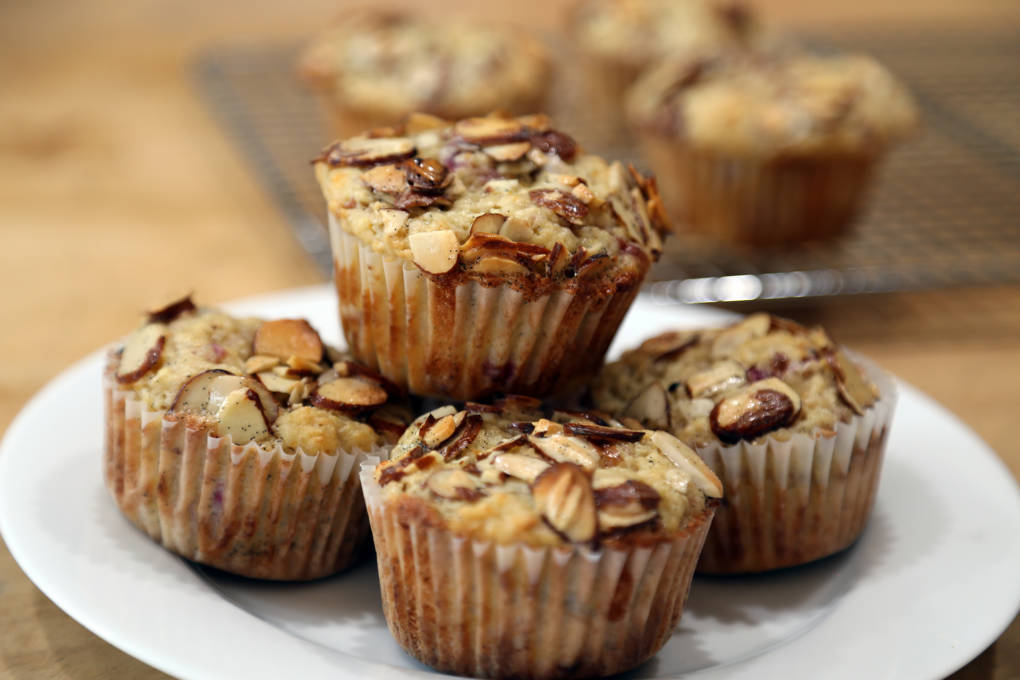
Mother’s Day Treat: Roasted Rhubarb-Orange Muffins with Vanilla-Almond Crackle
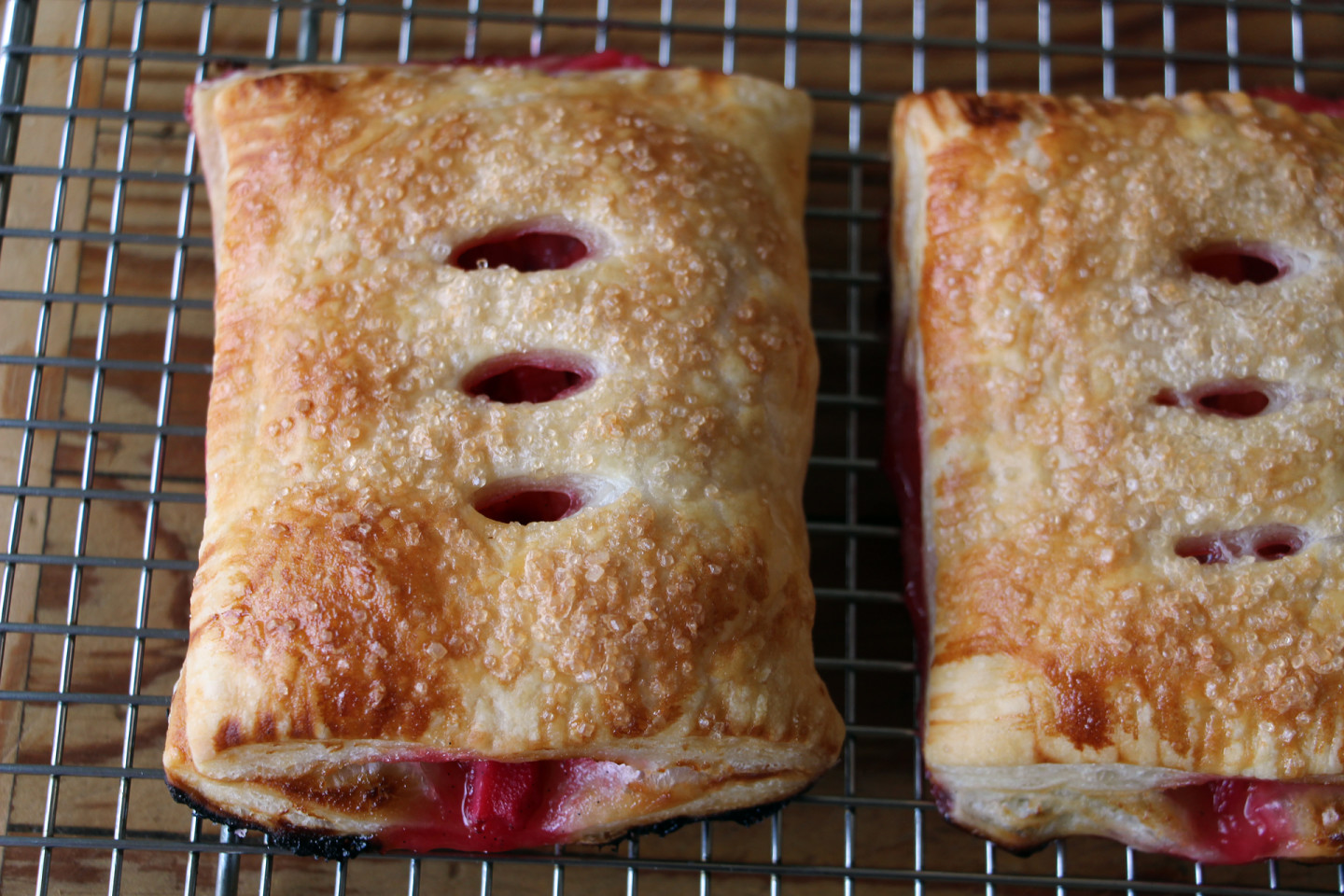
Springtime Delight: Rhubarb Puff-Tart Pockets
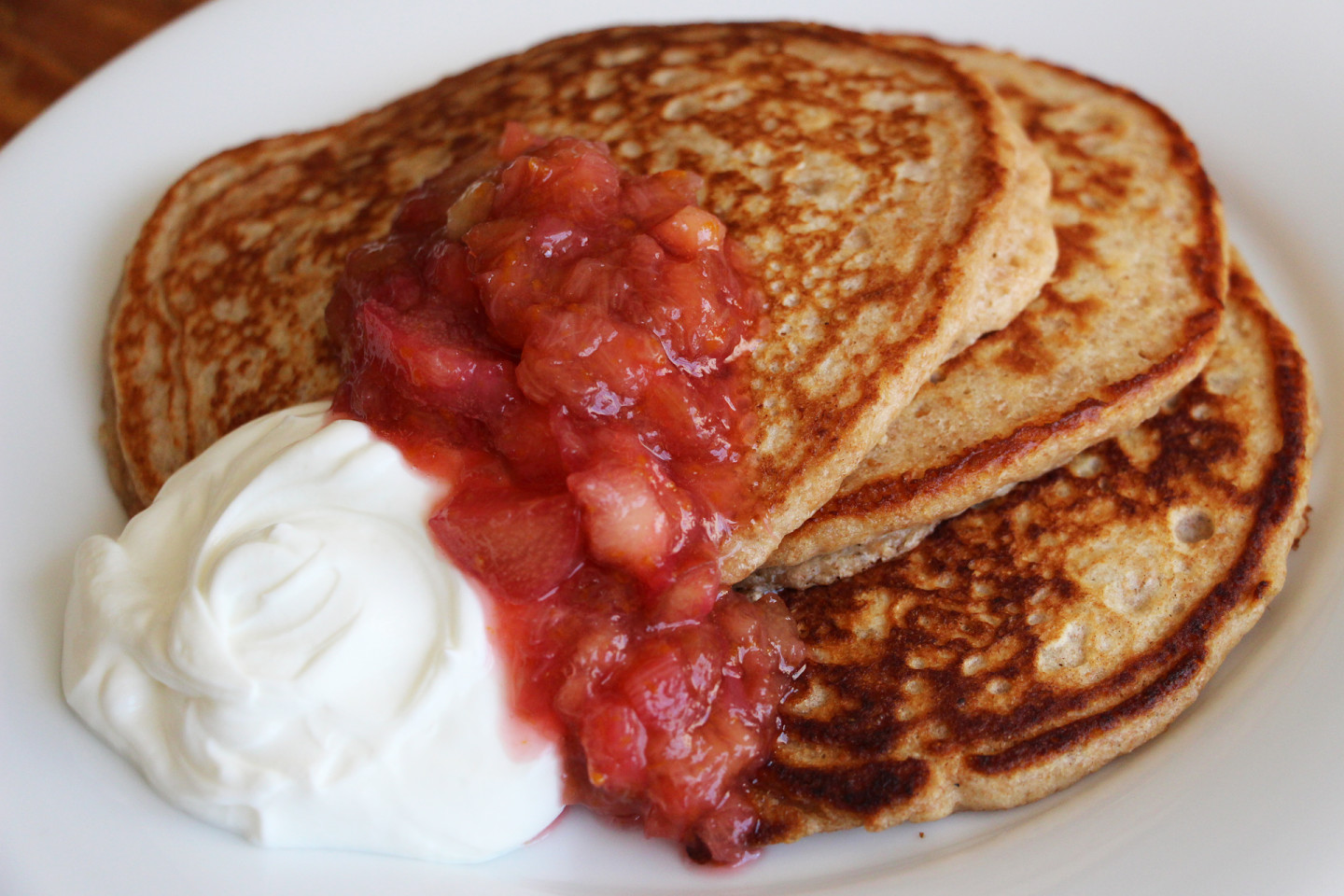
Mother’s Day Brunch Recipe: Multigrain Pancakes with Rhubarb-Orange Compote and Greek Yogurt
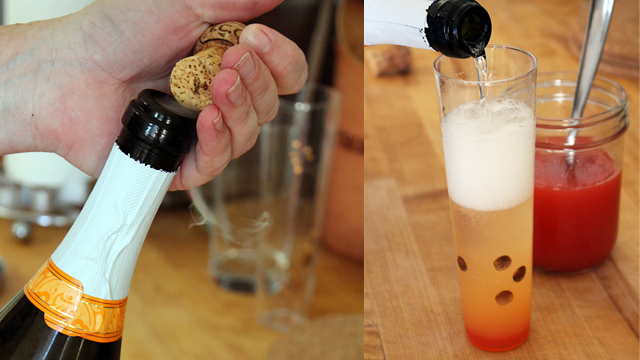
Fresh Rhubarb Fizz Cocktail
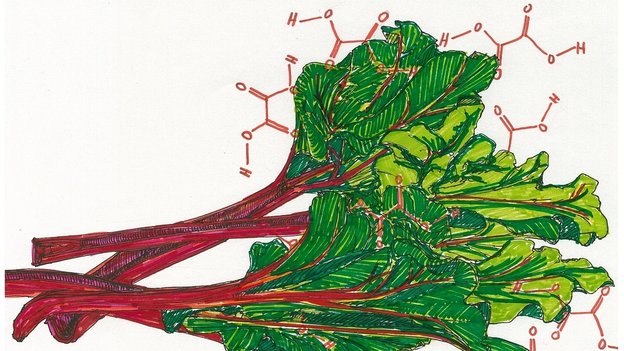
When Edible Plants Turn Their Defenses On Us
Strawberry Rhubarb Tarts
Strawberry-Rhubarb Preserves
39 Rue de Barbe
Sponsored
window.__IS_SSR__=true
window.__INITIAL_STATE__={"attachmentsReducer":{"audio_0":{"type":"attachments","id":"audio_0","imgSizes":{"kqedFullSize":{"file":"https://ww2.kqed.org/news/wp-content/themes/KQED-unified/img/audio_bgs/background0.jpg"}}},"audio_1":{"type":"attachments","id":"audio_1","imgSizes":{"kqedFullSize":{"file":"https://ww2.kqed.org/news/wp-content/themes/KQED-unified/img/audio_bgs/background1.jpg"}}},"audio_2":{"type":"attachments","id":"audio_2","imgSizes":{"kqedFullSize":{"file":"https://ww2.kqed.org/news/wp-content/themes/KQED-unified/img/audio_bgs/background2.jpg"}}},"audio_3":{"type":"attachments","id":"audio_3","imgSizes":{"kqedFullSize":{"file":"https://ww2.kqed.org/news/wp-content/themes/KQED-unified/img/audio_bgs/background3.jpg"}}},"audio_4":{"type":"attachments","id":"audio_4","imgSizes":{"kqedFullSize":{"file":"https://ww2.kqed.org/news/wp-content/themes/KQED-unified/img/audio_bgs/background4.jpg"}}},"placeholder":{"type":"attachments","id":"placeholder","imgSizes":{"thumbnail":{"file":"https://ww2.kqed.org/wp-content/uploads/sites/10/2018/01/GettyImages-896326950-160x96.jpg","width":160,"height":96,"mimeType":"image/jpeg"},"medium":{"file":"https://ww2.kqed.org/wp-content/uploads/sites/10/2018/01/GettyImages-896326950-800x478.jpg","width":800,"height":478,"mimeType":"image/jpeg"},"large":{"file":"https://ww2.kqed.org/wp-content/uploads/sites/10/2018/01/GettyImages-896326950-1020x610.jpg","width":1020,"height":610,"mimeType":"image/jpeg"},"fd-lrg":{"file":"https://ww2.kqed.org/wp-content/uploads/sites/10/2018/01/GettyImages-896326950-1920x1148.jpg","width":1920,"height":1148,"mimeType":"image/jpeg"},"fd-med":{"file":"https://ww2.kqed.org/wp-content/uploads/sites/10/2018/01/GettyImages-896326950-1180x705.jpg","width":1180,"height":705,"mimeType":"image/jpeg"},"fd-sm":{"file":"https://ww2.kqed.org/wp-content/uploads/sites/10/2018/01/GettyImages-896326950-960x574.jpg","width":960,"height":574,"mimeType":"image/jpeg"},"post-thumbnail":{"file":"https://ww2.kqed.org/wp-content/uploads/sites/10/2018/01/GettyImages-896326950-672x372.jpg","width":672,"height":372,"mimeType":"image/jpeg"},"twentyfourteen-full-width":{"file":"https://ww2.kqed.org/wp-content/uploads/sites/10/2018/01/GettyImages-896326950-1038x576.jpg","width":1038,"height":576,"mimeType":"image/jpeg"},"xxsmall":{"file":"https://ww2.kqed.org/wp-content/uploads/sites/10/2018/01/GettyImages-896326950-240x143.jpg","width":240,"height":143,"mimeType":"image/jpeg"},"xsmall":{"file":"https://ww2.kqed.org/wp-content/uploads/sites/10/2018/01/GettyImages-896326950-375x224.jpg","width":375,"height":224,"mimeType":"image/jpeg"},"small":{"file":"https://ww2.kqed.org/wp-content/uploads/sites/10/2018/01/GettyImages-896326950-520x311.jpg","width":520,"height":311,"mimeType":"image/jpeg"},"xlarge":{"file":"https://ww2.kqed.org/wp-content/uploads/sites/10/2018/01/GettyImages-896326950-1180x705.jpg","width":1180,"height":705,"mimeType":"image/jpeg"},"full-width":{"file":"https://ww2.kqed.org/wp-content/uploads/sites/10/2018/01/GettyImages-896326950-1920x1148.jpg","width":1920,"height":1148,"mimeType":"image/jpeg"},"guest-author-32":{"file":"https://ww2.kqed.org/wp-content/uploads/sites/10/2018/01/GettyImages-896326950-32x32.jpg","width":32,"height":32,"mimeType":"image/jpeg"},"guest-author-50":{"file":"https://ww2.kqed.org/wp-content/uploads/sites/10/2018/01/GettyImages-896326950-50x50.jpg","width":50,"height":50,"mimeType":"image/jpeg"},"guest-author-64":{"file":"https://ww2.kqed.org/wp-content/uploads/sites/10/2018/01/GettyImages-896326950-64x64.jpg","width":64,"height":64,"mimeType":"image/jpeg"},"guest-author-96":{"file":"https://ww2.kqed.org/wp-content/uploads/sites/10/2018/01/GettyImages-896326950-96x96.jpg","width":96,"height":96,"mimeType":"image/jpeg"},"guest-author-128":{"file":"https://ww2.kqed.org/wp-content/uploads/sites/10/2018/01/GettyImages-896326950-128x128.jpg","width":128,"height":128,"mimeType":"image/jpeg"},"detail":{"file":"https://ww2.kqed.org/wp-content/uploads/sites/10/2018/01/GettyImages-896326950-150x150.jpg","width":150,"height":150,"mimeType":"image/jpeg"},"kqedFullSize":{"file":"https://ww2.kqed.org/wp-content/uploads/sites/10/2018/01/GettyImages-896326950-e1514998105161.jpg","width":1920,"height":1148}}},"bayareabites_117137":{"type":"attachments","id":"bayareabites_117137","meta":{"index":"attachments_1591205162","site":"bayareabites","id":"117137","found":true},"title":"muffins-final-plate","publishDate":1493942352,"status":"inherit","parent":116881,"modified":1493943306,"caption":"Roasted Rhubarb-Orange Muffins with Vanilla-Almond Crackle","credit":"Wendy Goodfriend","description":null,"imgSizes":{"thumbnail":{"file":"https://ww2.kqed.org/app/uploads/sites/24/2017/05/muffins-final-plate-160x107.jpg","width":160,"height":107,"mimeType":"image/jpeg"},"medium":{"file":"https://ww2.kqed.org/app/uploads/sites/24/2017/05/muffins-final-plate-800x533.jpg","width":800,"height":533,"mimeType":"image/jpeg"},"medium_large":{"file":"https://ww2.kqed.org/app/uploads/sites/24/2017/05/muffins-final-plate-768x512.jpg","width":768,"height":512,"mimeType":"image/jpeg"},"large":{"file":"https://ww2.kqed.org/app/uploads/sites/24/2017/05/muffins-final-plate-1020x680.jpg","width":1020,"height":680,"mimeType":"image/jpeg"},"fd-lrg":{"file":"https://ww2.kqed.org/app/uploads/sites/24/2017/05/muffins-final-plate-1920x1280.jpg","width":1920,"height":1280,"mimeType":"image/jpeg"},"fd-med":{"file":"https://ww2.kqed.org/app/uploads/sites/24/2017/05/muffins-final-plate-1180x787.jpg","width":1180,"height":787,"mimeType":"image/jpeg"},"fd-sm":{"file":"https://ww2.kqed.org/app/uploads/sites/24/2017/05/muffins-final-plate-960x640.jpg","width":960,"height":640,"mimeType":"image/jpeg"},"post-thumbnail":{"file":"https://ww2.kqed.org/app/uploads/sites/24/2017/05/muffins-final-plate-672x372.jpg","width":672,"height":372,"mimeType":"image/jpeg"},"twentyfourteen-full-width":{"file":"https://ww2.kqed.org/app/uploads/sites/24/2017/05/muffins-final-plate-1038x576.jpg","width":1038,"height":576,"mimeType":"image/jpeg"},"xxsmall":{"file":"https://ww2.kqed.org/app/uploads/sites/24/2017/05/muffins-final-plate-240x160.jpg","width":240,"height":160,"mimeType":"image/jpeg"},"xsmall":{"file":"https://ww2.kqed.org/app/uploads/sites/24/2017/05/muffins-final-plate-375x250.jpg","width":375,"height":250,"mimeType":"image/jpeg"},"small":{"file":"https://ww2.kqed.org/app/uploads/sites/24/2017/05/muffins-final-plate-520x347.jpg","width":520,"height":347,"mimeType":"image/jpeg"},"xlarge":{"file":"https://ww2.kqed.org/app/uploads/sites/24/2017/05/muffins-final-plate-1180x787.jpg","width":1180,"height":787,"mimeType":"image/jpeg"},"full-width":{"file":"https://ww2.kqed.org/app/uploads/sites/24/2017/05/muffins-final-plate-1920x1280.jpg","width":1920,"height":1280,"mimeType":"image/jpeg"},"guest-author-32":{"file":"https://ww2.kqed.org/app/uploads/sites/24/2017/05/muffins-final-plate-32x32.jpg","width":32,"height":32,"mimeType":"image/jpeg"},"guest-author-50":{"file":"https://ww2.kqed.org/app/uploads/sites/24/2017/05/muffins-final-plate-50x50.jpg","width":50,"height":50,"mimeType":"image/jpeg"},"guest-author-64":{"file":"https://ww2.kqed.org/app/uploads/sites/24/2017/05/muffins-final-plate-64x64.jpg","width":64,"height":64,"mimeType":"image/jpeg"},"guest-author-96":{"file":"https://ww2.kqed.org/app/uploads/sites/24/2017/05/muffins-final-plate-96x96.jpg","width":96,"height":96,"mimeType":"image/jpeg"},"guest-author-128":{"file":"https://ww2.kqed.org/app/uploads/sites/24/2017/05/muffins-final-plate-128x128.jpg","width":128,"height":128,"mimeType":"image/jpeg"},"detail":{"file":"https://ww2.kqed.org/app/uploads/sites/24/2017/05/muffins-final-plate-150x150.jpg","width":150,"height":150,"mimeType":"image/jpeg"},"kqedFullSize":{"file":"https://ww2.kqed.org/app/uploads/sites/24/2017/05/muffins-final-plate.jpg","width":1920,"height":1280}},"fetchFailed":false,"isLoading":false},"bayareabites_96143":{"type":"attachments","id":"bayareabites_96143","meta":{"index":"attachments_1591205162","site":"bayareabites","id":"96143","found":true},"title":"Rhubarb Puff-Tart Pockets","publishDate":1431563469,"status":"inherit","parent":95128,"modified":1431721758,"caption":"Rhubarb Puff-Tart Pockets","credit":"Wendy Goodfriend","description":null,"imgSizes":{"thumbnail":{"file":"https://ww2.kqed.org/app/uploads/sites/24/2015/05/rhubarb-final-400x267.jpg","width":400,"height":267,"mimeType":"image/jpeg"},"medium":{"file":"https://ww2.kqed.org/app/uploads/sites/24/2015/05/rhubarb-final-800x533.jpg","width":800,"height":533,"mimeType":"image/jpeg"},"large":{"file":"https://ww2.kqed.org/app/uploads/sites/24/2015/05/rhubarb-final-1440x960.jpg","width":1440,"height":960,"mimeType":"image/jpeg"},"fd-med":{"file":"https://ww2.kqed.org/app/uploads/sites/24/2015/05/rhubarb-final-1180x787.jpg","width":1180,"height":787,"mimeType":"image/jpeg"},"fd-sm":{"file":"https://ww2.kqed.org/app/uploads/sites/24/2015/05/rhubarb-final-960x640.jpg","width":960,"height":640,"mimeType":"image/jpeg"},"post-thumbnail":{"file":"https://ww2.kqed.org/app/uploads/sites/24/2015/05/rhubarb-final-672x372.jpg","width":672,"height":372,"mimeType":"image/jpeg"},"twentyfourteen-full-width":{"file":"https://ww2.kqed.org/app/uploads/sites/24/2015/05/rhubarb-final-1038x576.jpg","width":1038,"height":576,"mimeType":"image/jpeg"},"guest-author-32":{"file":"https://ww2.kqed.org/app/uploads/sites/24/2015/05/rhubarb-final-32x32.jpg","width":32,"height":32,"mimeType":"image/jpeg"},"guest-author-64":{"file":"https://ww2.kqed.org/app/uploads/sites/24/2015/05/rhubarb-final-64x64.jpg","width":64,"height":64,"mimeType":"image/jpeg"},"guest-author-96":{"file":"https://ww2.kqed.org/app/uploads/sites/24/2015/05/rhubarb-final-96x96.jpg","width":96,"height":96,"mimeType":"image/jpeg"},"guest-author-128":{"file":"https://ww2.kqed.org/app/uploads/sites/24/2015/05/rhubarb-final-128x128.jpg","width":128,"height":128,"mimeType":"image/jpeg"},"cat_post_thumb_sizecategory-posts-2":{"file":"https://ww2.kqed.org/app/uploads/sites/24/2015/05/rhubarb-final-150x150.jpg","width":150,"height":150,"mimeType":"image/jpeg"},"detail":{"file":"https://ww2.kqed.org/app/uploads/sites/24/2015/05/rhubarb-final-75x75.jpg","width":75,"height":75,"mimeType":"image/jpeg"},"kqedFullSize":{"file":"https://ww2.kqed.org/app/uploads/sites/24/2015/05/rhubarb-final.jpg","width":1920,"height":1280}},"fetchFailed":false,"isLoading":false},"bayareabites_95513":{"type":"attachments","id":"bayareabites_95513","meta":{"index":"attachments_1591205162","site":"bayareabites","id":"95513","found":true},"title":"Multigrain Pancakes with Rhubarb-Orange Compote and Greek yogurt","publishDate":1430003010,"status":"inherit","parent":95251,"modified":1430012203,"caption":"Multigrain Pancakes with Rhubarb-Orange Compote and Greek yogurt","credit":"Wendy Goodfriend","description":null,"imgSizes":{"thumbnail":{"file":"https://ww2.kqed.org/app/uploads/sites/24/2015/04/pancakes-final-close1-400x267.jpg","width":400,"height":267,"mimeType":"image/jpeg"},"medium":{"file":"https://ww2.kqed.org/app/uploads/sites/24/2015/04/pancakes-final-close1-800x533.jpg","width":800,"height":533,"mimeType":"image/jpeg"},"large":{"file":"https://ww2.kqed.org/app/uploads/sites/24/2015/04/pancakes-final-close1-1440x960.jpg","width":1440,"height":960,"mimeType":"image/jpeg"},"fd-med":{"file":"https://ww2.kqed.org/app/uploads/sites/24/2015/04/pancakes-final-close1-1180x787.jpg","width":1180,"height":787,"mimeType":"image/jpeg"},"fd-sm":{"file":"https://ww2.kqed.org/app/uploads/sites/24/2015/04/pancakes-final-close1-960x640.jpg","width":960,"height":640,"mimeType":"image/jpeg"},"post-thumbnail":{"file":"https://ww2.kqed.org/app/uploads/sites/24/2015/04/pancakes-final-close1-672x372.jpg","width":672,"height":372,"mimeType":"image/jpeg"},"twentyfourteen-full-width":{"file":"https://ww2.kqed.org/app/uploads/sites/24/2015/04/pancakes-final-close1-1038x576.jpg","width":1038,"height":576,"mimeType":"image/jpeg"},"guest-author-32":{"file":"https://ww2.kqed.org/app/uploads/sites/24/2015/04/pancakes-final-close1-32x32.jpg","width":32,"height":32,"mimeType":"image/jpeg"},"guest-author-64":{"file":"https://ww2.kqed.org/app/uploads/sites/24/2015/04/pancakes-final-close1-64x64.jpg","width":64,"height":64,"mimeType":"image/jpeg"},"guest-author-96":{"file":"https://ww2.kqed.org/app/uploads/sites/24/2015/04/pancakes-final-close1-96x96.jpg","width":96,"height":96,"mimeType":"image/jpeg"},"guest-author-128":{"file":"https://ww2.kqed.org/app/uploads/sites/24/2015/04/pancakes-final-close1-128x128.jpg","width":128,"height":128,"mimeType":"image/jpeg"},"cat_post_thumb_sizecategory-posts-2":{"file":"https://ww2.kqed.org/app/uploads/sites/24/2015/04/pancakes-final-close1-150x150.jpg","width":150,"height":150,"mimeType":"image/jpeg"},"detail":{"file":"https://ww2.kqed.org/app/uploads/sites/24/2015/04/pancakes-final-close1-75x75.jpg","width":75,"height":75,"mimeType":"image/jpeg"},"kqedFullSize":{"file":"https://ww2.kqed.org/app/uploads/sites/24/2015/04/pancakes-final-close1.jpg","width":1920,"height":1280}},"fetchFailed":false,"isLoading":false},"bayareabites_81851":{"type":"attachments","id":"bayareabites_81851","meta":{"index":"attachments_1591205162","site":"bayareabites","id":"81851","found":true},"title":"rhubarb-fizz640x360","publishDate":1399686616,"status":"inherit","parent":81420,"modified":1399686616,"caption":"Fresh Rhubarb Fizz Cocktail. Photos: Wendy Goodfriend","credit":null,"description":null,"imgSizes":{"kqedFullSize":{"file":"https://ww2.kqed.org/app/uploads/sites/24/2014/05/rhubarb-fizz640x360.jpg","width":640,"height":360}},"fetchFailed":false,"isLoading":false},"bayareabites_72714":{"type":"attachments","id":"bayareabites_72714","meta":{"index":"attachments_1591205162","site":"bayareabites","id":"72714","found":true},"title":"edibleplants-sm","publishDate":1382545808,"status":"inherit","parent":72703,"modified":1382545808,"caption":null,"credit":null,"description":null,"imgSizes":{"kqedFullSize":{"file":"https://ww2.kqed.org/app/uploads/sites/24/2013/10/edibleplants-sm.jpg","width":624,"height":351}},"fetchFailed":false,"isLoading":false}},"audioPlayerReducer":{"postId":"stream_live"},"authorsReducer":{"byline_bayareabites_72703":{"type":"authors","id":"byline_bayareabites_72703","meta":{"override":true},"slug":"byline_bayareabites_72703","name":"Rae Ellen Bichell","isLoading":false},"wendy-goodfriend":{"type":"authors","id":"5014","meta":{"index":"authors_1591205172","id":"5014","found":true},"name":"Wendy Goodfriend","firstName":"Wendy","lastName":"Goodfriend","slug":"wendy-goodfriend","email":"wendy@wendygoodfriend.com","display_author_email":false,"staff_mastheads":[],"title":null,"bio":"I was the Senior Digital Producer for KQED Food up until July, 2018. Since 2001, I designed, produced, managed and contributed to mostly food-related websites and blogs for KQED including: KQED.org; KQED Food; Bay Area Bites; Check, Please! Bay Area; Taste This; Celebrity Chefs; seven of Jacques Pepin's TV series websites; and Joanne Weir's Cooking in the City. I initiated the majority of KQED Food's social media feeds and maintained them up until 2017. As far as content creation, photography is my passion and I also shoot video and write stories. My photos have been used in articles for KQED Food, News, Arts, and Science as well as for promotional purposes in print and online. Professional education and training includes: clinical psychology, photography, commercial cooking, web design, information architecture and UX.","avatar":"https://secure.gravatar.com/avatar/dfba64372339cc34cf17e446e6f18fa8?s=600&d=blank&r=g","twitter":null,"facebook":"bayareabites","instagram":null,"linkedin":"wendygoodfriend","sites":[{"site":"jpepinheart","roles":["administrator"]},{"site":"about","roles":["editor"]},{"site":"bayareabites","roles":["subscriber"]},{"site":"science","roles":["administrator"]},{"site":"checkplease","roles":["subscriber"]},{"site":"food","roles":["author"]},{"site":"essentialpepin","roles":["administrator"]}],"headData":{"title":"Wendy Goodfriend | KQED","description":null,"ogImgSrc":"https://secure.gravatar.com/avatar/dfba64372339cc34cf17e446e6f18fa8?s=600&d=blank&r=g","twImgSrc":"https://secure.gravatar.com/avatar/dfba64372339cc34cf17e446e6f18fa8?s=600&d=blank&r=g"},"isLoading":false,"link":"/author/wendy-goodfriend"},"kim-laidlaw":{"type":"authors","id":"5015","meta":{"index":"authors_1591205172","id":"5015","found":true},"name":"Kim Laidlaw","firstName":"Kim","lastName":"Laidlaw","slug":"kim-laidlaw","email":"kim_laidlaw@yahoo.com","display_author_email":false,"staff_mastheads":[],"title":null,"bio":"Kim Laidlaw is a cookbook author, editor, food writer, producer, project manager, and baker who has been in the kitchen covered in flour since she was big enough to stir the biscuit dough. She has over 16 years of experience in book and online publishing, and a lifetime of experience in the kitchen. \r\n\r\nHer first cookbook, Home Baked Comfort, was published in 2011; her second cookbook, Baby & Toddler On the Go, was published in April 2013; and her third cookbook, Williams-Sonoma Dessert of the Day, was published in October 2013. \r\n\r\nShe was the first blogger on KQED’s Bay Area Bites blog, which launched in 2005, and previously worked as a professional baker at La Farine French Bakery in Oakland, CA. She lives in Petaluma with her husband and their child, whom she cooks for everyday. Find out more at \u003ca href=\"http://www.kimlaidlaw.com\">http://www.kimlaidlaw.com\u003c/a>.","avatar":"https://secure.gravatar.com/avatar/284503bc296b6f7822eb38b816292376?s=600&d=blank&r=g","twitter":null,"facebook":"kimilaw","instagram":null,"linkedin":"kimlaidlaw","sites":[{"site":"bayareabites","roles":["contributor"]},{"site":"food","roles":["contributor"]}],"headData":{"title":"Kim Laidlaw | KQED","description":null,"ogImgSrc":"https://secure.gravatar.com/avatar/284503bc296b6f7822eb38b816292376?s=600&d=blank&r=g","twImgSrc":"https://secure.gravatar.com/avatar/284503bc296b6f7822eb38b816292376?s=600&d=blank&r=g"},"isLoading":false,"link":"/author/kim-laidlaw"},"michael-procopio":{"type":"authors","id":"5017","meta":{"index":"authors_1591205172","id":"5017","found":true},"name":"Michael Procopio","firstName":"Michael","lastName":"Procopio","slug":"michael-procopio","email":"m_procopio@mac.com","display_author_email":false,"staff_mastheads":[],"title":null,"bio":"I am terribly fond of martinis, Edward Gorey, and sleeping with many pillows. \r\nYou are more than welcome to follow me on Twitter: \u003ca href=\"http://twitter.com/#!/procopster\">@procopster\u003c/a>","avatar":"https://secure.gravatar.com/avatar/2eb848aac69d701cf1e2c3e88199feb4?s=600&d=blank&r=g","twitter":"procopster","facebook":"foodforthethoughtless","instagram":null,"linkedin":null,"sites":[{"site":"bayareabites","roles":["contributor"]},{"site":"food","roles":["contributor"]}],"headData":{"title":"Michael Procopio | KQED","description":null,"ogImgSrc":"https://secure.gravatar.com/avatar/2eb848aac69d701cf1e2c3e88199feb4?s=600&d=blank&r=g","twImgSrc":"https://secure.gravatar.com/avatar/2eb848aac69d701cf1e2c3e88199feb4?s=600&d=blank&r=g"},"isLoading":false,"link":"/author/michael-procopio"},"stephanie-rosenbaum":{"type":"authors","id":"5038","meta":{"index":"authors_1591205172","id":"5038","found":true},"name":"Stephanie Rosenbaum Klassen","firstName":"Stephanie","lastName":"Rosenbaum Klassen","slug":"stephanie-rosenbaum","email":"dixieday@aol.com","display_author_email":false,"staff_mastheads":[],"title":null,"bio":"Stephanie Rosenbaum Klassen is a longtime local food writer, author, and cook. Her books include The Art of Vintage Cocktails (Egg & Dart Press), World of Doughnuts (Egg & Dart Press); Kids in the Kitchen: Fun Food (Williams Sonoma); Honey from Flower to Table (Chronicle Books) and The Astrology Cookbook: A Cosmic Guide to Feasts of Love (Manic D Press). She has studied organic farming at UCSC and holds a certificate in Ecological Horticulture from the Center for Agroecology and Sustainable Food Systems. She does frequent cooking demonstrations at local farmers’ markets and has taught food writing at Media Alliance in San Francisco and the Continuing Education program at Stanford University. She has been the lead restaurant critic for the San Francisco Bay Guardian as well as for San Francisco magazine. She has been an assistant chef at the Headlands Center for the Arts, an artists' residency program located in the Marin Headlands, and a production cook at the Marin Sun Farms Cafe in Pt Reyes Station. After some 20 years in San Francisco interspersed with stints in Oakland, Santa Cruz, Brooklyn, and Manhattan, she recently moved to Sonoma county but still writes in San Francisco several days a week.","avatar":"https://secure.gravatar.com/avatar/46bf004da7b42de11bfd2b1614ecadcf?s=600&d=blank&r=g","twitter":"sjrosenbaum","facebook":null,"instagram":null,"linkedin":null,"sites":[{"site":"bayareabites","roles":["author"]},{"site":"food","roles":["contributor"]}],"headData":{"title":"Stephanie Rosenbaum Klassen | KQED","description":null,"ogImgSrc":"https://secure.gravatar.com/avatar/46bf004da7b42de11bfd2b1614ecadcf?s=600&d=blank&r=g","twImgSrc":"https://secure.gravatar.com/avatar/46bf004da7b42de11bfd2b1614ecadcf?s=600&d=blank&r=g"},"isLoading":false,"link":"/author/stephanie-rosenbaum"}},"breakingNewsReducer":{},"campaignFinanceReducer":{},"firebase":{"requesting":{},"requested":{},"timestamps":{},"data":{},"ordered":{},"auth":{"isLoaded":false,"isEmpty":true},"authError":null,"profile":{"isLoaded":false,"isEmpty":true},"listeners":{"byId":{},"allIds":[]},"isInitializing":false,"errors":[]},"navBarReducer":{"navBarId":"arts","fullView":true,"showPlayer":false},"navMenuReducer":{"menus":[{"key":"menu1","items":[{"name":"News","link":"/","type":"title"},{"name":"Politics","link":"/politics"},{"name":"Science","link":"/science"},{"name":"Education","link":"/educationnews"},{"name":"Housing","link":"/housing"},{"name":"Immigration","link":"/immigration"},{"name":"Criminal Justice","link":"/criminaljustice"},{"name":"Silicon Valley","link":"/siliconvalley"},{"name":"Forum","link":"/forum"},{"name":"The California Report","link":"/californiareport"}]},{"key":"menu2","items":[{"name":"Arts & Culture","link":"/arts","type":"title"},{"name":"Critics’ Picks","link":"/thedolist"},{"name":"Cultural Commentary","link":"/artscommentary"},{"name":"Food & Drink","link":"/food"},{"name":"Bay Area Hip-Hop","link":"/bayareahiphop"},{"name":"Rebel Girls","link":"/rebelgirls"},{"name":"Arts Video","link":"/artsvideos"}]},{"key":"menu3","items":[{"name":"Podcasts","link":"/podcasts","type":"title"},{"name":"Bay Curious","link":"/podcasts/baycurious"},{"name":"Rightnowish","link":"/podcasts/rightnowish"},{"name":"The Bay","link":"/podcasts/thebay"},{"name":"On Our Watch","link":"/podcasts/onourwatch"},{"name":"Mindshift","link":"/podcasts/mindshift"},{"name":"Consider This","link":"/podcasts/considerthis"},{"name":"Political Breakdown","link":"/podcasts/politicalbreakdown"}]},{"key":"menu4","items":[{"name":"Live Radio","link":"/radio","type":"title"},{"name":"TV","link":"/tv","type":"title"},{"name":"Events","link":"/events","type":"title"},{"name":"For Educators","link":"/education","type":"title"},{"name":"Support KQED","link":"/support","type":"title"},{"name":"About","link":"/about","type":"title"},{"name":"Help Center","link":"https://kqed-helpcenter.kqed.org/s","type":"title"}]}]},"pagesReducer":{},"postsReducer":{"stream_live":{"type":"live","id":"stream_live","audioUrl":"https://streams.kqed.org/kqedradio","title":"Live Stream","excerpt":"Live Stream information currently unavailable.","link":"/radio","featImg":"","label":{"name":"KQED Live","link":"/"}},"stream_kqedNewscast":{"type":"posts","id":"stream_kqedNewscast","audioUrl":"https://www.kqed.org/.stream/anon/radio/RDnews/newscast.mp3?_=1","title":"KQED Newscast","featImg":"","label":{"name":"88.5 FM","link":"/"}},"bayareabites_116881":{"type":"posts","id":"bayareabites_116881","meta":{"index":"posts_1591205157","site":"bayareabites","id":"116881","score":null,"sort":[1494015100000]},"guestAuthors":[],"slug":"mothers-day-treat-roasted-rhubarb-orange-muffins-with-vanilla-almond-crackle","title":"Mother’s Day Treat: Roasted Rhubarb-Orange Muffins with Vanilla-Almond Crackle","publishDate":1494015100,"format":"standard","headTitle":"Bay Area Bites | KQED Food","labelTerm":{"site":"bayareabites"},"content":"\u003cp>If someone were to ask me what my perfect dream muffin would be it would be this one. Served in bed (after being allowed to sleep in by my 5-year-old). With a nice hot cuppa tea. And maybe a big mimosa. Made from fresh-squeezed blood oranges. Just sayin'. Mother’s Day is coming people, and it’s nice to make Moms feel special. \u003c/p>\n\u003cp>These might seem like a bit of an undertaking, but Mom is worth it. And you can get ahead of the game by roasting the rhubarb the night before, stirring together the almond crackle ingredients, and even whisking together the dry ingredients for the muffins (don’t forget to pull out the butter so it’s all ready at room temp in the morning). Store the almond crackle and rhubarb in the fridge and pull it out when you get up to make Mom some coffee. \u003c/p>\n\u003cp>For those of you who question rhubarb, or have never tried it, it’s one of my favorite vegetables-masquarading-as-a-fruit. I love it in any dessert (turnovers, galettes, pies, etc.) with or without strawberries, and it’s even terrific in savory recipes—try making it into a chutney and serving it with roasted pork tenderloin. Once, my stepmum-in-law made a rhubarb tarte tatin and I nearly cried from joy. \u003c/p>\n\u003cp>If you want to simplify this, or you are averse to nuts, leave off the crackle and just sprinkle the muffins with crunchy raw \u003ca href=\"http://www.care2.com/greenliving/what-is-demerara-sugar.html\" target=\"_blank\">demerara\u003c/a> sugar. It adds both texture and sparkle!\u003c/p>\n\u003cfigure id=\"attachment_117134\" class=\"wp-caption aligncenter\" style=\"max-width: 1920px\">\u003cimg src=\"https://ww2.kqed.org/bayareabites/wp-content/uploads/sites/24/2017/05/muffins-final-out-of-oven.jpg\" alt=\"Roasted Rhubarb-Orange Muffins with Vanilla-Almond Crackle\" width=\"1920\" height=\"1280\" class=\"size-full wp-image-117134\" srcset=\"https://ww2.kqed.org/app/uploads/sites/24/2017/05/muffins-final-out-of-oven.jpg 1920w, https://ww2.kqed.org/app/uploads/sites/24/2017/05/muffins-final-out-of-oven-160x107.jpg 160w, https://ww2.kqed.org/app/uploads/sites/24/2017/05/muffins-final-out-of-oven-800x533.jpg 800w, https://ww2.kqed.org/app/uploads/sites/24/2017/05/muffins-final-out-of-oven-768x512.jpg 768w, https://ww2.kqed.org/app/uploads/sites/24/2017/05/muffins-final-out-of-oven-1020x680.jpg 1020w, https://ww2.kqed.org/app/uploads/sites/24/2017/05/muffins-final-out-of-oven-1180x787.jpg 1180w, https://ww2.kqed.org/app/uploads/sites/24/2017/05/muffins-final-out-of-oven-960x640.jpg 960w, https://ww2.kqed.org/app/uploads/sites/24/2017/05/muffins-final-out-of-oven-240x160.jpg 240w, https://ww2.kqed.org/app/uploads/sites/24/2017/05/muffins-final-out-of-oven-375x250.jpg 375w, https://ww2.kqed.org/app/uploads/sites/24/2017/05/muffins-final-out-of-oven-520x347.jpg 520w\" sizes=\"(max-width: 1920px) 100vw, 1920px\">\u003cfigcaption class=\"wp-caption-text\">Roasted Rhubarb-Orange Muffins with Vanilla-Almond Crackle \u003ccite>(Wendy Goodfriend)\u003c/cite>\u003c/figcaption>\u003c/figure>\n\u003ch2>Recipe: Roasted Rhubarb-Orange Muffins with Vanilla-Almond Crackle\u003c/h2>\n\u003cp>\u003cem>Makes 20–24 muffins\u003c/em>\u003c/p>\n\u003cp>[ad fullwidth]\u003c/p>\n\u003cp>[ad floatright]\u003c/p>\n\u003cp>\u003cstrong>Ingredients:\u003c/strong>\u003c/p>\n\u003cul>\n\u003cstrong>\u003cem>Roasted rhubarb\u003c/em>\u003c/strong>\n\u003cli>8 oz trimmed rhubarb (about 4 small stalks), trimmed and cut into 1/3-inch slices\u003c/li>\n\u003cli>1/4 cup sugar\u003c/li>\n\u003cli>Finely grated zest of 1/2 large orange\u003c/li>\n\u003cli>1 vanilla bean\u003c/li>\n\u003c/ul>\n\u003cfigure id=\"attachment_117156\" class=\"wp-caption aligncenter\" style=\"max-width: 1920px\">\u003cimg src=\"https://ww2.kqed.org/bayareabites/wp-content/uploads/sites/24/2017/05/muffins-rhubarb-slice.jpg\" alt=\"Trim and cut rhubarb stalks into 1/3-inch slices.\" width=\"1920\" height=\"1280\" class=\"size-full wp-image-117156\" srcset=\"https://ww2.kqed.org/app/uploads/sites/24/2017/05/muffins-rhubarb-slice.jpg 1920w, https://ww2.kqed.org/app/uploads/sites/24/2017/05/muffins-rhubarb-slice-160x107.jpg 160w, https://ww2.kqed.org/app/uploads/sites/24/2017/05/muffins-rhubarb-slice-800x533.jpg 800w, https://ww2.kqed.org/app/uploads/sites/24/2017/05/muffins-rhubarb-slice-768x512.jpg 768w, https://ww2.kqed.org/app/uploads/sites/24/2017/05/muffins-rhubarb-slice-1020x680.jpg 1020w, https://ww2.kqed.org/app/uploads/sites/24/2017/05/muffins-rhubarb-slice-1180x787.jpg 1180w, https://ww2.kqed.org/app/uploads/sites/24/2017/05/muffins-rhubarb-slice-960x640.jpg 960w, https://ww2.kqed.org/app/uploads/sites/24/2017/05/muffins-rhubarb-slice-240x160.jpg 240w, https://ww2.kqed.org/app/uploads/sites/24/2017/05/muffins-rhubarb-slice-375x250.jpg 375w, https://ww2.kqed.org/app/uploads/sites/24/2017/05/muffins-rhubarb-slice-520x347.jpg 520w\" sizes=\"(max-width: 1920px) 100vw, 1920px\">\u003cfigcaption class=\"wp-caption-text\">Trim and cut rhubarb stalks into 1/3-inch slices. \u003ccite>(Wendy Goodfriend)\u003c/cite>\u003c/figcaption>\u003c/figure>\n\u003cul>\n\u003cstrong>\u003cem>Almond crackle\u003c/em>\u003c/strong>\n\u003cli>1 large egg white\u003c/li>\n\u003cli>3 tbsp sugar\u003c/li>\n\u003cli>1/8 tsp kosher salt\u003c/li>\n\u003cli>3/4 cup sliced almonds\u003c/li>\n\u003c/ul>\n\u003cul>\n\u003cstrong>\u003cem>Muffins\u003c/em>\u003c/strong>\n\u003cli>2 cups all-purpose flour\u003c/li>\n\u003cli>2 tsp baking powder\u003c/li>\n\u003cli>1/2 tsp baking soda\u003c/li>\n\u003cli>1/2 cup unsalted butter, at room temperature, cut into chunks\u003c/li>\n\u003cli>1/2 cup sugar\u003c/li>\n\u003cli>1/2 tsp kosher salt\u003c/li>\n\u003cli>Finely grated zest of 1/2 large orange\u003c/li>\n\u003cli>2 large eggs\u003c/li>\n\u003cli>1 tsp vanilla extract\u003c/li>\n\u003cli>1 cup sour cream (not low-fat)\u003c/li>\n\u003c/ul>\n\u003col>\n\u003cstrong>Instructions:\u003c/strong> \n\u003cli>Preheat the oven to 425°F. Line 20–24 standard muffin cups with liners. Using a paring knife, split the vanilla bean lengthwise, then, using the back of the knife, gently scrape the seeds from the pod. Put the seeds into a medium mixing bowl and reserve the pod.\u003c/li>\n\u003cfigure id=\"attachment_117159\" class=\"wp-caption aligncenter\" style=\"max-width: 1920px\">\u003cimg src=\"https://ww2.kqed.org/bayareabites/wp-content/uploads/sites/24/2017/05/muffins-vanilla-bean.jpg\" alt=\"Using a paring knife, split the vanilla bean lengthwise, then, using the back of the knife, gently scrape the seeds from the pod.\" width=\"1920\" height=\"1280\" class=\"size-full wp-image-117159\" srcset=\"https://ww2.kqed.org/app/uploads/sites/24/2017/05/muffins-vanilla-bean.jpg 1920w, https://ww2.kqed.org/app/uploads/sites/24/2017/05/muffins-vanilla-bean-160x107.jpg 160w, https://ww2.kqed.org/app/uploads/sites/24/2017/05/muffins-vanilla-bean-800x533.jpg 800w, https://ww2.kqed.org/app/uploads/sites/24/2017/05/muffins-vanilla-bean-768x512.jpg 768w, https://ww2.kqed.org/app/uploads/sites/24/2017/05/muffins-vanilla-bean-1020x680.jpg 1020w, https://ww2.kqed.org/app/uploads/sites/24/2017/05/muffins-vanilla-bean-1180x787.jpg 1180w, https://ww2.kqed.org/app/uploads/sites/24/2017/05/muffins-vanilla-bean-960x640.jpg 960w, https://ww2.kqed.org/app/uploads/sites/24/2017/05/muffins-vanilla-bean-240x160.jpg 240w, https://ww2.kqed.org/app/uploads/sites/24/2017/05/muffins-vanilla-bean-375x250.jpg 375w, https://ww2.kqed.org/app/uploads/sites/24/2017/05/muffins-vanilla-bean-520x347.jpg 520w\" sizes=\"(max-width: 1920px) 100vw, 1920px\">\u003cfigcaption class=\"wp-caption-text\">Using a paring knife, split the vanilla bean lengthwise, then, using the back of the knife, gently scrape the seeds from the pod. \u003ccite>(Wendy Goodfriend)\u003c/cite>\u003c/figcaption>\u003c/figure>\n\u003cli>To roast the rhubarb, on a small rimmed baking sheet or glass baking dish, toss together the rhubarb, sugar, orange zest, and vanilla bean pod. Spread into an even layer and cover with foil. Roast in the oven for 10 minutes. Remove the foil and set aside on a wire rack to cool completely. You can make this up to 1 day ahead, just refrigerate in an airtight container until ready to use.\u003c/li>\n\u003cfigure id=\"attachment_117155\" class=\"wp-caption aligncenter\" style=\"max-width: 1920px\">\u003cimg src=\"https://ww2.kqed.org/bayareabites/wp-content/uploads/sites/24/2017/05/muffins-rhubarb-pre-bake.jpg\" alt=\"To roast the rhubarb, on a small rimmed baking sheet or glass baking dish, toss together the rhubarb, sugar, orange zest, and vanilla bean pod. \" width=\"1920\" height=\"1280\" class=\"size-full wp-image-117155\" srcset=\"https://ww2.kqed.org/app/uploads/sites/24/2017/05/muffins-rhubarb-pre-bake.jpg 1920w, https://ww2.kqed.org/app/uploads/sites/24/2017/05/muffins-rhubarb-pre-bake-160x107.jpg 160w, https://ww2.kqed.org/app/uploads/sites/24/2017/05/muffins-rhubarb-pre-bake-800x533.jpg 800w, https://ww2.kqed.org/app/uploads/sites/24/2017/05/muffins-rhubarb-pre-bake-768x512.jpg 768w, https://ww2.kqed.org/app/uploads/sites/24/2017/05/muffins-rhubarb-pre-bake-1020x680.jpg 1020w, https://ww2.kqed.org/app/uploads/sites/24/2017/05/muffins-rhubarb-pre-bake-1180x787.jpg 1180w, https://ww2.kqed.org/app/uploads/sites/24/2017/05/muffins-rhubarb-pre-bake-960x640.jpg 960w, https://ww2.kqed.org/app/uploads/sites/24/2017/05/muffins-rhubarb-pre-bake-240x160.jpg 240w, https://ww2.kqed.org/app/uploads/sites/24/2017/05/muffins-rhubarb-pre-bake-375x250.jpg 375w, https://ww2.kqed.org/app/uploads/sites/24/2017/05/muffins-rhubarb-pre-bake-520x347.jpg 520w\" sizes=\"(max-width: 1920px) 100vw, 1920px\">\u003cfigcaption class=\"wp-caption-text\">To roast the rhubarb, on a small rimmed baking sheet or glass baking dish, toss together the rhubarb, sugar, orange zest, and vanilla bean pod. \u003ccite>(Wendy Goodfriend)\u003c/cite>\u003c/figcaption>\u003c/figure>\n\u003cfigure id=\"attachment_117153\" class=\"wp-caption aligncenter\" style=\"max-width: 1920px\">\u003cimg src=\"https://ww2.kqed.org/bayareabites/wp-content/uploads/sites/24/2017/05/muffins-rhubarb-cooking.jpg\" alt=\"Roast in the oven for 10 minutes. Remove the foil and set aside on a wire rack to cool completely.\" width=\"1920\" height=\"1280\" class=\"size-full wp-image-117153\" srcset=\"https://ww2.kqed.org/app/uploads/sites/24/2017/05/muffins-rhubarb-cooking.jpg 1920w, https://ww2.kqed.org/app/uploads/sites/24/2017/05/muffins-rhubarb-cooking-160x107.jpg 160w, https://ww2.kqed.org/app/uploads/sites/24/2017/05/muffins-rhubarb-cooking-800x533.jpg 800w, https://ww2.kqed.org/app/uploads/sites/24/2017/05/muffins-rhubarb-cooking-768x512.jpg 768w, https://ww2.kqed.org/app/uploads/sites/24/2017/05/muffins-rhubarb-cooking-1020x680.jpg 1020w, https://ww2.kqed.org/app/uploads/sites/24/2017/05/muffins-rhubarb-cooking-1180x787.jpg 1180w, https://ww2.kqed.org/app/uploads/sites/24/2017/05/muffins-rhubarb-cooking-960x640.jpg 960w, https://ww2.kqed.org/app/uploads/sites/24/2017/05/muffins-rhubarb-cooking-240x160.jpg 240w, https://ww2.kqed.org/app/uploads/sites/24/2017/05/muffins-rhubarb-cooking-375x250.jpg 375w, https://ww2.kqed.org/app/uploads/sites/24/2017/05/muffins-rhubarb-cooking-520x347.jpg 520w\" sizes=\"(max-width: 1920px) 100vw, 1920px\">\u003cfigcaption class=\"wp-caption-text\">Roast in the oven for 10 minutes. Remove the foil and set aside on a wire rack to cool completely. \u003ccite>(Wendy Goodfriend)\u003c/cite>\u003c/figcaption>\u003c/figure>\n\u003cli>To make the almond crackle, add the egg white, sugar, and salt to the bowl with the vanilla bean seeds and whisk just until frothy (you aren’t actually whipping the whites, you are simply breaking them up) and the vanilla seeds are evenly dispersed. Add the almonds and stir to completely coat. Set aside.\u003c/li>\n\u003cfigure id=\"attachment_117157\" class=\"wp-caption aligncenter\" style=\"max-width: 1920px\">\u003cimg src=\"https://ww2.kqed.org/bayareabites/wp-content/uploads/sites/24/2017/05/muffins-topping-mix.jpg\" alt=\"To make the almond crackle, add the egg white, sugar, and salt to the bowl with the vanilla bean seeds and whisk just until frothy (you aren’t actually whipping the whites, you are simply breaking them up) and the vanilla seeds are evenly dispersed.\" width=\"1920\" height=\"1280\" class=\"size-full wp-image-117157\" srcset=\"https://ww2.kqed.org/app/uploads/sites/24/2017/05/muffins-topping-mix.jpg 1920w, https://ww2.kqed.org/app/uploads/sites/24/2017/05/muffins-topping-mix-160x107.jpg 160w, https://ww2.kqed.org/app/uploads/sites/24/2017/05/muffins-topping-mix-800x533.jpg 800w, https://ww2.kqed.org/app/uploads/sites/24/2017/05/muffins-topping-mix-768x512.jpg 768w, https://ww2.kqed.org/app/uploads/sites/24/2017/05/muffins-topping-mix-1020x680.jpg 1020w, https://ww2.kqed.org/app/uploads/sites/24/2017/05/muffins-topping-mix-1180x787.jpg 1180w, https://ww2.kqed.org/app/uploads/sites/24/2017/05/muffins-topping-mix-960x640.jpg 960w, https://ww2.kqed.org/app/uploads/sites/24/2017/05/muffins-topping-mix-240x160.jpg 240w, https://ww2.kqed.org/app/uploads/sites/24/2017/05/muffins-topping-mix-375x250.jpg 375w, https://ww2.kqed.org/app/uploads/sites/24/2017/05/muffins-topping-mix-520x347.jpg 520w\" sizes=\"(max-width: 1920px) 100vw, 1920px\">\u003cfigcaption class=\"wp-caption-text\">To make the almond crackle, add the egg white, sugar, and salt to the bowl with the vanilla bean seeds and whisk just until frothy and the vanilla seeds are evenly dispersed. \u003ccite>(Wendy Goodfriend)\u003c/cite>\u003c/figcaption>\u003c/figure>\n\u003cfigure id=\"attachment_117158\" class=\"wp-caption aligncenter\" style=\"max-width: 1920px\">\u003cimg src=\"https://ww2.kqed.org/bayareabites/wp-content/uploads/sites/24/2017/05/muffins-topping.jpg\" alt=\"Add the almonds and stir to completely coat. Set aside.\" width=\"1920\" height=\"1280\" class=\"size-full wp-image-117158\" srcset=\"https://ww2.kqed.org/app/uploads/sites/24/2017/05/muffins-topping.jpg 1920w, https://ww2.kqed.org/app/uploads/sites/24/2017/05/muffins-topping-160x107.jpg 160w, https://ww2.kqed.org/app/uploads/sites/24/2017/05/muffins-topping-800x533.jpg 800w, https://ww2.kqed.org/app/uploads/sites/24/2017/05/muffins-topping-768x512.jpg 768w, https://ww2.kqed.org/app/uploads/sites/24/2017/05/muffins-topping-1020x680.jpg 1020w, https://ww2.kqed.org/app/uploads/sites/24/2017/05/muffins-topping-1180x787.jpg 1180w, https://ww2.kqed.org/app/uploads/sites/24/2017/05/muffins-topping-960x640.jpg 960w, https://ww2.kqed.org/app/uploads/sites/24/2017/05/muffins-topping-240x160.jpg 240w, https://ww2.kqed.org/app/uploads/sites/24/2017/05/muffins-topping-375x250.jpg 375w, https://ww2.kqed.org/app/uploads/sites/24/2017/05/muffins-topping-520x347.jpg 520w\" sizes=\"(max-width: 1920px) 100vw, 1920px\">\u003cfigcaption class=\"wp-caption-text\">Add the almonds and stir to completely coat. Set aside. \u003ccite>(Wendy Goodfriend)\u003c/cite>\u003c/figcaption>\u003c/figure>\n\u003cli>To make the muffins, reduce the oven temperature to 400F. In a bowl, whisk together the flour, baking powder, and baking soda. In the bowl of a mixer fitted with the paddle attachment, beat the butter, sugar, salt, and orange zest on medium-high speed until fluffy, about 1 minute. Beat in the eggs, one at a time, then the vanilla, until well combined, scraping down the sides of the bowl with a rubber spatula. Add the sour cream and beat on low speed. Add the rhubarb and the dry ingredients and, using the rubber spatula, stir just until evenly moistened.\u003c/li>\n\u003cfigure id=\"attachment_117145\" class=\"wp-caption aligncenter\" style=\"max-width: 1920px\">\u003cimg src=\"https://ww2.kqed.org/bayareabites/wp-content/uploads/sites/24/2017/05/muffins-mix3.jpg\" alt=\"In the bowl of a mixer fitted with the paddle attachment, beat the butter, sugar, salt, and orange zest on medium-high speed until fluffy, about 1 minute. \" width=\"1920\" height=\"1280\" class=\"size-full wp-image-117145\" srcset=\"https://ww2.kqed.org/app/uploads/sites/24/2017/05/muffins-mix3.jpg 1920w, https://ww2.kqed.org/app/uploads/sites/24/2017/05/muffins-mix3-160x107.jpg 160w, https://ww2.kqed.org/app/uploads/sites/24/2017/05/muffins-mix3-800x533.jpg 800w, https://ww2.kqed.org/app/uploads/sites/24/2017/05/muffins-mix3-768x512.jpg 768w, https://ww2.kqed.org/app/uploads/sites/24/2017/05/muffins-mix3-1020x680.jpg 1020w, https://ww2.kqed.org/app/uploads/sites/24/2017/05/muffins-mix3-1180x787.jpg 1180w, https://ww2.kqed.org/app/uploads/sites/24/2017/05/muffins-mix3-960x640.jpg 960w, https://ww2.kqed.org/app/uploads/sites/24/2017/05/muffins-mix3-240x160.jpg 240w, https://ww2.kqed.org/app/uploads/sites/24/2017/05/muffins-mix3-375x250.jpg 375w, https://ww2.kqed.org/app/uploads/sites/24/2017/05/muffins-mix3-520x347.jpg 520w\" sizes=\"(max-width: 1920px) 100vw, 1920px\">\u003cfigcaption class=\"wp-caption-text\">In the bowl of a mixer fitted with the paddle attachment, beat the butter, sugar, salt, and orange zest on medium-high speed until fluffy, about 1 minute. \u003ccite>(Wendy Goodfriend)\u003c/cite>\u003c/figcaption>\u003c/figure>\n\u003cfigure id=\"attachment_117142\" class=\"wp-caption aligncenter\" style=\"max-width: 1920px\">\u003cimg src=\"https://ww2.kqed.org/bayareabites/wp-content/uploads/sites/24/2017/05/muffins-mix.jpg\" alt=\"Beat in the eggs, one at a time, then the vanilla, until well combined, scraping down the sides of the bowl with a rubber spatula. Add the sour cream and beat on low speed.\" width=\"1920\" height=\"1280\" class=\"size-full wp-image-117142\" srcset=\"https://ww2.kqed.org/app/uploads/sites/24/2017/05/muffins-mix.jpg 1920w, https://ww2.kqed.org/app/uploads/sites/24/2017/05/muffins-mix-160x107.jpg 160w, https://ww2.kqed.org/app/uploads/sites/24/2017/05/muffins-mix-800x533.jpg 800w, https://ww2.kqed.org/app/uploads/sites/24/2017/05/muffins-mix-768x512.jpg 768w, https://ww2.kqed.org/app/uploads/sites/24/2017/05/muffins-mix-1020x680.jpg 1020w, https://ww2.kqed.org/app/uploads/sites/24/2017/05/muffins-mix-1180x787.jpg 1180w, https://ww2.kqed.org/app/uploads/sites/24/2017/05/muffins-mix-960x640.jpg 960w, https://ww2.kqed.org/app/uploads/sites/24/2017/05/muffins-mix-240x160.jpg 240w, https://ww2.kqed.org/app/uploads/sites/24/2017/05/muffins-mix-375x250.jpg 375w, https://ww2.kqed.org/app/uploads/sites/24/2017/05/muffins-mix-520x347.jpg 520w\" sizes=\"(max-width: 1920px) 100vw, 1920px\">\u003cfigcaption class=\"wp-caption-text\">Beat in the eggs, one at a time, then the vanilla, until well combined, scraping down the sides of the bowl with a rubber spatula. Add the sour cream and beat on low speed. \u003ccite>(Wendy Goodfriend)\u003c/cite>\u003c/figcaption>\u003c/figure>\n\u003cfigure id=\"attachment_117140\" class=\"wp-caption aligncenter\" style=\"max-width: 1920px\">\u003cimg src=\"https://ww2.kqed.org/bayareabites/wp-content/uploads/sites/24/2017/05/muffins-mix-add-rhubarb.jpg\" alt=\"Add the rhubarb and the dry ingredients and, using the rubber spatula, stir just until evenly moistened.\" width=\"1920\" height=\"1280\" class=\"size-full wp-image-117140\" srcset=\"https://ww2.kqed.org/app/uploads/sites/24/2017/05/muffins-mix-add-rhubarb.jpg 1920w, https://ww2.kqed.org/app/uploads/sites/24/2017/05/muffins-mix-add-rhubarb-160x107.jpg 160w, https://ww2.kqed.org/app/uploads/sites/24/2017/05/muffins-mix-add-rhubarb-800x533.jpg 800w, https://ww2.kqed.org/app/uploads/sites/24/2017/05/muffins-mix-add-rhubarb-768x512.jpg 768w, https://ww2.kqed.org/app/uploads/sites/24/2017/05/muffins-mix-add-rhubarb-1020x680.jpg 1020w, https://ww2.kqed.org/app/uploads/sites/24/2017/05/muffins-mix-add-rhubarb-1180x787.jpg 1180w, https://ww2.kqed.org/app/uploads/sites/24/2017/05/muffins-mix-add-rhubarb-960x640.jpg 960w, https://ww2.kqed.org/app/uploads/sites/24/2017/05/muffins-mix-add-rhubarb-240x160.jpg 240w, https://ww2.kqed.org/app/uploads/sites/24/2017/05/muffins-mix-add-rhubarb-375x250.jpg 375w, https://ww2.kqed.org/app/uploads/sites/24/2017/05/muffins-mix-add-rhubarb-520x347.jpg 520w\" sizes=\"(max-width: 1920px) 100vw, 1920px\">\u003cfigcaption class=\"wp-caption-text\">Add the rhubarb and the dry ingredients and, using the rubber spatula, stir just until evenly moistened. \u003ccite>(Wendy Goodfriend)\u003c/cite>\u003c/figcaption>\u003c/figure>\n\u003cli>Using an ice cream scoop or two tablespoons, heap the batter into the prepared muffin cups, filling them 2/3 full and dividing it evenly. Top with almond crackle, distributing it evenly.\u003c/li>\n\u003cfigure id=\"attachment_117177\" class=\"wp-caption aligncenter\" style=\"max-width: 1920px\">\u003cimg src=\"https://ww2.kqed.org/bayareabites/wp-content/uploads/sites/24/2017/05/muffins-batter-mixed.jpg\" alt=\"Using an ice cream scoop or two tablespoons, heap the batter into the prepared muffin cups.\" width=\"1920\" height=\"1280\" class=\"size-full wp-image-117177\" srcset=\"https://ww2.kqed.org/app/uploads/sites/24/2017/05/muffins-batter-mixed.jpg 1920w, https://ww2.kqed.org/app/uploads/sites/24/2017/05/muffins-batter-mixed-160x107.jpg 160w, https://ww2.kqed.org/app/uploads/sites/24/2017/05/muffins-batter-mixed-800x533.jpg 800w, https://ww2.kqed.org/app/uploads/sites/24/2017/05/muffins-batter-mixed-768x512.jpg 768w, https://ww2.kqed.org/app/uploads/sites/24/2017/05/muffins-batter-mixed-1020x680.jpg 1020w, https://ww2.kqed.org/app/uploads/sites/24/2017/05/muffins-batter-mixed-1180x787.jpg 1180w, https://ww2.kqed.org/app/uploads/sites/24/2017/05/muffins-batter-mixed-960x640.jpg 960w, https://ww2.kqed.org/app/uploads/sites/24/2017/05/muffins-batter-mixed-240x160.jpg 240w, https://ww2.kqed.org/app/uploads/sites/24/2017/05/muffins-batter-mixed-375x250.jpg 375w, https://ww2.kqed.org/app/uploads/sites/24/2017/05/muffins-batter-mixed-520x347.jpg 520w\" sizes=\"(max-width: 1920px) 100vw, 1920px\">\u003cfigcaption class=\"wp-caption-text\">Using an ice cream scoop or two tablespoons, heap the batter into the prepared muffin cups. \u003ccite>(Wendy Goodfriend)\u003c/cite>\u003c/figcaption>\u003c/figure>\n\u003cfigure id=\"attachment_117147\" class=\"wp-caption aligncenter\" style=\"max-width: 1920px\">\u003cimg src=\"https://ww2.kqed.org/bayareabites/wp-content/uploads/sites/24/2017/05/muffins-pre-bake-scoop.jpg\" alt=\"Fill the cups 2/3 full and divide the batter evenly. \" width=\"1920\" height=\"1280\" class=\"size-full wp-image-117147\" srcset=\"https://ww2.kqed.org/app/uploads/sites/24/2017/05/muffins-pre-bake-scoop.jpg 1920w, https://ww2.kqed.org/app/uploads/sites/24/2017/05/muffins-pre-bake-scoop-160x107.jpg 160w, https://ww2.kqed.org/app/uploads/sites/24/2017/05/muffins-pre-bake-scoop-800x533.jpg 800w, https://ww2.kqed.org/app/uploads/sites/24/2017/05/muffins-pre-bake-scoop-768x512.jpg 768w, https://ww2.kqed.org/app/uploads/sites/24/2017/05/muffins-pre-bake-scoop-1020x680.jpg 1020w, https://ww2.kqed.org/app/uploads/sites/24/2017/05/muffins-pre-bake-scoop-1180x787.jpg 1180w, https://ww2.kqed.org/app/uploads/sites/24/2017/05/muffins-pre-bake-scoop-960x640.jpg 960w, https://ww2.kqed.org/app/uploads/sites/24/2017/05/muffins-pre-bake-scoop-240x160.jpg 240w, https://ww2.kqed.org/app/uploads/sites/24/2017/05/muffins-pre-bake-scoop-375x250.jpg 375w, https://ww2.kqed.org/app/uploads/sites/24/2017/05/muffins-pre-bake-scoop-520x347.jpg 520w\" sizes=\"(max-width: 1920px) 100vw, 1920px\">\u003cfigcaption class=\"wp-caption-text\">Fill the cups 2/3 full and divide the batter evenly. \u003ccite>(Wendy Goodfriend)\u003c/cite>\u003c/figcaption>\u003c/figure>\n\u003cfigure id=\"attachment_117150\" class=\"wp-caption aligncenter\" style=\"max-width: 1920px\">\u003cimg src=\"https://ww2.kqed.org/bayareabites/wp-content/uploads/sites/24/2017/05/muffins-pre-bake1.jpg\" alt=\"Top with almond crackle, distributing it evenly.\" width=\"1920\" height=\"1280\" class=\"size-full wp-image-117150\" srcset=\"https://ww2.kqed.org/app/uploads/sites/24/2017/05/muffins-pre-bake1.jpg 1920w, https://ww2.kqed.org/app/uploads/sites/24/2017/05/muffins-pre-bake1-160x107.jpg 160w, https://ww2.kqed.org/app/uploads/sites/24/2017/05/muffins-pre-bake1-800x533.jpg 800w, https://ww2.kqed.org/app/uploads/sites/24/2017/05/muffins-pre-bake1-768x512.jpg 768w, https://ww2.kqed.org/app/uploads/sites/24/2017/05/muffins-pre-bake1-1020x680.jpg 1020w, https://ww2.kqed.org/app/uploads/sites/24/2017/05/muffins-pre-bake1-1180x787.jpg 1180w, https://ww2.kqed.org/app/uploads/sites/24/2017/05/muffins-pre-bake1-960x640.jpg 960w, https://ww2.kqed.org/app/uploads/sites/24/2017/05/muffins-pre-bake1-240x160.jpg 240w, https://ww2.kqed.org/app/uploads/sites/24/2017/05/muffins-pre-bake1-375x250.jpg 375w, https://ww2.kqed.org/app/uploads/sites/24/2017/05/muffins-pre-bake1-520x347.jpg 520w\" sizes=\"(max-width: 1920px) 100vw, 1920px\">\u003cfigcaption class=\"wp-caption-text\">Top with almond crackle, distributing it evenly. \u003ccite>(Wendy Goodfriend)\u003c/cite>\u003c/figcaption>\u003c/figure>\n\u003cli>Bake until the muffins are golden brown and a toothpick inserted into the center of one comes out clean, about 17 minutes. Let the muffins cool in the pan on a wire rack for about 5 minutes, then turn out onto the rack and serve at once. The muffins are best served the day they are baked, but can be stored at room temperature for up to 3 days and briefly re-heated in a 400F oven. Or, freeze the muffins in a zippered plastic freezer bag for up to 3 months; let defrost at room temperature, then re-heat in a 400F oven.\u003c/li>\n\u003cfigure id=\"attachment_117133\" class=\"wp-caption aligncenter\" style=\"max-width: 1920px\">\u003cimg src=\"https://ww2.kqed.org/bayareabites/wp-content/uploads/sites/24/2017/05/muffins-final-muffin-tin.jpg\" alt=\"Bake until the muffins are golden brown and a toothpick inserted into the center of one comes out clean, about 17 minutes.\" width=\"1920\" height=\"1280\" class=\"size-full wp-image-117133\" srcset=\"https://ww2.kqed.org/app/uploads/sites/24/2017/05/muffins-final-muffin-tin.jpg 1920w, https://ww2.kqed.org/app/uploads/sites/24/2017/05/muffins-final-muffin-tin-160x107.jpg 160w, https://ww2.kqed.org/app/uploads/sites/24/2017/05/muffins-final-muffin-tin-800x533.jpg 800w, https://ww2.kqed.org/app/uploads/sites/24/2017/05/muffins-final-muffin-tin-768x512.jpg 768w, https://ww2.kqed.org/app/uploads/sites/24/2017/05/muffins-final-muffin-tin-1020x680.jpg 1020w, https://ww2.kqed.org/app/uploads/sites/24/2017/05/muffins-final-muffin-tin-1180x787.jpg 1180w, https://ww2.kqed.org/app/uploads/sites/24/2017/05/muffins-final-muffin-tin-960x640.jpg 960w, https://ww2.kqed.org/app/uploads/sites/24/2017/05/muffins-final-muffin-tin-240x160.jpg 240w, https://ww2.kqed.org/app/uploads/sites/24/2017/05/muffins-final-muffin-tin-375x250.jpg 375w, https://ww2.kqed.org/app/uploads/sites/24/2017/05/muffins-final-muffin-tin-520x347.jpg 520w\" sizes=\"(max-width: 1920px) 100vw, 1920px\">\u003cfigcaption class=\"wp-caption-text\">Bake until the muffins are golden brown and a toothpick inserted into the center of one comes out clean, about 17 minutes. \u003ccite>(Wendy Goodfriend)\u003c/cite>\u003c/figcaption>\u003c/figure>\n\u003cfigure id=\"attachment_117138\" class=\"wp-caption aligncenter\" style=\"max-width: 1920px\">\u003cimg src=\"https://ww2.kqed.org/bayareabites/wp-content/uploads/sites/24/2017/05/muffins-final-wirerack.jpg\" alt=\"Let the muffins cool in the pan on a wire rack for about 5 minutes, then turn out onto the rack and serve at once. \" width=\"1920\" height=\"1280\" class=\"size-full wp-image-117138\" srcset=\"https://ww2.kqed.org/app/uploads/sites/24/2017/05/muffins-final-wirerack.jpg 1920w, https://ww2.kqed.org/app/uploads/sites/24/2017/05/muffins-final-wirerack-160x107.jpg 160w, https://ww2.kqed.org/app/uploads/sites/24/2017/05/muffins-final-wirerack-800x533.jpg 800w, https://ww2.kqed.org/app/uploads/sites/24/2017/05/muffins-final-wirerack-768x512.jpg 768w, https://ww2.kqed.org/app/uploads/sites/24/2017/05/muffins-final-wirerack-1020x680.jpg 1020w, https://ww2.kqed.org/app/uploads/sites/24/2017/05/muffins-final-wirerack-1180x787.jpg 1180w, https://ww2.kqed.org/app/uploads/sites/24/2017/05/muffins-final-wirerack-960x640.jpg 960w, https://ww2.kqed.org/app/uploads/sites/24/2017/05/muffins-final-wirerack-240x160.jpg 240w, https://ww2.kqed.org/app/uploads/sites/24/2017/05/muffins-final-wirerack-375x250.jpg 375w, https://ww2.kqed.org/app/uploads/sites/24/2017/05/muffins-final-wirerack-520x347.jpg 520w\" sizes=\"(max-width: 1920px) 100vw, 1920px\">\u003cfigcaption class=\"wp-caption-text\">Let the muffins cool in the pan on a wire rack for about 5 minutes, then turn out onto the rack and serve at once. \u003ccite>(Wendy Goodfriend)\u003c/cite>\u003c/figcaption>\u003c/figure>\n\u003cfigure id=\"attachment_117136\" class=\"wp-caption aligncenter\" style=\"max-width: 1920px\">\u003cimg src=\"https://ww2.kqed.org/bayareabites/wp-content/uploads/sites/24/2017/05/muffins-final-overhead-plate.jpg\" alt=\"The muffins are best served the day they are baked, but can be stored at room temperature for up to 3 days and briefly re-heated in a 400F oven. Or, freeze the muffins in a zippered plastic freezer bag for up to 3 months; let defrost at room temperature, then re-heat in a 400F oven.\" width=\"1920\" height=\"1280\" class=\"size-full wp-image-117136\" srcset=\"https://ww2.kqed.org/app/uploads/sites/24/2017/05/muffins-final-overhead-plate.jpg 1920w, https://ww2.kqed.org/app/uploads/sites/24/2017/05/muffins-final-overhead-plate-160x107.jpg 160w, https://ww2.kqed.org/app/uploads/sites/24/2017/05/muffins-final-overhead-plate-800x533.jpg 800w, https://ww2.kqed.org/app/uploads/sites/24/2017/05/muffins-final-overhead-plate-768x512.jpg 768w, https://ww2.kqed.org/app/uploads/sites/24/2017/05/muffins-final-overhead-plate-1020x680.jpg 1020w, https://ww2.kqed.org/app/uploads/sites/24/2017/05/muffins-final-overhead-plate-1180x787.jpg 1180w, https://ww2.kqed.org/app/uploads/sites/24/2017/05/muffins-final-overhead-plate-960x640.jpg 960w, https://ww2.kqed.org/app/uploads/sites/24/2017/05/muffins-final-overhead-plate-240x160.jpg 240w, https://ww2.kqed.org/app/uploads/sites/24/2017/05/muffins-final-overhead-plate-375x250.jpg 375w, https://ww2.kqed.org/app/uploads/sites/24/2017/05/muffins-final-overhead-plate-520x347.jpg 520w\" sizes=\"(max-width: 1920px) 100vw, 1920px\">\u003cfigcaption class=\"wp-caption-text\">The muffins are best served the day they are baked, but can be stored at room temperature for up to 3 days and briefly re-heated in a 400F oven. \u003ccite>(Wendy Goodfriend)\u003c/cite>\u003c/figcaption>\u003c/figure>\n\u003c/ol>\n\n","blocks":[],"excerpt":"Looking for a great addition to your Mother’s Day brunch menu? Look no further than these perfectly spring-y muffins made with first-of-the-season rhubarb.","status":"publish","parent":0,"modified":1554413289,"stats":{"hasAudio":false,"hasVideo":false,"hasChartOrMap":false,"iframeSrcs":[],"hasGoogleForm":false,"hasGallery":false,"hasHearkenModule":false,"hasPolis":false,"paragraphCount":8,"wordCount":1161},"headData":{"title":"Mother’s Day Treat: Roasted Rhubarb-Orange Muffins with Vanilla-Almond Crackle | KQED","description":"Looking for a great addition to your Mother’s Day brunch menu? Look no further than these perfectly spring-y muffins made with first-of-the-season rhubarb.","ogTitle":"","ogDescription":"","ogImgId":"","twTitle":"","twDescription":"","twImgId":"","schema":{"@context":"http://schema.org","@type":"Article","headline":"Mother’s Day Treat: Roasted Rhubarb-Orange Muffins with Vanilla-Almond Crackle","datePublished":"2017-05-05T20:11:40.000Z","dateModified":"2019-04-04T21:28:09.000Z","image":"https://cdn.kqed.org/wp-content/uploads/2020/02/KQED-OG-Image@1x.png"}},"disqusIdentifier":"116881 https://ww2.kqed.org/bayareabites/?p=116881","disqusUrl":"https://ww2.kqed.org/bayareabites/2017/05/05/mothers-day-treat-roasted-rhubarb-orange-muffins-with-vanilla-almond-crackle/","disqusTitle":"Mother’s Day Treat: Roasted Rhubarb-Orange Muffins with Vanilla-Almond Crackle","path":"/bayareabites/116881/mothers-day-treat-roasted-rhubarb-orange-muffins-with-vanilla-almond-crackle","audioTrackLength":null,"parsedContent":[{"type":"contentString","content":"\u003cdiv class=\"post-body\">\u003cp>\u003cp>If someone were to ask me what my perfect dream muffin would be it would be this one. Served in bed (after being allowed to sleep in by my 5-year-old). With a nice hot cuppa tea. And maybe a big mimosa. Made from fresh-squeezed blood oranges. Just sayin'. Mother’s Day is coming people, and it’s nice to make Moms feel special. \u003c/p>\n\u003cp>These might seem like a bit of an undertaking, but Mom is worth it. And you can get ahead of the game by roasting the rhubarb the night before, stirring together the almond crackle ingredients, and even whisking together the dry ingredients for the muffins (don’t forget to pull out the butter so it’s all ready at room temp in the morning). Store the almond crackle and rhubarb in the fridge and pull it out when you get up to make Mom some coffee. \u003c/p>\n\u003cp>For those of you who question rhubarb, or have never tried it, it’s one of my favorite vegetables-masquarading-as-a-fruit. I love it in any dessert (turnovers, galettes, pies, etc.) with or without strawberries, and it’s even terrific in savory recipes—try making it into a chutney and serving it with roasted pork tenderloin. Once, my stepmum-in-law made a rhubarb tarte tatin and I nearly cried from joy. \u003c/p>\n\u003cp>If you want to simplify this, or you are averse to nuts, leave off the crackle and just sprinkle the muffins with crunchy raw \u003ca href=\"http://www.care2.com/greenliving/what-is-demerara-sugar.html\" target=\"_blank\">demerara\u003c/a> sugar. It adds both texture and sparkle!\u003c/p>\n\u003cfigure id=\"attachment_117134\" class=\"wp-caption aligncenter\" style=\"max-width: 1920px\">\u003cimg src=\"https://ww2.kqed.org/bayareabites/wp-content/uploads/sites/24/2017/05/muffins-final-out-of-oven.jpg\" alt=\"Roasted Rhubarb-Orange Muffins with Vanilla-Almond Crackle\" width=\"1920\" height=\"1280\" class=\"size-full wp-image-117134\" srcset=\"https://ww2.kqed.org/app/uploads/sites/24/2017/05/muffins-final-out-of-oven.jpg 1920w, https://ww2.kqed.org/app/uploads/sites/24/2017/05/muffins-final-out-of-oven-160x107.jpg 160w, https://ww2.kqed.org/app/uploads/sites/24/2017/05/muffins-final-out-of-oven-800x533.jpg 800w, https://ww2.kqed.org/app/uploads/sites/24/2017/05/muffins-final-out-of-oven-768x512.jpg 768w, https://ww2.kqed.org/app/uploads/sites/24/2017/05/muffins-final-out-of-oven-1020x680.jpg 1020w, https://ww2.kqed.org/app/uploads/sites/24/2017/05/muffins-final-out-of-oven-1180x787.jpg 1180w, https://ww2.kqed.org/app/uploads/sites/24/2017/05/muffins-final-out-of-oven-960x640.jpg 960w, https://ww2.kqed.org/app/uploads/sites/24/2017/05/muffins-final-out-of-oven-240x160.jpg 240w, https://ww2.kqed.org/app/uploads/sites/24/2017/05/muffins-final-out-of-oven-375x250.jpg 375w, https://ww2.kqed.org/app/uploads/sites/24/2017/05/muffins-final-out-of-oven-520x347.jpg 520w\" sizes=\"(max-width: 1920px) 100vw, 1920px\">\u003cfigcaption class=\"wp-caption-text\">Roasted Rhubarb-Orange Muffins with Vanilla-Almond Crackle \u003ccite>(Wendy Goodfriend)\u003c/cite>\u003c/figcaption>\u003c/figure>\n\u003ch2>Recipe: Roasted Rhubarb-Orange Muffins with Vanilla-Almond Crackle\u003c/h2>\n\u003cp>\u003cem>Makes 20–24 muffins\u003c/em>\u003c/p>\n\u003cp>\u003c/p>\u003c/div>","attributes":{"named":{},"numeric":[]}},{"type":"component","content":"","name":"ad","attributes":{"named":{"label":"fullwidth"},"numeric":["fullwidth"]}},{"type":"contentString","content":"\u003cdiv class=\"post-body\">\u003cp>\u003c/p>\n\u003cp>\u003c/p>\u003c/div>","attributes":{"named":{},"numeric":[]}},{"type":"component","content":"","name":"ad","attributes":{"named":{"label":"floatright"},"numeric":["floatright"]}},{"type":"contentString","content":"\u003cdiv class=\"post-body\">\u003cp>\u003c/p>\n\u003cp>\u003cstrong>Ingredients:\u003c/strong>\u003c/p>\n\u003cul>\n\u003cstrong>\u003cem>Roasted rhubarb\u003c/em>\u003c/strong>\n\u003cli>8 oz trimmed rhubarb (about 4 small stalks), trimmed and cut into 1/3-inch slices\u003c/li>\n\u003cli>1/4 cup sugar\u003c/li>\n\u003cli>Finely grated zest of 1/2 large orange\u003c/li>\n\u003cli>1 vanilla bean\u003c/li>\n\u003c/ul>\n\u003cfigure id=\"attachment_117156\" class=\"wp-caption aligncenter\" style=\"max-width: 1920px\">\u003cimg src=\"https://ww2.kqed.org/bayareabites/wp-content/uploads/sites/24/2017/05/muffins-rhubarb-slice.jpg\" alt=\"Trim and cut rhubarb stalks into 1/3-inch slices.\" width=\"1920\" height=\"1280\" class=\"size-full wp-image-117156\" srcset=\"https://ww2.kqed.org/app/uploads/sites/24/2017/05/muffins-rhubarb-slice.jpg 1920w, https://ww2.kqed.org/app/uploads/sites/24/2017/05/muffins-rhubarb-slice-160x107.jpg 160w, https://ww2.kqed.org/app/uploads/sites/24/2017/05/muffins-rhubarb-slice-800x533.jpg 800w, https://ww2.kqed.org/app/uploads/sites/24/2017/05/muffins-rhubarb-slice-768x512.jpg 768w, https://ww2.kqed.org/app/uploads/sites/24/2017/05/muffins-rhubarb-slice-1020x680.jpg 1020w, https://ww2.kqed.org/app/uploads/sites/24/2017/05/muffins-rhubarb-slice-1180x787.jpg 1180w, https://ww2.kqed.org/app/uploads/sites/24/2017/05/muffins-rhubarb-slice-960x640.jpg 960w, https://ww2.kqed.org/app/uploads/sites/24/2017/05/muffins-rhubarb-slice-240x160.jpg 240w, https://ww2.kqed.org/app/uploads/sites/24/2017/05/muffins-rhubarb-slice-375x250.jpg 375w, https://ww2.kqed.org/app/uploads/sites/24/2017/05/muffins-rhubarb-slice-520x347.jpg 520w\" sizes=\"(max-width: 1920px) 100vw, 1920px\">\u003cfigcaption class=\"wp-caption-text\">Trim and cut rhubarb stalks into 1/3-inch slices. \u003ccite>(Wendy Goodfriend)\u003c/cite>\u003c/figcaption>\u003c/figure>\n\u003cul>\n\u003cstrong>\u003cem>Almond crackle\u003c/em>\u003c/strong>\n\u003cli>1 large egg white\u003c/li>\n\u003cli>3 tbsp sugar\u003c/li>\n\u003cli>1/8 tsp kosher salt\u003c/li>\n\u003cli>3/4 cup sliced almonds\u003c/li>\n\u003c/ul>\n\u003cul>\n\u003cstrong>\u003cem>Muffins\u003c/em>\u003c/strong>\n\u003cli>2 cups all-purpose flour\u003c/li>\n\u003cli>2 tsp baking powder\u003c/li>\n\u003cli>1/2 tsp baking soda\u003c/li>\n\u003cli>1/2 cup unsalted butter, at room temperature, cut into chunks\u003c/li>\n\u003cli>1/2 cup sugar\u003c/li>\n\u003cli>1/2 tsp kosher salt\u003c/li>\n\u003cli>Finely grated zest of 1/2 large orange\u003c/li>\n\u003cli>2 large eggs\u003c/li>\n\u003cli>1 tsp vanilla extract\u003c/li>\n\u003cli>1 cup sour cream (not low-fat)\u003c/li>\n\u003c/ul>\n\u003col>\n\u003cstrong>Instructions:\u003c/strong> \n\u003cli>Preheat the oven to 425°F. Line 20–24 standard muffin cups with liners. Using a paring knife, split the vanilla bean lengthwise, then, using the back of the knife, gently scrape the seeds from the pod. Put the seeds into a medium mixing bowl and reserve the pod.\u003c/li>\n\u003cfigure id=\"attachment_117159\" class=\"wp-caption aligncenter\" style=\"max-width: 1920px\">\u003cimg src=\"https://ww2.kqed.org/bayareabites/wp-content/uploads/sites/24/2017/05/muffins-vanilla-bean.jpg\" alt=\"Using a paring knife, split the vanilla bean lengthwise, then, using the back of the knife, gently scrape the seeds from the pod.\" width=\"1920\" height=\"1280\" class=\"size-full wp-image-117159\" srcset=\"https://ww2.kqed.org/app/uploads/sites/24/2017/05/muffins-vanilla-bean.jpg 1920w, https://ww2.kqed.org/app/uploads/sites/24/2017/05/muffins-vanilla-bean-160x107.jpg 160w, https://ww2.kqed.org/app/uploads/sites/24/2017/05/muffins-vanilla-bean-800x533.jpg 800w, https://ww2.kqed.org/app/uploads/sites/24/2017/05/muffins-vanilla-bean-768x512.jpg 768w, https://ww2.kqed.org/app/uploads/sites/24/2017/05/muffins-vanilla-bean-1020x680.jpg 1020w, https://ww2.kqed.org/app/uploads/sites/24/2017/05/muffins-vanilla-bean-1180x787.jpg 1180w, https://ww2.kqed.org/app/uploads/sites/24/2017/05/muffins-vanilla-bean-960x640.jpg 960w, https://ww2.kqed.org/app/uploads/sites/24/2017/05/muffins-vanilla-bean-240x160.jpg 240w, https://ww2.kqed.org/app/uploads/sites/24/2017/05/muffins-vanilla-bean-375x250.jpg 375w, https://ww2.kqed.org/app/uploads/sites/24/2017/05/muffins-vanilla-bean-520x347.jpg 520w\" sizes=\"(max-width: 1920px) 100vw, 1920px\">\u003cfigcaption class=\"wp-caption-text\">Using a paring knife, split the vanilla bean lengthwise, then, using the back of the knife, gently scrape the seeds from the pod. \u003ccite>(Wendy Goodfriend)\u003c/cite>\u003c/figcaption>\u003c/figure>\n\u003cli>To roast the rhubarb, on a small rimmed baking sheet or glass baking dish, toss together the rhubarb, sugar, orange zest, and vanilla bean pod. Spread into an even layer and cover with foil. Roast in the oven for 10 minutes. Remove the foil and set aside on a wire rack to cool completely. You can make this up to 1 day ahead, just refrigerate in an airtight container until ready to use.\u003c/li>\n\u003cfigure id=\"attachment_117155\" class=\"wp-caption aligncenter\" style=\"max-width: 1920px\">\u003cimg src=\"https://ww2.kqed.org/bayareabites/wp-content/uploads/sites/24/2017/05/muffins-rhubarb-pre-bake.jpg\" alt=\"To roast the rhubarb, on a small rimmed baking sheet or glass baking dish, toss together the rhubarb, sugar, orange zest, and vanilla bean pod. \" width=\"1920\" height=\"1280\" class=\"size-full wp-image-117155\" srcset=\"https://ww2.kqed.org/app/uploads/sites/24/2017/05/muffins-rhubarb-pre-bake.jpg 1920w, https://ww2.kqed.org/app/uploads/sites/24/2017/05/muffins-rhubarb-pre-bake-160x107.jpg 160w, https://ww2.kqed.org/app/uploads/sites/24/2017/05/muffins-rhubarb-pre-bake-800x533.jpg 800w, https://ww2.kqed.org/app/uploads/sites/24/2017/05/muffins-rhubarb-pre-bake-768x512.jpg 768w, https://ww2.kqed.org/app/uploads/sites/24/2017/05/muffins-rhubarb-pre-bake-1020x680.jpg 1020w, https://ww2.kqed.org/app/uploads/sites/24/2017/05/muffins-rhubarb-pre-bake-1180x787.jpg 1180w, https://ww2.kqed.org/app/uploads/sites/24/2017/05/muffins-rhubarb-pre-bake-960x640.jpg 960w, https://ww2.kqed.org/app/uploads/sites/24/2017/05/muffins-rhubarb-pre-bake-240x160.jpg 240w, https://ww2.kqed.org/app/uploads/sites/24/2017/05/muffins-rhubarb-pre-bake-375x250.jpg 375w, https://ww2.kqed.org/app/uploads/sites/24/2017/05/muffins-rhubarb-pre-bake-520x347.jpg 520w\" sizes=\"(max-width: 1920px) 100vw, 1920px\">\u003cfigcaption class=\"wp-caption-text\">To roast the rhubarb, on a small rimmed baking sheet or glass baking dish, toss together the rhubarb, sugar, orange zest, and vanilla bean pod. \u003ccite>(Wendy Goodfriend)\u003c/cite>\u003c/figcaption>\u003c/figure>\n\u003cfigure id=\"attachment_117153\" class=\"wp-caption aligncenter\" style=\"max-width: 1920px\">\u003cimg src=\"https://ww2.kqed.org/bayareabites/wp-content/uploads/sites/24/2017/05/muffins-rhubarb-cooking.jpg\" alt=\"Roast in the oven for 10 minutes. Remove the foil and set aside on a wire rack to cool completely.\" width=\"1920\" height=\"1280\" class=\"size-full wp-image-117153\" srcset=\"https://ww2.kqed.org/app/uploads/sites/24/2017/05/muffins-rhubarb-cooking.jpg 1920w, https://ww2.kqed.org/app/uploads/sites/24/2017/05/muffins-rhubarb-cooking-160x107.jpg 160w, https://ww2.kqed.org/app/uploads/sites/24/2017/05/muffins-rhubarb-cooking-800x533.jpg 800w, https://ww2.kqed.org/app/uploads/sites/24/2017/05/muffins-rhubarb-cooking-768x512.jpg 768w, https://ww2.kqed.org/app/uploads/sites/24/2017/05/muffins-rhubarb-cooking-1020x680.jpg 1020w, https://ww2.kqed.org/app/uploads/sites/24/2017/05/muffins-rhubarb-cooking-1180x787.jpg 1180w, https://ww2.kqed.org/app/uploads/sites/24/2017/05/muffins-rhubarb-cooking-960x640.jpg 960w, https://ww2.kqed.org/app/uploads/sites/24/2017/05/muffins-rhubarb-cooking-240x160.jpg 240w, https://ww2.kqed.org/app/uploads/sites/24/2017/05/muffins-rhubarb-cooking-375x250.jpg 375w, https://ww2.kqed.org/app/uploads/sites/24/2017/05/muffins-rhubarb-cooking-520x347.jpg 520w\" sizes=\"(max-width: 1920px) 100vw, 1920px\">\u003cfigcaption class=\"wp-caption-text\">Roast in the oven for 10 minutes. Remove the foil and set aside on a wire rack to cool completely. \u003ccite>(Wendy Goodfriend)\u003c/cite>\u003c/figcaption>\u003c/figure>\n\u003cli>To make the almond crackle, add the egg white, sugar, and salt to the bowl with the vanilla bean seeds and whisk just until frothy (you aren’t actually whipping the whites, you are simply breaking them up) and the vanilla seeds are evenly dispersed. Add the almonds and stir to completely coat. Set aside.\u003c/li>\n\u003cfigure id=\"attachment_117157\" class=\"wp-caption aligncenter\" style=\"max-width: 1920px\">\u003cimg src=\"https://ww2.kqed.org/bayareabites/wp-content/uploads/sites/24/2017/05/muffins-topping-mix.jpg\" alt=\"To make the almond crackle, add the egg white, sugar, and salt to the bowl with the vanilla bean seeds and whisk just until frothy (you aren’t actually whipping the whites, you are simply breaking them up) and the vanilla seeds are evenly dispersed.\" width=\"1920\" height=\"1280\" class=\"size-full wp-image-117157\" srcset=\"https://ww2.kqed.org/app/uploads/sites/24/2017/05/muffins-topping-mix.jpg 1920w, https://ww2.kqed.org/app/uploads/sites/24/2017/05/muffins-topping-mix-160x107.jpg 160w, https://ww2.kqed.org/app/uploads/sites/24/2017/05/muffins-topping-mix-800x533.jpg 800w, https://ww2.kqed.org/app/uploads/sites/24/2017/05/muffins-topping-mix-768x512.jpg 768w, https://ww2.kqed.org/app/uploads/sites/24/2017/05/muffins-topping-mix-1020x680.jpg 1020w, https://ww2.kqed.org/app/uploads/sites/24/2017/05/muffins-topping-mix-1180x787.jpg 1180w, https://ww2.kqed.org/app/uploads/sites/24/2017/05/muffins-topping-mix-960x640.jpg 960w, https://ww2.kqed.org/app/uploads/sites/24/2017/05/muffins-topping-mix-240x160.jpg 240w, https://ww2.kqed.org/app/uploads/sites/24/2017/05/muffins-topping-mix-375x250.jpg 375w, https://ww2.kqed.org/app/uploads/sites/24/2017/05/muffins-topping-mix-520x347.jpg 520w\" sizes=\"(max-width: 1920px) 100vw, 1920px\">\u003cfigcaption class=\"wp-caption-text\">To make the almond crackle, add the egg white, sugar, and salt to the bowl with the vanilla bean seeds and whisk just until frothy and the vanilla seeds are evenly dispersed. \u003ccite>(Wendy Goodfriend)\u003c/cite>\u003c/figcaption>\u003c/figure>\n\u003cfigure id=\"attachment_117158\" class=\"wp-caption aligncenter\" style=\"max-width: 1920px\">\u003cimg src=\"https://ww2.kqed.org/bayareabites/wp-content/uploads/sites/24/2017/05/muffins-topping.jpg\" alt=\"Add the almonds and stir to completely coat. Set aside.\" width=\"1920\" height=\"1280\" class=\"size-full wp-image-117158\" srcset=\"https://ww2.kqed.org/app/uploads/sites/24/2017/05/muffins-topping.jpg 1920w, https://ww2.kqed.org/app/uploads/sites/24/2017/05/muffins-topping-160x107.jpg 160w, https://ww2.kqed.org/app/uploads/sites/24/2017/05/muffins-topping-800x533.jpg 800w, https://ww2.kqed.org/app/uploads/sites/24/2017/05/muffins-topping-768x512.jpg 768w, https://ww2.kqed.org/app/uploads/sites/24/2017/05/muffins-topping-1020x680.jpg 1020w, https://ww2.kqed.org/app/uploads/sites/24/2017/05/muffins-topping-1180x787.jpg 1180w, https://ww2.kqed.org/app/uploads/sites/24/2017/05/muffins-topping-960x640.jpg 960w, https://ww2.kqed.org/app/uploads/sites/24/2017/05/muffins-topping-240x160.jpg 240w, https://ww2.kqed.org/app/uploads/sites/24/2017/05/muffins-topping-375x250.jpg 375w, https://ww2.kqed.org/app/uploads/sites/24/2017/05/muffins-topping-520x347.jpg 520w\" sizes=\"(max-width: 1920px) 100vw, 1920px\">\u003cfigcaption class=\"wp-caption-text\">Add the almonds and stir to completely coat. Set aside. \u003ccite>(Wendy Goodfriend)\u003c/cite>\u003c/figcaption>\u003c/figure>\n\u003cli>To make the muffins, reduce the oven temperature to 400F. In a bowl, whisk together the flour, baking powder, and baking soda. In the bowl of a mixer fitted with the paddle attachment, beat the butter, sugar, salt, and orange zest on medium-high speed until fluffy, about 1 minute. Beat in the eggs, one at a time, then the vanilla, until well combined, scraping down the sides of the bowl with a rubber spatula. Add the sour cream and beat on low speed. Add the rhubarb and the dry ingredients and, using the rubber spatula, stir just until evenly moistened.\u003c/li>\n\u003cfigure id=\"attachment_117145\" class=\"wp-caption aligncenter\" style=\"max-width: 1920px\">\u003cimg src=\"https://ww2.kqed.org/bayareabites/wp-content/uploads/sites/24/2017/05/muffins-mix3.jpg\" alt=\"In the bowl of a mixer fitted with the paddle attachment, beat the butter, sugar, salt, and orange zest on medium-high speed until fluffy, about 1 minute. \" width=\"1920\" height=\"1280\" class=\"size-full wp-image-117145\" srcset=\"https://ww2.kqed.org/app/uploads/sites/24/2017/05/muffins-mix3.jpg 1920w, https://ww2.kqed.org/app/uploads/sites/24/2017/05/muffins-mix3-160x107.jpg 160w, https://ww2.kqed.org/app/uploads/sites/24/2017/05/muffins-mix3-800x533.jpg 800w, https://ww2.kqed.org/app/uploads/sites/24/2017/05/muffins-mix3-768x512.jpg 768w, https://ww2.kqed.org/app/uploads/sites/24/2017/05/muffins-mix3-1020x680.jpg 1020w, https://ww2.kqed.org/app/uploads/sites/24/2017/05/muffins-mix3-1180x787.jpg 1180w, https://ww2.kqed.org/app/uploads/sites/24/2017/05/muffins-mix3-960x640.jpg 960w, https://ww2.kqed.org/app/uploads/sites/24/2017/05/muffins-mix3-240x160.jpg 240w, https://ww2.kqed.org/app/uploads/sites/24/2017/05/muffins-mix3-375x250.jpg 375w, https://ww2.kqed.org/app/uploads/sites/24/2017/05/muffins-mix3-520x347.jpg 520w\" sizes=\"(max-width: 1920px) 100vw, 1920px\">\u003cfigcaption class=\"wp-caption-text\">In the bowl of a mixer fitted with the paddle attachment, beat the butter, sugar, salt, and orange zest on medium-high speed until fluffy, about 1 minute. \u003ccite>(Wendy Goodfriend)\u003c/cite>\u003c/figcaption>\u003c/figure>\n\u003cfigure id=\"attachment_117142\" class=\"wp-caption aligncenter\" style=\"max-width: 1920px\">\u003cimg src=\"https://ww2.kqed.org/bayareabites/wp-content/uploads/sites/24/2017/05/muffins-mix.jpg\" alt=\"Beat in the eggs, one at a time, then the vanilla, until well combined, scraping down the sides of the bowl with a rubber spatula. Add the sour cream and beat on low speed.\" width=\"1920\" height=\"1280\" class=\"size-full wp-image-117142\" srcset=\"https://ww2.kqed.org/app/uploads/sites/24/2017/05/muffins-mix.jpg 1920w, https://ww2.kqed.org/app/uploads/sites/24/2017/05/muffins-mix-160x107.jpg 160w, https://ww2.kqed.org/app/uploads/sites/24/2017/05/muffins-mix-800x533.jpg 800w, https://ww2.kqed.org/app/uploads/sites/24/2017/05/muffins-mix-768x512.jpg 768w, https://ww2.kqed.org/app/uploads/sites/24/2017/05/muffins-mix-1020x680.jpg 1020w, https://ww2.kqed.org/app/uploads/sites/24/2017/05/muffins-mix-1180x787.jpg 1180w, https://ww2.kqed.org/app/uploads/sites/24/2017/05/muffins-mix-960x640.jpg 960w, https://ww2.kqed.org/app/uploads/sites/24/2017/05/muffins-mix-240x160.jpg 240w, https://ww2.kqed.org/app/uploads/sites/24/2017/05/muffins-mix-375x250.jpg 375w, https://ww2.kqed.org/app/uploads/sites/24/2017/05/muffins-mix-520x347.jpg 520w\" sizes=\"(max-width: 1920px) 100vw, 1920px\">\u003cfigcaption class=\"wp-caption-text\">Beat in the eggs, one at a time, then the vanilla, until well combined, scraping down the sides of the bowl with a rubber spatula. Add the sour cream and beat on low speed. \u003ccite>(Wendy Goodfriend)\u003c/cite>\u003c/figcaption>\u003c/figure>\n\u003cfigure id=\"attachment_117140\" class=\"wp-caption aligncenter\" style=\"max-width: 1920px\">\u003cimg src=\"https://ww2.kqed.org/bayareabites/wp-content/uploads/sites/24/2017/05/muffins-mix-add-rhubarb.jpg\" alt=\"Add the rhubarb and the dry ingredients and, using the rubber spatula, stir just until evenly moistened.\" width=\"1920\" height=\"1280\" class=\"size-full wp-image-117140\" srcset=\"https://ww2.kqed.org/app/uploads/sites/24/2017/05/muffins-mix-add-rhubarb.jpg 1920w, https://ww2.kqed.org/app/uploads/sites/24/2017/05/muffins-mix-add-rhubarb-160x107.jpg 160w, https://ww2.kqed.org/app/uploads/sites/24/2017/05/muffins-mix-add-rhubarb-800x533.jpg 800w, https://ww2.kqed.org/app/uploads/sites/24/2017/05/muffins-mix-add-rhubarb-768x512.jpg 768w, https://ww2.kqed.org/app/uploads/sites/24/2017/05/muffins-mix-add-rhubarb-1020x680.jpg 1020w, https://ww2.kqed.org/app/uploads/sites/24/2017/05/muffins-mix-add-rhubarb-1180x787.jpg 1180w, https://ww2.kqed.org/app/uploads/sites/24/2017/05/muffins-mix-add-rhubarb-960x640.jpg 960w, https://ww2.kqed.org/app/uploads/sites/24/2017/05/muffins-mix-add-rhubarb-240x160.jpg 240w, https://ww2.kqed.org/app/uploads/sites/24/2017/05/muffins-mix-add-rhubarb-375x250.jpg 375w, https://ww2.kqed.org/app/uploads/sites/24/2017/05/muffins-mix-add-rhubarb-520x347.jpg 520w\" sizes=\"(max-width: 1920px) 100vw, 1920px\">\u003cfigcaption class=\"wp-caption-text\">Add the rhubarb and the dry ingredients and, using the rubber spatula, stir just until evenly moistened. \u003ccite>(Wendy Goodfriend)\u003c/cite>\u003c/figcaption>\u003c/figure>\n\u003cli>Using an ice cream scoop or two tablespoons, heap the batter into the prepared muffin cups, filling them 2/3 full and dividing it evenly. Top with almond crackle, distributing it evenly.\u003c/li>\n\u003cfigure id=\"attachment_117177\" class=\"wp-caption aligncenter\" style=\"max-width: 1920px\">\u003cimg src=\"https://ww2.kqed.org/bayareabites/wp-content/uploads/sites/24/2017/05/muffins-batter-mixed.jpg\" alt=\"Using an ice cream scoop or two tablespoons, heap the batter into the prepared muffin cups.\" width=\"1920\" height=\"1280\" class=\"size-full wp-image-117177\" srcset=\"https://ww2.kqed.org/app/uploads/sites/24/2017/05/muffins-batter-mixed.jpg 1920w, https://ww2.kqed.org/app/uploads/sites/24/2017/05/muffins-batter-mixed-160x107.jpg 160w, https://ww2.kqed.org/app/uploads/sites/24/2017/05/muffins-batter-mixed-800x533.jpg 800w, https://ww2.kqed.org/app/uploads/sites/24/2017/05/muffins-batter-mixed-768x512.jpg 768w, https://ww2.kqed.org/app/uploads/sites/24/2017/05/muffins-batter-mixed-1020x680.jpg 1020w, https://ww2.kqed.org/app/uploads/sites/24/2017/05/muffins-batter-mixed-1180x787.jpg 1180w, https://ww2.kqed.org/app/uploads/sites/24/2017/05/muffins-batter-mixed-960x640.jpg 960w, https://ww2.kqed.org/app/uploads/sites/24/2017/05/muffins-batter-mixed-240x160.jpg 240w, https://ww2.kqed.org/app/uploads/sites/24/2017/05/muffins-batter-mixed-375x250.jpg 375w, https://ww2.kqed.org/app/uploads/sites/24/2017/05/muffins-batter-mixed-520x347.jpg 520w\" sizes=\"(max-width: 1920px) 100vw, 1920px\">\u003cfigcaption class=\"wp-caption-text\">Using an ice cream scoop or two tablespoons, heap the batter into the prepared muffin cups. \u003ccite>(Wendy Goodfriend)\u003c/cite>\u003c/figcaption>\u003c/figure>\n\u003cfigure id=\"attachment_117147\" class=\"wp-caption aligncenter\" style=\"max-width: 1920px\">\u003cimg src=\"https://ww2.kqed.org/bayareabites/wp-content/uploads/sites/24/2017/05/muffins-pre-bake-scoop.jpg\" alt=\"Fill the cups 2/3 full and divide the batter evenly. \" width=\"1920\" height=\"1280\" class=\"size-full wp-image-117147\" srcset=\"https://ww2.kqed.org/app/uploads/sites/24/2017/05/muffins-pre-bake-scoop.jpg 1920w, https://ww2.kqed.org/app/uploads/sites/24/2017/05/muffins-pre-bake-scoop-160x107.jpg 160w, https://ww2.kqed.org/app/uploads/sites/24/2017/05/muffins-pre-bake-scoop-800x533.jpg 800w, https://ww2.kqed.org/app/uploads/sites/24/2017/05/muffins-pre-bake-scoop-768x512.jpg 768w, https://ww2.kqed.org/app/uploads/sites/24/2017/05/muffins-pre-bake-scoop-1020x680.jpg 1020w, https://ww2.kqed.org/app/uploads/sites/24/2017/05/muffins-pre-bake-scoop-1180x787.jpg 1180w, https://ww2.kqed.org/app/uploads/sites/24/2017/05/muffins-pre-bake-scoop-960x640.jpg 960w, https://ww2.kqed.org/app/uploads/sites/24/2017/05/muffins-pre-bake-scoop-240x160.jpg 240w, https://ww2.kqed.org/app/uploads/sites/24/2017/05/muffins-pre-bake-scoop-375x250.jpg 375w, https://ww2.kqed.org/app/uploads/sites/24/2017/05/muffins-pre-bake-scoop-520x347.jpg 520w\" sizes=\"(max-width: 1920px) 100vw, 1920px\">\u003cfigcaption class=\"wp-caption-text\">Fill the cups 2/3 full and divide the batter evenly. \u003ccite>(Wendy Goodfriend)\u003c/cite>\u003c/figcaption>\u003c/figure>\n\u003cfigure id=\"attachment_117150\" class=\"wp-caption aligncenter\" style=\"max-width: 1920px\">\u003cimg src=\"https://ww2.kqed.org/bayareabites/wp-content/uploads/sites/24/2017/05/muffins-pre-bake1.jpg\" alt=\"Top with almond crackle, distributing it evenly.\" width=\"1920\" height=\"1280\" class=\"size-full wp-image-117150\" srcset=\"https://ww2.kqed.org/app/uploads/sites/24/2017/05/muffins-pre-bake1.jpg 1920w, https://ww2.kqed.org/app/uploads/sites/24/2017/05/muffins-pre-bake1-160x107.jpg 160w, https://ww2.kqed.org/app/uploads/sites/24/2017/05/muffins-pre-bake1-800x533.jpg 800w, https://ww2.kqed.org/app/uploads/sites/24/2017/05/muffins-pre-bake1-768x512.jpg 768w, https://ww2.kqed.org/app/uploads/sites/24/2017/05/muffins-pre-bake1-1020x680.jpg 1020w, https://ww2.kqed.org/app/uploads/sites/24/2017/05/muffins-pre-bake1-1180x787.jpg 1180w, https://ww2.kqed.org/app/uploads/sites/24/2017/05/muffins-pre-bake1-960x640.jpg 960w, https://ww2.kqed.org/app/uploads/sites/24/2017/05/muffins-pre-bake1-240x160.jpg 240w, https://ww2.kqed.org/app/uploads/sites/24/2017/05/muffins-pre-bake1-375x250.jpg 375w, https://ww2.kqed.org/app/uploads/sites/24/2017/05/muffins-pre-bake1-520x347.jpg 520w\" sizes=\"(max-width: 1920px) 100vw, 1920px\">\u003cfigcaption class=\"wp-caption-text\">Top with almond crackle, distributing it evenly. \u003ccite>(Wendy Goodfriend)\u003c/cite>\u003c/figcaption>\u003c/figure>\n\u003cli>Bake until the muffins are golden brown and a toothpick inserted into the center of one comes out clean, about 17 minutes. Let the muffins cool in the pan on a wire rack for about 5 minutes, then turn out onto the rack and serve at once. The muffins are best served the day they are baked, but can be stored at room temperature for up to 3 days and briefly re-heated in a 400F oven. Or, freeze the muffins in a zippered plastic freezer bag for up to 3 months; let defrost at room temperature, then re-heat in a 400F oven.\u003c/li>\n\u003cfigure id=\"attachment_117133\" class=\"wp-caption aligncenter\" style=\"max-width: 1920px\">\u003cimg src=\"https://ww2.kqed.org/bayareabites/wp-content/uploads/sites/24/2017/05/muffins-final-muffin-tin.jpg\" alt=\"Bake until the muffins are golden brown and a toothpick inserted into the center of one comes out clean, about 17 minutes.\" width=\"1920\" height=\"1280\" class=\"size-full wp-image-117133\" srcset=\"https://ww2.kqed.org/app/uploads/sites/24/2017/05/muffins-final-muffin-tin.jpg 1920w, https://ww2.kqed.org/app/uploads/sites/24/2017/05/muffins-final-muffin-tin-160x107.jpg 160w, https://ww2.kqed.org/app/uploads/sites/24/2017/05/muffins-final-muffin-tin-800x533.jpg 800w, https://ww2.kqed.org/app/uploads/sites/24/2017/05/muffins-final-muffin-tin-768x512.jpg 768w, https://ww2.kqed.org/app/uploads/sites/24/2017/05/muffins-final-muffin-tin-1020x680.jpg 1020w, https://ww2.kqed.org/app/uploads/sites/24/2017/05/muffins-final-muffin-tin-1180x787.jpg 1180w, https://ww2.kqed.org/app/uploads/sites/24/2017/05/muffins-final-muffin-tin-960x640.jpg 960w, https://ww2.kqed.org/app/uploads/sites/24/2017/05/muffins-final-muffin-tin-240x160.jpg 240w, https://ww2.kqed.org/app/uploads/sites/24/2017/05/muffins-final-muffin-tin-375x250.jpg 375w, https://ww2.kqed.org/app/uploads/sites/24/2017/05/muffins-final-muffin-tin-520x347.jpg 520w\" sizes=\"(max-width: 1920px) 100vw, 1920px\">\u003cfigcaption class=\"wp-caption-text\">Bake until the muffins are golden brown and a toothpick inserted into the center of one comes out clean, about 17 minutes. \u003ccite>(Wendy Goodfriend)\u003c/cite>\u003c/figcaption>\u003c/figure>\n\u003cfigure id=\"attachment_117138\" class=\"wp-caption aligncenter\" style=\"max-width: 1920px\">\u003cimg src=\"https://ww2.kqed.org/bayareabites/wp-content/uploads/sites/24/2017/05/muffins-final-wirerack.jpg\" alt=\"Let the muffins cool in the pan on a wire rack for about 5 minutes, then turn out onto the rack and serve at once. \" width=\"1920\" height=\"1280\" class=\"size-full wp-image-117138\" srcset=\"https://ww2.kqed.org/app/uploads/sites/24/2017/05/muffins-final-wirerack.jpg 1920w, https://ww2.kqed.org/app/uploads/sites/24/2017/05/muffins-final-wirerack-160x107.jpg 160w, https://ww2.kqed.org/app/uploads/sites/24/2017/05/muffins-final-wirerack-800x533.jpg 800w, https://ww2.kqed.org/app/uploads/sites/24/2017/05/muffins-final-wirerack-768x512.jpg 768w, https://ww2.kqed.org/app/uploads/sites/24/2017/05/muffins-final-wirerack-1020x680.jpg 1020w, https://ww2.kqed.org/app/uploads/sites/24/2017/05/muffins-final-wirerack-1180x787.jpg 1180w, https://ww2.kqed.org/app/uploads/sites/24/2017/05/muffins-final-wirerack-960x640.jpg 960w, https://ww2.kqed.org/app/uploads/sites/24/2017/05/muffins-final-wirerack-240x160.jpg 240w, https://ww2.kqed.org/app/uploads/sites/24/2017/05/muffins-final-wirerack-375x250.jpg 375w, https://ww2.kqed.org/app/uploads/sites/24/2017/05/muffins-final-wirerack-520x347.jpg 520w\" sizes=\"(max-width: 1920px) 100vw, 1920px\">\u003cfigcaption class=\"wp-caption-text\">Let the muffins cool in the pan on a wire rack for about 5 minutes, then turn out onto the rack and serve at once. \u003ccite>(Wendy Goodfriend)\u003c/cite>\u003c/figcaption>\u003c/figure>\n\u003cfigure id=\"attachment_117136\" class=\"wp-caption aligncenter\" style=\"max-width: 1920px\">\u003cimg src=\"https://ww2.kqed.org/bayareabites/wp-content/uploads/sites/24/2017/05/muffins-final-overhead-plate.jpg\" alt=\"The muffins are best served the day they are baked, but can be stored at room temperature for up to 3 days and briefly re-heated in a 400F oven. Or, freeze the muffins in a zippered plastic freezer bag for up to 3 months; let defrost at room temperature, then re-heat in a 400F oven.\" width=\"1920\" height=\"1280\" class=\"size-full wp-image-117136\" srcset=\"https://ww2.kqed.org/app/uploads/sites/24/2017/05/muffins-final-overhead-plate.jpg 1920w, https://ww2.kqed.org/app/uploads/sites/24/2017/05/muffins-final-overhead-plate-160x107.jpg 160w, https://ww2.kqed.org/app/uploads/sites/24/2017/05/muffins-final-overhead-plate-800x533.jpg 800w, https://ww2.kqed.org/app/uploads/sites/24/2017/05/muffins-final-overhead-plate-768x512.jpg 768w, https://ww2.kqed.org/app/uploads/sites/24/2017/05/muffins-final-overhead-plate-1020x680.jpg 1020w, https://ww2.kqed.org/app/uploads/sites/24/2017/05/muffins-final-overhead-plate-1180x787.jpg 1180w, https://ww2.kqed.org/app/uploads/sites/24/2017/05/muffins-final-overhead-plate-960x640.jpg 960w, https://ww2.kqed.org/app/uploads/sites/24/2017/05/muffins-final-overhead-plate-240x160.jpg 240w, https://ww2.kqed.org/app/uploads/sites/24/2017/05/muffins-final-overhead-plate-375x250.jpg 375w, https://ww2.kqed.org/app/uploads/sites/24/2017/05/muffins-final-overhead-plate-520x347.jpg 520w\" sizes=\"(max-width: 1920px) 100vw, 1920px\">\u003cfigcaption class=\"wp-caption-text\">The muffins are best served the day they are baked, but can be stored at room temperature for up to 3 days and briefly re-heated in a 400F oven. \u003ccite>(Wendy Goodfriend)\u003c/cite>\u003c/figcaption>\u003c/figure>\n\u003c/ol>\n\n\u003c/div>\u003c/p>","attributes":{"named":{},"numeric":[]}}],"link":"/bayareabites/116881/mothers-day-treat-roasted-rhubarb-orange-muffins-with-vanilla-almond-crackle","authors":["5015","5014"],"categories":["bayareabites_1516","bayareabites_12550","bayareabites_12","bayareabites_14362"],"tags":["bayareabites_1080","bayareabites_3992","bayareabites_16157","bayareabites_1314","bayareabites_10035","bayareabites_2139","bayareabites_8986","bayareabites_3682","bayareabites_12814"],"featImg":"bayareabites_117137","label":"bayareabites"},"bayareabites_95128":{"type":"posts","id":"bayareabites_95128","meta":{"index":"posts_1591205157","site":"bayareabites","id":"95128","score":null,"sort":[1432134035000]},"guestAuthors":[],"slug":"springtime-delight-rhubarb-puff-tart-pockets","title":"Springtime Delight: Rhubarb Puff-Tart Pockets","publishDate":1432134035,"format":"standard","headTitle":"Bay Area Bites | KQED Food","labelTerm":{"site":"bayareabites"},"content":"\u003cp>\u003cem>Like a pop-tart, only way better, these light-as-air puff pastry tartlets are stuffed with vanilla-scented rhubarb compote.\u003c/em>\u003c/p>\n\u003cp>One of my all-time favorite fruits has to be rhubarb. (Yes, yes, it is botanically a vegetable but everyone uses it as a fruit.) And these puff tarts – kinda like pop-tarts only way better – have to be one of my all-time favorite ways to eat it. Gently simmered and perfumed with vanilla bean, the rhubarb compote is stuffed into flaky, buttery puff pastry then baked until the pastry is shatter-crisp and golden brown on the outside and the hidden tart-sweet fruit bubbles on the inside.\u003c/p>\n\u003cp>[contextly_sidebar id=\"PZakeBeS83KC8k8Pkmm643cXc8VpOYjg\"]\u003c/p>\n\u003cp>I recommend seeking out a great-quality, all-butter puff pastry such as \u003ca href=\"http://www.dufourpastrykitchens.com/products-puff.php\" target=\"_blank\" rel=\"noopener\">Dufour\u003c/a>, which you can typically find at Whole Foods or other upscale markets. Some bakeries will also sell it by the pound, such as \u003ca href=\"http://www.lafarine.com/\" target=\"_blank\" rel=\"noopener\">La Farine Bakery\u003c/a> in Rockridge.\u003c/p>\n\u003cp>You may end up with more rhubarb than you need but it’s great spooned over plain yogurt, pound cake, or vanilla ice cream. Use the juice to make rhubarb sodas or as a simple syrup in a cocktail.\u003c/p>\n\u003cp>[ad fullwidth]\u003c/p>\n\u003cp>Also, when it’s not in season, feel free to swap out the rhubarb for other fruits: berries, peaches, nectarines, apples, or pears all make superb puff tarts!\u003c/p>\n\u003cfigure id=\"attachment_96135\" class=\"wp-caption aligncenter\" style=\"max-width: 1920px\">\u003cimg class=\"size-full wp-image-96135\" src=\"http://ww2.kqed.org/bayareabites/wp-content/uploads/sites/24/2015/05/rhubarb-dice.jpg\" alt=\"Rhubarb, trimmed and cut into 1/2-inch pieces\" width=\"1920\" height=\"1280\" srcset=\"https://ww2.kqed.org/app/uploads/sites/24/2015/05/rhubarb-dice.jpg 1920w, https://ww2.kqed.org/app/uploads/sites/24/2015/05/rhubarb-dice-400x267.jpg 400w, https://ww2.kqed.org/app/uploads/sites/24/2015/05/rhubarb-dice-800x533.jpg 800w, https://ww2.kqed.org/app/uploads/sites/24/2015/05/rhubarb-dice-1440x960.jpg 1440w, https://ww2.kqed.org/app/uploads/sites/24/2015/05/rhubarb-dice-1180x787.jpg 1180w, https://ww2.kqed.org/app/uploads/sites/24/2015/05/rhubarb-dice-960x640.jpg 960w\" sizes=\"(max-width: 1920px) 100vw, 1920px\">\u003cfigcaption class=\"wp-caption-text\">Rhubarb, trimmed and cut into 1/2-inch pieces \u003ccite>(Wendy Goodfriend)\u003c/cite>\u003c/figcaption>\u003c/figure>\n\u003ch3>Recipe: Rhubarb Puff-Tart Pockets\u003c/h3>\n\u003cp>\u003cem>Makes 8 tarts\u003c/em>\u003c/p>\n\u003cp>\u003cstrong>Ingredients:\u003c/strong>\u003c/p>\n\u003cul>\n\u003cli>3/4 lbs (about 4–5 stalks) rhubarb, trimmed and cut into 1/2-inch pieces\u003c/li>\n\u003cli>About 1/3 cup sugar\u003c/li>\n\u003cli>1/2 vanilla bean\u003c/li>\n\u003cli>1 lb puff pastry\u003c/li>\n\u003cli>1 egg, beaten with 1 tablespoon water\u003c/li>\n\u003cli>Turbinado sugar, for sprinkling\u003c/li>\n\u003c/ul>\n\u003cp>\u003cstrong>Instructions:\u003c/strong>\u003c/p>\n\u003col>\n\u003cli style=\"list-style-type: none\">\n\u003col>\n\u003cli>Using a paring knife, split the vanilla bean lengthwise and scrape out the seeds with the back of the knife. Add the rhubarb, sugar, and vanilla bean seeds and pod to a saucepan. Bring to a simmer over medium heat, stirring occasionally, until the rhubarb releases its juices and becomes tender but still holds its shape, about 5 minutes. Remove from the heat and set aside to cool completely. (You may have more than you need; store any remaining in an airtight container for up to 1 week.)\u003c/li>\n\u003c/ol>\n\u003c/li>\n\u003c/ol>\n\u003cp>[gallery type=\"slideshow\" link=\"none\" size=\"full\" ids=\"96156,96145,96131,96132\"]\u003c/p>\n\u003col>\n\u003cli style=\"list-style-type: none\">\n\u003col>\n\u003cli>Line two baking sheets with parchment. On a lightly floured work surface roll out the puff to a rectangle just larger than 10-by-20-inches. Trim the edges to 10-by-20-inches. Cut out eight 5-inch squares (or, if you cut out 8 rectangles, that’s fine too). Place the squares on one baking sheet and refrigerate for 10 minutes.\u003c/li>\n\u003c/ol>\n\u003c/li>\n\u003c/ol>\n\u003cp>[gallery type=\"slideshow\" link=\"none\" size=\"full\" ids=\"96148,96134,96152\"]\u003c/p>\n\u003col>\n\u003cli style=\"list-style-type: none\">\n\u003col>\n\u003cli>Space the racks are equally in the middle of the oven and preheat the oven to 400F.\u003c/li>\n\u003cli>Moving quickly, remove the puff from the refrigerator. For each turnover, using a slotted spoon and letting the juices drain back into the bowl, place a few tablespoons rhubarb in the center of the square. Brush two sides of the dough with the egg wash and fold over into a rectangle (you can also fold it into a triangle if it’s a perfect square). Crimp the edge with a fork and place on the prepared baking sheet. Repeat with all 8 turnovers, placing 4 on each baking sheet. Refrigerate for about 10 minutes.\u003c/li>\n\u003c/ol>\n\u003c/li>\n\u003c/ol>\n\u003cp>[gallery type=\"slideshow\" link=\"none\" size=\"full\" ids=\"96151,96137,96139,96141,96144\"]\u003c/p>\n\u003col>\n\u003cli style=\"list-style-type: none\">\n\u003col>\n\u003cli>Brush with the egg wash, pierce the top a few times with a fork or make cuts with a knife, sprinkle with the turbinado sugar, and bake until nicely browned and puffy, about 25 minutes. Let cool for 5 minutes, then dig in!\u003c/li>\n\u003c/ol>\n\u003c/li>\n\u003c/ol>\n\u003cp>\u003c/p>\n\u003cp>[gallery type=\"slideshow\" link=\"none\" size=\"full\" ids=\"96130,96149,96154,96128,96133\"]\u003c/p>\n\u003cfigure id=\"attachment_96142\" class=\"wp-caption aligncenter\" style=\"max-width: 1920px\">\u003cimg class=\"size-full wp-image-96142\" src=\"http://ww2.kqed.org/bayareabites/wp-content/uploads/sites/24/2015/05/rhubarb-final-vertical.jpg\" alt=\"Rhubarb Puff-Tart Pockets\" width=\"1920\" height=\"2880\" srcset=\"https://ww2.kqed.org/app/uploads/sites/24/2015/05/rhubarb-final-vertical.jpg 1920w, https://ww2.kqed.org/app/uploads/sites/24/2015/05/rhubarb-final-vertical-400x600.jpg 400w, https://ww2.kqed.org/app/uploads/sites/24/2015/05/rhubarb-final-vertical-800x1200.jpg 800w, https://ww2.kqed.org/app/uploads/sites/24/2015/05/rhubarb-final-vertical-1440x2160.jpg 1440w, https://ww2.kqed.org/app/uploads/sites/24/2015/05/rhubarb-final-vertical-1180x1770.jpg 1180w, https://ww2.kqed.org/app/uploads/sites/24/2015/05/rhubarb-final-vertical-960x1440.jpg 960w\" sizes=\"(max-width: 1920px) 100vw, 1920px\">\u003cfigcaption class=\"wp-caption-text\">Rhubarb Puff-Tart Pockets \u003ccite>(Wendy Goodfriend)\u003c/cite>\u003c/figcaption>\u003c/figure>\n\n","blocks":[],"excerpt":"Like a pop-tart, only way better, these light-as-air puff pastry tartlets are stuffed with vanilla-scented rhubarb compote.","status":"publish","parent":0,"modified":1556744711,"stats":{"hasAudio":false,"hasVideo":false,"hasChartOrMap":false,"iframeSrcs":[],"hasGoogleForm":false,"hasGallery":true,"hasHearkenModule":false,"hasPolis":false,"paragraphCount":15,"wordCount":653},"headData":{"title":"Springtime Delight: Rhubarb Puff-Tart Pockets | KQED","description":"Like a pop-tart, only way better, these light-as-air puff pastry tartlets are stuffed with vanilla-scented rhubarb compote.","ogTitle":"","ogDescription":"","ogImgId":"","twTitle":"","twDescription":"","twImgId":"","schema":{"@context":"http://schema.org","@type":"Article","headline":"Springtime Delight: Rhubarb Puff-Tart Pockets","datePublished":"2015-05-20T15:00:35.000Z","dateModified":"2019-05-01T21:05:11.000Z","image":"https://cdn.kqed.org/wp-content/uploads/2020/02/KQED-OG-Image@1x.png"}},"disqusIdentifier":"95128 http://ww2.kqed.org/bayareabites/?p=95128","disqusUrl":"https://ww2.kqed.org/bayareabites/2015/05/20/springtime-delight-rhubarb-puff-tart-pockets/","disqusTitle":"Springtime Delight: Rhubarb Puff-Tart Pockets","path":"/bayareabites/95128/springtime-delight-rhubarb-puff-tart-pockets","audioTrackLength":null,"parsedContent":[{"type":"contentString","content":"\u003cdiv class=\"post-body\">\u003cp>\u003cp>\u003cem>Like a pop-tart, only way better, these light-as-air puff pastry tartlets are stuffed with vanilla-scented rhubarb compote.\u003c/em>\u003c/p>\n\u003cp>One of my all-time favorite fruits has to be rhubarb. (Yes, yes, it is botanically a vegetable but everyone uses it as a fruit.) And these puff tarts – kinda like pop-tarts only way better – have to be one of my all-time favorite ways to eat it. Gently simmered and perfumed with vanilla bean, the rhubarb compote is stuffed into flaky, buttery puff pastry then baked until the pastry is shatter-crisp and golden brown on the outside and the hidden tart-sweet fruit bubbles on the inside.\u003c/p>\n\u003cp>\u003c/p>\u003cp>\u003c/p>\u003cp>\u003c/p>\n\u003cp>I recommend seeking out a great-quality, all-butter puff pastry such as \u003ca href=\"http://www.dufourpastrykitchens.com/products-puff.php\" target=\"_blank\" rel=\"noopener\">Dufour\u003c/a>, which you can typically find at Whole Foods or other upscale markets. Some bakeries will also sell it by the pound, such as \u003ca href=\"http://www.lafarine.com/\" target=\"_blank\" rel=\"noopener\">La Farine Bakery\u003c/a> in Rockridge.\u003c/p>\n\u003cp>You may end up with more rhubarb than you need but it’s great spooned over plain yogurt, pound cake, or vanilla ice cream. Use the juice to make rhubarb sodas or as a simple syrup in a cocktail.\u003c/p>\n\u003cp>\u003c/p>\u003c/div>","attributes":{"named":{},"numeric":[]}},{"type":"component","content":"","name":"ad","attributes":{"named":{"label":"fullwidth"},"numeric":["fullwidth"]}},{"type":"contentString","content":"\u003cdiv class=\"post-body\">\u003cp>\u003c/p>\n\u003cp>Also, when it’s not in season, feel free to swap out the rhubarb for other fruits: berries, peaches, nectarines, apples, or pears all make superb puff tarts!\u003c/p>\n\u003cfigure id=\"attachment_96135\" class=\"wp-caption aligncenter\" style=\"max-width: 1920px\">\u003cimg class=\"size-full wp-image-96135\" src=\"http://ww2.kqed.org/bayareabites/wp-content/uploads/sites/24/2015/05/rhubarb-dice.jpg\" alt=\"Rhubarb, trimmed and cut into 1/2-inch pieces\" width=\"1920\" height=\"1280\" srcset=\"https://ww2.kqed.org/app/uploads/sites/24/2015/05/rhubarb-dice.jpg 1920w, https://ww2.kqed.org/app/uploads/sites/24/2015/05/rhubarb-dice-400x267.jpg 400w, https://ww2.kqed.org/app/uploads/sites/24/2015/05/rhubarb-dice-800x533.jpg 800w, https://ww2.kqed.org/app/uploads/sites/24/2015/05/rhubarb-dice-1440x960.jpg 1440w, https://ww2.kqed.org/app/uploads/sites/24/2015/05/rhubarb-dice-1180x787.jpg 1180w, https://ww2.kqed.org/app/uploads/sites/24/2015/05/rhubarb-dice-960x640.jpg 960w\" sizes=\"(max-width: 1920px) 100vw, 1920px\">\u003cfigcaption class=\"wp-caption-text\">Rhubarb, trimmed and cut into 1/2-inch pieces \u003ccite>(Wendy Goodfriend)\u003c/cite>\u003c/figcaption>\u003c/figure>\n\u003ch3>Recipe: Rhubarb Puff-Tart Pockets\u003c/h3>\n\u003cp>\u003cem>Makes 8 tarts\u003c/em>\u003c/p>\n\u003cp>\u003cstrong>Ingredients:\u003c/strong>\u003c/p>\n\u003cul>\n\u003cli>3/4 lbs (about 4–5 stalks) rhubarb, trimmed and cut into 1/2-inch pieces\u003c/li>\n\u003cli>About 1/3 cup sugar\u003c/li>\n\u003cli>1/2 vanilla bean\u003c/li>\n\u003cli>1 lb puff pastry\u003c/li>\n\u003cli>1 egg, beaten with 1 tablespoon water\u003c/li>\n\u003cli>Turbinado sugar, for sprinkling\u003c/li>\n\u003c/ul>\n\u003cp>\u003cstrong>Instructions:\u003c/strong>\u003c/p>\n\u003col>\n\u003cli style=\"list-style-type: none\">\n\u003col>\n\u003cli>Using a paring knife, split the vanilla bean lengthwise and scrape out the seeds with the back of the knife. Add the rhubarb, sugar, and vanilla bean seeds and pod to a saucepan. Bring to a simmer over medium heat, stirring occasionally, until the rhubarb releases its juices and becomes tender but still holds its shape, about 5 minutes. Remove from the heat and set aside to cool completely. (You may have more than you need; store any remaining in an airtight container for up to 1 week.)\u003c/li>\n\u003c/ol>\n\u003c/li>\n\u003c/ol>\n\u003cp>\u003c/p>\u003c/div>","attributes":{"named":{},"numeric":[]}},{"type":"component","content":"","name":"gallery","attributes":{"named":{"type":"slideshow","link":"none","size":"full","ids":"96156,96145,96131,96132","label":""},"numeric":[]}},{"type":"contentString","content":"\u003cdiv class=\"post-body\">\u003cp>\u003c/p>\n\u003col>\n\u003cli style=\"list-style-type: none\">\n\u003col>\n\u003cli>Line two baking sheets with parchment. On a lightly floured work surface roll out the puff to a rectangle just larger than 10-by-20-inches. Trim the edges to 10-by-20-inches. Cut out eight 5-inch squares (or, if you cut out 8 rectangles, that’s fine too). Place the squares on one baking sheet and refrigerate for 10 minutes.\u003c/li>\n\u003c/ol>\n\u003c/li>\n\u003c/ol>\n\u003cp>\u003c/p>\u003c/div>","attributes":{"named":{},"numeric":[]}},{"type":"component","content":"","name":"gallery","attributes":{"named":{"type":"slideshow","link":"none","size":"full","ids":"96148,96134,96152","label":""},"numeric":[]}},{"type":"contentString","content":"\u003cdiv class=\"post-body\">\u003cp>\u003c/p>\n\u003col>\n\u003cli style=\"list-style-type: none\">\n\u003col>\n\u003cli>Space the racks are equally in the middle of the oven and preheat the oven to 400F.\u003c/li>\n\u003cli>Moving quickly, remove the puff from the refrigerator. For each turnover, using a slotted spoon and letting the juices drain back into the bowl, place a few tablespoons rhubarb in the center of the square. Brush two sides of the dough with the egg wash and fold over into a rectangle (you can also fold it into a triangle if it’s a perfect square). Crimp the edge with a fork and place on the prepared baking sheet. Repeat with all 8 turnovers, placing 4 on each baking sheet. Refrigerate for about 10 minutes.\u003c/li>\n\u003c/ol>\n\u003c/li>\n\u003c/ol>\n\u003cp>\u003c/p>\u003c/div>","attributes":{"named":{},"numeric":[]}},{"type":"component","content":"","name":"gallery","attributes":{"named":{"type":"slideshow","link":"none","size":"full","ids":"96151,96137,96139,96141,96144","label":""},"numeric":[]}},{"type":"contentString","content":"\u003cdiv class=\"post-body\">\u003cp>\u003c/p>\n\u003col>\n\u003cli style=\"list-style-type: none\">\n\u003col>\n\u003cli>Brush with the egg wash, pierce the top a few times with a fork or make cuts with a knife, sprinkle with the turbinado sugar, and bake until nicely browned and puffy, about 25 minutes. Let cool for 5 minutes, then dig in!\u003c/li>\n\u003c/ol>\n\u003c/li>\n\u003c/ol>\n\u003cp>\u003c/p>\n\u003cp>\u003c/p>\u003c/div>","attributes":{"named":{},"numeric":[]}},{"type":"component","content":"","name":"gallery","attributes":{"named":{"type":"slideshow","link":"none","size":"full","ids":"96130,96149,96154,96128,96133","label":""},"numeric":[]}},{"type":"contentString","content":"\u003cdiv class=\"post-body\">\u003cp>\u003c/p>\n\u003cfigure id=\"attachment_96142\" class=\"wp-caption aligncenter\" style=\"max-width: 1920px\">\u003cimg class=\"size-full wp-image-96142\" src=\"http://ww2.kqed.org/bayareabites/wp-content/uploads/sites/24/2015/05/rhubarb-final-vertical.jpg\" alt=\"Rhubarb Puff-Tart Pockets\" width=\"1920\" height=\"2880\" srcset=\"https://ww2.kqed.org/app/uploads/sites/24/2015/05/rhubarb-final-vertical.jpg 1920w, https://ww2.kqed.org/app/uploads/sites/24/2015/05/rhubarb-final-vertical-400x600.jpg 400w, https://ww2.kqed.org/app/uploads/sites/24/2015/05/rhubarb-final-vertical-800x1200.jpg 800w, https://ww2.kqed.org/app/uploads/sites/24/2015/05/rhubarb-final-vertical-1440x2160.jpg 1440w, https://ww2.kqed.org/app/uploads/sites/24/2015/05/rhubarb-final-vertical-1180x1770.jpg 1180w, https://ww2.kqed.org/app/uploads/sites/24/2015/05/rhubarb-final-vertical-960x1440.jpg 960w\" sizes=\"(max-width: 1920px) 100vw, 1920px\">\u003cfigcaption class=\"wp-caption-text\">Rhubarb Puff-Tart Pockets \u003ccite>(Wendy Goodfriend)\u003c/cite>\u003c/figcaption>\u003c/figure>\n\n\u003c/div>\u003c/p>","attributes":{"named":{},"numeric":[]}}],"link":"/bayareabites/95128/springtime-delight-rhubarb-puff-tart-pockets","authors":["5015","5014"],"categories":["bayareabites_1516","bayareabites_12550","bayareabites_12","bayareabites_14362","bayareabites_1873"],"tags":["bayareabites_16291","bayareabites_14738","bayareabites_2139","bayareabites_8986"],"featImg":"bayareabites_96143","label":"bayareabites"},"bayareabites_95251":{"type":"posts","id":"bayareabites_95251","meta":{"index":"posts_1591205157","site":"bayareabites","id":"95251","score":null,"sort":[1430928046000]},"guestAuthors":[],"slug":"mothers-day-brunch-recipe-multigrain-pancakes-with-rhubarb-orange-compote-and-greek-yogurt","title":"Mother’s Day Brunch Recipe: Multigrain Pancakes with Rhubarb-Orange Compote and Greek Yogurt","publishDate":1430928046,"format":"standard","headTitle":"Bay Area Bites | KQED Food","labelTerm":{"site":"bayareabites"},"content":"\u003cp>On Sunday mornings my daughter and I love to make pancakes or waffles, and I’m always trying to find ways to make them a little healthier. Not that I don’t love the occasional classic buttermilk pancake, but I find them overly sweet—more dessert than breakfast.\u003c/p>\n\u003cp>So I came up with these multigrain pancakes, and decided to serve them topped with sweet-tart fruit compote and Greek yogurt rather than pats of butter and loads of sugary maple syrup. The result is amazing. You might still feel like you are eating dessert, but you’ll probably feel an awful lot better about it.\u003c/p>\n\u003cp>If you like, swap out the rhubarb for whatever fruit is in season, but you might want to cut down on the sugar depending on the sweetness of the fruit you are using; there’s more sugar in the rhubarb compote because rhubarb is so tart. Whatever you do, choose fresh, ripe fruit that is in season for the best flavor. Strawberries, blackberries, blueberries or a mix of berries would all be great, as would chopped nectarines, peaches, apricots, or plums. You can even make an apple compote in the winter months with a pinch of cinnamon instead of the orange zest.\u003c/p>\n\u003cp>For the pancakes, experiment with more or less whole wheat flour if you like. I use a 50/50 blend, but you could try all whole wheat flour (although the result will be much more dense). You can also leave out the rolled oats and use an equivalent amount of wheat bran.\u003c/p>\n\u003cp>This recipe makes more than my 3-person family can eat in one sitting, so once we are done eating, I cook up rest of the batter and let the pancakes cool on a wire rack. Then I just package them up, separated by parchment paper, and freeze them. They make for quick and easy weekday breakfasts when my daughter is craving pancakes.\u003c/p>\n\u003cfigure id=\"attachment_95509\" class=\"wp-caption aligncenter\" style=\"max-width: 1920px\">\u003cimg class=\"size-full wp-image-95509\" src=\"http://ww2.kqed.org/bayareabites/wp-content/uploads/sites/24/2015/04/pancake-ingredients.jpg\" alt=\"Ingredients for Multigrain Pancakes with Rhubarb-Orange Compote.\" width=\"1920\" height=\"1280\" srcset=\"https://ww2.kqed.org/app/uploads/sites/24/2015/04/pancake-ingredients.jpg 1920w, https://ww2.kqed.org/app/uploads/sites/24/2015/04/pancake-ingredients-400x267.jpg 400w, https://ww2.kqed.org/app/uploads/sites/24/2015/04/pancake-ingredients-800x533.jpg 800w, https://ww2.kqed.org/app/uploads/sites/24/2015/04/pancake-ingredients-1440x960.jpg 1440w, https://ww2.kqed.org/app/uploads/sites/24/2015/04/pancake-ingredients-1180x787.jpg 1180w, https://ww2.kqed.org/app/uploads/sites/24/2015/04/pancake-ingredients-960x640.jpg 960w\" sizes=\"(max-width: 1920px) 100vw, 1920px\">\u003cfigcaption class=\"wp-caption-text\">Ingredients for Multigrain Pancakes with Rhubarb-Orange Compote. \u003ccite>(Wendy Goodfriend)\u003c/cite>\u003c/figcaption>\u003c/figure>\n\u003ch3>Recipe: Multigrain Pancakes with Rhubarb-Orange Compote\u003c/h3>\n\u003cp>\u003cem>Makes about 16 pancakes and about 1 heaping cup compote\u003c/em>\u003c/p>\n\u003cp>[ad fullwidth]\u003c/p>\n\u003cp>\u003cstrong>Ingredients:\u003c/strong>\u003c/p>\n\u003cp>\u003cem>Rhubarb Compote\u003c/em>\u003c/p>\n\u003cul>\n\u003cli>12 oz rhubarb (about 4–5 stalks), trimmed and cut into 1/4-inch slices\u003c/li>\n\u003cli>Finely grated zest of 1 small orange\u003c/li>\n\u003cli>1/2 cup sugar\u003c/li>\n\u003c/ul>\n\u003cp>\u003cem>Multigrain Pancakes\u003c/em>\u003c/p>\n\u003cul>\n\u003cli>1 cup whole wheat flour\u003c/li>\n\u003cli>1 cup unbleached all-purpose flour\u003c/li>\n\u003cli>2/3 cup wheat bran\u003c/li>\n\u003cli>1/3 cup old-fashioned rolled oats\u003c/li>\n\u003cli>2 Tbsp light brown sugar\u003c/li>\n\u003cli>2 tsp baking powder\u003c/li>\n\u003cli>1/4 tsp baking soda\u003c/li>\n\u003cli>1/2 tsp kosher salt\u003c/li>\n\u003cli>1 1/2 cups buttermilk\u003c/li>\n\u003cli>1/2 cup whole milk\u003c/li>\n\u003cli>3 large eggs\u003c/li>\n\u003cli>6 Tbsp unsalted butter, melted, plus more for cooking\u003c/li>\n\u003cli>Plain whole milk Greek yogurt, for serving (optional)\u003c/li>\n\u003c/ul>\n\u003cp>\u003cstrong>Instructions:\u003c/strong>\u003c/p>\n\u003col>\n\u003cli style=\"list-style-type: none\">\n\u003col>\n\u003cli>In a saucepan, stir together the rhubarb, orange zest, and sugar. Bring to a simmer over medium heat, stirring. Cook until the rhubarb softens and begins to break down, but is still slightly chunky. Set aside to cool while you make the pancakes.\u003c/li>\n\u003c/ol>\n\u003c/li>\n\u003c/ol>\n\u003cp>[gallery type=\"slideshow\" link=\"none\" size=\"full\" ids=\"95524,95529,95527,95528,95525,95526\"]\u003c/p>\n\u003col>\n\u003cli style=\"list-style-type: none\">\n\u003col>\n\u003cli>In a large bowl, whisk together the flours, wheat bran, rolled oats, brown sugar, baking powder, baking soda, and salt. In another bowl, whisk together the buttermilk, milk, eggs, and butter. Pour the wet ingredients into the dry ingredients and stir to combine. Do not overmix.\u003c/li>\n\u003c/ol>\n\u003c/li>\n\u003c/ol>\n\u003cp>[gallery type=\"slideshow\" link=\"none\" size=\"full\" ids=\"95512,95520,95522,95521,95519\"]\u003c/p>\n\u003col>\n\u003cli style=\"list-style-type: none\">\n\u003col>\n\u003cli>In a large nonstick frying pan over medium heat, melt a little butter. Swirl or brush the pan, then spoon in some of the batter (I tend to use a 1/4 to 1/3 cup measuring cup), creating as many pancakes that will fit but still have a little room around them to spread. Cook until little bubbles appear, then flip the cakes with a spatula. Cook until golden brown and cooked through. Keep warm in a low oven on a baking sheet while you make the rest.\u003c/li>\n\u003c/ol>\n\u003c/li>\n\u003c/ol>\n\u003cp>\u003c/p>\n\u003cp>[gallery type=\"slideshow\" link=\"none\" size=\"full\" ids=\"95510,95507,95508,95511\"]\u003c/p>\n\u003col>\n\u003cli>When they are ready, serve them with big spoonfuls of rhubarb compote. A little dollop of yogurt is pretty awesome too.\u003c/li>\n\u003c/ol>\n\u003cfigure id=\"attachment_95516\" class=\"wp-caption aligncenter\" style=\"max-width: 1920px\">\u003cimg class=\"size-full wp-image-95516\" src=\"http://ww2.kqed.org/bayareabites/wp-content/uploads/sites/24/2015/04/pancakes-final-overhead.jpg\" alt=\"When they are ready, serve them with big spoonfuls of rhubarb compote and a dollop of Greek yogurt.\" width=\"1920\" height=\"1280\" srcset=\"https://ww2.kqed.org/app/uploads/sites/24/2015/04/pancakes-final-overhead.jpg 1920w, https://ww2.kqed.org/app/uploads/sites/24/2015/04/pancakes-final-overhead-400x267.jpg 400w, https://ww2.kqed.org/app/uploads/sites/24/2015/04/pancakes-final-overhead-800x533.jpg 800w, https://ww2.kqed.org/app/uploads/sites/24/2015/04/pancakes-final-overhead-1440x960.jpg 1440w, https://ww2.kqed.org/app/uploads/sites/24/2015/04/pancakes-final-overhead-1180x787.jpg 1180w, https://ww2.kqed.org/app/uploads/sites/24/2015/04/pancakes-final-overhead-960x640.jpg 960w\" sizes=\"(max-width: 1920px) 100vw, 1920px\">\u003cfigcaption class=\"wp-caption-text\">When they are ready, serve them with big spoonfuls of rhubarb compote and a dollop of Greek yogurt. \u003ccite>(Wendy Goodfriend)\u003c/cite>\u003c/figcaption>\u003c/figure>\n\n","blocks":[],"excerpt":"What’s a better way to celebrate mom than bringing her breakfast in bed: a big stack of deliciously healthy pancakes with homemade fruit compote and Greek yogurt. ","status":"publish","parent":0,"modified":1556669611,"stats":{"hasAudio":false,"hasVideo":false,"hasChartOrMap":false,"iframeSrcs":[],"hasGoogleForm":false,"hasGallery":true,"hasHearkenModule":false,"hasPolis":false,"paragraphCount":15,"wordCount":719},"headData":{"title":"Mother’s Day Brunch Recipe: Multigrain Pancakes with Rhubarb-Orange Compote and Greek Yogurt | KQED","description":"What’s a better way to celebrate mom than bringing her breakfast in bed: a big stack of deliciously healthy pancakes with homemade fruit compote and Greek yogurt. ","ogTitle":"","ogDescription":"","ogImgId":"","twTitle":"","twDescription":"","twImgId":"","schema":{"@context":"http://schema.org","@type":"Article","headline":"Mother’s Day Brunch Recipe: Multigrain Pancakes with Rhubarb-Orange Compote and Greek Yogurt","datePublished":"2015-05-06T16:00:46.000Z","dateModified":"2019-05-01T00:13:31.000Z","image":"https://cdn.kqed.org/wp-content/uploads/2020/02/KQED-OG-Image@1x.png"}},"disqusIdentifier":"95251 http://ww2.kqed.org/bayareabites/?p=95251","disqusUrl":"https://ww2.kqed.org/bayareabites/2015/05/06/mothers-day-brunch-recipe-multigrain-pancakes-with-rhubarb-orange-compote-and-greek-yogurt/","disqusTitle":"Mother’s Day Brunch Recipe: Multigrain Pancakes with Rhubarb-Orange Compote and Greek Yogurt","path":"/bayareabites/95251/mothers-day-brunch-recipe-multigrain-pancakes-with-rhubarb-orange-compote-and-greek-yogurt","audioTrackLength":null,"parsedContent":[{"type":"contentString","content":"\u003cdiv class=\"post-body\">\u003cp>\u003cp>On Sunday mornings my daughter and I love to make pancakes or waffles, and I’m always trying to find ways to make them a little healthier. Not that I don’t love the occasional classic buttermilk pancake, but I find them overly sweet—more dessert than breakfast.\u003c/p>\n\u003cp>So I came up with these multigrain pancakes, and decided to serve them topped with sweet-tart fruit compote and Greek yogurt rather than pats of butter and loads of sugary maple syrup. The result is amazing. You might still feel like you are eating dessert, but you’ll probably feel an awful lot better about it.\u003c/p>\n\u003cp>If you like, swap out the rhubarb for whatever fruit is in season, but you might want to cut down on the sugar depending on the sweetness of the fruit you are using; there’s more sugar in the rhubarb compote because rhubarb is so tart. Whatever you do, choose fresh, ripe fruit that is in season for the best flavor. Strawberries, blackberries, blueberries or a mix of berries would all be great, as would chopped nectarines, peaches, apricots, or plums. You can even make an apple compote in the winter months with a pinch of cinnamon instead of the orange zest.\u003c/p>\n\u003cp>For the pancakes, experiment with more or less whole wheat flour if you like. I use a 50/50 blend, but you could try all whole wheat flour (although the result will be much more dense). You can also leave out the rolled oats and use an equivalent amount of wheat bran.\u003c/p>\n\u003cp>This recipe makes more than my 3-person family can eat in one sitting, so once we are done eating, I cook up rest of the batter and let the pancakes cool on a wire rack. Then I just package them up, separated by parchment paper, and freeze them. They make for quick and easy weekday breakfasts when my daughter is craving pancakes.\u003c/p>\n\u003cfigure id=\"attachment_95509\" class=\"wp-caption aligncenter\" style=\"max-width: 1920px\">\u003cimg class=\"size-full wp-image-95509\" src=\"http://ww2.kqed.org/bayareabites/wp-content/uploads/sites/24/2015/04/pancake-ingredients.jpg\" alt=\"Ingredients for Multigrain Pancakes with Rhubarb-Orange Compote.\" width=\"1920\" height=\"1280\" srcset=\"https://ww2.kqed.org/app/uploads/sites/24/2015/04/pancake-ingredients.jpg 1920w, https://ww2.kqed.org/app/uploads/sites/24/2015/04/pancake-ingredients-400x267.jpg 400w, https://ww2.kqed.org/app/uploads/sites/24/2015/04/pancake-ingredients-800x533.jpg 800w, https://ww2.kqed.org/app/uploads/sites/24/2015/04/pancake-ingredients-1440x960.jpg 1440w, https://ww2.kqed.org/app/uploads/sites/24/2015/04/pancake-ingredients-1180x787.jpg 1180w, https://ww2.kqed.org/app/uploads/sites/24/2015/04/pancake-ingredients-960x640.jpg 960w\" sizes=\"(max-width: 1920px) 100vw, 1920px\">\u003cfigcaption class=\"wp-caption-text\">Ingredients for Multigrain Pancakes with Rhubarb-Orange Compote. \u003ccite>(Wendy Goodfriend)\u003c/cite>\u003c/figcaption>\u003c/figure>\n\u003ch3>Recipe: Multigrain Pancakes with Rhubarb-Orange Compote\u003c/h3>\n\u003cp>\u003cem>Makes about 16 pancakes and about 1 heaping cup compote\u003c/em>\u003c/p>\n\u003cp>\u003c/p>\u003c/div>","attributes":{"named":{},"numeric":[]}},{"type":"component","content":"","name":"ad","attributes":{"named":{"label":"fullwidth"},"numeric":["fullwidth"]}},{"type":"contentString","content":"\u003cdiv class=\"post-body\">\u003cp>\u003c/p>\n\u003cp>\u003cstrong>Ingredients:\u003c/strong>\u003c/p>\n\u003cp>\u003cem>Rhubarb Compote\u003c/em>\u003c/p>\n\u003cul>\n\u003cli>12 oz rhubarb (about 4–5 stalks), trimmed and cut into 1/4-inch slices\u003c/li>\n\u003cli>Finely grated zest of 1 small orange\u003c/li>\n\u003cli>1/2 cup sugar\u003c/li>\n\u003c/ul>\n\u003cp>\u003cem>Multigrain Pancakes\u003c/em>\u003c/p>\n\u003cul>\n\u003cli>1 cup whole wheat flour\u003c/li>\n\u003cli>1 cup unbleached all-purpose flour\u003c/li>\n\u003cli>2/3 cup wheat bran\u003c/li>\n\u003cli>1/3 cup old-fashioned rolled oats\u003c/li>\n\u003cli>2 Tbsp light brown sugar\u003c/li>\n\u003cli>2 tsp baking powder\u003c/li>\n\u003cli>1/4 tsp baking soda\u003c/li>\n\u003cli>1/2 tsp kosher salt\u003c/li>\n\u003cli>1 1/2 cups buttermilk\u003c/li>\n\u003cli>1/2 cup whole milk\u003c/li>\n\u003cli>3 large eggs\u003c/li>\n\u003cli>6 Tbsp unsalted butter, melted, plus more for cooking\u003c/li>\n\u003cli>Plain whole milk Greek yogurt, for serving (optional)\u003c/li>\n\u003c/ul>\n\u003cp>\u003cstrong>Instructions:\u003c/strong>\u003c/p>\n\u003col>\n\u003cli style=\"list-style-type: none\">\n\u003col>\n\u003cli>In a saucepan, stir together the rhubarb, orange zest, and sugar. Bring to a simmer over medium heat, stirring. Cook until the rhubarb softens and begins to break down, but is still slightly chunky. Set aside to cool while you make the pancakes.\u003c/li>\n\u003c/ol>\n\u003c/li>\n\u003c/ol>\n\u003cp>\u003c/p>\u003c/div>","attributes":{"named":{},"numeric":[]}},{"type":"component","content":"","name":"gallery","attributes":{"named":{"type":"slideshow","link":"none","size":"full","ids":"95524,95529,95527,95528,95525,95526","label":""},"numeric":[]}},{"type":"contentString","content":"\u003cdiv class=\"post-body\">\u003cp>\u003c/p>\n\u003col>\n\u003cli style=\"list-style-type: none\">\n\u003col>\n\u003cli>In a large bowl, whisk together the flours, wheat bran, rolled oats, brown sugar, baking powder, baking soda, and salt. In another bowl, whisk together the buttermilk, milk, eggs, and butter. Pour the wet ingredients into the dry ingredients and stir to combine. Do not overmix.\u003c/li>\n\u003c/ol>\n\u003c/li>\n\u003c/ol>\n\u003cp>\u003c/p>\u003c/div>","attributes":{"named":{},"numeric":[]}},{"type":"component","content":"","name":"gallery","attributes":{"named":{"type":"slideshow","link":"none","size":"full","ids":"95512,95520,95522,95521,95519","label":""},"numeric":[]}},{"type":"contentString","content":"\u003cdiv class=\"post-body\">\u003cp>\u003c/p>\n\u003col>\n\u003cli style=\"list-style-type: none\">\n\u003col>\n\u003cli>In a large nonstick frying pan over medium heat, melt a little butter. Swirl or brush the pan, then spoon in some of the batter (I tend to use a 1/4 to 1/3 cup measuring cup), creating as many pancakes that will fit but still have a little room around them to spread. Cook until little bubbles appear, then flip the cakes with a spatula. Cook until golden brown and cooked through. Keep warm in a low oven on a baking sheet while you make the rest.\u003c/li>\n\u003c/ol>\n\u003c/li>\n\u003c/ol>\n\u003cp>\u003c/p>\n\u003cp>\u003c/p>\u003c/div>","attributes":{"named":{},"numeric":[]}},{"type":"component","content":"","name":"gallery","attributes":{"named":{"type":"slideshow","link":"none","size":"full","ids":"95510,95507,95508,95511","label":""},"numeric":[]}},{"type":"contentString","content":"\u003cdiv class=\"post-body\">\u003cp>\u003c/p>\n\u003col>\n\u003cli>When they are ready, serve them with big spoonfuls of rhubarb compote. A little dollop of yogurt is pretty awesome too.\u003c/li>\n\u003c/ol>\n\u003cfigure id=\"attachment_95516\" class=\"wp-caption aligncenter\" style=\"max-width: 1920px\">\u003cimg class=\"size-full wp-image-95516\" src=\"http://ww2.kqed.org/bayareabites/wp-content/uploads/sites/24/2015/04/pancakes-final-overhead.jpg\" alt=\"When they are ready, serve them with big spoonfuls of rhubarb compote and a dollop of Greek yogurt.\" width=\"1920\" height=\"1280\" srcset=\"https://ww2.kqed.org/app/uploads/sites/24/2015/04/pancakes-final-overhead.jpg 1920w, https://ww2.kqed.org/app/uploads/sites/24/2015/04/pancakes-final-overhead-400x267.jpg 400w, https://ww2.kqed.org/app/uploads/sites/24/2015/04/pancakes-final-overhead-800x533.jpg 800w, https://ww2.kqed.org/app/uploads/sites/24/2015/04/pancakes-final-overhead-1440x960.jpg 1440w, https://ww2.kqed.org/app/uploads/sites/24/2015/04/pancakes-final-overhead-1180x787.jpg 1180w, https://ww2.kqed.org/app/uploads/sites/24/2015/04/pancakes-final-overhead-960x640.jpg 960w\" sizes=\"(max-width: 1920px) 100vw, 1920px\">\u003cfigcaption class=\"wp-caption-text\">When they are ready, serve them with big spoonfuls of rhubarb compote and a dollop of Greek yogurt. \u003ccite>(Wendy Goodfriend)\u003c/cite>\u003c/figcaption>\u003c/figure>\n\n\u003c/div>\u003c/p>","attributes":{"named":{},"numeric":[]}}],"link":"/bayareabites/95251/mothers-day-brunch-recipe-multigrain-pancakes-with-rhubarb-orange-compote-and-greek-yogurt","authors":["5015","5014"],"categories":["bayareabites_1516","bayareabites_12550","bayareabites_1763","bayareabites_1246","bayareabites_12"],"tags":["bayareabites_16291","bayareabites_16400","bayareabites_12334","bayareabites_3992","bayareabites_10035","bayareabites_473","bayareabites_14738","bayareabites_2139"],"featImg":"bayareabites_95513","label":"bayareabites"},"bayareabites_81420":{"type":"posts","id":"bayareabites_81420","meta":{"index":"posts_1591205157","site":"bayareabites","id":"81420","score":null,"sort":[1399739629000]},"guestAuthors":[],"slug":"mothers-day-brunch-fresh-rhubarb-fizz-cocktail","title":"Fresh Rhubarb Fizz Cocktail","publishDate":1399739629,"format":"aside","headTitle":"Bay Area Bites | KQED Food","labelTerm":{"site":"bayareabites"},"content":"\u003cfigure id=\"attachment_81851\" class=\"wp-caption aligncenter\" style=\"max-width: 640px\">\u003ca href=\"http://ww2.kqed.org/bayareabites/wp-content/uploads/sites/24/2014/05/rhubarb-fizz640x360.jpg\">\u003cimg src=\"http://ww2.kqed.org/bayareabites/wp-content/uploads/sites/24/2014/05/rhubarb-fizz640x360.jpg\" alt=\"Fresh Rhubarb Fizz Cocktail. Photos: Wendy Goodfriend\" width=\"640\" height=\"360\" class=\"size-full wp-image-81851\">\u003c/a>\u003cfigcaption class=\"wp-caption-text\">Fresh Rhubarb Fizz Cocktail. Photos: \u003ca href=\"http://ww2.kqed.org/bayareabites/author/wendy-goodfriend/\">Wendy Goodfriend\u003c/a>\u003c/figcaption>\u003c/figure>\n\u003cp>Recently my husband, our daughter, and I took a fun-packed trip to Scotland and England to visit our family and friends. After spending a weekend in London we decided to take a drive to the countryside and have a decadent lunch in the very lovely but “is-this-really-real?” town of \u003ca href=\"http://en.wikipedia.org/wiki/Bray\">Bray\u003c/a>. It’s kind of almost too gorgeous to believe. \u003c/p>\n\u003cp>Some of you may know, or not, that Bray is home to Heston Blumethal’s famous restaurant \u003ca href=\"http://www.thefatduck.co.uk/\">The Fat Duck\u003c/a>. Before you get all atwitter, we did not dine there (um, our daughter is 2 years old, so that was completely out of the question). Bray is also home to The Fat Duck’ sister restaurant, \u003ca href=\"http://www.hindsheadbray.com/\">The Hinds Head\u003c/a>. Which is really more of a fancy gastropub. \u003c/p>\n\u003cfigure id=\"attachment_81844\" class=\"wp-caption aligncenter\" style=\"max-width: 500px\">\u003ca href=\"http://ww2.kqed.org/bayareabites/wp-content/uploads/sites/24/2014/05/hinds-head10001.jpg\">\u003cimg src=\"http://ww2.kqed.org/bayareabites/wp-content/uploads/sites/24/2014/05/hinds-head10001.jpg\" alt=\"The Hinds Head in Bray. Photo: Kim Laidlaw\" width=\"500\" class=\"size-full wp-image-81844\">\u003c/a>\u003cfigcaption class=\"wp-caption-text\">The Hinds Head in Bray. Photo: Kim Laidlaw\u003c/figcaption>\u003c/figure>\n\u003cfigure id=\"attachment_81476\" class=\"wp-caption alignright\" style=\"max-width: 400px\">\u003cimg src=\"http://ww2.kqed.org/bayareabites/wp-content/uploads/sites/24/2014/05/killer-swan700.jpg\" alt=\" Crazy Swan.\" width=\"400\" class=\"size-full wp-image-81476\">\u003cfigcaption class=\"wp-caption-text\">Crazy Swan. \u003ccite>(Kim Laidlaw)\u003c/cite>\u003c/figcaption>\u003c/figure>\n\u003cp>And, on a side note, last but not least, Bray is home to a crazy swan (\u003ca href=\"http://en.wikipedia.org/wiki/Mute_Swan\">mute swan\u003c/a>) who chased us from the river through the town. I’m not kidding! Who knew swans could be crazy? It took us the entire rest of the trip to convince my daughter that there are also nice swans, such as the ones that live in the pond across from her Grandpa’s house in Edinburgh.\u003c/p>\n\u003cp>Anyway, back to our fancy lunch at The Hinds Head. It was gorgeous and yummy and such a treat. Some of the highlights were the handmade Scotch eggs made with quail eggs, a very upscale fish pie, and Blumenthal’s famous thrice-fried chips. But one of the best things I has was my poached rhubarb and vanilla champagne cocktail I got before lunch when we were sitting in the very atmospheric bar. \u003c/p>\n\u003cfigure id=\"attachment_81842\" class=\"wp-caption aligncenter\" style=\"max-width: 500px\">\u003ca href=\"http://ww2.kqed.org/bayareabites/wp-content/uploads/sites/24/2014/05/rhubarb-vanilla-champagne-cocktail7001.jpg\">\u003cimg src=\"http://ww2.kqed.org/bayareabites/wp-content/uploads/sites/24/2014/05/rhubarb-vanilla-champagne-cocktail7001.jpg\" alt=\"Poached rhubarb and vanilla champagne cocktail at The Hinds Head. Photo: Kim Laidlaw\" width=\"500\" class=\"size-full wp-image-81842\">\u003c/a>\u003cfigcaption class=\"wp-caption-text\">Poached rhubarb and vanilla champagne cocktail at The Hinds Head. Photo: Kim Laidlaw\u003c/figcaption>\u003c/figure>\n\u003cp>This recipe is an ode to that lovely day and my fancy cocktail, a simplified version of orange-spiked rhubarb syrup topped up with Prosecco. \u003c/p>\n\u003cp>[ad fullwidth]\u003c/p>\n\u003cp>The recipe makes a little more syrup than you’ll need for 1 bottle of Prosecco (it makes about 1 1/3 cup; for 1 bottle Prosecco you need about 3/4 to 1 cup) but the syrup keeps nicely in the fridge for about a week. Use it for lots of other things: make rhubarb soda by adding it to fizzy water, drizzle it over your yogurt, or drizzle it over vanilla pound cake or angel food cake and whipped cream. If you want to use the rhubarb pulp, remove the orange zest, let it cool and then refrigerate it for up to 3 days. You can then stir a big dollop of it into plain or vanilla yogurt for a yummy rhubarb treat!\u003c/p>\n\u003cfigure id=\"attachment_81849\" class=\"wp-caption aligncenter\" style=\"max-width: 1000px\">\u003ca href=\"http://ww2.kqed.org/bayareabites/wp-content/uploads/sites/24/2014/05/rhubarb-fizz-ingredients1000.jpg\">\u003cimg src=\"http://ww2.kqed.org/bayareabites/wp-content/uploads/sites/24/2014/05/rhubarb-fizz-ingredients1000.jpg\" alt=\"Rhubarb Fizz Cocktail ingredients. Photo: Wendy Goodfriend\" width=\"1000\" height=\"667\" class=\"size-full wp-image-81849\">\u003c/a>\u003cfigcaption class=\"wp-caption-text\">Rhubarb Fizz Cocktail ingredients. Photo: Wendy Goodfriend\u003c/figcaption>\u003c/figure>\n\u003ch3>Rhubarb Fizz Cocktail\u003c/h3>\n\u003cp>\u003c/p>\n\u003cp>\u003cem>Serves 6\u003c/em>\u003c/p>\n\u003cul>\n\u003cstrong>Ingredients:\u003c/strong>\n\u003cli>1 orange\u003c/li>\n\u003cli>3 cups chopped rhubarb\u003c/li>\n\u003cli>3/4 cup sugar\u003c/li>\n\u003cli>1/4 cup water\u003c/li>\n\u003cli>1 bottle Prosecco\u003c/li>\n\u003c/ul>\n\u003col>\n\u003cstrong>Instructions:\u003c/strong>\n\u003cli>Remove the zest from the orange using a vegetable peeler, being sure to avoid too much of the white pith.\u003c/li>\n\u003cli>Add the rhubarb, orange zest and juice, sugar, and water to a saucepan, stir together, and bring to a boil over medium-high heat. Reduce the heat and simmer until the fruit is very soft and the liquid has become syrupy, about 20 minutes. Strain through a fine-mesh strainer set over a bowl, pressing on the solids to extract as much juice as possible. Let cool completely then refrigerate until chilled. Keep the pulp for another purpose or discard.\u003c/li>\n\u003cp> [gallery type=\"slideshow\" link=\"file\" ids=\"81859,81857,81854,81852,81847,81846,81853,81856,81858\"]\u003c/p>\n\u003cli>For each cocktail, add 2 to 3 tbsp of the syrup to a champagne glass. Top with Prosecco and make a toast to your mom!\u003c/li>\n\u003cfigure id=\"attachment_81850\" class=\"wp-caption aligncenter\" style=\"max-width: 700px\">\u003ca href=\"http://ww2.kqed.org/bayareabites/wp-content/uploads/sites/24/2014/05/rhubarb-fizz-pouring700.jpg\">\u003cimg src=\"http://ww2.kqed.org/bayareabites/wp-content/uploads/sites/24/2014/05/rhubarb-fizz-pouring700.jpg\" alt=\"Top with Prosecco and make a toast to your mom! Photo: Wendy Goodfriend\" width=\"700\" height=\"1050\" class=\"size-full wp-image-81850\">\u003c/a>\u003cfigcaption class=\"wp-caption-text\">Top with Prosecco and make a toast to your mom! Photo: \u003ca href=\"http://ww2.kqed.org/bayareabites/author/wendy-goodfriend/\">Wendy Goodfriend\u003c/a>\u003c/figcaption>\u003c/figure>\n\u003c/ol>\n\n","blocks":[],"excerpt":"On a recent trip to Bray, England I sampled a stunning rhubarb champagne cocktail and was determined to re-create my own (simpler) version at home.","status":"publish","parent":0,"modified":1550267563,"stats":{"hasAudio":false,"hasVideo":false,"hasChartOrMap":false,"iframeSrcs":[],"hasGoogleForm":false,"hasGallery":true,"hasHearkenModule":false,"hasPolis":false,"paragraphCount":10,"wordCount":652},"headData":{"title":"Fresh Rhubarb Fizz Cocktail | KQED","description":"On a recent trip to Bray, England I sampled a stunning rhubarb champagne cocktail and was determined to re-create my own (simpler) version at home.","ogTitle":"","ogDescription":"","ogImgId":"","twTitle":"","twDescription":"","twImgId":"","schema":{"@context":"http://schema.org","@type":"Article","headline":"Fresh Rhubarb Fizz Cocktail","datePublished":"2014-05-10T16:33:49.000Z","dateModified":"2019-02-15T21:52:43.000Z","image":"https://cdn.kqed.org/wp-content/uploads/2020/02/KQED-OG-Image@1x.png"}},"disqusIdentifier":"81420 http://blogs.kqed.org/bayareabites/?p=81420","disqusUrl":"https://ww2.kqed.org/bayareabites/2014/05/10/mothers-day-brunch-fresh-rhubarb-fizz-cocktail/","disqusTitle":"Fresh Rhubarb Fizz Cocktail","path":"/bayareabites/81420/mothers-day-brunch-fresh-rhubarb-fizz-cocktail","audioTrackLength":null,"parsedContent":[{"type":"contentString","content":"\u003cdiv class=\"post-body\">\u003cp>\u003cfigure id=\"attachment_81851\" class=\"wp-caption aligncenter\" style=\"max-width: 640px\">\u003ca href=\"http://ww2.kqed.org/bayareabites/wp-content/uploads/sites/24/2014/05/rhubarb-fizz640x360.jpg\">\u003cimg src=\"http://ww2.kqed.org/bayareabites/wp-content/uploads/sites/24/2014/05/rhubarb-fizz640x360.jpg\" alt=\"Fresh Rhubarb Fizz Cocktail. Photos: Wendy Goodfriend\" width=\"640\" height=\"360\" class=\"size-full wp-image-81851\">\u003c/a>\u003cfigcaption class=\"wp-caption-text\">Fresh Rhubarb Fizz Cocktail. Photos: \u003ca href=\"http://ww2.kqed.org/bayareabites/author/wendy-goodfriend/\">Wendy Goodfriend\u003c/a>\u003c/figcaption>\u003c/figure>\n\u003cp>Recently my husband, our daughter, and I took a fun-packed trip to Scotland and England to visit our family and friends. After spending a weekend in London we decided to take a drive to the countryside and have a decadent lunch in the very lovely but “is-this-really-real?” town of \u003ca href=\"http://en.wikipedia.org/wiki/Bray\">Bray\u003c/a>. It’s kind of almost too gorgeous to believe. \u003c/p>\n\u003cp>Some of you may know, or not, that Bray is home to Heston Blumethal’s famous restaurant \u003ca href=\"http://www.thefatduck.co.uk/\">The Fat Duck\u003c/a>. Before you get all atwitter, we did not dine there (um, our daughter is 2 years old, so that was completely out of the question). Bray is also home to The Fat Duck’ sister restaurant, \u003ca href=\"http://www.hindsheadbray.com/\">The Hinds Head\u003c/a>. Which is really more of a fancy gastropub. \u003c/p>\n\u003cfigure id=\"attachment_81844\" class=\"wp-caption aligncenter\" style=\"max-width: 500px\">\u003ca href=\"http://ww2.kqed.org/bayareabites/wp-content/uploads/sites/24/2014/05/hinds-head10001.jpg\">\u003cimg src=\"http://ww2.kqed.org/bayareabites/wp-content/uploads/sites/24/2014/05/hinds-head10001.jpg\" alt=\"The Hinds Head in Bray. Photo: Kim Laidlaw\" width=\"500\" class=\"size-full wp-image-81844\">\u003c/a>\u003cfigcaption class=\"wp-caption-text\">The Hinds Head in Bray. Photo: Kim Laidlaw\u003c/figcaption>\u003c/figure>\n\u003cfigure id=\"attachment_81476\" class=\"wp-caption alignright\" style=\"max-width: 400px\">\u003cimg src=\"http://ww2.kqed.org/bayareabites/wp-content/uploads/sites/24/2014/05/killer-swan700.jpg\" alt=\" Crazy Swan.\" width=\"400\" class=\"size-full wp-image-81476\">\u003cfigcaption class=\"wp-caption-text\">Crazy Swan. \u003ccite>(Kim Laidlaw)\u003c/cite>\u003c/figcaption>\u003c/figure>\n\u003cp>And, on a side note, last but not least, Bray is home to a crazy swan (\u003ca href=\"http://en.wikipedia.org/wiki/Mute_Swan\">mute swan\u003c/a>) who chased us from the river through the town. I’m not kidding! Who knew swans could be crazy? It took us the entire rest of the trip to convince my daughter that there are also nice swans, such as the ones that live in the pond across from her Grandpa’s house in Edinburgh.\u003c/p>\n\u003cp>Anyway, back to our fancy lunch at The Hinds Head. It was gorgeous and yummy and such a treat. Some of the highlights were the handmade Scotch eggs made with quail eggs, a very upscale fish pie, and Blumenthal’s famous thrice-fried chips. But one of the best things I has was my poached rhubarb and vanilla champagne cocktail I got before lunch when we were sitting in the very atmospheric bar. \u003c/p>\n\u003cfigure id=\"attachment_81842\" class=\"wp-caption aligncenter\" style=\"max-width: 500px\">\u003ca href=\"http://ww2.kqed.org/bayareabites/wp-content/uploads/sites/24/2014/05/rhubarb-vanilla-champagne-cocktail7001.jpg\">\u003cimg src=\"http://ww2.kqed.org/bayareabites/wp-content/uploads/sites/24/2014/05/rhubarb-vanilla-champagne-cocktail7001.jpg\" alt=\"Poached rhubarb and vanilla champagne cocktail at The Hinds Head. Photo: Kim Laidlaw\" width=\"500\" class=\"size-full wp-image-81842\">\u003c/a>\u003cfigcaption class=\"wp-caption-text\">Poached rhubarb and vanilla champagne cocktail at The Hinds Head. Photo: Kim Laidlaw\u003c/figcaption>\u003c/figure>\n\u003cp>This recipe is an ode to that lovely day and my fancy cocktail, a simplified version of orange-spiked rhubarb syrup topped up with Prosecco. \u003c/p>\n\u003cp>\u003c/p>\u003c/div>","attributes":{"named":{},"numeric":[]}},{"type":"component","content":"","name":"ad","attributes":{"named":{"label":"fullwidth"},"numeric":["fullwidth"]}},{"type":"contentString","content":"\u003cdiv class=\"post-body\">\u003cp>\u003c/p>\n\u003cp>The recipe makes a little more syrup than you’ll need for 1 bottle of Prosecco (it makes about 1 1/3 cup; for 1 bottle Prosecco you need about 3/4 to 1 cup) but the syrup keeps nicely in the fridge for about a week. Use it for lots of other things: make rhubarb soda by adding it to fizzy water, drizzle it over your yogurt, or drizzle it over vanilla pound cake or angel food cake and whipped cream. If you want to use the rhubarb pulp, remove the orange zest, let it cool and then refrigerate it for up to 3 days. You can then stir a big dollop of it into plain or vanilla yogurt for a yummy rhubarb treat!\u003c/p>\n\u003cfigure id=\"attachment_81849\" class=\"wp-caption aligncenter\" style=\"max-width: 1000px\">\u003ca href=\"http://ww2.kqed.org/bayareabites/wp-content/uploads/sites/24/2014/05/rhubarb-fizz-ingredients1000.jpg\">\u003cimg src=\"http://ww2.kqed.org/bayareabites/wp-content/uploads/sites/24/2014/05/rhubarb-fizz-ingredients1000.jpg\" alt=\"Rhubarb Fizz Cocktail ingredients. Photo: Wendy Goodfriend\" width=\"1000\" height=\"667\" class=\"size-full wp-image-81849\">\u003c/a>\u003cfigcaption class=\"wp-caption-text\">Rhubarb Fizz Cocktail ingredients. Photo: Wendy Goodfriend\u003c/figcaption>\u003c/figure>\n\u003ch3>Rhubarb Fizz Cocktail\u003c/h3>\n\u003cp>\u003c/p>\n\u003cp>\u003cem>Serves 6\u003c/em>\u003c/p>\n\u003cul>\n\u003cstrong>Ingredients:\u003c/strong>\n\u003cli>1 orange\u003c/li>\n\u003cli>3 cups chopped rhubarb\u003c/li>\n\u003cli>3/4 cup sugar\u003c/li>\n\u003cli>1/4 cup water\u003c/li>\n\u003cli>1 bottle Prosecco\u003c/li>\n\u003c/ul>\n\u003col>\n\u003cstrong>Instructions:\u003c/strong>\n\u003cli>Remove the zest from the orange using a vegetable peeler, being sure to avoid too much of the white pith.\u003c/li>\n\u003cli>Add the rhubarb, orange zest and juice, sugar, and water to a saucepan, stir together, and bring to a boil over medium-high heat. Reduce the heat and simmer until the fruit is very soft and the liquid has become syrupy, about 20 minutes. Strain through a fine-mesh strainer set over a bowl, pressing on the solids to extract as much juice as possible. Let cool completely then refrigerate until chilled. Keep the pulp for another purpose or discard.\u003c/li>\n\u003cp> \u003c/p>\u003c/div>","attributes":{"named":{},"numeric":[]}},{"type":"component","content":"","name":"gallery","attributes":{"named":{"type":"slideshow","link":"file","ids":"81859,81857,81854,81852,81847,81846,81853,81856,81858","label":""},"numeric":[]}},{"type":"contentString","content":"\u003cdiv class=\"post-body\">\u003cp>\u003c/p>\n\u003cli>For each cocktail, add 2 to 3 tbsp of the syrup to a champagne glass. Top with Prosecco and make a toast to your mom!\u003c/li>\n\u003cfigure id=\"attachment_81850\" class=\"wp-caption aligncenter\" style=\"max-width: 700px\">\u003ca href=\"http://ww2.kqed.org/bayareabites/wp-content/uploads/sites/24/2014/05/rhubarb-fizz-pouring700.jpg\">\u003cimg src=\"http://ww2.kqed.org/bayareabites/wp-content/uploads/sites/24/2014/05/rhubarb-fizz-pouring700.jpg\" alt=\"Top with Prosecco and make a toast to your mom! Photo: Wendy Goodfriend\" width=\"700\" height=\"1050\" class=\"size-full wp-image-81850\">\u003c/a>\u003cfigcaption class=\"wp-caption-text\">Top with Prosecco and make a toast to your mom! Photo: \u003ca href=\"http://ww2.kqed.org/bayareabites/author/wendy-goodfriend/\">Wendy Goodfriend\u003c/a>\u003c/figcaption>\u003c/figure>\n\u003c/ol>\n\n\u003c/div>\u003c/p>","attributes":{"named":{},"numeric":[]}}],"link":"/bayareabites/81420/mothers-day-brunch-fresh-rhubarb-fizz-cocktail","authors":["5015","5014"],"categories":["bayareabites_752","bayareabites_13306","bayareabites_1244","bayareabites_2638","bayareabites_12550","bayareabites_1763","bayareabites_1246","bayareabites_12","bayareabites_61"],"tags":["bayareabites_1693","bayareabites_1561","bayareabites_987","bayareabites_3992","bayareabites_16157","bayareabites_13363","bayareabites_2139","bayareabites_13364","bayareabites_8986","bayareabites_3682"],"featImg":"bayareabites_81851","label":"bayareabites"},"bayareabites_72703":{"type":"posts","id":"bayareabites_72703","meta":{"index":"posts_1591205157","site":"bayareabites","id":"72703","score":null,"sort":[1382548330000]},"guestAuthors":[],"slug":"when-edible-plants-turn-their-defenses-on-us","title":"When Edible Plants Turn Their Defenses On Us","publishDate":1382548330,"format":"aside","headTitle":"Bay Area Bites | KQED Food","labelTerm":{"site":"bayareabites"},"content":"\u003cfigure id=\"attachment_72720\" class=\"wp-caption aligncenter\" style=\"max-width: 1120px\">\u003ca href=\"http://ww2.kqed.org/bayareabites/wp-content/uploads/sites/24/2013/10/edibleplants.jpg\">\u003cimg src=\"http://ww2.kqed.org/bayareabites/wp-content/uploads/sites/24/2013/10/edibleplants.jpg\" alt=\"Rhubarb: delicious with strawberry pie, but steer clear of the leaves. Illustration: Rae Ellen Bichell/NPR\" width=\"1120\" height=\"630\" class=\"size-full wp-image-72720\">\u003c/a>\u003cfigcaption class=\"wp-caption-text\">Rhubarb: delicious with strawberry pie, but steer clear of the leaves. Illustration: Rae Ellen Bichell/NPR\u003c/figcaption>\u003c/figure>\n\u003cp>Post by Rae Ellen Bichell, \u003ca href=\"http://www.npr.org/blogs/thesalt/2013/10/01/228221063/when-edible-plants-turn-their-defenses-on-us\">The Salt at NPR Food\u003c/a> (10/23/13)\u003c/p>\n\u003cp>Fruits and vegetables are unquestionably essential to a healthful diet.\u003c/p>\n\u003cp>But there's another side to some of these plants that, thankfully, most people never see: the tiny amounts of toxins within them. The minute amounts of poison found in many seeds, leaves, and roots, are the result of the protracted arms race between plants and the animals that try to eat them. It's the reason why you've never \u003ca href=\"http://indianapublicmedia.org/amomentofscience/why-cashews-arent-sold-in-the-shell/\">shelled\u003c/a> a cashew (the shells might make you break out in a poison ivy-style rash) or eaten green potato fries (read on for details).\u003c/p>\n\u003cp>Most of the time, the human body manages to dispose of the toxins with minimal effort. But every now and then, an edible plant can be a problem.\u003c/p>\n\u003cp>The recently revisited case of Christopher McCandless, the subject of Jon Krakauer's bestseller \u003ca href=\"http://www.amazon.com/Into-Wild-Jon-Krakauer/dp/0385486804\">\u003cem>Into the Wild\u003c/em>\u003c/a>, reminded us of this plant duality. In 1992, McCandless was found dead in the Alaskan wilderness. Because he had so little fat left on his body, the coroner concluded that he'd died of starvation.\u003c/p>\n\u003cp>[ad fullwidth]\u003c/p>\n\u003cp>But the 24-year-old may have died from eating the seeds of the wild potato (\u003cem>Hedysarum alpinum\u003c/em>), an edible plant. As Krakauer \u003ca href=\"http://www.npr.org/templates/story/story.php?storyId=222172599\">explained\u003c/a> on \u003cem>All Things Considered\u003c/em> last month, the plant's seeds contain a neurotoxin that is harmless to healthy people but can cause paralysis in a nutrient-starved body like that of McCandless, who was already lean and weak from months of trying to live off the land. \u003c/p>\n\u003cp>Turns out, people eat plants like that all the time. Over the centuries, humans have come to recognize the dangerous side of these dinner options, and have often found safe preparation methods to get around them. Odds are, you've eaten them before without a second thought. Here's a look at just a few commonly eaten plants that can sometimes turn their defenses on us:\u003c/p>\n\u003cfigure id=\"attachment_72715\" class=\"wp-caption aligncenter\" style=\"max-width: 1120px\">\u003ca href=\"http://ww2.kqed.org/bayareabites/wp-content/uploads/sites/24/2013/10/edibleplants1.jpg\">\u003cimg src=\"http://ww2.kqed.org/bayareabites/wp-content/uploads/sites/24/2013/10/edibleplants1.jpg\" alt=\"The grass pea contains β-ODAP, a toxin that can cause partial paralysis when eaten too often. Illustration: Rae Ellen Bichell/NPR\" width=\"1120\" height=\"628\" class=\"size-full wp-image-72715\">\u003c/a>\u003cfigcaption class=\"wp-caption-text\">The grass pea contains β-ODAP, a toxin that can cause partial paralysis when eaten too often. Illustration: Rae Ellen Bichell/NPR\u003c/figcaption>\u003c/figure>\n\u003cp>\u003cstrong>Paralysis Pea:\u003c/strong> Because it's almost drought resistant, the hardy grass pea (\u003cem>Lathyrus sativus\u003c/em>) is \u003ca href=\"http://search.proquest.com/docview/1030085960/1414177D91D2DE969E7/1?accountid=47893\">grown regularly\u003c/a> as a safety crop by subsistence farmers in places like India and Ethiopia. But the protein-rich seed contains the same toxin, β-ODAP, found in the wild potato that McCandless ate.\u003c/p>\n\u003cp>It's harmless in small quantities, especially if it's been soaked in water for a long time. But a steady diet of grass pea seeds over a three-month period can cause a neurological disorder called lathyrism. That's what Jewish inmates of one Ukrainian concentration camp \u003ca href=\"http://sponsored.uwa.edu.au/clima/__data/page/968/Lambein.pdf\">experienced in 1942\u003c/a>. The camp's Nazi officers provided inmates with flour made from grass pea seeds. It was death by bread. Within months, many became paralyzed in the lower body. Like Chris McCandless, the inmates were malnourished and physically exhausted.\u003c/p>\n\u003cp>\u003cstrong>How much is too much?\u003c/strong> Generally, in order to \u003ca href=\"http://www.ncbi.nlm.nih.gov/pubmed/7244573\">develop\u003c/a> lathyrism, someone would have to eat grass peas for two or three months, and the plant would have to compose at least a third of the total dietary intake. But there is \u003ca href=\"http://www.ncbi.nlm.nih.gov/pubmed/20510335\">wide variation\u003c/a> in how much of the toxin one grass pea seed contains, and also in how people are \u003ca href=\"http://www.ncbi.nlm.nih.gov/pubmed/8684587\">affected\u003c/a>.\u003c/p>\n\u003cfigure id=\"attachment_72716\" class=\"wp-caption aligncenter\" style=\"max-width: 1120px\">\u003ca href=\"http://ww2.kqed.org/bayareabites/wp-content/uploads/sites/24/2013/10/edibleplants2.jpg\">\u003cimg src=\"http://ww2.kqed.org/bayareabites/wp-content/uploads/sites/24/2013/10/edibleplants2.jpg\" alt=\"The sprouts on a potato contain solanine. The rest of the potato can, too — especially if it's green. The exposure to light and heat that produce the color also help produce the toxin. Illustration: Rae Ellen Bichell/NPR\" width=\"1120\" height=\"629\" class=\"size-full wp-image-72716\">\u003c/a>\u003cfigcaption class=\"wp-caption-text\">The sprouts on a potato contain solanine. The rest of the potato can, too — especially if it's green. The exposure to light and heat that produce the color also help produce the toxin. Illustration: Rae Ellen Bichell/NPR\u003c/figcaption>\u003c/figure>\n\u003cp>\u003cstrong>The Mean Green Solanine Machine:\u003c/strong> There are good reasons why the FDA tells consumers not to \u003ca href=\"http://www.accessdata.fda.gov/scripts/plantox/detail.cfm?id=6537\">eat green potatoes\u003c/a>.\u003c/p>\n\u003cp>Potatoes are related to \u003ca href=\"http://www.chem.ox.ac.uk/mom/solanine/deadlynightshade.html\">deadly nightshade\u003c/a>. While a white, brown, or even Peruvian purple potato is fine to eat, the green patches and sprouting stems on a tater are not. The green color comes from chlorophyll, and indicates that the plant has been exposed to enough light and heat to get enzymes kicking that lead to the \u003ca href=\"http://wis-wander.weizmann.ac.il/the-pathway-to-potato-poisons#.UkI3V2RAQYc\">production\u003c/a> of two toxic chemicals, solanine and chaconine. Cooking doesn't get rid of them: Excessive heat will kill the enzyme that produces solanine, but not the toxins themselves.\u003c/p>\n\u003cp>In 1924, James B. Matheney of Vandalia, Ill., had gathered about 80 to 90 pounds of potatoes to feed his family, not realizing that many of them had turned green from being left out in the sun. A week later, his wife and daughter died. A 1925 issue of \u003cem>Science\u003c/em> magazine \u003ca href=\"http://www.sciencemag.org/content/61/1578/340.full.pdf\">reported on\u003c/a> the \"two fatal cases of potato poisoning.\"\u003c/p>\n\u003cp>\u003cstrong>How much is too much?\u003c/strong> An average person would probably \u003ca href=\"http://books.google.com/books?id=2mmFkI-pLs4C&lpg=PA83&dq=green%20potato%20poisoning%20solanine&pg=PA83#v=onepage&q=green%20potato%20poisoning%20solanine&f=false\">have to eat\u003c/a> about two pounds of fully green potato to get sick.\u003c/p>\n\u003cfigure id=\"attachment_72717\" class=\"wp-caption aligncenter\" style=\"max-width: 1120px\">\u003ca href=\"http://ww2.kqed.org/bayareabites/wp-content/uploads/sites/24/2013/10/edibleplants3.jpg\">\u003cimg src=\"http://ww2.kqed.org/bayareabites/wp-content/uploads/sites/24/2013/10/edibleplants3.jpg\" alt=\"Cassava roots contain linamarin, a compound that can produce cyanide in the gut. Illustration: Rae Ellen Bichell/NPR\" width=\"1120\" height=\"629\" class=\"size-full wp-image-72717\">\u003c/a>\u003cfigcaption class=\"wp-caption-text\">Cassava roots contain linamarin, a compound that can produce cyanide in the gut. Illustration: Rae Ellen Bichell/NPR\u003c/figcaption>\u003c/figure>\n\u003cp>\u003cstrong>Cook-Well-For-Survival Cassava:\u003c/strong> Cassava (\u003cem>Manihot esculenta\u003c/em>) is a major root crop for millions of subsistence farmers in sub-Saharan Africa. According to the FAO, after rice and maize, it's the \u003ca href=\"http://www.fao.org/ag/agp/agpc/gcds/\">third\u003c/a> most important source of calories for people living in the tropics. But wild species can contain \u003ca href=\"http://www.fao.org/docrep/t0207e/T0207E08.htm#Cassava%20toxicity\">lethal\u003c/a> levels of toxins.\u003c/p>\n\u003cp>Cassava leaves make a chemical called linamarin, which meanders down to the roots, where it produces toxic hydrocyanic acid, or cyanide, when the root cells rupture. In the human body, linamarin can come in one end and go out the other intact, but if it gets broken down during digestion and runs into the enzyme linamarase, it will produce cyanide in the gut.\u003c/p>\n\u003cp>Counterintuitively, the key to \u003ca href=\"http://www.cfs.gov.hk/english/multimedia/multimedia_pub/multimedia_pub_fsf_19_01.html\">cooking\u003c/a> cassava safely is to encourage the cyanide to form, often by grating it into little bits, and then soaking, fermenting, and evaporating the bad stuff out before cooking thoroughly.\u003c/p>\n\u003cp>Sweet cassava roots usually contain less cyanogen than bitter ones, so they require less preparation — just peeling and thorough cooking tends to be enough. For the more toxic breeds of cassava, \u003ca href=\"http://www.infonet-biovision.org/default/ct/114/crops\">preparation\u003c/a> can take days. If it's done wrong, things can go badly, as it did with three people \u003ca href=\"http://www.ncbi.nlm.nih.gov/pubmed/1354460\">who died\u003c/a> in Nigeria in 1992 after eating a cassava tapioca. More commonly, repeatedly eating poorly processed cassava can cause a neuron disorder called \u003ca href=\"http://www.ncbi.nlm.nih.gov/pubmed/23530166\">Konzo\u003c/a>.\u003c/p>\n\u003cp>\u003cstrong>How much is too much?\u003c/strong> Most cassava tubers \u003ca href=\"http://www.fao.org/docrep/007/j1255e/j1255e04.htm#bm04.3\">can produce\u003c/a> between 15 and 400 mg of hydrogen cyanide per kilogram. In the short term, the human body is good at\u003ca href=\"http://onlinelibrary.wiley.com/doi/10.1002/nt.2620030210/abstract\"> filtering out\u003c/a> cyanide. But \u003ca href=\"http://www.ncbi.nlm.nih.gov/pubmed/12243860\">research has shown\u003c/a> that chronic ingestion of cooked cassava can, over many years, cause cyanide accumulation in blood plasma. And it's best not to munch on the raw root.\u003c/p>\n\u003cfigure id=\"attachment_72718\" class=\"wp-caption aligncenter\" style=\"max-width: 1120px\">\u003ca href=\"http://ww2.kqed.org/bayareabites/wp-content/uploads/sites/24/2013/10/edibleplants4.jpg\">\u003cimg src=\"http://ww2.kqed.org/bayareabites/wp-content/uploads/sites/24/2013/10/edibleplants4.jpg\" alt=\"False morels contain monomethylhydrazine, a carcinogenic ingredient in rocket fuel. Illustration: Rae Ellen Bichell/NPR\" width=\"1120\" height=\"629\" class=\"size-full wp-image-72718\">\u003c/a>\u003cfigcaption class=\"wp-caption-text\">False morels contain monomethylhydrazine, a carcinogenic ingredient in rocket fuel. Illustration: Rae Ellen Bichell/NPR\u003c/figcaption>\u003c/figure>\n\u003cp>\u003cstrong>A Morel Quandary:\u003c/strong> False morels, also known as beefsteak mushrooms (\u003cem>Gyromitra esculenta\u003c/em>), grow in idyllic forest settings, often underneath big pine trees and surrounded by mosses. They're ugly things, reminiscent of goopy brains.\u003c/p>\n\u003cp>The toadstools have a chemical in them that produces a toxic compound called monomethylhydrazine, or MMH. If you're trying to launch a rocket into space, MMH is really useful — NASA likes to put it in its \u003ca href=\"http://www.nasa.gov/mission_pages/shuttle/launch/hypergolic-storage.html\">rocket fuel\u003c/a> because it ignites spontaneously when it runs into other propellant ingredients. In the body, the known carcinogen can \u003ca href=\"http://www.cdc.gov/niosh/docs/81-123/pdfs/0419.pdf\">interfere\u003c/a> with neurotransmitters, and can render the eater \u003ca href=\"http://eol.org/pages/188598/details\">comatose\u003c/a>.\u003c/p>\n\u003cp>Spain \u003ca href=\"http://eol.org/pages/188598/details\">prohibits\u003c/a> the sale of\u003cstrong> \u003c/strong>these\u003cstrong> \u003c/strong>mushrooms for this reason, but Nordic folk go wild over false morel \u003ca href=\"http://books.google.com/books?id=p68ajcj7YWMC&lpg=PA17&ots=kvI0WXPbjP&dq=false%20morel%20soup&pg=PA17#v=onepage&q=false%20morel%20soup&f=false\">soup\u003c/a>, which is also a delicacy in Eastern Europe and the Great Lakes region of North America. Chefs parboil the mushrooms repeatedly, pouring off the water each time to get rid of the poison.\u003c/p>\n\u003cp>\u003cstrong>How much is too much?\u003c/strong> MMH is a cumulative toxin — its levels build up in the body after repeated consumption — so it's hard to determine a lethal amount. There's a saying among mycologists: \"There are old mushroom hunters, and there are bold mushroom hunters, but there are no old, bold mushroom hunters.\"\u003c/p>\n\u003cfigure id=\"attachment_72719\" class=\"wp-caption aligncenter\" style=\"max-width: 1120px\">\u003ca href=\"http://ww2.kqed.org/bayareabites/wp-content/uploads/sites/24/2013/10/edibleplants5.jpg\">\u003cimg src=\"http://ww2.kqed.org/bayareabites/wp-content/uploads/sites/24/2013/10/edibleplants5.jpg\" alt=\"Rhubarb stalks are edible, but the leaves contain high levels of oxalic acid. Illustration: Rae Ellen Bichell/NPR\" width=\"1120\" height=\"629\" class=\"size-full wp-image-72719\">\u003c/a>\u003cfigcaption class=\"wp-caption-text\">Rhubarb stalks are edible, but the leaves contain high levels of oxalic acid. Illustration: Rae Ellen Bichell/NPR\u003c/figcaption>\u003c/figure>\n\u003cp>\u003cstrong>A Lethal Leaf:\u003c/strong> Oxalic acid is great for \u003ca href=\"http://www.epa.gov/oppsrrd1/REDs/factsheets/4070fact.pdf\">removing paint\u003c/a>, bleaching fabrics and sanitizing toilet bowls. The acid also lurks in the leaves of rhubarb (\u003cem>Rheum rhaponticum\u003c/em>), the stalks of which often get paired with strawberry for a delicious pie.\u003c/p>\n\u003cp>The stalks are all good, but steer clear of the \u003ca href=\"http://books.google.com/books?id=7P8iAQAAIAAJ&lpg=PA456&ots=e4Xaow7j67&dq=death%20of%20a%20minister%20rhubarb%20leaves%201917%20london&pg=PA457#v=onepage&q=death%20of%20a%20minister%20rhubarb%20leaves%201917%20london&f=false\">leaves\u003c/a>: The oxalic acid in them leaches calcium from the blood. As rumor goes, the Brits \u003ca href=\"http://www.britannica.com/blogs/2010/01/rhubarb-toxic-tuesdays-a-weekly-guide-to-poison-gardens/\">realized\u003c/a> this during World War I, when food shortages got people to be creative with recipes.\u003cstrong> \u003c/strong>Across the pond at about the same time, the \u003cem>Journal of the American Medical Association\u003c/em> reported a \u003ca href=\"http://jama.jamanetwork.com/article.aspx?articleid=221917&resultClick=3\">sad case\u003c/a> in 1919 of a \"Mrs. A\" in Montana, who ate a lot of fried rhubarb leaves and died the next day, after a horrible miscarriage and unstoppable nosebleeds and vomiting.\u003c/p>\n\u003cp>\u003cstrong>How much is too much?\u003c/strong> Oxalic acid content ranges wildly, and can \u003ca href=\"http://web.extension.illinois.edu/state/newsdetail.cfm?NewsID=13695\">depend\u003c/a> on factors like the air temperature outside. Your best bet: Just don't eat those leaves! To treat animals that have eaten them, veterinarians can \u003ca href=\"http://research.vet.upenn.edu/PoisonousPlantsofPA/Rheumrhaponticum/tabid/5474/Default.aspx\">use chalk\u003c/a> to neutralize the acid, a trick that's also suggested in a few rare \u003ca href=\"http://www.ehow.com/how_2123312_make-rhubarb-wine.html\">recipes\u003c/a> for human consumption.\u003c/p>\n\u003cp>\u003cem>Thanks to Amy Stewart, author of \"\u003c/em>\u003ca href=\"http://www.amystewart.com/books/wicked-plants/\">Wicked Plants\u003c/a>\u003cem>,\" \"Wildman\" Steve Brill, creator of the \"\u003ca href=\"https://itunes.apple.com/us/app/id541507798?mt=8\">Wild Edibles\u003c/a>\" app, and Dr. Ruth Lawrence of the University of Rochester Medical Center for their input and guidance in putting this list together.\u003c/em> \u003c/p>\n\u003cp>[ad floatright]\u003c/p>\n\u003cp>\u003cem>Copyright 2013 \u003ca href=\"http://www.npr.org/\">NPR\u003c/a>.\u003c/em> \u003c/p>\n\n","blocks":[],"excerpt":"Fruits and vegetables are undeniably important to a healthful diet. But there's another side to some of these plants that, thankfully, most people never see: the tiny amounts of toxin within them. Lucky for us, healthy human bodies are remarkably good at filtering out toxins from everyday foods.","status":"publish","parent":0,"modified":1382548452,"stats":{"hasAudio":false,"hasVideo":false,"hasChartOrMap":false,"iframeSrcs":[],"hasGoogleForm":false,"hasGallery":false,"hasHearkenModule":false,"hasPolis":false,"paragraphCount":30,"wordCount":1577},"headData":{"title":"When Edible Plants Turn Their Defenses On Us | KQED","description":"Fruits and vegetables are undeniably important to a healthful diet. But there's another side to some of these plants that, thankfully, most people never see: the tiny amounts of toxin within them. Lucky for us, healthy human bodies are remarkably good at filtering out toxins from everyday foods.","ogTitle":"","ogDescription":"","ogImgId":"","twTitle":"","twDescription":"","twImgId":"","schema":{"@context":"http://schema.org","@type":"Article","headline":"When Edible Plants Turn Their Defenses On Us","datePublished":"2013-10-23T17:12:10.000Z","dateModified":"2013-10-23T17:14:12.000Z","image":"https://cdn.kqed.org/wp-content/uploads/2020/02/KQED-OG-Image@1x.png"}},"disqusIdentifier":"72703 http://blogs.kqed.org/bayareabites/?p=72703","disqusUrl":"https://ww2.kqed.org/bayareabites/2013/10/23/when-edible-plants-turn-their-defenses-on-us/","disqusTitle":"When Edible Plants Turn Their Defenses On Us","nprByline":"Rae Ellen Bichell","nprStoryId":"228221063","nprApiLink":"http://api.npr.org/query?id=228221063&apiKey=MDAxOTAwOTE4MDEyMTkxMDAzNjczZDljZA004","nprHtmlLink":"http://www.npr.org/blogs/thesalt/2013/10/01/228221063/when-edible-plants-turn-their-defenses-on-us?ft=3&f=228221063","nprRetrievedStory":"1","nprPubDate":"Wed, 23 Oct 2013 11:02:00 -0400","nprStoryDate":"Wed, 23 Oct 2013 10:31:00 -0400","nprLastModifiedDate":"Wed, 23 Oct 2013 10:33:40 -0400","path":"/bayareabites/72703/when-edible-plants-turn-their-defenses-on-us","audioTrackLength":null,"parsedContent":[{"type":"contentString","content":"\u003cdiv class=\"post-body\">\u003cp>\u003cfigure id=\"attachment_72720\" class=\"wp-caption aligncenter\" style=\"max-width: 1120px\">\u003ca href=\"http://ww2.kqed.org/bayareabites/wp-content/uploads/sites/24/2013/10/edibleplants.jpg\">\u003cimg src=\"http://ww2.kqed.org/bayareabites/wp-content/uploads/sites/24/2013/10/edibleplants.jpg\" alt=\"Rhubarb: delicious with strawberry pie, but steer clear of the leaves. Illustration: Rae Ellen Bichell/NPR\" width=\"1120\" height=\"630\" class=\"size-full wp-image-72720\">\u003c/a>\u003cfigcaption class=\"wp-caption-text\">Rhubarb: delicious with strawberry pie, but steer clear of the leaves. Illustration: Rae Ellen Bichell/NPR\u003c/figcaption>\u003c/figure>\n\u003cp>Post by Rae Ellen Bichell, \u003ca href=\"http://www.npr.org/blogs/thesalt/2013/10/01/228221063/when-edible-plants-turn-their-defenses-on-us\">The Salt at NPR Food\u003c/a> (10/23/13)\u003c/p>\n\u003cp>Fruits and vegetables are unquestionably essential to a healthful diet.\u003c/p>\n\u003cp>But there's another side to some of these plants that, thankfully, most people never see: the tiny amounts of toxins within them. The minute amounts of poison found in many seeds, leaves, and roots, are the result of the protracted arms race between plants and the animals that try to eat them. It's the reason why you've never \u003ca href=\"http://indianapublicmedia.org/amomentofscience/why-cashews-arent-sold-in-the-shell/\">shelled\u003c/a> a cashew (the shells might make you break out in a poison ivy-style rash) or eaten green potato fries (read on for details).\u003c/p>\n\u003cp>Most of the time, the human body manages to dispose of the toxins with minimal effort. But every now and then, an edible plant can be a problem.\u003c/p>\n\u003cp>The recently revisited case of Christopher McCandless, the subject of Jon Krakauer's bestseller \u003ca href=\"http://www.amazon.com/Into-Wild-Jon-Krakauer/dp/0385486804\">\u003cem>Into the Wild\u003c/em>\u003c/a>, reminded us of this plant duality. In 1992, McCandless was found dead in the Alaskan wilderness. Because he had so little fat left on his body, the coroner concluded that he'd died of starvation.\u003c/p>\n\u003cp>\u003c/p>\u003c/div>","attributes":{"named":{},"numeric":[]}},{"type":"component","content":"","name":"ad","attributes":{"named":{"label":"fullwidth"},"numeric":["fullwidth"]}},{"type":"contentString","content":"\u003cdiv class=\"post-body\">\u003cp>\u003c/p>\n\u003cp>But the 24-year-old may have died from eating the seeds of the wild potato (\u003cem>Hedysarum alpinum\u003c/em>), an edible plant. As Krakauer \u003ca href=\"http://www.npr.org/templates/story/story.php?storyId=222172599\">explained\u003c/a> on \u003cem>All Things Considered\u003c/em> last month, the plant's seeds contain a neurotoxin that is harmless to healthy people but can cause paralysis in a nutrient-starved body like that of McCandless, who was already lean and weak from months of trying to live off the land. \u003c/p>\n\u003cp>Turns out, people eat plants like that all the time. Over the centuries, humans have come to recognize the dangerous side of these dinner options, and have often found safe preparation methods to get around them. Odds are, you've eaten them before without a second thought. Here's a look at just a few commonly eaten plants that can sometimes turn their defenses on us:\u003c/p>\n\u003cfigure id=\"attachment_72715\" class=\"wp-caption aligncenter\" style=\"max-width: 1120px\">\u003ca href=\"http://ww2.kqed.org/bayareabites/wp-content/uploads/sites/24/2013/10/edibleplants1.jpg\">\u003cimg src=\"http://ww2.kqed.org/bayareabites/wp-content/uploads/sites/24/2013/10/edibleplants1.jpg\" alt=\"The grass pea contains β-ODAP, a toxin that can cause partial paralysis when eaten too often. Illustration: Rae Ellen Bichell/NPR\" width=\"1120\" height=\"628\" class=\"size-full wp-image-72715\">\u003c/a>\u003cfigcaption class=\"wp-caption-text\">The grass pea contains β-ODAP, a toxin that can cause partial paralysis when eaten too often. Illustration: Rae Ellen Bichell/NPR\u003c/figcaption>\u003c/figure>\n\u003cp>\u003cstrong>Paralysis Pea:\u003c/strong> Because it's almost drought resistant, the hardy grass pea (\u003cem>Lathyrus sativus\u003c/em>) is \u003ca href=\"http://search.proquest.com/docview/1030085960/1414177D91D2DE969E7/1?accountid=47893\">grown regularly\u003c/a> as a safety crop by subsistence farmers in places like India and Ethiopia. But the protein-rich seed contains the same toxin, β-ODAP, found in the wild potato that McCandless ate.\u003c/p>\n\u003cp>It's harmless in small quantities, especially if it's been soaked in water for a long time. But a steady diet of grass pea seeds over a three-month period can cause a neurological disorder called lathyrism. That's what Jewish inmates of one Ukrainian concentration camp \u003ca href=\"http://sponsored.uwa.edu.au/clima/__data/page/968/Lambein.pdf\">experienced in 1942\u003c/a>. The camp's Nazi officers provided inmates with flour made from grass pea seeds. It was death by bread. Within months, many became paralyzed in the lower body. Like Chris McCandless, the inmates were malnourished and physically exhausted.\u003c/p>\n\u003cp>\u003cstrong>How much is too much?\u003c/strong> Generally, in order to \u003ca href=\"http://www.ncbi.nlm.nih.gov/pubmed/7244573\">develop\u003c/a> lathyrism, someone would have to eat grass peas for two or three months, and the plant would have to compose at least a third of the total dietary intake. But there is \u003ca href=\"http://www.ncbi.nlm.nih.gov/pubmed/20510335\">wide variation\u003c/a> in how much of the toxin one grass pea seed contains, and also in how people are \u003ca href=\"http://www.ncbi.nlm.nih.gov/pubmed/8684587\">affected\u003c/a>.\u003c/p>\n\u003cfigure id=\"attachment_72716\" class=\"wp-caption aligncenter\" style=\"max-width: 1120px\">\u003ca href=\"http://ww2.kqed.org/bayareabites/wp-content/uploads/sites/24/2013/10/edibleplants2.jpg\">\u003cimg src=\"http://ww2.kqed.org/bayareabites/wp-content/uploads/sites/24/2013/10/edibleplants2.jpg\" alt=\"The sprouts on a potato contain solanine. The rest of the potato can, too — especially if it's green. The exposure to light and heat that produce the color also help produce the toxin. Illustration: Rae Ellen Bichell/NPR\" width=\"1120\" height=\"629\" class=\"size-full wp-image-72716\">\u003c/a>\u003cfigcaption class=\"wp-caption-text\">The sprouts on a potato contain solanine. The rest of the potato can, too — especially if it's green. The exposure to light and heat that produce the color also help produce the toxin. Illustration: Rae Ellen Bichell/NPR\u003c/figcaption>\u003c/figure>\n\u003cp>\u003cstrong>The Mean Green Solanine Machine:\u003c/strong> There are good reasons why the FDA tells consumers not to \u003ca href=\"http://www.accessdata.fda.gov/scripts/plantox/detail.cfm?id=6537\">eat green potatoes\u003c/a>.\u003c/p>\n\u003cp>Potatoes are related to \u003ca href=\"http://www.chem.ox.ac.uk/mom/solanine/deadlynightshade.html\">deadly nightshade\u003c/a>. While a white, brown, or even Peruvian purple potato is fine to eat, the green patches and sprouting stems on a tater are not. The green color comes from chlorophyll, and indicates that the plant has been exposed to enough light and heat to get enzymes kicking that lead to the \u003ca href=\"http://wis-wander.weizmann.ac.il/the-pathway-to-potato-poisons#.UkI3V2RAQYc\">production\u003c/a> of two toxic chemicals, solanine and chaconine. Cooking doesn't get rid of them: Excessive heat will kill the enzyme that produces solanine, but not the toxins themselves.\u003c/p>\n\u003cp>In 1924, James B. Matheney of Vandalia, Ill., had gathered about 80 to 90 pounds of potatoes to feed his family, not realizing that many of them had turned green from being left out in the sun. A week later, his wife and daughter died. A 1925 issue of \u003cem>Science\u003c/em> magazine \u003ca href=\"http://www.sciencemag.org/content/61/1578/340.full.pdf\">reported on\u003c/a> the \"two fatal cases of potato poisoning.\"\u003c/p>\n\u003cp>\u003cstrong>How much is too much?\u003c/strong> An average person would probably \u003ca href=\"http://books.google.com/books?id=2mmFkI-pLs4C&lpg=PA83&dq=green%20potato%20poisoning%20solanine&pg=PA83#v=onepage&q=green%20potato%20poisoning%20solanine&f=false\">have to eat\u003c/a> about two pounds of fully green potato to get sick.\u003c/p>\n\u003cfigure id=\"attachment_72717\" class=\"wp-caption aligncenter\" style=\"max-width: 1120px\">\u003ca href=\"http://ww2.kqed.org/bayareabites/wp-content/uploads/sites/24/2013/10/edibleplants3.jpg\">\u003cimg src=\"http://ww2.kqed.org/bayareabites/wp-content/uploads/sites/24/2013/10/edibleplants3.jpg\" alt=\"Cassava roots contain linamarin, a compound that can produce cyanide in the gut. Illustration: Rae Ellen Bichell/NPR\" width=\"1120\" height=\"629\" class=\"size-full wp-image-72717\">\u003c/a>\u003cfigcaption class=\"wp-caption-text\">Cassava roots contain linamarin, a compound that can produce cyanide in the gut. Illustration: Rae Ellen Bichell/NPR\u003c/figcaption>\u003c/figure>\n\u003cp>\u003cstrong>Cook-Well-For-Survival Cassava:\u003c/strong> Cassava (\u003cem>Manihot esculenta\u003c/em>) is a major root crop for millions of subsistence farmers in sub-Saharan Africa. According to the FAO, after rice and maize, it's the \u003ca href=\"http://www.fao.org/ag/agp/agpc/gcds/\">third\u003c/a> most important source of calories for people living in the tropics. But wild species can contain \u003ca href=\"http://www.fao.org/docrep/t0207e/T0207E08.htm#Cassava%20toxicity\">lethal\u003c/a> levels of toxins.\u003c/p>\n\u003cp>Cassava leaves make a chemical called linamarin, which meanders down to the roots, where it produces toxic hydrocyanic acid, or cyanide, when the root cells rupture. In the human body, linamarin can come in one end and go out the other intact, but if it gets broken down during digestion and runs into the enzyme linamarase, it will produce cyanide in the gut.\u003c/p>\n\u003cp>Counterintuitively, the key to \u003ca href=\"http://www.cfs.gov.hk/english/multimedia/multimedia_pub/multimedia_pub_fsf_19_01.html\">cooking\u003c/a> cassava safely is to encourage the cyanide to form, often by grating it into little bits, and then soaking, fermenting, and evaporating the bad stuff out before cooking thoroughly.\u003c/p>\n\u003cp>Sweet cassava roots usually contain less cyanogen than bitter ones, so they require less preparation — just peeling and thorough cooking tends to be enough. For the more toxic breeds of cassava, \u003ca href=\"http://www.infonet-biovision.org/default/ct/114/crops\">preparation\u003c/a> can take days. If it's done wrong, things can go badly, as it did with three people \u003ca href=\"http://www.ncbi.nlm.nih.gov/pubmed/1354460\">who died\u003c/a> in Nigeria in 1992 after eating a cassava tapioca. More commonly, repeatedly eating poorly processed cassava can cause a neuron disorder called \u003ca href=\"http://www.ncbi.nlm.nih.gov/pubmed/23530166\">Konzo\u003c/a>.\u003c/p>\n\u003cp>\u003cstrong>How much is too much?\u003c/strong> Most cassava tubers \u003ca href=\"http://www.fao.org/docrep/007/j1255e/j1255e04.htm#bm04.3\">can produce\u003c/a> between 15 and 400 mg of hydrogen cyanide per kilogram. In the short term, the human body is good at\u003ca href=\"http://onlinelibrary.wiley.com/doi/10.1002/nt.2620030210/abstract\"> filtering out\u003c/a> cyanide. But \u003ca href=\"http://www.ncbi.nlm.nih.gov/pubmed/12243860\">research has shown\u003c/a> that chronic ingestion of cooked cassava can, over many years, cause cyanide accumulation in blood plasma. And it's best not to munch on the raw root.\u003c/p>\n\u003cfigure id=\"attachment_72718\" class=\"wp-caption aligncenter\" style=\"max-width: 1120px\">\u003ca href=\"http://ww2.kqed.org/bayareabites/wp-content/uploads/sites/24/2013/10/edibleplants4.jpg\">\u003cimg src=\"http://ww2.kqed.org/bayareabites/wp-content/uploads/sites/24/2013/10/edibleplants4.jpg\" alt=\"False morels contain monomethylhydrazine, a carcinogenic ingredient in rocket fuel. Illustration: Rae Ellen Bichell/NPR\" width=\"1120\" height=\"629\" class=\"size-full wp-image-72718\">\u003c/a>\u003cfigcaption class=\"wp-caption-text\">False morels contain monomethylhydrazine, a carcinogenic ingredient in rocket fuel. Illustration: Rae Ellen Bichell/NPR\u003c/figcaption>\u003c/figure>\n\u003cp>\u003cstrong>A Morel Quandary:\u003c/strong> False morels, also known as beefsteak mushrooms (\u003cem>Gyromitra esculenta\u003c/em>), grow in idyllic forest settings, often underneath big pine trees and surrounded by mosses. They're ugly things, reminiscent of goopy brains.\u003c/p>\n\u003cp>The toadstools have a chemical in them that produces a toxic compound called monomethylhydrazine, or MMH. If you're trying to launch a rocket into space, MMH is really useful — NASA likes to put it in its \u003ca href=\"http://www.nasa.gov/mission_pages/shuttle/launch/hypergolic-storage.html\">rocket fuel\u003c/a> because it ignites spontaneously when it runs into other propellant ingredients. In the body, the known carcinogen can \u003ca href=\"http://www.cdc.gov/niosh/docs/81-123/pdfs/0419.pdf\">interfere\u003c/a> with neurotransmitters, and can render the eater \u003ca href=\"http://eol.org/pages/188598/details\">comatose\u003c/a>.\u003c/p>\n\u003cp>Spain \u003ca href=\"http://eol.org/pages/188598/details\">prohibits\u003c/a> the sale of\u003cstrong> \u003c/strong>these\u003cstrong> \u003c/strong>mushrooms for this reason, but Nordic folk go wild over false morel \u003ca href=\"http://books.google.com/books?id=p68ajcj7YWMC&lpg=PA17&ots=kvI0WXPbjP&dq=false%20morel%20soup&pg=PA17#v=onepage&q=false%20morel%20soup&f=false\">soup\u003c/a>, which is also a delicacy in Eastern Europe and the Great Lakes region of North America. Chefs parboil the mushrooms repeatedly, pouring off the water each time to get rid of the poison.\u003c/p>\n\u003cp>\u003cstrong>How much is too much?\u003c/strong> MMH is a cumulative toxin — its levels build up in the body after repeated consumption — so it's hard to determine a lethal amount. There's a saying among mycologists: \"There are old mushroom hunters, and there are bold mushroom hunters, but there are no old, bold mushroom hunters.\"\u003c/p>\n\u003cfigure id=\"attachment_72719\" class=\"wp-caption aligncenter\" style=\"max-width: 1120px\">\u003ca href=\"http://ww2.kqed.org/bayareabites/wp-content/uploads/sites/24/2013/10/edibleplants5.jpg\">\u003cimg src=\"http://ww2.kqed.org/bayareabites/wp-content/uploads/sites/24/2013/10/edibleplants5.jpg\" alt=\"Rhubarb stalks are edible, but the leaves contain high levels of oxalic acid. Illustration: Rae Ellen Bichell/NPR\" width=\"1120\" height=\"629\" class=\"size-full wp-image-72719\">\u003c/a>\u003cfigcaption class=\"wp-caption-text\">Rhubarb stalks are edible, but the leaves contain high levels of oxalic acid. Illustration: Rae Ellen Bichell/NPR\u003c/figcaption>\u003c/figure>\n\u003cp>\u003cstrong>A Lethal Leaf:\u003c/strong> Oxalic acid is great for \u003ca href=\"http://www.epa.gov/oppsrrd1/REDs/factsheets/4070fact.pdf\">removing paint\u003c/a>, bleaching fabrics and sanitizing toilet bowls. The acid also lurks in the leaves of rhubarb (\u003cem>Rheum rhaponticum\u003c/em>), the stalks of which often get paired with strawberry for a delicious pie.\u003c/p>\n\u003cp>The stalks are all good, but steer clear of the \u003ca href=\"http://books.google.com/books?id=7P8iAQAAIAAJ&lpg=PA456&ots=e4Xaow7j67&dq=death%20of%20a%20minister%20rhubarb%20leaves%201917%20london&pg=PA457#v=onepage&q=death%20of%20a%20minister%20rhubarb%20leaves%201917%20london&f=false\">leaves\u003c/a>: The oxalic acid in them leaches calcium from the blood. As rumor goes, the Brits \u003ca href=\"http://www.britannica.com/blogs/2010/01/rhubarb-toxic-tuesdays-a-weekly-guide-to-poison-gardens/\">realized\u003c/a> this during World War I, when food shortages got people to be creative with recipes.\u003cstrong> \u003c/strong>Across the pond at about the same time, the \u003cem>Journal of the American Medical Association\u003c/em> reported a \u003ca href=\"http://jama.jamanetwork.com/article.aspx?articleid=221917&resultClick=3\">sad case\u003c/a> in 1919 of a \"Mrs. A\" in Montana, who ate a lot of fried rhubarb leaves and died the next day, after a horrible miscarriage and unstoppable nosebleeds and vomiting.\u003c/p>\n\u003cp>\u003cstrong>How much is too much?\u003c/strong> Oxalic acid content ranges wildly, and can \u003ca href=\"http://web.extension.illinois.edu/state/newsdetail.cfm?NewsID=13695\">depend\u003c/a> on factors like the air temperature outside. Your best bet: Just don't eat those leaves! To treat animals that have eaten them, veterinarians can \u003ca href=\"http://research.vet.upenn.edu/PoisonousPlantsofPA/Rheumrhaponticum/tabid/5474/Default.aspx\">use chalk\u003c/a> to neutralize the acid, a trick that's also suggested in a few rare \u003ca href=\"http://www.ehow.com/how_2123312_make-rhubarb-wine.html\">recipes\u003c/a> for human consumption.\u003c/p>\n\u003cp>\u003cem>Thanks to Amy Stewart, author of \"\u003c/em>\u003ca href=\"http://www.amystewart.com/books/wicked-plants/\">Wicked Plants\u003c/a>\u003cem>,\" \"Wildman\" Steve Brill, creator of the \"\u003ca href=\"https://itunes.apple.com/us/app/id541507798?mt=8\">Wild Edibles\u003c/a>\" app, and Dr. Ruth Lawrence of the University of Rochester Medical Center for their input and guidance in putting this list together.\u003c/em> \u003c/p>\n\u003cp>\u003c/p>\u003c/div>","attributes":{"named":{},"numeric":[]}},{"type":"component","content":"","name":"ad","attributes":{"named":{"label":"floatright"},"numeric":["floatright"]}},{"type":"contentString","content":"\u003cdiv class=\"post-body\">\u003cp>\u003c/p>\n\u003cp>\u003cem>Copyright 2013 \u003ca href=\"http://www.npr.org/\">NPR\u003c/a>.\u003c/em> \u003c/p>\n\n\u003c/div>\u003c/p>","attributes":{"named":{},"numeric":[]}}],"link":"/bayareabites/72703/when-edible-plants-turn-their-defenses-on-us","authors":["byline_bayareabites_72703"],"categories":["bayareabites_2638","bayareabites_2554","bayareabites_1245","bayareabites_10916"],"tags":["bayareabites_12597","bayareabites_3022","bayareabites_2139","bayareabites_10921","bayareabites_12598"],"featImg":"bayareabites_72714","label":"bayareabites"},"bayareabites_26836":{"type":"posts","id":"bayareabites_26836","meta":{"index":"posts_1591205157","site":"bayareabites","id":"26836","score":null,"sort":[1304262002000]},"guestAuthors":[],"slug":"strawberry-rhubarb-tarts","title":"Strawberry Rhubarb Tarts ","publishDate":1304262002,"format":"aside","headTitle":"Bay Area Bites | KQED Food","labelTerm":{"site":"bayareabites"},"content":"\u003cp>\u003cstrong>Happy May Day!\u003c/strong> My middle sister spent her college years at a small Seven Sisters school known for both its academic rigor and its fondness for Anglophile-ish, slightly archaic traditions (\u003cem>lots\u003c/em> of teas there). On May 1st, the president of the college would ride into campus on a white horse, and students wore flower crowns and white dresses and sang hymns to the May before having strawberries and cream for breakfast.\u003c/p>\n\u003cp>White horses, sadly, do not have full representation in my part of Temescal. But the strawberries from just south of here are finally starting to get sweet (all that rain delayed the season somewhat). If you look, you can probably find some rhubarb, too. Any new kind of fruit is very welcome right now, during this season when the weather feels like spring but winter's kales and citrus are still hanging on.\u003c/p>\n\u003cp>\u003cimg class=\"alignnone size-full wp-image-27117\" title=\"rhubarb\" src=\"http://ww2.kqed.org/bayareabites/wp-content/uploads/sites/24/2011/05/rhubarb500.jpg\" alt=\"rhubarb\" width=\"500\" height=\"375\">\u003cbr>\n\u003cem>Rhubarb\u003c/em>\u003c/p>\n\u003cp>Remember that rainy scene in the beginning of \u003ca href=\"http://www.amazon.com/exec/obidos/ASIN/0060852569/kqedorg-20\">Animal Vegetable Miracle\u003c/a>, when author Barbara Kingsolver, in the first week of her locavore experiment, is despondent at the thought of returning home to her banana-less household with no fruit? Drenched by a spring downpour, she splashes through the farmers' market and is rewarded at last with a beautiful bundle of red-stemmed rhubarb.\u003c/p>\n\u003cp>Unless you're a gardener and an old-fashioned pie-lover, you've probably never seen rhubarb growing, and you might not recognize it even if you did. A perennial plant, it forms a low, leafy mound, with wide spinachy leaves the size of a hat. Look under the leaves and you'll see long, reddish stalks coming up from the ground. Grip one firmly and pull it out. Trim off the mildly toxic leaf, and there you have it, a sour, sour stalk of what used to be called pieplant.\u003c/p>\n\u003cp>[ad fullwidth]\u003c/p>\n\u003cp>Still, it doesn't take much sweetening to bring out its lovely tangy fruitiness, one that matches incredibly well with both strawberries and orange.\u003c/p>\n\u003cp>Lots of recipes tell you to put the rhubarb through all sorts of elaborate machinations before putting it in the pie. What a bunch of, well, rhubarb! Just cut it up, toss it with sugar and a little cornstarch, and you're on your way to pie heaven. The only caveat is that rhubarb contains a lot of water, which the sugar will pull out, so you want to make your filling just before you're ready to bake your pie. Otherwise, you'll end up with a lot of small pieces of fruit floating in a big puddle of syrupy liquid.\u003c/p>\n\u003cp>Don't go overboard with the cornstarch; being juicy is one of this pie's homemade charms. Vanilla ice cream is the perfect accompaniment.\u003c/p>\n\u003cp>Because this is a very juicy pie, it's good to use a lattice crust to let the steam out. Yes, making a proper lattice does take some concentration and a little finger-dexterity, but I find the few minutes' effort to be well-rewarded by the amazement this fancy-pants basket weave inspires. If, for some smart reason, your utensil drawer contains a little crinkled-edged pastry or ravioli wheel, now's the time to use it. It will make your pie crust look incredibly 1950s-cute.\u003c/p>\n\u003cp>So, this is how you do it: Lay your longest strip of dough across the middle of the pie. Then lay another long strip crosswise across the middle. Lay another strip down next the first. Then lay down another crosswise strip, only weave it \u003cem>under\u003c/em> the first strip and \u003cem>over\u003c/em> the second one. Keep doing this, alternating vertical and horizontal strips, lifting the strips as necessary to get that cute under-and-over pattern. If your strip breaks, just jam the pieces back together or hide the broken parts under another strip.\u003c/p>\n\u003cp>[ad floatright]\u003c/p>\n\u003cp>You can make this either as one pie or six three- to four-inch tarts. In order to get the right crust-to-fruit ratio, I would use tart pans or ramekins that are at least two inches deep.\u003c/p>\n\u003cfieldset class=\"hrecipe\">\n\u003clegend class=\"fn\">Recipe: Strawberry Rhubarb Tarts\u003c/legend>\n\u003cp class=\"summary\">\u003cstrong>Summary:\u003c/strong>\u003cem>These pretty pink tarts are a sweet, tangy taste of spring. Because the filling is very moist, it's best served the day it's made, to avoid a soggy bottom crust. You can also make this as a single strawberry rhubarb pie.\u003c/em>\u003c/p>\n\u003cp>By \u003cspan class=\"author\">Stephanie Rosenbaum\u003c/span>\u003c/p>\n\u003cp>\u003cimg class=\"alignnone size-full wp-image-27111 photo\" title=\"Strawberry Rhubarb Tarts\" src=\"http://ww2.kqed.org/bayareabites/wp-content/uploads/sites/24/2011/05/strawberry-rhubarb-tarts500.jpg\" alt=\"Strawberry Rhubarb Tarts\" width=\"500\" height=\"375\">\u003c/p>\n\u003cp>\u003cstrong>Prep time:\u003c/strong> \u003cspan class=\"preptime\">2 hours, plus 1 hour chilling time for dough\u003cspan class=\"value-title\" title=\"PT3H\"> \u003c/span>\u003c/span>\u003cbr>\n\u003cstrong>Cook time:\u003c/strong> \u003cspan class=\"cooktime\">45 min\u003cspan class=\"value-title\" title=\"PT45M\"> \u003c/span>\u003c/span>\u003cbr>\n\u003cstrong>Total time:\u003c/strong> \u003cspan class=\"duration\">3 hours 45 min\u003cspan class=\"value-title\" title=\"PT3H45M\"> \u003c/span>\u003c/span>\u003cbr>\n\u003cstrong>Yield:\u003c/strong> \u003cspan class=\"yield\">6 tarts or 1 pie\u003c/span>\u003c/p>\n\u003cdiv class=\"ingredients\">\n\u003ch4>Ingredients\u003c/h4>\n\u003cul class=\"ingredients\"> \u003cstrong>Crust:\u003c/strong>\n\u003cli class=\"ingredient\">2 1/2 cups flour\u003c/li>\n\u003cli class=\"ingredient\">1/2 tsp salt\u003c/li>\n\u003cli class=\"ingredient\">1 tbsp sugar\u003c/li>\n\u003cli class=\"ingredient\">2 sticks (1/2 lb) butter, very cold\u003c/li>\n\u003cli class=\"ingredient\">1 tbsp cider vinegar\u003c/li>\n\u003cli class=\"ingredient\">6-8 tbsp ice water\u003c/li>\n\u003cp>\u003cstrong>Filling:\u003c/strong>\u003c/p>\n\u003cli class=\"ingredient\">5- 6 stalks rhubarb, about 1 1/2 lbs, trimmed and chopped into 1/2-inch pieces (should make about 4 cups)\u003c/li>\n\u003cli class=\"ingredient\">2/3 cup sugar\u003c/li>\n\u003cli class=\"ingredient\">4 tsp cornstarch\u003c/li>\n\u003cli class=\"ingredient\">1 tsp finely grated orange rind\u003c/li>\n\u003cli class=\"ingredient\">1 box organic strawberries, hulled and sliced\u003c/li>\n\u003c/ul>\n\u003c/div>\n\u003cdiv class=\"instructions\">\n\u003ch4>Instructions\u003c/h4>\n\u003col class=\"instructions\">\n\u003cli>In a large bowl, mix dry ingredients. Cut butter into cubes, and toss in dry ingredients until butter is completely coated. Using a pastry blender or your fingertips, cut butter into flour until it is the size of biggish peas. Leave it chunkier than you think you should.\u003c/li>\n\u003cli>Mix cider vinegar into water. Add 5 tbsp of water mixture all at once, stirring and tossing with your fingertips. Gently scooping and mixing in any dry patches as you go, add just enough more water so that you can squeeze a handful of dough together into a rough ball. Flatten into two disks, wrap in plastic (or pop into 2 large resealable plastic bags) and chill for at least an hour.\u003c/li>\n\u003cli>Then, roll out one round on a well-floured surface. For tarts, cut circles of dough just slightly larger than each tart pan. Drape each dough circle over a tart pan and gently press it in so pan is lined evenly. Put tart pans back in fridge to chill while you make your filling.\u003c/li>\n\u003cli>Preheat oven to 375F. Mix sugar and cornstarch together, and pour over rhubarb, strawberries, and orange rind. Toss it a few times. Set aside while you roll out the top crust.\u003c/li>\n\u003cli>Roll out your second dough round. Cut your top crust into strips for the lattice.\u003c/li>\n\u003cli>Take the chilled crusts out of the fridge. Scoop filling generously into each pan, adding in the sugary goo from the bottom of the bowl. (If it seems like you have a lot of liquid left in the bowl, pour it off before you scoop in any leftover goo.) Weave your lattice on top of each tart. Sprinkle with sugar and place on a big foil-lined baking sheet in the oven. (Why a baking sheet? Because some juice going to bubble over and burn, and a baking sheet is easier to clean than the bottom of the oven.)\u003c/li>\n\u003cli> Bake for 40-45 minutes, until crust is golden and filling is juicy and bubbling. Don't worry if filling seems a little soupy at first; it will thicken as it cools.\u003c/li>\n\u003c/ol>\n\u003c/div>\n\u003c/fieldset>\n\n","blocks":[],"excerpt":"It's May Day! Celebrate spring with a recipe for rosy pink strawberry-rhubarb tarts. ","status":"publish","parent":0,"modified":1304617273,"stats":{"hasAudio":false,"hasVideo":false,"hasChartOrMap":false,"iframeSrcs":[],"hasGoogleForm":false,"hasGallery":false,"hasHearkenModule":false,"hasPolis":false,"paragraphCount":17,"wordCount":1177},"headData":{"title":"Strawberry Rhubarb Tarts | KQED","description":"It's May Day! Celebrate spring with a recipe for rosy pink strawberry-rhubarb tarts. ","ogTitle":"","ogDescription":"","ogImgId":"","twTitle":"","twDescription":"","twImgId":"","schema":{"@context":"http://schema.org","@type":"Article","headline":"Strawberry Rhubarb Tarts ","datePublished":"2011-05-01T15:00:02.000Z","dateModified":"2011-05-05T17:41:13.000Z","image":"https://cdn.kqed.org/wp-content/uploads/2020/02/KQED-OG-Image@1x.png"}},"disqusIdentifier":"26836 http://blogs.kqed.org/bayareabites/?p=26836","disqusUrl":"https://ww2.kqed.org/bayareabites/2011/05/01/strawberry-rhubarb-tarts/","disqusTitle":"Strawberry Rhubarb Tarts ","path":"/bayareabites/26836/strawberry-rhubarb-tarts","audioTrackLength":null,"parsedContent":[{"type":"contentString","content":"\u003cdiv class=\"post-body\">\u003cp>\u003cp>\u003cstrong>Happy May Day!\u003c/strong> My middle sister spent her college years at a small Seven Sisters school known for both its academic rigor and its fondness for Anglophile-ish, slightly archaic traditions (\u003cem>lots\u003c/em> of teas there). On May 1st, the president of the college would ride into campus on a white horse, and students wore flower crowns and white dresses and sang hymns to the May before having strawberries and cream for breakfast.\u003c/p>\n\u003cp>White horses, sadly, do not have full representation in my part of Temescal. But the strawberries from just south of here are finally starting to get sweet (all that rain delayed the season somewhat). If you look, you can probably find some rhubarb, too. Any new kind of fruit is very welcome right now, during this season when the weather feels like spring but winter's kales and citrus are still hanging on.\u003c/p>\n\u003cp>\u003cimg class=\"alignnone size-full wp-image-27117\" title=\"rhubarb\" src=\"http://ww2.kqed.org/bayareabites/wp-content/uploads/sites/24/2011/05/rhubarb500.jpg\" alt=\"rhubarb\" width=\"500\" height=\"375\">\u003cbr>\n\u003cem>Rhubarb\u003c/em>\u003c/p>\n\u003cp>Remember that rainy scene in the beginning of \u003ca href=\"http://www.amazon.com/exec/obidos/ASIN/0060852569/kqedorg-20\">Animal Vegetable Miracle\u003c/a>, when author Barbara Kingsolver, in the first week of her locavore experiment, is despondent at the thought of returning home to her banana-less household with no fruit? Drenched by a spring downpour, she splashes through the farmers' market and is rewarded at last with a beautiful bundle of red-stemmed rhubarb.\u003c/p>\n\u003cp>Unless you're a gardener and an old-fashioned pie-lover, you've probably never seen rhubarb growing, and you might not recognize it even if you did. A perennial plant, it forms a low, leafy mound, with wide spinachy leaves the size of a hat. Look under the leaves and you'll see long, reddish stalks coming up from the ground. Grip one firmly and pull it out. Trim off the mildly toxic leaf, and there you have it, a sour, sour stalk of what used to be called pieplant.\u003c/p>\n\u003cp>\u003c/p>\u003c/div>","attributes":{"named":{},"numeric":[]}},{"type":"component","content":"","name":"ad","attributes":{"named":{"label":"fullwidth"},"numeric":["fullwidth"]}},{"type":"contentString","content":"\u003cdiv class=\"post-body\">\u003cp>\u003c/p>\n\u003cp>Still, it doesn't take much sweetening to bring out its lovely tangy fruitiness, one that matches incredibly well with both strawberries and orange.\u003c/p>\n\u003cp>Lots of recipes tell you to put the rhubarb through all sorts of elaborate machinations before putting it in the pie. What a bunch of, well, rhubarb! Just cut it up, toss it with sugar and a little cornstarch, and you're on your way to pie heaven. The only caveat is that rhubarb contains a lot of water, which the sugar will pull out, so you want to make your filling just before you're ready to bake your pie. Otherwise, you'll end up with a lot of small pieces of fruit floating in a big puddle of syrupy liquid.\u003c/p>\n\u003cp>Don't go overboard with the cornstarch; being juicy is one of this pie's homemade charms. Vanilla ice cream is the perfect accompaniment.\u003c/p>\n\u003cp>Because this is a very juicy pie, it's good to use a lattice crust to let the steam out. Yes, making a proper lattice does take some concentration and a little finger-dexterity, but I find the few minutes' effort to be well-rewarded by the amazement this fancy-pants basket weave inspires. If, for some smart reason, your utensil drawer contains a little crinkled-edged pastry or ravioli wheel, now's the time to use it. It will make your pie crust look incredibly 1950s-cute.\u003c/p>\n\u003cp>So, this is how you do it: Lay your longest strip of dough across the middle of the pie. Then lay another long strip crosswise across the middle. Lay another strip down next the first. Then lay down another crosswise strip, only weave it \u003cem>under\u003c/em> the first strip and \u003cem>over\u003c/em> the second one. Keep doing this, alternating vertical and horizontal strips, lifting the strips as necessary to get that cute under-and-over pattern. If your strip breaks, just jam the pieces back together or hide the broken parts under another strip.\u003c/p>\n\u003cp>\u003c/p>\u003c/div>","attributes":{"named":{},"numeric":[]}},{"type":"component","content":"","name":"ad","attributes":{"named":{"label":"floatright"},"numeric":["floatright"]}},{"type":"contentString","content":"\u003cdiv class=\"post-body\">\u003cp>\u003c/p>\n\u003cp>You can make this either as one pie or six three- to four-inch tarts. In order to get the right crust-to-fruit ratio, I would use tart pans or ramekins that are at least two inches deep.\u003c/p>\n\u003cfieldset class=\"hrecipe\">\n\u003clegend class=\"fn\">Recipe: Strawberry Rhubarb Tarts\u003c/legend>\n\u003cp class=\"summary\">\u003cstrong>Summary:\u003c/strong>\u003cem>These pretty pink tarts are a sweet, tangy taste of spring. Because the filling is very moist, it's best served the day it's made, to avoid a soggy bottom crust. You can also make this as a single strawberry rhubarb pie.\u003c/em>\u003c/p>\n\u003cp>By \u003cspan class=\"author\">Stephanie Rosenbaum\u003c/span>\u003c/p>\n\u003cp>\u003cimg class=\"alignnone size-full wp-image-27111 photo\" title=\"Strawberry Rhubarb Tarts\" src=\"http://ww2.kqed.org/bayareabites/wp-content/uploads/sites/24/2011/05/strawberry-rhubarb-tarts500.jpg\" alt=\"Strawberry Rhubarb Tarts\" width=\"500\" height=\"375\">\u003c/p>\n\u003cp>\u003cstrong>Prep time:\u003c/strong> \u003cspan class=\"preptime\">2 hours, plus 1 hour chilling time for dough\u003cspan class=\"value-title\" title=\"PT3H\"> \u003c/span>\u003c/span>\u003cbr>\n\u003cstrong>Cook time:\u003c/strong> \u003cspan class=\"cooktime\">45 min\u003cspan class=\"value-title\" title=\"PT45M\"> \u003c/span>\u003c/span>\u003cbr>\n\u003cstrong>Total time:\u003c/strong> \u003cspan class=\"duration\">3 hours 45 min\u003cspan class=\"value-title\" title=\"PT3H45M\"> \u003c/span>\u003c/span>\u003cbr>\n\u003cstrong>Yield:\u003c/strong> \u003cspan class=\"yield\">6 tarts or 1 pie\u003c/span>\u003c/p>\n\u003cdiv class=\"ingredients\">\n\u003ch4>Ingredients\u003c/h4>\n\u003cul class=\"ingredients\"> \u003cstrong>Crust:\u003c/strong>\n\u003cli class=\"ingredient\">2 1/2 cups flour\u003c/li>\n\u003cli class=\"ingredient\">1/2 tsp salt\u003c/li>\n\u003cli class=\"ingredient\">1 tbsp sugar\u003c/li>\n\u003cli class=\"ingredient\">2 sticks (1/2 lb) butter, very cold\u003c/li>\n\u003cli class=\"ingredient\">1 tbsp cider vinegar\u003c/li>\n\u003cli class=\"ingredient\">6-8 tbsp ice water\u003c/li>\n\u003cp>\u003cstrong>Filling:\u003c/strong>\u003c/p>\n\u003cli class=\"ingredient\">5- 6 stalks rhubarb, about 1 1/2 lbs, trimmed and chopped into 1/2-inch pieces (should make about 4 cups)\u003c/li>\n\u003cli class=\"ingredient\">2/3 cup sugar\u003c/li>\n\u003cli class=\"ingredient\">4 tsp cornstarch\u003c/li>\n\u003cli class=\"ingredient\">1 tsp finely grated orange rind\u003c/li>\n\u003cli class=\"ingredient\">1 box organic strawberries, hulled and sliced\u003c/li>\n\u003c/ul>\n\u003c/div>\n\u003cdiv class=\"instructions\">\n\u003ch4>Instructions\u003c/h4>\n\u003col class=\"instructions\">\n\u003cli>In a large bowl, mix dry ingredients. Cut butter into cubes, and toss in dry ingredients until butter is completely coated. Using a pastry blender or your fingertips, cut butter into flour until it is the size of biggish peas. Leave it chunkier than you think you should.\u003c/li>\n\u003cli>Mix cider vinegar into water. Add 5 tbsp of water mixture all at once, stirring and tossing with your fingertips. Gently scooping and mixing in any dry patches as you go, add just enough more water so that you can squeeze a handful of dough together into a rough ball. Flatten into two disks, wrap in plastic (or pop into 2 large resealable plastic bags) and chill for at least an hour.\u003c/li>\n\u003cli>Then, roll out one round on a well-floured surface. For tarts, cut circles of dough just slightly larger than each tart pan. Drape each dough circle over a tart pan and gently press it in so pan is lined evenly. Put tart pans back in fridge to chill while you make your filling.\u003c/li>\n\u003cli>Preheat oven to 375F. Mix sugar and cornstarch together, and pour over rhubarb, strawberries, and orange rind. Toss it a few times. Set aside while you roll out the top crust.\u003c/li>\n\u003cli>Roll out your second dough round. Cut your top crust into strips for the lattice.\u003c/li>\n\u003cli>Take the chilled crusts out of the fridge. Scoop filling generously into each pan, adding in the sugary goo from the bottom of the bowl. (If it seems like you have a lot of liquid left in the bowl, pour it off before you scoop in any leftover goo.) Weave your lattice on top of each tart. Sprinkle with sugar and place on a big foil-lined baking sheet in the oven. (Why a baking sheet? Because some juice going to bubble over and burn, and a baking sheet is easier to clean than the bottom of the oven.)\u003c/li>\n\u003cli> Bake for 40-45 minutes, until crust is golden and filling is juicy and bubbling. Don't worry if filling seems a little soupy at first; it will thicken as it cools.\u003c/li>\n\u003c/ol>\n\u003c/div>\n\u003c/fieldset>\n\n\u003c/div>\u003c/p>","attributes":{"named":{},"numeric":[]}}],"link":"/bayareabites/26836/strawberry-rhubarb-tarts","authors":["5038"],"categories":["bayareabites_1516","bayareabites_752","bayareabites_2695","bayareabites_1763","bayareabites_12"],"tags":["bayareabites_9232","bayareabites_228","bayareabites_2594","bayareabites_9239","bayareabites_2139","bayareabites_200","bayareabites_1012","bayareabites_3768","bayareabites_1284"],"label":"bayareabites"},"bayareabites_12327":{"type":"posts","id":"bayareabites_12327","meta":{"index":"posts_1591205157","site":"bayareabites","id":"12327","score":null,"sort":[1271009578000]},"guestAuthors":[],"slug":"strawberry-rhubarb-preserves","title":"Strawberry-Rhubarb Preserves ","publishDate":1271009578,"format":"aside","headTitle":"Bay Area Bites | KQED Food","labelTerm":{"site":"bayareabites"},"content":"\u003cp>\u003cimg src=\"http://ww2.kqed.org/bayareabites/wp-content/uploads/sites/24/2010/04/strawberries500.jpg\" alt=\"strawberries - photo by Stephane von Stephane\" title=\"strawberries - photo by Stephane von Stephane\" width=\"500\" height=\"375\" class=\"alignnone size-full wp-image-12390\">\u003cbr>\n\u003cem>Photo by Stephane von Stephane\u003c/em>\u003c/p>\n\u003cp>Range through the jam shelves of your local fancy-food shop (or your own pantry), and you'll find a lot of fancy-pants jam. You know the kind I mean: the ones with four fruits and three spices and a couple of liqueurs thrown in, the kiwi-lime-guava preserves, the blueberry-tangerine-coriander-gewurztraminer jellies. These are especially prevalent in tourist areas with gourmet pretensions (hello, Napa!) where the desired clientele is looking for pricier thrills than the usual fudge and hot sauce.\u003c/p>\n\u003cp>Someone, maybe you, is buying these, opening the jar once, and then consigning it to a sticky eternity behind the tarragon-Riesling mustard in the fridge door. And short of being dug out once more to glaze a chicken breast, there it stays, while on the front shelf the plain old jar of Smuckers strawberry is replaced again and again. \u003c/p>\n\u003cp>How do I know this? Because I'm insatiably, sneakily curious about everyone's eating and shopping habits. Lately I've been doing a lot of house-sitting for friends (and friends of friends), and I'll admit it: if I'm sleeping in your house, whatever is under your bed or stashed in your medicine cabinets is safe from me. Furry pink handcuffs, the leftover magic mushrooms from Burning Man, leather whatever: I'll never even bother to look. \u003c/p>\n\u003cp>By the time you get back, however, I will be able to give you a full inventory of your kitchen. I will know if you have a muffin pan (and puzzle mightily for hours if you don't), whether you drink tea or coffee, and where you keep the grater and the whisks. Is your baking powder is this year's vintage or bought 3 boyfriends ago? Did you even know there was a unopened package of candied ginger at the back of the cupboard next to the fridge? I won't drain your special single malt or break into the $10 Scharffenberger baking bar, but I'll know you better by the company your pantry keeps. \u003c/p>\n\u003cp>[ad fullwidth]\u003c/p>\n\u003cp>And what you're not eating are those fancy jams. I also know this because, like most beginning jam makers, I used to make those kinds of jams, and give them to you as lovely house presents at any opportunity. The rum-brown-sugar-peach-nectarine preserves, I was so proud of them! The Meyer lemon chutney from food writer/novelist Laurie Colwin's recipe, carefully aged for a couple months just as she recommends. Blueberry with Cointreau, plums with Bordeaux: I made them, you accepted them with grace (thanks, Mom!) and then you hinted, ever so gently, that maybe you didn't want rum anything on your toast in the morning. What you wanted was what everyone wants: Strawberry jam. Apricot preserves. Blackberry jelly. Raspberry jam, straight up and tasting of summery sun-warmed fruit, with just enough sugar to round out the fruit's natural sweetness.\u003c/p>\n\u003cp>So these are the jams I make now, and if you want the recipients of your jam-making largesse to actually devour your wares with pleasure, rather than sadly leaving them on the shelf, testaments to more good will than good mornings, this is what you will do, too. \u003c/p>\n\u003cp>Start with the best and most-loved, strawberry jam. But not the easiest. For all its gingham-y, morning-in-America, \u003ci> come on in and sit right down and make yourself at home\u003c/i> aura, the strawberry actually has some fussy little habits. For starters, pectin. Or the lack of it: strawberries are right up there with cherries in the low-pectin pantheon. Which means that unlike its high-pectin friend, the blackberry (which practically jams itself given a little sugar and a quick, frothing boil), strawberries need a little persuasion to form anything like a gel. \u003c/p>\n\u003cp>You could, of course, get a bottle of Sure-Jel or a packet of powdered pectin and make perfectly bounceable strawberry jam every time. I never do. There's nothing wrong with packaged pectin; it's a natural product, usually derived from apples or lemons. But a fruit mixture gels when the pectin is exposed to a particular ratio of sugar to acid. When you bump up the amount of pectin in the mix, you have to add a correspondingly large amount of sugar to make the science work. You'll get a firm set, but the resulting jam will be, to my taste, unremittingly sweet. \u003c/p>\n\u003cp>Anyway, there's no need. In my experience, you can make jam from just about anything using nothing more than fruit, sugar, and a lemon or two. Simple, easy, and spontaneous, depending on what's ripe in your backyard, your neighbor's yard or at the market. \u003c/p>\n\u003cp>So, back to our little diva princess, the strawberry. Her real friends are the best and oldest ones: sugar and time. But let me introduce her newest BFF, tart to her sweet, rosy pink to her ruby red. Yes, I'm talking about rhubarb, the prettiest pink stalk you ever did see. It's a perennial plant, growing from a crown and sending up long, celery-like stalks every spring that start out green and flush pink-red as the weather warms. The broad leaves look like spinach, but are mildly toxic and should never be eaten. \u003c/p>\n\u003cp>Sometimes called pie plant, rhubarb is one of the happiest harbingers of spring, arriving just as the first strawberries begin to appear in the market, a welcome tang of fruity pink at a time when the delights of local cherries and apricots are still a good month away. You can match rhubarb with strawberry in any ratio: a lot of rhubarb with just a few berries for sweetness, or plenty of strawberries with just a little rhubarb for texture and tartness. Which reminds me: if you've never had rhubarb before, you won't forget your first taste of it raw. Like sorrel, another lively spring arrival, it's tongue-twistingly sour. \u003c/p>\n\u003cp>Crunchy-firm when raw, rhubarb collapses when cooked into what can only be described as a lush stringiness. The easiest way to cook it is as a simple compote: chopped rhubarb tossed with sugar, left to sit for 15 minutes or so, then gently simmered until tender. If you're adding strawberries, just toss them into the rhubarb off the heat and let them soften in the residual warmth. It's good hot, cold, by itself, spooned over ice cream or mixed into yogurt. \u003c/p>\n\u003cp>After years of loving strawberry-rhubarb compote every spring, it seemed only natural to try adding some to my strawberry preserves. This would thicken up the runniness that these preserves can be heir to, while adding a dimension of fruity tartness. \u003c/p>\n\u003cp>For the first step, you'll need to macerate the strawberries in sugar for anywhere from 4 to 8 hours, i.e., overnight. You nip off the green hulls and cut up the berries--halves if small, quarters or smaller if large--and put them in a large glass or ceramic bowl. Sprinkle on the sugar, mix gently, cover and walk away. If it's very hot where you are, put them in the fridge, but otherwise, room temp is fine. Every couple of hours, if you think of it, give them a gentle stir to make sure the sugar is dissolving evenly. \u003c/p>\n\u003cp>By morning, the sugar will have draw out much of the liquid trapped inside the berries, and you'll have some slightly shrunken-looking berries floating in a lot of cough-syrup-red liquid. Add the juice of a lemon and the chopped rhubarb, then dump the whole thing into a non-aluminum pot. Bring to a simmer and let cook for 2 or 3 minutes, then pour back to the big bowl. \u003c/p>\n\u003cp>Cover again, this time with a clean dish towel so steam can escape, and let sit for another 4 to 6 hours. Look again, and you'll see some now majorly shrunken berries and cubes of rhubarb bobbing in even more, now slightly darker, red liquid. You're getting close now!\u003c/p>\n\u003cp>Now, here's the trick, and credit goes to the sublime Helen Witty, whose books \u003ca href=\"http://www.amazon.com/Fancy-Pantry-Helen-Witty/dp/089480037X\">Fancy Pantry\u003c/a> and \u003ca href=\"http://www.amazon.com/Good-Stuff-Cookbook-Over-Delicacies/dp/0761102876/ref=sr_1_1?ie=UTF8&s=books&qid=1271009251&sr=1-1\">Good Stuff\u003c/a> (now both out of print, but available at amazon.com or the library) are infallible resources for all kinds of pantry-stocking recipes. \u003c/p>\n\u003cp>So, put a colander over a large, preferably wide and short (rather than narrow and tall) non-aluminum pot. Dump in your strawberry mixture and let all the liquid drain into the pot. Set the fruit-filled colander aside, and bring the liquid to a boil. Let it boil vigorously for some 10 to 15 minutes, until the liquid has darkened and thickened to a syrupy consistency. \u003c/p>\n\u003cp>By subjecting the liquid, not the fruit, to the bulk of the boiling, the fruit stays fresh and vivid. Once the liquid has thickened, add the fruit and cook, stirring frequently, for another 3 to 5 minutes, until mixture has thickened and looks like jam. It's that simple, really. \u003c/p>\n\u003cp>Good as they are on toast, these preserves also make a wonderful addition to French toast. Take a thick slice of challah bread and cut a pocket into the side. Beat cream cheese until fluffy, adding honey and vanilla extract to taste. Spread a spoonful of cream cheese and a spoonful of preserves inside the pocket, then dip in a mixture of egg and milk. Fry in butter over medium heat until golden brown and gently puffed on each side. Serve with maple syrup or powdered sugar. \u003c/p>\n\u003cp>\u003cimg src=\"http://ww2.kqed.org/bayareabites/wp-content/uploads/sites/24/2010/04/finished-strawberry-jam500.jpg\" alt=\"finished strawberry-rhubarb preserves Photo by Stephane von Stephane\" title=\"finished strawberry-rhubarb preserves Photo by Stephane von Stephane\" width=\"500\" height=\"375\" class=\"alignnone size-full wp-image-12392\">\u003cbr>\n\u003cem>Photo by Stephane von Stephane\u003c/em>\u003c/p>\n\u003cp>\u003cstrong>Strawberry Rhubarb Preserves\u003c/strong>\u003c/p>\n\u003cp>\u003cstrong>Makes 4 to 5 half-pint jars\u003c/strong>\u003c/p>\n\u003cp>\u003cstrong>Ingredients:\u003c/strong>\u003cbr>\n4 pint boxes strawberries, rinsed, hulled, and halved or quartered\u003cbr>\n2 to 2 1/2 cups sugar\u003cbr>\n1 lb rhubarb, trimmed and chopped\u003cbr>\n1 lemon, juiced\u003c/p>\n\u003cp>\u003cstrong>Preparation:\u003c/strong>\u003c/p>\n\u003cp>1. In a large ceramic or glass bowl, toss berries with sugar. Cover and let rest, stirring occasionally, for 4 to 8 hours. \u003c/p>\n\u003cp>2. Add chopped rhubarb and juice of 1 lemon to strawberry mixture. Pour into a large, shallow non-reactive pot. Bring to a simmer and cook for 2 or 3 minutes. Pour back into bowl, cover with a clean dishtowel and let rest for another 4 hours or so. \u003c/p>\n\u003cp>3. Set a colander over the same pot. Pour strawberry mixture into colander and let drain. Remove colander and set aside. \u003c/p>\n\u003cp>4. Bring liquid to a boil and let boil, stirring occasionally, for 10-15 minutes, or until liquid has thickened to a syrupy consistency.\u003c/p>\n\u003cp>5. Add fruit, reduce heat, and cook, stirring frequently, until fruit looks glossy and translucent and mixture has thickened to a softly jammy consistency, about 8 to 10 minutes. Remove from heat.\u003c/p>\n\u003cp>[ad floatright]\u003c/p>\n\u003cp>6. Spoon into sterilized canning jars and top with two-part canning lids. Place filled, sealed jars into a pot of boiling water to cover, and let simmer for 8 minutes. Remove jars and let cool undisturbed. Check for seals and store in a cool, dry place. Or, spoon preserves into clean, empty jars and top with lids. Let cool at room temperature, then refrigerate for up to 1 month. \u003c/p>\n\n","blocks":[],"excerpt":"Spring has sprung and with it arrives our little diva princess, the strawberry. And let me introduce her BFF, tart to her sweet, rosy pink to her ruby red. Yes, I'm talking about rhubarb, the prettiest pink stalk you ever did see, ready right now to be turned into strawberry-rhubarb preserves for your spring table. ","status":"publish","parent":0,"modified":1271102099,"stats":{"hasAudio":false,"hasVideo":false,"hasChartOrMap":false,"iframeSrcs":[],"hasGoogleForm":false,"hasGallery":false,"hasHearkenModule":false,"hasPolis":false,"paragraphCount":34,"wordCount":1867},"headData":{"title":"Strawberry-Rhubarb Preserves | KQED","description":"Spring has sprung and with it arrives our little diva princess, the strawberry. And let me introduce her BFF, tart to her sweet, rosy pink to her ruby red. Yes, I'm talking about rhubarb, the prettiest pink stalk you ever did see, ready right now to be turned into strawberry-rhubarb preserves for your spring table. ","ogTitle":"","ogDescription":"","ogImgId":"","twTitle":"","twDescription":"","twImgId":"","schema":{"@context":"http://schema.org","@type":"Article","headline":"Strawberry-Rhubarb Preserves ","datePublished":"2010-04-11T18:12:58.000Z","dateModified":"2010-04-12T19:54:59.000Z","image":"https://cdn.kqed.org/wp-content/uploads/2020/02/KQED-OG-Image@1x.png"}},"disqusIdentifier":"12327 http://blogs.kqed.org/bayareabites/?p=12327","disqusUrl":"https://ww2.kqed.org/bayareabites/2010/04/11/strawberry-rhubarb-preserves/","disqusTitle":"Strawberry-Rhubarb Preserves ","path":"/bayareabites/12327/strawberry-rhubarb-preserves","audioTrackLength":null,"parsedContent":[{"type":"contentString","content":"\u003cdiv class=\"post-body\">\u003cp>\u003cp>\u003cimg src=\"http://ww2.kqed.org/bayareabites/wp-content/uploads/sites/24/2010/04/strawberries500.jpg\" alt=\"strawberries - photo by Stephane von Stephane\" title=\"strawberries - photo by Stephane von Stephane\" width=\"500\" height=\"375\" class=\"alignnone size-full wp-image-12390\">\u003cbr>\n\u003cem>Photo by Stephane von Stephane\u003c/em>\u003c/p>\n\u003cp>Range through the jam shelves of your local fancy-food shop (or your own pantry), and you'll find a lot of fancy-pants jam. You know the kind I mean: the ones with four fruits and three spices and a couple of liqueurs thrown in, the kiwi-lime-guava preserves, the blueberry-tangerine-coriander-gewurztraminer jellies. These are especially prevalent in tourist areas with gourmet pretensions (hello, Napa!) where the desired clientele is looking for pricier thrills than the usual fudge and hot sauce.\u003c/p>\n\u003cp>Someone, maybe you, is buying these, opening the jar once, and then consigning it to a sticky eternity behind the tarragon-Riesling mustard in the fridge door. And short of being dug out once more to glaze a chicken breast, there it stays, while on the front shelf the plain old jar of Smuckers strawberry is replaced again and again. \u003c/p>\n\u003cp>How do I know this? Because I'm insatiably, sneakily curious about everyone's eating and shopping habits. Lately I've been doing a lot of house-sitting for friends (and friends of friends), and I'll admit it: if I'm sleeping in your house, whatever is under your bed or stashed in your medicine cabinets is safe from me. Furry pink handcuffs, the leftover magic mushrooms from Burning Man, leather whatever: I'll never even bother to look. \u003c/p>\n\u003cp>By the time you get back, however, I will be able to give you a full inventory of your kitchen. I will know if you have a muffin pan (and puzzle mightily for hours if you don't), whether you drink tea or coffee, and where you keep the grater and the whisks. Is your baking powder is this year's vintage or bought 3 boyfriends ago? Did you even know there was a unopened package of candied ginger at the back of the cupboard next to the fridge? I won't drain your special single malt or break into the $10 Scharffenberger baking bar, but I'll know you better by the company your pantry keeps. \u003c/p>\n\u003cp>\u003c/p>\u003c/div>","attributes":{"named":{},"numeric":[]}},{"type":"component","content":"","name":"ad","attributes":{"named":{"label":"fullwidth"},"numeric":["fullwidth"]}},{"type":"contentString","content":"\u003cdiv class=\"post-body\">\u003cp>\u003c/p>\n\u003cp>And what you're not eating are those fancy jams. I also know this because, like most beginning jam makers, I used to make those kinds of jams, and give them to you as lovely house presents at any opportunity. The rum-brown-sugar-peach-nectarine preserves, I was so proud of them! The Meyer lemon chutney from food writer/novelist Laurie Colwin's recipe, carefully aged for a couple months just as she recommends. Blueberry with Cointreau, plums with Bordeaux: I made them, you accepted them with grace (thanks, Mom!) and then you hinted, ever so gently, that maybe you didn't want rum anything on your toast in the morning. What you wanted was what everyone wants: Strawberry jam. Apricot preserves. Blackberry jelly. Raspberry jam, straight up and tasting of summery sun-warmed fruit, with just enough sugar to round out the fruit's natural sweetness.\u003c/p>\n\u003cp>So these are the jams I make now, and if you want the recipients of your jam-making largesse to actually devour your wares with pleasure, rather than sadly leaving them on the shelf, testaments to more good will than good mornings, this is what you will do, too. \u003c/p>\n\u003cp>Start with the best and most-loved, strawberry jam. But not the easiest. For all its gingham-y, morning-in-America, \u003ci> come on in and sit right down and make yourself at home\u003c/i> aura, the strawberry actually has some fussy little habits. For starters, pectin. Or the lack of it: strawberries are right up there with cherries in the low-pectin pantheon. Which means that unlike its high-pectin friend, the blackberry (which practically jams itself given a little sugar and a quick, frothing boil), strawberries need a little persuasion to form anything like a gel. \u003c/p>\n\u003cp>You could, of course, get a bottle of Sure-Jel or a packet of powdered pectin and make perfectly bounceable strawberry jam every time. I never do. There's nothing wrong with packaged pectin; it's a natural product, usually derived from apples or lemons. But a fruit mixture gels when the pectin is exposed to a particular ratio of sugar to acid. When you bump up the amount of pectin in the mix, you have to add a correspondingly large amount of sugar to make the science work. You'll get a firm set, but the resulting jam will be, to my taste, unremittingly sweet. \u003c/p>\n\u003cp>Anyway, there's no need. In my experience, you can make jam from just about anything using nothing more than fruit, sugar, and a lemon or two. Simple, easy, and spontaneous, depending on what's ripe in your backyard, your neighbor's yard or at the market. \u003c/p>\n\u003cp>So, back to our little diva princess, the strawberry. Her real friends are the best and oldest ones: sugar and time. But let me introduce her newest BFF, tart to her sweet, rosy pink to her ruby red. Yes, I'm talking about rhubarb, the prettiest pink stalk you ever did see. It's a perennial plant, growing from a crown and sending up long, celery-like stalks every spring that start out green and flush pink-red as the weather warms. The broad leaves look like spinach, but are mildly toxic and should never be eaten. \u003c/p>\n\u003cp>Sometimes called pie plant, rhubarb is one of the happiest harbingers of spring, arriving just as the first strawberries begin to appear in the market, a welcome tang of fruity pink at a time when the delights of local cherries and apricots are still a good month away. You can match rhubarb with strawberry in any ratio: a lot of rhubarb with just a few berries for sweetness, or plenty of strawberries with just a little rhubarb for texture and tartness. Which reminds me: if you've never had rhubarb before, you won't forget your first taste of it raw. Like sorrel, another lively spring arrival, it's tongue-twistingly sour. \u003c/p>\n\u003cp>Crunchy-firm when raw, rhubarb collapses when cooked into what can only be described as a lush stringiness. The easiest way to cook it is as a simple compote: chopped rhubarb tossed with sugar, left to sit for 15 minutes or so, then gently simmered until tender. If you're adding strawberries, just toss them into the rhubarb off the heat and let them soften in the residual warmth. It's good hot, cold, by itself, spooned over ice cream or mixed into yogurt. \u003c/p>\n\u003cp>After years of loving strawberry-rhubarb compote every spring, it seemed only natural to try adding some to my strawberry preserves. This would thicken up the runniness that these preserves can be heir to, while adding a dimension of fruity tartness. \u003c/p>\n\u003cp>For the first step, you'll need to macerate the strawberries in sugar for anywhere from 4 to 8 hours, i.e., overnight. You nip off the green hulls and cut up the berries--halves if small, quarters or smaller if large--and put them in a large glass or ceramic bowl. Sprinkle on the sugar, mix gently, cover and walk away. If it's very hot where you are, put them in the fridge, but otherwise, room temp is fine. Every couple of hours, if you think of it, give them a gentle stir to make sure the sugar is dissolving evenly. \u003c/p>\n\u003cp>By morning, the sugar will have draw out much of the liquid trapped inside the berries, and you'll have some slightly shrunken-looking berries floating in a lot of cough-syrup-red liquid. Add the juice of a lemon and the chopped rhubarb, then dump the whole thing into a non-aluminum pot. Bring to a simmer and let cook for 2 or 3 minutes, then pour back to the big bowl. \u003c/p>\n\u003cp>Cover again, this time with a clean dish towel so steam can escape, and let sit for another 4 to 6 hours. Look again, and you'll see some now majorly shrunken berries and cubes of rhubarb bobbing in even more, now slightly darker, red liquid. You're getting close now!\u003c/p>\n\u003cp>Now, here's the trick, and credit goes to the sublime Helen Witty, whose books \u003ca href=\"http://www.amazon.com/Fancy-Pantry-Helen-Witty/dp/089480037X\">Fancy Pantry\u003c/a> and \u003ca href=\"http://www.amazon.com/Good-Stuff-Cookbook-Over-Delicacies/dp/0761102876/ref=sr_1_1?ie=UTF8&s=books&qid=1271009251&sr=1-1\">Good Stuff\u003c/a> (now both out of print, but available at amazon.com or the library) are infallible resources for all kinds of pantry-stocking recipes. \u003c/p>\n\u003cp>So, put a colander over a large, preferably wide and short (rather than narrow and tall) non-aluminum pot. Dump in your strawberry mixture and let all the liquid drain into the pot. Set the fruit-filled colander aside, and bring the liquid to a boil. Let it boil vigorously for some 10 to 15 minutes, until the liquid has darkened and thickened to a syrupy consistency. \u003c/p>\n\u003cp>By subjecting the liquid, not the fruit, to the bulk of the boiling, the fruit stays fresh and vivid. Once the liquid has thickened, add the fruit and cook, stirring frequently, for another 3 to 5 minutes, until mixture has thickened and looks like jam. It's that simple, really. \u003c/p>\n\u003cp>Good as they are on toast, these preserves also make a wonderful addition to French toast. Take a thick slice of challah bread and cut a pocket into the side. Beat cream cheese until fluffy, adding honey and vanilla extract to taste. Spread a spoonful of cream cheese and a spoonful of preserves inside the pocket, then dip in a mixture of egg and milk. Fry in butter over medium heat until golden brown and gently puffed on each side. Serve with maple syrup or powdered sugar. \u003c/p>\n\u003cp>\u003cimg src=\"http://ww2.kqed.org/bayareabites/wp-content/uploads/sites/24/2010/04/finished-strawberry-jam500.jpg\" alt=\"finished strawberry-rhubarb preserves Photo by Stephane von Stephane\" title=\"finished strawberry-rhubarb preserves Photo by Stephane von Stephane\" width=\"500\" height=\"375\" class=\"alignnone size-full wp-image-12392\">\u003cbr>\n\u003cem>Photo by Stephane von Stephane\u003c/em>\u003c/p>\n\u003cp>\u003cstrong>Strawberry Rhubarb Preserves\u003c/strong>\u003c/p>\n\u003cp>\u003cstrong>Makes 4 to 5 half-pint jars\u003c/strong>\u003c/p>\n\u003cp>\u003cstrong>Ingredients:\u003c/strong>\u003cbr>\n4 pint boxes strawberries, rinsed, hulled, and halved or quartered\u003cbr>\n2 to 2 1/2 cups sugar\u003cbr>\n1 lb rhubarb, trimmed and chopped\u003cbr>\n1 lemon, juiced\u003c/p>\n\u003cp>\u003cstrong>Preparation:\u003c/strong>\u003c/p>\n\u003cp>1. In a large ceramic or glass bowl, toss berries with sugar. Cover and let rest, stirring occasionally, for 4 to 8 hours. \u003c/p>\n\u003cp>2. Add chopped rhubarb and juice of 1 lemon to strawberry mixture. Pour into a large, shallow non-reactive pot. Bring to a simmer and cook for 2 or 3 minutes. Pour back into bowl, cover with a clean dishtowel and let rest for another 4 hours or so. \u003c/p>\n\u003cp>3. Set a colander over the same pot. Pour strawberry mixture into colander and let drain. Remove colander and set aside. \u003c/p>\n\u003cp>4. Bring liquid to a boil and let boil, stirring occasionally, for 10-15 minutes, or until liquid has thickened to a syrupy consistency.\u003c/p>\n\u003cp>5. Add fruit, reduce heat, and cook, stirring frequently, until fruit looks glossy and translucent and mixture has thickened to a softly jammy consistency, about 8 to 10 minutes. Remove from heat.\u003c/p>\n\u003cp>\u003c/p>\u003c/div>","attributes":{"named":{},"numeric":[]}},{"type":"component","content":"","name":"ad","attributes":{"named":{"label":"floatright"},"numeric":["floatright"]}},{"type":"contentString","content":"\u003cdiv class=\"post-body\">\u003cp>\u003c/p>\n\u003cp>6. Spoon into sterilized canning jars and top with two-part canning lids. Place filled, sealed jars into a pot of boiling water to cover, and let simmer for 8 minutes. Remove jars and let cool undisturbed. Check for seals and store in a cool, dry place. Or, spoon preserves into clean, empty jars and top with lids. Let cool at room temperature, then refrigerate for up to 1 month. \u003c/p>\n\n\u003c/div>\u003c/p>","attributes":{"named":{},"numeric":[]}}],"link":"/bayareabites/12327/strawberry-rhubarb-preserves","authors":["5038"],"categories":["bayareabites_2695","bayareabites_2638","bayareabites_12"],"tags":["bayareabites_2139","bayareabites_1012","bayareabites_2247","bayareabites_3768"],"label":"bayareabites"},"bayareabites_3565":{"type":"posts","id":"bayareabites_3565","meta":{"index":"posts_1591205157","site":"bayareabites","id":"3565","score":null,"sort":[1241792259000]},"guestAuthors":[],"slug":"39-rue-de-barbe","title":"39 Rue de Barbe","publishDate":1241792259,"format":"aside","headTitle":"Bay Area Bites | KQED Food","labelTerm":{"site":"bayareabites"},"content":"\u003cp>\u003cimg class=\"alignleft size-full wp-image-3567\" title=\"rhubarb\" src=\"http://ww2.kqed.org/bayareabites/wp-content/uploads/sites/24/2009/05/rhubarb.jpg\" alt=\"rhubarb\" width=\"350\" height=\"262\">Rhubarb. I have loved it for years. And why not? It's a tart, refreshing, and completely extraordinary thing when handled properly.\u003c/p>\n\u003cp>Of course, it is also highly seasonal. It's one of the first bits of produce to show up in markets when the ground warms up in the spring, it hangs around in the summertime, when the living is supposedly easy, but it has a predictable habit of disappearing when the weather gets rough. It's a fair weather thing. And, though most commonly lumped together with fruits, it is, in fact a vegetable-- a truth I've found very difficult to grasp over the past few years.\u003c/p>\n\u003cp>When you slow down long enough to really notice the word, when you break it down into its two syllables and sound it out, it just seems like a really bad idea. \"Rue,\" as a noun connotes sorrow. As a verb, it means to regret. And barb? It can mean any sharp protrusion that points backward, like a hook or an arrow. It is something that prevents easy extraction. When you put the two pieces of the word together, however, it evokes freshly baked pies and springtime. Or, of course, it can conjure up some sad, sorrowful thing that pulls you in and won't let you go. Take your pick. I have been historically attracted to both, but that is one for my therapist. I can just see the silhouettes of the Electric Company's Oscar-winning duo, Morgan Freeman and Rita Moreno, sounding it all out for me. Rhu. Barb. Rhubarb. \u003ca href=\"http://www.youtube.com/watch?v=66RQ3DoQ5yc&NR=1\">They make it sound like so much fun.\u003cbr>\n\u003c/a>\u003cbr>\nThe Latin name for the plant, \u003cem>Rheum rhabarbarum\u003c/em>, should give one pause. At its base is \u003cem>barbarum\u003c/em>, which indicates that the plant was, for the Greeks and Romans at least, from some place other. In the case of the rhubarb plant, this place was the Volga river-- an area at the time populated by what the \"civilized\" Mediterraneans considered barbarian: bearded and coarse, with a language totally incomprehensible to their own.\u003c/p>\n\u003cp>And \u003cem>Rheum\u003c/em>? From the Latin \u003cem>rheuma\u003c/em>, it means \"a watery discharge from the mucous membranes, especially the eyes and nose.\" Charming.\u003c/p>\n\u003cp>The Greek word \u003cem>bárbaros\u003c/em>, by the way, refers to the sound of random, incomprehensible noises one hears when listening to a language one cannot understand. The sound they made to mimic this was \u003cem>\"bar bar.\"\u003c/em> The terms \"babble\" and \"blah blah,\" may be derived from this. One usage of the word \"rhubarb\" certainly is-- it is one of the words chosen by stage actors to chatter repeatedly in order to provide indecipherable background noise in crowd or party scenes.\u003c/p>\n\u003cp>[ad fullwidth]\u003c/p>\n\u003cp>Only the stalk of the rhubarb plant is edible. The green leaves of the plant-- the part of the organism from which it derives its strength and energy-- are toxic, containing the nephrotoxin oxalic acid. When eaten in quantity or over a long period of time, one may suffer kidney damage. The roots that give the plant its stability are rich in anthraquinones like emodin and rhein, which are natural laxatives and cathartics.\u003c/p>\n\u003cp>Well, I've had about enough catharsis, thank you very much. I no longer see rhubarb through the rosy-hued glasses that bare a remarkable resemblance to the color of the stalk itself. With the exception of the following recipe, I'm not giving rhubarb much thought anymore. Instead, I shall focus my energy and attention elsewhere. Like going to Paris for a week-- a place where the only rue-ing I'll be doing is wandering the streets of that city and the only barbs I will encounter are the \u003cem>bons mots\u003c/em> flung by a couple of charming and very clever friends.\u003c/p>\n\u003cp>Now that's the kind of rhubarb I can really get behind.\u003c/p>\n\u003cp>\u003cstrong>Rapaperikiisseli (Finnish Rhubarb Soup)\u003c/strong>\u003c/p>\n\u003cp>\u003cimg class=\"alignnone size-full wp-image-3566\" title=\"rhubarb-soup\" src=\"http://ww2.kqed.org/bayareabites/wp-content/uploads/sites/24/2009/05/rhubarb-soup.jpg\" alt=\"rhubarb-soup\" width=\"350\" height=\"253\">\u003c/p>\n\u003cp>And why not \u003cem>Rapaperikiisseli\u003c/em>? It is a word I do not understand and could never hope to pronounce. It's all \u003cem>bar bar\u003c/em> to me. I've simplified the dish somewhat, omitting the need for cornstarch. It is, in a real sense, rhubarb boiled down to its essence, with just a little help from its good friends Mr. Sugar, Señor Water, and a couple of spicy numbers from down the street. It requires little in the way of time and effort, and even less in terms of thought, which is pretty much what I should have been giving rhubarb all along.\u003c/p>\n\u003cp>Enjoy.\u003c/p>\n\u003cp>\u003cstrong>Serves:\u003c/strong> 2 to 4, depending.\u003c/p>\n\u003cp>\u003cstrong>Ingredients:\u003c/strong>\u003cbr>\n2 cups cold water\u003cbr>\n2 cups rhubarb, chopped and peeled (reserve the peel for use, please)\u003cbr>\n1/2 cup sugar\u003cbr>\n1 cinnamon stick, whole\u003cbr>\na pinch of ground clove\u003cbr>\nmint, if you like, for garnish (I am not one of those people who garnishes everything with mint. It just happens to work nicely in this particular case.\u003c/p>\n\u003cp>\u003cstrong>Preparation:\u003c/strong>\u003cbr>\n1. In a medium-sized saucepan equipped with a lid (for future use), place water and rhubarb peel. Bring to a simmer and cook the peel until the color has been leached out. Remove and discard peel.\u003c/p>\n\u003cp>2. Add to the now-pink water the sugar, chopped rhubarb, and cinnamon stick. Stir, bring to a simmer, and cover. Simmer until the rhubarb falls completely apart. In my experience, it will do this with some regularity over the span of a few years. In the case of this recipe, however, give it 15 minutes. Remove the cinnamon stick and let cool enough so that, when put in a blender, the top will not burst off and scald you with hot liquid.\u003c/p>\n\u003cp>3. When the rhubarb is blender-ready... ummm... blend. Continue to do so until it is of a smooth, even consistency. Set to chill in the refrigerator.\u003c/p>\n\u003cp>\u003c/p>\n\u003cp>4. Serve chilled in appropriate serving bowls with bits of torn mint thrown over the top. Or add little fluffy clouds of whipped cream or a dollop of crème fraîche. Your choice. The rhubarb is yours to do with as you please.\u003c/p>\n\n","blocks":[],"excerpt":"Rhubarb. I have loved it for years. And why not? It's a tart, refreshing, and completely extraordinary thing when handled properly.\r\n\r\nOf course, it is also highly seasonal. It's one of the first bits of produce to show up in markets when the ground warms up in the spring, it hangs around in the summertime, when the living is supposedly easy, but it has a predictable habit of disappearing when the weather gets rough. It's a fair weather thing. And, though most commonly lumped together with fruits, it is, in fact a vegetable-- a truth I've found very difficult to grasp over the past few years.","status":"publish","parent":0,"modified":1550601933,"stats":{"hasAudio":false,"hasVideo":false,"hasChartOrMap":false,"iframeSrcs":[],"hasGoogleForm":false,"hasGallery":false,"hasHearkenModule":false,"hasPolis":false,"paragraphCount":20,"wordCount":999},"headData":{"title":"39 Rue de Barbe | KQED","description":"Rhubarb. I have loved it for years. And why not? It's a tart, refreshing, and completely extraordinary thing when handled properly.\r\n\r\nOf course, it is also highly seasonal. It's one of the first bits of produce to show up in markets when the ground warms up in the spring, it hangs around in the summertime, when the living is supposedly easy, but it has a predictable habit of disappearing when the weather gets rough. It's a fair weather thing. And, though most commonly lumped together with fruits, it is, in fact a vegetable-- a truth I've found very difficult to grasp over the past few years.","ogTitle":"","ogDescription":"","ogImgId":"","twTitle":"","twDescription":"","twImgId":"","schema":{"@context":"http://schema.org","@type":"Article","headline":"39 Rue de Barbe","datePublished":"2009-05-08T14:17:39.000Z","dateModified":"2019-02-19T18:45:33.000Z","image":"https://cdn.kqed.org/wp-content/uploads/2020/02/KQED-OG-Image@1x.png"}},"disqusIdentifier":"3565 http://blogs.kqed.org/bayareabites/?p=3565","disqusUrl":"https://ww2.kqed.org/bayareabites/2009/05/08/39-rue-de-barbe/","disqusTitle":"39 Rue de Barbe","path":"/bayareabites/3565/39-rue-de-barbe","audioTrackLength":null,"parsedContent":[{"type":"contentString","content":"\u003cdiv class=\"post-body\">\u003cp>\u003cp>\u003cimg class=\"alignleft size-full wp-image-3567\" title=\"rhubarb\" src=\"http://ww2.kqed.org/bayareabites/wp-content/uploads/sites/24/2009/05/rhubarb.jpg\" alt=\"rhubarb\" width=\"350\" height=\"262\">Rhubarb. I have loved it for years. And why not? It's a tart, refreshing, and completely extraordinary thing when handled properly.\u003c/p>\n\u003cp>Of course, it is also highly seasonal. It's one of the first bits of produce to show up in markets when the ground warms up in the spring, it hangs around in the summertime, when the living is supposedly easy, but it has a predictable habit of disappearing when the weather gets rough. It's a fair weather thing. And, though most commonly lumped together with fruits, it is, in fact a vegetable-- a truth I've found very difficult to grasp over the past few years.\u003c/p>\n\u003cp>When you slow down long enough to really notice the word, when you break it down into its two syllables and sound it out, it just seems like a really bad idea. \"Rue,\" as a noun connotes sorrow. As a verb, it means to regret. And barb? It can mean any sharp protrusion that points backward, like a hook or an arrow. It is something that prevents easy extraction. When you put the two pieces of the word together, however, it evokes freshly baked pies and springtime. Or, of course, it can conjure up some sad, sorrowful thing that pulls you in and won't let you go. Take your pick. I have been historically attracted to both, but that is one for my therapist. I can just see the silhouettes of the Electric Company's Oscar-winning duo, Morgan Freeman and Rita Moreno, sounding it all out for me. Rhu. Barb. Rhubarb. \u003ca href=\"http://www.youtube.com/watch?v=66RQ3DoQ5yc&NR=1\">They make it sound like so much fun.\u003cbr>\n\u003c/a>\u003cbr>\nThe Latin name for the plant, \u003cem>Rheum rhabarbarum\u003c/em>, should give one pause. At its base is \u003cem>barbarum\u003c/em>, which indicates that the plant was, for the Greeks and Romans at least, from some place other. In the case of the rhubarb plant, this place was the Volga river-- an area at the time populated by what the \"civilized\" Mediterraneans considered barbarian: bearded and coarse, with a language totally incomprehensible to their own.\u003c/p>\n\u003cp>And \u003cem>Rheum\u003c/em>? From the Latin \u003cem>rheuma\u003c/em>, it means \"a watery discharge from the mucous membranes, especially the eyes and nose.\" Charming.\u003c/p>\n\u003cp>The Greek word \u003cem>bárbaros\u003c/em>, by the way, refers to the sound of random, incomprehensible noises one hears when listening to a language one cannot understand. The sound they made to mimic this was \u003cem>\"bar bar.\"\u003c/em> The terms \"babble\" and \"blah blah,\" may be derived from this. One usage of the word \"rhubarb\" certainly is-- it is one of the words chosen by stage actors to chatter repeatedly in order to provide indecipherable background noise in crowd or party scenes.\u003c/p>\n\u003cp>\u003c/p>\u003c/div>","attributes":{"named":{},"numeric":[]}},{"type":"component","content":"","name":"ad","attributes":{"named":{"label":"fullwidth"},"numeric":["fullwidth"]}},{"type":"contentString","content":"\u003cdiv class=\"post-body\">\u003cp>\u003c/p>\n\u003cp>Only the stalk of the rhubarb plant is edible. The green leaves of the plant-- the part of the organism from which it derives its strength and energy-- are toxic, containing the nephrotoxin oxalic acid. When eaten in quantity or over a long period of time, one may suffer kidney damage. The roots that give the plant its stability are rich in anthraquinones like emodin and rhein, which are natural laxatives and cathartics.\u003c/p>\n\u003cp>Well, I've had about enough catharsis, thank you very much. I no longer see rhubarb through the rosy-hued glasses that bare a remarkable resemblance to the color of the stalk itself. With the exception of the following recipe, I'm not giving rhubarb much thought anymore. Instead, I shall focus my energy and attention elsewhere. Like going to Paris for a week-- a place where the only rue-ing I'll be doing is wandering the streets of that city and the only barbs I will encounter are the \u003cem>bons mots\u003c/em> flung by a couple of charming and very clever friends.\u003c/p>\n\u003cp>Now that's the kind of rhubarb I can really get behind.\u003c/p>\n\u003cp>\u003cstrong>Rapaperikiisseli (Finnish Rhubarb Soup)\u003c/strong>\u003c/p>\n\u003cp>\u003cimg class=\"alignnone size-full wp-image-3566\" title=\"rhubarb-soup\" src=\"http://ww2.kqed.org/bayareabites/wp-content/uploads/sites/24/2009/05/rhubarb-soup.jpg\" alt=\"rhubarb-soup\" width=\"350\" height=\"253\">\u003c/p>\n\u003cp>And why not \u003cem>Rapaperikiisseli\u003c/em>? It is a word I do not understand and could never hope to pronounce. It's all \u003cem>bar bar\u003c/em> to me. I've simplified the dish somewhat, omitting the need for cornstarch. It is, in a real sense, rhubarb boiled down to its essence, with just a little help from its good friends Mr. Sugar, Señor Water, and a couple of spicy numbers from down the street. It requires little in the way of time and effort, and even less in terms of thought, which is pretty much what I should have been giving rhubarb all along.\u003c/p>\n\u003cp>Enjoy.\u003c/p>\n\u003cp>\u003cstrong>Serves:\u003c/strong> 2 to 4, depending.\u003c/p>\n\u003cp>\u003cstrong>Ingredients:\u003c/strong>\u003cbr>\n2 cups cold water\u003cbr>\n2 cups rhubarb, chopped and peeled (reserve the peel for use, please)\u003cbr>\n1/2 cup sugar\u003cbr>\n1 cinnamon stick, whole\u003cbr>\na pinch of ground clove\u003cbr>\nmint, if you like, for garnish (I am not one of those people who garnishes everything with mint. It just happens to work nicely in this particular case.\u003c/p>\n\u003cp>\u003cstrong>Preparation:\u003c/strong>\u003cbr>\n1. In a medium-sized saucepan equipped with a lid (for future use), place water and rhubarb peel. Bring to a simmer and cook the peel until the color has been leached out. Remove and discard peel.\u003c/p>\n\u003cp>2. Add to the now-pink water the sugar, chopped rhubarb, and cinnamon stick. Stir, bring to a simmer, and cover. Simmer until the rhubarb falls completely apart. In my experience, it will do this with some regularity over the span of a few years. In the case of this recipe, however, give it 15 minutes. Remove the cinnamon stick and let cool enough so that, when put in a blender, the top will not burst off and scald you with hot liquid.\u003c/p>\n\u003cp>3. When the rhubarb is blender-ready... ummm... blend. Continue to do so until it is of a smooth, even consistency. Set to chill in the refrigerator.\u003c/p>\n\u003cp>\u003c/p>\n\u003cp>4. Serve chilled in appropriate serving bowls with bits of torn mint thrown over the top. Or add little fluffy clouds of whipped cream or a dollop of crème fraîche. Your choice. The rhubarb is yours to do with as you please.\u003c/p>\n\n\u003c/div>\u003c/p>","attributes":{"named":{},"numeric":[]}}],"link":"/bayareabites/3565/39-rue-de-barbe","authors":["5017"],"categories":["bayareabites_752","bayareabites_2090","bayareabites_1873"],"tags":["bayareabites_14738","bayareabites_2139","bayareabites_2140"],"label":"bayareabites"}},"programsReducer":{"possible":{"id":"possible","title":"Possible","info":"Possible is hosted by entrepreneur Reid Hoffman and writer Aria Finger. Together in Possible, Hoffman and Finger lead enlightening discussions about building a brighter collective future. The show features interviews with visionary guests like Trevor Noah, Sam Altman and Janette Sadik-Khan. Possible paints an optimistic portrait of the world we can create through science, policy, business, art and our shared humanity. It asks: What if everything goes right for once? How can we get there? Each episode also includes a short fiction story generated by advanced AI GPT-4, serving as a thought-provoking springboard to speculate how humanity could leverage technology for good.","airtime":"SUN 2pm","imageSrc":"https://cdn.kqed.org/wp-content/uploads/2024/04/Possible-Podcast-Tile-360x360-1.jpg","officialWebsiteLink":"https://www.possible.fm/","meta":{"site":"news","source":"Possible"},"link":"/radio/program/possible","subscribe":{"apple":"https://podcasts.apple.com/us/podcast/possible/id1677184070","spotify":"https://open.spotify.com/show/730YpdUSNlMyPQwNnyjp4k"}},"1a":{"id":"1a","title":"1A","info":"1A is home to the national conversation. 1A brings on great guests and frames the best debate in ways that make you think, share and engage.","airtime":"MON-THU 11pm-12am","imageSrc":"https://ww2.kqed.org/radio/wp-content/uploads/sites/50/2018/04/1a.jpg","officialWebsiteLink":"https://the1a.org/","meta":{"site":"news","source":"npr"},"link":"/radio/program/1a","subscribe":{"npr":"https://rpb3r.app.goo.gl/RBrW","apple":"https://itunes.apple.com/WebObjects/MZStore.woa/wa/viewPodcast?s=143441&mt=2&id=1188724250&at=11l79Y&ct=nprdirectory","tuneIn":"https://tunein.com/radio/1A-p947376/","rss":"https://feeds.npr.org/510316/podcast.xml"}},"all-things-considered":{"id":"all-things-considered","title":"All Things Considered","info":"Every weekday, \u003cem>All Things Considered\u003c/em> hosts Robert Siegel, Audie Cornish, Ari Shapiro, and Kelly McEvers present the program's trademark mix of news, interviews, commentaries, reviews, and offbeat features. Michel Martin hosts on the weekends.","airtime":"MON-FRI 1pm-2pm, 4:30pm-6:30pm\u003cbr />SAT-SUN 5pm-6pm","imageSrc":"https://cdn.kqed.org/wp-content/uploads/2024/04/All-Things-Considered-Podcast-Tile-360x360-1.jpg","officialWebsiteLink":"https://www.npr.org/programs/all-things-considered/","meta":{"site":"news","source":"npr"},"link":"/radio/program/all-things-considered"},"american-suburb-podcast":{"id":"american-suburb-podcast","title":"American Suburb: The Podcast","tagline":"The flip side of gentrification, told through one town","info":"Gentrification is changing cities across America, forcing people from neighborhoods they have long called home. Call them the displaced. Now those priced out of the Bay Area are looking for a better life in an unlikely place. American Suburb follows this migration to one California town along the Delta, 45 miles from San Francisco. But is this once sleepy suburb ready for them?","imageSrc":"https://cdn.kqed.org/wp-content/uploads/2024/04/American-Suburb-Podcast-Tile-703x703-1.jpg","officialWebsiteLink":"/news/series/american-suburb-podcast","meta":{"site":"news","source":"kqed","order":"13"},"link":"/news/series/american-suburb-podcast/","subscribe":{"npr":"https://rpb3r.app.goo.gl/RBrW","apple":"https://itunes.apple.com/WebObjects/MZStore.woa/wa/viewPodcast?mt=2&id=1287748328","tuneIn":"https://tunein.com/radio/American-Suburb-p1086805/","rss":"https://ww2.kqed.org/news/series/american-suburb-podcast/feed/podcast","google":"https://podcasts.google.com/feed/aHR0cHM6Ly9mZWVkcy5tZWdhcGhvbmUuZm0vS1FJTkMzMDExODgxNjA5"}},"baycurious":{"id":"baycurious","title":"Bay Curious","tagline":"Exploring the Bay Area, one question at a time","info":"KQED’s new podcast, Bay Curious, gets to the bottom of the mysteries — both profound and peculiar — that give the Bay Area its unique identity. And we’ll do it with your help! You ask the questions. You decide what Bay Curious investigates. And you join us on the journey to find the answers.","imageSrc":"https://cdn.kqed.org/wp-content/uploads/2024/04/Bay-Curious-Podcast-Tile-703x703-1.jpg","imageAlt":"\"KQED Bay Curious","officialWebsiteLink":"/news/series/baycurious","meta":{"site":"news","source":"kqed","order":"4"},"link":"/podcasts/baycurious","subscribe":{"apple":"https://podcasts.apple.com/us/podcast/bay-curious/id1172473406","npr":"https://www.npr.org/podcasts/500557090/bay-curious","rss":"https://ww2.kqed.org/news/category/bay-curious-podcast/feed/podcast","google":"https://podcasts.google.com/feed/aHR0cHM6Ly93dzIua3FlZC5vcmcvbmV3cy9jYXRlZ29yeS9iYXktY3VyaW91cy1wb2RjYXN0L2ZlZWQvcG9kY2FzdA","stitcher":"https://www.stitcher.com/podcast/kqed/bay-curious","spotify":"https://open.spotify.com/show/6O76IdmhixfijmhTZLIJ8k"}},"bbc-world-service":{"id":"bbc-world-service","title":"BBC World Service","info":"The day's top stories from BBC News compiled twice daily in the week, once at weekends.","airtime":"MON-FRI 9pm-10pm, TUE-FRI 1am-2am","imageSrc":"https://cdn.kqed.org/wp-content/uploads/2024/04/BBC-World-Service-Podcast-Tile-360x360-1.jpg","officialWebsiteLink":"https://www.bbc.co.uk/sounds/play/live:bbc_world_service","meta":{"site":"news","source":"BBC World Service"},"link":"/radio/program/bbc-world-service","subscribe":{"apple":"https://itunes.apple.com/us/podcast/global-news-podcast/id135067274?mt=2","tuneIn":"https://tunein.com/radio/BBC-World-Service-p455581/","rss":"https://podcasts.files.bbci.co.uk/p02nq0gn.rss"}},"code-switch-life-kit":{"id":"code-switch-life-kit","title":"Code Switch / Life Kit","info":"\u003cem>Code Switch\u003c/em>, which listeners will hear in the first part of the hour, has fearless and much-needed conversations about race. Hosted by journalists of color, the show tackles the subject of race head-on, exploring how it impacts every part of society — from politics and pop culture to history, sports and more.\u003cbr />\u003cbr />\u003cem>Life Kit\u003c/em>, which will be in the second part of the hour, guides you through spaces and feelings no one prepares you for — from finances to mental health, from workplace microaggressions to imposter syndrome, from relationships to parenting. The show features experts with real world experience and shares their knowledge. Because everyone needs a little help being human.\u003cbr />\u003cbr />\u003ca href=\"https://www.npr.org/podcasts/510312/codeswitch\">\u003cem>Code Switch\u003c/em> offical site and podcast\u003c/a>\u003cbr />\u003ca href=\"https://www.npr.org/lifekit\">\u003cem>Life Kit\u003c/em> offical site and podcast\u003c/a>\u003cbr />","airtime":"SUN 9pm-10pm","imageSrc":"https://cdn.kqed.org/wp-content/uploads/2024/04/Code-Switch-Life-Kit-Podcast-Tile-360x360-1.jpg","meta":{"site":"radio","source":"npr"},"link":"/radio/program/code-switch-life-kit","subscribe":{"apple":"https://podcasts.apple.com/podcast/1112190608?mt=2&at=11l79Y&ct=nprdirectory","google":"https://podcasts.google.com/feed/aHR0cHM6Ly93d3cubnByLm9yZy9yc3MvcG9kY2FzdC5waHA_aWQ9NTEwMzEy","spotify":"https://open.spotify.com/show/3bExJ9JQpkwNhoHvaIIuyV","rss":"https://feeds.npr.org/510312/podcast.xml"}},"commonwealth-club":{"id":"commonwealth-club","title":"Commonwealth Club of California Podcast","info":"The Commonwealth Club of California is the nation's oldest and largest public affairs forum. As a non-partisan forum, The Club brings to the public airwaves diverse viewpoints on important topics. The Club's weekly radio broadcast - the oldest in the U.S., dating back to 1924 - is carried across the nation on public radio stations and is now podcasting. Our website archive features audio of our recent programs, as well as selected speeches from our long and distinguished history. This podcast feed is usually updated twice a week and is always un-edited.","airtime":"THU 10pm, FRI 1am","imageSrc":"https://cdn.kqed.org/wp-content/uploads/2024/04/Commonwealth-Club-Podcast-Tile-360x360-1.jpg","officialWebsiteLink":"https://www.commonwealthclub.org/podcasts","meta":{"site":"news","source":"Commonwealth Club of California"},"link":"/radio/program/commonwealth-club","subscribe":{"apple":"https://itunes.apple.com/us/podcast/commonwealth-club-of-california-podcast/id976334034?mt=2","google":"https://podcasts.google.com/feed/aHR0cDovL3d3dy5jb21tb253ZWFsdGhjbHViLm9yZy9hdWRpby9wb2RjYXN0L3dlZWtseS54bWw","tuneIn":"https://tunein.com/radio/Commonwealth-Club-of-California-p1060/"}},"considerthis":{"id":"considerthis","title":"Consider This","tagline":"Make sense of the day","info":"Make sense of the day. Every weekday afternoon, Consider This helps you consider the major stories of the day in less than 15 minutes, featuring the reporting and storytelling resources of NPR. Plus, KQED’s Bianca Taylor brings you the local KQED news you need to know.","imageSrc":"https://cdn.kqed.org/wp-content/uploads/2024/04/Consider-This-Podcast-Tile-703x703-1.jpg","imageAlt":"Consider This from NPR and KQED","officialWebsiteLink":"/podcasts/considerthis","meta":{"site":"news","source":"kqed","order":"7"},"link":"/podcasts/considerthis","subscribe":{"apple":"https://podcasts.apple.com/podcast/id1503226625?mt=2&at=11l79Y&ct=nprdirectory","npr":"https://rpb3r.app.goo.gl/coronavirusdaily","google":"https://podcasts.google.com/feed/aHR0cHM6Ly9mZWVkcy5ucHIub3JnLzUxMDM1NS9wb2RjYXN0LnhtbA","spotify":"https://open.spotify.com/show/3Z6JdCS2d0eFEpXHKI6WqH"}},"forum":{"id":"forum","title":"Forum","tagline":"The conversation starts here","info":"KQED’s live call-in program discussing local, state, national and international issues, as well as in-depth interviews.","airtime":"MON-FRI 9am-11am, 10pm-11pm","imageSrc":"https://cdn.kqed.org/wp-content/uploads/2024/04/Forum-Podcast-Tile-703x703-1.jpg","imageAlt":"KQED Forum with Mina Kim and Alexis Madrigal","officialWebsiteLink":"/forum","meta":{"site":"news","source":"kqed","order":"8"},"link":"/forum","subscribe":{"apple":"https://podcasts.apple.com/us/podcast/kqeds-forum/id73329719","google":"https://podcasts.google.com/feed/aHR0cHM6Ly9mZWVkcy5tZWdhcGhvbmUuZm0vS1FJTkM5NTU3MzgxNjMz","npr":"https://www.npr.org/podcasts/432307980/forum","stitcher":"https://www.stitcher.com/podcast/kqedfm-kqeds-forum-podcast","rss":"https://feeds.megaphone.fm/KQINC9557381633"}},"freakonomics-radio":{"id":"freakonomics-radio","title":"Freakonomics Radio","info":"Freakonomics Radio is a one-hour award-winning podcast and public-radio project hosted by Stephen Dubner, with co-author Steve Levitt as a regular guest. It is produced in partnership with WNYC.","imageSrc":"https://ww2.kqed.org/news/wp-content/uploads/sites/10/2018/05/freakonomicsRadio.png","officialWebsiteLink":"http://freakonomics.com/","airtime":"SUN 1am-2am, SAT 3pm-4pm","meta":{"site":"radio","source":"WNYC"},"link":"/radio/program/freakonomics-radio","subscribe":{"npr":"https://rpb3r.app.goo.gl/4s8b","apple":"https://itunes.apple.com/us/podcast/freakonomics-radio/id354668519","tuneIn":"https://tunein.com/podcasts/WNYC-Podcasts/Freakonomics-Radio-p272293/","rss":"https://feeds.feedburner.com/freakonomicsradio"}},"fresh-air":{"id":"fresh-air","title":"Fresh Air","info":"Hosted by Terry Gross, \u003cem>Fresh Air from WHYY\u003c/em> is the Peabody Award-winning weekday magazine of contemporary arts and issues. One of public radio's most popular programs, Fresh Air features intimate conversations with today's biggest luminaries.","airtime":"MON-FRI 7pm-8pm","imageSrc":"https://cdn.kqed.org/wp-content/uploads/2024/04/Fresh-Air-Podcast-Tile-360x360-1.jpg","officialWebsiteLink":"https://www.npr.org/programs/fresh-air/","meta":{"site":"radio","source":"npr"},"link":"/radio/program/fresh-air","subscribe":{"npr":"https://rpb3r.app.goo.gl/4s8b","apple":"https://itunes.apple.com/WebObjects/MZStore.woa/wa/viewPodcast?s=143441&mt=2&id=214089682&at=11l79Y&ct=nprdirectory","tuneIn":"https://tunein.com/radio/Fresh-Air-p17/","rss":"https://feeds.npr.org/381444908/podcast.xml"}},"here-and-now":{"id":"here-and-now","title":"Here & Now","info":"A live production of NPR and WBUR Boston, in collaboration with stations across the country, Here & Now reflects the fluid world of news as it's happening in the middle of the day, with timely, in-depth news, interviews and conversation. Hosted by Robin Young, Jeremy Hobson and Tonya Mosley.","airtime":"MON-THU 11am-12pm","imageSrc":"https://cdn.kqed.org/wp-content/uploads/2024/04/Here-And-Now-Podcast-Tile-360x360-1.jpg","officialWebsiteLink":"http://www.wbur.org/hereandnow","meta":{"site":"news","source":"npr"},"link":"/radio/program/here-and-now","subsdcribe":{"apple":"https://itunes.apple.com/WebObjects/MZStore.woa/wa/viewPodcast?mt=2&id=426698661","tuneIn":"https://tunein.com/radio/Here--Now-p211/","rss":"https://feeds.npr.org/510051/podcast.xml"}},"how-i-built-this":{"id":"how-i-built-this","title":"How I Built This with Guy Raz","info":"Guy Raz dives into the stories behind some of the world's best known companies. How I Built This weaves a narrative journey about innovators, entrepreneurs and idealists—and the movements they built.","imageSrc":"https://ww2.kqed.org/news/wp-content/uploads/sites/10/2018/05/howIBuiltThis.png","officialWebsiteLink":"https://www.npr.org/podcasts/510313/how-i-built-this","airtime":"SUN 7:30pm-8pm","meta":{"site":"news","source":"npr"},"link":"/radio/program/how-i-built-this","subscribe":{"npr":"https://rpb3r.app.goo.gl/3zxy","apple":"https://itunes.apple.com/us/podcast/how-i-built-this-with-guy-raz/id1150510297?mt=2","tuneIn":"https://tunein.com/podcasts/Arts--Culture-Podcasts/How-I-Built-This-p910896/","rss":"https://feeds.npr.org/510313/podcast.xml"}},"inside-europe":{"id":"inside-europe","title":"Inside Europe","info":"Inside Europe, a one-hour weekly news magazine hosted by Helen Seeney and Keith Walker, explores the topical issues shaping the continent. No other part of the globe has experienced such dynamic political and social change in recent years.","airtime":"SAT 3am-4am","imageSrc":"https://cdn.kqed.org/wp-content/uploads/2024/04/Inside-Europe-Podcast-Tile-300x300-1.jpg","meta":{"site":"news","source":"Deutsche Welle"},"link":"/radio/program/inside-europe","subscribe":{"apple":"https://itunes.apple.com/us/podcast/inside-europe/id80106806?mt=2","tuneIn":"https://tunein.com/radio/Inside-Europe-p731/","rss":"https://partner.dw.com/xml/podcast_inside-europe"}},"latino-usa":{"id":"latino-usa","title":"Latino USA","airtime":"MON 1am-2am, SUN 6pm-7pm","info":"Latino USA, the radio journal of news and culture, is the only national, English-language radio program produced from a Latino perspective.","imageSrc":"https://ww2.kqed.org/radio/wp-content/uploads/sites/50/2018/04/latinoUsa.jpg","officialWebsiteLink":"http://latinousa.org/","meta":{"site":"news","source":"npr"},"link":"/radio/program/latino-usa","subscribe":{"npr":"https://rpb3r.app.goo.gl/xtTd","apple":"https://itunes.apple.com/WebObjects/MZStore.woa/wa/viewPodcast?s=143441&mt=2&id=79681317&at=11l79Y&ct=nprdirectory","tuneIn":"https://tunein.com/radio/Latino-USA-p621/","rss":"https://feeds.npr.org/510016/podcast.xml"}},"live-from-here-highlights":{"id":"live-from-here-highlights","title":"Live from Here Highlights","info":"Chris Thile steps to the mic as the host of Live from Here (formerly A Prairie Home Companion), a live public radio variety show. Download Chris’s Song of the Week plus other highlights from the broadcast. Produced by American Public Media.","airtime":"SAT 6pm-8pm, SUN 11am-1pm","imageSrc":"https://cdn.kqed.org/wp-content/uploads/2024/04/Live-From-Here-Podcast-Tile-360x360-1.jpg","officialWebsiteLink":"https://www.livefromhere.org/","meta":{"site":"arts","source":"american public media"},"link":"/radio/program/live-from-here-highlights","subscribe":{"apple":"https://itunes.apple.com/us/podcast/id1167173941","tuneIn":"https://tunein.com/radio/Live-from-Here-Highlights-p921744/","rss":"https://feeds.publicradio.org/public_feeds/a-prairie-home-companion-highlights/rss/rss"}},"marketplace":{"id":"marketplace","title":"Marketplace","info":"Our flagship program, helmed by Kai Ryssdal, examines what the day in money delivered, through stories, conversations, newsworthy numbers and more. Updated Monday through Friday at about 3:30 p.m. PT.","airtime":"MON-FRI 4pm-4:30pm, MON-WED 6:30pm-7pm","imageSrc":"https://cdn.kqed.org/wp-content/uploads/2024/04/Marketplace-Podcast-Tile-360x360-1.jpg","officialWebsiteLink":"https://www.marketplace.org/","meta":{"site":"news","source":"American Public Media"},"link":"/radio/program/marketplace","subscribe":{"apple":"https://itunes.apple.com/WebObjects/MZStore.woa/wa/viewPodcast?s=143441&mt=2&id=201853034&at=11l79Y&ct=nprdirectory","tuneIn":"https://tunein.com/radio/APM-Marketplace-p88/","rss":"https://feeds.publicradio.org/public_feeds/marketplace-pm/rss/rss"}},"mindshift":{"id":"mindshift","title":"MindShift","tagline":"A podcast about the future of learning and how we raise our kids","info":"The MindShift podcast explores the innovations in education that are shaping how kids learn. Hosts Ki Sung and Katrina Schwartz introduce listeners to educators, researchers, parents and students who are developing effective ways to improve how kids learn. We cover topics like how fed-up administrators are developing surprising tactics to deal with classroom disruptions; how listening to podcasts are helping kids develop reading skills; the consequences of overparenting; and why interdisciplinary learning can engage students on all ends of the traditional achievement spectrum. This podcast is part of the MindShift education site, a division of KQED News. KQED is an NPR/PBS member station based in San Francisco. You can also visit the MindShift website for episodes and supplemental blog posts or tweet us \u003ca href=\"https://twitter.com/MindShiftKQED\">@MindShiftKQED\u003c/a> or visit us at \u003ca href=\"/mindshift\">MindShift.KQED.org\u003c/a>","imageSrc":"https://cdn.kqed.org/wp-content/uploads/2024/04/Mindshift-Podcast-Tile-703x703-1.jpg","imageAlt":"KQED MindShift: How We Will Learn","officialWebsiteLink":"/mindshift/","meta":{"site":"news","source":"kqed","order":"2"},"link":"/podcasts/mindshift","subscribe":{"apple":"https://podcasts.apple.com/us/podcast/mindshift-podcast/id1078765985","google":"https://podcasts.google.com/feed/aHR0cHM6Ly9mZWVkcy5tZWdhcGhvbmUuZm0vS1FJTkM1NzY0NjAwNDI5","npr":"https://www.npr.org/podcasts/464615685/mind-shift-podcast","stitcher":"https://www.stitcher.com/podcast/kqed/stories-teachers-share","spotify":"https://open.spotify.com/show/0MxSpNYZKNprFLCl7eEtyx"}},"morning-edition":{"id":"morning-edition","title":"Morning Edition","info":"\u003cem>Morning Edition\u003c/em> takes listeners around the country and the world with multi-faceted stories and commentaries every weekday. Hosts Steve Inskeep, David Greene and Rachel Martin bring you the latest breaking news and features to prepare you for the day.","airtime":"MON-FRI 3am-9am","imageSrc":"https://cdn.kqed.org/wp-content/uploads/2024/04/Morning-Edition-Podcast-Tile-360x360-1.jpg","officialWebsiteLink":"https://www.npr.org/programs/morning-edition/","meta":{"site":"news","source":"npr"},"link":"/radio/program/morning-edition"},"onourwatch":{"id":"onourwatch","title":"On Our Watch","tagline":"Police secrets, unsealed","info":"For decades, the process for how police police themselves has been inconsistent – if not opaque. In some states, like California, these proceedings were completely hidden. After a new police transparency law unsealed scores of internal affairs files, our reporters set out to examine these cases and the shadow world of police discipline. On Our Watch brings listeners into the rooms where officers are questioned and witnesses are interrogated to find out who this system is really protecting. Is it the officers, or the public they've sworn to serve?","imageSrc":"https://cdn.kqed.org/wp-content/uploads/2024/04/On-Our-Watch-Podcast-Tile-703x703-1.jpg","imageAlt":"On Our Watch from NPR and KQED","officialWebsiteLink":"/podcasts/onourwatch","meta":{"site":"news","source":"kqed","order":"1"},"link":"/podcasts/onourwatch","subscribe":{"apple":"https://podcasts.apple.com/podcast/id1567098962","google":"https://podcasts.google.com/feed/aHR0cHM6Ly9mZWVkcy5ucHIub3JnLzUxMDM2MC9wb2RjYXN0LnhtbD9zYz1nb29nbGVwb2RjYXN0cw","npr":"https://rpb3r.app.goo.gl/onourwatch","spotify":"https://open.spotify.com/show/0OLWoyizopu6tY1XiuX70x","tuneIn":"https://tunein.com/radio/On-Our-Watch-p1436229/","stitcher":"https://www.stitcher.com/show/on-our-watch","rss":"https://feeds.npr.org/510360/podcast.xml"}},"on-the-media":{"id":"on-the-media","title":"On The Media","info":"Our weekly podcast explores how the media 'sausage' is made, casts an incisive eye on fluctuations in the marketplace of ideas, and examines threats to the freedom of information and expression in America and abroad. For one hour a week, the show tries to lift the veil from the process of \"making media,\" especially news media, because it's through that lens that we see the world and the world sees us","airtime":"SUN 2pm-3pm, MON 12am-1am","imageSrc":"https://ww2.kqed.org/radio/wp-content/uploads/sites/50/2018/04/onTheMedia.png","officialWebsiteLink":"https://www.wnycstudios.org/shows/otm","meta":{"site":"news","source":"wnyc"},"link":"/radio/program/on-the-media","subscribe":{"apple":"https://itunes.apple.com/us/podcast/on-the-media/id73330715?mt=2","tuneIn":"https://tunein.com/radio/On-the-Media-p69/","rss":"http://feeds.wnyc.org/onthemedia"}},"our-body-politic":{"id":"our-body-politic","title":"Our Body Politic","info":"Presented by KQED, KCRW and KPCC, and created and hosted by award-winning journalist Farai Chideya, Our Body Politic is unapologetically centered on reporting on not just how women of color experience the major political events of today, but how they’re impacting those very issues.","airtime":"SAT 6pm-7pm, SUN 1am-2am","imageSrc":"https://cdn.kqed.org/wp-content/uploads/2024/04/Our-Body-Politic-Podcast-Tile-360x360-1.jpg","officialWebsiteLink":"https://our-body-politic.simplecast.com/","meta":{"site":"news","source":"kcrw"},"link":"/radio/program/our-body-politic","subscribe":{"apple":"https://podcasts.apple.com/us/podcast/our-body-politic/id1533069868","google":"https://podcasts.google.com/feed/aHR0cHM6Ly9mZWVkcy5zaW1wbGVjYXN0LmNvbS9feGFQaHMxcw","spotify":"https://open.spotify.com/show/4ApAiLT1kV153TttWAmqmc","rss":"https://feeds.simplecast.com/_xaPhs1s","tuneIn":"https://tunein.com/podcasts/News--Politics-Podcasts/Our-Body-Politic-p1369211/"}},"pbs-newshour":{"id":"pbs-newshour","title":"PBS NewsHour","info":"Analysis, background reports and updates from the PBS NewsHour putting today's news in context.","airtime":"MON-FRI 3pm-4pm","imageSrc":"https://cdn.kqed.org/wp-content/uploads/2024/04/PBS-News-Hour-Podcast-Tile-360x360-1.jpg","officialWebsiteLink":"https://www.pbs.org/newshour/","meta":{"site":"news","source":"pbs"},"link":"/radio/program/pbs-newshour","subscribe":{"apple":"https://itunes.apple.com/us/podcast/pbs-newshour-full-show/id394432287?mt=2","tuneIn":"https://tunein.com/radio/PBS-NewsHour---Full-Show-p425698/","rss":"https://www.pbs.org/newshour/feeds/rss/podcasts/show"}},"perspectives":{"id":"perspectives","title":"Perspectives","tagline":"KQED's series of of daily listener commentaries since 1991","info":"KQED's series of of daily listener commentaries since 1991.","imageSrc":"https://cdn.kqed.org/wp-content/uploads/2024/04/Perspectives-Podcast-Tile-703x703-1.jpg","officialWebsiteLink":"/perspectives/","meta":{"site":"radio","source":"kqed","order":"15"},"link":"/perspectives","subscribe":{"apple":"https://podcasts.apple.com/us/podcast/id73801135","npr":"https://www.npr.org/podcasts/432309616/perspectives","rss":"https://ww2.kqed.org/perspectives/category/perspectives/feed/","google":"https://podcasts.google.com/feed/aHR0cHM6Ly93dzIua3FlZC5vcmcvcGVyc3BlY3RpdmVzL2NhdGVnb3J5L3BlcnNwZWN0aXZlcy9mZWVkLw"}},"planet-money":{"id":"planet-money","title":"Planet Money","info":"The economy explained. Imagine you could call up a friend and say, Meet me at the bar and tell me what's going on with the economy. Now imagine that's actually a fun evening.","airtime":"SUN 3pm-4pm","imageSrc":"https://ww2.kqed.org/radio/wp-content/uploads/sites/50/2018/04/planetmoney.jpg","officialWebsiteLink":"https://www.npr.org/sections/money/","meta":{"site":"news","source":"npr"},"link":"/radio/program/planet-money","subscribe":{"npr":"https://rpb3r.app.goo.gl/M4f5","apple":"https://itunes.apple.com/us/podcast/planet-money/id290783428?mt=2","tuneIn":"https://tunein.com/podcasts/Business--Economics-Podcasts/Planet-Money-p164680/","rss":"https://feeds.npr.org/510289/podcast.xml"}},"politicalbreakdown":{"id":"politicalbreakdown","title":"Political Breakdown","tagline":"Politics from a personal perspective","info":"Political Breakdown is a new series that explores the political intersection of California and the nation. Each week hosts Scott Shafer and Marisa Lagos are joined with a new special guest to unpack politics -- with personality — and offer an insider’s glimpse at how politics happens.","airtime":"THU 6:30pm-7pm","imageSrc":"https://cdn.kqed.org/wp-content/uploads/2024/04/Political-Breakdown-2024-Podcast-Tile-703x703-1.jpg","imageAlt":"KQED Political Breakdown","officialWebsiteLink":"/podcasts/politicalbreakdown","meta":{"site":"radio","source":"kqed","order":"11"},"link":"/podcasts/politicalbreakdown","subscribe":{"apple":"https://podcasts.apple.com/us/podcast/political-breakdown/id1327641087","google":"https://podcasts.google.com/feed/aHR0cHM6Ly9mZWVkcy5tZWdhcGhvbmUuZm0vS1FJTkM5Nzk2MzI2MTEx","npr":"https://www.npr.org/podcasts/572155894/political-breakdown","stitcher":"https://www.stitcher.com/podcast/kqed/political-breakdown","spotify":"https://open.spotify.com/show/07RVyIjIdk2WDuVehvBMoN","rss":"https://ww2.kqed.org/news/tag/political-breakdown/feed/podcast"}},"pri-the-world":{"id":"pri-the-world","title":"PRI's The World: Latest Edition","info":"Each weekday, host Marco Werman and his team of producers bring you the world's most interesting stories in an hour of radio that reminds us just how small our planet really is.","airtime":"MON-FRI 2pm-3pm","imageSrc":"https://cdn.kqed.org/wp-content/uploads/2024/04/The-World-Podcast-Tile-360x360-1.jpg","officialWebsiteLink":"https://www.pri.org/programs/the-world","meta":{"site":"news","source":"PRI"},"link":"/radio/program/pri-the-world","subscribe":{"apple":"https://itunes.apple.com/us/podcast/pris-the-world-latest-edition/id278196007?mt=2","tuneIn":"https://tunein.com/podcasts/News--Politics-Podcasts/PRIs-The-World-p24/","rss":"http://feeds.feedburner.com/pri/theworld"}},"radiolab":{"id":"radiolab","title":"Radiolab","info":"A two-time Peabody Award-winner, Radiolab is an investigation told through sounds and stories, and centered around one big idea. In the Radiolab world, information sounds like music and science and culture collide. Hosted by Jad Abumrad and Robert Krulwich, the show is designed for listeners who demand skepticism, but appreciate wonder. WNYC Studios is the producer of other leading podcasts including Freakonomics Radio, Death, Sex & Money, On the Media and many more.","airtime":"SUN 12am-1am, SAT 2pm-3pm","imageSrc":"https://ww2.kqed.org/radio/wp-content/uploads/sites/50/2018/04/radiolab1400.png","officialWebsiteLink":"https://www.wnycstudios.org/shows/radiolab/","meta":{"site":"science","source":"WNYC"},"link":"/radio/program/radiolab","subscribe":{"apple":"https://itunes.apple.com/us/podcast/radiolab/id152249110?mt=2","tuneIn":"https://tunein.com/radio/RadioLab-p68032/","rss":"https://feeds.wnyc.org/radiolab"}},"reveal":{"id":"reveal","title":"Reveal","info":"Created by The Center for Investigative Reporting and PRX, Reveal is public radios first one-hour weekly radio show and podcast dedicated to investigative reporting. Credible, fact based and without a partisan agenda, Reveal combines the power and artistry of driveway moment storytelling with data-rich reporting on critically important issues. The result is stories that inform and inspire, arming our listeners with information to right injustices, hold the powerful accountable and improve lives.Reveal is hosted by Al Letson and showcases the award-winning work of CIR and newsrooms large and small across the nation. In a radio and podcast market crowded with choices, Reveal focuses on important and often surprising stories that illuminate the world for our listeners.","airtime":"SAT 4pm-5pm","imageSrc":"https://ww2.kqed.org/radio/wp-content/uploads/sites/50/2018/04/reveal300px.png","officialWebsiteLink":"https://www.revealnews.org/episodes/","meta":{"site":"news","source":"npr"},"link":"/radio/program/reveal","subscribe":{"apple":"https://itunes.apple.com/us/podcast/reveal/id886009669","tuneIn":"https://tunein.com/radio/Reveal-p679597/","rss":"http://feeds.revealradio.org/revealpodcast"}},"says-you":{"id":"says-you","title":"Says You!","info":"Public radio's game show of bluff and bluster, words and whimsy. The warmest, wittiest cocktail party - it's spirited and civil, brainy and boisterous, peppered with musical interludes. Fast paced and playful, it's the most fun you can have with language without getting your mouth washed out with soap. Our motto: It's not important to know the answers, it's important to like the answers!","airtime":"SUN 4pm-5pm","imageSrc":"https://cdn.kqed.org/wp-content/uploads/2024/04/Says-You-Podcast-Tile-360x360-1.jpg","officialWebsiteLink":"http://www.saysyouradio.com/","meta":{"site":"comedy","source":"Pipit and Finch"},"link":"/radio/program/says-you","subscribe":{"apple":"https://itunes.apple.com/us/podcast/says-you!/id1050199826","tuneIn":"https://tunein.com/radio/Says-You-p480/","rss":"https://saysyou.libsyn.com/rss"}},"science-friday":{"id":"science-friday","title":"Science Friday","info":"Science Friday is a weekly science talk show, broadcast live over public radio stations nationwide. Each week, the show focuses on science topics that are in the news and tries to bring an educated, balanced discussion to bear on the scientific issues at hand. Panels of expert guests join host Ira Flatow, a veteran science journalist, to discuss science and to take questions from listeners during the call-in portion of the program.","airtime":"FRI 11am-1pm","imageSrc":"https://cdn.kqed.org/wp-content/uploads/2024/04/Science-Friday-Podcast-Tile-360x360-1.jpg","officialWebsiteLink":"https://www.wnycstudios.org/shows/science-friday","meta":{"site":"news","source":"npr"},"link":"/radio/program/science-friday","subscribe":{"apple":"https://itunes.apple.com/WebObjects/MZStore.woa/wa/viewPodcast?s=143441&mt=2&id=73329284&at=11l79Y&ct=nprdirectory","tuneIn":"https://tunein.com/radio/Science-Friday-p394/","rss":"http://feeds.wnyc.org/science-friday"}},"science-podcast":{"id":"science-podcast","title":"KQED Science News","tagline":"From the lab, to your ears","info":"KQED Science explores science and environment news, trends, and events from the Bay Area and beyond.","imageSrc":"https://cdn.kqed.org/wp-content/uploads/2024/04/Science-News-Podcast-Tile-703x703-1.jpg","officialWebsiteLink":"https://ww2.kqed.org/science/category/science-podcast/","meta":{"site":"science","source":"kqed","order":"17"},"link":"/science/category/science-podcast","subscribe":{"apple":"https://podcasts.apple.com/us/podcast/kqed-science-news/id214663465","google":"https://podcasts.google.com/feed/aHR0cDovL2Jsb2dzLmtxZWQub3JnL3NjaWVuY2UvZmVlZC8","stitcher":"https://www.stitcher.com/podcast/kqed-science-news","rss":"https://ww2.kqed.org/science/category/science-podcast/feed/podcast"}},"selected-shorts":{"id":"selected-shorts","title":"Selected Shorts","info":"Spellbinding short stories by established and emerging writers take on a new life when they are performed by stars of the stage and screen.","airtime":"SAT 8pm-9pm","imageSrc":"https://cdn.kqed.org/wp-content/uploads/2024/04/Selected-Shorts-Podcast-Tile-360x360-1.jpg","officialWebsiteLink":"https://www.pri.org/programs/selected-shorts","meta":{"site":"arts","source":"pri"},"link":"/radio/program/selected-shorts","subscribe":{"apple":"https://itunes.apple.com/WebObjects/MZStore.woa/wa/viewPodcast?s=143441&mt=2&id=253191824&at=11l79Y&ct=nprdirectory","tuneIn":"https://tunein.com/radio/Selected-Shorts-p31792/","rss":"https://feeds.megaphone.fm/selectedshorts"}},"snap-judgment":{"id":"snap-judgment","title":"Snap Judgment","info":"Snap Judgment (Storytelling, with a BEAT) mixes real stories with killer beats to produce cinematic, dramatic, kick-ass radio. Snap’s raw, musical brand of storytelling dares listeners to see the world through the eyes of another. WNYC studios is the producer of leading podcasts including Radiolab, Freakonomics Radio, Note To Self, Here’s The Thing With Alec Baldwin, and more.","airtime":"SAT 1pm-2pm, 9pm-10pm","imageSrc":"https://ww2.kqed.org/radio/wp-content/uploads/sites/50/2018/04/snapJudgement.jpg","officialWebsiteLink":"https://snapjudgment.org","meta":{"site":"arts","source":"WNYC"},"link":"/radio/program/snap-judgment","subscribe":{"apple":"https://itunes.apple.com/WebObjects/MZStore.woa/wa/viewPodcast?s=143441&mt=2&id=283657561&at=11l79Y&ct=nprdirectory","tuneIn":"https://tunein.com/radio/Snap-Judgment-p243817/","rss":"https://feeds.feedburner.com/snapjudgment-wnyc"}},"soldout":{"id":"soldout","title":"SOLD OUT: Rethinking Housing in America","tagline":"A new future for housing","info":"Sold Out: Rethinking Housing in America","imageSrc":"https://cdn.kqed.org/wp-content/uploads/2024/04/Sold-Out-Podcast-Tile-703x703-1.jpg","imageAlt":"KQED Sold Out: Rethinking Housing in America","officialWebsiteLink":"/podcasts/soldout","meta":{"site":"news","source":"kqed","order":3},"link":"/podcasts/soldout","subscribe":{"npr":"https://www.npr.org/podcasts/911586047/s-o-l-d-o-u-t-a-new-future-for-housing","apple":"https://podcasts.apple.com/us/podcast/introducing-sold-out-rethinking-housing-in-america/id1531354937","rss":"https://feeds.megaphone.fm/soldout","spotify":"https://open.spotify.com/show/38dTBSk2ISFoPiyYNoKn1X","stitcher":"https://www.stitcher.com/podcast/kqed/sold-out-rethinking-housing-in-america","tunein":"https://tunein.com/radio/SOLD-OUT-Rethinking-Housing-in-America-p1365871/","google":"https://podcasts.google.com/feed/aHR0cHM6Ly9mZWVkcy5tZWdhcGhvbmUuZm0vc29sZG91dA"}},"ted-radio-hour":{"id":"ted-radio-hour","title":"TED Radio Hour","info":"The TED Radio Hour is a journey through fascinating ideas, astonishing inventions, fresh approaches to old problems, and new ways to think and create.","airtime":"SUN 3pm-4pm, SAT 10pm-11pm","imageSrc":"https://ww2.kqed.org/radio/wp-content/uploads/sites/50/2018/04/tedRadioHour.jpg","officialWebsiteLink":"https://www.npr.org/programs/ted-radio-hour/?showDate=2018-06-22","meta":{"site":"news","source":"npr"},"link":"/radio/program/ted-radio-hour","subscribe":{"npr":"https://rpb3r.app.goo.gl/8vsS","apple":"https://itunes.apple.com/WebObjects/MZStore.woa/wa/viewPodcast?s=143441&mt=2&id=523121474&at=11l79Y&ct=nprdirectory","tuneIn":"https://tunein.com/radio/TED-Radio-Hour-p418021/","rss":"https://feeds.npr.org/510298/podcast.xml"}},"tech-nation":{"id":"tech-nation","title":"Tech Nation Radio Podcast","info":"Tech Nation is a weekly public radio program, hosted by Dr. Moira Gunn. Founded in 1993, it has grown from a simple interview show to a multi-faceted production, featuring conversations with noted technology and science leaders, and a weekly science and technology-related commentary.","airtime":"FRI 10pm","imageSrc":"https://cdn.kqed.org/wp-content/uploads/2024/04/Tech-Nation-Radio-Podcast-Tile-360x360-1.jpg","officialWebsiteLink":"http://technation.podomatic.com/","meta":{"site":"science","source":"Tech Nation Media"},"link":"/radio/program/tech-nation","subscribe":{"rss":"https://technation.podomatic.com/rss2.xml"}},"thebay":{"id":"thebay","title":"The Bay","tagline":"Local news to keep you rooted","info":"Host Devin Katayama walks you through the biggest story of the day with reporters and newsmakers.","imageSrc":"https://cdn.kqed.org/wp-content/uploads/2024/04/The-Bay-Podcast-Tile-703x703-1.jpg","imageAlt":"\"KQED The Bay","officialWebsiteLink":"/podcasts/thebay","meta":{"site":"radio","source":"kqed","order":"6"},"link":"/podcasts/thebay","subscribe":{"apple":"https://podcasts.apple.com/us/podcast/the-bay/id1350043452","google":"https://podcasts.google.com/feed/aHR0cHM6Ly9mZWVkcy5tZWdhcGhvbmUuZm0vS1FJTkM4MjU5Nzg2MzI3","npr":"https://www.npr.org/podcasts/586725995/the-bay","stitcher":"https://www.stitcher.com/podcast/kqed/the-bay","spotify":"https://open.spotify.com/show/4BIKBKIujizLHlIlBNaAqQ","rss":"https://feeds.megaphone.fm/KQINC8259786327"}},"californiareport":{"id":"californiareport","title":"The California Report","tagline":"California, day by day","info":"KQED’s statewide radio news program providing daily coverage of issues, trends and public policy decisions.","imageSrc":"https://cdn.kqed.org/wp-content/uploads/2024/04/The-California-Report-Podcast-Tile-703x703-1.jpg","imageAlt":"KQED The California Report","officialWebsiteLink":"/californiareport","meta":{"site":"news","source":"kqed","order":"9"},"link":"/californiareport","subscribe":{"apple":"https://podcasts.apple.com/us/podcast/kqeds-the-california-report/id79681292","google":"https://podcasts.google.com/feed/aHR0cHM6Ly9mZWVkcy5tZWdhcGhvbmUuZm0vS1FJTkM1MDAyODE4NTgz","npr":"https://www.npr.org/podcasts/432285393/the-california-report","stitcher":"https://www.stitcher.com/podcast/kqedfm-kqeds-the-california-report-podcast-8838","rss":"https://ww2.kqed.org/news/tag/tcram/feed/podcast"}},"californiareportmagazine":{"id":"californiareportmagazine","title":"The California Report Magazine","tagline":"Your state, your stories","info":"Every week, The California Report Magazine takes you on a road trip for the ears: to visit the places and meet the people who make California unique. The in-depth storytelling podcast from the California Report.","airtime":"FRI 4:30pm-5pm, 6:30pm-7pm, 11pm-11:30pm","imageSrc":"https://cdn.kqed.org/wp-content/uploads/2024/04/The-California-Report-Magazine-Podcast-Tile-703x703-1.jpg","officialWebsiteLink":"/californiareportmagazine","meta":{"site":"news","source":"kqed","order":"10"},"link":"/californiareportmagazine","subscribe":{"apple":"https://podcasts.apple.com/us/podcast/the-california-report-magazine/id1314750545","google":"https://podcasts.google.com/feed/aHR0cHM6Ly9mZWVkcy5tZWdhcGhvbmUuZm0vS1FJTkM3NjkwNjk1OTAz","npr":"https://www.npr.org/podcasts/564733126/the-california-report-magazine","stitcher":"https://www.stitcher.com/podcast/kqed/the-california-report-magazine","rss":"https://ww2.kqed.org/news/tag/tcrmag/feed/podcast"}},"theleap":{"id":"theleap","title":"The Leap","tagline":"What if you closed your eyes, and jumped?","info":"Stories about people making dramatic, risky changes, told by award-winning public radio reporter Judy Campbell.","imageSrc":"https://cdn.kqed.org/wp-content/uploads/2024/04/The-Leap-Podcast-Tile-703x703-1.jpg","imageAlt":"KQED The Leap","officialWebsiteLink":"/podcasts/theleap","meta":{"site":"news","source":"kqed","order":"14"},"link":"/podcasts/theleap","subscribe":{"apple":"https://podcasts.apple.com/us/podcast/the-leap/id1046668171","google":"https://podcasts.google.com/feed/aHR0cHM6Ly9mZWVkcy5tZWdhcGhvbmUuZm0vS1FJTkM0NTcwODQ2MjY2","npr":"https://www.npr.org/podcasts/447248267/the-leap","stitcher":"https://www.stitcher.com/podcast/kqed/the-leap","spotify":"https://open.spotify.com/show/3sSlVHHzU0ytLwuGs1SD1U","rss":"https://ww2.kqed.org/news/programs/the-leap/feed/podcast"}},"masters-of-scale":{"id":"masters-of-scale","title":"Masters of Scale","info":"Masters of Scale is an original podcast in which LinkedIn co-founder and Greylock Partner Reid Hoffman sets out to describe and prove theories that explain how great entrepreneurs take their companies from zero to a gazillion in ingenious fashion.","airtime":"Every other Wednesday June 12 through October 16 at 8pm (repeats Thursdays at 2am)","imageSrc":"https://cdn.kqed.org/wp-content/uploads/2024/04/Masters-of-Scale-Podcast-Tile-360x360-1.jpg","officialWebsiteLink":"https://mastersofscale.com/","meta":{"site":"radio","source":"WaitWhat"},"link":"/radio/program/masters-of-scale","subscribe":{"apple":"http://mastersofscale.app.link/","rss":"https://rss.art19.com/masters-of-scale"}},"the-moth-radio-hour":{"id":"the-moth-radio-hour","title":"The Moth Radio Hour","info":"Since its launch in 1997, The Moth has presented thousands of true stories, told live and without notes, to standing-room-only crowds worldwide. Moth storytellers stand alone, under a spotlight, with only a microphone and a roomful of strangers. The storyteller and the audience embark on a high-wire act of shared experience which is both terrifying and exhilarating. Since 2008, The Moth podcast has featured many of our favorite stories told live on Moth stages around the country. For information on all of our programs and live events, visit themoth.org.","airtime":"SAT 8pm-9pm and SUN 11am-12pm","imageSrc":"https://ww2.kqed.org/radio/wp-content/uploads/sites/50/2018/04/theMoth.jpg","officialWebsiteLink":"https://themoth.org/","meta":{"site":"arts","source":"prx"},"link":"/radio/program/the-moth-radio-hour","subscribe":{"apple":"https://itunes.apple.com/us/podcast/the-moth-podcast/id275699983?mt=2","tuneIn":"https://tunein.com/radio/The-Moth-p273888/","rss":"http://feeds.themoth.org/themothpodcast"}},"the-new-yorker-radio-hour":{"id":"the-new-yorker-radio-hour","title":"The New Yorker Radio Hour","info":"The New Yorker Radio Hour is a weekly program presented by the magazine's editor, David Remnick, and produced by WNYC Studios and The New Yorker. Each episode features a diverse mix of interviews, profiles, storytelling, and an occasional burst of humor inspired by the magazine, and shaped by its writers, artists, and editors. This isn't a radio version of a magazine, but something all its own, reflecting the rich possibilities of audio storytelling and conversation. Theme music for the show was composed and performed by Merrill Garbus of tUnE-YArDs.","airtime":"SAT 10am-11am","imageSrc":"https://cdn.kqed.org/wp-content/uploads/2024/04/The-New-Yorker-Podcast-Tile-360x360-1.jpg","officialWebsiteLink":"https://www.wnycstudios.org/shows/tnyradiohour","meta":{"site":"arts","source":"WNYC"},"link":"/radio/program/the-new-yorker-radio-hour","subscribe":{"apple":"https://itunes.apple.com/us/podcast/id1050430296","tuneIn":"https://tunein.com/podcasts/WNYC-Podcasts/New-Yorker-Radio-Hour-p803804/","rss":"https://feeds.feedburner.com/newyorkerradiohour"}},"the-takeaway":{"id":"the-takeaway","title":"The Takeaway","info":"The Takeaway is produced in partnership with its national audience. It delivers perspective and analysis to help us better understand the day’s news. Be a part of the American conversation on-air and online.","airtime":"MON-THU 12pm-1pm","imageSrc":"https://cdn.kqed.org/wp-content/uploads/2024/04/The-Takeaway-Podcast-Tile-360x360-1.jpg","officialWebsiteLink":"https://www.wnycstudios.org/shows/takeaway","meta":{"site":"news","source":"WNYC"},"link":"/radio/program/the-takeaway","subscribe":{"apple":"https://itunes.apple.com/us/podcast/the-takeaway/id363143310?mt=2","tuneIn":"http://tunein.com/radio/The-Takeaway-p150731/","rss":"https://feeds.feedburner.com/takeawaypodcast"}},"this-american-life":{"id":"this-american-life","title":"This American Life","info":"This American Life is a weekly public radio show, heard by 2.2 million people on more than 500 stations. Another 2.5 million people download the weekly podcast. It is hosted by Ira Glass, produced in collaboration with Chicago Public Media, delivered to stations by PRX The Public Radio Exchange, and has won all of the major broadcasting awards.","airtime":"SAT 12pm-1pm, 7pm-8pm","imageSrc":"https://ww2.kqed.org/radio/wp-content/uploads/sites/50/2018/04/thisAmericanLife.png","officialWebsiteLink":"https://www.thisamericanlife.org/","meta":{"site":"news","source":"wbez"},"link":"/radio/program/this-american-life","subscribe":{"apple":"https://itunes.apple.com/WebObjects/MZStore.woa/wa/viewPodcast?s=143441&mt=2&id=201671138&at=11l79Y&ct=nprdirectory","rss":"https://www.thisamericanlife.org/podcast/rss.xml"}},"truthbetold":{"id":"truthbetold","title":"Truth Be Told","tagline":"Advice by and for people of color","info":"We’re the friend you call after a long day, the one who gets it. Through wisdom from some of the greatest thinkers of our time, host Tonya Mosley explores what it means to grow and thrive as a Black person in America, while discovering new ways of being that serve as a portal to more love, more healing, and more joy.","airtime":"","imageSrc":"https://cdn.kqed.org/wp-content/uploads/2024/04/Truth-Be-Told-Podcast-Tile-360x360-1.jpg","imageAlt":"KQED Truth Be Told with Tonya Mosley","officialWebsiteLink":"https://www.kqed.ord/podcasts/truthbetold","meta":{"site":"news","source":"npr","order":"12"},"link":"/podcasts/truthbetold","subscribe":{"apple":"https://podcasts.apple.com/us/podcast/truth-be-told/id1462216572","google":"https://podcasts.google.com/feed/aHR0cHM6Ly93dzIua3FlZC5vcmcvbmV3cy9jYXRlZ29yeS90cnV0aC1iZS10b2xkLXBvZGNhc3QvZmVlZA","npr":"https://www.npr.org/podcasts/719210818/truth-be-told","stitcher":"https://www.stitcher.com/s?fid=398170&refid=stpr","spotify":"https://open.spotify.com/show/587DhwTBxke6uvfwDfaV5N"}},"wait-wait-dont-tell-me":{"id":"wait-wait-dont-tell-me","title":"Wait Wait... Don't Tell Me!","info":"Peter Sagal and Bill Kurtis host the weekly NPR News quiz show alongside some of the best and brightest news and entertainment personalities.","airtime":"SUN 10am-11am, SAT 11am-12pm, SAT 6pm-7pm","imageSrc":"https://cdn.kqed.org/wp-content/uploads/2024/04/Wait-Wait-Podcast-Tile-300x300-1.jpg","officialWebsiteLink":"https://www.npr.org/programs/wait-wait-dont-tell-me/","meta":{"site":"news","source":"npr"},"link":"/radio/program/wait-wait-dont-tell-me","subscribe":{"npr":"https://rpb3r.app.goo.gl/Xogv","apple":"https://itunes.apple.com/WebObjects/MZStore.woa/wa/viewPodcast?s=143441&mt=2&id=121493804&at=11l79Y&ct=nprdirectory","tuneIn":"https://tunein.com/radio/Wait-Wait-Dont-Tell-Me-p46/","rss":"https://feeds.npr.org/344098539/podcast.xml"}},"washington-week":{"id":"washington-week","title":"Washington Week","info":"For 50 years, Washington Week has been the most intelligent and up to date conversation about the most important news stories of the week. Washington Week is the longest-running news and public affairs program on PBS and features journalists -- not pundits -- lending insight and perspective to the week's important news stories.","airtime":"SAT 1:30am-2am","imageSrc":"https://ww2.kqed.org/radio/wp-content/uploads/sites/50/2018/04/washington-week.jpg","officialWebsiteLink":"http://www.pbs.org/weta/washingtonweek/","meta":{"site":"news","source":"pbs"},"link":"/radio/program/washington-week","subscribe":{"apple":"https://itunes.apple.com/us/podcast/washington-week-audio-pbs/id83324702?mt=2","tuneIn":"https://tunein.com/podcasts/Current-Affairs/Washington-Week-p693/","rss":"http://feeds.pbs.org/pbs/weta/washingtonweek-audio"}},"weekend-edition-saturday":{"id":"weekend-edition-saturday","title":"Weekend Edition Saturday","info":"Weekend Edition Saturday wraps up the week's news and offers a mix of analysis and features on a wide range of topics, including arts, sports, entertainment, and human interest stories. The two-hour program is hosted by NPR's Peabody Award-winning Scott Simon.","airtime":"SAT 5am-10am","imageSrc":"https://cdn.kqed.org/wp-content/uploads/2024/04/Weekend-Edition-Podcast-Tile-360x360-1.jpg","officialWebsiteLink":"https://www.npr.org/programs/weekend-edition-saturday/","meta":{"site":"news","source":"npr"},"link":"/radio/program/weekend-edition-saturday"},"weekend-edition-sunday":{"id":"weekend-edition-sunday","title":"Weekend Edition Sunday","info":"Weekend Edition Sunday features interviews with newsmakers, artists, scientists, politicians, musicians, writers, theologians and historians. The program has covered news events from Nelson Mandela's 1990 release from a South African prison to the capture of Saddam Hussein.","airtime":"SUN 5am-10am","imageSrc":"https://cdn.kqed.org/wp-content/uploads/2024/04/Weekend-Edition-Podcast-Tile-360x360-1.jpg","officialWebsiteLink":"https://www.npr.org/programs/weekend-edition-sunday/","meta":{"site":"news","source":"npr"},"link":"/radio/program/weekend-edition-sunday"},"world-affairs":{"id":"world-affairs","title":"World Affairs","info":"The world as we knew it is undergoing a rapid transformation…so what's next? Welcome to WorldAffairs, your guide to a changing world. We give you the context you need to navigate across borders and ideologies. Through sound-rich stories and in-depth interviews, we break down what it means to be a global citizen on a hot, crowded planet. Our hosts, Ray Suarez, Teresa Cotsirilos and Philip Yun help you make sense of an uncertain world, one story at a time.","airtime":"MON 10pm, TUE 1am, SAT 3am","imageSrc":"https://cdn.kqed.org/wp-content/uploads/2024/04/World-Affairs-Podcast-Tile-360x360-1.jpg ","officialWebsiteLink":"https://www.worldaffairs.org/","meta":{"site":"news","source":"World Affairs"},"link":"/radio/program/world-affairs","subscribe":{"apple":"https://itunes.apple.com/us/podcast/world-affairs/id101215657?mt=2","tuneIn":"https://tunein.com/radio/WorldAffairs-p1665/","rss":"https://worldaffairs.libsyn.com/rss"}},"on-shifting-ground":{"id":"on-shifting-ground","title":"On Shifting Ground with Ray Suarez","info":"Geopolitical turmoil. A warming planet. Authoritarians on the rise. We live in a chaotic world that’s rapidly shifting around us. “On Shifting Ground with Ray Suarez” explores international fault lines and how they impact us all. Each week, NPR veteran Ray Suarez hosts conversations with journalists, leaders and policy experts to help us read between the headlines – and give us hope for human resilience.","airtime":"MON 10pm, TUE 1am, SAT 3am","imageSrc":"https://ww2.kqed.org/app/uploads/2022/12/onshiftingground-600x600-1.png","officialWebsiteLink":"https://worldaffairs.org/radio-podcast/","meta":{"site":"news","source":"On Shifting Ground"},"link":"/radio/program/on-shifting-ground","subscribe":{"apple":"https://podcasts.apple.com/ie/podcast/on-shifting-ground/id101215657","rss":"https://feeds.libsyn.com/36668/rss"}},"hidden-brain":{"id":"hidden-brain","title":"Hidden Brain","info":"Shankar Vedantam uses science and storytelling to reveal the unconscious patterns that drive human behavior, shape our choices and direct our relationships.","imageSrc":"https://ww2.kqed.org/radio/wp-content/uploads/sites/50/2018/05/hiddenbrain.jpg","officialWebsiteLink":"https://www.npr.org/series/423302056/hidden-brain","airtime":"SUN 7pm-8pm","meta":{"site":"news","source":"NPR"},"link":"/radio/program/hidden-brain","subscribe":{"apple":"https://itunes.apple.com/us/podcast/hidden-brain/id1028908750?mt=2","tuneIn":"https://tunein.com/podcasts/Science-Podcasts/Hidden-Brain-p787503/","rss":"https://feeds.npr.org/510308/podcast.xml"}},"city-arts":{"id":"city-arts","title":"City Arts & Lectures","info":"A one-hour radio program to hear celebrated writers, artists and thinkers address contemporary ideas and values, often discussing the creative process. Please note: tapes or transcripts are not available","imageSrc":"https://ww2.kqed.org/radio/wp-content/uploads/sites/50/2018/05/cityartsandlecture-300x300.jpg","officialWebsiteLink":"https://www.cityarts.net/","airtime":"SUN 1pm-2pm, TUE 10pm, WED 1am","meta":{"site":"news","source":"City Arts & Lectures"},"link":"https://www.cityarts.net","subscribe":{"tuneIn":"https://tunein.com/radio/City-Arts-and-Lectures-p692/","rss":"https://www.cityarts.net/feed/"}},"white-lies":{"id":"white-lies","title":"White Lies","info":"In 1965, Rev. James Reeb was murdered in Selma, Alabama. Three men were tried and acquitted, but no one was ever held to account. Fifty years later, two journalists from Alabama return to the city where it happened, expose the lies that kept the murder from being solved and uncover a story about guilt and memory that says as much about America today as it does about the past.","imageSrc":"https://cdn.kqed.org/wp-content/uploads/2024/04/White-Lies-Podcast-Tile-360x360-1.jpg","officialWebsiteLink":"https://www.npr.org/podcasts/510343/white-lies","meta":{"site":"news","source":"npr"},"link":"/radio/program/white-lies","subscribe":{"npr":"https://rpb3r.app.goo.gl/whitelies","apple":"https://podcasts.apple.com/podcast/id1462650519?mt=2&at=11l79Y&ct=nprdirectory","google":"https://podcasts.google.com/feed/aHR0cHM6Ly9mZWVkcy5ucHIub3JnLzUxMDM0My9wb2RjYXN0LnhtbA","spotify":"https://open.spotify.com/show/12yZ2j8vxqhc0QZyRES3ft?si=LfWYEK6URA63hueKVxRLAw","rss":"https://feeds.npr.org/510343/podcast.xml"}},"rightnowish":{"id":"rightnowish","title":"Rightnowish","tagline":"Art is where you find it","info":"Rightnowish digs into life in the Bay Area right now… ish. Journalist Pendarvis Harshaw takes us to galleries painted on the sides of liquor stores in West Oakland. We'll dance in warehouses in the Bayview, make smoothies with kids in South Berkeley, and listen to classical music in a 1984 Cutlass Supreme in Richmond. Every week, Pen talks to movers and shakers about how the Bay Area shapes what they create, and how they shape the place we call home.","imageSrc":"https://cdn.kqed.org/wp-content/uploads/2024/04/Rightnowish-Podcast-Tile-500x500-1.jpg","imageAlt":"KQED Rightnowish with Pendarvis Harshaw","officialWebsiteLink":"/podcasts/rightnowish","meta":{"site":"arts","source":"kqed","order":"5"},"link":"/podcasts/rightnowish","subscribe":{"npr":"https://www.npr.org/podcasts/721590300/rightnowish","rss":"https://ww2.kqed.org/arts/programs/rightnowish/feed/podcast","apple":"https://podcasts.apple.com/us/podcast/rightnowish/id1482187648","stitcher":"https://www.stitcher.com/podcast/kqed/rightnowish","google":"https://podcasts.google.com/feed/aHR0cHM6Ly9mZWVkcy5tZWdhcGhvbmUuZm0vS1FJTkMxMjU5MTY3NDc4","spotify":"https://open.spotify.com/show/7kEJuafTzTVan7B78ttz1I"}},"jerrybrown":{"id":"jerrybrown","title":"The Political Mind of Jerry Brown","tagline":"Lessons from a lifetime in politics","info":"The Political Mind of Jerry Brown brings listeners the wisdom of the former Governor, Mayor, and presidential candidate. Scott Shafer interviewed Brown for more than 40 hours, covering the former governor's life and half-century in the political game – and Brown has some lessons he'd like to share. ","imageSrc":"https://cdn.kqed.org/wp-content/uploads/2024/04/The-Political-Mind-of-Jerry-Brown-Podcast-Tile-703x703-1.jpg","imageAlt":"KQED The Political Mind of Jerry Brown","officialWebsiteLink":"/podcasts/jerrybrown","meta":{"site":"news","source":"kqed","order":"16"},"link":"/podcasts/jerrybrown","subscribe":{"npr":"https://www.npr.org/podcasts/790253322/the-political-mind-of-jerry-brown","apple":"https://itunes.apple.com/us/podcast/id1492194549","rss":"https://ww2.kqed.org/news/series/jerrybrown/feed/podcast/","tuneIn":"http://tun.in/pjGcK","stitcher":"https://www.stitcher.com/podcast/kqed/the-political-mind-of-jerry-brown","spotify":"https://open.spotify.com/show/54C1dmuyFyKMFttY6X2j6r?si=K8SgRCoISNK6ZbjpXrX5-w","google":"https://podcasts.google.com/feed/aHR0cHM6Ly93dzIua3FlZC5vcmcvbmV3cy9zZXJpZXMvamVycnlicm93bi9mZWVkL3BvZGNhc3Qv"}},"the-splendid-table":{"id":"the-splendid-table","title":"The Splendid Table","info":"\u003cem>The Splendid Table\u003c/em> hosts our nation's conversations about cooking, sustainability and food culture.","imageSrc":"https://cdn.kqed.org/wp-content/uploads/2024/04/The-Splendid-Table-Podcast-Tile-360x360-1.jpg","officialWebsiteLink":"https://www.splendidtable.org/","airtime":"SUN 10-11 pm","meta":{"site":"radio","source":"npr"},"link":"/radio/program/the-splendid-table"}},"racesReducer":{"5921":{"id":"5921","type":"apRace","location":"State of California","raceName":"U.S. House of Representatives, District 7","raceDescription":"Top candidate wins seat.","raceType":"top2","totalVotes":158422,"precinctsReportPercentage":98.97,"eevp":99,"tabulationStatus":"Tabulation Paused","dateUpdated":"March 22, 2024","timeUpdated":"4:48 PM","source":"AP","candidates":[{"candidateName":"Doris Matsui","candidateIncumbent":true,"candidateParty":"D","voteCount":89456,"isWinner":true},{"candidateName":"Tom Silva","candidateIncumbent":false,"candidateParty":"R","voteCount":48920,"isWinner":true},{"candidateName":"David Mandel","candidateIncumbent":false,"candidateParty":"D","voteCount":20046,"isWinner":false}],"winnerDateTime":"2024-03-09T01:00:38.194Z"},"5922":{"id":"5922","type":"apRace","location":"State of California","raceName":"U.S. House of Representatives, District 8","raceDescription":"Top candidate wins seat.","raceType":"top2","totalVotes":0,"uncontested":true,"precinctsReportPercentage":0,"eevp":0,"tabulationStatus":"Tabulation Paused","dateUpdated":"March 22, 2024","timeUpdated":"4:20 PM","source":"AP","candidates":[{"candidateName":"Rudy Recile","candidateIncumbent":false,"candidateParty":"R","voteCount":0,"isWinner":true},{"candidateName":"John Garamendi","candidateIncumbent":true,"candidateParty":"D","voteCount":0,"isWinner":true}],"winnerDateTime":"2024-03-06T04:00:30.000Z"},"5924":{"id":"5924","type":"apRace","location":"State of California","raceName":"U.S. House of Representatives, District 10","raceDescription":"Top candidate wins seat.","raceType":"top2","totalVotes":185034,"precinctsReportPercentage":99.07,"eevp":99,"tabulationStatus":"Tabulation Paused","dateUpdated":"March 22, 2024","timeUpdated":"4:48 PM","source":"AP","candidates":[{"candidateName":"Mark DeSaulnier","candidateIncumbent":true,"candidateParty":"D","voteCount":121265,"isWinner":true},{"candidateName":"Katherine Piccinini","candidateIncumbent":false,"candidateParty":"R","voteCount":34883,"isWinner":true},{"candidateName":"Nolan Chen","candidateIncumbent":false,"candidateParty":"R","voteCount":19459,"isWinner":false},{"candidateName":"Joe Sweeney","candidateIncumbent":false,"candidateParty":"NPP","voteCount":7606,"isWinner":false},{"candidateName":"Mohamed Elsherbini","candidateIncumbent":false,"candidateParty":"NPP","voteCount":1821,"isWinner":false}],"winnerDateTime":"2024-03-09T01:02:32.415Z"},"5926":{"id":"5926","type":"apRace","location":"State of California","raceName":"U.S. House of Representatives, District 12","raceDescription":"Top candidate wins seat.","raceType":"top2","totalVotes":153801,"precinctsReportPercentage":98.88,"eevp":99,"tabulationStatus":"Tabulation Paused","dateUpdated":"March 20, 2024","timeUpdated":"4:41 PM","source":"AP","candidates":[{"candidateName":"Lateefah Simon","candidateIncumbent":false,"candidateParty":"D","voteCount":85905,"isWinner":true},{"candidateName":"Jennifer Tran","candidateIncumbent":false,"candidateParty":"D","voteCount":22964,"isWinner":true},{"candidateName":"Tony Daysog","candidateIncumbent":false,"candidateParty":"D","voteCount":17197,"isWinner":false},{"candidateName":"Stephen Slauson","candidateIncumbent":false,"candidateParty":"R","voteCount":9699,"isWinner":false},{"candidateName":"Glenn Kaplan","candidateIncumbent":false,"candidateParty":"D","voteCount":6785,"isWinner":false},{"candidateName":"Eric Wilson","candidateIncumbent":false,"candidateParty":"D","voteCount":4243,"isWinner":false},{"candidateName":"Abdur Sikder","candidateIncumbent":false,"candidateParty":"D","voteCount":2847,"isWinner":false},{"candidateName":"Ned Nuerge","candidateIncumbent":false,"candidateParty":"R","voteCount":2532,"isWinner":false},{"candidateName":"Andre Todd","candidateIncumbent":false,"candidateParty":"D","voteCount":1629,"isWinner":false}],"winnerDateTime":"2024-03-16T00:22:36.062Z"},"5928":{"id":"5928","type":"apRace","location":"State of California","raceName":"U.S. House of Representatives, District 14","raceDescription":"Top candidate wins seat.","raceType":"top2","totalVotes":125831,"precinctsReportPercentage":99.14,"eevp":99,"tabulationStatus":"Tabulation Paused","dateUpdated":"March 20, 2024","timeUpdated":"4:41 PM","source":"AP","candidates":[{"candidateName":"Eric Swalwell","candidateIncumbent":true,"candidateParty":"D","voteCount":83989,"isWinner":true},{"candidateName":"Vin Kruttiventi","candidateIncumbent":false,"candidateParty":"R","voteCount":22106,"isWinner":true},{"candidateName":"Alison Hayden","candidateIncumbent":false,"candidateParty":"R","voteCount":11928,"isWinner":false},{"candidateName":"Luis Reynoso","candidateIncumbent":false,"candidateParty":"R","voteCount":7808,"isWinner":false}],"winnerDateTime":"2024-03-12T00:51:36.366Z"},"5930":{"id":"5930","type":"apRace","location":"State of California","raceName":"U.S. House of Representatives, District 16","raceDescription":"Top candidate wins seat.","raceType":"top2","totalVotes":182135,"precinctsReportPercentage":98.91,"eevp":99,"tabulationStatus":"Tabulation Paused","dateUpdated":"April 3, 2024","timeUpdated":"3:04 PM","source":"AP","candidates":[{"candidateName":"Sam Liccardo","candidateIncumbent":false,"candidateParty":"D","voteCount":38489,"isWinner":true},{"candidateName":"Evan Low","candidateIncumbent":false,"candidateParty":"D","voteCount":30249,"isWinner":false},{"candidateName":"Joe Simitian","candidateIncumbent":false,"candidateParty":"D","voteCount":30249,"isWinner":false},{"candidateName":"Peter Ohtaki","candidateIncumbent":false,"candidateParty":"R","voteCount":23275,"isWinner":false},{"candidateName":"Peter Dixon","candidateIncumbent":false,"candidateParty":"D","voteCount":14673,"isWinner":false},{"candidateName":"Rishi Kumar","candidateIncumbent":false,"candidateParty":"D","voteCount":12377,"isWinner":false},{"candidateName":"Karl Ryan","candidateIncumbent":false,"candidateParty":"R","voteCount":11557,"isWinner":false},{"candidateName":"Julie Lythcott-Haims","candidateIncumbent":false,"candidateParty":"D","voteCount":11383,"isWinner":false},{"candidateName":"Ahmed Mostafa","candidateIncumbent":false,"candidateParty":"D","voteCount":5811,"isWinner":false},{"candidateName":"Greg Tanaka","candidateIncumbent":false,"candidateParty":"D","voteCount":2421,"isWinner":false},{"candidateName":"Joby Bernstein","candidateIncumbent":false,"candidateParty":"D","voteCount":1651,"isWinner":false}],"winnerDateTime":"2024-03-12T00:32:05.002Z"},"5931":{"id":"5931","type":"apRace","location":"State of California","raceName":"U.S. House of Representatives, District 17","raceDescription":"Top candidate wins seat.","raceType":"top2","totalVotes":117534,"precinctsReportPercentage":98.92,"eevp":99,"tabulationStatus":"Tabulation Paused","dateUpdated":"March 22, 2024","timeUpdated":"4:20 PM","source":"AP","candidates":[{"candidateName":"Ro Khanna","candidateIncumbent":true,"candidateParty":"D","voteCount":73941,"isWinner":true},{"candidateName":"Anita Chen","candidateIncumbent":false,"candidateParty":"R","voteCount":31539,"isWinner":true},{"candidateName":"Ritesh Tandon","candidateIncumbent":false,"candidateParty":"D","voteCount":5728,"isWinner":false},{"candidateName":"Mario Ramirez","candidateIncumbent":false,"candidateParty":"D","voteCount":4491,"isWinner":false},{"candidateName":"Joe Dehn","candidateIncumbent":false,"candidateParty":"Lib","voteCount":1835,"isWinner":false}],"winnerDateTime":"2024-03-08T01:50:53.956Z"},"5932":{"id":"5932","type":"apRace","location":"State of California","raceName":"U.S. House of Representatives, District 18","raceDescription":"Top candidate wins seat.","raceType":"top2","totalVotes":96302,"precinctsReportPercentage":98.93,"eevp":98.83,"tabulationStatus":"Tabulation Paused","dateUpdated":"March 25, 2024","timeUpdated":"5:47 AM","source":"AP","candidates":[{"candidateName":"Zoe Lofgren","candidateIncumbent":true,"candidateParty":"D","voteCount":49323,"isWinner":true},{"candidateName":"Peter Hernandez","candidateIncumbent":false,"candidateParty":"R","voteCount":31622,"isWinner":true},{"candidateName":"Charlene Nijmeh","candidateIncumbent":false,"candidateParty":"D","voteCount":10614,"isWinner":false},{"candidateName":"Lawrence Milan","candidateIncumbent":false,"candidateParty":"D","voteCount":2712,"isWinner":false},{"candidateName":"Luele Kifle","candidateIncumbent":false,"candidateParty":"D","voteCount":2031,"isWinner":false}],"winnerDateTime":"2024-03-12T00:26:02.706Z"},"5963":{"id":"5963","type":"apRace","location":"State of California","raceName":"State House, District 2","raceDescription":"Top candidate wins seat.","raceType":"top2","totalVotes":139085,"precinctsReportPercentage":98.62,"eevp":98.6,"tabulationStatus":"Tabulation Paused","dateUpdated":"March 22, 2024","timeUpdated":"4:20 PM","source":"AP","candidates":[{"candidateName":"Michael Greer","candidateIncumbent":false,"candidateParty":"R","voteCount":38079,"isWinner":true},{"candidateName":"Chris Rogers","candidateIncumbent":false,"candidateParty":"D","voteCount":27126,"isWinner":true},{"candidateName":"Rusty Hicks","candidateIncumbent":false,"candidateParty":"D","voteCount":25615,"isWinner":false},{"candidateName":"Ariel Kelley","candidateIncumbent":false,"candidateParty":"D","voteCount":19483,"isWinner":false},{"candidateName":"Frankie Myers","candidateIncumbent":false,"candidateParty":"D","voteCount":17694,"isWinner":false},{"candidateName":"Ted Williams","candidateIncumbent":false,"candidateParty":"D","voteCount":9550,"isWinner":false},{"candidateName":"Cynthia Click","candidateIncumbent":false,"candidateParty":"D","voteCount":1538,"isWinner":false}],"winnerDateTime":"2024-03-22T21:38:36.711Z"},"5972":{"id":"5972","type":"apRace","location":"State of California","raceName":"State House, District 11","raceDescription":"Top candidate wins seat.","raceType":"top2","totalVotes":99775,"precinctsReportPercentage":99,"eevp":99,"tabulationStatus":"Tabulation Paused","dateUpdated":"March 22, 2024","timeUpdated":"4:48 PM","source":"AP","candidates":[{"candidateName":"Lori Wilson","candidateIncumbent":true,"candidateParty":"D","voteCount":50085,"isWinner":true},{"candidateName":"Dave Ennis","candidateIncumbent":false,"candidateParty":"R","voteCount":26074,"isWinner":true},{"candidateName":"Wanda Wallis","candidateIncumbent":false,"candidateParty":"R","voteCount":14638,"isWinner":false},{"candidateName":"Jeffrey Flack","candidateIncumbent":false,"candidateParty":"D","voteCount":8978,"isWinner":false}],"winnerDateTime":"2024-03-08T02:01:24.524Z"},"5973":{"id":"5973","type":"apRace","location":"State of California","raceName":"State House, District 12","raceDescription":"Top candidate wins seat.","raceType":"top2","totalVotes":143532,"precinctsReportPercentage":99.19,"eevp":99,"tabulationStatus":"Tabulation Paused","dateUpdated":"March 22, 2024","timeUpdated":"4:38 PM","source":"AP","candidates":[{"candidateName":"Damon Connolly","candidateIncumbent":true,"candidateParty":"D","voteCount":111275,"isWinner":true},{"candidateName":"Andy Podshadley","candidateIncumbent":false,"candidateParty":"R","voteCount":17240,"isWinner":true},{"candidateName":"Eryn Cervantes","candidateIncumbent":false,"candidateParty":"R","voteCount":15017,"isWinner":false}],"winnerDateTime":"2024-03-21T00:25:32.262Z"},"5975":{"id":"5975","type":"apRace","location":"State of California","raceName":"State House, District 14","raceDescription":"Top candidate wins seat.","raceType":"top2","totalVotes":106997,"precinctsReportPercentage":99.06,"eevp":99,"tabulationStatus":"Tabulation Paused","dateUpdated":"March 22, 2024","timeUpdated":"4:48 PM","source":"AP","candidates":[{"candidateName":"Buffy Wicks","candidateIncumbent":true,"candidateParty":"D","voteCount":78678,"isWinner":true},{"candidateName":"Margot Smith","candidateIncumbent":false,"candidateParty":"D","voteCount":18251,"isWinner":true},{"candidateName":"Utkarsh Jain","candidateIncumbent":false,"candidateParty":"R","voteCount":10068,"isWinner":false}],"winnerDateTime":"2024-03-15T01:30:34.539Z"},"5976":{"id":"5976","type":"apRace","location":"State of California","raceName":"State House, District 15","raceDescription":"Top candidate wins seat.","raceType":"top2","totalVotes":97144,"precinctsReportPercentage":98.98,"eevp":99,"tabulationStatus":"Tabulation Paused","dateUpdated":"March 22, 2024","timeUpdated":"4:48 PM","source":"AP","candidates":[{"candidateName":"Sonia Ledo","candidateIncumbent":false,"candidateParty":"R","voteCount":30946,"isWinner":true},{"candidateName":"Anamarie Farias","candidateIncumbent":false,"candidateParty":"D","voteCount":29512,"isWinner":true},{"candidateName":"Monica Wilson","candidateIncumbent":false,"candidateParty":"D","voteCount":24775,"isWinner":false},{"candidateName":"Karen Mitchoff","candidateIncumbent":false,"candidateParty":"D","voteCount":11911,"isWinner":false}],"winnerDateTime":"2024-03-14T00:19:38.858Z"},"5977":{"id":"5977","type":"apRace","location":"State of California","raceName":"State House, District 16","raceDescription":"Top candidate wins seat.","raceType":"top2","totalVotes":0,"uncontested":true,"precinctsReportPercentage":0,"eevp":0,"tabulationStatus":"Tabulation Paused","dateUpdated":"March 22, 2024","timeUpdated":"4:20 PM","source":"AP","candidates":[{"candidateName":"Joseph Rubay","candidateIncumbent":false,"candidateParty":"R","voteCount":0,"isWinner":true},{"candidateName":"Rebecca Bauer-Kahan","candidateIncumbent":true,"candidateParty":"D","voteCount":0,"isWinner":true}],"winnerDateTime":"2024-03-06T04:00:30.000Z"},"5978":{"id":"5978","type":"apRace","location":"State of California","raceName":"State House, District 17","raceDescription":"Top candidate wins seat.","raceType":"top2","totalVotes":111003,"precinctsReportPercentage":98.99,"eevp":99,"tabulationStatus":"Tabulation Paused","dateUpdated":"March 22, 2024","timeUpdated":"8:25 AM","source":"AP","candidates":[{"candidateName":"Matt Haney","candidateIncumbent":true,"candidateParty":"D","voteCount":90915,"isWinner":true},{"candidateName":"Manuel Noris-Barrera","candidateIncumbent":false,"candidateParty":"R","voteCount":13843,"isWinner":true},{"candidateName":"Otto Duke","candidateIncumbent":false,"candidateParty":"D","voteCount":6245,"isWinner":false}],"winnerDateTime":"2024-03-12T00:36:19.697Z"},"5979":{"id":"5979","type":"apRace","location":"State of California","raceName":"State House, District 18","raceDescription":"Top candidate wins seat.","raceType":"top2","totalVotes":86008,"precinctsReportPercentage":99.1,"eevp":99,"tabulationStatus":"Tabulation Paused","dateUpdated":"March 20, 2024","timeUpdated":"4:41 PM","source":"AP","candidates":[{"candidateName":"Mia Bonta","candidateIncumbent":true,"candidateParty":"D","voteCount":73040,"isWinner":true},{"candidateName":"Andre Sandford","candidateIncumbent":false,"candidateParty":"AIP","voteCount":4575,"isWinner":false},{"candidateName":"Mindy Pechenuk","candidateIncumbent":false,"candidateParty":"R","voteCount":4389,"isWinner":false},{"candidateName":"Cheyenne Kenney","candidateIncumbent":false,"candidateParty":"R","voteCount":4004,"isWinner":false}],"winnerDateTime":"2024-03-06T08:03:23.729Z"},"5980":{"id":"5980","type":"apRace","location":"State of California","raceName":"State House, District 19","raceDescription":"Top candidate wins seat.","raceType":"top2","totalVotes":113959,"precinctsReportPercentage":98.8,"eevp":99,"tabulationStatus":"Tabulation Paused","dateUpdated":"March 22, 2024","timeUpdated":"4:20 PM","source":"AP","candidates":[{"candidateName":"Catherine Stefani","candidateIncumbent":false,"candidateParty":"D","voteCount":64960,"isWinner":true},{"candidateName":"David Lee","candidateIncumbent":false,"candidateParty":"D","voteCount":33035,"isWinner":true},{"candidateName":"Nadia Flamenco","candidateIncumbent":false,"candidateParty":"R","voteCount":8335,"isWinner":false},{"candidateName":"Arjun Sodhani","candidateIncumbent":false,"candidateParty":"R","voteCount":7629,"isWinner":false}],"winnerDateTime":"2024-03-11T23:50:23.109Z"},"5981":{"id":"5981","type":"apRace","location":"State of California","raceName":"State House, District 20","raceDescription":"Top candidate wins seat.","raceType":"top2","totalVotes":0,"uncontested":true,"precinctsReportPercentage":0,"eevp":0,"tabulationStatus":"Tabulation Paused","dateUpdated":"March 20, 2024","timeUpdated":"4:36 PM","source":"AP","candidates":[{"candidateName":"Liz Ortega","candidateIncumbent":true,"candidateParty":"D","voteCount":0,"isWinner":true}],"winnerDateTime":"2024-03-06T04:00:30.000Z"},"5982":{"id":"5982","type":"apRace","location":"State of California","raceName":"State House, District 21","raceDescription":"Top candidate wins seat.","raceType":"top2","totalVotes":0,"uncontested":true,"precinctsReportPercentage":0,"eevp":0,"tabulationStatus":"Tabulation Paused","dateUpdated":"March 22, 2024","timeUpdated":"4:20 PM","source":"AP","candidates":[{"candidateName":"Mark Gilham","candidateIncumbent":false,"candidateParty":"R","voteCount":0,"isWinner":true},{"candidateName":"Diane Papan","candidateIncumbent":true,"candidateParty":"D","voteCount":0,"isWinner":true}],"winnerDateTime":"2024-03-06T04:00:30.000Z"},"5984":{"id":"5984","type":"apRace","location":"State of California","raceName":"State House, District 23","raceDescription":"Top candidate wins seat.","raceType":"top2","totalVotes":116963,"precinctsReportPercentage":98.91,"eevp":99,"tabulationStatus":"Tabulation Paused","dateUpdated":"March 22, 2024","timeUpdated":"4:20 PM","source":"AP","candidates":[{"candidateName":"Marc Berman","candidateIncumbent":true,"candidateParty":"D","voteCount":67106,"isWinner":true},{"candidateName":"Lydia Kou","candidateIncumbent":false,"candidateParty":"D","voteCount":23699,"isWinner":true},{"candidateName":"Gus Mattammal","candidateIncumbent":false,"candidateParty":"R","voteCount":13277,"isWinner":false},{"candidateName":"Allan Marson","candidateIncumbent":false,"candidateParty":"R","voteCount":12881,"isWinner":false}],"winnerDateTime":"2024-03-12T01:13:06.280Z"},"5987":{"id":"5987","type":"apRace","location":"State of California","raceName":"State House, District 26","raceDescription":"Top candidate wins seat.","raceType":"top2","totalVotes":72753,"precinctsReportPercentage":99.19,"eevp":99,"tabulationStatus":"Tabulation Paused","dateUpdated":"March 22, 2024","timeUpdated":"4:20 PM","source":"AP","candidates":[{"candidateName":"Patrick Ahrens","candidateIncumbent":false,"candidateParty":"D","voteCount":25036,"isWinner":true},{"candidateName":"Tara Sreekrishnan","candidateIncumbent":false,"candidateParty":"D","voteCount":19600,"isWinner":true},{"candidateName":"Sophie Song","candidateIncumbent":false,"candidateParty":"R","voteCount":15954,"isWinner":false},{"candidateName":"Omar Din","candidateIncumbent":false,"candidateParty":"D","voteCount":8772,"isWinner":false},{"candidateName":"Bob Goodwyn","candidateIncumbent":false,"candidateParty":"Lib","voteCount":2170,"isWinner":false},{"candidateName":"Ashish Garg","candidateIncumbent":false,"candidateParty":"NPP","voteCount":1221,"isWinner":false}],"winnerDateTime":"2024-03-13T21:06:29.070Z"},"5989":{"id":"5989","type":"apRace","location":"State of California","raceName":"State House, District 28","raceDescription":"Top candidate wins seat.","raceType":"top2","totalVotes":0,"uncontested":true,"precinctsReportPercentage":0,"eevp":0,"tabulationStatus":"Tabulation Paused","dateUpdated":"March 22, 2024","timeUpdated":"5:10 PM","source":"AP","candidates":[{"candidateName":"Gail Pellerin","candidateIncumbent":true,"candidateParty":"D","voteCount":0,"isWinner":true},{"candidateName":"Liz Lawler","candidateIncumbent":false,"candidateParty":"R","voteCount":0,"isWinner":true}],"winnerDateTime":"2024-03-06T04:00:30.000Z"},"6010":{"id":"6010","type":"apRace","location":"State of California","raceName":"State House, District 49","raceDescription":"Top candidate wins seat.","raceType":"top2","totalVotes":0,"uncontested":true,"precinctsReportPercentage":0,"eevp":0,"tabulationStatus":"Tabulation Paused","dateUpdated":"March 22, 2024","timeUpdated":"4:36 PM","source":"AP","candidates":[{"candidateName":"Mike Fong","candidateIncumbent":true,"candidateParty":"D","voteCount":0,"isWinner":true},{"candidateName":"Long Liu","candidateIncumbent":false,"candidateParty":"R","voteCount":0,"isWinner":true}],"winnerDateTime":"2024-03-06T04:00:30.000Z"},"6018":{"id":"6018","type":"apRace","location":"State of California","raceName":"U.S. House of Representatives, District 2","raceDescription":"Top candidate wins seat.","raceType":"top2","totalVotes":229348,"precinctsReportPercentage":99.05,"eevp":99,"tabulationStatus":"Tabulation Paused","dateUpdated":"March 22, 2024","timeUpdated":"4:38 PM","source":"AP","candidates":[{"candidateName":"Jared Huffman","candidateIncumbent":true,"candidateParty":"D","voteCount":169005,"isWinner":true},{"candidateName":"Chris Coulombe","candidateIncumbent":false,"candidateParty":"R","voteCount":37372,"isWinner":true},{"candidateName":"Tief Gibbs","candidateIncumbent":false,"candidateParty":"R","voteCount":18437,"isWinner":false},{"candidateName":"Jolian Kangas","candidateIncumbent":false,"candidateParty":"NPP","voteCount":3166,"isWinner":false},{"candidateName":"Jason Brisendine","candidateIncumbent":false,"candidateParty":"NPP","voteCount":1368,"isWinner":false}],"winnerDateTime":"2024-03-12T00:46:10.103Z"},"6020":{"id":"6020","type":"apRace","location":"State of California","raceName":"U.S. House of Representatives, District 4","raceDescription":"Top candidate wins seat.","raceType":"top2","totalVotes":187640,"precinctsReportPercentage":96.32,"eevp":96.36,"tabulationStatus":"Tabulation Paused","dateUpdated":"March 22, 2024","timeUpdated":"4:20 PM","source":"AP","candidates":[{"candidateName":"Mike Thompson","candidateIncumbent":true,"candidateParty":"D","voteCount":118147,"isWinner":true},{"candidateName":"John Munn","candidateIncumbent":false,"candidateParty":"R","voteCount":56232,"isWinner":true},{"candidateName":"Andrew Engdahl","candidateIncumbent":false,"candidateParty":"D","voteCount":11202,"isWinner":false},{"candidateName":"Niket Patwardhan","candidateIncumbent":false,"candidateParty":"NPP","voteCount":2059,"isWinner":false}],"winnerDateTime":"2024-03-07T00:30:57.980Z"},"6025":{"id":"6025","type":"apRace","location":"State of California","raceName":"U.S. House of Representatives, District 9","raceDescription":"Top candidate wins seat.","raceType":"top2","totalVotes":121271,"precinctsReportPercentage":99.17,"eevp":99,"tabulationStatus":"Tabulation Paused","dateUpdated":"March 22, 2024","timeUpdated":"5:10 PM","source":"AP","candidates":[{"candidateName":"Josh Harder","candidateIncumbent":true,"candidateParty":"D","voteCount":60396,"isWinner":true},{"candidateName":"Kevin Lincoln","candidateIncumbent":false,"candidateParty":"R","voteCount":36346,"isWinner":true},{"candidateName":"John McBride","candidateIncumbent":false,"candidateParty":"R","voteCount":15525,"isWinner":false},{"candidateName":"Khalid Jafri","candidateIncumbent":false,"candidateParty":"R","voteCount":9004,"isWinner":false}],"winnerDateTime":"2024-03-12T00:49:44.113Z"},"6031":{"id":"6031","type":"apRace","location":"State of California","raceName":"U.S. House of Representatives, District 15","raceDescription":"Top candidate wins seat.","raceType":"top2","totalVotes":0,"uncontested":true,"precinctsReportPercentage":0,"eevp":0,"tabulationStatus":"Tabulation Paused","dateUpdated":"March 22, 2024","timeUpdated":"4:20 PM","source":"AP","candidates":[{"candidateName":"Anna Kramer","candidateIncumbent":false,"candidateParty":"R","voteCount":0,"isWinner":true},{"candidateName":"Kevin Mullin","candidateIncumbent":true,"candidateParty":"D","voteCount":0,"isWinner":true}],"winnerDateTime":"2024-03-06T04:00:30.000Z"},"6035":{"id":"6035","type":"apRace","location":"State of California","raceName":"U.S. House of Representatives, District 19","raceDescription":"Top candidate wins seat.","raceType":"top2","totalVotes":203670,"precinctsReportPercentage":99.11,"eevp":99,"tabulationStatus":"Tabulation Paused","dateUpdated":"March 25, 2024","timeUpdated":"5:47 AM","source":"AP","candidates":[{"candidateName":"Jimmy Panetta","candidateIncumbent":true,"candidateParty":"D","voteCount":132540,"isWinner":true},{"candidateName":"Jason Anderson","candidateIncumbent":false,"candidateParty":"R","voteCount":58120,"isWinner":true},{"candidateName":"Sean Dougherty","candidateIncumbent":false,"candidateParty":"Grn","voteCount":13010,"isWinner":false}],"winnerDateTime":"2024-03-07T00:23:46.779Z"},"6066":{"id":"6066","type":"apRace","location":"State of California","raceName":"State House, District 3","raceDescription":"Top candidate wins seat.","raceType":"top2","totalVotes":0,"uncontested":true,"precinctsReportPercentage":0,"eevp":0,"tabulationStatus":"Tabulation Paused","dateUpdated":"March 22, 2024","timeUpdated":"5:10 PM","source":"AP","candidates":[{"candidateName":"Jamie Gallagher","candidateIncumbent":true,"candidateParty":"R","voteCount":0,"isWinner":true},{"candidateName":"Aaron Draper","candidateIncumbent":false,"candidateParty":"D","voteCount":0,"isWinner":true}],"winnerDateTime":"2024-03-06T04:00:30.000Z"},"6067":{"id":"6067","type":"apRace","location":"State of California","raceName":"State House, District 4","raceDescription":"Top candidate wins seat.","raceType":"top2","totalVotes":0,"uncontested":true,"precinctsReportPercentage":0,"eevp":0,"tabulationStatus":"Tabulation Paused","dateUpdated":"March 22, 2024","timeUpdated":"4:20 PM","source":"AP","candidates":[{"candidateName":"Cecilia Aguiar-Curry","candidateIncumbent":true,"candidateParty":"D","voteCount":0,"isWinner":true}],"winnerDateTime":"2024-03-06T04:00:30.000Z"},"6087":{"id":"6087","type":"apRace","location":"State of California","raceName":"State House, District 24","raceDescription":"Top candidate wins seat.","raceType":"top2","totalVotes":66643,"precinctsReportPercentage":99.19,"eevp":99,"tabulationStatus":"Tabulation Paused","dateUpdated":"March 22, 2024","timeUpdated":"4:20 PM","source":"AP","candidates":[{"candidateName":"Alex Lee","candidateIncumbent":true,"candidateParty":"D","voteCount":45544,"isWinner":true},{"candidateName":"Bob Brunton","candidateIncumbent":false,"candidateParty":"R","voteCount":14951,"isWinner":true},{"candidateName":"Marti Souza","candidateIncumbent":false,"candidateParty":"R","voteCount":6148,"isWinner":false}],"winnerDateTime":"2024-03-14T23:23:49.770Z"},"6088":{"id":"6088","type":"apRace","location":"State of California","raceName":"State House, District 25","raceDescription":"Top candidate wins seat.","raceType":"top2","totalVotes":69560,"precinctsReportPercentage":99.31,"eevp":99,"tabulationStatus":"Tabulation Paused","dateUpdated":"March 22, 2024","timeUpdated":"4:20 PM","source":"AP","candidates":[{"candidateName":"Ash Kalra","candidateIncumbent":true,"candidateParty":"D","voteCount":35821,"isWinner":true},{"candidateName":"Ted Stroll","candidateIncumbent":false,"candidateParty":"R","voteCount":18255,"isWinner":true},{"candidateName":"Lan Ngo","candidateIncumbent":false,"candidateParty":"D","voteCount":15484,"isWinner":false}],"winnerDateTime":"2024-03-14T02:40:57.200Z"},"6092":{"id":"6092","type":"apRace","location":"State of California","raceName":"State House, District 29","raceDescription":"Top candidate wins seat.","raceType":"top2","totalVotes":0,"uncontested":true,"precinctsReportPercentage":0,"eevp":0,"tabulationStatus":"Tabulation Paused","dateUpdated":"March 25, 2024","timeUpdated":"5:47 AM","source":"AP","candidates":[{"candidateName":"Robert Rivas","candidateIncumbent":true,"candidateParty":"D","voteCount":0,"isWinner":true},{"candidateName":"J.W. Paine","candidateIncumbent":false,"candidateParty":"R","voteCount":0,"isWinner":true}],"winnerDateTime":"2024-03-06T04:00:30.000Z"},"6223":{"id":"6223","type":"apRace","location":"State of California","raceName":"U.S. House of Representatives, District 46","raceDescription":"Top candidate wins seat.","raceType":"top2","totalVotes":0,"uncontested":true,"precinctsReportPercentage":0,"eevp":0,"tabulationStatus":"Tabulation Paused","dateUpdated":"March 22, 2024","timeUpdated":"5:16 PM","source":"AP","candidates":[{"candidateName":"Lou Correa","candidateIncumbent":true,"candidateParty":"D","voteCount":0,"isWinner":true},{"candidateName":"David Pan","candidateIncumbent":false,"candidateParty":"R","voteCount":0,"isWinner":true}],"winnerDateTime":"2024-03-06T04:00:30.000Z"},"6530":{"id":"6530","type":"apRace","location":"State of California","raceName":"State Senate, District 3","raceDescription":"Top candidate wins seat.","raceType":"top2","totalVotes":222193,"precinctsReportPercentage":98.99,"eevp":99,"tabulationStatus":"Tabulation Paused","dateUpdated":"March 22, 2024","timeUpdated":"4:48 PM","source":"AP","candidates":[{"candidateName":"Thom Bogue","candidateIncumbent":false,"candidateParty":"R","voteCount":61776,"isWinner":true},{"candidateName":"Christopher Cabaldon","candidateIncumbent":false,"candidateParty":"D","voteCount":59041,"isWinner":true},{"candidateName":"Rozzana Verder-Aliga","candidateIncumbent":false,"candidateParty":"D","voteCount":45546,"isWinner":false},{"candidateName":"Jackie Elward","candidateIncumbent":false,"candidateParty":"D","voteCount":41127,"isWinner":false},{"candidateName":"Jimih Jones","candidateIncumbent":false,"candidateParty":"R","voteCount":14703,"isWinner":false}],"winnerDateTime":"2024-03-15T01:24:31.539Z"},"6531":{"id":"6531","type":"apRace","location":"State of California","raceName":"State Senate, District 5","raceDescription":"Top candidate wins seat.","raceType":"top2","totalVotes":171623,"precinctsReportPercentage":99.09,"eevp":99,"tabulationStatus":"Tabulation Paused","dateUpdated":"March 22, 2024","timeUpdated":"5:10 PM","source":"AP","candidates":[{"candidateName":"Jim Shoemaker","candidateIncumbent":false,"candidateParty":"R","voteCount":74935,"isWinner":true},{"candidateName":"Jerry McNerney","candidateIncumbent":false,"candidateParty":"D","voteCount":57040,"isWinner":true},{"candidateName":"Carlos Villapudua","candidateIncumbent":false,"candidateParty":"D","voteCount":39648,"isWinner":false}],"winnerDateTime":"2024-03-13T20:07:46.382Z"},"6532":{"id":"6532","type":"apRace","location":"State of California","raceName":"State Senate, District 7","raceDescription":"Top candidate wins seat.","raceType":"top2","totalVotes":192446,"precinctsReportPercentage":98.72,"eevp":98.78,"tabulationStatus":"Tabulation Paused","dateUpdated":"March 22, 2024","timeUpdated":"4:48 PM","source":"AP","candidates":[{"candidateName":"Jesse Arreguín","candidateIncumbent":false,"candidateParty":"D","voteCount":61837,"isWinner":true},{"candidateName":"Jovanka Beckles","candidateIncumbent":false,"candidateParty":"D","voteCount":34025,"isWinner":true},{"candidateName":"Dan Kalb","candidateIncumbent":false,"candidateParty":"D","voteCount":28842,"isWinner":false},{"candidateName":"Kathryn Lybarger","candidateIncumbent":false,"candidateParty":"D","voteCount":28041,"isWinner":false},{"candidateName":"Sandre Swanson","candidateIncumbent":false,"candidateParty":"D","voteCount":22862,"isWinner":false},{"candidateName":"Jeanne Solnordal","candidateIncumbent":false,"candidateParty":"R","voteCount":16839,"isWinner":false}],"winnerDateTime":"2024-03-16T00:58:11.533Z"},"6533":{"id":"6533","type":"apRace","location":"State of California","raceName":"State Senate, District 9","raceDescription":"Top candidate wins seat.","raceType":"top2","totalVotes":0,"uncontested":true,"precinctsReportPercentage":0,"eevp":0,"tabulationStatus":"Tabulation Paused","dateUpdated":"March 22, 2024","timeUpdated":"4:20 PM","source":"AP","candidates":[{"candidateName":"Tim Grayson","candidateIncumbent":false,"candidateParty":"D","voteCount":0,"isWinner":true},{"candidateName":"Marisol Rubio","candidateIncumbent":false,"candidateParty":"D","voteCount":0,"isWinner":true}],"winnerDateTime":"2024-03-06T04:00:30.000Z"},"6534":{"id":"6534","type":"apRace","location":"State of California","raceName":"State Senate, District 11","raceDescription":"Top candidate wins seat.","raceType":"top2","totalVotes":228260,"precinctsReportPercentage":99.09,"eevp":99,"tabulationStatus":"Tabulation Paused","dateUpdated":"March 22, 2024","timeUpdated":"4:20 PM","source":"AP","candidates":[{"candidateName":"Scott Wiener","candidateIncumbent":true,"candidateParty":"D","voteCount":166592,"isWinner":true},{"candidateName":"Yvette Corkrean","candidateIncumbent":false,"candidateParty":"R","voteCount":34438,"isWinner":true},{"candidateName":"Cynthia Cravens","candidateIncumbent":false,"candidateParty":"D","voteCount":18513,"isWinner":false},{"candidateName":"Jing Xiong","candidateIncumbent":false,"candidateParty":"NPP","voteCount":8717,"isWinner":false}],"winnerDateTime":"2024-03-12T02:01:51.597Z"},"6535":{"id":"6535","type":"apRace","location":"State of California","raceName":"State Senate, District 13","raceDescription":"Top candidate wins seat.","raceType":"top2","totalVotes":227191,"precinctsReportPercentage":98.88,"eevp":99,"tabulationStatus":"Tabulation Paused","dateUpdated":"March 22, 2024","timeUpdated":"4:20 PM","source":"AP","candidates":[{"candidateName":"Josh Becker","candidateIncumbent":true,"candidateParty":"D","voteCount":167127,"isWinner":true},{"candidateName":"Alexander Glew","candidateIncumbent":false,"candidateParty":"R","voteCount":42788,"isWinner":true},{"candidateName":"Christina Laskowski","candidateIncumbent":false,"candidateParty":"R","voteCount":17276,"isWinner":false}],"winnerDateTime":"2024-03-12T01:56:24.964Z"},"6536":{"id":"6536","type":"apRace","location":"State of California","raceName":"State Senate, District 15","raceDescription":"Top candidate wins seat.","raceType":"top2","totalVotes":180231,"precinctsReportPercentage":98.81,"eevp":98.95,"tabulationStatus":"Tabulation Paused","dateUpdated":"March 22, 2024","timeUpdated":"4:20 PM","source":"AP","candidates":[{"candidateName":"Dave Cortese","candidateIncumbent":true,"candidateParty":"D","voteCount":124440,"isWinner":true},{"candidateName":"Robert Howell","candidateIncumbent":false,"candidateParty":"R","voteCount":34173,"isWinner":true},{"candidateName":"Tony Loaiza","candidateIncumbent":false,"candidateParty":"R","voteCount":21618,"isWinner":false}],"winnerDateTime":"2024-03-13T01:15:45.365Z"},"6548":{"id":"6548","type":"apRace","location":"State of California","raceName":"State Senate, District 39","raceDescription":"Top candidate wins seat.","raceType":"top2","totalVotes":0,"uncontested":true,"precinctsReportPercentage":0,"eevp":0,"tabulationStatus":"Tabulation Paused","dateUpdated":"March 20, 2024","timeUpdated":"4:55 PM","source":"AP","candidates":[{"candidateName":"Akilah Weber","candidateIncumbent":false,"candidateParty":"D","voteCount":0,"isWinner":true},{"candidateName":"Bob Divine","candidateIncumbent":false,"candidateParty":"R","voteCount":0,"isWinner":true}],"winnerDateTime":"2024-03-06T04:00:30.000Z"},"6611":{"id":"6611","type":"apRace","location":"State of California","raceName":"U.S. House of Representatives, District 11","raceDescription":"Top candidate wins seat.","raceType":"top2","totalVotes":188732,"precinctsReportPercentage":98.89,"eevp":99,"tabulationStatus":"Tabulation Paused","dateUpdated":"March 22, 2024","timeUpdated":"8:25 AM","source":"AP","candidates":[{"candidateName":"Nancy Pelosi","candidateIncumbent":true,"candidateParty":"D","voteCount":138285,"isWinner":true},{"candidateName":"Bruce Lou","candidateIncumbent":false,"candidateParty":"R","voteCount":16285,"isWinner":true},{"candidateName":"Marjorie Mikels","candidateIncumbent":false,"candidateParty":"D","voteCount":9363,"isWinner":false},{"candidateName":"Bianca Von Krieg","candidateIncumbent":false,"candidateParty":"D","voteCount":7634,"isWinner":false},{"candidateName":"Jason Zeng","candidateIncumbent":false,"candidateParty":"R","voteCount":6607,"isWinner":false},{"candidateName":"Jason Boyce","candidateIncumbent":false,"candidateParty":"D","voteCount":4325,"isWinner":false},{"candidateName":"Larry Nichelson","candidateIncumbent":false,"candidateParty":"R","voteCount":3482,"isWinner":false},{"candidateName":"Eve Del Castello","candidateIncumbent":false,"candidateParty":"R","voteCount":2751,"isWinner":false}],"winnerDateTime":"2024-03-12T00:31:55.445Z"},"8589":{"id":"8589","type":"apRace","location":"State of California","raceName":"U.S. Senate, Class I","raceDescription":"Top candidate wins seat.","raceType":"top2","totalVotes":7276537,"precinctsReportPercentage":99,"eevp":99,"tabulationStatus":"Tabulation Paused","dateUpdated":"March 25, 2024","timeUpdated":"5:47 AM","source":"AP","candidates":[{"candidateName":"Adam Schiff","candidateIncumbent":false,"candidateParty":"D","voteCount":2299507,"isWinner":true},{"candidateName":"Steve Garvey","candidateIncumbent":false,"candidateParty":"R","voteCount":2292414,"isWinner":true},{"candidateName":"Katie Porter","candidateIncumbent":false,"candidateParty":"D","voteCount":1115606,"isWinner":false},{"candidateName":"Barbara Lee","candidateIncumbent":false,"candidateParty":"D","voteCount":714408,"isWinner":false},{"candidateName":"Eric Early","candidateIncumbent":false,"candidateParty":"R","voteCount":240723,"isWinner":false},{"candidateName":"James Bradley","candidateIncumbent":false,"candidateParty":"R","voteCount":98180,"isWinner":false},{"candidateName":"Christina Pascucci","candidateIncumbent":false,"candidateParty":"D","voteCount":61755,"isWinner":false},{"candidateName":"Sharleta Bassett","candidateIncumbent":false,"candidateParty":"R","voteCount":54422,"isWinner":false},{"candidateName":"Sarah Liew","candidateIncumbent":false,"candidateParty":"R","voteCount":38483,"isWinner":false},{"candidateName":"Laura Garza ","candidateIncumbent":false,"candidateParty":"NPP","voteCount":34320,"isWinner":false},{"candidateName":"Jonathan Reiss","candidateIncumbent":false,"candidateParty":"R","voteCount":34283,"isWinner":false},{"candidateName":"Sepi Gilani","candidateIncumbent":false,"candidateParty":"D","voteCount":34056,"isWinner":false},{"candidateName":"Gail Lightfoot","candidateIncumbent":false,"candidateParty":"Lib","voteCount":33046,"isWinner":false},{"candidateName":"Denice Gary-Pandol","candidateIncumbent":false,"candidateParty":"R","voteCount":25494,"isWinner":false},{"candidateName":"James Macauley","candidateIncumbent":false,"candidateParty":"R","voteCount":23168,"isWinner":false},{"candidateName":"Harmesh Kumar","candidateIncumbent":false,"candidateParty":"D","voteCount":21522,"isWinner":false},{"candidateName":"David Peterson","candidateIncumbent":false,"candidateParty":"D","voteCount":21076,"isWinner":false},{"candidateName":"Douglas Pierce","candidateIncumbent":false,"candidateParty":"D","voteCount":19371,"isWinner":false},{"candidateName":"Major Singh","candidateIncumbent":false,"candidateParty":"NPP","voteCount":16965,"isWinner":false},{"candidateName":"John Rose","candidateIncumbent":false,"candidateParty":"D","voteCount":14577,"isWinner":false},{"candidateName":"Perry Pound","candidateIncumbent":false,"candidateParty":"D","voteCount":14134,"isWinner":false},{"candidateName":"Raji Rab","candidateIncumbent":false,"candidateParty":"D","voteCount":13558,"isWinner":false},{"candidateName":"Mark Ruzon","candidateIncumbent":false,"candidateParty":"NPP","voteCount":13429,"isWinner":false},{"candidateName":"Forrest Jones","candidateIncumbent":false,"candidateParty":"AIP","voteCount":13027,"isWinner":false},{"candidateName":"Stefan Simchowitz","candidateIncumbent":false,"candidateParty":"R","voteCount":12717,"isWinner":false},{"candidateName":"Martin Veprauskas","candidateIncumbent":false,"candidateParty":"R","voteCount":9714,"isWinner":false},{"candidateName":"Don Grundmann","candidateIncumbent":false,"candidateParty":"NPP","voteCount":6582,"isWinner":false}],"winnerDateTime":"2024-03-06T05:01:46.589Z"},"8686":{"id":"8686","type":"apRace","location":"State of California","raceName":"President,","raceDescription":"Top candidate wins seat.","raceType":"top1","totalVotes":3589127,"precinctsReportPercentage":99,"eevp":99,"tabulationStatus":"Tabulation Paused","dateUpdated":"March 25, 2024","timeUpdated":"5:48 AM","source":"AP","candidates":[{"candidateName":"Joe Biden","candidateIncumbent":true,"candidateParty":"D","voteCount":3200188,"isWinner":true},{"candidateName":"Marianne Williamson","candidateIncumbent":false,"candidateParty":"D","voteCount":145690,"isWinner":false},{"candidateName":"Dean Phillips","candidateIncumbent":false,"candidateParty":"D","voteCount":99981,"isWinner":false},{"candidateName":"Armando Perez-Serrato","candidateIncumbent":false,"candidateParty":"D","voteCount":42925,"isWinner":false},{"candidateName":"Gabriel Cornejo","candidateIncumbent":false,"candidateParty":"D","voteCount":41261,"isWinner":false},{"candidateName":"President Boddie","candidateIncumbent":false,"candidateParty":"D","voteCount":25373,"isWinner":false},{"candidateName":"Stephen Lyons","candidateIncumbent":false,"candidateParty":"D","voteCount":21008,"isWinner":false},{"candidateName":"Eban Cambridge","candidateIncumbent":false,"candidateParty":"D","voteCount":12701,"isWinner":false}],"winnerDateTime":"2024-03-06T04:12:27.559Z"},"8688":{"id":"8688","type":"apRace","location":"State of California","raceName":"President,","raceDescription":"Top candidate wins seat.","raceType":"top1","totalVotes":2466569,"precinctsReportPercentage":99,"eevp":99,"tabulationStatus":"Tabulation Paused","dateUpdated":"March 25, 2024","timeUpdated":"5:47 AM","source":"AP","candidates":[{"candidateName":"Donald Trump","candidateIncumbent":false,"candidateParty":"R","voteCount":1953947,"isWinner":true},{"candidateName":"Nikki Haley","candidateIncumbent":false,"candidateParty":"R","voteCount":430792,"isWinner":false},{"candidateName":"Ron DeSantis","candidateIncumbent":false,"candidateParty":"R","voteCount":35581,"isWinner":false},{"candidateName":"Chris Christie","candidateIncumbent":false,"candidateParty":"R","voteCount":20164,"isWinner":false},{"candidateName":"Vivek Ramaswamy","candidateIncumbent":false,"candidateParty":"R","voteCount":11069,"isWinner":false},{"candidateName":"Rachel Swift","candidateIncumbent":false,"candidateParty":"R","voteCount":4231,"isWinner":false},{"candidateName":"David Stuckenberg","candidateIncumbent":false,"candidateParty":"R","voteCount":3895,"isWinner":false},{"candidateName":"Ryan Binkley","candidateIncumbent":false,"candidateParty":"R","voteCount":3563,"isWinner":false},{"candidateName":"Asa Hutchinson","candidateIncumbent":false,"candidateParty":"R","voteCount":3327,"isWinner":false}],"winnerDateTime":"2024-03-06T04:13:19.766Z"},"81993":{"id":"81993","type":"apRace","location":"State of California","raceName":"U.S. Senate, Class I Unexpired Term","raceDescription":"Top candidate wins seat.","raceType":"top2","totalVotes":7358837,"precinctsReportPercentage":99,"eevp":99,"tabulationStatus":"Tabulation Paused","dateUpdated":"March 25, 2024","timeUpdated":"5:47 AM","source":"AP","candidates":[{"candidateName":"Steve Garvey","candidateIncumbent":false,"candidateParty":"R","voteCount":2444940,"isWinner":true},{"candidateName":"Adam Schiff","candidateIncumbent":false,"candidateParty":"D","voteCount":2155146,"isWinner":true},{"candidateName":"Katie Porter","candidateIncumbent":false,"candidateParty":"D","voteCount":1269194,"isWinner":false},{"candidateName":"Barbara Lee","candidateIncumbent":false,"candidateParty":"D","voteCount":863278,"isWinner":false},{"candidateName":"Eric Early","candidateIncumbent":false,"candidateParty":"R","voteCount":448788,"isWinner":false},{"candidateName":"Christina Pascucci","candidateIncumbent":false,"candidateParty":"D","voteCount":109421,"isWinner":false},{"candidateName":"Sepi Gilani","candidateIncumbent":false,"candidateParty":"D","voteCount":68070,"isWinner":false}],"winnerDateTime":"2024-03-06T04:31:08.186Z"},"82014":{"id":"82014","type":"apRace","location":"State of California","raceName":"Proposition, 1 - Behavioral Health Services Program","raceDescription":"Top candidate wins seat.","raceType":"top1","totalVotes":7221972,"precinctsReportPercentage":99,"eevp":99,"tabulationStatus":"Tabulation Paused","dateUpdated":"March 25, 2024","timeUpdated":"5:47 AM","source":"AP","candidates":[{"candidateName":"Yes","candidateIncumbent":false,"candidateParty":null,"voteCount":3624998,"isWinner":true},{"candidateName":"No","candidateIncumbent":false,"candidateParty":null,"voteCount":3596974,"isWinner":false}],"winnerDateTime":"2024-03-21T00:11:06.265Z"},"timeLoaded":"April 19, 2024 12:50 PM","nationalRacesLoaded":true,"localRacesLoaded":true,"overrides":[{"id":"5921","raceName":"U.S. House of Representatives, District 7","raceDescription":"Top two candidates advance to general election.","raceReadTheStory":""},{"id":"5922","raceName":"U.S. House of Representatives, District 8","raceDescription":"Top two candidates advance to general election.","raceReadTheStory":""},{"id":"5924","raceName":"U.S. House of Representatives, District 10","raceDescription":"Top two candidates advance to general election.","raceReadTheStory":""},{"id":"5926","raceName":"U.S. House of Representatives, District 12","raceDescription":"Top two candidates advance to general election.","raceReadTheStory":"https://www.kqed.org/elections/results/alameda/congress-12th-district"},{"id":"5928","raceName":"U.S. House of Representatives, District 14","raceDescription":"Top two candidates advance to general election.","raceReadTheStory":""},{"id":"5930","raceName":"U.S. House of Representatives, District 16","raceDescription":"Top two candidates advance to general election.","raceReadTheStory":"https://www.kqed.org/elections/results/california/congress-16th-district"},{"id":"5931","raceName":"U.S. House of Representatives, District 17","raceDescription":"Top two candidates advance to general election.","raceReadTheStory":""},{"id":"5932","raceName":"U.S. House of Representatives, District 18","raceDescription":"Top two candidates advance to general election.","raceReadTheStory":""},{"id":"5963","raceName":"State Assembly, District 2","raceDescription":"Top two candidates advance to general election.","raceReadTheStory":""},{"id":"5972","raceName":"State Assembly, District 11","raceDescription":"Top two candidates advance to general election.","raceReadTheStory":""},{"id":"5973","raceName":"State Assembly, District 12","raceDescription":"Top two candidates advance to general election.","raceReadTheStory":""},{"id":"5975","raceName":"State Assembly, District 14","raceDescription":"Top two candidates advance to general election.","raceReadTheStory":""},{"id":"5976","raceName":"State Assembly, District 15","raceDescription":"Top two candidates advance to general election.","raceReadTheStory":"https://www.kqed.org/elections/results/contracosta/state-assembly"},{"id":"5977","raceName":"State Assembly, District 16","raceDescription":"Top two candidates advance to general election.","raceReadTheStory":""},{"id":"5978","raceName":"State Assembly, District 17","raceDescription":"Top two candidates advance to general election.","raceReadTheStory":""},{"id":"5979","raceName":"State Assembly, District 18","raceDescription":"Top two candidates advance to general election.","raceReadTheStory":""},{"id":"5980","raceName":"State Assembly, District 19","raceDescription":"Top two candidates advance to general election.","raceReadTheStory":""},{"id":"5981","raceName":"State Assembly, District 20","raceDescription":"Top two candidates advance to general election.","raceReadTheStory":""},{"id":"5982","raceName":"State Assembly, District 21","raceDescription":"Top two candidates advance to general election.","raceReadTheStory":""},{"id":"5984","raceName":"State Assembly, District 23","raceDescription":"Top two candidates advance to general election.","raceReadTheStory":"https://www.kqed.org/elections/results/california/state-assembly-23rd-district"},{"id":"5987","raceName":"State Assembly, District 26","raceDescription":"Top two candidates advance to general election.","raceReadTheStory":"https://www.kqed.org/elections/results/santaclara/state-assembly-26th-district"},{"id":"5989","raceName":"State Assembly, District 28","raceDescription":"Top two candidates advance to general election.","raceReadTheStory":""},{"id":"6010","raceName":"State Assembly, District 4","raceDescription":"Top two candidates advance to general election.","raceReadTheStory":""},{"id":"6018","raceName":"U.S. House of Representatives, District 2","raceDescription":"Top two candidates advance to general election.","raceReadTheStory":""},{"id":"6020","raceName":"U.S. House of Representatives, District 4","raceDescription":"Top two candidates advance to general election.","raceReadTheStory":""},{"id":"6025","raceName":"U.S. House of Representatives, District 9","raceDescription":"Top two candidates advance to general election.","raceReadTheStory":""},{"id":"6031","raceName":"U.S. House of Representatives, District 15","raceDescription":"Top two candidates advance to general election.","raceReadTheStory":""},{"id":"6035","raceName":"U.S. House of Representatives, District 19","raceDescription":"Top two candidates advance to general election.","raceReadTheStory":""},{"id":"6067","raceName":"State Assembly, District 4","raceDescription":"Top two candidates advance to general election.","raceReadTheStory":""},{"id":"6087","raceName":"State Assembly, District 24","raceDescription":"Top two candidates advance to general election.","raceReadTheStory":""},{"id":"6088","raceName":"State Assembly, District 25","raceDescription":"Top two candidates advance to general election.","raceReadTheStory":""},{"id":"6092","raceName":"State Assembly, District 29","raceDescription":"Top two candidates advance to general election.","raceReadTheStory":""},{"id":"6223","raceName":"U.S. House of Representatives, District 4","raceDescription":"Top two candidates advance to general election.","raceReadTheStory":""},{"id":"6530","raceName":"State Senate, District 3","raceDescription":"Top two candidates advance to general election.","raceReadTheStory":"https://www.kqed.org/elections/results/california/state-senate-3rd-district"},{"id":"6531","raceName":"State Senate, District 5","raceDescription":"Top two candidates advance to general election.","raceReadTheStory":""},{"id":"6532","raceName":"State Senate, District 7","raceDescription":"Top two candidates advance to general election.","raceReadTheStory":"https://www.kqed.org/elections/results/california/state-senate-7th-district"},{"id":"6533","raceName":"State Senate, District 9","raceDescription":"Top two candidates advance to general election.","raceReadTheStory":""},{"id":"6534","raceName":"State Senate, District 11","raceDescription":"Top two candidates advance to general election.","raceReadTheStory":""},{"id":"6535","raceName":"State Senate, District 13","raceDescription":"Top two candidates advance to general election.","raceReadTheStory":""},{"id":"6536","raceName":"State Senate, District 15","raceDescription":"Top two candidates advance to general election.","raceReadTheStory":""},{"id":"6611","raceName":"U.S. House of Representatives, District 11","raceDescription":"Top two candidates advance to general election.","raceReadTheStory":""},{"id":"8589","raceName":"U.S. Senate (Full Term)","raceDescription":"Top two candidates advance to general election.","raceReadTheStory":"https://www.kqed.org/elections/results/california/senator"},{"id":"8686","raceName":"California Democratic Presidential Primary","raceDescription":"Candidates are competing for 496 delegates.","raceReadTheStory":"https://www.kqed.org/elections/results/president/democrat"},{"id":"8688","raceName":"California Republican Presidential Primary","raceDescription":"Candidates are competing for 169 delegates.","raceReadTheStory":"https://kqed.org/elections/results/president/republican"},{"id":"81993","raceName":"U.S. Senate (Partial/Unexpired Term)","raceDescription":"Top two candidates advance to general election."},{"id":"82014","raceName":"Proposition 1","raceDescription":"Bond and mental health reforms. Passes with majority vote.","raceReadTheStory":"https://www.kqed.org/elections/results/california/proposition-1"}],"AlamedaJudge5":{"id":"AlamedaJudge5","type":"localRace","location":"Alameda","raceName":"Superior Court Judge, Office 5","raceDescription":"Top candidate wins seat.","raceReadTheStory":"","raceType":"top1","timeUpdated":"7:02 PM","dateUpdated":"April 1, 2024","totalVotes":200601,"candidates":[{"candidateName":"Terry Wiley","candidateIncumbent":true,"candidateParty":"","voteCount":200601}]},"AlamedaJudge12":{"id":"AlamedaJudge12","type":"localRace","location":"Alameda","raceName":"Superior Court Judge, Office 12","raceDescription":"Top candidate wins seat.","raceReadTheStory":"","raceType":"top1","timeUpdated":"7:02 PM","dateUpdated":"April 1, 2024","totalVotes":240853,"candidates":[{"candidateName":"Mark Fickes","candidateIncumbent":false,"candidateParty":"","voteCount":133009},{"candidateName":"Michael P. Johnson","candidateIncumbent":false,"candidateParty":"","voteCount":107844}]},"AlamedaBoard2":{"id":"AlamedaBoard2","type":"localRace","location":"Alameda","raceName":"Board of Education, Trustee Area 2","raceDescription":"Top candidate wins seat.","raceReadTheStory":"","raceType":"top1","timeUpdated":"7:02 PM","dateUpdated":"April 1, 2024","totalVotes":33580,"candidates":[{"candidateName":"John Lewis","candidateIncumbent":false,"candidateParty":"","voteCount":6943},{"candidateName":"Angela Normand","candidateIncumbent":true,"candidateParty":"","voteCount":26637}]},"AlamedaBoard5":{"id":"AlamedaBoard5","type":"localRace","location":"Alameda","raceName":"Board of Education, Trustee Area 5","raceDescription":"Top candidate wins seat.","raceReadTheStory":"","raceType":"top1","timeUpdated":"7:02 PM","dateUpdated":"April 1, 2024","totalVotes":26072,"candidates":[{"candidateName":"Guadalupe \"Lupe\" Angulo","candidateIncumbent":false,"candidateParty":"","voteCount":7521},{"candidateName":"Janevette Cole","candidateIncumbent":true,"candidateParty":"","voteCount":13338},{"candidateName":"Joe Orlando Ramos","candidateIncumbent":false,"candidateParty":"","voteCount":5213}]},"AlamedaBoard6":{"id":"AlamedaBoard6","type":"localRace","location":"Alameda","raceName":"Board of Education, Trustee Area 6","raceDescription":"Top candidate wins seat.","raceReadTheStory":"","raceType":"top1","timeUpdated":"7:02 PM","dateUpdated":"April 1, 2024","totalVotes":30864,"candidates":[{"candidateName":"John Guerrero","candidateIncumbent":false,"candidateParty":"","voteCount":9989},{"candidateName":"Eileen McDonald","candidateIncumbent":true,"candidateParty":"","voteCount":20875}]},"AlamedaSup1":{"id":"AlamedaSup1","type":"localRace","location":"Alameda","raceName":"Board of Supervisors, District 1","raceDescription":"Candidate with majority vote wins seat. If no candidate reaches majority, top two candidates advance to runoff in general election.","raceReadTheStory":"","raceType":"top1","timeUpdated":"7:02 PM","dateUpdated":"April 1, 2024","totalVotes":41038,"candidates":[{"candidateName":"David Haubert","candidateIncumbent":true,"candidateParty":"","voteCount":41038}]},"AlamedaSup2":{"id":"AlamedaSup2","type":"localRace","location":"Alameda","raceName":"Board of Supervisors, District 2","raceDescription":"Candidate with majority vote wins seat. If no candidate reaches majority, top two candidates advance to runoff in general election.","raceReadTheStory":"","raceType":"top2","timeUpdated":"7:02 PM","dateUpdated":"April 1, 2024","totalVotes":31034,"candidates":[{"candidateName":"Elisa Márquez","candidateIncumbent":true,"candidateParty":"","voteCount":31034}]},"AlamedaSup4":{"id":"AlamedaSup4","type":"localRace","location":"Alameda","raceName":"Board of Supervisors, District 4","raceDescription":"Candidate with majority vote wins seat. If no candidate reaches majority, top two candidates advance to runoff in general election.","raceReadTheStory":"https://www.kqed.org/elections/results/alameda/supervisor-4th-district","raceType":"top2","timeUpdated":"7:02 PM","dateUpdated":"April 1, 2024","totalVotes":57007,"candidates":[{"candidateName":"Jennifer Esteen","candidateIncumbent":false,"candidateParty":"","voteCount":22400},{"candidateName":"Nate Miley","candidateIncumbent":true,"candidateParty":"","voteCount":34607}]},"AlamedaSup5":{"id":"AlamedaSup5","type":"localRace","location":"Alameda","raceName":"Board of Supervisors, District 5","raceDescription":"Candidate with majority vote wins seat. If no candidate reaches majority, top two candidates advance to runoff in general election.","raceReadTheStory":"https://www.kqed.org/elections/results/alameda/supervisor-5th-district","raceType":"top2","timeUpdated":"7:02 PM","dateUpdated":"April 1, 2024","totalVotes":81059,"candidates":[{"candidateName":"Ben Bartlett","candidateIncumbent":false,"candidateParty":"","voteCount":13518},{"candidateName":"Nikki Fortunato Bas","candidateIncumbent":false,"candidateParty":"","voteCount":27597},{"candidateName":"John J. Bauters","candidateIncumbent":false,"candidateParty":"","voteCount":16783},{"candidateName":"Ken Berrick","candidateIncumbent":false,"candidateParty":"","voteCount":7520},{"candidateName":"Omar Farmer","candidateIncumbent":false,"candidateParty":"","voteCount":1240},{"candidateName":"Gregory Hodge","candidateIncumbent":false,"candidateParty":"","voteCount":3419},{"candidateName":"Chris Moore","candidateIncumbent":false,"candidateParty":"","voteCount":7428},{"candidateName":"Gerald Pechenuk","candidateIncumbent":false,"candidateParty":"","voteCount":305},{"candidateName":"Lorrel Plimier","candidateIncumbent":false,"candidateParty":"","voteCount":3249}]},"AlamedaBoard7":{"id":"AlamedaBoard7","type":"localRace","location":"Alameda","raceName":"Flood Control & Water Conservation District Director, Zone 7, Full Term","raceDescription":"Top three candidates win seat.","raceReadTheStory":"","raceType":"top3","timeUpdated":"7:02 PM","dateUpdated":"April 1, 2024","totalVotes":134340,"candidates":[{"candidateName":"Alan Burnham","candidateIncumbent":false,"candidateParty":"","voteCount":15723},{"candidateName":"Sandy Figuers","candidateIncumbent":false,"candidateParty":"","voteCount":22454},{"candidateName":"Laurene K. Green","candidateIncumbent":false,"candidateParty":"","voteCount":30343},{"candidateName":"Kathy Narum","candidateIncumbent":true,"candidateParty":"","voteCount":23833},{"candidateName":"Seema Badar","candidateIncumbent":false,"candidateParty":"","voteCount":7468},{"candidateName":"Catherine Brown","candidateIncumbent":false,"candidateParty":"","voteCount":34519}]},"AlamedaAuditor":{"id":"AlamedaAuditor","type":"localRace","location":"Alameda","raceName":"Oakland Auditor","raceDescription":"Top candidate wins seat.","raceReadTheStory":"","raceType":"top1","timeUpdated":"7:02 PM","dateUpdated":"April 1, 2024","totalVotes":59227,"candidates":[{"candidateName":"Michael Houston","candidateIncumbent":true,"candidateParty":"","voteCount":59227}]},"AlamedaMeasureA":{"id":"AlamedaMeasureA","type":"localRace","location":"Alameda","raceName":"Measure A","raceDescription":"Alameda County. Civil service. Passes with majority vote.","raceReadTheStory":"","raceType":"yesNo","timeUpdated":"7:02 PM","dateUpdated":"April 1, 2024","totalVotes":282335,"candidates":[{"candidateName":"Yes","candidateIncumbent":false,"candidateParty":"","voteCount":167903},{"candidateName":"No","candidateIncumbent":false,"candidateParty":"","voteCount":114432}]},"AlamedaMeasureB":{"id":"AlamedaMeasureB","type":"localRace","location":"Alameda","raceName":"Measure B","raceDescription":"Alameda County. Recall rules. Passes with majority vote.","raceReadTheStory":"https://www.kqed.org/elections/results/alameda/measure-b","raceType":"yesNo","timeUpdated":"7:02 PM","dateUpdated":"April 1, 2024","totalVotes":282683,"candidates":[{"candidateName":"Yes","candidateIncumbent":false,"candidateParty":"","voteCount":182200},{"candidateName":"No","candidateIncumbent":false,"candidateParty":"","voteCount":100483}]},"AlamedaMeasureD":{"id":"AlamedaMeasureD","type":"localRace","location":"Alameda","raceName":"Measure D","raceDescription":"Oakland. Appropriations limit. Passes with majority vote.","raceReadTheStory":"","raceType":"yesNo","timeUpdated":"7:02 PM","dateUpdated":"April 1, 2024","totalVotes":79797,"candidates":[{"candidateName":"Yes","candidateIncumbent":false,"candidateParty":"","voteCount":59852},{"candidateName":"No","candidateIncumbent":false,"candidateParty":"","voteCount":19945}]},"AlamedaMeasureE":{"id":"AlamedaMeasureE","type":"localRace","location":"Alameda","raceName":"Measure E","raceDescription":"Alameda Unified School District. Parcel tax. Passes with 2/3 vote.","raceReadTheStory":"","raceType":"yesNo","timeUpdated":"7:02 PM","dateUpdated":"April 1, 2024","totalVotes":22692,"candidates":[{"candidateName":"Yes","candidateIncumbent":false,"candidateParty":"","voteCount":17280},{"candidateName":"No","candidateIncumbent":false,"candidateParty":"","voteCount":5412}]},"AlamedaMeasureF":{"id":"AlamedaMeasureF","type":"localRace","location":"Alameda","raceName":"Measure F","raceDescription":"Piedmont. Parcel tax. Passes with 2/3 vote.","raceReadTheStory":"","raceType":"yesNo","timeUpdated":"7:02 PM","dateUpdated":"April 1, 2024","totalVotes":4855,"candidates":[{"candidateName":"Yes","candidateIncumbent":false,"candidateParty":"","voteCount":3673},{"candidateName":"No","candidateIncumbent":false,"candidateParty":"","voteCount":1182}]},"AlamedaMeasureG":{"id":"AlamedaMeasureG","type":"localRace","location":"Alameda","raceName":"Measure G","raceDescription":"Albany Unified School District. Parcel tax. Passes with 2/3 vote. ","raceReadTheStory":"","raceType":"yesNo","timeUpdated":"7:02 PM","dateUpdated":"April 1, 2024","totalVotes":5898,"candidates":[{"candidateName":"Yes","candidateIncumbent":false,"candidateParty":"","voteCount":4651},{"candidateName":"No","candidateIncumbent":false,"candidateParty":"","voteCount":1247}]},"AlamedaMeasureH":{"id":"AlamedaMeasureH","type":"localRace","location":"Alameda","raceName":"Measure H","raceDescription":"Berkeley Unified School District. Parcel tax. Passes with 2/3 vote.","raceReadTheStory":"","raceType":"yesNo","timeUpdated":"7:02 PM","dateUpdated":"April 1, 2024","totalVotes":33331,"candidates":[{"candidateName":"Yes","candidateIncumbent":false,"candidateParty":"","voteCount":29418},{"candidateName":"No","candidateIncumbent":false,"candidateParty":"","voteCount":3913}]},"AlamedaMeasureI":{"id":"AlamedaMeasureI","type":"localRace","location":"Alameda","raceName":"Measure I","raceDescription":"Hayward Unified School District. School bond. Passes with 55% vote.","raceReadTheStory":"","raceType":"yesNo","timeUpdated":"7:02 PM","dateUpdated":"April 1, 2024","totalVotes":21929,"candidates":[{"candidateName":"Yes","candidateIncumbent":false,"candidateParty":"","voteCount":14151},{"candidateName":"No","candidateIncumbent":false,"candidateParty":"","voteCount":7778}]},"AlamedaMeasureJ":{"id":"AlamedaMeasureJ","type":"localRace","location":"Alameda","raceName":"Measure J","raceDescription":"San Leandro Unified School District. School bond. Passes with 55% vote.","raceReadTheStory":"","raceType":"yesNo","timeUpdated":"7:02 PM","dateUpdated":"April 1, 2024","totalVotes":12338,"candidates":[{"candidateName":"Yes","candidateIncumbent":false,"candidateParty":"","voteCount":7784},{"candidateName":"No","candidateIncumbent":false,"candidateParty":"","voteCount":4554}]},"CCD2":{"id":"CCD2","type":"localRace","location":"Contra Costa","raceName":"Board of Supervisors, District 2","raceDescription":"Candidate with majority vote wins seat. If no candidate reaches majority, top two candidates advance to runoff in general election.","raceReadTheStory":"","raceType":"yesNo","timeUpdated":"6:45 PM","dateUpdated":"March 28, 2024","totalVotes":45776,"candidates":[{"candidateName":"Candace Andersen","candidateIncumbent":true,"candidateParty":"","voteCount":45776}]},"CCD3":{"id":"CCD3","type":"localRace","location":"Contra Costa","raceName":"Board of Supervisors, District 3","raceDescription":"Candidate with majority vote wins seat. If no candidate reaches majority, top two candidates advance to runoff in general election.","raceReadTheStory":"","raceType":"top1","timeUpdated":"6:45 PM","dateUpdated":"March 28, 2024","totalVotes":25120,"candidates":[{"candidateName":"Diane Burgis","candidateIncumbent":true,"candidateParty":"","voteCount":25120}]},"CCD5":{"id":"CCD5","type":"localRace","location":"Contra Costa","raceName":"Board of Supervisors, District 5","raceDescription":"Candidate with majority vote wins seat. If no candidate reaches majority, top two candidates advance to runoff in general election.","raceReadTheStory":"https://www.kqed.org/elections/results/contracosta/supervisor-5th-district","raceType":"top2","timeUpdated":"6:45 PM","dateUpdated":"March 28, 2024","totalVotes":37045,"candidates":[{"candidateName":"Mike Barbanica","candidateIncumbent":false,"candidateParty":"","voteCount":14338},{"candidateName":"Jelani Killings","candidateIncumbent":false,"candidateParty":"","voteCount":5683},{"candidateName":"Shanelle Scales-Preston","candidateIncumbent":false,"candidateParty":"","voteCount":12993},{"candidateName":"Iztaccuauhtli Hector Gonzalez","candidateIncumbent":false,"candidateParty":"","voteCount":4031}]},"CCMeasureA":{"id":"CCMeasureA","type":"localRace","location":"Contra Costa","raceName":"Measure A","raceDescription":"Martinez. Appoint City Clerk. Passes with a majority vote.","raceReadTheStory":"","raceType":"yesNo","timeUpdated":"6:45 PM","dateUpdated":"March 28, 2024","totalVotes":11513,"candidates":[{"candidateName":"Yes","candidateIncumbent":false,"candidateParty":"","voteCount":7554},{"candidateName":"No","candidateIncumbent":false,"candidateParty":"","voteCount":3959}]},"CCMeasureB":{"id":"CCMeasureB","type":"localRace","location":"Contra Costa","raceName":"Measure B","raceDescription":"Antioch Unified School District. School bond. Passes with 55% vote.","raceReadTheStory":"","raceType":"yesNo","timeUpdated":"6:45 PM","dateUpdated":"March 28, 2024","totalVotes":17971,"candidates":[{"candidateName":"Yes","candidateIncumbent":false,"candidateParty":"","voteCount":10397},{"candidateName":"No","candidateIncumbent":false,"candidateParty":"","voteCount":7574}]},"CCMeasureC":{"id":"CCMeasureC","type":"localRace","location":"Contra Costa","raceName":"Measure C","raceDescription":"Martinez Unified School District. Parcel tax. Passes with 2/3 vote.","raceReadTheStory":"","raceType":"yesNo","timeUpdated":"6:45 PM","dateUpdated":"March 28, 2024","totalVotes":9230,"candidates":[{"candidateName":"Yes","candidateIncumbent":false,"candidateParty":"","voteCount":6917},{"candidateName":"No","candidateIncumbent":false,"candidateParty":"","voteCount":2313}]},"CCMeasureD":{"id":"CCMeasureD","type":"localRace","location":"Contra Costa","raceName":"Measure D","raceDescription":"Moraga School District. School bond. Passes with 55% vote.","raceReadTheStory":"","raceType":"yesNo","timeUpdated":"6:45 PM","dateUpdated":"March 28, 2024","totalVotes":6007,"candidates":[{"candidateName":"Yes","candidateIncumbent":false,"candidateParty":"","voteCount":4052},{"candidateName":"No","candidateIncumbent":false,"candidateParty":"","voteCount":1955}]},"MarinD2":{"id":"MarinD2","type":"localRace","location":"Marin","raceName":"Board of Supervisors, District 2","raceDescription":"Candidate with majority vote wins seat. If no candidate reaches majority, top two candidates advance to runoff in general election.","raceReadTheStory":"https://www.kqed.org/elections/results/marin/supervisor-2nd-district","raceType":"top2","timeUpdated":"6:54 PM","dateUpdated":"March 27, 2024","totalVotes":18466,"candidates":[{"candidateName":"Brian Colbert","candidateIncumbent":false,"candidateParty":"","voteCount":7971},{"candidateName":"Heather McPhail Sridharan","candidateIncumbent":false,"candidateParty":"","voteCount":4851},{"candidateName":"Ryan O'Neil","candidateIncumbent":false,"candidateParty":"","voteCount":2647},{"candidateName":"Gabe Paulson","candidateIncumbent":false,"candidateParty":"","voteCount":2997}]},"MarinD3":{"id":"MarinD3","type":"localRace","location":"Marin","raceName":"Board of Supervisors, District 3","raceDescription":"Candidate with majority vote wins seat. If no candidate reaches majority, top two candidates advance to runoff in general election.","raceReadTheStory":"","raceType":"top1","timeUpdated":"6:54 PM","dateUpdated":"March 27, 2024","totalVotes":13274,"candidates":[{"candidateName":"Stephanie Moulton-Peters","candidateIncumbent":true,"candidateParty":"","voteCount":13274}]},"MarinD4":{"id":"MarinD4","type":"localRace","location":"Marin","raceName":"Board of Supervisors, District 4","raceDescription":"Candidate with majority vote wins seat. If no candidate reaches majority, top two candidates advance to runoff in general election.","raceReadTheStory":"","raceType":"top1","timeUpdated":"6:54 PM","dateUpdated":"March 27, 2024","totalVotes":12986,"candidates":[{"candidateName":"Dennis Rodoni","candidateIncumbent":true,"candidateParty":"","voteCount":10086},{"candidateName":"Francis Drouillard","candidateIncumbent":false,"candidateParty":"","voteCount":2900}]},"MarinLarkspurCC":{"id":"MarinLarkspurCC","type":"localRace","location":"Marin","raceName":"Larkspur City Council (Short Term)","raceDescription":"Top candidate wins seat.","raceReadTheStory":"","raceType":"top1","timeUpdated":"6:54 PM","dateUpdated":"March 27, 2024","totalVotes":4176,"candidates":[{"candidateName":"Stephanie Andre","candidateIncumbent":false,"candidateParty":"","voteCount":2514},{"candidateName":"Claire Paquette","candidateIncumbent":false,"candidateParty":"","voteCount":1008},{"candidateName":"Lana Scott","candidateIncumbent":false,"candidateParty":"","voteCount":654}]},"MarinRossCouncil":{"id":"MarinRossCouncil","type":"localRace","location":"Marin","raceName":"Ross Town Council","raceDescription":"Top three candidates win seat.","raceReadTheStory":"","raceType":"top3","timeUpdated":"6:54 PM","dateUpdated":"March 27, 2024","totalVotes":1740,"candidates":[{"candidateName":"Charles William \"Bill\" Kircher, Jr.","candidateIncumbent":false,"candidateParty":"","voteCount":536},{"candidateName":"Mathew Salter","candidateIncumbent":false,"candidateParty":"","voteCount":502},{"candidateName":"Shadi Aboukhater","candidateIncumbent":false,"candidateParty":"","voteCount":187},{"candidateName":"Teri Dowling","candidateIncumbent":false,"candidateParty":"","voteCount":515}]},"MarinMeasureA":{"id":"MarinMeasureA","type":"localRace","location":"Marin","raceName":"Measure A","raceDescription":"Tamalpais Union High School District. School bond. Passes with 55% vote.","raceReadTheStory":"","raceType":"yesNo","timeUpdated":"6:54 PM","dateUpdated":"March 27, 2024","totalVotes":45345,"candidates":[{"candidateName":"Yes","candidateIncumbent":false,"candidateParty":"","voteCount":24376},{"candidateName":"No","candidateIncumbent":false,"candidateParty":"","voteCount":20969}]},"MarinMeasureB":{"id":"MarinMeasureB","type":"localRace","location":"Marin","raceName":"Measure B","raceDescription":"Petaluma Joint Union High School District. Parcel tax. Passes with 2/3 vote.","raceReadTheStory":"","raceType":"yesNo","timeUpdated":"6:54 PM","dateUpdated":"March 27, 2024","totalVotes":132,"candidates":[{"candidateName":"Yes","candidateIncumbent":false,"candidateParty":"","voteCount":62},{"candidateName":"No","candidateIncumbent":false,"candidateParty":"","voteCount":70}]},"MarinMeasureC":{"id":"MarinMeasureC","type":"localRace","location":"Marin","raceName":"Measure C","raceDescription":"Belvedere. Appropriation limit. Passes with majority vote.","raceReadTheStory":"","raceType":"yesNo","timeUpdated":"6:54 PM","dateUpdated":"March 27, 2024","totalVotes":870,"candidates":[{"candidateName":"Yes","candidateIncumbent":false,"candidateParty":"","voteCount":679},{"candidateName":"No","candidateIncumbent":false,"candidateParty":"","voteCount":191}]},"MarinMeasureD":{"id":"MarinMeasureD","type":"localRace","location":"Marin","raceName":"Measure D","raceDescription":"Larkspur. Rent stabilization. Passes with majority vote.","raceReadTheStory":"https://www.kqed.org/elections/results/marin/measure-d","raceType":"yesNo","timeUpdated":"6:54 PM","dateUpdated":"March 27, 2024","totalVotes":4955,"candidates":[{"candidateName":"Yes","candidateIncumbent":false,"candidateParty":"","voteCount":2573},{"candidateName":"No","candidateIncumbent":false,"candidateParty":"","voteCount":2382}]},"MarinMeasureE":{"id":"MarinMeasureE","type":"localRace","location":"Marin","raceName":"Measure E","raceDescription":"Ross. Special tax. Passes with 2/3 vote.","raceReadTheStory":"https://www.kqed.org/elections/results/marin/measure-e","raceType":"yesNo","timeUpdated":"6:54 PM","dateUpdated":"March 27, 2024","totalVotes":874,"candidates":[{"candidateName":"Yes","candidateIncumbent":false,"candidateParty":"","voteCount":683},{"candidateName":"No","candidateIncumbent":false,"candidateParty":"","voteCount":191}]},"MarinMeasureF":{"id":"MarinMeasureF","type":"localRace","location":"Marin","raceName":"Measure F","raceDescription":"San Anselmo. Flood Control and Water Conservation District. Passes with majority vote.","raceReadTheStory":"","raceType":"yesNo","timeUpdated":"6:54 PM","dateUpdated":"March 27, 2024","totalVotes":5193,"candidates":[{"candidateName":"Yes","candidateIncumbent":false,"candidateParty":"","voteCount":3083},{"candidateName":"No","candidateIncumbent":false,"candidateParty":"","voteCount":2110}]},"MarinMeasureG":{"id":"MarinMeasureG","type":"localRace","location":"Marin","raceName":"Measure G","raceDescription":"Bel Marin Keys Community Services District. Special tax. Passes with 2/3 vote.","raceReadTheStory":"","raceType":"yesNo","timeUpdated":"6:54 PM","dateUpdated":"March 27, 2024","totalVotes":830,"candidates":[{"candidateName":"Yes","candidateIncumbent":false,"candidateParty":"","voteCount":661},{"candidateName":"No","candidateIncumbent":false,"candidateParty":"","voteCount":169}]},"MarinMeasureH":{"id":"MarinMeasureH","type":"localRace","location":"Marin","raceName":"Measure H","raceDescription":"Marinwood Community Services District. Appropriations limit, fire protection. Passes with a majority vote.","raceReadTheStory":"","raceType":"yesNo","timeUpdated":"6:54 PM","dateUpdated":"March 27, 2024","totalVotes":1738,"candidates":[{"candidateName":"Yes","candidateIncumbent":false,"candidateParty":"","voteCount":1369},{"candidateName":"No","candidateIncumbent":false,"candidateParty":"","voteCount":369}]},"MarinMeasureI":{"id":"MarinMeasureI","type":"localRace","location":"Marin","raceName":"Measure I","raceDescription":"Marinwood Community Services District. Appropriations limit, parks. Passes with a majority vote.","raceReadTheStory":"","raceType":"yesNo","timeUpdated":"6:54 PM","dateUpdated":"March 27, 2024","totalVotes":1735,"candidates":[{"candidateName":"Yes","candidateIncumbent":false,"candidateParty":"","voteCount":1336},{"candidateName":"No","candidateIncumbent":false,"candidateParty":"","voteCount":399}]},"NapaD2":{"id":"NapaD2","type":"localRace","location":"Napa","raceName":"Board of Supervisors, District 2","raceDescription":"Candidate with majority vote wins seat. If no candidate reaches majority, top two candidates advance to runoff in general election.","raceReadTheStory":"","raceType":"top1","timeUpdated":"6:50 PM","dateUpdated":"April 3, 2024","totalVotes":8351,"candidates":[{"candidateName":"Liz Alessio","candidateIncumbent":false,"candidateParty":"","voteCount":6340},{"candidateName":"Doris Gentry","candidateIncumbent":false,"candidateParty":"","voteCount":2011}]},"NapaD4":{"id":"NapaD4","type":"localRace","location":"Napa","raceName":"Board of Supervisors, District 4","raceDescription":"Candidate with majority vote wins seat. If no candidate reaches majority, top two candidates advance to runoff in general election.","raceReadTheStory":"https://www.kqed.org/elections/results/napa/supervisor-4th-district","raceType":"top1","timeUpdated":"6:50 PM","dateUpdated":"April 3, 2024","totalVotes":7306,"candidates":[{"candidateName":"Amber Manfree","candidateIncumbent":false,"candidateParty":"","voteCount":3913},{"candidateName":"Pete Mott","candidateIncumbent":false,"candidateParty":"","voteCount":3393}]},"NapaD5":{"id":"NapaD5","type":"localRace","location":"Napa","raceName":"Board of Supervisors, District 5","raceDescription":"Candidate with majority vote wins seat. If no candidate reaches majority, top two candidates advance to runoff in general election.","raceReadTheStory":"https://www.kqed.org/elections/results/napa/supervisor-5th-district","raceType":"top1","timeUpdated":"6:50 PM","dateUpdated":"April 3, 2024","totalVotes":5356,"candidates":[{"candidateName":"Mariam Aboudamous","candidateIncumbent":false,"candidateParty":"","voteCount":2379},{"candidateName":"Belia Ramos","candidateIncumbent":true,"candidateParty":"","voteCount":2977}]},"NapaMeasureD":{"id":"NapaMeasureD","type":"localRace","location":"Napa","raceName":"Measure D","raceDescription":"Howell Mountain Elementary School District. School bond. Passes with 55% vote.","raceReadTheStory":"","raceType":"yesNo","timeUpdated":"6:50 PM","dateUpdated":"April 3, 2024","totalVotes":741,"candidates":[{"candidateName":"Yes","candidateIncumbent":false,"candidateParty":"","voteCount":367},{"candidateName":"No","candidateIncumbent":false,"candidateParty":"","voteCount":374}]},"NapaMeasureU":{"id":"NapaMeasureU","type":"localRace","location":"Napa","raceName":"Measure U","raceDescription":"Lake Berryessa Resort Improvement District. Appropriations limit. Passes with majority vote. ","raceReadTheStory":"","raceType":"yesNo","timeUpdated":"6:50 PM","dateUpdated":"April 3, 2024","totalVotes":86,"candidates":[{"candidateName":"Yes","candidateIncumbent":false,"candidateParty":"","voteCount":63},{"candidateName":"No","candidateIncumbent":false,"candidateParty":"","voteCount":23}]},"NapaMeasureU1":{"id":"NapaMeasureU1","type":"localRace","location":"Napa","raceName":"Measure U","raceDescription":"Yountville. Appropriations limit. Passes with majority vote. ","raceReadTheStory":"","raceType":"yesNo","timeUpdated":"6:50 PM","dateUpdated":"April 3, 2024","totalVotes":925,"candidates":[{"candidateName":"Yes","candidateIncumbent":false,"candidateParty":"","voteCount":793},{"candidateName":"No","candidateIncumbent":false,"candidateParty":"","voteCount":132}]},"SFJudge1":{"id":"SFJudge1","type":"localRace","location":"San Francisco","raceName":"Superior Court Judge, Seat 1","raceDescription":"Candidate with majority vote wins seat. If no candidate reaches majority, top two candidates advance to runoff in general election.","raceReadTheStory":"https://www.kqed.org/elections/results/sanfrancisco/superior-court-seat-1","raceType":"top1","timeUpdated":"6:50 PM","dateUpdated":"March 21, 2024","totalVotes":202960,"candidates":[{"candidateName":"Michael Begert","candidateIncumbent":true,"candidateParty":"","voteCount":124943},{"candidateName":"Chip Zecher","candidateIncumbent":false,"candidateParty":"","voteCount":78017}]},"SFJudge13":{"id":"SFJudge13","type":"localRace","location":"San Francisco","raceName":"Superior Court Judge, Seat 13","raceDescription":"Candidate with majority vote wins seat. If no candidate reaches majority, top two candidates advance to runoff in general election.","raceReadTheStory":"https://www.kqed.org/elections/results/sanfrancisco/superior-court-seat-13","raceType":"top1","timeUpdated":"6:50 PM","dateUpdated":"March 21, 2024","totalVotes":202386,"candidates":[{"candidateName":"Jean Myungjin Roland","candidateIncumbent":false,"candidateParty":"","voteCount":90012},{"candidateName":"Patrick S. Thompson","candidateIncumbent":true,"candidateParty":"","voteCount":112374}]},"SFPropA":{"id":"SFPropA","type":"localRace","location":"San Francisco","raceName":"Proposition A","raceDescription":"Housing bond. Passes with 2/3 vote.","raceReadTheStory":"https://www.kqed.org/elections/results/sanfrancisco/proposition-a","raceType":"yesNo","timeUpdated":"6:50 PM","dateUpdated":"March 21, 2024","totalVotes":225187,"candidates":[{"candidateName":"Yes","candidateIncumbent":false,"candidateParty":"","voteCount":158497},{"candidateName":"No","candidateIncumbent":false,"candidateParty":"","voteCount":66690}]},"SFPropB":{"id":"SFPropB","type":"localRace","location":"San Francisco","raceName":"Proposition B","raceDescription":"Police staffing. Passes with majority vote.","raceReadTheStory":"","raceType":"yesNo","timeUpdated":"6:50 PM","dateUpdated":"March 21, 2024","totalVotes":222954,"candidates":[{"candidateName":"Yes","candidateIncumbent":false,"candidateParty":"","voteCount":61580},{"candidateName":"No","candidateIncumbent":false,"candidateParty":"","voteCount":161374}]},"SFPropC":{"id":"SFPropC","type":"localRace","location":"San Francisco","raceName":"Proposition C","raceDescription":"Transfer tax exemption. Passes with majority vote.","raceReadTheStory":"","raceType":"yesNo","timeUpdated":"6:50 PM","dateUpdated":"March 21, 2024","totalVotes":220349,"candidates":[{"candidateName":"Yes","candidateIncumbent":false,"candidateParty":"","voteCount":116311},{"candidateName":"No","candidateIncumbent":false,"candidateParty":"","voteCount":104038}]},"SFPropD":{"id":"SFPropD","type":"localRace","location":"San Francisco","raceName":"Proposition D","raceDescription":"Ethics laws. Passes with majority vote.","raceReadTheStory":"","raceType":"yesNo","timeUpdated":"6:50 PM","dateUpdated":"March 21, 2024","totalVotes":222615,"candidates":[{"candidateName":"Yes","candidateIncumbent":false,"candidateParty":"","voteCount":198584},{"candidateName":"No","candidateIncumbent":false,"candidateParty":"","voteCount":24031}]},"SFPropE":{"id":"SFPropE","type":"localRace","location":"San Francisco","raceName":"Proposition E","raceDescription":"Police policies. Passes with majority vote.","raceReadTheStory":"https://www.kqed.org/elections/results/sanfrancisco/proposition-e","raceType":"yesNo","timeUpdated":"6:50 PM","dateUpdated":"March 21, 2024","totalVotes":222817,"candidates":[{"candidateName":"Yes","candidateIncumbent":false,"candidateParty":"","voteCount":120529},{"candidateName":"No","candidateIncumbent":false,"candidateParty":"","voteCount":102288}]},"SFPropF":{"id":"SFPropF","type":"localRace","location":"San Francisco","raceName":"Proposition F","raceDescription":"Drug screening. Passes with majority vote.","raceReadTheStory":"https://www.kqed.org/elections/results/sanfrancisco/proposition-f","raceType":"yesNo","timeUpdated":"6:50 PM","dateUpdated":"March 21, 2024","totalVotes":224004,"candidates":[{"candidateName":"Yes","candidateIncumbent":false,"candidateParty":"","voteCount":130214},{"candidateName":"No","candidateIncumbent":false,"candidateParty":"","voteCount":93790}]},"SFPropG":{"id":"SFPropG","type":"localRace","location":"San Francisco","raceName":"Proposition G","raceDescription":"Eighth-grade algebra. Passes with majority vote.","raceReadTheStory":"","raceType":"yesNo","timeUpdated":"6:50 PM","dateUpdated":"March 21, 2024","totalVotes":222704,"candidates":[{"candidateName":"Yes","candidateIncumbent":false,"candidateParty":"","voteCount":182066},{"candidateName":"No","candidateIncumbent":false,"candidateParty":"","voteCount":40638}]},"SMJudge4":{"id":"SMJudge4","type":"localRace","location":"San Mateo","raceName":"Superior Court Judge, Office 4","raceDescription":"Candidate with majority vote wins seat. If no candidate reaches majority, top two candidates advance to runoff in general election.","raceReadTheStory":"","raceType":"top1","timeUpdated":"6:56 PM","dateUpdated":"April 4, 2024","totalVotes":108919,"candidates":[{"candidateName":"Sarah Burdick","candidateIncumbent":false,"candidateParty":"","voteCount":108919}]},"SMD1":{"id":"SMD1","type":"localRace","location":"San Mateo","raceName":"Board of Supervisors, District 1","raceDescription":"Candidate with majority vote wins seat. If no candidate reaches majority, top two candidates advance to runoff in general election.","raceReadTheStory":"https://www.kqed.org/elections/results/sanmateo/supervisor-1st-district","raceType":"top1","timeUpdated":"6:56 PM","dateUpdated":"April 4, 2024","totalVotes":29650,"candidates":[{"candidateName":"Jackie Speier","candidateIncumbent":false,"candidateParty":"","voteCount":20353},{"candidateName":"Ann Schneider","candidateIncumbent":false,"candidateParty":"","voteCount":9297}]},"SMD4":{"id":"SMD4","type":"localRace","location":"San Mateo","raceName":"Board of Supervisors, District 4","raceDescription":"Candidate with majority vote wins seat. If no candidate reaches majority, top two candidates advance to runoff in general election.","raceReadTheStory":"https://www.kqed.org/elections/results/sanmateo/supervisor-4th-district","raceType":"top2","timeUpdated":"6:56 PM","dateUpdated":"April 4, 2024","totalVotes":22725,"candidates":[{"candidateName":"Antonio Lopez","candidateIncumbent":false,"candidateParty":"","voteCount":5730},{"candidateName":"Lisa Gauthier","candidateIncumbent":false,"candidateParty":"","voteCount":10358},{"candidateName":"Celeste Brevard","candidateIncumbent":false,"candidateParty":"","voteCount":1268},{"candidateName":"Paul Bocanegra","candidateIncumbent":false,"candidateParty":"","voteCount":1909},{"candidateName":"Maggie Cornejo","candidateIncumbent":false,"candidateParty":"","voteCount":3460}]},"SMD5":{"id":"SMD5","type":"localRace","location":"San Mateo","raceName":"Board of Supervisors, District 5","raceDescription":"Candidate with majority vote wins seat. If no candidate reaches majority, top two candidates advance to runoff in general election.","raceReadTheStory":"","raceType":"top1","timeUpdated":"6:56 PM","dateUpdated":"April 4, 2024","totalVotes":19937,"candidates":[{"candidateName":"David Canepa","candidateIncumbent":true,"candidateParty":"","voteCount":19937}]},"SMMeasureB":{"id":"SMMeasureB","type":"localRace","location":"San Mateo","raceName":"Measure B","raceDescription":"County Service Area #1 (Highlands). Special tax. Passes with 2/3 vote.","raceReadTheStory":"","raceType":"yesNo","timeUpdated":"6:56 PM","dateUpdated":"April 4, 2024","totalVotes":1549,"candidates":[{"candidateName":"Yes","candidateIncumbent":false,"candidateParty":"","voteCount":1360},{"candidateName":"No","candidateIncumbent":false,"candidateParty":"","voteCount":189}]},"SMMeasureC":{"id":"SMMeasureC","type":"localRace","location":"San Mateo","raceName":"Measure C","raceDescription":"Jefferson Elementary School District. Parcel tax. Passes with 2/3 vote","raceReadTheStory":"","raceType":"yesNo","timeUpdated":"6:56 PM","dateUpdated":"April 4, 2024","totalVotes":12234,"candidates":[{"candidateName":"Yes","candidateIncumbent":false,"candidateParty":"","voteCount":8543},{"candidateName":"No","candidateIncumbent":false,"candidateParty":"","voteCount":3691}]},"SMMeasureE":{"id":"SMMeasureE","type":"localRace","location":"San Mateo","raceName":"Measure E","raceDescription":"Woodside Elementary School District. School bond. Passes with 55% vote.","raceReadTheStory":"","raceType":"yesNo","timeUpdated":"6:56 PM","dateUpdated":"April 4, 2024","totalVotes":1392,"candidates":[{"candidateName":"Yes","candidateIncumbent":false,"candidateParty":"","voteCount":910},{"candidateName":"No","candidateIncumbent":false,"candidateParty":"","voteCount":482}]},"SMMeasureG":{"id":"SMMeasureG","type":"localRace","location":"San Mateo","raceName":"Measure G","raceDescription":"Pacifica School District. School bond. Passes with 55% vote.","raceReadTheStory":"","raceType":"yesNo","timeUpdated":"6:56 PM","dateUpdated":"April 4, 2024","totalVotes":11548,"candidates":[{"candidateName":"Yes","candidateIncumbent":false,"candidateParty":"","voteCount":7067},{"candidateName":"No","candidateIncumbent":false,"candidateParty":"","voteCount":4481}]},"SMMeasureH":{"id":"SMMeasureH","type":"localRace","location":"San Mateo","raceName":"Measure H","raceDescription":"San Carlos School District. School bond. Passes with 55% vote.","raceReadTheStory":"","raceType":"yesNo","timeUpdated":"6:56 PM","dateUpdated":"April 4, 2024","totalVotes":9938,"candidates":[{"candidateName":"Yes","candidateIncumbent":false,"candidateParty":"","voteCount":6283},{"candidateName":"No","candidateIncumbent":false,"candidateParty":"","voteCount":3655}]},"SCJudge5":{"id":"SCJudge5","type":"localRace","location":"Santa Clara","raceName":"Superior Court Judge, Office 5","raceDescription":"Candidate with majority vote wins seat. If no candidate reaches majority, top two candidates advance to runoff in general election.","raceReadTheStory":"","raceType":"top1","timeUpdated":"7:05 PM","dateUpdated":"April 4, 2024","totalVotes":301953,"candidates":[{"candidateName":"Jay Boyarsky","candidateIncumbent":false,"candidateParty":"","voteCount":142549},{"candidateName":"Nicole M. Ford","candidateIncumbent":false,"candidateParty":"","voteCount":52147},{"candidateName":"Johnene Linda Stebbins","candidateIncumbent":false,"candidateParty":"","voteCount":107257}]},"SCD2":{"id":"SCD2","type":"localRace","location":"Santa Clara","raceName":"Board of Supervisors, District 2","raceDescription":"Candidate with majority vote wins seat. If no candidate reaches majority, top two candidates advance to runoff in general election.","raceReadTheStory":"https://www.kqed.org/elections/results/santaclara/supervisor-2nd-district","raceType":"top2","timeUpdated":"7:05 PM","dateUpdated":"April 4, 2024","totalVotes":44059,"candidates":[{"candidateName":"Corina Herrera-Loera","candidateIncumbent":false,"candidateParty":"","voteCount":10519},{"candidateName":"Jennifer Margaret Celaya","candidateIncumbent":false,"candidateParty":"","voteCount":2394},{"candidateName":"Madison Nguyen","candidateIncumbent":false,"candidateParty":"","voteCount":12794},{"candidateName":"Betty Duong","candidateIncumbent":false,"candidateParty":"","voteCount":14031},{"candidateName":"Nelson McElmurry","candidateIncumbent":false,"candidateParty":"","voteCount":4321}]},"SCD3":{"id":"SCD3","type":"localRace","location":"Santa Clara","raceName":"Board of Supervisors, District 3","raceDescription":"Candidate with majority vote wins seat. If no candidate reaches majority, top two candidates advance to runoff in general election.","raceReadTheStory":"","raceType":"top1","timeUpdated":"7:05 PM","dateUpdated":"April 4, 2024","totalVotes":42549,"candidates":[{"candidateName":"Otto Lee","candidateIncumbent":true,"candidateParty":"","voteCount":42549}]},"SCD5":{"id":"SCD5","type":"localRace","location":"Santa Clara","raceName":"Board of Supervisors, District 5","raceDescription":"Candidate with majority vote wins seat. If no candidate reaches majority, top two candidates advance to runoff in general election.","raceReadTheStory":"https://www.kqed.org/elections/results/santaclara/supervisor-5th-district","raceType":"top2","timeUpdated":"7:05 PM","dateUpdated":"April 4, 2024","totalVotes":88712,"candidates":[{"candidateName":"Margaret Abe-Koga","candidateIncumbent":false,"candidateParty":"","voteCount":37172},{"candidateName":"Sally J. Lieber","candidateIncumbent":false,"candidateParty":"","voteCount":21962},{"candidateName":"Barry Chang","candidateIncumbent":false,"candidateParty":"","voteCount":6164},{"candidateName":"Peter C. Fung","candidateIncumbent":false,"candidateParty":"","voteCount":17892},{"candidateName":"Sandy Sans","candidateIncumbent":false,"candidateParty":"","voteCount":5522}]},"SCSJMayor":{"id":"SCSJMayor","type":"localRace","location":"Santa Clara","raceName":"San José Mayor","raceDescription":"Candidate with majority vote wins seat. If no candidate reaches majority, top two candidates advance to runoff in general election.","raceReadTheStory":"","raceType":"top1","timeUpdated":"7:05 PM","dateUpdated":"April 4, 2024","totalVotes":167064,"candidates":[{"candidateName":"Matt Mahan","candidateIncumbent":true,"candidateParty":"","voteCount":144701},{"candidateName":"Tyrone Wade","candidateIncumbent":false,"candidateParty":"","voteCount":22363}]},"SCSJD2":{"id":"SCSJD2","type":"localRace","location":"Santa Clara","raceName":"San José City Council, District 2","raceDescription":"Candidate with majority vote wins seat. If no candidate reaches majority, top two candidates advance to runoff in general election.","raceReadTheStory":"","raceType":"top2","timeUpdated":"7:05 PM","dateUpdated":"April 4, 2024","totalVotes":14131,"candidates":[{"candidateName":"Joe Lopez","candidateIncumbent":false,"candidateParty":"","voteCount":4950},{"candidateName":"Pamela Campos","candidateIncumbent":false,"candidateParty":"","voteCount":3436},{"candidateName":"Vanessa Sandoval","candidateIncumbent":false,"candidateParty":"","voteCount":2719},{"candidateName":"Babu Prasad","candidateIncumbent":false,"candidateParty":"","voteCount":3026}]},"SCSJD4":{"id":"SCSJD4","type":"localRace","location":"Santa Clara","raceName":"San José City Council, District 4","raceDescription":"Candidate with majority vote wins seat. If no candidate reaches majority, top two candidates advance to runoff in general election.","raceReadTheStory":"","raceType":"top1","timeUpdated":"7:05 PM","dateUpdated":"April 4, 2024","totalVotes":14322,"candidates":[{"candidateName":"Kansen Chu","candidateIncumbent":false,"candidateParty":"","voteCount":5931},{"candidateName":"David Cohen","candidateIncumbent":true,"candidateParty":"","voteCount":8391}]},"SCSJD6":{"id":"SCSJD6","type":"localRace","location":"Santa Clara","raceName":"San José City Council, District 6","raceDescription":"Candidate with majority vote wins seat. If no candidate reaches majority, top two candidates advance to runoff in general election.","raceReadTheStory":"","raceType":"top2","timeUpdated":"7:05 PM","dateUpdated":"April 4, 2024","totalVotes":25108,"candidates":[{"candidateName":"David Cohen","candidateIncumbent":false,"candidateParty":"","voteCount":9875},{"candidateName":"Alex Shoor","candidateIncumbent":false,"candidateParty":"","voteCount":3850},{"candidateName":"Angelo \"A.J.\" Pasciuti","candidateIncumbent":false,"candidateParty":"","voteCount":2688},{"candidateName":"Michael Mulcahy","candidateIncumbent":false,"candidateParty":"","voteCount":8695}]},"SCSJD8":{"id":"SCSJD8","type":"localRace","location":"Santa Clara","raceName":"San José City Council, District 8","raceDescription":"Candidate with majority vote wins seat. If no candidate reaches majority, top two candidates advance to runoff in general election.","raceReadTheStory":"","raceType":"top2","timeUpdated":"7:05 PM","dateUpdated":"April 4, 2024","totalVotes":21462,"candidates":[{"candidateName":"Tam Truong","candidateIncumbent":false,"candidateParty":"","voteCount":6982},{"candidateName":"Domingo Candelas","candidateIncumbent":true,"candidateParty":"","voteCount":8466},{"candidateName":"Sukhdev Singh Bainiwal","candidateIncumbent":false,"candidateParty":"","voteCount":5513},{"candidateName":"Surinder Kaur Dhaliwal","candidateIncumbent":false,"candidateParty":"","voteCount":501}]},"SCSJD10":{"id":"SCSJD10","type":"localRace","location":"Santa Clara","raceName":"San José City Council, District 10","raceDescription":"Candidate with majority vote wins seat. If no candidate reaches majority, top two candidates advance to runoff in general election.","raceReadTheStory":"","raceType":"top2","timeUpdated":"7:05 PM","dateUpdated":"April 4, 2024","totalVotes":22799,"candidates":[{"candidateName":"George Casey","candidateIncumbent":false,"candidateParty":"","voteCount":8805},{"candidateName":"Arjun Batra","candidateIncumbent":true,"candidateParty":"","voteCount":8354},{"candidateName":"Lenka Wright","candidateIncumbent":false,"candidateParty":"","voteCount":5640}]},"SCMeasureA":{"id":"SCMeasureA","type":"localRace","location":"Santa Clara","raceName":"Measure A","raceDescription":"Santa Clara. Appointed city clerk. Passes with majority vote.","raceReadTheStory":"","raceType":"yesNo","timeUpdated":"7:05 PM","dateUpdated":"April 4, 2024","totalVotes":20315,"candidates":[{"candidateName":"Yes","candidateIncumbent":false,"candidateParty":"","voteCount":6580},{"candidateName":"No","candidateIncumbent":false,"candidateParty":"","voteCount":13735}]},"SCMeasureB":{"id":"SCMeasureB","type":"localRace","location":"Santa Clara","raceName":"Measure B","raceDescription":"Santa Clara. Appointed police chief. Passes with majority vote.","raceReadTheStory":"","raceType":"yesNo","timeUpdated":"7:05 PM","dateUpdated":"April 4, 2024","totalVotes":20567,"candidates":[{"candidateName":"Yes","candidateIncumbent":false,"candidateParty":"","voteCount":5680},{"candidateName":"No","candidateIncumbent":false,"candidateParty":"","voteCount":14887}]},"SCMeasureC":{"id":"SCMeasureC","type":"localRace","location":"Santa Clara","raceName":"Measure C","raceDescription":"Sunnyvale School District. School bond. Passes with 55% vote.","raceReadTheStory":"","raceType":"yesNo","timeUpdated":"7:05 PM","dateUpdated":"April 4, 2024","totalVotes":14656,"candidates":[{"candidateName":"Yes","candidateIncumbent":false,"candidateParty":"","voteCount":10261},{"candidateName":"No","candidateIncumbent":false,"candidateParty":"","voteCount":4395}]},"SolanoD15":{"id":"SolanoD15","type":"localRace","location":"Solano","raceName":"Superior Court Judge, Department 15","raceDescription":"Candidate with majority vote wins seat. If no candidate reaches majority, top two candidates advance to runoff in general election.","raceReadTheStory":"","raceType":"","timeUpdated":"7:08 PM","dateUpdated":"March 28, 2024","totalVotes":81709,"candidates":[{"candidateName":"Mike Thompson","candidateIncumbent":false,"candidateParty":"","voteCount":36844},{"candidateName":"Bryan J. Kim","candidateIncumbent":false,"candidateParty":"","voteCount":44865}]},"SolanoD1":{"id":"SolanoD1","type":"localRace","location":"Solano","raceName":"Board of Supervisors, District 1","raceDescription":"Candidate with majority vote wins seat. If no candidate reaches majority, top two candidates advance to runoff in general election.","raceReadTheStory":"https://www.kqed.org/elections/results/solano/supervisor-1st-district","raceType":"","timeUpdated":"7:08 PM","dateUpdated":"March 28, 2024","totalVotes":13786,"candidates":[{"candidateName":"Michael Wilson","candidateIncumbent":false,"candidateParty":"","voteCount":6401},{"candidateName":"Cassandra James","candidateIncumbent":false,"candidateParty":"","voteCount":7385}]},"SolanoD2":{"id":"SolanoD2","type":"localRace","location":"Solano","raceName":"Board of Supervisors, District 2","raceDescription":"Candidate with majority vote wins seat. If no candidate reaches majority, top two candidates advance to runoff in general election.","raceReadTheStory":"","raceType":"","timeUpdated":"7:08 PM","dateUpdated":"March 28, 2024","totalVotes":19903,"candidates":[{"candidateName":"Monica Brown","candidateIncumbent":true,"candidateParty":"","voteCount":10951},{"candidateName":"Nora Dizon","candidateIncumbent":false,"candidateParty":"","voteCount":3135},{"candidateName":"Rochelle Sherlock","candidateIncumbent":false,"candidateParty":"","voteCount":5817}]},"SolanoD5":{"id":"SolanoD5","type":"localRace","location":"Solano","raceName":"Board of Supervisors, District 5","raceDescription":"Candidate with majority vote wins seat. If no candidate reaches majority, top two candidates advance to runoff in general election.","raceReadTheStory":"","raceType":"","timeUpdated":"7:08 PM","dateUpdated":"March 28, 2024","totalVotes":17888,"candidates":[{"candidateName":"Mitch Mashburn","candidateIncumbent":true,"candidateParty":"","voteCount":11210},{"candidateName":"Chadwick J. Ledoux","candidateIncumbent":false,"candidateParty":"","voteCount":6678}]},"SolanoEducation":{"id":"SolanoEducation","type":"localRace","location":"Solano","raceName":"Sacramento County Board of Education","raceDescription":"Candidate with majority vote wins seat. If no candidate reaches majority, top two candidates advance to runoff in general election.","raceReadTheStory":"","raceType":"","timeUpdated":"7:08 PM","dateUpdated":"March 28, 2024","totalVotes":3650,"candidates":[{"candidateName":"Heather Davis","candidateIncumbent":true,"candidateParty":"","voteCount":2960},{"candidateName":"Shazleen Khan","candidateIncumbent":false,"candidateParty":"","voteCount":690}]},"SolanoMeasureA":{"id":"SolanoMeasureA","type":"localRace","location":"Solano","raceName":"Measure A","raceDescription":"Benicia. Hotel tax. Passes with majority vote.","raceReadTheStory":"https://www.kqed.org/elections/results/solano/measure-a","raceType":"yesNo","timeUpdated":"7:08 PM","dateUpdated":"March 28, 2024","totalVotes":10136,"candidates":[{"candidateName":"Yes","candidateIncumbent":false,"candidateParty":"","voteCount":7869},{"candidateName":"No","candidateIncumbent":false,"candidateParty":"","voteCount":2267}]},"SolanoMeasureB":{"id":"SolanoMeasureB","type":"localRace","location":"Solano","raceName":"Measure B","raceDescription":"Benicia. Sales tax. Passes with majority vote.","raceReadTheStory":"https://www.kqed.org/elections/results/solano/measure-b","raceType":"yesNo","timeUpdated":"7:08 PM","dateUpdated":"March 28, 2024","totalVotes":10164,"candidates":[{"candidateName":"Yes","candidateIncumbent":false,"candidateParty":"","voteCount":7335},{"candidateName":"No","candidateIncumbent":false,"candidateParty":"","voteCount":2829}]},"SolanoMeasureC":{"id":"SolanoMeasureC","type":"localRace","location":"Solano","raceName":"Measure C","raceDescription":"Benicia Unified School District. School bond. Passes with 55% vote.","raceReadTheStory":"","raceType":"yesNo","timeUpdated":"7:08 PM","dateUpdated":"March 28, 2024","totalVotes":10112,"candidates":[{"candidateName":"Yes","candidateIncumbent":false,"candidateParty":"","voteCount":6316},{"candidateName":"No","candidateIncumbent":false,"candidateParty":"","voteCount":3796}]},"SolanoMeasureN":{"id":"SolanoMeasureN","type":"localRace","location":"Solano","raceName":"Measure N","raceDescription":"Davis Joint Unified School District. Parcel tax. Passes with 2/3 vote.","raceReadTheStory":"","raceType":"yesNo","timeUpdated":"7:08 PM","dateUpdated":"March 28, 2024","totalVotes":15,"candidates":[{"candidateName":"Yes","candidateIncumbent":false,"candidateParty":"","voteCount":5},{"candidateName":"No","candidateIncumbent":false,"candidateParty":"","voteCount":10}]},"SonomaJudge3":{"id":"SonomaJudge3","type":"localRace","location":"Sonoma","raceName":"Superior Court Judge, Office 3","raceDescription":"Candidate with majority vote wins seat. If no candidate reaches majority, top two candidates advance to runoff in general election.","raceReadTheStory":"","raceType":"top1","timeUpdated":"6:51 PM","dateUpdated":"March 29, 2024","totalVotes":115405,"candidates":[{"candidateName":"Kristine M. Burk","candidateIncumbent":false,"candidateParty":"","voteCount":79498},{"candidateName":"Beki Berrey","candidateIncumbent":false,"candidateParty":"","voteCount":35907}]},"SonomaJudge4":{"id":"SonomaJudge4","type":"localRace","location":"Sonoma","raceName":"Superior Court Judge, Office 4","raceDescription":"Candidate with majority vote wins seat. If no candidate reaches majority, top two candidates advance to runoff in general election.","raceReadTheStory":"","raceType":"top1","timeUpdated":"6:51 PM","dateUpdated":"March 29, 2024","totalVotes":86789,"candidates":[{"candidateName":"Paul J. Lozada","candidateIncumbent":false,"candidateParty":"","voteCount":86789}]},"SonomaJudge6":{"id":"SonomaJudge6","type":"localRace","location":"Sonoma","raceName":"Superior Court Judge, Office 6","raceDescription":"Candidate with majority vote wins seat. If no candidate reaches majority, top two candidates advance to runoff in general election.","raceReadTheStory":"","raceType":"top1","timeUpdated":"6:51 PM","dateUpdated":"March 29, 2024","totalVotes":117990,"candidates":[{"candidateName":"Omar Figueroa","candidateIncumbent":false,"candidateParty":"","voteCount":42236},{"candidateName":"Kenneth English","candidateIncumbent":false,"candidateParty":"","voteCount":75754}]},"SonomaD1":{"id":"SonomaD1","type":"localRace","location":"Sonoma","raceName":"Board of Supervisors, District 1","raceDescription":"Candidate with majority vote wins seat. If no candidate reaches majority, top two candidates advance to runoff in general election.","raceReadTheStory":"","raceType":"top1","timeUpdated":"6:51 PM","dateUpdated":"March 29, 2024","totalVotes":30348,"candidates":[{"candidateName":"Rebecca Hermosillo","candidateIncumbent":false,"candidateParty":"","voteCount":23958},{"candidateName":"Jonathan Mathieu","candidateIncumbent":false,"candidateParty":"","voteCount":6390}]},"SonomaD3":{"id":"SonomaD3","type":"localRace","location":"Sonoma","raceName":"Board of Supervisors, District 3","raceDescription":"Candidate with majority vote wins seat. If no candidate reaches majority, top two candidates advance to runoff in general election.","raceReadTheStory":"https://www.kqed.org/elections/results/sonoma/supervisor-3rd-district","raceType":"top1","timeUpdated":"6:51 PM","dateUpdated":"March 29, 2024","totalVotes":16312,"candidates":[{"candidateName":"Chris Coursey","candidateIncumbent":true,"candidateParty":"","voteCount":11346},{"candidateName":"Omar Medina","candidateIncumbent":false,"candidateParty":"","voteCount":4966}]},"SonomaD5":{"id":"SonomaD5","type":"localRace","location":"Sonoma","raceName":"Board of Supervisors, District 5","raceDescription":"Candidate with majority vote wins seat. If no candidate reaches majority, top two candidates advance to runoff in general election.","raceReadTheStory":"","raceType":"top1","timeUpdated":"6:51 PM","dateUpdated":"March 29, 2024","totalVotes":23356,"candidates":[{"candidateName":"Lynda Hopkins","candidateIncumbent":true,"candidateParty":"","voteCount":23356}]},"SonomaMeasureA":{"id":"SonomaMeasureA","type":"localRace","location":"Sonoma","raceName":"Measure A","raceDescription":"Cotati-Rohnert Park Unified School District. Parcel tax. Passes with 2/3 vote.","raceReadTheStory":"","raceType":"yesNo","timeUpdated":"6:51 PM","dateUpdated":"March 29, 2024","totalVotes":13756,"candidates":[{"candidateName":"Yes","candidateIncumbent":false,"candidateParty":"","voteCount":10320},{"candidateName":"No","candidateIncumbent":false,"candidateParty":"","voteCount":3436}]},"SonomaMeasureB":{"id":"SonomaMeasureB","type":"localRace","location":"Sonoma","raceName":"Measure B","raceDescription":"Petaluma Joint Union High School District. Parcel tax. Passes with 2/3 vote.","raceReadTheStory":"","raceType":"yesNo","timeUpdated":"6:51 PM","dateUpdated":"March 29, 2024","totalVotes":24877,"candidates":[{"candidateName":"Yes","candidateIncumbent":false,"candidateParty":"","voteCount":15795},{"candidateName":"No","candidateIncumbent":false,"candidateParty":"","voteCount":9082}]},"SonomaMeasureC":{"id":"SonomaMeasureC","type":"localRace","location":"Sonoma","raceName":"Measure C","raceDescription":"Fort Ross School District. School bond. Passes with 55% vote.","raceReadTheStory":"","raceType":"yesNo","timeUpdated":"6:51 PM","dateUpdated":"March 29, 2024","totalVotes":286,"candidates":[{"candidateName":"Yes","candidateIncumbent":false,"candidateParty":"","voteCount":159},{"candidateName":"No","candidateIncumbent":false,"candidateParty":"","voteCount":127}]},"SonomaMeasureD":{"id":"SonomaMeasureD","type":"localRace","location":"Sonoma","raceName":"Measure D","raceDescription":"Harmony Union School District. School bond. Passes with 55% vote.","raceReadTheStory":"","raceType":"yesNo","timeUpdated":"6:51 PM","dateUpdated":"March 29, 2024","totalVotes":1925,"candidates":[{"candidateName":"Yes","candidateIncumbent":false,"candidateParty":"","voteCount":1089},{"candidateName":"No","candidateIncumbent":false,"candidateParty":"","voteCount":836}]},"SonomaMeasureE":{"id":"SonomaMeasureE","type":"localRace","location":"Sonoma","raceName":"Measure E","raceDescription":"Petaluma City (Elementary) School District. Parcel tax. Passes with 2/3 vote.","raceReadTheStory":"","raceType":"yesNo","timeUpdated":"6:51 PM","dateUpdated":"March 29, 2024","totalVotes":11133,"candidates":[{"candidateName":"Yes","candidateIncumbent":false,"candidateParty":"","voteCount":7622},{"candidateName":"No","candidateIncumbent":false,"candidateParty":"","voteCount":3511}]},"SonomaMeasureG":{"id":"SonomaMeasureG","type":"localRace","location":"Sonoma","raceName":"Measure G","raceDescription":"Rincon Valley Union School District. School bond. Passes with 55% vote.","raceReadTheStory":"","raceType":"yesNo","timeUpdated":"6:51 PM","dateUpdated":"March 29, 2024","totalVotes":14577,"candidates":[{"candidateName":"Yes","candidateIncumbent":false,"candidateParty":"","voteCount":8668},{"candidateName":"No","candidateIncumbent":false,"candidateParty":"","voteCount":5909}]},"SonomaMeasureH":{"id":"SonomaMeasureH","type":"localRace","location":"Sonoma","raceName":"Measure H","raceDescription":"Sonoma County. Sales tax. Passes with majority vote.","raceReadTheStory":"https://www.kqed.org/elections/results/sonoma/measure-h","raceType":"yesNo","timeUpdated":"6:51 PM","dateUpdated":"March 29, 2024","totalVotes":145261,"candidates":[{"candidateName":"Yes","candidateIncumbent":false,"candidateParty":"","voteCount":89646},{"candidateName":"No","candidateIncumbent":false,"candidateParty":"","voteCount":55615}]}},"radioSchedulesReducer":{},"listsReducer":{"posts/bayareabites?tag=rhubarb":{"isFetching":false,"latestQuery":{"from":0,"postsToRender":9},"tag":null,"vitalsOnly":true,"totalRequested":8,"isLoading":false,"isLoadingMore":false,"total":8,"items":["bayareabites_116881","bayareabites_95128","bayareabites_95251","bayareabites_81420","bayareabites_72703","bayareabites_26836","bayareabites_12327","bayareabites_3565"]}},"recallGuideReducer":{"intros":{},"policy":{},"candidates":{}},"savedPostsReducer":{},"pfsSessionReducer":{},"siteSettingsReducer":{},"subscriptionsReducer":{},"termsReducer":{"about":{"name":"About","type":"terms","id":"about","slug":"about","link":"/about","taxonomy":"site"},"arts":{"name":"Arts & Culture","grouping":["arts","pop","trulyca"],"description":"KQED Arts provides daily in-depth coverage of the Bay Area's music, art, film, performing arts, literature and arts news, as well as cultural commentary and criticism.","type":"terms","id":"arts","slug":"arts","link":"/arts","taxonomy":"site"},"artschool":{"name":"Art School","parent":"arts","type":"terms","id":"artschool","slug":"artschool","link":"/artschool","taxonomy":"site"},"bayareabites":{"name":"KQED food","grouping":["food","bayareabites","checkplease"],"parent":"food","type":"terms","id":"bayareabites","slug":"bayareabites","link":"/food","taxonomy":"site"},"bayareahiphop":{"name":"Bay Area Hiphop","type":"terms","id":"bayareahiphop","slug":"bayareahiphop","link":"/bayareahiphop","taxonomy":"site"},"campaign21":{"name":"Campaign 21","type":"terms","id":"campaign21","slug":"campaign21","link":"/campaign21","taxonomy":"site"},"checkplease":{"name":"KQED food","grouping":["food","bayareabites","checkplease"],"parent":"food","type":"terms","id":"checkplease","slug":"checkplease","link":"/food","taxonomy":"site"},"education":{"name":"Education","grouping":["education"],"type":"terms","id":"education","slug":"education","link":"/education","taxonomy":"site"},"elections":{"name":"Elections","type":"terms","id":"elections","slug":"elections","link":"/elections","taxonomy":"site"},"events":{"name":"Events","type":"terms","id":"events","slug":"events","link":"/events","taxonomy":"site"},"event":{"name":"Event","alias":"events","type":"terms","id":"event","slug":"event","link":"/event","taxonomy":"site"},"filmschoolshorts":{"name":"Film School Shorts","type":"terms","id":"filmschoolshorts","slug":"filmschoolshorts","link":"/filmschoolshorts","taxonomy":"site"},"food":{"name":"KQED food","grouping":["food","bayareabites","checkplease"],"type":"terms","id":"food","slug":"food","link":"/food","taxonomy":"site"},"forum":{"name":"Forum","relatedContentQuery":"posts/forum?","parent":"news","type":"terms","id":"forum","slug":"forum","link":"/forum","taxonomy":"site"},"futureofyou":{"name":"Future of You","grouping":["science","futureofyou"],"parent":"science","type":"terms","id":"futureofyou","slug":"futureofyou","link":"/futureofyou","taxonomy":"site"},"jpepinheart":{"name":"KQED food","relatedContentQuery":"trending/food,bayareabites,checkplease","parent":"food","type":"terms","id":"jpepinheart","slug":"jpepinheart","link":"/food","taxonomy":"site"},"liveblog":{"name":"Live Blog","type":"terms","id":"liveblog","slug":"liveblog","link":"/liveblog","taxonomy":"site"},"livetv":{"name":"Live TV","parent":"tv","type":"terms","id":"livetv","slug":"livetv","link":"/livetv","taxonomy":"site"},"lowdown":{"name":"The Lowdown","relatedContentQuery":"posts/lowdown?","parent":"news","type":"terms","id":"lowdown","slug":"lowdown","link":"/lowdown","taxonomy":"site"},"mindshift":{"name":"Mindshift","parent":"news","description":"MindShift explores the future of education by highlighting the innovative – and sometimes counterintuitive – ways educators and parents are helping all children succeed.","type":"terms","id":"mindshift","slug":"mindshift","link":"/mindshift","taxonomy":"site"},"news":{"name":"News","grouping":["news","forum"],"type":"terms","id":"news","slug":"news","link":"/news","taxonomy":"site"},"perspectives":{"name":"Perspectives","parent":"radio","type":"terms","id":"perspectives","slug":"perspectives","link":"/perspectives","taxonomy":"site"},"podcasts":{"name":"Podcasts","type":"terms","id":"podcasts","slug":"podcasts","link":"/podcasts","taxonomy":"site"},"pop":{"name":"Pop","parent":"arts","type":"terms","id":"pop","slug":"pop","link":"/pop","taxonomy":"site"},"pressroom":{"name":"Pressroom","type":"terms","id":"pressroom","slug":"pressroom","link":"/pressroom","taxonomy":"site"},"quest":{"name":"Quest","parent":"science","type":"terms","id":"quest","slug":"quest","link":"/quest","taxonomy":"site"},"radio":{"name":"Radio","grouping":["forum","perspectives"],"description":"Listen to KQED Public Radio – home of Forum and The California Report – on 88.5 FM in San Francisco, 89.3 FM in Sacramento, 88.3 FM in Santa Rosa and 88.1 FM in Martinez.","type":"terms","id":"radio","slug":"radio","link":"/radio","taxonomy":"site"},"root":{"name":"KQED","image":"https://ww2.kqed.org/app/uploads/2020/02/KQED-OG-Image@1x.png","imageWidth":1200,"imageHeight":630,"headData":{"title":"KQED | News, Radio, Podcasts, TV | Public Media for Northern California","description":"KQED provides public radio, television, and independent reporting on issues that matter to the Bay Area. We’re the NPR and PBS member station for Northern California."},"type":"terms","id":"root","slug":"root","link":"/root","taxonomy":"site"},"science":{"name":"Science","grouping":["science","futureofyou"],"description":"KQED Science brings you award-winning science and environment coverage from the Bay Area and beyond.","type":"terms","id":"science","slug":"science","link":"/science","taxonomy":"site"},"stateofhealth":{"name":"State of Health","parent":"science","type":"terms","id":"stateofhealth","slug":"stateofhealth","link":"/stateofhealth","taxonomy":"site"},"support":{"name":"Support","type":"terms","id":"support","slug":"support","link":"/support","taxonomy":"site"},"thedolist":{"name":"The Do List","parent":"arts","type":"terms","id":"thedolist","slug":"thedolist","link":"/thedolist","taxonomy":"site"},"trulyca":{"name":"Truly CA","grouping":["arts","pop","trulyca"],"parent":"arts","type":"terms","id":"trulyca","slug":"trulyca","link":"/trulyca","taxonomy":"site"},"tv":{"name":"TV","type":"terms","id":"tv","slug":"tv","link":"/tv","taxonomy":"site"},"voterguide":{"name":"Voter Guide","parent":"elections","alias":"elections","type":"terms","id":"voterguide","slug":"voterguide","link":"/voterguide","taxonomy":"site"},"bayareabites_2139":{"type":"terms","id":"bayareabites_2139","meta":{"index":"terms_1591234321","site":"bayareabites","id":"2139","found":true},"relationships":{},"included":{},"name":"rhubarb","slug":"rhubarb","taxonomy":"tag","description":null,"featImg":null,"headData":{"title":"rhubarb Archives | KQED Bay Area Bites","description":null,"ogTitle":null,"ogDescription":null,"ogImgId":null,"twTitle":null,"twDescription":null,"twImgId":null,"imageData":{"ogImageSize":{"file":"https://cdn.kqed.org/wp-content/uploads/2020/02/KQED-OG-Image@1x.png","width":1200,"height":630},"twImageSize":{"file":"https://cdn.kqed.org/wp-content/uploads/2020/02/KQED-OG-Image@1x.png"},"twitterCard":"summary_large_image"}},"ttid":1593,"isLoading":false,"link":"/bayareabites/tag/rhubarb"},"bayareabites_1516":{"type":"terms","id":"bayareabites_1516","meta":{"index":"terms_1591234321","site":"bayareabites","id":"1516","found":true},"relationships":{},"included":{},"name":"baking and bakeries","slug":"baking-and-bakeries","taxonomy":"category","description":null,"featImg":null,"headData":{"title":"baking and bakeries Archives | KQED Bay Area Bites","description":null,"ogTitle":null,"ogDescription":null,"ogImgId":null,"twTitle":null,"twDescription":null,"twImgId":null},"ttid":1253,"isLoading":false,"link":"/bayareabites/category/baking-and-bakeries"},"bayareabites_12550":{"type":"terms","id":"bayareabites_12550","meta":{"index":"terms_1591234321","site":"bayareabites","id":"12550","found":true},"relationships":{},"included":{},"name":"holiday recipes","slug":"holiday-recipes","taxonomy":"category","description":null,"featImg":null,"headData":{"title":"holiday recipes Archives | KQED Bay Area Bites","description":null,"ogTitle":null,"ogDescription":null,"ogImgId":null,"twTitle":null,"twDescription":null,"twImgId":null},"ttid":7013,"isLoading":false,"link":"/bayareabites/category/holiday-recipes"},"bayareabites_12":{"type":"terms","id":"bayareabites_12","meta":{"index":"terms_1591234321","site":"bayareabites","id":"12","found":true},"relationships":{},"included":{},"name":"recipes","slug":"recipes","taxonomy":"category","description":null,"featImg":null,"headData":{"title":"recipes Archives | KQED Bay Area Bites","description":null,"ogTitle":null,"ogDescription":null,"ogImgId":null,"twTitle":null,"twDescription":null,"twImgId":null},"ttid":10,"isLoading":false,"link":"/bayareabites/category/recipes"},"bayareabites_14362":{"type":"terms","id":"bayareabites_14362","meta":{"index":"terms_1591234321","site":"bayareabites","id":"14362","found":true},"relationships":{},"included":{},"name":"seasonal recipes","slug":"seasonal-recipes","taxonomy":"category","description":null,"featImg":null,"headData":{"title":"seasonal recipes Archives | KQED Bay Area Bites","description":null,"ogTitle":null,"ogDescription":null,"ogImgId":null,"twTitle":null,"twDescription":null,"twImgId":null},"ttid":98738,"isLoading":false,"link":"/bayareabites/category/seasonal-recipes"},"bayareabites_1080":{"type":"terms","id":"bayareabites_1080","meta":{"index":"terms_1591234321","site":"bayareabites","id":"1080","found":true},"relationships":{},"included":{},"name":"almond","slug":"almond","taxonomy":"tag","description":null,"featImg":null,"headData":{"title":"almond Archives | KQED Bay Area Bites","description":null,"ogTitle":null,"ogDescription":null,"ogImgId":null,"twTitle":null,"twDescription":null,"twImgId":null},"ttid":970,"isLoading":false,"link":"/bayareabites/tag/almond"},"bayareabites_3992":{"type":"terms","id":"bayareabites_3992","meta":{"index":"terms_1591234321","site":"bayareabites","id":"3992","found":true},"relationships":{},"included":{},"name":"mother's day","slug":"mothers-day","taxonomy":"tag","description":null,"featImg":null,"headData":{"title":"mother's day Archives | KQED Bay Area Bites","description":null,"ogTitle":null,"ogDescription":null,"ogImgId":null,"twTitle":null,"twDescription":null,"twImgId":null},"ttid":2522,"isLoading":false,"link":"/bayareabites/tag/mothers-day"},"bayareabites_16157":{"type":"terms","id":"bayareabites_16157","meta":{"index":"terms_1591234321","site":"bayareabites","id":"16157","found":true},"relationships":{},"included":{},"name":"mothers day recipes","slug":"mothers-day-recipes","taxonomy":"tag","description":null,"featImg":null,"headData":{"title":"mothers day recipes Archives | KQED Bay Area Bites","description":null,"ogTitle":null,"ogDescription":null,"ogImgId":null,"twTitle":null,"twDescription":null,"twImgId":null},"ttid":100487,"isLoading":false,"link":"/bayareabites/tag/mothers-day-recipes"},"bayareabites_1314":{"type":"terms","id":"bayareabites_1314","meta":{"index":"terms_1591234321","site":"bayareabites","id":"1314","found":true},"relationships":{},"included":{},"name":"muffins","slug":"muffins","taxonomy":"tag","description":null,"featImg":null,"headData":{"title":"muffins Archives | KQED Bay Area Bites","description":null,"ogTitle":null,"ogDescription":null,"ogImgId":null,"twTitle":null,"twDescription":null,"twImgId":null},"ttid":1151,"isLoading":false,"link":"/bayareabites/tag/muffins"},"bayareabites_10035":{"type":"terms","id":"bayareabites_10035","meta":{"index":"terms_1591234321","site":"bayareabites","id":"10035","found":true},"relationships":{},"included":{},"name":"orange","slug":"orange","taxonomy":"tag","description":null,"featImg":null,"headData":{"title":"orange Archives | KQED Bay Area Bites","description":null,"ogTitle":null,"ogDescription":null,"ogImgId":null,"twTitle":null,"twDescription":null,"twImgId":null},"ttid":4489,"isLoading":false,"link":"/bayareabites/tag/orange"},"bayareabites_8986":{"type":"terms","id":"bayareabites_8986","meta":{"index":"terms_1591234321","site":"bayareabites","id":"8986","found":true},"relationships":{},"included":{},"name":"spring recipes","slug":"spring-recipes","taxonomy":"tag","description":null,"featImg":null,"headData":{"title":"spring recipes Archives | KQED Bay Area Bites","description":null,"ogTitle":null,"ogDescription":null,"ogImgId":null,"twTitle":null,"twDescription":null,"twImgId":null},"ttid":3439,"isLoading":false,"link":"/bayareabites/tag/spring-recipes"},"bayareabites_3682":{"type":"terms","id":"bayareabites_3682","meta":{"index":"terms_1591234321","site":"bayareabites","id":"3682","found":true},"relationships":{},"included":{},"name":"summer recipes","slug":"summer-recipes","taxonomy":"tag","description":null,"featImg":null,"headData":{"title":"summer recipes Archives | KQED Bay Area Bites","description":null,"ogTitle":null,"ogDescription":null,"ogImgId":null,"twTitle":null,"twDescription":null,"twImgId":null},"ttid":2433,"isLoading":false,"link":"/bayareabites/tag/summer-recipes"},"bayareabites_12814":{"type":"terms","id":"bayareabites_12814","meta":{"index":"terms_1591234321","site":"bayareabites","id":"12814","found":true},"relationships":{},"included":{},"name":"vanilla","slug":"vanilla","taxonomy":"tag","description":null,"featImg":null,"headData":{"title":"vanilla Archives | KQED Bay Area Bites","description":null,"ogTitle":null,"ogDescription":null,"ogImgId":null,"twTitle":null,"twDescription":null,"twImgId":null},"ttid":7277,"isLoading":false,"link":"/bayareabites/tag/vanilla"},"bayareabites_1873":{"type":"terms","id":"bayareabites_1873","meta":{"index":"terms_1591234321","site":"bayareabites","id":"1873","found":true},"relationships":{},"included":{},"name":"vegetarian and vegan","slug":"vegetarian-and-vegan","taxonomy":"category","description":null,"featImg":null,"headData":{"title":"vegetarian and vegan Archives | KQED Bay Area Bites","description":null,"ogTitle":null,"ogDescription":null,"ogImgId":null,"twTitle":null,"twDescription":null,"twImgId":null},"ttid":1451,"isLoading":false,"link":"/bayareabites/category/vegetarian-and-vegan"},"bayareabites_16291":{"type":"terms","id":"bayareabites_16291","meta":{"index":"terms_1591234321","site":"bayareabites","id":"16291","found":true},"relationships":{},"included":{},"name":"breakfast recipes","slug":"breakfast-recipes","taxonomy":"tag","description":null,"featImg":null,"headData":{"title":"breakfast recipes Archives | KQED Bay Area Bites","description":null,"ogTitle":null,"ogDescription":null,"ogImgId":null,"twTitle":null,"twDescription":null,"twImgId":null},"ttid":100621,"isLoading":false,"link":"/bayareabites/tag/breakfast-recipes"},"bayareabites_14738":{"type":"terms","id":"bayareabites_14738","meta":{"index":"terms_1591234321","site":"bayareabites","id":"14738","found":true},"relationships":{},"included":{},"name":"recipes","slug":"recipes","taxonomy":"tag","description":null,"featImg":null,"headData":{"title":"recipes Archives | KQED Bay Area Bites","description":null,"ogTitle":null,"ogDescription":null,"ogImgId":null,"twTitle":null,"twDescription":null,"twImgId":null},"ttid":831,"isLoading":false,"link":"/bayareabites/tag/recipes"},"bayareabites_1763":{"type":"terms","id":"bayareabites_1763","meta":{"index":"terms_1591234321","site":"bayareabites","id":"1763","found":true},"relationships":{},"included":{},"name":"holidays and traditions","slug":"holidays-and-traditions","taxonomy":"category","description":null,"featImg":null,"headData":{"title":"holidays and traditions Archives | KQED Bay Area Bites","description":null,"ogTitle":null,"ogDescription":null,"ogImgId":null,"twTitle":null,"twDescription":null,"twImgId":null},"ttid":1254,"isLoading":false,"link":"/bayareabites/category/holidays-and-traditions"},"bayareabites_1246":{"type":"terms","id":"bayareabites_1246","meta":{"index":"terms_1591234321","site":"bayareabites","id":"1246","found":true},"relationships":{},"included":{},"name":"kids and family","slug":"kids-and-family","taxonomy":"category","description":null,"featImg":null,"headData":{"title":"kids and family Archives | KQED Bay Area Bites","description":null,"ogTitle":null,"ogDescription":null,"ogImgId":null,"twTitle":null,"twDescription":null,"twImgId":null},"ttid":1085,"isLoading":false,"link":"/bayareabites/category/kids-and-family"},"bayareabites_16400":{"type":"terms","id":"bayareabites_16400","meta":{"index":"terms_1591234321","site":"bayareabites","id":"16400","found":true},"relationships":{},"included":{},"name":"brunch recipes","slug":"brunch-recipes","taxonomy":"tag","description":null,"featImg":null,"headData":{"title":"brunch recipes Archives | KQED Bay Area Bites","description":null,"ogTitle":null,"ogDescription":null,"ogImgId":null,"twTitle":null,"twDescription":null,"twImgId":null},"ttid":100730,"isLoading":false,"link":"/bayareabites/tag/brunch-recipes"},"bayareabites_12334":{"type":"terms","id":"bayareabites_12334","meta":{"index":"terms_1591234321","site":"bayareabites","id":"12334","found":true},"relationships":{},"included":{},"name":"Greek yogurt","slug":"greek-yogurt","taxonomy":"tag","description":null,"featImg":null,"headData":{"title":"Greek yogurt Archives | KQED Bay Area Bites","description":null,"ogTitle":null,"ogDescription":null,"ogImgId":null,"twTitle":null,"twDescription":null,"twImgId":null},"ttid":6796,"isLoading":false,"link":"/bayareabites/tag/greek-yogurt"},"bayareabites_473":{"type":"terms","id":"bayareabites_473","meta":{"index":"terms_1591234321","site":"bayareabites","id":"473","found":true},"relationships":{},"included":{},"name":"pancakes","slug":"pancakes","taxonomy":"tag","description":null,"featImg":null,"headData":{"title":"pancakes Archives | KQED Bay Area Bites","description":null,"ogTitle":null,"ogDescription":null,"ogImgId":null,"twTitle":null,"twDescription":null,"twImgId":null},"ttid":438,"isLoading":false,"link":"/bayareabites/tag/pancakes"},"bayareabites_752":{"type":"terms","id":"bayareabites_752","meta":{"index":"terms_1591234321","site":"bayareabites","id":"752","found":true},"relationships":{},"included":{},"name":"Bay Area Bites Food + Drink","slug":"food-and-drink","taxonomy":"category","description":null,"featImg":null,"headData":{"title":"Bay Area Bites Food + Drink Archives | KQED Bay Area Bites","description":null,"ogTitle":null,"ogDescription":null,"ogImgId":null,"twTitle":null,"twDescription":null,"twImgId":null},"ttid":1,"isLoading":false,"link":"/bayareabites/category/food-and-drink"},"bayareabites_13306":{"type":"terms","id":"bayareabites_13306","meta":{"index":"terms_1591234321","site":"bayareabites","id":"13306","found":true},"relationships":{},"included":{},"name":"beverages","slug":"beverages","taxonomy":"category","description":null,"featImg":null,"headData":{"title":"beverages Archives | KQED Bay Area Bites","description":null,"ogTitle":null,"ogDescription":null,"ogImgId":null,"twTitle":null,"twDescription":null,"twImgId":null},"ttid":7773,"isLoading":false,"link":"/bayareabites/category/beverages"},"bayareabites_1244":{"type":"terms","id":"bayareabites_1244","meta":{"index":"terms_1591234321","site":"bayareabites","id":"1244","found":true},"relationships":{},"included":{},"name":"cocktails and spirits","slug":"cocktails-and-spirits","taxonomy":"category","description":null,"featImg":null,"headData":{"title":"cocktails and spirits Archives | KQED Bay Area Bites","description":null,"ogTitle":null,"ogDescription":null,"ogImgId":null,"twTitle":null,"twDescription":null,"twImgId":null},"ttid":53,"isLoading":false,"link":"/bayareabites/category/cocktails-and-spirits"},"bayareabites_2638":{"type":"terms","id":"bayareabites_2638","meta":{"index":"terms_1591234321","site":"bayareabites","id":"2638","found":true},"relationships":{},"included":{},"name":"DIY, foraging, urban homesteading","slug":"diy-and-urban-homesteading","taxonomy":"category","description":null,"featImg":null,"headData":{"title":"DIY, foraging, urban homesteading Archives | KQED Bay Area Bites","description":null,"ogTitle":null,"ogDescription":null,"ogImgId":null,"twTitle":null,"twDescription":null,"twImgId":null},"ttid":1880,"isLoading":false,"link":"/bayareabites/category/diy-and-urban-homesteading"},"bayareabites_61":{"type":"terms","id":"bayareabites_61","meta":{"index":"terms_1591234321","site":"bayareabites","id":"61","found":true},"relationships":{},"included":{},"name":"travel","slug":"travel","taxonomy":"category","description":null,"featImg":null,"headData":{"title":"travel Archives | KQED Bay Area Bites","description":null,"ogTitle":null,"ogDescription":null,"ogImgId":null,"twTitle":null,"twDescription":null,"twImgId":null},"ttid":1216,"isLoading":false,"link":"/bayareabites/category/travel"},"bayareabites_1693":{"type":"terms","id":"bayareabites_1693","meta":{"index":"terms_1591234321","site":"bayareabites","id":"1693","found":true},"relationships":{},"included":{},"name":"champagne","slug":"champagne","taxonomy":"tag","description":null,"featImg":null,"headData":{"title":"champagne Archives | KQED Bay Area Bites","description":null,"ogTitle":null,"ogDescription":null,"ogImgId":null,"twTitle":null,"twDescription":null,"twImgId":null},"ttid":1351,"isLoading":false,"link":"/bayareabites/tag/champagne"},"bayareabites_1561":{"type":"terms","id":"bayareabites_1561","meta":{"index":"terms_1591234321","site":"bayareabites","id":"1561","found":true},"relationships":{},"included":{},"name":"cocktail","slug":"cocktail","taxonomy":"tag","description":null,"featImg":null,"headData":{"title":"cocktail Archives | KQED Bay Area Bites","description":null,"ogTitle":null,"ogDescription":null,"ogImgId":null,"twTitle":null,"twDescription":null,"twImgId":null},"ttid":1272,"isLoading":false,"link":"/bayareabites/tag/cocktail"},"bayareabites_987":{"type":"terms","id":"bayareabites_987","meta":{"index":"terms_1591234321","site":"bayareabites","id":"987","found":true},"relationships":{},"included":{},"name":"DIY","slug":"diy","taxonomy":"tag","description":null,"featImg":null,"headData":{"title":"DIY Archives | KQED Bay Area Bites","description":null,"ogTitle":null,"ogDescription":null,"ogImgId":null,"twTitle":null,"twDescription":null,"twImgId":null},"ttid":898,"isLoading":false,"link":"/bayareabites/tag/diy"},"bayareabites_13363":{"type":"terms","id":"bayareabites_13363","meta":{"index":"terms_1591234321","site":"bayareabites","id":"13363","found":true},"relationships":{},"included":{},"name":"prosecco","slug":"prosecco","taxonomy":"tag","description":null,"featImg":null,"headData":{"title":"prosecco Archives | KQED Bay Area Bites","description":null,"ogTitle":null,"ogDescription":null,"ogImgId":null,"twTitle":null,"twDescription":null,"twImgId":null},"ttid":7832,"isLoading":false,"link":"/bayareabites/tag/prosecco"},"bayareabites_13364":{"type":"terms","id":"bayareabites_13364","meta":{"index":"terms_1591234321","site":"bayareabites","id":"13364","found":true},"relationships":{},"included":{},"name":"rhubarb syrup","slug":"rhubarb-syrup","taxonomy":"tag","description":null,"featImg":null,"headData":{"title":"rhubarb syrup Archives | KQED Bay Area Bites","description":null,"ogTitle":null,"ogDescription":null,"ogImgId":null,"twTitle":null,"twDescription":null,"twImgId":null},"ttid":7833,"isLoading":false,"link":"/bayareabites/tag/rhubarb-syrup"},"bayareabites_2554":{"type":"terms","id":"bayareabites_2554","meta":{"index":"terms_1591234321","site":"bayareabites","id":"2554","found":true},"relationships":{},"included":{},"name":"gardening and urban farming","slug":"gardening-and-urban-farming","taxonomy":"category","description":null,"featImg":null,"headData":{"title":"gardening and urban farming Archives | KQED Bay Area Bites","description":null,"ogTitle":null,"ogDescription":null,"ogImgId":null,"twTitle":null,"twDescription":null,"twImgId":null},"ttid":1016,"isLoading":false,"link":"/bayareabites/category/gardening-and-urban-farming"},"bayareabites_1245":{"type":"terms","id":"bayareabites_1245","meta":{"index":"terms_1591234321","site":"bayareabites","id":"1245","found":true},"relationships":{},"included":{},"name":"health and nutrition","slug":"health-and-nutrition","taxonomy":"category","description":null,"featImg":null,"headData":{"title":"health and nutrition Archives | KQED Bay Area Bites","description":null,"ogTitle":null,"ogDescription":null,"ogImgId":null,"twTitle":null,"twDescription":null,"twImgId":null},"ttid":1078,"isLoading":false,"link":"/bayareabites/category/health-and-nutrition"},"bayareabites_10916":{"type":"terms","id":"bayareabites_10916","meta":{"index":"terms_1591234321","site":"bayareabites","id":"10916","found":true},"relationships":{},"included":{},"name":"NPR food","slug":"npr-food","taxonomy":"category","description":null,"featImg":null,"headData":{"title":"NPR food Archives | KQED Bay Area Bites","description":null,"ogTitle":null,"ogDescription":null,"ogImgId":null,"twTitle":null,"twDescription":null,"twImgId":null},"ttid":5375,"isLoading":false,"link":"/bayareabites/category/npr-food"},"bayareabites_12597":{"type":"terms","id":"bayareabites_12597","meta":{"index":"terms_1591234321","site":"bayareabites","id":"12597","found":true},"relationships":{},"included":{},"name":"edible plants","slug":"edible-plants","taxonomy":"tag","description":null,"featImg":null,"headData":{"title":"edible plants Archives | KQED Bay Area Bites","description":null,"ogTitle":null,"ogDescription":null,"ogImgId":null,"twTitle":null,"twDescription":null,"twImgId":null},"ttid":7060,"isLoading":false,"link":"/bayareabites/tag/edible-plants"},"bayareabites_3022":{"type":"terms","id":"bayareabites_3022","meta":{"index":"terms_1591234321","site":"bayareabites","id":"3022","found":true},"relationships":{},"included":{},"name":"morels","slug":"morels","taxonomy":"tag","description":null,"featImg":null,"headData":{"title":"morels Archives | KQED Bay Area Bites","description":null,"ogTitle":null,"ogDescription":null,"ogImgId":null,"twTitle":null,"twDescription":null,"twImgId":null},"ttid":2107,"isLoading":false,"link":"/bayareabites/tag/morels"},"bayareabites_10921":{"type":"terms","id":"bayareabites_10921","meta":{"index":"terms_1591234321","site":"bayareabites","id":"10921","found":true},"relationships":{},"included":{},"name":"the salt","slug":"the-salt","taxonomy":"tag","description":null,"featImg":null,"headData":{"title":"the salt Archives | KQED Bay Area Bites","description":null,"ogTitle":null,"ogDescription":null,"ogImgId":null,"twTitle":null,"twDescription":null,"twImgId":null},"ttid":5380,"isLoading":false,"link":"/bayareabites/tag/the-salt"},"bayareabites_12598":{"type":"terms","id":"bayareabites_12598","meta":{"index":"terms_1591234321","site":"bayareabites","id":"12598","found":true},"relationships":{},"included":{},"name":"toxic plants","slug":"toxic-plants","taxonomy":"tag","description":null,"featImg":null,"headData":{"title":"toxic plants Archives | KQED Bay Area Bites","description":null,"ogTitle":null,"ogDescription":null,"ogImgId":null,"twTitle":null,"twDescription":null,"twImgId":null},"ttid":7061,"isLoading":false,"link":"/bayareabites/tag/toxic-plants"},"bayareabites_2695":{"type":"terms","id":"bayareabites_2695","meta":{"index":"terms_1591234321","site":"bayareabites","id":"2695","found":true},"relationships":{},"included":{},"name":"cooking techniques and tips","slug":"cooking-techniques-and-tips","taxonomy":"category","description":null,"featImg":null,"headData":{"title":"cooking techniques and tips Archives | KQED Bay Area Bites","description":null,"ogTitle":null,"ogDescription":null,"ogImgId":null,"twTitle":null,"twDescription":null,"twImgId":null},"ttid":1905,"isLoading":false,"link":"/bayareabites/category/cooking-techniques-and-tips"},"bayareabites_9232":{"type":"terms","id":"bayareabites_9232","meta":{"index":"terms_1591234321","site":"bayareabites","id":"9232","found":true},"relationships":{},"included":{},"name":"may day","slug":"may-day","taxonomy":"tag","description":null,"featImg":null,"headData":{"title":"may day Archives | KQED Bay Area Bites","description":null,"ogTitle":null,"ogDescription":null,"ogImgId":null,"twTitle":null,"twDescription":null,"twImgId":null},"ttid":3686,"isLoading":false,"link":"/bayareabites/tag/may-day"},"bayareabites_228":{"type":"terms","id":"bayareabites_228","meta":{"index":"terms_1591234321","site":"bayareabites","id":"228","found":true},"relationships":{},"included":{},"name":"pie","slug":"pie","taxonomy":"tag","description":null,"featImg":null,"headData":{"title":"pie Archives | KQED Bay Area Bites","description":null,"ogTitle":null,"ogDescription":null,"ogImgId":null,"twTitle":null,"twDescription":null,"twImgId":null},"ttid":193,"isLoading":false,"link":"/bayareabites/tag/pie"},"bayareabites_2594":{"type":"terms","id":"bayareabites_2594","meta":{"index":"terms_1591234321","site":"bayareabites","id":"2594","found":true},"relationships":{},"included":{},"name":"pie crust","slug":"pie-crust","taxonomy":"tag","description":null,"featImg":null,"headData":{"title":"pie crust Archives | KQED Bay Area Bites","description":null,"ogTitle":null,"ogDescription":null,"ogImgId":null,"twTitle":null,"twDescription":null,"twImgId":null},"ttid":1854,"isLoading":false,"link":"/bayareabites/tag/pie-crust"},"bayareabites_9239":{"type":"terms","id":"bayareabites_9239","meta":{"index":"terms_1591234321","site":"bayareabites","id":"9239","found":true},"relationships":{},"included":{},"name":"pie therapist","slug":"pie-therapist","taxonomy":"tag","description":null,"featImg":null,"headData":{"title":"pie therapist Archives | KQED Bay Area Bites","description":null,"ogTitle":null,"ogDescription":null,"ogImgId":null,"twTitle":null,"twDescription":null,"twImgId":null},"ttid":3693,"isLoading":false,"link":"/bayareabites/tag/pie-therapist"},"bayareabites_200":{"type":"terms","id":"bayareabites_200","meta":{"index":"terms_1591234321","site":"bayareabites","id":"200","found":true},"relationships":{},"included":{},"name":"spring","slug":"spring","taxonomy":"tag","description":null,"featImg":null,"headData":{"title":"spring Archives | KQED Bay Area Bites","description":null,"ogTitle":null,"ogDescription":null,"ogImgId":null,"twTitle":null,"twDescription":null,"twImgId":null},"ttid":165,"isLoading":false,"link":"/bayareabites/tag/spring"},"bayareabites_1012":{"type":"terms","id":"bayareabites_1012","meta":{"index":"terms_1591234321","site":"bayareabites","id":"1012","found":true},"relationships":{},"included":{},"name":"strawberries","slug":"strawberries","taxonomy":"tag","description":null,"featImg":null,"headData":{"title":"strawberries Archives | KQED Bay Area Bites","description":null,"ogTitle":null,"ogDescription":null,"ogImgId":null,"twTitle":null,"twDescription":null,"twImgId":null},"ttid":923,"isLoading":false,"link":"/bayareabites/tag/strawberries"},"bayareabites_3768":{"type":"terms","id":"bayareabites_3768","meta":{"index":"terms_1591234321","site":"bayareabites","id":"3768","found":true},"relationships":{},"included":{},"name":"strawberry-rhubarb","slug":"strawberry-rhubarb","taxonomy":"tag","description":null,"featImg":null,"headData":{"title":"strawberry-rhubarb Archives | KQED Bay Area Bites","description":null,"ogTitle":null,"ogDescription":null,"ogImgId":null,"twTitle":null,"twDescription":null,"twImgId":null},"ttid":2465,"isLoading":false,"link":"/bayareabites/tag/strawberry-rhubarb"},"bayareabites_1284":{"type":"terms","id":"bayareabites_1284","meta":{"index":"terms_1591234321","site":"bayareabites","id":"1284","found":true},"relationships":{},"included":{},"name":"tart","slug":"tart","taxonomy":"tag","description":null,"featImg":null,"headData":{"title":"tart Archives | KQED Bay Area Bites","description":null,"ogTitle":null,"ogDescription":null,"ogImgId":null,"twTitle":null,"twDescription":null,"twImgId":null},"ttid":1123,"isLoading":false,"link":"/bayareabites/tag/tart"},"bayareabites_2247":{"type":"terms","id":"bayareabites_2247","meta":{"index":"terms_1591234321","site":"bayareabites","id":"2247","found":true},"relationships":{},"included":{},"name":"strawberry jam","slug":"strawberry-jam","taxonomy":"tag","description":null,"featImg":null,"headData":{"title":"strawberry jam Archives | KQED Bay Area Bites","description":null,"ogTitle":null,"ogDescription":null,"ogImgId":null,"twTitle":null,"twDescription":null,"twImgId":null},"ttid":1670,"isLoading":false,"link":"/bayareabites/tag/strawberry-jam"},"bayareabites_2090":{"type":"terms","id":"bayareabites_2090","meta":{"index":"terms_1591234321","site":"bayareabites","id":"2090","found":true},"relationships":{},"included":{},"name":"food history and celebrities","slug":"food-history-and-celebrities","taxonomy":"category","description":null,"featImg":null,"headData":{"title":"food history and celebrities Archives | KQED Bay Area Bites","description":null,"ogTitle":null,"ogDescription":null,"ogImgId":null,"twTitle":null,"twDescription":null,"twImgId":null},"ttid":1561,"isLoading":false,"link":"/bayareabites/category/food-history-and-celebrities"},"bayareabites_2140":{"type":"terms","id":"bayareabites_2140","meta":{"index":"terms_1591234321","site":"bayareabites","id":"2140","found":true},"relationships":{},"included":{},"name":"rhubarb soup","slug":"rhubarb-soup","taxonomy":"tag","description":null,"featImg":null,"headData":{"title":"rhubarb soup Archives | KQED Bay Area Bites","description":null,"ogTitle":null,"ogDescription":null,"ogImgId":null,"twTitle":null,"twDescription":null,"twImgId":null},"ttid":1594,"isLoading":false,"link":"/bayareabites/tag/rhubarb-soup"}},"userAgentReducer":{"userAgent":"Mozilla/5.0 AppleWebKit/537.36 (KHTML, like Gecko; compatible; ClaudeBot/1.0; +claudebot@anthropic.com)","isBot":true},"userPermissionsReducer":{"wpLoggedIn":false},"localStorageReducer":{},"browserHistoryReducer":[],"eventsReducer":{},"fssReducer":{},"tvDailyScheduleReducer":{},"tvWeeklyScheduleReducer":{},"tvPrimetimeScheduleReducer":{},"tvMonthlyScheduleReducer":{},"userAccountReducer":{"routeTo":"","showDeleteConfirmModal":false,"user":{"userId":"","isFound":false,"firstName":"","lastName":"","phoneNumber":"","email":"","articles":[]}},"youthMediaReducer":{},"checkPleaseReducer":{"filterData":{},"restaurantData":[]},"reframeReducer":{"attendee":null},"location":{"pathname":"/bayareabites/tag/rhubarb/","previousPathname":"/"}}