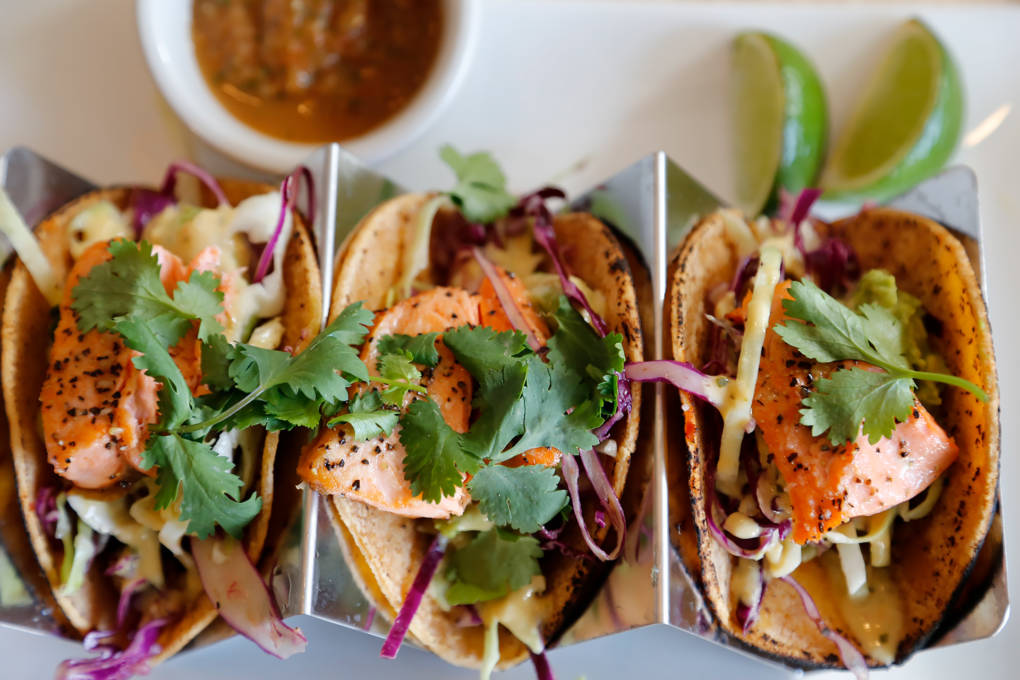
The Mission's New Kitava Kitchen Hopes to Become the Go-To Place for Healthy Eating, Catering to Special Diets
LGBT Pride: Where to Eat and Drink During the Dyke March
Hot Eats: The Commissary & Chino Open
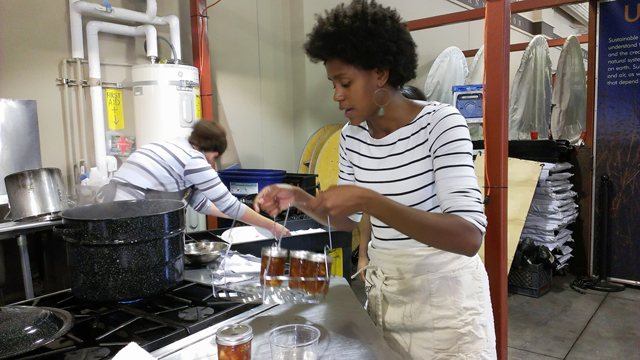
Q&A with Shakirah Simley: Canner-in-Residence at Bi-Rite
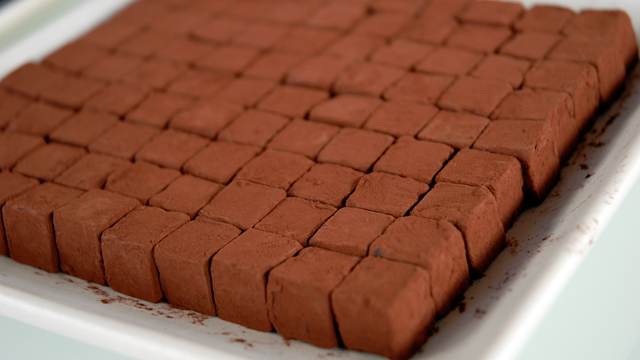
Google+ Hangout Alert! Make Chocolate Truffles with Chuck Siegel of Charles Chocolates
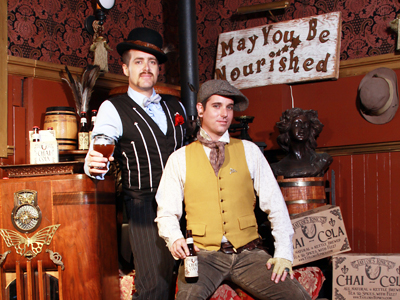
Botanical Sodas, Love Potions at The Fizzary
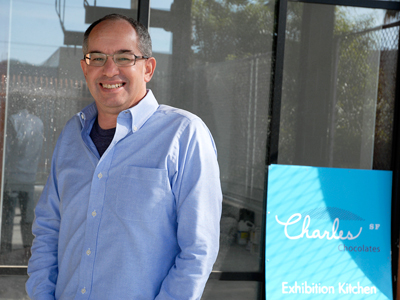
Chuck Siegel: The Return of Charles Chocolates to San Francisco
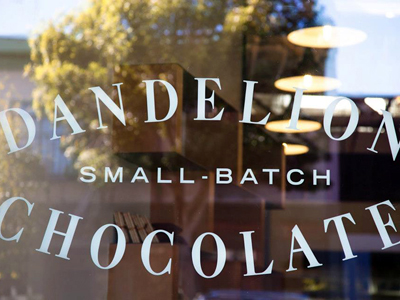
Bean to Bar to Glass: Dandelion Chocolate Opens a Café in the Mission
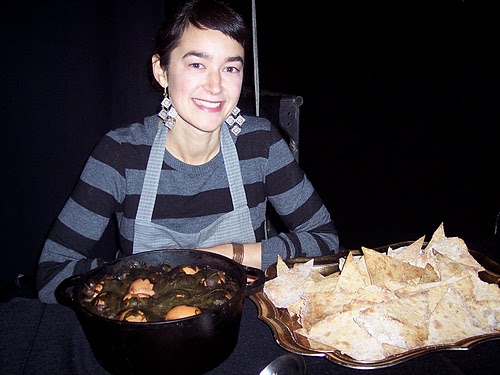
LGBT Pride Profile: Culinary Artist Yasmin Golan
Sponsored
window.__IS_SSR__=true
window.__INITIAL_STATE__={"attachmentsReducer":{"audio_0":{"type":"attachments","id":"audio_0","imgSizes":{"kqedFullSize":{"file":"https://ww2.kqed.org/news/wp-content/themes/KQED-unified/img/audio_bgs/background0.jpg"}}},"audio_1":{"type":"attachments","id":"audio_1","imgSizes":{"kqedFullSize":{"file":"https://ww2.kqed.org/news/wp-content/themes/KQED-unified/img/audio_bgs/background1.jpg"}}},"audio_2":{"type":"attachments","id":"audio_2","imgSizes":{"kqedFullSize":{"file":"https://ww2.kqed.org/news/wp-content/themes/KQED-unified/img/audio_bgs/background2.jpg"}}},"audio_3":{"type":"attachments","id":"audio_3","imgSizes":{"kqedFullSize":{"file":"https://ww2.kqed.org/news/wp-content/themes/KQED-unified/img/audio_bgs/background3.jpg"}}},"audio_4":{"type":"attachments","id":"audio_4","imgSizes":{"kqedFullSize":{"file":"https://ww2.kqed.org/news/wp-content/themes/KQED-unified/img/audio_bgs/background4.jpg"}}},"placeholder":{"type":"attachments","id":"placeholder","imgSizes":{"thumbnail":{"file":"https://ww2.kqed.org/wp-content/uploads/sites/10/2018/01/GettyImages-896326950-160x96.jpg","width":160,"height":96,"mimeType":"image/jpeg"},"medium":{"file":"https://ww2.kqed.org/wp-content/uploads/sites/10/2018/01/GettyImages-896326950-800x478.jpg","width":800,"height":478,"mimeType":"image/jpeg"},"large":{"file":"https://ww2.kqed.org/wp-content/uploads/sites/10/2018/01/GettyImages-896326950-1020x610.jpg","width":1020,"height":610,"mimeType":"image/jpeg"},"fd-lrg":{"file":"https://ww2.kqed.org/wp-content/uploads/sites/10/2018/01/GettyImages-896326950-1920x1148.jpg","width":1920,"height":1148,"mimeType":"image/jpeg"},"fd-med":{"file":"https://ww2.kqed.org/wp-content/uploads/sites/10/2018/01/GettyImages-896326950-1180x705.jpg","width":1180,"height":705,"mimeType":"image/jpeg"},"fd-sm":{"file":"https://ww2.kqed.org/wp-content/uploads/sites/10/2018/01/GettyImages-896326950-960x574.jpg","width":960,"height":574,"mimeType":"image/jpeg"},"post-thumbnail":{"file":"https://ww2.kqed.org/wp-content/uploads/sites/10/2018/01/GettyImages-896326950-672x372.jpg","width":672,"height":372,"mimeType":"image/jpeg"},"twentyfourteen-full-width":{"file":"https://ww2.kqed.org/wp-content/uploads/sites/10/2018/01/GettyImages-896326950-1038x576.jpg","width":1038,"height":576,"mimeType":"image/jpeg"},"xxsmall":{"file":"https://ww2.kqed.org/wp-content/uploads/sites/10/2018/01/GettyImages-896326950-240x143.jpg","width":240,"height":143,"mimeType":"image/jpeg"},"xsmall":{"file":"https://ww2.kqed.org/wp-content/uploads/sites/10/2018/01/GettyImages-896326950-375x224.jpg","width":375,"height":224,"mimeType":"image/jpeg"},"small":{"file":"https://ww2.kqed.org/wp-content/uploads/sites/10/2018/01/GettyImages-896326950-520x311.jpg","width":520,"height":311,"mimeType":"image/jpeg"},"xlarge":{"file":"https://ww2.kqed.org/wp-content/uploads/sites/10/2018/01/GettyImages-896326950-1180x705.jpg","width":1180,"height":705,"mimeType":"image/jpeg"},"full-width":{"file":"https://ww2.kqed.org/wp-content/uploads/sites/10/2018/01/GettyImages-896326950-1920x1148.jpg","width":1920,"height":1148,"mimeType":"image/jpeg"},"guest-author-32":{"file":"https://ww2.kqed.org/wp-content/uploads/sites/10/2018/01/GettyImages-896326950-32x32.jpg","width":32,"height":32,"mimeType":"image/jpeg"},"guest-author-50":{"file":"https://ww2.kqed.org/wp-content/uploads/sites/10/2018/01/GettyImages-896326950-50x50.jpg","width":50,"height":50,"mimeType":"image/jpeg"},"guest-author-64":{"file":"https://ww2.kqed.org/wp-content/uploads/sites/10/2018/01/GettyImages-896326950-64x64.jpg","width":64,"height":64,"mimeType":"image/jpeg"},"guest-author-96":{"file":"https://ww2.kqed.org/wp-content/uploads/sites/10/2018/01/GettyImages-896326950-96x96.jpg","width":96,"height":96,"mimeType":"image/jpeg"},"guest-author-128":{"file":"https://ww2.kqed.org/wp-content/uploads/sites/10/2018/01/GettyImages-896326950-128x128.jpg","width":128,"height":128,"mimeType":"image/jpeg"},"detail":{"file":"https://ww2.kqed.org/wp-content/uploads/sites/10/2018/01/GettyImages-896326950-150x150.jpg","width":150,"height":150,"mimeType":"image/jpeg"},"kqedFullSize":{"file":"https://ww2.kqed.org/wp-content/uploads/sites/10/2018/01/GettyImages-896326950-e1514998105161.jpg","width":1920,"height":1148}}},"bayareabites_122224":{"type":"attachments","id":"bayareabites_122224","meta":{"index":"attachments_1591205162","site":"bayareabites","id":"122224","found":true},"title":"_MG_1397-new","publishDate":1509748017,"status":"inherit","parent":122186,"modified":1509755343,"caption":"Kitava's Street Tacos with troll-caught wild salmon.","credit":"Wendy Goodfriend","description":"Kitava Street Tacos with troll-caught wild salmon","imgSizes":{"thumbnail":{"file":"https://ww2.kqed.org/app/uploads/sites/24/2017/11/MG_1397-new-160x107.jpg","width":160,"height":107,"mimeType":"image/jpeg"},"medium":{"file":"https://ww2.kqed.org/app/uploads/sites/24/2017/11/MG_1397-new-800x533.jpg","width":800,"height":533,"mimeType":"image/jpeg"},"medium_large":{"file":"https://ww2.kqed.org/app/uploads/sites/24/2017/11/MG_1397-new-768x512.jpg","width":768,"height":512,"mimeType":"image/jpeg"},"large":{"file":"https://ww2.kqed.org/app/uploads/sites/24/2017/11/MG_1397-new-1020x680.jpg","width":1020,"height":680,"mimeType":"image/jpeg"},"fd-lrg":{"file":"https://ww2.kqed.org/app/uploads/sites/24/2017/11/MG_1397-new-1920x1280.jpg","width":1920,"height":1280,"mimeType":"image/jpeg"},"fd-med":{"file":"https://ww2.kqed.org/app/uploads/sites/24/2017/11/MG_1397-new-1180x787.jpg","width":1180,"height":787,"mimeType":"image/jpeg"},"fd-sm":{"file":"https://ww2.kqed.org/app/uploads/sites/24/2017/11/MG_1397-new-960x640.jpg","width":960,"height":640,"mimeType":"image/jpeg"},"post-thumbnail":{"file":"https://ww2.kqed.org/app/uploads/sites/24/2017/11/MG_1397-new-672x372.jpg","width":672,"height":372,"mimeType":"image/jpeg"},"twentyfourteen-full-width":{"file":"https://ww2.kqed.org/app/uploads/sites/24/2017/11/MG_1397-new-1038x576.jpg","width":1038,"height":576,"mimeType":"image/jpeg"},"xxsmall":{"file":"https://ww2.kqed.org/app/uploads/sites/24/2017/11/MG_1397-new-240x160.jpg","width":240,"height":160,"mimeType":"image/jpeg"},"xsmall":{"file":"https://ww2.kqed.org/app/uploads/sites/24/2017/11/MG_1397-new-375x250.jpg","width":375,"height":250,"mimeType":"image/jpeg"},"small":{"file":"https://ww2.kqed.org/app/uploads/sites/24/2017/11/MG_1397-new-520x347.jpg","width":520,"height":347,"mimeType":"image/jpeg"},"xlarge":{"file":"https://ww2.kqed.org/app/uploads/sites/24/2017/11/MG_1397-new-1180x787.jpg","width":1180,"height":787,"mimeType":"image/jpeg"},"full-width":{"file":"https://ww2.kqed.org/app/uploads/sites/24/2017/11/MG_1397-new-1920x1280.jpg","width":1920,"height":1280,"mimeType":"image/jpeg"},"guest-author-32":{"file":"https://ww2.kqed.org/app/uploads/sites/24/2017/11/MG_1397-new-32x32.jpg","width":32,"height":32,"mimeType":"image/jpeg"},"guest-author-50":{"file":"https://ww2.kqed.org/app/uploads/sites/24/2017/11/MG_1397-new-50x50.jpg","width":50,"height":50,"mimeType":"image/jpeg"},"guest-author-64":{"file":"https://ww2.kqed.org/app/uploads/sites/24/2017/11/MG_1397-new-64x64.jpg","width":64,"height":64,"mimeType":"image/jpeg"},"guest-author-96":{"file":"https://ww2.kqed.org/app/uploads/sites/24/2017/11/MG_1397-new-96x96.jpg","width":96,"height":96,"mimeType":"image/jpeg"},"guest-author-128":{"file":"https://ww2.kqed.org/app/uploads/sites/24/2017/11/MG_1397-new-128x128.jpg","width":128,"height":128,"mimeType":"image/jpeg"},"detail":{"file":"https://ww2.kqed.org/app/uploads/sites/24/2017/11/MG_1397-new-150x150.jpg","width":150,"height":150,"mimeType":"image/jpeg"},"kqedFullSize":{"file":"https://ww2.kqed.org/app/uploads/sites/24/2017/11/MG_1397-new.jpg","width":1920,"height":1280}},"fetchFailed":false,"isLoading":false},"bayareabites_83664":{"type":"attachments","id":"bayareabites_83664","meta":{"index":"attachments_1591205162","site":"bayareabites","id":"83664","found":true},"title":"dykemarch-wgoodfriend","publishDate":1403059837,"status":"inherit","parent":82863,"modified":1403059837,"caption":null,"credit":null,"description":null,"imgSizes":{"kqedFullSize":{"file":"https://ww2.kqed.org/app/uploads/sites/24/2014/06/dykemarch-wgoodfriend.jpg","width":640,"height":360}},"fetchFailed":false,"isLoading":false},"bayareabites_82559":{"type":"attachments","id":"bayareabites_82559","meta":{"index":"attachments_1591205162","site":"bayareabites","id":"82559","found":true},"title":"Commissary-Food-029","publishDate":1401128863,"status":"inherit","parent":82391,"modified":1401128863,"caption":"Fava beans at The Commissary. Photo: Aubrie Pick","credit":null,"description":null,"imgSizes":{"kqedFullSize":{"file":"https://ww2.kqed.org/app/uploads/sites/24/2014/05/Commissary-Food-029.jpg","width":1000,"height":666}},"fetchFailed":false,"isLoading":false},"bayareabites_70342":{"type":"attachments","id":"bayareabites_70342","meta":{"index":"attachments_1591205162","site":"bayareabites","id":"70342","found":true},"title":"Shakirah-with-rack640x360","publishDate":1379380946,"status":"inherit","parent":69290,"modified":1379380946,"caption":null,"credit":null,"description":null,"imgSizes":{"kqedFullSize":{"file":"https://ww2.kqed.org/app/uploads/sites/24/2013/09/Shakirah-with-rack640x360.jpg","width":640,"height":360}},"fetchFailed":false,"isLoading":false},"bayareabites_70504":{"type":"attachments","id":"bayareabites_70504","meta":{"index":"attachments_1591205162","site":"bayareabites","id":"70504","found":true},"title":"classicfrenchtruffles640x360","publishDate":1379549080,"status":"inherit","parent":66821,"modified":1379549080,"caption":null,"credit":null,"description":null,"imgSizes":{"kqedFullSize":{"file":"https://ww2.kqed.org/app/uploads/sites/24/2013/09/classicfrenchtruffles640x360.jpg","width":640,"height":360}},"fetchFailed":false,"isLoading":false},"bayareabites_56881":{"type":"attachments","id":"bayareabites_56881","meta":{"index":"attachments_1591205162","site":"bayareabites","id":"56881","found":true},"title":"fizzary400x300","publishDate":1360965766,"status":"inherit","parent":55291,"modified":1360965766,"caption":null,"credit":null,"description":null,"imgSizes":{"kqedFullSize":{"file":"https://ww2.kqed.org/app/uploads/sites/24/2013/02/fizzary400x300.jpg","width":400,"height":300}},"fetchFailed":false,"isLoading":false},"bayareabites_55606":{"type":"attachments","id":"bayareabites_55606","meta":{"index":"attachments_1591205162","site":"bayareabites","id":"55606","found":true},"title":"chuck-siegel400x300b","publishDate":1359502876,"status":"inherit","parent":55469,"modified":1359502876,"caption":null,"credit":null,"description":null,"imgSizes":{"kqedFullSize":{"file":"https://ww2.kqed.org/app/uploads/sites/24/2013/01/chuck-siegel400x300b.jpg","width":400,"height":300}},"fetchFailed":false,"isLoading":false},"bayareabites_54675":{"type":"attachments","id":"bayareabites_54675","meta":{"index":"attachments_1591205162","site":"bayareabites","id":"54675","found":true},"title":"signage400x300","publishDate":1358405823,"status":"inherit","parent":54652,"modified":1358405823,"caption":null,"credit":null,"description":null,"imgSizes":{"kqedFullSize":{"file":"https://ww2.kqed.org/app/uploads/sites/24/2013/01/signage400x300.jpg","width":400,"height":300}},"fetchFailed":false,"isLoading":false},"bayareabites_44977":{"type":"attachments","id":"bayareabites_44977","meta":{"index":"attachments_1591205162","site":"bayareabites","id":"44977","found":true},"title":"Yasmin ","publishDate":1340557207,"status":"inherit","parent":44839,"modified":1340557207,"caption":null,"credit":null,"description":null,"imgSizes":{"kqedFullSize":{"file":"https://ww2.kqed.org/app/uploads/sites/24/2012/06/Yasmin_Eli_Africa-2.jpeg","width":500,"height":375}},"fetchFailed":false,"isLoading":false}},"audioPlayerReducer":{"postId":"stream_live"},"authorsReducer":{"rachael-myrow":{"type":"authors","id":"251","meta":{"index":"authors_1591205172","id":"251","found":true},"name":"Rachael Myrow","firstName":"Rachael","lastName":"Myrow","slug":"rachael-myrow","email":"rmyrow@kqed.org","display_author_email":false,"staff_mastheads":["news"],"title":"Senior Editor of KQED's Silicon Valley News Desk","bio":"Rachael Myrow is Senior Editor of KQED's Silicon Valley News Desk. You can hear her work on \u003ca href=\"https://www.npr.org/search?query=Rachael%20Myrow&page=1\">NPR\u003c/a>, \u003ca href=\"https://theworld.org/people/rachael-myrow\">The World\u003c/a>, WBUR's \u003ca href=\"https://www.wbur.org/search?q=Rachael%20Myrow\">\u003ci>Here & Now\u003c/i>\u003c/a> and the BBC. \u003c/i>She also guest hosts for KQED's \u003ci>\u003ca href=\"https://www.kqed.org/forum/tag/rachael-myrow\">Forum\u003c/a>\u003c/i>. Over the years, she's talked with Kamau Bell, David Byrne, Kamala Harris, Tony Kushner, Armistead Maupin, Van Dyke Parks, Arnold Schwarzenegger and Tommie Smith, among others.\r\n\r\nBefore all this, she hosted \u003cem>The California Report\u003c/em> for 7+ years, reporting on topics like \u003ca href=\"https://soundcloud.com/rmyrow/on-a-mission-to-reform-assisted-living\">assisted living facilities\u003c/a>, the \u003ca href=\"https://www.npr.org/sections/alltechconsidered/2014/12/01/367703789/amazon-unleashes-robot-army-to-send-your-holiday-packages-faster\">robot takeover\u003c/a> of Amazon, and \u003ca href=\"https://www.kqed.org/bayareabites/50822/in-search-of-the-chocolate-persimmon\" rel=\"noopener noreferrer\">chocolate persimmons\u003c/a>.\r\n\r\nAwards? Sure: Peabody, Edward R. Murrow, Regional Edward R. Murrow, RTNDA, Northern California RTNDA, SPJ Northern California Chapter, LA Press Club, Golden Mic. Prior to joining KQED, Rachael worked in Los Angeles at KPCC and Marketplace. She holds degrees in English and journalism from UC Berkeley (where she got her start in public radio on KALX-FM).\r\n\r\nOutside of the studio, you'll find Rachael hiking Bay Area trails and whipping up Instagram-ready meals in her kitchen.","avatar":"https://secure.gravatar.com/avatar/87bf8cb5874e045cdff430523a6d48b1?s=600&d=blank&r=g","twitter":"rachaelmyrow","facebook":null,"instagram":null,"linkedin":"https://www.linkedin.com/in/rachaelmyrow/","sites":[{"site":"arts","roles":["administrator"]},{"site":"news","roles":["edit_others_posts","editor"]},{"site":"futureofyou","roles":["editor"]},{"site":"bayareabites","roles":["editor"]},{"site":"stateofhealth","roles":["editor"]},{"site":"science","roles":["editor"]},{"site":"food","roles":["editor"]},{"site":"forum","roles":["editor"]}],"headData":{"title":"Rachael Myrow | KQED","description":"Senior Editor of KQED's Silicon Valley News Desk","ogImgSrc":"https://secure.gravatar.com/avatar/87bf8cb5874e045cdff430523a6d48b1?s=600&d=blank&r=g","twImgSrc":"https://secure.gravatar.com/avatar/87bf8cb5874e045cdff430523a6d48b1?s=600&d=blank&r=g"},"isLoading":false,"link":"/author/rachael-myrow"},"wendy-goodfriend":{"type":"authors","id":"5014","meta":{"index":"authors_1591205172","id":"5014","found":true},"name":"Wendy Goodfriend","firstName":"Wendy","lastName":"Goodfriend","slug":"wendy-goodfriend","email":"wendy@wendygoodfriend.com","display_author_email":false,"staff_mastheads":[],"title":null,"bio":"I was the Senior Digital Producer for KQED Food up until July, 2018. Since 2001, I designed, produced, managed and contributed to mostly food-related websites and blogs for KQED including: KQED.org; KQED Food; Bay Area Bites; Check, Please! Bay Area; Taste This; Celebrity Chefs; seven of Jacques Pepin's TV series websites; and Joanne Weir's Cooking in the City. I initiated the majority of KQED Food's social media feeds and maintained them up until 2017. As far as content creation, photography is my passion and I also shoot video and write stories. My photos have been used in articles for KQED Food, News, Arts, and Science as well as for promotional purposes in print and online. Professional education and training includes: clinical psychology, photography, commercial cooking, web design, information architecture and UX.","avatar":"https://secure.gravatar.com/avatar/dfba64372339cc34cf17e446e6f18fa8?s=600&d=blank&r=g","twitter":null,"facebook":"bayareabites","instagram":null,"linkedin":"wendygoodfriend","sites":[{"site":"jpepinheart","roles":["administrator"]},{"site":"about","roles":["editor"]},{"site":"bayareabites","roles":["subscriber"]},{"site":"science","roles":["administrator"]},{"site":"checkplease","roles":["subscriber"]},{"site":"food","roles":["author"]},{"site":"essentialpepin","roles":["administrator"]}],"headData":{"title":"Wendy Goodfriend | KQED","description":null,"ogImgSrc":"https://secure.gravatar.com/avatar/dfba64372339cc34cf17e446e6f18fa8?s=600&d=blank&r=g","twImgSrc":"https://secure.gravatar.com/avatar/dfba64372339cc34cf17e446e6f18fa8?s=600&d=blank&r=g"},"isLoading":false,"link":"/author/wendy-goodfriend"},"maryladd":{"type":"authors","id":"5092","meta":{"index":"authors_1591205172","id":"5092","found":true},"name":"Mary Ladd","firstName":"Mary","lastName":"Ladd","slug":"maryladd","email":"writereadeat@gmail.com","display_author_email":false,"staff_mastheads":[],"title":null,"bio":"Mary Ladd is a freelance writer and event professional based in her hometown of San Francisco. Her writing has been featured in SF Weekly, Tasting Table, the San Francisco Chronicle and elsewhere. She has shuttled \u003ca href=\"http://sf.eater.com/archives/2009/03/26/eater_map_mr_bourdains_san_francisco_whereabouts.php\">Anthony Bourdain\u003c/a> around town and mastered the art of properly loading a catering van in a flash. Mary has eaten the world’s hottest burger and loves to cook and eat. Follow her at \u003ca href=\"https://twitter.com/mladdfood\">@mladdfood\u003c/a>","avatar":"https://secure.gravatar.com/avatar/dab53b49e4e893d0d1e6a7ec6ed29e27?s=600&d=blank&r=g","twitter":"mladdfood","facebook":null,"instagram":null,"linkedin":null,"sites":[{"site":"bayareabites","roles":["contributor"]}],"headData":{"title":"Mary Ladd | KQED","description":null,"ogImgSrc":"https://secure.gravatar.com/avatar/dab53b49e4e893d0d1e6a7ec6ed29e27?s=600&d=blank&r=g","twImgSrc":"https://secure.gravatar.com/avatar/dab53b49e4e893d0d1e6a7ec6ed29e27?s=600&d=blank&r=g"},"isLoading":false,"link":"/author/maryladd"},"alexandrawall":{"type":"authors","id":"5567","meta":{"index":"authors_1591205172","id":"5567","found":true},"name":"Alix Wall","firstName":"Alix","lastName":"Wall","slug":"alexandrawall","email":"alixwall@sbcglobal.net","display_author_email":false,"staff_mastheads":[],"title":null,"bio":"Alix Wall appeared in her hometown paper in Riverside, California as “Chef of the Week” when she was 15 years old, and in high school, she founded “The Bon Appetit Club.” After working as a journalist for many years, Alix became a certified natural foods chef from Bauman College in Berkeley. While she cooks part-time healthy, organic meals for busy families, she is also a contributing editor of j. weekly, the Bay Area’s Jewish newspaper, in which she has a monthly food column. Her food writing can also be found on Berkeleyside’s NOSH and in Edible East Bay. In addition to food, she loves writing about how couples met and fell in love, which she does for The San Francisco Chronicle’s Style section and j. weekly. In 2016, she founded The Illuminoshi: The Not-So-Secret Society of Bay Area Jewish Food Professionals. She is also writer/producer for a documentary-in-progress called \u003ca href=\"https://www.lonelychildmovie.com/\">The Lonely Child\u003c/a>. Follow Alix on Twitter \u003ca href=\"https://twitter.com/WallAlix\">@WallAlix\u003c/a>.","avatar":"https://secure.gravatar.com/avatar/421a27f26a185be932f8d567b499b1f1?s=600&d=blank&r=g","twitter":null,"facebook":null,"instagram":null,"linkedin":null,"sites":[{"site":"bayareabites","roles":["contributor"]},{"site":"food","roles":["contributor"]}],"headData":{"title":"Alix Wall | KQED","description":null,"ogImgSrc":"https://secure.gravatar.com/avatar/421a27f26a185be932f8d567b499b1f1?s=600&d=blank&r=g","twImgSrc":"https://secure.gravatar.com/avatar/421a27f26a185be932f8d567b499b1f1?s=600&d=blank&r=g"},"isLoading":false,"link":"/author/alexandrawall"}},"breakingNewsReducer":{},"campaignFinanceReducer":{},"firebase":{"requesting":{},"requested":{},"timestamps":{},"data":{},"ordered":{},"auth":{"isLoaded":false,"isEmpty":true},"authError":null,"profile":{"isLoaded":false,"isEmpty":true},"listeners":{"byId":{},"allIds":[]},"isInitializing":false,"errors":[]},"navBarReducer":{"navBarId":"arts","fullView":true,"showPlayer":false},"navMenuReducer":{"menus":[{"key":"menu1","items":[{"name":"News","link":"/","type":"title"},{"name":"Politics","link":"/politics"},{"name":"Science","link":"/science"},{"name":"Education","link":"/educationnews"},{"name":"Housing","link":"/housing"},{"name":"Immigration","link":"/immigration"},{"name":"Criminal Justice","link":"/criminaljustice"},{"name":"Silicon Valley","link":"/siliconvalley"},{"name":"Forum","link":"/forum"},{"name":"The California Report","link":"/californiareport"}]},{"key":"menu2","items":[{"name":"Arts & Culture","link":"/arts","type":"title"},{"name":"Critics’ Picks","link":"/thedolist"},{"name":"Cultural Commentary","link":"/artscommentary"},{"name":"Food & Drink","link":"/food"},{"name":"Bay Area Hip-Hop","link":"/bayareahiphop"},{"name":"Rebel Girls","link":"/rebelgirls"},{"name":"Arts Video","link":"/artsvideos"}]},{"key":"menu3","items":[{"name":"Podcasts","link":"/podcasts","type":"title"},{"name":"Bay Curious","link":"/podcasts/baycurious"},{"name":"Rightnowish","link":"/podcasts/rightnowish"},{"name":"The Bay","link":"/podcasts/thebay"},{"name":"On Our Watch","link":"/podcasts/onourwatch"},{"name":"Mindshift","link":"/podcasts/mindshift"},{"name":"Consider This","link":"/podcasts/considerthis"},{"name":"Political Breakdown","link":"/podcasts/politicalbreakdown"}]},{"key":"menu4","items":[{"name":"Live Radio","link":"/radio","type":"title"},{"name":"TV","link":"/tv","type":"title"},{"name":"Events","link":"/events","type":"title"},{"name":"For Educators","link":"/education","type":"title"},{"name":"Support KQED","link":"/support","type":"title"},{"name":"About","link":"/about","type":"title"},{"name":"Help Center","link":"https://kqed-helpcenter.kqed.org/s","type":"title"}]}]},"pagesReducer":{},"postsReducer":{"stream_live":{"type":"live","id":"stream_live","audioUrl":"https://streams.kqed.org/kqedradio","title":"Live Stream","excerpt":"Live Stream information currently unavailable.","link":"/radio","featImg":"","label":{"name":"KQED Live","link":"/"}},"stream_kqedNewscast":{"type":"posts","id":"stream_kqedNewscast","audioUrl":"https://www.kqed.org/.stream/anon/radio/RDnews/newscast.mp3?_=1","title":"KQED Newscast","featImg":"","label":{"name":"88.5 FM","link":"/"}},"bayareabites_122186":{"type":"posts","id":"bayareabites_122186","meta":{"index":"posts_1591205157","site":"bayareabites","id":"122186","score":null,"sort":[1509755011000]},"guestAuthors":[],"slug":"the-missions-new-kitava-kitchen-hopes-to-become-the-go-to-place-for-healthy-eating-catering-to-special-diets","title":"The Mission's New Kitava Kitchen Hopes to Become the Go-To Place for Healthy Eating, Catering to Special Diets","publishDate":1509755011,"format":"image","headTitle":"Bay Area Bites | KQED Food","labelTerm":{},"content":"\u003cp>With the \u003ca href=\"http://thepaleodiet.com/\">Paleo Diet\u003c/a>, \u003ca href=\"https://aiplifestyle.com/what-is-autoimmune-protocol-diet/\">AIP (Autoimmune Protocol)\u003c/a> and \u003ca href=\"http://www.gapsdiet.com/\">GAPS (Gut and Psychology Syndrome)\u003c/a> diets gaining more adherents all the time, it’s almost surprising that more restaurants like Kitava Kitchen haven’t opened.\u003c/p>\n\u003cp>Berkeley has its \u003ca href=\"http://www.missionheirloom.com/\">Mission: Heirloom Garden Café\u003c/a>, but San Francisco had remained free of any of these types of eateries. Until now, that is.\u003c/p>\n\u003cp>Enter Kitava Kitchen, which opened yesterday in an old McDonald’s on Mission Street, right off of 16\u003csup>th\u003c/sup>, a fast-casual restaurant by two former tech guys who both came to the benefits of eating this way through their own personal experience.\u003c/p>\n\u003cfigure id=\"attachment_122228\" class=\"wp-caption aligncenter\" style=\"max-width: 1920px\">\u003cimg class=\"size-full wp-image-122228\" src=\"https://ww2.kqed.org/bayareabites/wp-content/uploads/sites/24/2017/11/MG_1461-new.jpg\" alt=\"Bryan Tublin (L) and Jeff Nobbs (R), owners of Kitava Kitchen.\" width=\"1920\" height=\"1280\" srcset=\"https://ww2.kqed.org/app/uploads/sites/24/2017/11/MG_1461-new.jpg 1920w, https://ww2.kqed.org/app/uploads/sites/24/2017/11/MG_1461-new-160x107.jpg 160w, https://ww2.kqed.org/app/uploads/sites/24/2017/11/MG_1461-new-800x533.jpg 800w, https://ww2.kqed.org/app/uploads/sites/24/2017/11/MG_1461-new-768x512.jpg 768w, https://ww2.kqed.org/app/uploads/sites/24/2017/11/MG_1461-new-1020x680.jpg 1020w, https://ww2.kqed.org/app/uploads/sites/24/2017/11/MG_1461-new-1180x787.jpg 1180w, https://ww2.kqed.org/app/uploads/sites/24/2017/11/MG_1461-new-960x640.jpg 960w, https://ww2.kqed.org/app/uploads/sites/24/2017/11/MG_1461-new-240x160.jpg 240w, https://ww2.kqed.org/app/uploads/sites/24/2017/11/MG_1461-new-375x250.jpg 375w, https://ww2.kqed.org/app/uploads/sites/24/2017/11/MG_1461-new-520x347.jpg 520w\" sizes=\"(max-width: 1920px) 100vw, 1920px\">\u003cfigcaption class=\"wp-caption-text\">Bryan Tublin (L) and Jeff Nobbs (R), owners of Kitava Kitchen. \u003ccite>(Wendy Goodfriend)\u003c/cite>\u003c/figcaption>\u003c/figure>\n\u003cp>For Bryan Tublin, it was a chronic pain injury that led him to attend \u003ca href=\"https://www.baumancollege.org/\">Bauman College\u003c/a>’s nutritionist training program and adopt an anti-inflammatory diet to heal. For Jeff Nobbs, it was the high rates of cancer and diabetes in his family that had him reading up on nutritional studies in his spare time.\u003c/p>\n\u003cp>“I was trying to figure out the healthiest way to eat. It’s crazy to me that no one can agree on it,” Nobbs said, adding, “I always nerded out on the nutritional side.”\u003c/p>\n\u003cp>[ad fullwidth]\u003c/p>\n\u003cp>About two years ago, Nobbs founded Mealmade, a delivery service that he said was “like Munchery for the Paleo diet,” while Tublin founded Simmer, a company that sold nutrient-rich bone broths, and soups and stews made from the broth at farmers markets and through catering.\u003c/p>\n\u003cfigure id=\"attachment_122202\" class=\"wp-caption aligncenter\" style=\"max-width: 1920px\">\u003cimg class=\"size-full wp-image-122202\" src=\"https://ww2.kqed.org/bayareabites/wp-content/uploads/sites/24/2017/11/MG_1229-new.jpg\" alt=\"Kitava Kitchen Food Philosophy.\" width=\"1920\" height=\"1280\" srcset=\"https://ww2.kqed.org/app/uploads/sites/24/2017/11/MG_1229-new.jpg 1920w, https://ww2.kqed.org/app/uploads/sites/24/2017/11/MG_1229-new-160x107.jpg 160w, https://ww2.kqed.org/app/uploads/sites/24/2017/11/MG_1229-new-800x533.jpg 800w, https://ww2.kqed.org/app/uploads/sites/24/2017/11/MG_1229-new-768x512.jpg 768w, https://ww2.kqed.org/app/uploads/sites/24/2017/11/MG_1229-new-1020x680.jpg 1020w, https://ww2.kqed.org/app/uploads/sites/24/2017/11/MG_1229-new-1180x787.jpg 1180w, https://ww2.kqed.org/app/uploads/sites/24/2017/11/MG_1229-new-960x640.jpg 960w, https://ww2.kqed.org/app/uploads/sites/24/2017/11/MG_1229-new-240x160.jpg 240w, https://ww2.kqed.org/app/uploads/sites/24/2017/11/MG_1229-new-375x250.jpg 375w, https://ww2.kqed.org/app/uploads/sites/24/2017/11/MG_1229-new-520x347.jpg 520w\" sizes=\"(max-width: 1920px) 100vw, 1920px\">\u003cfigcaption class=\"wp-caption-text\">Kitava Kitchen Food Philosophy. \u003ccite>(Wendy Goodfriend)\u003c/cite>\u003c/figcaption>\u003c/figure>\n\u003cp>A quick primer on these diets: the Paleo diet as well as AIP and GAPS have some differences, but they mostly avoid gluten and dairy as well as soy and corn. Some avoid all grains and legumes as well. Kitava has white rice – that’s the only one that’s permissible because it’s easier for the body to digest – but the Paleo-friendly cauliflower rice is also on offer. Some also avoid vegetables in the nightshade family: tomato, eggplant and peppers. This means that spices like cayenne and paprika can’t be used, either, since they are made of dried peppers. Some also avoid seeds, which can be left off most dishes at Kitava. While Kitava’s menus are clearly marked with what’s vegan and/or vegetarian, there’s a special menu given to those on the AIP diet.\u003c/p>\n\u003cfigure id=\"attachment_122204\" class=\"wp-caption aligncenter\" style=\"max-width: 1920px\">\u003ca href=\"https://ww2.kqed.org/bayareabites/wp-content/uploads/sites/24/2017/11/MG_1231-new.jpg\">\u003cimg class=\"size-full wp-image-122204\" src=\"https://ww2.kqed.org/bayareabites/wp-content/uploads/sites/24/2017/11/MG_1231-new.jpg\" alt=\"Kitava Kitchen menu.\" width=\"1920\" height=\"1280\" srcset=\"https://ww2.kqed.org/app/uploads/sites/24/2017/11/MG_1231-new.jpg 1920w, https://ww2.kqed.org/app/uploads/sites/24/2017/11/MG_1231-new-160x107.jpg 160w, https://ww2.kqed.org/app/uploads/sites/24/2017/11/MG_1231-new-800x533.jpg 800w, https://ww2.kqed.org/app/uploads/sites/24/2017/11/MG_1231-new-768x512.jpg 768w, https://ww2.kqed.org/app/uploads/sites/24/2017/11/MG_1231-new-1020x680.jpg 1020w, https://ww2.kqed.org/app/uploads/sites/24/2017/11/MG_1231-new-1180x787.jpg 1180w, https://ww2.kqed.org/app/uploads/sites/24/2017/11/MG_1231-new-960x640.jpg 960w, https://ww2.kqed.org/app/uploads/sites/24/2017/11/MG_1231-new-240x160.jpg 240w, https://ww2.kqed.org/app/uploads/sites/24/2017/11/MG_1231-new-375x250.jpg 375w, https://ww2.kqed.org/app/uploads/sites/24/2017/11/MG_1231-new-520x347.jpg 520w\" sizes=\"(max-width: 1920px) 100vw, 1920px\">\u003c/a>\u003cfigcaption class=\"wp-caption-text\">Kitava Kitchen menu. \u003ccite>(Wendy Goodfriend)\u003c/cite>\u003c/figcaption>\u003c/figure>\n\u003cp>It’s a diet heavy in vegetables and protein; pastured and organic meats and wild fish. White refined sugar is also avoided; at Kitava, when sweetener is used, it’s either coconut sugar, maple syrup or honey. The only oils used are olive, coconut or sustainably-harvested palm, and any processed foods are avoided as well. These diets are also responsible for the rise of bone broth.\u003c/p>\n\u003cp>Even those doing the incredibly strict \u003ca href=\"https://whole30.com/whole30-program-rules/\">Whole 30\u003c/a> diet can find things to eat here.\u003c/p>\n\u003cfigure id=\"attachment_122209\" class=\"wp-caption aligncenter\" style=\"max-width: 1920px\">\u003ca href=\"https://ww2.kqed.org/bayareabites/wp-content/uploads/sites/24/2017/11/MG_1247-new.jpg\">\u003cimg class=\"size-full wp-image-122209\" src=\"https://ww2.kqed.org/bayareabites/wp-content/uploads/sites/24/2017/11/MG_1247-new.jpg\" alt=\"Interior of Kitava Kitchen.\" width=\"1920\" height=\"1280\" srcset=\"https://ww2.kqed.org/app/uploads/sites/24/2017/11/MG_1247-new.jpg 1920w, https://ww2.kqed.org/app/uploads/sites/24/2017/11/MG_1247-new-160x107.jpg 160w, https://ww2.kqed.org/app/uploads/sites/24/2017/11/MG_1247-new-800x533.jpg 800w, https://ww2.kqed.org/app/uploads/sites/24/2017/11/MG_1247-new-768x512.jpg 768w, https://ww2.kqed.org/app/uploads/sites/24/2017/11/MG_1247-new-1020x680.jpg 1020w, https://ww2.kqed.org/app/uploads/sites/24/2017/11/MG_1247-new-1180x787.jpg 1180w, https://ww2.kqed.org/app/uploads/sites/24/2017/11/MG_1247-new-960x640.jpg 960w, https://ww2.kqed.org/app/uploads/sites/24/2017/11/MG_1247-new-240x160.jpg 240w, https://ww2.kqed.org/app/uploads/sites/24/2017/11/MG_1247-new-375x250.jpg 375w, https://ww2.kqed.org/app/uploads/sites/24/2017/11/MG_1247-new-520x347.jpg 520w\" sizes=\"(max-width: 1920px) 100vw, 1920px\">\u003c/a>\u003cfigcaption class=\"wp-caption-text\">Interior of Kitava Kitchen. \u003ccite>(Wendy Goodfriend)\u003c/cite>\u003c/figcaption>\u003c/figure>\n\u003cp>“We didn’t want to tie ourselves to one specific diet philosophy,” said Tublin. “We wanted to make this food philosophy approachable, which is why we don’t brand ourselves as only Paleo or only vegan.”\u003c/p>\n\u003cp>They also point out that so many vegetarian or vegan restaurants rely on heavily-processed foods, which minimize the health benefits.\u003c/p>\n\u003cp>Mainly, their diet philosophy is: “We want people to eat clean and more vegetables,” said Tublin.\u003c/p>\n\u003cp>The name Kitava comes from \u003ca href=\"https://en.wikipedia.org/wiki/Kitava\">an island off the coast of Papua New Guinea\u003c/a>, which was the focus of \u003ca href=\"https://www.ncbi.nlm.nih.gov/pubmed/8077891\">a study\u003c/a> led by \u003ca href=\"https://en.wikipedia.org/wiki/Staffan_Lindeberg\">Staffan Lindeberg\u003c/a> that speculated people live longer and healthier lives due to their diets. This Paleo-type diet has qualities similar to the so-named \u003ca href=\"https://bluezones.com/\">“blue zones”\u003c/a> where people's diets and quality of life are thought to increase longevity and reduce disease.\u003c/p>\n\u003cfigure id=\"attachment_122236\" class=\"wp-caption aligncenter\" style=\"max-width: 1920px\">\u003ca href=\"https://ww2.kqed.org/bayareabites/wp-content/uploads/sites/24/2017/11/MG_1224-new.jpg\">\u003cimg class=\"size-full wp-image-122236\" src=\"https://ww2.kqed.org/bayareabites/wp-content/uploads/sites/24/2017/11/MG_1224-new.jpg\" alt=\"About the name Kitava\" width=\"1920\" height=\"1280\" srcset=\"https://ww2.kqed.org/app/uploads/sites/24/2017/11/MG_1224-new.jpg 1920w, https://ww2.kqed.org/app/uploads/sites/24/2017/11/MG_1224-new-160x107.jpg 160w, https://ww2.kqed.org/app/uploads/sites/24/2017/11/MG_1224-new-800x533.jpg 800w, https://ww2.kqed.org/app/uploads/sites/24/2017/11/MG_1224-new-768x512.jpg 768w, https://ww2.kqed.org/app/uploads/sites/24/2017/11/MG_1224-new-1020x680.jpg 1020w, https://ww2.kqed.org/app/uploads/sites/24/2017/11/MG_1224-new-1180x787.jpg 1180w, https://ww2.kqed.org/app/uploads/sites/24/2017/11/MG_1224-new-960x640.jpg 960w, https://ww2.kqed.org/app/uploads/sites/24/2017/11/MG_1224-new-240x160.jpg 240w, https://ww2.kqed.org/app/uploads/sites/24/2017/11/MG_1224-new-375x250.jpg 375w, https://ww2.kqed.org/app/uploads/sites/24/2017/11/MG_1224-new-520x347.jpg 520w\" sizes=\"(max-width: 1920px) 100vw, 1920px\">\u003c/a>\u003cfigcaption class=\"wp-caption-text\">About the name Kitava \u003ccite>(Wendy Goodfriend)\u003c/cite>\u003c/figcaption>\u003c/figure>\n\u003cp>In choosing the name, “We wanted to honor traditional food cultures and the wisdom in those cultures,” said Tublin.\u003c/p>\n\u003cp>Tublin and Nobbs met about two years ago when they each had their respective businesses going. They talked about perhaps collaborating some day. But then both reached a point where they felt opening a restaurant was the next logical step to grow their businesses.\u003c/p>\n\u003cp>“Bryan was catering, and I was in delivery,” explained Nobbs. “We were both wanting to open a restaurant, and we realized it would be silly to be competitors with identical food philosophies.”\u003c/p>\n\u003cp>Given that neither of them are chefs, they have worked with several; now heading up the kitchen is Chef Todd Preston, who spent much of his career doing research and development and in different managerial positions at the \u003ca href=\"http://www.sfsoupco.com/\">San Francisco Soup Company\u003c/a>.\u003c/p>\n\u003cfigure id=\"attachment_122235\" class=\"wp-caption aligncenter\" style=\"max-width: 1920px\">\u003ca href=\"https://ww2.kqed.org/bayareabites/wp-content/uploads/sites/24/2017/11/MG_1531-new.jpg\">\u003cimg class=\"size-full wp-image-122235\" src=\"https://ww2.kqed.org/bayareabites/wp-content/uploads/sites/24/2017/11/MG_1531-new.jpg\" alt=\"Chef Todd Preston.\" width=\"1920\" height=\"1280\" srcset=\"https://ww2.kqed.org/app/uploads/sites/24/2017/11/MG_1531-new.jpg 1920w, https://ww2.kqed.org/app/uploads/sites/24/2017/11/MG_1531-new-160x107.jpg 160w, https://ww2.kqed.org/app/uploads/sites/24/2017/11/MG_1531-new-800x533.jpg 800w, https://ww2.kqed.org/app/uploads/sites/24/2017/11/MG_1531-new-768x512.jpg 768w, https://ww2.kqed.org/app/uploads/sites/24/2017/11/MG_1531-new-1020x680.jpg 1020w, https://ww2.kqed.org/app/uploads/sites/24/2017/11/MG_1531-new-1180x787.jpg 1180w, https://ww2.kqed.org/app/uploads/sites/24/2017/11/MG_1531-new-960x640.jpg 960w, https://ww2.kqed.org/app/uploads/sites/24/2017/11/MG_1531-new-240x160.jpg 240w, https://ww2.kqed.org/app/uploads/sites/24/2017/11/MG_1531-new-375x250.jpg 375w, https://ww2.kqed.org/app/uploads/sites/24/2017/11/MG_1531-new-520x347.jpg 520w\" sizes=\"(max-width: 1920px) 100vw, 1920px\">\u003c/a>\u003cfigcaption class=\"wp-caption-text\">Kitava Chef Todd Preston. \u003ccite>(Wendy Goodfriend)\u003c/cite>\u003c/figcaption>\u003c/figure>\n\u003cp>The fact that they are in a former McDonald’s is not lost on them, of course.\u003c/p>\n\u003cfigure id=\"attachment_122231\" class=\"wp-caption aligncenter\" style=\"max-width: 1920px\">\u003ca href=\"https://ww2.kqed.org/bayareabites/wp-content/uploads/sites/24/2017/11/MG_1508-new.jpg\">\u003cimg class=\"size-full wp-image-122231\" src=\"https://ww2.kqed.org/bayareabites/wp-content/uploads/sites/24/2017/11/MG_1508-new.jpg\" alt=\"Big Mac sticker remains in the very large walk-in refrigerator.\" width=\"1920\" height=\"1280\" srcset=\"https://ww2.kqed.org/app/uploads/sites/24/2017/11/MG_1508-new.jpg 1920w, https://ww2.kqed.org/app/uploads/sites/24/2017/11/MG_1508-new-160x107.jpg 160w, https://ww2.kqed.org/app/uploads/sites/24/2017/11/MG_1508-new-800x533.jpg 800w, https://ww2.kqed.org/app/uploads/sites/24/2017/11/MG_1508-new-768x512.jpg 768w, https://ww2.kqed.org/app/uploads/sites/24/2017/11/MG_1508-new-1020x680.jpg 1020w, https://ww2.kqed.org/app/uploads/sites/24/2017/11/MG_1508-new-1180x787.jpg 1180w, https://ww2.kqed.org/app/uploads/sites/24/2017/11/MG_1508-new-960x640.jpg 960w, https://ww2.kqed.org/app/uploads/sites/24/2017/11/MG_1508-new-240x160.jpg 240w, https://ww2.kqed.org/app/uploads/sites/24/2017/11/MG_1508-new-375x250.jpg 375w, https://ww2.kqed.org/app/uploads/sites/24/2017/11/MG_1508-new-520x347.jpg 520w\" sizes=\"(max-width: 1920px) 100vw, 1920px\">\u003c/a>\u003cfigcaption class=\"wp-caption-text\">Big Mac sticker remains in the very large walk-in refrigerator. \u003ccite>(Wendy Goodfriend)\u003c/cite>\u003c/figcaption>\u003c/figure>\n\u003cp>While they’ve made some major improvements to the dining room, with blond wood, one wall painted a cheery dark teal, living walls with succulents throughout; and replaced much of the equipment to suit their own needs, traces of their former tenant remain -- mostly in the bathroom signage and metallic doors as well as the stickers for apple pies and other McDonald's fare that still adorn the freezer.\u003c/p>\n\u003cfigure id=\"attachment_122206\" class=\"wp-caption aligncenter\" style=\"max-width: 1920px\">\u003ca href=\"https://ww2.kqed.org/bayareabites/wp-content/uploads/sites/24/2017/11/MG_1236-new.jpg\">\u003cimg class=\"size-full wp-image-122206\" src=\"https://ww2.kqed.org/bayareabites/wp-content/uploads/sites/24/2017/11/MG_1236-new.jpg\" alt=\"Interior dining space at Kitava Kitchen designed by Hannah Collins Designs.\" width=\"1920\" height=\"1280\" srcset=\"https://ww2.kqed.org/app/uploads/sites/24/2017/11/MG_1236-new.jpg 1920w, https://ww2.kqed.org/app/uploads/sites/24/2017/11/MG_1236-new-160x107.jpg 160w, https://ww2.kqed.org/app/uploads/sites/24/2017/11/MG_1236-new-800x533.jpg 800w, https://ww2.kqed.org/app/uploads/sites/24/2017/11/MG_1236-new-768x512.jpg 768w, https://ww2.kqed.org/app/uploads/sites/24/2017/11/MG_1236-new-1020x680.jpg 1020w, https://ww2.kqed.org/app/uploads/sites/24/2017/11/MG_1236-new-1180x787.jpg 1180w, https://ww2.kqed.org/app/uploads/sites/24/2017/11/MG_1236-new-960x640.jpg 960w, https://ww2.kqed.org/app/uploads/sites/24/2017/11/MG_1236-new-240x160.jpg 240w, https://ww2.kqed.org/app/uploads/sites/24/2017/11/MG_1236-new-375x250.jpg 375w, https://ww2.kqed.org/app/uploads/sites/24/2017/11/MG_1236-new-520x347.jpg 520w\" sizes=\"(max-width: 1920px) 100vw, 1920px\">\u003c/a>\u003cfigcaption class=\"wp-caption-text\">Interior dining space at Kitava Kitchen designed by Hannah Collins Designs. \u003ccite>(Wendy Goodfriend)\u003c/cite>\u003c/figcaption>\u003c/figure>\n\u003cfigure id=\"attachment_122211\" class=\"wp-caption aligncenter\" style=\"max-width: 1920px\">\u003ca href=\"https://ww2.kqed.org/bayareabites/wp-content/uploads/sites/24/2017/11/MG_1253-new.jpg\">\u003cimg class=\"size-full wp-image-122211\" src=\"https://ww2.kqed.org/bayareabites/wp-content/uploads/sites/24/2017/11/MG_1253-new.jpg\" alt=\"Large dining table with mural painted by local artist Megan Stevens from What Meg Creates.\" width=\"1920\" height=\"1280\" srcset=\"https://ww2.kqed.org/app/uploads/sites/24/2017/11/MG_1253-new.jpg 1920w, https://ww2.kqed.org/app/uploads/sites/24/2017/11/MG_1253-new-160x107.jpg 160w, https://ww2.kqed.org/app/uploads/sites/24/2017/11/MG_1253-new-800x533.jpg 800w, https://ww2.kqed.org/app/uploads/sites/24/2017/11/MG_1253-new-768x512.jpg 768w, https://ww2.kqed.org/app/uploads/sites/24/2017/11/MG_1253-new-1020x680.jpg 1020w, https://ww2.kqed.org/app/uploads/sites/24/2017/11/MG_1253-new-1180x787.jpg 1180w, https://ww2.kqed.org/app/uploads/sites/24/2017/11/MG_1253-new-960x640.jpg 960w, https://ww2.kqed.org/app/uploads/sites/24/2017/11/MG_1253-new-240x160.jpg 240w, https://ww2.kqed.org/app/uploads/sites/24/2017/11/MG_1253-new-375x250.jpg 375w, https://ww2.kqed.org/app/uploads/sites/24/2017/11/MG_1253-new-520x347.jpg 520w\" sizes=\"(max-width: 1920px) 100vw, 1920px\">\u003c/a>\u003cfigcaption class=\"wp-caption-text\">Large dining table with mural painted by local artist Megan Stevens from What Meg Creates. \u003ccite>(Wendy Goodfriend)\u003c/cite>\u003c/figcaption>\u003c/figure>\n\u003cfigure id=\"attachment_122208\" class=\"wp-caption aligncenter\" style=\"max-width: 1920px\">\u003ca href=\"https://ww2.kqed.org/bayareabites/wp-content/uploads/sites/24/2017/11/MG_1246-new.jpg\">\u003cimg class=\"size-full wp-image-122208\" src=\"https://ww2.kqed.org/bayareabites/wp-content/uploads/sites/24/2017/11/MG_1246-new.jpg\" alt=\"Living reliefs that need to be watered every few days adorn the walls.\" width=\"1920\" height=\"1280\" srcset=\"https://ww2.kqed.org/app/uploads/sites/24/2017/11/MG_1246-new.jpg 1920w, https://ww2.kqed.org/app/uploads/sites/24/2017/11/MG_1246-new-160x107.jpg 160w, https://ww2.kqed.org/app/uploads/sites/24/2017/11/MG_1246-new-800x533.jpg 800w, https://ww2.kqed.org/app/uploads/sites/24/2017/11/MG_1246-new-768x512.jpg 768w, https://ww2.kqed.org/app/uploads/sites/24/2017/11/MG_1246-new-1020x680.jpg 1020w, https://ww2.kqed.org/app/uploads/sites/24/2017/11/MG_1246-new-1180x787.jpg 1180w, https://ww2.kqed.org/app/uploads/sites/24/2017/11/MG_1246-new-960x640.jpg 960w, https://ww2.kqed.org/app/uploads/sites/24/2017/11/MG_1246-new-240x160.jpg 240w, https://ww2.kqed.org/app/uploads/sites/24/2017/11/MG_1246-new-375x250.jpg 375w, https://ww2.kqed.org/app/uploads/sites/24/2017/11/MG_1246-new-520x347.jpg 520w\" sizes=\"(max-width: 1920px) 100vw, 1920px\">\u003c/a>\u003cfigcaption class=\"wp-caption-text\">Living reliefs adorn the walls that need to be watered every few days. \u003ccite>(Wendy Goodfriend)\u003c/cite>\u003c/figcaption>\u003c/figure>\n\u003cp>“Of course there’s a pun-ny irony here, but we’re taking fast food to real food,” said Tublin. “We hope that by being in this neighborhood and in this location, we can provide accessible and approachable food; we have familiar items but healthi-fied, with nothing on the menu over $20.”\u003c/p>\n\u003cp>Added Nobbs, “In an early mission statement, we said it should be as easy to get a Paleo burger with grass-fed meat as McDonalds, but most are so much more expensive,” he said. “While we had a lot of grease to clean out, McDonalds has always put their brilliance into optimizing the kitchen for making food quickly; so we can take advantage of that, but with using incredibly different ingredients.”\u003c/p>\n\u003cfigure id=\"attachment_122233\" class=\"wp-caption aligncenter\" style=\"max-width: 1920px\">\u003ca href=\"https://ww2.kqed.org/bayareabites/wp-content/uploads/sites/24/2017/11/MG_1523-new.jpg\">\u003cimg class=\"size-full wp-image-122233\" src=\"https://ww2.kqed.org/bayareabites/wp-content/uploads/sites/24/2017/11/MG_1523-new.jpg\" alt=\"The very large kitchen space that will be used for catering.\" width=\"1920\" height=\"1280\" srcset=\"https://ww2.kqed.org/app/uploads/sites/24/2017/11/MG_1523-new.jpg 1920w, https://ww2.kqed.org/app/uploads/sites/24/2017/11/MG_1523-new-160x107.jpg 160w, https://ww2.kqed.org/app/uploads/sites/24/2017/11/MG_1523-new-800x533.jpg 800w, https://ww2.kqed.org/app/uploads/sites/24/2017/11/MG_1523-new-768x512.jpg 768w, https://ww2.kqed.org/app/uploads/sites/24/2017/11/MG_1523-new-1020x680.jpg 1020w, https://ww2.kqed.org/app/uploads/sites/24/2017/11/MG_1523-new-1180x787.jpg 1180w, https://ww2.kqed.org/app/uploads/sites/24/2017/11/MG_1523-new-960x640.jpg 960w, https://ww2.kqed.org/app/uploads/sites/24/2017/11/MG_1523-new-240x160.jpg 240w, https://ww2.kqed.org/app/uploads/sites/24/2017/11/MG_1523-new-375x250.jpg 375w, https://ww2.kqed.org/app/uploads/sites/24/2017/11/MG_1523-new-520x347.jpg 520w\" sizes=\"(max-width: 1920px) 100vw, 1920px\">\u003c/a>\u003cfigcaption class=\"wp-caption-text\">The very large kitchen space that will also be used for catering. \u003ccite>(Wendy Goodfriend)\u003c/cite>\u003c/figcaption>\u003c/figure>\n\u003cfigure id=\"attachment_122232\" class=\"wp-caption aligncenter\" style=\"max-width: 1920px\">\u003ca href=\"https://ww2.kqed.org/bayareabites/wp-content/uploads/sites/24/2017/11/MG_1511-new.jpg\">\u003cimg class=\"size-full wp-image-122232\" src=\"https://ww2.kqed.org/bayareabites/wp-content/uploads/sites/24/2017/11/MG_1511-new.jpg\" alt=\"Bryan Tublin shows off the large walk-in cold storage space.\" width=\"1920\" height=\"1280\" srcset=\"https://ww2.kqed.org/app/uploads/sites/24/2017/11/MG_1511-new.jpg 1920w, https://ww2.kqed.org/app/uploads/sites/24/2017/11/MG_1511-new-160x107.jpg 160w, https://ww2.kqed.org/app/uploads/sites/24/2017/11/MG_1511-new-800x533.jpg 800w, https://ww2.kqed.org/app/uploads/sites/24/2017/11/MG_1511-new-768x512.jpg 768w, https://ww2.kqed.org/app/uploads/sites/24/2017/11/MG_1511-new-1020x680.jpg 1020w, https://ww2.kqed.org/app/uploads/sites/24/2017/11/MG_1511-new-1180x787.jpg 1180w, https://ww2.kqed.org/app/uploads/sites/24/2017/11/MG_1511-new-960x640.jpg 960w, https://ww2.kqed.org/app/uploads/sites/24/2017/11/MG_1511-new-240x160.jpg 240w, https://ww2.kqed.org/app/uploads/sites/24/2017/11/MG_1511-new-375x250.jpg 375w, https://ww2.kqed.org/app/uploads/sites/24/2017/11/MG_1511-new-520x347.jpg 520w\" sizes=\"(max-width: 1920px) 100vw, 1920px\">\u003c/a>\u003cfigcaption class=\"wp-caption-text\">Bryan Tublin shows off the large walk-in cold storage space. \u003ccite>(Wendy Goodfriend)\u003c/cite>\u003c/figcaption>\u003c/figure>\n\u003cp>As for sourcing, Kitava is using the highest grade of \u003ca href=\"http://www.maryschickens.com/cabronze.htm\">Mary’s free-range, organic and pastured chicken\u003c/a> (Mary’s has at least five grades of chicken); heritage pork is from \u003ca href=\"http://www.marinsunfarms.com/\">Marin Sun Farms\u003c/a>, beef from \u003ca href=\"http://www.pacificpastures.com/\">Pacific Pastures\u003c/a> and salmon is wild Alaskan and troll caught.\u003c/p>\n\u003cfigure id=\"attachment_122218\" class=\"wp-caption aligncenter\" style=\"max-width: 1920px\">\u003ca href=\"https://ww2.kqed.org/bayareabites/wp-content/uploads/sites/24/2017/11/MG_1313-new.jpg\">\u003cimg class=\"size-full wp-image-122218\" src=\"https://ww2.kqed.org/bayareabites/wp-content/uploads/sites/24/2017/11/MG_1313-new.jpg\" alt=\"Roasted Brassica Salad with pastured chicken.\" width=\"1920\" height=\"1280\" srcset=\"https://ww2.kqed.org/app/uploads/sites/24/2017/11/MG_1313-new.jpg 1920w, https://ww2.kqed.org/app/uploads/sites/24/2017/11/MG_1313-new-160x107.jpg 160w, https://ww2.kqed.org/app/uploads/sites/24/2017/11/MG_1313-new-800x533.jpg 800w, https://ww2.kqed.org/app/uploads/sites/24/2017/11/MG_1313-new-768x512.jpg 768w, https://ww2.kqed.org/app/uploads/sites/24/2017/11/MG_1313-new-1020x680.jpg 1020w, https://ww2.kqed.org/app/uploads/sites/24/2017/11/MG_1313-new-1180x787.jpg 1180w, https://ww2.kqed.org/app/uploads/sites/24/2017/11/MG_1313-new-960x640.jpg 960w, https://ww2.kqed.org/app/uploads/sites/24/2017/11/MG_1313-new-240x160.jpg 240w, https://ww2.kqed.org/app/uploads/sites/24/2017/11/MG_1313-new-375x250.jpg 375w, https://ww2.kqed.org/app/uploads/sites/24/2017/11/MG_1313-new-520x347.jpg 520w\" sizes=\"(max-width: 1920px) 100vw, 1920px\">\u003c/a>\u003cfigcaption class=\"wp-caption-text\">Roasted Brassica Salad with pastured chicken. \u003ccite>(Wendy Goodfriend)\u003c/cite>\u003c/figcaption>\u003c/figure>\n\u003cp>“Our protein sourcing is really important,” said Tublin. “Factory farming is terrible for everyone involved, it’s not healthy for us, nor the animals themselves, nor the environment.”\u003c/p>\n\u003cp>Vegetables are local and organic when possible, with many coming from Oakland’s \u003ca href=\"http://www.mandelamarketplace.org/\">Mandela Marketplace\u003c/a>.\u003c/p>\n\u003cp>We tried some of the more popular dishes at Kitava.\u003c/p>\n\u003cfigure id=\"attachment_122216\" class=\"wp-caption aligncenter\" style=\"max-width: 1920px\">\u003ca href=\"https://ww2.kqed.org/bayareabites/wp-content/uploads/sites/24/2017/11/MG_1298-new.jpg\">\u003cimg class=\"size-full wp-image-122216\" src=\"https://ww2.kqed.org/bayareabites/wp-content/uploads/sites/24/2017/11/MG_1298-new.jpg\" alt=\"Butternut squash hummus and yucca chips. \" width=\"1920\" height=\"1280\" srcset=\"https://ww2.kqed.org/app/uploads/sites/24/2017/11/MG_1298-new.jpg 1920w, https://ww2.kqed.org/app/uploads/sites/24/2017/11/MG_1298-new-160x107.jpg 160w, https://ww2.kqed.org/app/uploads/sites/24/2017/11/MG_1298-new-800x533.jpg 800w, https://ww2.kqed.org/app/uploads/sites/24/2017/11/MG_1298-new-768x512.jpg 768w, https://ww2.kqed.org/app/uploads/sites/24/2017/11/MG_1298-new-1020x680.jpg 1020w, https://ww2.kqed.org/app/uploads/sites/24/2017/11/MG_1298-new-1180x787.jpg 1180w, https://ww2.kqed.org/app/uploads/sites/24/2017/11/MG_1298-new-960x640.jpg 960w, https://ww2.kqed.org/app/uploads/sites/24/2017/11/MG_1298-new-240x160.jpg 240w, https://ww2.kqed.org/app/uploads/sites/24/2017/11/MG_1298-new-375x250.jpg 375w, https://ww2.kqed.org/app/uploads/sites/24/2017/11/MG_1298-new-520x347.jpg 520w\" sizes=\"(max-width: 1920px) 100vw, 1920px\">\u003c/a>\u003cfigcaption class=\"wp-caption-text\">Butternut squash hummus and yucca chips. \u003ccite>(Wendy Goodfriend)\u003c/cite>\u003c/figcaption>\u003c/figure>\n\u003cfigure id=\"attachment_122217\" class=\"wp-caption aligncenter\" style=\"max-width: 1920px\">\u003ca href=\"https://ww2.kqed.org/bayareabites/wp-content/uploads/sites/24/2017/11/MG_1305-new.jpg\">\u003cimg class=\"size-full wp-image-122217\" src=\"https://ww2.kqed.org/bayareabites/wp-content/uploads/sites/24/2017/11/MG_1305-new.jpg\" alt=\"Avocado mash with yucca chips.\" width=\"1920\" height=\"1280\" srcset=\"https://ww2.kqed.org/app/uploads/sites/24/2017/11/MG_1305-new.jpg 1920w, https://ww2.kqed.org/app/uploads/sites/24/2017/11/MG_1305-new-160x107.jpg 160w, https://ww2.kqed.org/app/uploads/sites/24/2017/11/MG_1305-new-800x533.jpg 800w, https://ww2.kqed.org/app/uploads/sites/24/2017/11/MG_1305-new-768x512.jpg 768w, https://ww2.kqed.org/app/uploads/sites/24/2017/11/MG_1305-new-1020x680.jpg 1020w, https://ww2.kqed.org/app/uploads/sites/24/2017/11/MG_1305-new-1180x787.jpg 1180w, https://ww2.kqed.org/app/uploads/sites/24/2017/11/MG_1305-new-960x640.jpg 960w, https://ww2.kqed.org/app/uploads/sites/24/2017/11/MG_1305-new-240x160.jpg 240w, https://ww2.kqed.org/app/uploads/sites/24/2017/11/MG_1305-new-375x250.jpg 375w, https://ww2.kqed.org/app/uploads/sites/24/2017/11/MG_1305-new-520x347.jpg 520w\" sizes=\"(max-width: 1920px) 100vw, 1920px\">\u003c/a>\u003cfigcaption class=\"wp-caption-text\">Avocado mash with yucca chips. \u003ccite>(Wendy Goodfriend)\u003c/cite>\u003c/figcaption>\u003c/figure>\n\u003cp>We found the butternut squash hummus (it has no chick peas) and yucca chips ($7) to be an interesting and delicious substitute for the real thing, while the avocado mash (also with yucca chips $6) tasted like just avocado and salt. While it wasn’t called guacamole on the menu, we wanted more acid or heat, to make it more interesting.\u003c/p>\n\u003cp>The General Tso’s Chicken is made up of chicken pieces deep-fried in cassava flour, with roasted broccoli over white or cauliflower rice ($14). Given the no soy rule, the sauce is a hoisin-coconut amino sauce blend. The sauce was a bit sweet for us; we obviously missed the saltiness of soy.\u003c/p>\n\u003cfigure id=\"attachment_122225\" class=\"wp-caption aligncenter\" style=\"max-width: 1920px\">\u003ca href=\"https://ww2.kqed.org/bayareabites/wp-content/uploads/sites/24/2017/11/MG_1407-new.jpg\">\u003cimg class=\"size-full wp-image-122225\" src=\"https://ww2.kqed.org/bayareabites/wp-content/uploads/sites/24/2017/11/MG_1407-new.jpg\" alt=\"General Tso’s Chicken with a hoisin-coconut amino sauce. \" width=\"1920\" height=\"1280\" srcset=\"https://ww2.kqed.org/app/uploads/sites/24/2017/11/MG_1407-new.jpg 1920w, https://ww2.kqed.org/app/uploads/sites/24/2017/11/MG_1407-new-160x107.jpg 160w, https://ww2.kqed.org/app/uploads/sites/24/2017/11/MG_1407-new-800x533.jpg 800w, https://ww2.kqed.org/app/uploads/sites/24/2017/11/MG_1407-new-768x512.jpg 768w, https://ww2.kqed.org/app/uploads/sites/24/2017/11/MG_1407-new-1020x680.jpg 1020w, https://ww2.kqed.org/app/uploads/sites/24/2017/11/MG_1407-new-1180x787.jpg 1180w, https://ww2.kqed.org/app/uploads/sites/24/2017/11/MG_1407-new-960x640.jpg 960w, https://ww2.kqed.org/app/uploads/sites/24/2017/11/MG_1407-new-240x160.jpg 240w, https://ww2.kqed.org/app/uploads/sites/24/2017/11/MG_1407-new-375x250.jpg 375w, https://ww2.kqed.org/app/uploads/sites/24/2017/11/MG_1407-new-520x347.jpg 520w\" sizes=\"(max-width: 1920px) 100vw, 1920px\">\u003c/a>\u003cfigcaption class=\"wp-caption-text\">General Tso’s Chicken with a hoisin-coconut amino sauce. \u003ccite>(Wendy Goodfriend)\u003c/cite>\u003c/figcaption>\u003c/figure>\n\u003cp>For those having a meat craving, the Zoodles and Meatballs ($13) were a great choice (vegetarians could have this dish with king trumpet mushrooms instead).\u003c/p>\n\u003cfigure id=\"attachment_122219\" class=\"wp-caption aligncenter\" style=\"max-width: 1920px\">\u003ca href=\"https://ww2.kqed.org/bayareabites/wp-content/uploads/sites/24/2017/11/MG_1330-new.jpg\">\u003cimg class=\"size-full wp-image-122219\" src=\"https://ww2.kqed.org/bayareabites/wp-content/uploads/sites/24/2017/11/MG_1330-new.jpg\" alt=\"Zoodles and Meatballs\" width=\"1920\" height=\"1280\" srcset=\"https://ww2.kqed.org/app/uploads/sites/24/2017/11/MG_1330-new.jpg 1920w, https://ww2.kqed.org/app/uploads/sites/24/2017/11/MG_1330-new-160x107.jpg 160w, https://ww2.kqed.org/app/uploads/sites/24/2017/11/MG_1330-new-800x533.jpg 800w, https://ww2.kqed.org/app/uploads/sites/24/2017/11/MG_1330-new-768x512.jpg 768w, https://ww2.kqed.org/app/uploads/sites/24/2017/11/MG_1330-new-1020x680.jpg 1020w, https://ww2.kqed.org/app/uploads/sites/24/2017/11/MG_1330-new-1180x787.jpg 1180w, https://ww2.kqed.org/app/uploads/sites/24/2017/11/MG_1330-new-960x640.jpg 960w, https://ww2.kqed.org/app/uploads/sites/24/2017/11/MG_1330-new-240x160.jpg 240w, https://ww2.kqed.org/app/uploads/sites/24/2017/11/MG_1330-new-375x250.jpg 375w, https://ww2.kqed.org/app/uploads/sites/24/2017/11/MG_1330-new-520x347.jpg 520w\" sizes=\"(max-width: 1920px) 100vw, 1920px\">\u003c/a>\u003cfigcaption class=\"wp-caption-text\">Zoodles and Meatballs \u003ccite>(Wendy Goodfriend)\u003c/cite>\u003c/figcaption>\u003c/figure>\n\u003cp>The meatballs were hefty and generous, in a marinara sauce over spaghetti-like noodles made solely of zucchini; it was comfort food gone Paleo.\u003c/p>\n\u003cp>Our favorite dish by far was the tacos; we tried them with wild-caught salmon ($19) (they can also be had with chicken ($16) or beans $12). We found the cassava-almond flour tortillas to be excellent, with the texture and mouth-feel barely discernible from corn.\u003c/p>\n\u003cfigure id=\"attachment_122223\" class=\"wp-caption aligncenter\" style=\"max-width: 1920px\">\u003ca href=\"https://ww2.kqed.org/bayareabites/wp-content/uploads/sites/24/2017/11/MG_1374-new.jpg\">\u003cimg class=\"size-full wp-image-122223\" src=\"https://ww2.kqed.org/bayareabites/wp-content/uploads/sites/24/2017/11/MG_1374-new.jpg\" alt=\"Kitava Street Tacos with troll-caught salmon.\" width=\"1920\" height=\"1280\" srcset=\"https://ww2.kqed.org/app/uploads/sites/24/2017/11/MG_1374-new.jpg 1920w, https://ww2.kqed.org/app/uploads/sites/24/2017/11/MG_1374-new-160x107.jpg 160w, https://ww2.kqed.org/app/uploads/sites/24/2017/11/MG_1374-new-800x533.jpg 800w, https://ww2.kqed.org/app/uploads/sites/24/2017/11/MG_1374-new-768x512.jpg 768w, https://ww2.kqed.org/app/uploads/sites/24/2017/11/MG_1374-new-1020x680.jpg 1020w, https://ww2.kqed.org/app/uploads/sites/24/2017/11/MG_1374-new-1180x787.jpg 1180w, https://ww2.kqed.org/app/uploads/sites/24/2017/11/MG_1374-new-960x640.jpg 960w, https://ww2.kqed.org/app/uploads/sites/24/2017/11/MG_1374-new-240x160.jpg 240w, https://ww2.kqed.org/app/uploads/sites/24/2017/11/MG_1374-new-375x250.jpg 375w, https://ww2.kqed.org/app/uploads/sites/24/2017/11/MG_1374-new-520x347.jpg 520w\" sizes=\"(max-width: 1920px) 100vw, 1920px\">\u003c/a>\u003cfigcaption class=\"wp-caption-text\">Kitava's Street Tacos with troll-caught wild salmon. \u003ccite>(Wendy Goodfriend)\u003c/cite>\u003c/figcaption>\u003c/figure>\n\u003cp>There are also numerous bowls on the menu, like the Cuban or Baja ($14 to $15) with various proteins and other fillings, salads, and a meatloaf with sweet potato mash ($15).\u003c/p>\n\u003cp>There are also other vegetable sides, like Roasted Broccoli with Lemon ($4.95) and Crispy Brussels Sprouts with Chipotle Aioli ($7) that can be shared as small plates.\u003c/p>\n\u003cp>And then there is the sweet section; where most of the desserts are made with almond flour and cashew milk ice cream. There are brownies ($4) and cookies ($3) and dates stuffed with almond butter, chocolate and sea salt ($5).\u003c/p>\n\u003cfigure id=\"attachment_122227\" class=\"wp-caption aligncenter\" style=\"max-width: 1920px\">\u003ca href=\"https://ww2.kqed.org/bayareabites/wp-content/uploads/sites/24/2017/11/MG_1444-new.jpg\">\u003cimg class=\"size-full wp-image-122227\" src=\"https://ww2.kqed.org/bayareabites/wp-content/uploads/sites/24/2017/11/MG_1444-new.jpg\" alt=\"Kitava ice cream sandwich.\" width=\"1920\" height=\"1280\" srcset=\"https://ww2.kqed.org/app/uploads/sites/24/2017/11/MG_1444-new.jpg 1920w, https://ww2.kqed.org/app/uploads/sites/24/2017/11/MG_1444-new-160x107.jpg 160w, https://ww2.kqed.org/app/uploads/sites/24/2017/11/MG_1444-new-800x533.jpg 800w, https://ww2.kqed.org/app/uploads/sites/24/2017/11/MG_1444-new-768x512.jpg 768w, https://ww2.kqed.org/app/uploads/sites/24/2017/11/MG_1444-new-1020x680.jpg 1020w, https://ww2.kqed.org/app/uploads/sites/24/2017/11/MG_1444-new-1180x787.jpg 1180w, https://ww2.kqed.org/app/uploads/sites/24/2017/11/MG_1444-new-960x640.jpg 960w, https://ww2.kqed.org/app/uploads/sites/24/2017/11/MG_1444-new-240x160.jpg 240w, https://ww2.kqed.org/app/uploads/sites/24/2017/11/MG_1444-new-375x250.jpg 375w, https://ww2.kqed.org/app/uploads/sites/24/2017/11/MG_1444-new-520x347.jpg 520w\" sizes=\"(max-width: 1920px) 100vw, 1920px\">\u003c/a>\u003cfigcaption class=\"wp-caption-text\">Kitava ice cream sandwich. \u003ccite>(Wendy Goodfriend)\u003c/cite>\u003c/figcaption>\u003c/figure>\n\u003cp>We were given an ice cream sandwich, which is made with cashew milk ice cream and maple syrup sandwiched between two almond flour cookies ($8).\u003c/p>\n\u003cp>Kitava is available not only at the restaurant, but by delivery with \u003ca href=\"https://www.ubereats.com/san_francisco/\">Uber Eats\u003c/a>, \u003ca href=\"https://www.grubhub.com/\">Grubhub\u003c/a> and \u003ca href=\"https://www.doordash.com/\">Doordash\u003c/a>. To-go orders can be taken \u003ca href=\"https://www.grubhub.com/restaurant/kitava-formerly-mealmade-2011-mission-st-san-francisco/354238?classicAffiliateId=%2Fr%2Fw%2F52382%2F&utm_source=content-cms.grubhub.com&utm_medium=OOL&utm_campaign=order%20online&utm_content=354238\">online\u003c/a>. They also offer catering, and eventually hope to expand.\u003c/p>\n\u003cp>Even with its impeccably-sourced proteins, Tublin and Nobbs feel people should be eating more vegetables than they often do.\u003c/p>\n\u003cp>“Our menu is centered heavily around vegetables,” said Tublin. “Our bowls feature them prominently, and our small plates are all veggie- heavy. What we really want is for people to be eating more veggies.”\u003c/p>\n\u003cfigure id=\"attachment_122212\" class=\"wp-caption aligncenter\" style=\"max-width: 1920px\">\u003ca href=\"https://ww2.kqed.org/bayareabites/wp-content/uploads/sites/24/2017/11/MG_1265-new.jpg\">\u003cimg class=\"size-full wp-image-122212\" src=\"https://ww2.kqed.org/bayareabites/wp-content/uploads/sites/24/2017/11/MG_1265-new.jpg\" alt=\"Kitava Kitchen logo on the doorway at Mission and 16th.\" width=\"1920\" height=\"1280\" srcset=\"https://ww2.kqed.org/app/uploads/sites/24/2017/11/MG_1265-new.jpg 1920w, https://ww2.kqed.org/app/uploads/sites/24/2017/11/MG_1265-new-160x107.jpg 160w, https://ww2.kqed.org/app/uploads/sites/24/2017/11/MG_1265-new-800x533.jpg 800w, https://ww2.kqed.org/app/uploads/sites/24/2017/11/MG_1265-new-768x512.jpg 768w, https://ww2.kqed.org/app/uploads/sites/24/2017/11/MG_1265-new-1020x680.jpg 1020w, https://ww2.kqed.org/app/uploads/sites/24/2017/11/MG_1265-new-1180x787.jpg 1180w, https://ww2.kqed.org/app/uploads/sites/24/2017/11/MG_1265-new-960x640.jpg 960w, https://ww2.kqed.org/app/uploads/sites/24/2017/11/MG_1265-new-240x160.jpg 240w, https://ww2.kqed.org/app/uploads/sites/24/2017/11/MG_1265-new-375x250.jpg 375w, https://ww2.kqed.org/app/uploads/sites/24/2017/11/MG_1265-new-520x347.jpg 520w\" sizes=\"(max-width: 1920px) 100vw, 1920px\">\u003c/a>\u003cfigcaption class=\"wp-caption-text\">Kitava Kitchen logo on the doorway at Mission and 16th. \u003ccite>(Wendy Goodfriend)\u003c/cite>\u003c/figcaption>\u003c/figure>\n\u003cp>[ad floatright]\u003c/p>\n\u003cp>\u003ca href=\"https://www.kitava.com/\">\u003cstrong>Kitava Kitchen\u003c/strong>\u003c/a>\u003cbr>\n2011 Mission St., San Francisco, CA 94110 [\u003ca href=\"https://goo.gl/7fWJkT\">Map\u003c/a>]\u003cbr>\nHours: Open Mon-Sat 11am-9:30pm, Closed Sunday\u003cbr>\nFacebook: \u003ca href=\"https://www.facebook.com/kitavakitchen/?hc_ref=ARSpoet9_lItXksgSJpKV5b8sdlUhK7WaGSGSvGTLTkrkxGLKpr7efYTJMKURFFagxc&fref=gs&dti=1653881241517382&hc_location=group\">@kitavakitchen\u003c/a>\u003cbr>\nTwitter: \u003ca href=\"https://twitter.com/kitavakitchen\">@kitavakitchen\u003c/a>\u003cbr>\nInstagram: \u003ca href=\"https://www.instagram.com/kitavakitchen/\">@kitavakitchen\u003c/a>\u003cbr>\nPrice Range: $$ entrees average around $15\u003c/p>\n\n","blocks":[],"excerpt":"Adherents to the Paleo Diet, AIP, GAPS, vegetarians and vegans and others avoiding gluten and dairy, rejoice! Kitava Kitchen has opened in a former McDonald's in San Francisco's Mission district, replacing fast food with clean food.","status":"publish","parent":0,"modified":1509982651,"stats":{"hasAudio":false,"hasVideo":false,"hasChartOrMap":false,"iframeSrcs":[],"hasGoogleForm":false,"hasGallery":false,"hasHearkenModule":false,"hasPolis":false,"paragraphCount":40,"wordCount":1762},"headData":{"title":"The Mission's New Kitava Kitchen Hopes to Become the Go-To Place for Healthy Eating, Catering to Special Diets | KQED","description":"Adherents to the Paleo Diet, AIP, GAPS, vegetarians and vegans and others avoiding gluten and dairy, rejoice! Kitava Kitchen has opened in a former McDonald's in San Francisco's Mission district, replacing fast food with clean food.","ogTitle":"","ogDescription":"","ogImgId":"","twTitle":"","twDescription":"","twImgId":"","schema":{"@context":"http://schema.org","@type":"Article","headline":"The Mission's New Kitava Kitchen Hopes to Become the Go-To Place for Healthy Eating, Catering to Special Diets","datePublished":"2017-11-04T00:23:31.000Z","dateModified":"2017-11-06T15:37:31.000Z","image":"https://cdn.kqed.org/wp-content/uploads/2020/02/KQED-OG-Image@1x.png"}},"disqusIdentifier":"122186 https://ww2.kqed.org/bayareabites/?p=122186","disqusUrl":"https://ww2.kqed.org/bayareabites/2017/11/03/the-missions-new-kitava-kitchen-hopes-to-become-the-go-to-place-for-healthy-eating-catering-to-special-diets/","disqusTitle":"The Mission's New Kitava Kitchen Hopes to Become the Go-To Place for Healthy Eating, Catering to Special Diets","source":"Restaurants, Bars, Cafes, Pop-Ups","sourceUrl":"https://ww2.kqed.org/bayareabites/category/restaurants-and-bars/","path":"/bayareabites/122186/the-missions-new-kitava-kitchen-hopes-to-become-the-go-to-place-for-healthy-eating-catering-to-special-diets","audioTrackLength":null,"parsedContent":[{"type":"contentString","content":"\u003cdiv class=\"post-body\">\u003cp>\u003cp>With the \u003ca href=\"http://thepaleodiet.com/\">Paleo Diet\u003c/a>, \u003ca href=\"https://aiplifestyle.com/what-is-autoimmune-protocol-diet/\">AIP (Autoimmune Protocol)\u003c/a> and \u003ca href=\"http://www.gapsdiet.com/\">GAPS (Gut and Psychology Syndrome)\u003c/a> diets gaining more adherents all the time, it’s almost surprising that more restaurants like Kitava Kitchen haven’t opened.\u003c/p>\n\u003cp>Berkeley has its \u003ca href=\"http://www.missionheirloom.com/\">Mission: Heirloom Garden Café\u003c/a>, but San Francisco had remained free of any of these types of eateries. Until now, that is.\u003c/p>\n\u003cp>Enter Kitava Kitchen, which opened yesterday in an old McDonald’s on Mission Street, right off of 16\u003csup>th\u003c/sup>, a fast-casual restaurant by two former tech guys who both came to the benefits of eating this way through their own personal experience.\u003c/p>\n\u003cfigure id=\"attachment_122228\" class=\"wp-caption aligncenter\" style=\"max-width: 1920px\">\u003cimg class=\"size-full wp-image-122228\" src=\"https://ww2.kqed.org/bayareabites/wp-content/uploads/sites/24/2017/11/MG_1461-new.jpg\" alt=\"Bryan Tublin (L) and Jeff Nobbs (R), owners of Kitava Kitchen.\" width=\"1920\" height=\"1280\" srcset=\"https://ww2.kqed.org/app/uploads/sites/24/2017/11/MG_1461-new.jpg 1920w, https://ww2.kqed.org/app/uploads/sites/24/2017/11/MG_1461-new-160x107.jpg 160w, https://ww2.kqed.org/app/uploads/sites/24/2017/11/MG_1461-new-800x533.jpg 800w, https://ww2.kqed.org/app/uploads/sites/24/2017/11/MG_1461-new-768x512.jpg 768w, https://ww2.kqed.org/app/uploads/sites/24/2017/11/MG_1461-new-1020x680.jpg 1020w, https://ww2.kqed.org/app/uploads/sites/24/2017/11/MG_1461-new-1180x787.jpg 1180w, https://ww2.kqed.org/app/uploads/sites/24/2017/11/MG_1461-new-960x640.jpg 960w, https://ww2.kqed.org/app/uploads/sites/24/2017/11/MG_1461-new-240x160.jpg 240w, https://ww2.kqed.org/app/uploads/sites/24/2017/11/MG_1461-new-375x250.jpg 375w, https://ww2.kqed.org/app/uploads/sites/24/2017/11/MG_1461-new-520x347.jpg 520w\" sizes=\"(max-width: 1920px) 100vw, 1920px\">\u003cfigcaption class=\"wp-caption-text\">Bryan Tublin (L) and Jeff Nobbs (R), owners of Kitava Kitchen. \u003ccite>(Wendy Goodfriend)\u003c/cite>\u003c/figcaption>\u003c/figure>\n\u003cp>For Bryan Tublin, it was a chronic pain injury that led him to attend \u003ca href=\"https://www.baumancollege.org/\">Bauman College\u003c/a>’s nutritionist training program and adopt an anti-inflammatory diet to heal. For Jeff Nobbs, it was the high rates of cancer and diabetes in his family that had him reading up on nutritional studies in his spare time.\u003c/p>\n\u003cp>“I was trying to figure out the healthiest way to eat. It’s crazy to me that no one can agree on it,” Nobbs said, adding, “I always nerded out on the nutritional side.”\u003c/p>\n\u003cp>\u003c/p>\u003c/div>","attributes":{"named":{},"numeric":[]}},{"type":"component","content":"","name":"ad","attributes":{"named":{"label":"fullwidth"},"numeric":["fullwidth"]}},{"type":"contentString","content":"\u003cdiv class=\"post-body\">\u003cp>\u003c/p>\n\u003cp>About two years ago, Nobbs founded Mealmade, a delivery service that he said was “like Munchery for the Paleo diet,” while Tublin founded Simmer, a company that sold nutrient-rich bone broths, and soups and stews made from the broth at farmers markets and through catering.\u003c/p>\n\u003cfigure id=\"attachment_122202\" class=\"wp-caption aligncenter\" style=\"max-width: 1920px\">\u003cimg class=\"size-full wp-image-122202\" src=\"https://ww2.kqed.org/bayareabites/wp-content/uploads/sites/24/2017/11/MG_1229-new.jpg\" alt=\"Kitava Kitchen Food Philosophy.\" width=\"1920\" height=\"1280\" srcset=\"https://ww2.kqed.org/app/uploads/sites/24/2017/11/MG_1229-new.jpg 1920w, https://ww2.kqed.org/app/uploads/sites/24/2017/11/MG_1229-new-160x107.jpg 160w, https://ww2.kqed.org/app/uploads/sites/24/2017/11/MG_1229-new-800x533.jpg 800w, https://ww2.kqed.org/app/uploads/sites/24/2017/11/MG_1229-new-768x512.jpg 768w, https://ww2.kqed.org/app/uploads/sites/24/2017/11/MG_1229-new-1020x680.jpg 1020w, https://ww2.kqed.org/app/uploads/sites/24/2017/11/MG_1229-new-1180x787.jpg 1180w, https://ww2.kqed.org/app/uploads/sites/24/2017/11/MG_1229-new-960x640.jpg 960w, https://ww2.kqed.org/app/uploads/sites/24/2017/11/MG_1229-new-240x160.jpg 240w, https://ww2.kqed.org/app/uploads/sites/24/2017/11/MG_1229-new-375x250.jpg 375w, https://ww2.kqed.org/app/uploads/sites/24/2017/11/MG_1229-new-520x347.jpg 520w\" sizes=\"(max-width: 1920px) 100vw, 1920px\">\u003cfigcaption class=\"wp-caption-text\">Kitava Kitchen Food Philosophy. \u003ccite>(Wendy Goodfriend)\u003c/cite>\u003c/figcaption>\u003c/figure>\n\u003cp>A quick primer on these diets: the Paleo diet as well as AIP and GAPS have some differences, but they mostly avoid gluten and dairy as well as soy and corn. Some avoid all grains and legumes as well. Kitava has white rice – that’s the only one that’s permissible because it’s easier for the body to digest – but the Paleo-friendly cauliflower rice is also on offer. Some also avoid vegetables in the nightshade family: tomato, eggplant and peppers. This means that spices like cayenne and paprika can’t be used, either, since they are made of dried peppers. Some also avoid seeds, which can be left off most dishes at Kitava. While Kitava’s menus are clearly marked with what’s vegan and/or vegetarian, there’s a special menu given to those on the AIP diet.\u003c/p>\n\u003cfigure id=\"attachment_122204\" class=\"wp-caption aligncenter\" style=\"max-width: 1920px\">\u003ca href=\"https://ww2.kqed.org/bayareabites/wp-content/uploads/sites/24/2017/11/MG_1231-new.jpg\">\u003cimg class=\"size-full wp-image-122204\" src=\"https://ww2.kqed.org/bayareabites/wp-content/uploads/sites/24/2017/11/MG_1231-new.jpg\" alt=\"Kitava Kitchen menu.\" width=\"1920\" height=\"1280\" srcset=\"https://ww2.kqed.org/app/uploads/sites/24/2017/11/MG_1231-new.jpg 1920w, https://ww2.kqed.org/app/uploads/sites/24/2017/11/MG_1231-new-160x107.jpg 160w, https://ww2.kqed.org/app/uploads/sites/24/2017/11/MG_1231-new-800x533.jpg 800w, https://ww2.kqed.org/app/uploads/sites/24/2017/11/MG_1231-new-768x512.jpg 768w, https://ww2.kqed.org/app/uploads/sites/24/2017/11/MG_1231-new-1020x680.jpg 1020w, https://ww2.kqed.org/app/uploads/sites/24/2017/11/MG_1231-new-1180x787.jpg 1180w, https://ww2.kqed.org/app/uploads/sites/24/2017/11/MG_1231-new-960x640.jpg 960w, https://ww2.kqed.org/app/uploads/sites/24/2017/11/MG_1231-new-240x160.jpg 240w, https://ww2.kqed.org/app/uploads/sites/24/2017/11/MG_1231-new-375x250.jpg 375w, https://ww2.kqed.org/app/uploads/sites/24/2017/11/MG_1231-new-520x347.jpg 520w\" sizes=\"(max-width: 1920px) 100vw, 1920px\">\u003c/a>\u003cfigcaption class=\"wp-caption-text\">Kitava Kitchen menu. \u003ccite>(Wendy Goodfriend)\u003c/cite>\u003c/figcaption>\u003c/figure>\n\u003cp>It’s a diet heavy in vegetables and protein; pastured and organic meats and wild fish. White refined sugar is also avoided; at Kitava, when sweetener is used, it’s either coconut sugar, maple syrup or honey. The only oils used are olive, coconut or sustainably-harvested palm, and any processed foods are avoided as well. These diets are also responsible for the rise of bone broth.\u003c/p>\n\u003cp>Even those doing the incredibly strict \u003ca href=\"https://whole30.com/whole30-program-rules/\">Whole 30\u003c/a> diet can find things to eat here.\u003c/p>\n\u003cfigure id=\"attachment_122209\" class=\"wp-caption aligncenter\" style=\"max-width: 1920px\">\u003ca href=\"https://ww2.kqed.org/bayareabites/wp-content/uploads/sites/24/2017/11/MG_1247-new.jpg\">\u003cimg class=\"size-full wp-image-122209\" src=\"https://ww2.kqed.org/bayareabites/wp-content/uploads/sites/24/2017/11/MG_1247-new.jpg\" alt=\"Interior of Kitava Kitchen.\" width=\"1920\" height=\"1280\" srcset=\"https://ww2.kqed.org/app/uploads/sites/24/2017/11/MG_1247-new.jpg 1920w, https://ww2.kqed.org/app/uploads/sites/24/2017/11/MG_1247-new-160x107.jpg 160w, https://ww2.kqed.org/app/uploads/sites/24/2017/11/MG_1247-new-800x533.jpg 800w, https://ww2.kqed.org/app/uploads/sites/24/2017/11/MG_1247-new-768x512.jpg 768w, https://ww2.kqed.org/app/uploads/sites/24/2017/11/MG_1247-new-1020x680.jpg 1020w, https://ww2.kqed.org/app/uploads/sites/24/2017/11/MG_1247-new-1180x787.jpg 1180w, https://ww2.kqed.org/app/uploads/sites/24/2017/11/MG_1247-new-960x640.jpg 960w, https://ww2.kqed.org/app/uploads/sites/24/2017/11/MG_1247-new-240x160.jpg 240w, https://ww2.kqed.org/app/uploads/sites/24/2017/11/MG_1247-new-375x250.jpg 375w, https://ww2.kqed.org/app/uploads/sites/24/2017/11/MG_1247-new-520x347.jpg 520w\" sizes=\"(max-width: 1920px) 100vw, 1920px\">\u003c/a>\u003cfigcaption class=\"wp-caption-text\">Interior of Kitava Kitchen. \u003ccite>(Wendy Goodfriend)\u003c/cite>\u003c/figcaption>\u003c/figure>\n\u003cp>“We didn’t want to tie ourselves to one specific diet philosophy,” said Tublin. “We wanted to make this food philosophy approachable, which is why we don’t brand ourselves as only Paleo or only vegan.”\u003c/p>\n\u003cp>They also point out that so many vegetarian or vegan restaurants rely on heavily-processed foods, which minimize the health benefits.\u003c/p>\n\u003cp>Mainly, their diet philosophy is: “We want people to eat clean and more vegetables,” said Tublin.\u003c/p>\n\u003cp>The name Kitava comes from \u003ca href=\"https://en.wikipedia.org/wiki/Kitava\">an island off the coast of Papua New Guinea\u003c/a>, which was the focus of \u003ca href=\"https://www.ncbi.nlm.nih.gov/pubmed/8077891\">a study\u003c/a> led by \u003ca href=\"https://en.wikipedia.org/wiki/Staffan_Lindeberg\">Staffan Lindeberg\u003c/a> that speculated people live longer and healthier lives due to their diets. This Paleo-type diet has qualities similar to the so-named \u003ca href=\"https://bluezones.com/\">“blue zones”\u003c/a> where people's diets and quality of life are thought to increase longevity and reduce disease.\u003c/p>\n\u003cfigure id=\"attachment_122236\" class=\"wp-caption aligncenter\" style=\"max-width: 1920px\">\u003ca href=\"https://ww2.kqed.org/bayareabites/wp-content/uploads/sites/24/2017/11/MG_1224-new.jpg\">\u003cimg class=\"size-full wp-image-122236\" src=\"https://ww2.kqed.org/bayareabites/wp-content/uploads/sites/24/2017/11/MG_1224-new.jpg\" alt=\"About the name Kitava\" width=\"1920\" height=\"1280\" srcset=\"https://ww2.kqed.org/app/uploads/sites/24/2017/11/MG_1224-new.jpg 1920w, https://ww2.kqed.org/app/uploads/sites/24/2017/11/MG_1224-new-160x107.jpg 160w, https://ww2.kqed.org/app/uploads/sites/24/2017/11/MG_1224-new-800x533.jpg 800w, https://ww2.kqed.org/app/uploads/sites/24/2017/11/MG_1224-new-768x512.jpg 768w, https://ww2.kqed.org/app/uploads/sites/24/2017/11/MG_1224-new-1020x680.jpg 1020w, https://ww2.kqed.org/app/uploads/sites/24/2017/11/MG_1224-new-1180x787.jpg 1180w, https://ww2.kqed.org/app/uploads/sites/24/2017/11/MG_1224-new-960x640.jpg 960w, https://ww2.kqed.org/app/uploads/sites/24/2017/11/MG_1224-new-240x160.jpg 240w, https://ww2.kqed.org/app/uploads/sites/24/2017/11/MG_1224-new-375x250.jpg 375w, https://ww2.kqed.org/app/uploads/sites/24/2017/11/MG_1224-new-520x347.jpg 520w\" sizes=\"(max-width: 1920px) 100vw, 1920px\">\u003c/a>\u003cfigcaption class=\"wp-caption-text\">About the name Kitava \u003ccite>(Wendy Goodfriend)\u003c/cite>\u003c/figcaption>\u003c/figure>\n\u003cp>In choosing the name, “We wanted to honor traditional food cultures and the wisdom in those cultures,” said Tublin.\u003c/p>\n\u003cp>Tublin and Nobbs met about two years ago when they each had their respective businesses going. They talked about perhaps collaborating some day. But then both reached a point where they felt opening a restaurant was the next logical step to grow their businesses.\u003c/p>\n\u003cp>“Bryan was catering, and I was in delivery,” explained Nobbs. “We were both wanting to open a restaurant, and we realized it would be silly to be competitors with identical food philosophies.”\u003c/p>\n\u003cp>Given that neither of them are chefs, they have worked with several; now heading up the kitchen is Chef Todd Preston, who spent much of his career doing research and development and in different managerial positions at the \u003ca href=\"http://www.sfsoupco.com/\">San Francisco Soup Company\u003c/a>.\u003c/p>\n\u003cfigure id=\"attachment_122235\" class=\"wp-caption aligncenter\" style=\"max-width: 1920px\">\u003ca href=\"https://ww2.kqed.org/bayareabites/wp-content/uploads/sites/24/2017/11/MG_1531-new.jpg\">\u003cimg class=\"size-full wp-image-122235\" src=\"https://ww2.kqed.org/bayareabites/wp-content/uploads/sites/24/2017/11/MG_1531-new.jpg\" alt=\"Chef Todd Preston.\" width=\"1920\" height=\"1280\" srcset=\"https://ww2.kqed.org/app/uploads/sites/24/2017/11/MG_1531-new.jpg 1920w, https://ww2.kqed.org/app/uploads/sites/24/2017/11/MG_1531-new-160x107.jpg 160w, https://ww2.kqed.org/app/uploads/sites/24/2017/11/MG_1531-new-800x533.jpg 800w, https://ww2.kqed.org/app/uploads/sites/24/2017/11/MG_1531-new-768x512.jpg 768w, https://ww2.kqed.org/app/uploads/sites/24/2017/11/MG_1531-new-1020x680.jpg 1020w, https://ww2.kqed.org/app/uploads/sites/24/2017/11/MG_1531-new-1180x787.jpg 1180w, https://ww2.kqed.org/app/uploads/sites/24/2017/11/MG_1531-new-960x640.jpg 960w, https://ww2.kqed.org/app/uploads/sites/24/2017/11/MG_1531-new-240x160.jpg 240w, https://ww2.kqed.org/app/uploads/sites/24/2017/11/MG_1531-new-375x250.jpg 375w, https://ww2.kqed.org/app/uploads/sites/24/2017/11/MG_1531-new-520x347.jpg 520w\" sizes=\"(max-width: 1920px) 100vw, 1920px\">\u003c/a>\u003cfigcaption class=\"wp-caption-text\">Kitava Chef Todd Preston. \u003ccite>(Wendy Goodfriend)\u003c/cite>\u003c/figcaption>\u003c/figure>\n\u003cp>The fact that they are in a former McDonald’s is not lost on them, of course.\u003c/p>\n\u003cfigure id=\"attachment_122231\" class=\"wp-caption aligncenter\" style=\"max-width: 1920px\">\u003ca href=\"https://ww2.kqed.org/bayareabites/wp-content/uploads/sites/24/2017/11/MG_1508-new.jpg\">\u003cimg class=\"size-full wp-image-122231\" src=\"https://ww2.kqed.org/bayareabites/wp-content/uploads/sites/24/2017/11/MG_1508-new.jpg\" alt=\"Big Mac sticker remains in the very large walk-in refrigerator.\" width=\"1920\" height=\"1280\" srcset=\"https://ww2.kqed.org/app/uploads/sites/24/2017/11/MG_1508-new.jpg 1920w, https://ww2.kqed.org/app/uploads/sites/24/2017/11/MG_1508-new-160x107.jpg 160w, https://ww2.kqed.org/app/uploads/sites/24/2017/11/MG_1508-new-800x533.jpg 800w, https://ww2.kqed.org/app/uploads/sites/24/2017/11/MG_1508-new-768x512.jpg 768w, https://ww2.kqed.org/app/uploads/sites/24/2017/11/MG_1508-new-1020x680.jpg 1020w, https://ww2.kqed.org/app/uploads/sites/24/2017/11/MG_1508-new-1180x787.jpg 1180w, https://ww2.kqed.org/app/uploads/sites/24/2017/11/MG_1508-new-960x640.jpg 960w, https://ww2.kqed.org/app/uploads/sites/24/2017/11/MG_1508-new-240x160.jpg 240w, https://ww2.kqed.org/app/uploads/sites/24/2017/11/MG_1508-new-375x250.jpg 375w, https://ww2.kqed.org/app/uploads/sites/24/2017/11/MG_1508-new-520x347.jpg 520w\" sizes=\"(max-width: 1920px) 100vw, 1920px\">\u003c/a>\u003cfigcaption class=\"wp-caption-text\">Big Mac sticker remains in the very large walk-in refrigerator. \u003ccite>(Wendy Goodfriend)\u003c/cite>\u003c/figcaption>\u003c/figure>\n\u003cp>While they’ve made some major improvements to the dining room, with blond wood, one wall painted a cheery dark teal, living walls with succulents throughout; and replaced much of the equipment to suit their own needs, traces of their former tenant remain -- mostly in the bathroom signage and metallic doors as well as the stickers for apple pies and other McDonald's fare that still adorn the freezer.\u003c/p>\n\u003cfigure id=\"attachment_122206\" class=\"wp-caption aligncenter\" style=\"max-width: 1920px\">\u003ca href=\"https://ww2.kqed.org/bayareabites/wp-content/uploads/sites/24/2017/11/MG_1236-new.jpg\">\u003cimg class=\"size-full wp-image-122206\" src=\"https://ww2.kqed.org/bayareabites/wp-content/uploads/sites/24/2017/11/MG_1236-new.jpg\" alt=\"Interior dining space at Kitava Kitchen designed by Hannah Collins Designs.\" width=\"1920\" height=\"1280\" srcset=\"https://ww2.kqed.org/app/uploads/sites/24/2017/11/MG_1236-new.jpg 1920w, https://ww2.kqed.org/app/uploads/sites/24/2017/11/MG_1236-new-160x107.jpg 160w, https://ww2.kqed.org/app/uploads/sites/24/2017/11/MG_1236-new-800x533.jpg 800w, https://ww2.kqed.org/app/uploads/sites/24/2017/11/MG_1236-new-768x512.jpg 768w, https://ww2.kqed.org/app/uploads/sites/24/2017/11/MG_1236-new-1020x680.jpg 1020w, https://ww2.kqed.org/app/uploads/sites/24/2017/11/MG_1236-new-1180x787.jpg 1180w, https://ww2.kqed.org/app/uploads/sites/24/2017/11/MG_1236-new-960x640.jpg 960w, https://ww2.kqed.org/app/uploads/sites/24/2017/11/MG_1236-new-240x160.jpg 240w, https://ww2.kqed.org/app/uploads/sites/24/2017/11/MG_1236-new-375x250.jpg 375w, https://ww2.kqed.org/app/uploads/sites/24/2017/11/MG_1236-new-520x347.jpg 520w\" sizes=\"(max-width: 1920px) 100vw, 1920px\">\u003c/a>\u003cfigcaption class=\"wp-caption-text\">Interior dining space at Kitava Kitchen designed by Hannah Collins Designs. \u003ccite>(Wendy Goodfriend)\u003c/cite>\u003c/figcaption>\u003c/figure>\n\u003cfigure id=\"attachment_122211\" class=\"wp-caption aligncenter\" style=\"max-width: 1920px\">\u003ca href=\"https://ww2.kqed.org/bayareabites/wp-content/uploads/sites/24/2017/11/MG_1253-new.jpg\">\u003cimg class=\"size-full wp-image-122211\" src=\"https://ww2.kqed.org/bayareabites/wp-content/uploads/sites/24/2017/11/MG_1253-new.jpg\" alt=\"Large dining table with mural painted by local artist Megan Stevens from What Meg Creates.\" width=\"1920\" height=\"1280\" srcset=\"https://ww2.kqed.org/app/uploads/sites/24/2017/11/MG_1253-new.jpg 1920w, https://ww2.kqed.org/app/uploads/sites/24/2017/11/MG_1253-new-160x107.jpg 160w, https://ww2.kqed.org/app/uploads/sites/24/2017/11/MG_1253-new-800x533.jpg 800w, https://ww2.kqed.org/app/uploads/sites/24/2017/11/MG_1253-new-768x512.jpg 768w, https://ww2.kqed.org/app/uploads/sites/24/2017/11/MG_1253-new-1020x680.jpg 1020w, https://ww2.kqed.org/app/uploads/sites/24/2017/11/MG_1253-new-1180x787.jpg 1180w, https://ww2.kqed.org/app/uploads/sites/24/2017/11/MG_1253-new-960x640.jpg 960w, https://ww2.kqed.org/app/uploads/sites/24/2017/11/MG_1253-new-240x160.jpg 240w, https://ww2.kqed.org/app/uploads/sites/24/2017/11/MG_1253-new-375x250.jpg 375w, https://ww2.kqed.org/app/uploads/sites/24/2017/11/MG_1253-new-520x347.jpg 520w\" sizes=\"(max-width: 1920px) 100vw, 1920px\">\u003c/a>\u003cfigcaption class=\"wp-caption-text\">Large dining table with mural painted by local artist Megan Stevens from What Meg Creates. \u003ccite>(Wendy Goodfriend)\u003c/cite>\u003c/figcaption>\u003c/figure>\n\u003cfigure id=\"attachment_122208\" class=\"wp-caption aligncenter\" style=\"max-width: 1920px\">\u003ca href=\"https://ww2.kqed.org/bayareabites/wp-content/uploads/sites/24/2017/11/MG_1246-new.jpg\">\u003cimg class=\"size-full wp-image-122208\" src=\"https://ww2.kqed.org/bayareabites/wp-content/uploads/sites/24/2017/11/MG_1246-new.jpg\" alt=\"Living reliefs that need to be watered every few days adorn the walls.\" width=\"1920\" height=\"1280\" srcset=\"https://ww2.kqed.org/app/uploads/sites/24/2017/11/MG_1246-new.jpg 1920w, https://ww2.kqed.org/app/uploads/sites/24/2017/11/MG_1246-new-160x107.jpg 160w, https://ww2.kqed.org/app/uploads/sites/24/2017/11/MG_1246-new-800x533.jpg 800w, https://ww2.kqed.org/app/uploads/sites/24/2017/11/MG_1246-new-768x512.jpg 768w, https://ww2.kqed.org/app/uploads/sites/24/2017/11/MG_1246-new-1020x680.jpg 1020w, https://ww2.kqed.org/app/uploads/sites/24/2017/11/MG_1246-new-1180x787.jpg 1180w, https://ww2.kqed.org/app/uploads/sites/24/2017/11/MG_1246-new-960x640.jpg 960w, https://ww2.kqed.org/app/uploads/sites/24/2017/11/MG_1246-new-240x160.jpg 240w, https://ww2.kqed.org/app/uploads/sites/24/2017/11/MG_1246-new-375x250.jpg 375w, https://ww2.kqed.org/app/uploads/sites/24/2017/11/MG_1246-new-520x347.jpg 520w\" sizes=\"(max-width: 1920px) 100vw, 1920px\">\u003c/a>\u003cfigcaption class=\"wp-caption-text\">Living reliefs adorn the walls that need to be watered every few days. \u003ccite>(Wendy Goodfriend)\u003c/cite>\u003c/figcaption>\u003c/figure>\n\u003cp>“Of course there’s a pun-ny irony here, but we’re taking fast food to real food,” said Tublin. “We hope that by being in this neighborhood and in this location, we can provide accessible and approachable food; we have familiar items but healthi-fied, with nothing on the menu over $20.”\u003c/p>\n\u003cp>Added Nobbs, “In an early mission statement, we said it should be as easy to get a Paleo burger with grass-fed meat as McDonalds, but most are so much more expensive,” he said. “While we had a lot of grease to clean out, McDonalds has always put their brilliance into optimizing the kitchen for making food quickly; so we can take advantage of that, but with using incredibly different ingredients.”\u003c/p>\n\u003cfigure id=\"attachment_122233\" class=\"wp-caption aligncenter\" style=\"max-width: 1920px\">\u003ca href=\"https://ww2.kqed.org/bayareabites/wp-content/uploads/sites/24/2017/11/MG_1523-new.jpg\">\u003cimg class=\"size-full wp-image-122233\" src=\"https://ww2.kqed.org/bayareabites/wp-content/uploads/sites/24/2017/11/MG_1523-new.jpg\" alt=\"The very large kitchen space that will be used for catering.\" width=\"1920\" height=\"1280\" srcset=\"https://ww2.kqed.org/app/uploads/sites/24/2017/11/MG_1523-new.jpg 1920w, https://ww2.kqed.org/app/uploads/sites/24/2017/11/MG_1523-new-160x107.jpg 160w, https://ww2.kqed.org/app/uploads/sites/24/2017/11/MG_1523-new-800x533.jpg 800w, https://ww2.kqed.org/app/uploads/sites/24/2017/11/MG_1523-new-768x512.jpg 768w, https://ww2.kqed.org/app/uploads/sites/24/2017/11/MG_1523-new-1020x680.jpg 1020w, https://ww2.kqed.org/app/uploads/sites/24/2017/11/MG_1523-new-1180x787.jpg 1180w, https://ww2.kqed.org/app/uploads/sites/24/2017/11/MG_1523-new-960x640.jpg 960w, https://ww2.kqed.org/app/uploads/sites/24/2017/11/MG_1523-new-240x160.jpg 240w, https://ww2.kqed.org/app/uploads/sites/24/2017/11/MG_1523-new-375x250.jpg 375w, https://ww2.kqed.org/app/uploads/sites/24/2017/11/MG_1523-new-520x347.jpg 520w\" sizes=\"(max-width: 1920px) 100vw, 1920px\">\u003c/a>\u003cfigcaption class=\"wp-caption-text\">The very large kitchen space that will also be used for catering. \u003ccite>(Wendy Goodfriend)\u003c/cite>\u003c/figcaption>\u003c/figure>\n\u003cfigure id=\"attachment_122232\" class=\"wp-caption aligncenter\" style=\"max-width: 1920px\">\u003ca href=\"https://ww2.kqed.org/bayareabites/wp-content/uploads/sites/24/2017/11/MG_1511-new.jpg\">\u003cimg class=\"size-full wp-image-122232\" src=\"https://ww2.kqed.org/bayareabites/wp-content/uploads/sites/24/2017/11/MG_1511-new.jpg\" alt=\"Bryan Tublin shows off the large walk-in cold storage space.\" width=\"1920\" height=\"1280\" srcset=\"https://ww2.kqed.org/app/uploads/sites/24/2017/11/MG_1511-new.jpg 1920w, https://ww2.kqed.org/app/uploads/sites/24/2017/11/MG_1511-new-160x107.jpg 160w, https://ww2.kqed.org/app/uploads/sites/24/2017/11/MG_1511-new-800x533.jpg 800w, https://ww2.kqed.org/app/uploads/sites/24/2017/11/MG_1511-new-768x512.jpg 768w, https://ww2.kqed.org/app/uploads/sites/24/2017/11/MG_1511-new-1020x680.jpg 1020w, https://ww2.kqed.org/app/uploads/sites/24/2017/11/MG_1511-new-1180x787.jpg 1180w, https://ww2.kqed.org/app/uploads/sites/24/2017/11/MG_1511-new-960x640.jpg 960w, https://ww2.kqed.org/app/uploads/sites/24/2017/11/MG_1511-new-240x160.jpg 240w, https://ww2.kqed.org/app/uploads/sites/24/2017/11/MG_1511-new-375x250.jpg 375w, https://ww2.kqed.org/app/uploads/sites/24/2017/11/MG_1511-new-520x347.jpg 520w\" sizes=\"(max-width: 1920px) 100vw, 1920px\">\u003c/a>\u003cfigcaption class=\"wp-caption-text\">Bryan Tublin shows off the large walk-in cold storage space. \u003ccite>(Wendy Goodfriend)\u003c/cite>\u003c/figcaption>\u003c/figure>\n\u003cp>As for sourcing, Kitava is using the highest grade of \u003ca href=\"http://www.maryschickens.com/cabronze.htm\">Mary’s free-range, organic and pastured chicken\u003c/a> (Mary’s has at least five grades of chicken); heritage pork is from \u003ca href=\"http://www.marinsunfarms.com/\">Marin Sun Farms\u003c/a>, beef from \u003ca href=\"http://www.pacificpastures.com/\">Pacific Pastures\u003c/a> and salmon is wild Alaskan and troll caught.\u003c/p>\n\u003cfigure id=\"attachment_122218\" class=\"wp-caption aligncenter\" style=\"max-width: 1920px\">\u003ca href=\"https://ww2.kqed.org/bayareabites/wp-content/uploads/sites/24/2017/11/MG_1313-new.jpg\">\u003cimg class=\"size-full wp-image-122218\" src=\"https://ww2.kqed.org/bayareabites/wp-content/uploads/sites/24/2017/11/MG_1313-new.jpg\" alt=\"Roasted Brassica Salad with pastured chicken.\" width=\"1920\" height=\"1280\" srcset=\"https://ww2.kqed.org/app/uploads/sites/24/2017/11/MG_1313-new.jpg 1920w, https://ww2.kqed.org/app/uploads/sites/24/2017/11/MG_1313-new-160x107.jpg 160w, https://ww2.kqed.org/app/uploads/sites/24/2017/11/MG_1313-new-800x533.jpg 800w, https://ww2.kqed.org/app/uploads/sites/24/2017/11/MG_1313-new-768x512.jpg 768w, https://ww2.kqed.org/app/uploads/sites/24/2017/11/MG_1313-new-1020x680.jpg 1020w, https://ww2.kqed.org/app/uploads/sites/24/2017/11/MG_1313-new-1180x787.jpg 1180w, https://ww2.kqed.org/app/uploads/sites/24/2017/11/MG_1313-new-960x640.jpg 960w, https://ww2.kqed.org/app/uploads/sites/24/2017/11/MG_1313-new-240x160.jpg 240w, https://ww2.kqed.org/app/uploads/sites/24/2017/11/MG_1313-new-375x250.jpg 375w, https://ww2.kqed.org/app/uploads/sites/24/2017/11/MG_1313-new-520x347.jpg 520w\" sizes=\"(max-width: 1920px) 100vw, 1920px\">\u003c/a>\u003cfigcaption class=\"wp-caption-text\">Roasted Brassica Salad with pastured chicken. \u003ccite>(Wendy Goodfriend)\u003c/cite>\u003c/figcaption>\u003c/figure>\n\u003cp>“Our protein sourcing is really important,” said Tublin. “Factory farming is terrible for everyone involved, it’s not healthy for us, nor the animals themselves, nor the environment.”\u003c/p>\n\u003cp>Vegetables are local and organic when possible, with many coming from Oakland’s \u003ca href=\"http://www.mandelamarketplace.org/\">Mandela Marketplace\u003c/a>.\u003c/p>\n\u003cp>We tried some of the more popular dishes at Kitava.\u003c/p>\n\u003cfigure id=\"attachment_122216\" class=\"wp-caption aligncenter\" style=\"max-width: 1920px\">\u003ca href=\"https://ww2.kqed.org/bayareabites/wp-content/uploads/sites/24/2017/11/MG_1298-new.jpg\">\u003cimg class=\"size-full wp-image-122216\" src=\"https://ww2.kqed.org/bayareabites/wp-content/uploads/sites/24/2017/11/MG_1298-new.jpg\" alt=\"Butternut squash hummus and yucca chips. \" width=\"1920\" height=\"1280\" srcset=\"https://ww2.kqed.org/app/uploads/sites/24/2017/11/MG_1298-new.jpg 1920w, https://ww2.kqed.org/app/uploads/sites/24/2017/11/MG_1298-new-160x107.jpg 160w, https://ww2.kqed.org/app/uploads/sites/24/2017/11/MG_1298-new-800x533.jpg 800w, https://ww2.kqed.org/app/uploads/sites/24/2017/11/MG_1298-new-768x512.jpg 768w, https://ww2.kqed.org/app/uploads/sites/24/2017/11/MG_1298-new-1020x680.jpg 1020w, https://ww2.kqed.org/app/uploads/sites/24/2017/11/MG_1298-new-1180x787.jpg 1180w, https://ww2.kqed.org/app/uploads/sites/24/2017/11/MG_1298-new-960x640.jpg 960w, https://ww2.kqed.org/app/uploads/sites/24/2017/11/MG_1298-new-240x160.jpg 240w, https://ww2.kqed.org/app/uploads/sites/24/2017/11/MG_1298-new-375x250.jpg 375w, https://ww2.kqed.org/app/uploads/sites/24/2017/11/MG_1298-new-520x347.jpg 520w\" sizes=\"(max-width: 1920px) 100vw, 1920px\">\u003c/a>\u003cfigcaption class=\"wp-caption-text\">Butternut squash hummus and yucca chips. \u003ccite>(Wendy Goodfriend)\u003c/cite>\u003c/figcaption>\u003c/figure>\n\u003cfigure id=\"attachment_122217\" class=\"wp-caption aligncenter\" style=\"max-width: 1920px\">\u003ca href=\"https://ww2.kqed.org/bayareabites/wp-content/uploads/sites/24/2017/11/MG_1305-new.jpg\">\u003cimg class=\"size-full wp-image-122217\" src=\"https://ww2.kqed.org/bayareabites/wp-content/uploads/sites/24/2017/11/MG_1305-new.jpg\" alt=\"Avocado mash with yucca chips.\" width=\"1920\" height=\"1280\" srcset=\"https://ww2.kqed.org/app/uploads/sites/24/2017/11/MG_1305-new.jpg 1920w, https://ww2.kqed.org/app/uploads/sites/24/2017/11/MG_1305-new-160x107.jpg 160w, https://ww2.kqed.org/app/uploads/sites/24/2017/11/MG_1305-new-800x533.jpg 800w, https://ww2.kqed.org/app/uploads/sites/24/2017/11/MG_1305-new-768x512.jpg 768w, https://ww2.kqed.org/app/uploads/sites/24/2017/11/MG_1305-new-1020x680.jpg 1020w, https://ww2.kqed.org/app/uploads/sites/24/2017/11/MG_1305-new-1180x787.jpg 1180w, https://ww2.kqed.org/app/uploads/sites/24/2017/11/MG_1305-new-960x640.jpg 960w, https://ww2.kqed.org/app/uploads/sites/24/2017/11/MG_1305-new-240x160.jpg 240w, https://ww2.kqed.org/app/uploads/sites/24/2017/11/MG_1305-new-375x250.jpg 375w, https://ww2.kqed.org/app/uploads/sites/24/2017/11/MG_1305-new-520x347.jpg 520w\" sizes=\"(max-width: 1920px) 100vw, 1920px\">\u003c/a>\u003cfigcaption class=\"wp-caption-text\">Avocado mash with yucca chips. \u003ccite>(Wendy Goodfriend)\u003c/cite>\u003c/figcaption>\u003c/figure>\n\u003cp>We found the butternut squash hummus (it has no chick peas) and yucca chips ($7) to be an interesting and delicious substitute for the real thing, while the avocado mash (also with yucca chips $6) tasted like just avocado and salt. While it wasn’t called guacamole on the menu, we wanted more acid or heat, to make it more interesting.\u003c/p>\n\u003cp>The General Tso’s Chicken is made up of chicken pieces deep-fried in cassava flour, with roasted broccoli over white or cauliflower rice ($14). Given the no soy rule, the sauce is a hoisin-coconut amino sauce blend. The sauce was a bit sweet for us; we obviously missed the saltiness of soy.\u003c/p>\n\u003cfigure id=\"attachment_122225\" class=\"wp-caption aligncenter\" style=\"max-width: 1920px\">\u003ca href=\"https://ww2.kqed.org/bayareabites/wp-content/uploads/sites/24/2017/11/MG_1407-new.jpg\">\u003cimg class=\"size-full wp-image-122225\" src=\"https://ww2.kqed.org/bayareabites/wp-content/uploads/sites/24/2017/11/MG_1407-new.jpg\" alt=\"General Tso’s Chicken with a hoisin-coconut amino sauce. \" width=\"1920\" height=\"1280\" srcset=\"https://ww2.kqed.org/app/uploads/sites/24/2017/11/MG_1407-new.jpg 1920w, https://ww2.kqed.org/app/uploads/sites/24/2017/11/MG_1407-new-160x107.jpg 160w, https://ww2.kqed.org/app/uploads/sites/24/2017/11/MG_1407-new-800x533.jpg 800w, https://ww2.kqed.org/app/uploads/sites/24/2017/11/MG_1407-new-768x512.jpg 768w, https://ww2.kqed.org/app/uploads/sites/24/2017/11/MG_1407-new-1020x680.jpg 1020w, https://ww2.kqed.org/app/uploads/sites/24/2017/11/MG_1407-new-1180x787.jpg 1180w, https://ww2.kqed.org/app/uploads/sites/24/2017/11/MG_1407-new-960x640.jpg 960w, https://ww2.kqed.org/app/uploads/sites/24/2017/11/MG_1407-new-240x160.jpg 240w, https://ww2.kqed.org/app/uploads/sites/24/2017/11/MG_1407-new-375x250.jpg 375w, https://ww2.kqed.org/app/uploads/sites/24/2017/11/MG_1407-new-520x347.jpg 520w\" sizes=\"(max-width: 1920px) 100vw, 1920px\">\u003c/a>\u003cfigcaption class=\"wp-caption-text\">General Tso’s Chicken with a hoisin-coconut amino sauce. \u003ccite>(Wendy Goodfriend)\u003c/cite>\u003c/figcaption>\u003c/figure>\n\u003cp>For those having a meat craving, the Zoodles and Meatballs ($13) were a great choice (vegetarians could have this dish with king trumpet mushrooms instead).\u003c/p>\n\u003cfigure id=\"attachment_122219\" class=\"wp-caption aligncenter\" style=\"max-width: 1920px\">\u003ca href=\"https://ww2.kqed.org/bayareabites/wp-content/uploads/sites/24/2017/11/MG_1330-new.jpg\">\u003cimg class=\"size-full wp-image-122219\" src=\"https://ww2.kqed.org/bayareabites/wp-content/uploads/sites/24/2017/11/MG_1330-new.jpg\" alt=\"Zoodles and Meatballs\" width=\"1920\" height=\"1280\" srcset=\"https://ww2.kqed.org/app/uploads/sites/24/2017/11/MG_1330-new.jpg 1920w, https://ww2.kqed.org/app/uploads/sites/24/2017/11/MG_1330-new-160x107.jpg 160w, https://ww2.kqed.org/app/uploads/sites/24/2017/11/MG_1330-new-800x533.jpg 800w, https://ww2.kqed.org/app/uploads/sites/24/2017/11/MG_1330-new-768x512.jpg 768w, https://ww2.kqed.org/app/uploads/sites/24/2017/11/MG_1330-new-1020x680.jpg 1020w, https://ww2.kqed.org/app/uploads/sites/24/2017/11/MG_1330-new-1180x787.jpg 1180w, https://ww2.kqed.org/app/uploads/sites/24/2017/11/MG_1330-new-960x640.jpg 960w, https://ww2.kqed.org/app/uploads/sites/24/2017/11/MG_1330-new-240x160.jpg 240w, https://ww2.kqed.org/app/uploads/sites/24/2017/11/MG_1330-new-375x250.jpg 375w, https://ww2.kqed.org/app/uploads/sites/24/2017/11/MG_1330-new-520x347.jpg 520w\" sizes=\"(max-width: 1920px) 100vw, 1920px\">\u003c/a>\u003cfigcaption class=\"wp-caption-text\">Zoodles and Meatballs \u003ccite>(Wendy Goodfriend)\u003c/cite>\u003c/figcaption>\u003c/figure>\n\u003cp>The meatballs were hefty and generous, in a marinara sauce over spaghetti-like noodles made solely of zucchini; it was comfort food gone Paleo.\u003c/p>\n\u003cp>Our favorite dish by far was the tacos; we tried them with wild-caught salmon ($19) (they can also be had with chicken ($16) or beans $12). We found the cassava-almond flour tortillas to be excellent, with the texture and mouth-feel barely discernible from corn.\u003c/p>\n\u003cfigure id=\"attachment_122223\" class=\"wp-caption aligncenter\" style=\"max-width: 1920px\">\u003ca href=\"https://ww2.kqed.org/bayareabites/wp-content/uploads/sites/24/2017/11/MG_1374-new.jpg\">\u003cimg class=\"size-full wp-image-122223\" src=\"https://ww2.kqed.org/bayareabites/wp-content/uploads/sites/24/2017/11/MG_1374-new.jpg\" alt=\"Kitava Street Tacos with troll-caught salmon.\" width=\"1920\" height=\"1280\" srcset=\"https://ww2.kqed.org/app/uploads/sites/24/2017/11/MG_1374-new.jpg 1920w, https://ww2.kqed.org/app/uploads/sites/24/2017/11/MG_1374-new-160x107.jpg 160w, https://ww2.kqed.org/app/uploads/sites/24/2017/11/MG_1374-new-800x533.jpg 800w, https://ww2.kqed.org/app/uploads/sites/24/2017/11/MG_1374-new-768x512.jpg 768w, https://ww2.kqed.org/app/uploads/sites/24/2017/11/MG_1374-new-1020x680.jpg 1020w, https://ww2.kqed.org/app/uploads/sites/24/2017/11/MG_1374-new-1180x787.jpg 1180w, https://ww2.kqed.org/app/uploads/sites/24/2017/11/MG_1374-new-960x640.jpg 960w, https://ww2.kqed.org/app/uploads/sites/24/2017/11/MG_1374-new-240x160.jpg 240w, https://ww2.kqed.org/app/uploads/sites/24/2017/11/MG_1374-new-375x250.jpg 375w, https://ww2.kqed.org/app/uploads/sites/24/2017/11/MG_1374-new-520x347.jpg 520w\" sizes=\"(max-width: 1920px) 100vw, 1920px\">\u003c/a>\u003cfigcaption class=\"wp-caption-text\">Kitava's Street Tacos with troll-caught wild salmon. \u003ccite>(Wendy Goodfriend)\u003c/cite>\u003c/figcaption>\u003c/figure>\n\u003cp>There are also numerous bowls on the menu, like the Cuban or Baja ($14 to $15) with various proteins and other fillings, salads, and a meatloaf with sweet potato mash ($15).\u003c/p>\n\u003cp>There are also other vegetable sides, like Roasted Broccoli with Lemon ($4.95) and Crispy Brussels Sprouts with Chipotle Aioli ($7) that can be shared as small plates.\u003c/p>\n\u003cp>And then there is the sweet section; where most of the desserts are made with almond flour and cashew milk ice cream. There are brownies ($4) and cookies ($3) and dates stuffed with almond butter, chocolate and sea salt ($5).\u003c/p>\n\u003cfigure id=\"attachment_122227\" class=\"wp-caption aligncenter\" style=\"max-width: 1920px\">\u003ca href=\"https://ww2.kqed.org/bayareabites/wp-content/uploads/sites/24/2017/11/MG_1444-new.jpg\">\u003cimg class=\"size-full wp-image-122227\" src=\"https://ww2.kqed.org/bayareabites/wp-content/uploads/sites/24/2017/11/MG_1444-new.jpg\" alt=\"Kitava ice cream sandwich.\" width=\"1920\" height=\"1280\" srcset=\"https://ww2.kqed.org/app/uploads/sites/24/2017/11/MG_1444-new.jpg 1920w, https://ww2.kqed.org/app/uploads/sites/24/2017/11/MG_1444-new-160x107.jpg 160w, https://ww2.kqed.org/app/uploads/sites/24/2017/11/MG_1444-new-800x533.jpg 800w, https://ww2.kqed.org/app/uploads/sites/24/2017/11/MG_1444-new-768x512.jpg 768w, https://ww2.kqed.org/app/uploads/sites/24/2017/11/MG_1444-new-1020x680.jpg 1020w, https://ww2.kqed.org/app/uploads/sites/24/2017/11/MG_1444-new-1180x787.jpg 1180w, https://ww2.kqed.org/app/uploads/sites/24/2017/11/MG_1444-new-960x640.jpg 960w, https://ww2.kqed.org/app/uploads/sites/24/2017/11/MG_1444-new-240x160.jpg 240w, https://ww2.kqed.org/app/uploads/sites/24/2017/11/MG_1444-new-375x250.jpg 375w, https://ww2.kqed.org/app/uploads/sites/24/2017/11/MG_1444-new-520x347.jpg 520w\" sizes=\"(max-width: 1920px) 100vw, 1920px\">\u003c/a>\u003cfigcaption class=\"wp-caption-text\">Kitava ice cream sandwich. \u003ccite>(Wendy Goodfriend)\u003c/cite>\u003c/figcaption>\u003c/figure>\n\u003cp>We were given an ice cream sandwich, which is made with cashew milk ice cream and maple syrup sandwiched between two almond flour cookies ($8).\u003c/p>\n\u003cp>Kitava is available not only at the restaurant, but by delivery with \u003ca href=\"https://www.ubereats.com/san_francisco/\">Uber Eats\u003c/a>, \u003ca href=\"https://www.grubhub.com/\">Grubhub\u003c/a> and \u003ca href=\"https://www.doordash.com/\">Doordash\u003c/a>. To-go orders can be taken \u003ca href=\"https://www.grubhub.com/restaurant/kitava-formerly-mealmade-2011-mission-st-san-francisco/354238?classicAffiliateId=%2Fr%2Fw%2F52382%2F&utm_source=content-cms.grubhub.com&utm_medium=OOL&utm_campaign=order%20online&utm_content=354238\">online\u003c/a>. They also offer catering, and eventually hope to expand.\u003c/p>\n\u003cp>Even with its impeccably-sourced proteins, Tublin and Nobbs feel people should be eating more vegetables than they often do.\u003c/p>\n\u003cp>“Our menu is centered heavily around vegetables,” said Tublin. “Our bowls feature them prominently, and our small plates are all veggie- heavy. What we really want is for people to be eating more veggies.”\u003c/p>\n\u003cfigure id=\"attachment_122212\" class=\"wp-caption aligncenter\" style=\"max-width: 1920px\">\u003ca href=\"https://ww2.kqed.org/bayareabites/wp-content/uploads/sites/24/2017/11/MG_1265-new.jpg\">\u003cimg class=\"size-full wp-image-122212\" src=\"https://ww2.kqed.org/bayareabites/wp-content/uploads/sites/24/2017/11/MG_1265-new.jpg\" alt=\"Kitava Kitchen logo on the doorway at Mission and 16th.\" width=\"1920\" height=\"1280\" srcset=\"https://ww2.kqed.org/app/uploads/sites/24/2017/11/MG_1265-new.jpg 1920w, https://ww2.kqed.org/app/uploads/sites/24/2017/11/MG_1265-new-160x107.jpg 160w, https://ww2.kqed.org/app/uploads/sites/24/2017/11/MG_1265-new-800x533.jpg 800w, https://ww2.kqed.org/app/uploads/sites/24/2017/11/MG_1265-new-768x512.jpg 768w, https://ww2.kqed.org/app/uploads/sites/24/2017/11/MG_1265-new-1020x680.jpg 1020w, https://ww2.kqed.org/app/uploads/sites/24/2017/11/MG_1265-new-1180x787.jpg 1180w, https://ww2.kqed.org/app/uploads/sites/24/2017/11/MG_1265-new-960x640.jpg 960w, https://ww2.kqed.org/app/uploads/sites/24/2017/11/MG_1265-new-240x160.jpg 240w, https://ww2.kqed.org/app/uploads/sites/24/2017/11/MG_1265-new-375x250.jpg 375w, https://ww2.kqed.org/app/uploads/sites/24/2017/11/MG_1265-new-520x347.jpg 520w\" sizes=\"(max-width: 1920px) 100vw, 1920px\">\u003c/a>\u003cfigcaption class=\"wp-caption-text\">Kitava Kitchen logo on the doorway at Mission and 16th. \u003ccite>(Wendy Goodfriend)\u003c/cite>\u003c/figcaption>\u003c/figure>\n\u003cp>\u003c/p>\u003c/div>","attributes":{"named":{},"numeric":[]}},{"type":"component","content":"","name":"ad","attributes":{"named":{"label":"floatright"},"numeric":["floatright"]}},{"type":"contentString","content":"\u003cdiv class=\"post-body\">\u003cp>\u003c/p>\n\u003cp>\u003ca href=\"https://www.kitava.com/\">\u003cstrong>Kitava Kitchen\u003c/strong>\u003c/a>\u003cbr>\n2011 Mission St., San Francisco, CA 94110 [\u003ca href=\"https://goo.gl/7fWJkT\">Map\u003c/a>]\u003cbr>\nHours: Open Mon-Sat 11am-9:30pm, Closed Sunday\u003cbr>\nFacebook: \u003ca href=\"https://www.facebook.com/kitavakitchen/?hc_ref=ARSpoet9_lItXksgSJpKV5b8sdlUhK7WaGSGSvGTLTkrkxGLKpr7efYTJMKURFFagxc&fref=gs&dti=1653881241517382&hc_location=group\">@kitavakitchen\u003c/a>\u003cbr>\nTwitter: \u003ca href=\"https://twitter.com/kitavakitchen\">@kitavakitchen\u003c/a>\u003cbr>\nInstagram: \u003ca href=\"https://www.instagram.com/kitavakitchen/\">@kitavakitchen\u003c/a>\u003cbr>\nPrice Range: $$ entrees average around $15\u003c/p>\n\n\u003c/div>\u003c/p>","attributes":{"named":{},"numeric":[]}}],"link":"/bayareabites/122186/the-missions-new-kitava-kitchen-hopes-to-become-the-go-to-place-for-healthy-eating-catering-to-special-diets","authors":["5567","5014"],"categories":["bayareabites_109","bayareabites_11028","bayareabites_10028","bayareabites_4084","bayareabites_1245","bayareabites_1875","bayareabites_1807","bayareabites_10","bayareabites_90","bayareabites_358","bayareabites_1873"],"tags":["bayareabites_138","bayareabites_16002","bayareabites_2311","bayareabites_9699","bayareabites_1871","bayareabites_108"],"featImg":"bayareabites_122224","label":"source_bayareabites_122186"},"bayareabites_82863":{"type":"posts","id":"bayareabites_82863","meta":{"index":"posts_1591205157","site":"bayareabites","id":"82863","score":null,"sort":[1403625645000]},"guestAuthors":[],"slug":"lgbt-pride-where-to-eat-and-drink-during-the-dyke-march","title":"LGBT Pride: Where to Eat and Drink During the Dyke March","publishDate":1403625645,"format":"aside","headTitle":"Bay Area Bites | KQED Food","labelTerm":{"site":"bayareabites"},"content":"\u003cfigure id=\"attachment_83663\" class=\"wp-caption aligncenter\" style=\"max-width: 1280px\">\u003ca href=\"http://ww2.kqed.org/bayareabites/wp-content/uploads/sites/24/2014/06/dykemarch2005.jpg\">\u003cimg src=\"http://ww2.kqed.org/bayareabites/wp-content/uploads/sites/24/2014/06/dykemarch2005.jpg\" alt=\"San Francisco Dyke March. Photo: Wendy Goodfriend\" width=\"1280\" height=\"960\" class=\"size-full wp-image-83663\">\u003c/a>\u003cfigcaption class=\"wp-caption-text\">San Francisco Dyke March. Photo: \u003ca href=\"http://ww2.kqed.org/bayareabites/author/wendy-goodfriend/\">Wendy Goodfriend\u003c/a>\u003c/figcaption>\u003c/figure>\n\u003cp>June is LGBT Pride Month and on Saturday June 28 in San Francisco, the \u003ca href=\"http://www.thedykemarch.org/\">Dyke March\u003c/a> kicks off with a rally at 4 p.m. and march at 6 p.m. The Dyke March starts at Dolores Park and works its way through the Mission and over to the Castro. With any large gathering, my thoughts inevitably turn to food and drink: after all, people watching and marching can make anyone ravenous and wondering “where's my next snack?” Dykes and in-the-know San Franciscans from all over the Kinsey spectrum had tips about the Dyke March. One advised to bring food from home and a longtime Castro resident said to seek out eateries off of the parade path. But if you don't feel like prepping food and don't want to miss out on the festivities we have collected a list of eateries and bars that are on the traditional march route.\u003c/p>\n\u003cp>Three of the most popular hangouts are on one block of 18th Street: Dolores Park Cafe, Delfina, and Pizzeria Delfina. For these three hot spots, I was able to find out what it's like for those always popular eateries to participate in the Dyke March. \u003c/p>\n\u003cfigure id=\"attachment_83648\" class=\"wp-caption aligncenter\" style=\"max-width: 1000px\">\u003ca href=\"http://ww2.kqed.org/bayareabites/wp-content/uploads/sites/24/2014/06/Dyke-March-photo-courtesy-DPCafe1000.jpg\">\u003cimg src=\"http://ww2.kqed.org/bayareabites/wp-content/uploads/sites/24/2014/06/Dyke-March-photo-courtesy-DPCafe1000.jpg\" alt=\"Dyke March at Dolores Park Cafe. Photo courtesy of Dolores Park Cafe\" width=\"1000\" height=\"750\" class=\"size-full wp-image-83648\">\u003c/a>\u003cfigcaption class=\"wp-caption-text\">Dyke March at Dolores Park Cafe. Photo courtesy of Dolores Park Cafe\u003c/figcaption>\u003c/figure>\n\u003cp>More than a few folks named Dolores Park Cafe as the best spot to people watch. Dolores Park Cafe's Rachel Herbert told Bay Area Bites that: \u003c/p>\n\u003cblockquote>\u003cp>“We have special menu items for Dyke March and Pride every year. This year we are working on breast rainbow cakes (cupcakes), custom rainbow pops, and some special fresh squeezed organic juice combinations as well as Hunky Bear burgers & jello shots. The Hunky Bear burger is an eight ounce grass fed burger on a home-made challah bun with wild arugula, Roma tomatoes and our secret sauce. It's all organic, including the flour used to make the bun.”\u003c/p>\u003c/blockquote>\n\u003cp>[gallery link=\"file\" ids=\"83650,83649,83647\"]\u003c/p>\n\u003cp>Pizzeria Delfina and Delfina are also great spots to take in the eye candy. \u003c/p>\n\u003cp>[ad fullwidth]\u003c/p>\n\u003cp>Delfina's Ashley Bellview said: \u003c/p>\n\u003cblockquote>\u003cp>“We love that the Dyke March passes right by us. It's something that we look forward to every year and with our prime front row seating -- it's something that our guests look forward too as well. To help support the March, we both supported it financially as a sponsor as well as donate proceeds from our special edition Pizzeria PRIDE t-shirts.”\u003c/p>\u003c/blockquote>\n\u003cp> According to Bellview, the shirts are being finalized and can be purchased for $25 and will be available through all pizzeria locations. Look to their upcoming newsletter for more details. \u003c/p>\n\u003cp>The restaurants, eateries and bars are listed roughly in order of the Dyke March's typical flow from start to finish.\u003c/p>\n\u003cp>\u003ca href=\"http://www.namusf.com/\">Namu Gaji\u003c/a>\u003cbr>\n499 Dolores [\u003ca href=\"https://www.google.com/maps/dir//Namu+Gaji,+499+Dolores+St,+San+Francisco,+CA+94110/@37.761597,-122.425881,17z/data=!4m12!1m3!3m2!1s0x0:0x777eb3bba3da73ef!2sNamu+Gaji!4m7!1m0!1m5!1m1!1s0x808f7e1839392491:0x777eb3bba3da73ef!2m2!1d-122.425881!2d37.761597?hl=en\" target=\"_blank\">map\u003c/a>]\u003cbr>\nPh: 415-431-6268\u003cbr>\nTwitter: \u003ca href=\"https://twitter.com/NamuSF\" target=\"_blank\">@NamuSF\u003c/a> \u003c/p>\n\u003cp>\u003ca href=\"http://www.doloresparkcafe.com/\" target=\"_blank\">Dolores Park Cafe\u003c/a>\u003cbr>\n501 Dolores [\u003ca href=\"https://www.google.com/maps/dir//Dolores+Park+Cafe,+501+Dolores+St,+San+Francisco,+CA+94110/@37.761351,-122.425861,17z/data=!4m12!1m3!3m2!1s0x808f7e183c664247:0x104673cba0e1881e!2sDolores+Park+Cafe!4m7!1m0!1m5!1m1!1s0x808f7e183c664247:0x104673cba0e1881e!2m2!1d-122.425861!2d37.761351\" target=\"_blank\">map\u003c/a>]\u003cbr>\nPh: 415-621-2936\u003cbr>\nTwitter: \u003ca href=\"https://twitter.com/DoloresParkCafe\" target=\"_blank\">@DoloresParkCafe\u003c/a> \u003c/p>\n\u003cp>\u003ca href=\"http://www.biritemarket.com/\" target=\"_blank\">Bi-Rite Market\u003c/a>\u003cbr>\n3639 18th St. [\u003ca href=\"https://www.google.com/maps/preview?hl=en&ie=UTF-8&fb=1&gl=us&q=Bi-Rite+Market&cid=16741008033048840660&ei=GouWU_7HDujJ8wH14YDIDQ&ved=0CJUBEPwSMA0\" target=\"_blank\">map\u003c/a>]\u003cbr>\nPh: 415-241-9760\u003cbr>\nTwitter: \u003ca href=\"https://twitter.com/BiRiteSF\" target=\"_blank\">@BiRiteSF\u003c/a> \u003c/p>\n\u003cp>\u003ca href=\"http://biritecreamery.com/\" target=\"_blank\">Bi-Rite Creamery\u003c/a>\u003cbr>\n3692 18th St. [\u003ca href=\"http://goo.gl/X64DJw\" target=\"_blank\">map\u003c/a>]\u003cbr>\nPh: 415-626-5600\u003cbr>\nTwitter: \u003ca href=\"https://twitter.com/BiRiteCreamery\" target=\"_blank\">@BiRiteCreamery\u003c/a> \u003c/p>\n\u003cp>\u003ca href=\"http://www.yelp.com/biz/fayes-video-and-espresso-bar-san-francisco\" target=\"_blank\">Fayes Video & Espresso Bar\u003c/a>\u003cbr>\n3614 18th St. [\u003ca href=\"https://www.google.com/maps/preview?hl=en&ie=UTF-8&fb=1&gl=us&q=Faye%27s+Video&cid=7709365626872796693&ei=DIyWU_2kDeHx8AGwroCABw&ved=0CIwBEPwSMAs\" target=\"_blank\">map\u003c/a>]\u003cbr>\nPh: 415-522-0434\u003c/p>\n\u003cp>\u003ca href=\"http://www.delfinasf.com/restaurant/\" target=\"_blank\">Delfina\u003c/a>\u003cbr>\n3621 18th St. [\u003ca href=\"https://www.google.com/maps/dir//Delfina+Restaurant,+3621+18th+St,+San+Francisco,+CA+94110/@37.761315,-122.424394,17z/data=!4m12!1m3!3m2!1s0x808f7e1806c213b1:0x8317eb3aad3a6eb!2sDelfina+Restaurant!4m7!1m0!1m5!1m1!1s0x808f7e1806c213b1:0x8317eb3aad3a6eb!2m2!1d-122.424394!2d37.761315?hl=en\" target=\"_blank\">map\u003c/a>]\u003cbr>\nPh: 415-522-4055\u003cbr>\nTwitter: \u003ca href=\"https://twitter.com/delfinasf\" target=\"_blank\">@delfinasf\u003c/a> \u003c/p>\n\u003cp>\u003ca href=\"http://pizzeriadelfina.com/mission/\" target=\"_blank\">Pizzeria Delfina\u003c/a>\u003cbr>\n3621 18th St. [\u003ca href=\"https://www.google.com/maps/dir//Pizzeria+Delfina,+3611+18th+St,+San+Francisco,+CA+94110/@37.761452,-122.424246,17z/data=!4m12!1m3!3m2!1s0x808f7e180701da5f:0x682048185cf080e7!2sPizzeria+Delfina!4m7!1m0!1m5!1m1!1s0x808f7e180701da5f:0x682048185cf080e7!2m2!1d-122.424246!2d37.761452\" target=\"_blank\">map\u003c/a>]\u003cbr>\nPh: 415-437-6800\u003cbr>\nTwitter: \u003ca href=\"https://twitter.com/pizzeriadelfina\" target=\"_blank\">@pizzeriadelfina\u003c/a> \u003c/p>\n\u003cp>\u003ca href=\"http://yuzukisf.com/\" target=\"_blank\">Izakaya Yuzuki\u003c/a>\u003cbr>\n598 Guerrero St. [\u003ca href=\"http://goo.gl/lneG9C\" target=\"_blank\">map\u003c/a>]\u003cbr>\nPh: 415-556-9898\u003cbr>\nTwitter: \u003ca href=\"https://twitter.com/IzakayaYuzuki\" target=\"_blank\">@IzakayaYuzuki\u003c/a> \u003c/p>\n\u003cp>\u003ca href=\"http://www.farina-foods.com/intro.php?url=restaurants\" target=\"_blank\">Farina Focaccia & Cucina Italiana\u003c/a>\u003cbr>\n3560 18th St. [\u003ca href=\"https://www.google.com/maps/place/Farina+Focaccia+%26+Cucina+Italiana/@37.761771,-122.422953,17z/data=!3m1!4b1!4m2!3m1!1s0x0:0xae49baf06aa02208?hl=en\" target=\"_blank\">map\u003c/a>]\u003cbr>\nPh: 415-565-0360\u003cbr>\nThe ginormous windows and pesto pasta are the biggest draws here.\u003c/p>\n\u003cp>\u003ca href=\"http://curryupnow.com/restaurants\" target=\"_blank\">Curry Up Now, Mortar & Pestle Bar\u003c/a>\u003cbr>\n659 Valencia St. [\u003ca href=\"https://www.google.com/maps/preview?hl=en&ie=UTF-8&fb=1&gl=us&q=Curry+Up+Now-Indian+Street+Food&cid=3872219278016254201&ei=pZSWU971KrfNsQSQ3YHYAQ&sqi=2&ved=0CH4Q_BIwDQ\" target=\"_blank\">map\u003c/a>]\u003cbr>\nPh: 415-504-3631\u003cbr>\nTwitter: \u003ca href=\"https://twitter.com/CurryUpNow\" target=\"_blank\">@CurryUpNow\u003c/a> \u003c/p>\n\u003cp>Curry Up Now is the only place where you can order naughty naan and sexy fries in the Mission. Yes, you probably want to share; just saying “naughty” and “sexy” out loud often helps move things along... at least in my mind. The Tikka Masala burrito is filling and fun. \u003c/p>\n\u003cp>Owners Akash and Rana Kapoor just launched Mortar & Pestle Bar inside the space, and feature low-proof cocktails that are made with tinctures, oleo and bitters. Designated marchers aka those wishing to stay sober can instead sip tasty sounding craft bottled sodas: Kola, pineapple-vanilla phosphate, cardamom-raspberry Rickey and mango Chai. \u003c/p>\n\u003cp>Go ahead and break the seal and pee here: there is reportedly no wait for bathrooms. \u003c/p>\n\u003cp>\u003ca href=\"http://www.yelp.com/biz/la-rondalla-restaurant-and-cantina-san-francisco\" target=\"_blank\">La Rondalla Restaurant and Cantina\u003c/a>\u003cbr>\n901 Valencia St. [\u003ca href=\"http://goo.gl/k5mSp0\" target=\"_blank\">map\u003c/a>]\u003cbr>\nPh: 415-829-8444\u003cbr>\n La Rondalla just re-opened after a long shuttering and is known more for its strong margaritas and festive atmosphere.\u003c/p>\n\u003cfigure id=\"attachment_83665\" class=\"wp-caption aligncenter\" style=\"max-width: 1000px\">\u003ca href=\"http://ww2.kqed.org/bayareabites/wp-content/uploads/sites/24/2014/06/dykemarch-wgoofriend-portrait.jpg\">\u003cimg src=\"http://ww2.kqed.org/bayareabites/wp-content/uploads/sites/24/2014/06/dykemarch-wgoofriend-portrait.jpg\" alt=\"Dyke March festivities on 16th Street. Photo: Wendy Goodfriend\" width=\"1000\" height=\"669\" class=\"size-full wp-image-83665\">\u003c/a>\u003cfigcaption class=\"wp-caption-text\">Dyke March festivities on 16th Street. Photo: \u003ca href=\"http://ww2.kqed.org/bayareabites/author/wendy-goodfriend/\">Wendy Goodfriend\u003c/a>\u003c/figcaption>\u003c/figure>\n\u003cp>\u003ca href=\"http://www.yelp.com/biz/sunflower-authentic-vietnamese-restaurant-san-francisco-2\" target=\"_blank\">Sunflower Restaurant\u003c/a>\u003cbr>\n3111 16th St. [\u003ca href=\"https://www.google.com/maps/dir/Sunflower+Restaurant,+3111+16th+St,+San+Francisco,+CA+94103//@37.7577,-122.4376,12z/data=!4m8!4m7!1m5!1m1!1s0x808f7e22438cbc2d:0x749e3e4abd830ecc!2m2!1d-122.422037!2d37.764668!1m0\" target=\"_blank\">map\u003c/a>]\u003cbr>\nPh: 415-626-5023\u003cbr>\nPho, veggie rice plates and other straightforward Vietnamese dishes.\u003c/p>\n\u003cp>\u003ca href=\"https://plus.google.com/104910831519987407190/about?gl=us&hl=en\" target=\"_blank\">Arinell Pizza\u003c/a>\u003cbr>\n509 Valencia St. [\u003ca href=\"http://goo.gl/YzY1GY\" target=\"_blank\">map\u003c/a>]\u003cbr>\nPh: 415-255-1303\u003cbr>\nCounter spot with piping hot (quality) slices of pizza that fold over for easier eating. Bonus: open way late.\u003c/p>\n\u003cp>\u003ca href=\"http://sfpanchovilla.com/\" target=\"_blank\">Pancho Villa\u003c/a>\u003cbr>\n30171 16th St. [\u003ca href=\"http://sfpanchovilla.com/#loc\" target=\"_blank\">map\u003c/a>]\u003cbr>\nPh: 415-864-8840\u003cbr>\nEasy access, fast and friendly to-go burritos are a good option here. Or stay for the full-plate meals, agua fresca and Mexican beers in festive yet casual atmosphere. Service is efficient and able to handle the crowds -- meaning they'll quickly take care of the hangry types in your midst.\u003c/p>\n\u003cp>\u003ca href=\"http://www.trulymedsf.com/\" target=\"_blank\">Truly Mediterranean\u003c/a>\u003cbr>\n3109 16th St. [\u003ca href=\"https://www.google.com/maps/place/Truly+Mediterranean/@37.764851,-122.422319,17z/data=!3m1!4b1!4m2!3m1!1s0x0:0xbbfb95d305938fa8?hl=en\" target=\"_blank\">map\u003c/a>]\u003cbr>\nPh: 415-252-7482\u003cbr>\nThe menu is short and sweet, and you're toughest decision may be to get the falafel deluxe or shawarma, which makes for walk-as-you-eat-ease or settle into the more hearty combo plate, which rocks a light Baba ghanoush, hummus and other delights. \u003c/p>\n\u003cp>\u003ca href=\"http://www.superdupersf.com/contact.aspx\" target=\"_blank\">Super Duper Burgers\u003c/a>\u003cbr>\n2304 Market St. [\u003ca href=\"https://www.google.com/maps/preview?hl=en&ie=UTF-8&fb=1&gl=us&q=Super+Duper+Burgers+-+Castro&cid=13401849708039486650&ei=MJaWU_C6C6-2sAS22oH4DA&sqi=2&ved=0CKUBEPwSMA8\" target=\"_blank\">map\u003c/a>]\u003cbr>\nPh: 415-558-8124\u003cbr>\nTwitter: \u003ca href=\"https://twitter.com/SuperDuperSF\" target=\"_blank\">@SuperDuperSF\u003c/a> \u003c/p>\n\u003cp>\u003ca href=\"http://cafeflore.com/\" target=\"_blank\">Cafe Flore\u003c/a>\u003cbr>\n2298 Market St. [\u003ca href=\"https://www.google.com/maps/preview?hl=en&ie=UTF-8&fb=1&gl=us&q=cafe+flore+sf&cid=174762262933614065&ei=hJaWU7z0GIaQ8QH8kIGAAw&ved=0CJwBEPwSMAo\" target=\"_blank\">map\u003c/a>]\u003cbr>\nPh: 415-621-8179\u003cbr>\nTwitter: \u003ca href=\"https://twitter.com/CafeFloreSF\" target=\"_blank\">@CafeFloreSF\u003c/a> \u003c/p>\n\u003cp>\u003c/p>\n\u003cp>\u003ca href=\"http://www.lookoutsf.com/\" target=\"_blank\">Lookout Bar\u003c/a>\u003cbr>\n3600 16th St. [\u003ca href=\"https://www.google.com/maps/preview?hl=en&ie=UTF-8&fb=1&gl=us&q=Lookout&cid=11728488527513942549&ei=7ZaWU4DiFqOf8AH6ioGYBA&ved=0CJEBEPwSMAo\" target=\"_blank\">map\u003c/a>]\u003cbr>\nPh: 415-431-0306\u003cbr>\nTwitter: \u003ca href=\"https://twitter.com/LookoutSF\" target=\"_blank\">@LookoutSF\u003c/a> \u003c/p>\n\n","blocks":[],"excerpt":"Mary Ladd reports on where to eat and drink during the Dyke March, which is one of the most fun and spirited celebrations during Pride month in San Francisco. ","status":"publish","parent":0,"modified":1403899164,"stats":{"hasAudio":false,"hasVideo":false,"hasChartOrMap":false,"iframeSrcs":[],"hasGoogleForm":false,"hasGallery":true,"hasHearkenModule":false,"hasPolis":false,"paragraphCount":33,"wordCount":989},"headData":{"title":"LGBT Pride: Where to Eat and Drink During the Dyke March | KQED","description":"Mary Ladd reports on where to eat and drink during the Dyke March, which is one of the most fun and spirited celebrations during Pride month in San Francisco. ","ogTitle":"","ogDescription":"","ogImgId":"","twTitle":"","twDescription":"","twImgId":"","schema":{"@context":"http://schema.org","@type":"Article","headline":"LGBT Pride: Where to Eat and Drink During the Dyke March","datePublished":"2014-06-24T16:00:45.000Z","dateModified":"2014-06-27T19:59:24.000Z","image":"https://cdn.kqed.org/wp-content/uploads/2020/02/KQED-OG-Image@1x.png"}},"disqusIdentifier":"82863 http://blogs.kqed.org/bayareabites/?p=82863","disqusUrl":"https://ww2.kqed.org/bayareabites/2014/06/24/lgbt-pride-where-to-eat-and-drink-during-the-dyke-march/","disqusTitle":"LGBT Pride: Where to Eat and Drink During the Dyke March","path":"/bayareabites/82863/lgbt-pride-where-to-eat-and-drink-during-the-dyke-march","audioTrackLength":null,"parsedContent":[{"type":"contentString","content":"\u003cdiv class=\"post-body\">\u003cp>\u003cfigure id=\"attachment_83663\" class=\"wp-caption aligncenter\" style=\"max-width: 1280px\">\u003ca href=\"http://ww2.kqed.org/bayareabites/wp-content/uploads/sites/24/2014/06/dykemarch2005.jpg\">\u003cimg src=\"http://ww2.kqed.org/bayareabites/wp-content/uploads/sites/24/2014/06/dykemarch2005.jpg\" alt=\"San Francisco Dyke March. Photo: Wendy Goodfriend\" width=\"1280\" height=\"960\" class=\"size-full wp-image-83663\">\u003c/a>\u003cfigcaption class=\"wp-caption-text\">San Francisco Dyke March. Photo: \u003ca href=\"http://ww2.kqed.org/bayareabites/author/wendy-goodfriend/\">Wendy Goodfriend\u003c/a>\u003c/figcaption>\u003c/figure>\n\u003cp>June is LGBT Pride Month and on Saturday June 28 in San Francisco, the \u003ca href=\"http://www.thedykemarch.org/\">Dyke March\u003c/a> kicks off with a rally at 4 p.m. and march at 6 p.m. The Dyke March starts at Dolores Park and works its way through the Mission and over to the Castro. With any large gathering, my thoughts inevitably turn to food and drink: after all, people watching and marching can make anyone ravenous and wondering “where's my next snack?” Dykes and in-the-know San Franciscans from all over the Kinsey spectrum had tips about the Dyke March. One advised to bring food from home and a longtime Castro resident said to seek out eateries off of the parade path. But if you don't feel like prepping food and don't want to miss out on the festivities we have collected a list of eateries and bars that are on the traditional march route.\u003c/p>\n\u003cp>Three of the most popular hangouts are on one block of 18th Street: Dolores Park Cafe, Delfina, and Pizzeria Delfina. For these three hot spots, I was able to find out what it's like for those always popular eateries to participate in the Dyke March. \u003c/p>\n\u003cfigure id=\"attachment_83648\" class=\"wp-caption aligncenter\" style=\"max-width: 1000px\">\u003ca href=\"http://ww2.kqed.org/bayareabites/wp-content/uploads/sites/24/2014/06/Dyke-March-photo-courtesy-DPCafe1000.jpg\">\u003cimg src=\"http://ww2.kqed.org/bayareabites/wp-content/uploads/sites/24/2014/06/Dyke-March-photo-courtesy-DPCafe1000.jpg\" alt=\"Dyke March at Dolores Park Cafe. Photo courtesy of Dolores Park Cafe\" width=\"1000\" height=\"750\" class=\"size-full wp-image-83648\">\u003c/a>\u003cfigcaption class=\"wp-caption-text\">Dyke March at Dolores Park Cafe. Photo courtesy of Dolores Park Cafe\u003c/figcaption>\u003c/figure>\n\u003cp>More than a few folks named Dolores Park Cafe as the best spot to people watch. Dolores Park Cafe's Rachel Herbert told Bay Area Bites that: \u003c/p>\n\u003cblockquote>\u003cp>“We have special menu items for Dyke March and Pride every year. This year we are working on breast rainbow cakes (cupcakes), custom rainbow pops, and some special fresh squeezed organic juice combinations as well as Hunky Bear burgers & jello shots. The Hunky Bear burger is an eight ounce grass fed burger on a home-made challah bun with wild arugula, Roma tomatoes and our secret sauce. It's all organic, including the flour used to make the bun.”\u003c/p>\u003c/blockquote>\n\u003cp>\u003c/p>\u003c/div>","attributes":{"named":{},"numeric":[]}},{"type":"component","content":"","name":"gallery","attributes":{"named":{"link":"file","ids":"83650,83649,83647","label":""},"numeric":[]}},{"type":"contentString","content":"\u003cdiv class=\"post-body\">\u003cp>\u003c/p>\n\u003cp>Pizzeria Delfina and Delfina are also great spots to take in the eye candy. \u003c/p>\n\u003cp>\u003c/p>\u003c/div>","attributes":{"named":{},"numeric":[]}},{"type":"component","content":"","name":"ad","attributes":{"named":{"label":"fullwidth"},"numeric":["fullwidth"]}},{"type":"contentString","content":"\u003cdiv class=\"post-body\">\u003cp>\u003c/p>\n\u003cp>Delfina's Ashley Bellview said: \u003c/p>\n\u003cblockquote>\u003cp>“We love that the Dyke March passes right by us. It's something that we look forward to every year and with our prime front row seating -- it's something that our guests look forward too as well. To help support the March, we both supported it financially as a sponsor as well as donate proceeds from our special edition Pizzeria PRIDE t-shirts.”\u003c/p>\u003c/blockquote>\n\u003cp> According to Bellview, the shirts are being finalized and can be purchased for $25 and will be available through all pizzeria locations. Look to their upcoming newsletter for more details. \u003c/p>\n\u003cp>The restaurants, eateries and bars are listed roughly in order of the Dyke March's typical flow from start to finish.\u003c/p>\n\u003cp>\u003ca href=\"http://www.namusf.com/\">Namu Gaji\u003c/a>\u003cbr>\n499 Dolores [\u003ca href=\"https://www.google.com/maps/dir//Namu+Gaji,+499+Dolores+St,+San+Francisco,+CA+94110/@37.761597,-122.425881,17z/data=!4m12!1m3!3m2!1s0x0:0x777eb3bba3da73ef!2sNamu+Gaji!4m7!1m0!1m5!1m1!1s0x808f7e1839392491:0x777eb3bba3da73ef!2m2!1d-122.425881!2d37.761597?hl=en\" target=\"_blank\">map\u003c/a>]\u003cbr>\nPh: 415-431-6268\u003cbr>\nTwitter: \u003ca href=\"https://twitter.com/NamuSF\" target=\"_blank\">@NamuSF\u003c/a> \u003c/p>\n\u003cp>\u003ca href=\"http://www.doloresparkcafe.com/\" target=\"_blank\">Dolores Park Cafe\u003c/a>\u003cbr>\n501 Dolores [\u003ca href=\"https://www.google.com/maps/dir//Dolores+Park+Cafe,+501+Dolores+St,+San+Francisco,+CA+94110/@37.761351,-122.425861,17z/data=!4m12!1m3!3m2!1s0x808f7e183c664247:0x104673cba0e1881e!2sDolores+Park+Cafe!4m7!1m0!1m5!1m1!1s0x808f7e183c664247:0x104673cba0e1881e!2m2!1d-122.425861!2d37.761351\" target=\"_blank\">map\u003c/a>]\u003cbr>\nPh: 415-621-2936\u003cbr>\nTwitter: \u003ca href=\"https://twitter.com/DoloresParkCafe\" target=\"_blank\">@DoloresParkCafe\u003c/a> \u003c/p>\n\u003cp>\u003ca href=\"http://www.biritemarket.com/\" target=\"_blank\">Bi-Rite Market\u003c/a>\u003cbr>\n3639 18th St. [\u003ca href=\"https://www.google.com/maps/preview?hl=en&ie=UTF-8&fb=1&gl=us&q=Bi-Rite+Market&cid=16741008033048840660&ei=GouWU_7HDujJ8wH14YDIDQ&ved=0CJUBEPwSMA0\" target=\"_blank\">map\u003c/a>]\u003cbr>\nPh: 415-241-9760\u003cbr>\nTwitter: \u003ca href=\"https://twitter.com/BiRiteSF\" target=\"_blank\">@BiRiteSF\u003c/a> \u003c/p>\n\u003cp>\u003ca href=\"http://biritecreamery.com/\" target=\"_blank\">Bi-Rite Creamery\u003c/a>\u003cbr>\n3692 18th St. [\u003ca href=\"http://goo.gl/X64DJw\" target=\"_blank\">map\u003c/a>]\u003cbr>\nPh: 415-626-5600\u003cbr>\nTwitter: \u003ca href=\"https://twitter.com/BiRiteCreamery\" target=\"_blank\">@BiRiteCreamery\u003c/a> \u003c/p>\n\u003cp>\u003ca href=\"http://www.yelp.com/biz/fayes-video-and-espresso-bar-san-francisco\" target=\"_blank\">Fayes Video & Espresso Bar\u003c/a>\u003cbr>\n3614 18th St. [\u003ca href=\"https://www.google.com/maps/preview?hl=en&ie=UTF-8&fb=1&gl=us&q=Faye%27s+Video&cid=7709365626872796693&ei=DIyWU_2kDeHx8AGwroCABw&ved=0CIwBEPwSMAs\" target=\"_blank\">map\u003c/a>]\u003cbr>\nPh: 415-522-0434\u003c/p>\n\u003cp>\u003ca href=\"http://www.delfinasf.com/restaurant/\" target=\"_blank\">Delfina\u003c/a>\u003cbr>\n3621 18th St. [\u003ca href=\"https://www.google.com/maps/dir//Delfina+Restaurant,+3621+18th+St,+San+Francisco,+CA+94110/@37.761315,-122.424394,17z/data=!4m12!1m3!3m2!1s0x808f7e1806c213b1:0x8317eb3aad3a6eb!2sDelfina+Restaurant!4m7!1m0!1m5!1m1!1s0x808f7e1806c213b1:0x8317eb3aad3a6eb!2m2!1d-122.424394!2d37.761315?hl=en\" target=\"_blank\">map\u003c/a>]\u003cbr>\nPh: 415-522-4055\u003cbr>\nTwitter: \u003ca href=\"https://twitter.com/delfinasf\" target=\"_blank\">@delfinasf\u003c/a> \u003c/p>\n\u003cp>\u003ca href=\"http://pizzeriadelfina.com/mission/\" target=\"_blank\">Pizzeria Delfina\u003c/a>\u003cbr>\n3621 18th St. [\u003ca href=\"https://www.google.com/maps/dir//Pizzeria+Delfina,+3611+18th+St,+San+Francisco,+CA+94110/@37.761452,-122.424246,17z/data=!4m12!1m3!3m2!1s0x808f7e180701da5f:0x682048185cf080e7!2sPizzeria+Delfina!4m7!1m0!1m5!1m1!1s0x808f7e180701da5f:0x682048185cf080e7!2m2!1d-122.424246!2d37.761452\" target=\"_blank\">map\u003c/a>]\u003cbr>\nPh: 415-437-6800\u003cbr>\nTwitter: \u003ca href=\"https://twitter.com/pizzeriadelfina\" target=\"_blank\">@pizzeriadelfina\u003c/a> \u003c/p>\n\u003cp>\u003ca href=\"http://yuzukisf.com/\" target=\"_blank\">Izakaya Yuzuki\u003c/a>\u003cbr>\n598 Guerrero St. [\u003ca href=\"http://goo.gl/lneG9C\" target=\"_blank\">map\u003c/a>]\u003cbr>\nPh: 415-556-9898\u003cbr>\nTwitter: \u003ca href=\"https://twitter.com/IzakayaYuzuki\" target=\"_blank\">@IzakayaYuzuki\u003c/a> \u003c/p>\n\u003cp>\u003ca href=\"http://www.farina-foods.com/intro.php?url=restaurants\" target=\"_blank\">Farina Focaccia & Cucina Italiana\u003c/a>\u003cbr>\n3560 18th St. [\u003ca href=\"https://www.google.com/maps/place/Farina+Focaccia+%26+Cucina+Italiana/@37.761771,-122.422953,17z/data=!3m1!4b1!4m2!3m1!1s0x0:0xae49baf06aa02208?hl=en\" target=\"_blank\">map\u003c/a>]\u003cbr>\nPh: 415-565-0360\u003cbr>\nThe ginormous windows and pesto pasta are the biggest draws here.\u003c/p>\n\u003cp>\u003ca href=\"http://curryupnow.com/restaurants\" target=\"_blank\">Curry Up Now, Mortar & Pestle Bar\u003c/a>\u003cbr>\n659 Valencia St. [\u003ca href=\"https://www.google.com/maps/preview?hl=en&ie=UTF-8&fb=1&gl=us&q=Curry+Up+Now-Indian+Street+Food&cid=3872219278016254201&ei=pZSWU971KrfNsQSQ3YHYAQ&sqi=2&ved=0CH4Q_BIwDQ\" target=\"_blank\">map\u003c/a>]\u003cbr>\nPh: 415-504-3631\u003cbr>\nTwitter: \u003ca href=\"https://twitter.com/CurryUpNow\" target=\"_blank\">@CurryUpNow\u003c/a> \u003c/p>\n\u003cp>Curry Up Now is the only place where you can order naughty naan and sexy fries in the Mission. Yes, you probably want to share; just saying “naughty” and “sexy” out loud often helps move things along... at least in my mind. The Tikka Masala burrito is filling and fun. \u003c/p>\n\u003cp>Owners Akash and Rana Kapoor just launched Mortar & Pestle Bar inside the space, and feature low-proof cocktails that are made with tinctures, oleo and bitters. Designated marchers aka those wishing to stay sober can instead sip tasty sounding craft bottled sodas: Kola, pineapple-vanilla phosphate, cardamom-raspberry Rickey and mango Chai. \u003c/p>\n\u003cp>Go ahead and break the seal and pee here: there is reportedly no wait for bathrooms. \u003c/p>\n\u003cp>\u003ca href=\"http://www.yelp.com/biz/la-rondalla-restaurant-and-cantina-san-francisco\" target=\"_blank\">La Rondalla Restaurant and Cantina\u003c/a>\u003cbr>\n901 Valencia St. [\u003ca href=\"http://goo.gl/k5mSp0\" target=\"_blank\">map\u003c/a>]\u003cbr>\nPh: 415-829-8444\u003cbr>\n La Rondalla just re-opened after a long shuttering and is known more for its strong margaritas and festive atmosphere.\u003c/p>\n\u003cfigure id=\"attachment_83665\" class=\"wp-caption aligncenter\" style=\"max-width: 1000px\">\u003ca href=\"http://ww2.kqed.org/bayareabites/wp-content/uploads/sites/24/2014/06/dykemarch-wgoofriend-portrait.jpg\">\u003cimg src=\"http://ww2.kqed.org/bayareabites/wp-content/uploads/sites/24/2014/06/dykemarch-wgoofriend-portrait.jpg\" alt=\"Dyke March festivities on 16th Street. Photo: Wendy Goodfriend\" width=\"1000\" height=\"669\" class=\"size-full wp-image-83665\">\u003c/a>\u003cfigcaption class=\"wp-caption-text\">Dyke March festivities on 16th Street. Photo: \u003ca href=\"http://ww2.kqed.org/bayareabites/author/wendy-goodfriend/\">Wendy Goodfriend\u003c/a>\u003c/figcaption>\u003c/figure>\n\u003cp>\u003ca href=\"http://www.yelp.com/biz/sunflower-authentic-vietnamese-restaurant-san-francisco-2\" target=\"_blank\">Sunflower Restaurant\u003c/a>\u003cbr>\n3111 16th St. [\u003ca href=\"https://www.google.com/maps/dir/Sunflower+Restaurant,+3111+16th+St,+San+Francisco,+CA+94103//@37.7577,-122.4376,12z/data=!4m8!4m7!1m5!1m1!1s0x808f7e22438cbc2d:0x749e3e4abd830ecc!2m2!1d-122.422037!2d37.764668!1m0\" target=\"_blank\">map\u003c/a>]\u003cbr>\nPh: 415-626-5023\u003cbr>\nPho, veggie rice plates and other straightforward Vietnamese dishes.\u003c/p>\n\u003cp>\u003ca href=\"https://plus.google.com/104910831519987407190/about?gl=us&hl=en\" target=\"_blank\">Arinell Pizza\u003c/a>\u003cbr>\n509 Valencia St. [\u003ca href=\"http://goo.gl/YzY1GY\" target=\"_blank\">map\u003c/a>]\u003cbr>\nPh: 415-255-1303\u003cbr>\nCounter spot with piping hot (quality) slices of pizza that fold over for easier eating. Bonus: open way late.\u003c/p>\n\u003cp>\u003ca href=\"http://sfpanchovilla.com/\" target=\"_blank\">Pancho Villa\u003c/a>\u003cbr>\n30171 16th St. [\u003ca href=\"http://sfpanchovilla.com/#loc\" target=\"_blank\">map\u003c/a>]\u003cbr>\nPh: 415-864-8840\u003cbr>\nEasy access, fast and friendly to-go burritos are a good option here. Or stay for the full-plate meals, agua fresca and Mexican beers in festive yet casual atmosphere. Service is efficient and able to handle the crowds -- meaning they'll quickly take care of the hangry types in your midst.\u003c/p>\n\u003cp>\u003ca href=\"http://www.trulymedsf.com/\" target=\"_blank\">Truly Mediterranean\u003c/a>\u003cbr>\n3109 16th St. [\u003ca href=\"https://www.google.com/maps/place/Truly+Mediterranean/@37.764851,-122.422319,17z/data=!3m1!4b1!4m2!3m1!1s0x0:0xbbfb95d305938fa8?hl=en\" target=\"_blank\">map\u003c/a>]\u003cbr>\nPh: 415-252-7482\u003cbr>\nThe menu is short and sweet, and you're toughest decision may be to get the falafel deluxe or shawarma, which makes for walk-as-you-eat-ease or settle into the more hearty combo plate, which rocks a light Baba ghanoush, hummus and other delights. \u003c/p>\n\u003cp>\u003ca href=\"http://www.superdupersf.com/contact.aspx\" target=\"_blank\">Super Duper Burgers\u003c/a>\u003cbr>\n2304 Market St. [\u003ca href=\"https://www.google.com/maps/preview?hl=en&ie=UTF-8&fb=1&gl=us&q=Super+Duper+Burgers+-+Castro&cid=13401849708039486650&ei=MJaWU_C6C6-2sAS22oH4DA&sqi=2&ved=0CKUBEPwSMA8\" target=\"_blank\">map\u003c/a>]\u003cbr>\nPh: 415-558-8124\u003cbr>\nTwitter: \u003ca href=\"https://twitter.com/SuperDuperSF\" target=\"_blank\">@SuperDuperSF\u003c/a> \u003c/p>\n\u003cp>\u003ca href=\"http://cafeflore.com/\" target=\"_blank\">Cafe Flore\u003c/a>\u003cbr>\n2298 Market St. [\u003ca href=\"https://www.google.com/maps/preview?hl=en&ie=UTF-8&fb=1&gl=us&q=cafe+flore+sf&cid=174762262933614065&ei=hJaWU7z0GIaQ8QH8kIGAAw&ved=0CJwBEPwSMAo\" target=\"_blank\">map\u003c/a>]\u003cbr>\nPh: 415-621-8179\u003cbr>\nTwitter: \u003ca href=\"https://twitter.com/CafeFloreSF\" target=\"_blank\">@CafeFloreSF\u003c/a> \u003c/p>\n\u003cp>\u003c/p>\n\u003cp>\u003ca href=\"http://www.lookoutsf.com/\" target=\"_blank\">Lookout Bar\u003c/a>\u003cbr>\n3600 16th St. [\u003ca href=\"https://www.google.com/maps/preview?hl=en&ie=UTF-8&fb=1&gl=us&q=Lookout&cid=11728488527513942549&ei=7ZaWU4DiFqOf8AH6ioGYBA&ved=0CJEBEPwSMAo\" target=\"_blank\">map\u003c/a>]\u003cbr>\nPh: 415-431-0306\u003cbr>\nTwitter: \u003ca href=\"https://twitter.com/LookoutSF\" target=\"_blank\">@LookoutSF\u003c/a> \u003c/p>\n\n\u003c/div>\u003c/p>","attributes":{"named":{},"numeric":[]}}],"link":"/bayareabites/82863/lgbt-pride-where-to-eat-and-drink-during-the-dyke-march","authors":["5092"],"categories":["bayareabites_109","bayareabites_13306","bayareabites_1763","bayareabites_1875"],"tags":["bayareabites_13056","bayareabites_2329","bayareabites_9445","bayareabites_2311","bayareabites_10437","bayareabites_13452"],"featImg":"bayareabites_83664","label":"bayareabites"},"bayareabites_82391":{"type":"posts","id":"bayareabites_82391","meta":{"index":"posts_1591205157","site":"bayareabites","id":"82391","score":null,"sort":[1401130235000]},"guestAuthors":[],"slug":"the-commissary-chino","title":"Hot Eats: The Commissary & Chino Open ","publishDate":1401130235,"format":"aside","headTitle":"Bay Area Bites | KQED Food","labelTerm":{"site":"bayareabites"},"content":"\u003cfigure id=\"attachment_82557\" class=\"wp-caption aligncenter\" style=\"max-width: 682px\">\u003ca href=\"http://ww2.kqed.org/bayareabites/wp-content/uploads/sites/24/2014/05/Commissary-Portraits-16.jpg\">\u003cimg class=\"size-large wp-image-82557\" src=\"http://ww2.kqed.org/bayareabites/wp-content/uploads/sites/24/2014/05/Commissary-Portraits-16-682x1024.jpg\" alt=\"Chefs Reylon Agustin, Robbie Lewis and Traci Des Jardins inside The Commissary Kitchen. Photo: Aubrie Pick\" width=\"682\" height=\"1024\">\u003c/a>\u003cfigcaption class=\"wp-caption-text\">Chefs Reylon Agustin, Robbie Lewis and Traci Des Jardins inside The Commissary Kitchen. Photo: Aubrie Pick\u003c/figcaption>\u003c/figure>\n\u003cp>With so many hot new food projects it can be hard to keep track of them all and this month is especially buzz-y. Here are fresh updates including one from chef Traci Des Jardins, \u003ca href=\"http://ww2.kqed.org/bayareabites/2012/09/18/qa-with-traci-des-jardins-happy-15th-birthday-jardiniere-restaurant/\" target=\"_blank\">who is no stranger to Bay Area Bites\u003c/a>. Her new restaurant, \u003ca href=\"http://www.presidio.gov/food/Pages/Commissary.aspx\" target=\"_blank\">The Commissary\u003c/a>, opened this week in a restored building that once housed barracks. This eatery is being run in conjunction with \u003ca href=\"http://www.presidio.gov/Pages/default.aspx\" target=\"_blank\">the Presidio Trust\u003c/a> and Bon Appetit Management Company, and serves up more Spanish flavors than Des Jardins' other spots: \u003ca href=\"http://www.jardiniere.com/\" target=\"_blank\">Jardinière Restaurant\u003c/a>, \u003ca href=\"http://www.mijitasf.com/\" target=\"_blank\">Mijita\u003c/a>, \u003ca href=\"http://www.publichousesf.com/\" target=\"_blank\">Public House\u003c/a>, and \u003ca href=\"http://www.ritzcarlton.com/en/Properties/LakeTahoe/Dining/manzanita/Default.htm?wbc_purpose=Basic\" target=\"_blank\">Manzanita\u003c/a>. Des Jardins is in the Commissary kitchen right now, but once things settle down kitchen duties will go to executive chefs Reylon Agustin and Robbie Lewis, pictured above. You may want to call ahead since the hours during the soft opening are varied.\u003c/p>\n\u003cfigure id=\"attachment_82558\" class=\"wp-caption aligncenter\" style=\"max-width: 1000px\">\u003ca href=\"http://ww2.kqed.org/bayareabites/wp-content/uploads/sites/24/2014/05/Commissary-Food-002.jpg\">\u003cimg class=\"size-full wp-image-82558\" src=\"http://ww2.kqed.org/bayareabites/wp-content/uploads/sites/24/2014/05/Commissary-Food-002.jpg\" alt=\"Cheese with quince paste and Marcona almonds at The Commissary. Photo: Aubrie Pick\" width=\"1000\" height=\"1500\">\u003c/a>\u003cfigcaption class=\"wp-caption-text\">Cheese with quince paste and Marcona almonds at The Commissary. Photo: Aubrie Pick\u003c/figcaption>\u003c/figure>\n\u003cp>I caught up with Des Jardins at a preview event while plates of fingerling potato with chorizo and aioli came out of the kitchen, followed by beautiful and tasty sardines with fava beans, radish and garlic. A hearty cheese board was also on offer and other guests who were taking in the airy and open space included Craig Middleton of the Presidio Trust, photographer Frankie Frankeny, Susie and Mark Buell, Liz Einbinder, James Stolich (Cook with James), Jennifer Roy, Joe Brown (his bread from Marla Bakery is used), and Culinary Consultant Laiko Bahrs. The chef's comments have been edited for content and clarity.\u003c/p>\n\u003cfigure id=\"attachment_82559\" class=\"wp-caption aligncenter\" style=\"max-width: 1000px\">\u003ca href=\"http://ww2.kqed.org/bayareabites/wp-content/uploads/sites/24/2014/05/Commissary-Food-029.jpg\">\u003cimg class=\"size-full wp-image-82559\" src=\"http://ww2.kqed.org/bayareabites/wp-content/uploads/sites/24/2014/05/Commissary-Food-029.jpg\" alt=\"Fava beans at The Commissary. Photo: Aubrie Pick\" width=\"1000\" height=\"666\">\u003c/a>\u003cfigcaption class=\"wp-caption-text\">Fava beans at The Commissary. Photo: Aubrie Pick\u003c/figcaption>\u003c/figure>\n\u003cp>\u003cstrong>Bay Area Bites:\u003c/strong> How's the opening going?\u003cbr>\n\u003cstrong>Des Jardins:\u003c/strong> It's always crazy. You know how it is. I'll be here through it all.\u003c/p>\n\u003cp>\u003cstrong>Bay Area Bites:\u003c/strong> What are some of your favorite dishes and what's the menu like?\u003cbr>\n\u003cstrong>Des Jardins:\u003c/strong> It's very improvisational and will change. We're getting seafood that's rated well by the \u003ca href=\"http://www.seafoodwatch.org/cr/seafoodwatch.aspx\" target=\"_blank\">Monterey Seafood Watch\u003c/a> and is local, like sardines in escabeche. We do some of our own curing here. There's also grilled squid and garbanzo beans with fennel and aioli; striped bass, clams and toasted almond picada; as well as roasted chicken, liver toast, Marcona almonds and dates.\u003c/p>\n\u003cfigure id=\"attachment_82560\" class=\"wp-caption aligncenter\" style=\"max-width: 720px\">\u003ca href=\"http://ww2.kqed.org/bayareabites/wp-content/uploads/sites/24/2014/05/chino.jpg\">\u003cimg class=\"size-full wp-image-82560\" src=\"http://ww2.kqed.org/bayareabites/wp-content/uploads/sites/24/2014/05/chino.jpg\" alt=\"Joe Hargrave inside Chino during current construction, art work by Drew Kelly. Photo: Chino\" width=\"720\" height=\"540\">\u003c/a>\u003cfigcaption class=\"wp-caption-text\">Joe Hargrave inside Chino during current construction, art work by Drew Kelly. Photo: Chino\u003c/figcaption>\u003c/figure>\n\u003cp>The wait for Chino (which is Spanish for Chinese), a modern Chinese spot from the folks at \u003ca href=\"http://tacolicious.com/\" target=\"_blank\">Tacolicious\u003c/a>, is almost over. Chino, which is still under construction, has been eagerly anticipated because it means a new place in the Mission District to eat steamed buns known as baos, noodles, “grab pancakes” of the zhōng zhuā bǐng (蔥抓餅) variety, dumplings and other small plates, with or without adult beverages. \u003ca href=\"http://ww2.kqed.org/bayareabites/2013/10/22/alembics-danny-louie-talks-cocktails-creativity-and-shares-a-seasonal-drink-recipe/\" target=\"_blank\">Danny Louie\u003c/a> had a hand in helping create the bar program, and drinks of interest include the Shanghai Buck (Pampero aniversario rum, ginger, bitters & lime) and Chinatown Iced Tea (Baijiu, almond milk, passion fruit, Lipton tea and lemon). Chino will open this Wednesday, May 28 in a space that for years housed a tapas eatery called Andalu.\u003c/p>\n\u003cfigure id=\"attachment_82561\" class=\"wp-caption aligncenter\" style=\"max-width: 2736px\">\u003ca href=\"http://ww2.kqed.org/bayareabites/wp-content/uploads/sites/24/2014/05/IMG_1906-e1401129415958.jpg\">\u003cimg class=\"size-full wp-image-82561\" src=\"http://ww2.kqed.org/bayareabites/wp-content/uploads/sites/24/2014/05/IMG_1906-e1401129415958.jpg\" alt=\"Bao de chicharon pork belly bun. Photo: Chino\" width=\"2736\" height=\"3648\">\u003c/a>\u003cfigcaption class=\"wp-caption-text\">Bao de chicharon pork belly bun. Photo: Chino\u003c/figcaption>\u003c/figure>\n\u003cp>Joe Hargrave came up with the idea for the casual Chinese spot with his wife, Sara Deseran, who is a \u003ca href=\"http://www.modernluxury.com/san-francisco\" target=\"_blank\">San Francisco Magazine\u003c/a> editor and food writer. The menu was crafted with an assist from chef Telmo Faria (who has long been associated with Tacolicious) and initial work was done by chef Brandon Jew, who is no longer on the project after a friendly parting. Chino started as a pop-up at the Ferry Building and Hargrave traveled to some fun spots for a little R+D before moving into the brick-and-mortar location. Hargrave updated me on what to expect. His comments have been edited for content and clarity.\u003c/p>\n\u003cp>[ad fullwidth]\u003c/p>\n\u003cp>\u003cstrong>Bay Area Bites:\u003c/strong> What dishes can customers look forward to?\u003cbr>\n\u003cstrong>Hargrave:\u003c/strong> It’s a funny concept and not totally different than Tacolicious, which we took a lot of heat for. I have a super love of noodles and dumplings and you can go to a few places in the Avenues, but overall it's just not prevalent and available here. Sara wrote \u003ca href=\"http://books.google.com/books/about/Asian_vegetables.html?id=Rq5QAQAAIAAJ\" target=\"_blank\">a book 12 years ago about Asian vegetables\u003c/a>, and it's a topic that she really knows a lot about. We're going to have vegetables and cocktails along with baos and Dan Dan noodles that will be authentic, whatever that means. Look for Korean and Japanese flavors. It's not going to be fusion.\u003c/p>\n\u003cp>\u003cstrong>Bay Area Bites:\u003c/strong> What are the tough parts about opening?\u003cbr>\n\u003cstrong>Hargrave:\u003c/strong> We don’t speak Mandarin, so sourcing ingredients means I have to take a picture, and go to a market in Chinatown, because I don’t have any words. If I go to La Palma for Tacolicious, I can speak Spanish and order 50,000 tortillas. If I go to Chinatown, I am not able to do that.\u003c/p>\n\u003cp>It's just amazing, when people tell me “if you’re going to do a Chinese restaurant you have to have a wok and these are the dishes you have to do.” I say no, I don’t have to do a wok station, it’s just not my concept. San Franciscans are very funny about authenticity.\u003c/p>\n\u003cfigure id=\"attachment_82563\" class=\"wp-caption aligncenter\" style=\"max-width: 640px\">\u003ca href=\"http://ww2.kqed.org/bayareabites/wp-content/uploads/sites/24/2014/05/chino2.jpg\">\u003cimg class=\"size-full wp-image-82563\" src=\"http://ww2.kqed.org/bayareabites/wp-content/uploads/sites/24/2014/05/chino2.jpg\" alt=\"Cucumbers all busted up dish. Photo: Chino\" width=\"640\" height=\"640\">\u003c/a>\u003cfigcaption class=\"wp-caption-text\">Cucumbers all busted up dish. Photo: Chino\u003c/figcaption>\u003c/figure>\n\u003cp>I was in Taipei, Taiwan and there was super mashed-up food showing Japanese influence and lots of fresh seafood. We went to a place called Addiction Aquatic, that has the most amazing fish market. The pork with peanut in spongey white bread is Taiwanese and we're bringing that back.\u003c/p>\n\u003cp>Chairman Bao and \u003ca href=\"http://tastemychina.com/san-francisco/home/275\" target=\"_blank\">M.Y. China\u003c/a> use Peking duck. At Tacolicious we do a taco of the week; the bao is almost replaceable with a tortilla. At \u003ca href=\"http://momofuku.com/toronto/noodle-bar-to/menu/\" target=\"_blank\">Momofuku\u003c/a>, I tried a pastrami bao that was delicious and really good. There is also a Cubano with chile cheese, and pork that was pressed... those things would bug the purists to no end.\u003c/p>\n\u003cp>\u003cstrong>\u003ca href=\"http://www.presidio.gov/food/Pages/Commissary.aspx\" target=\"_blank\">The Commissary\u003c/a> \u003c/strong>\u003cbr>\n101 Montgomery St. (at Sheridan Ave.), San Francisco\u003cbr>\n(415) 561-3600\u003cbr>\nTwitter: \u003ca href=\"https://twitter.com/TheCommissarySF\" target=\"_blank\">TheCommissarySF\u003c/a>\u003cbr>\nFacebook: \u003ca href=\"https://www.facebook.com/TheCommissarySF\" target=\"_blank\">www.facebook.com/TheCommissarySF\u003c/a>\u003c/p>\n\u003cp>\u003cstrong>\u003ca href=\"http://chinosf.tumblr.com/\" target=\"_blank\">Chino\u003c/a>\u003c/strong>\u003cbr>\n3198 16th St. (at Guerrero), San Francisco\u003cbr>\n(415) 420-9869\u003cbr>\nTwitter: \u003ca href=\"https://twitter.com/SFChino\" target=\"_blank\">SFChino\u003c/a>\u003cbr>\nFacebook: \u003ca href=\"https://www.facebook.com/chinorestaurant\" target=\"_blank\">www.facebook.com/chinorestaurant\u003c/a>\u003c/p>\n\u003cp>[ad floatright]\u003c/p>\n\u003cp>\u003cem>Post updated 6/4/14\u003c/em>\u003c/p>\n\n","blocks":[],"excerpt":"Mary Ladd reports on the juiciest restaurant updates from hot new spots: The Commissary from Chef Traci Des Jardins, and Chino from the people behind Tacolicious. ","status":"publish","parent":0,"modified":1401918419,"stats":{"hasAudio":false,"hasVideo":false,"hasChartOrMap":false,"iframeSrcs":[],"hasGoogleForm":false,"hasGallery":false,"hasHearkenModule":false,"hasPolis":false,"paragraphCount":16,"wordCount":1078},"headData":{"title":"Hot Eats: The Commissary & Chino Open | KQED","description":"Mary Ladd reports on the juiciest restaurant updates from hot new spots: The Commissary from Chef Traci Des Jardins, and Chino from the people behind Tacolicious. ","ogTitle":"","ogDescription":"","ogImgId":"","twTitle":"","twDescription":"","twImgId":"","schema":{"@context":"http://schema.org","@type":"Article","headline":"Hot Eats: The Commissary & Chino Open ","datePublished":"2014-05-26T18:50:35.000Z","dateModified":"2014-06-04T21:46:59.000Z","image":"https://cdn.kqed.org/wp-content/uploads/2020/02/KQED-OG-Image@1x.png"}},"disqusIdentifier":"82391 http://blogs.kqed.org/bayareabites/?p=82391","disqusUrl":"https://ww2.kqed.org/bayareabites/2014/05/26/the-commissary-chino/","disqusTitle":"Hot Eats: The Commissary & Chino Open ","path":"/bayareabites/82391/the-commissary-chino","audioTrackLength":null,"parsedContent":[{"type":"contentString","content":"\u003cdiv class=\"post-body\">\u003cp>\u003cfigure id=\"attachment_82557\" class=\"wp-caption aligncenter\" style=\"max-width: 682px\">\u003ca href=\"http://ww2.kqed.org/bayareabites/wp-content/uploads/sites/24/2014/05/Commissary-Portraits-16.jpg\">\u003cimg class=\"size-large wp-image-82557\" src=\"http://ww2.kqed.org/bayareabites/wp-content/uploads/sites/24/2014/05/Commissary-Portraits-16-682x1024.jpg\" alt=\"Chefs Reylon Agustin, Robbie Lewis and Traci Des Jardins inside The Commissary Kitchen. Photo: Aubrie Pick\" width=\"682\" height=\"1024\">\u003c/a>\u003cfigcaption class=\"wp-caption-text\">Chefs Reylon Agustin, Robbie Lewis and Traci Des Jardins inside The Commissary Kitchen. Photo: Aubrie Pick\u003c/figcaption>\u003c/figure>\n\u003cp>With so many hot new food projects it can be hard to keep track of them all and this month is especially buzz-y. Here are fresh updates including one from chef Traci Des Jardins, \u003ca href=\"http://ww2.kqed.org/bayareabites/2012/09/18/qa-with-traci-des-jardins-happy-15th-birthday-jardiniere-restaurant/\" target=\"_blank\">who is no stranger to Bay Area Bites\u003c/a>. Her new restaurant, \u003ca href=\"http://www.presidio.gov/food/Pages/Commissary.aspx\" target=\"_blank\">The Commissary\u003c/a>, opened this week in a restored building that once housed barracks. This eatery is being run in conjunction with \u003ca href=\"http://www.presidio.gov/Pages/default.aspx\" target=\"_blank\">the Presidio Trust\u003c/a> and Bon Appetit Management Company, and serves up more Spanish flavors than Des Jardins' other spots: \u003ca href=\"http://www.jardiniere.com/\" target=\"_blank\">Jardinière Restaurant\u003c/a>, \u003ca href=\"http://www.mijitasf.com/\" target=\"_blank\">Mijita\u003c/a>, \u003ca href=\"http://www.publichousesf.com/\" target=\"_blank\">Public House\u003c/a>, and \u003ca href=\"http://www.ritzcarlton.com/en/Properties/LakeTahoe/Dining/manzanita/Default.htm?wbc_purpose=Basic\" target=\"_blank\">Manzanita\u003c/a>. Des Jardins is in the Commissary kitchen right now, but once things settle down kitchen duties will go to executive chefs Reylon Agustin and Robbie Lewis, pictured above. You may want to call ahead since the hours during the soft opening are varied.\u003c/p>\n\u003cfigure id=\"attachment_82558\" class=\"wp-caption aligncenter\" style=\"max-width: 1000px\">\u003ca href=\"http://ww2.kqed.org/bayareabites/wp-content/uploads/sites/24/2014/05/Commissary-Food-002.jpg\">\u003cimg class=\"size-full wp-image-82558\" src=\"http://ww2.kqed.org/bayareabites/wp-content/uploads/sites/24/2014/05/Commissary-Food-002.jpg\" alt=\"Cheese with quince paste and Marcona almonds at The Commissary. Photo: Aubrie Pick\" width=\"1000\" height=\"1500\">\u003c/a>\u003cfigcaption class=\"wp-caption-text\">Cheese with quince paste and Marcona almonds at The Commissary. Photo: Aubrie Pick\u003c/figcaption>\u003c/figure>\n\u003cp>I caught up with Des Jardins at a preview event while plates of fingerling potato with chorizo and aioli came out of the kitchen, followed by beautiful and tasty sardines with fava beans, radish and garlic. A hearty cheese board was also on offer and other guests who were taking in the airy and open space included Craig Middleton of the Presidio Trust, photographer Frankie Frankeny, Susie and Mark Buell, Liz Einbinder, James Stolich (Cook with James), Jennifer Roy, Joe Brown (his bread from Marla Bakery is used), and Culinary Consultant Laiko Bahrs. The chef's comments have been edited for content and clarity.\u003c/p>\n\u003cfigure id=\"attachment_82559\" class=\"wp-caption aligncenter\" style=\"max-width: 1000px\">\u003ca href=\"http://ww2.kqed.org/bayareabites/wp-content/uploads/sites/24/2014/05/Commissary-Food-029.jpg\">\u003cimg class=\"size-full wp-image-82559\" src=\"http://ww2.kqed.org/bayareabites/wp-content/uploads/sites/24/2014/05/Commissary-Food-029.jpg\" alt=\"Fava beans at The Commissary. Photo: Aubrie Pick\" width=\"1000\" height=\"666\">\u003c/a>\u003cfigcaption class=\"wp-caption-text\">Fava beans at The Commissary. Photo: Aubrie Pick\u003c/figcaption>\u003c/figure>\n\u003cp>\u003cstrong>Bay Area Bites:\u003c/strong> How's the opening going?\u003cbr>\n\u003cstrong>Des Jardins:\u003c/strong> It's always crazy. You know how it is. I'll be here through it all.\u003c/p>\n\u003cp>\u003cstrong>Bay Area Bites:\u003c/strong> What are some of your favorite dishes and what's the menu like?\u003cbr>\n\u003cstrong>Des Jardins:\u003c/strong> It's very improvisational and will change. We're getting seafood that's rated well by the \u003ca href=\"http://www.seafoodwatch.org/cr/seafoodwatch.aspx\" target=\"_blank\">Monterey Seafood Watch\u003c/a> and is local, like sardines in escabeche. We do some of our own curing here. There's also grilled squid and garbanzo beans with fennel and aioli; striped bass, clams and toasted almond picada; as well as roasted chicken, liver toast, Marcona almonds and dates.\u003c/p>\n\u003cfigure id=\"attachment_82560\" class=\"wp-caption aligncenter\" style=\"max-width: 720px\">\u003ca href=\"http://ww2.kqed.org/bayareabites/wp-content/uploads/sites/24/2014/05/chino.jpg\">\u003cimg class=\"size-full wp-image-82560\" src=\"http://ww2.kqed.org/bayareabites/wp-content/uploads/sites/24/2014/05/chino.jpg\" alt=\"Joe Hargrave inside Chino during current construction, art work by Drew Kelly. Photo: Chino\" width=\"720\" height=\"540\">\u003c/a>\u003cfigcaption class=\"wp-caption-text\">Joe Hargrave inside Chino during current construction, art work by Drew Kelly. Photo: Chino\u003c/figcaption>\u003c/figure>\n\u003cp>The wait for Chino (which is Spanish for Chinese), a modern Chinese spot from the folks at \u003ca href=\"http://tacolicious.com/\" target=\"_blank\">Tacolicious\u003c/a>, is almost over. Chino, which is still under construction, has been eagerly anticipated because it means a new place in the Mission District to eat steamed buns known as baos, noodles, “grab pancakes” of the zhōng zhuā bǐng (蔥抓餅) variety, dumplings and other small plates, with or without adult beverages. \u003ca href=\"http://ww2.kqed.org/bayareabites/2013/10/22/alembics-danny-louie-talks-cocktails-creativity-and-shares-a-seasonal-drink-recipe/\" target=\"_blank\">Danny Louie\u003c/a> had a hand in helping create the bar program, and drinks of interest include the Shanghai Buck (Pampero aniversario rum, ginger, bitters & lime) and Chinatown Iced Tea (Baijiu, almond milk, passion fruit, Lipton tea and lemon). Chino will open this Wednesday, May 28 in a space that for years housed a tapas eatery called Andalu.\u003c/p>\n\u003cfigure id=\"attachment_82561\" class=\"wp-caption aligncenter\" style=\"max-width: 2736px\">\u003ca href=\"http://ww2.kqed.org/bayareabites/wp-content/uploads/sites/24/2014/05/IMG_1906-e1401129415958.jpg\">\u003cimg class=\"size-full wp-image-82561\" src=\"http://ww2.kqed.org/bayareabites/wp-content/uploads/sites/24/2014/05/IMG_1906-e1401129415958.jpg\" alt=\"Bao de chicharon pork belly bun. Photo: Chino\" width=\"2736\" height=\"3648\">\u003c/a>\u003cfigcaption class=\"wp-caption-text\">Bao de chicharon pork belly bun. Photo: Chino\u003c/figcaption>\u003c/figure>\n\u003cp>Joe Hargrave came up with the idea for the casual Chinese spot with his wife, Sara Deseran, who is a \u003ca href=\"http://www.modernluxury.com/san-francisco\" target=\"_blank\">San Francisco Magazine\u003c/a> editor and food writer. The menu was crafted with an assist from chef Telmo Faria (who has long been associated with Tacolicious) and initial work was done by chef Brandon Jew, who is no longer on the project after a friendly parting. Chino started as a pop-up at the Ferry Building and Hargrave traveled to some fun spots for a little R+D before moving into the brick-and-mortar location. Hargrave updated me on what to expect. His comments have been edited for content and clarity.\u003c/p>\n\u003cp>\u003c/p>\u003c/div>","attributes":{"named":{},"numeric":[]}},{"type":"component","content":"","name":"ad","attributes":{"named":{"label":"fullwidth"},"numeric":["fullwidth"]}},{"type":"contentString","content":"\u003cdiv class=\"post-body\">\u003cp>\u003c/p>\n\u003cp>\u003cstrong>Bay Area Bites:\u003c/strong> What dishes can customers look forward to?\u003cbr>\n\u003cstrong>Hargrave:\u003c/strong> It’s a funny concept and not totally different than Tacolicious, which we took a lot of heat for. I have a super love of noodles and dumplings and you can go to a few places in the Avenues, but overall it's just not prevalent and available here. Sara wrote \u003ca href=\"http://books.google.com/books/about/Asian_vegetables.html?id=Rq5QAQAAIAAJ\" target=\"_blank\">a book 12 years ago about Asian vegetables\u003c/a>, and it's a topic that she really knows a lot about. We're going to have vegetables and cocktails along with baos and Dan Dan noodles that will be authentic, whatever that means. Look for Korean and Japanese flavors. It's not going to be fusion.\u003c/p>\n\u003cp>\u003cstrong>Bay Area Bites:\u003c/strong> What are the tough parts about opening?\u003cbr>\n\u003cstrong>Hargrave:\u003c/strong> We don’t speak Mandarin, so sourcing ingredients means I have to take a picture, and go to a market in Chinatown, because I don’t have any words. If I go to La Palma for Tacolicious, I can speak Spanish and order 50,000 tortillas. If I go to Chinatown, I am not able to do that.\u003c/p>\n\u003cp>It's just amazing, when people tell me “if you’re going to do a Chinese restaurant you have to have a wok and these are the dishes you have to do.” I say no, I don’t have to do a wok station, it’s just not my concept. San Franciscans are very funny about authenticity.\u003c/p>\n\u003cfigure id=\"attachment_82563\" class=\"wp-caption aligncenter\" style=\"max-width: 640px\">\u003ca href=\"http://ww2.kqed.org/bayareabites/wp-content/uploads/sites/24/2014/05/chino2.jpg\">\u003cimg class=\"size-full wp-image-82563\" src=\"http://ww2.kqed.org/bayareabites/wp-content/uploads/sites/24/2014/05/chino2.jpg\" alt=\"Cucumbers all busted up dish. Photo: Chino\" width=\"640\" height=\"640\">\u003c/a>\u003cfigcaption class=\"wp-caption-text\">Cucumbers all busted up dish. Photo: Chino\u003c/figcaption>\u003c/figure>\n\u003cp>I was in Taipei, Taiwan and there was super mashed-up food showing Japanese influence and lots of fresh seafood. We went to a place called Addiction Aquatic, that has the most amazing fish market. The pork with peanut in spongey white bread is Taiwanese and we're bringing that back.\u003c/p>\n\u003cp>Chairman Bao and \u003ca href=\"http://tastemychina.com/san-francisco/home/275\" target=\"_blank\">M.Y. China\u003c/a> use Peking duck. At Tacolicious we do a taco of the week; the bao is almost replaceable with a tortilla. At \u003ca href=\"http://momofuku.com/toronto/noodle-bar-to/menu/\" target=\"_blank\">Momofuku\u003c/a>, I tried a pastrami bao that was delicious and really good. There is also a Cubano with chile cheese, and pork that was pressed... those things would bug the purists to no end.\u003c/p>\n\u003cp>\u003cstrong>\u003ca href=\"http://www.presidio.gov/food/Pages/Commissary.aspx\" target=\"_blank\">The Commissary\u003c/a> \u003c/strong>\u003cbr>\n101 Montgomery St. (at Sheridan Ave.), San Francisco\u003cbr>\n(415) 561-3600\u003cbr>\nTwitter: \u003ca href=\"https://twitter.com/TheCommissarySF\" target=\"_blank\">TheCommissarySF\u003c/a>\u003cbr>\nFacebook: \u003ca href=\"https://www.facebook.com/TheCommissarySF\" target=\"_blank\">www.facebook.com/TheCommissarySF\u003c/a>\u003c/p>\n\u003cp>\u003cstrong>\u003ca href=\"http://chinosf.tumblr.com/\" target=\"_blank\">Chino\u003c/a>\u003c/strong>\u003cbr>\n3198 16th St. (at Guerrero), San Francisco\u003cbr>\n(415) 420-9869\u003cbr>\nTwitter: \u003ca href=\"https://twitter.com/SFChino\" target=\"_blank\">SFChino\u003c/a>\u003cbr>\nFacebook: \u003ca href=\"https://www.facebook.com/chinorestaurant\" target=\"_blank\">www.facebook.com/chinorestaurant\u003c/a>\u003c/p>\n\u003cp>\u003c/p>\u003c/div>","attributes":{"named":{},"numeric":[]}},{"type":"component","content":"","name":"ad","attributes":{"named":{"label":"floatright"},"numeric":["floatright"]}},{"type":"contentString","content":"\u003cdiv class=\"post-body\">\u003cp>\u003c/p>\n\u003cp>\u003cem>Post updated 6/4/14\u003c/em>\u003c/p>\n\n\u003c/div>\u003c/p>","attributes":{"named":{},"numeric":[]}}],"link":"/bayareabites/82391/the-commissary-chino","authors":["5092"],"categories":["bayareabites_2998","bayareabites_109","bayareabites_752","bayareabites_63","bayareabites_1244","bayareabites_1875","bayareabites_1807"],"tags":["bayareabites_2311","bayareabites_13398","bayareabites_371","bayareabites_9966","bayareabites_1251"],"featImg":"bayareabites_82559","label":"bayareabites"},"bayareabites_69290":{"type":"posts","id":"bayareabites_69290","meta":{"index":"posts_1591205157","site":"bayareabites","id":"69290","score":null,"sort":[1380309739000]},"guestAuthors":[],"slug":"qa-with-shakirah-simley-canner-in-residence-at-bi-rite","title":"Q&A with Shakirah Simley: Canner-in-Residence at Bi-Rite ","publishDate":1380309739,"format":"aside","headTitle":"Bay Area Bites | KQED Food","labelTerm":{"site":"bayareabites"},"content":"\u003cfigure id=\"attachment_70339\" class=\"wp-caption aligncenter\" style=\"max-width: 400px\">\u003ca href=\"http://ww2.kqed.org/bayareabites/wp-content/uploads/sites/24/2013/09/shak_pantry600.jpg\">\u003cimg class=\"size-full wp-image-70339\" src=\"http://ww2.kqed.org/bayareabites/wp-content/uploads/sites/24/2013/09/shak_pantry600.jpg\" alt=\"Shakirah Simley. Photo: Philip Clark\" width=\"400\">\u003c/a>\u003cfigcaption class=\"wp-caption-text\">Shakirah Simley. Photo: Philip Clark\u003c/figcaption>\u003c/figure>\n\u003cp>Shakirah Simley is a familiar presence in the Bay Area food world. She is the Community Coordinator and Canner-in-Residence for \u003ca href=\"http://www.biritemarket.com/\">Bi-Rite\u003c/a>, the growing local grocery emporium that is also somewhat of a food institution nationally. At Bi-Rite, Simley wears a number of hats: a canner developing jams and preserves; an instructor teaching cooking classes at \u003ca href=\"http://www.18reasons.org/\">18 Reasons\u003c/a>, the educational arm for Bi-Rite; and the community coordinator in charge of giving and community outreach, supporting programs focused on youth empowerment and increasing access to healthy food.\u003c/p>\n\u003cp>Simley is a San Francisco resident and attended the University of Gastronomic Sciences in Italy on a Fulbright scholarship, where she received her master's degree in Food Culture and Communications and studied under Italian canners. She previously has worked on nutrition and recreational equity policy issues, youth organizing campaigns, and owned her own small-artisanal jam business, \u003ca href=\"https://twitter.com/EatSlowJams\">Slow Jams\u003c/a>. She was recently named one of \u003ca href=\"http://blog.zagat.com/2013/07/30-under-30-sf-bay-areas-food-world-up.html\">Zagat's \"30 under 30: SF Bay Area Up and Comers\"\u003c/a> and is a graduate of the University of Pennsylvania and hails from Harlem, NYC. Shakirah loves putting her food systems, community engagement and jammy talents to work every day, and if you catch her on 18th Street, she loves to talk about food justice and policy, jamming, school food and the perfect cappuccino. Bay Area Bites caught up with Simley recently. Her comments have been edited for content and clarity.\u003c/p>\n\u003cp>\u003cstrong>Bay Area Bites: In August, you did a workshop at the Ferry Building with \u003ca href=\"http://www.cuesa.org/\">CUESA\u003c/a> and \u003ca href=\"http://www.urbankitchensf.org/\">Urban Kitchen\u003c/a> called \u003cem>Peaches: Preserve + Pop\u003c/em>. That sounds so fun. How did you learn about preserves and canning?\u003c/strong>\u003c/p>\n\u003cp>\u003cstrong>Simley:\u003c/strong> I’m a self-taught professional canner; and have worked consistently (and commercially) on my craft for the past several years to great success. First with my own artisanal jam company, Slow Jams and now I currently develop artisanal preserve recipes for Bi-Rite Market’s private label, PUBLIC Label.\u003c/p>\n\u003cfigure id=\"attachment_70340\" class=\"wp-caption aligncenter\" style=\"max-width: 1000px\">\u003ca href=\"http://ww2.kqed.org/bayareabites/wp-content/uploads/sites/24/2013/09/Shakirah-Group-UKSF1000.jpg\">\u003cimg class=\"size-full wp-image-70340\" src=\"http://ww2.kqed.org/bayareabites/wp-content/uploads/sites/24/2013/09/Shakirah-Group-UKSF1000.jpg\" alt=\"Caption Simley instructs the Urban Kitchen SF Preserve + Pop class. Photo courtesy of Jocelyn Fan\" width=\"1000\" height=\"564\">\u003c/a>\u003cfigcaption class=\"wp-caption-text\">Caption Simley instructs the Urban Kitchen SF Preserve + Pop class. Photo courtesy of Jocelyn Fan\u003c/figcaption>\u003c/figure>\n\u003cp>\u003cstrong>Bay Area Bites: How did the class go? What sort of prep do you do?\u003c/strong>\u003c/p>\n\u003cp>[ad fullwidth]\u003c/p>\n\u003cp>\u003cstrong>Simley:\u003c/strong> My peach class went extremely well! We focused on identifying the best fruit for canning, tasted several peach varietals, talked about genus Prunus and learned about the history of peaches in California. Then we jumped right in and made a fantastically floral peach lavender preserve and delicious ginger peach soda two ways -- with carbonated water and with champagne yeast. The best part of the class was my students -- I had a wonderful group of inquisitive and industrious canners. They made it easy to completely nerd out on stone fruit.\u003c/p>\n\u003cfigure id=\"attachment_70341\" class=\"wp-caption aligncenter\" style=\"max-width: 1000px\">\u003ca href=\"http://ww2.kqed.org/bayareabites/wp-content/uploads/sites/24/2013/09/Shakirah-Pic3-with-rack1000.jpg\">\u003cimg class=\"size-full wp-image-70341\" src=\"http://ww2.kqed.org/bayareabites/wp-content/uploads/sites/24/2013/09/Shakirah-Pic3-with-rack1000.jpg\" alt=\"Shakirah Simley readying peach preserves. Photo courtesy of Jocelyn Fan\" width=\"1000\" height=\"564\">\u003c/a>\u003cfigcaption class=\"wp-caption-text\">Shakirah Simley readying peach preserves. Photo courtesy of Jocelyn Fan\u003c/figcaption>\u003c/figure>\n\u003cp>\u003cstrong>Bay Area Bites: What are your career successes & goals?\u003c/strong>\u003c/p>\n\u003cp>\u003cstrong>Simley:\u003c/strong> Being able to receive a Fulbright scholarship to study in Italy was an incredible experience, and I’m excited to continue learning and working in the endlessly inspiring San Francisco food community. Having opportunities to talk about canning, knowing what it takes to run a small food business, but also knowing myself and when to take a step back to just focus on my craft. Beyond my career as a canner, my goal is to continue to empower youth through food as a food justice advocate and through mentorship, teaching, serving on advisory boards and fostering opportunities with good food businesses. Ultimately, I would like to have my own jammy brick and mortar in Oakland that can serve as café/retail space and be a training ground for local youth...and take over the world through tiny jars of awesome.\u003c/p>\n\u003cp>\u003cstrong>Bay Area Bites: Regarding food and technique, what are you passionate about this season?\u003c/strong>\u003c/p>\n\u003cp>\u003cstrong>Simley:\u003c/strong> This season, I’m in love with Tara Duggan’s new book \u003ca href=\"http://ww2.kqed.org/bayareabites/2013/09/06/tara-duggan-talks-root-to-stalk-cooking-recipes-and-tips-on-the-art-of-using-the-whole-vegetable/\">\u003cem>Root to Stalk Cooking: The Art of Using the Whole Vegetable\u003c/em>\u003c/a>. I’m passionate about whole fruit preserving -- yielding multiple recipes from one batch to waste no part of the fruit and get more bang for your fruit buck. For instance, this summer, I preserved blackberries in balsamic vinegar; after several weeks I removed the fruit -- saved the vinegared berries for summery salads and used the berry balsamic as a base for homemade salad dressing and a boozy berry shrub. After zesting Meyer lemons for a massive batch of limoncello, I turned the leftover fruit into lemon granita, lemon curd and concentrate for cocktails. I’m obsessed. I try to bring this ethos to my classes. If you’ve spent your hard-earned money for that beautiful, organic and local fruit -- why waste it? A good cook and canner is a resourceful, creative and thrifty one.\u003c/p>\n\u003cp>\u003cstrong>Bay Area Bites: You were recently named to \u003ca href=\"http://blog.zagat.com/2013/07/30-under-30-sf-bay-areas-food-world-up.html\">Zagat’s “30 Under 30”\u003c/a> list. What was that process like? What would you like to be known for?\u003c/strong>\u003c/p>\n\u003cp>\u003cstrong>Simley:\u003c/strong> I was nominated by \u003ca href=\"http://saminnosrat.com/\">Samin Nosrat\u003c/a> and I was incredibly overwhelmed with gratitude for the honor. Not to mention -- I was in very good company; it’s so great to see passionate young people making it happen in the food world. It’s pretty cool to be recognized by your industry, but I just want to continue to focus, keep my head down and do good, meaningful work. My legacy would be 1) to feed people well and 2) give kids who grew up in environments like I did, the chance to fulfill their food dreams and 3) help pave the way for more woman leaders and people of color leaders in the food industry.\u003c/p>\n\u003cp>The Zagat folks even stopped by Bi-Rite; we made a batch of jam together and I provided some helpful canning tips.\u003c/p>\n\u003cp>[youtube //www.youtube.com/watch?v=lVk-pr3pPME]\u003c/p>\n\u003cp>\u003cstrong>Bay Area Bites: Who are your mentors?\u003c/strong>\u003c/p>\n\u003cp>\u003cstrong>Simley:\u003c/strong> First and foremost, my mom. She’s raised five kids on her own with limited resources, has her master’s degree and is a licensed social worker. She wonders aloud why I’m such a feminist and hard worker -- it’s hilarious. My fave food female businesses owners are really inspiring -- the ladies at \u003ca href=\"http://www.lacocinasf.org/\">La Cocina\u003c/a>, Michelle at \u003ca href=\"http://www.nanajoes.com/\">Nana Joes Granola\u003c/a>, Jordan at \u003ca href=\"http://happygirlkitchen.com/\">Happy Girl Kitchen\u003c/a>, Donna Sky from \u003ca href=\"http://loveandhummus.com/\">Love and Hummus\u003c/a>. I receive lots of guidance from \u003ca href=\"http://ww2.kqed.org/bayareabites/2011/08/06/favorite-food-spots-of-bi-rites-sam-mogannam/\">Sam Mogannam\u003c/a> (owner of Bi-Rite) and \u003ca href=\"http://ww2.kqed.org/bayareabites/2012/06/14/bi-rite-creamerys-sweet-cream-and-sugar-cones-review-and-recipe-for-balsamic-strawberry-ice-cream/\">Anne Walker\u003c/a> (co-owner of Bi-Rite Creamery) and \u003ca href=\"http://www.bryant-terry.com/\">Bryant Terry\u003c/a> (author, food activist, author). Also, the kids I mentor -- they keep me honest.\u003c/p>\n\u003cp>\u003cstrong>Bay Area Bites: What are your favorite local joints?\u003c/strong>\u003c/p>\n\u003cp>\u003cstrong>Simley:\u003c/strong> I love Bodie and friendly folks at \u003ca href=\"http://20spot.com/\">20 Spot\u003c/a> in the Mission -- it’s so well-executed, the wine list is legit and the food is phenomenal. I love curling up on one of their rocking chairs with a glass of an Italian white on Friday night with deviled duck eggs. I also have major 18th Street love for \u003ca href=\"http://www.namusf.com/\">Namu\u003c/a> lunch and their cold noodles. If I could marry the \u003ca href=\"http://www.agriculturalinstitute.org/market-map/\">Grand Lake Farmers' Market\u003c/a> in Oakland, I would. I’m a girl who loves to eat, so staying fit and strong is also a priority -- I’m a big fan of Hipline Dance studio in Oakland and ODC Dance in SF.\u003c/p>\n\u003cp>\u003cstrong>Bay Area Bites: Any news on projects we should know about?\u003c/strong>\u003c/p>\n\u003cp>\u003cstrong>Simley:\u003c/strong> I’ll be co-hosting a fundraiser for \u003ca href=\"http://www.communitygrows.org/\">CommunityGrows\u003c/a> at State Bird Provisions on September 29 and teaching some \u003ca href=\"http://www.brownpapertickets.com/event/463170\">fall\u003c/a> and winter canning classes with \u003ca href=\"http://pollinatefarm.com/\">Pollinate Farm and Garden\u003c/a> in Oakland this holiday season. Be on the lookout for several, small-batch preserves at Bi-Rite (think bourbon pumpkin butter and Bartlett pear butter).\u003c/p>\n\u003cp>[ad floatright]\u003c/p>\n\u003cp>\u003cem>Full disclosure: I have worked professionally with Shakirah Simley event planning for last year’s 18th Street Block party & my son's school received a donation for Bi-Rite gift cards for a separate fundraiser.\u003c/em>\u003c/p>\n\n","blocks":[],"excerpt":"Find out the story behind thought leader Shakirah Simley. She is the Community Coordinator and Canner-in-Residence for Bi-Rite and rocks a canning and jamming background that is both personal and professional.\r\n\r\n","status":"publish","parent":0,"modified":1380390176,"stats":{"hasAudio":false,"hasVideo":true,"hasChartOrMap":false,"iframeSrcs":[],"hasGoogleForm":false,"hasGallery":false,"hasHearkenModule":false,"hasPolis":false,"paragraphCount":23,"wordCount":1321},"headData":{"title":"Q&A with Shakirah Simley: Canner-in-Residence at Bi-Rite | KQED","description":"Find out the story behind thought leader Shakirah Simley. She is the Community Coordinator and Canner-in-Residence for Bi-Rite and rocks a canning and jamming background that is both personal and professional.\r\n\r\n","ogTitle":"","ogDescription":"","ogImgId":"","twTitle":"","twDescription":"","twImgId":"","schema":{"@context":"http://schema.org","@type":"Article","headline":"Q&A with Shakirah Simley: Canner-in-Residence at Bi-Rite ","datePublished":"2013-09-27T19:22:19.000Z","dateModified":"2013-09-28T17:42:56.000Z","image":"https://cdn.kqed.org/wp-content/uploads/2020/02/KQED-OG-Image@1x.png"}},"disqusIdentifier":"69290 http://blogs.kqed.org/bayareabites/?p=69290","disqusUrl":"https://ww2.kqed.org/bayareabites/2013/09/27/qa-with-shakirah-simley-canner-in-residence-at-bi-rite/","disqusTitle":"Q&A with Shakirah Simley: Canner-in-Residence at Bi-Rite ","path":"/bayareabites/69290/qa-with-shakirah-simley-canner-in-residence-at-bi-rite","audioTrackLength":null,"parsedContent":[{"type":"contentString","content":"\u003cdiv class=\"post-body\">\u003cp>\u003cfigure id=\"attachment_70339\" class=\"wp-caption aligncenter\" style=\"max-width: 400px\">\u003ca href=\"http://ww2.kqed.org/bayareabites/wp-content/uploads/sites/24/2013/09/shak_pantry600.jpg\">\u003cimg class=\"size-full wp-image-70339\" src=\"http://ww2.kqed.org/bayareabites/wp-content/uploads/sites/24/2013/09/shak_pantry600.jpg\" alt=\"Shakirah Simley. Photo: Philip Clark\" width=\"400\">\u003c/a>\u003cfigcaption class=\"wp-caption-text\">Shakirah Simley. Photo: Philip Clark\u003c/figcaption>\u003c/figure>\n\u003cp>Shakirah Simley is a familiar presence in the Bay Area food world. She is the Community Coordinator and Canner-in-Residence for \u003ca href=\"http://www.biritemarket.com/\">Bi-Rite\u003c/a>, the growing local grocery emporium that is also somewhat of a food institution nationally. At Bi-Rite, Simley wears a number of hats: a canner developing jams and preserves; an instructor teaching cooking classes at \u003ca href=\"http://www.18reasons.org/\">18 Reasons\u003c/a>, the educational arm for Bi-Rite; and the community coordinator in charge of giving and community outreach, supporting programs focused on youth empowerment and increasing access to healthy food.\u003c/p>\n\u003cp>Simley is a San Francisco resident and attended the University of Gastronomic Sciences in Italy on a Fulbright scholarship, where she received her master's degree in Food Culture and Communications and studied under Italian canners. She previously has worked on nutrition and recreational equity policy issues, youth organizing campaigns, and owned her own small-artisanal jam business, \u003ca href=\"https://twitter.com/EatSlowJams\">Slow Jams\u003c/a>. She was recently named one of \u003ca href=\"http://blog.zagat.com/2013/07/30-under-30-sf-bay-areas-food-world-up.html\">Zagat's \"30 under 30: SF Bay Area Up and Comers\"\u003c/a> and is a graduate of the University of Pennsylvania and hails from Harlem, NYC. Shakirah loves putting her food systems, community engagement and jammy talents to work every day, and if you catch her on 18th Street, she loves to talk about food justice and policy, jamming, school food and the perfect cappuccino. Bay Area Bites caught up with Simley recently. Her comments have been edited for content and clarity.\u003c/p>\n\u003cp>\u003cstrong>Bay Area Bites: In August, you did a workshop at the Ferry Building with \u003ca href=\"http://www.cuesa.org/\">CUESA\u003c/a> and \u003ca href=\"http://www.urbankitchensf.org/\">Urban Kitchen\u003c/a> called \u003cem>Peaches: Preserve + Pop\u003c/em>. That sounds so fun. How did you learn about preserves and canning?\u003c/strong>\u003c/p>\n\u003cp>\u003cstrong>Simley:\u003c/strong> I’m a self-taught professional canner; and have worked consistently (and commercially) on my craft for the past several years to great success. First with my own artisanal jam company, Slow Jams and now I currently develop artisanal preserve recipes for Bi-Rite Market’s private label, PUBLIC Label.\u003c/p>\n\u003cfigure id=\"attachment_70340\" class=\"wp-caption aligncenter\" style=\"max-width: 1000px\">\u003ca href=\"http://ww2.kqed.org/bayareabites/wp-content/uploads/sites/24/2013/09/Shakirah-Group-UKSF1000.jpg\">\u003cimg class=\"size-full wp-image-70340\" src=\"http://ww2.kqed.org/bayareabites/wp-content/uploads/sites/24/2013/09/Shakirah-Group-UKSF1000.jpg\" alt=\"Caption Simley instructs the Urban Kitchen SF Preserve + Pop class. Photo courtesy of Jocelyn Fan\" width=\"1000\" height=\"564\">\u003c/a>\u003cfigcaption class=\"wp-caption-text\">Caption Simley instructs the Urban Kitchen SF Preserve + Pop class. Photo courtesy of Jocelyn Fan\u003c/figcaption>\u003c/figure>\n\u003cp>\u003cstrong>Bay Area Bites: How did the class go? What sort of prep do you do?\u003c/strong>\u003c/p>\n\u003cp>\u003c/p>\u003c/div>","attributes":{"named":{},"numeric":[]}},{"type":"component","content":"","name":"ad","attributes":{"named":{"label":"fullwidth"},"numeric":["fullwidth"]}},{"type":"contentString","content":"\u003cdiv class=\"post-body\">\u003cp>\u003c/p>\n\u003cp>\u003cstrong>Simley:\u003c/strong> My peach class went extremely well! We focused on identifying the best fruit for canning, tasted several peach varietals, talked about genus Prunus and learned about the history of peaches in California. Then we jumped right in and made a fantastically floral peach lavender preserve and delicious ginger peach soda two ways -- with carbonated water and with champagne yeast. The best part of the class was my students -- I had a wonderful group of inquisitive and industrious canners. They made it easy to completely nerd out on stone fruit.\u003c/p>\n\u003cfigure id=\"attachment_70341\" class=\"wp-caption aligncenter\" style=\"max-width: 1000px\">\u003ca href=\"http://ww2.kqed.org/bayareabites/wp-content/uploads/sites/24/2013/09/Shakirah-Pic3-with-rack1000.jpg\">\u003cimg class=\"size-full wp-image-70341\" src=\"http://ww2.kqed.org/bayareabites/wp-content/uploads/sites/24/2013/09/Shakirah-Pic3-with-rack1000.jpg\" alt=\"Shakirah Simley readying peach preserves. Photo courtesy of Jocelyn Fan\" width=\"1000\" height=\"564\">\u003c/a>\u003cfigcaption class=\"wp-caption-text\">Shakirah Simley readying peach preserves. Photo courtesy of Jocelyn Fan\u003c/figcaption>\u003c/figure>\n\u003cp>\u003cstrong>Bay Area Bites: What are your career successes & goals?\u003c/strong>\u003c/p>\n\u003cp>\u003cstrong>Simley:\u003c/strong> Being able to receive a Fulbright scholarship to study in Italy was an incredible experience, and I’m excited to continue learning and working in the endlessly inspiring San Francisco food community. Having opportunities to talk about canning, knowing what it takes to run a small food business, but also knowing myself and when to take a step back to just focus on my craft. Beyond my career as a canner, my goal is to continue to empower youth through food as a food justice advocate and through mentorship, teaching, serving on advisory boards and fostering opportunities with good food businesses. Ultimately, I would like to have my own jammy brick and mortar in Oakland that can serve as café/retail space and be a training ground for local youth...and take over the world through tiny jars of awesome.\u003c/p>\n\u003cp>\u003cstrong>Bay Area Bites: Regarding food and technique, what are you passionate about this season?\u003c/strong>\u003c/p>\n\u003cp>\u003cstrong>Simley:\u003c/strong> This season, I’m in love with Tara Duggan’s new book \u003ca href=\"http://ww2.kqed.org/bayareabites/2013/09/06/tara-duggan-talks-root-to-stalk-cooking-recipes-and-tips-on-the-art-of-using-the-whole-vegetable/\">\u003cem>Root to Stalk Cooking: The Art of Using the Whole Vegetable\u003c/em>\u003c/a>. I’m passionate about whole fruit preserving -- yielding multiple recipes from one batch to waste no part of the fruit and get more bang for your fruit buck. For instance, this summer, I preserved blackberries in balsamic vinegar; after several weeks I removed the fruit -- saved the vinegared berries for summery salads and used the berry balsamic as a base for homemade salad dressing and a boozy berry shrub. After zesting Meyer lemons for a massive batch of limoncello, I turned the leftover fruit into lemon granita, lemon curd and concentrate for cocktails. I’m obsessed. I try to bring this ethos to my classes. If you’ve spent your hard-earned money for that beautiful, organic and local fruit -- why waste it? A good cook and canner is a resourceful, creative and thrifty one.\u003c/p>\n\u003cp>\u003cstrong>Bay Area Bites: You were recently named to \u003ca href=\"http://blog.zagat.com/2013/07/30-under-30-sf-bay-areas-food-world-up.html\">Zagat’s “30 Under 30”\u003c/a> list. What was that process like? What would you like to be known for?\u003c/strong>\u003c/p>\n\u003cp>\u003cstrong>Simley:\u003c/strong> I was nominated by \u003ca href=\"http://saminnosrat.com/\">Samin Nosrat\u003c/a> and I was incredibly overwhelmed with gratitude for the honor. Not to mention -- I was in very good company; it’s so great to see passionate young people making it happen in the food world. It’s pretty cool to be recognized by your industry, but I just want to continue to focus, keep my head down and do good, meaningful work. My legacy would be 1) to feed people well and 2) give kids who grew up in environments like I did, the chance to fulfill their food dreams and 3) help pave the way for more woman leaders and people of color leaders in the food industry.\u003c/p>\n\u003cp>The Zagat folks even stopped by Bi-Rite; we made a batch of jam together and I provided some helpful canning tips.\u003c/p>\n\u003cp>\u003c/p>\u003cp>\u003cspan class='utils-parseShortcode-shortcodes-__youtubeShortcode__embedYoutube'>\n \u003cspan class='utils-parseShortcode-shortcodes-__youtubeShortcode__embedYoutubeInside'>\n \u003ciframe\n loading='lazy'\n class='utils-parseShortcode-shortcodes-__youtubeShortcode__youtubePlayer'\n type='text/html'\n src='//www.youtube.com/embed/lVk-pr3pPME'\n title='//www.youtube.com/embed/lVk-pr3pPME'\n allowfullscreen='true'\n style='border:0;'>\u003c/iframe>\n \u003c/span>\n \u003c/span>\u003c/p>\u003cp>\u003c/p>\n\u003cp>\u003cstrong>Bay Area Bites: Who are your mentors?\u003c/strong>\u003c/p>\n\u003cp>\u003cstrong>Simley:\u003c/strong> First and foremost, my mom. She’s raised five kids on her own with limited resources, has her master’s degree and is a licensed social worker. She wonders aloud why I’m such a feminist and hard worker -- it’s hilarious. My fave food female businesses owners are really inspiring -- the ladies at \u003ca href=\"http://www.lacocinasf.org/\">La Cocina\u003c/a>, Michelle at \u003ca href=\"http://www.nanajoes.com/\">Nana Joes Granola\u003c/a>, Jordan at \u003ca href=\"http://happygirlkitchen.com/\">Happy Girl Kitchen\u003c/a>, Donna Sky from \u003ca href=\"http://loveandhummus.com/\">Love and Hummus\u003c/a>. I receive lots of guidance from \u003ca href=\"http://ww2.kqed.org/bayareabites/2011/08/06/favorite-food-spots-of-bi-rites-sam-mogannam/\">Sam Mogannam\u003c/a> (owner of Bi-Rite) and \u003ca href=\"http://ww2.kqed.org/bayareabites/2012/06/14/bi-rite-creamerys-sweet-cream-and-sugar-cones-review-and-recipe-for-balsamic-strawberry-ice-cream/\">Anne Walker\u003c/a> (co-owner of Bi-Rite Creamery) and \u003ca href=\"http://www.bryant-terry.com/\">Bryant Terry\u003c/a> (author, food activist, author). Also, the kids I mentor -- they keep me honest.\u003c/p>\n\u003cp>\u003cstrong>Bay Area Bites: What are your favorite local joints?\u003c/strong>\u003c/p>\n\u003cp>\u003cstrong>Simley:\u003c/strong> I love Bodie and friendly folks at \u003ca href=\"http://20spot.com/\">20 Spot\u003c/a> in the Mission -- it’s so well-executed, the wine list is legit and the food is phenomenal. I love curling up on one of their rocking chairs with a glass of an Italian white on Friday night with deviled duck eggs. I also have major 18th Street love for \u003ca href=\"http://www.namusf.com/\">Namu\u003c/a> lunch and their cold noodles. If I could marry the \u003ca href=\"http://www.agriculturalinstitute.org/market-map/\">Grand Lake Farmers' Market\u003c/a> in Oakland, I would. I’m a girl who loves to eat, so staying fit and strong is also a priority -- I’m a big fan of Hipline Dance studio in Oakland and ODC Dance in SF.\u003c/p>\n\u003cp>\u003cstrong>Bay Area Bites: Any news on projects we should know about?\u003c/strong>\u003c/p>\n\u003cp>\u003cstrong>Simley:\u003c/strong> I’ll be co-hosting a fundraiser for \u003ca href=\"http://www.communitygrows.org/\">CommunityGrows\u003c/a> at State Bird Provisions on September 29 and teaching some \u003ca href=\"http://www.brownpapertickets.com/event/463170\">fall\u003c/a> and winter canning classes with \u003ca href=\"http://pollinatefarm.com/\">Pollinate Farm and Garden\u003c/a> in Oakland this holiday season. Be on the lookout for several, small-batch preserves at Bi-Rite (think bourbon pumpkin butter and Bartlett pear butter).\u003c/p>\n\u003cp>\u003c/p>\u003c/div>","attributes":{"named":{},"numeric":[]}},{"type":"component","content":"","name":"ad","attributes":{"named":{"label":"floatright"},"numeric":["floatright"]}},{"type":"contentString","content":"\u003cdiv class=\"post-body\">\u003cp>\u003c/p>\n\u003cp>\u003cem>Full disclosure: I have worked professionally with Shakirah Simley event planning for last year’s 18th Street Block party & my son's school received a donation for Bi-Rite gift cards for a separate fundraiser.\u003c/em>\u003c/p>\n\n\u003c/div>\u003c/p>","attributes":{"named":{},"numeric":[]}}],"link":"/bayareabites/69290/qa-with-shakirah-simley-canner-in-residence-at-bi-rite","authors":["5092"],"categories":["bayareabites_109","bayareabites_2695","bayareabites_64","bayareabites_50","bayareabites_1875","bayareabites_316"],"tags":["bayareabites_9576","bayareabites_2311","bayareabites_219","bayareabites_12297","bayareabites_12298","bayareabites_12299"],"featImg":"bayareabites_70342","label":"bayareabites"},"bayareabites_66821":{"type":"posts","id":"bayareabites_66821","meta":{"index":"posts_1591205157","site":"bayareabites","id":"66821","score":null,"sort":[1380039816000]},"guestAuthors":[],"slug":"google-hangout-alert-make-chocolate-truffles-with-chuck-siegel-of-charles-chocolates","title":"Google+ Hangout Alert! Make Chocolate Truffles with Chuck Siegel of Charles Chocolates","publishDate":1380039816,"format":"aside","headTitle":"Bay Area Bites | KQED Food","labelTerm":{"site":"bayareabites"},"content":"\u003cp>\u003cstrong>Watch the Hangout recorded on September 26:\u003c/strong>\u003cbr>\n[youtube //www.youtube.com/watch?v=Hz8m9mkg6f0]\u003c/p>\n\u003cfigure id=\"attachment_70503\" class=\"wp-caption aligncenter\" style=\"max-width: 1000px\">\u003ca href=\"http://ww2.kqed.org/bayareabites/wp-content/uploads/sites/24/2013/09/classicfrenchtruffles1000.jpg\">\u003cimg class=\"size-full wp-image-70503\" src=\"http://ww2.kqed.org/bayareabites/wp-content/uploads/sites/24/2013/09/classicfrenchtruffles1000.jpg\" alt=\"Do you want to learn how to make these Classic French Truffles from Charles Chocolates? Photo: Wendy Goodfriend\" width=\"1000\" height=\"669\">\u003c/a>\u003cfigcaption class=\"wp-caption-text\">\u003cstrong>Do you want to learn how to make these Classic French Truffles from Charles Chocolates?\u003c/strong>\u003c/figcaption>\u003c/figure>\n\u003cp>Sure, you could buy these delectables at the new \u003ca href=\"http://www.charleschocolates.com/\">Charles Chocolates\u003c/a> kitchen-retail space and café in San Francisco that Bay Area Bites \u003ca href=\"http://ww2.kqed.org/bayareabites/2013/01/29/chuck-siegel-the-return-of-charles-chocolates-to-san-francisco/\">profiled\u003c/a> when it reopened for business earlier this year. But isn't it more fun to make them yourself, with a little expert guidance? On Thursday, September 26 at noon, Bay Area Bites will be hosting a \u003ca href=\"https://plus.google.com/u/0/b/117231557177726539369/events/cb6317rseb73ognhg6lslb4s0oo\">Google+ Hangout with Charles Chocolates\u003c/a> owner Chuck Siegel to demonstrate how to make Paves - Classic French Chocolate Truffles.\u003c/p>\n\u003cfigure id=\"attachment_70505\" class=\"wp-caption alignright\" style=\"max-width: 300px\">\u003ca href=\"http://ww2.kqed.org/bayareabites/wp-content/uploads/sites/24/2013/09/chuck-siegel1000d.jpg\">\u003cimg class=\"size-full wp-image-70505\" src=\"http://ww2.kqed.org/bayareabites/wp-content/uploads/sites/24/2013/09/chuck-siegel1000d.jpg\" alt=\"Chuck Siegel owner of Charles Chocolates. Photo: Wendy Goodfriend\" width=\"300\">\u003c/a>\u003cfigcaption class=\"wp-caption-text\">Chuck Siegel owner of Charles Chocolates.\u003c/figcaption>\u003c/figure>\n\u003cp>Why? As Siegel has said, \"Chocolate only exists to bring joy and we eat it for pure pleasure.\" Imagine showing up at parties this holiday season bearing pure pleasure.\u003c/p>\n\u003cp>During the Hangout I will be interviewing Chuck about the art and science of chocolate and will include questions that were posted by participants prior to the start of the event.\u003c/p>\n\u003ch3>Here are some of the questions I'll ask:\u003c/h3>\n\u003cul>\n\u003cli>Tell us what inspired you to get into the chocolate business 25 years ago.\u003c/li>\n\u003cli>What's your philosophy of chocolate? What pleases your palate?\u003c/li>\n\u003cli>What are the signs/tastes of quality chocolate?\u003c/li>\n\u003cli>What are tips and tricks for cooking with chocolate?\u003c/li>\n\u003cli>What DIY chocolate-focused recipes make the best holiday gifts?\u003c/li>\n\u003c/ul>\n\u003cp>\u003cstrong>If \u003cem>you've\u003c/em> got questions for Chuck ahead of time please post them in the comments or on the \u003ca href=\"https://plus.google.com/u/0/b/117231557177726539369/events/cb6317rseb73ognhg6lslb4s0oo\">Google+ Event Page\u003c/a>\u003c/strong>.\u003cbr>\n[youtube //www.youtube.com/watch?v=_Zb1V7GyzV4]\u003cbr>\nFor the Chocolate Truffle recipe demonstration Bay Area Bites invites you to cook along with Chuck.\u003c/p>\n\u003ch3>So, ahead of this Hangout, if you want to cook along gather these items in the kitchen:\u003c/h3>\n\u003cp>(These are the amounts Chuck will be using for the demo -- you can reduce the recipe ingredients by half if you desire a smaller yield)\u003c/p>\n\u003cul>\u003cstrong>Ingredients:\u003c/strong>\n\u003cli>\u003cstrong>2 1/2 cups heavy cream\u003c/strong> Avoid ultra-pasteurized cream, as it tends to turn bitter when emulsified with chocolate. Chuck likes \u003ca href=\"http://strausfamilycreamery.com/products/item/organic-whipping-cream\">Straus Family Creamery\u003c/a> and \u003ca href=\"http://cloverstornetta.com/products/organic-dairy/organic-milk-and-cream/heavy-whipping-cream/\">Clover brands\u003c/a>\u003c/li>\n\u003cli>\u003cstrong>2 tablespoons (1 oz) unsalted butter\u003c/strong>\u003c/li>\n\u003cli>\u003cstrong>15 oz bittersweet chocolate\u003c/strong> Chuck uses \u003ca href=\"http://www.valrhona-chocolate.com/Chocolate-Bars-Squares.html\">Valrhona\u003c/a>, but he also recommends \u003ca href=\"http://www.lindtusa.com/category-exec/category_id/21/view_all/1?CID=cj/refine/1/sort_by/price/asc/1\">Lindt\u003c/a> — specifically the 70% bittersweet\u003c/li>\n\u003cli>\u003cstrong>9 oz milk chocolate\u003c/strong>\u003c/li>\n\u003cli>\u003cstrong>1 cup (4 oz) cocoa powder for dusting\u003c/strong>\u003c/li>\n\u003c/ul>\n\u003cp>\u003cstrong>Equipment:\u003c/strong>\u003c/p>\n\u003cul>\n\u003cli>Saucepan for heating cream\u003c/li>\n\u003cli>Bowl for the ganache\u003c/li>\n\u003cli>Spatula or a whisk or a blender (all work)\u003c/li>\n\u003cli>9 x 12 baking pan\u003c/li>\n\u003cli>Paring knife or pizza cutter\u003c/li>\n\u003cli>Plastic wrap\u003c/li>\n\u003c/ul>\n\u003cp>\u003cstrong>Yield:\u003c/strong>\u003cbr>\n200 15mm x 15mm squares, or 100 1\" x 1\" squares.\u003c/p>\n\u003cp>[ad fullwidth]\u003c/p>\n\u003cp>Chuck says the 15mm x 15mm is the \"perfect vehicle for rationalization\" for cooks and their friends who worry about indulging, or being seen to indulge.\u003c/p>\n\u003ch3>Got it? Here's how to join the fun:\u003c/h3>\n\u003cp>\u003c/p>\n\u003cp>The Google+ Hangout will take place on Thu, Sep 26, starting at 12PM PST. You will be able to view the event live on this page as well as on the \u003ca href=\"https://plus.google.com/u/0/b/117231557177726539369/events/cb6317rseb73ognhg6lslb4s0oo\">Google+ Event Page\u003c/a> and the \u003ca href=\"https://www.youtube.com/user/KQEDlife\">KQEDLife\u003c/a> YouTube Channel.\u003cbr>\nHope you can join us!\u003c/p>\n\u003cfigure id=\"attachment_70925\" class=\"wp-caption aligncenter\" style=\"max-width: 400px\">\u003ca href=\"http://ww2.kqed.org/bayareabites/wp-content/uploads/sites/24/2013/09/chuck-rachael-demo-google600.jpg\">\u003cimg class=\"size-full wp-image-70925\" src=\"http://ww2.kqed.org/bayareabites/wp-content/uploads/sites/24/2013/09/chuck-rachael-demo-google600.jpg\" alt=\"Chuck Siegel and Rachael Myrow at Charles Chocolate headquarters preparing for the BAB Google+ Hangout. Photo: Wendy Goodfriend\" width=\"400\">\u003c/a>\u003cfigcaption class=\"wp-caption-text\">Chuck Siegel and Rachael Myrow at Charles Chocolate headquarters preparing for the BAB Google+ Hangout. Photo: Wendy Goodfriend\u003c/figcaption>\u003c/figure>\n\n","blocks":[],"excerpt":"On Thursday September 26 at noon, Bay Area Bites will be hosting a Google+ Hangout with Chuck Siegel to demonstrate how to make Paves - Classic Chocolate Truffle. Find out how to participate!","status":"publish","parent":0,"modified":1380299574,"stats":{"hasAudio":false,"hasVideo":true,"hasChartOrMap":false,"iframeSrcs":[],"hasGoogleForm":false,"hasGallery":false,"hasHearkenModule":false,"hasPolis":false,"paragraphCount":12,"wordCount":526},"headData":{"title":"Google+ Hangout Alert! Make Chocolate Truffles with Chuck Siegel of Charles Chocolates | KQED","description":"On Thursday September 26 at noon, Bay Area Bites will be hosting a Google+ Hangout with Chuck Siegel to demonstrate how to make Paves - Classic Chocolate Truffle. Find out how to participate!","ogTitle":"","ogDescription":"","ogImgId":"","twTitle":"","twDescription":"","twImgId":"","schema":{"@context":"http://schema.org","@type":"Article","headline":"Google+ Hangout Alert! Make Chocolate Truffles with Chuck Siegel of Charles Chocolates","datePublished":"2013-09-24T16:23:36.000Z","dateModified":"2013-09-27T16:32:54.000Z","image":"https://cdn.kqed.org/wp-content/uploads/2020/02/KQED-OG-Image@1x.png"}},"disqusIdentifier":"66821 http://blogs.kqed.org/bayareabites/?p=66821","disqusUrl":"https://ww2.kqed.org/bayareabites/2013/09/24/google-hangout-alert-make-chocolate-truffles-with-chuck-siegel-of-charles-chocolates/","disqusTitle":"Google+ Hangout Alert! Make Chocolate Truffles with Chuck Siegel of Charles Chocolates","path":"/bayareabites/66821/google-hangout-alert-make-chocolate-truffles-with-chuck-siegel-of-charles-chocolates","audioTrackLength":null,"parsedContent":[{"type":"contentString","content":"\u003cdiv class=\"post-body\">\u003cp>\u003cp>\u003cstrong>Watch the Hangout recorded on September 26:\u003c/strong>\u003cbr>\n\u003c/p>\u003cp>\u003cspan class='utils-parseShortcode-shortcodes-__youtubeShortcode__embedYoutube'>\n \u003cspan class='utils-parseShortcode-shortcodes-__youtubeShortcode__embedYoutubeInside'>\n \u003ciframe\n loading='lazy'\n class='utils-parseShortcode-shortcodes-__youtubeShortcode__youtubePlayer'\n type='text/html'\n src='//www.youtube.com/embed/Hz8m9mkg6f0'\n title='//www.youtube.com/embed/Hz8m9mkg6f0'\n allowfullscreen='true'\n style='border:0;'>\u003c/iframe>\n \u003c/span>\n \u003c/span>\u003c/p>\u003cp>\u003c/p>\n\u003cfigure id=\"attachment_70503\" class=\"wp-caption aligncenter\" style=\"max-width: 1000px\">\u003ca href=\"http://ww2.kqed.org/bayareabites/wp-content/uploads/sites/24/2013/09/classicfrenchtruffles1000.jpg\">\u003cimg class=\"size-full wp-image-70503\" src=\"http://ww2.kqed.org/bayareabites/wp-content/uploads/sites/24/2013/09/classicfrenchtruffles1000.jpg\" alt=\"Do you want to learn how to make these Classic French Truffles from Charles Chocolates? Photo: Wendy Goodfriend\" width=\"1000\" height=\"669\">\u003c/a>\u003cfigcaption class=\"wp-caption-text\">\u003cstrong>Do you want to learn how to make these Classic French Truffles from Charles Chocolates?\u003c/strong>\u003c/figcaption>\u003c/figure>\n\u003cp>Sure, you could buy these delectables at the new \u003ca href=\"http://www.charleschocolates.com/\">Charles Chocolates\u003c/a> kitchen-retail space and café in San Francisco that Bay Area Bites \u003ca href=\"http://ww2.kqed.org/bayareabites/2013/01/29/chuck-siegel-the-return-of-charles-chocolates-to-san-francisco/\">profiled\u003c/a> when it reopened for business earlier this year. But isn't it more fun to make them yourself, with a little expert guidance? On Thursday, September 26 at noon, Bay Area Bites will be hosting a \u003ca href=\"https://plus.google.com/u/0/b/117231557177726539369/events/cb6317rseb73ognhg6lslb4s0oo\">Google+ Hangout with Charles Chocolates\u003c/a> owner Chuck Siegel to demonstrate how to make Paves - Classic French Chocolate Truffles.\u003c/p>\n\u003cfigure id=\"attachment_70505\" class=\"wp-caption alignright\" style=\"max-width: 300px\">\u003ca href=\"http://ww2.kqed.org/bayareabites/wp-content/uploads/sites/24/2013/09/chuck-siegel1000d.jpg\">\u003cimg class=\"size-full wp-image-70505\" src=\"http://ww2.kqed.org/bayareabites/wp-content/uploads/sites/24/2013/09/chuck-siegel1000d.jpg\" alt=\"Chuck Siegel owner of Charles Chocolates. Photo: Wendy Goodfriend\" width=\"300\">\u003c/a>\u003cfigcaption class=\"wp-caption-text\">Chuck Siegel owner of Charles Chocolates.\u003c/figcaption>\u003c/figure>\n\u003cp>Why? As Siegel has said, \"Chocolate only exists to bring joy and we eat it for pure pleasure.\" Imagine showing up at parties this holiday season bearing pure pleasure.\u003c/p>\n\u003cp>During the Hangout I will be interviewing Chuck about the art and science of chocolate and will include questions that were posted by participants prior to the start of the event.\u003c/p>\n\u003ch3>Here are some of the questions I'll ask:\u003c/h3>\n\u003cul>\n\u003cli>Tell us what inspired you to get into the chocolate business 25 years ago.\u003c/li>\n\u003cli>What's your philosophy of chocolate? What pleases your palate?\u003c/li>\n\u003cli>What are the signs/tastes of quality chocolate?\u003c/li>\n\u003cli>What are tips and tricks for cooking with chocolate?\u003c/li>\n\u003cli>What DIY chocolate-focused recipes make the best holiday gifts?\u003c/li>\n\u003c/ul>\n\u003cp>\u003cstrong>If \u003cem>you've\u003c/em> got questions for Chuck ahead of time please post them in the comments or on the \u003ca href=\"https://plus.google.com/u/0/b/117231557177726539369/events/cb6317rseb73ognhg6lslb4s0oo\">Google+ Event Page\u003c/a>\u003c/strong>.\u003cbr>\n\u003c/p>\u003cp>\u003cspan class='utils-parseShortcode-shortcodes-__youtubeShortcode__embedYoutube'>\n \u003cspan class='utils-parseShortcode-shortcodes-__youtubeShortcode__embedYoutubeInside'>\n \u003ciframe\n loading='lazy'\n class='utils-parseShortcode-shortcodes-__youtubeShortcode__youtubePlayer'\n type='text/html'\n src='//www.youtube.com/embed/_Zb1V7GyzV4'\n title='//www.youtube.com/embed/_Zb1V7GyzV4'\n allowfullscreen='true'\n style='border:0;'>\u003c/iframe>\n \u003c/span>\n \u003c/span>\u003c/p>\u003cp>\u003cbr>\nFor the Chocolate Truffle recipe demonstration Bay Area Bites invites you to cook along with Chuck.\u003c/p>\n\u003ch3>So, ahead of this Hangout, if you want to cook along gather these items in the kitchen:\u003c/h3>\n\u003cp>(These are the amounts Chuck will be using for the demo -- you can reduce the recipe ingredients by half if you desire a smaller yield)\u003c/p>\n\u003cul>\u003cstrong>Ingredients:\u003c/strong>\n\u003cli>\u003cstrong>2 1/2 cups heavy cream\u003c/strong> Avoid ultra-pasteurized cream, as it tends to turn bitter when emulsified with chocolate. Chuck likes \u003ca href=\"http://strausfamilycreamery.com/products/item/organic-whipping-cream\">Straus Family Creamery\u003c/a> and \u003ca href=\"http://cloverstornetta.com/products/organic-dairy/organic-milk-and-cream/heavy-whipping-cream/\">Clover brands\u003c/a>\u003c/li>\n\u003cli>\u003cstrong>2 tablespoons (1 oz) unsalted butter\u003c/strong>\u003c/li>\n\u003cli>\u003cstrong>15 oz bittersweet chocolate\u003c/strong> Chuck uses \u003ca href=\"http://www.valrhona-chocolate.com/Chocolate-Bars-Squares.html\">Valrhona\u003c/a>, but he also recommends \u003ca href=\"http://www.lindtusa.com/category-exec/category_id/21/view_all/1?CID=cj/refine/1/sort_by/price/asc/1\">Lindt\u003c/a> — specifically the 70% bittersweet\u003c/li>\n\u003cli>\u003cstrong>9 oz milk chocolate\u003c/strong>\u003c/li>\n\u003cli>\u003cstrong>1 cup (4 oz) cocoa powder for dusting\u003c/strong>\u003c/li>\n\u003c/ul>\n\u003cp>\u003cstrong>Equipment:\u003c/strong>\u003c/p>\n\u003cul>\n\u003cli>Saucepan for heating cream\u003c/li>\n\u003cli>Bowl for the ganache\u003c/li>\n\u003cli>Spatula or a whisk or a blender (all work)\u003c/li>\n\u003cli>9 x 12 baking pan\u003c/li>\n\u003cli>Paring knife or pizza cutter\u003c/li>\n\u003cli>Plastic wrap\u003c/li>\n\u003c/ul>\n\u003cp>\u003cstrong>Yield:\u003c/strong>\u003cbr>\n200 15mm x 15mm squares, or 100 1\" x 1\" squares.\u003c/p>\n\u003cp>\u003c/p>\u003c/div>","attributes":{"named":{},"numeric":[]}},{"type":"component","content":"","name":"ad","attributes":{"named":{"label":"fullwidth"},"numeric":["fullwidth"]}},{"type":"contentString","content":"\u003cdiv class=\"post-body\">\u003cp>\u003c/p>\n\u003cp>Chuck says the 15mm x 15mm is the \"perfect vehicle for rationalization\" for cooks and their friends who worry about indulging, or being seen to indulge.\u003c/p>\n\u003ch3>Got it? Here's how to join the fun:\u003c/h3>\n\u003cp>\u003c/p>\n\u003cp>The Google+ Hangout will take place on Thu, Sep 26, starting at 12PM PST. You will be able to view the event live on this page as well as on the \u003ca href=\"https://plus.google.com/u/0/b/117231557177726539369/events/cb6317rseb73ognhg6lslb4s0oo\">Google+ Event Page\u003c/a> and the \u003ca href=\"https://www.youtube.com/user/KQEDlife\">KQEDLife\u003c/a> YouTube Channel.\u003cbr>\nHope you can join us!\u003c/p>\n\u003cfigure id=\"attachment_70925\" class=\"wp-caption aligncenter\" style=\"max-width: 400px\">\u003ca href=\"http://ww2.kqed.org/bayareabites/wp-content/uploads/sites/24/2013/09/chuck-rachael-demo-google600.jpg\">\u003cimg class=\"size-full wp-image-70925\" src=\"http://ww2.kqed.org/bayareabites/wp-content/uploads/sites/24/2013/09/chuck-rachael-demo-google600.jpg\" alt=\"Chuck Siegel and Rachael Myrow at Charles Chocolate headquarters preparing for the BAB Google+ Hangout. Photo: Wendy Goodfriend\" width=\"400\">\u003c/a>\u003cfigcaption class=\"wp-caption-text\">Chuck Siegel and Rachael Myrow at Charles Chocolate headquarters preparing for the BAB Google+ Hangout. Photo: Wendy Goodfriend\u003c/figcaption>\u003c/figure>\n\n\u003c/div>\u003c/p>","attributes":{"named":{},"numeric":[]}}],"link":"/bayareabites/66821/google-hangout-alert-make-chocolate-truffles-with-chuck-siegel-of-charles-chocolates","authors":["251"],"categories":["bayareabites_109","bayareabites_63","bayareabites_2695","bayareabites_64","bayareabites_1653","bayareabites_50","bayareabites_1865","bayareabites_4084","bayareabites_1763","bayareabites_1875","bayareabites_316"],"tags":["bayareabites_1123","bayareabites_147","bayareabites_8604","bayareabites_9570","bayareabites_12447","bayareabites_11106","bayareabites_2311"],"featImg":"bayareabites_70504","label":"bayareabites"},"bayareabites_55291":{"type":"posts","id":"bayareabites_55291","meta":{"index":"posts_1591205157","site":"bayareabites","id":"55291","score":null,"sort":[1360965961000]},"guestAuthors":[],"slug":"botanical-sodas-love-potions-at-the-fizzary","title":"Botanical Sodas, Love Potions at The Fizzary ","publishDate":1360965961,"format":"aside","headTitle":"Bay Area Bites | KQED Food","labelTerm":{"site":"bayareabites"},"content":"\u003cfigure id=\"attachment_56853\" class=\"wp-caption alignleft\" style=\"max-width: 300px\">\u003ca href=\"http://ww2.kqed.org/bayareabites/wp-content/uploads/sites/24/2013/02/T_A6001.jpg\">\u003cimg src=\"http://ww2.kqed.org/bayareabites/wp-content/uploads/sites/24/2013/02/T_A6001.jpg\" alt=\"The Fizzary owners Taylor Peck and Aaron Dolson. Photo courtesy of Cassie Destino/The Fizzary\" width=\"300\" class=\"size-full wp-image-56853\">\u003c/a>\u003cfigcaption class=\"wp-caption-text\">The Fizzary owners Taylor Peck and Aaron Dolson. Photo courtesy of Cassie Destino/The Fizzary\u003c/figcaption>\u003c/figure>\n\u003cp>A full tilt soda scene is happening at a Mission storefront, where shoppers can find over 900 sodas and beverages in every shade and from many eras. There’s an appealing array of old fashioned candies with a friendly crew at The Fizzary Soda Menagerie, on a once sleepy stretch of Mission Street between 25th and 26th. \u003ca href=\"http://www.fizzary.com/\">The Fizzary\u003c/a> serves up a vibrant and social shopping scene complete with free taffy with purchase and a mysterious looking soda chiller that brings soda to the perfect cold temperature in five minutes. Many guests on a recent visit would buy a bottle or two of a soda like \u003ca href=\"http://www.greenriversoda.com/chicago/\">Green River\u003c/a> lime soda that seemed to illustrate a return to a sweet childhood memory. I was tempted to buy a six pack of \u003ca href=\"http://en.wikipedia.org/wiki/Jolt_Cola\">Jolt cola\u003c/a> as a reminder of my own memorable 1986 slumber birthday party that included scary movies, tee-peeing and talking into the wee morning hours. The Fizzary opened last year and is operated by Aaron Dolson and Taylor Peck, who started \u003ca href=\"http://taylorstonics.com/\">Taylor’s Tonics\u003c/a> in Santa Cruz before moving their operation to the City.\u003c/p>\n\u003cp>The duo is a NorCal success story, and have the words “San Francisco/Santa Cruz” emblazoned on each Taylor’s Tonics bottle. They use Square for payments at The Fizzary and received a visit from Square Grand Poobah Jack Dorsey recently, who brought a camera crew along. Back in 2009, Peck embarked on a quest to make organic fizzy treats. With a little seed money provided by San Francisco based David Rio Tea Company, Peck and Dolson joined forces and Taylor’s Tonics Botanical Soda Kitchen was created. The product line is sold for $2 a bottle at the Fizzary (like all the other products there) and has elixirs that includes \u003ca href=\"http://blogs.sfweekly.com/foodie/2009/08/drink_of_the_week_taylors_toni.php\">Chai Cola\u003c/a>, Mate’ Mojito, and a holiday collection. Taylor’s Tonics did steady business at last month’s Fancy Food Show, and can be found in 40 states and 600 retail locations. \u003c/p>\n\u003cfigure id=\"attachment_56863\" class=\"wp-caption aligncenter\" style=\"max-width: 1000px\">\u003ca href=\"http://ww2.kqed.org/bayareabites/wp-content/uploads/sites/24/2013/02/THE-FIZZARRY-STEVE-MURDOCK1000.jpg\">\u003cimg src=\"http://ww2.kqed.org/bayareabites/wp-content/uploads/sites/24/2013/02/THE-FIZZARRY-STEVE-MURDOCK1000.jpg\" alt=\"Array of beverages at The Fizzary Photo: Steve Murdock\" width=\"1000\" height=\"667\" class=\"size-full wp-image-56863\">\u003c/a>\u003cfigcaption class=\"wp-caption-text\">Array of beverages at The Fizzary Photo: Steve Murdock\u003c/figcaption>\u003c/figure>\n\u003cp>Peck said the Fizzary exists “to bring as many independent, domestic brands as possible under one roof for retail display.” He has helped folks who are new to the soda and retail world in a “pay it forward” style that fits his outgoing personality. Bay Area Bites caught up with these young soda kings to find out about their new business, what soda's they recommend and their thoughts on anti-soda legislation. Their comments have been edited for content and clarity.\u003c/p>\n\u003cp>Bay Area Bites: \u003cstrong>Why do the Fizzary in San Francisco? Or even in the Mission District?\u003c/strong>\u003cbr>\n\u003cstrong>Peck:\u003c/strong> We started in Santa Cruz as a tea company and wanted a little more taste of the big city. So we moved the whole operation up here. \u003ca href=\"http://www.davidrio.com/\">David Rio\u003c/a> helped us finance our Chai Cola and we ran the soda line out of a suite near Rainbow Grocery. Then we were at 7th and Brannan but that burned down. So we set up operations in Bayshore temporarily. \u003c/p>\n\u003cp>We looked for property in SOMA and Mission exclusively. This location couldn’t be more perfect. We appreciate Valencia and the deep Mission and knew we had a stand-alone ‘go-to’ destination. Our plan was to turn into a brewing area for our herbal concentrates and have the public see the process and the treats we have in here. We needed foot traffic, visibility and a minimally industrial showroom workshop. It was literally a long run. There has been a lot of turnover on this something of a sleepy block. We’ve gotten a very warm reception with our neighbors and we are very outgoing and colorful. This space gives us a little more opportunity to shine with our DIY vibe rather than being somewhere in Fisherman’s Wharf, Valencia Street or Union Square.\u003c/p>\n\u003cfigure id=\"attachment_56860\" class=\"wp-caption aligncenter\" style=\"max-width: 400px\">\u003ca href=\"http://ww2.kqed.org/bayareabites/wp-content/uploads/sites/24/2013/02/Fizzary-Cassie-Destino600.jpg\">\u003cimg src=\"http://ww2.kqed.org/bayareabites/wp-content/uploads/sites/24/2013/02/Fizzary-Cassie-Destino600.jpg\" alt=\"The Fizzary exterior. Photo: Cassie Destino\" width=\"400\" class=\"size-full wp-image-56860\">\u003c/a>\u003cfigcaption class=\"wp-caption-text\">The Fizzary exterior. Photo: Cassie Destino\u003c/figcaption>\u003c/figure>\n\u003cp>Bay Area Bites: \u003cstrong>You had plans to use this as an event space. Is that still the case?\u003c/strong>\u003cbr>\n\u003cstrong>Peck:\u003c/strong> Yes and no. We have a bottling workshop and are able to do events for 100 people or so that are much more specialized and custom. The event needs to be able to integrate well into our production space in back. There is definitely room for both but it is not just an open conference space. If you want to do a performance by a giant steel kettle, that’ll work here. Having uplit LED lights on our apparatus is actually pretty cool, and we’ve done that since moving here. There can be a bar set up back there and folks can start with a soda up front with us. \u003c/p>\n\u003cp>[ad fullwidth]\u003c/p>\n\u003cp>Bay Area Bites: \u003cstrong>What are your bestsellers? What's best for daytime sipping versus nighttime? \u003c/strong>\u003cbr>\n\u003cstrong>Dolson:\u003c/strong> People like the uncategorized and the unique: cucumber, ouzo, rhubarb, red hot, Dr. Brown's \u003ca href=\"http://en.wikipedia.org/wiki/Cel-Ray\">Cel-Ray\u003c/a>, butterscotch, and even bug barf. People also shop based on the look of the label, whether it is antique or generic.\u003c/p>\n\u003cp>\u003cstrong>Peck:\u003c/strong> I have to recommend Taylor’s Tonics, Café Azteca and Espresso Cola—-our shop is set up to subtly recommend our product line. \u003ca href=\"http://www.joialife.com/products/\">Joia\u003c/a> all natural soda from Minnesota is more like a fruit drink. Root beer and ginger ale are absolutely the top sellers. We intentionally set up the space so root beer and ginger ale are on different sides. You can see on the weekends how people split, with root beer over there and ginger ale over there.\u003c/p>\n\u003cp>\u003cstrong>Dolson:\u003c/strong> For daytime sipping, some people come here right when we open for Dr. Pepper to start the day. There is Dublin Dr. Pepper, which is special. We bought the last pallet of them. \u003c/p>\n\u003cp>Bay Area Bites: \u003cstrong>Are there any sodas that have potential aphrodisiac properties and would good for dates and special occasions like Valentine’s Day?\u003c/strong>\u003cbr>\n\u003cstrong>Peck:\u003c/strong> There’s \u003ca href=\"http://en.wikipedia.org/wiki/Nexcite\">Nexcite\u003c/a>, which is a Swedish love potion. \u003ca href=\"http://www.sodapopstop.com/products/detail.cfm?link=205\">Love Potion No. 69\u003c/a> also works! \u003c/p>\n\u003cp>Bay Area Bites: \u003cstrong>You had a booth at the \u003ca href=\"http://ww2.kqed.org/bayareabites/2013/01/22/fancy-food-show-trends-and-slideshow/\">Fancy Food Show\u003c/a> and BAB's Stephanie Hua covered your \"Untraditional Sodas.\" How did the show go? Had you been before? \u003c/strong>\u003cbr>\n\u003cstrong>Peck:\u003c/strong> We had not gone as exhibitors but had been there as attendees for many years. The show is in our backyard and we talked to a lot of people and had good sales. The natural food products show in Anaheim is our main show. \u003c/p>\n\u003cfigure id=\"attachment_56861\" class=\"wp-caption aligncenter\" style=\"max-width: 1000px\">\u003ca href=\"http://ww2.kqed.org/bayareabites/wp-content/uploads/sites/24/2013/02/fizzary-stephanie-hua.jpg\">\u003cimg src=\"http://ww2.kqed.org/bayareabites/wp-content/uploads/sites/24/2013/02/fizzary-stephanie-hua.jpg\" alt=\"Fizzary at SF Fancy Food Show\" width=\"1000\" height=\"916\" class=\"size-full wp-image-56861\">\u003c/a>\u003cfigcaption class=\"wp-caption-text\">Fizzary at SF Fancy Food Show. Photo: Stephanie Hua\u003c/figcaption>\u003c/figure>\n\u003cp>Bay Area Bites: \u003cstrong>How do most of your customers find the shop? \u003c/strong>\u003cbr>\n\u003cstrong>Peck: \u003c/strong>I’ve been surprised at how many people have searched us out. We get 60 percent foot and 40 percent destination shoppers. That’s a testament to food bloggers who wrote about us when we first opened -- everyone came to visit from that. We don’t take anything for granted. We had a national wholesale operation for four years yet our media coverage now is far more than anything during those years. \u003c/p>\n\u003cp>Bay Area Bites: \u003cstrong>What is the sugar content of your Taylor’s Tonics? \u003c/strong>\u003cbr>\n\u003cstrong>Peck:\u003c/strong> All have unrefined organic sugar cane and a small dose of stevia to get the sugar level down and keep the drink to under ten calories. About two years ago it would’ve been 50-50. We have a lot of transition batches in the shop where folks are cycling through and getting sugar used. Our sugar price went up for organic from 60 cents to now a $1.30 a pound, which is a complete reaction to the consumer. We joke that we shot ourselves in the foot. The upside is we are stuck in the same boat with our competitors.\u003c/p>\n\u003cfigure id=\"attachment_56864\" class=\"wp-caption aligncenter\" style=\"max-width: 1000px\">\u003ca href=\"http://ww2.kqed.org/bayareabites/wp-content/uploads/sites/24/2013/02/The-Fizzary-Aaron-Dolson1000.jpg\">\u003cimg src=\"http://ww2.kqed.org/bayareabites/wp-content/uploads/sites/24/2013/02/The-Fizzary-Aaron-Dolson1000.jpg\" alt=\"The Fizzary's Sweets. Photo: Aaron Dolson\" width=\"1000\" height=\"810\" class=\"size-full wp-image-56864\">\u003c/a>\u003cfigcaption class=\"wp-caption-text\">The Fizzary's Sweets. Photo: Aaron Dolson\u003c/figcaption>\u003c/figure>\n\u003cp>Bay Area Bites: \u003cstrong>How do you feel about the proposed soda tax and move against sodas in Richmond, CA and New York state?\u003c/strong>\u003cbr>\n\u003cstrong>Peck:\u003c/strong> We’re not opposed to it. Soda is a luxury, an indulgence. I drink copious amounts of it. I think the legislation is wisely written to tax over a certain ounce. I don’t believe it should be vilified. It’s an indulgence – when you attack based on sugar and carbonation, just think about some unfiltered apple juice that has more sugar for comparison. The informed consumer is able to enjoy what’s in the shop. We set up our model to be a four pack. At the same time you can’t get a mixed pack like that at Safeway. We’re not so afraid of the legislation. The only time you get more than 12 ounces here, you’re paying for it. We offer sugar free and other options. The legislation changes will affect the corner bodega or Safeway more. \u003c/p>\n\u003cp>\u003cstrong>Related Information:\u003c/strong>\u003cbr>\n\u003ca href=\"http://www.fizzary.com/\">The Fizzary\u003c/a>\u003cbr>\n\u003cstrong>Address:\u003c/strong> \u003ca href=\"http://goo.gl/maps/yQ0UU\">Map\u003c/a>\u003cbr>\n2949 Mission St.\u003cbr>\nSan Francisco, CA 94110\u003cbr>\n(877) 368-4608\u003c/p>\n\u003cp>[ad floatright]\u003c/p>\n\u003cp>\u003cstrong>Twitter:\u003c/strong> \u003ca href=\"https://twitter.com/TheFizzary\">@TheFizzary\u003c/a>\u003cbr>\n\u003cstrong>Facebook:\u003c/strong> \u003ca href=\"https://www.facebook.com/pages/The-Fizzary/339456179471253\">The Fizzary\u003c/a>\u003c/p>\n\n","blocks":[],"excerpt":"A visit to The Fizzary Soda Menagerie, where Aaron Dolson and Taylor Peck sell soda, beverages, tonics and old-fashioned style candies in the Mission District. The duo also operate Taylor’s Tonics beverage company. They shared their thoughts on the soda and beverage scene and sugar legislation.","status":"publish","parent":0,"modified":1361490286,"stats":{"hasAudio":false,"hasVideo":false,"hasChartOrMap":false,"iframeSrcs":[],"hasGoogleForm":false,"hasGallery":false,"hasHearkenModule":false,"hasPolis":false,"paragraphCount":18,"wordCount":1519},"headData":{"title":"Botanical Sodas, Love Potions at The Fizzary | KQED","description":"A visit to The Fizzary Soda Menagerie, where Aaron Dolson and Taylor Peck sell soda, beverages, tonics and old-fashioned style candies in the Mission District. The duo also operate Taylor’s Tonics beverage company. They shared their thoughts on the soda and beverage scene and sugar legislation.","ogTitle":"","ogDescription":"","ogImgId":"","twTitle":"","twDescription":"","twImgId":"","schema":{"@context":"http://schema.org","@type":"Article","headline":"Botanical Sodas, Love Potions at The Fizzary ","datePublished":"2013-02-15T22:06:01.000Z","dateModified":"2013-02-21T23:44:46.000Z","image":"https://cdn.kqed.org/wp-content/uploads/2020/02/KQED-OG-Image@1x.png"}},"disqusIdentifier":"55291 http://blogs.kqed.org/bayareabites/?p=55291","disqusUrl":"https://ww2.kqed.org/bayareabites/2013/02/15/botanical-sodas-love-potions-at-the-fizzary/","disqusTitle":"Botanical Sodas, Love Potions at The Fizzary ","path":"/bayareabites/55291/botanical-sodas-love-potions-at-the-fizzary","audioTrackLength":null,"parsedContent":[{"type":"contentString","content":"\u003cdiv class=\"post-body\">\u003cp>\u003cfigure id=\"attachment_56853\" class=\"wp-caption alignleft\" style=\"max-width: 300px\">\u003ca href=\"http://ww2.kqed.org/bayareabites/wp-content/uploads/sites/24/2013/02/T_A6001.jpg\">\u003cimg src=\"http://ww2.kqed.org/bayareabites/wp-content/uploads/sites/24/2013/02/T_A6001.jpg\" alt=\"The Fizzary owners Taylor Peck and Aaron Dolson. Photo courtesy of Cassie Destino/The Fizzary\" width=\"300\" class=\"size-full wp-image-56853\">\u003c/a>\u003cfigcaption class=\"wp-caption-text\">The Fizzary owners Taylor Peck and Aaron Dolson. Photo courtesy of Cassie Destino/The Fizzary\u003c/figcaption>\u003c/figure>\n\u003cp>A full tilt soda scene is happening at a Mission storefront, where shoppers can find over 900 sodas and beverages in every shade and from many eras. There’s an appealing array of old fashioned candies with a friendly crew at The Fizzary Soda Menagerie, on a once sleepy stretch of Mission Street between 25th and 26th. \u003ca href=\"http://www.fizzary.com/\">The Fizzary\u003c/a> serves up a vibrant and social shopping scene complete with free taffy with purchase and a mysterious looking soda chiller that brings soda to the perfect cold temperature in five minutes. Many guests on a recent visit would buy a bottle or two of a soda like \u003ca href=\"http://www.greenriversoda.com/chicago/\">Green River\u003c/a> lime soda that seemed to illustrate a return to a sweet childhood memory. I was tempted to buy a six pack of \u003ca href=\"http://en.wikipedia.org/wiki/Jolt_Cola\">Jolt cola\u003c/a> as a reminder of my own memorable 1986 slumber birthday party that included scary movies, tee-peeing and talking into the wee morning hours. The Fizzary opened last year and is operated by Aaron Dolson and Taylor Peck, who started \u003ca href=\"http://taylorstonics.com/\">Taylor’s Tonics\u003c/a> in Santa Cruz before moving their operation to the City.\u003c/p>\n\u003cp>The duo is a NorCal success story, and have the words “San Francisco/Santa Cruz” emblazoned on each Taylor’s Tonics bottle. They use Square for payments at The Fizzary and received a visit from Square Grand Poobah Jack Dorsey recently, who brought a camera crew along. Back in 2009, Peck embarked on a quest to make organic fizzy treats. With a little seed money provided by San Francisco based David Rio Tea Company, Peck and Dolson joined forces and Taylor’s Tonics Botanical Soda Kitchen was created. The product line is sold for $2 a bottle at the Fizzary (like all the other products there) and has elixirs that includes \u003ca href=\"http://blogs.sfweekly.com/foodie/2009/08/drink_of_the_week_taylors_toni.php\">Chai Cola\u003c/a>, Mate’ Mojito, and a holiday collection. Taylor’s Tonics did steady business at last month’s Fancy Food Show, and can be found in 40 states and 600 retail locations. \u003c/p>\n\u003cfigure id=\"attachment_56863\" class=\"wp-caption aligncenter\" style=\"max-width: 1000px\">\u003ca href=\"http://ww2.kqed.org/bayareabites/wp-content/uploads/sites/24/2013/02/THE-FIZZARRY-STEVE-MURDOCK1000.jpg\">\u003cimg src=\"http://ww2.kqed.org/bayareabites/wp-content/uploads/sites/24/2013/02/THE-FIZZARRY-STEVE-MURDOCK1000.jpg\" alt=\"Array of beverages at The Fizzary Photo: Steve Murdock\" width=\"1000\" height=\"667\" class=\"size-full wp-image-56863\">\u003c/a>\u003cfigcaption class=\"wp-caption-text\">Array of beverages at The Fizzary Photo: Steve Murdock\u003c/figcaption>\u003c/figure>\n\u003cp>Peck said the Fizzary exists “to bring as many independent, domestic brands as possible under one roof for retail display.” He has helped folks who are new to the soda and retail world in a “pay it forward” style that fits his outgoing personality. Bay Area Bites caught up with these young soda kings to find out about their new business, what soda's they recommend and their thoughts on anti-soda legislation. Their comments have been edited for content and clarity.\u003c/p>\n\u003cp>Bay Area Bites: \u003cstrong>Why do the Fizzary in San Francisco? Or even in the Mission District?\u003c/strong>\u003cbr>\n\u003cstrong>Peck:\u003c/strong> We started in Santa Cruz as a tea company and wanted a little more taste of the big city. So we moved the whole operation up here. \u003ca href=\"http://www.davidrio.com/\">David Rio\u003c/a> helped us finance our Chai Cola and we ran the soda line out of a suite near Rainbow Grocery. Then we were at 7th and Brannan but that burned down. So we set up operations in Bayshore temporarily. \u003c/p>\n\u003cp>We looked for property in SOMA and Mission exclusively. This location couldn’t be more perfect. We appreciate Valencia and the deep Mission and knew we had a stand-alone ‘go-to’ destination. Our plan was to turn into a brewing area for our herbal concentrates and have the public see the process and the treats we have in here. We needed foot traffic, visibility and a minimally industrial showroom workshop. It was literally a long run. There has been a lot of turnover on this something of a sleepy block. We’ve gotten a very warm reception with our neighbors and we are very outgoing and colorful. This space gives us a little more opportunity to shine with our DIY vibe rather than being somewhere in Fisherman’s Wharf, Valencia Street or Union Square.\u003c/p>\n\u003cfigure id=\"attachment_56860\" class=\"wp-caption aligncenter\" style=\"max-width: 400px\">\u003ca href=\"http://ww2.kqed.org/bayareabites/wp-content/uploads/sites/24/2013/02/Fizzary-Cassie-Destino600.jpg\">\u003cimg src=\"http://ww2.kqed.org/bayareabites/wp-content/uploads/sites/24/2013/02/Fizzary-Cassie-Destino600.jpg\" alt=\"The Fizzary exterior. Photo: Cassie Destino\" width=\"400\" class=\"size-full wp-image-56860\">\u003c/a>\u003cfigcaption class=\"wp-caption-text\">The Fizzary exterior. Photo: Cassie Destino\u003c/figcaption>\u003c/figure>\n\u003cp>Bay Area Bites: \u003cstrong>You had plans to use this as an event space. Is that still the case?\u003c/strong>\u003cbr>\n\u003cstrong>Peck:\u003c/strong> Yes and no. We have a bottling workshop and are able to do events for 100 people or so that are much more specialized and custom. The event needs to be able to integrate well into our production space in back. There is definitely room for both but it is not just an open conference space. If you want to do a performance by a giant steel kettle, that’ll work here. Having uplit LED lights on our apparatus is actually pretty cool, and we’ve done that since moving here. There can be a bar set up back there and folks can start with a soda up front with us. \u003c/p>\n\u003cp>\u003c/p>\u003c/div>","attributes":{"named":{},"numeric":[]}},{"type":"component","content":"","name":"ad","attributes":{"named":{"label":"fullwidth"},"numeric":["fullwidth"]}},{"type":"contentString","content":"\u003cdiv class=\"post-body\">\u003cp>\u003c/p>\n\u003cp>Bay Area Bites: \u003cstrong>What are your bestsellers? What's best for daytime sipping versus nighttime? \u003c/strong>\u003cbr>\n\u003cstrong>Dolson:\u003c/strong> People like the uncategorized and the unique: cucumber, ouzo, rhubarb, red hot, Dr. Brown's \u003ca href=\"http://en.wikipedia.org/wiki/Cel-Ray\">Cel-Ray\u003c/a>, butterscotch, and even bug barf. People also shop based on the look of the label, whether it is antique or generic.\u003c/p>\n\u003cp>\u003cstrong>Peck:\u003c/strong> I have to recommend Taylor’s Tonics, Café Azteca and Espresso Cola—-our shop is set up to subtly recommend our product line. \u003ca href=\"http://www.joialife.com/products/\">Joia\u003c/a> all natural soda from Minnesota is more like a fruit drink. Root beer and ginger ale are absolutely the top sellers. We intentionally set up the space so root beer and ginger ale are on different sides. You can see on the weekends how people split, with root beer over there and ginger ale over there.\u003c/p>\n\u003cp>\u003cstrong>Dolson:\u003c/strong> For daytime sipping, some people come here right when we open for Dr. Pepper to start the day. There is Dublin Dr. Pepper, which is special. We bought the last pallet of them. \u003c/p>\n\u003cp>Bay Area Bites: \u003cstrong>Are there any sodas that have potential aphrodisiac properties and would good for dates and special occasions like Valentine’s Day?\u003c/strong>\u003cbr>\n\u003cstrong>Peck:\u003c/strong> There’s \u003ca href=\"http://en.wikipedia.org/wiki/Nexcite\">Nexcite\u003c/a>, which is a Swedish love potion. \u003ca href=\"http://www.sodapopstop.com/products/detail.cfm?link=205\">Love Potion No. 69\u003c/a> also works! \u003c/p>\n\u003cp>Bay Area Bites: \u003cstrong>You had a booth at the \u003ca href=\"http://ww2.kqed.org/bayareabites/2013/01/22/fancy-food-show-trends-and-slideshow/\">Fancy Food Show\u003c/a> and BAB's Stephanie Hua covered your \"Untraditional Sodas.\" How did the show go? Had you been before? \u003c/strong>\u003cbr>\n\u003cstrong>Peck:\u003c/strong> We had not gone as exhibitors but had been there as attendees for many years. The show is in our backyard and we talked to a lot of people and had good sales. The natural food products show in Anaheim is our main show. \u003c/p>\n\u003cfigure id=\"attachment_56861\" class=\"wp-caption aligncenter\" style=\"max-width: 1000px\">\u003ca href=\"http://ww2.kqed.org/bayareabites/wp-content/uploads/sites/24/2013/02/fizzary-stephanie-hua.jpg\">\u003cimg src=\"http://ww2.kqed.org/bayareabites/wp-content/uploads/sites/24/2013/02/fizzary-stephanie-hua.jpg\" alt=\"Fizzary at SF Fancy Food Show\" width=\"1000\" height=\"916\" class=\"size-full wp-image-56861\">\u003c/a>\u003cfigcaption class=\"wp-caption-text\">Fizzary at SF Fancy Food Show. Photo: Stephanie Hua\u003c/figcaption>\u003c/figure>\n\u003cp>Bay Area Bites: \u003cstrong>How do most of your customers find the shop? \u003c/strong>\u003cbr>\n\u003cstrong>Peck: \u003c/strong>I’ve been surprised at how many people have searched us out. We get 60 percent foot and 40 percent destination shoppers. That’s a testament to food bloggers who wrote about us when we first opened -- everyone came to visit from that. We don’t take anything for granted. We had a national wholesale operation for four years yet our media coverage now is far more than anything during those years. \u003c/p>\n\u003cp>Bay Area Bites: \u003cstrong>What is the sugar content of your Taylor’s Tonics? \u003c/strong>\u003cbr>\n\u003cstrong>Peck:\u003c/strong> All have unrefined organic sugar cane and a small dose of stevia to get the sugar level down and keep the drink to under ten calories. About two years ago it would’ve been 50-50. We have a lot of transition batches in the shop where folks are cycling through and getting sugar used. Our sugar price went up for organic from 60 cents to now a $1.30 a pound, which is a complete reaction to the consumer. We joke that we shot ourselves in the foot. The upside is we are stuck in the same boat with our competitors.\u003c/p>\n\u003cfigure id=\"attachment_56864\" class=\"wp-caption aligncenter\" style=\"max-width: 1000px\">\u003ca href=\"http://ww2.kqed.org/bayareabites/wp-content/uploads/sites/24/2013/02/The-Fizzary-Aaron-Dolson1000.jpg\">\u003cimg src=\"http://ww2.kqed.org/bayareabites/wp-content/uploads/sites/24/2013/02/The-Fizzary-Aaron-Dolson1000.jpg\" alt=\"The Fizzary's Sweets. Photo: Aaron Dolson\" width=\"1000\" height=\"810\" class=\"size-full wp-image-56864\">\u003c/a>\u003cfigcaption class=\"wp-caption-text\">The Fizzary's Sweets. Photo: Aaron Dolson\u003c/figcaption>\u003c/figure>\n\u003cp>Bay Area Bites: \u003cstrong>How do you feel about the proposed soda tax and move against sodas in Richmond, CA and New York state?\u003c/strong>\u003cbr>\n\u003cstrong>Peck:\u003c/strong> We’re not opposed to it. Soda is a luxury, an indulgence. I drink copious amounts of it. I think the legislation is wisely written to tax over a certain ounce. I don’t believe it should be vilified. It’s an indulgence – when you attack based on sugar and carbonation, just think about some unfiltered apple juice that has more sugar for comparison. The informed consumer is able to enjoy what’s in the shop. We set up our model to be a four pack. At the same time you can’t get a mixed pack like that at Safeway. We’re not so afraid of the legislation. The only time you get more than 12 ounces here, you’re paying for it. We offer sugar free and other options. The legislation changes will affect the corner bodega or Safeway more. \u003c/p>\n\u003cp>\u003cstrong>Related Information:\u003c/strong>\u003cbr>\n\u003ca href=\"http://www.fizzary.com/\">The Fizzary\u003c/a>\u003cbr>\n\u003cstrong>Address:\u003c/strong> \u003ca href=\"http://goo.gl/maps/yQ0UU\">Map\u003c/a>\u003cbr>\n2949 Mission St.\u003cbr>\nSan Francisco, CA 94110\u003cbr>\n(877) 368-4608\u003c/p>\n\u003cp>\u003c/p>\u003c/div>","attributes":{"named":{},"numeric":[]}},{"type":"component","content":"","name":"ad","attributes":{"named":{"label":"floatright"},"numeric":["floatright"]}},{"type":"contentString","content":"\u003cdiv class=\"post-body\">\u003cp>\u003c/p>\n\u003cp>\u003cstrong>Twitter:\u003c/strong> \u003ca href=\"https://twitter.com/TheFizzary\">@TheFizzary\u003c/a>\u003cbr>\n\u003cstrong>Facebook:\u003c/strong> \u003ca href=\"https://www.facebook.com/pages/The-Fizzary/339456179471253\">The Fizzary\u003c/a>\u003c/p>\n\n\u003c/div>\u003c/p>","attributes":{"named":{},"numeric":[]}}],"link":"/bayareabites/55291/botanical-sodas-love-potions-at-the-fizzary","authors":["5092"],"categories":["bayareabites_109","bayareabites_752","bayareabites_4084","bayareabites_1875","bayareabites_1807","bayareabites_10","bayareabites_90"],"tags":["bayareabites_11095","bayareabites_2311","bayareabites_9145","bayareabites_14781"],"featImg":"bayareabites_56881","label":"bayareabites"},"bayareabites_55469":{"type":"posts","id":"bayareabites_55469","meta":{"index":"posts_1591205157","site":"bayareabites","id":"55469","score":null,"sort":[1359502907000]},"guestAuthors":[],"slug":"chuck-siegel-the-return-of-charles-chocolates-to-san-francisco","title":"Chuck Siegel: The Return of Charles Chocolates to San Francisco","publishDate":1359502907,"format":"aside","headTitle":"Bay Area Bites | KQED Food","labelTerm":{"site":"bayareabites"},"content":"\u003cfigure id=\"attachment_55558\" class=\"wp-caption aligncenter\" style=\"max-width: 1000px\">\u003ca href=\"http://ww2.kqed.org/bayareabites/wp-content/uploads/sites/24/2013/01/chuck-siegel1000c.jpg\">\u003cimg src=\"http://ww2.kqed.org/bayareabites/wp-content/uploads/sites/24/2013/01/chuck-siegel1000c.jpg\" alt=\"Chuck Siegel owner of Charles Chocolates. Photo: Wendy Goodfriend\" width=\"1000\" height=\"669\" class=\"size-full wp-image-55558\">\u003c/a>\u003cfigcaption class=\"wp-caption-text\">Chuck Siegel owner of Charles Chocolates.\u003c/figcaption>\u003c/figure>\n\u003cp>\u003cstrong>All Photos: \u003ca href=\"http://ww2.kqed.org/bayareabites/author/wendy-goodfriend/\">Wendy Goodfriend\u003c/a>\u003c/strong>\u003c/p>\n\u003cp>Mission Creek in San Francisco will soon get a new 7600-square foot chocolate kitchen and retail space from San Francisco resident Chuck Siegel and his sweet company, \u003ca href=\"http://www.charleschocolates.com/\">Charles Chocolates\u003c/a>. The open kitchen will allow guests to see their confections being made and enrobed, and Siegel has crafted new items and mendiant-style chocolate bars while bidding adieu to less popular creations (looking at you, marzipan and marmalade). The café offers an extension of the menu done for \u003ca href=\"http://ww2.kqed.org/bayareabites/2012/08/13/outside-lands-2012-photos-food-art-music-people/\">Outside Lands\u003c/a>: hot and frozen hot chocolate, “a cake or two,” tea, pastries, cookies, brownies and s’mores. Because Siegel has always fancied helping young chocolatiers, he plans on also sharing his space as an incubator for fresh talent.\u003c/p>\n\u003cp>\u003ca href=\"http://ww2.kqed.org/bayareabites/wp-content/uploads/sites/24/2013/01/chocolatechipcookie1000.jpg\">\u003cimg src=\"http://ww2.kqed.org/bayareabites/wp-content/uploads/sites/24/2013/01/chocolatechipcookie1000.jpg\" title=\"Chocolate Chip Cookie\" alt=\"Chocolate Chip Cookie\" width=\"275\" class=\"alignnone size-full wp-image-55575\">\u003c/a>\u003ca href=\"http://ww2.kqed.org/bayareabites/wp-content/uploads/sites/24/2013/01/brownie1000.jpg\">\u003cimg src=\"http://ww2.kqed.org/bayareabites/wp-content/uploads/sites/24/2013/01/brownie1000.jpg\" alt=\"Charles Chocolate Brownie\" width=\"275\" class=\"alignnone size-full wp-image-55571\">\u003c/a>\u003c/p>\n\u003cp>Siegel was in business for over six years until March 2011, when his shop in the Westfield Mall and the overall company closed in an unexpected and dramatic turn of events. Siegel regrouped and opted for a \u003ca href=\"http://www.kickstarter.com/projects/1544664899/the-return-of-charles-chocolates\">Kickstarter\u003c/a> campaign with 400 backers (including this writer) to successfully raise over $53,000 and get a lease for space at 535 Florida Street. The site used to house the Potrero Brewing Company and still has heat lamps that no doubt make typical San Francisco chilly days more pleasing. Siegel said he was able to buy glass shelving units from the Betsey Johnson store on Fillmore Street before it went out of business. The shelves will get prime real estate in the retail space. \"My wife and daughters kept going to the sales there before it closed and the last day, I was able to buy these shelves. My family loves that I got them there.\" \u003c/p>\n\u003cfigure id=\"attachment_55574\" class=\"wp-caption aligncenter\" style=\"max-width: 1000px\">\u003ca href=\"http://ww2.kqed.org/bayareabites/wp-content/uploads/sites/24/2013/01/charleschocolatesign1000.jpg\">\u003cimg src=\"http://ww2.kqed.org/bayareabites/wp-content/uploads/sites/24/2013/01/charleschocolatesign1000.jpg\" alt=\"Charles Chocolates sign at new facility on Florida Street\" width=\"1000\" height=\"669\" class=\"size-full wp-image-55574\">\u003c/a>\u003cfigcaption class=\"wp-caption-text\">Charles Chocolates sign at new facility on Florida Street\u003c/figcaption>\u003c/figure>\n\u003cp>Getting the Kickstarter infusion of capital allowed Siegel to buy back vital company assets which were acquired by a former investor. It ultimately meant Siegel could at last return to making his beloved small-batch chocolates and confections. \u003c/p>\n\u003cfigure id=\"attachment_55562\" class=\"wp-caption aligncenter\" style=\"max-width: 1000px\">\u003ca href=\"http://ww2.kqed.org/bayareabites/wp-content/uploads/sites/24/2013/01/driedapricotplaques1000.jpg\">\u003cimg src=\"http://ww2.kqed.org/bayareabites/wp-content/uploads/sites/24/2013/01/driedapricotplaques1000.jpg\" alt=\"Dried Apricot Plaques\" width=\"1000\" height=\"669\" class=\"size-full wp-image-55562\">\u003c/a>\u003cfigcaption class=\"wp-caption-text\">Dried Apricot Plaques\u003c/figcaption>\u003c/figure>\n\u003cp>Charles Chocolates are made with premium stuff, by hand: organic herbs, fruits and nuts as well as organic cream and butter. Siegel, who is self taught, won a \u003ca href=\"http://www.goodfoodawards.org/chocolate/charles-chocolates-salty-sweet-cashew-bar/\">Good Food Award\u003c/a> in 2011, nabbed a Sunset Magazine’s “Best of the West” \u003ca href=\"http://www.sunset.com/food-wine/flavors-of-the-west/best-boxed-chocolates-00400000011936/\">award\u003c/a>, as well as accolades from \u003ca href=\"http://www.7x7.com/eat-drink/valentines-day-chocolate-buying-guide\">7x7\u003c/a> and the \u003ca href=\"http://www.eastbayexpress.com/ebx/best-chocolates-dont-put-that-box-in-a-landfill-and151-eat-it/BestOf?oid=1167698\">East Bay Express\u003c/a>. His most exciting creation may be a signature edible chocolate box which creatively doubles the eating experience in a novel way. Because Siegel is due to open the new space as early as this Friday, I wanted to see what’s new.\u003c/p>\n\u003cp>[ad fullwidth]\u003c/p>\n\u003cp>\u003ca href=\"http://ww2.kqed.org/bayareabites/wp-content/uploads/sites/24/2013/01/fleurdesel1000a.jpg\">\u003cimg src=\"http://ww2.kqed.org/bayareabites/wp-content/uploads/sites/24/2013/01/fleurdesel1000a.jpg\" title=\"Chocolate Fleur de Sel Caramels\" alt=\"Chocolate Fleur de Sel Caramels\" width=\"275\" class=\"alignnone size-full wp-image-55564\">\u003c/a>\u003ca href=\"http://ww2.kqed.org/bayareabites/wp-content/uploads/sites/24/2013/01/fleurdesel1000.jpg\">\u003cimg src=\"http://ww2.kqed.org/bayareabites/wp-content/uploads/sites/24/2013/01/fleurdesel1000.jpg\" title=\"Fleur de Sel Caramels\" alt=\"Fleur de Sel Caramels\" width=\"275\" class=\"alignnone size-full wp-image-55563\">\u003c/a>\u003c/p>\n\u003cp>Siegel’s Kickstarter update on Monday January 28 detailed the final details: “Once the painting is finished tomorrow all that stands in the way of us opening the kitchen and store is laying an epoxy floor, installing the glass walls that separate the kitchen and retail store and a half a dozen inspections (it's not as bad as it sounds!).” I interviewed Siegel at the new site and his comments have been edited for grammar and content.\u003c/p>\n\u003cp>Bay Area Bites: \u003cstrong>Kickstarter was a big part of your move to return. What was that process like? Is it a unique Bay Area success story?\u003c/strong>\u003cbr>\n\u003cstrong>Siegel:\u003c/strong> It’s not unique to the Bay Area to use Kickstarter. I think the Bay Area uses it more because we have a greater awareness. I actually participate in food and chocolate campaigns that are all over. For us it was a wonderful way for us to raise the money and I love the concept of crowd funding. We were also able to reengage with our fan base and we already had their information from our newsletters. None of our fans stopped eating chocolate for the last year. So I need to reengage them. We know they love our products but Kickstarter let us relaunch and all those participants are getting a box of our chocolates. \u003c/p>\n\u003cp>Bay Area Bites: \u003cstrong>Tell us about the café menu. What are the highlights and how did you come up with the items?\u003c/strong>\u003cbr>\n\u003cstrong>Siegel:\u003c/strong> I decided to look at what was selling and not selling and pare things down. Maybe not keep things that only I love. Like marzipan--ours is really unique. We cooked it with Meyer lemon or blood orange, so it’s very strongly flavored. We had some really dedicated followers but just not that many of them (laughs). \u003c/p>\n\u003cp>I’ve had a year to play and try to find perfection with my ganache, which is silly given how simple ganache is. I am also doing small ganache that I call pave. It’s named after paving stones. It is very very simple ganache but also not so simple to get just right. I’ve been making these for years. \u003c/p>\n\u003cfigure id=\"attachment_55565\" class=\"wp-caption aligncenter\" style=\"max-width: 1000px\">\u003ca href=\"http://ww2.kqed.org/bayareabites/wp-content/uploads/sites/24/2013/01/fruitnutbar-milkchocolate1000.jpg\">\u003cimg src=\"http://ww2.kqed.org/bayareabites/wp-content/uploads/sites/24/2013/01/fruitnutbar-milkchocolate1000.jpg\" alt=\"Charles Chocolates Ultimate Fruit and Nut Bar\" width=\"1000\" height=\"669\" class=\"size-full wp-image-55565\">\u003c/a>\u003cfigcaption class=\"wp-caption-text\">Charles Chocolates Ultimate Fruit and Nut Bar\u003c/figcaption>\u003c/figure>\n\u003cp>I’ve expanded the bar line because they are really fun. Everyone knows I like bars with a lot of stuff in them. I’ve made some smaller bars, like the mendiant, which has different fruits and is very French. \u003ca href=\"http://en.wikipedia.org/wiki/Mendiant\">Mendiants\u003c/a> are always pretty but silly as a product to me because it’s really hard to eat and get more than one thing in your bite. One has fresh roasted almonds, sultanas and comes in bittersweet and milk chocolate. The other bar has candied lemon peel, pine nuts, pistachios, hazelnuts and sultanas. The idea is to get really strong bursts of fruit and nut with the chocolate. The chocolate has to lead and I don’t want the flavors to overpower the chocolate; the key is to make it complimentary. I played with hundreds of bar combinations and these two are the ones I think are great. Right now I am calling them the ultimate fruit and nut bar because when I was little I loved the Cadbury fruit and nut bar. \u003c/p>\n\u003cp>Like in Emeryville, the kitchen here is designed to be watched. We wanted to have things folks can hang out and enjoy. \u003c/p>\n\u003cp>Bay Area Bites: \u003cstrong>You had a factory in Emeryville but are reopening in the Mission. Why be in SF? And the Mission?\u003c/strong>\u003cbr>\n\u003cstrong>Siegel:\u003c/strong> We moved to Emeryville for convenience and cost. I actually love Emeryville. I started my first company, Attivo Confections over there.\u003c/p>\n\u003cp>Our new place is in Mission Creek. I love this neighborhood. It’s had a lot of really interesting food spots opening: \u003ca href=\"http://www.canaoakland.com/\">Cana\u003c/a> for Cuban, \u003ca href=\"http://www.heathceramics.com/san-francisco\">Heath Ceramics\u003c/a>, and \u003ca href=\"http://www.flourandwater.com/\">flour + water\u003c/a>. We’ve been eating at \u003ca href=\"http://www.slowclub.com/\">Slow Club\u003c/a> for 20 years. Walk three blocks and you’re at Mission and Valencia streets. \u003c/p>\n\u003cp>I did an interview with \u003ca href=\"http://sf.eater.com/archives/2012/06/20/charles_chocolates_relaunching_with_store_and_cafe.php\">Tamara Palmer\u003c/a> and she called the new space \"Potrero Hill\" and people corrected that it is actually located in the Mission. That was the only thing they commented on for the story. There is a \u003ca href=\"http://mcma-sf.org/\">Mission Creek Merchants Association\u003c/a> and we are in it. \u003c/p>\n\u003cp>I wanted to be in the city because I live here and have done so since 1986. For retail, SF can’t be beat. When we needed 7400 square feet, I knew it wasn’t going to be found on Valencia. Or at least be affordable. \u003c/p>\n\u003cfigure id=\"attachment_55568\" class=\"wp-caption aligncenter\" style=\"max-width: 400px\">\u003ca href=\"http://ww2.kqed.org/bayareabites/wp-content/uploads/sites/24/2013/01/triplechocolate-almonds600.jpg\">\u003cimg src=\"http://ww2.kqed.org/bayareabites/wp-content/uploads/sites/24/2013/01/triplechocolate-almonds600.jpg\" alt=\"Triple Chocolate Almonds in Heath Ceramic bowl\" width=\"400\" class=\"size-full wp-image-55568\">\u003c/a>\u003cfigcaption class=\"wp-caption-text\">Triple Chocolate Almonds in Heath Ceramic bowl\u003c/figcaption>\u003c/figure>\n\u003cp>Bay Area Bites: \u003cstrong>What’s different this time?\u003c/strong>\u003cbr>\n\u003cstrong>Siegel\u003c/strong>\u003cstrong>:\u003c/strong> So much... the opportunity to do more with retail because we’re in the city. It’s opened up a lot of opportunity. I’ve been doing this for 25 years so now get an opportunity to take everything I’ve learned in terms of kitchen, layout, equipment, and products. We will incubate young chocolatiers -- because there’s nothing cooler than seeing someone make chocolates on their own and do it well. I get almost a feeling of parental pride from seeing that. I have always done it, but informally. We hire them, they learn skills and they go off on their own. This time, we will formalize it and make it more of a program so they get a stronger knowledge of how to sell, market and package and what are the laws. They’ll have a slightly easier time of it. \u003c/p>\n\u003cp>Bay Area Bites: \u003cstrong>Who are your mentors?\u003c/strong>\u003cbr>\n\u003cstrong>Siegel:\u003c/strong> When I first started my first company Attivo Confections, I called Joseph Schmidt and \u003ca href=\"http://ww2.kqed.org/bayareabites/2012/02/14/qa-with-chocolate-expert-and-author-alice-medrich/\">Alice Medrich\u003c/a>. It's classic how good things come from the Bay Area. Both were remarkably generous with their time and expertise. Alice especially was patient. I called her one night when my ganache was broken and she helped me figure it out. If it wasn’t for them, I probably would’ve never made it. That’s why I like to teach and help. It’s really great to have them to turn to. \u003c/p>\n\u003cfigure id=\"attachment_55570\" class=\"wp-caption aligncenter\" style=\"max-width: 1000px\">\u003ca href=\"http://ww2.kqed.org/bayareabites/wp-content/uploads/sites/24/2013/01/truffles-apricotplaques1000.jpg\">\u003cimg src=\"http://ww2.kqed.org/bayareabites/wp-content/uploads/sites/24/2013/01/truffles-apricotplaques1000.jpg\" alt=\"Paves- Classic French Truffles and Dried Apricot Plaques\" width=\"1000\" height=\"669\" class=\"size-full wp-image-55570\">\u003c/a>\u003cfigcaption class=\"wp-caption-text\">Paves- Classic French Truffles and Dried Apricot Plaques\u003c/figcaption>\u003c/figure>\n\u003cp>Bay Area Bites: \u003cstrong>What are the best and worst things about working with chocolate and selling a food product? \u003c/strong>\u003cbr>\n\u003cstrong>Siegel:\u003c/strong> The best: it’s chocolate. I really don’t know if there is a more universal food item. There’s something really fantastic about making something and seeing the enjoyment in their face. It’s an absolute kick to make something that everyone enjoys. Chocolate only exists to bring joy and we eat it for pure pleasure. There can be a real intellectual part to it too, with what’s going on in the bean to bar market now. Some folks are using traditional technique and some are not; that’s one of the most exciting things about the industry now.\u003c/p>\n\u003cp>The worst part is that chocolate is remarkably temperamental. Even now, I’ll have things happen with chocolate that completely floors me. I know how to use it in confections and pastry. But at times it’s confounding. Most of our confections are very perishable. We use nuts that are prone to rancidity and cream and butter that are perishable. We’re actually making food but it’s food made with chocolate. When you buy a fresh truffle, it’s meant to be eaten fresh. It doesn’t age like a bottle of wine. It will help folks understand what we do.\u003c/p>\n\u003cp>Bay Area Bites: \u003cstrong>Where do you eat and drink when you aren’t working?\u003c/strong>\u003cbr>\n\u003cstrong>Siegel: \u003c/strong>I eat mostly at home. One of the best things about this neighborhood has an amazing number of places to eat. I’ve always loved \u003ca href=\"http://www.flourandwater.com/\">flour + water\u003c/a>. I’m not a huge drinker but I love fun and inventive cocktails so I love \u003ca href=\"http://www.trickdogbar.com/\">Trick Dog\u003c/a>. It’s become one of my instant favorites and they make really wonderful drinks. It’s become a place to go to after work.\u003c/p>\n\u003cp>\u003ca href=\"http://www.tartinebakery.com/\">Tartine\u003c/a> is one my favorite places for lunch. Their sandwiches are awesome. \u003c/p>\n\u003cp>Or I’ll just go to \u003ca href=\"http://www.elfarolitoinc.com/\">El Farolito\u003c/a>. My wife danced Brazilian samba. She’d dance and I’d walk around the Mission and then go have a burrito. \u003c/p>\n\u003cp>French fries are my favorite food in the world. I love \u003ca href=\"http://www.zunicafe.com/\">Zuni\u003c/a> and am a complete and total sucker for their burger and fries. I also love steak frites so I love \u003ca href=\"http://bouchonbistro.com/\">Bouchon\u003c/a>.\u003c/p>\n\u003cp>\u003cstrong>Bay Area Bites: What are your suggestions for Valentine’s Day? How will you celebrate?\u003c/strong>\u003cbr>\n\u003cstrong>Siegel:\u003c/strong> I can’t say how I’ll celebrate because then my wife will know (laughs). I love the fact that Valentine's revolves around chocolate but it bothers me too. I’ve never quite understood why it happens to be chocolate. The most fun way to celebrate may be our edible chocolate boxes, which is a really unique way of presenting chocolates. Velour hearts were never something I could wrap my head around. We did them a couple of times and then I had 1/2 a pallet left. We gave away to another chocolatier because I promised myself I’d never use them again. I love flowers for Valentine's, too. \u003c/p>\n\u003cp>\u003ca href=\"http://ww2.kqed.org/bayareabites/wp-content/uploads/sites/24/2013/01/charles-chocolatesmenu1000.jpg\">\u003cimg src=\"http://ww2.kqed.org/bayareabites/wp-content/uploads/sites/24/2013/01/charles-chocolatesmenu1000.jpg\" alt=\"Charles Chocolates menus and boxes\" width=\"1000\" height=\"669\" class=\"aligncenter size-full wp-image-55573\">\u003c/a>\u003c/p>\n\u003cp>\u003cstrong>Related Information:\u003c/strong>\u003cbr>\n\u003ca href=\"http://www.charleschocolates.com/\">Charles Chocolates\u003c/a>\u003cbr>\n\u003cstrong>Address:\u003c/strong> \u003ca href=\"https://maps.google.com/maps/ms?msid=206585514427314631506.0004d4663eaa402329c0c&msa=0&ll=37.762819,-122.411173&spn=0.000901,0.002068&iwloc=A\">Map\u003c/a>\u003cbr>\n535 Florida St.\u003cbr>\nSan Francisco, CA 94110\u003c/p>\n\u003cp>[ad floatright]\u003c/p>\n\u003cp>\u003cstrong>Twitter:\u003c/strong> \u003ca href=\"https://twitter.com/CharlesChoco\">@CharlesChoco\u003c/a>\u003cbr>\n\u003cstrong>Facebook:\u003c/strong> \u003ca href=\"https://www.facebook.com/CharlesChocolatesSF?fref=ts\">Charles Chocolates\u003c/a>\u003c/p>\n\n","blocks":[],"excerpt":"Mary Ladd interviews Chuck Siegel, who used Kickstarter to revive his company, Charles Chocolates. Siegel is gearing up to open a 7,600-square foot chocolate kitchen and retail space in the Mission.","status":"publish","parent":0,"modified":1388258122,"stats":{"hasAudio":false,"hasVideo":false,"hasChartOrMap":false,"iframeSrcs":[],"hasGoogleForm":false,"hasGallery":false,"hasHearkenModule":false,"hasPolis":false,"paragraphCount":31,"wordCount":2038},"headData":{"title":"Chuck Siegel: The Return of Charles Chocolates to San Francisco | KQED","description":"Mary Ladd interviews Chuck Siegel, who used Kickstarter to revive his company, Charles Chocolates. Siegel is gearing up to open a 7,600-square foot chocolate kitchen and retail space in the Mission.","ogTitle":"","ogDescription":"","ogImgId":"","twTitle":"","twDescription":"","twImgId":"","schema":{"@context":"http://schema.org","@type":"Article","headline":"Chuck Siegel: The Return of Charles Chocolates to San Francisco","datePublished":"2013-01-29T23:41:47.000Z","dateModified":"2013-12-28T19:15:22.000Z","image":"https://cdn.kqed.org/wp-content/uploads/2020/02/KQED-OG-Image@1x.png"}},"disqusIdentifier":"55469 http://blogs.kqed.org/bayareabites/?p=55469","disqusUrl":"https://ww2.kqed.org/bayareabites/2013/01/29/chuck-siegel-the-return-of-charles-chocolates-to-san-francisco/","disqusTitle":"Chuck Siegel: The Return of Charles Chocolates to San Francisco","path":"/bayareabites/55469/chuck-siegel-the-return-of-charles-chocolates-to-san-francisco","audioTrackLength":null,"parsedContent":[{"type":"contentString","content":"\u003cdiv class=\"post-body\">\u003cp>\u003cfigure id=\"attachment_55558\" class=\"wp-caption aligncenter\" style=\"max-width: 1000px\">\u003ca href=\"http://ww2.kqed.org/bayareabites/wp-content/uploads/sites/24/2013/01/chuck-siegel1000c.jpg\">\u003cimg src=\"http://ww2.kqed.org/bayareabites/wp-content/uploads/sites/24/2013/01/chuck-siegel1000c.jpg\" alt=\"Chuck Siegel owner of Charles Chocolates. Photo: Wendy Goodfriend\" width=\"1000\" height=\"669\" class=\"size-full wp-image-55558\">\u003c/a>\u003cfigcaption class=\"wp-caption-text\">Chuck Siegel owner of Charles Chocolates.\u003c/figcaption>\u003c/figure>\n\u003cp>\u003cstrong>All Photos: \u003ca href=\"http://ww2.kqed.org/bayareabites/author/wendy-goodfriend/\">Wendy Goodfriend\u003c/a>\u003c/strong>\u003c/p>\n\u003cp>Mission Creek in San Francisco will soon get a new 7600-square foot chocolate kitchen and retail space from San Francisco resident Chuck Siegel and his sweet company, \u003ca href=\"http://www.charleschocolates.com/\">Charles Chocolates\u003c/a>. The open kitchen will allow guests to see their confections being made and enrobed, and Siegel has crafted new items and mendiant-style chocolate bars while bidding adieu to less popular creations (looking at you, marzipan and marmalade). The café offers an extension of the menu done for \u003ca href=\"http://ww2.kqed.org/bayareabites/2012/08/13/outside-lands-2012-photos-food-art-music-people/\">Outside Lands\u003c/a>: hot and frozen hot chocolate, “a cake or two,” tea, pastries, cookies, brownies and s’mores. Because Siegel has always fancied helping young chocolatiers, he plans on also sharing his space as an incubator for fresh talent.\u003c/p>\n\u003cp>\u003ca href=\"http://ww2.kqed.org/bayareabites/wp-content/uploads/sites/24/2013/01/chocolatechipcookie1000.jpg\">\u003cimg src=\"http://ww2.kqed.org/bayareabites/wp-content/uploads/sites/24/2013/01/chocolatechipcookie1000.jpg\" title=\"Chocolate Chip Cookie\" alt=\"Chocolate Chip Cookie\" width=\"275\" class=\"alignnone size-full wp-image-55575\">\u003c/a>\u003ca href=\"http://ww2.kqed.org/bayareabites/wp-content/uploads/sites/24/2013/01/brownie1000.jpg\">\u003cimg src=\"http://ww2.kqed.org/bayareabites/wp-content/uploads/sites/24/2013/01/brownie1000.jpg\" alt=\"Charles Chocolate Brownie\" width=\"275\" class=\"alignnone size-full wp-image-55571\">\u003c/a>\u003c/p>\n\u003cp>Siegel was in business for over six years until March 2011, when his shop in the Westfield Mall and the overall company closed in an unexpected and dramatic turn of events. Siegel regrouped and opted for a \u003ca href=\"http://www.kickstarter.com/projects/1544664899/the-return-of-charles-chocolates\">Kickstarter\u003c/a> campaign with 400 backers (including this writer) to successfully raise over $53,000 and get a lease for space at 535 Florida Street. The site used to house the Potrero Brewing Company and still has heat lamps that no doubt make typical San Francisco chilly days more pleasing. Siegel said he was able to buy glass shelving units from the Betsey Johnson store on Fillmore Street before it went out of business. The shelves will get prime real estate in the retail space. \"My wife and daughters kept going to the sales there before it closed and the last day, I was able to buy these shelves. My family loves that I got them there.\" \u003c/p>\n\u003cfigure id=\"attachment_55574\" class=\"wp-caption aligncenter\" style=\"max-width: 1000px\">\u003ca href=\"http://ww2.kqed.org/bayareabites/wp-content/uploads/sites/24/2013/01/charleschocolatesign1000.jpg\">\u003cimg src=\"http://ww2.kqed.org/bayareabites/wp-content/uploads/sites/24/2013/01/charleschocolatesign1000.jpg\" alt=\"Charles Chocolates sign at new facility on Florida Street\" width=\"1000\" height=\"669\" class=\"size-full wp-image-55574\">\u003c/a>\u003cfigcaption class=\"wp-caption-text\">Charles Chocolates sign at new facility on Florida Street\u003c/figcaption>\u003c/figure>\n\u003cp>Getting the Kickstarter infusion of capital allowed Siegel to buy back vital company assets which were acquired by a former investor. It ultimately meant Siegel could at last return to making his beloved small-batch chocolates and confections. \u003c/p>\n\u003cfigure id=\"attachment_55562\" class=\"wp-caption aligncenter\" style=\"max-width: 1000px\">\u003ca href=\"http://ww2.kqed.org/bayareabites/wp-content/uploads/sites/24/2013/01/driedapricotplaques1000.jpg\">\u003cimg src=\"http://ww2.kqed.org/bayareabites/wp-content/uploads/sites/24/2013/01/driedapricotplaques1000.jpg\" alt=\"Dried Apricot Plaques\" width=\"1000\" height=\"669\" class=\"size-full wp-image-55562\">\u003c/a>\u003cfigcaption class=\"wp-caption-text\">Dried Apricot Plaques\u003c/figcaption>\u003c/figure>\n\u003cp>Charles Chocolates are made with premium stuff, by hand: organic herbs, fruits and nuts as well as organic cream and butter. Siegel, who is self taught, won a \u003ca href=\"http://www.goodfoodawards.org/chocolate/charles-chocolates-salty-sweet-cashew-bar/\">Good Food Award\u003c/a> in 2011, nabbed a Sunset Magazine’s “Best of the West” \u003ca href=\"http://www.sunset.com/food-wine/flavors-of-the-west/best-boxed-chocolates-00400000011936/\">award\u003c/a>, as well as accolades from \u003ca href=\"http://www.7x7.com/eat-drink/valentines-day-chocolate-buying-guide\">7x7\u003c/a> and the \u003ca href=\"http://www.eastbayexpress.com/ebx/best-chocolates-dont-put-that-box-in-a-landfill-and151-eat-it/BestOf?oid=1167698\">East Bay Express\u003c/a>. His most exciting creation may be a signature edible chocolate box which creatively doubles the eating experience in a novel way. Because Siegel is due to open the new space as early as this Friday, I wanted to see what’s new.\u003c/p>\n\u003cp>\u003c/p>\u003c/div>","attributes":{"named":{},"numeric":[]}},{"type":"component","content":"","name":"ad","attributes":{"named":{"label":"fullwidth"},"numeric":["fullwidth"]}},{"type":"contentString","content":"\u003cdiv class=\"post-body\">\u003cp>\u003c/p>\n\u003cp>\u003ca href=\"http://ww2.kqed.org/bayareabites/wp-content/uploads/sites/24/2013/01/fleurdesel1000a.jpg\">\u003cimg src=\"http://ww2.kqed.org/bayareabites/wp-content/uploads/sites/24/2013/01/fleurdesel1000a.jpg\" title=\"Chocolate Fleur de Sel Caramels\" alt=\"Chocolate Fleur de Sel Caramels\" width=\"275\" class=\"alignnone size-full wp-image-55564\">\u003c/a>\u003ca href=\"http://ww2.kqed.org/bayareabites/wp-content/uploads/sites/24/2013/01/fleurdesel1000.jpg\">\u003cimg src=\"http://ww2.kqed.org/bayareabites/wp-content/uploads/sites/24/2013/01/fleurdesel1000.jpg\" title=\"Fleur de Sel Caramels\" alt=\"Fleur de Sel Caramels\" width=\"275\" class=\"alignnone size-full wp-image-55563\">\u003c/a>\u003c/p>\n\u003cp>Siegel’s Kickstarter update on Monday January 28 detailed the final details: “Once the painting is finished tomorrow all that stands in the way of us opening the kitchen and store is laying an epoxy floor, installing the glass walls that separate the kitchen and retail store and a half a dozen inspections (it's not as bad as it sounds!).” I interviewed Siegel at the new site and his comments have been edited for grammar and content.\u003c/p>\n\u003cp>Bay Area Bites: \u003cstrong>Kickstarter was a big part of your move to return. What was that process like? Is it a unique Bay Area success story?\u003c/strong>\u003cbr>\n\u003cstrong>Siegel:\u003c/strong> It’s not unique to the Bay Area to use Kickstarter. I think the Bay Area uses it more because we have a greater awareness. I actually participate in food and chocolate campaigns that are all over. For us it was a wonderful way for us to raise the money and I love the concept of crowd funding. We were also able to reengage with our fan base and we already had their information from our newsletters. None of our fans stopped eating chocolate for the last year. So I need to reengage them. We know they love our products but Kickstarter let us relaunch and all those participants are getting a box of our chocolates. \u003c/p>\n\u003cp>Bay Area Bites: \u003cstrong>Tell us about the café menu. What are the highlights and how did you come up with the items?\u003c/strong>\u003cbr>\n\u003cstrong>Siegel:\u003c/strong> I decided to look at what was selling and not selling and pare things down. Maybe not keep things that only I love. Like marzipan--ours is really unique. We cooked it with Meyer lemon or blood orange, so it’s very strongly flavored. We had some really dedicated followers but just not that many of them (laughs). \u003c/p>\n\u003cp>I’ve had a year to play and try to find perfection with my ganache, which is silly given how simple ganache is. I am also doing small ganache that I call pave. It’s named after paving stones. It is very very simple ganache but also not so simple to get just right. I’ve been making these for years. \u003c/p>\n\u003cfigure id=\"attachment_55565\" class=\"wp-caption aligncenter\" style=\"max-width: 1000px\">\u003ca href=\"http://ww2.kqed.org/bayareabites/wp-content/uploads/sites/24/2013/01/fruitnutbar-milkchocolate1000.jpg\">\u003cimg src=\"http://ww2.kqed.org/bayareabites/wp-content/uploads/sites/24/2013/01/fruitnutbar-milkchocolate1000.jpg\" alt=\"Charles Chocolates Ultimate Fruit and Nut Bar\" width=\"1000\" height=\"669\" class=\"size-full wp-image-55565\">\u003c/a>\u003cfigcaption class=\"wp-caption-text\">Charles Chocolates Ultimate Fruit and Nut Bar\u003c/figcaption>\u003c/figure>\n\u003cp>I’ve expanded the bar line because they are really fun. Everyone knows I like bars with a lot of stuff in them. I’ve made some smaller bars, like the mendiant, which has different fruits and is very French. \u003ca href=\"http://en.wikipedia.org/wiki/Mendiant\">Mendiants\u003c/a> are always pretty but silly as a product to me because it’s really hard to eat and get more than one thing in your bite. One has fresh roasted almonds, sultanas and comes in bittersweet and milk chocolate. The other bar has candied lemon peel, pine nuts, pistachios, hazelnuts and sultanas. The idea is to get really strong bursts of fruit and nut with the chocolate. The chocolate has to lead and I don’t want the flavors to overpower the chocolate; the key is to make it complimentary. I played with hundreds of bar combinations and these two are the ones I think are great. Right now I am calling them the ultimate fruit and nut bar because when I was little I loved the Cadbury fruit and nut bar. \u003c/p>\n\u003cp>Like in Emeryville, the kitchen here is designed to be watched. We wanted to have things folks can hang out and enjoy. \u003c/p>\n\u003cp>Bay Area Bites: \u003cstrong>You had a factory in Emeryville but are reopening in the Mission. Why be in SF? And the Mission?\u003c/strong>\u003cbr>\n\u003cstrong>Siegel:\u003c/strong> We moved to Emeryville for convenience and cost. I actually love Emeryville. I started my first company, Attivo Confections over there.\u003c/p>\n\u003cp>Our new place is in Mission Creek. I love this neighborhood. It’s had a lot of really interesting food spots opening: \u003ca href=\"http://www.canaoakland.com/\">Cana\u003c/a> for Cuban, \u003ca href=\"http://www.heathceramics.com/san-francisco\">Heath Ceramics\u003c/a>, and \u003ca href=\"http://www.flourandwater.com/\">flour + water\u003c/a>. We’ve been eating at \u003ca href=\"http://www.slowclub.com/\">Slow Club\u003c/a> for 20 years. Walk three blocks and you’re at Mission and Valencia streets. \u003c/p>\n\u003cp>I did an interview with \u003ca href=\"http://sf.eater.com/archives/2012/06/20/charles_chocolates_relaunching_with_store_and_cafe.php\">Tamara Palmer\u003c/a> and she called the new space \"Potrero Hill\" and people corrected that it is actually located in the Mission. That was the only thing they commented on for the story. There is a \u003ca href=\"http://mcma-sf.org/\">Mission Creek Merchants Association\u003c/a> and we are in it. \u003c/p>\n\u003cp>I wanted to be in the city because I live here and have done so since 1986. For retail, SF can’t be beat. When we needed 7400 square feet, I knew it wasn’t going to be found on Valencia. Or at least be affordable. \u003c/p>\n\u003cfigure id=\"attachment_55568\" class=\"wp-caption aligncenter\" style=\"max-width: 400px\">\u003ca href=\"http://ww2.kqed.org/bayareabites/wp-content/uploads/sites/24/2013/01/triplechocolate-almonds600.jpg\">\u003cimg src=\"http://ww2.kqed.org/bayareabites/wp-content/uploads/sites/24/2013/01/triplechocolate-almonds600.jpg\" alt=\"Triple Chocolate Almonds in Heath Ceramic bowl\" width=\"400\" class=\"size-full wp-image-55568\">\u003c/a>\u003cfigcaption class=\"wp-caption-text\">Triple Chocolate Almonds in Heath Ceramic bowl\u003c/figcaption>\u003c/figure>\n\u003cp>Bay Area Bites: \u003cstrong>What’s different this time?\u003c/strong>\u003cbr>\n\u003cstrong>Siegel\u003c/strong>\u003cstrong>:\u003c/strong> So much... the opportunity to do more with retail because we’re in the city. It’s opened up a lot of opportunity. I’ve been doing this for 25 years so now get an opportunity to take everything I’ve learned in terms of kitchen, layout, equipment, and products. We will incubate young chocolatiers -- because there’s nothing cooler than seeing someone make chocolates on their own and do it well. I get almost a feeling of parental pride from seeing that. I have always done it, but informally. We hire them, they learn skills and they go off on their own. This time, we will formalize it and make it more of a program so they get a stronger knowledge of how to sell, market and package and what are the laws. They’ll have a slightly easier time of it. \u003c/p>\n\u003cp>Bay Area Bites: \u003cstrong>Who are your mentors?\u003c/strong>\u003cbr>\n\u003cstrong>Siegel:\u003c/strong> When I first started my first company Attivo Confections, I called Joseph Schmidt and \u003ca href=\"http://ww2.kqed.org/bayareabites/2012/02/14/qa-with-chocolate-expert-and-author-alice-medrich/\">Alice Medrich\u003c/a>. It's classic how good things come from the Bay Area. Both were remarkably generous with their time and expertise. Alice especially was patient. I called her one night when my ganache was broken and she helped me figure it out. If it wasn’t for them, I probably would’ve never made it. That’s why I like to teach and help. It’s really great to have them to turn to. \u003c/p>\n\u003cfigure id=\"attachment_55570\" class=\"wp-caption aligncenter\" style=\"max-width: 1000px\">\u003ca href=\"http://ww2.kqed.org/bayareabites/wp-content/uploads/sites/24/2013/01/truffles-apricotplaques1000.jpg\">\u003cimg src=\"http://ww2.kqed.org/bayareabites/wp-content/uploads/sites/24/2013/01/truffles-apricotplaques1000.jpg\" alt=\"Paves- Classic French Truffles and Dried Apricot Plaques\" width=\"1000\" height=\"669\" class=\"size-full wp-image-55570\">\u003c/a>\u003cfigcaption class=\"wp-caption-text\">Paves- Classic French Truffles and Dried Apricot Plaques\u003c/figcaption>\u003c/figure>\n\u003cp>Bay Area Bites: \u003cstrong>What are the best and worst things about working with chocolate and selling a food product? \u003c/strong>\u003cbr>\n\u003cstrong>Siegel:\u003c/strong> The best: it’s chocolate. I really don’t know if there is a more universal food item. There’s something really fantastic about making something and seeing the enjoyment in their face. It’s an absolute kick to make something that everyone enjoys. Chocolate only exists to bring joy and we eat it for pure pleasure. There can be a real intellectual part to it too, with what’s going on in the bean to bar market now. Some folks are using traditional technique and some are not; that’s one of the most exciting things about the industry now.\u003c/p>\n\u003cp>The worst part is that chocolate is remarkably temperamental. Even now, I’ll have things happen with chocolate that completely floors me. I know how to use it in confections and pastry. But at times it’s confounding. Most of our confections are very perishable. We use nuts that are prone to rancidity and cream and butter that are perishable. We’re actually making food but it’s food made with chocolate. When you buy a fresh truffle, it’s meant to be eaten fresh. It doesn’t age like a bottle of wine. It will help folks understand what we do.\u003c/p>\n\u003cp>Bay Area Bites: \u003cstrong>Where do you eat and drink when you aren’t working?\u003c/strong>\u003cbr>\n\u003cstrong>Siegel: \u003c/strong>I eat mostly at home. One of the best things about this neighborhood has an amazing number of places to eat. I’ve always loved \u003ca href=\"http://www.flourandwater.com/\">flour + water\u003c/a>. I’m not a huge drinker but I love fun and inventive cocktails so I love \u003ca href=\"http://www.trickdogbar.com/\">Trick Dog\u003c/a>. It’s become one of my instant favorites and they make really wonderful drinks. It’s become a place to go to after work.\u003c/p>\n\u003cp>\u003ca href=\"http://www.tartinebakery.com/\">Tartine\u003c/a> is one my favorite places for lunch. Their sandwiches are awesome. \u003c/p>\n\u003cp>Or I’ll just go to \u003ca href=\"http://www.elfarolitoinc.com/\">El Farolito\u003c/a>. My wife danced Brazilian samba. She’d dance and I’d walk around the Mission and then go have a burrito. \u003c/p>\n\u003cp>French fries are my favorite food in the world. I love \u003ca href=\"http://www.zunicafe.com/\">Zuni\u003c/a> and am a complete and total sucker for their burger and fries. I also love steak frites so I love \u003ca href=\"http://bouchonbistro.com/\">Bouchon\u003c/a>.\u003c/p>\n\u003cp>\u003cstrong>Bay Area Bites: What are your suggestions for Valentine’s Day? How will you celebrate?\u003c/strong>\u003cbr>\n\u003cstrong>Siegel:\u003c/strong> I can’t say how I’ll celebrate because then my wife will know (laughs). I love the fact that Valentine's revolves around chocolate but it bothers me too. I’ve never quite understood why it happens to be chocolate. The most fun way to celebrate may be our edible chocolate boxes, which is a really unique way of presenting chocolates. Velour hearts were never something I could wrap my head around. We did them a couple of times and then I had 1/2 a pallet left. We gave away to another chocolatier because I promised myself I’d never use them again. I love flowers for Valentine's, too. \u003c/p>\n\u003cp>\u003ca href=\"http://ww2.kqed.org/bayareabites/wp-content/uploads/sites/24/2013/01/charles-chocolatesmenu1000.jpg\">\u003cimg src=\"http://ww2.kqed.org/bayareabites/wp-content/uploads/sites/24/2013/01/charles-chocolatesmenu1000.jpg\" alt=\"Charles Chocolates menus and boxes\" width=\"1000\" height=\"669\" class=\"aligncenter size-full wp-image-55573\">\u003c/a>\u003c/p>\n\u003cp>\u003cstrong>Related Information:\u003c/strong>\u003cbr>\n\u003ca href=\"http://www.charleschocolates.com/\">Charles Chocolates\u003c/a>\u003cbr>\n\u003cstrong>Address:\u003c/strong> \u003ca href=\"https://maps.google.com/maps/ms?msid=206585514427314631506.0004d4663eaa402329c0c&msa=0&ll=37.762819,-122.411173&spn=0.000901,0.002068&iwloc=A\">Map\u003c/a>\u003cbr>\n535 Florida St.\u003cbr>\nSan Francisco, CA 94110\u003c/p>\n\u003cp>\u003c/p>\u003c/div>","attributes":{"named":{},"numeric":[]}},{"type":"component","content":"","name":"ad","attributes":{"named":{"label":"floatright"},"numeric":["floatright"]}},{"type":"contentString","content":"\u003cdiv class=\"post-body\">\u003cp>\u003c/p>\n\u003cp>\u003cstrong>Twitter:\u003c/strong> \u003ca href=\"https://twitter.com/CharlesChoco\">@CharlesChoco\u003c/a>\u003cbr>\n\u003cstrong>Facebook:\u003c/strong> \u003ca href=\"https://www.facebook.com/CharlesChocolatesSF?fref=ts\">Charles Chocolates\u003c/a>\u003c/p>\n\n\u003c/div>\u003c/p>","attributes":{"named":{},"numeric":[]}}],"link":"/bayareabites/55469/chuck-siegel-the-return-of-charles-chocolates-to-san-francisco","authors":["5092"],"categories":["bayareabites_1516","bayareabites_109","bayareabites_752","bayareabites_63","bayareabites_1653","bayareabites_1763","bayareabites_1875","bayareabites_10851","bayareabites_1807","bayareabites_90"],"tags":["bayareabites_1123","bayareabites_8604","bayareabites_10344","bayareabites_11106","bayareabites_2311","bayareabites_9145","bayareabites_81"],"featImg":"bayareabites_55606","label":"bayareabites"},"bayareabites_54652":{"type":"posts","id":"bayareabites_54652","meta":{"index":"posts_1591205157","site":"bayareabites","id":"54652","score":null,"sort":[1358410172000]},"guestAuthors":[],"slug":"bar-to-bean-to-glass-dandelion-chocolate-opens-a-cafe-in-the-mission","title":"Bean to Bar to Glass: Dandelion Chocolate Opens a Café in the Mission","publishDate":1358410172,"format":"aside","headTitle":"Bay Area Bites | KQED Food","labelTerm":{"site":"bayareabites"},"content":"\u003cfigure id=\"attachment_54674\" class=\"wp-caption alignnone\" style=\"max-width: 560px\">\u003ca href=\"http://ww2.kqed.org/bayareabites/wp-content/uploads/sites/24/2013/01/signage.jpg\">\u003cimg src=\"http://ww2.kqed.org/bayareabites/wp-content/uploads/sites/24/2013/01/signage.jpg\" alt=\"Dandelion Small-Batch Chocolate cafe front door. Photo: Molly DeCoudreaux\" title=\"Dandelion Small-Batch Chocolate cafe front door. Photo: Molly DeCoudreaux\" width=\"560\" class=\"size-full wp-image-54674\">\u003c/a>\u003cfigcaption class=\"wp-caption-text\">Dandelion Small-Batch Chocolate cafe front door. Photo: Molly DeCoudreaux\u003c/figcaption>\u003c/figure>\n\u003cp>This week \u003ca href=\"http://www.dandelionchocolate.com/\">Dandelion Chocolate\u003c/a> officially opened its café. The new spot is a fabulous place to watch chocolate being made as well as savor the opportunity to sip and slurp artisan hot chocolate, cacao fruit smoothies, Tisano cacao husk tea and Four Barrel coffee. Dandelion is run by Todd Masonis, Cameron Ring and Alice Nystrom, a team of passionate chocolate makers who are adamant about using beans that are sourced directly from quality small farms. Masonis and Ring are the co-founders and have a background in technology. Dandelion’s chocolate bars are not too sweet, and the company garnered a \u003ca href=\"http://www.goodfoodawards.org/\">Good Food Award\u003c/a> last year. They are again in the running for another Good Food Award -- hold your breath til Friday night, when the winners are announced. \u003c/p>\n\u003cp>\u003cstrong>Breaking news 1/18/13: Dandelion won a \u003ca href=\"http://www.goodfoodawards.org/\">2013 Good Food Award\u003c/a> for its 70% Madagascar chocolate.\u003c/strong> \u003c/p>\n\u003cfigure id=\"attachment_54664\" class=\"wp-caption alignnone\" style=\"max-width: 560px\">\u003ca href=\"http://ww2.kqed.org/bayareabites/wp-content/uploads/sites/24/2013/01/dandelion-trio1000.jpg\">\u003cimg src=\"http://ww2.kqed.org/bayareabites/wp-content/uploads/sites/24/2013/01/dandelion-trio1000.jpg\" alt=\"Dandelion team: Todd Masonis, Cameron Ring, Alice Nystrom\" title=\"Dandelion team: Todd Masonis, Cameron Ring, Alice Nystrom\" width=\"560\" class=\"size-full wp-image-54664\">\u003c/a>\u003cfigcaption class=\"wp-caption-text\">Dandelion team: Todd Masonis, Cameron Ring, Alice Nystrom\u003c/figcaption>\u003c/figure>\n\u003cp>Masonis and Nystrom took time out of their bustling schedule to catch up with Bay Area Bites. The opening day café was crowded and folks were admiring the cacao pods, \u003ca href=\"http://www.davidlebovitz.com/\">David Lebovitz\u003c/a> chocolate books and sharing plates of fresh pastries from Dandelion’s pastry chef, Phil Ogiela.\u003c/p>\n\u003cp>Bay Area Bites: \u003cstrong>The café is modeled after the chocolate houses found in Europe years ago. How and why did you go with this concept?\u003c/strong>\u003cbr>\n\u003cstrong>Masonis:\u003c/strong> We did our research. There are a couple of different places like Bernachon in France. For 100 something years, they have been making chocolate from the bean in small batches. At \u003ca href=\"http://www.bernachon.com/\">Bernachon\u003c/a>, they have a little patisserie and make treats in the back. It’s unique and interesting, not like anything here. From what we read, there used to be chocolate houses and coffee house all over Europe. Locally, you tend to see a chocolate or truffle shop but there’s nowhere to experience chocolate. We want to have a place where people can hang out. Hopefully over time people will say: “Oh they’re melanging and \u003ca href=\"http://en.wikipedia.org/wiki/Conching\">conching\u003c/a>,” while they’re here and we’ll get a real relationship with customers.\u003c/p>\n\u003cdiv align=\"center\">\u003ca href=\"http://ww2.kqed.org/bayareabites/wp-content/uploads/sites/24/2013/01/dandelion-exterior.jpg\">\u003cimg src=\"http://ww2.kqed.org/bayareabites/wp-content/uploads/sites/24/2013/01/dandelion-exterior-150x150.jpg\" alt=\"Dandelion Chocolate cafe exterior. Photo: Molly DeCoudreaux\" title=\"Dandelion Chocolate cafe exterior. Photo: Molly DeCoudreaux\" width=\"150\" height=\"150\" class=\"alignnone size-thumbnail wp-image-54688\">\u003c/a> \u003ca href=\"http://ww2.kqed.org/bayareabites/wp-content/uploads/sites/24/2013/01/dandelion-interior.jpg\">\u003cimg src=\"http://ww2.kqed.org/bayareabites/wp-content/uploads/sites/24/2013/01/dandelion-interior-150x150.jpg\" alt=\"Dandelion Chocolate cafe interior. Photo: Molly DeCoudreaux\" title=\"Dandelion Chocolate cafe interior. Photo: Molly DeCoudreaux\" width=\"150\" height=\"150\" class=\"alignnone size-thumbnail wp-image-54690\">\u003c/a> \u003ca href=\"http://ww2.kqed.org/bayareabites/wp-content/uploads/sites/24/2013/01/dandelion-interior.2.jpg\">\u003cimg src=\"http://ww2.kqed.org/bayareabites/wp-content/uploads/sites/24/2013/01/dandelion-interior.2-150x150.jpg\" alt=\"Dandelion Chocolate cafe interior. Photo: Molly DeCoudreaux\" title=\"Dandelion Chocolate cafe interior. Photo: Molly DeCoudreaux\" width=\"150\" height=\"150\" class=\"alignnone size-thumbnail wp-image-54689\">\u003c/a>\u003c/div>\n\n\u003cp>Bay Area Bites: \u003cstrong>Why do a chocolate café in the Mission?\u003c/strong>\u003cbr>\n\u003cstrong>Masonis:\u003c/strong> We felt like there are a lot of chocolate shops in the area and wanted to create a place for the community, not just for tourists. We felt sad when \u003ca href=\"http://www.scharffenberger.com/beans/history/\">Scharffen Berger\u003c/a> got bought. Valencia Street has such vibrant food and there’s a lot of stuff happening here: \u003ca href=\"http://fourbarrelcoffee.com/\">Four Barrel\u003c/a>, \u003ca href=\"http://craftsman-wolves.com/\">Craftsman & Wolves\u003c/a>. We found the space two years ago and since then, the whole area has expanded. We got a little lucky and had a really great real estate broker but didn’t realize with commercial spots you don’t just find things right away. \u003c/p>\n\u003cp>[ad fullwidth]\u003c/p>\n\u003cp>\u003cstrong>Nystrom:\u003c/strong> Why \u003cem>not\u003c/em> do the café here? [Laughs]. We didn’t know what we had when we found it. They rented it in 2010 and then it turned into the best block. I lived at the South end of the Mission and have seen this area change phenomenally. It’s exciting. People are doing really amazing things with food and also things for the community. I’d love to do both.\u003c/p>\n\u003cdiv align=\"center\">\u003ca href=\"http://ww2.kqed.org/bayareabites/wp-content/uploads/sites/24/2013/01/Dandelion-choc-126.jpg\">\u003cimg src=\"http://ww2.kqed.org/bayareabites/wp-content/uploads/sites/24/2013/01/Dandelion-choc-126-150x150.jpg\" alt=\"Dandelion Chocolate drink. Photo: Molly DeCoudreaux\" title=\"Dandelion Chocolate drink. Photo: Molly DeCoudreaux\" width=\"150\" height=\"150\" class=\"alignnone size-thumbnail wp-image-54701\">\u003c/a> \u003ca href=\"http://ww2.kqed.org/bayareabites/wp-content/uploads/sites/24/2013/01/Dandelion-choc-103.jpg\">\u003cimg src=\"http://ww2.kqed.org/bayareabites/wp-content/uploads/sites/24/2013/01/Dandelion-choc-103-150x150.jpg\" alt=\"Dandelion Chocolate drink. Photo: Molly DeCoudreaux\" title=\"Dandelion Chocolate drink. Photo: Molly DeCoudreaux\" width=\"150\" height=\"150\" class=\"alignnone size-thumbnail wp-image-54703\">\u003c/a> \u003ca href=\"http://ww2.kqed.org/bayareabites/wp-content/uploads/sites/24/2013/01/Dandelion-choc-026.jpg\">\u003cimg src=\"http://ww2.kqed.org/bayareabites/wp-content/uploads/sites/24/2013/01/Dandelion-choc-026-150x150.jpg\" alt=\"Dandelion Chocolate drink. Photo: Molly DeCoudreaux\" title=\"Dandelion Chocolate drink. Photo: Molly DeCoudreaux\" width=\"150\" height=\"150\" class=\"alignnone size-thumbnail wp-image-54702\">\u003c/a>\u003c/div>\n\n\u003cp>Bay Area Bites: \u003cstrong>Do you drink chocolate daily?\u003c/strong>\u003cbr>\n\u003cstrong>Masonis:\u003c/strong> I try not to. I used to be a fan of the really thick European style drinking chocolate. Our pastry chef spent two months to develop the recipes. The Mission version is unique. The iced chocolate is like tea, and is a thin and light style of chocolate drink. \u003c/p>\n\u003cp>Bay Area Bites: \u003cstrong>Your bars are straightforward and do not have fillers or a lot of sugar. Describe the bean to bar process and why you do things that way.\u003c/strong>\u003cbr>\n\u003cstrong>Masonis:\u003c/strong> Our process starts with really good cocoa beans. That starts with finding good beans. Then we get a bunch of beans. After that, it takes awhile to figure out what works, so we do taste test after taste test. Then we roast, remove the shells, grind, temper, mold and finally turn the beans into chocolate bars. We really like to highlight the bean. A lot of chocolate companies are concerned with price and consistency. We work really hard by keeping the sugar levels the same (low) so you can taste the bean. \u003c/p>\n\u003cfigure id=\"attachment_54665\" class=\"wp-caption alignnone\" style=\"max-width: 560px\">\u003ca href=\"http://ww2.kqed.org/bayareabites/wp-content/uploads/sites/24/2013/01/3-chocolates.jpg\">\u003cimg src=\"http://ww2.kqed.org/bayareabites/wp-content/uploads/sites/24/2013/01/3-chocolates.jpg\" alt=\"Three Varieties of Dandelion Chocolate Bars. Photo: Molly DeCoudreaux\" title=\"Three Varieties of Dandelion Chocolate Bars. Photo: Molly DeCoudreaux\" width=\"560\" class=\"size-full wp-image-54665\">\u003c/a>\u003cfigcaption class=\"wp-caption-text\">Three Varieties of Dandelion Chocolate Bars. Photo: Photo: Molly DeCoudreaux\u003c/figcaption>\u003c/figure>\n\u003cp>Bay Area Bites: \u003cstrong>You won a prestigious Good Food Award last year for your Costa Rica 70% bar and are nominated this year for your Madagascar 70%, Dominican Republic 70% and Venezuela 70% bars. How does the Good Food Award drive your success and make a difference in sales? What was the process like?\u003c/strong>\u003cbr>\n\u003cstrong>Masonis:\u003c/strong> The way it works is you do a blind taste test & submit up to three bars. We were selected as finalists for all three. On Friday, they announce the winners. The winners know if they’ve won via email. Some people say “We’re going to SF to the awards,” and then you know something’s up.\u003c/p>\n\u003cp>\u003cstrong>Nystrom:\u003c/strong> When we were in a tiny commercial kitchen, I had this big scheme of getting us into the Ferry Building Farmers’ Market. First thing I said is, “We need a Good Food award.” Once we won, there was a huge change in terms of volume and exposure. It was really huge for us to make those bars; we made it when we were doing 25 bars a day. When we won we had our first employee and winning was our first real visible sign of progress. We didn’t get into the Ferry Building, but we did win.\u003c/p>\n\u003cp>Bay Area Bites: \u003cstrong>Todd & Cameron have a background in technology. How does that affect your way of thinking and doing business?\u003c/strong>\u003cbr>\n\u003cstrong>Masonis:\u003c/strong> The main thing is that we weren’t afraid to try new things and events -- how to do it. When we started, we’d hear things like, “It’s going to take 30 yrs to learn how to roast.” If you do things in the traditional way, maybe that’s true. But one of the things we learned was using scientific method and technology will move things a lot faster, and we were able to find and create the flavors we like. We focused 100% on flavor and price and consistency were secondary.\u003c/p>\n\u003cp>Bay Area Bites: \u003cstrong>With items like cacao fruit smoothies, cacao husk tea and iced chocolate, you have things that are likely new to many consumers. How did you come up with the menu?\u003c/strong>\u003cbr>\n\u003cstrong>Masonis:\u003c/strong> There were a bunch of things we wanted to do and having amazing hot chocolate is one of them. In France, they have a tradition of hot chocolate. We wanted to bring that yet also have things that are unique. \u003c/p>\n\u003cp>The cacao smoothies are very difficult to import. They have to freeze. We managed to find an importer to bring the pulp. That’s something that only one other place in America has.\u003c/p>\n\u003cp>We’ve told our pastry chef, “Here’s a chance to think about the flavors and from there invent them.” With good chocolate, an experienced pastry chef and a lot of time, it leads to amazing flavors.\u003c/p>\n\u003cp>\u003cstrong>Nystrom:\u003c/strong> We have things you can’t get elsewhere. They’re all new to me. With the fruit smoothie, I’ve only tried the cacao fruit on the farm, when it’s sticky, warm and goopy. Seeing it when it’s cold and delicious means a different kind of drink. People get so excited with the chocolate tea, when they know there’s a less rich option than hot chocolate. It’s also exciting for us to explain the process and get people interested that way.\u003c/p>\n\u003cp>For the chocolate tea, we worked with our pastry chef. For his first batch of ideas, he came back and none of us were happy. It turned out we all had these different visions, including Phil. I’m really happy because it hasn’t been done before and the end product is one that none of us expected.\u003c/p>\n\u003cp>Bay Area Bites: \u003cstrong>You collaborated with \u003ca href=\"http://www.almanacbeer.com\">Almanac Beer\u003c/a> for your Biere de Chocolat. How did the beer come about?\u003c/strong>\u003cbr>\n\u003cstrong>Masonis:\u003c/strong> Someone knocked on someone’s door. One of our employees is really into beer and said, “We should do something with them.” We worked hard and made lots and lots of nibs. Our volume is different than theirs, and we had to roast lots of beans. We would deliver 25lb. bags of beans, and it was definitely a lot of work. I’m not a huge beer drinker yet we’re pretty thrilled at how it turned out.\u003c/p>\n\u003cp>As much as this block is interesting, Dogpatch is as or even more interesting. Walk down the hall there and there are seven chocolatiers, as well as beer makers, photographers, and artists. I know of some other chocolate makers who are in the middle of the country. That can be so much harder. \u003c/p>\n\u003cp>\u003ca href=\"http://ww2.kqed.org/bayareabites/wp-content/uploads/sites/24/2013/01/beerpack-chocolate640.jpg\">\u003cimg src=\"http://ww2.kqed.org/bayareabites/wp-content/uploads/sites/24/2013/01/beerpack-chocolate640.jpg\" alt=\"Farm to Bottle - Almanac Biere de Chocolat\" title=\"Farm to Bottle - Almanac Biere de Chocolat\" width=\"400\" class=\"aligncenter size-full wp-image-54666\">\u003c/a>\u003c/p>\n\u003cp>\u003cstrong>Nystrom:\u003c/strong> The chocolate beer was due to one of our newest production employees, Tyler. He had just got here from Boston and took a class with them. He took them some nibs. It turned out they could use it and in a serendipitous way for the whole thing: the beer is delicious. It’s fun to work with another SF institution.\u003c/p>\n\u003cp>Bay Area Bites: \u003cstrong>Do you have any Valentine’s Day recommendations?\u003c/strong>\u003cbr>\n\u003cstrong>Masonis:\u003c/strong> Our publicist Jennifer Roy and Alice are working on some events. There’s a local paper mill that is so new -- Pam DeLuco made paper out of cacao bags and on Valentine’s Day we will let people get creative outside our store, on the sidewalk. It’d be awesome to do late night desserts but this year we’re definitely not ready for the pressure of messing up someone’s Valentine’s Day. We are in the process of creating some special chocolate treats, too.\u003c/p>\n\u003cp>\u003cstrong>Nystrom:\u003c/strong> Pam is a farmers’ market customer and she makes paper with papers sacks. She helped us hire our fulfillment lead. Hopefully it’ll be a playful Valentine’s Day activity. We’d love to be open late and have dessert flights but can’t right now. This way we can do something with the neighborhood.\u003c/p>\n\u003cp>Bay Area Bites: \u003cstrong>Where do you go to eat and drink?\u003c/strong>\u003cbr>\n\u003cstrong>Masonis:\u003c/strong> I finished work on Sunday at midnight and the only thing open was Mel’s Drive-in, on Geary. I do like \u003ca href=\"http://www.rangesf.com/\">Range\u003c/a>. Their pastry chef is amazing. I’ve certainly gone to my fair share of pastry places and have a sweet tooth.\u003c/p>\n\u003cp>\u003ca href=\"http://craftsman-wolves.com/\">Craftsman & Wolves\u003c/a> is our neighbor and their caramels are amazing.\u003c/p>\n\u003cp>I love the SF brunch culture. The lines anywhere are nuts. We noticed when people see a line, they just get in line. \u003c/p>\n\u003cp>\u003cstrong>Nystrom:\u003c/strong> \u003ca href=\"http://missioncheese.net/\">Mission Cheese\u003c/a> is one of my favorites. I live near \u003ca href=\"http://www.dinos-sf.com/\">Dino’s\u003c/a> -- it’s a red-checkered tablecloth kind of pizza place. I frequent there a lot -- the warm eggplant salad is delicious. \u003c/p>\n\u003cp>\u003cstrong>Related Information:\u003c/strong>\u003cbr>\n\u003ca href=\"http://www.dandelionchocolate.com/\">Dandelion Chocolate\u003c/a>\u003cbr>\n\u003cstrong>Address:\u003c/strong> \u003ca href=\"http://goo.gl/maps/68KCI\">Map\u003c/a>\u003cbr>\n740 Valencia Street\u003cbr>\nSan Francisco, CA 94110\u003cbr>\n\u003cstrong>Phone:\u003c/strong> (415) 349-0942\u003c/p>\n\u003cp>\u003cstrong>Twitter:\u003c/strong> \u003ca href=\"https://twitter.com/DandelionChoco\">@DandelionChoco\u003c/a>\u003cbr>\n\u003cstrong>Facebook:\u003c/strong> \u003ca href=\"https://www.facebook.com/DandelionChocolate\">Dandelion Chocolate\u003c/a> \u003c/p>\n\u003cp>[ad floatright]\u003c/p>\n\u003cp>\u003ciframe src=\"http://player.vimeo.com/video/57463461\" width=\"560\" height=\"315\" frameborder=\"0\" webkitallowfullscreen mozallowfullscreen allowfullscreen>\u003c/iframe> \u003c/p>\n\n","blocks":[],"excerpt":"Mary Ladd visits Dandelion Chocolate's new cafe, where a team of passionate chocolate makers use beans that are sourced directly from quality small farms to make chocolate bars, smoothies, tea and iced chocolate drinks.","status":"publish","parent":0,"modified":1359387264,"stats":{"hasAudio":false,"hasVideo":true,"hasChartOrMap":true,"iframeSrcs":["http://player.vimeo.com/video/57463461"],"hasGoogleForm":false,"hasGallery":false,"hasHearkenModule":false,"hasPolis":false,"paragraphCount":31,"wordCount":1931},"headData":{"title":"Bean to Bar to Glass: Dandelion Chocolate Opens a Café in the Mission | KQED","description":"Mary Ladd visits Dandelion Chocolate's new cafe, where a team of passionate chocolate makers use beans that are sourced directly from quality small farms to make chocolate bars, smoothies, tea and iced chocolate drinks.","ogTitle":"","ogDescription":"","ogImgId":"","twTitle":"","twDescription":"","twImgId":"","schema":{"@context":"http://schema.org","@type":"Article","headline":"Bean to Bar to Glass: Dandelion Chocolate Opens a Café in the Mission","datePublished":"2013-01-17T08:09:32.000Z","dateModified":"2013-01-28T15:34:24.000Z","image":"https://cdn.kqed.org/wp-content/uploads/2020/02/KQED-OG-Image@1x.png"}},"disqusIdentifier":"54652 http://blogs.kqed.org/bayareabites/?p=54652","disqusUrl":"https://ww2.kqed.org/bayareabites/2013/01/17/bar-to-bean-to-glass-dandelion-chocolate-opens-a-cafe-in-the-mission/","disqusTitle":"Bean to Bar to Glass: Dandelion Chocolate Opens a Café in the Mission","path":"/bayareabites/54652/bar-to-bean-to-glass-dandelion-chocolate-opens-a-cafe-in-the-mission","audioTrackLength":null,"parsedContent":[{"type":"contentString","content":"\u003cdiv class=\"post-body\">\u003cp>\u003cfigure id=\"attachment_54674\" class=\"wp-caption alignnone\" style=\"max-width: 560px\">\u003ca href=\"http://ww2.kqed.org/bayareabites/wp-content/uploads/sites/24/2013/01/signage.jpg\">\u003cimg src=\"http://ww2.kqed.org/bayareabites/wp-content/uploads/sites/24/2013/01/signage.jpg\" alt=\"Dandelion Small-Batch Chocolate cafe front door. Photo: Molly DeCoudreaux\" title=\"Dandelion Small-Batch Chocolate cafe front door. Photo: Molly DeCoudreaux\" width=\"560\" class=\"size-full wp-image-54674\">\u003c/a>\u003cfigcaption class=\"wp-caption-text\">Dandelion Small-Batch Chocolate cafe front door. Photo: Molly DeCoudreaux\u003c/figcaption>\u003c/figure>\n\u003cp>This week \u003ca href=\"http://www.dandelionchocolate.com/\">Dandelion Chocolate\u003c/a> officially opened its café. The new spot is a fabulous place to watch chocolate being made as well as savor the opportunity to sip and slurp artisan hot chocolate, cacao fruit smoothies, Tisano cacao husk tea and Four Barrel coffee. Dandelion is run by Todd Masonis, Cameron Ring and Alice Nystrom, a team of passionate chocolate makers who are adamant about using beans that are sourced directly from quality small farms. Masonis and Ring are the co-founders and have a background in technology. Dandelion’s chocolate bars are not too sweet, and the company garnered a \u003ca href=\"http://www.goodfoodawards.org/\">Good Food Award\u003c/a> last year. They are again in the running for another Good Food Award -- hold your breath til Friday night, when the winners are announced. \u003c/p>\n\u003cp>\u003cstrong>Breaking news 1/18/13: Dandelion won a \u003ca href=\"http://www.goodfoodawards.org/\">2013 Good Food Award\u003c/a> for its 70% Madagascar chocolate.\u003c/strong> \u003c/p>\n\u003cfigure id=\"attachment_54664\" class=\"wp-caption alignnone\" style=\"max-width: 560px\">\u003ca href=\"http://ww2.kqed.org/bayareabites/wp-content/uploads/sites/24/2013/01/dandelion-trio1000.jpg\">\u003cimg src=\"http://ww2.kqed.org/bayareabites/wp-content/uploads/sites/24/2013/01/dandelion-trio1000.jpg\" alt=\"Dandelion team: Todd Masonis, Cameron Ring, Alice Nystrom\" title=\"Dandelion team: Todd Masonis, Cameron Ring, Alice Nystrom\" width=\"560\" class=\"size-full wp-image-54664\">\u003c/a>\u003cfigcaption class=\"wp-caption-text\">Dandelion team: Todd Masonis, Cameron Ring, Alice Nystrom\u003c/figcaption>\u003c/figure>\n\u003cp>Masonis and Nystrom took time out of their bustling schedule to catch up with Bay Area Bites. The opening day café was crowded and folks were admiring the cacao pods, \u003ca href=\"http://www.davidlebovitz.com/\">David Lebovitz\u003c/a> chocolate books and sharing plates of fresh pastries from Dandelion’s pastry chef, Phil Ogiela.\u003c/p>\n\u003cp>Bay Area Bites: \u003cstrong>The café is modeled after the chocolate houses found in Europe years ago. How and why did you go with this concept?\u003c/strong>\u003cbr>\n\u003cstrong>Masonis:\u003c/strong> We did our research. There are a couple of different places like Bernachon in France. For 100 something years, they have been making chocolate from the bean in small batches. At \u003ca href=\"http://www.bernachon.com/\">Bernachon\u003c/a>, they have a little patisserie and make treats in the back. It’s unique and interesting, not like anything here. From what we read, there used to be chocolate houses and coffee house all over Europe. Locally, you tend to see a chocolate or truffle shop but there’s nowhere to experience chocolate. We want to have a place where people can hang out. Hopefully over time people will say: “Oh they’re melanging and \u003ca href=\"http://en.wikipedia.org/wiki/Conching\">conching\u003c/a>,” while they’re here and we’ll get a real relationship with customers.\u003c/p>\n\u003cdiv align=\"center\">\u003ca href=\"http://ww2.kqed.org/bayareabites/wp-content/uploads/sites/24/2013/01/dandelion-exterior.jpg\">\u003cimg src=\"http://ww2.kqed.org/bayareabites/wp-content/uploads/sites/24/2013/01/dandelion-exterior-150x150.jpg\" alt=\"Dandelion Chocolate cafe exterior. Photo: Molly DeCoudreaux\" title=\"Dandelion Chocolate cafe exterior. Photo: Molly DeCoudreaux\" width=\"150\" height=\"150\" class=\"alignnone size-thumbnail wp-image-54688\">\u003c/a> \u003ca href=\"http://ww2.kqed.org/bayareabites/wp-content/uploads/sites/24/2013/01/dandelion-interior.jpg\">\u003cimg src=\"http://ww2.kqed.org/bayareabites/wp-content/uploads/sites/24/2013/01/dandelion-interior-150x150.jpg\" alt=\"Dandelion Chocolate cafe interior. Photo: Molly DeCoudreaux\" title=\"Dandelion Chocolate cafe interior. Photo: Molly DeCoudreaux\" width=\"150\" height=\"150\" class=\"alignnone size-thumbnail wp-image-54690\">\u003c/a> \u003ca href=\"http://ww2.kqed.org/bayareabites/wp-content/uploads/sites/24/2013/01/dandelion-interior.2.jpg\">\u003cimg src=\"http://ww2.kqed.org/bayareabites/wp-content/uploads/sites/24/2013/01/dandelion-interior.2-150x150.jpg\" alt=\"Dandelion Chocolate cafe interior. Photo: Molly DeCoudreaux\" title=\"Dandelion Chocolate cafe interior. Photo: Molly DeCoudreaux\" width=\"150\" height=\"150\" class=\"alignnone size-thumbnail wp-image-54689\">\u003c/a>\u003c/div>\n\n\u003cp>Bay Area Bites: \u003cstrong>Why do a chocolate café in the Mission?\u003c/strong>\u003cbr>\n\u003cstrong>Masonis:\u003c/strong> We felt like there are a lot of chocolate shops in the area and wanted to create a place for the community, not just for tourists. We felt sad when \u003ca href=\"http://www.scharffenberger.com/beans/history/\">Scharffen Berger\u003c/a> got bought. Valencia Street has such vibrant food and there’s a lot of stuff happening here: \u003ca href=\"http://fourbarrelcoffee.com/\">Four Barrel\u003c/a>, \u003ca href=\"http://craftsman-wolves.com/\">Craftsman & Wolves\u003c/a>. We found the space two years ago and since then, the whole area has expanded. We got a little lucky and had a really great real estate broker but didn’t realize with commercial spots you don’t just find things right away. \u003c/p>\n\u003cp>\u003c/p>\u003c/div>","attributes":{"named":{},"numeric":[]}},{"type":"component","content":"","name":"ad","attributes":{"named":{"label":"fullwidth"},"numeric":["fullwidth"]}},{"type":"contentString","content":"\u003cdiv class=\"post-body\">\u003cp>\u003c/p>\n\u003cp>\u003cstrong>Nystrom:\u003c/strong> Why \u003cem>not\u003c/em> do the café here? [Laughs]. We didn’t know what we had when we found it. They rented it in 2010 and then it turned into the best block. I lived at the South end of the Mission and have seen this area change phenomenally. It’s exciting. People are doing really amazing things with food and also things for the community. I’d love to do both.\u003c/p>\n\u003cdiv align=\"center\">\u003ca href=\"http://ww2.kqed.org/bayareabites/wp-content/uploads/sites/24/2013/01/Dandelion-choc-126.jpg\">\u003cimg src=\"http://ww2.kqed.org/bayareabites/wp-content/uploads/sites/24/2013/01/Dandelion-choc-126-150x150.jpg\" alt=\"Dandelion Chocolate drink. Photo: Molly DeCoudreaux\" title=\"Dandelion Chocolate drink. Photo: Molly DeCoudreaux\" width=\"150\" height=\"150\" class=\"alignnone size-thumbnail wp-image-54701\">\u003c/a> \u003ca href=\"http://ww2.kqed.org/bayareabites/wp-content/uploads/sites/24/2013/01/Dandelion-choc-103.jpg\">\u003cimg src=\"http://ww2.kqed.org/bayareabites/wp-content/uploads/sites/24/2013/01/Dandelion-choc-103-150x150.jpg\" alt=\"Dandelion Chocolate drink. Photo: Molly DeCoudreaux\" title=\"Dandelion Chocolate drink. Photo: Molly DeCoudreaux\" width=\"150\" height=\"150\" class=\"alignnone size-thumbnail wp-image-54703\">\u003c/a> \u003ca href=\"http://ww2.kqed.org/bayareabites/wp-content/uploads/sites/24/2013/01/Dandelion-choc-026.jpg\">\u003cimg src=\"http://ww2.kqed.org/bayareabites/wp-content/uploads/sites/24/2013/01/Dandelion-choc-026-150x150.jpg\" alt=\"Dandelion Chocolate drink. Photo: Molly DeCoudreaux\" title=\"Dandelion Chocolate drink. Photo: Molly DeCoudreaux\" width=\"150\" height=\"150\" class=\"alignnone size-thumbnail wp-image-54702\">\u003c/a>\u003c/div>\n\n\u003cp>Bay Area Bites: \u003cstrong>Do you drink chocolate daily?\u003c/strong>\u003cbr>\n\u003cstrong>Masonis:\u003c/strong> I try not to. I used to be a fan of the really thick European style drinking chocolate. Our pastry chef spent two months to develop the recipes. The Mission version is unique. The iced chocolate is like tea, and is a thin and light style of chocolate drink. \u003c/p>\n\u003cp>Bay Area Bites: \u003cstrong>Your bars are straightforward and do not have fillers or a lot of sugar. Describe the bean to bar process and why you do things that way.\u003c/strong>\u003cbr>\n\u003cstrong>Masonis:\u003c/strong> Our process starts with really good cocoa beans. That starts with finding good beans. Then we get a bunch of beans. After that, it takes awhile to figure out what works, so we do taste test after taste test. Then we roast, remove the shells, grind, temper, mold and finally turn the beans into chocolate bars. We really like to highlight the bean. A lot of chocolate companies are concerned with price and consistency. We work really hard by keeping the sugar levels the same (low) so you can taste the bean. \u003c/p>\n\u003cfigure id=\"attachment_54665\" class=\"wp-caption alignnone\" style=\"max-width: 560px\">\u003ca href=\"http://ww2.kqed.org/bayareabites/wp-content/uploads/sites/24/2013/01/3-chocolates.jpg\">\u003cimg src=\"http://ww2.kqed.org/bayareabites/wp-content/uploads/sites/24/2013/01/3-chocolates.jpg\" alt=\"Three Varieties of Dandelion Chocolate Bars. Photo: Molly DeCoudreaux\" title=\"Three Varieties of Dandelion Chocolate Bars. Photo: Molly DeCoudreaux\" width=\"560\" class=\"size-full wp-image-54665\">\u003c/a>\u003cfigcaption class=\"wp-caption-text\">Three Varieties of Dandelion Chocolate Bars. Photo: Photo: Molly DeCoudreaux\u003c/figcaption>\u003c/figure>\n\u003cp>Bay Area Bites: \u003cstrong>You won a prestigious Good Food Award last year for your Costa Rica 70% bar and are nominated this year for your Madagascar 70%, Dominican Republic 70% and Venezuela 70% bars. How does the Good Food Award drive your success and make a difference in sales? What was the process like?\u003c/strong>\u003cbr>\n\u003cstrong>Masonis:\u003c/strong> The way it works is you do a blind taste test & submit up to three bars. We were selected as finalists for all three. On Friday, they announce the winners. The winners know if they’ve won via email. Some people say “We’re going to SF to the awards,” and then you know something’s up.\u003c/p>\n\u003cp>\u003cstrong>Nystrom:\u003c/strong> When we were in a tiny commercial kitchen, I had this big scheme of getting us into the Ferry Building Farmers’ Market. First thing I said is, “We need a Good Food award.” Once we won, there was a huge change in terms of volume and exposure. It was really huge for us to make those bars; we made it when we were doing 25 bars a day. When we won we had our first employee and winning was our first real visible sign of progress. We didn’t get into the Ferry Building, but we did win.\u003c/p>\n\u003cp>Bay Area Bites: \u003cstrong>Todd & Cameron have a background in technology. How does that affect your way of thinking and doing business?\u003c/strong>\u003cbr>\n\u003cstrong>Masonis:\u003c/strong> The main thing is that we weren’t afraid to try new things and events -- how to do it. When we started, we’d hear things like, “It’s going to take 30 yrs to learn how to roast.” If you do things in the traditional way, maybe that’s true. But one of the things we learned was using scientific method and technology will move things a lot faster, and we were able to find and create the flavors we like. We focused 100% on flavor and price and consistency were secondary.\u003c/p>\n\u003cp>Bay Area Bites: \u003cstrong>With items like cacao fruit smoothies, cacao husk tea and iced chocolate, you have things that are likely new to many consumers. How did you come up with the menu?\u003c/strong>\u003cbr>\n\u003cstrong>Masonis:\u003c/strong> There were a bunch of things we wanted to do and having amazing hot chocolate is one of them. In France, they have a tradition of hot chocolate. We wanted to bring that yet also have things that are unique. \u003c/p>\n\u003cp>The cacao smoothies are very difficult to import. They have to freeze. We managed to find an importer to bring the pulp. That’s something that only one other place in America has.\u003c/p>\n\u003cp>We’ve told our pastry chef, “Here’s a chance to think about the flavors and from there invent them.” With good chocolate, an experienced pastry chef and a lot of time, it leads to amazing flavors.\u003c/p>\n\u003cp>\u003cstrong>Nystrom:\u003c/strong> We have things you can’t get elsewhere. They’re all new to me. With the fruit smoothie, I’ve only tried the cacao fruit on the farm, when it’s sticky, warm and goopy. Seeing it when it’s cold and delicious means a different kind of drink. People get so excited with the chocolate tea, when they know there’s a less rich option than hot chocolate. It’s also exciting for us to explain the process and get people interested that way.\u003c/p>\n\u003cp>For the chocolate tea, we worked with our pastry chef. For his first batch of ideas, he came back and none of us were happy. It turned out we all had these different visions, including Phil. I’m really happy because it hasn’t been done before and the end product is one that none of us expected.\u003c/p>\n\u003cp>Bay Area Bites: \u003cstrong>You collaborated with \u003ca href=\"http://www.almanacbeer.com\">Almanac Beer\u003c/a> for your Biere de Chocolat. How did the beer come about?\u003c/strong>\u003cbr>\n\u003cstrong>Masonis:\u003c/strong> Someone knocked on someone’s door. One of our employees is really into beer and said, “We should do something with them.” We worked hard and made lots and lots of nibs. Our volume is different than theirs, and we had to roast lots of beans. We would deliver 25lb. bags of beans, and it was definitely a lot of work. I’m not a huge beer drinker yet we’re pretty thrilled at how it turned out.\u003c/p>\n\u003cp>As much as this block is interesting, Dogpatch is as or even more interesting. Walk down the hall there and there are seven chocolatiers, as well as beer makers, photographers, and artists. I know of some other chocolate makers who are in the middle of the country. That can be so much harder. \u003c/p>\n\u003cp>\u003ca href=\"http://ww2.kqed.org/bayareabites/wp-content/uploads/sites/24/2013/01/beerpack-chocolate640.jpg\">\u003cimg src=\"http://ww2.kqed.org/bayareabites/wp-content/uploads/sites/24/2013/01/beerpack-chocolate640.jpg\" alt=\"Farm to Bottle - Almanac Biere de Chocolat\" title=\"Farm to Bottle - Almanac Biere de Chocolat\" width=\"400\" class=\"aligncenter size-full wp-image-54666\">\u003c/a>\u003c/p>\n\u003cp>\u003cstrong>Nystrom:\u003c/strong> The chocolate beer was due to one of our newest production employees, Tyler. He had just got here from Boston and took a class with them. He took them some nibs. It turned out they could use it and in a serendipitous way for the whole thing: the beer is delicious. It’s fun to work with another SF institution.\u003c/p>\n\u003cp>Bay Area Bites: \u003cstrong>Do you have any Valentine’s Day recommendations?\u003c/strong>\u003cbr>\n\u003cstrong>Masonis:\u003c/strong> Our publicist Jennifer Roy and Alice are working on some events. There’s a local paper mill that is so new -- Pam DeLuco made paper out of cacao bags and on Valentine’s Day we will let people get creative outside our store, on the sidewalk. It’d be awesome to do late night desserts but this year we’re definitely not ready for the pressure of messing up someone’s Valentine’s Day. We are in the process of creating some special chocolate treats, too.\u003c/p>\n\u003cp>\u003cstrong>Nystrom:\u003c/strong> Pam is a farmers’ market customer and she makes paper with papers sacks. She helped us hire our fulfillment lead. Hopefully it’ll be a playful Valentine’s Day activity. We’d love to be open late and have dessert flights but can’t right now. This way we can do something with the neighborhood.\u003c/p>\n\u003cp>Bay Area Bites: \u003cstrong>Where do you go to eat and drink?\u003c/strong>\u003cbr>\n\u003cstrong>Masonis:\u003c/strong> I finished work on Sunday at midnight and the only thing open was Mel’s Drive-in, on Geary. I do like \u003ca href=\"http://www.rangesf.com/\">Range\u003c/a>. Their pastry chef is amazing. I’ve certainly gone to my fair share of pastry places and have a sweet tooth.\u003c/p>\n\u003cp>\u003ca href=\"http://craftsman-wolves.com/\">Craftsman & Wolves\u003c/a> is our neighbor and their caramels are amazing.\u003c/p>\n\u003cp>I love the SF brunch culture. The lines anywhere are nuts. We noticed when people see a line, they just get in line. \u003c/p>\n\u003cp>\u003cstrong>Nystrom:\u003c/strong> \u003ca href=\"http://missioncheese.net/\">Mission Cheese\u003c/a> is one of my favorites. I live near \u003ca href=\"http://www.dinos-sf.com/\">Dino’s\u003c/a> -- it’s a red-checkered tablecloth kind of pizza place. I frequent there a lot -- the warm eggplant salad is delicious. \u003c/p>\n\u003cp>\u003cstrong>Related Information:\u003c/strong>\u003cbr>\n\u003ca href=\"http://www.dandelionchocolate.com/\">Dandelion Chocolate\u003c/a>\u003cbr>\n\u003cstrong>Address:\u003c/strong> \u003ca href=\"http://goo.gl/maps/68KCI\">Map\u003c/a>\u003cbr>\n740 Valencia Street\u003cbr>\nSan Francisco, CA 94110\u003cbr>\n\u003cstrong>Phone:\u003c/strong> (415) 349-0942\u003c/p>\n\u003cp>\u003cstrong>Twitter:\u003c/strong> \u003ca href=\"https://twitter.com/DandelionChoco\">@DandelionChoco\u003c/a>\u003cbr>\n\u003cstrong>Facebook:\u003c/strong> \u003ca href=\"https://www.facebook.com/DandelionChocolate\">Dandelion Chocolate\u003c/a> \u003c/p>\n\u003cp>\u003c/p>\u003c/div>","attributes":{"named":{},"numeric":[]}},{"type":"component","content":"","name":"ad","attributes":{"named":{"label":"floatright"},"numeric":["floatright"]}},{"type":"contentString","content":"\u003cdiv class=\"post-body\">\u003cp>\u003c/p>\n\u003cp>\u003ciframe src=\"http://player.vimeo.com/video/57463461\" width=\"560\" height=\"315\" frameborder=\"0\" webkitallowfullscreen mozallowfullscreen allowfullscreen>\u003c/iframe> \u003c/p>\n\n\u003c/div>\u003c/p>","attributes":{"named":{},"numeric":[]}}],"link":"/bayareabites/54652/bar-to-bean-to-glass-dandelion-chocolate-opens-a-cafe-in-the-mission","authors":["5092"],"categories":["bayareabites_109","bayareabites_752","bayareabites_301","bayareabites_63","bayareabites_1653","bayareabites_1763","bayareabites_1875","bayareabites_1807","bayareabites_10","bayareabites_90","bayareabites_1248"],"tags":["bayareabites_11051","bayareabites_11049","bayareabites_147","bayareabites_10080","bayareabites_2311","bayareabites_81"],"featImg":"bayareabites_54675","label":"bayareabites"},"bayareabites_44839":{"type":"posts","id":"bayareabites_44839","meta":{"index":"posts_1591205157","site":"bayareabites","id":"44839","score":null,"sort":[1340559655000]},"guestAuthors":[],"slug":"lgbt-pride-profile-culinary-artist-yasmin-golan","title":"LGBT Pride Profile: Culinary Artist Yasmin Golan","publishDate":1340559655,"format":"aside","headTitle":"Bay Area Bites | KQED Food","labelTerm":{"site":"bayareabites"},"content":"\u003cp>\u003ca href=\"http://ww2.kqed.org/bayareabites/wp-content/uploads/sites/24/2012/06/Yasmin_Eli_Africa-2.jpeg\">\u003cimg src=\"http://ww2.kqed.org/bayareabites/wp-content/uploads/sites/24/2012/06/Yasmin_Eli_Africa-2.jpeg\" alt=\"Yasmin Golan photo courtesy of Eli Africa\" title=\"Yasmin Golan photo courtesy of Eli Africa\" width=\"500\" height=\"375\" class=\"alignnone size-full wp-image-44977\">\u003c/a>\u003cbr>\n\u003cem>Yasmin Golan photo courtesy of Eli Africa\u003c/em>\u003c/p>\n\u003cp>Our gay-friendly town is full of visitors. June means that the Bay Area and more specifically, San Francisco, fills to the brim with folks from all over the world to observe and celebrate the events, marches and festivities that culminate in \u003ca href=\"http://www.sfpride.org/\">SF LGBT Pride\u003c/a>. Bay Area Bites is noting this 42nd annual come-as-you-are love fest by telling stories from the LBGT chefs, personalities and waiters who keep us sated 365 days of the year. We’ve talked with \u003ca href=\"http://ww2.kqed.org/bayareabites/2012/06/15/lgbt-pride-profile-palomino-chef-adam-jones/\">Adam Jones\u003c/a>, \u003ca href=\"http://ww2.kqed.org/bayareabites/2012/06/20/lgbt-pride-profile-top-chef-and-juhu-beach-club%E2%80%99s-preeti-mistry/\">Preeti Mistry\u003c/a> and \u003ca href=\"http://ww2.kqed.org/bayareabites/2012/06/21/lgbt-pride-profile-waiter-and-writer-michael-procopio/\">Michael Procopio\u003c/a> so far. Next up is a chef and culinary artist named Yasmin Golan, 33. She spends much of her time working for \u003ca href=\"http://calicopiekitchen.wordpress.com/about/\">Calico Pie\u003c/a> where she creates private food events and lessons. Golan is also one of the brains behind the gay pop-up \u003ca href=\"http://queerfoodforlove.blogspot.com/\">Queer Food For Love\u003c/a>. Chez Panisse, Incanto, Boulette’s Larder and Eccolo are among the restaurants where Golan trained and cooked before branching out to other artistic and food related projects. Bay Area Bites interviewed Golan via telephone and email recently.\u003c/p>\n\u003cp>\u003ca href=\"http://ww2.kqed.org/bayareabites/wp-content/uploads/sites/24/2012/06/500YasminFixingPrettyPlatterBAB.jpg\">\u003cimg src=\"http://ww2.kqed.org/bayareabites/wp-content/uploads/sites/24/2012/06/500YasminFixingPrettyPlatterBAB.jpg\" alt=\"Yasmin Fixing Pretty Platter\" title=\"Yasmin Fixing Pretty Platter\" width=\"500\" height=\"375\" class=\"alignnone size-full wp-image-44899\">\u003c/a>\u003cbr>\n\u003cem>Yasmin Golan working and creating with food. Photo courtesy of Yasmin Golan\u003c/em>\u003c/p>\n\u003cp>\u003cstrong>How is your work going? What’s new?\u003c/strong>\u003cbr>\nI am an interdisciplinary culinary artist who creates one of a kind dinners and pop-ups, usually around themes involving some kind of storytelling. Some of my past projects have included Queer Food For Love, a collaborative pop-up restaurant I co-organized in San Francisco for four years with queer cooks and artists; solo projects through my catering business, Calico Pie, exploring issues like food wastes and worm composting, the wars in Iraq and Afghanistan, and biographical dinners that tell personal stories of Diaspora and migration through food. My current project is starting a bike-up grocery in Oakland, called \u003ca href=\"https://www.facebook.com/HumblebeeGrocery\">Humblebee Grocery\u003c/a>, to provide week-round access to fresh produce and artisan foods east of Lake Merritt.\u003c/p>\n\u003cp>\u003cstrong>Where do you live? How did you and your partner meet?\u003c/strong>\u003cbr>\nI currently live with my partner Ami in Oakland. We fell in love over a picnic after I taught a cooking class in their shop. We raise animals, grow food together, worm compost, and keep bees in a multiracial, mixed-class neighborhood that we love. As a couple we are always thinking about how we can get our household more sustainable, by eliminating plastics from our lives or using reclaimed wood, or getting around by bicycle and biodiesel. Ultimately, we strive to create neighborhoods that are sustainable, too, serving local needs and creating jobs with dignity that treat people, plants, and animals with respect.\u003c/p>\n\u003cp>[ad fullwidth]\u003c/p>\n\u003cp>I was based out of San Francisco around the Mission for seven years and I feel like I’m just another casualty of gentrification of the city. I love Oakland but mourn the way the Mission is turning into a suburb of Silicon Valley. Hopefully people like me can bring the community spirit to organizing and queer arts stuff. I definitely feel passionate about Oakland, and I'm involved in and sad about what’s happening. It’s all interconnected. \u003c/p>\n\u003cp>As a queer, a majority of my stuff is in the city. Everyone’s scattering for survival. Queer Food for Love was an intersection between art and love and came out of time that people could whittle away from their day jobs. None of us got paid for that. We could find underground spaces and it required all of us to take time away from our jobs. People from that project had to scatter and look after themselves rather than the community. \u003c/p>\n\u003cp>Ami has lived in Oakland for a few years. I see tons of queer people. There are events here and there but there’s not that sense of running into people to get coffee like in the Mission. \u003c/p>\n\u003cp>\u003ca href=\"http://ww2.kqed.org/bayareabites/wp-content/uploads/sites/24/2012/06/500YasminServingBAB.jpg\">\u003cimg src=\"http://ww2.kqed.org/bayareabites/wp-content/uploads/sites/24/2012/06/500YasminServingBAB.jpg\" alt=\"Yasmin Serving\" title=\"Yasmin Serving\" width=\"500\" height=\"458\" class=\"alignnone size-full wp-image-44900\">\u003c/a>\u003cbr>\n\u003cem>Yasmin Golan (R) serving food. Photo courtesy of Yasmin Golan\u003c/em>\u003c/p>\n\u003cp>\u003cstrong>The culinary world has often been portrayed as quite sexist…what is your perspective and experience with regard to homophobia in the restaurant world?\u003c/strong>\u003cbr>\nVery little gratitude is paid to women and people of color who work in food establishments, including the farm workers, waitresses, cooks, and dishwashers. When more women become self-employed and support each other's businesses; when restaurant workers organize and form unions to resist exploitation; when workers form co-operatives -- I think more women, queer people, and folks of color will share the benefits and profits of growing, preparing, and serving food as a livelihood. Yes, the current food system operates within a framework of globalized racism, sexism, and class exploitation, but queer and feminist folks can help invent the future and create new systems for the production and distribution of food.\u003c/p>\n\u003cp>\u003cstrong>Is there a difference between the front of the house vs. the kitchen regarding this issue? A difference for men vs. women?\u003c/strong>\u003cbr>\nI feel like gender presentation does play a role in how people are treated in the workplace. As a femme I found it necessary to butch it up in kitchens to be taken seriously by straight men, and I'm sure a lot of straight women do, too. Does the gender role-playing in the kitchen make the food taste better? No. The more I work for myself, the less harassment I have to deal with, because I can focus on food and community-building instead of ignorance.\u003c/p>\n\u003cp>\u003ca href=\"http://ww2.kqed.org/bayareabites/wp-content/uploads/sites/24/2012/06/500YasminsPlatterJune2012BAB.jpg\">\u003cimg src=\"http://ww2.kqed.org/bayareabites/wp-content/uploads/sites/24/2012/06/500YasminsPlatterJune2012BAB.jpg\" alt=\"Yasmins Platter June 2012 \" title=\"Yasmins Platter June 2012 \" width=\"500\" height=\"375\" class=\"alignnone size-full wp-image-44901\">\u003c/a>\u003cbr>\n\u003cem>Where art and food intersect: Yasmin Golan's finished creation. Photo courtesy of Yasmin Golan.\u003c/em>\u003c/p>\n\u003cp>\u003cstrong>What is it like coming out as a food professional? Has being an LGBT person affected your career in any particular way?\u003c/strong>\u003cbr>\nAs a self-employed person I can say I am a queer, feminist chef -- and people who would like to see the world made safer for women and queer people can support what I do. Economic empowerment is very important to being able to say who I am and what I believe. Those who resonate with the message can then come out, too. If I say I am a queer person who is concerned about global warming and I want to start a business that reflects that, then I am making the world safer for others who want that, too. Coming out means standing up for what is more important to you than money.\u003c/p>\n\u003cp>\u003cstrong>Is there a gay subculture within the food world and in the Bay Area?\u003c/strong>\u003cbr>\nI see women being inspired by each other to start their own businesses, and trans people inspired by other trans people to work for themselves. Empowerment is how queer people are making the world safer for ourselves.\u003c/p>\n\u003cp>\u003cstrong>Since San Francisco is a gay mecca are there restaurants (as opposed to bars that serve food) that are known to cater to a mostly gay clientele? Are there places exclusively for LGBT women vs. men?\u003c/strong>\u003cbr>\nI think more dykes and trans artists in San Francisco probably wrote books and put on performances and organized events and made art on diets of burritos and beer than any other food the city has to offer.\u003c/p>\n\u003cp>But if you really want to go somewhere queer, I recommend you shop at \u003ca href=\"http://www.rainbow.coop/\">Rainbow Grocery\u003c/a>.\u003c/p>\n\u003cp>[ad floatright]\u003c/p>\n\u003cp>\u003cstrong>How do you celebrate Pride Month personally and professionally?\u003c/strong>\u003cbr>\nI like to spend Pride weekend picnicking in the park with friends or camping in nature to remember what is really important to me: community, food, nature, love, and chosen family.\u003c/p>\n\n","blocks":[],"excerpt":"In celebration of LGBT Pride month, Mary Ladd profiles culinary artist Yasmin Golan, who lives in Oakland and has worked locally in the pop-up scene and restaurant world. Golan’s ideas on cooking and living are based around community and sustainability.","status":"publish","parent":0,"modified":1340601472,"stats":{"hasAudio":false,"hasVideo":false,"hasChartOrMap":false,"iframeSrcs":[],"hasGoogleForm":false,"hasGallery":false,"hasHearkenModule":false,"hasPolis":false,"paragraphCount":19,"wordCount":1236},"headData":{"title":"LGBT Pride Profile: Culinary Artist Yasmin Golan | KQED","description":"In celebration of LGBT Pride month, Mary Ladd profiles culinary artist Yasmin Golan, who lives in Oakland and has worked locally in the pop-up scene and restaurant world. Golan’s ideas on cooking and living are based around community and sustainability.","ogTitle":"","ogDescription":"","ogImgId":"","twTitle":"","twDescription":"","twImgId":"","schema":{"@context":"http://schema.org","@type":"Article","headline":"LGBT Pride Profile: Culinary Artist Yasmin Golan","datePublished":"2012-06-24T17:40:55.000Z","dateModified":"2012-06-25T05:17:52.000Z","image":"https://cdn.kqed.org/wp-content/uploads/2020/02/KQED-OG-Image@1x.png"}},"disqusIdentifier":"44839 http://blogs.kqed.org/bayareabites/?p=44839","disqusUrl":"https://ww2.kqed.org/bayareabites/2012/06/24/lgbt-pride-profile-culinary-artist-yasmin-golan/","disqusTitle":"LGBT Pride Profile: Culinary Artist Yasmin Golan","path":"/bayareabites/44839/lgbt-pride-profile-culinary-artist-yasmin-golan","audioTrackLength":null,"parsedContent":[{"type":"contentString","content":"\u003cdiv class=\"post-body\">\u003cp>\u003cp>\u003ca href=\"http://ww2.kqed.org/bayareabites/wp-content/uploads/sites/24/2012/06/Yasmin_Eli_Africa-2.jpeg\">\u003cimg src=\"http://ww2.kqed.org/bayareabites/wp-content/uploads/sites/24/2012/06/Yasmin_Eli_Africa-2.jpeg\" alt=\"Yasmin Golan photo courtesy of Eli Africa\" title=\"Yasmin Golan photo courtesy of Eli Africa\" width=\"500\" height=\"375\" class=\"alignnone size-full wp-image-44977\">\u003c/a>\u003cbr>\n\u003cem>Yasmin Golan photo courtesy of Eli Africa\u003c/em>\u003c/p>\n\u003cp>Our gay-friendly town is full of visitors. June means that the Bay Area and more specifically, San Francisco, fills to the brim with folks from all over the world to observe and celebrate the events, marches and festivities that culminate in \u003ca href=\"http://www.sfpride.org/\">SF LGBT Pride\u003c/a>. Bay Area Bites is noting this 42nd annual come-as-you-are love fest by telling stories from the LBGT chefs, personalities and waiters who keep us sated 365 days of the year. We’ve talked with \u003ca href=\"http://ww2.kqed.org/bayareabites/2012/06/15/lgbt-pride-profile-palomino-chef-adam-jones/\">Adam Jones\u003c/a>, \u003ca href=\"http://ww2.kqed.org/bayareabites/2012/06/20/lgbt-pride-profile-top-chef-and-juhu-beach-club%E2%80%99s-preeti-mistry/\">Preeti Mistry\u003c/a> and \u003ca href=\"http://ww2.kqed.org/bayareabites/2012/06/21/lgbt-pride-profile-waiter-and-writer-michael-procopio/\">Michael Procopio\u003c/a> so far. Next up is a chef and culinary artist named Yasmin Golan, 33. She spends much of her time working for \u003ca href=\"http://calicopiekitchen.wordpress.com/about/\">Calico Pie\u003c/a> where she creates private food events and lessons. Golan is also one of the brains behind the gay pop-up \u003ca href=\"http://queerfoodforlove.blogspot.com/\">Queer Food For Love\u003c/a>. Chez Panisse, Incanto, Boulette’s Larder and Eccolo are among the restaurants where Golan trained and cooked before branching out to other artistic and food related projects. Bay Area Bites interviewed Golan via telephone and email recently.\u003c/p>\n\u003cp>\u003ca href=\"http://ww2.kqed.org/bayareabites/wp-content/uploads/sites/24/2012/06/500YasminFixingPrettyPlatterBAB.jpg\">\u003cimg src=\"http://ww2.kqed.org/bayareabites/wp-content/uploads/sites/24/2012/06/500YasminFixingPrettyPlatterBAB.jpg\" alt=\"Yasmin Fixing Pretty Platter\" title=\"Yasmin Fixing Pretty Platter\" width=\"500\" height=\"375\" class=\"alignnone size-full wp-image-44899\">\u003c/a>\u003cbr>\n\u003cem>Yasmin Golan working and creating with food. Photo courtesy of Yasmin Golan\u003c/em>\u003c/p>\n\u003cp>\u003cstrong>How is your work going? What’s new?\u003c/strong>\u003cbr>\nI am an interdisciplinary culinary artist who creates one of a kind dinners and pop-ups, usually around themes involving some kind of storytelling. Some of my past projects have included Queer Food For Love, a collaborative pop-up restaurant I co-organized in San Francisco for four years with queer cooks and artists; solo projects through my catering business, Calico Pie, exploring issues like food wastes and worm composting, the wars in Iraq and Afghanistan, and biographical dinners that tell personal stories of Diaspora and migration through food. My current project is starting a bike-up grocery in Oakland, called \u003ca href=\"https://www.facebook.com/HumblebeeGrocery\">Humblebee Grocery\u003c/a>, to provide week-round access to fresh produce and artisan foods east of Lake Merritt.\u003c/p>\n\u003cp>\u003cstrong>Where do you live? How did you and your partner meet?\u003c/strong>\u003cbr>\nI currently live with my partner Ami in Oakland. We fell in love over a picnic after I taught a cooking class in their shop. We raise animals, grow food together, worm compost, and keep bees in a multiracial, mixed-class neighborhood that we love. As a couple we are always thinking about how we can get our household more sustainable, by eliminating plastics from our lives or using reclaimed wood, or getting around by bicycle and biodiesel. Ultimately, we strive to create neighborhoods that are sustainable, too, serving local needs and creating jobs with dignity that treat people, plants, and animals with respect.\u003c/p>\n\u003cp>\u003c/p>\u003c/div>","attributes":{"named":{},"numeric":[]}},{"type":"component","content":"","name":"ad","attributes":{"named":{"label":"fullwidth"},"numeric":["fullwidth"]}},{"type":"contentString","content":"\u003cdiv class=\"post-body\">\u003cp>\u003c/p>\n\u003cp>I was based out of San Francisco around the Mission for seven years and I feel like I’m just another casualty of gentrification of the city. I love Oakland but mourn the way the Mission is turning into a suburb of Silicon Valley. Hopefully people like me can bring the community spirit to organizing and queer arts stuff. I definitely feel passionate about Oakland, and I'm involved in and sad about what’s happening. It’s all interconnected. \u003c/p>\n\u003cp>As a queer, a majority of my stuff is in the city. Everyone’s scattering for survival. Queer Food for Love was an intersection between art and love and came out of time that people could whittle away from their day jobs. None of us got paid for that. We could find underground spaces and it required all of us to take time away from our jobs. People from that project had to scatter and look after themselves rather than the community. \u003c/p>\n\u003cp>Ami has lived in Oakland for a few years. I see tons of queer people. There are events here and there but there’s not that sense of running into people to get coffee like in the Mission. \u003c/p>\n\u003cp>\u003ca href=\"http://ww2.kqed.org/bayareabites/wp-content/uploads/sites/24/2012/06/500YasminServingBAB.jpg\">\u003cimg src=\"http://ww2.kqed.org/bayareabites/wp-content/uploads/sites/24/2012/06/500YasminServingBAB.jpg\" alt=\"Yasmin Serving\" title=\"Yasmin Serving\" width=\"500\" height=\"458\" class=\"alignnone size-full wp-image-44900\">\u003c/a>\u003cbr>\n\u003cem>Yasmin Golan (R) serving food. Photo courtesy of Yasmin Golan\u003c/em>\u003c/p>\n\u003cp>\u003cstrong>The culinary world has often been portrayed as quite sexist…what is your perspective and experience with regard to homophobia in the restaurant world?\u003c/strong>\u003cbr>\nVery little gratitude is paid to women and people of color who work in food establishments, including the farm workers, waitresses, cooks, and dishwashers. When more women become self-employed and support each other's businesses; when restaurant workers organize and form unions to resist exploitation; when workers form co-operatives -- I think more women, queer people, and folks of color will share the benefits and profits of growing, preparing, and serving food as a livelihood. Yes, the current food system operates within a framework of globalized racism, sexism, and class exploitation, but queer and feminist folks can help invent the future and create new systems for the production and distribution of food.\u003c/p>\n\u003cp>\u003cstrong>Is there a difference between the front of the house vs. the kitchen regarding this issue? A difference for men vs. women?\u003c/strong>\u003cbr>\nI feel like gender presentation does play a role in how people are treated in the workplace. As a femme I found it necessary to butch it up in kitchens to be taken seriously by straight men, and I'm sure a lot of straight women do, too. Does the gender role-playing in the kitchen make the food taste better? No. The more I work for myself, the less harassment I have to deal with, because I can focus on food and community-building instead of ignorance.\u003c/p>\n\u003cp>\u003ca href=\"http://ww2.kqed.org/bayareabites/wp-content/uploads/sites/24/2012/06/500YasminsPlatterJune2012BAB.jpg\">\u003cimg src=\"http://ww2.kqed.org/bayareabites/wp-content/uploads/sites/24/2012/06/500YasminsPlatterJune2012BAB.jpg\" alt=\"Yasmins Platter June 2012 \" title=\"Yasmins Platter June 2012 \" width=\"500\" height=\"375\" class=\"alignnone size-full wp-image-44901\">\u003c/a>\u003cbr>\n\u003cem>Where art and food intersect: Yasmin Golan's finished creation. Photo courtesy of Yasmin Golan.\u003c/em>\u003c/p>\n\u003cp>\u003cstrong>What is it like coming out as a food professional? Has being an LGBT person affected your career in any particular way?\u003c/strong>\u003cbr>\nAs a self-employed person I can say I am a queer, feminist chef -- and people who would like to see the world made safer for women and queer people can support what I do. Economic empowerment is very important to being able to say who I am and what I believe. Those who resonate with the message can then come out, too. If I say I am a queer person who is concerned about global warming and I want to start a business that reflects that, then I am making the world safer for others who want that, too. Coming out means standing up for what is more important to you than money.\u003c/p>\n\u003cp>\u003cstrong>Is there a gay subculture within the food world and in the Bay Area?\u003c/strong>\u003cbr>\nI see women being inspired by each other to start their own businesses, and trans people inspired by other trans people to work for themselves. Empowerment is how queer people are making the world safer for ourselves.\u003c/p>\n\u003cp>\u003cstrong>Since San Francisco is a gay mecca are there restaurants (as opposed to bars that serve food) that are known to cater to a mostly gay clientele? Are there places exclusively for LGBT women vs. men?\u003c/strong>\u003cbr>\nI think more dykes and trans artists in San Francisco probably wrote books and put on performances and organized events and made art on diets of burritos and beer than any other food the city has to offer.\u003c/p>\n\u003cp>But if you really want to go somewhere queer, I recommend you shop at \u003ca href=\"http://www.rainbow.coop/\">Rainbow Grocery\u003c/a>.\u003c/p>\n\u003cp>\u003c/p>\u003c/div>","attributes":{"named":{},"numeric":[]}},{"type":"component","content":"","name":"ad","attributes":{"named":{"label":"floatright"},"numeric":["floatright"]}},{"type":"contentString","content":"\u003cdiv class=\"post-body\">\u003cp>\u003c/p>\n\u003cp>\u003cstrong>How do you celebrate Pride Month personally and professionally?\u003c/strong>\u003cbr>\nI like to spend Pride weekend picnicking in the park with friends or camping in nature to remember what is really important to me: community, food, nature, love, and chosen family.\u003c/p>\n\n\u003c/div>\u003c/p>","attributes":{"named":{},"numeric":[]}}],"link":"/bayareabites/44839/lgbt-pride-profile-culinary-artist-yasmin-golan","authors":["5092"],"categories":["bayareabites_109","bayareabites_752","bayareabites_63","bayareabites_2638","bayareabites_2407","bayareabites_4084","bayareabites_2554","bayareabites_1146","bayareabites_1875","bayareabites_2035","bayareabites_1807","bayareabites_90","bayareabites_60","bayareabites_1873"],"tags":["bayareabites_10539","bayareabites_2329","bayareabites_9448","bayareabites_2311","bayareabites_14757","bayareabites_10541","bayareabites_10540","bayareabites_10538"],"featImg":"bayareabites_44977","label":"bayareabites"}},"programsReducer":{"possible":{"id":"possible","title":"Possible","info":"Possible is hosted by entrepreneur Reid Hoffman and writer Aria Finger. Together in Possible, Hoffman and Finger lead enlightening discussions about building a brighter collective future. The show features interviews with visionary guests like Trevor Noah, Sam Altman and Janette Sadik-Khan. Possible paints an optimistic portrait of the world we can create through science, policy, business, art and our shared humanity. It asks: What if everything goes right for once? How can we get there? Each episode also includes a short fiction story generated by advanced AI GPT-4, serving as a thought-provoking springboard to speculate how humanity could leverage technology for good.","airtime":"SUN 2pm","imageSrc":"https://cdn.kqed.org/wp-content/uploads/2024/04/Possible-Podcast-Tile-360x360-1.jpg","officialWebsiteLink":"https://www.possible.fm/","meta":{"site":"news","source":"Possible"},"link":"/radio/program/possible","subscribe":{"apple":"https://podcasts.apple.com/us/podcast/possible/id1677184070","spotify":"https://open.spotify.com/show/730YpdUSNlMyPQwNnyjp4k"}},"1a":{"id":"1a","title":"1A","info":"1A is home to the national conversation. 1A brings on great guests and frames the best debate in ways that make you think, share and engage.","airtime":"MON-THU 11pm-12am","imageSrc":"https://ww2.kqed.org/radio/wp-content/uploads/sites/50/2018/04/1a.jpg","officialWebsiteLink":"https://the1a.org/","meta":{"site":"news","source":"npr"},"link":"/radio/program/1a","subscribe":{"npr":"https://rpb3r.app.goo.gl/RBrW","apple":"https://itunes.apple.com/WebObjects/MZStore.woa/wa/viewPodcast?s=143441&mt=2&id=1188724250&at=11l79Y&ct=nprdirectory","tuneIn":"https://tunein.com/radio/1A-p947376/","rss":"https://feeds.npr.org/510316/podcast.xml"}},"all-things-considered":{"id":"all-things-considered","title":"All Things Considered","info":"Every weekday, \u003cem>All Things Considered\u003c/em> hosts Robert Siegel, Audie Cornish, Ari Shapiro, and Kelly McEvers present the program's trademark mix of news, interviews, commentaries, reviews, and offbeat features. Michel Martin hosts on the weekends.","airtime":"MON-FRI 1pm-2pm, 4:30pm-6:30pm\u003cbr />SAT-SUN 5pm-6pm","imageSrc":"https://cdn.kqed.org/wp-content/uploads/2024/04/All-Things-Considered-Podcast-Tile-360x360-1.jpg","officialWebsiteLink":"https://www.npr.org/programs/all-things-considered/","meta":{"site":"news","source":"npr"},"link":"/radio/program/all-things-considered"},"american-suburb-podcast":{"id":"american-suburb-podcast","title":"American Suburb: The Podcast","tagline":"The flip side of gentrification, told through one town","info":"Gentrification is changing cities across America, forcing people from neighborhoods they have long called home. Call them the displaced. Now those priced out of the Bay Area are looking for a better life in an unlikely place. American Suburb follows this migration to one California town along the Delta, 45 miles from San Francisco. But is this once sleepy suburb ready for them?","imageSrc":"https://cdn.kqed.org/wp-content/uploads/2024/04/American-Suburb-Podcast-Tile-703x703-1.jpg","officialWebsiteLink":"/news/series/american-suburb-podcast","meta":{"site":"news","source":"kqed","order":"13"},"link":"/news/series/american-suburb-podcast/","subscribe":{"npr":"https://rpb3r.app.goo.gl/RBrW","apple":"https://itunes.apple.com/WebObjects/MZStore.woa/wa/viewPodcast?mt=2&id=1287748328","tuneIn":"https://tunein.com/radio/American-Suburb-p1086805/","rss":"https://ww2.kqed.org/news/series/american-suburb-podcast/feed/podcast","google":"https://podcasts.google.com/feed/aHR0cHM6Ly9mZWVkcy5tZWdhcGhvbmUuZm0vS1FJTkMzMDExODgxNjA5"}},"baycurious":{"id":"baycurious","title":"Bay Curious","tagline":"Exploring the Bay Area, one question at a time","info":"KQED’s new podcast, Bay Curious, gets to the bottom of the mysteries — both profound and peculiar — that give the Bay Area its unique identity. And we’ll do it with your help! You ask the questions. You decide what Bay Curious investigates. And you join us on the journey to find the answers.","imageSrc":"https://cdn.kqed.org/wp-content/uploads/2024/04/Bay-Curious-Podcast-Tile-703x703-1.jpg","imageAlt":"\"KQED Bay Curious","officialWebsiteLink":"/news/series/baycurious","meta":{"site":"news","source":"kqed","order":"4"},"link":"/podcasts/baycurious","subscribe":{"apple":"https://podcasts.apple.com/us/podcast/bay-curious/id1172473406","npr":"https://www.npr.org/podcasts/500557090/bay-curious","rss":"https://ww2.kqed.org/news/category/bay-curious-podcast/feed/podcast","google":"https://podcasts.google.com/feed/aHR0cHM6Ly93dzIua3FlZC5vcmcvbmV3cy9jYXRlZ29yeS9iYXktY3VyaW91cy1wb2RjYXN0L2ZlZWQvcG9kY2FzdA","stitcher":"https://www.stitcher.com/podcast/kqed/bay-curious","spotify":"https://open.spotify.com/show/6O76IdmhixfijmhTZLIJ8k"}},"bbc-world-service":{"id":"bbc-world-service","title":"BBC World Service","info":"The day's top stories from BBC News compiled twice daily in the week, once at weekends.","airtime":"MON-FRI 9pm-10pm, TUE-FRI 1am-2am","imageSrc":"https://cdn.kqed.org/wp-content/uploads/2024/04/BBC-World-Service-Podcast-Tile-360x360-1.jpg","officialWebsiteLink":"https://www.bbc.co.uk/sounds/play/live:bbc_world_service","meta":{"site":"news","source":"BBC World Service"},"link":"/radio/program/bbc-world-service","subscribe":{"apple":"https://itunes.apple.com/us/podcast/global-news-podcast/id135067274?mt=2","tuneIn":"https://tunein.com/radio/BBC-World-Service-p455581/","rss":"https://podcasts.files.bbci.co.uk/p02nq0gn.rss"}},"code-switch-life-kit":{"id":"code-switch-life-kit","title":"Code Switch / Life Kit","info":"\u003cem>Code Switch\u003c/em>, which listeners will hear in the first part of the hour, has fearless and much-needed conversations about race. Hosted by journalists of color, the show tackles the subject of race head-on, exploring how it impacts every part of society — from politics and pop culture to history, sports and more.\u003cbr />\u003cbr />\u003cem>Life Kit\u003c/em>, which will be in the second part of the hour, guides you through spaces and feelings no one prepares you for — from finances to mental health, from workplace microaggressions to imposter syndrome, from relationships to parenting. The show features experts with real world experience and shares their knowledge. Because everyone needs a little help being human.\u003cbr />\u003cbr />\u003ca href=\"https://www.npr.org/podcasts/510312/codeswitch\">\u003cem>Code Switch\u003c/em> offical site and podcast\u003c/a>\u003cbr />\u003ca href=\"https://www.npr.org/lifekit\">\u003cem>Life Kit\u003c/em> offical site and podcast\u003c/a>\u003cbr />","airtime":"SUN 9pm-10pm","imageSrc":"https://cdn.kqed.org/wp-content/uploads/2024/04/Code-Switch-Life-Kit-Podcast-Tile-360x360-1.jpg","meta":{"site":"radio","source":"npr"},"link":"/radio/program/code-switch-life-kit","subscribe":{"apple":"https://podcasts.apple.com/podcast/1112190608?mt=2&at=11l79Y&ct=nprdirectory","google":"https://podcasts.google.com/feed/aHR0cHM6Ly93d3cubnByLm9yZy9yc3MvcG9kY2FzdC5waHA_aWQ9NTEwMzEy","spotify":"https://open.spotify.com/show/3bExJ9JQpkwNhoHvaIIuyV","rss":"https://feeds.npr.org/510312/podcast.xml"}},"commonwealth-club":{"id":"commonwealth-club","title":"Commonwealth Club of California Podcast","info":"The Commonwealth Club of California is the nation's oldest and largest public affairs forum. As a non-partisan forum, The Club brings to the public airwaves diverse viewpoints on important topics. The Club's weekly radio broadcast - the oldest in the U.S., dating back to 1924 - is carried across the nation on public radio stations and is now podcasting. Our website archive features audio of our recent programs, as well as selected speeches from our long and distinguished history. This podcast feed is usually updated twice a week and is always un-edited.","airtime":"THU 10pm, FRI 1am","imageSrc":"https://cdn.kqed.org/wp-content/uploads/2024/04/Commonwealth-Club-Podcast-Tile-360x360-1.jpg","officialWebsiteLink":"https://www.commonwealthclub.org/podcasts","meta":{"site":"news","source":"Commonwealth Club of California"},"link":"/radio/program/commonwealth-club","subscribe":{"apple":"https://itunes.apple.com/us/podcast/commonwealth-club-of-california-podcast/id976334034?mt=2","google":"https://podcasts.google.com/feed/aHR0cDovL3d3dy5jb21tb253ZWFsdGhjbHViLm9yZy9hdWRpby9wb2RjYXN0L3dlZWtseS54bWw","tuneIn":"https://tunein.com/radio/Commonwealth-Club-of-California-p1060/"}},"considerthis":{"id":"considerthis","title":"Consider This","tagline":"Make sense of the day","info":"Make sense of the day. Every weekday afternoon, Consider This helps you consider the major stories of the day in less than 15 minutes, featuring the reporting and storytelling resources of NPR. Plus, KQED’s Bianca Taylor brings you the local KQED news you need to know.","imageSrc":"https://cdn.kqed.org/wp-content/uploads/2024/04/Consider-This-Podcast-Tile-703x703-1.jpg","imageAlt":"Consider This from NPR and KQED","officialWebsiteLink":"/podcasts/considerthis","meta":{"site":"news","source":"kqed","order":"7"},"link":"/podcasts/considerthis","subscribe":{"apple":"https://podcasts.apple.com/podcast/id1503226625?mt=2&at=11l79Y&ct=nprdirectory","npr":"https://rpb3r.app.goo.gl/coronavirusdaily","google":"https://podcasts.google.com/feed/aHR0cHM6Ly9mZWVkcy5ucHIub3JnLzUxMDM1NS9wb2RjYXN0LnhtbA","spotify":"https://open.spotify.com/show/3Z6JdCS2d0eFEpXHKI6WqH"}},"forum":{"id":"forum","title":"Forum","tagline":"The conversation starts here","info":"KQED’s live call-in program discussing local, state, national and international issues, as well as in-depth interviews.","airtime":"MON-FRI 9am-11am, 10pm-11pm","imageSrc":"https://cdn.kqed.org/wp-content/uploads/2024/04/Forum-Podcast-Tile-703x703-1.jpg","imageAlt":"KQED Forum with Mina Kim and Alexis Madrigal","officialWebsiteLink":"/forum","meta":{"site":"news","source":"kqed","order":"8"},"link":"/forum","subscribe":{"apple":"https://podcasts.apple.com/us/podcast/kqeds-forum/id73329719","google":"https://podcasts.google.com/feed/aHR0cHM6Ly9mZWVkcy5tZWdhcGhvbmUuZm0vS1FJTkM5NTU3MzgxNjMz","npr":"https://www.npr.org/podcasts/432307980/forum","stitcher":"https://www.stitcher.com/podcast/kqedfm-kqeds-forum-podcast","rss":"https://feeds.megaphone.fm/KQINC9557381633"}},"freakonomics-radio":{"id":"freakonomics-radio","title":"Freakonomics Radio","info":"Freakonomics Radio is a one-hour award-winning podcast and public-radio project hosted by Stephen Dubner, with co-author Steve Levitt as a regular guest. It is produced in partnership with WNYC.","imageSrc":"https://ww2.kqed.org/news/wp-content/uploads/sites/10/2018/05/freakonomicsRadio.png","officialWebsiteLink":"http://freakonomics.com/","airtime":"SUN 1am-2am, SAT 3pm-4pm","meta":{"site":"radio","source":"WNYC"},"link":"/radio/program/freakonomics-radio","subscribe":{"npr":"https://rpb3r.app.goo.gl/4s8b","apple":"https://itunes.apple.com/us/podcast/freakonomics-radio/id354668519","tuneIn":"https://tunein.com/podcasts/WNYC-Podcasts/Freakonomics-Radio-p272293/","rss":"https://feeds.feedburner.com/freakonomicsradio"}},"fresh-air":{"id":"fresh-air","title":"Fresh Air","info":"Hosted by Terry Gross, \u003cem>Fresh Air from WHYY\u003c/em> is the Peabody Award-winning weekday magazine of contemporary arts and issues. One of public radio's most popular programs, Fresh Air features intimate conversations with today's biggest luminaries.","airtime":"MON-FRI 7pm-8pm","imageSrc":"https://cdn.kqed.org/wp-content/uploads/2024/04/Fresh-Air-Podcast-Tile-360x360-1.jpg","officialWebsiteLink":"https://www.npr.org/programs/fresh-air/","meta":{"site":"radio","source":"npr"},"link":"/radio/program/fresh-air","subscribe":{"npr":"https://rpb3r.app.goo.gl/4s8b","apple":"https://itunes.apple.com/WebObjects/MZStore.woa/wa/viewPodcast?s=143441&mt=2&id=214089682&at=11l79Y&ct=nprdirectory","tuneIn":"https://tunein.com/radio/Fresh-Air-p17/","rss":"https://feeds.npr.org/381444908/podcast.xml"}},"here-and-now":{"id":"here-and-now","title":"Here & Now","info":"A live production of NPR and WBUR Boston, in collaboration with stations across the country, Here & Now reflects the fluid world of news as it's happening in the middle of the day, with timely, in-depth news, interviews and conversation. Hosted by Robin Young, Jeremy Hobson and Tonya Mosley.","airtime":"MON-THU 11am-12pm","imageSrc":"https://cdn.kqed.org/wp-content/uploads/2024/04/Here-And-Now-Podcast-Tile-360x360-1.jpg","officialWebsiteLink":"http://www.wbur.org/hereandnow","meta":{"site":"news","source":"npr"},"link":"/radio/program/here-and-now","subsdcribe":{"apple":"https://itunes.apple.com/WebObjects/MZStore.woa/wa/viewPodcast?mt=2&id=426698661","tuneIn":"https://tunein.com/radio/Here--Now-p211/","rss":"https://feeds.npr.org/510051/podcast.xml"}},"how-i-built-this":{"id":"how-i-built-this","title":"How I Built This with Guy Raz","info":"Guy Raz dives into the stories behind some of the world's best known companies. How I Built This weaves a narrative journey about innovators, entrepreneurs and idealists—and the movements they built.","imageSrc":"https://ww2.kqed.org/news/wp-content/uploads/sites/10/2018/05/howIBuiltThis.png","officialWebsiteLink":"https://www.npr.org/podcasts/510313/how-i-built-this","airtime":"SUN 7:30pm-8pm","meta":{"site":"news","source":"npr"},"link":"/radio/program/how-i-built-this","subscribe":{"npr":"https://rpb3r.app.goo.gl/3zxy","apple":"https://itunes.apple.com/us/podcast/how-i-built-this-with-guy-raz/id1150510297?mt=2","tuneIn":"https://tunein.com/podcasts/Arts--Culture-Podcasts/How-I-Built-This-p910896/","rss":"https://feeds.npr.org/510313/podcast.xml"}},"inside-europe":{"id":"inside-europe","title":"Inside Europe","info":"Inside Europe, a one-hour weekly news magazine hosted by Helen Seeney and Keith Walker, explores the topical issues shaping the continent. No other part of the globe has experienced such dynamic political and social change in recent years.","airtime":"SAT 3am-4am","imageSrc":"https://cdn.kqed.org/wp-content/uploads/2024/04/Inside-Europe-Podcast-Tile-300x300-1.jpg","meta":{"site":"news","source":"Deutsche Welle"},"link":"/radio/program/inside-europe","subscribe":{"apple":"https://itunes.apple.com/us/podcast/inside-europe/id80106806?mt=2","tuneIn":"https://tunein.com/radio/Inside-Europe-p731/","rss":"https://partner.dw.com/xml/podcast_inside-europe"}},"latino-usa":{"id":"latino-usa","title":"Latino USA","airtime":"MON 1am-2am, SUN 6pm-7pm","info":"Latino USA, the radio journal of news and culture, is the only national, English-language radio program produced from a Latino perspective.","imageSrc":"https://ww2.kqed.org/radio/wp-content/uploads/sites/50/2018/04/latinoUsa.jpg","officialWebsiteLink":"http://latinousa.org/","meta":{"site":"news","source":"npr"},"link":"/radio/program/latino-usa","subscribe":{"npr":"https://rpb3r.app.goo.gl/xtTd","apple":"https://itunes.apple.com/WebObjects/MZStore.woa/wa/viewPodcast?s=143441&mt=2&id=79681317&at=11l79Y&ct=nprdirectory","tuneIn":"https://tunein.com/radio/Latino-USA-p621/","rss":"https://feeds.npr.org/510016/podcast.xml"}},"live-from-here-highlights":{"id":"live-from-here-highlights","title":"Live from Here Highlights","info":"Chris Thile steps to the mic as the host of Live from Here (formerly A Prairie Home Companion), a live public radio variety show. Download Chris’s Song of the Week plus other highlights from the broadcast. Produced by American Public Media.","airtime":"SAT 6pm-8pm, SUN 11am-1pm","imageSrc":"https://cdn.kqed.org/wp-content/uploads/2024/04/Live-From-Here-Podcast-Tile-360x360-1.jpg","officialWebsiteLink":"https://www.livefromhere.org/","meta":{"site":"arts","source":"american public media"},"link":"/radio/program/live-from-here-highlights","subscribe":{"apple":"https://itunes.apple.com/us/podcast/id1167173941","tuneIn":"https://tunein.com/radio/Live-from-Here-Highlights-p921744/","rss":"https://feeds.publicradio.org/public_feeds/a-prairie-home-companion-highlights/rss/rss"}},"marketplace":{"id":"marketplace","title":"Marketplace","info":"Our flagship program, helmed by Kai Ryssdal, examines what the day in money delivered, through stories, conversations, newsworthy numbers and more. Updated Monday through Friday at about 3:30 p.m. PT.","airtime":"MON-FRI 4pm-4:30pm, MON-WED 6:30pm-7pm","imageSrc":"https://cdn.kqed.org/wp-content/uploads/2024/04/Marketplace-Podcast-Tile-360x360-1.jpg","officialWebsiteLink":"https://www.marketplace.org/","meta":{"site":"news","source":"American Public Media"},"link":"/radio/program/marketplace","subscribe":{"apple":"https://itunes.apple.com/WebObjects/MZStore.woa/wa/viewPodcast?s=143441&mt=2&id=201853034&at=11l79Y&ct=nprdirectory","tuneIn":"https://tunein.com/radio/APM-Marketplace-p88/","rss":"https://feeds.publicradio.org/public_feeds/marketplace-pm/rss/rss"}},"mindshift":{"id":"mindshift","title":"MindShift","tagline":"A podcast about the future of learning and how we raise our kids","info":"The MindShift podcast explores the innovations in education that are shaping how kids learn. Hosts Ki Sung and Katrina Schwartz introduce listeners to educators, researchers, parents and students who are developing effective ways to improve how kids learn. We cover topics like how fed-up administrators are developing surprising tactics to deal with classroom disruptions; how listening to podcasts are helping kids develop reading skills; the consequences of overparenting; and why interdisciplinary learning can engage students on all ends of the traditional achievement spectrum. This podcast is part of the MindShift education site, a division of KQED News. KQED is an NPR/PBS member station based in San Francisco. You can also visit the MindShift website for episodes and supplemental blog posts or tweet us \u003ca href=\"https://twitter.com/MindShiftKQED\">@MindShiftKQED\u003c/a> or visit us at \u003ca href=\"/mindshift\">MindShift.KQED.org\u003c/a>","imageSrc":"https://cdn.kqed.org/wp-content/uploads/2024/04/Mindshift-Podcast-Tile-703x703-1.jpg","imageAlt":"KQED MindShift: How We Will Learn","officialWebsiteLink":"/mindshift/","meta":{"site":"news","source":"kqed","order":"2"},"link":"/podcasts/mindshift","subscribe":{"apple":"https://podcasts.apple.com/us/podcast/mindshift-podcast/id1078765985","google":"https://podcasts.google.com/feed/aHR0cHM6Ly9mZWVkcy5tZWdhcGhvbmUuZm0vS1FJTkM1NzY0NjAwNDI5","npr":"https://www.npr.org/podcasts/464615685/mind-shift-podcast","stitcher":"https://www.stitcher.com/podcast/kqed/stories-teachers-share","spotify":"https://open.spotify.com/show/0MxSpNYZKNprFLCl7eEtyx"}},"morning-edition":{"id":"morning-edition","title":"Morning Edition","info":"\u003cem>Morning Edition\u003c/em> takes listeners around the country and the world with multi-faceted stories and commentaries every weekday. Hosts Steve Inskeep, David Greene and Rachel Martin bring you the latest breaking news and features to prepare you for the day.","airtime":"MON-FRI 3am-9am","imageSrc":"https://cdn.kqed.org/wp-content/uploads/2024/04/Morning-Edition-Podcast-Tile-360x360-1.jpg","officialWebsiteLink":"https://www.npr.org/programs/morning-edition/","meta":{"site":"news","source":"npr"},"link":"/radio/program/morning-edition"},"onourwatch":{"id":"onourwatch","title":"On Our Watch","tagline":"Police secrets, unsealed","info":"For decades, the process for how police police themselves has been inconsistent – if not opaque. In some states, like California, these proceedings were completely hidden. After a new police transparency law unsealed scores of internal affairs files, our reporters set out to examine these cases and the shadow world of police discipline. On Our Watch brings listeners into the rooms where officers are questioned and witnesses are interrogated to find out who this system is really protecting. Is it the officers, or the public they've sworn to serve?","imageSrc":"https://cdn.kqed.org/wp-content/uploads/2024/04/On-Our-Watch-Podcast-Tile-703x703-1.jpg","imageAlt":"On Our Watch from NPR and KQED","officialWebsiteLink":"/podcasts/onourwatch","meta":{"site":"news","source":"kqed","order":"1"},"link":"/podcasts/onourwatch","subscribe":{"apple":"https://podcasts.apple.com/podcast/id1567098962","google":"https://podcasts.google.com/feed/aHR0cHM6Ly9mZWVkcy5ucHIub3JnLzUxMDM2MC9wb2RjYXN0LnhtbD9zYz1nb29nbGVwb2RjYXN0cw","npr":"https://rpb3r.app.goo.gl/onourwatch","spotify":"https://open.spotify.com/show/0OLWoyizopu6tY1XiuX70x","tuneIn":"https://tunein.com/radio/On-Our-Watch-p1436229/","stitcher":"https://www.stitcher.com/show/on-our-watch","rss":"https://feeds.npr.org/510360/podcast.xml"}},"on-the-media":{"id":"on-the-media","title":"On The Media","info":"Our weekly podcast explores how the media 'sausage' is made, casts an incisive eye on fluctuations in the marketplace of ideas, and examines threats to the freedom of information and expression in America and abroad. For one hour a week, the show tries to lift the veil from the process of \"making media,\" especially news media, because it's through that lens that we see the world and the world sees us","airtime":"SUN 2pm-3pm, MON 12am-1am","imageSrc":"https://ww2.kqed.org/radio/wp-content/uploads/sites/50/2018/04/onTheMedia.png","officialWebsiteLink":"https://www.wnycstudios.org/shows/otm","meta":{"site":"news","source":"wnyc"},"link":"/radio/program/on-the-media","subscribe":{"apple":"https://itunes.apple.com/us/podcast/on-the-media/id73330715?mt=2","tuneIn":"https://tunein.com/radio/On-the-Media-p69/","rss":"http://feeds.wnyc.org/onthemedia"}},"our-body-politic":{"id":"our-body-politic","title":"Our Body Politic","info":"Presented by KQED, KCRW and KPCC, and created and hosted by award-winning journalist Farai Chideya, Our Body Politic is unapologetically centered on reporting on not just how women of color experience the major political events of today, but how they’re impacting those very issues.","airtime":"SAT 6pm-7pm, SUN 1am-2am","imageSrc":"https://cdn.kqed.org/wp-content/uploads/2024/04/Our-Body-Politic-Podcast-Tile-360x360-1.jpg","officialWebsiteLink":"https://our-body-politic.simplecast.com/","meta":{"site":"news","source":"kcrw"},"link":"/radio/program/our-body-politic","subscribe":{"apple":"https://podcasts.apple.com/us/podcast/our-body-politic/id1533069868","google":"https://podcasts.google.com/feed/aHR0cHM6Ly9mZWVkcy5zaW1wbGVjYXN0LmNvbS9feGFQaHMxcw","spotify":"https://open.spotify.com/show/4ApAiLT1kV153TttWAmqmc","rss":"https://feeds.simplecast.com/_xaPhs1s","tuneIn":"https://tunein.com/podcasts/News--Politics-Podcasts/Our-Body-Politic-p1369211/"}},"pbs-newshour":{"id":"pbs-newshour","title":"PBS NewsHour","info":"Analysis, background reports and updates from the PBS NewsHour putting today's news in context.","airtime":"MON-FRI 3pm-4pm","imageSrc":"https://cdn.kqed.org/wp-content/uploads/2024/04/PBS-News-Hour-Podcast-Tile-360x360-1.jpg","officialWebsiteLink":"https://www.pbs.org/newshour/","meta":{"site":"news","source":"pbs"},"link":"/radio/program/pbs-newshour","subscribe":{"apple":"https://itunes.apple.com/us/podcast/pbs-newshour-full-show/id394432287?mt=2","tuneIn":"https://tunein.com/radio/PBS-NewsHour---Full-Show-p425698/","rss":"https://www.pbs.org/newshour/feeds/rss/podcasts/show"}},"perspectives":{"id":"perspectives","title":"Perspectives","tagline":"KQED's series of of daily listener commentaries since 1991","info":"KQED's series of of daily listener commentaries since 1991.","imageSrc":"https://cdn.kqed.org/wp-content/uploads/2024/04/Perspectives-Podcast-Tile-703x703-1.jpg","officialWebsiteLink":"/perspectives/","meta":{"site":"radio","source":"kqed","order":"15"},"link":"/perspectives","subscribe":{"apple":"https://podcasts.apple.com/us/podcast/id73801135","npr":"https://www.npr.org/podcasts/432309616/perspectives","rss":"https://ww2.kqed.org/perspectives/category/perspectives/feed/","google":"https://podcasts.google.com/feed/aHR0cHM6Ly93dzIua3FlZC5vcmcvcGVyc3BlY3RpdmVzL2NhdGVnb3J5L3BlcnNwZWN0aXZlcy9mZWVkLw"}},"planet-money":{"id":"planet-money","title":"Planet Money","info":"The economy explained. Imagine you could call up a friend and say, Meet me at the bar and tell me what's going on with the economy. Now imagine that's actually a fun evening.","airtime":"SUN 3pm-4pm","imageSrc":"https://ww2.kqed.org/radio/wp-content/uploads/sites/50/2018/04/planetmoney.jpg","officialWebsiteLink":"https://www.npr.org/sections/money/","meta":{"site":"news","source":"npr"},"link":"/radio/program/planet-money","subscribe":{"npr":"https://rpb3r.app.goo.gl/M4f5","apple":"https://itunes.apple.com/us/podcast/planet-money/id290783428?mt=2","tuneIn":"https://tunein.com/podcasts/Business--Economics-Podcasts/Planet-Money-p164680/","rss":"https://feeds.npr.org/510289/podcast.xml"}},"politicalbreakdown":{"id":"politicalbreakdown","title":"Political Breakdown","tagline":"Politics from a personal perspective","info":"Political Breakdown is a new series that explores the political intersection of California and the nation. Each week hosts Scott Shafer and Marisa Lagos are joined with a new special guest to unpack politics -- with personality — and offer an insider’s glimpse at how politics happens.","airtime":"THU 6:30pm-7pm","imageSrc":"https://cdn.kqed.org/wp-content/uploads/2024/04/Political-Breakdown-2024-Podcast-Tile-703x703-1.jpg","imageAlt":"KQED Political Breakdown","officialWebsiteLink":"/podcasts/politicalbreakdown","meta":{"site":"radio","source":"kqed","order":"11"},"link":"/podcasts/politicalbreakdown","subscribe":{"apple":"https://podcasts.apple.com/us/podcast/political-breakdown/id1327641087","google":"https://podcasts.google.com/feed/aHR0cHM6Ly9mZWVkcy5tZWdhcGhvbmUuZm0vS1FJTkM5Nzk2MzI2MTEx","npr":"https://www.npr.org/podcasts/572155894/political-breakdown","stitcher":"https://www.stitcher.com/podcast/kqed/political-breakdown","spotify":"https://open.spotify.com/show/07RVyIjIdk2WDuVehvBMoN","rss":"https://ww2.kqed.org/news/tag/political-breakdown/feed/podcast"}},"pri-the-world":{"id":"pri-the-world","title":"PRI's The World: Latest Edition","info":"Each weekday, host Marco Werman and his team of producers bring you the world's most interesting stories in an hour of radio that reminds us just how small our planet really is.","airtime":"MON-FRI 2pm-3pm","imageSrc":"https://cdn.kqed.org/wp-content/uploads/2024/04/The-World-Podcast-Tile-360x360-1.jpg","officialWebsiteLink":"https://www.pri.org/programs/the-world","meta":{"site":"news","source":"PRI"},"link":"/radio/program/pri-the-world","subscribe":{"apple":"https://itunes.apple.com/us/podcast/pris-the-world-latest-edition/id278196007?mt=2","tuneIn":"https://tunein.com/podcasts/News--Politics-Podcasts/PRIs-The-World-p24/","rss":"http://feeds.feedburner.com/pri/theworld"}},"radiolab":{"id":"radiolab","title":"Radiolab","info":"A two-time Peabody Award-winner, Radiolab is an investigation told through sounds and stories, and centered around one big idea. In the Radiolab world, information sounds like music and science and culture collide. Hosted by Jad Abumrad and Robert Krulwich, the show is designed for listeners who demand skepticism, but appreciate wonder. WNYC Studios is the producer of other leading podcasts including Freakonomics Radio, Death, Sex & Money, On the Media and many more.","airtime":"SUN 12am-1am, SAT 2pm-3pm","imageSrc":"https://ww2.kqed.org/radio/wp-content/uploads/sites/50/2018/04/radiolab1400.png","officialWebsiteLink":"https://www.wnycstudios.org/shows/radiolab/","meta":{"site":"science","source":"WNYC"},"link":"/radio/program/radiolab","subscribe":{"apple":"https://itunes.apple.com/us/podcast/radiolab/id152249110?mt=2","tuneIn":"https://tunein.com/radio/RadioLab-p68032/","rss":"https://feeds.wnyc.org/radiolab"}},"reveal":{"id":"reveal","title":"Reveal","info":"Created by The Center for Investigative Reporting and PRX, Reveal is public radios first one-hour weekly radio show and podcast dedicated to investigative reporting. Credible, fact based and without a partisan agenda, Reveal combines the power and artistry of driveway moment storytelling with data-rich reporting on critically important issues. The result is stories that inform and inspire, arming our listeners with information to right injustices, hold the powerful accountable and improve lives.Reveal is hosted by Al Letson and showcases the award-winning work of CIR and newsrooms large and small across the nation. In a radio and podcast market crowded with choices, Reveal focuses on important and often surprising stories that illuminate the world for our listeners.","airtime":"SAT 4pm-5pm","imageSrc":"https://ww2.kqed.org/radio/wp-content/uploads/sites/50/2018/04/reveal300px.png","officialWebsiteLink":"https://www.revealnews.org/episodes/","meta":{"site":"news","source":"npr"},"link":"/radio/program/reveal","subscribe":{"apple":"https://itunes.apple.com/us/podcast/reveal/id886009669","tuneIn":"https://tunein.com/radio/Reveal-p679597/","rss":"http://feeds.revealradio.org/revealpodcast"}},"says-you":{"id":"says-you","title":"Says You!","info":"Public radio's game show of bluff and bluster, words and whimsy. The warmest, wittiest cocktail party - it's spirited and civil, brainy and boisterous, peppered with musical interludes. Fast paced and playful, it's the most fun you can have with language without getting your mouth washed out with soap. Our motto: It's not important to know the answers, it's important to like the answers!","airtime":"SUN 4pm-5pm","imageSrc":"https://cdn.kqed.org/wp-content/uploads/2024/04/Says-You-Podcast-Tile-360x360-1.jpg","officialWebsiteLink":"http://www.saysyouradio.com/","meta":{"site":"comedy","source":"Pipit and Finch"},"link":"/radio/program/says-you","subscribe":{"apple":"https://itunes.apple.com/us/podcast/says-you!/id1050199826","tuneIn":"https://tunein.com/radio/Says-You-p480/","rss":"https://saysyou.libsyn.com/rss"}},"science-friday":{"id":"science-friday","title":"Science Friday","info":"Science Friday is a weekly science talk show, broadcast live over public radio stations nationwide. Each week, the show focuses on science topics that are in the news and tries to bring an educated, balanced discussion to bear on the scientific issues at hand. Panels of expert guests join host Ira Flatow, a veteran science journalist, to discuss science and to take questions from listeners during the call-in portion of the program.","airtime":"FRI 11am-1pm","imageSrc":"https://cdn.kqed.org/wp-content/uploads/2024/04/Science-Friday-Podcast-Tile-360x360-1.jpg","officialWebsiteLink":"https://www.wnycstudios.org/shows/science-friday","meta":{"site":"news","source":"npr"},"link":"/radio/program/science-friday","subscribe":{"apple":"https://itunes.apple.com/WebObjects/MZStore.woa/wa/viewPodcast?s=143441&mt=2&id=73329284&at=11l79Y&ct=nprdirectory","tuneIn":"https://tunein.com/radio/Science-Friday-p394/","rss":"http://feeds.wnyc.org/science-friday"}},"science-podcast":{"id":"science-podcast","title":"KQED Science News","tagline":"From the lab, to your ears","info":"KQED Science explores science and environment news, trends, and events from the Bay Area and beyond.","imageSrc":"https://cdn.kqed.org/wp-content/uploads/2024/04/Science-News-Podcast-Tile-703x703-1.jpg","officialWebsiteLink":"https://ww2.kqed.org/science/category/science-podcast/","meta":{"site":"science","source":"kqed","order":"17"},"link":"/science/category/science-podcast","subscribe":{"apple":"https://podcasts.apple.com/us/podcast/kqed-science-news/id214663465","google":"https://podcasts.google.com/feed/aHR0cDovL2Jsb2dzLmtxZWQub3JnL3NjaWVuY2UvZmVlZC8","stitcher":"https://www.stitcher.com/podcast/kqed-science-news","rss":"https://ww2.kqed.org/science/category/science-podcast/feed/podcast"}},"selected-shorts":{"id":"selected-shorts","title":"Selected Shorts","info":"Spellbinding short stories by established and emerging writers take on a new life when they are performed by stars of the stage and screen.","airtime":"SAT 8pm-9pm","imageSrc":"https://cdn.kqed.org/wp-content/uploads/2024/04/Selected-Shorts-Podcast-Tile-360x360-1.jpg","officialWebsiteLink":"https://www.pri.org/programs/selected-shorts","meta":{"site":"arts","source":"pri"},"link":"/radio/program/selected-shorts","subscribe":{"apple":"https://itunes.apple.com/WebObjects/MZStore.woa/wa/viewPodcast?s=143441&mt=2&id=253191824&at=11l79Y&ct=nprdirectory","tuneIn":"https://tunein.com/radio/Selected-Shorts-p31792/","rss":"https://feeds.megaphone.fm/selectedshorts"}},"snap-judgment":{"id":"snap-judgment","title":"Snap Judgment","info":"Snap Judgment (Storytelling, with a BEAT) mixes real stories with killer beats to produce cinematic, dramatic, kick-ass radio. Snap’s raw, musical brand of storytelling dares listeners to see the world through the eyes of another. WNYC studios is the producer of leading podcasts including Radiolab, Freakonomics Radio, Note To Self, Here’s The Thing With Alec Baldwin, and more.","airtime":"SAT 1pm-2pm, 9pm-10pm","imageSrc":"https://ww2.kqed.org/radio/wp-content/uploads/sites/50/2018/04/snapJudgement.jpg","officialWebsiteLink":"https://snapjudgment.org","meta":{"site":"arts","source":"WNYC"},"link":"/radio/program/snap-judgment","subscribe":{"apple":"https://itunes.apple.com/WebObjects/MZStore.woa/wa/viewPodcast?s=143441&mt=2&id=283657561&at=11l79Y&ct=nprdirectory","tuneIn":"https://tunein.com/radio/Snap-Judgment-p243817/","rss":"https://feeds.feedburner.com/snapjudgment-wnyc"}},"soldout":{"id":"soldout","title":"SOLD OUT: Rethinking Housing in America","tagline":"A new future for housing","info":"Sold Out: Rethinking Housing in America","imageSrc":"https://cdn.kqed.org/wp-content/uploads/2024/04/Sold-Out-Podcast-Tile-703x703-1.jpg","imageAlt":"KQED Sold Out: Rethinking Housing in America","officialWebsiteLink":"/podcasts/soldout","meta":{"site":"news","source":"kqed","order":3},"link":"/podcasts/soldout","subscribe":{"npr":"https://www.npr.org/podcasts/911586047/s-o-l-d-o-u-t-a-new-future-for-housing","apple":"https://podcasts.apple.com/us/podcast/introducing-sold-out-rethinking-housing-in-america/id1531354937","rss":"https://feeds.megaphone.fm/soldout","spotify":"https://open.spotify.com/show/38dTBSk2ISFoPiyYNoKn1X","stitcher":"https://www.stitcher.com/podcast/kqed/sold-out-rethinking-housing-in-america","tunein":"https://tunein.com/radio/SOLD-OUT-Rethinking-Housing-in-America-p1365871/","google":"https://podcasts.google.com/feed/aHR0cHM6Ly9mZWVkcy5tZWdhcGhvbmUuZm0vc29sZG91dA"}},"ted-radio-hour":{"id":"ted-radio-hour","title":"TED Radio Hour","info":"The TED Radio Hour is a journey through fascinating ideas, astonishing inventions, fresh approaches to old problems, and new ways to think and create.","airtime":"SUN 3pm-4pm, SAT 10pm-11pm","imageSrc":"https://ww2.kqed.org/radio/wp-content/uploads/sites/50/2018/04/tedRadioHour.jpg","officialWebsiteLink":"https://www.npr.org/programs/ted-radio-hour/?showDate=2018-06-22","meta":{"site":"news","source":"npr"},"link":"/radio/program/ted-radio-hour","subscribe":{"npr":"https://rpb3r.app.goo.gl/8vsS","apple":"https://itunes.apple.com/WebObjects/MZStore.woa/wa/viewPodcast?s=143441&mt=2&id=523121474&at=11l79Y&ct=nprdirectory","tuneIn":"https://tunein.com/radio/TED-Radio-Hour-p418021/","rss":"https://feeds.npr.org/510298/podcast.xml"}},"tech-nation":{"id":"tech-nation","title":"Tech Nation Radio Podcast","info":"Tech Nation is a weekly public radio program, hosted by Dr. Moira Gunn. Founded in 1993, it has grown from a simple interview show to a multi-faceted production, featuring conversations with noted technology and science leaders, and a weekly science and technology-related commentary.","airtime":"FRI 10pm","imageSrc":"https://cdn.kqed.org/wp-content/uploads/2024/04/Tech-Nation-Radio-Podcast-Tile-360x360-1.jpg","officialWebsiteLink":"http://technation.podomatic.com/","meta":{"site":"science","source":"Tech Nation Media"},"link":"/radio/program/tech-nation","subscribe":{"rss":"https://technation.podomatic.com/rss2.xml"}},"thebay":{"id":"thebay","title":"The Bay","tagline":"Local news to keep you rooted","info":"Host Devin Katayama walks you through the biggest story of the day with reporters and newsmakers.","imageSrc":"https://cdn.kqed.org/wp-content/uploads/2024/04/The-Bay-Podcast-Tile-703x703-1.jpg","imageAlt":"\"KQED The Bay","officialWebsiteLink":"/podcasts/thebay","meta":{"site":"radio","source":"kqed","order":"6"},"link":"/podcasts/thebay","subscribe":{"apple":"https://podcasts.apple.com/us/podcast/the-bay/id1350043452","google":"https://podcasts.google.com/feed/aHR0cHM6Ly9mZWVkcy5tZWdhcGhvbmUuZm0vS1FJTkM4MjU5Nzg2MzI3","npr":"https://www.npr.org/podcasts/586725995/the-bay","stitcher":"https://www.stitcher.com/podcast/kqed/the-bay","spotify":"https://open.spotify.com/show/4BIKBKIujizLHlIlBNaAqQ","rss":"https://feeds.megaphone.fm/KQINC8259786327"}},"californiareport":{"id":"californiareport","title":"The California Report","tagline":"California, day by day","info":"KQED’s statewide radio news program providing daily coverage of issues, trends and public policy decisions.","imageSrc":"https://cdn.kqed.org/wp-content/uploads/2024/04/The-California-Report-Podcast-Tile-703x703-1.jpg","imageAlt":"KQED The California Report","officialWebsiteLink":"/californiareport","meta":{"site":"news","source":"kqed","order":"9"},"link":"/californiareport","subscribe":{"apple":"https://podcasts.apple.com/us/podcast/kqeds-the-california-report/id79681292","google":"https://podcasts.google.com/feed/aHR0cHM6Ly9mZWVkcy5tZWdhcGhvbmUuZm0vS1FJTkM1MDAyODE4NTgz","npr":"https://www.npr.org/podcasts/432285393/the-california-report","stitcher":"https://www.stitcher.com/podcast/kqedfm-kqeds-the-california-report-podcast-8838","rss":"https://ww2.kqed.org/news/tag/tcram/feed/podcast"}},"californiareportmagazine":{"id":"californiareportmagazine","title":"The California Report Magazine","tagline":"Your state, your stories","info":"Every week, The California Report Magazine takes you on a road trip for the ears: to visit the places and meet the people who make California unique. The in-depth storytelling podcast from the California Report.","airtime":"FRI 4:30pm-5pm, 6:30pm-7pm, 11pm-11:30pm","imageSrc":"https://cdn.kqed.org/wp-content/uploads/2024/04/The-California-Report-Magazine-Podcast-Tile-703x703-1.jpg","officialWebsiteLink":"/californiareportmagazine","meta":{"site":"news","source":"kqed","order":"10"},"link":"/californiareportmagazine","subscribe":{"apple":"https://podcasts.apple.com/us/podcast/the-california-report-magazine/id1314750545","google":"https://podcasts.google.com/feed/aHR0cHM6Ly9mZWVkcy5tZWdhcGhvbmUuZm0vS1FJTkM3NjkwNjk1OTAz","npr":"https://www.npr.org/podcasts/564733126/the-california-report-magazine","stitcher":"https://www.stitcher.com/podcast/kqed/the-california-report-magazine","rss":"https://ww2.kqed.org/news/tag/tcrmag/feed/podcast"}},"theleap":{"id":"theleap","title":"The Leap","tagline":"What if you closed your eyes, and jumped?","info":"Stories about people making dramatic, risky changes, told by award-winning public radio reporter Judy Campbell.","imageSrc":"https://cdn.kqed.org/wp-content/uploads/2024/04/The-Leap-Podcast-Tile-703x703-1.jpg","imageAlt":"KQED The Leap","officialWebsiteLink":"/podcasts/theleap","meta":{"site":"news","source":"kqed","order":"14"},"link":"/podcasts/theleap","subscribe":{"apple":"https://podcasts.apple.com/us/podcast/the-leap/id1046668171","google":"https://podcasts.google.com/feed/aHR0cHM6Ly9mZWVkcy5tZWdhcGhvbmUuZm0vS1FJTkM0NTcwODQ2MjY2","npr":"https://www.npr.org/podcasts/447248267/the-leap","stitcher":"https://www.stitcher.com/podcast/kqed/the-leap","spotify":"https://open.spotify.com/show/3sSlVHHzU0ytLwuGs1SD1U","rss":"https://ww2.kqed.org/news/programs/the-leap/feed/podcast"}},"masters-of-scale":{"id":"masters-of-scale","title":"Masters of Scale","info":"Masters of Scale is an original podcast in which LinkedIn co-founder and Greylock Partner Reid Hoffman sets out to describe and prove theories that explain how great entrepreneurs take their companies from zero to a gazillion in ingenious fashion.","airtime":"Every other Wednesday June 12 through October 16 at 8pm (repeats Thursdays at 2am)","imageSrc":"https://cdn.kqed.org/wp-content/uploads/2024/04/Masters-of-Scale-Podcast-Tile-360x360-1.jpg","officialWebsiteLink":"https://mastersofscale.com/","meta":{"site":"radio","source":"WaitWhat"},"link":"/radio/program/masters-of-scale","subscribe":{"apple":"http://mastersofscale.app.link/","rss":"https://rss.art19.com/masters-of-scale"}},"the-moth-radio-hour":{"id":"the-moth-radio-hour","title":"The Moth Radio Hour","info":"Since its launch in 1997, The Moth has presented thousands of true stories, told live and without notes, to standing-room-only crowds worldwide. Moth storytellers stand alone, under a spotlight, with only a microphone and a roomful of strangers. The storyteller and the audience embark on a high-wire act of shared experience which is both terrifying and exhilarating. Since 2008, The Moth podcast has featured many of our favorite stories told live on Moth stages around the country. For information on all of our programs and live events, visit themoth.org.","airtime":"SAT 8pm-9pm and SUN 11am-12pm","imageSrc":"https://ww2.kqed.org/radio/wp-content/uploads/sites/50/2018/04/theMoth.jpg","officialWebsiteLink":"https://themoth.org/","meta":{"site":"arts","source":"prx"},"link":"/radio/program/the-moth-radio-hour","subscribe":{"apple":"https://itunes.apple.com/us/podcast/the-moth-podcast/id275699983?mt=2","tuneIn":"https://tunein.com/radio/The-Moth-p273888/","rss":"http://feeds.themoth.org/themothpodcast"}},"the-new-yorker-radio-hour":{"id":"the-new-yorker-radio-hour","title":"The New Yorker Radio Hour","info":"The New Yorker Radio Hour is a weekly program presented by the magazine's editor, David Remnick, and produced by WNYC Studios and The New Yorker. Each episode features a diverse mix of interviews, profiles, storytelling, and an occasional burst of humor inspired by the magazine, and shaped by its writers, artists, and editors. This isn't a radio version of a magazine, but something all its own, reflecting the rich possibilities of audio storytelling and conversation. Theme music for the show was composed and performed by Merrill Garbus of tUnE-YArDs.","airtime":"SAT 10am-11am","imageSrc":"https://cdn.kqed.org/wp-content/uploads/2024/04/The-New-Yorker-Podcast-Tile-360x360-1.jpg","officialWebsiteLink":"https://www.wnycstudios.org/shows/tnyradiohour","meta":{"site":"arts","source":"WNYC"},"link":"/radio/program/the-new-yorker-radio-hour","subscribe":{"apple":"https://itunes.apple.com/us/podcast/id1050430296","tuneIn":"https://tunein.com/podcasts/WNYC-Podcasts/New-Yorker-Radio-Hour-p803804/","rss":"https://feeds.feedburner.com/newyorkerradiohour"}},"the-takeaway":{"id":"the-takeaway","title":"The Takeaway","info":"The Takeaway is produced in partnership with its national audience. It delivers perspective and analysis to help us better understand the day’s news. Be a part of the American conversation on-air and online.","airtime":"MON-THU 12pm-1pm","imageSrc":"https://cdn.kqed.org/wp-content/uploads/2024/04/The-Takeaway-Podcast-Tile-360x360-1.jpg","officialWebsiteLink":"https://www.wnycstudios.org/shows/takeaway","meta":{"site":"news","source":"WNYC"},"link":"/radio/program/the-takeaway","subscribe":{"apple":"https://itunes.apple.com/us/podcast/the-takeaway/id363143310?mt=2","tuneIn":"http://tunein.com/radio/The-Takeaway-p150731/","rss":"https://feeds.feedburner.com/takeawaypodcast"}},"this-american-life":{"id":"this-american-life","title":"This American Life","info":"This American Life is a weekly public radio show, heard by 2.2 million people on more than 500 stations. Another 2.5 million people download the weekly podcast. It is hosted by Ira Glass, produced in collaboration with Chicago Public Media, delivered to stations by PRX The Public Radio Exchange, and has won all of the major broadcasting awards.","airtime":"SAT 12pm-1pm, 7pm-8pm","imageSrc":"https://ww2.kqed.org/radio/wp-content/uploads/sites/50/2018/04/thisAmericanLife.png","officialWebsiteLink":"https://www.thisamericanlife.org/","meta":{"site":"news","source":"wbez"},"link":"/radio/program/this-american-life","subscribe":{"apple":"https://itunes.apple.com/WebObjects/MZStore.woa/wa/viewPodcast?s=143441&mt=2&id=201671138&at=11l79Y&ct=nprdirectory","rss":"https://www.thisamericanlife.org/podcast/rss.xml"}},"truthbetold":{"id":"truthbetold","title":"Truth Be Told","tagline":"Advice by and for people of color","info":"We’re the friend you call after a long day, the one who gets it. Through wisdom from some of the greatest thinkers of our time, host Tonya Mosley explores what it means to grow and thrive as a Black person in America, while discovering new ways of being that serve as a portal to more love, more healing, and more joy.","airtime":"","imageSrc":"https://cdn.kqed.org/wp-content/uploads/2024/04/Truth-Be-Told-Podcast-Tile-360x360-1.jpg","imageAlt":"KQED Truth Be Told with Tonya Mosley","officialWebsiteLink":"https://www.kqed.ord/podcasts/truthbetold","meta":{"site":"news","source":"npr","order":"12"},"link":"/podcasts/truthbetold","subscribe":{"apple":"https://podcasts.apple.com/us/podcast/truth-be-told/id1462216572","google":"https://podcasts.google.com/feed/aHR0cHM6Ly93dzIua3FlZC5vcmcvbmV3cy9jYXRlZ29yeS90cnV0aC1iZS10b2xkLXBvZGNhc3QvZmVlZA","npr":"https://www.npr.org/podcasts/719210818/truth-be-told","stitcher":"https://www.stitcher.com/s?fid=398170&refid=stpr","spotify":"https://open.spotify.com/show/587DhwTBxke6uvfwDfaV5N"}},"wait-wait-dont-tell-me":{"id":"wait-wait-dont-tell-me","title":"Wait Wait... Don't Tell Me!","info":"Peter Sagal and Bill Kurtis host the weekly NPR News quiz show alongside some of the best and brightest news and entertainment personalities.","airtime":"SUN 10am-11am, SAT 11am-12pm, SAT 6pm-7pm","imageSrc":"https://cdn.kqed.org/wp-content/uploads/2024/04/Wait-Wait-Podcast-Tile-300x300-1.jpg","officialWebsiteLink":"https://www.npr.org/programs/wait-wait-dont-tell-me/","meta":{"site":"news","source":"npr"},"link":"/radio/program/wait-wait-dont-tell-me","subscribe":{"npr":"https://rpb3r.app.goo.gl/Xogv","apple":"https://itunes.apple.com/WebObjects/MZStore.woa/wa/viewPodcast?s=143441&mt=2&id=121493804&at=11l79Y&ct=nprdirectory","tuneIn":"https://tunein.com/radio/Wait-Wait-Dont-Tell-Me-p46/","rss":"https://feeds.npr.org/344098539/podcast.xml"}},"washington-week":{"id":"washington-week","title":"Washington Week","info":"For 50 years, Washington Week has been the most intelligent and up to date conversation about the most important news stories of the week. Washington Week is the longest-running news and public affairs program on PBS and features journalists -- not pundits -- lending insight and perspective to the week's important news stories.","airtime":"SAT 1:30am-2am","imageSrc":"https://ww2.kqed.org/radio/wp-content/uploads/sites/50/2018/04/washington-week.jpg","officialWebsiteLink":"http://www.pbs.org/weta/washingtonweek/","meta":{"site":"news","source":"pbs"},"link":"/radio/program/washington-week","subscribe":{"apple":"https://itunes.apple.com/us/podcast/washington-week-audio-pbs/id83324702?mt=2","tuneIn":"https://tunein.com/podcasts/Current-Affairs/Washington-Week-p693/","rss":"http://feeds.pbs.org/pbs/weta/washingtonweek-audio"}},"weekend-edition-saturday":{"id":"weekend-edition-saturday","title":"Weekend Edition Saturday","info":"Weekend Edition Saturday wraps up the week's news and offers a mix of analysis and features on a wide range of topics, including arts, sports, entertainment, and human interest stories. The two-hour program is hosted by NPR's Peabody Award-winning Scott Simon.","airtime":"SAT 5am-10am","imageSrc":"https://cdn.kqed.org/wp-content/uploads/2024/04/Weekend-Edition-Podcast-Tile-360x360-1.jpg","officialWebsiteLink":"https://www.npr.org/programs/weekend-edition-saturday/","meta":{"site":"news","source":"npr"},"link":"/radio/program/weekend-edition-saturday"},"weekend-edition-sunday":{"id":"weekend-edition-sunday","title":"Weekend Edition Sunday","info":"Weekend Edition Sunday features interviews with newsmakers, artists, scientists, politicians, musicians, writers, theologians and historians. The program has covered news events from Nelson Mandela's 1990 release from a South African prison to the capture of Saddam Hussein.","airtime":"SUN 5am-10am","imageSrc":"https://cdn.kqed.org/wp-content/uploads/2024/04/Weekend-Edition-Podcast-Tile-360x360-1.jpg","officialWebsiteLink":"https://www.npr.org/programs/weekend-edition-sunday/","meta":{"site":"news","source":"npr"},"link":"/radio/program/weekend-edition-sunday"},"world-affairs":{"id":"world-affairs","title":"World Affairs","info":"The world as we knew it is undergoing a rapid transformation…so what's next? Welcome to WorldAffairs, your guide to a changing world. We give you the context you need to navigate across borders and ideologies. Through sound-rich stories and in-depth interviews, we break down what it means to be a global citizen on a hot, crowded planet. Our hosts, Ray Suarez, Teresa Cotsirilos and Philip Yun help you make sense of an uncertain world, one story at a time.","airtime":"MON 10pm, TUE 1am, SAT 3am","imageSrc":"https://cdn.kqed.org/wp-content/uploads/2024/04/World-Affairs-Podcast-Tile-360x360-1.jpg ","officialWebsiteLink":"https://www.worldaffairs.org/","meta":{"site":"news","source":"World Affairs"},"link":"/radio/program/world-affairs","subscribe":{"apple":"https://itunes.apple.com/us/podcast/world-affairs/id101215657?mt=2","tuneIn":"https://tunein.com/radio/WorldAffairs-p1665/","rss":"https://worldaffairs.libsyn.com/rss"}},"on-shifting-ground":{"id":"on-shifting-ground","title":"On Shifting Ground with Ray Suarez","info":"Geopolitical turmoil. A warming planet. Authoritarians on the rise. We live in a chaotic world that’s rapidly shifting around us. “On Shifting Ground with Ray Suarez” explores international fault lines and how they impact us all. Each week, NPR veteran Ray Suarez hosts conversations with journalists, leaders and policy experts to help us read between the headlines – and give us hope for human resilience.","airtime":"MON 10pm, TUE 1am, SAT 3am","imageSrc":"https://ww2.kqed.org/app/uploads/2022/12/onshiftingground-600x600-1.png","officialWebsiteLink":"https://worldaffairs.org/radio-podcast/","meta":{"site":"news","source":"On Shifting Ground"},"link":"/radio/program/on-shifting-ground","subscribe":{"apple":"https://podcasts.apple.com/ie/podcast/on-shifting-ground/id101215657","rss":"https://feeds.libsyn.com/36668/rss"}},"hidden-brain":{"id":"hidden-brain","title":"Hidden Brain","info":"Shankar Vedantam uses science and storytelling to reveal the unconscious patterns that drive human behavior, shape our choices and direct our relationships.","imageSrc":"https://ww2.kqed.org/radio/wp-content/uploads/sites/50/2018/05/hiddenbrain.jpg","officialWebsiteLink":"https://www.npr.org/series/423302056/hidden-brain","airtime":"SUN 7pm-8pm","meta":{"site":"news","source":"NPR"},"link":"/radio/program/hidden-brain","subscribe":{"apple":"https://itunes.apple.com/us/podcast/hidden-brain/id1028908750?mt=2","tuneIn":"https://tunein.com/podcasts/Science-Podcasts/Hidden-Brain-p787503/","rss":"https://feeds.npr.org/510308/podcast.xml"}},"city-arts":{"id":"city-arts","title":"City Arts & Lectures","info":"A one-hour radio program to hear celebrated writers, artists and thinkers address contemporary ideas and values, often discussing the creative process. Please note: tapes or transcripts are not available","imageSrc":"https://ww2.kqed.org/radio/wp-content/uploads/sites/50/2018/05/cityartsandlecture-300x300.jpg","officialWebsiteLink":"https://www.cityarts.net/","airtime":"SUN 1pm-2pm, TUE 10pm, WED 1am","meta":{"site":"news","source":"City Arts & Lectures"},"link":"https://www.cityarts.net","subscribe":{"tuneIn":"https://tunein.com/radio/City-Arts-and-Lectures-p692/","rss":"https://www.cityarts.net/feed/"}},"white-lies":{"id":"white-lies","title":"White Lies","info":"In 1965, Rev. James Reeb was murdered in Selma, Alabama. Three men were tried and acquitted, but no one was ever held to account. Fifty years later, two journalists from Alabama return to the city where it happened, expose the lies that kept the murder from being solved and uncover a story about guilt and memory that says as much about America today as it does about the past.","imageSrc":"https://cdn.kqed.org/wp-content/uploads/2024/04/White-Lies-Podcast-Tile-360x360-1.jpg","officialWebsiteLink":"https://www.npr.org/podcasts/510343/white-lies","meta":{"site":"news","source":"npr"},"link":"/radio/program/white-lies","subscribe":{"npr":"https://rpb3r.app.goo.gl/whitelies","apple":"https://podcasts.apple.com/podcast/id1462650519?mt=2&at=11l79Y&ct=nprdirectory","google":"https://podcasts.google.com/feed/aHR0cHM6Ly9mZWVkcy5ucHIub3JnLzUxMDM0My9wb2RjYXN0LnhtbA","spotify":"https://open.spotify.com/show/12yZ2j8vxqhc0QZyRES3ft?si=LfWYEK6URA63hueKVxRLAw","rss":"https://feeds.npr.org/510343/podcast.xml"}},"rightnowish":{"id":"rightnowish","title":"Rightnowish","tagline":"Art is where you find it","info":"Rightnowish digs into life in the Bay Area right now… ish. Journalist Pendarvis Harshaw takes us to galleries painted on the sides of liquor stores in West Oakland. We'll dance in warehouses in the Bayview, make smoothies with kids in South Berkeley, and listen to classical music in a 1984 Cutlass Supreme in Richmond. Every week, Pen talks to movers and shakers about how the Bay Area shapes what they create, and how they shape the place we call home.","imageSrc":"https://cdn.kqed.org/wp-content/uploads/2024/04/Rightnowish-Podcast-Tile-500x500-1.jpg","imageAlt":"KQED Rightnowish with Pendarvis Harshaw","officialWebsiteLink":"/podcasts/rightnowish","meta":{"site":"arts","source":"kqed","order":"5"},"link":"/podcasts/rightnowish","subscribe":{"npr":"https://www.npr.org/podcasts/721590300/rightnowish","rss":"https://ww2.kqed.org/arts/programs/rightnowish/feed/podcast","apple":"https://podcasts.apple.com/us/podcast/rightnowish/id1482187648","stitcher":"https://www.stitcher.com/podcast/kqed/rightnowish","google":"https://podcasts.google.com/feed/aHR0cHM6Ly9mZWVkcy5tZWdhcGhvbmUuZm0vS1FJTkMxMjU5MTY3NDc4","spotify":"https://open.spotify.com/show/7kEJuafTzTVan7B78ttz1I"}},"jerrybrown":{"id":"jerrybrown","title":"The Political Mind of Jerry Brown","tagline":"Lessons from a lifetime in politics","info":"The Political Mind of Jerry Brown brings listeners the wisdom of the former Governor, Mayor, and presidential candidate. Scott Shafer interviewed Brown for more than 40 hours, covering the former governor's life and half-century in the political game – and Brown has some lessons he'd like to share. ","imageSrc":"https://cdn.kqed.org/wp-content/uploads/2024/04/The-Political-Mind-of-Jerry-Brown-Podcast-Tile-703x703-1.jpg","imageAlt":"KQED The Political Mind of Jerry Brown","officialWebsiteLink":"/podcasts/jerrybrown","meta":{"site":"news","source":"kqed","order":"16"},"link":"/podcasts/jerrybrown","subscribe":{"npr":"https://www.npr.org/podcasts/790253322/the-political-mind-of-jerry-brown","apple":"https://itunes.apple.com/us/podcast/id1492194549","rss":"https://ww2.kqed.org/news/series/jerrybrown/feed/podcast/","tuneIn":"http://tun.in/pjGcK","stitcher":"https://www.stitcher.com/podcast/kqed/the-political-mind-of-jerry-brown","spotify":"https://open.spotify.com/show/54C1dmuyFyKMFttY6X2j6r?si=K8SgRCoISNK6ZbjpXrX5-w","google":"https://podcasts.google.com/feed/aHR0cHM6Ly93dzIua3FlZC5vcmcvbmV3cy9zZXJpZXMvamVycnlicm93bi9mZWVkL3BvZGNhc3Qv"}},"the-splendid-table":{"id":"the-splendid-table","title":"The Splendid Table","info":"\u003cem>The Splendid Table\u003c/em> hosts our nation's conversations about cooking, sustainability and food culture.","imageSrc":"https://cdn.kqed.org/wp-content/uploads/2024/04/The-Splendid-Table-Podcast-Tile-360x360-1.jpg","officialWebsiteLink":"https://www.splendidtable.org/","airtime":"SUN 10-11 pm","meta":{"site":"radio","source":"npr"},"link":"/radio/program/the-splendid-table"}},"racesReducer":{"5921":{"id":"5921","type":"apRace","location":"State of California","raceName":"U.S. House of Representatives, District 7","raceDescription":"Top candidate wins seat.","raceType":"top2","totalVotes":158422,"precinctsReportPercentage":98.97,"eevp":99,"tabulationStatus":"Tabulation Paused","dateUpdated":"March 22, 2024","timeUpdated":"4:48 PM","source":"AP","candidates":[{"candidateName":"Doris Matsui","candidateIncumbent":true,"candidateParty":"D","voteCount":89456,"isWinner":true},{"candidateName":"Tom Silva","candidateIncumbent":false,"candidateParty":"R","voteCount":48920,"isWinner":true},{"candidateName":"David Mandel","candidateIncumbent":false,"candidateParty":"D","voteCount":20046,"isWinner":false}],"winnerDateTime":"2024-03-09T01:00:38.194Z"},"5922":{"id":"5922","type":"apRace","location":"State of California","raceName":"U.S. House of Representatives, District 8","raceDescription":"Top candidate wins seat.","raceType":"top2","totalVotes":0,"uncontested":true,"precinctsReportPercentage":0,"eevp":0,"tabulationStatus":"Tabulation Paused","dateUpdated":"March 22, 2024","timeUpdated":"4:20 PM","source":"AP","candidates":[{"candidateName":"Rudy Recile","candidateIncumbent":false,"candidateParty":"R","voteCount":0,"isWinner":true},{"candidateName":"John Garamendi","candidateIncumbent":true,"candidateParty":"D","voteCount":0,"isWinner":true}],"winnerDateTime":"2024-03-06T04:00:30.000Z"},"5924":{"id":"5924","type":"apRace","location":"State of California","raceName":"U.S. House of Representatives, District 10","raceDescription":"Top candidate wins seat.","raceType":"top2","totalVotes":185034,"precinctsReportPercentage":99.07,"eevp":99,"tabulationStatus":"Tabulation Paused","dateUpdated":"March 22, 2024","timeUpdated":"4:48 PM","source":"AP","candidates":[{"candidateName":"Mark DeSaulnier","candidateIncumbent":true,"candidateParty":"D","voteCount":121265,"isWinner":true},{"candidateName":"Katherine Piccinini","candidateIncumbent":false,"candidateParty":"R","voteCount":34883,"isWinner":true},{"candidateName":"Nolan Chen","candidateIncumbent":false,"candidateParty":"R","voteCount":19459,"isWinner":false},{"candidateName":"Joe Sweeney","candidateIncumbent":false,"candidateParty":"NPP","voteCount":7606,"isWinner":false},{"candidateName":"Mohamed Elsherbini","candidateIncumbent":false,"candidateParty":"NPP","voteCount":1821,"isWinner":false}],"winnerDateTime":"2024-03-09T01:02:32.415Z"},"5926":{"id":"5926","type":"apRace","location":"State of California","raceName":"U.S. House of Representatives, District 12","raceDescription":"Top candidate wins seat.","raceType":"top2","totalVotes":153801,"precinctsReportPercentage":98.88,"eevp":99,"tabulationStatus":"Tabulation Paused","dateUpdated":"March 20, 2024","timeUpdated":"4:41 PM","source":"AP","candidates":[{"candidateName":"Lateefah Simon","candidateIncumbent":false,"candidateParty":"D","voteCount":85905,"isWinner":true},{"candidateName":"Jennifer Tran","candidateIncumbent":false,"candidateParty":"D","voteCount":22964,"isWinner":true},{"candidateName":"Tony Daysog","candidateIncumbent":false,"candidateParty":"D","voteCount":17197,"isWinner":false},{"candidateName":"Stephen Slauson","candidateIncumbent":false,"candidateParty":"R","voteCount":9699,"isWinner":false},{"candidateName":"Glenn Kaplan","candidateIncumbent":false,"candidateParty":"D","voteCount":6785,"isWinner":false},{"candidateName":"Eric Wilson","candidateIncumbent":false,"candidateParty":"D","voteCount":4243,"isWinner":false},{"candidateName":"Abdur Sikder","candidateIncumbent":false,"candidateParty":"D","voteCount":2847,"isWinner":false},{"candidateName":"Ned Nuerge","candidateIncumbent":false,"candidateParty":"R","voteCount":2532,"isWinner":false},{"candidateName":"Andre Todd","candidateIncumbent":false,"candidateParty":"D","voteCount":1629,"isWinner":false}],"winnerDateTime":"2024-03-16T00:22:36.062Z"},"5928":{"id":"5928","type":"apRace","location":"State of California","raceName":"U.S. House of Representatives, District 14","raceDescription":"Top candidate wins seat.","raceType":"top2","totalVotes":125831,"precinctsReportPercentage":99.14,"eevp":99,"tabulationStatus":"Tabulation Paused","dateUpdated":"March 20, 2024","timeUpdated":"4:41 PM","source":"AP","candidates":[{"candidateName":"Eric Swalwell","candidateIncumbent":true,"candidateParty":"D","voteCount":83989,"isWinner":true},{"candidateName":"Vin Kruttiventi","candidateIncumbent":false,"candidateParty":"R","voteCount":22106,"isWinner":true},{"candidateName":"Alison Hayden","candidateIncumbent":false,"candidateParty":"R","voteCount":11928,"isWinner":false},{"candidateName":"Luis Reynoso","candidateIncumbent":false,"candidateParty":"R","voteCount":7808,"isWinner":false}],"winnerDateTime":"2024-03-12T00:51:36.366Z"},"5930":{"id":"5930","type":"apRace","location":"State of California","raceName":"U.S. House of Representatives, District 16","raceDescription":"Top candidate wins seat.","raceType":"top2","totalVotes":182135,"precinctsReportPercentage":98.91,"eevp":99,"tabulationStatus":"Tabulation Paused","dateUpdated":"April 3, 2024","timeUpdated":"3:04 PM","source":"AP","candidates":[{"candidateName":"Sam Liccardo","candidateIncumbent":false,"candidateParty":"D","voteCount":38489,"isWinner":true},{"candidateName":"Evan Low","candidateIncumbent":false,"candidateParty":"D","voteCount":30249,"isWinner":false},{"candidateName":"Joe Simitian","candidateIncumbent":false,"candidateParty":"D","voteCount":30249,"isWinner":false},{"candidateName":"Peter Ohtaki","candidateIncumbent":false,"candidateParty":"R","voteCount":23275,"isWinner":false},{"candidateName":"Peter Dixon","candidateIncumbent":false,"candidateParty":"D","voteCount":14673,"isWinner":false},{"candidateName":"Rishi Kumar","candidateIncumbent":false,"candidateParty":"D","voteCount":12377,"isWinner":false},{"candidateName":"Karl Ryan","candidateIncumbent":false,"candidateParty":"R","voteCount":11557,"isWinner":false},{"candidateName":"Julie Lythcott-Haims","candidateIncumbent":false,"candidateParty":"D","voteCount":11383,"isWinner":false},{"candidateName":"Ahmed Mostafa","candidateIncumbent":false,"candidateParty":"D","voteCount":5811,"isWinner":false},{"candidateName":"Greg Tanaka","candidateIncumbent":false,"candidateParty":"D","voteCount":2421,"isWinner":false},{"candidateName":"Joby Bernstein","candidateIncumbent":false,"candidateParty":"D","voteCount":1651,"isWinner":false}],"winnerDateTime":"2024-03-12T00:32:05.002Z"},"5931":{"id":"5931","type":"apRace","location":"State of California","raceName":"U.S. House of Representatives, District 17","raceDescription":"Top candidate wins seat.","raceType":"top2","totalVotes":117534,"precinctsReportPercentage":98.92,"eevp":99,"tabulationStatus":"Tabulation Paused","dateUpdated":"March 22, 2024","timeUpdated":"4:20 PM","source":"AP","candidates":[{"candidateName":"Ro Khanna","candidateIncumbent":true,"candidateParty":"D","voteCount":73941,"isWinner":true},{"candidateName":"Anita Chen","candidateIncumbent":false,"candidateParty":"R","voteCount":31539,"isWinner":true},{"candidateName":"Ritesh Tandon","candidateIncumbent":false,"candidateParty":"D","voteCount":5728,"isWinner":false},{"candidateName":"Mario Ramirez","candidateIncumbent":false,"candidateParty":"D","voteCount":4491,"isWinner":false},{"candidateName":"Joe Dehn","candidateIncumbent":false,"candidateParty":"Lib","voteCount":1835,"isWinner":false}],"winnerDateTime":"2024-03-08T01:50:53.956Z"},"5932":{"id":"5932","type":"apRace","location":"State of California","raceName":"U.S. House of Representatives, District 18","raceDescription":"Top candidate wins seat.","raceType":"top2","totalVotes":96302,"precinctsReportPercentage":98.93,"eevp":98.83,"tabulationStatus":"Tabulation Paused","dateUpdated":"March 25, 2024","timeUpdated":"5:47 AM","source":"AP","candidates":[{"candidateName":"Zoe Lofgren","candidateIncumbent":true,"candidateParty":"D","voteCount":49323,"isWinner":true},{"candidateName":"Peter Hernandez","candidateIncumbent":false,"candidateParty":"R","voteCount":31622,"isWinner":true},{"candidateName":"Charlene Nijmeh","candidateIncumbent":false,"candidateParty":"D","voteCount":10614,"isWinner":false},{"candidateName":"Lawrence Milan","candidateIncumbent":false,"candidateParty":"D","voteCount":2712,"isWinner":false},{"candidateName":"Luele Kifle","candidateIncumbent":false,"candidateParty":"D","voteCount":2031,"isWinner":false}],"winnerDateTime":"2024-03-12T00:26:02.706Z"},"5963":{"id":"5963","type":"apRace","location":"State of California","raceName":"State House, District 2","raceDescription":"Top candidate wins seat.","raceType":"top2","totalVotes":139085,"precinctsReportPercentage":98.62,"eevp":98.6,"tabulationStatus":"Tabulation Paused","dateUpdated":"March 22, 2024","timeUpdated":"4:20 PM","source":"AP","candidates":[{"candidateName":"Michael Greer","candidateIncumbent":false,"candidateParty":"R","voteCount":38079,"isWinner":true},{"candidateName":"Chris Rogers","candidateIncumbent":false,"candidateParty":"D","voteCount":27126,"isWinner":true},{"candidateName":"Rusty Hicks","candidateIncumbent":false,"candidateParty":"D","voteCount":25615,"isWinner":false},{"candidateName":"Ariel Kelley","candidateIncumbent":false,"candidateParty":"D","voteCount":19483,"isWinner":false},{"candidateName":"Frankie Myers","candidateIncumbent":false,"candidateParty":"D","voteCount":17694,"isWinner":false},{"candidateName":"Ted Williams","candidateIncumbent":false,"candidateParty":"D","voteCount":9550,"isWinner":false},{"candidateName":"Cynthia Click","candidateIncumbent":false,"candidateParty":"D","voteCount":1538,"isWinner":false}],"winnerDateTime":"2024-03-22T21:38:36.711Z"},"5972":{"id":"5972","type":"apRace","location":"State of California","raceName":"State House, District 11","raceDescription":"Top candidate wins seat.","raceType":"top2","totalVotes":99775,"precinctsReportPercentage":99,"eevp":99,"tabulationStatus":"Tabulation Paused","dateUpdated":"March 22, 2024","timeUpdated":"4:48 PM","source":"AP","candidates":[{"candidateName":"Lori Wilson","candidateIncumbent":true,"candidateParty":"D","voteCount":50085,"isWinner":true},{"candidateName":"Dave Ennis","candidateIncumbent":false,"candidateParty":"R","voteCount":26074,"isWinner":true},{"candidateName":"Wanda Wallis","candidateIncumbent":false,"candidateParty":"R","voteCount":14638,"isWinner":false},{"candidateName":"Jeffrey Flack","candidateIncumbent":false,"candidateParty":"D","voteCount":8978,"isWinner":false}],"winnerDateTime":"2024-03-08T02:01:24.524Z"},"5973":{"id":"5973","type":"apRace","location":"State of California","raceName":"State House, District 12","raceDescription":"Top candidate wins seat.","raceType":"top2","totalVotes":143532,"precinctsReportPercentage":99.19,"eevp":99,"tabulationStatus":"Tabulation Paused","dateUpdated":"March 22, 2024","timeUpdated":"4:38 PM","source":"AP","candidates":[{"candidateName":"Damon Connolly","candidateIncumbent":true,"candidateParty":"D","voteCount":111275,"isWinner":true},{"candidateName":"Andy Podshadley","candidateIncumbent":false,"candidateParty":"R","voteCount":17240,"isWinner":true},{"candidateName":"Eryn Cervantes","candidateIncumbent":false,"candidateParty":"R","voteCount":15017,"isWinner":false}],"winnerDateTime":"2024-03-21T00:25:32.262Z"},"5975":{"id":"5975","type":"apRace","location":"State of California","raceName":"State House, District 14","raceDescription":"Top candidate wins seat.","raceType":"top2","totalVotes":106997,"precinctsReportPercentage":99.06,"eevp":99,"tabulationStatus":"Tabulation Paused","dateUpdated":"March 22, 2024","timeUpdated":"4:48 PM","source":"AP","candidates":[{"candidateName":"Buffy Wicks","candidateIncumbent":true,"candidateParty":"D","voteCount":78678,"isWinner":true},{"candidateName":"Margot Smith","candidateIncumbent":false,"candidateParty":"D","voteCount":18251,"isWinner":true},{"candidateName":"Utkarsh Jain","candidateIncumbent":false,"candidateParty":"R","voteCount":10068,"isWinner":false}],"winnerDateTime":"2024-03-15T01:30:34.539Z"},"5976":{"id":"5976","type":"apRace","location":"State of California","raceName":"State House, District 15","raceDescription":"Top candidate wins seat.","raceType":"top2","totalVotes":97144,"precinctsReportPercentage":98.98,"eevp":99,"tabulationStatus":"Tabulation Paused","dateUpdated":"March 22, 2024","timeUpdated":"4:48 PM","source":"AP","candidates":[{"candidateName":"Sonia Ledo","candidateIncumbent":false,"candidateParty":"R","voteCount":30946,"isWinner":true},{"candidateName":"Anamarie Farias","candidateIncumbent":false,"candidateParty":"D","voteCount":29512,"isWinner":true},{"candidateName":"Monica Wilson","candidateIncumbent":false,"candidateParty":"D","voteCount":24775,"isWinner":false},{"candidateName":"Karen Mitchoff","candidateIncumbent":false,"candidateParty":"D","voteCount":11911,"isWinner":false}],"winnerDateTime":"2024-03-14T00:19:38.858Z"},"5977":{"id":"5977","type":"apRace","location":"State of California","raceName":"State House, District 16","raceDescription":"Top candidate wins seat.","raceType":"top2","totalVotes":0,"uncontested":true,"precinctsReportPercentage":0,"eevp":0,"tabulationStatus":"Tabulation Paused","dateUpdated":"March 22, 2024","timeUpdated":"4:20 PM","source":"AP","candidates":[{"candidateName":"Joseph Rubay","candidateIncumbent":false,"candidateParty":"R","voteCount":0,"isWinner":true},{"candidateName":"Rebecca Bauer-Kahan","candidateIncumbent":true,"candidateParty":"D","voteCount":0,"isWinner":true}],"winnerDateTime":"2024-03-06T04:00:30.000Z"},"5978":{"id":"5978","type":"apRace","location":"State of California","raceName":"State House, District 17","raceDescription":"Top candidate wins seat.","raceType":"top2","totalVotes":111003,"precinctsReportPercentage":98.99,"eevp":99,"tabulationStatus":"Tabulation Paused","dateUpdated":"March 22, 2024","timeUpdated":"8:25 AM","source":"AP","candidates":[{"candidateName":"Matt Haney","candidateIncumbent":true,"candidateParty":"D","voteCount":90915,"isWinner":true},{"candidateName":"Manuel Noris-Barrera","candidateIncumbent":false,"candidateParty":"R","voteCount":13843,"isWinner":true},{"candidateName":"Otto Duke","candidateIncumbent":false,"candidateParty":"D","voteCount":6245,"isWinner":false}],"winnerDateTime":"2024-03-12T00:36:19.697Z"},"5979":{"id":"5979","type":"apRace","location":"State of California","raceName":"State House, District 18","raceDescription":"Top candidate wins seat.","raceType":"top2","totalVotes":86008,"precinctsReportPercentage":99.1,"eevp":99,"tabulationStatus":"Tabulation Paused","dateUpdated":"March 20, 2024","timeUpdated":"4:41 PM","source":"AP","candidates":[{"candidateName":"Mia Bonta","candidateIncumbent":true,"candidateParty":"D","voteCount":73040,"isWinner":true},{"candidateName":"Andre Sandford","candidateIncumbent":false,"candidateParty":"AIP","voteCount":4575,"isWinner":false},{"candidateName":"Mindy Pechenuk","candidateIncumbent":false,"candidateParty":"R","voteCount":4389,"isWinner":false},{"candidateName":"Cheyenne Kenney","candidateIncumbent":false,"candidateParty":"R","voteCount":4004,"isWinner":false}],"winnerDateTime":"2024-03-06T08:03:23.729Z"},"5980":{"id":"5980","type":"apRace","location":"State of California","raceName":"State House, District 19","raceDescription":"Top candidate wins seat.","raceType":"top2","totalVotes":113959,"precinctsReportPercentage":98.8,"eevp":99,"tabulationStatus":"Tabulation Paused","dateUpdated":"March 22, 2024","timeUpdated":"4:20 PM","source":"AP","candidates":[{"candidateName":"Catherine Stefani","candidateIncumbent":false,"candidateParty":"D","voteCount":64960,"isWinner":true},{"candidateName":"David Lee","candidateIncumbent":false,"candidateParty":"D","voteCount":33035,"isWinner":true},{"candidateName":"Nadia Flamenco","candidateIncumbent":false,"candidateParty":"R","voteCount":8335,"isWinner":false},{"candidateName":"Arjun Sodhani","candidateIncumbent":false,"candidateParty":"R","voteCount":7629,"isWinner":false}],"winnerDateTime":"2024-03-11T23:50:23.109Z"},"5981":{"id":"5981","type":"apRace","location":"State of California","raceName":"State House, District 20","raceDescription":"Top candidate wins seat.","raceType":"top2","totalVotes":0,"uncontested":true,"precinctsReportPercentage":0,"eevp":0,"tabulationStatus":"Tabulation Paused","dateUpdated":"March 20, 2024","timeUpdated":"4:36 PM","source":"AP","candidates":[{"candidateName":"Liz Ortega","candidateIncumbent":true,"candidateParty":"D","voteCount":0,"isWinner":true}],"winnerDateTime":"2024-03-06T04:00:30.000Z"},"5982":{"id":"5982","type":"apRace","location":"State of California","raceName":"State House, District 21","raceDescription":"Top candidate wins seat.","raceType":"top2","totalVotes":0,"uncontested":true,"precinctsReportPercentage":0,"eevp":0,"tabulationStatus":"Tabulation Paused","dateUpdated":"March 22, 2024","timeUpdated":"4:20 PM","source":"AP","candidates":[{"candidateName":"Mark Gilham","candidateIncumbent":false,"candidateParty":"R","voteCount":0,"isWinner":true},{"candidateName":"Diane Papan","candidateIncumbent":true,"candidateParty":"D","voteCount":0,"isWinner":true}],"winnerDateTime":"2024-03-06T04:00:30.000Z"},"5984":{"id":"5984","type":"apRace","location":"State of California","raceName":"State House, District 23","raceDescription":"Top candidate wins seat.","raceType":"top2","totalVotes":116963,"precinctsReportPercentage":98.91,"eevp":99,"tabulationStatus":"Tabulation Paused","dateUpdated":"March 22, 2024","timeUpdated":"4:20 PM","source":"AP","candidates":[{"candidateName":"Marc Berman","candidateIncumbent":true,"candidateParty":"D","voteCount":67106,"isWinner":true},{"candidateName":"Lydia Kou","candidateIncumbent":false,"candidateParty":"D","voteCount":23699,"isWinner":true},{"candidateName":"Gus Mattammal","candidateIncumbent":false,"candidateParty":"R","voteCount":13277,"isWinner":false},{"candidateName":"Allan Marson","candidateIncumbent":false,"candidateParty":"R","voteCount":12881,"isWinner":false}],"winnerDateTime":"2024-03-12T01:13:06.280Z"},"5987":{"id":"5987","type":"apRace","location":"State of California","raceName":"State House, District 26","raceDescription":"Top candidate wins seat.","raceType":"top2","totalVotes":72753,"precinctsReportPercentage":99.19,"eevp":99,"tabulationStatus":"Tabulation Paused","dateUpdated":"March 22, 2024","timeUpdated":"4:20 PM","source":"AP","candidates":[{"candidateName":"Patrick Ahrens","candidateIncumbent":false,"candidateParty":"D","voteCount":25036,"isWinner":true},{"candidateName":"Tara Sreekrishnan","candidateIncumbent":false,"candidateParty":"D","voteCount":19600,"isWinner":true},{"candidateName":"Sophie Song","candidateIncumbent":false,"candidateParty":"R","voteCount":15954,"isWinner":false},{"candidateName":"Omar Din","candidateIncumbent":false,"candidateParty":"D","voteCount":8772,"isWinner":false},{"candidateName":"Bob Goodwyn","candidateIncumbent":false,"candidateParty":"Lib","voteCount":2170,"isWinner":false},{"candidateName":"Ashish Garg","candidateIncumbent":false,"candidateParty":"NPP","voteCount":1221,"isWinner":false}],"winnerDateTime":"2024-03-13T21:06:29.070Z"},"5989":{"id":"5989","type":"apRace","location":"State of California","raceName":"State House, District 28","raceDescription":"Top candidate wins seat.","raceType":"top2","totalVotes":0,"uncontested":true,"precinctsReportPercentage":0,"eevp":0,"tabulationStatus":"Tabulation Paused","dateUpdated":"March 22, 2024","timeUpdated":"5:10 PM","source":"AP","candidates":[{"candidateName":"Gail Pellerin","candidateIncumbent":true,"candidateParty":"D","voteCount":0,"isWinner":true},{"candidateName":"Liz Lawler","candidateIncumbent":false,"candidateParty":"R","voteCount":0,"isWinner":true}],"winnerDateTime":"2024-03-06T04:00:30.000Z"},"6010":{"id":"6010","type":"apRace","location":"State of California","raceName":"State House, District 49","raceDescription":"Top candidate wins seat.","raceType":"top2","totalVotes":0,"uncontested":true,"precinctsReportPercentage":0,"eevp":0,"tabulationStatus":"Tabulation Paused","dateUpdated":"March 22, 2024","timeUpdated":"4:36 PM","source":"AP","candidates":[{"candidateName":"Mike Fong","candidateIncumbent":true,"candidateParty":"D","voteCount":0,"isWinner":true},{"candidateName":"Long Liu","candidateIncumbent":false,"candidateParty":"R","voteCount":0,"isWinner":true}],"winnerDateTime":"2024-03-06T04:00:30.000Z"},"6018":{"id":"6018","type":"apRace","location":"State of California","raceName":"U.S. House of Representatives, District 2","raceDescription":"Top candidate wins seat.","raceType":"top2","totalVotes":229348,"precinctsReportPercentage":99.05,"eevp":99,"tabulationStatus":"Tabulation Paused","dateUpdated":"March 22, 2024","timeUpdated":"4:38 PM","source":"AP","candidates":[{"candidateName":"Jared Huffman","candidateIncumbent":true,"candidateParty":"D","voteCount":169005,"isWinner":true},{"candidateName":"Chris Coulombe","candidateIncumbent":false,"candidateParty":"R","voteCount":37372,"isWinner":true},{"candidateName":"Tief Gibbs","candidateIncumbent":false,"candidateParty":"R","voteCount":18437,"isWinner":false},{"candidateName":"Jolian Kangas","candidateIncumbent":false,"candidateParty":"NPP","voteCount":3166,"isWinner":false},{"candidateName":"Jason Brisendine","candidateIncumbent":false,"candidateParty":"NPP","voteCount":1368,"isWinner":false}],"winnerDateTime":"2024-03-12T00:46:10.103Z"},"6020":{"id":"6020","type":"apRace","location":"State of California","raceName":"U.S. House of Representatives, District 4","raceDescription":"Top candidate wins seat.","raceType":"top2","totalVotes":187640,"precinctsReportPercentage":96.32,"eevp":96.36,"tabulationStatus":"Tabulation Paused","dateUpdated":"March 22, 2024","timeUpdated":"4:20 PM","source":"AP","candidates":[{"candidateName":"Mike Thompson","candidateIncumbent":true,"candidateParty":"D","voteCount":118147,"isWinner":true},{"candidateName":"John Munn","candidateIncumbent":false,"candidateParty":"R","voteCount":56232,"isWinner":true},{"candidateName":"Andrew Engdahl","candidateIncumbent":false,"candidateParty":"D","voteCount":11202,"isWinner":false},{"candidateName":"Niket Patwardhan","candidateIncumbent":false,"candidateParty":"NPP","voteCount":2059,"isWinner":false}],"winnerDateTime":"2024-03-07T00:30:57.980Z"},"6025":{"id":"6025","type":"apRace","location":"State of California","raceName":"U.S. House of Representatives, District 9","raceDescription":"Top candidate wins seat.","raceType":"top2","totalVotes":121271,"precinctsReportPercentage":99.17,"eevp":99,"tabulationStatus":"Tabulation Paused","dateUpdated":"March 22, 2024","timeUpdated":"5:10 PM","source":"AP","candidates":[{"candidateName":"Josh Harder","candidateIncumbent":true,"candidateParty":"D","voteCount":60396,"isWinner":true},{"candidateName":"Kevin Lincoln","candidateIncumbent":false,"candidateParty":"R","voteCount":36346,"isWinner":true},{"candidateName":"John McBride","candidateIncumbent":false,"candidateParty":"R","voteCount":15525,"isWinner":false},{"candidateName":"Khalid Jafri","candidateIncumbent":false,"candidateParty":"R","voteCount":9004,"isWinner":false}],"winnerDateTime":"2024-03-12T00:49:44.113Z"},"6031":{"id":"6031","type":"apRace","location":"State of California","raceName":"U.S. House of Representatives, District 15","raceDescription":"Top candidate wins seat.","raceType":"top2","totalVotes":0,"uncontested":true,"precinctsReportPercentage":0,"eevp":0,"tabulationStatus":"Tabulation Paused","dateUpdated":"March 22, 2024","timeUpdated":"4:20 PM","source":"AP","candidates":[{"candidateName":"Anna Kramer","candidateIncumbent":false,"candidateParty":"R","voteCount":0,"isWinner":true},{"candidateName":"Kevin Mullin","candidateIncumbent":true,"candidateParty":"D","voteCount":0,"isWinner":true}],"winnerDateTime":"2024-03-06T04:00:30.000Z"},"6035":{"id":"6035","type":"apRace","location":"State of California","raceName":"U.S. House of Representatives, District 19","raceDescription":"Top candidate wins seat.","raceType":"top2","totalVotes":203670,"precinctsReportPercentage":99.11,"eevp":99,"tabulationStatus":"Tabulation Paused","dateUpdated":"March 25, 2024","timeUpdated":"5:47 AM","source":"AP","candidates":[{"candidateName":"Jimmy Panetta","candidateIncumbent":true,"candidateParty":"D","voteCount":132540,"isWinner":true},{"candidateName":"Jason Anderson","candidateIncumbent":false,"candidateParty":"R","voteCount":58120,"isWinner":true},{"candidateName":"Sean Dougherty","candidateIncumbent":false,"candidateParty":"Grn","voteCount":13010,"isWinner":false}],"winnerDateTime":"2024-03-07T00:23:46.779Z"},"6066":{"id":"6066","type":"apRace","location":"State of California","raceName":"State House, District 3","raceDescription":"Top candidate wins seat.","raceType":"top2","totalVotes":0,"uncontested":true,"precinctsReportPercentage":0,"eevp":0,"tabulationStatus":"Tabulation Paused","dateUpdated":"March 22, 2024","timeUpdated":"5:10 PM","source":"AP","candidates":[{"candidateName":"Jamie Gallagher","candidateIncumbent":true,"candidateParty":"R","voteCount":0,"isWinner":true},{"candidateName":"Aaron Draper","candidateIncumbent":false,"candidateParty":"D","voteCount":0,"isWinner":true}],"winnerDateTime":"2024-03-06T04:00:30.000Z"},"6067":{"id":"6067","type":"apRace","location":"State of California","raceName":"State House, District 4","raceDescription":"Top candidate wins seat.","raceType":"top2","totalVotes":0,"uncontested":true,"precinctsReportPercentage":0,"eevp":0,"tabulationStatus":"Tabulation Paused","dateUpdated":"March 22, 2024","timeUpdated":"4:20 PM","source":"AP","candidates":[{"candidateName":"Cecilia Aguiar-Curry","candidateIncumbent":true,"candidateParty":"D","voteCount":0,"isWinner":true}],"winnerDateTime":"2024-03-06T04:00:30.000Z"},"6087":{"id":"6087","type":"apRace","location":"State of California","raceName":"State House, District 24","raceDescription":"Top candidate wins seat.","raceType":"top2","totalVotes":66643,"precinctsReportPercentage":99.19,"eevp":99,"tabulationStatus":"Tabulation Paused","dateUpdated":"March 22, 2024","timeUpdated":"4:20 PM","source":"AP","candidates":[{"candidateName":"Alex Lee","candidateIncumbent":true,"candidateParty":"D","voteCount":45544,"isWinner":true},{"candidateName":"Bob Brunton","candidateIncumbent":false,"candidateParty":"R","voteCount":14951,"isWinner":true},{"candidateName":"Marti Souza","candidateIncumbent":false,"candidateParty":"R","voteCount":6148,"isWinner":false}],"winnerDateTime":"2024-03-14T23:23:49.770Z"},"6088":{"id":"6088","type":"apRace","location":"State of California","raceName":"State House, District 25","raceDescription":"Top candidate wins seat.","raceType":"top2","totalVotes":69560,"precinctsReportPercentage":99.31,"eevp":99,"tabulationStatus":"Tabulation Paused","dateUpdated":"March 22, 2024","timeUpdated":"4:20 PM","source":"AP","candidates":[{"candidateName":"Ash Kalra","candidateIncumbent":true,"candidateParty":"D","voteCount":35821,"isWinner":true},{"candidateName":"Ted Stroll","candidateIncumbent":false,"candidateParty":"R","voteCount":18255,"isWinner":true},{"candidateName":"Lan Ngo","candidateIncumbent":false,"candidateParty":"D","voteCount":15484,"isWinner":false}],"winnerDateTime":"2024-03-14T02:40:57.200Z"},"6092":{"id":"6092","type":"apRace","location":"State of California","raceName":"State House, District 29","raceDescription":"Top candidate wins seat.","raceType":"top2","totalVotes":0,"uncontested":true,"precinctsReportPercentage":0,"eevp":0,"tabulationStatus":"Tabulation Paused","dateUpdated":"March 25, 2024","timeUpdated":"5:47 AM","source":"AP","candidates":[{"candidateName":"Robert Rivas","candidateIncumbent":true,"candidateParty":"D","voteCount":0,"isWinner":true},{"candidateName":"J.W. Paine","candidateIncumbent":false,"candidateParty":"R","voteCount":0,"isWinner":true}],"winnerDateTime":"2024-03-06T04:00:30.000Z"},"6223":{"id":"6223","type":"apRace","location":"State of California","raceName":"U.S. House of Representatives, District 46","raceDescription":"Top candidate wins seat.","raceType":"top2","totalVotes":0,"uncontested":true,"precinctsReportPercentage":0,"eevp":0,"tabulationStatus":"Tabulation Paused","dateUpdated":"March 22, 2024","timeUpdated":"5:16 PM","source":"AP","candidates":[{"candidateName":"Lou Correa","candidateIncumbent":true,"candidateParty":"D","voteCount":0,"isWinner":true},{"candidateName":"David Pan","candidateIncumbent":false,"candidateParty":"R","voteCount":0,"isWinner":true}],"winnerDateTime":"2024-03-06T04:00:30.000Z"},"6530":{"id":"6530","type":"apRace","location":"State of California","raceName":"State Senate, District 3","raceDescription":"Top candidate wins seat.","raceType":"top2","totalVotes":222193,"precinctsReportPercentage":98.99,"eevp":99,"tabulationStatus":"Tabulation Paused","dateUpdated":"March 22, 2024","timeUpdated":"4:48 PM","source":"AP","candidates":[{"candidateName":"Thom Bogue","candidateIncumbent":false,"candidateParty":"R","voteCount":61776,"isWinner":true},{"candidateName":"Christopher Cabaldon","candidateIncumbent":false,"candidateParty":"D","voteCount":59041,"isWinner":true},{"candidateName":"Rozzana Verder-Aliga","candidateIncumbent":false,"candidateParty":"D","voteCount":45546,"isWinner":false},{"candidateName":"Jackie Elward","candidateIncumbent":false,"candidateParty":"D","voteCount":41127,"isWinner":false},{"candidateName":"Jimih Jones","candidateIncumbent":false,"candidateParty":"R","voteCount":14703,"isWinner":false}],"winnerDateTime":"2024-03-15T01:24:31.539Z"},"6531":{"id":"6531","type":"apRace","location":"State of California","raceName":"State Senate, District 5","raceDescription":"Top candidate wins seat.","raceType":"top2","totalVotes":171623,"precinctsReportPercentage":99.09,"eevp":99,"tabulationStatus":"Tabulation Paused","dateUpdated":"March 22, 2024","timeUpdated":"5:10 PM","source":"AP","candidates":[{"candidateName":"Jim Shoemaker","candidateIncumbent":false,"candidateParty":"R","voteCount":74935,"isWinner":true},{"candidateName":"Jerry McNerney","candidateIncumbent":false,"candidateParty":"D","voteCount":57040,"isWinner":true},{"candidateName":"Carlos Villapudua","candidateIncumbent":false,"candidateParty":"D","voteCount":39648,"isWinner":false}],"winnerDateTime":"2024-03-13T20:07:46.382Z"},"6532":{"id":"6532","type":"apRace","location":"State of California","raceName":"State Senate, District 7","raceDescription":"Top candidate wins seat.","raceType":"top2","totalVotes":192446,"precinctsReportPercentage":98.72,"eevp":98.78,"tabulationStatus":"Tabulation Paused","dateUpdated":"March 22, 2024","timeUpdated":"4:48 PM","source":"AP","candidates":[{"candidateName":"Jesse Arreguín","candidateIncumbent":false,"candidateParty":"D","voteCount":61837,"isWinner":true},{"candidateName":"Jovanka Beckles","candidateIncumbent":false,"candidateParty":"D","voteCount":34025,"isWinner":true},{"candidateName":"Dan Kalb","candidateIncumbent":false,"candidateParty":"D","voteCount":28842,"isWinner":false},{"candidateName":"Kathryn Lybarger","candidateIncumbent":false,"candidateParty":"D","voteCount":28041,"isWinner":false},{"candidateName":"Sandre Swanson","candidateIncumbent":false,"candidateParty":"D","voteCount":22862,"isWinner":false},{"candidateName":"Jeanne Solnordal","candidateIncumbent":false,"candidateParty":"R","voteCount":16839,"isWinner":false}],"winnerDateTime":"2024-03-16T00:58:11.533Z"},"6533":{"id":"6533","type":"apRace","location":"State of California","raceName":"State Senate, District 9","raceDescription":"Top candidate wins seat.","raceType":"top2","totalVotes":0,"uncontested":true,"precinctsReportPercentage":0,"eevp":0,"tabulationStatus":"Tabulation Paused","dateUpdated":"March 22, 2024","timeUpdated":"4:20 PM","source":"AP","candidates":[{"candidateName":"Tim Grayson","candidateIncumbent":false,"candidateParty":"D","voteCount":0,"isWinner":true},{"candidateName":"Marisol Rubio","candidateIncumbent":false,"candidateParty":"D","voteCount":0,"isWinner":true}],"winnerDateTime":"2024-03-06T04:00:30.000Z"},"6534":{"id":"6534","type":"apRace","location":"State of California","raceName":"State Senate, District 11","raceDescription":"Top candidate wins seat.","raceType":"top2","totalVotes":228260,"precinctsReportPercentage":99.09,"eevp":99,"tabulationStatus":"Tabulation Paused","dateUpdated":"March 22, 2024","timeUpdated":"4:20 PM","source":"AP","candidates":[{"candidateName":"Scott Wiener","candidateIncumbent":true,"candidateParty":"D","voteCount":166592,"isWinner":true},{"candidateName":"Yvette Corkrean","candidateIncumbent":false,"candidateParty":"R","voteCount":34438,"isWinner":true},{"candidateName":"Cynthia Cravens","candidateIncumbent":false,"candidateParty":"D","voteCount":18513,"isWinner":false},{"candidateName":"Jing Xiong","candidateIncumbent":false,"candidateParty":"NPP","voteCount":8717,"isWinner":false}],"winnerDateTime":"2024-03-12T02:01:51.597Z"},"6535":{"id":"6535","type":"apRace","location":"State of California","raceName":"State Senate, District 13","raceDescription":"Top candidate wins seat.","raceType":"top2","totalVotes":227191,"precinctsReportPercentage":98.88,"eevp":99,"tabulationStatus":"Tabulation Paused","dateUpdated":"March 22, 2024","timeUpdated":"4:20 PM","source":"AP","candidates":[{"candidateName":"Josh Becker","candidateIncumbent":true,"candidateParty":"D","voteCount":167127,"isWinner":true},{"candidateName":"Alexander Glew","candidateIncumbent":false,"candidateParty":"R","voteCount":42788,"isWinner":true},{"candidateName":"Christina Laskowski","candidateIncumbent":false,"candidateParty":"R","voteCount":17276,"isWinner":false}],"winnerDateTime":"2024-03-12T01:56:24.964Z"},"6536":{"id":"6536","type":"apRace","location":"State of California","raceName":"State Senate, District 15","raceDescription":"Top candidate wins seat.","raceType":"top2","totalVotes":180231,"precinctsReportPercentage":98.81,"eevp":98.95,"tabulationStatus":"Tabulation Paused","dateUpdated":"March 22, 2024","timeUpdated":"4:20 PM","source":"AP","candidates":[{"candidateName":"Dave Cortese","candidateIncumbent":true,"candidateParty":"D","voteCount":124440,"isWinner":true},{"candidateName":"Robert Howell","candidateIncumbent":false,"candidateParty":"R","voteCount":34173,"isWinner":true},{"candidateName":"Tony Loaiza","candidateIncumbent":false,"candidateParty":"R","voteCount":21618,"isWinner":false}],"winnerDateTime":"2024-03-13T01:15:45.365Z"},"6548":{"id":"6548","type":"apRace","location":"State of California","raceName":"State Senate, District 39","raceDescription":"Top candidate wins seat.","raceType":"top2","totalVotes":0,"uncontested":true,"precinctsReportPercentage":0,"eevp":0,"tabulationStatus":"Tabulation Paused","dateUpdated":"March 20, 2024","timeUpdated":"4:55 PM","source":"AP","candidates":[{"candidateName":"Akilah Weber","candidateIncumbent":false,"candidateParty":"D","voteCount":0,"isWinner":true},{"candidateName":"Bob Divine","candidateIncumbent":false,"candidateParty":"R","voteCount":0,"isWinner":true}],"winnerDateTime":"2024-03-06T04:00:30.000Z"},"6611":{"id":"6611","type":"apRace","location":"State of California","raceName":"U.S. House of Representatives, District 11","raceDescription":"Top candidate wins seat.","raceType":"top2","totalVotes":188732,"precinctsReportPercentage":98.89,"eevp":99,"tabulationStatus":"Tabulation Paused","dateUpdated":"March 22, 2024","timeUpdated":"8:25 AM","source":"AP","candidates":[{"candidateName":"Nancy Pelosi","candidateIncumbent":true,"candidateParty":"D","voteCount":138285,"isWinner":true},{"candidateName":"Bruce Lou","candidateIncumbent":false,"candidateParty":"R","voteCount":16285,"isWinner":true},{"candidateName":"Marjorie Mikels","candidateIncumbent":false,"candidateParty":"D","voteCount":9363,"isWinner":false},{"candidateName":"Bianca Von Krieg","candidateIncumbent":false,"candidateParty":"D","voteCount":7634,"isWinner":false},{"candidateName":"Jason Zeng","candidateIncumbent":false,"candidateParty":"R","voteCount":6607,"isWinner":false},{"candidateName":"Jason Boyce","candidateIncumbent":false,"candidateParty":"D","voteCount":4325,"isWinner":false},{"candidateName":"Larry Nichelson","candidateIncumbent":false,"candidateParty":"R","voteCount":3482,"isWinner":false},{"candidateName":"Eve Del Castello","candidateIncumbent":false,"candidateParty":"R","voteCount":2751,"isWinner":false}],"winnerDateTime":"2024-03-12T00:31:55.445Z"},"8589":{"id":"8589","type":"apRace","location":"State of California","raceName":"U.S. Senate, Class I","raceDescription":"Top candidate wins seat.","raceType":"top2","totalVotes":7276537,"precinctsReportPercentage":99,"eevp":99,"tabulationStatus":"Tabulation Paused","dateUpdated":"March 25, 2024","timeUpdated":"5:47 AM","source":"AP","candidates":[{"candidateName":"Adam Schiff","candidateIncumbent":false,"candidateParty":"D","voteCount":2299507,"isWinner":true},{"candidateName":"Steve Garvey","candidateIncumbent":false,"candidateParty":"R","voteCount":2292414,"isWinner":true},{"candidateName":"Katie Porter","candidateIncumbent":false,"candidateParty":"D","voteCount":1115606,"isWinner":false},{"candidateName":"Barbara Lee","candidateIncumbent":false,"candidateParty":"D","voteCount":714408,"isWinner":false},{"candidateName":"Eric Early","candidateIncumbent":false,"candidateParty":"R","voteCount":240723,"isWinner":false},{"candidateName":"James Bradley","candidateIncumbent":false,"candidateParty":"R","voteCount":98180,"isWinner":false},{"candidateName":"Christina Pascucci","candidateIncumbent":false,"candidateParty":"D","voteCount":61755,"isWinner":false},{"candidateName":"Sharleta Bassett","candidateIncumbent":false,"candidateParty":"R","voteCount":54422,"isWinner":false},{"candidateName":"Sarah Liew","candidateIncumbent":false,"candidateParty":"R","voteCount":38483,"isWinner":false},{"candidateName":"Laura Garza ","candidateIncumbent":false,"candidateParty":"NPP","voteCount":34320,"isWinner":false},{"candidateName":"Jonathan Reiss","candidateIncumbent":false,"candidateParty":"R","voteCount":34283,"isWinner":false},{"candidateName":"Sepi Gilani","candidateIncumbent":false,"candidateParty":"D","voteCount":34056,"isWinner":false},{"candidateName":"Gail Lightfoot","candidateIncumbent":false,"candidateParty":"Lib","voteCount":33046,"isWinner":false},{"candidateName":"Denice Gary-Pandol","candidateIncumbent":false,"candidateParty":"R","voteCount":25494,"isWinner":false},{"candidateName":"James Macauley","candidateIncumbent":false,"candidateParty":"R","voteCount":23168,"isWinner":false},{"candidateName":"Harmesh Kumar","candidateIncumbent":false,"candidateParty":"D","voteCount":21522,"isWinner":false},{"candidateName":"David Peterson","candidateIncumbent":false,"candidateParty":"D","voteCount":21076,"isWinner":false},{"candidateName":"Douglas Pierce","candidateIncumbent":false,"candidateParty":"D","voteCount":19371,"isWinner":false},{"candidateName":"Major Singh","candidateIncumbent":false,"candidateParty":"NPP","voteCount":16965,"isWinner":false},{"candidateName":"John Rose","candidateIncumbent":false,"candidateParty":"D","voteCount":14577,"isWinner":false},{"candidateName":"Perry Pound","candidateIncumbent":false,"candidateParty":"D","voteCount":14134,"isWinner":false},{"candidateName":"Raji Rab","candidateIncumbent":false,"candidateParty":"D","voteCount":13558,"isWinner":false},{"candidateName":"Mark Ruzon","candidateIncumbent":false,"candidateParty":"NPP","voteCount":13429,"isWinner":false},{"candidateName":"Forrest Jones","candidateIncumbent":false,"candidateParty":"AIP","voteCount":13027,"isWinner":false},{"candidateName":"Stefan Simchowitz","candidateIncumbent":false,"candidateParty":"R","voteCount":12717,"isWinner":false},{"candidateName":"Martin Veprauskas","candidateIncumbent":false,"candidateParty":"R","voteCount":9714,"isWinner":false},{"candidateName":"Don Grundmann","candidateIncumbent":false,"candidateParty":"NPP","voteCount":6582,"isWinner":false}],"winnerDateTime":"2024-03-06T05:01:46.589Z"},"8686":{"id":"8686","type":"apRace","location":"State of California","raceName":"President,","raceDescription":"Top candidate wins seat.","raceType":"top1","totalVotes":3589127,"precinctsReportPercentage":99,"eevp":99,"tabulationStatus":"Tabulation Paused","dateUpdated":"March 25, 2024","timeUpdated":"5:48 AM","source":"AP","candidates":[{"candidateName":"Joe Biden","candidateIncumbent":true,"candidateParty":"D","voteCount":3200188,"isWinner":true},{"candidateName":"Marianne Williamson","candidateIncumbent":false,"candidateParty":"D","voteCount":145690,"isWinner":false},{"candidateName":"Dean Phillips","candidateIncumbent":false,"candidateParty":"D","voteCount":99981,"isWinner":false},{"candidateName":"Armando Perez-Serrato","candidateIncumbent":false,"candidateParty":"D","voteCount":42925,"isWinner":false},{"candidateName":"Gabriel Cornejo","candidateIncumbent":false,"candidateParty":"D","voteCount":41261,"isWinner":false},{"candidateName":"President Boddie","candidateIncumbent":false,"candidateParty":"D","voteCount":25373,"isWinner":false},{"candidateName":"Stephen Lyons","candidateIncumbent":false,"candidateParty":"D","voteCount":21008,"isWinner":false},{"candidateName":"Eban Cambridge","candidateIncumbent":false,"candidateParty":"D","voteCount":12701,"isWinner":false}],"winnerDateTime":"2024-03-06T04:12:27.559Z"},"8688":{"id":"8688","type":"apRace","location":"State of California","raceName":"President,","raceDescription":"Top candidate wins seat.","raceType":"top1","totalVotes":2466569,"precinctsReportPercentage":99,"eevp":99,"tabulationStatus":"Tabulation Paused","dateUpdated":"March 25, 2024","timeUpdated":"5:47 AM","source":"AP","candidates":[{"candidateName":"Donald Trump","candidateIncumbent":false,"candidateParty":"R","voteCount":1953947,"isWinner":true},{"candidateName":"Nikki Haley","candidateIncumbent":false,"candidateParty":"R","voteCount":430792,"isWinner":false},{"candidateName":"Ron DeSantis","candidateIncumbent":false,"candidateParty":"R","voteCount":35581,"isWinner":false},{"candidateName":"Chris Christie","candidateIncumbent":false,"candidateParty":"R","voteCount":20164,"isWinner":false},{"candidateName":"Vivek Ramaswamy","candidateIncumbent":false,"candidateParty":"R","voteCount":11069,"isWinner":false},{"candidateName":"Rachel Swift","candidateIncumbent":false,"candidateParty":"R","voteCount":4231,"isWinner":false},{"candidateName":"David Stuckenberg","candidateIncumbent":false,"candidateParty":"R","voteCount":3895,"isWinner":false},{"candidateName":"Ryan Binkley","candidateIncumbent":false,"candidateParty":"R","voteCount":3563,"isWinner":false},{"candidateName":"Asa Hutchinson","candidateIncumbent":false,"candidateParty":"R","voteCount":3327,"isWinner":false}],"winnerDateTime":"2024-03-06T04:13:19.766Z"},"81993":{"id":"81993","type":"apRace","location":"State of California","raceName":"U.S. Senate, Class I Unexpired Term","raceDescription":"Top candidate wins seat.","raceType":"top2","totalVotes":7358837,"precinctsReportPercentage":99,"eevp":99,"tabulationStatus":"Tabulation Paused","dateUpdated":"March 25, 2024","timeUpdated":"5:47 AM","source":"AP","candidates":[{"candidateName":"Steve Garvey","candidateIncumbent":false,"candidateParty":"R","voteCount":2444940,"isWinner":true},{"candidateName":"Adam Schiff","candidateIncumbent":false,"candidateParty":"D","voteCount":2155146,"isWinner":true},{"candidateName":"Katie Porter","candidateIncumbent":false,"candidateParty":"D","voteCount":1269194,"isWinner":false},{"candidateName":"Barbara Lee","candidateIncumbent":false,"candidateParty":"D","voteCount":863278,"isWinner":false},{"candidateName":"Eric Early","candidateIncumbent":false,"candidateParty":"R","voteCount":448788,"isWinner":false},{"candidateName":"Christina Pascucci","candidateIncumbent":false,"candidateParty":"D","voteCount":109421,"isWinner":false},{"candidateName":"Sepi Gilani","candidateIncumbent":false,"candidateParty":"D","voteCount":68070,"isWinner":false}],"winnerDateTime":"2024-03-06T04:31:08.186Z"},"82014":{"id":"82014","type":"apRace","location":"State of California","raceName":"Proposition, 1 - Behavioral Health Services Program","raceDescription":"Top candidate wins seat.","raceType":"top1","totalVotes":7221972,"precinctsReportPercentage":99,"eevp":99,"tabulationStatus":"Tabulation Paused","dateUpdated":"March 25, 2024","timeUpdated":"5:47 AM","source":"AP","candidates":[{"candidateName":"Yes","candidateIncumbent":false,"candidateParty":null,"voteCount":3624998,"isWinner":true},{"candidateName":"No","candidateIncumbent":false,"candidateParty":null,"voteCount":3596974,"isWinner":false}],"winnerDateTime":"2024-03-21T00:11:06.265Z"},"timeLoaded":"April 20, 2024 6:09 AM","nationalRacesLoaded":true,"localRacesLoaded":true,"overrides":[{"id":"5921","raceName":"U.S. House of Representatives, District 7","raceDescription":"Top two candidates advance to general election.","raceReadTheStory":""},{"id":"5922","raceName":"U.S. House of Representatives, District 8","raceDescription":"Top two candidates advance to general election.","raceReadTheStory":""},{"id":"5924","raceName":"U.S. House of Representatives, District 10","raceDescription":"Top two candidates advance to general election.","raceReadTheStory":""},{"id":"5926","raceName":"U.S. House of Representatives, District 12","raceDescription":"Top two candidates advance to general election.","raceReadTheStory":"https://www.kqed.org/elections/results/alameda/congress-12th-district"},{"id":"5928","raceName":"U.S. House of Representatives, District 14","raceDescription":"Top two candidates advance to general election.","raceReadTheStory":""},{"id":"5930","raceName":"U.S. House of Representatives, District 16","raceDescription":"Top two candidates advance to general election.","raceReadTheStory":"https://www.kqed.org/elections/results/california/congress-16th-district"},{"id":"5931","raceName":"U.S. House of Representatives, District 17","raceDescription":"Top two candidates advance to general election.","raceReadTheStory":""},{"id":"5932","raceName":"U.S. House of Representatives, District 18","raceDescription":"Top two candidates advance to general election.","raceReadTheStory":""},{"id":"5963","raceName":"State Assembly, District 2","raceDescription":"Top two candidates advance to general election.","raceReadTheStory":""},{"id":"5972","raceName":"State Assembly, District 11","raceDescription":"Top two candidates advance to general election.","raceReadTheStory":""},{"id":"5973","raceName":"State Assembly, District 12","raceDescription":"Top two candidates advance to general election.","raceReadTheStory":""},{"id":"5975","raceName":"State Assembly, District 14","raceDescription":"Top two candidates advance to general election.","raceReadTheStory":""},{"id":"5976","raceName":"State Assembly, District 15","raceDescription":"Top two candidates advance to general election.","raceReadTheStory":"https://www.kqed.org/elections/results/contracosta/state-assembly"},{"id":"5977","raceName":"State Assembly, District 16","raceDescription":"Top two candidates advance to general election.","raceReadTheStory":""},{"id":"5978","raceName":"State Assembly, District 17","raceDescription":"Top two candidates advance to general election.","raceReadTheStory":""},{"id":"5979","raceName":"State Assembly, District 18","raceDescription":"Top two candidates advance to general election.","raceReadTheStory":""},{"id":"5980","raceName":"State Assembly, District 19","raceDescription":"Top two candidates advance to general election.","raceReadTheStory":""},{"id":"5981","raceName":"State Assembly, District 20","raceDescription":"Top two candidates advance to general election.","raceReadTheStory":""},{"id":"5982","raceName":"State Assembly, District 21","raceDescription":"Top two candidates advance to general election.","raceReadTheStory":""},{"id":"5984","raceName":"State Assembly, District 23","raceDescription":"Top two candidates advance to general election.","raceReadTheStory":"https://www.kqed.org/elections/results/california/state-assembly-23rd-district"},{"id":"5987","raceName":"State Assembly, District 26","raceDescription":"Top two candidates advance to general election.","raceReadTheStory":"https://www.kqed.org/elections/results/santaclara/state-assembly-26th-district"},{"id":"5989","raceName":"State Assembly, District 28","raceDescription":"Top two candidates advance to general election.","raceReadTheStory":""},{"id":"6010","raceName":"State Assembly, District 4","raceDescription":"Top two candidates advance to general election.","raceReadTheStory":""},{"id":"6018","raceName":"U.S. House of Representatives, District 2","raceDescription":"Top two candidates advance to general election.","raceReadTheStory":""},{"id":"6020","raceName":"U.S. House of Representatives, District 4","raceDescription":"Top two candidates advance to general election.","raceReadTheStory":""},{"id":"6025","raceName":"U.S. House of Representatives, District 9","raceDescription":"Top two candidates advance to general election.","raceReadTheStory":""},{"id":"6031","raceName":"U.S. House of Representatives, District 15","raceDescription":"Top two candidates advance to general election.","raceReadTheStory":""},{"id":"6035","raceName":"U.S. House of Representatives, District 19","raceDescription":"Top two candidates advance to general election.","raceReadTheStory":""},{"id":"6067","raceName":"State Assembly, District 4","raceDescription":"Top two candidates advance to general election.","raceReadTheStory":""},{"id":"6087","raceName":"State Assembly, District 24","raceDescription":"Top two candidates advance to general election.","raceReadTheStory":""},{"id":"6088","raceName":"State Assembly, District 25","raceDescription":"Top two candidates advance to general election.","raceReadTheStory":""},{"id":"6092","raceName":"State Assembly, District 29","raceDescription":"Top two candidates advance to general election.","raceReadTheStory":""},{"id":"6223","raceName":"U.S. House of Representatives, District 4","raceDescription":"Top two candidates advance to general election.","raceReadTheStory":""},{"id":"6530","raceName":"State Senate, District 3","raceDescription":"Top two candidates advance to general election.","raceReadTheStory":"https://www.kqed.org/elections/results/california/state-senate-3rd-district"},{"id":"6531","raceName":"State Senate, District 5","raceDescription":"Top two candidates advance to general election.","raceReadTheStory":""},{"id":"6532","raceName":"State Senate, District 7","raceDescription":"Top two candidates advance to general election.","raceReadTheStory":"https://www.kqed.org/elections/results/california/state-senate-7th-district"},{"id":"6533","raceName":"State Senate, District 9","raceDescription":"Top two candidates advance to general election.","raceReadTheStory":""},{"id":"6534","raceName":"State Senate, District 11","raceDescription":"Top two candidates advance to general election.","raceReadTheStory":""},{"id":"6535","raceName":"State Senate, District 13","raceDescription":"Top two candidates advance to general election.","raceReadTheStory":""},{"id":"6536","raceName":"State Senate, District 15","raceDescription":"Top two candidates advance to general election.","raceReadTheStory":""},{"id":"6611","raceName":"U.S. House of Representatives, District 11","raceDescription":"Top two candidates advance to general election.","raceReadTheStory":""},{"id":"8589","raceName":"U.S. Senate (Full Term)","raceDescription":"Top two candidates advance to general election.","raceReadTheStory":"https://www.kqed.org/elections/results/california/senator"},{"id":"8686","raceName":"California Democratic Presidential Primary","raceDescription":"Candidates are competing for 496 delegates.","raceReadTheStory":"https://www.kqed.org/elections/results/president/democrat"},{"id":"8688","raceName":"California Republican Presidential Primary","raceDescription":"Candidates are competing for 169 delegates.","raceReadTheStory":"https://kqed.org/elections/results/president/republican"},{"id":"81993","raceName":"U.S. Senate (Partial/Unexpired Term)","raceDescription":"Top two candidates advance to general election."},{"id":"82014","raceName":"Proposition 1","raceDescription":"Bond and mental health reforms. Passes with majority vote.","raceReadTheStory":"https://www.kqed.org/elections/results/california/proposition-1"}],"AlamedaJudge5":{"id":"AlamedaJudge5","type":"localRace","location":"Alameda","raceName":"Superior Court Judge, Office 5","raceDescription":"Top candidate wins seat.","raceReadTheStory":"","raceType":"top1","timeUpdated":"7:02 PM","dateUpdated":"April 1, 2024","totalVotes":200601,"candidates":[{"candidateName":"Terry Wiley","candidateIncumbent":true,"candidateParty":"","voteCount":200601}]},"AlamedaJudge12":{"id":"AlamedaJudge12","type":"localRace","location":"Alameda","raceName":"Superior Court Judge, Office 12","raceDescription":"Top candidate wins seat.","raceReadTheStory":"","raceType":"top1","timeUpdated":"7:02 PM","dateUpdated":"April 1, 2024","totalVotes":240853,"candidates":[{"candidateName":"Mark Fickes","candidateIncumbent":false,"candidateParty":"","voteCount":133009},{"candidateName":"Michael P. Johnson","candidateIncumbent":false,"candidateParty":"","voteCount":107844}]},"AlamedaBoard2":{"id":"AlamedaBoard2","type":"localRace","location":"Alameda","raceName":"Board of Education, Trustee Area 2","raceDescription":"Top candidate wins seat.","raceReadTheStory":"","raceType":"top1","timeUpdated":"7:02 PM","dateUpdated":"April 1, 2024","totalVotes":33580,"candidates":[{"candidateName":"John Lewis","candidateIncumbent":false,"candidateParty":"","voteCount":6943},{"candidateName":"Angela Normand","candidateIncumbent":true,"candidateParty":"","voteCount":26637}]},"AlamedaBoard5":{"id":"AlamedaBoard5","type":"localRace","location":"Alameda","raceName":"Board of Education, Trustee Area 5","raceDescription":"Top candidate wins seat.","raceReadTheStory":"","raceType":"top1","timeUpdated":"7:02 PM","dateUpdated":"April 1, 2024","totalVotes":26072,"candidates":[{"candidateName":"Guadalupe \"Lupe\" Angulo","candidateIncumbent":false,"candidateParty":"","voteCount":7521},{"candidateName":"Janevette Cole","candidateIncumbent":true,"candidateParty":"","voteCount":13338},{"candidateName":"Joe Orlando Ramos","candidateIncumbent":false,"candidateParty":"","voteCount":5213}]},"AlamedaBoard6":{"id":"AlamedaBoard6","type":"localRace","location":"Alameda","raceName":"Board of Education, Trustee Area 6","raceDescription":"Top candidate wins seat.","raceReadTheStory":"","raceType":"top1","timeUpdated":"7:02 PM","dateUpdated":"April 1, 2024","totalVotes":30864,"candidates":[{"candidateName":"John Guerrero","candidateIncumbent":false,"candidateParty":"","voteCount":9989},{"candidateName":"Eileen McDonald","candidateIncumbent":true,"candidateParty":"","voteCount":20875}]},"AlamedaSup1":{"id":"AlamedaSup1","type":"localRace","location":"Alameda","raceName":"Board of Supervisors, District 1","raceDescription":"Candidate with majority vote wins seat. If no candidate reaches majority, top two candidates advance to runoff in general election.","raceReadTheStory":"","raceType":"top1","timeUpdated":"7:02 PM","dateUpdated":"April 1, 2024","totalVotes":41038,"candidates":[{"candidateName":"David Haubert","candidateIncumbent":true,"candidateParty":"","voteCount":41038}]},"AlamedaSup2":{"id":"AlamedaSup2","type":"localRace","location":"Alameda","raceName":"Board of Supervisors, District 2","raceDescription":"Candidate with majority vote wins seat. If no candidate reaches majority, top two candidates advance to runoff in general election.","raceReadTheStory":"","raceType":"top2","timeUpdated":"7:02 PM","dateUpdated":"April 1, 2024","totalVotes":31034,"candidates":[{"candidateName":"Elisa Márquez","candidateIncumbent":true,"candidateParty":"","voteCount":31034}]},"AlamedaSup4":{"id":"AlamedaSup4","type":"localRace","location":"Alameda","raceName":"Board of Supervisors, District 4","raceDescription":"Candidate with majority vote wins seat. If no candidate reaches majority, top two candidates advance to runoff in general election.","raceReadTheStory":"https://www.kqed.org/elections/results/alameda/supervisor-4th-district","raceType":"top2","timeUpdated":"7:02 PM","dateUpdated":"April 1, 2024","totalVotes":57007,"candidates":[{"candidateName":"Jennifer Esteen","candidateIncumbent":false,"candidateParty":"","voteCount":22400},{"candidateName":"Nate Miley","candidateIncumbent":true,"candidateParty":"","voteCount":34607}]},"AlamedaSup5":{"id":"AlamedaSup5","type":"localRace","location":"Alameda","raceName":"Board of Supervisors, District 5","raceDescription":"Candidate with majority vote wins seat. If no candidate reaches majority, top two candidates advance to runoff in general election.","raceReadTheStory":"https://www.kqed.org/elections/results/alameda/supervisor-5th-district","raceType":"top2","timeUpdated":"7:02 PM","dateUpdated":"April 1, 2024","totalVotes":81059,"candidates":[{"candidateName":"Ben Bartlett","candidateIncumbent":false,"candidateParty":"","voteCount":13518},{"candidateName":"Nikki Fortunato Bas","candidateIncumbent":false,"candidateParty":"","voteCount":27597},{"candidateName":"John J. Bauters","candidateIncumbent":false,"candidateParty":"","voteCount":16783},{"candidateName":"Ken Berrick","candidateIncumbent":false,"candidateParty":"","voteCount":7520},{"candidateName":"Omar Farmer","candidateIncumbent":false,"candidateParty":"","voteCount":1240},{"candidateName":"Gregory Hodge","candidateIncumbent":false,"candidateParty":"","voteCount":3419},{"candidateName":"Chris Moore","candidateIncumbent":false,"candidateParty":"","voteCount":7428},{"candidateName":"Gerald Pechenuk","candidateIncumbent":false,"candidateParty":"","voteCount":305},{"candidateName":"Lorrel Plimier","candidateIncumbent":false,"candidateParty":"","voteCount":3249}]},"AlamedaBoard7":{"id":"AlamedaBoard7","type":"localRace","location":"Alameda","raceName":"Flood Control & Water Conservation District Director, Zone 7, Full Term","raceDescription":"Top three candidates win seat.","raceReadTheStory":"","raceType":"top3","timeUpdated":"7:02 PM","dateUpdated":"April 1, 2024","totalVotes":134340,"candidates":[{"candidateName":"Alan Burnham","candidateIncumbent":false,"candidateParty":"","voteCount":15723},{"candidateName":"Sandy Figuers","candidateIncumbent":false,"candidateParty":"","voteCount":22454},{"candidateName":"Laurene K. Green","candidateIncumbent":false,"candidateParty":"","voteCount":30343},{"candidateName":"Kathy Narum","candidateIncumbent":true,"candidateParty":"","voteCount":23833},{"candidateName":"Seema Badar","candidateIncumbent":false,"candidateParty":"","voteCount":7468},{"candidateName":"Catherine Brown","candidateIncumbent":false,"candidateParty":"","voteCount":34519}]},"AlamedaAuditor":{"id":"AlamedaAuditor","type":"localRace","location":"Alameda","raceName":"Oakland Auditor","raceDescription":"Top candidate wins seat.","raceReadTheStory":"","raceType":"top1","timeUpdated":"7:02 PM","dateUpdated":"April 1, 2024","totalVotes":59227,"candidates":[{"candidateName":"Michael Houston","candidateIncumbent":true,"candidateParty":"","voteCount":59227}]},"AlamedaMeasureA":{"id":"AlamedaMeasureA","type":"localRace","location":"Alameda","raceName":"Measure A","raceDescription":"Alameda County. Civil service. Passes with majority vote.","raceReadTheStory":"","raceType":"yesNo","timeUpdated":"7:02 PM","dateUpdated":"April 1, 2024","totalVotes":282335,"candidates":[{"candidateName":"Yes","candidateIncumbent":false,"candidateParty":"","voteCount":167903},{"candidateName":"No","candidateIncumbent":false,"candidateParty":"","voteCount":114432}]},"AlamedaMeasureB":{"id":"AlamedaMeasureB","type":"localRace","location":"Alameda","raceName":"Measure B","raceDescription":"Alameda County. Recall rules. Passes with majority vote.","raceReadTheStory":"https://www.kqed.org/elections/results/alameda/measure-b","raceType":"yesNo","timeUpdated":"7:02 PM","dateUpdated":"April 1, 2024","totalVotes":282683,"candidates":[{"candidateName":"Yes","candidateIncumbent":false,"candidateParty":"","voteCount":182200},{"candidateName":"No","candidateIncumbent":false,"candidateParty":"","voteCount":100483}]},"AlamedaMeasureD":{"id":"AlamedaMeasureD","type":"localRace","location":"Alameda","raceName":"Measure D","raceDescription":"Oakland. Appropriations limit. Passes with majority vote.","raceReadTheStory":"","raceType":"yesNo","timeUpdated":"7:02 PM","dateUpdated":"April 1, 2024","totalVotes":79797,"candidates":[{"candidateName":"Yes","candidateIncumbent":false,"candidateParty":"","voteCount":59852},{"candidateName":"No","candidateIncumbent":false,"candidateParty":"","voteCount":19945}]},"AlamedaMeasureE":{"id":"AlamedaMeasureE","type":"localRace","location":"Alameda","raceName":"Measure E","raceDescription":"Alameda Unified School District. Parcel tax. Passes with 2/3 vote.","raceReadTheStory":"","raceType":"yesNo","timeUpdated":"7:02 PM","dateUpdated":"April 1, 2024","totalVotes":22692,"candidates":[{"candidateName":"Yes","candidateIncumbent":false,"candidateParty":"","voteCount":17280},{"candidateName":"No","candidateIncumbent":false,"candidateParty":"","voteCount":5412}]},"AlamedaMeasureF":{"id":"AlamedaMeasureF","type":"localRace","location":"Alameda","raceName":"Measure F","raceDescription":"Piedmont. Parcel tax. Passes with 2/3 vote.","raceReadTheStory":"","raceType":"yesNo","timeUpdated":"7:02 PM","dateUpdated":"April 1, 2024","totalVotes":4855,"candidates":[{"candidateName":"Yes","candidateIncumbent":false,"candidateParty":"","voteCount":3673},{"candidateName":"No","candidateIncumbent":false,"candidateParty":"","voteCount":1182}]},"AlamedaMeasureG":{"id":"AlamedaMeasureG","type":"localRace","location":"Alameda","raceName":"Measure G","raceDescription":"Albany Unified School District. Parcel tax. Passes with 2/3 vote. ","raceReadTheStory":"","raceType":"yesNo","timeUpdated":"7:02 PM","dateUpdated":"April 1, 2024","totalVotes":5898,"candidates":[{"candidateName":"Yes","candidateIncumbent":false,"candidateParty":"","voteCount":4651},{"candidateName":"No","candidateIncumbent":false,"candidateParty":"","voteCount":1247}]},"AlamedaMeasureH":{"id":"AlamedaMeasureH","type":"localRace","location":"Alameda","raceName":"Measure H","raceDescription":"Berkeley Unified School District. Parcel tax. Passes with 2/3 vote.","raceReadTheStory":"","raceType":"yesNo","timeUpdated":"7:02 PM","dateUpdated":"April 1, 2024","totalVotes":33331,"candidates":[{"candidateName":"Yes","candidateIncumbent":false,"candidateParty":"","voteCount":29418},{"candidateName":"No","candidateIncumbent":false,"candidateParty":"","voteCount":3913}]},"AlamedaMeasureI":{"id":"AlamedaMeasureI","type":"localRace","location":"Alameda","raceName":"Measure I","raceDescription":"Hayward Unified School District. School bond. Passes with 55% vote.","raceReadTheStory":"","raceType":"yesNo","timeUpdated":"7:02 PM","dateUpdated":"April 1, 2024","totalVotes":21929,"candidates":[{"candidateName":"Yes","candidateIncumbent":false,"candidateParty":"","voteCount":14151},{"candidateName":"No","candidateIncumbent":false,"candidateParty":"","voteCount":7778}]},"AlamedaMeasureJ":{"id":"AlamedaMeasureJ","type":"localRace","location":"Alameda","raceName":"Measure J","raceDescription":"San Leandro Unified School District. School bond. Passes with 55% vote.","raceReadTheStory":"","raceType":"yesNo","timeUpdated":"7:02 PM","dateUpdated":"April 1, 2024","totalVotes":12338,"candidates":[{"candidateName":"Yes","candidateIncumbent":false,"candidateParty":"","voteCount":7784},{"candidateName":"No","candidateIncumbent":false,"candidateParty":"","voteCount":4554}]},"CCD2":{"id":"CCD2","type":"localRace","location":"Contra Costa","raceName":"Board of Supervisors, District 2","raceDescription":"Candidate with majority vote wins seat. If no candidate reaches majority, top two candidates advance to runoff in general election.","raceReadTheStory":"","raceType":"yesNo","timeUpdated":"6:45 PM","dateUpdated":"March 28, 2024","totalVotes":45776,"candidates":[{"candidateName":"Candace Andersen","candidateIncumbent":true,"candidateParty":"","voteCount":45776}]},"CCD3":{"id":"CCD3","type":"localRace","location":"Contra Costa","raceName":"Board of Supervisors, District 3","raceDescription":"Candidate with majority vote wins seat. If no candidate reaches majority, top two candidates advance to runoff in general election.","raceReadTheStory":"","raceType":"top1","timeUpdated":"6:45 PM","dateUpdated":"March 28, 2024","totalVotes":25120,"candidates":[{"candidateName":"Diane Burgis","candidateIncumbent":true,"candidateParty":"","voteCount":25120}]},"CCD5":{"id":"CCD5","type":"localRace","location":"Contra Costa","raceName":"Board of Supervisors, District 5","raceDescription":"Candidate with majority vote wins seat. If no candidate reaches majority, top two candidates advance to runoff in general election.","raceReadTheStory":"https://www.kqed.org/elections/results/contracosta/supervisor-5th-district","raceType":"top2","timeUpdated":"6:45 PM","dateUpdated":"March 28, 2024","totalVotes":37045,"candidates":[{"candidateName":"Mike Barbanica","candidateIncumbent":false,"candidateParty":"","voteCount":14338},{"candidateName":"Jelani Killings","candidateIncumbent":false,"candidateParty":"","voteCount":5683},{"candidateName":"Shanelle Scales-Preston","candidateIncumbent":false,"candidateParty":"","voteCount":12993},{"candidateName":"Iztaccuauhtli Hector Gonzalez","candidateIncumbent":false,"candidateParty":"","voteCount":4031}]},"CCMeasureA":{"id":"CCMeasureA","type":"localRace","location":"Contra Costa","raceName":"Measure A","raceDescription":"Martinez. Appoint City Clerk. Passes with a majority vote.","raceReadTheStory":"","raceType":"yesNo","timeUpdated":"6:45 PM","dateUpdated":"March 28, 2024","totalVotes":11513,"candidates":[{"candidateName":"Yes","candidateIncumbent":false,"candidateParty":"","voteCount":7554},{"candidateName":"No","candidateIncumbent":false,"candidateParty":"","voteCount":3959}]},"CCMeasureB":{"id":"CCMeasureB","type":"localRace","location":"Contra Costa","raceName":"Measure B","raceDescription":"Antioch Unified School District. School bond. Passes with 55% vote.","raceReadTheStory":"","raceType":"yesNo","timeUpdated":"6:45 PM","dateUpdated":"March 28, 2024","totalVotes":17971,"candidates":[{"candidateName":"Yes","candidateIncumbent":false,"candidateParty":"","voteCount":10397},{"candidateName":"No","candidateIncumbent":false,"candidateParty":"","voteCount":7574}]},"CCMeasureC":{"id":"CCMeasureC","type":"localRace","location":"Contra Costa","raceName":"Measure C","raceDescription":"Martinez Unified School District. Parcel tax. Passes with 2/3 vote.","raceReadTheStory":"","raceType":"yesNo","timeUpdated":"6:45 PM","dateUpdated":"March 28, 2024","totalVotes":9230,"candidates":[{"candidateName":"Yes","candidateIncumbent":false,"candidateParty":"","voteCount":6917},{"candidateName":"No","candidateIncumbent":false,"candidateParty":"","voteCount":2313}]},"CCMeasureD":{"id":"CCMeasureD","type":"localRace","location":"Contra Costa","raceName":"Measure D","raceDescription":"Moraga School District. School bond. Passes with 55% vote.","raceReadTheStory":"","raceType":"yesNo","timeUpdated":"6:45 PM","dateUpdated":"March 28, 2024","totalVotes":6007,"candidates":[{"candidateName":"Yes","candidateIncumbent":false,"candidateParty":"","voteCount":4052},{"candidateName":"No","candidateIncumbent":false,"candidateParty":"","voteCount":1955}]},"MarinD2":{"id":"MarinD2","type":"localRace","location":"Marin","raceName":"Board of Supervisors, District 2","raceDescription":"Candidate with majority vote wins seat. If no candidate reaches majority, top two candidates advance to runoff in general election.","raceReadTheStory":"https://www.kqed.org/elections/results/marin/supervisor-2nd-district","raceType":"top2","timeUpdated":"6:54 PM","dateUpdated":"March 27, 2024","totalVotes":18466,"candidates":[{"candidateName":"Brian Colbert","candidateIncumbent":false,"candidateParty":"","voteCount":7971},{"candidateName":"Heather McPhail Sridharan","candidateIncumbent":false,"candidateParty":"","voteCount":4851},{"candidateName":"Ryan O'Neil","candidateIncumbent":false,"candidateParty":"","voteCount":2647},{"candidateName":"Gabe Paulson","candidateIncumbent":false,"candidateParty":"","voteCount":2997}]},"MarinD3":{"id":"MarinD3","type":"localRace","location":"Marin","raceName":"Board of Supervisors, District 3","raceDescription":"Candidate with majority vote wins seat. If no candidate reaches majority, top two candidates advance to runoff in general election.","raceReadTheStory":"","raceType":"top1","timeUpdated":"6:54 PM","dateUpdated":"March 27, 2024","totalVotes":13274,"candidates":[{"candidateName":"Stephanie Moulton-Peters","candidateIncumbent":true,"candidateParty":"","voteCount":13274}]},"MarinD4":{"id":"MarinD4","type":"localRace","location":"Marin","raceName":"Board of Supervisors, District 4","raceDescription":"Candidate with majority vote wins seat. If no candidate reaches majority, top two candidates advance to runoff in general election.","raceReadTheStory":"","raceType":"top1","timeUpdated":"6:54 PM","dateUpdated":"March 27, 2024","totalVotes":12986,"candidates":[{"candidateName":"Dennis Rodoni","candidateIncumbent":true,"candidateParty":"","voteCount":10086},{"candidateName":"Francis Drouillard","candidateIncumbent":false,"candidateParty":"","voteCount":2900}]},"MarinLarkspurCC":{"id":"MarinLarkspurCC","type":"localRace","location":"Marin","raceName":"Larkspur City Council (Short Term)","raceDescription":"Top candidate wins seat.","raceReadTheStory":"","raceType":"top1","timeUpdated":"6:54 PM","dateUpdated":"March 27, 2024","totalVotes":4176,"candidates":[{"candidateName":"Stephanie Andre","candidateIncumbent":false,"candidateParty":"","voteCount":2514},{"candidateName":"Claire Paquette","candidateIncumbent":false,"candidateParty":"","voteCount":1008},{"candidateName":"Lana Scott","candidateIncumbent":false,"candidateParty":"","voteCount":654}]},"MarinRossCouncil":{"id":"MarinRossCouncil","type":"localRace","location":"Marin","raceName":"Ross Town Council","raceDescription":"Top three candidates win seat.","raceReadTheStory":"","raceType":"top3","timeUpdated":"6:54 PM","dateUpdated":"March 27, 2024","totalVotes":1740,"candidates":[{"candidateName":"Charles William \"Bill\" Kircher, Jr.","candidateIncumbent":false,"candidateParty":"","voteCount":536},{"candidateName":"Mathew Salter","candidateIncumbent":false,"candidateParty":"","voteCount":502},{"candidateName":"Shadi Aboukhater","candidateIncumbent":false,"candidateParty":"","voteCount":187},{"candidateName":"Teri Dowling","candidateIncumbent":false,"candidateParty":"","voteCount":515}]},"MarinMeasureA":{"id":"MarinMeasureA","type":"localRace","location":"Marin","raceName":"Measure A","raceDescription":"Tamalpais Union High School District. School bond. Passes with 55% vote.","raceReadTheStory":"","raceType":"yesNo","timeUpdated":"6:54 PM","dateUpdated":"March 27, 2024","totalVotes":45345,"candidates":[{"candidateName":"Yes","candidateIncumbent":false,"candidateParty":"","voteCount":24376},{"candidateName":"No","candidateIncumbent":false,"candidateParty":"","voteCount":20969}]},"MarinMeasureB":{"id":"MarinMeasureB","type":"localRace","location":"Marin","raceName":"Measure B","raceDescription":"Petaluma Joint Union High School District. Parcel tax. Passes with 2/3 vote.","raceReadTheStory":"","raceType":"yesNo","timeUpdated":"6:54 PM","dateUpdated":"March 27, 2024","totalVotes":132,"candidates":[{"candidateName":"Yes","candidateIncumbent":false,"candidateParty":"","voteCount":62},{"candidateName":"No","candidateIncumbent":false,"candidateParty":"","voteCount":70}]},"MarinMeasureC":{"id":"MarinMeasureC","type":"localRace","location":"Marin","raceName":"Measure C","raceDescription":"Belvedere. Appropriation limit. Passes with majority vote.","raceReadTheStory":"","raceType":"yesNo","timeUpdated":"6:54 PM","dateUpdated":"March 27, 2024","totalVotes":870,"candidates":[{"candidateName":"Yes","candidateIncumbent":false,"candidateParty":"","voteCount":679},{"candidateName":"No","candidateIncumbent":false,"candidateParty":"","voteCount":191}]},"MarinMeasureD":{"id":"MarinMeasureD","type":"localRace","location":"Marin","raceName":"Measure D","raceDescription":"Larkspur. Rent stabilization. Passes with majority vote.","raceReadTheStory":"https://www.kqed.org/elections/results/marin/measure-d","raceType":"yesNo","timeUpdated":"6:54 PM","dateUpdated":"March 27, 2024","totalVotes":4955,"candidates":[{"candidateName":"Yes","candidateIncumbent":false,"candidateParty":"","voteCount":2573},{"candidateName":"No","candidateIncumbent":false,"candidateParty":"","voteCount":2382}]},"MarinMeasureE":{"id":"MarinMeasureE","type":"localRace","location":"Marin","raceName":"Measure E","raceDescription":"Ross. Special tax. Passes with 2/3 vote.","raceReadTheStory":"https://www.kqed.org/elections/results/marin/measure-e","raceType":"yesNo","timeUpdated":"6:54 PM","dateUpdated":"March 27, 2024","totalVotes":874,"candidates":[{"candidateName":"Yes","candidateIncumbent":false,"candidateParty":"","voteCount":683},{"candidateName":"No","candidateIncumbent":false,"candidateParty":"","voteCount":191}]},"MarinMeasureF":{"id":"MarinMeasureF","type":"localRace","location":"Marin","raceName":"Measure F","raceDescription":"San Anselmo. Flood Control and Water Conservation District. Passes with majority vote.","raceReadTheStory":"","raceType":"yesNo","timeUpdated":"6:54 PM","dateUpdated":"March 27, 2024","totalVotes":5193,"candidates":[{"candidateName":"Yes","candidateIncumbent":false,"candidateParty":"","voteCount":3083},{"candidateName":"No","candidateIncumbent":false,"candidateParty":"","voteCount":2110}]},"MarinMeasureG":{"id":"MarinMeasureG","type":"localRace","location":"Marin","raceName":"Measure G","raceDescription":"Bel Marin Keys Community Services District. Special tax. Passes with 2/3 vote.","raceReadTheStory":"","raceType":"yesNo","timeUpdated":"6:54 PM","dateUpdated":"March 27, 2024","totalVotes":830,"candidates":[{"candidateName":"Yes","candidateIncumbent":false,"candidateParty":"","voteCount":661},{"candidateName":"No","candidateIncumbent":false,"candidateParty":"","voteCount":169}]},"MarinMeasureH":{"id":"MarinMeasureH","type":"localRace","location":"Marin","raceName":"Measure H","raceDescription":"Marinwood Community Services District. Appropriations limit, fire protection. Passes with a majority vote.","raceReadTheStory":"","raceType":"yesNo","timeUpdated":"6:54 PM","dateUpdated":"March 27, 2024","totalVotes":1738,"candidates":[{"candidateName":"Yes","candidateIncumbent":false,"candidateParty":"","voteCount":1369},{"candidateName":"No","candidateIncumbent":false,"candidateParty":"","voteCount":369}]},"MarinMeasureI":{"id":"MarinMeasureI","type":"localRace","location":"Marin","raceName":"Measure I","raceDescription":"Marinwood Community Services District. Appropriations limit, parks. Passes with a majority vote.","raceReadTheStory":"","raceType":"yesNo","timeUpdated":"6:54 PM","dateUpdated":"March 27, 2024","totalVotes":1735,"candidates":[{"candidateName":"Yes","candidateIncumbent":false,"candidateParty":"","voteCount":1336},{"candidateName":"No","candidateIncumbent":false,"candidateParty":"","voteCount":399}]},"NapaD2":{"id":"NapaD2","type":"localRace","location":"Napa","raceName":"Board of Supervisors, District 2","raceDescription":"Candidate with majority vote wins seat. If no candidate reaches majority, top two candidates advance to runoff in general election.","raceReadTheStory":"","raceType":"top1","timeUpdated":"6:50 PM","dateUpdated":"April 3, 2024","totalVotes":8351,"candidates":[{"candidateName":"Liz Alessio","candidateIncumbent":false,"candidateParty":"","voteCount":6340},{"candidateName":"Doris Gentry","candidateIncumbent":false,"candidateParty":"","voteCount":2011}]},"NapaD4":{"id":"NapaD4","type":"localRace","location":"Napa","raceName":"Board of Supervisors, District 4","raceDescription":"Candidate with majority vote wins seat. If no candidate reaches majority, top two candidates advance to runoff in general election.","raceReadTheStory":"https://www.kqed.org/elections/results/napa/supervisor-4th-district","raceType":"top1","timeUpdated":"6:50 PM","dateUpdated":"April 3, 2024","totalVotes":7306,"candidates":[{"candidateName":"Amber Manfree","candidateIncumbent":false,"candidateParty":"","voteCount":3913},{"candidateName":"Pete Mott","candidateIncumbent":false,"candidateParty":"","voteCount":3393}]},"NapaD5":{"id":"NapaD5","type":"localRace","location":"Napa","raceName":"Board of Supervisors, District 5","raceDescription":"Candidate with majority vote wins seat. If no candidate reaches majority, top two candidates advance to runoff in general election.","raceReadTheStory":"https://www.kqed.org/elections/results/napa/supervisor-5th-district","raceType":"top1","timeUpdated":"6:50 PM","dateUpdated":"April 3, 2024","totalVotes":5356,"candidates":[{"candidateName":"Mariam Aboudamous","candidateIncumbent":false,"candidateParty":"","voteCount":2379},{"candidateName":"Belia Ramos","candidateIncumbent":true,"candidateParty":"","voteCount":2977}]},"NapaMeasureD":{"id":"NapaMeasureD","type":"localRace","location":"Napa","raceName":"Measure D","raceDescription":"Howell Mountain Elementary School District. School bond. Passes with 55% vote.","raceReadTheStory":"","raceType":"yesNo","timeUpdated":"6:50 PM","dateUpdated":"April 3, 2024","totalVotes":741,"candidates":[{"candidateName":"Yes","candidateIncumbent":false,"candidateParty":"","voteCount":367},{"candidateName":"No","candidateIncumbent":false,"candidateParty":"","voteCount":374}]},"NapaMeasureU":{"id":"NapaMeasureU","type":"localRace","location":"Napa","raceName":"Measure U","raceDescription":"Lake Berryessa Resort Improvement District. Appropriations limit. Passes with majority vote. ","raceReadTheStory":"","raceType":"yesNo","timeUpdated":"6:50 PM","dateUpdated":"April 3, 2024","totalVotes":86,"candidates":[{"candidateName":"Yes","candidateIncumbent":false,"candidateParty":"","voteCount":63},{"candidateName":"No","candidateIncumbent":false,"candidateParty":"","voteCount":23}]},"NapaMeasureU1":{"id":"NapaMeasureU1","type":"localRace","location":"Napa","raceName":"Measure U","raceDescription":"Yountville. Appropriations limit. Passes with majority vote. ","raceReadTheStory":"","raceType":"yesNo","timeUpdated":"6:50 PM","dateUpdated":"April 3, 2024","totalVotes":925,"candidates":[{"candidateName":"Yes","candidateIncumbent":false,"candidateParty":"","voteCount":793},{"candidateName":"No","candidateIncumbent":false,"candidateParty":"","voteCount":132}]},"SFJudge1":{"id":"SFJudge1","type":"localRace","location":"San Francisco","raceName":"Superior Court Judge, Seat 1","raceDescription":"Candidate with majority vote wins seat. If no candidate reaches majority, top two candidates advance to runoff in general election.","raceReadTheStory":"https://www.kqed.org/elections/results/sanfrancisco/superior-court-seat-1","raceType":"top1","timeUpdated":"6:50 PM","dateUpdated":"March 21, 2024","totalVotes":202960,"candidates":[{"candidateName":"Michael Begert","candidateIncumbent":true,"candidateParty":"","voteCount":124943},{"candidateName":"Chip Zecher","candidateIncumbent":false,"candidateParty":"","voteCount":78017}]},"SFJudge13":{"id":"SFJudge13","type":"localRace","location":"San Francisco","raceName":"Superior Court Judge, Seat 13","raceDescription":"Candidate with majority vote wins seat. If no candidate reaches majority, top two candidates advance to runoff in general election.","raceReadTheStory":"https://www.kqed.org/elections/results/sanfrancisco/superior-court-seat-13","raceType":"top1","timeUpdated":"6:50 PM","dateUpdated":"March 21, 2024","totalVotes":202386,"candidates":[{"candidateName":"Jean Myungjin Roland","candidateIncumbent":false,"candidateParty":"","voteCount":90012},{"candidateName":"Patrick S. Thompson","candidateIncumbent":true,"candidateParty":"","voteCount":112374}]},"SFPropA":{"id":"SFPropA","type":"localRace","location":"San Francisco","raceName":"Proposition A","raceDescription":"Housing bond. Passes with 2/3 vote.","raceReadTheStory":"https://www.kqed.org/elections/results/sanfrancisco/proposition-a","raceType":"yesNo","timeUpdated":"6:50 PM","dateUpdated":"March 21, 2024","totalVotes":225187,"candidates":[{"candidateName":"Yes","candidateIncumbent":false,"candidateParty":"","voteCount":158497},{"candidateName":"No","candidateIncumbent":false,"candidateParty":"","voteCount":66690}]},"SFPropB":{"id":"SFPropB","type":"localRace","location":"San Francisco","raceName":"Proposition B","raceDescription":"Police staffing. Passes with majority vote.","raceReadTheStory":"","raceType":"yesNo","timeUpdated":"6:50 PM","dateUpdated":"March 21, 2024","totalVotes":222954,"candidates":[{"candidateName":"Yes","candidateIncumbent":false,"candidateParty":"","voteCount":61580},{"candidateName":"No","candidateIncumbent":false,"candidateParty":"","voteCount":161374}]},"SFPropC":{"id":"SFPropC","type":"localRace","location":"San Francisco","raceName":"Proposition C","raceDescription":"Transfer tax exemption. Passes with majority vote.","raceReadTheStory":"","raceType":"yesNo","timeUpdated":"6:50 PM","dateUpdated":"March 21, 2024","totalVotes":220349,"candidates":[{"candidateName":"Yes","candidateIncumbent":false,"candidateParty":"","voteCount":116311},{"candidateName":"No","candidateIncumbent":false,"candidateParty":"","voteCount":104038}]},"SFPropD":{"id":"SFPropD","type":"localRace","location":"San Francisco","raceName":"Proposition D","raceDescription":"Ethics laws. Passes with majority vote.","raceReadTheStory":"","raceType":"yesNo","timeUpdated":"6:50 PM","dateUpdated":"March 21, 2024","totalVotes":222615,"candidates":[{"candidateName":"Yes","candidateIncumbent":false,"candidateParty":"","voteCount":198584},{"candidateName":"No","candidateIncumbent":false,"candidateParty":"","voteCount":24031}]},"SFPropE":{"id":"SFPropE","type":"localRace","location":"San Francisco","raceName":"Proposition E","raceDescription":"Police policies. Passes with majority vote.","raceReadTheStory":"https://www.kqed.org/elections/results/sanfrancisco/proposition-e","raceType":"yesNo","timeUpdated":"6:50 PM","dateUpdated":"March 21, 2024","totalVotes":222817,"candidates":[{"candidateName":"Yes","candidateIncumbent":false,"candidateParty":"","voteCount":120529},{"candidateName":"No","candidateIncumbent":false,"candidateParty":"","voteCount":102288}]},"SFPropF":{"id":"SFPropF","type":"localRace","location":"San Francisco","raceName":"Proposition F","raceDescription":"Drug screening. Passes with majority vote.","raceReadTheStory":"https://www.kqed.org/elections/results/sanfrancisco/proposition-f","raceType":"yesNo","timeUpdated":"6:50 PM","dateUpdated":"March 21, 2024","totalVotes":224004,"candidates":[{"candidateName":"Yes","candidateIncumbent":false,"candidateParty":"","voteCount":130214},{"candidateName":"No","candidateIncumbent":false,"candidateParty":"","voteCount":93790}]},"SFPropG":{"id":"SFPropG","type":"localRace","location":"San Francisco","raceName":"Proposition G","raceDescription":"Eighth-grade algebra. Passes with majority vote.","raceReadTheStory":"","raceType":"yesNo","timeUpdated":"6:50 PM","dateUpdated":"March 21, 2024","totalVotes":222704,"candidates":[{"candidateName":"Yes","candidateIncumbent":false,"candidateParty":"","voteCount":182066},{"candidateName":"No","candidateIncumbent":false,"candidateParty":"","voteCount":40638}]},"SMJudge4":{"id":"SMJudge4","type":"localRace","location":"San Mateo","raceName":"Superior Court Judge, Office 4","raceDescription":"Candidate with majority vote wins seat. If no candidate reaches majority, top two candidates advance to runoff in general election.","raceReadTheStory":"","raceType":"top1","timeUpdated":"6:56 PM","dateUpdated":"April 4, 2024","totalVotes":108919,"candidates":[{"candidateName":"Sarah Burdick","candidateIncumbent":false,"candidateParty":"","voteCount":108919}]},"SMD1":{"id":"SMD1","type":"localRace","location":"San Mateo","raceName":"Board of Supervisors, District 1","raceDescription":"Candidate with majority vote wins seat. If no candidate reaches majority, top two candidates advance to runoff in general election.","raceReadTheStory":"https://www.kqed.org/elections/results/sanmateo/supervisor-1st-district","raceType":"top1","timeUpdated":"6:56 PM","dateUpdated":"April 4, 2024","totalVotes":29650,"candidates":[{"candidateName":"Jackie Speier","candidateIncumbent":false,"candidateParty":"","voteCount":20353},{"candidateName":"Ann Schneider","candidateIncumbent":false,"candidateParty":"","voteCount":9297}]},"SMD4":{"id":"SMD4","type":"localRace","location":"San Mateo","raceName":"Board of Supervisors, District 4","raceDescription":"Candidate with majority vote wins seat. If no candidate reaches majority, top two candidates advance to runoff in general election.","raceReadTheStory":"https://www.kqed.org/elections/results/sanmateo/supervisor-4th-district","raceType":"top2","timeUpdated":"6:56 PM","dateUpdated":"April 4, 2024","totalVotes":22725,"candidates":[{"candidateName":"Antonio Lopez","candidateIncumbent":false,"candidateParty":"","voteCount":5730},{"candidateName":"Lisa Gauthier","candidateIncumbent":false,"candidateParty":"","voteCount":10358},{"candidateName":"Celeste Brevard","candidateIncumbent":false,"candidateParty":"","voteCount":1268},{"candidateName":"Paul Bocanegra","candidateIncumbent":false,"candidateParty":"","voteCount":1909},{"candidateName":"Maggie Cornejo","candidateIncumbent":false,"candidateParty":"","voteCount":3460}]},"SMD5":{"id":"SMD5","type":"localRace","location":"San Mateo","raceName":"Board of Supervisors, District 5","raceDescription":"Candidate with majority vote wins seat. If no candidate reaches majority, top two candidates advance to runoff in general election.","raceReadTheStory":"","raceType":"top1","timeUpdated":"6:56 PM","dateUpdated":"April 4, 2024","totalVotes":19937,"candidates":[{"candidateName":"David Canepa","candidateIncumbent":true,"candidateParty":"","voteCount":19937}]},"SMMeasureB":{"id":"SMMeasureB","type":"localRace","location":"San Mateo","raceName":"Measure B","raceDescription":"County Service Area #1 (Highlands). Special tax. Passes with 2/3 vote.","raceReadTheStory":"","raceType":"yesNo","timeUpdated":"6:56 PM","dateUpdated":"April 4, 2024","totalVotes":1549,"candidates":[{"candidateName":"Yes","candidateIncumbent":false,"candidateParty":"","voteCount":1360},{"candidateName":"No","candidateIncumbent":false,"candidateParty":"","voteCount":189}]},"SMMeasureC":{"id":"SMMeasureC","type":"localRace","location":"San Mateo","raceName":"Measure C","raceDescription":"Jefferson Elementary School District. Parcel tax. Passes with 2/3 vote","raceReadTheStory":"","raceType":"yesNo","timeUpdated":"6:56 PM","dateUpdated":"April 4, 2024","totalVotes":12234,"candidates":[{"candidateName":"Yes","candidateIncumbent":false,"candidateParty":"","voteCount":8543},{"candidateName":"No","candidateIncumbent":false,"candidateParty":"","voteCount":3691}]},"SMMeasureE":{"id":"SMMeasureE","type":"localRace","location":"San Mateo","raceName":"Measure E","raceDescription":"Woodside Elementary School District. School bond. Passes with 55% vote.","raceReadTheStory":"","raceType":"yesNo","timeUpdated":"6:56 PM","dateUpdated":"April 4, 2024","totalVotes":1392,"candidates":[{"candidateName":"Yes","candidateIncumbent":false,"candidateParty":"","voteCount":910},{"candidateName":"No","candidateIncumbent":false,"candidateParty":"","voteCount":482}]},"SMMeasureG":{"id":"SMMeasureG","type":"localRace","location":"San Mateo","raceName":"Measure G","raceDescription":"Pacifica School District. School bond. Passes with 55% vote.","raceReadTheStory":"","raceType":"yesNo","timeUpdated":"6:56 PM","dateUpdated":"April 4, 2024","totalVotes":11548,"candidates":[{"candidateName":"Yes","candidateIncumbent":false,"candidateParty":"","voteCount":7067},{"candidateName":"No","candidateIncumbent":false,"candidateParty":"","voteCount":4481}]},"SMMeasureH":{"id":"SMMeasureH","type":"localRace","location":"San Mateo","raceName":"Measure H","raceDescription":"San Carlos School District. School bond. Passes with 55% vote.","raceReadTheStory":"","raceType":"yesNo","timeUpdated":"6:56 PM","dateUpdated":"April 4, 2024","totalVotes":9938,"candidates":[{"candidateName":"Yes","candidateIncumbent":false,"candidateParty":"","voteCount":6283},{"candidateName":"No","candidateIncumbent":false,"candidateParty":"","voteCount":3655}]},"SCJudge5":{"id":"SCJudge5","type":"localRace","location":"Santa Clara","raceName":"Superior Court Judge, Office 5","raceDescription":"Candidate with majority vote wins seat. If no candidate reaches majority, top two candidates advance to runoff in general election.","raceReadTheStory":"","raceType":"top1","timeUpdated":"7:05 PM","dateUpdated":"April 4, 2024","totalVotes":301953,"candidates":[{"candidateName":"Jay Boyarsky","candidateIncumbent":false,"candidateParty":"","voteCount":142549},{"candidateName":"Nicole M. Ford","candidateIncumbent":false,"candidateParty":"","voteCount":52147},{"candidateName":"Johnene Linda Stebbins","candidateIncumbent":false,"candidateParty":"","voteCount":107257}]},"SCD2":{"id":"SCD2","type":"localRace","location":"Santa Clara","raceName":"Board of Supervisors, District 2","raceDescription":"Candidate with majority vote wins seat. If no candidate reaches majority, top two candidates advance to runoff in general election.","raceReadTheStory":"https://www.kqed.org/elections/results/santaclara/supervisor-2nd-district","raceType":"top2","timeUpdated":"7:05 PM","dateUpdated":"April 4, 2024","totalVotes":44059,"candidates":[{"candidateName":"Corina Herrera-Loera","candidateIncumbent":false,"candidateParty":"","voteCount":10519},{"candidateName":"Jennifer Margaret Celaya","candidateIncumbent":false,"candidateParty":"","voteCount":2394},{"candidateName":"Madison Nguyen","candidateIncumbent":false,"candidateParty":"","voteCount":12794},{"candidateName":"Betty Duong","candidateIncumbent":false,"candidateParty":"","voteCount":14031},{"candidateName":"Nelson McElmurry","candidateIncumbent":false,"candidateParty":"","voteCount":4321}]},"SCD3":{"id":"SCD3","type":"localRace","location":"Santa Clara","raceName":"Board of Supervisors, District 3","raceDescription":"Candidate with majority vote wins seat. If no candidate reaches majority, top two candidates advance to runoff in general election.","raceReadTheStory":"","raceType":"top1","timeUpdated":"7:05 PM","dateUpdated":"April 4, 2024","totalVotes":42549,"candidates":[{"candidateName":"Otto Lee","candidateIncumbent":true,"candidateParty":"","voteCount":42549}]},"SCD5":{"id":"SCD5","type":"localRace","location":"Santa Clara","raceName":"Board of Supervisors, District 5","raceDescription":"Candidate with majority vote wins seat. If no candidate reaches majority, top two candidates advance to runoff in general election.","raceReadTheStory":"https://www.kqed.org/elections/results/santaclara/supervisor-5th-district","raceType":"top2","timeUpdated":"7:05 PM","dateUpdated":"April 4, 2024","totalVotes":88712,"candidates":[{"candidateName":"Margaret Abe-Koga","candidateIncumbent":false,"candidateParty":"","voteCount":37172},{"candidateName":"Sally J. Lieber","candidateIncumbent":false,"candidateParty":"","voteCount":21962},{"candidateName":"Barry Chang","candidateIncumbent":false,"candidateParty":"","voteCount":6164},{"candidateName":"Peter C. Fung","candidateIncumbent":false,"candidateParty":"","voteCount":17892},{"candidateName":"Sandy Sans","candidateIncumbent":false,"candidateParty":"","voteCount":5522}]},"SCSJMayor":{"id":"SCSJMayor","type":"localRace","location":"Santa Clara","raceName":"San José Mayor","raceDescription":"Candidate with majority vote wins seat. If no candidate reaches majority, top two candidates advance to runoff in general election.","raceReadTheStory":"","raceType":"top1","timeUpdated":"7:05 PM","dateUpdated":"April 4, 2024","totalVotes":167064,"candidates":[{"candidateName":"Matt Mahan","candidateIncumbent":true,"candidateParty":"","voteCount":144701},{"candidateName":"Tyrone Wade","candidateIncumbent":false,"candidateParty":"","voteCount":22363}]},"SCSJD2":{"id":"SCSJD2","type":"localRace","location":"Santa Clara","raceName":"San José City Council, District 2","raceDescription":"Candidate with majority vote wins seat. If no candidate reaches majority, top two candidates advance to runoff in general election.","raceReadTheStory":"","raceType":"top2","timeUpdated":"7:05 PM","dateUpdated":"April 4, 2024","totalVotes":14131,"candidates":[{"candidateName":"Joe Lopez","candidateIncumbent":false,"candidateParty":"","voteCount":4950},{"candidateName":"Pamela Campos","candidateIncumbent":false,"candidateParty":"","voteCount":3436},{"candidateName":"Vanessa Sandoval","candidateIncumbent":false,"candidateParty":"","voteCount":2719},{"candidateName":"Babu Prasad","candidateIncumbent":false,"candidateParty":"","voteCount":3026}]},"SCSJD4":{"id":"SCSJD4","type":"localRace","location":"Santa Clara","raceName":"San José City Council, District 4","raceDescription":"Candidate with majority vote wins seat. If no candidate reaches majority, top two candidates advance to runoff in general election.","raceReadTheStory":"","raceType":"top1","timeUpdated":"7:05 PM","dateUpdated":"April 4, 2024","totalVotes":14322,"candidates":[{"candidateName":"Kansen Chu","candidateIncumbent":false,"candidateParty":"","voteCount":5931},{"candidateName":"David Cohen","candidateIncumbent":true,"candidateParty":"","voteCount":8391}]},"SCSJD6":{"id":"SCSJD6","type":"localRace","location":"Santa Clara","raceName":"San José City Council, District 6","raceDescription":"Candidate with majority vote wins seat. If no candidate reaches majority, top two candidates advance to runoff in general election.","raceReadTheStory":"","raceType":"top2","timeUpdated":"7:05 PM","dateUpdated":"April 4, 2024","totalVotes":25108,"candidates":[{"candidateName":"David Cohen","candidateIncumbent":false,"candidateParty":"","voteCount":9875},{"candidateName":"Alex Shoor","candidateIncumbent":false,"candidateParty":"","voteCount":3850},{"candidateName":"Angelo \"A.J.\" Pasciuti","candidateIncumbent":false,"candidateParty":"","voteCount":2688},{"candidateName":"Michael Mulcahy","candidateIncumbent":false,"candidateParty":"","voteCount":8695}]},"SCSJD8":{"id":"SCSJD8","type":"localRace","location":"Santa Clara","raceName":"San José City Council, District 8","raceDescription":"Candidate with majority vote wins seat. If no candidate reaches majority, top two candidates advance to runoff in general election.","raceReadTheStory":"","raceType":"top2","timeUpdated":"7:05 PM","dateUpdated":"April 4, 2024","totalVotes":21462,"candidates":[{"candidateName":"Tam Truong","candidateIncumbent":false,"candidateParty":"","voteCount":6982},{"candidateName":"Domingo Candelas","candidateIncumbent":true,"candidateParty":"","voteCount":8466},{"candidateName":"Sukhdev Singh Bainiwal","candidateIncumbent":false,"candidateParty":"","voteCount":5513},{"candidateName":"Surinder Kaur Dhaliwal","candidateIncumbent":false,"candidateParty":"","voteCount":501}]},"SCSJD10":{"id":"SCSJD10","type":"localRace","location":"Santa Clara","raceName":"San José City Council, District 10","raceDescription":"Candidate with majority vote wins seat. If no candidate reaches majority, top two candidates advance to runoff in general election.","raceReadTheStory":"","raceType":"top2","timeUpdated":"7:05 PM","dateUpdated":"April 4, 2024","totalVotes":22799,"candidates":[{"candidateName":"George Casey","candidateIncumbent":false,"candidateParty":"","voteCount":8805},{"candidateName":"Arjun Batra","candidateIncumbent":true,"candidateParty":"","voteCount":8354},{"candidateName":"Lenka Wright","candidateIncumbent":false,"candidateParty":"","voteCount":5640}]},"SCMeasureA":{"id":"SCMeasureA","type":"localRace","location":"Santa Clara","raceName":"Measure A","raceDescription":"Santa Clara. Appointed city clerk. Passes with majority vote.","raceReadTheStory":"","raceType":"yesNo","timeUpdated":"7:05 PM","dateUpdated":"April 4, 2024","totalVotes":20315,"candidates":[{"candidateName":"Yes","candidateIncumbent":false,"candidateParty":"","voteCount":6580},{"candidateName":"No","candidateIncumbent":false,"candidateParty":"","voteCount":13735}]},"SCMeasureB":{"id":"SCMeasureB","type":"localRace","location":"Santa Clara","raceName":"Measure B","raceDescription":"Santa Clara. Appointed police chief. Passes with majority vote.","raceReadTheStory":"","raceType":"yesNo","timeUpdated":"7:05 PM","dateUpdated":"April 4, 2024","totalVotes":20567,"candidates":[{"candidateName":"Yes","candidateIncumbent":false,"candidateParty":"","voteCount":5680},{"candidateName":"No","candidateIncumbent":false,"candidateParty":"","voteCount":14887}]},"SCMeasureC":{"id":"SCMeasureC","type":"localRace","location":"Santa Clara","raceName":"Measure C","raceDescription":"Sunnyvale School District. School bond. Passes with 55% vote.","raceReadTheStory":"","raceType":"yesNo","timeUpdated":"7:05 PM","dateUpdated":"April 4, 2024","totalVotes":14656,"candidates":[{"candidateName":"Yes","candidateIncumbent":false,"candidateParty":"","voteCount":10261},{"candidateName":"No","candidateIncumbent":false,"candidateParty":"","voteCount":4395}]},"SolanoD15":{"id":"SolanoD15","type":"localRace","location":"Solano","raceName":"Superior Court Judge, Department 15","raceDescription":"Candidate with majority vote wins seat. If no candidate reaches majority, top two candidates advance to runoff in general election.","raceReadTheStory":"","raceType":"","timeUpdated":"7:08 PM","dateUpdated":"March 28, 2024","totalVotes":81709,"candidates":[{"candidateName":"Mike Thompson","candidateIncumbent":false,"candidateParty":"","voteCount":36844},{"candidateName":"Bryan J. Kim","candidateIncumbent":false,"candidateParty":"","voteCount":44865}]},"SolanoD1":{"id":"SolanoD1","type":"localRace","location":"Solano","raceName":"Board of Supervisors, District 1","raceDescription":"Candidate with majority vote wins seat. If no candidate reaches majority, top two candidates advance to runoff in general election.","raceReadTheStory":"https://www.kqed.org/elections/results/solano/supervisor-1st-district","raceType":"","timeUpdated":"7:08 PM","dateUpdated":"March 28, 2024","totalVotes":13786,"candidates":[{"candidateName":"Michael Wilson","candidateIncumbent":false,"candidateParty":"","voteCount":6401},{"candidateName":"Cassandra James","candidateIncumbent":false,"candidateParty":"","voteCount":7385}]},"SolanoD2":{"id":"SolanoD2","type":"localRace","location":"Solano","raceName":"Board of Supervisors, District 2","raceDescription":"Candidate with majority vote wins seat. If no candidate reaches majority, top two candidates advance to runoff in general election.","raceReadTheStory":"","raceType":"","timeUpdated":"7:08 PM","dateUpdated":"March 28, 2024","totalVotes":19903,"candidates":[{"candidateName":"Monica Brown","candidateIncumbent":true,"candidateParty":"","voteCount":10951},{"candidateName":"Nora Dizon","candidateIncumbent":false,"candidateParty":"","voteCount":3135},{"candidateName":"Rochelle Sherlock","candidateIncumbent":false,"candidateParty":"","voteCount":5817}]},"SolanoD5":{"id":"SolanoD5","type":"localRace","location":"Solano","raceName":"Board of Supervisors, District 5","raceDescription":"Candidate with majority vote wins seat. If no candidate reaches majority, top two candidates advance to runoff in general election.","raceReadTheStory":"","raceType":"","timeUpdated":"7:08 PM","dateUpdated":"March 28, 2024","totalVotes":17888,"candidates":[{"candidateName":"Mitch Mashburn","candidateIncumbent":true,"candidateParty":"","voteCount":11210},{"candidateName":"Chadwick J. Ledoux","candidateIncumbent":false,"candidateParty":"","voteCount":6678}]},"SolanoEducation":{"id":"SolanoEducation","type":"localRace","location":"Solano","raceName":"Sacramento County Board of Education","raceDescription":"Candidate with majority vote wins seat. If no candidate reaches majority, top two candidates advance to runoff in general election.","raceReadTheStory":"","raceType":"","timeUpdated":"7:08 PM","dateUpdated":"March 28, 2024","totalVotes":3650,"candidates":[{"candidateName":"Heather Davis","candidateIncumbent":true,"candidateParty":"","voteCount":2960},{"candidateName":"Shazleen Khan","candidateIncumbent":false,"candidateParty":"","voteCount":690}]},"SolanoMeasureA":{"id":"SolanoMeasureA","type":"localRace","location":"Solano","raceName":"Measure A","raceDescription":"Benicia. Hotel tax. Passes with majority vote.","raceReadTheStory":"https://www.kqed.org/elections/results/solano/measure-a","raceType":"yesNo","timeUpdated":"7:08 PM","dateUpdated":"March 28, 2024","totalVotes":10136,"candidates":[{"candidateName":"Yes","candidateIncumbent":false,"candidateParty":"","voteCount":7869},{"candidateName":"No","candidateIncumbent":false,"candidateParty":"","voteCount":2267}]},"SolanoMeasureB":{"id":"SolanoMeasureB","type":"localRace","location":"Solano","raceName":"Measure B","raceDescription":"Benicia. Sales tax. Passes with majority vote.","raceReadTheStory":"https://www.kqed.org/elections/results/solano/measure-b","raceType":"yesNo","timeUpdated":"7:08 PM","dateUpdated":"March 28, 2024","totalVotes":10164,"candidates":[{"candidateName":"Yes","candidateIncumbent":false,"candidateParty":"","voteCount":7335},{"candidateName":"No","candidateIncumbent":false,"candidateParty":"","voteCount":2829}]},"SolanoMeasureC":{"id":"SolanoMeasureC","type":"localRace","location":"Solano","raceName":"Measure C","raceDescription":"Benicia Unified School District. School bond. Passes with 55% vote.","raceReadTheStory":"","raceType":"yesNo","timeUpdated":"7:08 PM","dateUpdated":"March 28, 2024","totalVotes":10112,"candidates":[{"candidateName":"Yes","candidateIncumbent":false,"candidateParty":"","voteCount":6316},{"candidateName":"No","candidateIncumbent":false,"candidateParty":"","voteCount":3796}]},"SolanoMeasureN":{"id":"SolanoMeasureN","type":"localRace","location":"Solano","raceName":"Measure N","raceDescription":"Davis Joint Unified School District. Parcel tax. Passes with 2/3 vote.","raceReadTheStory":"","raceType":"yesNo","timeUpdated":"7:08 PM","dateUpdated":"March 28, 2024","totalVotes":15,"candidates":[{"candidateName":"Yes","candidateIncumbent":false,"candidateParty":"","voteCount":5},{"candidateName":"No","candidateIncumbent":false,"candidateParty":"","voteCount":10}]},"SonomaJudge3":{"id":"SonomaJudge3","type":"localRace","location":"Sonoma","raceName":"Superior Court Judge, Office 3","raceDescription":"Candidate with majority vote wins seat. If no candidate reaches majority, top two candidates advance to runoff in general election.","raceReadTheStory":"","raceType":"top1","timeUpdated":"6:51 PM","dateUpdated":"March 29, 2024","totalVotes":115405,"candidates":[{"candidateName":"Kristine M. Burk","candidateIncumbent":false,"candidateParty":"","voteCount":79498},{"candidateName":"Beki Berrey","candidateIncumbent":false,"candidateParty":"","voteCount":35907}]},"SonomaJudge4":{"id":"SonomaJudge4","type":"localRace","location":"Sonoma","raceName":"Superior Court Judge, Office 4","raceDescription":"Candidate with majority vote wins seat. If no candidate reaches majority, top two candidates advance to runoff in general election.","raceReadTheStory":"","raceType":"top1","timeUpdated":"6:51 PM","dateUpdated":"March 29, 2024","totalVotes":86789,"candidates":[{"candidateName":"Paul J. Lozada","candidateIncumbent":false,"candidateParty":"","voteCount":86789}]},"SonomaJudge6":{"id":"SonomaJudge6","type":"localRace","location":"Sonoma","raceName":"Superior Court Judge, Office 6","raceDescription":"Candidate with majority vote wins seat. If no candidate reaches majority, top two candidates advance to runoff in general election.","raceReadTheStory":"","raceType":"top1","timeUpdated":"6:51 PM","dateUpdated":"March 29, 2024","totalVotes":117990,"candidates":[{"candidateName":"Omar Figueroa","candidateIncumbent":false,"candidateParty":"","voteCount":42236},{"candidateName":"Kenneth English","candidateIncumbent":false,"candidateParty":"","voteCount":75754}]},"SonomaD1":{"id":"SonomaD1","type":"localRace","location":"Sonoma","raceName":"Board of Supervisors, District 1","raceDescription":"Candidate with majority vote wins seat. If no candidate reaches majority, top two candidates advance to runoff in general election.","raceReadTheStory":"","raceType":"top1","timeUpdated":"6:51 PM","dateUpdated":"March 29, 2024","totalVotes":30348,"candidates":[{"candidateName":"Rebecca Hermosillo","candidateIncumbent":false,"candidateParty":"","voteCount":23958},{"candidateName":"Jonathan Mathieu","candidateIncumbent":false,"candidateParty":"","voteCount":6390}]},"SonomaD3":{"id":"SonomaD3","type":"localRace","location":"Sonoma","raceName":"Board of Supervisors, District 3","raceDescription":"Candidate with majority vote wins seat. If no candidate reaches majority, top two candidates advance to runoff in general election.","raceReadTheStory":"https://www.kqed.org/elections/results/sonoma/supervisor-3rd-district","raceType":"top1","timeUpdated":"6:51 PM","dateUpdated":"March 29, 2024","totalVotes":16312,"candidates":[{"candidateName":"Chris Coursey","candidateIncumbent":true,"candidateParty":"","voteCount":11346},{"candidateName":"Omar Medina","candidateIncumbent":false,"candidateParty":"","voteCount":4966}]},"SonomaD5":{"id":"SonomaD5","type":"localRace","location":"Sonoma","raceName":"Board of Supervisors, District 5","raceDescription":"Candidate with majority vote wins seat. If no candidate reaches majority, top two candidates advance to runoff in general election.","raceReadTheStory":"","raceType":"top1","timeUpdated":"6:51 PM","dateUpdated":"March 29, 2024","totalVotes":23356,"candidates":[{"candidateName":"Lynda Hopkins","candidateIncumbent":true,"candidateParty":"","voteCount":23356}]},"SonomaMeasureA":{"id":"SonomaMeasureA","type":"localRace","location":"Sonoma","raceName":"Measure A","raceDescription":"Cotati-Rohnert Park Unified School District. Parcel tax. Passes with 2/3 vote.","raceReadTheStory":"","raceType":"yesNo","timeUpdated":"6:51 PM","dateUpdated":"March 29, 2024","totalVotes":13756,"candidates":[{"candidateName":"Yes","candidateIncumbent":false,"candidateParty":"","voteCount":10320},{"candidateName":"No","candidateIncumbent":false,"candidateParty":"","voteCount":3436}]},"SonomaMeasureB":{"id":"SonomaMeasureB","type":"localRace","location":"Sonoma","raceName":"Measure B","raceDescription":"Petaluma Joint Union High School District. Parcel tax. Passes with 2/3 vote.","raceReadTheStory":"","raceType":"yesNo","timeUpdated":"6:51 PM","dateUpdated":"March 29, 2024","totalVotes":24877,"candidates":[{"candidateName":"Yes","candidateIncumbent":false,"candidateParty":"","voteCount":15795},{"candidateName":"No","candidateIncumbent":false,"candidateParty":"","voteCount":9082}]},"SonomaMeasureC":{"id":"SonomaMeasureC","type":"localRace","location":"Sonoma","raceName":"Measure C","raceDescription":"Fort Ross School District. School bond. Passes with 55% vote.","raceReadTheStory":"","raceType":"yesNo","timeUpdated":"6:51 PM","dateUpdated":"March 29, 2024","totalVotes":286,"candidates":[{"candidateName":"Yes","candidateIncumbent":false,"candidateParty":"","voteCount":159},{"candidateName":"No","candidateIncumbent":false,"candidateParty":"","voteCount":127}]},"SonomaMeasureD":{"id":"SonomaMeasureD","type":"localRace","location":"Sonoma","raceName":"Measure D","raceDescription":"Harmony Union School District. School bond. Passes with 55% vote.","raceReadTheStory":"","raceType":"yesNo","timeUpdated":"6:51 PM","dateUpdated":"March 29, 2024","totalVotes":1925,"candidates":[{"candidateName":"Yes","candidateIncumbent":false,"candidateParty":"","voteCount":1089},{"candidateName":"No","candidateIncumbent":false,"candidateParty":"","voteCount":836}]},"SonomaMeasureE":{"id":"SonomaMeasureE","type":"localRace","location":"Sonoma","raceName":"Measure E","raceDescription":"Petaluma City (Elementary) School District. Parcel tax. Passes with 2/3 vote.","raceReadTheStory":"","raceType":"yesNo","timeUpdated":"6:51 PM","dateUpdated":"March 29, 2024","totalVotes":11133,"candidates":[{"candidateName":"Yes","candidateIncumbent":false,"candidateParty":"","voteCount":7622},{"candidateName":"No","candidateIncumbent":false,"candidateParty":"","voteCount":3511}]},"SonomaMeasureG":{"id":"SonomaMeasureG","type":"localRace","location":"Sonoma","raceName":"Measure G","raceDescription":"Rincon Valley Union School District. School bond. Passes with 55% vote.","raceReadTheStory":"","raceType":"yesNo","timeUpdated":"6:51 PM","dateUpdated":"March 29, 2024","totalVotes":14577,"candidates":[{"candidateName":"Yes","candidateIncumbent":false,"candidateParty":"","voteCount":8668},{"candidateName":"No","candidateIncumbent":false,"candidateParty":"","voteCount":5909}]},"SonomaMeasureH":{"id":"SonomaMeasureH","type":"localRace","location":"Sonoma","raceName":"Measure H","raceDescription":"Sonoma County. Sales tax. Passes with majority vote.","raceReadTheStory":"https://www.kqed.org/elections/results/sonoma/measure-h","raceType":"yesNo","timeUpdated":"6:51 PM","dateUpdated":"March 29, 2024","totalVotes":145261,"candidates":[{"candidateName":"Yes","candidateIncumbent":false,"candidateParty":"","voteCount":89646},{"candidateName":"No","candidateIncumbent":false,"candidateParty":"","voteCount":55615}]}},"radioSchedulesReducer":{},"listsReducer":{"posts/bayareabites?tag=mission-district":{"isFetching":false,"latestQuery":{"from":0,"postsToRender":9},"tag":null,"vitalsOnly":true,"totalRequested":9,"isLoading":false,"isLoadingMore":true,"total":14,"items":["bayareabites_122186","bayareabites_82863","bayareabites_82391","bayareabites_69290","bayareabites_66821","bayareabites_55291","bayareabites_55469","bayareabites_54652","bayareabites_44839"]}},"recallGuideReducer":{"intros":{},"policy":{},"candidates":{}},"savedPostsReducer":{},"pfsSessionReducer":{},"siteSettingsReducer":{},"subscriptionsReducer":{},"termsReducer":{"about":{"name":"About","type":"terms","id":"about","slug":"about","link":"/about","taxonomy":"site"},"arts":{"name":"Arts & Culture","grouping":["arts","pop","trulyca"],"description":"KQED Arts provides daily in-depth coverage of the Bay Area's music, art, film, performing arts, literature and arts news, as well as cultural commentary and criticism.","type":"terms","id":"arts","slug":"arts","link":"/arts","taxonomy":"site"},"artschool":{"name":"Art School","parent":"arts","type":"terms","id":"artschool","slug":"artschool","link":"/artschool","taxonomy":"site"},"bayareabites":{"name":"KQED food","grouping":["food","bayareabites","checkplease"],"parent":"food","type":"terms","id":"bayareabites","slug":"bayareabites","link":"/food","taxonomy":"site"},"bayareahiphop":{"name":"Bay Area Hiphop","type":"terms","id":"bayareahiphop","slug":"bayareahiphop","link":"/bayareahiphop","taxonomy":"site"},"campaign21":{"name":"Campaign 21","type":"terms","id":"campaign21","slug":"campaign21","link":"/campaign21","taxonomy":"site"},"checkplease":{"name":"KQED food","grouping":["food","bayareabites","checkplease"],"parent":"food","type":"terms","id":"checkplease","slug":"checkplease","link":"/food","taxonomy":"site"},"education":{"name":"Education","grouping":["education"],"type":"terms","id":"education","slug":"education","link":"/education","taxonomy":"site"},"elections":{"name":"Elections","type":"terms","id":"elections","slug":"elections","link":"/elections","taxonomy":"site"},"events":{"name":"Events","type":"terms","id":"events","slug":"events","link":"/events","taxonomy":"site"},"event":{"name":"Event","alias":"events","type":"terms","id":"event","slug":"event","link":"/event","taxonomy":"site"},"filmschoolshorts":{"name":"Film School Shorts","type":"terms","id":"filmschoolshorts","slug":"filmschoolshorts","link":"/filmschoolshorts","taxonomy":"site"},"food":{"name":"KQED food","grouping":["food","bayareabites","checkplease"],"type":"terms","id":"food","slug":"food","link":"/food","taxonomy":"site"},"forum":{"name":"Forum","relatedContentQuery":"posts/forum?","parent":"news","type":"terms","id":"forum","slug":"forum","link":"/forum","taxonomy":"site"},"futureofyou":{"name":"Future of You","grouping":["science","futureofyou"],"parent":"science","type":"terms","id":"futureofyou","slug":"futureofyou","link":"/futureofyou","taxonomy":"site"},"jpepinheart":{"name":"KQED food","relatedContentQuery":"trending/food,bayareabites,checkplease","parent":"food","type":"terms","id":"jpepinheart","slug":"jpepinheart","link":"/food","taxonomy":"site"},"liveblog":{"name":"Live Blog","type":"terms","id":"liveblog","slug":"liveblog","link":"/liveblog","taxonomy":"site"},"livetv":{"name":"Live TV","parent":"tv","type":"terms","id":"livetv","slug":"livetv","link":"/livetv","taxonomy":"site"},"lowdown":{"name":"The Lowdown","relatedContentQuery":"posts/lowdown?","parent":"news","type":"terms","id":"lowdown","slug":"lowdown","link":"/lowdown","taxonomy":"site"},"mindshift":{"name":"Mindshift","parent":"news","description":"MindShift explores the future of education by highlighting the innovative – and sometimes counterintuitive – ways educators and parents are helping all children succeed.","type":"terms","id":"mindshift","slug":"mindshift","link":"/mindshift","taxonomy":"site"},"news":{"name":"News","grouping":["news","forum"],"type":"terms","id":"news","slug":"news","link":"/news","taxonomy":"site"},"perspectives":{"name":"Perspectives","parent":"radio","type":"terms","id":"perspectives","slug":"perspectives","link":"/perspectives","taxonomy":"site"},"podcasts":{"name":"Podcasts","type":"terms","id":"podcasts","slug":"podcasts","link":"/podcasts","taxonomy":"site"},"pop":{"name":"Pop","parent":"arts","type":"terms","id":"pop","slug":"pop","link":"/pop","taxonomy":"site"},"pressroom":{"name":"Pressroom","type":"terms","id":"pressroom","slug":"pressroom","link":"/pressroom","taxonomy":"site"},"quest":{"name":"Quest","parent":"science","type":"terms","id":"quest","slug":"quest","link":"/quest","taxonomy":"site"},"radio":{"name":"Radio","grouping":["forum","perspectives"],"description":"Listen to KQED Public Radio – home of Forum and The California Report – on 88.5 FM in San Francisco, 89.3 FM in Sacramento, 88.3 FM in Santa Rosa and 88.1 FM in Martinez.","type":"terms","id":"radio","slug":"radio","link":"/radio","taxonomy":"site"},"root":{"name":"KQED","image":"https://ww2.kqed.org/app/uploads/2020/02/KQED-OG-Image@1x.png","imageWidth":1200,"imageHeight":630,"headData":{"title":"KQED | News, Radio, Podcasts, TV | Public Media for Northern California","description":"KQED provides public radio, television, and independent reporting on issues that matter to the Bay Area. We’re the NPR and PBS member station for Northern California."},"type":"terms","id":"root","slug":"root","link":"/root","taxonomy":"site"},"science":{"name":"Science","grouping":["science","futureofyou"],"description":"KQED Science brings you award-winning science and environment coverage from the Bay Area and beyond.","type":"terms","id":"science","slug":"science","link":"/science","taxonomy":"site"},"stateofhealth":{"name":"State of Health","parent":"science","type":"terms","id":"stateofhealth","slug":"stateofhealth","link":"/stateofhealth","taxonomy":"site"},"support":{"name":"Support","type":"terms","id":"support","slug":"support","link":"/support","taxonomy":"site"},"thedolist":{"name":"The Do List","parent":"arts","type":"terms","id":"thedolist","slug":"thedolist","link":"/thedolist","taxonomy":"site"},"trulyca":{"name":"Truly CA","grouping":["arts","pop","trulyca"],"parent":"arts","type":"terms","id":"trulyca","slug":"trulyca","link":"/trulyca","taxonomy":"site"},"tv":{"name":"TV","type":"terms","id":"tv","slug":"tv","link":"/tv","taxonomy":"site"},"voterguide":{"name":"Voter Guide","parent":"elections","alias":"elections","type":"terms","id":"voterguide","slug":"voterguide","link":"/voterguide","taxonomy":"site"},"bayareabites_2311":{"type":"terms","id":"bayareabites_2311","meta":{"index":"terms_1591234321","site":"bayareabites","id":"2311","found":true},"relationships":{},"included":{},"name":"mission district","slug":"mission-district","taxonomy":"tag","description":null,"featImg":null,"headData":{"title":"mission district Archives | KQED Bay Area Bites","description":null,"ogTitle":null,"ogDescription":null,"ogImgId":null,"twTitle":null,"twDescription":null,"twImgId":null,"imageData":{"ogImageSize":{"file":"https://cdn.kqed.org/wp-content/uploads/2020/02/KQED-OG-Image@1x.png","width":1200,"height":630},"twImageSize":{"file":"https://cdn.kqed.org/wp-content/uploads/2020/02/KQED-OG-Image@1x.png"},"twitterCard":"summary_large_image"}},"ttid":1721,"isLoading":false,"link":"/bayareabites/tag/mission-district"},"source_bayareabites_122186":{"type":"terms","id":"source_bayareabites_122186","meta":{"override":true},"name":"Restaurants, Bars, Cafes, Pop-Ups","link":"https://ww2.kqed.org/bayareabites/category/restaurants-and-bars/","isLoading":false},"bayareabites_109":{"type":"terms","id":"bayareabites_109","meta":{"index":"terms_1591234321","site":"bayareabites","id":"109","found":true},"relationships":{},"included":{},"name":"bay area","slug":"bay-area","taxonomy":"category","description":null,"featImg":null,"headData":{"title":"bay area Archives | KQED Bay Area Bites","description":null,"ogTitle":null,"ogDescription":null,"ogImgId":null,"twTitle":null,"twDescription":null,"twImgId":null},"ttid":73,"isLoading":false,"link":"/bayareabites/category/bay-area"},"bayareabites_11028":{"type":"terms","id":"bayareabites_11028","meta":{"index":"terms_1591234321","site":"bayareabites","id":"11028","found":true},"relationships":{},"included":{},"name":"food art","slug":"food-art","taxonomy":"category","description":null,"featImg":null,"headData":{"title":"food art Archives | KQED Bay Area Bites","description":null,"ogTitle":null,"ogDescription":null,"ogImgId":null,"twTitle":null,"twDescription":null,"twImgId":null},"ttid":7736,"isLoading":false,"link":"/bayareabites/category/food-art"},"bayareabites_10028":{"type":"terms","id":"bayareabites_10028","meta":{"index":"terms_1591234321","site":"bayareabites","id":"10028","found":true},"relationships":{},"included":{},"name":"food news","slug":"food-news","taxonomy":"category","description":null,"featImg":null,"headData":{"title":"food news Archives | KQED Bay Area Bites","description":null,"ogTitle":null,"ogDescription":null,"ogImgId":null,"twTitle":null,"twDescription":null,"twImgId":null},"ttid":8301,"isLoading":false,"link":"/bayareabites/category/food-news"},"bayareabites_4084":{"type":"terms","id":"bayareabites_4084","meta":{"index":"terms_1591234321","site":"bayareabites","id":"4084","found":true},"relationships":{},"included":{},"name":"food trends and technology","slug":"food-and-technology","taxonomy":"category","description":null,"featImg":null,"headData":{"title":"food trends and technology Archives | KQED Bay Area Bites","description":null,"ogTitle":null,"ogDescription":null,"ogImgId":null,"twTitle":null,"twDescription":null,"twImgId":null},"ttid":2573,"isLoading":false,"link":"/bayareabites/category/food-and-technology"},"bayareabites_1245":{"type":"terms","id":"bayareabites_1245","meta":{"index":"terms_1591234321","site":"bayareabites","id":"1245","found":true},"relationships":{},"included":{},"name":"health and nutrition","slug":"health-and-nutrition","taxonomy":"category","description":null,"featImg":null,"headData":{"title":"health and nutrition Archives | KQED Bay Area Bites","description":null,"ogTitle":null,"ogDescription":null,"ogImgId":null,"twTitle":null,"twDescription":null,"twImgId":null},"ttid":1078,"isLoading":false,"link":"/bayareabites/category/health-and-nutrition"},"bayareabites_1875":{"type":"terms","id":"bayareabites_1875","meta":{"index":"terms_1591234321","site":"bayareabites","id":"1875","found":true},"relationships":{},"included":{},"name":"local food businesses","slug":"local-food-businesses","taxonomy":"category","description":null,"featImg":null,"headData":{"title":"local food businesses Archives | KQED Bay Area Bites","description":null,"ogTitle":null,"ogDescription":null,"ogImgId":null,"twTitle":null,"twDescription":null,"twImgId":null},"ttid":1453,"isLoading":false,"link":"/bayareabites/category/local-food-businesses"},"bayareabites_1807":{"type":"terms","id":"bayareabites_1807","meta":{"index":"terms_1591234321","site":"bayareabites","id":"1807","found":true},"relationships":{},"included":{},"name":"restaurants, bars, cafes, pop-ups","slug":"restaurants-and-bars","taxonomy":"category","description":null,"featImg":null,"headData":{"title":"restaurants, bars, cafes, pop-ups Archives | KQED Bay Area Bites","description":null,"ogTitle":null,"ogDescription":null,"ogImgId":null,"twTitle":null,"twDescription":null,"twImgId":null},"ttid":56,"isLoading":false,"link":"/bayareabites/category/restaurants-and-bars"},"bayareabites_10":{"type":"terms","id":"bayareabites_10","meta":{"index":"terms_1591234321","site":"bayareabites","id":"10","found":true},"relationships":{},"included":{},"name":"reviews","slug":"reviews","taxonomy":"category","description":null,"featImg":null,"headData":{"title":"reviews Archives | KQED Bay Area Bites","description":null,"ogTitle":null,"ogDescription":null,"ogImgId":null,"twTitle":null,"twDescription":null,"twImgId":null},"ttid":24,"isLoading":false,"link":"/bayareabites/category/reviews"},"bayareabites_90":{"type":"terms","id":"bayareabites_90","meta":{"index":"terms_1591234321","site":"bayareabites","id":"90","found":true},"relationships":{},"included":{},"name":"san francisco","slug":"san-francisco","taxonomy":"category","description":null,"featImg":null,"headData":{"title":"san francisco Archives | KQED Bay Area Bites","description":null,"ogTitle":null,"ogDescription":null,"ogImgId":null,"twTitle":null,"twDescription":null,"twImgId":null},"ttid":54,"isLoading":false,"link":"/bayareabites/category/san-francisco"},"bayareabites_358":{"type":"terms","id":"bayareabites_358","meta":{"index":"terms_1591234321","site":"bayareabites","id":"358","found":true},"relationships":{},"included":{},"name":"science","slug":"science","taxonomy":"category","description":null,"featImg":null,"headData":{"title":"science Archives | KQED Bay Area Bites","description":null,"ogTitle":null,"ogDescription":null,"ogImgId":null,"twTitle":null,"twDescription":null,"twImgId":null},"ttid":7943,"isLoading":false,"link":"/bayareabites/category/science"},"bayareabites_1873":{"type":"terms","id":"bayareabites_1873","meta":{"index":"terms_1591234321","site":"bayareabites","id":"1873","found":true},"relationships":{},"included":{},"name":"vegetarian and vegan","slug":"vegetarian-and-vegan","taxonomy":"category","description":null,"featImg":null,"headData":{"title":"vegetarian and vegan Archives | KQED Bay Area Bites","description":null,"ogTitle":null,"ogDescription":null,"ogImgId":null,"twTitle":null,"twDescription":null,"twImgId":null},"ttid":1451,"isLoading":false,"link":"/bayareabites/category/vegetarian-and-vegan"},"bayareabites_138":{"type":"terms","id":"bayareabites_138","meta":{"index":"terms_1591234321","site":"bayareabites","id":"138","found":true},"relationships":{},"included":{},"name":"gluten-free","slug":"gluten-free","taxonomy":"tag","description":null,"featImg":null,"headData":{"title":"gluten-free Archives | KQED Bay Area Bites","description":null,"ogTitle":null,"ogDescription":null,"ogImgId":null,"twTitle":null,"twDescription":null,"twImgId":null},"ttid":103,"isLoading":false,"link":"/bayareabites/tag/gluten-free"},"bayareabites_16002":{"type":"terms","id":"bayareabites_16002","meta":{"index":"terms_1591234321","site":"bayareabites","id":"16002","found":true},"relationships":{},"included":{},"name":"Kitava Kitchen","slug":"kitava-kitchen","taxonomy":"tag","description":null,"featImg":null,"headData":{"title":"Kitava Kitchen Archives | KQED Bay Area Bites","description":null,"ogTitle":null,"ogDescription":null,"ogImgId":null,"twTitle":null,"twDescription":null,"twImgId":null},"ttid":100332,"isLoading":false,"link":"/bayareabites/tag/kitava-kitchen"},"bayareabites_9699":{"type":"terms","id":"bayareabites_9699","meta":{"index":"terms_1591234321","site":"bayareabites","id":"9699","found":true},"relationships":{},"included":{},"name":"Paleo Diet","slug":"paleo-diet","taxonomy":"tag","description":null,"featImg":null,"headData":{"title":"Paleo Diet Archives | KQED Bay Area Bites","description":null,"ogTitle":null,"ogDescription":null,"ogImgId":null,"twTitle":null,"twDescription":null,"twImgId":null},"ttid":4153,"isLoading":false,"link":"/bayareabites/tag/paleo-diet"},"bayareabites_1871":{"type":"terms","id":"bayareabites_1871","meta":{"index":"terms_1591234321","site":"bayareabites","id":"1871","found":true},"relationships":{},"included":{},"name":"vegan","slug":"vegan","taxonomy":"tag","description":null,"featImg":null,"headData":{"title":"vegan Archives | KQED Bay Area Bites","description":null,"ogTitle":null,"ogDescription":null,"ogImgId":null,"twTitle":null,"twDescription":null,"twImgId":null},"ttid":1450,"isLoading":false,"link":"/bayareabites/tag/vegan"},"bayareabites_108":{"type":"terms","id":"bayareabites_108","meta":{"index":"terms_1591234321","site":"bayareabites","id":"108","found":true},"relationships":{},"included":{},"name":"vegetarian","slug":"vegetarian","taxonomy":"tag","description":null,"featImg":null,"headData":{"title":"vegetarian Archives | KQED Bay Area Bites","description":null,"ogTitle":null,"ogDescription":null,"ogImgId":null,"twTitle":null,"twDescription":null,"twImgId":null},"ttid":72,"isLoading":false,"link":"/bayareabites/tag/vegetarian"},"bayareabites_13306":{"type":"terms","id":"bayareabites_13306","meta":{"index":"terms_1591234321","site":"bayareabites","id":"13306","found":true},"relationships":{},"included":{},"name":"beverages","slug":"beverages","taxonomy":"category","description":null,"featImg":null,"headData":{"title":"beverages Archives | KQED Bay Area Bites","description":null,"ogTitle":null,"ogDescription":null,"ogImgId":null,"twTitle":null,"twDescription":null,"twImgId":null},"ttid":7773,"isLoading":false,"link":"/bayareabites/category/beverages"},"bayareabites_1763":{"type":"terms","id":"bayareabites_1763","meta":{"index":"terms_1591234321","site":"bayareabites","id":"1763","found":true},"relationships":{},"included":{},"name":"holidays and traditions","slug":"holidays-and-traditions","taxonomy":"category","description":null,"featImg":null,"headData":{"title":"holidays and traditions Archives | KQED Bay Area Bites","description":null,"ogTitle":null,"ogDescription":null,"ogImgId":null,"twTitle":null,"twDescription":null,"twImgId":null},"ttid":1254,"isLoading":false,"link":"/bayareabites/category/holidays-and-traditions"},"bayareabites_13056":{"type":"terms","id":"bayareabites_13056","meta":{"index":"terms_1591234321","site":"bayareabites","id":"13056","found":true},"relationships":{},"included":{},"name":"castro district","slug":"castro-district","taxonomy":"tag","description":null,"featImg":null,"headData":{"title":"castro district Archives | KQED Bay Area Bites","description":null,"ogTitle":null,"ogDescription":null,"ogImgId":null,"twTitle":null,"twDescription":null,"twImgId":null},"ttid":7519,"isLoading":false,"link":"/bayareabites/tag/castro-district"},"bayareabites_2329":{"type":"terms","id":"bayareabites_2329","meta":{"index":"terms_1591234321","site":"bayareabites","id":"2329","found":true},"relationships":{},"included":{},"name":"lgbt","slug":"lgbt","taxonomy":"tag","description":null,"featImg":null,"headData":{"title":"lgbt Archives | KQED Bay Area Bites","description":null,"ogTitle":null,"ogDescription":null,"ogImgId":null,"twTitle":null,"twDescription":null,"twImgId":null},"ttid":1733,"isLoading":false,"link":"/bayareabites/tag/lgbt"},"bayareabites_9445":{"type":"terms","id":"bayareabites_9445","meta":{"index":"terms_1591234321","site":"bayareabites","id":"9445","found":true},"relationships":{},"included":{},"name":"LGBT Pride","slug":"lgbt-pride","taxonomy":"tag","description":null,"featImg":null,"headData":{"title":"LGBT Pride Archives | KQED Bay Area Bites","description":null,"ogTitle":null,"ogDescription":null,"ogImgId":null,"twTitle":null,"twDescription":null,"twImgId":null},"ttid":3899,"isLoading":false,"link":"/bayareabites/tag/lgbt-pride"},"bayareabites_10437":{"type":"terms","id":"bayareabites_10437","meta":{"index":"terms_1591234321","site":"bayareabites","id":"10437","found":true},"relationships":{},"included":{},"name":"the castro","slug":"the-castro","taxonomy":"tag","description":null,"featImg":null,"headData":{"title":"the castro Archives | KQED Bay Area Bites","description":null,"ogTitle":null,"ogDescription":null,"ogImgId":null,"twTitle":null,"twDescription":null,"twImgId":null},"ttid":4891,"isLoading":false,"link":"/bayareabites/tag/the-castro"},"bayareabites_13452":{"type":"terms","id":"bayareabites_13452","meta":{"index":"terms_1591234321","site":"bayareabites","id":"13452","found":true},"relationships":{},"included":{},"name":"the dyke march","slug":"the-dyke-march","taxonomy":"tag","description":null,"featImg":null,"headData":{"title":"the dyke march Archives | KQED Bay Area Bites","description":null,"ogTitle":null,"ogDescription":null,"ogImgId":null,"twTitle":null,"twDescription":null,"twImgId":null},"ttid":7921,"isLoading":false,"link":"/bayareabites/tag/the-dyke-march"},"bayareabites_2998":{"type":"terms","id":"bayareabites_2998","meta":{"index":"terms_1591234321","site":"bayareabites","id":"2998","found":true},"relationships":{},"included":{},"name":"asian food and drink","slug":"asian-food-and-drink","taxonomy":"category","description":null,"featImg":null,"headData":{"title":"asian food and drink Archives | KQED Bay Area Bites","description":null,"ogTitle":null,"ogDescription":null,"ogImgId":null,"twTitle":null,"twDescription":null,"twImgId":null},"ttid":58,"isLoading":false,"link":"/bayareabites/category/asian-food-and-drink"},"bayareabites_752":{"type":"terms","id":"bayareabites_752","meta":{"index":"terms_1591234321","site":"bayareabites","id":"752","found":true},"relationships":{},"included":{},"name":"Bay Area Bites Food + Drink","slug":"food-and-drink","taxonomy":"category","description":null,"featImg":null,"headData":{"title":"Bay Area Bites Food + Drink Archives | KQED Bay Area Bites","description":null,"ogTitle":null,"ogDescription":null,"ogImgId":null,"twTitle":null,"twDescription":null,"twImgId":null},"ttid":1,"isLoading":false,"link":"/bayareabites/category/food-and-drink"},"bayareabites_63":{"type":"terms","id":"bayareabites_63","meta":{"index":"terms_1591234321","site":"bayareabites","id":"63","found":true},"relationships":{},"included":{},"name":"chefs","slug":"chefs","taxonomy":"category","description":null,"featImg":null,"headData":{"title":"chefs Archives | KQED Bay Area Bites","description":null,"ogTitle":null,"ogDescription":null,"ogImgId":null,"twTitle":null,"twDescription":null,"twImgId":null},"ttid":27,"isLoading":false,"link":"/bayareabites/category/chefs"},"bayareabites_1244":{"type":"terms","id":"bayareabites_1244","meta":{"index":"terms_1591234321","site":"bayareabites","id":"1244","found":true},"relationships":{},"included":{},"name":"cocktails and spirits","slug":"cocktails-and-spirits","taxonomy":"category","description":null,"featImg":null,"headData":{"title":"cocktails and spirits Archives | KQED Bay Area Bites","description":null,"ogTitle":null,"ogDescription":null,"ogImgId":null,"twTitle":null,"twDescription":null,"twImgId":null},"ttid":53,"isLoading":false,"link":"/bayareabites/category/cocktails-and-spirits"},"bayareabites_13398":{"type":"terms","id":"bayareabites_13398","meta":{"index":"terms_1591234321","site":"bayareabites","id":"13398","found":true},"relationships":{},"included":{},"name":"presidio","slug":"presidio","taxonomy":"tag","description":null,"featImg":null,"headData":{"title":"presidio Archives | KQED Bay Area Bites","description":null,"ogTitle":null,"ogDescription":null,"ogImgId":null,"twTitle":null,"twDescription":null,"twImgId":null},"ttid":7867,"isLoading":false,"link":"/bayareabites/tag/presidio"},"bayareabites_371":{"type":"terms","id":"bayareabites_371","meta":{"index":"terms_1591234321","site":"bayareabites","id":"371","found":true},"relationships":{},"included":{},"name":"Spanish food","slug":"spanish-food","taxonomy":"tag","description":null,"featImg":null,"headData":{"title":"Spanish food Archives | KQED Bay Area Bites","description":null,"ogTitle":null,"ogDescription":null,"ogImgId":null,"twTitle":null,"twDescription":null,"twImgId":null},"ttid":336,"isLoading":false,"link":"/bayareabites/tag/spanish-food"},"bayareabites_9966":{"type":"terms","id":"bayareabites_9966","meta":{"index":"terms_1591234321","site":"bayareabites","id":"9966","found":true},"relationships":{},"included":{},"name":"Tacolicious","slug":"tacolicious","taxonomy":"tag","description":null,"featImg":null,"headData":{"title":"Tacolicious Archives | KQED Bay Area Bites","description":null,"ogTitle":null,"ogDescription":null,"ogImgId":null,"twTitle":null,"twDescription":null,"twImgId":null},"ttid":4420,"isLoading":false,"link":"/bayareabites/tag/tacolicious"},"bayareabites_1251":{"type":"terms","id":"bayareabites_1251","meta":{"index":"terms_1591234321","site":"bayareabites","id":"1251","found":true},"relationships":{},"included":{},"name":"traci des jardins","slug":"traci-des-jardins","taxonomy":"tag","description":null,"featImg":null,"headData":{"title":"traci des jardins Archives | KQED Bay Area Bites","description":null,"ogTitle":null,"ogDescription":null,"ogImgId":null,"twTitle":null,"twDescription":null,"twImgId":null},"ttid":1096,"isLoading":false,"link":"/bayareabites/tag/traci-des-jardins"},"bayareabites_2695":{"type":"terms","id":"bayareabites_2695","meta":{"index":"terms_1591234321","site":"bayareabites","id":"2695","found":true},"relationships":{},"included":{},"name":"cooking techniques and tips","slug":"cooking-techniques-and-tips","taxonomy":"category","description":null,"featImg":null,"headData":{"title":"cooking techniques and tips Archives | KQED Bay Area Bites","description":null,"ogTitle":null,"ogDescription":null,"ogImgId":null,"twTitle":null,"twDescription":null,"twImgId":null},"ttid":1905,"isLoading":false,"link":"/bayareabites/category/cooking-techniques-and-tips"},"bayareabites_64":{"type":"terms","id":"bayareabites_64","meta":{"index":"terms_1591234321","site":"bayareabites","id":"64","found":true},"relationships":{},"included":{},"name":"culinary education and classes","slug":"culinary-education","taxonomy":"category","description":null,"featImg":null,"headData":{"title":"culinary education and classes Archives | KQED Bay Area Bites","description":null,"ogTitle":null,"ogDescription":null,"ogImgId":null,"twTitle":null,"twDescription":null,"twImgId":null},"ttid":28,"isLoading":false,"link":"/bayareabites/category/culinary-education"},"bayareabites_50":{"type":"terms","id":"bayareabites_50","meta":{"index":"terms_1591234321","site":"bayareabites","id":"50","found":true},"relationships":{},"included":{},"name":"events","slug":"events","taxonomy":"category","description":null,"featImg":null,"headData":{"title":"events Archives | KQED Bay Area Bites","description":null,"ogTitle":null,"ogDescription":null,"ogImgId":null,"twTitle":null,"twDescription":null,"twImgId":null},"ttid":750,"isLoading":false,"link":"/bayareabites/category/events"},"bayareabites_316":{"type":"terms","id":"bayareabites_316","meta":{"index":"terms_1591234321","site":"bayareabites","id":"316","found":true},"relationships":{},"included":{},"name":"video","slug":"video","taxonomy":"category","description":null,"featImg":null,"headData":{"title":"video Archives | KQED Bay Area Bites","description":null,"ogTitle":null,"ogDescription":null,"ogImgId":null,"twTitle":null,"twDescription":null,"twImgId":null},"ttid":5360,"isLoading":false,"link":"/bayareabites/category/video"},"bayareabites_9576":{"type":"terms","id":"bayareabites_9576","meta":{"index":"terms_1591234321","site":"bayareabites","id":"9576","found":true},"relationships":{},"included":{},"name":"bi-rite market","slug":"bi-rite-market","taxonomy":"tag","description":null,"featImg":null,"headData":{"title":"bi-rite market Archives | KQED Bay Area Bites","description":null,"ogTitle":null,"ogDescription":null,"ogImgId":null,"twTitle":null,"twDescription":null,"twImgId":null},"ttid":4030,"isLoading":false,"link":"/bayareabites/tag/bi-rite-market"},"bayareabites_219":{"type":"terms","id":"bayareabites_219","meta":{"index":"terms_1591234321","site":"bayareabites","id":"219","found":true},"relationships":{},"included":{},"name":"nopa","slug":"nopa","taxonomy":"tag","description":null,"featImg":null,"headData":{"title":"nopa Archives | KQED Bay Area Bites","description":null,"ogTitle":null,"ogDescription":null,"ogImgId":null,"twTitle":null,"twDescription":null,"twImgId":null},"ttid":184,"isLoading":false,"link":"/bayareabites/tag/nopa"},"bayareabites_12297":{"type":"terms","id":"bayareabites_12297","meta":{"index":"terms_1591234321","site":"bayareabites","id":"12297","found":true},"relationships":{},"included":{},"name":"shakirah simley","slug":"shakirah-simley","taxonomy":"tag","description":null,"featImg":null,"headData":{"title":"shakirah simley Archives | KQED Bay Area Bites","description":null,"ogTitle":null,"ogDescription":null,"ogImgId":null,"twTitle":null,"twDescription":null,"twImgId":null},"ttid":6759,"isLoading":false,"link":"/bayareabites/tag/shakirah-simley"},"bayareabites_12298":{"type":"terms","id":"bayareabites_12298","meta":{"index":"terms_1591234321","site":"bayareabites","id":"12298","found":true},"relationships":{},"included":{},"name":"uksf","slug":"uksf","taxonomy":"tag","description":null,"featImg":null,"headData":{"title":"uksf Archives | KQED Bay Area Bites","description":null,"ogTitle":null,"ogDescription":null,"ogImgId":null,"twTitle":null,"twDescription":null,"twImgId":null},"ttid":6760,"isLoading":false,"link":"/bayareabites/tag/uksf"},"bayareabites_12299":{"type":"terms","id":"bayareabites_12299","meta":{"index":"terms_1591234321","site":"bayareabites","id":"12299","found":true},"relationships":{},"included":{},"name":"urban kitchen san francisco","slug":"urban-kitchen-san-francisco","taxonomy":"tag","description":null,"featImg":null,"headData":{"title":"urban kitchen san francisco Archives | KQED Bay Area Bites","description":null,"ogTitle":null,"ogDescription":null,"ogImgId":null,"twTitle":null,"twDescription":null,"twImgId":null},"ttid":6761,"isLoading":false,"link":"/bayareabites/tag/urban-kitchen-san-francisco"},"bayareabites_1653":{"type":"terms","id":"bayareabites_1653","meta":{"index":"terms_1591234321","site":"bayareabites","id":"1653","found":true},"relationships":{},"included":{},"name":"dessert and chocolate","slug":"dessert-and-chocolate","taxonomy":"category","description":null,"featImg":null,"headData":{"title":"dessert and chocolate Archives | KQED Bay Area Bites","description":null,"ogTitle":null,"ogDescription":null,"ogImgId":null,"twTitle":null,"twDescription":null,"twImgId":null},"ttid":12,"isLoading":false,"link":"/bayareabites/category/dessert-and-chocolate"},"bayareabites_1865":{"type":"terms","id":"bayareabites_1865","meta":{"index":"terms_1591234321","site":"bayareabites","id":"1865","found":true},"relationships":{},"included":{},"name":"food bloggers and social media","slug":"food-bloggers-and-social-media","taxonomy":"category","description":null,"featImg":null,"headData":{"title":"food bloggers and social media Archives | KQED Bay Area Bites","description":null,"ogTitle":null,"ogDescription":null,"ogImgId":null,"twTitle":null,"twDescription":null,"twImgId":null},"ttid":1240,"isLoading":false,"link":"/bayareabites/category/food-bloggers-and-social-media"},"bayareabites_1123":{"type":"terms","id":"bayareabites_1123","meta":{"index":"terms_1591234321","site":"bayareabites","id":"1123","found":true},"relationships":{},"included":{},"name":"Charles Chocolates","slug":"charles-chocolates","taxonomy":"tag","description":null,"featImg":null,"headData":{"title":"Charles Chocolates Archives | KQED Bay Area Bites","description":null,"ogTitle":null,"ogDescription":null,"ogImgId":null,"twTitle":null,"twDescription":null,"twImgId":null},"ttid":1003,"isLoading":false,"link":"/bayareabites/tag/charles-chocolates"},"bayareabites_147":{"type":"terms","id":"bayareabites_147","meta":{"index":"terms_1591234321","site":"bayareabites","id":"147","found":true},"relationships":{},"included":{},"name":"chocolate","slug":"chocolate","taxonomy":"tag","description":null,"featImg":null,"headData":{"title":"chocolate Archives | KQED Bay Area Bites","description":null,"ogTitle":null,"ogDescription":null,"ogImgId":null,"twTitle":null,"twDescription":null,"twImgId":null},"ttid":112,"isLoading":false,"link":"/bayareabites/tag/chocolate"},"bayareabites_8604":{"type":"terms","id":"bayareabites_8604","meta":{"index":"terms_1591234321","site":"bayareabites","id":"8604","found":true},"relationships":{},"included":{},"name":"chuck siegel","slug":"chuck-siegel","taxonomy":"tag","description":null,"featImg":null,"headData":{"title":"chuck siegel Archives | KQED Bay Area Bites","description":null,"ogTitle":null,"ogDescription":null,"ogImgId":null,"twTitle":null,"twDescription":null,"twImgId":null},"ttid":3057,"isLoading":false,"link":"/bayareabites/tag/chuck-siegel"},"bayareabites_9570":{"type":"terms","id":"bayareabites_9570","meta":{"index":"terms_1591234321","site":"bayareabites","id":"9570","found":true},"relationships":{},"included":{},"name":"google+ cooking school","slug":"google-cooking-school","taxonomy":"tag","description":null,"featImg":null,"headData":{"title":"google+ cooking school Archives | KQED Bay Area Bites","description":null,"ogTitle":null,"ogDescription":null,"ogImgId":null,"twTitle":null,"twDescription":null,"twImgId":null},"ttid":4024,"isLoading":false,"link":"/bayareabites/tag/google-cooking-school"},"bayareabites_12447":{"type":"terms","id":"bayareabites_12447","meta":{"index":"terms_1591234321","site":"bayareabites","id":"12447","found":true},"relationships":{},"included":{},"name":"google+ hangout","slug":"google-hangout","taxonomy":"tag","description":null,"featImg":null,"headData":{"title":"google+ hangout Archives | KQED Bay Area Bites","description":null,"ogTitle":null,"ogDescription":null,"ogImgId":null,"twTitle":null,"twDescription":null,"twImgId":null},"ttid":6909,"isLoading":false,"link":"/bayareabites/tag/google-hangout"},"bayareabites_11106":{"type":"terms","id":"bayareabites_11106","meta":{"index":"terms_1591234321","site":"bayareabites","id":"11106","found":true},"relationships":{},"included":{},"name":"Mission Creek","slug":"mission-creek","taxonomy":"tag","description":null,"featImg":null,"headData":{"title":"Mission Creek Archives | KQED Bay Area Bites","description":null,"ogTitle":null,"ogDescription":null,"ogImgId":null,"twTitle":null,"twDescription":null,"twImgId":null},"ttid":5565,"isLoading":false,"link":"/bayareabites/tag/mission-creek"},"bayareabites_11095":{"type":"terms","id":"bayareabites_11095","meta":{"index":"terms_1591234321","site":"bayareabites","id":"11095","found":true},"relationships":{},"included":{},"name":"fizzary","slug":"fizzary","taxonomy":"tag","description":null,"featImg":null,"headData":{"title":"fizzary Archives | KQED Bay Area Bites","description":null,"ogTitle":null,"ogDescription":null,"ogImgId":null,"twTitle":null,"twDescription":null,"twImgId":null},"ttid":5554,"isLoading":false,"link":"/bayareabites/tag/fizzary"},"bayareabites_9145":{"type":"terms","id":"bayareabites_9145","meta":{"index":"terms_1591234321","site":"bayareabites","id":"9145","found":true},"relationships":{},"included":{},"name":"Mission District food scene","slug":"mission-district-food-scene","taxonomy":"tag","description":null,"featImg":null,"headData":{"title":"Mission District food scene Archives | KQED Bay Area Bites","description":null,"ogTitle":null,"ogDescription":null,"ogImgId":null,"twTitle":null,"twDescription":null,"twImgId":null},"ttid":3599,"isLoading":false,"link":"/bayareabites/tag/mission-district-food-scene"},"bayareabites_14781":{"type":"terms","id":"bayareabites_14781","meta":{"index":"terms_1591234321","site":"bayareabites","id":"14781","found":true},"relationships":{},"included":{},"name":"soda","slug":"soda","taxonomy":"tag","description":null,"featImg":null,"headData":{"title":"soda Archives | KQED Bay Area Bites","description":null,"ogTitle":null,"ogDescription":null,"ogImgId":null,"twTitle":null,"twDescription":null,"twImgId":null},"ttid":5529,"isLoading":false,"link":"/bayareabites/tag/soda"},"bayareabites_1516":{"type":"terms","id":"bayareabites_1516","meta":{"index":"terms_1591234321","site":"bayareabites","id":"1516","found":true},"relationships":{},"included":{},"name":"baking and bakeries","slug":"baking-and-bakeries","taxonomy":"category","description":null,"featImg":null,"headData":{"title":"baking and bakeries Archives | KQED Bay Area Bites","description":null,"ogTitle":null,"ogDescription":null,"ogImgId":null,"twTitle":null,"twDescription":null,"twImgId":null},"ttid":1253,"isLoading":false,"link":"/bayareabites/category/baking-and-bakeries"},"bayareabites_10851":{"type":"terms","id":"bayareabites_10851","meta":{"index":"terms_1591234321","site":"bayareabites","id":"10851","found":true},"relationships":{},"included":{},"name":"photo gallery","slug":"photo-gallery","taxonomy":"category","description":null,"featImg":null,"headData":{"title":"photo gallery Archives | KQED Bay Area Bites","description":null,"ogTitle":null,"ogDescription":null,"ogImgId":null,"twTitle":null,"twDescription":null,"twImgId":null},"ttid":5305,"isLoading":false,"link":"/bayareabites/category/photo-gallery"},"bayareabites_10344":{"type":"terms","id":"bayareabites_10344","meta":{"index":"terms_1591234321","site":"bayareabites","id":"10344","found":true},"relationships":{},"included":{},"name":"Kickstarter","slug":"kickstarter","taxonomy":"tag","description":null,"featImg":null,"headData":{"title":"Kickstarter Archives | KQED Bay Area Bites","description":null,"ogTitle":null,"ogDescription":null,"ogImgId":null,"twTitle":null,"twDescription":null,"twImgId":null},"ttid":4798,"isLoading":false,"link":"/bayareabites/tag/kickstarter"},"bayareabites_81":{"type":"terms","id":"bayareabites_81","meta":{"index":"terms_1591234321","site":"bayareabites","id":"81","found":true},"relationships":{},"included":{},"name":"Valentine's Day","slug":"valentines-day","taxonomy":"tag","description":null,"featImg":null,"headData":{"title":"Valentine's Day Archives | KQED Bay Area Bites","description":null,"ogTitle":null,"ogDescription":null,"ogImgId":null,"twTitle":null,"twDescription":null,"twImgId":null},"ttid":45,"isLoading":false,"link":"/bayareabites/tag/valentines-day"},"bayareabites_301":{"type":"terms","id":"bayareabites_301","meta":{"index":"terms_1591234321","site":"bayareabites","id":"301","found":true},"relationships":{},"included":{},"name":"beer","slug":"beer","taxonomy":"category","description":"Beer","featImg":null,"headData":{"title":"beer Archives | KQED Bay Area Bites","description":"beer","ogTitle":null,"ogDescription":null,"ogImgId":null,"twTitle":null,"twDescription":null,"twImgId":null},"ttid":1071,"isLoading":false,"link":"/bayareabites/category/beer"},"bayareabites_1248":{"type":"terms","id":"bayareabites_1248","meta":{"index":"terms_1591234321","site":"bayareabites","id":"1248","found":true},"relationships":{},"included":{},"name":"tea and coffee","slug":"tea-and-coffee","taxonomy":"category","description":null,"featImg":null,"headData":{"title":"tea and coffee Archives | KQED Bay Area Bites","description":null,"ogTitle":null,"ogDescription":null,"ogImgId":null,"twTitle":null,"twDescription":null,"twImgId":null},"ttid":1086,"isLoading":false,"link":"/bayareabites/category/tea-and-coffee"},"bayareabites_11051":{"type":"terms","id":"bayareabites_11051","meta":{"index":"terms_1591234321","site":"bayareabites","id":"11051","found":true},"relationships":{},"included":{},"name":"Almanac beer","slug":"almanac-beer","taxonomy":"tag","description":null,"featImg":null,"headData":{"title":"Almanac beer Archives | KQED Bay Area Bites","description":null,"ogTitle":null,"ogDescription":null,"ogImgId":null,"twTitle":null,"twDescription":null,"twImgId":null},"ttid":5510,"isLoading":false,"link":"/bayareabites/tag/almanac-beer"},"bayareabites_11049":{"type":"terms","id":"bayareabites_11049","meta":{"index":"terms_1591234321","site":"bayareabites","id":"11049","found":true},"relationships":{},"included":{},"name":"Cameron Ring","slug":"cameron-ring","taxonomy":"tag","description":null,"featImg":null,"headData":{"title":"Cameron Ring Archives | KQED Bay Area Bites","description":null,"ogTitle":null,"ogDescription":null,"ogImgId":null,"twTitle":null,"twDescription":null,"twImgId":null},"ttid":5508,"isLoading":false,"link":"/bayareabites/tag/cameron-ring"},"bayareabites_10080":{"type":"terms","id":"bayareabites_10080","meta":{"index":"terms_1591234321","site":"bayareabites","id":"10080","found":true},"relationships":{},"included":{},"name":"Dandelion chocolate","slug":"dandelion-chocolate","taxonomy":"tag","description":null,"featImg":null,"headData":{"title":"Dandelion chocolate Archives | KQED Bay Area Bites","description":null,"ogTitle":null,"ogDescription":null,"ogImgId":null,"twTitle":null,"twDescription":null,"twImgId":null},"ttid":4534,"isLoading":false,"link":"/bayareabites/tag/dandelion-chocolate"},"bayareabites_2638":{"type":"terms","id":"bayareabites_2638","meta":{"index":"terms_1591234321","site":"bayareabites","id":"2638","found":true},"relationships":{},"included":{},"name":"DIY, foraging, urban homesteading","slug":"diy-and-urban-homesteading","taxonomy":"category","description":null,"featImg":null,"headData":{"title":"DIY, foraging, urban homesteading Archives | KQED Bay Area Bites","description":null,"ogTitle":null,"ogDescription":null,"ogImgId":null,"twTitle":null,"twDescription":null,"twImgId":null},"ttid":1880,"isLoading":false,"link":"/bayareabites/category/diy-and-urban-homesteading"},"bayareabites_2407":{"type":"terms","id":"bayareabites_2407","meta":{"index":"terms_1591234321","site":"bayareabites","id":"2407","found":true},"relationships":{},"included":{},"name":"food art, writing, music, dance","slug":"food-art-writing-music","taxonomy":"category","description":null,"featImg":null,"headData":{"title":"food art, writing, music, dance Archives | KQED Bay Area Bites","description":null,"ogTitle":null,"ogDescription":null,"ogImgId":null,"twTitle":null,"twDescription":null,"twImgId":null},"ttid":941,"isLoading":false,"link":"/bayareabites/category/food-art-writing-music"},"bayareabites_2554":{"type":"terms","id":"bayareabites_2554","meta":{"index":"terms_1591234321","site":"bayareabites","id":"2554","found":true},"relationships":{},"included":{},"name":"gardening and urban farming","slug":"gardening-and-urban-farming","taxonomy":"category","description":null,"featImg":null,"headData":{"title":"gardening and urban farming Archives | KQED Bay Area Bites","description":null,"ogTitle":null,"ogDescription":null,"ogImgId":null,"twTitle":null,"twDescription":null,"twImgId":null},"ttid":1016,"isLoading":false,"link":"/bayareabites/category/gardening-and-urban-farming"},"bayareabites_1146":{"type":"terms","id":"bayareabites_1146","meta":{"index":"terms_1591234321","site":"bayareabites","id":"1146","found":true},"relationships":{},"included":{},"name":"hospitality","slug":"hospitality","taxonomy":"category","description":null,"featImg":null,"headData":{"title":"hospitality Archives | KQED Bay Area Bites","description":null,"ogTitle":null,"ogDescription":null,"ogImgId":null,"twTitle":null,"twDescription":null,"twImgId":null},"ttid":1460,"isLoading":false,"link":"/bayareabites/category/hospitality"},"bayareabites_2035":{"type":"terms","id":"bayareabites_2035","meta":{"index":"terms_1591234321","site":"bayareabites","id":"2035","found":true},"relationships":{},"included":{},"name":"politics, activism, food safety","slug":"politics-activism-food-safety","taxonomy":"category","description":null,"featImg":null,"headData":{"title":"politics, activism, food safety Archives | KQED Bay Area Bites","description":null,"ogTitle":null,"ogDescription":null,"ogImgId":null,"twTitle":null,"twDescription":null,"twImgId":null},"ttid":943,"isLoading":false,"link":"/bayareabites/category/politics-activism-food-safety"},"bayareabites_60":{"type":"terms","id":"bayareabites_60","meta":{"index":"terms_1591234321","site":"bayareabites","id":"60","found":true},"relationships":{},"included":{},"name":"sustainability, environment, climate change","slug":"sustainability","taxonomy":"category","description":null,"featImg":null,"headData":{"title":"sustainability, environment, climate change Archives | KQED Bay Area Bites","description":null,"ogTitle":null,"ogDescription":null,"ogImgId":null,"twTitle":null,"twDescription":null,"twImgId":null},"ttid":23,"isLoading":false,"link":"/bayareabites/category/sustainability"},"bayareabites_10539":{"type":"terms","id":"bayareabites_10539","meta":{"index":"terms_1591234321","site":"bayareabites","id":"10539","found":true},"relationships":{},"included":{},"name":"calico pie","slug":"calico-pie","taxonomy":"tag","description":null,"featImg":null,"headData":{"title":"calico pie Archives | KQED Bay Area Bites","description":null,"ogTitle":null,"ogDescription":null,"ogImgId":null,"twTitle":null,"twDescription":null,"twImgId":null},"ttid":4993,"isLoading":false,"link":"/bayareabites/tag/calico-pie"},"bayareabites_9448":{"type":"terms","id":"bayareabites_9448","meta":{"index":"terms_1591234321","site":"bayareabites","id":"9448","found":true},"relationships":{},"included":{},"name":"LGBT chefs","slug":"lgbt-chefs","taxonomy":"tag","description":null,"featImg":null,"headData":{"title":"LGBT chefs Archives | KQED Bay Area Bites","description":null,"ogTitle":null,"ogDescription":null,"ogImgId":null,"twTitle":null,"twDescription":null,"twImgId":null},"ttid":3902,"isLoading":false,"link":"/bayareabites/tag/lgbt-chefs"},"bayareabites_14757":{"type":"terms","id":"bayareabites_14757","meta":{"index":"terms_1591234321","site":"bayareabites","id":"14757","found":true},"relationships":{},"included":{},"name":"oakland","slug":"oakland","taxonomy":"tag","description":null,"featImg":null,"headData":{"title":"oakland Archives | KQED Bay Area Bites","description":null,"ogTitle":null,"ogDescription":null,"ogImgId":null,"twTitle":null,"twDescription":null,"twImgId":null},"ttid":331,"isLoading":false,"link":"/bayareabites/tag/oakland"},"bayareabites_10541":{"type":"terms","id":"bayareabites_10541","meta":{"index":"terms_1591234321","site":"bayareabites","id":"10541","found":true},"relationships":{},"included":{},"name":"queer","slug":"queer","taxonomy":"tag","description":null,"featImg":null,"headData":{"title":"queer Archives | KQED Bay Area Bites","description":null,"ogTitle":null,"ogDescription":null,"ogImgId":null,"twTitle":null,"twDescription":null,"twImgId":null},"ttid":4995,"isLoading":false,"link":"/bayareabites/tag/queer"},"bayareabites_10540":{"type":"terms","id":"bayareabites_10540","meta":{"index":"terms_1591234321","site":"bayareabites","id":"10540","found":true},"relationships":{},"included":{},"name":"queer food for love","slug":"queer-food-for-love","taxonomy":"tag","description":null,"featImg":null,"headData":{"title":"queer food for love Archives | KQED Bay Area Bites","description":null,"ogTitle":null,"ogDescription":null,"ogImgId":null,"twTitle":null,"twDescription":null,"twImgId":null},"ttid":4994,"isLoading":false,"link":"/bayareabites/tag/queer-food-for-love"},"bayareabites_10538":{"type":"terms","id":"bayareabites_10538","meta":{"index":"terms_1591234321","site":"bayareabites","id":"10538","found":true},"relationships":{},"included":{},"name":"yasmin golan","slug":"yasmin-golan","taxonomy":"tag","description":null,"featImg":null,"headData":{"title":"yasmin golan Archives | KQED Bay Area Bites","description":null,"ogTitle":null,"ogDescription":null,"ogImgId":null,"twTitle":null,"twDescription":null,"twImgId":null},"ttid":4992,"isLoading":false,"link":"/bayareabites/tag/yasmin-golan"}},"userAgentReducer":{"userAgent":"Mozilla/5.0 AppleWebKit/537.36 (KHTML, like Gecko; compatible; ClaudeBot/1.0; +claudebot@anthropic.com)","isBot":true},"userPermissionsReducer":{"wpLoggedIn":false},"localStorageReducer":{},"browserHistoryReducer":[],"eventsReducer":{},"fssReducer":{},"tvDailyScheduleReducer":{},"tvWeeklyScheduleReducer":{},"tvPrimetimeScheduleReducer":{},"tvMonthlyScheduleReducer":{},"userAccountReducer":{"routeTo":"","showDeleteConfirmModal":false,"user":{"userId":"","isFound":false,"firstName":"","lastName":"","phoneNumber":"","email":"","articles":[]}},"youthMediaReducer":{},"checkPleaseReducer":{"filterData":{},"restaurantData":[]},"reframeReducer":{"attendee":null},"location":{"pathname":"/bayareabites/tag/mission-district/","previousPathname":"/"}}