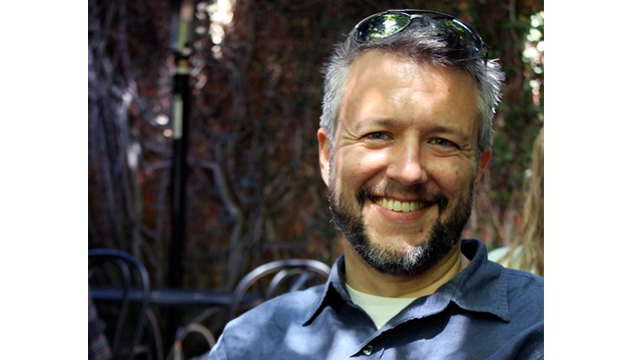
Jonathan Kauffman: The Chronicle's Newest Food Critic
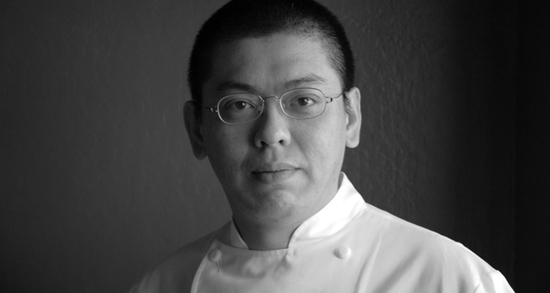
Chef Alex Ong Leaves Betelnut after Twelve Years
KQED's Forum: Restaurant Roundup
Q&A with Restaurant Critic Michael Bauer
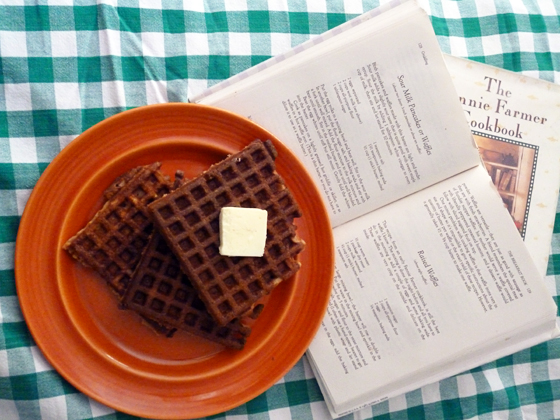
Waffles for Marion Cunningham
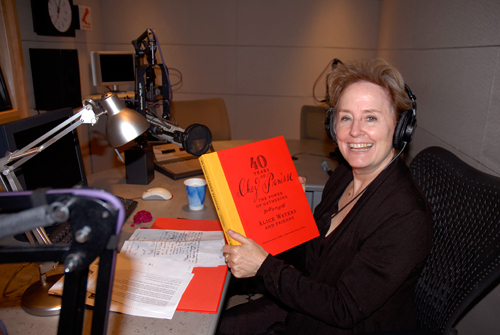
KQED's Forum: Chez Panisse Turns 40
SF Chefs: The Future of Food Media, Hog in the Fog, Delfina vs. Spruce
Bauer slams Oliveto: A body blow? Or a misdirected punch?
Sponsored
window.__IS_SSR__=true
window.__INITIAL_STATE__={"attachmentsReducer":{"audio_0":{"type":"attachments","id":"audio_0","imgSizes":{"kqedFullSize":{"file":"https://ww2.kqed.org/news/wp-content/themes/KQED-unified/img/audio_bgs/background0.jpg"}}},"audio_1":{"type":"attachments","id":"audio_1","imgSizes":{"kqedFullSize":{"file":"https://ww2.kqed.org/news/wp-content/themes/KQED-unified/img/audio_bgs/background1.jpg"}}},"audio_2":{"type":"attachments","id":"audio_2","imgSizes":{"kqedFullSize":{"file":"https://ww2.kqed.org/news/wp-content/themes/KQED-unified/img/audio_bgs/background2.jpg"}}},"audio_3":{"type":"attachments","id":"audio_3","imgSizes":{"kqedFullSize":{"file":"https://ww2.kqed.org/news/wp-content/themes/KQED-unified/img/audio_bgs/background3.jpg"}}},"audio_4":{"type":"attachments","id":"audio_4","imgSizes":{"kqedFullSize":{"file":"https://ww2.kqed.org/news/wp-content/themes/KQED-unified/img/audio_bgs/background4.jpg"}}},"placeholder":{"type":"attachments","id":"placeholder","imgSizes":{"thumbnail":{"file":"https://ww2.kqed.org/wp-content/uploads/sites/10/2018/01/GettyImages-896326950-160x96.jpg","width":160,"height":96,"mimeType":"image/jpeg"},"medium":{"file":"https://ww2.kqed.org/wp-content/uploads/sites/10/2018/01/GettyImages-896326950-800x478.jpg","width":800,"height":478,"mimeType":"image/jpeg"},"large":{"file":"https://ww2.kqed.org/wp-content/uploads/sites/10/2018/01/GettyImages-896326950-1020x610.jpg","width":1020,"height":610,"mimeType":"image/jpeg"},"fd-lrg":{"file":"https://ww2.kqed.org/wp-content/uploads/sites/10/2018/01/GettyImages-896326950-1920x1148.jpg","width":1920,"height":1148,"mimeType":"image/jpeg"},"fd-med":{"file":"https://ww2.kqed.org/wp-content/uploads/sites/10/2018/01/GettyImages-896326950-1180x705.jpg","width":1180,"height":705,"mimeType":"image/jpeg"},"fd-sm":{"file":"https://ww2.kqed.org/wp-content/uploads/sites/10/2018/01/GettyImages-896326950-960x574.jpg","width":960,"height":574,"mimeType":"image/jpeg"},"post-thumbnail":{"file":"https://ww2.kqed.org/wp-content/uploads/sites/10/2018/01/GettyImages-896326950-672x372.jpg","width":672,"height":372,"mimeType":"image/jpeg"},"twentyfourteen-full-width":{"file":"https://ww2.kqed.org/wp-content/uploads/sites/10/2018/01/GettyImages-896326950-1038x576.jpg","width":1038,"height":576,"mimeType":"image/jpeg"},"xxsmall":{"file":"https://ww2.kqed.org/wp-content/uploads/sites/10/2018/01/GettyImages-896326950-240x143.jpg","width":240,"height":143,"mimeType":"image/jpeg"},"xsmall":{"file":"https://ww2.kqed.org/wp-content/uploads/sites/10/2018/01/GettyImages-896326950-375x224.jpg","width":375,"height":224,"mimeType":"image/jpeg"},"small":{"file":"https://ww2.kqed.org/wp-content/uploads/sites/10/2018/01/GettyImages-896326950-520x311.jpg","width":520,"height":311,"mimeType":"image/jpeg"},"xlarge":{"file":"https://ww2.kqed.org/wp-content/uploads/sites/10/2018/01/GettyImages-896326950-1180x705.jpg","width":1180,"height":705,"mimeType":"image/jpeg"},"full-width":{"file":"https://ww2.kqed.org/wp-content/uploads/sites/10/2018/01/GettyImages-896326950-1920x1148.jpg","width":1920,"height":1148,"mimeType":"image/jpeg"},"guest-author-32":{"file":"https://ww2.kqed.org/wp-content/uploads/sites/10/2018/01/GettyImages-896326950-32x32.jpg","width":32,"height":32,"mimeType":"image/jpeg"},"guest-author-50":{"file":"https://ww2.kqed.org/wp-content/uploads/sites/10/2018/01/GettyImages-896326950-50x50.jpg","width":50,"height":50,"mimeType":"image/jpeg"},"guest-author-64":{"file":"https://ww2.kqed.org/wp-content/uploads/sites/10/2018/01/GettyImages-896326950-64x64.jpg","width":64,"height":64,"mimeType":"image/jpeg"},"guest-author-96":{"file":"https://ww2.kqed.org/wp-content/uploads/sites/10/2018/01/GettyImages-896326950-96x96.jpg","width":96,"height":96,"mimeType":"image/jpeg"},"guest-author-128":{"file":"https://ww2.kqed.org/wp-content/uploads/sites/10/2018/01/GettyImages-896326950-128x128.jpg","width":128,"height":128,"mimeType":"image/jpeg"},"detail":{"file":"https://ww2.kqed.org/wp-content/uploads/sites/10/2018/01/GettyImages-896326950-150x150.jpg","width":150,"height":150,"mimeType":"image/jpeg"},"kqedFullSize":{"file":"https://ww2.kqed.org/wp-content/uploads/sites/10/2018/01/GettyImages-896326950-e1514998105161.jpg","width":1920,"height":1148}}},"bayareabites_84154":{"type":"attachments","id":"bayareabites_84154","meta":{"index":"attachments_1591205162","site":"bayareabites","id":"84154","found":true},"title":"scoops-sf640x360","publishDate":1403976671,"status":"inherit","parent":84143,"modified":1403976671,"caption":null,"credit":null,"description":null,"imgSizes":{"kqedFullSize":{"file":"https://ww2.kqed.org/app/uploads/sites/24/2014/06/scoops-sf640x360.jpg","width":640,"height":360}},"fetchFailed":false,"isLoading":false},"bayareabites_80460":{"type":"attachments","id":"bayareabites_80460","meta":{"index":"attachments_1591205162","site":"bayareabites","id":"80460","found":true},"title":"jonathan-kauffman","publishDate":1397452793,"status":"inherit","parent":80398,"modified":1397452793,"caption":null,"credit":null,"description":null,"imgSizes":{"kqedFullSize":{"file":"https://ww2.kqed.org/app/uploads/sites/24/2014/04/jonathan-kauffman.jpg","width":640,"height":360}},"fetchFailed":false,"isLoading":false},"bayareabites_65265":{"type":"attachments","id":"bayareabites_65265","meta":{"index":"attachments_1591205162","site":"bayareabites","id":"65265","found":true},"title":"ChefAlexOng-thumb-550x293","publishDate":1373657869,"status":"inherit","parent":65250,"modified":1373657869,"caption":"Chef Alex Ong. Photo courtesy of Betelnut Restaurant","credit":null,"description":null,"imgSizes":{"kqedFullSize":{"file":"https://ww2.kqed.org/app/uploads/sites/24/2013/07/ChefAlexOng-thumb-550x293.jpg","width":550,"height":293}},"fetchFailed":false,"isLoading":false},"bayareabites_54409":{"type":"attachments","id":"bayareabites_54409","meta":{"index":"attachments_1591205162","site":"bayareabites","id":"54409","found":true},"title":"ramenshop400x300","publishDate":1357934998,"status":"inherit","parent":54400,"modified":1357934998,"caption":null,"credit":null,"description":null,"imgSizes":{"kqedFullSize":{"file":"https://ww2.kqed.org/app/uploads/sites/24/2013/01/ramenshop400x300.jpg","width":400,"height":300}},"fetchFailed":false,"isLoading":false},"bayareabites_46636":{"type":"attachments","id":"bayareabites_46636","meta":{"index":"attachments_1591205162","site":"bayareabites","id":"46636","found":true},"title":"Michael Bauer. Photo courtesy of Craig Lee/SF Chronicle","publishDate":1344030140,"status":"inherit","parent":46618,"modified":1344030140,"caption":"Michael Bauer. Photo courtesy of Craig Lee/SF Chronicle","credit":null,"description":null,"imgSizes":{"kqedFullSize":{"file":"https://ww2.kqed.org/app/uploads/sites/24/2012/08/Michael-Bauer-final1.jpg","width":233,"height":350}},"fetchFailed":false,"isLoading":false},"bayareabites_45945":{"type":"attachments","id":"bayareabites_45945","meta":{"index":"attachments_1591205162","site":"bayareabites","id":"45945","found":true},"title":" Marion Cunnigham waffles","publishDate":1342120008,"status":"inherit","parent":45923,"modified":1342120008,"caption":null,"credit":null,"description":null,"imgSizes":{"kqedFullSize":{"file":"https://ww2.kqed.org/app/uploads/sites/24/2012/07/waffles560.jpg","width":560,"height":420}},"fetchFailed":false,"isLoading":false},"bayareabites_31754":{"type":"attachments","id":"bayareabites_31754","meta":{"index":"attachments_1591205162","site":"bayareabites","id":"31754","found":true},"title":"Alice Waters - Chez Panisse. Photo by Wendy Goodfriend","publishDate":1313632455,"status":"inherit","parent":31746,"modified":1313632455,"caption":null,"credit":null,"description":null,"imgSizes":{"kqedFullSize":{"file":"https://ww2.kqed.org/app/uploads/sites/24/2011/08/alicewaters500.jpg","width":500,"height":335}},"fetchFailed":false,"isLoading":false}},"audioPlayerReducer":{"postId":"stream_live"},"authorsReducer":{"wendy-goodfriend":{"type":"authors","id":"5014","meta":{"index":"authors_1591205172","id":"5014","found":true},"name":"Wendy Goodfriend","firstName":"Wendy","lastName":"Goodfriend","slug":"wendy-goodfriend","email":"wendy@wendygoodfriend.com","display_author_email":false,"staff_mastheads":[],"title":null,"bio":"I was the Senior Digital Producer for KQED Food up until July, 2018. Since 2001, I designed, produced, managed and contributed to mostly food-related websites and blogs for KQED including: KQED.org; KQED Food; Bay Area Bites; Check, Please! Bay Area; Taste This; Celebrity Chefs; seven of Jacques Pepin's TV series websites; and Joanne Weir's Cooking in the City. I initiated the majority of KQED Food's social media feeds and maintained them up until 2017. As far as content creation, photography is my passion and I also shoot video and write stories. My photos have been used in articles for KQED Food, News, Arts, and Science as well as for promotional purposes in print and online. Professional education and training includes: clinical psychology, photography, commercial cooking, web design, information architecture and UX.","avatar":"https://secure.gravatar.com/avatar/dfba64372339cc34cf17e446e6f18fa8?s=600&d=blank&r=g","twitter":null,"facebook":"bayareabites","instagram":null,"linkedin":"wendygoodfriend","sites":[{"site":"jpepinheart","roles":["administrator"]},{"site":"about","roles":["editor"]},{"site":"bayareabites","roles":["subscriber"]},{"site":"science","roles":["administrator"]},{"site":"checkplease","roles":["subscriber"]},{"site":"food","roles":["author"]},{"site":"essentialpepin","roles":["administrator"]}],"headData":{"title":"Wendy Goodfriend | KQED","description":null,"ogImgSrc":"https://secure.gravatar.com/avatar/dfba64372339cc34cf17e446e6f18fa8?s=600&d=blank&r=g","twImgSrc":"https://secure.gravatar.com/avatar/dfba64372339cc34cf17e446e6f18fa8?s=600&d=blank&r=g"},"isLoading":false,"link":"/author/wendy-goodfriend"},"stephanie-rosenbaum":{"type":"authors","id":"5038","meta":{"index":"authors_1591205172","id":"5038","found":true},"name":"Stephanie Rosenbaum Klassen","firstName":"Stephanie","lastName":"Rosenbaum Klassen","slug":"stephanie-rosenbaum","email":"dixieday@aol.com","display_author_email":false,"staff_mastheads":[],"title":null,"bio":"Stephanie Rosenbaum Klassen is a longtime local food writer, author, and cook. Her books include The Art of Vintage Cocktails (Egg & Dart Press), World of Doughnuts (Egg & Dart Press); Kids in the Kitchen: Fun Food (Williams Sonoma); Honey from Flower to Table (Chronicle Books) and The Astrology Cookbook: A Cosmic Guide to Feasts of Love (Manic D Press). She has studied organic farming at UCSC and holds a certificate in Ecological Horticulture from the Center for Agroecology and Sustainable Food Systems. She does frequent cooking demonstrations at local farmers’ markets and has taught food writing at Media Alliance in San Francisco and the Continuing Education program at Stanford University. She has been the lead restaurant critic for the San Francisco Bay Guardian as well as for San Francisco magazine. She has been an assistant chef at the Headlands Center for the Arts, an artists' residency program located in the Marin Headlands, and a production cook at the Marin Sun Farms Cafe in Pt Reyes Station. After some 20 years in San Francisco interspersed with stints in Oakland, Santa Cruz, Brooklyn, and Manhattan, she recently moved to Sonoma county but still writes in San Francisco several days a week.","avatar":"https://secure.gravatar.com/avatar/46bf004da7b42de11bfd2b1614ecadcf?s=600&d=blank&r=g","twitter":"sjrosenbaum","facebook":null,"instagram":null,"linkedin":null,"sites":[{"site":"bayareabites","roles":["author"]},{"site":"food","roles":["contributor"]}],"headData":{"title":"Stephanie Rosenbaum Klassen | KQED","description":null,"ogImgSrc":"https://secure.gravatar.com/avatar/46bf004da7b42de11bfd2b1614ecadcf?s=600&d=blank&r=g","twImgSrc":"https://secure.gravatar.com/avatar/46bf004da7b42de11bfd2b1614ecadcf?s=600&d=blank&r=g"},"isLoading":false,"link":"/author/stephanie-rosenbaum"},"stuartleavenworth":{"type":"authors","id":"5059","meta":{"index":"authors_1591205172","id":"5059","found":true},"name":"Stuart Leavenworth","firstName":"Stuart","lastName":"Leavenworth","slug":"stuartleavenworth","email":"sleavenworth@sacbee.com","display_author_email":false,"staff_mastheads":[],"title":null,"bio":"I am a veteran newspaper reporter who has transcended to the life of a kitchen slave. In April, I took a leave from The Sacramento Bee, where I work as a columnist and editorial writer, to intern at Oliveto, an Italian restaurant in Oakland. Until at least September, I will be working five days a week at the restaurant, learning basic culinary skills and helping Oliveto prepare its nightly dishes. What will happen at the end of my sabbatical? Who knows? At the very least, I'll be a far better chef than when I started. I've been a dedicated home cook for more than 20 years, largely because of the inspiration of my wife, Micaela Massimino. Mickie and I have been fortunate enough to travel extensively in Italy, France, the Deep South, New Mexico, Vietnam and Japan, and we enjoy cooking food from all of those places. I also have some experience in writing about food -- particularly the environmental consequences of food production. In the 1990s, I covered the rise of industrial hog farming in North Carolina, while working at the Raleigh News & Observer. Since moving back to California in 1999 and joining The Bee, I've specialized in coverage of water issues and threats to the state's fisheries. When I am not cooking, eating or writing, I like to take long rides on my various bicycles, which helps build an appetite for more cooking, eating and writing.","avatar":"https://secure.gravatar.com/avatar/26ad3b6dc9f53084e56e616bc5fb34be?s=600&d=blank&r=g","twitter":null,"facebook":null,"instagram":null,"linkedin":null,"sites":[{"site":"bayareabites","roles":["contributor"]}],"headData":{"title":"Stuart Leavenworth | KQED","description":null,"ogImgSrc":"https://secure.gravatar.com/avatar/26ad3b6dc9f53084e56e616bc5fb34be?s=600&d=blank&r=g","twImgSrc":"https://secure.gravatar.com/avatar/26ad3b6dc9f53084e56e616bc5fb34be?s=600&d=blank&r=g"},"isLoading":false,"link":"/author/stuartleavenworth"},"maryladd":{"type":"authors","id":"5092","meta":{"index":"authors_1591205172","id":"5092","found":true},"name":"Mary Ladd","firstName":"Mary","lastName":"Ladd","slug":"maryladd","email":"writereadeat@gmail.com","display_author_email":false,"staff_mastheads":[],"title":null,"bio":"Mary Ladd is a freelance writer and event professional based in her hometown of San Francisco. Her writing has been featured in SF Weekly, Tasting Table, the San Francisco Chronicle and elsewhere. She has shuttled \u003ca href=\"http://sf.eater.com/archives/2009/03/26/eater_map_mr_bourdains_san_francisco_whereabouts.php\">Anthony Bourdain\u003c/a> around town and mastered the art of properly loading a catering van in a flash. Mary has eaten the world’s hottest burger and loves to cook and eat. Follow her at \u003ca href=\"https://twitter.com/mladdfood\">@mladdfood\u003c/a>","avatar":"https://secure.gravatar.com/avatar/dab53b49e4e893d0d1e6a7ec6ed29e27?s=600&d=blank&r=g","twitter":"mladdfood","facebook":null,"instagram":null,"linkedin":null,"sites":[{"site":"bayareabites","roles":["contributor"]}],"headData":{"title":"Mary Ladd | KQED","description":null,"ogImgSrc":"https://secure.gravatar.com/avatar/dab53b49e4e893d0d1e6a7ec6ed29e27?s=600&d=blank&r=g","twImgSrc":"https://secure.gravatar.com/avatar/dab53b49e4e893d0d1e6a7ec6ed29e27?s=600&d=blank&r=g"},"isLoading":false,"link":"/author/maryladd"},"sarahhenry":{"type":"authors","id":"5125","meta":{"index":"authors_1591205172","id":"5125","found":true},"name":"Sarah Henry","firstName":"Sarah","lastName":"Henry","slug":"sarahhenry","email":"sarahhenry0509@gmail.com","display_author_email":false,"staff_mastheads":[],"title":null,"bio":"\u003ca href=\"http://www.sarahhenrywriter.com/\">Sarah Henry\u003c/a> hails from Sydney, Australia, where she grew up eating lamingtons, Vegemite, and prawns (not shrimp) on the barbie (barbecue). Sarah has called the Bay Area home for the past two decades and remembers how delighted she was when a modest farmers' market sprouted in downtown San Francisco years ago. As a freelance writer Sarah has covered local food people, places, politics, culture, and news for the \u003ca href=\"http://www.sfgate.com/food/article/Latina-entrepreneurs-share-wealth-knowledge-2693764.php\">San Francisco Chronicle\u003c/a>, \u003ca href=\"http://www.mercurynews.com/food-wine/ci_21619882/good-eggs-pie-subscriptions-and-seafood-deliveries\">San Jose Mercury News\u003c/a>, \u003ca href=\"http://alumni.berkeley.edu/news/california-magazine/fall-2011-good-fight/justice%E2%80%94and-good-grub%E2%80%94-all\">California\u003c/a>, \u003ca href=\"http://www.modernluxury.com/san-francisco\">San Francisco\u003c/a>, \u003ca href=\"http://www.diablomag.com/Diablo-Magazine/November-2012/Artisan-Eats/\">Diablo\u003c/a>, \u003ca href=\"http://www.ediblecommunities.com/eastbay/fall-2012/school-lunch-20.htm\">Edible East Bay\u003c/a>, \u003ca href=\"http://www.ediblecommunities.com/marinandwinecountry/summer-2012-issue-14/getting-wild-at-a-west-marin-supper-club.htm\">Edible Marin & Wine Country\u003c/a>, and \u003ca href=\"http://www.berkeleyside.com/\">Berkeleyside\u003c/a>. A contributor to the national food policy site \u003ca href=\"http://civileats.com/\">Civil Eats\u003c/a>, her stories have also appeared in \u003ca href=\"http://www.theatlantic.com/sarah-henry/\">The Atlantic\u003c/a>, \u003ca href=\"http://www.afar.com/highlights/kamal-mouzawaks-beirut-lebanon\">AFAR\u003c/a>, \u003ca href=\"http://www.gilttaste.com/stories/5207-a-family-tied-together-by-apron-strings\">Gilt Taste\u003c/a>, \u003ca href=\"http://www.lhj.com/community/your-stories/whats-for-dinner-dude/?page=1\">Ladies' Home Journal\u003c/a>, \u003ca href=\"http://grist.org/author/sarah-henry/\">Grist\u003c/a>, \u003ca href=\"http://www.shareable.net/users/sarah-henry\">Shareable\u003c/a>, and \u003ca href=\"http://www.eatingwell.com/food_news_origins/green_sustainable/host_a_diy_food_swap\">Eating Well\u003c/a>. An epicurean tour guide for \u003ca href=\"http://edibleexcursions.net/\">Edible Excursions\u003c/a>, Sarah is the voice behind the blog \u003ca href=\"http://lettuceeatkale.com/\">Lettuce Eat Kale\u003c/a> and \u003ca href=\"http://twitter.com/lettuceeatkale\">tweets\u003c/a> under that moniker too.","avatar":"https://secure.gravatar.com/avatar/3fcd7301e44f9b621f8c9fc7ad678ac7?s=600&d=blank&r=g","twitter":"lettuceeatkale","facebook":"pages/Lettuce-Eat-Kale/239312194611","instagram":null,"linkedin":null,"sites":[{"site":"bayareabites","roles":["contributor"]},{"site":"food","roles":["contributor"]}],"headData":{"title":"Sarah Henry | KQED","description":null,"ogImgSrc":"https://secure.gravatar.com/avatar/3fcd7301e44f9b621f8c9fc7ad678ac7?s=600&d=blank&r=g","twImgSrc":"https://secure.gravatar.com/avatar/3fcd7301e44f9b621f8c9fc7ad678ac7?s=600&d=blank&r=g"},"isLoading":false,"link":"/author/sarahhenry"}},"breakingNewsReducer":{},"campaignFinanceReducer":{},"firebase":{"requesting":{},"requested":{},"timestamps":{},"data":{},"ordered":{},"auth":{"isLoaded":false,"isEmpty":true},"authError":null,"profile":{"isLoaded":false,"isEmpty":true},"listeners":{"byId":{},"allIds":[]},"isInitializing":false,"errors":[]},"navBarReducer":{"navBarId":"arts","fullView":true,"showPlayer":false},"navMenuReducer":{"menus":[{"key":"menu1","items":[{"name":"News","link":"/","type":"title"},{"name":"Politics","link":"/politics"},{"name":"Science","link":"/science"},{"name":"Education","link":"/educationnews"},{"name":"Housing","link":"/housing"},{"name":"Immigration","link":"/immigration"},{"name":"Criminal Justice","link":"/criminaljustice"},{"name":"Silicon Valley","link":"/siliconvalley"},{"name":"Forum","link":"/forum"},{"name":"The California Report","link":"/californiareport"}]},{"key":"menu2","items":[{"name":"Arts & Culture","link":"/arts","type":"title"},{"name":"Critics’ Picks","link":"/thedolist"},{"name":"Cultural Commentary","link":"/artscommentary"},{"name":"Food & Drink","link":"/food"},{"name":"Bay Area Hip-Hop","link":"/bayareahiphop"},{"name":"Rebel Girls","link":"/rebelgirls"},{"name":"Arts Video","link":"/artsvideos"}]},{"key":"menu3","items":[{"name":"Podcasts","link":"/podcasts","type":"title"},{"name":"Bay Curious","link":"/podcasts/baycurious"},{"name":"Rightnowish","link":"/podcasts/rightnowish"},{"name":"The Bay","link":"/podcasts/thebay"},{"name":"On Our Watch","link":"/podcasts/onourwatch"},{"name":"Mindshift","link":"/podcasts/mindshift"},{"name":"Consider This","link":"/podcasts/considerthis"},{"name":"Political Breakdown","link":"/podcasts/politicalbreakdown"}]},{"key":"menu4","items":[{"name":"Live Radio","link":"/radio","type":"title"},{"name":"TV","link":"/tv","type":"title"},{"name":"Events","link":"/events","type":"title"},{"name":"For Educators","link":"/education","type":"title"},{"name":"Support KQED","link":"/support","type":"title"},{"name":"About","link":"/about","type":"title"},{"name":"Help Center","link":"https://kqed-helpcenter.kqed.org/s","type":"title"}]}]},"pagesReducer":{},"postsReducer":{"stream_live":{"type":"live","id":"stream_live","audioUrl":"https://streams.kqed.org/kqedradio","title":"Live Stream","excerpt":"Live Stream information currently unavailable.","link":"/radio","featImg":"","label":{"name":"KQED Live","link":"/"}},"stream_kqedNewscast":{"type":"posts","id":"stream_kqedNewscast","audioUrl":"https://www.kqed.org/.stream/anon/radio/RDnews/newscast.mp3?_=1","title":"KQED Newscast","featImg":"","label":{"name":"88.5 FM","link":"/"}},"bayareabites_84143":{"type":"posts","id":"bayareabites_84143","meta":{"index":"posts_1591205157","site":"bayareabites","id":"84143","score":null,"sort":[1403978525000]},"guestAuthors":[],"slug":"sf-chronicle-launches-new-foodhome-section","title":"SF Chronicle Launches New Food+Home Section ","publishDate":1403978525,"format":"aside","headTitle":"Bay Area Bites | KQED Food","labelTerm":{"site":"bayareabites"},"content":"\u003cp>The food-media world, and its readers and followers, were \u003ca href=\"http://sfist.com/2013/11/13/sf_chronicle_to_kill_off_its_food_s.php\">up in arms\u003c/a> last November when the New York Times reported that the San Francisco Chronicle was \u003ca href=\"http://www.nytimes.com/2013/11/14/business/media/san-francisco-chronicle-plans-to-end-its-prized-food-section.html\">killing its award-winning weekly food section\u003c/a>. With its recipe test kitchen and in-house writers, its well-researched stories and experienced editorial staff, the Chronicle's food section was an anachronism of sorts in these days of sound-bite journalism on demand and ever-shrinking newsroom budgets. But it was widely seen as one of the last holdouts of worthwhile, well-tested and original food and wine writing in a daily newspaper, at a time when more and more weekly food sections were resorting to canned wire-service stories and syndicated recipe columns. \u003c/p>\n\u003cp>For those of us who make our living as writers, too many stories of good content meeting death under the budget axe are true. But in this case, reports of the demise of the Chronicle's Food and Wine section have been greatly exaggerated. Instead, the long-running Wednesday food section has been revamped into Food + Home, a bigger, brighter insert into the Sunday edition of the paper, debuting this Sunday, June 29. (A \u003ca href=\"http://tablet.olivesoftware.com/Olive/Tablet/SanFranciscoChronicleFoodHome/\">free Food+Home preview has been posted on the SFChronicle site\u003c/a>.) First imagined at 16 pages, this Sunday's launch has grown to 20 pages, a nod to both robust content and a vigorous advertising presence--each one, of course, feeding the other.\u003c/p>\n\u003cp>\u003ca href=\"http://ww2.kqed.org/bayareabites/wp-content/uploads/sites/24/2014/06/chronicle-food700.jpg\">\u003cimg src=\"http://ww2.kqed.org/bayareabites/wp-content/uploads/sites/24/2014/06/chronicle-food700.jpg\" alt=\"San Francisco Chronicle Food+Home Section\" width=\"500\" class=\"aligncenter size-full wp-image-84155\">\u003c/a>\u003c/p>\n\u003cp>When asked about the combination of food and wine with home and garden, assistant managing editor Kitty Morgan and managing editor Audrey Cooper said their goal was to reflect the way readers live now. \u003c/p>\n\u003cp>\"We're Northern California,\" noted Audrey Cooper. \"We live outdoors year-round.\" When you can garden, grill, and entertain outside nearly every month of the year, grafting gardening and food together makes sense. At the same time as they're kitting out their kitchens with immersion circulators and Vitamix blenders, eco-conscious readers might also be adding bee boxes and designer chicken coops to their backyards. With more and more Bay Area dwellers adding edible gardening, DIY projects and seasonal cooking into their daily lives, the lines between home, garden, and kitchen are becoming much more permeable. \u003c/p>\n\u003cp>[ad fullwidth]\u003c/p>\n\u003cp>It's a development that Morgan, who worked at both Sunset and Better Homes and Gardens prior to joining the Chronicle editorial staff last year, hopes to reflect throughout the section. As for home design, Cooper and Morgan point out that, especially in the food-centric Bay Area, \"the kitchen is always the most popular room in the house.\" They also discovered that readers were less interested in the previous section's emphasis on sweeping photos of gorgeous--but mostly unattainable--showplace houses, and much more eager to get real-life advice and stylish design solutions for more typical (and often space-challenged) Bay Area homes, bungalows, and apartments. \u003c/p>\n\u003cp>Over the past few months, Cooper and Morgan have been on a \"listening tour\" to hear what readers want. They realized that, to be relevant in today's very interactive media climate, the paper could no longer be simply the \"voice from on high\" coming from the Chronicle's imposing block of offices on Mission Street. While the paper still has the benefit of fact-checkers, copy editors, and recipe-testers to assure the accuracy of everything from a pudding recipe to a report of a restaurant's closing, Cooper and Morgan hope to make readers' opinions, photographs, and finds into one of the paper's shareable assets.\u003c/p>\n\u003cp>Some things won't change, however; Michael Bauer, the paper's longtime restaurant critic, will continue to write the weekly lead restaurant review, and high-profile wine writer Jon Bonné will lead the wine coverage. The annual much-debated, much-awaited Top 100 Restaurants list will also go on. But Morgan and Cooper plan to emphasize quality writing and a diversity of voices within the section. Alongside Bauer's two-and-a-half star review of Archetype in St. Helena is \u003ca href=\"http://ww2.kqed.org/bayareabites/2014/04/14/jonathan-kauffman-the-chronicles-newest-food-critic/\">Jonathan Kauffman\u003c/a>'s two-and-a-half page exploration of \u003ca href=\"http://www.lazybearsf.com/\">Lazy Bear\u003c/a>, an underground restaurant that's poised to go legit in the Mission this summer. Kauffman describes its previous off-the-radar incarnation as \"the highest-rated, least-known restaurant in the Bay Area,\" run by \u003ca href=\"http://ww2.kqed.org/bayareabites/2012/08/23/gifting-an-epic-dinner-in-the-desert-at-burning-man/\">David Barzelay\u003c/a>, who went from laid-off lawyer (fresh out of law school, he'd been employed for less than a year when the post-2008 financial crisis knocked out his job) to obsessively self-taught, molecular gastronomy-inspired cook. \u003ca href=\"http://ww2.kqed.org/bayareabites/2014/04/14/jonathan-kauffman-the-chronicles-newest-food-critic/\">Kauffman\u003c/a>, an IACP and James Beard Award-winning writer who previously worked as a reviewer and editor at SF Weekly and Tasting Table, joined the paper's staff in April. \u003c/p>\n\u003cp>The section will feature fewer recipes than before; with so much recipe content now available online, readers are much less inclined to depend on torn-out newspaper columns for stovetop inspiration. Still, the Chronicle's clout still counts. Notes Cooper, \"We can call up pretty much any chef in the Bay Area and they'll talk to us.\" So the recipe sections--the season-driven Fresh Now and the technique-focused In the Kitchen--will take advantage of the paper's broad access to the pros. \u003c/p>\n\u003cp>With all this to offer (plus \u003ca href=\"http://vimeo.com/98679294\">ice cream\u003c/a>), the new section seems poised to fill its niche better and more widely than before. Which didn't stop \u003ca href=\"http://eater.com/archives/2014/06/27/its-official-the-san-francisco-chronicle-food-section-is-dead.php\">Eater\u003c/a> from gleefully dancing on the grave of the food section as we've known it. Food and Wine is dead, it's true; long live--or as long as any print newspaper might live in these digital times--\u003ca href=\"http://www.sfchronicle.com/foodandhome/\">Food+Home\u003c/a>. \u003c/p>\n\u003cp>\u003c/p>\n\u003cp> \u003ciframe src=\"//player.vimeo.com/video/98679294?title=0&byline=0&portrait=0\" width=\"560\" height=\"315\" frameborder=\"0\" mozallowfullscreen allowfullscreen>\u003c/iframe>\u003c/p>\n\n","blocks":[],"excerpt":"Stephanie Rosenbaum Klassen gets a first look at the Chronicle's brand new Food+Home section, debuting this Sunday, June 29. ","status":"publish","parent":0,"modified":1411661476,"stats":{"hasAudio":false,"hasVideo":true,"hasChartOrMap":true,"iframeSrcs":["//player.vimeo.com/video/98679294"],"hasGoogleForm":false,"hasGallery":false,"hasHearkenModule":false,"hasPolis":false,"paragraphCount":13,"wordCount":941},"headData":{"title":"SF Chronicle Launches New Food+Home Section | KQED","description":"Stephanie Rosenbaum Klassen gets a first look at the Chronicle's brand new Food+Home section, debuting this Sunday, June 29. ","ogTitle":"","ogDescription":"","ogImgId":"","twTitle":"","twDescription":"","twImgId":"","schema":{"@context":"http://schema.org","@type":"Article","headline":"SF Chronicle Launches New Food+Home Section ","datePublished":"2014-06-28T18:02:05.000Z","dateModified":"2014-09-25T16:11:16.000Z","image":"https://cdn.kqed.org/wp-content/uploads/2020/02/KQED-OG-Image@1x.png"}},"disqusIdentifier":"84143 http://blogs.kqed.org/bayareabites/?p=84143","disqusUrl":"https://ww2.kqed.org/bayareabites/2014/06/28/sf-chronicle-launches-new-foodhome-section/","disqusTitle":"SF Chronicle Launches New Food+Home Section ","path":"/bayareabites/84143/sf-chronicle-launches-new-foodhome-section","audioTrackLength":null,"parsedContent":[{"type":"contentString","content":"\u003cdiv class=\"post-body\">\u003cp>\u003cp>The food-media world, and its readers and followers, were \u003ca href=\"http://sfist.com/2013/11/13/sf_chronicle_to_kill_off_its_food_s.php\">up in arms\u003c/a> last November when the New York Times reported that the San Francisco Chronicle was \u003ca href=\"http://www.nytimes.com/2013/11/14/business/media/san-francisco-chronicle-plans-to-end-its-prized-food-section.html\">killing its award-winning weekly food section\u003c/a>. With its recipe test kitchen and in-house writers, its well-researched stories and experienced editorial staff, the Chronicle's food section was an anachronism of sorts in these days of sound-bite journalism on demand and ever-shrinking newsroom budgets. But it was widely seen as one of the last holdouts of worthwhile, well-tested and original food and wine writing in a daily newspaper, at a time when more and more weekly food sections were resorting to canned wire-service stories and syndicated recipe columns. \u003c/p>\n\u003cp>For those of us who make our living as writers, too many stories of good content meeting death under the budget axe are true. But in this case, reports of the demise of the Chronicle's Food and Wine section have been greatly exaggerated. Instead, the long-running Wednesday food section has been revamped into Food + Home, a bigger, brighter insert into the Sunday edition of the paper, debuting this Sunday, June 29. (A \u003ca href=\"http://tablet.olivesoftware.com/Olive/Tablet/SanFranciscoChronicleFoodHome/\">free Food+Home preview has been posted on the SFChronicle site\u003c/a>.) First imagined at 16 pages, this Sunday's launch has grown to 20 pages, a nod to both robust content and a vigorous advertising presence--each one, of course, feeding the other.\u003c/p>\n\u003cp>\u003ca href=\"http://ww2.kqed.org/bayareabites/wp-content/uploads/sites/24/2014/06/chronicle-food700.jpg\">\u003cimg src=\"http://ww2.kqed.org/bayareabites/wp-content/uploads/sites/24/2014/06/chronicle-food700.jpg\" alt=\"San Francisco Chronicle Food+Home Section\" width=\"500\" class=\"aligncenter size-full wp-image-84155\">\u003c/a>\u003c/p>\n\u003cp>When asked about the combination of food and wine with home and garden, assistant managing editor Kitty Morgan and managing editor Audrey Cooper said their goal was to reflect the way readers live now. \u003c/p>\n\u003cp>\"We're Northern California,\" noted Audrey Cooper. \"We live outdoors year-round.\" When you can garden, grill, and entertain outside nearly every month of the year, grafting gardening and food together makes sense. At the same time as they're kitting out their kitchens with immersion circulators and Vitamix blenders, eco-conscious readers might also be adding bee boxes and designer chicken coops to their backyards. With more and more Bay Area dwellers adding edible gardening, DIY projects and seasonal cooking into their daily lives, the lines between home, garden, and kitchen are becoming much more permeable. \u003c/p>\n\u003cp>\u003c/p>\u003c/div>","attributes":{"named":{},"numeric":[]}},{"type":"component","content":"","name":"ad","attributes":{"named":{"label":"fullwidth"},"numeric":["fullwidth"]}},{"type":"contentString","content":"\u003cdiv class=\"post-body\">\u003cp>\u003c/p>\n\u003cp>It's a development that Morgan, who worked at both Sunset and Better Homes and Gardens prior to joining the Chronicle editorial staff last year, hopes to reflect throughout the section. As for home design, Cooper and Morgan point out that, especially in the food-centric Bay Area, \"the kitchen is always the most popular room in the house.\" They also discovered that readers were less interested in the previous section's emphasis on sweeping photos of gorgeous--but mostly unattainable--showplace houses, and much more eager to get real-life advice and stylish design solutions for more typical (and often space-challenged) Bay Area homes, bungalows, and apartments. \u003c/p>\n\u003cp>Over the past few months, Cooper and Morgan have been on a \"listening tour\" to hear what readers want. They realized that, to be relevant in today's very interactive media climate, the paper could no longer be simply the \"voice from on high\" coming from the Chronicle's imposing block of offices on Mission Street. While the paper still has the benefit of fact-checkers, copy editors, and recipe-testers to assure the accuracy of everything from a pudding recipe to a report of a restaurant's closing, Cooper and Morgan hope to make readers' opinions, photographs, and finds into one of the paper's shareable assets.\u003c/p>\n\u003cp>Some things won't change, however; Michael Bauer, the paper's longtime restaurant critic, will continue to write the weekly lead restaurant review, and high-profile wine writer Jon Bonné will lead the wine coverage. The annual much-debated, much-awaited Top 100 Restaurants list will also go on. But Morgan and Cooper plan to emphasize quality writing and a diversity of voices within the section. Alongside Bauer's two-and-a-half star review of Archetype in St. Helena is \u003ca href=\"http://ww2.kqed.org/bayareabites/2014/04/14/jonathan-kauffman-the-chronicles-newest-food-critic/\">Jonathan Kauffman\u003c/a>'s two-and-a-half page exploration of \u003ca href=\"http://www.lazybearsf.com/\">Lazy Bear\u003c/a>, an underground restaurant that's poised to go legit in the Mission this summer. Kauffman describes its previous off-the-radar incarnation as \"the highest-rated, least-known restaurant in the Bay Area,\" run by \u003ca href=\"http://ww2.kqed.org/bayareabites/2012/08/23/gifting-an-epic-dinner-in-the-desert-at-burning-man/\">David Barzelay\u003c/a>, who went from laid-off lawyer (fresh out of law school, he'd been employed for less than a year when the post-2008 financial crisis knocked out his job) to obsessively self-taught, molecular gastronomy-inspired cook. \u003ca href=\"http://ww2.kqed.org/bayareabites/2014/04/14/jonathan-kauffman-the-chronicles-newest-food-critic/\">Kauffman\u003c/a>, an IACP and James Beard Award-winning writer who previously worked as a reviewer and editor at SF Weekly and Tasting Table, joined the paper's staff in April. \u003c/p>\n\u003cp>The section will feature fewer recipes than before; with so much recipe content now available online, readers are much less inclined to depend on torn-out newspaper columns for stovetop inspiration. Still, the Chronicle's clout still counts. Notes Cooper, \"We can call up pretty much any chef in the Bay Area and they'll talk to us.\" So the recipe sections--the season-driven Fresh Now and the technique-focused In the Kitchen--will take advantage of the paper's broad access to the pros. \u003c/p>\n\u003cp>With all this to offer (plus \u003ca href=\"http://vimeo.com/98679294\">ice cream\u003c/a>), the new section seems poised to fill its niche better and more widely than before. Which didn't stop \u003ca href=\"http://eater.com/archives/2014/06/27/its-official-the-san-francisco-chronicle-food-section-is-dead.php\">Eater\u003c/a> from gleefully dancing on the grave of the food section as we've known it. Food and Wine is dead, it's true; long live--or as long as any print newspaper might live in these digital times--\u003ca href=\"http://www.sfchronicle.com/foodandhome/\">Food+Home\u003c/a>. \u003c/p>\n\u003cp>\u003c/p>\n\u003cp> \u003ciframe src=\"//player.vimeo.com/video/98679294?title=0&byline=0&portrait=0\" width=\"560\" height=\"315\" frameborder=\"0\" mozallowfullscreen allowfullscreen>\u003c/iframe>\u003c/p>\n\n\u003c/div>\u003c/p>","attributes":{"named":{},"numeric":[]}}],"link":"/bayareabites/84143/sf-chronicle-launches-new-foodhome-section","authors":["5038"],"categories":["bayareabites_752","bayareabites_2254","bayareabites_90"],"tags":["bayareabites_13511","bayareabites_13509","bayareabites_13259","bayareabites_10719","bayareabites_2024","bayareabites_3094","bayareabites_13508"],"featImg":"bayareabites_84154","label":"bayareabites"},"bayareabites_80398":{"type":"posts","id":"bayareabites_80398","meta":{"index":"posts_1591205157","site":"bayareabites","id":"80398","score":null,"sort":[1397489467000]},"guestAuthors":[],"slug":"jonathan-kauffman-the-chronicles-newest-food-critic","title":"Jonathan Kauffman: The Chronicle's Newest Food Critic","publishDate":1397489467,"format":"aside","headTitle":"Bay Area Bites | KQED Food","labelTerm":{"site":"bayareabites"},"content":"\u003cfigure id=\"attachment_80461\" class=\"wp-caption aligncenter\" style=\"max-width: 560px\">\u003ca href=\"http://ww2.kqed.org/bayareabites/wp-content/uploads/sites/24/2014/04/Kauffman_taken_by_Kelli_Bielema.jpg\">\u003cimg src=\"http://ww2.kqed.org/bayareabites/wp-content/uploads/sites/24/2014/04/Kauffman_taken_by_Kelli_Bielema.jpg\" alt=\"Critic Jonathan Kauffman likes taking deep dives into single subjects, such as where to find the best noodles in town. Credit: Kelli Bielema\" width=\"560\" class=\"size-full wp-image-80461\">\u003c/a>\u003cfigcaption class=\"wp-caption-text\">Critic Jonathan Kauffman likes taking deep dives into single subjects, such as where to find the best noodles in town. Credit: Kelli Bielema\u003c/figcaption>\u003c/figure>\n\u003cp>Oh happy day. It's rare in food writing circles to hear some good news for fellow scribes. But a collective congratulations buzzed around social media channels a few weeks back with the \u003ca href=\"http://insidescoopsf.sfgate.com/blog/2014/04/02/jonathan-kauffman-to-join-the-san-francisco-chronicles-food-wine-reporting-team/\">announcement\u003c/a> that the respected and well-liked (no, they don't always go together) \u003ca href=\"http://jonathankauffman.com/\">Jonathan Kauffman\u003c/a>, former San Francisco editor of the site \u003ca href=\"http://www.tastingtable.com/index.htm#\">Tasting Table\u003c/a>, was jumping ship to take a gig as as staff writer at the \u003cem>\u003ca href=\"http://www.sfgate.com/food/\">San Francisco Chronicle\u003c/a>\u003c/em>'s Food Section. The former restaurant critic for alt-newspapers \u003cem>SFWeekly\u003c/em>, \u003cem>East Bay Express\u003c/em>, and \u003cem>Seattle Weekly\u003c/em> has won award nods from the \u003ca href=\"http://www.jamesbeard.org/awards\">James Beard Foundation\u003c/a> and the \u003ca href=\"https://www.iacp.com/\">International Association of Culinary Professionals\u003c/a>. \t\u003c/p>\n\u003cp>The news was especially welcome in light of concern about the future of the \u003cem>Chronicle\u003c/em>'s Food Section. Late last year the \u003cem>\u003ca href=\"http://www.nytimes.com/2013/11/14/business/media/san-francisco-chronicle-plans-to-end-its-prized-food-section.html?_r=0\">New York Times\u003c/a>\u003c/em> reported that the \u003cem>Chronicle\u003c/em> was shuttering the stand-alone section and consolidating it with other lifestyle sections, news that made serious food newshounds shudder. (\u003cem>\u003ca href=\"http://www.sfgate.com/default/article/Managing-Editor-s-response-to-New-York-Times-4980846.php\">Chronicle\u003c/a>\u003c/em> management have refuted the premise of the \u003cem>Times\u003c/em> story in a cross-country food fight between the two competitors in arguably the nation's top restaurant towns.) \u003c/p>\n\u003cp>More on that matter, which sparked the launch of a \u003ca href=\"https://www.facebook.com/SaveSFChronFood\">\"Save the Chronicle Food Section\" Facebook page\u003c/a>, to come. The Chronicle is expected to unveil its new section soon.\t \t\u003c/p>\n\u003cp>Meanwhile, Kauffman, who starts at the paper today, shared some thoughts about his new post.\u003c/p>\n\u003cp>\u003ca href=\"http://ww2.kqed.org/bayareabites/wp-content/uploads/sites/24/2014/04/tasting-table.jpg\">\u003cimg src=\"http://ww2.kqed.org/bayareabites/wp-content/uploads/sites/24/2014/04/tasting-table.jpg\" alt=\"Tasting Table \" width=\"1235\" height=\"675\" class=\"aligncenter size-full wp-image-80458\">\u003c/a>\u003c/p>\n\u003cp>[ad fullwidth]\u003c/p>\n\u003cp>\u003cstrong>How did the job at the \u003cem>Chron\u003c/em> come about and why did you decide to take it?\u003c/strong> \u003c/p>\n\u003cp>A few months ago, I met up for drinks with \u003ca href=\"http://insidescoopsf.sfgate.com/blog/2013/12/09/kitty-morgan-to-join-the-san-francisco-chronicle-as-assistant-managing-editor/\">Kitty Morgan\u003c/a>, the new assistant managing editor for lifestyle, as she was soliciting perspectives from outside media on the Bay Area's food scene. We found ourselves in such agreement that when the \u003cem>Chronicle\u003c/em> decided to hire another staff writer, I jumped at the opportunity.\u003c/p>\n\u003cp>\u003cstrong>Do you have a brief on your new position as yet? \u003c/strong>\u003c/p>\n\u003cp>We haven't settled on specifics. The \u003cem>Chronicle\u003c/em>'s food section has always worked very closely as a team, so I suspect my duties will change depending on where the need is greatest. But I'll be primarily focusing on food features, with a sideline in hunting down those regional Chinese noodle houses restaurants and little-publicized pop-ups I most love discovering. I'll also be contributing to \u003ca href=\"http://insidescoopsf.sfgate.com/\">Inside Scoop\u003c/a> as needed.\u003c/p>\n\u003cp>\u003cstrong>Do you have a clear sense of what is happening to the \u003cem>Chronicle\u003c/em>’s food section? \u003c/strong>\u003c/p>\n\u003cp>Too soon for me to answer this one.\u003c/p>\n\u003cp>\u003cstrong>Is it a good time to be a food critic here and is there anything challenging about being a food writer in this community?\u003c/strong>\u003c/p>\n\u003cp>Writing about food in the Bay Area is pretty much as gratifying as dining in the Bay Area: Given the breadth of the dining scene, the depth of talent, and our collective obsession with food, there are so many stories out there worth writing about. The so-called challenge--that the high-end dining scene is relatively small and rapaciously covered--means that anyone who looks beyond that scrum can see acres of open territory to explore. \u003c/p>\n\u003cp>\u003ca href=\"http://www.sfchronicle.com/food/\">\u003cimg src=\"http://ww2.kqed.org/bayareabites/wp-content/uploads/sites/24/2014/04/chron700.jpg\" alt=\"San Francisco Chronicle Food Section\" width=\"500\" class=\"aligncenter size-full wp-image-80468\">\u003c/a>\u003c/p>\n\u003cp>\u003cstrong>What do you make of, if anything, the fact that most of the food critics in the area are men? There's you, \u003ca href=\"http://www.chow.com/\">John Birdsall at CHOW\u003c/a>, \u003ca href=\"http://www.modernluxury.com/san-francisco/story/eat-your-vegetables\">Josh Sens at \u003cem>San Francisco,\u003c/em>\u003c/a> and \u003ca href=\"http://www.eastbayexpress.com/oakland/ArticleArchives?author=1317672\">Luke Tsai at \u003cem>East Bay Express\u003c/em>\u003c/a>. Even in the \u003cem>Chronicle\u003c/em>’s own announcement about your hiring it mentioned you coming on board alongside \u003ca href=\"http://www.sfchronicle.com/author/michael-bauer/\">Michael Bauer\u003c/a>, \u003ca href=\"http://www.sfchronicle.com/author/jon-bonne/\">Jon Bonné\u003c/a>, \u003ca href=\"http://www.sfchronicle.com/author/paolo-lucchesi/\">Paolo Lucchesi\u003c/a> “and the rest of the Chronicle food staff.\" This in a field--and \u003ca href=\"http://www.sfgate.com/foodwriters/\">a newspaper section\u003c/a>--that is overwhelmingly female.\u003c/strong>\u003c/p>\n\u003cp>I'm not sure why the announcement was worded like that, considering the majority of my coworkers--superstars like \u003ca href=\"http://www.sfchronicle.com/author/tara-duggan-/\">Tara Duggan\u003c/a>, \u003ca href=\"http://www.sfchronicle.com/author/stacy-finz-/\">Stacy Finz\u003c/a> and \u003ca href=\"http://www.sfchronicle.com/author/amanda-gold/\">Amanda Gold\u003c/a>--are women, as are my bosses all the way up the editorial chain. Your own list omits \u003ca href=\"http://www.sfweekly.com/authors/anna-roth/\">Anna Roth\u003c/a>, \u003ca href=\"http://christinamueller.com/\">Christina Mueller\u003c/a>, and \u003ca href=\"http://untermanonfood.com/\">Patricia Unterman\u003c/a> -- and those are just the critics. I'd agree that straight men are a growing presence in food-writing realms, but the lineup you mention seems more of a historical moment than a movement. \u003c/p>\n\u003cp>Now, if you wanted to talk about the Caucasian near-monopoly on food writing in the Bay Area, I think we could have a more interesting, and troubling, discussion.\u003c/p>\n\u003cp>\u003cstrong>What subjects in food writing are you so over?\u003c/strong>\u003c/p>\n\u003cp>So-and-so always loved his/her grandmother's X. After working in corporate accounting for 10 years, he/she decided to follow his/her life's passion. Now he/she makes tiny batches of X with scrupulously sourced ingredients and sells X for $27 an ounce. What really gets me is when the moral of the story is supposed to be that you, O reader, are a more ethical person if you buy X. No, you're not! You're just buying a luxury product with a good story. I fall for the pitch every effing time.\u003c/p>\n\u003cp>\u003cstrong>Can you describe your former life as a cook and how it informs your writing?\u003c/strong>\u003c/p>\n\u003cp>I worked in restaurants all through college, from dishwasher on up to line cook, and then cooked here for a number of restaurants in the 1990s, aka the era of Tower Food. I was a sous chef at a couple of restaurants that are no longer in business. When I was working as an anonymous restaurant critic, I thanked my years behind the stove every week for training my taste memory--that ability to recall and recreate what you made the night (or week) before. Working in a professional kitchen also taught me to dissect what I was tasting and identify what was right and wrong in terms of seasoning and texture. As I move more into reporting and narrative story-telling, I hope that that experience will be a source of empathy for the people whose stories I'm telling.\u003c/p>\n\u003cp>\u003cstrong>What haven’t we seen from you (yet) that may emerge once you settle in at the \u003cem>Chron\u003c/em>?\u003cbr>\n\u003c/strong>\u003c/p>\n\u003cp>Features! Have I missed writing features, which was a big part of my job at the \u003cem>East Bay Express\u003c/em> and \u003cem>Seattle Weekly\u003c/em>. My M.O. as a critic is writing about food as an aspect of culture, not just a sensory experience. Searching out peak flavor experiences is a huge part of my M.O., but at the same time, we food writers spend so much time focused on what tastes great that we neglect interesting food stories that don't necessarily result in transcendent meals. Do Vietnamese Cajun crawfish boils, Chinese all-you-can-eat shabu-shabu houses, and food-truck sliders tell us something interesting about how we eat in the Bay Area? I've always thought so. \u003c/p>\n\u003cp>\u003cstrong>A visitor to San Francisco wants to know where to eat: What do you suggest and why?\u003c/strong>\u003c/p>\n\u003cp>[ad floatright]\u003c/p>\n\u003cp>First rule: They'd have to answer more questions. How much do you want to spend? What kinds of cuisines don't you get to eat back home? How out-there do you like your food? I'm not going to send you to \u003ca href=\"http://www.benusf.com/\">Benu\u003c/a> if you really just want cracked crab at \u003ca href=\"http://www.zagat.com/r/swan-oyster-depot-san-francisco\">Swan Oyster Depot\u003c/a>. Me: I want both.\u003c/p>\n\n","blocks":[],"excerpt":"Can we expect more coverage of holes-in-the-wall, now that Jonathan Kauffman has joined the San Francisco Chronicle's Food Section? Read Sarah Henry's Q&A to find out.","status":"publish","parent":0,"modified":1397583569,"stats":{"hasAudio":false,"hasVideo":false,"hasChartOrMap":false,"iframeSrcs":[],"hasGoogleForm":false,"hasGallery":false,"hasHearkenModule":false,"hasPolis":false,"paragraphCount":27,"wordCount":1214},"headData":{"title":"Jonathan Kauffman: The Chronicle's Newest Food Critic | KQED","description":"Can we expect more coverage of holes-in-the-wall, now that Jonathan Kauffman has joined the San Francisco Chronicle's Food Section? Read Sarah Henry's Q&A to find out.","ogTitle":"","ogDescription":"","ogImgId":"","twTitle":"","twDescription":"","twImgId":"","schema":{"@context":"http://schema.org","@type":"Article","headline":"Jonathan Kauffman: The Chronicle's Newest Food Critic","datePublished":"2014-04-14T15:31:07.000Z","dateModified":"2014-04-15T17:39:29.000Z","image":"https://cdn.kqed.org/wp-content/uploads/2020/02/KQED-OG-Image@1x.png"}},"disqusIdentifier":"80398 http://blogs.kqed.org/bayareabites/?p=80398","disqusUrl":"https://ww2.kqed.org/bayareabites/2014/04/14/jonathan-kauffman-the-chronicles-newest-food-critic/","disqusTitle":"Jonathan Kauffman: The Chronicle's Newest Food Critic","path":"/bayareabites/80398/jonathan-kauffman-the-chronicles-newest-food-critic","audioTrackLength":null,"parsedContent":[{"type":"contentString","content":"\u003cdiv class=\"post-body\">\u003cp>\u003cfigure id=\"attachment_80461\" class=\"wp-caption aligncenter\" style=\"max-width: 560px\">\u003ca href=\"http://ww2.kqed.org/bayareabites/wp-content/uploads/sites/24/2014/04/Kauffman_taken_by_Kelli_Bielema.jpg\">\u003cimg src=\"http://ww2.kqed.org/bayareabites/wp-content/uploads/sites/24/2014/04/Kauffman_taken_by_Kelli_Bielema.jpg\" alt=\"Critic Jonathan Kauffman likes taking deep dives into single subjects, such as where to find the best noodles in town. Credit: Kelli Bielema\" width=\"560\" class=\"size-full wp-image-80461\">\u003c/a>\u003cfigcaption class=\"wp-caption-text\">Critic Jonathan Kauffman likes taking deep dives into single subjects, such as where to find the best noodles in town. Credit: Kelli Bielema\u003c/figcaption>\u003c/figure>\n\u003cp>Oh happy day. It's rare in food writing circles to hear some good news for fellow scribes. But a collective congratulations buzzed around social media channels a few weeks back with the \u003ca href=\"http://insidescoopsf.sfgate.com/blog/2014/04/02/jonathan-kauffman-to-join-the-san-francisco-chronicles-food-wine-reporting-team/\">announcement\u003c/a> that the respected and well-liked (no, they don't always go together) \u003ca href=\"http://jonathankauffman.com/\">Jonathan Kauffman\u003c/a>, former San Francisco editor of the site \u003ca href=\"http://www.tastingtable.com/index.htm#\">Tasting Table\u003c/a>, was jumping ship to take a gig as as staff writer at the \u003cem>\u003ca href=\"http://www.sfgate.com/food/\">San Francisco Chronicle\u003c/a>\u003c/em>'s Food Section. The former restaurant critic for alt-newspapers \u003cem>SFWeekly\u003c/em>, \u003cem>East Bay Express\u003c/em>, and \u003cem>Seattle Weekly\u003c/em> has won award nods from the \u003ca href=\"http://www.jamesbeard.org/awards\">James Beard Foundation\u003c/a> and the \u003ca href=\"https://www.iacp.com/\">International Association of Culinary Professionals\u003c/a>. \t\u003c/p>\n\u003cp>The news was especially welcome in light of concern about the future of the \u003cem>Chronicle\u003c/em>'s Food Section. Late last year the \u003cem>\u003ca href=\"http://www.nytimes.com/2013/11/14/business/media/san-francisco-chronicle-plans-to-end-its-prized-food-section.html?_r=0\">New York Times\u003c/a>\u003c/em> reported that the \u003cem>Chronicle\u003c/em> was shuttering the stand-alone section and consolidating it with other lifestyle sections, news that made serious food newshounds shudder. (\u003cem>\u003ca href=\"http://www.sfgate.com/default/article/Managing-Editor-s-response-to-New-York-Times-4980846.php\">Chronicle\u003c/a>\u003c/em> management have refuted the premise of the \u003cem>Times\u003c/em> story in a cross-country food fight between the two competitors in arguably the nation's top restaurant towns.) \u003c/p>\n\u003cp>More on that matter, which sparked the launch of a \u003ca href=\"https://www.facebook.com/SaveSFChronFood\">\"Save the Chronicle Food Section\" Facebook page\u003c/a>, to come. The Chronicle is expected to unveil its new section soon.\t \t\u003c/p>\n\u003cp>Meanwhile, Kauffman, who starts at the paper today, shared some thoughts about his new post.\u003c/p>\n\u003cp>\u003ca href=\"http://ww2.kqed.org/bayareabites/wp-content/uploads/sites/24/2014/04/tasting-table.jpg\">\u003cimg src=\"http://ww2.kqed.org/bayareabites/wp-content/uploads/sites/24/2014/04/tasting-table.jpg\" alt=\"Tasting Table \" width=\"1235\" height=\"675\" class=\"aligncenter size-full wp-image-80458\">\u003c/a>\u003c/p>\n\u003cp>\u003c/p>\u003c/div>","attributes":{"named":{},"numeric":[]}},{"type":"component","content":"","name":"ad","attributes":{"named":{"label":"fullwidth"},"numeric":["fullwidth"]}},{"type":"contentString","content":"\u003cdiv class=\"post-body\">\u003cp>\u003c/p>\n\u003cp>\u003cstrong>How did the job at the \u003cem>Chron\u003c/em> come about and why did you decide to take it?\u003c/strong> \u003c/p>\n\u003cp>A few months ago, I met up for drinks with \u003ca href=\"http://insidescoopsf.sfgate.com/blog/2013/12/09/kitty-morgan-to-join-the-san-francisco-chronicle-as-assistant-managing-editor/\">Kitty Morgan\u003c/a>, the new assistant managing editor for lifestyle, as she was soliciting perspectives from outside media on the Bay Area's food scene. We found ourselves in such agreement that when the \u003cem>Chronicle\u003c/em> decided to hire another staff writer, I jumped at the opportunity.\u003c/p>\n\u003cp>\u003cstrong>Do you have a brief on your new position as yet? \u003c/strong>\u003c/p>\n\u003cp>We haven't settled on specifics. The \u003cem>Chronicle\u003c/em>'s food section has always worked very closely as a team, so I suspect my duties will change depending on where the need is greatest. But I'll be primarily focusing on food features, with a sideline in hunting down those regional Chinese noodle houses restaurants and little-publicized pop-ups I most love discovering. I'll also be contributing to \u003ca href=\"http://insidescoopsf.sfgate.com/\">Inside Scoop\u003c/a> as needed.\u003c/p>\n\u003cp>\u003cstrong>Do you have a clear sense of what is happening to the \u003cem>Chronicle\u003c/em>’s food section? \u003c/strong>\u003c/p>\n\u003cp>Too soon for me to answer this one.\u003c/p>\n\u003cp>\u003cstrong>Is it a good time to be a food critic here and is there anything challenging about being a food writer in this community?\u003c/strong>\u003c/p>\n\u003cp>Writing about food in the Bay Area is pretty much as gratifying as dining in the Bay Area: Given the breadth of the dining scene, the depth of talent, and our collective obsession with food, there are so many stories out there worth writing about. The so-called challenge--that the high-end dining scene is relatively small and rapaciously covered--means that anyone who looks beyond that scrum can see acres of open territory to explore. \u003c/p>\n\u003cp>\u003ca href=\"http://www.sfchronicle.com/food/\">\u003cimg src=\"http://ww2.kqed.org/bayareabites/wp-content/uploads/sites/24/2014/04/chron700.jpg\" alt=\"San Francisco Chronicle Food Section\" width=\"500\" class=\"aligncenter size-full wp-image-80468\">\u003c/a>\u003c/p>\n\u003cp>\u003cstrong>What do you make of, if anything, the fact that most of the food critics in the area are men? There's you, \u003ca href=\"http://www.chow.com/\">John Birdsall at CHOW\u003c/a>, \u003ca href=\"http://www.modernluxury.com/san-francisco/story/eat-your-vegetables\">Josh Sens at \u003cem>San Francisco,\u003c/em>\u003c/a> and \u003ca href=\"http://www.eastbayexpress.com/oakland/ArticleArchives?author=1317672\">Luke Tsai at \u003cem>East Bay Express\u003c/em>\u003c/a>. Even in the \u003cem>Chronicle\u003c/em>’s own announcement about your hiring it mentioned you coming on board alongside \u003ca href=\"http://www.sfchronicle.com/author/michael-bauer/\">Michael Bauer\u003c/a>, \u003ca href=\"http://www.sfchronicle.com/author/jon-bonne/\">Jon Bonné\u003c/a>, \u003ca href=\"http://www.sfchronicle.com/author/paolo-lucchesi/\">Paolo Lucchesi\u003c/a> “and the rest of the Chronicle food staff.\" This in a field--and \u003ca href=\"http://www.sfgate.com/foodwriters/\">a newspaper section\u003c/a>--that is overwhelmingly female.\u003c/strong>\u003c/p>\n\u003cp>I'm not sure why the announcement was worded like that, considering the majority of my coworkers--superstars like \u003ca href=\"http://www.sfchronicle.com/author/tara-duggan-/\">Tara Duggan\u003c/a>, \u003ca href=\"http://www.sfchronicle.com/author/stacy-finz-/\">Stacy Finz\u003c/a> and \u003ca href=\"http://www.sfchronicle.com/author/amanda-gold/\">Amanda Gold\u003c/a>--are women, as are my bosses all the way up the editorial chain. Your own list omits \u003ca href=\"http://www.sfweekly.com/authors/anna-roth/\">Anna Roth\u003c/a>, \u003ca href=\"http://christinamueller.com/\">Christina Mueller\u003c/a>, and \u003ca href=\"http://untermanonfood.com/\">Patricia Unterman\u003c/a> -- and those are just the critics. I'd agree that straight men are a growing presence in food-writing realms, but the lineup you mention seems more of a historical moment than a movement. \u003c/p>\n\u003cp>Now, if you wanted to talk about the Caucasian near-monopoly on food writing in the Bay Area, I think we could have a more interesting, and troubling, discussion.\u003c/p>\n\u003cp>\u003cstrong>What subjects in food writing are you so over?\u003c/strong>\u003c/p>\n\u003cp>So-and-so always loved his/her grandmother's X. After working in corporate accounting for 10 years, he/she decided to follow his/her life's passion. Now he/she makes tiny batches of X with scrupulously sourced ingredients and sells X for $27 an ounce. What really gets me is when the moral of the story is supposed to be that you, O reader, are a more ethical person if you buy X. No, you're not! You're just buying a luxury product with a good story. I fall for the pitch every effing time.\u003c/p>\n\u003cp>\u003cstrong>Can you describe your former life as a cook and how it informs your writing?\u003c/strong>\u003c/p>\n\u003cp>I worked in restaurants all through college, from dishwasher on up to line cook, and then cooked here for a number of restaurants in the 1990s, aka the era of Tower Food. I was a sous chef at a couple of restaurants that are no longer in business. When I was working as an anonymous restaurant critic, I thanked my years behind the stove every week for training my taste memory--that ability to recall and recreate what you made the night (or week) before. Working in a professional kitchen also taught me to dissect what I was tasting and identify what was right and wrong in terms of seasoning and texture. As I move more into reporting and narrative story-telling, I hope that that experience will be a source of empathy for the people whose stories I'm telling.\u003c/p>\n\u003cp>\u003cstrong>What haven’t we seen from you (yet) that may emerge once you settle in at the \u003cem>Chron\u003c/em>?\u003cbr>\n\u003c/strong>\u003c/p>\n\u003cp>Features! Have I missed writing features, which was a big part of my job at the \u003cem>East Bay Express\u003c/em> and \u003cem>Seattle Weekly\u003c/em>. My M.O. as a critic is writing about food as an aspect of culture, not just a sensory experience. Searching out peak flavor experiences is a huge part of my M.O., but at the same time, we food writers spend so much time focused on what tastes great that we neglect interesting food stories that don't necessarily result in transcendent meals. Do Vietnamese Cajun crawfish boils, Chinese all-you-can-eat shabu-shabu houses, and food-truck sliders tell us something interesting about how we eat in the Bay Area? I've always thought so. \u003c/p>\n\u003cp>\u003cstrong>A visitor to San Francisco wants to know where to eat: What do you suggest and why?\u003c/strong>\u003c/p>\n\u003cp>\u003c/p>\u003c/div>","attributes":{"named":{},"numeric":[]}},{"type":"component","content":"","name":"ad","attributes":{"named":{"label":"floatright"},"numeric":["floatright"]}},{"type":"contentString","content":"\u003cdiv class=\"post-body\">\u003cp>\u003c/p>\n\u003cp>First rule: They'd have to answer more questions. How much do you want to spend? What kinds of cuisines don't you get to eat back home? How out-there do you like your food? I'm not going to send you to \u003ca href=\"http://www.benusf.com/\">Benu\u003c/a> if you really just want cracked crab at \u003ca href=\"http://www.zagat.com/r/swan-oyster-depot-san-francisco\">Swan Oyster Depot\u003c/a>. Me: I want both.\u003c/p>\n\n\u003c/div>\u003c/p>","attributes":{"named":{},"numeric":[]}}],"link":"/bayareabites/80398/jonathan-kauffman-the-chronicles-newest-food-critic","authors":["5125"],"categories":["bayareabites_109","bayareabites_752","bayareabites_2254","bayareabites_2407","bayareabites_1807","bayareabites_10","bayareabites_90"],"tags":["bayareabites_11545","bayareabites_13259","bayareabites_2024","bayareabites_13264","bayareabites_12312","bayareabites_13260"],"featImg":"bayareabites_80460","label":"bayareabites"},"bayareabites_65250":{"type":"posts","id":"bayareabites_65250","meta":{"index":"posts_1591205157","site":"bayareabites","id":"65250","score":null,"sort":[1373660422000]},"guestAuthors":[],"slug":"chef-alex-ong-leaves-betelnut-after-twelve-years","title":"Chef Alex Ong Leaves Betelnut after Twelve Years","publishDate":1373660422,"format":"aside","headTitle":"Bay Area Bites | KQED Food","labelTerm":{"site":"bayareabites"},"content":"\u003cfigure id=\"attachment_65265\" class=\"wp-caption aligncenter\" style=\"max-width: 550px\">\u003ca href=\"http://ww2.kqed.org/bayareabites/wp-content/uploads/sites/24/2013/07/ChefAlexOng-thumb-550x293.jpg\">\u003cimg src=\"http://ww2.kqed.org/bayareabites/wp-content/uploads/sites/24/2013/07/ChefAlexOng-thumb-550x293.jpg\" alt=\"Chef Alex Ong. Photo courtesy of Betelnut Restaurant\" width=\"550\" height=\"293\" class=\"size-full wp-image-65265\">\u003c/a>\u003cfigcaption class=\"wp-caption-text\">Chef Alex Ong. Photo courtesy of Betelnut Restaurant\u003c/figcaption>\u003c/figure>\n\u003cp>Chef Alex Ong, 46, is leaving \u003ca href=\"http://www.betelnutrestaurant.com/\">Betelnut Restaurant\u003c/a> this month. There is already a new chef in place, according to Ong. Betelnut briefly morphed into a more casual spot called Hutong earlier this year. The name and concept overhaul stuck for a little over one month until San Francisco Chronicle restaurant critic \u003ca href=\"http://www.sfchronicle.com/restaurants/diningout/article/Hutong-takes-Betelnut-into-street-food-4468393.php?t=73fbce94d98af67ead\">Michael Bauer panned Hutong\u003c/a> in April. Then Hutong once again \u003ca href=\"http://insidescoopsf.sfgate.com/blog/2013/04/29/the-hutong-experiment-is-cut-short-betelnut-is-coming-back-this-week/\">became Betelnut\u003c/a>. Ong chatted openly about the reasons why he is leaving Betelnut, and is looking to possibly do some restaurant consulting while remaining open to other possibilities that may or may not include another restaurant in the Bay Area. \u003c/p>\n\u003cp>Ong is an East Bay resident who was born in Malaysia. His food stands out at events like SF Chefs, IACP, and related fundraisers. Cecilia Chiang is one of his mentors and he successfully pulls off adventurous dishes: chicken liver soaked in milk and fried, served with an addictive black pepper sauce; chicken wings with a sambal-tinged dip and the ever popular “recession survival” pig roast feast. In 2001, Ong was hired to head up the kitchen at Betelnut, a popular Cow Hollow restaurant on Union Street. He started his professional career in a giant kitchen operation with 600 cooks at the \u003ca href=\"http://www.shangri-la.com/?mkwid=sJkxvUlu6&pcrid=24483811160&pdv=c&WT.srch=1&utm_source=google&utm_medium=ppc&utm_term=shangri+la+hotels&utm_campaign=Brand+Exact+Terms\">Shangri-La Hotel\u003c/a> and next worked in Bermuda as the chef de partie at the \u003ca href=\"http://www.fairmont.com/southampton-bermuda/\">Fairmont Southampton Princess Hotel\u003c/a>. Ong worked for the Ritz-Carlton Hotel chain in \u003ca href=\"http://www.ritzcarlton.com/en/Properties/Atlanta/Default.htm\">Atlanta\u003c/a> & \u003ca href=\"http://www.ritzcarlton.com/en/Properties/AmeliaIsland/Default.htm\">Amelia Island\u003c/a> & served as chef tournant at \u003ca href=\"http://www.caesars.com/\">Caesar's Tahoe\u003c/a>. Finally settling in the Bay Area, he served as the executive chef for the Orocco East-West Supper Club, and was the senior sous chef for the much loved Stars & opening chef at the French-Vietnamese restaurant \u003ca href=\"http://www.lecolonialsf.com/menus.html\">Le Colonial\u003c/a>. Ong’s comments have been edited for grammar and clarity.\u003c/p>\n\u003cp>\u003cstrong>Bay Area Bites: Why are you leaving Betelnut? What happened?\u003c/strong>\u003c/p>\n\u003cp>\u003cstrong>Ong:\u003c/strong> Nothing happened. Contrary to what people say of Hutong, I have been there a long time, twelve years. It’s time for me to try to look for something for myself. I have two boys that are ages eight and six years old at home. I think it’s important for me to look at things: do I want to be in a restaurant slaving away seven days a week? Or be with my family? I am going to take some time off and just relax and be a dad and a husband for awhile. I really want to take my time and think about what I want to do. I’m not a spring chicken anymore. \u003c/p>\n\u003cp>I’m 46. I’m an old hag as we say in the industry. Perhaps I’ll do more consulting work. Whatever I do next, it’s not going to be cooking in a restaurant as much. I will miss the rush of dinner and service. It is what it is. I’ve got to make sure that the family comes first. If there’s an opportunity to do something small and fun and I’m able to put a good team together and run a restaurant, I won’t say no.\u003c/p>\n\u003cp>[ad fullwidth]\u003c/p>\n\u003cp>I am at that age where I am not comfortable with media and attention. I’m more about achieving good food, for people to have fun, and people to come back. At the end of the day, I go home. I am lucky that I have a job that I love and hopefully that I am good at it. I’m continuing to grow and share what I know and I realized there’s a lot of things I don’t know. It’s an unending quest for that knowledge. I went back to Malaysia and was begging my sister, “How did mom cook this?” I was absorbing all of that and it’s who I am. I don’t want to lose that. \u003c/p>\n\u003cp>\u003cstrong>Bay Area Bites: Are you staying in San Francisco then? \u003c/strong>\u003c/p>\n\u003cp>\u003cstrong>Ong:\u003c/strong> San Francisco is always a fun place to cook and work but I don’t want to pigeonhole myself. There’s a lot of opportunity out there. I had twelve amazing years at Betelnut. I walked in and thought “holy moly, this place is a monster.” I have nothing but great things to say about the people that I worked with and worked for, nothing but grateful thoughts for them. I learned so much from them. There are people saying, “Hutong failed.” Shit happens, we all move on. The good thing is that I realized I still have the fire in me to work for eleven weeks straight for ten to fifteen hours a day, and come back with a smile on my face and say “I want more.”\u003c/p>\n\u003cp>\u003cstrong>Bay Area Bites: Are there any dishes that you will not miss cooking or seeing on the menu?\u003c/strong>\u003c/p>\n\u003cp>\u003cstrong>Ong:\u003c/strong> Six months from now, I’ll be craving dishes from Betelut. When you’re away from something for a while, you crave it. You can have a glass of Champagne and one bite of minced chicken in lettuce cups [editor’s note: the lettuce cups are one of Betelnut’s most popular dishes] in your hand. \u003c/p>\n\u003cp>\u003cstrong>Bay Area Bites: What will be bubbling on your stove at home?\u003c/strong>\u003c/p>\n\u003cp>\u003cstrong>Ong:\u003c/strong> The simple stuff that doesn’t take days of preparation [laughs]. My oldest son will try anything once and is pretty adventurous and my youngest loves prosciutto, pizza, and fries. I come home for my late night snack of cured meats, and it’s gone because he ate it. He loves to go to \u003ca href=\"http://www.tonyspizzanapoletana.com/\">Tony’s Pizza\u003c/a> but will pick off every single spot of herb on his pizza. \u003c/p>\n\u003cp>The way we cook at home is very simple. For them, they’re still learning and I’ve showed them Malaysia and how I was brought up. It’s not “I’ve got to have a plate of Alice Waters' salad” with them. \u003c/p>\n\u003cp>\u003cstrong>Bay Area Bites: Have you talked to any of your mentors about what’s next?\u003c/strong>\u003c/p>\n\u003cp>\u003cstrong>Ong:\u003c/strong> I will let things unfold. When we did Hutong, it was a big who-ha with the press. I wasn’t really comfortable with that. When I open a restaurant, I want to get my ducks in a row. I want to get my feet wet and fine tune recipes. Talking to the media is a bit too much for me, to be honest. I just want to cook and get all our shit together first.\u003c/p>\n\u003cp>The most important thing right now is that people are calling and talking to me. It’s nice to chat and catch up with people and get a conversation going. I don’t want commit to anything right away.\u003c/p>\n\u003cp>I had lunch at \u003ca href=\"http://www.waterbarsf.com/\">Waterbar\u003c/a> with \u003ca href=\"http://www.emilyluchetti.com/\">Emily Luchetti\u003c/a> and she said that sometimes it’s nice to walk away and just recharge your batteries. The amount of time and stress and worry from working at a restaurant adds up. Things like the plumbing is not working, deliveries are not coming in. That eats you up over the years. I just want to be able to say a vendor isn’t calling me at 5 a.m. saying, “the fish for your VIP guests is not showing up.” \u003c/p>\n\u003cp>So I can have fun, go out and eat, be a Dad. My wife has always been the soccer and baseball mom. I’m not there to see my sons make a home run or do a triple play. I feel guilty. I want to take them swimming and have fun.\u003c/p>\n\u003cp>I want to do things like go to \u003ca href=\"http://www.zacharys.com/\">Zachary’s Pizza\u003c/a> and stuff ourselves with pie. We can go hiking or to a movie, for once and not worry about things. This way, I can be there for them and understand who my two boys are since right now they are trying to identify who they are. It’s important for me. \u003c/p>\n\u003cp>[ad floatright]\u003c/p>\n\u003cp>I worry about the little things for them, like the food that they eat at school. They eat too much junk food, and love it. I have my downfalls too and will indulge in that kind of thing. But I am thinking about how can we make things better for them and the future.\u003c/p>\n\n","blocks":[],"excerpt":"Chef Alex Ong is leaving Betelnut Restaurant (also briefly known as Hutong) after twelve years of cooking there. The East Bay resident may not be cooking the famed Betelnut shredded chicken lettuce cup dish during his time off (just yet), but says he looks forward to being a dad and relaxing with his family. And yes, pizza is on his mind.","status":"publish","parent":0,"modified":1383234551,"stats":{"hasAudio":false,"hasVideo":false,"hasChartOrMap":false,"iframeSrcs":[],"hasGoogleForm":false,"hasGallery":false,"hasHearkenModule":false,"hasPolis":false,"paragraphCount":22,"wordCount":1432},"headData":{"title":"Chef Alex Ong Leaves Betelnut after Twelve Years | KQED","description":"Chef Alex Ong is leaving Betelnut Restaurant (also briefly known as Hutong) after twelve years of cooking there. The East Bay resident may not be cooking the famed Betelnut shredded chicken lettuce cup dish during his time off (just yet), but says he looks forward to being a dad and relaxing with his family. And yes, pizza is on his mind.","ogTitle":"","ogDescription":"","ogImgId":"","twTitle":"","twDescription":"","twImgId":"","schema":{"@context":"http://schema.org","@type":"Article","headline":"Chef Alex Ong Leaves Betelnut after Twelve Years","datePublished":"2013-07-12T20:20:22.000Z","dateModified":"2013-10-31T15:49:11.000Z","image":"https://cdn.kqed.org/wp-content/uploads/2020/02/KQED-OG-Image@1x.png"}},"disqusIdentifier":"65250 http://blogs.kqed.org/bayareabites/?p=65250","disqusUrl":"https://ww2.kqed.org/bayareabites/2013/07/12/chef-alex-ong-leaves-betelnut-after-twelve-years/","disqusTitle":"Chef Alex Ong Leaves Betelnut after Twelve Years","path":"/bayareabites/65250/chef-alex-ong-leaves-betelnut-after-twelve-years","audioTrackLength":null,"parsedContent":[{"type":"contentString","content":"\u003cdiv class=\"post-body\">\u003cp>\u003cfigure id=\"attachment_65265\" class=\"wp-caption aligncenter\" style=\"max-width: 550px\">\u003ca href=\"http://ww2.kqed.org/bayareabites/wp-content/uploads/sites/24/2013/07/ChefAlexOng-thumb-550x293.jpg\">\u003cimg src=\"http://ww2.kqed.org/bayareabites/wp-content/uploads/sites/24/2013/07/ChefAlexOng-thumb-550x293.jpg\" alt=\"Chef Alex Ong. Photo courtesy of Betelnut Restaurant\" width=\"550\" height=\"293\" class=\"size-full wp-image-65265\">\u003c/a>\u003cfigcaption class=\"wp-caption-text\">Chef Alex Ong. Photo courtesy of Betelnut Restaurant\u003c/figcaption>\u003c/figure>\n\u003cp>Chef Alex Ong, 46, is leaving \u003ca href=\"http://www.betelnutrestaurant.com/\">Betelnut Restaurant\u003c/a> this month. There is already a new chef in place, according to Ong. Betelnut briefly morphed into a more casual spot called Hutong earlier this year. The name and concept overhaul stuck for a little over one month until San Francisco Chronicle restaurant critic \u003ca href=\"http://www.sfchronicle.com/restaurants/diningout/article/Hutong-takes-Betelnut-into-street-food-4468393.php?t=73fbce94d98af67ead\">Michael Bauer panned Hutong\u003c/a> in April. Then Hutong once again \u003ca href=\"http://insidescoopsf.sfgate.com/blog/2013/04/29/the-hutong-experiment-is-cut-short-betelnut-is-coming-back-this-week/\">became Betelnut\u003c/a>. Ong chatted openly about the reasons why he is leaving Betelnut, and is looking to possibly do some restaurant consulting while remaining open to other possibilities that may or may not include another restaurant in the Bay Area. \u003c/p>\n\u003cp>Ong is an East Bay resident who was born in Malaysia. His food stands out at events like SF Chefs, IACP, and related fundraisers. Cecilia Chiang is one of his mentors and he successfully pulls off adventurous dishes: chicken liver soaked in milk and fried, served with an addictive black pepper sauce; chicken wings with a sambal-tinged dip and the ever popular “recession survival” pig roast feast. In 2001, Ong was hired to head up the kitchen at Betelnut, a popular Cow Hollow restaurant on Union Street. He started his professional career in a giant kitchen operation with 600 cooks at the \u003ca href=\"http://www.shangri-la.com/?mkwid=sJkxvUlu6&pcrid=24483811160&pdv=c&WT.srch=1&utm_source=google&utm_medium=ppc&utm_term=shangri+la+hotels&utm_campaign=Brand+Exact+Terms\">Shangri-La Hotel\u003c/a> and next worked in Bermuda as the chef de partie at the \u003ca href=\"http://www.fairmont.com/southampton-bermuda/\">Fairmont Southampton Princess Hotel\u003c/a>. Ong worked for the Ritz-Carlton Hotel chain in \u003ca href=\"http://www.ritzcarlton.com/en/Properties/Atlanta/Default.htm\">Atlanta\u003c/a> & \u003ca href=\"http://www.ritzcarlton.com/en/Properties/AmeliaIsland/Default.htm\">Amelia Island\u003c/a> & served as chef tournant at \u003ca href=\"http://www.caesars.com/\">Caesar's Tahoe\u003c/a>. Finally settling in the Bay Area, he served as the executive chef for the Orocco East-West Supper Club, and was the senior sous chef for the much loved Stars & opening chef at the French-Vietnamese restaurant \u003ca href=\"http://www.lecolonialsf.com/menus.html\">Le Colonial\u003c/a>. Ong’s comments have been edited for grammar and clarity.\u003c/p>\n\u003cp>\u003cstrong>Bay Area Bites: Why are you leaving Betelnut? What happened?\u003c/strong>\u003c/p>\n\u003cp>\u003cstrong>Ong:\u003c/strong> Nothing happened. Contrary to what people say of Hutong, I have been there a long time, twelve years. It’s time for me to try to look for something for myself. I have two boys that are ages eight and six years old at home. I think it’s important for me to look at things: do I want to be in a restaurant slaving away seven days a week? Or be with my family? I am going to take some time off and just relax and be a dad and a husband for awhile. I really want to take my time and think about what I want to do. I’m not a spring chicken anymore. \u003c/p>\n\u003cp>I’m 46. I’m an old hag as we say in the industry. Perhaps I’ll do more consulting work. Whatever I do next, it’s not going to be cooking in a restaurant as much. I will miss the rush of dinner and service. It is what it is. I’ve got to make sure that the family comes first. If there’s an opportunity to do something small and fun and I’m able to put a good team together and run a restaurant, I won’t say no.\u003c/p>\n\u003cp>\u003c/p>\u003c/div>","attributes":{"named":{},"numeric":[]}},{"type":"component","content":"","name":"ad","attributes":{"named":{"label":"fullwidth"},"numeric":["fullwidth"]}},{"type":"contentString","content":"\u003cdiv class=\"post-body\">\u003cp>\u003c/p>\n\u003cp>I am at that age where I am not comfortable with media and attention. I’m more about achieving good food, for people to have fun, and people to come back. At the end of the day, I go home. I am lucky that I have a job that I love and hopefully that I am good at it. I’m continuing to grow and share what I know and I realized there’s a lot of things I don’t know. It’s an unending quest for that knowledge. I went back to Malaysia and was begging my sister, “How did mom cook this?” I was absorbing all of that and it’s who I am. I don’t want to lose that. \u003c/p>\n\u003cp>\u003cstrong>Bay Area Bites: Are you staying in San Francisco then? \u003c/strong>\u003c/p>\n\u003cp>\u003cstrong>Ong:\u003c/strong> San Francisco is always a fun place to cook and work but I don’t want to pigeonhole myself. There’s a lot of opportunity out there. I had twelve amazing years at Betelnut. I walked in and thought “holy moly, this place is a monster.” I have nothing but great things to say about the people that I worked with and worked for, nothing but grateful thoughts for them. I learned so much from them. There are people saying, “Hutong failed.” Shit happens, we all move on. The good thing is that I realized I still have the fire in me to work for eleven weeks straight for ten to fifteen hours a day, and come back with a smile on my face and say “I want more.”\u003c/p>\n\u003cp>\u003cstrong>Bay Area Bites: Are there any dishes that you will not miss cooking or seeing on the menu?\u003c/strong>\u003c/p>\n\u003cp>\u003cstrong>Ong:\u003c/strong> Six months from now, I’ll be craving dishes from Betelut. When you’re away from something for a while, you crave it. You can have a glass of Champagne and one bite of minced chicken in lettuce cups [editor’s note: the lettuce cups are one of Betelnut’s most popular dishes] in your hand. \u003c/p>\n\u003cp>\u003cstrong>Bay Area Bites: What will be bubbling on your stove at home?\u003c/strong>\u003c/p>\n\u003cp>\u003cstrong>Ong:\u003c/strong> The simple stuff that doesn’t take days of preparation [laughs]. My oldest son will try anything once and is pretty adventurous and my youngest loves prosciutto, pizza, and fries. I come home for my late night snack of cured meats, and it’s gone because he ate it. He loves to go to \u003ca href=\"http://www.tonyspizzanapoletana.com/\">Tony’s Pizza\u003c/a> but will pick off every single spot of herb on his pizza. \u003c/p>\n\u003cp>The way we cook at home is very simple. For them, they’re still learning and I’ve showed them Malaysia and how I was brought up. It’s not “I’ve got to have a plate of Alice Waters' salad” with them. \u003c/p>\n\u003cp>\u003cstrong>Bay Area Bites: Have you talked to any of your mentors about what’s next?\u003c/strong>\u003c/p>\n\u003cp>\u003cstrong>Ong:\u003c/strong> I will let things unfold. When we did Hutong, it was a big who-ha with the press. I wasn’t really comfortable with that. When I open a restaurant, I want to get my ducks in a row. I want to get my feet wet and fine tune recipes. Talking to the media is a bit too much for me, to be honest. I just want to cook and get all our shit together first.\u003c/p>\n\u003cp>The most important thing right now is that people are calling and talking to me. It’s nice to chat and catch up with people and get a conversation going. I don’t want commit to anything right away.\u003c/p>\n\u003cp>I had lunch at \u003ca href=\"http://www.waterbarsf.com/\">Waterbar\u003c/a> with \u003ca href=\"http://www.emilyluchetti.com/\">Emily Luchetti\u003c/a> and she said that sometimes it’s nice to walk away and just recharge your batteries. The amount of time and stress and worry from working at a restaurant adds up. Things like the plumbing is not working, deliveries are not coming in. That eats you up over the years. I just want to be able to say a vendor isn’t calling me at 5 a.m. saying, “the fish for your VIP guests is not showing up.” \u003c/p>\n\u003cp>So I can have fun, go out and eat, be a Dad. My wife has always been the soccer and baseball mom. I’m not there to see my sons make a home run or do a triple play. I feel guilty. I want to take them swimming and have fun.\u003c/p>\n\u003cp>I want to do things like go to \u003ca href=\"http://www.zacharys.com/\">Zachary’s Pizza\u003c/a> and stuff ourselves with pie. We can go hiking or to a movie, for once and not worry about things. This way, I can be there for them and understand who my two boys are since right now they are trying to identify who they are. It’s important for me. \u003c/p>\n\u003cp>\u003c/p>\u003c/div>","attributes":{"named":{},"numeric":[]}},{"type":"component","content":"","name":"ad","attributes":{"named":{"label":"floatright"},"numeric":["floatright"]}},{"type":"contentString","content":"\u003cdiv class=\"post-body\">\u003cp>\u003c/p>\n\u003cp>I worry about the little things for them, like the food that they eat at school. They eat too much junk food, and love it. I have my downfalls too and will indulge in that kind of thing. But I am thinking about how can we make things better for them and the future.\u003c/p>\n\n\u003c/div>\u003c/p>","attributes":{"named":{},"numeric":[]}}],"link":"/bayareabites/65250/chef-alex-ong-leaves-betelnut-after-twelve-years","authors":["5092"],"categories":["bayareabites_2998","bayareabites_109","bayareabites_1875"],"tags":["bayareabites_11999","bayareabites_11993","bayareabites_11995","bayareabites_4301","bayareabites_11997","bayareabites_11996","bayareabites_2024","bayareabites_12000"],"featImg":"bayareabites_65265","label":"bayareabites"},"bayareabites_54400":{"type":"posts","id":"bayareabites_54400","meta":{"index":"posts_1591205157","site":"bayareabites","id":"54400","score":null,"sort":[1357935550000]},"guestAuthors":[],"slug":"kqeds-forum-restaurant-roundup","title":"KQED's Forum: Restaurant Roundup","publishDate":1357935550,"format":"aside","headTitle":"Bay Area Bites | KQED Food","labelTerm":{"site":"bayareabites"},"content":"\u003cfigure id=\"attachment_54410\" class=\"wp-caption alignnone\" style=\"max-width: 560px\">\u003ca href=\"http://ww2.kqed.org/bayareabites/wp-content/uploads/sites/24/2013/01/ramenshop1000.jpg\">\u003cimg src=\"http://ww2.kqed.org/bayareabites/wp-content/uploads/sites/24/2013/01/ramenshop560.jpg\" alt=\"Recently opened Ramen Shop in Oakland's Rockridge. Photo: Jenny Oh\" title=\"Recently opened Ramen Shop in Oakland's Rockridge. Photo: Jenny Oh\" width=\"560\" height=\"314\" class=\"size-full wp-image-54410\">\u003c/a>\u003cfigcaption class=\"wp-caption-text\">Recently opened Ramen Shop in Oakland's Rockridge. Photo: Jenny Oh\u003c/figcaption>\u003c/figure>\n\u003cp>\u003cstrong>Listen to KQED's Forum: Restaurant Roundup\u003c/strong>\u003cbr>\n\u003ca href=\"http://www.kqed.org/a/forum/R201301031000\">Original Broadcast\u003c/a>: Thu, Jan 10, 2013 -- 10:00 AM\u003cbr>\n [audio src=\"http://www.kqed.org/.stream/anon/radio/forum/2013/01/20130110bforum.mp3\"] \u003c/p>\n\u003cp>From grass-fed shaking beef to locally sourced golden chanterelles to salt-roasted pear sorbet, San Francisco has long been a hub of dining innovation. What new restaurants or old standbys are your favorites? KQED's Forum get the latest from dining critics on the best cuisine and dining trends in the Bay Area.\u003c/p>\n\u003cul>\n\u003cstrong>Host:\u003c/strong> Michael Krasny\n\u003cp>\u003cstrong>Guests:\u003c/strong>\u003c/p>\n\u003cli>Carolyn Jung, dining blogger at FoodGal.com and former food writer and editor for the San Jose Mercury News\u003c/li>\n\u003cli>Jonathan Kauffman, San Francisco editor for TastingTable.com and former restaurant critic for the East Bay Express, the Seattle Weekly and the SF Weekly\u003c/li>\n\u003cli>Michael Bauer, executive food and wine editor and restaurant critic for The San Francisco Chronicle and member of the James Beard Foundation Restaurant Awards Committee\u003c/li>\n\u003c/ul>\n\u003cul>\n\u003cstrong>More info:\u003c/strong>\n\u003cli>\u003ca href=\"http://ww2.kqed.org/bayareabites/\">Bay Area Bites\u003c/a>\u003c/li>\n\u003cli>\u003ca href=\"http://www.foodgal.com/\">Food Gal\u003c/a>\u003c/li>\n\u003cli>\u003ca href=\"http://www.tastingtable.com/entry_by_section/sf/dining?setPrefEditionName=sf\">Tasting Table\u003c/a>\u003c/li>\n\u003cli>\u003ca href=\"http://www.theawl.com/2013/01/san-francisco-almost-as-good-as-new-york#comments\">Is New York Losing the Restaurant War to the Bay Area? (The Awl)\u003c/a>\u003c/li>\n\u003c/ul>\n\u003cp>\u003cstrong>Restaurants Recommended by Food Critics and Bloggers\u003c/strong>\u003c/p>\n\u003cp>\u003cstrong>SAN FRANCISCO\u003c/strong>\u003c/p>\n\u003cp>Marlowe\u003cbr>\nPläj\u003cbr>\nBenu (chef Corey Lee)\u003cbr>\nPark Tavern\u003cbr>\nAziza\u003cbr>\nBar Tartine\u003cbr>\nQuince\u003cbr>\nSandbox Bakery (opened by former chef at Slanted Door)\u003cbr>\nDeli Board\u003cbr>\nOuterlands\u003cbr>\nCommonwealth\u003cbr>\nKokkari\u003cbr>\nCraftsman and Wolves\u003cbr>\nLai Hong Lounge in Chinatown (branch of Kong Kong Lounge)\u003cbr>\nM.Y. China in Westfield Mall\u003cbr>\nHakkasan\u003cbr>\nMandalay\u003cbr>\nCharles Phan's Hard Water (not yet opened)\u003c/p>\n\u003cp>[ad fullwidth]\u003c/p>\n\u003cp>\u003cstrong>EAST BAY\u003c/strong>\u003c/p>\n\u003cp>Miss Ollie's in Oakland\u003cbr>\nFlora Restaurant and Bar in Oakland\u003cbr>\nHopscotch Restaurant and Bar in Oakland\u003cbr>\nDuende in Oakland\u003cbr>\nCosecha in Oakland\u003cbr>\nIppuku in Berkeley (chef Christian Geideman)\u003cbr>\nCafe Gratitude in Berkeley\u003cbr>\n\u003ca href=\"http://ww2.kqed.org/bayareabites/2012/11/26/east-bay-bagel-smackdown-beautys-vs-authentic-bagel-co/\">Beauty's Bagel Shop in Oakland\u003c/a>\u003cbr>\n\u003ca href=\"http://ww2.kqed.org/bayareabites/2012/11/26/east-bay-bagel-smackdown-beautys-vs-authentic-bagel-co/\">Authentic Bagel Company in Oakland\u003c/a>\u003cbr>\nBartavelle Coffee and Wine Bar in Berkeley\u003cbr>\nChez Panisse in Berkeley\u003cbr>\nSlow Hand BBQ in Pleasant Hill\u003cbr>\nComal in Berkeley (former chef at Delfina's)\u003cbr>\nTamarindo Antojeria Mexicana in Oakland\u003cbr>\nGather in Berkeley\u003cbr>\nSaul's Restaurant and Delicatessen in Berkeley\u003cbr>\nA16 (currently in San Francisco. Set to open another location in the East Bay)\u003c/p>\n\u003cp>\u003cstrong>PENINSULA AND SOUTH BAY\u003c/strong>\u003c/p>\n\u003cp>Chez TJ in Mountain View\u003cbr>\nAlexander's Steakhouse in San Francisco and Silicon Valley\u003cbr>\nThe Sea in Palo Alto\u003cbr>\nAttic in San Mateo\u003cbr>\nManresa in Los Gatos\u003cbr>\nAll Spice in San Mateo\u003c/p>\n\u003cp>\u003cstrong>NORTH BAY\u003c/strong>\u003c/p>\n\u003cp>Mill Valley Beerworks in Mill Valley\u003cbr>\nTerrapin Crossroads in San Rafael (founding owner of member Grateful Dead)\u003cbr>\nThe Tavern at Lark Creek in Larkspur\u003cbr>\nPicco in Larkspur\u003c/p>\n\u003cp>\u003cstrong>Restaurants Recommended by Callers\u003c/strong>\u003c/p>\n\u003cp>\u003cstrong>SAN FRANCISCO\u003c/strong>\u003c/p>\n\u003cp>Halu in the Inner Richmond\u003cbr>\nDixie\u003cbr>\nArang Korean Restaurant\u003cbr>\nAyulta in the Mission\u003cbr>\nSaha\u003cbr>\nEl Nopalito\u003cbr>\nOriginal Joe's Italian\u003cbr>\nThe Slanted Door\u003cbr>\nZuni Café\u003cbr>\nGoat Hill Pizza\u003c/p>\n\u003cp>\u003cstrong>EAST BAY\u003c/strong>\u003c/p>\n\u003cp>Hot Basil Café in Concord\u003cbr>\nThe Compass Star in Martinez\u003cbr>\nArtisan Bistro in Lafayette\u003cbr>\nTaqueria El Farolito in Oakland\u003cbr>\nLa Costa in Oakland\u003cbr>\nFentons Creamery in Oakland\u003cbr>\nChampa Garden in Oakland\u003cbr>\nDisco Volante in Oakland\u003cbr>\nBrown Sugar Kitchen in Oakland\u003c/p>\n\u003cp>\u003cstrong>PENINSULA AND SOUTH BAY\u003c/strong>\u003c/p>\n\u003cp>31st Union in San Mateo\u003cbr>\nCasCal in Mountain View\u003cbr>\nBuda Thai in Mountain View\u003cbr>\nHeavenly Cafe in Scotts Valley\u003c/p>\n\u003cp>\u003cstrong>NORTH BAY\u003c/strong>\u003c/p>\n\u003cp>Yanni's Sausage Grill of Penngrove\u003cbr>\nRosso Pizzeria and Mozzarella Bar (good gluten-free crust)\u003cbr>\nHole in the Wall Restaurant in Sebastopol\u003cbr>\nThe Spinster Sisters in Santa Rosa\u003cbr>\nBackyard in Forestville\u003cbr>\nThe Thomas and Fagiani's Bar at The Thomas in Napa\u003cbr>\nGoose and Gander in Saint Helena\u003cbr>\nScopa in Healdsburg\u003cbr>\nSpoonbar in Healdsburg\u003c/p>\n\u003cp>\u003cstrong>Google Map of Forum's Restaurant Roundup\u003c/strong>\u003cbr>\nBlue markers indicate restaurants that were recommended by show guests: Michael Bauer of The San Francisco Chronicle, Carolyn Jung of FoodGal.com, and Jonathan Kauffman of TastingTable.com. Yellow markers represent restaurants recommended by Forum listeners and Facebook fans.\u003c/p>\n\u003cp>\u003c/p>\n\u003cp>\u003ciframe width=\"560\" height=\"500\" frameborder=\"0\" scrolling=\"no\" marginheight=\"0\" marginwidth=\"0\" src=\"https://maps.google.com/maps/ms?msa=0&msid=210391678436407834483.0004d30970826b24d5660&hl=en&ie=UTF8&t=m&source=embed&ll=37.83148,-122.387695&spn=2.169249,3.076172&z=8&output=embed\">\u003c/iframe>\u003cbr>\u003csmall>View \u003ca href=\"https://maps.google.com/maps/ms?msa=0&msid=210391678436407834483.0004d30970826b24d5660&hl=en&ie=UTF8&t=m&source=embed&ll=37.83148,-122.387695&spn=2.169249,3.076172&z=8\" style=\"color:#0000FF;text-align:left\">KQED Forum's Bay Area Restaurant Roundup\u003c/a> in a larger map\u003c/small>\u003c/p>\n\n","blocks":[],"excerpt":"From grass-fed shaking beef to locally sourced golden chanterelles to salt-roasted pear sorbet, San Francisco has long been a hub of dining innovation. What new restaurants or old standbys are your favorites? KQED's Forum get the latest from dining critics on the best cuisine and dining trends in the Bay Area.\r\n","status":"publish","parent":0,"modified":1357949590,"stats":{"hasAudio":true,"hasVideo":false,"hasChartOrMap":true,"iframeSrcs":["https://maps.google.com/maps/ms"],"hasGoogleForm":false,"hasGallery":false,"hasHearkenModule":false,"hasPolis":false,"paragraphCount":25,"wordCount":637},"headData":{"title":"KQED's Forum: Restaurant Roundup | KQED","description":"From grass-fed shaking beef to locally sourced golden chanterelles to salt-roasted pear sorbet, San Francisco has long been a hub of dining innovation. What new restaurants or old standbys are your favorites? KQED's Forum get the latest from dining critics on the best cuisine and dining trends in the Bay Area.\r\n","ogTitle":"","ogDescription":"","ogImgId":"","twTitle":"","twDescription":"","twImgId":"","schema":{"@context":"http://schema.org","@type":"Article","headline":"KQED's Forum: Restaurant Roundup","datePublished":"2013-01-11T20:19:10.000Z","dateModified":"2013-01-12T00:13:10.000Z","image":"https://cdn.kqed.org/wp-content/uploads/2020/02/KQED-OG-Image@1x.png"}},"disqusIdentifier":"54400 http://blogs.kqed.org/bayareabites/?p=54400","disqusUrl":"https://ww2.kqed.org/bayareabites/2013/01/11/kqeds-forum-restaurant-roundup/","disqusTitle":"KQED's Forum: Restaurant Roundup","path":"/bayareabites/54400/kqeds-forum-restaurant-roundup","audioUrl":"http://www.kqed.org/.stream/anon/radio/forum/2013/01/20130110bforum.mp3","audioDuration":null,"audioTrackLength":null,"parsedContent":[{"type":"contentString","content":"\u003cdiv class=\"post-body\">\u003cp>\u003cfigure id=\"attachment_54410\" class=\"wp-caption alignnone\" style=\"max-width: 560px\">\u003ca href=\"http://ww2.kqed.org/bayareabites/wp-content/uploads/sites/24/2013/01/ramenshop1000.jpg\">\u003cimg src=\"http://ww2.kqed.org/bayareabites/wp-content/uploads/sites/24/2013/01/ramenshop560.jpg\" alt=\"Recently opened Ramen Shop in Oakland's Rockridge. Photo: Jenny Oh\" title=\"Recently opened Ramen Shop in Oakland's Rockridge. Photo: Jenny Oh\" width=\"560\" height=\"314\" class=\"size-full wp-image-54410\">\u003c/a>\u003cfigcaption class=\"wp-caption-text\">Recently opened Ramen Shop in Oakland's Rockridge. Photo: Jenny Oh\u003c/figcaption>\u003c/figure>\n\u003cp>\u003cstrong>Listen to KQED's Forum: Restaurant Roundup\u003c/strong>\u003cbr>\n\u003ca href=\"http://www.kqed.org/a/forum/R201301031000\">Original Broadcast\u003c/a>: Thu, Jan 10, 2013 -- 10:00 AM\u003cbr>\n \u003c/p>\u003c/div>","attributes":{"named":{},"numeric":[]}},{"type":"component","content":"","name":"audio","attributes":{"named":{"src":"http://www.kqed.org/.stream/anon/radio/forum/2013/01/20130110bforum.mp3","label":""},"numeric":[]}},{"type":"contentString","content":"\u003cdiv class=\"post-body\">\u003cp> \u003c/p>\n\u003cp>From grass-fed shaking beef to locally sourced golden chanterelles to salt-roasted pear sorbet, San Francisco has long been a hub of dining innovation. What new restaurants or old standbys are your favorites? KQED's Forum get the latest from dining critics on the best cuisine and dining trends in the Bay Area.\u003c/p>\n\u003cul>\n\u003cstrong>Host:\u003c/strong> Michael Krasny\n\u003cp>\u003cstrong>Guests:\u003c/strong>\u003c/p>\n\u003cli>Carolyn Jung, dining blogger at FoodGal.com and former food writer and editor for the San Jose Mercury News\u003c/li>\n\u003cli>Jonathan Kauffman, San Francisco editor for TastingTable.com and former restaurant critic for the East Bay Express, the Seattle Weekly and the SF Weekly\u003c/li>\n\u003cli>Michael Bauer, executive food and wine editor and restaurant critic for The San Francisco Chronicle and member of the James Beard Foundation Restaurant Awards Committee\u003c/li>\n\u003c/ul>\n\u003cul>\n\u003cstrong>More info:\u003c/strong>\n\u003cli>\u003ca href=\"http://ww2.kqed.org/bayareabites/\">Bay Area Bites\u003c/a>\u003c/li>\n\u003cli>\u003ca href=\"http://www.foodgal.com/\">Food Gal\u003c/a>\u003c/li>\n\u003cli>\u003ca href=\"http://www.tastingtable.com/entry_by_section/sf/dining?setPrefEditionName=sf\">Tasting Table\u003c/a>\u003c/li>\n\u003cli>\u003ca href=\"http://www.theawl.com/2013/01/san-francisco-almost-as-good-as-new-york#comments\">Is New York Losing the Restaurant War to the Bay Area? (The Awl)\u003c/a>\u003c/li>\n\u003c/ul>\n\u003cp>\u003cstrong>Restaurants Recommended by Food Critics and Bloggers\u003c/strong>\u003c/p>\n\u003cp>\u003cstrong>SAN FRANCISCO\u003c/strong>\u003c/p>\n\u003cp>Marlowe\u003cbr>\nPläj\u003cbr>\nBenu (chef Corey Lee)\u003cbr>\nPark Tavern\u003cbr>\nAziza\u003cbr>\nBar Tartine\u003cbr>\nQuince\u003cbr>\nSandbox Bakery (opened by former chef at Slanted Door)\u003cbr>\nDeli Board\u003cbr>\nOuterlands\u003cbr>\nCommonwealth\u003cbr>\nKokkari\u003cbr>\nCraftsman and Wolves\u003cbr>\nLai Hong Lounge in Chinatown (branch of Kong Kong Lounge)\u003cbr>\nM.Y. China in Westfield Mall\u003cbr>\nHakkasan\u003cbr>\nMandalay\u003cbr>\nCharles Phan's Hard Water (not yet opened)\u003c/p>\n\u003cp>\u003c/p>\u003c/div>","attributes":{"named":{},"numeric":[]}},{"type":"component","content":"","name":"ad","attributes":{"named":{"label":"fullwidth"},"numeric":["fullwidth"]}},{"type":"contentString","content":"\u003cdiv class=\"post-body\">\u003cp>\u003c/p>\n\u003cp>\u003cstrong>EAST BAY\u003c/strong>\u003c/p>\n\u003cp>Miss Ollie's in Oakland\u003cbr>\nFlora Restaurant and Bar in Oakland\u003cbr>\nHopscotch Restaurant and Bar in Oakland\u003cbr>\nDuende in Oakland\u003cbr>\nCosecha in Oakland\u003cbr>\nIppuku in Berkeley (chef Christian Geideman)\u003cbr>\nCafe Gratitude in Berkeley\u003cbr>\n\u003ca href=\"http://ww2.kqed.org/bayareabites/2012/11/26/east-bay-bagel-smackdown-beautys-vs-authentic-bagel-co/\">Beauty's Bagel Shop in Oakland\u003c/a>\u003cbr>\n\u003ca href=\"http://ww2.kqed.org/bayareabites/2012/11/26/east-bay-bagel-smackdown-beautys-vs-authentic-bagel-co/\">Authentic Bagel Company in Oakland\u003c/a>\u003cbr>\nBartavelle Coffee and Wine Bar in Berkeley\u003cbr>\nChez Panisse in Berkeley\u003cbr>\nSlow Hand BBQ in Pleasant Hill\u003cbr>\nComal in Berkeley (former chef at Delfina's)\u003cbr>\nTamarindo Antojeria Mexicana in Oakland\u003cbr>\nGather in Berkeley\u003cbr>\nSaul's Restaurant and Delicatessen in Berkeley\u003cbr>\nA16 (currently in San Francisco. Set to open another location in the East Bay)\u003c/p>\n\u003cp>\u003cstrong>PENINSULA AND SOUTH BAY\u003c/strong>\u003c/p>\n\u003cp>Chez TJ in Mountain View\u003cbr>\nAlexander's Steakhouse in San Francisco and Silicon Valley\u003cbr>\nThe Sea in Palo Alto\u003cbr>\nAttic in San Mateo\u003cbr>\nManresa in Los Gatos\u003cbr>\nAll Spice in San Mateo\u003c/p>\n\u003cp>\u003cstrong>NORTH BAY\u003c/strong>\u003c/p>\n\u003cp>Mill Valley Beerworks in Mill Valley\u003cbr>\nTerrapin Crossroads in San Rafael (founding owner of member Grateful Dead)\u003cbr>\nThe Tavern at Lark Creek in Larkspur\u003cbr>\nPicco in Larkspur\u003c/p>\n\u003cp>\u003cstrong>Restaurants Recommended by Callers\u003c/strong>\u003c/p>\n\u003cp>\u003cstrong>SAN FRANCISCO\u003c/strong>\u003c/p>\n\u003cp>Halu in the Inner Richmond\u003cbr>\nDixie\u003cbr>\nArang Korean Restaurant\u003cbr>\nAyulta in the Mission\u003cbr>\nSaha\u003cbr>\nEl Nopalito\u003cbr>\nOriginal Joe's Italian\u003cbr>\nThe Slanted Door\u003cbr>\nZuni Café\u003cbr>\nGoat Hill Pizza\u003c/p>\n\u003cp>\u003cstrong>EAST BAY\u003c/strong>\u003c/p>\n\u003cp>Hot Basil Café in Concord\u003cbr>\nThe Compass Star in Martinez\u003cbr>\nArtisan Bistro in Lafayette\u003cbr>\nTaqueria El Farolito in Oakland\u003cbr>\nLa Costa in Oakland\u003cbr>\nFentons Creamery in Oakland\u003cbr>\nChampa Garden in Oakland\u003cbr>\nDisco Volante in Oakland\u003cbr>\nBrown Sugar Kitchen in Oakland\u003c/p>\n\u003cp>\u003cstrong>PENINSULA AND SOUTH BAY\u003c/strong>\u003c/p>\n\u003cp>31st Union in San Mateo\u003cbr>\nCasCal in Mountain View\u003cbr>\nBuda Thai in Mountain View\u003cbr>\nHeavenly Cafe in Scotts Valley\u003c/p>\n\u003cp>\u003cstrong>NORTH BAY\u003c/strong>\u003c/p>\n\u003cp>Yanni's Sausage Grill of Penngrove\u003cbr>\nRosso Pizzeria and Mozzarella Bar (good gluten-free crust)\u003cbr>\nHole in the Wall Restaurant in Sebastopol\u003cbr>\nThe Spinster Sisters in Santa Rosa\u003cbr>\nBackyard in Forestville\u003cbr>\nThe Thomas and Fagiani's Bar at The Thomas in Napa\u003cbr>\nGoose and Gander in Saint Helena\u003cbr>\nScopa in Healdsburg\u003cbr>\nSpoonbar in Healdsburg\u003c/p>\n\u003cp>\u003cstrong>Google Map of Forum's Restaurant Roundup\u003c/strong>\u003cbr>\nBlue markers indicate restaurants that were recommended by show guests: Michael Bauer of The San Francisco Chronicle, Carolyn Jung of FoodGal.com, and Jonathan Kauffman of TastingTable.com. Yellow markers represent restaurants recommended by Forum listeners and Facebook fans.\u003c/p>\n\u003cp>\u003c/p>\n\u003cp>\u003ciframe width=\"560\" height=\"500\" frameborder=\"0\" scrolling=\"no\" marginheight=\"0\" marginwidth=\"0\" src=\"https://maps.google.com/maps/ms?msa=0&msid=210391678436407834483.0004d30970826b24d5660&hl=en&ie=UTF8&t=m&source=embed&ll=37.83148,-122.387695&spn=2.169249,3.076172&z=8&output=embed\">\u003c/iframe>\u003cbr>\u003csmall>View \u003ca href=\"https://maps.google.com/maps/ms?msa=0&msid=210391678436407834483.0004d30970826b24d5660&hl=en&ie=UTF8&t=m&source=embed&ll=37.83148,-122.387695&spn=2.169249,3.076172&z=8\" style=\"color:#0000FF;text-align:left\">KQED Forum's Bay Area Restaurant Roundup\u003c/a> in a larger map\u003c/small>\u003c/p>\n\n\u003c/div>\u003c/p>","attributes":{"named":{},"numeric":[]}}],"link":"/bayareabites/54400/kqeds-forum-restaurant-roundup","authors":["5014"],"categories":["bayareabites_109","bayareabites_45","bayareabites_34","bayareabites_1807","bayareabites_10","bayareabites_90"],"tags":["bayareabites_10891","bayareabites_10890","bayareabites_1325","bayareabites_2024","bayareabites_10996","bayareabites_92","bayareabites_10026","bayareabites_9816"],"featImg":"bayareabites_54409","label":"bayareabites"},"bayareabites_46618":{"type":"posts","id":"bayareabites_46618","meta":{"index":"posts_1591205157","site":"bayareabites","id":"46618","score":null,"sort":[1344034629000]},"guestAuthors":[],"slug":"qa-with-restaurant-critic-michael-bauer","title":"Q&A with Restaurant Critic Michael Bauer","publishDate":1344034629,"format":"aside","headTitle":"Bay Area Bites | KQED Food","labelTerm":{"site":"bayareabites"},"content":"\u003cfigure id=\"attachment_46636\" class=\"wp-caption alignleft\" style=\"max-width: 233px\">\u003ca href=\"http://ww2.kqed.org/bayareabites/wp-content/uploads/sites/24/2012/08/Michael-Bauer-final1.jpg\">\u003cimg src=\"http://ww2.kqed.org/bayareabites/wp-content/uploads/sites/24/2012/08/Michael-Bauer-final1.jpg\" alt=\"Michael Bauer. Photo courtesy of Craig Lee/SF Chronicle\" title=\"Michael Bauer. Photo courtesy of Craig Lee/SF Chronicle\" width=\"233\" height=\"350\" class=\"size-full wp-image-46636\">\u003c/a>\u003cfigcaption class=\"wp-caption-text\">\u003cem>Michael Bauer. Photo courtesy of Craig Lee/SF Chronicle\u003c/em>\u003c/figcaption>\u003c/figure>\n\u003cp>San Francisco Chronicle restaurant critic \u003ca href=\"http://insidescoopsf.sfgate.com/blog/section/michael-bauer/\">Michael Bauer\u003c/a> has been writing about food in the Bay Area for 25 years-- a feat worth noting considering the ever morphing state of journalism. He also manages the biggest newspaper \u003ca href=\"http://www.sfgate.com/food/\">food and wine\u003c/a> staff in the country and his “Tower of Bauer” includes an (often thriving, sometimes experimental) rooftop garden, recipe test kitchen, photo studio, beehives, and a wine cellar with 10,000 bottles. When I was a food department intern in 2002, I saw that Bauer received and ultimately declined scores of invitations to appear at events or, say, be the commencement speaker at the California Culinary Academy graduation ceremony. The organizers of SF Chefs have sweet talked Bauer into appearing behind a screen for what is billed as an \u003ca href=\"http://sfchefsfoodwine.com/events/08/4/inside-scoop-michael-bauer/\">“intimate interview”\u003c/a> with restaurateur \u003ca href=\"http://en.wikipedia.org/wiki/Drew_Nieporent\">Drew Nieporent\u003c/a> tomorrow at the Westin St Francis. As of Friday afternoon, tickets were still available. Bay Area Bites caught up with \u003ca href=\"https://twitter.com/michaelbauer1\">Bauer\u003c/a> via phone interview and his comments have been edited for clarity and length.\u003cbr clear=\"all\">\u003c/p>\n\u003cp>\u003cstrong>What’s the state of Bay Area food? What's trendy -- both good and bad?\u003c/strong>\u003cbr>\nAs far as what’s happening here it’s going really strong. Two years ago was the best year in my 25 years here. It slowed down a little bit and now it’s really good. I’m finding interesting things around the bay and in San Francisco.\u003c/p>\n\u003cp>The biggest trend is the further casualization of décor & service which can be both good & bad. I’m also seeing the implementation of tasting menus: like \u003ca href=\"http://www.commonwealthsf.com/\">Commonwealth\u003c/a> and \u003ca href=\"http://ww2.kqed.org/bayareabites/2012/01/18/qa-with-saison-chef-joshua-skenes/\">Saison\u003c/a>, where you get this high-style fixed menu in a barn. Then we have \u003ca href=\"http://www.centralkitchensf.com/\">Central Kitchen\u003c/a> and \u003ca href=\"http://sfdixie.com/\">Dixie\u003c/a>. Every chef now wants to do a tasting menu. Which is interesting because I thought the tasting menu was dead in the water five years ago. I think they’ve found ways to make it go quicker because diners don't want to be at the table beyond two and a half hours and chefs want to show off their skills. Also, diners like that guidance.\u003c/p>\n\u003cp>\u003cstrong>What’s the state of restaurant reviewing after you’ve spent 25 yrs doing it? Is there anything you wish you knew then that you know now?\u003c/strong>\u003cbr>\nNo because when you’re in the middle of it, it’s just an ongoing process. It’s hard to look back. Obviously the biggest change has been the internet. But that’s changed everyone’s lives. It’s too soon to see how things will shake out and what the role of traditional media will be.\u003c/p>\n\u003cp>\u003cstrong>You were close with \u003ca href=\"http://www.sfgate.com/food/article/Marion-Cunningham-food-champion-to-many-3705925.php\">Marion Cunningham\u003c/a>. Can you share any thoughts on her recent passing?\u003c/strong>\u003cbr>\nIt was a long slow decline for her and it’s very sad that someone that vital ended up in the situation that she was in. It’s weird that if you talk to a young chef, they have no idea who she is. I was talking to \u003ca href=\"http://ww2.kqed.org/bayareabites/2011/01/28/breakfast-at-show-dogs-with-chefs-gayle-pirie-and-john-clark/\">Gayle Pirie\u003c/a> over this and Marion’s not been out of circulation even five years. The world is moving so fast that history is getting lost so quickly. What she has to offer and what Julia Child has to offer is starting to get lost. \u003c/p>\n\u003cp>[ad fullwidth]\u003c/p>\n\u003cp>\u003cstrong>Is there a culinary elder now that Marion has passed away?\u003c/strong>\u003cbr>\nShe’s different but \u003ca href=\"http://ww2.kqed.org/bayareabites/2011/08/09/sf-chefs-2011-women-pioneer-chefs/\">Cecilia Chiang\u003c/a> is still very active. \u003c/p>\n\u003cp>\u003cstrong>What is it like doing a public Q&A event? Yes, you’ll be behind a screen, but how are you preparing for SF Chefs?\u003c/strong>\u003cbr>\nFrankly I don't even think about it. There’s nothing to be afraid of. I don’t know what Drew will ask. I told him to ask whatever he wants. That's what it's kind of like when you live your life in public. I am hopefully anonymous. I can’t think that anything would surprise me. I think the internet has been a good skin thickener. \u003c/p>\n\u003cp>\u003cstrong>By \"skin thickener\" do you mean comments that people leave on your SF Gate posts?\u003c/strong>\u003cbr>\nYes. I think that generally -- I’m not just talking about where I’m concerned. There seems to be a real lack of civility. I did this dinner with Nancy Pelosi and the comments online were just horrible. And I had a similar experience when I did a dinner with Mourad Lahlou. I think people go on with the worst comments and it doesn't matter who it is. I’m not saying “poor me.” I’m just saying in general it just happens. If I had my way, you’d have to actually sign in to comment on any site, not just our site. It’s okay to be spirited and disagree but you should at least put your name to it. Then at least people have the passion. You may still disagree and you can explain it. These comments come out of left field you don’t know who they are and how to deal with it, and what the background is. \u003c/p>\n\u003cp>\u003cstrong>What about comments on sites like Open Table & Yelp?\u003c/strong>\u003cbr>\nIf you look at comments on Yelp, at least three-fourths of the comments, the people weren’t treated well and they let that color their experience about everything else. This is where I think a restaurant critic is someone who does this differently. I’ve had bad experiences in restaurants but I don’t let that affect how I feel about the food. If you do a good job, you separate the different elements as a critic. If I have a really creepy waiter that does not reflect on the tomato salad I have. That’s the discipline that we have that a consumer does not have. \u003c/p>\n\u003cp>\u003cstrong>How has social media changed the landscape of food culture and reviewing?\u003c/strong>\u003cbr>\nI don’t think it’s completely changed what I do and what other critics employed by publications do. It’s probably the same. It’s probably less now about discovery for readers. People used to tune in to find out what’s new. Hopefully you’ve built up respect and people want to read you and see what your opinion is. As we get more information, people will see and want it filtered. \u003c/p>\n\u003cp>\u003cstrong>Where do you shop for food and do you cook at home?\u003c/strong>\u003cbr>\nI don’t cook much because I’m out every night. I’m often out on weekends during the day. I do quick lunches that I’ll cook. It could be Whole Foods, Trader Joe’s or Safeway, where I’m picking up food for lunch.\u003c/p>\n\u003cp>\u003cstrong>What do you do to stay healthy?\u003c/strong>\u003cbr>\nEating in restaurants. That’s the healthiest thing you can do, at least the caliber I eat at. I’ve never understood people going on about the rich food at restaurants. To me it’s all about pacing yourself and moderation. I’ve existed on a restaurant diet for 25 yrs and maintained the same weight the whole time. I may go up or down one or two but if that happens, I watch it. I weigh in every day or every other day and go to the health club Monday through Friday. \u003c/p>\n\u003cp>\u003cstrong>That shows discipline. You’re at work early each day, right?\u003c/strong>\u003cbr>\nI’m usually at the Chronicle by 5:30am every morning. \u003c/p>\n\u003cp>\u003cstrong>How did you and \u003ca href=\"https://twitter.com/curiousmikie\">Michael Murphy\u003c/a> meet?\u003c/strong>\u003cbr>\nWe met at the \u003ca href=\"http://www.academyoffriends.org/\">Academy of Friends\u003c/a> and have been together for more than 20 years. \u003c/p>\n\u003cp>\u003cstrong>Have you experienced homophobia as a writer and critic in the food world? What’s your perspective on the gay community, Chick-Fil-A and politics?\u003c/strong>\u003c/p>\n\u003cp>I’m sure when you go with a few men for dinner there may be something that happens…. But not here. It’s not like the Midwest.\u003c/p>\n\u003cp>I don’t agree with the Chick-Fil-A protest on either side but I think people should make up their mind. It’s fine to make people aware of that but it’s an individual decision on whether or not to patronize them. I guess I’ve never really thought about the gay aspects. You just do your job. So the whole sexuality issue has nothing to do with that. It’s kind of a non-issue. \u003c/p>\n\u003cp>On the whole thing of discrimination: a lot of people think that they’re discriminated against because (for instance) it’s a table of women and waiters may not like that. I’ve had African American and Asian people write me because they think they’re discriminated against. And people get discriminated against because they don't dress as well. You can’t really know. Just cause you get a lousy seat it may not be discrimination. It could be an ignorant host who just doesn’t know better. I can tell you that more times than not, I usually go out to restaurants very early. At the most popular restaurant, I’m there when it’s half empty or half full. The majority of the time I’m led to the worst table or nearly the worst table. It’s not because I dress bad. I think it's the inexperienced host; and if they have poor tables that they want to get rid of. If you protest, which I don’t... I’ve seen a host try to seat four different people at the same table. It’s “Okay, let’s give that table and see if anyone’s gullible enough to take it.” And people are not speaking up. That bad table should be saved for a walk-in. People would be happy because they walked in and they get it. It shouldn’t be for people who made a reservation two to three weeks ago and they get it. That can be the point of discrimination--but actually it’s really not a point of discrimination it's the lack of knowledge of person seating. It’s one of my pet peeves. Apparently it’s never gonna change. I’ve written about it so much. \u003c/p>\n\u003cp>\u003cstrong>How was Sunday's SF Chefs four-star \u003ca href=\"http://insidescoopsf.sfgate.com/blog/2012/07/27/how-a-charity-dinner-with-nine-4-star-chefs-comes-together/\">dinner\u003c/a> with Thomas Keller, a benefit for the San Francisco-Marin Food Bank? \u003c/strong>\u003cbr>\nIt was amazing and mind boggling to have those chefs (Douglas Keane, David Kinch, Christopher Kostow, Corey Lee, Roland Passot, Daniel Patterson, Michael Tusk and Alice Waters) there cooking, and that their wine directors came. It was an amazing collaboration that showed why it’s great to live in the Bay Area. You may not get that in other parts of the country and have all these chefs helping each other out. Every chef has an ego but you’re also willing to help others. Quince did an amazing job and it was flawless. \u003c/p>\n\u003cp>[ad floatright]\u003c/p>\n\u003cp>\u003ca href=\"http://sfchefsfoodwine.com/events/08/4/inside-scoop-michael-bauer/\">SF Chefs: The Inside Scoop with Michael Bauer\u003c/a>\u003cbr>\nSaturday, August 4th at 3:30 p.m.\u003cbr>\nWestin St Francis Hotel\u003cbr>\n335 Powell Street\u003cbr>\nSan Francisco CA 94102\u003cbr>\n\u003ca href=\"http://www.eventbrite.com/event/3428620095/eorg\">Tickets\u003c/a>: $28 to $35\u003c/p>\n\n","blocks":[],"excerpt":"Mary Ladd talks to Michael Bauer, who has worked for 25 years as a restaurant critic for the San Francisco Chronicle. Bauer dishes on the biggest trends in restaurants and shares one of his biggest pet peeves.","status":"publish","parent":0,"modified":1344443370,"stats":{"hasAudio":false,"hasVideo":false,"hasChartOrMap":false,"iframeSrcs":[],"hasGoogleForm":false,"hasGallery":false,"hasHearkenModule":false,"hasPolis":false,"paragraphCount":22,"wordCount":1921},"headData":{"title":"Q&A with Restaurant Critic Michael Bauer | KQED","description":"Mary Ladd talks to Michael Bauer, who has worked for 25 years as a restaurant critic for the San Francisco Chronicle. Bauer dishes on the biggest trends in restaurants and shares one of his biggest pet peeves.","ogTitle":"","ogDescription":"","ogImgId":"","twTitle":"","twDescription":"","twImgId":"","schema":{"@context":"http://schema.org","@type":"Article","headline":"Q&A with Restaurant Critic Michael Bauer","datePublished":"2012-08-03T22:57:09.000Z","dateModified":"2012-08-08T16:29:30.000Z","image":"https://cdn.kqed.org/wp-content/uploads/2020/02/KQED-OG-Image@1x.png"}},"disqusIdentifier":"46618 http://blogs.kqed.org/bayareabites/?p=46618","disqusUrl":"https://ww2.kqed.org/bayareabites/2012/08/03/qa-with-restaurant-critic-michael-bauer/","disqusTitle":"Q&A with Restaurant Critic Michael Bauer","path":"/bayareabites/46618/qa-with-restaurant-critic-michael-bauer","audioTrackLength":null,"parsedContent":[{"type":"contentString","content":"\u003cdiv class=\"post-body\">\u003cp>\u003cfigure id=\"attachment_46636\" class=\"wp-caption alignleft\" style=\"max-width: 233px\">\u003ca href=\"http://ww2.kqed.org/bayareabites/wp-content/uploads/sites/24/2012/08/Michael-Bauer-final1.jpg\">\u003cimg src=\"http://ww2.kqed.org/bayareabites/wp-content/uploads/sites/24/2012/08/Michael-Bauer-final1.jpg\" alt=\"Michael Bauer. Photo courtesy of Craig Lee/SF Chronicle\" title=\"Michael Bauer. Photo courtesy of Craig Lee/SF Chronicle\" width=\"233\" height=\"350\" class=\"size-full wp-image-46636\">\u003c/a>\u003cfigcaption class=\"wp-caption-text\">\u003cem>Michael Bauer. Photo courtesy of Craig Lee/SF Chronicle\u003c/em>\u003c/figcaption>\u003c/figure>\n\u003cp>San Francisco Chronicle restaurant critic \u003ca href=\"http://insidescoopsf.sfgate.com/blog/section/michael-bauer/\">Michael Bauer\u003c/a> has been writing about food in the Bay Area for 25 years-- a feat worth noting considering the ever morphing state of journalism. He also manages the biggest newspaper \u003ca href=\"http://www.sfgate.com/food/\">food and wine\u003c/a> staff in the country and his “Tower of Bauer” includes an (often thriving, sometimes experimental) rooftop garden, recipe test kitchen, photo studio, beehives, and a wine cellar with 10,000 bottles. When I was a food department intern in 2002, I saw that Bauer received and ultimately declined scores of invitations to appear at events or, say, be the commencement speaker at the California Culinary Academy graduation ceremony. The organizers of SF Chefs have sweet talked Bauer into appearing behind a screen for what is billed as an \u003ca href=\"http://sfchefsfoodwine.com/events/08/4/inside-scoop-michael-bauer/\">“intimate interview”\u003c/a> with restaurateur \u003ca href=\"http://en.wikipedia.org/wiki/Drew_Nieporent\">Drew Nieporent\u003c/a> tomorrow at the Westin St Francis. As of Friday afternoon, tickets were still available. Bay Area Bites caught up with \u003ca href=\"https://twitter.com/michaelbauer1\">Bauer\u003c/a> via phone interview and his comments have been edited for clarity and length.\u003cbr clear=\"all\">\u003c/p>\n\u003cp>\u003cstrong>What’s the state of Bay Area food? What's trendy -- both good and bad?\u003c/strong>\u003cbr>\nAs far as what’s happening here it’s going really strong. Two years ago was the best year in my 25 years here. It slowed down a little bit and now it’s really good. I’m finding interesting things around the bay and in San Francisco.\u003c/p>\n\u003cp>The biggest trend is the further casualization of décor & service which can be both good & bad. I’m also seeing the implementation of tasting menus: like \u003ca href=\"http://www.commonwealthsf.com/\">Commonwealth\u003c/a> and \u003ca href=\"http://ww2.kqed.org/bayareabites/2012/01/18/qa-with-saison-chef-joshua-skenes/\">Saison\u003c/a>, where you get this high-style fixed menu in a barn. Then we have \u003ca href=\"http://www.centralkitchensf.com/\">Central Kitchen\u003c/a> and \u003ca href=\"http://sfdixie.com/\">Dixie\u003c/a>. Every chef now wants to do a tasting menu. Which is interesting because I thought the tasting menu was dead in the water five years ago. I think they’ve found ways to make it go quicker because diners don't want to be at the table beyond two and a half hours and chefs want to show off their skills. Also, diners like that guidance.\u003c/p>\n\u003cp>\u003cstrong>What’s the state of restaurant reviewing after you’ve spent 25 yrs doing it? Is there anything you wish you knew then that you know now?\u003c/strong>\u003cbr>\nNo because when you’re in the middle of it, it’s just an ongoing process. It’s hard to look back. Obviously the biggest change has been the internet. But that’s changed everyone’s lives. It’s too soon to see how things will shake out and what the role of traditional media will be.\u003c/p>\n\u003cp>\u003cstrong>You were close with \u003ca href=\"http://www.sfgate.com/food/article/Marion-Cunningham-food-champion-to-many-3705925.php\">Marion Cunningham\u003c/a>. Can you share any thoughts on her recent passing?\u003c/strong>\u003cbr>\nIt was a long slow decline for her and it’s very sad that someone that vital ended up in the situation that she was in. It’s weird that if you talk to a young chef, they have no idea who she is. I was talking to \u003ca href=\"http://ww2.kqed.org/bayareabites/2011/01/28/breakfast-at-show-dogs-with-chefs-gayle-pirie-and-john-clark/\">Gayle Pirie\u003c/a> over this and Marion’s not been out of circulation even five years. The world is moving so fast that history is getting lost so quickly. What she has to offer and what Julia Child has to offer is starting to get lost. \u003c/p>\n\u003cp>\u003c/p>\u003c/div>","attributes":{"named":{},"numeric":[]}},{"type":"component","content":"","name":"ad","attributes":{"named":{"label":"fullwidth"},"numeric":["fullwidth"]}},{"type":"contentString","content":"\u003cdiv class=\"post-body\">\u003cp>\u003c/p>\n\u003cp>\u003cstrong>Is there a culinary elder now that Marion has passed away?\u003c/strong>\u003cbr>\nShe’s different but \u003ca href=\"http://ww2.kqed.org/bayareabites/2011/08/09/sf-chefs-2011-women-pioneer-chefs/\">Cecilia Chiang\u003c/a> is still very active. \u003c/p>\n\u003cp>\u003cstrong>What is it like doing a public Q&A event? Yes, you’ll be behind a screen, but how are you preparing for SF Chefs?\u003c/strong>\u003cbr>\nFrankly I don't even think about it. There’s nothing to be afraid of. I don’t know what Drew will ask. I told him to ask whatever he wants. That's what it's kind of like when you live your life in public. I am hopefully anonymous. I can’t think that anything would surprise me. I think the internet has been a good skin thickener. \u003c/p>\n\u003cp>\u003cstrong>By \"skin thickener\" do you mean comments that people leave on your SF Gate posts?\u003c/strong>\u003cbr>\nYes. I think that generally -- I’m not just talking about where I’m concerned. There seems to be a real lack of civility. I did this dinner with Nancy Pelosi and the comments online were just horrible. And I had a similar experience when I did a dinner with Mourad Lahlou. I think people go on with the worst comments and it doesn't matter who it is. I’m not saying “poor me.” I’m just saying in general it just happens. If I had my way, you’d have to actually sign in to comment on any site, not just our site. It’s okay to be spirited and disagree but you should at least put your name to it. Then at least people have the passion. You may still disagree and you can explain it. These comments come out of left field you don’t know who they are and how to deal with it, and what the background is. \u003c/p>\n\u003cp>\u003cstrong>What about comments on sites like Open Table & Yelp?\u003c/strong>\u003cbr>\nIf you look at comments on Yelp, at least three-fourths of the comments, the people weren’t treated well and they let that color their experience about everything else. This is where I think a restaurant critic is someone who does this differently. I’ve had bad experiences in restaurants but I don’t let that affect how I feel about the food. If you do a good job, you separate the different elements as a critic. If I have a really creepy waiter that does not reflect on the tomato salad I have. That’s the discipline that we have that a consumer does not have. \u003c/p>\n\u003cp>\u003cstrong>How has social media changed the landscape of food culture and reviewing?\u003c/strong>\u003cbr>\nI don’t think it’s completely changed what I do and what other critics employed by publications do. It’s probably the same. It’s probably less now about discovery for readers. People used to tune in to find out what’s new. Hopefully you’ve built up respect and people want to read you and see what your opinion is. As we get more information, people will see and want it filtered. \u003c/p>\n\u003cp>\u003cstrong>Where do you shop for food and do you cook at home?\u003c/strong>\u003cbr>\nI don’t cook much because I’m out every night. I’m often out on weekends during the day. I do quick lunches that I’ll cook. It could be Whole Foods, Trader Joe’s or Safeway, where I’m picking up food for lunch.\u003c/p>\n\u003cp>\u003cstrong>What do you do to stay healthy?\u003c/strong>\u003cbr>\nEating in restaurants. That’s the healthiest thing you can do, at least the caliber I eat at. I’ve never understood people going on about the rich food at restaurants. To me it’s all about pacing yourself and moderation. I’ve existed on a restaurant diet for 25 yrs and maintained the same weight the whole time. I may go up or down one or two but if that happens, I watch it. I weigh in every day or every other day and go to the health club Monday through Friday. \u003c/p>\n\u003cp>\u003cstrong>That shows discipline. You’re at work early each day, right?\u003c/strong>\u003cbr>\nI’m usually at the Chronicle by 5:30am every morning. \u003c/p>\n\u003cp>\u003cstrong>How did you and \u003ca href=\"https://twitter.com/curiousmikie\">Michael Murphy\u003c/a> meet?\u003c/strong>\u003cbr>\nWe met at the \u003ca href=\"http://www.academyoffriends.org/\">Academy of Friends\u003c/a> and have been together for more than 20 years. \u003c/p>\n\u003cp>\u003cstrong>Have you experienced homophobia as a writer and critic in the food world? What’s your perspective on the gay community, Chick-Fil-A and politics?\u003c/strong>\u003c/p>\n\u003cp>I’m sure when you go with a few men for dinner there may be something that happens…. But not here. It’s not like the Midwest.\u003c/p>\n\u003cp>I don’t agree with the Chick-Fil-A protest on either side but I think people should make up their mind. It’s fine to make people aware of that but it’s an individual decision on whether or not to patronize them. I guess I’ve never really thought about the gay aspects. You just do your job. So the whole sexuality issue has nothing to do with that. It’s kind of a non-issue. \u003c/p>\n\u003cp>On the whole thing of discrimination: a lot of people think that they’re discriminated against because (for instance) it’s a table of women and waiters may not like that. I’ve had African American and Asian people write me because they think they’re discriminated against. And people get discriminated against because they don't dress as well. You can’t really know. Just cause you get a lousy seat it may not be discrimination. It could be an ignorant host who just doesn’t know better. I can tell you that more times than not, I usually go out to restaurants very early. At the most popular restaurant, I’m there when it’s half empty or half full. The majority of the time I’m led to the worst table or nearly the worst table. It’s not because I dress bad. I think it's the inexperienced host; and if they have poor tables that they want to get rid of. If you protest, which I don’t... I’ve seen a host try to seat four different people at the same table. It’s “Okay, let’s give that table and see if anyone’s gullible enough to take it.” And people are not speaking up. That bad table should be saved for a walk-in. People would be happy because they walked in and they get it. It shouldn’t be for people who made a reservation two to three weeks ago and they get it. That can be the point of discrimination--but actually it’s really not a point of discrimination it's the lack of knowledge of person seating. It’s one of my pet peeves. Apparently it’s never gonna change. I’ve written about it so much. \u003c/p>\n\u003cp>\u003cstrong>How was Sunday's SF Chefs four-star \u003ca href=\"http://insidescoopsf.sfgate.com/blog/2012/07/27/how-a-charity-dinner-with-nine-4-star-chefs-comes-together/\">dinner\u003c/a> with Thomas Keller, a benefit for the San Francisco-Marin Food Bank? \u003c/strong>\u003cbr>\nIt was amazing and mind boggling to have those chefs (Douglas Keane, David Kinch, Christopher Kostow, Corey Lee, Roland Passot, Daniel Patterson, Michael Tusk and Alice Waters) there cooking, and that their wine directors came. It was an amazing collaboration that showed why it’s great to live in the Bay Area. You may not get that in other parts of the country and have all these chefs helping each other out. Every chef has an ego but you’re also willing to help others. Quince did an amazing job and it was flawless. \u003c/p>\n\u003cp>\u003c/p>\u003c/div>","attributes":{"named":{},"numeric":[]}},{"type":"component","content":"","name":"ad","attributes":{"named":{"label":"floatright"},"numeric":["floatright"]}},{"type":"contentString","content":"\u003cdiv class=\"post-body\">\u003cp>\u003c/p>\n\u003cp>\u003ca href=\"http://sfchefsfoodwine.com/events/08/4/inside-scoop-michael-bauer/\">SF Chefs: The Inside Scoop with Michael Bauer\u003c/a>\u003cbr>\nSaturday, August 4th at 3:30 p.m.\u003cbr>\nWestin St Francis Hotel\u003cbr>\n335 Powell Street\u003cbr>\nSan Francisco CA 94102\u003cbr>\n\u003ca href=\"http://www.eventbrite.com/event/3428620095/eorg\">Tickets\u003c/a>: $28 to $35\u003c/p>\n\n\u003c/div>\u003c/p>","attributes":{"named":{},"numeric":[]}}],"link":"/bayareabites/46618/qa-with-restaurant-critic-michael-bauer","authors":["5092"],"categories":["bayareabites_109","bayareabites_752","bayareabites_2254","bayareabites_63","bayareabites_2407","bayareabites_1146","bayareabites_1807","bayareabites_10","bayareabites_90"],"tags":["bayareabites_9580","bayareabites_10593","bayareabites_2024","bayareabites_8790","bayareabites_10649","bayareabites_2026","bayareabites_10654"],"featImg":"bayareabites_46636","label":"bayareabites"},"bayareabites_45923":{"type":"posts","id":"bayareabites_45923","meta":{"index":"posts_1591205157","site":"bayareabites","id":"45923","score":null,"sort":[1342120198000]},"guestAuthors":[],"slug":"waffles-for-marion-cunningham","title":"Waffles for Marion Cunningham","publishDate":1342120198,"format":"aside","headTitle":"Bay Area Bites | KQED Food","labelTerm":{"site":"bayareabites"},"content":"\u003cp>\u003ca href=\"http://ww2.kqed.org/bayareabites/wp-content/uploads/sites/24/2012/07/waffles800a.jpg\">\u003cimg src=\"http://ww2.kqed.org/bayareabites/wp-content/uploads/sites/24/2012/07/waffles560.jpg\" alt=\" Marion Cunningham Yeast-Raised Waffles\" title=\" Marion Cunningham Yeast-Raised Waffles\" width=\"560\" height=\"420\" class=\"alignnone size-full wp-image-45945\">\u003c/a>\u003c/p>\n\u003cp>Kas Neteler remembers when she first heard of Marion Cunningham. \"When I got my first apartment, my mother gave me a copy of Fannie Farmer. She was convinced I'd starve without it.\"\u003c/p>\n\u003cp>How many mothers, fathers, grandparents, godparents and well-meaning aunts and uncles have done the same? Marion Cunningham, who died on July 12 at the age of 90, left us a legacy of straightforward American cooking through her thousands of recipes, hundreds of articles and \u003ca href=\"http://www.amazon.com/Marion-Cunningham/e/B000APTV3C/ref=ntt_athr_dp_pel_1\">eight books\u003c/a>. But nothing cemented her reputation--or helped Americans get solid, nutritious meals on the table, day after day--like her two comprehensive updates of \u003ca href=\"http://www.amazon.com/exec/obidos/ASIN/0679450815/kqedorg-20\">The Fannie Farmer Cookbook\u003c/a>. \u003c/p>\n\u003cp>These fat, comfortable, soup-to-nuts tomes are the books every cook needs in the kitchen. (The most recent edition slimmed down many recipes, put in some contemporary additions, and added a microwave section. Presciently, however, the preserving and pickling section was left intact, rather than being dumped as old-fashioned as it was in the 1997 revision of the equally venerable \u003ca href=\"http://www.amazon.com/exec/obidos/ASIN/0684818701/kqedorg-20\">Joy of Cooking\u003c/a>.) No matter how much you rely on takeout pad Thai, or quinoa-and-seitan salad, someday (probably about three years after the birth of your first child) you are going to be hit by a craving to make homemade blueberry muffins, or split-pea soup, or poached eggs, and Fannie Farmer will be there for you, patient and calm, ready to bring you a world of waffles and Thanksgiving gravy and cup custard. \u003c/p>\n\u003cp>As Kim Severson wrote in \u003ca href=\"http://www.sfgate.com/bayarea/article/A-Cooking-Kinship-Marion-Cunningham-and-Alice-2915480.php\">A Cooking Kinship\u003c/a>, a Chronicle article from 2001 about Cunningham's longtime friendship with Alice Waters, \u003c/p>\n\u003cblockquote>\u003cp>\"In a way, the women personify an essential truth about how America eats. We wish we shopped and cooked like Waters, but really we cook and shop like Cunningham -- if we shop or cook at all.\"\u003c/p>\u003c/blockquote>\n\u003cp>Issued in 1979 and 1990, the 12th and 13th editions of this venerable cookbook (first issued in 1896 by Fannie Farmer herself, founder of the Boston Cooking School) didn't assume that readers knew how to hard-boil an egg, fix a broken hollandaise sauce, or cut up a chicken. But neither did the books talk down to readers, or presume that new cooks would rather rely on the Pillsbury Dough Boy and Hamburger Helper than learn to make biscuits and meatloaf from scratch. \u003c/p>\n\u003cp>[ad fullwidth]\u003c/p>\n\u003cp>Born in rural Southern California in 1922, Cunningham was a 50-year-old Walnut Creek wife and stay-at-home mother who had battled both agoraphobia and alcoholism when she met venerated cooking teacher and American arbiter of taste James Beard. She took his cooking classes, became his assistant, and turned him on to the charms of a funny little French restaurant in Berkeley, open for just a couple of years, called \u003ca href=\"http://www.chezpanisse.com\">Chez Panisse\u003c/a>. She wasn't a chef, she was a home cook, who shopped at the supermarket and liked to poke through other shopper's carts to see what they were cooking. No matter how her pal Alice Waters goaded her, she liked iceberg lettuce and drank black coffee with any meal, even in France. She still remembered the basic training of her high school home-ec classes. \u003c/p>\n\u003cp>Thus, when longtime cookbook editor Judith Jones gave her the job of revising the Fannie Farmer books, she knew that the new editions had to preserve Fannie Farmer's culinary heritage of good, plain, feed-the-family recipes, which had grown to encompass over 75 years of American cooking. At the same time, they also had to instruct a new generation of cooks who, perhaps for the first time, weren't learning to cook alongside Mom, because Mom had put on a blouse with a bow, or a hard hat and overalls, and gone to work. (In elementary school in the 70s, we still had home-ec classes, co-ed by now, as was wood and metal shop. As I recall, though, the curriculum imagined cooking as having the same usefulness as macrame. We shaped pizza out of biscuit mix, made peanut brittle, and were endlessly catechized about the correct way to wash dishes.)\u003c/p>\n\u003cp>Most importantly, the recipes had to work, to reassure cooks at all levels that they could rely on the big yellow books for any dish or menu. Her recipes might not have been the most adventurous, and they definitely weren't cutting-edge, but the ingredients were easy to find, the instructions were clear at every step, and the results reliable every time. Frost a birthday cake? Broil a steak? Roast a turkey? Make applesauce? Fannie, or more accurately Marion, was there to tell you. She didn't show off, but she knew everything you needed to know. \u003c/p>\n\u003cp>Those 800+ pages of Fannie Farmer became Cunningham's pedestal. She taught, wrote more books, including the sturdy, reassuring basic-skills book, \u003ca href=\"http://www.amazon.com/exec/obidos/ASIN/0375401180/kqedorg-20\">Learning to Cook with Marion Cunningham\u003c/a>, spread the gospel of light-as-air yeast-raised waffles (batter made the night before, left to rise on the countertop, then leavened again at the last minute with eggs and baking soda), wrote a longtime home-cooking column for the \u003ca href=\"http://www.sfgate.com\">San Francisco Chronicle\u003c/a>, worked as a restaurant consultant, tooled around San Francisco in her beloved Jaguar (bought with an early royalty check), and dined out frequently with friends, including her fellow Chronicle writer \u003ca href=\"https://twitter.com/michaelbauer1\">Michael Bauer\u003c/a>, who took her along on numerous restaurant-reviewing forays. \u003c/p>\n\u003cp>Over the years, she generously mentored young chefs she believed in, from Zuni Cafe's Judy Rogers (whom she met when Rogers was cooking at the Union Hotel in Benicia) to Camino's Russell Moore and Bluestem Brasserie's James Ormsby. \u003ca href=\"http://www.bakersdozensf.org\">Baker's Dozen\u003c/a>, which she co-founded in 1989, was part pastry laboratory, part support group and coffee klatch for (mostly) professional bakers, especially those writing books or articles for the general public. For her, getting to enjoy the company of family and friends around the table, sharing the everyday moments of life, was the real reason for cooking, and she emphasized this in every book she wrote. \u003c/p>\n\u003cp>Re-reading \u003ca href=\"http://www.amazon.com/exec/obidos/ASIN/0394555295/kqedorg-20\">The Breakfast Book\u003c/a>, which I've given (with waffle iron) to every newlywed couple I've ever known, I was charmed to discover her voice again, encouraging and surprisingly droll. After pointing out the importance of reconnecting with families at breakfast time, before the busyness of the day takes over, she later acknowledges that \u003c/p>\n\u003cblockquote>\u003cp>\"One of the most blissful escapes is breakfast in bed with something good to read. Breakfast in bed is cozy, quiet, and private. I instantly forget that it was I who fixed the tray.\"\u003c/p>\u003c/blockquote>\n\u003cp>Here, preserved and reproducible, are the old-fashioned, early-to-mid-century recipes that might otherwise be lost under the onslaught of GoGurts and Egg McMuffins: the Goldenrod and Featherbed Eggs, Date Nut Bread and Sally Lunn, Red Flannel Hash, Kedgeree, and Indian Pudding. It's also the home of that famous waffle recipe, whose delicacy and crunch may have less to do with yeast and baking soda than with the full stick of butter melted into the batter. (The recipe can also be found in the 1979 edition of Fannie Farmer.) Her California sensibility comes out with recipes for figs, persimmons, salsa verde (\"as zingy and peppery as a mariachi band\"), homemade yogurt and granola. \u003c/p>\n\u003cp>A few years ago, Neteler crossed paths with Cunningham. \"I met Marion and told her the story and mentioned I still use my well-worn copy. She gave me a knowing smile and kind words.\" \u003c/p>\n\u003cp>She must have heard that story, or one just like it, hundreds of times over her 40-year career. But it pleased her every time. \u003c/p>\n\u003cp>\u003cstrong>Recipe: Yeast-Raised Waffles\u003c/strong>\u003cbr>\nThis recipe is adapted from \u003ca href=\"http://www.amazon.com/exec/obidos/ASIN/0394555295/kqedorg-20\">The Breakfast Book\u003c/a> by Marion Cunningham. I've halved the amounts of butter and yeast called for in the original and suggested a mix of flours to give a little more textural interest to the batter. The slow overnight rise gives a slight sourdough tang to the waffles, making them a good choice with savory accompaniments like bacon or sausage.\u003c/p>\n\u003cp>\u003cstrong>Yield:\u003c/strong> 8 standard-size waffles\u003c/p>\n\u003cp>\u003cstrong>Prep Time:\u003c/strong> 10 minutes, plus 8 hours' rising time\u003cbr>\n\u003cstrong>Cook Time:\u003c/strong> 8-10 minutes\u003cbr>\n\u003cstrong>Total Time:\u003c/strong> 18-20 minutes, plus 8 hours' rising time\u003c/p>\n\u003cp>\u003cstrong>Ingredients\u003c/strong>\u003cbr>\n1/2 cup warm water\u003cbr>\n1 1/4 tsp (half a package) dry yeast\u003cbr>\n2 cups milk, warmed\u003cbr>\n4 tbsp butter, melted\u003cbr>\n1 tsp salt\u003cbr>\n1 tsp sugar\u003cbr>\n1 cup all-purpose flour\u003cbr>\n2/3 cup whole-wheat pastry flour\u003cbr>\n1/3 cup cornmeal\u003cbr>\n2 eggs\u003cbr>\n1/4 tsp baking soda\u003c/p>\n\u003cp>\u003cstrong>Preparation:\u003c/strong>\u003cbr>\n1. In a large mixing bowl (to give the batter room to rise), pour in the warm water and sprinkle in the yeast. Let stand to dissolve for a few minutes.\u003c/p>\n\u003cp>2. Add the milk, butter, salt, sugar, and flours, beating quickly until smooth and blended. (Cunningham attacks the lumps with a hand-held rotary, or egg, beater, a kitchen implement that's probably as archaic for the under-30 set as a rotary phone.) \u003c/p>\n\u003cp>3. Cover with plastic wrap and let stand overnight at room temperature. \u003c/p>\n\u003cp>[ad floatright]\u003c/p>\n\u003cp>4. Preheat your waffle iron. Just before cooking the waffles, beat in eggs and baking soda. Use about 1/2 cup of batter per waffle. Bake until golden. Serve immediately. \u003c/p>\n\n","blocks":[],"excerpt":"Remembering longtime Bay Area cookbook author, writer, and teacher Marion Cunningham, whose updates of \"The Fannie Farmer Cookbook,\" among others, were the batter-splattered, soup-splashed go-tos for a modern generation of cooks. ","status":"publish","parent":0,"modified":1342480504,"stats":{"hasAudio":false,"hasVideo":false,"hasChartOrMap":false,"iframeSrcs":[],"hasGoogleForm":false,"hasGallery":false,"hasHearkenModule":false,"hasPolis":false,"paragraphCount":27,"wordCount":1539},"headData":{"title":"Waffles for Marion Cunningham | KQED","description":"Remembering longtime Bay Area cookbook author, writer, and teacher Marion Cunningham, whose updates of "The Fannie Farmer Cookbook," among others, were the batter-splattered, soup-splashed go-tos for a modern generation of cooks. ","ogTitle":"","ogDescription":"","ogImgId":"","twTitle":"","twDescription":"","twImgId":"","schema":{"@context":"http://schema.org","@type":"Article","headline":"Waffles for Marion Cunningham","datePublished":"2012-07-12T19:09:58.000Z","dateModified":"2012-07-16T23:15:04.000Z","image":"https://cdn.kqed.org/wp-content/uploads/2020/02/KQED-OG-Image@1x.png"}},"disqusIdentifier":"45923 http://blogs.kqed.org/bayareabites/?p=45923","disqusUrl":"https://ww2.kqed.org/bayareabites/2012/07/12/waffles-for-marion-cunningham/","disqusTitle":"Waffles for Marion Cunningham","path":"/bayareabites/45923/waffles-for-marion-cunningham","audioTrackLength":null,"parsedContent":[{"type":"contentString","content":"\u003cdiv class=\"post-body\">\u003cp>\u003cp>\u003ca href=\"http://ww2.kqed.org/bayareabites/wp-content/uploads/sites/24/2012/07/waffles800a.jpg\">\u003cimg src=\"http://ww2.kqed.org/bayareabites/wp-content/uploads/sites/24/2012/07/waffles560.jpg\" alt=\" Marion Cunningham Yeast-Raised Waffles\" title=\" Marion Cunningham Yeast-Raised Waffles\" width=\"560\" height=\"420\" class=\"alignnone size-full wp-image-45945\">\u003c/a>\u003c/p>\n\u003cp>Kas Neteler remembers when she first heard of Marion Cunningham. \"When I got my first apartment, my mother gave me a copy of Fannie Farmer. She was convinced I'd starve without it.\"\u003c/p>\n\u003cp>How many mothers, fathers, grandparents, godparents and well-meaning aunts and uncles have done the same? Marion Cunningham, who died on July 12 at the age of 90, left us a legacy of straightforward American cooking through her thousands of recipes, hundreds of articles and \u003ca href=\"http://www.amazon.com/Marion-Cunningham/e/B000APTV3C/ref=ntt_athr_dp_pel_1\">eight books\u003c/a>. But nothing cemented her reputation--or helped Americans get solid, nutritious meals on the table, day after day--like her two comprehensive updates of \u003ca href=\"http://www.amazon.com/exec/obidos/ASIN/0679450815/kqedorg-20\">The Fannie Farmer Cookbook\u003c/a>. \u003c/p>\n\u003cp>These fat, comfortable, soup-to-nuts tomes are the books every cook needs in the kitchen. (The most recent edition slimmed down many recipes, put in some contemporary additions, and added a microwave section. Presciently, however, the preserving and pickling section was left intact, rather than being dumped as old-fashioned as it was in the 1997 revision of the equally venerable \u003ca href=\"http://www.amazon.com/exec/obidos/ASIN/0684818701/kqedorg-20\">Joy of Cooking\u003c/a>.) No matter how much you rely on takeout pad Thai, or quinoa-and-seitan salad, someday (probably about three years after the birth of your first child) you are going to be hit by a craving to make homemade blueberry muffins, or split-pea soup, or poached eggs, and Fannie Farmer will be there for you, patient and calm, ready to bring you a world of waffles and Thanksgiving gravy and cup custard. \u003c/p>\n\u003cp>As Kim Severson wrote in \u003ca href=\"http://www.sfgate.com/bayarea/article/A-Cooking-Kinship-Marion-Cunningham-and-Alice-2915480.php\">A Cooking Kinship\u003c/a>, a Chronicle article from 2001 about Cunningham's longtime friendship with Alice Waters, \u003c/p>\n\u003cblockquote>\u003cp>\"In a way, the women personify an essential truth about how America eats. We wish we shopped and cooked like Waters, but really we cook and shop like Cunningham -- if we shop or cook at all.\"\u003c/p>\u003c/blockquote>\n\u003cp>Issued in 1979 and 1990, the 12th and 13th editions of this venerable cookbook (first issued in 1896 by Fannie Farmer herself, founder of the Boston Cooking School) didn't assume that readers knew how to hard-boil an egg, fix a broken hollandaise sauce, or cut up a chicken. But neither did the books talk down to readers, or presume that new cooks would rather rely on the Pillsbury Dough Boy and Hamburger Helper than learn to make biscuits and meatloaf from scratch. \u003c/p>\n\u003cp>\u003c/p>\u003c/div>","attributes":{"named":{},"numeric":[]}},{"type":"component","content":"","name":"ad","attributes":{"named":{"label":"fullwidth"},"numeric":["fullwidth"]}},{"type":"contentString","content":"\u003cdiv class=\"post-body\">\u003cp>\u003c/p>\n\u003cp>Born in rural Southern California in 1922, Cunningham was a 50-year-old Walnut Creek wife and stay-at-home mother who had battled both agoraphobia and alcoholism when she met venerated cooking teacher and American arbiter of taste James Beard. She took his cooking classes, became his assistant, and turned him on to the charms of a funny little French restaurant in Berkeley, open for just a couple of years, called \u003ca href=\"http://www.chezpanisse.com\">Chez Panisse\u003c/a>. She wasn't a chef, she was a home cook, who shopped at the supermarket and liked to poke through other shopper's carts to see what they were cooking. No matter how her pal Alice Waters goaded her, she liked iceberg lettuce and drank black coffee with any meal, even in France. She still remembered the basic training of her high school home-ec classes. \u003c/p>\n\u003cp>Thus, when longtime cookbook editor Judith Jones gave her the job of revising the Fannie Farmer books, she knew that the new editions had to preserve Fannie Farmer's culinary heritage of good, plain, feed-the-family recipes, which had grown to encompass over 75 years of American cooking. At the same time, they also had to instruct a new generation of cooks who, perhaps for the first time, weren't learning to cook alongside Mom, because Mom had put on a blouse with a bow, or a hard hat and overalls, and gone to work. (In elementary school in the 70s, we still had home-ec classes, co-ed by now, as was wood and metal shop. As I recall, though, the curriculum imagined cooking as having the same usefulness as macrame. We shaped pizza out of biscuit mix, made peanut brittle, and were endlessly catechized about the correct way to wash dishes.)\u003c/p>\n\u003cp>Most importantly, the recipes had to work, to reassure cooks at all levels that they could rely on the big yellow books for any dish or menu. Her recipes might not have been the most adventurous, and they definitely weren't cutting-edge, but the ingredients were easy to find, the instructions were clear at every step, and the results reliable every time. Frost a birthday cake? Broil a steak? Roast a turkey? Make applesauce? Fannie, or more accurately Marion, was there to tell you. She didn't show off, but she knew everything you needed to know. \u003c/p>\n\u003cp>Those 800+ pages of Fannie Farmer became Cunningham's pedestal. She taught, wrote more books, including the sturdy, reassuring basic-skills book, \u003ca href=\"http://www.amazon.com/exec/obidos/ASIN/0375401180/kqedorg-20\">Learning to Cook with Marion Cunningham\u003c/a>, spread the gospel of light-as-air yeast-raised waffles (batter made the night before, left to rise on the countertop, then leavened again at the last minute with eggs and baking soda), wrote a longtime home-cooking column for the \u003ca href=\"http://www.sfgate.com\">San Francisco Chronicle\u003c/a>, worked as a restaurant consultant, tooled around San Francisco in her beloved Jaguar (bought with an early royalty check), and dined out frequently with friends, including her fellow Chronicle writer \u003ca href=\"https://twitter.com/michaelbauer1\">Michael Bauer\u003c/a>, who took her along on numerous restaurant-reviewing forays. \u003c/p>\n\u003cp>Over the years, she generously mentored young chefs she believed in, from Zuni Cafe's Judy Rogers (whom she met when Rogers was cooking at the Union Hotel in Benicia) to Camino's Russell Moore and Bluestem Brasserie's James Ormsby. \u003ca href=\"http://www.bakersdozensf.org\">Baker's Dozen\u003c/a>, which she co-founded in 1989, was part pastry laboratory, part support group and coffee klatch for (mostly) professional bakers, especially those writing books or articles for the general public. For her, getting to enjoy the company of family and friends around the table, sharing the everyday moments of life, was the real reason for cooking, and she emphasized this in every book she wrote. \u003c/p>\n\u003cp>Re-reading \u003ca href=\"http://www.amazon.com/exec/obidos/ASIN/0394555295/kqedorg-20\">The Breakfast Book\u003c/a>, which I've given (with waffle iron) to every newlywed couple I've ever known, I was charmed to discover her voice again, encouraging and surprisingly droll. After pointing out the importance of reconnecting with families at breakfast time, before the busyness of the day takes over, she later acknowledges that \u003c/p>\n\u003cblockquote>\u003cp>\"One of the most blissful escapes is breakfast in bed with something good to read. Breakfast in bed is cozy, quiet, and private. I instantly forget that it was I who fixed the tray.\"\u003c/p>\u003c/blockquote>\n\u003cp>Here, preserved and reproducible, are the old-fashioned, early-to-mid-century recipes that might otherwise be lost under the onslaught of GoGurts and Egg McMuffins: the Goldenrod and Featherbed Eggs, Date Nut Bread and Sally Lunn, Red Flannel Hash, Kedgeree, and Indian Pudding. It's also the home of that famous waffle recipe, whose delicacy and crunch may have less to do with yeast and baking soda than with the full stick of butter melted into the batter. (The recipe can also be found in the 1979 edition of Fannie Farmer.) Her California sensibility comes out with recipes for figs, persimmons, salsa verde (\"as zingy and peppery as a mariachi band\"), homemade yogurt and granola. \u003c/p>\n\u003cp>A few years ago, Neteler crossed paths with Cunningham. \"I met Marion and told her the story and mentioned I still use my well-worn copy. She gave me a knowing smile and kind words.\" \u003c/p>\n\u003cp>She must have heard that story, or one just like it, hundreds of times over her 40-year career. But it pleased her every time. \u003c/p>\n\u003cp>\u003cstrong>Recipe: Yeast-Raised Waffles\u003c/strong>\u003cbr>\nThis recipe is adapted from \u003ca href=\"http://www.amazon.com/exec/obidos/ASIN/0394555295/kqedorg-20\">The Breakfast Book\u003c/a> by Marion Cunningham. I've halved the amounts of butter and yeast called for in the original and suggested a mix of flours to give a little more textural interest to the batter. The slow overnight rise gives a slight sourdough tang to the waffles, making them a good choice with savory accompaniments like bacon or sausage.\u003c/p>\n\u003cp>\u003cstrong>Yield:\u003c/strong> 8 standard-size waffles\u003c/p>\n\u003cp>\u003cstrong>Prep Time:\u003c/strong> 10 minutes, plus 8 hours' rising time\u003cbr>\n\u003cstrong>Cook Time:\u003c/strong> 8-10 minutes\u003cbr>\n\u003cstrong>Total Time:\u003c/strong> 18-20 minutes, plus 8 hours' rising time\u003c/p>\n\u003cp>\u003cstrong>Ingredients\u003c/strong>\u003cbr>\n1/2 cup warm water\u003cbr>\n1 1/4 tsp (half a package) dry yeast\u003cbr>\n2 cups milk, warmed\u003cbr>\n4 tbsp butter, melted\u003cbr>\n1 tsp salt\u003cbr>\n1 tsp sugar\u003cbr>\n1 cup all-purpose flour\u003cbr>\n2/3 cup whole-wheat pastry flour\u003cbr>\n1/3 cup cornmeal\u003cbr>\n2 eggs\u003cbr>\n1/4 tsp baking soda\u003c/p>\n\u003cp>\u003cstrong>Preparation:\u003c/strong>\u003cbr>\n1. In a large mixing bowl (to give the batter room to rise), pour in the warm water and sprinkle in the yeast. Let stand to dissolve for a few minutes.\u003c/p>\n\u003cp>2. Add the milk, butter, salt, sugar, and flours, beating quickly until smooth and blended. (Cunningham attacks the lumps with a hand-held rotary, or egg, beater, a kitchen implement that's probably as archaic for the under-30 set as a rotary phone.) \u003c/p>\n\u003cp>3. Cover with plastic wrap and let stand overnight at room temperature. \u003c/p>\n\u003cp>\u003c/p>\u003c/div>","attributes":{"named":{},"numeric":[]}},{"type":"component","content":"","name":"ad","attributes":{"named":{"label":"floatright"},"numeric":["floatright"]}},{"type":"contentString","content":"\u003cdiv class=\"post-body\">\u003cp>\u003c/p>\n\u003cp>4. Preheat your waffle iron. Just before cooking the waffles, beat in eggs and baking soda. Use about 1/2 cup of batter per waffle. Bake until golden. Serve immediately. \u003c/p>\n\n\u003c/div>\u003c/p>","attributes":{"named":{},"numeric":[]}}],"link":"/bayareabites/45923/waffles-for-marion-cunningham","authors":["5038"],"categories":["bayareabites_109","bayareabites_752","bayareabites_2254","bayareabites_588","bayareabites_2695","bayareabites_2407","bayareabites_2090","bayareabites_12"],"tags":["bayareabites_234","bayareabites_583","bayareabites_10594","bayareabites_10596","bayareabites_10595","bayareabites_10593","bayareabites_2024","bayareabites_4007"],"featImg":"bayareabites_45945","label":"bayareabites"},"bayareabites_31746":{"type":"posts","id":"bayareabites_31746","meta":{"index":"posts_1591205157","site":"bayareabites","id":"31746","score":null,"sort":[1313687109000]},"guestAuthors":[],"slug":"forum-chez-panisse-turns-40","title":"KQED's Forum: Chez Panisse Turns 40","publishDate":1313687109,"format":"aside","headTitle":"Bay Area Bites | KQED Food","labelTerm":{"site":"bayareabites"},"content":"\u003cp>\u003ca href=\"http://ww2.kqed.org/bayareabites/wp-content/uploads/sites/24/2011/08/alicewaters500.jpg\">\u003cimg src=\"http://ww2.kqed.org/bayareabites/wp-content/uploads/sites/24/2011/08/alicewaters500.jpg\" alt=\"Alice Waters - Chez Panisse. Photo by Wendy Goodfriend\" title=\"Alice Waters - Chez Panisse. Photo by Wendy Goodfriend\" width=\"500\" height=\"335\" class=\"alignnone size-full wp-image-31754\">\u003c/a>\u003cbr>\n\u003cem>\u003cstrong>Alice Waters at KQED with her new book \u003ca href=\"http://www.amazon.com/40-Years-Chez-Panisse-Gathering/dp/0307718263\">40 Years of Chez Panisse: The Power of Gathering\u003c/a>.\u003c/strong> Photo by Wendy Goodfriend\u003c/em>\u003c/p>\n\u003cp>\u003ca href=\"http://www.kqed.org/a/forum/R201108181000\">Original Broadcast on Forum:\u003c/a> Thu, Aug 18, 2011 -- 10:00 AM\u003c/p>\n\u003cp>\u003cobject width=\"335\" height=\"85\">\u003cparam name=\"movie\" value=\"http://www.kqed.org/assets/flash/kqedplayer.swf\">\u003cparam name=\"flashvars\" value=\"file=http://www.kqed.org/radio/archives/R201108181000.xml\">\u003cembed src=\"http://www.kqed.org/assets/flash/kqedplayer.swf\" type=\"application/x-shockwave-flash\" width=\"335\" height=\"85\" flashvars=\"file=http://www.kqed.org/radio/archives/R201108181000.xml\">\u003c/embed>\u003c/object>\u003c/p>\n\u003cp>In 1971, \u003ca href=\"http://www.chezpanisse.com/about/alice-waters/\">Alice Waters\u003c/a> and some friends opened a neighborhood bistro in Berkeley with the aim of serving meals with the food and atmosphere of a dinner party at home. Forty years later, the way the nation eats has been dramatically changed by \u003ca href=\"http://www.chezpanisse.com/intro.php\">Chez Panisse\u003c/a>. As the restaurant marks its anniversary, \u003ca href=\"http://www.kqed.org/a/forum/R201108181000\">Forum\u003c/a> talks with local chefs and food writers about the impact Chez Panisse has had on the local and national food scene.\u003c/p>\n\u003cp>\u003cstrong>Host:\u003c/strong> \u003ca href=\"https://twitter.com/#!/scottshafer\">Scott Shafer\u003c/a>\u003c/p>\n\u003cul>\n\u003cstrong>Guests:\u003c/strong>\n\u003cli>\u003ca href=\"https://twitter.com/#!/AliceWaters\">Alice Waters\u003c/a>, owner of \u003ca href=\"https://twitter.com/#!/chezpanisse\">Chez Panisse\u003c/a>\u003c/li>\n\u003cli>Charlie Hallowell, chef and owner of \u003ca href=\"http://pizzaiolooakland.com/\">Pizzaiolo\u003c/a> and \u003ca href=\"http://bootandshoeservice.com/\">Boot and Shoe Service\u003c/a> in Oakland\u003c/li>\n\u003cli>\u003ca href=\"https://twitter.com/#!/michaelbauer1\">Michael Bauer\u003c/a>, executive food and wine editor and restaurant critic for The San Francisco Chronicle and member of the James Beard Foundation Restaurant Awards Committee\u003c/li>\n\u003cli>\u003ca href=\"https://twitter.com/#!/caminooakland\">Russell Moore\u003c/a>, chef and owner of \u003ca href=\"http://www.caminorestaurant.com/\">Camino\u003c/a> Restaurant in Oakland\u003c/li>\n\u003c/ul>\n\u003cul>\n\u003cstrong>Related Stories, Books, Audio:\u003c/strong>\n\u003cli>\u003ca href=\"http://ww2.kqed.org/bayareabites/2011/08/24/alice-waters-serves-lunch-launches-levis-t-shirt-signs-new-book-in-maiden-lane/\">Alice Waters Serves Lunch, Launches Levi's T-Shirts for Edible Education\u003c/a> -- BAB\u003c/li>\n\u003cli>\u003ca href=\"http://ww2.kqed.org/bayareabites/2011/08/23/edible-education-101-rock-stars-of-food-movement-teach-uc-berkeley-class/\">Edible Education 101: Rock Stars of Food Movement Teach UC Berkeley Class\u003c/a> -- BAB\u003c/li>\n\u003cli>\u003ca href=\"http://www.berkeleyside.com/2011/08/27/chez-panisses-birthday-kicks-off-with-party-to-remember/\">Chez Panisse’s birthday kicks off with party to remember\u003c/a> -- \u003ca href=\"http://ww2.kqed.org/bayareabites/author/sarahhenry/\">Sarah Henry\u003c/a> at Berkeleyside\u003c/li>\n\u003cli>Book: \u003ca href=\"http://www.amazon.com/40-Years-Chez-Panisse-Gathering/dp/0307718263\">40 Years of Chez Panisse: The Power of Gathering\u003c/a> by Alice Waters\u003c/li>\n\u003cli>\u003ca href=\"http://www.chezpanissefoundation.org/home\">Chez Panisse Foundation\u003c/a>\u003c/li>\n\u003cli>\u003ca href=\"http://www.chezpanissefoundation.org/40th\">Chez Panisse 40th Anniversary Events\u003c/a> -- Chez Panisse Foundation\u003c/li>\n\u003cli>\u003ca href=\"http://www.davidlebovitz.com/2011/08/chez-panisse-restaurant-berkeley/\">Chez Panisse at Forty\u003c/a> -- David Lebovitz\n\u003c/li>\n\u003cli>\n\u003ca href=\"http://www.gilttaste.com/stories/1554-the-real-triumph-of-alice-waters\">The Real Triumph of Alice Waters\u003c/a> -- John Birdsall at Gilt Taste\n\u003c/li>\n\u003cli>\u003ca href=\"http://www.chezpanissefoundation.org/edible-education-101\">Edible Education 101: The Rise and Future of the Food Movement\u003c/a> -- Chez Panisse Foundation\u003c/li>\n\u003cli>\u003ca href=\"http://today.msnbc.msn.com/id/26184891/vp/44240537#44240537\">Jenna Bush, Alice Waters, Jake Gyllenhaal, and the Edible Schoolyard\u003c/a> --Today Show\n\u003c/li>\n\u003cli>\u003ca href=\"http://www.washingtonpost.com/business/industries/chez-panisse-staff-and-fans-celebrate-40-years-of-alices-restaurant/2011/08/24/gIQAO7kabJ_story.html\">Chez Panisse staff and fans celebrate 40 years of Alice’s restaurant\u003c/a> -- The Washington Post\n\u003c/li>\n\u003cli>\u003ca href=\"http://www.edibleschoolyard.org/\">The Edible Schoolyard\u003c/a> (ESY) \u003ca href=\"https://twitter.com/#!/edibleschoolyrd\">@edibleschoolyrd\u003c/a>\u003c/li>\n\u003cli>\u003ca href=\"http://www.nowness.com/day/2011/8/24/1596/alice-waters-edible-education\">Alice Waters: Edible Education\u003c/a> -- short film by Lisa Eisner + interview \u003ca href=\"http://twitter.com/#!/NOWNESS\">@NOWNESS\u003c/a>\u003c/li>\n\u003c/ul>\n\u003cp> \u003cscript id=\"prx-p67270-embed\" src=\"http://www.prx.org/p/67270/embed.js?size=small\">\u003c/script>\u003cembed src=\"http://www.npr.org/v2/?i=139707078&m=139845615&t=audio\" height=\"386\" wmode=\"opaque\" allowfullscreen=\"true\" width=\"400\" base=\"http://www.npr.org\" type=\"application/x-shockwave-flash\">\u003c/embed>\u003c/p>\n\u003cp>[ad fullwidth]\u003c/p>\u003cp>\u003c/p>\n","blocks":[],"excerpt":"In 1971, Alice Waters and some friends opened a neighborhood bistro in Berkeley with the aim of serving meals with the food and atmosphere of a dinner party at home. Forty years later, the way the nation eats has been dramatically changed by Chez Panisse. As the restaurant marks its anniversary, Forum talks with local chefs and food writers about the impact Chez Panisse has had on the local and national food scene.\r\n","status":"publish","parent":0,"modified":1314548272,"stats":{"hasAudio":false,"hasVideo":false,"hasChartOrMap":false,"iframeSrcs":[],"hasGoogleForm":false,"hasGallery":false,"hasHearkenModule":false,"hasPolis":false,"paragraphCount":8,"wordCount":310},"headData":{"title":"KQED's Forum: Chez Panisse Turns 40 | KQED","description":"In 1971, Alice Waters and some friends opened a neighborhood bistro in Berkeley with the aim of serving meals with the food and atmosphere of a dinner party at home. Forty years later, the way the nation eats has been dramatically changed by Chez Panisse. As the restaurant marks its anniversary, Forum talks with local chefs and food writers about the impact Chez Panisse has had on the local and national food scene.\r\n","ogTitle":"","ogDescription":"","ogImgId":"","twTitle":"","twDescription":"","twImgId":"","schema":{"@context":"http://schema.org","@type":"Article","headline":"KQED's Forum: Chez Panisse Turns 40","datePublished":"2011-08-18T17:05:09.000Z","dateModified":"2011-08-28T16:17:52.000Z","image":"https://cdn.kqed.org/wp-content/uploads/2020/02/KQED-OG-Image@1x.png"}},"disqusIdentifier":"31746 http://blogs.kqed.org/bayareabites/?p=31746","disqusUrl":"https://ww2.kqed.org/bayareabites/2011/08/18/forum-chez-panisse-turns-40/","disqusTitle":"KQED's Forum: Chez Panisse Turns 40","path":"/bayareabites/31746/forum-chez-panisse-turns-40","audioTrackLength":null,"parsedContent":[{"type":"contentString","content":"\u003cdiv class=\"post-body\">\u003cp>\u003cp>\u003ca href=\"http://ww2.kqed.org/bayareabites/wp-content/uploads/sites/24/2011/08/alicewaters500.jpg\">\u003cimg src=\"http://ww2.kqed.org/bayareabites/wp-content/uploads/sites/24/2011/08/alicewaters500.jpg\" alt=\"Alice Waters - Chez Panisse. Photo by Wendy Goodfriend\" title=\"Alice Waters - Chez Panisse. Photo by Wendy Goodfriend\" width=\"500\" height=\"335\" class=\"alignnone size-full wp-image-31754\">\u003c/a>\u003cbr>\n\u003cem>\u003cstrong>Alice Waters at KQED with her new book \u003ca href=\"http://www.amazon.com/40-Years-Chez-Panisse-Gathering/dp/0307718263\">40 Years of Chez Panisse: The Power of Gathering\u003c/a>.\u003c/strong> Photo by Wendy Goodfriend\u003c/em>\u003c/p>\n\u003cp>\u003ca href=\"http://www.kqed.org/a/forum/R201108181000\">Original Broadcast on Forum:\u003c/a> Thu, Aug 18, 2011 -- 10:00 AM\u003c/p>\n\u003cp>\u003cobject width=\"335\" height=\"85\">\u003cparam name=\"movie\" value=\"http://www.kqed.org/assets/flash/kqedplayer.swf\">\u003cparam name=\"flashvars\" value=\"file=http://www.kqed.org/radio/archives/R201108181000.xml\">\u003cembed src=\"http://www.kqed.org/assets/flash/kqedplayer.swf\" type=\"application/x-shockwave-flash\" width=\"335\" height=\"85\" flashvars=\"file=http://www.kqed.org/radio/archives/R201108181000.xml\">\u003c/embed>\u003c/object>\u003c/p>\n\u003cp>In 1971, \u003ca href=\"http://www.chezpanisse.com/about/alice-waters/\">Alice Waters\u003c/a> and some friends opened a neighborhood bistro in Berkeley with the aim of serving meals with the food and atmosphere of a dinner party at home. Forty years later, the way the nation eats has been dramatically changed by \u003ca href=\"http://www.chezpanisse.com/intro.php\">Chez Panisse\u003c/a>. As the restaurant marks its anniversary, \u003ca href=\"http://www.kqed.org/a/forum/R201108181000\">Forum\u003c/a> talks with local chefs and food writers about the impact Chez Panisse has had on the local and national food scene.\u003c/p>\n\u003cp>\u003cstrong>Host:\u003c/strong> \u003ca href=\"https://twitter.com/#!/scottshafer\">Scott Shafer\u003c/a>\u003c/p>\n\u003cul>\n\u003cstrong>Guests:\u003c/strong>\n\u003cli>\u003ca href=\"https://twitter.com/#!/AliceWaters\">Alice Waters\u003c/a>, owner of \u003ca href=\"https://twitter.com/#!/chezpanisse\">Chez Panisse\u003c/a>\u003c/li>\n\u003cli>Charlie Hallowell, chef and owner of \u003ca href=\"http://pizzaiolooakland.com/\">Pizzaiolo\u003c/a> and \u003ca href=\"http://bootandshoeservice.com/\">Boot and Shoe Service\u003c/a> in Oakland\u003c/li>\n\u003cli>\u003ca href=\"https://twitter.com/#!/michaelbauer1\">Michael Bauer\u003c/a>, executive food and wine editor and restaurant critic for The San Francisco Chronicle and member of the James Beard Foundation Restaurant Awards Committee\u003c/li>\n\u003cli>\u003ca href=\"https://twitter.com/#!/caminooakland\">Russell Moore\u003c/a>, chef and owner of \u003ca href=\"http://www.caminorestaurant.com/\">Camino\u003c/a> Restaurant in Oakland\u003c/li>\n\u003c/ul>\n\u003cul>\n\u003cstrong>Related Stories, Books, Audio:\u003c/strong>\n\u003cli>\u003ca href=\"http://ww2.kqed.org/bayareabites/2011/08/24/alice-waters-serves-lunch-launches-levis-t-shirt-signs-new-book-in-maiden-lane/\">Alice Waters Serves Lunch, Launches Levi's T-Shirts for Edible Education\u003c/a> -- BAB\u003c/li>\n\u003cli>\u003ca href=\"http://ww2.kqed.org/bayareabites/2011/08/23/edible-education-101-rock-stars-of-food-movement-teach-uc-berkeley-class/\">Edible Education 101: Rock Stars of Food Movement Teach UC Berkeley Class\u003c/a> -- BAB\u003c/li>\n\u003cli>\u003ca href=\"http://www.berkeleyside.com/2011/08/27/chez-panisses-birthday-kicks-off-with-party-to-remember/\">Chez Panisse’s birthday kicks off with party to remember\u003c/a> -- \u003ca href=\"http://ww2.kqed.org/bayareabites/author/sarahhenry/\">Sarah Henry\u003c/a> at Berkeleyside\u003c/li>\n\u003cli>Book: \u003ca href=\"http://www.amazon.com/40-Years-Chez-Panisse-Gathering/dp/0307718263\">40 Years of Chez Panisse: The Power of Gathering\u003c/a> by Alice Waters\u003c/li>\n\u003cli>\u003ca href=\"http://www.chezpanissefoundation.org/home\">Chez Panisse Foundation\u003c/a>\u003c/li>\n\u003cli>\u003ca href=\"http://www.chezpanissefoundation.org/40th\">Chez Panisse 40th Anniversary Events\u003c/a> -- Chez Panisse Foundation\u003c/li>\n\u003cli>\u003ca href=\"http://www.davidlebovitz.com/2011/08/chez-panisse-restaurant-berkeley/\">Chez Panisse at Forty\u003c/a> -- David Lebovitz\n\u003c/li>\n\u003cli>\n\u003ca href=\"http://www.gilttaste.com/stories/1554-the-real-triumph-of-alice-waters\">The Real Triumph of Alice Waters\u003c/a> -- John Birdsall at Gilt Taste\n\u003c/li>\n\u003cli>\u003ca href=\"http://www.chezpanissefoundation.org/edible-education-101\">Edible Education 101: The Rise and Future of the Food Movement\u003c/a> -- Chez Panisse Foundation\u003c/li>\n\u003cli>\u003ca href=\"http://today.msnbc.msn.com/id/26184891/vp/44240537#44240537\">Jenna Bush, Alice Waters, Jake Gyllenhaal, and the Edible Schoolyard\u003c/a> --Today Show\n\u003c/li>\n\u003cli>\u003ca href=\"http://www.washingtonpost.com/business/industries/chez-panisse-staff-and-fans-celebrate-40-years-of-alices-restaurant/2011/08/24/gIQAO7kabJ_story.html\">Chez Panisse staff and fans celebrate 40 years of Alice’s restaurant\u003c/a> -- The Washington Post\n\u003c/li>\n\u003cli>\u003ca href=\"http://www.edibleschoolyard.org/\">The Edible Schoolyard\u003c/a> (ESY) \u003ca href=\"https://twitter.com/#!/edibleschoolyrd\">@edibleschoolyrd\u003c/a>\u003c/li>\n\u003cli>\u003ca href=\"http://www.nowness.com/day/2011/8/24/1596/alice-waters-edible-education\">Alice Waters: Edible Education\u003c/a> -- short film by Lisa Eisner + interview \u003ca href=\"http://twitter.com/#!/NOWNESS\">@NOWNESS\u003c/a>\u003c/li>\n\u003c/ul>\n\u003cp> \u003cscript id=\"prx-p67270-embed\" src=\"http://www.prx.org/p/67270/embed.js?size=small\">\u003c/script>\u003cembed src=\"http://www.npr.org/v2/?i=139707078&m=139845615&t=audio\" height=\"386\" wmode=\"opaque\" allowfullscreen=\"true\" width=\"400\" base=\"http://www.npr.org\" type=\"application/x-shockwave-flash\">\u003c/embed>\u003c/p>\n\u003cp>\u003c/p>\u003c/div>","attributes":{"named":{},"numeric":[]}},{"type":"component","content":"","name":"ad","attributes":{"named":{"label":"fullwidth"},"numeric":["fullwidth"]}},{"type":"contentString","content":"\u003cdiv class=\"post-body\">\u003cp>\u003c/p>\u003cp>\u003c/p>\n\u003c/div>\u003c/p>","attributes":{"named":{},"numeric":[]}}],"link":"/bayareabites/31746/forum-chez-panisse-turns-40","authors":["5014"],"categories":["bayareabites_109","bayareabites_63","bayareabites_50","bayareabites_2090","bayareabites_45","bayareabites_34","bayareabites_1807","bayareabites_60"],"tags":["bayareabites_234","bayareabites_9641","bayareabites_583","bayareabites_9645","bayareabites_1325","bayareabites_2024","bayareabites_8302","bayareabites_9651"],"featImg":"bayareabites_31754","label":"bayareabites"},"bayareabites_16157":{"type":"posts","id":"bayareabites_16157","meta":{"index":"posts_1591205157","site":"bayareabites","id":"16157","score":null,"sort":[1281909725000]},"guestAuthors":[],"slug":"sf-chefs-the-future-of-food-media-hog-in-the-fog-delfina-vs-spruce","title":"SF Chefs: The Future of Food Media, Hog in the Fog, Delfina vs. Spruce ","publishDate":1281909725,"format":"aside","headTitle":"Bay Area Bites | KQED Food","labelTerm":{"site":"bayareabites"},"content":"\u003cblockquote>\u003cp>There's nothing like the \"Bauer Bump.\"\u003c/p>\u003c/blockquote>\n\u003cp>Blogs, Tweets, Yelp write-ups, email newsletters, check-ins on Foursquare-- the new social-media options may be the shiniest, coolest toys on the block right now, as evidenced by the full house attending \u003ca href=\"http://www.sfchefsfoodwine.com/Seminars.aspx#Future\">The Future of Food Media\u003c/a>, one of several industry seminars presented as part of \u003ca href=\"http://www.sfchefsfoodwine.com/default.aspx\">SF Chefs 2010\u003c/a>.\u003c/p>\n\u003cp> But after a 90 minute discussion between Oracle corporate chef \u003ca href=\"http://twitter.com/Rdlewisjr\">Robbie Lewis\u003c/a>, \u003ca href=\"http://www.yelp.com/\">Yelp\u003c/a> executive Ruggy Joesten, \u003ca href=\"http://marlowesf.com/\">Marlowe\u003c/a> owner Anna Weinberg, PR specialist \u003ca href=\"http://www.afandco.com/about/andrew.html\">Andrew Freeman\u003c/a>, and moderator \u003ca href=\"http://insidescoopsf.sfgate.com/paololucchesi/\">Paolo Lucchesi\u003c/a> of San Francisco Chronicle's \u003cem>Inside Scoop SF\u003c/em>, it came down to this: A great review from \u003ca href=\"http://insidescoopsf.sfgate.com/michaelbauer/\">Michael Bauer\u003c/a>, the Chronicle's longtime head restaurant critic, is \u003cem>still\u003c/em> the golden ticket that every restaurant dreams of, the one sure-fire way to guarantee a full house for months to come.\u003c/p>\n\u003cp>For the longtime print writers, editors, and public-relations folks in the audience (as well as, presumably, Bauer himself, who was seated unobtrusively near the back of the room), it was satisfying to hear Anna Weinberg, owner of Marlowe, insist that Bauer's dubbing their lamb-laced bacon cheeseburger \u003ca href=\"http://insidescoopsf.sfgate.com/michaelbauer/2010/04/07/the-hunt-is-on-for-the-best-hamburger-in-san-francisco/\">the best in the city\u003c/a> had an instant, and huge, impact on her business. \u003c/p>\n\u003cp>(And that burger was no accident; Weinberg and her chef Jennifer Puccio did loads of food trend research before opening, looking for what local diners really get passionate about. Which turned out to be, unsurprisingly, pizza and burgers.)\u003c/p>\n\u003cp>For all that Yelp's Joesten had to say about his company's proprietary, scam-searching algorithm for rating and ranking user reviews, a smart professional critic whose palate and judgment you trust is still a more reliable guide than a blogger hoping for perks and freebies, or an anonymous poster with any number of axes to grind. \u003c/p>\n\u003cp>[ad fullwidth]\u003c/p>\n\u003cp>And there's the other bonus: good writing! Among all the long-winded digressions about data mining and statistical analytics (which got many of the industry types and interested foodies fidgeting in their seats and yes, probably checking their tweets), no one mentioned the enjoyment value of professional criticism until the closing minutes, when audience member Jan Newberry, food editor of \u003ca href=\"http://www.sanfranmag.com\">San Francisco\u003c/a> magazine, noted that no one goes to Yelp for the prose, whereas good criticism is also good writing--entertaining, informative, able to put a restaurant, its chef, and its scene into a social, gastronomic, and cultural context.\u003c/p>\n\u003cp>(As a former restaurant critic for both the Bay Guardian and San Francisco magazine, I was often asked how I \"got paid to eat.\" My response? I didn't get paid to eat, I got paid to write. Eating was just what I happened to write about.)\u003c/p>\n\u003cp>Still, there was lots to say about how a restaurant, or a chef, can build a community and a brand through judicious use of Twitter, blogs, Yelp, and more.\u003c/p>\n\u003cblockquote>\u003cp> As Weinberg noted, \"It's a free 24 hour a day focus group. Looking on places like Yelp, you can start to see trends. If 10 posts in a week tell you the soup isn't so great or the bartender was rude, you know that maybe it's time to get a better soup, or a better bartender.\" \u003c/p>\u003c/blockquote>\n\u003cblockquote>\u003cp>Said Lewis, \"You can use to engage your customers, start a direct dialogue with guests, ask for feedback rather than it getting blasted all over the internet. It can be great for customer touch-back, especially when they've given you positive comments. Thanking someone for a positive post builds loyalty instantly.\"\u003c/p>\u003c/blockquote>\n\u003cp>According to Lewis, customers love to get a glimpse \"behind the velvet rope,\" and hearing that the sommelier is really jazzed about a new Cab or that the pastry chef is doing something fantastic with the season's first pluots can galvanize these would-be insiders into showing up that very night. \u003c/p>\n\u003cp>But how much transparency is too much?\u003c/p>\n\u003cblockquote>\u003cp> Said Lucchesi, to much laughter from the audience, \"You know, Eric Ripert of Le Bernardin in NYC just started tweeting. Now, he's James Bond suave, with an olive-oil French accent, probably one of the world's most respected chefs. But his tweets read like a 12-year-old girl is writing them!\"\u003c/p>\u003c/blockquote>\n\u003cp>The Mayor was a no-show to the Grand Tent's grand ribbon-cutting shortly after the panel concluded, but that didn't stop the crowd from oohing over the dramatic sabering of a magnum of Domaine Chandon, or the star-studded posse of chefs and restauranteurs clustered around the thick orange ribbon. And with a scissor and a snip, the crowd surged forward to check out Friday's main event, \"\u003ca href=\"http://www.sfchefsfoodwine.com/OpeningParty.aspx\">Hog in the Fog\u003c/a>,\" a food-and-cocktail walk-around under a big white tent in Union Square.\u003c/p>\n\u003cp>It helped to like pork in all its myriad forms, since besides the figs, grapes, and Cowgirl Creamery cheeses offered at the \u003ca href=\"http://www.cuesa.org\"> CUESA\u003c/a> table, there was almost nothing for vegetarians, save a lot of tasty cocktails. Table after table offered pork cured, pork braised, pork shredded, or pork confit'd. \u003c/p>\n\u003cp>\u003ca href=\"http://ww2.kqed.org/bayareabites/wp-content/uploads/sites/24/2010/08/hoofhead500.jpg\">\u003cimg src=\"http://ww2.kqed.org/bayareabites/wp-content/uploads/sites/24/2010/08/hoofhead500.jpg\" alt=\"head and hoof\" title=\"head and hoof\" width=\"500\" height=\"375\" class=\"alignnone size-full wp-image-16242\">\u003c/a>\u003c/p>\n\u003cp>No pork crudo was in evidence, but there were plenty of jiggly slices of \"head and hoof\" terrine topped with pickled mustard seeds. (Made by Chris Cosentino of Incanto, as if you had to ask). \u003c/p>\n\u003cp>\u003ca href=\"http://ww2.kqed.org/bayareabites/wp-content/uploads/sites/24/2010/08/PoggioPig500.jpg\">\u003cimg src=\"http://ww2.kqed.org/bayareabites/wp-content/uploads/sites/24/2010/08/PoggioPig500.jpg\" alt=\"Poggio Pig\" title=\"Poggio Pig\" width=\"500\" height=\"375\" class=\"alignnone size-full wp-image-16246\">\u003c/a>\u003c/p>\n\u003cp>Poggio's Peter McNee laid out a lavish spread of salume, all made from a single pig, including sliced \"pigstrami,\" mortadella, chocolate-brown \"bloodella,\" and more, plus poached cotechino sausage over lentils (a classic Bolognese pairing) and fermented summer sausage on sauerkraut. \u003c/p>\n\u003cp>Homer Simpson would have been in heaven (\"Porkchops and bacon, my two favorite animals!\") but after the sixth or seventh porky bite, the octopus tentacles made by A16's Liza Shaw starting looking mighty good.\u003c/p>\n\u003cp>\u003ca href=\"http://ww2.kqed.org/bayareabites/wp-content/uploads/sites/24/2010/08/NicoletteManescalchi-LizaShaw-RossWunderlich.jpg\">\u003cimg src=\"http://ww2.kqed.org/bayareabites/wp-content/uploads/sites/24/2010/08/NicoletteManescalchi-LizaShaw-RossWunderlich.jpg\" alt=\"Nicolette Manescalchi and Liza Shaw and Ross Wunderlich\" title=\"Nicolette Manescalchi and Liza Shaw and Ross Wunderlich\" width=\"500\" height=\"375\" class=\"alignnone size-full wp-image-16244\">\u003c/a>\u003cbr>\n\u003cem>Nicolette Manescalchi, Liza Shaw and Ross Wunderlich\u003c/em>\u003c/p>\n\u003cblockquote>\u003cp>Why octopus? \"Well, I love squid, octopus, all that stuff.\" said Shaw. Sometimes you have to choose between cooking for the people or cooking for chefs. Today, I decided to cook for the chefs. The people will follow!\"\u003c/p>\u003c/blockquote>\n\u003cp>And her octopus tentacles on a stick, with slippery onion and a vivid, herby green-tomato salsa verde, were double-plus good. \u003c/p>\n\u003cp>\u003ca href=\"http://ww2.kqed.org/bayareabites/wp-content/uploads/sites/24/2010/08/octopus500.jpg\">\u003cimg src=\"http://ww2.kqed.org/bayareabites/wp-content/uploads/sites/24/2010/08/octopus500.jpg\" alt=\"octopus\" title=\"octopus\" width=\"500\" height=\"375\" class=\"alignnone size-full wp-image-16245\">\u003c/a>\u003c/p>\n\u003cp>You could wash down all that pork with many different cocktails, as long as your taste ran to tart, dry, and spicy. San Francisco bartenders continue to love their bitters, from the aromatic bitters (made from cinnamon, allspice, cardamom, and cassia) in the Rye Buck (Wild Turkey, house-made ginger syrup, lime) from Rye to the orange bitters in the cayenne sugar-rimmed Smoking Gun (Combier orange liqueur, Hennessey Black cognac, smoked peach puree) from Otis. \u003c/p>\n\u003cp>Everything seemed to have lemon or lime, ginger or cinnamon, plus a dash of herbal/anise flavor, in the form of Chartreuse, Herbsaint, or absinthe. Acknowledging that bartenders have their groupies and their name-brand just like chefs, each bar table had a board announcing the bartender's name and his (yes, they were all male) liquor of choice above the table. \u003c/p>\n\u003cp>The next morning, it was time for the \u003ca href=\"http://www.sfchefsfoodwine.com/SaturdayMorning.aspx#Family\">Anolon Chef Challenge: Restaurant Family Feud\u003c/a> (Delfina vs. Spruce), hosted by the Food Network's Aida Mollenkamp and judged by Jan Newberry, Steffan Terje (Perbacco, Barbacco) and Chronicle editor Miriam Morgan. The same conference room was now a Top Chef-style kitchen, with portable cooktop (but no running water), myriad bottles of wine and olive oil, and both a secret ingredient and a mystery basket of seasonal produce, courtesy of CUESA. \u003c/p>\n\u003cp>The secret ingredient? Local sustainable seafood, including Monterey Bay squid, sardines, and sole. The produce basket had just about everything you could find at Ferry Plaza: tomatoes of all sizes and colors, new potatoes, corn, herbs, figs, nectarines, melons, plums, onions, leeks, and more. The challenge? Three courses, one hour, two chefs on each team. \u003c/p>\n\u003cp>\u003ca href=\"http://ww2.kqed.org/bayareabites/wp-content/uploads/sites/24/2010/08/mark-sullivan500.jpg\">\u003cimg src=\"http://ww2.kqed.org/bayareabites/wp-content/uploads/sites/24/2010/08/mark-sullivan500.jpg\" alt=\"Mark Sullivan\" title=\"Mark Sullivan\" width=\"500\" height=\"375\" class=\"alignnone size-full wp-image-16243\">\u003c/a>\u003cbr>\n\u003cem>Mark Sullivan from Spruce\u003c/em>\u003c/p>\n\u003cp>As you might imagine, chefs know how to focus, and halfway through their allotted time, you could hone a Wusthof knife off the single-minded attention beaming down from Delfina's Craig Stoll and Anthony Strong and Spruce's Mark Sullivan and Ben Cohn. \u003c/p>\n\u003cp>\u003ca href=\"http://ww2.kqed.org/bayareabites/wp-content/uploads/sites/24/2010/08/craig-stoll500.jpg\">\u003cimg src=\"http://ww2.kqed.org/bayareabites/wp-content/uploads/sites/24/2010/08/craig-stoll500.jpg\" alt=\"Craig Stoll\" title=\"Craig Stoll\" width=\"500\" height=\"375\" class=\"alignnone size-full wp-image-16240\">\u003c/a>\u003cbr>\n\u003cem>Craig Stoll from Delfina\u003c/em>\u003c/p>\n\u003cp>They had little time or energy for chit-chat, which left Mollenkamp to carry the show, without TV's benefit of tomato-chopping close-ups or suspense-building commercial breaks. But the judges did chime in here and there, as when Mollenkamp asked Terje about his favorite summer produce. \u003c/p>\n\u003cblockquote>\u003cp>\"Summer is hard for me,\" Terje admitted. \"It's like culinary ADD. Winter is more forgiving. Now, when something hits the market, you have to be ready for it right away.\"\u003c/p>\u003c/blockquote>\n\u003cp>\u003ca href=\"http://ww2.kqed.org/bayareabites/wp-content/uploads/sites/24/2010/08/delfina-dishes500.jpg\">\u003cimg src=\"http://ww2.kqed.org/bayareabites/wp-content/uploads/sites/24/2010/08/delfina-dishes500.jpg\" alt=\"Delfina dishes\" title=\"Delfina dishes\" width=\"500\" height=\"375\" class=\"alignnone size-full wp-image-16241\">\u003c/a>\u003cbr>\n\u003cem>Delfina dishes\u003c/em>\u003c/p>\n\u003cp>The final menus? For Delfina, handmade tonarelli pasta with sardines, fennel, grapes, capers, and toasted breadcrumbs, followed by an impromptu toss of charred peppers, anchovies, and poached squid with pureed and diced tomatoes, lemon, capers and olives, and finally rolled sole poached with fish fumet, white wine, and herbs over tomatoes stewed in tomato juice and camomile tea.\u003c/p>\n\u003cp>\u003ca href=\"http://ww2.kqed.org/bayareabites/wp-content/uploads/sites/24/2010/08/spruce-dishes500.jpg\">\u003cimg src=\"http://ww2.kqed.org/bayareabites/wp-content/uploads/sites/24/2010/08/spruce-dishes500.jpg\" alt=\"Spruce dishes\" title=\"Spruce dishes\" width=\"500\" height=\"375\" class=\"alignnone size-full wp-image-16238\">\u003c/a>\u003cbr>\n\u003cem>Spruce dishes\u003c/em>\u003c/p>\n\u003cp>For Spruce, the meal began with a clear tomato-water gazpacho with diced tomatoes and mint, followed by seared sardine over a pork-and-tomato broth with peppers and smoked paprika, then poached sole and squid with leeks, potatoes, and a basil pistou.\u003c/p>\n\u003cp>[ad floatright]\u003c/p>\n\u003cp>The winner? By just the smallest of margins, Delfina. The audience cheered, the chefs toasted each other with well-deserved beers, and the audience, tantalized by unbearably delicious aromas (but no tastes) during the past two hours, headed to the Grand Tent for another chef-and-cocktail go-round. \u003c/p>\n\n","blocks":[],"excerpt":"Pork, bitters, social media, local chefs going at it knife to knife: there was a lot going on during this week's \u003cem>SF Chefs 2010\u003c/em>. Here's a taste.","status":"publish","parent":0,"modified":1282601655,"stats":{"hasAudio":false,"hasVideo":false,"hasChartOrMap":false,"iframeSrcs":[],"hasGoogleForm":false,"hasGallery":false,"hasHearkenModule":false,"hasPolis":false,"paragraphCount":41,"wordCount":1575},"headData":{"title":"SF Chefs: The Future of Food Media, Hog in the Fog, Delfina vs. Spruce | KQED","description":"Pork, bitters, social media, local chefs going at it knife to knife: there was a lot going on during this week's SF Chefs 2010. Here's a taste.","ogTitle":"","ogDescription":"","ogImgId":"","twTitle":"","twDescription":"","twImgId":"","schema":{"@context":"http://schema.org","@type":"Article","headline":"SF Chefs: The Future of Food Media, Hog in the Fog, Delfina vs. Spruce ","datePublished":"2010-08-15T22:02:05.000Z","dateModified":"2010-08-23T22:14:15.000Z","image":"https://cdn.kqed.org/wp-content/uploads/2020/02/KQED-OG-Image@1x.png"}},"disqusIdentifier":"16157 http://blogs.kqed.org/bayareabites/?p=16157","disqusUrl":"https://ww2.kqed.org/bayareabites/2010/08/15/sf-chefs-the-future-of-food-media-hog-in-the-fog-delfina-vs-spruce/","disqusTitle":"SF Chefs: The Future of Food Media, Hog in the Fog, Delfina vs. Spruce ","path":"/bayareabites/16157/sf-chefs-the-future-of-food-media-hog-in-the-fog-delfina-vs-spruce","audioTrackLength":null,"parsedContent":[{"type":"contentString","content":"\u003cdiv class=\"post-body\">\u003cp>\u003cblockquote>\u003cp>There's nothing like the \"Bauer Bump.\"\u003c/p>\u003c/blockquote>\n\u003cp>Blogs, Tweets, Yelp write-ups, email newsletters, check-ins on Foursquare-- the new social-media options may be the shiniest, coolest toys on the block right now, as evidenced by the full house attending \u003ca href=\"http://www.sfchefsfoodwine.com/Seminars.aspx#Future\">The Future of Food Media\u003c/a>, one of several industry seminars presented as part of \u003ca href=\"http://www.sfchefsfoodwine.com/default.aspx\">SF Chefs 2010\u003c/a>.\u003c/p>\n\u003cp> But after a 90 minute discussion between Oracle corporate chef \u003ca href=\"http://twitter.com/Rdlewisjr\">Robbie Lewis\u003c/a>, \u003ca href=\"http://www.yelp.com/\">Yelp\u003c/a> executive Ruggy Joesten, \u003ca href=\"http://marlowesf.com/\">Marlowe\u003c/a> owner Anna Weinberg, PR specialist \u003ca href=\"http://www.afandco.com/about/andrew.html\">Andrew Freeman\u003c/a>, and moderator \u003ca href=\"http://insidescoopsf.sfgate.com/paololucchesi/\">Paolo Lucchesi\u003c/a> of San Francisco Chronicle's \u003cem>Inside Scoop SF\u003c/em>, it came down to this: A great review from \u003ca href=\"http://insidescoopsf.sfgate.com/michaelbauer/\">Michael Bauer\u003c/a>, the Chronicle's longtime head restaurant critic, is \u003cem>still\u003c/em> the golden ticket that every restaurant dreams of, the one sure-fire way to guarantee a full house for months to come.\u003c/p>\n\u003cp>For the longtime print writers, editors, and public-relations folks in the audience (as well as, presumably, Bauer himself, who was seated unobtrusively near the back of the room), it was satisfying to hear Anna Weinberg, owner of Marlowe, insist that Bauer's dubbing their lamb-laced bacon cheeseburger \u003ca href=\"http://insidescoopsf.sfgate.com/michaelbauer/2010/04/07/the-hunt-is-on-for-the-best-hamburger-in-san-francisco/\">the best in the city\u003c/a> had an instant, and huge, impact on her business. \u003c/p>\n\u003cp>(And that burger was no accident; Weinberg and her chef Jennifer Puccio did loads of food trend research before opening, looking for what local diners really get passionate about. Which turned out to be, unsurprisingly, pizza and burgers.)\u003c/p>\n\u003cp>For all that Yelp's Joesten had to say about his company's proprietary, scam-searching algorithm for rating and ranking user reviews, a smart professional critic whose palate and judgment you trust is still a more reliable guide than a blogger hoping for perks and freebies, or an anonymous poster with any number of axes to grind. \u003c/p>\n\u003cp>\u003c/p>\u003c/div>","attributes":{"named":{},"numeric":[]}},{"type":"component","content":"","name":"ad","attributes":{"named":{"label":"fullwidth"},"numeric":["fullwidth"]}},{"type":"contentString","content":"\u003cdiv class=\"post-body\">\u003cp>\u003c/p>\n\u003cp>And there's the other bonus: good writing! Among all the long-winded digressions about data mining and statistical analytics (which got many of the industry types and interested foodies fidgeting in their seats and yes, probably checking their tweets), no one mentioned the enjoyment value of professional criticism until the closing minutes, when audience member Jan Newberry, food editor of \u003ca href=\"http://www.sanfranmag.com\">San Francisco\u003c/a> magazine, noted that no one goes to Yelp for the prose, whereas good criticism is also good writing--entertaining, informative, able to put a restaurant, its chef, and its scene into a social, gastronomic, and cultural context.\u003c/p>\n\u003cp>(As a former restaurant critic for both the Bay Guardian and San Francisco magazine, I was often asked how I \"got paid to eat.\" My response? I didn't get paid to eat, I got paid to write. Eating was just what I happened to write about.)\u003c/p>\n\u003cp>Still, there was lots to say about how a restaurant, or a chef, can build a community and a brand through judicious use of Twitter, blogs, Yelp, and more.\u003c/p>\n\u003cblockquote>\u003cp> As Weinberg noted, \"It's a free 24 hour a day focus group. Looking on places like Yelp, you can start to see trends. If 10 posts in a week tell you the soup isn't so great or the bartender was rude, you know that maybe it's time to get a better soup, or a better bartender.\" \u003c/p>\u003c/blockquote>\n\u003cblockquote>\u003cp>Said Lewis, \"You can use to engage your customers, start a direct dialogue with guests, ask for feedback rather than it getting blasted all over the internet. It can be great for customer touch-back, especially when they've given you positive comments. Thanking someone for a positive post builds loyalty instantly.\"\u003c/p>\u003c/blockquote>\n\u003cp>According to Lewis, customers love to get a glimpse \"behind the velvet rope,\" and hearing that the sommelier is really jazzed about a new Cab or that the pastry chef is doing something fantastic with the season's first pluots can galvanize these would-be insiders into showing up that very night. \u003c/p>\n\u003cp>But how much transparency is too much?\u003c/p>\n\u003cblockquote>\u003cp> Said Lucchesi, to much laughter from the audience, \"You know, Eric Ripert of Le Bernardin in NYC just started tweeting. Now, he's James Bond suave, with an olive-oil French accent, probably one of the world's most respected chefs. But his tweets read like a 12-year-old girl is writing them!\"\u003c/p>\u003c/blockquote>\n\u003cp>The Mayor was a no-show to the Grand Tent's grand ribbon-cutting shortly after the panel concluded, but that didn't stop the crowd from oohing over the dramatic sabering of a magnum of Domaine Chandon, or the star-studded posse of chefs and restauranteurs clustered around the thick orange ribbon. And with a scissor and a snip, the crowd surged forward to check out Friday's main event, \"\u003ca href=\"http://www.sfchefsfoodwine.com/OpeningParty.aspx\">Hog in the Fog\u003c/a>,\" a food-and-cocktail walk-around under a big white tent in Union Square.\u003c/p>\n\u003cp>It helped to like pork in all its myriad forms, since besides the figs, grapes, and Cowgirl Creamery cheeses offered at the \u003ca href=\"http://www.cuesa.org\"> CUESA\u003c/a> table, there was almost nothing for vegetarians, save a lot of tasty cocktails. Table after table offered pork cured, pork braised, pork shredded, or pork confit'd. \u003c/p>\n\u003cp>\u003ca href=\"http://ww2.kqed.org/bayareabites/wp-content/uploads/sites/24/2010/08/hoofhead500.jpg\">\u003cimg src=\"http://ww2.kqed.org/bayareabites/wp-content/uploads/sites/24/2010/08/hoofhead500.jpg\" alt=\"head and hoof\" title=\"head and hoof\" width=\"500\" height=\"375\" class=\"alignnone size-full wp-image-16242\">\u003c/a>\u003c/p>\n\u003cp>No pork crudo was in evidence, but there were plenty of jiggly slices of \"head and hoof\" terrine topped with pickled mustard seeds. (Made by Chris Cosentino of Incanto, as if you had to ask). \u003c/p>\n\u003cp>\u003ca href=\"http://ww2.kqed.org/bayareabites/wp-content/uploads/sites/24/2010/08/PoggioPig500.jpg\">\u003cimg src=\"http://ww2.kqed.org/bayareabites/wp-content/uploads/sites/24/2010/08/PoggioPig500.jpg\" alt=\"Poggio Pig\" title=\"Poggio Pig\" width=\"500\" height=\"375\" class=\"alignnone size-full wp-image-16246\">\u003c/a>\u003c/p>\n\u003cp>Poggio's Peter McNee laid out a lavish spread of salume, all made from a single pig, including sliced \"pigstrami,\" mortadella, chocolate-brown \"bloodella,\" and more, plus poached cotechino sausage over lentils (a classic Bolognese pairing) and fermented summer sausage on sauerkraut. \u003c/p>\n\u003cp>Homer Simpson would have been in heaven (\"Porkchops and bacon, my two favorite animals!\") but after the sixth or seventh porky bite, the octopus tentacles made by A16's Liza Shaw starting looking mighty good.\u003c/p>\n\u003cp>\u003ca href=\"http://ww2.kqed.org/bayareabites/wp-content/uploads/sites/24/2010/08/NicoletteManescalchi-LizaShaw-RossWunderlich.jpg\">\u003cimg src=\"http://ww2.kqed.org/bayareabites/wp-content/uploads/sites/24/2010/08/NicoletteManescalchi-LizaShaw-RossWunderlich.jpg\" alt=\"Nicolette Manescalchi and Liza Shaw and Ross Wunderlich\" title=\"Nicolette Manescalchi and Liza Shaw and Ross Wunderlich\" width=\"500\" height=\"375\" class=\"alignnone size-full wp-image-16244\">\u003c/a>\u003cbr>\n\u003cem>Nicolette Manescalchi, Liza Shaw and Ross Wunderlich\u003c/em>\u003c/p>\n\u003cblockquote>\u003cp>Why octopus? \"Well, I love squid, octopus, all that stuff.\" said Shaw. Sometimes you have to choose between cooking for the people or cooking for chefs. Today, I decided to cook for the chefs. The people will follow!\"\u003c/p>\u003c/blockquote>\n\u003cp>And her octopus tentacles on a stick, with slippery onion and a vivid, herby green-tomato salsa verde, were double-plus good. \u003c/p>\n\u003cp>\u003ca href=\"http://ww2.kqed.org/bayareabites/wp-content/uploads/sites/24/2010/08/octopus500.jpg\">\u003cimg src=\"http://ww2.kqed.org/bayareabites/wp-content/uploads/sites/24/2010/08/octopus500.jpg\" alt=\"octopus\" title=\"octopus\" width=\"500\" height=\"375\" class=\"alignnone size-full wp-image-16245\">\u003c/a>\u003c/p>\n\u003cp>You could wash down all that pork with many different cocktails, as long as your taste ran to tart, dry, and spicy. San Francisco bartenders continue to love their bitters, from the aromatic bitters (made from cinnamon, allspice, cardamom, and cassia) in the Rye Buck (Wild Turkey, house-made ginger syrup, lime) from Rye to the orange bitters in the cayenne sugar-rimmed Smoking Gun (Combier orange liqueur, Hennessey Black cognac, smoked peach puree) from Otis. \u003c/p>\n\u003cp>Everything seemed to have lemon or lime, ginger or cinnamon, plus a dash of herbal/anise flavor, in the form of Chartreuse, Herbsaint, or absinthe. Acknowledging that bartenders have their groupies and their name-brand just like chefs, each bar table had a board announcing the bartender's name and his (yes, they were all male) liquor of choice above the table. \u003c/p>\n\u003cp>The next morning, it was time for the \u003ca href=\"http://www.sfchefsfoodwine.com/SaturdayMorning.aspx#Family\">Anolon Chef Challenge: Restaurant Family Feud\u003c/a> (Delfina vs. Spruce), hosted by the Food Network's Aida Mollenkamp and judged by Jan Newberry, Steffan Terje (Perbacco, Barbacco) and Chronicle editor Miriam Morgan. The same conference room was now a Top Chef-style kitchen, with portable cooktop (but no running water), myriad bottles of wine and olive oil, and both a secret ingredient and a mystery basket of seasonal produce, courtesy of CUESA. \u003c/p>\n\u003cp>The secret ingredient? Local sustainable seafood, including Monterey Bay squid, sardines, and sole. The produce basket had just about everything you could find at Ferry Plaza: tomatoes of all sizes and colors, new potatoes, corn, herbs, figs, nectarines, melons, plums, onions, leeks, and more. The challenge? Three courses, one hour, two chefs on each team. \u003c/p>\n\u003cp>\u003ca href=\"http://ww2.kqed.org/bayareabites/wp-content/uploads/sites/24/2010/08/mark-sullivan500.jpg\">\u003cimg src=\"http://ww2.kqed.org/bayareabites/wp-content/uploads/sites/24/2010/08/mark-sullivan500.jpg\" alt=\"Mark Sullivan\" title=\"Mark Sullivan\" width=\"500\" height=\"375\" class=\"alignnone size-full wp-image-16243\">\u003c/a>\u003cbr>\n\u003cem>Mark Sullivan from Spruce\u003c/em>\u003c/p>\n\u003cp>As you might imagine, chefs know how to focus, and halfway through their allotted time, you could hone a Wusthof knife off the single-minded attention beaming down from Delfina's Craig Stoll and Anthony Strong and Spruce's Mark Sullivan and Ben Cohn. \u003c/p>\n\u003cp>\u003ca href=\"http://ww2.kqed.org/bayareabites/wp-content/uploads/sites/24/2010/08/craig-stoll500.jpg\">\u003cimg src=\"http://ww2.kqed.org/bayareabites/wp-content/uploads/sites/24/2010/08/craig-stoll500.jpg\" alt=\"Craig Stoll\" title=\"Craig Stoll\" width=\"500\" height=\"375\" class=\"alignnone size-full wp-image-16240\">\u003c/a>\u003cbr>\n\u003cem>Craig Stoll from Delfina\u003c/em>\u003c/p>\n\u003cp>They had little time or energy for chit-chat, which left Mollenkamp to carry the show, without TV's benefit of tomato-chopping close-ups or suspense-building commercial breaks. But the judges did chime in here and there, as when Mollenkamp asked Terje about his favorite summer produce. \u003c/p>\n\u003cblockquote>\u003cp>\"Summer is hard for me,\" Terje admitted. \"It's like culinary ADD. Winter is more forgiving. Now, when something hits the market, you have to be ready for it right away.\"\u003c/p>\u003c/blockquote>\n\u003cp>\u003ca href=\"http://ww2.kqed.org/bayareabites/wp-content/uploads/sites/24/2010/08/delfina-dishes500.jpg\">\u003cimg src=\"http://ww2.kqed.org/bayareabites/wp-content/uploads/sites/24/2010/08/delfina-dishes500.jpg\" alt=\"Delfina dishes\" title=\"Delfina dishes\" width=\"500\" height=\"375\" class=\"alignnone size-full wp-image-16241\">\u003c/a>\u003cbr>\n\u003cem>Delfina dishes\u003c/em>\u003c/p>\n\u003cp>The final menus? For Delfina, handmade tonarelli pasta with sardines, fennel, grapes, capers, and toasted breadcrumbs, followed by an impromptu toss of charred peppers, anchovies, and poached squid with pureed and diced tomatoes, lemon, capers and olives, and finally rolled sole poached with fish fumet, white wine, and herbs over tomatoes stewed in tomato juice and camomile tea.\u003c/p>\n\u003cp>\u003ca href=\"http://ww2.kqed.org/bayareabites/wp-content/uploads/sites/24/2010/08/spruce-dishes500.jpg\">\u003cimg src=\"http://ww2.kqed.org/bayareabites/wp-content/uploads/sites/24/2010/08/spruce-dishes500.jpg\" alt=\"Spruce dishes\" title=\"Spruce dishes\" width=\"500\" height=\"375\" class=\"alignnone size-full wp-image-16238\">\u003c/a>\u003cbr>\n\u003cem>Spruce dishes\u003c/em>\u003c/p>\n\u003cp>For Spruce, the meal began with a clear tomato-water gazpacho with diced tomatoes and mint, followed by seared sardine over a pork-and-tomato broth with peppers and smoked paprika, then poached sole and squid with leeks, potatoes, and a basil pistou.\u003c/p>\n\u003cp>\u003c/p>\u003c/div>","attributes":{"named":{},"numeric":[]}},{"type":"component","content":"","name":"ad","attributes":{"named":{"label":"floatright"},"numeric":["floatright"]}},{"type":"contentString","content":"\u003cdiv class=\"post-body\">\u003cp>\u003c/p>\n\u003cp>The winner? By just the smallest of margins, Delfina. The audience cheered, the chefs toasted each other with well-deserved beers, and the audience, tantalized by unbearably delicious aromas (but no tastes) during the past two hours, headed to the Grand Tent for another chef-and-cocktail go-round. \u003c/p>\n\n\u003c/div>\u003c/p>","attributes":{"named":{},"numeric":[]}}],"link":"/bayareabites/16157/sf-chefs-the-future-of-food-media-hog-in-the-fog-delfina-vs-spruce","authors":["5038"],"categories":["bayareabites_109","bayareabites_752","bayareabites_63","bayareabites_1244","bayareabites_64","bayareabites_50","bayareabites_1865","bayareabites_4084","bayareabites_1807","bayareabites_90","bayareabites_119"],"tags":["bayareabites_4017","bayareabites_2101","bayareabites_2024","bayareabites_8338","bayareabites_2559","bayareabites_399"],"label":"bayareabites"},"bayareabites_6352":{"type":"posts","id":"bayareabites_6352","meta":{"index":"posts_1591205157","site":"bayareabites","id":"6352","score":null,"sort":[1251296254000]},"guestAuthors":[],"slug":"bauer-slams-oliveto-a-body-blow-or-a-misdirected-punch","title":"Bauer slams Oliveto: A body blow? Or a misdirected punch?","publishDate":1251296254,"format":"aside","headTitle":"Bay Area Bites | KQED Food","labelTerm":{"site":"bayareabites"},"content":"\u003cp>\u003cimg src=\"http://ww2.kqed.org/bayareabites/wp-content/uploads/sites/24/2009/08/testers500.jpg\" alt=\"Oliveto Chef Paul Canales directs the nightly testing of dishes prior to service at the restaurant.\" title=\"Oliveto Chef Paul Canales directs the nightly testing of dishes prior to service at the restaurant.\" width=\"500\" height=\"371\" class=\"alignnone size-full wp-image-6361\">\u003cbr>\n\u003cem>Oliveto Chef Paul Canales directs the nightly \"testing\" of dishes prior to service at the restaurant. Photo by Carl Costas, Sacramento Bee\u003c/em>\u003c/p>\n\u003cp>Like Hollywood actors, some chefs will claim that they don't pay attention to the critics. The reality, of course, is that they do.\u003c/p>\n\u003cp>A good review, in a prominent publication or media outlet, can help launch an upstart restaurant or attract new customers to an old one. A bad one can sink the newcomer or spell trouble for a venerated establishment.\u003c/p>\n\u003cp>Oliveto, the Italian restaurant in Oakland where I've been interning since April, has enjoyed its share of published praise. In her latest edition of the \"Food Lover's Pocket Guide\" to San Francisco and the Bay Area, \u003ca href=\"http://www.hayesstreetgrill.com/hsg-bio.html\">food critic Patricia Unterman\u003c/a> writes that Oliveto \"sets the standard for Italian cooking in America.\"\u003c/p>\n\u003cp>Last month, the restaurant staff was buoyed by a glowing endorsement by Marcella Hazan, an author of several award winning Italian cookbooks. \u003ca href=\"http://www.thedailybeast.com/blogs-and-stories/2009-07-28/fresh-picks-5/3/\">Writing in The Daily Beast, Hazan said\u003c/a> she \"would eat at Oliveto in Oakland every day\" if she lived in the Bay Area. \u003c/p>\n\u003cp>[ad fullwidth]\u003c/p>\n\u003cp>Yet those appraisals were quickly overshadowed last week when Michael Bauer, the food critic for the San Francisco Chronicle, published his \u003ca href=\"http://www.sfgate.com/cgi-bin/article.cgi?f=/c/a/2009/08/20/DDLD193F3K.DTL&type=food\">first major review of the restaurant since 1996\u003c/a>. \u003c/p>\n\u003cp>In a nine-paragraph column, Bauer said that his last two visits to the restaurant were disappointing. He criticized the service, the atmosphere and the food, and knocked the restaurant down from 3 1/2 stars to two.\u003c/p>\n\u003cp>\"It could be that others have caught up and that Oliveto has slipped,\" wrote Bauer, noting the restaurant's legacy in inspiring other chefs and restaurants across the region.\u003c/p>\n\u003cp>When I arrived at Oliveto on Friday, the day after the review appeared, I expected the kitchen to be buzzing about the review. Instead, it seemed just like a normal day -- busy.\u003c/p>\n\u003cp>The restaurant's annual tomato dinners were less than a week away, and so chefs and cooks were scurrying about, making preparations for those elaborate suppers.\u003c/p>\n\u003cp>Yet as the morning wore on, it became clear that the review was the 800-pound gorilla in the room. Nobody wanted to touch it, but it was pretty hard to ignore.\u003c/p>\n\u003cp>\u003cimg src=\"http://ww2.kqed.org/bayareabites/wp-content/uploads/sites/24/2009/08/eric-glass500.jpg\" alt=\"Server Eric Schwier puts a shine on one of the workmanlike wine glasses at Oliveto.\" title=\"Server Eric Schwier puts a shine on one of the workmanlike wine glasses at Oliveto.\" width=\"500\" height=\"343\" class=\"alignnone size-full wp-image-6360\">\u003cbr>\n\u003cem>Server Eric Schwier puts a shine on one of the \"workmanlike\" wine glasses at Oliveto. Photo by Carl Costas, Sacramento Bee\u003c/em>\u003c/p>\n\u003cp>One server volunteered that customers were asking about it in the cafe on the morning it appeared. Another made a joke about the \"workmanlike glasses\" he was handling, a reference to one of the swipes in Bauer's review.\u003c/p>\n\u003cp>When Chef Paul Canales arrived in the kitchen, he seemed to be as chipper as normal. But then he spent some time with a business manager looking over past reservation lists. Both were trying to determine which night Bauer might have dined (based on the menu items he ordered) and who was cooking on various stations.\u003c/p>\n\u003cp>\"I think I might have been cooking pasta that night,\" said Canales. \"It might have been me!\"\u003c/p>\n\u003cp>To be sure, it wasn't a complete surprise that the Chronicle was preparing a negative review. Bauer was a huge fan of former Oliveto Chef Paul Bertolli, who trained Canales and helped establish the restaurant's reputation. In 1996, \u003ca href=\"http://www.sfgate.com/cgi-bin/article.cgi?f=/c/a/1996/01/19/DD35715.DTL\">Bauer gave Oliveto four stars for food and 3 1/2 stars overall\u003c/a>, claiming that Bertolli was \"producing the best Italian food in the Bay Area.\" \u003c/p>\n\u003cp>In 2005, however, Bertolli left Oliveto in a fallout with the owners and Canales was promoted to executive chef. As the \u003ca href=\"http://www.sfgate.com/cgi-bin/article.cgi?f=/c/a/2005/09/28/FDGFEES3F41.DTL\">Chronicle reported that year\u003c/a>, Canales had actually been acting chef for some time, as Bertolli grew more interested in starting his own salumi business. \u003c/p>\n\u003cp>The trouble signs started in January. After eating cheap food in Texas and Oklahoma, \u003ca href=\"http://www.sfgate.com/cgi-bin/blogs/mbauer/detail?blogid=26&entry_id=34194\">Bauer filed a blog post questioning if Oliveto was overpriced\u003c/a>.\u003c/p>\n\u003cp>A few months later, he dropped Oliveto from his \u003ca href=\"http://www.sfgate.com/food/top100/\">Top 100 Bay Area Restaurants list\u003c/a>, a choice that \u003ca href=\"http://blogs.sfweekly.com/foodie/2009/04/the_chronicles_2009_top_100_wh.php\">baffled at least one other food writer\u003c/a>. \u003c/p>\n\u003cp>In his current review, Bauer clearly was disappointed with the restaurant's appearance and service.\u003c/p>\n\u003cp>\"If you look around the room, you see the workmanlike glasses on the tables, worn and scarred chairs, and a service staff that on my visits seemed too small for the number of seats. The waiters are good but couldn't cover the room; we waited 15 minutes for wine and practically that long before anyone had enough time to check to see if we wanted dessert.\"\u003c/p>\n\u003cp>He also had little good to say about the food.\u003c/p>\n\u003cp>The treviso radicchio salad with lonza (cured pork tenderloin) was \"sodden.\" The meatballs on one of the pastas were \"mushy,\" as were the sand dabs on another plate, he wrote.\u003c/p>\n\u003cp>\u003cimg src=\"http://ww2.kqed.org/bayareabites/wp-content/uploads/sites/24/2009/08/rabbitpancetta500.jpg\" alt=\"A tepid plate of pancetta-wrapped rabbit cost Oliveto some stars from food critic Michael Bauer.\" title=\"A tepid plate of pancetta-wrapped rabbit cost Oliveto some stars from food critic Michael Bauer.\" width=\"500\" height=\"333\" class=\"alignnone size-full wp-image-6362\">\u003cbr>\n\u003cem>A \"lukewarm\" plate of pancetta-wrapped rabbit cost Oliveto some stars from food critic Michael Bauer. Photo by Carl Costas, Sacramento Bee\u003c/em>\u003c/p>\n\u003cp>\"The pancetta-wrapped rabbit was lukewarm, and the braised butter lettuce underneath was cool in some spots and warm in others, arranged on the plate with a loose, red, juicy sauce. The spit-roasted pork loin ($28) is redolent of the farm and the fire, but the sour cherry and black currant compote stripped it of its natural flavor and the firm, freshly milled polenta and salty greens were a disserve to the succulent meat.\"\u003c/p>\n\u003cp>I can't argue with Bauer about the service and atmospherics. Oliveto's servers are terrifically knowledgeable about food, but sometimes they are so undermanned they must scramble to get plates out to the dining room. That's one reason the restaurant's carpets are frayed, one detail that escaped Bauer's eye.\u003c/p>\n\u003cp>I also don't doubt that Bauer was served some disappointing dishes on his last visit. I just question if those miscues were representative of what other customers experience.\u003c/p>\n\u003cp>Over the last five months, I've heard from dozens of readers, friends and acquaintances who've eaten at Oliveto. All have raved about the food and the service.\u003c/p>\n\u003cp>Any review of Oliveto needs to at least acknowledge the restaurant's innovations, such as its special dinners and use of old-world techniques. After years of eating in the Bay Area, I have yet to find a restaurant that offers Oliveto's variety of handmade pastas. If anything, Canales has improved the restaurant's pasta by working to procure the finest flours and eggs with the richest yolks.\u003c/p>\n\u003cp>It's also curious the bulk of Bauer's critique was based on a single visit to Oliveto, and that only one other guest accompanied him. At most big-city newspapers, restaurant reviewers invite at least two or three other people to join them, so they can sample the widest array of dishes. By not doing so, Bauer didn't give his readers a full sense of the Oliveto menu.\u003c/p>\n\u003cp>Among some at the restaurant, there's a suspicion that Bauer has a personal bias against Oliveto, and thus didn't invest much energy in reviewing it. \"Ever since Bertolli left, he's had it in for us,\" said one of the cooks. \"There is no way we can win.\"\u003c/p>\n\u003cp>Yet that sentiment is hardly universal. When I brought it up, one long-time server, Molly Surbridge, said it would be a mistake for the chefs and staff to get defensive.\u003c/p>\n\u003cp>\"Some of his criticisms are valid,\" she said. \"Instead of focusing on him, we should use his critique to figure out how to make this a better restaurant, not for him, but for us.\"\u003c/p>\n\u003cp>I found Molly's comment to be wise beyond her years. It's a reflection of why Oliveto is a special place to work.\u003c/p>\n\u003cp>The owners, chefs and servers take a lot of pride in what they do, but not to the point of avoiding introspection. Bauer's review, while off the mark in many ways, will undoubtedly spur Oliveto to engage in some healthy reflection.\u003c/p>\n\u003cp>[ad floatright]\u003c/p>\n\u003cp>After all, if you run a restaurant, you constantly have to ask yourself: How can I make it better?\u003c/p>\n\n","blocks":[],"excerpt":"Like Hollywood actors, some chefs will claim that they don't pay attention to the critics. The reality, of course, is that they do.\r\n\r\nA good review, in a prominent publication or media outlet, can help launch an upstart restaurant or attract new customers to an old one. A bad one can sink the newcomer or spell trouble for a venerated establishment.\r\n\r\n","status":"publish","parent":0,"modified":1251297903,"stats":{"hasAudio":false,"hasVideo":false,"hasChartOrMap":false,"iframeSrcs":[],"hasGoogleForm":false,"hasGallery":false,"hasHearkenModule":false,"hasPolis":false,"paragraphCount":38,"wordCount":1334},"headData":{"title":"Bauer slams Oliveto: A body blow? Or a misdirected punch? | KQED","description":"Like Hollywood actors, some chefs will claim that they don't pay attention to the critics. The reality, of course, is that they do.\r\n\r\nA good review, in a prominent publication or media outlet, can help launch an upstart restaurant or attract new customers to an old one. A bad one can sink the newcomer or spell trouble for a venerated establishment.\r\n\r\n","ogTitle":"","ogDescription":"","ogImgId":"","twTitle":"","twDescription":"","twImgId":"","schema":{"@context":"http://schema.org","@type":"Article","headline":"Bauer slams Oliveto: A body blow? Or a misdirected punch?","datePublished":"2009-08-26T14:17:34.000Z","dateModified":"2009-08-26T14:45:03.000Z","image":"https://cdn.kqed.org/wp-content/uploads/2020/02/KQED-OG-Image@1x.png"}},"disqusIdentifier":"6352 http://blogs.kqed.org/bayareabites/?p=6352","disqusUrl":"https://ww2.kqed.org/bayareabites/2009/08/26/bauer-slams-oliveto-a-body-blow-or-a-misdirected-punch/","disqusTitle":"Bauer slams Oliveto: A body blow? Or a misdirected punch?","path":"/bayareabites/6352/bauer-slams-oliveto-a-body-blow-or-a-misdirected-punch","audioTrackLength":null,"parsedContent":[{"type":"contentString","content":"\u003cdiv class=\"post-body\">\u003cp>\u003cp>\u003cimg src=\"http://ww2.kqed.org/bayareabites/wp-content/uploads/sites/24/2009/08/testers500.jpg\" alt=\"Oliveto Chef Paul Canales directs the nightly testing of dishes prior to service at the restaurant.\" title=\"Oliveto Chef Paul Canales directs the nightly testing of dishes prior to service at the restaurant.\" width=\"500\" height=\"371\" class=\"alignnone size-full wp-image-6361\">\u003cbr>\n\u003cem>Oliveto Chef Paul Canales directs the nightly \"testing\" of dishes prior to service at the restaurant. Photo by Carl Costas, Sacramento Bee\u003c/em>\u003c/p>\n\u003cp>Like Hollywood actors, some chefs will claim that they don't pay attention to the critics. The reality, of course, is that they do.\u003c/p>\n\u003cp>A good review, in a prominent publication or media outlet, can help launch an upstart restaurant or attract new customers to an old one. A bad one can sink the newcomer or spell trouble for a venerated establishment.\u003c/p>\n\u003cp>Oliveto, the Italian restaurant in Oakland where I've been interning since April, has enjoyed its share of published praise. In her latest edition of the \"Food Lover's Pocket Guide\" to San Francisco and the Bay Area, \u003ca href=\"http://www.hayesstreetgrill.com/hsg-bio.html\">food critic Patricia Unterman\u003c/a> writes that Oliveto \"sets the standard for Italian cooking in America.\"\u003c/p>\n\u003cp>Last month, the restaurant staff was buoyed by a glowing endorsement by Marcella Hazan, an author of several award winning Italian cookbooks. \u003ca href=\"http://www.thedailybeast.com/blogs-and-stories/2009-07-28/fresh-picks-5/3/\">Writing in The Daily Beast, Hazan said\u003c/a> she \"would eat at Oliveto in Oakland every day\" if she lived in the Bay Area. \u003c/p>\n\u003cp>\u003c/p>\u003c/div>","attributes":{"named":{},"numeric":[]}},{"type":"component","content":"","name":"ad","attributes":{"named":{"label":"fullwidth"},"numeric":["fullwidth"]}},{"type":"contentString","content":"\u003cdiv class=\"post-body\">\u003cp>\u003c/p>\n\u003cp>Yet those appraisals were quickly overshadowed last week when Michael Bauer, the food critic for the San Francisco Chronicle, published his \u003ca href=\"http://www.sfgate.com/cgi-bin/article.cgi?f=/c/a/2009/08/20/DDLD193F3K.DTL&type=food\">first major review of the restaurant since 1996\u003c/a>. \u003c/p>\n\u003cp>In a nine-paragraph column, Bauer said that his last two visits to the restaurant were disappointing. He criticized the service, the atmosphere and the food, and knocked the restaurant down from 3 1/2 stars to two.\u003c/p>\n\u003cp>\"It could be that others have caught up and that Oliveto has slipped,\" wrote Bauer, noting the restaurant's legacy in inspiring other chefs and restaurants across the region.\u003c/p>\n\u003cp>When I arrived at Oliveto on Friday, the day after the review appeared, I expected the kitchen to be buzzing about the review. Instead, it seemed just like a normal day -- busy.\u003c/p>\n\u003cp>The restaurant's annual tomato dinners were less than a week away, and so chefs and cooks were scurrying about, making preparations for those elaborate suppers.\u003c/p>\n\u003cp>Yet as the morning wore on, it became clear that the review was the 800-pound gorilla in the room. Nobody wanted to touch it, but it was pretty hard to ignore.\u003c/p>\n\u003cp>\u003cimg src=\"http://ww2.kqed.org/bayareabites/wp-content/uploads/sites/24/2009/08/eric-glass500.jpg\" alt=\"Server Eric Schwier puts a shine on one of the workmanlike wine glasses at Oliveto.\" title=\"Server Eric Schwier puts a shine on one of the workmanlike wine glasses at Oliveto.\" width=\"500\" height=\"343\" class=\"alignnone size-full wp-image-6360\">\u003cbr>\n\u003cem>Server Eric Schwier puts a shine on one of the \"workmanlike\" wine glasses at Oliveto. Photo by Carl Costas, Sacramento Bee\u003c/em>\u003c/p>\n\u003cp>One server volunteered that customers were asking about it in the cafe on the morning it appeared. Another made a joke about the \"workmanlike glasses\" he was handling, a reference to one of the swipes in Bauer's review.\u003c/p>\n\u003cp>When Chef Paul Canales arrived in the kitchen, he seemed to be as chipper as normal. But then he spent some time with a business manager looking over past reservation lists. Both were trying to determine which night Bauer might have dined (based on the menu items he ordered) and who was cooking on various stations.\u003c/p>\n\u003cp>\"I think I might have been cooking pasta that night,\" said Canales. \"It might have been me!\"\u003c/p>\n\u003cp>To be sure, it wasn't a complete surprise that the Chronicle was preparing a negative review. Bauer was a huge fan of former Oliveto Chef Paul Bertolli, who trained Canales and helped establish the restaurant's reputation. In 1996, \u003ca href=\"http://www.sfgate.com/cgi-bin/article.cgi?f=/c/a/1996/01/19/DD35715.DTL\">Bauer gave Oliveto four stars for food and 3 1/2 stars overall\u003c/a>, claiming that Bertolli was \"producing the best Italian food in the Bay Area.\" \u003c/p>\n\u003cp>In 2005, however, Bertolli left Oliveto in a fallout with the owners and Canales was promoted to executive chef. As the \u003ca href=\"http://www.sfgate.com/cgi-bin/article.cgi?f=/c/a/2005/09/28/FDGFEES3F41.DTL\">Chronicle reported that year\u003c/a>, Canales had actually been acting chef for some time, as Bertolli grew more interested in starting his own salumi business. \u003c/p>\n\u003cp>The trouble signs started in January. After eating cheap food in Texas and Oklahoma, \u003ca href=\"http://www.sfgate.com/cgi-bin/blogs/mbauer/detail?blogid=26&entry_id=34194\">Bauer filed a blog post questioning if Oliveto was overpriced\u003c/a>.\u003c/p>\n\u003cp>A few months later, he dropped Oliveto from his \u003ca href=\"http://www.sfgate.com/food/top100/\">Top 100 Bay Area Restaurants list\u003c/a>, a choice that \u003ca href=\"http://blogs.sfweekly.com/foodie/2009/04/the_chronicles_2009_top_100_wh.php\">baffled at least one other food writer\u003c/a>. \u003c/p>\n\u003cp>In his current review, Bauer clearly was disappointed with the restaurant's appearance and service.\u003c/p>\n\u003cp>\"If you look around the room, you see the workmanlike glasses on the tables, worn and scarred chairs, and a service staff that on my visits seemed too small for the number of seats. The waiters are good but couldn't cover the room; we waited 15 minutes for wine and practically that long before anyone had enough time to check to see if we wanted dessert.\"\u003c/p>\n\u003cp>He also had little good to say about the food.\u003c/p>\n\u003cp>The treviso radicchio salad with lonza (cured pork tenderloin) was \"sodden.\" The meatballs on one of the pastas were \"mushy,\" as were the sand dabs on another plate, he wrote.\u003c/p>\n\u003cp>\u003cimg src=\"http://ww2.kqed.org/bayareabites/wp-content/uploads/sites/24/2009/08/rabbitpancetta500.jpg\" alt=\"A tepid plate of pancetta-wrapped rabbit cost Oliveto some stars from food critic Michael Bauer.\" title=\"A tepid plate of pancetta-wrapped rabbit cost Oliveto some stars from food critic Michael Bauer.\" width=\"500\" height=\"333\" class=\"alignnone size-full wp-image-6362\">\u003cbr>\n\u003cem>A \"lukewarm\" plate of pancetta-wrapped rabbit cost Oliveto some stars from food critic Michael Bauer. Photo by Carl Costas, Sacramento Bee\u003c/em>\u003c/p>\n\u003cp>\"The pancetta-wrapped rabbit was lukewarm, and the braised butter lettuce underneath was cool in some spots and warm in others, arranged on the plate with a loose, red, juicy sauce. The spit-roasted pork loin ($28) is redolent of the farm and the fire, but the sour cherry and black currant compote stripped it of its natural flavor and the firm, freshly milled polenta and salty greens were a disserve to the succulent meat.\"\u003c/p>\n\u003cp>I can't argue with Bauer about the service and atmospherics. Oliveto's servers are terrifically knowledgeable about food, but sometimes they are so undermanned they must scramble to get plates out to the dining room. That's one reason the restaurant's carpets are frayed, one detail that escaped Bauer's eye.\u003c/p>\n\u003cp>I also don't doubt that Bauer was served some disappointing dishes on his last visit. I just question if those miscues were representative of what other customers experience.\u003c/p>\n\u003cp>Over the last five months, I've heard from dozens of readers, friends and acquaintances who've eaten at Oliveto. All have raved about the food and the service.\u003c/p>\n\u003cp>Any review of Oliveto needs to at least acknowledge the restaurant's innovations, such as its special dinners and use of old-world techniques. After years of eating in the Bay Area, I have yet to find a restaurant that offers Oliveto's variety of handmade pastas. If anything, Canales has improved the restaurant's pasta by working to procure the finest flours and eggs with the richest yolks.\u003c/p>\n\u003cp>It's also curious the bulk of Bauer's critique was based on a single visit to Oliveto, and that only one other guest accompanied him. At most big-city newspapers, restaurant reviewers invite at least two or three other people to join them, so they can sample the widest array of dishes. By not doing so, Bauer didn't give his readers a full sense of the Oliveto menu.\u003c/p>\n\u003cp>Among some at the restaurant, there's a suspicion that Bauer has a personal bias against Oliveto, and thus didn't invest much energy in reviewing it. \"Ever since Bertolli left, he's had it in for us,\" said one of the cooks. \"There is no way we can win.\"\u003c/p>\n\u003cp>Yet that sentiment is hardly universal. When I brought it up, one long-time server, Molly Surbridge, said it would be a mistake for the chefs and staff to get defensive.\u003c/p>\n\u003cp>\"Some of his criticisms are valid,\" she said. \"Instead of focusing on him, we should use his critique to figure out how to make this a better restaurant, not for him, but for us.\"\u003c/p>\n\u003cp>I found Molly's comment to be wise beyond her years. It's a reflection of why Oliveto is a special place to work.\u003c/p>\n\u003cp>The owners, chefs and servers take a lot of pride in what they do, but not to the point of avoiding introspection. Bauer's review, while off the mark in many ways, will undoubtedly spur Oliveto to engage in some healthy reflection.\u003c/p>\n\u003cp>\u003c/p>\u003c/div>","attributes":{"named":{},"numeric":[]}},{"type":"component","content":"","name":"ad","attributes":{"named":{"label":"floatright"},"numeric":["floatright"]}},{"type":"contentString","content":"\u003cdiv class=\"post-body\">\u003cp>\u003c/p>\n\u003cp>After all, if you run a restaurant, you constantly have to ask yourself: How can I make it better?\u003c/p>\n\n\u003c/div>\u003c/p>","attributes":{"named":{},"numeric":[]}}],"link":"/bayareabites/6352/bauer-slams-oliveto-a-body-blow-or-a-misdirected-punch","authors":["5059"],"categories":["bayareabites_1807","bayareabites_10"],"tags":["bayareabites_2024","bayareabites_2238"],"label":"bayareabites"}},"programsReducer":{"possible":{"id":"possible","title":"Possible","info":"Possible is hosted by entrepreneur Reid Hoffman and writer Aria Finger. Together in Possible, Hoffman and Finger lead enlightening discussions about building a brighter collective future. The show features interviews with visionary guests like Trevor Noah, Sam Altman and Janette Sadik-Khan. Possible paints an optimistic portrait of the world we can create through science, policy, business, art and our shared humanity. It asks: What if everything goes right for once? How can we get there? Each episode also includes a short fiction story generated by advanced AI GPT-4, serving as a thought-provoking springboard to speculate how humanity could leverage technology for good.","airtime":"SUN 2pm","imageSrc":"https://cdn.kqed.org/wp-content/uploads/2024/04/Possible-Podcast-Tile-360x360-1.jpg","officialWebsiteLink":"https://www.possible.fm/","meta":{"site":"news","source":"Possible"},"link":"/radio/program/possible","subscribe":{"apple":"https://podcasts.apple.com/us/podcast/possible/id1677184070","spotify":"https://open.spotify.com/show/730YpdUSNlMyPQwNnyjp4k"}},"1a":{"id":"1a","title":"1A","info":"1A is home to the national conversation. 1A brings on great guests and frames the best debate in ways that make you think, share and engage.","airtime":"MON-THU 11pm-12am","imageSrc":"https://ww2.kqed.org/radio/wp-content/uploads/sites/50/2018/04/1a.jpg","officialWebsiteLink":"https://the1a.org/","meta":{"site":"news","source":"npr"},"link":"/radio/program/1a","subscribe":{"npr":"https://rpb3r.app.goo.gl/RBrW","apple":"https://itunes.apple.com/WebObjects/MZStore.woa/wa/viewPodcast?s=143441&mt=2&id=1188724250&at=11l79Y&ct=nprdirectory","tuneIn":"https://tunein.com/radio/1A-p947376/","rss":"https://feeds.npr.org/510316/podcast.xml"}},"all-things-considered":{"id":"all-things-considered","title":"All Things Considered","info":"Every weekday, \u003cem>All Things Considered\u003c/em> hosts Robert Siegel, Audie Cornish, Ari Shapiro, and Kelly McEvers present the program's trademark mix of news, interviews, commentaries, reviews, and offbeat features. Michel Martin hosts on the weekends.","airtime":"MON-FRI 1pm-2pm, 4:30pm-6:30pm\u003cbr />SAT-SUN 5pm-6pm","imageSrc":"https://cdn.kqed.org/wp-content/uploads/2024/04/All-Things-Considered-Podcast-Tile-360x360-1.jpg","officialWebsiteLink":"https://www.npr.org/programs/all-things-considered/","meta":{"site":"news","source":"npr"},"link":"/radio/program/all-things-considered"},"american-suburb-podcast":{"id":"american-suburb-podcast","title":"American Suburb: The Podcast","tagline":"The flip side of gentrification, told through one town","info":"Gentrification is changing cities across America, forcing people from neighborhoods they have long called home. Call them the displaced. Now those priced out of the Bay Area are looking for a better life in an unlikely place. American Suburb follows this migration to one California town along the Delta, 45 miles from San Francisco. But is this once sleepy suburb ready for them?","imageSrc":"https://cdn.kqed.org/wp-content/uploads/2024/04/American-Suburb-Podcast-Tile-703x703-1.jpg","officialWebsiteLink":"/news/series/american-suburb-podcast","meta":{"site":"news","source":"kqed","order":"13"},"link":"/news/series/american-suburb-podcast/","subscribe":{"npr":"https://rpb3r.app.goo.gl/RBrW","apple":"https://itunes.apple.com/WebObjects/MZStore.woa/wa/viewPodcast?mt=2&id=1287748328","tuneIn":"https://tunein.com/radio/American-Suburb-p1086805/","rss":"https://ww2.kqed.org/news/series/american-suburb-podcast/feed/podcast","google":"https://podcasts.google.com/feed/aHR0cHM6Ly9mZWVkcy5tZWdhcGhvbmUuZm0vS1FJTkMzMDExODgxNjA5"}},"baycurious":{"id":"baycurious","title":"Bay Curious","tagline":"Exploring the Bay Area, one question at a time","info":"KQED’s new podcast, Bay Curious, gets to the bottom of the mysteries — both profound and peculiar — that give the Bay Area its unique identity. And we’ll do it with your help! You ask the questions. You decide what Bay Curious investigates. And you join us on the journey to find the answers.","imageSrc":"https://cdn.kqed.org/wp-content/uploads/2024/04/Bay-Curious-Podcast-Tile-703x703-1.jpg","imageAlt":"\"KQED Bay Curious","officialWebsiteLink":"/news/series/baycurious","meta":{"site":"news","source":"kqed","order":"4"},"link":"/podcasts/baycurious","subscribe":{"apple":"https://podcasts.apple.com/us/podcast/bay-curious/id1172473406","npr":"https://www.npr.org/podcasts/500557090/bay-curious","rss":"https://ww2.kqed.org/news/category/bay-curious-podcast/feed/podcast","google":"https://podcasts.google.com/feed/aHR0cHM6Ly93dzIua3FlZC5vcmcvbmV3cy9jYXRlZ29yeS9iYXktY3VyaW91cy1wb2RjYXN0L2ZlZWQvcG9kY2FzdA","stitcher":"https://www.stitcher.com/podcast/kqed/bay-curious","spotify":"https://open.spotify.com/show/6O76IdmhixfijmhTZLIJ8k"}},"bbc-world-service":{"id":"bbc-world-service","title":"BBC World Service","info":"The day's top stories from BBC News compiled twice daily in the week, once at weekends.","airtime":"MON-FRI 9pm-10pm, TUE-FRI 1am-2am","imageSrc":"https://cdn.kqed.org/wp-content/uploads/2024/04/BBC-World-Service-Podcast-Tile-360x360-1.jpg","officialWebsiteLink":"https://www.bbc.co.uk/sounds/play/live:bbc_world_service","meta":{"site":"news","source":"BBC World Service"},"link":"/radio/program/bbc-world-service","subscribe":{"apple":"https://itunes.apple.com/us/podcast/global-news-podcast/id135067274?mt=2","tuneIn":"https://tunein.com/radio/BBC-World-Service-p455581/","rss":"https://podcasts.files.bbci.co.uk/p02nq0gn.rss"}},"code-switch-life-kit":{"id":"code-switch-life-kit","title":"Code Switch / Life Kit","info":"\u003cem>Code Switch\u003c/em>, which listeners will hear in the first part of the hour, has fearless and much-needed conversations about race. Hosted by journalists of color, the show tackles the subject of race head-on, exploring how it impacts every part of society — from politics and pop culture to history, sports and more.\u003cbr />\u003cbr />\u003cem>Life Kit\u003c/em>, which will be in the second part of the hour, guides you through spaces and feelings no one prepares you for — from finances to mental health, from workplace microaggressions to imposter syndrome, from relationships to parenting. The show features experts with real world experience and shares their knowledge. Because everyone needs a little help being human.\u003cbr />\u003cbr />\u003ca href=\"https://www.npr.org/podcasts/510312/codeswitch\">\u003cem>Code Switch\u003c/em> offical site and podcast\u003c/a>\u003cbr />\u003ca href=\"https://www.npr.org/lifekit\">\u003cem>Life Kit\u003c/em> offical site and podcast\u003c/a>\u003cbr />","airtime":"SUN 9pm-10pm","imageSrc":"https://cdn.kqed.org/wp-content/uploads/2024/04/Code-Switch-Life-Kit-Podcast-Tile-360x360-1.jpg","meta":{"site":"radio","source":"npr"},"link":"/radio/program/code-switch-life-kit","subscribe":{"apple":"https://podcasts.apple.com/podcast/1112190608?mt=2&at=11l79Y&ct=nprdirectory","google":"https://podcasts.google.com/feed/aHR0cHM6Ly93d3cubnByLm9yZy9yc3MvcG9kY2FzdC5waHA_aWQ9NTEwMzEy","spotify":"https://open.spotify.com/show/3bExJ9JQpkwNhoHvaIIuyV","rss":"https://feeds.npr.org/510312/podcast.xml"}},"commonwealth-club":{"id":"commonwealth-club","title":"Commonwealth Club of California Podcast","info":"The Commonwealth Club of California is the nation's oldest and largest public affairs forum. As a non-partisan forum, The Club brings to the public airwaves diverse viewpoints on important topics. The Club's weekly radio broadcast - the oldest in the U.S., dating back to 1924 - is carried across the nation on public radio stations and is now podcasting. Our website archive features audio of our recent programs, as well as selected speeches from our long and distinguished history. This podcast feed is usually updated twice a week and is always un-edited.","airtime":"THU 10pm, FRI 1am","imageSrc":"https://cdn.kqed.org/wp-content/uploads/2024/04/Commonwealth-Club-Podcast-Tile-360x360-1.jpg","officialWebsiteLink":"https://www.commonwealthclub.org/podcasts","meta":{"site":"news","source":"Commonwealth Club of California"},"link":"/radio/program/commonwealth-club","subscribe":{"apple":"https://itunes.apple.com/us/podcast/commonwealth-club-of-california-podcast/id976334034?mt=2","google":"https://podcasts.google.com/feed/aHR0cDovL3d3dy5jb21tb253ZWFsdGhjbHViLm9yZy9hdWRpby9wb2RjYXN0L3dlZWtseS54bWw","tuneIn":"https://tunein.com/radio/Commonwealth-Club-of-California-p1060/"}},"considerthis":{"id":"considerthis","title":"Consider This","tagline":"Make sense of the day","info":"Make sense of the day. Every weekday afternoon, Consider This helps you consider the major stories of the day in less than 15 minutes, featuring the reporting and storytelling resources of NPR. Plus, KQED’s Bianca Taylor brings you the local KQED news you need to know.","imageSrc":"https://cdn.kqed.org/wp-content/uploads/2024/04/Consider-This-Podcast-Tile-703x703-1.jpg","imageAlt":"Consider This from NPR and KQED","officialWebsiteLink":"/podcasts/considerthis","meta":{"site":"news","source":"kqed","order":"7"},"link":"/podcasts/considerthis","subscribe":{"apple":"https://podcasts.apple.com/podcast/id1503226625?mt=2&at=11l79Y&ct=nprdirectory","npr":"https://rpb3r.app.goo.gl/coronavirusdaily","google":"https://podcasts.google.com/feed/aHR0cHM6Ly9mZWVkcy5ucHIub3JnLzUxMDM1NS9wb2RjYXN0LnhtbA","spotify":"https://open.spotify.com/show/3Z6JdCS2d0eFEpXHKI6WqH"}},"forum":{"id":"forum","title":"Forum","tagline":"The conversation starts here","info":"KQED’s live call-in program discussing local, state, national and international issues, as well as in-depth interviews.","airtime":"MON-FRI 9am-11am, 10pm-11pm","imageSrc":"https://cdn.kqed.org/wp-content/uploads/2024/04/Forum-Podcast-Tile-703x703-1.jpg","imageAlt":"KQED Forum with Mina Kim and Alexis Madrigal","officialWebsiteLink":"/forum","meta":{"site":"news","source":"kqed","order":"8"},"link":"/forum","subscribe":{"apple":"https://podcasts.apple.com/us/podcast/kqeds-forum/id73329719","google":"https://podcasts.google.com/feed/aHR0cHM6Ly9mZWVkcy5tZWdhcGhvbmUuZm0vS1FJTkM5NTU3MzgxNjMz","npr":"https://www.npr.org/podcasts/432307980/forum","stitcher":"https://www.stitcher.com/podcast/kqedfm-kqeds-forum-podcast","rss":"https://feeds.megaphone.fm/KQINC9557381633"}},"freakonomics-radio":{"id":"freakonomics-radio","title":"Freakonomics Radio","info":"Freakonomics Radio is a one-hour award-winning podcast and public-radio project hosted by Stephen Dubner, with co-author Steve Levitt as a regular guest. It is produced in partnership with WNYC.","imageSrc":"https://ww2.kqed.org/news/wp-content/uploads/sites/10/2018/05/freakonomicsRadio.png","officialWebsiteLink":"http://freakonomics.com/","airtime":"SUN 1am-2am, SAT 3pm-4pm","meta":{"site":"radio","source":"WNYC"},"link":"/radio/program/freakonomics-radio","subscribe":{"npr":"https://rpb3r.app.goo.gl/4s8b","apple":"https://itunes.apple.com/us/podcast/freakonomics-radio/id354668519","tuneIn":"https://tunein.com/podcasts/WNYC-Podcasts/Freakonomics-Radio-p272293/","rss":"https://feeds.feedburner.com/freakonomicsradio"}},"fresh-air":{"id":"fresh-air","title":"Fresh Air","info":"Hosted by Terry Gross, \u003cem>Fresh Air from WHYY\u003c/em> is the Peabody Award-winning weekday magazine of contemporary arts and issues. One of public radio's most popular programs, Fresh Air features intimate conversations with today's biggest luminaries.","airtime":"MON-FRI 7pm-8pm","imageSrc":"https://cdn.kqed.org/wp-content/uploads/2024/04/Fresh-Air-Podcast-Tile-360x360-1.jpg","officialWebsiteLink":"https://www.npr.org/programs/fresh-air/","meta":{"site":"radio","source":"npr"},"link":"/radio/program/fresh-air","subscribe":{"npr":"https://rpb3r.app.goo.gl/4s8b","apple":"https://itunes.apple.com/WebObjects/MZStore.woa/wa/viewPodcast?s=143441&mt=2&id=214089682&at=11l79Y&ct=nprdirectory","tuneIn":"https://tunein.com/radio/Fresh-Air-p17/","rss":"https://feeds.npr.org/381444908/podcast.xml"}},"here-and-now":{"id":"here-and-now","title":"Here & Now","info":"A live production of NPR and WBUR Boston, in collaboration with stations across the country, Here & Now reflects the fluid world of news as it's happening in the middle of the day, with timely, in-depth news, interviews and conversation. Hosted by Robin Young, Jeremy Hobson and Tonya Mosley.","airtime":"MON-THU 11am-12pm","imageSrc":"https://cdn.kqed.org/wp-content/uploads/2024/04/Here-And-Now-Podcast-Tile-360x360-1.jpg","officialWebsiteLink":"http://www.wbur.org/hereandnow","meta":{"site":"news","source":"npr"},"link":"/radio/program/here-and-now","subsdcribe":{"apple":"https://itunes.apple.com/WebObjects/MZStore.woa/wa/viewPodcast?mt=2&id=426698661","tuneIn":"https://tunein.com/radio/Here--Now-p211/","rss":"https://feeds.npr.org/510051/podcast.xml"}},"how-i-built-this":{"id":"how-i-built-this","title":"How I Built This with Guy Raz","info":"Guy Raz dives into the stories behind some of the world's best known companies. How I Built This weaves a narrative journey about innovators, entrepreneurs and idealists—and the movements they built.","imageSrc":"https://ww2.kqed.org/news/wp-content/uploads/sites/10/2018/05/howIBuiltThis.png","officialWebsiteLink":"https://www.npr.org/podcasts/510313/how-i-built-this","airtime":"SUN 7:30pm-8pm","meta":{"site":"news","source":"npr"},"link":"/radio/program/how-i-built-this","subscribe":{"npr":"https://rpb3r.app.goo.gl/3zxy","apple":"https://itunes.apple.com/us/podcast/how-i-built-this-with-guy-raz/id1150510297?mt=2","tuneIn":"https://tunein.com/podcasts/Arts--Culture-Podcasts/How-I-Built-This-p910896/","rss":"https://feeds.npr.org/510313/podcast.xml"}},"inside-europe":{"id":"inside-europe","title":"Inside Europe","info":"Inside Europe, a one-hour weekly news magazine hosted by Helen Seeney and Keith Walker, explores the topical issues shaping the continent. No other part of the globe has experienced such dynamic political and social change in recent years.","airtime":"SAT 3am-4am","imageSrc":"https://cdn.kqed.org/wp-content/uploads/2024/04/Inside-Europe-Podcast-Tile-300x300-1.jpg","meta":{"site":"news","source":"Deutsche Welle"},"link":"/radio/program/inside-europe","subscribe":{"apple":"https://itunes.apple.com/us/podcast/inside-europe/id80106806?mt=2","tuneIn":"https://tunein.com/radio/Inside-Europe-p731/","rss":"https://partner.dw.com/xml/podcast_inside-europe"}},"latino-usa":{"id":"latino-usa","title":"Latino USA","airtime":"MON 1am-2am, SUN 6pm-7pm","info":"Latino USA, the radio journal of news and culture, is the only national, English-language radio program produced from a Latino perspective.","imageSrc":"https://ww2.kqed.org/radio/wp-content/uploads/sites/50/2018/04/latinoUsa.jpg","officialWebsiteLink":"http://latinousa.org/","meta":{"site":"news","source":"npr"},"link":"/radio/program/latino-usa","subscribe":{"npr":"https://rpb3r.app.goo.gl/xtTd","apple":"https://itunes.apple.com/WebObjects/MZStore.woa/wa/viewPodcast?s=143441&mt=2&id=79681317&at=11l79Y&ct=nprdirectory","tuneIn":"https://tunein.com/radio/Latino-USA-p621/","rss":"https://feeds.npr.org/510016/podcast.xml"}},"live-from-here-highlights":{"id":"live-from-here-highlights","title":"Live from Here Highlights","info":"Chris Thile steps to the mic as the host of Live from Here (formerly A Prairie Home Companion), a live public radio variety show. Download Chris’s Song of the Week plus other highlights from the broadcast. Produced by American Public Media.","airtime":"SAT 6pm-8pm, SUN 11am-1pm","imageSrc":"https://cdn.kqed.org/wp-content/uploads/2024/04/Live-From-Here-Podcast-Tile-360x360-1.jpg","officialWebsiteLink":"https://www.livefromhere.org/","meta":{"site":"arts","source":"american public media"},"link":"/radio/program/live-from-here-highlights","subscribe":{"apple":"https://itunes.apple.com/us/podcast/id1167173941","tuneIn":"https://tunein.com/radio/Live-from-Here-Highlights-p921744/","rss":"https://feeds.publicradio.org/public_feeds/a-prairie-home-companion-highlights/rss/rss"}},"marketplace":{"id":"marketplace","title":"Marketplace","info":"Our flagship program, helmed by Kai Ryssdal, examines what the day in money delivered, through stories, conversations, newsworthy numbers and more. Updated Monday through Friday at about 3:30 p.m. PT.","airtime":"MON-FRI 4pm-4:30pm, MON-WED 6:30pm-7pm","imageSrc":"https://cdn.kqed.org/wp-content/uploads/2024/04/Marketplace-Podcast-Tile-360x360-1.jpg","officialWebsiteLink":"https://www.marketplace.org/","meta":{"site":"news","source":"American Public Media"},"link":"/radio/program/marketplace","subscribe":{"apple":"https://itunes.apple.com/WebObjects/MZStore.woa/wa/viewPodcast?s=143441&mt=2&id=201853034&at=11l79Y&ct=nprdirectory","tuneIn":"https://tunein.com/radio/APM-Marketplace-p88/","rss":"https://feeds.publicradio.org/public_feeds/marketplace-pm/rss/rss"}},"mindshift":{"id":"mindshift","title":"MindShift","tagline":"A podcast about the future of learning and how we raise our kids","info":"The MindShift podcast explores the innovations in education that are shaping how kids learn. Hosts Ki Sung and Katrina Schwartz introduce listeners to educators, researchers, parents and students who are developing effective ways to improve how kids learn. We cover topics like how fed-up administrators are developing surprising tactics to deal with classroom disruptions; how listening to podcasts are helping kids develop reading skills; the consequences of overparenting; and why interdisciplinary learning can engage students on all ends of the traditional achievement spectrum. This podcast is part of the MindShift education site, a division of KQED News. KQED is an NPR/PBS member station based in San Francisco. You can also visit the MindShift website for episodes and supplemental blog posts or tweet us \u003ca href=\"https://twitter.com/MindShiftKQED\">@MindShiftKQED\u003c/a> or visit us at \u003ca href=\"/mindshift\">MindShift.KQED.org\u003c/a>","imageSrc":"https://cdn.kqed.org/wp-content/uploads/2024/04/Mindshift-Podcast-Tile-703x703-1.jpg","imageAlt":"KQED MindShift: How We Will Learn","officialWebsiteLink":"/mindshift/","meta":{"site":"news","source":"kqed","order":"2"},"link":"/podcasts/mindshift","subscribe":{"apple":"https://podcasts.apple.com/us/podcast/mindshift-podcast/id1078765985","google":"https://podcasts.google.com/feed/aHR0cHM6Ly9mZWVkcy5tZWdhcGhvbmUuZm0vS1FJTkM1NzY0NjAwNDI5","npr":"https://www.npr.org/podcasts/464615685/mind-shift-podcast","stitcher":"https://www.stitcher.com/podcast/kqed/stories-teachers-share","spotify":"https://open.spotify.com/show/0MxSpNYZKNprFLCl7eEtyx"}},"morning-edition":{"id":"morning-edition","title":"Morning Edition","info":"\u003cem>Morning Edition\u003c/em> takes listeners around the country and the world with multi-faceted stories and commentaries every weekday. Hosts Steve Inskeep, David Greene and Rachel Martin bring you the latest breaking news and features to prepare you for the day.","airtime":"MON-FRI 3am-9am","imageSrc":"https://cdn.kqed.org/wp-content/uploads/2024/04/Morning-Edition-Podcast-Tile-360x360-1.jpg","officialWebsiteLink":"https://www.npr.org/programs/morning-edition/","meta":{"site":"news","source":"npr"},"link":"/radio/program/morning-edition"},"onourwatch":{"id":"onourwatch","title":"On Our Watch","tagline":"Police secrets, unsealed","info":"For decades, the process for how police police themselves has been inconsistent – if not opaque. In some states, like California, these proceedings were completely hidden. After a new police transparency law unsealed scores of internal affairs files, our reporters set out to examine these cases and the shadow world of police discipline. On Our Watch brings listeners into the rooms where officers are questioned and witnesses are interrogated to find out who this system is really protecting. Is it the officers, or the public they've sworn to serve?","imageSrc":"https://cdn.kqed.org/wp-content/uploads/2024/04/On-Our-Watch-Podcast-Tile-703x703-1.jpg","imageAlt":"On Our Watch from NPR and KQED","officialWebsiteLink":"/podcasts/onourwatch","meta":{"site":"news","source":"kqed","order":"1"},"link":"/podcasts/onourwatch","subscribe":{"apple":"https://podcasts.apple.com/podcast/id1567098962","google":"https://podcasts.google.com/feed/aHR0cHM6Ly9mZWVkcy5ucHIub3JnLzUxMDM2MC9wb2RjYXN0LnhtbD9zYz1nb29nbGVwb2RjYXN0cw","npr":"https://rpb3r.app.goo.gl/onourwatch","spotify":"https://open.spotify.com/show/0OLWoyizopu6tY1XiuX70x","tuneIn":"https://tunein.com/radio/On-Our-Watch-p1436229/","stitcher":"https://www.stitcher.com/show/on-our-watch","rss":"https://feeds.npr.org/510360/podcast.xml"}},"on-the-media":{"id":"on-the-media","title":"On The Media","info":"Our weekly podcast explores how the media 'sausage' is made, casts an incisive eye on fluctuations in the marketplace of ideas, and examines threats to the freedom of information and expression in America and abroad. For one hour a week, the show tries to lift the veil from the process of \"making media,\" especially news media, because it's through that lens that we see the world and the world sees us","airtime":"SUN 2pm-3pm, MON 12am-1am","imageSrc":"https://ww2.kqed.org/radio/wp-content/uploads/sites/50/2018/04/onTheMedia.png","officialWebsiteLink":"https://www.wnycstudios.org/shows/otm","meta":{"site":"news","source":"wnyc"},"link":"/radio/program/on-the-media","subscribe":{"apple":"https://itunes.apple.com/us/podcast/on-the-media/id73330715?mt=2","tuneIn":"https://tunein.com/radio/On-the-Media-p69/","rss":"http://feeds.wnyc.org/onthemedia"}},"our-body-politic":{"id":"our-body-politic","title":"Our Body Politic","info":"Presented by KQED, KCRW and KPCC, and created and hosted by award-winning journalist Farai Chideya, Our Body Politic is unapologetically centered on reporting on not just how women of color experience the major political events of today, but how they’re impacting those very issues.","airtime":"SAT 6pm-7pm, SUN 1am-2am","imageSrc":"https://cdn.kqed.org/wp-content/uploads/2024/04/Our-Body-Politic-Podcast-Tile-360x360-1.jpg","officialWebsiteLink":"https://our-body-politic.simplecast.com/","meta":{"site":"news","source":"kcrw"},"link":"/radio/program/our-body-politic","subscribe":{"apple":"https://podcasts.apple.com/us/podcast/our-body-politic/id1533069868","google":"https://podcasts.google.com/feed/aHR0cHM6Ly9mZWVkcy5zaW1wbGVjYXN0LmNvbS9feGFQaHMxcw","spotify":"https://open.spotify.com/show/4ApAiLT1kV153TttWAmqmc","rss":"https://feeds.simplecast.com/_xaPhs1s","tuneIn":"https://tunein.com/podcasts/News--Politics-Podcasts/Our-Body-Politic-p1369211/"}},"pbs-newshour":{"id":"pbs-newshour","title":"PBS NewsHour","info":"Analysis, background reports and updates from the PBS NewsHour putting today's news in context.","airtime":"MON-FRI 3pm-4pm","imageSrc":"https://cdn.kqed.org/wp-content/uploads/2024/04/PBS-News-Hour-Podcast-Tile-360x360-1.jpg","officialWebsiteLink":"https://www.pbs.org/newshour/","meta":{"site":"news","source":"pbs"},"link":"/radio/program/pbs-newshour","subscribe":{"apple":"https://itunes.apple.com/us/podcast/pbs-newshour-full-show/id394432287?mt=2","tuneIn":"https://tunein.com/radio/PBS-NewsHour---Full-Show-p425698/","rss":"https://www.pbs.org/newshour/feeds/rss/podcasts/show"}},"perspectives":{"id":"perspectives","title":"Perspectives","tagline":"KQED's series of of daily listener commentaries since 1991","info":"KQED's series of of daily listener commentaries since 1991.","imageSrc":"https://cdn.kqed.org/wp-content/uploads/2024/04/Perspectives-Podcast-Tile-703x703-1.jpg","officialWebsiteLink":"/perspectives/","meta":{"site":"radio","source":"kqed","order":"15"},"link":"/perspectives","subscribe":{"apple":"https://podcasts.apple.com/us/podcast/id73801135","npr":"https://www.npr.org/podcasts/432309616/perspectives","rss":"https://ww2.kqed.org/perspectives/category/perspectives/feed/","google":"https://podcasts.google.com/feed/aHR0cHM6Ly93dzIua3FlZC5vcmcvcGVyc3BlY3RpdmVzL2NhdGVnb3J5L3BlcnNwZWN0aXZlcy9mZWVkLw"}},"planet-money":{"id":"planet-money","title":"Planet Money","info":"The economy explained. Imagine you could call up a friend and say, Meet me at the bar and tell me what's going on with the economy. Now imagine that's actually a fun evening.","airtime":"SUN 3pm-4pm","imageSrc":"https://ww2.kqed.org/radio/wp-content/uploads/sites/50/2018/04/planetmoney.jpg","officialWebsiteLink":"https://www.npr.org/sections/money/","meta":{"site":"news","source":"npr"},"link":"/radio/program/planet-money","subscribe":{"npr":"https://rpb3r.app.goo.gl/M4f5","apple":"https://itunes.apple.com/us/podcast/planet-money/id290783428?mt=2","tuneIn":"https://tunein.com/podcasts/Business--Economics-Podcasts/Planet-Money-p164680/","rss":"https://feeds.npr.org/510289/podcast.xml"}},"politicalbreakdown":{"id":"politicalbreakdown","title":"Political Breakdown","tagline":"Politics from a personal perspective","info":"Political Breakdown is a new series that explores the political intersection of California and the nation. Each week hosts Scott Shafer and Marisa Lagos are joined with a new special guest to unpack politics -- with personality — and offer an insider’s glimpse at how politics happens.","airtime":"THU 6:30pm-7pm","imageSrc":"https://cdn.kqed.org/wp-content/uploads/2024/04/Political-Breakdown-2024-Podcast-Tile-703x703-1.jpg","imageAlt":"KQED Political Breakdown","officialWebsiteLink":"/podcasts/politicalbreakdown","meta":{"site":"radio","source":"kqed","order":"11"},"link":"/podcasts/politicalbreakdown","subscribe":{"apple":"https://podcasts.apple.com/us/podcast/political-breakdown/id1327641087","google":"https://podcasts.google.com/feed/aHR0cHM6Ly9mZWVkcy5tZWdhcGhvbmUuZm0vS1FJTkM5Nzk2MzI2MTEx","npr":"https://www.npr.org/podcasts/572155894/political-breakdown","stitcher":"https://www.stitcher.com/podcast/kqed/political-breakdown","spotify":"https://open.spotify.com/show/07RVyIjIdk2WDuVehvBMoN","rss":"https://ww2.kqed.org/news/tag/political-breakdown/feed/podcast"}},"pri-the-world":{"id":"pri-the-world","title":"PRI's The World: Latest Edition","info":"Each weekday, host Marco Werman and his team of producers bring you the world's most interesting stories in an hour of radio that reminds us just how small our planet really is.","airtime":"MON-FRI 2pm-3pm","imageSrc":"https://cdn.kqed.org/wp-content/uploads/2024/04/The-World-Podcast-Tile-360x360-1.jpg","officialWebsiteLink":"https://www.pri.org/programs/the-world","meta":{"site":"news","source":"PRI"},"link":"/radio/program/pri-the-world","subscribe":{"apple":"https://itunes.apple.com/us/podcast/pris-the-world-latest-edition/id278196007?mt=2","tuneIn":"https://tunein.com/podcasts/News--Politics-Podcasts/PRIs-The-World-p24/","rss":"http://feeds.feedburner.com/pri/theworld"}},"radiolab":{"id":"radiolab","title":"Radiolab","info":"A two-time Peabody Award-winner, Radiolab is an investigation told through sounds and stories, and centered around one big idea. In the Radiolab world, information sounds like music and science and culture collide. Hosted by Jad Abumrad and Robert Krulwich, the show is designed for listeners who demand skepticism, but appreciate wonder. WNYC Studios is the producer of other leading podcasts including Freakonomics Radio, Death, Sex & Money, On the Media and many more.","airtime":"SUN 12am-1am, SAT 2pm-3pm","imageSrc":"https://ww2.kqed.org/radio/wp-content/uploads/sites/50/2018/04/radiolab1400.png","officialWebsiteLink":"https://www.wnycstudios.org/shows/radiolab/","meta":{"site":"science","source":"WNYC"},"link":"/radio/program/radiolab","subscribe":{"apple":"https://itunes.apple.com/us/podcast/radiolab/id152249110?mt=2","tuneIn":"https://tunein.com/radio/RadioLab-p68032/","rss":"https://feeds.wnyc.org/radiolab"}},"reveal":{"id":"reveal","title":"Reveal","info":"Created by The Center for Investigative Reporting and PRX, Reveal is public radios first one-hour weekly radio show and podcast dedicated to investigative reporting. Credible, fact based and without a partisan agenda, Reveal combines the power and artistry of driveway moment storytelling with data-rich reporting on critically important issues. The result is stories that inform and inspire, arming our listeners with information to right injustices, hold the powerful accountable and improve lives.Reveal is hosted by Al Letson and showcases the award-winning work of CIR and newsrooms large and small across the nation. In a radio and podcast market crowded with choices, Reveal focuses on important and often surprising stories that illuminate the world for our listeners.","airtime":"SAT 4pm-5pm","imageSrc":"https://ww2.kqed.org/radio/wp-content/uploads/sites/50/2018/04/reveal300px.png","officialWebsiteLink":"https://www.revealnews.org/episodes/","meta":{"site":"news","source":"npr"},"link":"/radio/program/reveal","subscribe":{"apple":"https://itunes.apple.com/us/podcast/reveal/id886009669","tuneIn":"https://tunein.com/radio/Reveal-p679597/","rss":"http://feeds.revealradio.org/revealpodcast"}},"says-you":{"id":"says-you","title":"Says You!","info":"Public radio's game show of bluff and bluster, words and whimsy. The warmest, wittiest cocktail party - it's spirited and civil, brainy and boisterous, peppered with musical interludes. Fast paced and playful, it's the most fun you can have with language without getting your mouth washed out with soap. Our motto: It's not important to know the answers, it's important to like the answers!","airtime":"SUN 4pm-5pm","imageSrc":"https://cdn.kqed.org/wp-content/uploads/2024/04/Says-You-Podcast-Tile-360x360-1.jpg","officialWebsiteLink":"http://www.saysyouradio.com/","meta":{"site":"comedy","source":"Pipit and Finch"},"link":"/radio/program/says-you","subscribe":{"apple":"https://itunes.apple.com/us/podcast/says-you!/id1050199826","tuneIn":"https://tunein.com/radio/Says-You-p480/","rss":"https://saysyou.libsyn.com/rss"}},"science-friday":{"id":"science-friday","title":"Science Friday","info":"Science Friday is a weekly science talk show, broadcast live over public radio stations nationwide. Each week, the show focuses on science topics that are in the news and tries to bring an educated, balanced discussion to bear on the scientific issues at hand. Panels of expert guests join host Ira Flatow, a veteran science journalist, to discuss science and to take questions from listeners during the call-in portion of the program.","airtime":"FRI 11am-1pm","imageSrc":"https://cdn.kqed.org/wp-content/uploads/2024/04/Science-Friday-Podcast-Tile-360x360-1.jpg","officialWebsiteLink":"https://www.wnycstudios.org/shows/science-friday","meta":{"site":"news","source":"npr"},"link":"/radio/program/science-friday","subscribe":{"apple":"https://itunes.apple.com/WebObjects/MZStore.woa/wa/viewPodcast?s=143441&mt=2&id=73329284&at=11l79Y&ct=nprdirectory","tuneIn":"https://tunein.com/radio/Science-Friday-p394/","rss":"http://feeds.wnyc.org/science-friday"}},"science-podcast":{"id":"science-podcast","title":"KQED Science News","tagline":"From the lab, to your ears","info":"KQED Science explores science and environment news, trends, and events from the Bay Area and beyond.","imageSrc":"https://cdn.kqed.org/wp-content/uploads/2024/04/Science-News-Podcast-Tile-703x703-1.jpg","officialWebsiteLink":"https://ww2.kqed.org/science/category/science-podcast/","meta":{"site":"science","source":"kqed","order":"17"},"link":"/science/category/science-podcast","subscribe":{"apple":"https://podcasts.apple.com/us/podcast/kqed-science-news/id214663465","google":"https://podcasts.google.com/feed/aHR0cDovL2Jsb2dzLmtxZWQub3JnL3NjaWVuY2UvZmVlZC8","stitcher":"https://www.stitcher.com/podcast/kqed-science-news","rss":"https://ww2.kqed.org/science/category/science-podcast/feed/podcast"}},"selected-shorts":{"id":"selected-shorts","title":"Selected Shorts","info":"Spellbinding short stories by established and emerging writers take on a new life when they are performed by stars of the stage and screen.","airtime":"SAT 8pm-9pm","imageSrc":"https://cdn.kqed.org/wp-content/uploads/2024/04/Selected-Shorts-Podcast-Tile-360x360-1.jpg","officialWebsiteLink":"https://www.pri.org/programs/selected-shorts","meta":{"site":"arts","source":"pri"},"link":"/radio/program/selected-shorts","subscribe":{"apple":"https://itunes.apple.com/WebObjects/MZStore.woa/wa/viewPodcast?s=143441&mt=2&id=253191824&at=11l79Y&ct=nprdirectory","tuneIn":"https://tunein.com/radio/Selected-Shorts-p31792/","rss":"https://feeds.megaphone.fm/selectedshorts"}},"snap-judgment":{"id":"snap-judgment","title":"Snap Judgment","info":"Snap Judgment (Storytelling, with a BEAT) mixes real stories with killer beats to produce cinematic, dramatic, kick-ass radio. Snap’s raw, musical brand of storytelling dares listeners to see the world through the eyes of another. WNYC studios is the producer of leading podcasts including Radiolab, Freakonomics Radio, Note To Self, Here’s The Thing With Alec Baldwin, and more.","airtime":"SAT 1pm-2pm, 9pm-10pm","imageSrc":"https://ww2.kqed.org/radio/wp-content/uploads/sites/50/2018/04/snapJudgement.jpg","officialWebsiteLink":"https://snapjudgment.org","meta":{"site":"arts","source":"WNYC"},"link":"/radio/program/snap-judgment","subscribe":{"apple":"https://itunes.apple.com/WebObjects/MZStore.woa/wa/viewPodcast?s=143441&mt=2&id=283657561&at=11l79Y&ct=nprdirectory","tuneIn":"https://tunein.com/radio/Snap-Judgment-p243817/","rss":"https://feeds.feedburner.com/snapjudgment-wnyc"}},"soldout":{"id":"soldout","title":"SOLD OUT: Rethinking Housing in America","tagline":"A new future for housing","info":"Sold Out: Rethinking Housing in America","imageSrc":"https://cdn.kqed.org/wp-content/uploads/2024/04/Sold-Out-Podcast-Tile-703x703-1.jpg","imageAlt":"KQED Sold Out: Rethinking Housing in America","officialWebsiteLink":"/podcasts/soldout","meta":{"site":"news","source":"kqed","order":3},"link":"/podcasts/soldout","subscribe":{"npr":"https://www.npr.org/podcasts/911586047/s-o-l-d-o-u-t-a-new-future-for-housing","apple":"https://podcasts.apple.com/us/podcast/introducing-sold-out-rethinking-housing-in-america/id1531354937","rss":"https://feeds.megaphone.fm/soldout","spotify":"https://open.spotify.com/show/38dTBSk2ISFoPiyYNoKn1X","stitcher":"https://www.stitcher.com/podcast/kqed/sold-out-rethinking-housing-in-america","tunein":"https://tunein.com/radio/SOLD-OUT-Rethinking-Housing-in-America-p1365871/","google":"https://podcasts.google.com/feed/aHR0cHM6Ly9mZWVkcy5tZWdhcGhvbmUuZm0vc29sZG91dA"}},"ted-radio-hour":{"id":"ted-radio-hour","title":"TED Radio Hour","info":"The TED Radio Hour is a journey through fascinating ideas, astonishing inventions, fresh approaches to old problems, and new ways to think and create.","airtime":"SUN 3pm-4pm, SAT 10pm-11pm","imageSrc":"https://ww2.kqed.org/radio/wp-content/uploads/sites/50/2018/04/tedRadioHour.jpg","officialWebsiteLink":"https://www.npr.org/programs/ted-radio-hour/?showDate=2018-06-22","meta":{"site":"news","source":"npr"},"link":"/radio/program/ted-radio-hour","subscribe":{"npr":"https://rpb3r.app.goo.gl/8vsS","apple":"https://itunes.apple.com/WebObjects/MZStore.woa/wa/viewPodcast?s=143441&mt=2&id=523121474&at=11l79Y&ct=nprdirectory","tuneIn":"https://tunein.com/radio/TED-Radio-Hour-p418021/","rss":"https://feeds.npr.org/510298/podcast.xml"}},"tech-nation":{"id":"tech-nation","title":"Tech Nation Radio Podcast","info":"Tech Nation is a weekly public radio program, hosted by Dr. Moira Gunn. Founded in 1993, it has grown from a simple interview show to a multi-faceted production, featuring conversations with noted technology and science leaders, and a weekly science and technology-related commentary.","airtime":"FRI 10pm","imageSrc":"https://cdn.kqed.org/wp-content/uploads/2024/04/Tech-Nation-Radio-Podcast-Tile-360x360-1.jpg","officialWebsiteLink":"http://technation.podomatic.com/","meta":{"site":"science","source":"Tech Nation Media"},"link":"/radio/program/tech-nation","subscribe":{"rss":"https://technation.podomatic.com/rss2.xml"}},"thebay":{"id":"thebay","title":"The Bay","tagline":"Local news to keep you rooted","info":"Host Devin Katayama walks you through the biggest story of the day with reporters and newsmakers.","imageSrc":"https://cdn.kqed.org/wp-content/uploads/2024/04/The-Bay-Podcast-Tile-703x703-1.jpg","imageAlt":"\"KQED The Bay","officialWebsiteLink":"/podcasts/thebay","meta":{"site":"radio","source":"kqed","order":"6"},"link":"/podcasts/thebay","subscribe":{"apple":"https://podcasts.apple.com/us/podcast/the-bay/id1350043452","google":"https://podcasts.google.com/feed/aHR0cHM6Ly9mZWVkcy5tZWdhcGhvbmUuZm0vS1FJTkM4MjU5Nzg2MzI3","npr":"https://www.npr.org/podcasts/586725995/the-bay","stitcher":"https://www.stitcher.com/podcast/kqed/the-bay","spotify":"https://open.spotify.com/show/4BIKBKIujizLHlIlBNaAqQ","rss":"https://feeds.megaphone.fm/KQINC8259786327"}},"californiareport":{"id":"californiareport","title":"The California Report","tagline":"California, day by day","info":"KQED’s statewide radio news program providing daily coverage of issues, trends and public policy decisions.","imageSrc":"https://cdn.kqed.org/wp-content/uploads/2024/04/The-California-Report-Podcast-Tile-703x703-1.jpg","imageAlt":"KQED The California Report","officialWebsiteLink":"/californiareport","meta":{"site":"news","source":"kqed","order":"9"},"link":"/californiareport","subscribe":{"apple":"https://podcasts.apple.com/us/podcast/kqeds-the-california-report/id79681292","google":"https://podcasts.google.com/feed/aHR0cHM6Ly9mZWVkcy5tZWdhcGhvbmUuZm0vS1FJTkM1MDAyODE4NTgz","npr":"https://www.npr.org/podcasts/432285393/the-california-report","stitcher":"https://www.stitcher.com/podcast/kqedfm-kqeds-the-california-report-podcast-8838","rss":"https://ww2.kqed.org/news/tag/tcram/feed/podcast"}},"californiareportmagazine":{"id":"californiareportmagazine","title":"The California Report Magazine","tagline":"Your state, your stories","info":"Every week, The California Report Magazine takes you on a road trip for the ears: to visit the places and meet the people who make California unique. The in-depth storytelling podcast from the California Report.","airtime":"FRI 4:30pm-5pm, 6:30pm-7pm, 11pm-11:30pm","imageSrc":"https://cdn.kqed.org/wp-content/uploads/2024/04/The-California-Report-Magazine-Podcast-Tile-703x703-1.jpg","officialWebsiteLink":"/californiareportmagazine","meta":{"site":"news","source":"kqed","order":"10"},"link":"/californiareportmagazine","subscribe":{"apple":"https://podcasts.apple.com/us/podcast/the-california-report-magazine/id1314750545","google":"https://podcasts.google.com/feed/aHR0cHM6Ly9mZWVkcy5tZWdhcGhvbmUuZm0vS1FJTkM3NjkwNjk1OTAz","npr":"https://www.npr.org/podcasts/564733126/the-california-report-magazine","stitcher":"https://www.stitcher.com/podcast/kqed/the-california-report-magazine","rss":"https://ww2.kqed.org/news/tag/tcrmag/feed/podcast"}},"theleap":{"id":"theleap","title":"The Leap","tagline":"What if you closed your eyes, and jumped?","info":"Stories about people making dramatic, risky changes, told by award-winning public radio reporter Judy Campbell.","imageSrc":"https://cdn.kqed.org/wp-content/uploads/2024/04/The-Leap-Podcast-Tile-703x703-1.jpg","imageAlt":"KQED The Leap","officialWebsiteLink":"/podcasts/theleap","meta":{"site":"news","source":"kqed","order":"14"},"link":"/podcasts/theleap","subscribe":{"apple":"https://podcasts.apple.com/us/podcast/the-leap/id1046668171","google":"https://podcasts.google.com/feed/aHR0cHM6Ly9mZWVkcy5tZWdhcGhvbmUuZm0vS1FJTkM0NTcwODQ2MjY2","npr":"https://www.npr.org/podcasts/447248267/the-leap","stitcher":"https://www.stitcher.com/podcast/kqed/the-leap","spotify":"https://open.spotify.com/show/3sSlVHHzU0ytLwuGs1SD1U","rss":"https://ww2.kqed.org/news/programs/the-leap/feed/podcast"}},"masters-of-scale":{"id":"masters-of-scale","title":"Masters of Scale","info":"Masters of Scale is an original podcast in which LinkedIn co-founder and Greylock Partner Reid Hoffman sets out to describe and prove theories that explain how great entrepreneurs take their companies from zero to a gazillion in ingenious fashion.","airtime":"Every other Wednesday June 12 through October 16 at 8pm (repeats Thursdays at 2am)","imageSrc":"https://cdn.kqed.org/wp-content/uploads/2024/04/Masters-of-Scale-Podcast-Tile-360x360-1.jpg","officialWebsiteLink":"https://mastersofscale.com/","meta":{"site":"radio","source":"WaitWhat"},"link":"/radio/program/masters-of-scale","subscribe":{"apple":"http://mastersofscale.app.link/","rss":"https://rss.art19.com/masters-of-scale"}},"the-moth-radio-hour":{"id":"the-moth-radio-hour","title":"The Moth Radio Hour","info":"Since its launch in 1997, The Moth has presented thousands of true stories, told live and without notes, to standing-room-only crowds worldwide. Moth storytellers stand alone, under a spotlight, with only a microphone and a roomful of strangers. The storyteller and the audience embark on a high-wire act of shared experience which is both terrifying and exhilarating. Since 2008, The Moth podcast has featured many of our favorite stories told live on Moth stages around the country. For information on all of our programs and live events, visit themoth.org.","airtime":"SAT 8pm-9pm and SUN 11am-12pm","imageSrc":"https://ww2.kqed.org/radio/wp-content/uploads/sites/50/2018/04/theMoth.jpg","officialWebsiteLink":"https://themoth.org/","meta":{"site":"arts","source":"prx"},"link":"/radio/program/the-moth-radio-hour","subscribe":{"apple":"https://itunes.apple.com/us/podcast/the-moth-podcast/id275699983?mt=2","tuneIn":"https://tunein.com/radio/The-Moth-p273888/","rss":"http://feeds.themoth.org/themothpodcast"}},"the-new-yorker-radio-hour":{"id":"the-new-yorker-radio-hour","title":"The New Yorker Radio Hour","info":"The New Yorker Radio Hour is a weekly program presented by the magazine's editor, David Remnick, and produced by WNYC Studios and The New Yorker. Each episode features a diverse mix of interviews, profiles, storytelling, and an occasional burst of humor inspired by the magazine, and shaped by its writers, artists, and editors. This isn't a radio version of a magazine, but something all its own, reflecting the rich possibilities of audio storytelling and conversation. Theme music for the show was composed and performed by Merrill Garbus of tUnE-YArDs.","airtime":"SAT 10am-11am","imageSrc":"https://cdn.kqed.org/wp-content/uploads/2024/04/The-New-Yorker-Podcast-Tile-360x360-1.jpg","officialWebsiteLink":"https://www.wnycstudios.org/shows/tnyradiohour","meta":{"site":"arts","source":"WNYC"},"link":"/radio/program/the-new-yorker-radio-hour","subscribe":{"apple":"https://itunes.apple.com/us/podcast/id1050430296","tuneIn":"https://tunein.com/podcasts/WNYC-Podcasts/New-Yorker-Radio-Hour-p803804/","rss":"https://feeds.feedburner.com/newyorkerradiohour"}},"the-takeaway":{"id":"the-takeaway","title":"The Takeaway","info":"The Takeaway is produced in partnership with its national audience. It delivers perspective and analysis to help us better understand the day’s news. Be a part of the American conversation on-air and online.","airtime":"MON-THU 12pm-1pm","imageSrc":"https://cdn.kqed.org/wp-content/uploads/2024/04/The-Takeaway-Podcast-Tile-360x360-1.jpg","officialWebsiteLink":"https://www.wnycstudios.org/shows/takeaway","meta":{"site":"news","source":"WNYC"},"link":"/radio/program/the-takeaway","subscribe":{"apple":"https://itunes.apple.com/us/podcast/the-takeaway/id363143310?mt=2","tuneIn":"http://tunein.com/radio/The-Takeaway-p150731/","rss":"https://feeds.feedburner.com/takeawaypodcast"}},"this-american-life":{"id":"this-american-life","title":"This American Life","info":"This American Life is a weekly public radio show, heard by 2.2 million people on more than 500 stations. Another 2.5 million people download the weekly podcast. It is hosted by Ira Glass, produced in collaboration with Chicago Public Media, delivered to stations by PRX The Public Radio Exchange, and has won all of the major broadcasting awards.","airtime":"SAT 12pm-1pm, 7pm-8pm","imageSrc":"https://ww2.kqed.org/radio/wp-content/uploads/sites/50/2018/04/thisAmericanLife.png","officialWebsiteLink":"https://www.thisamericanlife.org/","meta":{"site":"news","source":"wbez"},"link":"/radio/program/this-american-life","subscribe":{"apple":"https://itunes.apple.com/WebObjects/MZStore.woa/wa/viewPodcast?s=143441&mt=2&id=201671138&at=11l79Y&ct=nprdirectory","rss":"https://www.thisamericanlife.org/podcast/rss.xml"}},"truthbetold":{"id":"truthbetold","title":"Truth Be Told","tagline":"Advice by and for people of color","info":"We’re the friend you call after a long day, the one who gets it. Through wisdom from some of the greatest thinkers of our time, host Tonya Mosley explores what it means to grow and thrive as a Black person in America, while discovering new ways of being that serve as a portal to more love, more healing, and more joy.","airtime":"","imageSrc":"https://cdn.kqed.org/wp-content/uploads/2024/04/Truth-Be-Told-Podcast-Tile-360x360-1.jpg","imageAlt":"KQED Truth Be Told with Tonya Mosley","officialWebsiteLink":"https://www.kqed.ord/podcasts/truthbetold","meta":{"site":"news","source":"npr","order":"12"},"link":"/podcasts/truthbetold","subscribe":{"apple":"https://podcasts.apple.com/us/podcast/truth-be-told/id1462216572","google":"https://podcasts.google.com/feed/aHR0cHM6Ly93dzIua3FlZC5vcmcvbmV3cy9jYXRlZ29yeS90cnV0aC1iZS10b2xkLXBvZGNhc3QvZmVlZA","npr":"https://www.npr.org/podcasts/719210818/truth-be-told","stitcher":"https://www.stitcher.com/s?fid=398170&refid=stpr","spotify":"https://open.spotify.com/show/587DhwTBxke6uvfwDfaV5N"}},"wait-wait-dont-tell-me":{"id":"wait-wait-dont-tell-me","title":"Wait Wait... Don't Tell Me!","info":"Peter Sagal and Bill Kurtis host the weekly NPR News quiz show alongside some of the best and brightest news and entertainment personalities.","airtime":"SUN 10am-11am, SAT 11am-12pm, SAT 6pm-7pm","imageSrc":"https://cdn.kqed.org/wp-content/uploads/2024/04/Wait-Wait-Podcast-Tile-300x300-1.jpg","officialWebsiteLink":"https://www.npr.org/programs/wait-wait-dont-tell-me/","meta":{"site":"news","source":"npr"},"link":"/radio/program/wait-wait-dont-tell-me","subscribe":{"npr":"https://rpb3r.app.goo.gl/Xogv","apple":"https://itunes.apple.com/WebObjects/MZStore.woa/wa/viewPodcast?s=143441&mt=2&id=121493804&at=11l79Y&ct=nprdirectory","tuneIn":"https://tunein.com/radio/Wait-Wait-Dont-Tell-Me-p46/","rss":"https://feeds.npr.org/344098539/podcast.xml"}},"washington-week":{"id":"washington-week","title":"Washington Week","info":"For 50 years, Washington Week has been the most intelligent and up to date conversation about the most important news stories of the week. Washington Week is the longest-running news and public affairs program on PBS and features journalists -- not pundits -- lending insight and perspective to the week's important news stories.","airtime":"SAT 1:30am-2am","imageSrc":"https://ww2.kqed.org/radio/wp-content/uploads/sites/50/2018/04/washington-week.jpg","officialWebsiteLink":"http://www.pbs.org/weta/washingtonweek/","meta":{"site":"news","source":"pbs"},"link":"/radio/program/washington-week","subscribe":{"apple":"https://itunes.apple.com/us/podcast/washington-week-audio-pbs/id83324702?mt=2","tuneIn":"https://tunein.com/podcasts/Current-Affairs/Washington-Week-p693/","rss":"http://feeds.pbs.org/pbs/weta/washingtonweek-audio"}},"weekend-edition-saturday":{"id":"weekend-edition-saturday","title":"Weekend Edition Saturday","info":"Weekend Edition Saturday wraps up the week's news and offers a mix of analysis and features on a wide range of topics, including arts, sports, entertainment, and human interest stories. The two-hour program is hosted by NPR's Peabody Award-winning Scott Simon.","airtime":"SAT 5am-10am","imageSrc":"https://cdn.kqed.org/wp-content/uploads/2024/04/Weekend-Edition-Podcast-Tile-360x360-1.jpg","officialWebsiteLink":"https://www.npr.org/programs/weekend-edition-saturday/","meta":{"site":"news","source":"npr"},"link":"/radio/program/weekend-edition-saturday"},"weekend-edition-sunday":{"id":"weekend-edition-sunday","title":"Weekend Edition Sunday","info":"Weekend Edition Sunday features interviews with newsmakers, artists, scientists, politicians, musicians, writers, theologians and historians. The program has covered news events from Nelson Mandela's 1990 release from a South African prison to the capture of Saddam Hussein.","airtime":"SUN 5am-10am","imageSrc":"https://cdn.kqed.org/wp-content/uploads/2024/04/Weekend-Edition-Podcast-Tile-360x360-1.jpg","officialWebsiteLink":"https://www.npr.org/programs/weekend-edition-sunday/","meta":{"site":"news","source":"npr"},"link":"/radio/program/weekend-edition-sunday"},"world-affairs":{"id":"world-affairs","title":"World Affairs","info":"The world as we knew it is undergoing a rapid transformation…so what's next? Welcome to WorldAffairs, your guide to a changing world. We give you the context you need to navigate across borders and ideologies. Through sound-rich stories and in-depth interviews, we break down what it means to be a global citizen on a hot, crowded planet. Our hosts, Ray Suarez, Teresa Cotsirilos and Philip Yun help you make sense of an uncertain world, one story at a time.","airtime":"MON 10pm, TUE 1am, SAT 3am","imageSrc":"https://cdn.kqed.org/wp-content/uploads/2024/04/World-Affairs-Podcast-Tile-360x360-1.jpg ","officialWebsiteLink":"https://www.worldaffairs.org/","meta":{"site":"news","source":"World Affairs"},"link":"/radio/program/world-affairs","subscribe":{"apple":"https://itunes.apple.com/us/podcast/world-affairs/id101215657?mt=2","tuneIn":"https://tunein.com/radio/WorldAffairs-p1665/","rss":"https://worldaffairs.libsyn.com/rss"}},"on-shifting-ground":{"id":"on-shifting-ground","title":"On Shifting Ground with Ray Suarez","info":"Geopolitical turmoil. A warming planet. Authoritarians on the rise. We live in a chaotic world that’s rapidly shifting around us. “On Shifting Ground with Ray Suarez” explores international fault lines and how they impact us all. Each week, NPR veteran Ray Suarez hosts conversations with journalists, leaders and policy experts to help us read between the headlines – and give us hope for human resilience.","airtime":"MON 10pm, TUE 1am, SAT 3am","imageSrc":"https://ww2.kqed.org/app/uploads/2022/12/onshiftingground-600x600-1.png","officialWebsiteLink":"https://worldaffairs.org/radio-podcast/","meta":{"site":"news","source":"On Shifting Ground"},"link":"/radio/program/on-shifting-ground","subscribe":{"apple":"https://podcasts.apple.com/ie/podcast/on-shifting-ground/id101215657","rss":"https://feeds.libsyn.com/36668/rss"}},"hidden-brain":{"id":"hidden-brain","title":"Hidden Brain","info":"Shankar Vedantam uses science and storytelling to reveal the unconscious patterns that drive human behavior, shape our choices and direct our relationships.","imageSrc":"https://ww2.kqed.org/radio/wp-content/uploads/sites/50/2018/05/hiddenbrain.jpg","officialWebsiteLink":"https://www.npr.org/series/423302056/hidden-brain","airtime":"SUN 7pm-8pm","meta":{"site":"news","source":"NPR"},"link":"/radio/program/hidden-brain","subscribe":{"apple":"https://itunes.apple.com/us/podcast/hidden-brain/id1028908750?mt=2","tuneIn":"https://tunein.com/podcasts/Science-Podcasts/Hidden-Brain-p787503/","rss":"https://feeds.npr.org/510308/podcast.xml"}},"city-arts":{"id":"city-arts","title":"City Arts & Lectures","info":"A one-hour radio program to hear celebrated writers, artists and thinkers address contemporary ideas and values, often discussing the creative process. Please note: tapes or transcripts are not available","imageSrc":"https://ww2.kqed.org/radio/wp-content/uploads/sites/50/2018/05/cityartsandlecture-300x300.jpg","officialWebsiteLink":"https://www.cityarts.net/","airtime":"SUN 1pm-2pm, TUE 10pm, WED 1am","meta":{"site":"news","source":"City Arts & Lectures"},"link":"https://www.cityarts.net","subscribe":{"tuneIn":"https://tunein.com/radio/City-Arts-and-Lectures-p692/","rss":"https://www.cityarts.net/feed/"}},"white-lies":{"id":"white-lies","title":"White Lies","info":"In 1965, Rev. James Reeb was murdered in Selma, Alabama. Three men were tried and acquitted, but no one was ever held to account. Fifty years later, two journalists from Alabama return to the city where it happened, expose the lies that kept the murder from being solved and uncover a story about guilt and memory that says as much about America today as it does about the past.","imageSrc":"https://cdn.kqed.org/wp-content/uploads/2024/04/White-Lies-Podcast-Tile-360x360-1.jpg","officialWebsiteLink":"https://www.npr.org/podcasts/510343/white-lies","meta":{"site":"news","source":"npr"},"link":"/radio/program/white-lies","subscribe":{"npr":"https://rpb3r.app.goo.gl/whitelies","apple":"https://podcasts.apple.com/podcast/id1462650519?mt=2&at=11l79Y&ct=nprdirectory","google":"https://podcasts.google.com/feed/aHR0cHM6Ly9mZWVkcy5ucHIub3JnLzUxMDM0My9wb2RjYXN0LnhtbA","spotify":"https://open.spotify.com/show/12yZ2j8vxqhc0QZyRES3ft?si=LfWYEK6URA63hueKVxRLAw","rss":"https://feeds.npr.org/510343/podcast.xml"}},"rightnowish":{"id":"rightnowish","title":"Rightnowish","tagline":"Art is where you find it","info":"Rightnowish digs into life in the Bay Area right now… ish. Journalist Pendarvis Harshaw takes us to galleries painted on the sides of liquor stores in West Oakland. We'll dance in warehouses in the Bayview, make smoothies with kids in South Berkeley, and listen to classical music in a 1984 Cutlass Supreme in Richmond. Every week, Pen talks to movers and shakers about how the Bay Area shapes what they create, and how they shape the place we call home.","imageSrc":"https://cdn.kqed.org/wp-content/uploads/2024/04/Rightnowish-Podcast-Tile-500x500-1.jpg","imageAlt":"KQED Rightnowish with Pendarvis Harshaw","officialWebsiteLink":"/podcasts/rightnowish","meta":{"site":"arts","source":"kqed","order":"5"},"link":"/podcasts/rightnowish","subscribe":{"npr":"https://www.npr.org/podcasts/721590300/rightnowish","rss":"https://ww2.kqed.org/arts/programs/rightnowish/feed/podcast","apple":"https://podcasts.apple.com/us/podcast/rightnowish/id1482187648","stitcher":"https://www.stitcher.com/podcast/kqed/rightnowish","google":"https://podcasts.google.com/feed/aHR0cHM6Ly9mZWVkcy5tZWdhcGhvbmUuZm0vS1FJTkMxMjU5MTY3NDc4","spotify":"https://open.spotify.com/show/7kEJuafTzTVan7B78ttz1I"}},"jerrybrown":{"id":"jerrybrown","title":"The Political Mind of Jerry Brown","tagline":"Lessons from a lifetime in politics","info":"The Political Mind of Jerry Brown brings listeners the wisdom of the former Governor, Mayor, and presidential candidate. Scott Shafer interviewed Brown for more than 40 hours, covering the former governor's life and half-century in the political game – and Brown has some lessons he'd like to share. ","imageSrc":"https://cdn.kqed.org/wp-content/uploads/2024/04/The-Political-Mind-of-Jerry-Brown-Podcast-Tile-703x703-1.jpg","imageAlt":"KQED The Political Mind of Jerry Brown","officialWebsiteLink":"/podcasts/jerrybrown","meta":{"site":"news","source":"kqed","order":"16"},"link":"/podcasts/jerrybrown","subscribe":{"npr":"https://www.npr.org/podcasts/790253322/the-political-mind-of-jerry-brown","apple":"https://itunes.apple.com/us/podcast/id1492194549","rss":"https://ww2.kqed.org/news/series/jerrybrown/feed/podcast/","tuneIn":"http://tun.in/pjGcK","stitcher":"https://www.stitcher.com/podcast/kqed/the-political-mind-of-jerry-brown","spotify":"https://open.spotify.com/show/54C1dmuyFyKMFttY6X2j6r?si=K8SgRCoISNK6ZbjpXrX5-w","google":"https://podcasts.google.com/feed/aHR0cHM6Ly93dzIua3FlZC5vcmcvbmV3cy9zZXJpZXMvamVycnlicm93bi9mZWVkL3BvZGNhc3Qv"}},"the-splendid-table":{"id":"the-splendid-table","title":"The Splendid Table","info":"\u003cem>The Splendid Table\u003c/em> hosts our nation's conversations about cooking, sustainability and food culture.","imageSrc":"https://cdn.kqed.org/wp-content/uploads/2024/04/The-Splendid-Table-Podcast-Tile-360x360-1.jpg","officialWebsiteLink":"https://www.splendidtable.org/","airtime":"SUN 10-11 pm","meta":{"site":"radio","source":"npr"},"link":"/radio/program/the-splendid-table"}},"racesReducer":{"5921":{"id":"5921","type":"apRace","location":"State of California","raceName":"U.S. House of Representatives, District 7","raceDescription":"Top candidate wins seat.","raceType":"top2","totalVotes":158422,"precinctsReportPercentage":98.97,"eevp":99,"tabulationStatus":"Tabulation Paused","dateUpdated":"March 22, 2024","timeUpdated":"4:48 PM","source":"AP","candidates":[{"candidateName":"Doris Matsui","candidateIncumbent":true,"candidateParty":"D","voteCount":89456,"isWinner":true},{"candidateName":"Tom Silva","candidateIncumbent":false,"candidateParty":"R","voteCount":48920,"isWinner":true},{"candidateName":"David Mandel","candidateIncumbent":false,"candidateParty":"D","voteCount":20046,"isWinner":false}],"winnerDateTime":"2024-03-09T01:00:38.194Z"},"5922":{"id":"5922","type":"apRace","location":"State of California","raceName":"U.S. House of Representatives, District 8","raceDescription":"Top candidate wins seat.","raceType":"top2","totalVotes":0,"uncontested":true,"precinctsReportPercentage":0,"eevp":0,"tabulationStatus":"Tabulation Paused","dateUpdated":"March 22, 2024","timeUpdated":"4:20 PM","source":"AP","candidates":[{"candidateName":"Rudy Recile","candidateIncumbent":false,"candidateParty":"R","voteCount":0,"isWinner":true},{"candidateName":"John Garamendi","candidateIncumbent":true,"candidateParty":"D","voteCount":0,"isWinner":true}],"winnerDateTime":"2024-03-06T04:00:30.000Z"},"5924":{"id":"5924","type":"apRace","location":"State of California","raceName":"U.S. House of Representatives, District 10","raceDescription":"Top candidate wins seat.","raceType":"top2","totalVotes":185034,"precinctsReportPercentage":99.07,"eevp":99,"tabulationStatus":"Tabulation Paused","dateUpdated":"March 22, 2024","timeUpdated":"4:48 PM","source":"AP","candidates":[{"candidateName":"Mark DeSaulnier","candidateIncumbent":true,"candidateParty":"D","voteCount":121265,"isWinner":true},{"candidateName":"Katherine Piccinini","candidateIncumbent":false,"candidateParty":"R","voteCount":34883,"isWinner":true},{"candidateName":"Nolan Chen","candidateIncumbent":false,"candidateParty":"R","voteCount":19459,"isWinner":false},{"candidateName":"Joe Sweeney","candidateIncumbent":false,"candidateParty":"NPP","voteCount":7606,"isWinner":false},{"candidateName":"Mohamed Elsherbini","candidateIncumbent":false,"candidateParty":"NPP","voteCount":1821,"isWinner":false}],"winnerDateTime":"2024-03-09T01:02:32.415Z"},"5926":{"id":"5926","type":"apRace","location":"State of California","raceName":"U.S. House of Representatives, District 12","raceDescription":"Top candidate wins seat.","raceType":"top2","totalVotes":153801,"precinctsReportPercentage":98.88,"eevp":99,"tabulationStatus":"Tabulation Paused","dateUpdated":"March 20, 2024","timeUpdated":"4:41 PM","source":"AP","candidates":[{"candidateName":"Lateefah Simon","candidateIncumbent":false,"candidateParty":"D","voteCount":85905,"isWinner":true},{"candidateName":"Jennifer Tran","candidateIncumbent":false,"candidateParty":"D","voteCount":22964,"isWinner":true},{"candidateName":"Tony Daysog","candidateIncumbent":false,"candidateParty":"D","voteCount":17197,"isWinner":false},{"candidateName":"Stephen Slauson","candidateIncumbent":false,"candidateParty":"R","voteCount":9699,"isWinner":false},{"candidateName":"Glenn Kaplan","candidateIncumbent":false,"candidateParty":"D","voteCount":6785,"isWinner":false},{"candidateName":"Eric Wilson","candidateIncumbent":false,"candidateParty":"D","voteCount":4243,"isWinner":false},{"candidateName":"Abdur Sikder","candidateIncumbent":false,"candidateParty":"D","voteCount":2847,"isWinner":false},{"candidateName":"Ned Nuerge","candidateIncumbent":false,"candidateParty":"R","voteCount":2532,"isWinner":false},{"candidateName":"Andre Todd","candidateIncumbent":false,"candidateParty":"D","voteCount":1629,"isWinner":false}],"winnerDateTime":"2024-03-16T00:22:36.062Z"},"5928":{"id":"5928","type":"apRace","location":"State of California","raceName":"U.S. House of Representatives, District 14","raceDescription":"Top candidate wins seat.","raceType":"top2","totalVotes":125831,"precinctsReportPercentage":99.14,"eevp":99,"tabulationStatus":"Tabulation Paused","dateUpdated":"March 20, 2024","timeUpdated":"4:41 PM","source":"AP","candidates":[{"candidateName":"Eric Swalwell","candidateIncumbent":true,"candidateParty":"D","voteCount":83989,"isWinner":true},{"candidateName":"Vin Kruttiventi","candidateIncumbent":false,"candidateParty":"R","voteCount":22106,"isWinner":true},{"candidateName":"Alison Hayden","candidateIncumbent":false,"candidateParty":"R","voteCount":11928,"isWinner":false},{"candidateName":"Luis Reynoso","candidateIncumbent":false,"candidateParty":"R","voteCount":7808,"isWinner":false}],"winnerDateTime":"2024-03-12T00:51:36.366Z"},"5930":{"id":"5930","type":"apRace","location":"State of California","raceName":"U.S. House of Representatives, District 16","raceDescription":"Top candidate wins seat.","raceType":"top2","totalVotes":182135,"precinctsReportPercentage":98.91,"eevp":99,"tabulationStatus":"Tabulation Paused","dateUpdated":"April 3, 2024","timeUpdated":"3:04 PM","source":"AP","candidates":[{"candidateName":"Sam Liccardo","candidateIncumbent":false,"candidateParty":"D","voteCount":38489,"isWinner":true},{"candidateName":"Evan Low","candidateIncumbent":false,"candidateParty":"D","voteCount":30249,"isWinner":false},{"candidateName":"Joe Simitian","candidateIncumbent":false,"candidateParty":"D","voteCount":30249,"isWinner":false},{"candidateName":"Peter Ohtaki","candidateIncumbent":false,"candidateParty":"R","voteCount":23275,"isWinner":false},{"candidateName":"Peter Dixon","candidateIncumbent":false,"candidateParty":"D","voteCount":14673,"isWinner":false},{"candidateName":"Rishi Kumar","candidateIncumbent":false,"candidateParty":"D","voteCount":12377,"isWinner":false},{"candidateName":"Karl Ryan","candidateIncumbent":false,"candidateParty":"R","voteCount":11557,"isWinner":false},{"candidateName":"Julie Lythcott-Haims","candidateIncumbent":false,"candidateParty":"D","voteCount":11383,"isWinner":false},{"candidateName":"Ahmed Mostafa","candidateIncumbent":false,"candidateParty":"D","voteCount":5811,"isWinner":false},{"candidateName":"Greg Tanaka","candidateIncumbent":false,"candidateParty":"D","voteCount":2421,"isWinner":false},{"candidateName":"Joby Bernstein","candidateIncumbent":false,"candidateParty":"D","voteCount":1651,"isWinner":false}],"winnerDateTime":"2024-03-12T00:32:05.002Z"},"5931":{"id":"5931","type":"apRace","location":"State of California","raceName":"U.S. House of Representatives, District 17","raceDescription":"Top candidate wins seat.","raceType":"top2","totalVotes":117534,"precinctsReportPercentage":98.92,"eevp":99,"tabulationStatus":"Tabulation Paused","dateUpdated":"March 22, 2024","timeUpdated":"4:20 PM","source":"AP","candidates":[{"candidateName":"Ro Khanna","candidateIncumbent":true,"candidateParty":"D","voteCount":73941,"isWinner":true},{"candidateName":"Anita Chen","candidateIncumbent":false,"candidateParty":"R","voteCount":31539,"isWinner":true},{"candidateName":"Ritesh Tandon","candidateIncumbent":false,"candidateParty":"D","voteCount":5728,"isWinner":false},{"candidateName":"Mario Ramirez","candidateIncumbent":false,"candidateParty":"D","voteCount":4491,"isWinner":false},{"candidateName":"Joe Dehn","candidateIncumbent":false,"candidateParty":"Lib","voteCount":1835,"isWinner":false}],"winnerDateTime":"2024-03-08T01:50:53.956Z"},"5932":{"id":"5932","type":"apRace","location":"State of California","raceName":"U.S. House of Representatives, District 18","raceDescription":"Top candidate wins seat.","raceType":"top2","totalVotes":96302,"precinctsReportPercentage":98.93,"eevp":98.83,"tabulationStatus":"Tabulation Paused","dateUpdated":"March 25, 2024","timeUpdated":"5:47 AM","source":"AP","candidates":[{"candidateName":"Zoe Lofgren","candidateIncumbent":true,"candidateParty":"D","voteCount":49323,"isWinner":true},{"candidateName":"Peter Hernandez","candidateIncumbent":false,"candidateParty":"R","voteCount":31622,"isWinner":true},{"candidateName":"Charlene Nijmeh","candidateIncumbent":false,"candidateParty":"D","voteCount":10614,"isWinner":false},{"candidateName":"Lawrence Milan","candidateIncumbent":false,"candidateParty":"D","voteCount":2712,"isWinner":false},{"candidateName":"Luele Kifle","candidateIncumbent":false,"candidateParty":"D","voteCount":2031,"isWinner":false}],"winnerDateTime":"2024-03-12T00:26:02.706Z"},"5963":{"id":"5963","type":"apRace","location":"State of California","raceName":"State House, District 2","raceDescription":"Top candidate wins seat.","raceType":"top2","totalVotes":139085,"precinctsReportPercentage":98.62,"eevp":98.6,"tabulationStatus":"Tabulation Paused","dateUpdated":"March 22, 2024","timeUpdated":"4:20 PM","source":"AP","candidates":[{"candidateName":"Michael Greer","candidateIncumbent":false,"candidateParty":"R","voteCount":38079,"isWinner":true},{"candidateName":"Chris Rogers","candidateIncumbent":false,"candidateParty":"D","voteCount":27126,"isWinner":true},{"candidateName":"Rusty Hicks","candidateIncumbent":false,"candidateParty":"D","voteCount":25615,"isWinner":false},{"candidateName":"Ariel Kelley","candidateIncumbent":false,"candidateParty":"D","voteCount":19483,"isWinner":false},{"candidateName":"Frankie Myers","candidateIncumbent":false,"candidateParty":"D","voteCount":17694,"isWinner":false},{"candidateName":"Ted Williams","candidateIncumbent":false,"candidateParty":"D","voteCount":9550,"isWinner":false},{"candidateName":"Cynthia Click","candidateIncumbent":false,"candidateParty":"D","voteCount":1538,"isWinner":false}],"winnerDateTime":"2024-03-22T21:38:36.711Z"},"5972":{"id":"5972","type":"apRace","location":"State of California","raceName":"State House, District 11","raceDescription":"Top candidate wins seat.","raceType":"top2","totalVotes":99775,"precinctsReportPercentage":99,"eevp":99,"tabulationStatus":"Tabulation Paused","dateUpdated":"March 22, 2024","timeUpdated":"4:48 PM","source":"AP","candidates":[{"candidateName":"Lori Wilson","candidateIncumbent":true,"candidateParty":"D","voteCount":50085,"isWinner":true},{"candidateName":"Dave Ennis","candidateIncumbent":false,"candidateParty":"R","voteCount":26074,"isWinner":true},{"candidateName":"Wanda Wallis","candidateIncumbent":false,"candidateParty":"R","voteCount":14638,"isWinner":false},{"candidateName":"Jeffrey Flack","candidateIncumbent":false,"candidateParty":"D","voteCount":8978,"isWinner":false}],"winnerDateTime":"2024-03-08T02:01:24.524Z"},"5973":{"id":"5973","type":"apRace","location":"State of California","raceName":"State House, District 12","raceDescription":"Top candidate wins seat.","raceType":"top2","totalVotes":143532,"precinctsReportPercentage":99.19,"eevp":99,"tabulationStatus":"Tabulation Paused","dateUpdated":"March 22, 2024","timeUpdated":"4:38 PM","source":"AP","candidates":[{"candidateName":"Damon Connolly","candidateIncumbent":true,"candidateParty":"D","voteCount":111275,"isWinner":true},{"candidateName":"Andy Podshadley","candidateIncumbent":false,"candidateParty":"R","voteCount":17240,"isWinner":true},{"candidateName":"Eryn Cervantes","candidateIncumbent":false,"candidateParty":"R","voteCount":15017,"isWinner":false}],"winnerDateTime":"2024-03-21T00:25:32.262Z"},"5975":{"id":"5975","type":"apRace","location":"State of California","raceName":"State House, District 14","raceDescription":"Top candidate wins seat.","raceType":"top2","totalVotes":106997,"precinctsReportPercentage":99.06,"eevp":99,"tabulationStatus":"Tabulation Paused","dateUpdated":"March 22, 2024","timeUpdated":"4:48 PM","source":"AP","candidates":[{"candidateName":"Buffy Wicks","candidateIncumbent":true,"candidateParty":"D","voteCount":78678,"isWinner":true},{"candidateName":"Margot Smith","candidateIncumbent":false,"candidateParty":"D","voteCount":18251,"isWinner":true},{"candidateName":"Utkarsh Jain","candidateIncumbent":false,"candidateParty":"R","voteCount":10068,"isWinner":false}],"winnerDateTime":"2024-03-15T01:30:34.539Z"},"5976":{"id":"5976","type":"apRace","location":"State of California","raceName":"State House, District 15","raceDescription":"Top candidate wins seat.","raceType":"top2","totalVotes":97144,"precinctsReportPercentage":98.98,"eevp":99,"tabulationStatus":"Tabulation Paused","dateUpdated":"March 22, 2024","timeUpdated":"4:48 PM","source":"AP","candidates":[{"candidateName":"Sonia Ledo","candidateIncumbent":false,"candidateParty":"R","voteCount":30946,"isWinner":true},{"candidateName":"Anamarie Farias","candidateIncumbent":false,"candidateParty":"D","voteCount":29512,"isWinner":true},{"candidateName":"Monica Wilson","candidateIncumbent":false,"candidateParty":"D","voteCount":24775,"isWinner":false},{"candidateName":"Karen Mitchoff","candidateIncumbent":false,"candidateParty":"D","voteCount":11911,"isWinner":false}],"winnerDateTime":"2024-03-14T00:19:38.858Z"},"5977":{"id":"5977","type":"apRace","location":"State of California","raceName":"State House, District 16","raceDescription":"Top candidate wins seat.","raceType":"top2","totalVotes":0,"uncontested":true,"precinctsReportPercentage":0,"eevp":0,"tabulationStatus":"Tabulation Paused","dateUpdated":"March 22, 2024","timeUpdated":"4:20 PM","source":"AP","candidates":[{"candidateName":"Joseph Rubay","candidateIncumbent":false,"candidateParty":"R","voteCount":0,"isWinner":true},{"candidateName":"Rebecca Bauer-Kahan","candidateIncumbent":true,"candidateParty":"D","voteCount":0,"isWinner":true}],"winnerDateTime":"2024-03-06T04:00:30.000Z"},"5978":{"id":"5978","type":"apRace","location":"State of California","raceName":"State House, District 17","raceDescription":"Top candidate wins seat.","raceType":"top2","totalVotes":111003,"precinctsReportPercentage":98.99,"eevp":99,"tabulationStatus":"Tabulation Paused","dateUpdated":"March 22, 2024","timeUpdated":"8:25 AM","source":"AP","candidates":[{"candidateName":"Matt Haney","candidateIncumbent":true,"candidateParty":"D","voteCount":90915,"isWinner":true},{"candidateName":"Manuel Noris-Barrera","candidateIncumbent":false,"candidateParty":"R","voteCount":13843,"isWinner":true},{"candidateName":"Otto Duke","candidateIncumbent":false,"candidateParty":"D","voteCount":6245,"isWinner":false}],"winnerDateTime":"2024-03-12T00:36:19.697Z"},"5979":{"id":"5979","type":"apRace","location":"State of California","raceName":"State House, District 18","raceDescription":"Top candidate wins seat.","raceType":"top2","totalVotes":86008,"precinctsReportPercentage":99.1,"eevp":99,"tabulationStatus":"Tabulation Paused","dateUpdated":"March 20, 2024","timeUpdated":"4:41 PM","source":"AP","candidates":[{"candidateName":"Mia Bonta","candidateIncumbent":true,"candidateParty":"D","voteCount":73040,"isWinner":true},{"candidateName":"Andre Sandford","candidateIncumbent":false,"candidateParty":"AIP","voteCount":4575,"isWinner":false},{"candidateName":"Mindy Pechenuk","candidateIncumbent":false,"candidateParty":"R","voteCount":4389,"isWinner":false},{"candidateName":"Cheyenne Kenney","candidateIncumbent":false,"candidateParty":"R","voteCount":4004,"isWinner":false}],"winnerDateTime":"2024-03-06T08:03:23.729Z"},"5980":{"id":"5980","type":"apRace","location":"State of California","raceName":"State House, District 19","raceDescription":"Top candidate wins seat.","raceType":"top2","totalVotes":113959,"precinctsReportPercentage":98.8,"eevp":99,"tabulationStatus":"Tabulation Paused","dateUpdated":"March 22, 2024","timeUpdated":"4:20 PM","source":"AP","candidates":[{"candidateName":"Catherine Stefani","candidateIncumbent":false,"candidateParty":"D","voteCount":64960,"isWinner":true},{"candidateName":"David Lee","candidateIncumbent":false,"candidateParty":"D","voteCount":33035,"isWinner":true},{"candidateName":"Nadia Flamenco","candidateIncumbent":false,"candidateParty":"R","voteCount":8335,"isWinner":false},{"candidateName":"Arjun Sodhani","candidateIncumbent":false,"candidateParty":"R","voteCount":7629,"isWinner":false}],"winnerDateTime":"2024-03-11T23:50:23.109Z"},"5981":{"id":"5981","type":"apRace","location":"State of California","raceName":"State House, District 20","raceDescription":"Top candidate wins seat.","raceType":"top2","totalVotes":0,"uncontested":true,"precinctsReportPercentage":0,"eevp":0,"tabulationStatus":"Tabulation Paused","dateUpdated":"March 20, 2024","timeUpdated":"4:36 PM","source":"AP","candidates":[{"candidateName":"Liz Ortega","candidateIncumbent":true,"candidateParty":"D","voteCount":0,"isWinner":true}],"winnerDateTime":"2024-03-06T04:00:30.000Z"},"5982":{"id":"5982","type":"apRace","location":"State of California","raceName":"State House, District 21","raceDescription":"Top candidate wins seat.","raceType":"top2","totalVotes":0,"uncontested":true,"precinctsReportPercentage":0,"eevp":0,"tabulationStatus":"Tabulation Paused","dateUpdated":"March 22, 2024","timeUpdated":"4:20 PM","source":"AP","candidates":[{"candidateName":"Mark Gilham","candidateIncumbent":false,"candidateParty":"R","voteCount":0,"isWinner":true},{"candidateName":"Diane Papan","candidateIncumbent":true,"candidateParty":"D","voteCount":0,"isWinner":true}],"winnerDateTime":"2024-03-06T04:00:30.000Z"},"5984":{"id":"5984","type":"apRace","location":"State of California","raceName":"State House, District 23","raceDescription":"Top candidate wins seat.","raceType":"top2","totalVotes":116963,"precinctsReportPercentage":98.91,"eevp":99,"tabulationStatus":"Tabulation Paused","dateUpdated":"March 22, 2024","timeUpdated":"4:20 PM","source":"AP","candidates":[{"candidateName":"Marc Berman","candidateIncumbent":true,"candidateParty":"D","voteCount":67106,"isWinner":true},{"candidateName":"Lydia Kou","candidateIncumbent":false,"candidateParty":"D","voteCount":23699,"isWinner":true},{"candidateName":"Gus Mattammal","candidateIncumbent":false,"candidateParty":"R","voteCount":13277,"isWinner":false},{"candidateName":"Allan Marson","candidateIncumbent":false,"candidateParty":"R","voteCount":12881,"isWinner":false}],"winnerDateTime":"2024-03-12T01:13:06.280Z"},"5987":{"id":"5987","type":"apRace","location":"State of California","raceName":"State House, District 26","raceDescription":"Top candidate wins seat.","raceType":"top2","totalVotes":72753,"precinctsReportPercentage":99.19,"eevp":99,"tabulationStatus":"Tabulation Paused","dateUpdated":"March 22, 2024","timeUpdated":"4:20 PM","source":"AP","candidates":[{"candidateName":"Patrick Ahrens","candidateIncumbent":false,"candidateParty":"D","voteCount":25036,"isWinner":true},{"candidateName":"Tara Sreekrishnan","candidateIncumbent":false,"candidateParty":"D","voteCount":19600,"isWinner":true},{"candidateName":"Sophie Song","candidateIncumbent":false,"candidateParty":"R","voteCount":15954,"isWinner":false},{"candidateName":"Omar Din","candidateIncumbent":false,"candidateParty":"D","voteCount":8772,"isWinner":false},{"candidateName":"Bob Goodwyn","candidateIncumbent":false,"candidateParty":"Lib","voteCount":2170,"isWinner":false},{"candidateName":"Ashish Garg","candidateIncumbent":false,"candidateParty":"NPP","voteCount":1221,"isWinner":false}],"winnerDateTime":"2024-03-13T21:06:29.070Z"},"5989":{"id":"5989","type":"apRace","location":"State of California","raceName":"State House, District 28","raceDescription":"Top candidate wins seat.","raceType":"top2","totalVotes":0,"uncontested":true,"precinctsReportPercentage":0,"eevp":0,"tabulationStatus":"Tabulation Paused","dateUpdated":"March 22, 2024","timeUpdated":"5:10 PM","source":"AP","candidates":[{"candidateName":"Gail Pellerin","candidateIncumbent":true,"candidateParty":"D","voteCount":0,"isWinner":true},{"candidateName":"Liz Lawler","candidateIncumbent":false,"candidateParty":"R","voteCount":0,"isWinner":true}],"winnerDateTime":"2024-03-06T04:00:30.000Z"},"6010":{"id":"6010","type":"apRace","location":"State of California","raceName":"State House, District 49","raceDescription":"Top candidate wins seat.","raceType":"top2","totalVotes":0,"uncontested":true,"precinctsReportPercentage":0,"eevp":0,"tabulationStatus":"Tabulation Paused","dateUpdated":"March 22, 2024","timeUpdated":"4:36 PM","source":"AP","candidates":[{"candidateName":"Mike Fong","candidateIncumbent":true,"candidateParty":"D","voteCount":0,"isWinner":true},{"candidateName":"Long Liu","candidateIncumbent":false,"candidateParty":"R","voteCount":0,"isWinner":true}],"winnerDateTime":"2024-03-06T04:00:30.000Z"},"6018":{"id":"6018","type":"apRace","location":"State of California","raceName":"U.S. House of Representatives, District 2","raceDescription":"Top candidate wins seat.","raceType":"top2","totalVotes":229348,"precinctsReportPercentage":99.05,"eevp":99,"tabulationStatus":"Tabulation Paused","dateUpdated":"March 22, 2024","timeUpdated":"4:38 PM","source":"AP","candidates":[{"candidateName":"Jared Huffman","candidateIncumbent":true,"candidateParty":"D","voteCount":169005,"isWinner":true},{"candidateName":"Chris Coulombe","candidateIncumbent":false,"candidateParty":"R","voteCount":37372,"isWinner":true},{"candidateName":"Tief Gibbs","candidateIncumbent":false,"candidateParty":"R","voteCount":18437,"isWinner":false},{"candidateName":"Jolian Kangas","candidateIncumbent":false,"candidateParty":"NPP","voteCount":3166,"isWinner":false},{"candidateName":"Jason Brisendine","candidateIncumbent":false,"candidateParty":"NPP","voteCount":1368,"isWinner":false}],"winnerDateTime":"2024-03-12T00:46:10.103Z"},"6020":{"id":"6020","type":"apRace","location":"State of California","raceName":"U.S. House of Representatives, District 4","raceDescription":"Top candidate wins seat.","raceType":"top2","totalVotes":187640,"precinctsReportPercentage":96.32,"eevp":96.36,"tabulationStatus":"Tabulation Paused","dateUpdated":"March 22, 2024","timeUpdated":"4:20 PM","source":"AP","candidates":[{"candidateName":"Mike Thompson","candidateIncumbent":true,"candidateParty":"D","voteCount":118147,"isWinner":true},{"candidateName":"John Munn","candidateIncumbent":false,"candidateParty":"R","voteCount":56232,"isWinner":true},{"candidateName":"Andrew Engdahl","candidateIncumbent":false,"candidateParty":"D","voteCount":11202,"isWinner":false},{"candidateName":"Niket Patwardhan","candidateIncumbent":false,"candidateParty":"NPP","voteCount":2059,"isWinner":false}],"winnerDateTime":"2024-03-07T00:30:57.980Z"},"6025":{"id":"6025","type":"apRace","location":"State of California","raceName":"U.S. House of Representatives, District 9","raceDescription":"Top candidate wins seat.","raceType":"top2","totalVotes":121271,"precinctsReportPercentage":99.17,"eevp":99,"tabulationStatus":"Tabulation Paused","dateUpdated":"March 22, 2024","timeUpdated":"5:10 PM","source":"AP","candidates":[{"candidateName":"Josh Harder","candidateIncumbent":true,"candidateParty":"D","voteCount":60396,"isWinner":true},{"candidateName":"Kevin Lincoln","candidateIncumbent":false,"candidateParty":"R","voteCount":36346,"isWinner":true},{"candidateName":"John McBride","candidateIncumbent":false,"candidateParty":"R","voteCount":15525,"isWinner":false},{"candidateName":"Khalid Jafri","candidateIncumbent":false,"candidateParty":"R","voteCount":9004,"isWinner":false}],"winnerDateTime":"2024-03-12T00:49:44.113Z"},"6031":{"id":"6031","type":"apRace","location":"State of California","raceName":"U.S. House of Representatives, District 15","raceDescription":"Top candidate wins seat.","raceType":"top2","totalVotes":0,"uncontested":true,"precinctsReportPercentage":0,"eevp":0,"tabulationStatus":"Tabulation Paused","dateUpdated":"March 22, 2024","timeUpdated":"4:20 PM","source":"AP","candidates":[{"candidateName":"Anna Kramer","candidateIncumbent":false,"candidateParty":"R","voteCount":0,"isWinner":true},{"candidateName":"Kevin Mullin","candidateIncumbent":true,"candidateParty":"D","voteCount":0,"isWinner":true}],"winnerDateTime":"2024-03-06T04:00:30.000Z"},"6035":{"id":"6035","type":"apRace","location":"State of California","raceName":"U.S. House of Representatives, District 19","raceDescription":"Top candidate wins seat.","raceType":"top2","totalVotes":203670,"precinctsReportPercentage":99.11,"eevp":99,"tabulationStatus":"Tabulation Paused","dateUpdated":"March 25, 2024","timeUpdated":"5:47 AM","source":"AP","candidates":[{"candidateName":"Jimmy Panetta","candidateIncumbent":true,"candidateParty":"D","voteCount":132540,"isWinner":true},{"candidateName":"Jason Anderson","candidateIncumbent":false,"candidateParty":"R","voteCount":58120,"isWinner":true},{"candidateName":"Sean Dougherty","candidateIncumbent":false,"candidateParty":"Grn","voteCount":13010,"isWinner":false}],"winnerDateTime":"2024-03-07T00:23:46.779Z"},"6066":{"id":"6066","type":"apRace","location":"State of California","raceName":"State House, District 3","raceDescription":"Top candidate wins seat.","raceType":"top2","totalVotes":0,"uncontested":true,"precinctsReportPercentage":0,"eevp":0,"tabulationStatus":"Tabulation Paused","dateUpdated":"March 22, 2024","timeUpdated":"5:10 PM","source":"AP","candidates":[{"candidateName":"Jamie Gallagher","candidateIncumbent":true,"candidateParty":"R","voteCount":0,"isWinner":true},{"candidateName":"Aaron Draper","candidateIncumbent":false,"candidateParty":"D","voteCount":0,"isWinner":true}],"winnerDateTime":"2024-03-06T04:00:30.000Z"},"6067":{"id":"6067","type":"apRace","location":"State of California","raceName":"State House, District 4","raceDescription":"Top candidate wins seat.","raceType":"top2","totalVotes":0,"uncontested":true,"precinctsReportPercentage":0,"eevp":0,"tabulationStatus":"Tabulation Paused","dateUpdated":"March 22, 2024","timeUpdated":"4:20 PM","source":"AP","candidates":[{"candidateName":"Cecilia Aguiar-Curry","candidateIncumbent":true,"candidateParty":"D","voteCount":0,"isWinner":true}],"winnerDateTime":"2024-03-06T04:00:30.000Z"},"6087":{"id":"6087","type":"apRace","location":"State of California","raceName":"State House, District 24","raceDescription":"Top candidate wins seat.","raceType":"top2","totalVotes":66643,"precinctsReportPercentage":99.19,"eevp":99,"tabulationStatus":"Tabulation Paused","dateUpdated":"March 22, 2024","timeUpdated":"4:20 PM","source":"AP","candidates":[{"candidateName":"Alex Lee","candidateIncumbent":true,"candidateParty":"D","voteCount":45544,"isWinner":true},{"candidateName":"Bob Brunton","candidateIncumbent":false,"candidateParty":"R","voteCount":14951,"isWinner":true},{"candidateName":"Marti Souza","candidateIncumbent":false,"candidateParty":"R","voteCount":6148,"isWinner":false}],"winnerDateTime":"2024-03-14T23:23:49.770Z"},"6088":{"id":"6088","type":"apRace","location":"State of California","raceName":"State House, District 25","raceDescription":"Top candidate wins seat.","raceType":"top2","totalVotes":69560,"precinctsReportPercentage":99.31,"eevp":99,"tabulationStatus":"Tabulation Paused","dateUpdated":"March 22, 2024","timeUpdated":"4:20 PM","source":"AP","candidates":[{"candidateName":"Ash Kalra","candidateIncumbent":true,"candidateParty":"D","voteCount":35821,"isWinner":true},{"candidateName":"Ted Stroll","candidateIncumbent":false,"candidateParty":"R","voteCount":18255,"isWinner":true},{"candidateName":"Lan Ngo","candidateIncumbent":false,"candidateParty":"D","voteCount":15484,"isWinner":false}],"winnerDateTime":"2024-03-14T02:40:57.200Z"},"6092":{"id":"6092","type":"apRace","location":"State of California","raceName":"State House, District 29","raceDescription":"Top candidate wins seat.","raceType":"top2","totalVotes":0,"uncontested":true,"precinctsReportPercentage":0,"eevp":0,"tabulationStatus":"Tabulation Paused","dateUpdated":"March 25, 2024","timeUpdated":"5:47 AM","source":"AP","candidates":[{"candidateName":"Robert Rivas","candidateIncumbent":true,"candidateParty":"D","voteCount":0,"isWinner":true},{"candidateName":"J.W. Paine","candidateIncumbent":false,"candidateParty":"R","voteCount":0,"isWinner":true}],"winnerDateTime":"2024-03-06T04:00:30.000Z"},"6223":{"id":"6223","type":"apRace","location":"State of California","raceName":"U.S. House of Representatives, District 46","raceDescription":"Top candidate wins seat.","raceType":"top2","totalVotes":0,"uncontested":true,"precinctsReportPercentage":0,"eevp":0,"tabulationStatus":"Tabulation Paused","dateUpdated":"March 22, 2024","timeUpdated":"5:16 PM","source":"AP","candidates":[{"candidateName":"Lou Correa","candidateIncumbent":true,"candidateParty":"D","voteCount":0,"isWinner":true},{"candidateName":"David Pan","candidateIncumbent":false,"candidateParty":"R","voteCount":0,"isWinner":true}],"winnerDateTime":"2024-03-06T04:00:30.000Z"},"6530":{"id":"6530","type":"apRace","location":"State of California","raceName":"State Senate, District 3","raceDescription":"Top candidate wins seat.","raceType":"top2","totalVotes":222193,"precinctsReportPercentage":98.99,"eevp":99,"tabulationStatus":"Tabulation Paused","dateUpdated":"March 22, 2024","timeUpdated":"4:48 PM","source":"AP","candidates":[{"candidateName":"Thom Bogue","candidateIncumbent":false,"candidateParty":"R","voteCount":61776,"isWinner":true},{"candidateName":"Christopher Cabaldon","candidateIncumbent":false,"candidateParty":"D","voteCount":59041,"isWinner":true},{"candidateName":"Rozzana Verder-Aliga","candidateIncumbent":false,"candidateParty":"D","voteCount":45546,"isWinner":false},{"candidateName":"Jackie Elward","candidateIncumbent":false,"candidateParty":"D","voteCount":41127,"isWinner":false},{"candidateName":"Jimih Jones","candidateIncumbent":false,"candidateParty":"R","voteCount":14703,"isWinner":false}],"winnerDateTime":"2024-03-15T01:24:31.539Z"},"6531":{"id":"6531","type":"apRace","location":"State of California","raceName":"State Senate, District 5","raceDescription":"Top candidate wins seat.","raceType":"top2","totalVotes":171623,"precinctsReportPercentage":99.09,"eevp":99,"tabulationStatus":"Tabulation Paused","dateUpdated":"March 22, 2024","timeUpdated":"5:10 PM","source":"AP","candidates":[{"candidateName":"Jim Shoemaker","candidateIncumbent":false,"candidateParty":"R","voteCount":74935,"isWinner":true},{"candidateName":"Jerry McNerney","candidateIncumbent":false,"candidateParty":"D","voteCount":57040,"isWinner":true},{"candidateName":"Carlos Villapudua","candidateIncumbent":false,"candidateParty":"D","voteCount":39648,"isWinner":false}],"winnerDateTime":"2024-03-13T20:07:46.382Z"},"6532":{"id":"6532","type":"apRace","location":"State of California","raceName":"State Senate, District 7","raceDescription":"Top candidate wins seat.","raceType":"top2","totalVotes":192446,"precinctsReportPercentage":98.72,"eevp":98.78,"tabulationStatus":"Tabulation Paused","dateUpdated":"March 22, 2024","timeUpdated":"4:48 PM","source":"AP","candidates":[{"candidateName":"Jesse Arreguín","candidateIncumbent":false,"candidateParty":"D","voteCount":61837,"isWinner":true},{"candidateName":"Jovanka Beckles","candidateIncumbent":false,"candidateParty":"D","voteCount":34025,"isWinner":true},{"candidateName":"Dan Kalb","candidateIncumbent":false,"candidateParty":"D","voteCount":28842,"isWinner":false},{"candidateName":"Kathryn Lybarger","candidateIncumbent":false,"candidateParty":"D","voteCount":28041,"isWinner":false},{"candidateName":"Sandre Swanson","candidateIncumbent":false,"candidateParty":"D","voteCount":22862,"isWinner":false},{"candidateName":"Jeanne Solnordal","candidateIncumbent":false,"candidateParty":"R","voteCount":16839,"isWinner":false}],"winnerDateTime":"2024-03-16T00:58:11.533Z"},"6533":{"id":"6533","type":"apRace","location":"State of California","raceName":"State Senate, District 9","raceDescription":"Top candidate wins seat.","raceType":"top2","totalVotes":0,"uncontested":true,"precinctsReportPercentage":0,"eevp":0,"tabulationStatus":"Tabulation Paused","dateUpdated":"March 22, 2024","timeUpdated":"4:20 PM","source":"AP","candidates":[{"candidateName":"Tim Grayson","candidateIncumbent":false,"candidateParty":"D","voteCount":0,"isWinner":true},{"candidateName":"Marisol Rubio","candidateIncumbent":false,"candidateParty":"D","voteCount":0,"isWinner":true}],"winnerDateTime":"2024-03-06T04:00:30.000Z"},"6534":{"id":"6534","type":"apRace","location":"State of California","raceName":"State Senate, District 11","raceDescription":"Top candidate wins seat.","raceType":"top2","totalVotes":228260,"precinctsReportPercentage":99.09,"eevp":99,"tabulationStatus":"Tabulation Paused","dateUpdated":"March 22, 2024","timeUpdated":"4:20 PM","source":"AP","candidates":[{"candidateName":"Scott Wiener","candidateIncumbent":true,"candidateParty":"D","voteCount":166592,"isWinner":true},{"candidateName":"Yvette Corkrean","candidateIncumbent":false,"candidateParty":"R","voteCount":34438,"isWinner":true},{"candidateName":"Cynthia Cravens","candidateIncumbent":false,"candidateParty":"D","voteCount":18513,"isWinner":false},{"candidateName":"Jing Xiong","candidateIncumbent":false,"candidateParty":"NPP","voteCount":8717,"isWinner":false}],"winnerDateTime":"2024-03-12T02:01:51.597Z"},"6535":{"id":"6535","type":"apRace","location":"State of California","raceName":"State Senate, District 13","raceDescription":"Top candidate wins seat.","raceType":"top2","totalVotes":227191,"precinctsReportPercentage":98.88,"eevp":99,"tabulationStatus":"Tabulation Paused","dateUpdated":"March 22, 2024","timeUpdated":"4:20 PM","source":"AP","candidates":[{"candidateName":"Josh Becker","candidateIncumbent":true,"candidateParty":"D","voteCount":167127,"isWinner":true},{"candidateName":"Alexander Glew","candidateIncumbent":false,"candidateParty":"R","voteCount":42788,"isWinner":true},{"candidateName":"Christina Laskowski","candidateIncumbent":false,"candidateParty":"R","voteCount":17276,"isWinner":false}],"winnerDateTime":"2024-03-12T01:56:24.964Z"},"6536":{"id":"6536","type":"apRace","location":"State of California","raceName":"State Senate, District 15","raceDescription":"Top candidate wins seat.","raceType":"top2","totalVotes":180231,"precinctsReportPercentage":98.81,"eevp":98.95,"tabulationStatus":"Tabulation Paused","dateUpdated":"March 22, 2024","timeUpdated":"4:20 PM","source":"AP","candidates":[{"candidateName":"Dave Cortese","candidateIncumbent":true,"candidateParty":"D","voteCount":124440,"isWinner":true},{"candidateName":"Robert Howell","candidateIncumbent":false,"candidateParty":"R","voteCount":34173,"isWinner":true},{"candidateName":"Tony Loaiza","candidateIncumbent":false,"candidateParty":"R","voteCount":21618,"isWinner":false}],"winnerDateTime":"2024-03-13T01:15:45.365Z"},"6548":{"id":"6548","type":"apRace","location":"State of California","raceName":"State Senate, District 39","raceDescription":"Top candidate wins seat.","raceType":"top2","totalVotes":0,"uncontested":true,"precinctsReportPercentage":0,"eevp":0,"tabulationStatus":"Tabulation Paused","dateUpdated":"March 20, 2024","timeUpdated":"4:55 PM","source":"AP","candidates":[{"candidateName":"Akilah Weber","candidateIncumbent":false,"candidateParty":"D","voteCount":0,"isWinner":true},{"candidateName":"Bob Divine","candidateIncumbent":false,"candidateParty":"R","voteCount":0,"isWinner":true}],"winnerDateTime":"2024-03-06T04:00:30.000Z"},"6611":{"id":"6611","type":"apRace","location":"State of California","raceName":"U.S. House of Representatives, District 11","raceDescription":"Top candidate wins seat.","raceType":"top2","totalVotes":188732,"precinctsReportPercentage":98.89,"eevp":99,"tabulationStatus":"Tabulation Paused","dateUpdated":"March 22, 2024","timeUpdated":"8:25 AM","source":"AP","candidates":[{"candidateName":"Nancy Pelosi","candidateIncumbent":true,"candidateParty":"D","voteCount":138285,"isWinner":true},{"candidateName":"Bruce Lou","candidateIncumbent":false,"candidateParty":"R","voteCount":16285,"isWinner":true},{"candidateName":"Marjorie Mikels","candidateIncumbent":false,"candidateParty":"D","voteCount":9363,"isWinner":false},{"candidateName":"Bianca Von Krieg","candidateIncumbent":false,"candidateParty":"D","voteCount":7634,"isWinner":false},{"candidateName":"Jason Zeng","candidateIncumbent":false,"candidateParty":"R","voteCount":6607,"isWinner":false},{"candidateName":"Jason Boyce","candidateIncumbent":false,"candidateParty":"D","voteCount":4325,"isWinner":false},{"candidateName":"Larry Nichelson","candidateIncumbent":false,"candidateParty":"R","voteCount":3482,"isWinner":false},{"candidateName":"Eve Del Castello","candidateIncumbent":false,"candidateParty":"R","voteCount":2751,"isWinner":false}],"winnerDateTime":"2024-03-12T00:31:55.445Z"},"8589":{"id":"8589","type":"apRace","location":"State of California","raceName":"U.S. Senate, Class I","raceDescription":"Top candidate wins seat.","raceType":"top2","totalVotes":7276537,"precinctsReportPercentage":99,"eevp":99,"tabulationStatus":"Tabulation Paused","dateUpdated":"March 25, 2024","timeUpdated":"5:47 AM","source":"AP","candidates":[{"candidateName":"Adam Schiff","candidateIncumbent":false,"candidateParty":"D","voteCount":2299507,"isWinner":true},{"candidateName":"Steve Garvey","candidateIncumbent":false,"candidateParty":"R","voteCount":2292414,"isWinner":true},{"candidateName":"Katie Porter","candidateIncumbent":false,"candidateParty":"D","voteCount":1115606,"isWinner":false},{"candidateName":"Barbara Lee","candidateIncumbent":false,"candidateParty":"D","voteCount":714408,"isWinner":false},{"candidateName":"Eric Early","candidateIncumbent":false,"candidateParty":"R","voteCount":240723,"isWinner":false},{"candidateName":"James Bradley","candidateIncumbent":false,"candidateParty":"R","voteCount":98180,"isWinner":false},{"candidateName":"Christina Pascucci","candidateIncumbent":false,"candidateParty":"D","voteCount":61755,"isWinner":false},{"candidateName":"Sharleta Bassett","candidateIncumbent":false,"candidateParty":"R","voteCount":54422,"isWinner":false},{"candidateName":"Sarah Liew","candidateIncumbent":false,"candidateParty":"R","voteCount":38483,"isWinner":false},{"candidateName":"Laura Garza ","candidateIncumbent":false,"candidateParty":"NPP","voteCount":34320,"isWinner":false},{"candidateName":"Jonathan Reiss","candidateIncumbent":false,"candidateParty":"R","voteCount":34283,"isWinner":false},{"candidateName":"Sepi Gilani","candidateIncumbent":false,"candidateParty":"D","voteCount":34056,"isWinner":false},{"candidateName":"Gail Lightfoot","candidateIncumbent":false,"candidateParty":"Lib","voteCount":33046,"isWinner":false},{"candidateName":"Denice Gary-Pandol","candidateIncumbent":false,"candidateParty":"R","voteCount":25494,"isWinner":false},{"candidateName":"James Macauley","candidateIncumbent":false,"candidateParty":"R","voteCount":23168,"isWinner":false},{"candidateName":"Harmesh Kumar","candidateIncumbent":false,"candidateParty":"D","voteCount":21522,"isWinner":false},{"candidateName":"David Peterson","candidateIncumbent":false,"candidateParty":"D","voteCount":21076,"isWinner":false},{"candidateName":"Douglas Pierce","candidateIncumbent":false,"candidateParty":"D","voteCount":19371,"isWinner":false},{"candidateName":"Major Singh","candidateIncumbent":false,"candidateParty":"NPP","voteCount":16965,"isWinner":false},{"candidateName":"John Rose","candidateIncumbent":false,"candidateParty":"D","voteCount":14577,"isWinner":false},{"candidateName":"Perry Pound","candidateIncumbent":false,"candidateParty":"D","voteCount":14134,"isWinner":false},{"candidateName":"Raji Rab","candidateIncumbent":false,"candidateParty":"D","voteCount":13558,"isWinner":false},{"candidateName":"Mark Ruzon","candidateIncumbent":false,"candidateParty":"NPP","voteCount":13429,"isWinner":false},{"candidateName":"Forrest Jones","candidateIncumbent":false,"candidateParty":"AIP","voteCount":13027,"isWinner":false},{"candidateName":"Stefan Simchowitz","candidateIncumbent":false,"candidateParty":"R","voteCount":12717,"isWinner":false},{"candidateName":"Martin Veprauskas","candidateIncumbent":false,"candidateParty":"R","voteCount":9714,"isWinner":false},{"candidateName":"Don Grundmann","candidateIncumbent":false,"candidateParty":"NPP","voteCount":6582,"isWinner":false}],"winnerDateTime":"2024-03-06T05:01:46.589Z"},"8686":{"id":"8686","type":"apRace","location":"State of California","raceName":"President,","raceDescription":"Top candidate wins seat.","raceType":"top1","totalVotes":3589127,"precinctsReportPercentage":99,"eevp":99,"tabulationStatus":"Tabulation Paused","dateUpdated":"March 25, 2024","timeUpdated":"5:48 AM","source":"AP","candidates":[{"candidateName":"Joe Biden","candidateIncumbent":true,"candidateParty":"D","voteCount":3200188,"isWinner":true},{"candidateName":"Marianne Williamson","candidateIncumbent":false,"candidateParty":"D","voteCount":145690,"isWinner":false},{"candidateName":"Dean Phillips","candidateIncumbent":false,"candidateParty":"D","voteCount":99981,"isWinner":false},{"candidateName":"Armando Perez-Serrato","candidateIncumbent":false,"candidateParty":"D","voteCount":42925,"isWinner":false},{"candidateName":"Gabriel Cornejo","candidateIncumbent":false,"candidateParty":"D","voteCount":41261,"isWinner":false},{"candidateName":"President Boddie","candidateIncumbent":false,"candidateParty":"D","voteCount":25373,"isWinner":false},{"candidateName":"Stephen Lyons","candidateIncumbent":false,"candidateParty":"D","voteCount":21008,"isWinner":false},{"candidateName":"Eban Cambridge","candidateIncumbent":false,"candidateParty":"D","voteCount":12701,"isWinner":false}],"winnerDateTime":"2024-03-06T04:12:27.559Z"},"8688":{"id":"8688","type":"apRace","location":"State of California","raceName":"President,","raceDescription":"Top candidate wins seat.","raceType":"top1","totalVotes":2466569,"precinctsReportPercentage":99,"eevp":99,"tabulationStatus":"Tabulation Paused","dateUpdated":"March 25, 2024","timeUpdated":"5:47 AM","source":"AP","candidates":[{"candidateName":"Donald Trump","candidateIncumbent":false,"candidateParty":"R","voteCount":1953947,"isWinner":true},{"candidateName":"Nikki Haley","candidateIncumbent":false,"candidateParty":"R","voteCount":430792,"isWinner":false},{"candidateName":"Ron DeSantis","candidateIncumbent":false,"candidateParty":"R","voteCount":35581,"isWinner":false},{"candidateName":"Chris Christie","candidateIncumbent":false,"candidateParty":"R","voteCount":20164,"isWinner":false},{"candidateName":"Vivek Ramaswamy","candidateIncumbent":false,"candidateParty":"R","voteCount":11069,"isWinner":false},{"candidateName":"Rachel Swift","candidateIncumbent":false,"candidateParty":"R","voteCount":4231,"isWinner":false},{"candidateName":"David Stuckenberg","candidateIncumbent":false,"candidateParty":"R","voteCount":3895,"isWinner":false},{"candidateName":"Ryan Binkley","candidateIncumbent":false,"candidateParty":"R","voteCount":3563,"isWinner":false},{"candidateName":"Asa Hutchinson","candidateIncumbent":false,"candidateParty":"R","voteCount":3327,"isWinner":false}],"winnerDateTime":"2024-03-06T04:13:19.766Z"},"81993":{"id":"81993","type":"apRace","location":"State of California","raceName":"U.S. Senate, Class I Unexpired Term","raceDescription":"Top candidate wins seat.","raceType":"top2","totalVotes":7358837,"precinctsReportPercentage":99,"eevp":99,"tabulationStatus":"Tabulation Paused","dateUpdated":"March 25, 2024","timeUpdated":"5:47 AM","source":"AP","candidates":[{"candidateName":"Steve Garvey","candidateIncumbent":false,"candidateParty":"R","voteCount":2444940,"isWinner":true},{"candidateName":"Adam Schiff","candidateIncumbent":false,"candidateParty":"D","voteCount":2155146,"isWinner":true},{"candidateName":"Katie Porter","candidateIncumbent":false,"candidateParty":"D","voteCount":1269194,"isWinner":false},{"candidateName":"Barbara Lee","candidateIncumbent":false,"candidateParty":"D","voteCount":863278,"isWinner":false},{"candidateName":"Eric Early","candidateIncumbent":false,"candidateParty":"R","voteCount":448788,"isWinner":false},{"candidateName":"Christina Pascucci","candidateIncumbent":false,"candidateParty":"D","voteCount":109421,"isWinner":false},{"candidateName":"Sepi Gilani","candidateIncumbent":false,"candidateParty":"D","voteCount":68070,"isWinner":false}],"winnerDateTime":"2024-03-06T04:31:08.186Z"},"82014":{"id":"82014","type":"apRace","location":"State of California","raceName":"Proposition, 1 - Behavioral Health Services Program","raceDescription":"Top candidate wins seat.","raceType":"top1","totalVotes":7221972,"precinctsReportPercentage":99,"eevp":99,"tabulationStatus":"Tabulation Paused","dateUpdated":"March 25, 2024","timeUpdated":"5:47 AM","source":"AP","candidates":[{"candidateName":"Yes","candidateIncumbent":false,"candidateParty":null,"voteCount":3624998,"isWinner":true},{"candidateName":"No","candidateIncumbent":false,"candidateParty":null,"voteCount":3596974,"isWinner":false}],"winnerDateTime":"2024-03-21T00:11:06.265Z"},"timeLoaded":"April 23, 2024 9:13 AM","nationalRacesLoaded":true,"localRacesLoaded":true,"overrides":[{"id":"5921","raceName":"U.S. House of Representatives, District 7","raceDescription":"Top two candidates advance to general election.","raceReadTheStory":""},{"id":"5922","raceName":"U.S. House of Representatives, District 8","raceDescription":"Top two candidates advance to general election.","raceReadTheStory":""},{"id":"5924","raceName":"U.S. House of Representatives, District 10","raceDescription":"Top two candidates advance to general election.","raceReadTheStory":""},{"id":"5926","raceName":"U.S. House of Representatives, District 12","raceDescription":"Top two candidates advance to general election.","raceReadTheStory":"https://www.kqed.org/elections/results/alameda/congress-12th-district"},{"id":"5928","raceName":"U.S. House of Representatives, District 14","raceDescription":"Top two candidates advance to general election.","raceReadTheStory":""},{"id":"5930","raceName":"U.S. House of Representatives, District 16","raceDescription":"Top two candidates advance to general election.","raceReadTheStory":"https://www.kqed.org/elections/results/california/congress-16th-district"},{"id":"5931","raceName":"U.S. House of Representatives, District 17","raceDescription":"Top two candidates advance to general election.","raceReadTheStory":""},{"id":"5932","raceName":"U.S. House of Representatives, District 18","raceDescription":"Top two candidates advance to general election.","raceReadTheStory":""},{"id":"5963","raceName":"State Assembly, District 2","raceDescription":"Top two candidates advance to general election.","raceReadTheStory":""},{"id":"5972","raceName":"State Assembly, District 11","raceDescription":"Top two candidates advance to general election.","raceReadTheStory":""},{"id":"5973","raceName":"State Assembly, District 12","raceDescription":"Top two candidates advance to general election.","raceReadTheStory":""},{"id":"5975","raceName":"State Assembly, District 14","raceDescription":"Top two candidates advance to general election.","raceReadTheStory":""},{"id":"5976","raceName":"State Assembly, District 15","raceDescription":"Top two candidates advance to general election.","raceReadTheStory":"https://www.kqed.org/elections/results/contracosta/state-assembly"},{"id":"5977","raceName":"State Assembly, District 16","raceDescription":"Top two candidates advance to general election.","raceReadTheStory":""},{"id":"5978","raceName":"State Assembly, District 17","raceDescription":"Top two candidates advance to general election.","raceReadTheStory":""},{"id":"5979","raceName":"State Assembly, District 18","raceDescription":"Top two candidates advance to general election.","raceReadTheStory":""},{"id":"5980","raceName":"State Assembly, District 19","raceDescription":"Top two candidates advance to general election.","raceReadTheStory":""},{"id":"5981","raceName":"State Assembly, District 20","raceDescription":"Top two candidates advance to general election.","raceReadTheStory":""},{"id":"5982","raceName":"State Assembly, District 21","raceDescription":"Top two candidates advance to general election.","raceReadTheStory":""},{"id":"5984","raceName":"State Assembly, District 23","raceDescription":"Top two candidates advance to general election.","raceReadTheStory":"https://www.kqed.org/elections/results/california/state-assembly-23rd-district"},{"id":"5987","raceName":"State Assembly, District 26","raceDescription":"Top two candidates advance to general election.","raceReadTheStory":"https://www.kqed.org/elections/results/santaclara/state-assembly-26th-district"},{"id":"5989","raceName":"State Assembly, District 28","raceDescription":"Top two candidates advance to general election.","raceReadTheStory":""},{"id":"6010","raceName":"State Assembly, District 4","raceDescription":"Top two candidates advance to general election.","raceReadTheStory":""},{"id":"6018","raceName":"U.S. House of Representatives, District 2","raceDescription":"Top two candidates advance to general election.","raceReadTheStory":""},{"id":"6020","raceName":"U.S. House of Representatives, District 4","raceDescription":"Top two candidates advance to general election.","raceReadTheStory":""},{"id":"6025","raceName":"U.S. House of Representatives, District 9","raceDescription":"Top two candidates advance to general election.","raceReadTheStory":""},{"id":"6031","raceName":"U.S. House of Representatives, District 15","raceDescription":"Top two candidates advance to general election.","raceReadTheStory":""},{"id":"6035","raceName":"U.S. House of Representatives, District 19","raceDescription":"Top two candidates advance to general election.","raceReadTheStory":""},{"id":"6067","raceName":"State Assembly, District 4","raceDescription":"Top two candidates advance to general election.","raceReadTheStory":""},{"id":"6087","raceName":"State Assembly, District 24","raceDescription":"Top two candidates advance to general election.","raceReadTheStory":""},{"id":"6088","raceName":"State Assembly, District 25","raceDescription":"Top two candidates advance to general election.","raceReadTheStory":""},{"id":"6092","raceName":"State Assembly, District 29","raceDescription":"Top two candidates advance to general election.","raceReadTheStory":""},{"id":"6223","raceName":"U.S. House of Representatives, District 4","raceDescription":"Top two candidates advance to general election.","raceReadTheStory":""},{"id":"6530","raceName":"State Senate, District 3","raceDescription":"Top two candidates advance to general election.","raceReadTheStory":"https://www.kqed.org/elections/results/california/state-senate-3rd-district"},{"id":"6531","raceName":"State Senate, District 5","raceDescription":"Top two candidates advance to general election.","raceReadTheStory":""},{"id":"6532","raceName":"State Senate, District 7","raceDescription":"Top two candidates advance to general election.","raceReadTheStory":"https://www.kqed.org/elections/results/california/state-senate-7th-district"},{"id":"6533","raceName":"State Senate, District 9","raceDescription":"Top two candidates advance to general election.","raceReadTheStory":""},{"id":"6534","raceName":"State Senate, District 11","raceDescription":"Top two candidates advance to general election.","raceReadTheStory":""},{"id":"6535","raceName":"State Senate, District 13","raceDescription":"Top two candidates advance to general election.","raceReadTheStory":""},{"id":"6536","raceName":"State Senate, District 15","raceDescription":"Top two candidates advance to general election.","raceReadTheStory":""},{"id":"6611","raceName":"U.S. House of Representatives, District 11","raceDescription":"Top two candidates advance to general election.","raceReadTheStory":""},{"id":"8589","raceName":"U.S. Senate (Full Term)","raceDescription":"Top two candidates advance to general election.","raceReadTheStory":"https://www.kqed.org/elections/results/california/senator"},{"id":"8686","raceName":"California Democratic Presidential Primary","raceDescription":"Candidates are competing for 496 delegates.","raceReadTheStory":"https://www.kqed.org/elections/results/president/democrat"},{"id":"8688","raceName":"California Republican Presidential Primary","raceDescription":"Candidates are competing for 169 delegates.","raceReadTheStory":"https://kqed.org/elections/results/president/republican"},{"id":"81993","raceName":"U.S. Senate (Partial/Unexpired Term)","raceDescription":"Top two candidates advance to general election."},{"id":"82014","raceName":"Proposition 1","raceDescription":"Bond and mental health reforms. Passes with majority vote.","raceReadTheStory":"https://www.kqed.org/elections/results/california/proposition-1"}],"AlamedaJudge5":{"id":"AlamedaJudge5","type":"localRace","location":"Alameda","raceName":"Superior Court Judge, Office 5","raceDescription":"Top candidate wins seat.","raceReadTheStory":"","raceType":"top1","timeUpdated":"7:02 PM","dateUpdated":"April 1, 2024","totalVotes":200601,"candidates":[{"candidateName":"Terry Wiley","candidateIncumbent":true,"candidateParty":"","voteCount":200601}]},"AlamedaJudge12":{"id":"AlamedaJudge12","type":"localRace","location":"Alameda","raceName":"Superior Court Judge, Office 12","raceDescription":"Top candidate wins seat.","raceReadTheStory":"","raceType":"top1","timeUpdated":"7:02 PM","dateUpdated":"April 1, 2024","totalVotes":240853,"candidates":[{"candidateName":"Mark Fickes","candidateIncumbent":false,"candidateParty":"","voteCount":133009},{"candidateName":"Michael P. Johnson","candidateIncumbent":false,"candidateParty":"","voteCount":107844}]},"AlamedaBoard2":{"id":"AlamedaBoard2","type":"localRace","location":"Alameda","raceName":"Board of Education, Trustee Area 2","raceDescription":"Top candidate wins seat.","raceReadTheStory":"","raceType":"top1","timeUpdated":"7:02 PM","dateUpdated":"April 1, 2024","totalVotes":33580,"candidates":[{"candidateName":"John Lewis","candidateIncumbent":false,"candidateParty":"","voteCount":6943},{"candidateName":"Angela Normand","candidateIncumbent":true,"candidateParty":"","voteCount":26637}]},"AlamedaBoard5":{"id":"AlamedaBoard5","type":"localRace","location":"Alameda","raceName":"Board of Education, Trustee Area 5","raceDescription":"Top candidate wins seat.","raceReadTheStory":"","raceType":"top1","timeUpdated":"7:02 PM","dateUpdated":"April 1, 2024","totalVotes":26072,"candidates":[{"candidateName":"Guadalupe \"Lupe\" Angulo","candidateIncumbent":false,"candidateParty":"","voteCount":7521},{"candidateName":"Janevette Cole","candidateIncumbent":true,"candidateParty":"","voteCount":13338},{"candidateName":"Joe Orlando Ramos","candidateIncumbent":false,"candidateParty":"","voteCount":5213}]},"AlamedaBoard6":{"id":"AlamedaBoard6","type":"localRace","location":"Alameda","raceName":"Board of Education, Trustee Area 6","raceDescription":"Top candidate wins seat.","raceReadTheStory":"","raceType":"top1","timeUpdated":"7:02 PM","dateUpdated":"April 1, 2024","totalVotes":30864,"candidates":[{"candidateName":"John Guerrero","candidateIncumbent":false,"candidateParty":"","voteCount":9989},{"candidateName":"Eileen McDonald","candidateIncumbent":true,"candidateParty":"","voteCount":20875}]},"AlamedaSup1":{"id":"AlamedaSup1","type":"localRace","location":"Alameda","raceName":"Board of Supervisors, District 1","raceDescription":"Candidate with majority vote wins seat. If no candidate reaches majority, top two candidates advance to runoff in general election.","raceReadTheStory":"","raceType":"top1","timeUpdated":"7:02 PM","dateUpdated":"April 1, 2024","totalVotes":41038,"candidates":[{"candidateName":"David Haubert","candidateIncumbent":true,"candidateParty":"","voteCount":41038}]},"AlamedaSup2":{"id":"AlamedaSup2","type":"localRace","location":"Alameda","raceName":"Board of Supervisors, District 2","raceDescription":"Candidate with majority vote wins seat. If no candidate reaches majority, top two candidates advance to runoff in general election.","raceReadTheStory":"","raceType":"top2","timeUpdated":"7:02 PM","dateUpdated":"April 1, 2024","totalVotes":31034,"candidates":[{"candidateName":"Elisa Márquez","candidateIncumbent":true,"candidateParty":"","voteCount":31034}]},"AlamedaSup4":{"id":"AlamedaSup4","type":"localRace","location":"Alameda","raceName":"Board of Supervisors, District 4","raceDescription":"Candidate with majority vote wins seat. If no candidate reaches majority, top two candidates advance to runoff in general election.","raceReadTheStory":"https://www.kqed.org/elections/results/alameda/supervisor-4th-district","raceType":"top2","timeUpdated":"7:02 PM","dateUpdated":"April 1, 2024","totalVotes":57007,"candidates":[{"candidateName":"Jennifer Esteen","candidateIncumbent":false,"candidateParty":"","voteCount":22400},{"candidateName":"Nate Miley","candidateIncumbent":true,"candidateParty":"","voteCount":34607}]},"AlamedaSup5":{"id":"AlamedaSup5","type":"localRace","location":"Alameda","raceName":"Board of Supervisors, District 5","raceDescription":"Candidate with majority vote wins seat. If no candidate reaches majority, top two candidates advance to runoff in general election.","raceReadTheStory":"https://www.kqed.org/elections/results/alameda/supervisor-5th-district","raceType":"top2","timeUpdated":"7:02 PM","dateUpdated":"April 1, 2024","totalVotes":81059,"candidates":[{"candidateName":"Ben Bartlett","candidateIncumbent":false,"candidateParty":"","voteCount":13518},{"candidateName":"Nikki Fortunato Bas","candidateIncumbent":false,"candidateParty":"","voteCount":27597},{"candidateName":"John J. Bauters","candidateIncumbent":false,"candidateParty":"","voteCount":16783},{"candidateName":"Ken Berrick","candidateIncumbent":false,"candidateParty":"","voteCount":7520},{"candidateName":"Omar Farmer","candidateIncumbent":false,"candidateParty":"","voteCount":1240},{"candidateName":"Gregory Hodge","candidateIncumbent":false,"candidateParty":"","voteCount":3419},{"candidateName":"Chris Moore","candidateIncumbent":false,"candidateParty":"","voteCount":7428},{"candidateName":"Gerald Pechenuk","candidateIncumbent":false,"candidateParty":"","voteCount":305},{"candidateName":"Lorrel Plimier","candidateIncumbent":false,"candidateParty":"","voteCount":3249}]},"AlamedaBoard7":{"id":"AlamedaBoard7","type":"localRace","location":"Alameda","raceName":"Flood Control & Water Conservation District Director, Zone 7, Full Term","raceDescription":"Top three candidates win seat.","raceReadTheStory":"","raceType":"top3","timeUpdated":"7:02 PM","dateUpdated":"April 1, 2024","totalVotes":134340,"candidates":[{"candidateName":"Alan Burnham","candidateIncumbent":false,"candidateParty":"","voteCount":15723},{"candidateName":"Sandy Figuers","candidateIncumbent":false,"candidateParty":"","voteCount":22454},{"candidateName":"Laurene K. Green","candidateIncumbent":false,"candidateParty":"","voteCount":30343},{"candidateName":"Kathy Narum","candidateIncumbent":true,"candidateParty":"","voteCount":23833},{"candidateName":"Seema Badar","candidateIncumbent":false,"candidateParty":"","voteCount":7468},{"candidateName":"Catherine Brown","candidateIncumbent":false,"candidateParty":"","voteCount":34519}]},"AlamedaAuditor":{"id":"AlamedaAuditor","type":"localRace","location":"Alameda","raceName":"Oakland Auditor","raceDescription":"Top candidate wins seat.","raceReadTheStory":"","raceType":"top1","timeUpdated":"7:02 PM","dateUpdated":"April 1, 2024","totalVotes":59227,"candidates":[{"candidateName":"Michael Houston","candidateIncumbent":true,"candidateParty":"","voteCount":59227}]},"AlamedaMeasureA":{"id":"AlamedaMeasureA","type":"localRace","location":"Alameda","raceName":"Measure A","raceDescription":"Alameda County. Civil service. Passes with majority vote.","raceReadTheStory":"","raceType":"yesNo","timeUpdated":"7:02 PM","dateUpdated":"April 1, 2024","totalVotes":282335,"candidates":[{"candidateName":"Yes","candidateIncumbent":false,"candidateParty":"","voteCount":167903},{"candidateName":"No","candidateIncumbent":false,"candidateParty":"","voteCount":114432}]},"AlamedaMeasureB":{"id":"AlamedaMeasureB","type":"localRace","location":"Alameda","raceName":"Measure B","raceDescription":"Alameda County. Recall rules. Passes with majority vote.","raceReadTheStory":"https://www.kqed.org/elections/results/alameda/measure-b","raceType":"yesNo","timeUpdated":"7:02 PM","dateUpdated":"April 1, 2024","totalVotes":282683,"candidates":[{"candidateName":"Yes","candidateIncumbent":false,"candidateParty":"","voteCount":182200},{"candidateName":"No","candidateIncumbent":false,"candidateParty":"","voteCount":100483}]},"AlamedaMeasureD":{"id":"AlamedaMeasureD","type":"localRace","location":"Alameda","raceName":"Measure D","raceDescription":"Oakland. Appropriations limit. Passes with majority vote.","raceReadTheStory":"","raceType":"yesNo","timeUpdated":"7:02 PM","dateUpdated":"April 1, 2024","totalVotes":79797,"candidates":[{"candidateName":"Yes","candidateIncumbent":false,"candidateParty":"","voteCount":59852},{"candidateName":"No","candidateIncumbent":false,"candidateParty":"","voteCount":19945}]},"AlamedaMeasureE":{"id":"AlamedaMeasureE","type":"localRace","location":"Alameda","raceName":"Measure E","raceDescription":"Alameda Unified School District. Parcel tax. Passes with 2/3 vote.","raceReadTheStory":"","raceType":"yesNo","timeUpdated":"7:02 PM","dateUpdated":"April 1, 2024","totalVotes":22692,"candidates":[{"candidateName":"Yes","candidateIncumbent":false,"candidateParty":"","voteCount":17280},{"candidateName":"No","candidateIncumbent":false,"candidateParty":"","voteCount":5412}]},"AlamedaMeasureF":{"id":"AlamedaMeasureF","type":"localRace","location":"Alameda","raceName":"Measure F","raceDescription":"Piedmont. Parcel tax. Passes with 2/3 vote.","raceReadTheStory":"","raceType":"yesNo","timeUpdated":"7:02 PM","dateUpdated":"April 1, 2024","totalVotes":4855,"candidates":[{"candidateName":"Yes","candidateIncumbent":false,"candidateParty":"","voteCount":3673},{"candidateName":"No","candidateIncumbent":false,"candidateParty":"","voteCount":1182}]},"AlamedaMeasureG":{"id":"AlamedaMeasureG","type":"localRace","location":"Alameda","raceName":"Measure G","raceDescription":"Albany Unified School District. Parcel tax. Passes with 2/3 vote. ","raceReadTheStory":"","raceType":"yesNo","timeUpdated":"7:02 PM","dateUpdated":"April 1, 2024","totalVotes":5898,"candidates":[{"candidateName":"Yes","candidateIncumbent":false,"candidateParty":"","voteCount":4651},{"candidateName":"No","candidateIncumbent":false,"candidateParty":"","voteCount":1247}]},"AlamedaMeasureH":{"id":"AlamedaMeasureH","type":"localRace","location":"Alameda","raceName":"Measure H","raceDescription":"Berkeley Unified School District. Parcel tax. Passes with 2/3 vote.","raceReadTheStory":"","raceType":"yesNo","timeUpdated":"7:02 PM","dateUpdated":"April 1, 2024","totalVotes":33331,"candidates":[{"candidateName":"Yes","candidateIncumbent":false,"candidateParty":"","voteCount":29418},{"candidateName":"No","candidateIncumbent":false,"candidateParty":"","voteCount":3913}]},"AlamedaMeasureI":{"id":"AlamedaMeasureI","type":"localRace","location":"Alameda","raceName":"Measure I","raceDescription":"Hayward Unified School District. School bond. Passes with 55% vote.","raceReadTheStory":"","raceType":"yesNo","timeUpdated":"7:02 PM","dateUpdated":"April 1, 2024","totalVotes":21929,"candidates":[{"candidateName":"Yes","candidateIncumbent":false,"candidateParty":"","voteCount":14151},{"candidateName":"No","candidateIncumbent":false,"candidateParty":"","voteCount":7778}]},"AlamedaMeasureJ":{"id":"AlamedaMeasureJ","type":"localRace","location":"Alameda","raceName":"Measure J","raceDescription":"San Leandro Unified School District. School bond. Passes with 55% vote.","raceReadTheStory":"","raceType":"yesNo","timeUpdated":"7:02 PM","dateUpdated":"April 1, 2024","totalVotes":12338,"candidates":[{"candidateName":"Yes","candidateIncumbent":false,"candidateParty":"","voteCount":7784},{"candidateName":"No","candidateIncumbent":false,"candidateParty":"","voteCount":4554}]},"CCD2":{"id":"CCD2","type":"localRace","location":"Contra Costa","raceName":"Board of Supervisors, District 2","raceDescription":"Candidate with majority vote wins seat. If no candidate reaches majority, top two candidates advance to runoff in general election.","raceReadTheStory":"","raceType":"yesNo","timeUpdated":"6:45 PM","dateUpdated":"March 28, 2024","totalVotes":45776,"candidates":[{"candidateName":"Candace Andersen","candidateIncumbent":true,"candidateParty":"","voteCount":45776}]},"CCD3":{"id":"CCD3","type":"localRace","location":"Contra Costa","raceName":"Board of Supervisors, District 3","raceDescription":"Candidate with majority vote wins seat. If no candidate reaches majority, top two candidates advance to runoff in general election.","raceReadTheStory":"","raceType":"top1","timeUpdated":"6:45 PM","dateUpdated":"March 28, 2024","totalVotes":25120,"candidates":[{"candidateName":"Diane Burgis","candidateIncumbent":true,"candidateParty":"","voteCount":25120}]},"CCD5":{"id":"CCD5","type":"localRace","location":"Contra Costa","raceName":"Board of Supervisors, District 5","raceDescription":"Candidate with majority vote wins seat. If no candidate reaches majority, top two candidates advance to runoff in general election.","raceReadTheStory":"https://www.kqed.org/elections/results/contracosta/supervisor-5th-district","raceType":"top2","timeUpdated":"6:45 PM","dateUpdated":"March 28, 2024","totalVotes":37045,"candidates":[{"candidateName":"Mike Barbanica","candidateIncumbent":false,"candidateParty":"","voteCount":14338},{"candidateName":"Jelani Killings","candidateIncumbent":false,"candidateParty":"","voteCount":5683},{"candidateName":"Shanelle Scales-Preston","candidateIncumbent":false,"candidateParty":"","voteCount":12993},{"candidateName":"Iztaccuauhtli Hector Gonzalez","candidateIncumbent":false,"candidateParty":"","voteCount":4031}]},"CCMeasureA":{"id":"CCMeasureA","type":"localRace","location":"Contra Costa","raceName":"Measure A","raceDescription":"Martinez. Appoint City Clerk. Passes with a majority vote.","raceReadTheStory":"","raceType":"yesNo","timeUpdated":"6:45 PM","dateUpdated":"March 28, 2024","totalVotes":11513,"candidates":[{"candidateName":"Yes","candidateIncumbent":false,"candidateParty":"","voteCount":7554},{"candidateName":"No","candidateIncumbent":false,"candidateParty":"","voteCount":3959}]},"CCMeasureB":{"id":"CCMeasureB","type":"localRace","location":"Contra Costa","raceName":"Measure B","raceDescription":"Antioch Unified School District. School bond. Passes with 55% vote.","raceReadTheStory":"","raceType":"yesNo","timeUpdated":"6:45 PM","dateUpdated":"March 28, 2024","totalVotes":17971,"candidates":[{"candidateName":"Yes","candidateIncumbent":false,"candidateParty":"","voteCount":10397},{"candidateName":"No","candidateIncumbent":false,"candidateParty":"","voteCount":7574}]},"CCMeasureC":{"id":"CCMeasureC","type":"localRace","location":"Contra Costa","raceName":"Measure C","raceDescription":"Martinez Unified School District. Parcel tax. Passes with 2/3 vote.","raceReadTheStory":"","raceType":"yesNo","timeUpdated":"6:45 PM","dateUpdated":"March 28, 2024","totalVotes":9230,"candidates":[{"candidateName":"Yes","candidateIncumbent":false,"candidateParty":"","voteCount":6917},{"candidateName":"No","candidateIncumbent":false,"candidateParty":"","voteCount":2313}]},"CCMeasureD":{"id":"CCMeasureD","type":"localRace","location":"Contra Costa","raceName":"Measure D","raceDescription":"Moraga School District. School bond. Passes with 55% vote.","raceReadTheStory":"","raceType":"yesNo","timeUpdated":"6:45 PM","dateUpdated":"March 28, 2024","totalVotes":6007,"candidates":[{"candidateName":"Yes","candidateIncumbent":false,"candidateParty":"","voteCount":4052},{"candidateName":"No","candidateIncumbent":false,"candidateParty":"","voteCount":1955}]},"MarinD2":{"id":"MarinD2","type":"localRace","location":"Marin","raceName":"Board of Supervisors, District 2","raceDescription":"Candidate with majority vote wins seat. If no candidate reaches majority, top two candidates advance to runoff in general election.","raceReadTheStory":"https://www.kqed.org/elections/results/marin/supervisor-2nd-district","raceType":"top2","timeUpdated":"6:54 PM","dateUpdated":"March 27, 2024","totalVotes":18466,"candidates":[{"candidateName":"Brian Colbert","candidateIncumbent":false,"candidateParty":"","voteCount":7971},{"candidateName":"Heather McPhail Sridharan","candidateIncumbent":false,"candidateParty":"","voteCount":4851},{"candidateName":"Ryan O'Neil","candidateIncumbent":false,"candidateParty":"","voteCount":2647},{"candidateName":"Gabe Paulson","candidateIncumbent":false,"candidateParty":"","voteCount":2997}]},"MarinD3":{"id":"MarinD3","type":"localRace","location":"Marin","raceName":"Board of Supervisors, District 3","raceDescription":"Candidate with majority vote wins seat. If no candidate reaches majority, top two candidates advance to runoff in general election.","raceReadTheStory":"","raceType":"top1","timeUpdated":"6:54 PM","dateUpdated":"March 27, 2024","totalVotes":13274,"candidates":[{"candidateName":"Stephanie Moulton-Peters","candidateIncumbent":true,"candidateParty":"","voteCount":13274}]},"MarinD4":{"id":"MarinD4","type":"localRace","location":"Marin","raceName":"Board of Supervisors, District 4","raceDescription":"Candidate with majority vote wins seat. If no candidate reaches majority, top two candidates advance to runoff in general election.","raceReadTheStory":"","raceType":"top1","timeUpdated":"6:54 PM","dateUpdated":"March 27, 2024","totalVotes":12986,"candidates":[{"candidateName":"Dennis Rodoni","candidateIncumbent":true,"candidateParty":"","voteCount":10086},{"candidateName":"Francis Drouillard","candidateIncumbent":false,"candidateParty":"","voteCount":2900}]},"MarinLarkspurCC":{"id":"MarinLarkspurCC","type":"localRace","location":"Marin","raceName":"Larkspur City Council (Short Term)","raceDescription":"Top candidate wins seat.","raceReadTheStory":"","raceType":"top1","timeUpdated":"6:54 PM","dateUpdated":"March 27, 2024","totalVotes":4176,"candidates":[{"candidateName":"Stephanie Andre","candidateIncumbent":false,"candidateParty":"","voteCount":2514},{"candidateName":"Claire Paquette","candidateIncumbent":false,"candidateParty":"","voteCount":1008},{"candidateName":"Lana Scott","candidateIncumbent":false,"candidateParty":"","voteCount":654}]},"MarinRossCouncil":{"id":"MarinRossCouncil","type":"localRace","location":"Marin","raceName":"Ross Town Council","raceDescription":"Top three candidates win seat.","raceReadTheStory":"","raceType":"top3","timeUpdated":"6:54 PM","dateUpdated":"March 27, 2024","totalVotes":1740,"candidates":[{"candidateName":"Charles William \"Bill\" Kircher, Jr.","candidateIncumbent":false,"candidateParty":"","voteCount":536},{"candidateName":"Mathew Salter","candidateIncumbent":false,"candidateParty":"","voteCount":502},{"candidateName":"Shadi Aboukhater","candidateIncumbent":false,"candidateParty":"","voteCount":187},{"candidateName":"Teri Dowling","candidateIncumbent":false,"candidateParty":"","voteCount":515}]},"MarinMeasureA":{"id":"MarinMeasureA","type":"localRace","location":"Marin","raceName":"Measure A","raceDescription":"Tamalpais Union High School District. School bond. Passes with 55% vote.","raceReadTheStory":"","raceType":"yesNo","timeUpdated":"6:54 PM","dateUpdated":"March 27, 2024","totalVotes":45345,"candidates":[{"candidateName":"Yes","candidateIncumbent":false,"candidateParty":"","voteCount":24376},{"candidateName":"No","candidateIncumbent":false,"candidateParty":"","voteCount":20969}]},"MarinMeasureB":{"id":"MarinMeasureB","type":"localRace","location":"Marin","raceName":"Measure B","raceDescription":"Petaluma Joint Union High School District. Parcel tax. Passes with 2/3 vote.","raceReadTheStory":"","raceType":"yesNo","timeUpdated":"6:54 PM","dateUpdated":"March 27, 2024","totalVotes":132,"candidates":[{"candidateName":"Yes","candidateIncumbent":false,"candidateParty":"","voteCount":62},{"candidateName":"No","candidateIncumbent":false,"candidateParty":"","voteCount":70}]},"MarinMeasureC":{"id":"MarinMeasureC","type":"localRace","location":"Marin","raceName":"Measure C","raceDescription":"Belvedere. Appropriation limit. Passes with majority vote.","raceReadTheStory":"","raceType":"yesNo","timeUpdated":"6:54 PM","dateUpdated":"March 27, 2024","totalVotes":870,"candidates":[{"candidateName":"Yes","candidateIncumbent":false,"candidateParty":"","voteCount":679},{"candidateName":"No","candidateIncumbent":false,"candidateParty":"","voteCount":191}]},"MarinMeasureD":{"id":"MarinMeasureD","type":"localRace","location":"Marin","raceName":"Measure D","raceDescription":"Larkspur. Rent stabilization. Passes with majority vote.","raceReadTheStory":"https://www.kqed.org/elections/results/marin/measure-d","raceType":"yesNo","timeUpdated":"6:54 PM","dateUpdated":"March 27, 2024","totalVotes":4955,"candidates":[{"candidateName":"Yes","candidateIncumbent":false,"candidateParty":"","voteCount":2573},{"candidateName":"No","candidateIncumbent":false,"candidateParty":"","voteCount":2382}]},"MarinMeasureE":{"id":"MarinMeasureE","type":"localRace","location":"Marin","raceName":"Measure E","raceDescription":"Ross. Special tax. Passes with 2/3 vote.","raceReadTheStory":"https://www.kqed.org/elections/results/marin/measure-e","raceType":"yesNo","timeUpdated":"6:54 PM","dateUpdated":"March 27, 2024","totalVotes":874,"candidates":[{"candidateName":"Yes","candidateIncumbent":false,"candidateParty":"","voteCount":683},{"candidateName":"No","candidateIncumbent":false,"candidateParty":"","voteCount":191}]},"MarinMeasureF":{"id":"MarinMeasureF","type":"localRace","location":"Marin","raceName":"Measure F","raceDescription":"San Anselmo. Flood Control and Water Conservation District. Passes with majority vote.","raceReadTheStory":"","raceType":"yesNo","timeUpdated":"6:54 PM","dateUpdated":"March 27, 2024","totalVotes":5193,"candidates":[{"candidateName":"Yes","candidateIncumbent":false,"candidateParty":"","voteCount":3083},{"candidateName":"No","candidateIncumbent":false,"candidateParty":"","voteCount":2110}]},"MarinMeasureG":{"id":"MarinMeasureG","type":"localRace","location":"Marin","raceName":"Measure G","raceDescription":"Bel Marin Keys Community Services District. Special tax. Passes with 2/3 vote.","raceReadTheStory":"","raceType":"yesNo","timeUpdated":"6:54 PM","dateUpdated":"March 27, 2024","totalVotes":830,"candidates":[{"candidateName":"Yes","candidateIncumbent":false,"candidateParty":"","voteCount":661},{"candidateName":"No","candidateIncumbent":false,"candidateParty":"","voteCount":169}]},"MarinMeasureH":{"id":"MarinMeasureH","type":"localRace","location":"Marin","raceName":"Measure H","raceDescription":"Marinwood Community Services District. Appropriations limit, fire protection. Passes with a majority vote.","raceReadTheStory":"","raceType":"yesNo","timeUpdated":"6:54 PM","dateUpdated":"March 27, 2024","totalVotes":1738,"candidates":[{"candidateName":"Yes","candidateIncumbent":false,"candidateParty":"","voteCount":1369},{"candidateName":"No","candidateIncumbent":false,"candidateParty":"","voteCount":369}]},"MarinMeasureI":{"id":"MarinMeasureI","type":"localRace","location":"Marin","raceName":"Measure I","raceDescription":"Marinwood Community Services District. Appropriations limit, parks. Passes with a majority vote.","raceReadTheStory":"","raceType":"yesNo","timeUpdated":"6:54 PM","dateUpdated":"March 27, 2024","totalVotes":1735,"candidates":[{"candidateName":"Yes","candidateIncumbent":false,"candidateParty":"","voteCount":1336},{"candidateName":"No","candidateIncumbent":false,"candidateParty":"","voteCount":399}]},"NapaD2":{"id":"NapaD2","type":"localRace","location":"Napa","raceName":"Board of Supervisors, District 2","raceDescription":"Candidate with majority vote wins seat. If no candidate reaches majority, top two candidates advance to runoff in general election.","raceReadTheStory":"","raceType":"top1","timeUpdated":"6:50 PM","dateUpdated":"April 3, 2024","totalVotes":8351,"candidates":[{"candidateName":"Liz Alessio","candidateIncumbent":false,"candidateParty":"","voteCount":6340},{"candidateName":"Doris Gentry","candidateIncumbent":false,"candidateParty":"","voteCount":2011}]},"NapaD4":{"id":"NapaD4","type":"localRace","location":"Napa","raceName":"Board of Supervisors, District 4","raceDescription":"Candidate with majority vote wins seat. If no candidate reaches majority, top two candidates advance to runoff in general election.","raceReadTheStory":"https://www.kqed.org/elections/results/napa/supervisor-4th-district","raceType":"top1","timeUpdated":"6:50 PM","dateUpdated":"April 3, 2024","totalVotes":7306,"candidates":[{"candidateName":"Amber Manfree","candidateIncumbent":false,"candidateParty":"","voteCount":3913},{"candidateName":"Pete Mott","candidateIncumbent":false,"candidateParty":"","voteCount":3393}]},"NapaD5":{"id":"NapaD5","type":"localRace","location":"Napa","raceName":"Board of Supervisors, District 5","raceDescription":"Candidate with majority vote wins seat. If no candidate reaches majority, top two candidates advance to runoff in general election.","raceReadTheStory":"https://www.kqed.org/elections/results/napa/supervisor-5th-district","raceType":"top1","timeUpdated":"6:50 PM","dateUpdated":"April 3, 2024","totalVotes":5356,"candidates":[{"candidateName":"Mariam Aboudamous","candidateIncumbent":false,"candidateParty":"","voteCount":2379},{"candidateName":"Belia Ramos","candidateIncumbent":true,"candidateParty":"","voteCount":2977}]},"NapaMeasureD":{"id":"NapaMeasureD","type":"localRace","location":"Napa","raceName":"Measure D","raceDescription":"Howell Mountain Elementary School District. School bond. Passes with 55% vote.","raceReadTheStory":"","raceType":"yesNo","timeUpdated":"6:50 PM","dateUpdated":"April 3, 2024","totalVotes":741,"candidates":[{"candidateName":"Yes","candidateIncumbent":false,"candidateParty":"","voteCount":367},{"candidateName":"No","candidateIncumbent":false,"candidateParty":"","voteCount":374}]},"NapaMeasureU":{"id":"NapaMeasureU","type":"localRace","location":"Napa","raceName":"Measure U","raceDescription":"Lake Berryessa Resort Improvement District. Appropriations limit. Passes with majority vote. ","raceReadTheStory":"","raceType":"yesNo","timeUpdated":"6:50 PM","dateUpdated":"April 3, 2024","totalVotes":86,"candidates":[{"candidateName":"Yes","candidateIncumbent":false,"candidateParty":"","voteCount":63},{"candidateName":"No","candidateIncumbent":false,"candidateParty":"","voteCount":23}]},"NapaMeasureU1":{"id":"NapaMeasureU1","type":"localRace","location":"Napa","raceName":"Measure U","raceDescription":"Yountville. Appropriations limit. Passes with majority vote. ","raceReadTheStory":"","raceType":"yesNo","timeUpdated":"6:50 PM","dateUpdated":"April 3, 2024","totalVotes":925,"candidates":[{"candidateName":"Yes","candidateIncumbent":false,"candidateParty":"","voteCount":793},{"candidateName":"No","candidateIncumbent":false,"candidateParty":"","voteCount":132}]},"SFJudge1":{"id":"SFJudge1","type":"localRace","location":"San Francisco","raceName":"Superior Court Judge, Seat 1","raceDescription":"Candidate with majority vote wins seat. If no candidate reaches majority, top two candidates advance to runoff in general election.","raceReadTheStory":"https://www.kqed.org/elections/results/sanfrancisco/superior-court-seat-1","raceType":"top1","timeUpdated":"6:50 PM","dateUpdated":"March 21, 2024","totalVotes":202960,"candidates":[{"candidateName":"Michael Begert","candidateIncumbent":true,"candidateParty":"","voteCount":124943},{"candidateName":"Chip Zecher","candidateIncumbent":false,"candidateParty":"","voteCount":78017}]},"SFJudge13":{"id":"SFJudge13","type":"localRace","location":"San Francisco","raceName":"Superior Court Judge, Seat 13","raceDescription":"Candidate with majority vote wins seat. If no candidate reaches majority, top two candidates advance to runoff in general election.","raceReadTheStory":"https://www.kqed.org/elections/results/sanfrancisco/superior-court-seat-13","raceType":"top1","timeUpdated":"6:50 PM","dateUpdated":"March 21, 2024","totalVotes":202386,"candidates":[{"candidateName":"Jean Myungjin Roland","candidateIncumbent":false,"candidateParty":"","voteCount":90012},{"candidateName":"Patrick S. Thompson","candidateIncumbent":true,"candidateParty":"","voteCount":112374}]},"SFPropA":{"id":"SFPropA","type":"localRace","location":"San Francisco","raceName":"Proposition A","raceDescription":"Housing bond. Passes with 2/3 vote.","raceReadTheStory":"https://www.kqed.org/elections/results/sanfrancisco/proposition-a","raceType":"yesNo","timeUpdated":"6:50 PM","dateUpdated":"March 21, 2024","totalVotes":225187,"candidates":[{"candidateName":"Yes","candidateIncumbent":false,"candidateParty":"","voteCount":158497},{"candidateName":"No","candidateIncumbent":false,"candidateParty":"","voteCount":66690}]},"SFPropB":{"id":"SFPropB","type":"localRace","location":"San Francisco","raceName":"Proposition B","raceDescription":"Police staffing. Passes with majority vote.","raceReadTheStory":"","raceType":"yesNo","timeUpdated":"6:50 PM","dateUpdated":"March 21, 2024","totalVotes":222954,"candidates":[{"candidateName":"Yes","candidateIncumbent":false,"candidateParty":"","voteCount":61580},{"candidateName":"No","candidateIncumbent":false,"candidateParty":"","voteCount":161374}]},"SFPropC":{"id":"SFPropC","type":"localRace","location":"San Francisco","raceName":"Proposition C","raceDescription":"Transfer tax exemption. Passes with majority vote.","raceReadTheStory":"","raceType":"yesNo","timeUpdated":"6:50 PM","dateUpdated":"March 21, 2024","totalVotes":220349,"candidates":[{"candidateName":"Yes","candidateIncumbent":false,"candidateParty":"","voteCount":116311},{"candidateName":"No","candidateIncumbent":false,"candidateParty":"","voteCount":104038}]},"SFPropD":{"id":"SFPropD","type":"localRace","location":"San Francisco","raceName":"Proposition D","raceDescription":"Ethics laws. Passes with majority vote.","raceReadTheStory":"","raceType":"yesNo","timeUpdated":"6:50 PM","dateUpdated":"March 21, 2024","totalVotes":222615,"candidates":[{"candidateName":"Yes","candidateIncumbent":false,"candidateParty":"","voteCount":198584},{"candidateName":"No","candidateIncumbent":false,"candidateParty":"","voteCount":24031}]},"SFPropE":{"id":"SFPropE","type":"localRace","location":"San Francisco","raceName":"Proposition E","raceDescription":"Police policies. Passes with majority vote.","raceReadTheStory":"https://www.kqed.org/elections/results/sanfrancisco/proposition-e","raceType":"yesNo","timeUpdated":"6:50 PM","dateUpdated":"March 21, 2024","totalVotes":222817,"candidates":[{"candidateName":"Yes","candidateIncumbent":false,"candidateParty":"","voteCount":120529},{"candidateName":"No","candidateIncumbent":false,"candidateParty":"","voteCount":102288}]},"SFPropF":{"id":"SFPropF","type":"localRace","location":"San Francisco","raceName":"Proposition F","raceDescription":"Drug screening. Passes with majority vote.","raceReadTheStory":"https://www.kqed.org/elections/results/sanfrancisco/proposition-f","raceType":"yesNo","timeUpdated":"6:50 PM","dateUpdated":"March 21, 2024","totalVotes":224004,"candidates":[{"candidateName":"Yes","candidateIncumbent":false,"candidateParty":"","voteCount":130214},{"candidateName":"No","candidateIncumbent":false,"candidateParty":"","voteCount":93790}]},"SFPropG":{"id":"SFPropG","type":"localRace","location":"San Francisco","raceName":"Proposition G","raceDescription":"Eighth-grade algebra. Passes with majority vote.","raceReadTheStory":"","raceType":"yesNo","timeUpdated":"6:50 PM","dateUpdated":"March 21, 2024","totalVotes":222704,"candidates":[{"candidateName":"Yes","candidateIncumbent":false,"candidateParty":"","voteCount":182066},{"candidateName":"No","candidateIncumbent":false,"candidateParty":"","voteCount":40638}]},"SMJudge4":{"id":"SMJudge4","type":"localRace","location":"San Mateo","raceName":"Superior Court Judge, Office 4","raceDescription":"Candidate with majority vote wins seat. If no candidate reaches majority, top two candidates advance to runoff in general election.","raceReadTheStory":"","raceType":"top1","timeUpdated":"6:56 PM","dateUpdated":"April 4, 2024","totalVotes":108919,"candidates":[{"candidateName":"Sarah Burdick","candidateIncumbent":false,"candidateParty":"","voteCount":108919}]},"SMD1":{"id":"SMD1","type":"localRace","location":"San Mateo","raceName":"Board of Supervisors, District 1","raceDescription":"Candidate with majority vote wins seat. If no candidate reaches majority, top two candidates advance to runoff in general election.","raceReadTheStory":"https://www.kqed.org/elections/results/sanmateo/supervisor-1st-district","raceType":"top1","timeUpdated":"6:56 PM","dateUpdated":"April 4, 2024","totalVotes":29650,"candidates":[{"candidateName":"Jackie Speier","candidateIncumbent":false,"candidateParty":"","voteCount":20353},{"candidateName":"Ann Schneider","candidateIncumbent":false,"candidateParty":"","voteCount":9297}]},"SMD4":{"id":"SMD4","type":"localRace","location":"San Mateo","raceName":"Board of Supervisors, District 4","raceDescription":"Candidate with majority vote wins seat. If no candidate reaches majority, top two candidates advance to runoff in general election.","raceReadTheStory":"https://www.kqed.org/elections/results/sanmateo/supervisor-4th-district","raceType":"top2","timeUpdated":"6:56 PM","dateUpdated":"April 4, 2024","totalVotes":22725,"candidates":[{"candidateName":"Antonio Lopez","candidateIncumbent":false,"candidateParty":"","voteCount":5730},{"candidateName":"Lisa Gauthier","candidateIncumbent":false,"candidateParty":"","voteCount":10358},{"candidateName":"Celeste Brevard","candidateIncumbent":false,"candidateParty":"","voteCount":1268},{"candidateName":"Paul Bocanegra","candidateIncumbent":false,"candidateParty":"","voteCount":1909},{"candidateName":"Maggie Cornejo","candidateIncumbent":false,"candidateParty":"","voteCount":3460}]},"SMD5":{"id":"SMD5","type":"localRace","location":"San Mateo","raceName":"Board of Supervisors, District 5","raceDescription":"Candidate with majority vote wins seat. If no candidate reaches majority, top two candidates advance to runoff in general election.","raceReadTheStory":"","raceType":"top1","timeUpdated":"6:56 PM","dateUpdated":"April 4, 2024","totalVotes":19937,"candidates":[{"candidateName":"David Canepa","candidateIncumbent":true,"candidateParty":"","voteCount":19937}]},"SMMeasureB":{"id":"SMMeasureB","type":"localRace","location":"San Mateo","raceName":"Measure B","raceDescription":"County Service Area #1 (Highlands). Special tax. Passes with 2/3 vote.","raceReadTheStory":"","raceType":"yesNo","timeUpdated":"6:56 PM","dateUpdated":"April 4, 2024","totalVotes":1549,"candidates":[{"candidateName":"Yes","candidateIncumbent":false,"candidateParty":"","voteCount":1360},{"candidateName":"No","candidateIncumbent":false,"candidateParty":"","voteCount":189}]},"SMMeasureC":{"id":"SMMeasureC","type":"localRace","location":"San Mateo","raceName":"Measure C","raceDescription":"Jefferson Elementary School District. Parcel tax. Passes with 2/3 vote","raceReadTheStory":"","raceType":"yesNo","timeUpdated":"6:56 PM","dateUpdated":"April 4, 2024","totalVotes":12234,"candidates":[{"candidateName":"Yes","candidateIncumbent":false,"candidateParty":"","voteCount":8543},{"candidateName":"No","candidateIncumbent":false,"candidateParty":"","voteCount":3691}]},"SMMeasureE":{"id":"SMMeasureE","type":"localRace","location":"San Mateo","raceName":"Measure E","raceDescription":"Woodside Elementary School District. School bond. Passes with 55% vote.","raceReadTheStory":"","raceType":"yesNo","timeUpdated":"6:56 PM","dateUpdated":"April 4, 2024","totalVotes":1392,"candidates":[{"candidateName":"Yes","candidateIncumbent":false,"candidateParty":"","voteCount":910},{"candidateName":"No","candidateIncumbent":false,"candidateParty":"","voteCount":482}]},"SMMeasureG":{"id":"SMMeasureG","type":"localRace","location":"San Mateo","raceName":"Measure G","raceDescription":"Pacifica School District. School bond. Passes with 55% vote.","raceReadTheStory":"","raceType":"yesNo","timeUpdated":"6:56 PM","dateUpdated":"April 4, 2024","totalVotes":11548,"candidates":[{"candidateName":"Yes","candidateIncumbent":false,"candidateParty":"","voteCount":7067},{"candidateName":"No","candidateIncumbent":false,"candidateParty":"","voteCount":4481}]},"SMMeasureH":{"id":"SMMeasureH","type":"localRace","location":"San Mateo","raceName":"Measure H","raceDescription":"San Carlos School District. School bond. Passes with 55% vote.","raceReadTheStory":"","raceType":"yesNo","timeUpdated":"6:56 PM","dateUpdated":"April 4, 2024","totalVotes":9938,"candidates":[{"candidateName":"Yes","candidateIncumbent":false,"candidateParty":"","voteCount":6283},{"candidateName":"No","candidateIncumbent":false,"candidateParty":"","voteCount":3655}]},"SCJudge5":{"id":"SCJudge5","type":"localRace","location":"Santa Clara","raceName":"Superior Court Judge, Office 5","raceDescription":"Candidate with majority vote wins seat. If no candidate reaches majority, top two candidates advance to runoff in general election.","raceReadTheStory":"","raceType":"top1","timeUpdated":"7:05 PM","dateUpdated":"April 4, 2024","totalVotes":301953,"candidates":[{"candidateName":"Jay Boyarsky","candidateIncumbent":false,"candidateParty":"","voteCount":142549},{"candidateName":"Nicole M. Ford","candidateIncumbent":false,"candidateParty":"","voteCount":52147},{"candidateName":"Johnene Linda Stebbins","candidateIncumbent":false,"candidateParty":"","voteCount":107257}]},"SCD2":{"id":"SCD2","type":"localRace","location":"Santa Clara","raceName":"Board of Supervisors, District 2","raceDescription":"Candidate with majority vote wins seat. If no candidate reaches majority, top two candidates advance to runoff in general election.","raceReadTheStory":"https://www.kqed.org/elections/results/santaclara/supervisor-2nd-district","raceType":"top2","timeUpdated":"7:05 PM","dateUpdated":"April 4, 2024","totalVotes":44059,"candidates":[{"candidateName":"Corina Herrera-Loera","candidateIncumbent":false,"candidateParty":"","voteCount":10519},{"candidateName":"Jennifer Margaret Celaya","candidateIncumbent":false,"candidateParty":"","voteCount":2394},{"candidateName":"Madison Nguyen","candidateIncumbent":false,"candidateParty":"","voteCount":12794},{"candidateName":"Betty Duong","candidateIncumbent":false,"candidateParty":"","voteCount":14031},{"candidateName":"Nelson McElmurry","candidateIncumbent":false,"candidateParty":"","voteCount":4321}]},"SCD3":{"id":"SCD3","type":"localRace","location":"Santa Clara","raceName":"Board of Supervisors, District 3","raceDescription":"Candidate with majority vote wins seat. If no candidate reaches majority, top two candidates advance to runoff in general election.","raceReadTheStory":"","raceType":"top1","timeUpdated":"7:05 PM","dateUpdated":"April 4, 2024","totalVotes":42549,"candidates":[{"candidateName":"Otto Lee","candidateIncumbent":true,"candidateParty":"","voteCount":42549}]},"SCD5":{"id":"SCD5","type":"localRace","location":"Santa Clara","raceName":"Board of Supervisors, District 5","raceDescription":"Candidate with majority vote wins seat. If no candidate reaches majority, top two candidates advance to runoff in general election.","raceReadTheStory":"https://www.kqed.org/elections/results/santaclara/supervisor-5th-district","raceType":"top2","timeUpdated":"7:05 PM","dateUpdated":"April 4, 2024","totalVotes":88712,"candidates":[{"candidateName":"Margaret Abe-Koga","candidateIncumbent":false,"candidateParty":"","voteCount":37172},{"candidateName":"Sally J. Lieber","candidateIncumbent":false,"candidateParty":"","voteCount":21962},{"candidateName":"Barry Chang","candidateIncumbent":false,"candidateParty":"","voteCount":6164},{"candidateName":"Peter C. Fung","candidateIncumbent":false,"candidateParty":"","voteCount":17892},{"candidateName":"Sandy Sans","candidateIncumbent":false,"candidateParty":"","voteCount":5522}]},"SCSJMayor":{"id":"SCSJMayor","type":"localRace","location":"Santa Clara","raceName":"San José Mayor","raceDescription":"Candidate with majority vote wins seat. If no candidate reaches majority, top two candidates advance to runoff in general election.","raceReadTheStory":"","raceType":"top1","timeUpdated":"7:05 PM","dateUpdated":"April 4, 2024","totalVotes":167064,"candidates":[{"candidateName":"Matt Mahan","candidateIncumbent":true,"candidateParty":"","voteCount":144701},{"candidateName":"Tyrone Wade","candidateIncumbent":false,"candidateParty":"","voteCount":22363}]},"SCSJD2":{"id":"SCSJD2","type":"localRace","location":"Santa Clara","raceName":"San José City Council, District 2","raceDescription":"Candidate with majority vote wins seat. If no candidate reaches majority, top two candidates advance to runoff in general election.","raceReadTheStory":"","raceType":"top2","timeUpdated":"7:05 PM","dateUpdated":"April 4, 2024","totalVotes":14131,"candidates":[{"candidateName":"Joe Lopez","candidateIncumbent":false,"candidateParty":"","voteCount":4950},{"candidateName":"Pamela Campos","candidateIncumbent":false,"candidateParty":"","voteCount":3436},{"candidateName":"Vanessa Sandoval","candidateIncumbent":false,"candidateParty":"","voteCount":2719},{"candidateName":"Babu Prasad","candidateIncumbent":false,"candidateParty":"","voteCount":3026}]},"SCSJD4":{"id":"SCSJD4","type":"localRace","location":"Santa Clara","raceName":"San José City Council, District 4","raceDescription":"Candidate with majority vote wins seat. If no candidate reaches majority, top two candidates advance to runoff in general election.","raceReadTheStory":"","raceType":"top1","timeUpdated":"7:05 PM","dateUpdated":"April 4, 2024","totalVotes":14322,"candidates":[{"candidateName":"Kansen Chu","candidateIncumbent":false,"candidateParty":"","voteCount":5931},{"candidateName":"David Cohen","candidateIncumbent":true,"candidateParty":"","voteCount":8391}]},"SCSJD6":{"id":"SCSJD6","type":"localRace","location":"Santa Clara","raceName":"San José City Council, District 6","raceDescription":"Candidate with majority vote wins seat. If no candidate reaches majority, top two candidates advance to runoff in general election.","raceReadTheStory":"","raceType":"top2","timeUpdated":"7:05 PM","dateUpdated":"April 4, 2024","totalVotes":25108,"candidates":[{"candidateName":"David Cohen","candidateIncumbent":false,"candidateParty":"","voteCount":9875},{"candidateName":"Alex Shoor","candidateIncumbent":false,"candidateParty":"","voteCount":3850},{"candidateName":"Angelo \"A.J.\" Pasciuti","candidateIncumbent":false,"candidateParty":"","voteCount":2688},{"candidateName":"Michael Mulcahy","candidateIncumbent":false,"candidateParty":"","voteCount":8695}]},"SCSJD8":{"id":"SCSJD8","type":"localRace","location":"Santa Clara","raceName":"San José City Council, District 8","raceDescription":"Candidate with majority vote wins seat. If no candidate reaches majority, top two candidates advance to runoff in general election.","raceReadTheStory":"","raceType":"top2","timeUpdated":"7:05 PM","dateUpdated":"April 4, 2024","totalVotes":21462,"candidates":[{"candidateName":"Tam Truong","candidateIncumbent":false,"candidateParty":"","voteCount":6982},{"candidateName":"Domingo Candelas","candidateIncumbent":true,"candidateParty":"","voteCount":8466},{"candidateName":"Sukhdev Singh Bainiwal","candidateIncumbent":false,"candidateParty":"","voteCount":5513},{"candidateName":"Surinder Kaur Dhaliwal","candidateIncumbent":false,"candidateParty":"","voteCount":501}]},"SCSJD10":{"id":"SCSJD10","type":"localRace","location":"Santa Clara","raceName":"San José City Council, District 10","raceDescription":"Candidate with majority vote wins seat. If no candidate reaches majority, top two candidates advance to runoff in general election.","raceReadTheStory":"","raceType":"top2","timeUpdated":"7:05 PM","dateUpdated":"April 4, 2024","totalVotes":22799,"candidates":[{"candidateName":"George Casey","candidateIncumbent":false,"candidateParty":"","voteCount":8805},{"candidateName":"Arjun Batra","candidateIncumbent":true,"candidateParty":"","voteCount":8354},{"candidateName":"Lenka Wright","candidateIncumbent":false,"candidateParty":"","voteCount":5640}]},"SCMeasureA":{"id":"SCMeasureA","type":"localRace","location":"Santa Clara","raceName":"Measure A","raceDescription":"Santa Clara. Appointed city clerk. Passes with majority vote.","raceReadTheStory":"","raceType":"yesNo","timeUpdated":"7:05 PM","dateUpdated":"April 4, 2024","totalVotes":20315,"candidates":[{"candidateName":"Yes","candidateIncumbent":false,"candidateParty":"","voteCount":6580},{"candidateName":"No","candidateIncumbent":false,"candidateParty":"","voteCount":13735}]},"SCMeasureB":{"id":"SCMeasureB","type":"localRace","location":"Santa Clara","raceName":"Measure B","raceDescription":"Santa Clara. Appointed police chief. Passes with majority vote.","raceReadTheStory":"","raceType":"yesNo","timeUpdated":"7:05 PM","dateUpdated":"April 4, 2024","totalVotes":20567,"candidates":[{"candidateName":"Yes","candidateIncumbent":false,"candidateParty":"","voteCount":5680},{"candidateName":"No","candidateIncumbent":false,"candidateParty":"","voteCount":14887}]},"SCMeasureC":{"id":"SCMeasureC","type":"localRace","location":"Santa Clara","raceName":"Measure C","raceDescription":"Sunnyvale School District. School bond. Passes with 55% vote.","raceReadTheStory":"","raceType":"yesNo","timeUpdated":"7:05 PM","dateUpdated":"April 4, 2024","totalVotes":14656,"candidates":[{"candidateName":"Yes","candidateIncumbent":false,"candidateParty":"","voteCount":10261},{"candidateName":"No","candidateIncumbent":false,"candidateParty":"","voteCount":4395}]},"SolanoD15":{"id":"SolanoD15","type":"localRace","location":"Solano","raceName":"Superior Court Judge, Department 15","raceDescription":"Candidate with majority vote wins seat. If no candidate reaches majority, top two candidates advance to runoff in general election.","raceReadTheStory":"","raceType":"","timeUpdated":"7:08 PM","dateUpdated":"March 28, 2024","totalVotes":81709,"candidates":[{"candidateName":"Mike Thompson","candidateIncumbent":false,"candidateParty":"","voteCount":36844},{"candidateName":"Bryan J. Kim","candidateIncumbent":false,"candidateParty":"","voteCount":44865}]},"SolanoD1":{"id":"SolanoD1","type":"localRace","location":"Solano","raceName":"Board of Supervisors, District 1","raceDescription":"Candidate with majority vote wins seat. If no candidate reaches majority, top two candidates advance to runoff in general election.","raceReadTheStory":"https://www.kqed.org/elections/results/solano/supervisor-1st-district","raceType":"","timeUpdated":"7:08 PM","dateUpdated":"March 28, 2024","totalVotes":13786,"candidates":[{"candidateName":"Michael Wilson","candidateIncumbent":false,"candidateParty":"","voteCount":6401},{"candidateName":"Cassandra James","candidateIncumbent":false,"candidateParty":"","voteCount":7385}]},"SolanoD2":{"id":"SolanoD2","type":"localRace","location":"Solano","raceName":"Board of Supervisors, District 2","raceDescription":"Candidate with majority vote wins seat. If no candidate reaches majority, top two candidates advance to runoff in general election.","raceReadTheStory":"","raceType":"","timeUpdated":"7:08 PM","dateUpdated":"March 28, 2024","totalVotes":19903,"candidates":[{"candidateName":"Monica Brown","candidateIncumbent":true,"candidateParty":"","voteCount":10951},{"candidateName":"Nora Dizon","candidateIncumbent":false,"candidateParty":"","voteCount":3135},{"candidateName":"Rochelle Sherlock","candidateIncumbent":false,"candidateParty":"","voteCount":5817}]},"SolanoD5":{"id":"SolanoD5","type":"localRace","location":"Solano","raceName":"Board of Supervisors, District 5","raceDescription":"Candidate with majority vote wins seat. If no candidate reaches majority, top two candidates advance to runoff in general election.","raceReadTheStory":"","raceType":"","timeUpdated":"7:08 PM","dateUpdated":"March 28, 2024","totalVotes":17888,"candidates":[{"candidateName":"Mitch Mashburn","candidateIncumbent":true,"candidateParty":"","voteCount":11210},{"candidateName":"Chadwick J. Ledoux","candidateIncumbent":false,"candidateParty":"","voteCount":6678}]},"SolanoEducation":{"id":"SolanoEducation","type":"localRace","location":"Solano","raceName":"Sacramento County Board of Education","raceDescription":"Candidate with majority vote wins seat. If no candidate reaches majority, top two candidates advance to runoff in general election.","raceReadTheStory":"","raceType":"","timeUpdated":"7:08 PM","dateUpdated":"March 28, 2024","totalVotes":3650,"candidates":[{"candidateName":"Heather Davis","candidateIncumbent":true,"candidateParty":"","voteCount":2960},{"candidateName":"Shazleen Khan","candidateIncumbent":false,"candidateParty":"","voteCount":690}]},"SolanoMeasureA":{"id":"SolanoMeasureA","type":"localRace","location":"Solano","raceName":"Measure A","raceDescription":"Benicia. Hotel tax. Passes with majority vote.","raceReadTheStory":"https://www.kqed.org/elections/results/solano/measure-a","raceType":"yesNo","timeUpdated":"7:08 PM","dateUpdated":"March 28, 2024","totalVotes":10136,"candidates":[{"candidateName":"Yes","candidateIncumbent":false,"candidateParty":"","voteCount":7869},{"candidateName":"No","candidateIncumbent":false,"candidateParty":"","voteCount":2267}]},"SolanoMeasureB":{"id":"SolanoMeasureB","type":"localRace","location":"Solano","raceName":"Measure B","raceDescription":"Benicia. Sales tax. Passes with majority vote.","raceReadTheStory":"https://www.kqed.org/elections/results/solano/measure-b","raceType":"yesNo","timeUpdated":"7:08 PM","dateUpdated":"March 28, 2024","totalVotes":10164,"candidates":[{"candidateName":"Yes","candidateIncumbent":false,"candidateParty":"","voteCount":7335},{"candidateName":"No","candidateIncumbent":false,"candidateParty":"","voteCount":2829}]},"SolanoMeasureC":{"id":"SolanoMeasureC","type":"localRace","location":"Solano","raceName":"Measure C","raceDescription":"Benicia Unified School District. School bond. Passes with 55% vote.","raceReadTheStory":"","raceType":"yesNo","timeUpdated":"7:08 PM","dateUpdated":"March 28, 2024","totalVotes":10112,"candidates":[{"candidateName":"Yes","candidateIncumbent":false,"candidateParty":"","voteCount":6316},{"candidateName":"No","candidateIncumbent":false,"candidateParty":"","voteCount":3796}]},"SolanoMeasureN":{"id":"SolanoMeasureN","type":"localRace","location":"Solano","raceName":"Measure N","raceDescription":"Davis Joint Unified School District. Parcel tax. Passes with 2/3 vote.","raceReadTheStory":"","raceType":"yesNo","timeUpdated":"7:08 PM","dateUpdated":"March 28, 2024","totalVotes":15,"candidates":[{"candidateName":"Yes","candidateIncumbent":false,"candidateParty":"","voteCount":5},{"candidateName":"No","candidateIncumbent":false,"candidateParty":"","voteCount":10}]},"SonomaJudge3":{"id":"SonomaJudge3","type":"localRace","location":"Sonoma","raceName":"Superior Court Judge, Office 3","raceDescription":"Candidate with majority vote wins seat. If no candidate reaches majority, top two candidates advance to runoff in general election.","raceReadTheStory":"","raceType":"top1","timeUpdated":"6:51 PM","dateUpdated":"March 29, 2024","totalVotes":115405,"candidates":[{"candidateName":"Kristine M. Burk","candidateIncumbent":false,"candidateParty":"","voteCount":79498},{"candidateName":"Beki Berrey","candidateIncumbent":false,"candidateParty":"","voteCount":35907}]},"SonomaJudge4":{"id":"SonomaJudge4","type":"localRace","location":"Sonoma","raceName":"Superior Court Judge, Office 4","raceDescription":"Candidate with majority vote wins seat. If no candidate reaches majority, top two candidates advance to runoff in general election.","raceReadTheStory":"","raceType":"top1","timeUpdated":"6:51 PM","dateUpdated":"March 29, 2024","totalVotes":86789,"candidates":[{"candidateName":"Paul J. Lozada","candidateIncumbent":false,"candidateParty":"","voteCount":86789}]},"SonomaJudge6":{"id":"SonomaJudge6","type":"localRace","location":"Sonoma","raceName":"Superior Court Judge, Office 6","raceDescription":"Candidate with majority vote wins seat. If no candidate reaches majority, top two candidates advance to runoff in general election.","raceReadTheStory":"","raceType":"top1","timeUpdated":"6:51 PM","dateUpdated":"March 29, 2024","totalVotes":117990,"candidates":[{"candidateName":"Omar Figueroa","candidateIncumbent":false,"candidateParty":"","voteCount":42236},{"candidateName":"Kenneth English","candidateIncumbent":false,"candidateParty":"","voteCount":75754}]},"SonomaD1":{"id":"SonomaD1","type":"localRace","location":"Sonoma","raceName":"Board of Supervisors, District 1","raceDescription":"Candidate with majority vote wins seat. If no candidate reaches majority, top two candidates advance to runoff in general election.","raceReadTheStory":"","raceType":"top1","timeUpdated":"6:51 PM","dateUpdated":"March 29, 2024","totalVotes":30348,"candidates":[{"candidateName":"Rebecca Hermosillo","candidateIncumbent":false,"candidateParty":"","voteCount":23958},{"candidateName":"Jonathan Mathieu","candidateIncumbent":false,"candidateParty":"","voteCount":6390}]},"SonomaD3":{"id":"SonomaD3","type":"localRace","location":"Sonoma","raceName":"Board of Supervisors, District 3","raceDescription":"Candidate with majority vote wins seat. If no candidate reaches majority, top two candidates advance to runoff in general election.","raceReadTheStory":"https://www.kqed.org/elections/results/sonoma/supervisor-3rd-district","raceType":"top1","timeUpdated":"6:51 PM","dateUpdated":"March 29, 2024","totalVotes":16312,"candidates":[{"candidateName":"Chris Coursey","candidateIncumbent":true,"candidateParty":"","voteCount":11346},{"candidateName":"Omar Medina","candidateIncumbent":false,"candidateParty":"","voteCount":4966}]},"SonomaD5":{"id":"SonomaD5","type":"localRace","location":"Sonoma","raceName":"Board of Supervisors, District 5","raceDescription":"Candidate with majority vote wins seat. If no candidate reaches majority, top two candidates advance to runoff in general election.","raceReadTheStory":"","raceType":"top1","timeUpdated":"6:51 PM","dateUpdated":"March 29, 2024","totalVotes":23356,"candidates":[{"candidateName":"Lynda Hopkins","candidateIncumbent":true,"candidateParty":"","voteCount":23356}]},"SonomaMeasureA":{"id":"SonomaMeasureA","type":"localRace","location":"Sonoma","raceName":"Measure A","raceDescription":"Cotati-Rohnert Park Unified School District. Parcel tax. Passes with 2/3 vote.","raceReadTheStory":"","raceType":"yesNo","timeUpdated":"6:51 PM","dateUpdated":"March 29, 2024","totalVotes":13756,"candidates":[{"candidateName":"Yes","candidateIncumbent":false,"candidateParty":"","voteCount":10320},{"candidateName":"No","candidateIncumbent":false,"candidateParty":"","voteCount":3436}]},"SonomaMeasureB":{"id":"SonomaMeasureB","type":"localRace","location":"Sonoma","raceName":"Measure B","raceDescription":"Petaluma Joint Union High School District. Parcel tax. Passes with 2/3 vote.","raceReadTheStory":"","raceType":"yesNo","timeUpdated":"6:51 PM","dateUpdated":"March 29, 2024","totalVotes":24877,"candidates":[{"candidateName":"Yes","candidateIncumbent":false,"candidateParty":"","voteCount":15795},{"candidateName":"No","candidateIncumbent":false,"candidateParty":"","voteCount":9082}]},"SonomaMeasureC":{"id":"SonomaMeasureC","type":"localRace","location":"Sonoma","raceName":"Measure C","raceDescription":"Fort Ross School District. School bond. Passes with 55% vote.","raceReadTheStory":"","raceType":"yesNo","timeUpdated":"6:51 PM","dateUpdated":"March 29, 2024","totalVotes":286,"candidates":[{"candidateName":"Yes","candidateIncumbent":false,"candidateParty":"","voteCount":159},{"candidateName":"No","candidateIncumbent":false,"candidateParty":"","voteCount":127}]},"SonomaMeasureD":{"id":"SonomaMeasureD","type":"localRace","location":"Sonoma","raceName":"Measure D","raceDescription":"Harmony Union School District. School bond. Passes with 55% vote.","raceReadTheStory":"","raceType":"yesNo","timeUpdated":"6:51 PM","dateUpdated":"March 29, 2024","totalVotes":1925,"candidates":[{"candidateName":"Yes","candidateIncumbent":false,"candidateParty":"","voteCount":1089},{"candidateName":"No","candidateIncumbent":false,"candidateParty":"","voteCount":836}]},"SonomaMeasureE":{"id":"SonomaMeasureE","type":"localRace","location":"Sonoma","raceName":"Measure E","raceDescription":"Petaluma City (Elementary) School District. Parcel tax. Passes with 2/3 vote.","raceReadTheStory":"","raceType":"yesNo","timeUpdated":"6:51 PM","dateUpdated":"March 29, 2024","totalVotes":11133,"candidates":[{"candidateName":"Yes","candidateIncumbent":false,"candidateParty":"","voteCount":7622},{"candidateName":"No","candidateIncumbent":false,"candidateParty":"","voteCount":3511}]},"SonomaMeasureG":{"id":"SonomaMeasureG","type":"localRace","location":"Sonoma","raceName":"Measure G","raceDescription":"Rincon Valley Union School District. School bond. Passes with 55% vote.","raceReadTheStory":"","raceType":"yesNo","timeUpdated":"6:51 PM","dateUpdated":"March 29, 2024","totalVotes":14577,"candidates":[{"candidateName":"Yes","candidateIncumbent":false,"candidateParty":"","voteCount":8668},{"candidateName":"No","candidateIncumbent":false,"candidateParty":"","voteCount":5909}]},"SonomaMeasureH":{"id":"SonomaMeasureH","type":"localRace","location":"Sonoma","raceName":"Measure H","raceDescription":"Sonoma County. Sales tax. Passes with majority vote.","raceReadTheStory":"https://www.kqed.org/elections/results/sonoma/measure-h","raceType":"yesNo","timeUpdated":"6:51 PM","dateUpdated":"March 29, 2024","totalVotes":145261,"candidates":[{"candidateName":"Yes","candidateIncumbent":false,"candidateParty":"","voteCount":89646},{"candidateName":"No","candidateIncumbent":false,"candidateParty":"","voteCount":55615}]}},"radioSchedulesReducer":{},"listsReducer":{"posts/bayareabites?tag=michael-bauer":{"isFetching":false,"latestQuery":{"from":0,"postsToRender":9},"tag":null,"vitalsOnly":true,"totalRequested":9,"isLoading":false,"isLoadingMore":true,"total":10,"items":["bayareabites_84143","bayareabites_80398","bayareabites_65250","bayareabites_54400","bayareabites_46618","bayareabites_45923","bayareabites_31746","bayareabites_16157","bayareabites_6352"]}},"recallGuideReducer":{"intros":{},"policy":{},"candidates":{}},"savedPostsReducer":{},"pfsSessionReducer":{},"siteSettingsReducer":{},"subscriptionsReducer":{},"termsReducer":{"about":{"name":"About","type":"terms","id":"about","slug":"about","link":"/about","taxonomy":"site"},"arts":{"name":"Arts & Culture","grouping":["arts","pop","trulyca"],"description":"KQED Arts provides daily in-depth coverage of the Bay Area's music, art, film, performing arts, literature and arts news, as well as cultural commentary and criticism.","type":"terms","id":"arts","slug":"arts","link":"/arts","taxonomy":"site"},"artschool":{"name":"Art School","parent":"arts","type":"terms","id":"artschool","slug":"artschool","link":"/artschool","taxonomy":"site"},"bayareabites":{"name":"KQED food","grouping":["food","bayareabites","checkplease"],"parent":"food","type":"terms","id":"bayareabites","slug":"bayareabites","link":"/food","taxonomy":"site"},"bayareahiphop":{"name":"Bay Area Hiphop","type":"terms","id":"bayareahiphop","slug":"bayareahiphop","link":"/bayareahiphop","taxonomy":"site"},"campaign21":{"name":"Campaign 21","type":"terms","id":"campaign21","slug":"campaign21","link":"/campaign21","taxonomy":"site"},"checkplease":{"name":"KQED food","grouping":["food","bayareabites","checkplease"],"parent":"food","type":"terms","id":"checkplease","slug":"checkplease","link":"/food","taxonomy":"site"},"education":{"name":"Education","grouping":["education"],"type":"terms","id":"education","slug":"education","link":"/education","taxonomy":"site"},"elections":{"name":"Elections","type":"terms","id":"elections","slug":"elections","link":"/elections","taxonomy":"site"},"events":{"name":"Events","type":"terms","id":"events","slug":"events","link":"/events","taxonomy":"site"},"event":{"name":"Event","alias":"events","type":"terms","id":"event","slug":"event","link":"/event","taxonomy":"site"},"filmschoolshorts":{"name":"Film School Shorts","type":"terms","id":"filmschoolshorts","slug":"filmschoolshorts","link":"/filmschoolshorts","taxonomy":"site"},"food":{"name":"KQED food","grouping":["food","bayareabites","checkplease"],"type":"terms","id":"food","slug":"food","link":"/food","taxonomy":"site"},"forum":{"name":"Forum","relatedContentQuery":"posts/forum?","parent":"news","type":"terms","id":"forum","slug":"forum","link":"/forum","taxonomy":"site"},"futureofyou":{"name":"Future of You","grouping":["science","futureofyou"],"parent":"science","type":"terms","id":"futureofyou","slug":"futureofyou","link":"/futureofyou","taxonomy":"site"},"jpepinheart":{"name":"KQED food","relatedContentQuery":"trending/food,bayareabites,checkplease","parent":"food","type":"terms","id":"jpepinheart","slug":"jpepinheart","link":"/food","taxonomy":"site"},"liveblog":{"name":"Live Blog","type":"terms","id":"liveblog","slug":"liveblog","link":"/liveblog","taxonomy":"site"},"livetv":{"name":"Live TV","parent":"tv","type":"terms","id":"livetv","slug":"livetv","link":"/livetv","taxonomy":"site"},"lowdown":{"name":"The Lowdown","relatedContentQuery":"posts/lowdown?","parent":"news","type":"terms","id":"lowdown","slug":"lowdown","link":"/lowdown","taxonomy":"site"},"mindshift":{"name":"Mindshift","parent":"news","description":"MindShift explores the future of education by highlighting the innovative – and sometimes counterintuitive – ways educators and parents are helping all children succeed.","type":"terms","id":"mindshift","slug":"mindshift","link":"/mindshift","taxonomy":"site"},"news":{"name":"News","grouping":["news","forum"],"type":"terms","id":"news","slug":"news","link":"/news","taxonomy":"site"},"perspectives":{"name":"Perspectives","parent":"radio","type":"terms","id":"perspectives","slug":"perspectives","link":"/perspectives","taxonomy":"site"},"podcasts":{"name":"Podcasts","type":"terms","id":"podcasts","slug":"podcasts","link":"/podcasts","taxonomy":"site"},"pop":{"name":"Pop","parent":"arts","type":"terms","id":"pop","slug":"pop","link":"/pop","taxonomy":"site"},"pressroom":{"name":"Pressroom","type":"terms","id":"pressroom","slug":"pressroom","link":"/pressroom","taxonomy":"site"},"quest":{"name":"Quest","parent":"science","type":"terms","id":"quest","slug":"quest","link":"/quest","taxonomy":"site"},"radio":{"name":"Radio","grouping":["forum","perspectives"],"description":"Listen to KQED Public Radio – home of Forum and The California Report – on 88.5 FM in San Francisco, 89.3 FM in Sacramento, 88.3 FM in Santa Rosa and 88.1 FM in Martinez.","type":"terms","id":"radio","slug":"radio","link":"/radio","taxonomy":"site"},"root":{"name":"KQED","image":"https://ww2.kqed.org/app/uploads/2020/02/KQED-OG-Image@1x.png","imageWidth":1200,"imageHeight":630,"headData":{"title":"KQED | News, Radio, Podcasts, TV | Public Media for Northern California","description":"KQED provides public radio, television, and independent reporting on issues that matter to the Bay Area. We’re the NPR and PBS member station for Northern California."},"type":"terms","id":"root","slug":"root","link":"/root","taxonomy":"site"},"science":{"name":"Science","grouping":["science","futureofyou"],"description":"KQED Science brings you award-winning science and environment coverage from the Bay Area and beyond.","type":"terms","id":"science","slug":"science","link":"/science","taxonomy":"site"},"stateofhealth":{"name":"State of Health","parent":"science","type":"terms","id":"stateofhealth","slug":"stateofhealth","link":"/stateofhealth","taxonomy":"site"},"support":{"name":"Support","type":"terms","id":"support","slug":"support","link":"/support","taxonomy":"site"},"thedolist":{"name":"The Do List","parent":"arts","type":"terms","id":"thedolist","slug":"thedolist","link":"/thedolist","taxonomy":"site"},"trulyca":{"name":"Truly CA","grouping":["arts","pop","trulyca"],"parent":"arts","type":"terms","id":"trulyca","slug":"trulyca","link":"/trulyca","taxonomy":"site"},"tv":{"name":"TV","type":"terms","id":"tv","slug":"tv","link":"/tv","taxonomy":"site"},"voterguide":{"name":"Voter Guide","parent":"elections","alias":"elections","type":"terms","id":"voterguide","slug":"voterguide","link":"/voterguide","taxonomy":"site"},"bayareabites_2024":{"type":"terms","id":"bayareabites_2024","meta":{"index":"terms_1591234321","site":"bayareabites","id":"2024","found":true},"relationships":{},"included":{},"name":"michael bauer","slug":"michael-bauer","taxonomy":"tag","description":null,"featImg":null,"headData":{"title":"michael bauer Archives | KQED Bay Area Bites","description":null,"ogTitle":null,"ogDescription":null,"ogImgId":null,"twTitle":null,"twDescription":null,"twImgId":null,"imageData":{"ogImageSize":{"file":"https://cdn.kqed.org/wp-content/uploads/2020/02/KQED-OG-Image@1x.png","width":1200,"height":630},"twImageSize":{"file":"https://cdn.kqed.org/wp-content/uploads/2020/02/KQED-OG-Image@1x.png"},"twitterCard":"summary_large_image"}},"ttid":1528,"isLoading":false,"link":"/bayareabites/tag/michael-bauer"},"bayareabites_752":{"type":"terms","id":"bayareabites_752","meta":{"index":"terms_1591234321","site":"bayareabites","id":"752","found":true},"relationships":{},"included":{},"name":"Bay Area Bites Food + Drink","slug":"food-and-drink","taxonomy":"category","description":null,"featImg":null,"headData":{"title":"Bay Area Bites Food + Drink Archives | KQED Bay Area Bites","description":null,"ogTitle":null,"ogDescription":null,"ogImgId":null,"twTitle":null,"twDescription":null,"twImgId":null},"ttid":1,"isLoading":false,"link":"/bayareabites/category/food-and-drink"},"bayareabites_2254":{"type":"terms","id":"bayareabites_2254","meta":{"index":"terms_1591234321","site":"bayareabites","id":"2254","found":true},"relationships":{},"included":{},"name":"books, magazines, newspapers","slug":"books-and-magazines","taxonomy":"category","description":null,"featImg":null,"headData":{"title":"books, magazines, newspapers Archives | KQED Bay Area Bites","description":null,"ogTitle":null,"ogDescription":null,"ogImgId":null,"twTitle":null,"twDescription":null,"twImgId":null},"ttid":11,"isLoading":false,"link":"/bayareabites/category/books-and-magazines"},"bayareabites_90":{"type":"terms","id":"bayareabites_90","meta":{"index":"terms_1591234321","site":"bayareabites","id":"90","found":true},"relationships":{},"included":{},"name":"san francisco","slug":"san-francisco","taxonomy":"category","description":null,"featImg":null,"headData":{"title":"san francisco Archives | KQED Bay Area Bites","description":null,"ogTitle":null,"ogDescription":null,"ogImgId":null,"twTitle":null,"twDescription":null,"twImgId":null},"ttid":54,"isLoading":false,"link":"/bayareabites/category/san-francisco"},"bayareabites_13511":{"type":"terms","id":"bayareabites_13511","meta":{"index":"terms_1591234321","site":"bayareabites","id":"13511","found":true},"relationships":{},"included":{},"name":"David Barzelay","slug":"david-barzelay","taxonomy":"tag","description":null,"featImg":null,"headData":{"title":"David Barzelay Archives | KQED Bay Area Bites","description":null,"ogTitle":null,"ogDescription":null,"ogImgId":null,"twTitle":null,"twDescription":null,"twImgId":null},"ttid":7981,"isLoading":false,"link":"/bayareabites/tag/david-barzelay"},"bayareabites_13509":{"type":"terms","id":"bayareabites_13509","meta":{"index":"terms_1591234321","site":"bayareabites","id":"13509","found":true},"relationships":{},"included":{},"name":"food section","slug":"food-section","taxonomy":"tag","description":null,"featImg":null,"headData":{"title":"food section Archives | KQED Bay Area Bites","description":null,"ogTitle":null,"ogDescription":null,"ogImgId":null,"twTitle":null,"twDescription":null,"twImgId":null},"ttid":7979,"isLoading":false,"link":"/bayareabites/tag/food-section"},"bayareabites_13259":{"type":"terms","id":"bayareabites_13259","meta":{"index":"terms_1591234321","site":"bayareabites","id":"13259","found":true},"relationships":{},"included":{},"name":"jonathan kauffman","slug":"jonathan-kauffman","taxonomy":"tag","description":null,"featImg":null,"headData":{"title":"jonathan kauffman Archives | KQED Bay Area Bites","description":null,"ogTitle":null,"ogDescription":null,"ogImgId":null,"twTitle":null,"twDescription":null,"twImgId":null},"ttid":7725,"isLoading":false,"link":"/bayareabites/tag/jonathan-kauffman"},"bayareabites_10719":{"type":"terms","id":"bayareabites_10719","meta":{"index":"terms_1591234321","site":"bayareabites","id":"10719","found":true},"relationships":{},"included":{},"name":"lazy bear","slug":"lazy-bear","taxonomy":"tag","description":null,"featImg":null,"headData":{"title":"lazy bear Archives | KQED Bay Area Bites","description":null,"ogTitle":null,"ogDescription":null,"ogImgId":null,"twTitle":null,"twDescription":null,"twImgId":null},"ttid":5173,"isLoading":false,"link":"/bayareabites/tag/lazy-bear"},"bayareabites_3094":{"type":"terms","id":"bayareabites_3094","meta":{"index":"terms_1591234321","site":"bayareabites","id":"3094","found":true},"relationships":{},"included":{},"name":"newspaper","slug":"newspaper","taxonomy":"tag","description":null,"featImg":null,"headData":{"title":"newspaper Archives | KQED Bay Area Bites","description":null,"ogTitle":null,"ogDescription":null,"ogImgId":null,"twTitle":null,"twDescription":null,"twImgId":null},"ttid":2148,"isLoading":false,"link":"/bayareabites/tag/newspaper"},"bayareabites_13508":{"type":"terms","id":"bayareabites_13508","meta":{"index":"terms_1591234321","site":"bayareabites","id":"13508","found":true},"relationships":{},"included":{},"name":"sf chronicle","slug":"sf-chronicle","taxonomy":"tag","description":null,"featImg":null,"headData":{"title":"sf chronicle Archives | KQED Bay Area Bites","description":null,"ogTitle":null,"ogDescription":null,"ogImgId":null,"twTitle":null,"twDescription":null,"twImgId":null},"ttid":7978,"isLoading":false,"link":"/bayareabites/tag/sf-chronicle"},"bayareabites_109":{"type":"terms","id":"bayareabites_109","meta":{"index":"terms_1591234321","site":"bayareabites","id":"109","found":true},"relationships":{},"included":{},"name":"bay area","slug":"bay-area","taxonomy":"category","description":null,"featImg":null,"headData":{"title":"bay area Archives | KQED Bay Area Bites","description":null,"ogTitle":null,"ogDescription":null,"ogImgId":null,"twTitle":null,"twDescription":null,"twImgId":null},"ttid":73,"isLoading":false,"link":"/bayareabites/category/bay-area"},"bayareabites_2407":{"type":"terms","id":"bayareabites_2407","meta":{"index":"terms_1591234321","site":"bayareabites","id":"2407","found":true},"relationships":{},"included":{},"name":"food art, writing, music, dance","slug":"food-art-writing-music","taxonomy":"category","description":null,"featImg":null,"headData":{"title":"food art, writing, music, dance Archives | KQED Bay Area Bites","description":null,"ogTitle":null,"ogDescription":null,"ogImgId":null,"twTitle":null,"twDescription":null,"twImgId":null},"ttid":941,"isLoading":false,"link":"/bayareabites/category/food-art-writing-music"},"bayareabites_1807":{"type":"terms","id":"bayareabites_1807","meta":{"index":"terms_1591234321","site":"bayareabites","id":"1807","found":true},"relationships":{},"included":{},"name":"restaurants, bars, cafes, pop-ups","slug":"restaurants-and-bars","taxonomy":"category","description":null,"featImg":null,"headData":{"title":"restaurants, bars, cafes, pop-ups Archives | KQED Bay Area Bites","description":null,"ogTitle":null,"ogDescription":null,"ogImgId":null,"twTitle":null,"twDescription":null,"twImgId":null},"ttid":56,"isLoading":false,"link":"/bayareabites/category/restaurants-and-bars"},"bayareabites_10":{"type":"terms","id":"bayareabites_10","meta":{"index":"terms_1591234321","site":"bayareabites","id":"10","found":true},"relationships":{},"included":{},"name":"reviews","slug":"reviews","taxonomy":"category","description":null,"featImg":null,"headData":{"title":"reviews Archives | KQED Bay Area Bites","description":null,"ogTitle":null,"ogDescription":null,"ogImgId":null,"twTitle":null,"twDescription":null,"twImgId":null},"ttid":24,"isLoading":false,"link":"/bayareabites/category/reviews"},"bayareabites_11545":{"type":"terms","id":"bayareabites_11545","meta":{"index":"terms_1591234321","site":"bayareabites","id":"11545","found":true},"relationships":{},"included":{},"name":"jon bonne","slug":"jon-bonne","taxonomy":"tag","description":null,"featImg":null,"headData":{"title":"jon bonne Archives | KQED Bay Area Bites","description":null,"ogTitle":null,"ogDescription":null,"ogImgId":null,"twTitle":null,"twDescription":null,"twImgId":null},"ttid":6007,"isLoading":false,"link":"/bayareabites/tag/jon-bonne"},"bayareabites_13264":{"type":"terms","id":"bayareabites_13264","meta":{"index":"terms_1591234321","site":"bayareabites","id":"13264","found":true},"relationships":{},"included":{},"name":"san francisco chronicle food & wine section","slug":"san-francisco-chronicle-food-wine-section","taxonomy":"tag","description":null,"featImg":null,"headData":{"title":"san francisco chronicle food & wine section Archives | KQED Bay Area Bites","description":null,"ogTitle":null,"ogDescription":null,"ogImgId":null,"twTitle":null,"twDescription":null,"twImgId":null},"ttid":7730,"isLoading":false,"link":"/bayareabites/tag/san-francisco-chronicle-food-wine-section"},"bayareabites_12312":{"type":"terms","id":"bayareabites_12312","meta":{"index":"terms_1591234321","site":"bayareabites","id":"12312","found":true},"relationships":{},"included":{},"name":"tara duggan","slug":"tara-duggan","taxonomy":"tag","description":null,"featImg":null,"headData":{"title":"tara duggan Archives | KQED Bay Area Bites","description":null,"ogTitle":null,"ogDescription":null,"ogImgId":null,"twTitle":null,"twDescription":null,"twImgId":null},"ttid":6774,"isLoading":false,"link":"/bayareabites/tag/tara-duggan"},"bayareabites_13260":{"type":"terms","id":"bayareabites_13260","meta":{"index":"terms_1591234321","site":"bayareabites","id":"13260","found":true},"relationships":{},"included":{},"name":"tasting table","slug":"tasting-table","taxonomy":"tag","description":null,"featImg":null,"headData":{"title":"tasting table Archives | KQED Bay Area Bites","description":null,"ogTitle":null,"ogDescription":null,"ogImgId":null,"twTitle":null,"twDescription":null,"twImgId":null},"ttid":7726,"isLoading":false,"link":"/bayareabites/tag/tasting-table"},"bayareabites_2998":{"type":"terms","id":"bayareabites_2998","meta":{"index":"terms_1591234321","site":"bayareabites","id":"2998","found":true},"relationships":{},"included":{},"name":"asian food and drink","slug":"asian-food-and-drink","taxonomy":"category","description":null,"featImg":null,"headData":{"title":"asian food and drink Archives | KQED Bay Area Bites","description":null,"ogTitle":null,"ogDescription":null,"ogImgId":null,"twTitle":null,"twDescription":null,"twImgId":null},"ttid":58,"isLoading":false,"link":"/bayareabites/category/asian-food-and-drink"},"bayareabites_1875":{"type":"terms","id":"bayareabites_1875","meta":{"index":"terms_1591234321","site":"bayareabites","id":"1875","found":true},"relationships":{},"included":{},"name":"local food businesses","slug":"local-food-businesses","taxonomy":"category","description":null,"featImg":null,"headData":{"title":"local food businesses Archives | KQED Bay Area Bites","description":null,"ogTitle":null,"ogDescription":null,"ogImgId":null,"twTitle":null,"twDescription":null,"twImgId":null},"ttid":1453,"isLoading":false,"link":"/bayareabites/category/local-food-businesses"},"bayareabites_11999":{"type":"terms","id":"bayareabites_11999","meta":{"index":"terms_1591234321","site":"bayareabites","id":"11999","found":true},"relationships":{},"included":{},"name":"Alex Ong","slug":"alex-ong","taxonomy":"tag","description":null,"featImg":null,"headData":{"title":"Alex Ong Archives | KQED Bay Area Bites","description":null,"ogTitle":null,"ogDescription":null,"ogImgId":null,"twTitle":null,"twDescription":null,"twImgId":null},"ttid":6461,"isLoading":false,"link":"/bayareabites/tag/alex-ong"},"bayareabites_11993":{"type":"terms","id":"bayareabites_11993","meta":{"index":"terms_1591234321","site":"bayareabites","id":"11993","found":true},"relationships":{},"included":{},"name":"betelnut","slug":"betelnut","taxonomy":"tag","description":null,"featImg":null,"headData":{"title":"betelnut Archives | KQED Bay Area Bites","description":null,"ogTitle":null,"ogDescription":null,"ogImgId":null,"twTitle":null,"twDescription":null,"twImgId":null},"ttid":6455,"isLoading":false,"link":"/bayareabites/tag/betelnut"},"bayareabites_11995":{"type":"terms","id":"bayareabites_11995","meta":{"index":"terms_1591234321","site":"bayareabites","id":"11995","found":true},"relationships":{},"included":{},"name":"cow hollow","slug":"cow-hollow","taxonomy":"tag","description":null,"featImg":null,"headData":{"title":"cow hollow Archives | KQED Bay Area Bites","description":null,"ogTitle":null,"ogDescription":null,"ogImgId":null,"twTitle":null,"twDescription":null,"twImgId":null},"ttid":6457,"isLoading":false,"link":"/bayareabites/tag/cow-hollow"},"bayareabites_4301":{"type":"terms","id":"bayareabites_4301","meta":{"index":"terms_1591234321","site":"bayareabites","id":"4301","found":true},"relationships":{},"included":{},"name":"emily luchetti","slug":"emily-luchetti","taxonomy":"tag","description":null,"featImg":null,"headData":{"title":"emily luchetti Archives | KQED Bay Area Bites","description":null,"ogTitle":null,"ogDescription":null,"ogImgId":null,"twTitle":null,"twDescription":null,"twImgId":null},"ttid":2678,"isLoading":false,"link":"/bayareabites/tag/emily-luchetti"},"bayareabites_11997":{"type":"terms","id":"bayareabites_11997","meta":{"index":"terms_1591234321","site":"bayareabites","id":"11997","found":true},"relationships":{},"included":{},"name":"hutong restaurant","slug":"hutong-restaurant","taxonomy":"tag","description":null,"featImg":null,"headData":{"title":"hutong restaurant Archives | KQED Bay Area Bites","description":null,"ogTitle":null,"ogDescription":null,"ogImgId":null,"twTitle":null,"twDescription":null,"twImgId":null},"ttid":6459,"isLoading":false,"link":"/bayareabites/tag/hutong-restaurant"},"bayareabites_11996":{"type":"terms","id":"bayareabites_11996","meta":{"index":"terms_1591234321","site":"bayareabites","id":"11996","found":true},"relationships":{},"included":{},"name":"malaysian food","slug":"malaysian-food","taxonomy":"tag","description":null,"featImg":null,"headData":{"title":"malaysian food Archives | KQED Bay Area Bites","description":null,"ogTitle":null,"ogDescription":null,"ogImgId":null,"twTitle":null,"twDescription":null,"twImgId":null},"ttid":6458,"isLoading":false,"link":"/bayareabites/tag/malaysian-food"},"bayareabites_12000":{"type":"terms","id":"bayareabites_12000","meta":{"index":"terms_1591234321","site":"bayareabites","id":"12000","found":true},"relationships":{},"included":{},"name":"real restaurants","slug":"real-restaurants","taxonomy":"tag","description":null,"featImg":null,"headData":{"title":"real restaurants Archives | KQED Bay Area Bites","description":null,"ogTitle":null,"ogDescription":null,"ogImgId":null,"twTitle":null,"twDescription":null,"twImgId":null},"ttid":6462,"isLoading":false,"link":"/bayareabites/tag/real-restaurants"},"bayareabites_45":{"type":"terms","id":"bayareabites_45","meta":{"index":"terms_1591234321","site":"bayareabites","id":"45","found":true},"relationships":{},"included":{},"name":"KQED","slug":"kqed","taxonomy":"category","description":null,"featImg":null,"headData":{"title":"KQED Archives | KQED Bay Area Bites","description":null,"ogTitle":null,"ogDescription":null,"ogImgId":null,"twTitle":null,"twDescription":null,"twImgId":null},"ttid":7,"isLoading":false,"link":"/bayareabites/category/kqed"},"bayareabites_34":{"type":"terms","id":"bayareabites_34","meta":{"index":"terms_1591234321","site":"bayareabites","id":"34","found":true},"relationships":{},"included":{},"name":"radio","slug":"radio","taxonomy":"category","description":null,"featImg":null,"headData":{"title":"radio Archives | KQED Bay Area Bites","description":null,"ogTitle":null,"ogDescription":null,"ogImgId":null,"twTitle":null,"twDescription":null,"twImgId":null},"ttid":1158,"isLoading":false,"link":"/bayareabites/category/radio"},"bayareabites_10891":{"type":"terms","id":"bayareabites_10891","meta":{"index":"terms_1591234321","site":"bayareabites","id":"10891","found":true},"relationships":{},"included":{},"name":"authentic bagels","slug":"authentic-bagels","taxonomy":"tag","description":null,"featImg":null,"headData":{"title":"authentic bagels Archives | KQED Bay Area Bites","description":null,"ogTitle":null,"ogDescription":null,"ogImgId":null,"twTitle":null,"twDescription":null,"twImgId":null},"ttid":5349,"isLoading":false,"link":"/bayareabites/tag/authentic-bagels"},"bayareabites_10890":{"type":"terms","id":"bayareabites_10890","meta":{"index":"terms_1591234321","site":"bayareabites","id":"10890","found":true},"relationships":{},"included":{},"name":"beauty's bagels","slug":"beautys-bagels","taxonomy":"tag","description":null,"featImg":null,"headData":{"title":"beauty's bagels Archives | KQED Bay Area Bites","description":null,"ogTitle":null,"ogDescription":null,"ogImgId":null,"twTitle":null,"twDescription":null,"twImgId":null},"ttid":5348,"isLoading":false,"link":"/bayareabites/tag/beautys-bagels"},"bayareabites_1325":{"type":"terms","id":"bayareabites_1325","meta":{"index":"terms_1591234321","site":"bayareabites","id":"1325","found":true},"relationships":{},"included":{},"name":"forum","slug":"forum","taxonomy":"tag","description":null,"featImg":null,"headData":{"title":"forum Archives | KQED Bay Area Bites","description":null,"ogTitle":null,"ogDescription":null,"ogImgId":null,"twTitle":null,"twDescription":null,"twImgId":null},"ttid":1159,"isLoading":false,"link":"/bayareabites/tag/forum"},"bayareabites_10996":{"type":"terms","id":"bayareabites_10996","meta":{"index":"terms_1591234321","site":"bayareabites","id":"10996","found":true},"relationships":{},"included":{},"name":"ramen shop","slug":"ramen-shop","taxonomy":"tag","description":null,"featImg":null,"headData":{"title":"ramen shop Archives | KQED Bay Area Bites","description":null,"ogTitle":null,"ogDescription":null,"ogImgId":null,"twTitle":null,"twDescription":null,"twImgId":null},"ttid":5455,"isLoading":false,"link":"/bayareabites/tag/ramen-shop"},"bayareabites_92":{"type":"terms","id":"bayareabites_92","meta":{"index":"terms_1591234321","site":"bayareabites","id":"92","found":true},"relationships":{},"included":{},"name":"restaurants","slug":"restaurants","taxonomy":"tag","description":null,"featImg":null,"headData":{"title":"restaurants Archives | KQED Bay Area Bites","description":null,"ogTitle":null,"ogDescription":null,"ogImgId":null,"twTitle":null,"twDescription":null,"twImgId":null},"ttid":1598,"isLoading":false,"link":"/bayareabites/tag/restaurants"},"bayareabites_10026":{"type":"terms","id":"bayareabites_10026","meta":{"index":"terms_1591234321","site":"bayareabites","id":"10026","found":true},"relationships":{},"included":{},"name":"Rosamunde","slug":"rosamunde","taxonomy":"tag","description":null,"featImg":null,"headData":{"title":"Rosamunde Archives | KQED Bay Area Bites","description":null,"ogTitle":null,"ogDescription":null,"ogImgId":null,"twTitle":null,"twDescription":null,"twImgId":null},"ttid":4480,"isLoading":false,"link":"/bayareabites/tag/rosamunde"},"bayareabites_9816":{"type":"terms","id":"bayareabites_9816","meta":{"index":"terms_1591234321","site":"bayareabites","id":"9816","found":true},"relationships":{},"included":{},"name":"The American Grilled Cheese Kitchen","slug":"the-american-grilled-cheese-kitchen","taxonomy":"tag","description":null,"featImg":null,"headData":{"title":"The American Grilled Cheese Kitchen Archives | KQED Bay Area Bites","description":null,"ogTitle":null,"ogDescription":null,"ogImgId":null,"twTitle":null,"twDescription":null,"twImgId":null},"ttid":4270,"isLoading":false,"link":"/bayareabites/tag/the-american-grilled-cheese-kitchen"},"bayareabites_63":{"type":"terms","id":"bayareabites_63","meta":{"index":"terms_1591234321","site":"bayareabites","id":"63","found":true},"relationships":{},"included":{},"name":"chefs","slug":"chefs","taxonomy":"category","description":null,"featImg":null,"headData":{"title":"chefs Archives | KQED Bay Area Bites","description":null,"ogTitle":null,"ogDescription":null,"ogImgId":null,"twTitle":null,"twDescription":null,"twImgId":null},"ttid":27,"isLoading":false,"link":"/bayareabites/category/chefs"},"bayareabites_1146":{"type":"terms","id":"bayareabites_1146","meta":{"index":"terms_1591234321","site":"bayareabites","id":"1146","found":true},"relationships":{},"included":{},"name":"hospitality","slug":"hospitality","taxonomy":"category","description":null,"featImg":null,"headData":{"title":"hospitality Archives | KQED Bay Area Bites","description":null,"ogTitle":null,"ogDescription":null,"ogImgId":null,"twTitle":null,"twDescription":null,"twImgId":null},"ttid":1460,"isLoading":false,"link":"/bayareabites/category/hospitality"},"bayareabites_9580":{"type":"terms","id":"bayareabites_9580","meta":{"index":"terms_1591234321","site":"bayareabites","id":"9580","found":true},"relationships":{},"included":{},"name":"cecilia chiang","slug":"cecilia-chiang","taxonomy":"tag","description":null,"featImg":null,"headData":{"title":"cecilia chiang Archives | KQED Bay Area Bites","description":null,"ogTitle":null,"ogDescription":null,"ogImgId":null,"twTitle":null,"twDescription":null,"twImgId":null},"ttid":4034,"isLoading":false,"link":"/bayareabites/tag/cecilia-chiang"},"bayareabites_10593":{"type":"terms","id":"bayareabites_10593","meta":{"index":"terms_1591234321","site":"bayareabites","id":"10593","found":true},"relationships":{},"included":{},"name":"marion cunningham","slug":"marion-cunningham","taxonomy":"tag","description":null,"featImg":null,"headData":{"title":"marion cunningham Archives | KQED Bay Area Bites","description":null,"ogTitle":null,"ogDescription":null,"ogImgId":null,"twTitle":null,"twDescription":null,"twImgId":null},"ttid":5047,"isLoading":false,"link":"/bayareabites/tag/marion-cunningham"},"bayareabites_8790":{"type":"terms","id":"bayareabites_8790","meta":{"index":"terms_1591234321","site":"bayareabites","id":"8790","found":true},"relationships":{},"included":{},"name":"Mourad Lahlou","slug":"mourad-lahlou","taxonomy":"tag","description":null,"featImg":null,"headData":{"title":"Mourad Lahlou Archives | KQED Bay Area Bites","description":null,"ogTitle":null,"ogDescription":null,"ogImgId":null,"twTitle":null,"twDescription":null,"twImgId":null},"ttid":3243,"isLoading":false,"link":"/bayareabites/tag/mourad-lahlou"},"bayareabites_10649":{"type":"terms","id":"bayareabites_10649","meta":{"index":"terms_1591234321","site":"bayareabites","id":"10649","found":true},"relationships":{},"included":{},"name":"nancy pelosi","slug":"nancy-pelosi","taxonomy":"tag","description":null,"featImg":null,"headData":{"title":"nancy pelosi Archives | KQED Bay Area Bites","description":null,"ogTitle":null,"ogDescription":null,"ogImgId":null,"twTitle":null,"twDescription":null,"twImgId":null},"ttid":5103,"isLoading":false,"link":"/bayareabites/tag/nancy-pelosi"},"bayareabites_2026":{"type":"terms","id":"bayareabites_2026","meta":{"index":"terms_1591234321","site":"bayareabites","id":"2026","found":true},"relationships":{},"included":{},"name":"san francisco chronicle","slug":"san-francisco-chronicle","taxonomy":"tag","description":null,"featImg":null,"headData":{"title":"san francisco chronicle Archives | KQED Bay Area Bites","description":null,"ogTitle":null,"ogDescription":null,"ogImgId":null,"twTitle":null,"twDescription":null,"twImgId":null},"ttid":1530,"isLoading":false,"link":"/bayareabites/tag/san-francisco-chronicle"},"bayareabites_10654":{"type":"terms","id":"bayareabites_10654","meta":{"index":"terms_1591234321","site":"bayareabites","id":"10654","found":true},"relationships":{},"included":{},"name":"sf chefs 2012","slug":"sf-chefs-2012","taxonomy":"tag","description":null,"featImg":null,"headData":{"title":"sf chefs 2012 Archives | KQED Bay Area Bites","description":null,"ogTitle":null,"ogDescription":null,"ogImgId":null,"twTitle":null,"twDescription":null,"twImgId":null},"ttid":5108,"isLoading":false,"link":"/bayareabites/tag/sf-chefs-2012"},"bayareabites_588":{"type":"terms","id":"bayareabites_588","meta":{"index":"terms_1591234321","site":"bayareabites","id":"588","found":true},"relationships":{},"included":{},"name":"cookbooks","slug":"cookbooks","taxonomy":"category","description":null,"featImg":null,"headData":{"title":"cookbooks Archives | KQED Bay Area Bites","description":null,"ogTitle":null,"ogDescription":null,"ogImgId":null,"twTitle":null,"twDescription":null,"twImgId":null},"ttid":76,"isLoading":false,"link":"/bayareabites/category/cookbooks"},"bayareabites_2695":{"type":"terms","id":"bayareabites_2695","meta":{"index":"terms_1591234321","site":"bayareabites","id":"2695","found":true},"relationships":{},"included":{},"name":"cooking techniques and tips","slug":"cooking-techniques-and-tips","taxonomy":"category","description":null,"featImg":null,"headData":{"title":"cooking techniques and tips Archives | KQED Bay Area Bites","description":null,"ogTitle":null,"ogDescription":null,"ogImgId":null,"twTitle":null,"twDescription":null,"twImgId":null},"ttid":1905,"isLoading":false,"link":"/bayareabites/category/cooking-techniques-and-tips"},"bayareabites_2090":{"type":"terms","id":"bayareabites_2090","meta":{"index":"terms_1591234321","site":"bayareabites","id":"2090","found":true},"relationships":{},"included":{},"name":"food history and celebrities","slug":"food-history-and-celebrities","taxonomy":"category","description":null,"featImg":null,"headData":{"title":"food history and celebrities Archives | KQED Bay Area Bites","description":null,"ogTitle":null,"ogDescription":null,"ogImgId":null,"twTitle":null,"twDescription":null,"twImgId":null},"ttid":1561,"isLoading":false,"link":"/bayareabites/category/food-history-and-celebrities"},"bayareabites_12":{"type":"terms","id":"bayareabites_12","meta":{"index":"terms_1591234321","site":"bayareabites","id":"12","found":true},"relationships":{},"included":{},"name":"recipes","slug":"recipes","taxonomy":"category","description":null,"featImg":null,"headData":{"title":"recipes Archives | KQED Bay Area Bites","description":null,"ogTitle":null,"ogDescription":null,"ogImgId":null,"twTitle":null,"twDescription":null,"twImgId":null},"ttid":10,"isLoading":false,"link":"/bayareabites/category/recipes"},"bayareabites_234":{"type":"terms","id":"bayareabites_234","meta":{"index":"terms_1591234321","site":"bayareabites","id":"234","found":true},"relationships":{},"included":{},"name":"alice waters","slug":"alice-waters","taxonomy":"tag","description":null,"featImg":null,"headData":{"title":"alice waters Archives | KQED Bay Area Bites","description":null,"ogTitle":null,"ogDescription":null,"ogImgId":null,"twTitle":null,"twDescription":null,"twImgId":null},"ttid":199,"isLoading":false,"link":"/bayareabites/tag/alice-waters"},"bayareabites_583":{"type":"terms","id":"bayareabites_583","meta":{"index":"terms_1591234321","site":"bayareabites","id":"583","found":true},"relationships":{},"included":{},"name":"chez panisse","slug":"chez-panisse","taxonomy":"tag","description":null,"featImg":null,"headData":{"title":"chez panisse Archives | KQED Bay Area Bites","description":null,"ogTitle":null,"ogDescription":null,"ogImgId":null,"twTitle":null,"twDescription":null,"twImgId":null},"ttid":548,"isLoading":false,"link":"/bayareabites/tag/chez-panisse"},"bayareabites_10594":{"type":"terms","id":"bayareabites_10594","meta":{"index":"terms_1591234321","site":"bayareabites","id":"10594","found":true},"relationships":{},"included":{},"name":"fannie farmer","slug":"fannie-farmer","taxonomy":"tag","description":null,"featImg":null,"headData":{"title":"fannie farmer Archives | KQED Bay Area Bites","description":null,"ogTitle":null,"ogDescription":null,"ogImgId":null,"twTitle":null,"twDescription":null,"twImgId":null},"ttid":5048,"isLoading":false,"link":"/bayareabites/tag/fannie-farmer"},"bayareabites_10596":{"type":"terms","id":"bayareabites_10596","meta":{"index":"terms_1591234321","site":"bayareabites","id":"10596","found":true},"relationships":{},"included":{},"name":"fannie farmer cookbook","slug":"fannie-farmer-cookbook","taxonomy":"tag","description":null,"featImg":null,"headData":{"title":"fannie farmer cookbook Archives | KQED Bay Area Bites","description":null,"ogTitle":null,"ogDescription":null,"ogImgId":null,"twTitle":null,"twDescription":null,"twImgId":null},"ttid":5050,"isLoading":false,"link":"/bayareabites/tag/fannie-farmer-cookbook"},"bayareabites_10595":{"type":"terms","id":"bayareabites_10595","meta":{"index":"terms_1591234321","site":"bayareabites","id":"10595","found":true},"relationships":{},"included":{},"name":"learning to cook","slug":"learning-to-cook","taxonomy":"tag","description":null,"featImg":null,"headData":{"title":"learning to cook Archives | KQED Bay Area Bites","description":null,"ogTitle":null,"ogDescription":null,"ogImgId":null,"twTitle":null,"twDescription":null,"twImgId":null},"ttid":5049,"isLoading":false,"link":"/bayareabites/tag/learning-to-cook"},"bayareabites_4007":{"type":"terms","id":"bayareabites_4007","meta":{"index":"terms_1591234321","site":"bayareabites","id":"4007","found":true},"relationships":{},"included":{},"name":"waffles","slug":"waffles","taxonomy":"tag","description":null,"featImg":null,"headData":{"title":"waffles Archives | KQED Bay Area Bites","description":null,"ogTitle":null,"ogDescription":null,"ogImgId":null,"twTitle":null,"twDescription":null,"twImgId":null},"ttid":2533,"isLoading":false,"link":"/bayareabites/tag/waffles"},"bayareabites_50":{"type":"terms","id":"bayareabites_50","meta":{"index":"terms_1591234321","site":"bayareabites","id":"50","found":true},"relationships":{},"included":{},"name":"events","slug":"events","taxonomy":"category","description":null,"featImg":null,"headData":{"title":"events Archives | KQED Bay Area Bites","description":null,"ogTitle":null,"ogDescription":null,"ogImgId":null,"twTitle":null,"twDescription":null,"twImgId":null},"ttid":750,"isLoading":false,"link":"/bayareabites/category/events"},"bayareabites_60":{"type":"terms","id":"bayareabites_60","meta":{"index":"terms_1591234321","site":"bayareabites","id":"60","found":true},"relationships":{},"included":{},"name":"sustainability, environment, climate change","slug":"sustainability","taxonomy":"category","description":null,"featImg":null,"headData":{"title":"sustainability, environment, climate change Archives | KQED Bay Area Bites","description":null,"ogTitle":null,"ogDescription":null,"ogImgId":null,"twTitle":null,"twDescription":null,"twImgId":null},"ttid":23,"isLoading":false,"link":"/bayareabites/category/sustainability"},"bayareabites_9641":{"type":"terms","id":"bayareabites_9641","meta":{"index":"terms_1591234321","site":"bayareabites","id":"9641","found":true},"relationships":{},"included":{},"name":"camino","slug":"camino","taxonomy":"tag","description":null,"featImg":null,"headData":{"title":"camino Archives | KQED Bay Area Bites","description":null,"ogTitle":null,"ogDescription":null,"ogImgId":null,"twTitle":null,"twDescription":null,"twImgId":null},"ttid":4095,"isLoading":false,"link":"/bayareabites/tag/camino"},"bayareabites_9645":{"type":"terms","id":"bayareabites_9645","meta":{"index":"terms_1591234321","site":"bayareabites","id":"9645","found":true},"relationships":{},"included":{},"name":"edible education","slug":"edible-education","taxonomy":"tag","description":null,"featImg":null,"headData":{"title":"edible education Archives | KQED Bay Area Bites","description":null,"ogTitle":null,"ogDescription":null,"ogImgId":null,"twTitle":null,"twDescription":null,"twImgId":null},"ttid":4099,"isLoading":false,"link":"/bayareabites/tag/edible-education"},"bayareabites_8302":{"type":"terms","id":"bayareabites_8302","meta":{"index":"terms_1591234321","site":"bayareabites","id":"8302","found":true},"relationships":{},"included":{},"name":"Pizzaiolo","slug":"pizzaiolo","taxonomy":"tag","description":null,"featImg":null,"headData":{"title":"Pizzaiolo Archives | KQED Bay Area Bites","description":null,"ogTitle":null,"ogDescription":null,"ogImgId":null,"twTitle":null,"twDescription":null,"twImgId":null},"ttid":2755,"isLoading":false,"link":"/bayareabites/tag/pizzaiolo"},"bayareabites_9651":{"type":"terms","id":"bayareabites_9651","meta":{"index":"terms_1591234321","site":"bayareabites","id":"9651","found":true},"relationships":{},"included":{},"name":"The Edible Schoolyard","slug":"the-edible-schoolyard","taxonomy":"tag","description":null,"featImg":null,"headData":{"title":"The Edible Schoolyard Archives | KQED Bay Area Bites","description":null,"ogTitle":null,"ogDescription":null,"ogImgId":null,"twTitle":null,"twDescription":null,"twImgId":null},"ttid":4105,"isLoading":false,"link":"/bayareabites/tag/the-edible-schoolyard"},"bayareabites_1244":{"type":"terms","id":"bayareabites_1244","meta":{"index":"terms_1591234321","site":"bayareabites","id":"1244","found":true},"relationships":{},"included":{},"name":"cocktails and spirits","slug":"cocktails-and-spirits","taxonomy":"category","description":null,"featImg":null,"headData":{"title":"cocktails and spirits Archives | KQED Bay Area Bites","description":null,"ogTitle":null,"ogDescription":null,"ogImgId":null,"twTitle":null,"twDescription":null,"twImgId":null},"ttid":53,"isLoading":false,"link":"/bayareabites/category/cocktails-and-spirits"},"bayareabites_64":{"type":"terms","id":"bayareabites_64","meta":{"index":"terms_1591234321","site":"bayareabites","id":"64","found":true},"relationships":{},"included":{},"name":"culinary education and classes","slug":"culinary-education","taxonomy":"category","description":null,"featImg":null,"headData":{"title":"culinary education and classes Archives | KQED Bay Area Bites","description":null,"ogTitle":null,"ogDescription":null,"ogImgId":null,"twTitle":null,"twDescription":null,"twImgId":null},"ttid":28,"isLoading":false,"link":"/bayareabites/category/culinary-education"},"bayareabites_1865":{"type":"terms","id":"bayareabites_1865","meta":{"index":"terms_1591234321","site":"bayareabites","id":"1865","found":true},"relationships":{},"included":{},"name":"food bloggers and social media","slug":"food-bloggers-and-social-media","taxonomy":"category","description":null,"featImg":null,"headData":{"title":"food bloggers and social media Archives | KQED Bay Area Bites","description":null,"ogTitle":null,"ogDescription":null,"ogImgId":null,"twTitle":null,"twDescription":null,"twImgId":null},"ttid":1240,"isLoading":false,"link":"/bayareabites/category/food-bloggers-and-social-media"},"bayareabites_4084":{"type":"terms","id":"bayareabites_4084","meta":{"index":"terms_1591234321","site":"bayareabites","id":"4084","found":true},"relationships":{},"included":{},"name":"food trends and technology","slug":"food-and-technology","taxonomy":"category","description":null,"featImg":null,"headData":{"title":"food trends and technology Archives | KQED Bay Area Bites","description":null,"ogTitle":null,"ogDescription":null,"ogImgId":null,"twTitle":null,"twDescription":null,"twImgId":null},"ttid":2573,"isLoading":false,"link":"/bayareabites/category/food-and-technology"},"bayareabites_119":{"type":"terms","id":"bayareabites_119","meta":{"index":"terms_1591234321","site":"bayareabites","id":"119","found":true},"relationships":{},"included":{},"name":"wine","slug":"wine","taxonomy":"category","description":null,"featImg":null,"headData":{"title":"wine Archives | KQED Bay Area Bites","description":null,"ogTitle":null,"ogDescription":null,"ogImgId":null,"twTitle":null,"twDescription":null,"twImgId":null},"ttid":83,"isLoading":false,"link":"/bayareabites/category/wine"},"bayareabites_4017":{"type":"terms","id":"bayareabites_4017","meta":{"index":"terms_1591234321","site":"bayareabites","id":"4017","found":true},"relationships":{},"included":{},"name":"craig stoll","slug":"craig-stoll","taxonomy":"tag","description":null,"featImg":null,"headData":{"title":"craig stoll Archives | KQED Bay Area Bites","description":null,"ogTitle":null,"ogDescription":null,"ogImgId":null,"twTitle":null,"twDescription":null,"twImgId":null},"ttid":2537,"isLoading":false,"link":"/bayareabites/tag/craig-stoll"},"bayareabites_2101":{"type":"terms","id":"bayareabites_2101","meta":{"index":"terms_1591234321","site":"bayareabites","id":"2101","found":true},"relationships":{},"included":{},"name":"delfina","slug":"delfina","taxonomy":"tag","description":null,"featImg":null,"headData":{"title":"delfina Archives | KQED Bay Area Bites","description":null,"ogTitle":null,"ogDescription":null,"ogImgId":null,"twTitle":null,"twDescription":null,"twImgId":null},"ttid":1568,"isLoading":false,"link":"/bayareabites/tag/delfina"},"bayareabites_8338":{"type":"terms","id":"bayareabites_8338","meta":{"index":"terms_1591234321","site":"bayareabites","id":"8338","found":true},"relationships":{},"included":{},"name":"sf chefs 2010","slug":"sf-chefs-2010","taxonomy":"tag","description":null,"featImg":null,"headData":{"title":"sf chefs 2010 Archives | KQED Bay Area Bites","description":null,"ogTitle":null,"ogDescription":null,"ogImgId":null,"twTitle":null,"twDescription":null,"twImgId":null},"ttid":2791,"isLoading":false,"link":"/bayareabites/tag/sf-chefs-2010"},"bayareabites_2559":{"type":"terms","id":"bayareabites_2559","meta":{"index":"terms_1591234321","site":"bayareabites","id":"2559","found":true},"relationships":{},"included":{},"name":"SF Chefs. Food Wine","slug":"sf-chefs-food-wine","taxonomy":"tag","description":null,"featImg":null,"headData":{"title":"SF Chefs. Food Wine Archives | KQED Bay Area Bites","description":null,"ogTitle":null,"ogDescription":null,"ogImgId":null,"twTitle":null,"twDescription":null,"twImgId":null},"ttid":1844,"isLoading":false,"link":"/bayareabites/tag/sf-chefs-food-wine"},"bayareabites_399":{"type":"terms","id":"bayareabites_399","meta":{"index":"terms_1591234321","site":"bayareabites","id":"399","found":true},"relationships":{},"included":{},"name":"Spruce","slug":"spruce","taxonomy":"tag","description":null,"featImg":null,"headData":{"title":"Spruce Archives | KQED Bay Area Bites","description":null,"ogTitle":null,"ogDescription":null,"ogImgId":null,"twTitle":null,"twDescription":null,"twImgId":null},"ttid":364,"isLoading":false,"link":"/bayareabites/tag/spruce"},"bayareabites_2238":{"type":"terms","id":"bayareabites_2238","meta":{"index":"terms_1591234321","site":"bayareabites","id":"2238","found":true},"relationships":{},"included":{},"name":"oliveto","slug":"oliveto","taxonomy":"tag","description":null,"featImg":null,"headData":{"title":"oliveto Archives | KQED Bay Area Bites","description":null,"ogTitle":null,"ogDescription":null,"ogImgId":null,"twTitle":null,"twDescription":null,"twImgId":null},"ttid":1666,"isLoading":false,"link":"/bayareabites/tag/oliveto"}},"userAgentReducer":{"userAgent":"Mozilla/5.0 AppleWebKit/537.36 (KHTML, like Gecko; compatible; ClaudeBot/1.0; +claudebot@anthropic.com)","isBot":true},"userPermissionsReducer":{"wpLoggedIn":false},"localStorageReducer":{},"browserHistoryReducer":[],"eventsReducer":{},"fssReducer":{},"tvDailyScheduleReducer":{},"tvWeeklyScheduleReducer":{},"tvPrimetimeScheduleReducer":{},"tvMonthlyScheduleReducer":{},"userAccountReducer":{"routeTo":"","showDeleteConfirmModal":false,"user":{"userId":"","isFound":false,"firstName":"","lastName":"","phoneNumber":"","email":"","articles":[]}},"youthMediaReducer":{},"checkPleaseReducer":{"filterData":{},"restaurantData":[]},"reframeReducer":{"attendee":null},"location":{"pathname":"/bayareabites/tag/michael-bauer/","previousPathname":"/"}}