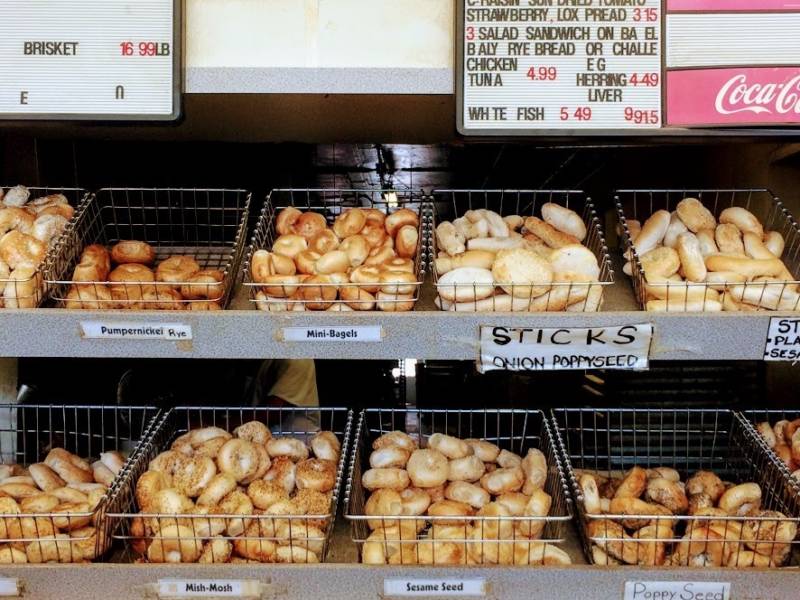
Skokie, Ill., Has Great Bagels — And An Even Better Story Behind Them
Che Fico Opens on Divisadero — Cool Figs, Wood-Fired Chicken and Hot Pizza
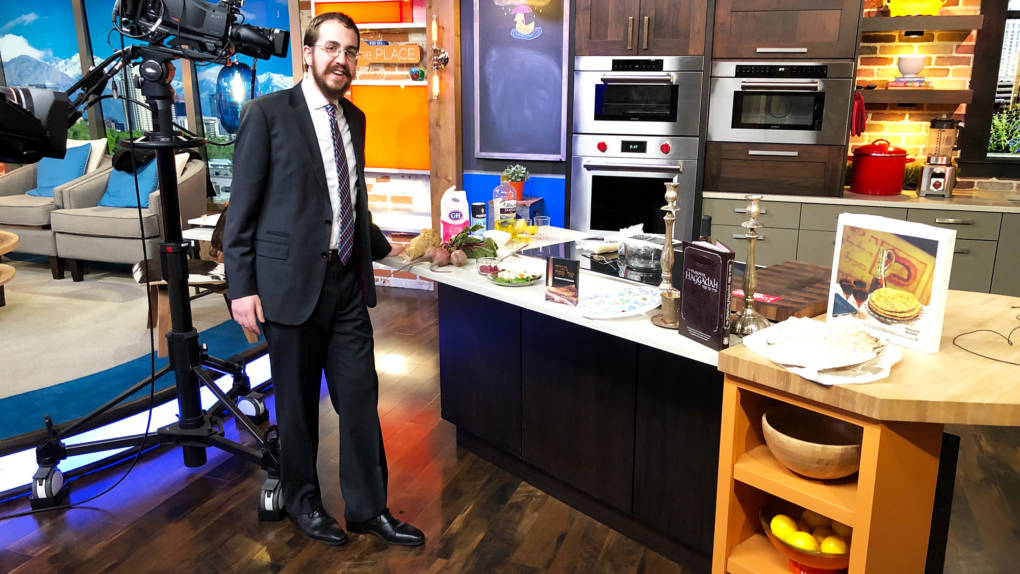
For Passover, These Orthodox Jews Are Cooking On Live TV
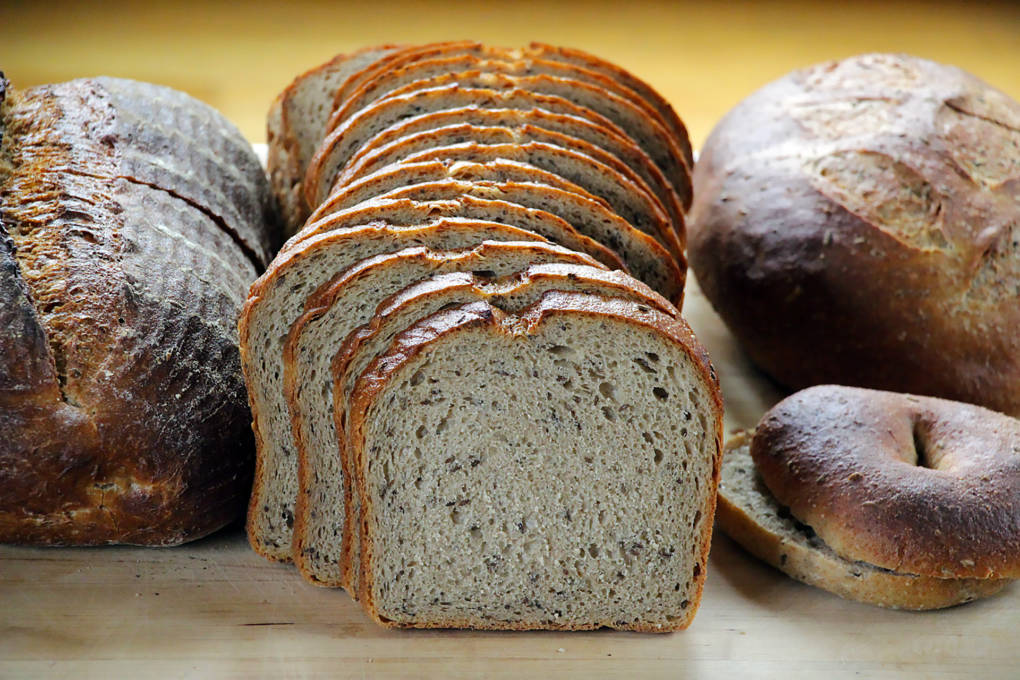
East Bay Bakeries Doing The Rye Thing
A World Of Flavors In A Single Dish: How Jewish Food Spread Across The Globe
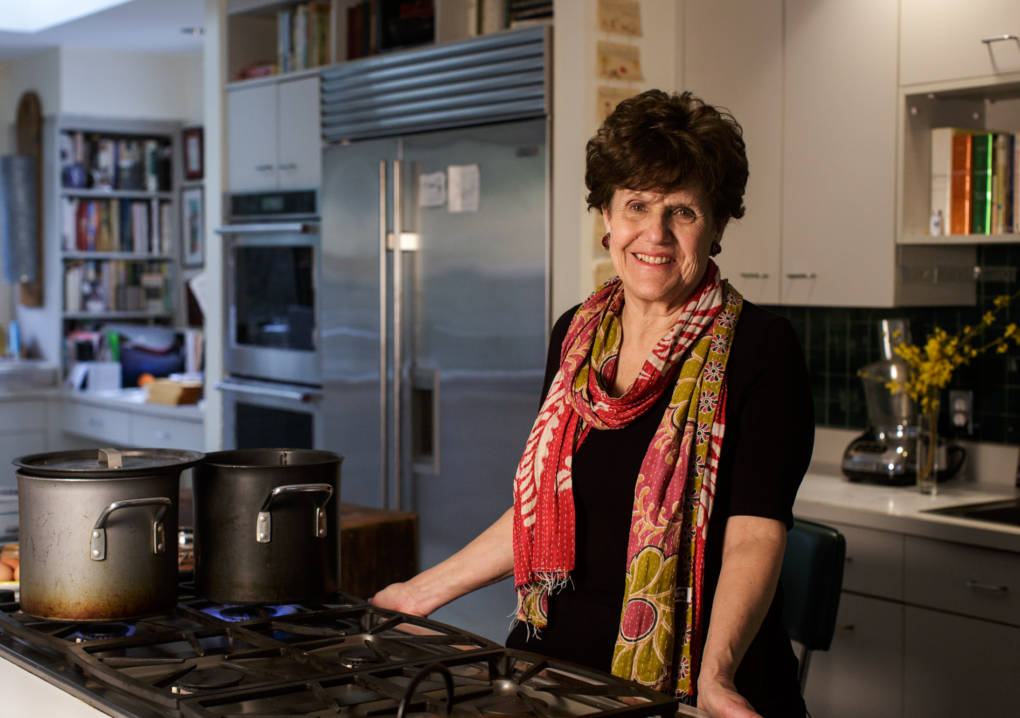
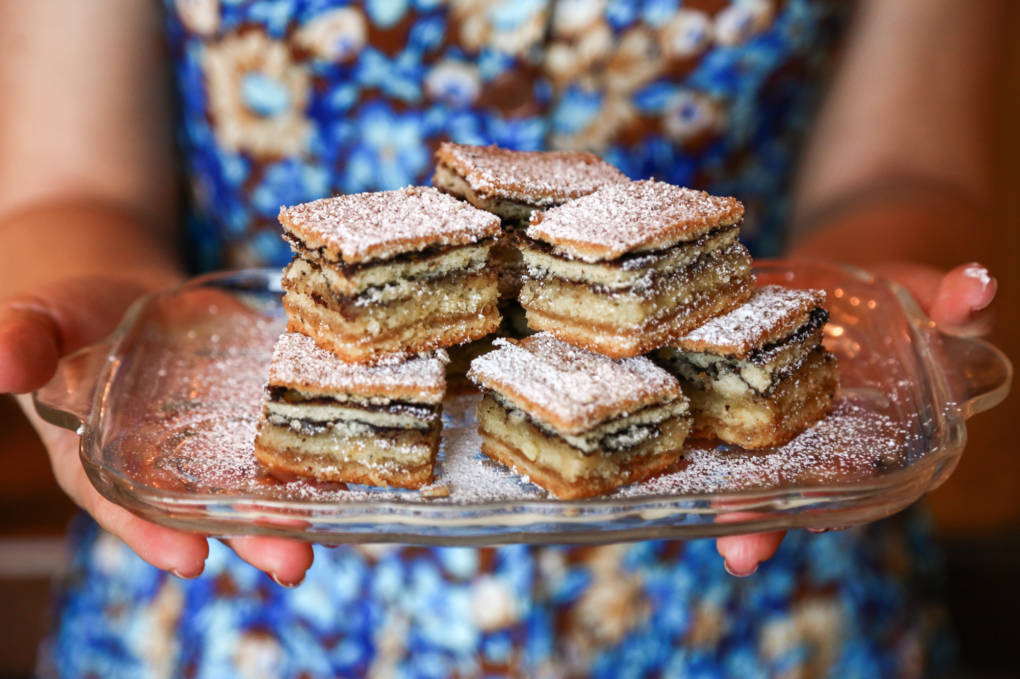
The Jewish Food Society Wants To Save The Recipes Of Grandmas Everywhere
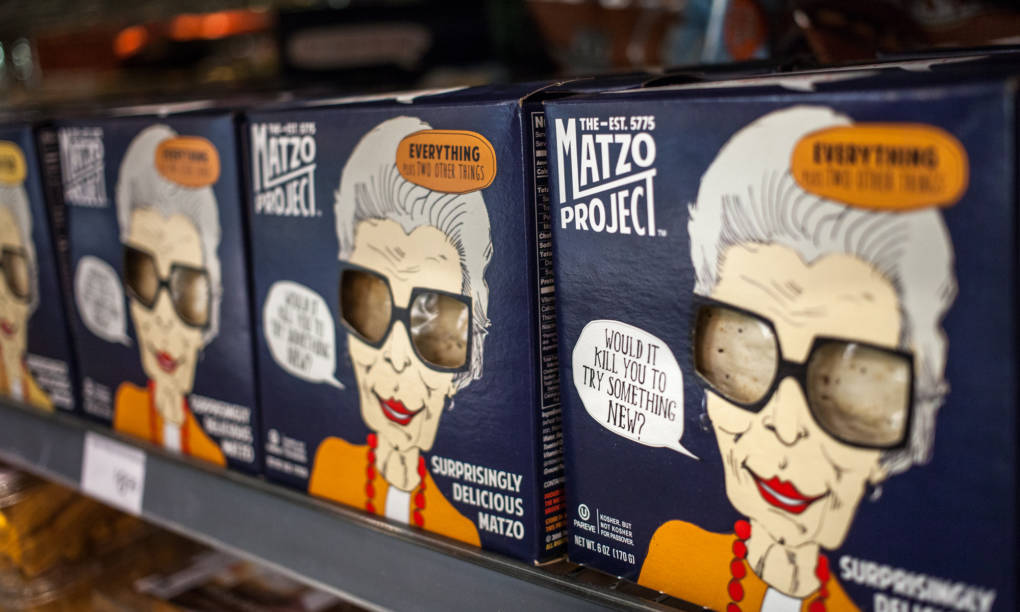
Matzo Makeover: Can The Bread Of Affliction Become A Snack Addiction?
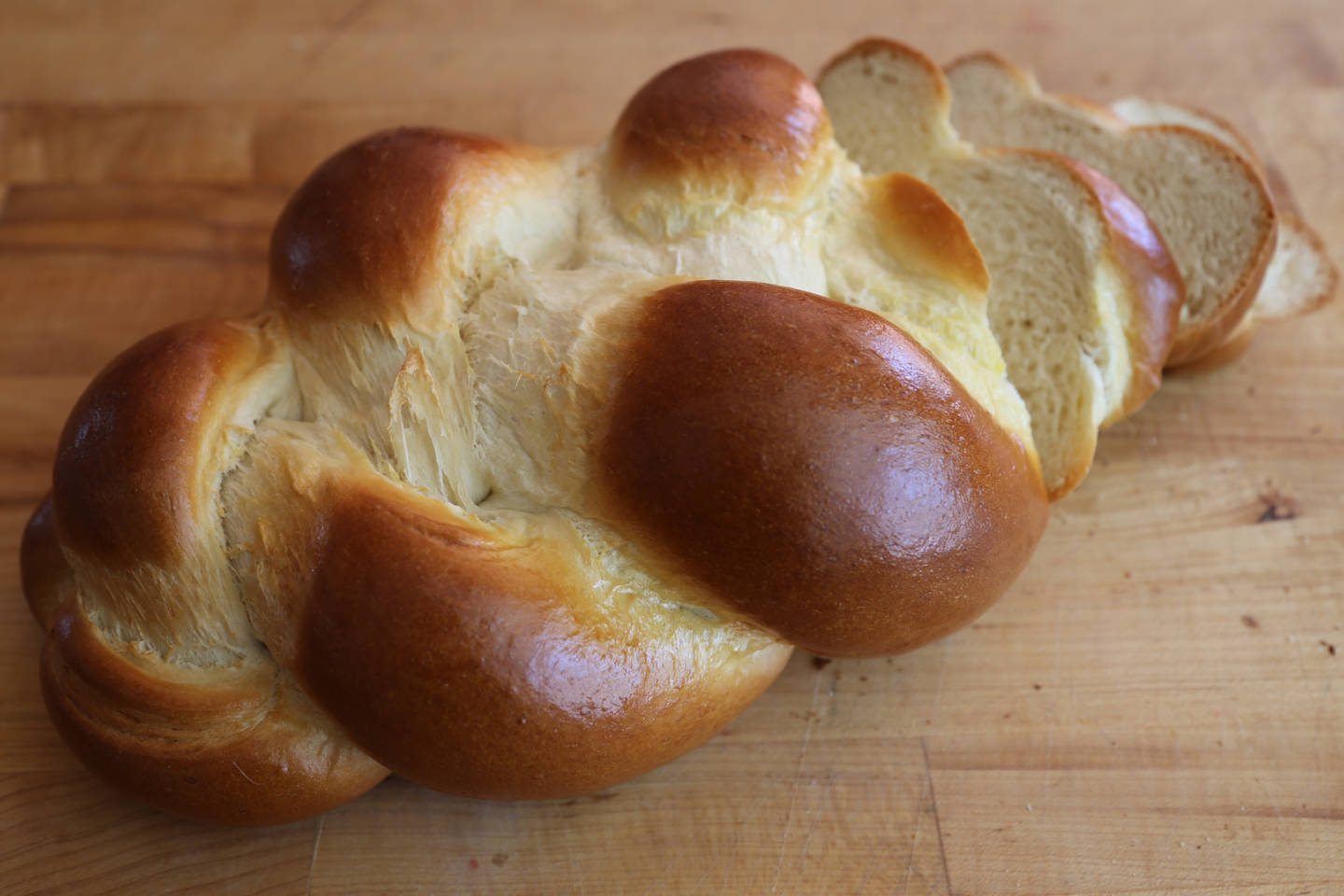
Bread Recipe: Rich, Eggy, Golden Challah
VooDoo Soup, WeScream and Shabbat Dinner- A Week Eating at Burning Man
Sponsored
window.__IS_SSR__=true
window.__INITIAL_STATE__={"attachmentsReducer":{"audio_0":{"type":"attachments","id":"audio_0","imgSizes":{"kqedFullSize":{"file":"https://ww2.kqed.org/news/wp-content/themes/KQED-unified/img/audio_bgs/background0.jpg"}}},"audio_1":{"type":"attachments","id":"audio_1","imgSizes":{"kqedFullSize":{"file":"https://ww2.kqed.org/news/wp-content/themes/KQED-unified/img/audio_bgs/background1.jpg"}}},"audio_2":{"type":"attachments","id":"audio_2","imgSizes":{"kqedFullSize":{"file":"https://ww2.kqed.org/news/wp-content/themes/KQED-unified/img/audio_bgs/background2.jpg"}}},"audio_3":{"type":"attachments","id":"audio_3","imgSizes":{"kqedFullSize":{"file":"https://ww2.kqed.org/news/wp-content/themes/KQED-unified/img/audio_bgs/background3.jpg"}}},"audio_4":{"type":"attachments","id":"audio_4","imgSizes":{"kqedFullSize":{"file":"https://ww2.kqed.org/news/wp-content/themes/KQED-unified/img/audio_bgs/background4.jpg"}}},"placeholder":{"type":"attachments","id":"placeholder","imgSizes":{"thumbnail":{"file":"https://ww2.kqed.org/wp-content/uploads/sites/10/2018/01/GettyImages-896326950-160x96.jpg","width":160,"height":96,"mimeType":"image/jpeg"},"medium":{"file":"https://ww2.kqed.org/wp-content/uploads/sites/10/2018/01/GettyImages-896326950-800x478.jpg","width":800,"height":478,"mimeType":"image/jpeg"},"large":{"file":"https://ww2.kqed.org/wp-content/uploads/sites/10/2018/01/GettyImages-896326950-1020x610.jpg","width":1020,"height":610,"mimeType":"image/jpeg"},"fd-lrg":{"file":"https://ww2.kqed.org/wp-content/uploads/sites/10/2018/01/GettyImages-896326950-1920x1148.jpg","width":1920,"height":1148,"mimeType":"image/jpeg"},"fd-med":{"file":"https://ww2.kqed.org/wp-content/uploads/sites/10/2018/01/GettyImages-896326950-1180x705.jpg","width":1180,"height":705,"mimeType":"image/jpeg"},"fd-sm":{"file":"https://ww2.kqed.org/wp-content/uploads/sites/10/2018/01/GettyImages-896326950-960x574.jpg","width":960,"height":574,"mimeType":"image/jpeg"},"post-thumbnail":{"file":"https://ww2.kqed.org/wp-content/uploads/sites/10/2018/01/GettyImages-896326950-672x372.jpg","width":672,"height":372,"mimeType":"image/jpeg"},"twentyfourteen-full-width":{"file":"https://ww2.kqed.org/wp-content/uploads/sites/10/2018/01/GettyImages-896326950-1038x576.jpg","width":1038,"height":576,"mimeType":"image/jpeg"},"xxsmall":{"file":"https://ww2.kqed.org/wp-content/uploads/sites/10/2018/01/GettyImages-896326950-240x143.jpg","width":240,"height":143,"mimeType":"image/jpeg"},"xsmall":{"file":"https://ww2.kqed.org/wp-content/uploads/sites/10/2018/01/GettyImages-896326950-375x224.jpg","width":375,"height":224,"mimeType":"image/jpeg"},"small":{"file":"https://ww2.kqed.org/wp-content/uploads/sites/10/2018/01/GettyImages-896326950-520x311.jpg","width":520,"height":311,"mimeType":"image/jpeg"},"xlarge":{"file":"https://ww2.kqed.org/wp-content/uploads/sites/10/2018/01/GettyImages-896326950-1180x705.jpg","width":1180,"height":705,"mimeType":"image/jpeg"},"full-width":{"file":"https://ww2.kqed.org/wp-content/uploads/sites/10/2018/01/GettyImages-896326950-1920x1148.jpg","width":1920,"height":1148,"mimeType":"image/jpeg"},"guest-author-32":{"file":"https://ww2.kqed.org/wp-content/uploads/sites/10/2018/01/GettyImages-896326950-32x32.jpg","width":32,"height":32,"mimeType":"image/jpeg"},"guest-author-50":{"file":"https://ww2.kqed.org/wp-content/uploads/sites/10/2018/01/GettyImages-896326950-50x50.jpg","width":50,"height":50,"mimeType":"image/jpeg"},"guest-author-64":{"file":"https://ww2.kqed.org/wp-content/uploads/sites/10/2018/01/GettyImages-896326950-64x64.jpg","width":64,"height":64,"mimeType":"image/jpeg"},"guest-author-96":{"file":"https://ww2.kqed.org/wp-content/uploads/sites/10/2018/01/GettyImages-896326950-96x96.jpg","width":96,"height":96,"mimeType":"image/jpeg"},"guest-author-128":{"file":"https://ww2.kqed.org/wp-content/uploads/sites/10/2018/01/GettyImages-896326950-128x128.jpg","width":128,"height":128,"mimeType":"image/jpeg"},"detail":{"file":"https://ww2.kqed.org/wp-content/uploads/sites/10/2018/01/GettyImages-896326950-150x150.jpg","width":150,"height":150,"mimeType":"image/jpeg"},"kqedFullSize":{"file":"https://ww2.kqed.org/wp-content/uploads/sites/10/2018/01/GettyImages-896326950-e1514998105161.jpg","width":1920,"height":1148}}},"bayareabites_128203":{"type":"attachments","id":"bayareabites_128203","meta":{"index":"attachments_1591205162","site":"bayareabites","id":"128203","found":true},"title":"The bagels for sale at Skokie's New York Bagel & Bialy, which opened in the Illinois town in 1962, are as good as any you'd find in the Big Apple. In the post-World War II era, the town became a hub for Jewish Holocaust survivors, and synagogues sprouted alongside Jewish delis.","publishDate":1526503449,"status":"inherit","parent":128202,"modified":1526503471,"caption":"The bagels for sale at Skokie's New York Bagel & Bialy, which opened in the Illinois town in 1962, are as good as any you'd find in the Big Apple. In the post-World War II era, the town became a hub for Jewish Holocaust survivors, and synagogues sprouted alongside Jewish delis.","credit":"Amanda Leigh Lichtenstein","description":"The bagels for sale at Skokie's New York Bagel","imgSizes":{"thumbnail":{"file":"https://ww2.kqed.org/app/uploads/sites/24/2018/05/nybagelbialy1-514efe4f054b4b9c421189a5072da44726a46e07-160x120.jpg","width":160,"height":120,"mimeType":"image/jpeg"},"medium":{"file":"https://ww2.kqed.org/app/uploads/sites/24/2018/05/nybagelbialy1-514efe4f054b4b9c421189a5072da44726a46e07-800x600.jpg","width":800,"height":600,"mimeType":"image/jpeg"},"medium_large":{"file":"https://ww2.kqed.org/app/uploads/sites/24/2018/05/nybagelbialy1-514efe4f054b4b9c421189a5072da44726a46e07-768x576.jpg","width":768,"height":576,"mimeType":"image/jpeg"},"post-thumbnail":{"file":"https://ww2.kqed.org/app/uploads/sites/24/2018/05/nybagelbialy1-514efe4f054b4b9c421189a5072da44726a46e07-672x372.jpg","width":672,"height":372,"mimeType":"image/jpeg"},"twentyfourteen-full-width":{"file":"https://ww2.kqed.org/app/uploads/sites/24/2018/05/nybagelbialy1-514efe4f054b4b9c421189a5072da44726a46e07-886x576.jpg","width":886,"height":576,"mimeType":"image/jpeg"},"xxsmall":{"file":"https://ww2.kqed.org/app/uploads/sites/24/2018/05/nybagelbialy1-514efe4f054b4b9c421189a5072da44726a46e07-240x180.jpg","width":240,"height":180,"mimeType":"image/jpeg"},"xsmall":{"file":"https://ww2.kqed.org/app/uploads/sites/24/2018/05/nybagelbialy1-514efe4f054b4b9c421189a5072da44726a46e07-375x281.jpg","width":375,"height":281,"mimeType":"image/jpeg"},"small":{"file":"https://ww2.kqed.org/app/uploads/sites/24/2018/05/nybagelbialy1-514efe4f054b4b9c421189a5072da44726a46e07-520x390.jpg","width":520,"height":390,"mimeType":"image/jpeg"},"guest-author-32":{"file":"https://ww2.kqed.org/app/uploads/sites/24/2018/05/nybagelbialy1-514efe4f054b4b9c421189a5072da44726a46e07-32x32.jpg","width":32,"height":32,"mimeType":"image/jpeg"},"guest-author-50":{"file":"https://ww2.kqed.org/app/uploads/sites/24/2018/05/nybagelbialy1-514efe4f054b4b9c421189a5072da44726a46e07-50x50.jpg","width":50,"height":50,"mimeType":"image/jpeg"},"guest-author-64":{"file":"https://ww2.kqed.org/app/uploads/sites/24/2018/05/nybagelbialy1-514efe4f054b4b9c421189a5072da44726a46e07-64x64.jpg","width":64,"height":64,"mimeType":"image/jpeg"},"guest-author-96":{"file":"https://ww2.kqed.org/app/uploads/sites/24/2018/05/nybagelbialy1-514efe4f054b4b9c421189a5072da44726a46e07-96x96.jpg","width":96,"height":96,"mimeType":"image/jpeg"},"guest-author-128":{"file":"https://ww2.kqed.org/app/uploads/sites/24/2018/05/nybagelbialy1-514efe4f054b4b9c421189a5072da44726a46e07-128x128.jpg","width":128,"height":128,"mimeType":"image/jpeg"},"detail":{"file":"https://ww2.kqed.org/app/uploads/sites/24/2018/05/nybagelbialy1-514efe4f054b4b9c421189a5072da44726a46e07-150x150.jpg","width":150,"height":150,"mimeType":"image/jpeg"},"kqedFullSize":{"file":"https://ww2.kqed.org/app/uploads/sites/24/2018/05/nybagelbialy1-514efe4f054b4b9c421189a5072da44726a46e07.jpg","width":886,"height":664}},"fetchFailed":false,"isLoading":false},"bayareabites_126231":{"type":"attachments","id":"bayareabites_126231","meta":{"index":"attachments_1591205162","site":"bayareabites","id":"126231","found":true},"title":"IMG_1998-new","publishDate":1522354199,"status":"inherit","parent":126218,"modified":1522357715,"caption":"Chef/Co-Owner David Nayfeld holding Marinara, Anchovy, Arugula Pizze at Che Fico","credit":"Wendy Goodfriend","description":null,"imgSizes":{"thumbnail":{"file":"https://ww2.kqed.org/app/uploads/sites/24/2018/03/IMG_1998-new-160x107.jpg","width":160,"height":107,"mimeType":"image/jpeg"},"medium":{"file":"https://ww2.kqed.org/app/uploads/sites/24/2018/03/IMG_1998-new-800x533.jpg","width":800,"height":533,"mimeType":"image/jpeg"},"medium_large":{"file":"https://ww2.kqed.org/app/uploads/sites/24/2018/03/IMG_1998-new-768x512.jpg","width":768,"height":512,"mimeType":"image/jpeg"},"large":{"file":"https://ww2.kqed.org/app/uploads/sites/24/2018/03/IMG_1998-new-1020x680.jpg","width":1020,"height":680,"mimeType":"image/jpeg"},"fd-lrg":{"file":"https://ww2.kqed.org/app/uploads/sites/24/2018/03/IMG_1998-new-1920x1280.jpg","width":1920,"height":1280,"mimeType":"image/jpeg"},"fd-med":{"file":"https://ww2.kqed.org/app/uploads/sites/24/2018/03/IMG_1998-new-1180x787.jpg","width":1180,"height":787,"mimeType":"image/jpeg"},"fd-sm":{"file":"https://ww2.kqed.org/app/uploads/sites/24/2018/03/IMG_1998-new-960x640.jpg","width":960,"height":640,"mimeType":"image/jpeg"},"post-thumbnail":{"file":"https://ww2.kqed.org/app/uploads/sites/24/2018/03/IMG_1998-new-672x372.jpg","width":672,"height":372,"mimeType":"image/jpeg"},"twentyfourteen-full-width":{"file":"https://ww2.kqed.org/app/uploads/sites/24/2018/03/IMG_1998-new-1038x576.jpg","width":1038,"height":576,"mimeType":"image/jpeg"},"xxsmall":{"file":"https://ww2.kqed.org/app/uploads/sites/24/2018/03/IMG_1998-new-240x160.jpg","width":240,"height":160,"mimeType":"image/jpeg"},"xsmall":{"file":"https://ww2.kqed.org/app/uploads/sites/24/2018/03/IMG_1998-new-375x250.jpg","width":375,"height":250,"mimeType":"image/jpeg"},"small":{"file":"https://ww2.kqed.org/app/uploads/sites/24/2018/03/IMG_1998-new-520x347.jpg","width":520,"height":347,"mimeType":"image/jpeg"},"xlarge":{"file":"https://ww2.kqed.org/app/uploads/sites/24/2018/03/IMG_1998-new-1180x787.jpg","width":1180,"height":787,"mimeType":"image/jpeg"},"full-width":{"file":"https://ww2.kqed.org/app/uploads/sites/24/2018/03/IMG_1998-new-1920x1280.jpg","width":1920,"height":1280,"mimeType":"image/jpeg"},"guest-author-32":{"file":"https://ww2.kqed.org/app/uploads/sites/24/2018/03/IMG_1998-new-32x32.jpg","width":32,"height":32,"mimeType":"image/jpeg"},"guest-author-50":{"file":"https://ww2.kqed.org/app/uploads/sites/24/2018/03/IMG_1998-new-50x50.jpg","width":50,"height":50,"mimeType":"image/jpeg"},"guest-author-64":{"file":"https://ww2.kqed.org/app/uploads/sites/24/2018/03/IMG_1998-new-64x64.jpg","width":64,"height":64,"mimeType":"image/jpeg"},"guest-author-96":{"file":"https://ww2.kqed.org/app/uploads/sites/24/2018/03/IMG_1998-new-96x96.jpg","width":96,"height":96,"mimeType":"image/jpeg"},"guest-author-128":{"file":"https://ww2.kqed.org/app/uploads/sites/24/2018/03/IMG_1998-new-128x128.jpg","width":128,"height":128,"mimeType":"image/jpeg"},"detail":{"file":"https://ww2.kqed.org/app/uploads/sites/24/2018/03/IMG_1998-new-150x150.jpg","width":150,"height":150,"mimeType":"image/jpeg"},"kqedFullSize":{"file":"https://ww2.kqed.org/app/uploads/sites/24/2018/03/IMG_1998-new.jpg","width":1920,"height":1280}},"fetchFailed":false,"isLoading":false},"bayareabites_126303":{"type":"attachments","id":"bayareabites_126303","meta":{"index":"attachments_1591205162","site":"bayareabites","id":"126303","found":true},"title":"Rabbi Avremi Zippel, the program director at Chabad Lubavitch of Utah, during an appearance on Fox 13 to talk about Passover food.","publishDate":1522429452,"status":"inherit","parent":126302,"modified":1522429768,"caption":"Rabbi Avremi Zippel, the program director at Chabad Lubavitch of Utah, during an appearance on Fox 13 to talk about Passover food.","credit":"Avremi Zippel","description":"Rabbi Avremi Zippel, the program director at Chabad Lubavitch of Utah, during an appearance on Fox 13 to talk about Passover food.","imgSizes":{"thumbnail":{"file":"https://ww2.kqed.org/app/uploads/sites/24/2018/03/rabbi-zippel-passover_wide-675e49ab48a70c53d1f82687afcec1f413d92381-160x90.jpg","width":160,"height":90,"mimeType":"image/jpeg"},"medium":{"file":"https://ww2.kqed.org/app/uploads/sites/24/2018/03/rabbi-zippel-passover_wide-675e49ab48a70c53d1f82687afcec1f413d92381-800x450.jpg","width":800,"height":450,"mimeType":"image/jpeg"},"medium_large":{"file":"https://ww2.kqed.org/app/uploads/sites/24/2018/03/rabbi-zippel-passover_wide-675e49ab48a70c53d1f82687afcec1f413d92381-768x432.jpg","width":768,"height":432,"mimeType":"image/jpeg"},"large":{"file":"https://ww2.kqed.org/app/uploads/sites/24/2018/03/rabbi-zippel-passover_wide-675e49ab48a70c53d1f82687afcec1f413d92381-1020x574.jpg","width":1020,"height":574,"mimeType":"image/jpeg"},"fd-lrg":{"file":"https://ww2.kqed.org/app/uploads/sites/24/2018/03/rabbi-zippel-passover_wide-675e49ab48a70c53d1f82687afcec1f413d92381-1920x1080.jpg","width":1920,"height":1080,"mimeType":"image/jpeg"},"fd-med":{"file":"https://ww2.kqed.org/app/uploads/sites/24/2018/03/rabbi-zippel-passover_wide-675e49ab48a70c53d1f82687afcec1f413d92381-1180x664.jpg","width":1180,"height":664,"mimeType":"image/jpeg"},"fd-sm":{"file":"https://ww2.kqed.org/app/uploads/sites/24/2018/03/rabbi-zippel-passover_wide-675e49ab48a70c53d1f82687afcec1f413d92381-960x540.jpg","width":960,"height":540,"mimeType":"image/jpeg"},"post-thumbnail":{"file":"https://ww2.kqed.org/app/uploads/sites/24/2018/03/rabbi-zippel-passover_wide-675e49ab48a70c53d1f82687afcec1f413d92381-672x372.jpg","width":672,"height":372,"mimeType":"image/jpeg"},"twentyfourteen-full-width":{"file":"https://ww2.kqed.org/app/uploads/sites/24/2018/03/rabbi-zippel-passover_wide-675e49ab48a70c53d1f82687afcec1f413d92381-1038x576.jpg","width":1038,"height":576,"mimeType":"image/jpeg"},"xxsmall":{"file":"https://ww2.kqed.org/app/uploads/sites/24/2018/03/rabbi-zippel-passover_wide-675e49ab48a70c53d1f82687afcec1f413d92381-240x135.jpg","width":240,"height":135,"mimeType":"image/jpeg"},"xsmall":{"file":"https://ww2.kqed.org/app/uploads/sites/24/2018/03/rabbi-zippel-passover_wide-675e49ab48a70c53d1f82687afcec1f413d92381-375x211.jpg","width":375,"height":211,"mimeType":"image/jpeg"},"small":{"file":"https://ww2.kqed.org/app/uploads/sites/24/2018/03/rabbi-zippel-passover_wide-675e49ab48a70c53d1f82687afcec1f413d92381-520x293.jpg","width":520,"height":293,"mimeType":"image/jpeg"},"xlarge":{"file":"https://ww2.kqed.org/app/uploads/sites/24/2018/03/rabbi-zippel-passover_wide-675e49ab48a70c53d1f82687afcec1f413d92381-1180x664.jpg","width":1180,"height":664,"mimeType":"image/jpeg"},"full-width":{"file":"https://ww2.kqed.org/app/uploads/sites/24/2018/03/rabbi-zippel-passover_wide-675e49ab48a70c53d1f82687afcec1f413d92381-1920x1080.jpg","width":1920,"height":1080,"mimeType":"image/jpeg"},"guest-author-32":{"file":"https://ww2.kqed.org/app/uploads/sites/24/2018/03/rabbi-zippel-passover_wide-675e49ab48a70c53d1f82687afcec1f413d92381-32x32.jpg","width":32,"height":32,"mimeType":"image/jpeg"},"guest-author-50":{"file":"https://ww2.kqed.org/app/uploads/sites/24/2018/03/rabbi-zippel-passover_wide-675e49ab48a70c53d1f82687afcec1f413d92381-50x50.jpg","width":50,"height":50,"mimeType":"image/jpeg"},"guest-author-64":{"file":"https://ww2.kqed.org/app/uploads/sites/24/2018/03/rabbi-zippel-passover_wide-675e49ab48a70c53d1f82687afcec1f413d92381-64x64.jpg","width":64,"height":64,"mimeType":"image/jpeg"},"guest-author-96":{"file":"https://ww2.kqed.org/app/uploads/sites/24/2018/03/rabbi-zippel-passover_wide-675e49ab48a70c53d1f82687afcec1f413d92381-96x96.jpg","width":96,"height":96,"mimeType":"image/jpeg"},"guest-author-128":{"file":"https://ww2.kqed.org/app/uploads/sites/24/2018/03/rabbi-zippel-passover_wide-675e49ab48a70c53d1f82687afcec1f413d92381-128x128.jpg","width":128,"height":128,"mimeType":"image/jpeg"},"detail":{"file":"https://ww2.kqed.org/app/uploads/sites/24/2018/03/rabbi-zippel-passover_wide-675e49ab48a70c53d1f82687afcec1f413d92381-150x150.jpg","width":150,"height":150,"mimeType":"image/jpeg"},"kqedFullSize":{"file":"https://ww2.kqed.org/app/uploads/sites/24/2018/03/rabbi-zippel-passover_wide-675e49ab48a70c53d1f82687afcec1f413d92381.jpg","width":2000,"height":1125}},"fetchFailed":false,"isLoading":false},"bayareabites_125539":{"type":"attachments","id":"bayareabites_125539","meta":{"index":"attachments_1591205162","site":"bayareabites","id":"125539","found":true},"title":"IMG_0790-new","publishDate":1520813809,"status":"inherit","parent":125527,"modified":1520813878,"caption":"Rye Breads from East Bay bakeries","credit":"Wendy Goodfriend","description":null,"imgSizes":{"thumbnail":{"file":"https://ww2.kqed.org/app/uploads/sites/24/2018/03/IMG_0790-new-160x107.jpg","width":160,"height":107,"mimeType":"image/jpeg"},"medium":{"file":"https://ww2.kqed.org/app/uploads/sites/24/2018/03/IMG_0790-new-800x533.jpg","width":800,"height":533,"mimeType":"image/jpeg"},"medium_large":{"file":"https://ww2.kqed.org/app/uploads/sites/24/2018/03/IMG_0790-new-768x512.jpg","width":768,"height":512,"mimeType":"image/jpeg"},"large":{"file":"https://ww2.kqed.org/app/uploads/sites/24/2018/03/IMG_0790-new-1020x680.jpg","width":1020,"height":680,"mimeType":"image/jpeg"},"fd-lrg":{"file":"https://ww2.kqed.org/app/uploads/sites/24/2018/03/IMG_0790-new-1920x1280.jpg","width":1920,"height":1280,"mimeType":"image/jpeg"},"fd-med":{"file":"https://ww2.kqed.org/app/uploads/sites/24/2018/03/IMG_0790-new-1180x787.jpg","width":1180,"height":787,"mimeType":"image/jpeg"},"fd-sm":{"file":"https://ww2.kqed.org/app/uploads/sites/24/2018/03/IMG_0790-new-960x640.jpg","width":960,"height":640,"mimeType":"image/jpeg"},"post-thumbnail":{"file":"https://ww2.kqed.org/app/uploads/sites/24/2018/03/IMG_0790-new-672x372.jpg","width":672,"height":372,"mimeType":"image/jpeg"},"twentyfourteen-full-width":{"file":"https://ww2.kqed.org/app/uploads/sites/24/2018/03/IMG_0790-new-1038x576.jpg","width":1038,"height":576,"mimeType":"image/jpeg"},"xxsmall":{"file":"https://ww2.kqed.org/app/uploads/sites/24/2018/03/IMG_0790-new-240x160.jpg","width":240,"height":160,"mimeType":"image/jpeg"},"xsmall":{"file":"https://ww2.kqed.org/app/uploads/sites/24/2018/03/IMG_0790-new-375x250.jpg","width":375,"height":250,"mimeType":"image/jpeg"},"small":{"file":"https://ww2.kqed.org/app/uploads/sites/24/2018/03/IMG_0790-new-520x347.jpg","width":520,"height":347,"mimeType":"image/jpeg"},"xlarge":{"file":"https://ww2.kqed.org/app/uploads/sites/24/2018/03/IMG_0790-new-1180x787.jpg","width":1180,"height":787,"mimeType":"image/jpeg"},"full-width":{"file":"https://ww2.kqed.org/app/uploads/sites/24/2018/03/IMG_0790-new-1920x1280.jpg","width":1920,"height":1280,"mimeType":"image/jpeg"},"guest-author-32":{"file":"https://ww2.kqed.org/app/uploads/sites/24/2018/03/IMG_0790-new-32x32.jpg","width":32,"height":32,"mimeType":"image/jpeg"},"guest-author-50":{"file":"https://ww2.kqed.org/app/uploads/sites/24/2018/03/IMG_0790-new-50x50.jpg","width":50,"height":50,"mimeType":"image/jpeg"},"guest-author-64":{"file":"https://ww2.kqed.org/app/uploads/sites/24/2018/03/IMG_0790-new-64x64.jpg","width":64,"height":64,"mimeType":"image/jpeg"},"guest-author-96":{"file":"https://ww2.kqed.org/app/uploads/sites/24/2018/03/IMG_0790-new-96x96.jpg","width":96,"height":96,"mimeType":"image/jpeg"},"guest-author-128":{"file":"https://ww2.kqed.org/app/uploads/sites/24/2018/03/IMG_0790-new-128x128.jpg","width":128,"height":128,"mimeType":"image/jpeg"},"detail":{"file":"https://ww2.kqed.org/app/uploads/sites/24/2018/03/IMG_0790-new-150x150.jpg","width":150,"height":150,"mimeType":"image/jpeg"},"kqedFullSize":{"file":"https://ww2.kqed.org/app/uploads/sites/24/2018/03/IMG_0790-new.jpg","width":1920,"height":1280}},"fetchFailed":false,"isLoading":false},"bayareabites_116706":{"type":"attachments","id":"bayareabites_116706","meta":{"index":"attachments_1591205162","site":"bayareabites","id":"116706","found":true},"title":"Joan Nathan, the author of 11 cookbooks, has sought out local Jewish food traditions as she's traveled the world.","publishDate":1491937084,"status":"inherit","parent":116705,"modified":1491941213,"caption":"Joan Nathan, the author of 11 cookbooks, has sought out local Jewish food traditions as she's traveled the world.","credit":"Beck Harlan/NPR","description":"Joan Nathan, the author of 11 cookbooks, has sought out local Jewish food traditions as she's traveled the world.","imgSizes":{"thumbnail":{"file":"https://ww2.kqed.org/app/uploads/sites/24/2017/04/harlan_npr_passover_joannathan_custom-71f6f8e2b7ce2410eae087fb0f44de9d794a5937-160x113.jpg","width":160,"height":113,"mimeType":"image/jpeg"},"medium":{"file":"https://ww2.kqed.org/app/uploads/sites/24/2017/04/harlan_npr_passover_joannathan_custom-71f6f8e2b7ce2410eae087fb0f44de9d794a5937-800x563.jpg","width":800,"height":563,"mimeType":"image/jpeg"},"medium_large":{"file":"https://ww2.kqed.org/app/uploads/sites/24/2017/04/harlan_npr_passover_joannathan_custom-71f6f8e2b7ce2410eae087fb0f44de9d794a5937-768x541.jpg","width":768,"height":541,"mimeType":"image/jpeg"},"large":{"file":"https://ww2.kqed.org/app/uploads/sites/24/2017/04/harlan_npr_passover_joannathan_custom-71f6f8e2b7ce2410eae087fb0f44de9d794a5937-1020x718.jpg","width":1020,"height":718,"mimeType":"image/jpeg"},"fd-med":{"file":"https://ww2.kqed.org/app/uploads/sites/24/2017/04/harlan_npr_passover_joannathan_custom-71f6f8e2b7ce2410eae087fb0f44de9d794a5937-1180x831.jpg","width":1180,"height":831,"mimeType":"image/jpeg"},"fd-sm":{"file":"https://ww2.kqed.org/app/uploads/sites/24/2017/04/harlan_npr_passover_joannathan_custom-71f6f8e2b7ce2410eae087fb0f44de9d794a5937-960x676.jpg","width":960,"height":676,"mimeType":"image/jpeg"},"post-thumbnail":{"file":"https://ww2.kqed.org/app/uploads/sites/24/2017/04/harlan_npr_passover_joannathan_custom-71f6f8e2b7ce2410eae087fb0f44de9d794a5937-672x372.jpg","width":672,"height":372,"mimeType":"image/jpeg"},"twentyfourteen-full-width":{"file":"https://ww2.kqed.org/app/uploads/sites/24/2017/04/harlan_npr_passover_joannathan_custom-71f6f8e2b7ce2410eae087fb0f44de9d794a5937-1038x576.jpg","width":1038,"height":576,"mimeType":"image/jpeg"},"xxsmall":{"file":"https://ww2.kqed.org/app/uploads/sites/24/2017/04/harlan_npr_passover_joannathan_custom-71f6f8e2b7ce2410eae087fb0f44de9d794a5937-240x169.jpg","width":240,"height":169,"mimeType":"image/jpeg"},"xsmall":{"file":"https://ww2.kqed.org/app/uploads/sites/24/2017/04/harlan_npr_passover_joannathan_custom-71f6f8e2b7ce2410eae087fb0f44de9d794a5937-375x264.jpg","width":375,"height":264,"mimeType":"image/jpeg"},"small":{"file":"https://ww2.kqed.org/app/uploads/sites/24/2017/04/harlan_npr_passover_joannathan_custom-71f6f8e2b7ce2410eae087fb0f44de9d794a5937-520x366.jpg","width":520,"height":366,"mimeType":"image/jpeg"},"xlarge":{"file":"https://ww2.kqed.org/app/uploads/sites/24/2017/04/harlan_npr_passover_joannathan_custom-71f6f8e2b7ce2410eae087fb0f44de9d794a5937-1180x831.jpg","width":1180,"height":831,"mimeType":"image/jpeg"},"guest-author-32":{"file":"https://ww2.kqed.org/app/uploads/sites/24/2017/04/harlan_npr_passover_joannathan_custom-71f6f8e2b7ce2410eae087fb0f44de9d794a5937-32x32.jpg","width":32,"height":32,"mimeType":"image/jpeg"},"guest-author-50":{"file":"https://ww2.kqed.org/app/uploads/sites/24/2017/04/harlan_npr_passover_joannathan_custom-71f6f8e2b7ce2410eae087fb0f44de9d794a5937-50x50.jpg","width":50,"height":50,"mimeType":"image/jpeg"},"guest-author-64":{"file":"https://ww2.kqed.org/app/uploads/sites/24/2017/04/harlan_npr_passover_joannathan_custom-71f6f8e2b7ce2410eae087fb0f44de9d794a5937-64x64.jpg","width":64,"height":64,"mimeType":"image/jpeg"},"guest-author-96":{"file":"https://ww2.kqed.org/app/uploads/sites/24/2017/04/harlan_npr_passover_joannathan_custom-71f6f8e2b7ce2410eae087fb0f44de9d794a5937-96x96.jpg","width":96,"height":96,"mimeType":"image/jpeg"},"guest-author-128":{"file":"https://ww2.kqed.org/app/uploads/sites/24/2017/04/harlan_npr_passover_joannathan_custom-71f6f8e2b7ce2410eae087fb0f44de9d794a5937-128x128.jpg","width":128,"height":128,"mimeType":"image/jpeg"},"detail":{"file":"https://ww2.kqed.org/app/uploads/sites/24/2017/04/harlan_npr_passover_joannathan_custom-71f6f8e2b7ce2410eae087fb0f44de9d794a5937-150x150.jpg","width":150,"height":150,"mimeType":"image/jpeg"},"kqedFullSize":{"file":"https://ww2.kqed.org/app/uploads/sites/24/2017/04/harlan_npr_passover_joannathan_custom-71f6f8e2b7ce2410eae087fb0f44de9d794a5937.jpg","width":1892,"height":1332}},"fetchFailed":false,"isLoading":false},"bayareabites_116505":{"type":"attachments","id":"bayareabites_116505","meta":{"index":"attachments_1591205162","site":"bayareabites","id":"116505","found":true},"title":"Idan Cohen's grandmothers' famous German layer cake. Idan's mom always said that the Israeli climate did not agree with this cake, but she made it anyway.","publishDate":1491230279,"status":"inherit","parent":116504,"modified":1491230466,"caption":"Idan Cohen's grandmothers' famous German layer cake. Idan's mom always said that the Israeli climate did not agree with this cake, but she made it anyway.","credit":"Courtesy of Jewish Food Society","description":"Idan Cohen's grandmothers' famous German layer cake. Idan's mom always said that the Israeli climate did not agree with this cake, but she made it anyway.","imgSizes":{"thumbnail":{"file":"https://ww2.kqed.org/app/uploads/sites/24/2017/04/germanlayercake_schmaltzy_custom-b106fa4d1ad846539ee3886822ed4f1efda7df85-160x107.jpg","width":160,"height":107,"mimeType":"image/jpeg"},"medium":{"file":"https://ww2.kqed.org/app/uploads/sites/24/2017/04/germanlayercake_schmaltzy_custom-b106fa4d1ad846539ee3886822ed4f1efda7df85-800x533.jpg","width":800,"height":533,"mimeType":"image/jpeg"},"medium_large":{"file":"https://ww2.kqed.org/app/uploads/sites/24/2017/04/germanlayercake_schmaltzy_custom-b106fa4d1ad846539ee3886822ed4f1efda7df85-768x511.jpg","width":768,"height":511,"mimeType":"image/jpeg"},"large":{"file":"https://ww2.kqed.org/app/uploads/sites/24/2017/04/germanlayercake_schmaltzy_custom-b106fa4d1ad846539ee3886822ed4f1efda7df85-1020x679.jpg","width":1020,"height":679,"mimeType":"image/jpeg"},"fd-lrg":{"file":"https://ww2.kqed.org/app/uploads/sites/24/2017/04/germanlayercake_schmaltzy_custom-b106fa4d1ad846539ee3886822ed4f1efda7df85-1920x1279.jpg","width":1920,"height":1279,"mimeType":"image/jpeg"},"fd-med":{"file":"https://ww2.kqed.org/app/uploads/sites/24/2017/04/germanlayercake_schmaltzy_custom-b106fa4d1ad846539ee3886822ed4f1efda7df85-1180x786.jpg","width":1180,"height":786,"mimeType":"image/jpeg"},"fd-sm":{"file":"https://ww2.kqed.org/app/uploads/sites/24/2017/04/germanlayercake_schmaltzy_custom-b106fa4d1ad846539ee3886822ed4f1efda7df85-960x639.jpg","width":960,"height":639,"mimeType":"image/jpeg"},"post-thumbnail":{"file":"https://ww2.kqed.org/app/uploads/sites/24/2017/04/germanlayercake_schmaltzy_custom-b106fa4d1ad846539ee3886822ed4f1efda7df85-672x372.jpg","width":672,"height":372,"mimeType":"image/jpeg"},"twentyfourteen-full-width":{"file":"https://ww2.kqed.org/app/uploads/sites/24/2017/04/germanlayercake_schmaltzy_custom-b106fa4d1ad846539ee3886822ed4f1efda7df85-1038x576.jpg","width":1038,"height":576,"mimeType":"image/jpeg"},"xxsmall":{"file":"https://ww2.kqed.org/app/uploads/sites/24/2017/04/germanlayercake_schmaltzy_custom-b106fa4d1ad846539ee3886822ed4f1efda7df85-240x160.jpg","width":240,"height":160,"mimeType":"image/jpeg"},"xsmall":{"file":"https://ww2.kqed.org/app/uploads/sites/24/2017/04/germanlayercake_schmaltzy_custom-b106fa4d1ad846539ee3886822ed4f1efda7df85-375x250.jpg","width":375,"height":250,"mimeType":"image/jpeg"},"small":{"file":"https://ww2.kqed.org/app/uploads/sites/24/2017/04/germanlayercake_schmaltzy_custom-b106fa4d1ad846539ee3886822ed4f1efda7df85-520x346.jpg","width":520,"height":346,"mimeType":"image/jpeg"},"xlarge":{"file":"https://ww2.kqed.org/app/uploads/sites/24/2017/04/germanlayercake_schmaltzy_custom-b106fa4d1ad846539ee3886822ed4f1efda7df85-1180x786.jpg","width":1180,"height":786,"mimeType":"image/jpeg"},"full-width":{"file":"https://ww2.kqed.org/app/uploads/sites/24/2017/04/germanlayercake_schmaltzy_custom-b106fa4d1ad846539ee3886822ed4f1efda7df85-1920x1279.jpg","width":1920,"height":1279,"mimeType":"image/jpeg"},"guest-author-32":{"file":"https://ww2.kqed.org/app/uploads/sites/24/2017/04/germanlayercake_schmaltzy_custom-b106fa4d1ad846539ee3886822ed4f1efda7df85-32x32.jpg","width":32,"height":32,"mimeType":"image/jpeg"},"guest-author-50":{"file":"https://ww2.kqed.org/app/uploads/sites/24/2017/04/germanlayercake_schmaltzy_custom-b106fa4d1ad846539ee3886822ed4f1efda7df85-50x50.jpg","width":50,"height":50,"mimeType":"image/jpeg"},"guest-author-64":{"file":"https://ww2.kqed.org/app/uploads/sites/24/2017/04/germanlayercake_schmaltzy_custom-b106fa4d1ad846539ee3886822ed4f1efda7df85-64x64.jpg","width":64,"height":64,"mimeType":"image/jpeg"},"guest-author-96":{"file":"https://ww2.kqed.org/app/uploads/sites/24/2017/04/germanlayercake_schmaltzy_custom-b106fa4d1ad846539ee3886822ed4f1efda7df85-96x96.jpg","width":96,"height":96,"mimeType":"image/jpeg"},"guest-author-128":{"file":"https://ww2.kqed.org/app/uploads/sites/24/2017/04/germanlayercake_schmaltzy_custom-b106fa4d1ad846539ee3886822ed4f1efda7df85-128x128.jpg","width":128,"height":128,"mimeType":"image/jpeg"},"detail":{"file":"https://ww2.kqed.org/app/uploads/sites/24/2017/04/germanlayercake_schmaltzy_custom-b106fa4d1ad846539ee3886822ed4f1efda7df85-150x150.jpg","width":150,"height":150,"mimeType":"image/jpeg"},"kqedFullSize":{"file":"https://ww2.kqed.org/app/uploads/sites/24/2017/04/germanlayercake_schmaltzy_custom-b106fa4d1ad846539ee3886822ed4f1efda7df85.jpg","width":2000,"height":1332}},"fetchFailed":false,"isLoading":false},"bayareabites_115842":{"type":"attachments","id":"bayareabites_115842","meta":{"index":"attachments_1591205162","site":"bayareabites","id":"115842","found":true},"title":"Boxes of \"Surprisingly Delicious Matzo\" made by The Matzo Project line the shelves of Glen's Garden Market in Washington, D.C.","publishDate":1489425200,"status":"inherit","parent":115841,"modified":1489425712,"caption":"Boxes of \"Surprisingly Delicious Matzo\" made by The Matzo Project line the shelves of Glen's Garden Market in Washington, D.C.","credit":"Kelly Jo Smart/NPR","description":"Boxes of \"Surprisingly Delicious Matzo\" made by The Matzo Project line the shelves of Glen's Garden Market in Washington, D.C.","imgSizes":{"thumbnail":{"file":"https://ww2.kqed.org/app/uploads/sites/24/2017/03/mg_9231-2_custom-dcb7c98d38560716c71ec9bd16e64d26e116ab2c-160x96.jpg","width":160,"height":96,"mimeType":"image/jpeg"},"medium":{"file":"https://ww2.kqed.org/app/uploads/sites/24/2017/03/mg_9231-2_custom-dcb7c98d38560716c71ec9bd16e64d26e116ab2c-800x480.jpg","width":800,"height":480,"mimeType":"image/jpeg"},"medium_large":{"file":"https://ww2.kqed.org/app/uploads/sites/24/2017/03/mg_9231-2_custom-dcb7c98d38560716c71ec9bd16e64d26e116ab2c-768x461.jpg","width":768,"height":461,"mimeType":"image/jpeg"},"large":{"file":"https://ww2.kqed.org/app/uploads/sites/24/2017/03/mg_9231-2_custom-dcb7c98d38560716c71ec9bd16e64d26e116ab2c-1020x612.jpg","width":1020,"height":612,"mimeType":"image/jpeg"},"fd-lrg":{"file":"https://ww2.kqed.org/app/uploads/sites/24/2017/03/mg_9231-2_custom-dcb7c98d38560716c71ec9bd16e64d26e116ab2c-1920x1152.jpg","width":1920,"height":1152,"mimeType":"image/jpeg"},"fd-med":{"file":"https://ww2.kqed.org/app/uploads/sites/24/2017/03/mg_9231-2_custom-dcb7c98d38560716c71ec9bd16e64d26e116ab2c-1180x708.jpg","width":1180,"height":708,"mimeType":"image/jpeg"},"fd-sm":{"file":"https://ww2.kqed.org/app/uploads/sites/24/2017/03/mg_9231-2_custom-dcb7c98d38560716c71ec9bd16e64d26e116ab2c-960x576.jpg","width":960,"height":576,"mimeType":"image/jpeg"},"post-thumbnail":{"file":"https://ww2.kqed.org/app/uploads/sites/24/2017/03/mg_9231-2_custom-dcb7c98d38560716c71ec9bd16e64d26e116ab2c-672x372.jpg","width":672,"height":372,"mimeType":"image/jpeg"},"twentyfourteen-full-width":{"file":"https://ww2.kqed.org/app/uploads/sites/24/2017/03/mg_9231-2_custom-dcb7c98d38560716c71ec9bd16e64d26e116ab2c-1038x576.jpg","width":1038,"height":576,"mimeType":"image/jpeg"},"xxsmall":{"file":"https://ww2.kqed.org/app/uploads/sites/24/2017/03/mg_9231-2_custom-dcb7c98d38560716c71ec9bd16e64d26e116ab2c-240x144.jpg","width":240,"height":144,"mimeType":"image/jpeg"},"xsmall":{"file":"https://ww2.kqed.org/app/uploads/sites/24/2017/03/mg_9231-2_custom-dcb7c98d38560716c71ec9bd16e64d26e116ab2c-375x225.jpg","width":375,"height":225,"mimeType":"image/jpeg"},"small":{"file":"https://ww2.kqed.org/app/uploads/sites/24/2017/03/mg_9231-2_custom-dcb7c98d38560716c71ec9bd16e64d26e116ab2c-520x312.jpg","width":520,"height":312,"mimeType":"image/jpeg"},"xlarge":{"file":"https://ww2.kqed.org/app/uploads/sites/24/2017/03/mg_9231-2_custom-dcb7c98d38560716c71ec9bd16e64d26e116ab2c-1180x708.jpg","width":1180,"height":708,"mimeType":"image/jpeg"},"full-width":{"file":"https://ww2.kqed.org/app/uploads/sites/24/2017/03/mg_9231-2_custom-dcb7c98d38560716c71ec9bd16e64d26e116ab2c-1920x1152.jpg","width":1920,"height":1152,"mimeType":"image/jpeg"},"guest-author-32":{"file":"https://ww2.kqed.org/app/uploads/sites/24/2017/03/mg_9231-2_custom-dcb7c98d38560716c71ec9bd16e64d26e116ab2c-32x32.jpg","width":32,"height":32,"mimeType":"image/jpeg"},"guest-author-50":{"file":"https://ww2.kqed.org/app/uploads/sites/24/2017/03/mg_9231-2_custom-dcb7c98d38560716c71ec9bd16e64d26e116ab2c-50x50.jpg","width":50,"height":50,"mimeType":"image/jpeg"},"guest-author-64":{"file":"https://ww2.kqed.org/app/uploads/sites/24/2017/03/mg_9231-2_custom-dcb7c98d38560716c71ec9bd16e64d26e116ab2c-64x64.jpg","width":64,"height":64,"mimeType":"image/jpeg"},"guest-author-96":{"file":"https://ww2.kqed.org/app/uploads/sites/24/2017/03/mg_9231-2_custom-dcb7c98d38560716c71ec9bd16e64d26e116ab2c-96x96.jpg","width":96,"height":96,"mimeType":"image/jpeg"},"guest-author-128":{"file":"https://ww2.kqed.org/app/uploads/sites/24/2017/03/mg_9231-2_custom-dcb7c98d38560716c71ec9bd16e64d26e116ab2c-128x128.jpg","width":128,"height":128,"mimeType":"image/jpeg"},"detail":{"file":"https://ww2.kqed.org/app/uploads/sites/24/2017/03/mg_9231-2_custom-dcb7c98d38560716c71ec9bd16e64d26e116ab2c-150x150.jpg","width":150,"height":150,"mimeType":"image/jpeg"},"kqedFullSize":{"file":"https://ww2.kqed.org/app/uploads/sites/24/2017/03/mg_9231-2_custom-dcb7c98d38560716c71ec9bd16e64d26e116ab2c.jpg","width":2000,"height":1200}},"fetchFailed":false,"isLoading":false},"bayareabites_112033":{"type":"attachments","id":"bayareabites_112033","meta":{"index":"attachments_1591205162","site":"bayareabites","id":"112033","found":true},"title":"challah-final","publishDate":1473462885,"status":"inherit","parent":108524,"modified":1473462931,"caption":"Rich, Eggy, Golden Challah","credit":"Wendy Goodfriend","description":null,"imgSizes":{"thumbnail":{"file":"https://ww2.kqed.org/app/uploads/sites/24/2016/09/challah-final-400x267.jpg","width":400,"height":267,"mimeType":"image/jpeg"},"medium":{"file":"https://ww2.kqed.org/app/uploads/sites/24/2016/09/challah-final-800x533.jpg","width":800,"height":533,"mimeType":"image/jpeg"},"medium_large":{"file":"https://ww2.kqed.org/app/uploads/sites/24/2016/09/challah-final-768x512.jpg","width":768,"height":512,"mimeType":"image/jpeg"},"large":{"file":"https://ww2.kqed.org/app/uploads/sites/24/2016/09/challah-final-1440x960.jpg","width":1440,"height":960,"mimeType":"image/jpeg"},"fd-lrg":{"file":"https://ww2.kqed.org/app/uploads/sites/24/2016/09/challah-final-1920x1280.jpg","width":1920,"height":1280,"mimeType":"image/jpeg"},"fd-med":{"file":"https://ww2.kqed.org/app/uploads/sites/24/2016/09/challah-final-1180x787.jpg","width":1180,"height":787,"mimeType":"image/jpeg"},"fd-sm":{"file":"https://ww2.kqed.org/app/uploads/sites/24/2016/09/challah-final-960x640.jpg","width":960,"height":640,"mimeType":"image/jpeg"},"post-thumbnail":{"file":"https://ww2.kqed.org/app/uploads/sites/24/2016/09/challah-final-672x372.jpg","width":672,"height":372,"mimeType":"image/jpeg"},"twentyfourteen-full-width":{"file":"https://ww2.kqed.org/app/uploads/sites/24/2016/09/challah-final-1038x576.jpg","width":1038,"height":576,"mimeType":"image/jpeg"},"cat_post_thumb_sizecategory-posts-2":{"file":"https://ww2.kqed.org/app/uploads/sites/24/2016/09/challah-final-150x150.jpg","width":150,"height":150,"mimeType":"image/jpeg"},"guest-author-32":{"file":"https://ww2.kqed.org/app/uploads/sites/24/2016/09/challah-final-32x32.jpg","width":32,"height":32,"mimeType":"image/jpeg"},"guest-author-50":{"file":"https://ww2.kqed.org/app/uploads/sites/24/2016/09/challah-final-50x50.jpg","width":50,"height":50,"mimeType":"image/jpeg"},"guest-author-64":{"file":"https://ww2.kqed.org/app/uploads/sites/24/2016/09/challah-final-64x64.jpg","width":64,"height":64,"mimeType":"image/jpeg"},"guest-author-96":{"file":"https://ww2.kqed.org/app/uploads/sites/24/2016/09/challah-final-96x96.jpg","width":96,"height":96,"mimeType":"image/jpeg"},"guest-author-128":{"file":"https://ww2.kqed.org/app/uploads/sites/24/2016/09/challah-final-128x128.jpg","width":128,"height":128,"mimeType":"image/jpeg"},"detail":{"file":"https://ww2.kqed.org/app/uploads/sites/24/2016/09/challah-final-150x150.jpg","width":150,"height":150,"mimeType":"image/jpeg"},"kqedFullSize":{"file":"https://ww2.kqed.org/app/uploads/sites/24/2016/09/challah-final.jpg","width":1920,"height":1280}},"fetchFailed":false,"isLoading":false},"bayareabites_111955":{"type":"attachments","id":"bayareabites_111955","meta":{"index":"attachments_1591205162","site":"bayareabites","id":"111955","found":true},"title":"13-new","publishDate":1473284869,"status":"inherit","parent":111926,"modified":1473286690,"caption":"Shabbat ritual Friday evening of Burning Man.","credit":"Glenna Gordon","description":"Shabbat ritual Friday evening of Burning Man.","imgSizes":{"thumbnail":{"file":"https://ww2.kqed.org/app/uploads/sites/24/2016/09/13-new-400x534.jpg","width":400,"height":534,"mimeType":"image/jpeg"},"medium":{"file":"https://ww2.kqed.org/app/uploads/sites/24/2016/09/13-new-800x1067.jpg","width":800,"height":1067,"mimeType":"image/jpeg"},"medium_large":{"file":"https://ww2.kqed.org/app/uploads/sites/24/2016/09/13-new-768x1025.jpg","width":768,"height":1025,"mimeType":"image/jpeg"},"fd-sm":{"file":"https://ww2.kqed.org/app/uploads/sites/24/2016/09/13-new-960x1281.jpg","width":960,"height":1281,"mimeType":"image/jpeg"},"post-thumbnail":{"file":"https://ww2.kqed.org/app/uploads/sites/24/2016/09/13-new-672x372.jpg","width":672,"height":372,"mimeType":"image/jpeg"},"twentyfourteen-full-width":{"file":"https://ww2.kqed.org/app/uploads/sites/24/2016/09/13-new-1000x576.jpg","width":1000,"height":576,"mimeType":"image/jpeg"},"cat_post_thumb_sizecategory-posts-2":{"file":"https://ww2.kqed.org/app/uploads/sites/24/2016/09/13-new-150x150.jpg","width":150,"height":150,"mimeType":"image/jpeg"},"guest-author-32":{"file":"https://ww2.kqed.org/app/uploads/sites/24/2016/09/13-new-32x32.jpg","width":32,"height":32,"mimeType":"image/jpeg"},"guest-author-50":{"file":"https://ww2.kqed.org/app/uploads/sites/24/2016/09/13-new-50x50.jpg","width":50,"height":50,"mimeType":"image/jpeg"},"guest-author-64":{"file":"https://ww2.kqed.org/app/uploads/sites/24/2016/09/13-new-64x64.jpg","width":64,"height":64,"mimeType":"image/jpeg"},"guest-author-96":{"file":"https://ww2.kqed.org/app/uploads/sites/24/2016/09/13-new-96x96.jpg","width":96,"height":96,"mimeType":"image/jpeg"},"guest-author-128":{"file":"https://ww2.kqed.org/app/uploads/sites/24/2016/09/13-new-128x128.jpg","width":128,"height":128,"mimeType":"image/jpeg"},"detail":{"file":"https://ww2.kqed.org/app/uploads/sites/24/2016/09/13-new-150x150.jpg","width":150,"height":150,"mimeType":"image/jpeg"},"kqedFullSize":{"file":"https://ww2.kqed.org/app/uploads/sites/24/2016/09/13-new.jpg","width":1000,"height":1334}},"fetchFailed":false,"isLoading":false}},"audioPlayerReducer":{"postId":"stream_live"},"authorsReducer":{"byline_bayareabites_128202":{"type":"authors","id":"byline_bayareabites_128202","meta":{"override":true},"slug":"byline_bayareabites_128202","name":"Amanda Leigh Lichtenstein, NPR Food","isLoading":false},"byline_bayareabites_126302":{"type":"authors","id":"byline_bayareabites_126302","meta":{"override":true},"slug":"byline_bayareabites_126302","name":"Larissa Zimberoff, NPR Food","isLoading":false},"byline_bayareabites_116705":{"type":"authors","id":"byline_bayareabites_116705","meta":{"override":true},"slug":"byline_bayareabites_116705","name":"Jonathan Baer, \u003ca href=\"https://ww2.kqed.org/bayareabites/contributors/\">NPR Food\u003c/a>","isLoading":false},"byline_bayareabites_116504":{"type":"authors","id":"byline_bayareabites_116504","meta":{"override":true},"slug":"byline_bayareabites_116504","name":"Larissa Zimberoff, \u003ca href=\"https://ww2.kqed.org/bayareabites/author/nprfood/\">NPR Food\u003c/a>","isLoading":false},"byline_bayareabites_115841":{"type":"authors","id":"byline_bayareabites_115841","meta":{"override":true},"slug":"byline_bayareabites_115841","name":"Larissa Zimberoff, \u003ca href=\"https://ww2.kqed.org/bayareabites/author/nprfood/\">NPR Food\u003c/a>","isLoading":false},"wendy-goodfriend":{"type":"authors","id":"5014","meta":{"index":"authors_1591205172","id":"5014","found":true},"name":"Wendy Goodfriend","firstName":"Wendy","lastName":"Goodfriend","slug":"wendy-goodfriend","email":"wendy@wendygoodfriend.com","display_author_email":false,"staff_mastheads":[],"title":null,"bio":"I was the Senior Digital Producer for KQED Food up until July, 2018. Since 2001, I designed, produced, managed and contributed to mostly food-related websites and blogs for KQED including: KQED.org; KQED Food; Bay Area Bites; Check, Please! Bay Area; Taste This; Celebrity Chefs; seven of Jacques Pepin's TV series websites; and Joanne Weir's Cooking in the City. I initiated the majority of KQED Food's social media feeds and maintained them up until 2017. As far as content creation, photography is my passion and I also shoot video and write stories. My photos have been used in articles for KQED Food, News, Arts, and Science as well as for promotional purposes in print and online. Professional education and training includes: clinical psychology, photography, commercial cooking, web design, information architecture and UX.","avatar":"https://secure.gravatar.com/avatar/dfba64372339cc34cf17e446e6f18fa8?s=600&d=blank&r=g","twitter":null,"facebook":"bayareabites","instagram":null,"linkedin":"wendygoodfriend","sites":[{"site":"jpepinheart","roles":["administrator"]},{"site":"about","roles":["editor"]},{"site":"bayareabites","roles":["subscriber"]},{"site":"science","roles":["administrator"]},{"site":"checkplease","roles":["subscriber"]},{"site":"food","roles":["author"]},{"site":"essentialpepin","roles":["administrator"]}],"headData":{"title":"Wendy Goodfriend | KQED","description":null,"ogImgSrc":"https://secure.gravatar.com/avatar/dfba64372339cc34cf17e446e6f18fa8?s=600&d=blank&r=g","twImgSrc":"https://secure.gravatar.com/avatar/dfba64372339cc34cf17e446e6f18fa8?s=600&d=blank&r=g"},"isLoading":false,"link":"/author/wendy-goodfriend"},"kim-laidlaw":{"type":"authors","id":"5015","meta":{"index":"authors_1591205172","id":"5015","found":true},"name":"Kim Laidlaw","firstName":"Kim","lastName":"Laidlaw","slug":"kim-laidlaw","email":"kim_laidlaw@yahoo.com","display_author_email":false,"staff_mastheads":[],"title":null,"bio":"Kim Laidlaw is a cookbook author, editor, food writer, producer, project manager, and baker who has been in the kitchen covered in flour since she was big enough to stir the biscuit dough. She has over 16 years of experience in book and online publishing, and a lifetime of experience in the kitchen. \r\n\r\nHer first cookbook, Home Baked Comfort, was published in 2011; her second cookbook, Baby & Toddler On the Go, was published in April 2013; and her third cookbook, Williams-Sonoma Dessert of the Day, was published in October 2013. \r\n\r\nShe was the first blogger on KQED’s Bay Area Bites blog, which launched in 2005, and previously worked as a professional baker at La Farine French Bakery in Oakland, CA. She lives in Petaluma with her husband and their child, whom she cooks for everyday. Find out more at \u003ca href=\"http://www.kimlaidlaw.com\">http://www.kimlaidlaw.com\u003c/a>.","avatar":"https://secure.gravatar.com/avatar/284503bc296b6f7822eb38b816292376?s=600&d=blank&r=g","twitter":null,"facebook":"kimilaw","instagram":null,"linkedin":"kimlaidlaw","sites":[{"site":"bayareabites","roles":["contributor"]},{"site":"food","roles":["contributor"]}],"headData":{"title":"Kim Laidlaw | KQED","description":null,"ogImgSrc":"https://secure.gravatar.com/avatar/284503bc296b6f7822eb38b816292376?s=600&d=blank&r=g","twImgSrc":"https://secure.gravatar.com/avatar/284503bc296b6f7822eb38b816292376?s=600&d=blank&r=g"},"isLoading":false,"link":"/author/kim-laidlaw"},"lilavolkas":{"type":"authors","id":"5404","meta":{"index":"authors_1591205172","id":"5404","found":true},"name":"Lila Volkas","firstName":"Lila","lastName":"Volkas","slug":"lilavolkas","email":"lilavolkas@gmail.com","display_author_email":false,"staff_mastheads":[],"title":null,"bio":"Lila Volkas is a Berkeley based Holistic Nutritionist, food writer and illustrator. She received her Nutritional Consulting Certification from Bauman College and offers clients individualized nutritional support. As an illustrator she creates hand drawn and digitally colored illustrations that whimsically capture the essence of her subjects and are easily digested by readers. Much of her inspiration comes from her undeniable love for vegetables, as well her knack for anthropomorphizing what's on her plate. Lila has had several pieces published in KQED’s Bay Area Bites as well as in Edible East Bay Magazine. For more of a taste of Lila's offering, check out her website \u003ca href=\"http://www.lilavolkas.com/\">lilavolkas.com\u003c/a>","avatar":"https://secure.gravatar.com/avatar/e520743544a0600729bc45ff3ab43206?s=600&d=blank&r=g","twitter":null,"facebook":null,"instagram":null,"linkedin":null,"sites":[{"site":"bayareabites","roles":["contributor"]},{"site":"food","roles":["contributor"]}],"headData":{"title":"Lila Volkas | KQED","description":null,"ogImgSrc":"https://secure.gravatar.com/avatar/e520743544a0600729bc45ff3ab43206?s=600&d=blank&r=g","twImgSrc":"https://secure.gravatar.com/avatar/e520743544a0600729bc45ff3ab43206?s=600&d=blank&r=g"},"isLoading":false,"link":"/author/lilavolkas"},"trevorfelch":{"type":"authors","id":"11338","meta":{"index":"authors_1591205172","id":"11338","found":true},"name":"Trevor Felch","firstName":"Trevor","lastName":"Felch","slug":"trevorfelch","email":"trevor.felch@gmail.com","display_author_email":false,"staff_mastheads":[],"title":null,"bio":"\u003cp class=\"p1\">I'm the SF Bay Area editor for Zagat. Before this post, I was a restaurants writer for Thrillist and SF Weekly, along with covering the wine industry for Vino 24/7. I've also dabbled in tech start-ups (of course) and TV journalism (most recently with NBC on their Rio Olympics research team). You'll find me at taquerias, bakeries, bars, pizzerias, corner bistros and tasting menu destinations throughout the Bay Area. Cheers!\u003c/p>","avatar":"https://secure.gravatar.com/avatar/a65d07ea1835bde4c52ca144f9269930?s=600&d=blank&r=g","twitter":null,"facebook":null,"instagram":null,"linkedin":null,"sites":[{"site":"bayareabites","roles":["author"]},{"site":"food","roles":["contributor"]}],"headData":{"title":"Trevor Felch | KQED","description":null,"ogImgSrc":"https://secure.gravatar.com/avatar/a65d07ea1835bde4c52ca144f9269930?s=600&d=blank&r=g","twImgSrc":"https://secure.gravatar.com/avatar/a65d07ea1835bde4c52ca144f9269930?s=600&d=blank&r=g"},"isLoading":false,"link":"/author/trevorfelch"}},"breakingNewsReducer":{},"campaignFinanceReducer":{},"firebase":{"requesting":{},"requested":{},"timestamps":{},"data":{},"ordered":{},"auth":{"isLoaded":false,"isEmpty":true},"authError":null,"profile":{"isLoaded":false,"isEmpty":true},"listeners":{"byId":{},"allIds":[]},"isInitializing":false,"errors":[]},"navBarReducer":{"navBarId":"arts","fullView":true,"showPlayer":false},"navMenuReducer":{"menus":[{"key":"menu1","items":[{"name":"News","link":"/","type":"title"},{"name":"Politics","link":"/politics"},{"name":"Science","link":"/science"},{"name":"Education","link":"/educationnews"},{"name":"Housing","link":"/housing"},{"name":"Immigration","link":"/immigration"},{"name":"Criminal Justice","link":"/criminaljustice"},{"name":"Silicon Valley","link":"/siliconvalley"},{"name":"Forum","link":"/forum"},{"name":"The California Report","link":"/californiareport"}]},{"key":"menu2","items":[{"name":"Arts & Culture","link":"/arts","type":"title"},{"name":"Critics’ Picks","link":"/thedolist"},{"name":"Cultural Commentary","link":"/artscommentary"},{"name":"Food & Drink","link":"/food"},{"name":"Bay Area Hip-Hop","link":"/bayareahiphop"},{"name":"Rebel Girls","link":"/rebelgirls"},{"name":"Arts Video","link":"/artsvideos"}]},{"key":"menu3","items":[{"name":"Podcasts","link":"/podcasts","type":"title"},{"name":"Bay Curious","link":"/podcasts/baycurious"},{"name":"Rightnowish","link":"/podcasts/rightnowish"},{"name":"The Bay","link":"/podcasts/thebay"},{"name":"On Our Watch","link":"/podcasts/onourwatch"},{"name":"Mindshift","link":"/podcasts/mindshift"},{"name":"Consider This","link":"/podcasts/considerthis"},{"name":"Political Breakdown","link":"/podcasts/politicalbreakdown"}]},{"key":"menu4","items":[{"name":"Live Radio","link":"/radio","type":"title"},{"name":"TV","link":"/tv","type":"title"},{"name":"Events","link":"/events","type":"title"},{"name":"For Educators","link":"/education","type":"title"},{"name":"Support KQED","link":"/support","type":"title"},{"name":"About","link":"/about","type":"title"},{"name":"Help Center","link":"https://kqed-helpcenter.kqed.org/s","type":"title"}]}]},"pagesReducer":{},"postsReducer":{"stream_live":{"type":"live","id":"stream_live","audioUrl":"https://streams.kqed.org/kqedradio","title":"Live Stream","excerpt":"Live Stream information currently unavailable.","link":"/radio","featImg":"","label":{"name":"KQED Live","link":"/"}},"stream_kqedNewscast":{"type":"posts","id":"stream_kqedNewscast","audioUrl":"https://www.kqed.org/.stream/anon/radio/RDnews/newscast.mp3?_=1","title":"KQED Newscast","featImg":"","label":{"name":"88.5 FM","link":"/"}},"bayareabites_128202":{"type":"posts","id":"bayareabites_128202","meta":{"index":"posts_1591205157","site":"bayareabites","id":"128202","score":null,"sort":[1526503587000]},"guestAuthors":[],"slug":"skokie-ill-has-great-bagels-and-an-even-better-story-behind-them","title":"Skokie, Ill., Has Great Bagels — And An Even Better Story Behind Them","publishDate":1526503587,"format":"standard","headTitle":"Bay Area Bites | KQED Food","labelTerm":{"site":"bayareabites"},"content":"\u003cp>When my mother passed away in Sarasota, Fla., my sisters and I had 48 hours to pack up her condo and book it back to our hometown of Skokie, Ill., for her funeral. Embarking on a road trip together across six states, we could only fixate on one thing: Kaufman's bagels and trays for the \u003cem>shiva\u003c/em> (the Jewish tradition of seven days of mourning after burial). When it came to our mother's shiva, my sisters and I held a long-standing promise to invest in the best bagels and trays at all cost.\u003cbr>\u003cstrong>\u003c/strong>\u003c/p>\n\u003cp>There was just one problem: It was Passover, when Jews celebrate the great Exodus out of Egypt. As we careened toward our own personal Promised Land, we worried that Kaufman's, a famous 50-year-old kosher-style deli and Skokie institution on Dempster Street, would be closed for the holiday. After much begging and pleading over the phone, Kaufman's came through with its grand fish and deli meat trays featuring the finest Nova lox, thinly sliced corned beef, tuna salad, gefilte fish, chive cream cheese, herring, sturgeon, sable, egg salad, chopped liver, black olives and salty pickles.\u003c/p>\n\u003cp>But according to Jewish law, Jews are not allowed to eat bread over Passover in honor of those who fled Egypt before their bread could rise, so Kaufman's put the kibosh on bagels, much to our dismay. As grieving daughters, the need for bagels as a comfort food at our mom's shiva trumped any sort of allegiance to the Jewish laws of Passover. Suddenly, we had a bagel crisis on our hands.\u003c/p>\n\u003cp>Nearing Skokie limits, we put in a frantic call to New York Bagel & Bialy Corporation on Touhy Avenue, a Jewish delicatessen and bagel shop with locations in Skokie and neighboring Lincolnwood, and explained our situation. An assured voice on the line replied, \"We are open 24 hours a day, seven days a week. We never close. Never.\" My sisters and I breathed a collective sigh of relief, knowing that Skokie, \"the world's largest village\" just 15 minutes north of Chicago off the the Eden's Expressway, would not fail us as Chicagoland's ultimate spot for Jewish food.\u003c/p>\n\u003cp>Why Skokie? The town lives and breathes the story of Jewish survival, thanks to its history as a hub for Holocaust survivors in the post-World War II era. Kaufman's owner Bette Dworkin explains, \"Kaufman's was started by a survivor [Maury Kaufman] and when my family bought it in '84, the bulk of the staff were survivors, with numbers on their arms [tattoos used as identification in Nazi concentration camps during WWII]. There was the largest per capita number of survivors in Skokie for any community in the country [...] Kaufman's was a hangout for survivors.\"\u003c/p>\n\u003cp>[ad fullwidth]\u003c/p>\n\u003cp>In the 1950s, Holocaust survivors arrived in Chicago seeking the embrace of an expanding and centuries-old Jewish community, with many settling in West Rogers Park. But the nearby suburb of Skokie, with relatively inexpensive plots, better schools, and a fast track to the city with the newly built Eden's Expressway in 1951 and the Chicago Transit Authority's \"Skokie Swift\" in 1964, attracted young Jewish families seeking more room and a better life.\u003c/p>\n\u003cp>Skokie synagogues sprouted alongside Jewish delis and quirky diners like Sam & Hy's and Barnum & Bagel on Dempster Street. In the late 1970s, when Nazis attempted to march in the predominantly Jewish suburb, Skokie became a \u003ca href=\"https://qz.com/640183/in-a-us-suburb-famous-for-its-battle-with-neo-nazis-donald-trump-brings-back-unwelcome-memories/\">hub of resistance\u003c/a> against Nazi extremism. By the mid-'90s, when I was in high school, Jews made up nearly half of Skokie's population of approximately 80,000. Between the 1950s and the 1970s, an estimated \u003ca href=\"https://www.momentmag.com/the-life-and-times-of-skokie/\">8,000 Holocaust survivors\u003c/a> called Skokie home.\u003c/p>\n\u003cp>Robbie Scher, manager of New York Bagel & Bialy, takes immense pride in his shop's bagel legacy. \"Back in 1962, there really weren't that many decent places for bagels. ... We've never been a kosher bakery, but what we do is a true New York bagel. A lot of people don't boil [bagels], they just bake it, but we boil, which gives it the shine, puffs it up and gives it that unique flavor with that crisp crust. It's just a good bagel, and that's what we do.\" Scher estimates that New York Bagel & Bialy easily produces 2 to 3 million bagels a year as one of the main wholesale bagel suppliers in the region.\u003c/p>\n\u003cp>Contrary to popular belief, it's more than just New York water that makes a bagel taste best. It's really just an undying commitment to the \u003ca href=\"https://www.npr.org/sections/thesalt/2015/05/21/405190434/chew-on-this-the-science-of-great-nyc-bagels-its-not-the-water\">boiling process\u003c/a>, and both Kaufman's and New York Bagel & Bialy honor it religiously.\u003c/p>\n\u003cp>Kaufman's owner Dworkin believes a good bagel is bound by ritual and process. Whether eaten warm out of the oven with a little butter, or toasted with a \u003cem>schmear\u003c/em> of Nova lox, chive cream cheese, and thinly sliced onion, cucumber and tomato, a bagel \"\u003cem>is not \u003c/em>a bread doughnut!\" as Dworkin notes. \"It should be dense, it should be crusty, it should be chewy.\"\u003c/p>\n\u003cp>Dating back to 17th century Eastern Europe, the \u003ca href=\"https://www.haaretz.com/.premium-doughs-and-don-ts-the-jewish-roots-of-the-bagel-1.5336753\">bagel\u003c/a> has become synonymous with the story of Jewish struggle and survival itself. Representing the circle of life, the bagel embodies the mystic — and we simply don't know who we'd be without a warm bagel embrace during life's most sacred occasions, from \u003cem>bris\u003c/em> (circumcision) to shiva.\u003c/p>\n\u003cp>Just like the Jewish people, the Skokie Jewish delis have had their trials.\u003c/p>\n\u003cp>From a 1980s salmonella scare and a 1990s union-busting case to a devastating fire in 2011, Kaufman's has had to reinvent itself against all odds. Rising from the ashes, Kaufman's now thrives as a robust sit-down delicatessen and bakery with delectable desserts and a huge menu of sandwiches, salads and Jewish comfort foods. Dworkin states proudly, \"We're in the business of memories. Our biggest competitors? Memories of your grandmother's gefilte fish.\"\u003c/p>\n\u003cp>Simply put, Kaufman's and New York Bagel & Bialy thrive because \"everybody loves a good bagel,\" Scher says. \"Plain, Mishmosh, Onion, Poppy, Sesame, those are our best sellers. We have people who come in from really far away — Israel, France, Wisconsin — and when you walk in here, you know, you just feel at home.\"\u003c/p>\n\u003cp>Surrounded by memories of our mother at our family home in Skokie, the presence of bagels — yes, even at Passover — was a blessing and a comfort. Bagels nourished us as we stumbled through grief's country. And so we grieved together, praising Skokie for our soul food. \u003c/p>\n\u003cp>[ad floatright]\u003c/p>\n\u003cp>\u003cem>Copyright 2018 \u003ca href=\"http://www.npr.org/\">NPR\u003c/a>.\u003c/em>\u003c/p>\n\n","blocks":[],"excerpt":"When Jewish sisters were hunting for bagels to properly mourn their mother's passing, their hometown came through. The town has been a hub of Jewish soul food — and survival — since post-WWII.","status":"publish","parent":0,"modified":1526503664,"stats":{"hasAudio":false,"hasVideo":false,"hasChartOrMap":false,"iframeSrcs":[],"hasGoogleForm":false,"hasGallery":false,"hasHearkenModule":false,"hasPolis":false,"paragraphCount":18,"wordCount":1112},"headData":{"title":"Skokie, Ill., Has Great Bagels — And An Even Better Story Behind Them | KQED","description":"When Jewish sisters were hunting for bagels to properly mourn their mother's passing, their hometown came through. The town has been a hub of Jewish soul food — and survival — since post-WWII.","ogTitle":"","ogDescription":"","ogImgId":"","twTitle":"","twDescription":"","twImgId":"","schema":{"@context":"http://schema.org","@type":"Article","headline":"Skokie, Ill., Has Great Bagels — And An Even Better Story Behind Them","datePublished":"2018-05-16T20:46:27.000Z","dateModified":"2018-05-16T20:47:44.000Z","image":"https://cdn.kqed.org/wp-content/uploads/2020/02/KQED-OG-Image@1x.png"}},"disqusIdentifier":"128202 https://ww2.kqed.org/bayareabites/?p=128202","disqusUrl":"https://ww2.kqed.org/bayareabites/2018/05/16/skokie-ill-has-great-bagels-and-an-even-better-story-behind-them/","disqusTitle":"Skokie, Ill., Has Great Bagels — And An Even Better Story Behind Them","nprByline":"Amanda Leigh Lichtenstein, NPR Food","nprImageAgency":"Amanda Leigh Lichtenstein","nprStoryId":"610244617","nprApiLink":"http://api.npr.org/query?id=610244617&apiKey=MDAxOTAwOTE4MDEyMTkxMDAzNjczZDljZA004","nprHtmlLink":"https://www.npr.org/sections/thesalt/2018/05/16/610244617/skokie-ill-has-great-bagels-and-an-even-better-story-behind-them?ft=nprml&f=610244617","nprRetrievedStory":"1","nprPubDate":"Wed, 16 May 2018 11:40:00 -0400","nprStoryDate":"Wed, 16 May 2018 11:40:00 -0400","nprLastModifiedDate":"Wed, 16 May 2018 11:40:34 -0400","path":"/bayareabites/128202/skokie-ill-has-great-bagels-and-an-even-better-story-behind-them","audioTrackLength":null,"parsedContent":[{"type":"contentString","content":"\u003cdiv class=\"post-body\">\u003cp>\u003cp>When my mother passed away in Sarasota, Fla., my sisters and I had 48 hours to pack up her condo and book it back to our hometown of Skokie, Ill., for her funeral. Embarking on a road trip together across six states, we could only fixate on one thing: Kaufman's bagels and trays for the \u003cem>shiva\u003c/em> (the Jewish tradition of seven days of mourning after burial). When it came to our mother's shiva, my sisters and I held a long-standing promise to invest in the best bagels and trays at all cost.\u003cbr>\u003cstrong>\u003c/strong>\u003c/p>\n\u003cp>There was just one problem: It was Passover, when Jews celebrate the great Exodus out of Egypt. As we careened toward our own personal Promised Land, we worried that Kaufman's, a famous 50-year-old kosher-style deli and Skokie institution on Dempster Street, would be closed for the holiday. After much begging and pleading over the phone, Kaufman's came through with its grand fish and deli meat trays featuring the finest Nova lox, thinly sliced corned beef, tuna salad, gefilte fish, chive cream cheese, herring, sturgeon, sable, egg salad, chopped liver, black olives and salty pickles.\u003c/p>\n\u003cp>But according to Jewish law, Jews are not allowed to eat bread over Passover in honor of those who fled Egypt before their bread could rise, so Kaufman's put the kibosh on bagels, much to our dismay. As grieving daughters, the need for bagels as a comfort food at our mom's shiva trumped any sort of allegiance to the Jewish laws of Passover. Suddenly, we had a bagel crisis on our hands.\u003c/p>\n\u003cp>Nearing Skokie limits, we put in a frantic call to New York Bagel & Bialy Corporation on Touhy Avenue, a Jewish delicatessen and bagel shop with locations in Skokie and neighboring Lincolnwood, and explained our situation. An assured voice on the line replied, \"We are open 24 hours a day, seven days a week. We never close. Never.\" My sisters and I breathed a collective sigh of relief, knowing that Skokie, \"the world's largest village\" just 15 minutes north of Chicago off the the Eden's Expressway, would not fail us as Chicagoland's ultimate spot for Jewish food.\u003c/p>\n\u003cp>Why Skokie? The town lives and breathes the story of Jewish survival, thanks to its history as a hub for Holocaust survivors in the post-World War II era. Kaufman's owner Bette Dworkin explains, \"Kaufman's was started by a survivor [Maury Kaufman] and when my family bought it in '84, the bulk of the staff were survivors, with numbers on their arms [tattoos used as identification in Nazi concentration camps during WWII]. There was the largest per capita number of survivors in Skokie for any community in the country [...] Kaufman's was a hangout for survivors.\"\u003c/p>\n\u003cp>\u003c/p>\u003c/div>","attributes":{"named":{},"numeric":[]}},{"type":"component","content":"","name":"ad","attributes":{"named":{"label":"fullwidth"},"numeric":["fullwidth"]}},{"type":"contentString","content":"\u003cdiv class=\"post-body\">\u003cp>\u003c/p>\n\u003cp>In the 1950s, Holocaust survivors arrived in Chicago seeking the embrace of an expanding and centuries-old Jewish community, with many settling in West Rogers Park. But the nearby suburb of Skokie, with relatively inexpensive plots, better schools, and a fast track to the city with the newly built Eden's Expressway in 1951 and the Chicago Transit Authority's \"Skokie Swift\" in 1964, attracted young Jewish families seeking more room and a better life.\u003c/p>\n\u003cp>Skokie synagogues sprouted alongside Jewish delis and quirky diners like Sam & Hy's and Barnum & Bagel on Dempster Street. In the late 1970s, when Nazis attempted to march in the predominantly Jewish suburb, Skokie became a \u003ca href=\"https://qz.com/640183/in-a-us-suburb-famous-for-its-battle-with-neo-nazis-donald-trump-brings-back-unwelcome-memories/\">hub of resistance\u003c/a> against Nazi extremism. By the mid-'90s, when I was in high school, Jews made up nearly half of Skokie's population of approximately 80,000. Between the 1950s and the 1970s, an estimated \u003ca href=\"https://www.momentmag.com/the-life-and-times-of-skokie/\">8,000 Holocaust survivors\u003c/a> called Skokie home.\u003c/p>\n\u003cp>Robbie Scher, manager of New York Bagel & Bialy, takes immense pride in his shop's bagel legacy. \"Back in 1962, there really weren't that many decent places for bagels. ... We've never been a kosher bakery, but what we do is a true New York bagel. A lot of people don't boil [bagels], they just bake it, but we boil, which gives it the shine, puffs it up and gives it that unique flavor with that crisp crust. It's just a good bagel, and that's what we do.\" Scher estimates that New York Bagel & Bialy easily produces 2 to 3 million bagels a year as one of the main wholesale bagel suppliers in the region.\u003c/p>\n\u003cp>Contrary to popular belief, it's more than just New York water that makes a bagel taste best. It's really just an undying commitment to the \u003ca href=\"https://www.npr.org/sections/thesalt/2015/05/21/405190434/chew-on-this-the-science-of-great-nyc-bagels-its-not-the-water\">boiling process\u003c/a>, and both Kaufman's and New York Bagel & Bialy honor it religiously.\u003c/p>\n\u003cp>Kaufman's owner Dworkin believes a good bagel is bound by ritual and process. Whether eaten warm out of the oven with a little butter, or toasted with a \u003cem>schmear\u003c/em> of Nova lox, chive cream cheese, and thinly sliced onion, cucumber and tomato, a bagel \"\u003cem>is not \u003c/em>a bread doughnut!\" as Dworkin notes. \"It should be dense, it should be crusty, it should be chewy.\"\u003c/p>\n\u003cp>Dating back to 17th century Eastern Europe, the \u003ca href=\"https://www.haaretz.com/.premium-doughs-and-don-ts-the-jewish-roots-of-the-bagel-1.5336753\">bagel\u003c/a> has become synonymous with the story of Jewish struggle and survival itself. Representing the circle of life, the bagel embodies the mystic — and we simply don't know who we'd be without a warm bagel embrace during life's most sacred occasions, from \u003cem>bris\u003c/em> (circumcision) to shiva.\u003c/p>\n\u003cp>Just like the Jewish people, the Skokie Jewish delis have had their trials.\u003c/p>\n\u003cp>From a 1980s salmonella scare and a 1990s union-busting case to a devastating fire in 2011, Kaufman's has had to reinvent itself against all odds. Rising from the ashes, Kaufman's now thrives as a robust sit-down delicatessen and bakery with delectable desserts and a huge menu of sandwiches, salads and Jewish comfort foods. Dworkin states proudly, \"We're in the business of memories. Our biggest competitors? Memories of your grandmother's gefilte fish.\"\u003c/p>\n\u003cp>Simply put, Kaufman's and New York Bagel & Bialy thrive because \"everybody loves a good bagel,\" Scher says. \"Plain, Mishmosh, Onion, Poppy, Sesame, those are our best sellers. We have people who come in from really far away — Israel, France, Wisconsin — and when you walk in here, you know, you just feel at home.\"\u003c/p>\n\u003cp>Surrounded by memories of our mother at our family home in Skokie, the presence of bagels — yes, even at Passover — was a blessing and a comfort. Bagels nourished us as we stumbled through grief's country. And so we grieved together, praising Skokie for our soul food. \u003c/p>\n\u003cp>\u003c/p>\u003c/div>","attributes":{"named":{},"numeric":[]}},{"type":"component","content":"","name":"ad","attributes":{"named":{"label":"floatright"},"numeric":["floatright"]}},{"type":"contentString","content":"\u003cdiv class=\"post-body\">\u003cp>\u003c/p>\n\u003cp>\u003cem>Copyright 2018 \u003ca href=\"http://www.npr.org/\">NPR\u003c/a>.\u003c/em>\u003c/p>\n\n\u003c/div>\u003c/p>","attributes":{"named":{},"numeric":[]}}],"link":"/bayareabites/128202/skokie-ill-has-great-bagels-and-an-even-better-story-behind-them","authors":["byline_bayareabites_128202"],"categories":["bayareabites_11028","bayareabites_2090","bayareabites_1763"],"tags":["bayareabites_10831","bayareabites_71"],"featImg":"bayareabites_128203","label":"bayareabites"},"bayareabites_126313":{"type":"posts","id":"bayareabites_126313","meta":{"index":"posts_1591205157","site":"bayareabites","id":"126313","score":null,"sort":[1522438084000]},"guestAuthors":[],"slug":"che-fico-opens-on-divisadero-cool-figs-wood-fired-chicken-and-hot-pizza","title":"Che Fico Opens on Divisadero — Cool Figs, Wood-Fired Chicken and Hot Pizza","publishDate":1522438084,"format":"standard","headTitle":"New Restaurants 2018 | Bay Area Bites | KQED Food","labelTerm":{"term":16196,"site":"bayareabites"},"content":"\u003cp>\u003cem>Four years in the making, a trio of alums from some of Chicago and New York’s most important restaurants arrive on Divisadero with a chic, lofty Italian spot serving rustic pastas, San Francisco-style pizza, and can’t miss cocktails and desserts.\u003c/em>\u003c/p>\n\u003cp>Walking into the second floor dining room of NoPa’s newly-opened Cal-Ital destination, diners can’t help but think to themselves how cool the design is. They’ll tell themselves, “Wow, what a formidable pizza oven.” Or, “My goodness, that is one long, never-ending communal table.” Perhaps, they’ll even ask themselves, “When was the last time I saw a skylight in a San Francisco restaurant?” However, the most likely initial comment will undoubtedly be “What a fig” because of the ever-photogenic fig tree-printed wallpaper that greets everyone entering \u003ca href=\"http://www.chefico.com/\">Che Fico\u003c/a> (for the record, it’s pronounced like Kay fee-koh).\u003c/p>\n\u003cfigure id=\"attachment_126247\" class=\"wp-caption aligncenter\" style=\"max-width: 1920px\">\u003cimg src=\"https://ww2.kqed.org/bayareabites/wp-content/uploads/sites/24/2018/03/IMG_1486-new.jpg\" alt=\"Entryway to Che Fico is adorned with fig wallpaper.\" width=\"1920\" height=\"1280\" class=\"size-full wp-image-126247\" srcset=\"https://ww2.kqed.org/app/uploads/sites/24/2018/03/IMG_1486-new.jpg 1920w, https://ww2.kqed.org/app/uploads/sites/24/2018/03/IMG_1486-new-160x107.jpg 160w, https://ww2.kqed.org/app/uploads/sites/24/2018/03/IMG_1486-new-800x533.jpg 800w, https://ww2.kqed.org/app/uploads/sites/24/2018/03/IMG_1486-new-768x512.jpg 768w, https://ww2.kqed.org/app/uploads/sites/24/2018/03/IMG_1486-new-1020x680.jpg 1020w, https://ww2.kqed.org/app/uploads/sites/24/2018/03/IMG_1486-new-1180x787.jpg 1180w, https://ww2.kqed.org/app/uploads/sites/24/2018/03/IMG_1486-new-960x640.jpg 960w, https://ww2.kqed.org/app/uploads/sites/24/2018/03/IMG_1486-new-240x160.jpg 240w, https://ww2.kqed.org/app/uploads/sites/24/2018/03/IMG_1486-new-375x250.jpg 375w, https://ww2.kqed.org/app/uploads/sites/24/2018/03/IMG_1486-new-520x347.jpg 520w\" sizes=\"(max-width: 1920px) 100vw, 1920px\">\u003cfigcaption class=\"wp-caption-text\">Entryway to Che Fico is adorned with fig wallpaper. \u003ccite>(Wendy Goodfriend)\u003c/cite>\u003c/figcaption>\u003c/figure>\n\u003cfigure id=\"attachment_126251\" class=\"wp-caption aligncenter\" style=\"max-width: 1920px\">\u003cimg src=\"https://ww2.kqed.org/bayareabites/wp-content/uploads/sites/24/2018/03/IMG_1511-new.jpg\" alt=\"Communal table inside Che Fico.\" width=\"1920\" height=\"1280\" class=\"size-full wp-image-126251\" srcset=\"https://ww2.kqed.org/app/uploads/sites/24/2018/03/IMG_1511-new.jpg 1920w, https://ww2.kqed.org/app/uploads/sites/24/2018/03/IMG_1511-new-160x107.jpg 160w, https://ww2.kqed.org/app/uploads/sites/24/2018/03/IMG_1511-new-800x533.jpg 800w, https://ww2.kqed.org/app/uploads/sites/24/2018/03/IMG_1511-new-768x512.jpg 768w, https://ww2.kqed.org/app/uploads/sites/24/2018/03/IMG_1511-new-1020x680.jpg 1020w, https://ww2.kqed.org/app/uploads/sites/24/2018/03/IMG_1511-new-1180x787.jpg 1180w, https://ww2.kqed.org/app/uploads/sites/24/2018/03/IMG_1511-new-960x640.jpg 960w, https://ww2.kqed.org/app/uploads/sites/24/2018/03/IMG_1511-new-240x160.jpg 240w, https://ww2.kqed.org/app/uploads/sites/24/2018/03/IMG_1511-new-375x250.jpg 375w, https://ww2.kqed.org/app/uploads/sites/24/2018/03/IMG_1511-new-520x347.jpg 520w\" sizes=\"(max-width: 1920px) 100vw, 1920px\">\u003cfigcaption class=\"wp-caption-text\">Communal table inside Che Fico. \u003ccite>(Wendy Goodfriend)\u003c/cite>\u003c/figcaption>\u003c/figure>\n\u003cp>Well, there are no figs on any plates during the early spring season at this restaurant (sorry, \u003ca href=\"https://archives.sfweekly.com/foodie/2009/10/28/david-chang-sf-reaction-to-fig-gate-retardedly-stupid\">David Chang\u003c/a>) but the fig design motif makes obvious sense because Che Fico does literally translate to “What a fig” in Italian. More appropriately, though, for this chic Italy-via-seasonal California taverna, the phrase also means, “Oh that’s cool” in Italian slang. Indeed, this joint project from a trio of alums who spent significant time working at some of Chicago and New York’s restaurant heavyweights is indeed a really, really cool addition to the Divisadero corridor that just might be SF’s coolest dining neighborhood of the moment. There is a definite “it” factor going on here.\u003c/p>\n\u003cfigure id=\"attachment_126234\" class=\"wp-caption aligncenter\" style=\"max-width: 1920px\">\u003cimg src=\"https://ww2.kqed.org/bayareabites/wp-content/uploads/sites/24/2018/03/IMG_1198-new.jpg\" alt=\"A chef wearing a cool fig-patterned shirt.\" width=\"1920\" height=\"1280\" class=\"size-full wp-image-126234\" srcset=\"https://ww2.kqed.org/app/uploads/sites/24/2018/03/IMG_1198-new.jpg 1920w, https://ww2.kqed.org/app/uploads/sites/24/2018/03/IMG_1198-new-160x107.jpg 160w, https://ww2.kqed.org/app/uploads/sites/24/2018/03/IMG_1198-new-800x533.jpg 800w, https://ww2.kqed.org/app/uploads/sites/24/2018/03/IMG_1198-new-768x512.jpg 768w, https://ww2.kqed.org/app/uploads/sites/24/2018/03/IMG_1198-new-1020x680.jpg 1020w, https://ww2.kqed.org/app/uploads/sites/24/2018/03/IMG_1198-new-1180x787.jpg 1180w, https://ww2.kqed.org/app/uploads/sites/24/2018/03/IMG_1198-new-960x640.jpg 960w, https://ww2.kqed.org/app/uploads/sites/24/2018/03/IMG_1198-new-240x160.jpg 240w, https://ww2.kqed.org/app/uploads/sites/24/2018/03/IMG_1198-new-375x250.jpg 375w, https://ww2.kqed.org/app/uploads/sites/24/2018/03/IMG_1198-new-520x347.jpg 520w\" sizes=\"(max-width: 1920px) 100vw, 1920px\">\u003cfigcaption class=\"wp-caption-text\">A chef wearing a cool fig-patterned shirt. \u003ccite>(Wendy Goodfriend)\u003c/cite>\u003c/figcaption>\u003c/figure>\n\u003cp>Che Fico comes courtesy of chef David Nayfeld, pastry chef Angela Pinkerton and co-owner and partner Matt Brewer. They are rock stars of the restaurant industry without the Instagram-crazy, TV-watching groupie followings that seem to be the defining mark for celebrity chefs and restaurateurs today. Nayfeld grew up in the East Bay and used to hang out in what is now Che Fico’s neighborhood all the time because his mom is a chiropractor at the Fillmore Health Center just a few blocks away. As he likes to sarcastically say now, at least his mother can walk along Divisadero and show all her friends and colleagues that her son may have been up to trouble in the teenage years but it all worked out just fine. His resume is a story unto itself, beginning by stocking vegetables at Paul’s Produce in Alameda as a teenager and making pizzas at a Greek restaurant, then heading to Los Angeles as an 18-year old with no real agenda. He eventually landed at the \u003ca href=\"https://www.ciachef.edu/cia-new-york/\">Culinary Institute of America in Hyde Park\u003c/a>, NY and landed coveted externships at Nobu in Manhattan and now-closed Aqua here in San Francisco. \u003c/p>\n\u003cp>After graduation, one of Aqua’s chefs Peter Armellino (now the chef of \u003ca href=\"https://www.youtube.com/watch?v=Bncc1teQrf4\">The Plumed Horse\u003c/a> and Pasta Armellino in Saratoga and one of the Bay area’s true pasta maestros) brought Nayfeld back to Aqua as a line cook. From there, Nayfeld’s career touched all over New York, Europe and Las Vegas with stints in the kitchens of some of the world’s great restaurants (Mirazur in the south of France, Frenchie in Paris, Tickets in Barcelona, New York’s \u003ca href=\"https://www.elevenmadisonpark.com/\">Eleven Madison Park\u003c/a>) and the now-closed Cru in New York where chef Shea Gallante’s pasta tasting menus helped give Nayfeld the pasta bug that is very apparent at Che Fico. Basically, Nayfeld’s chef credentials are the culinary equivalent of a Stanford undergraduate degree combined with a Yale law degree. Yes, there is some serious talent here.\u003c/p>\n\u003cp>[ad fullwidth]\u003c/p>\n\u003cp>Nayfeld met Pinkerton at Eleven Madison Park (where she won a James Beard award for her exquisite dessert creations) and kept in contact with her when she moved west to help orchestrate the pastries for the Mission’s beloved \u003ca href=\"http://www.craftsman-wolves.com/\">Craftsman and Wolves\u003c/a>. Meanwhile, Brewer comes to the Bay Area via Chicago, where he served as a chef de partie at the much-acclaimed fine dining spot, L2O, and co-founded Hogsalt Hospitality, a restaurant group with a slew of popular, casual-meets-midscale hits (Bavette’s, Au Cheval) in that city à la Hi Neighbor Group (Stones Throw, Trestle) here in San Francisco. Together, it’s a powerful team that mixes fine dining experience with successful trendy, more concepts of the past. The one common trait for the trio is that they all certainly want Che Fico to be unfussy and relaxed. After all, there is fig tree-print wallpaper at the entrance. \u003c/p>\n\u003cp>Don’t get carried away thinking that Che Fico is following the wave of openings in recent months (Souvla, Namu Stonepot, Horsefeather, Sightglass Coffee). Che Fico has been an anticipated opening not just for a year — but for years. The planned was first hatched four years ago and media coverage started shortly thereafter because anytime that “Eleven Madison Park” is attached to a name, it’s automatically a big deal. Unlike many other long-delayed restaurant openings in this city construction-jammed, expensive city, Che Fico wasn’t really delayed. It just wasn’t ready until now and the media attention incorrectly made it seem destined to open long before any realistic date.\u003c/p>\n\u003cp>Nowhere does it say “rustic Cal-Ital” on the trio’s resumes but that is exactly the genre they are working with here, partly out of their love for it and partly because of San Francisco diners’ unwavering adoration for what is basically the city’s unofficial official cuisine. Nayfeld counts \u003ca href=\"http://zunicafe.com/\">Zuni Café\u003c/a> and Che Fico’s neighbor, \u003ca href=\"http://nopasf.com/\">Nopa\u003c/a>, as his favorite spots in San Francisco. Those two restaurants are beloved by a wide cross-section of San Franciscans for being something for everyone, whether it’s a celebratory blowout dinner or a quick plate of pasta and a cocktail. We’ll have to wait at least a decade to see if he’s found the same recipe for success as those timeless modern legends. \u003c/p>\n\u003cp>If you are looking for the Cal-Ital background in the kitchen, it comes notably via Nayfeld’s chef de cuisine, Evan Allumbaugh, who most recently was chef de cuisine at \u003ca href=\"https://www.flourandwater.com/\">Flour + Water\u003c/a>. While that Mission favorite is much more pasta-skewed, Che Fico really does look at the broader picture around the boot from Rome’s Jewish ghetto to Bologna’s hearty and meaty pastas.\u003c/p>\n\u003cfigure id=\"attachment_126266\" class=\"wp-caption aligncenter\" style=\"max-width: 1920px\">\u003cimg src=\"https://ww2.kqed.org/bayareabites/wp-content/uploads/sites/24/2018/03/IMG_2025-new.jpg\" alt=\"Che Fico's chef de cuisine, Evan Allumbaugh.\" width=\"1920\" height=\"1377\" class=\"size-full wp-image-126266\" srcset=\"https://ww2.kqed.org/app/uploads/sites/24/2018/03/IMG_2025-new.jpg 1920w, https://ww2.kqed.org/app/uploads/sites/24/2018/03/IMG_2025-new-160x115.jpg 160w, https://ww2.kqed.org/app/uploads/sites/24/2018/03/IMG_2025-new-800x574.jpg 800w, https://ww2.kqed.org/app/uploads/sites/24/2018/03/IMG_2025-new-768x551.jpg 768w, https://ww2.kqed.org/app/uploads/sites/24/2018/03/IMG_2025-new-1020x732.jpg 1020w, https://ww2.kqed.org/app/uploads/sites/24/2018/03/IMG_2025-new-1180x846.jpg 1180w, https://ww2.kqed.org/app/uploads/sites/24/2018/03/IMG_2025-new-960x689.jpg 960w, https://ww2.kqed.org/app/uploads/sites/24/2018/03/IMG_2025-new-240x172.jpg 240w, https://ww2.kqed.org/app/uploads/sites/24/2018/03/IMG_2025-new-375x269.jpg 375w, https://ww2.kqed.org/app/uploads/sites/24/2018/03/IMG_2025-new-520x373.jpg 520w\" sizes=\"(max-width: 1920px) 100vw, 1920px\">\u003cfigcaption class=\"wp-caption-text\">Che Fico's chef de cuisine, Evan Allumbaugh. \u003ccite>(Wendy Goodfriend)\u003c/cite>\u003c/figcaption>\u003c/figure>\n\u003cfigure id=\"attachment_126239\" class=\"wp-caption aligncenter\" style=\"max-width: 1920px\">\u003cimg src=\"https://ww2.kqed.org/bayareabites/wp-content/uploads/sites/24/2018/03/IMG_1221-new.jpg\" alt=\"Prepping for dinner service at Che Fico.\" width=\"1920\" height=\"1280\" class=\"size-full wp-image-126239\" srcset=\"https://ww2.kqed.org/app/uploads/sites/24/2018/03/IMG_1221-new.jpg 1920w, https://ww2.kqed.org/app/uploads/sites/24/2018/03/IMG_1221-new-160x107.jpg 160w, https://ww2.kqed.org/app/uploads/sites/24/2018/03/IMG_1221-new-800x533.jpg 800w, https://ww2.kqed.org/app/uploads/sites/24/2018/03/IMG_1221-new-768x512.jpg 768w, https://ww2.kqed.org/app/uploads/sites/24/2018/03/IMG_1221-new-1020x680.jpg 1020w, https://ww2.kqed.org/app/uploads/sites/24/2018/03/IMG_1221-new-1180x787.jpg 1180w, https://ww2.kqed.org/app/uploads/sites/24/2018/03/IMG_1221-new-960x640.jpg 960w, https://ww2.kqed.org/app/uploads/sites/24/2018/03/IMG_1221-new-240x160.jpg 240w, https://ww2.kqed.org/app/uploads/sites/24/2018/03/IMG_1221-new-375x250.jpg 375w, https://ww2.kqed.org/app/uploads/sites/24/2018/03/IMG_1221-new-520x347.jpg 520w\" sizes=\"(max-width: 1920px) 100vw, 1920px\">\u003cfigcaption class=\"wp-caption-text\">Prepping for dinner service at Che Fico. \u003ccite>(Wendy Goodfriend)\u003c/cite>\u003c/figcaption>\u003c/figure>\n\u003cp>There are four primary anchors of Nayfeld’s menu — San Franciso-style pizza (more on what THAT means later), pasta, a trio of wood-roasted large platters, and a section devoted to the Judeo-Roman cooking of Italy, cucina ebraica. \u003c/p>\n\u003cp>All you really need to know about Nayfeld’s pizza-making at Che Fico is that the name of the dough’s precious sourdough starter (“Loretta”) appears on the façade of the highly specified brick oven made in Naples. Yes, those bricks can handle the heat — they can even handle the heat of Vesuvius according to Nayfeld. \u003c/p>\n\u003cfigure id=\"attachment_126267\" class=\"wp-caption aligncenter\" style=\"max-width: 1920px\">\u003cimg src=\"https://ww2.kqed.org/bayareabites/wp-content/uploads/sites/24/2018/03/IMG_2035-new.jpg\" alt='\"Loretta\"' width=\"1920\" height=\"1280\" class=\"size-full wp-image-126267\" srcset=\"https://ww2.kqed.org/app/uploads/sites/24/2018/03/IMG_2035-new.jpg 1920w, https://ww2.kqed.org/app/uploads/sites/24/2018/03/IMG_2035-new-160x107.jpg 160w, https://ww2.kqed.org/app/uploads/sites/24/2018/03/IMG_2035-new-800x533.jpg 800w, https://ww2.kqed.org/app/uploads/sites/24/2018/03/IMG_2035-new-768x512.jpg 768w, https://ww2.kqed.org/app/uploads/sites/24/2018/03/IMG_2035-new-1020x680.jpg 1020w, https://ww2.kqed.org/app/uploads/sites/24/2018/03/IMG_2035-new-1180x787.jpg 1180w, https://ww2.kqed.org/app/uploads/sites/24/2018/03/IMG_2035-new-960x640.jpg 960w, https://ww2.kqed.org/app/uploads/sites/24/2018/03/IMG_2035-new-240x160.jpg 240w, https://ww2.kqed.org/app/uploads/sites/24/2018/03/IMG_2035-new-375x250.jpg 375w, https://ww2.kqed.org/app/uploads/sites/24/2018/03/IMG_2035-new-520x347.jpg 520w\" sizes=\"(max-width: 1920px) 100vw, 1920px\">\u003cfigcaption class=\"wp-caption-text\">\"Loretta\" \u003ccite>(Wendy Goodfriend)\u003c/cite>\u003c/figcaption>\u003c/figure>\n\u003cp>This San Francisco-style stems from the whole-wheat, ancient grains crust itself, produced like sourdough bread from natural fermentation and yielding a crispy exterior and bubbly-spongy inner texture with the distinctive “crumb” holes that are so coveted by the likes of \u003ca href=\"http://www.joseybakerbread.com/\">Josey Baker\u003c/a> and \u003ca href=\"http://www.tartinebakery.com/\">Tartine\u003c/a>, but rarely discussed in pizza circles. The style also alludes to the fact that Nayfeld is a certified Neopolitan pizzaiolo but he also loves New York-style slices. Neopolitan pizza can’t be eaten by hand without becoming a taco or a mess. Nayfeld had to take matters into his own hands (literally and figuratively) and adapt the best of Naples, New York and sourdough-made San Francisco for the pies. He also dusts the pizzas with semolina instead of flour, like is sometimes done in this city, to avoid excess charring. \u003c/p>\n\u003cfigure id=\"attachment_126235\" class=\"wp-caption aligncenter\" style=\"max-width: 1920px\">\u003cimg src=\"https://ww2.kqed.org/bayareabites/wp-content/uploads/sites/24/2018/03/IMG_1199-new.jpg\" alt=\"Making the pizze\" width=\"1920\" height=\"1280\" class=\"size-full wp-image-126235\" srcset=\"https://ww2.kqed.org/app/uploads/sites/24/2018/03/IMG_1199-new.jpg 1920w, https://ww2.kqed.org/app/uploads/sites/24/2018/03/IMG_1199-new-160x107.jpg 160w, https://ww2.kqed.org/app/uploads/sites/24/2018/03/IMG_1199-new-800x533.jpg 800w, https://ww2.kqed.org/app/uploads/sites/24/2018/03/IMG_1199-new-768x512.jpg 768w, https://ww2.kqed.org/app/uploads/sites/24/2018/03/IMG_1199-new-1020x680.jpg 1020w, https://ww2.kqed.org/app/uploads/sites/24/2018/03/IMG_1199-new-1180x787.jpg 1180w, https://ww2.kqed.org/app/uploads/sites/24/2018/03/IMG_1199-new-960x640.jpg 960w, https://ww2.kqed.org/app/uploads/sites/24/2018/03/IMG_1199-new-240x160.jpg 240w, https://ww2.kqed.org/app/uploads/sites/24/2018/03/IMG_1199-new-375x250.jpg 375w, https://ww2.kqed.org/app/uploads/sites/24/2018/03/IMG_1199-new-520x347.jpg 520w\" sizes=\"(max-width: 1920px) 100vw, 1920px\">\u003cfigcaption class=\"wp-caption-text\">Making the pizze \u003ccite>(Wendy Goodfriend)\u003c/cite>\u003c/figcaption>\u003c/figure>\n\u003cfigure id=\"attachment_126237\" class=\"wp-caption aligncenter\" style=\"max-width: 1920px\">\u003cimg src=\"https://ww2.kqed.org/bayareabites/wp-content/uploads/sites/24/2018/03/IMG_1208-new.jpg\" alt=\"Adding the sauce to the pizze dough\" width=\"1920\" height=\"1280\" class=\"size-full wp-image-126237\" srcset=\"https://ww2.kqed.org/app/uploads/sites/24/2018/03/IMG_1208-new.jpg 1920w, https://ww2.kqed.org/app/uploads/sites/24/2018/03/IMG_1208-new-160x107.jpg 160w, https://ww2.kqed.org/app/uploads/sites/24/2018/03/IMG_1208-new-800x533.jpg 800w, https://ww2.kqed.org/app/uploads/sites/24/2018/03/IMG_1208-new-768x512.jpg 768w, https://ww2.kqed.org/app/uploads/sites/24/2018/03/IMG_1208-new-1020x680.jpg 1020w, https://ww2.kqed.org/app/uploads/sites/24/2018/03/IMG_1208-new-1180x787.jpg 1180w, https://ww2.kqed.org/app/uploads/sites/24/2018/03/IMG_1208-new-960x640.jpg 960w, https://ww2.kqed.org/app/uploads/sites/24/2018/03/IMG_1208-new-240x160.jpg 240w, https://ww2.kqed.org/app/uploads/sites/24/2018/03/IMG_1208-new-375x250.jpg 375w, https://ww2.kqed.org/app/uploads/sites/24/2018/03/IMG_1208-new-520x347.jpg 520w\" sizes=\"(max-width: 1920px) 100vw, 1920px\">\u003cfigcaption class=\"wp-caption-text\">Adding the sauce to the pizze dough \u003ccite>(Wendy Goodfriend)\u003c/cite>\u003c/figcaption>\u003c/figure>\n\u003cp>His half-dozen kinds of pizze ($17-21) range from the funky (pineapple, red onion and fermented chili) to classic (margherita or mushroom and sausage) to salad-like with a pile of arugula hiding marinara sauce and anchovy. There is also a nod to the late, great leader of Zuni Café with the Ode to Judy Rodgers pie, topped simply with marinara and ricotta salata, just like one of the Zuni Café lunch pizza standards. \u003c/p>\n\u003cfigure id=\"attachment_126273\" class=\"wp-caption aligncenter\" style=\"max-width: 1920px\">\u003cimg src=\"https://ww2.kqed.org/bayareabites/wp-content/uploads/sites/24/2018/03/IMG_2161-new.jpg\" alt=\"Pizze: Marinara, Anchovy, Knoll Farms Arugula.\" width=\"1920\" height=\"1280\" class=\"size-full wp-image-126273\" srcset=\"https://ww2.kqed.org/app/uploads/sites/24/2018/03/IMG_2161-new.jpg 1920w, https://ww2.kqed.org/app/uploads/sites/24/2018/03/IMG_2161-new-160x107.jpg 160w, https://ww2.kqed.org/app/uploads/sites/24/2018/03/IMG_2161-new-800x533.jpg 800w, https://ww2.kqed.org/app/uploads/sites/24/2018/03/IMG_2161-new-768x512.jpg 768w, https://ww2.kqed.org/app/uploads/sites/24/2018/03/IMG_2161-new-1020x680.jpg 1020w, https://ww2.kqed.org/app/uploads/sites/24/2018/03/IMG_2161-new-1180x787.jpg 1180w, https://ww2.kqed.org/app/uploads/sites/24/2018/03/IMG_2161-new-960x640.jpg 960w, https://ww2.kqed.org/app/uploads/sites/24/2018/03/IMG_2161-new-240x160.jpg 240w, https://ww2.kqed.org/app/uploads/sites/24/2018/03/IMG_2161-new-375x250.jpg 375w, https://ww2.kqed.org/app/uploads/sites/24/2018/03/IMG_2161-new-520x347.jpg 520w\" sizes=\"(max-width: 1920px) 100vw, 1920px\">\u003cfigcaption class=\"wp-caption-text\">Pizze: Marinara, Anchovy, Knoll Farms Arugula. \u003ccite>(Wendy Goodfriend)\u003c/cite>\u003c/figcaption>\u003c/figure>\n\u003cp>Pastas are made in-house, sometimes extruded by machines or rolled out on tables during the afternoon or made by hand. The latter category includes a goat’s milk ricotta gnudi with pomodoro sauce ($19); cavatelli tossed with broccoli ($16); and the Bologna classic, tagliatelle al ragu ($21), where thin strands of al dente dough are lightly coated with a deeply nuanced ground beef compote. Nayfeld also tosses together razor clams and Dungeness crab with biggoli nero ($24), offers a chile-laced rigatoni amatraciana with guanciale and the rarely-seen mafaldini (a thin, curvy and ribbon-like pasta) with hazelnuts and a pesto made of fava beans and preserved Meyer lemons from Warm Springs Ranch, Brewer’s family farm in Sonoma County ($16). It is worth noting that the pastas at Che Fico are priced substantially lower than the average primi at Cal-Ital peers Cotogna and Flour + Water, and half of the price of those at SPQR.\u003c/p>\n\u003cfigure id=\"attachment_126240\" class=\"wp-caption aligncenter\" style=\"max-width: 1920px\">\u003cimg src=\"https://ww2.kqed.org/bayareabites/wp-content/uploads/sites/24/2018/03/IMG_1284-new.jpg\" alt=\"Weighing housemade pasta\" width=\"1920\" height=\"1280\" class=\"size-full wp-image-126240\" srcset=\"https://ww2.kqed.org/app/uploads/sites/24/2018/03/IMG_1284-new.jpg 1920w, https://ww2.kqed.org/app/uploads/sites/24/2018/03/IMG_1284-new-160x107.jpg 160w, https://ww2.kqed.org/app/uploads/sites/24/2018/03/IMG_1284-new-800x533.jpg 800w, https://ww2.kqed.org/app/uploads/sites/24/2018/03/IMG_1284-new-768x512.jpg 768w, https://ww2.kqed.org/app/uploads/sites/24/2018/03/IMG_1284-new-1020x680.jpg 1020w, https://ww2.kqed.org/app/uploads/sites/24/2018/03/IMG_1284-new-1180x787.jpg 1180w, https://ww2.kqed.org/app/uploads/sites/24/2018/03/IMG_1284-new-960x640.jpg 960w, https://ww2.kqed.org/app/uploads/sites/24/2018/03/IMG_1284-new-240x160.jpg 240w, https://ww2.kqed.org/app/uploads/sites/24/2018/03/IMG_1284-new-375x250.jpg 375w, https://ww2.kqed.org/app/uploads/sites/24/2018/03/IMG_1284-new-520x347.jpg 520w\" sizes=\"(max-width: 1920px) 100vw, 1920px\">\u003cfigcaption class=\"wp-caption-text\">Weighing housemade pasta \u003ccite>(Wendy Goodfriend)\u003c/cite>\u003c/figcaption>\u003c/figure>\n\u003cfigure id=\"attachment_126297\" class=\"wp-caption aligncenter\" style=\"max-width: 1920px\">\u003cimg src=\"https://ww2.kqed.org/bayareabites/wp-content/uploads/sites/24/2018/03/IMG_1945-new.jpg\" alt=\"Housemade pasta\" width=\"1920\" height=\"1280\" class=\"size-full wp-image-126297\" srcset=\"https://ww2.kqed.org/app/uploads/sites/24/2018/03/IMG_1945-new.jpg 1920w, https://ww2.kqed.org/app/uploads/sites/24/2018/03/IMG_1945-new-160x107.jpg 160w, https://ww2.kqed.org/app/uploads/sites/24/2018/03/IMG_1945-new-800x533.jpg 800w, https://ww2.kqed.org/app/uploads/sites/24/2018/03/IMG_1945-new-768x512.jpg 768w, https://ww2.kqed.org/app/uploads/sites/24/2018/03/IMG_1945-new-1020x680.jpg 1020w, https://ww2.kqed.org/app/uploads/sites/24/2018/03/IMG_1945-new-1180x787.jpg 1180w, https://ww2.kqed.org/app/uploads/sites/24/2018/03/IMG_1945-new-960x640.jpg 960w, https://ww2.kqed.org/app/uploads/sites/24/2018/03/IMG_1945-new-240x160.jpg 240w, https://ww2.kqed.org/app/uploads/sites/24/2018/03/IMG_1945-new-375x250.jpg 375w, https://ww2.kqed.org/app/uploads/sites/24/2018/03/IMG_1945-new-520x347.jpg 520w\" sizes=\"(max-width: 1920px) 100vw, 1920px\">\u003cfigcaption class=\"wp-caption-text\">Housemade pasta \u003ccite>(Wendy Goodfriend)\u003c/cite>\u003c/figcaption>\u003c/figure>\n\u003cfigure id=\"attachment_126277\" class=\"wp-caption aligncenter\" style=\"max-width: 1920px\">\u003cimg src=\"https://ww2.kqed.org/bayareabites/wp-content/uploads/sites/24/2018/03/IMG_2256-new.jpg\" alt=\"Tagliatelle al ragu\" width=\"1920\" height=\"1280\" class=\"size-full wp-image-126277\" srcset=\"https://ww2.kqed.org/app/uploads/sites/24/2018/03/IMG_2256-new.jpg 1920w, https://ww2.kqed.org/app/uploads/sites/24/2018/03/IMG_2256-new-160x107.jpg 160w, https://ww2.kqed.org/app/uploads/sites/24/2018/03/IMG_2256-new-800x533.jpg 800w, https://ww2.kqed.org/app/uploads/sites/24/2018/03/IMG_2256-new-768x512.jpg 768w, https://ww2.kqed.org/app/uploads/sites/24/2018/03/IMG_2256-new-1020x680.jpg 1020w, https://ww2.kqed.org/app/uploads/sites/24/2018/03/IMG_2256-new-1180x787.jpg 1180w, https://ww2.kqed.org/app/uploads/sites/24/2018/03/IMG_2256-new-960x640.jpg 960w, https://ww2.kqed.org/app/uploads/sites/24/2018/03/IMG_2256-new-240x160.jpg 240w, https://ww2.kqed.org/app/uploads/sites/24/2018/03/IMG_2256-new-375x250.jpg 375w, https://ww2.kqed.org/app/uploads/sites/24/2018/03/IMG_2256-new-520x347.jpg 520w\" sizes=\"(max-width: 1920px) 100vw, 1920px\">\u003cfigcaption class=\"wp-caption-text\">Tagliatelle al ragu \u003ccite>(Wendy Goodfriend)\u003c/cite>\u003c/figcaption>\u003c/figure>\n\u003cp>Outside of fried artichokes as a seasonal appetizer at the Roman-themed Locanda in the Mission, San Franciscans probably only know Italy’s centuries-old Judeo-Roman cuisine from trips to the Eternal City because the guidebooks tell them to try it when in Rome. Che Fico does indeed have those fried artichokes, ready to dip in a lemon aioli ($11), but will also introduce most dinners to the arancini-resembling fried rice and provolone croquettes called suppli ($4 each) and caponata Ebraica a la Rosi ($8), a ratatouille-like concoction of potatoes, peas, olives, peppers, eggplant, golden raisins and walnuts. The cuisine also paid special attention to resurrecting lesser cuts of meat and offal, so diners will find grilled chopped duck liver with onions in various forms ($9); a chicken heart and gizzard salad ($14); and corned veal tongue with salsa verde ($16). \u003c/p>\n\u003cp>It won’t be easy with a party of less than four to save room for the large portion-only secondi but the massive wood-fired oven in the heart of the kitchen almost demands for tables to comply. A half or whole roast chicken ($27/$48) is another Zuni nod and an early signature dish, accompanied by agrodolce and creamy polenta. The opening secondi roster also features a whole-grilled turbot with collard greens and crispy capers (MP) and a slow-roasted lamb leg with wood-roasted potatoes and watercress salad ($44).\u003c/p>\n\u003cp>Still hungry? Before all of this, diners can enjoy some light antipasti like a half or whole chopped salad ($8/$15), house-pickled giardiniera ($8) that you can’t miss in the preserving jars around the open kitchen or an almost Provençal albacore tuna conserva with caper berries, artichoke, olives and aïoli ($14). Take note that the coppa “sando” starter is currently the only way to try the excellent housemade focaccia ($8). It’s literally a coppa di testa mini-sandwich wedged into a hunk of olive oil-slicked focaccia. \u003c/p>\n\u003cfigure id=\"attachment_126296\" class=\"wp-caption aligncenter\" style=\"max-width: 1920px\">\u003cimg src=\"https://ww2.kqed.org/bayareabites/wp-content/uploads/sites/24/2018/03/IMG_1991-new.jpg\" alt=\"Housemade focaccia\" width=\"1920\" height=\"1280\" class=\"size-full wp-image-126296\" srcset=\"https://ww2.kqed.org/app/uploads/sites/24/2018/03/IMG_1991-new.jpg 1920w, https://ww2.kqed.org/app/uploads/sites/24/2018/03/IMG_1991-new-160x107.jpg 160w, https://ww2.kqed.org/app/uploads/sites/24/2018/03/IMG_1991-new-800x533.jpg 800w, https://ww2.kqed.org/app/uploads/sites/24/2018/03/IMG_1991-new-768x512.jpg 768w, https://ww2.kqed.org/app/uploads/sites/24/2018/03/IMG_1991-new-1020x680.jpg 1020w, https://ww2.kqed.org/app/uploads/sites/24/2018/03/IMG_1991-new-1180x787.jpg 1180w, https://ww2.kqed.org/app/uploads/sites/24/2018/03/IMG_1991-new-960x640.jpg 960w, https://ww2.kqed.org/app/uploads/sites/24/2018/03/IMG_1991-new-240x160.jpg 240w, https://ww2.kqed.org/app/uploads/sites/24/2018/03/IMG_1991-new-375x250.jpg 375w, https://ww2.kqed.org/app/uploads/sites/24/2018/03/IMG_1991-new-520x347.jpg 520w\" sizes=\"(max-width: 1920px) 100vw, 1920px\">\u003cfigcaption class=\"wp-caption-text\">Housemade focaccia \u003ccite>(Wendy Goodfriend)\u003c/cite>\u003c/figcaption>\u003c/figure>\n\u003cp>On that cured meat subject, housemade charcuterie is a huge project that Nayfeld is working on, as seen by the charcuterie locker in the dining room and the out-of-sight charcuterie aging in the kitchen’s walk-in. The sad news is that all of the charcuterie isn’t ready yet. Diners need to have patience, though, because great housemade mortadella, nduja and culatello take a lot of time and love in order to become an antipasti. They will come in the months to come. In the meantime, have another pasta.\u003c/p>\n\u003cfigure id=\"attachment_126246\" class=\"wp-caption aligncenter\" style=\"max-width: 1920px\">\u003cimg src=\"https://ww2.kqed.org/bayareabites/wp-content/uploads/sites/24/2018/03/IMG_1484-new.jpg\" alt=\"The charcuterie locker in the dining room. \" width=\"1920\" height=\"1280\" class=\"size-full wp-image-126246\" srcset=\"https://ww2.kqed.org/app/uploads/sites/24/2018/03/IMG_1484-new.jpg 1920w, https://ww2.kqed.org/app/uploads/sites/24/2018/03/IMG_1484-new-160x107.jpg 160w, https://ww2.kqed.org/app/uploads/sites/24/2018/03/IMG_1484-new-800x533.jpg 800w, https://ww2.kqed.org/app/uploads/sites/24/2018/03/IMG_1484-new-768x512.jpg 768w, https://ww2.kqed.org/app/uploads/sites/24/2018/03/IMG_1484-new-1020x680.jpg 1020w, https://ww2.kqed.org/app/uploads/sites/24/2018/03/IMG_1484-new-1180x787.jpg 1180w, https://ww2.kqed.org/app/uploads/sites/24/2018/03/IMG_1484-new-960x640.jpg 960w, https://ww2.kqed.org/app/uploads/sites/24/2018/03/IMG_1484-new-240x160.jpg 240w, https://ww2.kqed.org/app/uploads/sites/24/2018/03/IMG_1484-new-375x250.jpg 375w, https://ww2.kqed.org/app/uploads/sites/24/2018/03/IMG_1484-new-520x347.jpg 520w\" sizes=\"(max-width: 1920px) 100vw, 1920px\">\u003cfigcaption class=\"wp-caption-text\">The charcuterie locker in the dining room. \u003ccite>(Wendy Goodfriend)\u003c/cite>\u003c/figcaption>\u003c/figure>\n\u003cp>All of this food will make you thirsty and that’s where we’re remiss in saying that Nayfeld, Pinkerton and Brewer are the only headliners of this trio. Christopher Longoria is a star in the San Francisco cocktail world thanks to his fantastic drink creations over the years at Polk Street’s 1760, blending elaborate combinations and quirky ingredients with careful balance. At Che Fico, he’s taking dry, often herb-forward Italian libation profiles way, way beyond the Aperol and Negroni sphere. Each cocktail ($14) is named for an herb or simply an elevated classic of the canon, like a Cognac-based milk punch or the chile vodka-forward “Basil” mellowed with eau de vie and Dimmi, a sharp, savory aperitivo. Amaro plays a prominent role in most drinks such as the boozy cold brew-based “Cafe” with Amaro Montenegro, absinthe, sweet vermouth and rum. Meanwhile, Italian pre-dinner classics like limoncello slip into the fold, joining Strega (a liqueur), Cardamaro, lime and black pepper cachaça in the “Pepper.”\u003c/p>\n\u003cfigure id=\"attachment_126257\" class=\"wp-caption aligncenter\" style=\"max-width: 1920px\">\u003cimg src=\"https://ww2.kqed.org/bayareabites/wp-content/uploads/sites/24/2018/03/IMG_1582-new.jpg\" alt='Christopher Longoria preparing a \"Basil.\"' width=\"1920\" height=\"1280\" class=\"size-full wp-image-126257\" srcset=\"https://ww2.kqed.org/app/uploads/sites/24/2018/03/IMG_1582-new.jpg 1920w, https://ww2.kqed.org/app/uploads/sites/24/2018/03/IMG_1582-new-160x107.jpg 160w, https://ww2.kqed.org/app/uploads/sites/24/2018/03/IMG_1582-new-800x533.jpg 800w, https://ww2.kqed.org/app/uploads/sites/24/2018/03/IMG_1582-new-768x512.jpg 768w, https://ww2.kqed.org/app/uploads/sites/24/2018/03/IMG_1582-new-1020x680.jpg 1020w, https://ww2.kqed.org/app/uploads/sites/24/2018/03/IMG_1582-new-1180x787.jpg 1180w, https://ww2.kqed.org/app/uploads/sites/24/2018/03/IMG_1582-new-960x640.jpg 960w, https://ww2.kqed.org/app/uploads/sites/24/2018/03/IMG_1582-new-240x160.jpg 240w, https://ww2.kqed.org/app/uploads/sites/24/2018/03/IMG_1582-new-375x250.jpg 375w, https://ww2.kqed.org/app/uploads/sites/24/2018/03/IMG_1582-new-520x347.jpg 520w\" sizes=\"(max-width: 1920px) 100vw, 1920px\">\u003cfigcaption class=\"wp-caption-text\">Christopher Longoria preparing a \"Basil.\" \u003ccite>(Wendy Goodfriend)\u003c/cite>\u003c/figcaption>\u003c/figure>\n\u003cfigure id=\"attachment_126280\" class=\"wp-caption aligncenter\" style=\"max-width: 1920px\">\u003cimg src=\"https://ww2.kqed.org/bayareabites/wp-content/uploads/sites/24/2018/03/IMG_2282-new.jpg\" alt='Christopher Longoria pouring a \"Basil.\"' width=\"1920\" height=\"1280\" class=\"size-full wp-image-126280\" srcset=\"https://ww2.kqed.org/app/uploads/sites/24/2018/03/IMG_2282-new.jpg 1920w, https://ww2.kqed.org/app/uploads/sites/24/2018/03/IMG_2282-new-160x107.jpg 160w, https://ww2.kqed.org/app/uploads/sites/24/2018/03/IMG_2282-new-800x533.jpg 800w, https://ww2.kqed.org/app/uploads/sites/24/2018/03/IMG_2282-new-768x512.jpg 768w, https://ww2.kqed.org/app/uploads/sites/24/2018/03/IMG_2282-new-1020x680.jpg 1020w, https://ww2.kqed.org/app/uploads/sites/24/2018/03/IMG_2282-new-1180x787.jpg 1180w, https://ww2.kqed.org/app/uploads/sites/24/2018/03/IMG_2282-new-960x640.jpg 960w, https://ww2.kqed.org/app/uploads/sites/24/2018/03/IMG_2282-new-240x160.jpg 240w, https://ww2.kqed.org/app/uploads/sites/24/2018/03/IMG_2282-new-375x250.jpg 375w, https://ww2.kqed.org/app/uploads/sites/24/2018/03/IMG_2282-new-520x347.jpg 520w\" sizes=\"(max-width: 1920px) 100vw, 1920px\">\u003cfigcaption class=\"wp-caption-text\">Christopher Longoria pouring a \"Basil\" cocktail. \u003ccite>(Wendy Goodfriend)\u003c/cite>\u003c/figcaption>\u003c/figure>\n\u003cfigure id=\"attachment_126261\" class=\"wp-caption aligncenter\" style=\"max-width: 1000px\">\u003cimg src=\"https://ww2.kqed.org/bayareabites/wp-content/uploads/sites/24/2018/03/IMG_1643-new.jpg\" alt=\"Cocktail: Chile vodka-forward “Basil” mellowed with eau de vie and Dimmi.\" width=\"1000\" height=\"1500\" class=\"size-full wp-image-126261\" srcset=\"https://ww2.kqed.org/app/uploads/sites/24/2018/03/IMG_1643-new.jpg 1000w, https://ww2.kqed.org/app/uploads/sites/24/2018/03/IMG_1643-new-160x240.jpg 160w, https://ww2.kqed.org/app/uploads/sites/24/2018/03/IMG_1643-new-800x1200.jpg 800w, https://ww2.kqed.org/app/uploads/sites/24/2018/03/IMG_1643-new-768x1152.jpg 768w, https://ww2.kqed.org/app/uploads/sites/24/2018/03/IMG_1643-new-960x1440.jpg 960w, https://ww2.kqed.org/app/uploads/sites/24/2018/03/IMG_1643-new-240x360.jpg 240w, https://ww2.kqed.org/app/uploads/sites/24/2018/03/IMG_1643-new-375x563.jpg 375w, https://ww2.kqed.org/app/uploads/sites/24/2018/03/IMG_1643-new-520x780.jpg 520w\" sizes=\"(max-width: 1000px) 100vw, 1000px\">\u003cfigcaption class=\"wp-caption-text\">Cocktail: Chile vodka-forward “Basil” mellowed with eau de vie and Dimmi. \u003ccite>(Wendy Goodfriend)\u003c/cite>\u003c/figcaption>\u003c/figure>\n\u003cp>On the wine front, Francesca Maniace (Commonwealth) created a strong Italy-centric list with several California favorites involved, as well. About 80% of the 60 or so bottles are below the $100 mark, many of which come from beloved producers of all ages with cult followings like Produttori del Barbaresco or Matthisasson and Massican of California. With such tempting wines and cocktails — and the food to sop up a few rounds of them — it’s great to see that Che Fico will be open until 1am on Fridays and Saturdays, following in the late night footsteps of the NoPa neighborhood’s restaurant namesake.\u003c/p>\n\u003cp>Che Fico’s design is by the Oakland–based firm of architect Jon de la Cruz, DLC ID, and the gorgeous layout and subtle details go well beyond the figs. The main feature of the 120-seat space is just that — it’s big and spacious with an open, loft-like feel similar to a small cathedral but actually hails from its prior incarnation as an auto body shop. That auto body shop has shifted into an assortment of contemporary elements (raw wood, lots of tile, Italian marble chef’s counter overlooking the kitchen, giant communal table) mingling with old-school red sauce joints (plush red leather booths, dim lighting) and an Instagram-ready glow in the daytime when sunlight streams in through a pair of skylights and the side windows overlooking Divisadero. Heck, everything here is gorgeous, detailed and cheery — already filtered and ready for photo-sharing in the same way SF’s hippest atmospheric restaurants are like Liholiho Yacht Club and Leo’s Oyster Bar. Not surprisingly, the latter is a DLC ID design. James Beard voters might as well already put Che Fico into the semifinalist round for the 2019 Best Design awards. \u003c/p>\n\u003cfigure id=\"attachment_126249\" class=\"wp-caption aligncenter\" style=\"max-width: 1920px\">\u003cimg src=\"https://ww2.kqed.org/bayareabites/wp-content/uploads/sites/24/2018/03/IMG_1488-new.jpg\" alt=\"Che Fico interior overlooking Divisidero Street\" width=\"1920\" height=\"1280\" class=\"size-full wp-image-126249\" srcset=\"https://ww2.kqed.org/app/uploads/sites/24/2018/03/IMG_1488-new.jpg 1920w, https://ww2.kqed.org/app/uploads/sites/24/2018/03/IMG_1488-new-160x107.jpg 160w, https://ww2.kqed.org/app/uploads/sites/24/2018/03/IMG_1488-new-800x533.jpg 800w, https://ww2.kqed.org/app/uploads/sites/24/2018/03/IMG_1488-new-768x512.jpg 768w, https://ww2.kqed.org/app/uploads/sites/24/2018/03/IMG_1488-new-1020x680.jpg 1020w, https://ww2.kqed.org/app/uploads/sites/24/2018/03/IMG_1488-new-1180x787.jpg 1180w, https://ww2.kqed.org/app/uploads/sites/24/2018/03/IMG_1488-new-960x640.jpg 960w, https://ww2.kqed.org/app/uploads/sites/24/2018/03/IMG_1488-new-240x160.jpg 240w, https://ww2.kqed.org/app/uploads/sites/24/2018/03/IMG_1488-new-375x250.jpg 375w, https://ww2.kqed.org/app/uploads/sites/24/2018/03/IMG_1488-new-520x347.jpg 520w\" sizes=\"(max-width: 1920px) 100vw, 1920px\">\u003cfigcaption class=\"wp-caption-text\">Che Fico interior overlooking Divisidero Street \u003ccite>(Wendy Goodfriend)\u003c/cite>\u003c/figcaption>\u003c/figure>\n\u003cp>Roughly a third of the tables and all bar spots at Che Fico’s 15-seat zinc topped bar by the entrance will be set aside for walk-ins. There is also a private dining room for 16 with a table made of a Valley Oak tree from the Brewer’s family farm. The private dining room also has more quirky wallpaper but, this time, it’s a colorful print of Italian pop singer Adriano Celentano’s record albums. Nayfeld’s parents used to play his music all the time as their first taste of uncensored music after leaving communist Russia. The bathrooms have both the same wallpaper in black and white and Celentano’s music playing constantly. It’s a great way to make sure nobody will linger too long there…\u003c/p>\n\u003cfigure id=\"attachment_126268\" class=\"wp-caption aligncenter\" style=\"max-width: 1920px\">\u003cimg src=\"https://ww2.kqed.org/bayareabites/wp-content/uploads/sites/24/2018/03/IMG_2069-new.jpg\" alt=\"Private dining room adorned with Italian pop singer Adriano Celentano’s record albums.\" width=\"1920\" height=\"1280\" class=\"size-full wp-image-126268\" srcset=\"https://ww2.kqed.org/app/uploads/sites/24/2018/03/IMG_2069-new.jpg 1920w, https://ww2.kqed.org/app/uploads/sites/24/2018/03/IMG_2069-new-160x107.jpg 160w, https://ww2.kqed.org/app/uploads/sites/24/2018/03/IMG_2069-new-800x533.jpg 800w, https://ww2.kqed.org/app/uploads/sites/24/2018/03/IMG_2069-new-768x512.jpg 768w, https://ww2.kqed.org/app/uploads/sites/24/2018/03/IMG_2069-new-1020x680.jpg 1020w, https://ww2.kqed.org/app/uploads/sites/24/2018/03/IMG_2069-new-1180x787.jpg 1180w, https://ww2.kqed.org/app/uploads/sites/24/2018/03/IMG_2069-new-960x640.jpg 960w, https://ww2.kqed.org/app/uploads/sites/24/2018/03/IMG_2069-new-240x160.jpg 240w, https://ww2.kqed.org/app/uploads/sites/24/2018/03/IMG_2069-new-375x250.jpg 375w, https://ww2.kqed.org/app/uploads/sites/24/2018/03/IMG_2069-new-520x347.jpg 520w\" sizes=\"(max-width: 1920px) 100vw, 1920px\">\u003cfigcaption class=\"wp-caption-text\">Private dining room adorned with Italian pop singer Adriano Celentano’s record albums. \u003ccite>(Wendy Goodfriend)\u003c/cite>\u003c/figcaption>\u003c/figure>\n\u003cp>With all of this interior talk, it’s impossible to forget the single most striking design feature. Yes, it’s the exterior sign where a local company made Che Fico’s sign and nestled it into the retro arrow sign that the auto body shop had. And, no, the restaurant is not allowed to turn on the lights per neighborhood rules. As far as marquees of San Francisco, this one isn’t quite the Castro Theater but isn’t too far behind.\u003c/p>\n\u003cfigure id=\"attachment_126250\" class=\"wp-caption aligncenter\" style=\"max-width: 1920px\">\u003cimg src=\"https://ww2.kqed.org/bayareabites/wp-content/uploads/sites/24/2018/03/IMG_1505-new.jpg\" alt=\"The cool Che Fico sign.\" width=\"1920\" height=\"1280\" class=\"size-full wp-image-126250\" srcset=\"https://ww2.kqed.org/app/uploads/sites/24/2018/03/IMG_1505-new.jpg 1920w, https://ww2.kqed.org/app/uploads/sites/24/2018/03/IMG_1505-new-160x107.jpg 160w, https://ww2.kqed.org/app/uploads/sites/24/2018/03/IMG_1505-new-800x533.jpg 800w, https://ww2.kqed.org/app/uploads/sites/24/2018/03/IMG_1505-new-768x512.jpg 768w, https://ww2.kqed.org/app/uploads/sites/24/2018/03/IMG_1505-new-1020x680.jpg 1020w, https://ww2.kqed.org/app/uploads/sites/24/2018/03/IMG_1505-new-1180x787.jpg 1180w, https://ww2.kqed.org/app/uploads/sites/24/2018/03/IMG_1505-new-960x640.jpg 960w, https://ww2.kqed.org/app/uploads/sites/24/2018/03/IMG_1505-new-240x160.jpg 240w, https://ww2.kqed.org/app/uploads/sites/24/2018/03/IMG_1505-new-375x250.jpg 375w, https://ww2.kqed.org/app/uploads/sites/24/2018/03/IMG_1505-new-520x347.jpg 520w\" sizes=\"(max-width: 1920px) 100vw, 1920px\">\u003cfigcaption class=\"wp-caption-text\">The cool Che Fico sign. \u003ccite>(Wendy Goodfriend)\u003c/cite>\u003c/figcaption>\u003c/figure>\n\u003cp>Don’t think for a moment that we skipped dessert. Nayfeld purposely bypassed yeast for his pizza crust because that’s a key ingredient in making heavy pizza slices sit like bricks in diners’ stomachs — but chances are the table will be slowing down once the dessert menu arrives. Pinkerton is truly one of the country’s most gifted pastry chefs. Using Bay Area seasonal fruit and Italy’s more dense-style of pastries as a template, it’s a thrill for Bay Area diners to see her producing the likes of wood-fired citrus crostata ($16 and serves two) or an olive oil cake with roasted strawberry vinaigrette ($12). The showstopper, without question, is the bittersweet chocolate budino ($13) with a host of textural contrasts ranging from crunchy salt and pepper walnuts to a silky salted caramel gelato to a hefty pour of olive oil as a finishing, assertive touch. For more gelato fun, by the way, diners can finish with scoops of house-churned gelato in flavors like malted yogurt or strawberry rhubarb sorbetto ($4 for one scoop). \u003c/p>\n\u003cfigure id=\"attachment_126253\" class=\"wp-caption aligncenter\" style=\"max-width: 1920px\">\u003cimg src=\"https://ww2.kqed.org/bayareabites/wp-content/uploads/sites/24/2018/03/IMG_1515-new.jpg\" alt=\"Pastry chef Angela Pinkerton delivers the amazing bittersweet chocolate budino.\" width=\"1920\" height=\"1280\" class=\"size-full wp-image-126253\" srcset=\"https://ww2.kqed.org/app/uploads/sites/24/2018/03/IMG_1515-new.jpg 1920w, https://ww2.kqed.org/app/uploads/sites/24/2018/03/IMG_1515-new-160x107.jpg 160w, https://ww2.kqed.org/app/uploads/sites/24/2018/03/IMG_1515-new-800x533.jpg 800w, https://ww2.kqed.org/app/uploads/sites/24/2018/03/IMG_1515-new-768x512.jpg 768w, https://ww2.kqed.org/app/uploads/sites/24/2018/03/IMG_1515-new-1020x680.jpg 1020w, https://ww2.kqed.org/app/uploads/sites/24/2018/03/IMG_1515-new-1180x787.jpg 1180w, https://ww2.kqed.org/app/uploads/sites/24/2018/03/IMG_1515-new-960x640.jpg 960w, https://ww2.kqed.org/app/uploads/sites/24/2018/03/IMG_1515-new-240x160.jpg 240w, https://ww2.kqed.org/app/uploads/sites/24/2018/03/IMG_1515-new-375x250.jpg 375w, https://ww2.kqed.org/app/uploads/sites/24/2018/03/IMG_1515-new-520x347.jpg 520w\" sizes=\"(max-width: 1920px) 100vw, 1920px\">\u003cfigcaption class=\"wp-caption-text\">Pastry chef Angela Pinkerton delivers the amazing bittersweet chocolate budino. \u003ccite>(Wendy Goodfriend)\u003c/cite>\u003c/figcaption>\u003c/figure>\n\u003cfigure id=\"attachment_126254\" class=\"wp-caption aligncenter\" style=\"max-width: 1920px\">\u003cimg src=\"https://ww2.kqed.org/bayareabites/wp-content/uploads/sites/24/2018/03/IMG_1519-new.jpg\" alt=\"Che Fico's bittersweet chocolate budino.\" width=\"1920\" height=\"1280\" class=\"size-full wp-image-126254\" srcset=\"https://ww2.kqed.org/app/uploads/sites/24/2018/03/IMG_1519-new.jpg 1920w, https://ww2.kqed.org/app/uploads/sites/24/2018/03/IMG_1519-new-160x107.jpg 160w, https://ww2.kqed.org/app/uploads/sites/24/2018/03/IMG_1519-new-800x533.jpg 800w, https://ww2.kqed.org/app/uploads/sites/24/2018/03/IMG_1519-new-768x512.jpg 768w, https://ww2.kqed.org/app/uploads/sites/24/2018/03/IMG_1519-new-1020x680.jpg 1020w, https://ww2.kqed.org/app/uploads/sites/24/2018/03/IMG_1519-new-1180x787.jpg 1180w, https://ww2.kqed.org/app/uploads/sites/24/2018/03/IMG_1519-new-960x640.jpg 960w, https://ww2.kqed.org/app/uploads/sites/24/2018/03/IMG_1519-new-240x160.jpg 240w, https://ww2.kqed.org/app/uploads/sites/24/2018/03/IMG_1519-new-375x250.jpg 375w, https://ww2.kqed.org/app/uploads/sites/24/2018/03/IMG_1519-new-520x347.jpg 520w\" sizes=\"(max-width: 1920px) 100vw, 1920px\">\u003cfigcaption class=\"wp-caption-text\">Che Fico's bittersweet chocolate budino. \u003ccite>(Wendy Goodfriend)\u003c/cite>\u003c/figcaption>\u003c/figure>\n\u003cp>With the last spoonful of budino gone, don’t despair, there is still more to come — in the coming year ahead. When a restaurant waited as long as an entire Summer Olympics or presidential election cycle to open, patience is dearly important. There is the aforementioned housemade charcuterie to wait for. There will also be Pinkerton’s ground-level luncheonette-evoking concept called “Theorita,” where pastries, pies and lunch favorites in the daytime will evolve into Nayfeld’s adaptations of Americana classics for dinner.\u003c/p>\n\u003cp>San Francisco diners are obviously more than excited that Che Fico finally is here and surely the reservations and walk-in seats will be filled from happy hour until late night for the foreseeable future. Sure, it’s another pasta and pizza spot in this pasta and pizza-mad city. But it also isn’t — they’re just one of many components to the whole experience. In Nayfeld’s eyes, this is “noble food” that requires painstaking “craftsmanship.” He’s right. This is home-cooking that nobody, or at least most of us non-professional chefs, can come close to replicating. It’s bringing together one of the world’s most treasured cuisines with the ingredients of the world’s most produce-friendly climate and having fun in the process with a few cocktails. \u003c/p>\n\u003cp>Oh that’s cool.\u003c/p>\n\u003cp>[ad floatright]\u003c/p>\n\u003cp>\u003ca href=\"http://www.chefico.com/\">\u003cstrong>Che Fico\u003c/strong>\u003c/a>\u003cbr>\n838 Divisadero St.\u003cbr>\nSan Francisco, CA 94117\u003cbr>\nPh: (415) 416-6959\u003cbr>\nHours: Dinner Tue-Thu 5:30pm-11pm, Fri-Sat 5:30pm-1am; closed Sunday and Monday\u003cbr>\nFacebook: \u003ca href=\"https://www.facebook.com/ChefDavidNayfeld/\">Chef David Nayfeld\u003c/a>\u003cbr>\nTwitter: \u003ca href=\"https://twitter.com/DavidNayfeld\">@DavidNayfeld\u003c/a>\u003cbr>\nInstagram: \u003ca href=\"https://www.instagram.com/chefico/\">@chefico\u003c/a>\u003cbr>\nPrice Range: $$$ (most dishes $16-$20)\u003c/p>\n\n","blocks":[],"excerpt":"Four years in the making, a trio of alums from some of Chicago and New York’s most important restaurants arrive on Divisadero with a chic, lofty Italian spot serving rustic pastas, San Francisco-style pizza, and can’t miss cocktails and desserts.","status":"publish","parent":0,"modified":1530252148,"stats":{"hasAudio":false,"hasVideo":false,"hasChartOrMap":false,"iframeSrcs":[],"hasGoogleForm":false,"hasGallery":false,"hasHearkenModule":false,"hasPolis":false,"paragraphCount":30,"wordCount":3413},"headData":{"title":"Che Fico Opens on Divisadero — Cool Figs, Wood-Fired Chicken and Hot Pizza | KQED","description":"Four years in the making, a trio of alums from some of Chicago and New York’s most important restaurants arrive on Divisadero with a chic, lofty Italian spot serving rustic pastas, San Francisco-style pizza, and can’t miss cocktails and desserts.","ogTitle":"","ogDescription":"","ogImgId":"","twTitle":"","twDescription":"","twImgId":"","schema":{"@context":"http://schema.org","@type":"Article","headline":"Che Fico Opens on Divisadero — Cool Figs, Wood-Fired Chicken and Hot Pizza","datePublished":"2018-03-30T19:28:04.000Z","dateModified":"2018-06-29T06:02:28.000Z","image":"https://cdn.kqed.org/wp-content/uploads/2020/02/KQED-OG-Image@1x.png"}},"disqusIdentifier":"126313 https://ww2.kqed.org/bayareabites/?p=126313","disqusUrl":"https://ww2.kqed.org/bayareabites/2018/03/30/che-fico-opens-on-divisadero-cool-figs-wood-fired-chicken-and-hot-pizza/","disqusTitle":"Che Fico Opens on Divisadero — Cool Figs, Wood-Fired Chicken and Hot Pizza","path":"/bayareabites/126313/che-fico-opens-on-divisadero-cool-figs-wood-fired-chicken-and-hot-pizza","audioTrackLength":null,"parsedContent":[{"type":"contentString","content":"\u003cdiv class=\"post-body\">\u003cp>\u003cp>\u003cem>Four years in the making, a trio of alums from some of Chicago and New York’s most important restaurants arrive on Divisadero with a chic, lofty Italian spot serving rustic pastas, San Francisco-style pizza, and can’t miss cocktails and desserts.\u003c/em>\u003c/p>\n\u003cp>Walking into the second floor dining room of NoPa’s newly-opened Cal-Ital destination, diners can’t help but think to themselves how cool the design is. They’ll tell themselves, “Wow, what a formidable pizza oven.” Or, “My goodness, that is one long, never-ending communal table.” Perhaps, they’ll even ask themselves, “When was the last time I saw a skylight in a San Francisco restaurant?” However, the most likely initial comment will undoubtedly be “What a fig” because of the ever-photogenic fig tree-printed wallpaper that greets everyone entering \u003ca href=\"http://www.chefico.com/\">Che Fico\u003c/a> (for the record, it’s pronounced like Kay fee-koh).\u003c/p>\n\u003cfigure id=\"attachment_126247\" class=\"wp-caption aligncenter\" style=\"max-width: 1920px\">\u003cimg src=\"https://ww2.kqed.org/bayareabites/wp-content/uploads/sites/24/2018/03/IMG_1486-new.jpg\" alt=\"Entryway to Che Fico is adorned with fig wallpaper.\" width=\"1920\" height=\"1280\" class=\"size-full wp-image-126247\" srcset=\"https://ww2.kqed.org/app/uploads/sites/24/2018/03/IMG_1486-new.jpg 1920w, https://ww2.kqed.org/app/uploads/sites/24/2018/03/IMG_1486-new-160x107.jpg 160w, https://ww2.kqed.org/app/uploads/sites/24/2018/03/IMG_1486-new-800x533.jpg 800w, https://ww2.kqed.org/app/uploads/sites/24/2018/03/IMG_1486-new-768x512.jpg 768w, https://ww2.kqed.org/app/uploads/sites/24/2018/03/IMG_1486-new-1020x680.jpg 1020w, https://ww2.kqed.org/app/uploads/sites/24/2018/03/IMG_1486-new-1180x787.jpg 1180w, https://ww2.kqed.org/app/uploads/sites/24/2018/03/IMG_1486-new-960x640.jpg 960w, https://ww2.kqed.org/app/uploads/sites/24/2018/03/IMG_1486-new-240x160.jpg 240w, https://ww2.kqed.org/app/uploads/sites/24/2018/03/IMG_1486-new-375x250.jpg 375w, https://ww2.kqed.org/app/uploads/sites/24/2018/03/IMG_1486-new-520x347.jpg 520w\" sizes=\"(max-width: 1920px) 100vw, 1920px\">\u003cfigcaption class=\"wp-caption-text\">Entryway to Che Fico is adorned with fig wallpaper. \u003ccite>(Wendy Goodfriend)\u003c/cite>\u003c/figcaption>\u003c/figure>\n\u003cfigure id=\"attachment_126251\" class=\"wp-caption aligncenter\" style=\"max-width: 1920px\">\u003cimg src=\"https://ww2.kqed.org/bayareabites/wp-content/uploads/sites/24/2018/03/IMG_1511-new.jpg\" alt=\"Communal table inside Che Fico.\" width=\"1920\" height=\"1280\" class=\"size-full wp-image-126251\" srcset=\"https://ww2.kqed.org/app/uploads/sites/24/2018/03/IMG_1511-new.jpg 1920w, https://ww2.kqed.org/app/uploads/sites/24/2018/03/IMG_1511-new-160x107.jpg 160w, https://ww2.kqed.org/app/uploads/sites/24/2018/03/IMG_1511-new-800x533.jpg 800w, https://ww2.kqed.org/app/uploads/sites/24/2018/03/IMG_1511-new-768x512.jpg 768w, https://ww2.kqed.org/app/uploads/sites/24/2018/03/IMG_1511-new-1020x680.jpg 1020w, https://ww2.kqed.org/app/uploads/sites/24/2018/03/IMG_1511-new-1180x787.jpg 1180w, https://ww2.kqed.org/app/uploads/sites/24/2018/03/IMG_1511-new-960x640.jpg 960w, https://ww2.kqed.org/app/uploads/sites/24/2018/03/IMG_1511-new-240x160.jpg 240w, https://ww2.kqed.org/app/uploads/sites/24/2018/03/IMG_1511-new-375x250.jpg 375w, https://ww2.kqed.org/app/uploads/sites/24/2018/03/IMG_1511-new-520x347.jpg 520w\" sizes=\"(max-width: 1920px) 100vw, 1920px\">\u003cfigcaption class=\"wp-caption-text\">Communal table inside Che Fico. \u003ccite>(Wendy Goodfriend)\u003c/cite>\u003c/figcaption>\u003c/figure>\n\u003cp>Well, there are no figs on any plates during the early spring season at this restaurant (sorry, \u003ca href=\"https://archives.sfweekly.com/foodie/2009/10/28/david-chang-sf-reaction-to-fig-gate-retardedly-stupid\">David Chang\u003c/a>) but the fig design motif makes obvious sense because Che Fico does literally translate to “What a fig” in Italian. More appropriately, though, for this chic Italy-via-seasonal California taverna, the phrase also means, “Oh that’s cool” in Italian slang. Indeed, this joint project from a trio of alums who spent significant time working at some of Chicago and New York’s restaurant heavyweights is indeed a really, really cool addition to the Divisadero corridor that just might be SF’s coolest dining neighborhood of the moment. There is a definite “it” factor going on here.\u003c/p>\n\u003cfigure id=\"attachment_126234\" class=\"wp-caption aligncenter\" style=\"max-width: 1920px\">\u003cimg src=\"https://ww2.kqed.org/bayareabites/wp-content/uploads/sites/24/2018/03/IMG_1198-new.jpg\" alt=\"A chef wearing a cool fig-patterned shirt.\" width=\"1920\" height=\"1280\" class=\"size-full wp-image-126234\" srcset=\"https://ww2.kqed.org/app/uploads/sites/24/2018/03/IMG_1198-new.jpg 1920w, https://ww2.kqed.org/app/uploads/sites/24/2018/03/IMG_1198-new-160x107.jpg 160w, https://ww2.kqed.org/app/uploads/sites/24/2018/03/IMG_1198-new-800x533.jpg 800w, https://ww2.kqed.org/app/uploads/sites/24/2018/03/IMG_1198-new-768x512.jpg 768w, https://ww2.kqed.org/app/uploads/sites/24/2018/03/IMG_1198-new-1020x680.jpg 1020w, https://ww2.kqed.org/app/uploads/sites/24/2018/03/IMG_1198-new-1180x787.jpg 1180w, https://ww2.kqed.org/app/uploads/sites/24/2018/03/IMG_1198-new-960x640.jpg 960w, https://ww2.kqed.org/app/uploads/sites/24/2018/03/IMG_1198-new-240x160.jpg 240w, https://ww2.kqed.org/app/uploads/sites/24/2018/03/IMG_1198-new-375x250.jpg 375w, https://ww2.kqed.org/app/uploads/sites/24/2018/03/IMG_1198-new-520x347.jpg 520w\" sizes=\"(max-width: 1920px) 100vw, 1920px\">\u003cfigcaption class=\"wp-caption-text\">A chef wearing a cool fig-patterned shirt. \u003ccite>(Wendy Goodfriend)\u003c/cite>\u003c/figcaption>\u003c/figure>\n\u003cp>Che Fico comes courtesy of chef David Nayfeld, pastry chef Angela Pinkerton and co-owner and partner Matt Brewer. They are rock stars of the restaurant industry without the Instagram-crazy, TV-watching groupie followings that seem to be the defining mark for celebrity chefs and restaurateurs today. Nayfeld grew up in the East Bay and used to hang out in what is now Che Fico’s neighborhood all the time because his mom is a chiropractor at the Fillmore Health Center just a few blocks away. As he likes to sarcastically say now, at least his mother can walk along Divisadero and show all her friends and colleagues that her son may have been up to trouble in the teenage years but it all worked out just fine. His resume is a story unto itself, beginning by stocking vegetables at Paul’s Produce in Alameda as a teenager and making pizzas at a Greek restaurant, then heading to Los Angeles as an 18-year old with no real agenda. He eventually landed at the \u003ca href=\"https://www.ciachef.edu/cia-new-york/\">Culinary Institute of America in Hyde Park\u003c/a>, NY and landed coveted externships at Nobu in Manhattan and now-closed Aqua here in San Francisco. \u003c/p>\n\u003cp>After graduation, one of Aqua’s chefs Peter Armellino (now the chef of \u003ca href=\"https://www.youtube.com/watch?v=Bncc1teQrf4\">The Plumed Horse\u003c/a> and Pasta Armellino in Saratoga and one of the Bay area’s true pasta maestros) brought Nayfeld back to Aqua as a line cook. From there, Nayfeld’s career touched all over New York, Europe and Las Vegas with stints in the kitchens of some of the world’s great restaurants (Mirazur in the south of France, Frenchie in Paris, Tickets in Barcelona, New York’s \u003ca href=\"https://www.elevenmadisonpark.com/\">Eleven Madison Park\u003c/a>) and the now-closed Cru in New York where chef Shea Gallante’s pasta tasting menus helped give Nayfeld the pasta bug that is very apparent at Che Fico. Basically, Nayfeld’s chef credentials are the culinary equivalent of a Stanford undergraduate degree combined with a Yale law degree. Yes, there is some serious talent here.\u003c/p>\n\u003cp>\u003c/p>\u003c/div>","attributes":{"named":{},"numeric":[]}},{"type":"component","content":"","name":"ad","attributes":{"named":{"label":"fullwidth"},"numeric":["fullwidth"]}},{"type":"contentString","content":"\u003cdiv class=\"post-body\">\u003cp>\u003c/p>\n\u003cp>Nayfeld met Pinkerton at Eleven Madison Park (where she won a James Beard award for her exquisite dessert creations) and kept in contact with her when she moved west to help orchestrate the pastries for the Mission’s beloved \u003ca href=\"http://www.craftsman-wolves.com/\">Craftsman and Wolves\u003c/a>. Meanwhile, Brewer comes to the Bay Area via Chicago, where he served as a chef de partie at the much-acclaimed fine dining spot, L2O, and co-founded Hogsalt Hospitality, a restaurant group with a slew of popular, casual-meets-midscale hits (Bavette’s, Au Cheval) in that city à la Hi Neighbor Group (Stones Throw, Trestle) here in San Francisco. Together, it’s a powerful team that mixes fine dining experience with successful trendy, more concepts of the past. The one common trait for the trio is that they all certainly want Che Fico to be unfussy and relaxed. After all, there is fig tree-print wallpaper at the entrance. \u003c/p>\n\u003cp>Don’t get carried away thinking that Che Fico is following the wave of openings in recent months (Souvla, Namu Stonepot, Horsefeather, Sightglass Coffee). Che Fico has been an anticipated opening not just for a year — but for years. The planned was first hatched four years ago and media coverage started shortly thereafter because anytime that “Eleven Madison Park” is attached to a name, it’s automatically a big deal. Unlike many other long-delayed restaurant openings in this city construction-jammed, expensive city, Che Fico wasn’t really delayed. It just wasn’t ready until now and the media attention incorrectly made it seem destined to open long before any realistic date.\u003c/p>\n\u003cp>Nowhere does it say “rustic Cal-Ital” on the trio’s resumes but that is exactly the genre they are working with here, partly out of their love for it and partly because of San Francisco diners’ unwavering adoration for what is basically the city’s unofficial official cuisine. Nayfeld counts \u003ca href=\"http://zunicafe.com/\">Zuni Café\u003c/a> and Che Fico’s neighbor, \u003ca href=\"http://nopasf.com/\">Nopa\u003c/a>, as his favorite spots in San Francisco. Those two restaurants are beloved by a wide cross-section of San Franciscans for being something for everyone, whether it’s a celebratory blowout dinner or a quick plate of pasta and a cocktail. We’ll have to wait at least a decade to see if he’s found the same recipe for success as those timeless modern legends. \u003c/p>\n\u003cp>If you are looking for the Cal-Ital background in the kitchen, it comes notably via Nayfeld’s chef de cuisine, Evan Allumbaugh, who most recently was chef de cuisine at \u003ca href=\"https://www.flourandwater.com/\">Flour + Water\u003c/a>. While that Mission favorite is much more pasta-skewed, Che Fico really does look at the broader picture around the boot from Rome’s Jewish ghetto to Bologna’s hearty and meaty pastas.\u003c/p>\n\u003cfigure id=\"attachment_126266\" class=\"wp-caption aligncenter\" style=\"max-width: 1920px\">\u003cimg src=\"https://ww2.kqed.org/bayareabites/wp-content/uploads/sites/24/2018/03/IMG_2025-new.jpg\" alt=\"Che Fico's chef de cuisine, Evan Allumbaugh.\" width=\"1920\" height=\"1377\" class=\"size-full wp-image-126266\" srcset=\"https://ww2.kqed.org/app/uploads/sites/24/2018/03/IMG_2025-new.jpg 1920w, https://ww2.kqed.org/app/uploads/sites/24/2018/03/IMG_2025-new-160x115.jpg 160w, https://ww2.kqed.org/app/uploads/sites/24/2018/03/IMG_2025-new-800x574.jpg 800w, https://ww2.kqed.org/app/uploads/sites/24/2018/03/IMG_2025-new-768x551.jpg 768w, https://ww2.kqed.org/app/uploads/sites/24/2018/03/IMG_2025-new-1020x732.jpg 1020w, https://ww2.kqed.org/app/uploads/sites/24/2018/03/IMG_2025-new-1180x846.jpg 1180w, https://ww2.kqed.org/app/uploads/sites/24/2018/03/IMG_2025-new-960x689.jpg 960w, https://ww2.kqed.org/app/uploads/sites/24/2018/03/IMG_2025-new-240x172.jpg 240w, https://ww2.kqed.org/app/uploads/sites/24/2018/03/IMG_2025-new-375x269.jpg 375w, https://ww2.kqed.org/app/uploads/sites/24/2018/03/IMG_2025-new-520x373.jpg 520w\" sizes=\"(max-width: 1920px) 100vw, 1920px\">\u003cfigcaption class=\"wp-caption-text\">Che Fico's chef de cuisine, Evan Allumbaugh. \u003ccite>(Wendy Goodfriend)\u003c/cite>\u003c/figcaption>\u003c/figure>\n\u003cfigure id=\"attachment_126239\" class=\"wp-caption aligncenter\" style=\"max-width: 1920px\">\u003cimg src=\"https://ww2.kqed.org/bayareabites/wp-content/uploads/sites/24/2018/03/IMG_1221-new.jpg\" alt=\"Prepping for dinner service at Che Fico.\" width=\"1920\" height=\"1280\" class=\"size-full wp-image-126239\" srcset=\"https://ww2.kqed.org/app/uploads/sites/24/2018/03/IMG_1221-new.jpg 1920w, https://ww2.kqed.org/app/uploads/sites/24/2018/03/IMG_1221-new-160x107.jpg 160w, https://ww2.kqed.org/app/uploads/sites/24/2018/03/IMG_1221-new-800x533.jpg 800w, https://ww2.kqed.org/app/uploads/sites/24/2018/03/IMG_1221-new-768x512.jpg 768w, https://ww2.kqed.org/app/uploads/sites/24/2018/03/IMG_1221-new-1020x680.jpg 1020w, https://ww2.kqed.org/app/uploads/sites/24/2018/03/IMG_1221-new-1180x787.jpg 1180w, https://ww2.kqed.org/app/uploads/sites/24/2018/03/IMG_1221-new-960x640.jpg 960w, https://ww2.kqed.org/app/uploads/sites/24/2018/03/IMG_1221-new-240x160.jpg 240w, https://ww2.kqed.org/app/uploads/sites/24/2018/03/IMG_1221-new-375x250.jpg 375w, https://ww2.kqed.org/app/uploads/sites/24/2018/03/IMG_1221-new-520x347.jpg 520w\" sizes=\"(max-width: 1920px) 100vw, 1920px\">\u003cfigcaption class=\"wp-caption-text\">Prepping for dinner service at Che Fico. \u003ccite>(Wendy Goodfriend)\u003c/cite>\u003c/figcaption>\u003c/figure>\n\u003cp>There are four primary anchors of Nayfeld’s menu — San Franciso-style pizza (more on what THAT means later), pasta, a trio of wood-roasted large platters, and a section devoted to the Judeo-Roman cooking of Italy, cucina ebraica. \u003c/p>\n\u003cp>All you really need to know about Nayfeld’s pizza-making at Che Fico is that the name of the dough’s precious sourdough starter (“Loretta”) appears on the façade of the highly specified brick oven made in Naples. Yes, those bricks can handle the heat — they can even handle the heat of Vesuvius according to Nayfeld. \u003c/p>\n\u003cfigure id=\"attachment_126267\" class=\"wp-caption aligncenter\" style=\"max-width: 1920px\">\u003cimg src=\"https://ww2.kqed.org/bayareabites/wp-content/uploads/sites/24/2018/03/IMG_2035-new.jpg\" alt='\"Loretta\"' width=\"1920\" height=\"1280\" class=\"size-full wp-image-126267\" srcset=\"https://ww2.kqed.org/app/uploads/sites/24/2018/03/IMG_2035-new.jpg 1920w, https://ww2.kqed.org/app/uploads/sites/24/2018/03/IMG_2035-new-160x107.jpg 160w, https://ww2.kqed.org/app/uploads/sites/24/2018/03/IMG_2035-new-800x533.jpg 800w, https://ww2.kqed.org/app/uploads/sites/24/2018/03/IMG_2035-new-768x512.jpg 768w, https://ww2.kqed.org/app/uploads/sites/24/2018/03/IMG_2035-new-1020x680.jpg 1020w, https://ww2.kqed.org/app/uploads/sites/24/2018/03/IMG_2035-new-1180x787.jpg 1180w, https://ww2.kqed.org/app/uploads/sites/24/2018/03/IMG_2035-new-960x640.jpg 960w, https://ww2.kqed.org/app/uploads/sites/24/2018/03/IMG_2035-new-240x160.jpg 240w, https://ww2.kqed.org/app/uploads/sites/24/2018/03/IMG_2035-new-375x250.jpg 375w, https://ww2.kqed.org/app/uploads/sites/24/2018/03/IMG_2035-new-520x347.jpg 520w\" sizes=\"(max-width: 1920px) 100vw, 1920px\">\u003cfigcaption class=\"wp-caption-text\">\"Loretta\" \u003ccite>(Wendy Goodfriend)\u003c/cite>\u003c/figcaption>\u003c/figure>\n\u003cp>This San Francisco-style stems from the whole-wheat, ancient grains crust itself, produced like sourdough bread from natural fermentation and yielding a crispy exterior and bubbly-spongy inner texture with the distinctive “crumb” holes that are so coveted by the likes of \u003ca href=\"http://www.joseybakerbread.com/\">Josey Baker\u003c/a> and \u003ca href=\"http://www.tartinebakery.com/\">Tartine\u003c/a>, but rarely discussed in pizza circles. The style also alludes to the fact that Nayfeld is a certified Neopolitan pizzaiolo but he also loves New York-style slices. Neopolitan pizza can’t be eaten by hand without becoming a taco or a mess. Nayfeld had to take matters into his own hands (literally and figuratively) and adapt the best of Naples, New York and sourdough-made San Francisco for the pies. He also dusts the pizzas with semolina instead of flour, like is sometimes done in this city, to avoid excess charring. \u003c/p>\n\u003cfigure id=\"attachment_126235\" class=\"wp-caption aligncenter\" style=\"max-width: 1920px\">\u003cimg src=\"https://ww2.kqed.org/bayareabites/wp-content/uploads/sites/24/2018/03/IMG_1199-new.jpg\" alt=\"Making the pizze\" width=\"1920\" height=\"1280\" class=\"size-full wp-image-126235\" srcset=\"https://ww2.kqed.org/app/uploads/sites/24/2018/03/IMG_1199-new.jpg 1920w, https://ww2.kqed.org/app/uploads/sites/24/2018/03/IMG_1199-new-160x107.jpg 160w, https://ww2.kqed.org/app/uploads/sites/24/2018/03/IMG_1199-new-800x533.jpg 800w, https://ww2.kqed.org/app/uploads/sites/24/2018/03/IMG_1199-new-768x512.jpg 768w, https://ww2.kqed.org/app/uploads/sites/24/2018/03/IMG_1199-new-1020x680.jpg 1020w, https://ww2.kqed.org/app/uploads/sites/24/2018/03/IMG_1199-new-1180x787.jpg 1180w, https://ww2.kqed.org/app/uploads/sites/24/2018/03/IMG_1199-new-960x640.jpg 960w, https://ww2.kqed.org/app/uploads/sites/24/2018/03/IMG_1199-new-240x160.jpg 240w, https://ww2.kqed.org/app/uploads/sites/24/2018/03/IMG_1199-new-375x250.jpg 375w, https://ww2.kqed.org/app/uploads/sites/24/2018/03/IMG_1199-new-520x347.jpg 520w\" sizes=\"(max-width: 1920px) 100vw, 1920px\">\u003cfigcaption class=\"wp-caption-text\">Making the pizze \u003ccite>(Wendy Goodfriend)\u003c/cite>\u003c/figcaption>\u003c/figure>\n\u003cfigure id=\"attachment_126237\" class=\"wp-caption aligncenter\" style=\"max-width: 1920px\">\u003cimg src=\"https://ww2.kqed.org/bayareabites/wp-content/uploads/sites/24/2018/03/IMG_1208-new.jpg\" alt=\"Adding the sauce to the pizze dough\" width=\"1920\" height=\"1280\" class=\"size-full wp-image-126237\" srcset=\"https://ww2.kqed.org/app/uploads/sites/24/2018/03/IMG_1208-new.jpg 1920w, https://ww2.kqed.org/app/uploads/sites/24/2018/03/IMG_1208-new-160x107.jpg 160w, https://ww2.kqed.org/app/uploads/sites/24/2018/03/IMG_1208-new-800x533.jpg 800w, https://ww2.kqed.org/app/uploads/sites/24/2018/03/IMG_1208-new-768x512.jpg 768w, https://ww2.kqed.org/app/uploads/sites/24/2018/03/IMG_1208-new-1020x680.jpg 1020w, https://ww2.kqed.org/app/uploads/sites/24/2018/03/IMG_1208-new-1180x787.jpg 1180w, https://ww2.kqed.org/app/uploads/sites/24/2018/03/IMG_1208-new-960x640.jpg 960w, https://ww2.kqed.org/app/uploads/sites/24/2018/03/IMG_1208-new-240x160.jpg 240w, https://ww2.kqed.org/app/uploads/sites/24/2018/03/IMG_1208-new-375x250.jpg 375w, https://ww2.kqed.org/app/uploads/sites/24/2018/03/IMG_1208-new-520x347.jpg 520w\" sizes=\"(max-width: 1920px) 100vw, 1920px\">\u003cfigcaption class=\"wp-caption-text\">Adding the sauce to the pizze dough \u003ccite>(Wendy Goodfriend)\u003c/cite>\u003c/figcaption>\u003c/figure>\n\u003cp>His half-dozen kinds of pizze ($17-21) range from the funky (pineapple, red onion and fermented chili) to classic (margherita or mushroom and sausage) to salad-like with a pile of arugula hiding marinara sauce and anchovy. There is also a nod to the late, great leader of Zuni Café with the Ode to Judy Rodgers pie, topped simply with marinara and ricotta salata, just like one of the Zuni Café lunch pizza standards. \u003c/p>\n\u003cfigure id=\"attachment_126273\" class=\"wp-caption aligncenter\" style=\"max-width: 1920px\">\u003cimg src=\"https://ww2.kqed.org/bayareabites/wp-content/uploads/sites/24/2018/03/IMG_2161-new.jpg\" alt=\"Pizze: Marinara, Anchovy, Knoll Farms Arugula.\" width=\"1920\" height=\"1280\" class=\"size-full wp-image-126273\" srcset=\"https://ww2.kqed.org/app/uploads/sites/24/2018/03/IMG_2161-new.jpg 1920w, https://ww2.kqed.org/app/uploads/sites/24/2018/03/IMG_2161-new-160x107.jpg 160w, https://ww2.kqed.org/app/uploads/sites/24/2018/03/IMG_2161-new-800x533.jpg 800w, https://ww2.kqed.org/app/uploads/sites/24/2018/03/IMG_2161-new-768x512.jpg 768w, https://ww2.kqed.org/app/uploads/sites/24/2018/03/IMG_2161-new-1020x680.jpg 1020w, https://ww2.kqed.org/app/uploads/sites/24/2018/03/IMG_2161-new-1180x787.jpg 1180w, https://ww2.kqed.org/app/uploads/sites/24/2018/03/IMG_2161-new-960x640.jpg 960w, https://ww2.kqed.org/app/uploads/sites/24/2018/03/IMG_2161-new-240x160.jpg 240w, https://ww2.kqed.org/app/uploads/sites/24/2018/03/IMG_2161-new-375x250.jpg 375w, https://ww2.kqed.org/app/uploads/sites/24/2018/03/IMG_2161-new-520x347.jpg 520w\" sizes=\"(max-width: 1920px) 100vw, 1920px\">\u003cfigcaption class=\"wp-caption-text\">Pizze: Marinara, Anchovy, Knoll Farms Arugula. \u003ccite>(Wendy Goodfriend)\u003c/cite>\u003c/figcaption>\u003c/figure>\n\u003cp>Pastas are made in-house, sometimes extruded by machines or rolled out on tables during the afternoon or made by hand. The latter category includes a goat’s milk ricotta gnudi with pomodoro sauce ($19); cavatelli tossed with broccoli ($16); and the Bologna classic, tagliatelle al ragu ($21), where thin strands of al dente dough are lightly coated with a deeply nuanced ground beef compote. Nayfeld also tosses together razor clams and Dungeness crab with biggoli nero ($24), offers a chile-laced rigatoni amatraciana with guanciale and the rarely-seen mafaldini (a thin, curvy and ribbon-like pasta) with hazelnuts and a pesto made of fava beans and preserved Meyer lemons from Warm Springs Ranch, Brewer’s family farm in Sonoma County ($16). It is worth noting that the pastas at Che Fico are priced substantially lower than the average primi at Cal-Ital peers Cotogna and Flour + Water, and half of the price of those at SPQR.\u003c/p>\n\u003cfigure id=\"attachment_126240\" class=\"wp-caption aligncenter\" style=\"max-width: 1920px\">\u003cimg src=\"https://ww2.kqed.org/bayareabites/wp-content/uploads/sites/24/2018/03/IMG_1284-new.jpg\" alt=\"Weighing housemade pasta\" width=\"1920\" height=\"1280\" class=\"size-full wp-image-126240\" srcset=\"https://ww2.kqed.org/app/uploads/sites/24/2018/03/IMG_1284-new.jpg 1920w, https://ww2.kqed.org/app/uploads/sites/24/2018/03/IMG_1284-new-160x107.jpg 160w, https://ww2.kqed.org/app/uploads/sites/24/2018/03/IMG_1284-new-800x533.jpg 800w, https://ww2.kqed.org/app/uploads/sites/24/2018/03/IMG_1284-new-768x512.jpg 768w, https://ww2.kqed.org/app/uploads/sites/24/2018/03/IMG_1284-new-1020x680.jpg 1020w, https://ww2.kqed.org/app/uploads/sites/24/2018/03/IMG_1284-new-1180x787.jpg 1180w, https://ww2.kqed.org/app/uploads/sites/24/2018/03/IMG_1284-new-960x640.jpg 960w, https://ww2.kqed.org/app/uploads/sites/24/2018/03/IMG_1284-new-240x160.jpg 240w, https://ww2.kqed.org/app/uploads/sites/24/2018/03/IMG_1284-new-375x250.jpg 375w, https://ww2.kqed.org/app/uploads/sites/24/2018/03/IMG_1284-new-520x347.jpg 520w\" sizes=\"(max-width: 1920px) 100vw, 1920px\">\u003cfigcaption class=\"wp-caption-text\">Weighing housemade pasta \u003ccite>(Wendy Goodfriend)\u003c/cite>\u003c/figcaption>\u003c/figure>\n\u003cfigure id=\"attachment_126297\" class=\"wp-caption aligncenter\" style=\"max-width: 1920px\">\u003cimg src=\"https://ww2.kqed.org/bayareabites/wp-content/uploads/sites/24/2018/03/IMG_1945-new.jpg\" alt=\"Housemade pasta\" width=\"1920\" height=\"1280\" class=\"size-full wp-image-126297\" srcset=\"https://ww2.kqed.org/app/uploads/sites/24/2018/03/IMG_1945-new.jpg 1920w, https://ww2.kqed.org/app/uploads/sites/24/2018/03/IMG_1945-new-160x107.jpg 160w, https://ww2.kqed.org/app/uploads/sites/24/2018/03/IMG_1945-new-800x533.jpg 800w, https://ww2.kqed.org/app/uploads/sites/24/2018/03/IMG_1945-new-768x512.jpg 768w, https://ww2.kqed.org/app/uploads/sites/24/2018/03/IMG_1945-new-1020x680.jpg 1020w, https://ww2.kqed.org/app/uploads/sites/24/2018/03/IMG_1945-new-1180x787.jpg 1180w, https://ww2.kqed.org/app/uploads/sites/24/2018/03/IMG_1945-new-960x640.jpg 960w, https://ww2.kqed.org/app/uploads/sites/24/2018/03/IMG_1945-new-240x160.jpg 240w, https://ww2.kqed.org/app/uploads/sites/24/2018/03/IMG_1945-new-375x250.jpg 375w, https://ww2.kqed.org/app/uploads/sites/24/2018/03/IMG_1945-new-520x347.jpg 520w\" sizes=\"(max-width: 1920px) 100vw, 1920px\">\u003cfigcaption class=\"wp-caption-text\">Housemade pasta \u003ccite>(Wendy Goodfriend)\u003c/cite>\u003c/figcaption>\u003c/figure>\n\u003cfigure id=\"attachment_126277\" class=\"wp-caption aligncenter\" style=\"max-width: 1920px\">\u003cimg src=\"https://ww2.kqed.org/bayareabites/wp-content/uploads/sites/24/2018/03/IMG_2256-new.jpg\" alt=\"Tagliatelle al ragu\" width=\"1920\" height=\"1280\" class=\"size-full wp-image-126277\" srcset=\"https://ww2.kqed.org/app/uploads/sites/24/2018/03/IMG_2256-new.jpg 1920w, https://ww2.kqed.org/app/uploads/sites/24/2018/03/IMG_2256-new-160x107.jpg 160w, https://ww2.kqed.org/app/uploads/sites/24/2018/03/IMG_2256-new-800x533.jpg 800w, https://ww2.kqed.org/app/uploads/sites/24/2018/03/IMG_2256-new-768x512.jpg 768w, https://ww2.kqed.org/app/uploads/sites/24/2018/03/IMG_2256-new-1020x680.jpg 1020w, https://ww2.kqed.org/app/uploads/sites/24/2018/03/IMG_2256-new-1180x787.jpg 1180w, https://ww2.kqed.org/app/uploads/sites/24/2018/03/IMG_2256-new-960x640.jpg 960w, https://ww2.kqed.org/app/uploads/sites/24/2018/03/IMG_2256-new-240x160.jpg 240w, https://ww2.kqed.org/app/uploads/sites/24/2018/03/IMG_2256-new-375x250.jpg 375w, https://ww2.kqed.org/app/uploads/sites/24/2018/03/IMG_2256-new-520x347.jpg 520w\" sizes=\"(max-width: 1920px) 100vw, 1920px\">\u003cfigcaption class=\"wp-caption-text\">Tagliatelle al ragu \u003ccite>(Wendy Goodfriend)\u003c/cite>\u003c/figcaption>\u003c/figure>\n\u003cp>Outside of fried artichokes as a seasonal appetizer at the Roman-themed Locanda in the Mission, San Franciscans probably only know Italy’s centuries-old Judeo-Roman cuisine from trips to the Eternal City because the guidebooks tell them to try it when in Rome. Che Fico does indeed have those fried artichokes, ready to dip in a lemon aioli ($11), but will also introduce most dinners to the arancini-resembling fried rice and provolone croquettes called suppli ($4 each) and caponata Ebraica a la Rosi ($8), a ratatouille-like concoction of potatoes, peas, olives, peppers, eggplant, golden raisins and walnuts. The cuisine also paid special attention to resurrecting lesser cuts of meat and offal, so diners will find grilled chopped duck liver with onions in various forms ($9); a chicken heart and gizzard salad ($14); and corned veal tongue with salsa verde ($16). \u003c/p>\n\u003cp>It won’t be easy with a party of less than four to save room for the large portion-only secondi but the massive wood-fired oven in the heart of the kitchen almost demands for tables to comply. A half or whole roast chicken ($27/$48) is another Zuni nod and an early signature dish, accompanied by agrodolce and creamy polenta. The opening secondi roster also features a whole-grilled turbot with collard greens and crispy capers (MP) and a slow-roasted lamb leg with wood-roasted potatoes and watercress salad ($44).\u003c/p>\n\u003cp>Still hungry? Before all of this, diners can enjoy some light antipasti like a half or whole chopped salad ($8/$15), house-pickled giardiniera ($8) that you can’t miss in the preserving jars around the open kitchen or an almost Provençal albacore tuna conserva with caper berries, artichoke, olives and aïoli ($14). Take note that the coppa “sando” starter is currently the only way to try the excellent housemade focaccia ($8). It’s literally a coppa di testa mini-sandwich wedged into a hunk of olive oil-slicked focaccia. \u003c/p>\n\u003cfigure id=\"attachment_126296\" class=\"wp-caption aligncenter\" style=\"max-width: 1920px\">\u003cimg src=\"https://ww2.kqed.org/bayareabites/wp-content/uploads/sites/24/2018/03/IMG_1991-new.jpg\" alt=\"Housemade focaccia\" width=\"1920\" height=\"1280\" class=\"size-full wp-image-126296\" srcset=\"https://ww2.kqed.org/app/uploads/sites/24/2018/03/IMG_1991-new.jpg 1920w, https://ww2.kqed.org/app/uploads/sites/24/2018/03/IMG_1991-new-160x107.jpg 160w, https://ww2.kqed.org/app/uploads/sites/24/2018/03/IMG_1991-new-800x533.jpg 800w, https://ww2.kqed.org/app/uploads/sites/24/2018/03/IMG_1991-new-768x512.jpg 768w, https://ww2.kqed.org/app/uploads/sites/24/2018/03/IMG_1991-new-1020x680.jpg 1020w, https://ww2.kqed.org/app/uploads/sites/24/2018/03/IMG_1991-new-1180x787.jpg 1180w, https://ww2.kqed.org/app/uploads/sites/24/2018/03/IMG_1991-new-960x640.jpg 960w, https://ww2.kqed.org/app/uploads/sites/24/2018/03/IMG_1991-new-240x160.jpg 240w, https://ww2.kqed.org/app/uploads/sites/24/2018/03/IMG_1991-new-375x250.jpg 375w, https://ww2.kqed.org/app/uploads/sites/24/2018/03/IMG_1991-new-520x347.jpg 520w\" sizes=\"(max-width: 1920px) 100vw, 1920px\">\u003cfigcaption class=\"wp-caption-text\">Housemade focaccia \u003ccite>(Wendy Goodfriend)\u003c/cite>\u003c/figcaption>\u003c/figure>\n\u003cp>On that cured meat subject, housemade charcuterie is a huge project that Nayfeld is working on, as seen by the charcuterie locker in the dining room and the out-of-sight charcuterie aging in the kitchen’s walk-in. The sad news is that all of the charcuterie isn’t ready yet. Diners need to have patience, though, because great housemade mortadella, nduja and culatello take a lot of time and love in order to become an antipasti. They will come in the months to come. In the meantime, have another pasta.\u003c/p>\n\u003cfigure id=\"attachment_126246\" class=\"wp-caption aligncenter\" style=\"max-width: 1920px\">\u003cimg src=\"https://ww2.kqed.org/bayareabites/wp-content/uploads/sites/24/2018/03/IMG_1484-new.jpg\" alt=\"The charcuterie locker in the dining room. \" width=\"1920\" height=\"1280\" class=\"size-full wp-image-126246\" srcset=\"https://ww2.kqed.org/app/uploads/sites/24/2018/03/IMG_1484-new.jpg 1920w, https://ww2.kqed.org/app/uploads/sites/24/2018/03/IMG_1484-new-160x107.jpg 160w, https://ww2.kqed.org/app/uploads/sites/24/2018/03/IMG_1484-new-800x533.jpg 800w, https://ww2.kqed.org/app/uploads/sites/24/2018/03/IMG_1484-new-768x512.jpg 768w, https://ww2.kqed.org/app/uploads/sites/24/2018/03/IMG_1484-new-1020x680.jpg 1020w, https://ww2.kqed.org/app/uploads/sites/24/2018/03/IMG_1484-new-1180x787.jpg 1180w, https://ww2.kqed.org/app/uploads/sites/24/2018/03/IMG_1484-new-960x640.jpg 960w, https://ww2.kqed.org/app/uploads/sites/24/2018/03/IMG_1484-new-240x160.jpg 240w, https://ww2.kqed.org/app/uploads/sites/24/2018/03/IMG_1484-new-375x250.jpg 375w, https://ww2.kqed.org/app/uploads/sites/24/2018/03/IMG_1484-new-520x347.jpg 520w\" sizes=\"(max-width: 1920px) 100vw, 1920px\">\u003cfigcaption class=\"wp-caption-text\">The charcuterie locker in the dining room. \u003ccite>(Wendy Goodfriend)\u003c/cite>\u003c/figcaption>\u003c/figure>\n\u003cp>All of this food will make you thirsty and that’s where we’re remiss in saying that Nayfeld, Pinkerton and Brewer are the only headliners of this trio. Christopher Longoria is a star in the San Francisco cocktail world thanks to his fantastic drink creations over the years at Polk Street’s 1760, blending elaborate combinations and quirky ingredients with careful balance. At Che Fico, he’s taking dry, often herb-forward Italian libation profiles way, way beyond the Aperol and Negroni sphere. Each cocktail ($14) is named for an herb or simply an elevated classic of the canon, like a Cognac-based milk punch or the chile vodka-forward “Basil” mellowed with eau de vie and Dimmi, a sharp, savory aperitivo. Amaro plays a prominent role in most drinks such as the boozy cold brew-based “Cafe” with Amaro Montenegro, absinthe, sweet vermouth and rum. Meanwhile, Italian pre-dinner classics like limoncello slip into the fold, joining Strega (a liqueur), Cardamaro, lime and black pepper cachaça in the “Pepper.”\u003c/p>\n\u003cfigure id=\"attachment_126257\" class=\"wp-caption aligncenter\" style=\"max-width: 1920px\">\u003cimg src=\"https://ww2.kqed.org/bayareabites/wp-content/uploads/sites/24/2018/03/IMG_1582-new.jpg\" alt='Christopher Longoria preparing a \"Basil.\"' width=\"1920\" height=\"1280\" class=\"size-full wp-image-126257\" srcset=\"https://ww2.kqed.org/app/uploads/sites/24/2018/03/IMG_1582-new.jpg 1920w, https://ww2.kqed.org/app/uploads/sites/24/2018/03/IMG_1582-new-160x107.jpg 160w, https://ww2.kqed.org/app/uploads/sites/24/2018/03/IMG_1582-new-800x533.jpg 800w, https://ww2.kqed.org/app/uploads/sites/24/2018/03/IMG_1582-new-768x512.jpg 768w, https://ww2.kqed.org/app/uploads/sites/24/2018/03/IMG_1582-new-1020x680.jpg 1020w, https://ww2.kqed.org/app/uploads/sites/24/2018/03/IMG_1582-new-1180x787.jpg 1180w, https://ww2.kqed.org/app/uploads/sites/24/2018/03/IMG_1582-new-960x640.jpg 960w, https://ww2.kqed.org/app/uploads/sites/24/2018/03/IMG_1582-new-240x160.jpg 240w, https://ww2.kqed.org/app/uploads/sites/24/2018/03/IMG_1582-new-375x250.jpg 375w, https://ww2.kqed.org/app/uploads/sites/24/2018/03/IMG_1582-new-520x347.jpg 520w\" sizes=\"(max-width: 1920px) 100vw, 1920px\">\u003cfigcaption class=\"wp-caption-text\">Christopher Longoria preparing a \"Basil.\" \u003ccite>(Wendy Goodfriend)\u003c/cite>\u003c/figcaption>\u003c/figure>\n\u003cfigure id=\"attachment_126280\" class=\"wp-caption aligncenter\" style=\"max-width: 1920px\">\u003cimg src=\"https://ww2.kqed.org/bayareabites/wp-content/uploads/sites/24/2018/03/IMG_2282-new.jpg\" alt='Christopher Longoria pouring a \"Basil.\"' width=\"1920\" height=\"1280\" class=\"size-full wp-image-126280\" srcset=\"https://ww2.kqed.org/app/uploads/sites/24/2018/03/IMG_2282-new.jpg 1920w, https://ww2.kqed.org/app/uploads/sites/24/2018/03/IMG_2282-new-160x107.jpg 160w, https://ww2.kqed.org/app/uploads/sites/24/2018/03/IMG_2282-new-800x533.jpg 800w, https://ww2.kqed.org/app/uploads/sites/24/2018/03/IMG_2282-new-768x512.jpg 768w, https://ww2.kqed.org/app/uploads/sites/24/2018/03/IMG_2282-new-1020x680.jpg 1020w, https://ww2.kqed.org/app/uploads/sites/24/2018/03/IMG_2282-new-1180x787.jpg 1180w, https://ww2.kqed.org/app/uploads/sites/24/2018/03/IMG_2282-new-960x640.jpg 960w, https://ww2.kqed.org/app/uploads/sites/24/2018/03/IMG_2282-new-240x160.jpg 240w, https://ww2.kqed.org/app/uploads/sites/24/2018/03/IMG_2282-new-375x250.jpg 375w, https://ww2.kqed.org/app/uploads/sites/24/2018/03/IMG_2282-new-520x347.jpg 520w\" sizes=\"(max-width: 1920px) 100vw, 1920px\">\u003cfigcaption class=\"wp-caption-text\">Christopher Longoria pouring a \"Basil\" cocktail. \u003ccite>(Wendy Goodfriend)\u003c/cite>\u003c/figcaption>\u003c/figure>\n\u003cfigure id=\"attachment_126261\" class=\"wp-caption aligncenter\" style=\"max-width: 1000px\">\u003cimg src=\"https://ww2.kqed.org/bayareabites/wp-content/uploads/sites/24/2018/03/IMG_1643-new.jpg\" alt=\"Cocktail: Chile vodka-forward “Basil” mellowed with eau de vie and Dimmi.\" width=\"1000\" height=\"1500\" class=\"size-full wp-image-126261\" srcset=\"https://ww2.kqed.org/app/uploads/sites/24/2018/03/IMG_1643-new.jpg 1000w, https://ww2.kqed.org/app/uploads/sites/24/2018/03/IMG_1643-new-160x240.jpg 160w, https://ww2.kqed.org/app/uploads/sites/24/2018/03/IMG_1643-new-800x1200.jpg 800w, https://ww2.kqed.org/app/uploads/sites/24/2018/03/IMG_1643-new-768x1152.jpg 768w, https://ww2.kqed.org/app/uploads/sites/24/2018/03/IMG_1643-new-960x1440.jpg 960w, https://ww2.kqed.org/app/uploads/sites/24/2018/03/IMG_1643-new-240x360.jpg 240w, https://ww2.kqed.org/app/uploads/sites/24/2018/03/IMG_1643-new-375x563.jpg 375w, https://ww2.kqed.org/app/uploads/sites/24/2018/03/IMG_1643-new-520x780.jpg 520w\" sizes=\"(max-width: 1000px) 100vw, 1000px\">\u003cfigcaption class=\"wp-caption-text\">Cocktail: Chile vodka-forward “Basil” mellowed with eau de vie and Dimmi. \u003ccite>(Wendy Goodfriend)\u003c/cite>\u003c/figcaption>\u003c/figure>\n\u003cp>On the wine front, Francesca Maniace (Commonwealth) created a strong Italy-centric list with several California favorites involved, as well. About 80% of the 60 or so bottles are below the $100 mark, many of which come from beloved producers of all ages with cult followings like Produttori del Barbaresco or Matthisasson and Massican of California. With such tempting wines and cocktails — and the food to sop up a few rounds of them — it’s great to see that Che Fico will be open until 1am on Fridays and Saturdays, following in the late night footsteps of the NoPa neighborhood’s restaurant namesake.\u003c/p>\n\u003cp>Che Fico’s design is by the Oakland–based firm of architect Jon de la Cruz, DLC ID, and the gorgeous layout and subtle details go well beyond the figs. The main feature of the 120-seat space is just that — it’s big and spacious with an open, loft-like feel similar to a small cathedral but actually hails from its prior incarnation as an auto body shop. That auto body shop has shifted into an assortment of contemporary elements (raw wood, lots of tile, Italian marble chef’s counter overlooking the kitchen, giant communal table) mingling with old-school red sauce joints (plush red leather booths, dim lighting) and an Instagram-ready glow in the daytime when sunlight streams in through a pair of skylights and the side windows overlooking Divisadero. Heck, everything here is gorgeous, detailed and cheery — already filtered and ready for photo-sharing in the same way SF’s hippest atmospheric restaurants are like Liholiho Yacht Club and Leo’s Oyster Bar. Not surprisingly, the latter is a DLC ID design. James Beard voters might as well already put Che Fico into the semifinalist round for the 2019 Best Design awards. \u003c/p>\n\u003cfigure id=\"attachment_126249\" class=\"wp-caption aligncenter\" style=\"max-width: 1920px\">\u003cimg src=\"https://ww2.kqed.org/bayareabites/wp-content/uploads/sites/24/2018/03/IMG_1488-new.jpg\" alt=\"Che Fico interior overlooking Divisidero Street\" width=\"1920\" height=\"1280\" class=\"size-full wp-image-126249\" srcset=\"https://ww2.kqed.org/app/uploads/sites/24/2018/03/IMG_1488-new.jpg 1920w, https://ww2.kqed.org/app/uploads/sites/24/2018/03/IMG_1488-new-160x107.jpg 160w, https://ww2.kqed.org/app/uploads/sites/24/2018/03/IMG_1488-new-800x533.jpg 800w, https://ww2.kqed.org/app/uploads/sites/24/2018/03/IMG_1488-new-768x512.jpg 768w, https://ww2.kqed.org/app/uploads/sites/24/2018/03/IMG_1488-new-1020x680.jpg 1020w, https://ww2.kqed.org/app/uploads/sites/24/2018/03/IMG_1488-new-1180x787.jpg 1180w, https://ww2.kqed.org/app/uploads/sites/24/2018/03/IMG_1488-new-960x640.jpg 960w, https://ww2.kqed.org/app/uploads/sites/24/2018/03/IMG_1488-new-240x160.jpg 240w, https://ww2.kqed.org/app/uploads/sites/24/2018/03/IMG_1488-new-375x250.jpg 375w, https://ww2.kqed.org/app/uploads/sites/24/2018/03/IMG_1488-new-520x347.jpg 520w\" sizes=\"(max-width: 1920px) 100vw, 1920px\">\u003cfigcaption class=\"wp-caption-text\">Che Fico interior overlooking Divisidero Street \u003ccite>(Wendy Goodfriend)\u003c/cite>\u003c/figcaption>\u003c/figure>\n\u003cp>Roughly a third of the tables and all bar spots at Che Fico’s 15-seat zinc topped bar by the entrance will be set aside for walk-ins. There is also a private dining room for 16 with a table made of a Valley Oak tree from the Brewer’s family farm. The private dining room also has more quirky wallpaper but, this time, it’s a colorful print of Italian pop singer Adriano Celentano’s record albums. Nayfeld’s parents used to play his music all the time as their first taste of uncensored music after leaving communist Russia. The bathrooms have both the same wallpaper in black and white and Celentano’s music playing constantly. It’s a great way to make sure nobody will linger too long there…\u003c/p>\n\u003cfigure id=\"attachment_126268\" class=\"wp-caption aligncenter\" style=\"max-width: 1920px\">\u003cimg src=\"https://ww2.kqed.org/bayareabites/wp-content/uploads/sites/24/2018/03/IMG_2069-new.jpg\" alt=\"Private dining room adorned with Italian pop singer Adriano Celentano’s record albums.\" width=\"1920\" height=\"1280\" class=\"size-full wp-image-126268\" srcset=\"https://ww2.kqed.org/app/uploads/sites/24/2018/03/IMG_2069-new.jpg 1920w, https://ww2.kqed.org/app/uploads/sites/24/2018/03/IMG_2069-new-160x107.jpg 160w, https://ww2.kqed.org/app/uploads/sites/24/2018/03/IMG_2069-new-800x533.jpg 800w, https://ww2.kqed.org/app/uploads/sites/24/2018/03/IMG_2069-new-768x512.jpg 768w, https://ww2.kqed.org/app/uploads/sites/24/2018/03/IMG_2069-new-1020x680.jpg 1020w, https://ww2.kqed.org/app/uploads/sites/24/2018/03/IMG_2069-new-1180x787.jpg 1180w, https://ww2.kqed.org/app/uploads/sites/24/2018/03/IMG_2069-new-960x640.jpg 960w, https://ww2.kqed.org/app/uploads/sites/24/2018/03/IMG_2069-new-240x160.jpg 240w, https://ww2.kqed.org/app/uploads/sites/24/2018/03/IMG_2069-new-375x250.jpg 375w, https://ww2.kqed.org/app/uploads/sites/24/2018/03/IMG_2069-new-520x347.jpg 520w\" sizes=\"(max-width: 1920px) 100vw, 1920px\">\u003cfigcaption class=\"wp-caption-text\">Private dining room adorned with Italian pop singer Adriano Celentano’s record albums. \u003ccite>(Wendy Goodfriend)\u003c/cite>\u003c/figcaption>\u003c/figure>\n\u003cp>With all of this interior talk, it’s impossible to forget the single most striking design feature. Yes, it’s the exterior sign where a local company made Che Fico’s sign and nestled it into the retro arrow sign that the auto body shop had. And, no, the restaurant is not allowed to turn on the lights per neighborhood rules. As far as marquees of San Francisco, this one isn’t quite the Castro Theater but isn’t too far behind.\u003c/p>\n\u003cfigure id=\"attachment_126250\" class=\"wp-caption aligncenter\" style=\"max-width: 1920px\">\u003cimg src=\"https://ww2.kqed.org/bayareabites/wp-content/uploads/sites/24/2018/03/IMG_1505-new.jpg\" alt=\"The cool Che Fico sign.\" width=\"1920\" height=\"1280\" class=\"size-full wp-image-126250\" srcset=\"https://ww2.kqed.org/app/uploads/sites/24/2018/03/IMG_1505-new.jpg 1920w, https://ww2.kqed.org/app/uploads/sites/24/2018/03/IMG_1505-new-160x107.jpg 160w, https://ww2.kqed.org/app/uploads/sites/24/2018/03/IMG_1505-new-800x533.jpg 800w, https://ww2.kqed.org/app/uploads/sites/24/2018/03/IMG_1505-new-768x512.jpg 768w, https://ww2.kqed.org/app/uploads/sites/24/2018/03/IMG_1505-new-1020x680.jpg 1020w, https://ww2.kqed.org/app/uploads/sites/24/2018/03/IMG_1505-new-1180x787.jpg 1180w, https://ww2.kqed.org/app/uploads/sites/24/2018/03/IMG_1505-new-960x640.jpg 960w, https://ww2.kqed.org/app/uploads/sites/24/2018/03/IMG_1505-new-240x160.jpg 240w, https://ww2.kqed.org/app/uploads/sites/24/2018/03/IMG_1505-new-375x250.jpg 375w, https://ww2.kqed.org/app/uploads/sites/24/2018/03/IMG_1505-new-520x347.jpg 520w\" sizes=\"(max-width: 1920px) 100vw, 1920px\">\u003cfigcaption class=\"wp-caption-text\">The cool Che Fico sign. \u003ccite>(Wendy Goodfriend)\u003c/cite>\u003c/figcaption>\u003c/figure>\n\u003cp>Don’t think for a moment that we skipped dessert. Nayfeld purposely bypassed yeast for his pizza crust because that’s a key ingredient in making heavy pizza slices sit like bricks in diners’ stomachs — but chances are the table will be slowing down once the dessert menu arrives. Pinkerton is truly one of the country’s most gifted pastry chefs. Using Bay Area seasonal fruit and Italy’s more dense-style of pastries as a template, it’s a thrill for Bay Area diners to see her producing the likes of wood-fired citrus crostata ($16 and serves two) or an olive oil cake with roasted strawberry vinaigrette ($12). The showstopper, without question, is the bittersweet chocolate budino ($13) with a host of textural contrasts ranging from crunchy salt and pepper walnuts to a silky salted caramel gelato to a hefty pour of olive oil as a finishing, assertive touch. For more gelato fun, by the way, diners can finish with scoops of house-churned gelato in flavors like malted yogurt or strawberry rhubarb sorbetto ($4 for one scoop). \u003c/p>\n\u003cfigure id=\"attachment_126253\" class=\"wp-caption aligncenter\" style=\"max-width: 1920px\">\u003cimg src=\"https://ww2.kqed.org/bayareabites/wp-content/uploads/sites/24/2018/03/IMG_1515-new.jpg\" alt=\"Pastry chef Angela Pinkerton delivers the amazing bittersweet chocolate budino.\" width=\"1920\" height=\"1280\" class=\"size-full wp-image-126253\" srcset=\"https://ww2.kqed.org/app/uploads/sites/24/2018/03/IMG_1515-new.jpg 1920w, https://ww2.kqed.org/app/uploads/sites/24/2018/03/IMG_1515-new-160x107.jpg 160w, https://ww2.kqed.org/app/uploads/sites/24/2018/03/IMG_1515-new-800x533.jpg 800w, https://ww2.kqed.org/app/uploads/sites/24/2018/03/IMG_1515-new-768x512.jpg 768w, https://ww2.kqed.org/app/uploads/sites/24/2018/03/IMG_1515-new-1020x680.jpg 1020w, https://ww2.kqed.org/app/uploads/sites/24/2018/03/IMG_1515-new-1180x787.jpg 1180w, https://ww2.kqed.org/app/uploads/sites/24/2018/03/IMG_1515-new-960x640.jpg 960w, https://ww2.kqed.org/app/uploads/sites/24/2018/03/IMG_1515-new-240x160.jpg 240w, https://ww2.kqed.org/app/uploads/sites/24/2018/03/IMG_1515-new-375x250.jpg 375w, https://ww2.kqed.org/app/uploads/sites/24/2018/03/IMG_1515-new-520x347.jpg 520w\" sizes=\"(max-width: 1920px) 100vw, 1920px\">\u003cfigcaption class=\"wp-caption-text\">Pastry chef Angela Pinkerton delivers the amazing bittersweet chocolate budino. \u003ccite>(Wendy Goodfriend)\u003c/cite>\u003c/figcaption>\u003c/figure>\n\u003cfigure id=\"attachment_126254\" class=\"wp-caption aligncenter\" style=\"max-width: 1920px\">\u003cimg src=\"https://ww2.kqed.org/bayareabites/wp-content/uploads/sites/24/2018/03/IMG_1519-new.jpg\" alt=\"Che Fico's bittersweet chocolate budino.\" width=\"1920\" height=\"1280\" class=\"size-full wp-image-126254\" srcset=\"https://ww2.kqed.org/app/uploads/sites/24/2018/03/IMG_1519-new.jpg 1920w, https://ww2.kqed.org/app/uploads/sites/24/2018/03/IMG_1519-new-160x107.jpg 160w, https://ww2.kqed.org/app/uploads/sites/24/2018/03/IMG_1519-new-800x533.jpg 800w, https://ww2.kqed.org/app/uploads/sites/24/2018/03/IMG_1519-new-768x512.jpg 768w, https://ww2.kqed.org/app/uploads/sites/24/2018/03/IMG_1519-new-1020x680.jpg 1020w, https://ww2.kqed.org/app/uploads/sites/24/2018/03/IMG_1519-new-1180x787.jpg 1180w, https://ww2.kqed.org/app/uploads/sites/24/2018/03/IMG_1519-new-960x640.jpg 960w, https://ww2.kqed.org/app/uploads/sites/24/2018/03/IMG_1519-new-240x160.jpg 240w, https://ww2.kqed.org/app/uploads/sites/24/2018/03/IMG_1519-new-375x250.jpg 375w, https://ww2.kqed.org/app/uploads/sites/24/2018/03/IMG_1519-new-520x347.jpg 520w\" sizes=\"(max-width: 1920px) 100vw, 1920px\">\u003cfigcaption class=\"wp-caption-text\">Che Fico's bittersweet chocolate budino. \u003ccite>(Wendy Goodfriend)\u003c/cite>\u003c/figcaption>\u003c/figure>\n\u003cp>With the last spoonful of budino gone, don’t despair, there is still more to come — in the coming year ahead. When a restaurant waited as long as an entire Summer Olympics or presidential election cycle to open, patience is dearly important. There is the aforementioned housemade charcuterie to wait for. There will also be Pinkerton’s ground-level luncheonette-evoking concept called “Theorita,” where pastries, pies and lunch favorites in the daytime will evolve into Nayfeld’s adaptations of Americana classics for dinner.\u003c/p>\n\u003cp>San Francisco diners are obviously more than excited that Che Fico finally is here and surely the reservations and walk-in seats will be filled from happy hour until late night for the foreseeable future. Sure, it’s another pasta and pizza spot in this pasta and pizza-mad city. But it also isn’t — they’re just one of many components to the whole experience. In Nayfeld’s eyes, this is “noble food” that requires painstaking “craftsmanship.” He’s right. This is home-cooking that nobody, or at least most of us non-professional chefs, can come close to replicating. It’s bringing together one of the world’s most treasured cuisines with the ingredients of the world’s most produce-friendly climate and having fun in the process with a few cocktails. \u003c/p>\n\u003cp>Oh that’s cool.\u003c/p>\n\u003cp>\u003c/p>\u003c/div>","attributes":{"named":{},"numeric":[]}},{"type":"component","content":"","name":"ad","attributes":{"named":{"label":"floatright"},"numeric":["floatright"]}},{"type":"contentString","content":"\u003cdiv class=\"post-body\">\u003cp>\u003c/p>\n\u003cp>\u003ca href=\"http://www.chefico.com/\">\u003cstrong>Che Fico\u003c/strong>\u003c/a>\u003cbr>\n838 Divisadero St.\u003cbr>\nSan Francisco, CA 94117\u003cbr>\nPh: (415) 416-6959\u003cbr>\nHours: Dinner Tue-Thu 5:30pm-11pm, Fri-Sat 5:30pm-1am; closed Sunday and Monday\u003cbr>\nFacebook: \u003ca href=\"https://www.facebook.com/ChefDavidNayfeld/\">Chef David Nayfeld\u003c/a>\u003cbr>\nTwitter: \u003ca href=\"https://twitter.com/DavidNayfeld\">@DavidNayfeld\u003c/a>\u003cbr>\nInstagram: \u003ca href=\"https://www.instagram.com/chefico/\">@chefico\u003c/a>\u003cbr>\nPrice Range: $$$ (most dishes $16-$20)\u003c/p>\n\n\u003c/div>\u003c/p>","attributes":{"named":{},"numeric":[]}}],"link":"/bayareabites/126313/che-fico-opens-on-divisadero-cool-figs-wood-fired-chicken-and-hot-pizza","authors":["11338","5014"],"series":["bayareabites_16196"],"categories":["bayareabites_109","bayareabites_63","bayareabites_11028","bayareabites_10028","bayareabites_1875","bayareabites_1807"],"tags":["bayareabites_16087","bayareabites_16088","bayareabites_9087","bayareabites_16089","bayareabites_766","bayareabites_71","bayareabites_755","bayareabites_443"],"featImg":"bayareabites_126231","label":"bayareabites_16196"},"bayareabites_126302":{"type":"posts","id":"bayareabites_126302","meta":{"index":"posts_1591205157","site":"bayareabites","id":"126302","score":null,"sort":[1522430204000]},"guestAuthors":[],"slug":"for-passover-these-orthodox-jews-are-cooking-on-live-tv","title":"For Passover, These Orthodox Jews Are Cooking On Live TV","publishDate":1522430204,"format":"video","headTitle":"Bay Area Bites | KQED Food","labelTerm":{"site":"bayareabites"},"content":"\u003cp>For Rabbi Chaim Lazaroff of Houston, Texas, the kitchen is his happy place. That's why, when he was asked to \u003ca href=\"http://www.fox26houston.com/news/323536106-video\">share a few Passover recipes \u003c/a>on FOX 26 Houston, his local news station, he jumped at the opportunity. \"If I could, I would cook all day,\" says the rabbi, who is also the co-director of Chabad of Uptown, a community center for Jewish people.\u003c/p>\n\u003cp>Every Jewish holiday has its food.\u003cstrong> \u003c/strong>At Hanukkah, it's latkes or doughnuts. For Rosh Hashanah, it's apples and honey. On Passover, it's matzo, the bitter herb or charoset — a mixture of apples, cinnamon, walnuts and wine (if you're Ashkenazi like me). Whichever holiday or recipe, chances are you'll find an Orthodox Jew whipping it up on their local TV news station thanks to \u003ca href=\"https://www.chabad.org/\">Chabad.org\u003c/a>, a website promoting Judaism that last year saw over 50 million unique visitors.\u003c/p>\n\u003cp>Rabbi Lazaroff doesn't own a television, but his on-air outreach is an important component of the Chabad-Lubavitch movement — an international Jewish organization with 3,500 religious, educational and social service institutions in 100 countries.\u003c/p>\n\u003cp>\"We are in the business to promote Judaism in a way that is accessible, fun and educational,\" says Lazaroff, who hopes his unexpected foodie efforts will equal more engaged Jews. \"If I can inspire one person to light the candles, it's worth one night of non-sleep.\"\u003c/p>\n\u003cp>The person that many point to as the flame for this philosophy is Rabbi Menachem Mendel Schneerson, referred to simply as \"the Rebbe.\" At the core of the Rebbe's teachings is that every individual is important, and that rituals — lighting the candles before Shabbat dinner, eating the matzo at Passover — have extreme importance. Outreach on holidays is done is to promote Jewish engagement in the faith.\u003cstrong> \u003c/strong>That philosophy is what drives Chabad representatives to invite strangers into their home for Shabbat dinners — and to appear on television.\u003c/p>\n\u003cp>[ad fullwidth]\u003c/p>\n\u003cp>Use of the local news reaches back to 1954, when the Rebbe launched a Passover campaign as a worldwide initiative to promote greater observance of the holiday. The creative twist here is that in 2018, Chabad must innovate. That means turning to television — even though these Orthodox Jews \u003ca href=\"https://www.chabad.org/library/article_cdo/aid/647889/jewish/Whatve-You-Got-Against-TV.htm\">are selective in what they watch\u003c/a>. Using this medium, seeing a rabbi on screen, is a pleasant surprise for everyone. \"It's a great opportunity to break the stereotypes,\" says Rabbi Lazaroff.\u003c/p>\n\u003cfigure id=\"attachment_126303\" class=\"wp-caption aligncenter\" style=\"max-width: 2000px\">\u003cimg src=\"https://ww2.kqed.org/bayareabites/wp-content/uploads/sites/24/2018/03/rabbi-zippel-passover_wide-675e49ab48a70c53d1f82687afcec1f413d92381.jpg\" alt=\"Rabbi Avremi Zippel, the program director at Chabad Lubavitch of Utah, during an appearance on Fox 13 to talk about Passover food.\" width=\"2000\" height=\"1125\" class=\"size-full wp-image-126303\" srcset=\"https://ww2.kqed.org/app/uploads/sites/24/2018/03/rabbi-zippel-passover_wide-675e49ab48a70c53d1f82687afcec1f413d92381.jpg 2000w, https://ww2.kqed.org/app/uploads/sites/24/2018/03/rabbi-zippel-passover_wide-675e49ab48a70c53d1f82687afcec1f413d92381-160x90.jpg 160w, https://ww2.kqed.org/app/uploads/sites/24/2018/03/rabbi-zippel-passover_wide-675e49ab48a70c53d1f82687afcec1f413d92381-800x450.jpg 800w, https://ww2.kqed.org/app/uploads/sites/24/2018/03/rabbi-zippel-passover_wide-675e49ab48a70c53d1f82687afcec1f413d92381-768x432.jpg 768w, https://ww2.kqed.org/app/uploads/sites/24/2018/03/rabbi-zippel-passover_wide-675e49ab48a70c53d1f82687afcec1f413d92381-1020x574.jpg 1020w, https://ww2.kqed.org/app/uploads/sites/24/2018/03/rabbi-zippel-passover_wide-675e49ab48a70c53d1f82687afcec1f413d92381-1180x664.jpg 1180w, https://ww2.kqed.org/app/uploads/sites/24/2018/03/rabbi-zippel-passover_wide-675e49ab48a70c53d1f82687afcec1f413d92381-960x540.jpg 960w, https://ww2.kqed.org/app/uploads/sites/24/2018/03/rabbi-zippel-passover_wide-675e49ab48a70c53d1f82687afcec1f413d92381-240x135.jpg 240w, https://ww2.kqed.org/app/uploads/sites/24/2018/03/rabbi-zippel-passover_wide-675e49ab48a70c53d1f82687afcec1f413d92381-375x211.jpg 375w, https://ww2.kqed.org/app/uploads/sites/24/2018/03/rabbi-zippel-passover_wide-675e49ab48a70c53d1f82687afcec1f413d92381-520x293.jpg 520w\" sizes=\"(max-width: 2000px) 100vw, 2000px\">\u003cfigcaption class=\"wp-caption-text\">Rabbi Avremi Zippel, the program director at Chabad Lubavitch of Utah, during an appearance on Fox 13 to talk about Passover food. \u003ccite>(Avremi Zippel)\u003c/cite>\u003c/figcaption>\u003c/figure>\n\u003cp>\"The aim is to educate the Jewish community, particularly those that may not enter a synagogue or attend a Seder, along with the general public,\" says Chaim Landa, the associate director of media relations at \u003ca href=\"https://www.chabad.org/\">Chabad.org\u003c/a>. Landa's job is to get exposure for the organization in all forms of media, because while every individual counts, the more, the better. \"It's always about sharing with others, and the responsibility we have for our fellow Jews,\" says Landa.\u003c/p>\n\u003cp>In the four years since Chabad launched its\u003cstrong> \u003c/strong>cooking segment initiative, Landa and the media team have placed nearly 450 spots in 43 media markets. With 1,000 Chabad-Lubavitch centers in North America, including all 50 U.S. states, their resources are many and the communities are widespread and diverse.\u003c/p>\n\u003cp>Last week, Dena Schusterman of Atlanta, Ga., \"starred\" on WSB-TV when her husband, a rabbi, got an email from the Chabad.org media team. Did she want to appear on the morning news? She had never done it before, but she wrote back: \"Sure.\" In a personal pep talk to calm her jitters, she told herself: \"Listen, I am not going to think of this as a big deal. I am not going to make myself crazy.\"\u003c/p>\n\u003cp>Unlike most segments, which are recorded in the news studio, the one-minute and-40-second spot was taped in her own kitchen. The mother of eight enlisted five of her kids to help with the charoset (they chopped apples), and then she combed her \u003cem>sheitel \u003c/em>(a wig \u003ca href=\"https://www.chabad.org/theJewishWoman/article_cdo/aid/840202/jewish/The-Lubavitcher-Rebbe-on-Hair-Covering.htm\">worn for religious modesty\u003c/a>) and smiled for the camera.\u003c/p>\n\u003cp>The \u003ca href=\"https://www.wsbtv.com/community/people-2-people/family-prepares-for-jewish-holiday_20180326162242/721993721\">spot\u003c/a> aired early last Saturday morning, but Schusterman will have to wait for the producer to email her a link to watch because, like other members of the Chabad-Lubavitch sect, her observance of the Sabbath means she won't be online or using her phone or even driving; and if she misses seeing it, that's OK, too. Coincidentally, her neighbor, a Buddhist monk, caught her debut and came by to let her know how much he enjoyed it. \"It's so cool,\" she said. \"People who normally wouldn't go to class or a Seder are flipping through TV and they're going to learn something.\"\u003c/p>\n\u003cp>In the spot, Schusterman, also the education director of Chabad Intown, taught the viewers that everything done on Passover has a reason. The symbolic meaning behind charoset was that there are purposefully no measurements in the recipe. \"Although many things come in measurements,\" she relayed to the audience, \"this essential freedom is immeasurable, infinite, and uncontainable.\"\u003c/p>\n\u003cp>For some, these cooking segments can feel like trial by fire. When Rabbi Avremi Zippel, the program director at Chabad Lubavitch of Utah, got the invitation to appear on his local station, he\u003cstrong> \u003c/strong>turned to his wife, who is a great cook, and said, \"We should do this.\" The new mother quickly said no when she learned the segment would be at 6:15 a.m. That left the rabbi in charge. \"It forced me to confront some of my anxieties,\" he says, referring to his non-existent cooking skills.\u003c/p>\n\u003cp>The Chabad media team gave the rabbi pointers: how to balance looking at the host and the camera and how to have to have all the ingredients properly laid out. \"I was a little hesitant, but I discovered the tremendous impact it had,\" he says. This year, his fourth, the rabbi made\u003cem> chrein\u003c/em>, a horseradish and beet mixture that symbolizes the bitter conditions the ancient Jews were subjected to in Egypt.\u003c/p>\n\u003cp>Landa says these TV spots aren't just about publicity for Chabad – they're also a \u003cem>mitzvah\u003c/em>, a good deed, because they directly support the Rebbe's mission. The Chabad emissaries who are delivering handmade matzo (called \u003cem>Shmurah\u003c/em> matzo) to people who don't have it or offering holiday lessons via the television are answering the Rebbe's call to reach every Jew.\u003c/p>\n\u003cp>In return, Chabad members hear anecdotal stories of how their efforts were met, and it's all the payment they need. \"They're watching TV, and there's the morning show and a Chabad member and they're speaking of the message and the holiday. All of sudden it's: Wow!,\" he says. \"We hear about those moments.\"\u003c/p>\n\u003cp>Consider \u003ca href=\"https://www.facebook.com/CourtneyZavala/\">Courtney Zavala\u003c/a>, the co-host of Houston Life, a daily program on \u003ca href=\"https://www.click2houston.com/houstonlife\">KPRC\u003c/a>. \"It didn't surprise me by any stretch to have the Jewish faith and traditions included in our show,\" says Zavala. \"It's something we should shine a light on –– how they celebrate their specific holidays.\"\u003c/p>\n\u003cp>For Zavala, the TV segment was also a learning experience. Even though she was told beforehand that Rabbi Lazaroff couldn't shake her hand, out of habit she reached out. \"He said, 'I don't mean to offend you but I only shake the hand of my wife,'\" she recalls. \"I'm sure that wasn't the first time he had to say that to anyone.\"\u003c/p>\n\u003cp>While many think of religion as a stuffy, outdated system of beliefs, these Jews are out there throwing donuts in hot oil, chopping apples and braiding challah in hopes of connecting with the camera and the viewers beyond to show us that food isn't just something to Instagram — it's a deeper connection to history.\u003c/p>\n\u003cblockquote class=\"instagram-media\" data-instgrm-permalink=\"https://www.instagram.com/p/Bg21qkPBcMN/\" data-instgrm-version=\"8\" style=\" background:#FFF; border:0; border-radius:3px; box-shadow:0 0 1px 0 rgba(0,0,0,0.5),0 1px 10px 0 rgba(0,0,0,0.15); margin: 1px; max-width:658px; padding:0; width:99.375%; width:-webkit-calc(100% - 2px); width:calc(100% - 2px);\">\n\u003cdiv style=\"padding:8px;\">\n\u003cdiv style=\" background:#F8F8F8; line-height:0; margin-top:40px; padding:28.14814814814815% 0; text-align:center; width:100%;\">\n\u003cdiv style=\" background:url(data:image/png;base64,iVBORw0KGgoAAAANSUhEUgAAACwAAAAsCAMAAAApWqozAAAABGdBTUEAALGPC/xhBQAAAAFzUkdCAK7OHOkAAAAMUExURczMzPf399fX1+bm5mzY9AMAAADiSURBVDjLvZXbEsMgCES5/P8/t9FuRVCRmU73JWlzosgSIIZURCjo/ad+EQJJB4Hv8BFt+IDpQoCx1wjOSBFhh2XssxEIYn3ulI/6MNReE07UIWJEv8UEOWDS88LY97kqyTliJKKtuYBbruAyVh5wOHiXmpi5we58Ek028czwyuQdLKPG1Bkb4NnM+VeAnfHqn1k4+GPT6uGQcvu2h2OVuIf/gWUFyy8OWEpdyZSa3aVCqpVoVvzZZ2VTnn2wU8qzVjDDetO90GSy9mVLqtgYSy231MxrY6I2gGqjrTY0L8fxCxfCBbhWrsYYAAAAAElFTkSuQmCC); display:block; height:44px; margin:0 auto -44px; position:relative; top:-22px; width:44px;\">\u003c/div>\n\u003c/div>\n\u003cp style=\" color:#c9c8cd; font-family:Arial,sans-serif; font-size:14px; line-height:17px; margin-bottom:0; margin-top:8px; overflow:hidden; padding:8px 0 7px; text-align:center; text-overflow:ellipsis; white-space:nowrap;\">\u003ca href=\"https://www.instagram.com/p/Bg21qkPBcMN/\" style=\" color:#c9c8cd; font-family:Arial,sans-serif; font-size:14px; font-style:normal; font-weight:normal; line-height:17px; text-decoration:none;\" target=\"_blank\">A post shared by Rabbi Chaim (@youngchabad)\u003c/a> on \u003ctime style=\" font-family:Arial,sans-serif; font-size:14px; line-height:17px;\" datetime=\"2018-03-28T06:28:47+00:00\">Mar 27, 2018 at 11:28pm PDT\u003c/time>\u003c/p>\n\u003c/div>\n\u003c/blockquote>\n\u003cp> \u003cscript async defer src=\"//www.instagram.com/embed.js\">\u003c/script>\u003c/p>\n\u003cp>And for Chabad, it's a constant search for new ways to engage. TV becoming a little passé? No problem. When Rabbi Zippel meets people in town, they are often taken aback by his requests to connect online. \"I ask if I can hook up with them on \u003ca href=\"https://www.instagram.com/utahrabbi/\">social media\u003c/a> and they are, 'Rabbi? You're on social media?'\"\u003c/p>\n\u003cp>You heard it here first: Instagram as spiritual tool.\u003c/p>\n\u003cp>[ad floatright]\u003c/p>\n\u003cp>\u003cem>Copyright 2018 \u003ca href=\"http://www.npr.org/\">NPR\u003c/a>.\u003c/em>\u003c/p>\n\n","blocks":[],"excerpt":"Chabad-Lubavitch Jews don't watch TV, but they'll often appear on on local news across the U.S. during holidays. Their goal: to share recipes, promote Jewish observance and educate the general public.","status":"publish","parent":0,"modified":1522430263,"stats":{"hasAudio":false,"hasVideo":false,"hasChartOrMap":false,"iframeSrcs":[],"hasGoogleForm":false,"hasGallery":false,"hasHearkenModule":false,"hasPolis":false,"paragraphCount":25,"wordCount":1411},"headData":{"title":"For Passover, These Orthodox Jews Are Cooking On Live TV | KQED","description":"Chabad-Lubavitch Jews don't watch TV, but they'll often appear on on local news across the U.S. during holidays. Their goal: to share recipes, promote Jewish observance and educate the general public.","ogTitle":"","ogDescription":"","ogImgId":"","twTitle":"","twDescription":"","twImgId":"","schema":{"@context":"http://schema.org","@type":"Article","headline":"For Passover, These Orthodox Jews Are Cooking On Live TV","datePublished":"2018-03-30T17:16:44.000Z","dateModified":"2018-03-30T17:17:43.000Z","image":"https://cdn.kqed.org/wp-content/uploads/2020/02/KQED-OG-Image@1x.png"}},"disqusIdentifier":"126302 https://ww2.kqed.org/bayareabites/?p=126302","disqusUrl":"https://ww2.kqed.org/bayareabites/2018/03/30/for-passover-these-orthodox-jews-are-cooking-on-live-tv/","disqusTitle":"For Passover, These Orthodox Jews Are Cooking On Live TV","videoEmbed":"https://youtu.be/wA_oMagQJxk","nprByline":"Larissa Zimberoff, NPR Food","nprImageAgency":"Avremi Zippel","nprStoryId":"598028543","nprApiLink":"http://api.npr.org/query?id=598028543&apiKey=MDAxOTAwOTE4MDEyMTkxMDAzNjczZDljZA004","nprHtmlLink":"https://www.npr.org/sections/thesalt/2018/03/30/598028543/for-passover-these-orthodox-jews-are-cooking-on-live-tv?ft=nprml&f=598028543","nprRetrievedStory":"1","nprPubDate":"Fri, 30 Mar 2018 10:52:00 -0400","nprStoryDate":"Fri, 30 Mar 2018 07:00:00 -0400","nprLastModifiedDate":"Fri, 30 Mar 2018 10:52:26 -0400","path":"/bayareabites/126302/for-passover-these-orthodox-jews-are-cooking-on-live-tv","audioTrackLength":null,"parsedContent":[{"type":"contentString","content":"\u003cdiv class=\"post-body\">\u003cp>\u003cp>For Rabbi Chaim Lazaroff of Houston, Texas, the kitchen is his happy place. That's why, when he was asked to \u003ca href=\"http://www.fox26houston.com/news/323536106-video\">share a few Passover recipes \u003c/a>on FOX 26 Houston, his local news station, he jumped at the opportunity. \"If I could, I would cook all day,\" says the rabbi, who is also the co-director of Chabad of Uptown, a community center for Jewish people.\u003c/p>\n\u003cp>Every Jewish holiday has its food.\u003cstrong> \u003c/strong>At Hanukkah, it's latkes or doughnuts. For Rosh Hashanah, it's apples and honey. On Passover, it's matzo, the bitter herb or charoset — a mixture of apples, cinnamon, walnuts and wine (if you're Ashkenazi like me). Whichever holiday or recipe, chances are you'll find an Orthodox Jew whipping it up on their local TV news station thanks to \u003ca href=\"https://www.chabad.org/\">Chabad.org\u003c/a>, a website promoting Judaism that last year saw over 50 million unique visitors.\u003c/p>\n\u003cp>Rabbi Lazaroff doesn't own a television, but his on-air outreach is an important component of the Chabad-Lubavitch movement — an international Jewish organization with 3,500 religious, educational and social service institutions in 100 countries.\u003c/p>\n\u003cp>\"We are in the business to promote Judaism in a way that is accessible, fun and educational,\" says Lazaroff, who hopes his unexpected foodie efforts will equal more engaged Jews. \"If I can inspire one person to light the candles, it's worth one night of non-sleep.\"\u003c/p>\n\u003cp>The person that many point to as the flame for this philosophy is Rabbi Menachem Mendel Schneerson, referred to simply as \"the Rebbe.\" At the core of the Rebbe's teachings is that every individual is important, and that rituals — lighting the candles before Shabbat dinner, eating the matzo at Passover — have extreme importance. Outreach on holidays is done is to promote Jewish engagement in the faith.\u003cstrong> \u003c/strong>That philosophy is what drives Chabad representatives to invite strangers into their home for Shabbat dinners — and to appear on television.\u003c/p>\n\u003cp>\u003c/p>\u003c/div>","attributes":{"named":{},"numeric":[]}},{"type":"component","content":"","name":"ad","attributes":{"named":{"label":"fullwidth"},"numeric":["fullwidth"]}},{"type":"contentString","content":"\u003cdiv class=\"post-body\">\u003cp>\u003c/p>\n\u003cp>Use of the local news reaches back to 1954, when the Rebbe launched a Passover campaign as a worldwide initiative to promote greater observance of the holiday. The creative twist here is that in 2018, Chabad must innovate. That means turning to television — even though these Orthodox Jews \u003ca href=\"https://www.chabad.org/library/article_cdo/aid/647889/jewish/Whatve-You-Got-Against-TV.htm\">are selective in what they watch\u003c/a>. Using this medium, seeing a rabbi on screen, is a pleasant surprise for everyone. \"It's a great opportunity to break the stereotypes,\" says Rabbi Lazaroff.\u003c/p>\n\u003cfigure id=\"attachment_126303\" class=\"wp-caption aligncenter\" style=\"max-width: 2000px\">\u003cimg src=\"https://ww2.kqed.org/bayareabites/wp-content/uploads/sites/24/2018/03/rabbi-zippel-passover_wide-675e49ab48a70c53d1f82687afcec1f413d92381.jpg\" alt=\"Rabbi Avremi Zippel, the program director at Chabad Lubavitch of Utah, during an appearance on Fox 13 to talk about Passover food.\" width=\"2000\" height=\"1125\" class=\"size-full wp-image-126303\" srcset=\"https://ww2.kqed.org/app/uploads/sites/24/2018/03/rabbi-zippel-passover_wide-675e49ab48a70c53d1f82687afcec1f413d92381.jpg 2000w, https://ww2.kqed.org/app/uploads/sites/24/2018/03/rabbi-zippel-passover_wide-675e49ab48a70c53d1f82687afcec1f413d92381-160x90.jpg 160w, https://ww2.kqed.org/app/uploads/sites/24/2018/03/rabbi-zippel-passover_wide-675e49ab48a70c53d1f82687afcec1f413d92381-800x450.jpg 800w, https://ww2.kqed.org/app/uploads/sites/24/2018/03/rabbi-zippel-passover_wide-675e49ab48a70c53d1f82687afcec1f413d92381-768x432.jpg 768w, https://ww2.kqed.org/app/uploads/sites/24/2018/03/rabbi-zippel-passover_wide-675e49ab48a70c53d1f82687afcec1f413d92381-1020x574.jpg 1020w, https://ww2.kqed.org/app/uploads/sites/24/2018/03/rabbi-zippel-passover_wide-675e49ab48a70c53d1f82687afcec1f413d92381-1180x664.jpg 1180w, https://ww2.kqed.org/app/uploads/sites/24/2018/03/rabbi-zippel-passover_wide-675e49ab48a70c53d1f82687afcec1f413d92381-960x540.jpg 960w, https://ww2.kqed.org/app/uploads/sites/24/2018/03/rabbi-zippel-passover_wide-675e49ab48a70c53d1f82687afcec1f413d92381-240x135.jpg 240w, https://ww2.kqed.org/app/uploads/sites/24/2018/03/rabbi-zippel-passover_wide-675e49ab48a70c53d1f82687afcec1f413d92381-375x211.jpg 375w, https://ww2.kqed.org/app/uploads/sites/24/2018/03/rabbi-zippel-passover_wide-675e49ab48a70c53d1f82687afcec1f413d92381-520x293.jpg 520w\" sizes=\"(max-width: 2000px) 100vw, 2000px\">\u003cfigcaption class=\"wp-caption-text\">Rabbi Avremi Zippel, the program director at Chabad Lubavitch of Utah, during an appearance on Fox 13 to talk about Passover food. \u003ccite>(Avremi Zippel)\u003c/cite>\u003c/figcaption>\u003c/figure>\n\u003cp>\"The aim is to educate the Jewish community, particularly those that may not enter a synagogue or attend a Seder, along with the general public,\" says Chaim Landa, the associate director of media relations at \u003ca href=\"https://www.chabad.org/\">Chabad.org\u003c/a>. Landa's job is to get exposure for the organization in all forms of media, because while every individual counts, the more, the better. \"It's always about sharing with others, and the responsibility we have for our fellow Jews,\" says Landa.\u003c/p>\n\u003cp>In the four years since Chabad launched its\u003cstrong> \u003c/strong>cooking segment initiative, Landa and the media team have placed nearly 450 spots in 43 media markets. With 1,000 Chabad-Lubavitch centers in North America, including all 50 U.S. states, their resources are many and the communities are widespread and diverse.\u003c/p>\n\u003cp>Last week, Dena Schusterman of Atlanta, Ga., \"starred\" on WSB-TV when her husband, a rabbi, got an email from the Chabad.org media team. Did she want to appear on the morning news? She had never done it before, but she wrote back: \"Sure.\" In a personal pep talk to calm her jitters, she told herself: \"Listen, I am not going to think of this as a big deal. I am not going to make myself crazy.\"\u003c/p>\n\u003cp>Unlike most segments, which are recorded in the news studio, the one-minute and-40-second spot was taped in her own kitchen. The mother of eight enlisted five of her kids to help with the charoset (they chopped apples), and then she combed her \u003cem>sheitel \u003c/em>(a wig \u003ca href=\"https://www.chabad.org/theJewishWoman/article_cdo/aid/840202/jewish/The-Lubavitcher-Rebbe-on-Hair-Covering.htm\">worn for religious modesty\u003c/a>) and smiled for the camera.\u003c/p>\n\u003cp>The \u003ca href=\"https://www.wsbtv.com/community/people-2-people/family-prepares-for-jewish-holiday_20180326162242/721993721\">spot\u003c/a> aired early last Saturday morning, but Schusterman will have to wait for the producer to email her a link to watch because, like other members of the Chabad-Lubavitch sect, her observance of the Sabbath means she won't be online or using her phone or even driving; and if she misses seeing it, that's OK, too. Coincidentally, her neighbor, a Buddhist monk, caught her debut and came by to let her know how much he enjoyed it. \"It's so cool,\" she said. \"People who normally wouldn't go to class or a Seder are flipping through TV and they're going to learn something.\"\u003c/p>\n\u003cp>In the spot, Schusterman, also the education director of Chabad Intown, taught the viewers that everything done on Passover has a reason. The symbolic meaning behind charoset was that there are purposefully no measurements in the recipe. \"Although many things come in measurements,\" she relayed to the audience, \"this essential freedom is immeasurable, infinite, and uncontainable.\"\u003c/p>\n\u003cp>For some, these cooking segments can feel like trial by fire. When Rabbi Avremi Zippel, the program director at Chabad Lubavitch of Utah, got the invitation to appear on his local station, he\u003cstrong> \u003c/strong>turned to his wife, who is a great cook, and said, \"We should do this.\" The new mother quickly said no when she learned the segment would be at 6:15 a.m. That left the rabbi in charge. \"It forced me to confront some of my anxieties,\" he says, referring to his non-existent cooking skills.\u003c/p>\n\u003cp>The Chabad media team gave the rabbi pointers: how to balance looking at the host and the camera and how to have to have all the ingredients properly laid out. \"I was a little hesitant, but I discovered the tremendous impact it had,\" he says. This year, his fourth, the rabbi made\u003cem> chrein\u003c/em>, a horseradish and beet mixture that symbolizes the bitter conditions the ancient Jews were subjected to in Egypt.\u003c/p>\n\u003cp>Landa says these TV spots aren't just about publicity for Chabad – they're also a \u003cem>mitzvah\u003c/em>, a good deed, because they directly support the Rebbe's mission. The Chabad emissaries who are delivering handmade matzo (called \u003cem>Shmurah\u003c/em> matzo) to people who don't have it or offering holiday lessons via the television are answering the Rebbe's call to reach every Jew.\u003c/p>\n\u003cp>In return, Chabad members hear anecdotal stories of how their efforts were met, and it's all the payment they need. \"They're watching TV, and there's the morning show and a Chabad member and they're speaking of the message and the holiday. All of sudden it's: Wow!,\" he says. \"We hear about those moments.\"\u003c/p>\n\u003cp>Consider \u003ca href=\"https://www.facebook.com/CourtneyZavala/\">Courtney Zavala\u003c/a>, the co-host of Houston Life, a daily program on \u003ca href=\"https://www.click2houston.com/houstonlife\">KPRC\u003c/a>. \"It didn't surprise me by any stretch to have the Jewish faith and traditions included in our show,\" says Zavala. \"It's something we should shine a light on –– how they celebrate their specific holidays.\"\u003c/p>\n\u003cp>For Zavala, the TV segment was also a learning experience. Even though she was told beforehand that Rabbi Lazaroff couldn't shake her hand, out of habit she reached out. \"He said, 'I don't mean to offend you but I only shake the hand of my wife,'\" she recalls. \"I'm sure that wasn't the first time he had to say that to anyone.\"\u003c/p>\n\u003cp>While many think of religion as a stuffy, outdated system of beliefs, these Jews are out there throwing donuts in hot oil, chopping apples and braiding challah in hopes of connecting with the camera and the viewers beyond to show us that food isn't just something to Instagram — it's a deeper connection to history.\u003c/p>\n\u003cblockquote class=\"instagram-media\" data-instgrm-permalink=\"https://www.instagram.com/p/Bg21qkPBcMN/\" data-instgrm-version=\"8\" style=\" background:#FFF; border:0; border-radius:3px; box-shadow:0 0 1px 0 rgba(0,0,0,0.5),0 1px 10px 0 rgba(0,0,0,0.15); margin: 1px; max-width:658px; padding:0; width:99.375%; width:-webkit-calc(100% - 2px); width:calc(100% - 2px);\">\n\u003cdiv style=\"padding:8px;\">\n\u003cdiv style=\" background:#F8F8F8; line-height:0; margin-top:40px; padding:28.14814814814815% 0; text-align:center; width:100%;\">\n\u003cdiv style=\" background:url(data:image/png;base64,iVBORw0KGgoAAAANSUhEUgAAACwAAAAsCAMAAAApWqozAAAABGdBTUEAALGPC/xhBQAAAAFzUkdCAK7OHOkAAAAMUExURczMzPf399fX1+bm5mzY9AMAAADiSURBVDjLvZXbEsMgCES5/P8/t9FuRVCRmU73JWlzosgSIIZURCjo/ad+EQJJB4Hv8BFt+IDpQoCx1wjOSBFhh2XssxEIYn3ulI/6MNReE07UIWJEv8UEOWDS88LY97kqyTliJKKtuYBbruAyVh5wOHiXmpi5we58Ek028czwyuQdLKPG1Bkb4NnM+VeAnfHqn1k4+GPT6uGQcvu2h2OVuIf/gWUFyy8OWEpdyZSa3aVCqpVoVvzZZ2VTnn2wU8qzVjDDetO90GSy9mVLqtgYSy231MxrY6I2gGqjrTY0L8fxCxfCBbhWrsYYAAAAAElFTkSuQmCC); display:block; height:44px; margin:0 auto -44px; position:relative; top:-22px; width:44px;\">\u003c/div>\n\u003c/div>\n\u003cp style=\" color:#c9c8cd; font-family:Arial,sans-serif; font-size:14px; line-height:17px; margin-bottom:0; margin-top:8px; overflow:hidden; padding:8px 0 7px; text-align:center; text-overflow:ellipsis; white-space:nowrap;\">\u003ca href=\"https://www.instagram.com/p/Bg21qkPBcMN/\" style=\" color:#c9c8cd; font-family:Arial,sans-serif; font-size:14px; font-style:normal; font-weight:normal; line-height:17px; text-decoration:none;\" target=\"_blank\">A post shared by Rabbi Chaim (@youngchabad)\u003c/a> on \u003ctime style=\" font-family:Arial,sans-serif; font-size:14px; line-height:17px;\" datetime=\"2018-03-28T06:28:47+00:00\">Mar 27, 2018 at 11:28pm PDT\u003c/time>\u003c/p>\n\u003c/div>\n\u003c/blockquote>\n\u003cp> \u003cscript async defer src=\"//www.instagram.com/embed.js\">\u003c/script>\u003c/p>\n\u003cp>And for Chabad, it's a constant search for new ways to engage. TV becoming a little passé? No problem. When Rabbi Zippel meets people in town, they are often taken aback by his requests to connect online. \"I ask if I can hook up with them on \u003ca href=\"https://www.instagram.com/utahrabbi/\">social media\u003c/a> and they are, 'Rabbi? You're on social media?'\"\u003c/p>\n\u003cp>You heard it here first: Instagram as spiritual tool.\u003c/p>\n\u003cp>\u003c/p>\u003c/div>","attributes":{"named":{},"numeric":[]}},{"type":"component","content":"","name":"ad","attributes":{"named":{"label":"floatright"},"numeric":["floatright"]}},{"type":"contentString","content":"\u003cdiv class=\"post-body\">\u003cp>\u003c/p>\n\u003cp>\u003cem>Copyright 2018 \u003ca href=\"http://www.npr.org/\">NPR\u003c/a>.\u003c/em>\u003c/p>\n\n\u003c/div>\u003c/p>","attributes":{"named":{},"numeric":[]}}],"link":"/bayareabites/126302/for-passover-these-orthodox-jews-are-cooking-on-live-tv","authors":["byline_bayareabites_126302"],"categories":["bayareabites_1763"],"tags":["bayareabites_71","bayareabites_2041"],"featImg":"bayareabites_126303","label":"bayareabites"},"bayareabites_125527":{"type":"posts","id":"bayareabites_125527","meta":{"index":"posts_1591205157","site":"bayareabites","id":"125527","score":null,"sort":[1521650077000]},"guestAuthors":[],"slug":"east-bay-bakeries-doing-the-rye-thing","title":"East Bay Bakeries Doing The Rye Thing","publishDate":1521650077,"format":"aside","headTitle":"Bay Area Bites | KQED Food","labelTerm":{},"content":"\u003cfigure id=\"attachment_125539\" class=\"wp-caption aligncenter\" style=\"max-width: 1920px\">\u003cimg class=\"size-full wp-image-125539\" src=\"https://ww2.kqed.org/bayareabites/wp-content/uploads/sites/24/2018/03/IMG_0790-new.jpg\" alt=\"Rye Breads from East Bay bakeries\" width=\"1920\" height=\"1280\" srcset=\"https://ww2.kqed.org/app/uploads/sites/24/2018/03/IMG_0790-new.jpg 1920w, https://ww2.kqed.org/app/uploads/sites/24/2018/03/IMG_0790-new-160x107.jpg 160w, https://ww2.kqed.org/app/uploads/sites/24/2018/03/IMG_0790-new-800x533.jpg 800w, https://ww2.kqed.org/app/uploads/sites/24/2018/03/IMG_0790-new-768x512.jpg 768w, https://ww2.kqed.org/app/uploads/sites/24/2018/03/IMG_0790-new-1020x680.jpg 1020w, https://ww2.kqed.org/app/uploads/sites/24/2018/03/IMG_0790-new-1180x787.jpg 1180w, https://ww2.kqed.org/app/uploads/sites/24/2018/03/IMG_0790-new-960x640.jpg 960w, https://ww2.kqed.org/app/uploads/sites/24/2018/03/IMG_0790-new-240x160.jpg 240w, https://ww2.kqed.org/app/uploads/sites/24/2018/03/IMG_0790-new-375x250.jpg 375w, https://ww2.kqed.org/app/uploads/sites/24/2018/03/IMG_0790-new-520x347.jpg 520w\" sizes=\"(max-width: 1920px) 100vw, 1920px\">\u003cfigcaption class=\"wp-caption-text\">Rye Breads from East Bay bakeries \u003ccite>(Wendy Goodfriend)\u003c/cite>\u003c/figcaption>\u003c/figure>\n\u003cp>As a born and bred Jewish New Yorker, I recently started craving rye bread. Nostalgic for a taste of lower Manhattan, I began searching the East Bay and \u003ca href=\"https://www.kqed.org/bayareabites/126157/san-francisco-bakeries-doing-the-rye-thing\">San Francisco\u003c/a> for fresh-baked rye and found ten guide-worthy bakeries making quality loaves.\u003c/p>\n\u003cp>Having lived half my life in the Bay Area, I've developed a California conscience about knowing where my food comes from. And, in my quest for satisfying my appetite, it has become equally important to know the best business practices of companies supplying products I crave, and ultimately purchase.\u003c/p>\n\u003cp>So, in searching for rye bread, besides taste, texture, and loaf longevity; I also wanted to know about the bakeries choices regarding: source and quality of ingredients, environmentally-conscious production processes, benefits for employees and hiring practices, community involvement, and altruistic endeavors. My intention was to not only satisfy my yen but to also support local bakeries doing the right thing.\u003c/p>\n\u003cp>I was open to exploring and tasting a variety of types beyond the classic Jewish deli rye and found a range of styles originating from mostly European countries. The bakeries in this guide are primarily based in the East Bay but four out of the six businesses distribute their products within stores throughout the Bay Area. \u003c/p>\n\u003cp>Historically, dark rye was a staple back in the \u003ca href=\"http://www.medievalists.net/2013/07/bread-in-the-middle-ages/\">Middle Ages\u003c/a> and was typically the bread for lower classes, while lighter wheat was reserved for upper class folks. The wheat bread was considered healthier and easier to digest, and during this period a horrific illness known as \"holy fire\" or “\u003ca href=\"http://www.botany.hawaii.edu/faculty/wong/BOT135/LECT12.HTM\">Saint Anthony's fire\u003c/a>” reached epidemic proportions. The origin of this syndrome remained a mystery until 1670 when a French physician, Thuillier, discovered that the cause of this illness, now known as \u003ca href=\"https://www.ncbi.nlm.nih.gov/pmc/articles/PMC1637017/\">ergotism\u003c/a>, was \u003ca href=\"https://www.ncbi.nlm.nih.gov/pmc/articles/PMC4379517/\">ergot\u003c/a> poisoning from infected rye bread. Currently, technology to sanitize grains has \u003ca href=\"https://www.researchgate.net/publication/272479115_Cases_of_ergotism_in_livestock_and_associated_ergot_alkaloid_concentrations_in_feed\">eliminated ergotism as a human disease\u003c/a> but it remains a problem with livestock and other animals.\u003c/p>\n\u003cp>[ad fullwidth]\u003c/p>\n\u003cp>These days, \u003ca href=\"https://en.wikipedia.org/wiki/Rye_bread\">whole grain rye bread\u003c/a> is seen as a healthy alternative to white bread because it is high in fiber, low in fat, and has a lower \u003ca href=\"https://en.wikipedia.org/wiki/Glycemic_index\">glycemic index\u003c/a>—which results in less of a \u003ca href=\"https://www.hsph.harvard.edu/nutritionsource/carbohydrates/carbohydrates-and-blood-sugar/\">spike in blood sugar\u003c/a> after eating.\u003c/p>\n\u003cp>If you are concerned about gluten, you should know that rye is not gluten-free, but it does have less gluten than wheat. However, this is why wheat flour is typically included in rye bread—to compensate for \u003ca href=\"https://en.wikipedia.org/wiki/Rye_bread\">rye's lower gluten levels\u003c/a>, which along with the enzyme rye amylase, inhibits the dough from rising. Naturally fermented sourdough starter helps the leavening process as well but most pure rye-only breads, like German-style \u003ca href=\"https://en.wikipedia.org/wiki/Pumpernickel\">pumpernickel\u003c/a>, are extremely dense. All the ryes featured in this guide include some wheat flour in the ingredients.\u003c/p>\n\u003cfigure id=\"attachment_125537\" class=\"wp-caption aligncenter\" style=\"max-width: 1920px\">\u003cimg class=\"size-full wp-image-125537\" src=\"https://ww2.kqed.org/bayareabites/wp-content/uploads/sites/24/2018/03/IMG_0534-new.jpg\" alt=\"Rye Breads from East Bay bakeries\" width=\"1920\" height=\"1280\" srcset=\"https://ww2.kqed.org/app/uploads/sites/24/2018/03/IMG_0534-new.jpg 1920w, https://ww2.kqed.org/app/uploads/sites/24/2018/03/IMG_0534-new-160x107.jpg 160w, https://ww2.kqed.org/app/uploads/sites/24/2018/03/IMG_0534-new-800x533.jpg 800w, https://ww2.kqed.org/app/uploads/sites/24/2018/03/IMG_0534-new-768x512.jpg 768w, https://ww2.kqed.org/app/uploads/sites/24/2018/03/IMG_0534-new-1020x680.jpg 1020w, https://ww2.kqed.org/app/uploads/sites/24/2018/03/IMG_0534-new-1180x787.jpg 1180w, https://ww2.kqed.org/app/uploads/sites/24/2018/03/IMG_0534-new-960x640.jpg 960w, https://ww2.kqed.org/app/uploads/sites/24/2018/03/IMG_0534-new-240x160.jpg 240w, https://ww2.kqed.org/app/uploads/sites/24/2018/03/IMG_0534-new-375x250.jpg 375w, https://ww2.kqed.org/app/uploads/sites/24/2018/03/IMG_0534-new-520x347.jpg 520w\" sizes=\"(max-width: 1920px) 100vw, 1920px\">\u003cfigcaption class=\"wp-caption-text\">Rye Breads from East Bay bakeries \u003ccite>(Wendy Goodfriend)\u003c/cite>\u003c/figcaption>\u003c/figure>\n\u003cp>\u003cstrong>Tasting the Rye\u003c/strong>\u003cbr>\nThe rye tasting was based on sampling the fresh bread plain and then tasting it as toast with unsalted butter. I was curious about flavor, consistency, the relationship between crust and \u003ca href=\"http://www.thefreshloaf.com/faqs/glossary\">crumb\u003c/a>, the effect of toasting the bread, and loaf longevity. After three days of storage, using \u003ca href=\"http://www.joseybakerbread.com/home\">Josey Baker’s\u003c/a> advice on \u003ca href=\"http://www.joseybakerbread.com/love-your-loaf/\">How To Love Your Loaf\u003c/a>, the breads were assessed for level of freshness and eat-ability – both plain and toasted.\u003c/p>\n\u003cp>\u003cstrong>Check out the Ryes sampled in the East Bay:\u003c/strong>\u003c/p>\n\u003cfigure id=\"attachment_125555\" class=\"wp-caption aligncenter\" style=\"max-width: 1920px\">\u003cimg src=\"https://ww2.kqed.org/bayareabites/wp-content/uploads/sites/24/2018/03/IMG_0184-new.jpg\" alt=\"La Farine's Rustic Rye Batard and Rye Raisin Roll\" width=\"1920\" height=\"1280\" class=\"size-full wp-image-125555\" srcset=\"https://ww2.kqed.org/app/uploads/sites/24/2018/03/IMG_0184-new.jpg 1920w, https://ww2.kqed.org/app/uploads/sites/24/2018/03/IMG_0184-new-160x107.jpg 160w, https://ww2.kqed.org/app/uploads/sites/24/2018/03/IMG_0184-new-800x533.jpg 800w, https://ww2.kqed.org/app/uploads/sites/24/2018/03/IMG_0184-new-768x512.jpg 768w, https://ww2.kqed.org/app/uploads/sites/24/2018/03/IMG_0184-new-1020x680.jpg 1020w, https://ww2.kqed.org/app/uploads/sites/24/2018/03/IMG_0184-new-1180x787.jpg 1180w, https://ww2.kqed.org/app/uploads/sites/24/2018/03/IMG_0184-new-960x640.jpg 960w, https://ww2.kqed.org/app/uploads/sites/24/2018/03/IMG_0184-new-240x160.jpg 240w, https://ww2.kqed.org/app/uploads/sites/24/2018/03/IMG_0184-new-375x250.jpg 375w, https://ww2.kqed.org/app/uploads/sites/24/2018/03/IMG_0184-new-520x347.jpg 520w\" sizes=\"(max-width: 1920px) 100vw, 1920px\">\u003cfigcaption class=\"wp-caption-text\">La Farine's Rustic Rye Batard and Rye Raisin Roll \u003ccite>(Wendy Goodfriend)\u003c/cite>\u003c/figcaption>\u003c/figure>\n\u003ch2>\u003ca href=\"http://www.lafarine.com/\">La Farine\u003c/a>\u003c/h2>\n\u003cp>\u003ca href=\"http://www.lafarine.com/breads/\">\u003cstrong>Rustic Rye Batard and Rye Raisin Rolls\u003c/strong>\u003c/a>\u003c/p>\n\u003cp>\u003cstrong>What's In It\u003c/strong>\u003cbr>\n\u003cem>Rustic Rye Batard\u003c/em>: Unbleached white flour, organic whole wheat flour, organic rye flour, natural fermented rye starter, water, salt and caraway seeds. Price: $4.35\u003c/p>\n\u003cp>\u003cem>Rye Raisin Rolls\u003c/em>: Unbleached white flour, organic whole wheat flour, organic rye flour, natural fermented rye starter, water, salt, caraway seeds, golden raisins, cornmeal. Price: $1.55\u003c/p>\n\u003cp>\u003cstrong>Why Buy This Rye\u003c/strong>\u003cbr>\nThe \u003cem>Rustic Rye Batard\u003c/em> is a classic light country rye, naturally fermented (long fermentation), and has a chewy, spongy crumb with medium density and a contrasting harder crispy crust. There is a good ratio of caraway seeds providing robust flavor. As toast with butter, there was an added crunch to the surface that blended perfectly with the chewy interior. The taste and texture reminded me of NYC rye and satisfied my craving. At day three, the bread was still moist in the center, but was best toasted.\u003c/p>\n\u003cfigure id=\"attachment_125558\" class=\"wp-caption aligncenter\" style=\"max-width: 1920px\">\u003cimg src=\"https://ww2.kqed.org/bayareabites/wp-content/uploads/sites/24/2018/03/IMG_0425-new.jpg\" alt=\"La Farine's Rustic Rye Batard\" width=\"1920\" height=\"1280\" class=\"size-full wp-image-125558\" srcset=\"https://ww2.kqed.org/app/uploads/sites/24/2018/03/IMG_0425-new.jpg 1920w, https://ww2.kqed.org/app/uploads/sites/24/2018/03/IMG_0425-new-160x107.jpg 160w, https://ww2.kqed.org/app/uploads/sites/24/2018/03/IMG_0425-new-800x533.jpg 800w, https://ww2.kqed.org/app/uploads/sites/24/2018/03/IMG_0425-new-768x512.jpg 768w, https://ww2.kqed.org/app/uploads/sites/24/2018/03/IMG_0425-new-1020x680.jpg 1020w, https://ww2.kqed.org/app/uploads/sites/24/2018/03/IMG_0425-new-1180x787.jpg 1180w, https://ww2.kqed.org/app/uploads/sites/24/2018/03/IMG_0425-new-960x640.jpg 960w, https://ww2.kqed.org/app/uploads/sites/24/2018/03/IMG_0425-new-240x160.jpg 240w, https://ww2.kqed.org/app/uploads/sites/24/2018/03/IMG_0425-new-375x250.jpg 375w, https://ww2.kqed.org/app/uploads/sites/24/2018/03/IMG_0425-new-520x347.jpg 520w\" sizes=\"(max-width: 1920px) 100vw, 1920px\">\u003cfigcaption class=\"wp-caption-text\">La Farine's Rustic Rye Batard \u003ccite>(Wendy Goodfriend)\u003c/cite>\u003c/figcaption>\u003c/figure>\n\u003cp>The \u003cem>Rye Raisin Rolls\u003c/em> are dense, moist and chewy with a hint of sweetness from the raisins that contrasts with the savory caraway seeds. The cornmeal crust adds a nice crunchy texture. Toasted with butter the crust became a bit tough so I preferred the roll fresh. The cut roll was hard by day three, so best eaten on day one.\u003c/p>\n\u003cfigure id=\"attachment_125559\" class=\"wp-caption aligncenter\" style=\"max-width: 1920px\">\u003cimg src=\"https://ww2.kqed.org/bayareabites/wp-content/uploads/sites/24/2018/03/IMG_0452-new.jpg\" alt=\"La Farine's Rye Raisin Roll\" width=\"1920\" height=\"1280\" class=\"size-full wp-image-125559\" srcset=\"https://ww2.kqed.org/app/uploads/sites/24/2018/03/IMG_0452-new.jpg 1920w, https://ww2.kqed.org/app/uploads/sites/24/2018/03/IMG_0452-new-160x107.jpg 160w, https://ww2.kqed.org/app/uploads/sites/24/2018/03/IMG_0452-new-800x533.jpg 800w, https://ww2.kqed.org/app/uploads/sites/24/2018/03/IMG_0452-new-768x512.jpg 768w, https://ww2.kqed.org/app/uploads/sites/24/2018/03/IMG_0452-new-1020x680.jpg 1020w, https://ww2.kqed.org/app/uploads/sites/24/2018/03/IMG_0452-new-1180x787.jpg 1180w, https://ww2.kqed.org/app/uploads/sites/24/2018/03/IMG_0452-new-960x640.jpg 960w, https://ww2.kqed.org/app/uploads/sites/24/2018/03/IMG_0452-new-240x160.jpg 240w, https://ww2.kqed.org/app/uploads/sites/24/2018/03/IMG_0452-new-375x250.jpg 375w, https://ww2.kqed.org/app/uploads/sites/24/2018/03/IMG_0452-new-520x347.jpg 520w\" sizes=\"(max-width: 1920px) 100vw, 1920px\">\u003cfigcaption class=\"wp-caption-text\">La Farine's Rye Raisin Roll \u003ccite>(Wendy Goodfriend)\u003c/cite>\u003c/figcaption>\u003c/figure>\n\u003cp>\u003cstrong>What They Are Doing Right\u003c/strong>\u003cbr>\nOwner Jeff Dodge believes that La Farine has a \u003ca href=\"http://www.lafarine.com/community/\">commitment to the neighborhoods\u003c/a> they serve, and so the bakery donates leftover goods \u003cem>daily\u003c/em> to \u003ca href=\"http://www.healingimprovisations.net/social/dailybread.htm\">Daily Bread\u003c/a>—which picks up and distributes the products to local food banks and other organizations in need. A couple of local senior centers also pick up and distribute leftovers from La Farine. The bakery is also very supportive of East Bay public schools.\u003c/p>\n\u003cp>La Farine uses a combination of organic (from \u003ca href=\"http://giustos.com/\">Giusto's\u003c/a>) and non-organic locally-sourced flours (\u003ca href=\"https://millermilling.com/\">Miller Milling\u003c/a>, \u003ca href=\"http://www.ardentmills.com/our-facilities/\">Ardent Mills\u003c/a>), that according to Dodge doesn't compromise taste while keeping costs accessible to consumers. The bakery supports environmentally-friendly practices and is a \u003ca href=\"https://greenbusinessca.org/what-is-a-certified-business/\">certified green business\u003c/a>. Dodge says they recycle 95% of everything they take into the bakery.\u003c/p>\n\u003cp>Regarding employee benefits, workers make much higher than minimum wage on average ($18.60 before benefits), working 32 hours a week entitles workers to full benefits, they get health and dental insurance as well as anniversary and holiday bonuses.\u003c/p>\n\u003cfigure id=\"attachment_125563\" class=\"wp-caption aligncenter\" style=\"max-width: 1920px\">\u003cimg src=\"https://ww2.kqed.org/bayareabites/wp-content/uploads/sites/24/2018/03/IMG_6883-new.jpg\" alt=\"The bread display inside La Farine Bakery in Oakland\" width=\"1920\" height=\"1440\" class=\"size-full wp-image-125563\" srcset=\"https://ww2.kqed.org/app/uploads/sites/24/2018/03/IMG_6883-new.jpg 1920w, https://ww2.kqed.org/app/uploads/sites/24/2018/03/IMG_6883-new-160x120.jpg 160w, https://ww2.kqed.org/app/uploads/sites/24/2018/03/IMG_6883-new-800x600.jpg 800w, https://ww2.kqed.org/app/uploads/sites/24/2018/03/IMG_6883-new-768x576.jpg 768w, https://ww2.kqed.org/app/uploads/sites/24/2018/03/IMG_6883-new-1020x765.jpg 1020w, https://ww2.kqed.org/app/uploads/sites/24/2018/03/IMG_6883-new-1180x885.jpg 1180w, https://ww2.kqed.org/app/uploads/sites/24/2018/03/IMG_6883-new-960x720.jpg 960w, https://ww2.kqed.org/app/uploads/sites/24/2018/03/IMG_6883-new-240x180.jpg 240w, https://ww2.kqed.org/app/uploads/sites/24/2018/03/IMG_6883-new-375x281.jpg 375w, https://ww2.kqed.org/app/uploads/sites/24/2018/03/IMG_6883-new-520x390.jpg 520w\" sizes=\"(max-width: 1920px) 100vw, 1920px\">\u003cfigcaption class=\"wp-caption-text\">The bread display inside La Farine Bakery in Oakland \u003ccite>(Wendy Goodfriend)\u003c/cite>\u003c/figcaption>\u003c/figure>\n\u003cp>\u003cstrong>Where To Get It\u003c/strong>\u003cbr>\nRetail locations: \u003ca href=\"https://www.google.com/maps/search/La+Farine+Bakery,+Oakland,+CA/@37.8236629,-122.2660398,12z/data=!3m1!4b1?hl=en\">MAP\u003c/a>\u003c/p>\n\u003cul>\n\u003cli>3411 Fruitvale Avenue, Oakland\u003c/li>\n\u003cli>6323 College Avenue, Oakland\u003c/li>\n\u003cli>4094 Piedmont Avenue, Oakland\u003c/li>\n\u003c/ul>\n\u003chr>\n\u003cfigure id=\"attachment_125577\" class=\"wp-caption aligncenter\" style=\"max-width: 1920px\">\u003cimg src=\"https://ww2.kqed.org/bayareabites/wp-content/uploads/sites/24/2018/03/IMG_0214-new.jpg\" alt=\"Acme's New York rye\" width=\"1920\" height=\"1280\" class=\"size-full wp-image-125577\" srcset=\"https://ww2.kqed.org/app/uploads/sites/24/2018/03/IMG_0214-new.jpg 1920w, https://ww2.kqed.org/app/uploads/sites/24/2018/03/IMG_0214-new-160x107.jpg 160w, https://ww2.kqed.org/app/uploads/sites/24/2018/03/IMG_0214-new-800x533.jpg 800w, https://ww2.kqed.org/app/uploads/sites/24/2018/03/IMG_0214-new-768x512.jpg 768w, https://ww2.kqed.org/app/uploads/sites/24/2018/03/IMG_0214-new-1020x680.jpg 1020w, https://ww2.kqed.org/app/uploads/sites/24/2018/03/IMG_0214-new-1180x787.jpg 1180w, https://ww2.kqed.org/app/uploads/sites/24/2018/03/IMG_0214-new-960x640.jpg 960w, https://ww2.kqed.org/app/uploads/sites/24/2018/03/IMG_0214-new-240x160.jpg 240w, https://ww2.kqed.org/app/uploads/sites/24/2018/03/IMG_0214-new-375x250.jpg 375w, https://ww2.kqed.org/app/uploads/sites/24/2018/03/IMG_0214-new-520x347.jpg 520w\" sizes=\"(max-width: 1920px) 100vw, 1920px\">\u003cfigcaption class=\"wp-caption-text\">Acme's New York rye \u003ccite>(Wendy Goodfriend)\u003c/cite>\u003c/figcaption>\u003c/figure>\n\u003ch2>\u003ca href=\"http://www.acmebread.com/\">Acme Bread Company\u003c/a>\u003c/h2>\n\u003cp>\u003ca href=\"http://www.acmebread.com/bread/rye\">\u003cstrong>New York Rye and Sourdough Rye\u003c/strong>\u003c/a>\u003c/p>\n\u003cp>\u003cstrong>What's In It\u003c/strong>\u003cbr>\n\u003cem>New York Rye:\u003c/em> Water, organic unbleached wheat flour (organic malted barley flour), organic rye flour, sea salt, whole caraway seed, ground fennel, coriander, caraway seeds and yeast. Price: $4.32\u003c/p>\n\u003cp>\u003cem>Sourdough Rye:\u003c/em> Organic unbleached wheat flour (organic malted barley flour), water, organic whole rye flour, organic whole wheat flour, French hard cider and sea salt. (\u003cem>not available on Sunday\u003c/em>) Price: $3.55\u003c/p>\n\u003cp>Acme also sells: \u003cem>Rye Raisin Rabbits (available Monday, Wednesday, Friday, Saturday), Current Pumpernickel (only Thursday), Pumpernickel (only Thursday, Tuesday), Dark Rye with Sunflower Seeds (only Friday)\u003c/em>\u003c/p>\n\u003cfigure id=\"attachment_125580\" class=\"wp-caption aligncenter\" style=\"max-width: 1920px\">\u003cimg src=\"https://ww2.kqed.org/bayareabites/wp-content/uploads/sites/24/2018/03/IMG_6917-new.jpg\" alt=\"Baking inside Acme Bread Company in Berkeley\" width=\"1920\" height=\"1440\" class=\"size-full wp-image-125580\" srcset=\"https://ww2.kqed.org/app/uploads/sites/24/2018/03/IMG_6917-new.jpg 1920w, https://ww2.kqed.org/app/uploads/sites/24/2018/03/IMG_6917-new-160x120.jpg 160w, https://ww2.kqed.org/app/uploads/sites/24/2018/03/IMG_6917-new-800x600.jpg 800w, https://ww2.kqed.org/app/uploads/sites/24/2018/03/IMG_6917-new-768x576.jpg 768w, https://ww2.kqed.org/app/uploads/sites/24/2018/03/IMG_6917-new-1020x765.jpg 1020w, https://ww2.kqed.org/app/uploads/sites/24/2018/03/IMG_6917-new-1180x885.jpg 1180w, https://ww2.kqed.org/app/uploads/sites/24/2018/03/IMG_6917-new-960x720.jpg 960w, https://ww2.kqed.org/app/uploads/sites/24/2018/03/IMG_6917-new-240x180.jpg 240w, https://ww2.kqed.org/app/uploads/sites/24/2018/03/IMG_6917-new-375x281.jpg 375w, https://ww2.kqed.org/app/uploads/sites/24/2018/03/IMG_6917-new-520x390.jpg 520w\" sizes=\"(max-width: 1920px) 100vw, 1920px\">\u003cfigcaption class=\"wp-caption-text\">Baking inside Acme Bread Company in Berkeley \u003ccite>(Wendy Goodfriend)\u003c/cite>\u003c/figcaption>\u003c/figure>\n\u003cp>\u003cstrong>Why Buy This Rye\u003c/strong>\u003cbr>\nAcme's \u003cem>New York Rye\u003c/em> is light, spongy and airy with good caraway seed flavor that is not overpowering. The ground fennel and coriander flavors are not obvious and there is not as strong a sour flavor as with other ryes tasted. The crust is a bit chewy and hard to pull apart. When toasted with butter, the crust is crispy, thin, and works better as a complement to the chewy crumb. By day three, the bread was still soft and moist and made excellent toast.\u003c/p>\n\u003cfigure id=\"attachment_125573\" class=\"wp-caption aligncenter\" style=\"max-width: 1920px\">\u003cimg src=\"https://ww2.kqed.org/bayareabites/wp-content/uploads/sites/24/2018/03/IMG_0467-new.jpg\" alt=\"Acme's New York rye\" width=\"1920\" height=\"1280\" class=\"size-full wp-image-125573\" srcset=\"https://ww2.kqed.org/app/uploads/sites/24/2018/03/IMG_0467-new.jpg 1920w, https://ww2.kqed.org/app/uploads/sites/24/2018/03/IMG_0467-new-160x107.jpg 160w, https://ww2.kqed.org/app/uploads/sites/24/2018/03/IMG_0467-new-800x533.jpg 800w, https://ww2.kqed.org/app/uploads/sites/24/2018/03/IMG_0467-new-768x512.jpg 768w, https://ww2.kqed.org/app/uploads/sites/24/2018/03/IMG_0467-new-1020x680.jpg 1020w, https://ww2.kqed.org/app/uploads/sites/24/2018/03/IMG_0467-new-1180x787.jpg 1180w, https://ww2.kqed.org/app/uploads/sites/24/2018/03/IMG_0467-new-960x640.jpg 960w, https://ww2.kqed.org/app/uploads/sites/24/2018/03/IMG_0467-new-240x160.jpg 240w, https://ww2.kqed.org/app/uploads/sites/24/2018/03/IMG_0467-new-375x250.jpg 375w, https://ww2.kqed.org/app/uploads/sites/24/2018/03/IMG_0467-new-520x347.jpg 520w\" sizes=\"(max-width: 1920px) 100vw, 1920px\">\u003cfigcaption class=\"wp-caption-text\">Acme's New York rye \u003ccite>(Wendy Goodfriend)\u003c/cite>\u003c/figcaption>\u003c/figure>\n\u003cp>The \u003cem>Sourdough Rye\u003c/em> is a medium seedless rye that includes French hard cider and was developed specifically for Chez Panisse to accompany oysters. (Steven Sullivan, one of the founders of Acme, baked bread at Chez Panisse before starting the company.) The loaf has a smooth exterior and is dense and spongy. You can smell the sourdough as well as taste the sweetness from the cider. The consistency is almost cake-like when plain. As toast with butter the crust crisps up and the bread is not as cakey - I preferred the fresh bread untoasted. By day three the bread was still moist, although a bit tougher, and tasted best as toast.\u003c/p>\n\u003cfigure id=\"attachment_125575\" class=\"wp-caption aligncenter\" style=\"max-width: 1920px\">\u003cimg src=\"https://ww2.kqed.org/bayareabites/wp-content/uploads/sites/24/2018/03/IMG_0238-new.jpg\" alt=\"Acme's sourdough rye\" width=\"1920\" height=\"1280\" class=\"size-full wp-image-125575\" srcset=\"https://ww2.kqed.org/app/uploads/sites/24/2018/03/IMG_0238-new.jpg 1920w, https://ww2.kqed.org/app/uploads/sites/24/2018/03/IMG_0238-new-160x107.jpg 160w, https://ww2.kqed.org/app/uploads/sites/24/2018/03/IMG_0238-new-800x533.jpg 800w, https://ww2.kqed.org/app/uploads/sites/24/2018/03/IMG_0238-new-768x512.jpg 768w, https://ww2.kqed.org/app/uploads/sites/24/2018/03/IMG_0238-new-1020x680.jpg 1020w, https://ww2.kqed.org/app/uploads/sites/24/2018/03/IMG_0238-new-1180x787.jpg 1180w, https://ww2.kqed.org/app/uploads/sites/24/2018/03/IMG_0238-new-960x640.jpg 960w, https://ww2.kqed.org/app/uploads/sites/24/2018/03/IMG_0238-new-240x160.jpg 240w, https://ww2.kqed.org/app/uploads/sites/24/2018/03/IMG_0238-new-375x250.jpg 375w, https://ww2.kqed.org/app/uploads/sites/24/2018/03/IMG_0238-new-520x347.jpg 520w\" sizes=\"(max-width: 1920px) 100vw, 1920px\">\u003cfigcaption class=\"wp-caption-text\">Acme's sourdough rye \u003ccite>(Wendy Goodfriend)\u003c/cite>\u003c/figcaption>\u003c/figure>\n\u003cfigure id=\"attachment_125574\" class=\"wp-caption aligncenter\" style=\"max-width: 1920px\">\u003cimg src=\"https://ww2.kqed.org/bayareabites/wp-content/uploads/sites/24/2018/03/IMG_0472-new.jpg\" alt=\"Acme's sourdough rye\" width=\"1920\" height=\"1280\" class=\"size-full wp-image-125574\" srcset=\"https://ww2.kqed.org/app/uploads/sites/24/2018/03/IMG_0472-new.jpg 1920w, https://ww2.kqed.org/app/uploads/sites/24/2018/03/IMG_0472-new-160x107.jpg 160w, https://ww2.kqed.org/app/uploads/sites/24/2018/03/IMG_0472-new-800x533.jpg 800w, https://ww2.kqed.org/app/uploads/sites/24/2018/03/IMG_0472-new-768x512.jpg 768w, https://ww2.kqed.org/app/uploads/sites/24/2018/03/IMG_0472-new-1020x680.jpg 1020w, https://ww2.kqed.org/app/uploads/sites/24/2018/03/IMG_0472-new-1180x787.jpg 1180w, https://ww2.kqed.org/app/uploads/sites/24/2018/03/IMG_0472-new-960x640.jpg 960w, https://ww2.kqed.org/app/uploads/sites/24/2018/03/IMG_0472-new-240x160.jpg 240w, https://ww2.kqed.org/app/uploads/sites/24/2018/03/IMG_0472-new-375x250.jpg 375w, https://ww2.kqed.org/app/uploads/sites/24/2018/03/IMG_0472-new-520x347.jpg 520w\" sizes=\"(max-width: 1920px) 100vw, 1920px\">\u003cfigcaption class=\"wp-caption-text\">Acme's sourdough rye \u003ccite>(Wendy Goodfriend)\u003c/cite>\u003c/figcaption>\u003c/figure>\n\u003cp>\u003cstrong>What They Are Doing Right\u003c/strong>\u003cbr>\nAcme uses only organic flour for their products, sourced from \u003ca href=\"http://www.kgbakerysupply.com/\">Keith Giusto Bakery Supply (KGBS)\u003c/a>. Other ingredients used are also organic and locally-sourced but may vary at times due to availability and cost.\u003c/p>\n\u003cp>Leftover products from the day are donated to charitable organizations, schools, and non-profits; and other goods that are damaged or returned are donated to produce organic livestock feed.\u003c/p>\n\u003cp>In terms of environmentally-friendly practices, Acme's Berkeley wholesale bakery generates much of its own electricity using photovoltaic panels and they use renewable biodiesel to fuel the delivery trucks and generators.\u003c/p>\n\u003cp>Employees receive benefit packages including: health insurance, 401K with employer matching, paid lunch breaks; and the minimum wage at Acme is $15 an hour with the average wage being around $20 an hour. \u003c/p>\n\u003cfigure id=\"attachment_125578\" class=\"wp-caption aligncenter\" style=\"max-width: 1920px\">\u003cimg src=\"https://ww2.kqed.org/bayareabites/wp-content/uploads/sites/24/2018/03/IMG_6903-new.jpg\" alt=\"Outside Acme Bread in Berkeley\" width=\"1920\" height=\"1440\" class=\"size-full wp-image-125578\" srcset=\"https://ww2.kqed.org/app/uploads/sites/24/2018/03/IMG_6903-new.jpg 1920w, https://ww2.kqed.org/app/uploads/sites/24/2018/03/IMG_6903-new-160x120.jpg 160w, https://ww2.kqed.org/app/uploads/sites/24/2018/03/IMG_6903-new-800x600.jpg 800w, https://ww2.kqed.org/app/uploads/sites/24/2018/03/IMG_6903-new-768x576.jpg 768w, https://ww2.kqed.org/app/uploads/sites/24/2018/03/IMG_6903-new-1020x765.jpg 1020w, https://ww2.kqed.org/app/uploads/sites/24/2018/03/IMG_6903-new-1180x885.jpg 1180w, https://ww2.kqed.org/app/uploads/sites/24/2018/03/IMG_6903-new-960x720.jpg 960w, https://ww2.kqed.org/app/uploads/sites/24/2018/03/IMG_6903-new-240x180.jpg 240w, https://ww2.kqed.org/app/uploads/sites/24/2018/03/IMG_6903-new-375x281.jpg 375w, https://ww2.kqed.org/app/uploads/sites/24/2018/03/IMG_6903-new-520x390.jpg 520w\" sizes=\"(max-width: 1920px) 100vw, 1920px\">\u003cfigcaption class=\"wp-caption-text\">Outside Acme Bread in Berkeley \u003ccite>(Wendy Goodfriend)\u003c/cite>\u003c/figcaption>\u003c/figure>\n\u003cp>\u003cstrong>Where To Get It\u003c/strong>\u003cbr>\nRetail locations: \u003ca href=\"https://www.google.com/maps/search/Acme+Bread+Co+retail/@37.8409917,-122.363789,11.39z\">MAP\u003c/a>\u003c/p>\n\u003cul>\n\u003cli>1601 San Pablo Avenue, Berkeley\u003c/li>\n\u003cli>1 Ferry Building, San Francisco\u003c/li>\n\u003c/ul>\n\u003cp>Acme sells bread wholesale, in Bay Area grocery stores, and at local farmers' markets. \u003ca href=\"http://www.acmebread.com/locations\">View locations.\u003c/a>\u003c/p>\n\u003chr>\n\u003cfigure id=\"attachment_125597\" class=\"wp-caption aligncenter\" style=\"max-width: 1920px\">\u003cimg src=\"https://ww2.kqed.org/bayareabites/wp-content/uploads/sites/24/2018/03/IMG_0558-new.jpg\" alt=\"Semifreddi's Deli Rye\" width=\"1920\" height=\"1280\" class=\"size-full wp-image-125597\" srcset=\"https://ww2.kqed.org/app/uploads/sites/24/2018/03/IMG_0558-new.jpg 1920w, https://ww2.kqed.org/app/uploads/sites/24/2018/03/IMG_0558-new-160x107.jpg 160w, https://ww2.kqed.org/app/uploads/sites/24/2018/03/IMG_0558-new-800x533.jpg 800w, https://ww2.kqed.org/app/uploads/sites/24/2018/03/IMG_0558-new-768x512.jpg 768w, https://ww2.kqed.org/app/uploads/sites/24/2018/03/IMG_0558-new-1020x680.jpg 1020w, https://ww2.kqed.org/app/uploads/sites/24/2018/03/IMG_0558-new-1180x787.jpg 1180w, https://ww2.kqed.org/app/uploads/sites/24/2018/03/IMG_0558-new-960x640.jpg 960w, https://ww2.kqed.org/app/uploads/sites/24/2018/03/IMG_0558-new-240x160.jpg 240w, https://ww2.kqed.org/app/uploads/sites/24/2018/03/IMG_0558-new-375x250.jpg 375w, https://ww2.kqed.org/app/uploads/sites/24/2018/03/IMG_0558-new-520x347.jpg 520w\" sizes=\"(max-width: 1920px) 100vw, 1920px\">\u003cfigcaption class=\"wp-caption-text\">Semifreddi's Deli Rye \u003ccite>(Wendy Goodfriend)\u003c/cite>\u003c/figcaption>\u003c/figure>\n\u003ch2>\u003ca href=\"http://www.semifreddis.com/\">Semifreddi's\u003c/a>\u003c/h2>\n\u003cp>\u003ca href=\"http://www.semifreddis.com/products\">\u003cstrong>Odessa Rye and Deli Rye\u003c/strong>\u003c/a>\u003c/p>\n\u003cp>\u003cstrong>What's In It\u003c/strong>\u003cbr>\n\u003cem>Odessa Rye:\u003c/em> Enriched flour (wheat flour, malted barley flour, niacin, reduced iron, thiamine mononitrate, riboflavin, folic acid), water, rye flour, caraway seeds, malt, sea salt, and yeast. Price: $3.49\u003c/p>\n\u003cp>\u003cem>Deli Rye:\u003c/em> Enriched flour (wheat flour, malted barley flour, niacin, reduced iron, thiamine mononitrate, riboflavin, folic acid), water, rye flour, caraway seeds, sea salt, malt, and yeast. (\u003cem>only available for retail at the location in Kensington\u003c/em>) Price: $3.95\u003c/p>\n\u003cp>\u003cstrong>Why Buy This Rye\u003c/strong>\u003cbr>\nSemifreddi's \u003cem>Odessa Rye\u003c/em> loaf has an impressive textured design on the crust along with good sour flavor and an optimal amount of caraway seeds that don't dominate the flavor. The crust is harder than on the Deli Rye for a more textured contrast between crust and crumb and it makes excellent toast. By day three, the Odessa Rye is still great for toasting.\u003c/p>\n\u003cfigure id=\"attachment_125592\" class=\"wp-caption aligncenter\" style=\"max-width: 1920px\">\u003cimg src=\"https://ww2.kqed.org/bayareabites/wp-content/uploads/sites/24/2018/03/IMG_0603-new.jpg\" alt=\"Semifreddi's Odessa Rye\" width=\"1920\" height=\"1280\" class=\"size-full wp-image-125592\" srcset=\"https://ww2.kqed.org/app/uploads/sites/24/2018/03/IMG_0603-new.jpg 1920w, https://ww2.kqed.org/app/uploads/sites/24/2018/03/IMG_0603-new-160x107.jpg 160w, https://ww2.kqed.org/app/uploads/sites/24/2018/03/IMG_0603-new-800x533.jpg 800w, https://ww2.kqed.org/app/uploads/sites/24/2018/03/IMG_0603-new-768x512.jpg 768w, https://ww2.kqed.org/app/uploads/sites/24/2018/03/IMG_0603-new-1020x680.jpg 1020w, https://ww2.kqed.org/app/uploads/sites/24/2018/03/IMG_0603-new-1180x787.jpg 1180w, https://ww2.kqed.org/app/uploads/sites/24/2018/03/IMG_0603-new-960x640.jpg 960w, https://ww2.kqed.org/app/uploads/sites/24/2018/03/IMG_0603-new-240x160.jpg 240w, https://ww2.kqed.org/app/uploads/sites/24/2018/03/IMG_0603-new-375x250.jpg 375w, https://ww2.kqed.org/app/uploads/sites/24/2018/03/IMG_0603-new-520x347.jpg 520w\" sizes=\"(max-width: 1920px) 100vw, 1920px\">\u003cfigcaption class=\"wp-caption-text\">Semifreddi's Odessa Rye \u003ccite>(Wendy Goodfriend)\u003c/cite>\u003c/figcaption>\u003c/figure>\n\u003cfigure id=\"attachment_125591\" class=\"wp-caption aligncenter\" style=\"max-width: 1920px\">\u003cimg src=\"https://ww2.kqed.org/bayareabites/wp-content/uploads/sites/24/2018/03/IMG_0624-new.jpg\" alt=\"Semifreddi's Odessa Rye\" width=\"1920\" height=\"1280\" class=\"size-full wp-image-125591\" srcset=\"https://ww2.kqed.org/app/uploads/sites/24/2018/03/IMG_0624-new.jpg 1920w, https://ww2.kqed.org/app/uploads/sites/24/2018/03/IMG_0624-new-160x107.jpg 160w, https://ww2.kqed.org/app/uploads/sites/24/2018/03/IMG_0624-new-800x533.jpg 800w, https://ww2.kqed.org/app/uploads/sites/24/2018/03/IMG_0624-new-768x512.jpg 768w, https://ww2.kqed.org/app/uploads/sites/24/2018/03/IMG_0624-new-1020x680.jpg 1020w, https://ww2.kqed.org/app/uploads/sites/24/2018/03/IMG_0624-new-1180x787.jpg 1180w, https://ww2.kqed.org/app/uploads/sites/24/2018/03/IMG_0624-new-960x640.jpg 960w, https://ww2.kqed.org/app/uploads/sites/24/2018/03/IMG_0624-new-240x160.jpg 240w, https://ww2.kqed.org/app/uploads/sites/24/2018/03/IMG_0624-new-375x250.jpg 375w, https://ww2.kqed.org/app/uploads/sites/24/2018/03/IMG_0624-new-520x347.jpg 520w\" sizes=\"(max-width: 1920px) 100vw, 1920px\">\u003cfigcaption class=\"wp-caption-text\">Semifreddi's Odessa Rye \u003ccite>(Wendy Goodfriend)\u003c/cite>\u003c/figcaption>\u003c/figure>\n\u003cp>The \u003cem>Deli Rye\u003c/em> is chewy, sour and not too dense with a uniform consistency and light crust. It is made from the same ingredients as the Odessa Rye but is prepared in a pan in a rack oven versus in a hearth oven. The bread was developed to be a New York Jewish-style rye sandwich bread with traditional caraway seed flavor but uses a dark rye flour, rye sour, and dark malted barley extract for more intense flavor. The Deli Rye tasted best toasted, was still soft on day three, but for optimal flavor and texture toasting is the way to go.\u003c/p>\n\u003cfigure id=\"attachment_125596\" class=\"wp-caption aligncenter\" style=\"max-width: 1920px\">\u003cimg src=\"https://ww2.kqed.org/bayareabites/wp-content/uploads/sites/24/2018/03/IMG_0565-new.jpg\" alt=\"Semifreddi's Deli Rye\" width=\"1920\" height=\"1280\" class=\"size-full wp-image-125596\" srcset=\"https://ww2.kqed.org/app/uploads/sites/24/2018/03/IMG_0565-new.jpg 1920w, https://ww2.kqed.org/app/uploads/sites/24/2018/03/IMG_0565-new-160x107.jpg 160w, https://ww2.kqed.org/app/uploads/sites/24/2018/03/IMG_0565-new-800x533.jpg 800w, https://ww2.kqed.org/app/uploads/sites/24/2018/03/IMG_0565-new-768x512.jpg 768w, https://ww2.kqed.org/app/uploads/sites/24/2018/03/IMG_0565-new-1020x680.jpg 1020w, https://ww2.kqed.org/app/uploads/sites/24/2018/03/IMG_0565-new-1180x787.jpg 1180w, https://ww2.kqed.org/app/uploads/sites/24/2018/03/IMG_0565-new-960x640.jpg 960w, https://ww2.kqed.org/app/uploads/sites/24/2018/03/IMG_0565-new-240x160.jpg 240w, https://ww2.kqed.org/app/uploads/sites/24/2018/03/IMG_0565-new-375x250.jpg 375w, https://ww2.kqed.org/app/uploads/sites/24/2018/03/IMG_0565-new-520x347.jpg 520w\" sizes=\"(max-width: 1920px) 100vw, 1920px\">\u003cfigcaption class=\"wp-caption-text\">Semifreddi's Deli Rye \u003ccite>(Wendy Goodfriend)\u003c/cite>\u003c/figcaption>\u003c/figure>\n\u003cp>\u003cstrong>What They Are Doing Right\u003c/strong>\u003cbr>\nCo-owner Mike Rose shared that the wheat flour used in Semifreddi's breads is milled locally in Oakland by \u003ca href=\"https://millermilling.com/\">Miller Milling\u003c/a> and the rye flour is sourced from \u003ca href=\"https://centralmilling.com/\">Central Milling\u003c/a> (Utah/Petaluma). The breads do not use organic flour and Mike said that choice is based on there not being a taste advantage as well as keeping costs down to make products more affordable to consumers. The breads are Certified Kosher \u003ca href=\"https://en.wikipedia.org/wiki/Pareve\">Pareve\u003c/a> and Semifreddi's is a certified \u003ca href=\"http://www.semifreddis.com/our-story/greenbaking\">green business\u003c/a>.\u003c/p>\n\u003cp>Leftover products are donated daily to a variety of \u003ca href=\"http://www.semifreddis.com/community-kids\">community organizations\u003c/a> and dough waste is recycled into chicken feed.\u003c/p>\n\u003cp>\u003ca href=\"http://www.semifreddis.com/contact-us/careers\">Semifreddi's\u003c/a> claims to pay better than most in the industry, has provided health insurance for the past 30 years (almost the entire life of the company), and \u003ca href=\"http://www.semifreddis.com/our-story/our-people\">hires workers from within the company\u003c/a> to move up into management. The company also provides educational tours of the baking facility to students.\u003c/p>\n\u003cfigure id=\"attachment_125588\" class=\"wp-caption aligncenter\" style=\"max-width: 1920px\">\u003cimg src=\"https://ww2.kqed.org/bayareabites/wp-content/uploads/sites/24/2018/03/IMG_6989-new.jpg\" alt=\"Semifreddi's cafe in Kensington\" width=\"1920\" height=\"1440\" class=\"size-full wp-image-125588\" srcset=\"https://ww2.kqed.org/app/uploads/sites/24/2018/03/IMG_6989-new.jpg 1920w, https://ww2.kqed.org/app/uploads/sites/24/2018/03/IMG_6989-new-160x120.jpg 160w, https://ww2.kqed.org/app/uploads/sites/24/2018/03/IMG_6989-new-800x600.jpg 800w, https://ww2.kqed.org/app/uploads/sites/24/2018/03/IMG_6989-new-768x576.jpg 768w, https://ww2.kqed.org/app/uploads/sites/24/2018/03/IMG_6989-new-1020x765.jpg 1020w, https://ww2.kqed.org/app/uploads/sites/24/2018/03/IMG_6989-new-1180x885.jpg 1180w, https://ww2.kqed.org/app/uploads/sites/24/2018/03/IMG_6989-new-960x720.jpg 960w, https://ww2.kqed.org/app/uploads/sites/24/2018/03/IMG_6989-new-240x180.jpg 240w, https://ww2.kqed.org/app/uploads/sites/24/2018/03/IMG_6989-new-375x281.jpg 375w, https://ww2.kqed.org/app/uploads/sites/24/2018/03/IMG_6989-new-520x390.jpg 520w\" sizes=\"(max-width: 1920px) 100vw, 1920px\">\u003cfigcaption class=\"wp-caption-text\">Semifreddi's cafe in Kensington \u003ccite>(Wendy Goodfriend)\u003c/cite>\u003c/figcaption>\u003c/figure>\n\u003cp>\u003cstrong>Where To Get It\u003c/strong>\u003cbr>\nRetail location: \u003ca href=\"https://www.google.com/maps/place/Semifreddi's+Bakery/@37.8996895,-122.2898901,17z/data=!3m1!4b1!4m5!3m4!1s0x808579478e851f9f:0x82f68a91e65b3552!8m2!3d37.8996895!4d-122.2876961\">MAP\u003c/a>\u003c/p>\n\u003cul>\n\u003cli>372 Colusa Avenue, Kensington\u003c/li>\n\u003c/ul>\n\u003cp>Semifreddi's also sells bread \u003ca href=\"http://www.semifreddis.com/contact-us\">wholesale\u003c/a> and in Bay Area \u003ca href=\"http://www.semifreddis.com/where-to-buy/grocerystores\">grocery stores.\u003c/a>\u003c/p>\n\u003chr>\n\u003cfigure id=\"attachment_125629\" class=\"wp-caption aligncenter\" style=\"max-width: 1920px\">\u003cimg src=\"https://ww2.kqed.org/bayareabites/wp-content/uploads/sites/24/2018/03/IMG_0258-new.jpg\" alt=\"Firebrand's German Rye Batard\" width=\"1920\" height=\"1280\" class=\"size-full wp-image-125629\" srcset=\"https://ww2.kqed.org/app/uploads/sites/24/2018/03/IMG_0258-new.jpg 1920w, https://ww2.kqed.org/app/uploads/sites/24/2018/03/IMG_0258-new-160x107.jpg 160w, https://ww2.kqed.org/app/uploads/sites/24/2018/03/IMG_0258-new-800x533.jpg 800w, https://ww2.kqed.org/app/uploads/sites/24/2018/03/IMG_0258-new-768x512.jpg 768w, https://ww2.kqed.org/app/uploads/sites/24/2018/03/IMG_0258-new-1020x680.jpg 1020w, https://ww2.kqed.org/app/uploads/sites/24/2018/03/IMG_0258-new-1180x787.jpg 1180w, https://ww2.kqed.org/app/uploads/sites/24/2018/03/IMG_0258-new-960x640.jpg 960w, https://ww2.kqed.org/app/uploads/sites/24/2018/03/IMG_0258-new-240x160.jpg 240w, https://ww2.kqed.org/app/uploads/sites/24/2018/03/IMG_0258-new-375x250.jpg 375w, https://ww2.kqed.org/app/uploads/sites/24/2018/03/IMG_0258-new-520x347.jpg 520w\" sizes=\"(max-width: 1920px) 100vw, 1920px\">\u003cfigcaption class=\"wp-caption-text\">Firebrand's German Rye Batard \u003ccite>(Wendy Goodfriend)\u003c/cite>\u003c/figcaption>\u003c/figure>\n\u003ch2>\u003ca href=\"http://www.firebrandbread.com/\">Firebrand Artisan Bread\u003c/a>\u003c/h2>\n\u003cp>\u003ca href=\"http://www.firebrandbread.com/bread/\">\u003cstrong>German Rye Batard, Sprouted Rye Batard, and Sprouted Rye Demi Baguette\u003c/strong>\u003c/a>\u003c/p>\n\u003cp>\u003cstrong>What's In It\u003c/strong>\u003cbr>\n\u003cem>German Rye Batard:\u003c/em> Organic whole rye flour, organic rye flour, organic wheat flour, water, sea salt. Price: $5.00\u003c/p>\n\u003cp>\u003cem>Sprouted Rye Batard:\u003c/em> Organic wheat flour, organic toasted rye flour, organic whole wheat flour, organic whole rye berries, water, sea salt, yeast, organic malted barley flour, sesame seeds. Price: $6.00\u003c/p>\n\u003cp>\u003cem>Sprouted Rye Demi Baguette:\u003c/em> Organic wheat flour, organic toasted rye flour, organic whole wheat flour, organic whole rye berries, water, sea salt, yeast, organic malted barley flour, sesame seeds. Price: $3.00\u003c/p>\n\u003cp>\u003cstrong>Why Buy This Rye\u003c/strong>\u003cbr>\nFirebrand's \u003cem>German Rye Batard\u003c/em> is based on an eastern European rye and is dark, dense and sour. There is a molasses-like flavor but there is no added molasses and there are no seeds in this bread. This rye batard is predominantly made from whole rye flour but has some wheat in it and is a flatter more compact loaf. Toasted with sweet butter, this classic bread develops a crispier crust and the flavors deepen. On day three, the bread was still moist but is a bit harder and drier, but still toasted up nicely.\u003c/p>\n\u003cfigure id=\"attachment_125632\" class=\"wp-caption aligncenter\" style=\"max-width: 1920px\">\u003cimg src=\"https://ww2.kqed.org/bayareabites/wp-content/uploads/sites/24/2018/03/IMG_0404-new.jpg\" alt=\"Firebrand's German Rye Batard\" width=\"1920\" height=\"1280\" class=\"size-full wp-image-125632\" srcset=\"https://ww2.kqed.org/app/uploads/sites/24/2018/03/IMG_0404-new.jpg 1920w, https://ww2.kqed.org/app/uploads/sites/24/2018/03/IMG_0404-new-160x107.jpg 160w, https://ww2.kqed.org/app/uploads/sites/24/2018/03/IMG_0404-new-800x533.jpg 800w, https://ww2.kqed.org/app/uploads/sites/24/2018/03/IMG_0404-new-768x512.jpg 768w, https://ww2.kqed.org/app/uploads/sites/24/2018/03/IMG_0404-new-1020x680.jpg 1020w, https://ww2.kqed.org/app/uploads/sites/24/2018/03/IMG_0404-new-1180x787.jpg 1180w, https://ww2.kqed.org/app/uploads/sites/24/2018/03/IMG_0404-new-960x640.jpg 960w, https://ww2.kqed.org/app/uploads/sites/24/2018/03/IMG_0404-new-240x160.jpg 240w, https://ww2.kqed.org/app/uploads/sites/24/2018/03/IMG_0404-new-375x250.jpg 375w, https://ww2.kqed.org/app/uploads/sites/24/2018/03/IMG_0404-new-520x347.jpg 520w\" sizes=\"(max-width: 1920px) 100vw, 1920px\">\u003cfigcaption class=\"wp-caption-text\">Firebrand's German Rye Batard \u003ccite>(Wendy Goodfriend)\u003c/cite>\u003c/figcaption>\u003c/figure>\n\u003cp>Firebrand's \u003cem>Sprouted Rye Batard\u003c/em> and \u003cem>Sprouted Rye Demi Baguette\u003c/em> are made from the same ingredients but delivered in a different style of bread. The rye is light and chewy but airy. It's got a distinctive crust with sesame seeds. You might not even know you are eating rye due to the light airy quality and absence of caraway seeds but the organic whole rye berries tip you off, adding a nice chewy texture.\u003c/p>\n\u003cp>This rye is great as toast with butter. The crust and sesame seeds get crispy adding a toasted flavor while the bread retains its elasticity and the porous surface speaks well to the butter. \u003c/p>\n\u003cp>By day three, the baguette was totally hard but the batard held up, was still moist and springy, and made excellent toast.\u003c/p>\n\u003cfigure id=\"attachment_125630\" class=\"wp-caption aligncenter\" style=\"max-width: 1920px\">\u003cimg src=\"https://ww2.kqed.org/bayareabites/wp-content/uploads/sites/24/2018/03/IMG_0276-new.jpg\" alt=\"Firebrand's German Rye Batard\" width=\"1920\" height=\"1280\" class=\"size-full wp-image-125630\" srcset=\"https://ww2.kqed.org/app/uploads/sites/24/2018/03/IMG_0276-new.jpg 1920w, https://ww2.kqed.org/app/uploads/sites/24/2018/03/IMG_0276-new-160x107.jpg 160w, https://ww2.kqed.org/app/uploads/sites/24/2018/03/IMG_0276-new-800x533.jpg 800w, https://ww2.kqed.org/app/uploads/sites/24/2018/03/IMG_0276-new-768x512.jpg 768w, https://ww2.kqed.org/app/uploads/sites/24/2018/03/IMG_0276-new-1020x680.jpg 1020w, https://ww2.kqed.org/app/uploads/sites/24/2018/03/IMG_0276-new-1180x787.jpg 1180w, https://ww2.kqed.org/app/uploads/sites/24/2018/03/IMG_0276-new-960x640.jpg 960w, https://ww2.kqed.org/app/uploads/sites/24/2018/03/IMG_0276-new-240x160.jpg 240w, https://ww2.kqed.org/app/uploads/sites/24/2018/03/IMG_0276-new-375x250.jpg 375w, https://ww2.kqed.org/app/uploads/sites/24/2018/03/IMG_0276-new-520x347.jpg 520w\" sizes=\"(max-width: 1920px) 100vw, 1920px\">\u003cfigcaption class=\"wp-caption-text\">Firebrand's Sprouted Rye Batard \u003ccite>(Wendy Goodfriend)\u003c/cite>\u003c/figcaption>\u003c/figure>\n\u003cfigure id=\"attachment_125633\" class=\"wp-caption aligncenter\" style=\"max-width: 1920px\">\u003cimg src=\"https://ww2.kqed.org/bayareabites/wp-content/uploads/sites/24/2018/03/IMG_0436-new.jpg\" alt=\"Firebrand's Sprouted Rye Batard\" width=\"1920\" height=\"1280\" class=\"size-full wp-image-125633\" srcset=\"https://ww2.kqed.org/app/uploads/sites/24/2018/03/IMG_0436-new.jpg 1920w, https://ww2.kqed.org/app/uploads/sites/24/2018/03/IMG_0436-new-160x107.jpg 160w, https://ww2.kqed.org/app/uploads/sites/24/2018/03/IMG_0436-new-800x533.jpg 800w, https://ww2.kqed.org/app/uploads/sites/24/2018/03/IMG_0436-new-768x512.jpg 768w, https://ww2.kqed.org/app/uploads/sites/24/2018/03/IMG_0436-new-1020x680.jpg 1020w, https://ww2.kqed.org/app/uploads/sites/24/2018/03/IMG_0436-new-1180x787.jpg 1180w, https://ww2.kqed.org/app/uploads/sites/24/2018/03/IMG_0436-new-960x640.jpg 960w, https://ww2.kqed.org/app/uploads/sites/24/2018/03/IMG_0436-new-240x160.jpg 240w, https://ww2.kqed.org/app/uploads/sites/24/2018/03/IMG_0436-new-375x250.jpg 375w, https://ww2.kqed.org/app/uploads/sites/24/2018/03/IMG_0436-new-520x347.jpg 520w\" sizes=\"(max-width: 1920px) 100vw, 1920px\">\u003cfigcaption class=\"wp-caption-text\">Firebrand's Sprouted Rye Batard \u003ccite>(Wendy Goodfriend)\u003c/cite>\u003c/figcaption>\u003c/figure>\n\u003cfigure id=\"attachment_125631\" class=\"wp-caption aligncenter\" style=\"max-width: 1920px\">\u003cimg src=\"https://ww2.kqed.org/bayareabites/wp-content/uploads/sites/24/2018/03/IMG_0293-new.jpg\" alt=\"Firebrand's Sprouted Rye Demi Baguette\" width=\"1920\" height=\"1280\" class=\"size-full wp-image-125631\" srcset=\"https://ww2.kqed.org/app/uploads/sites/24/2018/03/IMG_0293-new.jpg 1920w, https://ww2.kqed.org/app/uploads/sites/24/2018/03/IMG_0293-new-160x107.jpg 160w, https://ww2.kqed.org/app/uploads/sites/24/2018/03/IMG_0293-new-800x533.jpg 800w, https://ww2.kqed.org/app/uploads/sites/24/2018/03/IMG_0293-new-768x512.jpg 768w, https://ww2.kqed.org/app/uploads/sites/24/2018/03/IMG_0293-new-1020x680.jpg 1020w, https://ww2.kqed.org/app/uploads/sites/24/2018/03/IMG_0293-new-1180x787.jpg 1180w, https://ww2.kqed.org/app/uploads/sites/24/2018/03/IMG_0293-new-960x640.jpg 960w, https://ww2.kqed.org/app/uploads/sites/24/2018/03/IMG_0293-new-240x160.jpg 240w, https://ww2.kqed.org/app/uploads/sites/24/2018/03/IMG_0293-new-375x250.jpg 375w, https://ww2.kqed.org/app/uploads/sites/24/2018/03/IMG_0293-new-520x347.jpg 520w\" sizes=\"(max-width: 1920px) 100vw, 1920px\">\u003cfigcaption class=\"wp-caption-text\">Firebrand's Sprouted Rye Demi Baguette \u003ccite>(Wendy Goodfriend)\u003c/cite>\u003c/figcaption>\u003c/figure>\n\u003cfigure id=\"attachment_125634\" class=\"wp-caption aligncenter\" style=\"max-width: 1920px\">\u003cimg src=\"https://ww2.kqed.org/bayareabites/wp-content/uploads/sites/24/2018/03/IMG_0499-new.jpg\" alt=\"Firebrand's Sprouted Rye Demi Baguette\" width=\"1920\" height=\"1280\" class=\"size-full wp-image-125634\" srcset=\"https://ww2.kqed.org/app/uploads/sites/24/2018/03/IMG_0499-new.jpg 1920w, https://ww2.kqed.org/app/uploads/sites/24/2018/03/IMG_0499-new-160x107.jpg 160w, https://ww2.kqed.org/app/uploads/sites/24/2018/03/IMG_0499-new-800x533.jpg 800w, https://ww2.kqed.org/app/uploads/sites/24/2018/03/IMG_0499-new-768x512.jpg 768w, https://ww2.kqed.org/app/uploads/sites/24/2018/03/IMG_0499-new-1020x680.jpg 1020w, https://ww2.kqed.org/app/uploads/sites/24/2018/03/IMG_0499-new-1180x787.jpg 1180w, https://ww2.kqed.org/app/uploads/sites/24/2018/03/IMG_0499-new-960x640.jpg 960w, https://ww2.kqed.org/app/uploads/sites/24/2018/03/IMG_0499-new-240x160.jpg 240w, https://ww2.kqed.org/app/uploads/sites/24/2018/03/IMG_0499-new-375x250.jpg 375w, https://ww2.kqed.org/app/uploads/sites/24/2018/03/IMG_0499-new-520x347.jpg 520w\" sizes=\"(max-width: 1920px) 100vw, 1920px\">\u003cfigcaption class=\"wp-caption-text\">Firebrand's Sprouted Rye Demi Baguette \u003ccite>(Wendy Goodfriend)\u003c/cite>\u003c/figcaption>\u003c/figure>\n\u003cp>\u003cstrong>What They Are Doing Right\u003c/strong>\u003cbr>\nFirebrand's founder, Matt Kreutz, shared that the bakery uses organic flour from \u003ca href=\"https://centralmilling.com/\">Central Milling\u003c/a> in Petaluma. The food served in the cafe and other products are locally sourced.\u003c/p>\n\u003cp>Located at The Hive in Uptown Oakland, Firebrand claims to be a community-driven bakery and has \u003ca href=\"http://www.firebrandbread.com/charity-program/\">a charity program\u003c/a>, an \u003ca href=\"http://www.firebrandbread.com/art-program/\">art program\u003c/a> and \u003ca href=\"http://www.firebrandbread.com/bread-baking/\">classes\u003c/a> to support this mission. They also sell their products wholesale and do catering. The bakery and cafe is an open kitchen space where customers can watch the baking process in action. \u003c/p>\n\u003cp>Leftovers are donated to non-profits. Their environmentally-friendly practices revolve around managing waste and having an elaborate oven filtration system.\u003c/p>\n\u003cp>Employees are paid above minimum wage, and the bakery provides health benefits, trains employees in financial literacy, and practices \u003ca href=\"http://greyston.org/wp-content/uploads/2017/08/Open-Hiring-Animation_small.mp4\">open hiring\u003c/a>. \u003c/p>\n\u003cfigure id=\"attachment_125692\" class=\"wp-caption aligncenter\" style=\"max-width: 1920px\">\u003cimg src=\"https://ww2.kqed.org/bayareabites/wp-content/uploads/sites/24/2018/03/IMG_6897-new2.jpg\" alt=\"At the counter inside Firebrand Artisan Bread\" width=\"1920\" height=\"1280\" class=\"size-full wp-image-125692\" srcset=\"https://ww2.kqed.org/app/uploads/sites/24/2018/03/IMG_6897-new2.jpg 1920w, https://ww2.kqed.org/app/uploads/sites/24/2018/03/IMG_6897-new2-160x107.jpg 160w, https://ww2.kqed.org/app/uploads/sites/24/2018/03/IMG_6897-new2-800x533.jpg 800w, https://ww2.kqed.org/app/uploads/sites/24/2018/03/IMG_6897-new2-768x512.jpg 768w, https://ww2.kqed.org/app/uploads/sites/24/2018/03/IMG_6897-new2-1020x680.jpg 1020w, https://ww2.kqed.org/app/uploads/sites/24/2018/03/IMG_6897-new2-1180x787.jpg 1180w, https://ww2.kqed.org/app/uploads/sites/24/2018/03/IMG_6897-new2-960x640.jpg 960w, https://ww2.kqed.org/app/uploads/sites/24/2018/03/IMG_6897-new2-240x160.jpg 240w, https://ww2.kqed.org/app/uploads/sites/24/2018/03/IMG_6897-new2-375x250.jpg 375w, https://ww2.kqed.org/app/uploads/sites/24/2018/03/IMG_6897-new2-520x347.jpg 520w\" sizes=\"(max-width: 1920px) 100vw, 1920px\">\u003cfigcaption class=\"wp-caption-text\">At the counter inside Firebrand Artisan Bread \u003ccite>(Wendy Goodfriend)\u003c/cite>\u003c/figcaption>\u003c/figure>\n\u003cp>\u003cstrong>Where To Get It\u003c/strong>\u003cbr>\nBakery and retail location: \u003ca href=\"https://www.google.com/maps/place/Firebrand+Artisan+Breads/@37.81297,-122.2682559,17z/data=!3m1!4b1!4m5!3m4!1s0x808f80acc89a2f71:0xa26f46c0c5e2d5c1!8m2!3d37.8129658!4d-122.2660619\">MAP\u003c/a>\u003c/p>\n\u003cul>\n\u003cli>2343 Broadway, Oakland\u003c/li>\n\u003c/ul>\n\u003cp>Firebrand also sells bread \u003ca href=\"http://www.firebrandbread.com/wholesale/\">wholesale\u003c/a> and in Bay Area \u003ca href=\"http://www.firebrandbread.com/find-us/\">grocery stores.\u003c/a>\u003c/p>\n\u003chr>\n\u003cfigure id=\"attachment_125700\" class=\"wp-caption aligncenter\" style=\"max-width: 1920px\">\u003cimg src=\"https://ww2.kqed.org/bayareabites/wp-content/uploads/sites/24/2018/03/IMG_0687-new.jpg\" alt=\"Cheeseboard's Light Rye Bagel and Light Rye Bread\" width=\"1920\" height=\"1280\" class=\"size-full wp-image-125700\" srcset=\"https://ww2.kqed.org/app/uploads/sites/24/2018/03/IMG_0687-new.jpg 1920w, https://ww2.kqed.org/app/uploads/sites/24/2018/03/IMG_0687-new-160x107.jpg 160w, https://ww2.kqed.org/app/uploads/sites/24/2018/03/IMG_0687-new-800x533.jpg 800w, https://ww2.kqed.org/app/uploads/sites/24/2018/03/IMG_0687-new-768x512.jpg 768w, https://ww2.kqed.org/app/uploads/sites/24/2018/03/IMG_0687-new-1020x680.jpg 1020w, https://ww2.kqed.org/app/uploads/sites/24/2018/03/IMG_0687-new-1180x787.jpg 1180w, https://ww2.kqed.org/app/uploads/sites/24/2018/03/IMG_0687-new-960x640.jpg 960w, https://ww2.kqed.org/app/uploads/sites/24/2018/03/IMG_0687-new-240x160.jpg 240w, https://ww2.kqed.org/app/uploads/sites/24/2018/03/IMG_0687-new-375x250.jpg 375w, https://ww2.kqed.org/app/uploads/sites/24/2018/03/IMG_0687-new-520x347.jpg 520w\" sizes=\"(max-width: 1920px) 100vw, 1920px\">\u003cfigcaption class=\"wp-caption-text\">Cheeseboard's Light Rye Bagel and Light Rye Bread \u003ccite>(Wendy Goodfriend)\u003c/cite>\u003c/figcaption>\u003c/figure>\n\u003ch2>\u003ca href=\"http://cheeseboardcollective.coop/\">The Cheeseboard Collective\u003c/a>\u003c/h2>\n\u003cp>\u003ca href=\"http://cheeseboardcollective.coop/bakery-cheese/breads-index/\">\u003cstrong>New York Rye, Sourdough Rye, Marble Rye\u003c/strong>\u003c/a>\u003c/p>\n\u003cp>\u003cstrong>What's In It\u003c/strong>\u003cbr>\n\u003cem>Light Rye:\u003c/em> Caraway seeds, molasses, organic cornmeal, organic cracked rye, organic rye flour, organic semolina, organic white flour, sea salt, sourdough starter, water (\u003cem>available only Saturday\u003c/em>). Price: $3.50\u003c/p>\n\u003cp>\u003cem>Light Rye Bagel:\u003c/em> Caraway seeds, molasses, organic cornmeal, organic cracked rye, organic rye flour, organic semolina, organic white flour, sea salt, sourdough starter, water (\u003cem>available only Tuesday and Saturday\u003c/em>). Price: $1.00\u003c/p>\n\u003cp>\u003cem>Marble Rye:\u003c/em> Caraway seeds, molasses, organic cornmeal, organic cracked rye, organic rye flour, organic semolina, organic white flour, sea salt, sourdough starter, water (\u003cem>available only Tuesday\u003c/em>). Price: $3.50\u003c/p>\n\u003cp>The Cheeseboard also sells: \u003cem>Beer Rye (available only Tuesday), Seedy Rye (available only Thursday) \u003c/em>\u003c/p>\n\u003cp>\u003cstrong>Why Buy This Rye\u003c/strong>\u003cbr>\n\u003cem>The Light Rye\u003c/em> is spongy, elastic and has great flavor, including caraway. The bread is not overly dense or airy—it is all purpose and good for sandwiches. When toasted, the crust crisps up nicely to provide contrast to the soft chewy crumb. On day three, the Light Rye was good for toast.\u003c/p>\n\u003cfigure id=\"attachment_125698\" class=\"wp-caption aligncenter\" style=\"max-width: 1920px\">\u003cimg src=\"https://ww2.kqed.org/bayareabites/wp-content/uploads/sites/24/2018/03/IMG_0709-new.jpg\" alt=\"Cheeseboard's Light Rye Bread\" width=\"1920\" height=\"1280\" class=\"size-full wp-image-125698\" srcset=\"https://ww2.kqed.org/app/uploads/sites/24/2018/03/IMG_0709-new.jpg 1920w, https://ww2.kqed.org/app/uploads/sites/24/2018/03/IMG_0709-new-160x107.jpg 160w, https://ww2.kqed.org/app/uploads/sites/24/2018/03/IMG_0709-new-800x533.jpg 800w, https://ww2.kqed.org/app/uploads/sites/24/2018/03/IMG_0709-new-768x512.jpg 768w, https://ww2.kqed.org/app/uploads/sites/24/2018/03/IMG_0709-new-1020x680.jpg 1020w, https://ww2.kqed.org/app/uploads/sites/24/2018/03/IMG_0709-new-1180x787.jpg 1180w, https://ww2.kqed.org/app/uploads/sites/24/2018/03/IMG_0709-new-960x640.jpg 960w, https://ww2.kqed.org/app/uploads/sites/24/2018/03/IMG_0709-new-240x160.jpg 240w, https://ww2.kqed.org/app/uploads/sites/24/2018/03/IMG_0709-new-375x250.jpg 375w, https://ww2.kqed.org/app/uploads/sites/24/2018/03/IMG_0709-new-520x347.jpg 520w\" sizes=\"(max-width: 1920px) 100vw, 1920px\">\u003cfigcaption class=\"wp-caption-text\">Cheeseboard's Light Rye Bread \u003ccite>(Wendy Goodfriend)\u003c/cite>\u003c/figcaption>\u003c/figure>\n\u003cp>\u003cem>The Light Rye Bagel\u003c/em> is made from the same ingredients as the Light Rye and Marble Rye. The consistency of the bagel is not chewy but is a more grainy, porous bagel with good caraway flavor. The bagel works better as toast when the outside becomes crispy. By day three, the bagel was hard.\u003c/p>\n\u003cfigure id=\"attachment_125696\" class=\"wp-caption aligncenter\" style=\"max-width: 1920px\">\u003cimg src=\"https://ww2.kqed.org/bayareabites/wp-content/uploads/sites/24/2018/03/IMG_0763-new.jpg\" alt=\"Cheeseboard's Light Rye Bagel\" width=\"1920\" height=\"1280\" class=\"size-full wp-image-125696\" srcset=\"https://ww2.kqed.org/app/uploads/sites/24/2018/03/IMG_0763-new.jpg 1920w, https://ww2.kqed.org/app/uploads/sites/24/2018/03/IMG_0763-new-160x107.jpg 160w, https://ww2.kqed.org/app/uploads/sites/24/2018/03/IMG_0763-new-800x533.jpg 800w, https://ww2.kqed.org/app/uploads/sites/24/2018/03/IMG_0763-new-768x512.jpg 768w, https://ww2.kqed.org/app/uploads/sites/24/2018/03/IMG_0763-new-1020x680.jpg 1020w, https://ww2.kqed.org/app/uploads/sites/24/2018/03/IMG_0763-new-1180x787.jpg 1180w, https://ww2.kqed.org/app/uploads/sites/24/2018/03/IMG_0763-new-960x640.jpg 960w, https://ww2.kqed.org/app/uploads/sites/24/2018/03/IMG_0763-new-240x160.jpg 240w, https://ww2.kqed.org/app/uploads/sites/24/2018/03/IMG_0763-new-375x250.jpg 375w, https://ww2.kqed.org/app/uploads/sites/24/2018/03/IMG_0763-new-520x347.jpg 520w\" sizes=\"(max-width: 1920px) 100vw, 1920px\">\u003cfigcaption class=\"wp-caption-text\">Cheeseboard's Light Rye Bagel \u003ccite>(Wendy Goodfriend)\u003c/cite>\u003c/figcaption>\u003c/figure>\n\u003cp>The \u003cem>Marble Rye\u003c/em> is pretty! This two-toned rye shares the same ingredients as the Light Rye and bagel and has a caraway forward taste and good density. It would work well for sandwiches. When toasted the crust gets crunchy and is a good contrast to the chewy crumb. On day three, the Marble Rye was good for toast.\u003c/p>\n\u003cfigure id=\"attachment_125720\" class=\"wp-caption aligncenter\" style=\"max-width: 1920px\">\u003cimg src=\"https://ww2.kqed.org/bayareabites/wp-content/uploads/sites/24/2018/03/IMG_1217-new.jpg\" alt=\"Cheeseboard's Marble Rye\" width=\"1920\" height=\"1280\" class=\"size-full wp-image-125720\" srcset=\"https://ww2.kqed.org/app/uploads/sites/24/2018/03/IMG_1217-new.jpg 1920w, https://ww2.kqed.org/app/uploads/sites/24/2018/03/IMG_1217-new-160x107.jpg 160w, https://ww2.kqed.org/app/uploads/sites/24/2018/03/IMG_1217-new-800x533.jpg 800w, https://ww2.kqed.org/app/uploads/sites/24/2018/03/IMG_1217-new-768x512.jpg 768w, https://ww2.kqed.org/app/uploads/sites/24/2018/03/IMG_1217-new-1020x680.jpg 1020w, https://ww2.kqed.org/app/uploads/sites/24/2018/03/IMG_1217-new-1180x787.jpg 1180w, https://ww2.kqed.org/app/uploads/sites/24/2018/03/IMG_1217-new-960x640.jpg 960w, https://ww2.kqed.org/app/uploads/sites/24/2018/03/IMG_1217-new-240x160.jpg 240w, https://ww2.kqed.org/app/uploads/sites/24/2018/03/IMG_1217-new-375x250.jpg 375w, https://ww2.kqed.org/app/uploads/sites/24/2018/03/IMG_1217-new-520x347.jpg 520w\" sizes=\"(max-width: 1920px) 100vw, 1920px\">\u003cfigcaption class=\"wp-caption-text\">Cheeseboard's Marble Rye \u003ccite>(Wendy Goodfriend)\u003c/cite>\u003c/figcaption>\u003c/figure>\n\u003cfigure id=\"attachment_125719\" class=\"wp-caption aligncenter\" style=\"max-width: 1920px\">\u003cimg src=\"https://ww2.kqed.org/bayareabites/wp-content/uploads/sites/24/2018/03/IMG_1227-new.jpg\" alt=\"Cheeseboard's Marble Rye\" width=\"1920\" height=\"1280\" class=\"size-full wp-image-125719\" srcset=\"https://ww2.kqed.org/app/uploads/sites/24/2018/03/IMG_1227-new.jpg 1920w, https://ww2.kqed.org/app/uploads/sites/24/2018/03/IMG_1227-new-160x107.jpg 160w, https://ww2.kqed.org/app/uploads/sites/24/2018/03/IMG_1227-new-800x533.jpg 800w, https://ww2.kqed.org/app/uploads/sites/24/2018/03/IMG_1227-new-768x512.jpg 768w, https://ww2.kqed.org/app/uploads/sites/24/2018/03/IMG_1227-new-1020x680.jpg 1020w, https://ww2.kqed.org/app/uploads/sites/24/2018/03/IMG_1227-new-1180x787.jpg 1180w, https://ww2.kqed.org/app/uploads/sites/24/2018/03/IMG_1227-new-960x640.jpg 960w, https://ww2.kqed.org/app/uploads/sites/24/2018/03/IMG_1227-new-240x160.jpg 240w, https://ww2.kqed.org/app/uploads/sites/24/2018/03/IMG_1227-new-375x250.jpg 375w, https://ww2.kqed.org/app/uploads/sites/24/2018/03/IMG_1227-new-520x347.jpg 520w\" sizes=\"(max-width: 1920px) 100vw, 1920px\">\u003cfigcaption class=\"wp-caption-text\">Cheeseboard's Marble Rye \u003ccite>(Wendy Goodfriend)\u003c/cite>\u003c/figcaption>\u003c/figure>\n\u003cp>\u003cstrong>What They Are Doing Right\u003c/strong>\u003cbr>\nThe iconic Cheeseboard in Berkeley has been a \u003ca href=\"http://cheeseboardcollective.coop/about-us/about-main/\">worker-owned collective\u003c/a> since 1971 and therefore all workers get paid the same wages and make decisions about the business as a group through \u003ca href=\"http://cultivate.coop/wiki/Consensus_decision_making\">modified consensus\u003c/a>. In addition to setting wages, these responsibilities include: deciding employee benefits, determining production processes and products, and participation in community projects.\u003c/p>\n\u003cp>All the flours used are organic and the source is \u003ca href=\"https://centralmilling.com/\">Central Milling\u003c/a>. However, some of the products they use are not organic, like the butter used in breads and pastries. \u003c/p>\n\u003cp>The Cheeseboard donates daily leftovers to many different organizations and groups in need. The collective also mobilizes to support local communities with food during difficult times, like helping provide relief through fundraisers to undocumented workers during the North Bay fires. They have a teen program where they hire and train a teenager to be a good worker and their earnings go into a scholarship fund.\u003c/p>\n\u003cp>Environmentally-friendly practices generally revolve around dealing with waste—donating, composting and recycling.\u003c/p>\n\u003cfigure id=\"attachment_125695\" class=\"wp-caption aligncenter\" style=\"max-width: 1920px\">\u003cimg src=\"https://ww2.kqed.org/bayareabites/wp-content/uploads/sites/24/2018/03/IMG_6972-new2.jpg\" alt=\"Saturday morning line outside the Cheeseboard\" width=\"1920\" height=\"1280\" class=\"size-full wp-image-125695\" srcset=\"https://ww2.kqed.org/app/uploads/sites/24/2018/03/IMG_6972-new2.jpg 1920w, https://ww2.kqed.org/app/uploads/sites/24/2018/03/IMG_6972-new2-160x107.jpg 160w, https://ww2.kqed.org/app/uploads/sites/24/2018/03/IMG_6972-new2-800x533.jpg 800w, https://ww2.kqed.org/app/uploads/sites/24/2018/03/IMG_6972-new2-768x512.jpg 768w, https://ww2.kqed.org/app/uploads/sites/24/2018/03/IMG_6972-new2-1020x680.jpg 1020w, https://ww2.kqed.org/app/uploads/sites/24/2018/03/IMG_6972-new2-1180x787.jpg 1180w, https://ww2.kqed.org/app/uploads/sites/24/2018/03/IMG_6972-new2-960x640.jpg 960w, https://ww2.kqed.org/app/uploads/sites/24/2018/03/IMG_6972-new2-240x160.jpg 240w, https://ww2.kqed.org/app/uploads/sites/24/2018/03/IMG_6972-new2-375x250.jpg 375w, https://ww2.kqed.org/app/uploads/sites/24/2018/03/IMG_6972-new2-520x347.jpg 520w\" sizes=\"(max-width: 1920px) 100vw, 1920px\">\u003cfigcaption class=\"wp-caption-text\">Saturday morning line outside the Cheeseboard \u003ccite>(Wendy Goodfriend)\u003c/cite>\u003c/figcaption>\u003c/figure>\n\u003cfigure id=\"attachment_125890\" class=\"wp-caption aligncenter\" style=\"max-width: 1920px\">\u003cimg src=\"https://ww2.kqed.org/bayareabites/wp-content/uploads/sites/24/2018/03/IMG_6974-new1.jpg\" alt=\"Inside the Cheeseboard on a Saturday morning.\" width=\"1920\" height=\"1280\" class=\"size-full wp-image-125890\" srcset=\"https://ww2.kqed.org/app/uploads/sites/24/2018/03/IMG_6974-new1.jpg 1920w, https://ww2.kqed.org/app/uploads/sites/24/2018/03/IMG_6974-new1-160x107.jpg 160w, https://ww2.kqed.org/app/uploads/sites/24/2018/03/IMG_6974-new1-800x533.jpg 800w, https://ww2.kqed.org/app/uploads/sites/24/2018/03/IMG_6974-new1-768x512.jpg 768w, https://ww2.kqed.org/app/uploads/sites/24/2018/03/IMG_6974-new1-1020x680.jpg 1020w, https://ww2.kqed.org/app/uploads/sites/24/2018/03/IMG_6974-new1-1180x787.jpg 1180w, https://ww2.kqed.org/app/uploads/sites/24/2018/03/IMG_6974-new1-960x640.jpg 960w, https://ww2.kqed.org/app/uploads/sites/24/2018/03/IMG_6974-new1-240x160.jpg 240w, https://ww2.kqed.org/app/uploads/sites/24/2018/03/IMG_6974-new1-375x250.jpg 375w, https://ww2.kqed.org/app/uploads/sites/24/2018/03/IMG_6974-new1-520x347.jpg 520w\" sizes=\"(max-width: 1920px) 100vw, 1920px\">\u003cfigcaption class=\"wp-caption-text\">Inside the Cheeseboard on a Saturday morning. \u003ccite>(Wendy Goodfriend)\u003c/cite>\u003c/figcaption>\u003c/figure>\n\u003cp>\u003cstrong>Where To Get It\u003c/strong>\u003cbr>\nBakery and retail location: \u003ca href=\"https://www.google.com/maps/place/Cheese+Board+Bakery/@37.8799754,-122.271719,17z/data=!3m1!4b1!4m5!3m4!1s0x80857ea13528cbc3:0x79357f8d8f0d5b54!8m2!3d37.8799754!4d-122.2695303\">MAP\u003c/a>\u003c/p>\n\u003cul>\n\u003cli>1504 Shattuck Avenue, Berkeley\u003c/li>\n\u003c/ul>\n\u003chr>\n\u003cfigure id=\"attachment_125702\" class=\"wp-caption aligncenter\" style=\"max-width: 1920px\">\u003cimg src=\"https://ww2.kqed.org/bayareabites/wp-content/uploads/sites/24/2018/03/IMG_0183-new1.jpg\" alt=\"Vital Vittles' Sourdough Rye\" width=\"1920\" height=\"1280\" class=\"size-full wp-image-125702\" srcset=\"https://ww2.kqed.org/app/uploads/sites/24/2018/03/IMG_0183-new1.jpg 1920w, https://ww2.kqed.org/app/uploads/sites/24/2018/03/IMG_0183-new1-160x107.jpg 160w, https://ww2.kqed.org/app/uploads/sites/24/2018/03/IMG_0183-new1-800x533.jpg 800w, https://ww2.kqed.org/app/uploads/sites/24/2018/03/IMG_0183-new1-768x512.jpg 768w, https://ww2.kqed.org/app/uploads/sites/24/2018/03/IMG_0183-new1-1020x680.jpg 1020w, https://ww2.kqed.org/app/uploads/sites/24/2018/03/IMG_0183-new1-1180x787.jpg 1180w, https://ww2.kqed.org/app/uploads/sites/24/2018/03/IMG_0183-new1-960x640.jpg 960w, https://ww2.kqed.org/app/uploads/sites/24/2018/03/IMG_0183-new1-240x160.jpg 240w, https://ww2.kqed.org/app/uploads/sites/24/2018/03/IMG_0183-new1-375x250.jpg 375w, https://ww2.kqed.org/app/uploads/sites/24/2018/03/IMG_0183-new1-520x347.jpg 520w\" sizes=\"(max-width: 1920px) 100vw, 1920px\">\u003cfigcaption class=\"wp-caption-text\">Vital Vittles' Sourdough Rye \u003ccite>(Wendy Goodfriend)\u003c/cite>\u003c/figcaption>\u003c/figure>\n\u003ch2>\u003ca href=\"http://www.vitalvittles.com/\">Vital Vittles\u003c/a>\u003c/h2>\n\u003cp>\u003ca href=\"http://www.vitalvittles.com/html/shop/b-sourdoughrye.html\">\u003cstrong>Sourdough Rye\u003c/strong>\u003c/a>\u003c/p>\n\u003cp>\u003cstrong>What's In It\u003c/strong>\u003cbr>\n\u003cem>Sourdough Rye\u003c/em>: Vital Vittles 100% whole-wheat flour freshly stone ground from organic hard red winter wheat, organic rye flour, filtered water, caraway seeds, sea salt (no baker's yeast added). Price: $5.00 (at the bakery retail outlet)\u003c/p>\n\u003cp>\u003cstrong>Why Buy This Rye\u003c/strong>\u003cbr>\nThe \u003cem>Sourdough Rye\u003c/em> is moist, flavorful (caraway, sour, nutty), dense and chewy in a good way. It's a good sandwich bread since the crust is not hard and the closed crumb is soft with a uniform consistency. Toasted with butter, the bread gains a surface crunch to complement the chewy interior, the nutty flavor deepens and it is very rich and cake-like. After 3 days, the bread was drier but still good as toast.\u003c/p>\n\u003cfigure id=\"attachment_125703\" class=\"wp-caption aligncenter\" style=\"max-width: 1920px\">\u003cimg src=\"https://ww2.kqed.org/bayareabites/wp-content/uploads/sites/24/2018/03/IMG_0373-new.jpg\" alt=\"Vital Vittles' Sourdough Rye\" width=\"1920\" height=\"1280\" class=\"size-full wp-image-125703\" srcset=\"https://ww2.kqed.org/app/uploads/sites/24/2018/03/IMG_0373-new.jpg 1920w, https://ww2.kqed.org/app/uploads/sites/24/2018/03/IMG_0373-new-160x107.jpg 160w, https://ww2.kqed.org/app/uploads/sites/24/2018/03/IMG_0373-new-800x533.jpg 800w, https://ww2.kqed.org/app/uploads/sites/24/2018/03/IMG_0373-new-768x512.jpg 768w, https://ww2.kqed.org/app/uploads/sites/24/2018/03/IMG_0373-new-1020x680.jpg 1020w, https://ww2.kqed.org/app/uploads/sites/24/2018/03/IMG_0373-new-1180x787.jpg 1180w, https://ww2.kqed.org/app/uploads/sites/24/2018/03/IMG_0373-new-960x640.jpg 960w, https://ww2.kqed.org/app/uploads/sites/24/2018/03/IMG_0373-new-240x160.jpg 240w, https://ww2.kqed.org/app/uploads/sites/24/2018/03/IMG_0373-new-375x250.jpg 375w, https://ww2.kqed.org/app/uploads/sites/24/2018/03/IMG_0373-new-520x347.jpg 520w\" sizes=\"(max-width: 1920px) 100vw, 1920px\">\u003cfigcaption class=\"wp-caption-text\">Vital Vittles' Sourdough Rye \u003ccite>(Wendy Goodfriend)\u003c/cite>\u003c/figcaption>\u003c/figure>\n\u003cp>\u003cstrong>What They Are Doing Right\u003c/strong>\u003cbr>\nVital Vittles has been milling their own flour, grinding organic whole grains using a granite stone mill since 1976. The Tran family, who had been working with the original owners, Joe and Kass Schwin, since the 80s bought Vital Vittles in 2006. \u003c/p>\n\u003cp>They only mill the whole-wheat and corn flour at their bakery (which you can purchase there in addition to the bread) and their organic rye is sourced locally, reportedly from Giusto's. All the grains, nuts, fruits, and oils used in breads are certified organic. The breads are kosher and dairy-free. Vital Vittles has been a \u003ca href=\"https://greenbusinessca.org/what-is-a-certified-business/\">certified green business\u003c/a> for many years.\u003c/p>\n\u003cp>The bakery donates leftover products to food pantries and other community organizations in need and they have been supportive to the refugee community in hiring employees.\u003c/p>\n\u003cfigure id=\"attachment_125704\" class=\"wp-caption aligncenter\" style=\"max-width: 1920px\">\u003cimg src=\"https://ww2.kqed.org/bayareabites/wp-content/uploads/sites/24/2018/03/IMG_6932-new.jpg\" alt=\"Outside Vital Vittles in Berkeley\" width=\"1920\" height=\"1280\" class=\"size-full wp-image-125704\" srcset=\"https://ww2.kqed.org/app/uploads/sites/24/2018/03/IMG_6932-new.jpg 1920w, https://ww2.kqed.org/app/uploads/sites/24/2018/03/IMG_6932-new-160x107.jpg 160w, https://ww2.kqed.org/app/uploads/sites/24/2018/03/IMG_6932-new-800x533.jpg 800w, https://ww2.kqed.org/app/uploads/sites/24/2018/03/IMG_6932-new-768x512.jpg 768w, https://ww2.kqed.org/app/uploads/sites/24/2018/03/IMG_6932-new-1020x680.jpg 1020w, https://ww2.kqed.org/app/uploads/sites/24/2018/03/IMG_6932-new-1180x787.jpg 1180w, https://ww2.kqed.org/app/uploads/sites/24/2018/03/IMG_6932-new-960x640.jpg 960w, https://ww2.kqed.org/app/uploads/sites/24/2018/03/IMG_6932-new-240x160.jpg 240w, https://ww2.kqed.org/app/uploads/sites/24/2018/03/IMG_6932-new-375x250.jpg 375w, https://ww2.kqed.org/app/uploads/sites/24/2018/03/IMG_6932-new-520x347.jpg 520w\" sizes=\"(max-width: 1920px) 100vw, 1920px\">\u003cfigcaption class=\"wp-caption-text\">Outside Vital Vittles in Berkeley \u003ccite>(Wendy Goodfriend)\u003c/cite>\u003c/figcaption>\u003c/figure>\n\u003cfigure id=\"attachment_125883\" class=\"wp-caption aligncenter\" style=\"max-width: 1920px\">\u003cimg src=\"https://ww2.kqed.org/bayareabites/wp-content/uploads/sites/24/2018/03/IMG_6920-new.jpg\" alt=\"Inside Vital VIttles\" width=\"1920\" height=\"1440\" class=\"size-full wp-image-125883\" srcset=\"https://ww2.kqed.org/app/uploads/sites/24/2018/03/IMG_6920-new.jpg 1920w, https://ww2.kqed.org/app/uploads/sites/24/2018/03/IMG_6920-new-160x120.jpg 160w, https://ww2.kqed.org/app/uploads/sites/24/2018/03/IMG_6920-new-800x600.jpg 800w, https://ww2.kqed.org/app/uploads/sites/24/2018/03/IMG_6920-new-768x576.jpg 768w, https://ww2.kqed.org/app/uploads/sites/24/2018/03/IMG_6920-new-1020x765.jpg 1020w, https://ww2.kqed.org/app/uploads/sites/24/2018/03/IMG_6920-new-1180x885.jpg 1180w, https://ww2.kqed.org/app/uploads/sites/24/2018/03/IMG_6920-new-960x720.jpg 960w, https://ww2.kqed.org/app/uploads/sites/24/2018/03/IMG_6920-new-240x180.jpg 240w, https://ww2.kqed.org/app/uploads/sites/24/2018/03/IMG_6920-new-375x281.jpg 375w, https://ww2.kqed.org/app/uploads/sites/24/2018/03/IMG_6920-new-520x390.jpg 520w\" sizes=\"(max-width: 1920px) 100vw, 1920px\">\u003cfigcaption class=\"wp-caption-text\">Inside Vital VIttles \u003ccite>(Wendy Goodfriend)\u003c/cite>\u003c/figcaption>\u003c/figure>\n\u003cp>\u003cstrong>Where To Get It\u003c/strong>\u003cbr>\nBakery retail location: \u003ca>\u003c/a>\u003ca href=\"https://www.google.com/maps/place/Vital+Vittles+Organic+Bakery/@37.8556969,-122.2901888,17z/data=!3m1!4b1!4m5!3m4!1s0x80857ef352f9224b:0x329c9704eaba5548!8m2!3d37.8556969!4d-122.2880001\">MAP\u003c/a>\u003c/p>\n\u003cul>\n\u003cli>2810 San Pablo Avenue, Berkeley\u003c/li>\n\u003c/ul>\n\u003cp>[ad floatright]\u003c/p>\n\u003cp>Vital Vittles also \u003ca href=\"http://www.vitalvittles.com/html/splash-shipping.html\">sells bread online\u003c/a> via the website, at Bay Area and throughout \u003ca href=\"http://www.vitalvittles.com/html/stores.html\">California grocery stores\u003c/a>, and at \u003ca href=\"http://www.vitalvittles.com/html/stores-markets.html\">Bay Area farmers' markets\u003c/a>.\u003c/p>\n\n","blocks":[],"excerpt":"As a born and bred Jewish New Yorker, I recently started craving rye bread. Nostalgic for a taste of lower Manhattan, I began searching the East Bay for fresh-baked rye and found six guide-worthy bakeries making quality loaves.","status":"publish","parent":0,"modified":1523465284,"stats":{"hasAudio":false,"hasVideo":false,"hasChartOrMap":false,"iframeSrcs":[],"hasGoogleForm":false,"hasGallery":false,"hasHearkenModule":false,"hasPolis":false,"paragraphCount":77,"wordCount":3373},"headData":{"title":"East Bay Bakeries Doing The Rye Thing | KQED","description":"As a born and bred Jewish New Yorker, I recently started craving rye bread. Nostalgic for a taste of lower Manhattan, I began searching the East Bay for fresh-baked rye and found six guide-worthy bakeries making quality loaves.","ogTitle":"","ogDescription":"","ogImgId":"","twTitle":"","twDescription":"","twImgId":"","schema":{"@context":"http://schema.org","@type":"Article","headline":"East Bay Bakeries Doing The Rye Thing","datePublished":"2018-03-21T16:34:37.000Z","dateModified":"2018-04-11T16:48:04.000Z","image":"https://cdn.kqed.org/wp-content/uploads/2020/02/KQED-OG-Image@1x.png"}},"disqusIdentifier":"125527 https://ww2.kqed.org/bayareabites/?p=125527","disqusUrl":"https://ww2.kqed.org/bayareabites/2018/03/21/east-bay-bakeries-doing-the-rye-thing/","disqusTitle":"East Bay Bakeries Doing The Rye Thing","source":"Guides","sourceUrl":"https://www.kqed.org/bayareabites/category/guides-2","path":"/bayareabites/125527/east-bay-bakeries-doing-the-rye-thing","audioTrackLength":null,"parsedContent":[{"type":"contentString","content":"\u003cdiv class=\"post-body\">\u003cp>\u003cfigure id=\"attachment_125539\" class=\"wp-caption aligncenter\" style=\"max-width: 1920px\">\u003cimg class=\"size-full wp-image-125539\" src=\"https://ww2.kqed.org/bayareabites/wp-content/uploads/sites/24/2018/03/IMG_0790-new.jpg\" alt=\"Rye Breads from East Bay bakeries\" width=\"1920\" height=\"1280\" srcset=\"https://ww2.kqed.org/app/uploads/sites/24/2018/03/IMG_0790-new.jpg 1920w, https://ww2.kqed.org/app/uploads/sites/24/2018/03/IMG_0790-new-160x107.jpg 160w, https://ww2.kqed.org/app/uploads/sites/24/2018/03/IMG_0790-new-800x533.jpg 800w, https://ww2.kqed.org/app/uploads/sites/24/2018/03/IMG_0790-new-768x512.jpg 768w, https://ww2.kqed.org/app/uploads/sites/24/2018/03/IMG_0790-new-1020x680.jpg 1020w, https://ww2.kqed.org/app/uploads/sites/24/2018/03/IMG_0790-new-1180x787.jpg 1180w, https://ww2.kqed.org/app/uploads/sites/24/2018/03/IMG_0790-new-960x640.jpg 960w, https://ww2.kqed.org/app/uploads/sites/24/2018/03/IMG_0790-new-240x160.jpg 240w, https://ww2.kqed.org/app/uploads/sites/24/2018/03/IMG_0790-new-375x250.jpg 375w, https://ww2.kqed.org/app/uploads/sites/24/2018/03/IMG_0790-new-520x347.jpg 520w\" sizes=\"(max-width: 1920px) 100vw, 1920px\">\u003cfigcaption class=\"wp-caption-text\">Rye Breads from East Bay bakeries \u003ccite>(Wendy Goodfriend)\u003c/cite>\u003c/figcaption>\u003c/figure>\n\u003cp>As a born and bred Jewish New Yorker, I recently started craving rye bread. Nostalgic for a taste of lower Manhattan, I began searching the East Bay and \u003ca href=\"https://www.kqed.org/bayareabites/126157/san-francisco-bakeries-doing-the-rye-thing\">San Francisco\u003c/a> for fresh-baked rye and found ten guide-worthy bakeries making quality loaves.\u003c/p>\n\u003cp>Having lived half my life in the Bay Area, I've developed a California conscience about knowing where my food comes from. And, in my quest for satisfying my appetite, it has become equally important to know the best business practices of companies supplying products I crave, and ultimately purchase.\u003c/p>\n\u003cp>So, in searching for rye bread, besides taste, texture, and loaf longevity; I also wanted to know about the bakeries choices regarding: source and quality of ingredients, environmentally-conscious production processes, benefits for employees and hiring practices, community involvement, and altruistic endeavors. My intention was to not only satisfy my yen but to also support local bakeries doing the right thing.\u003c/p>\n\u003cp>I was open to exploring and tasting a variety of types beyond the classic Jewish deli rye and found a range of styles originating from mostly European countries. The bakeries in this guide are primarily based in the East Bay but four out of the six businesses distribute their products within stores throughout the Bay Area. \u003c/p>\n\u003cp>Historically, dark rye was a staple back in the \u003ca href=\"http://www.medievalists.net/2013/07/bread-in-the-middle-ages/\">Middle Ages\u003c/a> and was typically the bread for lower classes, while lighter wheat was reserved for upper class folks. The wheat bread was considered healthier and easier to digest, and during this period a horrific illness known as \"holy fire\" or “\u003ca href=\"http://www.botany.hawaii.edu/faculty/wong/BOT135/LECT12.HTM\">Saint Anthony's fire\u003c/a>” reached epidemic proportions. The origin of this syndrome remained a mystery until 1670 when a French physician, Thuillier, discovered that the cause of this illness, now known as \u003ca href=\"https://www.ncbi.nlm.nih.gov/pmc/articles/PMC1637017/\">ergotism\u003c/a>, was \u003ca href=\"https://www.ncbi.nlm.nih.gov/pmc/articles/PMC4379517/\">ergot\u003c/a> poisoning from infected rye bread. Currently, technology to sanitize grains has \u003ca href=\"https://www.researchgate.net/publication/272479115_Cases_of_ergotism_in_livestock_and_associated_ergot_alkaloid_concentrations_in_feed\">eliminated ergotism as a human disease\u003c/a> but it remains a problem with livestock and other animals.\u003c/p>\n\u003cp>\u003c/p>\u003c/div>","attributes":{"named":{},"numeric":[]}},{"type":"component","content":"","name":"ad","attributes":{"named":{"label":"fullwidth"},"numeric":["fullwidth"]}},{"type":"contentString","content":"\u003cdiv class=\"post-body\">\u003cp>\u003c/p>\n\u003cp>These days, \u003ca href=\"https://en.wikipedia.org/wiki/Rye_bread\">whole grain rye bread\u003c/a> is seen as a healthy alternative to white bread because it is high in fiber, low in fat, and has a lower \u003ca href=\"https://en.wikipedia.org/wiki/Glycemic_index\">glycemic index\u003c/a>—which results in less of a \u003ca href=\"https://www.hsph.harvard.edu/nutritionsource/carbohydrates/carbohydrates-and-blood-sugar/\">spike in blood sugar\u003c/a> after eating.\u003c/p>\n\u003cp>If you are concerned about gluten, you should know that rye is not gluten-free, but it does have less gluten than wheat. However, this is why wheat flour is typically included in rye bread—to compensate for \u003ca href=\"https://en.wikipedia.org/wiki/Rye_bread\">rye's lower gluten levels\u003c/a>, which along with the enzyme rye amylase, inhibits the dough from rising. Naturally fermented sourdough starter helps the leavening process as well but most pure rye-only breads, like German-style \u003ca href=\"https://en.wikipedia.org/wiki/Pumpernickel\">pumpernickel\u003c/a>, are extremely dense. All the ryes featured in this guide include some wheat flour in the ingredients.\u003c/p>\n\u003cfigure id=\"attachment_125537\" class=\"wp-caption aligncenter\" style=\"max-width: 1920px\">\u003cimg class=\"size-full wp-image-125537\" src=\"https://ww2.kqed.org/bayareabites/wp-content/uploads/sites/24/2018/03/IMG_0534-new.jpg\" alt=\"Rye Breads from East Bay bakeries\" width=\"1920\" height=\"1280\" srcset=\"https://ww2.kqed.org/app/uploads/sites/24/2018/03/IMG_0534-new.jpg 1920w, https://ww2.kqed.org/app/uploads/sites/24/2018/03/IMG_0534-new-160x107.jpg 160w, https://ww2.kqed.org/app/uploads/sites/24/2018/03/IMG_0534-new-800x533.jpg 800w, https://ww2.kqed.org/app/uploads/sites/24/2018/03/IMG_0534-new-768x512.jpg 768w, https://ww2.kqed.org/app/uploads/sites/24/2018/03/IMG_0534-new-1020x680.jpg 1020w, https://ww2.kqed.org/app/uploads/sites/24/2018/03/IMG_0534-new-1180x787.jpg 1180w, https://ww2.kqed.org/app/uploads/sites/24/2018/03/IMG_0534-new-960x640.jpg 960w, https://ww2.kqed.org/app/uploads/sites/24/2018/03/IMG_0534-new-240x160.jpg 240w, https://ww2.kqed.org/app/uploads/sites/24/2018/03/IMG_0534-new-375x250.jpg 375w, https://ww2.kqed.org/app/uploads/sites/24/2018/03/IMG_0534-new-520x347.jpg 520w\" sizes=\"(max-width: 1920px) 100vw, 1920px\">\u003cfigcaption class=\"wp-caption-text\">Rye Breads from East Bay bakeries \u003ccite>(Wendy Goodfriend)\u003c/cite>\u003c/figcaption>\u003c/figure>\n\u003cp>\u003cstrong>Tasting the Rye\u003c/strong>\u003cbr>\nThe rye tasting was based on sampling the fresh bread plain and then tasting it as toast with unsalted butter. I was curious about flavor, consistency, the relationship between crust and \u003ca href=\"http://www.thefreshloaf.com/faqs/glossary\">crumb\u003c/a>, the effect of toasting the bread, and loaf longevity. After three days of storage, using \u003ca href=\"http://www.joseybakerbread.com/home\">Josey Baker’s\u003c/a> advice on \u003ca href=\"http://www.joseybakerbread.com/love-your-loaf/\">How To Love Your Loaf\u003c/a>, the breads were assessed for level of freshness and eat-ability – both plain and toasted.\u003c/p>\n\u003cp>\u003cstrong>Check out the Ryes sampled in the East Bay:\u003c/strong>\u003c/p>\n\u003cfigure id=\"attachment_125555\" class=\"wp-caption aligncenter\" style=\"max-width: 1920px\">\u003cimg src=\"https://ww2.kqed.org/bayareabites/wp-content/uploads/sites/24/2018/03/IMG_0184-new.jpg\" alt=\"La Farine's Rustic Rye Batard and Rye Raisin Roll\" width=\"1920\" height=\"1280\" class=\"size-full wp-image-125555\" srcset=\"https://ww2.kqed.org/app/uploads/sites/24/2018/03/IMG_0184-new.jpg 1920w, https://ww2.kqed.org/app/uploads/sites/24/2018/03/IMG_0184-new-160x107.jpg 160w, https://ww2.kqed.org/app/uploads/sites/24/2018/03/IMG_0184-new-800x533.jpg 800w, https://ww2.kqed.org/app/uploads/sites/24/2018/03/IMG_0184-new-768x512.jpg 768w, https://ww2.kqed.org/app/uploads/sites/24/2018/03/IMG_0184-new-1020x680.jpg 1020w, https://ww2.kqed.org/app/uploads/sites/24/2018/03/IMG_0184-new-1180x787.jpg 1180w, https://ww2.kqed.org/app/uploads/sites/24/2018/03/IMG_0184-new-960x640.jpg 960w, https://ww2.kqed.org/app/uploads/sites/24/2018/03/IMG_0184-new-240x160.jpg 240w, https://ww2.kqed.org/app/uploads/sites/24/2018/03/IMG_0184-new-375x250.jpg 375w, https://ww2.kqed.org/app/uploads/sites/24/2018/03/IMG_0184-new-520x347.jpg 520w\" sizes=\"(max-width: 1920px) 100vw, 1920px\">\u003cfigcaption class=\"wp-caption-text\">La Farine's Rustic Rye Batard and Rye Raisin Roll \u003ccite>(Wendy Goodfriend)\u003c/cite>\u003c/figcaption>\u003c/figure>\n\u003ch2>\u003ca href=\"http://www.lafarine.com/\">La Farine\u003c/a>\u003c/h2>\n\u003cp>\u003ca href=\"http://www.lafarine.com/breads/\">\u003cstrong>Rustic Rye Batard and Rye Raisin Rolls\u003c/strong>\u003c/a>\u003c/p>\n\u003cp>\u003cstrong>What's In It\u003c/strong>\u003cbr>\n\u003cem>Rustic Rye Batard\u003c/em>: Unbleached white flour, organic whole wheat flour, organic rye flour, natural fermented rye starter, water, salt and caraway seeds. Price: $4.35\u003c/p>\n\u003cp>\u003cem>Rye Raisin Rolls\u003c/em>: Unbleached white flour, organic whole wheat flour, organic rye flour, natural fermented rye starter, water, salt, caraway seeds, golden raisins, cornmeal. Price: $1.55\u003c/p>\n\u003cp>\u003cstrong>Why Buy This Rye\u003c/strong>\u003cbr>\nThe \u003cem>Rustic Rye Batard\u003c/em> is a classic light country rye, naturally fermented (long fermentation), and has a chewy, spongy crumb with medium density and a contrasting harder crispy crust. There is a good ratio of caraway seeds providing robust flavor. As toast with butter, there was an added crunch to the surface that blended perfectly with the chewy interior. The taste and texture reminded me of NYC rye and satisfied my craving. At day three, the bread was still moist in the center, but was best toasted.\u003c/p>\n\u003cfigure id=\"attachment_125558\" class=\"wp-caption aligncenter\" style=\"max-width: 1920px\">\u003cimg src=\"https://ww2.kqed.org/bayareabites/wp-content/uploads/sites/24/2018/03/IMG_0425-new.jpg\" alt=\"La Farine's Rustic Rye Batard\" width=\"1920\" height=\"1280\" class=\"size-full wp-image-125558\" srcset=\"https://ww2.kqed.org/app/uploads/sites/24/2018/03/IMG_0425-new.jpg 1920w, https://ww2.kqed.org/app/uploads/sites/24/2018/03/IMG_0425-new-160x107.jpg 160w, https://ww2.kqed.org/app/uploads/sites/24/2018/03/IMG_0425-new-800x533.jpg 800w, https://ww2.kqed.org/app/uploads/sites/24/2018/03/IMG_0425-new-768x512.jpg 768w, https://ww2.kqed.org/app/uploads/sites/24/2018/03/IMG_0425-new-1020x680.jpg 1020w, https://ww2.kqed.org/app/uploads/sites/24/2018/03/IMG_0425-new-1180x787.jpg 1180w, https://ww2.kqed.org/app/uploads/sites/24/2018/03/IMG_0425-new-960x640.jpg 960w, https://ww2.kqed.org/app/uploads/sites/24/2018/03/IMG_0425-new-240x160.jpg 240w, https://ww2.kqed.org/app/uploads/sites/24/2018/03/IMG_0425-new-375x250.jpg 375w, https://ww2.kqed.org/app/uploads/sites/24/2018/03/IMG_0425-new-520x347.jpg 520w\" sizes=\"(max-width: 1920px) 100vw, 1920px\">\u003cfigcaption class=\"wp-caption-text\">La Farine's Rustic Rye Batard \u003ccite>(Wendy Goodfriend)\u003c/cite>\u003c/figcaption>\u003c/figure>\n\u003cp>The \u003cem>Rye Raisin Rolls\u003c/em> are dense, moist and chewy with a hint of sweetness from the raisins that contrasts with the savory caraway seeds. The cornmeal crust adds a nice crunchy texture. Toasted with butter the crust became a bit tough so I preferred the roll fresh. The cut roll was hard by day three, so best eaten on day one.\u003c/p>\n\u003cfigure id=\"attachment_125559\" class=\"wp-caption aligncenter\" style=\"max-width: 1920px\">\u003cimg src=\"https://ww2.kqed.org/bayareabites/wp-content/uploads/sites/24/2018/03/IMG_0452-new.jpg\" alt=\"La Farine's Rye Raisin Roll\" width=\"1920\" height=\"1280\" class=\"size-full wp-image-125559\" srcset=\"https://ww2.kqed.org/app/uploads/sites/24/2018/03/IMG_0452-new.jpg 1920w, https://ww2.kqed.org/app/uploads/sites/24/2018/03/IMG_0452-new-160x107.jpg 160w, https://ww2.kqed.org/app/uploads/sites/24/2018/03/IMG_0452-new-800x533.jpg 800w, https://ww2.kqed.org/app/uploads/sites/24/2018/03/IMG_0452-new-768x512.jpg 768w, https://ww2.kqed.org/app/uploads/sites/24/2018/03/IMG_0452-new-1020x680.jpg 1020w, https://ww2.kqed.org/app/uploads/sites/24/2018/03/IMG_0452-new-1180x787.jpg 1180w, https://ww2.kqed.org/app/uploads/sites/24/2018/03/IMG_0452-new-960x640.jpg 960w, https://ww2.kqed.org/app/uploads/sites/24/2018/03/IMG_0452-new-240x160.jpg 240w, https://ww2.kqed.org/app/uploads/sites/24/2018/03/IMG_0452-new-375x250.jpg 375w, https://ww2.kqed.org/app/uploads/sites/24/2018/03/IMG_0452-new-520x347.jpg 520w\" sizes=\"(max-width: 1920px) 100vw, 1920px\">\u003cfigcaption class=\"wp-caption-text\">La Farine's Rye Raisin Roll \u003ccite>(Wendy Goodfriend)\u003c/cite>\u003c/figcaption>\u003c/figure>\n\u003cp>\u003cstrong>What They Are Doing Right\u003c/strong>\u003cbr>\nOwner Jeff Dodge believes that La Farine has a \u003ca href=\"http://www.lafarine.com/community/\">commitment to the neighborhoods\u003c/a> they serve, and so the bakery donates leftover goods \u003cem>daily\u003c/em> to \u003ca href=\"http://www.healingimprovisations.net/social/dailybread.htm\">Daily Bread\u003c/a>—which picks up and distributes the products to local food banks and other organizations in need. A couple of local senior centers also pick up and distribute leftovers from La Farine. The bakery is also very supportive of East Bay public schools.\u003c/p>\n\u003cp>La Farine uses a combination of organic (from \u003ca href=\"http://giustos.com/\">Giusto's\u003c/a>) and non-organic locally-sourced flours (\u003ca href=\"https://millermilling.com/\">Miller Milling\u003c/a>, \u003ca href=\"http://www.ardentmills.com/our-facilities/\">Ardent Mills\u003c/a>), that according to Dodge doesn't compromise taste while keeping costs accessible to consumers. The bakery supports environmentally-friendly practices and is a \u003ca href=\"https://greenbusinessca.org/what-is-a-certified-business/\">certified green business\u003c/a>. Dodge says they recycle 95% of everything they take into the bakery.\u003c/p>\n\u003cp>Regarding employee benefits, workers make much higher than minimum wage on average ($18.60 before benefits), working 32 hours a week entitles workers to full benefits, they get health and dental insurance as well as anniversary and holiday bonuses.\u003c/p>\n\u003cfigure id=\"attachment_125563\" class=\"wp-caption aligncenter\" style=\"max-width: 1920px\">\u003cimg src=\"https://ww2.kqed.org/bayareabites/wp-content/uploads/sites/24/2018/03/IMG_6883-new.jpg\" alt=\"The bread display inside La Farine Bakery in Oakland\" width=\"1920\" height=\"1440\" class=\"size-full wp-image-125563\" srcset=\"https://ww2.kqed.org/app/uploads/sites/24/2018/03/IMG_6883-new.jpg 1920w, https://ww2.kqed.org/app/uploads/sites/24/2018/03/IMG_6883-new-160x120.jpg 160w, https://ww2.kqed.org/app/uploads/sites/24/2018/03/IMG_6883-new-800x600.jpg 800w, https://ww2.kqed.org/app/uploads/sites/24/2018/03/IMG_6883-new-768x576.jpg 768w, https://ww2.kqed.org/app/uploads/sites/24/2018/03/IMG_6883-new-1020x765.jpg 1020w, https://ww2.kqed.org/app/uploads/sites/24/2018/03/IMG_6883-new-1180x885.jpg 1180w, https://ww2.kqed.org/app/uploads/sites/24/2018/03/IMG_6883-new-960x720.jpg 960w, https://ww2.kqed.org/app/uploads/sites/24/2018/03/IMG_6883-new-240x180.jpg 240w, https://ww2.kqed.org/app/uploads/sites/24/2018/03/IMG_6883-new-375x281.jpg 375w, https://ww2.kqed.org/app/uploads/sites/24/2018/03/IMG_6883-new-520x390.jpg 520w\" sizes=\"(max-width: 1920px) 100vw, 1920px\">\u003cfigcaption class=\"wp-caption-text\">The bread display inside La Farine Bakery in Oakland \u003ccite>(Wendy Goodfriend)\u003c/cite>\u003c/figcaption>\u003c/figure>\n\u003cp>\u003cstrong>Where To Get It\u003c/strong>\u003cbr>\nRetail locations: \u003ca href=\"https://www.google.com/maps/search/La+Farine+Bakery,+Oakland,+CA/@37.8236629,-122.2660398,12z/data=!3m1!4b1?hl=en\">MAP\u003c/a>\u003c/p>\n\u003cul>\n\u003cli>3411 Fruitvale Avenue, Oakland\u003c/li>\n\u003cli>6323 College Avenue, Oakland\u003c/li>\n\u003cli>4094 Piedmont Avenue, Oakland\u003c/li>\n\u003c/ul>\n\u003chr>\n\u003cfigure id=\"attachment_125577\" class=\"wp-caption aligncenter\" style=\"max-width: 1920px\">\u003cimg src=\"https://ww2.kqed.org/bayareabites/wp-content/uploads/sites/24/2018/03/IMG_0214-new.jpg\" alt=\"Acme's New York rye\" width=\"1920\" height=\"1280\" class=\"size-full wp-image-125577\" srcset=\"https://ww2.kqed.org/app/uploads/sites/24/2018/03/IMG_0214-new.jpg 1920w, https://ww2.kqed.org/app/uploads/sites/24/2018/03/IMG_0214-new-160x107.jpg 160w, https://ww2.kqed.org/app/uploads/sites/24/2018/03/IMG_0214-new-800x533.jpg 800w, https://ww2.kqed.org/app/uploads/sites/24/2018/03/IMG_0214-new-768x512.jpg 768w, https://ww2.kqed.org/app/uploads/sites/24/2018/03/IMG_0214-new-1020x680.jpg 1020w, https://ww2.kqed.org/app/uploads/sites/24/2018/03/IMG_0214-new-1180x787.jpg 1180w, https://ww2.kqed.org/app/uploads/sites/24/2018/03/IMG_0214-new-960x640.jpg 960w, https://ww2.kqed.org/app/uploads/sites/24/2018/03/IMG_0214-new-240x160.jpg 240w, https://ww2.kqed.org/app/uploads/sites/24/2018/03/IMG_0214-new-375x250.jpg 375w, https://ww2.kqed.org/app/uploads/sites/24/2018/03/IMG_0214-new-520x347.jpg 520w\" sizes=\"(max-width: 1920px) 100vw, 1920px\">\u003cfigcaption class=\"wp-caption-text\">Acme's New York rye \u003ccite>(Wendy Goodfriend)\u003c/cite>\u003c/figcaption>\u003c/figure>\n\u003ch2>\u003ca href=\"http://www.acmebread.com/\">Acme Bread Company\u003c/a>\u003c/h2>\n\u003cp>\u003ca href=\"http://www.acmebread.com/bread/rye\">\u003cstrong>New York Rye and Sourdough Rye\u003c/strong>\u003c/a>\u003c/p>\n\u003cp>\u003cstrong>What's In It\u003c/strong>\u003cbr>\n\u003cem>New York Rye:\u003c/em> Water, organic unbleached wheat flour (organic malted barley flour), organic rye flour, sea salt, whole caraway seed, ground fennel, coriander, caraway seeds and yeast. Price: $4.32\u003c/p>\n\u003cp>\u003cem>Sourdough Rye:\u003c/em> Organic unbleached wheat flour (organic malted barley flour), water, organic whole rye flour, organic whole wheat flour, French hard cider and sea salt. (\u003cem>not available on Sunday\u003c/em>) Price: $3.55\u003c/p>\n\u003cp>Acme also sells: \u003cem>Rye Raisin Rabbits (available Monday, Wednesday, Friday, Saturday), Current Pumpernickel (only Thursday), Pumpernickel (only Thursday, Tuesday), Dark Rye with Sunflower Seeds (only Friday)\u003c/em>\u003c/p>\n\u003cfigure id=\"attachment_125580\" class=\"wp-caption aligncenter\" style=\"max-width: 1920px\">\u003cimg src=\"https://ww2.kqed.org/bayareabites/wp-content/uploads/sites/24/2018/03/IMG_6917-new.jpg\" alt=\"Baking inside Acme Bread Company in Berkeley\" width=\"1920\" height=\"1440\" class=\"size-full wp-image-125580\" srcset=\"https://ww2.kqed.org/app/uploads/sites/24/2018/03/IMG_6917-new.jpg 1920w, https://ww2.kqed.org/app/uploads/sites/24/2018/03/IMG_6917-new-160x120.jpg 160w, https://ww2.kqed.org/app/uploads/sites/24/2018/03/IMG_6917-new-800x600.jpg 800w, https://ww2.kqed.org/app/uploads/sites/24/2018/03/IMG_6917-new-768x576.jpg 768w, https://ww2.kqed.org/app/uploads/sites/24/2018/03/IMG_6917-new-1020x765.jpg 1020w, https://ww2.kqed.org/app/uploads/sites/24/2018/03/IMG_6917-new-1180x885.jpg 1180w, https://ww2.kqed.org/app/uploads/sites/24/2018/03/IMG_6917-new-960x720.jpg 960w, https://ww2.kqed.org/app/uploads/sites/24/2018/03/IMG_6917-new-240x180.jpg 240w, https://ww2.kqed.org/app/uploads/sites/24/2018/03/IMG_6917-new-375x281.jpg 375w, https://ww2.kqed.org/app/uploads/sites/24/2018/03/IMG_6917-new-520x390.jpg 520w\" sizes=\"(max-width: 1920px) 100vw, 1920px\">\u003cfigcaption class=\"wp-caption-text\">Baking inside Acme Bread Company in Berkeley \u003ccite>(Wendy Goodfriend)\u003c/cite>\u003c/figcaption>\u003c/figure>\n\u003cp>\u003cstrong>Why Buy This Rye\u003c/strong>\u003cbr>\nAcme's \u003cem>New York Rye\u003c/em> is light, spongy and airy with good caraway seed flavor that is not overpowering. The ground fennel and coriander flavors are not obvious and there is not as strong a sour flavor as with other ryes tasted. The crust is a bit chewy and hard to pull apart. When toasted with butter, the crust is crispy, thin, and works better as a complement to the chewy crumb. By day three, the bread was still soft and moist and made excellent toast.\u003c/p>\n\u003cfigure id=\"attachment_125573\" class=\"wp-caption aligncenter\" style=\"max-width: 1920px\">\u003cimg src=\"https://ww2.kqed.org/bayareabites/wp-content/uploads/sites/24/2018/03/IMG_0467-new.jpg\" alt=\"Acme's New York rye\" width=\"1920\" height=\"1280\" class=\"size-full wp-image-125573\" srcset=\"https://ww2.kqed.org/app/uploads/sites/24/2018/03/IMG_0467-new.jpg 1920w, https://ww2.kqed.org/app/uploads/sites/24/2018/03/IMG_0467-new-160x107.jpg 160w, https://ww2.kqed.org/app/uploads/sites/24/2018/03/IMG_0467-new-800x533.jpg 800w, https://ww2.kqed.org/app/uploads/sites/24/2018/03/IMG_0467-new-768x512.jpg 768w, https://ww2.kqed.org/app/uploads/sites/24/2018/03/IMG_0467-new-1020x680.jpg 1020w, https://ww2.kqed.org/app/uploads/sites/24/2018/03/IMG_0467-new-1180x787.jpg 1180w, https://ww2.kqed.org/app/uploads/sites/24/2018/03/IMG_0467-new-960x640.jpg 960w, https://ww2.kqed.org/app/uploads/sites/24/2018/03/IMG_0467-new-240x160.jpg 240w, https://ww2.kqed.org/app/uploads/sites/24/2018/03/IMG_0467-new-375x250.jpg 375w, https://ww2.kqed.org/app/uploads/sites/24/2018/03/IMG_0467-new-520x347.jpg 520w\" sizes=\"(max-width: 1920px) 100vw, 1920px\">\u003cfigcaption class=\"wp-caption-text\">Acme's New York rye \u003ccite>(Wendy Goodfriend)\u003c/cite>\u003c/figcaption>\u003c/figure>\n\u003cp>The \u003cem>Sourdough Rye\u003c/em> is a medium seedless rye that includes French hard cider and was developed specifically for Chez Panisse to accompany oysters. (Steven Sullivan, one of the founders of Acme, baked bread at Chez Panisse before starting the company.) The loaf has a smooth exterior and is dense and spongy. You can smell the sourdough as well as taste the sweetness from the cider. The consistency is almost cake-like when plain. As toast with butter the crust crisps up and the bread is not as cakey - I preferred the fresh bread untoasted. By day three the bread was still moist, although a bit tougher, and tasted best as toast.\u003c/p>\n\u003cfigure id=\"attachment_125575\" class=\"wp-caption aligncenter\" style=\"max-width: 1920px\">\u003cimg src=\"https://ww2.kqed.org/bayareabites/wp-content/uploads/sites/24/2018/03/IMG_0238-new.jpg\" alt=\"Acme's sourdough rye\" width=\"1920\" height=\"1280\" class=\"size-full wp-image-125575\" srcset=\"https://ww2.kqed.org/app/uploads/sites/24/2018/03/IMG_0238-new.jpg 1920w, https://ww2.kqed.org/app/uploads/sites/24/2018/03/IMG_0238-new-160x107.jpg 160w, https://ww2.kqed.org/app/uploads/sites/24/2018/03/IMG_0238-new-800x533.jpg 800w, https://ww2.kqed.org/app/uploads/sites/24/2018/03/IMG_0238-new-768x512.jpg 768w, https://ww2.kqed.org/app/uploads/sites/24/2018/03/IMG_0238-new-1020x680.jpg 1020w, https://ww2.kqed.org/app/uploads/sites/24/2018/03/IMG_0238-new-1180x787.jpg 1180w, https://ww2.kqed.org/app/uploads/sites/24/2018/03/IMG_0238-new-960x640.jpg 960w, https://ww2.kqed.org/app/uploads/sites/24/2018/03/IMG_0238-new-240x160.jpg 240w, https://ww2.kqed.org/app/uploads/sites/24/2018/03/IMG_0238-new-375x250.jpg 375w, https://ww2.kqed.org/app/uploads/sites/24/2018/03/IMG_0238-new-520x347.jpg 520w\" sizes=\"(max-width: 1920px) 100vw, 1920px\">\u003cfigcaption class=\"wp-caption-text\">Acme's sourdough rye \u003ccite>(Wendy Goodfriend)\u003c/cite>\u003c/figcaption>\u003c/figure>\n\u003cfigure id=\"attachment_125574\" class=\"wp-caption aligncenter\" style=\"max-width: 1920px\">\u003cimg src=\"https://ww2.kqed.org/bayareabites/wp-content/uploads/sites/24/2018/03/IMG_0472-new.jpg\" alt=\"Acme's sourdough rye\" width=\"1920\" height=\"1280\" class=\"size-full wp-image-125574\" srcset=\"https://ww2.kqed.org/app/uploads/sites/24/2018/03/IMG_0472-new.jpg 1920w, https://ww2.kqed.org/app/uploads/sites/24/2018/03/IMG_0472-new-160x107.jpg 160w, https://ww2.kqed.org/app/uploads/sites/24/2018/03/IMG_0472-new-800x533.jpg 800w, https://ww2.kqed.org/app/uploads/sites/24/2018/03/IMG_0472-new-768x512.jpg 768w, https://ww2.kqed.org/app/uploads/sites/24/2018/03/IMG_0472-new-1020x680.jpg 1020w, https://ww2.kqed.org/app/uploads/sites/24/2018/03/IMG_0472-new-1180x787.jpg 1180w, https://ww2.kqed.org/app/uploads/sites/24/2018/03/IMG_0472-new-960x640.jpg 960w, https://ww2.kqed.org/app/uploads/sites/24/2018/03/IMG_0472-new-240x160.jpg 240w, https://ww2.kqed.org/app/uploads/sites/24/2018/03/IMG_0472-new-375x250.jpg 375w, https://ww2.kqed.org/app/uploads/sites/24/2018/03/IMG_0472-new-520x347.jpg 520w\" sizes=\"(max-width: 1920px) 100vw, 1920px\">\u003cfigcaption class=\"wp-caption-text\">Acme's sourdough rye \u003ccite>(Wendy Goodfriend)\u003c/cite>\u003c/figcaption>\u003c/figure>\n\u003cp>\u003cstrong>What They Are Doing Right\u003c/strong>\u003cbr>\nAcme uses only organic flour for their products, sourced from \u003ca href=\"http://www.kgbakerysupply.com/\">Keith Giusto Bakery Supply (KGBS)\u003c/a>. Other ingredients used are also organic and locally-sourced but may vary at times due to availability and cost.\u003c/p>\n\u003cp>Leftover products from the day are donated to charitable organizations, schools, and non-profits; and other goods that are damaged or returned are donated to produce organic livestock feed.\u003c/p>\n\u003cp>In terms of environmentally-friendly practices, Acme's Berkeley wholesale bakery generates much of its own electricity using photovoltaic panels and they use renewable biodiesel to fuel the delivery trucks and generators.\u003c/p>\n\u003cp>Employees receive benefit packages including: health insurance, 401K with employer matching, paid lunch breaks; and the minimum wage at Acme is $15 an hour with the average wage being around $20 an hour. \u003c/p>\n\u003cfigure id=\"attachment_125578\" class=\"wp-caption aligncenter\" style=\"max-width: 1920px\">\u003cimg src=\"https://ww2.kqed.org/bayareabites/wp-content/uploads/sites/24/2018/03/IMG_6903-new.jpg\" alt=\"Outside Acme Bread in Berkeley\" width=\"1920\" height=\"1440\" class=\"size-full wp-image-125578\" srcset=\"https://ww2.kqed.org/app/uploads/sites/24/2018/03/IMG_6903-new.jpg 1920w, https://ww2.kqed.org/app/uploads/sites/24/2018/03/IMG_6903-new-160x120.jpg 160w, https://ww2.kqed.org/app/uploads/sites/24/2018/03/IMG_6903-new-800x600.jpg 800w, https://ww2.kqed.org/app/uploads/sites/24/2018/03/IMG_6903-new-768x576.jpg 768w, https://ww2.kqed.org/app/uploads/sites/24/2018/03/IMG_6903-new-1020x765.jpg 1020w, https://ww2.kqed.org/app/uploads/sites/24/2018/03/IMG_6903-new-1180x885.jpg 1180w, https://ww2.kqed.org/app/uploads/sites/24/2018/03/IMG_6903-new-960x720.jpg 960w, https://ww2.kqed.org/app/uploads/sites/24/2018/03/IMG_6903-new-240x180.jpg 240w, https://ww2.kqed.org/app/uploads/sites/24/2018/03/IMG_6903-new-375x281.jpg 375w, https://ww2.kqed.org/app/uploads/sites/24/2018/03/IMG_6903-new-520x390.jpg 520w\" sizes=\"(max-width: 1920px) 100vw, 1920px\">\u003cfigcaption class=\"wp-caption-text\">Outside Acme Bread in Berkeley \u003ccite>(Wendy Goodfriend)\u003c/cite>\u003c/figcaption>\u003c/figure>\n\u003cp>\u003cstrong>Where To Get It\u003c/strong>\u003cbr>\nRetail locations: \u003ca href=\"https://www.google.com/maps/search/Acme+Bread+Co+retail/@37.8409917,-122.363789,11.39z\">MAP\u003c/a>\u003c/p>\n\u003cul>\n\u003cli>1601 San Pablo Avenue, Berkeley\u003c/li>\n\u003cli>1 Ferry Building, San Francisco\u003c/li>\n\u003c/ul>\n\u003cp>Acme sells bread wholesale, in Bay Area grocery stores, and at local farmers' markets. \u003ca href=\"http://www.acmebread.com/locations\">View locations.\u003c/a>\u003c/p>\n\u003chr>\n\u003cfigure id=\"attachment_125597\" class=\"wp-caption aligncenter\" style=\"max-width: 1920px\">\u003cimg src=\"https://ww2.kqed.org/bayareabites/wp-content/uploads/sites/24/2018/03/IMG_0558-new.jpg\" alt=\"Semifreddi's Deli Rye\" width=\"1920\" height=\"1280\" class=\"size-full wp-image-125597\" srcset=\"https://ww2.kqed.org/app/uploads/sites/24/2018/03/IMG_0558-new.jpg 1920w, https://ww2.kqed.org/app/uploads/sites/24/2018/03/IMG_0558-new-160x107.jpg 160w, https://ww2.kqed.org/app/uploads/sites/24/2018/03/IMG_0558-new-800x533.jpg 800w, https://ww2.kqed.org/app/uploads/sites/24/2018/03/IMG_0558-new-768x512.jpg 768w, https://ww2.kqed.org/app/uploads/sites/24/2018/03/IMG_0558-new-1020x680.jpg 1020w, https://ww2.kqed.org/app/uploads/sites/24/2018/03/IMG_0558-new-1180x787.jpg 1180w, https://ww2.kqed.org/app/uploads/sites/24/2018/03/IMG_0558-new-960x640.jpg 960w, https://ww2.kqed.org/app/uploads/sites/24/2018/03/IMG_0558-new-240x160.jpg 240w, https://ww2.kqed.org/app/uploads/sites/24/2018/03/IMG_0558-new-375x250.jpg 375w, https://ww2.kqed.org/app/uploads/sites/24/2018/03/IMG_0558-new-520x347.jpg 520w\" sizes=\"(max-width: 1920px) 100vw, 1920px\">\u003cfigcaption class=\"wp-caption-text\">Semifreddi's Deli Rye \u003ccite>(Wendy Goodfriend)\u003c/cite>\u003c/figcaption>\u003c/figure>\n\u003ch2>\u003ca href=\"http://www.semifreddis.com/\">Semifreddi's\u003c/a>\u003c/h2>\n\u003cp>\u003ca href=\"http://www.semifreddis.com/products\">\u003cstrong>Odessa Rye and Deli Rye\u003c/strong>\u003c/a>\u003c/p>\n\u003cp>\u003cstrong>What's In It\u003c/strong>\u003cbr>\n\u003cem>Odessa Rye:\u003c/em> Enriched flour (wheat flour, malted barley flour, niacin, reduced iron, thiamine mononitrate, riboflavin, folic acid), water, rye flour, caraway seeds, malt, sea salt, and yeast. Price: $3.49\u003c/p>\n\u003cp>\u003cem>Deli Rye:\u003c/em> Enriched flour (wheat flour, malted barley flour, niacin, reduced iron, thiamine mononitrate, riboflavin, folic acid), water, rye flour, caraway seeds, sea salt, malt, and yeast. (\u003cem>only available for retail at the location in Kensington\u003c/em>) Price: $3.95\u003c/p>\n\u003cp>\u003cstrong>Why Buy This Rye\u003c/strong>\u003cbr>\nSemifreddi's \u003cem>Odessa Rye\u003c/em> loaf has an impressive textured design on the crust along with good sour flavor and an optimal amount of caraway seeds that don't dominate the flavor. The crust is harder than on the Deli Rye for a more textured contrast between crust and crumb and it makes excellent toast. By day three, the Odessa Rye is still great for toasting.\u003c/p>\n\u003cfigure id=\"attachment_125592\" class=\"wp-caption aligncenter\" style=\"max-width: 1920px\">\u003cimg src=\"https://ww2.kqed.org/bayareabites/wp-content/uploads/sites/24/2018/03/IMG_0603-new.jpg\" alt=\"Semifreddi's Odessa Rye\" width=\"1920\" height=\"1280\" class=\"size-full wp-image-125592\" srcset=\"https://ww2.kqed.org/app/uploads/sites/24/2018/03/IMG_0603-new.jpg 1920w, https://ww2.kqed.org/app/uploads/sites/24/2018/03/IMG_0603-new-160x107.jpg 160w, https://ww2.kqed.org/app/uploads/sites/24/2018/03/IMG_0603-new-800x533.jpg 800w, https://ww2.kqed.org/app/uploads/sites/24/2018/03/IMG_0603-new-768x512.jpg 768w, https://ww2.kqed.org/app/uploads/sites/24/2018/03/IMG_0603-new-1020x680.jpg 1020w, https://ww2.kqed.org/app/uploads/sites/24/2018/03/IMG_0603-new-1180x787.jpg 1180w, https://ww2.kqed.org/app/uploads/sites/24/2018/03/IMG_0603-new-960x640.jpg 960w, https://ww2.kqed.org/app/uploads/sites/24/2018/03/IMG_0603-new-240x160.jpg 240w, https://ww2.kqed.org/app/uploads/sites/24/2018/03/IMG_0603-new-375x250.jpg 375w, https://ww2.kqed.org/app/uploads/sites/24/2018/03/IMG_0603-new-520x347.jpg 520w\" sizes=\"(max-width: 1920px) 100vw, 1920px\">\u003cfigcaption class=\"wp-caption-text\">Semifreddi's Odessa Rye \u003ccite>(Wendy Goodfriend)\u003c/cite>\u003c/figcaption>\u003c/figure>\n\u003cfigure id=\"attachment_125591\" class=\"wp-caption aligncenter\" style=\"max-width: 1920px\">\u003cimg src=\"https://ww2.kqed.org/bayareabites/wp-content/uploads/sites/24/2018/03/IMG_0624-new.jpg\" alt=\"Semifreddi's Odessa Rye\" width=\"1920\" height=\"1280\" class=\"size-full wp-image-125591\" srcset=\"https://ww2.kqed.org/app/uploads/sites/24/2018/03/IMG_0624-new.jpg 1920w, https://ww2.kqed.org/app/uploads/sites/24/2018/03/IMG_0624-new-160x107.jpg 160w, https://ww2.kqed.org/app/uploads/sites/24/2018/03/IMG_0624-new-800x533.jpg 800w, https://ww2.kqed.org/app/uploads/sites/24/2018/03/IMG_0624-new-768x512.jpg 768w, https://ww2.kqed.org/app/uploads/sites/24/2018/03/IMG_0624-new-1020x680.jpg 1020w, https://ww2.kqed.org/app/uploads/sites/24/2018/03/IMG_0624-new-1180x787.jpg 1180w, https://ww2.kqed.org/app/uploads/sites/24/2018/03/IMG_0624-new-960x640.jpg 960w, https://ww2.kqed.org/app/uploads/sites/24/2018/03/IMG_0624-new-240x160.jpg 240w, https://ww2.kqed.org/app/uploads/sites/24/2018/03/IMG_0624-new-375x250.jpg 375w, https://ww2.kqed.org/app/uploads/sites/24/2018/03/IMG_0624-new-520x347.jpg 520w\" sizes=\"(max-width: 1920px) 100vw, 1920px\">\u003cfigcaption class=\"wp-caption-text\">Semifreddi's Odessa Rye \u003ccite>(Wendy Goodfriend)\u003c/cite>\u003c/figcaption>\u003c/figure>\n\u003cp>The \u003cem>Deli Rye\u003c/em> is chewy, sour and not too dense with a uniform consistency and light crust. It is made from the same ingredients as the Odessa Rye but is prepared in a pan in a rack oven versus in a hearth oven. The bread was developed to be a New York Jewish-style rye sandwich bread with traditional caraway seed flavor but uses a dark rye flour, rye sour, and dark malted barley extract for more intense flavor. The Deli Rye tasted best toasted, was still soft on day three, but for optimal flavor and texture toasting is the way to go.\u003c/p>\n\u003cfigure id=\"attachment_125596\" class=\"wp-caption aligncenter\" style=\"max-width: 1920px\">\u003cimg src=\"https://ww2.kqed.org/bayareabites/wp-content/uploads/sites/24/2018/03/IMG_0565-new.jpg\" alt=\"Semifreddi's Deli Rye\" width=\"1920\" height=\"1280\" class=\"size-full wp-image-125596\" srcset=\"https://ww2.kqed.org/app/uploads/sites/24/2018/03/IMG_0565-new.jpg 1920w, https://ww2.kqed.org/app/uploads/sites/24/2018/03/IMG_0565-new-160x107.jpg 160w, https://ww2.kqed.org/app/uploads/sites/24/2018/03/IMG_0565-new-800x533.jpg 800w, https://ww2.kqed.org/app/uploads/sites/24/2018/03/IMG_0565-new-768x512.jpg 768w, https://ww2.kqed.org/app/uploads/sites/24/2018/03/IMG_0565-new-1020x680.jpg 1020w, https://ww2.kqed.org/app/uploads/sites/24/2018/03/IMG_0565-new-1180x787.jpg 1180w, https://ww2.kqed.org/app/uploads/sites/24/2018/03/IMG_0565-new-960x640.jpg 960w, https://ww2.kqed.org/app/uploads/sites/24/2018/03/IMG_0565-new-240x160.jpg 240w, https://ww2.kqed.org/app/uploads/sites/24/2018/03/IMG_0565-new-375x250.jpg 375w, https://ww2.kqed.org/app/uploads/sites/24/2018/03/IMG_0565-new-520x347.jpg 520w\" sizes=\"(max-width: 1920px) 100vw, 1920px\">\u003cfigcaption class=\"wp-caption-text\">Semifreddi's Deli Rye \u003ccite>(Wendy Goodfriend)\u003c/cite>\u003c/figcaption>\u003c/figure>\n\u003cp>\u003cstrong>What They Are Doing Right\u003c/strong>\u003cbr>\nCo-owner Mike Rose shared that the wheat flour used in Semifreddi's breads is milled locally in Oakland by \u003ca href=\"https://millermilling.com/\">Miller Milling\u003c/a> and the rye flour is sourced from \u003ca href=\"https://centralmilling.com/\">Central Milling\u003c/a> (Utah/Petaluma). The breads do not use organic flour and Mike said that choice is based on there not being a taste advantage as well as keeping costs down to make products more affordable to consumers. The breads are Certified Kosher \u003ca href=\"https://en.wikipedia.org/wiki/Pareve\">Pareve\u003c/a> and Semifreddi's is a certified \u003ca href=\"http://www.semifreddis.com/our-story/greenbaking\">green business\u003c/a>.\u003c/p>\n\u003cp>Leftover products are donated daily to a variety of \u003ca href=\"http://www.semifreddis.com/community-kids\">community organizations\u003c/a> and dough waste is recycled into chicken feed.\u003c/p>\n\u003cp>\u003ca href=\"http://www.semifreddis.com/contact-us/careers\">Semifreddi's\u003c/a> claims to pay better than most in the industry, has provided health insurance for the past 30 years (almost the entire life of the company), and \u003ca href=\"http://www.semifreddis.com/our-story/our-people\">hires workers from within the company\u003c/a> to move up into management. The company also provides educational tours of the baking facility to students.\u003c/p>\n\u003cfigure id=\"attachment_125588\" class=\"wp-caption aligncenter\" style=\"max-width: 1920px\">\u003cimg src=\"https://ww2.kqed.org/bayareabites/wp-content/uploads/sites/24/2018/03/IMG_6989-new.jpg\" alt=\"Semifreddi's cafe in Kensington\" width=\"1920\" height=\"1440\" class=\"size-full wp-image-125588\" srcset=\"https://ww2.kqed.org/app/uploads/sites/24/2018/03/IMG_6989-new.jpg 1920w, https://ww2.kqed.org/app/uploads/sites/24/2018/03/IMG_6989-new-160x120.jpg 160w, https://ww2.kqed.org/app/uploads/sites/24/2018/03/IMG_6989-new-800x600.jpg 800w, https://ww2.kqed.org/app/uploads/sites/24/2018/03/IMG_6989-new-768x576.jpg 768w, https://ww2.kqed.org/app/uploads/sites/24/2018/03/IMG_6989-new-1020x765.jpg 1020w, https://ww2.kqed.org/app/uploads/sites/24/2018/03/IMG_6989-new-1180x885.jpg 1180w, https://ww2.kqed.org/app/uploads/sites/24/2018/03/IMG_6989-new-960x720.jpg 960w, https://ww2.kqed.org/app/uploads/sites/24/2018/03/IMG_6989-new-240x180.jpg 240w, https://ww2.kqed.org/app/uploads/sites/24/2018/03/IMG_6989-new-375x281.jpg 375w, https://ww2.kqed.org/app/uploads/sites/24/2018/03/IMG_6989-new-520x390.jpg 520w\" sizes=\"(max-width: 1920px) 100vw, 1920px\">\u003cfigcaption class=\"wp-caption-text\">Semifreddi's cafe in Kensington \u003ccite>(Wendy Goodfriend)\u003c/cite>\u003c/figcaption>\u003c/figure>\n\u003cp>\u003cstrong>Where To Get It\u003c/strong>\u003cbr>\nRetail location: \u003ca href=\"https://www.google.com/maps/place/Semifreddi's+Bakery/@37.8996895,-122.2898901,17z/data=!3m1!4b1!4m5!3m4!1s0x808579478e851f9f:0x82f68a91e65b3552!8m2!3d37.8996895!4d-122.2876961\">MAP\u003c/a>\u003c/p>\n\u003cul>\n\u003cli>372 Colusa Avenue, Kensington\u003c/li>\n\u003c/ul>\n\u003cp>Semifreddi's also sells bread \u003ca href=\"http://www.semifreddis.com/contact-us\">wholesale\u003c/a> and in Bay Area \u003ca href=\"http://www.semifreddis.com/where-to-buy/grocerystores\">grocery stores.\u003c/a>\u003c/p>\n\u003chr>\n\u003cfigure id=\"attachment_125629\" class=\"wp-caption aligncenter\" style=\"max-width: 1920px\">\u003cimg src=\"https://ww2.kqed.org/bayareabites/wp-content/uploads/sites/24/2018/03/IMG_0258-new.jpg\" alt=\"Firebrand's German Rye Batard\" width=\"1920\" height=\"1280\" class=\"size-full wp-image-125629\" srcset=\"https://ww2.kqed.org/app/uploads/sites/24/2018/03/IMG_0258-new.jpg 1920w, https://ww2.kqed.org/app/uploads/sites/24/2018/03/IMG_0258-new-160x107.jpg 160w, https://ww2.kqed.org/app/uploads/sites/24/2018/03/IMG_0258-new-800x533.jpg 800w, https://ww2.kqed.org/app/uploads/sites/24/2018/03/IMG_0258-new-768x512.jpg 768w, https://ww2.kqed.org/app/uploads/sites/24/2018/03/IMG_0258-new-1020x680.jpg 1020w, https://ww2.kqed.org/app/uploads/sites/24/2018/03/IMG_0258-new-1180x787.jpg 1180w, https://ww2.kqed.org/app/uploads/sites/24/2018/03/IMG_0258-new-960x640.jpg 960w, https://ww2.kqed.org/app/uploads/sites/24/2018/03/IMG_0258-new-240x160.jpg 240w, https://ww2.kqed.org/app/uploads/sites/24/2018/03/IMG_0258-new-375x250.jpg 375w, https://ww2.kqed.org/app/uploads/sites/24/2018/03/IMG_0258-new-520x347.jpg 520w\" sizes=\"(max-width: 1920px) 100vw, 1920px\">\u003cfigcaption class=\"wp-caption-text\">Firebrand's German Rye Batard \u003ccite>(Wendy Goodfriend)\u003c/cite>\u003c/figcaption>\u003c/figure>\n\u003ch2>\u003ca href=\"http://www.firebrandbread.com/\">Firebrand Artisan Bread\u003c/a>\u003c/h2>\n\u003cp>\u003ca href=\"http://www.firebrandbread.com/bread/\">\u003cstrong>German Rye Batard, Sprouted Rye Batard, and Sprouted Rye Demi Baguette\u003c/strong>\u003c/a>\u003c/p>\n\u003cp>\u003cstrong>What's In It\u003c/strong>\u003cbr>\n\u003cem>German Rye Batard:\u003c/em> Organic whole rye flour, organic rye flour, organic wheat flour, water, sea salt. Price: $5.00\u003c/p>\n\u003cp>\u003cem>Sprouted Rye Batard:\u003c/em> Organic wheat flour, organic toasted rye flour, organic whole wheat flour, organic whole rye berries, water, sea salt, yeast, organic malted barley flour, sesame seeds. Price: $6.00\u003c/p>\n\u003cp>\u003cem>Sprouted Rye Demi Baguette:\u003c/em> Organic wheat flour, organic toasted rye flour, organic whole wheat flour, organic whole rye berries, water, sea salt, yeast, organic malted barley flour, sesame seeds. Price: $3.00\u003c/p>\n\u003cp>\u003cstrong>Why Buy This Rye\u003c/strong>\u003cbr>\nFirebrand's \u003cem>German Rye Batard\u003c/em> is based on an eastern European rye and is dark, dense and sour. There is a molasses-like flavor but there is no added molasses and there are no seeds in this bread. This rye batard is predominantly made from whole rye flour but has some wheat in it and is a flatter more compact loaf. Toasted with sweet butter, this classic bread develops a crispier crust and the flavors deepen. On day three, the bread was still moist but is a bit harder and drier, but still toasted up nicely.\u003c/p>\n\u003cfigure id=\"attachment_125632\" class=\"wp-caption aligncenter\" style=\"max-width: 1920px\">\u003cimg src=\"https://ww2.kqed.org/bayareabites/wp-content/uploads/sites/24/2018/03/IMG_0404-new.jpg\" alt=\"Firebrand's German Rye Batard\" width=\"1920\" height=\"1280\" class=\"size-full wp-image-125632\" srcset=\"https://ww2.kqed.org/app/uploads/sites/24/2018/03/IMG_0404-new.jpg 1920w, https://ww2.kqed.org/app/uploads/sites/24/2018/03/IMG_0404-new-160x107.jpg 160w, https://ww2.kqed.org/app/uploads/sites/24/2018/03/IMG_0404-new-800x533.jpg 800w, https://ww2.kqed.org/app/uploads/sites/24/2018/03/IMG_0404-new-768x512.jpg 768w, https://ww2.kqed.org/app/uploads/sites/24/2018/03/IMG_0404-new-1020x680.jpg 1020w, https://ww2.kqed.org/app/uploads/sites/24/2018/03/IMG_0404-new-1180x787.jpg 1180w, https://ww2.kqed.org/app/uploads/sites/24/2018/03/IMG_0404-new-960x640.jpg 960w, https://ww2.kqed.org/app/uploads/sites/24/2018/03/IMG_0404-new-240x160.jpg 240w, https://ww2.kqed.org/app/uploads/sites/24/2018/03/IMG_0404-new-375x250.jpg 375w, https://ww2.kqed.org/app/uploads/sites/24/2018/03/IMG_0404-new-520x347.jpg 520w\" sizes=\"(max-width: 1920px) 100vw, 1920px\">\u003cfigcaption class=\"wp-caption-text\">Firebrand's German Rye Batard \u003ccite>(Wendy Goodfriend)\u003c/cite>\u003c/figcaption>\u003c/figure>\n\u003cp>Firebrand's \u003cem>Sprouted Rye Batard\u003c/em> and \u003cem>Sprouted Rye Demi Baguette\u003c/em> are made from the same ingredients but delivered in a different style of bread. The rye is light and chewy but airy. It's got a distinctive crust with sesame seeds. You might not even know you are eating rye due to the light airy quality and absence of caraway seeds but the organic whole rye berries tip you off, adding a nice chewy texture.\u003c/p>\n\u003cp>This rye is great as toast with butter. The crust and sesame seeds get crispy adding a toasted flavor while the bread retains its elasticity and the porous surface speaks well to the butter. \u003c/p>\n\u003cp>By day three, the baguette was totally hard but the batard held up, was still moist and springy, and made excellent toast.\u003c/p>\n\u003cfigure id=\"attachment_125630\" class=\"wp-caption aligncenter\" style=\"max-width: 1920px\">\u003cimg src=\"https://ww2.kqed.org/bayareabites/wp-content/uploads/sites/24/2018/03/IMG_0276-new.jpg\" alt=\"Firebrand's German Rye Batard\" width=\"1920\" height=\"1280\" class=\"size-full wp-image-125630\" srcset=\"https://ww2.kqed.org/app/uploads/sites/24/2018/03/IMG_0276-new.jpg 1920w, https://ww2.kqed.org/app/uploads/sites/24/2018/03/IMG_0276-new-160x107.jpg 160w, https://ww2.kqed.org/app/uploads/sites/24/2018/03/IMG_0276-new-800x533.jpg 800w, https://ww2.kqed.org/app/uploads/sites/24/2018/03/IMG_0276-new-768x512.jpg 768w, https://ww2.kqed.org/app/uploads/sites/24/2018/03/IMG_0276-new-1020x680.jpg 1020w, https://ww2.kqed.org/app/uploads/sites/24/2018/03/IMG_0276-new-1180x787.jpg 1180w, https://ww2.kqed.org/app/uploads/sites/24/2018/03/IMG_0276-new-960x640.jpg 960w, https://ww2.kqed.org/app/uploads/sites/24/2018/03/IMG_0276-new-240x160.jpg 240w, https://ww2.kqed.org/app/uploads/sites/24/2018/03/IMG_0276-new-375x250.jpg 375w, https://ww2.kqed.org/app/uploads/sites/24/2018/03/IMG_0276-new-520x347.jpg 520w\" sizes=\"(max-width: 1920px) 100vw, 1920px\">\u003cfigcaption class=\"wp-caption-text\">Firebrand's Sprouted Rye Batard \u003ccite>(Wendy Goodfriend)\u003c/cite>\u003c/figcaption>\u003c/figure>\n\u003cfigure id=\"attachment_125633\" class=\"wp-caption aligncenter\" style=\"max-width: 1920px\">\u003cimg src=\"https://ww2.kqed.org/bayareabites/wp-content/uploads/sites/24/2018/03/IMG_0436-new.jpg\" alt=\"Firebrand's Sprouted Rye Batard\" width=\"1920\" height=\"1280\" class=\"size-full wp-image-125633\" srcset=\"https://ww2.kqed.org/app/uploads/sites/24/2018/03/IMG_0436-new.jpg 1920w, https://ww2.kqed.org/app/uploads/sites/24/2018/03/IMG_0436-new-160x107.jpg 160w, https://ww2.kqed.org/app/uploads/sites/24/2018/03/IMG_0436-new-800x533.jpg 800w, https://ww2.kqed.org/app/uploads/sites/24/2018/03/IMG_0436-new-768x512.jpg 768w, https://ww2.kqed.org/app/uploads/sites/24/2018/03/IMG_0436-new-1020x680.jpg 1020w, https://ww2.kqed.org/app/uploads/sites/24/2018/03/IMG_0436-new-1180x787.jpg 1180w, https://ww2.kqed.org/app/uploads/sites/24/2018/03/IMG_0436-new-960x640.jpg 960w, https://ww2.kqed.org/app/uploads/sites/24/2018/03/IMG_0436-new-240x160.jpg 240w, https://ww2.kqed.org/app/uploads/sites/24/2018/03/IMG_0436-new-375x250.jpg 375w, https://ww2.kqed.org/app/uploads/sites/24/2018/03/IMG_0436-new-520x347.jpg 520w\" sizes=\"(max-width: 1920px) 100vw, 1920px\">\u003cfigcaption class=\"wp-caption-text\">Firebrand's Sprouted Rye Batard \u003ccite>(Wendy Goodfriend)\u003c/cite>\u003c/figcaption>\u003c/figure>\n\u003cfigure id=\"attachment_125631\" class=\"wp-caption aligncenter\" style=\"max-width: 1920px\">\u003cimg src=\"https://ww2.kqed.org/bayareabites/wp-content/uploads/sites/24/2018/03/IMG_0293-new.jpg\" alt=\"Firebrand's Sprouted Rye Demi Baguette\" width=\"1920\" height=\"1280\" class=\"size-full wp-image-125631\" srcset=\"https://ww2.kqed.org/app/uploads/sites/24/2018/03/IMG_0293-new.jpg 1920w, https://ww2.kqed.org/app/uploads/sites/24/2018/03/IMG_0293-new-160x107.jpg 160w, https://ww2.kqed.org/app/uploads/sites/24/2018/03/IMG_0293-new-800x533.jpg 800w, https://ww2.kqed.org/app/uploads/sites/24/2018/03/IMG_0293-new-768x512.jpg 768w, https://ww2.kqed.org/app/uploads/sites/24/2018/03/IMG_0293-new-1020x680.jpg 1020w, https://ww2.kqed.org/app/uploads/sites/24/2018/03/IMG_0293-new-1180x787.jpg 1180w, https://ww2.kqed.org/app/uploads/sites/24/2018/03/IMG_0293-new-960x640.jpg 960w, https://ww2.kqed.org/app/uploads/sites/24/2018/03/IMG_0293-new-240x160.jpg 240w, https://ww2.kqed.org/app/uploads/sites/24/2018/03/IMG_0293-new-375x250.jpg 375w, https://ww2.kqed.org/app/uploads/sites/24/2018/03/IMG_0293-new-520x347.jpg 520w\" sizes=\"(max-width: 1920px) 100vw, 1920px\">\u003cfigcaption class=\"wp-caption-text\">Firebrand's Sprouted Rye Demi Baguette \u003ccite>(Wendy Goodfriend)\u003c/cite>\u003c/figcaption>\u003c/figure>\n\u003cfigure id=\"attachment_125634\" class=\"wp-caption aligncenter\" style=\"max-width: 1920px\">\u003cimg src=\"https://ww2.kqed.org/bayareabites/wp-content/uploads/sites/24/2018/03/IMG_0499-new.jpg\" alt=\"Firebrand's Sprouted Rye Demi Baguette\" width=\"1920\" height=\"1280\" class=\"size-full wp-image-125634\" srcset=\"https://ww2.kqed.org/app/uploads/sites/24/2018/03/IMG_0499-new.jpg 1920w, https://ww2.kqed.org/app/uploads/sites/24/2018/03/IMG_0499-new-160x107.jpg 160w, https://ww2.kqed.org/app/uploads/sites/24/2018/03/IMG_0499-new-800x533.jpg 800w, https://ww2.kqed.org/app/uploads/sites/24/2018/03/IMG_0499-new-768x512.jpg 768w, https://ww2.kqed.org/app/uploads/sites/24/2018/03/IMG_0499-new-1020x680.jpg 1020w, https://ww2.kqed.org/app/uploads/sites/24/2018/03/IMG_0499-new-1180x787.jpg 1180w, https://ww2.kqed.org/app/uploads/sites/24/2018/03/IMG_0499-new-960x640.jpg 960w, https://ww2.kqed.org/app/uploads/sites/24/2018/03/IMG_0499-new-240x160.jpg 240w, https://ww2.kqed.org/app/uploads/sites/24/2018/03/IMG_0499-new-375x250.jpg 375w, https://ww2.kqed.org/app/uploads/sites/24/2018/03/IMG_0499-new-520x347.jpg 520w\" sizes=\"(max-width: 1920px) 100vw, 1920px\">\u003cfigcaption class=\"wp-caption-text\">Firebrand's Sprouted Rye Demi Baguette \u003ccite>(Wendy Goodfriend)\u003c/cite>\u003c/figcaption>\u003c/figure>\n\u003cp>\u003cstrong>What They Are Doing Right\u003c/strong>\u003cbr>\nFirebrand's founder, Matt Kreutz, shared that the bakery uses organic flour from \u003ca href=\"https://centralmilling.com/\">Central Milling\u003c/a> in Petaluma. The food served in the cafe and other products are locally sourced.\u003c/p>\n\u003cp>Located at The Hive in Uptown Oakland, Firebrand claims to be a community-driven bakery and has \u003ca href=\"http://www.firebrandbread.com/charity-program/\">a charity program\u003c/a>, an \u003ca href=\"http://www.firebrandbread.com/art-program/\">art program\u003c/a> and \u003ca href=\"http://www.firebrandbread.com/bread-baking/\">classes\u003c/a> to support this mission. They also sell their products wholesale and do catering. The bakery and cafe is an open kitchen space where customers can watch the baking process in action. \u003c/p>\n\u003cp>Leftovers are donated to non-profits. Their environmentally-friendly practices revolve around managing waste and having an elaborate oven filtration system.\u003c/p>\n\u003cp>Employees are paid above minimum wage, and the bakery provides health benefits, trains employees in financial literacy, and practices \u003ca href=\"http://greyston.org/wp-content/uploads/2017/08/Open-Hiring-Animation_small.mp4\">open hiring\u003c/a>. \u003c/p>\n\u003cfigure id=\"attachment_125692\" class=\"wp-caption aligncenter\" style=\"max-width: 1920px\">\u003cimg src=\"https://ww2.kqed.org/bayareabites/wp-content/uploads/sites/24/2018/03/IMG_6897-new2.jpg\" alt=\"At the counter inside Firebrand Artisan Bread\" width=\"1920\" height=\"1280\" class=\"size-full wp-image-125692\" srcset=\"https://ww2.kqed.org/app/uploads/sites/24/2018/03/IMG_6897-new2.jpg 1920w, https://ww2.kqed.org/app/uploads/sites/24/2018/03/IMG_6897-new2-160x107.jpg 160w, https://ww2.kqed.org/app/uploads/sites/24/2018/03/IMG_6897-new2-800x533.jpg 800w, https://ww2.kqed.org/app/uploads/sites/24/2018/03/IMG_6897-new2-768x512.jpg 768w, https://ww2.kqed.org/app/uploads/sites/24/2018/03/IMG_6897-new2-1020x680.jpg 1020w, https://ww2.kqed.org/app/uploads/sites/24/2018/03/IMG_6897-new2-1180x787.jpg 1180w, https://ww2.kqed.org/app/uploads/sites/24/2018/03/IMG_6897-new2-960x640.jpg 960w, https://ww2.kqed.org/app/uploads/sites/24/2018/03/IMG_6897-new2-240x160.jpg 240w, https://ww2.kqed.org/app/uploads/sites/24/2018/03/IMG_6897-new2-375x250.jpg 375w, https://ww2.kqed.org/app/uploads/sites/24/2018/03/IMG_6897-new2-520x347.jpg 520w\" sizes=\"(max-width: 1920px) 100vw, 1920px\">\u003cfigcaption class=\"wp-caption-text\">At the counter inside Firebrand Artisan Bread \u003ccite>(Wendy Goodfriend)\u003c/cite>\u003c/figcaption>\u003c/figure>\n\u003cp>\u003cstrong>Where To Get It\u003c/strong>\u003cbr>\nBakery and retail location: \u003ca href=\"https://www.google.com/maps/place/Firebrand+Artisan+Breads/@37.81297,-122.2682559,17z/data=!3m1!4b1!4m5!3m4!1s0x808f80acc89a2f71:0xa26f46c0c5e2d5c1!8m2!3d37.8129658!4d-122.2660619\">MAP\u003c/a>\u003c/p>\n\u003cul>\n\u003cli>2343 Broadway, Oakland\u003c/li>\n\u003c/ul>\n\u003cp>Firebrand also sells bread \u003ca href=\"http://www.firebrandbread.com/wholesale/\">wholesale\u003c/a> and in Bay Area \u003ca href=\"http://www.firebrandbread.com/find-us/\">grocery stores.\u003c/a>\u003c/p>\n\u003chr>\n\u003cfigure id=\"attachment_125700\" class=\"wp-caption aligncenter\" style=\"max-width: 1920px\">\u003cimg src=\"https://ww2.kqed.org/bayareabites/wp-content/uploads/sites/24/2018/03/IMG_0687-new.jpg\" alt=\"Cheeseboard's Light Rye Bagel and Light Rye Bread\" width=\"1920\" height=\"1280\" class=\"size-full wp-image-125700\" srcset=\"https://ww2.kqed.org/app/uploads/sites/24/2018/03/IMG_0687-new.jpg 1920w, https://ww2.kqed.org/app/uploads/sites/24/2018/03/IMG_0687-new-160x107.jpg 160w, https://ww2.kqed.org/app/uploads/sites/24/2018/03/IMG_0687-new-800x533.jpg 800w, https://ww2.kqed.org/app/uploads/sites/24/2018/03/IMG_0687-new-768x512.jpg 768w, https://ww2.kqed.org/app/uploads/sites/24/2018/03/IMG_0687-new-1020x680.jpg 1020w, https://ww2.kqed.org/app/uploads/sites/24/2018/03/IMG_0687-new-1180x787.jpg 1180w, https://ww2.kqed.org/app/uploads/sites/24/2018/03/IMG_0687-new-960x640.jpg 960w, https://ww2.kqed.org/app/uploads/sites/24/2018/03/IMG_0687-new-240x160.jpg 240w, https://ww2.kqed.org/app/uploads/sites/24/2018/03/IMG_0687-new-375x250.jpg 375w, https://ww2.kqed.org/app/uploads/sites/24/2018/03/IMG_0687-new-520x347.jpg 520w\" sizes=\"(max-width: 1920px) 100vw, 1920px\">\u003cfigcaption class=\"wp-caption-text\">Cheeseboard's Light Rye Bagel and Light Rye Bread \u003ccite>(Wendy Goodfriend)\u003c/cite>\u003c/figcaption>\u003c/figure>\n\u003ch2>\u003ca href=\"http://cheeseboardcollective.coop/\">The Cheeseboard Collective\u003c/a>\u003c/h2>\n\u003cp>\u003ca href=\"http://cheeseboardcollective.coop/bakery-cheese/breads-index/\">\u003cstrong>New York Rye, Sourdough Rye, Marble Rye\u003c/strong>\u003c/a>\u003c/p>\n\u003cp>\u003cstrong>What's In It\u003c/strong>\u003cbr>\n\u003cem>Light Rye:\u003c/em> Caraway seeds, molasses, organic cornmeal, organic cracked rye, organic rye flour, organic semolina, organic white flour, sea salt, sourdough starter, water (\u003cem>available only Saturday\u003c/em>). Price: $3.50\u003c/p>\n\u003cp>\u003cem>Light Rye Bagel:\u003c/em> Caraway seeds, molasses, organic cornmeal, organic cracked rye, organic rye flour, organic semolina, organic white flour, sea salt, sourdough starter, water (\u003cem>available only Tuesday and Saturday\u003c/em>). Price: $1.00\u003c/p>\n\u003cp>\u003cem>Marble Rye:\u003c/em> Caraway seeds, molasses, organic cornmeal, organic cracked rye, organic rye flour, organic semolina, organic white flour, sea salt, sourdough starter, water (\u003cem>available only Tuesday\u003c/em>). Price: $3.50\u003c/p>\n\u003cp>The Cheeseboard also sells: \u003cem>Beer Rye (available only Tuesday), Seedy Rye (available only Thursday) \u003c/em>\u003c/p>\n\u003cp>\u003cstrong>Why Buy This Rye\u003c/strong>\u003cbr>\n\u003cem>The Light Rye\u003c/em> is spongy, elastic and has great flavor, including caraway. The bread is not overly dense or airy—it is all purpose and good for sandwiches. When toasted, the crust crisps up nicely to provide contrast to the soft chewy crumb. On day three, the Light Rye was good for toast.\u003c/p>\n\u003cfigure id=\"attachment_125698\" class=\"wp-caption aligncenter\" style=\"max-width: 1920px\">\u003cimg src=\"https://ww2.kqed.org/bayareabites/wp-content/uploads/sites/24/2018/03/IMG_0709-new.jpg\" alt=\"Cheeseboard's Light Rye Bread\" width=\"1920\" height=\"1280\" class=\"size-full wp-image-125698\" srcset=\"https://ww2.kqed.org/app/uploads/sites/24/2018/03/IMG_0709-new.jpg 1920w, https://ww2.kqed.org/app/uploads/sites/24/2018/03/IMG_0709-new-160x107.jpg 160w, https://ww2.kqed.org/app/uploads/sites/24/2018/03/IMG_0709-new-800x533.jpg 800w, https://ww2.kqed.org/app/uploads/sites/24/2018/03/IMG_0709-new-768x512.jpg 768w, https://ww2.kqed.org/app/uploads/sites/24/2018/03/IMG_0709-new-1020x680.jpg 1020w, https://ww2.kqed.org/app/uploads/sites/24/2018/03/IMG_0709-new-1180x787.jpg 1180w, https://ww2.kqed.org/app/uploads/sites/24/2018/03/IMG_0709-new-960x640.jpg 960w, https://ww2.kqed.org/app/uploads/sites/24/2018/03/IMG_0709-new-240x160.jpg 240w, https://ww2.kqed.org/app/uploads/sites/24/2018/03/IMG_0709-new-375x250.jpg 375w, https://ww2.kqed.org/app/uploads/sites/24/2018/03/IMG_0709-new-520x347.jpg 520w\" sizes=\"(max-width: 1920px) 100vw, 1920px\">\u003cfigcaption class=\"wp-caption-text\">Cheeseboard's Light Rye Bread \u003ccite>(Wendy Goodfriend)\u003c/cite>\u003c/figcaption>\u003c/figure>\n\u003cp>\u003cem>The Light Rye Bagel\u003c/em> is made from the same ingredients as the Light Rye and Marble Rye. The consistency of the bagel is not chewy but is a more grainy, porous bagel with good caraway flavor. The bagel works better as toast when the outside becomes crispy. By day three, the bagel was hard.\u003c/p>\n\u003cfigure id=\"attachment_125696\" class=\"wp-caption aligncenter\" style=\"max-width: 1920px\">\u003cimg src=\"https://ww2.kqed.org/bayareabites/wp-content/uploads/sites/24/2018/03/IMG_0763-new.jpg\" alt=\"Cheeseboard's Light Rye Bagel\" width=\"1920\" height=\"1280\" class=\"size-full wp-image-125696\" srcset=\"https://ww2.kqed.org/app/uploads/sites/24/2018/03/IMG_0763-new.jpg 1920w, https://ww2.kqed.org/app/uploads/sites/24/2018/03/IMG_0763-new-160x107.jpg 160w, https://ww2.kqed.org/app/uploads/sites/24/2018/03/IMG_0763-new-800x533.jpg 800w, https://ww2.kqed.org/app/uploads/sites/24/2018/03/IMG_0763-new-768x512.jpg 768w, https://ww2.kqed.org/app/uploads/sites/24/2018/03/IMG_0763-new-1020x680.jpg 1020w, https://ww2.kqed.org/app/uploads/sites/24/2018/03/IMG_0763-new-1180x787.jpg 1180w, https://ww2.kqed.org/app/uploads/sites/24/2018/03/IMG_0763-new-960x640.jpg 960w, https://ww2.kqed.org/app/uploads/sites/24/2018/03/IMG_0763-new-240x160.jpg 240w, https://ww2.kqed.org/app/uploads/sites/24/2018/03/IMG_0763-new-375x250.jpg 375w, https://ww2.kqed.org/app/uploads/sites/24/2018/03/IMG_0763-new-520x347.jpg 520w\" sizes=\"(max-width: 1920px) 100vw, 1920px\">\u003cfigcaption class=\"wp-caption-text\">Cheeseboard's Light Rye Bagel \u003ccite>(Wendy Goodfriend)\u003c/cite>\u003c/figcaption>\u003c/figure>\n\u003cp>The \u003cem>Marble Rye\u003c/em> is pretty! This two-toned rye shares the same ingredients as the Light Rye and bagel and has a caraway forward taste and good density. It would work well for sandwiches. When toasted the crust gets crunchy and is a good contrast to the chewy crumb. On day three, the Marble Rye was good for toast.\u003c/p>\n\u003cfigure id=\"attachment_125720\" class=\"wp-caption aligncenter\" style=\"max-width: 1920px\">\u003cimg src=\"https://ww2.kqed.org/bayareabites/wp-content/uploads/sites/24/2018/03/IMG_1217-new.jpg\" alt=\"Cheeseboard's Marble Rye\" width=\"1920\" height=\"1280\" class=\"size-full wp-image-125720\" srcset=\"https://ww2.kqed.org/app/uploads/sites/24/2018/03/IMG_1217-new.jpg 1920w, https://ww2.kqed.org/app/uploads/sites/24/2018/03/IMG_1217-new-160x107.jpg 160w, https://ww2.kqed.org/app/uploads/sites/24/2018/03/IMG_1217-new-800x533.jpg 800w, https://ww2.kqed.org/app/uploads/sites/24/2018/03/IMG_1217-new-768x512.jpg 768w, https://ww2.kqed.org/app/uploads/sites/24/2018/03/IMG_1217-new-1020x680.jpg 1020w, https://ww2.kqed.org/app/uploads/sites/24/2018/03/IMG_1217-new-1180x787.jpg 1180w, https://ww2.kqed.org/app/uploads/sites/24/2018/03/IMG_1217-new-960x640.jpg 960w, https://ww2.kqed.org/app/uploads/sites/24/2018/03/IMG_1217-new-240x160.jpg 240w, https://ww2.kqed.org/app/uploads/sites/24/2018/03/IMG_1217-new-375x250.jpg 375w, https://ww2.kqed.org/app/uploads/sites/24/2018/03/IMG_1217-new-520x347.jpg 520w\" sizes=\"(max-width: 1920px) 100vw, 1920px\">\u003cfigcaption class=\"wp-caption-text\">Cheeseboard's Marble Rye \u003ccite>(Wendy Goodfriend)\u003c/cite>\u003c/figcaption>\u003c/figure>\n\u003cfigure id=\"attachment_125719\" class=\"wp-caption aligncenter\" style=\"max-width: 1920px\">\u003cimg src=\"https://ww2.kqed.org/bayareabites/wp-content/uploads/sites/24/2018/03/IMG_1227-new.jpg\" alt=\"Cheeseboard's Marble Rye\" width=\"1920\" height=\"1280\" class=\"size-full wp-image-125719\" srcset=\"https://ww2.kqed.org/app/uploads/sites/24/2018/03/IMG_1227-new.jpg 1920w, https://ww2.kqed.org/app/uploads/sites/24/2018/03/IMG_1227-new-160x107.jpg 160w, https://ww2.kqed.org/app/uploads/sites/24/2018/03/IMG_1227-new-800x533.jpg 800w, https://ww2.kqed.org/app/uploads/sites/24/2018/03/IMG_1227-new-768x512.jpg 768w, https://ww2.kqed.org/app/uploads/sites/24/2018/03/IMG_1227-new-1020x680.jpg 1020w, https://ww2.kqed.org/app/uploads/sites/24/2018/03/IMG_1227-new-1180x787.jpg 1180w, https://ww2.kqed.org/app/uploads/sites/24/2018/03/IMG_1227-new-960x640.jpg 960w, https://ww2.kqed.org/app/uploads/sites/24/2018/03/IMG_1227-new-240x160.jpg 240w, https://ww2.kqed.org/app/uploads/sites/24/2018/03/IMG_1227-new-375x250.jpg 375w, https://ww2.kqed.org/app/uploads/sites/24/2018/03/IMG_1227-new-520x347.jpg 520w\" sizes=\"(max-width: 1920px) 100vw, 1920px\">\u003cfigcaption class=\"wp-caption-text\">Cheeseboard's Marble Rye \u003ccite>(Wendy Goodfriend)\u003c/cite>\u003c/figcaption>\u003c/figure>\n\u003cp>\u003cstrong>What They Are Doing Right\u003c/strong>\u003cbr>\nThe iconic Cheeseboard in Berkeley has been a \u003ca href=\"http://cheeseboardcollective.coop/about-us/about-main/\">worker-owned collective\u003c/a> since 1971 and therefore all workers get paid the same wages and make decisions about the business as a group through \u003ca href=\"http://cultivate.coop/wiki/Consensus_decision_making\">modified consensus\u003c/a>. In addition to setting wages, these responsibilities include: deciding employee benefits, determining production processes and products, and participation in community projects.\u003c/p>\n\u003cp>All the flours used are organic and the source is \u003ca href=\"https://centralmilling.com/\">Central Milling\u003c/a>. However, some of the products they use are not organic, like the butter used in breads and pastries. \u003c/p>\n\u003cp>The Cheeseboard donates daily leftovers to many different organizations and groups in need. The collective also mobilizes to support local communities with food during difficult times, like helping provide relief through fundraisers to undocumented workers during the North Bay fires. They have a teen program where they hire and train a teenager to be a good worker and their earnings go into a scholarship fund.\u003c/p>\n\u003cp>Environmentally-friendly practices generally revolve around dealing with waste—donating, composting and recycling.\u003c/p>\n\u003cfigure id=\"attachment_125695\" class=\"wp-caption aligncenter\" style=\"max-width: 1920px\">\u003cimg src=\"https://ww2.kqed.org/bayareabites/wp-content/uploads/sites/24/2018/03/IMG_6972-new2.jpg\" alt=\"Saturday morning line outside the Cheeseboard\" width=\"1920\" height=\"1280\" class=\"size-full wp-image-125695\" srcset=\"https://ww2.kqed.org/app/uploads/sites/24/2018/03/IMG_6972-new2.jpg 1920w, https://ww2.kqed.org/app/uploads/sites/24/2018/03/IMG_6972-new2-160x107.jpg 160w, https://ww2.kqed.org/app/uploads/sites/24/2018/03/IMG_6972-new2-800x533.jpg 800w, https://ww2.kqed.org/app/uploads/sites/24/2018/03/IMG_6972-new2-768x512.jpg 768w, https://ww2.kqed.org/app/uploads/sites/24/2018/03/IMG_6972-new2-1020x680.jpg 1020w, https://ww2.kqed.org/app/uploads/sites/24/2018/03/IMG_6972-new2-1180x787.jpg 1180w, https://ww2.kqed.org/app/uploads/sites/24/2018/03/IMG_6972-new2-960x640.jpg 960w, https://ww2.kqed.org/app/uploads/sites/24/2018/03/IMG_6972-new2-240x160.jpg 240w, https://ww2.kqed.org/app/uploads/sites/24/2018/03/IMG_6972-new2-375x250.jpg 375w, https://ww2.kqed.org/app/uploads/sites/24/2018/03/IMG_6972-new2-520x347.jpg 520w\" sizes=\"(max-width: 1920px) 100vw, 1920px\">\u003cfigcaption class=\"wp-caption-text\">Saturday morning line outside the Cheeseboard \u003ccite>(Wendy Goodfriend)\u003c/cite>\u003c/figcaption>\u003c/figure>\n\u003cfigure id=\"attachment_125890\" class=\"wp-caption aligncenter\" style=\"max-width: 1920px\">\u003cimg src=\"https://ww2.kqed.org/bayareabites/wp-content/uploads/sites/24/2018/03/IMG_6974-new1.jpg\" alt=\"Inside the Cheeseboard on a Saturday morning.\" width=\"1920\" height=\"1280\" class=\"size-full wp-image-125890\" srcset=\"https://ww2.kqed.org/app/uploads/sites/24/2018/03/IMG_6974-new1.jpg 1920w, https://ww2.kqed.org/app/uploads/sites/24/2018/03/IMG_6974-new1-160x107.jpg 160w, https://ww2.kqed.org/app/uploads/sites/24/2018/03/IMG_6974-new1-800x533.jpg 800w, https://ww2.kqed.org/app/uploads/sites/24/2018/03/IMG_6974-new1-768x512.jpg 768w, https://ww2.kqed.org/app/uploads/sites/24/2018/03/IMG_6974-new1-1020x680.jpg 1020w, https://ww2.kqed.org/app/uploads/sites/24/2018/03/IMG_6974-new1-1180x787.jpg 1180w, https://ww2.kqed.org/app/uploads/sites/24/2018/03/IMG_6974-new1-960x640.jpg 960w, https://ww2.kqed.org/app/uploads/sites/24/2018/03/IMG_6974-new1-240x160.jpg 240w, https://ww2.kqed.org/app/uploads/sites/24/2018/03/IMG_6974-new1-375x250.jpg 375w, https://ww2.kqed.org/app/uploads/sites/24/2018/03/IMG_6974-new1-520x347.jpg 520w\" sizes=\"(max-width: 1920px) 100vw, 1920px\">\u003cfigcaption class=\"wp-caption-text\">Inside the Cheeseboard on a Saturday morning. \u003ccite>(Wendy Goodfriend)\u003c/cite>\u003c/figcaption>\u003c/figure>\n\u003cp>\u003cstrong>Where To Get It\u003c/strong>\u003cbr>\nBakery and retail location: \u003ca href=\"https://www.google.com/maps/place/Cheese+Board+Bakery/@37.8799754,-122.271719,17z/data=!3m1!4b1!4m5!3m4!1s0x80857ea13528cbc3:0x79357f8d8f0d5b54!8m2!3d37.8799754!4d-122.2695303\">MAP\u003c/a>\u003c/p>\n\u003cul>\n\u003cli>1504 Shattuck Avenue, Berkeley\u003c/li>\n\u003c/ul>\n\u003chr>\n\u003cfigure id=\"attachment_125702\" class=\"wp-caption aligncenter\" style=\"max-width: 1920px\">\u003cimg src=\"https://ww2.kqed.org/bayareabites/wp-content/uploads/sites/24/2018/03/IMG_0183-new1.jpg\" alt=\"Vital Vittles' Sourdough Rye\" width=\"1920\" height=\"1280\" class=\"size-full wp-image-125702\" srcset=\"https://ww2.kqed.org/app/uploads/sites/24/2018/03/IMG_0183-new1.jpg 1920w, https://ww2.kqed.org/app/uploads/sites/24/2018/03/IMG_0183-new1-160x107.jpg 160w, https://ww2.kqed.org/app/uploads/sites/24/2018/03/IMG_0183-new1-800x533.jpg 800w, https://ww2.kqed.org/app/uploads/sites/24/2018/03/IMG_0183-new1-768x512.jpg 768w, https://ww2.kqed.org/app/uploads/sites/24/2018/03/IMG_0183-new1-1020x680.jpg 1020w, https://ww2.kqed.org/app/uploads/sites/24/2018/03/IMG_0183-new1-1180x787.jpg 1180w, https://ww2.kqed.org/app/uploads/sites/24/2018/03/IMG_0183-new1-960x640.jpg 960w, https://ww2.kqed.org/app/uploads/sites/24/2018/03/IMG_0183-new1-240x160.jpg 240w, https://ww2.kqed.org/app/uploads/sites/24/2018/03/IMG_0183-new1-375x250.jpg 375w, https://ww2.kqed.org/app/uploads/sites/24/2018/03/IMG_0183-new1-520x347.jpg 520w\" sizes=\"(max-width: 1920px) 100vw, 1920px\">\u003cfigcaption class=\"wp-caption-text\">Vital Vittles' Sourdough Rye \u003ccite>(Wendy Goodfriend)\u003c/cite>\u003c/figcaption>\u003c/figure>\n\u003ch2>\u003ca href=\"http://www.vitalvittles.com/\">Vital Vittles\u003c/a>\u003c/h2>\n\u003cp>\u003ca href=\"http://www.vitalvittles.com/html/shop/b-sourdoughrye.html\">\u003cstrong>Sourdough Rye\u003c/strong>\u003c/a>\u003c/p>\n\u003cp>\u003cstrong>What's In It\u003c/strong>\u003cbr>\n\u003cem>Sourdough Rye\u003c/em>: Vital Vittles 100% whole-wheat flour freshly stone ground from organic hard red winter wheat, organic rye flour, filtered water, caraway seeds, sea salt (no baker's yeast added). Price: $5.00 (at the bakery retail outlet)\u003c/p>\n\u003cp>\u003cstrong>Why Buy This Rye\u003c/strong>\u003cbr>\nThe \u003cem>Sourdough Rye\u003c/em> is moist, flavorful (caraway, sour, nutty), dense and chewy in a good way. It's a good sandwich bread since the crust is not hard and the closed crumb is soft with a uniform consistency. Toasted with butter, the bread gains a surface crunch to complement the chewy interior, the nutty flavor deepens and it is very rich and cake-like. After 3 days, the bread was drier but still good as toast.\u003c/p>\n\u003cfigure id=\"attachment_125703\" class=\"wp-caption aligncenter\" style=\"max-width: 1920px\">\u003cimg src=\"https://ww2.kqed.org/bayareabites/wp-content/uploads/sites/24/2018/03/IMG_0373-new.jpg\" alt=\"Vital Vittles' Sourdough Rye\" width=\"1920\" height=\"1280\" class=\"size-full wp-image-125703\" srcset=\"https://ww2.kqed.org/app/uploads/sites/24/2018/03/IMG_0373-new.jpg 1920w, https://ww2.kqed.org/app/uploads/sites/24/2018/03/IMG_0373-new-160x107.jpg 160w, https://ww2.kqed.org/app/uploads/sites/24/2018/03/IMG_0373-new-800x533.jpg 800w, https://ww2.kqed.org/app/uploads/sites/24/2018/03/IMG_0373-new-768x512.jpg 768w, https://ww2.kqed.org/app/uploads/sites/24/2018/03/IMG_0373-new-1020x680.jpg 1020w, https://ww2.kqed.org/app/uploads/sites/24/2018/03/IMG_0373-new-1180x787.jpg 1180w, https://ww2.kqed.org/app/uploads/sites/24/2018/03/IMG_0373-new-960x640.jpg 960w, https://ww2.kqed.org/app/uploads/sites/24/2018/03/IMG_0373-new-240x160.jpg 240w, https://ww2.kqed.org/app/uploads/sites/24/2018/03/IMG_0373-new-375x250.jpg 375w, https://ww2.kqed.org/app/uploads/sites/24/2018/03/IMG_0373-new-520x347.jpg 520w\" sizes=\"(max-width: 1920px) 100vw, 1920px\">\u003cfigcaption class=\"wp-caption-text\">Vital Vittles' Sourdough Rye \u003ccite>(Wendy Goodfriend)\u003c/cite>\u003c/figcaption>\u003c/figure>\n\u003cp>\u003cstrong>What They Are Doing Right\u003c/strong>\u003cbr>\nVital Vittles has been milling their own flour, grinding organic whole grains using a granite stone mill since 1976. The Tran family, who had been working with the original owners, Joe and Kass Schwin, since the 80s bought Vital Vittles in 2006. \u003c/p>\n\u003cp>They only mill the whole-wheat and corn flour at their bakery (which you can purchase there in addition to the bread) and their organic rye is sourced locally, reportedly from Giusto's. All the grains, nuts, fruits, and oils used in breads are certified organic. The breads are kosher and dairy-free. Vital Vittles has been a \u003ca href=\"https://greenbusinessca.org/what-is-a-certified-business/\">certified green business\u003c/a> for many years.\u003c/p>\n\u003cp>The bakery donates leftover products to food pantries and other community organizations in need and they have been supportive to the refugee community in hiring employees.\u003c/p>\n\u003cfigure id=\"attachment_125704\" class=\"wp-caption aligncenter\" style=\"max-width: 1920px\">\u003cimg src=\"https://ww2.kqed.org/bayareabites/wp-content/uploads/sites/24/2018/03/IMG_6932-new.jpg\" alt=\"Outside Vital Vittles in Berkeley\" width=\"1920\" height=\"1280\" class=\"size-full wp-image-125704\" srcset=\"https://ww2.kqed.org/app/uploads/sites/24/2018/03/IMG_6932-new.jpg 1920w, https://ww2.kqed.org/app/uploads/sites/24/2018/03/IMG_6932-new-160x107.jpg 160w, https://ww2.kqed.org/app/uploads/sites/24/2018/03/IMG_6932-new-800x533.jpg 800w, https://ww2.kqed.org/app/uploads/sites/24/2018/03/IMG_6932-new-768x512.jpg 768w, https://ww2.kqed.org/app/uploads/sites/24/2018/03/IMG_6932-new-1020x680.jpg 1020w, https://ww2.kqed.org/app/uploads/sites/24/2018/03/IMG_6932-new-1180x787.jpg 1180w, https://ww2.kqed.org/app/uploads/sites/24/2018/03/IMG_6932-new-960x640.jpg 960w, https://ww2.kqed.org/app/uploads/sites/24/2018/03/IMG_6932-new-240x160.jpg 240w, https://ww2.kqed.org/app/uploads/sites/24/2018/03/IMG_6932-new-375x250.jpg 375w, https://ww2.kqed.org/app/uploads/sites/24/2018/03/IMG_6932-new-520x347.jpg 520w\" sizes=\"(max-width: 1920px) 100vw, 1920px\">\u003cfigcaption class=\"wp-caption-text\">Outside Vital Vittles in Berkeley \u003ccite>(Wendy Goodfriend)\u003c/cite>\u003c/figcaption>\u003c/figure>\n\u003cfigure id=\"attachment_125883\" class=\"wp-caption aligncenter\" style=\"max-width: 1920px\">\u003cimg src=\"https://ww2.kqed.org/bayareabites/wp-content/uploads/sites/24/2018/03/IMG_6920-new.jpg\" alt=\"Inside Vital VIttles\" width=\"1920\" height=\"1440\" class=\"size-full wp-image-125883\" srcset=\"https://ww2.kqed.org/app/uploads/sites/24/2018/03/IMG_6920-new.jpg 1920w, https://ww2.kqed.org/app/uploads/sites/24/2018/03/IMG_6920-new-160x120.jpg 160w, https://ww2.kqed.org/app/uploads/sites/24/2018/03/IMG_6920-new-800x600.jpg 800w, https://ww2.kqed.org/app/uploads/sites/24/2018/03/IMG_6920-new-768x576.jpg 768w, https://ww2.kqed.org/app/uploads/sites/24/2018/03/IMG_6920-new-1020x765.jpg 1020w, https://ww2.kqed.org/app/uploads/sites/24/2018/03/IMG_6920-new-1180x885.jpg 1180w, https://ww2.kqed.org/app/uploads/sites/24/2018/03/IMG_6920-new-960x720.jpg 960w, https://ww2.kqed.org/app/uploads/sites/24/2018/03/IMG_6920-new-240x180.jpg 240w, https://ww2.kqed.org/app/uploads/sites/24/2018/03/IMG_6920-new-375x281.jpg 375w, https://ww2.kqed.org/app/uploads/sites/24/2018/03/IMG_6920-new-520x390.jpg 520w\" sizes=\"(max-width: 1920px) 100vw, 1920px\">\u003cfigcaption class=\"wp-caption-text\">Inside Vital VIttles \u003ccite>(Wendy Goodfriend)\u003c/cite>\u003c/figcaption>\u003c/figure>\n\u003cp>\u003cstrong>Where To Get It\u003c/strong>\u003cbr>\nBakery retail location: \u003ca>\u003c/a>\u003ca href=\"https://www.google.com/maps/place/Vital+Vittles+Organic+Bakery/@37.8556969,-122.2901888,17z/data=!3m1!4b1!4m5!3m4!1s0x80857ef352f9224b:0x329c9704eaba5548!8m2!3d37.8556969!4d-122.2880001\">MAP\u003c/a>\u003c/p>\n\u003cul>\n\u003cli>2810 San Pablo Avenue, Berkeley\u003c/li>\n\u003c/ul>\n\u003cp>\u003c/p>\u003c/div>","attributes":{"named":{},"numeric":[]}},{"type":"component","content":"","name":"ad","attributes":{"named":{"label":"floatright"},"numeric":["floatright"]}},{"type":"contentString","content":"\u003cdiv class=\"post-body\">\u003cp>\u003c/p>\n\u003cp>Vital Vittles also \u003ca href=\"http://www.vitalvittles.com/html/splash-shipping.html\">sells bread online\u003c/a> via the website, at Bay Area and throughout \u003ca href=\"http://www.vitalvittles.com/html/stores.html\">California grocery stores\u003c/a>, and at \u003ca href=\"http://www.vitalvittles.com/html/stores-markets.html\">Bay Area farmers' markets\u003c/a>.\u003c/p>\n\n\u003c/div>\u003c/p>","attributes":{"named":{},"numeric":[]}}],"link":"/bayareabites/125527/east-bay-bakeries-doing-the-rye-thing","authors":["5014"],"categories":["bayareabites_1516","bayareabites_109","bayareabites_11028","bayareabites_10028","bayareabites_13746","bayareabites_1875","bayareabites_1807","bayareabites_10","bayareabites_358","bayareabites_1873"],"tags":["bayareabites_59","bayareabites_71","bayareabites_3662","bayareabites_16076","bayareabites_1678"],"featImg":"bayareabites_125539","label":"source_bayareabites_125527"},"bayareabites_116705":{"type":"posts","id":"bayareabites_116705","meta":{"index":"posts_1591205157","site":"bayareabites","id":"116705","score":null,"sort":[1491941743000]},"guestAuthors":[],"slug":"a-world-of-flavors-in-a-single-dish-how-jewish-food-spread-across-the-globe","title":"A World Of Flavors In A Single Dish: How Jewish Food Spread Across The Globe","publishDate":1491941743,"format":"standard","headTitle":"Bay Area Bites | KQED Food","labelTerm":{},"content":"\u003cp>With a taste of just a single dish from a Jewish family's table at Passover, Joan Nathan can tell a global story.\u003c/p>\n\u003cp>The Jewish cooking legend, who has nearly a dozen books to her name, has documented the worldwide reach of Jewish food for her latest, \u003cem>King Solomon's Table: A Culinary Exploration of Jewish Cooking from Around the World.\u003c/em>\u003c/p>\n\u003cp>\"I can track people by what their \u003cem>haroset\u003c/em> is,\" Nathan says.\u003c/p>\n\u003cp>\u003cem>Haroset\u003c/em>, a Passover staple, is a rough paste usually made of chopped fruits and nuts. It's meant to symbolize the mortar Hebrew slaves used for building before the exodus from Egypt. The basic recipe has assumed different forms depending on local traditions and ingredients, evolving as it traveled from one continent to another over the centuries.\u003c/p>\n\u003cp>Nathan's newest cookbook has five recipes for \u003cem>haroset\u003c/em>, from every part of the globe. They range from a Maine version with blueberries and cranberries to a Brazilian recipe with cashews to a Persian variety featuring pomegranate juice.\u003c/p>\n\u003cp>[ad fullwidth]\u003c/p>\n\u003cp>\"This is a perfect way to illustrate the wandering of the Jews,\" Nathan says.\u003c/p>\n\u003cp>Jewish cuisine is not as distinct as Indian or Mexican food, Nathan says, because Jews live all over the world. Wherever she travels, she seeks out the local food traditions.\u003c/p>\n\u003cp>For example, during a visit to Tbilisi, Georgia, in the 1980s, a rabbi served her a diced eggplant dish with herbs and spices from the region. A little later in Italy, she enjoyed practically the same mélange – only with a different palate of flavorings reflecting the local tastes.\u003c/p>\n\u003cp>In \u003cem>King Solomon's Table\u003c/em>, Nathan also writes about the tradition of eggs on the Seder table. \"Many Jews have the custom of starting the Passover Seder with eggs, either cooked in salt water or even cooked overnight in sand, a custom still followed today in North Africa,\" she writes.\u003c/p>\n\u003cp>The recipe she shares for hard-boiled eggs with spinach originated on the Greek island of Corfu.\u003c/p>\n\u003cp>https://youtu.be/jESNuHB4NOE\u003cbr>\nJoan Nathan makes this recipe from King Solomon's Table to be the first dish eaten during the Passover meal.\u003cbr>\n\u003cem>Maia Stern and Beck Harlan/NPR YouTube\u003c/em>\u003c/p>\n\u003cp>Nathan says she's been studying these traditions for a long time, and her book is her way of \"putting everything together – things that I've been thinking about, that I've been ruminating about for years.\"\u003c/p>\n\u003chr>\n\u003cp>\u003cstrong>Recipe: \u003cem>Halleq\u003c/em>, \u003c/strong>\u003cstrong>Persian \u003cem>Haroset \u003c/em>with Dates, Apples, Pistachio\u003c/strong>\u003cstrong>s\u003c/strong>\u003cstrong> and Pomegranate Juice \u003c/strong>\u003c/p>\n\u003cp>\u003cem>Yield: 6 cups \u003c/em>\u003c/p>\n\u003cul>\n\u003cli>1 cup (140 grams) almonds\u003c/li>\n\u003cli>1 cup (125 grams) roasted, shelled pistachios\u003c/li>\n\u003cli>1 cup (100 grams) walnuts\u003c/li>\n\u003cli>1 cup (150 grams) black raisins\u003c/li>\n\u003cli>1 cup (150 grams) golden raisins\u003c/li>\n\u003cli>1 cup (175 grams) dates, pitted\u003c/li>\n\u003cli>2 teaspoons cinnamon \u003c/li>\n\u003cli>2 teaspoons ground cardamom\u003c/li>\n\u003cli>1 teaspoon ground ginger\u003c/li>\n\u003cli>1/2 teaspoon ground nutmeg\u003c/li>\n\u003cli>1 large apple, peeled, cored, and quartered\u003c/li>\n\u003cli>1 large pear, peeled, cored, and quartered\u003c/li>\n\u003cli>2 bananas, peeled \u003c/li>\n\u003cli>2 to 3 tablespoons cider vinegar\u003c/li>\n\u003cli>1/2 to 1 cup (120 to 240ml) pomegranate juice\u003c/li>\n\u003cli>1/2 to 1 cup (120 to 240ml) sweet kosher wine\u003c/li>\n\u003c/ul>\n\u003cp>Every Passover, I make about five kinds of \u003cem>haroset \u003c/em>from different parts of the world. For me, the various blends, representing the mortar used to make bricks in slavery in ancient Egypt, reflect the regional dispersal of the Jews throughout history.\u003c/p>\n\u003cfigure id=\"attachment_116707\" class=\"wp-caption aligncenter\" style=\"max-width: 1923px\">\u003cimg src=\"https://ww2.kqed.org/bayareabites/wp-content/uploads/sites/24/2017/04/joan-nathan-2-harosets-020-2_custom-fafcfd4c31d8bab59f01d4594722a010a0e27282.jpg\" alt=\"Cookbook author Joan Nathan uses this chopper, which she found at an antique store, to make haroset, a traditional Passover dish.\" width=\"1923\" height=\"1464\" class=\"size-full wp-image-116707\" srcset=\"https://ww2.kqed.org/app/uploads/sites/24/2017/04/joan-nathan-2-harosets-020-2_custom-fafcfd4c31d8bab59f01d4594722a010a0e27282.jpg 1923w, https://ww2.kqed.org/app/uploads/sites/24/2017/04/joan-nathan-2-harosets-020-2_custom-fafcfd4c31d8bab59f01d4594722a010a0e27282-160x122.jpg 160w, https://ww2.kqed.org/app/uploads/sites/24/2017/04/joan-nathan-2-harosets-020-2_custom-fafcfd4c31d8bab59f01d4594722a010a0e27282-800x609.jpg 800w, https://ww2.kqed.org/app/uploads/sites/24/2017/04/joan-nathan-2-harosets-020-2_custom-fafcfd4c31d8bab59f01d4594722a010a0e27282-768x585.jpg 768w, https://ww2.kqed.org/app/uploads/sites/24/2017/04/joan-nathan-2-harosets-020-2_custom-fafcfd4c31d8bab59f01d4594722a010a0e27282-1020x777.jpg 1020w, https://ww2.kqed.org/app/uploads/sites/24/2017/04/joan-nathan-2-harosets-020-2_custom-fafcfd4c31d8bab59f01d4594722a010a0e27282-1180x898.jpg 1180w, https://ww2.kqed.org/app/uploads/sites/24/2017/04/joan-nathan-2-harosets-020-2_custom-fafcfd4c31d8bab59f01d4594722a010a0e27282-960x731.jpg 960w, https://ww2.kqed.org/app/uploads/sites/24/2017/04/joan-nathan-2-harosets-020-2_custom-fafcfd4c31d8bab59f01d4594722a010a0e27282-240x183.jpg 240w, https://ww2.kqed.org/app/uploads/sites/24/2017/04/joan-nathan-2-harosets-020-2_custom-fafcfd4c31d8bab59f01d4594722a010a0e27282-375x285.jpg 375w, https://ww2.kqed.org/app/uploads/sites/24/2017/04/joan-nathan-2-harosets-020-2_custom-fafcfd4c31d8bab59f01d4594722a010a0e27282-520x396.jpg 520w\" sizes=\"(max-width: 1923px) 100vw, 1923px\">\u003cfigcaption class=\"wp-caption-text\">Cookbook author Joan Nathan uses this chopper, which she found at an antique store, to make haroset, a traditional Passover dish. \u003ccite>(Jonathan Baer/NPR)\u003c/cite>\u003c/figcaption>\u003c/figure>\n\u003cp>\u003cem>Haroset, \u003c/em>a popular dipping sauce for feasts in Babylon, was brought to Jerusalem and later added to the Passover Seder after the destruction of the Second Temple. For centuries, the sauce, originally made of dates, was slowly cooked in copper pots, used to cook down the fruit into a syrupy honey, making the biblical date honey. Then it was topped with ground walnuts (see my \u003cem>Jewish Cooking in America, \u003c/em>page 387). Later, in Baghdad (about thirty miles from Babylon), it was traditional to buy the dates, press them through a special machine, letting the syrup ooze out, and then heat the dates very slowly in a copper pot until they were the thick consistency of a jam-like syrup. I have heard stories about men and women who would roam the streets of Baghdad hawking this date honey served with clotted cream on bread or matzo for breakfast.\u003c/p>\n\u003cp>As Jews settled on the Silk Road or throughout the Mediterranean, they either brought with them their recipe for \u003cem>haroset, \u003c/em>if they could find all the ingredients, or created new ones, based on ingredients where they lived.\u003c/p>\n\u003cp>Egyptian \u003cem>haroset \u003c/em>includes raisins, dates, and nuts, and Persian \u003cem>haroset, \u003c/em>called \u003cem>halleq, \u003c/em>is filled with nuts and dried fruits, pomegranate juice, bananas, and cardamom as the prominent spice, but uncooked.\u003c/p>\n\u003col>\n\u003cli>In a large food processor, combine the almonds, pistachios, walnuts, black and golden raisins, dates, cinnamon, cardamom, ginger, and nutmeg. Pulse until the nuts are coarsely chopped.\u003c/li>\n\u003cli>Add the apple, pear, and bananas, then pulse until coarsely chopped. Add 2 tablespoons of the vinegar, 1/2 cup of the pomegranate juice, and 1/2 cup of the wine. Pulse again, adding more vinegar, juice, or wine to taste or as needed to make a coarse paste. Do not purée; the mixture should retain some crunch.\u003c/li>\n\u003c/ol>\n\u003chr>\n\u003cp>\u003cstrong>Recipe:\u003cem> Huevos Haminados con Spinaci, \u003c/em>Long-Cooked Hard-Boiled Eggs with Spinach\u003c/strong>\u003c/p>\n\u003cfigure id=\"attachment_116708\" class=\"wp-caption aligncenter\" style=\"max-width: 2000px\">\u003cimg src=\"https://ww2.kqed.org/bayareabites/wp-content/uploads/sites/24/2017/04/harlan_npr_passover_joannathan_5_custom-4722243ac68f44a146c124d74be2e797db6d82b7.jpg\" alt=\"Joan Nathan's recipe for hard-boiled eggs with spinach originated in Greece.\" width=\"2000\" height=\"1332\" class=\"size-full wp-image-116708\" srcset=\"https://ww2.kqed.org/app/uploads/sites/24/2017/04/harlan_npr_passover_joannathan_5_custom-4722243ac68f44a146c124d74be2e797db6d82b7.jpg 2000w, https://ww2.kqed.org/app/uploads/sites/24/2017/04/harlan_npr_passover_joannathan_5_custom-4722243ac68f44a146c124d74be2e797db6d82b7-160x107.jpg 160w, https://ww2.kqed.org/app/uploads/sites/24/2017/04/harlan_npr_passover_joannathan_5_custom-4722243ac68f44a146c124d74be2e797db6d82b7-800x533.jpg 800w, https://ww2.kqed.org/app/uploads/sites/24/2017/04/harlan_npr_passover_joannathan_5_custom-4722243ac68f44a146c124d74be2e797db6d82b7-768x511.jpg 768w, https://ww2.kqed.org/app/uploads/sites/24/2017/04/harlan_npr_passover_joannathan_5_custom-4722243ac68f44a146c124d74be2e797db6d82b7-1020x679.jpg 1020w, https://ww2.kqed.org/app/uploads/sites/24/2017/04/harlan_npr_passover_joannathan_5_custom-4722243ac68f44a146c124d74be2e797db6d82b7-1180x786.jpg 1180w, https://ww2.kqed.org/app/uploads/sites/24/2017/04/harlan_npr_passover_joannathan_5_custom-4722243ac68f44a146c124d74be2e797db6d82b7-960x639.jpg 960w, https://ww2.kqed.org/app/uploads/sites/24/2017/04/harlan_npr_passover_joannathan_5_custom-4722243ac68f44a146c124d74be2e797db6d82b7-240x160.jpg 240w, https://ww2.kqed.org/app/uploads/sites/24/2017/04/harlan_npr_passover_joannathan_5_custom-4722243ac68f44a146c124d74be2e797db6d82b7-375x250.jpg 375w, https://ww2.kqed.org/app/uploads/sites/24/2017/04/harlan_npr_passover_joannathan_5_custom-4722243ac68f44a146c124d74be2e797db6d82b7-520x346.jpg 520w\" sizes=\"(max-width: 2000px) 100vw, 2000px\">\u003cfigcaption class=\"wp-caption-text\">Joan Nathan's recipe for hard-boiled eggs with spinach originated in Greece. \u003ccite>(Beck Harlan/NPR)\u003c/cite>\u003c/figcaption>\u003c/figure>\n\u003cp>\u003cem>Yield: 12 servings\u003c/em>\u003c/p>\n\u003cul>\n\u003cli>12 large eggs, preferably fresh from a farmers' market\u003c/li>\n\u003cli>4 tablespoons olive oil\u003c/li>\n\u003cli>1 1/2 cups (225 grams) red onion (about 1 large), peeled and chopped coarsely\u003c/li>\n\u003cli>1 tablespoon sea salt\u003c/li>\n\u003cli>1 teaspoon freshly ground black pepper\u003c/li>\n\u003cli>1 1/2 pounds (675 grams) spinach, fresh or frozen (thawed and drained if frozen)\u003c/li>\n\u003c/ul>\n\u003col>\n\u003cli>Put the eggs in a cooking pot and add water to cover by about 2 inches. Then add the olive oil, onions, salt and pepper. Bring to a boil over medium-high heat, then lower heat and simmer for 30 minutes. Cool and remove the eggs with a slotted spoon. Tap the eggs gently against the counter and peel under cold running water, keeping them as whole as possible.\u003c/li>\n\u003cli>Return the peeled eggs to the pot with the seasoned water and summer very slowly uncovered for at least 2 hours, or until the water is almost evaporated and the onions almost dissolved. The eggs will become dark and creamy as the cooking water evaporates and they absorb all the flavoring.\u003c/li>\n\u003cli>Remove the eggs carefully to a bowl, rubbing into the cooking liquid any of the cream that forms on the outside. Heat the remaining cooking liquid over medium heat, bring to a simmer, and add the spinach. Cook the spinach until most of the liquid is reduced, stirring occasionally with a wooden spook, about 30 minutes, or until the spinach is creamy and well cooked. Serve a dollop of spinach with a hard-boiled egg on top as the first part of the Seder meal or as a first course of any meat.\u003c/li>\n\u003c/ol>\n\u003cp>\u003cstrong>NOTE:\u003c/strong> To see if the eggs are really boiled, remove one egg from the water and spin it on a flat cutting board. If it twirls in one place, it is hard-boiled. If it wobbles all over the board, it is not cooked yet and the weight isn't distributed evenly. The easiest way of peeling a hot hard-boiled egg is to put it under cold water between your hands and rub it quickly until it cracks, then peel under the running water.\u003c/p>\n\u003cp>To prepare the symbolic egg for the Passover Seder plate, boil the egg in its shell, dry it, and then light a match underneath to char it.\u003c/p>\n\u003cp>\u003cem>Recipes from \u003c/em>King Solomon's Table: A Culinary Exploration of Jewish Cooking from Around the World\u003cem> by Joan Nathan. Published by Knopf.\u003c/em> \u003c/p>\n\u003cp>[ad floatright]\u003c/p>\n\u003cp> \u003cem>Copyright 2017 \u003ca href=\"http://www.npr.org/\" target=\"_blank\">NPR\u003c/a>. \u003c/em>\u003c/p>\n\n","blocks":[],"excerpt":"Cooking legend Joan Nathan documents the worldwide reach of Jewish food in her new book, \u003cem>King Solomon's Table\u003c/em>. One example is \u003cem>haroset\u003c/em>, a Passover staple that's been adapted to suit many local tastes.","status":"publish","parent":0,"modified":1491941743,"stats":{"hasAudio":false,"hasVideo":false,"hasChartOrMap":false,"iframeSrcs":[],"hasGoogleForm":false,"hasGallery":false,"hasHearkenModule":false,"hasPolis":false,"paragraphCount":25,"wordCount":1315},"headData":{"title":"A World Of Flavors In A Single Dish: How Jewish Food Spread Across The Globe | KQED","description":"Cooking legend Joan Nathan documents the worldwide reach of Jewish food in her new book, King Solomon's Table. One example is haroset, a Passover staple that's been adapted to suit many local tastes.","ogTitle":"","ogDescription":"","ogImgId":"","twTitle":"","twDescription":"","twImgId":"","schema":{"@context":"http://schema.org","@type":"Article","headline":"A World Of Flavors In A Single Dish: How Jewish Food Spread Across The Globe","datePublished":"2017-04-11T20:15:43.000Z","dateModified":"2017-04-11T20:15:43.000Z","image":"https://cdn.kqed.org/wp-content/uploads/2020/02/KQED-OG-Image@1x.png"}},"disqusIdentifier":"116705 https://ww2.kqed.org/bayareabites/?p=116705","disqusUrl":"https://ww2.kqed.org/bayareabites/2017/04/11/a-world-of-flavors-in-a-single-dish-how-jewish-food-spread-across-the-globe/","disqusTitle":"A World Of Flavors In A Single Dish: How Jewish Food Spread Across The Globe","source":"Holiday Recipes","sourceUrl":"https://ww2.kqed.org/bayareabites/category/recipes/holiday-recipes/","nprByline":"Jonathan Baer, \u003ca href=\"https://ww2.kqed.org/bayareabites/contributors/\">NPR Food\u003c/a>","nprImageAgency":"Beck Harlan/NPR","nprStoryId":"521803574","nprApiLink":"http://api.npr.org/query?id=521803574&apiKey=MDAxOTAwOTE4MDEyMTkxMDAzNjczZDljZA004","nprHtmlLink":"http://www.npr.org/sections/thesalt/2017/04/11/521803574/a-world-of-flavors-in-a-single-dish-how-jewish-food-spread-across-the-globe?ft=nprml&f=521803574","nprRetrievedStory":"1","nprPubDate":"Tue, 11 Apr 2017 13:44:00 -0400","nprStoryDate":"Tue, 11 Apr 2017 13:44:11 -0400","nprLastModifiedDate":"Tue, 11 Apr 2017 13:44:11 -0400","path":"/bayareabites/116705/a-world-of-flavors-in-a-single-dish-how-jewish-food-spread-across-the-globe","audioTrackLength":null,"parsedContent":[{"type":"contentString","content":"\u003cdiv class=\"post-body\">\u003cp>\u003cp>With a taste of just a single dish from a Jewish family's table at Passover, Joan Nathan can tell a global story.\u003c/p>\n\u003cp>The Jewish cooking legend, who has nearly a dozen books to her name, has documented the worldwide reach of Jewish food for her latest, \u003cem>King Solomon's Table: A Culinary Exploration of Jewish Cooking from Around the World.\u003c/em>\u003c/p>\n\u003cp>\"I can track people by what their \u003cem>haroset\u003c/em> is,\" Nathan says.\u003c/p>\n\u003cp>\u003cem>Haroset\u003c/em>, a Passover staple, is a rough paste usually made of chopped fruits and nuts. It's meant to symbolize the mortar Hebrew slaves used for building before the exodus from Egypt. The basic recipe has assumed different forms depending on local traditions and ingredients, evolving as it traveled from one continent to another over the centuries.\u003c/p>\n\u003cp>Nathan's newest cookbook has five recipes for \u003cem>haroset\u003c/em>, from every part of the globe. They range from a Maine version with blueberries and cranberries to a Brazilian recipe with cashews to a Persian variety featuring pomegranate juice.\u003c/p>\n\u003cp>\u003c/p>\u003c/div>","attributes":{"named":{},"numeric":[]}},{"type":"component","content":"","name":"ad","attributes":{"named":{"label":"fullwidth"},"numeric":["fullwidth"]}},{"type":"contentString","content":"\u003cdiv class=\"post-body\">\u003cp>\u003c/p>\n\u003cp>\"This is a perfect way to illustrate the wandering of the Jews,\" Nathan says.\u003c/p>\n\u003cp>Jewish cuisine is not as distinct as Indian or Mexican food, Nathan says, because Jews live all over the world. Wherever she travels, she seeks out the local food traditions.\u003c/p>\n\u003cp>For example, during a visit to Tbilisi, Georgia, in the 1980s, a rabbi served her a diced eggplant dish with herbs and spices from the region. A little later in Italy, she enjoyed practically the same mélange – only with a different palate of flavorings reflecting the local tastes.\u003c/p>\n\u003cp>In \u003cem>King Solomon's Table\u003c/em>, Nathan also writes about the tradition of eggs on the Seder table. \"Many Jews have the custom of starting the Passover Seder with eggs, either cooked in salt water or even cooked overnight in sand, a custom still followed today in North Africa,\" she writes.\u003c/p>\n\u003cp>The recipe she shares for hard-boiled eggs with spinach originated on the Greek island of Corfu.\u003c/p>\n\u003cp>https://youtu.be/jESNuHB4NOE\u003cbr>\nJoan Nathan makes this recipe from King Solomon's Table to be the first dish eaten during the Passover meal.\u003cbr>\n\u003cem>Maia Stern and Beck Harlan/NPR YouTube\u003c/em>\u003c/p>\n\u003cp>Nathan says she's been studying these traditions for a long time, and her book is her way of \"putting everything together – things that I've been thinking about, that I've been ruminating about for years.\"\u003c/p>\n\u003chr>\n\u003cp>\u003cstrong>Recipe: \u003cem>Halleq\u003c/em>, \u003c/strong>\u003cstrong>Persian \u003cem>Haroset \u003c/em>with Dates, Apples, Pistachio\u003c/strong>\u003cstrong>s\u003c/strong>\u003cstrong> and Pomegranate Juice \u003c/strong>\u003c/p>\n\u003cp>\u003cem>Yield: 6 cups \u003c/em>\u003c/p>\n\u003cul>\n\u003cli>1 cup (140 grams) almonds\u003c/li>\n\u003cli>1 cup (125 grams) roasted, shelled pistachios\u003c/li>\n\u003cli>1 cup (100 grams) walnuts\u003c/li>\n\u003cli>1 cup (150 grams) black raisins\u003c/li>\n\u003cli>1 cup (150 grams) golden raisins\u003c/li>\n\u003cli>1 cup (175 grams) dates, pitted\u003c/li>\n\u003cli>2 teaspoons cinnamon \u003c/li>\n\u003cli>2 teaspoons ground cardamom\u003c/li>\n\u003cli>1 teaspoon ground ginger\u003c/li>\n\u003cli>1/2 teaspoon ground nutmeg\u003c/li>\n\u003cli>1 large apple, peeled, cored, and quartered\u003c/li>\n\u003cli>1 large pear, peeled, cored, and quartered\u003c/li>\n\u003cli>2 bananas, peeled \u003c/li>\n\u003cli>2 to 3 tablespoons cider vinegar\u003c/li>\n\u003cli>1/2 to 1 cup (120 to 240ml) pomegranate juice\u003c/li>\n\u003cli>1/2 to 1 cup (120 to 240ml) sweet kosher wine\u003c/li>\n\u003c/ul>\n\u003cp>Every Passover, I make about five kinds of \u003cem>haroset \u003c/em>from different parts of the world. For me, the various blends, representing the mortar used to make bricks in slavery in ancient Egypt, reflect the regional dispersal of the Jews throughout history.\u003c/p>\n\u003cfigure id=\"attachment_116707\" class=\"wp-caption aligncenter\" style=\"max-width: 1923px\">\u003cimg src=\"https://ww2.kqed.org/bayareabites/wp-content/uploads/sites/24/2017/04/joan-nathan-2-harosets-020-2_custom-fafcfd4c31d8bab59f01d4594722a010a0e27282.jpg\" alt=\"Cookbook author Joan Nathan uses this chopper, which she found at an antique store, to make haroset, a traditional Passover dish.\" width=\"1923\" height=\"1464\" class=\"size-full wp-image-116707\" srcset=\"https://ww2.kqed.org/app/uploads/sites/24/2017/04/joan-nathan-2-harosets-020-2_custom-fafcfd4c31d8bab59f01d4594722a010a0e27282.jpg 1923w, https://ww2.kqed.org/app/uploads/sites/24/2017/04/joan-nathan-2-harosets-020-2_custom-fafcfd4c31d8bab59f01d4594722a010a0e27282-160x122.jpg 160w, https://ww2.kqed.org/app/uploads/sites/24/2017/04/joan-nathan-2-harosets-020-2_custom-fafcfd4c31d8bab59f01d4594722a010a0e27282-800x609.jpg 800w, https://ww2.kqed.org/app/uploads/sites/24/2017/04/joan-nathan-2-harosets-020-2_custom-fafcfd4c31d8bab59f01d4594722a010a0e27282-768x585.jpg 768w, https://ww2.kqed.org/app/uploads/sites/24/2017/04/joan-nathan-2-harosets-020-2_custom-fafcfd4c31d8bab59f01d4594722a010a0e27282-1020x777.jpg 1020w, https://ww2.kqed.org/app/uploads/sites/24/2017/04/joan-nathan-2-harosets-020-2_custom-fafcfd4c31d8bab59f01d4594722a010a0e27282-1180x898.jpg 1180w, https://ww2.kqed.org/app/uploads/sites/24/2017/04/joan-nathan-2-harosets-020-2_custom-fafcfd4c31d8bab59f01d4594722a010a0e27282-960x731.jpg 960w, https://ww2.kqed.org/app/uploads/sites/24/2017/04/joan-nathan-2-harosets-020-2_custom-fafcfd4c31d8bab59f01d4594722a010a0e27282-240x183.jpg 240w, https://ww2.kqed.org/app/uploads/sites/24/2017/04/joan-nathan-2-harosets-020-2_custom-fafcfd4c31d8bab59f01d4594722a010a0e27282-375x285.jpg 375w, https://ww2.kqed.org/app/uploads/sites/24/2017/04/joan-nathan-2-harosets-020-2_custom-fafcfd4c31d8bab59f01d4594722a010a0e27282-520x396.jpg 520w\" sizes=\"(max-width: 1923px) 100vw, 1923px\">\u003cfigcaption class=\"wp-caption-text\">Cookbook author Joan Nathan uses this chopper, which she found at an antique store, to make haroset, a traditional Passover dish. \u003ccite>(Jonathan Baer/NPR)\u003c/cite>\u003c/figcaption>\u003c/figure>\n\u003cp>\u003cem>Haroset, \u003c/em>a popular dipping sauce for feasts in Babylon, was brought to Jerusalem and later added to the Passover Seder after the destruction of the Second Temple. For centuries, the sauce, originally made of dates, was slowly cooked in copper pots, used to cook down the fruit into a syrupy honey, making the biblical date honey. Then it was topped with ground walnuts (see my \u003cem>Jewish Cooking in America, \u003c/em>page 387). Later, in Baghdad (about thirty miles from Babylon), it was traditional to buy the dates, press them through a special machine, letting the syrup ooze out, and then heat the dates very slowly in a copper pot until they were the thick consistency of a jam-like syrup. I have heard stories about men and women who would roam the streets of Baghdad hawking this date honey served with clotted cream on bread or matzo for breakfast.\u003c/p>\n\u003cp>As Jews settled on the Silk Road or throughout the Mediterranean, they either brought with them their recipe for \u003cem>haroset, \u003c/em>if they could find all the ingredients, or created new ones, based on ingredients where they lived.\u003c/p>\n\u003cp>Egyptian \u003cem>haroset \u003c/em>includes raisins, dates, and nuts, and Persian \u003cem>haroset, \u003c/em>called \u003cem>halleq, \u003c/em>is filled with nuts and dried fruits, pomegranate juice, bananas, and cardamom as the prominent spice, but uncooked.\u003c/p>\n\u003col>\n\u003cli>In a large food processor, combine the almonds, pistachios, walnuts, black and golden raisins, dates, cinnamon, cardamom, ginger, and nutmeg. Pulse until the nuts are coarsely chopped.\u003c/li>\n\u003cli>Add the apple, pear, and bananas, then pulse until coarsely chopped. Add 2 tablespoons of the vinegar, 1/2 cup of the pomegranate juice, and 1/2 cup of the wine. Pulse again, adding more vinegar, juice, or wine to taste or as needed to make a coarse paste. Do not purée; the mixture should retain some crunch.\u003c/li>\n\u003c/ol>\n\u003chr>\n\u003cp>\u003cstrong>Recipe:\u003cem> Huevos Haminados con Spinaci, \u003c/em>Long-Cooked Hard-Boiled Eggs with Spinach\u003c/strong>\u003c/p>\n\u003cfigure id=\"attachment_116708\" class=\"wp-caption aligncenter\" style=\"max-width: 2000px\">\u003cimg src=\"https://ww2.kqed.org/bayareabites/wp-content/uploads/sites/24/2017/04/harlan_npr_passover_joannathan_5_custom-4722243ac68f44a146c124d74be2e797db6d82b7.jpg\" alt=\"Joan Nathan's recipe for hard-boiled eggs with spinach originated in Greece.\" width=\"2000\" height=\"1332\" class=\"size-full wp-image-116708\" srcset=\"https://ww2.kqed.org/app/uploads/sites/24/2017/04/harlan_npr_passover_joannathan_5_custom-4722243ac68f44a146c124d74be2e797db6d82b7.jpg 2000w, https://ww2.kqed.org/app/uploads/sites/24/2017/04/harlan_npr_passover_joannathan_5_custom-4722243ac68f44a146c124d74be2e797db6d82b7-160x107.jpg 160w, https://ww2.kqed.org/app/uploads/sites/24/2017/04/harlan_npr_passover_joannathan_5_custom-4722243ac68f44a146c124d74be2e797db6d82b7-800x533.jpg 800w, https://ww2.kqed.org/app/uploads/sites/24/2017/04/harlan_npr_passover_joannathan_5_custom-4722243ac68f44a146c124d74be2e797db6d82b7-768x511.jpg 768w, https://ww2.kqed.org/app/uploads/sites/24/2017/04/harlan_npr_passover_joannathan_5_custom-4722243ac68f44a146c124d74be2e797db6d82b7-1020x679.jpg 1020w, https://ww2.kqed.org/app/uploads/sites/24/2017/04/harlan_npr_passover_joannathan_5_custom-4722243ac68f44a146c124d74be2e797db6d82b7-1180x786.jpg 1180w, https://ww2.kqed.org/app/uploads/sites/24/2017/04/harlan_npr_passover_joannathan_5_custom-4722243ac68f44a146c124d74be2e797db6d82b7-960x639.jpg 960w, https://ww2.kqed.org/app/uploads/sites/24/2017/04/harlan_npr_passover_joannathan_5_custom-4722243ac68f44a146c124d74be2e797db6d82b7-240x160.jpg 240w, https://ww2.kqed.org/app/uploads/sites/24/2017/04/harlan_npr_passover_joannathan_5_custom-4722243ac68f44a146c124d74be2e797db6d82b7-375x250.jpg 375w, https://ww2.kqed.org/app/uploads/sites/24/2017/04/harlan_npr_passover_joannathan_5_custom-4722243ac68f44a146c124d74be2e797db6d82b7-520x346.jpg 520w\" sizes=\"(max-width: 2000px) 100vw, 2000px\">\u003cfigcaption class=\"wp-caption-text\">Joan Nathan's recipe for hard-boiled eggs with spinach originated in Greece. \u003ccite>(Beck Harlan/NPR)\u003c/cite>\u003c/figcaption>\u003c/figure>\n\u003cp>\u003cem>Yield: 12 servings\u003c/em>\u003c/p>\n\u003cul>\n\u003cli>12 large eggs, preferably fresh from a farmers' market\u003c/li>\n\u003cli>4 tablespoons olive oil\u003c/li>\n\u003cli>1 1/2 cups (225 grams) red onion (about 1 large), peeled and chopped coarsely\u003c/li>\n\u003cli>1 tablespoon sea salt\u003c/li>\n\u003cli>1 teaspoon freshly ground black pepper\u003c/li>\n\u003cli>1 1/2 pounds (675 grams) spinach, fresh or frozen (thawed and drained if frozen)\u003c/li>\n\u003c/ul>\n\u003col>\n\u003cli>Put the eggs in a cooking pot and add water to cover by about 2 inches. Then add the olive oil, onions, salt and pepper. Bring to a boil over medium-high heat, then lower heat and simmer for 30 minutes. Cool and remove the eggs with a slotted spoon. Tap the eggs gently against the counter and peel under cold running water, keeping them as whole as possible.\u003c/li>\n\u003cli>Return the peeled eggs to the pot with the seasoned water and summer very slowly uncovered for at least 2 hours, or until the water is almost evaporated and the onions almost dissolved. The eggs will become dark and creamy as the cooking water evaporates and they absorb all the flavoring.\u003c/li>\n\u003cli>Remove the eggs carefully to a bowl, rubbing into the cooking liquid any of the cream that forms on the outside. Heat the remaining cooking liquid over medium heat, bring to a simmer, and add the spinach. Cook the spinach until most of the liquid is reduced, stirring occasionally with a wooden spook, about 30 minutes, or until the spinach is creamy and well cooked. Serve a dollop of spinach with a hard-boiled egg on top as the first part of the Seder meal or as a first course of any meat.\u003c/li>\n\u003c/ol>\n\u003cp>\u003cstrong>NOTE:\u003c/strong> To see if the eggs are really boiled, remove one egg from the water and spin it on a flat cutting board. If it twirls in one place, it is hard-boiled. If it wobbles all over the board, it is not cooked yet and the weight isn't distributed evenly. The easiest way of peeling a hot hard-boiled egg is to put it under cold water between your hands and rub it quickly until it cracks, then peel under the running water.\u003c/p>\n\u003cp>To prepare the symbolic egg for the Passover Seder plate, boil the egg in its shell, dry it, and then light a match underneath to char it.\u003c/p>\n\u003cp>\u003cem>Recipes from \u003c/em>King Solomon's Table: A Culinary Exploration of Jewish Cooking from Around the World\u003cem> by Joan Nathan. Published by Knopf.\u003c/em> \u003c/p>\n\u003cp>\u003c/p>\u003c/div>","attributes":{"named":{},"numeric":[]}},{"type":"component","content":"","name":"ad","attributes":{"named":{"label":"floatright"},"numeric":["floatright"]}},{"type":"contentString","content":"\u003cdiv class=\"post-body\">\u003cp>\u003c/p>\n\u003cp> \u003cem>Copyright 2017 \u003ca href=\"http://www.npr.org/\" target=\"_blank\">NPR\u003c/a>. \u003c/em>\u003c/p>\n\n\u003c/div>\u003c/p>","attributes":{"named":{},"numeric":[]}}],"link":"/bayareabites/116705/a-world-of-flavors-in-a-single-dish-how-jewish-food-spread-across-the-globe","authors":["byline_bayareabites_116705"],"categories":["bayareabites_2254","bayareabites_588","bayareabites_11028","bayareabites_12550","bayareabites_1763","bayareabites_12","bayareabites_14362"],"tags":["bayareabites_15820","bayareabites_71","bayareabites_15818","bayareabites_15819","bayareabites_2041"],"featImg":"bayareabites_116706","label":"source_bayareabites_116705"},"bayareabites_116504":{"type":"posts","id":"bayareabites_116504","meta":{"index":"posts_1591205157","site":"bayareabites","id":"116504","score":null,"sort":[1491231411000]},"guestAuthors":[],"slug":"the-jewish-food-society-wants-to-save-the-recipes-of-grandmas-everywhere","title":"The Jewish Food Society Wants To Save The Recipes Of Grandmas Everywhere","publishDate":1491231411,"format":"standard","headTitle":"Bay Area Bites | KQED Food","labelTerm":{"site":"bayareabites"},"content":"\u003cp>The Yiddish word schmaltz and its adverb cousin \u003cem>schmaltzy\u003c/em> refer to two very divergent concepts: rendered chicken fat –– that hard stuff on top of a cold homemade soup –– and something that is overly sentimental. When it comes to the foods we love and cherish, there can be no shortage of either.\u003c/p>\n\u003cp>Naama Shefi would agree. Recently, over a bag of schmaltz-infused popcorn, 90 people came together in lower Manhattan to celebrate the formation of the \u003ca href=\"http://www.jewishfoodsociety.org/\">Jewish Food Society\u003c/a>, a new organization Shefi created that aims to honor the global wonder of Jewish food.\u003c/p>\n\u003cfigure id=\"attachment_116507\" class=\"wp-caption alignright\" style=\"max-width: 640px\">\u003cimg src=\"https://ww2.kqed.org/bayareabites/wp-content/uploads/sites/24/2017/04/naama-2_vert-53e83edafe88723491172d95416d6f7cbf827beb-1020x1360.jpg\" alt=\"Naama Shefi recently created the Jewish Food Society, a project that aims to honor the global wonder of Jewish food.\" width=\"640\" height=\"853\" class=\"size-large wp-image-116507\" srcset=\"https://ww2.kqed.org/app/uploads/sites/24/2017/04/naama-2_vert-53e83edafe88723491172d95416d6f7cbf827beb-1020x1360.jpg 1020w, https://ww2.kqed.org/app/uploads/sites/24/2017/04/naama-2_vert-53e83edafe88723491172d95416d6f7cbf827beb-160x213.jpg 160w, https://ww2.kqed.org/app/uploads/sites/24/2017/04/naama-2_vert-53e83edafe88723491172d95416d6f7cbf827beb-800x1066.jpg 800w, https://ww2.kqed.org/app/uploads/sites/24/2017/04/naama-2_vert-53e83edafe88723491172d95416d6f7cbf827beb-768x1024.jpg 768w, https://ww2.kqed.org/app/uploads/sites/24/2017/04/naama-2_vert-53e83edafe88723491172d95416d6f7cbf827beb-1180x1573.jpg 1180w, https://ww2.kqed.org/app/uploads/sites/24/2017/04/naama-2_vert-53e83edafe88723491172d95416d6f7cbf827beb-960x1280.jpg 960w, https://ww2.kqed.org/app/uploads/sites/24/2017/04/naama-2_vert-53e83edafe88723491172d95416d6f7cbf827beb-240x320.jpg 240w, https://ww2.kqed.org/app/uploads/sites/24/2017/04/naama-2_vert-53e83edafe88723491172d95416d6f7cbf827beb-375x500.jpg 375w, https://ww2.kqed.org/app/uploads/sites/24/2017/04/naama-2_vert-53e83edafe88723491172d95416d6f7cbf827beb-520x693.jpg 520w, https://ww2.kqed.org/app/uploads/sites/24/2017/04/naama-2_vert-53e83edafe88723491172d95416d6f7cbf827beb.jpg 1460w\" sizes=\"(max-width: 640px) 100vw, 640px\">\u003cfigcaption class=\"wp-caption-text\">Naama Shefi recently created the Jewish Food Society, a project that aims to honor the global wonder of Jewish food. \u003ccite>(Courtesy of Jewish Food Society)\u003c/cite>\u003c/figcaption>\u003c/figure>\n\u003cp>Born on a kibbutz in central Israel, Shefi's early days included the highs and lows of childhood food: pizza at the communal dining hall and adventures at a local market. It also included the army, a prerequisite for all young people in her country. When she was done, Shefi moved to New York, where she earned a Master of Fine Arts in film from the New School. But for her, it's all about the food.\u003c/p>\n\u003cp>Before starting her society, Shefi organized a press trip of food writers to Israel while working for the Israeli consulate planning local New York cultural events; she worked for \u003ca href=\"https://www.eatwith.com/\">Eat With\u003c/a>, a company focused on dinners inside peoples' homes; and she hosted a 21-day Iraqi-Jewish food \u003ca href=\"http://t.sidekickopen61.com/e1t/c/5/f18dQhb0S7lC8dDMPbW2n0x6l2B9nMJW7t5XYg1qMGjvVd0HJ84WJpJxW2BW4zb56dCWjf6KSlQg02?t=https%3A%2F%2Fcityroom.blogs.nytimes.com%2F2013%2F03%2F01%2Ffor-3-weeks-eating-like-jews-of-baghdad%2F%3Fsmid%3Dtw-share&si=6476508951478272&pi=8897bf6a-03e3-4825-9810-a11169a8f703\" target=\"_blank\">pop-up\u003c/a> featuring \u003cem>\u003ca href=\"http://www.npr.org/sections/thesalt/2013/08/28/209894806/you-say-kubbeh-i-say-kibbeh-lets-eat-em-all-right-now\">kubbeh\u003c/a>\u003c/em>, a food Shefi craved but could not find easily in the city. Lines for the sold-out dinners wrapped around the block.\u003c/p>\n\u003cp>\"I've been dreaming about the Jewish Food Society for the past decade and I did all sorts of projects to promote this dream,\" says Shefi. She imagines a real home for dinners, pop-ups, Friday night \u003ca href=\"http://www.jewishvirtuallibrary.org/what-is-shabbat-jewish-sabbath\">Shabbat\u003c/a> celebrations, and a library.\u003c/p>\n\u003cp>[ad fullwidth]\u003c/p>\n\u003cp>To start, she's focusing online. Along with her program director, Ellie Backer, Shefi is building \"a robust collection of recipes from all Jewish ethnicities that will inspire people to cook and learn more about Jewish culture and history.\" The recipes will be sourced from home cooks, established chefs and authors. There will also be community gatherings to celebrate the life that rotates around food.\u003c/p>\n\u003cp>The first public event was called Schmaltzy and it featured five storytellers who shared meaningful \"behind-the-recipe\" stories from their past.\u003c/p>\n\u003cfigure id=\"attachment_116508\" class=\"wp-caption aligncenter\" style=\"max-width: 1742px\">\u003cimg src=\"https://ww2.kqed.org/bayareabites/wp-content/uploads/sites/24/2017/04/lizalpern_schmaltzy-b947562938cf482ce6cb3782700df9748365ca9d.jpg\" alt='Liz Alpern baking Rice Krispies treats as a child. Alpern was one of the storytellers at Schmaltzy. She says growing up, her Long Island family was not known for cooking. \"We made cookies that you sliced and put in the oven. That was baking.\"' width=\"1742\" height=\"1306\" class=\"size-full wp-image-116508\" srcset=\"https://ww2.kqed.org/app/uploads/sites/24/2017/04/lizalpern_schmaltzy-b947562938cf482ce6cb3782700df9748365ca9d.jpg 1742w, https://ww2.kqed.org/app/uploads/sites/24/2017/04/lizalpern_schmaltzy-b947562938cf482ce6cb3782700df9748365ca9d-160x120.jpg 160w, https://ww2.kqed.org/app/uploads/sites/24/2017/04/lizalpern_schmaltzy-b947562938cf482ce6cb3782700df9748365ca9d-800x600.jpg 800w, https://ww2.kqed.org/app/uploads/sites/24/2017/04/lizalpern_schmaltzy-b947562938cf482ce6cb3782700df9748365ca9d-768x576.jpg 768w, https://ww2.kqed.org/app/uploads/sites/24/2017/04/lizalpern_schmaltzy-b947562938cf482ce6cb3782700df9748365ca9d-1020x765.jpg 1020w, https://ww2.kqed.org/app/uploads/sites/24/2017/04/lizalpern_schmaltzy-b947562938cf482ce6cb3782700df9748365ca9d-1180x885.jpg 1180w, https://ww2.kqed.org/app/uploads/sites/24/2017/04/lizalpern_schmaltzy-b947562938cf482ce6cb3782700df9748365ca9d-960x720.jpg 960w, https://ww2.kqed.org/app/uploads/sites/24/2017/04/lizalpern_schmaltzy-b947562938cf482ce6cb3782700df9748365ca9d-240x180.jpg 240w, https://ww2.kqed.org/app/uploads/sites/24/2017/04/lizalpern_schmaltzy-b947562938cf482ce6cb3782700df9748365ca9d-375x281.jpg 375w, https://ww2.kqed.org/app/uploads/sites/24/2017/04/lizalpern_schmaltzy-b947562938cf482ce6cb3782700df9748365ca9d-520x390.jpg 520w\" sizes=\"(max-width: 1742px) 100vw, 1742px\">\u003cfigcaption class=\"wp-caption-text\">Liz Alpern baking Rice Krispies treats as a child. Alpern was one of the storytellers at Schmaltzy. She says growing up, her Long Island family was not known for cooking. \"We made cookies that you sliced and put in the oven. That was baking.\" \u003ccite>(Courtesy of Liz Alpern)\u003c/cite>\u003c/figcaption>\u003c/figure>\n\u003cp>\"We like good food and company, but even more we appreciate stories and the cultural DNA they carry,\" says Shefi.\u003c/p>\n\u003cp>Schmaltzy brought together all sorts of people: tech workers, business entrepreneurs, food lovers, Israeli friends, doctors, \u003cem>bubbes\u003c/em> and bakers. It was held at the \u003ca href=\"http://www.henrystreet.org/about/staff-leadership/\">Henry Street Settlement\u003c/a>, which provides a range of social services to residents of the Lower East Side. The crowd was a blur of conversation and moving hands. Food does that to people. The small upstairs room had a fireplace (not necessary) and a piano (necessary).\u003c/p>\n\u003cp>For emcee \u003ca href=\"https://www.jamesbeard.org/about/staff\">Mitchell Davis\u003c/a>, executive vice president of the James Beard Foundation, an organization that celebrates chefs around the country, the launch of the Jewish Food Society was a mitzvah — a good deed.\u003c/p>\n\u003cp>\"I think it's important that it begins from an Israeli perspective and has a home in the U.S. This way it will be much broader and more inclusive,\" says Davis.\u003c/p>\n\u003cp>The storytellers of the night came from afar: Israel, Morocco, Latvia and even Long Island. Liz Alpern, the co-founder of \u003ca href=\"http://www.npr.org/sections/thesalt/2016/09/13/493631807/the-gefilte-manifesto-a-loved-and-loathed-jewish-staple-gets-updated\">Gefilteria\u003c/a>, a contemporary gefilte fish company, says her Long Island family was not known for cooking. \"We made cookies that you sliced and put in the oven. That was baking,\" says Alpern. But on Fridays, the food mattered. \"That was when the house smelled of roasting chicken and potatoes,\" says Alpern.\u003c/p>\n\u003cfigure id=\"attachment_116509\" class=\"wp-caption alignright\" style=\"max-width: 640px\">\u003cimg src=\"https://ww2.kqed.org/bayareabites/wp-content/uploads/sites/24/2017/04/anna_mom_schmaltzy_custom-ba2d596c3532cda6d202b46b868dbe3ea27e073b-1020x979.jpg\" alt=\"Anna Gershenson smiles at her mom, Rhoda Gurevich, as they celebrate her 70th birthday at the Ritz Carlton in Boston.\" width=\"640\" height=\"614\" class=\"size-large wp-image-116509\" srcset=\"https://ww2.kqed.org/app/uploads/sites/24/2017/04/anna_mom_schmaltzy_custom-ba2d596c3532cda6d202b46b868dbe3ea27e073b-1020x979.jpg 1020w, https://ww2.kqed.org/app/uploads/sites/24/2017/04/anna_mom_schmaltzy_custom-ba2d596c3532cda6d202b46b868dbe3ea27e073b-160x154.jpg 160w, https://ww2.kqed.org/app/uploads/sites/24/2017/04/anna_mom_schmaltzy_custom-ba2d596c3532cda6d202b46b868dbe3ea27e073b-800x768.jpg 800w, https://ww2.kqed.org/app/uploads/sites/24/2017/04/anna_mom_schmaltzy_custom-ba2d596c3532cda6d202b46b868dbe3ea27e073b-768x737.jpg 768w, https://ww2.kqed.org/app/uploads/sites/24/2017/04/anna_mom_schmaltzy_custom-ba2d596c3532cda6d202b46b868dbe3ea27e073b-1180x1133.jpg 1180w, https://ww2.kqed.org/app/uploads/sites/24/2017/04/anna_mom_schmaltzy_custom-ba2d596c3532cda6d202b46b868dbe3ea27e073b-960x922.jpg 960w, https://ww2.kqed.org/app/uploads/sites/24/2017/04/anna_mom_schmaltzy_custom-ba2d596c3532cda6d202b46b868dbe3ea27e073b-240x230.jpg 240w, https://ww2.kqed.org/app/uploads/sites/24/2017/04/anna_mom_schmaltzy_custom-ba2d596c3532cda6d202b46b868dbe3ea27e073b-375x360.jpg 375w, https://ww2.kqed.org/app/uploads/sites/24/2017/04/anna_mom_schmaltzy_custom-ba2d596c3532cda6d202b46b868dbe3ea27e073b-520x499.jpg 520w, https://ww2.kqed.org/app/uploads/sites/24/2017/04/anna_mom_schmaltzy_custom-ba2d596c3532cda6d202b46b868dbe3ea27e073b-32x32.jpg 32w\" sizes=\"(max-width: 640px) 100vw, 640px\">\u003cfigcaption class=\"wp-caption-text\">Anna Gershenson smiles at her mom, Rhoda Gurevich, as they celebrate her 70th birthday at the Ritz Carlton in Boston. \u003ccite>(Courtesy of Anna Gershenson)\u003c/cite>\u003c/figcaption>\u003c/figure>\n\u003cp>Even though gefilte fish is an iconic dish of Passover, Alpern is not lighting a candle to the past. \"One thing that really influences my ethos about Jewish cuisine is that I'm not particularly interested in preserving anything. I'm interested in seeing it move forward,\" she says.\u003c/p>\n\u003cp>For Alpern, the Jewish Food Society has a great role to play in curating recipes that are anything but static. \"Food is always changing,\" says Alpern. \"Recipes that came from Europe radically transformed when they came to North America,\" she says.\u003c/p>\n\u003cp>Idan Cohen, the CEO of Grow, a technology startup, began his talk with sounds. \"The noise of the mixer in the kitchen, clanking pans and flour flying everywhere. I would complain about the noise, but my mom said, 'If you're going to complain, you're not going to get any cake.' \"\u003c/p>\n\u003cp>Cohen made his mom's German layer cake, which was a recipe passed down from his grandmother, a woman he never met. \"I feel like food is the underlying genome of culture. It's what brought humans together to form groups of hunter-gatherers, and it's what connects us today to where we came from,\" says Cohen.\u003c/p>\n\u003cp>Einat Admony, chef and owner of Balaboosta — a restaurant in Manhattan and also a Yiddish term meaning the perfect housewife — recalled a spicy and fragrant Yemenite sauce that her father made called \u003cem>S'rug\u003c/em>. Those beautiful kitchen smells — spicy pepper, cilantro, garlic — are what Admony and the Jewish Food Society cherish. \"I opened my first joint in the West Village and my dad's amazing recipe was on the menu. He was so proud,\" says Admony.\u003c/p>\n\u003cp>Food is the mortar that binds communities. \"There was not a single moment I was by myself. I didn't cook alone or eat alone, it was always a group activity,\" says Ron Arazi, another Schmaltzy speaker. Arazi created NY Shuk, a Middle-Eastern sauce company based in Brooklyn, with his wife, Leetal.\u003c/p>\n\u003cfigure id=\"attachment_116506\" class=\"wp-caption aligncenter\" style=\"max-width: 2000px\">\u003cimg src=\"https://ww2.kqed.org/bayareabites/wp-content/uploads/sites/24/2017/04/nyshukdinner_maria-midoes_custom-a32dcff455babaff2d66a68b0e3c4b73cfa70b92.jpg\" alt=\"Ron and Leetal Arazi kick off a NY Shuk community dinner.\" width=\"2000\" height=\"1334\" class=\"size-full wp-image-116506\" srcset=\"https://ww2.kqed.org/app/uploads/sites/24/2017/04/nyshukdinner_maria-midoes_custom-a32dcff455babaff2d66a68b0e3c4b73cfa70b92.jpg 2000w, https://ww2.kqed.org/app/uploads/sites/24/2017/04/nyshukdinner_maria-midoes_custom-a32dcff455babaff2d66a68b0e3c4b73cfa70b92-160x107.jpg 160w, https://ww2.kqed.org/app/uploads/sites/24/2017/04/nyshukdinner_maria-midoes_custom-a32dcff455babaff2d66a68b0e3c4b73cfa70b92-800x534.jpg 800w, https://ww2.kqed.org/app/uploads/sites/24/2017/04/nyshukdinner_maria-midoes_custom-a32dcff455babaff2d66a68b0e3c4b73cfa70b92-768x512.jpg 768w, https://ww2.kqed.org/app/uploads/sites/24/2017/04/nyshukdinner_maria-midoes_custom-a32dcff455babaff2d66a68b0e3c4b73cfa70b92-1020x680.jpg 1020w, https://ww2.kqed.org/app/uploads/sites/24/2017/04/nyshukdinner_maria-midoes_custom-a32dcff455babaff2d66a68b0e3c4b73cfa70b92-1180x787.jpg 1180w, https://ww2.kqed.org/app/uploads/sites/24/2017/04/nyshukdinner_maria-midoes_custom-a32dcff455babaff2d66a68b0e3c4b73cfa70b92-960x640.jpg 960w, https://ww2.kqed.org/app/uploads/sites/24/2017/04/nyshukdinner_maria-midoes_custom-a32dcff455babaff2d66a68b0e3c4b73cfa70b92-240x160.jpg 240w, https://ww2.kqed.org/app/uploads/sites/24/2017/04/nyshukdinner_maria-midoes_custom-a32dcff455babaff2d66a68b0e3c4b73cfa70b92-375x250.jpg 375w, https://ww2.kqed.org/app/uploads/sites/24/2017/04/nyshukdinner_maria-midoes_custom-a32dcff455babaff2d66a68b0e3c4b73cfa70b92-520x347.jpg 520w\" sizes=\"(max-width: 2000px) 100vw, 2000px\">\u003cfigcaption class=\"wp-caption-text\">Ron and Leetal Arazi kick off a NY Shuk community dinner. \u003ccite>(Courtesy of Maria Midoes)\u003c/cite>\u003c/figcaption>\u003c/figure>\n\u003cp>The non-sectarian Jewish Food Society is for anyone who loves food, not just Jews. Naz Riahi, founder of media company Bitten, eyed the platters of German layer cake and exclaimed, \"I'm a Muslim, and I'm here. Culturally it is so similar to Iranian culture.\"\u003c/p>\n\u003cp>Anna Gershenson, a Latvian cook and teacher, glowed as she spoke of her own mother: \"I am very drawn to a picture of me and my mom, smiling at each other. She was a gorgeous woman, full of life and a magnetic personality.\" Later, as she ladled out her mother's \u003cem>kreplach\u003c/em> soup — slightly changed from beef to chicken — one could imagine that the secret to cooking was merely to remember it.\u003c/p>\n\u003cp>\"Food is unique. It doesn't exist except for story. It is just too small and personal and consumed. All you have are the stories,\" says Davis.\u003c/p>\n\u003cp>[ad floatright]\u003c/p>\n\u003cp>\u003cem>Copyright 2017\u003ca href=\"http://www.npr.org/\" target=\"_blank\"> NPR\u003c/a>.\u003c/em> \u003c/p>\n\n","blocks":[],"excerpt":"A new project aims to celebrate Jewish food and culture in all its diversity. It's collecting recipes from the Jewish diaspora and staging public events where stories behind the recipes are the stars.","status":"publish","parent":0,"modified":1491231411,"stats":{"hasAudio":false,"hasVideo":false,"hasChartOrMap":false,"iframeSrcs":[],"hasGoogleForm":false,"hasGallery":false,"hasHearkenModule":false,"hasPolis":false,"paragraphCount":24,"wordCount":1205},"headData":{"title":"The Jewish Food Society Wants To Save The Recipes Of Grandmas Everywhere | KQED","description":"A new project aims to celebrate Jewish food and culture in all its diversity. It's collecting recipes from the Jewish diaspora and staging public events where stories behind the recipes are the stars.","ogTitle":"","ogDescription":"","ogImgId":"","twTitle":"","twDescription":"","twImgId":"","schema":{"@context":"http://schema.org","@type":"Article","headline":"The Jewish Food Society Wants To Save The Recipes Of Grandmas Everywhere","datePublished":"2017-04-03T14:56:51.000Z","dateModified":"2017-04-03T14:56:51.000Z","image":"https://cdn.kqed.org/wp-content/uploads/2020/02/KQED-OG-Image@1x.png"}},"disqusIdentifier":"116504 https://ww2.kqed.org/bayareabites/?p=116504","disqusUrl":"https://ww2.kqed.org/bayareabites/2017/04/03/the-jewish-food-society-wants-to-save-the-recipes-of-grandmas-everywhere/","disqusTitle":"The Jewish Food Society Wants To Save The Recipes Of Grandmas Everywhere","nprByline":"Larissa Zimberoff, \u003ca href=\"https://ww2.kqed.org/bayareabites/author/nprfood/\">NPR Food\u003c/a>","nprImageAgency":"Courtesy of Jewish Food Society","nprStoryId":"520973202","nprApiLink":"http://api.npr.org/query?id=520973202&apiKey=MDAxOTAwOTE4MDEyMTkxMDAzNjczZDljZA004","nprHtmlLink":"http://www.npr.org/sections/thesalt/2017/04/03/520973202/the-jewish-food-society-wants-to-save-the-recipes-of-grandmas-everywhere?ft=nprml&f=520973202","nprRetrievedStory":"1","nprPubDate":"Mon, 03 Apr 2017 09:42:00 -0400","nprStoryDate":"Mon, 03 Apr 2017 07:57:00 -0400","nprLastModifiedDate":"Mon, 03 Apr 2017 09:42:28 -0400","path":"/bayareabites/116504/the-jewish-food-society-wants-to-save-the-recipes-of-grandmas-everywhere","audioTrackLength":null,"parsedContent":[{"type":"contentString","content":"\u003cdiv class=\"post-body\">\u003cp>\u003cp>The Yiddish word schmaltz and its adverb cousin \u003cem>schmaltzy\u003c/em> refer to two very divergent concepts: rendered chicken fat –– that hard stuff on top of a cold homemade soup –– and something that is overly sentimental. When it comes to the foods we love and cherish, there can be no shortage of either.\u003c/p>\n\u003cp>Naama Shefi would agree. Recently, over a bag of schmaltz-infused popcorn, 90 people came together in lower Manhattan to celebrate the formation of the \u003ca href=\"http://www.jewishfoodsociety.org/\">Jewish Food Society\u003c/a>, a new organization Shefi created that aims to honor the global wonder of Jewish food.\u003c/p>\n\u003cfigure id=\"attachment_116507\" class=\"wp-caption alignright\" style=\"max-width: 640px\">\u003cimg src=\"https://ww2.kqed.org/bayareabites/wp-content/uploads/sites/24/2017/04/naama-2_vert-53e83edafe88723491172d95416d6f7cbf827beb-1020x1360.jpg\" alt=\"Naama Shefi recently created the Jewish Food Society, a project that aims to honor the global wonder of Jewish food.\" width=\"640\" height=\"853\" class=\"size-large wp-image-116507\" srcset=\"https://ww2.kqed.org/app/uploads/sites/24/2017/04/naama-2_vert-53e83edafe88723491172d95416d6f7cbf827beb-1020x1360.jpg 1020w, https://ww2.kqed.org/app/uploads/sites/24/2017/04/naama-2_vert-53e83edafe88723491172d95416d6f7cbf827beb-160x213.jpg 160w, https://ww2.kqed.org/app/uploads/sites/24/2017/04/naama-2_vert-53e83edafe88723491172d95416d6f7cbf827beb-800x1066.jpg 800w, https://ww2.kqed.org/app/uploads/sites/24/2017/04/naama-2_vert-53e83edafe88723491172d95416d6f7cbf827beb-768x1024.jpg 768w, https://ww2.kqed.org/app/uploads/sites/24/2017/04/naama-2_vert-53e83edafe88723491172d95416d6f7cbf827beb-1180x1573.jpg 1180w, https://ww2.kqed.org/app/uploads/sites/24/2017/04/naama-2_vert-53e83edafe88723491172d95416d6f7cbf827beb-960x1280.jpg 960w, https://ww2.kqed.org/app/uploads/sites/24/2017/04/naama-2_vert-53e83edafe88723491172d95416d6f7cbf827beb-240x320.jpg 240w, https://ww2.kqed.org/app/uploads/sites/24/2017/04/naama-2_vert-53e83edafe88723491172d95416d6f7cbf827beb-375x500.jpg 375w, https://ww2.kqed.org/app/uploads/sites/24/2017/04/naama-2_vert-53e83edafe88723491172d95416d6f7cbf827beb-520x693.jpg 520w, https://ww2.kqed.org/app/uploads/sites/24/2017/04/naama-2_vert-53e83edafe88723491172d95416d6f7cbf827beb.jpg 1460w\" sizes=\"(max-width: 640px) 100vw, 640px\">\u003cfigcaption class=\"wp-caption-text\">Naama Shefi recently created the Jewish Food Society, a project that aims to honor the global wonder of Jewish food. \u003ccite>(Courtesy of Jewish Food Society)\u003c/cite>\u003c/figcaption>\u003c/figure>\n\u003cp>Born on a kibbutz in central Israel, Shefi's early days included the highs and lows of childhood food: pizza at the communal dining hall and adventures at a local market. It also included the army, a prerequisite for all young people in her country. When she was done, Shefi moved to New York, where she earned a Master of Fine Arts in film from the New School. But for her, it's all about the food.\u003c/p>\n\u003cp>Before starting her society, Shefi organized a press trip of food writers to Israel while working for the Israeli consulate planning local New York cultural events; she worked for \u003ca href=\"https://www.eatwith.com/\">Eat With\u003c/a>, a company focused on dinners inside peoples' homes; and she hosted a 21-day Iraqi-Jewish food \u003ca href=\"http://t.sidekickopen61.com/e1t/c/5/f18dQhb0S7lC8dDMPbW2n0x6l2B9nMJW7t5XYg1qMGjvVd0HJ84WJpJxW2BW4zb56dCWjf6KSlQg02?t=https%3A%2F%2Fcityroom.blogs.nytimes.com%2F2013%2F03%2F01%2Ffor-3-weeks-eating-like-jews-of-baghdad%2F%3Fsmid%3Dtw-share&si=6476508951478272&pi=8897bf6a-03e3-4825-9810-a11169a8f703\" target=\"_blank\">pop-up\u003c/a> featuring \u003cem>\u003ca href=\"http://www.npr.org/sections/thesalt/2013/08/28/209894806/you-say-kubbeh-i-say-kibbeh-lets-eat-em-all-right-now\">kubbeh\u003c/a>\u003c/em>, a food Shefi craved but could not find easily in the city. Lines for the sold-out dinners wrapped around the block.\u003c/p>\n\u003cp>\"I've been dreaming about the Jewish Food Society for the past decade and I did all sorts of projects to promote this dream,\" says Shefi. She imagines a real home for dinners, pop-ups, Friday night \u003ca href=\"http://www.jewishvirtuallibrary.org/what-is-shabbat-jewish-sabbath\">Shabbat\u003c/a> celebrations, and a library.\u003c/p>\n\u003cp>\u003c/p>\u003c/div>","attributes":{"named":{},"numeric":[]}},{"type":"component","content":"","name":"ad","attributes":{"named":{"label":"fullwidth"},"numeric":["fullwidth"]}},{"type":"contentString","content":"\u003cdiv class=\"post-body\">\u003cp>\u003c/p>\n\u003cp>To start, she's focusing online. Along with her program director, Ellie Backer, Shefi is building \"a robust collection of recipes from all Jewish ethnicities that will inspire people to cook and learn more about Jewish culture and history.\" The recipes will be sourced from home cooks, established chefs and authors. There will also be community gatherings to celebrate the life that rotates around food.\u003c/p>\n\u003cp>The first public event was called Schmaltzy and it featured five storytellers who shared meaningful \"behind-the-recipe\" stories from their past.\u003c/p>\n\u003cfigure id=\"attachment_116508\" class=\"wp-caption aligncenter\" style=\"max-width: 1742px\">\u003cimg src=\"https://ww2.kqed.org/bayareabites/wp-content/uploads/sites/24/2017/04/lizalpern_schmaltzy-b947562938cf482ce6cb3782700df9748365ca9d.jpg\" alt='Liz Alpern baking Rice Krispies treats as a child. Alpern was one of the storytellers at Schmaltzy. She says growing up, her Long Island family was not known for cooking. \"We made cookies that you sliced and put in the oven. That was baking.\"' width=\"1742\" height=\"1306\" class=\"size-full wp-image-116508\" srcset=\"https://ww2.kqed.org/app/uploads/sites/24/2017/04/lizalpern_schmaltzy-b947562938cf482ce6cb3782700df9748365ca9d.jpg 1742w, https://ww2.kqed.org/app/uploads/sites/24/2017/04/lizalpern_schmaltzy-b947562938cf482ce6cb3782700df9748365ca9d-160x120.jpg 160w, https://ww2.kqed.org/app/uploads/sites/24/2017/04/lizalpern_schmaltzy-b947562938cf482ce6cb3782700df9748365ca9d-800x600.jpg 800w, https://ww2.kqed.org/app/uploads/sites/24/2017/04/lizalpern_schmaltzy-b947562938cf482ce6cb3782700df9748365ca9d-768x576.jpg 768w, https://ww2.kqed.org/app/uploads/sites/24/2017/04/lizalpern_schmaltzy-b947562938cf482ce6cb3782700df9748365ca9d-1020x765.jpg 1020w, https://ww2.kqed.org/app/uploads/sites/24/2017/04/lizalpern_schmaltzy-b947562938cf482ce6cb3782700df9748365ca9d-1180x885.jpg 1180w, https://ww2.kqed.org/app/uploads/sites/24/2017/04/lizalpern_schmaltzy-b947562938cf482ce6cb3782700df9748365ca9d-960x720.jpg 960w, https://ww2.kqed.org/app/uploads/sites/24/2017/04/lizalpern_schmaltzy-b947562938cf482ce6cb3782700df9748365ca9d-240x180.jpg 240w, https://ww2.kqed.org/app/uploads/sites/24/2017/04/lizalpern_schmaltzy-b947562938cf482ce6cb3782700df9748365ca9d-375x281.jpg 375w, https://ww2.kqed.org/app/uploads/sites/24/2017/04/lizalpern_schmaltzy-b947562938cf482ce6cb3782700df9748365ca9d-520x390.jpg 520w\" sizes=\"(max-width: 1742px) 100vw, 1742px\">\u003cfigcaption class=\"wp-caption-text\">Liz Alpern baking Rice Krispies treats as a child. Alpern was one of the storytellers at Schmaltzy. She says growing up, her Long Island family was not known for cooking. \"We made cookies that you sliced and put in the oven. That was baking.\" \u003ccite>(Courtesy of Liz Alpern)\u003c/cite>\u003c/figcaption>\u003c/figure>\n\u003cp>\"We like good food and company, but even more we appreciate stories and the cultural DNA they carry,\" says Shefi.\u003c/p>\n\u003cp>Schmaltzy brought together all sorts of people: tech workers, business entrepreneurs, food lovers, Israeli friends, doctors, \u003cem>bubbes\u003c/em> and bakers. It was held at the \u003ca href=\"http://www.henrystreet.org/about/staff-leadership/\">Henry Street Settlement\u003c/a>, which provides a range of social services to residents of the Lower East Side. The crowd was a blur of conversation and moving hands. Food does that to people. The small upstairs room had a fireplace (not necessary) and a piano (necessary).\u003c/p>\n\u003cp>For emcee \u003ca href=\"https://www.jamesbeard.org/about/staff\">Mitchell Davis\u003c/a>, executive vice president of the James Beard Foundation, an organization that celebrates chefs around the country, the launch of the Jewish Food Society was a mitzvah — a good deed.\u003c/p>\n\u003cp>\"I think it's important that it begins from an Israeli perspective and has a home in the U.S. This way it will be much broader and more inclusive,\" says Davis.\u003c/p>\n\u003cp>The storytellers of the night came from afar: Israel, Morocco, Latvia and even Long Island. Liz Alpern, the co-founder of \u003ca href=\"http://www.npr.org/sections/thesalt/2016/09/13/493631807/the-gefilte-manifesto-a-loved-and-loathed-jewish-staple-gets-updated\">Gefilteria\u003c/a>, a contemporary gefilte fish company, says her Long Island family was not known for cooking. \"We made cookies that you sliced and put in the oven. That was baking,\" says Alpern. But on Fridays, the food mattered. \"That was when the house smelled of roasting chicken and potatoes,\" says Alpern.\u003c/p>\n\u003cfigure id=\"attachment_116509\" class=\"wp-caption alignright\" style=\"max-width: 640px\">\u003cimg src=\"https://ww2.kqed.org/bayareabites/wp-content/uploads/sites/24/2017/04/anna_mom_schmaltzy_custom-ba2d596c3532cda6d202b46b868dbe3ea27e073b-1020x979.jpg\" alt=\"Anna Gershenson smiles at her mom, Rhoda Gurevich, as they celebrate her 70th birthday at the Ritz Carlton in Boston.\" width=\"640\" height=\"614\" class=\"size-large wp-image-116509\" srcset=\"https://ww2.kqed.org/app/uploads/sites/24/2017/04/anna_mom_schmaltzy_custom-ba2d596c3532cda6d202b46b868dbe3ea27e073b-1020x979.jpg 1020w, https://ww2.kqed.org/app/uploads/sites/24/2017/04/anna_mom_schmaltzy_custom-ba2d596c3532cda6d202b46b868dbe3ea27e073b-160x154.jpg 160w, https://ww2.kqed.org/app/uploads/sites/24/2017/04/anna_mom_schmaltzy_custom-ba2d596c3532cda6d202b46b868dbe3ea27e073b-800x768.jpg 800w, https://ww2.kqed.org/app/uploads/sites/24/2017/04/anna_mom_schmaltzy_custom-ba2d596c3532cda6d202b46b868dbe3ea27e073b-768x737.jpg 768w, https://ww2.kqed.org/app/uploads/sites/24/2017/04/anna_mom_schmaltzy_custom-ba2d596c3532cda6d202b46b868dbe3ea27e073b-1180x1133.jpg 1180w, https://ww2.kqed.org/app/uploads/sites/24/2017/04/anna_mom_schmaltzy_custom-ba2d596c3532cda6d202b46b868dbe3ea27e073b-960x922.jpg 960w, https://ww2.kqed.org/app/uploads/sites/24/2017/04/anna_mom_schmaltzy_custom-ba2d596c3532cda6d202b46b868dbe3ea27e073b-240x230.jpg 240w, https://ww2.kqed.org/app/uploads/sites/24/2017/04/anna_mom_schmaltzy_custom-ba2d596c3532cda6d202b46b868dbe3ea27e073b-375x360.jpg 375w, https://ww2.kqed.org/app/uploads/sites/24/2017/04/anna_mom_schmaltzy_custom-ba2d596c3532cda6d202b46b868dbe3ea27e073b-520x499.jpg 520w, https://ww2.kqed.org/app/uploads/sites/24/2017/04/anna_mom_schmaltzy_custom-ba2d596c3532cda6d202b46b868dbe3ea27e073b-32x32.jpg 32w\" sizes=\"(max-width: 640px) 100vw, 640px\">\u003cfigcaption class=\"wp-caption-text\">Anna Gershenson smiles at her mom, Rhoda Gurevich, as they celebrate her 70th birthday at the Ritz Carlton in Boston. \u003ccite>(Courtesy of Anna Gershenson)\u003c/cite>\u003c/figcaption>\u003c/figure>\n\u003cp>Even though gefilte fish is an iconic dish of Passover, Alpern is not lighting a candle to the past. \"One thing that really influences my ethos about Jewish cuisine is that I'm not particularly interested in preserving anything. I'm interested in seeing it move forward,\" she says.\u003c/p>\n\u003cp>For Alpern, the Jewish Food Society has a great role to play in curating recipes that are anything but static. \"Food is always changing,\" says Alpern. \"Recipes that came from Europe radically transformed when they came to North America,\" she says.\u003c/p>\n\u003cp>Idan Cohen, the CEO of Grow, a technology startup, began his talk with sounds. \"The noise of the mixer in the kitchen, clanking pans and flour flying everywhere. I would complain about the noise, but my mom said, 'If you're going to complain, you're not going to get any cake.' \"\u003c/p>\n\u003cp>Cohen made his mom's German layer cake, which was a recipe passed down from his grandmother, a woman he never met. \"I feel like food is the underlying genome of culture. It's what brought humans together to form groups of hunter-gatherers, and it's what connects us today to where we came from,\" says Cohen.\u003c/p>\n\u003cp>Einat Admony, chef and owner of Balaboosta — a restaurant in Manhattan and also a Yiddish term meaning the perfect housewife — recalled a spicy and fragrant Yemenite sauce that her father made called \u003cem>S'rug\u003c/em>. Those beautiful kitchen smells — spicy pepper, cilantro, garlic — are what Admony and the Jewish Food Society cherish. \"I opened my first joint in the West Village and my dad's amazing recipe was on the menu. He was so proud,\" says Admony.\u003c/p>\n\u003cp>Food is the mortar that binds communities. \"There was not a single moment I was by myself. I didn't cook alone or eat alone, it was always a group activity,\" says Ron Arazi, another Schmaltzy speaker. Arazi created NY Shuk, a Middle-Eastern sauce company based in Brooklyn, with his wife, Leetal.\u003c/p>\n\u003cfigure id=\"attachment_116506\" class=\"wp-caption aligncenter\" style=\"max-width: 2000px\">\u003cimg src=\"https://ww2.kqed.org/bayareabites/wp-content/uploads/sites/24/2017/04/nyshukdinner_maria-midoes_custom-a32dcff455babaff2d66a68b0e3c4b73cfa70b92.jpg\" alt=\"Ron and Leetal Arazi kick off a NY Shuk community dinner.\" width=\"2000\" height=\"1334\" class=\"size-full wp-image-116506\" srcset=\"https://ww2.kqed.org/app/uploads/sites/24/2017/04/nyshukdinner_maria-midoes_custom-a32dcff455babaff2d66a68b0e3c4b73cfa70b92.jpg 2000w, https://ww2.kqed.org/app/uploads/sites/24/2017/04/nyshukdinner_maria-midoes_custom-a32dcff455babaff2d66a68b0e3c4b73cfa70b92-160x107.jpg 160w, https://ww2.kqed.org/app/uploads/sites/24/2017/04/nyshukdinner_maria-midoes_custom-a32dcff455babaff2d66a68b0e3c4b73cfa70b92-800x534.jpg 800w, https://ww2.kqed.org/app/uploads/sites/24/2017/04/nyshukdinner_maria-midoes_custom-a32dcff455babaff2d66a68b0e3c4b73cfa70b92-768x512.jpg 768w, https://ww2.kqed.org/app/uploads/sites/24/2017/04/nyshukdinner_maria-midoes_custom-a32dcff455babaff2d66a68b0e3c4b73cfa70b92-1020x680.jpg 1020w, https://ww2.kqed.org/app/uploads/sites/24/2017/04/nyshukdinner_maria-midoes_custom-a32dcff455babaff2d66a68b0e3c4b73cfa70b92-1180x787.jpg 1180w, https://ww2.kqed.org/app/uploads/sites/24/2017/04/nyshukdinner_maria-midoes_custom-a32dcff455babaff2d66a68b0e3c4b73cfa70b92-960x640.jpg 960w, https://ww2.kqed.org/app/uploads/sites/24/2017/04/nyshukdinner_maria-midoes_custom-a32dcff455babaff2d66a68b0e3c4b73cfa70b92-240x160.jpg 240w, https://ww2.kqed.org/app/uploads/sites/24/2017/04/nyshukdinner_maria-midoes_custom-a32dcff455babaff2d66a68b0e3c4b73cfa70b92-375x250.jpg 375w, https://ww2.kqed.org/app/uploads/sites/24/2017/04/nyshukdinner_maria-midoes_custom-a32dcff455babaff2d66a68b0e3c4b73cfa70b92-520x347.jpg 520w\" sizes=\"(max-width: 2000px) 100vw, 2000px\">\u003cfigcaption class=\"wp-caption-text\">Ron and Leetal Arazi kick off a NY Shuk community dinner. \u003ccite>(Courtesy of Maria Midoes)\u003c/cite>\u003c/figcaption>\u003c/figure>\n\u003cp>The non-sectarian Jewish Food Society is for anyone who loves food, not just Jews. Naz Riahi, founder of media company Bitten, eyed the platters of German layer cake and exclaimed, \"I'm a Muslim, and I'm here. Culturally it is so similar to Iranian culture.\"\u003c/p>\n\u003cp>Anna Gershenson, a Latvian cook and teacher, glowed as she spoke of her own mother: \"I am very drawn to a picture of me and my mom, smiling at each other. She was a gorgeous woman, full of life and a magnetic personality.\" Later, as she ladled out her mother's \u003cem>kreplach\u003c/em> soup — slightly changed from beef to chicken — one could imagine that the secret to cooking was merely to remember it.\u003c/p>\n\u003cp>\"Food is unique. It doesn't exist except for story. It is just too small and personal and consumed. All you have are the stories,\" says Davis.\u003c/p>\n\u003cp>\u003c/p>\u003c/div>","attributes":{"named":{},"numeric":[]}},{"type":"component","content":"","name":"ad","attributes":{"named":{"label":"floatright"},"numeric":["floatright"]}},{"type":"contentString","content":"\u003cdiv class=\"post-body\">\u003cp>\u003c/p>\n\u003cp>\u003cem>Copyright 2017\u003ca href=\"http://www.npr.org/\" target=\"_blank\"> NPR\u003c/a>.\u003c/em> \u003c/p>\n\n\u003c/div>\u003c/p>","attributes":{"named":{},"numeric":[]}}],"link":"/bayareabites/116504/the-jewish-food-society-wants-to-save-the-recipes-of-grandmas-everywhere","authors":["byline_bayareabites_116504"],"categories":["bayareabites_11028","bayareabites_1763"],"tags":["bayareabites_15807","bayareabites_71","bayareabites_15808","bayareabites_2041"],"featImg":"bayareabites_116505","label":"bayareabites"},"bayareabites_115841":{"type":"posts","id":"bayareabites_115841","meta":{"index":"posts_1591205157","site":"bayareabites","id":"115841","score":null,"sort":[1489425964000]},"guestAuthors":[],"slug":"matzo-makeover-can-the-bread-of-affliction-become-a-snack-addiction","title":"Matzo Makeover: Can The Bread Of Affliction Become A Snack Addiction?","publishDate":1489425964,"format":"standard","headTitle":"Bay Area Bites | KQED Food","labelTerm":{"site":"bayareabites"},"content":"\u003cp>Finally, a piece of matzo you can Instagram.\u003c/p>\n\u003cp>No one has ever been all that excited about matzo, the bread of affliction. But two New Yorkers, Kevin Rodriguez and Ashley Albert, are looking to make matzo — the unleavened bread that Jews eat during the eight days of Passover — as ubiquitous as that other cracker that jumped the cultural hurdle: the pita chip.\u003c/p>\n\u003cp>\"Our goal is to move matzo out of the dusty, shadowy, ethnic food corner and into the cracker aisle. I think matzo chips will be that foray,\" says Albert.\u003c/p>\n\u003cfigure id=\"attachment_115843\" class=\"wp-caption aligncenter\" style=\"max-width: 1984px\">\u003cimg src=\"https://ww2.kqed.org/bayareabites/wp-content/uploads/sites/24/2017/03/thematzoproject_founders_npr_sq-cbf074aa07c0d5451696d484301ab15a674c9760.jpg\" alt=\"Kevin Rodriguez and Ashley Albert met 30 years ago at summer camp. Through the years, Albert had often thought about giving matzo a makeover.\" width=\"1984\" height=\"1984\" class=\"size-full wp-image-115843\" srcset=\"https://ww2.kqed.org/app/uploads/sites/24/2017/03/thematzoproject_founders_npr_sq-cbf074aa07c0d5451696d484301ab15a674c9760.jpg 1984w, https://ww2.kqed.org/app/uploads/sites/24/2017/03/thematzoproject_founders_npr_sq-cbf074aa07c0d5451696d484301ab15a674c9760-160x160.jpg 160w, https://ww2.kqed.org/app/uploads/sites/24/2017/03/thematzoproject_founders_npr_sq-cbf074aa07c0d5451696d484301ab15a674c9760-800x800.jpg 800w, https://ww2.kqed.org/app/uploads/sites/24/2017/03/thematzoproject_founders_npr_sq-cbf074aa07c0d5451696d484301ab15a674c9760-768x768.jpg 768w, https://ww2.kqed.org/app/uploads/sites/24/2017/03/thematzoproject_founders_npr_sq-cbf074aa07c0d5451696d484301ab15a674c9760-1020x1020.jpg 1020w, https://ww2.kqed.org/app/uploads/sites/24/2017/03/thematzoproject_founders_npr_sq-cbf074aa07c0d5451696d484301ab15a674c9760-1180x1180.jpg 1180w, https://ww2.kqed.org/app/uploads/sites/24/2017/03/thematzoproject_founders_npr_sq-cbf074aa07c0d5451696d484301ab15a674c9760-960x960.jpg 960w, https://ww2.kqed.org/app/uploads/sites/24/2017/03/thematzoproject_founders_npr_sq-cbf074aa07c0d5451696d484301ab15a674c9760-240x240.jpg 240w, https://ww2.kqed.org/app/uploads/sites/24/2017/03/thematzoproject_founders_npr_sq-cbf074aa07c0d5451696d484301ab15a674c9760-375x375.jpg 375w, https://ww2.kqed.org/app/uploads/sites/24/2017/03/thematzoproject_founders_npr_sq-cbf074aa07c0d5451696d484301ab15a674c9760-520x520.jpg 520w, https://ww2.kqed.org/app/uploads/sites/24/2017/03/thematzoproject_founders_npr_sq-cbf074aa07c0d5451696d484301ab15a674c9760-32x32.jpg 32w, https://ww2.kqed.org/app/uploads/sites/24/2017/03/thematzoproject_founders_npr_sq-cbf074aa07c0d5451696d484301ab15a674c9760-50x50.jpg 50w, https://ww2.kqed.org/app/uploads/sites/24/2017/03/thematzoproject_founders_npr_sq-cbf074aa07c0d5451696d484301ab15a674c9760-64x64.jpg 64w, https://ww2.kqed.org/app/uploads/sites/24/2017/03/thematzoproject_founders_npr_sq-cbf074aa07c0d5451696d484301ab15a674c9760-96x96.jpg 96w, https://ww2.kqed.org/app/uploads/sites/24/2017/03/thematzoproject_founders_npr_sq-cbf074aa07c0d5451696d484301ab15a674c9760-128x128.jpg 128w, https://ww2.kqed.org/app/uploads/sites/24/2017/03/thematzoproject_founders_npr_sq-cbf074aa07c0d5451696d484301ab15a674c9760-150x150.jpg 150w\" sizes=\"(max-width: 1984px) 100vw, 1984px\">\u003cfigcaption class=\"wp-caption-text\">Kevin Rodriguez and Ashley Albert met 30 years ago at summer camp. Through the years, Albert had often thought about giving matzo a makeover. \u003ccite>(Courtesy The Matzo Project)\u003c/cite>\u003c/figcaption>\u003c/figure>\n\u003cp>Both from Miami, the pair officially met 30 years ago at \u003ca href=\"http://www.bluestarcamps.com/\">Blue Star Camp\u003c/a>, a private Jewish summer camp for kids, in North Carolina. They reconnected as adults in New York City, seeing each other at birthdays. But while Albert had multiple careers — shuffleboard champion, voice-over artist, small-business owner — Rodriguez had only one, in product development, and he didn't love it. He danced around the food aisle, trying to determine what he was most excited about, running each edible by Albert. She nixed hand-pulled noodles, then gelato, proclaiming that, \"If you're going to embark on a new business, it's gotta be something the world needs.\" Instead, she pitched an idea that had been simmering in her head for 20 years: \"Kev, what about matzo?\"\u003c/p>\n\u003cp>Albert recalls passing \u003ca href=\"http://www.streitsmatzos.com/\">Streit's\u003c/a> kosher food and matzo company while walking around the Lower East Side of Manhattan with her mom. \"You would walk by and peek in and they would give you a piece [of matzo] — and what was so shocking was that it tasted stale fresh off the line,\" says Albert. With matzo in hand, young Albert went off in search of some much-needed salt.\u003c/p>\n\u003cp>[ad fullwidth]\u003c/p>\n\u003cp>\"\u003ca href=\"https://www.matzoproject.com/\">The Matzo Project\u003c/a>\" was born two years ago, about the same time that Streit's was \u003ca href=\"http://www.npr.org/sections/thesalt/2015/04/02/397097008/mourning-the-matzo-iconic-n-y-factory-to-leave-former-jewish-hub\">abandoning\u003c/a> its century-old home in exchange for the more economical expanse of New Jersey. With the launch, the pair can finally share their unleavened bread with the world, and New York City can say, once again, that matzo is being made within its five boroughs. Brooklyn, which has a robust Jewish population, has become the project's home base.\u003c/p>\n\u003cp>For its simple ingredients — flour, water, oil — matzo is surprisingly hard to get right. But first, the pair had to decide how to spell their name, because as many Jews will tell you, even basic spelling of Yiddish is a pickle.\u003c/p>\n\u003cp>\"I put a thing on my Facebook page, I have 4,500 friends: 'How do you spell matzo?' \" says Albert. \"They were like: 'matzoh, matza, dried tasteless cardboard, yucky seasonal cracker.' ... There was no consensus. So we just went with what \u003ca href=\"http://manischewitz.com/\">Manischewitz\u003c/a> and Streit's used.\"\u003c/p>\n\u003cfigure id=\"attachment_115844\" class=\"wp-caption aligncenter\" style=\"max-width: 2000px\">\u003cimg src=\"https://ww2.kqed.org/bayareabites/wp-content/uploads/sites/24/2017/03/thematzoproject_chips_npr1_custom-4ec0456c8547e966e064d1c5149b7ee66fed6141.jpg\" alt=\"The Matzo Project is making and selling both small and large bags of chips, as well as traditional boxes of matzo.\" width=\"2000\" height=\"1452\" class=\"size-full wp-image-115844\" srcset=\"https://ww2.kqed.org/app/uploads/sites/24/2017/03/thematzoproject_chips_npr1_custom-4ec0456c8547e966e064d1c5149b7ee66fed6141.jpg 2000w, https://ww2.kqed.org/app/uploads/sites/24/2017/03/thematzoproject_chips_npr1_custom-4ec0456c8547e966e064d1c5149b7ee66fed6141-160x116.jpg 160w, https://ww2.kqed.org/app/uploads/sites/24/2017/03/thematzoproject_chips_npr1_custom-4ec0456c8547e966e064d1c5149b7ee66fed6141-800x581.jpg 800w, https://ww2.kqed.org/app/uploads/sites/24/2017/03/thematzoproject_chips_npr1_custom-4ec0456c8547e966e064d1c5149b7ee66fed6141-768x558.jpg 768w, https://ww2.kqed.org/app/uploads/sites/24/2017/03/thematzoproject_chips_npr1_custom-4ec0456c8547e966e064d1c5149b7ee66fed6141-1020x741.jpg 1020w, https://ww2.kqed.org/app/uploads/sites/24/2017/03/thematzoproject_chips_npr1_custom-4ec0456c8547e966e064d1c5149b7ee66fed6141-1180x857.jpg 1180w, https://ww2.kqed.org/app/uploads/sites/24/2017/03/thematzoproject_chips_npr1_custom-4ec0456c8547e966e064d1c5149b7ee66fed6141-960x697.jpg 960w, https://ww2.kqed.org/app/uploads/sites/24/2017/03/thematzoproject_chips_npr1_custom-4ec0456c8547e966e064d1c5149b7ee66fed6141-240x174.jpg 240w, https://ww2.kqed.org/app/uploads/sites/24/2017/03/thematzoproject_chips_npr1_custom-4ec0456c8547e966e064d1c5149b7ee66fed6141-375x272.jpg 375w, https://ww2.kqed.org/app/uploads/sites/24/2017/03/thematzoproject_chips_npr1_custom-4ec0456c8547e966e064d1c5149b7ee66fed6141-520x378.jpg 520w\" sizes=\"(max-width: 2000px) 100vw, 2000px\">\u003cfigcaption class=\"wp-caption-text\">The Matzo Project is making and selling both small and large bags of chips, as well as traditional boxes of matzo. \u003ccite>(Courtesy The Matzo Project)\u003c/cite>\u003c/figcaption>\u003c/figure>\n\u003cp>When you're reinventing what many consider to be a lackluster product, there is a wide-open field of opportunity; however, it takes a steady hand to stay true to the original and still innovate. While Albert worked on packaging, Rodriguez fine-tuned the recipe. He bought a bag of flour, turned on the tap and set his pasta roller to thin. \"I tried a lot — ancient grains, which were delicious, durum to add strength — but whenever we started to get fancy ... it was really like simplicity was the underlying winner,\" says Rodriguez.\u003c/p>\n\u003cp>There were fun things to think about, like flavors. The pair jokingly considered things like wasabi chili lemon vanilla lavender (one flavor), but in the end they came back to more familiar tastes. Salted rosemary was high on the list, but when Albert mentioned \"The Matzo Project\" to Josh Russ Tupper, co-owner of \u003ca href=\"http://www.russanddaughters.com/\">Russ & Daughters, \u003c/a>a 103-year-old market for Jewish cuisine in New York City, Tupper thought differently. \"He was like, 'Oh, this is great. I can use it for my chopped liver,' \" says Albert. Then he asked if we were going to make an \"everything\" flavor. \"I was like, mmhmm. Yes, of course,\" says Albert. For this first big launch there will be salted, cinnamon sugar and everything-plus-two. Plus two?\u003c/p>\n\u003cp>For its \"everything\" matzo crackers and chips, Albert and Rodriguez added a dash of paprika and chili flake to the traditional blend of poppy, sesame, minced onion, garlic and salt.\u003c/p>\n\u003cp>With flavors sorted, spices gathered, and logo and packaging approved, Albert and Rodriguez still faced the hardest hurdle: the actual manufacturing. This winding path took the pair from a commissary kitchen to an innovation lab in Pennsylvania, a kosher bakery in Coney Island and, finally, to an undisclosed location in Brooklyn. (Co-packers are notoriously kept a trade secret.) Along the way, friends were roped in to help cut, poke holes, salt and catch matzo as it came out piping hot from the oven.\u003c/p>\n\u003cfigure id=\"attachment_115845\" class=\"wp-caption aligncenter\" style=\"max-width: 2000px\">\u003cimg src=\"https://ww2.kqed.org/bayareabites/wp-content/uploads/sites/24/2017/03/thematzoproject_baking_npr_custom-1017b4dd5ff8f9890c7407ef3f58df04a8699596.jpg\" alt='The trick to achieving perfect \"toast points\" is in using the proper oven. \"Who knew we would be so excited about toast points?\" asks Albert.' width=\"2000\" height=\"1631\" class=\"size-full wp-image-115845\" srcset=\"https://ww2.kqed.org/app/uploads/sites/24/2017/03/thematzoproject_baking_npr_custom-1017b4dd5ff8f9890c7407ef3f58df04a8699596.jpg 2000w, https://ww2.kqed.org/app/uploads/sites/24/2017/03/thematzoproject_baking_npr_custom-1017b4dd5ff8f9890c7407ef3f58df04a8699596-160x130.jpg 160w, https://ww2.kqed.org/app/uploads/sites/24/2017/03/thematzoproject_baking_npr_custom-1017b4dd5ff8f9890c7407ef3f58df04a8699596-800x652.jpg 800w, https://ww2.kqed.org/app/uploads/sites/24/2017/03/thematzoproject_baking_npr_custom-1017b4dd5ff8f9890c7407ef3f58df04a8699596-768x626.jpg 768w, https://ww2.kqed.org/app/uploads/sites/24/2017/03/thematzoproject_baking_npr_custom-1017b4dd5ff8f9890c7407ef3f58df04a8699596-1020x832.jpg 1020w, https://ww2.kqed.org/app/uploads/sites/24/2017/03/thematzoproject_baking_npr_custom-1017b4dd5ff8f9890c7407ef3f58df04a8699596-1180x962.jpg 1180w, https://ww2.kqed.org/app/uploads/sites/24/2017/03/thematzoproject_baking_npr_custom-1017b4dd5ff8f9890c7407ef3f58df04a8699596-960x783.jpg 960w, https://ww2.kqed.org/app/uploads/sites/24/2017/03/thematzoproject_baking_npr_custom-1017b4dd5ff8f9890c7407ef3f58df04a8699596-240x196.jpg 240w, https://ww2.kqed.org/app/uploads/sites/24/2017/03/thematzoproject_baking_npr_custom-1017b4dd5ff8f9890c7407ef3f58df04a8699596-375x306.jpg 375w, https://ww2.kqed.org/app/uploads/sites/24/2017/03/thematzoproject_baking_npr_custom-1017b4dd5ff8f9890c7407ef3f58df04a8699596-520x424.jpg 520w\" sizes=\"(max-width: 2000px) 100vw, 2000px\">\u003cfigcaption class=\"wp-caption-text\">The trick to achieving perfect \"toast points\" is in using the proper oven. \"Who knew we would be so excited about toast points?\" asks Albert. \u003ccite>(Courtesy The Matzo Project)\u003c/cite>\u003c/figcaption>\u003c/figure>\n\u003cp>Finding a co-packer with the right oven was another complexity, because the oven is what lends the product its indisputable matzo flavor and the brown flecks dotting the spines of the cracker. \"The thing that transformed it from cracker to matzo was the 'toast points.' That's the technical term. Who knew we would be so excited about 'toast points?' \" Albert asks.\u003c/p>\n\u003cp>But to get a toast point, you need a direct oven, and most co-packers use convection ovens. \"Modern ovens are made to be efficient and they're made to make 100,000 perfect Oreos. What we want to do is instill a quality that is ancient and inefficient,\" says Rodriguez. Getting the color right, not unlike the Goldilocks story, was crucial.\u003c/p>\n\u003cp>So, too, was the salting. In the early days, Albert would stand on a bucket and toss out the seasonings, but her small hands and short arms meant that there were often wide gaps in coverage, something we all know is a cracker-killer. Next, they used a planter bucket, but that clogged up. Rodriguez, worried that they would have to hand-salt every single sheet, scoured the Internet for solutions. His search uncovered an antiquated salter and an owner willing to loan it out for a test run. When it worked, Rodriguez hugged the machine, shed a tear and bought it for $8,000.\u003c/p>\n\u003cfigure id=\"attachment_115846\" class=\"wp-caption aligncenter\" style=\"max-width: 1996px\">\u003cimg src=\"https://ww2.kqed.org/bayareabites/wp-content/uploads/sites/24/2017/03/thematzoproject_handsalting_npr_custom-1b690595b8ca253741304806527507456d304bb2.jpg\" alt=\"Kevin Rodriguez salts the matzo by hand. He later invested $8,000 in an antiquated salting machine to help with the process.\" width=\"1996\" height=\"1311\" class=\"size-full wp-image-115846\" srcset=\"https://ww2.kqed.org/app/uploads/sites/24/2017/03/thematzoproject_handsalting_npr_custom-1b690595b8ca253741304806527507456d304bb2.jpg 1996w, https://ww2.kqed.org/app/uploads/sites/24/2017/03/thematzoproject_handsalting_npr_custom-1b690595b8ca253741304806527507456d304bb2-160x105.jpg 160w, https://ww2.kqed.org/app/uploads/sites/24/2017/03/thematzoproject_handsalting_npr_custom-1b690595b8ca253741304806527507456d304bb2-800x525.jpg 800w, https://ww2.kqed.org/app/uploads/sites/24/2017/03/thematzoproject_handsalting_npr_custom-1b690595b8ca253741304806527507456d304bb2-768x504.jpg 768w, https://ww2.kqed.org/app/uploads/sites/24/2017/03/thematzoproject_handsalting_npr_custom-1b690595b8ca253741304806527507456d304bb2-1020x670.jpg 1020w, https://ww2.kqed.org/app/uploads/sites/24/2017/03/thematzoproject_handsalting_npr_custom-1b690595b8ca253741304806527507456d304bb2-1180x775.jpg 1180w, https://ww2.kqed.org/app/uploads/sites/24/2017/03/thematzoproject_handsalting_npr_custom-1b690595b8ca253741304806527507456d304bb2-960x631.jpg 960w, https://ww2.kqed.org/app/uploads/sites/24/2017/03/thematzoproject_handsalting_npr_custom-1b690595b8ca253741304806527507456d304bb2-240x158.jpg 240w, https://ww2.kqed.org/app/uploads/sites/24/2017/03/thematzoproject_handsalting_npr_custom-1b690595b8ca253741304806527507456d304bb2-375x246.jpg 375w, https://ww2.kqed.org/app/uploads/sites/24/2017/03/thematzoproject_handsalting_npr_custom-1b690595b8ca253741304806527507456d304bb2-520x342.jpg 520w\" sizes=\"(max-width: 1996px) 100vw, 1996px\">\u003cfigcaption class=\"wp-caption-text\">Kevin Rodriguez salts the matzo by hand. He later invested $8,000 in an antiquated salting machine to help with the process. \u003ccite>(Courtesy The Matzo Project)\u003c/cite>\u003c/figcaption>\u003c/figure>\n\u003cp>With salt checked off the list, the pair had their matzo certified kosher — but not kosher for Passover, which requires that only Jewish people make the matzo, plus a few other unwieldy religious rules. For Albert and Rodriguez, while it was important to get the boxes on the shelf in time for the Jewish holiday — the first night falls on April 10th — the goal of \"The Matzo Project\" isn't to become a staple for one week out of the year, but for all 52 of them.\u003c/p>\n\u003cp>Getting matzo off the ground has been a unique challenge for the long-time friends, and along the way they've had some unexpected discoveries. \"I feel more connected to my own background,\" says Rodriguez.\u003c/p>\n\u003cp>And Albert feels like she's been welcomed into a new version of Judaism, plus a cool club of food makers. \"The food world is more earnest and personal and wholesome,\" says Albert. \"It's less about money. They started doing [food] because they had something they wanted to make. I like these people a lot.\" \u003c/p>\n\u003cp>[ad floatright]\u003c/p>\n\u003cp>\u003cem>Copyright 2017 \u003ca href=\"http://www.npr.org/\" target=\"_blank\">NPR\u003c/a>.\u003c/em>\u003c/p>\n\n","blocks":[],"excerpt":"A pair of longtime pals are trying to cheer up the flavorless Passover staple by creating an artisanal matzo that (hopefully) jumps right into the market aisle with all of the other cool crackers.","status":"publish","parent":0,"modified":1489425964,"stats":{"hasAudio":false,"hasVideo":false,"hasChartOrMap":false,"iframeSrcs":[],"hasGoogleForm":false,"hasGallery":false,"hasHearkenModule":false,"hasPolis":false,"paragraphCount":21,"wordCount":1322},"headData":{"title":"Matzo Makeover: Can The Bread Of Affliction Become A Snack Addiction? | KQED","description":"A pair of longtime pals are trying to cheer up the flavorless Passover staple by creating an artisanal matzo that (hopefully) jumps right into the market aisle with all of the other cool crackers.","ogTitle":"","ogDescription":"","ogImgId":"","twTitle":"","twDescription":"","twImgId":"","schema":{"@context":"http://schema.org","@type":"Article","headline":"Matzo Makeover: Can The Bread Of Affliction Become A Snack Addiction?","datePublished":"2017-03-13T17:26:04.000Z","dateModified":"2017-03-13T17:26:04.000Z","image":"https://cdn.kqed.org/wp-content/uploads/2020/02/KQED-OG-Image@1x.png"}},"disqusIdentifier":"115841 https://ww2.kqed.org/bayareabites/?p=115841","disqusUrl":"https://ww2.kqed.org/bayareabites/2017/03/13/matzo-makeover-can-the-bread-of-affliction-become-a-snack-addiction/","disqusTitle":"Matzo Makeover: Can The Bread Of Affliction Become A Snack Addiction?","nprByline":"Larissa Zimberoff, \u003ca href=\"https://ww2.kqed.org/bayareabites/author/nprfood/\">NPR Food\u003c/a>","nprImageAgency":"Kelly Jo Smart/NPR","nprStoryId":"519212061","nprApiLink":"http://api.npr.org/query?id=519212061&apiKey=MDAxOTAwOTE4MDEyMTkxMDAzNjczZDljZA004","nprHtmlLink":"http://www.npr.org/sections/thesalt/2017/03/13/519212061/matzo-makeover-can-the-bread-of-affliction-become-a-snack-addiction?ft=nprml&f=519212061","nprRetrievedStory":"1","nprPubDate":"Mon, 13 Mar 2017 11:26:00 -0400","nprStoryDate":"Mon, 13 Mar 2017 11:25:00 -0400","nprLastModifiedDate":"Mon, 13 Mar 2017 11:26:07 -0400","path":"/bayareabites/115841/matzo-makeover-can-the-bread-of-affliction-become-a-snack-addiction","audioTrackLength":null,"parsedContent":[{"type":"contentString","content":"\u003cdiv class=\"post-body\">\u003cp>\u003cp>Finally, a piece of matzo you can Instagram.\u003c/p>\n\u003cp>No one has ever been all that excited about matzo, the bread of affliction. But two New Yorkers, Kevin Rodriguez and Ashley Albert, are looking to make matzo — the unleavened bread that Jews eat during the eight days of Passover — as ubiquitous as that other cracker that jumped the cultural hurdle: the pita chip.\u003c/p>\n\u003cp>\"Our goal is to move matzo out of the dusty, shadowy, ethnic food corner and into the cracker aisle. I think matzo chips will be that foray,\" says Albert.\u003c/p>\n\u003cfigure id=\"attachment_115843\" class=\"wp-caption aligncenter\" style=\"max-width: 1984px\">\u003cimg src=\"https://ww2.kqed.org/bayareabites/wp-content/uploads/sites/24/2017/03/thematzoproject_founders_npr_sq-cbf074aa07c0d5451696d484301ab15a674c9760.jpg\" alt=\"Kevin Rodriguez and Ashley Albert met 30 years ago at summer camp. Through the years, Albert had often thought about giving matzo a makeover.\" width=\"1984\" height=\"1984\" class=\"size-full wp-image-115843\" srcset=\"https://ww2.kqed.org/app/uploads/sites/24/2017/03/thematzoproject_founders_npr_sq-cbf074aa07c0d5451696d484301ab15a674c9760.jpg 1984w, https://ww2.kqed.org/app/uploads/sites/24/2017/03/thematzoproject_founders_npr_sq-cbf074aa07c0d5451696d484301ab15a674c9760-160x160.jpg 160w, https://ww2.kqed.org/app/uploads/sites/24/2017/03/thematzoproject_founders_npr_sq-cbf074aa07c0d5451696d484301ab15a674c9760-800x800.jpg 800w, https://ww2.kqed.org/app/uploads/sites/24/2017/03/thematzoproject_founders_npr_sq-cbf074aa07c0d5451696d484301ab15a674c9760-768x768.jpg 768w, https://ww2.kqed.org/app/uploads/sites/24/2017/03/thematzoproject_founders_npr_sq-cbf074aa07c0d5451696d484301ab15a674c9760-1020x1020.jpg 1020w, https://ww2.kqed.org/app/uploads/sites/24/2017/03/thematzoproject_founders_npr_sq-cbf074aa07c0d5451696d484301ab15a674c9760-1180x1180.jpg 1180w, https://ww2.kqed.org/app/uploads/sites/24/2017/03/thematzoproject_founders_npr_sq-cbf074aa07c0d5451696d484301ab15a674c9760-960x960.jpg 960w, https://ww2.kqed.org/app/uploads/sites/24/2017/03/thematzoproject_founders_npr_sq-cbf074aa07c0d5451696d484301ab15a674c9760-240x240.jpg 240w, https://ww2.kqed.org/app/uploads/sites/24/2017/03/thematzoproject_founders_npr_sq-cbf074aa07c0d5451696d484301ab15a674c9760-375x375.jpg 375w, https://ww2.kqed.org/app/uploads/sites/24/2017/03/thematzoproject_founders_npr_sq-cbf074aa07c0d5451696d484301ab15a674c9760-520x520.jpg 520w, https://ww2.kqed.org/app/uploads/sites/24/2017/03/thematzoproject_founders_npr_sq-cbf074aa07c0d5451696d484301ab15a674c9760-32x32.jpg 32w, https://ww2.kqed.org/app/uploads/sites/24/2017/03/thematzoproject_founders_npr_sq-cbf074aa07c0d5451696d484301ab15a674c9760-50x50.jpg 50w, https://ww2.kqed.org/app/uploads/sites/24/2017/03/thematzoproject_founders_npr_sq-cbf074aa07c0d5451696d484301ab15a674c9760-64x64.jpg 64w, https://ww2.kqed.org/app/uploads/sites/24/2017/03/thematzoproject_founders_npr_sq-cbf074aa07c0d5451696d484301ab15a674c9760-96x96.jpg 96w, https://ww2.kqed.org/app/uploads/sites/24/2017/03/thematzoproject_founders_npr_sq-cbf074aa07c0d5451696d484301ab15a674c9760-128x128.jpg 128w, https://ww2.kqed.org/app/uploads/sites/24/2017/03/thematzoproject_founders_npr_sq-cbf074aa07c0d5451696d484301ab15a674c9760-150x150.jpg 150w\" sizes=\"(max-width: 1984px) 100vw, 1984px\">\u003cfigcaption class=\"wp-caption-text\">Kevin Rodriguez and Ashley Albert met 30 years ago at summer camp. Through the years, Albert had often thought about giving matzo a makeover. \u003ccite>(Courtesy The Matzo Project)\u003c/cite>\u003c/figcaption>\u003c/figure>\n\u003cp>Both from Miami, the pair officially met 30 years ago at \u003ca href=\"http://www.bluestarcamps.com/\">Blue Star Camp\u003c/a>, a private Jewish summer camp for kids, in North Carolina. They reconnected as adults in New York City, seeing each other at birthdays. But while Albert had multiple careers — shuffleboard champion, voice-over artist, small-business owner — Rodriguez had only one, in product development, and he didn't love it. He danced around the food aisle, trying to determine what he was most excited about, running each edible by Albert. She nixed hand-pulled noodles, then gelato, proclaiming that, \"If you're going to embark on a new business, it's gotta be something the world needs.\" Instead, she pitched an idea that had been simmering in her head for 20 years: \"Kev, what about matzo?\"\u003c/p>\n\u003cp>Albert recalls passing \u003ca href=\"http://www.streitsmatzos.com/\">Streit's\u003c/a> kosher food and matzo company while walking around the Lower East Side of Manhattan with her mom. \"You would walk by and peek in and they would give you a piece [of matzo] — and what was so shocking was that it tasted stale fresh off the line,\" says Albert. With matzo in hand, young Albert went off in search of some much-needed salt.\u003c/p>\n\u003cp>\u003c/p>\u003c/div>","attributes":{"named":{},"numeric":[]}},{"type":"component","content":"","name":"ad","attributes":{"named":{"label":"fullwidth"},"numeric":["fullwidth"]}},{"type":"contentString","content":"\u003cdiv class=\"post-body\">\u003cp>\u003c/p>\n\u003cp>\"\u003ca href=\"https://www.matzoproject.com/\">The Matzo Project\u003c/a>\" was born two years ago, about the same time that Streit's was \u003ca href=\"http://www.npr.org/sections/thesalt/2015/04/02/397097008/mourning-the-matzo-iconic-n-y-factory-to-leave-former-jewish-hub\">abandoning\u003c/a> its century-old home in exchange for the more economical expanse of New Jersey. With the launch, the pair can finally share their unleavened bread with the world, and New York City can say, once again, that matzo is being made within its five boroughs. Brooklyn, which has a robust Jewish population, has become the project's home base.\u003c/p>\n\u003cp>For its simple ingredients — flour, water, oil — matzo is surprisingly hard to get right. But first, the pair had to decide how to spell their name, because as many Jews will tell you, even basic spelling of Yiddish is a pickle.\u003c/p>\n\u003cp>\"I put a thing on my Facebook page, I have 4,500 friends: 'How do you spell matzo?' \" says Albert. \"They were like: 'matzoh, matza, dried tasteless cardboard, yucky seasonal cracker.' ... There was no consensus. So we just went with what \u003ca href=\"http://manischewitz.com/\">Manischewitz\u003c/a> and Streit's used.\"\u003c/p>\n\u003cfigure id=\"attachment_115844\" class=\"wp-caption aligncenter\" style=\"max-width: 2000px\">\u003cimg src=\"https://ww2.kqed.org/bayareabites/wp-content/uploads/sites/24/2017/03/thematzoproject_chips_npr1_custom-4ec0456c8547e966e064d1c5149b7ee66fed6141.jpg\" alt=\"The Matzo Project is making and selling both small and large bags of chips, as well as traditional boxes of matzo.\" width=\"2000\" height=\"1452\" class=\"size-full wp-image-115844\" srcset=\"https://ww2.kqed.org/app/uploads/sites/24/2017/03/thematzoproject_chips_npr1_custom-4ec0456c8547e966e064d1c5149b7ee66fed6141.jpg 2000w, https://ww2.kqed.org/app/uploads/sites/24/2017/03/thematzoproject_chips_npr1_custom-4ec0456c8547e966e064d1c5149b7ee66fed6141-160x116.jpg 160w, https://ww2.kqed.org/app/uploads/sites/24/2017/03/thematzoproject_chips_npr1_custom-4ec0456c8547e966e064d1c5149b7ee66fed6141-800x581.jpg 800w, https://ww2.kqed.org/app/uploads/sites/24/2017/03/thematzoproject_chips_npr1_custom-4ec0456c8547e966e064d1c5149b7ee66fed6141-768x558.jpg 768w, https://ww2.kqed.org/app/uploads/sites/24/2017/03/thematzoproject_chips_npr1_custom-4ec0456c8547e966e064d1c5149b7ee66fed6141-1020x741.jpg 1020w, https://ww2.kqed.org/app/uploads/sites/24/2017/03/thematzoproject_chips_npr1_custom-4ec0456c8547e966e064d1c5149b7ee66fed6141-1180x857.jpg 1180w, https://ww2.kqed.org/app/uploads/sites/24/2017/03/thematzoproject_chips_npr1_custom-4ec0456c8547e966e064d1c5149b7ee66fed6141-960x697.jpg 960w, https://ww2.kqed.org/app/uploads/sites/24/2017/03/thematzoproject_chips_npr1_custom-4ec0456c8547e966e064d1c5149b7ee66fed6141-240x174.jpg 240w, https://ww2.kqed.org/app/uploads/sites/24/2017/03/thematzoproject_chips_npr1_custom-4ec0456c8547e966e064d1c5149b7ee66fed6141-375x272.jpg 375w, https://ww2.kqed.org/app/uploads/sites/24/2017/03/thematzoproject_chips_npr1_custom-4ec0456c8547e966e064d1c5149b7ee66fed6141-520x378.jpg 520w\" sizes=\"(max-width: 2000px) 100vw, 2000px\">\u003cfigcaption class=\"wp-caption-text\">The Matzo Project is making and selling both small and large bags of chips, as well as traditional boxes of matzo. \u003ccite>(Courtesy The Matzo Project)\u003c/cite>\u003c/figcaption>\u003c/figure>\n\u003cp>When you're reinventing what many consider to be a lackluster product, there is a wide-open field of opportunity; however, it takes a steady hand to stay true to the original and still innovate. While Albert worked on packaging, Rodriguez fine-tuned the recipe. He bought a bag of flour, turned on the tap and set his pasta roller to thin. \"I tried a lot — ancient grains, which were delicious, durum to add strength — but whenever we started to get fancy ... it was really like simplicity was the underlying winner,\" says Rodriguez.\u003c/p>\n\u003cp>There were fun things to think about, like flavors. The pair jokingly considered things like wasabi chili lemon vanilla lavender (one flavor), but in the end they came back to more familiar tastes. Salted rosemary was high on the list, but when Albert mentioned \"The Matzo Project\" to Josh Russ Tupper, co-owner of \u003ca href=\"http://www.russanddaughters.com/\">Russ & Daughters, \u003c/a>a 103-year-old market for Jewish cuisine in New York City, Tupper thought differently. \"He was like, 'Oh, this is great. I can use it for my chopped liver,' \" says Albert. Then he asked if we were going to make an \"everything\" flavor. \"I was like, mmhmm. Yes, of course,\" says Albert. For this first big launch there will be salted, cinnamon sugar and everything-plus-two. Plus two?\u003c/p>\n\u003cp>For its \"everything\" matzo crackers and chips, Albert and Rodriguez added a dash of paprika and chili flake to the traditional blend of poppy, sesame, minced onion, garlic and salt.\u003c/p>\n\u003cp>With flavors sorted, spices gathered, and logo and packaging approved, Albert and Rodriguez still faced the hardest hurdle: the actual manufacturing. This winding path took the pair from a commissary kitchen to an innovation lab in Pennsylvania, a kosher bakery in Coney Island and, finally, to an undisclosed location in Brooklyn. (Co-packers are notoriously kept a trade secret.) Along the way, friends were roped in to help cut, poke holes, salt and catch matzo as it came out piping hot from the oven.\u003c/p>\n\u003cfigure id=\"attachment_115845\" class=\"wp-caption aligncenter\" style=\"max-width: 2000px\">\u003cimg src=\"https://ww2.kqed.org/bayareabites/wp-content/uploads/sites/24/2017/03/thematzoproject_baking_npr_custom-1017b4dd5ff8f9890c7407ef3f58df04a8699596.jpg\" alt='The trick to achieving perfect \"toast points\" is in using the proper oven. \"Who knew we would be so excited about toast points?\" asks Albert.' width=\"2000\" height=\"1631\" class=\"size-full wp-image-115845\" srcset=\"https://ww2.kqed.org/app/uploads/sites/24/2017/03/thematzoproject_baking_npr_custom-1017b4dd5ff8f9890c7407ef3f58df04a8699596.jpg 2000w, https://ww2.kqed.org/app/uploads/sites/24/2017/03/thematzoproject_baking_npr_custom-1017b4dd5ff8f9890c7407ef3f58df04a8699596-160x130.jpg 160w, https://ww2.kqed.org/app/uploads/sites/24/2017/03/thematzoproject_baking_npr_custom-1017b4dd5ff8f9890c7407ef3f58df04a8699596-800x652.jpg 800w, https://ww2.kqed.org/app/uploads/sites/24/2017/03/thematzoproject_baking_npr_custom-1017b4dd5ff8f9890c7407ef3f58df04a8699596-768x626.jpg 768w, https://ww2.kqed.org/app/uploads/sites/24/2017/03/thematzoproject_baking_npr_custom-1017b4dd5ff8f9890c7407ef3f58df04a8699596-1020x832.jpg 1020w, https://ww2.kqed.org/app/uploads/sites/24/2017/03/thematzoproject_baking_npr_custom-1017b4dd5ff8f9890c7407ef3f58df04a8699596-1180x962.jpg 1180w, https://ww2.kqed.org/app/uploads/sites/24/2017/03/thematzoproject_baking_npr_custom-1017b4dd5ff8f9890c7407ef3f58df04a8699596-960x783.jpg 960w, https://ww2.kqed.org/app/uploads/sites/24/2017/03/thematzoproject_baking_npr_custom-1017b4dd5ff8f9890c7407ef3f58df04a8699596-240x196.jpg 240w, https://ww2.kqed.org/app/uploads/sites/24/2017/03/thematzoproject_baking_npr_custom-1017b4dd5ff8f9890c7407ef3f58df04a8699596-375x306.jpg 375w, https://ww2.kqed.org/app/uploads/sites/24/2017/03/thematzoproject_baking_npr_custom-1017b4dd5ff8f9890c7407ef3f58df04a8699596-520x424.jpg 520w\" sizes=\"(max-width: 2000px) 100vw, 2000px\">\u003cfigcaption class=\"wp-caption-text\">The trick to achieving perfect \"toast points\" is in using the proper oven. \"Who knew we would be so excited about toast points?\" asks Albert. \u003ccite>(Courtesy The Matzo Project)\u003c/cite>\u003c/figcaption>\u003c/figure>\n\u003cp>Finding a co-packer with the right oven was another complexity, because the oven is what lends the product its indisputable matzo flavor and the brown flecks dotting the spines of the cracker. \"The thing that transformed it from cracker to matzo was the 'toast points.' That's the technical term. Who knew we would be so excited about 'toast points?' \" Albert asks.\u003c/p>\n\u003cp>But to get a toast point, you need a direct oven, and most co-packers use convection ovens. \"Modern ovens are made to be efficient and they're made to make 100,000 perfect Oreos. What we want to do is instill a quality that is ancient and inefficient,\" says Rodriguez. Getting the color right, not unlike the Goldilocks story, was crucial.\u003c/p>\n\u003cp>So, too, was the salting. In the early days, Albert would stand on a bucket and toss out the seasonings, but her small hands and short arms meant that there were often wide gaps in coverage, something we all know is a cracker-killer. Next, they used a planter bucket, but that clogged up. Rodriguez, worried that they would have to hand-salt every single sheet, scoured the Internet for solutions. His search uncovered an antiquated salter and an owner willing to loan it out for a test run. When it worked, Rodriguez hugged the machine, shed a tear and bought it for $8,000.\u003c/p>\n\u003cfigure id=\"attachment_115846\" class=\"wp-caption aligncenter\" style=\"max-width: 1996px\">\u003cimg src=\"https://ww2.kqed.org/bayareabites/wp-content/uploads/sites/24/2017/03/thematzoproject_handsalting_npr_custom-1b690595b8ca253741304806527507456d304bb2.jpg\" alt=\"Kevin Rodriguez salts the matzo by hand. He later invested $8,000 in an antiquated salting machine to help with the process.\" width=\"1996\" height=\"1311\" class=\"size-full wp-image-115846\" srcset=\"https://ww2.kqed.org/app/uploads/sites/24/2017/03/thematzoproject_handsalting_npr_custom-1b690595b8ca253741304806527507456d304bb2.jpg 1996w, https://ww2.kqed.org/app/uploads/sites/24/2017/03/thematzoproject_handsalting_npr_custom-1b690595b8ca253741304806527507456d304bb2-160x105.jpg 160w, https://ww2.kqed.org/app/uploads/sites/24/2017/03/thematzoproject_handsalting_npr_custom-1b690595b8ca253741304806527507456d304bb2-800x525.jpg 800w, https://ww2.kqed.org/app/uploads/sites/24/2017/03/thematzoproject_handsalting_npr_custom-1b690595b8ca253741304806527507456d304bb2-768x504.jpg 768w, https://ww2.kqed.org/app/uploads/sites/24/2017/03/thematzoproject_handsalting_npr_custom-1b690595b8ca253741304806527507456d304bb2-1020x670.jpg 1020w, https://ww2.kqed.org/app/uploads/sites/24/2017/03/thematzoproject_handsalting_npr_custom-1b690595b8ca253741304806527507456d304bb2-1180x775.jpg 1180w, https://ww2.kqed.org/app/uploads/sites/24/2017/03/thematzoproject_handsalting_npr_custom-1b690595b8ca253741304806527507456d304bb2-960x631.jpg 960w, https://ww2.kqed.org/app/uploads/sites/24/2017/03/thematzoproject_handsalting_npr_custom-1b690595b8ca253741304806527507456d304bb2-240x158.jpg 240w, https://ww2.kqed.org/app/uploads/sites/24/2017/03/thematzoproject_handsalting_npr_custom-1b690595b8ca253741304806527507456d304bb2-375x246.jpg 375w, https://ww2.kqed.org/app/uploads/sites/24/2017/03/thematzoproject_handsalting_npr_custom-1b690595b8ca253741304806527507456d304bb2-520x342.jpg 520w\" sizes=\"(max-width: 1996px) 100vw, 1996px\">\u003cfigcaption class=\"wp-caption-text\">Kevin Rodriguez salts the matzo by hand. He later invested $8,000 in an antiquated salting machine to help with the process. \u003ccite>(Courtesy The Matzo Project)\u003c/cite>\u003c/figcaption>\u003c/figure>\n\u003cp>With salt checked off the list, the pair had their matzo certified kosher — but not kosher for Passover, which requires that only Jewish people make the matzo, plus a few other unwieldy religious rules. For Albert and Rodriguez, while it was important to get the boxes on the shelf in time for the Jewish holiday — the first night falls on April 10th — the goal of \"The Matzo Project\" isn't to become a staple for one week out of the year, but for all 52 of them.\u003c/p>\n\u003cp>Getting matzo off the ground has been a unique challenge for the long-time friends, and along the way they've had some unexpected discoveries. \"I feel more connected to my own background,\" says Rodriguez.\u003c/p>\n\u003cp>And Albert feels like she's been welcomed into a new version of Judaism, plus a cool club of food makers. \"The food world is more earnest and personal and wholesome,\" says Albert. \"It's less about money. They started doing [food] because they had something they wanted to make. I like these people a lot.\" \u003c/p>\n\u003cp>\u003c/p>\u003c/div>","attributes":{"named":{},"numeric":[]}},{"type":"component","content":"","name":"ad","attributes":{"named":{"label":"floatright"},"numeric":["floatright"]}},{"type":"contentString","content":"\u003cdiv class=\"post-body\">\u003cp>\u003c/p>\n\u003cp>\u003cem>Copyright 2017 \u003ca href=\"http://www.npr.org/\" target=\"_blank\">NPR\u003c/a>.\u003c/em>\u003c/p>\n\n\u003c/div>\u003c/p>","attributes":{"named":{},"numeric":[]}}],"link":"/bayareabites/115841/matzo-makeover-can-the-bread-of-affliction-become-a-snack-addiction","authors":["byline_bayareabites_115841"],"categories":["bayareabites_1516","bayareabites_11028","bayareabites_4084","bayareabites_1763"],"tags":["bayareabites_71","bayareabites_11436","bayareabites_2041","bayareabites_15779"],"featImg":"bayareabites_115842","label":"bayareabites"},"bayareabites_108524":{"type":"posts","id":"bayareabites_108524","meta":{"index":"posts_1591205157","site":"bayareabites","id":"108524","score":null,"sort":[1475261389000]},"guestAuthors":[],"slug":"bread-recipe-rich-eggy-golden-challah","title":"Bread Recipe: Rich, Eggy, Golden Challah","publishDate":1475261389,"format":"image","headTitle":"Bay Area Bites | KQED Food","labelTerm":{"site":"bayareabites"},"content":"\u003cp>A beautifully braided loaf of \u003ca href=\"https://en.wikipedia.org/wiki/Challah\" target=\"_blank\">challah\u003c/a> (pronounced “ha-luh” not “cha-la”) is a traditional yeasted bread, rich with eggs and butter, that has religious and cultural significance in the Jewish culture. It is historically eaten on the Friday Sabbath (when two challahs are served side by side) or during certain Jewish holidays like Rosh Hashanah. If you are making it for Rosh Hashanah, it is traditional to shape it into a round. \u003c/p>\n\u003cp>But this tender, eggy bread—which is similar to brioche—can be enjoyed anytime. It’s great alongside soups and salads, made into sandwiches with thinly sliced roast beef, or served as part of a bigger celebratory meal. Not only is challah terrific on its own, but once it’s a few days old, it makes superb \u003ca href=\"https://ww2.kqed.org/bayareabites/2016/05/06/mothers-day-challah-french-toast-with-fresh-ricotta-and-strawberries/\" target=\"_blank\">French toast\u003c/a>. Just use it in this scrumptious recipe or your favorite recipe and serve it with maple syrup or plenty of fresh, seasonal fruit.\u003c/p>\n\u003cp>This recipe makes one large loaf, but you can divide the dough in half and create two smaller loaves if you like, either for serving on a Friday Sabbath when two loaves are more traditional or to make one for yourself and one to share (or put a baked challah in the freezer for another time). You can even divide it into multiple smaller pieces and create lovely dinner rolls or sandwich buns.\u003c/p>\n\u003cp>Keep this plain or top it with sesame seeds, poppy seeds, or flaked salt like Maldon (or a combination of any of these). Just add the seeds right after you brush the challah with the egg wash right before popping in the oven.\u003c/p>\n\u003cfigure id=\"attachment_112034\" class=\"wp-caption aligncenter\" style=\"max-width: 1920px\">\u003cimg src=\"http://ww2.kqed.org/bayareabites/wp-content/uploads/sites/24/2016/09/challah-final1.jpg\" alt=\"Rich, Eggy, Golden Challah\" width=\"1920\" height=\"1280\" class=\"size-full wp-image-112034\" srcset=\"https://ww2.kqed.org/app/uploads/sites/24/2016/09/challah-final1.jpg 1920w, https://ww2.kqed.org/app/uploads/sites/24/2016/09/challah-final1-400x267.jpg 400w, https://ww2.kqed.org/app/uploads/sites/24/2016/09/challah-final1-800x533.jpg 800w, https://ww2.kqed.org/app/uploads/sites/24/2016/09/challah-final1-768x512.jpg 768w, https://ww2.kqed.org/app/uploads/sites/24/2016/09/challah-final1-1440x960.jpg 1440w, https://ww2.kqed.org/app/uploads/sites/24/2016/09/challah-final1-1180x787.jpg 1180w, https://ww2.kqed.org/app/uploads/sites/24/2016/09/challah-final1-960x640.jpg 960w\" sizes=\"(max-width: 1920px) 100vw, 1920px\">\u003cfigcaption class=\"wp-caption-text\">Rich, Eggy, Golden Challah \u003ccite>(Wendy Goodfriend)\u003c/cite>\u003c/figcaption>\u003c/figure>\n\u003ch3>Recipe: Rich, Eggy, Golden Challah\u003c/h3>\n\u003cp>\u003cem>Makes 1 large loaf\u003c/em>\u003c/p>\n\u003cul>\n\u003cstrong>Ingredients:\u003c/strong>\n\u003cli>1 envelope (2 1/4 teaspoons) active dry yeast\u003c/li>\n\u003cli>2 tablespoons sugar\u003c/li>\n\u003cli>4 tablespoons unsalted butter\u003c/li>\n\u003cli>1/2 cup plus 2 tablespoons whole milk\u003c/li>\n\u003cli>1/4 cup water\u003c/li>\n\u003cli>1 tablespoon honey\u003c/li>\n\u003cli>2 large eggs, plus 1 egg for egg wash\u003c/li>\n\u003cli>3 1/4 cups bread flour\u003c/li>\n\u003cli>2 teaspoons kosher salt\u003c/li>\n\u003cli>Sesame seeds, poppy seeds, or coarse salt (optional)\u003c/li>\n\u003c/ul>\n\u003col>\n\u003cstrong>Instructions:\u003c/strong> \n\u003cli>In the bowl of a stand mixer, stir together the yeast and sugar. In a small saucepan over medium heat, melt the butter. Add the milk, water, and honey and heat until just warm (105°F to 115°F; use a thermometer to check the temperature). Pour the milk mixture into the stand mixer and stir to combine with the yeast. Let sit until the yeast has dissolved and starts to look creamy, about 5 minutes.\u003c/li>\n\u003cfigure id=\"attachment_112369\" class=\"wp-caption aligncenter\" style=\"max-width: 1920px\">\u003cimg src=\"http://ww2.kqed.org/bayareabites/wp-content/uploads/sites/24/2016/09/challah0.jpg\" alt=\"Challah dough ingredients and equipment.\" width=\"1920\" height=\"1280\" class=\"size-full wp-image-112369\" srcset=\"https://ww2.kqed.org/app/uploads/sites/24/2016/09/challah0.jpg 1920w, https://ww2.kqed.org/app/uploads/sites/24/2016/09/challah0-400x267.jpg 400w, https://ww2.kqed.org/app/uploads/sites/24/2016/09/challah0-800x533.jpg 800w, https://ww2.kqed.org/app/uploads/sites/24/2016/09/challah0-768x512.jpg 768w, https://ww2.kqed.org/app/uploads/sites/24/2016/09/challah0-1440x960.jpg 1440w, https://ww2.kqed.org/app/uploads/sites/24/2016/09/challah0-1180x787.jpg 1180w, https://ww2.kqed.org/app/uploads/sites/24/2016/09/challah0-960x640.jpg 960w\" sizes=\"(max-width: 1920px) 100vw, 1920px\">\u003cfigcaption class=\"wp-caption-text\">Challah dough ingredients and equipment. \u003ccite>(Wendy Goodfriend)\u003c/cite>\u003c/figcaption>\u003c/figure>\n\u003cfigure id=\"attachment_112370\" class=\"wp-caption aligncenter\" style=\"max-width: 1920px\">\u003cimg src=\"http://ww2.kqed.org/bayareabites/wp-content/uploads/sites/24/2016/09/challah1.jpg\" alt=\"In a small saucepan over medium heat, melt the butter. Add the milk, water, and honey and heat until just warm.\" width=\"1920\" height=\"1280\" class=\"size-full wp-image-112370\" srcset=\"https://ww2.kqed.org/app/uploads/sites/24/2016/09/challah1.jpg 1920w, https://ww2.kqed.org/app/uploads/sites/24/2016/09/challah1-400x267.jpg 400w, https://ww2.kqed.org/app/uploads/sites/24/2016/09/challah1-800x533.jpg 800w, https://ww2.kqed.org/app/uploads/sites/24/2016/09/challah1-768x512.jpg 768w, https://ww2.kqed.org/app/uploads/sites/24/2016/09/challah1-1440x960.jpg 1440w, https://ww2.kqed.org/app/uploads/sites/24/2016/09/challah1-1180x787.jpg 1180w, https://ww2.kqed.org/app/uploads/sites/24/2016/09/challah1-960x640.jpg 960w\" sizes=\"(max-width: 1920px) 100vw, 1920px\">\u003cfigcaption class=\"wp-caption-text\">In a small saucepan over medium heat, melt the butter. Add the milk, water, and honey and heat until just warm. \u003ccite>(Wendy Goodfriend)\u003c/cite>\u003c/figcaption>\u003c/figure>\n\u003cfigure id=\"attachment_112371\" class=\"wp-caption aligncenter\" style=\"max-width: 1920px\">\u003cimg src=\"http://ww2.kqed.org/bayareabites/wp-content/uploads/sites/24/2016/09/challah2.jpg\" alt=\"Pour the milk mixture into the stand mixer and stir to combine with the yeast.\" width=\"1920\" height=\"1280\" class=\"size-full wp-image-112371\" srcset=\"https://ww2.kqed.org/app/uploads/sites/24/2016/09/challah2.jpg 1920w, https://ww2.kqed.org/app/uploads/sites/24/2016/09/challah2-400x267.jpg 400w, https://ww2.kqed.org/app/uploads/sites/24/2016/09/challah2-800x533.jpg 800w, https://ww2.kqed.org/app/uploads/sites/24/2016/09/challah2-768x512.jpg 768w, https://ww2.kqed.org/app/uploads/sites/24/2016/09/challah2-1440x960.jpg 1440w, https://ww2.kqed.org/app/uploads/sites/24/2016/09/challah2-1180x787.jpg 1180w, https://ww2.kqed.org/app/uploads/sites/24/2016/09/challah2-960x640.jpg 960w\" sizes=\"(max-width: 1920px) 100vw, 1920px\">\u003cfigcaption class=\"wp-caption-text\">Pour the milk mixture into the stand mixer and stir to combine with the yeast. \u003ccite>(Wendy Goodfriend)\u003c/cite>\u003c/figcaption>\u003c/figure>\n\u003cli>Fit the stand mixer with the dough hook, then add the 2 eggs, the flour, and the salt. Beat on low speed for a minute or so, until the dough starts to come together. Increase the speed to medium and knead for 8 to 10 minutes, until the dough softens and looks smooth and soft.\u003c/li>\n\u003cfigure id=\"attachment_112372\" class=\"wp-caption aligncenter\" style=\"max-width: 1920px\">\u003cimg src=\"http://ww2.kqed.org/bayareabites/wp-content/uploads/sites/24/2016/09/challah3.jpg\" alt=\"Fit the stand mixer with the dough hook, then add the 2 eggs, the flour, and the salt.\" width=\"1920\" height=\"1280\" class=\"size-full wp-image-112372\" srcset=\"https://ww2.kqed.org/app/uploads/sites/24/2016/09/challah3.jpg 1920w, https://ww2.kqed.org/app/uploads/sites/24/2016/09/challah3-400x267.jpg 400w, https://ww2.kqed.org/app/uploads/sites/24/2016/09/challah3-800x533.jpg 800w, https://ww2.kqed.org/app/uploads/sites/24/2016/09/challah3-768x512.jpg 768w, https://ww2.kqed.org/app/uploads/sites/24/2016/09/challah3-1440x960.jpg 1440w, https://ww2.kqed.org/app/uploads/sites/24/2016/09/challah3-1180x787.jpg 1180w, https://ww2.kqed.org/app/uploads/sites/24/2016/09/challah3-960x640.jpg 960w\" sizes=\"(max-width: 1920px) 100vw, 1920px\">\u003cfigcaption class=\"wp-caption-text\">Fit the stand mixer with the dough hook, then add the 2 eggs, the flour, and the salt. \u003ccite>(Wendy Goodfriend)\u003c/cite>\u003c/figcaption>\u003c/figure>\n\u003cfigure id=\"attachment_112373\" class=\"wp-caption aligncenter\" style=\"max-width: 1920px\">\u003cimg src=\"http://ww2.kqed.org/bayareabites/wp-content/uploads/sites/24/2016/09/challah4.jpg\" alt=\"Increase the speed to medium and knead for 8 to 10 minutes, until the dough softens and looks smooth and soft.\" width=\"1920\" height=\"1280\" class=\"size-full wp-image-112373\" srcset=\"https://ww2.kqed.org/app/uploads/sites/24/2016/09/challah4.jpg 1920w, https://ww2.kqed.org/app/uploads/sites/24/2016/09/challah4-400x267.jpg 400w, https://ww2.kqed.org/app/uploads/sites/24/2016/09/challah4-800x533.jpg 800w, https://ww2.kqed.org/app/uploads/sites/24/2016/09/challah4-768x512.jpg 768w, https://ww2.kqed.org/app/uploads/sites/24/2016/09/challah4-1440x960.jpg 1440w, https://ww2.kqed.org/app/uploads/sites/24/2016/09/challah4-1180x787.jpg 1180w, https://ww2.kqed.org/app/uploads/sites/24/2016/09/challah4-960x640.jpg 960w\" sizes=\"(max-width: 1920px) 100vw, 1920px\">\u003cfigcaption class=\"wp-caption-text\">Increase the speed to medium and knead for 8 to 10 minutes, until the dough softens and looks smooth and soft. \u003ccite>(Wendy Goodfriend)\u003c/cite>\u003c/figcaption>\u003c/figure>\n\u003cli>Remove the dough from the bowl, oil the bowl, then return the dough to the bowl. Turn the dough to coat with oil, cover the bowl loosely with plastic wrap, then drape with a kitchen towel. Let the dough rise at room temperature for about 1 hour or until doubled in size.\u003c/li>\n\u003cfigure id=\"attachment_112375\" class=\"wp-caption aligncenter\" style=\"max-width: 1920px\">\u003cimg src=\"http://ww2.kqed.org/bayareabites/wp-content/uploads/sites/24/2016/09/challah6.jpg\" alt=\"Remove the dough from the bowl, oil the bowl, then return the dough to the bowl.\" width=\"1920\" height=\"1280\" class=\"size-full wp-image-112375\" srcset=\"https://ww2.kqed.org/app/uploads/sites/24/2016/09/challah6.jpg 1920w, https://ww2.kqed.org/app/uploads/sites/24/2016/09/challah6-400x267.jpg 400w, https://ww2.kqed.org/app/uploads/sites/24/2016/09/challah6-800x533.jpg 800w, https://ww2.kqed.org/app/uploads/sites/24/2016/09/challah6-768x512.jpg 768w, https://ww2.kqed.org/app/uploads/sites/24/2016/09/challah6-1440x960.jpg 1440w, https://ww2.kqed.org/app/uploads/sites/24/2016/09/challah6-1180x787.jpg 1180w, https://ww2.kqed.org/app/uploads/sites/24/2016/09/challah6-960x640.jpg 960w\" sizes=\"(max-width: 1920px) 100vw, 1920px\">\u003cfigcaption class=\"wp-caption-text\">Remove the dough from the bowl, oil the bowl, then return the dough to the bowl. \u003ccite>(Wendy Goodfriend)\u003c/cite>\u003c/figcaption>\u003c/figure>\n\u003cfigure id=\"attachment_112376\" class=\"wp-caption aligncenter\" style=\"max-width: 1920px\">\u003cimg src=\"http://ww2.kqed.org/bayareabites/wp-content/uploads/sites/24/2016/09/challah7.jpg\" alt=\"Turn the dough to coat with oil, cover the bowl loosely with plastic wrap, then drape with a kitchen towel.\" width=\"1920\" height=\"1280\" class=\"size-full wp-image-112376\" srcset=\"https://ww2.kqed.org/app/uploads/sites/24/2016/09/challah7.jpg 1920w, https://ww2.kqed.org/app/uploads/sites/24/2016/09/challah7-400x267.jpg 400w, https://ww2.kqed.org/app/uploads/sites/24/2016/09/challah7-800x533.jpg 800w, https://ww2.kqed.org/app/uploads/sites/24/2016/09/challah7-768x512.jpg 768w, https://ww2.kqed.org/app/uploads/sites/24/2016/09/challah7-1440x960.jpg 1440w, https://ww2.kqed.org/app/uploads/sites/24/2016/09/challah7-1180x787.jpg 1180w, https://ww2.kqed.org/app/uploads/sites/24/2016/09/challah7-960x640.jpg 960w\" sizes=\"(max-width: 1920px) 100vw, 1920px\">\u003cfigcaption class=\"wp-caption-text\">Turn the dough to coat with oil, cover the bowl loosely with plastic wrap, then drape with a kitchen towel. \u003ccite>(Wendy Goodfriend)\u003c/cite>\u003c/figcaption>\u003c/figure>\n\u003cfigure id=\"attachment_112377\" class=\"wp-caption aligncenter\" style=\"max-width: 1920px\">\u003cimg src=\"http://ww2.kqed.org/bayareabites/wp-content/uploads/sites/24/2016/09/challah9.jpg\" alt=\"Let the dough rise at room temperature for about 1 hour or until doubled in size.\" width=\"1920\" height=\"1280\" class=\"size-full wp-image-112377\" srcset=\"https://ww2.kqed.org/app/uploads/sites/24/2016/09/challah9.jpg 1920w, https://ww2.kqed.org/app/uploads/sites/24/2016/09/challah9-400x267.jpg 400w, https://ww2.kqed.org/app/uploads/sites/24/2016/09/challah9-800x533.jpg 800w, https://ww2.kqed.org/app/uploads/sites/24/2016/09/challah9-768x512.jpg 768w, https://ww2.kqed.org/app/uploads/sites/24/2016/09/challah9-1440x960.jpg 1440w, https://ww2.kqed.org/app/uploads/sites/24/2016/09/challah9-1180x787.jpg 1180w, https://ww2.kqed.org/app/uploads/sites/24/2016/09/challah9-960x640.jpg 960w\" sizes=\"(max-width: 1920px) 100vw, 1920px\">\u003cfigcaption class=\"wp-caption-text\">Let the dough rise at room temperature for about 1 hour or until doubled in size. \u003ccite>(Wendy Goodfriend)\u003c/cite>\u003c/figcaption>\u003c/figure>\n\u003cli>Line a large (12 x 17 inches) rimmed baking sheet with parchment paper. Turn the dough out onto a lightly floured work surface.\u003c/li>\n\u003cli>Divide the dough into 3 equal pieces. (If you’d like, you can make 2 smaller loaves by dividing the dough in half, and then dividing each half into 3 pieces to braid.) Roll each piece into a rope that is about 15 inches long. When rolling the rope, keep it thick in the center and tapered at the ends. Line up the ropes side by side and braid half from the center down. When you reach the end, turn the loaf around so that the unbraided half is in front of you, then braid the other half upside down.\u003c/li>\n\u003cfigure id=\"attachment_112378\" class=\"wp-caption aligncenter\" style=\"max-width: 1920px\">\u003cimg src=\"http://ww2.kqed.org/bayareabites/wp-content/uploads/sites/24/2016/09/challah10.jpg\" alt=\"Divide the dough into 3 equal pieces.\" width=\"1920\" height=\"1280\" class=\"size-full wp-image-112378\" srcset=\"https://ww2.kqed.org/app/uploads/sites/24/2016/09/challah10.jpg 1920w, https://ww2.kqed.org/app/uploads/sites/24/2016/09/challah10-400x267.jpg 400w, https://ww2.kqed.org/app/uploads/sites/24/2016/09/challah10-800x533.jpg 800w, https://ww2.kqed.org/app/uploads/sites/24/2016/09/challah10-768x512.jpg 768w, https://ww2.kqed.org/app/uploads/sites/24/2016/09/challah10-1440x960.jpg 1440w, https://ww2.kqed.org/app/uploads/sites/24/2016/09/challah10-1180x787.jpg 1180w, https://ww2.kqed.org/app/uploads/sites/24/2016/09/challah10-960x640.jpg 960w\" sizes=\"(max-width: 1920px) 100vw, 1920px\">\u003cfigcaption class=\"wp-caption-text\">Divide the dough into 3 equal pieces. \u003ccite>(Wendy Goodfriend)\u003c/cite>\u003c/figcaption>\u003c/figure>\n\u003cfigure id=\"attachment_112379\" class=\"wp-caption aligncenter\" style=\"max-width: 1920px\">\u003cimg src=\"http://ww2.kqed.org/bayareabites/wp-content/uploads/sites/24/2016/09/challah11.jpg\" alt=\"When rolling the rope, keep it thick in the center and tapered at the ends.\" width=\"1920\" height=\"1280\" class=\"size-full wp-image-112379\" srcset=\"https://ww2.kqed.org/app/uploads/sites/24/2016/09/challah11.jpg 1920w, https://ww2.kqed.org/app/uploads/sites/24/2016/09/challah11-400x267.jpg 400w, https://ww2.kqed.org/app/uploads/sites/24/2016/09/challah11-800x533.jpg 800w, https://ww2.kqed.org/app/uploads/sites/24/2016/09/challah11-768x512.jpg 768w, https://ww2.kqed.org/app/uploads/sites/24/2016/09/challah11-1440x960.jpg 1440w, https://ww2.kqed.org/app/uploads/sites/24/2016/09/challah11-1180x787.jpg 1180w, https://ww2.kqed.org/app/uploads/sites/24/2016/09/challah11-960x640.jpg 960w\" sizes=\"(max-width: 1920px) 100vw, 1920px\">\u003cfigcaption class=\"wp-caption-text\">When rolling the rope, keep it thick in the center and tapered at the ends. \u003ccite>(Wendy Goodfriend)\u003c/cite>\u003c/figcaption>\u003c/figure>\n\u003cfigure id=\"attachment_112380\" class=\"wp-caption aligncenter\" style=\"max-width: 1920px\">\u003cimg src=\"http://ww2.kqed.org/bayareabites/wp-content/uploads/sites/24/2016/09/challah12.jpg\" alt=\"Roll each piece into a rope that is about 15 inches long.\" width=\"1920\" height=\"1280\" class=\"size-full wp-image-112380\" srcset=\"https://ww2.kqed.org/app/uploads/sites/24/2016/09/challah12.jpg 1920w, https://ww2.kqed.org/app/uploads/sites/24/2016/09/challah12-400x267.jpg 400w, https://ww2.kqed.org/app/uploads/sites/24/2016/09/challah12-800x533.jpg 800w, https://ww2.kqed.org/app/uploads/sites/24/2016/09/challah12-768x512.jpg 768w, https://ww2.kqed.org/app/uploads/sites/24/2016/09/challah12-1440x960.jpg 1440w, https://ww2.kqed.org/app/uploads/sites/24/2016/09/challah12-1180x787.jpg 1180w, https://ww2.kqed.org/app/uploads/sites/24/2016/09/challah12-960x640.jpg 960w\" sizes=\"(max-width: 1920px) 100vw, 1920px\">\u003cfigcaption class=\"wp-caption-text\">Roll each piece into a rope that is about 15 inches long. \u003ccite>(Wendy Goodfriend)\u003c/cite>\u003c/figcaption>\u003c/figure>\n\u003cfigure id=\"attachment_112381\" class=\"wp-caption aligncenter\" style=\"max-width: 1920px\">\u003cimg src=\"http://ww2.kqed.org/bayareabites/wp-content/uploads/sites/24/2016/09/challah13.jpg\" alt=\"Line up the ropes side by side and braid half from the center down.\" width=\"1920\" height=\"1078\" class=\"size-full wp-image-112381\" srcset=\"https://ww2.kqed.org/app/uploads/sites/24/2016/09/challah13.jpg 1920w, https://ww2.kqed.org/app/uploads/sites/24/2016/09/challah13-400x225.jpg 400w, https://ww2.kqed.org/app/uploads/sites/24/2016/09/challah13-800x449.jpg 800w, https://ww2.kqed.org/app/uploads/sites/24/2016/09/challah13-768x431.jpg 768w, https://ww2.kqed.org/app/uploads/sites/24/2016/09/challah13-1440x809.jpg 1440w, https://ww2.kqed.org/app/uploads/sites/24/2016/09/challah13-1180x663.jpg 1180w, https://ww2.kqed.org/app/uploads/sites/24/2016/09/challah13-960x539.jpg 960w\" sizes=\"(max-width: 1920px) 100vw, 1920px\">\u003cfigcaption class=\"wp-caption-text\">Line up the ropes side by side and braid half from the center down. \u003ccite>(Wendy Goodfriend)\u003c/cite>\u003c/figcaption>\u003c/figure>\n\u003cp>https://youtu.be/3KalZlYdVww\u003c/p>\n\u003cli>Pinch the ends together, then tuck them under the loaf. Transfer the loaf to the baking sheet and gently plump it so that the center is slightly thicker than the ends. Loosely cover the loaf with plastic wrap, then let rise in a warm, draft-free place until the bread is puffy and nearly doubles in size, about 30 to 60 minutes.\u003c/li>\n\u003cfigure id=\"attachment_112384\" class=\"wp-caption aligncenter\" style=\"max-width: 1920px\">\u003cimg src=\"http://ww2.kqed.org/bayareabites/wp-content/uploads/sites/24/2016/09/challah16.jpg\" alt=\" Loosely cover the loaf with plastic wrap, then let rise in a warm, draft-free place.\" width=\"1920\" height=\"1280\" class=\"size-full wp-image-112384\" srcset=\"https://ww2.kqed.org/app/uploads/sites/24/2016/09/challah16.jpg 1920w, https://ww2.kqed.org/app/uploads/sites/24/2016/09/challah16-400x267.jpg 400w, https://ww2.kqed.org/app/uploads/sites/24/2016/09/challah16-800x533.jpg 800w, https://ww2.kqed.org/app/uploads/sites/24/2016/09/challah16-768x512.jpg 768w, https://ww2.kqed.org/app/uploads/sites/24/2016/09/challah16-1440x960.jpg 1440w, https://ww2.kqed.org/app/uploads/sites/24/2016/09/challah16-1180x787.jpg 1180w, https://ww2.kqed.org/app/uploads/sites/24/2016/09/challah16-960x640.jpg 960w\" sizes=\"(max-width: 1920px) 100vw, 1920px\">\u003cfigcaption class=\"wp-caption-text\">Loosely cover the loaf with plastic wrap, then let rise in a warm, draft-free place. \u003ccite>(Wendy Goodfriend)\u003c/cite>\u003c/figcaption>\u003c/figure>\n\u003cfigure id=\"attachment_112383\" class=\"wp-caption aligncenter\" style=\"max-width: 1920px\">\u003cimg src=\"http://ww2.kqed.org/bayareabites/wp-content/uploads/sites/24/2016/09/challah15.jpg\" alt=\"Wait until the bread is puffy and nearly doubles in size, about 30 to 60 minutes.\" width=\"1920\" height=\"1280\" class=\"size-full wp-image-112383\" srcset=\"https://ww2.kqed.org/app/uploads/sites/24/2016/09/challah15.jpg 1920w, https://ww2.kqed.org/app/uploads/sites/24/2016/09/challah15-400x267.jpg 400w, https://ww2.kqed.org/app/uploads/sites/24/2016/09/challah15-800x533.jpg 800w, https://ww2.kqed.org/app/uploads/sites/24/2016/09/challah15-768x512.jpg 768w, https://ww2.kqed.org/app/uploads/sites/24/2016/09/challah15-1440x960.jpg 1440w, https://ww2.kqed.org/app/uploads/sites/24/2016/09/challah15-1180x787.jpg 1180w, https://ww2.kqed.org/app/uploads/sites/24/2016/09/challah15-960x640.jpg 960w\" sizes=\"(max-width: 1920px) 100vw, 1920px\">\u003cfigcaption class=\"wp-caption-text\">Wait until the bread is puffy and nearly doubles in size, about 30 to 60 minutes. \u003ccite>(Wendy Goodfriend)\u003c/cite>\u003c/figcaption>\u003c/figure>\n\u003cli>While the loaves are proofing, preheat the oven to 375°F. In a small bowl, whisk the remaining egg with 1 teaspoon water until well combined. Using a pastry brush, very gently brush the tops and sides of the challah with the egg wash. If you like, dust the loaves with the seeds or sprinkle with coarse salt.\u003c/li>\n\u003cfigure id=\"attachment_112387\" class=\"wp-caption aligncenter\" style=\"max-width: 1920px\">\u003cimg src=\"http://ww2.kqed.org/bayareabites/wp-content/uploads/sites/24/2016/09/challah18.jpg\" alt=\"In a small bowl, whisk the remaining egg with 1 teaspoon water until well combined. Using a pastry brush, very gently brush the tops and sides of the challah with the egg wash.\" width=\"1920\" height=\"1280\" class=\"size-full wp-image-112387\" srcset=\"https://ww2.kqed.org/app/uploads/sites/24/2016/09/challah18.jpg 1920w, https://ww2.kqed.org/app/uploads/sites/24/2016/09/challah18-400x267.jpg 400w, https://ww2.kqed.org/app/uploads/sites/24/2016/09/challah18-800x533.jpg 800w, https://ww2.kqed.org/app/uploads/sites/24/2016/09/challah18-768x512.jpg 768w, https://ww2.kqed.org/app/uploads/sites/24/2016/09/challah18-1440x960.jpg 1440w, https://ww2.kqed.org/app/uploads/sites/24/2016/09/challah18-1180x787.jpg 1180w, https://ww2.kqed.org/app/uploads/sites/24/2016/09/challah18-960x640.jpg 960w\" sizes=\"(max-width: 1920px) 100vw, 1920px\">\u003cfigcaption class=\"wp-caption-text\">In a small bowl, whisk the remaining egg with 1 teaspoon water until well combined. Using a pastry brush, very gently brush the tops and sides of the challah with the egg wash. \u003ccite>(Wendy Goodfriend)\u003c/cite>\u003c/figcaption>\u003c/figure>\n\u003cli>Bake until golden and hollow when thumped on the bottom, about 40 minutes. If the loaf starts to brown too quickly, cover it loosely with a piece of foil. Let cool on a rack before slicing.\u003c/li>\n\u003cfigure id=\"attachment_112392\" class=\"wp-caption aligncenter\" style=\"max-width: 1920px\">\u003cimg src=\"http://ww2.kqed.org/bayareabites/wp-content/uploads/sites/24/2016/09/challah22a.jpg\" alt=\"Bake until golden and hollow when thumped on the bottom, about 40 minutes. \" width=\"1920\" height=\"1280\" class=\"size-full wp-image-112392\" srcset=\"https://ww2.kqed.org/app/uploads/sites/24/2016/09/challah22a.jpg 1920w, https://ww2.kqed.org/app/uploads/sites/24/2016/09/challah22a-400x267.jpg 400w, https://ww2.kqed.org/app/uploads/sites/24/2016/09/challah22a-800x533.jpg 800w, https://ww2.kqed.org/app/uploads/sites/24/2016/09/challah22a-768x512.jpg 768w, https://ww2.kqed.org/app/uploads/sites/24/2016/09/challah22a-1440x960.jpg 1440w, https://ww2.kqed.org/app/uploads/sites/24/2016/09/challah22a-1180x787.jpg 1180w, https://ww2.kqed.org/app/uploads/sites/24/2016/09/challah22a-960x640.jpg 960w\" sizes=\"(max-width: 1920px) 100vw, 1920px\">\u003cfigcaption class=\"wp-caption-text\">Bake until golden and hollow when thumped on the bottom, about 40 minutes. \u003ccite>(Wendy Goodfriend)\u003c/cite>\u003c/figcaption>\u003c/figure>\n\u003cfigure id=\"attachment_112368\" class=\"wp-caption aligncenter\" style=\"max-width: 1920px\">\u003cimg src=\"http://ww2.kqed.org/bayareabites/wp-content/uploads/sites/24/2016/09/challah-slice.jpg\" alt=\"Let cool on a rack before slicing.\" width=\"1920\" height=\"1280\" class=\"size-full wp-image-112368\" srcset=\"https://ww2.kqed.org/app/uploads/sites/24/2016/09/challah-slice.jpg 1920w, https://ww2.kqed.org/app/uploads/sites/24/2016/09/challah-slice-400x267.jpg 400w, https://ww2.kqed.org/app/uploads/sites/24/2016/09/challah-slice-800x533.jpg 800w, https://ww2.kqed.org/app/uploads/sites/24/2016/09/challah-slice-768x512.jpg 768w, https://ww2.kqed.org/app/uploads/sites/24/2016/09/challah-slice-1440x960.jpg 1440w, https://ww2.kqed.org/app/uploads/sites/24/2016/09/challah-slice-1180x787.jpg 1180w, https://ww2.kqed.org/app/uploads/sites/24/2016/09/challah-slice-960x640.jpg 960w\" sizes=\"(max-width: 1920px) 100vw, 1920px\">\u003cfigcaption class=\"wp-caption-text\">Let cool on a rack before slicing. \u003ccite>(Wendy Goodfriend)\u003c/cite>\u003c/figcaption>\u003c/figure>\n\u003c/ol>\n\u003cp>[ad fullwidth]\u003c/p>\u003cp>[ad floatright]\u003c/p>\n","blocks":[],"excerpt":"Grace your table with an impressive loaf of enticing, home-baked challah! Eggy and slightly sweet, this easy-to-make yeasted bread is similar to brioche and every bit as delicious.","status":"publish","parent":0,"modified":1475522775,"stats":{"hasAudio":false,"hasVideo":false,"hasChartOrMap":false,"iframeSrcs":[],"hasGoogleForm":false,"hasGallery":false,"hasHearkenModule":false,"hasPolis":false,"paragraphCount":7,"wordCount":1127},"headData":{"title":"Bread Recipe: Rich, Eggy, Golden Challah | KQED","description":"Grace your table with an impressive loaf of enticing, home-baked challah! Eggy and slightly sweet, this easy-to-make yeasted bread is similar to brioche and every bit as delicious.","ogTitle":"","ogDescription":"","ogImgId":"","twTitle":"","twDescription":"","twImgId":"","schema":{"@context":"http://schema.org","@type":"Article","headline":"Bread Recipe: Rich, Eggy, Golden Challah","datePublished":"2016-09-30T18:49:49.000Z","dateModified":"2016-10-03T19:26:15.000Z","image":"https://cdn.kqed.org/wp-content/uploads/2020/02/KQED-OG-Image@1x.png"}},"disqusIdentifier":"108524 http://ww2.kqed.org/bayareabites/?p=108524","disqusUrl":"https://ww2.kqed.org/bayareabites/2016/09/30/bread-recipe-rich-eggy-golden-challah/","disqusTitle":"Bread Recipe: Rich, Eggy, Golden Challah","path":"/bayareabites/108524/bread-recipe-rich-eggy-golden-challah","audioTrackLength":null,"parsedContent":[{"type":"contentString","content":"\u003cdiv class=\"post-body\">\u003cp>\u003cp>A beautifully braided loaf of \u003ca href=\"https://en.wikipedia.org/wiki/Challah\" target=\"_blank\">challah\u003c/a> (pronounced “ha-luh” not “cha-la”) is a traditional yeasted bread, rich with eggs and butter, that has religious and cultural significance in the Jewish culture. It is historically eaten on the Friday Sabbath (when two challahs are served side by side) or during certain Jewish holidays like Rosh Hashanah. If you are making it for Rosh Hashanah, it is traditional to shape it into a round. \u003c/p>\n\u003cp>But this tender, eggy bread—which is similar to brioche—can be enjoyed anytime. It’s great alongside soups and salads, made into sandwiches with thinly sliced roast beef, or served as part of a bigger celebratory meal. Not only is challah terrific on its own, but once it’s a few days old, it makes superb \u003ca href=\"https://ww2.kqed.org/bayareabites/2016/05/06/mothers-day-challah-french-toast-with-fresh-ricotta-and-strawberries/\" target=\"_blank\">French toast\u003c/a>. Just use it in this scrumptious recipe or your favorite recipe and serve it with maple syrup or plenty of fresh, seasonal fruit.\u003c/p>\n\u003cp>This recipe makes one large loaf, but you can divide the dough in half and create two smaller loaves if you like, either for serving on a Friday Sabbath when two loaves are more traditional or to make one for yourself and one to share (or put a baked challah in the freezer for another time). You can even divide it into multiple smaller pieces and create lovely dinner rolls or sandwich buns.\u003c/p>\n\u003cp>Keep this plain or top it with sesame seeds, poppy seeds, or flaked salt like Maldon (or a combination of any of these). Just add the seeds right after you brush the challah with the egg wash right before popping in the oven.\u003c/p>\n\u003cfigure id=\"attachment_112034\" class=\"wp-caption aligncenter\" style=\"max-width: 1920px\">\u003cimg src=\"http://ww2.kqed.org/bayareabites/wp-content/uploads/sites/24/2016/09/challah-final1.jpg\" alt=\"Rich, Eggy, Golden Challah\" width=\"1920\" height=\"1280\" class=\"size-full wp-image-112034\" srcset=\"https://ww2.kqed.org/app/uploads/sites/24/2016/09/challah-final1.jpg 1920w, https://ww2.kqed.org/app/uploads/sites/24/2016/09/challah-final1-400x267.jpg 400w, https://ww2.kqed.org/app/uploads/sites/24/2016/09/challah-final1-800x533.jpg 800w, https://ww2.kqed.org/app/uploads/sites/24/2016/09/challah-final1-768x512.jpg 768w, https://ww2.kqed.org/app/uploads/sites/24/2016/09/challah-final1-1440x960.jpg 1440w, https://ww2.kqed.org/app/uploads/sites/24/2016/09/challah-final1-1180x787.jpg 1180w, https://ww2.kqed.org/app/uploads/sites/24/2016/09/challah-final1-960x640.jpg 960w\" sizes=\"(max-width: 1920px) 100vw, 1920px\">\u003cfigcaption class=\"wp-caption-text\">Rich, Eggy, Golden Challah \u003ccite>(Wendy Goodfriend)\u003c/cite>\u003c/figcaption>\u003c/figure>\n\u003ch3>Recipe: Rich, Eggy, Golden Challah\u003c/h3>\n\u003cp>\u003cem>Makes 1 large loaf\u003c/em>\u003c/p>\n\u003cul>\n\u003cstrong>Ingredients:\u003c/strong>\n\u003cli>1 envelope (2 1/4 teaspoons) active dry yeast\u003c/li>\n\u003cli>2 tablespoons sugar\u003c/li>\n\u003cli>4 tablespoons unsalted butter\u003c/li>\n\u003cli>1/2 cup plus 2 tablespoons whole milk\u003c/li>\n\u003cli>1/4 cup water\u003c/li>\n\u003cli>1 tablespoon honey\u003c/li>\n\u003cli>2 large eggs, plus 1 egg for egg wash\u003c/li>\n\u003cli>3 1/4 cups bread flour\u003c/li>\n\u003cli>2 teaspoons kosher salt\u003c/li>\n\u003cli>Sesame seeds, poppy seeds, or coarse salt (optional)\u003c/li>\n\u003c/ul>\n\u003col>\n\u003cstrong>Instructions:\u003c/strong> \n\u003cli>In the bowl of a stand mixer, stir together the yeast and sugar. In a small saucepan over medium heat, melt the butter. Add the milk, water, and honey and heat until just warm (105°F to 115°F; use a thermometer to check the temperature). Pour the milk mixture into the stand mixer and stir to combine with the yeast. Let sit until the yeast has dissolved and starts to look creamy, about 5 minutes.\u003c/li>\n\u003cfigure id=\"attachment_112369\" class=\"wp-caption aligncenter\" style=\"max-width: 1920px\">\u003cimg src=\"http://ww2.kqed.org/bayareabites/wp-content/uploads/sites/24/2016/09/challah0.jpg\" alt=\"Challah dough ingredients and equipment.\" width=\"1920\" height=\"1280\" class=\"size-full wp-image-112369\" srcset=\"https://ww2.kqed.org/app/uploads/sites/24/2016/09/challah0.jpg 1920w, https://ww2.kqed.org/app/uploads/sites/24/2016/09/challah0-400x267.jpg 400w, https://ww2.kqed.org/app/uploads/sites/24/2016/09/challah0-800x533.jpg 800w, https://ww2.kqed.org/app/uploads/sites/24/2016/09/challah0-768x512.jpg 768w, https://ww2.kqed.org/app/uploads/sites/24/2016/09/challah0-1440x960.jpg 1440w, https://ww2.kqed.org/app/uploads/sites/24/2016/09/challah0-1180x787.jpg 1180w, https://ww2.kqed.org/app/uploads/sites/24/2016/09/challah0-960x640.jpg 960w\" sizes=\"(max-width: 1920px) 100vw, 1920px\">\u003cfigcaption class=\"wp-caption-text\">Challah dough ingredients and equipment. \u003ccite>(Wendy Goodfriend)\u003c/cite>\u003c/figcaption>\u003c/figure>\n\u003cfigure id=\"attachment_112370\" class=\"wp-caption aligncenter\" style=\"max-width: 1920px\">\u003cimg src=\"http://ww2.kqed.org/bayareabites/wp-content/uploads/sites/24/2016/09/challah1.jpg\" alt=\"In a small saucepan over medium heat, melt the butter. Add the milk, water, and honey and heat until just warm.\" width=\"1920\" height=\"1280\" class=\"size-full wp-image-112370\" srcset=\"https://ww2.kqed.org/app/uploads/sites/24/2016/09/challah1.jpg 1920w, https://ww2.kqed.org/app/uploads/sites/24/2016/09/challah1-400x267.jpg 400w, https://ww2.kqed.org/app/uploads/sites/24/2016/09/challah1-800x533.jpg 800w, https://ww2.kqed.org/app/uploads/sites/24/2016/09/challah1-768x512.jpg 768w, https://ww2.kqed.org/app/uploads/sites/24/2016/09/challah1-1440x960.jpg 1440w, https://ww2.kqed.org/app/uploads/sites/24/2016/09/challah1-1180x787.jpg 1180w, https://ww2.kqed.org/app/uploads/sites/24/2016/09/challah1-960x640.jpg 960w\" sizes=\"(max-width: 1920px) 100vw, 1920px\">\u003cfigcaption class=\"wp-caption-text\">In a small saucepan over medium heat, melt the butter. Add the milk, water, and honey and heat until just warm. \u003ccite>(Wendy Goodfriend)\u003c/cite>\u003c/figcaption>\u003c/figure>\n\u003cfigure id=\"attachment_112371\" class=\"wp-caption aligncenter\" style=\"max-width: 1920px\">\u003cimg src=\"http://ww2.kqed.org/bayareabites/wp-content/uploads/sites/24/2016/09/challah2.jpg\" alt=\"Pour the milk mixture into the stand mixer and stir to combine with the yeast.\" width=\"1920\" height=\"1280\" class=\"size-full wp-image-112371\" srcset=\"https://ww2.kqed.org/app/uploads/sites/24/2016/09/challah2.jpg 1920w, https://ww2.kqed.org/app/uploads/sites/24/2016/09/challah2-400x267.jpg 400w, https://ww2.kqed.org/app/uploads/sites/24/2016/09/challah2-800x533.jpg 800w, https://ww2.kqed.org/app/uploads/sites/24/2016/09/challah2-768x512.jpg 768w, https://ww2.kqed.org/app/uploads/sites/24/2016/09/challah2-1440x960.jpg 1440w, https://ww2.kqed.org/app/uploads/sites/24/2016/09/challah2-1180x787.jpg 1180w, https://ww2.kqed.org/app/uploads/sites/24/2016/09/challah2-960x640.jpg 960w\" sizes=\"(max-width: 1920px) 100vw, 1920px\">\u003cfigcaption class=\"wp-caption-text\">Pour the milk mixture into the stand mixer and stir to combine with the yeast. \u003ccite>(Wendy Goodfriend)\u003c/cite>\u003c/figcaption>\u003c/figure>\n\u003cli>Fit the stand mixer with the dough hook, then add the 2 eggs, the flour, and the salt. Beat on low speed for a minute or so, until the dough starts to come together. Increase the speed to medium and knead for 8 to 10 minutes, until the dough softens and looks smooth and soft.\u003c/li>\n\u003cfigure id=\"attachment_112372\" class=\"wp-caption aligncenter\" style=\"max-width: 1920px\">\u003cimg src=\"http://ww2.kqed.org/bayareabites/wp-content/uploads/sites/24/2016/09/challah3.jpg\" alt=\"Fit the stand mixer with the dough hook, then add the 2 eggs, the flour, and the salt.\" width=\"1920\" height=\"1280\" class=\"size-full wp-image-112372\" srcset=\"https://ww2.kqed.org/app/uploads/sites/24/2016/09/challah3.jpg 1920w, https://ww2.kqed.org/app/uploads/sites/24/2016/09/challah3-400x267.jpg 400w, https://ww2.kqed.org/app/uploads/sites/24/2016/09/challah3-800x533.jpg 800w, https://ww2.kqed.org/app/uploads/sites/24/2016/09/challah3-768x512.jpg 768w, https://ww2.kqed.org/app/uploads/sites/24/2016/09/challah3-1440x960.jpg 1440w, https://ww2.kqed.org/app/uploads/sites/24/2016/09/challah3-1180x787.jpg 1180w, https://ww2.kqed.org/app/uploads/sites/24/2016/09/challah3-960x640.jpg 960w\" sizes=\"(max-width: 1920px) 100vw, 1920px\">\u003cfigcaption class=\"wp-caption-text\">Fit the stand mixer with the dough hook, then add the 2 eggs, the flour, and the salt. \u003ccite>(Wendy Goodfriend)\u003c/cite>\u003c/figcaption>\u003c/figure>\n\u003cfigure id=\"attachment_112373\" class=\"wp-caption aligncenter\" style=\"max-width: 1920px\">\u003cimg src=\"http://ww2.kqed.org/bayareabites/wp-content/uploads/sites/24/2016/09/challah4.jpg\" alt=\"Increase the speed to medium and knead for 8 to 10 minutes, until the dough softens and looks smooth and soft.\" width=\"1920\" height=\"1280\" class=\"size-full wp-image-112373\" srcset=\"https://ww2.kqed.org/app/uploads/sites/24/2016/09/challah4.jpg 1920w, https://ww2.kqed.org/app/uploads/sites/24/2016/09/challah4-400x267.jpg 400w, https://ww2.kqed.org/app/uploads/sites/24/2016/09/challah4-800x533.jpg 800w, https://ww2.kqed.org/app/uploads/sites/24/2016/09/challah4-768x512.jpg 768w, https://ww2.kqed.org/app/uploads/sites/24/2016/09/challah4-1440x960.jpg 1440w, https://ww2.kqed.org/app/uploads/sites/24/2016/09/challah4-1180x787.jpg 1180w, https://ww2.kqed.org/app/uploads/sites/24/2016/09/challah4-960x640.jpg 960w\" sizes=\"(max-width: 1920px) 100vw, 1920px\">\u003cfigcaption class=\"wp-caption-text\">Increase the speed to medium and knead for 8 to 10 minutes, until the dough softens and looks smooth and soft. \u003ccite>(Wendy Goodfriend)\u003c/cite>\u003c/figcaption>\u003c/figure>\n\u003cli>Remove the dough from the bowl, oil the bowl, then return the dough to the bowl. Turn the dough to coat with oil, cover the bowl loosely with plastic wrap, then drape with a kitchen towel. Let the dough rise at room temperature for about 1 hour or until doubled in size.\u003c/li>\n\u003cfigure id=\"attachment_112375\" class=\"wp-caption aligncenter\" style=\"max-width: 1920px\">\u003cimg src=\"http://ww2.kqed.org/bayareabites/wp-content/uploads/sites/24/2016/09/challah6.jpg\" alt=\"Remove the dough from the bowl, oil the bowl, then return the dough to the bowl.\" width=\"1920\" height=\"1280\" class=\"size-full wp-image-112375\" srcset=\"https://ww2.kqed.org/app/uploads/sites/24/2016/09/challah6.jpg 1920w, https://ww2.kqed.org/app/uploads/sites/24/2016/09/challah6-400x267.jpg 400w, https://ww2.kqed.org/app/uploads/sites/24/2016/09/challah6-800x533.jpg 800w, https://ww2.kqed.org/app/uploads/sites/24/2016/09/challah6-768x512.jpg 768w, https://ww2.kqed.org/app/uploads/sites/24/2016/09/challah6-1440x960.jpg 1440w, https://ww2.kqed.org/app/uploads/sites/24/2016/09/challah6-1180x787.jpg 1180w, https://ww2.kqed.org/app/uploads/sites/24/2016/09/challah6-960x640.jpg 960w\" sizes=\"(max-width: 1920px) 100vw, 1920px\">\u003cfigcaption class=\"wp-caption-text\">Remove the dough from the bowl, oil the bowl, then return the dough to the bowl. \u003ccite>(Wendy Goodfriend)\u003c/cite>\u003c/figcaption>\u003c/figure>\n\u003cfigure id=\"attachment_112376\" class=\"wp-caption aligncenter\" style=\"max-width: 1920px\">\u003cimg src=\"http://ww2.kqed.org/bayareabites/wp-content/uploads/sites/24/2016/09/challah7.jpg\" alt=\"Turn the dough to coat with oil, cover the bowl loosely with plastic wrap, then drape with a kitchen towel.\" width=\"1920\" height=\"1280\" class=\"size-full wp-image-112376\" srcset=\"https://ww2.kqed.org/app/uploads/sites/24/2016/09/challah7.jpg 1920w, https://ww2.kqed.org/app/uploads/sites/24/2016/09/challah7-400x267.jpg 400w, https://ww2.kqed.org/app/uploads/sites/24/2016/09/challah7-800x533.jpg 800w, https://ww2.kqed.org/app/uploads/sites/24/2016/09/challah7-768x512.jpg 768w, https://ww2.kqed.org/app/uploads/sites/24/2016/09/challah7-1440x960.jpg 1440w, https://ww2.kqed.org/app/uploads/sites/24/2016/09/challah7-1180x787.jpg 1180w, https://ww2.kqed.org/app/uploads/sites/24/2016/09/challah7-960x640.jpg 960w\" sizes=\"(max-width: 1920px) 100vw, 1920px\">\u003cfigcaption class=\"wp-caption-text\">Turn the dough to coat with oil, cover the bowl loosely with plastic wrap, then drape with a kitchen towel. \u003ccite>(Wendy Goodfriend)\u003c/cite>\u003c/figcaption>\u003c/figure>\n\u003cfigure id=\"attachment_112377\" class=\"wp-caption aligncenter\" style=\"max-width: 1920px\">\u003cimg src=\"http://ww2.kqed.org/bayareabites/wp-content/uploads/sites/24/2016/09/challah9.jpg\" alt=\"Let the dough rise at room temperature for about 1 hour or until doubled in size.\" width=\"1920\" height=\"1280\" class=\"size-full wp-image-112377\" srcset=\"https://ww2.kqed.org/app/uploads/sites/24/2016/09/challah9.jpg 1920w, https://ww2.kqed.org/app/uploads/sites/24/2016/09/challah9-400x267.jpg 400w, https://ww2.kqed.org/app/uploads/sites/24/2016/09/challah9-800x533.jpg 800w, https://ww2.kqed.org/app/uploads/sites/24/2016/09/challah9-768x512.jpg 768w, https://ww2.kqed.org/app/uploads/sites/24/2016/09/challah9-1440x960.jpg 1440w, https://ww2.kqed.org/app/uploads/sites/24/2016/09/challah9-1180x787.jpg 1180w, https://ww2.kqed.org/app/uploads/sites/24/2016/09/challah9-960x640.jpg 960w\" sizes=\"(max-width: 1920px) 100vw, 1920px\">\u003cfigcaption class=\"wp-caption-text\">Let the dough rise at room temperature for about 1 hour or until doubled in size. \u003ccite>(Wendy Goodfriend)\u003c/cite>\u003c/figcaption>\u003c/figure>\n\u003cli>Line a large (12 x 17 inches) rimmed baking sheet with parchment paper. Turn the dough out onto a lightly floured work surface.\u003c/li>\n\u003cli>Divide the dough into 3 equal pieces. (If you’d like, you can make 2 smaller loaves by dividing the dough in half, and then dividing each half into 3 pieces to braid.) Roll each piece into a rope that is about 15 inches long. When rolling the rope, keep it thick in the center and tapered at the ends. Line up the ropes side by side and braid half from the center down. When you reach the end, turn the loaf around so that the unbraided half is in front of you, then braid the other half upside down.\u003c/li>\n\u003cfigure id=\"attachment_112378\" class=\"wp-caption aligncenter\" style=\"max-width: 1920px\">\u003cimg src=\"http://ww2.kqed.org/bayareabites/wp-content/uploads/sites/24/2016/09/challah10.jpg\" alt=\"Divide the dough into 3 equal pieces.\" width=\"1920\" height=\"1280\" class=\"size-full wp-image-112378\" srcset=\"https://ww2.kqed.org/app/uploads/sites/24/2016/09/challah10.jpg 1920w, https://ww2.kqed.org/app/uploads/sites/24/2016/09/challah10-400x267.jpg 400w, https://ww2.kqed.org/app/uploads/sites/24/2016/09/challah10-800x533.jpg 800w, https://ww2.kqed.org/app/uploads/sites/24/2016/09/challah10-768x512.jpg 768w, https://ww2.kqed.org/app/uploads/sites/24/2016/09/challah10-1440x960.jpg 1440w, https://ww2.kqed.org/app/uploads/sites/24/2016/09/challah10-1180x787.jpg 1180w, https://ww2.kqed.org/app/uploads/sites/24/2016/09/challah10-960x640.jpg 960w\" sizes=\"(max-width: 1920px) 100vw, 1920px\">\u003cfigcaption class=\"wp-caption-text\">Divide the dough into 3 equal pieces. \u003ccite>(Wendy Goodfriend)\u003c/cite>\u003c/figcaption>\u003c/figure>\n\u003cfigure id=\"attachment_112379\" class=\"wp-caption aligncenter\" style=\"max-width: 1920px\">\u003cimg src=\"http://ww2.kqed.org/bayareabites/wp-content/uploads/sites/24/2016/09/challah11.jpg\" alt=\"When rolling the rope, keep it thick in the center and tapered at the ends.\" width=\"1920\" height=\"1280\" class=\"size-full wp-image-112379\" srcset=\"https://ww2.kqed.org/app/uploads/sites/24/2016/09/challah11.jpg 1920w, https://ww2.kqed.org/app/uploads/sites/24/2016/09/challah11-400x267.jpg 400w, https://ww2.kqed.org/app/uploads/sites/24/2016/09/challah11-800x533.jpg 800w, https://ww2.kqed.org/app/uploads/sites/24/2016/09/challah11-768x512.jpg 768w, https://ww2.kqed.org/app/uploads/sites/24/2016/09/challah11-1440x960.jpg 1440w, https://ww2.kqed.org/app/uploads/sites/24/2016/09/challah11-1180x787.jpg 1180w, https://ww2.kqed.org/app/uploads/sites/24/2016/09/challah11-960x640.jpg 960w\" sizes=\"(max-width: 1920px) 100vw, 1920px\">\u003cfigcaption class=\"wp-caption-text\">When rolling the rope, keep it thick in the center and tapered at the ends. \u003ccite>(Wendy Goodfriend)\u003c/cite>\u003c/figcaption>\u003c/figure>\n\u003cfigure id=\"attachment_112380\" class=\"wp-caption aligncenter\" style=\"max-width: 1920px\">\u003cimg src=\"http://ww2.kqed.org/bayareabites/wp-content/uploads/sites/24/2016/09/challah12.jpg\" alt=\"Roll each piece into a rope that is about 15 inches long.\" width=\"1920\" height=\"1280\" class=\"size-full wp-image-112380\" srcset=\"https://ww2.kqed.org/app/uploads/sites/24/2016/09/challah12.jpg 1920w, https://ww2.kqed.org/app/uploads/sites/24/2016/09/challah12-400x267.jpg 400w, https://ww2.kqed.org/app/uploads/sites/24/2016/09/challah12-800x533.jpg 800w, https://ww2.kqed.org/app/uploads/sites/24/2016/09/challah12-768x512.jpg 768w, https://ww2.kqed.org/app/uploads/sites/24/2016/09/challah12-1440x960.jpg 1440w, https://ww2.kqed.org/app/uploads/sites/24/2016/09/challah12-1180x787.jpg 1180w, https://ww2.kqed.org/app/uploads/sites/24/2016/09/challah12-960x640.jpg 960w\" sizes=\"(max-width: 1920px) 100vw, 1920px\">\u003cfigcaption class=\"wp-caption-text\">Roll each piece into a rope that is about 15 inches long. \u003ccite>(Wendy Goodfriend)\u003c/cite>\u003c/figcaption>\u003c/figure>\n\u003cfigure id=\"attachment_112381\" class=\"wp-caption aligncenter\" style=\"max-width: 1920px\">\u003cimg src=\"http://ww2.kqed.org/bayareabites/wp-content/uploads/sites/24/2016/09/challah13.jpg\" alt=\"Line up the ropes side by side and braid half from the center down.\" width=\"1920\" height=\"1078\" class=\"size-full wp-image-112381\" srcset=\"https://ww2.kqed.org/app/uploads/sites/24/2016/09/challah13.jpg 1920w, https://ww2.kqed.org/app/uploads/sites/24/2016/09/challah13-400x225.jpg 400w, https://ww2.kqed.org/app/uploads/sites/24/2016/09/challah13-800x449.jpg 800w, https://ww2.kqed.org/app/uploads/sites/24/2016/09/challah13-768x431.jpg 768w, https://ww2.kqed.org/app/uploads/sites/24/2016/09/challah13-1440x809.jpg 1440w, https://ww2.kqed.org/app/uploads/sites/24/2016/09/challah13-1180x663.jpg 1180w, https://ww2.kqed.org/app/uploads/sites/24/2016/09/challah13-960x539.jpg 960w\" sizes=\"(max-width: 1920px) 100vw, 1920px\">\u003cfigcaption class=\"wp-caption-text\">Line up the ropes side by side and braid half from the center down. \u003ccite>(Wendy Goodfriend)\u003c/cite>\u003c/figcaption>\u003c/figure>\u003c/p>\u003cp>\u003cspan class='utils-parseShortcode-shortcodes-__youtubeShortcode__embedYoutube'>\n \u003cspan class='utils-parseShortcode-shortcodes-__youtubeShortcode__embedYoutubeInside'>\n \u003ciframe\n loading='lazy'\n class='utils-parseShortcode-shortcodes-__youtubeShortcode__youtubePlayer'\n type='text/html'\n src='//www.youtube.com/embed/3KalZlYdVww'\n title='//www.youtube.com/embed/3KalZlYdVww'\n allowfullscreen='true'\n style='border:0;'>\u003c/iframe>\n \u003c/span>\n \u003c/span>\u003c/p>\u003cp>\u003cli>Pinch the ends together, then tuck them under the loaf. Transfer the loaf to the baking sheet and gently plump it so that the center is slightly thicker than the ends. Loosely cover the loaf with plastic wrap, then let rise in a warm, draft-free place until the bread is puffy and nearly doubles in size, about 30 to 60 minutes.\u003c/li>\n\u003cfigure id=\"attachment_112384\" class=\"wp-caption aligncenter\" style=\"max-width: 1920px\">\u003cimg src=\"http://ww2.kqed.org/bayareabites/wp-content/uploads/sites/24/2016/09/challah16.jpg\" alt=\" Loosely cover the loaf with plastic wrap, then let rise in a warm, draft-free place.\" width=\"1920\" height=\"1280\" class=\"size-full wp-image-112384\" srcset=\"https://ww2.kqed.org/app/uploads/sites/24/2016/09/challah16.jpg 1920w, https://ww2.kqed.org/app/uploads/sites/24/2016/09/challah16-400x267.jpg 400w, https://ww2.kqed.org/app/uploads/sites/24/2016/09/challah16-800x533.jpg 800w, https://ww2.kqed.org/app/uploads/sites/24/2016/09/challah16-768x512.jpg 768w, https://ww2.kqed.org/app/uploads/sites/24/2016/09/challah16-1440x960.jpg 1440w, https://ww2.kqed.org/app/uploads/sites/24/2016/09/challah16-1180x787.jpg 1180w, https://ww2.kqed.org/app/uploads/sites/24/2016/09/challah16-960x640.jpg 960w\" sizes=\"(max-width: 1920px) 100vw, 1920px\">\u003cfigcaption class=\"wp-caption-text\">Loosely cover the loaf with plastic wrap, then let rise in a warm, draft-free place. \u003ccite>(Wendy Goodfriend)\u003c/cite>\u003c/figcaption>\u003c/figure>\n\u003cfigure id=\"attachment_112383\" class=\"wp-caption aligncenter\" style=\"max-width: 1920px\">\u003cimg src=\"http://ww2.kqed.org/bayareabites/wp-content/uploads/sites/24/2016/09/challah15.jpg\" alt=\"Wait until the bread is puffy and nearly doubles in size, about 30 to 60 minutes.\" width=\"1920\" height=\"1280\" class=\"size-full wp-image-112383\" srcset=\"https://ww2.kqed.org/app/uploads/sites/24/2016/09/challah15.jpg 1920w, https://ww2.kqed.org/app/uploads/sites/24/2016/09/challah15-400x267.jpg 400w, https://ww2.kqed.org/app/uploads/sites/24/2016/09/challah15-800x533.jpg 800w, https://ww2.kqed.org/app/uploads/sites/24/2016/09/challah15-768x512.jpg 768w, https://ww2.kqed.org/app/uploads/sites/24/2016/09/challah15-1440x960.jpg 1440w, https://ww2.kqed.org/app/uploads/sites/24/2016/09/challah15-1180x787.jpg 1180w, https://ww2.kqed.org/app/uploads/sites/24/2016/09/challah15-960x640.jpg 960w\" sizes=\"(max-width: 1920px) 100vw, 1920px\">\u003cfigcaption class=\"wp-caption-text\">Wait until the bread is puffy and nearly doubles in size, about 30 to 60 minutes. \u003ccite>(Wendy Goodfriend)\u003c/cite>\u003c/figcaption>\u003c/figure>\n\u003cli>While the loaves are proofing, preheat the oven to 375°F. In a small bowl, whisk the remaining egg with 1 teaspoon water until well combined. Using a pastry brush, very gently brush the tops and sides of the challah with the egg wash. If you like, dust the loaves with the seeds or sprinkle with coarse salt.\u003c/li>\n\u003cfigure id=\"attachment_112387\" class=\"wp-caption aligncenter\" style=\"max-width: 1920px\">\u003cimg src=\"http://ww2.kqed.org/bayareabites/wp-content/uploads/sites/24/2016/09/challah18.jpg\" alt=\"In a small bowl, whisk the remaining egg with 1 teaspoon water until well combined. Using a pastry brush, very gently brush the tops and sides of the challah with the egg wash.\" width=\"1920\" height=\"1280\" class=\"size-full wp-image-112387\" srcset=\"https://ww2.kqed.org/app/uploads/sites/24/2016/09/challah18.jpg 1920w, https://ww2.kqed.org/app/uploads/sites/24/2016/09/challah18-400x267.jpg 400w, https://ww2.kqed.org/app/uploads/sites/24/2016/09/challah18-800x533.jpg 800w, https://ww2.kqed.org/app/uploads/sites/24/2016/09/challah18-768x512.jpg 768w, https://ww2.kqed.org/app/uploads/sites/24/2016/09/challah18-1440x960.jpg 1440w, https://ww2.kqed.org/app/uploads/sites/24/2016/09/challah18-1180x787.jpg 1180w, https://ww2.kqed.org/app/uploads/sites/24/2016/09/challah18-960x640.jpg 960w\" sizes=\"(max-width: 1920px) 100vw, 1920px\">\u003cfigcaption class=\"wp-caption-text\">In a small bowl, whisk the remaining egg with 1 teaspoon water until well combined. Using a pastry brush, very gently brush the tops and sides of the challah with the egg wash. \u003ccite>(Wendy Goodfriend)\u003c/cite>\u003c/figcaption>\u003c/figure>\n\u003cli>Bake until golden and hollow when thumped on the bottom, about 40 minutes. If the loaf starts to brown too quickly, cover it loosely with a piece of foil. Let cool on a rack before slicing.\u003c/li>\n\u003cfigure id=\"attachment_112392\" class=\"wp-caption aligncenter\" style=\"max-width: 1920px\">\u003cimg src=\"http://ww2.kqed.org/bayareabites/wp-content/uploads/sites/24/2016/09/challah22a.jpg\" alt=\"Bake until golden and hollow when thumped on the bottom, about 40 minutes. \" width=\"1920\" height=\"1280\" class=\"size-full wp-image-112392\" srcset=\"https://ww2.kqed.org/app/uploads/sites/24/2016/09/challah22a.jpg 1920w, https://ww2.kqed.org/app/uploads/sites/24/2016/09/challah22a-400x267.jpg 400w, https://ww2.kqed.org/app/uploads/sites/24/2016/09/challah22a-800x533.jpg 800w, https://ww2.kqed.org/app/uploads/sites/24/2016/09/challah22a-768x512.jpg 768w, https://ww2.kqed.org/app/uploads/sites/24/2016/09/challah22a-1440x960.jpg 1440w, https://ww2.kqed.org/app/uploads/sites/24/2016/09/challah22a-1180x787.jpg 1180w, https://ww2.kqed.org/app/uploads/sites/24/2016/09/challah22a-960x640.jpg 960w\" sizes=\"(max-width: 1920px) 100vw, 1920px\">\u003cfigcaption class=\"wp-caption-text\">Bake until golden and hollow when thumped on the bottom, about 40 minutes. \u003ccite>(Wendy Goodfriend)\u003c/cite>\u003c/figcaption>\u003c/figure>\n\u003cfigure id=\"attachment_112368\" class=\"wp-caption aligncenter\" style=\"max-width: 1920px\">\u003cimg src=\"http://ww2.kqed.org/bayareabites/wp-content/uploads/sites/24/2016/09/challah-slice.jpg\" alt=\"Let cool on a rack before slicing.\" width=\"1920\" height=\"1280\" class=\"size-full wp-image-112368\" srcset=\"https://ww2.kqed.org/app/uploads/sites/24/2016/09/challah-slice.jpg 1920w, https://ww2.kqed.org/app/uploads/sites/24/2016/09/challah-slice-400x267.jpg 400w, https://ww2.kqed.org/app/uploads/sites/24/2016/09/challah-slice-800x533.jpg 800w, https://ww2.kqed.org/app/uploads/sites/24/2016/09/challah-slice-768x512.jpg 768w, https://ww2.kqed.org/app/uploads/sites/24/2016/09/challah-slice-1440x960.jpg 1440w, https://ww2.kqed.org/app/uploads/sites/24/2016/09/challah-slice-1180x787.jpg 1180w, https://ww2.kqed.org/app/uploads/sites/24/2016/09/challah-slice-960x640.jpg 960w\" sizes=\"(max-width: 1920px) 100vw, 1920px\">\u003cfigcaption class=\"wp-caption-text\">Let cool on a rack before slicing. \u003ccite>(Wendy Goodfriend)\u003c/cite>\u003c/figcaption>\u003c/figure>\n\u003c/ol>\n\u003cp>\u003c/p>\u003c/div>","attributes":{"named":{},"numeric":[]}},{"type":"component","content":"","name":"ad","attributes":{"named":{"label":"fullwidth"},"numeric":["fullwidth"]}},{"type":"contentString","content":"\u003cdiv class=\"post-body\">\u003cp>\u003c/p>\u003cp>\u003c/p>\u003c/div>","attributes":{"named":{},"numeric":[]}},{"type":"component","content":"","name":"ad","attributes":{"named":{"label":"floatright"},"numeric":["floatright"]}},{"type":"contentString","content":"\u003cdiv class=\"post-body\">\u003cp>\u003c/p>\n\u003c/div>\u003c/p>","attributes":{"named":{},"numeric":[]}}],"link":"/bayareabites/108524/bread-recipe-rich-eggy-golden-challah","authors":["5015","5014"],"categories":["bayareabites_1516","bayareabites_12550","bayareabites_1763","bayareabites_12","bayareabites_14362"],"tags":["bayareabites_59","bayareabites_1583","bayareabites_71","bayareabites_3662","bayareabites_8373","bayareabites_15421"],"featImg":"bayareabites_112033","label":"bayareabites"},"bayareabites_111926":{"type":"posts","id":"bayareabites_111926","meta":{"index":"posts_1591205157","site":"bayareabites","id":"111926","score":null,"sort":[1473351749000]},"guestAuthors":[],"slug":"voodoo-soup-wescream-and-shabbat-dinner-a-week-eating-at-burning-man","title":"VooDoo Soup, WeScream and Shabbat Dinner- A Week Eating at Burning Man","publishDate":1473351749,"format":"aside","headTitle":"Bay Area Bites | KQED Food","labelTerm":{},"content":"\u003cfigure id=\"attachment_111943\" class=\"wp-caption aligncenter\" style=\"max-width: 1920px\">\u003cimg class=\"size-full wp-image-111943\" src=\"http://ww2.kqed.org/bayareabites/wp-content/uploads/sites/24/2016/09/1-new.jpg\" alt=\"Skeleton sculpture with pinhole camera device inside the skull.\" width=\"1920\" height=\"1440\" srcset=\"https://ww2.kqed.org/app/uploads/sites/24/2016/09/1-new.jpg 1920w, https://ww2.kqed.org/app/uploads/sites/24/2016/09/1-new-400x300.jpg 400w, https://ww2.kqed.org/app/uploads/sites/24/2016/09/1-new-800x600.jpg 800w, https://ww2.kqed.org/app/uploads/sites/24/2016/09/1-new-768x576.jpg 768w, https://ww2.kqed.org/app/uploads/sites/24/2016/09/1-new-1440x1080.jpg 1440w, https://ww2.kqed.org/app/uploads/sites/24/2016/09/1-new-1180x885.jpg 1180w, https://ww2.kqed.org/app/uploads/sites/24/2016/09/1-new-960x720.jpg 960w\" sizes=\"(max-width: 1920px) 100vw, 1920px\">\u003cfigcaption class=\"wp-caption-text\">Skeleton sculpture with pinhole camera device inside the skull. \u003ccite>(Lila Volkas)\u003c/cite>\u003c/figcaption>\u003c/figure>\n\u003cp>My legs are begging me to stop biking, but my grumbling stomach urges me to continue pedaling. A large dragon art-car blasting heavy bass electronic music toots a fiery hello. I yell over the roar of their music, “ HAVE YOU SEEN A 40s DINER ANYWHERE?” Two people dressed up like pirates shake their heads, while the other dozen dancing souls gyrate in their own worlds. As the dragon glides away I assess my desert surroundings in the pre-dawn darkness. A speckled ocean of glowing lights bobs and twirls as I feel the air pulse from the hundreds of speakers playing various types of electronic music.\u003c/p>\n\u003cfigure id=\"attachment_111944\" class=\"wp-caption aligncenter\" style=\"max-width: 1215px\">\u003cimg class=\"size-full wp-image-111944\" src=\"http://ww2.kqed.org/bayareabites/wp-content/uploads/sites/24/2016/09/2-new.jpg\" alt=\"El pulpo mecanico art car.\" width=\"1215\" height=\"1800\" srcset=\"https://ww2.kqed.org/app/uploads/sites/24/2016/09/2-new.jpg 1215w, https://ww2.kqed.org/app/uploads/sites/24/2016/09/2-new-400x593.jpg 400w, https://ww2.kqed.org/app/uploads/sites/24/2016/09/2-new-800x1185.jpg 800w, https://ww2.kqed.org/app/uploads/sites/24/2016/09/2-new-768x1138.jpg 768w, https://ww2.kqed.org/app/uploads/sites/24/2016/09/2-new-1180x1748.jpg 1180w, https://ww2.kqed.org/app/uploads/sites/24/2016/09/2-new-960x1422.jpg 960w\" sizes=\"(max-width: 1215px) 100vw, 1215px\">\u003cfigcaption class=\"wp-caption-text\">El pulpo mecanico art car. \u003ccite>(Lila Volkas)\u003c/cite>\u003c/figcaption>\u003c/figure>\n\u003cp>It is my third year at \u003ca href=\"http://burningman.org/\" target=\"_blank\">Burning Man\u003c/a>, the annual weeklong art festival in Black Rock Desert, Nevada. I try and summon some “playa magic” to help me find the \u003ca href=\"http://ww2.kqed.org/bayareabites/2012/08/24/tips-on-preparing-food-for-burning-man/\" target=\"_blank\">Dust City Diner\u003c/a> art car that is hiding somewhere in the expansive desert and serving up grilled cheese and hot coffee. My hunger and curiosity are still fueling this solo middle of the night wild goose chase.\u003c/p>\n\u003cfigure id=\"attachment_111945\" class=\"wp-caption aligncenter\" style=\"max-width: 1920px\">\u003cimg class=\"size-full wp-image-111945\" src=\"http://ww2.kqed.org/bayareabites/wp-content/uploads/sites/24/2016/09/3-new.jpg\" alt=\"Enjoying one of the many trampolines on the playa.\" width=\"1920\" height=\"635\" srcset=\"https://ww2.kqed.org/app/uploads/sites/24/2016/09/3-new.jpg 1920w, https://ww2.kqed.org/app/uploads/sites/24/2016/09/3-new-400x132.jpg 400w, https://ww2.kqed.org/app/uploads/sites/24/2016/09/3-new-800x265.jpg 800w, https://ww2.kqed.org/app/uploads/sites/24/2016/09/3-new-768x254.jpg 768w, https://ww2.kqed.org/app/uploads/sites/24/2016/09/3-new-1440x476.jpg 1440w, https://ww2.kqed.org/app/uploads/sites/24/2016/09/3-new-1180x390.jpg 1180w, https://ww2.kqed.org/app/uploads/sites/24/2016/09/3-new-960x318.jpg 960w\" sizes=\"(max-width: 1920px) 100vw, 1920px\">\u003cfigcaption class=\"wp-caption-text\">Enjoying one of the many trampolines on the playa. \u003ccite>(Lila Volkas)\u003c/cite>\u003c/figcaption>\u003c/figure>\n\u003cp>In the temporary city of Burning Man, theme camps are situated at numerical coordinates of avenues that extend radially from the Man sculpture at the 12 o’clock position and concentrically arcing streets that are organized alphabetically. Beyond the Man is considered “deep playa” where synchronicity rules, art cars roam and burners on bikes weave around art installations. About two miles from the man, a plastic “trash fence” marks the boundary of the event.\u003c/p>\n\u003cfigure id=\"attachment_111946\" class=\"wp-caption aligncenter\" style=\"max-width: 1600px\">\u003cimg class=\"size-full wp-image-111946\" src=\"http://ww2.kqed.org/bayareabites/wp-content/uploads/sites/24/2016/09/4-new.jpg\" alt=\"Aerial view of Burning man.\" width=\"1600\" height=\"1200\" srcset=\"https://ww2.kqed.org/app/uploads/sites/24/2016/09/4-new.jpg 1600w, https://ww2.kqed.org/app/uploads/sites/24/2016/09/4-new-400x300.jpg 400w, https://ww2.kqed.org/app/uploads/sites/24/2016/09/4-new-800x600.jpg 800w, https://ww2.kqed.org/app/uploads/sites/24/2016/09/4-new-768x576.jpg 768w, https://ww2.kqed.org/app/uploads/sites/24/2016/09/4-new-1440x1080.jpg 1440w, https://ww2.kqed.org/app/uploads/sites/24/2016/09/4-new-1180x885.jpg 1180w, https://ww2.kqed.org/app/uploads/sites/24/2016/09/4-new-960x720.jpg 960w\" sizes=\"(max-width: 1600px) 100vw, 1600px\">\u003cfigcaption class=\"wp-caption-text\">Aerial view of Burning man. \u003ccite>(Wikimedia commons)\u003c/cite>\u003c/figcaption>\u003c/figure>\n\u003cp>While all of Burning Man can be considered a string of unexpected surprises, I feel like the deep playa is where the some of the richest magic happens, as well as some of the deepest frustration and disappointment.\u003c/p>\n\u003cfigure id=\"attachment_111947\" class=\"wp-caption aligncenter\" style=\"max-width: 1920px\">\u003cimg class=\"size-full wp-image-111947\" src=\"http://ww2.kqed.org/bayareabites/wp-content/uploads/sites/24/2016/09/5-new.jpg\" alt=\"Dusty feet on the playa.\" width=\"1920\" height=\"1920\" srcset=\"https://ww2.kqed.org/app/uploads/sites/24/2016/09/5-new.jpg 1920w, https://ww2.kqed.org/app/uploads/sites/24/2016/09/5-new-400x400.jpg 400w, https://ww2.kqed.org/app/uploads/sites/24/2016/09/5-new-800x800.jpg 800w, https://ww2.kqed.org/app/uploads/sites/24/2016/09/5-new-768x768.jpg 768w, https://ww2.kqed.org/app/uploads/sites/24/2016/09/5-new-1440x1440.jpg 1440w, https://ww2.kqed.org/app/uploads/sites/24/2016/09/5-new-1180x1180.jpg 1180w, https://ww2.kqed.org/app/uploads/sites/24/2016/09/5-new-960x960.jpg 960w, https://ww2.kqed.org/app/uploads/sites/24/2016/09/5-new-150x150.jpg 150w, https://ww2.kqed.org/app/uploads/sites/24/2016/09/5-new-32x32.jpg 32w, https://ww2.kqed.org/app/uploads/sites/24/2016/09/5-new-50x50.jpg 50w, https://ww2.kqed.org/app/uploads/sites/24/2016/09/5-new-64x64.jpg 64w, https://ww2.kqed.org/app/uploads/sites/24/2016/09/5-new-96x96.jpg 96w, https://ww2.kqed.org/app/uploads/sites/24/2016/09/5-new-128x128.jpg 128w\" sizes=\"(max-width: 1920px) 100vw, 1920px\">\u003cfigcaption class=\"wp-caption-text\">Dusty feet on the playa. \u003ccite>(Lila Volkas)\u003c/cite>\u003c/figcaption>\u003c/figure>\n\u003cp>After another unsuccessful 45 minutes searching for the Dust City Diner, I head back to my camp with my head hung heavy to get a few hours of sleep before sunrise. Back at camp, I plop down on a couch that coughs up a plume of dust and devour a granola bar and a squeeze pack of maple-flavored almond butter to quiet my grumbling belly. My alarm starts beeping at 6:30am and I crawl out of my sleeping bag, put on a tutu and some sunscreen and head out for the day.\u003c/p>\n\u003cfigure id=\"attachment_111948\" class=\"wp-caption aligncenter\" style=\"max-width: 1920px\">\u003cimg class=\"size-full wp-image-111948\" src=\"http://ww2.kqed.org/bayareabites/wp-content/uploads/sites/24/2016/09/6-new.jpg\" alt=\"Lighthouses art installation. \" width=\"1920\" height=\"1440\" srcset=\"https://ww2.kqed.org/app/uploads/sites/24/2016/09/6-new.jpg 1920w, https://ww2.kqed.org/app/uploads/sites/24/2016/09/6-new-400x300.jpg 400w, https://ww2.kqed.org/app/uploads/sites/24/2016/09/6-new-800x600.jpg 800w, https://ww2.kqed.org/app/uploads/sites/24/2016/09/6-new-768x576.jpg 768w, https://ww2.kqed.org/app/uploads/sites/24/2016/09/6-new-1440x1080.jpg 1440w, https://ww2.kqed.org/app/uploads/sites/24/2016/09/6-new-1180x885.jpg 1180w, https://ww2.kqed.org/app/uploads/sites/24/2016/09/6-new-960x720.jpg 960w\" sizes=\"(max-width: 1920px) 100vw, 1920px\">\u003cfigcaption class=\"wp-caption-text\">Lighthouses art installation. \u003ccite>(Lila Volkas)\u003c/cite>\u003c/figcaption>\u003c/figure>\n\u003cp>If you have never been to Burning Man, then bringing food and water for an entire week in the desert may seem like an impossible and unappetizing feat. The food at Burning Man, however, is so much more than cup-o-noodles, beef jerky and trail mix. Exploring the animated city, you’ll find various food-themed camps that embody the second of ten guiding principles of Burning Man –- that of \u003ca href=\"http://burningman.org/culture/philosophical-center/10-principles/\" target=\"_blank\">gifting\u003c/a> -- by providing nourishment for any burner who happens by their camp. Some camps entice you with skimpily dressed megaphone hecklers, while others simply draw you in with colorful signs and the promise of sitting in the shade.\u003c/p>\n\u003cp>[ad fullwidth]\u003c/p>\n\u003cp>One afternoon outing with my campmate Andrea, we happen upon a camp called “WeScream” that was serving ice cream made with liquid nitrogen. I got to take a turn stirring in the liquid nitrogen that smoked like a witch’s cauldron and we both got scoops of chocolate mint ice cream made with coconut milk in waffle cones.\u003c/p>\n\u003cfigure id=\"attachment_111949\" class=\"wp-caption aligncenter\" style=\"max-width: 1920px\">\u003cimg class=\"size-full wp-image-111949\" src=\"http://ww2.kqed.org/bayareabites/wp-content/uploads/sites/24/2016/09/7-new.jpg\" alt=\"Liquid nitrogen is used to make ice cream at Camp WeScream.\" width=\"1920\" height=\"1920\" srcset=\"https://ww2.kqed.org/app/uploads/sites/24/2016/09/7-new.jpg 1920w, https://ww2.kqed.org/app/uploads/sites/24/2016/09/7-new-400x400.jpg 400w, https://ww2.kqed.org/app/uploads/sites/24/2016/09/7-new-800x800.jpg 800w, https://ww2.kqed.org/app/uploads/sites/24/2016/09/7-new-768x768.jpg 768w, https://ww2.kqed.org/app/uploads/sites/24/2016/09/7-new-1440x1440.jpg 1440w, https://ww2.kqed.org/app/uploads/sites/24/2016/09/7-new-1180x1180.jpg 1180w, https://ww2.kqed.org/app/uploads/sites/24/2016/09/7-new-960x960.jpg 960w, https://ww2.kqed.org/app/uploads/sites/24/2016/09/7-new-150x150.jpg 150w, https://ww2.kqed.org/app/uploads/sites/24/2016/09/7-new-32x32.jpg 32w, https://ww2.kqed.org/app/uploads/sites/24/2016/09/7-new-50x50.jpg 50w, https://ww2.kqed.org/app/uploads/sites/24/2016/09/7-new-64x64.jpg 64w, https://ww2.kqed.org/app/uploads/sites/24/2016/09/7-new-96x96.jpg 96w, https://ww2.kqed.org/app/uploads/sites/24/2016/09/7-new-128x128.jpg 128w\" sizes=\"(max-width: 1920px) 100vw, 1920px\">\u003cfigcaption class=\"wp-caption-text\">Liquid nitrogen is used to make ice cream at Camp WeScream. \u003ccite>(Lila Volkas)\u003c/cite>\u003c/figcaption>\u003c/figure>\n\u003cfigure id=\"attachment_111950\" class=\"wp-caption aligncenter\" style=\"max-width: 1920px\">\u003cimg src=\"http://ww2.kqed.org/bayareabites/wp-content/uploads/sites/24/2016/09/8-new.jpg\" alt=\"Mint chocolate coconut milk ice cream in a waffle cone.\" width=\"1920\" height=\"1920\" class=\"size-full wp-image-111950\" srcset=\"https://ww2.kqed.org/app/uploads/sites/24/2016/09/8-new.jpg 1920w, https://ww2.kqed.org/app/uploads/sites/24/2016/09/8-new-400x400.jpg 400w, https://ww2.kqed.org/app/uploads/sites/24/2016/09/8-new-800x800.jpg 800w, https://ww2.kqed.org/app/uploads/sites/24/2016/09/8-new-768x768.jpg 768w, https://ww2.kqed.org/app/uploads/sites/24/2016/09/8-new-1440x1440.jpg 1440w, https://ww2.kqed.org/app/uploads/sites/24/2016/09/8-new-1180x1180.jpg 1180w, https://ww2.kqed.org/app/uploads/sites/24/2016/09/8-new-960x960.jpg 960w, https://ww2.kqed.org/app/uploads/sites/24/2016/09/8-new-150x150.jpg 150w, https://ww2.kqed.org/app/uploads/sites/24/2016/09/8-new-32x32.jpg 32w, https://ww2.kqed.org/app/uploads/sites/24/2016/09/8-new-50x50.jpg 50w, https://ww2.kqed.org/app/uploads/sites/24/2016/09/8-new-64x64.jpg 64w, https://ww2.kqed.org/app/uploads/sites/24/2016/09/8-new-96x96.jpg 96w, https://ww2.kqed.org/app/uploads/sites/24/2016/09/8-new-128x128.jpg 128w\" sizes=\"(max-width: 1920px) 100vw, 1920px\">\u003cfigcaption class=\"wp-caption-text\">Mint chocolate coconut milk ice cream in a waffle cone. \u003ccite>(Lila Volkas)\u003c/cite>\u003c/figcaption>\u003c/figure>\n\u003cp>After our dessert we headed to my friend’s camp, “VooDoo Soup” that serves gourmet soups and homemade ginger beer daily with a side of live jazz music. We sipped a cooling tomato-lime gazpacho and listened to an older man with a long beard wearing a flamingo hat play the piano.\u003c/p>\n\u003cfigure id=\"attachment_111951\" class=\"wp-caption aligncenter\" style=\"max-width: 1920px\">\u003cimg src=\"http://ww2.kqed.org/bayareabites/wp-content/uploads/sites/24/2016/09/9-new.jpg\" alt=\"VooDoo Soup Camp serving up some tomato-lime gazpacho.\" width=\"1920\" height=\"1920\" class=\"size-full wp-image-111951\" srcset=\"https://ww2.kqed.org/app/uploads/sites/24/2016/09/9-new.jpg 1920w, https://ww2.kqed.org/app/uploads/sites/24/2016/09/9-new-400x400.jpg 400w, https://ww2.kqed.org/app/uploads/sites/24/2016/09/9-new-800x800.jpg 800w, https://ww2.kqed.org/app/uploads/sites/24/2016/09/9-new-768x768.jpg 768w, https://ww2.kqed.org/app/uploads/sites/24/2016/09/9-new-1440x1440.jpg 1440w, https://ww2.kqed.org/app/uploads/sites/24/2016/09/9-new-1180x1180.jpg 1180w, https://ww2.kqed.org/app/uploads/sites/24/2016/09/9-new-960x960.jpg 960w, https://ww2.kqed.org/app/uploads/sites/24/2016/09/9-new-150x150.jpg 150w, https://ww2.kqed.org/app/uploads/sites/24/2016/09/9-new-32x32.jpg 32w, https://ww2.kqed.org/app/uploads/sites/24/2016/09/9-new-50x50.jpg 50w, https://ww2.kqed.org/app/uploads/sites/24/2016/09/9-new-64x64.jpg 64w, https://ww2.kqed.org/app/uploads/sites/24/2016/09/9-new-96x96.jpg 96w, https://ww2.kqed.org/app/uploads/sites/24/2016/09/9-new-128x128.jpg 128w\" sizes=\"(max-width: 1920px) 100vw, 1920px\">\u003cfigcaption class=\"wp-caption-text\">VooDoo Soup Camp serving up some tomato-lime gazpacho. \u003ccite>(Lila Volkas)\u003c/cite>\u003c/figcaption>\u003c/figure>\n\u003cp>Burners can also enjoy miso soup and sake from the camp, \"Miso Horny,\" which also provides various consent workshops. The best snow cone can be found at \"Snow Koan Solar,\" which uses giant solar panels to dish out a rainbow of flavored snow cones. You can also spin a wheel of compromising dares to receive a pickle from one of many pickle themed camps.\u003c/p>\n\u003cp>Besides all the fun playa snacks I enjoyed while peddling around the city on my bike, possibly the only regular daily activity I partook in was the shared breakfast and dinner with my 65 person themed camp, \"Milk and Honey.\" We had a large kitchen structure that housed two waist-high portable gas stoves, three commercial chest freezers and a pantry full of dried goods. Each person in our camp worked one breakfast and one dinner shift.\u003c/p>\n\u003cfigure id=\"attachment_111952\" class=\"wp-caption aligncenter\" style=\"max-width: 1920px\">\u003cimg src=\"http://ww2.kqed.org/bayareabites/wp-content/uploads/sites/24/2016/09/10-new.jpg\" alt=\"Campmates cooking dinner.\" width=\"1920\" height=\"2560\" class=\"size-full wp-image-111952\" srcset=\"https://ww2.kqed.org/app/uploads/sites/24/2016/09/10-new.jpg 1920w, https://ww2.kqed.org/app/uploads/sites/24/2016/09/10-new-400x533.jpg 400w, https://ww2.kqed.org/app/uploads/sites/24/2016/09/10-new-800x1067.jpg 800w, https://ww2.kqed.org/app/uploads/sites/24/2016/09/10-new-768x1024.jpg 768w, https://ww2.kqed.org/app/uploads/sites/24/2016/09/10-new-1440x1920.jpg 1440w, https://ww2.kqed.org/app/uploads/sites/24/2016/09/10-new-1180x1573.jpg 1180w, https://ww2.kqed.org/app/uploads/sites/24/2016/09/10-new-960x1280.jpg 960w\" sizes=\"(max-width: 1920px) 100vw, 1920px\">\u003cfigcaption class=\"wp-caption-text\">Campmates cooking dinner. \u003ccite>(Lila Volkas)\u003c/cite>\u003c/figcaption>\u003c/figure>\n\u003cp>Detailed recipes were inscribed on organized spreadsheets and with a pinch of playa dust we enjoyed blueberry pancakes, quesadillas, spinach salad, lentils and quinoa, chicken apple sausages and much more.\u003c/p>\n\u003cp>One of the most exciting things that was cooking in the kitchen this year was our partnership with a Nevada-based camp that provided organic and local produce and delivered to various camps on the playa at reasonable prices. We got 80% of our food from this camp and had many more organic veggies than we’ve had in past years.\u003c/p>\n\u003cfigure id=\"attachment_111953\" class=\"wp-caption aligncenter\" style=\"max-width: 1920px\">\u003cimg src=\"http://ww2.kqed.org/bayareabites/wp-content/uploads/sites/24/2016/09/11-new.jpg\" alt=\"Freezer filled with local organic produce delivered right to our camp.\" width=\"1920\" height=\"1440\" class=\"size-full wp-image-111953\" srcset=\"https://ww2.kqed.org/app/uploads/sites/24/2016/09/11-new.jpg 1920w, https://ww2.kqed.org/app/uploads/sites/24/2016/09/11-new-400x300.jpg 400w, https://ww2.kqed.org/app/uploads/sites/24/2016/09/11-new-800x600.jpg 800w, https://ww2.kqed.org/app/uploads/sites/24/2016/09/11-new-768x576.jpg 768w, https://ww2.kqed.org/app/uploads/sites/24/2016/09/11-new-1440x1080.jpg 1440w, https://ww2.kqed.org/app/uploads/sites/24/2016/09/11-new-1180x885.jpg 1180w, https://ww2.kqed.org/app/uploads/sites/24/2016/09/11-new-960x720.jpg 960w\" sizes=\"(max-width: 1920px) 100vw, 1920px\">\u003cfigcaption class=\"wp-caption-text\">Freezer filled with local organic produce delivered right to our camp. \u003ccite>(Lila Volkas)\u003c/cite>\u003c/figcaption>\u003c/figure>\n\u003cp>It felt sweet and grounding to share meals with friends while hearing about the day’s (or evening’s) escapades.\u003c/p>\n\u003cfigure id=\"attachment_111954\" class=\"wp-caption aligncenter\" style=\"max-width: 1334px\">\u003cimg src=\"http://ww2.kqed.org/bayareabites/wp-content/uploads/sites/24/2016/09/12-new.jpg\" alt=\"Milk and Honeys on our shipping container watching the sunset.\" width=\"1334\" height=\"1000\" class=\"size-full wp-image-111954\" srcset=\"https://ww2.kqed.org/app/uploads/sites/24/2016/09/12-new.jpg 1334w, https://ww2.kqed.org/app/uploads/sites/24/2016/09/12-new-400x300.jpg 400w, https://ww2.kqed.org/app/uploads/sites/24/2016/09/12-new-800x600.jpg 800w, https://ww2.kqed.org/app/uploads/sites/24/2016/09/12-new-768x576.jpg 768w, https://ww2.kqed.org/app/uploads/sites/24/2016/09/12-new-1180x885.jpg 1180w, https://ww2.kqed.org/app/uploads/sites/24/2016/09/12-new-960x720.jpg 960w\" sizes=\"(max-width: 1334px) 100vw, 1334px\">\u003cfigcaption class=\"wp-caption-text\">Milk and Honeys on our shipping container watching the sunset. \u003ccite>(Glenna Gordon)\u003c/cite>\u003c/figcaption>\u003c/figure>\n\u003cp>Milk and Honey is a “Jew-ish” camp and includes a mix of 50/50 Jewish to non-Jewish participants, but has no religious expectations or requirements. Our gift to the playa every year is a “\u003ca href=\"http://burningman.org/culture/philosophical-center/10-principles/\" target=\"_blank\">radically inclusive\u003c/a>” (principle #1 of Burning Man) Shabbat service and dinner on Friday night. Members from camp spend all day cooking a vegetarian feast of lentils, orzo, cabbage salad and couscous for the Shabbat attendees (and all year fundraising and planning on how we can make next year’s Shabbat even better). This year a record number of over 600 people showed up for the Friday night celebration.\u003c/p>\n\u003cfigure id=\"attachment_111955\" class=\"wp-caption aligncenter\" style=\"max-width: 1000px\">\u003cimg src=\"http://ww2.kqed.org/bayareabites/wp-content/uploads/sites/24/2016/09/13-new.jpg\" alt=\"Shabbat ritual Friday evening of Burning Man.\" width=\"1000\" height=\"1334\" class=\"size-full wp-image-111955\" srcset=\"https://ww2.kqed.org/app/uploads/sites/24/2016/09/13-new.jpg 1000w, https://ww2.kqed.org/app/uploads/sites/24/2016/09/13-new-400x534.jpg 400w, https://ww2.kqed.org/app/uploads/sites/24/2016/09/13-new-800x1067.jpg 800w, https://ww2.kqed.org/app/uploads/sites/24/2016/09/13-new-768x1025.jpg 768w, https://ww2.kqed.org/app/uploads/sites/24/2016/09/13-new-960x1281.jpg 960w\" sizes=\"(max-width: 1000px) 100vw, 1000px\">\u003cfigcaption class=\"wp-caption-text\">Shabbat ritual Friday evening of Burning Man. \u003ccite>(Glenna Gordon)\u003c/cite>\u003c/figcaption>\u003c/figure>\n\u003cp>Burners sat down at long tables on the floor of our living room shade structure as Milk and Honey camp members served everyone wine, challah and the smorgasbord of food. Putting on Shabbat for that many people takes an incredible amount of work, organization, funding and planning from cooking, serving, facilitating, and parking bikes to cleaning up.\u003c/p>\n\u003cfigure id=\"attachment_111956\" class=\"wp-caption aligncenter\" style=\"max-width: 1334px\">\u003cimg src=\"http://ww2.kqed.org/bayareabites/wp-content/uploads/sites/24/2016/09/14-new.jpg\" alt=\"Milk and Honey’s geodesic dome at night.\" width=\"1334\" height=\"1000\" class=\"size-full wp-image-111956\" srcset=\"https://ww2.kqed.org/app/uploads/sites/24/2016/09/14-new.jpg 1334w, https://ww2.kqed.org/app/uploads/sites/24/2016/09/14-new-400x300.jpg 400w, https://ww2.kqed.org/app/uploads/sites/24/2016/09/14-new-800x600.jpg 800w, https://ww2.kqed.org/app/uploads/sites/24/2016/09/14-new-768x576.jpg 768w, https://ww2.kqed.org/app/uploads/sites/24/2016/09/14-new-1180x885.jpg 1180w, https://ww2.kqed.org/app/uploads/sites/24/2016/09/14-new-960x720.jpg 960w\" sizes=\"(max-width: 1334px) 100vw, 1334px\">\u003cfigcaption class=\"wp-caption-text\">Milk and Honey’s geodesic dome at night. \u003ccite>(Glenna Gordon)\u003c/cite>\u003c/figcaption>\u003c/figure>\n\u003cp>[ad floatright]\u003c/p>\n\u003cp>During the service, I climb to the top of our geodesic dome and look down at the sea of people singing and swaying together. Even though I developed an agenda at Burning Man to find “this” art car or get to “that event,” it is the unexpected moments that make my heart feel full and truly believe in the playa magic that we will all somehow get what we need.\u003c/p>\n\u003cfigure id=\"attachment_111957\" class=\"wp-caption aligncenter\" style=\"max-width: 1920px\">\u003cimg src=\"http://ww2.kqed.org/bayareabites/wp-content/uploads/sites/24/2016/09/15-new.jpg\" alt=\"Lila dressed up in white along with the rest of Milk and Honey to celebrate Shabbat.\" width=\"1920\" height=\"1440\" class=\"size-full wp-image-111957\" srcset=\"https://ww2.kqed.org/app/uploads/sites/24/2016/09/15-new.jpg 1920w, https://ww2.kqed.org/app/uploads/sites/24/2016/09/15-new-400x300.jpg 400w, https://ww2.kqed.org/app/uploads/sites/24/2016/09/15-new-800x600.jpg 800w, https://ww2.kqed.org/app/uploads/sites/24/2016/09/15-new-768x576.jpg 768w, https://ww2.kqed.org/app/uploads/sites/24/2016/09/15-new-1440x1080.jpg 1440w, https://ww2.kqed.org/app/uploads/sites/24/2016/09/15-new-1180x885.jpg 1180w, https://ww2.kqed.org/app/uploads/sites/24/2016/09/15-new-960x720.jpg 960w\" sizes=\"(max-width: 1920px) 100vw, 1920px\">\u003cfigcaption class=\"wp-caption-text\">Lila dressed up in white along with the rest of Milk and Honey to celebrate Shabbat. \u003ccite>(Lila Volka)\u003c/cite>\u003c/figcaption>\u003c/figure>\n\n","blocks":[],"excerpt":"If you have never been to Burning Man, then bringing food and water for an entire week in the desert may seem like an impossible and unappetizing feat. The food at Burning Man, however, is so much more than cup-o-noodles, beef jerky and trail mix. Exploring the animated city, you’ll find various food-themed camps that embody the second of ten guiding principles of Burning Man –- that of gifting.","status":"publish","parent":0,"modified":1473703917,"stats":{"hasAudio":false,"hasVideo":false,"hasChartOrMap":false,"iframeSrcs":[],"hasGoogleForm":false,"hasGallery":false,"hasHearkenModule":false,"hasPolis":false,"paragraphCount":18,"wordCount":1267},"headData":{"title":"VooDoo Soup, WeScream and Shabbat Dinner- A Week Eating at Burning Man | KQED","description":"If you have never been to Burning Man, then bringing food and water for an entire week in the desert may seem like an impossible and unappetizing feat. The food at Burning Man, however, is so much more than cup-o-noodles, beef jerky and trail mix. Exploring the animated city, you’ll find various food-themed camps that embody the second of ten guiding principles of Burning Man –- that of gifting.","ogTitle":"","ogDescription":"","ogImgId":"","twTitle":"","twDescription":"","twImgId":"","schema":{"@context":"http://schema.org","@type":"Article","headline":"VooDoo Soup, WeScream and Shabbat Dinner- A Week Eating at Burning Man","datePublished":"2016-09-08T16:22:29.000Z","dateModified":"2016-09-12T18:11:57.000Z","image":"https://cdn.kqed.org/wp-content/uploads/2020/02/KQED-OG-Image@1x.png"}},"disqusIdentifier":"111926 http://ww2.kqed.org/bayareabites/?p=111926","disqusUrl":"https://ww2.kqed.org/bayareabites/2016/09/08/voodoo-soup-wescream-and-shabbat-dinner-a-week-eating-at-burning-man/","disqusTitle":"VooDoo Soup, WeScream and Shabbat Dinner- A Week Eating at Burning Man","source":"Burning Man","sourceUrl":"https://ww2.kqed.org/bayareabites/tag/burning-man/","path":"/bayareabites/111926/voodoo-soup-wescream-and-shabbat-dinner-a-week-eating-at-burning-man","audioTrackLength":null,"parsedContent":[{"type":"contentString","content":"\u003cdiv class=\"post-body\">\u003cp>\u003cfigure id=\"attachment_111943\" class=\"wp-caption aligncenter\" style=\"max-width: 1920px\">\u003cimg class=\"size-full wp-image-111943\" src=\"http://ww2.kqed.org/bayareabites/wp-content/uploads/sites/24/2016/09/1-new.jpg\" alt=\"Skeleton sculpture with pinhole camera device inside the skull.\" width=\"1920\" height=\"1440\" srcset=\"https://ww2.kqed.org/app/uploads/sites/24/2016/09/1-new.jpg 1920w, https://ww2.kqed.org/app/uploads/sites/24/2016/09/1-new-400x300.jpg 400w, https://ww2.kqed.org/app/uploads/sites/24/2016/09/1-new-800x600.jpg 800w, https://ww2.kqed.org/app/uploads/sites/24/2016/09/1-new-768x576.jpg 768w, https://ww2.kqed.org/app/uploads/sites/24/2016/09/1-new-1440x1080.jpg 1440w, https://ww2.kqed.org/app/uploads/sites/24/2016/09/1-new-1180x885.jpg 1180w, https://ww2.kqed.org/app/uploads/sites/24/2016/09/1-new-960x720.jpg 960w\" sizes=\"(max-width: 1920px) 100vw, 1920px\">\u003cfigcaption class=\"wp-caption-text\">Skeleton sculpture with pinhole camera device inside the skull. \u003ccite>(Lila Volkas)\u003c/cite>\u003c/figcaption>\u003c/figure>\n\u003cp>My legs are begging me to stop biking, but my grumbling stomach urges me to continue pedaling. A large dragon art-car blasting heavy bass electronic music toots a fiery hello. I yell over the roar of their music, “ HAVE YOU SEEN A 40s DINER ANYWHERE?” Two people dressed up like pirates shake their heads, while the other dozen dancing souls gyrate in their own worlds. As the dragon glides away I assess my desert surroundings in the pre-dawn darkness. A speckled ocean of glowing lights bobs and twirls as I feel the air pulse from the hundreds of speakers playing various types of electronic music.\u003c/p>\n\u003cfigure id=\"attachment_111944\" class=\"wp-caption aligncenter\" style=\"max-width: 1215px\">\u003cimg class=\"size-full wp-image-111944\" src=\"http://ww2.kqed.org/bayareabites/wp-content/uploads/sites/24/2016/09/2-new.jpg\" alt=\"El pulpo mecanico art car.\" width=\"1215\" height=\"1800\" srcset=\"https://ww2.kqed.org/app/uploads/sites/24/2016/09/2-new.jpg 1215w, https://ww2.kqed.org/app/uploads/sites/24/2016/09/2-new-400x593.jpg 400w, https://ww2.kqed.org/app/uploads/sites/24/2016/09/2-new-800x1185.jpg 800w, https://ww2.kqed.org/app/uploads/sites/24/2016/09/2-new-768x1138.jpg 768w, https://ww2.kqed.org/app/uploads/sites/24/2016/09/2-new-1180x1748.jpg 1180w, https://ww2.kqed.org/app/uploads/sites/24/2016/09/2-new-960x1422.jpg 960w\" sizes=\"(max-width: 1215px) 100vw, 1215px\">\u003cfigcaption class=\"wp-caption-text\">El pulpo mecanico art car. \u003ccite>(Lila Volkas)\u003c/cite>\u003c/figcaption>\u003c/figure>\n\u003cp>It is my third year at \u003ca href=\"http://burningman.org/\" target=\"_blank\">Burning Man\u003c/a>, the annual weeklong art festival in Black Rock Desert, Nevada. I try and summon some “playa magic” to help me find the \u003ca href=\"http://ww2.kqed.org/bayareabites/2012/08/24/tips-on-preparing-food-for-burning-man/\" target=\"_blank\">Dust City Diner\u003c/a> art car that is hiding somewhere in the expansive desert and serving up grilled cheese and hot coffee. My hunger and curiosity are still fueling this solo middle of the night wild goose chase.\u003c/p>\n\u003cfigure id=\"attachment_111945\" class=\"wp-caption aligncenter\" style=\"max-width: 1920px\">\u003cimg class=\"size-full wp-image-111945\" src=\"http://ww2.kqed.org/bayareabites/wp-content/uploads/sites/24/2016/09/3-new.jpg\" alt=\"Enjoying one of the many trampolines on the playa.\" width=\"1920\" height=\"635\" srcset=\"https://ww2.kqed.org/app/uploads/sites/24/2016/09/3-new.jpg 1920w, https://ww2.kqed.org/app/uploads/sites/24/2016/09/3-new-400x132.jpg 400w, https://ww2.kqed.org/app/uploads/sites/24/2016/09/3-new-800x265.jpg 800w, https://ww2.kqed.org/app/uploads/sites/24/2016/09/3-new-768x254.jpg 768w, https://ww2.kqed.org/app/uploads/sites/24/2016/09/3-new-1440x476.jpg 1440w, https://ww2.kqed.org/app/uploads/sites/24/2016/09/3-new-1180x390.jpg 1180w, https://ww2.kqed.org/app/uploads/sites/24/2016/09/3-new-960x318.jpg 960w\" sizes=\"(max-width: 1920px) 100vw, 1920px\">\u003cfigcaption class=\"wp-caption-text\">Enjoying one of the many trampolines on the playa. \u003ccite>(Lila Volkas)\u003c/cite>\u003c/figcaption>\u003c/figure>\n\u003cp>In the temporary city of Burning Man, theme camps are situated at numerical coordinates of avenues that extend radially from the Man sculpture at the 12 o’clock position and concentrically arcing streets that are organized alphabetically. Beyond the Man is considered “deep playa” where synchronicity rules, art cars roam and burners on bikes weave around art installations. About two miles from the man, a plastic “trash fence” marks the boundary of the event.\u003c/p>\n\u003cfigure id=\"attachment_111946\" class=\"wp-caption aligncenter\" style=\"max-width: 1600px\">\u003cimg class=\"size-full wp-image-111946\" src=\"http://ww2.kqed.org/bayareabites/wp-content/uploads/sites/24/2016/09/4-new.jpg\" alt=\"Aerial view of Burning man.\" width=\"1600\" height=\"1200\" srcset=\"https://ww2.kqed.org/app/uploads/sites/24/2016/09/4-new.jpg 1600w, https://ww2.kqed.org/app/uploads/sites/24/2016/09/4-new-400x300.jpg 400w, https://ww2.kqed.org/app/uploads/sites/24/2016/09/4-new-800x600.jpg 800w, https://ww2.kqed.org/app/uploads/sites/24/2016/09/4-new-768x576.jpg 768w, https://ww2.kqed.org/app/uploads/sites/24/2016/09/4-new-1440x1080.jpg 1440w, https://ww2.kqed.org/app/uploads/sites/24/2016/09/4-new-1180x885.jpg 1180w, https://ww2.kqed.org/app/uploads/sites/24/2016/09/4-new-960x720.jpg 960w\" sizes=\"(max-width: 1600px) 100vw, 1600px\">\u003cfigcaption class=\"wp-caption-text\">Aerial view of Burning man. \u003ccite>(Wikimedia commons)\u003c/cite>\u003c/figcaption>\u003c/figure>\n\u003cp>While all of Burning Man can be considered a string of unexpected surprises, I feel like the deep playa is where the some of the richest magic happens, as well as some of the deepest frustration and disappointment.\u003c/p>\n\u003cfigure id=\"attachment_111947\" class=\"wp-caption aligncenter\" style=\"max-width: 1920px\">\u003cimg class=\"size-full wp-image-111947\" src=\"http://ww2.kqed.org/bayareabites/wp-content/uploads/sites/24/2016/09/5-new.jpg\" alt=\"Dusty feet on the playa.\" width=\"1920\" height=\"1920\" srcset=\"https://ww2.kqed.org/app/uploads/sites/24/2016/09/5-new.jpg 1920w, https://ww2.kqed.org/app/uploads/sites/24/2016/09/5-new-400x400.jpg 400w, https://ww2.kqed.org/app/uploads/sites/24/2016/09/5-new-800x800.jpg 800w, https://ww2.kqed.org/app/uploads/sites/24/2016/09/5-new-768x768.jpg 768w, https://ww2.kqed.org/app/uploads/sites/24/2016/09/5-new-1440x1440.jpg 1440w, https://ww2.kqed.org/app/uploads/sites/24/2016/09/5-new-1180x1180.jpg 1180w, https://ww2.kqed.org/app/uploads/sites/24/2016/09/5-new-960x960.jpg 960w, https://ww2.kqed.org/app/uploads/sites/24/2016/09/5-new-150x150.jpg 150w, https://ww2.kqed.org/app/uploads/sites/24/2016/09/5-new-32x32.jpg 32w, https://ww2.kqed.org/app/uploads/sites/24/2016/09/5-new-50x50.jpg 50w, https://ww2.kqed.org/app/uploads/sites/24/2016/09/5-new-64x64.jpg 64w, https://ww2.kqed.org/app/uploads/sites/24/2016/09/5-new-96x96.jpg 96w, https://ww2.kqed.org/app/uploads/sites/24/2016/09/5-new-128x128.jpg 128w\" sizes=\"(max-width: 1920px) 100vw, 1920px\">\u003cfigcaption class=\"wp-caption-text\">Dusty feet on the playa. \u003ccite>(Lila Volkas)\u003c/cite>\u003c/figcaption>\u003c/figure>\n\u003cp>After another unsuccessful 45 minutes searching for the Dust City Diner, I head back to my camp with my head hung heavy to get a few hours of sleep before sunrise. Back at camp, I plop down on a couch that coughs up a plume of dust and devour a granola bar and a squeeze pack of maple-flavored almond butter to quiet my grumbling belly. My alarm starts beeping at 6:30am and I crawl out of my sleeping bag, put on a tutu and some sunscreen and head out for the day.\u003c/p>\n\u003cfigure id=\"attachment_111948\" class=\"wp-caption aligncenter\" style=\"max-width: 1920px\">\u003cimg class=\"size-full wp-image-111948\" src=\"http://ww2.kqed.org/bayareabites/wp-content/uploads/sites/24/2016/09/6-new.jpg\" alt=\"Lighthouses art installation. \" width=\"1920\" height=\"1440\" srcset=\"https://ww2.kqed.org/app/uploads/sites/24/2016/09/6-new.jpg 1920w, https://ww2.kqed.org/app/uploads/sites/24/2016/09/6-new-400x300.jpg 400w, https://ww2.kqed.org/app/uploads/sites/24/2016/09/6-new-800x600.jpg 800w, https://ww2.kqed.org/app/uploads/sites/24/2016/09/6-new-768x576.jpg 768w, https://ww2.kqed.org/app/uploads/sites/24/2016/09/6-new-1440x1080.jpg 1440w, https://ww2.kqed.org/app/uploads/sites/24/2016/09/6-new-1180x885.jpg 1180w, https://ww2.kqed.org/app/uploads/sites/24/2016/09/6-new-960x720.jpg 960w\" sizes=\"(max-width: 1920px) 100vw, 1920px\">\u003cfigcaption class=\"wp-caption-text\">Lighthouses art installation. \u003ccite>(Lila Volkas)\u003c/cite>\u003c/figcaption>\u003c/figure>\n\u003cp>If you have never been to Burning Man, then bringing food and water for an entire week in the desert may seem like an impossible and unappetizing feat. The food at Burning Man, however, is so much more than cup-o-noodles, beef jerky and trail mix. Exploring the animated city, you’ll find various food-themed camps that embody the second of ten guiding principles of Burning Man –- that of \u003ca href=\"http://burningman.org/culture/philosophical-center/10-principles/\" target=\"_blank\">gifting\u003c/a> -- by providing nourishment for any burner who happens by their camp. Some camps entice you with skimpily dressed megaphone hecklers, while others simply draw you in with colorful signs and the promise of sitting in the shade.\u003c/p>\n\u003cp>\u003c/p>\u003c/div>","attributes":{"named":{},"numeric":[]}},{"type":"component","content":"","name":"ad","attributes":{"named":{"label":"fullwidth"},"numeric":["fullwidth"]}},{"type":"contentString","content":"\u003cdiv class=\"post-body\">\u003cp>\u003c/p>\n\u003cp>One afternoon outing with my campmate Andrea, we happen upon a camp called “WeScream” that was serving ice cream made with liquid nitrogen. I got to take a turn stirring in the liquid nitrogen that smoked like a witch’s cauldron and we both got scoops of chocolate mint ice cream made with coconut milk in waffle cones.\u003c/p>\n\u003cfigure id=\"attachment_111949\" class=\"wp-caption aligncenter\" style=\"max-width: 1920px\">\u003cimg class=\"size-full wp-image-111949\" src=\"http://ww2.kqed.org/bayareabites/wp-content/uploads/sites/24/2016/09/7-new.jpg\" alt=\"Liquid nitrogen is used to make ice cream at Camp WeScream.\" width=\"1920\" height=\"1920\" srcset=\"https://ww2.kqed.org/app/uploads/sites/24/2016/09/7-new.jpg 1920w, https://ww2.kqed.org/app/uploads/sites/24/2016/09/7-new-400x400.jpg 400w, https://ww2.kqed.org/app/uploads/sites/24/2016/09/7-new-800x800.jpg 800w, https://ww2.kqed.org/app/uploads/sites/24/2016/09/7-new-768x768.jpg 768w, https://ww2.kqed.org/app/uploads/sites/24/2016/09/7-new-1440x1440.jpg 1440w, https://ww2.kqed.org/app/uploads/sites/24/2016/09/7-new-1180x1180.jpg 1180w, https://ww2.kqed.org/app/uploads/sites/24/2016/09/7-new-960x960.jpg 960w, https://ww2.kqed.org/app/uploads/sites/24/2016/09/7-new-150x150.jpg 150w, https://ww2.kqed.org/app/uploads/sites/24/2016/09/7-new-32x32.jpg 32w, https://ww2.kqed.org/app/uploads/sites/24/2016/09/7-new-50x50.jpg 50w, https://ww2.kqed.org/app/uploads/sites/24/2016/09/7-new-64x64.jpg 64w, https://ww2.kqed.org/app/uploads/sites/24/2016/09/7-new-96x96.jpg 96w, https://ww2.kqed.org/app/uploads/sites/24/2016/09/7-new-128x128.jpg 128w\" sizes=\"(max-width: 1920px) 100vw, 1920px\">\u003cfigcaption class=\"wp-caption-text\">Liquid nitrogen is used to make ice cream at Camp WeScream. \u003ccite>(Lila Volkas)\u003c/cite>\u003c/figcaption>\u003c/figure>\n\u003cfigure id=\"attachment_111950\" class=\"wp-caption aligncenter\" style=\"max-width: 1920px\">\u003cimg src=\"http://ww2.kqed.org/bayareabites/wp-content/uploads/sites/24/2016/09/8-new.jpg\" alt=\"Mint chocolate coconut milk ice cream in a waffle cone.\" width=\"1920\" height=\"1920\" class=\"size-full wp-image-111950\" srcset=\"https://ww2.kqed.org/app/uploads/sites/24/2016/09/8-new.jpg 1920w, https://ww2.kqed.org/app/uploads/sites/24/2016/09/8-new-400x400.jpg 400w, https://ww2.kqed.org/app/uploads/sites/24/2016/09/8-new-800x800.jpg 800w, https://ww2.kqed.org/app/uploads/sites/24/2016/09/8-new-768x768.jpg 768w, https://ww2.kqed.org/app/uploads/sites/24/2016/09/8-new-1440x1440.jpg 1440w, https://ww2.kqed.org/app/uploads/sites/24/2016/09/8-new-1180x1180.jpg 1180w, https://ww2.kqed.org/app/uploads/sites/24/2016/09/8-new-960x960.jpg 960w, https://ww2.kqed.org/app/uploads/sites/24/2016/09/8-new-150x150.jpg 150w, https://ww2.kqed.org/app/uploads/sites/24/2016/09/8-new-32x32.jpg 32w, https://ww2.kqed.org/app/uploads/sites/24/2016/09/8-new-50x50.jpg 50w, https://ww2.kqed.org/app/uploads/sites/24/2016/09/8-new-64x64.jpg 64w, https://ww2.kqed.org/app/uploads/sites/24/2016/09/8-new-96x96.jpg 96w, https://ww2.kqed.org/app/uploads/sites/24/2016/09/8-new-128x128.jpg 128w\" sizes=\"(max-width: 1920px) 100vw, 1920px\">\u003cfigcaption class=\"wp-caption-text\">Mint chocolate coconut milk ice cream in a waffle cone. \u003ccite>(Lila Volkas)\u003c/cite>\u003c/figcaption>\u003c/figure>\n\u003cp>After our dessert we headed to my friend’s camp, “VooDoo Soup” that serves gourmet soups and homemade ginger beer daily with a side of live jazz music. We sipped a cooling tomato-lime gazpacho and listened to an older man with a long beard wearing a flamingo hat play the piano.\u003c/p>\n\u003cfigure id=\"attachment_111951\" class=\"wp-caption aligncenter\" style=\"max-width: 1920px\">\u003cimg src=\"http://ww2.kqed.org/bayareabites/wp-content/uploads/sites/24/2016/09/9-new.jpg\" alt=\"VooDoo Soup Camp serving up some tomato-lime gazpacho.\" width=\"1920\" height=\"1920\" class=\"size-full wp-image-111951\" srcset=\"https://ww2.kqed.org/app/uploads/sites/24/2016/09/9-new.jpg 1920w, https://ww2.kqed.org/app/uploads/sites/24/2016/09/9-new-400x400.jpg 400w, https://ww2.kqed.org/app/uploads/sites/24/2016/09/9-new-800x800.jpg 800w, https://ww2.kqed.org/app/uploads/sites/24/2016/09/9-new-768x768.jpg 768w, https://ww2.kqed.org/app/uploads/sites/24/2016/09/9-new-1440x1440.jpg 1440w, https://ww2.kqed.org/app/uploads/sites/24/2016/09/9-new-1180x1180.jpg 1180w, https://ww2.kqed.org/app/uploads/sites/24/2016/09/9-new-960x960.jpg 960w, https://ww2.kqed.org/app/uploads/sites/24/2016/09/9-new-150x150.jpg 150w, https://ww2.kqed.org/app/uploads/sites/24/2016/09/9-new-32x32.jpg 32w, https://ww2.kqed.org/app/uploads/sites/24/2016/09/9-new-50x50.jpg 50w, https://ww2.kqed.org/app/uploads/sites/24/2016/09/9-new-64x64.jpg 64w, https://ww2.kqed.org/app/uploads/sites/24/2016/09/9-new-96x96.jpg 96w, https://ww2.kqed.org/app/uploads/sites/24/2016/09/9-new-128x128.jpg 128w\" sizes=\"(max-width: 1920px) 100vw, 1920px\">\u003cfigcaption class=\"wp-caption-text\">VooDoo Soup Camp serving up some tomato-lime gazpacho. \u003ccite>(Lila Volkas)\u003c/cite>\u003c/figcaption>\u003c/figure>\n\u003cp>Burners can also enjoy miso soup and sake from the camp, \"Miso Horny,\" which also provides various consent workshops. The best snow cone can be found at \"Snow Koan Solar,\" which uses giant solar panels to dish out a rainbow of flavored snow cones. You can also spin a wheel of compromising dares to receive a pickle from one of many pickle themed camps.\u003c/p>\n\u003cp>Besides all the fun playa snacks I enjoyed while peddling around the city on my bike, possibly the only regular daily activity I partook in was the shared breakfast and dinner with my 65 person themed camp, \"Milk and Honey.\" We had a large kitchen structure that housed two waist-high portable gas stoves, three commercial chest freezers and a pantry full of dried goods. Each person in our camp worked one breakfast and one dinner shift.\u003c/p>\n\u003cfigure id=\"attachment_111952\" class=\"wp-caption aligncenter\" style=\"max-width: 1920px\">\u003cimg src=\"http://ww2.kqed.org/bayareabites/wp-content/uploads/sites/24/2016/09/10-new.jpg\" alt=\"Campmates cooking dinner.\" width=\"1920\" height=\"2560\" class=\"size-full wp-image-111952\" srcset=\"https://ww2.kqed.org/app/uploads/sites/24/2016/09/10-new.jpg 1920w, https://ww2.kqed.org/app/uploads/sites/24/2016/09/10-new-400x533.jpg 400w, https://ww2.kqed.org/app/uploads/sites/24/2016/09/10-new-800x1067.jpg 800w, https://ww2.kqed.org/app/uploads/sites/24/2016/09/10-new-768x1024.jpg 768w, https://ww2.kqed.org/app/uploads/sites/24/2016/09/10-new-1440x1920.jpg 1440w, https://ww2.kqed.org/app/uploads/sites/24/2016/09/10-new-1180x1573.jpg 1180w, https://ww2.kqed.org/app/uploads/sites/24/2016/09/10-new-960x1280.jpg 960w\" sizes=\"(max-width: 1920px) 100vw, 1920px\">\u003cfigcaption class=\"wp-caption-text\">Campmates cooking dinner. \u003ccite>(Lila Volkas)\u003c/cite>\u003c/figcaption>\u003c/figure>\n\u003cp>Detailed recipes were inscribed on organized spreadsheets and with a pinch of playa dust we enjoyed blueberry pancakes, quesadillas, spinach salad, lentils and quinoa, chicken apple sausages and much more.\u003c/p>\n\u003cp>One of the most exciting things that was cooking in the kitchen this year was our partnership with a Nevada-based camp that provided organic and local produce and delivered to various camps on the playa at reasonable prices. We got 80% of our food from this camp and had many more organic veggies than we’ve had in past years.\u003c/p>\n\u003cfigure id=\"attachment_111953\" class=\"wp-caption aligncenter\" style=\"max-width: 1920px\">\u003cimg src=\"http://ww2.kqed.org/bayareabites/wp-content/uploads/sites/24/2016/09/11-new.jpg\" alt=\"Freezer filled with local organic produce delivered right to our camp.\" width=\"1920\" height=\"1440\" class=\"size-full wp-image-111953\" srcset=\"https://ww2.kqed.org/app/uploads/sites/24/2016/09/11-new.jpg 1920w, https://ww2.kqed.org/app/uploads/sites/24/2016/09/11-new-400x300.jpg 400w, https://ww2.kqed.org/app/uploads/sites/24/2016/09/11-new-800x600.jpg 800w, https://ww2.kqed.org/app/uploads/sites/24/2016/09/11-new-768x576.jpg 768w, https://ww2.kqed.org/app/uploads/sites/24/2016/09/11-new-1440x1080.jpg 1440w, https://ww2.kqed.org/app/uploads/sites/24/2016/09/11-new-1180x885.jpg 1180w, https://ww2.kqed.org/app/uploads/sites/24/2016/09/11-new-960x720.jpg 960w\" sizes=\"(max-width: 1920px) 100vw, 1920px\">\u003cfigcaption class=\"wp-caption-text\">Freezer filled with local organic produce delivered right to our camp. \u003ccite>(Lila Volkas)\u003c/cite>\u003c/figcaption>\u003c/figure>\n\u003cp>It felt sweet and grounding to share meals with friends while hearing about the day’s (or evening’s) escapades.\u003c/p>\n\u003cfigure id=\"attachment_111954\" class=\"wp-caption aligncenter\" style=\"max-width: 1334px\">\u003cimg src=\"http://ww2.kqed.org/bayareabites/wp-content/uploads/sites/24/2016/09/12-new.jpg\" alt=\"Milk and Honeys on our shipping container watching the sunset.\" width=\"1334\" height=\"1000\" class=\"size-full wp-image-111954\" srcset=\"https://ww2.kqed.org/app/uploads/sites/24/2016/09/12-new.jpg 1334w, https://ww2.kqed.org/app/uploads/sites/24/2016/09/12-new-400x300.jpg 400w, https://ww2.kqed.org/app/uploads/sites/24/2016/09/12-new-800x600.jpg 800w, https://ww2.kqed.org/app/uploads/sites/24/2016/09/12-new-768x576.jpg 768w, https://ww2.kqed.org/app/uploads/sites/24/2016/09/12-new-1180x885.jpg 1180w, https://ww2.kqed.org/app/uploads/sites/24/2016/09/12-new-960x720.jpg 960w\" sizes=\"(max-width: 1334px) 100vw, 1334px\">\u003cfigcaption class=\"wp-caption-text\">Milk and Honeys on our shipping container watching the sunset. \u003ccite>(Glenna Gordon)\u003c/cite>\u003c/figcaption>\u003c/figure>\n\u003cp>Milk and Honey is a “Jew-ish” camp and includes a mix of 50/50 Jewish to non-Jewish participants, but has no religious expectations or requirements. Our gift to the playa every year is a “\u003ca href=\"http://burningman.org/culture/philosophical-center/10-principles/\" target=\"_blank\">radically inclusive\u003c/a>” (principle #1 of Burning Man) Shabbat service and dinner on Friday night. Members from camp spend all day cooking a vegetarian feast of lentils, orzo, cabbage salad and couscous for the Shabbat attendees (and all year fundraising and planning on how we can make next year’s Shabbat even better). This year a record number of over 600 people showed up for the Friday night celebration.\u003c/p>\n\u003cfigure id=\"attachment_111955\" class=\"wp-caption aligncenter\" style=\"max-width: 1000px\">\u003cimg src=\"http://ww2.kqed.org/bayareabites/wp-content/uploads/sites/24/2016/09/13-new.jpg\" alt=\"Shabbat ritual Friday evening of Burning Man.\" width=\"1000\" height=\"1334\" class=\"size-full wp-image-111955\" srcset=\"https://ww2.kqed.org/app/uploads/sites/24/2016/09/13-new.jpg 1000w, https://ww2.kqed.org/app/uploads/sites/24/2016/09/13-new-400x534.jpg 400w, https://ww2.kqed.org/app/uploads/sites/24/2016/09/13-new-800x1067.jpg 800w, https://ww2.kqed.org/app/uploads/sites/24/2016/09/13-new-768x1025.jpg 768w, https://ww2.kqed.org/app/uploads/sites/24/2016/09/13-new-960x1281.jpg 960w\" sizes=\"(max-width: 1000px) 100vw, 1000px\">\u003cfigcaption class=\"wp-caption-text\">Shabbat ritual Friday evening of Burning Man. \u003ccite>(Glenna Gordon)\u003c/cite>\u003c/figcaption>\u003c/figure>\n\u003cp>Burners sat down at long tables on the floor of our living room shade structure as Milk and Honey camp members served everyone wine, challah and the smorgasbord of food. Putting on Shabbat for that many people takes an incredible amount of work, organization, funding and planning from cooking, serving, facilitating, and parking bikes to cleaning up.\u003c/p>\n\u003cfigure id=\"attachment_111956\" class=\"wp-caption aligncenter\" style=\"max-width: 1334px\">\u003cimg src=\"http://ww2.kqed.org/bayareabites/wp-content/uploads/sites/24/2016/09/14-new.jpg\" alt=\"Milk and Honey’s geodesic dome at night.\" width=\"1334\" height=\"1000\" class=\"size-full wp-image-111956\" srcset=\"https://ww2.kqed.org/app/uploads/sites/24/2016/09/14-new.jpg 1334w, https://ww2.kqed.org/app/uploads/sites/24/2016/09/14-new-400x300.jpg 400w, https://ww2.kqed.org/app/uploads/sites/24/2016/09/14-new-800x600.jpg 800w, https://ww2.kqed.org/app/uploads/sites/24/2016/09/14-new-768x576.jpg 768w, https://ww2.kqed.org/app/uploads/sites/24/2016/09/14-new-1180x885.jpg 1180w, https://ww2.kqed.org/app/uploads/sites/24/2016/09/14-new-960x720.jpg 960w\" sizes=\"(max-width: 1334px) 100vw, 1334px\">\u003cfigcaption class=\"wp-caption-text\">Milk and Honey’s geodesic dome at night. \u003ccite>(Glenna Gordon)\u003c/cite>\u003c/figcaption>\u003c/figure>\n\u003cp>\u003c/p>\u003c/div>","attributes":{"named":{},"numeric":[]}},{"type":"component","content":"","name":"ad","attributes":{"named":{"label":"floatright"},"numeric":["floatright"]}},{"type":"contentString","content":"\u003cdiv class=\"post-body\">\u003cp>\u003c/p>\n\u003cp>During the service, I climb to the top of our geodesic dome and look down at the sea of people singing and swaying together. Even though I developed an agenda at Burning Man to find “this” art car or get to “that event,” it is the unexpected moments that make my heart feel full and truly believe in the playa magic that we will all somehow get what we need.\u003c/p>\n\u003cfigure id=\"attachment_111957\" class=\"wp-caption aligncenter\" style=\"max-width: 1920px\">\u003cimg src=\"http://ww2.kqed.org/bayareabites/wp-content/uploads/sites/24/2016/09/15-new.jpg\" alt=\"Lila dressed up in white along with the rest of Milk and Honey to celebrate Shabbat.\" width=\"1920\" height=\"1440\" class=\"size-full wp-image-111957\" srcset=\"https://ww2.kqed.org/app/uploads/sites/24/2016/09/15-new.jpg 1920w, https://ww2.kqed.org/app/uploads/sites/24/2016/09/15-new-400x300.jpg 400w, https://ww2.kqed.org/app/uploads/sites/24/2016/09/15-new-800x600.jpg 800w, https://ww2.kqed.org/app/uploads/sites/24/2016/09/15-new-768x576.jpg 768w, https://ww2.kqed.org/app/uploads/sites/24/2016/09/15-new-1440x1080.jpg 1440w, https://ww2.kqed.org/app/uploads/sites/24/2016/09/15-new-1180x885.jpg 1180w, https://ww2.kqed.org/app/uploads/sites/24/2016/09/15-new-960x720.jpg 960w\" sizes=\"(max-width: 1920px) 100vw, 1920px\">\u003cfigcaption class=\"wp-caption-text\">Lila dressed up in white along with the rest of Milk and Honey to celebrate Shabbat. \u003ccite>(Lila Volka)\u003c/cite>\u003c/figcaption>\u003c/figure>\n\n\u003c/div>\u003c/p>","attributes":{"named":{},"numeric":[]}}],"link":"/bayareabites/111926/voodoo-soup-wescream-and-shabbat-dinner-a-week-eating-at-burning-man","authors":["5404"],"categories":["bayareabites_50","bayareabites_11028","bayareabites_10028"],"tags":["bayareabites_9630","bayareabites_71","bayareabites_15594","bayareabites_15595","bayareabites_15596"],"featImg":"bayareabites_111955","label":"source_bayareabites_111926"}},"programsReducer":{"possible":{"id":"possible","title":"Possible","info":"Possible is hosted by entrepreneur Reid Hoffman and writer Aria Finger. Together in Possible, Hoffman and Finger lead enlightening discussions about building a brighter collective future. The show features interviews with visionary guests like Trevor Noah, Sam Altman and Janette Sadik-Khan. Possible paints an optimistic portrait of the world we can create through science, policy, business, art and our shared humanity. It asks: What if everything goes right for once? How can we get there? Each episode also includes a short fiction story generated by advanced AI GPT-4, serving as a thought-provoking springboard to speculate how humanity could leverage technology for good.","airtime":"SUN 2pm","imageSrc":"https://cdn.kqed.org/wp-content/uploads/2024/04/Possible-Podcast-Tile-360x360-1.jpg","officialWebsiteLink":"https://www.possible.fm/","meta":{"site":"news","source":"Possible"},"link":"/radio/program/possible","subscribe":{"apple":"https://podcasts.apple.com/us/podcast/possible/id1677184070","spotify":"https://open.spotify.com/show/730YpdUSNlMyPQwNnyjp4k"}},"1a":{"id":"1a","title":"1A","info":"1A is home to the national conversation. 1A brings on great guests and frames the best debate in ways that make you think, share and engage.","airtime":"MON-THU 11pm-12am","imageSrc":"https://ww2.kqed.org/radio/wp-content/uploads/sites/50/2018/04/1a.jpg","officialWebsiteLink":"https://the1a.org/","meta":{"site":"news","source":"npr"},"link":"/radio/program/1a","subscribe":{"npr":"https://rpb3r.app.goo.gl/RBrW","apple":"https://itunes.apple.com/WebObjects/MZStore.woa/wa/viewPodcast?s=143441&mt=2&id=1188724250&at=11l79Y&ct=nprdirectory","tuneIn":"https://tunein.com/radio/1A-p947376/","rss":"https://feeds.npr.org/510316/podcast.xml"}},"all-things-considered":{"id":"all-things-considered","title":"All Things Considered","info":"Every weekday, \u003cem>All Things Considered\u003c/em> hosts Robert Siegel, Audie Cornish, Ari Shapiro, and Kelly McEvers present the program's trademark mix of news, interviews, commentaries, reviews, and offbeat features. Michel Martin hosts on the weekends.","airtime":"MON-FRI 1pm-2pm, 4:30pm-6:30pm\u003cbr />SAT-SUN 5pm-6pm","imageSrc":"https://cdn.kqed.org/wp-content/uploads/2024/04/All-Things-Considered-Podcast-Tile-360x360-1.jpg","officialWebsiteLink":"https://www.npr.org/programs/all-things-considered/","meta":{"site":"news","source":"npr"},"link":"/radio/program/all-things-considered"},"american-suburb-podcast":{"id":"american-suburb-podcast","title":"American Suburb: The Podcast","tagline":"The flip side of gentrification, told through one town","info":"Gentrification is changing cities across America, forcing people from neighborhoods they have long called home. Call them the displaced. Now those priced out of the Bay Area are looking for a better life in an unlikely place. American Suburb follows this migration to one California town along the Delta, 45 miles from San Francisco. But is this once sleepy suburb ready for them?","imageSrc":"https://cdn.kqed.org/wp-content/uploads/2024/04/American-Suburb-Podcast-Tile-703x703-1.jpg","officialWebsiteLink":"/news/series/american-suburb-podcast","meta":{"site":"news","source":"kqed","order":"13"},"link":"/news/series/american-suburb-podcast/","subscribe":{"npr":"https://rpb3r.app.goo.gl/RBrW","apple":"https://itunes.apple.com/WebObjects/MZStore.woa/wa/viewPodcast?mt=2&id=1287748328","tuneIn":"https://tunein.com/radio/American-Suburb-p1086805/","rss":"https://ww2.kqed.org/news/series/american-suburb-podcast/feed/podcast","google":"https://podcasts.google.com/feed/aHR0cHM6Ly9mZWVkcy5tZWdhcGhvbmUuZm0vS1FJTkMzMDExODgxNjA5"}},"baycurious":{"id":"baycurious","title":"Bay Curious","tagline":"Exploring the Bay Area, one question at a time","info":"KQED’s new podcast, Bay Curious, gets to the bottom of the mysteries — both profound and peculiar — that give the Bay Area its unique identity. And we’ll do it with your help! You ask the questions. You decide what Bay Curious investigates. And you join us on the journey to find the answers.","imageSrc":"https://cdn.kqed.org/wp-content/uploads/2024/04/Bay-Curious-Podcast-Tile-703x703-1.jpg","imageAlt":"\"KQED Bay Curious","officialWebsiteLink":"/news/series/baycurious","meta":{"site":"news","source":"kqed","order":"4"},"link":"/podcasts/baycurious","subscribe":{"apple":"https://podcasts.apple.com/us/podcast/bay-curious/id1172473406","npr":"https://www.npr.org/podcasts/500557090/bay-curious","rss":"https://ww2.kqed.org/news/category/bay-curious-podcast/feed/podcast","google":"https://podcasts.google.com/feed/aHR0cHM6Ly93dzIua3FlZC5vcmcvbmV3cy9jYXRlZ29yeS9iYXktY3VyaW91cy1wb2RjYXN0L2ZlZWQvcG9kY2FzdA","stitcher":"https://www.stitcher.com/podcast/kqed/bay-curious","spotify":"https://open.spotify.com/show/6O76IdmhixfijmhTZLIJ8k"}},"bbc-world-service":{"id":"bbc-world-service","title":"BBC World Service","info":"The day's top stories from BBC News compiled twice daily in the week, once at weekends.","airtime":"MON-FRI 9pm-10pm, TUE-FRI 1am-2am","imageSrc":"https://cdn.kqed.org/wp-content/uploads/2024/04/BBC-World-Service-Podcast-Tile-360x360-1.jpg","officialWebsiteLink":"https://www.bbc.co.uk/sounds/play/live:bbc_world_service","meta":{"site":"news","source":"BBC World Service"},"link":"/radio/program/bbc-world-service","subscribe":{"apple":"https://itunes.apple.com/us/podcast/global-news-podcast/id135067274?mt=2","tuneIn":"https://tunein.com/radio/BBC-World-Service-p455581/","rss":"https://podcasts.files.bbci.co.uk/p02nq0gn.rss"}},"code-switch-life-kit":{"id":"code-switch-life-kit","title":"Code Switch / Life Kit","info":"\u003cem>Code Switch\u003c/em>, which listeners will hear in the first part of the hour, has fearless and much-needed conversations about race. Hosted by journalists of color, the show tackles the subject of race head-on, exploring how it impacts every part of society — from politics and pop culture to history, sports and more.\u003cbr />\u003cbr />\u003cem>Life Kit\u003c/em>, which will be in the second part of the hour, guides you through spaces and feelings no one prepares you for — from finances to mental health, from workplace microaggressions to imposter syndrome, from relationships to parenting. The show features experts with real world experience and shares their knowledge. Because everyone needs a little help being human.\u003cbr />\u003cbr />\u003ca href=\"https://www.npr.org/podcasts/510312/codeswitch\">\u003cem>Code Switch\u003c/em> offical site and podcast\u003c/a>\u003cbr />\u003ca href=\"https://www.npr.org/lifekit\">\u003cem>Life Kit\u003c/em> offical site and podcast\u003c/a>\u003cbr />","airtime":"SUN 9pm-10pm","imageSrc":"https://cdn.kqed.org/wp-content/uploads/2024/04/Code-Switch-Life-Kit-Podcast-Tile-360x360-1.jpg","meta":{"site":"radio","source":"npr"},"link":"/radio/program/code-switch-life-kit","subscribe":{"apple":"https://podcasts.apple.com/podcast/1112190608?mt=2&at=11l79Y&ct=nprdirectory","google":"https://podcasts.google.com/feed/aHR0cHM6Ly93d3cubnByLm9yZy9yc3MvcG9kY2FzdC5waHA_aWQ9NTEwMzEy","spotify":"https://open.spotify.com/show/3bExJ9JQpkwNhoHvaIIuyV","rss":"https://feeds.npr.org/510312/podcast.xml"}},"commonwealth-club":{"id":"commonwealth-club","title":"Commonwealth Club of California Podcast","info":"The Commonwealth Club of California is the nation's oldest and largest public affairs forum. As a non-partisan forum, The Club brings to the public airwaves diverse viewpoints on important topics. The Club's weekly radio broadcast - the oldest in the U.S., dating back to 1924 - is carried across the nation on public radio stations and is now podcasting. Our website archive features audio of our recent programs, as well as selected speeches from our long and distinguished history. This podcast feed is usually updated twice a week and is always un-edited.","airtime":"THU 10pm, FRI 1am","imageSrc":"https://cdn.kqed.org/wp-content/uploads/2024/04/Commonwealth-Club-Podcast-Tile-360x360-1.jpg","officialWebsiteLink":"https://www.commonwealthclub.org/podcasts","meta":{"site":"news","source":"Commonwealth Club of California"},"link":"/radio/program/commonwealth-club","subscribe":{"apple":"https://itunes.apple.com/us/podcast/commonwealth-club-of-california-podcast/id976334034?mt=2","google":"https://podcasts.google.com/feed/aHR0cDovL3d3dy5jb21tb253ZWFsdGhjbHViLm9yZy9hdWRpby9wb2RjYXN0L3dlZWtseS54bWw","tuneIn":"https://tunein.com/radio/Commonwealth-Club-of-California-p1060/"}},"considerthis":{"id":"considerthis","title":"Consider This","tagline":"Make sense of the day","info":"Make sense of the day. Every weekday afternoon, Consider This helps you consider the major stories of the day in less than 15 minutes, featuring the reporting and storytelling resources of NPR. Plus, KQED’s Bianca Taylor brings you the local KQED news you need to know.","imageSrc":"https://cdn.kqed.org/wp-content/uploads/2024/04/Consider-This-Podcast-Tile-703x703-1.jpg","imageAlt":"Consider This from NPR and KQED","officialWebsiteLink":"/podcasts/considerthis","meta":{"site":"news","source":"kqed","order":"7"},"link":"/podcasts/considerthis","subscribe":{"apple":"https://podcasts.apple.com/podcast/id1503226625?mt=2&at=11l79Y&ct=nprdirectory","npr":"https://rpb3r.app.goo.gl/coronavirusdaily","google":"https://podcasts.google.com/feed/aHR0cHM6Ly9mZWVkcy5ucHIub3JnLzUxMDM1NS9wb2RjYXN0LnhtbA","spotify":"https://open.spotify.com/show/3Z6JdCS2d0eFEpXHKI6WqH"}},"forum":{"id":"forum","title":"Forum","tagline":"The conversation starts here","info":"KQED’s live call-in program discussing local, state, national and international issues, as well as in-depth interviews.","airtime":"MON-FRI 9am-11am, 10pm-11pm","imageSrc":"https://cdn.kqed.org/wp-content/uploads/2024/04/Forum-Podcast-Tile-703x703-1.jpg","imageAlt":"KQED Forum with Mina Kim and Alexis Madrigal","officialWebsiteLink":"/forum","meta":{"site":"news","source":"kqed","order":"8"},"link":"/forum","subscribe":{"apple":"https://podcasts.apple.com/us/podcast/kqeds-forum/id73329719","google":"https://podcasts.google.com/feed/aHR0cHM6Ly9mZWVkcy5tZWdhcGhvbmUuZm0vS1FJTkM5NTU3MzgxNjMz","npr":"https://www.npr.org/podcasts/432307980/forum","stitcher":"https://www.stitcher.com/podcast/kqedfm-kqeds-forum-podcast","rss":"https://feeds.megaphone.fm/KQINC9557381633"}},"freakonomics-radio":{"id":"freakonomics-radio","title":"Freakonomics Radio","info":"Freakonomics Radio is a one-hour award-winning podcast and public-radio project hosted by Stephen Dubner, with co-author Steve Levitt as a regular guest. It is produced in partnership with WNYC.","imageSrc":"https://ww2.kqed.org/news/wp-content/uploads/sites/10/2018/05/freakonomicsRadio.png","officialWebsiteLink":"http://freakonomics.com/","airtime":"SUN 1am-2am, SAT 3pm-4pm","meta":{"site":"radio","source":"WNYC"},"link":"/radio/program/freakonomics-radio","subscribe":{"npr":"https://rpb3r.app.goo.gl/4s8b","apple":"https://itunes.apple.com/us/podcast/freakonomics-radio/id354668519","tuneIn":"https://tunein.com/podcasts/WNYC-Podcasts/Freakonomics-Radio-p272293/","rss":"https://feeds.feedburner.com/freakonomicsradio"}},"fresh-air":{"id":"fresh-air","title":"Fresh Air","info":"Hosted by Terry Gross, \u003cem>Fresh Air from WHYY\u003c/em> is the Peabody Award-winning weekday magazine of contemporary arts and issues. One of public radio's most popular programs, Fresh Air features intimate conversations with today's biggest luminaries.","airtime":"MON-FRI 7pm-8pm","imageSrc":"https://cdn.kqed.org/wp-content/uploads/2024/04/Fresh-Air-Podcast-Tile-360x360-1.jpg","officialWebsiteLink":"https://www.npr.org/programs/fresh-air/","meta":{"site":"radio","source":"npr"},"link":"/radio/program/fresh-air","subscribe":{"npr":"https://rpb3r.app.goo.gl/4s8b","apple":"https://itunes.apple.com/WebObjects/MZStore.woa/wa/viewPodcast?s=143441&mt=2&id=214089682&at=11l79Y&ct=nprdirectory","tuneIn":"https://tunein.com/radio/Fresh-Air-p17/","rss":"https://feeds.npr.org/381444908/podcast.xml"}},"here-and-now":{"id":"here-and-now","title":"Here & Now","info":"A live production of NPR and WBUR Boston, in collaboration with stations across the country, Here & Now reflects the fluid world of news as it's happening in the middle of the day, with timely, in-depth news, interviews and conversation. Hosted by Robin Young, Jeremy Hobson and Tonya Mosley.","airtime":"MON-THU 11am-12pm","imageSrc":"https://cdn.kqed.org/wp-content/uploads/2024/04/Here-And-Now-Podcast-Tile-360x360-1.jpg","officialWebsiteLink":"http://www.wbur.org/hereandnow","meta":{"site":"news","source":"npr"},"link":"/radio/program/here-and-now","subsdcribe":{"apple":"https://itunes.apple.com/WebObjects/MZStore.woa/wa/viewPodcast?mt=2&id=426698661","tuneIn":"https://tunein.com/radio/Here--Now-p211/","rss":"https://feeds.npr.org/510051/podcast.xml"}},"how-i-built-this":{"id":"how-i-built-this","title":"How I Built This with Guy Raz","info":"Guy Raz dives into the stories behind some of the world's best known companies. How I Built This weaves a narrative journey about innovators, entrepreneurs and idealists—and the movements they built.","imageSrc":"https://ww2.kqed.org/news/wp-content/uploads/sites/10/2018/05/howIBuiltThis.png","officialWebsiteLink":"https://www.npr.org/podcasts/510313/how-i-built-this","airtime":"SUN 7:30pm-8pm","meta":{"site":"news","source":"npr"},"link":"/radio/program/how-i-built-this","subscribe":{"npr":"https://rpb3r.app.goo.gl/3zxy","apple":"https://itunes.apple.com/us/podcast/how-i-built-this-with-guy-raz/id1150510297?mt=2","tuneIn":"https://tunein.com/podcasts/Arts--Culture-Podcasts/How-I-Built-This-p910896/","rss":"https://feeds.npr.org/510313/podcast.xml"}},"inside-europe":{"id":"inside-europe","title":"Inside Europe","info":"Inside Europe, a one-hour weekly news magazine hosted by Helen Seeney and Keith Walker, explores the topical issues shaping the continent. No other part of the globe has experienced such dynamic political and social change in recent years.","airtime":"SAT 3am-4am","imageSrc":"https://cdn.kqed.org/wp-content/uploads/2024/04/Inside-Europe-Podcast-Tile-300x300-1.jpg","meta":{"site":"news","source":"Deutsche Welle"},"link":"/radio/program/inside-europe","subscribe":{"apple":"https://itunes.apple.com/us/podcast/inside-europe/id80106806?mt=2","tuneIn":"https://tunein.com/radio/Inside-Europe-p731/","rss":"https://partner.dw.com/xml/podcast_inside-europe"}},"latino-usa":{"id":"latino-usa","title":"Latino USA","airtime":"MON 1am-2am, SUN 6pm-7pm","info":"Latino USA, the radio journal of news and culture, is the only national, English-language radio program produced from a Latino perspective.","imageSrc":"https://ww2.kqed.org/radio/wp-content/uploads/sites/50/2018/04/latinoUsa.jpg","officialWebsiteLink":"http://latinousa.org/","meta":{"site":"news","source":"npr"},"link":"/radio/program/latino-usa","subscribe":{"npr":"https://rpb3r.app.goo.gl/xtTd","apple":"https://itunes.apple.com/WebObjects/MZStore.woa/wa/viewPodcast?s=143441&mt=2&id=79681317&at=11l79Y&ct=nprdirectory","tuneIn":"https://tunein.com/radio/Latino-USA-p621/","rss":"https://feeds.npr.org/510016/podcast.xml"}},"live-from-here-highlights":{"id":"live-from-here-highlights","title":"Live from Here Highlights","info":"Chris Thile steps to the mic as the host of Live from Here (formerly A Prairie Home Companion), a live public radio variety show. Download Chris’s Song of the Week plus other highlights from the broadcast. Produced by American Public Media.","airtime":"SAT 6pm-8pm, SUN 11am-1pm","imageSrc":"https://cdn.kqed.org/wp-content/uploads/2024/04/Live-From-Here-Podcast-Tile-360x360-1.jpg","officialWebsiteLink":"https://www.livefromhere.org/","meta":{"site":"arts","source":"american public media"},"link":"/radio/program/live-from-here-highlights","subscribe":{"apple":"https://itunes.apple.com/us/podcast/id1167173941","tuneIn":"https://tunein.com/radio/Live-from-Here-Highlights-p921744/","rss":"https://feeds.publicradio.org/public_feeds/a-prairie-home-companion-highlights/rss/rss"}},"marketplace":{"id":"marketplace","title":"Marketplace","info":"Our flagship program, helmed by Kai Ryssdal, examines what the day in money delivered, through stories, conversations, newsworthy numbers and more. Updated Monday through Friday at about 3:30 p.m. PT.","airtime":"MON-FRI 4pm-4:30pm, MON-WED 6:30pm-7pm","imageSrc":"https://cdn.kqed.org/wp-content/uploads/2024/04/Marketplace-Podcast-Tile-360x360-1.jpg","officialWebsiteLink":"https://www.marketplace.org/","meta":{"site":"news","source":"American Public Media"},"link":"/radio/program/marketplace","subscribe":{"apple":"https://itunes.apple.com/WebObjects/MZStore.woa/wa/viewPodcast?s=143441&mt=2&id=201853034&at=11l79Y&ct=nprdirectory","tuneIn":"https://tunein.com/radio/APM-Marketplace-p88/","rss":"https://feeds.publicradio.org/public_feeds/marketplace-pm/rss/rss"}},"mindshift":{"id":"mindshift","title":"MindShift","tagline":"A podcast about the future of learning and how we raise our kids","info":"The MindShift podcast explores the innovations in education that are shaping how kids learn. Hosts Ki Sung and Katrina Schwartz introduce listeners to educators, researchers, parents and students who are developing effective ways to improve how kids learn. We cover topics like how fed-up administrators are developing surprising tactics to deal with classroom disruptions; how listening to podcasts are helping kids develop reading skills; the consequences of overparenting; and why interdisciplinary learning can engage students on all ends of the traditional achievement spectrum. This podcast is part of the MindShift education site, a division of KQED News. KQED is an NPR/PBS member station based in San Francisco. You can also visit the MindShift website for episodes and supplemental blog posts or tweet us \u003ca href=\"https://twitter.com/MindShiftKQED\">@MindShiftKQED\u003c/a> or visit us at \u003ca href=\"/mindshift\">MindShift.KQED.org\u003c/a>","imageSrc":"https://cdn.kqed.org/wp-content/uploads/2024/04/Mindshift-Podcast-Tile-703x703-1.jpg","imageAlt":"KQED MindShift: How We Will Learn","officialWebsiteLink":"/mindshift/","meta":{"site":"news","source":"kqed","order":"2"},"link":"/podcasts/mindshift","subscribe":{"apple":"https://podcasts.apple.com/us/podcast/mindshift-podcast/id1078765985","google":"https://podcasts.google.com/feed/aHR0cHM6Ly9mZWVkcy5tZWdhcGhvbmUuZm0vS1FJTkM1NzY0NjAwNDI5","npr":"https://www.npr.org/podcasts/464615685/mind-shift-podcast","stitcher":"https://www.stitcher.com/podcast/kqed/stories-teachers-share","spotify":"https://open.spotify.com/show/0MxSpNYZKNprFLCl7eEtyx"}},"morning-edition":{"id":"morning-edition","title":"Morning Edition","info":"\u003cem>Morning Edition\u003c/em> takes listeners around the country and the world with multi-faceted stories and commentaries every weekday. Hosts Steve Inskeep, David Greene and Rachel Martin bring you the latest breaking news and features to prepare you for the day.","airtime":"MON-FRI 3am-9am","imageSrc":"https://cdn.kqed.org/wp-content/uploads/2024/04/Morning-Edition-Podcast-Tile-360x360-1.jpg","officialWebsiteLink":"https://www.npr.org/programs/morning-edition/","meta":{"site":"news","source":"npr"},"link":"/radio/program/morning-edition"},"onourwatch":{"id":"onourwatch","title":"On Our Watch","tagline":"Police secrets, unsealed","info":"For decades, the process for how police police themselves has been inconsistent – if not opaque. In some states, like California, these proceedings were completely hidden. After a new police transparency law unsealed scores of internal affairs files, our reporters set out to examine these cases and the shadow world of police discipline. On Our Watch brings listeners into the rooms where officers are questioned and witnesses are interrogated to find out who this system is really protecting. Is it the officers, or the public they've sworn to serve?","imageSrc":"https://cdn.kqed.org/wp-content/uploads/2024/04/On-Our-Watch-Podcast-Tile-703x703-1.jpg","imageAlt":"On Our Watch from NPR and KQED","officialWebsiteLink":"/podcasts/onourwatch","meta":{"site":"news","source":"kqed","order":"1"},"link":"/podcasts/onourwatch","subscribe":{"apple":"https://podcasts.apple.com/podcast/id1567098962","google":"https://podcasts.google.com/feed/aHR0cHM6Ly9mZWVkcy5ucHIub3JnLzUxMDM2MC9wb2RjYXN0LnhtbD9zYz1nb29nbGVwb2RjYXN0cw","npr":"https://rpb3r.app.goo.gl/onourwatch","spotify":"https://open.spotify.com/show/0OLWoyizopu6tY1XiuX70x","tuneIn":"https://tunein.com/radio/On-Our-Watch-p1436229/","stitcher":"https://www.stitcher.com/show/on-our-watch","rss":"https://feeds.npr.org/510360/podcast.xml"}},"on-the-media":{"id":"on-the-media","title":"On The Media","info":"Our weekly podcast explores how the media 'sausage' is made, casts an incisive eye on fluctuations in the marketplace of ideas, and examines threats to the freedom of information and expression in America and abroad. For one hour a week, the show tries to lift the veil from the process of \"making media,\" especially news media, because it's through that lens that we see the world and the world sees us","airtime":"SUN 2pm-3pm, MON 12am-1am","imageSrc":"https://ww2.kqed.org/radio/wp-content/uploads/sites/50/2018/04/onTheMedia.png","officialWebsiteLink":"https://www.wnycstudios.org/shows/otm","meta":{"site":"news","source":"wnyc"},"link":"/radio/program/on-the-media","subscribe":{"apple":"https://itunes.apple.com/us/podcast/on-the-media/id73330715?mt=2","tuneIn":"https://tunein.com/radio/On-the-Media-p69/","rss":"http://feeds.wnyc.org/onthemedia"}},"our-body-politic":{"id":"our-body-politic","title":"Our Body Politic","info":"Presented by KQED, KCRW and KPCC, and created and hosted by award-winning journalist Farai Chideya, Our Body Politic is unapologetically centered on reporting on not just how women of color experience the major political events of today, but how they’re impacting those very issues.","airtime":"SAT 6pm-7pm, SUN 1am-2am","imageSrc":"https://cdn.kqed.org/wp-content/uploads/2024/04/Our-Body-Politic-Podcast-Tile-360x360-1.jpg","officialWebsiteLink":"https://our-body-politic.simplecast.com/","meta":{"site":"news","source":"kcrw"},"link":"/radio/program/our-body-politic","subscribe":{"apple":"https://podcasts.apple.com/us/podcast/our-body-politic/id1533069868","google":"https://podcasts.google.com/feed/aHR0cHM6Ly9mZWVkcy5zaW1wbGVjYXN0LmNvbS9feGFQaHMxcw","spotify":"https://open.spotify.com/show/4ApAiLT1kV153TttWAmqmc","rss":"https://feeds.simplecast.com/_xaPhs1s","tuneIn":"https://tunein.com/podcasts/News--Politics-Podcasts/Our-Body-Politic-p1369211/"}},"pbs-newshour":{"id":"pbs-newshour","title":"PBS NewsHour","info":"Analysis, background reports and updates from the PBS NewsHour putting today's news in context.","airtime":"MON-FRI 3pm-4pm","imageSrc":"https://cdn.kqed.org/wp-content/uploads/2024/04/PBS-News-Hour-Podcast-Tile-360x360-1.jpg","officialWebsiteLink":"https://www.pbs.org/newshour/","meta":{"site":"news","source":"pbs"},"link":"/radio/program/pbs-newshour","subscribe":{"apple":"https://itunes.apple.com/us/podcast/pbs-newshour-full-show/id394432287?mt=2","tuneIn":"https://tunein.com/radio/PBS-NewsHour---Full-Show-p425698/","rss":"https://www.pbs.org/newshour/feeds/rss/podcasts/show"}},"perspectives":{"id":"perspectives","title":"Perspectives","tagline":"KQED's series of of daily listener commentaries since 1991","info":"KQED's series of of daily listener commentaries since 1991.","imageSrc":"https://cdn.kqed.org/wp-content/uploads/2024/04/Perspectives-Podcast-Tile-703x703-1.jpg","officialWebsiteLink":"/perspectives/","meta":{"site":"radio","source":"kqed","order":"15"},"link":"/perspectives","subscribe":{"apple":"https://podcasts.apple.com/us/podcast/id73801135","npr":"https://www.npr.org/podcasts/432309616/perspectives","rss":"https://ww2.kqed.org/perspectives/category/perspectives/feed/","google":"https://podcasts.google.com/feed/aHR0cHM6Ly93dzIua3FlZC5vcmcvcGVyc3BlY3RpdmVzL2NhdGVnb3J5L3BlcnNwZWN0aXZlcy9mZWVkLw"}},"planet-money":{"id":"planet-money","title":"Planet Money","info":"The economy explained. Imagine you could call up a friend and say, Meet me at the bar and tell me what's going on with the economy. Now imagine that's actually a fun evening.","airtime":"SUN 3pm-4pm","imageSrc":"https://ww2.kqed.org/radio/wp-content/uploads/sites/50/2018/04/planetmoney.jpg","officialWebsiteLink":"https://www.npr.org/sections/money/","meta":{"site":"news","source":"npr"},"link":"/radio/program/planet-money","subscribe":{"npr":"https://rpb3r.app.goo.gl/M4f5","apple":"https://itunes.apple.com/us/podcast/planet-money/id290783428?mt=2","tuneIn":"https://tunein.com/podcasts/Business--Economics-Podcasts/Planet-Money-p164680/","rss":"https://feeds.npr.org/510289/podcast.xml"}},"politicalbreakdown":{"id":"politicalbreakdown","title":"Political Breakdown","tagline":"Politics from a personal perspective","info":"Political Breakdown is a new series that explores the political intersection of California and the nation. Each week hosts Scott Shafer and Marisa Lagos are joined with a new special guest to unpack politics -- with personality — and offer an insider’s glimpse at how politics happens.","airtime":"THU 6:30pm-7pm","imageSrc":"https://cdn.kqed.org/wp-content/uploads/2024/04/Political-Breakdown-2024-Podcast-Tile-703x703-1.jpg","imageAlt":"KQED Political Breakdown","officialWebsiteLink":"/podcasts/politicalbreakdown","meta":{"site":"radio","source":"kqed","order":"11"},"link":"/podcasts/politicalbreakdown","subscribe":{"apple":"https://podcasts.apple.com/us/podcast/political-breakdown/id1327641087","google":"https://podcasts.google.com/feed/aHR0cHM6Ly9mZWVkcy5tZWdhcGhvbmUuZm0vS1FJTkM5Nzk2MzI2MTEx","npr":"https://www.npr.org/podcasts/572155894/political-breakdown","stitcher":"https://www.stitcher.com/podcast/kqed/political-breakdown","spotify":"https://open.spotify.com/show/07RVyIjIdk2WDuVehvBMoN","rss":"https://ww2.kqed.org/news/tag/political-breakdown/feed/podcast"}},"pri-the-world":{"id":"pri-the-world","title":"PRI's The World: Latest Edition","info":"Each weekday, host Marco Werman and his team of producers bring you the world's most interesting stories in an hour of radio that reminds us just how small our planet really is.","airtime":"MON-FRI 2pm-3pm","imageSrc":"https://cdn.kqed.org/wp-content/uploads/2024/04/The-World-Podcast-Tile-360x360-1.jpg","officialWebsiteLink":"https://www.pri.org/programs/the-world","meta":{"site":"news","source":"PRI"},"link":"/radio/program/pri-the-world","subscribe":{"apple":"https://itunes.apple.com/us/podcast/pris-the-world-latest-edition/id278196007?mt=2","tuneIn":"https://tunein.com/podcasts/News--Politics-Podcasts/PRIs-The-World-p24/","rss":"http://feeds.feedburner.com/pri/theworld"}},"radiolab":{"id":"radiolab","title":"Radiolab","info":"A two-time Peabody Award-winner, Radiolab is an investigation told through sounds and stories, and centered around one big idea. In the Radiolab world, information sounds like music and science and culture collide. Hosted by Jad Abumrad and Robert Krulwich, the show is designed for listeners who demand skepticism, but appreciate wonder. WNYC Studios is the producer of other leading podcasts including Freakonomics Radio, Death, Sex & Money, On the Media and many more.","airtime":"SUN 12am-1am, SAT 2pm-3pm","imageSrc":"https://ww2.kqed.org/radio/wp-content/uploads/sites/50/2018/04/radiolab1400.png","officialWebsiteLink":"https://www.wnycstudios.org/shows/radiolab/","meta":{"site":"science","source":"WNYC"},"link":"/radio/program/radiolab","subscribe":{"apple":"https://itunes.apple.com/us/podcast/radiolab/id152249110?mt=2","tuneIn":"https://tunein.com/radio/RadioLab-p68032/","rss":"https://feeds.wnyc.org/radiolab"}},"reveal":{"id":"reveal","title":"Reveal","info":"Created by The Center for Investigative Reporting and PRX, Reveal is public radios first one-hour weekly radio show and podcast dedicated to investigative reporting. Credible, fact based and without a partisan agenda, Reveal combines the power and artistry of driveway moment storytelling with data-rich reporting on critically important issues. The result is stories that inform and inspire, arming our listeners with information to right injustices, hold the powerful accountable and improve lives.Reveal is hosted by Al Letson and showcases the award-winning work of CIR and newsrooms large and small across the nation. In a radio and podcast market crowded with choices, Reveal focuses on important and often surprising stories that illuminate the world for our listeners.","airtime":"SAT 4pm-5pm","imageSrc":"https://ww2.kqed.org/radio/wp-content/uploads/sites/50/2018/04/reveal300px.png","officialWebsiteLink":"https://www.revealnews.org/episodes/","meta":{"site":"news","source":"npr"},"link":"/radio/program/reveal","subscribe":{"apple":"https://itunes.apple.com/us/podcast/reveal/id886009669","tuneIn":"https://tunein.com/radio/Reveal-p679597/","rss":"http://feeds.revealradio.org/revealpodcast"}},"says-you":{"id":"says-you","title":"Says You!","info":"Public radio's game show of bluff and bluster, words and whimsy. The warmest, wittiest cocktail party - it's spirited and civil, brainy and boisterous, peppered with musical interludes. Fast paced and playful, it's the most fun you can have with language without getting your mouth washed out with soap. Our motto: It's not important to know the answers, it's important to like the answers!","airtime":"SUN 4pm-5pm","imageSrc":"https://cdn.kqed.org/wp-content/uploads/2024/04/Says-You-Podcast-Tile-360x360-1.jpg","officialWebsiteLink":"http://www.saysyouradio.com/","meta":{"site":"comedy","source":"Pipit and Finch"},"link":"/radio/program/says-you","subscribe":{"apple":"https://itunes.apple.com/us/podcast/says-you!/id1050199826","tuneIn":"https://tunein.com/radio/Says-You-p480/","rss":"https://saysyou.libsyn.com/rss"}},"science-friday":{"id":"science-friday","title":"Science Friday","info":"Science Friday is a weekly science talk show, broadcast live over public radio stations nationwide. Each week, the show focuses on science topics that are in the news and tries to bring an educated, balanced discussion to bear on the scientific issues at hand. Panels of expert guests join host Ira Flatow, a veteran science journalist, to discuss science and to take questions from listeners during the call-in portion of the program.","airtime":"FRI 11am-1pm","imageSrc":"https://cdn.kqed.org/wp-content/uploads/2024/04/Science-Friday-Podcast-Tile-360x360-1.jpg","officialWebsiteLink":"https://www.wnycstudios.org/shows/science-friday","meta":{"site":"news","source":"npr"},"link":"/radio/program/science-friday","subscribe":{"apple":"https://itunes.apple.com/WebObjects/MZStore.woa/wa/viewPodcast?s=143441&mt=2&id=73329284&at=11l79Y&ct=nprdirectory","tuneIn":"https://tunein.com/radio/Science-Friday-p394/","rss":"http://feeds.wnyc.org/science-friday"}},"science-podcast":{"id":"science-podcast","title":"KQED Science News","tagline":"From the lab, to your ears","info":"KQED Science explores science and environment news, trends, and events from the Bay Area and beyond.","imageSrc":"https://cdn.kqed.org/wp-content/uploads/2024/04/Science-News-Podcast-Tile-703x703-1.jpg","officialWebsiteLink":"https://ww2.kqed.org/science/category/science-podcast/","meta":{"site":"science","source":"kqed","order":"17"},"link":"/science/category/science-podcast","subscribe":{"apple":"https://podcasts.apple.com/us/podcast/kqed-science-news/id214663465","google":"https://podcasts.google.com/feed/aHR0cDovL2Jsb2dzLmtxZWQub3JnL3NjaWVuY2UvZmVlZC8","stitcher":"https://www.stitcher.com/podcast/kqed-science-news","rss":"https://ww2.kqed.org/science/category/science-podcast/feed/podcast"}},"selected-shorts":{"id":"selected-shorts","title":"Selected Shorts","info":"Spellbinding short stories by established and emerging writers take on a new life when they are performed by stars of the stage and screen.","airtime":"SAT 8pm-9pm","imageSrc":"https://cdn.kqed.org/wp-content/uploads/2024/04/Selected-Shorts-Podcast-Tile-360x360-1.jpg","officialWebsiteLink":"https://www.pri.org/programs/selected-shorts","meta":{"site":"arts","source":"pri"},"link":"/radio/program/selected-shorts","subscribe":{"apple":"https://itunes.apple.com/WebObjects/MZStore.woa/wa/viewPodcast?s=143441&mt=2&id=253191824&at=11l79Y&ct=nprdirectory","tuneIn":"https://tunein.com/radio/Selected-Shorts-p31792/","rss":"https://feeds.megaphone.fm/selectedshorts"}},"snap-judgment":{"id":"snap-judgment","title":"Snap Judgment","info":"Snap Judgment (Storytelling, with a BEAT) mixes real stories with killer beats to produce cinematic, dramatic, kick-ass radio. Snap’s raw, musical brand of storytelling dares listeners to see the world through the eyes of another. WNYC studios is the producer of leading podcasts including Radiolab, Freakonomics Radio, Note To Self, Here’s The Thing With Alec Baldwin, and more.","airtime":"SAT 1pm-2pm, 9pm-10pm","imageSrc":"https://ww2.kqed.org/radio/wp-content/uploads/sites/50/2018/04/snapJudgement.jpg","officialWebsiteLink":"https://snapjudgment.org","meta":{"site":"arts","source":"WNYC"},"link":"/radio/program/snap-judgment","subscribe":{"apple":"https://itunes.apple.com/WebObjects/MZStore.woa/wa/viewPodcast?s=143441&mt=2&id=283657561&at=11l79Y&ct=nprdirectory","tuneIn":"https://tunein.com/radio/Snap-Judgment-p243817/","rss":"https://feeds.feedburner.com/snapjudgment-wnyc"}},"soldout":{"id":"soldout","title":"SOLD OUT: Rethinking Housing in America","tagline":"A new future for housing","info":"Sold Out: Rethinking Housing in America","imageSrc":"https://cdn.kqed.org/wp-content/uploads/2024/04/Sold-Out-Podcast-Tile-703x703-1.jpg","imageAlt":"KQED Sold Out: Rethinking Housing in America","officialWebsiteLink":"/podcasts/soldout","meta":{"site":"news","source":"kqed","order":3},"link":"/podcasts/soldout","subscribe":{"npr":"https://www.npr.org/podcasts/911586047/s-o-l-d-o-u-t-a-new-future-for-housing","apple":"https://podcasts.apple.com/us/podcast/introducing-sold-out-rethinking-housing-in-america/id1531354937","rss":"https://feeds.megaphone.fm/soldout","spotify":"https://open.spotify.com/show/38dTBSk2ISFoPiyYNoKn1X","stitcher":"https://www.stitcher.com/podcast/kqed/sold-out-rethinking-housing-in-america","tunein":"https://tunein.com/radio/SOLD-OUT-Rethinking-Housing-in-America-p1365871/","google":"https://podcasts.google.com/feed/aHR0cHM6Ly9mZWVkcy5tZWdhcGhvbmUuZm0vc29sZG91dA"}},"ted-radio-hour":{"id":"ted-radio-hour","title":"TED Radio Hour","info":"The TED Radio Hour is a journey through fascinating ideas, astonishing inventions, fresh approaches to old problems, and new ways to think and create.","airtime":"SUN 3pm-4pm, SAT 10pm-11pm","imageSrc":"https://ww2.kqed.org/radio/wp-content/uploads/sites/50/2018/04/tedRadioHour.jpg","officialWebsiteLink":"https://www.npr.org/programs/ted-radio-hour/?showDate=2018-06-22","meta":{"site":"news","source":"npr"},"link":"/radio/program/ted-radio-hour","subscribe":{"npr":"https://rpb3r.app.goo.gl/8vsS","apple":"https://itunes.apple.com/WebObjects/MZStore.woa/wa/viewPodcast?s=143441&mt=2&id=523121474&at=11l79Y&ct=nprdirectory","tuneIn":"https://tunein.com/radio/TED-Radio-Hour-p418021/","rss":"https://feeds.npr.org/510298/podcast.xml"}},"tech-nation":{"id":"tech-nation","title":"Tech Nation Radio Podcast","info":"Tech Nation is a weekly public radio program, hosted by Dr. Moira Gunn. Founded in 1993, it has grown from a simple interview show to a multi-faceted production, featuring conversations with noted technology and science leaders, and a weekly science and technology-related commentary.","airtime":"FRI 10pm","imageSrc":"https://cdn.kqed.org/wp-content/uploads/2024/04/Tech-Nation-Radio-Podcast-Tile-360x360-1.jpg","officialWebsiteLink":"http://technation.podomatic.com/","meta":{"site":"science","source":"Tech Nation Media"},"link":"/radio/program/tech-nation","subscribe":{"rss":"https://technation.podomatic.com/rss2.xml"}},"thebay":{"id":"thebay","title":"The Bay","tagline":"Local news to keep you rooted","info":"Host Devin Katayama walks you through the biggest story of the day with reporters and newsmakers.","imageSrc":"https://cdn.kqed.org/wp-content/uploads/2024/04/The-Bay-Podcast-Tile-703x703-1.jpg","imageAlt":"\"KQED The Bay","officialWebsiteLink":"/podcasts/thebay","meta":{"site":"radio","source":"kqed","order":"6"},"link":"/podcasts/thebay","subscribe":{"apple":"https://podcasts.apple.com/us/podcast/the-bay/id1350043452","google":"https://podcasts.google.com/feed/aHR0cHM6Ly9mZWVkcy5tZWdhcGhvbmUuZm0vS1FJTkM4MjU5Nzg2MzI3","npr":"https://www.npr.org/podcasts/586725995/the-bay","stitcher":"https://www.stitcher.com/podcast/kqed/the-bay","spotify":"https://open.spotify.com/show/4BIKBKIujizLHlIlBNaAqQ","rss":"https://feeds.megaphone.fm/KQINC8259786327"}},"californiareport":{"id":"californiareport","title":"The California Report","tagline":"California, day by day","info":"KQED’s statewide radio news program providing daily coverage of issues, trends and public policy decisions.","imageSrc":"https://cdn.kqed.org/wp-content/uploads/2024/04/The-California-Report-Podcast-Tile-703x703-1.jpg","imageAlt":"KQED The California Report","officialWebsiteLink":"/californiareport","meta":{"site":"news","source":"kqed","order":"9"},"link":"/californiareport","subscribe":{"apple":"https://podcasts.apple.com/us/podcast/kqeds-the-california-report/id79681292","google":"https://podcasts.google.com/feed/aHR0cHM6Ly9mZWVkcy5tZWdhcGhvbmUuZm0vS1FJTkM1MDAyODE4NTgz","npr":"https://www.npr.org/podcasts/432285393/the-california-report","stitcher":"https://www.stitcher.com/podcast/kqedfm-kqeds-the-california-report-podcast-8838","rss":"https://ww2.kqed.org/news/tag/tcram/feed/podcast"}},"californiareportmagazine":{"id":"californiareportmagazine","title":"The California Report Magazine","tagline":"Your state, your stories","info":"Every week, The California Report Magazine takes you on a road trip for the ears: to visit the places and meet the people who make California unique. The in-depth storytelling podcast from the California Report.","airtime":"FRI 4:30pm-5pm, 6:30pm-7pm, 11pm-11:30pm","imageSrc":"https://cdn.kqed.org/wp-content/uploads/2024/04/The-California-Report-Magazine-Podcast-Tile-703x703-1.jpg","officialWebsiteLink":"/californiareportmagazine","meta":{"site":"news","source":"kqed","order":"10"},"link":"/californiareportmagazine","subscribe":{"apple":"https://podcasts.apple.com/us/podcast/the-california-report-magazine/id1314750545","google":"https://podcasts.google.com/feed/aHR0cHM6Ly9mZWVkcy5tZWdhcGhvbmUuZm0vS1FJTkM3NjkwNjk1OTAz","npr":"https://www.npr.org/podcasts/564733126/the-california-report-magazine","stitcher":"https://www.stitcher.com/podcast/kqed/the-california-report-magazine","rss":"https://ww2.kqed.org/news/tag/tcrmag/feed/podcast"}},"theleap":{"id":"theleap","title":"The Leap","tagline":"What if you closed your eyes, and jumped?","info":"Stories about people making dramatic, risky changes, told by award-winning public radio reporter Judy Campbell.","imageSrc":"https://cdn.kqed.org/wp-content/uploads/2024/04/The-Leap-Podcast-Tile-703x703-1.jpg","imageAlt":"KQED The Leap","officialWebsiteLink":"/podcasts/theleap","meta":{"site":"news","source":"kqed","order":"14"},"link":"/podcasts/theleap","subscribe":{"apple":"https://podcasts.apple.com/us/podcast/the-leap/id1046668171","google":"https://podcasts.google.com/feed/aHR0cHM6Ly9mZWVkcy5tZWdhcGhvbmUuZm0vS1FJTkM0NTcwODQ2MjY2","npr":"https://www.npr.org/podcasts/447248267/the-leap","stitcher":"https://www.stitcher.com/podcast/kqed/the-leap","spotify":"https://open.spotify.com/show/3sSlVHHzU0ytLwuGs1SD1U","rss":"https://ww2.kqed.org/news/programs/the-leap/feed/podcast"}},"masters-of-scale":{"id":"masters-of-scale","title":"Masters of Scale","info":"Masters of Scale is an original podcast in which LinkedIn co-founder and Greylock Partner Reid Hoffman sets out to describe and prove theories that explain how great entrepreneurs take their companies from zero to a gazillion in ingenious fashion.","airtime":"Every other Wednesday June 12 through October 16 at 8pm (repeats Thursdays at 2am)","imageSrc":"https://cdn.kqed.org/wp-content/uploads/2024/04/Masters-of-Scale-Podcast-Tile-360x360-1.jpg","officialWebsiteLink":"https://mastersofscale.com/","meta":{"site":"radio","source":"WaitWhat"},"link":"/radio/program/masters-of-scale","subscribe":{"apple":"http://mastersofscale.app.link/","rss":"https://rss.art19.com/masters-of-scale"}},"the-moth-radio-hour":{"id":"the-moth-radio-hour","title":"The Moth Radio Hour","info":"Since its launch in 1997, The Moth has presented thousands of true stories, told live and without notes, to standing-room-only crowds worldwide. Moth storytellers stand alone, under a spotlight, with only a microphone and a roomful of strangers. The storyteller and the audience embark on a high-wire act of shared experience which is both terrifying and exhilarating. Since 2008, The Moth podcast has featured many of our favorite stories told live on Moth stages around the country. For information on all of our programs and live events, visit themoth.org.","airtime":"SAT 8pm-9pm and SUN 11am-12pm","imageSrc":"https://ww2.kqed.org/radio/wp-content/uploads/sites/50/2018/04/theMoth.jpg","officialWebsiteLink":"https://themoth.org/","meta":{"site":"arts","source":"prx"},"link":"/radio/program/the-moth-radio-hour","subscribe":{"apple":"https://itunes.apple.com/us/podcast/the-moth-podcast/id275699983?mt=2","tuneIn":"https://tunein.com/radio/The-Moth-p273888/","rss":"http://feeds.themoth.org/themothpodcast"}},"the-new-yorker-radio-hour":{"id":"the-new-yorker-radio-hour","title":"The New Yorker Radio Hour","info":"The New Yorker Radio Hour is a weekly program presented by the magazine's editor, David Remnick, and produced by WNYC Studios and The New Yorker. Each episode features a diverse mix of interviews, profiles, storytelling, and an occasional burst of humor inspired by the magazine, and shaped by its writers, artists, and editors. This isn't a radio version of a magazine, but something all its own, reflecting the rich possibilities of audio storytelling and conversation. Theme music for the show was composed and performed by Merrill Garbus of tUnE-YArDs.","airtime":"SAT 10am-11am","imageSrc":"https://cdn.kqed.org/wp-content/uploads/2024/04/The-New-Yorker-Podcast-Tile-360x360-1.jpg","officialWebsiteLink":"https://www.wnycstudios.org/shows/tnyradiohour","meta":{"site":"arts","source":"WNYC"},"link":"/radio/program/the-new-yorker-radio-hour","subscribe":{"apple":"https://itunes.apple.com/us/podcast/id1050430296","tuneIn":"https://tunein.com/podcasts/WNYC-Podcasts/New-Yorker-Radio-Hour-p803804/","rss":"https://feeds.feedburner.com/newyorkerradiohour"}},"the-takeaway":{"id":"the-takeaway","title":"The Takeaway","info":"The Takeaway is produced in partnership with its national audience. It delivers perspective and analysis to help us better understand the day’s news. Be a part of the American conversation on-air and online.","airtime":"MON-THU 12pm-1pm","imageSrc":"https://cdn.kqed.org/wp-content/uploads/2024/04/The-Takeaway-Podcast-Tile-360x360-1.jpg","officialWebsiteLink":"https://www.wnycstudios.org/shows/takeaway","meta":{"site":"news","source":"WNYC"},"link":"/radio/program/the-takeaway","subscribe":{"apple":"https://itunes.apple.com/us/podcast/the-takeaway/id363143310?mt=2","tuneIn":"http://tunein.com/radio/The-Takeaway-p150731/","rss":"https://feeds.feedburner.com/takeawaypodcast"}},"this-american-life":{"id":"this-american-life","title":"This American Life","info":"This American Life is a weekly public radio show, heard by 2.2 million people on more than 500 stations. Another 2.5 million people download the weekly podcast. It is hosted by Ira Glass, produced in collaboration with Chicago Public Media, delivered to stations by PRX The Public Radio Exchange, and has won all of the major broadcasting awards.","airtime":"SAT 12pm-1pm, 7pm-8pm","imageSrc":"https://ww2.kqed.org/radio/wp-content/uploads/sites/50/2018/04/thisAmericanLife.png","officialWebsiteLink":"https://www.thisamericanlife.org/","meta":{"site":"news","source":"wbez"},"link":"/radio/program/this-american-life","subscribe":{"apple":"https://itunes.apple.com/WebObjects/MZStore.woa/wa/viewPodcast?s=143441&mt=2&id=201671138&at=11l79Y&ct=nprdirectory","rss":"https://www.thisamericanlife.org/podcast/rss.xml"}},"truthbetold":{"id":"truthbetold","title":"Truth Be Told","tagline":"Advice by and for people of color","info":"We’re the friend you call after a long day, the one who gets it. Through wisdom from some of the greatest thinkers of our time, host Tonya Mosley explores what it means to grow and thrive as a Black person in America, while discovering new ways of being that serve as a portal to more love, more healing, and more joy.","airtime":"","imageSrc":"https://cdn.kqed.org/wp-content/uploads/2024/04/Truth-Be-Told-Podcast-Tile-360x360-1.jpg","imageAlt":"KQED Truth Be Told with Tonya Mosley","officialWebsiteLink":"https://www.kqed.ord/podcasts/truthbetold","meta":{"site":"news","source":"npr","order":"12"},"link":"/podcasts/truthbetold","subscribe":{"apple":"https://podcasts.apple.com/us/podcast/truth-be-told/id1462216572","google":"https://podcasts.google.com/feed/aHR0cHM6Ly93dzIua3FlZC5vcmcvbmV3cy9jYXRlZ29yeS90cnV0aC1iZS10b2xkLXBvZGNhc3QvZmVlZA","npr":"https://www.npr.org/podcasts/719210818/truth-be-told","stitcher":"https://www.stitcher.com/s?fid=398170&refid=stpr","spotify":"https://open.spotify.com/show/587DhwTBxke6uvfwDfaV5N"}},"wait-wait-dont-tell-me":{"id":"wait-wait-dont-tell-me","title":"Wait Wait... Don't Tell Me!","info":"Peter Sagal and Bill Kurtis host the weekly NPR News quiz show alongside some of the best and brightest news and entertainment personalities.","airtime":"SUN 10am-11am, SAT 11am-12pm, SAT 6pm-7pm","imageSrc":"https://cdn.kqed.org/wp-content/uploads/2024/04/Wait-Wait-Podcast-Tile-300x300-1.jpg","officialWebsiteLink":"https://www.npr.org/programs/wait-wait-dont-tell-me/","meta":{"site":"news","source":"npr"},"link":"/radio/program/wait-wait-dont-tell-me","subscribe":{"npr":"https://rpb3r.app.goo.gl/Xogv","apple":"https://itunes.apple.com/WebObjects/MZStore.woa/wa/viewPodcast?s=143441&mt=2&id=121493804&at=11l79Y&ct=nprdirectory","tuneIn":"https://tunein.com/radio/Wait-Wait-Dont-Tell-Me-p46/","rss":"https://feeds.npr.org/344098539/podcast.xml"}},"washington-week":{"id":"washington-week","title":"Washington Week","info":"For 50 years, Washington Week has been the most intelligent and up to date conversation about the most important news stories of the week. Washington Week is the longest-running news and public affairs program on PBS and features journalists -- not pundits -- lending insight and perspective to the week's important news stories.","airtime":"SAT 1:30am-2am","imageSrc":"https://ww2.kqed.org/radio/wp-content/uploads/sites/50/2018/04/washington-week.jpg","officialWebsiteLink":"http://www.pbs.org/weta/washingtonweek/","meta":{"site":"news","source":"pbs"},"link":"/radio/program/washington-week","subscribe":{"apple":"https://itunes.apple.com/us/podcast/washington-week-audio-pbs/id83324702?mt=2","tuneIn":"https://tunein.com/podcasts/Current-Affairs/Washington-Week-p693/","rss":"http://feeds.pbs.org/pbs/weta/washingtonweek-audio"}},"weekend-edition-saturday":{"id":"weekend-edition-saturday","title":"Weekend Edition Saturday","info":"Weekend Edition Saturday wraps up the week's news and offers a mix of analysis and features on a wide range of topics, including arts, sports, entertainment, and human interest stories. The two-hour program is hosted by NPR's Peabody Award-winning Scott Simon.","airtime":"SAT 5am-10am","imageSrc":"https://cdn.kqed.org/wp-content/uploads/2024/04/Weekend-Edition-Podcast-Tile-360x360-1.jpg","officialWebsiteLink":"https://www.npr.org/programs/weekend-edition-saturday/","meta":{"site":"news","source":"npr"},"link":"/radio/program/weekend-edition-saturday"},"weekend-edition-sunday":{"id":"weekend-edition-sunday","title":"Weekend Edition Sunday","info":"Weekend Edition Sunday features interviews with newsmakers, artists, scientists, politicians, musicians, writers, theologians and historians. The program has covered news events from Nelson Mandela's 1990 release from a South African prison to the capture of Saddam Hussein.","airtime":"SUN 5am-10am","imageSrc":"https://cdn.kqed.org/wp-content/uploads/2024/04/Weekend-Edition-Podcast-Tile-360x360-1.jpg","officialWebsiteLink":"https://www.npr.org/programs/weekend-edition-sunday/","meta":{"site":"news","source":"npr"},"link":"/radio/program/weekend-edition-sunday"},"world-affairs":{"id":"world-affairs","title":"World Affairs","info":"The world as we knew it is undergoing a rapid transformation…so what's next? Welcome to WorldAffairs, your guide to a changing world. We give you the context you need to navigate across borders and ideologies. Through sound-rich stories and in-depth interviews, we break down what it means to be a global citizen on a hot, crowded planet. Our hosts, Ray Suarez, Teresa Cotsirilos and Philip Yun help you make sense of an uncertain world, one story at a time.","airtime":"MON 10pm, TUE 1am, SAT 3am","imageSrc":"https://cdn.kqed.org/wp-content/uploads/2024/04/World-Affairs-Podcast-Tile-360x360-1.jpg ","officialWebsiteLink":"https://www.worldaffairs.org/","meta":{"site":"news","source":"World Affairs"},"link":"/radio/program/world-affairs","subscribe":{"apple":"https://itunes.apple.com/us/podcast/world-affairs/id101215657?mt=2","tuneIn":"https://tunein.com/radio/WorldAffairs-p1665/","rss":"https://worldaffairs.libsyn.com/rss"}},"on-shifting-ground":{"id":"on-shifting-ground","title":"On Shifting Ground with Ray Suarez","info":"Geopolitical turmoil. A warming planet. Authoritarians on the rise. We live in a chaotic world that’s rapidly shifting around us. “On Shifting Ground with Ray Suarez” explores international fault lines and how they impact us all. Each week, NPR veteran Ray Suarez hosts conversations with journalists, leaders and policy experts to help us read between the headlines – and give us hope for human resilience.","airtime":"MON 10pm, TUE 1am, SAT 3am","imageSrc":"https://ww2.kqed.org/app/uploads/2022/12/onshiftingground-600x600-1.png","officialWebsiteLink":"https://worldaffairs.org/radio-podcast/","meta":{"site":"news","source":"On Shifting Ground"},"link":"/radio/program/on-shifting-ground","subscribe":{"apple":"https://podcasts.apple.com/ie/podcast/on-shifting-ground/id101215657","rss":"https://feeds.libsyn.com/36668/rss"}},"hidden-brain":{"id":"hidden-brain","title":"Hidden Brain","info":"Shankar Vedantam uses science and storytelling to reveal the unconscious patterns that drive human behavior, shape our choices and direct our relationships.","imageSrc":"https://ww2.kqed.org/radio/wp-content/uploads/sites/50/2018/05/hiddenbrain.jpg","officialWebsiteLink":"https://www.npr.org/series/423302056/hidden-brain","airtime":"SUN 7pm-8pm","meta":{"site":"news","source":"NPR"},"link":"/radio/program/hidden-brain","subscribe":{"apple":"https://itunes.apple.com/us/podcast/hidden-brain/id1028908750?mt=2","tuneIn":"https://tunein.com/podcasts/Science-Podcasts/Hidden-Brain-p787503/","rss":"https://feeds.npr.org/510308/podcast.xml"}},"city-arts":{"id":"city-arts","title":"City Arts & Lectures","info":"A one-hour radio program to hear celebrated writers, artists and thinkers address contemporary ideas and values, often discussing the creative process. Please note: tapes or transcripts are not available","imageSrc":"https://ww2.kqed.org/radio/wp-content/uploads/sites/50/2018/05/cityartsandlecture-300x300.jpg","officialWebsiteLink":"https://www.cityarts.net/","airtime":"SUN 1pm-2pm, TUE 10pm, WED 1am","meta":{"site":"news","source":"City Arts & Lectures"},"link":"https://www.cityarts.net","subscribe":{"tuneIn":"https://tunein.com/radio/City-Arts-and-Lectures-p692/","rss":"https://www.cityarts.net/feed/"}},"white-lies":{"id":"white-lies","title":"White Lies","info":"In 1965, Rev. James Reeb was murdered in Selma, Alabama. Three men were tried and acquitted, but no one was ever held to account. Fifty years later, two journalists from Alabama return to the city where it happened, expose the lies that kept the murder from being solved and uncover a story about guilt and memory that says as much about America today as it does about the past.","imageSrc":"https://cdn.kqed.org/wp-content/uploads/2024/04/White-Lies-Podcast-Tile-360x360-1.jpg","officialWebsiteLink":"https://www.npr.org/podcasts/510343/white-lies","meta":{"site":"news","source":"npr"},"link":"/radio/program/white-lies","subscribe":{"npr":"https://rpb3r.app.goo.gl/whitelies","apple":"https://podcasts.apple.com/podcast/id1462650519?mt=2&at=11l79Y&ct=nprdirectory","google":"https://podcasts.google.com/feed/aHR0cHM6Ly9mZWVkcy5ucHIub3JnLzUxMDM0My9wb2RjYXN0LnhtbA","spotify":"https://open.spotify.com/show/12yZ2j8vxqhc0QZyRES3ft?si=LfWYEK6URA63hueKVxRLAw","rss":"https://feeds.npr.org/510343/podcast.xml"}},"rightnowish":{"id":"rightnowish","title":"Rightnowish","tagline":"Art is where you find it","info":"Rightnowish digs into life in the Bay Area right now… ish. Journalist Pendarvis Harshaw takes us to galleries painted on the sides of liquor stores in West Oakland. We'll dance in warehouses in the Bayview, make smoothies with kids in South Berkeley, and listen to classical music in a 1984 Cutlass Supreme in Richmond. Every week, Pen talks to movers and shakers about how the Bay Area shapes what they create, and how they shape the place we call home.","imageSrc":"https://cdn.kqed.org/wp-content/uploads/2024/04/Rightnowish-Podcast-Tile-500x500-1.jpg","imageAlt":"KQED Rightnowish with Pendarvis Harshaw","officialWebsiteLink":"/podcasts/rightnowish","meta":{"site":"arts","source":"kqed","order":"5"},"link":"/podcasts/rightnowish","subscribe":{"npr":"https://www.npr.org/podcasts/721590300/rightnowish","rss":"https://ww2.kqed.org/arts/programs/rightnowish/feed/podcast","apple":"https://podcasts.apple.com/us/podcast/rightnowish/id1482187648","stitcher":"https://www.stitcher.com/podcast/kqed/rightnowish","google":"https://podcasts.google.com/feed/aHR0cHM6Ly9mZWVkcy5tZWdhcGhvbmUuZm0vS1FJTkMxMjU5MTY3NDc4","spotify":"https://open.spotify.com/show/7kEJuafTzTVan7B78ttz1I"}},"jerrybrown":{"id":"jerrybrown","title":"The Political Mind of Jerry Brown","tagline":"Lessons from a lifetime in politics","info":"The Political Mind of Jerry Brown brings listeners the wisdom of the former Governor, Mayor, and presidential candidate. Scott Shafer interviewed Brown for more than 40 hours, covering the former governor's life and half-century in the political game – and Brown has some lessons he'd like to share. ","imageSrc":"https://cdn.kqed.org/wp-content/uploads/2024/04/The-Political-Mind-of-Jerry-Brown-Podcast-Tile-703x703-1.jpg","imageAlt":"KQED The Political Mind of Jerry Brown","officialWebsiteLink":"/podcasts/jerrybrown","meta":{"site":"news","source":"kqed","order":"16"},"link":"/podcasts/jerrybrown","subscribe":{"npr":"https://www.npr.org/podcasts/790253322/the-political-mind-of-jerry-brown","apple":"https://itunes.apple.com/us/podcast/id1492194549","rss":"https://ww2.kqed.org/news/series/jerrybrown/feed/podcast/","tuneIn":"http://tun.in/pjGcK","stitcher":"https://www.stitcher.com/podcast/kqed/the-political-mind-of-jerry-brown","spotify":"https://open.spotify.com/show/54C1dmuyFyKMFttY6X2j6r?si=K8SgRCoISNK6ZbjpXrX5-w","google":"https://podcasts.google.com/feed/aHR0cHM6Ly93dzIua3FlZC5vcmcvbmV3cy9zZXJpZXMvamVycnlicm93bi9mZWVkL3BvZGNhc3Qv"}},"the-splendid-table":{"id":"the-splendid-table","title":"The Splendid Table","info":"\u003cem>The Splendid Table\u003c/em> hosts our nation's conversations about cooking, sustainability and food culture.","imageSrc":"https://cdn.kqed.org/wp-content/uploads/2024/04/The-Splendid-Table-Podcast-Tile-360x360-1.jpg","officialWebsiteLink":"https://www.splendidtable.org/","airtime":"SUN 10-11 pm","meta":{"site":"radio","source":"npr"},"link":"/radio/program/the-splendid-table"}},"racesReducer":{"5921":{"id":"5921","type":"apRace","location":"State of California","raceName":"U.S. House of Representatives, District 7","raceDescription":"Top candidate wins seat.","raceType":"top2","totalVotes":158422,"precinctsReportPercentage":98.97,"eevp":99,"tabulationStatus":"Tabulation Paused","dateUpdated":"March 22, 2024","timeUpdated":"4:48 PM","source":"AP","candidates":[{"candidateName":"Doris Matsui","candidateIncumbent":true,"candidateParty":"D","voteCount":89456,"isWinner":true},{"candidateName":"Tom Silva","candidateIncumbent":false,"candidateParty":"R","voteCount":48920,"isWinner":true},{"candidateName":"David Mandel","candidateIncumbent":false,"candidateParty":"D","voteCount":20046,"isWinner":false}],"winnerDateTime":"2024-03-09T01:00:38.194Z"},"5922":{"id":"5922","type":"apRace","location":"State of California","raceName":"U.S. House of Representatives, District 8","raceDescription":"Top candidate wins seat.","raceType":"top2","totalVotes":0,"uncontested":true,"precinctsReportPercentage":0,"eevp":0,"tabulationStatus":"Tabulation Paused","dateUpdated":"March 22, 2024","timeUpdated":"4:20 PM","source":"AP","candidates":[{"candidateName":"Rudy Recile","candidateIncumbent":false,"candidateParty":"R","voteCount":0,"isWinner":true},{"candidateName":"John Garamendi","candidateIncumbent":true,"candidateParty":"D","voteCount":0,"isWinner":true}],"winnerDateTime":"2024-03-06T04:00:30.000Z"},"5924":{"id":"5924","type":"apRace","location":"State of California","raceName":"U.S. House of Representatives, District 10","raceDescription":"Top candidate wins seat.","raceType":"top2","totalVotes":185034,"precinctsReportPercentage":99.07,"eevp":99,"tabulationStatus":"Tabulation Paused","dateUpdated":"March 22, 2024","timeUpdated":"4:48 PM","source":"AP","candidates":[{"candidateName":"Mark DeSaulnier","candidateIncumbent":true,"candidateParty":"D","voteCount":121265,"isWinner":true},{"candidateName":"Katherine Piccinini","candidateIncumbent":false,"candidateParty":"R","voteCount":34883,"isWinner":true},{"candidateName":"Nolan Chen","candidateIncumbent":false,"candidateParty":"R","voteCount":19459,"isWinner":false},{"candidateName":"Joe Sweeney","candidateIncumbent":false,"candidateParty":"NPP","voteCount":7606,"isWinner":false},{"candidateName":"Mohamed Elsherbini","candidateIncumbent":false,"candidateParty":"NPP","voteCount":1821,"isWinner":false}],"winnerDateTime":"2024-03-09T01:02:32.415Z"},"5926":{"id":"5926","type":"apRace","location":"State of California","raceName":"U.S. House of Representatives, District 12","raceDescription":"Top candidate wins seat.","raceType":"top2","totalVotes":153801,"precinctsReportPercentage":98.88,"eevp":99,"tabulationStatus":"Tabulation Paused","dateUpdated":"March 20, 2024","timeUpdated":"4:41 PM","source":"AP","candidates":[{"candidateName":"Lateefah Simon","candidateIncumbent":false,"candidateParty":"D","voteCount":85905,"isWinner":true},{"candidateName":"Jennifer Tran","candidateIncumbent":false,"candidateParty":"D","voteCount":22964,"isWinner":true},{"candidateName":"Tony Daysog","candidateIncumbent":false,"candidateParty":"D","voteCount":17197,"isWinner":false},{"candidateName":"Stephen Slauson","candidateIncumbent":false,"candidateParty":"R","voteCount":9699,"isWinner":false},{"candidateName":"Glenn Kaplan","candidateIncumbent":false,"candidateParty":"D","voteCount":6785,"isWinner":false},{"candidateName":"Eric Wilson","candidateIncumbent":false,"candidateParty":"D","voteCount":4243,"isWinner":false},{"candidateName":"Abdur Sikder","candidateIncumbent":false,"candidateParty":"D","voteCount":2847,"isWinner":false},{"candidateName":"Ned Nuerge","candidateIncumbent":false,"candidateParty":"R","voteCount":2532,"isWinner":false},{"candidateName":"Andre Todd","candidateIncumbent":false,"candidateParty":"D","voteCount":1629,"isWinner":false}],"winnerDateTime":"2024-03-16T00:22:36.062Z"},"5928":{"id":"5928","type":"apRace","location":"State of California","raceName":"U.S. House of Representatives, District 14","raceDescription":"Top candidate wins seat.","raceType":"top2","totalVotes":125831,"precinctsReportPercentage":99.14,"eevp":99,"tabulationStatus":"Tabulation Paused","dateUpdated":"March 20, 2024","timeUpdated":"4:41 PM","source":"AP","candidates":[{"candidateName":"Eric Swalwell","candidateIncumbent":true,"candidateParty":"D","voteCount":83989,"isWinner":true},{"candidateName":"Vin Kruttiventi","candidateIncumbent":false,"candidateParty":"R","voteCount":22106,"isWinner":true},{"candidateName":"Alison Hayden","candidateIncumbent":false,"candidateParty":"R","voteCount":11928,"isWinner":false},{"candidateName":"Luis Reynoso","candidateIncumbent":false,"candidateParty":"R","voteCount":7808,"isWinner":false}],"winnerDateTime":"2024-03-12T00:51:36.366Z"},"5930":{"id":"5930","type":"apRace","location":"State of California","raceName":"U.S. House of Representatives, District 16","raceDescription":"Top candidate wins seat.","raceType":"top2","totalVotes":182135,"precinctsReportPercentage":98.91,"eevp":99,"tabulationStatus":"Tabulation Paused","dateUpdated":"April 3, 2024","timeUpdated":"3:04 PM","source":"AP","candidates":[{"candidateName":"Sam Liccardo","candidateIncumbent":false,"candidateParty":"D","voteCount":38489,"isWinner":true},{"candidateName":"Evan Low","candidateIncumbent":false,"candidateParty":"D","voteCount":30249,"isWinner":false},{"candidateName":"Joe Simitian","candidateIncumbent":false,"candidateParty":"D","voteCount":30249,"isWinner":false},{"candidateName":"Peter Ohtaki","candidateIncumbent":false,"candidateParty":"R","voteCount":23275,"isWinner":false},{"candidateName":"Peter Dixon","candidateIncumbent":false,"candidateParty":"D","voteCount":14673,"isWinner":false},{"candidateName":"Rishi Kumar","candidateIncumbent":false,"candidateParty":"D","voteCount":12377,"isWinner":false},{"candidateName":"Karl Ryan","candidateIncumbent":false,"candidateParty":"R","voteCount":11557,"isWinner":false},{"candidateName":"Julie Lythcott-Haims","candidateIncumbent":false,"candidateParty":"D","voteCount":11383,"isWinner":false},{"candidateName":"Ahmed Mostafa","candidateIncumbent":false,"candidateParty":"D","voteCount":5811,"isWinner":false},{"candidateName":"Greg Tanaka","candidateIncumbent":false,"candidateParty":"D","voteCount":2421,"isWinner":false},{"candidateName":"Joby Bernstein","candidateIncumbent":false,"candidateParty":"D","voteCount":1651,"isWinner":false}],"winnerDateTime":"2024-03-12T00:32:05.002Z"},"5931":{"id":"5931","type":"apRace","location":"State of California","raceName":"U.S. House of Representatives, District 17","raceDescription":"Top candidate wins seat.","raceType":"top2","totalVotes":117534,"precinctsReportPercentage":98.92,"eevp":99,"tabulationStatus":"Tabulation Paused","dateUpdated":"March 22, 2024","timeUpdated":"4:20 PM","source":"AP","candidates":[{"candidateName":"Ro Khanna","candidateIncumbent":true,"candidateParty":"D","voteCount":73941,"isWinner":true},{"candidateName":"Anita Chen","candidateIncumbent":false,"candidateParty":"R","voteCount":31539,"isWinner":true},{"candidateName":"Ritesh Tandon","candidateIncumbent":false,"candidateParty":"D","voteCount":5728,"isWinner":false},{"candidateName":"Mario Ramirez","candidateIncumbent":false,"candidateParty":"D","voteCount":4491,"isWinner":false},{"candidateName":"Joe Dehn","candidateIncumbent":false,"candidateParty":"Lib","voteCount":1835,"isWinner":false}],"winnerDateTime":"2024-03-08T01:50:53.956Z"},"5932":{"id":"5932","type":"apRace","location":"State of California","raceName":"U.S. House of Representatives, District 18","raceDescription":"Top candidate wins seat.","raceType":"top2","totalVotes":96302,"precinctsReportPercentage":98.93,"eevp":98.83,"tabulationStatus":"Tabulation Paused","dateUpdated":"March 25, 2024","timeUpdated":"5:47 AM","source":"AP","candidates":[{"candidateName":"Zoe Lofgren","candidateIncumbent":true,"candidateParty":"D","voteCount":49323,"isWinner":true},{"candidateName":"Peter Hernandez","candidateIncumbent":false,"candidateParty":"R","voteCount":31622,"isWinner":true},{"candidateName":"Charlene Nijmeh","candidateIncumbent":false,"candidateParty":"D","voteCount":10614,"isWinner":false},{"candidateName":"Lawrence Milan","candidateIncumbent":false,"candidateParty":"D","voteCount":2712,"isWinner":false},{"candidateName":"Luele Kifle","candidateIncumbent":false,"candidateParty":"D","voteCount":2031,"isWinner":false}],"winnerDateTime":"2024-03-12T00:26:02.706Z"},"5963":{"id":"5963","type":"apRace","location":"State of California","raceName":"State House, District 2","raceDescription":"Top candidate wins seat.","raceType":"top2","totalVotes":139085,"precinctsReportPercentage":98.62,"eevp":98.6,"tabulationStatus":"Tabulation Paused","dateUpdated":"March 22, 2024","timeUpdated":"4:20 PM","source":"AP","candidates":[{"candidateName":"Michael Greer","candidateIncumbent":false,"candidateParty":"R","voteCount":38079,"isWinner":true},{"candidateName":"Chris Rogers","candidateIncumbent":false,"candidateParty":"D","voteCount":27126,"isWinner":true},{"candidateName":"Rusty Hicks","candidateIncumbent":false,"candidateParty":"D","voteCount":25615,"isWinner":false},{"candidateName":"Ariel Kelley","candidateIncumbent":false,"candidateParty":"D","voteCount":19483,"isWinner":false},{"candidateName":"Frankie Myers","candidateIncumbent":false,"candidateParty":"D","voteCount":17694,"isWinner":false},{"candidateName":"Ted Williams","candidateIncumbent":false,"candidateParty":"D","voteCount":9550,"isWinner":false},{"candidateName":"Cynthia Click","candidateIncumbent":false,"candidateParty":"D","voteCount":1538,"isWinner":false}],"winnerDateTime":"2024-03-22T21:38:36.711Z"},"5972":{"id":"5972","type":"apRace","location":"State of California","raceName":"State House, District 11","raceDescription":"Top candidate wins seat.","raceType":"top2","totalVotes":99775,"precinctsReportPercentage":99,"eevp":99,"tabulationStatus":"Tabulation Paused","dateUpdated":"March 22, 2024","timeUpdated":"4:48 PM","source":"AP","candidates":[{"candidateName":"Lori Wilson","candidateIncumbent":true,"candidateParty":"D","voteCount":50085,"isWinner":true},{"candidateName":"Dave Ennis","candidateIncumbent":false,"candidateParty":"R","voteCount":26074,"isWinner":true},{"candidateName":"Wanda Wallis","candidateIncumbent":false,"candidateParty":"R","voteCount":14638,"isWinner":false},{"candidateName":"Jeffrey Flack","candidateIncumbent":false,"candidateParty":"D","voteCount":8978,"isWinner":false}],"winnerDateTime":"2024-03-08T02:01:24.524Z"},"5973":{"id":"5973","type":"apRace","location":"State of California","raceName":"State House, District 12","raceDescription":"Top candidate wins seat.","raceType":"top2","totalVotes":143532,"precinctsReportPercentage":99.19,"eevp":99,"tabulationStatus":"Tabulation Paused","dateUpdated":"March 22, 2024","timeUpdated":"4:38 PM","source":"AP","candidates":[{"candidateName":"Damon Connolly","candidateIncumbent":true,"candidateParty":"D","voteCount":111275,"isWinner":true},{"candidateName":"Andy Podshadley","candidateIncumbent":false,"candidateParty":"R","voteCount":17240,"isWinner":true},{"candidateName":"Eryn Cervantes","candidateIncumbent":false,"candidateParty":"R","voteCount":15017,"isWinner":false}],"winnerDateTime":"2024-03-21T00:25:32.262Z"},"5975":{"id":"5975","type":"apRace","location":"State of California","raceName":"State House, District 14","raceDescription":"Top candidate wins seat.","raceType":"top2","totalVotes":106997,"precinctsReportPercentage":99.06,"eevp":99,"tabulationStatus":"Tabulation Paused","dateUpdated":"March 22, 2024","timeUpdated":"4:48 PM","source":"AP","candidates":[{"candidateName":"Buffy Wicks","candidateIncumbent":true,"candidateParty":"D","voteCount":78678,"isWinner":true},{"candidateName":"Margot Smith","candidateIncumbent":false,"candidateParty":"D","voteCount":18251,"isWinner":true},{"candidateName":"Utkarsh Jain","candidateIncumbent":false,"candidateParty":"R","voteCount":10068,"isWinner":false}],"winnerDateTime":"2024-03-15T01:30:34.539Z"},"5976":{"id":"5976","type":"apRace","location":"State of California","raceName":"State House, District 15","raceDescription":"Top candidate wins seat.","raceType":"top2","totalVotes":97144,"precinctsReportPercentage":98.98,"eevp":99,"tabulationStatus":"Tabulation Paused","dateUpdated":"March 22, 2024","timeUpdated":"4:48 PM","source":"AP","candidates":[{"candidateName":"Sonia Ledo","candidateIncumbent":false,"candidateParty":"R","voteCount":30946,"isWinner":true},{"candidateName":"Anamarie Farias","candidateIncumbent":false,"candidateParty":"D","voteCount":29512,"isWinner":true},{"candidateName":"Monica Wilson","candidateIncumbent":false,"candidateParty":"D","voteCount":24775,"isWinner":false},{"candidateName":"Karen Mitchoff","candidateIncumbent":false,"candidateParty":"D","voteCount":11911,"isWinner":false}],"winnerDateTime":"2024-03-14T00:19:38.858Z"},"5977":{"id":"5977","type":"apRace","location":"State of California","raceName":"State House, District 16","raceDescription":"Top candidate wins seat.","raceType":"top2","totalVotes":0,"uncontested":true,"precinctsReportPercentage":0,"eevp":0,"tabulationStatus":"Tabulation Paused","dateUpdated":"March 22, 2024","timeUpdated":"4:20 PM","source":"AP","candidates":[{"candidateName":"Joseph Rubay","candidateIncumbent":false,"candidateParty":"R","voteCount":0,"isWinner":true},{"candidateName":"Rebecca Bauer-Kahan","candidateIncumbent":true,"candidateParty":"D","voteCount":0,"isWinner":true}],"winnerDateTime":"2024-03-06T04:00:30.000Z"},"5978":{"id":"5978","type":"apRace","location":"State of California","raceName":"State House, District 17","raceDescription":"Top candidate wins seat.","raceType":"top2","totalVotes":111003,"precinctsReportPercentage":98.99,"eevp":99,"tabulationStatus":"Tabulation Paused","dateUpdated":"March 22, 2024","timeUpdated":"8:25 AM","source":"AP","candidates":[{"candidateName":"Matt Haney","candidateIncumbent":true,"candidateParty":"D","voteCount":90915,"isWinner":true},{"candidateName":"Manuel Noris-Barrera","candidateIncumbent":false,"candidateParty":"R","voteCount":13843,"isWinner":true},{"candidateName":"Otto Duke","candidateIncumbent":false,"candidateParty":"D","voteCount":6245,"isWinner":false}],"winnerDateTime":"2024-03-12T00:36:19.697Z"},"5979":{"id":"5979","type":"apRace","location":"State of California","raceName":"State House, District 18","raceDescription":"Top candidate wins seat.","raceType":"top2","totalVotes":86008,"precinctsReportPercentage":99.1,"eevp":99,"tabulationStatus":"Tabulation Paused","dateUpdated":"March 20, 2024","timeUpdated":"4:41 PM","source":"AP","candidates":[{"candidateName":"Mia Bonta","candidateIncumbent":true,"candidateParty":"D","voteCount":73040,"isWinner":true},{"candidateName":"Andre Sandford","candidateIncumbent":false,"candidateParty":"AIP","voteCount":4575,"isWinner":false},{"candidateName":"Mindy Pechenuk","candidateIncumbent":false,"candidateParty":"R","voteCount":4389,"isWinner":false},{"candidateName":"Cheyenne Kenney","candidateIncumbent":false,"candidateParty":"R","voteCount":4004,"isWinner":false}],"winnerDateTime":"2024-03-06T08:03:23.729Z"},"5980":{"id":"5980","type":"apRace","location":"State of California","raceName":"State House, District 19","raceDescription":"Top candidate wins seat.","raceType":"top2","totalVotes":113959,"precinctsReportPercentage":98.8,"eevp":99,"tabulationStatus":"Tabulation Paused","dateUpdated":"March 22, 2024","timeUpdated":"4:20 PM","source":"AP","candidates":[{"candidateName":"Catherine Stefani","candidateIncumbent":false,"candidateParty":"D","voteCount":64960,"isWinner":true},{"candidateName":"David Lee","candidateIncumbent":false,"candidateParty":"D","voteCount":33035,"isWinner":true},{"candidateName":"Nadia Flamenco","candidateIncumbent":false,"candidateParty":"R","voteCount":8335,"isWinner":false},{"candidateName":"Arjun Sodhani","candidateIncumbent":false,"candidateParty":"R","voteCount":7629,"isWinner":false}],"winnerDateTime":"2024-03-11T23:50:23.109Z"},"5981":{"id":"5981","type":"apRace","location":"State of California","raceName":"State House, District 20","raceDescription":"Top candidate wins seat.","raceType":"top2","totalVotes":0,"uncontested":true,"precinctsReportPercentage":0,"eevp":0,"tabulationStatus":"Tabulation Paused","dateUpdated":"March 20, 2024","timeUpdated":"4:36 PM","source":"AP","candidates":[{"candidateName":"Liz Ortega","candidateIncumbent":true,"candidateParty":"D","voteCount":0,"isWinner":true}],"winnerDateTime":"2024-03-06T04:00:30.000Z"},"5982":{"id":"5982","type":"apRace","location":"State of California","raceName":"State House, District 21","raceDescription":"Top candidate wins seat.","raceType":"top2","totalVotes":0,"uncontested":true,"precinctsReportPercentage":0,"eevp":0,"tabulationStatus":"Tabulation Paused","dateUpdated":"March 22, 2024","timeUpdated":"4:20 PM","source":"AP","candidates":[{"candidateName":"Mark Gilham","candidateIncumbent":false,"candidateParty":"R","voteCount":0,"isWinner":true},{"candidateName":"Diane Papan","candidateIncumbent":true,"candidateParty":"D","voteCount":0,"isWinner":true}],"winnerDateTime":"2024-03-06T04:00:30.000Z"},"5984":{"id":"5984","type":"apRace","location":"State of California","raceName":"State House, District 23","raceDescription":"Top candidate wins seat.","raceType":"top2","totalVotes":116963,"precinctsReportPercentage":98.91,"eevp":99,"tabulationStatus":"Tabulation Paused","dateUpdated":"March 22, 2024","timeUpdated":"4:20 PM","source":"AP","candidates":[{"candidateName":"Marc Berman","candidateIncumbent":true,"candidateParty":"D","voteCount":67106,"isWinner":true},{"candidateName":"Lydia Kou","candidateIncumbent":false,"candidateParty":"D","voteCount":23699,"isWinner":true},{"candidateName":"Gus Mattammal","candidateIncumbent":false,"candidateParty":"R","voteCount":13277,"isWinner":false},{"candidateName":"Allan Marson","candidateIncumbent":false,"candidateParty":"R","voteCount":12881,"isWinner":false}],"winnerDateTime":"2024-03-12T01:13:06.280Z"},"5987":{"id":"5987","type":"apRace","location":"State of California","raceName":"State House, District 26","raceDescription":"Top candidate wins seat.","raceType":"top2","totalVotes":72753,"precinctsReportPercentage":99.19,"eevp":99,"tabulationStatus":"Tabulation Paused","dateUpdated":"March 22, 2024","timeUpdated":"4:20 PM","source":"AP","candidates":[{"candidateName":"Patrick Ahrens","candidateIncumbent":false,"candidateParty":"D","voteCount":25036,"isWinner":true},{"candidateName":"Tara Sreekrishnan","candidateIncumbent":false,"candidateParty":"D","voteCount":19600,"isWinner":true},{"candidateName":"Sophie Song","candidateIncumbent":false,"candidateParty":"R","voteCount":15954,"isWinner":false},{"candidateName":"Omar Din","candidateIncumbent":false,"candidateParty":"D","voteCount":8772,"isWinner":false},{"candidateName":"Bob Goodwyn","candidateIncumbent":false,"candidateParty":"Lib","voteCount":2170,"isWinner":false},{"candidateName":"Ashish Garg","candidateIncumbent":false,"candidateParty":"NPP","voteCount":1221,"isWinner":false}],"winnerDateTime":"2024-03-13T21:06:29.070Z"},"5989":{"id":"5989","type":"apRace","location":"State of California","raceName":"State House, District 28","raceDescription":"Top candidate wins seat.","raceType":"top2","totalVotes":0,"uncontested":true,"precinctsReportPercentage":0,"eevp":0,"tabulationStatus":"Tabulation Paused","dateUpdated":"March 22, 2024","timeUpdated":"5:10 PM","source":"AP","candidates":[{"candidateName":"Gail Pellerin","candidateIncumbent":true,"candidateParty":"D","voteCount":0,"isWinner":true},{"candidateName":"Liz Lawler","candidateIncumbent":false,"candidateParty":"R","voteCount":0,"isWinner":true}],"winnerDateTime":"2024-03-06T04:00:30.000Z"},"6010":{"id":"6010","type":"apRace","location":"State of California","raceName":"State House, District 49","raceDescription":"Top candidate wins seat.","raceType":"top2","totalVotes":0,"uncontested":true,"precinctsReportPercentage":0,"eevp":0,"tabulationStatus":"Tabulation Paused","dateUpdated":"March 22, 2024","timeUpdated":"4:36 PM","source":"AP","candidates":[{"candidateName":"Mike Fong","candidateIncumbent":true,"candidateParty":"D","voteCount":0,"isWinner":true},{"candidateName":"Long Liu","candidateIncumbent":false,"candidateParty":"R","voteCount":0,"isWinner":true}],"winnerDateTime":"2024-03-06T04:00:30.000Z"},"6018":{"id":"6018","type":"apRace","location":"State of California","raceName":"U.S. House of Representatives, District 2","raceDescription":"Top candidate wins seat.","raceType":"top2","totalVotes":229348,"precinctsReportPercentage":99.05,"eevp":99,"tabulationStatus":"Tabulation Paused","dateUpdated":"March 22, 2024","timeUpdated":"4:38 PM","source":"AP","candidates":[{"candidateName":"Jared Huffman","candidateIncumbent":true,"candidateParty":"D","voteCount":169005,"isWinner":true},{"candidateName":"Chris Coulombe","candidateIncumbent":false,"candidateParty":"R","voteCount":37372,"isWinner":true},{"candidateName":"Tief Gibbs","candidateIncumbent":false,"candidateParty":"R","voteCount":18437,"isWinner":false},{"candidateName":"Jolian Kangas","candidateIncumbent":false,"candidateParty":"NPP","voteCount":3166,"isWinner":false},{"candidateName":"Jason Brisendine","candidateIncumbent":false,"candidateParty":"NPP","voteCount":1368,"isWinner":false}],"winnerDateTime":"2024-03-12T00:46:10.103Z"},"6020":{"id":"6020","type":"apRace","location":"State of California","raceName":"U.S. House of Representatives, District 4","raceDescription":"Top candidate wins seat.","raceType":"top2","totalVotes":187640,"precinctsReportPercentage":96.32,"eevp":96.36,"tabulationStatus":"Tabulation Paused","dateUpdated":"March 22, 2024","timeUpdated":"4:20 PM","source":"AP","candidates":[{"candidateName":"Mike Thompson","candidateIncumbent":true,"candidateParty":"D","voteCount":118147,"isWinner":true},{"candidateName":"John Munn","candidateIncumbent":false,"candidateParty":"R","voteCount":56232,"isWinner":true},{"candidateName":"Andrew Engdahl","candidateIncumbent":false,"candidateParty":"D","voteCount":11202,"isWinner":false},{"candidateName":"Niket Patwardhan","candidateIncumbent":false,"candidateParty":"NPP","voteCount":2059,"isWinner":false}],"winnerDateTime":"2024-03-07T00:30:57.980Z"},"6025":{"id":"6025","type":"apRace","location":"State of California","raceName":"U.S. House of Representatives, District 9","raceDescription":"Top candidate wins seat.","raceType":"top2","totalVotes":121271,"precinctsReportPercentage":99.17,"eevp":99,"tabulationStatus":"Tabulation Paused","dateUpdated":"March 22, 2024","timeUpdated":"5:10 PM","source":"AP","candidates":[{"candidateName":"Josh Harder","candidateIncumbent":true,"candidateParty":"D","voteCount":60396,"isWinner":true},{"candidateName":"Kevin Lincoln","candidateIncumbent":false,"candidateParty":"R","voteCount":36346,"isWinner":true},{"candidateName":"John McBride","candidateIncumbent":false,"candidateParty":"R","voteCount":15525,"isWinner":false},{"candidateName":"Khalid Jafri","candidateIncumbent":false,"candidateParty":"R","voteCount":9004,"isWinner":false}],"winnerDateTime":"2024-03-12T00:49:44.113Z"},"6031":{"id":"6031","type":"apRace","location":"State of California","raceName":"U.S. House of Representatives, District 15","raceDescription":"Top candidate wins seat.","raceType":"top2","totalVotes":0,"uncontested":true,"precinctsReportPercentage":0,"eevp":0,"tabulationStatus":"Tabulation Paused","dateUpdated":"March 22, 2024","timeUpdated":"4:20 PM","source":"AP","candidates":[{"candidateName":"Anna Kramer","candidateIncumbent":false,"candidateParty":"R","voteCount":0,"isWinner":true},{"candidateName":"Kevin Mullin","candidateIncumbent":true,"candidateParty":"D","voteCount":0,"isWinner":true}],"winnerDateTime":"2024-03-06T04:00:30.000Z"},"6035":{"id":"6035","type":"apRace","location":"State of California","raceName":"U.S. House of Representatives, District 19","raceDescription":"Top candidate wins seat.","raceType":"top2","totalVotes":203670,"precinctsReportPercentage":99.11,"eevp":99,"tabulationStatus":"Tabulation Paused","dateUpdated":"March 25, 2024","timeUpdated":"5:47 AM","source":"AP","candidates":[{"candidateName":"Jimmy Panetta","candidateIncumbent":true,"candidateParty":"D","voteCount":132540,"isWinner":true},{"candidateName":"Jason Anderson","candidateIncumbent":false,"candidateParty":"R","voteCount":58120,"isWinner":true},{"candidateName":"Sean Dougherty","candidateIncumbent":false,"candidateParty":"Grn","voteCount":13010,"isWinner":false}],"winnerDateTime":"2024-03-07T00:23:46.779Z"},"6066":{"id":"6066","type":"apRace","location":"State of California","raceName":"State House, District 3","raceDescription":"Top candidate wins seat.","raceType":"top2","totalVotes":0,"uncontested":true,"precinctsReportPercentage":0,"eevp":0,"tabulationStatus":"Tabulation Paused","dateUpdated":"March 22, 2024","timeUpdated":"5:10 PM","source":"AP","candidates":[{"candidateName":"Jamie Gallagher","candidateIncumbent":true,"candidateParty":"R","voteCount":0,"isWinner":true},{"candidateName":"Aaron Draper","candidateIncumbent":false,"candidateParty":"D","voteCount":0,"isWinner":true}],"winnerDateTime":"2024-03-06T04:00:30.000Z"},"6067":{"id":"6067","type":"apRace","location":"State of California","raceName":"State House, District 4","raceDescription":"Top candidate wins seat.","raceType":"top2","totalVotes":0,"uncontested":true,"precinctsReportPercentage":0,"eevp":0,"tabulationStatus":"Tabulation Paused","dateUpdated":"March 22, 2024","timeUpdated":"4:20 PM","source":"AP","candidates":[{"candidateName":"Cecilia Aguiar-Curry","candidateIncumbent":true,"candidateParty":"D","voteCount":0,"isWinner":true}],"winnerDateTime":"2024-03-06T04:00:30.000Z"},"6087":{"id":"6087","type":"apRace","location":"State of California","raceName":"State House, District 24","raceDescription":"Top candidate wins seat.","raceType":"top2","totalVotes":66643,"precinctsReportPercentage":99.19,"eevp":99,"tabulationStatus":"Tabulation Paused","dateUpdated":"March 22, 2024","timeUpdated":"4:20 PM","source":"AP","candidates":[{"candidateName":"Alex Lee","candidateIncumbent":true,"candidateParty":"D","voteCount":45544,"isWinner":true},{"candidateName":"Bob Brunton","candidateIncumbent":false,"candidateParty":"R","voteCount":14951,"isWinner":true},{"candidateName":"Marti Souza","candidateIncumbent":false,"candidateParty":"R","voteCount":6148,"isWinner":false}],"winnerDateTime":"2024-03-14T23:23:49.770Z"},"6088":{"id":"6088","type":"apRace","location":"State of California","raceName":"State House, District 25","raceDescription":"Top candidate wins seat.","raceType":"top2","totalVotes":69560,"precinctsReportPercentage":99.31,"eevp":99,"tabulationStatus":"Tabulation Paused","dateUpdated":"March 22, 2024","timeUpdated":"4:20 PM","source":"AP","candidates":[{"candidateName":"Ash Kalra","candidateIncumbent":true,"candidateParty":"D","voteCount":35821,"isWinner":true},{"candidateName":"Ted Stroll","candidateIncumbent":false,"candidateParty":"R","voteCount":18255,"isWinner":true},{"candidateName":"Lan Ngo","candidateIncumbent":false,"candidateParty":"D","voteCount":15484,"isWinner":false}],"winnerDateTime":"2024-03-14T02:40:57.200Z"},"6092":{"id":"6092","type":"apRace","location":"State of California","raceName":"State House, District 29","raceDescription":"Top candidate wins seat.","raceType":"top2","totalVotes":0,"uncontested":true,"precinctsReportPercentage":0,"eevp":0,"tabulationStatus":"Tabulation Paused","dateUpdated":"March 25, 2024","timeUpdated":"5:47 AM","source":"AP","candidates":[{"candidateName":"Robert Rivas","candidateIncumbent":true,"candidateParty":"D","voteCount":0,"isWinner":true},{"candidateName":"J.W. Paine","candidateIncumbent":false,"candidateParty":"R","voteCount":0,"isWinner":true}],"winnerDateTime":"2024-03-06T04:00:30.000Z"},"6223":{"id":"6223","type":"apRace","location":"State of California","raceName":"U.S. House of Representatives, District 46","raceDescription":"Top candidate wins seat.","raceType":"top2","totalVotes":0,"uncontested":true,"precinctsReportPercentage":0,"eevp":0,"tabulationStatus":"Tabulation Paused","dateUpdated":"March 22, 2024","timeUpdated":"5:16 PM","source":"AP","candidates":[{"candidateName":"Lou Correa","candidateIncumbent":true,"candidateParty":"D","voteCount":0,"isWinner":true},{"candidateName":"David Pan","candidateIncumbent":false,"candidateParty":"R","voteCount":0,"isWinner":true}],"winnerDateTime":"2024-03-06T04:00:30.000Z"},"6530":{"id":"6530","type":"apRace","location":"State of California","raceName":"State Senate, District 3","raceDescription":"Top candidate wins seat.","raceType":"top2","totalVotes":222193,"precinctsReportPercentage":98.99,"eevp":99,"tabulationStatus":"Tabulation Paused","dateUpdated":"March 22, 2024","timeUpdated":"4:48 PM","source":"AP","candidates":[{"candidateName":"Thom Bogue","candidateIncumbent":false,"candidateParty":"R","voteCount":61776,"isWinner":true},{"candidateName":"Christopher Cabaldon","candidateIncumbent":false,"candidateParty":"D","voteCount":59041,"isWinner":true},{"candidateName":"Rozzana Verder-Aliga","candidateIncumbent":false,"candidateParty":"D","voteCount":45546,"isWinner":false},{"candidateName":"Jackie Elward","candidateIncumbent":false,"candidateParty":"D","voteCount":41127,"isWinner":false},{"candidateName":"Jimih Jones","candidateIncumbent":false,"candidateParty":"R","voteCount":14703,"isWinner":false}],"winnerDateTime":"2024-03-15T01:24:31.539Z"},"6531":{"id":"6531","type":"apRace","location":"State of California","raceName":"State Senate, District 5","raceDescription":"Top candidate wins seat.","raceType":"top2","totalVotes":171623,"precinctsReportPercentage":99.09,"eevp":99,"tabulationStatus":"Tabulation Paused","dateUpdated":"March 22, 2024","timeUpdated":"5:10 PM","source":"AP","candidates":[{"candidateName":"Jim Shoemaker","candidateIncumbent":false,"candidateParty":"R","voteCount":74935,"isWinner":true},{"candidateName":"Jerry McNerney","candidateIncumbent":false,"candidateParty":"D","voteCount":57040,"isWinner":true},{"candidateName":"Carlos Villapudua","candidateIncumbent":false,"candidateParty":"D","voteCount":39648,"isWinner":false}],"winnerDateTime":"2024-03-13T20:07:46.382Z"},"6532":{"id":"6532","type":"apRace","location":"State of California","raceName":"State Senate, District 7","raceDescription":"Top candidate wins seat.","raceType":"top2","totalVotes":192446,"precinctsReportPercentage":98.72,"eevp":98.78,"tabulationStatus":"Tabulation Paused","dateUpdated":"March 22, 2024","timeUpdated":"4:48 PM","source":"AP","candidates":[{"candidateName":"Jesse Arreguín","candidateIncumbent":false,"candidateParty":"D","voteCount":61837,"isWinner":true},{"candidateName":"Jovanka Beckles","candidateIncumbent":false,"candidateParty":"D","voteCount":34025,"isWinner":true},{"candidateName":"Dan Kalb","candidateIncumbent":false,"candidateParty":"D","voteCount":28842,"isWinner":false},{"candidateName":"Kathryn Lybarger","candidateIncumbent":false,"candidateParty":"D","voteCount":28041,"isWinner":false},{"candidateName":"Sandre Swanson","candidateIncumbent":false,"candidateParty":"D","voteCount":22862,"isWinner":false},{"candidateName":"Jeanne Solnordal","candidateIncumbent":false,"candidateParty":"R","voteCount":16839,"isWinner":false}],"winnerDateTime":"2024-03-16T00:58:11.533Z"},"6533":{"id":"6533","type":"apRace","location":"State of California","raceName":"State Senate, District 9","raceDescription":"Top candidate wins seat.","raceType":"top2","totalVotes":0,"uncontested":true,"precinctsReportPercentage":0,"eevp":0,"tabulationStatus":"Tabulation Paused","dateUpdated":"March 22, 2024","timeUpdated":"4:20 PM","source":"AP","candidates":[{"candidateName":"Tim Grayson","candidateIncumbent":false,"candidateParty":"D","voteCount":0,"isWinner":true},{"candidateName":"Marisol Rubio","candidateIncumbent":false,"candidateParty":"D","voteCount":0,"isWinner":true}],"winnerDateTime":"2024-03-06T04:00:30.000Z"},"6534":{"id":"6534","type":"apRace","location":"State of California","raceName":"State Senate, District 11","raceDescription":"Top candidate wins seat.","raceType":"top2","totalVotes":228260,"precinctsReportPercentage":99.09,"eevp":99,"tabulationStatus":"Tabulation Paused","dateUpdated":"March 22, 2024","timeUpdated":"4:20 PM","source":"AP","candidates":[{"candidateName":"Scott Wiener","candidateIncumbent":true,"candidateParty":"D","voteCount":166592,"isWinner":true},{"candidateName":"Yvette Corkrean","candidateIncumbent":false,"candidateParty":"R","voteCount":34438,"isWinner":true},{"candidateName":"Cynthia Cravens","candidateIncumbent":false,"candidateParty":"D","voteCount":18513,"isWinner":false},{"candidateName":"Jing Xiong","candidateIncumbent":false,"candidateParty":"NPP","voteCount":8717,"isWinner":false}],"winnerDateTime":"2024-03-12T02:01:51.597Z"},"6535":{"id":"6535","type":"apRace","location":"State of California","raceName":"State Senate, District 13","raceDescription":"Top candidate wins seat.","raceType":"top2","totalVotes":227191,"precinctsReportPercentage":98.88,"eevp":99,"tabulationStatus":"Tabulation Paused","dateUpdated":"March 22, 2024","timeUpdated":"4:20 PM","source":"AP","candidates":[{"candidateName":"Josh Becker","candidateIncumbent":true,"candidateParty":"D","voteCount":167127,"isWinner":true},{"candidateName":"Alexander Glew","candidateIncumbent":false,"candidateParty":"R","voteCount":42788,"isWinner":true},{"candidateName":"Christina Laskowski","candidateIncumbent":false,"candidateParty":"R","voteCount":17276,"isWinner":false}],"winnerDateTime":"2024-03-12T01:56:24.964Z"},"6536":{"id":"6536","type":"apRace","location":"State of California","raceName":"State Senate, District 15","raceDescription":"Top candidate wins seat.","raceType":"top2","totalVotes":180231,"precinctsReportPercentage":98.81,"eevp":98.95,"tabulationStatus":"Tabulation Paused","dateUpdated":"March 22, 2024","timeUpdated":"4:20 PM","source":"AP","candidates":[{"candidateName":"Dave Cortese","candidateIncumbent":true,"candidateParty":"D","voteCount":124440,"isWinner":true},{"candidateName":"Robert Howell","candidateIncumbent":false,"candidateParty":"R","voteCount":34173,"isWinner":true},{"candidateName":"Tony Loaiza","candidateIncumbent":false,"candidateParty":"R","voteCount":21618,"isWinner":false}],"winnerDateTime":"2024-03-13T01:15:45.365Z"},"6548":{"id":"6548","type":"apRace","location":"State of California","raceName":"State Senate, District 39","raceDescription":"Top candidate wins seat.","raceType":"top2","totalVotes":0,"uncontested":true,"precinctsReportPercentage":0,"eevp":0,"tabulationStatus":"Tabulation Paused","dateUpdated":"March 20, 2024","timeUpdated":"4:55 PM","source":"AP","candidates":[{"candidateName":"Akilah Weber","candidateIncumbent":false,"candidateParty":"D","voteCount":0,"isWinner":true},{"candidateName":"Bob Divine","candidateIncumbent":false,"candidateParty":"R","voteCount":0,"isWinner":true}],"winnerDateTime":"2024-03-06T04:00:30.000Z"},"6611":{"id":"6611","type":"apRace","location":"State of California","raceName":"U.S. House of Representatives, District 11","raceDescription":"Top candidate wins seat.","raceType":"top2","totalVotes":188732,"precinctsReportPercentage":98.89,"eevp":99,"tabulationStatus":"Tabulation Paused","dateUpdated":"March 22, 2024","timeUpdated":"8:25 AM","source":"AP","candidates":[{"candidateName":"Nancy Pelosi","candidateIncumbent":true,"candidateParty":"D","voteCount":138285,"isWinner":true},{"candidateName":"Bruce Lou","candidateIncumbent":false,"candidateParty":"R","voteCount":16285,"isWinner":true},{"candidateName":"Marjorie Mikels","candidateIncumbent":false,"candidateParty":"D","voteCount":9363,"isWinner":false},{"candidateName":"Bianca Von Krieg","candidateIncumbent":false,"candidateParty":"D","voteCount":7634,"isWinner":false},{"candidateName":"Jason Zeng","candidateIncumbent":false,"candidateParty":"R","voteCount":6607,"isWinner":false},{"candidateName":"Jason Boyce","candidateIncumbent":false,"candidateParty":"D","voteCount":4325,"isWinner":false},{"candidateName":"Larry Nichelson","candidateIncumbent":false,"candidateParty":"R","voteCount":3482,"isWinner":false},{"candidateName":"Eve Del Castello","candidateIncumbent":false,"candidateParty":"R","voteCount":2751,"isWinner":false}],"winnerDateTime":"2024-03-12T00:31:55.445Z"},"8589":{"id":"8589","type":"apRace","location":"State of California","raceName":"U.S. Senate, Class I","raceDescription":"Top candidate wins seat.","raceType":"top2","totalVotes":7276537,"precinctsReportPercentage":99,"eevp":99,"tabulationStatus":"Tabulation Paused","dateUpdated":"March 25, 2024","timeUpdated":"5:47 AM","source":"AP","candidates":[{"candidateName":"Adam Schiff","candidateIncumbent":false,"candidateParty":"D","voteCount":2299507,"isWinner":true},{"candidateName":"Steve Garvey","candidateIncumbent":false,"candidateParty":"R","voteCount":2292414,"isWinner":true},{"candidateName":"Katie Porter","candidateIncumbent":false,"candidateParty":"D","voteCount":1115606,"isWinner":false},{"candidateName":"Barbara Lee","candidateIncumbent":false,"candidateParty":"D","voteCount":714408,"isWinner":false},{"candidateName":"Eric Early","candidateIncumbent":false,"candidateParty":"R","voteCount":240723,"isWinner":false},{"candidateName":"James Bradley","candidateIncumbent":false,"candidateParty":"R","voteCount":98180,"isWinner":false},{"candidateName":"Christina Pascucci","candidateIncumbent":false,"candidateParty":"D","voteCount":61755,"isWinner":false},{"candidateName":"Sharleta Bassett","candidateIncumbent":false,"candidateParty":"R","voteCount":54422,"isWinner":false},{"candidateName":"Sarah Liew","candidateIncumbent":false,"candidateParty":"R","voteCount":38483,"isWinner":false},{"candidateName":"Laura Garza ","candidateIncumbent":false,"candidateParty":"NPP","voteCount":34320,"isWinner":false},{"candidateName":"Jonathan Reiss","candidateIncumbent":false,"candidateParty":"R","voteCount":34283,"isWinner":false},{"candidateName":"Sepi Gilani","candidateIncumbent":false,"candidateParty":"D","voteCount":34056,"isWinner":false},{"candidateName":"Gail Lightfoot","candidateIncumbent":false,"candidateParty":"Lib","voteCount":33046,"isWinner":false},{"candidateName":"Denice Gary-Pandol","candidateIncumbent":false,"candidateParty":"R","voteCount":25494,"isWinner":false},{"candidateName":"James Macauley","candidateIncumbent":false,"candidateParty":"R","voteCount":23168,"isWinner":false},{"candidateName":"Harmesh Kumar","candidateIncumbent":false,"candidateParty":"D","voteCount":21522,"isWinner":false},{"candidateName":"David Peterson","candidateIncumbent":false,"candidateParty":"D","voteCount":21076,"isWinner":false},{"candidateName":"Douglas Pierce","candidateIncumbent":false,"candidateParty":"D","voteCount":19371,"isWinner":false},{"candidateName":"Major Singh","candidateIncumbent":false,"candidateParty":"NPP","voteCount":16965,"isWinner":false},{"candidateName":"John Rose","candidateIncumbent":false,"candidateParty":"D","voteCount":14577,"isWinner":false},{"candidateName":"Perry Pound","candidateIncumbent":false,"candidateParty":"D","voteCount":14134,"isWinner":false},{"candidateName":"Raji Rab","candidateIncumbent":false,"candidateParty":"D","voteCount":13558,"isWinner":false},{"candidateName":"Mark Ruzon","candidateIncumbent":false,"candidateParty":"NPP","voteCount":13429,"isWinner":false},{"candidateName":"Forrest Jones","candidateIncumbent":false,"candidateParty":"AIP","voteCount":13027,"isWinner":false},{"candidateName":"Stefan Simchowitz","candidateIncumbent":false,"candidateParty":"R","voteCount":12717,"isWinner":false},{"candidateName":"Martin Veprauskas","candidateIncumbent":false,"candidateParty":"R","voteCount":9714,"isWinner":false},{"candidateName":"Don Grundmann","candidateIncumbent":false,"candidateParty":"NPP","voteCount":6582,"isWinner":false}],"winnerDateTime":"2024-03-06T05:01:46.589Z"},"8686":{"id":"8686","type":"apRace","location":"State of California","raceName":"President,","raceDescription":"Top candidate wins seat.","raceType":"top1","totalVotes":3589127,"precinctsReportPercentage":99,"eevp":99,"tabulationStatus":"Tabulation Paused","dateUpdated":"March 25, 2024","timeUpdated":"5:48 AM","source":"AP","candidates":[{"candidateName":"Joe Biden","candidateIncumbent":true,"candidateParty":"D","voteCount":3200188,"isWinner":true},{"candidateName":"Marianne Williamson","candidateIncumbent":false,"candidateParty":"D","voteCount":145690,"isWinner":false},{"candidateName":"Dean Phillips","candidateIncumbent":false,"candidateParty":"D","voteCount":99981,"isWinner":false},{"candidateName":"Armando Perez-Serrato","candidateIncumbent":false,"candidateParty":"D","voteCount":42925,"isWinner":false},{"candidateName":"Gabriel Cornejo","candidateIncumbent":false,"candidateParty":"D","voteCount":41261,"isWinner":false},{"candidateName":"President Boddie","candidateIncumbent":false,"candidateParty":"D","voteCount":25373,"isWinner":false},{"candidateName":"Stephen Lyons","candidateIncumbent":false,"candidateParty":"D","voteCount":21008,"isWinner":false},{"candidateName":"Eban Cambridge","candidateIncumbent":false,"candidateParty":"D","voteCount":12701,"isWinner":false}],"winnerDateTime":"2024-03-06T04:12:27.559Z"},"8688":{"id":"8688","type":"apRace","location":"State of California","raceName":"President,","raceDescription":"Top candidate wins seat.","raceType":"top1","totalVotes":2466569,"precinctsReportPercentage":99,"eevp":99,"tabulationStatus":"Tabulation Paused","dateUpdated":"March 25, 2024","timeUpdated":"5:47 AM","source":"AP","candidates":[{"candidateName":"Donald Trump","candidateIncumbent":false,"candidateParty":"R","voteCount":1953947,"isWinner":true},{"candidateName":"Nikki Haley","candidateIncumbent":false,"candidateParty":"R","voteCount":430792,"isWinner":false},{"candidateName":"Ron DeSantis","candidateIncumbent":false,"candidateParty":"R","voteCount":35581,"isWinner":false},{"candidateName":"Chris Christie","candidateIncumbent":false,"candidateParty":"R","voteCount":20164,"isWinner":false},{"candidateName":"Vivek Ramaswamy","candidateIncumbent":false,"candidateParty":"R","voteCount":11069,"isWinner":false},{"candidateName":"Rachel Swift","candidateIncumbent":false,"candidateParty":"R","voteCount":4231,"isWinner":false},{"candidateName":"David Stuckenberg","candidateIncumbent":false,"candidateParty":"R","voteCount":3895,"isWinner":false},{"candidateName":"Ryan Binkley","candidateIncumbent":false,"candidateParty":"R","voteCount":3563,"isWinner":false},{"candidateName":"Asa Hutchinson","candidateIncumbent":false,"candidateParty":"R","voteCount":3327,"isWinner":false}],"winnerDateTime":"2024-03-06T04:13:19.766Z"},"81993":{"id":"81993","type":"apRace","location":"State of California","raceName":"U.S. Senate, Class I Unexpired Term","raceDescription":"Top candidate wins seat.","raceType":"top2","totalVotes":7358837,"precinctsReportPercentage":99,"eevp":99,"tabulationStatus":"Tabulation Paused","dateUpdated":"March 25, 2024","timeUpdated":"5:47 AM","source":"AP","candidates":[{"candidateName":"Steve Garvey","candidateIncumbent":false,"candidateParty":"R","voteCount":2444940,"isWinner":true},{"candidateName":"Adam Schiff","candidateIncumbent":false,"candidateParty":"D","voteCount":2155146,"isWinner":true},{"candidateName":"Katie Porter","candidateIncumbent":false,"candidateParty":"D","voteCount":1269194,"isWinner":false},{"candidateName":"Barbara Lee","candidateIncumbent":false,"candidateParty":"D","voteCount":863278,"isWinner":false},{"candidateName":"Eric Early","candidateIncumbent":false,"candidateParty":"R","voteCount":448788,"isWinner":false},{"candidateName":"Christina Pascucci","candidateIncumbent":false,"candidateParty":"D","voteCount":109421,"isWinner":false},{"candidateName":"Sepi Gilani","candidateIncumbent":false,"candidateParty":"D","voteCount":68070,"isWinner":false}],"winnerDateTime":"2024-03-06T04:31:08.186Z"},"82014":{"id":"82014","type":"apRace","location":"State of California","raceName":"Proposition, 1 - Behavioral Health Services Program","raceDescription":"Top candidate wins seat.","raceType":"top1","totalVotes":7221972,"precinctsReportPercentage":99,"eevp":99,"tabulationStatus":"Tabulation Paused","dateUpdated":"March 25, 2024","timeUpdated":"5:47 AM","source":"AP","candidates":[{"candidateName":"Yes","candidateIncumbent":false,"candidateParty":null,"voteCount":3624998,"isWinner":true},{"candidateName":"No","candidateIncumbent":false,"candidateParty":null,"voteCount":3596974,"isWinner":false}],"winnerDateTime":"2024-03-21T00:11:06.265Z"},"timeLoaded":"April 24, 2024 12:09 AM","nationalRacesLoaded":true,"localRacesLoaded":true,"overrides":[{"id":"5921","raceName":"U.S. House of Representatives, District 7","raceDescription":"Top two candidates advance to general election.","raceReadTheStory":""},{"id":"5922","raceName":"U.S. House of Representatives, District 8","raceDescription":"Top two candidates advance to general election.","raceReadTheStory":""},{"id":"5924","raceName":"U.S. House of Representatives, District 10","raceDescription":"Top two candidates advance to general election.","raceReadTheStory":""},{"id":"5926","raceName":"U.S. House of Representatives, District 12","raceDescription":"Top two candidates advance to general election.","raceReadTheStory":"https://www.kqed.org/elections/results/alameda/congress-12th-district"},{"id":"5928","raceName":"U.S. House of Representatives, District 14","raceDescription":"Top two candidates advance to general election.","raceReadTheStory":""},{"id":"5930","raceName":"U.S. House of Representatives, District 16","raceDescription":"Top two candidates advance to general election.","raceReadTheStory":"https://www.kqed.org/elections/results/california/congress-16th-district"},{"id":"5931","raceName":"U.S. House of Representatives, District 17","raceDescription":"Top two candidates advance to general election.","raceReadTheStory":""},{"id":"5932","raceName":"U.S. House of Representatives, District 18","raceDescription":"Top two candidates advance to general election.","raceReadTheStory":""},{"id":"5963","raceName":"State Assembly, District 2","raceDescription":"Top two candidates advance to general election.","raceReadTheStory":""},{"id":"5972","raceName":"State Assembly, District 11","raceDescription":"Top two candidates advance to general election.","raceReadTheStory":""},{"id":"5973","raceName":"State Assembly, District 12","raceDescription":"Top two candidates advance to general election.","raceReadTheStory":""},{"id":"5975","raceName":"State Assembly, District 14","raceDescription":"Top two candidates advance to general election.","raceReadTheStory":""},{"id":"5976","raceName":"State Assembly, District 15","raceDescription":"Top two candidates advance to general election.","raceReadTheStory":"https://www.kqed.org/elections/results/contracosta/state-assembly"},{"id":"5977","raceName":"State Assembly, District 16","raceDescription":"Top two candidates advance to general election.","raceReadTheStory":""},{"id":"5978","raceName":"State Assembly, District 17","raceDescription":"Top two candidates advance to general election.","raceReadTheStory":""},{"id":"5979","raceName":"State Assembly, District 18","raceDescription":"Top two candidates advance to general election.","raceReadTheStory":""},{"id":"5980","raceName":"State Assembly, District 19","raceDescription":"Top two candidates advance to general election.","raceReadTheStory":""},{"id":"5981","raceName":"State Assembly, District 20","raceDescription":"Top two candidates advance to general election.","raceReadTheStory":""},{"id":"5982","raceName":"State Assembly, District 21","raceDescription":"Top two candidates advance to general election.","raceReadTheStory":""},{"id":"5984","raceName":"State Assembly, District 23","raceDescription":"Top two candidates advance to general election.","raceReadTheStory":"https://www.kqed.org/elections/results/california/state-assembly-23rd-district"},{"id":"5987","raceName":"State Assembly, District 26","raceDescription":"Top two candidates advance to general election.","raceReadTheStory":"https://www.kqed.org/elections/results/santaclara/state-assembly-26th-district"},{"id":"5989","raceName":"State Assembly, District 28","raceDescription":"Top two candidates advance to general election.","raceReadTheStory":""},{"id":"6010","raceName":"State Assembly, District 4","raceDescription":"Top two candidates advance to general election.","raceReadTheStory":""},{"id":"6018","raceName":"U.S. House of Representatives, District 2","raceDescription":"Top two candidates advance to general election.","raceReadTheStory":""},{"id":"6020","raceName":"U.S. House of Representatives, District 4","raceDescription":"Top two candidates advance to general election.","raceReadTheStory":""},{"id":"6025","raceName":"U.S. House of Representatives, District 9","raceDescription":"Top two candidates advance to general election.","raceReadTheStory":""},{"id":"6031","raceName":"U.S. House of Representatives, District 15","raceDescription":"Top two candidates advance to general election.","raceReadTheStory":""},{"id":"6035","raceName":"U.S. House of Representatives, District 19","raceDescription":"Top two candidates advance to general election.","raceReadTheStory":""},{"id":"6067","raceName":"State Assembly, District 4","raceDescription":"Top two candidates advance to general election.","raceReadTheStory":""},{"id":"6087","raceName":"State Assembly, District 24","raceDescription":"Top two candidates advance to general election.","raceReadTheStory":""},{"id":"6088","raceName":"State Assembly, District 25","raceDescription":"Top two candidates advance to general election.","raceReadTheStory":""},{"id":"6092","raceName":"State Assembly, District 29","raceDescription":"Top two candidates advance to general election.","raceReadTheStory":""},{"id":"6223","raceName":"U.S. House of Representatives, District 4","raceDescription":"Top two candidates advance to general election.","raceReadTheStory":""},{"id":"6530","raceName":"State Senate, District 3","raceDescription":"Top two candidates advance to general election.","raceReadTheStory":"https://www.kqed.org/elections/results/california/state-senate-3rd-district"},{"id":"6531","raceName":"State Senate, District 5","raceDescription":"Top two candidates advance to general election.","raceReadTheStory":""},{"id":"6532","raceName":"State Senate, District 7","raceDescription":"Top two candidates advance to general election.","raceReadTheStory":"https://www.kqed.org/elections/results/california/state-senate-7th-district"},{"id":"6533","raceName":"State Senate, District 9","raceDescription":"Top two candidates advance to general election.","raceReadTheStory":""},{"id":"6534","raceName":"State Senate, District 11","raceDescription":"Top two candidates advance to general election.","raceReadTheStory":""},{"id":"6535","raceName":"State Senate, District 13","raceDescription":"Top two candidates advance to general election.","raceReadTheStory":""},{"id":"6536","raceName":"State Senate, District 15","raceDescription":"Top two candidates advance to general election.","raceReadTheStory":""},{"id":"6611","raceName":"U.S. House of Representatives, District 11","raceDescription":"Top two candidates advance to general election.","raceReadTheStory":""},{"id":"8589","raceName":"U.S. Senate (Full Term)","raceDescription":"Top two candidates advance to general election.","raceReadTheStory":"https://www.kqed.org/elections/results/california/senator"},{"id":"8686","raceName":"California Democratic Presidential Primary","raceDescription":"Candidates are competing for 496 delegates.","raceReadTheStory":"https://www.kqed.org/elections/results/president/democrat"},{"id":"8688","raceName":"California Republican Presidential Primary","raceDescription":"Candidates are competing for 169 delegates.","raceReadTheStory":"https://kqed.org/elections/results/president/republican"},{"id":"81993","raceName":"U.S. Senate (Partial/Unexpired Term)","raceDescription":"Top two candidates advance to general election."},{"id":"82014","raceName":"Proposition 1","raceDescription":"Bond and mental health reforms. Passes with majority vote.","raceReadTheStory":"https://www.kqed.org/elections/results/california/proposition-1"}],"AlamedaJudge5":{"id":"AlamedaJudge5","type":"localRace","location":"Alameda","raceName":"Superior Court Judge, Office 5","raceDescription":"Top candidate wins seat.","raceReadTheStory":"","raceType":"top1","timeUpdated":"7:02 PM","dateUpdated":"April 1, 2024","totalVotes":200601,"candidates":[{"candidateName":"Terry Wiley","candidateIncumbent":true,"candidateParty":"","voteCount":200601}]},"AlamedaJudge12":{"id":"AlamedaJudge12","type":"localRace","location":"Alameda","raceName":"Superior Court Judge, Office 12","raceDescription":"Top candidate wins seat.","raceReadTheStory":"","raceType":"top1","timeUpdated":"7:02 PM","dateUpdated":"April 1, 2024","totalVotes":240853,"candidates":[{"candidateName":"Mark Fickes","candidateIncumbent":false,"candidateParty":"","voteCount":133009},{"candidateName":"Michael P. Johnson","candidateIncumbent":false,"candidateParty":"","voteCount":107844}]},"AlamedaBoard2":{"id":"AlamedaBoard2","type":"localRace","location":"Alameda","raceName":"Board of Education, Trustee Area 2","raceDescription":"Top candidate wins seat.","raceReadTheStory":"","raceType":"top1","timeUpdated":"7:02 PM","dateUpdated":"April 1, 2024","totalVotes":33580,"candidates":[{"candidateName":"John Lewis","candidateIncumbent":false,"candidateParty":"","voteCount":6943},{"candidateName":"Angela Normand","candidateIncumbent":true,"candidateParty":"","voteCount":26637}]},"AlamedaBoard5":{"id":"AlamedaBoard5","type":"localRace","location":"Alameda","raceName":"Board of Education, Trustee Area 5","raceDescription":"Top candidate wins seat.","raceReadTheStory":"","raceType":"top1","timeUpdated":"7:02 PM","dateUpdated":"April 1, 2024","totalVotes":26072,"candidates":[{"candidateName":"Guadalupe \"Lupe\" Angulo","candidateIncumbent":false,"candidateParty":"","voteCount":7521},{"candidateName":"Janevette Cole","candidateIncumbent":true,"candidateParty":"","voteCount":13338},{"candidateName":"Joe Orlando Ramos","candidateIncumbent":false,"candidateParty":"","voteCount":5213}]},"AlamedaBoard6":{"id":"AlamedaBoard6","type":"localRace","location":"Alameda","raceName":"Board of Education, Trustee Area 6","raceDescription":"Top candidate wins seat.","raceReadTheStory":"","raceType":"top1","timeUpdated":"7:02 PM","dateUpdated":"April 1, 2024","totalVotes":30864,"candidates":[{"candidateName":"John Guerrero","candidateIncumbent":false,"candidateParty":"","voteCount":9989},{"candidateName":"Eileen McDonald","candidateIncumbent":true,"candidateParty":"","voteCount":20875}]},"AlamedaSup1":{"id":"AlamedaSup1","type":"localRace","location":"Alameda","raceName":"Board of Supervisors, District 1","raceDescription":"Candidate with majority vote wins seat. If no candidate reaches majority, top two candidates advance to runoff in general election.","raceReadTheStory":"","raceType":"top1","timeUpdated":"7:02 PM","dateUpdated":"April 1, 2024","totalVotes":41038,"candidates":[{"candidateName":"David Haubert","candidateIncumbent":true,"candidateParty":"","voteCount":41038}]},"AlamedaSup2":{"id":"AlamedaSup2","type":"localRace","location":"Alameda","raceName":"Board of Supervisors, District 2","raceDescription":"Candidate with majority vote wins seat. If no candidate reaches majority, top two candidates advance to runoff in general election.","raceReadTheStory":"","raceType":"top2","timeUpdated":"7:02 PM","dateUpdated":"April 1, 2024","totalVotes":31034,"candidates":[{"candidateName":"Elisa Márquez","candidateIncumbent":true,"candidateParty":"","voteCount":31034}]},"AlamedaSup4":{"id":"AlamedaSup4","type":"localRace","location":"Alameda","raceName":"Board of Supervisors, District 4","raceDescription":"Candidate with majority vote wins seat. If no candidate reaches majority, top two candidates advance to runoff in general election.","raceReadTheStory":"https://www.kqed.org/elections/results/alameda/supervisor-4th-district","raceType":"top2","timeUpdated":"7:02 PM","dateUpdated":"April 1, 2024","totalVotes":57007,"candidates":[{"candidateName":"Jennifer Esteen","candidateIncumbent":false,"candidateParty":"","voteCount":22400},{"candidateName":"Nate Miley","candidateIncumbent":true,"candidateParty":"","voteCount":34607}]},"AlamedaSup5":{"id":"AlamedaSup5","type":"localRace","location":"Alameda","raceName":"Board of Supervisors, District 5","raceDescription":"Candidate with majority vote wins seat. If no candidate reaches majority, top two candidates advance to runoff in general election.","raceReadTheStory":"https://www.kqed.org/elections/results/alameda/supervisor-5th-district","raceType":"top2","timeUpdated":"7:02 PM","dateUpdated":"April 1, 2024","totalVotes":81059,"candidates":[{"candidateName":"Ben Bartlett","candidateIncumbent":false,"candidateParty":"","voteCount":13518},{"candidateName":"Nikki Fortunato Bas","candidateIncumbent":false,"candidateParty":"","voteCount":27597},{"candidateName":"John J. Bauters","candidateIncumbent":false,"candidateParty":"","voteCount":16783},{"candidateName":"Ken Berrick","candidateIncumbent":false,"candidateParty":"","voteCount":7520},{"candidateName":"Omar Farmer","candidateIncumbent":false,"candidateParty":"","voteCount":1240},{"candidateName":"Gregory Hodge","candidateIncumbent":false,"candidateParty":"","voteCount":3419},{"candidateName":"Chris Moore","candidateIncumbent":false,"candidateParty":"","voteCount":7428},{"candidateName":"Gerald Pechenuk","candidateIncumbent":false,"candidateParty":"","voteCount":305},{"candidateName":"Lorrel Plimier","candidateIncumbent":false,"candidateParty":"","voteCount":3249}]},"AlamedaBoard7":{"id":"AlamedaBoard7","type":"localRace","location":"Alameda","raceName":"Flood Control & Water Conservation District Director, Zone 7, Full Term","raceDescription":"Top three candidates win seat.","raceReadTheStory":"","raceType":"top3","timeUpdated":"7:02 PM","dateUpdated":"April 1, 2024","totalVotes":134340,"candidates":[{"candidateName":"Alan Burnham","candidateIncumbent":false,"candidateParty":"","voteCount":15723},{"candidateName":"Sandy Figuers","candidateIncumbent":false,"candidateParty":"","voteCount":22454},{"candidateName":"Laurene K. Green","candidateIncumbent":false,"candidateParty":"","voteCount":30343},{"candidateName":"Kathy Narum","candidateIncumbent":true,"candidateParty":"","voteCount":23833},{"candidateName":"Seema Badar","candidateIncumbent":false,"candidateParty":"","voteCount":7468},{"candidateName":"Catherine Brown","candidateIncumbent":false,"candidateParty":"","voteCount":34519}]},"AlamedaAuditor":{"id":"AlamedaAuditor","type":"localRace","location":"Alameda","raceName":"Oakland Auditor","raceDescription":"Top candidate wins seat.","raceReadTheStory":"","raceType":"top1","timeUpdated":"7:02 PM","dateUpdated":"April 1, 2024","totalVotes":59227,"candidates":[{"candidateName":"Michael Houston","candidateIncumbent":true,"candidateParty":"","voteCount":59227}]},"AlamedaMeasureA":{"id":"AlamedaMeasureA","type":"localRace","location":"Alameda","raceName":"Measure A","raceDescription":"Alameda County. Civil service. Passes with majority vote.","raceReadTheStory":"","raceType":"yesNo","timeUpdated":"7:02 PM","dateUpdated":"April 1, 2024","totalVotes":282335,"candidates":[{"candidateName":"Yes","candidateIncumbent":false,"candidateParty":"","voteCount":167903},{"candidateName":"No","candidateIncumbent":false,"candidateParty":"","voteCount":114432}]},"AlamedaMeasureB":{"id":"AlamedaMeasureB","type":"localRace","location":"Alameda","raceName":"Measure B","raceDescription":"Alameda County. Recall rules. Passes with majority vote.","raceReadTheStory":"https://www.kqed.org/elections/results/alameda/measure-b","raceType":"yesNo","timeUpdated":"7:02 PM","dateUpdated":"April 1, 2024","totalVotes":282683,"candidates":[{"candidateName":"Yes","candidateIncumbent":false,"candidateParty":"","voteCount":182200},{"candidateName":"No","candidateIncumbent":false,"candidateParty":"","voteCount":100483}]},"AlamedaMeasureD":{"id":"AlamedaMeasureD","type":"localRace","location":"Alameda","raceName":"Measure D","raceDescription":"Oakland. Appropriations limit. Passes with majority vote.","raceReadTheStory":"","raceType":"yesNo","timeUpdated":"7:02 PM","dateUpdated":"April 1, 2024","totalVotes":79797,"candidates":[{"candidateName":"Yes","candidateIncumbent":false,"candidateParty":"","voteCount":59852},{"candidateName":"No","candidateIncumbent":false,"candidateParty":"","voteCount":19945}]},"AlamedaMeasureE":{"id":"AlamedaMeasureE","type":"localRace","location":"Alameda","raceName":"Measure E","raceDescription":"Alameda Unified School District. Parcel tax. Passes with 2/3 vote.","raceReadTheStory":"","raceType":"yesNo","timeUpdated":"7:02 PM","dateUpdated":"April 1, 2024","totalVotes":22692,"candidates":[{"candidateName":"Yes","candidateIncumbent":false,"candidateParty":"","voteCount":17280},{"candidateName":"No","candidateIncumbent":false,"candidateParty":"","voteCount":5412}]},"AlamedaMeasureF":{"id":"AlamedaMeasureF","type":"localRace","location":"Alameda","raceName":"Measure F","raceDescription":"Piedmont. Parcel tax. Passes with 2/3 vote.","raceReadTheStory":"","raceType":"yesNo","timeUpdated":"7:02 PM","dateUpdated":"April 1, 2024","totalVotes":4855,"candidates":[{"candidateName":"Yes","candidateIncumbent":false,"candidateParty":"","voteCount":3673},{"candidateName":"No","candidateIncumbent":false,"candidateParty":"","voteCount":1182}]},"AlamedaMeasureG":{"id":"AlamedaMeasureG","type":"localRace","location":"Alameda","raceName":"Measure G","raceDescription":"Albany Unified School District. Parcel tax. Passes with 2/3 vote. ","raceReadTheStory":"","raceType":"yesNo","timeUpdated":"7:02 PM","dateUpdated":"April 1, 2024","totalVotes":5898,"candidates":[{"candidateName":"Yes","candidateIncumbent":false,"candidateParty":"","voteCount":4651},{"candidateName":"No","candidateIncumbent":false,"candidateParty":"","voteCount":1247}]},"AlamedaMeasureH":{"id":"AlamedaMeasureH","type":"localRace","location":"Alameda","raceName":"Measure H","raceDescription":"Berkeley Unified School District. Parcel tax. Passes with 2/3 vote.","raceReadTheStory":"","raceType":"yesNo","timeUpdated":"7:02 PM","dateUpdated":"April 1, 2024","totalVotes":33331,"candidates":[{"candidateName":"Yes","candidateIncumbent":false,"candidateParty":"","voteCount":29418},{"candidateName":"No","candidateIncumbent":false,"candidateParty":"","voteCount":3913}]},"AlamedaMeasureI":{"id":"AlamedaMeasureI","type":"localRace","location":"Alameda","raceName":"Measure I","raceDescription":"Hayward Unified School District. School bond. Passes with 55% vote.","raceReadTheStory":"","raceType":"yesNo","timeUpdated":"7:02 PM","dateUpdated":"April 1, 2024","totalVotes":21929,"candidates":[{"candidateName":"Yes","candidateIncumbent":false,"candidateParty":"","voteCount":14151},{"candidateName":"No","candidateIncumbent":false,"candidateParty":"","voteCount":7778}]},"AlamedaMeasureJ":{"id":"AlamedaMeasureJ","type":"localRace","location":"Alameda","raceName":"Measure J","raceDescription":"San Leandro Unified School District. School bond. Passes with 55% vote.","raceReadTheStory":"","raceType":"yesNo","timeUpdated":"7:02 PM","dateUpdated":"April 1, 2024","totalVotes":12338,"candidates":[{"candidateName":"Yes","candidateIncumbent":false,"candidateParty":"","voteCount":7784},{"candidateName":"No","candidateIncumbent":false,"candidateParty":"","voteCount":4554}]},"CCD2":{"id":"CCD2","type":"localRace","location":"Contra Costa","raceName":"Board of Supervisors, District 2","raceDescription":"Candidate with majority vote wins seat. If no candidate reaches majority, top two candidates advance to runoff in general election.","raceReadTheStory":"","raceType":"yesNo","timeUpdated":"6:45 PM","dateUpdated":"March 28, 2024","totalVotes":45776,"candidates":[{"candidateName":"Candace Andersen","candidateIncumbent":true,"candidateParty":"","voteCount":45776}]},"CCD3":{"id":"CCD3","type":"localRace","location":"Contra Costa","raceName":"Board of Supervisors, District 3","raceDescription":"Candidate with majority vote wins seat. If no candidate reaches majority, top two candidates advance to runoff in general election.","raceReadTheStory":"","raceType":"top1","timeUpdated":"6:45 PM","dateUpdated":"March 28, 2024","totalVotes":25120,"candidates":[{"candidateName":"Diane Burgis","candidateIncumbent":true,"candidateParty":"","voteCount":25120}]},"CCD5":{"id":"CCD5","type":"localRace","location":"Contra Costa","raceName":"Board of Supervisors, District 5","raceDescription":"Candidate with majority vote wins seat. If no candidate reaches majority, top two candidates advance to runoff in general election.","raceReadTheStory":"https://www.kqed.org/elections/results/contracosta/supervisor-5th-district","raceType":"top2","timeUpdated":"6:45 PM","dateUpdated":"March 28, 2024","totalVotes":37045,"candidates":[{"candidateName":"Mike Barbanica","candidateIncumbent":false,"candidateParty":"","voteCount":14338},{"candidateName":"Jelani Killings","candidateIncumbent":false,"candidateParty":"","voteCount":5683},{"candidateName":"Shanelle Scales-Preston","candidateIncumbent":false,"candidateParty":"","voteCount":12993},{"candidateName":"Iztaccuauhtli Hector Gonzalez","candidateIncumbent":false,"candidateParty":"","voteCount":4031}]},"CCMeasureA":{"id":"CCMeasureA","type":"localRace","location":"Contra Costa","raceName":"Measure A","raceDescription":"Martinez. Appoint City Clerk. Passes with a majority vote.","raceReadTheStory":"","raceType":"yesNo","timeUpdated":"6:45 PM","dateUpdated":"March 28, 2024","totalVotes":11513,"candidates":[{"candidateName":"Yes","candidateIncumbent":false,"candidateParty":"","voteCount":7554},{"candidateName":"No","candidateIncumbent":false,"candidateParty":"","voteCount":3959}]},"CCMeasureB":{"id":"CCMeasureB","type":"localRace","location":"Contra Costa","raceName":"Measure B","raceDescription":"Antioch Unified School District. School bond. Passes with 55% vote.","raceReadTheStory":"","raceType":"yesNo","timeUpdated":"6:45 PM","dateUpdated":"March 28, 2024","totalVotes":17971,"candidates":[{"candidateName":"Yes","candidateIncumbent":false,"candidateParty":"","voteCount":10397},{"candidateName":"No","candidateIncumbent":false,"candidateParty":"","voteCount":7574}]},"CCMeasureC":{"id":"CCMeasureC","type":"localRace","location":"Contra Costa","raceName":"Measure C","raceDescription":"Martinez Unified School District. Parcel tax. Passes with 2/3 vote.","raceReadTheStory":"","raceType":"yesNo","timeUpdated":"6:45 PM","dateUpdated":"March 28, 2024","totalVotes":9230,"candidates":[{"candidateName":"Yes","candidateIncumbent":false,"candidateParty":"","voteCount":6917},{"candidateName":"No","candidateIncumbent":false,"candidateParty":"","voteCount":2313}]},"CCMeasureD":{"id":"CCMeasureD","type":"localRace","location":"Contra Costa","raceName":"Measure D","raceDescription":"Moraga School District. School bond. Passes with 55% vote.","raceReadTheStory":"","raceType":"yesNo","timeUpdated":"6:45 PM","dateUpdated":"March 28, 2024","totalVotes":6007,"candidates":[{"candidateName":"Yes","candidateIncumbent":false,"candidateParty":"","voteCount":4052},{"candidateName":"No","candidateIncumbent":false,"candidateParty":"","voteCount":1955}]},"MarinD2":{"id":"MarinD2","type":"localRace","location":"Marin","raceName":"Board of Supervisors, District 2","raceDescription":"Candidate with majority vote wins seat. If no candidate reaches majority, top two candidates advance to runoff in general election.","raceReadTheStory":"https://www.kqed.org/elections/results/marin/supervisor-2nd-district","raceType":"top2","timeUpdated":"6:54 PM","dateUpdated":"March 27, 2024","totalVotes":18466,"candidates":[{"candidateName":"Brian Colbert","candidateIncumbent":false,"candidateParty":"","voteCount":7971},{"candidateName":"Heather McPhail Sridharan","candidateIncumbent":false,"candidateParty":"","voteCount":4851},{"candidateName":"Ryan O'Neil","candidateIncumbent":false,"candidateParty":"","voteCount":2647},{"candidateName":"Gabe Paulson","candidateIncumbent":false,"candidateParty":"","voteCount":2997}]},"MarinD3":{"id":"MarinD3","type":"localRace","location":"Marin","raceName":"Board of Supervisors, District 3","raceDescription":"Candidate with majority vote wins seat. If no candidate reaches majority, top two candidates advance to runoff in general election.","raceReadTheStory":"","raceType":"top1","timeUpdated":"6:54 PM","dateUpdated":"March 27, 2024","totalVotes":13274,"candidates":[{"candidateName":"Stephanie Moulton-Peters","candidateIncumbent":true,"candidateParty":"","voteCount":13274}]},"MarinD4":{"id":"MarinD4","type":"localRace","location":"Marin","raceName":"Board of Supervisors, District 4","raceDescription":"Candidate with majority vote wins seat. If no candidate reaches majority, top two candidates advance to runoff in general election.","raceReadTheStory":"","raceType":"top1","timeUpdated":"6:54 PM","dateUpdated":"March 27, 2024","totalVotes":12986,"candidates":[{"candidateName":"Dennis Rodoni","candidateIncumbent":true,"candidateParty":"","voteCount":10086},{"candidateName":"Francis Drouillard","candidateIncumbent":false,"candidateParty":"","voteCount":2900}]},"MarinLarkspurCC":{"id":"MarinLarkspurCC","type":"localRace","location":"Marin","raceName":"Larkspur City Council (Short Term)","raceDescription":"Top candidate wins seat.","raceReadTheStory":"","raceType":"top1","timeUpdated":"6:54 PM","dateUpdated":"March 27, 2024","totalVotes":4176,"candidates":[{"candidateName":"Stephanie Andre","candidateIncumbent":false,"candidateParty":"","voteCount":2514},{"candidateName":"Claire Paquette","candidateIncumbent":false,"candidateParty":"","voteCount":1008},{"candidateName":"Lana Scott","candidateIncumbent":false,"candidateParty":"","voteCount":654}]},"MarinRossCouncil":{"id":"MarinRossCouncil","type":"localRace","location":"Marin","raceName":"Ross Town Council","raceDescription":"Top three candidates win seat.","raceReadTheStory":"","raceType":"top3","timeUpdated":"6:54 PM","dateUpdated":"March 27, 2024","totalVotes":1740,"candidates":[{"candidateName":"Charles William \"Bill\" Kircher, Jr.","candidateIncumbent":false,"candidateParty":"","voteCount":536},{"candidateName":"Mathew Salter","candidateIncumbent":false,"candidateParty":"","voteCount":502},{"candidateName":"Shadi Aboukhater","candidateIncumbent":false,"candidateParty":"","voteCount":187},{"candidateName":"Teri Dowling","candidateIncumbent":false,"candidateParty":"","voteCount":515}]},"MarinMeasureA":{"id":"MarinMeasureA","type":"localRace","location":"Marin","raceName":"Measure A","raceDescription":"Tamalpais Union High School District. School bond. Passes with 55% vote.","raceReadTheStory":"","raceType":"yesNo","timeUpdated":"6:54 PM","dateUpdated":"March 27, 2024","totalVotes":45345,"candidates":[{"candidateName":"Yes","candidateIncumbent":false,"candidateParty":"","voteCount":24376},{"candidateName":"No","candidateIncumbent":false,"candidateParty":"","voteCount":20969}]},"MarinMeasureB":{"id":"MarinMeasureB","type":"localRace","location":"Marin","raceName":"Measure B","raceDescription":"Petaluma Joint Union High School District. Parcel tax. Passes with 2/3 vote.","raceReadTheStory":"","raceType":"yesNo","timeUpdated":"6:54 PM","dateUpdated":"March 27, 2024","totalVotes":132,"candidates":[{"candidateName":"Yes","candidateIncumbent":false,"candidateParty":"","voteCount":62},{"candidateName":"No","candidateIncumbent":false,"candidateParty":"","voteCount":70}]},"MarinMeasureC":{"id":"MarinMeasureC","type":"localRace","location":"Marin","raceName":"Measure C","raceDescription":"Belvedere. Appropriation limit. Passes with majority vote.","raceReadTheStory":"","raceType":"yesNo","timeUpdated":"6:54 PM","dateUpdated":"March 27, 2024","totalVotes":870,"candidates":[{"candidateName":"Yes","candidateIncumbent":false,"candidateParty":"","voteCount":679},{"candidateName":"No","candidateIncumbent":false,"candidateParty":"","voteCount":191}]},"MarinMeasureD":{"id":"MarinMeasureD","type":"localRace","location":"Marin","raceName":"Measure D","raceDescription":"Larkspur. Rent stabilization. Passes with majority vote.","raceReadTheStory":"https://www.kqed.org/elections/results/marin/measure-d","raceType":"yesNo","timeUpdated":"6:54 PM","dateUpdated":"March 27, 2024","totalVotes":4955,"candidates":[{"candidateName":"Yes","candidateIncumbent":false,"candidateParty":"","voteCount":2573},{"candidateName":"No","candidateIncumbent":false,"candidateParty":"","voteCount":2382}]},"MarinMeasureE":{"id":"MarinMeasureE","type":"localRace","location":"Marin","raceName":"Measure E","raceDescription":"Ross. Special tax. Passes with 2/3 vote.","raceReadTheStory":"https://www.kqed.org/elections/results/marin/measure-e","raceType":"yesNo","timeUpdated":"6:54 PM","dateUpdated":"March 27, 2024","totalVotes":874,"candidates":[{"candidateName":"Yes","candidateIncumbent":false,"candidateParty":"","voteCount":683},{"candidateName":"No","candidateIncumbent":false,"candidateParty":"","voteCount":191}]},"MarinMeasureF":{"id":"MarinMeasureF","type":"localRace","location":"Marin","raceName":"Measure F","raceDescription":"San Anselmo. Flood Control and Water Conservation District. Passes with majority vote.","raceReadTheStory":"","raceType":"yesNo","timeUpdated":"6:54 PM","dateUpdated":"March 27, 2024","totalVotes":5193,"candidates":[{"candidateName":"Yes","candidateIncumbent":false,"candidateParty":"","voteCount":3083},{"candidateName":"No","candidateIncumbent":false,"candidateParty":"","voteCount":2110}]},"MarinMeasureG":{"id":"MarinMeasureG","type":"localRace","location":"Marin","raceName":"Measure G","raceDescription":"Bel Marin Keys Community Services District. Special tax. Passes with 2/3 vote.","raceReadTheStory":"","raceType":"yesNo","timeUpdated":"6:54 PM","dateUpdated":"March 27, 2024","totalVotes":830,"candidates":[{"candidateName":"Yes","candidateIncumbent":false,"candidateParty":"","voteCount":661},{"candidateName":"No","candidateIncumbent":false,"candidateParty":"","voteCount":169}]},"MarinMeasureH":{"id":"MarinMeasureH","type":"localRace","location":"Marin","raceName":"Measure H","raceDescription":"Marinwood Community Services District. Appropriations limit, fire protection. Passes with a majority vote.","raceReadTheStory":"","raceType":"yesNo","timeUpdated":"6:54 PM","dateUpdated":"March 27, 2024","totalVotes":1738,"candidates":[{"candidateName":"Yes","candidateIncumbent":false,"candidateParty":"","voteCount":1369},{"candidateName":"No","candidateIncumbent":false,"candidateParty":"","voteCount":369}]},"MarinMeasureI":{"id":"MarinMeasureI","type":"localRace","location":"Marin","raceName":"Measure I","raceDescription":"Marinwood Community Services District. Appropriations limit, parks. Passes with a majority vote.","raceReadTheStory":"","raceType":"yesNo","timeUpdated":"6:54 PM","dateUpdated":"March 27, 2024","totalVotes":1735,"candidates":[{"candidateName":"Yes","candidateIncumbent":false,"candidateParty":"","voteCount":1336},{"candidateName":"No","candidateIncumbent":false,"candidateParty":"","voteCount":399}]},"NapaD2":{"id":"NapaD2","type":"localRace","location":"Napa","raceName":"Board of Supervisors, District 2","raceDescription":"Candidate with majority vote wins seat. If no candidate reaches majority, top two candidates advance to runoff in general election.","raceReadTheStory":"","raceType":"top1","timeUpdated":"6:50 PM","dateUpdated":"April 3, 2024","totalVotes":8351,"candidates":[{"candidateName":"Liz Alessio","candidateIncumbent":false,"candidateParty":"","voteCount":6340},{"candidateName":"Doris Gentry","candidateIncumbent":false,"candidateParty":"","voteCount":2011}]},"NapaD4":{"id":"NapaD4","type":"localRace","location":"Napa","raceName":"Board of Supervisors, District 4","raceDescription":"Candidate with majority vote wins seat. If no candidate reaches majority, top two candidates advance to runoff in general election.","raceReadTheStory":"https://www.kqed.org/elections/results/napa/supervisor-4th-district","raceType":"top1","timeUpdated":"6:50 PM","dateUpdated":"April 3, 2024","totalVotes":7306,"candidates":[{"candidateName":"Amber Manfree","candidateIncumbent":false,"candidateParty":"","voteCount":3913},{"candidateName":"Pete Mott","candidateIncumbent":false,"candidateParty":"","voteCount":3393}]},"NapaD5":{"id":"NapaD5","type":"localRace","location":"Napa","raceName":"Board of Supervisors, District 5","raceDescription":"Candidate with majority vote wins seat. If no candidate reaches majority, top two candidates advance to runoff in general election.","raceReadTheStory":"https://www.kqed.org/elections/results/napa/supervisor-5th-district","raceType":"top1","timeUpdated":"6:50 PM","dateUpdated":"April 3, 2024","totalVotes":5356,"candidates":[{"candidateName":"Mariam Aboudamous","candidateIncumbent":false,"candidateParty":"","voteCount":2379},{"candidateName":"Belia Ramos","candidateIncumbent":true,"candidateParty":"","voteCount":2977}]},"NapaMeasureD":{"id":"NapaMeasureD","type":"localRace","location":"Napa","raceName":"Measure D","raceDescription":"Howell Mountain Elementary School District. School bond. Passes with 55% vote.","raceReadTheStory":"","raceType":"yesNo","timeUpdated":"6:50 PM","dateUpdated":"April 3, 2024","totalVotes":741,"candidates":[{"candidateName":"Yes","candidateIncumbent":false,"candidateParty":"","voteCount":367},{"candidateName":"No","candidateIncumbent":false,"candidateParty":"","voteCount":374}]},"NapaMeasureU":{"id":"NapaMeasureU","type":"localRace","location":"Napa","raceName":"Measure U","raceDescription":"Lake Berryessa Resort Improvement District. Appropriations limit. Passes with majority vote. ","raceReadTheStory":"","raceType":"yesNo","timeUpdated":"6:50 PM","dateUpdated":"April 3, 2024","totalVotes":86,"candidates":[{"candidateName":"Yes","candidateIncumbent":false,"candidateParty":"","voteCount":63},{"candidateName":"No","candidateIncumbent":false,"candidateParty":"","voteCount":23}]},"NapaMeasureU1":{"id":"NapaMeasureU1","type":"localRace","location":"Napa","raceName":"Measure U","raceDescription":"Yountville. Appropriations limit. Passes with majority vote. ","raceReadTheStory":"","raceType":"yesNo","timeUpdated":"6:50 PM","dateUpdated":"April 3, 2024","totalVotes":925,"candidates":[{"candidateName":"Yes","candidateIncumbent":false,"candidateParty":"","voteCount":793},{"candidateName":"No","candidateIncumbent":false,"candidateParty":"","voteCount":132}]},"SFJudge1":{"id":"SFJudge1","type":"localRace","location":"San Francisco","raceName":"Superior Court Judge, Seat 1","raceDescription":"Candidate with majority vote wins seat. If no candidate reaches majority, top two candidates advance to runoff in general election.","raceReadTheStory":"https://www.kqed.org/elections/results/sanfrancisco/superior-court-seat-1","raceType":"top1","timeUpdated":"6:50 PM","dateUpdated":"March 21, 2024","totalVotes":202960,"candidates":[{"candidateName":"Michael Begert","candidateIncumbent":true,"candidateParty":"","voteCount":124943},{"candidateName":"Chip Zecher","candidateIncumbent":false,"candidateParty":"","voteCount":78017}]},"SFJudge13":{"id":"SFJudge13","type":"localRace","location":"San Francisco","raceName":"Superior Court Judge, Seat 13","raceDescription":"Candidate with majority vote wins seat. If no candidate reaches majority, top two candidates advance to runoff in general election.","raceReadTheStory":"https://www.kqed.org/elections/results/sanfrancisco/superior-court-seat-13","raceType":"top1","timeUpdated":"6:50 PM","dateUpdated":"March 21, 2024","totalVotes":202386,"candidates":[{"candidateName":"Jean Myungjin Roland","candidateIncumbent":false,"candidateParty":"","voteCount":90012},{"candidateName":"Patrick S. Thompson","candidateIncumbent":true,"candidateParty":"","voteCount":112374}]},"SFPropA":{"id":"SFPropA","type":"localRace","location":"San Francisco","raceName":"Proposition A","raceDescription":"Housing bond. Passes with 2/3 vote.","raceReadTheStory":"https://www.kqed.org/elections/results/sanfrancisco/proposition-a","raceType":"yesNo","timeUpdated":"6:50 PM","dateUpdated":"March 21, 2024","totalVotes":225187,"candidates":[{"candidateName":"Yes","candidateIncumbent":false,"candidateParty":"","voteCount":158497},{"candidateName":"No","candidateIncumbent":false,"candidateParty":"","voteCount":66690}]},"SFPropB":{"id":"SFPropB","type":"localRace","location":"San Francisco","raceName":"Proposition B","raceDescription":"Police staffing. Passes with majority vote.","raceReadTheStory":"","raceType":"yesNo","timeUpdated":"6:50 PM","dateUpdated":"March 21, 2024","totalVotes":222954,"candidates":[{"candidateName":"Yes","candidateIncumbent":false,"candidateParty":"","voteCount":61580},{"candidateName":"No","candidateIncumbent":false,"candidateParty":"","voteCount":161374}]},"SFPropC":{"id":"SFPropC","type":"localRace","location":"San Francisco","raceName":"Proposition C","raceDescription":"Transfer tax exemption. Passes with majority vote.","raceReadTheStory":"","raceType":"yesNo","timeUpdated":"6:50 PM","dateUpdated":"March 21, 2024","totalVotes":220349,"candidates":[{"candidateName":"Yes","candidateIncumbent":false,"candidateParty":"","voteCount":116311},{"candidateName":"No","candidateIncumbent":false,"candidateParty":"","voteCount":104038}]},"SFPropD":{"id":"SFPropD","type":"localRace","location":"San Francisco","raceName":"Proposition D","raceDescription":"Ethics laws. Passes with majority vote.","raceReadTheStory":"","raceType":"yesNo","timeUpdated":"6:50 PM","dateUpdated":"March 21, 2024","totalVotes":222615,"candidates":[{"candidateName":"Yes","candidateIncumbent":false,"candidateParty":"","voteCount":198584},{"candidateName":"No","candidateIncumbent":false,"candidateParty":"","voteCount":24031}]},"SFPropE":{"id":"SFPropE","type":"localRace","location":"San Francisco","raceName":"Proposition E","raceDescription":"Police policies. Passes with majority vote.","raceReadTheStory":"https://www.kqed.org/elections/results/sanfrancisco/proposition-e","raceType":"yesNo","timeUpdated":"6:50 PM","dateUpdated":"March 21, 2024","totalVotes":222817,"candidates":[{"candidateName":"Yes","candidateIncumbent":false,"candidateParty":"","voteCount":120529},{"candidateName":"No","candidateIncumbent":false,"candidateParty":"","voteCount":102288}]},"SFPropF":{"id":"SFPropF","type":"localRace","location":"San Francisco","raceName":"Proposition F","raceDescription":"Drug screening. Passes with majority vote.","raceReadTheStory":"https://www.kqed.org/elections/results/sanfrancisco/proposition-f","raceType":"yesNo","timeUpdated":"6:50 PM","dateUpdated":"March 21, 2024","totalVotes":224004,"candidates":[{"candidateName":"Yes","candidateIncumbent":false,"candidateParty":"","voteCount":130214},{"candidateName":"No","candidateIncumbent":false,"candidateParty":"","voteCount":93790}]},"SFPropG":{"id":"SFPropG","type":"localRace","location":"San Francisco","raceName":"Proposition G","raceDescription":"Eighth-grade algebra. Passes with majority vote.","raceReadTheStory":"","raceType":"yesNo","timeUpdated":"6:50 PM","dateUpdated":"March 21, 2024","totalVotes":222704,"candidates":[{"candidateName":"Yes","candidateIncumbent":false,"candidateParty":"","voteCount":182066},{"candidateName":"No","candidateIncumbent":false,"candidateParty":"","voteCount":40638}]},"SMJudge4":{"id":"SMJudge4","type":"localRace","location":"San Mateo","raceName":"Superior Court Judge, Office 4","raceDescription":"Candidate with majority vote wins seat. If no candidate reaches majority, top two candidates advance to runoff in general election.","raceReadTheStory":"","raceType":"top1","timeUpdated":"6:56 PM","dateUpdated":"April 4, 2024","totalVotes":108919,"candidates":[{"candidateName":"Sarah Burdick","candidateIncumbent":false,"candidateParty":"","voteCount":108919}]},"SMD1":{"id":"SMD1","type":"localRace","location":"San Mateo","raceName":"Board of Supervisors, District 1","raceDescription":"Candidate with majority vote wins seat. If no candidate reaches majority, top two candidates advance to runoff in general election.","raceReadTheStory":"https://www.kqed.org/elections/results/sanmateo/supervisor-1st-district","raceType":"top1","timeUpdated":"6:56 PM","dateUpdated":"April 4, 2024","totalVotes":29650,"candidates":[{"candidateName":"Jackie Speier","candidateIncumbent":false,"candidateParty":"","voteCount":20353},{"candidateName":"Ann Schneider","candidateIncumbent":false,"candidateParty":"","voteCount":9297}]},"SMD4":{"id":"SMD4","type":"localRace","location":"San Mateo","raceName":"Board of Supervisors, District 4","raceDescription":"Candidate with majority vote wins seat. If no candidate reaches majority, top two candidates advance to runoff in general election.","raceReadTheStory":"https://www.kqed.org/elections/results/sanmateo/supervisor-4th-district","raceType":"top2","timeUpdated":"6:56 PM","dateUpdated":"April 4, 2024","totalVotes":22725,"candidates":[{"candidateName":"Antonio Lopez","candidateIncumbent":false,"candidateParty":"","voteCount":5730},{"candidateName":"Lisa Gauthier","candidateIncumbent":false,"candidateParty":"","voteCount":10358},{"candidateName":"Celeste Brevard","candidateIncumbent":false,"candidateParty":"","voteCount":1268},{"candidateName":"Paul Bocanegra","candidateIncumbent":false,"candidateParty":"","voteCount":1909},{"candidateName":"Maggie Cornejo","candidateIncumbent":false,"candidateParty":"","voteCount":3460}]},"SMD5":{"id":"SMD5","type":"localRace","location":"San Mateo","raceName":"Board of Supervisors, District 5","raceDescription":"Candidate with majority vote wins seat. If no candidate reaches majority, top two candidates advance to runoff in general election.","raceReadTheStory":"","raceType":"top1","timeUpdated":"6:56 PM","dateUpdated":"April 4, 2024","totalVotes":19937,"candidates":[{"candidateName":"David Canepa","candidateIncumbent":true,"candidateParty":"","voteCount":19937}]},"SMMeasureB":{"id":"SMMeasureB","type":"localRace","location":"San Mateo","raceName":"Measure B","raceDescription":"County Service Area #1 (Highlands). Special tax. Passes with 2/3 vote.","raceReadTheStory":"","raceType":"yesNo","timeUpdated":"6:56 PM","dateUpdated":"April 4, 2024","totalVotes":1549,"candidates":[{"candidateName":"Yes","candidateIncumbent":false,"candidateParty":"","voteCount":1360},{"candidateName":"No","candidateIncumbent":false,"candidateParty":"","voteCount":189}]},"SMMeasureC":{"id":"SMMeasureC","type":"localRace","location":"San Mateo","raceName":"Measure C","raceDescription":"Jefferson Elementary School District. Parcel tax. Passes with 2/3 vote","raceReadTheStory":"","raceType":"yesNo","timeUpdated":"6:56 PM","dateUpdated":"April 4, 2024","totalVotes":12234,"candidates":[{"candidateName":"Yes","candidateIncumbent":false,"candidateParty":"","voteCount":8543},{"candidateName":"No","candidateIncumbent":false,"candidateParty":"","voteCount":3691}]},"SMMeasureE":{"id":"SMMeasureE","type":"localRace","location":"San Mateo","raceName":"Measure E","raceDescription":"Woodside Elementary School District. School bond. Passes with 55% vote.","raceReadTheStory":"","raceType":"yesNo","timeUpdated":"6:56 PM","dateUpdated":"April 4, 2024","totalVotes":1392,"candidates":[{"candidateName":"Yes","candidateIncumbent":false,"candidateParty":"","voteCount":910},{"candidateName":"No","candidateIncumbent":false,"candidateParty":"","voteCount":482}]},"SMMeasureG":{"id":"SMMeasureG","type":"localRace","location":"San Mateo","raceName":"Measure G","raceDescription":"Pacifica School District. School bond. Passes with 55% vote.","raceReadTheStory":"","raceType":"yesNo","timeUpdated":"6:56 PM","dateUpdated":"April 4, 2024","totalVotes":11548,"candidates":[{"candidateName":"Yes","candidateIncumbent":false,"candidateParty":"","voteCount":7067},{"candidateName":"No","candidateIncumbent":false,"candidateParty":"","voteCount":4481}]},"SMMeasureH":{"id":"SMMeasureH","type":"localRace","location":"San Mateo","raceName":"Measure H","raceDescription":"San Carlos School District. School bond. Passes with 55% vote.","raceReadTheStory":"","raceType":"yesNo","timeUpdated":"6:56 PM","dateUpdated":"April 4, 2024","totalVotes":9938,"candidates":[{"candidateName":"Yes","candidateIncumbent":false,"candidateParty":"","voteCount":6283},{"candidateName":"No","candidateIncumbent":false,"candidateParty":"","voteCount":3655}]},"SCJudge5":{"id":"SCJudge5","type":"localRace","location":"Santa Clara","raceName":"Superior Court Judge, Office 5","raceDescription":"Candidate with majority vote wins seat. If no candidate reaches majority, top two candidates advance to runoff in general election.","raceReadTheStory":"","raceType":"top1","timeUpdated":"7:05 PM","dateUpdated":"April 4, 2024","totalVotes":301953,"candidates":[{"candidateName":"Jay Boyarsky","candidateIncumbent":false,"candidateParty":"","voteCount":142549},{"candidateName":"Nicole M. Ford","candidateIncumbent":false,"candidateParty":"","voteCount":52147},{"candidateName":"Johnene Linda Stebbins","candidateIncumbent":false,"candidateParty":"","voteCount":107257}]},"SCD2":{"id":"SCD2","type":"localRace","location":"Santa Clara","raceName":"Board of Supervisors, District 2","raceDescription":"Candidate with majority vote wins seat. If no candidate reaches majority, top two candidates advance to runoff in general election.","raceReadTheStory":"https://www.kqed.org/elections/results/santaclara/supervisor-2nd-district","raceType":"top2","timeUpdated":"7:05 PM","dateUpdated":"April 4, 2024","totalVotes":44059,"candidates":[{"candidateName":"Corina Herrera-Loera","candidateIncumbent":false,"candidateParty":"","voteCount":10519},{"candidateName":"Jennifer Margaret Celaya","candidateIncumbent":false,"candidateParty":"","voteCount":2394},{"candidateName":"Madison Nguyen","candidateIncumbent":false,"candidateParty":"","voteCount":12794},{"candidateName":"Betty Duong","candidateIncumbent":false,"candidateParty":"","voteCount":14031},{"candidateName":"Nelson McElmurry","candidateIncumbent":false,"candidateParty":"","voteCount":4321}]},"SCD3":{"id":"SCD3","type":"localRace","location":"Santa Clara","raceName":"Board of Supervisors, District 3","raceDescription":"Candidate with majority vote wins seat. If no candidate reaches majority, top two candidates advance to runoff in general election.","raceReadTheStory":"","raceType":"top1","timeUpdated":"7:05 PM","dateUpdated":"April 4, 2024","totalVotes":42549,"candidates":[{"candidateName":"Otto Lee","candidateIncumbent":true,"candidateParty":"","voteCount":42549}]},"SCD5":{"id":"SCD5","type":"localRace","location":"Santa Clara","raceName":"Board of Supervisors, District 5","raceDescription":"Candidate with majority vote wins seat. If no candidate reaches majority, top two candidates advance to runoff in general election.","raceReadTheStory":"https://www.kqed.org/elections/results/santaclara/supervisor-5th-district","raceType":"top2","timeUpdated":"7:05 PM","dateUpdated":"April 4, 2024","totalVotes":88712,"candidates":[{"candidateName":"Margaret Abe-Koga","candidateIncumbent":false,"candidateParty":"","voteCount":37172},{"candidateName":"Sally J. Lieber","candidateIncumbent":false,"candidateParty":"","voteCount":21962},{"candidateName":"Barry Chang","candidateIncumbent":false,"candidateParty":"","voteCount":6164},{"candidateName":"Peter C. Fung","candidateIncumbent":false,"candidateParty":"","voteCount":17892},{"candidateName":"Sandy Sans","candidateIncumbent":false,"candidateParty":"","voteCount":5522}]},"SCSJMayor":{"id":"SCSJMayor","type":"localRace","location":"Santa Clara","raceName":"San José Mayor","raceDescription":"Candidate with majority vote wins seat. If no candidate reaches majority, top two candidates advance to runoff in general election.","raceReadTheStory":"","raceType":"top1","timeUpdated":"7:05 PM","dateUpdated":"April 4, 2024","totalVotes":167064,"candidates":[{"candidateName":"Matt Mahan","candidateIncumbent":true,"candidateParty":"","voteCount":144701},{"candidateName":"Tyrone Wade","candidateIncumbent":false,"candidateParty":"","voteCount":22363}]},"SCSJD2":{"id":"SCSJD2","type":"localRace","location":"Santa Clara","raceName":"San José City Council, District 2","raceDescription":"Candidate with majority vote wins seat. If no candidate reaches majority, top two candidates advance to runoff in general election.","raceReadTheStory":"","raceType":"top2","timeUpdated":"7:05 PM","dateUpdated":"April 4, 2024","totalVotes":14131,"candidates":[{"candidateName":"Joe Lopez","candidateIncumbent":false,"candidateParty":"","voteCount":4950},{"candidateName":"Pamela Campos","candidateIncumbent":false,"candidateParty":"","voteCount":3436},{"candidateName":"Vanessa Sandoval","candidateIncumbent":false,"candidateParty":"","voteCount":2719},{"candidateName":"Babu Prasad","candidateIncumbent":false,"candidateParty":"","voteCount":3026}]},"SCSJD4":{"id":"SCSJD4","type":"localRace","location":"Santa Clara","raceName":"San José City Council, District 4","raceDescription":"Candidate with majority vote wins seat. If no candidate reaches majority, top two candidates advance to runoff in general election.","raceReadTheStory":"","raceType":"top1","timeUpdated":"7:05 PM","dateUpdated":"April 4, 2024","totalVotes":14322,"candidates":[{"candidateName":"Kansen Chu","candidateIncumbent":false,"candidateParty":"","voteCount":5931},{"candidateName":"David Cohen","candidateIncumbent":true,"candidateParty":"","voteCount":8391}]},"SCSJD6":{"id":"SCSJD6","type":"localRace","location":"Santa Clara","raceName":"San José City Council, District 6","raceDescription":"Candidate with majority vote wins seat. If no candidate reaches majority, top two candidates advance to runoff in general election.","raceReadTheStory":"","raceType":"top2","timeUpdated":"7:05 PM","dateUpdated":"April 4, 2024","totalVotes":25108,"candidates":[{"candidateName":"David Cohen","candidateIncumbent":false,"candidateParty":"","voteCount":9875},{"candidateName":"Alex Shoor","candidateIncumbent":false,"candidateParty":"","voteCount":3850},{"candidateName":"Angelo \"A.J.\" Pasciuti","candidateIncumbent":false,"candidateParty":"","voteCount":2688},{"candidateName":"Michael Mulcahy","candidateIncumbent":false,"candidateParty":"","voteCount":8695}]},"SCSJD8":{"id":"SCSJD8","type":"localRace","location":"Santa Clara","raceName":"San José City Council, District 8","raceDescription":"Candidate with majority vote wins seat. If no candidate reaches majority, top two candidates advance to runoff in general election.","raceReadTheStory":"","raceType":"top2","timeUpdated":"7:05 PM","dateUpdated":"April 4, 2024","totalVotes":21462,"candidates":[{"candidateName":"Tam Truong","candidateIncumbent":false,"candidateParty":"","voteCount":6982},{"candidateName":"Domingo Candelas","candidateIncumbent":true,"candidateParty":"","voteCount":8466},{"candidateName":"Sukhdev Singh Bainiwal","candidateIncumbent":false,"candidateParty":"","voteCount":5513},{"candidateName":"Surinder Kaur Dhaliwal","candidateIncumbent":false,"candidateParty":"","voteCount":501}]},"SCSJD10":{"id":"SCSJD10","type":"localRace","location":"Santa Clara","raceName":"San José City Council, District 10","raceDescription":"Candidate with majority vote wins seat. If no candidate reaches majority, top two candidates advance to runoff in general election.","raceReadTheStory":"","raceType":"top2","timeUpdated":"7:05 PM","dateUpdated":"April 4, 2024","totalVotes":22799,"candidates":[{"candidateName":"George Casey","candidateIncumbent":false,"candidateParty":"","voteCount":8805},{"candidateName":"Arjun Batra","candidateIncumbent":true,"candidateParty":"","voteCount":8354},{"candidateName":"Lenka Wright","candidateIncumbent":false,"candidateParty":"","voteCount":5640}]},"SCMeasureA":{"id":"SCMeasureA","type":"localRace","location":"Santa Clara","raceName":"Measure A","raceDescription":"Santa Clara. Appointed city clerk. Passes with majority vote.","raceReadTheStory":"","raceType":"yesNo","timeUpdated":"7:05 PM","dateUpdated":"April 4, 2024","totalVotes":20315,"candidates":[{"candidateName":"Yes","candidateIncumbent":false,"candidateParty":"","voteCount":6580},{"candidateName":"No","candidateIncumbent":false,"candidateParty":"","voteCount":13735}]},"SCMeasureB":{"id":"SCMeasureB","type":"localRace","location":"Santa Clara","raceName":"Measure B","raceDescription":"Santa Clara. Appointed police chief. Passes with majority vote.","raceReadTheStory":"","raceType":"yesNo","timeUpdated":"7:05 PM","dateUpdated":"April 4, 2024","totalVotes":20567,"candidates":[{"candidateName":"Yes","candidateIncumbent":false,"candidateParty":"","voteCount":5680},{"candidateName":"No","candidateIncumbent":false,"candidateParty":"","voteCount":14887}]},"SCMeasureC":{"id":"SCMeasureC","type":"localRace","location":"Santa Clara","raceName":"Measure C","raceDescription":"Sunnyvale School District. School bond. Passes with 55% vote.","raceReadTheStory":"","raceType":"yesNo","timeUpdated":"7:05 PM","dateUpdated":"April 4, 2024","totalVotes":14656,"candidates":[{"candidateName":"Yes","candidateIncumbent":false,"candidateParty":"","voteCount":10261},{"candidateName":"No","candidateIncumbent":false,"candidateParty":"","voteCount":4395}]},"SolanoD15":{"id":"SolanoD15","type":"localRace","location":"Solano","raceName":"Superior Court Judge, Department 15","raceDescription":"Candidate with majority vote wins seat. If no candidate reaches majority, top two candidates advance to runoff in general election.","raceReadTheStory":"","raceType":"","timeUpdated":"7:08 PM","dateUpdated":"March 28, 2024","totalVotes":81709,"candidates":[{"candidateName":"Mike Thompson","candidateIncumbent":false,"candidateParty":"","voteCount":36844},{"candidateName":"Bryan J. Kim","candidateIncumbent":false,"candidateParty":"","voteCount":44865}]},"SolanoD1":{"id":"SolanoD1","type":"localRace","location":"Solano","raceName":"Board of Supervisors, District 1","raceDescription":"Candidate with majority vote wins seat. If no candidate reaches majority, top two candidates advance to runoff in general election.","raceReadTheStory":"https://www.kqed.org/elections/results/solano/supervisor-1st-district","raceType":"","timeUpdated":"7:08 PM","dateUpdated":"March 28, 2024","totalVotes":13786,"candidates":[{"candidateName":"Michael Wilson","candidateIncumbent":false,"candidateParty":"","voteCount":6401},{"candidateName":"Cassandra James","candidateIncumbent":false,"candidateParty":"","voteCount":7385}]},"SolanoD2":{"id":"SolanoD2","type":"localRace","location":"Solano","raceName":"Board of Supervisors, District 2","raceDescription":"Candidate with majority vote wins seat. If no candidate reaches majority, top two candidates advance to runoff in general election.","raceReadTheStory":"","raceType":"","timeUpdated":"7:08 PM","dateUpdated":"March 28, 2024","totalVotes":19903,"candidates":[{"candidateName":"Monica Brown","candidateIncumbent":true,"candidateParty":"","voteCount":10951},{"candidateName":"Nora Dizon","candidateIncumbent":false,"candidateParty":"","voteCount":3135},{"candidateName":"Rochelle Sherlock","candidateIncumbent":false,"candidateParty":"","voteCount":5817}]},"SolanoD5":{"id":"SolanoD5","type":"localRace","location":"Solano","raceName":"Board of Supervisors, District 5","raceDescription":"Candidate with majority vote wins seat. If no candidate reaches majority, top two candidates advance to runoff in general election.","raceReadTheStory":"","raceType":"","timeUpdated":"7:08 PM","dateUpdated":"March 28, 2024","totalVotes":17888,"candidates":[{"candidateName":"Mitch Mashburn","candidateIncumbent":true,"candidateParty":"","voteCount":11210},{"candidateName":"Chadwick J. Ledoux","candidateIncumbent":false,"candidateParty":"","voteCount":6678}]},"SolanoEducation":{"id":"SolanoEducation","type":"localRace","location":"Solano","raceName":"Sacramento County Board of Education","raceDescription":"Candidate with majority vote wins seat. If no candidate reaches majority, top two candidates advance to runoff in general election.","raceReadTheStory":"","raceType":"","timeUpdated":"7:08 PM","dateUpdated":"March 28, 2024","totalVotes":3650,"candidates":[{"candidateName":"Heather Davis","candidateIncumbent":true,"candidateParty":"","voteCount":2960},{"candidateName":"Shazleen Khan","candidateIncumbent":false,"candidateParty":"","voteCount":690}]},"SolanoMeasureA":{"id":"SolanoMeasureA","type":"localRace","location":"Solano","raceName":"Measure A","raceDescription":"Benicia. Hotel tax. Passes with majority vote.","raceReadTheStory":"https://www.kqed.org/elections/results/solano/measure-a","raceType":"yesNo","timeUpdated":"7:08 PM","dateUpdated":"March 28, 2024","totalVotes":10136,"candidates":[{"candidateName":"Yes","candidateIncumbent":false,"candidateParty":"","voteCount":7869},{"candidateName":"No","candidateIncumbent":false,"candidateParty":"","voteCount":2267}]},"SolanoMeasureB":{"id":"SolanoMeasureB","type":"localRace","location":"Solano","raceName":"Measure B","raceDescription":"Benicia. Sales tax. Passes with majority vote.","raceReadTheStory":"https://www.kqed.org/elections/results/solano/measure-b","raceType":"yesNo","timeUpdated":"7:08 PM","dateUpdated":"March 28, 2024","totalVotes":10164,"candidates":[{"candidateName":"Yes","candidateIncumbent":false,"candidateParty":"","voteCount":7335},{"candidateName":"No","candidateIncumbent":false,"candidateParty":"","voteCount":2829}]},"SolanoMeasureC":{"id":"SolanoMeasureC","type":"localRace","location":"Solano","raceName":"Measure C","raceDescription":"Benicia Unified School District. School bond. Passes with 55% vote.","raceReadTheStory":"","raceType":"yesNo","timeUpdated":"7:08 PM","dateUpdated":"March 28, 2024","totalVotes":10112,"candidates":[{"candidateName":"Yes","candidateIncumbent":false,"candidateParty":"","voteCount":6316},{"candidateName":"No","candidateIncumbent":false,"candidateParty":"","voteCount":3796}]},"SolanoMeasureN":{"id":"SolanoMeasureN","type":"localRace","location":"Solano","raceName":"Measure N","raceDescription":"Davis Joint Unified School District. Parcel tax. Passes with 2/3 vote.","raceReadTheStory":"","raceType":"yesNo","timeUpdated":"7:08 PM","dateUpdated":"March 28, 2024","totalVotes":15,"candidates":[{"candidateName":"Yes","candidateIncumbent":false,"candidateParty":"","voteCount":5},{"candidateName":"No","candidateIncumbent":false,"candidateParty":"","voteCount":10}]},"SonomaJudge3":{"id":"SonomaJudge3","type":"localRace","location":"Sonoma","raceName":"Superior Court Judge, Office 3","raceDescription":"Candidate with majority vote wins seat. If no candidate reaches majority, top two candidates advance to runoff in general election.","raceReadTheStory":"","raceType":"top1","timeUpdated":"6:51 PM","dateUpdated":"March 29, 2024","totalVotes":115405,"candidates":[{"candidateName":"Kristine M. Burk","candidateIncumbent":false,"candidateParty":"","voteCount":79498},{"candidateName":"Beki Berrey","candidateIncumbent":false,"candidateParty":"","voteCount":35907}]},"SonomaJudge4":{"id":"SonomaJudge4","type":"localRace","location":"Sonoma","raceName":"Superior Court Judge, Office 4","raceDescription":"Candidate with majority vote wins seat. If no candidate reaches majority, top two candidates advance to runoff in general election.","raceReadTheStory":"","raceType":"top1","timeUpdated":"6:51 PM","dateUpdated":"March 29, 2024","totalVotes":86789,"candidates":[{"candidateName":"Paul J. Lozada","candidateIncumbent":false,"candidateParty":"","voteCount":86789}]},"SonomaJudge6":{"id":"SonomaJudge6","type":"localRace","location":"Sonoma","raceName":"Superior Court Judge, Office 6","raceDescription":"Candidate with majority vote wins seat. If no candidate reaches majority, top two candidates advance to runoff in general election.","raceReadTheStory":"","raceType":"top1","timeUpdated":"6:51 PM","dateUpdated":"March 29, 2024","totalVotes":117990,"candidates":[{"candidateName":"Omar Figueroa","candidateIncumbent":false,"candidateParty":"","voteCount":42236},{"candidateName":"Kenneth English","candidateIncumbent":false,"candidateParty":"","voteCount":75754}]},"SonomaD1":{"id":"SonomaD1","type":"localRace","location":"Sonoma","raceName":"Board of Supervisors, District 1","raceDescription":"Candidate with majority vote wins seat. If no candidate reaches majority, top two candidates advance to runoff in general election.","raceReadTheStory":"","raceType":"top1","timeUpdated":"6:51 PM","dateUpdated":"March 29, 2024","totalVotes":30348,"candidates":[{"candidateName":"Rebecca Hermosillo","candidateIncumbent":false,"candidateParty":"","voteCount":23958},{"candidateName":"Jonathan Mathieu","candidateIncumbent":false,"candidateParty":"","voteCount":6390}]},"SonomaD3":{"id":"SonomaD3","type":"localRace","location":"Sonoma","raceName":"Board of Supervisors, District 3","raceDescription":"Candidate with majority vote wins seat. If no candidate reaches majority, top two candidates advance to runoff in general election.","raceReadTheStory":"https://www.kqed.org/elections/results/sonoma/supervisor-3rd-district","raceType":"top1","timeUpdated":"6:51 PM","dateUpdated":"March 29, 2024","totalVotes":16312,"candidates":[{"candidateName":"Chris Coursey","candidateIncumbent":true,"candidateParty":"","voteCount":11346},{"candidateName":"Omar Medina","candidateIncumbent":false,"candidateParty":"","voteCount":4966}]},"SonomaD5":{"id":"SonomaD5","type":"localRace","location":"Sonoma","raceName":"Board of Supervisors, District 5","raceDescription":"Candidate with majority vote wins seat. If no candidate reaches majority, top two candidates advance to runoff in general election.","raceReadTheStory":"","raceType":"top1","timeUpdated":"6:51 PM","dateUpdated":"March 29, 2024","totalVotes":23356,"candidates":[{"candidateName":"Lynda Hopkins","candidateIncumbent":true,"candidateParty":"","voteCount":23356}]},"SonomaMeasureA":{"id":"SonomaMeasureA","type":"localRace","location":"Sonoma","raceName":"Measure A","raceDescription":"Cotati-Rohnert Park Unified School District. Parcel tax. Passes with 2/3 vote.","raceReadTheStory":"","raceType":"yesNo","timeUpdated":"6:51 PM","dateUpdated":"March 29, 2024","totalVotes":13756,"candidates":[{"candidateName":"Yes","candidateIncumbent":false,"candidateParty":"","voteCount":10320},{"candidateName":"No","candidateIncumbent":false,"candidateParty":"","voteCount":3436}]},"SonomaMeasureB":{"id":"SonomaMeasureB","type":"localRace","location":"Sonoma","raceName":"Measure B","raceDescription":"Petaluma Joint Union High School District. Parcel tax. Passes with 2/3 vote.","raceReadTheStory":"","raceType":"yesNo","timeUpdated":"6:51 PM","dateUpdated":"March 29, 2024","totalVotes":24877,"candidates":[{"candidateName":"Yes","candidateIncumbent":false,"candidateParty":"","voteCount":15795},{"candidateName":"No","candidateIncumbent":false,"candidateParty":"","voteCount":9082}]},"SonomaMeasureC":{"id":"SonomaMeasureC","type":"localRace","location":"Sonoma","raceName":"Measure C","raceDescription":"Fort Ross School District. School bond. Passes with 55% vote.","raceReadTheStory":"","raceType":"yesNo","timeUpdated":"6:51 PM","dateUpdated":"March 29, 2024","totalVotes":286,"candidates":[{"candidateName":"Yes","candidateIncumbent":false,"candidateParty":"","voteCount":159},{"candidateName":"No","candidateIncumbent":false,"candidateParty":"","voteCount":127}]},"SonomaMeasureD":{"id":"SonomaMeasureD","type":"localRace","location":"Sonoma","raceName":"Measure D","raceDescription":"Harmony Union School District. School bond. Passes with 55% vote.","raceReadTheStory":"","raceType":"yesNo","timeUpdated":"6:51 PM","dateUpdated":"March 29, 2024","totalVotes":1925,"candidates":[{"candidateName":"Yes","candidateIncumbent":false,"candidateParty":"","voteCount":1089},{"candidateName":"No","candidateIncumbent":false,"candidateParty":"","voteCount":836}]},"SonomaMeasureE":{"id":"SonomaMeasureE","type":"localRace","location":"Sonoma","raceName":"Measure E","raceDescription":"Petaluma City (Elementary) School District. Parcel tax. Passes with 2/3 vote.","raceReadTheStory":"","raceType":"yesNo","timeUpdated":"6:51 PM","dateUpdated":"March 29, 2024","totalVotes":11133,"candidates":[{"candidateName":"Yes","candidateIncumbent":false,"candidateParty":"","voteCount":7622},{"candidateName":"No","candidateIncumbent":false,"candidateParty":"","voteCount":3511}]},"SonomaMeasureG":{"id":"SonomaMeasureG","type":"localRace","location":"Sonoma","raceName":"Measure G","raceDescription":"Rincon Valley Union School District. School bond. Passes with 55% vote.","raceReadTheStory":"","raceType":"yesNo","timeUpdated":"6:51 PM","dateUpdated":"March 29, 2024","totalVotes":14577,"candidates":[{"candidateName":"Yes","candidateIncumbent":false,"candidateParty":"","voteCount":8668},{"candidateName":"No","candidateIncumbent":false,"candidateParty":"","voteCount":5909}]},"SonomaMeasureH":{"id":"SonomaMeasureH","type":"localRace","location":"Sonoma","raceName":"Measure H","raceDescription":"Sonoma County. Sales tax. Passes with majority vote.","raceReadTheStory":"https://www.kqed.org/elections/results/sonoma/measure-h","raceType":"yesNo","timeUpdated":"6:51 PM","dateUpdated":"March 29, 2024","totalVotes":145261,"candidates":[{"candidateName":"Yes","candidateIncumbent":false,"candidateParty":"","voteCount":89646},{"candidateName":"No","candidateIncumbent":false,"candidateParty":"","voteCount":55615}]}},"radioSchedulesReducer":{},"listsReducer":{"posts/bayareabites?tag=jewish":{"isFetching":false,"latestQuery":{"from":0,"postsToRender":9},"tag":null,"vitalsOnly":true,"totalRequested":9,"isLoading":false,"isLoadingMore":true,"total":33,"items":["bayareabites_128202","bayareabites_126313","bayareabites_126302","bayareabites_125527","bayareabites_116705","bayareabites_116504","bayareabites_115841","bayareabites_108524","bayareabites_111926"]}},"recallGuideReducer":{"intros":{},"policy":{},"candidates":{}},"savedPostsReducer":{},"pfsSessionReducer":{},"siteSettingsReducer":{},"subscriptionsReducer":{},"termsReducer":{"about":{"name":"About","type":"terms","id":"about","slug":"about","link":"/about","taxonomy":"site"},"arts":{"name":"Arts & Culture","grouping":["arts","pop","trulyca"],"description":"KQED Arts provides daily in-depth coverage of the Bay Area's music, art, film, performing arts, literature and arts news, as well as cultural commentary and criticism.","type":"terms","id":"arts","slug":"arts","link":"/arts","taxonomy":"site"},"artschool":{"name":"Art School","parent":"arts","type":"terms","id":"artschool","slug":"artschool","link":"/artschool","taxonomy":"site"},"bayareabites":{"name":"KQED food","grouping":["food","bayareabites","checkplease"],"parent":"food","type":"terms","id":"bayareabites","slug":"bayareabites","link":"/food","taxonomy":"site"},"bayareahiphop":{"name":"Bay Area Hiphop","type":"terms","id":"bayareahiphop","slug":"bayareahiphop","link":"/bayareahiphop","taxonomy":"site"},"campaign21":{"name":"Campaign 21","type":"terms","id":"campaign21","slug":"campaign21","link":"/campaign21","taxonomy":"site"},"checkplease":{"name":"KQED food","grouping":["food","bayareabites","checkplease"],"parent":"food","type":"terms","id":"checkplease","slug":"checkplease","link":"/food","taxonomy":"site"},"education":{"name":"Education","grouping":["education"],"type":"terms","id":"education","slug":"education","link":"/education","taxonomy":"site"},"elections":{"name":"Elections","type":"terms","id":"elections","slug":"elections","link":"/elections","taxonomy":"site"},"events":{"name":"Events","type":"terms","id":"events","slug":"events","link":"/events","taxonomy":"site"},"event":{"name":"Event","alias":"events","type":"terms","id":"event","slug":"event","link":"/event","taxonomy":"site"},"filmschoolshorts":{"name":"Film School Shorts","type":"terms","id":"filmschoolshorts","slug":"filmschoolshorts","link":"/filmschoolshorts","taxonomy":"site"},"food":{"name":"KQED food","grouping":["food","bayareabites","checkplease"],"type":"terms","id":"food","slug":"food","link":"/food","taxonomy":"site"},"forum":{"name":"Forum","relatedContentQuery":"posts/forum?","parent":"news","type":"terms","id":"forum","slug":"forum","link":"/forum","taxonomy":"site"},"futureofyou":{"name":"Future of You","grouping":["science","futureofyou"],"parent":"science","type":"terms","id":"futureofyou","slug":"futureofyou","link":"/futureofyou","taxonomy":"site"},"jpepinheart":{"name":"KQED food","relatedContentQuery":"trending/food,bayareabites,checkplease","parent":"food","type":"terms","id":"jpepinheart","slug":"jpepinheart","link":"/food","taxonomy":"site"},"liveblog":{"name":"Live Blog","type":"terms","id":"liveblog","slug":"liveblog","link":"/liveblog","taxonomy":"site"},"livetv":{"name":"Live TV","parent":"tv","type":"terms","id":"livetv","slug":"livetv","link":"/livetv","taxonomy":"site"},"lowdown":{"name":"The Lowdown","relatedContentQuery":"posts/lowdown?","parent":"news","type":"terms","id":"lowdown","slug":"lowdown","link":"/lowdown","taxonomy":"site"},"mindshift":{"name":"Mindshift","parent":"news","description":"MindShift explores the future of education by highlighting the innovative – and sometimes counterintuitive – ways educators and parents are helping all children succeed.","type":"terms","id":"mindshift","slug":"mindshift","link":"/mindshift","taxonomy":"site"},"news":{"name":"News","grouping":["news","forum"],"type":"terms","id":"news","slug":"news","link":"/news","taxonomy":"site"},"perspectives":{"name":"Perspectives","parent":"radio","type":"terms","id":"perspectives","slug":"perspectives","link":"/perspectives","taxonomy":"site"},"podcasts":{"name":"Podcasts","type":"terms","id":"podcasts","slug":"podcasts","link":"/podcasts","taxonomy":"site"},"pop":{"name":"Pop","parent":"arts","type":"terms","id":"pop","slug":"pop","link":"/pop","taxonomy":"site"},"pressroom":{"name":"Pressroom","type":"terms","id":"pressroom","slug":"pressroom","link":"/pressroom","taxonomy":"site"},"quest":{"name":"Quest","parent":"science","type":"terms","id":"quest","slug":"quest","link":"/quest","taxonomy":"site"},"radio":{"name":"Radio","grouping":["forum","perspectives"],"description":"Listen to KQED Public Radio – home of Forum and The California Report – on 88.5 FM in San Francisco, 89.3 FM in Sacramento, 88.3 FM in Santa Rosa and 88.1 FM in Martinez.","type":"terms","id":"radio","slug":"radio","link":"/radio","taxonomy":"site"},"root":{"name":"KQED","image":"https://ww2.kqed.org/app/uploads/2020/02/KQED-OG-Image@1x.png","imageWidth":1200,"imageHeight":630,"headData":{"title":"KQED | News, Radio, Podcasts, TV | Public Media for Northern California","description":"KQED provides public radio, television, and independent reporting on issues that matter to the Bay Area. We’re the NPR and PBS member station for Northern California."},"type":"terms","id":"root","slug":"root","link":"/root","taxonomy":"site"},"science":{"name":"Science","grouping":["science","futureofyou"],"description":"KQED Science brings you award-winning science and environment coverage from the Bay Area and beyond.","type":"terms","id":"science","slug":"science","link":"/science","taxonomy":"site"},"stateofhealth":{"name":"State of Health","parent":"science","type":"terms","id":"stateofhealth","slug":"stateofhealth","link":"/stateofhealth","taxonomy":"site"},"support":{"name":"Support","type":"terms","id":"support","slug":"support","link":"/support","taxonomy":"site"},"thedolist":{"name":"The Do List","parent":"arts","type":"terms","id":"thedolist","slug":"thedolist","link":"/thedolist","taxonomy":"site"},"trulyca":{"name":"Truly CA","grouping":["arts","pop","trulyca"],"parent":"arts","type":"terms","id":"trulyca","slug":"trulyca","link":"/trulyca","taxonomy":"site"},"tv":{"name":"TV","type":"terms","id":"tv","slug":"tv","link":"/tv","taxonomy":"site"},"voterguide":{"name":"Voter Guide","parent":"elections","alias":"elections","type":"terms","id":"voterguide","slug":"voterguide","link":"/voterguide","taxonomy":"site"},"bayareabites_71":{"type":"terms","id":"bayareabites_71","meta":{"index":"terms_1591234321","site":"bayareabites","id":"71","found":true},"relationships":{},"included":{},"name":"Jewish","slug":"jewish","taxonomy":"tag","description":null,"featImg":null,"headData":{"title":"Jewish Archives | KQED Bay Area Bites","description":null,"ogTitle":null,"ogDescription":null,"ogImgId":null,"twTitle":null,"twDescription":null,"twImgId":null,"imageData":{"ogImageSize":{"file":"https://cdn.kqed.org/wp-content/uploads/2020/02/KQED-OG-Image@1x.png","width":1200,"height":630},"twImageSize":{"file":"https://cdn.kqed.org/wp-content/uploads/2020/02/KQED-OG-Image@1x.png"},"twitterCard":"summary_large_image"}},"ttid":35,"isLoading":false,"link":"/bayareabites/tag/jewish"},"source_bayareabites_125527":{"type":"terms","id":"source_bayareabites_125527","meta":{"override":true},"name":"Guides","link":"https://www.kqed.org/bayareabites/category/guides-2","isLoading":false},"source_bayareabites_116705":{"type":"terms","id":"source_bayareabites_116705","meta":{"override":true},"name":"Holiday Recipes","link":"https://ww2.kqed.org/bayareabites/category/recipes/holiday-recipes/","isLoading":false},"source_bayareabites_111926":{"type":"terms","id":"source_bayareabites_111926","meta":{"override":true},"name":"Burning Man","link":"https://ww2.kqed.org/bayareabites/tag/burning-man/","isLoading":false},"bayareabites_11028":{"type":"terms","id":"bayareabites_11028","meta":{"index":"terms_1591234321","site":"bayareabites","id":"11028","found":true},"relationships":{},"included":{},"name":"food art","slug":"food-art","taxonomy":"category","description":null,"featImg":null,"headData":{"title":"food art Archives | KQED Bay Area Bites","description":null,"ogTitle":null,"ogDescription":null,"ogImgId":null,"twTitle":null,"twDescription":null,"twImgId":null},"ttid":7736,"isLoading":false,"link":"/bayareabites/category/food-art"},"bayareabites_2090":{"type":"terms","id":"bayareabites_2090","meta":{"index":"terms_1591234321","site":"bayareabites","id":"2090","found":true},"relationships":{},"included":{},"name":"food history and celebrities","slug":"food-history-and-celebrities","taxonomy":"category","description":null,"featImg":null,"headData":{"title":"food history and celebrities Archives | KQED Bay Area Bites","description":null,"ogTitle":null,"ogDescription":null,"ogImgId":null,"twTitle":null,"twDescription":null,"twImgId":null},"ttid":1561,"isLoading":false,"link":"/bayareabites/category/food-history-and-celebrities"},"bayareabites_1763":{"type":"terms","id":"bayareabites_1763","meta":{"index":"terms_1591234321","site":"bayareabites","id":"1763","found":true},"relationships":{},"included":{},"name":"holidays and traditions","slug":"holidays-and-traditions","taxonomy":"category","description":null,"featImg":null,"headData":{"title":"holidays and traditions Archives | KQED Bay Area Bites","description":null,"ogTitle":null,"ogDescription":null,"ogImgId":null,"twTitle":null,"twDescription":null,"twImgId":null},"ttid":1254,"isLoading":false,"link":"/bayareabites/category/holidays-and-traditions"},"bayareabites_10831":{"type":"terms","id":"bayareabites_10831","meta":{"index":"terms_1591234321","site":"bayareabites","id":"10831","found":true},"relationships":{},"included":{},"name":"bagels","slug":"bagels","taxonomy":"tag","description":null,"featImg":null,"headData":{"title":"bagels Archives | KQED Bay Area Bites","description":null,"ogTitle":null,"ogDescription":null,"ogImgId":null,"twTitle":null,"twDescription":null,"twImgId":null},"ttid":5285,"isLoading":false,"link":"/bayareabites/tag/bagels"},"bayareabites_16196":{"type":"terms","id":"bayareabites_16196","meta":{"index":"terms_1591234321","site":"bayareabites","id":"16196","found":true},"relationships":{},"included":{},"name":"New Restaurants 2018","slug":"new-restaurants-2018","taxonomy":"series","description":null,"featImg":null,"headData":{"title":"New Restaurants 2018 Archives | KQED Bay Area Bites","description":null,"ogTitle":null,"ogDescription":null,"ogImgId":null,"twTitle":null,"twDescription":null,"twImgId":null},"ttid":100526,"isLoading":false,"link":"/bayareabites/series/new-restaurants-2018"},"bayareabites_109":{"type":"terms","id":"bayareabites_109","meta":{"index":"terms_1591234321","site":"bayareabites","id":"109","found":true},"relationships":{},"included":{},"name":"bay area","slug":"bay-area","taxonomy":"category","description":null,"featImg":null,"headData":{"title":"bay area Archives | KQED Bay Area Bites","description":null,"ogTitle":null,"ogDescription":null,"ogImgId":null,"twTitle":null,"twDescription":null,"twImgId":null},"ttid":73,"isLoading":false,"link":"/bayareabites/category/bay-area"},"bayareabites_63":{"type":"terms","id":"bayareabites_63","meta":{"index":"terms_1591234321","site":"bayareabites","id":"63","found":true},"relationships":{},"included":{},"name":"chefs","slug":"chefs","taxonomy":"category","description":null,"featImg":null,"headData":{"title":"chefs Archives | KQED Bay Area Bites","description":null,"ogTitle":null,"ogDescription":null,"ogImgId":null,"twTitle":null,"twDescription":null,"twImgId":null},"ttid":27,"isLoading":false,"link":"/bayareabites/category/chefs"},"bayareabites_10028":{"type":"terms","id":"bayareabites_10028","meta":{"index":"terms_1591234321","site":"bayareabites","id":"10028","found":true},"relationships":{},"included":{},"name":"food news","slug":"food-news","taxonomy":"category","description":null,"featImg":null,"headData":{"title":"food news Archives | KQED Bay Area Bites","description":null,"ogTitle":null,"ogDescription":null,"ogImgId":null,"twTitle":null,"twDescription":null,"twImgId":null},"ttid":8301,"isLoading":false,"link":"/bayareabites/category/food-news"},"bayareabites_1875":{"type":"terms","id":"bayareabites_1875","meta":{"index":"terms_1591234321","site":"bayareabites","id":"1875","found":true},"relationships":{},"included":{},"name":"local food businesses","slug":"local-food-businesses","taxonomy":"category","description":null,"featImg":null,"headData":{"title":"local food businesses Archives | KQED Bay Area Bites","description":null,"ogTitle":null,"ogDescription":null,"ogImgId":null,"twTitle":null,"twDescription":null,"twImgId":null},"ttid":1453,"isLoading":false,"link":"/bayareabites/category/local-food-businesses"},"bayareabites_1807":{"type":"terms","id":"bayareabites_1807","meta":{"index":"terms_1591234321","site":"bayareabites","id":"1807","found":true},"relationships":{},"included":{},"name":"restaurants, bars, cafes, pop-ups","slug":"restaurants-and-bars","taxonomy":"category","description":null,"featImg":null,"headData":{"title":"restaurants, bars, cafes, pop-ups Archives | KQED Bay Area Bites","description":null,"ogTitle":null,"ogDescription":null,"ogImgId":null,"twTitle":null,"twDescription":null,"twImgId":null},"ttid":56,"isLoading":false,"link":"/bayareabites/category/restaurants-and-bars"},"bayareabites_16087":{"type":"terms","id":"bayareabites_16087","meta":{"index":"terms_1591234321","site":"bayareabites","id":"16087","found":true},"relationships":{},"included":{},"name":"Che Fico","slug":"che-fico","taxonomy":"tag","description":null,"featImg":null,"headData":{"title":"Che Fico Archives | KQED Bay Area Bites","description":null,"ogTitle":null,"ogDescription":null,"ogImgId":null,"twTitle":null,"twDescription":null,"twImgId":null},"ttid":100417,"isLoading":false,"link":"/bayareabites/tag/che-fico"},"bayareabites_16088":{"type":"terms","id":"bayareabites_16088","meta":{"index":"terms_1591234321","site":"bayareabites","id":"16088","found":true},"relationships":{},"included":{},"name":"Christopher Longoria","slug":"christopher-longoria","taxonomy":"tag","description":null,"featImg":null,"headData":{"title":"Christopher Longoria Archives | KQED Bay Area Bites","description":null,"ogTitle":null,"ogDescription":null,"ogImgId":null,"twTitle":null,"twDescription":null,"twImgId":null},"ttid":100418,"isLoading":false,"link":"/bayareabites/tag/christopher-longoria"},"bayareabites_9087":{"type":"terms","id":"bayareabites_9087","meta":{"index":"terms_1591234321","site":"bayareabites","id":"9087","found":true},"relationships":{},"included":{},"name":"david chang","slug":"david-chang","taxonomy":"tag","description":null,"featImg":null,"headData":{"title":"david chang Archives | KQED Bay Area Bites","description":null,"ogTitle":null,"ogDescription":null,"ogImgId":null,"twTitle":null,"twDescription":null,"twImgId":null},"ttid":3541,"isLoading":false,"link":"/bayareabites/tag/david-chang"},"bayareabites_16089":{"type":"terms","id":"bayareabites_16089","meta":{"index":"terms_1591234321","site":"bayareabites","id":"16089","found":true},"relationships":{},"included":{},"name":"David Nayfeld","slug":"david-nayfeld","taxonomy":"tag","description":null,"featImg":null,"headData":{"title":"David Nayfeld Archives | KQED Bay Area Bites","description":null,"ogTitle":null,"ogDescription":null,"ogImgId":null,"twTitle":null,"twDescription":null,"twImgId":null},"ttid":100419,"isLoading":false,"link":"/bayareabites/tag/david-nayfeld"},"bayareabites_766":{"type":"terms","id":"bayareabites_766","meta":{"index":"terms_1591234321","site":"bayareabites","id":"766","found":true},"relationships":{},"included":{},"name":"Italian","slug":"italian","taxonomy":"tag","description":null,"featImg":null,"headData":{"title":"Italian Archives | KQED Bay Area Bites","description":null,"ogTitle":null,"ogDescription":null,"ogImgId":null,"twTitle":null,"twDescription":null,"twImgId":null},"ttid":849,"isLoading":false,"link":"/bayareabites/tag/italian"},"bayareabites_755":{"type":"terms","id":"bayareabites_755","meta":{"index":"terms_1591234321","site":"bayareabites","id":"755","found":true},"relationships":{},"included":{},"name":"pasta","slug":"pasta","taxonomy":"tag","description":null,"featImg":null,"headData":{"title":"pasta Archives | KQED Bay Area Bites","description":null,"ogTitle":null,"ogDescription":null,"ogImgId":null,"twTitle":null,"twDescription":null,"twImgId":null},"ttid":896,"isLoading":false,"link":"/bayareabites/tag/pasta"},"bayareabites_443":{"type":"terms","id":"bayareabites_443","meta":{"index":"terms_1591234321","site":"bayareabites","id":"443","found":true},"relationships":{},"included":{},"name":"pizza","slug":"pizza","taxonomy":"tag","description":null,"featImg":null,"headData":{"title":"pizza Archives | KQED Bay Area Bites","description":null,"ogTitle":null,"ogDescription":null,"ogImgId":null,"twTitle":null,"twDescription":null,"twImgId":null},"ttid":408,"isLoading":false,"link":"/bayareabites/tag/pizza"},"bayareabites_2041":{"type":"terms","id":"bayareabites_2041","meta":{"index":"terms_1591234321","site":"bayareabites","id":"2041","found":true},"relationships":{},"included":{},"name":"passover","slug":"passover","taxonomy":"tag","description":null,"featImg":null,"headData":{"title":"passover Archives | KQED Bay Area Bites","description":null,"ogTitle":null,"ogDescription":null,"ogImgId":null,"twTitle":null,"twDescription":null,"twImgId":null},"ttid":1539,"isLoading":false,"link":"/bayareabites/tag/passover"},"bayareabites_1516":{"type":"terms","id":"bayareabites_1516","meta":{"index":"terms_1591234321","site":"bayareabites","id":"1516","found":true},"relationships":{},"included":{},"name":"baking and bakeries","slug":"baking-and-bakeries","taxonomy":"category","description":null,"featImg":null,"headData":{"title":"baking and bakeries Archives | KQED Bay Area Bites","description":null,"ogTitle":null,"ogDescription":null,"ogImgId":null,"twTitle":null,"twDescription":null,"twImgId":null},"ttid":1253,"isLoading":false,"link":"/bayareabites/category/baking-and-bakeries"},"bayareabites_13746":{"type":"terms","id":"bayareabites_13746","meta":{"index":"terms_1591234321","site":"bayareabites","id":"13746","found":true},"relationships":{},"included":{},"name":"guides","slug":"guides-2","taxonomy":"category","description":null,"featImg":null,"headData":{"title":"guides Archives | KQED Bay Area Bites","description":null,"ogTitle":null,"ogDescription":null,"ogImgId":null,"twTitle":null,"twDescription":null,"twImgId":null},"ttid":8219,"isLoading":false,"link":"/bayareabites/category/guides-2"},"bayareabites_10":{"type":"terms","id":"bayareabites_10","meta":{"index":"terms_1591234321","site":"bayareabites","id":"10","found":true},"relationships":{},"included":{},"name":"reviews","slug":"reviews","taxonomy":"category","description":null,"featImg":null,"headData":{"title":"reviews Archives | KQED Bay Area Bites","description":null,"ogTitle":null,"ogDescription":null,"ogImgId":null,"twTitle":null,"twDescription":null,"twImgId":null},"ttid":24,"isLoading":false,"link":"/bayareabites/category/reviews"},"bayareabites_358":{"type":"terms","id":"bayareabites_358","meta":{"index":"terms_1591234321","site":"bayareabites","id":"358","found":true},"relationships":{},"included":{},"name":"science","slug":"science","taxonomy":"category","description":null,"featImg":null,"headData":{"title":"science Archives | KQED Bay Area Bites","description":null,"ogTitle":null,"ogDescription":null,"ogImgId":null,"twTitle":null,"twDescription":null,"twImgId":null},"ttid":7943,"isLoading":false,"link":"/bayareabites/category/science"},"bayareabites_1873":{"type":"terms","id":"bayareabites_1873","meta":{"index":"terms_1591234321","site":"bayareabites","id":"1873","found":true},"relationships":{},"included":{},"name":"vegetarian and vegan","slug":"vegetarian-and-vegan","taxonomy":"category","description":null,"featImg":null,"headData":{"title":"vegetarian and vegan Archives | KQED Bay Area Bites","description":null,"ogTitle":null,"ogDescription":null,"ogImgId":null,"twTitle":null,"twDescription":null,"twImgId":null},"ttid":1451,"isLoading":false,"link":"/bayareabites/category/vegetarian-and-vegan"},"bayareabites_59":{"type":"terms","id":"bayareabites_59","meta":{"index":"terms_1591234321","site":"bayareabites","id":"59","found":true},"relationships":{},"included":{},"name":"bread","slug":"bread","taxonomy":"tag","description":null,"featImg":null,"headData":{"title":"bread Archives | KQED Bay Area Bites","description":null,"ogTitle":null,"ogDescription":null,"ogImgId":null,"twTitle":null,"twDescription":null,"twImgId":null},"ttid":22,"isLoading":false,"link":"/bayareabites/tag/bread"},"bayareabites_3662":{"type":"terms","id":"bayareabites_3662","meta":{"index":"terms_1591234321","site":"bayareabites","id":"3662","found":true},"relationships":{},"included":{},"name":"Jewish food","slug":"jewish-food","taxonomy":"tag","description":null,"featImg":null,"headData":{"title":"Jewish food Archives | KQED Bay Area Bites","description":null,"ogTitle":null,"ogDescription":null,"ogImgId":null,"twTitle":null,"twDescription":null,"twImgId":null},"ttid":2419,"isLoading":false,"link":"/bayareabites/tag/jewish-food"},"bayareabites_16076":{"type":"terms","id":"bayareabites_16076","meta":{"index":"terms_1591234321","site":"bayareabites","id":"16076","found":true},"relationships":{},"included":{},"name":"rye bread","slug":"rye-bread","taxonomy":"tag","description":null,"featImg":null,"headData":{"title":"rye bread Archives | KQED Bay Area Bites","description":null,"ogTitle":null,"ogDescription":null,"ogImgId":null,"twTitle":null,"twDescription":null,"twImgId":null},"ttid":100406,"isLoading":false,"link":"/bayareabites/tag/rye-bread"},"bayareabites_1678":{"type":"terms","id":"bayareabites_1678","meta":{"index":"terms_1591234321","site":"bayareabites","id":"1678","found":true},"relationships":{},"included":{},"name":"sourdough","slug":"sourdough","taxonomy":"tag","description":null,"featImg":null,"headData":{"title":"sourdough Archives | KQED Bay Area Bites","description":null,"ogTitle":null,"ogDescription":null,"ogImgId":null,"twTitle":null,"twDescription":null,"twImgId":null},"ttid":1340,"isLoading":false,"link":"/bayareabites/tag/sourdough"},"bayareabites_2254":{"type":"terms","id":"bayareabites_2254","meta":{"index":"terms_1591234321","site":"bayareabites","id":"2254","found":true},"relationships":{},"included":{},"name":"books, magazines, newspapers","slug":"books-and-magazines","taxonomy":"category","description":null,"featImg":null,"headData":{"title":"books, magazines, newspapers Archives | KQED Bay Area Bites","description":null,"ogTitle":null,"ogDescription":null,"ogImgId":null,"twTitle":null,"twDescription":null,"twImgId":null},"ttid":11,"isLoading":false,"link":"/bayareabites/category/books-and-magazines"},"bayareabites_588":{"type":"terms","id":"bayareabites_588","meta":{"index":"terms_1591234321","site":"bayareabites","id":"588","found":true},"relationships":{},"included":{},"name":"cookbooks","slug":"cookbooks","taxonomy":"category","description":null,"featImg":null,"headData":{"title":"cookbooks Archives | KQED Bay Area Bites","description":null,"ogTitle":null,"ogDescription":null,"ogImgId":null,"twTitle":null,"twDescription":null,"twImgId":null},"ttid":76,"isLoading":false,"link":"/bayareabites/category/cookbooks"},"bayareabites_12550":{"type":"terms","id":"bayareabites_12550","meta":{"index":"terms_1591234321","site":"bayareabites","id":"12550","found":true},"relationships":{},"included":{},"name":"holiday recipes","slug":"holiday-recipes","taxonomy":"category","description":null,"featImg":null,"headData":{"title":"holiday recipes Archives | KQED Bay Area Bites","description":null,"ogTitle":null,"ogDescription":null,"ogImgId":null,"twTitle":null,"twDescription":null,"twImgId":null},"ttid":7013,"isLoading":false,"link":"/bayareabites/category/holiday-recipes"},"bayareabites_12":{"type":"terms","id":"bayareabites_12","meta":{"index":"terms_1591234321","site":"bayareabites","id":"12","found":true},"relationships":{},"included":{},"name":"recipes","slug":"recipes","taxonomy":"category","description":null,"featImg":null,"headData":{"title":"recipes Archives | KQED Bay Area Bites","description":null,"ogTitle":null,"ogDescription":null,"ogImgId":null,"twTitle":null,"twDescription":null,"twImgId":null},"ttid":10,"isLoading":false,"link":"/bayareabites/category/recipes"},"bayareabites_14362":{"type":"terms","id":"bayareabites_14362","meta":{"index":"terms_1591234321","site":"bayareabites","id":"14362","found":true},"relationships":{},"included":{},"name":"seasonal recipes","slug":"seasonal-recipes","taxonomy":"category","description":null,"featImg":null,"headData":{"title":"seasonal recipes Archives | KQED Bay Area Bites","description":null,"ogTitle":null,"ogDescription":null,"ogImgId":null,"twTitle":null,"twDescription":null,"twImgId":null},"ttid":98738,"isLoading":false,"link":"/bayareabites/category/seasonal-recipes"},"bayareabites_15820":{"type":"terms","id":"bayareabites_15820","meta":{"index":"terms_1591234321","site":"bayareabites","id":"15820","found":true},"relationships":{},"included":{},"name":"Haroset","slug":"haroset","taxonomy":"tag","description":null,"featImg":null,"headData":{"title":"Haroset Archives | KQED Bay Area Bites","description":null,"ogTitle":null,"ogDescription":null,"ogImgId":null,"twTitle":null,"twDescription":null,"twImgId":null},"ttid":100150,"isLoading":false,"link":"/bayareabites/tag/haroset"},"bayareabites_15818":{"type":"terms","id":"bayareabites_15818","meta":{"index":"terms_1591234321","site":"bayareabites","id":"15818","found":true},"relationships":{},"included":{},"name":"Joan Nathan","slug":"joan-nathan","taxonomy":"tag","description":null,"featImg":null,"headData":{"title":"Joan Nathan Archives | KQED Bay Area Bites","description":null,"ogTitle":null,"ogDescription":null,"ogImgId":null,"twTitle":null,"twDescription":null,"twImgId":null},"ttid":100148,"isLoading":false,"link":"/bayareabites/tag/joan-nathan"},"bayareabites_15819":{"type":"terms","id":"bayareabites_15819","meta":{"index":"terms_1591234321","site":"bayareabites","id":"15819","found":true},"relationships":{},"included":{},"name":"King Solomon's Table","slug":"king-solomons-table","taxonomy":"tag","description":null,"featImg":null,"headData":{"title":"King Solomon's Table Archives | KQED Bay Area Bites","description":null,"ogTitle":null,"ogDescription":null,"ogImgId":null,"twTitle":null,"twDescription":null,"twImgId":null},"ttid":100149,"isLoading":false,"link":"/bayareabites/tag/king-solomons-table"},"bayareabites_15807":{"type":"terms","id":"bayareabites_15807","meta":{"index":"terms_1591234321","site":"bayareabites","id":"15807","found":true},"relationships":{},"included":{},"name":"cedar","slug":"cedar","taxonomy":"tag","description":null,"featImg":null,"headData":{"title":"cedar Archives | KQED Bay Area Bites","description":null,"ogTitle":null,"ogDescription":null,"ogImgId":null,"twTitle":null,"twDescription":null,"twImgId":null},"ttid":100137,"isLoading":false,"link":"/bayareabites/tag/cedar"},"bayareabites_15808":{"type":"terms","id":"bayareabites_15808","meta":{"index":"terms_1591234321","site":"bayareabites","id":"15808","found":true},"relationships":{},"included":{},"name":"Jewish Food Society","slug":"jewish-food-society","taxonomy":"tag","description":null,"featImg":null,"headData":{"title":"Jewish Food Society Archives | KQED Bay Area Bites","description":null,"ogTitle":null,"ogDescription":null,"ogImgId":null,"twTitle":null,"twDescription":null,"twImgId":null},"ttid":100138,"isLoading":false,"link":"/bayareabites/tag/jewish-food-society"},"bayareabites_4084":{"type":"terms","id":"bayareabites_4084","meta":{"index":"terms_1591234321","site":"bayareabites","id":"4084","found":true},"relationships":{},"included":{},"name":"food trends and technology","slug":"food-and-technology","taxonomy":"category","description":null,"featImg":null,"headData":{"title":"food trends and technology Archives | KQED Bay Area Bites","description":null,"ogTitle":null,"ogDescription":null,"ogImgId":null,"twTitle":null,"twDescription":null,"twImgId":null},"ttid":2573,"isLoading":false,"link":"/bayareabites/category/food-and-technology"},"bayareabites_11436":{"type":"terms","id":"bayareabites_11436","meta":{"index":"terms_1591234321","site":"bayareabites","id":"11436","found":true},"relationships":{},"included":{},"name":"matzo","slug":"matzo","taxonomy":"tag","description":null,"featImg":null,"headData":{"title":"matzo Archives | KQED Bay Area Bites","description":null,"ogTitle":null,"ogDescription":null,"ogImgId":null,"twTitle":null,"twDescription":null,"twImgId":null},"ttid":5896,"isLoading":false,"link":"/bayareabites/tag/matzo"},"bayareabites_15779":{"type":"terms","id":"bayareabites_15779","meta":{"index":"terms_1591234321","site":"bayareabites","id":"15779","found":true},"relationships":{},"included":{},"name":"The Matzo Project","slug":"the-matzo-project","taxonomy":"tag","description":null,"featImg":null,"headData":{"title":"The Matzo Project Archives | KQED Bay Area Bites","description":null,"ogTitle":null,"ogDescription":null,"ogImgId":null,"twTitle":null,"twDescription":null,"twImgId":null},"ttid":100109,"isLoading":false,"link":"/bayareabites/tag/the-matzo-project"},"bayareabites_1583":{"type":"terms","id":"bayareabites_1583","meta":{"index":"terms_1591234321","site":"bayareabites","id":"1583","found":true},"relationships":{},"included":{},"name":"challah","slug":"challah","taxonomy":"tag","description":null,"featImg":null,"headData":{"title":"challah Archives | KQED Bay Area Bites","description":null,"ogTitle":null,"ogDescription":null,"ogImgId":null,"twTitle":null,"twDescription":null,"twImgId":null},"ttid":1286,"isLoading":false,"link":"/bayareabites/tag/challah"},"bayareabites_8373":{"type":"terms","id":"bayareabites_8373","meta":{"index":"terms_1591234321","site":"bayareabites","id":"8373","found":true},"relationships":{},"included":{},"name":"rosh hashanah","slug":"rosh-hashanah","taxonomy":"tag","description":null,"featImg":null,"headData":{"title":"rosh hashanah Archives | KQED Bay Area Bites","description":null,"ogTitle":null,"ogDescription":null,"ogImgId":null,"twTitle":null,"twDescription":null,"twImgId":null},"ttid":2826,"isLoading":false,"link":"/bayareabites/tag/rosh-hashanah"},"bayareabites_15421":{"type":"terms","id":"bayareabites_15421","meta":{"index":"terms_1591234321","site":"bayareabites","id":"15421","found":true},"relationships":{},"included":{},"name":"Sabbath","slug":"sabbath","taxonomy":"tag","description":null,"featImg":null,"headData":{"title":"Sabbath Archives | KQED Bay Area Bites","description":null,"ogTitle":null,"ogDescription":null,"ogImgId":null,"twTitle":null,"twDescription":null,"twImgId":null},"ttid":99751,"isLoading":false,"link":"/bayareabites/tag/sabbath"},"bayareabites_50":{"type":"terms","id":"bayareabites_50","meta":{"index":"terms_1591234321","site":"bayareabites","id":"50","found":true},"relationships":{},"included":{},"name":"events","slug":"events","taxonomy":"category","description":null,"featImg":null,"headData":{"title":"events Archives | KQED Bay Area Bites","description":null,"ogTitle":null,"ogDescription":null,"ogImgId":null,"twTitle":null,"twDescription":null,"twImgId":null},"ttid":750,"isLoading":false,"link":"/bayareabites/category/events"},"bayareabites_9630":{"type":"terms","id":"bayareabites_9630","meta":{"index":"terms_1591234321","site":"bayareabites","id":"9630","found":true},"relationships":{},"included":{},"name":"Burning Man","slug":"burning-man","taxonomy":"tag","description":null,"featImg":null,"headData":{"title":"Burning Man Archives | KQED Bay Area Bites","description":null,"ogTitle":null,"ogDescription":null,"ogImgId":null,"twTitle":null,"twDescription":null,"twImgId":null},"ttid":4084,"isLoading":false,"link":"/bayareabites/tag/burning-man"},"bayareabites_15594":{"type":"terms","id":"bayareabites_15594","meta":{"index":"terms_1591234321","site":"bayareabites","id":"15594","found":true},"relationships":{},"included":{},"name":"Shabbat Dinner","slug":"shabbat-dinner","taxonomy":"tag","description":null,"featImg":null,"headData":{"title":"Shabbat Dinner Archives | KQED Bay Area Bites","description":null,"ogTitle":null,"ogDescription":null,"ogImgId":null,"twTitle":null,"twDescription":null,"twImgId":null},"ttid":99924,"isLoading":false,"link":"/bayareabites/tag/shabbat-dinner"},"bayareabites_15595":{"type":"terms","id":"bayareabites_15595","meta":{"index":"terms_1591234321","site":"bayareabites","id":"15595","found":true},"relationships":{},"included":{},"name":"Voodoo Soup","slug":"voodoo-soup","taxonomy":"tag","description":null,"featImg":null,"headData":{"title":"Voodoo Soup Archives | KQED Bay Area Bites","description":null,"ogTitle":null,"ogDescription":null,"ogImgId":null,"twTitle":null,"twDescription":null,"twImgId":null},"ttid":99925,"isLoading":false,"link":"/bayareabites/tag/voodoo-soup"},"bayareabites_15596":{"type":"terms","id":"bayareabites_15596","meta":{"index":"terms_1591234321","site":"bayareabites","id":"15596","found":true},"relationships":{},"included":{},"name":"WeScream","slug":"wescream","taxonomy":"tag","description":null,"featImg":null,"headData":{"title":"WeScream Archives | KQED Bay Area Bites","description":null,"ogTitle":null,"ogDescription":null,"ogImgId":null,"twTitle":null,"twDescription":null,"twImgId":null},"ttid":99926,"isLoading":false,"link":"/bayareabites/tag/wescream"}},"userAgentReducer":{"userAgent":"Mozilla/5.0 AppleWebKit/537.36 (KHTML, like Gecko; compatible; ClaudeBot/1.0; +claudebot@anthropic.com)","isBot":true},"userPermissionsReducer":{"wpLoggedIn":false},"localStorageReducer":{},"browserHistoryReducer":[],"eventsReducer":{},"fssReducer":{},"tvDailyScheduleReducer":{},"tvWeeklyScheduleReducer":{},"tvPrimetimeScheduleReducer":{},"tvMonthlyScheduleReducer":{},"userAccountReducer":{"routeTo":"","showDeleteConfirmModal":false,"user":{"userId":"","isFound":false,"firstName":"","lastName":"","phoneNumber":"","email":"","articles":[]}},"youthMediaReducer":{},"checkPleaseReducer":{"filterData":{},"restaurantData":[]},"reframeReducer":{"attendee":null},"location":{"pathname":"/bayareabites/tag/jewish/","previousPathname":"/"}}