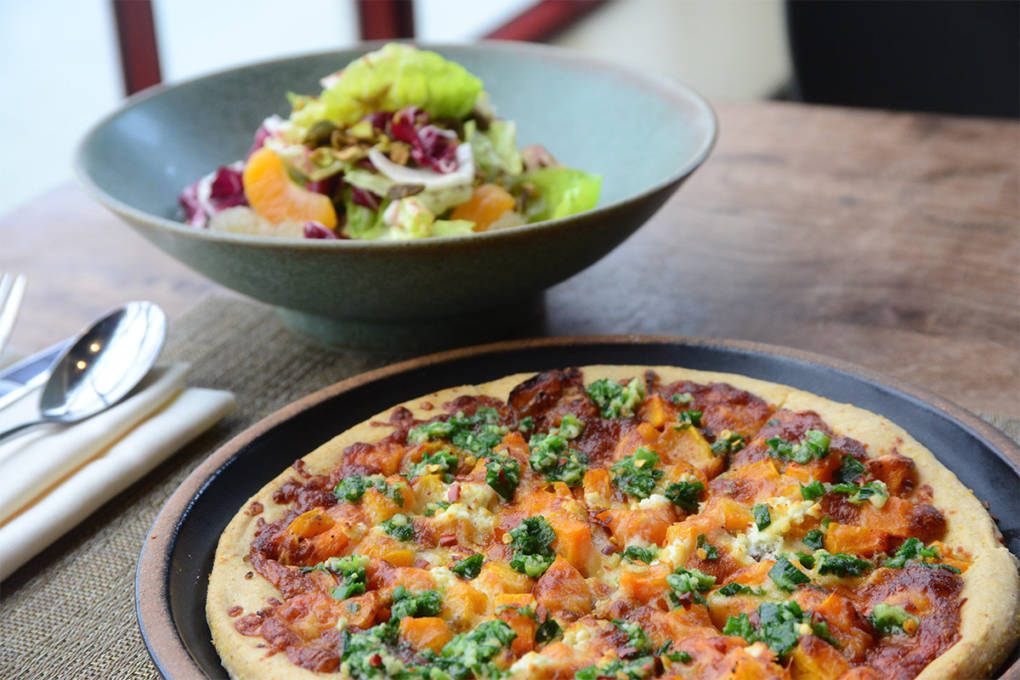
In its 40th year, vegetarian restaurant pioneer Greens looks ahead
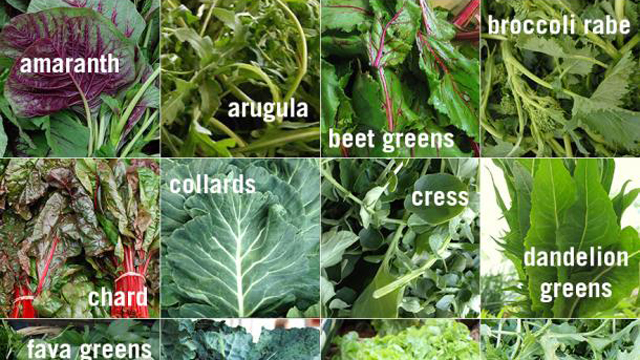
CUESA's Guide to Spring Greens
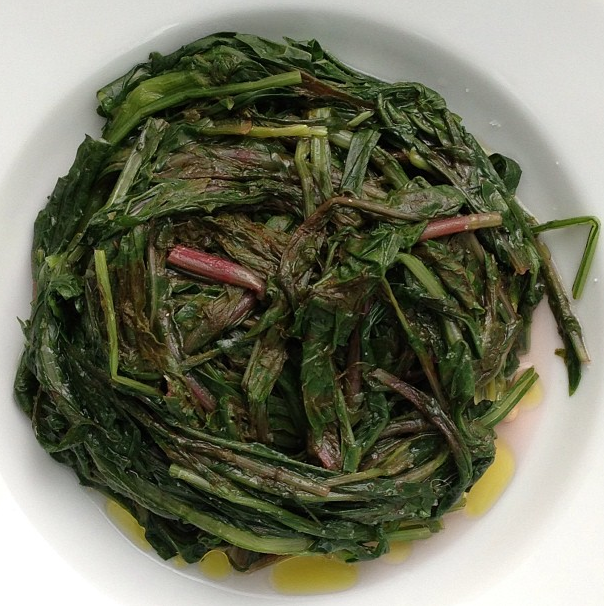
Horta Culture.
In The Land Of Wild Ramps, It's Festival Time
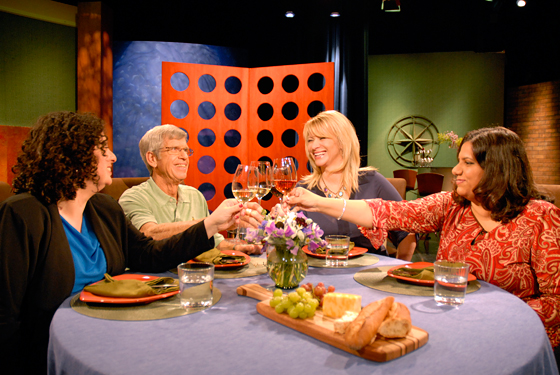
Check, Please! Bay Area reviews: Bella Trattoria, Outerlands, Greens
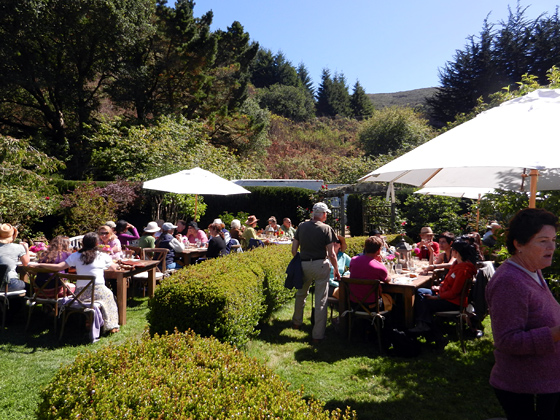
Feasting in the Fields at Green Gulch Farm
The Glean Team
Scouting Joshua Grannell, aka Peaches Christ's San Francisco Food Stops
Growing Greens
Sponsored
window.__IS_SSR__=true
window.__INITIAL_STATE__={"attachmentsReducer":{"audio_0":{"type":"attachments","id":"audio_0","imgSizes":{"kqedFullSize":{"file":"https://ww2.kqed.org/news/wp-content/themes/KQED-unified/img/audio_bgs/background0.jpg"}}},"audio_1":{"type":"attachments","id":"audio_1","imgSizes":{"kqedFullSize":{"file":"https://ww2.kqed.org/news/wp-content/themes/KQED-unified/img/audio_bgs/background1.jpg"}}},"audio_2":{"type":"attachments","id":"audio_2","imgSizes":{"kqedFullSize":{"file":"https://ww2.kqed.org/news/wp-content/themes/KQED-unified/img/audio_bgs/background2.jpg"}}},"audio_3":{"type":"attachments","id":"audio_3","imgSizes":{"kqedFullSize":{"file":"https://ww2.kqed.org/news/wp-content/themes/KQED-unified/img/audio_bgs/background3.jpg"}}},"audio_4":{"type":"attachments","id":"audio_4","imgSizes":{"kqedFullSize":{"file":"https://ww2.kqed.org/news/wp-content/themes/KQED-unified/img/audio_bgs/background4.jpg"}}},"placeholder":{"type":"attachments","id":"placeholder","imgSizes":{"thumbnail":{"file":"https://ww2.kqed.org/wp-content/uploads/sites/10/2018/01/GettyImages-896326950-160x96.jpg","width":160,"height":96,"mimeType":"image/jpeg"},"medium":{"file":"https://ww2.kqed.org/wp-content/uploads/sites/10/2018/01/GettyImages-896326950-800x478.jpg","width":800,"height":478,"mimeType":"image/jpeg"},"large":{"file":"https://ww2.kqed.org/wp-content/uploads/sites/10/2018/01/GettyImages-896326950-1020x610.jpg","width":1020,"height":610,"mimeType":"image/jpeg"},"fd-lrg":{"file":"https://ww2.kqed.org/wp-content/uploads/sites/10/2018/01/GettyImages-896326950-1920x1148.jpg","width":1920,"height":1148,"mimeType":"image/jpeg"},"fd-med":{"file":"https://ww2.kqed.org/wp-content/uploads/sites/10/2018/01/GettyImages-896326950-1180x705.jpg","width":1180,"height":705,"mimeType":"image/jpeg"},"fd-sm":{"file":"https://ww2.kqed.org/wp-content/uploads/sites/10/2018/01/GettyImages-896326950-960x574.jpg","width":960,"height":574,"mimeType":"image/jpeg"},"post-thumbnail":{"file":"https://ww2.kqed.org/wp-content/uploads/sites/10/2018/01/GettyImages-896326950-672x372.jpg","width":672,"height":372,"mimeType":"image/jpeg"},"twentyfourteen-full-width":{"file":"https://ww2.kqed.org/wp-content/uploads/sites/10/2018/01/GettyImages-896326950-1038x576.jpg","width":1038,"height":576,"mimeType":"image/jpeg"},"xxsmall":{"file":"https://ww2.kqed.org/wp-content/uploads/sites/10/2018/01/GettyImages-896326950-240x143.jpg","width":240,"height":143,"mimeType":"image/jpeg"},"xsmall":{"file":"https://ww2.kqed.org/wp-content/uploads/sites/10/2018/01/GettyImages-896326950-375x224.jpg","width":375,"height":224,"mimeType":"image/jpeg"},"small":{"file":"https://ww2.kqed.org/wp-content/uploads/sites/10/2018/01/GettyImages-896326950-520x311.jpg","width":520,"height":311,"mimeType":"image/jpeg"},"xlarge":{"file":"https://ww2.kqed.org/wp-content/uploads/sites/10/2018/01/GettyImages-896326950-1180x705.jpg","width":1180,"height":705,"mimeType":"image/jpeg"},"full-width":{"file":"https://ww2.kqed.org/wp-content/uploads/sites/10/2018/01/GettyImages-896326950-1920x1148.jpg","width":1920,"height":1148,"mimeType":"image/jpeg"},"guest-author-32":{"file":"https://ww2.kqed.org/wp-content/uploads/sites/10/2018/01/GettyImages-896326950-32x32.jpg","width":32,"height":32,"mimeType":"image/jpeg"},"guest-author-50":{"file":"https://ww2.kqed.org/wp-content/uploads/sites/10/2018/01/GettyImages-896326950-50x50.jpg","width":50,"height":50,"mimeType":"image/jpeg"},"guest-author-64":{"file":"https://ww2.kqed.org/wp-content/uploads/sites/10/2018/01/GettyImages-896326950-64x64.jpg","width":64,"height":64,"mimeType":"image/jpeg"},"guest-author-96":{"file":"https://ww2.kqed.org/wp-content/uploads/sites/10/2018/01/GettyImages-896326950-96x96.jpg","width":96,"height":96,"mimeType":"image/jpeg"},"guest-author-128":{"file":"https://ww2.kqed.org/wp-content/uploads/sites/10/2018/01/GettyImages-896326950-128x128.jpg","width":128,"height":128,"mimeType":"image/jpeg"},"detail":{"file":"https://ww2.kqed.org/wp-content/uploads/sites/10/2018/01/GettyImages-896326950-150x150.jpg","width":150,"height":150,"mimeType":"image/jpeg"},"kqedFullSize":{"file":"https://ww2.kqed.org/wp-content/uploads/sites/10/2018/01/GettyImages-896326950-e1514998105161.jpg","width":1920,"height":1148}}},"bayareabites_132356":{"type":"attachments","id":"bayareabites_132356","meta":{"index":"attachments_1591205162","site":"bayareabites","id":"132356","found":true},"title":"A cornmeal-crust pizza topped with roasted squash, caramelized onion, Asiago and goat cheese, and pesto.","publishDate":1549480922,"status":"inherit","parent":132351,"modified":1549480941,"caption":"A cornmeal-crust pizza topped with roasted squash, caramelized onion, Asiago and goat cheese, and pesto.","credit":"Nick Czap","description":"A cornmeal-crust pizza topped with roasted squash, caramelized onion, Asiago and goat cheese, and pesto.","imgSizes":{"thumbnail":{"file":"https://ww2.kqed.org/app/uploads/sites/24/2019/02/1200x800-160x107.jpg","width":160,"height":107,"mimeType":"image/jpeg"},"medium":{"file":"https://ww2.kqed.org/app/uploads/sites/24/2019/02/1200x800-800x533.jpg","width":800,"height":533,"mimeType":"image/jpeg"},"medium_large":{"file":"https://ww2.kqed.org/app/uploads/sites/24/2019/02/1200x800-768x512.jpg","width":768,"height":512,"mimeType":"image/jpeg"},"large":{"file":"https://ww2.kqed.org/app/uploads/sites/24/2019/02/1200x800-1020x680.jpg","width":1020,"height":680,"mimeType":"image/jpeg"},"complete_open_graph":{"file":"https://ww2.kqed.org/app/uploads/sites/24/2019/02/1200x800-1200x800.jpg","width":1200,"height":800,"mimeType":"image/jpeg"},"post-thumbnail":{"file":"https://ww2.kqed.org/app/uploads/sites/24/2019/02/1200x800-672x372.jpg","width":672,"height":372,"mimeType":"image/jpeg"},"twentyfourteen-full-width":{"file":"https://ww2.kqed.org/app/uploads/sites/24/2019/02/1200x800-1038x576.jpg","width":1038,"height":576,"mimeType":"image/jpeg"},"guest-author-32":{"file":"https://ww2.kqed.org/app/uploads/sites/24/2019/02/1200x800-32x32.jpg","width":32,"height":32,"mimeType":"image/jpeg"},"guest-author-50":{"file":"https://ww2.kqed.org/app/uploads/sites/24/2019/02/1200x800-50x50.jpg","width":50,"height":50,"mimeType":"image/jpeg"},"guest-author-64":{"file":"https://ww2.kqed.org/app/uploads/sites/24/2019/02/1200x800-64x64.jpg","width":64,"height":64,"mimeType":"image/jpeg"},"guest-author-96":{"file":"https://ww2.kqed.org/app/uploads/sites/24/2019/02/1200x800-96x96.jpg","width":96,"height":96,"mimeType":"image/jpeg"},"guest-author-128":{"file":"https://ww2.kqed.org/app/uploads/sites/24/2019/02/1200x800-128x128.jpg","width":128,"height":128,"mimeType":"image/jpeg"},"detail":{"file":"https://ww2.kqed.org/app/uploads/sites/24/2019/02/1200x800-150x150.jpg","width":150,"height":150,"mimeType":"image/jpeg"},"kqedFullSize":{"file":"https://ww2.kqed.org/app/uploads/sites/24/2019/02/1200x800.jpg","width":1200,"height":800}},"fetchFailed":false,"isLoading":false},"bayareabites_79386":{"type":"attachments","id":"bayareabites_79386","meta":{"index":"attachments_1591205162","site":"bayareabites","id":"79386","found":true},"title":"greens_guide640x360","publishDate":1395504789,"status":"inherit","parent":79378,"modified":1395504789,"caption":null,"credit":null,"description":null,"imgSizes":{"kqedFullSize":{"file":"https://ww2.kqed.org/app/uploads/sites/24/2014/03/greens_guide640x360.jpg","width":640,"height":360}},"fetchFailed":false,"isLoading":false},"bayareabites_66350":{"type":"attachments","id":"bayareabites_66350","meta":{"index":"attachments_1591205162","site":"bayareabites","id":"66350","found":true},"title":"Horta-cooked","publishDate":1374805926,"status":"inherit","parent":66329,"modified":1374805926,"caption":null,"credit":null,"description":null,"imgSizes":{"kqedFullSize":{"file":"https://ww2.kqed.org/app/uploads/sites/24/2013/07/Horta-cooked.png","width":604,"height":606}},"fetchFailed":false,"isLoading":false},"bayareabites_61650":{"type":"attachments","id":"bayareabites_61650","meta":{"index":"attachments_1591205162","site":"bayareabites","id":"61650","found":true},"title":"Ramps, or wild leeks, are a member of the lily family and resemble scallions with their wide leaves and small, white bulbs tinged a rusty red.","publishDate":1368216219,"status":"inherit","parent":61649,"modified":1368216219,"caption":null,"credit":null,"description":"Ramps, or wild leeks, are a member of the lily family and resemble scallions with their wide leaves and small, white bulbs tinged a rusty red.","imgSizes":{"kqedFullSize":{"file":"https://ww2.kqed.org/app/uploads/sites/24/2013/05/ramps2_wide-6147b33464e75e782fa32178f25902ec9c27b8c1.jpg","width":200,"height":112}},"fetchFailed":false,"isLoading":false},"bayareabites_50365":{"type":"attachments","id":"bayareabites_50365","meta":{"index":"attachments_1591205162","site":"bayareabites","id":"50365","found":true},"title":"Guests and host Leslie Sbrocco taping episode 711 of Check, Please! Bay Area at KQED.","publishDate":1351047065,"status":"inherit","parent":50363,"modified":1351047065,"caption":null,"credit":null,"description":null,"imgSizes":{"kqedFullSize":{"file":"https://ww2.kqed.org/app/uploads/sites/24/2012/10/cp711group560.jpg","width":560,"height":375}},"fetchFailed":false,"isLoading":false},"bayareabites_48869":{"type":"attachments","id":"bayareabites_48869","meta":{"index":"attachments_1591205162","site":"bayareabites","id":"48869","found":true},"title":"feasting in the fields","publishDate":1347614388,"status":"inherit","parent":48755,"modified":1347614388,"caption":null,"credit":null,"description":null,"imgSizes":{"kqedFullSize":{"file":"https://ww2.kqed.org/app/uploads/sites/24/2012/09/feasting-fields560.jpg","width":560,"height":420}},"fetchFailed":false,"isLoading":false}},"audioPlayerReducer":{"postId":"stream_live"},"authorsReducer":{"byline_bayareabites_61649":{"type":"authors","id":"byline_bayareabites_61649","meta":{"override":true},"slug":"byline_bayareabites_61649","name":"Jess Schreibstein","isLoading":false},"wendy-goodfriend":{"type":"authors","id":"5014","meta":{"index":"authors_1591205172","id":"5014","found":true},"name":"Wendy Goodfriend","firstName":"Wendy","lastName":"Goodfriend","slug":"wendy-goodfriend","email":"wendy@wendygoodfriend.com","display_author_email":false,"staff_mastheads":[],"title":null,"bio":"I was the Senior Digital Producer for KQED Food up until July, 2018. Since 2001, I designed, produced, managed and contributed to mostly food-related websites and blogs for KQED including: KQED.org; KQED Food; Bay Area Bites; Check, Please! Bay Area; Taste This; Celebrity Chefs; seven of Jacques Pepin's TV series websites; and Joanne Weir's Cooking in the City. I initiated the majority of KQED Food's social media feeds and maintained them up until 2017. As far as content creation, photography is my passion and I also shoot video and write stories. My photos have been used in articles for KQED Food, News, Arts, and Science as well as for promotional purposes in print and online. Professional education and training includes: clinical psychology, photography, commercial cooking, web design, information architecture and UX.","avatar":"https://secure.gravatar.com/avatar/dfba64372339cc34cf17e446e6f18fa8?s=600&d=blank&r=g","twitter":null,"facebook":"bayareabites","instagram":null,"linkedin":"wendygoodfriend","sites":[{"site":"jpepinheart","roles":["administrator"]},{"site":"about","roles":["editor"]},{"site":"bayareabites","roles":["subscriber"]},{"site":"science","roles":["administrator"]},{"site":"checkplease","roles":["subscriber"]},{"site":"food","roles":["author"]},{"site":"essentialpepin","roles":["administrator"]}],"headData":{"title":"Wendy Goodfriend | KQED","description":null,"ogImgSrc":"https://secure.gravatar.com/avatar/dfba64372339cc34cf17e446e6f18fa8?s=600&d=blank&r=g","twImgSrc":"https://secure.gravatar.com/avatar/dfba64372339cc34cf17e446e6f18fa8?s=600&d=blank&r=g"},"isLoading":false,"link":"/author/wendy-goodfriend"},"michael-procopio":{"type":"authors","id":"5017","meta":{"index":"authors_1591205172","id":"5017","found":true},"name":"Michael Procopio","firstName":"Michael","lastName":"Procopio","slug":"michael-procopio","email":"m_procopio@mac.com","display_author_email":false,"staff_mastheads":[],"title":null,"bio":"I am terribly fond of martinis, Edward Gorey, and sleeping with many pillows. \r\nYou are more than welcome to follow me on Twitter: \u003ca href=\"http://twitter.com/#!/procopster\">@procopster\u003c/a>","avatar":"https://secure.gravatar.com/avatar/2eb848aac69d701cf1e2c3e88199feb4?s=600&d=blank&r=g","twitter":"procopster","facebook":"foodforthethoughtless","instagram":null,"linkedin":null,"sites":[{"site":"bayareabites","roles":["contributor"]},{"site":"food","roles":["contributor"]}],"headData":{"title":"Michael Procopio | KQED","description":null,"ogImgSrc":"https://secure.gravatar.com/avatar/2eb848aac69d701cf1e2c3e88199feb4?s=600&d=blank&r=g","twImgSrc":"https://secure.gravatar.com/avatar/2eb848aac69d701cf1e2c3e88199feb4?s=600&d=blank&r=g"},"isLoading":false,"link":"/author/michael-procopio"},"stephanie-rosenbaum":{"type":"authors","id":"5038","meta":{"index":"authors_1591205172","id":"5038","found":true},"name":"Stephanie Rosenbaum Klassen","firstName":"Stephanie","lastName":"Rosenbaum Klassen","slug":"stephanie-rosenbaum","email":"dixieday@aol.com","display_author_email":false,"staff_mastheads":[],"title":null,"bio":"Stephanie Rosenbaum Klassen is a longtime local food writer, author, and cook. Her books include The Art of Vintage Cocktails (Egg & Dart Press), World of Doughnuts (Egg & Dart Press); Kids in the Kitchen: Fun Food (Williams Sonoma); Honey from Flower to Table (Chronicle Books) and The Astrology Cookbook: A Cosmic Guide to Feasts of Love (Manic D Press). She has studied organic farming at UCSC and holds a certificate in Ecological Horticulture from the Center for Agroecology and Sustainable Food Systems. She does frequent cooking demonstrations at local farmers’ markets and has taught food writing at Media Alliance in San Francisco and the Continuing Education program at Stanford University. She has been the lead restaurant critic for the San Francisco Bay Guardian as well as for San Francisco magazine. She has been an assistant chef at the Headlands Center for the Arts, an artists' residency program located in the Marin Headlands, and a production cook at the Marin Sun Farms Cafe in Pt Reyes Station. After some 20 years in San Francisco interspersed with stints in Oakland, Santa Cruz, Brooklyn, and Manhattan, she recently moved to Sonoma county but still writes in San Francisco several days a week.","avatar":"https://secure.gravatar.com/avatar/46bf004da7b42de11bfd2b1614ecadcf?s=600&d=blank&r=g","twitter":"sjrosenbaum","facebook":null,"instagram":null,"linkedin":null,"sites":[{"site":"bayareabites","roles":["author"]},{"site":"food","roles":["contributor"]}],"headData":{"title":"Stephanie Rosenbaum Klassen | KQED","description":null,"ogImgSrc":"https://secure.gravatar.com/avatar/46bf004da7b42de11bfd2b1614ecadcf?s=600&d=blank&r=g","twImgSrc":"https://secure.gravatar.com/avatar/46bf004da7b42de11bfd2b1614ecadcf?s=600&d=blank&r=g"},"isLoading":false,"link":"/author/stephanie-rosenbaum"},"maryladd":{"type":"authors","id":"5092","meta":{"index":"authors_1591205172","id":"5092","found":true},"name":"Mary Ladd","firstName":"Mary","lastName":"Ladd","slug":"maryladd","email":"writereadeat@gmail.com","display_author_email":false,"staff_mastheads":[],"title":null,"bio":"Mary Ladd is a freelance writer and event professional based in her hometown of San Francisco. Her writing has been featured in SF Weekly, Tasting Table, the San Francisco Chronicle and elsewhere. She has shuttled \u003ca href=\"http://sf.eater.com/archives/2009/03/26/eater_map_mr_bourdains_san_francisco_whereabouts.php\">Anthony Bourdain\u003c/a> around town and mastered the art of properly loading a catering van in a flash. Mary has eaten the world’s hottest burger and loves to cook and eat. Follow her at \u003ca href=\"https://twitter.com/mladdfood\">@mladdfood\u003c/a>","avatar":"https://secure.gravatar.com/avatar/dab53b49e4e893d0d1e6a7ec6ed29e27?s=600&d=blank&r=g","twitter":"mladdfood","facebook":null,"instagram":null,"linkedin":null,"sites":[{"site":"bayareabites","roles":["contributor"]}],"headData":{"title":"Mary Ladd | KQED","description":null,"ogImgSrc":"https://secure.gravatar.com/avatar/dab53b49e4e893d0d1e6a7ec6ed29e27?s=600&d=blank&r=g","twImgSrc":"https://secure.gravatar.com/avatar/dab53b49e4e893d0d1e6a7ec6ed29e27?s=600&d=blank&r=g"},"isLoading":false,"link":"/author/maryladd"},"jessehirsch":{"type":"authors","id":"5366","meta":{"index":"authors_1591205172","id":"5366","found":true},"name":"Jesse Hirsch","firstName":"Jesse","lastName":"Hirsch","slug":"jessehirsch","email":"hirsch.jesse@gmail.com","display_author_email":false,"staff_mastheads":[],"title":null,"bio":"Jesse Hirsch is the restaurant critic for the \u003cem>San Francisco Examiner\u003c/em>. Before that he has been a critic for the \u003cem>East Bay Express\u003c/em>, the editor of \u003cem>Edible Queens\u003c/em> magazine, and a freelancer for the \u003cem>New York Times, Wall Street Journal, San Francisco Chronicle, Wine and Spirits\u003c/em> magazine, and the \u003cem>Village Voice\u003c/em>.\r\nSince moving from NYC>SFO, Hirsch has joined a CSA, practices regular yoga, and barely uses his car horn. In short, he has undergone the type of Bay Area conversion that makes East Coasters feel smug. A theory – it’s possible Hirsch’s sharp edges have been blunted by an embarrassment of delicious food. Laugh away, oh ye cynics, while he Zens out on year-round produce, shrimp tacos, and everything al pastor. \r\n\u003cem>Full disclosure: Hirsch is goat cheese-averse.\u003c/em>","avatar":"https://secure.gravatar.com/avatar/132c3307ed5b1e5e457a0e27e147958c?s=600&d=blank&r=g","twitter":null,"facebook":null,"instagram":null,"linkedin":null,"sites":[{"site":"bayareabites","roles":["contributor"]}],"headData":{"title":"Jesse Hirsch | KQED","description":null,"ogImgSrc":"https://secure.gravatar.com/avatar/132c3307ed5b1e5e457a0e27e147958c?s=600&d=blank&r=g","twImgSrc":"https://secure.gravatar.com/avatar/132c3307ed5b1e5e457a0e27e147958c?s=600&d=blank&r=g"},"isLoading":false,"link":"/author/jessehirsch"},"cuesa":{"type":"authors","id":"5484","meta":{"index":"authors_1591205172","id":"5484","found":true},"name":"CUESA","firstName":"CUESA","lastName":null,"slug":"cuesa","email":"brie@cuesa.org","display_author_email":false,"staff_mastheads":[],"title":null,"bio":"CUESA (Center for Urban Education about Sustainable Agriculture) is a nonprofit organization dedicated to cultivating a sustainable food system through the operation of the Ferry Plaza Farmers Market and its educational programs. Learn more at \u003ca href=\"http://www.cuesa.org/\">cuesa.org\u003c/a>.","avatar":"https://secure.gravatar.com/avatar/323b5bab8e802e76af5b72a66b7c6987?s=600&d=blank&r=g","twitter":"cuesa","facebook":"CUESA","instagram":null,"linkedin":null,"sites":[{"site":"arts","roles":["author"]},{"site":"bayareabites","roles":["contributor"]},{"site":"food","roles":["contributor"]}],"headData":{"title":"CUESA | KQED","description":null,"ogImgSrc":"https://secure.gravatar.com/avatar/323b5bab8e802e76af5b72a66b7c6987?s=600&d=blank&r=g","twImgSrc":"https://secure.gravatar.com/avatar/323b5bab8e802e76af5b72a66b7c6987?s=600&d=blank&r=g"},"isLoading":false,"link":"/author/cuesa"},"7x7bayarea":{"type":"authors","id":"11590","meta":{"index":"authors_1591205172","id":"11590","found":true},"name":"7x7 Bay Area","firstName":"7x7 Bay Area","lastName":null,"slug":"7x7bayarea","email":"edit@7x7.com","display_author_email":false,"staff_mastheads":[],"title":null,"bio":"Founded in 2001, 7x7 is an independently owned and totally authentic guide to life in the San Francisco Bay Area. Our 24/7 online resource serves up stories on the best food and drink, arts and culture, style and design, hikes and wellness, regional travel, and more. Visit us anytime at \u003ca href=\"https://www.7x7.com/\">7x7.com\u003c/a>, and also find us on \u003ca href=\"https://www.facebook.com/7x7/\">Facebook\u003c/a>, \u003ca href=\"https://www.instagram.com/7x7bayarea/\">Instagram\u003c/a>, and \u003ca href=\"https://twitter.com/7x7\">Twitter\u003c/a>. Plus, subscribe to our podcast, \u003ca href=\"https://itunes.apple.com/us/podcast/7x7-bay-area-people-will-talk/id1444756628\">\"People Will Talk,\"\u003c/a> for insightful interviews with Bay Area luminaries; you'll find it on iTunes and wherever you get your podcasts.","avatar":"https://secure.gravatar.com/avatar/1084e0a66476f14f77589475632b61a7?s=600&d=blank&r=g","twitter":null,"facebook":null,"instagram":null,"linkedin":null,"sites":[{"site":"bayareabites","roles":["author"]}],"headData":{"title":"7x7 Bay Area | KQED","description":null,"ogImgSrc":"https://secure.gravatar.com/avatar/1084e0a66476f14f77589475632b61a7?s=600&d=blank&r=g","twImgSrc":"https://secure.gravatar.com/avatar/1084e0a66476f14f77589475632b61a7?s=600&d=blank&r=g"},"isLoading":false,"link":"/author/7x7bayarea"}},"breakingNewsReducer":{},"campaignFinanceReducer":{},"firebase":{"requesting":{},"requested":{},"timestamps":{},"data":{},"ordered":{},"auth":{"isLoaded":false,"isEmpty":true},"authError":null,"profile":{"isLoaded":false,"isEmpty":true},"listeners":{"byId":{},"allIds":[]},"isInitializing":false,"errors":[]},"navBarReducer":{"navBarId":"arts","fullView":true,"showPlayer":false},"navMenuReducer":{"menus":[{"key":"menu1","items":[{"name":"News","link":"/","type":"title"},{"name":"Politics","link":"/politics"},{"name":"Science","link":"/science"},{"name":"Education","link":"/educationnews"},{"name":"Housing","link":"/housing"},{"name":"Immigration","link":"/immigration"},{"name":"Criminal Justice","link":"/criminaljustice"},{"name":"Silicon Valley","link":"/siliconvalley"},{"name":"Forum","link":"/forum"},{"name":"The California Report","link":"/californiareport"}]},{"key":"menu2","items":[{"name":"Arts & Culture","link":"/arts","type":"title"},{"name":"Critics’ Picks","link":"/thedolist"},{"name":"Cultural Commentary","link":"/artscommentary"},{"name":"Food & Drink","link":"/food"},{"name":"Bay Area Hip-Hop","link":"/bayareahiphop"},{"name":"Rebel Girls","link":"/rebelgirls"},{"name":"Arts Video","link":"/artsvideos"}]},{"key":"menu3","items":[{"name":"Podcasts","link":"/podcasts","type":"title"},{"name":"Bay Curious","link":"/podcasts/baycurious"},{"name":"Rightnowish","link":"/podcasts/rightnowish"},{"name":"The Bay","link":"/podcasts/thebay"},{"name":"On Our Watch","link":"/podcasts/onourwatch"},{"name":"Mindshift","link":"/podcasts/mindshift"},{"name":"Consider This","link":"/podcasts/considerthis"},{"name":"Political Breakdown","link":"/podcasts/politicalbreakdown"}]},{"key":"menu4","items":[{"name":"Live Radio","link":"/radio","type":"title"},{"name":"TV","link":"/tv","type":"title"},{"name":"Events","link":"/events","type":"title"},{"name":"For Educators","link":"/education","type":"title"},{"name":"Support KQED","link":"/support","type":"title"},{"name":"About","link":"/about","type":"title"},{"name":"Help Center","link":"https://kqed-helpcenter.kqed.org/s","type":"title"}]}]},"pagesReducer":{},"postsReducer":{"stream_live":{"type":"live","id":"stream_live","audioUrl":"https://streams.kqed.org/kqedradio","title":"Live Stream","excerpt":"Live Stream information currently unavailable.","link":"/radio","featImg":"","label":{"name":"KQED Live","link":"/"}},"stream_kqedNewscast":{"type":"posts","id":"stream_kqedNewscast","audioUrl":"https://www.kqed.org/.stream/anon/radio/RDnews/newscast.mp3?_=1","title":"KQED Newscast","featImg":"","label":{"name":"88.5 FM","link":"/"}},"bayareabites_132351":{"type":"posts","id":"bayareabites_132351","meta":{"index":"posts_1591205157","site":"bayareabites","id":"132351","score":null,"sort":[1549481209000]},"guestAuthors":[],"slug":"in-its-40th-year-vegetarian-restaurant-pioneer-greens-looks-ahead","title":"In its 40th year, vegetarian restaurant pioneer Greens looks ahead","publishDate":1549481209,"format":"standard","headTitle":"Bay Area Bites | KQED Food","labelTerm":{"site":"bayareabites"},"content":"\u003cp>\u003ci>by \u003ca href=\"https://www.7x7.com/community/nickczap\">Nick Czap\u003c/a>\u003c/i>\u003c/p>\n\u003cp>Of the six paramitas—or perfections—of practice in Zen Buddhism, the first is generosity. Within the context of Buddhism, there's a curious twist to generosity, because when you consider an act of generosity in light of the interconnectedness of all things, it follows that there is no difference between the giver, the gift, and the receiver.\u003c/p>\n\u003cp>And while I'm not a Buddhist myself, a recent evening at Greens, on which I felt a particular oneness with the food, leads me to think there may be some truth to the idea.\u003c/p>\n\u003cp>There was another element at work as well, a longstanding affection for a San Francisco landmark that early on had shaped my perception of just how powerful the experience of eating at a restaurant could be, while demonstrating that vegetarian cuisine was as worthy of respect and reverence as any other.\u003c/p>\n\u003cp>As a newly minted San Franciscan, my first visit to \u003ca href=\"https://greensrestaurant.com/\">Greens\u003c/a> in the early 1990s was a revelation. A strict vegetarian at the time, my outlook on restaurants of the genre—shaped by leftist food co-op cafes, various Hare Krishna establishments, and the no-longer-extant British chain, Cranks—was correspondingly bleak. Imagine, then, the thrill of that long-ago summer evening in a vast, airy dining room, elegantly furnished and brilliantly illuminated by a Golden Gate sunset, and of food so beautiful, flavorful, and nourishing that it left an herbivore flushed with gratitude, and his omnivorous relatives feeling that they hadn't missed a thing.\u003c/p>\n\u003cp>[ad fullwidth]\u003c/p>\n\u003cp>In the course of some recent outings to Fort Mason—for art fairs, open studios, and the odd beer-quenched afternoon at \u003ca href=\"https://www.7x7.com/first-taste-radhaus-beer-hall-fort-mason-2597192826.html\">Radhaus\u003c/a>—it occurred to me that Greens and I were due for a reunion. Coincidentally, Greens, which turns 40 this July, was at a pivotal juncture, having just emerged from a protracted closure, with a new chef in the kitchen.\u003c/p>\n\u003cfigure id=\"attachment_132352\" class=\"wp-caption aligncenter\" style=\"max-width: 980px\">\u003cimg class=\"size-full wp-image-132352\" src=\"https://ww2.kqed.org/bayareabites/wp-content/uploads/sites/24/2019/02/980x.jpg\" alt=\"Looking outside from inside Greens\" width=\"980\" height=\"653\" srcset=\"https://ww2.kqed.org/app/uploads/sites/24/2019/02/980x.jpg 980w, https://ww2.kqed.org/app/uploads/sites/24/2019/02/980x-160x107.jpg 160w, https://ww2.kqed.org/app/uploads/sites/24/2019/02/980x-800x533.jpg 800w, https://ww2.kqed.org/app/uploads/sites/24/2019/02/980x-768x512.jpg 768w\" sizes=\"(max-width: 980px) 100vw, 980px\">\u003cfigcaption class=\"wp-caption-text\">\"When you walk in the door and have that beautiful experience of space, looking out at the bridge and the headlands and the bay, you really do feel transformed,\" said longtime chef Annie Somerville of Greens' interior. \u003ccite>(Nick Czap)\u003c/cite>\u003c/figcaption>\u003c/figure>\n\u003cp>Considering how radical it seemed in the early '90s, one wonders what SF made of Greens when it opened on the site of a former military base in 1979. The restaurant was founded by the San Francisco Zen Center, an organization that encompasses three Soto Zen Buddhist practice communities—at Green Gulch Farm in Marin, City Center in San Francisco, and Tassajara in the Ventana Wilderness. The vegetarian food at Tassajara—which invites members of the public for retreats in spring and summer—was very popular with visitors from the Bay Area, and the community surmised that the same food could attract a following in the city. A restaurant could serve as a place for Zen trainees to work and practice together, and if it succeeded, could help support the Zen Center financially.\u003c/p>\n\u003cp>Green's executive chef, Annie Somerville, came to the restaurant in 1981 after working in the kitchen at the Zen Center in SF, and as the head cook at Tassajara. \"When I came to Greens,\" she said with a note of amusement, \"it was supposed to be just a short stint.\" She worked alongside the restaurant's first chef, Deborah Madison, who established a culinary tone that continues to this day. \"I give credit to Deborah Madison for that—taking produce and turning it into something very beautiful on the plate.\"\u003c/p>\n\u003cp>Somerville emphasized that the success of the restaurant also owed much to its location. \"A lot of the experience of Greens is not just the food. When you walk in the door and have that beautiful experience of space, looking out at the bridge and the headlands and the bay, you really do feel transformed. At that point, 50 percent of our job is done.\"\u003c/p>\n\u003cp>Early last year, Somerville began gradually reducing her involvement in the restaurant's day-to-day operations. \"I've worked at Greens for 37 years,\" she said. \"It's very much a part of my life. But I can just say that at some point you know it's time for change. It was time for me to step back, and it was time for the restaurant for me to step back.\" To that end, in the middle of last year, Greens hired Denise St. Onge, an experienced young chef, as its chef de cuisine. When I met with St. Onge recently, she talked about her personal connection to Greens.\u003c/p>\n\u003cfigure id=\"attachment_132353\" class=\"wp-caption aligncenter\" style=\"max-width: 980px\">\u003cimg class=\"size-full wp-image-132353\" src=\"https://ww2.kqed.org/bayareabites/wp-content/uploads/sites/24/2019/02/980x-1.jpg\" alt=\"Greens' new chef de cuisine, Denise St. Onge, at Green Gulch Farm in Marin.\" width=\"980\" height=\"653\" srcset=\"https://ww2.kqed.org/app/uploads/sites/24/2019/02/980x-1.jpg 980w, https://ww2.kqed.org/app/uploads/sites/24/2019/02/980x-1-160x107.jpg 160w, https://ww2.kqed.org/app/uploads/sites/24/2019/02/980x-1-800x533.jpg 800w, https://ww2.kqed.org/app/uploads/sites/24/2019/02/980x-1-768x512.jpg 768w\" sizes=\"(max-width: 980px) 100vw, 980px\">\u003cfigcaption class=\"wp-caption-text\">Greens' new chef de cuisine, Denise St. Onge, at Green Gulch Farm in Marin. \u003ccite>(Nader Khouri)\u003c/cite>\u003c/figcaption>\u003c/figure>\n\u003cp>St. Onge, who is half-Thai, was raised Buddhist and grew up both in Thailand and in the Oakland hills. \"My mother was a chef in Oakland, at the Vulcan Cafe,\" she said, \"and my sister and I traveled a lot as kids, and became foodies naturally through that experience. My mom passed away from cancer in 1998, and during that journey with her, we started a vegetarian macrobiotic diet, did a lot of meditation, and came to Greens a lot. It was probably 1995. I always thought it was a really beautiful restaurant and institution, and a very peaceful place.\"\u003c/p>\n\u003cp>After studying international relations at SF State, St. Onge decided she wanted to cook. \"I started off as a stage at Michael Mina,\" which at the time was one of only two two-Michelin-star restaurants in the city, \"and worked for free until they hired me.\" In the years that followed, she worked at a number of the city's most highly regarded restaurants, including Gary Danko, SPQR, Prospect, and Atelier Crenn. Greens, as it happened, would prove to be something of a baptism by fire.\u003c/p>\n\u003cp>On June 20, shortly after St. Onge was hired, a blaze broke out in the kitchen's ventilation system. Greens announced that it would be \"closed for a few weeks\" to repair the damage. Fire inspectors, however, discovered a number of issues, which led to a decision to replace the entire kitchen, and a closure that would ultimately last four months. The reopening in mid-October, in the midst of a socially conscious investing conference at Fort Mason, was anything but soft. Greens' general manager, Min Kim, described the scenario: \"Denise had to execute a full dining room and 26 other private events in three and a half days. After that, we were ready for anything.\"\u003c/p>\n\u003cp>On an evening in mid-December, Greens seemed to be fully back in its groove. The only discernible difference was that the dining room looked especially snappy, its new chairs and carpets, and a fresh coat of paint a fringe benefit of the four-month closure. The sun had not quite set, and from our table by the window, my wife and I could just make out the fog-cloaked towers of the bridge and the masts of the sailboats lilting gently in the nearby marina. The mood was serene, the lighting soft, a refreshing respite from the glare of the halogens favored by so many restaurants in an age of social media.\u003c/p>\n\u003cp>As we took turns nipping into a bowl of almonds that had been tossed in olive oil and sea salt and slow-roasted to a brilliant crunch, I sipped a brisk, bright negroni—a blend of Botanist Islay dry gin, Carpano Antica sweet vermouth, and the bitter apéritif liqueur, Gran Classico.\u003c/p>\n\u003cfigure id=\"attachment_132354\" class=\"wp-caption aligncenter\" style=\"max-width: 980px\">\u003cimg class=\"size-full wp-image-132354\" src=\"https://ww2.kqed.org/bayareabites/wp-content/uploads/sites/24/2019/02/980x-2.jpg\" alt=\"A carrot-ginger soup garnished with a plump falafel.\" width=\"980\" height=\"653\" srcset=\"https://ww2.kqed.org/app/uploads/sites/24/2019/02/980x-2.jpg 980w, https://ww2.kqed.org/app/uploads/sites/24/2019/02/980x-2-160x107.jpg 160w, https://ww2.kqed.org/app/uploads/sites/24/2019/02/980x-2-800x533.jpg 800w, https://ww2.kqed.org/app/uploads/sites/24/2019/02/980x-2-768x512.jpg 768w\" sizes=\"(max-width: 980px) 100vw, 980px\">\u003cfigcaption class=\"wp-caption-text\">On a recent evening, dinner began with a carrot-ginger soup garnished with a plump falafel. \u003ccite>(Nick Czap)\u003c/cite>\u003c/figcaption>\u003c/figure>\n\u003cp>As a first course, I chose carrot-ginger soup. Delightfully colorful, a rich orange-ocher, it was garnished with a single, plump falafel and some juicy micro greens—radish or arugula, possibly. Warm, sweet, and savory with a subtle gingery kick, it was comforting, fortifying, and invigorating all at once.\u003c/p>\n\u003cp>We then shared a wonderfully sweet and juicy Warren pear, poached in white wine and mulling spices, charcoal-grilled, and garnished with spicy greens in a tangy vinaigrette and a scattering of toasted hazelnuts. Equally scrumptious was a dish of griddle cakes—gently seared, delicately savory rounds made from a batter of cheddar cauliflower florets, egg yolk, feta cheese, chili flakes, scallions, and the Mexican corn flour masa harina.\u003c/p>\n\u003cp>For the main, we divvied up a pizza, a handsome pie with a crisp-crumbly crust—made from a mix of cornmeal and ultra-finely-ground 00 flour—topped with roasted squash, caramelized onion, Asiago and goat cheese, and an assertively flavorful pesto made from pine nuts, scallions, Parmigiano-Reggiano, garlic, and olive oil.\u003c/p>\n\u003cp>Of the five enticing desserts, we chose two: a warm and fragrant apple galette à la house-made butter pecan ice cream; and a spot-on butterscotch pot de crème topped with a delectably crisp and buttery-sweet cacao nib tuile.\u003c/p>\n\u003cp>If the food felt familiar, and reassuringly so, it's because St. Onge is as keenly interested in where Greens came from as where it's going. \"I've been studying the Greens cookbooks,\" she said, \"and looking through all of our files of past menus,\" studying the influences that Madison first brought to the kitchen, and the way the food had evolved during Somerville's tenure. \"I personally have a lot of ideas about where we can grow on the menu, incorporating more vegan options, and also incorporating Zen Buddhist heritage.\"\u003c/p>\n\u003cfigure id=\"attachment_132355\" class=\"wp-caption aligncenter\" style=\"max-width: 980px\">\u003cimg class=\"size-full wp-image-132355\" src=\"https://ww2.kqed.org/bayareabites/wp-content/uploads/sites/24/2019/02/980x-3.jpg\" alt=\"Cauliflower griddlecakes.\" width=\"980\" height=\"653\" srcset=\"https://ww2.kqed.org/app/uploads/sites/24/2019/02/980x-3.jpg 980w, https://ww2.kqed.org/app/uploads/sites/24/2019/02/980x-3-160x107.jpg 160w, https://ww2.kqed.org/app/uploads/sites/24/2019/02/980x-3-800x533.jpg 800w, https://ww2.kqed.org/app/uploads/sites/24/2019/02/980x-3-768x512.jpg 768w\" sizes=\"(max-width: 980px) 100vw, 980px\">\u003cfigcaption class=\"wp-caption-text\">Cauliflower griddlecakes. \u003ccite>(Nick Czap)\u003c/cite>\u003c/figcaption>\u003c/figure>\n\u003cp>Somerville, who still shops for the restaurant at the Ferry Plaza farmers' market and makes herself available for menu ideas and other consultations, expressed a deep trust in St. Onge's instincts. \"Denise is much younger than I am, and has worked in a number of great restaurants,\" she said. \"We're lucky to have someone there who has a sense of the place and respects it. We're a time-honored place, and at the same time, people want change. It's good to let things evolve. If a dish clicks, the customers will tell us. And we listen to them.\"\u003c/p>\n\u003cp>[ad floatright]\u003c/p>\n\u003cp>\u003ci>This article originally appeared on \u003ca href=\"https://www.7x7.com/greens-restaurant-celebrates-40-years-2627114758.html\">7x7 Bay Area\u003c/a>.\u003c/i>\u003c/p>\n\n","blocks":[],"excerpt":"At 40, Greens is still evolving thanks to its new chef Denise St. Onge.","status":"publish","parent":0,"modified":1550617551,"stats":{"hasAudio":false,"hasVideo":false,"hasChartOrMap":false,"iframeSrcs":[],"hasGoogleForm":false,"hasGallery":false,"hasHearkenModule":false,"hasPolis":false,"paragraphCount":24,"wordCount":1699},"headData":{"title":"In its 40th year, vegetarian restaurant pioneer Greens looks ahead | KQED","description":"At 40, Greens is still evolving thanks to its new chef Denise St. Onge.","ogTitle":"","ogDescription":"","ogImgId":"","twTitle":"","twDescription":"","twImgId":""},"disqusIdentifier":"132351 https://ww2.kqed.org/bayareabites/?p=132351","disqusUrl":"https://ww2.kqed.org/bayareabites/2019/02/06/in-its-40th-year-vegetarian-restaurant-pioneer-greens-looks-ahead/","disqusTitle":"In its 40th year, vegetarian restaurant pioneer Greens looks ahead","path":"/bayareabites/132351/in-its-40th-year-vegetarian-restaurant-pioneer-greens-looks-ahead","audioTrackLength":null,"parsedContent":[{"type":"contentString","content":"\u003cdiv class=\"post-body\">\u003cp>\u003cp>\u003ci>by \u003ca href=\"https://www.7x7.com/community/nickczap\">Nick Czap\u003c/a>\u003c/i>\u003c/p>\n\u003cp>Of the six paramitas—or perfections—of practice in Zen Buddhism, the first is generosity. Within the context of Buddhism, there's a curious twist to generosity, because when you consider an act of generosity in light of the interconnectedness of all things, it follows that there is no difference between the giver, the gift, and the receiver.\u003c/p>\n\u003cp>And while I'm not a Buddhist myself, a recent evening at Greens, on which I felt a particular oneness with the food, leads me to think there may be some truth to the idea.\u003c/p>\n\u003cp>There was another element at work as well, a longstanding affection for a San Francisco landmark that early on had shaped my perception of just how powerful the experience of eating at a restaurant could be, while demonstrating that vegetarian cuisine was as worthy of respect and reverence as any other.\u003c/p>\n\u003cp>As a newly minted San Franciscan, my first visit to \u003ca href=\"https://greensrestaurant.com/\">Greens\u003c/a> in the early 1990s was a revelation. A strict vegetarian at the time, my outlook on restaurants of the genre—shaped by leftist food co-op cafes, various Hare Krishna establishments, and the no-longer-extant British chain, Cranks—was correspondingly bleak. Imagine, then, the thrill of that long-ago summer evening in a vast, airy dining room, elegantly furnished and brilliantly illuminated by a Golden Gate sunset, and of food so beautiful, flavorful, and nourishing that it left an herbivore flushed with gratitude, and his omnivorous relatives feeling that they hadn't missed a thing.\u003c/p>\n\u003cp>\u003c/p>\u003c/div>","attributes":{"named":{},"numeric":[]}},{"type":"component","content":"","name":"ad","attributes":{"named":{"label":"fullwidth"},"numeric":["fullwidth"]}},{"type":"contentString","content":"\u003cdiv class=\"post-body\">\u003cp>\u003c/p>\n\u003cp>In the course of some recent outings to Fort Mason—for art fairs, open studios, and the odd beer-quenched afternoon at \u003ca href=\"https://www.7x7.com/first-taste-radhaus-beer-hall-fort-mason-2597192826.html\">Radhaus\u003c/a>—it occurred to me that Greens and I were due for a reunion. Coincidentally, Greens, which turns 40 this July, was at a pivotal juncture, having just emerged from a protracted closure, with a new chef in the kitchen.\u003c/p>\n\u003cfigure id=\"attachment_132352\" class=\"wp-caption aligncenter\" style=\"max-width: 980px\">\u003cimg class=\"size-full wp-image-132352\" src=\"https://ww2.kqed.org/bayareabites/wp-content/uploads/sites/24/2019/02/980x.jpg\" alt=\"Looking outside from inside Greens\" width=\"980\" height=\"653\" srcset=\"https://ww2.kqed.org/app/uploads/sites/24/2019/02/980x.jpg 980w, https://ww2.kqed.org/app/uploads/sites/24/2019/02/980x-160x107.jpg 160w, https://ww2.kqed.org/app/uploads/sites/24/2019/02/980x-800x533.jpg 800w, https://ww2.kqed.org/app/uploads/sites/24/2019/02/980x-768x512.jpg 768w\" sizes=\"(max-width: 980px) 100vw, 980px\">\u003cfigcaption class=\"wp-caption-text\">\"When you walk in the door and have that beautiful experience of space, looking out at the bridge and the headlands and the bay, you really do feel transformed,\" said longtime chef Annie Somerville of Greens' interior. \u003ccite>(Nick Czap)\u003c/cite>\u003c/figcaption>\u003c/figure>\n\u003cp>Considering how radical it seemed in the early '90s, one wonders what SF made of Greens when it opened on the site of a former military base in 1979. The restaurant was founded by the San Francisco Zen Center, an organization that encompasses three Soto Zen Buddhist practice communities—at Green Gulch Farm in Marin, City Center in San Francisco, and Tassajara in the Ventana Wilderness. The vegetarian food at Tassajara—which invites members of the public for retreats in spring and summer—was very popular with visitors from the Bay Area, and the community surmised that the same food could attract a following in the city. A restaurant could serve as a place for Zen trainees to work and practice together, and if it succeeded, could help support the Zen Center financially.\u003c/p>\n\u003cp>Green's executive chef, Annie Somerville, came to the restaurant in 1981 after working in the kitchen at the Zen Center in SF, and as the head cook at Tassajara. \"When I came to Greens,\" she said with a note of amusement, \"it was supposed to be just a short stint.\" She worked alongside the restaurant's first chef, Deborah Madison, who established a culinary tone that continues to this day. \"I give credit to Deborah Madison for that—taking produce and turning it into something very beautiful on the plate.\"\u003c/p>\n\u003cp>Somerville emphasized that the success of the restaurant also owed much to its location. \"A lot of the experience of Greens is not just the food. When you walk in the door and have that beautiful experience of space, looking out at the bridge and the headlands and the bay, you really do feel transformed. At that point, 50 percent of our job is done.\"\u003c/p>\n\u003cp>Early last year, Somerville began gradually reducing her involvement in the restaurant's day-to-day operations. \"I've worked at Greens for 37 years,\" she said. \"It's very much a part of my life. But I can just say that at some point you know it's time for change. It was time for me to step back, and it was time for the restaurant for me to step back.\" To that end, in the middle of last year, Greens hired Denise St. Onge, an experienced young chef, as its chef de cuisine. When I met with St. Onge recently, she talked about her personal connection to Greens.\u003c/p>\n\u003cfigure id=\"attachment_132353\" class=\"wp-caption aligncenter\" style=\"max-width: 980px\">\u003cimg class=\"size-full wp-image-132353\" src=\"https://ww2.kqed.org/bayareabites/wp-content/uploads/sites/24/2019/02/980x-1.jpg\" alt=\"Greens' new chef de cuisine, Denise St. Onge, at Green Gulch Farm in Marin.\" width=\"980\" height=\"653\" srcset=\"https://ww2.kqed.org/app/uploads/sites/24/2019/02/980x-1.jpg 980w, https://ww2.kqed.org/app/uploads/sites/24/2019/02/980x-1-160x107.jpg 160w, https://ww2.kqed.org/app/uploads/sites/24/2019/02/980x-1-800x533.jpg 800w, https://ww2.kqed.org/app/uploads/sites/24/2019/02/980x-1-768x512.jpg 768w\" sizes=\"(max-width: 980px) 100vw, 980px\">\u003cfigcaption class=\"wp-caption-text\">Greens' new chef de cuisine, Denise St. Onge, at Green Gulch Farm in Marin. \u003ccite>(Nader Khouri)\u003c/cite>\u003c/figcaption>\u003c/figure>\n\u003cp>St. Onge, who is half-Thai, was raised Buddhist and grew up both in Thailand and in the Oakland hills. \"My mother was a chef in Oakland, at the Vulcan Cafe,\" she said, \"and my sister and I traveled a lot as kids, and became foodies naturally through that experience. My mom passed away from cancer in 1998, and during that journey with her, we started a vegetarian macrobiotic diet, did a lot of meditation, and came to Greens a lot. It was probably 1995. I always thought it was a really beautiful restaurant and institution, and a very peaceful place.\"\u003c/p>\n\u003cp>After studying international relations at SF State, St. Onge decided she wanted to cook. \"I started off as a stage at Michael Mina,\" which at the time was one of only two two-Michelin-star restaurants in the city, \"and worked for free until they hired me.\" In the years that followed, she worked at a number of the city's most highly regarded restaurants, including Gary Danko, SPQR, Prospect, and Atelier Crenn. Greens, as it happened, would prove to be something of a baptism by fire.\u003c/p>\n\u003cp>On June 20, shortly after St. Onge was hired, a blaze broke out in the kitchen's ventilation system. Greens announced that it would be \"closed for a few weeks\" to repair the damage. Fire inspectors, however, discovered a number of issues, which led to a decision to replace the entire kitchen, and a closure that would ultimately last four months. The reopening in mid-October, in the midst of a socially conscious investing conference at Fort Mason, was anything but soft. Greens' general manager, Min Kim, described the scenario: \"Denise had to execute a full dining room and 26 other private events in three and a half days. After that, we were ready for anything.\"\u003c/p>\n\u003cp>On an evening in mid-December, Greens seemed to be fully back in its groove. The only discernible difference was that the dining room looked especially snappy, its new chairs and carpets, and a fresh coat of paint a fringe benefit of the four-month closure. The sun had not quite set, and from our table by the window, my wife and I could just make out the fog-cloaked towers of the bridge and the masts of the sailboats lilting gently in the nearby marina. The mood was serene, the lighting soft, a refreshing respite from the glare of the halogens favored by so many restaurants in an age of social media.\u003c/p>\n\u003cp>As we took turns nipping into a bowl of almonds that had been tossed in olive oil and sea salt and slow-roasted to a brilliant crunch, I sipped a brisk, bright negroni—a blend of Botanist Islay dry gin, Carpano Antica sweet vermouth, and the bitter apéritif liqueur, Gran Classico.\u003c/p>\n\u003cfigure id=\"attachment_132354\" class=\"wp-caption aligncenter\" style=\"max-width: 980px\">\u003cimg class=\"size-full wp-image-132354\" src=\"https://ww2.kqed.org/bayareabites/wp-content/uploads/sites/24/2019/02/980x-2.jpg\" alt=\"A carrot-ginger soup garnished with a plump falafel.\" width=\"980\" height=\"653\" srcset=\"https://ww2.kqed.org/app/uploads/sites/24/2019/02/980x-2.jpg 980w, https://ww2.kqed.org/app/uploads/sites/24/2019/02/980x-2-160x107.jpg 160w, https://ww2.kqed.org/app/uploads/sites/24/2019/02/980x-2-800x533.jpg 800w, https://ww2.kqed.org/app/uploads/sites/24/2019/02/980x-2-768x512.jpg 768w\" sizes=\"(max-width: 980px) 100vw, 980px\">\u003cfigcaption class=\"wp-caption-text\">On a recent evening, dinner began with a carrot-ginger soup garnished with a plump falafel. \u003ccite>(Nick Czap)\u003c/cite>\u003c/figcaption>\u003c/figure>\n\u003cp>As a first course, I chose carrot-ginger soup. Delightfully colorful, a rich orange-ocher, it was garnished with a single, plump falafel and some juicy micro greens—radish or arugula, possibly. Warm, sweet, and savory with a subtle gingery kick, it was comforting, fortifying, and invigorating all at once.\u003c/p>\n\u003cp>We then shared a wonderfully sweet and juicy Warren pear, poached in white wine and mulling spices, charcoal-grilled, and garnished with spicy greens in a tangy vinaigrette and a scattering of toasted hazelnuts. Equally scrumptious was a dish of griddle cakes—gently seared, delicately savory rounds made from a batter of cheddar cauliflower florets, egg yolk, feta cheese, chili flakes, scallions, and the Mexican corn flour masa harina.\u003c/p>\n\u003cp>For the main, we divvied up a pizza, a handsome pie with a crisp-crumbly crust—made from a mix of cornmeal and ultra-finely-ground 00 flour—topped with roasted squash, caramelized onion, Asiago and goat cheese, and an assertively flavorful pesto made from pine nuts, scallions, Parmigiano-Reggiano, garlic, and olive oil.\u003c/p>\n\u003cp>Of the five enticing desserts, we chose two: a warm and fragrant apple galette à la house-made butter pecan ice cream; and a spot-on butterscotch pot de crème topped with a delectably crisp and buttery-sweet cacao nib tuile.\u003c/p>\n\u003cp>If the food felt familiar, and reassuringly so, it's because St. Onge is as keenly interested in where Greens came from as where it's going. \"I've been studying the Greens cookbooks,\" she said, \"and looking through all of our files of past menus,\" studying the influences that Madison first brought to the kitchen, and the way the food had evolved during Somerville's tenure. \"I personally have a lot of ideas about where we can grow on the menu, incorporating more vegan options, and also incorporating Zen Buddhist heritage.\"\u003c/p>\n\u003cfigure id=\"attachment_132355\" class=\"wp-caption aligncenter\" style=\"max-width: 980px\">\u003cimg class=\"size-full wp-image-132355\" src=\"https://ww2.kqed.org/bayareabites/wp-content/uploads/sites/24/2019/02/980x-3.jpg\" alt=\"Cauliflower griddlecakes.\" width=\"980\" height=\"653\" srcset=\"https://ww2.kqed.org/app/uploads/sites/24/2019/02/980x-3.jpg 980w, https://ww2.kqed.org/app/uploads/sites/24/2019/02/980x-3-160x107.jpg 160w, https://ww2.kqed.org/app/uploads/sites/24/2019/02/980x-3-800x533.jpg 800w, https://ww2.kqed.org/app/uploads/sites/24/2019/02/980x-3-768x512.jpg 768w\" sizes=\"(max-width: 980px) 100vw, 980px\">\u003cfigcaption class=\"wp-caption-text\">Cauliflower griddlecakes. \u003ccite>(Nick Czap)\u003c/cite>\u003c/figcaption>\u003c/figure>\n\u003cp>Somerville, who still shops for the restaurant at the Ferry Plaza farmers' market and makes herself available for menu ideas and other consultations, expressed a deep trust in St. Onge's instincts. \"Denise is much younger than I am, and has worked in a number of great restaurants,\" she said. \"We're lucky to have someone there who has a sense of the place and respects it. We're a time-honored place, and at the same time, people want change. It's good to let things evolve. If a dish clicks, the customers will tell us. And we listen to them.\"\u003c/p>\n\u003cp>\u003c/p>\u003c/div>","attributes":{"named":{},"numeric":[]}},{"type":"component","content":"","name":"ad","attributes":{"named":{"label":"floatright"},"numeric":["floatright"]}},{"type":"contentString","content":"\u003cdiv class=\"post-body\">\u003cp>\u003c/p>\n\u003cp>\u003ci>This article originally appeared on \u003ca href=\"https://www.7x7.com/greens-restaurant-celebrates-40-years-2627114758.html\">7x7 Bay Area\u003c/a>.\u003c/i>\u003c/p>\n\n\u003c/div>\u003c/p>","attributes":{"named":{},"numeric":[]}}],"link":"/bayareabites/132351/in-its-40th-year-vegetarian-restaurant-pioneer-greens-looks-ahead","authors":["11590"],"categories":["bayareabites_63","bayareabites_11028","bayareabites_10028","bayareabites_1807","bayareabites_90","bayareabites_1873"],"tags":["bayareabites_3328","bayareabites_1000","bayareabites_16282"],"featImg":"bayareabites_132356","label":"bayareabites"},"bayareabites_79378":{"type":"posts","id":"bayareabites_79378","meta":{"index":"posts_1591205157","site":"bayareabites","id":"79378","score":null,"sort":[1395505271000]},"guestAuthors":[],"slug":"cuesas-guide-to-spring-greens","title":"CUESA's Guide to Spring Greens","publishDate":1395505271,"format":"aside","headTitle":"Bay Area Bites | KQED Food","labelTerm":{"site":"bayareabites"},"content":"\u003cp>\u003ca href=\"http://ww2.kqed.org/bayareabites/wp-content/uploads/sites/24/2014/03/greens_guide.jpg\">\u003cimg src=\"http://ww2.kqed.org/bayareabites/wp-content/uploads/sites/24/2014/03/greens_guide.jpg\" alt=\"CUESA's Guide to Spring Greens\" width=\"610\" height=\"665\" class=\"aligncenter size-full wp-image-79383\">\u003c/a>\u003c/p>\n\u003cp>Post by Brie Mazurek, \u003ca href=\"http://www.cuesa.org/article/guide-greens\" target=\"_blank\">CUESA \u003c/a>(3/21/2014)\u003c/p>\n\u003cp>Spring is here, which means an explosion of all things green at the market. Although many greens can be found throughout the year, they are most abundant, lush, and tender in the spring, with over 40 types available, from spinach, arugula, and kale to nettles, cress, and pea shoots.\u003c/p>\n\u003cp>The term “greens” refers to leafy plants that are cooked or eaten raw. Many of these vegetables and herbs are rich in vitamin C, beta carotene, and dietary fiber, with darker leaves typically being more nutritious.\u003c/p>\n\u003cp>Remove greens from compostable bags when you get home, or they will lose moisture quickly. To store greens, we recommend keeping them in a container or plastic bag in the refrigerator. A salad spinner is ideal, because the greens are held loosely in the basket, away from direct contact with water. You can also wrap them in moist towels and keep them in the crisper. And don’t toss those beet, radish, and turnip tops—they make perfectly delicious cooked greens themselves!\u003c/p>\n\u003cp>[ad fullwidth]\u003c/p>\n\u003cp>Here are some of the more common (and a few usual) greens you’ll find at the Ferry Plaza Farmers Market. Celebrate the onset of spring and the diversity of greens at \u003ca href=\"http://www.cuesa.org/event/spring-greens-celebration\">CUESA’s Spring Greens Celebration\u003c/a> (Sat, Mar 22, 10am-1pm).\u003c/p>\n\u003cp>\u003ca href=\"http://ww2.kqed.org/bayareabites/wp-content/uploads/sites/24/2014/03/CUESA_Greens_Guide.pdf\">\u003cimg src=\"http://ww2.kqed.org/bayareabites/wp-content/uploads/sites/24/2014/03/greens_guide_download_sq.jpg\" alt=\"Download CUESA's guide to Greens at the Farmers' Market\" width=\"250\" height=\"250\" class=\"alignleft size-full wp-image-79384\">\u003c/a>\u003cstrong>Amaranth greens:\u003c/strong> Though often a deep reddish color, these “greens” are eaten when young and have a slightly sweet flavor. They can be cooked like spinach. Unless they are very young, it’s best to chop them before cooking.\u003c/p>\n\u003cp>\u003cstrong>Arugula:\u003c/strong> This delicious leafy plant enhances any salad with its peppery flavor. Arugula is great on pizza (added at the end of baking) or sandwiches. Look for freshly cut arugula with firm and tender green leaves. The more mature leaves have a more pungent bite.\u003c/p>\n\u003cp>\u003cstrong>Beet greens:\u003c/strong> Beet greens are rarely sold on their own—they come with the roots when purchased by the bunch. Similar in taste to chard and spinach, the leaves are flat with ribs that match the color of the beet and are generally steamed, sautéed, or braised.\u003c/p>\n\u003cp>\u003cstrong>Broccoli rabe:\u003c/strong> Popular in Italian, Chinese, and Portuguese cooking, broccoli rabe, or rapini, has many jagged-edged leaves and a bud that resembles broccoli, sometimes with small, yellow flowers that are also edible. The taste is similar to broccoli but more bitter.\u003c/p>\n\u003cp>\u003cstrong>Chard:\u003c/strong> Chard has wide, fan-like leaves and a thick, crunchy stalk that comes in a variety of colors, including white, red, yellow, and orange. It can be eaten raw, but cooking makes it sweeter and less bitter. The stems take longer to cook than the leaves, so throw them into the pot first.\u003c/p>\n\u003cp>\u003cstrong>Collards:\u003c/strong> Collard greens belong to the Brassicaceae family, making them an excellent choice in the cooler months. Their blue-green leaves are broad and smooth in texture, and their size makes them a good tortilla substitute for wraps.\u003c/p>\n\u003cp>\u003cstrong>Cress:\u003c/strong> Cress is closely related to the mustard plant and, like its relative, it is a fast-growing herb with a tangy, peppery flavor. It is generally cultivated in warmer climates with moist soil. Its leaves are commonly used in salads and sandwiches or as a garnish.\u003c/p>\n\u003cp>\u003cstrong>Dandelion greens:\u003c/strong> Related to the common weed, these greens have a bitter flavor that mellows when cooked. They are delicious steamed or braised and can be used in place of spinach. They also make a complex and spicy addition to your favorite grilled cheese sandwich.\u003c/p>\n\u003cp>\u003cstrong>Fava greens:\u003c/strong> Fava greens are similar to young spinach, but the leaves are thicker, with a milder flavor. The leaves are most tender early in the season, which lasts through the end of spring. They can be added to salads or cooked in pasta or eggs.\u003c/p>\n\u003cp>\u003cstrong>Kale:\u003c/strong> Kale can be eaten raw (adding a punch to salads) or cooked. Look for crisp stalks and unwilted leaves. Varieties available at the market include Green, Curly, Lacinato (“Dino”), Red Russian, Redbor, Siberian, and Spigarello.\u003c/p>\n\u003cp>\u003cstrong>Lettuce:\u003c/strong> Usually eaten raw in salads, lettuce has tender leaves with a crunchy rib. There are six common cultivar groups for lettuce—butterhead, Chinese lettuce, iceberg, looseleaf, romaine, and summer crisp—but hundreds of varieties exist within each of these categories.\u003c/p>\n\u003cp>\u003cstrong>Mizuna:\u003c/strong> This Asian green, a member of the mustard family, has delicate, frond-like, bright green leaves. Mizuna is a very hardy plant (both heat and cold tolerant) with a characteristic fresh peppery-cabbage flavor.\u003c/p>\n\u003cp>\u003cstrong>Mustard greens:\u003c/strong> These flavorful, spicy greens come from the same plant that makes mustard seed. Mustard leaves can be flat, crinkled, or ruffled, and can take on a number of colors, including beautiful reds and purples.\u003c/p>\n\u003cp>\u003cstrong>Nettles:\u003c/strong> Nettles have long been used as a medicinal herb, treating arthritis, anemia, hay fever, and kidney problems. When cooked, the leaves have an earthy flavor and become very soft, making them perfect for blending into a soup. Be careful when handling raw nettles; blanching or cooking them will remove the sting.\u003c/p>\n\u003cp>\u003cstrong>Pea shoots:\u003c/strong> Typically available in the spring, pea shoots are the leaves that adorn the common pea plant. They are bright green, crisp, and taste much like their namesake. They can be enjoyed raw or cooked and pair well with meat, beans, and pastas.\u003c/p>\n\u003cp>\u003cstrong>Orach:\u003c/strong> Also called mountain spinach, this bright magenta vegetable has a mild chard-like flavor but tastes saltier than most greens, as the minerals from the soil are stored in the leaves. It can be eaten raw in salads or cooked like spinach. Like beets, it can color a whole dish pink!\u003c/p>\n\u003cp>\u003cstrong>Spinach:\u003c/strong> Spinach has been cultivated for over 2,500 years. It is full of iron, calcium, fiber, and vitamins A and C. It also contains folic acid, chlorophyll, and antioxidants. Spinach has a subtle yet assertive flavor, often with iron or metallic notes. It is sweetest during cold weather.\u003c/p>\n\u003cp>\u003cstrong>Tatsoi:\u003c/strong> An Asian green also known as spoon mustard, tatsoi has dark green spoon-shaped leaves, a soft creamy texture, and a subtle yet distinctive flavor. Tatsoi is a great addition to salads, stir-fries, or used as a spicier substitute for basil in pesto.\u003c/p>\n\u003cp>[ad floatright]\u003c/p>\n\u003cp>\u003cstrong>Look for greens at these farms:\u003c/strong> \u003cem>Capay Organic, Chue’s Farm, County Line Harvest, Dirty Girl Produce, Eatwell Farm, Everything Under the Sun, Four Sisters Farm, Heirloom Organic Gardens, Iacopi Farm, Knoll Farms, Little Organic Farm, Marin Roots Farm, Star Route Farms, Tierra Vegetables.\u003c/em>\u003c/p>\n\n","blocks":[],"excerpt":"Spring is here, which means an explosion of all things green at the market. Although many greens can be found throughout the year, they are most abundant, lush, and tender in the spring, with over 40 types available, from spinach, arugula, and kale to nettles, cress, and pea shoots. ","status":"publish","parent":0,"modified":1553555841,"stats":{"hasAudio":false,"hasVideo":false,"hasChartOrMap":false,"iframeSrcs":[],"hasGoogleForm":false,"hasGallery":false,"hasHearkenModule":false,"hasPolis":false,"paragraphCount":27,"wordCount":1075},"headData":{"title":"CUESA's Guide to Spring Greens | KQED","description":"Spring is here, which means an explosion of all things green at the market. Although many greens can be found throughout the year, they are most abundant, lush, and tender in the spring, with over 40 types available, from spinach, arugula, and kale to nettles, cress, and pea shoots. ","ogTitle":"","ogDescription":"","ogImgId":"","twTitle":"","twDescription":"","twImgId":""},"disqusIdentifier":"79378 http://blogs.kqed.org/bayareabites/?p=79378","disqusUrl":"https://ww2.kqed.org/bayareabites/2014/03/22/cuesas-guide-to-spring-greens/","disqusTitle":"CUESA's Guide to Spring Greens","path":"/bayareabites/79378/cuesas-guide-to-spring-greens","audioTrackLength":null,"parsedContent":[{"type":"contentString","content":"\u003cdiv class=\"post-body\">\u003cp>\u003cp>\u003ca href=\"http://ww2.kqed.org/bayareabites/wp-content/uploads/sites/24/2014/03/greens_guide.jpg\">\u003cimg src=\"http://ww2.kqed.org/bayareabites/wp-content/uploads/sites/24/2014/03/greens_guide.jpg\" alt=\"CUESA's Guide to Spring Greens\" width=\"610\" height=\"665\" class=\"aligncenter size-full wp-image-79383\">\u003c/a>\u003c/p>\n\u003cp>Post by Brie Mazurek, \u003ca href=\"http://www.cuesa.org/article/guide-greens\" target=\"_blank\">CUESA \u003c/a>(3/21/2014)\u003c/p>\n\u003cp>Spring is here, which means an explosion of all things green at the market. Although many greens can be found throughout the year, they are most abundant, lush, and tender in the spring, with over 40 types available, from spinach, arugula, and kale to nettles, cress, and pea shoots.\u003c/p>\n\u003cp>The term “greens” refers to leafy plants that are cooked or eaten raw. Many of these vegetables and herbs are rich in vitamin C, beta carotene, and dietary fiber, with darker leaves typically being more nutritious.\u003c/p>\n\u003cp>Remove greens from compostable bags when you get home, or they will lose moisture quickly. To store greens, we recommend keeping them in a container or plastic bag in the refrigerator. A salad spinner is ideal, because the greens are held loosely in the basket, away from direct contact with water. You can also wrap them in moist towels and keep them in the crisper. And don’t toss those beet, radish, and turnip tops—they make perfectly delicious cooked greens themselves!\u003c/p>\n\u003cp>\u003c/p>\u003c/div>","attributes":{"named":{},"numeric":[]}},{"type":"component","content":"","name":"ad","attributes":{"named":{"label":"fullwidth"},"numeric":["fullwidth"]}},{"type":"contentString","content":"\u003cdiv class=\"post-body\">\u003cp>\u003c/p>\n\u003cp>Here are some of the more common (and a few usual) greens you’ll find at the Ferry Plaza Farmers Market. Celebrate the onset of spring and the diversity of greens at \u003ca href=\"http://www.cuesa.org/event/spring-greens-celebration\">CUESA’s Spring Greens Celebration\u003c/a> (Sat, Mar 22, 10am-1pm).\u003c/p>\n\u003cp>\u003ca href=\"http://ww2.kqed.org/bayareabites/wp-content/uploads/sites/24/2014/03/CUESA_Greens_Guide.pdf\">\u003cimg src=\"http://ww2.kqed.org/bayareabites/wp-content/uploads/sites/24/2014/03/greens_guide_download_sq.jpg\" alt=\"Download CUESA's guide to Greens at the Farmers' Market\" width=\"250\" height=\"250\" class=\"alignleft size-full wp-image-79384\">\u003c/a>\u003cstrong>Amaranth greens:\u003c/strong> Though often a deep reddish color, these “greens” are eaten when young and have a slightly sweet flavor. They can be cooked like spinach. Unless they are very young, it’s best to chop them before cooking.\u003c/p>\n\u003cp>\u003cstrong>Arugula:\u003c/strong> This delicious leafy plant enhances any salad with its peppery flavor. Arugula is great on pizza (added at the end of baking) or sandwiches. Look for freshly cut arugula with firm and tender green leaves. The more mature leaves have a more pungent bite.\u003c/p>\n\u003cp>\u003cstrong>Beet greens:\u003c/strong> Beet greens are rarely sold on their own—they come with the roots when purchased by the bunch. Similar in taste to chard and spinach, the leaves are flat with ribs that match the color of the beet and are generally steamed, sautéed, or braised.\u003c/p>\n\u003cp>\u003cstrong>Broccoli rabe:\u003c/strong> Popular in Italian, Chinese, and Portuguese cooking, broccoli rabe, or rapini, has many jagged-edged leaves and a bud that resembles broccoli, sometimes with small, yellow flowers that are also edible. The taste is similar to broccoli but more bitter.\u003c/p>\n\u003cp>\u003cstrong>Chard:\u003c/strong> Chard has wide, fan-like leaves and a thick, crunchy stalk that comes in a variety of colors, including white, red, yellow, and orange. It can be eaten raw, but cooking makes it sweeter and less bitter. The stems take longer to cook than the leaves, so throw them into the pot first.\u003c/p>\n\u003cp>\u003cstrong>Collards:\u003c/strong> Collard greens belong to the Brassicaceae family, making them an excellent choice in the cooler months. Their blue-green leaves are broad and smooth in texture, and their size makes them a good tortilla substitute for wraps.\u003c/p>\n\u003cp>\u003cstrong>Cress:\u003c/strong> Cress is closely related to the mustard plant and, like its relative, it is a fast-growing herb with a tangy, peppery flavor. It is generally cultivated in warmer climates with moist soil. Its leaves are commonly used in salads and sandwiches or as a garnish.\u003c/p>\n\u003cp>\u003cstrong>Dandelion greens:\u003c/strong> Related to the common weed, these greens have a bitter flavor that mellows when cooked. They are delicious steamed or braised and can be used in place of spinach. They also make a complex and spicy addition to your favorite grilled cheese sandwich.\u003c/p>\n\u003cp>\u003cstrong>Fava greens:\u003c/strong> Fava greens are similar to young spinach, but the leaves are thicker, with a milder flavor. The leaves are most tender early in the season, which lasts through the end of spring. They can be added to salads or cooked in pasta or eggs.\u003c/p>\n\u003cp>\u003cstrong>Kale:\u003c/strong> Kale can be eaten raw (adding a punch to salads) or cooked. Look for crisp stalks and unwilted leaves. Varieties available at the market include Green, Curly, Lacinato (“Dino”), Red Russian, Redbor, Siberian, and Spigarello.\u003c/p>\n\u003cp>\u003cstrong>Lettuce:\u003c/strong> Usually eaten raw in salads, lettuce has tender leaves with a crunchy rib. There are six common cultivar groups for lettuce—butterhead, Chinese lettuce, iceberg, looseleaf, romaine, and summer crisp—but hundreds of varieties exist within each of these categories.\u003c/p>\n\u003cp>\u003cstrong>Mizuna:\u003c/strong> This Asian green, a member of the mustard family, has delicate, frond-like, bright green leaves. Mizuna is a very hardy plant (both heat and cold tolerant) with a characteristic fresh peppery-cabbage flavor.\u003c/p>\n\u003cp>\u003cstrong>Mustard greens:\u003c/strong> These flavorful, spicy greens come from the same plant that makes mustard seed. Mustard leaves can be flat, crinkled, or ruffled, and can take on a number of colors, including beautiful reds and purples.\u003c/p>\n\u003cp>\u003cstrong>Nettles:\u003c/strong> Nettles have long been used as a medicinal herb, treating arthritis, anemia, hay fever, and kidney problems. When cooked, the leaves have an earthy flavor and become very soft, making them perfect for blending into a soup. Be careful when handling raw nettles; blanching or cooking them will remove the sting.\u003c/p>\n\u003cp>\u003cstrong>Pea shoots:\u003c/strong> Typically available in the spring, pea shoots are the leaves that adorn the common pea plant. They are bright green, crisp, and taste much like their namesake. They can be enjoyed raw or cooked and pair well with meat, beans, and pastas.\u003c/p>\n\u003cp>\u003cstrong>Orach:\u003c/strong> Also called mountain spinach, this bright magenta vegetable has a mild chard-like flavor but tastes saltier than most greens, as the minerals from the soil are stored in the leaves. It can be eaten raw in salads or cooked like spinach. Like beets, it can color a whole dish pink!\u003c/p>\n\u003cp>\u003cstrong>Spinach:\u003c/strong> Spinach has been cultivated for over 2,500 years. It is full of iron, calcium, fiber, and vitamins A and C. It also contains folic acid, chlorophyll, and antioxidants. Spinach has a subtle yet assertive flavor, often with iron or metallic notes. It is sweetest during cold weather.\u003c/p>\n\u003cp>\u003cstrong>Tatsoi:\u003c/strong> An Asian green also known as spoon mustard, tatsoi has dark green spoon-shaped leaves, a soft creamy texture, and a subtle yet distinctive flavor. Tatsoi is a great addition to salads, stir-fries, or used as a spicier substitute for basil in pesto.\u003c/p>\n\u003cp>\u003c/p>\u003c/div>","attributes":{"named":{},"numeric":[]}},{"type":"component","content":"","name":"ad","attributes":{"named":{"label":"floatright"},"numeric":["floatright"]}},{"type":"contentString","content":"\u003cdiv class=\"post-body\">\u003cp>\u003c/p>\n\u003cp>\u003cstrong>Look for greens at these farms:\u003c/strong> \u003cem>Capay Organic, Chue’s Farm, County Line Harvest, Dirty Girl Produce, Eatwell Farm, Everything Under the Sun, Four Sisters Farm, Heirloom Organic Gardens, Iacopi Farm, Knoll Farms, Little Organic Farm, Marin Roots Farm, Star Route Farms, Tierra Vegetables.\u003c/em>\u003c/p>\n\n\u003c/div>\u003c/p>","attributes":{"named":{},"numeric":[]}}],"link":"/bayareabites/79378/cuesas-guide-to-spring-greens","authors":["5484"],"categories":["bayareabites_12276","bayareabites_50","bayareabites_1874","bayareabites_95"],"tags":["bayareabites_2113","bayareabites_981","bayareabites_3051","bayareabites_237","bayareabites_1000","bayareabites_3050","bayareabites_9261","bayareabites_1011"],"featImg":"bayareabites_79386","label":"bayareabites"},"bayareabites_66329":{"type":"posts","id":"bayareabites_66329","meta":{"index":"posts_1591205157","site":"bayareabites","id":"66329","score":null,"sort":[1374849791000]},"guestAuthors":[],"slug":"horta-culture","title":" Horta Culture.","publishDate":1374849791,"format":"aside","headTitle":"Bay Area Bites | KQED Food","labelTerm":{"site":"bayareabites"},"content":"\u003cp>\u003ca href=\"http://ww2.kqed.org/bayareabites/wp-content/uploads/sites/24/2013/07/Horta-in-Vase1.png\">\u003cimg src=\"http://ww2.kqed.org/bayareabites/wp-content/uploads/sites/24/2013/07/Horta-in-Vase1.png\" title=\"Horta in vase. Photo: Michael Procopio\" alt=\"Horta in vase. Photo: Michael Procopio\" width=\"300\" class=\"alignleft size-full wp-image-66351\">\u003c/a>There’s an unassuming little dish we serve at our restaurant. It isn’t offered on our menu and yet everyone seems to know it’s there for them, should they need it.\u003c/p>\n\u003cp>The Greeks ask for it by its name: \u003cem>horta.\u003c/em> Non-Greeks ask for “a side of braised greens” because they either don’t know the proper term for it or do know but are afraid to sound out the first, faintly phlegmy syllable in public.\u003c/p>\n\u003cp>Calling \u003cem>horta\u003c/em> “braised greens” is an act of descriptive kindness and far more appetizing than calling them what they essentially are, which is boiled weeds. At our place of business, however, the dish is made from ingredients which are anything but weeds: the chard and mustard greens we use are deliberately cultivated and harvested by organic farmers. More esoteric greens like \u003ca href=\"https://en.wikipedia.org/wiki/Lamb%27s_Ear\">lamb’s ear\u003c/a> and \u003ca href=\"https://en.wikipedia.org/wiki/Amaranth\">amaranth\u003c/a> are added when the season allows, but they are grown from seed and carefully nurtured. There is nothing remotely wild about our bowls of \u003cem>horta\u003c/em>, but there are people who are clearly wild about them.\u003c/p>\n\u003cp>\u003cem>Horta\u003c/em> fleshes out the plates of rib eye steak and Greek potatoes we serve; it pillows the heads of whole grilled fish; it nests under lamb shanks ordered by the orzo-averse. It is piled into bowls, hot and limp, with a bit of its cooking liquid and a little olive oil, then brought out to guests with half of a lemon tied up in cheese cloth and green ribbon like a church bonnet. It’s never the star of the meal, but it has a way of making its presence felt.\u003c/p>\n\u003cp>Non-Greeks often order it because it sounds like a healthy addition to their meal. Young and middle-aged Greeks might order it out of habit, because it’s more or less always been a part of their dinners or, in some cases as one friend confided, “because it reminds me of my parents, who always kept an empty bag in the trunk of the car in case they saw greens growing by the side of the road. They’d kick us kids out of the car and make us pick f***ing weeds until the bag was full because they could never pass up free food.” I’d always thought his remark some sort of loving, familial joke about perceived Greek cheapness, which it was, but it was also a sort of testament to Greek resourcefulness.\u003c/p>\n\u003cp>[ad fullwidth]\u003c/p>\n\u003cp>Because there was a time when, if they did pass up a free meal, they might have died of starvation.\u003c/p>\n\u003cp>Whenever I bring a bowl of greens to older Greeks-- the ones from the Old Country who survived the war-- I always wonder if its presence at their table is practical or symbolic or both. Did they order \u003cem>horta\u003c/em> because they simply need the roughage at their age, or are they paying homage to the very thing that may have helped them beat hunger-- and the Nazis-- and come out of World War II alive? I’ve never dared to ask.\u003c/p>\n\u003cp>In April of 1941, Greece fell to the Axis armies of Germany, Italy, and Bulgaria. What followed was three and a half years of harsh occupation, economic destruction, murder, and starvation. The occupying forces requisitioned most of the available food stuffs for their armies, leaving the Greeks with very little upon which to survive. Livestock was slaughtered, farms placed under guard, transport trucks commandeered. The cities and islands like Mykonos and Chios, which depended upon shipments of food from the mainland in peaceful times, suffered the worst. During the winter of 1941-42, as many as 1,000 people a day were dying from hunger in Athens. It is estimated that more than 300,000 civilians died from malnutrition and starvation during the war.\u003c/p>\n\u003cp>\u003ca href=\"http://ww2.kqed.org/bayareabites/wp-content/uploads/sites/24/2013/07/Lemons-squeezed.png\">\u003cimg src=\"http://ww2.kqed.org/bayareabites/wp-content/uploads/sites/24/2013/07/Lemons-squeezed.png\" title=\"Lemons squeezed. Photo: Michael Procopio\" alt=\"Lemons squeezed. Photo: Michael Procopio\" width=\"300\" class=\"alignright size-full wp-image-66352\">\u003c/a>Those fortunate enough to live in the countryside foraged for survival. Wild greens such as dandelions, wild sorrel, mustard, fennel, sow-thistle, sea-beans-- anything non-poisonous and edible-- were gathered, boiled, and eaten. Olive oil was unavailable to many, and lemons were often difficult to come by. Another friend recently recounted the story of how his father would sometimes rummage through garbage cans for spent lemon halves to help make the weeds more palatable. \u003cem>Horta\u003c/em> was often eaten alone, leaving nothing but the acrid taste of the greens on the tongue. Resistance fighters survived on little more than nettles and other wild herbs in the mountains of Northern Greece; their diet almost as bitter as the fight they waged against their occupiers-- a fight they eventually won.\u003c/p>\n\u003cp>I sometimes wonder how many people survived the Occupation (and the ensuing civil war) thanks to piles of boiled weeds. I don’t think there’s any accurate way to measure. What I do know is that my respect for them has grown over time, thanks to a better understanding of their special Greek culture or, as I like to think of it, horta culture.\u003c/p>\n\u003cp>In 1943 Greece, a bowl of greens might have sat alone on the dinner table. In the 2013, it’s a struggle to find a spot for them on a table already crowded with more food than anyone could possibly consume, but they always make a place for it. With all the other, more lively dishes to compete with, no one may actually eat the \u003cem>horta\u003c/em>, but it’s always comforting to know that it’s there, should anyone truly need it again.\u003c/p>\n\u003cp>\u003ca href=\"http://ww2.kqed.org/bayareabites/wp-content/uploads/sites/24/2013/07/Horta-cooked.png\">\u003cimg src=\"http://ww2.kqed.org/bayareabites/wp-content/uploads/sites/24/2013/07/Horta-cooked.png\" alt=\"Horta cooked. Photo: Michael Procopio\" width=\"604\" height=\"606\" class=\"aligncenter size-full wp-image-66350\">\u003c/a>\u003c/p>\n\u003ch2>Horta\u003c/h2>\n\u003cp>You can use any type of greens you like to make \u003cem>horta\u003c/em>. Feel free to get creative, but don’t give it too much thought. Use what you have on hand. I prefer mine faintly bitter, which no one who knows me would find the least bit surprising.\u003c/p>\n\u003cp>The following recipe is just a guideline, since amounts are elastic and easily adjustable, just like the pants one should wear if one were having dinner at a Greek family’s house in non-famine times.\u003c/p>\n\u003cp>[ad floatright]\u003c/p>\n\u003cp>\u003cem>Serves two. Or one, if it is all one is eating.\u003c/em>\u003c/p>\n\u003cul>\n\u003cstrong>Ingredients:\u003cbr>\n\u003c/strong>\n\u003cli>1 bunch of dandelion greens\u003c/li>\n\u003cli>1 bunch of beet greens\u003c/li>\n\u003cli>About 4 cups of water\u003c/li>\n\u003cli>Plenty of kosher salt\u003c/li>\n\u003cli>1 lemon, halved\u003c/li>\n\u003cli> Olive oil\u003c/li>\n\u003c/ul>\n\u003col>\n\u003cstrong>Preparation:\u003c/strong>\n\u003cli>Add water to a large, deep pot. Add a scant handful of salt to the water and bring to a simmer.\u003c/li>\n\u003cli>Wash the greens until they are clean enough that you would wish to stick them in your mouth uncooked. Tear the leaf stalks in half, stalks and all (unless you’re using something with a particularly thick stem like kale) and drop them into the bubbling water. Stir the greens down until they are wilted and submerged. Cover and let simmer for about 10 minutes. Check for tenderness, paying attention to the doneness of the stalks. When they are properly supple, remove the greens from the water. Strain gently in a colander. Do not press excess moisture from them.\u003c/li>\n\u003cli>To serve, place the horta in a serving bowl, squeeze a lemon half over them, drizzle with olive oil and taste. If needed, sprinkle with a little more salt. Place the second half of lemon in the bowl, off to the side. Wrapping them in cheese cloth and ribbon is a lovely touch, but wholly unnecessary.\u003c/li>\n\u003cli>Eat and be grateful that you have more food available to you in your refrigerator, should you need it.\u003c/li>\n\u003c/ol>\n\n","blocks":[],"excerpt":"There’s an unassuming little dish we serve at our restaurant. The Greeks ask for it by its name: horta. Non-Greeks ask for “a side of braised greens” because they either don’t know the proper term for it or do know but are afraid to sound out the first, faintly phlegmy syllable in public.","status":"publish","parent":0,"modified":1375029507,"stats":{"hasAudio":false,"hasVideo":false,"hasChartOrMap":false,"iframeSrcs":[],"hasGoogleForm":false,"hasGallery":false,"hasHearkenModule":false,"hasPolis":false,"paragraphCount":17,"wordCount":1254},"headData":{"title":"Horta Culture. | KQED","description":"There’s an unassuming little dish we serve at our restaurant. The Greeks ask for it by its name: horta. Non-Greeks ask for “a side of braised greens” because they either don’t know the proper term for it or do know but are afraid to sound out the first, faintly phlegmy syllable in public.","ogTitle":"","ogDescription":"","ogImgId":"","twTitle":"","twDescription":"","twImgId":""},"disqusIdentifier":"66329 http://blogs.kqed.org/bayareabites/?p=66329","disqusUrl":"https://ww2.kqed.org/bayareabites/2013/07/26/horta-culture/","disqusTitle":" Horta Culture.","path":"/bayareabites/66329/horta-culture","audioTrackLength":null,"parsedContent":[{"type":"contentString","content":"\u003cdiv class=\"post-body\">\u003cp>\u003cp>\u003ca href=\"http://ww2.kqed.org/bayareabites/wp-content/uploads/sites/24/2013/07/Horta-in-Vase1.png\">\u003cimg src=\"http://ww2.kqed.org/bayareabites/wp-content/uploads/sites/24/2013/07/Horta-in-Vase1.png\" title=\"Horta in vase. Photo: Michael Procopio\" alt=\"Horta in vase. Photo: Michael Procopio\" width=\"300\" class=\"alignleft size-full wp-image-66351\">\u003c/a>There’s an unassuming little dish we serve at our restaurant. It isn’t offered on our menu and yet everyone seems to know it’s there for them, should they need it.\u003c/p>\n\u003cp>The Greeks ask for it by its name: \u003cem>horta.\u003c/em> Non-Greeks ask for “a side of braised greens” because they either don’t know the proper term for it or do know but are afraid to sound out the first, faintly phlegmy syllable in public.\u003c/p>\n\u003cp>Calling \u003cem>horta\u003c/em> “braised greens” is an act of descriptive kindness and far more appetizing than calling them what they essentially are, which is boiled weeds. At our place of business, however, the dish is made from ingredients which are anything but weeds: the chard and mustard greens we use are deliberately cultivated and harvested by organic farmers. More esoteric greens like \u003ca href=\"https://en.wikipedia.org/wiki/Lamb%27s_Ear\">lamb’s ear\u003c/a> and \u003ca href=\"https://en.wikipedia.org/wiki/Amaranth\">amaranth\u003c/a> are added when the season allows, but they are grown from seed and carefully nurtured. There is nothing remotely wild about our bowls of \u003cem>horta\u003c/em>, but there are people who are clearly wild about them.\u003c/p>\n\u003cp>\u003cem>Horta\u003c/em> fleshes out the plates of rib eye steak and Greek potatoes we serve; it pillows the heads of whole grilled fish; it nests under lamb shanks ordered by the orzo-averse. It is piled into bowls, hot and limp, with a bit of its cooking liquid and a little olive oil, then brought out to guests with half of a lemon tied up in cheese cloth and green ribbon like a church bonnet. It’s never the star of the meal, but it has a way of making its presence felt.\u003c/p>\n\u003cp>Non-Greeks often order it because it sounds like a healthy addition to their meal. Young and middle-aged Greeks might order it out of habit, because it’s more or less always been a part of their dinners or, in some cases as one friend confided, “because it reminds me of my parents, who always kept an empty bag in the trunk of the car in case they saw greens growing by the side of the road. They’d kick us kids out of the car and make us pick f***ing weeds until the bag was full because they could never pass up free food.” I’d always thought his remark some sort of loving, familial joke about perceived Greek cheapness, which it was, but it was also a sort of testament to Greek resourcefulness.\u003c/p>\n\u003cp>\u003c/p>\u003c/div>","attributes":{"named":{},"numeric":[]}},{"type":"component","content":"","name":"ad","attributes":{"named":{"label":"fullwidth"},"numeric":["fullwidth"]}},{"type":"contentString","content":"\u003cdiv class=\"post-body\">\u003cp>\u003c/p>\n\u003cp>Because there was a time when, if they did pass up a free meal, they might have died of starvation.\u003c/p>\n\u003cp>Whenever I bring a bowl of greens to older Greeks-- the ones from the Old Country who survived the war-- I always wonder if its presence at their table is practical or symbolic or both. Did they order \u003cem>horta\u003c/em> because they simply need the roughage at their age, or are they paying homage to the very thing that may have helped them beat hunger-- and the Nazis-- and come out of World War II alive? I’ve never dared to ask.\u003c/p>\n\u003cp>In April of 1941, Greece fell to the Axis armies of Germany, Italy, and Bulgaria. What followed was three and a half years of harsh occupation, economic destruction, murder, and starvation. The occupying forces requisitioned most of the available food stuffs for their armies, leaving the Greeks with very little upon which to survive. Livestock was slaughtered, farms placed under guard, transport trucks commandeered. The cities and islands like Mykonos and Chios, which depended upon shipments of food from the mainland in peaceful times, suffered the worst. During the winter of 1941-42, as many as 1,000 people a day were dying from hunger in Athens. It is estimated that more than 300,000 civilians died from malnutrition and starvation during the war.\u003c/p>\n\u003cp>\u003ca href=\"http://ww2.kqed.org/bayareabites/wp-content/uploads/sites/24/2013/07/Lemons-squeezed.png\">\u003cimg src=\"http://ww2.kqed.org/bayareabites/wp-content/uploads/sites/24/2013/07/Lemons-squeezed.png\" title=\"Lemons squeezed. Photo: Michael Procopio\" alt=\"Lemons squeezed. Photo: Michael Procopio\" width=\"300\" class=\"alignright size-full wp-image-66352\">\u003c/a>Those fortunate enough to live in the countryside foraged for survival. Wild greens such as dandelions, wild sorrel, mustard, fennel, sow-thistle, sea-beans-- anything non-poisonous and edible-- were gathered, boiled, and eaten. Olive oil was unavailable to many, and lemons were often difficult to come by. Another friend recently recounted the story of how his father would sometimes rummage through garbage cans for spent lemon halves to help make the weeds more palatable. \u003cem>Horta\u003c/em> was often eaten alone, leaving nothing but the acrid taste of the greens on the tongue. Resistance fighters survived on little more than nettles and other wild herbs in the mountains of Northern Greece; their diet almost as bitter as the fight they waged against their occupiers-- a fight they eventually won.\u003c/p>\n\u003cp>I sometimes wonder how many people survived the Occupation (and the ensuing civil war) thanks to piles of boiled weeds. I don’t think there’s any accurate way to measure. What I do know is that my respect for them has grown over time, thanks to a better understanding of their special Greek culture or, as I like to think of it, horta culture.\u003c/p>\n\u003cp>In 1943 Greece, a bowl of greens might have sat alone on the dinner table. In the 2013, it’s a struggle to find a spot for them on a table already crowded with more food than anyone could possibly consume, but they always make a place for it. With all the other, more lively dishes to compete with, no one may actually eat the \u003cem>horta\u003c/em>, but it’s always comforting to know that it’s there, should anyone truly need it again.\u003c/p>\n\u003cp>\u003ca href=\"http://ww2.kqed.org/bayareabites/wp-content/uploads/sites/24/2013/07/Horta-cooked.png\">\u003cimg src=\"http://ww2.kqed.org/bayareabites/wp-content/uploads/sites/24/2013/07/Horta-cooked.png\" alt=\"Horta cooked. Photo: Michael Procopio\" width=\"604\" height=\"606\" class=\"aligncenter size-full wp-image-66350\">\u003c/a>\u003c/p>\n\u003ch2>Horta\u003c/h2>\n\u003cp>You can use any type of greens you like to make \u003cem>horta\u003c/em>. Feel free to get creative, but don’t give it too much thought. Use what you have on hand. I prefer mine faintly bitter, which no one who knows me would find the least bit surprising.\u003c/p>\n\u003cp>The following recipe is just a guideline, since amounts are elastic and easily adjustable, just like the pants one should wear if one were having dinner at a Greek family’s house in non-famine times.\u003c/p>\n\u003cp>\u003c/p>\u003c/div>","attributes":{"named":{},"numeric":[]}},{"type":"component","content":"","name":"ad","attributes":{"named":{"label":"floatright"},"numeric":["floatright"]}},{"type":"contentString","content":"\u003cdiv class=\"post-body\">\u003cp>\u003c/p>\n\u003cp>\u003cem>Serves two. Or one, if it is all one is eating.\u003c/em>\u003c/p>\n\u003cul>\n\u003cstrong>Ingredients:\u003cbr>\n\u003c/strong>\n\u003cli>1 bunch of dandelion greens\u003c/li>\n\u003cli>1 bunch of beet greens\u003c/li>\n\u003cli>About 4 cups of water\u003c/li>\n\u003cli>Plenty of kosher salt\u003c/li>\n\u003cli>1 lemon, halved\u003c/li>\n\u003cli> Olive oil\u003c/li>\n\u003c/ul>\n\u003col>\n\u003cstrong>Preparation:\u003c/strong>\n\u003cli>Add water to a large, deep pot. Add a scant handful of salt to the water and bring to a simmer.\u003c/li>\n\u003cli>Wash the greens until they are clean enough that you would wish to stick them in your mouth uncooked. Tear the leaf stalks in half, stalks and all (unless you’re using something with a particularly thick stem like kale) and drop them into the bubbling water. Stir the greens down until they are wilted and submerged. Cover and let simmer for about 10 minutes. Check for tenderness, paying attention to the doneness of the stalks. When they are properly supple, remove the greens from the water. Strain gently in a colander. Do not press excess moisture from them.\u003c/li>\n\u003cli>To serve, place the horta in a serving bowl, squeeze a lemon half over them, drizzle with olive oil and taste. If needed, sprinkle with a little more salt. Place the second half of lemon in the bowl, off to the side. Wrapping them in cheese cloth and ribbon is a lovely touch, but wholly unnecessary.\u003c/li>\n\u003cli>Eat and be grateful that you have more food available to you in your refrigerator, should you need it.\u003c/li>\n\u003c/ol>\n\n\u003c/div>\u003c/p>","attributes":{"named":{},"numeric":[]}}],"link":"/bayareabites/66329/horta-culture","authors":["5017"],"categories":["bayareabites_752","bayareabites_2090","bayareabites_334","bayareabites_12"],"tags":["bayareabites_11449","bayareabites_12091","bayareabites_9278","bayareabites_1000","bayareabites_12080"],"featImg":"bayareabites_66350","label":"bayareabites"},"bayareabites_61649":{"type":"posts","id":"bayareabites_61649","meta":{"index":"posts_1591205157","site":"bayareabites","id":"61649","score":null,"sort":[1368217764000]},"guestAuthors":[],"slug":"in-the-land-of-wild-ramps-its-festival-time","title":"In The Land Of Wild Ramps, It's Festival Time","publishDate":1368217764,"format":"aside","headTitle":"Bay Area Bites | KQED Food","labelTerm":{"site":"bayareabites"},"content":"\u003cfigure id=\"attachment_61654\" class=\"wp-caption aligncenter\" style=\"max-width: 1024px\">\u003ca href=\"http://ww2.kqed.org/bayareabites/wp-content/uploads/sites/24/2013/05/ramps.jpg\">\u003cimg src=\"http://ww2.kqed.org/bayareabites/wp-content/uploads/sites/24/2013/05/ramps-1024x574.jpg\" alt=\"Ramps, or wild leeks, are a member of the lily family and resemble scallions with their wide leaves and small, white bulbs tinged a rusty red. Photo: John Blankenship/The Register-Herald\" width=\"1024\" height=\"574\" class=\"size-large wp-image-61654\">\u003c/a>\u003cfigcaption class=\"wp-caption-text\">Ramps, or wild leeks, are a member of the lily family and resemble scallions with their wide leaves and small, white bulbs tinged a rusty red. Photo: John Blankenship/The Register-Herald\u003c/figcaption>\u003c/figure>\n\u003cp>Post by Jess Schreibstein, \u003ca href=\"http://www.npr.org/blogs/thesalt/2013/05/10/182354602/in-the-land-of-wild-ramps-its-festival-time\">The Salt at NPR Food\u003c/a> (5/10/13)\u003c/p>\n\u003cp>Springtime in Appalachia means ramp festival season. But even as ramp festivals attract record numbers of people seeking a fleeting taste of the seasonal garlic-scented greens, scientists warn that overharvesting is forcing wild populations into decline.\u003c/p>\n\u003cfigure id=\"attachment_61655\" class=\"wp-caption alignleft\" style=\"max-width: 250px\">\u003ca href=\"http://ww2.kqed.org/bayareabites/wp-content/uploads/sites/24/2013/05/ramps1.jpg\">\u003cimg src=\"http://ww2.kqed.org/bayareabites/wp-content/uploads/sites/24/2013/05/ramps1.jpg\" alt=\"Apprentice cook Ryan McClung sautées ramps for the 2012 ramp festival in Richwood, West Va. Photo: F. Brian Ferguson/The Register-Herald\" width=\"250\" class=\"size-full wp-image-61655\">\u003c/a>\u003cfigcaption class=\"wp-caption-text\">Apprentice cook Ryan McClung sautées ramps for the 2012 ramp festival in Richwood, West Va.\u003cbr>Photo: F. Brian Ferguson/The Register-Herald\u003c/figcaption>\u003c/figure>\n\u003cp>In the town of Richwood, West Va., the self-proclaimed \"Ramp Capital of the World,\" ramp diggers recently gathered bagfuls of the wild greens from the forest floor, according to Nancy Leffingwell of the Richwood Chamber of Commerce. They loaded them into trucks for the largest and longest-running annual ramp festival in the country.\u003c/p>\n\u003cp> Ramps, or wild leeks, are a member of the lily family and resemble scallions with their wide leaves and small, white bulbs tinged a rusty red. The entire plant is edible and when harvested, it's uprooted from the ground, bulb and all.\u003c/p>\n\u003cp>Chefs and home cooks, especially urbanites who've just discovered ramps, go gaga over them. Their pungent smell and flavor, a cross between garlic and onion, has earned them the nickname \"little stinkers.\" When they're cooked in mass quantities in Richwood, the whole town smells like them, Leffingwell says.\u003c/p>\n\u003cp>[ad fullwidth]\u003c/p>\n\u003cp>She reports that two weeks in advance of the festival, 20 volunteers a day are cleaning, slicing and bagging ramps. For the \"\u003ca href=\"http://www.richwoodchamberofcommerce.org/Feast-of-the-Ramson.html\">Feast of the Ramson\u003c/a>,\" they're served with beans, bacon, ham, potato wedges, cornbread, and ramps fried in bacon fat. Other Richwooders prepare ramp salsa, ramp jelly, and pickled ramps to sell.\u003c/p>\n\u003cp> The festival in Richwood is just \u003ca href=\"http://www.richwooders.com/ramp/ramps.htm\">one of many ramp festivals\u003c/a> held in small towns March through May. The number of festival attendees in Richwood has continued to grow every year, with a noticeable spike in the past two years alone. For its 75th anniversary this year, the Richwood festival served over 1,000 ramp suppers, a record for the town, Leffingwell says.\u003c/p>\n\u003cp>But the demand on ramps is exacting a heavy toll on wild plant populations, especially at the extreme ends of the growing range, scientists say. Until recently, recreational ramp harvests were permitted in most national parks — ramps are one of the only plants with this kind of special treatment because of its deep cultural roots among the communities who harvest it. At the Great Smoky Mountains National Park in North Carolina and Tennessee, the Park Service thought the practice would die out on its own over time. They were wrong.\u003c/p>\n\u003cp>Ramp harvesting in the park was banned in 2002. At the other end of the ramp's territory in Quebec, sales have been banned since 1995 after \u003ca href=\"http://www.sciencedirect.com/science/article/pii/0006320794903409\">a study\u003c/a> highlighted the plant's vulnerability.\u003c/p>\n\u003cp>The problem is exacerbated by the way ramps are harvested. Virtually all of ramp reproduction is not from seeds but from rhizomes, a web of underground stems that connect multiple ramp shoots together, which are uprooted along with the bulbs and leaves. When harvesters pull up the plants, they are also diminishing their potential to reproduce, according to \u003ca href=\"http://www.tiem.utk.edu/~gross/\">Louis Gross\u003c/a>, a professor of ecology and evolutionary biology and mathematics at the University of Tennessee.\u003c/p>\n\u003cp>On average, a 10 percent harvest of ramps \u003ca href=\"http://www.uvm.edu/~bbeckage/Manuscripts/Rock.BiologicalConservation.2004.pdf\">will take 10 years\u003c/a> to grow back, but Gross cautions that that number can be deceiving. \"It could easily be 60 to 80 years recovery, even if you harvest once at 10 percent,\" he tells The Salt. \"And most of these populations aren't harvested once. They're harvested pretty regularly.\"\u003c/p>\n\u003cp>At farmers markets in New York City, ramps are currently selling for up to $6 a bunch and are gone by 10:30 a.m., according to Michael Hurwitz, director of the \u003ca href=\"http://www.grownyc.org/greenmarket\">Greenmarket Program\u003c/a>. Over 90 percent of ramps sold at Greenmarket are harvested from New York state, with the remainder originating from New Jersey or farther north, he adds.\u003c/p>\n\u003cp>\u003ca href=\"http://www.srs.fs.usda.gov/staff/524\">Jim Chamberlain\u003c/a>, a scientist with the U.S. Department of Agriculture Forest Service's Southern Research Station in Blacksburg, Va., is concerned when he hears that some ramp vendors in New York are harvesting 20,000 pounds of ramps a year. \"I cannot believe any claim that the populations are not declining,\" says Chamberlain.\u003c/p>\n\u003cp>As Nancy Shute \u003ca href=\"http://www.npr.org/2011/04/18/135412640/foraging-the-weeds-for-wild-healthy-greens\">reported\u003c/a> for The Salt in 2011, ramp farming is being promoting as a way to feed new ramp enthusiasts without threatening native plant populations. Chamberlain is starting a new study this year to see if the traditional knowledge about replanting rhizomes really works.\u003c/p>\n\u003cp>No matter what, it will take time: Ramps can take up to 18 months to germinate from seed, and five to seven years to mature enough to harvest the root. \u003c/p>\n\u003cp>\u003c/p>\n\u003cp>\u003cem>Copyright 2013 \u003ca href=\"http://www.npr.org/\">NPR\u003c/a>.\u003c/em> \u003c/p>\n\n","blocks":[],"excerpt":"Springtime in Appalachia means ramp festival season. But as ramp festivals and urban ramp vendors attract record numbers of people, scientists warn that the wild populations of the seasonal greens are being forced into decline.","status":"publish","parent":0,"modified":1368218254,"stats":{"hasAudio":false,"hasVideo":false,"hasChartOrMap":false,"iframeSrcs":[],"hasGoogleForm":false,"hasGallery":false,"hasHearkenModule":false,"hasPolis":false,"paragraphCount":18,"wordCount":823},"headData":{"title":"In The Land Of Wild Ramps, It's Festival Time | KQED","description":"Springtime in Appalachia means ramp festival season. But as ramp festivals and urban ramp vendors attract record numbers of people, scientists warn that the wild populations of the seasonal greens are being forced into decline.","ogTitle":"","ogDescription":"","ogImgId":"","twTitle":"","twDescription":"","twImgId":""},"disqusIdentifier":"61649 http://blogs.kqed.org/bayareabites/?p=61649","disqusUrl":"https://ww2.kqed.org/bayareabites/2013/05/10/in-the-land-of-wild-ramps-its-festival-time/","disqusTitle":"In The Land Of Wild Ramps, It's Festival Time","nprByline":"Jess Schreibstein","nprStoryId":"182354602","nprApiLink":"http://api.npr.org/query?id=182354602&apiKey=MDAxOTAwOTE4MDEyMTkxMDAzNjczZDljZA004","nprHtmlLink":"http://www.npr.org/blogs/thesalt/2013/05/10/182354602/in-the-land-of-wild-ramps-its-festival-time?ft=3&f=182354602","nprRetrievedStory":"1","nprPubDate":"Fri, 10 May 2013 10:18:00 -0400","nprStoryDate":"Fri, 10 May 2013 10:18:00 -0400","nprLastModifiedDate":"Fri, 10 May 2013 10:18:08 -0400","path":"/bayareabites/61649/in-the-land-of-wild-ramps-its-festival-time","audioTrackLength":null,"parsedContent":[{"type":"contentString","content":"\u003cdiv class=\"post-body\">\u003cp>\u003cfigure id=\"attachment_61654\" class=\"wp-caption aligncenter\" style=\"max-width: 1024px\">\u003ca href=\"http://ww2.kqed.org/bayareabites/wp-content/uploads/sites/24/2013/05/ramps.jpg\">\u003cimg src=\"http://ww2.kqed.org/bayareabites/wp-content/uploads/sites/24/2013/05/ramps-1024x574.jpg\" alt=\"Ramps, or wild leeks, are a member of the lily family and resemble scallions with their wide leaves and small, white bulbs tinged a rusty red. Photo: John Blankenship/The Register-Herald\" width=\"1024\" height=\"574\" class=\"size-large wp-image-61654\">\u003c/a>\u003cfigcaption class=\"wp-caption-text\">Ramps, or wild leeks, are a member of the lily family and resemble scallions with their wide leaves and small, white bulbs tinged a rusty red. Photo: John Blankenship/The Register-Herald\u003c/figcaption>\u003c/figure>\n\u003cp>Post by Jess Schreibstein, \u003ca href=\"http://www.npr.org/blogs/thesalt/2013/05/10/182354602/in-the-land-of-wild-ramps-its-festival-time\">The Salt at NPR Food\u003c/a> (5/10/13)\u003c/p>\n\u003cp>Springtime in Appalachia means ramp festival season. But even as ramp festivals attract record numbers of people seeking a fleeting taste of the seasonal garlic-scented greens, scientists warn that overharvesting is forcing wild populations into decline.\u003c/p>\n\u003cfigure id=\"attachment_61655\" class=\"wp-caption alignleft\" style=\"max-width: 250px\">\u003ca href=\"http://ww2.kqed.org/bayareabites/wp-content/uploads/sites/24/2013/05/ramps1.jpg\">\u003cimg src=\"http://ww2.kqed.org/bayareabites/wp-content/uploads/sites/24/2013/05/ramps1.jpg\" alt=\"Apprentice cook Ryan McClung sautées ramps for the 2012 ramp festival in Richwood, West Va. Photo: F. Brian Ferguson/The Register-Herald\" width=\"250\" class=\"size-full wp-image-61655\">\u003c/a>\u003cfigcaption class=\"wp-caption-text\">Apprentice cook Ryan McClung sautées ramps for the 2012 ramp festival in Richwood, West Va.\u003cbr>Photo: F. Brian Ferguson/The Register-Herald\u003c/figcaption>\u003c/figure>\n\u003cp>In the town of Richwood, West Va., the self-proclaimed \"Ramp Capital of the World,\" ramp diggers recently gathered bagfuls of the wild greens from the forest floor, according to Nancy Leffingwell of the Richwood Chamber of Commerce. They loaded them into trucks for the largest and longest-running annual ramp festival in the country.\u003c/p>\n\u003cp> Ramps, or wild leeks, are a member of the lily family and resemble scallions with their wide leaves and small, white bulbs tinged a rusty red. The entire plant is edible and when harvested, it's uprooted from the ground, bulb and all.\u003c/p>\n\u003cp>Chefs and home cooks, especially urbanites who've just discovered ramps, go gaga over them. Their pungent smell and flavor, a cross between garlic and onion, has earned them the nickname \"little stinkers.\" When they're cooked in mass quantities in Richwood, the whole town smells like them, Leffingwell says.\u003c/p>\n\u003cp>\u003c/p>\u003c/div>","attributes":{"named":{},"numeric":[]}},{"type":"component","content":"","name":"ad","attributes":{"named":{"label":"fullwidth"},"numeric":["fullwidth"]}},{"type":"contentString","content":"\u003cdiv class=\"post-body\">\u003cp>\u003c/p>\n\u003cp>She reports that two weeks in advance of the festival, 20 volunteers a day are cleaning, slicing and bagging ramps. For the \"\u003ca href=\"http://www.richwoodchamberofcommerce.org/Feast-of-the-Ramson.html\">Feast of the Ramson\u003c/a>,\" they're served with beans, bacon, ham, potato wedges, cornbread, and ramps fried in bacon fat. Other Richwooders prepare ramp salsa, ramp jelly, and pickled ramps to sell.\u003c/p>\n\u003cp> The festival in Richwood is just \u003ca href=\"http://www.richwooders.com/ramp/ramps.htm\">one of many ramp festivals\u003c/a> held in small towns March through May. The number of festival attendees in Richwood has continued to grow every year, with a noticeable spike in the past two years alone. For its 75th anniversary this year, the Richwood festival served over 1,000 ramp suppers, a record for the town, Leffingwell says.\u003c/p>\n\u003cp>But the demand on ramps is exacting a heavy toll on wild plant populations, especially at the extreme ends of the growing range, scientists say. Until recently, recreational ramp harvests were permitted in most national parks — ramps are one of the only plants with this kind of special treatment because of its deep cultural roots among the communities who harvest it. At the Great Smoky Mountains National Park in North Carolina and Tennessee, the Park Service thought the practice would die out on its own over time. They were wrong.\u003c/p>\n\u003cp>Ramp harvesting in the park was banned in 2002. At the other end of the ramp's territory in Quebec, sales have been banned since 1995 after \u003ca href=\"http://www.sciencedirect.com/science/article/pii/0006320794903409\">a study\u003c/a> highlighted the plant's vulnerability.\u003c/p>\n\u003cp>The problem is exacerbated by the way ramps are harvested. Virtually all of ramp reproduction is not from seeds but from rhizomes, a web of underground stems that connect multiple ramp shoots together, which are uprooted along with the bulbs and leaves. When harvesters pull up the plants, they are also diminishing their potential to reproduce, according to \u003ca href=\"http://www.tiem.utk.edu/~gross/\">Louis Gross\u003c/a>, a professor of ecology and evolutionary biology and mathematics at the University of Tennessee.\u003c/p>\n\u003cp>On average, a 10 percent harvest of ramps \u003ca href=\"http://www.uvm.edu/~bbeckage/Manuscripts/Rock.BiologicalConservation.2004.pdf\">will take 10 years\u003c/a> to grow back, but Gross cautions that that number can be deceiving. \"It could easily be 60 to 80 years recovery, even if you harvest once at 10 percent,\" he tells The Salt. \"And most of these populations aren't harvested once. They're harvested pretty regularly.\"\u003c/p>\n\u003cp>At farmers markets in New York City, ramps are currently selling for up to $6 a bunch and are gone by 10:30 a.m., according to Michael Hurwitz, director of the \u003ca href=\"http://www.grownyc.org/greenmarket\">Greenmarket Program\u003c/a>. Over 90 percent of ramps sold at Greenmarket are harvested from New York state, with the remainder originating from New Jersey or farther north, he adds.\u003c/p>\n\u003cp>\u003ca href=\"http://www.srs.fs.usda.gov/staff/524\">Jim Chamberlain\u003c/a>, a scientist with the U.S. Department of Agriculture Forest Service's Southern Research Station in Blacksburg, Va., is concerned when he hears that some ramp vendors in New York are harvesting 20,000 pounds of ramps a year. \"I cannot believe any claim that the populations are not declining,\" says Chamberlain.\u003c/p>\n\u003cp>As Nancy Shute \u003ca href=\"http://www.npr.org/2011/04/18/135412640/foraging-the-weeds-for-wild-healthy-greens\">reported\u003c/a> for The Salt in 2011, ramp farming is being promoting as a way to feed new ramp enthusiasts without threatening native plant populations. Chamberlain is starting a new study this year to see if the traditional knowledge about replanting rhizomes really works.\u003c/p>\n\u003cp>No matter what, it will take time: Ramps can take up to 18 months to germinate from seed, and five to seven years to mature enough to harvest the root. \u003c/p>\n\u003cp>\u003c/p>\n\u003cp>\u003cem>Copyright 2013 \u003ca href=\"http://www.npr.org/\">NPR\u003c/a>.\u003c/em> \u003c/p>\n\n\u003c/div>\u003c/p>","attributes":{"named":{},"numeric":[]}}],"link":"/bayareabites/61649/in-the-land-of-wild-ramps-its-festival-time","authors":["byline_bayareabites_61649"],"categories":["bayareabites_50","bayareabites_4084","bayareabites_2554","bayareabites_10916"],"tags":["bayareabites_11689","bayareabites_1000","bayareabites_11690","bayareabites_9260","bayareabites_10921","bayareabites_11691"],"featImg":"bayareabites_61650","label":"bayareabites"},"bayareabites_50363":{"type":"posts","id":"bayareabites_50363","meta":{"index":"posts_1591205157","site":"bayareabites","id":"50363","score":null,"sort":[1351148229000]},"guestAuthors":[],"slug":"check-please-bay-area-reviews-bella-trattoria-outerlands-greens","title":"Check, Please! Bay Area reviews: Bella Trattoria, Outerlands, Greens","publishDate":1351148229,"format":"aside","headTitle":"Bay Area Bites | KQED Food","labelTerm":{"site":"bayareabites"},"content":"\u003cp>\u003cimg src=\"http://ww2.kqed.org/bayareabites/wp-content/uploads/sites/24/2012/10/cp711group560.jpg\" alt=\"Guests and host Leslie Sbrocco taping episode 711 of Check, Please! Bay Area at KQED.\" title=\"Guests and host Leslie Sbrocco taping episode 711 of Check, Please! Bay Area at KQED.\" width=\"560\" height=\"375\" class=\"alignnone size-full wp-image-50365\">\u003cbr>\n\u003cem>Guests and host Leslie Sbrocco taping episode 711 of Check, Please! Bay Area at KQED.\u003c/em>\u003cbr>\n\u003cstrong>Photo: Kenrick Mercado\u003c/strong>\u003c/p>\n\u003cp>\u003ca href=\"http://www.kqed.org/checkplease\">Check, Please! Bay Area\u003c/a> Season 7 episode 11 (711) airs Thursday October 25 at 7:30pm on KQED 9. \u003ca href=\"http://www.kqed.org/tv/programs/index.jsp?pgmid=14084\">View other airtimes and channels\u003c/a>.\u003c/p>\n\u003cp>You can watch individual restaurant segments as well as \u003ca href=\"http://blogs.kqed.org/checkplease/?p=7737\">view the entire episode online\u003c/a>. The website also provides restaurant information not specified on the show, written reviews from the guests and restaurant recipes. If you have opinions on the restaurants featured please feel free to share your thoughts. This season, Leslie Sbrocco will continue to share wine tips with each episode.\u003c/p>\n\u003cp>The eleventh episode of the season features these restaurants: \u003ca href=\"http://blogs.kqed.org/checkplease/?p=7744\">Bella Trattoria\u003c/a> (San Francisco), \u003ca href=\"http://blogs.kqed.org/checkplease/?p=7750\">Outerlands\u003c/a> (San Francisco) and \u003ca href=\"http://blogs.kqed.org/checkplease/?p=7754\">Greens Restaurant\u003c/a> (San Francisco).\u003c/p>\n\u003cp>\u003cstrong>Watch Leslie Sbrocco share her Wine Tips about Port:\u003c/strong>\u003c/p>\n\u003cp>[ad fullwidth]\u003c/p>\n\u003cp>\u003ciframe width=\"560\" height=\"315\" src=\"http://www.youtube.com/embed/CLQeeH_1IgM\" frameborder=\"0\" allowfullscreen>\u003c/iframe>\u003c/p>\n\u003cp>\u003c/p>\n\u003cp>\u003ca href=\"http://blogs.kqed.org/checkplease/category/wine-tips/\">View more Wine Tips at Check, Please! Bay Area\u003c/a>.\u003c/p>\n\n","blocks":[],"excerpt":"San Francisco restaurants reviewed: Bella Trattoria (Southern Italian cuisine), Outerlands (Northern CA cuisine), Greens Restaurant (Vegetarian cuisine). Host Leslie Sbrocco shares her wine tips about Port.","status":"publish","parent":0,"modified":1351148229,"stats":{"hasAudio":false,"hasVideo":true,"hasChartOrMap":true,"iframeSrcs":["http://www.youtube.com/embed/CLQeeH_1IgM"],"hasGoogleForm":false,"hasGallery":false,"hasHearkenModule":false,"hasPolis":false,"paragraphCount":9,"wordCount":144},"headData":{"title":"Check, Please! Bay Area reviews: Bella Trattoria, Outerlands, Greens | KQED","description":"San Francisco restaurants reviewed: Bella Trattoria (Southern Italian cuisine), Outerlands (Northern CA cuisine), Greens Restaurant (Vegetarian cuisine). Host Leslie Sbrocco shares her wine tips about Port.","ogTitle":"","ogDescription":"","ogImgId":"","twTitle":"","twDescription":"","twImgId":""},"disqusIdentifier":"50363 http://blogs.kqed.org/bayareabites/?p=50363","disqusUrl":"https://ww2.kqed.org/bayareabites/2012/10/24/check-please-bay-area-reviews-bella-trattoria-outerlands-greens/","disqusTitle":"Check, Please! Bay Area reviews: Bella Trattoria, Outerlands, Greens","path":"/bayareabites/50363/check-please-bay-area-reviews-bella-trattoria-outerlands-greens","audioTrackLength":null,"parsedContent":[{"type":"contentString","content":"\u003cdiv class=\"post-body\">\u003cp>\u003cp>\u003cimg src=\"http://ww2.kqed.org/bayareabites/wp-content/uploads/sites/24/2012/10/cp711group560.jpg\" alt=\"Guests and host Leslie Sbrocco taping episode 711 of Check, Please! Bay Area at KQED.\" title=\"Guests and host Leslie Sbrocco taping episode 711 of Check, Please! Bay Area at KQED.\" width=\"560\" height=\"375\" class=\"alignnone size-full wp-image-50365\">\u003cbr>\n\u003cem>Guests and host Leslie Sbrocco taping episode 711 of Check, Please! Bay Area at KQED.\u003c/em>\u003cbr>\n\u003cstrong>Photo: Kenrick Mercado\u003c/strong>\u003c/p>\n\u003cp>\u003ca href=\"http://www.kqed.org/checkplease\">Check, Please! Bay Area\u003c/a> Season 7 episode 11 (711) airs Thursday October 25 at 7:30pm on KQED 9. \u003ca href=\"http://www.kqed.org/tv/programs/index.jsp?pgmid=14084\">View other airtimes and channels\u003c/a>.\u003c/p>\n\u003cp>You can watch individual restaurant segments as well as \u003ca href=\"http://blogs.kqed.org/checkplease/?p=7737\">view the entire episode online\u003c/a>. The website also provides restaurant information not specified on the show, written reviews from the guests and restaurant recipes. If you have opinions on the restaurants featured please feel free to share your thoughts. This season, Leslie Sbrocco will continue to share wine tips with each episode.\u003c/p>\n\u003cp>The eleventh episode of the season features these restaurants: \u003ca href=\"http://blogs.kqed.org/checkplease/?p=7744\">Bella Trattoria\u003c/a> (San Francisco), \u003ca href=\"http://blogs.kqed.org/checkplease/?p=7750\">Outerlands\u003c/a> (San Francisco) and \u003ca href=\"http://blogs.kqed.org/checkplease/?p=7754\">Greens Restaurant\u003c/a> (San Francisco).\u003c/p>\n\u003cp>\u003cstrong>Watch Leslie Sbrocco share her Wine Tips about Port:\u003c/strong>\u003c/p>\n\u003cp>\u003c/p>\u003c/div>","attributes":{"named":{},"numeric":[]}},{"type":"component","content":"","name":"ad","attributes":{"named":{"label":"fullwidth"},"numeric":["fullwidth"]}},{"type":"contentString","content":"\u003cdiv class=\"post-body\">\u003cp>\u003c/p>\n\u003cp>\u003ciframe width=\"560\" height=\"315\" src=\"http://www.youtube.com/embed/CLQeeH_1IgM\" frameborder=\"0\" allowfullscreen>\u003c/iframe>\u003c/p>\n\u003cp>\u003c/p>\n\u003cp>\u003ca href=\"http://blogs.kqed.org/checkplease/category/wine-tips/\">View more Wine Tips at Check, Please! Bay Area\u003c/a>.\u003c/p>\n\n\u003c/div>\u003c/p>","attributes":{"named":{},"numeric":[]}}],"link":"/bayareabites/50363/check-please-bay-area-reviews-bella-trattoria-outerlands-greens","authors":["5014"],"categories":["bayareabites_109","bayareabites_45","bayareabites_1807","bayareabites_10","bayareabites_119"],"tags":["bayareabites_10833","bayareabites_763","bayareabites_1000","bayareabites_9713","bayareabites_10401","bayareabites_9538"],"featImg":"bayareabites_50365","label":"bayareabites"},"bayareabites_48755":{"type":"posts","id":"bayareabites_48755","meta":{"index":"posts_1591205157","site":"bayareabites","id":"48755","score":null,"sort":[1347615983000]},"guestAuthors":[],"slug":"feasting-in-the-fields-at-green-gulch-farm","title":"Feasting in the Fields at Green Gulch Farm","publishDate":1347615983,"format":"aside","headTitle":"Bay Area Bites | KQED Food","labelTerm":{"site":"bayareabites"},"content":"\u003cp>\u003ca href=\"http://ww2.kqed.org/bayareabites/wp-content/uploads/sites/24/2012/09/appletree-farm560.jpg\">\u003cimg src=\"http://ww2.kqed.org/bayareabites/wp-content/uploads/sites/24/2012/09/appletree-farm560.jpg\" alt=\"apple tree on the green gulch farm\" title=\"apple tree on the green gulch farm\" width=\"560\" height=\"420\" class=\"alignnone size-full wp-image-48862\">\u003c/a>\u003c/p>\n\u003cp>The weather was unusually cooperative at Muir Beach on Saturday, a sun-dappled day to ring in the 40th Anniversary of the \u003ca href=\"http://www.sfzc.org/ggf/\">Green Gulch Farm\u003c/a>. The farm, an outpost of \u003ca href=\"http://www.sfzc.org/\">San Francisco’s Zen Meditation Center\u003c/a>, has long been a champion of sustainable food and agriculture. Saturday’s fundraiser event, “\u003ca href=\"http://50years.sfzc.org/feasting-in-the-fields/\">Feasting in the Fields\u003c/a>,” paid tribute to that legacy with a menu designed by \u003ca href=\"http://www.greensrestaurant.com/the-chef/the-chef\">Annie Somerville\u003c/a> of Greens and a powerhouse roster of speakers.\u003c/p>\n\u003cp>\u003ca href=\"http://ww2.kqed.org/bayareabites/wp-content/uploads/sites/24/2012/09/cheese-offerings400.jpg\">\u003cimg src=\"http://ww2.kqed.org/bayareabites/wp-content/uploads/sites/24/2012/09/cheese-offerings400.jpg\" alt=\"cheese offerings\" title=\"cheese offerings\" width=\"400\" height=\"533\" class=\"alignnone size-full wp-image-48866\">\u003c/a>\u003c/p>\n\u003cp>The day began at 11:30am as guests milled about and munched on grilled zucchini and fromage blanc on crostini; \u003ca href=\"http://pointreyescheese.com/\">Pt. Reyes blue cheese\u003c/a> mousse on fingerling potato rounds; lettuce wraps filled with peanuts, ginger and herbs; and an array of \u003ca href=\"http://www.bellwetherfarms.com/\">Bellwether Farms\u003c/a> and \u003ca href=\"http://www.cowgirlcreamery.com/\">Cowgirl Creamery\u003c/a> cheeses. Lemon verbena lemonade, elderflower spritzer and other non-alcoholic beverages were prepared by \u003ca href=\"https://twitter.com/markforager\">Mark Ellenbogen\u003c/a>, former wine director for Slanted Door and Aziza.\u003c/p>\n\u003cp>\u003ca href=\"http://ww2.kqed.org/bayareabites/wp-content/uploads/sites/24/2012/09/beverage-options400.jpg\">\u003cimg src=\"http://ww2.kqed.org/bayareabites/wp-content/uploads/sites/24/2012/09/beverage-options400.jpg\" alt=\"beverage options\" title=\"beverage options\" width=\"400\" height=\"533\" class=\"alignnone size-full wp-image-48863\">\u003c/a>\u003c/p>\n\u003cp>[ad fullwidth]\u003c/p>\n\u003cp>Green Gulch’s \u003ca href=\"http://www.sfzc.org/ggf/display.asp?catid=3,76,107&pageid=210\">Abiding Abess, Eijun Linda Cutts\u003c/a>, kicked off the official festivities by introducing founding gardener \u003ca href=\"http://www.sfzc.org/ggf/display.asp?catid=3&pageid=134\">Wendy Johnson\u003c/a>. Johnson discussed the inspiring history of the farm, including its longstanding altruistic works. Green Gulch has partnered with a variety of nonprofits over the decades, providing produce and educational services to groups like \u003ca href=\"http://www.openhand.org/\">Project Open Hand\u003c/a> and \u003ca href=\"http://edibleschoolyard.org/\">The Edible Schoolyard Project\u003c/a> in Berkeley. From an early stage, Johnson said the farm’s main question was: “How do we get beautiful food to a hungry world?”\u003c/p>\n\u003cp>\u003ca href=\"http://ww2.kqed.org/bayareabites/wp-content/uploads/sites/24/2012/09/Abbess-Eijun-Linda-Cutts300.jpg\">\u003cimg src=\"http://ww2.kqed.org/bayareabites/wp-content/uploads/sites/24/2012/09/Abbess-Eijun-Linda-Cutts300.jpg\" alt=\"Abiding Abbess Eijun Linda Cutts\" title=\"Abiding Abbess Eijun Linda Cutts\" width=\"300\" height=\"400\" class=\"alignnone size-full wp-image-48874\">\u003c/a>\u003cbr>\n\u003cem>Abiding Abbess Eijun Linda Cutts\u003c/em>\u003c/p>\n\u003cp>\u003ca href=\"http://www.sfzc.org/cc/display.asp?catid=3&pageid=3325\">Sara Tashker\u003c/a>, current head of Green Gulch Farm, and \u003ca href=\"http://www.cuesa.org/page/cuesa-staff\">Dave Stockdale\u003c/a>, head of \u003ca href=\"http://www.cuesa.org/\">CUESA\u003c/a> in San Francisco, later spoke on the importance of farms and farmers’ markets in connecting the public with the food they consume. Both touched on themes of community and connection, and Stockdale, whose organization runs the regular Ferry Building farmers’ markets, closed by calling the market “a place of inspiration.”\u003c/p>\n\u003cp>\u003ca href=\"http://ww2.kqed.org/bayareabites/wp-content/uploads/sites/24/2012/09/Dave-Stockdale-Sara-Tashker560.jpg\">\u003cimg src=\"http://ww2.kqed.org/bayareabites/wp-content/uploads/sites/24/2012/09/Dave-Stockdale-Sara-Tashker560.jpg\" alt=\"Dave Stockdale and Sara Tashker\" title=\"Dave Stockdale and Sara Tashker\" width=\"560\" height=\"420\" class=\"alignnone size-full wp-image-48867\">\u003c/a>\u003cbr>\n\u003cem>Dave Stockdale and Sara Tashker\u003c/em>\u003c/p>\n\u003cp>\u003ca href=\"http://www.breakawaycook.com/\">Eric Gower\u003c/a>, cookbook author and founder of Breakaway Foods, took the microphone to discuss the stress-relieving aspects of preparing our own meals. He strongly advocated carving enough time out of your day to cook, suggesting we should all learn to expand our typically rote repertoires of five to eight go-to meals. Gower, whose company now traffics in the green tea powder matcha, served his product to attendees after the feast was through.\u003c/p>\n\u003cp>\u003ca href=\"http://ww2.kqed.org/bayareabites/wp-content/uploads/sites/24/2012/09/Eric-Gower300.jpg\">\u003cimg src=\"http://ww2.kqed.org/bayareabites/wp-content/uploads/sites/24/2012/09/Eric-Gower300.jpg\" alt=\"Eric Gower\" title=\"Eric Gower\" width=\"300\" height=\"400\" class=\"alignnone size-full wp-image-48868\">\u003c/a>\u003cbr>\n\u003cem>Eric Gower\u003c/em>\u003c/p>\n\u003cp>The last speaker was \u003ca href=\"http://www.18reasons.org/about_faqs.php\">Olivia Maki\u003c/a>, event coordinator at \u003ca href=\"http://18reasons.org/\">18 Reasons\u003c/a>, who tied together the day’s themes of connecting with farmers, being aware of your food’s origins, building awareness among the consuming public, and, ultimately “making food you’re proud to have on the table.”\u003c/p>\n\u003cp>\u003ca href=\"http://ww2.kqed.org/bayareabites/wp-content/uploads/sites/24/2012/09/Olivia-Maki300.jpg\">\u003cimg src=\"http://ww2.kqed.org/bayareabites/wp-content/uploads/sites/24/2012/09/Olivia-Maki300.jpg\" alt=\"Olivia Maki\" title=\"Olivia Maki\" width=\"300\" height=\"400\" class=\"alignnone size-full wp-image-48872\">\u003c/a>\u003cbr>\n\u003cem>Olivia Maki\u003c/em>\u003c/p>\n\u003cp>Speaking of food on the table, the multicourse feast designed by Somerville -- and executed by \u003ca href=\"http://aaronjonascatering.com/\">Aaron Jonas Catering\u003c/a> -- was simple rustic fare, prepared with produce from Green Gulch and other local farms. This included a baby gems salad with organic figs and local feta; a Moroccan tagine with baby carrots, turnips, potatoes, leeks and fennel; green beans with toasted almonds; and cheesecake topped with raspberries and blueberries.\u003c/p>\n\u003cp>\u003ca href=\"http://ww2.kqed.org/bayareabites/wp-content/uploads/sites/24/2012/09/salad-figs-feta560.jpg\">\u003cimg src=\"http://ww2.kqed.org/bayareabites/wp-content/uploads/sites/24/2012/09/salad-figs-feta560.jpg\" alt=\"Little Gem salad with figs and feta \" title=\"Little Gem salad with figs and feta \" width=\"560\" height=\"420\" class=\"alignnone size-full wp-image-48873\">\u003c/a>\u003cbr>\n\u003cem>Little Gem salad with figs and feta\u003c/em>\u003c/p>\n\u003cp>\u003ca href=\"http://ww2.kqed.org/bayareabites/wp-content/uploads/sites/24/2012/09/Moroccan-tagine560.jpg\">\u003cimg src=\"http://ww2.kqed.org/bayareabites/wp-content/uploads/sites/24/2012/09/Moroccan-tagine560.jpg\" alt=\"Moroccan tagine with green beans and quinoa\" title=\"Moroccan tagine with green beans and quinoa\" width=\"560\" height=\"420\" class=\"alignnone size-full wp-image-48870\">\u003c/a>\u003cbr>\n\u003cem>Moroccan tagine with green beans and quinoa\u003c/em>\u003c/p>\n\u003cp>\u003ca href=\"http://ww2.kqed.org/bayareabites/wp-content/uploads/sites/24/2012/09/cheesecake-seasonal-fruit560.jpg\">\u003cimg src=\"http://ww2.kqed.org/bayareabites/wp-content/uploads/sites/24/2012/09/cheesecake-seasonal-fruit560.jpg\" alt=\"cheesecake with seasonal fruit\" title=\"cheesecake with seasonal fruit\" width=\"560\" height=\"420\" class=\"alignnone size-full wp-image-48865\">\u003c/a>\u003cbr>\n\u003cem>Cheesecake with seasonal fruit\u003c/em>\u003c/p>\n\u003cp>The event also included periodic tours of the farm, a special daylong children’s program, and a raffle for prizes such as a tasting menu dinner at \u003ca href=\"http://www.greensrestaurant.com/\">Greens\u003c/a>. All proceeds from the fundraiser will go towards the renovation of \u003ca href=\"http://imagine.sfzc.org/campaign-projects-green-gulch-cloud-hall/\">Green Gulch’s Cloud Hall\u003c/a>, the largest residential structure on the farm.\u003c/p>\n\u003cp>\u003c/p>\n\u003cp>\u003ca href=\"http://ww2.kqed.org/bayareabites/wp-content/uploads/sites/24/2012/09/feasting-fields560.jpg\">\u003cimg src=\"http://ww2.kqed.org/bayareabites/wp-content/uploads/sites/24/2012/09/feasting-fields560.jpg\" alt=\"feasting in the fields\" title=\"feasting in the fields\" width=\"560\" height=\"420\" class=\"alignnone size-full wp-image-48869\">\u003c/a>\u003c/p>\n\n","blocks":[],"excerpt":"The weather was unusually cooperative in Muir Beach on Saturday, a sun-dappled day to ring in the 40th Anniversary of the Green Gulch Farm. The farm, an outpost of San Francisco’s Zen Meditation Center, has long been a champion of sustainable food and agriculture. Saturday’s fundraiser event, “Feasting in the Fields,” paid tribute to that legacy with a menu designed by Annie Somerville of Greens and a powerhouse roster of speakers.","status":"publish","parent":0,"modified":1347920429,"stats":{"hasAudio":false,"hasVideo":false,"hasChartOrMap":false,"iframeSrcs":[],"hasGoogleForm":false,"hasGallery":false,"hasHearkenModule":false,"hasPolis":false,"paragraphCount":21,"wordCount":584},"headData":{"title":"Feasting in the Fields at Green Gulch Farm | KQED","description":"The weather was unusually cooperative in Muir Beach on Saturday, a sun-dappled day to ring in the 40th Anniversary of the Green Gulch Farm. The farm, an outpost of San Francisco’s Zen Meditation Center, has long been a champion of sustainable food and agriculture. Saturday’s fundraiser event, “Feasting in the Fields,” paid tribute to that legacy with a menu designed by Annie Somerville of Greens and a powerhouse roster of speakers.","ogTitle":"","ogDescription":"","ogImgId":"","twTitle":"","twDescription":"","twImgId":""},"disqusIdentifier":"48755 http://blogs.kqed.org/bayareabites/?p=48755","disqusUrl":"https://ww2.kqed.org/bayareabites/2012/09/14/feasting-in-the-fields-at-green-gulch-farm/","disqusTitle":"Feasting in the Fields at Green Gulch Farm","path":"/bayareabites/48755/feasting-in-the-fields-at-green-gulch-farm","audioTrackLength":null,"parsedContent":[{"type":"contentString","content":"\u003cdiv class=\"post-body\">\u003cp>\u003cp>\u003ca href=\"http://ww2.kqed.org/bayareabites/wp-content/uploads/sites/24/2012/09/appletree-farm560.jpg\">\u003cimg src=\"http://ww2.kqed.org/bayareabites/wp-content/uploads/sites/24/2012/09/appletree-farm560.jpg\" alt=\"apple tree on the green gulch farm\" title=\"apple tree on the green gulch farm\" width=\"560\" height=\"420\" class=\"alignnone size-full wp-image-48862\">\u003c/a>\u003c/p>\n\u003cp>The weather was unusually cooperative at Muir Beach on Saturday, a sun-dappled day to ring in the 40th Anniversary of the \u003ca href=\"http://www.sfzc.org/ggf/\">Green Gulch Farm\u003c/a>. The farm, an outpost of \u003ca href=\"http://www.sfzc.org/\">San Francisco’s Zen Meditation Center\u003c/a>, has long been a champion of sustainable food and agriculture. Saturday’s fundraiser event, “\u003ca href=\"http://50years.sfzc.org/feasting-in-the-fields/\">Feasting in the Fields\u003c/a>,” paid tribute to that legacy with a menu designed by \u003ca href=\"http://www.greensrestaurant.com/the-chef/the-chef\">Annie Somerville\u003c/a> of Greens and a powerhouse roster of speakers.\u003c/p>\n\u003cp>\u003ca href=\"http://ww2.kqed.org/bayareabites/wp-content/uploads/sites/24/2012/09/cheese-offerings400.jpg\">\u003cimg src=\"http://ww2.kqed.org/bayareabites/wp-content/uploads/sites/24/2012/09/cheese-offerings400.jpg\" alt=\"cheese offerings\" title=\"cheese offerings\" width=\"400\" height=\"533\" class=\"alignnone size-full wp-image-48866\">\u003c/a>\u003c/p>\n\u003cp>The day began at 11:30am as guests milled about and munched on grilled zucchini and fromage blanc on crostini; \u003ca href=\"http://pointreyescheese.com/\">Pt. Reyes blue cheese\u003c/a> mousse on fingerling potato rounds; lettuce wraps filled with peanuts, ginger and herbs; and an array of \u003ca href=\"http://www.bellwetherfarms.com/\">Bellwether Farms\u003c/a> and \u003ca href=\"http://www.cowgirlcreamery.com/\">Cowgirl Creamery\u003c/a> cheeses. Lemon verbena lemonade, elderflower spritzer and other non-alcoholic beverages were prepared by \u003ca href=\"https://twitter.com/markforager\">Mark Ellenbogen\u003c/a>, former wine director for Slanted Door and Aziza.\u003c/p>\n\u003cp>\u003ca href=\"http://ww2.kqed.org/bayareabites/wp-content/uploads/sites/24/2012/09/beverage-options400.jpg\">\u003cimg src=\"http://ww2.kqed.org/bayareabites/wp-content/uploads/sites/24/2012/09/beverage-options400.jpg\" alt=\"beverage options\" title=\"beverage options\" width=\"400\" height=\"533\" class=\"alignnone size-full wp-image-48863\">\u003c/a>\u003c/p>\n\u003cp>\u003c/p>\u003c/div>","attributes":{"named":{},"numeric":[]}},{"type":"component","content":"","name":"ad","attributes":{"named":{"label":"fullwidth"},"numeric":["fullwidth"]}},{"type":"contentString","content":"\u003cdiv class=\"post-body\">\u003cp>\u003c/p>\n\u003cp>Green Gulch’s \u003ca href=\"http://www.sfzc.org/ggf/display.asp?catid=3,76,107&pageid=210\">Abiding Abess, Eijun Linda Cutts\u003c/a>, kicked off the official festivities by introducing founding gardener \u003ca href=\"http://www.sfzc.org/ggf/display.asp?catid=3&pageid=134\">Wendy Johnson\u003c/a>. Johnson discussed the inspiring history of the farm, including its longstanding altruistic works. Green Gulch has partnered with a variety of nonprofits over the decades, providing produce and educational services to groups like \u003ca href=\"http://www.openhand.org/\">Project Open Hand\u003c/a> and \u003ca href=\"http://edibleschoolyard.org/\">The Edible Schoolyard Project\u003c/a> in Berkeley. From an early stage, Johnson said the farm’s main question was: “How do we get beautiful food to a hungry world?”\u003c/p>\n\u003cp>\u003ca href=\"http://ww2.kqed.org/bayareabites/wp-content/uploads/sites/24/2012/09/Abbess-Eijun-Linda-Cutts300.jpg\">\u003cimg src=\"http://ww2.kqed.org/bayareabites/wp-content/uploads/sites/24/2012/09/Abbess-Eijun-Linda-Cutts300.jpg\" alt=\"Abiding Abbess Eijun Linda Cutts\" title=\"Abiding Abbess Eijun Linda Cutts\" width=\"300\" height=\"400\" class=\"alignnone size-full wp-image-48874\">\u003c/a>\u003cbr>\n\u003cem>Abiding Abbess Eijun Linda Cutts\u003c/em>\u003c/p>\n\u003cp>\u003ca href=\"http://www.sfzc.org/cc/display.asp?catid=3&pageid=3325\">Sara Tashker\u003c/a>, current head of Green Gulch Farm, and \u003ca href=\"http://www.cuesa.org/page/cuesa-staff\">Dave Stockdale\u003c/a>, head of \u003ca href=\"http://www.cuesa.org/\">CUESA\u003c/a> in San Francisco, later spoke on the importance of farms and farmers’ markets in connecting the public with the food they consume. Both touched on themes of community and connection, and Stockdale, whose organization runs the regular Ferry Building farmers’ markets, closed by calling the market “a place of inspiration.”\u003c/p>\n\u003cp>\u003ca href=\"http://ww2.kqed.org/bayareabites/wp-content/uploads/sites/24/2012/09/Dave-Stockdale-Sara-Tashker560.jpg\">\u003cimg src=\"http://ww2.kqed.org/bayareabites/wp-content/uploads/sites/24/2012/09/Dave-Stockdale-Sara-Tashker560.jpg\" alt=\"Dave Stockdale and Sara Tashker\" title=\"Dave Stockdale and Sara Tashker\" width=\"560\" height=\"420\" class=\"alignnone size-full wp-image-48867\">\u003c/a>\u003cbr>\n\u003cem>Dave Stockdale and Sara Tashker\u003c/em>\u003c/p>\n\u003cp>\u003ca href=\"http://www.breakawaycook.com/\">Eric Gower\u003c/a>, cookbook author and founder of Breakaway Foods, took the microphone to discuss the stress-relieving aspects of preparing our own meals. He strongly advocated carving enough time out of your day to cook, suggesting we should all learn to expand our typically rote repertoires of five to eight go-to meals. Gower, whose company now traffics in the green tea powder matcha, served his product to attendees after the feast was through.\u003c/p>\n\u003cp>\u003ca href=\"http://ww2.kqed.org/bayareabites/wp-content/uploads/sites/24/2012/09/Eric-Gower300.jpg\">\u003cimg src=\"http://ww2.kqed.org/bayareabites/wp-content/uploads/sites/24/2012/09/Eric-Gower300.jpg\" alt=\"Eric Gower\" title=\"Eric Gower\" width=\"300\" height=\"400\" class=\"alignnone size-full wp-image-48868\">\u003c/a>\u003cbr>\n\u003cem>Eric Gower\u003c/em>\u003c/p>\n\u003cp>The last speaker was \u003ca href=\"http://www.18reasons.org/about_faqs.php\">Olivia Maki\u003c/a>, event coordinator at \u003ca href=\"http://18reasons.org/\">18 Reasons\u003c/a>, who tied together the day’s themes of connecting with farmers, being aware of your food’s origins, building awareness among the consuming public, and, ultimately “making food you’re proud to have on the table.”\u003c/p>\n\u003cp>\u003ca href=\"http://ww2.kqed.org/bayareabites/wp-content/uploads/sites/24/2012/09/Olivia-Maki300.jpg\">\u003cimg src=\"http://ww2.kqed.org/bayareabites/wp-content/uploads/sites/24/2012/09/Olivia-Maki300.jpg\" alt=\"Olivia Maki\" title=\"Olivia Maki\" width=\"300\" height=\"400\" class=\"alignnone size-full wp-image-48872\">\u003c/a>\u003cbr>\n\u003cem>Olivia Maki\u003c/em>\u003c/p>\n\u003cp>Speaking of food on the table, the multicourse feast designed by Somerville -- and executed by \u003ca href=\"http://aaronjonascatering.com/\">Aaron Jonas Catering\u003c/a> -- was simple rustic fare, prepared with produce from Green Gulch and other local farms. This included a baby gems salad with organic figs and local feta; a Moroccan tagine with baby carrots, turnips, potatoes, leeks and fennel; green beans with toasted almonds; and cheesecake topped with raspberries and blueberries.\u003c/p>\n\u003cp>\u003ca href=\"http://ww2.kqed.org/bayareabites/wp-content/uploads/sites/24/2012/09/salad-figs-feta560.jpg\">\u003cimg src=\"http://ww2.kqed.org/bayareabites/wp-content/uploads/sites/24/2012/09/salad-figs-feta560.jpg\" alt=\"Little Gem salad with figs and feta \" title=\"Little Gem salad with figs and feta \" width=\"560\" height=\"420\" class=\"alignnone size-full wp-image-48873\">\u003c/a>\u003cbr>\n\u003cem>Little Gem salad with figs and feta\u003c/em>\u003c/p>\n\u003cp>\u003ca href=\"http://ww2.kqed.org/bayareabites/wp-content/uploads/sites/24/2012/09/Moroccan-tagine560.jpg\">\u003cimg src=\"http://ww2.kqed.org/bayareabites/wp-content/uploads/sites/24/2012/09/Moroccan-tagine560.jpg\" alt=\"Moroccan tagine with green beans and quinoa\" title=\"Moroccan tagine with green beans and quinoa\" width=\"560\" height=\"420\" class=\"alignnone size-full wp-image-48870\">\u003c/a>\u003cbr>\n\u003cem>Moroccan tagine with green beans and quinoa\u003c/em>\u003c/p>\n\u003cp>\u003ca href=\"http://ww2.kqed.org/bayareabites/wp-content/uploads/sites/24/2012/09/cheesecake-seasonal-fruit560.jpg\">\u003cimg src=\"http://ww2.kqed.org/bayareabites/wp-content/uploads/sites/24/2012/09/cheesecake-seasonal-fruit560.jpg\" alt=\"cheesecake with seasonal fruit\" title=\"cheesecake with seasonal fruit\" width=\"560\" height=\"420\" class=\"alignnone size-full wp-image-48865\">\u003c/a>\u003cbr>\n\u003cem>Cheesecake with seasonal fruit\u003c/em>\u003c/p>\n\u003cp>The event also included periodic tours of the farm, a special daylong children’s program, and a raffle for prizes such as a tasting menu dinner at \u003ca href=\"http://www.greensrestaurant.com/\">Greens\u003c/a>. All proceeds from the fundraiser will go towards the renovation of \u003ca href=\"http://imagine.sfzc.org/campaign-projects-green-gulch-cloud-hall/\">Green Gulch’s Cloud Hall\u003c/a>, the largest residential structure on the farm.\u003c/p>\n\u003cp>\u003c/p>\n\u003cp>\u003ca href=\"http://ww2.kqed.org/bayareabites/wp-content/uploads/sites/24/2012/09/feasting-fields560.jpg\">\u003cimg src=\"http://ww2.kqed.org/bayareabites/wp-content/uploads/sites/24/2012/09/feasting-fields560.jpg\" alt=\"feasting in the fields\" title=\"feasting in the fields\" width=\"560\" height=\"420\" class=\"alignnone size-full wp-image-48869\">\u003c/a>\u003c/p>\n\n\u003c/div>\u003c/p>","attributes":{"named":{},"numeric":[]}}],"link":"/bayareabites/48755/feasting-in-the-fields-at-green-gulch-farm","authors":["5366"],"categories":["bayareabites_109","bayareabites_50"],"tags":["bayareabites_10740","bayareabites_8688","bayareabites_999","bayareabites_485","bayareabites_1000","bayareabites_10741","bayareabites_482"],"featImg":"bayareabites_48869","label":"bayareabites"},"bayareabites_15834":{"type":"posts","id":"bayareabites_15834","meta":{"index":"posts_1591205157","site":"bayareabites","id":"15834","score":null,"sort":[1281279647000]},"guestAuthors":[],"slug":"the-glean-team","title":"The Glean Team","publishDate":1281279647,"format":"aside","headTitle":"Bay Area Bites | KQED Food","labelTerm":{"site":"bayareabites"},"content":"\u003cp>\u003ca href=\"http://ww2.kqed.org/bayareabites/wp-content/uploads/sites/24/2010/08/gleaners500.jpg\">\u003cimg src=\"http://ww2.kqed.org/bayareabites/wp-content/uploads/sites/24/2010/08/gleaners500.jpg\" alt=\"gleaners\" title=\"gleaners\" width=\"500\" height=\"375\" class=\"alignnone size-full wp-image-15900\">\u003c/a>\u003c/p>\n\u003cp>Anyone who's ever browsed through the baskets of \u003ca href=\"http://www.starroutefarms.com/\">Star Route Farms\u003c/a> or \u003ca href=\"http://www.sfzc.org/ggf/\">Green Gulch Farm\u003c/a> knows what beautiful greens look like. Bunches of taut, brilliantly verdant kale and chard, each leaf perfectly ruffled or puckered, turgid and bright, rustling together crisp as taffeta or a new dollar bill. \u003c/p>\n\u003cp>Such perfection is no mean feat for an organic farm, where insidious leaf-miners and flea beetles (to name just two of a whole host of burrowing, munching hungry creatures who have a greedy lust for chard and arugula unmatched by even Alice Waters) can turn a row of gorgeous leaves into hole-punched eyelet overnight. Strong plants, good soil, a lot of attention, companion plantings that feed beneficial bugs--all these help. But so does accepting that your crop is always going to be on a bell curve, and not every leaf can be above average. \u003c/p>\n\u003cp>Of course, restaurant chefs (and the picky shoppers paying top dollar at Ferry Plaza) want perfection. Providing impeccable produce year after year has made the reputation of these local farms. But what happens to all the delectable but not-quite-gorgeous-enough stuff? \u003c/p>\n\u003cp>Thanks to \u003ca href=\"http://www.marinorganic.org\">Marin Organic\u003c/a>, it's showing up on the plates of those who need it most: active, hungry, growing kids. \u003c/p>\n\u003cp>[ad fullwidth]\u003c/p>\n\u003cp>Every Monday, Scott Davidson, Marin Organic's School Lunch and Gleaning Program Manager, meets up with an all-ages group of volunteers at a selected farm. The task is simple: go through rows that have already been harvested for sale, and pick the best of what's left. The produce is boxed, rinsed, and loaded onto Marin Organic's truck. Cooled overnight, it's delivered the next day to schools, camps, and/or after-school programs all over Marin, either for free or at very low cost. \u003c/p>\n\u003cp>Fresh, nutritious, locally-grown produce goes to the kitchen and turns into lunch--and because there's no cost to the farm, and very little cost in labor, participating schools actually save money, money that can then be spent on getting more healthy food to their students. \u003c/p>\n\u003cp>Anyone with a couple of hours free on a Monday afternoon can \u003ca href=\"http://www.marinorganic.org/organic_school_lunch.php\">join the Glean Team\u003c/a>. Sign up online or over the phone, and an email detailing the next week's location will be sent to you every Friday. Usually, the location flip-flops between Green Gulch and Star Route, with a few other farms making occasional appearances. \u003c/p>\n\u003cp>Wear a jacket and don't-mind-getting-muddy shoes, and bring a few tote and/or plastic bags for your post-gleaning haul. (After the gleaning is done, volunteers can go through the harvested section yet again and pick for themselves.) \u003c/p>\n\u003cp>Last Monday, we left a hot, sunny afternoon in Oakland for the cool, foggy twists of the Shoreline Highway, bumping down the eucalyptus-lined road to the Zen Center's Green Gulch Farm. As you might expect from a longtime Buddhist retreat cupped close to the ocean, the whole place is soaked in peace and abundantly quiet. The joy jumps out in color: ravishingly purple bursts of lavender, whorled-pink roses, black-red pincushion flowers, vermillion-tipped raspberry canes and espaliered apples and pears weighted with green-and-gold fruit. Yellow-spattered mustard plants gone to flower reach up six feet high over the broccoli and cabbage rows we've come to harvest.\u003c/p>\n\u003cp>These weed-laced rows are going to be mowed under tomorrow, Scott tells us. The biggest, fattest heads of broccoli and cauliflower have already been picked, but sharp eyes can find side shoots, mini-heads growing next to where the main stalk was broken off. These tender, bite-sized florets are gold to school-kitchen chefs, he tells us, easy to cook and easy to eat.\u003c/p>\n\u003cp>\u003ca href=\"http://ww2.kqed.org/bayareabites/wp-content/uploads/sites/24/2010/08/broccoli500.jpg\">\u003cimg src=\"http://ww2.kqed.org/bayareabites/wp-content/uploads/sites/24/2010/08/broccoli500.jpg\" alt=\"broccoli\" title=\"broccoli\" width=\"500\" height=\"375\" class=\"alignnone size-full wp-image-15902\">\u003c/a>\u003c/p>\n\u003cp>We fan out down the rows. Everyone likes the hunt, especially the teenage boys in the crew. The leaves are huge and heavy, hiding the score, but underneath, the tender stalks snap easily and our recycled waxed-cardboard boxes fill up fast. We move onto small, loosely curled heads of cabbage, then over to red-veined plumes of ruby chard, puckery dino kale and curled Bloomsdale spinach. \u003c/p>\n\u003cp>We're mindful to take only the best-looking stuff, part of the education process of eating local and organic. Because it's being given away, it has to look better, even, than what's bought: No one, even a cash-strapped camp or school, wants to feel like a dumping ground for wormy charity carrots, no matter how much Vitamin A they might provide. It's not hard, however: there are still plenty of lovely greens left, enough to fill at least twenty-five or thirty boxes, if not more. \u003c/p>\n\u003cp>\u003ca href=\"http://ww2.kqed.org/bayareabites/wp-content/uploads/sites/24/2010/08/broccoli500a.jpg\">\u003cimg src=\"http://ww2.kqed.org/bayareabites/wp-content/uploads/sites/24/2010/08/broccoli500a.jpg\" alt=\"broccoli\" title=\"broccoli\" width=\"500\" height=\"375\" class=\"alignnone size-full wp-image-15904\">\u003c/a>\u003c/p>\n\u003cp>Scott points out the clumps of nettles growing in between the rows. This weed is probably the most nutritious thing growing on the farm (sellable for at least $6 a pound at a farmers' market) but the leaves will cause a brief, itchy sting if touched. They do leave their mark on my wrists and knees as I pick, but I don't mind: I've happily paid good money for nettle soup and nettle pasta at \u003ca href=\"http://www.delfinasf.com\">Delfina\u003c/a>. Tomorrow's breakfast will be emerald eggs, scrambled with sauteed nettles. (Once cooked, they're harmless and delicious, especially rich in B vitamins. Just wear gloves, or use tongs, when working with the raw item.)\u003c/p>\n\u003cp>By six o'clock, the boxes are neatly stacked in the truck. Now we can go over the rows one more time, picking for ourselves. Now I'm not so particular: holey chard, nettle tips, tiny volunteer beets and potatoes all go into my bag. We'll be living off this bounty for a few days at least, while back at the farm, the tractor will be turning under the last few roots and leaves, making room for a new planting. \u003c/p>\n\u003cp>\u003ca href=\"http://ww2.kqed.org/bayareabites/wp-content/uploads/sites/24/2010/08/greenpie500.jpg\">\u003cimg src=\"http://ww2.kqed.org/bayareabites/wp-content/uploads/sites/24/2010/08/greenpie500.jpg\" alt=\"Green Gulch Greens Pie\" title=\"Green Gulch Greens Pie\" width=\"500\" height=\"375\" class=\"alignnone size-full wp-image-15906\">\u003c/a>\u003c/p>\n\u003cp>\u003cstrong>Green Gulch Greens Pie \u003c/strong>\u003cbr>\nThis adaptable, calzone-like pie is inspired by Greek spanikopita. You could easily replace the yeast dough with six or seven sheets of defrosted phyllo dough, brushing melted butter between each sheet before filling and sealing. \u003c/p>\n\u003cp>Any mixture of reasonably tender greens will work here, including chard, spinach, orach, mustard, radish or turnip tops, lacinato (dino) kale, and beet greens. If you want to add in some tougher greens, like collards, kale, or broccoli leaves, be sure to shred them very finely so they'll cook as fast as the softer greens. A handful of strongly flavored greens, like arugula, parsley, or sorrel can be tossed in as an accent. \u003c/p>\n\u003cp>\u003cstrong>Makes 2 pies\u003c/strong>, enough to serve 6-8\u003c/p>\n\u003cp>\u003cstrong>Ingredients:\u003c/strong>\u003cbr>\nFor dough:\u003cbr>\n1 1/2 tsp yeast (1/2 package)\u003cbr>\n3/4 cup lukewarm water\u003cbr>\n2 cups all-purpose white flour, or 1 cup white flour mixed with 1 cup whole wheat flour\u003cbr>\n1 tbsp cornmeal\u003cbr>\n1 tsp salt\u003cbr>\n1 tbsp olive oil\u003c/p>\n\u003cp>For filling:\u003cbr>\napproximately 10 cups shredded mixed greens\u003cbr>\n1 large onion, peeled and diced (about 1 cup)\u003cbr>\n4 cloves garlic, peeled and chopped\u003cbr>\n2 tablespoons olive oil\u003cbr>\n1/4 tsp freshly grated nutmeg, or to taste\u003cbr>\nJuice and grated rind of 1 lemon\u003cbr>\n2 oz. feta cheese, crumbled\u003cbr>\n1 oz. ricotta salata, crumbled\u003cbr>\nSalt, if needed\u003cbr>\n2 eggs\u003cbr>\n2 tbsp raw rice\u003cbr>\nEgg wash (optional): 1 egg yolk beaten with 1 tbsp water\u003c/p>\n\u003cp>\u003cstrong>Preparation:\u003c/strong>\u003cbr>\n1. To make dough: Dissolve yeast in water and let sit for a few minutes. In a large bowl, stir together flour, cornmeal and salt. Pour in yeast mixture and olive oil. Stir to make a pliable dough. \u003c/p>\n\u003cp>2. On a lightly floured surface, knead dough for 5-8 minutes, until it feels springy and elastic. Rinse out bowl, coat lightly with olive oil, and return dough to the bowl, turning to coat with oil. \u003c/p>\n\u003cp>3. Cover bowl with a clean damp towel and let dough rise in a warm place until doubled in bulk, about 1 1/2 hours. Punch down and divide dough in two.\u003c/p>\n\u003cp>4. While dough is rising, make filling: Place a large saute pan over medium-low heat. Add oil, then onions and garlic. Cook, stirring frequently, until onions are soft and translucent but not browned. \u003c/p>\n\u003cp>5. Add greens by the handful, stirring, until they collapse and cook down. (You make have to do this in batches, removing the already cooked greens to a separate bowl.) \u003c/p>\n\u003cp>6. When all the greens are cooked, add nutmeg, lemon juice and lemon rind, and crumbled cheeses. Let cool slightly, and taste for seasoning, adding salt if needed. Stir in rice and beaten eggs, and let sit for 15 minutes. \u003c/p>\n\u003cp>7. To assemble, preheat oven to 375F. Roll and stretch one dough ball into a long oval. Lightly grease a large rimmed baking sheet. Place dough on sheet. Cover half the oval with greens filling, leaving an inch-wide margin. Fold over remaining dough and pinch together to seal. Repeat with remaining portion of dough. \u003c/p>\n\u003cp>8. If desired, brush pies with egg wash. Bake for 45-50 minutes, until dough is firm and golden brown. \u003c/p>\n\u003cp>[ad floatright]\u003c/p>\n\u003cp>For more information or to sign up with the Glean Team, go to \u003ca href=\"http://www.marinorganic.org/organic_school_lunch.php#glean\">Marin Organic\u003c/a>. The next outing will be Monday, Aug. 9th, from 4-6pm at Star Route Farms in Bolinas. \u003c/p>\n\n","blocks":[],"excerpt":"Every Monday, Marin Organic's Glean Team, an all-ages group of volunteers, meets up at a local farm. Their task is simple: go through already-harvested rows and pick the best of what's left. By the next day, this organic and local bounty will be on the plates of Marin kids in schools and camps all across the county. ","status":"publish","parent":0,"modified":1281323134,"stats":{"hasAudio":false,"hasVideo":false,"hasChartOrMap":false,"iframeSrcs":[],"hasGoogleForm":false,"hasGallery":false,"hasHearkenModule":false,"hasPolis":false,"paragraphCount":34,"wordCount":1537},"headData":{"title":"The Glean Team | KQED","description":"Every Monday, Marin Organic's Glean Team, an all-ages group of volunteers, meets up at a local farm. Their task is simple: go through already-harvested rows and pick the best of what's left. By the next day, this organic and local bounty will be on the plates of Marin kids in schools and camps all across the county. ","ogTitle":"","ogDescription":"","ogImgId":"","twTitle":"","twDescription":"","twImgId":""},"disqusIdentifier":"15834 http://blogs.kqed.org/bayareabites/?p=15834","disqusUrl":"https://ww2.kqed.org/bayareabites/2010/08/08/the-glean-team/","disqusTitle":"The Glean Team","path":"/bayareabites/15834/the-glean-team","audioTrackLength":null,"parsedContent":[{"type":"contentString","content":"\u003cdiv class=\"post-body\">\u003cp>\u003cp>\u003ca href=\"http://ww2.kqed.org/bayareabites/wp-content/uploads/sites/24/2010/08/gleaners500.jpg\">\u003cimg src=\"http://ww2.kqed.org/bayareabites/wp-content/uploads/sites/24/2010/08/gleaners500.jpg\" alt=\"gleaners\" title=\"gleaners\" width=\"500\" height=\"375\" class=\"alignnone size-full wp-image-15900\">\u003c/a>\u003c/p>\n\u003cp>Anyone who's ever browsed through the baskets of \u003ca href=\"http://www.starroutefarms.com/\">Star Route Farms\u003c/a> or \u003ca href=\"http://www.sfzc.org/ggf/\">Green Gulch Farm\u003c/a> knows what beautiful greens look like. Bunches of taut, brilliantly verdant kale and chard, each leaf perfectly ruffled or puckered, turgid and bright, rustling together crisp as taffeta or a new dollar bill. \u003c/p>\n\u003cp>Such perfection is no mean feat for an organic farm, where insidious leaf-miners and flea beetles (to name just two of a whole host of burrowing, munching hungry creatures who have a greedy lust for chard and arugula unmatched by even Alice Waters) can turn a row of gorgeous leaves into hole-punched eyelet overnight. Strong plants, good soil, a lot of attention, companion plantings that feed beneficial bugs--all these help. But so does accepting that your crop is always going to be on a bell curve, and not every leaf can be above average. \u003c/p>\n\u003cp>Of course, restaurant chefs (and the picky shoppers paying top dollar at Ferry Plaza) want perfection. Providing impeccable produce year after year has made the reputation of these local farms. But what happens to all the delectable but not-quite-gorgeous-enough stuff? \u003c/p>\n\u003cp>Thanks to \u003ca href=\"http://www.marinorganic.org\">Marin Organic\u003c/a>, it's showing up on the plates of those who need it most: active, hungry, growing kids. \u003c/p>\n\u003cp>\u003c/p>\u003c/div>","attributes":{"named":{},"numeric":[]}},{"type":"component","content":"","name":"ad","attributes":{"named":{"label":"fullwidth"},"numeric":["fullwidth"]}},{"type":"contentString","content":"\u003cdiv class=\"post-body\">\u003cp>\u003c/p>\n\u003cp>Every Monday, Scott Davidson, Marin Organic's School Lunch and Gleaning Program Manager, meets up with an all-ages group of volunteers at a selected farm. The task is simple: go through rows that have already been harvested for sale, and pick the best of what's left. The produce is boxed, rinsed, and loaded onto Marin Organic's truck. Cooled overnight, it's delivered the next day to schools, camps, and/or after-school programs all over Marin, either for free or at very low cost. \u003c/p>\n\u003cp>Fresh, nutritious, locally-grown produce goes to the kitchen and turns into lunch--and because there's no cost to the farm, and very little cost in labor, participating schools actually save money, money that can then be spent on getting more healthy food to their students. \u003c/p>\n\u003cp>Anyone with a couple of hours free on a Monday afternoon can \u003ca href=\"http://www.marinorganic.org/organic_school_lunch.php\">join the Glean Team\u003c/a>. Sign up online or over the phone, and an email detailing the next week's location will be sent to you every Friday. Usually, the location flip-flops between Green Gulch and Star Route, with a few other farms making occasional appearances. \u003c/p>\n\u003cp>Wear a jacket and don't-mind-getting-muddy shoes, and bring a few tote and/or plastic bags for your post-gleaning haul. (After the gleaning is done, volunteers can go through the harvested section yet again and pick for themselves.) \u003c/p>\n\u003cp>Last Monday, we left a hot, sunny afternoon in Oakland for the cool, foggy twists of the Shoreline Highway, bumping down the eucalyptus-lined road to the Zen Center's Green Gulch Farm. As you might expect from a longtime Buddhist retreat cupped close to the ocean, the whole place is soaked in peace and abundantly quiet. The joy jumps out in color: ravishingly purple bursts of lavender, whorled-pink roses, black-red pincushion flowers, vermillion-tipped raspberry canes and espaliered apples and pears weighted with green-and-gold fruit. Yellow-spattered mustard plants gone to flower reach up six feet high over the broccoli and cabbage rows we've come to harvest.\u003c/p>\n\u003cp>These weed-laced rows are going to be mowed under tomorrow, Scott tells us. The biggest, fattest heads of broccoli and cauliflower have already been picked, but sharp eyes can find side shoots, mini-heads growing next to where the main stalk was broken off. These tender, bite-sized florets are gold to school-kitchen chefs, he tells us, easy to cook and easy to eat.\u003c/p>\n\u003cp>\u003ca href=\"http://ww2.kqed.org/bayareabites/wp-content/uploads/sites/24/2010/08/broccoli500.jpg\">\u003cimg src=\"http://ww2.kqed.org/bayareabites/wp-content/uploads/sites/24/2010/08/broccoli500.jpg\" alt=\"broccoli\" title=\"broccoli\" width=\"500\" height=\"375\" class=\"alignnone size-full wp-image-15902\">\u003c/a>\u003c/p>\n\u003cp>We fan out down the rows. Everyone likes the hunt, especially the teenage boys in the crew. The leaves are huge and heavy, hiding the score, but underneath, the tender stalks snap easily and our recycled waxed-cardboard boxes fill up fast. We move onto small, loosely curled heads of cabbage, then over to red-veined plumes of ruby chard, puckery dino kale and curled Bloomsdale spinach. \u003c/p>\n\u003cp>We're mindful to take only the best-looking stuff, part of the education process of eating local and organic. Because it's being given away, it has to look better, even, than what's bought: No one, even a cash-strapped camp or school, wants to feel like a dumping ground for wormy charity carrots, no matter how much Vitamin A they might provide. It's not hard, however: there are still plenty of lovely greens left, enough to fill at least twenty-five or thirty boxes, if not more. \u003c/p>\n\u003cp>\u003ca href=\"http://ww2.kqed.org/bayareabites/wp-content/uploads/sites/24/2010/08/broccoli500a.jpg\">\u003cimg src=\"http://ww2.kqed.org/bayareabites/wp-content/uploads/sites/24/2010/08/broccoli500a.jpg\" alt=\"broccoli\" title=\"broccoli\" width=\"500\" height=\"375\" class=\"alignnone size-full wp-image-15904\">\u003c/a>\u003c/p>\n\u003cp>Scott points out the clumps of nettles growing in between the rows. This weed is probably the most nutritious thing growing on the farm (sellable for at least $6 a pound at a farmers' market) but the leaves will cause a brief, itchy sting if touched. They do leave their mark on my wrists and knees as I pick, but I don't mind: I've happily paid good money for nettle soup and nettle pasta at \u003ca href=\"http://www.delfinasf.com\">Delfina\u003c/a>. Tomorrow's breakfast will be emerald eggs, scrambled with sauteed nettles. (Once cooked, they're harmless and delicious, especially rich in B vitamins. Just wear gloves, or use tongs, when working with the raw item.)\u003c/p>\n\u003cp>By six o'clock, the boxes are neatly stacked in the truck. Now we can go over the rows one more time, picking for ourselves. Now I'm not so particular: holey chard, nettle tips, tiny volunteer beets and potatoes all go into my bag. We'll be living off this bounty for a few days at least, while back at the farm, the tractor will be turning under the last few roots and leaves, making room for a new planting. \u003c/p>\n\u003cp>\u003ca href=\"http://ww2.kqed.org/bayareabites/wp-content/uploads/sites/24/2010/08/greenpie500.jpg\">\u003cimg src=\"http://ww2.kqed.org/bayareabites/wp-content/uploads/sites/24/2010/08/greenpie500.jpg\" alt=\"Green Gulch Greens Pie\" title=\"Green Gulch Greens Pie\" width=\"500\" height=\"375\" class=\"alignnone size-full wp-image-15906\">\u003c/a>\u003c/p>\n\u003cp>\u003cstrong>Green Gulch Greens Pie \u003c/strong>\u003cbr>\nThis adaptable, calzone-like pie is inspired by Greek spanikopita. You could easily replace the yeast dough with six or seven sheets of defrosted phyllo dough, brushing melted butter between each sheet before filling and sealing. \u003c/p>\n\u003cp>Any mixture of reasonably tender greens will work here, including chard, spinach, orach, mustard, radish or turnip tops, lacinato (dino) kale, and beet greens. If you want to add in some tougher greens, like collards, kale, or broccoli leaves, be sure to shred them very finely so they'll cook as fast as the softer greens. A handful of strongly flavored greens, like arugula, parsley, or sorrel can be tossed in as an accent. \u003c/p>\n\u003cp>\u003cstrong>Makes 2 pies\u003c/strong>, enough to serve 6-8\u003c/p>\n\u003cp>\u003cstrong>Ingredients:\u003c/strong>\u003cbr>\nFor dough:\u003cbr>\n1 1/2 tsp yeast (1/2 package)\u003cbr>\n3/4 cup lukewarm water\u003cbr>\n2 cups all-purpose white flour, or 1 cup white flour mixed with 1 cup whole wheat flour\u003cbr>\n1 tbsp cornmeal\u003cbr>\n1 tsp salt\u003cbr>\n1 tbsp olive oil\u003c/p>\n\u003cp>For filling:\u003cbr>\napproximately 10 cups shredded mixed greens\u003cbr>\n1 large onion, peeled and diced (about 1 cup)\u003cbr>\n4 cloves garlic, peeled and chopped\u003cbr>\n2 tablespoons olive oil\u003cbr>\n1/4 tsp freshly grated nutmeg, or to taste\u003cbr>\nJuice and grated rind of 1 lemon\u003cbr>\n2 oz. feta cheese, crumbled\u003cbr>\n1 oz. ricotta salata, crumbled\u003cbr>\nSalt, if needed\u003cbr>\n2 eggs\u003cbr>\n2 tbsp raw rice\u003cbr>\nEgg wash (optional): 1 egg yolk beaten with 1 tbsp water\u003c/p>\n\u003cp>\u003cstrong>Preparation:\u003c/strong>\u003cbr>\n1. To make dough: Dissolve yeast in water and let sit for a few minutes. In a large bowl, stir together flour, cornmeal and salt. Pour in yeast mixture and olive oil. Stir to make a pliable dough. \u003c/p>\n\u003cp>2. On a lightly floured surface, knead dough for 5-8 minutes, until it feels springy and elastic. Rinse out bowl, coat lightly with olive oil, and return dough to the bowl, turning to coat with oil. \u003c/p>\n\u003cp>3. Cover bowl with a clean damp towel and let dough rise in a warm place until doubled in bulk, about 1 1/2 hours. Punch down and divide dough in two.\u003c/p>\n\u003cp>4. While dough is rising, make filling: Place a large saute pan over medium-low heat. Add oil, then onions and garlic. Cook, stirring frequently, until onions are soft and translucent but not browned. \u003c/p>\n\u003cp>5. Add greens by the handful, stirring, until they collapse and cook down. (You make have to do this in batches, removing the already cooked greens to a separate bowl.) \u003c/p>\n\u003cp>6. When all the greens are cooked, add nutmeg, lemon juice and lemon rind, and crumbled cheeses. Let cool slightly, and taste for seasoning, adding salt if needed. Stir in rice and beaten eggs, and let sit for 15 minutes. \u003c/p>\n\u003cp>7. To assemble, preheat oven to 375F. Roll and stretch one dough ball into a long oval. Lightly grease a large rimmed baking sheet. Place dough on sheet. Cover half the oval with greens filling, leaving an inch-wide margin. Fold over remaining dough and pinch together to seal. Repeat with remaining portion of dough. \u003c/p>\n\u003cp>8. If desired, brush pies with egg wash. Bake for 45-50 minutes, until dough is firm and golden brown. \u003c/p>\n\u003cp>\u003c/p>\u003c/div>","attributes":{"named":{},"numeric":[]}},{"type":"component","content":"","name":"ad","attributes":{"named":{"label":"floatright"},"numeric":["floatright"]}},{"type":"contentString","content":"\u003cdiv class=\"post-body\">\u003cp>\u003c/p>\n\u003cp>For more information or to sign up with the Glean Team, go to \u003ca href=\"http://www.marinorganic.org/organic_school_lunch.php#glean\">Marin Organic\u003c/a>. The next outing will be Monday, Aug. 9th, from 4-6pm at Star Route Farms in Bolinas. \u003c/p>\n\n\u003c/div>\u003c/p>","attributes":{"named":{},"numeric":[]}}],"link":"/bayareabites/15834/the-glean-team","authors":["5038"],"categories":["bayareabites_752","bayareabites_1962","bayareabites_1874","bayareabites_3032","bayareabites_2554","bayareabites_1246","bayareabites_60"],"tags":["bayareabites_8317","bayareabites_485","bayareabites_1000","bayareabites_8318","bayareabites_796"],"label":"bayareabites"},"bayareabites_13266":{"type":"posts","id":"bayareabites_13266","meta":{"index":"posts_1591205157","site":"bayareabites","id":"13266","score":null,"sort":[1273759210000]},"guestAuthors":[],"slug":"scouting-joshua-grannell-aka-peaches-christs-san-francisco-food-stops","title":"Scouting Joshua Grannell, aka Peaches Christ's San Francisco Food Stops","publishDate":1273759210,"format":"aside","headTitle":"Bay Area Bites | KQED Food","labelTerm":{"site":"bayareabites"},"content":"\u003cp>\u003cimg src=\"http://ww2.kqed.org/bayareabites/wp-content/uploads/sites/24/2010/05/peaches-christ500.jpg\" alt=\"Peaches Christ\" title=\"Peaches Christ\" width=\"500\" height=\"332\" class=\"alignnone size-full wp-image-13285\">\u003c/p>\n\u003cp>Maryland native Joshua Grannell is a fourteen year Bay Area resident famous in part for performing as the popular drag performer-emcee-actor \u003ca href=\"http://en.wikipedia.org/wiki/Peaches_Christ\">Peaches Christ\u003c/a>. Peaches' reign over her \u003ca href=\"http://www.peacheschrist.com/\">\u003cem>Midnight Mass\u003c/em>\u003c/a> movie event series that started in 1998 came to a mascara laden end in 2009. BAB interviewee \u003ca href=\"http://ww2.kqed.org/bayareabites/2010/04/07/where-john-waters-eats-in-san-francisco/\">John Waters\u003c/a> was one of Peaches' many famous guests for her \u003cem>Midnight Mass\u003c/em> run. Peaches Christ was featured as a (saucy!) protestor in Gus Van Sant's \u003ca href=\"http://www.imdb.com/title/tt1013753/\">\u003cem>Milk\u003c/em>\u003c/a> feature film in 2008 and Trannyshack fans have long held their breath in her wake. \u003ca href=\"http://www.facebook.com/group.php?gid=32227002941\">Christ's Facebook page\u003c/a> notes she \"has also appeared on other television productions, including VH1's Totally Gay!, AMC's Movies That Shook the World: Pink Flamingos, and IFC's Cult Movie pilot.\"\u003c/p>\n\u003cp>\u003cimg src=\"http://ww2.kqed.org/bayareabites/wp-content/uploads/sites/24/2010/05/joshua-grannell500.jpg\" alt=\"Joshua Grannell\" title=\"Joshua Grannell\" width=\"500\" height=\"633\" class=\"alignnone size-full wp-image-13286\">\u003c/p>\n\u003cp>When Grannell is not performing \u003ca href=\"http://sfist.com/2005/06/21/frameline_29_peaches_christ_at_the_castro_and_her_tranilogy_of_terror.php\">as Peaches\u003c/a>, he stays busy as a writer and director. Grannell recently \"came up for air\" from his latest film project, \u003ca href=\"http://fest10.sffs.org/films/film_details.php?id=3\">\u003cem>All About Evil\u003c/em>\u003c/a>. The film was shot locally and debuted at this year's San Francisco International Film Festival. Grannell fretted over being able to fit into his Peaches gear for the \u003ca href=\"http://www.sf360.org/features/all-about-evil-doer-joshua-grannell-plots-in-post\">\u003cem>Evil\u003c/em>\u003c/a> film, and somewhat guiltily admitted that he \"ate like crap on the movie (set),\" and freely indulged in the donuts and candy that were in constant supply from the film's craft services table. \"It was both magical and ridiculous to get offered a candy bar\" by his assistants the very moment Grannell thought of it. The pressure of being in the movie got to Grannell, and Peaches' long time costumer Tira at one point had to \"bring in hardware\" to zip Peaches into costume.\u003c/p>\n\u003cp>Grannell calls Hayes Valley home, and loves the food in San Francisco. He said, \"We have the best food, ever.\" Because Grannell travels often, he will seek out local spots on the road. Depending on where he stays, he will at times add one Bay Area food/drink item to his suitcase. \"If I know I'll be someplace that doesn't have access to good coffee, I'll bring Blue Bottle coffee with me. I love the smell of it. I really love Peet's (coffee) a lot, too.\" \u003c/p>\n\u003cp>[ad fullwidth]\u003c/p>\n\u003cp>He confessed via phone interview that his alt ego, Peaches Christ, would eat at Little Orphan Andy's. \"That is Peaches' favorite!\" Grannell said. \"(I) can be in drag and eat there at 3 a.m. Peaches loves their Monte Cristo.\" \u003c/p>\n\u003cp>Don't expect to see the trademark Peaches hair or telltale make up when Grannell visits his other favorite spots. To stay trim, Grannell, who does not own a car, tries to walk everywhere in the City.\u003c/p>\n\u003cp>\u003cstrong>His list of favorite places to eat include:\u003c/strong> Ananda Fuara, Mandalay, El Castillito, Pacific Café, Suriya Thai, Ton Kiang, and Greens. Grannell said pointedly that \"not all tourist spots are bad,\" and that he loves the House of Nan King. \u003c/p>\n\u003cp>\u003ca href=\"http://www.yelp.com/biz/orphan-andys-san-francisco\">Orphan Andy's\u003c/a>\u003cbr>\n3991 17th Street (between Castro Street and Hartford Street) \u003ca href=\"http://maps.google.com/maps?q=orphan+andy%27s+sf+ca&oe=utf-8&client=firefox-a&rlz=1R1GGGL_en___US377&um=1&ie=UTF-8&ei=5r3pS-HcNISyswPa1aD_Bw&sa=X&oi=mode_link&ct=mode&ved=0CA8Q_AU\">Map\u003c/a>\u003cbr>\n(415) 864-9795\u003cbr>\nHours: Open 24 hours daily, from 6 a.m. to 6 a.m.\u003c/p>\n\u003cp>\u003cstrong>Ananda Fuara:\u003c/strong> \"Their neatloaf? Oh my God.\" Grannell is also \"obsessed with their samosas. Delish!\" He also tried the strawberry cake for dessert on a recent visit. \"The food is so unique and fresh, and I love the décor. It’s bizarre (there), like some sort of cult.\" Cult-ish, maybe. \"Folks from L.A. always go there,\" Grannell confessed. \u003c/p>\n\u003cp>\u003ca href=\"http://www.anandafuara.com/\">Ananda Fuara\u003c/a>\u003cbr>\n1298 Market Street (on the corner of Market St. and Larkin St.) \u003ca href=\"http://maps.google.com/maps?q=ananda+fuara&oe=utf-8&client=firefox-a&rlz=1R1GGGL_en___US377&um=1&ie=UTF-8&ei=fr7pS76yLZKEswP9h53JBw&sa=X&oi=mode_link&ct=mode&ved=0CAYQ_AU\">Map\u003c/a>\u003cbr>\n(415) 621-1994\u003cbr>\nHours: Monday - Saturday 11am to 8pm\u003cbr>\nExcept Wednesdays 11 am to 3pm\u003c/p>\n\u003cp>\u003cstrong>Mandalay Restaurant:\u003c/strong> \"I love Burma Super Star but they are too popular, and you have to wait (forever) to get in. We were waiting for Burma Super Star and a local told us about Mandalay. The food is good, I love the ambiance, and it’s owned by the sweetest, coolest people.\" Grannell worries that the secret is out on Mandalay, and conceded that \"It's a bit less of a secret (now),\" for those seeking Burmese food in the Inner Richmond. \u003c/p>\n\u003cp>\u003ca href=\"http://www.mandalaysf.com/\">Mandalay Restaurant\u003c/a>\u003cbr>\n4344 California Street (at Sixth Avenue) \u003ca href=\"http://maps.google.com/maps?hl=en&client=firefox-a&q=mandalay+san+francisco+ca+&ie=UTF8&ei=HMDpS6H8B4-kswPztIDHBw&ved=0CBIQ_AU&hq=mandalay&hnear=San+Francisco,+CA&z=13&iwloc=A\">Map\u003c/a>\u003cbr>\n(415) 386-3895\u003cbr>\nHours: Monday - Friday 11:30am to 3:30pm\u003cbr>\nMonday - Thursday 5pm to 9:30pm\u003cbr>\nFriday 5pm to 10pm\u003cbr>\nSaturday 11:30am to 10pm\u003cbr>\nSunday 11:30am to 9:30pm\u003c/p>\n\u003cp>Grannell used to live in the neighborhood by \u003cstrong>El Castillito\u003c/strong>: \"I miss a fresh burrito when I am on the road. If I really give in to my food ID, I get a carnitas (burrito). Otherwise, I get chicken. I think we always fool ourselves into thinking 'I want guacamole.'\" \u003c/p>\n\u003cp>\u003ca href=\"http://www.burritophile.com/place.php?id=1\">El Castillito\u003c/a>\u003cbr>\n136 Church Street (between Duboce Street and 14th Street) \u003ca href=\"http://maps.google.com/maps?f=q&source=s_q&hl=en&geocode=&q=Taqueria+El+Castillito,+San+Francisco,+CA&sll=37.0625,-95.677068&sspn=51.576045,68.642578&ie=UTF8&hq=Taqueria+El+Castillito,&hnear=San+Francisco,+CA&ll=37.777703,-122.424774&spn=0.050744,0.067034&z=14&iwloc=C\">Map\u003c/a>\u003cbr>\n(415) 621-3428\u003cbr>\nHours: Daily 10am to 12am\u003c/p>\n\u003cp>Grannell was raised on seafood and grew up in Maryland. \"\u003cstrong>Pacific Café\u003c/strong> is a great, old way of doing seafood. I love bringing my wino friends there for the free glass of wine.\" (Grannell doesn’t drink alcohol). \"I love the ambiance; it feels so sixties or seventies. There are giant globe lamps hanging from the ceiling. They do (seafood) platters that remind me so much of Maryland.\" Grannell likes to order the parmesan encrusted halibut at Pacific Café. \u003c/p>\n\u003cp>\u003ca href=\"http://www.yelp.com/biz/pacific-cafe-san-francisco\">Pacific Café\u003c/a>\u003cbr>\n7000 Geary Boulevard (at 34th Avenue) \u003ca href=\"http://maps.google.com/maps?f=q&source=s_q&hl=en&geocode=&q=pacific+cafe+sf+ca&sll=37.0625,-95.677068&sspn=51.576045,68.642578&ie=UTF8&hq=pacific+cafe&hnear=San+Francisco,+CA&z=12&iwloc=A\">Map\u003c/a>\u003cbr>\n(415) 387-7091\u003cbr>\nHours: Daily at 5pm to close\u003c/p>\n\u003cp>Grannell used to go to the Valencia Street location of \u003cstrong>Suriya Thai\u003c/strong>, and was \"devastated\" to hear they had closed. \"I was freaking out. I order the pumpkin curry (at Suriya) and a dish called Evil Jungle Prince\" that includes Napa cabbage, spinach, lime leaves, and coconut milk in Panang curry sauce. \u003c/p>\n\u003cp>\u003ca href=\"http://www.suriyasrestaurant.com/\">Suriya Thai\u003c/a>\u003cbr>\n1532 Howard Street (between 11th Street and 12th Street) \u003ca href=\"http://maps.google.com/maps?f=q&source=s_q&hl=en&geocode=&q=suriya+thai+sf+ca&sll=37.0625,-95.677068&sspn=51.576045,68.642578&ie=UTF8&hq=suriya+thai&hnear=San+Francisco,+CA&z=17&iwloc=A\">Map\u003c/a>\u003cbr>\n(415) 355-9999\u003cbr>\nHours: Daily 11:30am to 2:30pm and 5pm to 10pm \u003c/p>\n\u003cp>Grannell brunches on dim sum at \u003cstrong>Ton Kiang\u003c/strong>. \"When they have those carts, it's such a uniquely San Francisco thing. I had never, ever heard of dim sum before moving here.\" \u003c/p>\n\u003cp>\u003ca href=\"http://www.tonkiang.net/\">Ton Kiang\u003c/a>\u003cbr>\n5821 Geary Boulevard (between 22nd Avenue and 23rd Avenue) \u003ca href=\"http://maps.google.com/maps?hl=en&client=firefox-a&hs=Ngc&rlz=1R1GGGL_en___US377&resnum=0&um=1&ie=UTF-8&q=ton+kiang+sf+ca&fb=1&gl=us&hq=ton+kiang&hnear=sf+ca&cid=0,0,18176754373944406989&ei=7sfpS5ufB4ycsgPEs9iBCA&sa=X&oi=local_result&ct=image&resnum=1&ved=0CB4QnwIwAA\">Map\u003c/a>\u003cbr>\n(415) 752-4440, and (415) 387-8273\u003cbr>\nHours: Monday – Thursday 10am to 9pm\u003cbr>\nFriday 10am to 9:30pm\u003cbr>\nSaturday 9:30am to 9:30pm\u003cbr>\nSunday 9am to 9pm\u003c/p>\n\u003cp>\"Whenever my vegetarian friends are in town, I go to \u003cstrong>Greens\u003c/strong>.\" \u003ca href=\"http://en.wikipedia.org/wiki/Cassandra_Peterson\">Cassandra Peterson\u003c/a>, better known onscreen as Elvira, is one such friend. \u003c/p>\n\u003cp>[ad floatright]\u003c/p>\n\u003cp>\u003ca href=\"http://www.greensrestaurant.com/\">Greens Restaurant\u003c/a>\u003cbr>\nFort Mason -- \u003ca href=\"http://maps.google.com/maps?f=q&source=s_q&hl=en&geocode=&q=greens+restaurant+sf+ca&sll=37.78009,-122.481962&sspn=0.012686,0.016758&gl=us&ie=UTF8&hq=greens+restaurant&hnear=San+Francisco,+CA&ll=37.801646,-122.415419&spn=0.049032,0.067034&z=14&iwloc=A\">Map\u003c/a>\u003cbr>\n(415) 771-6222\u003cbr>\nHours: Tuesday – Saturday 11:45am to 2:30pm\u003cbr>\nSunday 10:30am to 2 pm\u003cbr>\nSunday to Friday 5:30pm to 9pm\u003cbr>\nPrix fixe dinner Saturday 5:30pm to 9pm \u003c/p>\n\n","blocks":[],"excerpt":"Maryland native Joshua Grannell is a fourteen year Bay Area resident famous in part for performing as the popular drag performer-emcee-actor Peaches Christ. Peaches' reign over her Midnight Mass movie event series that started in 1998 came to a mascara laden end in 2009. He confessed via phone interview that his alt ego, Peaches Christ, would eat at Little Orphan Andy's. \"That is Peaches' favorite!\" Grannell said. \"(I) can be in drag and eat there at 3 a.m. Peaches loves their Monte Cristo.\" ","status":"publish","parent":0,"modified":1273759513,"stats":{"hasAudio":false,"hasVideo":false,"hasChartOrMap":false,"iframeSrcs":[],"hasGoogleForm":false,"hasGallery":false,"hasHearkenModule":false,"hasPolis":false,"paragraphCount":25,"wordCount":1109},"headData":{"title":"Scouting Joshua Grannell, aka Peaches Christ's San Francisco Food Stops | KQED","description":"Maryland native Joshua Grannell is a fourteen year Bay Area resident famous in part for performing as the popular drag performer-emcee-actor Peaches Christ. Peaches' reign over her Midnight Mass movie event series that started in 1998 came to a mascara laden end in 2009. He confessed via phone interview that his alt ego, Peaches Christ, would eat at Little Orphan Andy's. "That is Peaches' favorite!" Grannell said. "(I) can be in drag and eat there at 3 a.m. Peaches loves their Monte Cristo." ","ogTitle":"","ogDescription":"","ogImgId":"","twTitle":"","twDescription":"","twImgId":""},"disqusIdentifier":"13266 http://blogs.kqed.org/bayareabites/?p=13266","disqusUrl":"https://ww2.kqed.org/bayareabites/2010/05/13/scouting-joshua-grannell-aka-peaches-christs-san-francisco-food-stops/","disqusTitle":"Scouting Joshua Grannell, aka Peaches Christ's San Francisco Food Stops","path":"/bayareabites/13266/scouting-joshua-grannell-aka-peaches-christs-san-francisco-food-stops","audioTrackLength":null,"parsedContent":[{"type":"contentString","content":"\u003cdiv class=\"post-body\">\u003cp>\u003cp>\u003cimg src=\"http://ww2.kqed.org/bayareabites/wp-content/uploads/sites/24/2010/05/peaches-christ500.jpg\" alt=\"Peaches Christ\" title=\"Peaches Christ\" width=\"500\" height=\"332\" class=\"alignnone size-full wp-image-13285\">\u003c/p>\n\u003cp>Maryland native Joshua Grannell is a fourteen year Bay Area resident famous in part for performing as the popular drag performer-emcee-actor \u003ca href=\"http://en.wikipedia.org/wiki/Peaches_Christ\">Peaches Christ\u003c/a>. Peaches' reign over her \u003ca href=\"http://www.peacheschrist.com/\">\u003cem>Midnight Mass\u003c/em>\u003c/a> movie event series that started in 1998 came to a mascara laden end in 2009. BAB interviewee \u003ca href=\"http://ww2.kqed.org/bayareabites/2010/04/07/where-john-waters-eats-in-san-francisco/\">John Waters\u003c/a> was one of Peaches' many famous guests for her \u003cem>Midnight Mass\u003c/em> run. Peaches Christ was featured as a (saucy!) protestor in Gus Van Sant's \u003ca href=\"http://www.imdb.com/title/tt1013753/\">\u003cem>Milk\u003c/em>\u003c/a> feature film in 2008 and Trannyshack fans have long held their breath in her wake. \u003ca href=\"http://www.facebook.com/group.php?gid=32227002941\">Christ's Facebook page\u003c/a> notes she \"has also appeared on other television productions, including VH1's Totally Gay!, AMC's Movies That Shook the World: Pink Flamingos, and IFC's Cult Movie pilot.\"\u003c/p>\n\u003cp>\u003cimg src=\"http://ww2.kqed.org/bayareabites/wp-content/uploads/sites/24/2010/05/joshua-grannell500.jpg\" alt=\"Joshua Grannell\" title=\"Joshua Grannell\" width=\"500\" height=\"633\" class=\"alignnone size-full wp-image-13286\">\u003c/p>\n\u003cp>When Grannell is not performing \u003ca href=\"http://sfist.com/2005/06/21/frameline_29_peaches_christ_at_the_castro_and_her_tranilogy_of_terror.php\">as Peaches\u003c/a>, he stays busy as a writer and director. Grannell recently \"came up for air\" from his latest film project, \u003ca href=\"http://fest10.sffs.org/films/film_details.php?id=3\">\u003cem>All About Evil\u003c/em>\u003c/a>. The film was shot locally and debuted at this year's San Francisco International Film Festival. Grannell fretted over being able to fit into his Peaches gear for the \u003ca href=\"http://www.sf360.org/features/all-about-evil-doer-joshua-grannell-plots-in-post\">\u003cem>Evil\u003c/em>\u003c/a> film, and somewhat guiltily admitted that he \"ate like crap on the movie (set),\" and freely indulged in the donuts and candy that were in constant supply from the film's craft services table. \"It was both magical and ridiculous to get offered a candy bar\" by his assistants the very moment Grannell thought of it. The pressure of being in the movie got to Grannell, and Peaches' long time costumer Tira at one point had to \"bring in hardware\" to zip Peaches into costume.\u003c/p>\n\u003cp>Grannell calls Hayes Valley home, and loves the food in San Francisco. He said, \"We have the best food, ever.\" Because Grannell travels often, he will seek out local spots on the road. Depending on where he stays, he will at times add one Bay Area food/drink item to his suitcase. \"If I know I'll be someplace that doesn't have access to good coffee, I'll bring Blue Bottle coffee with me. I love the smell of it. I really love Peet's (coffee) a lot, too.\" \u003c/p>\n\u003cp>\u003c/p>\u003c/div>","attributes":{"named":{},"numeric":[]}},{"type":"component","content":"","name":"ad","attributes":{"named":{"label":"fullwidth"},"numeric":["fullwidth"]}},{"type":"contentString","content":"\u003cdiv class=\"post-body\">\u003cp>\u003c/p>\n\u003cp>He confessed via phone interview that his alt ego, Peaches Christ, would eat at Little Orphan Andy's. \"That is Peaches' favorite!\" Grannell said. \"(I) can be in drag and eat there at 3 a.m. Peaches loves their Monte Cristo.\" \u003c/p>\n\u003cp>Don't expect to see the trademark Peaches hair or telltale make up when Grannell visits his other favorite spots. To stay trim, Grannell, who does not own a car, tries to walk everywhere in the City.\u003c/p>\n\u003cp>\u003cstrong>His list of favorite places to eat include:\u003c/strong> Ananda Fuara, Mandalay, El Castillito, Pacific Café, Suriya Thai, Ton Kiang, and Greens. Grannell said pointedly that \"not all tourist spots are bad,\" and that he loves the House of Nan King. \u003c/p>\n\u003cp>\u003ca href=\"http://www.yelp.com/biz/orphan-andys-san-francisco\">Orphan Andy's\u003c/a>\u003cbr>\n3991 17th Street (between Castro Street and Hartford Street) \u003ca href=\"http://maps.google.com/maps?q=orphan+andy%27s+sf+ca&oe=utf-8&client=firefox-a&rlz=1R1GGGL_en___US377&um=1&ie=UTF-8&ei=5r3pS-HcNISyswPa1aD_Bw&sa=X&oi=mode_link&ct=mode&ved=0CA8Q_AU\">Map\u003c/a>\u003cbr>\n(415) 864-9795\u003cbr>\nHours: Open 24 hours daily, from 6 a.m. to 6 a.m.\u003c/p>\n\u003cp>\u003cstrong>Ananda Fuara:\u003c/strong> \"Their neatloaf? Oh my God.\" Grannell is also \"obsessed with their samosas. Delish!\" He also tried the strawberry cake for dessert on a recent visit. \"The food is so unique and fresh, and I love the décor. It’s bizarre (there), like some sort of cult.\" Cult-ish, maybe. \"Folks from L.A. always go there,\" Grannell confessed. \u003c/p>\n\u003cp>\u003ca href=\"http://www.anandafuara.com/\">Ananda Fuara\u003c/a>\u003cbr>\n1298 Market Street (on the corner of Market St. and Larkin St.) \u003ca href=\"http://maps.google.com/maps?q=ananda+fuara&oe=utf-8&client=firefox-a&rlz=1R1GGGL_en___US377&um=1&ie=UTF-8&ei=fr7pS76yLZKEswP9h53JBw&sa=X&oi=mode_link&ct=mode&ved=0CAYQ_AU\">Map\u003c/a>\u003cbr>\n(415) 621-1994\u003cbr>\nHours: Monday - Saturday 11am to 8pm\u003cbr>\nExcept Wednesdays 11 am to 3pm\u003c/p>\n\u003cp>\u003cstrong>Mandalay Restaurant:\u003c/strong> \"I love Burma Super Star but they are too popular, and you have to wait (forever) to get in. We were waiting for Burma Super Star and a local told us about Mandalay. The food is good, I love the ambiance, and it’s owned by the sweetest, coolest people.\" Grannell worries that the secret is out on Mandalay, and conceded that \"It's a bit less of a secret (now),\" for those seeking Burmese food in the Inner Richmond. \u003c/p>\n\u003cp>\u003ca href=\"http://www.mandalaysf.com/\">Mandalay Restaurant\u003c/a>\u003cbr>\n4344 California Street (at Sixth Avenue) \u003ca href=\"http://maps.google.com/maps?hl=en&client=firefox-a&q=mandalay+san+francisco+ca+&ie=UTF8&ei=HMDpS6H8B4-kswPztIDHBw&ved=0CBIQ_AU&hq=mandalay&hnear=San+Francisco,+CA&z=13&iwloc=A\">Map\u003c/a>\u003cbr>\n(415) 386-3895\u003cbr>\nHours: Monday - Friday 11:30am to 3:30pm\u003cbr>\nMonday - Thursday 5pm to 9:30pm\u003cbr>\nFriday 5pm to 10pm\u003cbr>\nSaturday 11:30am to 10pm\u003cbr>\nSunday 11:30am to 9:30pm\u003c/p>\n\u003cp>Grannell used to live in the neighborhood by \u003cstrong>El Castillito\u003c/strong>: \"I miss a fresh burrito when I am on the road. If I really give in to my food ID, I get a carnitas (burrito). Otherwise, I get chicken. I think we always fool ourselves into thinking 'I want guacamole.'\" \u003c/p>\n\u003cp>\u003ca href=\"http://www.burritophile.com/place.php?id=1\">El Castillito\u003c/a>\u003cbr>\n136 Church Street (between Duboce Street and 14th Street) \u003ca href=\"http://maps.google.com/maps?f=q&source=s_q&hl=en&geocode=&q=Taqueria+El+Castillito,+San+Francisco,+CA&sll=37.0625,-95.677068&sspn=51.576045,68.642578&ie=UTF8&hq=Taqueria+El+Castillito,&hnear=San+Francisco,+CA&ll=37.777703,-122.424774&spn=0.050744,0.067034&z=14&iwloc=C\">Map\u003c/a>\u003cbr>\n(415) 621-3428\u003cbr>\nHours: Daily 10am to 12am\u003c/p>\n\u003cp>Grannell was raised on seafood and grew up in Maryland. \"\u003cstrong>Pacific Café\u003c/strong> is a great, old way of doing seafood. I love bringing my wino friends there for the free glass of wine.\" (Grannell doesn’t drink alcohol). \"I love the ambiance; it feels so sixties or seventies. There are giant globe lamps hanging from the ceiling. They do (seafood) platters that remind me so much of Maryland.\" Grannell likes to order the parmesan encrusted halibut at Pacific Café. \u003c/p>\n\u003cp>\u003ca href=\"http://www.yelp.com/biz/pacific-cafe-san-francisco\">Pacific Café\u003c/a>\u003cbr>\n7000 Geary Boulevard (at 34th Avenue) \u003ca href=\"http://maps.google.com/maps?f=q&source=s_q&hl=en&geocode=&q=pacific+cafe+sf+ca&sll=37.0625,-95.677068&sspn=51.576045,68.642578&ie=UTF8&hq=pacific+cafe&hnear=San+Francisco,+CA&z=12&iwloc=A\">Map\u003c/a>\u003cbr>\n(415) 387-7091\u003cbr>\nHours: Daily at 5pm to close\u003c/p>\n\u003cp>Grannell used to go to the Valencia Street location of \u003cstrong>Suriya Thai\u003c/strong>, and was \"devastated\" to hear they had closed. \"I was freaking out. I order the pumpkin curry (at Suriya) and a dish called Evil Jungle Prince\" that includes Napa cabbage, spinach, lime leaves, and coconut milk in Panang curry sauce. \u003c/p>\n\u003cp>\u003ca href=\"http://www.suriyasrestaurant.com/\">Suriya Thai\u003c/a>\u003cbr>\n1532 Howard Street (between 11th Street and 12th Street) \u003ca href=\"http://maps.google.com/maps?f=q&source=s_q&hl=en&geocode=&q=suriya+thai+sf+ca&sll=37.0625,-95.677068&sspn=51.576045,68.642578&ie=UTF8&hq=suriya+thai&hnear=San+Francisco,+CA&z=17&iwloc=A\">Map\u003c/a>\u003cbr>\n(415) 355-9999\u003cbr>\nHours: Daily 11:30am to 2:30pm and 5pm to 10pm \u003c/p>\n\u003cp>Grannell brunches on dim sum at \u003cstrong>Ton Kiang\u003c/strong>. \"When they have those carts, it's such a uniquely San Francisco thing. I had never, ever heard of dim sum before moving here.\" \u003c/p>\n\u003cp>\u003ca href=\"http://www.tonkiang.net/\">Ton Kiang\u003c/a>\u003cbr>\n5821 Geary Boulevard (between 22nd Avenue and 23rd Avenue) \u003ca href=\"http://maps.google.com/maps?hl=en&client=firefox-a&hs=Ngc&rlz=1R1GGGL_en___US377&resnum=0&um=1&ie=UTF-8&q=ton+kiang+sf+ca&fb=1&gl=us&hq=ton+kiang&hnear=sf+ca&cid=0,0,18176754373944406989&ei=7sfpS5ufB4ycsgPEs9iBCA&sa=X&oi=local_result&ct=image&resnum=1&ved=0CB4QnwIwAA\">Map\u003c/a>\u003cbr>\n(415) 752-4440, and (415) 387-8273\u003cbr>\nHours: Monday – Thursday 10am to 9pm\u003cbr>\nFriday 10am to 9:30pm\u003cbr>\nSaturday 9:30am to 9:30pm\u003cbr>\nSunday 9am to 9pm\u003c/p>\n\u003cp>\"Whenever my vegetarian friends are in town, I go to \u003cstrong>Greens\u003c/strong>.\" \u003ca href=\"http://en.wikipedia.org/wiki/Cassandra_Peterson\">Cassandra Peterson\u003c/a>, better known onscreen as Elvira, is one such friend. \u003c/p>\n\u003cp>\u003c/p>\u003c/div>","attributes":{"named":{},"numeric":[]}},{"type":"component","content":"","name":"ad","attributes":{"named":{"label":"floatright"},"numeric":["floatright"]}},{"type":"contentString","content":"\u003cdiv class=\"post-body\">\u003cp>\u003c/p>\n\u003cp>\u003ca href=\"http://www.greensrestaurant.com/\">Greens Restaurant\u003c/a>\u003cbr>\nFort Mason -- \u003ca href=\"http://maps.google.com/maps?f=q&source=s_q&hl=en&geocode=&q=greens+restaurant+sf+ca&sll=37.78009,-122.481962&sspn=0.012686,0.016758&gl=us&ie=UTF8&hq=greens+restaurant&hnear=San+Francisco,+CA&ll=37.801646,-122.415419&spn=0.049032,0.067034&z=14&iwloc=A\">Map\u003c/a>\u003cbr>\n(415) 771-6222\u003cbr>\nHours: Tuesday – Saturday 11:45am to 2:30pm\u003cbr>\nSunday 10:30am to 2 pm\u003cbr>\nSunday to Friday 5:30pm to 9pm\u003cbr>\nPrix fixe dinner Saturday 5:30pm to 9pm \u003c/p>\n\n\u003c/div>\u003c/p>","attributes":{"named":{},"numeric":[]}}],"link":"/bayareabites/13266/scouting-joshua-grannell-aka-peaches-christs-san-francisco-food-stops","authors":["5092"],"categories":["bayareabites_109","bayareabites_2090","bayareabites_1807","bayareabites_90"],"tags":["bayareabites_4058","bayareabites_1000","bayareabites_3716","bayareabites_4057","bayareabites_4056"],"label":"bayareabites"},"bayareabites_8586":{"type":"posts","id":"bayareabites_8586","meta":{"index":"posts_1591205157","site":"bayareabites","id":"8586","score":null,"sort":[1259521845000]},"guestAuthors":[],"slug":"growing-greens","title":"Growing Greens","publishDate":1259521845,"format":"aside","headTitle":"Bay Area Bites | KQED Food","labelTerm":{"site":"bayareabites"},"content":"\u003cp>Had enough brown sugar and butter for a while? Perhaps as a reaction to the pervasive Pacific Northwest chill, my hosts this year up in Seattle got serious about their meats and starches. At the center of the menu was a 28-lb turkey, lacquered glossy brown through a simulated pit-cooking in the Weber grill, paired up with a huge, lavishly home-smoked ham glazed purple with marionberry jam and bourbon. Alongside were plain mashed potatoes, garlic mashed potatoes, and horseradish mashed potatoes; \"more butter than yams\" casserole of sweet potatoes whipped with nearly their weight in brown sugar and butter and topped with marshmallows; plus sage-and-chestnut stuffing, all of it awash in lakes of turkey and ham gravy. \u003c/p>\n\u003cp>Standing on my California rights, I insisted on adding the wonderful autumn salad found on the menu at \u003ca href=\"http://www.baywolf.com\">Bay Wolf\u003c/a> a decade ago, and on the table of wherever I've been having Thanksgiving ever since. A vivid toss of arugula, oak-leaf lettuce, sliced Fuyu persimmons, pomegranate seeds, crumbled chevre, and sweet-spicy pecans, it makes a lively antidote to all that beige stuff. (The exact recipe can be found in the excellent \u003ca href=\"http://www.amazon.com/exec/obidos/ASIN/1580082602/kqedorg-20\">Bay Wolf Cookbook\u003c/a>, a must-have for seasonally-minded Bay Area cooks.)\u003c/p>\n\u003cp>\u003cimg src=\"http://ww2.kqed.org/bayareabites/wp-content/uploads/sites/24/2009/11/broccoli500.jpg\" alt=\"broccoli\" title=\"broccoli\" width=\"500\" height=\"375\" class=\"alignnone size-full wp-image-8602\">\u003c/p>\n\u003cp>But after a few days of turkey sandwiches and the remains of the stuffing, what I was craving was greens: tough, raincoat-textured winter greens, steamed to tenderness and tossed with lemon and garlic and hot pepper flakes, bright with B vitamins and minerals with just an edge of bitterness.\u003c/p>\n\u003cp> Happily, this is their season. While you can grow all the brassica family year-round, they do best in the cool, moist weather of a Bay Area winter. In the brassica family (formerly known as the crucifers, for their cross-shaped stems) are all the cole crops: cabbage, cauliflower, kale, collard greens, mustard greens, broccoli rabe, lacinato (also known as cavelo nero, black, or dino) kale, Brussels sprouts, kohlrabi, and more. They are even better after a frost, when the plant produces a naturally sweet \"antifreeze\" to keep from the water inside its cells from freezing. Hot weather stresses the plants, and makes them more susceptible to disease and pest pressure. In cool, even cold weather, though, they thrive. \u003c/p>\n\u003cp>[ad fullwidth]\u003c/p>\n\u003cp>\u003cimg src=\"http://ww2.kqed.org/bayareabites/wp-content/uploads/sites/24/2009/11/brussels300.jpg\" alt=\"brussels\" title=\"brussels\" width=\"300\" height=\"400\" class=\"alignnone size-full wp-image-8604\">\u003c/p>\n\u003cp>If you haven't grown brassicas before, the easiest ones to start with are the leafy greens, including broccoli rabe (rapini), collards, and kale. Plant them now, and you'll have fresh greens to pick through spring. The leafy greens will keep producing week after week; pick the large leaves off the outside of the plant to eat, leaving the tiny leaves at the center of the whorl. In a week or two, a whole new crop of large leaves will be ready to pick. Just snap off the bigger leaves and leave the tiny ones down at the center. \u003c/p>\n\u003cp>Since the days are shorter now, growing will be slower. Instead of seeds, it's probably better to start with already established plants. Look for them at well-stocked garden centers or farmers' markets. (\u003ca href=\"http://www.flowercraftgc.com\">Flowercraft\u003c/a> on Bayshore, the Ferry Plaza Farmers' Market, and the Marin Farmers' Market all have good arrays of edible green starts at this time of year.)\u003c/p>\n\u003cp>Being a highly nutritional subsistence food for cultures all around the globe, these sturdy greens are easy to grow and not particularly fussy. In fact, they're vigorous self-seeders and will colonize any neglected corner of your corner for years to come. Prepare the beds with some good compost and mulch around the plants to keep down weeds. Pick leaves as they mature, since the more the plant is picked the more leaves it will push out. \u003c/p>\n\u003cp>\u003cimg src=\"http://ww2.kqed.org/bayareabites/wp-content/uploads/sites/24/2009/11/kale500.jpg\" alt=\"kale\" title=\"kale\" width=\"500\" height=\"375\" class=\"alignnone size-full wp-image-8601\">\u003c/p>\n\u003cp>Right now, lacinato kale is my favorite go-to green. While farmers often disparage the cutesy moniker of \"dino kale,\" the curled, bumpy, black-green leaves do resemble dinosaur skin, if dinosaurs were vegetables. They're less rubbery than common kale and collards, meaning they need only a light steaming, followed by a quick saute in olive oil with some minced garlic, lemon zest and juice, and a sprinkle of hot pepper flakes. Eat them straight out of the pan, if you're like me, or toss them with orecchiette and a handful of grated romano cheese. (Use a mix of broccoli rabe and lacinato kale for a particularly excellent version.) Shredded, they can be the backbone of Portuguese style caldo verde soup with linguisa and potatoes, or a warming Florentine ribollita, the bread-thickened minestrone of beans and vegetables. According to an article in \u003ca href=\"http://www.southernfoodways.com/publications/gravy.html\">Gravy\u003c/a>, the newsletter of the Southern Foodways Alliance, Punjabi truck stops stay open around the clock in winter dishing up bowls of \u003cem>sarson ka saag\u003c/em>, greens (especially pungently biting mustard greens) cooked slowly with onion, garlic, ginger, tomato, cumin, and coriander. Topped with butter, the flavorful puree is scooped up with \u003cem>makki ki roti\u003c/em>, thin, tortilla-like corn cakes flavored with fenugreek and ajwan seeds. \u003c/p>\n\u003cp>\u003c/p>\n\u003cp>The key? Get your greens fresh, unwilted and unyellowed. Remove any tough central ribs. For side dishes or pastas, steam in an inch or two of lightly salted water until just tender to the bite. Tough greens like collards and kale take longer; broccoli rabe, mustard greens, and lacinato kale will go faster. Drain well, let cool, and then chop or slice before sauteeing. For soups, remove the tough central rib, stack the leaves up and roll like a cigar. Slice thinly and add strips to liquid, simmering until tender. \u003c/p>\n\n","blocks":[],"excerpt":"After a few days of turkey sandwiches, the remains of the stuffing and pumpkin pie for breakfast, what I was craving was greens: tough, raincoat-textured winter greens, steamed to tenderness and tossed with lemon and garlic and hot pepper flakes, bright with B vitamins and minerals with just an edge of bitterness.","status":"publish","parent":0,"modified":1259688503,"stats":{"hasAudio":false,"hasVideo":false,"hasChartOrMap":false,"iframeSrcs":[],"hasGoogleForm":false,"hasGallery":false,"hasHearkenModule":false,"hasPolis":false,"paragraphCount":14,"wordCount":917},"headData":{"title":"Growing Greens | KQED","description":"After a few days of turkey sandwiches, the remains of the stuffing and pumpkin pie for breakfast, what I was craving was greens: tough, raincoat-textured winter greens, steamed to tenderness and tossed with lemon and garlic and hot pepper flakes, bright with B vitamins and minerals with just an edge of bitterness.","ogTitle":"","ogDescription":"","ogImgId":"","twTitle":"","twDescription":"","twImgId":""},"disqusIdentifier":"8586 http://blogs.kqed.org/bayareabites/?p=8586","disqusUrl":"https://ww2.kqed.org/bayareabites/2009/11/29/growing-greens/","disqusTitle":"Growing Greens","path":"/bayareabites/8586/growing-greens","audioTrackLength":null,"parsedContent":[{"type":"contentString","content":"\u003cdiv class=\"post-body\">\u003cp>\u003cp>Had enough brown sugar and butter for a while? Perhaps as a reaction to the pervasive Pacific Northwest chill, my hosts this year up in Seattle got serious about their meats and starches. At the center of the menu was a 28-lb turkey, lacquered glossy brown through a simulated pit-cooking in the Weber grill, paired up with a huge, lavishly home-smoked ham glazed purple with marionberry jam and bourbon. Alongside were plain mashed potatoes, garlic mashed potatoes, and horseradish mashed potatoes; \"more butter than yams\" casserole of sweet potatoes whipped with nearly their weight in brown sugar and butter and topped with marshmallows; plus sage-and-chestnut stuffing, all of it awash in lakes of turkey and ham gravy. \u003c/p>\n\u003cp>Standing on my California rights, I insisted on adding the wonderful autumn salad found on the menu at \u003ca href=\"http://www.baywolf.com\">Bay Wolf\u003c/a> a decade ago, and on the table of wherever I've been having Thanksgiving ever since. A vivid toss of arugula, oak-leaf lettuce, sliced Fuyu persimmons, pomegranate seeds, crumbled chevre, and sweet-spicy pecans, it makes a lively antidote to all that beige stuff. (The exact recipe can be found in the excellent \u003ca href=\"http://www.amazon.com/exec/obidos/ASIN/1580082602/kqedorg-20\">Bay Wolf Cookbook\u003c/a>, a must-have for seasonally-minded Bay Area cooks.)\u003c/p>\n\u003cp>\u003cimg src=\"http://ww2.kqed.org/bayareabites/wp-content/uploads/sites/24/2009/11/broccoli500.jpg\" alt=\"broccoli\" title=\"broccoli\" width=\"500\" height=\"375\" class=\"alignnone size-full wp-image-8602\">\u003c/p>\n\u003cp>But after a few days of turkey sandwiches and the remains of the stuffing, what I was craving was greens: tough, raincoat-textured winter greens, steamed to tenderness and tossed with lemon and garlic and hot pepper flakes, bright with B vitamins and minerals with just an edge of bitterness.\u003c/p>\n\u003cp> Happily, this is their season. While you can grow all the brassica family year-round, they do best in the cool, moist weather of a Bay Area winter. In the brassica family (formerly known as the crucifers, for their cross-shaped stems) are all the cole crops: cabbage, cauliflower, kale, collard greens, mustard greens, broccoli rabe, lacinato (also known as cavelo nero, black, or dino) kale, Brussels sprouts, kohlrabi, and more. They are even better after a frost, when the plant produces a naturally sweet \"antifreeze\" to keep from the water inside its cells from freezing. Hot weather stresses the plants, and makes them more susceptible to disease and pest pressure. In cool, even cold weather, though, they thrive. \u003c/p>\n\u003cp>\u003c/p>\u003c/div>","attributes":{"named":{},"numeric":[]}},{"type":"component","content":"","name":"ad","attributes":{"named":{"label":"fullwidth"},"numeric":["fullwidth"]}},{"type":"contentString","content":"\u003cdiv class=\"post-body\">\u003cp>\u003c/p>\n\u003cp>\u003cimg src=\"http://ww2.kqed.org/bayareabites/wp-content/uploads/sites/24/2009/11/brussels300.jpg\" alt=\"brussels\" title=\"brussels\" width=\"300\" height=\"400\" class=\"alignnone size-full wp-image-8604\">\u003c/p>\n\u003cp>If you haven't grown brassicas before, the easiest ones to start with are the leafy greens, including broccoli rabe (rapini), collards, and kale. Plant them now, and you'll have fresh greens to pick through spring. The leafy greens will keep producing week after week; pick the large leaves off the outside of the plant to eat, leaving the tiny leaves at the center of the whorl. In a week or two, a whole new crop of large leaves will be ready to pick. Just snap off the bigger leaves and leave the tiny ones down at the center. \u003c/p>\n\u003cp>Since the days are shorter now, growing will be slower. Instead of seeds, it's probably better to start with already established plants. Look for them at well-stocked garden centers or farmers' markets. (\u003ca href=\"http://www.flowercraftgc.com\">Flowercraft\u003c/a> on Bayshore, the Ferry Plaza Farmers' Market, and the Marin Farmers' Market all have good arrays of edible green starts at this time of year.)\u003c/p>\n\u003cp>Being a highly nutritional subsistence food for cultures all around the globe, these sturdy greens are easy to grow and not particularly fussy. In fact, they're vigorous self-seeders and will colonize any neglected corner of your corner for years to come. Prepare the beds with some good compost and mulch around the plants to keep down weeds. Pick leaves as they mature, since the more the plant is picked the more leaves it will push out. \u003c/p>\n\u003cp>\u003cimg src=\"http://ww2.kqed.org/bayareabites/wp-content/uploads/sites/24/2009/11/kale500.jpg\" alt=\"kale\" title=\"kale\" width=\"500\" height=\"375\" class=\"alignnone size-full wp-image-8601\">\u003c/p>\n\u003cp>Right now, lacinato kale is my favorite go-to green. While farmers often disparage the cutesy moniker of \"dino kale,\" the curled, bumpy, black-green leaves do resemble dinosaur skin, if dinosaurs were vegetables. They're less rubbery than common kale and collards, meaning they need only a light steaming, followed by a quick saute in olive oil with some minced garlic, lemon zest and juice, and a sprinkle of hot pepper flakes. Eat them straight out of the pan, if you're like me, or toss them with orecchiette and a handful of grated romano cheese. (Use a mix of broccoli rabe and lacinato kale for a particularly excellent version.) Shredded, they can be the backbone of Portuguese style caldo verde soup with linguisa and potatoes, or a warming Florentine ribollita, the bread-thickened minestrone of beans and vegetables. According to an article in \u003ca href=\"http://www.southernfoodways.com/publications/gravy.html\">Gravy\u003c/a>, the newsletter of the Southern Foodways Alliance, Punjabi truck stops stay open around the clock in winter dishing up bowls of \u003cem>sarson ka saag\u003c/em>, greens (especially pungently biting mustard greens) cooked slowly with onion, garlic, ginger, tomato, cumin, and coriander. Topped with butter, the flavorful puree is scooped up with \u003cem>makki ki roti\u003c/em>, thin, tortilla-like corn cakes flavored with fenugreek and ajwan seeds. \u003c/p>\n\u003cp>\u003c/p>\n\u003cp>The key? Get your greens fresh, unwilted and unyellowed. Remove any tough central ribs. For side dishes or pastas, steam in an inch or two of lightly salted water until just tender to the bite. Tough greens like collards and kale take longer; broccoli rabe, mustard greens, and lacinato kale will go faster. Drain well, let cool, and then chop or slice before sauteeing. For soups, remove the tough central rib, stack the leaves up and roll like a cigar. Slice thinly and add strips to liquid, simmering until tender. \u003c/p>\n\n\u003c/div>\u003c/p>","attributes":{"named":{},"numeric":[]}}],"link":"/bayareabites/8586/growing-greens","authors":["5038"],"categories":["bayareabites_2554"],"tags":["bayareabites_3049","bayareabites_3051","bayareabites_201","bayareabites_1000","bayareabites_3050"],"label":"bayareabites"}},"programsReducer":{"possible":{"id":"possible","title":"Possible","info":"Possible is hosted by entrepreneur Reid Hoffman and writer Aria Finger. Together in Possible, Hoffman and Finger lead enlightening discussions about building a brighter collective future. The show features interviews with visionary guests like Trevor Noah, Sam Altman and Janette Sadik-Khan. Possible paints an optimistic portrait of the world we can create through science, policy, business, art and our shared humanity. It asks: What if everything goes right for once? How can we get there? Each episode also includes a short fiction story generated by advanced AI GPT-4, serving as a thought-provoking springboard to speculate how humanity could leverage technology for good.","airtime":"SUN 2pm","imageSrc":"https://cdn.kqed.org/wp-content/uploads/2024/04/Possible-Podcast-Tile-360x360-1.jpg","officialWebsiteLink":"https://www.possible.fm/","meta":{"site":"news","source":"Possible"},"link":"/radio/program/possible","subscribe":{"apple":"https://podcasts.apple.com/us/podcast/possible/id1677184070","spotify":"https://open.spotify.com/show/730YpdUSNlMyPQwNnyjp4k"}},"1a":{"id":"1a","title":"1A","info":"1A is home to the national conversation. 1A brings on great guests and frames the best debate in ways that make you think, share and engage.","airtime":"MON-THU 11pm-12am","imageSrc":"https://ww2.kqed.org/radio/wp-content/uploads/sites/50/2018/04/1a.jpg","officialWebsiteLink":"https://the1a.org/","meta":{"site":"news","source":"npr"},"link":"/radio/program/1a","subscribe":{"npr":"https://rpb3r.app.goo.gl/RBrW","apple":"https://itunes.apple.com/WebObjects/MZStore.woa/wa/viewPodcast?s=143441&mt=2&id=1188724250&at=11l79Y&ct=nprdirectory","tuneIn":"https://tunein.com/radio/1A-p947376/","rss":"https://feeds.npr.org/510316/podcast.xml"}},"all-things-considered":{"id":"all-things-considered","title":"All Things Considered","info":"Every weekday, \u003cem>All Things Considered\u003c/em> hosts Robert Siegel, Audie Cornish, Ari Shapiro, and Kelly McEvers present the program's trademark mix of news, interviews, commentaries, reviews, and offbeat features. Michel Martin hosts on the weekends.","airtime":"MON-FRI 1pm-2pm, 4:30pm-6:30pm\u003cbr />SAT-SUN 5pm-6pm","imageSrc":"https://cdn.kqed.org/wp-content/uploads/2024/04/All-Things-Considered-Podcast-Tile-360x360-1.jpg","officialWebsiteLink":"https://www.npr.org/programs/all-things-considered/","meta":{"site":"news","source":"npr"},"link":"/radio/program/all-things-considered"},"american-suburb-podcast":{"id":"american-suburb-podcast","title":"American Suburb: The Podcast","tagline":"The flip side of gentrification, told through one town","info":"Gentrification is changing cities across America, forcing people from neighborhoods they have long called home. Call them the displaced. Now those priced out of the Bay Area are looking for a better life in an unlikely place. American Suburb follows this migration to one California town along the Delta, 45 miles from San Francisco. But is this once sleepy suburb ready for them?","imageSrc":"https://cdn.kqed.org/wp-content/uploads/2024/04/American-Suburb-Podcast-Tile-703x703-1.jpg","officialWebsiteLink":"/news/series/american-suburb-podcast","meta":{"site":"news","source":"kqed","order":"13"},"link":"/news/series/american-suburb-podcast/","subscribe":{"npr":"https://rpb3r.app.goo.gl/RBrW","apple":"https://itunes.apple.com/WebObjects/MZStore.woa/wa/viewPodcast?mt=2&id=1287748328","tuneIn":"https://tunein.com/radio/American-Suburb-p1086805/","rss":"https://ww2.kqed.org/news/series/american-suburb-podcast/feed/podcast","google":"https://podcasts.google.com/feed/aHR0cHM6Ly9mZWVkcy5tZWdhcGhvbmUuZm0vS1FJTkMzMDExODgxNjA5"}},"baycurious":{"id":"baycurious","title":"Bay Curious","tagline":"Exploring the Bay Area, one question at a time","info":"KQED’s new podcast, Bay Curious, gets to the bottom of the mysteries — both profound and peculiar — that give the Bay Area its unique identity. And we’ll do it with your help! You ask the questions. You decide what Bay Curious investigates. And you join us on the journey to find the answers.","imageSrc":"https://cdn.kqed.org/wp-content/uploads/2024/04/Bay-Curious-Podcast-Tile-703x703-1.jpg","imageAlt":"\"KQED Bay Curious","officialWebsiteLink":"/news/series/baycurious","meta":{"site":"news","source":"kqed","order":"4"},"link":"/podcasts/baycurious","subscribe":{"apple":"https://podcasts.apple.com/us/podcast/bay-curious/id1172473406","npr":"https://www.npr.org/podcasts/500557090/bay-curious","rss":"https://ww2.kqed.org/news/category/bay-curious-podcast/feed/podcast","google":"https://podcasts.google.com/feed/aHR0cHM6Ly93dzIua3FlZC5vcmcvbmV3cy9jYXRlZ29yeS9iYXktY3VyaW91cy1wb2RjYXN0L2ZlZWQvcG9kY2FzdA","stitcher":"https://www.stitcher.com/podcast/kqed/bay-curious","spotify":"https://open.spotify.com/show/6O76IdmhixfijmhTZLIJ8k"}},"bbc-world-service":{"id":"bbc-world-service","title":"BBC World Service","info":"The day's top stories from BBC News compiled twice daily in the week, once at weekends.","airtime":"MON-FRI 9pm-10pm, TUE-FRI 1am-2am","imageSrc":"https://cdn.kqed.org/wp-content/uploads/2024/04/BBC-World-Service-Podcast-Tile-360x360-1.jpg","officialWebsiteLink":"https://www.bbc.co.uk/sounds/play/live:bbc_world_service","meta":{"site":"news","source":"BBC World Service"},"link":"/radio/program/bbc-world-service","subscribe":{"apple":"https://itunes.apple.com/us/podcast/global-news-podcast/id135067274?mt=2","tuneIn":"https://tunein.com/radio/BBC-World-Service-p455581/","rss":"https://podcasts.files.bbci.co.uk/p02nq0gn.rss"}},"code-switch-life-kit":{"id":"code-switch-life-kit","title":"Code Switch / Life Kit","info":"\u003cem>Code Switch\u003c/em>, which listeners will hear in the first part of the hour, has fearless and much-needed conversations about race. Hosted by journalists of color, the show tackles the subject of race head-on, exploring how it impacts every part of society — from politics and pop culture to history, sports and more.\u003cbr />\u003cbr />\u003cem>Life Kit\u003c/em>, which will be in the second part of the hour, guides you through spaces and feelings no one prepares you for — from finances to mental health, from workplace microaggressions to imposter syndrome, from relationships to parenting. The show features experts with real world experience and shares their knowledge. Because everyone needs a little help being human.\u003cbr />\u003cbr />\u003ca href=\"https://www.npr.org/podcasts/510312/codeswitch\">\u003cem>Code Switch\u003c/em> offical site and podcast\u003c/a>\u003cbr />\u003ca href=\"https://www.npr.org/lifekit\">\u003cem>Life Kit\u003c/em> offical site and podcast\u003c/a>\u003cbr />","airtime":"SUN 9pm-10pm","imageSrc":"https://cdn.kqed.org/wp-content/uploads/2024/04/Code-Switch-Life-Kit-Podcast-Tile-360x360-1.jpg","meta":{"site":"radio","source":"npr"},"link":"/radio/program/code-switch-life-kit","subscribe":{"apple":"https://podcasts.apple.com/podcast/1112190608?mt=2&at=11l79Y&ct=nprdirectory","google":"https://podcasts.google.com/feed/aHR0cHM6Ly93d3cubnByLm9yZy9yc3MvcG9kY2FzdC5waHA_aWQ9NTEwMzEy","spotify":"https://open.spotify.com/show/3bExJ9JQpkwNhoHvaIIuyV","rss":"https://feeds.npr.org/510312/podcast.xml"}},"commonwealth-club":{"id":"commonwealth-club","title":"Commonwealth Club of California Podcast","info":"The Commonwealth Club of California is the nation's oldest and largest public affairs forum. As a non-partisan forum, The Club brings to the public airwaves diverse viewpoints on important topics. The Club's weekly radio broadcast - the oldest in the U.S., dating back to 1924 - is carried across the nation on public radio stations and is now podcasting. Our website archive features audio of our recent programs, as well as selected speeches from our long and distinguished history. This podcast feed is usually updated twice a week and is always un-edited.","airtime":"THU 10pm, FRI 1am","imageSrc":"https://cdn.kqed.org/wp-content/uploads/2024/04/Commonwealth-Club-Podcast-Tile-360x360-1.jpg","officialWebsiteLink":"https://www.commonwealthclub.org/podcasts","meta":{"site":"news","source":"Commonwealth Club of California"},"link":"/radio/program/commonwealth-club","subscribe":{"apple":"https://itunes.apple.com/us/podcast/commonwealth-club-of-california-podcast/id976334034?mt=2","google":"https://podcasts.google.com/feed/aHR0cDovL3d3dy5jb21tb253ZWFsdGhjbHViLm9yZy9hdWRpby9wb2RjYXN0L3dlZWtseS54bWw","tuneIn":"https://tunein.com/radio/Commonwealth-Club-of-California-p1060/"}},"considerthis":{"id":"considerthis","title":"Consider This","tagline":"Make sense of the day","info":"Make sense of the day. Every weekday afternoon, Consider This helps you consider the major stories of the day in less than 15 minutes, featuring the reporting and storytelling resources of NPR. Plus, KQED’s Bianca Taylor brings you the local KQED news you need to know.","imageSrc":"https://cdn.kqed.org/wp-content/uploads/2024/04/Consider-This-Podcast-Tile-703x703-1.jpg","imageAlt":"Consider This from NPR and KQED","officialWebsiteLink":"/podcasts/considerthis","meta":{"site":"news","source":"kqed","order":"7"},"link":"/podcasts/considerthis","subscribe":{"apple":"https://podcasts.apple.com/podcast/id1503226625?mt=2&at=11l79Y&ct=nprdirectory","npr":"https://rpb3r.app.goo.gl/coronavirusdaily","google":"https://podcasts.google.com/feed/aHR0cHM6Ly9mZWVkcy5ucHIub3JnLzUxMDM1NS9wb2RjYXN0LnhtbA","spotify":"https://open.spotify.com/show/3Z6JdCS2d0eFEpXHKI6WqH"}},"forum":{"id":"forum","title":"Forum","tagline":"The conversation starts here","info":"KQED’s live call-in program discussing local, state, national and international issues, as well as in-depth interviews.","airtime":"MON-FRI 9am-11am, 10pm-11pm","imageSrc":"https://cdn.kqed.org/wp-content/uploads/2024/04/Forum-Podcast-Tile-703x703-1.jpg","imageAlt":"KQED Forum with Mina Kim and Alexis Madrigal","officialWebsiteLink":"/forum","meta":{"site":"news","source":"kqed","order":"8"},"link":"/forum","subscribe":{"apple":"https://podcasts.apple.com/us/podcast/kqeds-forum/id73329719","google":"https://podcasts.google.com/feed/aHR0cHM6Ly9mZWVkcy5tZWdhcGhvbmUuZm0vS1FJTkM5NTU3MzgxNjMz","npr":"https://www.npr.org/podcasts/432307980/forum","stitcher":"https://www.stitcher.com/podcast/kqedfm-kqeds-forum-podcast","rss":"https://feeds.megaphone.fm/KQINC9557381633"}},"freakonomics-radio":{"id":"freakonomics-radio","title":"Freakonomics Radio","info":"Freakonomics Radio is a one-hour award-winning podcast and public-radio project hosted by Stephen Dubner, with co-author Steve Levitt as a regular guest. It is produced in partnership with WNYC.","imageSrc":"https://ww2.kqed.org/news/wp-content/uploads/sites/10/2018/05/freakonomicsRadio.png","officialWebsiteLink":"http://freakonomics.com/","airtime":"SUN 1am-2am, SAT 3pm-4pm","meta":{"site":"radio","source":"WNYC"},"link":"/radio/program/freakonomics-radio","subscribe":{"npr":"https://rpb3r.app.goo.gl/4s8b","apple":"https://itunes.apple.com/us/podcast/freakonomics-radio/id354668519","tuneIn":"https://tunein.com/podcasts/WNYC-Podcasts/Freakonomics-Radio-p272293/","rss":"https://feeds.feedburner.com/freakonomicsradio"}},"fresh-air":{"id":"fresh-air","title":"Fresh Air","info":"Hosted by Terry Gross, \u003cem>Fresh Air from WHYY\u003c/em> is the Peabody Award-winning weekday magazine of contemporary arts and issues. One of public radio's most popular programs, Fresh Air features intimate conversations with today's biggest luminaries.","airtime":"MON-FRI 7pm-8pm","imageSrc":"https://cdn.kqed.org/wp-content/uploads/2024/04/Fresh-Air-Podcast-Tile-360x360-1.jpg","officialWebsiteLink":"https://www.npr.org/programs/fresh-air/","meta":{"site":"radio","source":"npr"},"link":"/radio/program/fresh-air","subscribe":{"npr":"https://rpb3r.app.goo.gl/4s8b","apple":"https://itunes.apple.com/WebObjects/MZStore.woa/wa/viewPodcast?s=143441&mt=2&id=214089682&at=11l79Y&ct=nprdirectory","tuneIn":"https://tunein.com/radio/Fresh-Air-p17/","rss":"https://feeds.npr.org/381444908/podcast.xml"}},"here-and-now":{"id":"here-and-now","title":"Here & Now","info":"A live production of NPR and WBUR Boston, in collaboration with stations across the country, Here & Now reflects the fluid world of news as it's happening in the middle of the day, with timely, in-depth news, interviews and conversation. Hosted by Robin Young, Jeremy Hobson and Tonya Mosley.","airtime":"MON-THU 11am-12pm","imageSrc":"https://cdn.kqed.org/wp-content/uploads/2024/04/Here-And-Now-Podcast-Tile-360x360-1.jpg","officialWebsiteLink":"http://www.wbur.org/hereandnow","meta":{"site":"news","source":"npr"},"link":"/radio/program/here-and-now","subsdcribe":{"apple":"https://itunes.apple.com/WebObjects/MZStore.woa/wa/viewPodcast?mt=2&id=426698661","tuneIn":"https://tunein.com/radio/Here--Now-p211/","rss":"https://feeds.npr.org/510051/podcast.xml"}},"how-i-built-this":{"id":"how-i-built-this","title":"How I Built This with Guy Raz","info":"Guy Raz dives into the stories behind some of the world's best known companies. How I Built This weaves a narrative journey about innovators, entrepreneurs and idealists—and the movements they built.","imageSrc":"https://ww2.kqed.org/news/wp-content/uploads/sites/10/2018/05/howIBuiltThis.png","officialWebsiteLink":"https://www.npr.org/podcasts/510313/how-i-built-this","airtime":"SUN 7:30pm-8pm","meta":{"site":"news","source":"npr"},"link":"/radio/program/how-i-built-this","subscribe":{"npr":"https://rpb3r.app.goo.gl/3zxy","apple":"https://itunes.apple.com/us/podcast/how-i-built-this-with-guy-raz/id1150510297?mt=2","tuneIn":"https://tunein.com/podcasts/Arts--Culture-Podcasts/How-I-Built-This-p910896/","rss":"https://feeds.npr.org/510313/podcast.xml"}},"inside-europe":{"id":"inside-europe","title":"Inside Europe","info":"Inside Europe, a one-hour weekly news magazine hosted by Helen Seeney and Keith Walker, explores the topical issues shaping the continent. No other part of the globe has experienced such dynamic political and social change in recent years.","airtime":"SAT 3am-4am","imageSrc":"https://cdn.kqed.org/wp-content/uploads/2024/04/Inside-Europe-Podcast-Tile-300x300-1.jpg","meta":{"site":"news","source":"Deutsche Welle"},"link":"/radio/program/inside-europe","subscribe":{"apple":"https://itunes.apple.com/us/podcast/inside-europe/id80106806?mt=2","tuneIn":"https://tunein.com/radio/Inside-Europe-p731/","rss":"https://partner.dw.com/xml/podcast_inside-europe"}},"latino-usa":{"id":"latino-usa","title":"Latino USA","airtime":"MON 1am-2am, SUN 6pm-7pm","info":"Latino USA, the radio journal of news and culture, is the only national, English-language radio program produced from a Latino perspective.","imageSrc":"https://ww2.kqed.org/radio/wp-content/uploads/sites/50/2018/04/latinoUsa.jpg","officialWebsiteLink":"http://latinousa.org/","meta":{"site":"news","source":"npr"},"link":"/radio/program/latino-usa","subscribe":{"npr":"https://rpb3r.app.goo.gl/xtTd","apple":"https://itunes.apple.com/WebObjects/MZStore.woa/wa/viewPodcast?s=143441&mt=2&id=79681317&at=11l79Y&ct=nprdirectory","tuneIn":"https://tunein.com/radio/Latino-USA-p621/","rss":"https://feeds.npr.org/510016/podcast.xml"}},"live-from-here-highlights":{"id":"live-from-here-highlights","title":"Live from Here Highlights","info":"Chris Thile steps to the mic as the host of Live from Here (formerly A Prairie Home Companion), a live public radio variety show. Download Chris’s Song of the Week plus other highlights from the broadcast. Produced by American Public Media.","airtime":"SAT 6pm-8pm, SUN 11am-1pm","imageSrc":"https://cdn.kqed.org/wp-content/uploads/2024/04/Live-From-Here-Podcast-Tile-360x360-1.jpg","officialWebsiteLink":"https://www.livefromhere.org/","meta":{"site":"arts","source":"american public media"},"link":"/radio/program/live-from-here-highlights","subscribe":{"apple":"https://itunes.apple.com/us/podcast/id1167173941","tuneIn":"https://tunein.com/radio/Live-from-Here-Highlights-p921744/","rss":"https://feeds.publicradio.org/public_feeds/a-prairie-home-companion-highlights/rss/rss"}},"marketplace":{"id":"marketplace","title":"Marketplace","info":"Our flagship program, helmed by Kai Ryssdal, examines what the day in money delivered, through stories, conversations, newsworthy numbers and more. Updated Monday through Friday at about 3:30 p.m. PT.","airtime":"MON-FRI 4pm-4:30pm, MON-WED 6:30pm-7pm","imageSrc":"https://cdn.kqed.org/wp-content/uploads/2024/04/Marketplace-Podcast-Tile-360x360-1.jpg","officialWebsiteLink":"https://www.marketplace.org/","meta":{"site":"news","source":"American Public Media"},"link":"/radio/program/marketplace","subscribe":{"apple":"https://itunes.apple.com/WebObjects/MZStore.woa/wa/viewPodcast?s=143441&mt=2&id=201853034&at=11l79Y&ct=nprdirectory","tuneIn":"https://tunein.com/radio/APM-Marketplace-p88/","rss":"https://feeds.publicradio.org/public_feeds/marketplace-pm/rss/rss"}},"mindshift":{"id":"mindshift","title":"MindShift","tagline":"A podcast about the future of learning and how we raise our kids","info":"The MindShift podcast explores the innovations in education that are shaping how kids learn. Hosts Ki Sung and Katrina Schwartz introduce listeners to educators, researchers, parents and students who are developing effective ways to improve how kids learn. We cover topics like how fed-up administrators are developing surprising tactics to deal with classroom disruptions; how listening to podcasts are helping kids develop reading skills; the consequences of overparenting; and why interdisciplinary learning can engage students on all ends of the traditional achievement spectrum. This podcast is part of the MindShift education site, a division of KQED News. KQED is an NPR/PBS member station based in San Francisco. You can also visit the MindShift website for episodes and supplemental blog posts or tweet us \u003ca href=\"https://twitter.com/MindShiftKQED\">@MindShiftKQED\u003c/a> or visit us at \u003ca href=\"/mindshift\">MindShift.KQED.org\u003c/a>","imageSrc":"https://cdn.kqed.org/wp-content/uploads/2024/04/Mindshift-Podcast-Tile-703x703-1.jpg","imageAlt":"KQED MindShift: How We Will Learn","officialWebsiteLink":"/mindshift/","meta":{"site":"news","source":"kqed","order":"2"},"link":"/podcasts/mindshift","subscribe":{"apple":"https://podcasts.apple.com/us/podcast/mindshift-podcast/id1078765985","google":"https://podcasts.google.com/feed/aHR0cHM6Ly9mZWVkcy5tZWdhcGhvbmUuZm0vS1FJTkM1NzY0NjAwNDI5","npr":"https://www.npr.org/podcasts/464615685/mind-shift-podcast","stitcher":"https://www.stitcher.com/podcast/kqed/stories-teachers-share","spotify":"https://open.spotify.com/show/0MxSpNYZKNprFLCl7eEtyx"}},"morning-edition":{"id":"morning-edition","title":"Morning Edition","info":"\u003cem>Morning Edition\u003c/em> takes listeners around the country and the world with multi-faceted stories and commentaries every weekday. Hosts Steve Inskeep, David Greene and Rachel Martin bring you the latest breaking news and features to prepare you for the day.","airtime":"MON-FRI 3am-9am","imageSrc":"https://cdn.kqed.org/wp-content/uploads/2024/04/Morning-Edition-Podcast-Tile-360x360-1.jpg","officialWebsiteLink":"https://www.npr.org/programs/morning-edition/","meta":{"site":"news","source":"npr"},"link":"/radio/program/morning-edition"},"onourwatch":{"id":"onourwatch","title":"On Our Watch","tagline":"Police secrets, unsealed","info":"For decades, the process for how police police themselves has been inconsistent – if not opaque. In some states, like California, these proceedings were completely hidden. After a new police transparency law unsealed scores of internal affairs files, our reporters set out to examine these cases and the shadow world of police discipline. On Our Watch brings listeners into the rooms where officers are questioned and witnesses are interrogated to find out who this system is really protecting. Is it the officers, or the public they've sworn to serve?","imageSrc":"https://cdn.kqed.org/wp-content/uploads/2024/04/On-Our-Watch-Podcast-Tile-703x703-1.jpg","imageAlt":"On Our Watch from NPR and KQED","officialWebsiteLink":"/podcasts/onourwatch","meta":{"site":"news","source":"kqed","order":"1"},"link":"/podcasts/onourwatch","subscribe":{"apple":"https://podcasts.apple.com/podcast/id1567098962","google":"https://podcasts.google.com/feed/aHR0cHM6Ly9mZWVkcy5ucHIub3JnLzUxMDM2MC9wb2RjYXN0LnhtbD9zYz1nb29nbGVwb2RjYXN0cw","npr":"https://rpb3r.app.goo.gl/onourwatch","spotify":"https://open.spotify.com/show/0OLWoyizopu6tY1XiuX70x","tuneIn":"https://tunein.com/radio/On-Our-Watch-p1436229/","stitcher":"https://www.stitcher.com/show/on-our-watch","rss":"https://feeds.npr.org/510360/podcast.xml"}},"on-the-media":{"id":"on-the-media","title":"On The Media","info":"Our weekly podcast explores how the media 'sausage' is made, casts an incisive eye on fluctuations in the marketplace of ideas, and examines threats to the freedom of information and expression in America and abroad. For one hour a week, the show tries to lift the veil from the process of \"making media,\" especially news media, because it's through that lens that we see the world and the world sees us","airtime":"SUN 2pm-3pm, MON 12am-1am","imageSrc":"https://ww2.kqed.org/radio/wp-content/uploads/sites/50/2018/04/onTheMedia.png","officialWebsiteLink":"https://www.wnycstudios.org/shows/otm","meta":{"site":"news","source":"wnyc"},"link":"/radio/program/on-the-media","subscribe":{"apple":"https://itunes.apple.com/us/podcast/on-the-media/id73330715?mt=2","tuneIn":"https://tunein.com/radio/On-the-Media-p69/","rss":"http://feeds.wnyc.org/onthemedia"}},"our-body-politic":{"id":"our-body-politic","title":"Our Body Politic","info":"Presented by KQED, KCRW and KPCC, and created and hosted by award-winning journalist Farai Chideya, Our Body Politic is unapologetically centered on reporting on not just how women of color experience the major political events of today, but how they’re impacting those very issues.","airtime":"SAT 6pm-7pm, SUN 1am-2am","imageSrc":"https://cdn.kqed.org/wp-content/uploads/2024/04/Our-Body-Politic-Podcast-Tile-360x360-1.jpg","officialWebsiteLink":"https://our-body-politic.simplecast.com/","meta":{"site":"news","source":"kcrw"},"link":"/radio/program/our-body-politic","subscribe":{"apple":"https://podcasts.apple.com/us/podcast/our-body-politic/id1533069868","google":"https://podcasts.google.com/feed/aHR0cHM6Ly9mZWVkcy5zaW1wbGVjYXN0LmNvbS9feGFQaHMxcw","spotify":"https://open.spotify.com/show/4ApAiLT1kV153TttWAmqmc","rss":"https://feeds.simplecast.com/_xaPhs1s","tuneIn":"https://tunein.com/podcasts/News--Politics-Podcasts/Our-Body-Politic-p1369211/"}},"pbs-newshour":{"id":"pbs-newshour","title":"PBS NewsHour","info":"Analysis, background reports and updates from the PBS NewsHour putting today's news in context.","airtime":"MON-FRI 3pm-4pm","imageSrc":"https://cdn.kqed.org/wp-content/uploads/2024/04/PBS-News-Hour-Podcast-Tile-360x360-1.jpg","officialWebsiteLink":"https://www.pbs.org/newshour/","meta":{"site":"news","source":"pbs"},"link":"/radio/program/pbs-newshour","subscribe":{"apple":"https://itunes.apple.com/us/podcast/pbs-newshour-full-show/id394432287?mt=2","tuneIn":"https://tunein.com/radio/PBS-NewsHour---Full-Show-p425698/","rss":"https://www.pbs.org/newshour/feeds/rss/podcasts/show"}},"perspectives":{"id":"perspectives","title":"Perspectives","tagline":"KQED's series of of daily listener commentaries since 1991","info":"KQED's series of of daily listener commentaries since 1991.","imageSrc":"https://cdn.kqed.org/wp-content/uploads/2024/04/Perspectives-Podcast-Tile-703x703-1.jpg","officialWebsiteLink":"/perspectives/","meta":{"site":"radio","source":"kqed","order":"15"},"link":"/perspectives","subscribe":{"apple":"https://podcasts.apple.com/us/podcast/id73801135","npr":"https://www.npr.org/podcasts/432309616/perspectives","rss":"https://ww2.kqed.org/perspectives/category/perspectives/feed/","google":"https://podcasts.google.com/feed/aHR0cHM6Ly93dzIua3FlZC5vcmcvcGVyc3BlY3RpdmVzL2NhdGVnb3J5L3BlcnNwZWN0aXZlcy9mZWVkLw"}},"planet-money":{"id":"planet-money","title":"Planet Money","info":"The economy explained. Imagine you could call up a friend and say, Meet me at the bar and tell me what's going on with the economy. Now imagine that's actually a fun evening.","airtime":"SUN 3pm-4pm","imageSrc":"https://ww2.kqed.org/radio/wp-content/uploads/sites/50/2018/04/planetmoney.jpg","officialWebsiteLink":"https://www.npr.org/sections/money/","meta":{"site":"news","source":"npr"},"link":"/radio/program/planet-money","subscribe":{"npr":"https://rpb3r.app.goo.gl/M4f5","apple":"https://itunes.apple.com/us/podcast/planet-money/id290783428?mt=2","tuneIn":"https://tunein.com/podcasts/Business--Economics-Podcasts/Planet-Money-p164680/","rss":"https://feeds.npr.org/510289/podcast.xml"}},"politicalbreakdown":{"id":"politicalbreakdown","title":"Political Breakdown","tagline":"Politics from a personal perspective","info":"Political Breakdown is a new series that explores the political intersection of California and the nation. Each week hosts Scott Shafer and Marisa Lagos are joined with a new special guest to unpack politics -- with personality — and offer an insider’s glimpse at how politics happens.","airtime":"THU 6:30pm-7pm","imageSrc":"https://cdn.kqed.org/wp-content/uploads/2024/04/Political-Breakdown-2024-Podcast-Tile-703x703-1.jpg","imageAlt":"KQED Political Breakdown","officialWebsiteLink":"/podcasts/politicalbreakdown","meta":{"site":"radio","source":"kqed","order":"11"},"link":"/podcasts/politicalbreakdown","subscribe":{"apple":"https://podcasts.apple.com/us/podcast/political-breakdown/id1327641087","google":"https://podcasts.google.com/feed/aHR0cHM6Ly9mZWVkcy5tZWdhcGhvbmUuZm0vS1FJTkM5Nzk2MzI2MTEx","npr":"https://www.npr.org/podcasts/572155894/political-breakdown","stitcher":"https://www.stitcher.com/podcast/kqed/political-breakdown","spotify":"https://open.spotify.com/show/07RVyIjIdk2WDuVehvBMoN","rss":"https://ww2.kqed.org/news/tag/political-breakdown/feed/podcast"}},"pri-the-world":{"id":"pri-the-world","title":"PRI's The World: Latest Edition","info":"Each weekday, host Marco Werman and his team of producers bring you the world's most interesting stories in an hour of radio that reminds us just how small our planet really is.","airtime":"MON-FRI 2pm-3pm","imageSrc":"https://cdn.kqed.org/wp-content/uploads/2024/04/The-World-Podcast-Tile-360x360-1.jpg","officialWebsiteLink":"https://www.pri.org/programs/the-world","meta":{"site":"news","source":"PRI"},"link":"/radio/program/pri-the-world","subscribe":{"apple":"https://itunes.apple.com/us/podcast/pris-the-world-latest-edition/id278196007?mt=2","tuneIn":"https://tunein.com/podcasts/News--Politics-Podcasts/PRIs-The-World-p24/","rss":"http://feeds.feedburner.com/pri/theworld"}},"radiolab":{"id":"radiolab","title":"Radiolab","info":"A two-time Peabody Award-winner, Radiolab is an investigation told through sounds and stories, and centered around one big idea. In the Radiolab world, information sounds like music and science and culture collide. Hosted by Jad Abumrad and Robert Krulwich, the show is designed for listeners who demand skepticism, but appreciate wonder. WNYC Studios is the producer of other leading podcasts including Freakonomics Radio, Death, Sex & Money, On the Media and many more.","airtime":"SUN 12am-1am, SAT 2pm-3pm","imageSrc":"https://ww2.kqed.org/radio/wp-content/uploads/sites/50/2018/04/radiolab1400.png","officialWebsiteLink":"https://www.wnycstudios.org/shows/radiolab/","meta":{"site":"science","source":"WNYC"},"link":"/radio/program/radiolab","subscribe":{"apple":"https://itunes.apple.com/us/podcast/radiolab/id152249110?mt=2","tuneIn":"https://tunein.com/radio/RadioLab-p68032/","rss":"https://feeds.wnyc.org/radiolab"}},"reveal":{"id":"reveal","title":"Reveal","info":"Created by The Center for Investigative Reporting and PRX, Reveal is public radios first one-hour weekly radio show and podcast dedicated to investigative reporting. Credible, fact based and without a partisan agenda, Reveal combines the power and artistry of driveway moment storytelling with data-rich reporting on critically important issues. The result is stories that inform and inspire, arming our listeners with information to right injustices, hold the powerful accountable and improve lives.Reveal is hosted by Al Letson and showcases the award-winning work of CIR and newsrooms large and small across the nation. In a radio and podcast market crowded with choices, Reveal focuses on important and often surprising stories that illuminate the world for our listeners.","airtime":"SAT 4pm-5pm","imageSrc":"https://ww2.kqed.org/radio/wp-content/uploads/sites/50/2018/04/reveal300px.png","officialWebsiteLink":"https://www.revealnews.org/episodes/","meta":{"site":"news","source":"npr"},"link":"/radio/program/reveal","subscribe":{"apple":"https://itunes.apple.com/us/podcast/reveal/id886009669","tuneIn":"https://tunein.com/radio/Reveal-p679597/","rss":"http://feeds.revealradio.org/revealpodcast"}},"says-you":{"id":"says-you","title":"Says You!","info":"Public radio's game show of bluff and bluster, words and whimsy. The warmest, wittiest cocktail party - it's spirited and civil, brainy and boisterous, peppered with musical interludes. Fast paced and playful, it's the most fun you can have with language without getting your mouth washed out with soap. Our motto: It's not important to know the answers, it's important to like the answers!","airtime":"SUN 4pm-5pm","imageSrc":"https://cdn.kqed.org/wp-content/uploads/2024/04/Says-You-Podcast-Tile-360x360-1.jpg","officialWebsiteLink":"http://www.saysyouradio.com/","meta":{"site":"comedy","source":"Pipit and Finch"},"link":"/radio/program/says-you","subscribe":{"apple":"https://itunes.apple.com/us/podcast/says-you!/id1050199826","tuneIn":"https://tunein.com/radio/Says-You-p480/","rss":"https://saysyou.libsyn.com/rss"}},"science-friday":{"id":"science-friday","title":"Science Friday","info":"Science Friday is a weekly science talk show, broadcast live over public radio stations nationwide. Each week, the show focuses on science topics that are in the news and tries to bring an educated, balanced discussion to bear on the scientific issues at hand. Panels of expert guests join host Ira Flatow, a veteran science journalist, to discuss science and to take questions from listeners during the call-in portion of the program.","airtime":"FRI 11am-1pm","imageSrc":"https://cdn.kqed.org/wp-content/uploads/2024/04/Science-Friday-Podcast-Tile-360x360-1.jpg","officialWebsiteLink":"https://www.wnycstudios.org/shows/science-friday","meta":{"site":"news","source":"npr"},"link":"/radio/program/science-friday","subscribe":{"apple":"https://itunes.apple.com/WebObjects/MZStore.woa/wa/viewPodcast?s=143441&mt=2&id=73329284&at=11l79Y&ct=nprdirectory","tuneIn":"https://tunein.com/radio/Science-Friday-p394/","rss":"http://feeds.wnyc.org/science-friday"}},"science-podcast":{"id":"science-podcast","title":"KQED Science News","tagline":"From the lab, to your ears","info":"KQED Science explores science and environment news, trends, and events from the Bay Area and beyond.","imageSrc":"https://cdn.kqed.org/wp-content/uploads/2024/04/Science-News-Podcast-Tile-703x703-1.jpg","officialWebsiteLink":"https://ww2.kqed.org/science/category/science-podcast/","meta":{"site":"science","source":"kqed","order":"17"},"link":"/science/category/science-podcast","subscribe":{"apple":"https://podcasts.apple.com/us/podcast/kqed-science-news/id214663465","google":"https://podcasts.google.com/feed/aHR0cDovL2Jsb2dzLmtxZWQub3JnL3NjaWVuY2UvZmVlZC8","stitcher":"https://www.stitcher.com/podcast/kqed-science-news","rss":"https://ww2.kqed.org/science/category/science-podcast/feed/podcast"}},"selected-shorts":{"id":"selected-shorts","title":"Selected Shorts","info":"Spellbinding short stories by established and emerging writers take on a new life when they are performed by stars of the stage and screen.","airtime":"SAT 8pm-9pm","imageSrc":"https://cdn.kqed.org/wp-content/uploads/2024/04/Selected-Shorts-Podcast-Tile-360x360-1.jpg","officialWebsiteLink":"https://www.pri.org/programs/selected-shorts","meta":{"site":"arts","source":"pri"},"link":"/radio/program/selected-shorts","subscribe":{"apple":"https://itunes.apple.com/WebObjects/MZStore.woa/wa/viewPodcast?s=143441&mt=2&id=253191824&at=11l79Y&ct=nprdirectory","tuneIn":"https://tunein.com/radio/Selected-Shorts-p31792/","rss":"https://feeds.megaphone.fm/selectedshorts"}},"snap-judgment":{"id":"snap-judgment","title":"Snap Judgment","info":"Snap Judgment (Storytelling, with a BEAT) mixes real stories with killer beats to produce cinematic, dramatic, kick-ass radio. Snap’s raw, musical brand of storytelling dares listeners to see the world through the eyes of another. WNYC studios is the producer of leading podcasts including Radiolab, Freakonomics Radio, Note To Self, Here’s The Thing With Alec Baldwin, and more.","airtime":"SAT 1pm-2pm, 9pm-10pm","imageSrc":"https://ww2.kqed.org/radio/wp-content/uploads/sites/50/2018/04/snapJudgement.jpg","officialWebsiteLink":"https://snapjudgment.org","meta":{"site":"arts","source":"WNYC"},"link":"/radio/program/snap-judgment","subscribe":{"apple":"https://itunes.apple.com/WebObjects/MZStore.woa/wa/viewPodcast?s=143441&mt=2&id=283657561&at=11l79Y&ct=nprdirectory","tuneIn":"https://tunein.com/radio/Snap-Judgment-p243817/","rss":"https://feeds.feedburner.com/snapjudgment-wnyc"}},"soldout":{"id":"soldout","title":"SOLD OUT: Rethinking Housing in America","tagline":"A new future for housing","info":"Sold Out: Rethinking Housing in America","imageSrc":"https://cdn.kqed.org/wp-content/uploads/2024/04/Sold-Out-Podcast-Tile-703x703-1.jpg","imageAlt":"KQED Sold Out: Rethinking Housing in America","officialWebsiteLink":"/podcasts/soldout","meta":{"site":"news","source":"kqed","order":3},"link":"/podcasts/soldout","subscribe":{"npr":"https://www.npr.org/podcasts/911586047/s-o-l-d-o-u-t-a-new-future-for-housing","apple":"https://podcasts.apple.com/us/podcast/introducing-sold-out-rethinking-housing-in-america/id1531354937","rss":"https://feeds.megaphone.fm/soldout","spotify":"https://open.spotify.com/show/38dTBSk2ISFoPiyYNoKn1X","stitcher":"https://www.stitcher.com/podcast/kqed/sold-out-rethinking-housing-in-america","tunein":"https://tunein.com/radio/SOLD-OUT-Rethinking-Housing-in-America-p1365871/","google":"https://podcasts.google.com/feed/aHR0cHM6Ly9mZWVkcy5tZWdhcGhvbmUuZm0vc29sZG91dA"}},"ted-radio-hour":{"id":"ted-radio-hour","title":"TED Radio Hour","info":"The TED Radio Hour is a journey through fascinating ideas, astonishing inventions, fresh approaches to old problems, and new ways to think and create.","airtime":"SUN 3pm-4pm, SAT 10pm-11pm","imageSrc":"https://ww2.kqed.org/radio/wp-content/uploads/sites/50/2018/04/tedRadioHour.jpg","officialWebsiteLink":"https://www.npr.org/programs/ted-radio-hour/?showDate=2018-06-22","meta":{"site":"news","source":"npr"},"link":"/radio/program/ted-radio-hour","subscribe":{"npr":"https://rpb3r.app.goo.gl/8vsS","apple":"https://itunes.apple.com/WebObjects/MZStore.woa/wa/viewPodcast?s=143441&mt=2&id=523121474&at=11l79Y&ct=nprdirectory","tuneIn":"https://tunein.com/radio/TED-Radio-Hour-p418021/","rss":"https://feeds.npr.org/510298/podcast.xml"}},"tech-nation":{"id":"tech-nation","title":"Tech Nation Radio Podcast","info":"Tech Nation is a weekly public radio program, hosted by Dr. Moira Gunn. Founded in 1993, it has grown from a simple interview show to a multi-faceted production, featuring conversations with noted technology and science leaders, and a weekly science and technology-related commentary.","airtime":"FRI 10pm","imageSrc":"https://cdn.kqed.org/wp-content/uploads/2024/04/Tech-Nation-Radio-Podcast-Tile-360x360-1.jpg","officialWebsiteLink":"http://technation.podomatic.com/","meta":{"site":"science","source":"Tech Nation Media"},"link":"/radio/program/tech-nation","subscribe":{"rss":"https://technation.podomatic.com/rss2.xml"}},"thebay":{"id":"thebay","title":"The Bay","tagline":"Local news to keep you rooted","info":"Host Devin Katayama walks you through the biggest story of the day with reporters and newsmakers.","imageSrc":"https://cdn.kqed.org/wp-content/uploads/2024/04/The-Bay-Podcast-Tile-703x703-1.jpg","imageAlt":"\"KQED The Bay","officialWebsiteLink":"/podcasts/thebay","meta":{"site":"radio","source":"kqed","order":"6"},"link":"/podcasts/thebay","subscribe":{"apple":"https://podcasts.apple.com/us/podcast/the-bay/id1350043452","google":"https://podcasts.google.com/feed/aHR0cHM6Ly9mZWVkcy5tZWdhcGhvbmUuZm0vS1FJTkM4MjU5Nzg2MzI3","npr":"https://www.npr.org/podcasts/586725995/the-bay","stitcher":"https://www.stitcher.com/podcast/kqed/the-bay","spotify":"https://open.spotify.com/show/4BIKBKIujizLHlIlBNaAqQ","rss":"https://feeds.megaphone.fm/KQINC8259786327"}},"californiareport":{"id":"californiareport","title":"The California Report","tagline":"California, day by day","info":"KQED’s statewide radio news program providing daily coverage of issues, trends and public policy decisions.","imageSrc":"https://cdn.kqed.org/wp-content/uploads/2024/04/The-California-Report-Podcast-Tile-703x703-1.jpg","imageAlt":"KQED The California Report","officialWebsiteLink":"/californiareport","meta":{"site":"news","source":"kqed","order":"9"},"link":"/californiareport","subscribe":{"apple":"https://podcasts.apple.com/us/podcast/kqeds-the-california-report/id79681292","google":"https://podcasts.google.com/feed/aHR0cHM6Ly9mZWVkcy5tZWdhcGhvbmUuZm0vS1FJTkM1MDAyODE4NTgz","npr":"https://www.npr.org/podcasts/432285393/the-california-report","stitcher":"https://www.stitcher.com/podcast/kqedfm-kqeds-the-california-report-podcast-8838","rss":"https://ww2.kqed.org/news/tag/tcram/feed/podcast"}},"californiareportmagazine":{"id":"californiareportmagazine","title":"The California Report Magazine","tagline":"Your state, your stories","info":"Every week, The California Report Magazine takes you on a road trip for the ears: to visit the places and meet the people who make California unique. The in-depth storytelling podcast from the California Report.","airtime":"FRI 4:30pm-5pm, 6:30pm-7pm, 11pm-11:30pm","imageSrc":"https://cdn.kqed.org/wp-content/uploads/2024/04/The-California-Report-Magazine-Podcast-Tile-703x703-1.jpg","officialWebsiteLink":"/californiareportmagazine","meta":{"site":"news","source":"kqed","order":"10"},"link":"/californiareportmagazine","subscribe":{"apple":"https://podcasts.apple.com/us/podcast/the-california-report-magazine/id1314750545","google":"https://podcasts.google.com/feed/aHR0cHM6Ly9mZWVkcy5tZWdhcGhvbmUuZm0vS1FJTkM3NjkwNjk1OTAz","npr":"https://www.npr.org/podcasts/564733126/the-california-report-magazine","stitcher":"https://www.stitcher.com/podcast/kqed/the-california-report-magazine","rss":"https://ww2.kqed.org/news/tag/tcrmag/feed/podcast"}},"theleap":{"id":"theleap","title":"The Leap","tagline":"What if you closed your eyes, and jumped?","info":"Stories about people making dramatic, risky changes, told by award-winning public radio reporter Judy Campbell.","imageSrc":"https://cdn.kqed.org/wp-content/uploads/2024/04/The-Leap-Podcast-Tile-703x703-1.jpg","imageAlt":"KQED The Leap","officialWebsiteLink":"/podcasts/theleap","meta":{"site":"news","source":"kqed","order":"14"},"link":"/podcasts/theleap","subscribe":{"apple":"https://podcasts.apple.com/us/podcast/the-leap/id1046668171","google":"https://podcasts.google.com/feed/aHR0cHM6Ly9mZWVkcy5tZWdhcGhvbmUuZm0vS1FJTkM0NTcwODQ2MjY2","npr":"https://www.npr.org/podcasts/447248267/the-leap","stitcher":"https://www.stitcher.com/podcast/kqed/the-leap","spotify":"https://open.spotify.com/show/3sSlVHHzU0ytLwuGs1SD1U","rss":"https://ww2.kqed.org/news/programs/the-leap/feed/podcast"}},"masters-of-scale":{"id":"masters-of-scale","title":"Masters of Scale","info":"Masters of Scale is an original podcast in which LinkedIn co-founder and Greylock Partner Reid Hoffman sets out to describe and prove theories that explain how great entrepreneurs take their companies from zero to a gazillion in ingenious fashion.","airtime":"Every other Wednesday June 12 through October 16 at 8pm (repeats Thursdays at 2am)","imageSrc":"https://cdn.kqed.org/wp-content/uploads/2024/04/Masters-of-Scale-Podcast-Tile-360x360-1.jpg","officialWebsiteLink":"https://mastersofscale.com/","meta":{"site":"radio","source":"WaitWhat"},"link":"/radio/program/masters-of-scale","subscribe":{"apple":"http://mastersofscale.app.link/","rss":"https://rss.art19.com/masters-of-scale"}},"the-moth-radio-hour":{"id":"the-moth-radio-hour","title":"The Moth Radio Hour","info":"Since its launch in 1997, The Moth has presented thousands of true stories, told live and without notes, to standing-room-only crowds worldwide. Moth storytellers stand alone, under a spotlight, with only a microphone and a roomful of strangers. The storyteller and the audience embark on a high-wire act of shared experience which is both terrifying and exhilarating. Since 2008, The Moth podcast has featured many of our favorite stories told live on Moth stages around the country. For information on all of our programs and live events, visit themoth.org.","airtime":"SAT 8pm-9pm and SUN 11am-12pm","imageSrc":"https://ww2.kqed.org/radio/wp-content/uploads/sites/50/2018/04/theMoth.jpg","officialWebsiteLink":"https://themoth.org/","meta":{"site":"arts","source":"prx"},"link":"/radio/program/the-moth-radio-hour","subscribe":{"apple":"https://itunes.apple.com/us/podcast/the-moth-podcast/id275699983?mt=2","tuneIn":"https://tunein.com/radio/The-Moth-p273888/","rss":"http://feeds.themoth.org/themothpodcast"}},"the-new-yorker-radio-hour":{"id":"the-new-yorker-radio-hour","title":"The New Yorker Radio Hour","info":"The New Yorker Radio Hour is a weekly program presented by the magazine's editor, David Remnick, and produced by WNYC Studios and The New Yorker. Each episode features a diverse mix of interviews, profiles, storytelling, and an occasional burst of humor inspired by the magazine, and shaped by its writers, artists, and editors. This isn't a radio version of a magazine, but something all its own, reflecting the rich possibilities of audio storytelling and conversation. Theme music for the show was composed and performed by Merrill Garbus of tUnE-YArDs.","airtime":"SAT 10am-11am","imageSrc":"https://cdn.kqed.org/wp-content/uploads/2024/04/The-New-Yorker-Podcast-Tile-360x360-1.jpg","officialWebsiteLink":"https://www.wnycstudios.org/shows/tnyradiohour","meta":{"site":"arts","source":"WNYC"},"link":"/radio/program/the-new-yorker-radio-hour","subscribe":{"apple":"https://itunes.apple.com/us/podcast/id1050430296","tuneIn":"https://tunein.com/podcasts/WNYC-Podcasts/New-Yorker-Radio-Hour-p803804/","rss":"https://feeds.feedburner.com/newyorkerradiohour"}},"the-takeaway":{"id":"the-takeaway","title":"The Takeaway","info":"The Takeaway is produced in partnership with its national audience. It delivers perspective and analysis to help us better understand the day’s news. Be a part of the American conversation on-air and online.","airtime":"MON-THU 12pm-1pm","imageSrc":"https://cdn.kqed.org/wp-content/uploads/2024/04/The-Takeaway-Podcast-Tile-360x360-1.jpg","officialWebsiteLink":"https://www.wnycstudios.org/shows/takeaway","meta":{"site":"news","source":"WNYC"},"link":"/radio/program/the-takeaway","subscribe":{"apple":"https://itunes.apple.com/us/podcast/the-takeaway/id363143310?mt=2","tuneIn":"http://tunein.com/radio/The-Takeaway-p150731/","rss":"https://feeds.feedburner.com/takeawaypodcast"}},"this-american-life":{"id":"this-american-life","title":"This American Life","info":"This American Life is a weekly public radio show, heard by 2.2 million people on more than 500 stations. Another 2.5 million people download the weekly podcast. It is hosted by Ira Glass, produced in collaboration with Chicago Public Media, delivered to stations by PRX The Public Radio Exchange, and has won all of the major broadcasting awards.","airtime":"SAT 12pm-1pm, 7pm-8pm","imageSrc":"https://ww2.kqed.org/radio/wp-content/uploads/sites/50/2018/04/thisAmericanLife.png","officialWebsiteLink":"https://www.thisamericanlife.org/","meta":{"site":"news","source":"wbez"},"link":"/radio/program/this-american-life","subscribe":{"apple":"https://itunes.apple.com/WebObjects/MZStore.woa/wa/viewPodcast?s=143441&mt=2&id=201671138&at=11l79Y&ct=nprdirectory","rss":"https://www.thisamericanlife.org/podcast/rss.xml"}},"truthbetold":{"id":"truthbetold","title":"Truth Be Told","tagline":"Advice by and for people of color","info":"We’re the friend you call after a long day, the one who gets it. Through wisdom from some of the greatest thinkers of our time, host Tonya Mosley explores what it means to grow and thrive as a Black person in America, while discovering new ways of being that serve as a portal to more love, more healing, and more joy.","airtime":"","imageSrc":"https://cdn.kqed.org/wp-content/uploads/2024/04/Truth-Be-Told-Podcast-Tile-360x360-1.jpg","imageAlt":"KQED Truth Be Told with Tonya Mosley","officialWebsiteLink":"https://www.kqed.ord/podcasts/truthbetold","meta":{"site":"news","source":"npr","order":"12"},"link":"/podcasts/truthbetold","subscribe":{"apple":"https://podcasts.apple.com/us/podcast/truth-be-told/id1462216572","google":"https://podcasts.google.com/feed/aHR0cHM6Ly93dzIua3FlZC5vcmcvbmV3cy9jYXRlZ29yeS90cnV0aC1iZS10b2xkLXBvZGNhc3QvZmVlZA","npr":"https://www.npr.org/podcasts/719210818/truth-be-told","stitcher":"https://www.stitcher.com/s?fid=398170&refid=stpr","spotify":"https://open.spotify.com/show/587DhwTBxke6uvfwDfaV5N"}},"wait-wait-dont-tell-me":{"id":"wait-wait-dont-tell-me","title":"Wait Wait... Don't Tell Me!","info":"Peter Sagal and Bill Kurtis host the weekly NPR News quiz show alongside some of the best and brightest news and entertainment personalities.","airtime":"SUN 10am-11am, SAT 11am-12pm, SAT 6pm-7pm","imageSrc":"https://cdn.kqed.org/wp-content/uploads/2024/04/Wait-Wait-Podcast-Tile-300x300-1.jpg","officialWebsiteLink":"https://www.npr.org/programs/wait-wait-dont-tell-me/","meta":{"site":"news","source":"npr"},"link":"/radio/program/wait-wait-dont-tell-me","subscribe":{"npr":"https://rpb3r.app.goo.gl/Xogv","apple":"https://itunes.apple.com/WebObjects/MZStore.woa/wa/viewPodcast?s=143441&mt=2&id=121493804&at=11l79Y&ct=nprdirectory","tuneIn":"https://tunein.com/radio/Wait-Wait-Dont-Tell-Me-p46/","rss":"https://feeds.npr.org/344098539/podcast.xml"}},"washington-week":{"id":"washington-week","title":"Washington Week","info":"For 50 years, Washington Week has been the most intelligent and up to date conversation about the most important news stories of the week. Washington Week is the longest-running news and public affairs program on PBS and features journalists -- not pundits -- lending insight and perspective to the week's important news stories.","airtime":"SAT 1:30am-2am","imageSrc":"https://ww2.kqed.org/radio/wp-content/uploads/sites/50/2018/04/washington-week.jpg","officialWebsiteLink":"http://www.pbs.org/weta/washingtonweek/","meta":{"site":"news","source":"pbs"},"link":"/radio/program/washington-week","subscribe":{"apple":"https://itunes.apple.com/us/podcast/washington-week-audio-pbs/id83324702?mt=2","tuneIn":"https://tunein.com/podcasts/Current-Affairs/Washington-Week-p693/","rss":"http://feeds.pbs.org/pbs/weta/washingtonweek-audio"}},"weekend-edition-saturday":{"id":"weekend-edition-saturday","title":"Weekend Edition Saturday","info":"Weekend Edition Saturday wraps up the week's news and offers a mix of analysis and features on a wide range of topics, including arts, sports, entertainment, and human interest stories. The two-hour program is hosted by NPR's Peabody Award-winning Scott Simon.","airtime":"SAT 5am-10am","imageSrc":"https://cdn.kqed.org/wp-content/uploads/2024/04/Weekend-Edition-Podcast-Tile-360x360-1.jpg","officialWebsiteLink":"https://www.npr.org/programs/weekend-edition-saturday/","meta":{"site":"news","source":"npr"},"link":"/radio/program/weekend-edition-saturday"},"weekend-edition-sunday":{"id":"weekend-edition-sunday","title":"Weekend Edition Sunday","info":"Weekend Edition Sunday features interviews with newsmakers, artists, scientists, politicians, musicians, writers, theologians and historians. The program has covered news events from Nelson Mandela's 1990 release from a South African prison to the capture of Saddam Hussein.","airtime":"SUN 5am-10am","imageSrc":"https://cdn.kqed.org/wp-content/uploads/2024/04/Weekend-Edition-Podcast-Tile-360x360-1.jpg","officialWebsiteLink":"https://www.npr.org/programs/weekend-edition-sunday/","meta":{"site":"news","source":"npr"},"link":"/radio/program/weekend-edition-sunday"},"world-affairs":{"id":"world-affairs","title":"World Affairs","info":"The world as we knew it is undergoing a rapid transformation…so what's next? Welcome to WorldAffairs, your guide to a changing world. We give you the context you need to navigate across borders and ideologies. Through sound-rich stories and in-depth interviews, we break down what it means to be a global citizen on a hot, crowded planet. Our hosts, Ray Suarez, Teresa Cotsirilos and Philip Yun help you make sense of an uncertain world, one story at a time.","airtime":"MON 10pm, TUE 1am, SAT 3am","imageSrc":"https://cdn.kqed.org/wp-content/uploads/2024/04/World-Affairs-Podcast-Tile-360x360-1.jpg ","officialWebsiteLink":"https://www.worldaffairs.org/","meta":{"site":"news","source":"World Affairs"},"link":"/radio/program/world-affairs","subscribe":{"apple":"https://itunes.apple.com/us/podcast/world-affairs/id101215657?mt=2","tuneIn":"https://tunein.com/radio/WorldAffairs-p1665/","rss":"https://worldaffairs.libsyn.com/rss"}},"on-shifting-ground":{"id":"on-shifting-ground","title":"On Shifting Ground with Ray Suarez","info":"Geopolitical turmoil. A warming planet. Authoritarians on the rise. We live in a chaotic world that’s rapidly shifting around us. “On Shifting Ground with Ray Suarez” explores international fault lines and how they impact us all. Each week, NPR veteran Ray Suarez hosts conversations with journalists, leaders and policy experts to help us read between the headlines – and give us hope for human resilience.","airtime":"MON 10pm, TUE 1am, SAT 3am","imageSrc":"https://ww2.kqed.org/app/uploads/2022/12/onshiftingground-600x600-1.png","officialWebsiteLink":"https://worldaffairs.org/radio-podcast/","meta":{"site":"news","source":"On Shifting Ground"},"link":"/radio/program/on-shifting-ground","subscribe":{"apple":"https://podcasts.apple.com/ie/podcast/on-shifting-ground/id101215657","rss":"https://feeds.libsyn.com/36668/rss"}},"hidden-brain":{"id":"hidden-brain","title":"Hidden Brain","info":"Shankar Vedantam uses science and storytelling to reveal the unconscious patterns that drive human behavior, shape our choices and direct our relationships.","imageSrc":"https://ww2.kqed.org/radio/wp-content/uploads/sites/50/2018/05/hiddenbrain.jpg","officialWebsiteLink":"https://www.npr.org/series/423302056/hidden-brain","airtime":"SUN 7pm-8pm","meta":{"site":"news","source":"NPR"},"link":"/radio/program/hidden-brain","subscribe":{"apple":"https://itunes.apple.com/us/podcast/hidden-brain/id1028908750?mt=2","tuneIn":"https://tunein.com/podcasts/Science-Podcasts/Hidden-Brain-p787503/","rss":"https://feeds.npr.org/510308/podcast.xml"}},"city-arts":{"id":"city-arts","title":"City Arts & Lectures","info":"A one-hour radio program to hear celebrated writers, artists and thinkers address contemporary ideas and values, often discussing the creative process. Please note: tapes or transcripts are not available","imageSrc":"https://ww2.kqed.org/radio/wp-content/uploads/sites/50/2018/05/cityartsandlecture-300x300.jpg","officialWebsiteLink":"https://www.cityarts.net/","airtime":"SUN 1pm-2pm, TUE 10pm, WED 1am","meta":{"site":"news","source":"City Arts & Lectures"},"link":"https://www.cityarts.net","subscribe":{"tuneIn":"https://tunein.com/radio/City-Arts-and-Lectures-p692/","rss":"https://www.cityarts.net/feed/"}},"white-lies":{"id":"white-lies","title":"White Lies","info":"In 1965, Rev. James Reeb was murdered in Selma, Alabama. Three men were tried and acquitted, but no one was ever held to account. Fifty years later, two journalists from Alabama return to the city where it happened, expose the lies that kept the murder from being solved and uncover a story about guilt and memory that says as much about America today as it does about the past.","imageSrc":"https://cdn.kqed.org/wp-content/uploads/2024/04/White-Lies-Podcast-Tile-360x360-1.jpg","officialWebsiteLink":"https://www.npr.org/podcasts/510343/white-lies","meta":{"site":"news","source":"npr"},"link":"/radio/program/white-lies","subscribe":{"npr":"https://rpb3r.app.goo.gl/whitelies","apple":"https://podcasts.apple.com/podcast/id1462650519?mt=2&at=11l79Y&ct=nprdirectory","google":"https://podcasts.google.com/feed/aHR0cHM6Ly9mZWVkcy5ucHIub3JnLzUxMDM0My9wb2RjYXN0LnhtbA","spotify":"https://open.spotify.com/show/12yZ2j8vxqhc0QZyRES3ft?si=LfWYEK6URA63hueKVxRLAw","rss":"https://feeds.npr.org/510343/podcast.xml"}},"rightnowish":{"id":"rightnowish","title":"Rightnowish","tagline":"Art is where you find it","info":"Rightnowish digs into life in the Bay Area right now… ish. Journalist Pendarvis Harshaw takes us to galleries painted on the sides of liquor stores in West Oakland. We'll dance in warehouses in the Bayview, make smoothies with kids in South Berkeley, and listen to classical music in a 1984 Cutlass Supreme in Richmond. Every week, Pen talks to movers and shakers about how the Bay Area shapes what they create, and how they shape the place we call home.","imageSrc":"https://cdn.kqed.org/wp-content/uploads/2024/04/Rightnowish-Podcast-Tile-500x500-1.jpg","imageAlt":"KQED Rightnowish with Pendarvis Harshaw","officialWebsiteLink":"/podcasts/rightnowish","meta":{"site":"arts","source":"kqed","order":"5"},"link":"/podcasts/rightnowish","subscribe":{"npr":"https://www.npr.org/podcasts/721590300/rightnowish","rss":"https://ww2.kqed.org/arts/programs/rightnowish/feed/podcast","apple":"https://podcasts.apple.com/us/podcast/rightnowish/id1482187648","stitcher":"https://www.stitcher.com/podcast/kqed/rightnowish","google":"https://podcasts.google.com/feed/aHR0cHM6Ly9mZWVkcy5tZWdhcGhvbmUuZm0vS1FJTkMxMjU5MTY3NDc4","spotify":"https://open.spotify.com/show/7kEJuafTzTVan7B78ttz1I"}},"jerrybrown":{"id":"jerrybrown","title":"The Political Mind of Jerry Brown","tagline":"Lessons from a lifetime in politics","info":"The Political Mind of Jerry Brown brings listeners the wisdom of the former Governor, Mayor, and presidential candidate. Scott Shafer interviewed Brown for more than 40 hours, covering the former governor's life and half-century in the political game – and Brown has some lessons he'd like to share. ","imageSrc":"https://cdn.kqed.org/wp-content/uploads/2024/04/The-Political-Mind-of-Jerry-Brown-Podcast-Tile-703x703-1.jpg","imageAlt":"KQED The Political Mind of Jerry Brown","officialWebsiteLink":"/podcasts/jerrybrown","meta":{"site":"news","source":"kqed","order":"16"},"link":"/podcasts/jerrybrown","subscribe":{"npr":"https://www.npr.org/podcasts/790253322/the-political-mind-of-jerry-brown","apple":"https://itunes.apple.com/us/podcast/id1492194549","rss":"https://ww2.kqed.org/news/series/jerrybrown/feed/podcast/","tuneIn":"http://tun.in/pjGcK","stitcher":"https://www.stitcher.com/podcast/kqed/the-political-mind-of-jerry-brown","spotify":"https://open.spotify.com/show/54C1dmuyFyKMFttY6X2j6r?si=K8SgRCoISNK6ZbjpXrX5-w","google":"https://podcasts.google.com/feed/aHR0cHM6Ly93dzIua3FlZC5vcmcvbmV3cy9zZXJpZXMvamVycnlicm93bi9mZWVkL3BvZGNhc3Qv"}},"the-splendid-table":{"id":"the-splendid-table","title":"The Splendid Table","info":"\u003cem>The Splendid Table\u003c/em> hosts our nation's conversations about cooking, sustainability and food culture.","imageSrc":"https://cdn.kqed.org/wp-content/uploads/2024/04/The-Splendid-Table-Podcast-Tile-360x360-1.jpg","officialWebsiteLink":"https://www.splendidtable.org/","airtime":"SUN 10-11 pm","meta":{"site":"radio","source":"npr"},"link":"/radio/program/the-splendid-table"}},"racesReducer":{"5921":{"id":"5921","type":"apRace","location":"State of California","raceName":"U.S. House of Representatives, District 7","raceDescription":"Top candidate wins seat.","raceType":"top2","totalVotes":158422,"precinctsReportPercentage":98.97,"eevp":99,"tabulationStatus":"Tabulation Paused","dateUpdated":"March 22, 2024","timeUpdated":"4:48 PM","source":"AP","candidates":[{"candidateName":"Doris Matsui","candidateIncumbent":true,"candidateParty":"D","voteCount":89456,"isWinner":true},{"candidateName":"Tom Silva","candidateIncumbent":false,"candidateParty":"R","voteCount":48920,"isWinner":true},{"candidateName":"David Mandel","candidateIncumbent":false,"candidateParty":"D","voteCount":20046,"isWinner":false}],"winnerDateTime":"2024-03-09T01:00:38.194Z"},"5922":{"id":"5922","type":"apRace","location":"State of California","raceName":"U.S. House of Representatives, District 8","raceDescription":"Top candidate wins seat.","raceType":"top2","totalVotes":0,"uncontested":true,"precinctsReportPercentage":0,"eevp":0,"tabulationStatus":"Tabulation Paused","dateUpdated":"March 22, 2024","timeUpdated":"4:20 PM","source":"AP","candidates":[{"candidateName":"Rudy Recile","candidateIncumbent":false,"candidateParty":"R","voteCount":0,"isWinner":true},{"candidateName":"John Garamendi","candidateIncumbent":true,"candidateParty":"D","voteCount":0,"isWinner":true}],"winnerDateTime":"2024-03-06T04:00:30.000Z"},"5924":{"id":"5924","type":"apRace","location":"State of California","raceName":"U.S. House of Representatives, District 10","raceDescription":"Top candidate wins seat.","raceType":"top2","totalVotes":185034,"precinctsReportPercentage":99.07,"eevp":99,"tabulationStatus":"Tabulation Paused","dateUpdated":"March 22, 2024","timeUpdated":"4:48 PM","source":"AP","candidates":[{"candidateName":"Mark DeSaulnier","candidateIncumbent":true,"candidateParty":"D","voteCount":121265,"isWinner":true},{"candidateName":"Katherine Piccinini","candidateIncumbent":false,"candidateParty":"R","voteCount":34883,"isWinner":true},{"candidateName":"Nolan Chen","candidateIncumbent":false,"candidateParty":"R","voteCount":19459,"isWinner":false},{"candidateName":"Joe Sweeney","candidateIncumbent":false,"candidateParty":"NPP","voteCount":7606,"isWinner":false},{"candidateName":"Mohamed Elsherbini","candidateIncumbent":false,"candidateParty":"NPP","voteCount":1821,"isWinner":false}],"winnerDateTime":"2024-03-09T01:02:32.415Z"},"5926":{"id":"5926","type":"apRace","location":"State of California","raceName":"U.S. House of Representatives, District 12","raceDescription":"Top candidate wins seat.","raceType":"top2","totalVotes":153801,"precinctsReportPercentage":98.88,"eevp":99,"tabulationStatus":"Tabulation Paused","dateUpdated":"March 20, 2024","timeUpdated":"4:41 PM","source":"AP","candidates":[{"candidateName":"Lateefah Simon","candidateIncumbent":false,"candidateParty":"D","voteCount":85905,"isWinner":true},{"candidateName":"Jennifer Tran","candidateIncumbent":false,"candidateParty":"D","voteCount":22964,"isWinner":true},{"candidateName":"Tony Daysog","candidateIncumbent":false,"candidateParty":"D","voteCount":17197,"isWinner":false},{"candidateName":"Stephen Slauson","candidateIncumbent":false,"candidateParty":"R","voteCount":9699,"isWinner":false},{"candidateName":"Glenn Kaplan","candidateIncumbent":false,"candidateParty":"D","voteCount":6785,"isWinner":false},{"candidateName":"Eric Wilson","candidateIncumbent":false,"candidateParty":"D","voteCount":4243,"isWinner":false},{"candidateName":"Abdur Sikder","candidateIncumbent":false,"candidateParty":"D","voteCount":2847,"isWinner":false},{"candidateName":"Ned Nuerge","candidateIncumbent":false,"candidateParty":"R","voteCount":2532,"isWinner":false},{"candidateName":"Andre Todd","candidateIncumbent":false,"candidateParty":"D","voteCount":1629,"isWinner":false}],"winnerDateTime":"2024-03-16T00:22:36.062Z"},"5928":{"id":"5928","type":"apRace","location":"State of California","raceName":"U.S. House of Representatives, District 14","raceDescription":"Top candidate wins seat.","raceType":"top2","totalVotes":125831,"precinctsReportPercentage":99.14,"eevp":99,"tabulationStatus":"Tabulation Paused","dateUpdated":"March 20, 2024","timeUpdated":"4:41 PM","source":"AP","candidates":[{"candidateName":"Eric Swalwell","candidateIncumbent":true,"candidateParty":"D","voteCount":83989,"isWinner":true},{"candidateName":"Vin Kruttiventi","candidateIncumbent":false,"candidateParty":"R","voteCount":22106,"isWinner":true},{"candidateName":"Alison Hayden","candidateIncumbent":false,"candidateParty":"R","voteCount":11928,"isWinner":false},{"candidateName":"Luis Reynoso","candidateIncumbent":false,"candidateParty":"R","voteCount":7808,"isWinner":false}],"winnerDateTime":"2024-03-12T00:51:36.366Z"},"5930":{"id":"5930","type":"apRace","location":"State of California","raceName":"U.S. House of Representatives, District 16","raceDescription":"Top candidate wins seat.","raceType":"top2","totalVotes":182135,"precinctsReportPercentage":98.91,"eevp":99,"tabulationStatus":"Tabulation Paused","dateUpdated":"April 3, 2024","timeUpdated":"3:04 PM","source":"AP","candidates":[{"candidateName":"Sam Liccardo","candidateIncumbent":false,"candidateParty":"D","voteCount":38489,"isWinner":true},{"candidateName":"Evan Low","candidateIncumbent":false,"candidateParty":"D","voteCount":30249,"isWinner":false},{"candidateName":"Joe Simitian","candidateIncumbent":false,"candidateParty":"D","voteCount":30249,"isWinner":false},{"candidateName":"Peter Ohtaki","candidateIncumbent":false,"candidateParty":"R","voteCount":23275,"isWinner":false},{"candidateName":"Peter Dixon","candidateIncumbent":false,"candidateParty":"D","voteCount":14673,"isWinner":false},{"candidateName":"Rishi Kumar","candidateIncumbent":false,"candidateParty":"D","voteCount":12377,"isWinner":false},{"candidateName":"Karl Ryan","candidateIncumbent":false,"candidateParty":"R","voteCount":11557,"isWinner":false},{"candidateName":"Julie Lythcott-Haims","candidateIncumbent":false,"candidateParty":"D","voteCount":11383,"isWinner":false},{"candidateName":"Ahmed Mostafa","candidateIncumbent":false,"candidateParty":"D","voteCount":5811,"isWinner":false},{"candidateName":"Greg Tanaka","candidateIncumbent":false,"candidateParty":"D","voteCount":2421,"isWinner":false},{"candidateName":"Joby Bernstein","candidateIncumbent":false,"candidateParty":"D","voteCount":1651,"isWinner":false}],"winnerDateTime":"2024-03-12T00:32:05.002Z"},"5931":{"id":"5931","type":"apRace","location":"State of California","raceName":"U.S. House of Representatives, District 17","raceDescription":"Top candidate wins seat.","raceType":"top2","totalVotes":117534,"precinctsReportPercentage":98.92,"eevp":99,"tabulationStatus":"Tabulation Paused","dateUpdated":"March 22, 2024","timeUpdated":"4:20 PM","source":"AP","candidates":[{"candidateName":"Ro Khanna","candidateIncumbent":true,"candidateParty":"D","voteCount":73941,"isWinner":true},{"candidateName":"Anita Chen","candidateIncumbent":false,"candidateParty":"R","voteCount":31539,"isWinner":true},{"candidateName":"Ritesh Tandon","candidateIncumbent":false,"candidateParty":"D","voteCount":5728,"isWinner":false},{"candidateName":"Mario Ramirez","candidateIncumbent":false,"candidateParty":"D","voteCount":4491,"isWinner":false},{"candidateName":"Joe Dehn","candidateIncumbent":false,"candidateParty":"Lib","voteCount":1835,"isWinner":false}],"winnerDateTime":"2024-03-08T01:50:53.956Z"},"5932":{"id":"5932","type":"apRace","location":"State of California","raceName":"U.S. House of Representatives, District 18","raceDescription":"Top candidate wins seat.","raceType":"top2","totalVotes":96302,"precinctsReportPercentage":98.93,"eevp":98.83,"tabulationStatus":"Tabulation Paused","dateUpdated":"March 25, 2024","timeUpdated":"5:47 AM","source":"AP","candidates":[{"candidateName":"Zoe Lofgren","candidateIncumbent":true,"candidateParty":"D","voteCount":49323,"isWinner":true},{"candidateName":"Peter Hernandez","candidateIncumbent":false,"candidateParty":"R","voteCount":31622,"isWinner":true},{"candidateName":"Charlene Nijmeh","candidateIncumbent":false,"candidateParty":"D","voteCount":10614,"isWinner":false},{"candidateName":"Lawrence Milan","candidateIncumbent":false,"candidateParty":"D","voteCount":2712,"isWinner":false},{"candidateName":"Luele Kifle","candidateIncumbent":false,"candidateParty":"D","voteCount":2031,"isWinner":false}],"winnerDateTime":"2024-03-12T00:26:02.706Z"},"5963":{"id":"5963","type":"apRace","location":"State of California","raceName":"State House, District 2","raceDescription":"Top candidate wins seat.","raceType":"top2","totalVotes":139085,"precinctsReportPercentage":98.62,"eevp":98.6,"tabulationStatus":"Tabulation Paused","dateUpdated":"March 22, 2024","timeUpdated":"4:20 PM","source":"AP","candidates":[{"candidateName":"Michael Greer","candidateIncumbent":false,"candidateParty":"R","voteCount":38079,"isWinner":true},{"candidateName":"Chris Rogers","candidateIncumbent":false,"candidateParty":"D","voteCount":27126,"isWinner":true},{"candidateName":"Rusty Hicks","candidateIncumbent":false,"candidateParty":"D","voteCount":25615,"isWinner":false},{"candidateName":"Ariel Kelley","candidateIncumbent":false,"candidateParty":"D","voteCount":19483,"isWinner":false},{"candidateName":"Frankie Myers","candidateIncumbent":false,"candidateParty":"D","voteCount":17694,"isWinner":false},{"candidateName":"Ted Williams","candidateIncumbent":false,"candidateParty":"D","voteCount":9550,"isWinner":false},{"candidateName":"Cynthia Click","candidateIncumbent":false,"candidateParty":"D","voteCount":1538,"isWinner":false}],"winnerDateTime":"2024-03-22T21:38:36.711Z"},"5972":{"id":"5972","type":"apRace","location":"State of California","raceName":"State House, District 11","raceDescription":"Top candidate wins seat.","raceType":"top2","totalVotes":99775,"precinctsReportPercentage":99,"eevp":99,"tabulationStatus":"Tabulation Paused","dateUpdated":"March 22, 2024","timeUpdated":"4:48 PM","source":"AP","candidates":[{"candidateName":"Lori Wilson","candidateIncumbent":true,"candidateParty":"D","voteCount":50085,"isWinner":true},{"candidateName":"Dave Ennis","candidateIncumbent":false,"candidateParty":"R","voteCount":26074,"isWinner":true},{"candidateName":"Wanda Wallis","candidateIncumbent":false,"candidateParty":"R","voteCount":14638,"isWinner":false},{"candidateName":"Jeffrey Flack","candidateIncumbent":false,"candidateParty":"D","voteCount":8978,"isWinner":false}],"winnerDateTime":"2024-03-08T02:01:24.524Z"},"5973":{"id":"5973","type":"apRace","location":"State of California","raceName":"State House, District 12","raceDescription":"Top candidate wins seat.","raceType":"top2","totalVotes":143532,"precinctsReportPercentage":99.19,"eevp":99,"tabulationStatus":"Tabulation Paused","dateUpdated":"March 22, 2024","timeUpdated":"4:38 PM","source":"AP","candidates":[{"candidateName":"Damon Connolly","candidateIncumbent":true,"candidateParty":"D","voteCount":111275,"isWinner":true},{"candidateName":"Andy Podshadley","candidateIncumbent":false,"candidateParty":"R","voteCount":17240,"isWinner":true},{"candidateName":"Eryn Cervantes","candidateIncumbent":false,"candidateParty":"R","voteCount":15017,"isWinner":false}],"winnerDateTime":"2024-03-21T00:25:32.262Z"},"5975":{"id":"5975","type":"apRace","location":"State of California","raceName":"State House, District 14","raceDescription":"Top candidate wins seat.","raceType":"top2","totalVotes":106997,"precinctsReportPercentage":99.06,"eevp":99,"tabulationStatus":"Tabulation Paused","dateUpdated":"March 22, 2024","timeUpdated":"4:48 PM","source":"AP","candidates":[{"candidateName":"Buffy Wicks","candidateIncumbent":true,"candidateParty":"D","voteCount":78678,"isWinner":true},{"candidateName":"Margot Smith","candidateIncumbent":false,"candidateParty":"D","voteCount":18251,"isWinner":true},{"candidateName":"Utkarsh Jain","candidateIncumbent":false,"candidateParty":"R","voteCount":10068,"isWinner":false}],"winnerDateTime":"2024-03-15T01:30:34.539Z"},"5976":{"id":"5976","type":"apRace","location":"State of California","raceName":"State House, District 15","raceDescription":"Top candidate wins seat.","raceType":"top2","totalVotes":97144,"precinctsReportPercentage":98.98,"eevp":99,"tabulationStatus":"Tabulation Paused","dateUpdated":"March 22, 2024","timeUpdated":"4:48 PM","source":"AP","candidates":[{"candidateName":"Sonia Ledo","candidateIncumbent":false,"candidateParty":"R","voteCount":30946,"isWinner":true},{"candidateName":"Anamarie Farias","candidateIncumbent":false,"candidateParty":"D","voteCount":29512,"isWinner":true},{"candidateName":"Monica Wilson","candidateIncumbent":false,"candidateParty":"D","voteCount":24775,"isWinner":false},{"candidateName":"Karen Mitchoff","candidateIncumbent":false,"candidateParty":"D","voteCount":11911,"isWinner":false}],"winnerDateTime":"2024-03-14T00:19:38.858Z"},"5977":{"id":"5977","type":"apRace","location":"State of California","raceName":"State House, District 16","raceDescription":"Top candidate wins seat.","raceType":"top2","totalVotes":0,"uncontested":true,"precinctsReportPercentage":0,"eevp":0,"tabulationStatus":"Tabulation Paused","dateUpdated":"March 22, 2024","timeUpdated":"4:20 PM","source":"AP","candidates":[{"candidateName":"Joseph Rubay","candidateIncumbent":false,"candidateParty":"R","voteCount":0,"isWinner":true},{"candidateName":"Rebecca Bauer-Kahan","candidateIncumbent":true,"candidateParty":"D","voteCount":0,"isWinner":true}],"winnerDateTime":"2024-03-06T04:00:30.000Z"},"5978":{"id":"5978","type":"apRace","location":"State of California","raceName":"State House, District 17","raceDescription":"Top candidate wins seat.","raceType":"top2","totalVotes":111003,"precinctsReportPercentage":98.99,"eevp":99,"tabulationStatus":"Tabulation Paused","dateUpdated":"March 22, 2024","timeUpdated":"8:25 AM","source":"AP","candidates":[{"candidateName":"Matt Haney","candidateIncumbent":true,"candidateParty":"D","voteCount":90915,"isWinner":true},{"candidateName":"Manuel Noris-Barrera","candidateIncumbent":false,"candidateParty":"R","voteCount":13843,"isWinner":true},{"candidateName":"Otto Duke","candidateIncumbent":false,"candidateParty":"D","voteCount":6245,"isWinner":false}],"winnerDateTime":"2024-03-12T00:36:19.697Z"},"5979":{"id":"5979","type":"apRace","location":"State of California","raceName":"State House, District 18","raceDescription":"Top candidate wins seat.","raceType":"top2","totalVotes":86008,"precinctsReportPercentage":99.1,"eevp":99,"tabulationStatus":"Tabulation Paused","dateUpdated":"March 20, 2024","timeUpdated":"4:41 PM","source":"AP","candidates":[{"candidateName":"Mia Bonta","candidateIncumbent":true,"candidateParty":"D","voteCount":73040,"isWinner":true},{"candidateName":"Andre Sandford","candidateIncumbent":false,"candidateParty":"AIP","voteCount":4575,"isWinner":false},{"candidateName":"Mindy Pechenuk","candidateIncumbent":false,"candidateParty":"R","voteCount":4389,"isWinner":false},{"candidateName":"Cheyenne Kenney","candidateIncumbent":false,"candidateParty":"R","voteCount":4004,"isWinner":false}],"winnerDateTime":"2024-03-06T08:03:23.729Z"},"5980":{"id":"5980","type":"apRace","location":"State of California","raceName":"State House, District 19","raceDescription":"Top candidate wins seat.","raceType":"top2","totalVotes":113959,"precinctsReportPercentage":98.8,"eevp":99,"tabulationStatus":"Tabulation Paused","dateUpdated":"March 22, 2024","timeUpdated":"4:20 PM","source":"AP","candidates":[{"candidateName":"Catherine Stefani","candidateIncumbent":false,"candidateParty":"D","voteCount":64960,"isWinner":true},{"candidateName":"David Lee","candidateIncumbent":false,"candidateParty":"D","voteCount":33035,"isWinner":true},{"candidateName":"Nadia Flamenco","candidateIncumbent":false,"candidateParty":"R","voteCount":8335,"isWinner":false},{"candidateName":"Arjun Sodhani","candidateIncumbent":false,"candidateParty":"R","voteCount":7629,"isWinner":false}],"winnerDateTime":"2024-03-11T23:50:23.109Z"},"5981":{"id":"5981","type":"apRace","location":"State of California","raceName":"State House, District 20","raceDescription":"Top candidate wins seat.","raceType":"top2","totalVotes":0,"uncontested":true,"precinctsReportPercentage":0,"eevp":0,"tabulationStatus":"Tabulation Paused","dateUpdated":"March 20, 2024","timeUpdated":"4:36 PM","source":"AP","candidates":[{"candidateName":"Liz Ortega","candidateIncumbent":true,"candidateParty":"D","voteCount":0,"isWinner":true}],"winnerDateTime":"2024-03-06T04:00:30.000Z"},"5982":{"id":"5982","type":"apRace","location":"State of California","raceName":"State House, District 21","raceDescription":"Top candidate wins seat.","raceType":"top2","totalVotes":0,"uncontested":true,"precinctsReportPercentage":0,"eevp":0,"tabulationStatus":"Tabulation Paused","dateUpdated":"March 22, 2024","timeUpdated":"4:20 PM","source":"AP","candidates":[{"candidateName":"Mark Gilham","candidateIncumbent":false,"candidateParty":"R","voteCount":0,"isWinner":true},{"candidateName":"Diane Papan","candidateIncumbent":true,"candidateParty":"D","voteCount":0,"isWinner":true}],"winnerDateTime":"2024-03-06T04:00:30.000Z"},"5984":{"id":"5984","type":"apRace","location":"State of California","raceName":"State House, District 23","raceDescription":"Top candidate wins seat.","raceType":"top2","totalVotes":116963,"precinctsReportPercentage":98.91,"eevp":99,"tabulationStatus":"Tabulation Paused","dateUpdated":"March 22, 2024","timeUpdated":"4:20 PM","source":"AP","candidates":[{"candidateName":"Marc Berman","candidateIncumbent":true,"candidateParty":"D","voteCount":67106,"isWinner":true},{"candidateName":"Lydia Kou","candidateIncumbent":false,"candidateParty":"D","voteCount":23699,"isWinner":true},{"candidateName":"Gus Mattammal","candidateIncumbent":false,"candidateParty":"R","voteCount":13277,"isWinner":false},{"candidateName":"Allan Marson","candidateIncumbent":false,"candidateParty":"R","voteCount":12881,"isWinner":false}],"winnerDateTime":"2024-03-12T01:13:06.280Z"},"5987":{"id":"5987","type":"apRace","location":"State of California","raceName":"State House, District 26","raceDescription":"Top candidate wins seat.","raceType":"top2","totalVotes":72753,"precinctsReportPercentage":99.19,"eevp":99,"tabulationStatus":"Tabulation Paused","dateUpdated":"March 22, 2024","timeUpdated":"4:20 PM","source":"AP","candidates":[{"candidateName":"Patrick Ahrens","candidateIncumbent":false,"candidateParty":"D","voteCount":25036,"isWinner":true},{"candidateName":"Tara Sreekrishnan","candidateIncumbent":false,"candidateParty":"D","voteCount":19600,"isWinner":true},{"candidateName":"Sophie Song","candidateIncumbent":false,"candidateParty":"R","voteCount":15954,"isWinner":false},{"candidateName":"Omar Din","candidateIncumbent":false,"candidateParty":"D","voteCount":8772,"isWinner":false},{"candidateName":"Bob Goodwyn","candidateIncumbent":false,"candidateParty":"Lib","voteCount":2170,"isWinner":false},{"candidateName":"Ashish Garg","candidateIncumbent":false,"candidateParty":"NPP","voteCount":1221,"isWinner":false}],"winnerDateTime":"2024-03-13T21:06:29.070Z"},"5989":{"id":"5989","type":"apRace","location":"State of California","raceName":"State House, District 28","raceDescription":"Top candidate wins seat.","raceType":"top2","totalVotes":0,"uncontested":true,"precinctsReportPercentage":0,"eevp":0,"tabulationStatus":"Tabulation Paused","dateUpdated":"March 22, 2024","timeUpdated":"5:10 PM","source":"AP","candidates":[{"candidateName":"Gail Pellerin","candidateIncumbent":true,"candidateParty":"D","voteCount":0,"isWinner":true},{"candidateName":"Liz Lawler","candidateIncumbent":false,"candidateParty":"R","voteCount":0,"isWinner":true}],"winnerDateTime":"2024-03-06T04:00:30.000Z"},"6010":{"id":"6010","type":"apRace","location":"State of California","raceName":"State House, District 49","raceDescription":"Top candidate wins seat.","raceType":"top2","totalVotes":0,"uncontested":true,"precinctsReportPercentage":0,"eevp":0,"tabulationStatus":"Tabulation Paused","dateUpdated":"March 22, 2024","timeUpdated":"4:36 PM","source":"AP","candidates":[{"candidateName":"Mike Fong","candidateIncumbent":true,"candidateParty":"D","voteCount":0,"isWinner":true},{"candidateName":"Long Liu","candidateIncumbent":false,"candidateParty":"R","voteCount":0,"isWinner":true}],"winnerDateTime":"2024-03-06T04:00:30.000Z"},"6018":{"id":"6018","type":"apRace","location":"State of California","raceName":"U.S. House of Representatives, District 2","raceDescription":"Top candidate wins seat.","raceType":"top2","totalVotes":229348,"precinctsReportPercentage":99.05,"eevp":99,"tabulationStatus":"Tabulation Paused","dateUpdated":"March 22, 2024","timeUpdated":"4:38 PM","source":"AP","candidates":[{"candidateName":"Jared Huffman","candidateIncumbent":true,"candidateParty":"D","voteCount":169005,"isWinner":true},{"candidateName":"Chris Coulombe","candidateIncumbent":false,"candidateParty":"R","voteCount":37372,"isWinner":true},{"candidateName":"Tief Gibbs","candidateIncumbent":false,"candidateParty":"R","voteCount":18437,"isWinner":false},{"candidateName":"Jolian Kangas","candidateIncumbent":false,"candidateParty":"NPP","voteCount":3166,"isWinner":false},{"candidateName":"Jason Brisendine","candidateIncumbent":false,"candidateParty":"NPP","voteCount":1368,"isWinner":false}],"winnerDateTime":"2024-03-12T00:46:10.103Z"},"6020":{"id":"6020","type":"apRace","location":"State of California","raceName":"U.S. House of Representatives, District 4","raceDescription":"Top candidate wins seat.","raceType":"top2","totalVotes":187640,"precinctsReportPercentage":96.32,"eevp":96.36,"tabulationStatus":"Tabulation Paused","dateUpdated":"March 22, 2024","timeUpdated":"4:20 PM","source":"AP","candidates":[{"candidateName":"Mike Thompson","candidateIncumbent":true,"candidateParty":"D","voteCount":118147,"isWinner":true},{"candidateName":"John Munn","candidateIncumbent":false,"candidateParty":"R","voteCount":56232,"isWinner":true},{"candidateName":"Andrew Engdahl","candidateIncumbent":false,"candidateParty":"D","voteCount":11202,"isWinner":false},{"candidateName":"Niket Patwardhan","candidateIncumbent":false,"candidateParty":"NPP","voteCount":2059,"isWinner":false}],"winnerDateTime":"2024-03-07T00:30:57.980Z"},"6025":{"id":"6025","type":"apRace","location":"State of California","raceName":"U.S. House of Representatives, District 9","raceDescription":"Top candidate wins seat.","raceType":"top2","totalVotes":121271,"precinctsReportPercentage":99.17,"eevp":99,"tabulationStatus":"Tabulation Paused","dateUpdated":"March 22, 2024","timeUpdated":"5:10 PM","source":"AP","candidates":[{"candidateName":"Josh Harder","candidateIncumbent":true,"candidateParty":"D","voteCount":60396,"isWinner":true},{"candidateName":"Kevin Lincoln","candidateIncumbent":false,"candidateParty":"R","voteCount":36346,"isWinner":true},{"candidateName":"John McBride","candidateIncumbent":false,"candidateParty":"R","voteCount":15525,"isWinner":false},{"candidateName":"Khalid Jafri","candidateIncumbent":false,"candidateParty":"R","voteCount":9004,"isWinner":false}],"winnerDateTime":"2024-03-12T00:49:44.113Z"},"6031":{"id":"6031","type":"apRace","location":"State of California","raceName":"U.S. House of Representatives, District 15","raceDescription":"Top candidate wins seat.","raceType":"top2","totalVotes":0,"uncontested":true,"precinctsReportPercentage":0,"eevp":0,"tabulationStatus":"Tabulation Paused","dateUpdated":"March 22, 2024","timeUpdated":"4:20 PM","source":"AP","candidates":[{"candidateName":"Anna Kramer","candidateIncumbent":false,"candidateParty":"R","voteCount":0,"isWinner":true},{"candidateName":"Kevin Mullin","candidateIncumbent":true,"candidateParty":"D","voteCount":0,"isWinner":true}],"winnerDateTime":"2024-03-06T04:00:30.000Z"},"6035":{"id":"6035","type":"apRace","location":"State of California","raceName":"U.S. House of Representatives, District 19","raceDescription":"Top candidate wins seat.","raceType":"top2","totalVotes":203670,"precinctsReportPercentage":99.11,"eevp":99,"tabulationStatus":"Tabulation Paused","dateUpdated":"March 25, 2024","timeUpdated":"5:47 AM","source":"AP","candidates":[{"candidateName":"Jimmy Panetta","candidateIncumbent":true,"candidateParty":"D","voteCount":132540,"isWinner":true},{"candidateName":"Jason Anderson","candidateIncumbent":false,"candidateParty":"R","voteCount":58120,"isWinner":true},{"candidateName":"Sean Dougherty","candidateIncumbent":false,"candidateParty":"Grn","voteCount":13010,"isWinner":false}],"winnerDateTime":"2024-03-07T00:23:46.779Z"},"6066":{"id":"6066","type":"apRace","location":"State of California","raceName":"State House, District 3","raceDescription":"Top candidate wins seat.","raceType":"top2","totalVotes":0,"uncontested":true,"precinctsReportPercentage":0,"eevp":0,"tabulationStatus":"Tabulation Paused","dateUpdated":"March 22, 2024","timeUpdated":"5:10 PM","source":"AP","candidates":[{"candidateName":"Jamie Gallagher","candidateIncumbent":true,"candidateParty":"R","voteCount":0,"isWinner":true},{"candidateName":"Aaron Draper","candidateIncumbent":false,"candidateParty":"D","voteCount":0,"isWinner":true}],"winnerDateTime":"2024-03-06T04:00:30.000Z"},"6067":{"id":"6067","type":"apRace","location":"State of California","raceName":"State House, District 4","raceDescription":"Top candidate wins seat.","raceType":"top2","totalVotes":0,"uncontested":true,"precinctsReportPercentage":0,"eevp":0,"tabulationStatus":"Tabulation Paused","dateUpdated":"March 22, 2024","timeUpdated":"4:20 PM","source":"AP","candidates":[{"candidateName":"Cecilia Aguiar-Curry","candidateIncumbent":true,"candidateParty":"D","voteCount":0,"isWinner":true}],"winnerDateTime":"2024-03-06T04:00:30.000Z"},"6087":{"id":"6087","type":"apRace","location":"State of California","raceName":"State House, District 24","raceDescription":"Top candidate wins seat.","raceType":"top2","totalVotes":66643,"precinctsReportPercentage":99.19,"eevp":99,"tabulationStatus":"Tabulation Paused","dateUpdated":"March 22, 2024","timeUpdated":"4:20 PM","source":"AP","candidates":[{"candidateName":"Alex Lee","candidateIncumbent":true,"candidateParty":"D","voteCount":45544,"isWinner":true},{"candidateName":"Bob Brunton","candidateIncumbent":false,"candidateParty":"R","voteCount":14951,"isWinner":true},{"candidateName":"Marti Souza","candidateIncumbent":false,"candidateParty":"R","voteCount":6148,"isWinner":false}],"winnerDateTime":"2024-03-14T23:23:49.770Z"},"6088":{"id":"6088","type":"apRace","location":"State of California","raceName":"State House, District 25","raceDescription":"Top candidate wins seat.","raceType":"top2","totalVotes":69560,"precinctsReportPercentage":99.31,"eevp":99,"tabulationStatus":"Tabulation Paused","dateUpdated":"March 22, 2024","timeUpdated":"4:20 PM","source":"AP","candidates":[{"candidateName":"Ash Kalra","candidateIncumbent":true,"candidateParty":"D","voteCount":35821,"isWinner":true},{"candidateName":"Ted Stroll","candidateIncumbent":false,"candidateParty":"R","voteCount":18255,"isWinner":true},{"candidateName":"Lan Ngo","candidateIncumbent":false,"candidateParty":"D","voteCount":15484,"isWinner":false}],"winnerDateTime":"2024-03-14T02:40:57.200Z"},"6092":{"id":"6092","type":"apRace","location":"State of California","raceName":"State House, District 29","raceDescription":"Top candidate wins seat.","raceType":"top2","totalVotes":0,"uncontested":true,"precinctsReportPercentage":0,"eevp":0,"tabulationStatus":"Tabulation Paused","dateUpdated":"March 25, 2024","timeUpdated":"5:47 AM","source":"AP","candidates":[{"candidateName":"Robert Rivas","candidateIncumbent":true,"candidateParty":"D","voteCount":0,"isWinner":true},{"candidateName":"J.W. Paine","candidateIncumbent":false,"candidateParty":"R","voteCount":0,"isWinner":true}],"winnerDateTime":"2024-03-06T04:00:30.000Z"},"6223":{"id":"6223","type":"apRace","location":"State of California","raceName":"U.S. House of Representatives, District 46","raceDescription":"Top candidate wins seat.","raceType":"top2","totalVotes":0,"uncontested":true,"precinctsReportPercentage":0,"eevp":0,"tabulationStatus":"Tabulation Paused","dateUpdated":"March 22, 2024","timeUpdated":"5:16 PM","source":"AP","candidates":[{"candidateName":"Lou Correa","candidateIncumbent":true,"candidateParty":"D","voteCount":0,"isWinner":true},{"candidateName":"David Pan","candidateIncumbent":false,"candidateParty":"R","voteCount":0,"isWinner":true}],"winnerDateTime":"2024-03-06T04:00:30.000Z"},"6530":{"id":"6530","type":"apRace","location":"State of California","raceName":"State Senate, District 3","raceDescription":"Top candidate wins seat.","raceType":"top2","totalVotes":222193,"precinctsReportPercentage":98.99,"eevp":99,"tabulationStatus":"Tabulation Paused","dateUpdated":"March 22, 2024","timeUpdated":"4:48 PM","source":"AP","candidates":[{"candidateName":"Thom Bogue","candidateIncumbent":false,"candidateParty":"R","voteCount":61776,"isWinner":true},{"candidateName":"Christopher Cabaldon","candidateIncumbent":false,"candidateParty":"D","voteCount":59041,"isWinner":true},{"candidateName":"Rozzana Verder-Aliga","candidateIncumbent":false,"candidateParty":"D","voteCount":45546,"isWinner":false},{"candidateName":"Jackie Elward","candidateIncumbent":false,"candidateParty":"D","voteCount":41127,"isWinner":false},{"candidateName":"Jimih Jones","candidateIncumbent":false,"candidateParty":"R","voteCount":14703,"isWinner":false}],"winnerDateTime":"2024-03-15T01:24:31.539Z"},"6531":{"id":"6531","type":"apRace","location":"State of California","raceName":"State Senate, District 5","raceDescription":"Top candidate wins seat.","raceType":"top2","totalVotes":171623,"precinctsReportPercentage":99.09,"eevp":99,"tabulationStatus":"Tabulation Paused","dateUpdated":"March 22, 2024","timeUpdated":"5:10 PM","source":"AP","candidates":[{"candidateName":"Jim Shoemaker","candidateIncumbent":false,"candidateParty":"R","voteCount":74935,"isWinner":true},{"candidateName":"Jerry McNerney","candidateIncumbent":false,"candidateParty":"D","voteCount":57040,"isWinner":true},{"candidateName":"Carlos Villapudua","candidateIncumbent":false,"candidateParty":"D","voteCount":39648,"isWinner":false}],"winnerDateTime":"2024-03-13T20:07:46.382Z"},"6532":{"id":"6532","type":"apRace","location":"State of California","raceName":"State Senate, District 7","raceDescription":"Top candidate wins seat.","raceType":"top2","totalVotes":192446,"precinctsReportPercentage":98.72,"eevp":98.78,"tabulationStatus":"Tabulation Paused","dateUpdated":"March 22, 2024","timeUpdated":"4:48 PM","source":"AP","candidates":[{"candidateName":"Jesse Arreguín","candidateIncumbent":false,"candidateParty":"D","voteCount":61837,"isWinner":true},{"candidateName":"Jovanka Beckles","candidateIncumbent":false,"candidateParty":"D","voteCount":34025,"isWinner":true},{"candidateName":"Dan Kalb","candidateIncumbent":false,"candidateParty":"D","voteCount":28842,"isWinner":false},{"candidateName":"Kathryn Lybarger","candidateIncumbent":false,"candidateParty":"D","voteCount":28041,"isWinner":false},{"candidateName":"Sandre Swanson","candidateIncumbent":false,"candidateParty":"D","voteCount":22862,"isWinner":false},{"candidateName":"Jeanne Solnordal","candidateIncumbent":false,"candidateParty":"R","voteCount":16839,"isWinner":false}],"winnerDateTime":"2024-03-16T00:58:11.533Z"},"6533":{"id":"6533","type":"apRace","location":"State of California","raceName":"State Senate, District 9","raceDescription":"Top candidate wins seat.","raceType":"top2","totalVotes":0,"uncontested":true,"precinctsReportPercentage":0,"eevp":0,"tabulationStatus":"Tabulation Paused","dateUpdated":"March 22, 2024","timeUpdated":"4:20 PM","source":"AP","candidates":[{"candidateName":"Tim Grayson","candidateIncumbent":false,"candidateParty":"D","voteCount":0,"isWinner":true},{"candidateName":"Marisol Rubio","candidateIncumbent":false,"candidateParty":"D","voteCount":0,"isWinner":true}],"winnerDateTime":"2024-03-06T04:00:30.000Z"},"6534":{"id":"6534","type":"apRace","location":"State of California","raceName":"State Senate, District 11","raceDescription":"Top candidate wins seat.","raceType":"top2","totalVotes":228260,"precinctsReportPercentage":99.09,"eevp":99,"tabulationStatus":"Tabulation Paused","dateUpdated":"March 22, 2024","timeUpdated":"4:20 PM","source":"AP","candidates":[{"candidateName":"Scott Wiener","candidateIncumbent":true,"candidateParty":"D","voteCount":166592,"isWinner":true},{"candidateName":"Yvette Corkrean","candidateIncumbent":false,"candidateParty":"R","voteCount":34438,"isWinner":true},{"candidateName":"Cynthia Cravens","candidateIncumbent":false,"candidateParty":"D","voteCount":18513,"isWinner":false},{"candidateName":"Jing Xiong","candidateIncumbent":false,"candidateParty":"NPP","voteCount":8717,"isWinner":false}],"winnerDateTime":"2024-03-12T02:01:51.597Z"},"6535":{"id":"6535","type":"apRace","location":"State of California","raceName":"State Senate, District 13","raceDescription":"Top candidate wins seat.","raceType":"top2","totalVotes":227191,"precinctsReportPercentage":98.88,"eevp":99,"tabulationStatus":"Tabulation Paused","dateUpdated":"March 22, 2024","timeUpdated":"4:20 PM","source":"AP","candidates":[{"candidateName":"Josh Becker","candidateIncumbent":true,"candidateParty":"D","voteCount":167127,"isWinner":true},{"candidateName":"Alexander Glew","candidateIncumbent":false,"candidateParty":"R","voteCount":42788,"isWinner":true},{"candidateName":"Christina Laskowski","candidateIncumbent":false,"candidateParty":"R","voteCount":17276,"isWinner":false}],"winnerDateTime":"2024-03-12T01:56:24.964Z"},"6536":{"id":"6536","type":"apRace","location":"State of California","raceName":"State Senate, District 15","raceDescription":"Top candidate wins seat.","raceType":"top2","totalVotes":180231,"precinctsReportPercentage":98.81,"eevp":98.95,"tabulationStatus":"Tabulation Paused","dateUpdated":"March 22, 2024","timeUpdated":"4:20 PM","source":"AP","candidates":[{"candidateName":"Dave Cortese","candidateIncumbent":true,"candidateParty":"D","voteCount":124440,"isWinner":true},{"candidateName":"Robert Howell","candidateIncumbent":false,"candidateParty":"R","voteCount":34173,"isWinner":true},{"candidateName":"Tony Loaiza","candidateIncumbent":false,"candidateParty":"R","voteCount":21618,"isWinner":false}],"winnerDateTime":"2024-03-13T01:15:45.365Z"},"6548":{"id":"6548","type":"apRace","location":"State of California","raceName":"State Senate, District 39","raceDescription":"Top candidate wins seat.","raceType":"top2","totalVotes":0,"uncontested":true,"precinctsReportPercentage":0,"eevp":0,"tabulationStatus":"Tabulation Paused","dateUpdated":"March 20, 2024","timeUpdated":"4:55 PM","source":"AP","candidates":[{"candidateName":"Akilah Weber","candidateIncumbent":false,"candidateParty":"D","voteCount":0,"isWinner":true},{"candidateName":"Bob Divine","candidateIncumbent":false,"candidateParty":"R","voteCount":0,"isWinner":true}],"winnerDateTime":"2024-03-06T04:00:30.000Z"},"6611":{"id":"6611","type":"apRace","location":"State of California","raceName":"U.S. House of Representatives, District 11","raceDescription":"Top candidate wins seat.","raceType":"top2","totalVotes":188732,"precinctsReportPercentage":98.89,"eevp":99,"tabulationStatus":"Tabulation Paused","dateUpdated":"March 22, 2024","timeUpdated":"8:25 AM","source":"AP","candidates":[{"candidateName":"Nancy Pelosi","candidateIncumbent":true,"candidateParty":"D","voteCount":138285,"isWinner":true},{"candidateName":"Bruce Lou","candidateIncumbent":false,"candidateParty":"R","voteCount":16285,"isWinner":true},{"candidateName":"Marjorie Mikels","candidateIncumbent":false,"candidateParty":"D","voteCount":9363,"isWinner":false},{"candidateName":"Bianca Von Krieg","candidateIncumbent":false,"candidateParty":"D","voteCount":7634,"isWinner":false},{"candidateName":"Jason Zeng","candidateIncumbent":false,"candidateParty":"R","voteCount":6607,"isWinner":false},{"candidateName":"Jason Boyce","candidateIncumbent":false,"candidateParty":"D","voteCount":4325,"isWinner":false},{"candidateName":"Larry Nichelson","candidateIncumbent":false,"candidateParty":"R","voteCount":3482,"isWinner":false},{"candidateName":"Eve Del Castello","candidateIncumbent":false,"candidateParty":"R","voteCount":2751,"isWinner":false}],"winnerDateTime":"2024-03-12T00:31:55.445Z"},"8589":{"id":"8589","type":"apRace","location":"State of California","raceName":"U.S. Senate, Class I","raceDescription":"Top candidate wins seat.","raceType":"top2","totalVotes":7276537,"precinctsReportPercentage":99,"eevp":99,"tabulationStatus":"Tabulation Paused","dateUpdated":"March 25, 2024","timeUpdated":"5:47 AM","source":"AP","candidates":[{"candidateName":"Adam Schiff","candidateIncumbent":false,"candidateParty":"D","voteCount":2299507,"isWinner":true},{"candidateName":"Steve Garvey","candidateIncumbent":false,"candidateParty":"R","voteCount":2292414,"isWinner":true},{"candidateName":"Katie Porter","candidateIncumbent":false,"candidateParty":"D","voteCount":1115606,"isWinner":false},{"candidateName":"Barbara Lee","candidateIncumbent":false,"candidateParty":"D","voteCount":714408,"isWinner":false},{"candidateName":"Eric Early","candidateIncumbent":false,"candidateParty":"R","voteCount":240723,"isWinner":false},{"candidateName":"James Bradley","candidateIncumbent":false,"candidateParty":"R","voteCount":98180,"isWinner":false},{"candidateName":"Christina Pascucci","candidateIncumbent":false,"candidateParty":"D","voteCount":61755,"isWinner":false},{"candidateName":"Sharleta Bassett","candidateIncumbent":false,"candidateParty":"R","voteCount":54422,"isWinner":false},{"candidateName":"Sarah Liew","candidateIncumbent":false,"candidateParty":"R","voteCount":38483,"isWinner":false},{"candidateName":"Laura Garza ","candidateIncumbent":false,"candidateParty":"NPP","voteCount":34320,"isWinner":false},{"candidateName":"Jonathan Reiss","candidateIncumbent":false,"candidateParty":"R","voteCount":34283,"isWinner":false},{"candidateName":"Sepi Gilani","candidateIncumbent":false,"candidateParty":"D","voteCount":34056,"isWinner":false},{"candidateName":"Gail Lightfoot","candidateIncumbent":false,"candidateParty":"Lib","voteCount":33046,"isWinner":false},{"candidateName":"Denice Gary-Pandol","candidateIncumbent":false,"candidateParty":"R","voteCount":25494,"isWinner":false},{"candidateName":"James Macauley","candidateIncumbent":false,"candidateParty":"R","voteCount":23168,"isWinner":false},{"candidateName":"Harmesh Kumar","candidateIncumbent":false,"candidateParty":"D","voteCount":21522,"isWinner":false},{"candidateName":"David Peterson","candidateIncumbent":false,"candidateParty":"D","voteCount":21076,"isWinner":false},{"candidateName":"Douglas Pierce","candidateIncumbent":false,"candidateParty":"D","voteCount":19371,"isWinner":false},{"candidateName":"Major Singh","candidateIncumbent":false,"candidateParty":"NPP","voteCount":16965,"isWinner":false},{"candidateName":"John Rose","candidateIncumbent":false,"candidateParty":"D","voteCount":14577,"isWinner":false},{"candidateName":"Perry Pound","candidateIncumbent":false,"candidateParty":"D","voteCount":14134,"isWinner":false},{"candidateName":"Raji Rab","candidateIncumbent":false,"candidateParty":"D","voteCount":13558,"isWinner":false},{"candidateName":"Mark Ruzon","candidateIncumbent":false,"candidateParty":"NPP","voteCount":13429,"isWinner":false},{"candidateName":"Forrest Jones","candidateIncumbent":false,"candidateParty":"AIP","voteCount":13027,"isWinner":false},{"candidateName":"Stefan Simchowitz","candidateIncumbent":false,"candidateParty":"R","voteCount":12717,"isWinner":false},{"candidateName":"Martin Veprauskas","candidateIncumbent":false,"candidateParty":"R","voteCount":9714,"isWinner":false},{"candidateName":"Don Grundmann","candidateIncumbent":false,"candidateParty":"NPP","voteCount":6582,"isWinner":false}],"winnerDateTime":"2024-03-06T05:01:46.589Z"},"8686":{"id":"8686","type":"apRace","location":"State of California","raceName":"President,","raceDescription":"Top candidate wins seat.","raceType":"top1","totalVotes":3589127,"precinctsReportPercentage":99,"eevp":99,"tabulationStatus":"Tabulation Paused","dateUpdated":"March 25, 2024","timeUpdated":"5:48 AM","source":"AP","candidates":[{"candidateName":"Joe Biden","candidateIncumbent":true,"candidateParty":"D","voteCount":3200188,"isWinner":true},{"candidateName":"Marianne Williamson","candidateIncumbent":false,"candidateParty":"D","voteCount":145690,"isWinner":false},{"candidateName":"Dean Phillips","candidateIncumbent":false,"candidateParty":"D","voteCount":99981,"isWinner":false},{"candidateName":"Armando Perez-Serrato","candidateIncumbent":false,"candidateParty":"D","voteCount":42925,"isWinner":false},{"candidateName":"Gabriel Cornejo","candidateIncumbent":false,"candidateParty":"D","voteCount":41261,"isWinner":false},{"candidateName":"President Boddie","candidateIncumbent":false,"candidateParty":"D","voteCount":25373,"isWinner":false},{"candidateName":"Stephen Lyons","candidateIncumbent":false,"candidateParty":"D","voteCount":21008,"isWinner":false},{"candidateName":"Eban Cambridge","candidateIncumbent":false,"candidateParty":"D","voteCount":12701,"isWinner":false}],"winnerDateTime":"2024-03-06T04:12:27.559Z"},"8688":{"id":"8688","type":"apRace","location":"State of California","raceName":"President,","raceDescription":"Top candidate wins seat.","raceType":"top1","totalVotes":2466569,"precinctsReportPercentage":99,"eevp":99,"tabulationStatus":"Tabulation Paused","dateUpdated":"March 25, 2024","timeUpdated":"5:47 AM","source":"AP","candidates":[{"candidateName":"Donald Trump","candidateIncumbent":false,"candidateParty":"R","voteCount":1953947,"isWinner":true},{"candidateName":"Nikki Haley","candidateIncumbent":false,"candidateParty":"R","voteCount":430792,"isWinner":false},{"candidateName":"Ron DeSantis","candidateIncumbent":false,"candidateParty":"R","voteCount":35581,"isWinner":false},{"candidateName":"Chris Christie","candidateIncumbent":false,"candidateParty":"R","voteCount":20164,"isWinner":false},{"candidateName":"Vivek Ramaswamy","candidateIncumbent":false,"candidateParty":"R","voteCount":11069,"isWinner":false},{"candidateName":"Rachel Swift","candidateIncumbent":false,"candidateParty":"R","voteCount":4231,"isWinner":false},{"candidateName":"David Stuckenberg","candidateIncumbent":false,"candidateParty":"R","voteCount":3895,"isWinner":false},{"candidateName":"Ryan Binkley","candidateIncumbent":false,"candidateParty":"R","voteCount":3563,"isWinner":false},{"candidateName":"Asa Hutchinson","candidateIncumbent":false,"candidateParty":"R","voteCount":3327,"isWinner":false}],"winnerDateTime":"2024-03-06T04:13:19.766Z"},"81993":{"id":"81993","type":"apRace","location":"State of California","raceName":"U.S. Senate, Class I Unexpired Term","raceDescription":"Top candidate wins seat.","raceType":"top2","totalVotes":7358837,"precinctsReportPercentage":99,"eevp":99,"tabulationStatus":"Tabulation Paused","dateUpdated":"March 25, 2024","timeUpdated":"5:47 AM","source":"AP","candidates":[{"candidateName":"Steve Garvey","candidateIncumbent":false,"candidateParty":"R","voteCount":2444940,"isWinner":true},{"candidateName":"Adam Schiff","candidateIncumbent":false,"candidateParty":"D","voteCount":2155146,"isWinner":true},{"candidateName":"Katie Porter","candidateIncumbent":false,"candidateParty":"D","voteCount":1269194,"isWinner":false},{"candidateName":"Barbara Lee","candidateIncumbent":false,"candidateParty":"D","voteCount":863278,"isWinner":false},{"candidateName":"Eric Early","candidateIncumbent":false,"candidateParty":"R","voteCount":448788,"isWinner":false},{"candidateName":"Christina Pascucci","candidateIncumbent":false,"candidateParty":"D","voteCount":109421,"isWinner":false},{"candidateName":"Sepi Gilani","candidateIncumbent":false,"candidateParty":"D","voteCount":68070,"isWinner":false}],"winnerDateTime":"2024-03-06T04:31:08.186Z"},"82014":{"id":"82014","type":"apRace","location":"State of California","raceName":"Proposition, 1 - Behavioral Health Services Program","raceDescription":"Top candidate wins seat.","raceType":"top1","totalVotes":7221972,"precinctsReportPercentage":99,"eevp":99,"tabulationStatus":"Tabulation Paused","dateUpdated":"March 25, 2024","timeUpdated":"5:47 AM","source":"AP","candidates":[{"candidateName":"Yes","candidateIncumbent":false,"candidateParty":null,"voteCount":3624998,"isWinner":true},{"candidateName":"No","candidateIncumbent":false,"candidateParty":null,"voteCount":3596974,"isWinner":false}],"winnerDateTime":"2024-03-21T00:11:06.265Z"},"timeLoaded":"April 19, 2024 1:50 AM","nationalRacesLoaded":true,"localRacesLoaded":true,"overrides":[{"id":"5921","raceName":"U.S. House of Representatives, District 7","raceDescription":"Top two candidates advance to general election.","raceReadTheStory":""},{"id":"5922","raceName":"U.S. House of Representatives, District 8","raceDescription":"Top two candidates advance to general election.","raceReadTheStory":""},{"id":"5924","raceName":"U.S. House of Representatives, District 10","raceDescription":"Top two candidates advance to general election.","raceReadTheStory":""},{"id":"5926","raceName":"U.S. House of Representatives, District 12","raceDescription":"Top two candidates advance to general election.","raceReadTheStory":"https://www.kqed.org/elections/results/alameda/congress-12th-district"},{"id":"5928","raceName":"U.S. House of Representatives, District 14","raceDescription":"Top two candidates advance to general election.","raceReadTheStory":""},{"id":"5930","raceName":"U.S. House of Representatives, District 16","raceDescription":"Top two candidates advance to general election.","raceReadTheStory":"https://www.kqed.org/elections/results/california/congress-16th-district"},{"id":"5931","raceName":"U.S. House of Representatives, District 17","raceDescription":"Top two candidates advance to general election.","raceReadTheStory":""},{"id":"5932","raceName":"U.S. House of Representatives, District 18","raceDescription":"Top two candidates advance to general election.","raceReadTheStory":""},{"id":"5963","raceName":"State Assembly, District 2","raceDescription":"Top two candidates advance to general election.","raceReadTheStory":""},{"id":"5972","raceName":"State Assembly, District 11","raceDescription":"Top two candidates advance to general election.","raceReadTheStory":""},{"id":"5973","raceName":"State Assembly, District 12","raceDescription":"Top two candidates advance to general election.","raceReadTheStory":""},{"id":"5975","raceName":"State Assembly, District 14","raceDescription":"Top two candidates advance to general election.","raceReadTheStory":""},{"id":"5976","raceName":"State Assembly, District 15","raceDescription":"Top two candidates advance to general election.","raceReadTheStory":"https://www.kqed.org/elections/results/contracosta/state-assembly"},{"id":"5977","raceName":"State Assembly, District 16","raceDescription":"Top two candidates advance to general election.","raceReadTheStory":""},{"id":"5978","raceName":"State Assembly, District 17","raceDescription":"Top two candidates advance to general election.","raceReadTheStory":""},{"id":"5979","raceName":"State Assembly, District 18","raceDescription":"Top two candidates advance to general election.","raceReadTheStory":""},{"id":"5980","raceName":"State Assembly, District 19","raceDescription":"Top two candidates advance to general election.","raceReadTheStory":""},{"id":"5981","raceName":"State Assembly, District 20","raceDescription":"Top two candidates advance to general election.","raceReadTheStory":""},{"id":"5982","raceName":"State Assembly, District 21","raceDescription":"Top two candidates advance to general election.","raceReadTheStory":""},{"id":"5984","raceName":"State Assembly, District 23","raceDescription":"Top two candidates advance to general election.","raceReadTheStory":"https://www.kqed.org/elections/results/california/state-assembly-23rd-district"},{"id":"5987","raceName":"State Assembly, District 26","raceDescription":"Top two candidates advance to general election.","raceReadTheStory":"https://www.kqed.org/elections/results/santaclara/state-assembly-26th-district"},{"id":"5989","raceName":"State Assembly, District 28","raceDescription":"Top two candidates advance to general election.","raceReadTheStory":""},{"id":"6010","raceName":"State Assembly, District 4","raceDescription":"Top two candidates advance to general election.","raceReadTheStory":""},{"id":"6018","raceName":"U.S. House of Representatives, District 2","raceDescription":"Top two candidates advance to general election.","raceReadTheStory":""},{"id":"6020","raceName":"U.S. House of Representatives, District 4","raceDescription":"Top two candidates advance to general election.","raceReadTheStory":""},{"id":"6025","raceName":"U.S. House of Representatives, District 9","raceDescription":"Top two candidates advance to general election.","raceReadTheStory":""},{"id":"6031","raceName":"U.S. House of Representatives, District 15","raceDescription":"Top two candidates advance to general election.","raceReadTheStory":""},{"id":"6035","raceName":"U.S. House of Representatives, District 19","raceDescription":"Top two candidates advance to general election.","raceReadTheStory":""},{"id":"6067","raceName":"State Assembly, District 4","raceDescription":"Top two candidates advance to general election.","raceReadTheStory":""},{"id":"6087","raceName":"State Assembly, District 24","raceDescription":"Top two candidates advance to general election.","raceReadTheStory":""},{"id":"6088","raceName":"State Assembly, District 25","raceDescription":"Top two candidates advance to general election.","raceReadTheStory":""},{"id":"6092","raceName":"State Assembly, District 29","raceDescription":"Top two candidates advance to general election.","raceReadTheStory":""},{"id":"6223","raceName":"U.S. House of Representatives, District 4","raceDescription":"Top two candidates advance to general election.","raceReadTheStory":""},{"id":"6530","raceName":"State Senate, District 3","raceDescription":"Top two candidates advance to general election.","raceReadTheStory":"https://www.kqed.org/elections/results/california/state-senate-3rd-district"},{"id":"6531","raceName":"State Senate, District 5","raceDescription":"Top two candidates advance to general election.","raceReadTheStory":""},{"id":"6532","raceName":"State Senate, District 7","raceDescription":"Top two candidates advance to general election.","raceReadTheStory":"https://www.kqed.org/elections/results/california/state-senate-7th-district"},{"id":"6533","raceName":"State Senate, District 9","raceDescription":"Top two candidates advance to general election.","raceReadTheStory":""},{"id":"6534","raceName":"State Senate, District 11","raceDescription":"Top two candidates advance to general election.","raceReadTheStory":""},{"id":"6535","raceName":"State Senate, District 13","raceDescription":"Top two candidates advance to general election.","raceReadTheStory":""},{"id":"6536","raceName":"State Senate, District 15","raceDescription":"Top two candidates advance to general election.","raceReadTheStory":""},{"id":"6611","raceName":"U.S. House of Representatives, District 11","raceDescription":"Top two candidates advance to general election.","raceReadTheStory":""},{"id":"8589","raceName":"U.S. Senate (Full Term)","raceDescription":"Top two candidates advance to general election.","raceReadTheStory":"https://www.kqed.org/elections/results/california/senator"},{"id":"8686","raceName":"California Democratic Presidential Primary","raceDescription":"Candidates are competing for 496 delegates.","raceReadTheStory":"https://www.kqed.org/elections/results/president/democrat"},{"id":"8688","raceName":"California Republican Presidential Primary","raceDescription":"Candidates are competing for 169 delegates.","raceReadTheStory":"https://kqed.org/elections/results/president/republican"},{"id":"81993","raceName":"U.S. Senate (Partial/Unexpired Term)","raceDescription":"Top two candidates advance to general election."},{"id":"82014","raceName":"Proposition 1","raceDescription":"Bond and mental health reforms. Passes with majority vote.","raceReadTheStory":"https://www.kqed.org/elections/results/california/proposition-1"}],"AlamedaJudge5":{"id":"AlamedaJudge5","type":"localRace","location":"Alameda","raceName":"Superior Court Judge, Office 5","raceDescription":"Top candidate wins seat.","raceReadTheStory":"","raceType":"top1","timeUpdated":"7:02 PM","dateUpdated":"April 1, 2024","totalVotes":200601,"candidates":[{"candidateName":"Terry Wiley","candidateIncumbent":true,"candidateParty":"","voteCount":200601}]},"AlamedaJudge12":{"id":"AlamedaJudge12","type":"localRace","location":"Alameda","raceName":"Superior Court Judge, Office 12","raceDescription":"Top candidate wins seat.","raceReadTheStory":"","raceType":"top1","timeUpdated":"7:02 PM","dateUpdated":"April 1, 2024","totalVotes":240853,"candidates":[{"candidateName":"Mark Fickes","candidateIncumbent":false,"candidateParty":"","voteCount":133009},{"candidateName":"Michael P. Johnson","candidateIncumbent":false,"candidateParty":"","voteCount":107844}]},"AlamedaBoard2":{"id":"AlamedaBoard2","type":"localRace","location":"Alameda","raceName":"Board of Education, Trustee Area 2","raceDescription":"Top candidate wins seat.","raceReadTheStory":"","raceType":"top1","timeUpdated":"7:02 PM","dateUpdated":"April 1, 2024","totalVotes":33580,"candidates":[{"candidateName":"John Lewis","candidateIncumbent":false,"candidateParty":"","voteCount":6943},{"candidateName":"Angela Normand","candidateIncumbent":true,"candidateParty":"","voteCount":26637}]},"AlamedaBoard5":{"id":"AlamedaBoard5","type":"localRace","location":"Alameda","raceName":"Board of Education, Trustee Area 5","raceDescription":"Top candidate wins seat.","raceReadTheStory":"","raceType":"top1","timeUpdated":"7:02 PM","dateUpdated":"April 1, 2024","totalVotes":26072,"candidates":[{"candidateName":"Guadalupe \"Lupe\" Angulo","candidateIncumbent":false,"candidateParty":"","voteCount":7521},{"candidateName":"Janevette Cole","candidateIncumbent":true,"candidateParty":"","voteCount":13338},{"candidateName":"Joe Orlando Ramos","candidateIncumbent":false,"candidateParty":"","voteCount":5213}]},"AlamedaBoard6":{"id":"AlamedaBoard6","type":"localRace","location":"Alameda","raceName":"Board of Education, Trustee Area 6","raceDescription":"Top candidate wins seat.","raceReadTheStory":"","raceType":"top1","timeUpdated":"7:02 PM","dateUpdated":"April 1, 2024","totalVotes":30864,"candidates":[{"candidateName":"John Guerrero","candidateIncumbent":false,"candidateParty":"","voteCount":9989},{"candidateName":"Eileen McDonald","candidateIncumbent":true,"candidateParty":"","voteCount":20875}]},"AlamedaSup1":{"id":"AlamedaSup1","type":"localRace","location":"Alameda","raceName":"Board of Supervisors, District 1","raceDescription":"Candidate with majority vote wins seat. If no candidate reaches majority, top two candidates advance to runoff in general election.","raceReadTheStory":"","raceType":"top1","timeUpdated":"7:02 PM","dateUpdated":"April 1, 2024","totalVotes":41038,"candidates":[{"candidateName":"David Haubert","candidateIncumbent":true,"candidateParty":"","voteCount":41038}]},"AlamedaSup2":{"id":"AlamedaSup2","type":"localRace","location":"Alameda","raceName":"Board of Supervisors, District 2","raceDescription":"Candidate with majority vote wins seat. If no candidate reaches majority, top two candidates advance to runoff in general election.","raceReadTheStory":"","raceType":"top2","timeUpdated":"7:02 PM","dateUpdated":"April 1, 2024","totalVotes":31034,"candidates":[{"candidateName":"Elisa Márquez","candidateIncumbent":true,"candidateParty":"","voteCount":31034}]},"AlamedaSup4":{"id":"AlamedaSup4","type":"localRace","location":"Alameda","raceName":"Board of Supervisors, District 4","raceDescription":"Candidate with majority vote wins seat. If no candidate reaches majority, top two candidates advance to runoff in general election.","raceReadTheStory":"https://www.kqed.org/elections/results/alameda/supervisor-4th-district","raceType":"top2","timeUpdated":"7:02 PM","dateUpdated":"April 1, 2024","totalVotes":57007,"candidates":[{"candidateName":"Jennifer Esteen","candidateIncumbent":false,"candidateParty":"","voteCount":22400},{"candidateName":"Nate Miley","candidateIncumbent":true,"candidateParty":"","voteCount":34607}]},"AlamedaSup5":{"id":"AlamedaSup5","type":"localRace","location":"Alameda","raceName":"Board of Supervisors, District 5","raceDescription":"Candidate with majority vote wins seat. If no candidate reaches majority, top two candidates advance to runoff in general election.","raceReadTheStory":"https://www.kqed.org/elections/results/alameda/supervisor-5th-district","raceType":"top2","timeUpdated":"7:02 PM","dateUpdated":"April 1, 2024","totalVotes":81059,"candidates":[{"candidateName":"Ben Bartlett","candidateIncumbent":false,"candidateParty":"","voteCount":13518},{"candidateName":"Nikki Fortunato Bas","candidateIncumbent":false,"candidateParty":"","voteCount":27597},{"candidateName":"John J. Bauters","candidateIncumbent":false,"candidateParty":"","voteCount":16783},{"candidateName":"Ken Berrick","candidateIncumbent":false,"candidateParty":"","voteCount":7520},{"candidateName":"Omar Farmer","candidateIncumbent":false,"candidateParty":"","voteCount":1240},{"candidateName":"Gregory Hodge","candidateIncumbent":false,"candidateParty":"","voteCount":3419},{"candidateName":"Chris Moore","candidateIncumbent":false,"candidateParty":"","voteCount":7428},{"candidateName":"Gerald Pechenuk","candidateIncumbent":false,"candidateParty":"","voteCount":305},{"candidateName":"Lorrel Plimier","candidateIncumbent":false,"candidateParty":"","voteCount":3249}]},"AlamedaBoard7":{"id":"AlamedaBoard7","type":"localRace","location":"Alameda","raceName":"Flood Control & Water Conservation District Director, Zone 7, Full Term","raceDescription":"Top three candidates win seat.","raceReadTheStory":"","raceType":"top3","timeUpdated":"7:02 PM","dateUpdated":"April 1, 2024","totalVotes":134340,"candidates":[{"candidateName":"Alan Burnham","candidateIncumbent":false,"candidateParty":"","voteCount":15723},{"candidateName":"Sandy Figuers","candidateIncumbent":false,"candidateParty":"","voteCount":22454},{"candidateName":"Laurene K. Green","candidateIncumbent":false,"candidateParty":"","voteCount":30343},{"candidateName":"Kathy Narum","candidateIncumbent":true,"candidateParty":"","voteCount":23833},{"candidateName":"Seema Badar","candidateIncumbent":false,"candidateParty":"","voteCount":7468},{"candidateName":"Catherine Brown","candidateIncumbent":false,"candidateParty":"","voteCount":34519}]},"AlamedaAuditor":{"id":"AlamedaAuditor","type":"localRace","location":"Alameda","raceName":"Oakland Auditor","raceDescription":"Top candidate wins seat.","raceReadTheStory":"","raceType":"top1","timeUpdated":"7:02 PM","dateUpdated":"April 1, 2024","totalVotes":59227,"candidates":[{"candidateName":"Michael Houston","candidateIncumbent":true,"candidateParty":"","voteCount":59227}]},"AlamedaMeasureA":{"id":"AlamedaMeasureA","type":"localRace","location":"Alameda","raceName":"Measure A","raceDescription":"Alameda County. Civil service. Passes with majority vote.","raceReadTheStory":"","raceType":"yesNo","timeUpdated":"7:02 PM","dateUpdated":"April 1, 2024","totalVotes":282335,"candidates":[{"candidateName":"Yes","candidateIncumbent":false,"candidateParty":"","voteCount":167903},{"candidateName":"No","candidateIncumbent":false,"candidateParty":"","voteCount":114432}]},"AlamedaMeasureB":{"id":"AlamedaMeasureB","type":"localRace","location":"Alameda","raceName":"Measure B","raceDescription":"Alameda County. Recall rules. Passes with majority vote.","raceReadTheStory":"https://www.kqed.org/elections/results/alameda/measure-b","raceType":"yesNo","timeUpdated":"7:02 PM","dateUpdated":"April 1, 2024","totalVotes":282683,"candidates":[{"candidateName":"Yes","candidateIncumbent":false,"candidateParty":"","voteCount":182200},{"candidateName":"No","candidateIncumbent":false,"candidateParty":"","voteCount":100483}]},"AlamedaMeasureD":{"id":"AlamedaMeasureD","type":"localRace","location":"Alameda","raceName":"Measure D","raceDescription":"Oakland. Appropriations limit. Passes with majority vote.","raceReadTheStory":"","raceType":"yesNo","timeUpdated":"7:02 PM","dateUpdated":"April 1, 2024","totalVotes":79797,"candidates":[{"candidateName":"Yes","candidateIncumbent":false,"candidateParty":"","voteCount":59852},{"candidateName":"No","candidateIncumbent":false,"candidateParty":"","voteCount":19945}]},"AlamedaMeasureE":{"id":"AlamedaMeasureE","type":"localRace","location":"Alameda","raceName":"Measure E","raceDescription":"Alameda Unified School District. Parcel tax. Passes with 2/3 vote.","raceReadTheStory":"","raceType":"yesNo","timeUpdated":"7:02 PM","dateUpdated":"April 1, 2024","totalVotes":22692,"candidates":[{"candidateName":"Yes","candidateIncumbent":false,"candidateParty":"","voteCount":17280},{"candidateName":"No","candidateIncumbent":false,"candidateParty":"","voteCount":5412}]},"AlamedaMeasureF":{"id":"AlamedaMeasureF","type":"localRace","location":"Alameda","raceName":"Measure F","raceDescription":"Piedmont. Parcel tax. Passes with 2/3 vote.","raceReadTheStory":"","raceType":"yesNo","timeUpdated":"7:02 PM","dateUpdated":"April 1, 2024","totalVotes":4855,"candidates":[{"candidateName":"Yes","candidateIncumbent":false,"candidateParty":"","voteCount":3673},{"candidateName":"No","candidateIncumbent":false,"candidateParty":"","voteCount":1182}]},"AlamedaMeasureG":{"id":"AlamedaMeasureG","type":"localRace","location":"Alameda","raceName":"Measure G","raceDescription":"Albany Unified School District. Parcel tax. Passes with 2/3 vote. ","raceReadTheStory":"","raceType":"yesNo","timeUpdated":"7:02 PM","dateUpdated":"April 1, 2024","totalVotes":5898,"candidates":[{"candidateName":"Yes","candidateIncumbent":false,"candidateParty":"","voteCount":4651},{"candidateName":"No","candidateIncumbent":false,"candidateParty":"","voteCount":1247}]},"AlamedaMeasureH":{"id":"AlamedaMeasureH","type":"localRace","location":"Alameda","raceName":"Measure H","raceDescription":"Berkeley Unified School District. Parcel tax. Passes with 2/3 vote.","raceReadTheStory":"","raceType":"yesNo","timeUpdated":"7:02 PM","dateUpdated":"April 1, 2024","totalVotes":33331,"candidates":[{"candidateName":"Yes","candidateIncumbent":false,"candidateParty":"","voteCount":29418},{"candidateName":"No","candidateIncumbent":false,"candidateParty":"","voteCount":3913}]},"AlamedaMeasureI":{"id":"AlamedaMeasureI","type":"localRace","location":"Alameda","raceName":"Measure I","raceDescription":"Hayward Unified School District. School bond. Passes with 55% vote.","raceReadTheStory":"","raceType":"yesNo","timeUpdated":"7:02 PM","dateUpdated":"April 1, 2024","totalVotes":21929,"candidates":[{"candidateName":"Yes","candidateIncumbent":false,"candidateParty":"","voteCount":14151},{"candidateName":"No","candidateIncumbent":false,"candidateParty":"","voteCount":7778}]},"AlamedaMeasureJ":{"id":"AlamedaMeasureJ","type":"localRace","location":"Alameda","raceName":"Measure J","raceDescription":"San Leandro Unified School District. School bond. Passes with 55% vote.","raceReadTheStory":"","raceType":"yesNo","timeUpdated":"7:02 PM","dateUpdated":"April 1, 2024","totalVotes":12338,"candidates":[{"candidateName":"Yes","candidateIncumbent":false,"candidateParty":"","voteCount":7784},{"candidateName":"No","candidateIncumbent":false,"candidateParty":"","voteCount":4554}]},"CCD2":{"id":"CCD2","type":"localRace","location":"Contra Costa","raceName":"Board of Supervisors, District 2","raceDescription":"Candidate with majority vote wins seat. If no candidate reaches majority, top two candidates advance to runoff in general election.","raceReadTheStory":"","raceType":"yesNo","timeUpdated":"6:45 PM","dateUpdated":"March 28, 2024","totalVotes":45776,"candidates":[{"candidateName":"Candace Andersen","candidateIncumbent":true,"candidateParty":"","voteCount":45776}]},"CCD3":{"id":"CCD3","type":"localRace","location":"Contra Costa","raceName":"Board of Supervisors, District 3","raceDescription":"Candidate with majority vote wins seat. If no candidate reaches majority, top two candidates advance to runoff in general election.","raceReadTheStory":"","raceType":"top1","timeUpdated":"6:45 PM","dateUpdated":"March 28, 2024","totalVotes":25120,"candidates":[{"candidateName":"Diane Burgis","candidateIncumbent":true,"candidateParty":"","voteCount":25120}]},"CCD5":{"id":"CCD5","type":"localRace","location":"Contra Costa","raceName":"Board of Supervisors, District 5","raceDescription":"Candidate with majority vote wins seat. If no candidate reaches majority, top two candidates advance to runoff in general election.","raceReadTheStory":"https://www.kqed.org/elections/results/contracosta/supervisor-5th-district","raceType":"top2","timeUpdated":"6:45 PM","dateUpdated":"March 28, 2024","totalVotes":37045,"candidates":[{"candidateName":"Mike Barbanica","candidateIncumbent":false,"candidateParty":"","voteCount":14338},{"candidateName":"Jelani Killings","candidateIncumbent":false,"candidateParty":"","voteCount":5683},{"candidateName":"Shanelle Scales-Preston","candidateIncumbent":false,"candidateParty":"","voteCount":12993},{"candidateName":"Iztaccuauhtli Hector Gonzalez","candidateIncumbent":false,"candidateParty":"","voteCount":4031}]},"CCMeasureA":{"id":"CCMeasureA","type":"localRace","location":"Contra Costa","raceName":"Measure A","raceDescription":"Martinez. Appoint City Clerk. Passes with a majority vote.","raceReadTheStory":"","raceType":"yesNo","timeUpdated":"6:45 PM","dateUpdated":"March 28, 2024","totalVotes":11513,"candidates":[{"candidateName":"Yes","candidateIncumbent":false,"candidateParty":"","voteCount":7554},{"candidateName":"No","candidateIncumbent":false,"candidateParty":"","voteCount":3959}]},"CCMeasureB":{"id":"CCMeasureB","type":"localRace","location":"Contra Costa","raceName":"Measure B","raceDescription":"Antioch Unified School District. School bond. Passes with 55% vote.","raceReadTheStory":"","raceType":"yesNo","timeUpdated":"6:45 PM","dateUpdated":"March 28, 2024","totalVotes":17971,"candidates":[{"candidateName":"Yes","candidateIncumbent":false,"candidateParty":"","voteCount":10397},{"candidateName":"No","candidateIncumbent":false,"candidateParty":"","voteCount":7574}]},"CCMeasureC":{"id":"CCMeasureC","type":"localRace","location":"Contra Costa","raceName":"Measure C","raceDescription":"Martinez Unified School District. Parcel tax. Passes with 2/3 vote.","raceReadTheStory":"","raceType":"yesNo","timeUpdated":"6:45 PM","dateUpdated":"March 28, 2024","totalVotes":9230,"candidates":[{"candidateName":"Yes","candidateIncumbent":false,"candidateParty":"","voteCount":6917},{"candidateName":"No","candidateIncumbent":false,"candidateParty":"","voteCount":2313}]},"CCMeasureD":{"id":"CCMeasureD","type":"localRace","location":"Contra Costa","raceName":"Measure D","raceDescription":"Moraga School District. School bond. Passes with 55% vote.","raceReadTheStory":"","raceType":"yesNo","timeUpdated":"6:45 PM","dateUpdated":"March 28, 2024","totalVotes":6007,"candidates":[{"candidateName":"Yes","candidateIncumbent":false,"candidateParty":"","voteCount":4052},{"candidateName":"No","candidateIncumbent":false,"candidateParty":"","voteCount":1955}]},"MarinD2":{"id":"MarinD2","type":"localRace","location":"Marin","raceName":"Board of Supervisors, District 2","raceDescription":"Candidate with majority vote wins seat. If no candidate reaches majority, top two candidates advance to runoff in general election.","raceReadTheStory":"https://www.kqed.org/elections/results/marin/supervisor-2nd-district","raceType":"top2","timeUpdated":"6:54 PM","dateUpdated":"March 27, 2024","totalVotes":18466,"candidates":[{"candidateName":"Brian Colbert","candidateIncumbent":false,"candidateParty":"","voteCount":7971},{"candidateName":"Heather McPhail Sridharan","candidateIncumbent":false,"candidateParty":"","voteCount":4851},{"candidateName":"Ryan O'Neil","candidateIncumbent":false,"candidateParty":"","voteCount":2647},{"candidateName":"Gabe Paulson","candidateIncumbent":false,"candidateParty":"","voteCount":2997}]},"MarinD3":{"id":"MarinD3","type":"localRace","location":"Marin","raceName":"Board of Supervisors, District 3","raceDescription":"Candidate with majority vote wins seat. If no candidate reaches majority, top two candidates advance to runoff in general election.","raceReadTheStory":"","raceType":"top1","timeUpdated":"6:54 PM","dateUpdated":"March 27, 2024","totalVotes":13274,"candidates":[{"candidateName":"Stephanie Moulton-Peters","candidateIncumbent":true,"candidateParty":"","voteCount":13274}]},"MarinD4":{"id":"MarinD4","type":"localRace","location":"Marin","raceName":"Board of Supervisors, District 4","raceDescription":"Candidate with majority vote wins seat. If no candidate reaches majority, top two candidates advance to runoff in general election.","raceReadTheStory":"","raceType":"top1","timeUpdated":"6:54 PM","dateUpdated":"March 27, 2024","totalVotes":12986,"candidates":[{"candidateName":"Dennis Rodoni","candidateIncumbent":true,"candidateParty":"","voteCount":10086},{"candidateName":"Francis Drouillard","candidateIncumbent":false,"candidateParty":"","voteCount":2900}]},"MarinLarkspurCC":{"id":"MarinLarkspurCC","type":"localRace","location":"Marin","raceName":"Larkspur City Council (Short Term)","raceDescription":"Top candidate wins seat.","raceReadTheStory":"","raceType":"top1","timeUpdated":"6:54 PM","dateUpdated":"March 27, 2024","totalVotes":4176,"candidates":[{"candidateName":"Stephanie Andre","candidateIncumbent":false,"candidateParty":"","voteCount":2514},{"candidateName":"Claire Paquette","candidateIncumbent":false,"candidateParty":"","voteCount":1008},{"candidateName":"Lana Scott","candidateIncumbent":false,"candidateParty":"","voteCount":654}]},"MarinRossCouncil":{"id":"MarinRossCouncil","type":"localRace","location":"Marin","raceName":"Ross Town Council","raceDescription":"Top three candidates win seat.","raceReadTheStory":"","raceType":"top3","timeUpdated":"6:54 PM","dateUpdated":"March 27, 2024","totalVotes":1740,"candidates":[{"candidateName":"Charles William \"Bill\" Kircher, Jr.","candidateIncumbent":false,"candidateParty":"","voteCount":536},{"candidateName":"Mathew Salter","candidateIncumbent":false,"candidateParty":"","voteCount":502},{"candidateName":"Shadi Aboukhater","candidateIncumbent":false,"candidateParty":"","voteCount":187},{"candidateName":"Teri Dowling","candidateIncumbent":false,"candidateParty":"","voteCount":515}]},"MarinMeasureA":{"id":"MarinMeasureA","type":"localRace","location":"Marin","raceName":"Measure A","raceDescription":"Tamalpais Union High School District. School bond. Passes with 55% vote.","raceReadTheStory":"","raceType":"yesNo","timeUpdated":"6:54 PM","dateUpdated":"March 27, 2024","totalVotes":45345,"candidates":[{"candidateName":"Yes","candidateIncumbent":false,"candidateParty":"","voteCount":24376},{"candidateName":"No","candidateIncumbent":false,"candidateParty":"","voteCount":20969}]},"MarinMeasureB":{"id":"MarinMeasureB","type":"localRace","location":"Marin","raceName":"Measure B","raceDescription":"Petaluma Joint Union High School District. Parcel tax. Passes with 2/3 vote.","raceReadTheStory":"","raceType":"yesNo","timeUpdated":"6:54 PM","dateUpdated":"March 27, 2024","totalVotes":132,"candidates":[{"candidateName":"Yes","candidateIncumbent":false,"candidateParty":"","voteCount":62},{"candidateName":"No","candidateIncumbent":false,"candidateParty":"","voteCount":70}]},"MarinMeasureC":{"id":"MarinMeasureC","type":"localRace","location":"Marin","raceName":"Measure C","raceDescription":"Belvedere. Appropriation limit. Passes with majority vote.","raceReadTheStory":"","raceType":"yesNo","timeUpdated":"6:54 PM","dateUpdated":"March 27, 2024","totalVotes":870,"candidates":[{"candidateName":"Yes","candidateIncumbent":false,"candidateParty":"","voteCount":679},{"candidateName":"No","candidateIncumbent":false,"candidateParty":"","voteCount":191}]},"MarinMeasureD":{"id":"MarinMeasureD","type":"localRace","location":"Marin","raceName":"Measure D","raceDescription":"Larkspur. Rent stabilization. Passes with majority vote.","raceReadTheStory":"https://www.kqed.org/elections/results/marin/measure-d","raceType":"yesNo","timeUpdated":"6:54 PM","dateUpdated":"March 27, 2024","totalVotes":4955,"candidates":[{"candidateName":"Yes","candidateIncumbent":false,"candidateParty":"","voteCount":2573},{"candidateName":"No","candidateIncumbent":false,"candidateParty":"","voteCount":2382}]},"MarinMeasureE":{"id":"MarinMeasureE","type":"localRace","location":"Marin","raceName":"Measure E","raceDescription":"Ross. Special tax. Passes with 2/3 vote.","raceReadTheStory":"https://www.kqed.org/elections/results/marin/measure-e","raceType":"yesNo","timeUpdated":"6:54 PM","dateUpdated":"March 27, 2024","totalVotes":874,"candidates":[{"candidateName":"Yes","candidateIncumbent":false,"candidateParty":"","voteCount":683},{"candidateName":"No","candidateIncumbent":false,"candidateParty":"","voteCount":191}]},"MarinMeasureF":{"id":"MarinMeasureF","type":"localRace","location":"Marin","raceName":"Measure F","raceDescription":"San Anselmo. Flood Control and Water Conservation District. Passes with majority vote.","raceReadTheStory":"","raceType":"yesNo","timeUpdated":"6:54 PM","dateUpdated":"March 27, 2024","totalVotes":5193,"candidates":[{"candidateName":"Yes","candidateIncumbent":false,"candidateParty":"","voteCount":3083},{"candidateName":"No","candidateIncumbent":false,"candidateParty":"","voteCount":2110}]},"MarinMeasureG":{"id":"MarinMeasureG","type":"localRace","location":"Marin","raceName":"Measure G","raceDescription":"Bel Marin Keys Community Services District. Special tax. Passes with 2/3 vote.","raceReadTheStory":"","raceType":"yesNo","timeUpdated":"6:54 PM","dateUpdated":"March 27, 2024","totalVotes":830,"candidates":[{"candidateName":"Yes","candidateIncumbent":false,"candidateParty":"","voteCount":661},{"candidateName":"No","candidateIncumbent":false,"candidateParty":"","voteCount":169}]},"MarinMeasureH":{"id":"MarinMeasureH","type":"localRace","location":"Marin","raceName":"Measure H","raceDescription":"Marinwood Community Services District. Appropriations limit, fire protection. Passes with a majority vote.","raceReadTheStory":"","raceType":"yesNo","timeUpdated":"6:54 PM","dateUpdated":"March 27, 2024","totalVotes":1738,"candidates":[{"candidateName":"Yes","candidateIncumbent":false,"candidateParty":"","voteCount":1369},{"candidateName":"No","candidateIncumbent":false,"candidateParty":"","voteCount":369}]},"MarinMeasureI":{"id":"MarinMeasureI","type":"localRace","location":"Marin","raceName":"Measure I","raceDescription":"Marinwood Community Services District. Appropriations limit, parks. Passes with a majority vote.","raceReadTheStory":"","raceType":"yesNo","timeUpdated":"6:54 PM","dateUpdated":"March 27, 2024","totalVotes":1735,"candidates":[{"candidateName":"Yes","candidateIncumbent":false,"candidateParty":"","voteCount":1336},{"candidateName":"No","candidateIncumbent":false,"candidateParty":"","voteCount":399}]},"NapaD2":{"id":"NapaD2","type":"localRace","location":"Napa","raceName":"Board of Supervisors, District 2","raceDescription":"Candidate with majority vote wins seat. If no candidate reaches majority, top two candidates advance to runoff in general election.","raceReadTheStory":"","raceType":"top1","timeUpdated":"6:50 PM","dateUpdated":"April 3, 2024","totalVotes":8351,"candidates":[{"candidateName":"Liz Alessio","candidateIncumbent":false,"candidateParty":"","voteCount":6340},{"candidateName":"Doris Gentry","candidateIncumbent":false,"candidateParty":"","voteCount":2011}]},"NapaD4":{"id":"NapaD4","type":"localRace","location":"Napa","raceName":"Board of Supervisors, District 4","raceDescription":"Candidate with majority vote wins seat. If no candidate reaches majority, top two candidates advance to runoff in general election.","raceReadTheStory":"https://www.kqed.org/elections/results/napa/supervisor-4th-district","raceType":"top1","timeUpdated":"6:50 PM","dateUpdated":"April 3, 2024","totalVotes":7306,"candidates":[{"candidateName":"Amber Manfree","candidateIncumbent":false,"candidateParty":"","voteCount":3913},{"candidateName":"Pete Mott","candidateIncumbent":false,"candidateParty":"","voteCount":3393}]},"NapaD5":{"id":"NapaD5","type":"localRace","location":"Napa","raceName":"Board of Supervisors, District 5","raceDescription":"Candidate with majority vote wins seat. If no candidate reaches majority, top two candidates advance to runoff in general election.","raceReadTheStory":"https://www.kqed.org/elections/results/napa/supervisor-5th-district","raceType":"top1","timeUpdated":"6:50 PM","dateUpdated":"April 3, 2024","totalVotes":5356,"candidates":[{"candidateName":"Mariam Aboudamous","candidateIncumbent":false,"candidateParty":"","voteCount":2379},{"candidateName":"Belia Ramos","candidateIncumbent":true,"candidateParty":"","voteCount":2977}]},"NapaMeasureD":{"id":"NapaMeasureD","type":"localRace","location":"Napa","raceName":"Measure D","raceDescription":"Howell Mountain Elementary School District. School bond. Passes with 55% vote.","raceReadTheStory":"","raceType":"yesNo","timeUpdated":"6:50 PM","dateUpdated":"April 3, 2024","totalVotes":741,"candidates":[{"candidateName":"Yes","candidateIncumbent":false,"candidateParty":"","voteCount":367},{"candidateName":"No","candidateIncumbent":false,"candidateParty":"","voteCount":374}]},"NapaMeasureU":{"id":"NapaMeasureU","type":"localRace","location":"Napa","raceName":"Measure U","raceDescription":"Lake Berryessa Resort Improvement District. Appropriations limit. Passes with majority vote. ","raceReadTheStory":"","raceType":"yesNo","timeUpdated":"6:50 PM","dateUpdated":"April 3, 2024","totalVotes":86,"candidates":[{"candidateName":"Yes","candidateIncumbent":false,"candidateParty":"","voteCount":63},{"candidateName":"No","candidateIncumbent":false,"candidateParty":"","voteCount":23}]},"NapaMeasureU1":{"id":"NapaMeasureU1","type":"localRace","location":"Napa","raceName":"Measure U","raceDescription":"Yountville. Appropriations limit. Passes with majority vote. ","raceReadTheStory":"","raceType":"yesNo","timeUpdated":"6:50 PM","dateUpdated":"April 3, 2024","totalVotes":925,"candidates":[{"candidateName":"Yes","candidateIncumbent":false,"candidateParty":"","voteCount":793},{"candidateName":"No","candidateIncumbent":false,"candidateParty":"","voteCount":132}]},"SFJudge1":{"id":"SFJudge1","type":"localRace","location":"San Francisco","raceName":"Superior Court Judge, Seat 1","raceDescription":"Candidate with majority vote wins seat. If no candidate reaches majority, top two candidates advance to runoff in general election.","raceReadTheStory":"https://www.kqed.org/elections/results/sanfrancisco/superior-court-seat-1","raceType":"top1","timeUpdated":"6:50 PM","dateUpdated":"March 21, 2024","totalVotes":202960,"candidates":[{"candidateName":"Michael Begert","candidateIncumbent":true,"candidateParty":"","voteCount":124943},{"candidateName":"Chip Zecher","candidateIncumbent":false,"candidateParty":"","voteCount":78017}]},"SFJudge13":{"id":"SFJudge13","type":"localRace","location":"San Francisco","raceName":"Superior Court Judge, Seat 13","raceDescription":"Candidate with majority vote wins seat. If no candidate reaches majority, top two candidates advance to runoff in general election.","raceReadTheStory":"https://www.kqed.org/elections/results/sanfrancisco/superior-court-seat-13","raceType":"top1","timeUpdated":"6:50 PM","dateUpdated":"March 21, 2024","totalVotes":202386,"candidates":[{"candidateName":"Jean Myungjin Roland","candidateIncumbent":false,"candidateParty":"","voteCount":90012},{"candidateName":"Patrick S. Thompson","candidateIncumbent":true,"candidateParty":"","voteCount":112374}]},"SFPropA":{"id":"SFPropA","type":"localRace","location":"San Francisco","raceName":"Proposition A","raceDescription":"Housing bond. Passes with 2/3 vote.","raceReadTheStory":"https://www.kqed.org/elections/results/sanfrancisco/proposition-a","raceType":"yesNo","timeUpdated":"6:50 PM","dateUpdated":"March 21, 2024","totalVotes":225187,"candidates":[{"candidateName":"Yes","candidateIncumbent":false,"candidateParty":"","voteCount":158497},{"candidateName":"No","candidateIncumbent":false,"candidateParty":"","voteCount":66690}]},"SFPropB":{"id":"SFPropB","type":"localRace","location":"San Francisco","raceName":"Proposition B","raceDescription":"Police staffing. Passes with majority vote.","raceReadTheStory":"","raceType":"yesNo","timeUpdated":"6:50 PM","dateUpdated":"March 21, 2024","totalVotes":222954,"candidates":[{"candidateName":"Yes","candidateIncumbent":false,"candidateParty":"","voteCount":61580},{"candidateName":"No","candidateIncumbent":false,"candidateParty":"","voteCount":161374}]},"SFPropC":{"id":"SFPropC","type":"localRace","location":"San Francisco","raceName":"Proposition C","raceDescription":"Transfer tax exemption. Passes with majority vote.","raceReadTheStory":"","raceType":"yesNo","timeUpdated":"6:50 PM","dateUpdated":"March 21, 2024","totalVotes":220349,"candidates":[{"candidateName":"Yes","candidateIncumbent":false,"candidateParty":"","voteCount":116311},{"candidateName":"No","candidateIncumbent":false,"candidateParty":"","voteCount":104038}]},"SFPropD":{"id":"SFPropD","type":"localRace","location":"San Francisco","raceName":"Proposition D","raceDescription":"Ethics laws. Passes with majority vote.","raceReadTheStory":"","raceType":"yesNo","timeUpdated":"6:50 PM","dateUpdated":"March 21, 2024","totalVotes":222615,"candidates":[{"candidateName":"Yes","candidateIncumbent":false,"candidateParty":"","voteCount":198584},{"candidateName":"No","candidateIncumbent":false,"candidateParty":"","voteCount":24031}]},"SFPropE":{"id":"SFPropE","type":"localRace","location":"San Francisco","raceName":"Proposition E","raceDescription":"Police policies. Passes with majority vote.","raceReadTheStory":"https://www.kqed.org/elections/results/sanfrancisco/proposition-e","raceType":"yesNo","timeUpdated":"6:50 PM","dateUpdated":"March 21, 2024","totalVotes":222817,"candidates":[{"candidateName":"Yes","candidateIncumbent":false,"candidateParty":"","voteCount":120529},{"candidateName":"No","candidateIncumbent":false,"candidateParty":"","voteCount":102288}]},"SFPropF":{"id":"SFPropF","type":"localRace","location":"San Francisco","raceName":"Proposition F","raceDescription":"Drug screening. Passes with majority vote.","raceReadTheStory":"https://www.kqed.org/elections/results/sanfrancisco/proposition-f","raceType":"yesNo","timeUpdated":"6:50 PM","dateUpdated":"March 21, 2024","totalVotes":224004,"candidates":[{"candidateName":"Yes","candidateIncumbent":false,"candidateParty":"","voteCount":130214},{"candidateName":"No","candidateIncumbent":false,"candidateParty":"","voteCount":93790}]},"SFPropG":{"id":"SFPropG","type":"localRace","location":"San Francisco","raceName":"Proposition G","raceDescription":"Eighth-grade algebra. Passes with majority vote.","raceReadTheStory":"","raceType":"yesNo","timeUpdated":"6:50 PM","dateUpdated":"March 21, 2024","totalVotes":222704,"candidates":[{"candidateName":"Yes","candidateIncumbent":false,"candidateParty":"","voteCount":182066},{"candidateName":"No","candidateIncumbent":false,"candidateParty":"","voteCount":40638}]},"SMJudge4":{"id":"SMJudge4","type":"localRace","location":"San Mateo","raceName":"Superior Court Judge, Office 4","raceDescription":"Candidate with majority vote wins seat. If no candidate reaches majority, top two candidates advance to runoff in general election.","raceReadTheStory":"","raceType":"top1","timeUpdated":"6:56 PM","dateUpdated":"April 4, 2024","totalVotes":108919,"candidates":[{"candidateName":"Sarah Burdick","candidateIncumbent":false,"candidateParty":"","voteCount":108919}]},"SMD1":{"id":"SMD1","type":"localRace","location":"San Mateo","raceName":"Board of Supervisors, District 1","raceDescription":"Candidate with majority vote wins seat. If no candidate reaches majority, top two candidates advance to runoff in general election.","raceReadTheStory":"https://www.kqed.org/elections/results/sanmateo/supervisor-1st-district","raceType":"top1","timeUpdated":"6:56 PM","dateUpdated":"April 4, 2024","totalVotes":29650,"candidates":[{"candidateName":"Jackie Speier","candidateIncumbent":false,"candidateParty":"","voteCount":20353},{"candidateName":"Ann Schneider","candidateIncumbent":false,"candidateParty":"","voteCount":9297}]},"SMD4":{"id":"SMD4","type":"localRace","location":"San Mateo","raceName":"Board of Supervisors, District 4","raceDescription":"Candidate with majority vote wins seat. If no candidate reaches majority, top two candidates advance to runoff in general election.","raceReadTheStory":"https://www.kqed.org/elections/results/sanmateo/supervisor-4th-district","raceType":"top2","timeUpdated":"6:56 PM","dateUpdated":"April 4, 2024","totalVotes":22725,"candidates":[{"candidateName":"Antonio Lopez","candidateIncumbent":false,"candidateParty":"","voteCount":5730},{"candidateName":"Lisa Gauthier","candidateIncumbent":false,"candidateParty":"","voteCount":10358},{"candidateName":"Celeste Brevard","candidateIncumbent":false,"candidateParty":"","voteCount":1268},{"candidateName":"Paul Bocanegra","candidateIncumbent":false,"candidateParty":"","voteCount":1909},{"candidateName":"Maggie Cornejo","candidateIncumbent":false,"candidateParty":"","voteCount":3460}]},"SMD5":{"id":"SMD5","type":"localRace","location":"San Mateo","raceName":"Board of Supervisors, District 5","raceDescription":"Candidate with majority vote wins seat. If no candidate reaches majority, top two candidates advance to runoff in general election.","raceReadTheStory":"","raceType":"top1","timeUpdated":"6:56 PM","dateUpdated":"April 4, 2024","totalVotes":19937,"candidates":[{"candidateName":"David Canepa","candidateIncumbent":true,"candidateParty":"","voteCount":19937}]},"SMMeasureB":{"id":"SMMeasureB","type":"localRace","location":"San Mateo","raceName":"Measure B","raceDescription":"County Service Area #1 (Highlands). Special tax. Passes with 2/3 vote.","raceReadTheStory":"","raceType":"yesNo","timeUpdated":"6:56 PM","dateUpdated":"April 4, 2024","totalVotes":1549,"candidates":[{"candidateName":"Yes","candidateIncumbent":false,"candidateParty":"","voteCount":1360},{"candidateName":"No","candidateIncumbent":false,"candidateParty":"","voteCount":189}]},"SMMeasureC":{"id":"SMMeasureC","type":"localRace","location":"San Mateo","raceName":"Measure C","raceDescription":"Jefferson Elementary School District. Parcel tax. Passes with 2/3 vote","raceReadTheStory":"","raceType":"yesNo","timeUpdated":"6:56 PM","dateUpdated":"April 4, 2024","totalVotes":12234,"candidates":[{"candidateName":"Yes","candidateIncumbent":false,"candidateParty":"","voteCount":8543},{"candidateName":"No","candidateIncumbent":false,"candidateParty":"","voteCount":3691}]},"SMMeasureE":{"id":"SMMeasureE","type":"localRace","location":"San Mateo","raceName":"Measure E","raceDescription":"Woodside Elementary School District. School bond. Passes with 55% vote.","raceReadTheStory":"","raceType":"yesNo","timeUpdated":"6:56 PM","dateUpdated":"April 4, 2024","totalVotes":1392,"candidates":[{"candidateName":"Yes","candidateIncumbent":false,"candidateParty":"","voteCount":910},{"candidateName":"No","candidateIncumbent":false,"candidateParty":"","voteCount":482}]},"SMMeasureG":{"id":"SMMeasureG","type":"localRace","location":"San Mateo","raceName":"Measure G","raceDescription":"Pacifica School District. School bond. Passes with 55% vote.","raceReadTheStory":"","raceType":"yesNo","timeUpdated":"6:56 PM","dateUpdated":"April 4, 2024","totalVotes":11548,"candidates":[{"candidateName":"Yes","candidateIncumbent":false,"candidateParty":"","voteCount":7067},{"candidateName":"No","candidateIncumbent":false,"candidateParty":"","voteCount":4481}]},"SMMeasureH":{"id":"SMMeasureH","type":"localRace","location":"San Mateo","raceName":"Measure H","raceDescription":"San Carlos School District. School bond. Passes with 55% vote.","raceReadTheStory":"","raceType":"yesNo","timeUpdated":"6:56 PM","dateUpdated":"April 4, 2024","totalVotes":9938,"candidates":[{"candidateName":"Yes","candidateIncumbent":false,"candidateParty":"","voteCount":6283},{"candidateName":"No","candidateIncumbent":false,"candidateParty":"","voteCount":3655}]},"SCJudge5":{"id":"SCJudge5","type":"localRace","location":"Santa Clara","raceName":"Superior Court Judge, Office 5","raceDescription":"Candidate with majority vote wins seat. If no candidate reaches majority, top two candidates advance to runoff in general election.","raceReadTheStory":"","raceType":"top1","timeUpdated":"7:05 PM","dateUpdated":"April 4, 2024","totalVotes":301953,"candidates":[{"candidateName":"Jay Boyarsky","candidateIncumbent":false,"candidateParty":"","voteCount":142549},{"candidateName":"Nicole M. Ford","candidateIncumbent":false,"candidateParty":"","voteCount":52147},{"candidateName":"Johnene Linda Stebbins","candidateIncumbent":false,"candidateParty":"","voteCount":107257}]},"SCD2":{"id":"SCD2","type":"localRace","location":"Santa Clara","raceName":"Board of Supervisors, District 2","raceDescription":"Candidate with majority vote wins seat. If no candidate reaches majority, top two candidates advance to runoff in general election.","raceReadTheStory":"https://www.kqed.org/elections/results/santaclara/supervisor-2nd-district","raceType":"top2","timeUpdated":"7:05 PM","dateUpdated":"April 4, 2024","totalVotes":44059,"candidates":[{"candidateName":"Corina Herrera-Loera","candidateIncumbent":false,"candidateParty":"","voteCount":10519},{"candidateName":"Jennifer Margaret Celaya","candidateIncumbent":false,"candidateParty":"","voteCount":2394},{"candidateName":"Madison Nguyen","candidateIncumbent":false,"candidateParty":"","voteCount":12794},{"candidateName":"Betty Duong","candidateIncumbent":false,"candidateParty":"","voteCount":14031},{"candidateName":"Nelson McElmurry","candidateIncumbent":false,"candidateParty":"","voteCount":4321}]},"SCD3":{"id":"SCD3","type":"localRace","location":"Santa Clara","raceName":"Board of Supervisors, District 3","raceDescription":"Candidate with majority vote wins seat. If no candidate reaches majority, top two candidates advance to runoff in general election.","raceReadTheStory":"","raceType":"top1","timeUpdated":"7:05 PM","dateUpdated":"April 4, 2024","totalVotes":42549,"candidates":[{"candidateName":"Otto Lee","candidateIncumbent":true,"candidateParty":"","voteCount":42549}]},"SCD5":{"id":"SCD5","type":"localRace","location":"Santa Clara","raceName":"Board of Supervisors, District 5","raceDescription":"Candidate with majority vote wins seat. If no candidate reaches majority, top two candidates advance to runoff in general election.","raceReadTheStory":"https://www.kqed.org/elections/results/santaclara/supervisor-5th-district","raceType":"top2","timeUpdated":"7:05 PM","dateUpdated":"April 4, 2024","totalVotes":88712,"candidates":[{"candidateName":"Margaret Abe-Koga","candidateIncumbent":false,"candidateParty":"","voteCount":37172},{"candidateName":"Sally J. Lieber","candidateIncumbent":false,"candidateParty":"","voteCount":21962},{"candidateName":"Barry Chang","candidateIncumbent":false,"candidateParty":"","voteCount":6164},{"candidateName":"Peter C. Fung","candidateIncumbent":false,"candidateParty":"","voteCount":17892},{"candidateName":"Sandy Sans","candidateIncumbent":false,"candidateParty":"","voteCount":5522}]},"SCSJMayor":{"id":"SCSJMayor","type":"localRace","location":"Santa Clara","raceName":"San José Mayor","raceDescription":"Candidate with majority vote wins seat. If no candidate reaches majority, top two candidates advance to runoff in general election.","raceReadTheStory":"","raceType":"top1","timeUpdated":"7:05 PM","dateUpdated":"April 4, 2024","totalVotes":167064,"candidates":[{"candidateName":"Matt Mahan","candidateIncumbent":true,"candidateParty":"","voteCount":144701},{"candidateName":"Tyrone Wade","candidateIncumbent":false,"candidateParty":"","voteCount":22363}]},"SCSJD2":{"id":"SCSJD2","type":"localRace","location":"Santa Clara","raceName":"San José City Council, District 2","raceDescription":"Candidate with majority vote wins seat. If no candidate reaches majority, top two candidates advance to runoff in general election.","raceReadTheStory":"","raceType":"top2","timeUpdated":"7:05 PM","dateUpdated":"April 4, 2024","totalVotes":14131,"candidates":[{"candidateName":"Joe Lopez","candidateIncumbent":false,"candidateParty":"","voteCount":4950},{"candidateName":"Pamela Campos","candidateIncumbent":false,"candidateParty":"","voteCount":3436},{"candidateName":"Vanessa Sandoval","candidateIncumbent":false,"candidateParty":"","voteCount":2719},{"candidateName":"Babu Prasad","candidateIncumbent":false,"candidateParty":"","voteCount":3026}]},"SCSJD4":{"id":"SCSJD4","type":"localRace","location":"Santa Clara","raceName":"San José City Council, District 4","raceDescription":"Candidate with majority vote wins seat. If no candidate reaches majority, top two candidates advance to runoff in general election.","raceReadTheStory":"","raceType":"top1","timeUpdated":"7:05 PM","dateUpdated":"April 4, 2024","totalVotes":14322,"candidates":[{"candidateName":"Kansen Chu","candidateIncumbent":false,"candidateParty":"","voteCount":5931},{"candidateName":"David Cohen","candidateIncumbent":true,"candidateParty":"","voteCount":8391}]},"SCSJD6":{"id":"SCSJD6","type":"localRace","location":"Santa Clara","raceName":"San José City Council, District 6","raceDescription":"Candidate with majority vote wins seat. If no candidate reaches majority, top two candidates advance to runoff in general election.","raceReadTheStory":"","raceType":"top2","timeUpdated":"7:05 PM","dateUpdated":"April 4, 2024","totalVotes":25108,"candidates":[{"candidateName":"David Cohen","candidateIncumbent":false,"candidateParty":"","voteCount":9875},{"candidateName":"Alex Shoor","candidateIncumbent":false,"candidateParty":"","voteCount":3850},{"candidateName":"Angelo \"A.J.\" Pasciuti","candidateIncumbent":false,"candidateParty":"","voteCount":2688},{"candidateName":"Michael Mulcahy","candidateIncumbent":false,"candidateParty":"","voteCount":8695}]},"SCSJD8":{"id":"SCSJD8","type":"localRace","location":"Santa Clara","raceName":"San José City Council, District 8","raceDescription":"Candidate with majority vote wins seat. If no candidate reaches majority, top two candidates advance to runoff in general election.","raceReadTheStory":"","raceType":"top2","timeUpdated":"7:05 PM","dateUpdated":"April 4, 2024","totalVotes":21462,"candidates":[{"candidateName":"Tam Truong","candidateIncumbent":false,"candidateParty":"","voteCount":6982},{"candidateName":"Domingo Candelas","candidateIncumbent":true,"candidateParty":"","voteCount":8466},{"candidateName":"Sukhdev Singh Bainiwal","candidateIncumbent":false,"candidateParty":"","voteCount":5513},{"candidateName":"Surinder Kaur Dhaliwal","candidateIncumbent":false,"candidateParty":"","voteCount":501}]},"SCSJD10":{"id":"SCSJD10","type":"localRace","location":"Santa Clara","raceName":"San José City Council, District 10","raceDescription":"Candidate with majority vote wins seat. If no candidate reaches majority, top two candidates advance to runoff in general election.","raceReadTheStory":"","raceType":"top2","timeUpdated":"7:05 PM","dateUpdated":"April 4, 2024","totalVotes":22799,"candidates":[{"candidateName":"George Casey","candidateIncumbent":false,"candidateParty":"","voteCount":8805},{"candidateName":"Arjun Batra","candidateIncumbent":true,"candidateParty":"","voteCount":8354},{"candidateName":"Lenka Wright","candidateIncumbent":false,"candidateParty":"","voteCount":5640}]},"SCMeasureA":{"id":"SCMeasureA","type":"localRace","location":"Santa Clara","raceName":"Measure A","raceDescription":"Santa Clara. Appointed city clerk. Passes with majority vote.","raceReadTheStory":"","raceType":"yesNo","timeUpdated":"7:05 PM","dateUpdated":"April 4, 2024","totalVotes":20315,"candidates":[{"candidateName":"Yes","candidateIncumbent":false,"candidateParty":"","voteCount":6580},{"candidateName":"No","candidateIncumbent":false,"candidateParty":"","voteCount":13735}]},"SCMeasureB":{"id":"SCMeasureB","type":"localRace","location":"Santa Clara","raceName":"Measure B","raceDescription":"Santa Clara. Appointed police chief. Passes with majority vote.","raceReadTheStory":"","raceType":"yesNo","timeUpdated":"7:05 PM","dateUpdated":"April 4, 2024","totalVotes":20567,"candidates":[{"candidateName":"Yes","candidateIncumbent":false,"candidateParty":"","voteCount":5680},{"candidateName":"No","candidateIncumbent":false,"candidateParty":"","voteCount":14887}]},"SCMeasureC":{"id":"SCMeasureC","type":"localRace","location":"Santa Clara","raceName":"Measure C","raceDescription":"Sunnyvale School District. School bond. Passes with 55% vote.","raceReadTheStory":"","raceType":"yesNo","timeUpdated":"7:05 PM","dateUpdated":"April 4, 2024","totalVotes":14656,"candidates":[{"candidateName":"Yes","candidateIncumbent":false,"candidateParty":"","voteCount":10261},{"candidateName":"No","candidateIncumbent":false,"candidateParty":"","voteCount":4395}]},"SolanoD15":{"id":"SolanoD15","type":"localRace","location":"Solano","raceName":"Superior Court Judge, Department 15","raceDescription":"Candidate with majority vote wins seat. If no candidate reaches majority, top two candidates advance to runoff in general election.","raceReadTheStory":"","raceType":"","timeUpdated":"7:08 PM","dateUpdated":"March 28, 2024","totalVotes":81709,"candidates":[{"candidateName":"Mike Thompson","candidateIncumbent":false,"candidateParty":"","voteCount":36844},{"candidateName":"Bryan J. Kim","candidateIncumbent":false,"candidateParty":"","voteCount":44865}]},"SolanoD1":{"id":"SolanoD1","type":"localRace","location":"Solano","raceName":"Board of Supervisors, District 1","raceDescription":"Candidate with majority vote wins seat. If no candidate reaches majority, top two candidates advance to runoff in general election.","raceReadTheStory":"https://www.kqed.org/elections/results/solano/supervisor-1st-district","raceType":"","timeUpdated":"7:08 PM","dateUpdated":"March 28, 2024","totalVotes":13786,"candidates":[{"candidateName":"Michael Wilson","candidateIncumbent":false,"candidateParty":"","voteCount":6401},{"candidateName":"Cassandra James","candidateIncumbent":false,"candidateParty":"","voteCount":7385}]},"SolanoD2":{"id":"SolanoD2","type":"localRace","location":"Solano","raceName":"Board of Supervisors, District 2","raceDescription":"Candidate with majority vote wins seat. If no candidate reaches majority, top two candidates advance to runoff in general election.","raceReadTheStory":"","raceType":"","timeUpdated":"7:08 PM","dateUpdated":"March 28, 2024","totalVotes":19903,"candidates":[{"candidateName":"Monica Brown","candidateIncumbent":true,"candidateParty":"","voteCount":10951},{"candidateName":"Nora Dizon","candidateIncumbent":false,"candidateParty":"","voteCount":3135},{"candidateName":"Rochelle Sherlock","candidateIncumbent":false,"candidateParty":"","voteCount":5817}]},"SolanoD5":{"id":"SolanoD5","type":"localRace","location":"Solano","raceName":"Board of Supervisors, District 5","raceDescription":"Candidate with majority vote wins seat. If no candidate reaches majority, top two candidates advance to runoff in general election.","raceReadTheStory":"","raceType":"","timeUpdated":"7:08 PM","dateUpdated":"March 28, 2024","totalVotes":17888,"candidates":[{"candidateName":"Mitch Mashburn","candidateIncumbent":true,"candidateParty":"","voteCount":11210},{"candidateName":"Chadwick J. Ledoux","candidateIncumbent":false,"candidateParty":"","voteCount":6678}]},"SolanoEducation":{"id":"SolanoEducation","type":"localRace","location":"Solano","raceName":"Sacramento County Board of Education","raceDescription":"Candidate with majority vote wins seat. If no candidate reaches majority, top two candidates advance to runoff in general election.","raceReadTheStory":"","raceType":"","timeUpdated":"7:08 PM","dateUpdated":"March 28, 2024","totalVotes":3650,"candidates":[{"candidateName":"Heather Davis","candidateIncumbent":true,"candidateParty":"","voteCount":2960},{"candidateName":"Shazleen Khan","candidateIncumbent":false,"candidateParty":"","voteCount":690}]},"SolanoMeasureA":{"id":"SolanoMeasureA","type":"localRace","location":"Solano","raceName":"Measure A","raceDescription":"Benicia. Hotel tax. Passes with majority vote.","raceReadTheStory":"https://www.kqed.org/elections/results/solano/measure-a","raceType":"yesNo","timeUpdated":"7:08 PM","dateUpdated":"March 28, 2024","totalVotes":10136,"candidates":[{"candidateName":"Yes","candidateIncumbent":false,"candidateParty":"","voteCount":7869},{"candidateName":"No","candidateIncumbent":false,"candidateParty":"","voteCount":2267}]},"SolanoMeasureB":{"id":"SolanoMeasureB","type":"localRace","location":"Solano","raceName":"Measure B","raceDescription":"Benicia. Sales tax. Passes with majority vote.","raceReadTheStory":"https://www.kqed.org/elections/results/solano/measure-b","raceType":"yesNo","timeUpdated":"7:08 PM","dateUpdated":"March 28, 2024","totalVotes":10164,"candidates":[{"candidateName":"Yes","candidateIncumbent":false,"candidateParty":"","voteCount":7335},{"candidateName":"No","candidateIncumbent":false,"candidateParty":"","voteCount":2829}]},"SolanoMeasureC":{"id":"SolanoMeasureC","type":"localRace","location":"Solano","raceName":"Measure C","raceDescription":"Benicia Unified School District. School bond. Passes with 55% vote.","raceReadTheStory":"","raceType":"yesNo","timeUpdated":"7:08 PM","dateUpdated":"March 28, 2024","totalVotes":10112,"candidates":[{"candidateName":"Yes","candidateIncumbent":false,"candidateParty":"","voteCount":6316},{"candidateName":"No","candidateIncumbent":false,"candidateParty":"","voteCount":3796}]},"SolanoMeasureN":{"id":"SolanoMeasureN","type":"localRace","location":"Solano","raceName":"Measure N","raceDescription":"Davis Joint Unified School District. Parcel tax. Passes with 2/3 vote.","raceReadTheStory":"","raceType":"yesNo","timeUpdated":"7:08 PM","dateUpdated":"March 28, 2024","totalVotes":15,"candidates":[{"candidateName":"Yes","candidateIncumbent":false,"candidateParty":"","voteCount":5},{"candidateName":"No","candidateIncumbent":false,"candidateParty":"","voteCount":10}]},"SonomaJudge3":{"id":"SonomaJudge3","type":"localRace","location":"Sonoma","raceName":"Superior Court Judge, Office 3","raceDescription":"Candidate with majority vote wins seat. If no candidate reaches majority, top two candidates advance to runoff in general election.","raceReadTheStory":"","raceType":"top1","timeUpdated":"6:51 PM","dateUpdated":"March 29, 2024","totalVotes":115405,"candidates":[{"candidateName":"Kristine M. Burk","candidateIncumbent":false,"candidateParty":"","voteCount":79498},{"candidateName":"Beki Berrey","candidateIncumbent":false,"candidateParty":"","voteCount":35907}]},"SonomaJudge4":{"id":"SonomaJudge4","type":"localRace","location":"Sonoma","raceName":"Superior Court Judge, Office 4","raceDescription":"Candidate with majority vote wins seat. If no candidate reaches majority, top two candidates advance to runoff in general election.","raceReadTheStory":"","raceType":"top1","timeUpdated":"6:51 PM","dateUpdated":"March 29, 2024","totalVotes":86789,"candidates":[{"candidateName":"Paul J. Lozada","candidateIncumbent":false,"candidateParty":"","voteCount":86789}]},"SonomaJudge6":{"id":"SonomaJudge6","type":"localRace","location":"Sonoma","raceName":"Superior Court Judge, Office 6","raceDescription":"Candidate with majority vote wins seat. If no candidate reaches majority, top two candidates advance to runoff in general election.","raceReadTheStory":"","raceType":"top1","timeUpdated":"6:51 PM","dateUpdated":"March 29, 2024","totalVotes":117990,"candidates":[{"candidateName":"Omar Figueroa","candidateIncumbent":false,"candidateParty":"","voteCount":42236},{"candidateName":"Kenneth English","candidateIncumbent":false,"candidateParty":"","voteCount":75754}]},"SonomaD1":{"id":"SonomaD1","type":"localRace","location":"Sonoma","raceName":"Board of Supervisors, District 1","raceDescription":"Candidate with majority vote wins seat. If no candidate reaches majority, top two candidates advance to runoff in general election.","raceReadTheStory":"","raceType":"top1","timeUpdated":"6:51 PM","dateUpdated":"March 29, 2024","totalVotes":30348,"candidates":[{"candidateName":"Rebecca Hermosillo","candidateIncumbent":false,"candidateParty":"","voteCount":23958},{"candidateName":"Jonathan Mathieu","candidateIncumbent":false,"candidateParty":"","voteCount":6390}]},"SonomaD3":{"id":"SonomaD3","type":"localRace","location":"Sonoma","raceName":"Board of Supervisors, District 3","raceDescription":"Candidate with majority vote wins seat. If no candidate reaches majority, top two candidates advance to runoff in general election.","raceReadTheStory":"https://www.kqed.org/elections/results/sonoma/supervisor-3rd-district","raceType":"top1","timeUpdated":"6:51 PM","dateUpdated":"March 29, 2024","totalVotes":16312,"candidates":[{"candidateName":"Chris Coursey","candidateIncumbent":true,"candidateParty":"","voteCount":11346},{"candidateName":"Omar Medina","candidateIncumbent":false,"candidateParty":"","voteCount":4966}]},"SonomaD5":{"id":"SonomaD5","type":"localRace","location":"Sonoma","raceName":"Board of Supervisors, District 5","raceDescription":"Candidate with majority vote wins seat. If no candidate reaches majority, top two candidates advance to runoff in general election.","raceReadTheStory":"","raceType":"top1","timeUpdated":"6:51 PM","dateUpdated":"March 29, 2024","totalVotes":23356,"candidates":[{"candidateName":"Lynda Hopkins","candidateIncumbent":true,"candidateParty":"","voteCount":23356}]},"SonomaMeasureA":{"id":"SonomaMeasureA","type":"localRace","location":"Sonoma","raceName":"Measure A","raceDescription":"Cotati-Rohnert Park Unified School District. Parcel tax. Passes with 2/3 vote.","raceReadTheStory":"","raceType":"yesNo","timeUpdated":"6:51 PM","dateUpdated":"March 29, 2024","totalVotes":13756,"candidates":[{"candidateName":"Yes","candidateIncumbent":false,"candidateParty":"","voteCount":10320},{"candidateName":"No","candidateIncumbent":false,"candidateParty":"","voteCount":3436}]},"SonomaMeasureB":{"id":"SonomaMeasureB","type":"localRace","location":"Sonoma","raceName":"Measure B","raceDescription":"Petaluma Joint Union High School District. Parcel tax. Passes with 2/3 vote.","raceReadTheStory":"","raceType":"yesNo","timeUpdated":"6:51 PM","dateUpdated":"March 29, 2024","totalVotes":24877,"candidates":[{"candidateName":"Yes","candidateIncumbent":false,"candidateParty":"","voteCount":15795},{"candidateName":"No","candidateIncumbent":false,"candidateParty":"","voteCount":9082}]},"SonomaMeasureC":{"id":"SonomaMeasureC","type":"localRace","location":"Sonoma","raceName":"Measure C","raceDescription":"Fort Ross School District. School bond. Passes with 55% vote.","raceReadTheStory":"","raceType":"yesNo","timeUpdated":"6:51 PM","dateUpdated":"March 29, 2024","totalVotes":286,"candidates":[{"candidateName":"Yes","candidateIncumbent":false,"candidateParty":"","voteCount":159},{"candidateName":"No","candidateIncumbent":false,"candidateParty":"","voteCount":127}]},"SonomaMeasureD":{"id":"SonomaMeasureD","type":"localRace","location":"Sonoma","raceName":"Measure D","raceDescription":"Harmony Union School District. School bond. Passes with 55% vote.","raceReadTheStory":"","raceType":"yesNo","timeUpdated":"6:51 PM","dateUpdated":"March 29, 2024","totalVotes":1925,"candidates":[{"candidateName":"Yes","candidateIncumbent":false,"candidateParty":"","voteCount":1089},{"candidateName":"No","candidateIncumbent":false,"candidateParty":"","voteCount":836}]},"SonomaMeasureE":{"id":"SonomaMeasureE","type":"localRace","location":"Sonoma","raceName":"Measure E","raceDescription":"Petaluma City (Elementary) School District. Parcel tax. Passes with 2/3 vote.","raceReadTheStory":"","raceType":"yesNo","timeUpdated":"6:51 PM","dateUpdated":"March 29, 2024","totalVotes":11133,"candidates":[{"candidateName":"Yes","candidateIncumbent":false,"candidateParty":"","voteCount":7622},{"candidateName":"No","candidateIncumbent":false,"candidateParty":"","voteCount":3511}]},"SonomaMeasureG":{"id":"SonomaMeasureG","type":"localRace","location":"Sonoma","raceName":"Measure G","raceDescription":"Rincon Valley Union School District. School bond. Passes with 55% vote.","raceReadTheStory":"","raceType":"yesNo","timeUpdated":"6:51 PM","dateUpdated":"March 29, 2024","totalVotes":14577,"candidates":[{"candidateName":"Yes","candidateIncumbent":false,"candidateParty":"","voteCount":8668},{"candidateName":"No","candidateIncumbent":false,"candidateParty":"","voteCount":5909}]},"SonomaMeasureH":{"id":"SonomaMeasureH","type":"localRace","location":"Sonoma","raceName":"Measure H","raceDescription":"Sonoma County. Sales tax. Passes with majority vote.","raceReadTheStory":"https://www.kqed.org/elections/results/sonoma/measure-h","raceType":"yesNo","timeUpdated":"6:51 PM","dateUpdated":"March 29, 2024","totalVotes":145261,"candidates":[{"candidateName":"Yes","candidateIncumbent":false,"candidateParty":"","voteCount":89646},{"candidateName":"No","candidateIncumbent":false,"candidateParty":"","voteCount":55615}]}},"radioSchedulesReducer":{},"listsReducer":{"posts/bayareabites?tag=greens":{"isFetching":false,"latestQuery":{"from":0,"postsToRender":9},"tag":null,"vitalsOnly":true,"totalRequested":9,"isLoading":false,"isLoadingMore":true,"total":10,"items":["bayareabites_132351","bayareabites_79378","bayareabites_66329","bayareabites_61649","bayareabites_50363","bayareabites_48755","bayareabites_15834","bayareabites_13266","bayareabites_8586"]}},"recallGuideReducer":{"intros":{},"policy":{},"candidates":{}},"savedPostsReducer":{},"pfsSessionReducer":{},"siteSettingsReducer":{},"subscriptionsReducer":{},"termsReducer":{"about":{"name":"About","type":"terms","id":"about","slug":"about","link":"/about","taxonomy":"site"},"arts":{"name":"Arts & Culture","grouping":["arts","pop","trulyca"],"description":"KQED Arts provides daily in-depth coverage of the Bay Area's music, art, film, performing arts, literature and arts news, as well as cultural commentary and criticism.","type":"terms","id":"arts","slug":"arts","link":"/arts","taxonomy":"site"},"artschool":{"name":"Art School","parent":"arts","type":"terms","id":"artschool","slug":"artschool","link":"/artschool","taxonomy":"site"},"bayareabites":{"name":"KQED food","grouping":["food","bayareabites","checkplease"],"parent":"food","type":"terms","id":"bayareabites","slug":"bayareabites","link":"/food","taxonomy":"site"},"bayareahiphop":{"name":"Bay Area Hiphop","type":"terms","id":"bayareahiphop","slug":"bayareahiphop","link":"/bayareahiphop","taxonomy":"site"},"campaign21":{"name":"Campaign 21","type":"terms","id":"campaign21","slug":"campaign21","link":"/campaign21","taxonomy":"site"},"checkplease":{"name":"KQED food","grouping":["food","bayareabites","checkplease"],"parent":"food","type":"terms","id":"checkplease","slug":"checkplease","link":"/food","taxonomy":"site"},"education":{"name":"Education","grouping":["education"],"type":"terms","id":"education","slug":"education","link":"/education","taxonomy":"site"},"elections":{"name":"Elections","type":"terms","id":"elections","slug":"elections","link":"/elections","taxonomy":"site"},"events":{"name":"Events","type":"terms","id":"events","slug":"events","link":"/events","taxonomy":"site"},"event":{"name":"Event","alias":"events","type":"terms","id":"event","slug":"event","link":"/event","taxonomy":"site"},"filmschoolshorts":{"name":"Film School Shorts","type":"terms","id":"filmschoolshorts","slug":"filmschoolshorts","link":"/filmschoolshorts","taxonomy":"site"},"food":{"name":"KQED food","grouping":["food","bayareabites","checkplease"],"type":"terms","id":"food","slug":"food","link":"/food","taxonomy":"site"},"forum":{"name":"Forum","relatedContentQuery":"posts/forum?","parent":"news","type":"terms","id":"forum","slug":"forum","link":"/forum","taxonomy":"site"},"futureofyou":{"name":"Future of You","grouping":["science","futureofyou"],"parent":"science","type":"terms","id":"futureofyou","slug":"futureofyou","link":"/futureofyou","taxonomy":"site"},"jpepinheart":{"name":"KQED food","relatedContentQuery":"trending/food,bayareabites,checkplease","parent":"food","type":"terms","id":"jpepinheart","slug":"jpepinheart","link":"/food","taxonomy":"site"},"liveblog":{"name":"Live Blog","type":"terms","id":"liveblog","slug":"liveblog","link":"/liveblog","taxonomy":"site"},"livetv":{"name":"Live TV","parent":"tv","type":"terms","id":"livetv","slug":"livetv","link":"/livetv","taxonomy":"site"},"lowdown":{"name":"The Lowdown","relatedContentQuery":"posts/lowdown?","parent":"news","type":"terms","id":"lowdown","slug":"lowdown","link":"/lowdown","taxonomy":"site"},"mindshift":{"name":"Mindshift","parent":"news","description":"MindShift explores the future of education by highlighting the innovative – and sometimes counterintuitive – ways educators and parents are helping all children succeed.","type":"terms","id":"mindshift","slug":"mindshift","link":"/mindshift","taxonomy":"site"},"news":{"name":"News","grouping":["news","forum"],"type":"terms","id":"news","slug":"news","link":"/news","taxonomy":"site"},"perspectives":{"name":"Perspectives","parent":"radio","type":"terms","id":"perspectives","slug":"perspectives","link":"/perspectives","taxonomy":"site"},"podcasts":{"name":"Podcasts","type":"terms","id":"podcasts","slug":"podcasts","link":"/podcasts","taxonomy":"site"},"pop":{"name":"Pop","parent":"arts","type":"terms","id":"pop","slug":"pop","link":"/pop","taxonomy":"site"},"pressroom":{"name":"Pressroom","type":"terms","id":"pressroom","slug":"pressroom","link":"/pressroom","taxonomy":"site"},"quest":{"name":"Quest","parent":"science","type":"terms","id":"quest","slug":"quest","link":"/quest","taxonomy":"site"},"radio":{"name":"Radio","grouping":["forum","perspectives"],"description":"Listen to KQED Public Radio – home of Forum and The California Report – on 88.5 FM in San Francisco, 89.3 FM in Sacramento, 88.3 FM in Santa Rosa and 88.1 FM in Martinez.","type":"terms","id":"radio","slug":"radio","link":"/radio","taxonomy":"site"},"root":{"name":"KQED","image":"https://ww2.kqed.org/app/uploads/2020/02/KQED-OG-Image@1x.png","imageWidth":1200,"imageHeight":630,"headData":{"title":"KQED | News, Radio, Podcasts, TV | Public Media for Northern California","description":"KQED provides public radio, television, and independent reporting on issues that matter to the Bay Area. We’re the NPR and PBS member station for Northern California."},"type":"terms","id":"root","slug":"root","link":"/root","taxonomy":"site"},"science":{"name":"Science","grouping":["science","futureofyou"],"description":"KQED Science brings you award-winning science and environment coverage from the Bay Area and beyond.","type":"terms","id":"science","slug":"science","link":"/science","taxonomy":"site"},"stateofhealth":{"name":"State of Health","parent":"science","type":"terms","id":"stateofhealth","slug":"stateofhealth","link":"/stateofhealth","taxonomy":"site"},"support":{"name":"Support","type":"terms","id":"support","slug":"support","link":"/support","taxonomy":"site"},"thedolist":{"name":"The Do List","parent":"arts","type":"terms","id":"thedolist","slug":"thedolist","link":"/thedolist","taxonomy":"site"},"trulyca":{"name":"Truly CA","grouping":["arts","pop","trulyca"],"parent":"arts","type":"terms","id":"trulyca","slug":"trulyca","link":"/trulyca","taxonomy":"site"},"tv":{"name":"TV","type":"terms","id":"tv","slug":"tv","link":"/tv","taxonomy":"site"},"voterguide":{"name":"Voter Guide","parent":"elections","alias":"elections","type":"terms","id":"voterguide","slug":"voterguide","link":"/voterguide","taxonomy":"site"},"bayareabites_1000":{"type":"terms","id":"bayareabites_1000","meta":{"index":"terms_1591234321","site":"bayareabites","id":"1000","found":true},"relationships":{},"included":{},"name":"greens","slug":"greens","taxonomy":"tag","description":null,"featImg":null,"headData":{"title":"greens Archives | KQED Bay Area Bites","description":null,"ogTitle":null,"ogDescription":null,"ogImgId":null,"twTitle":null,"twDescription":null,"twImgId":null,"imageData":{"ogImageSize":{"file":"https://cdn.kqed.org/wp-content/uploads/2020/02/KQED-OG-Image@1x.png","width":1200,"height":630},"twImageSize":{"file":"https://cdn.kqed.org/wp-content/uploads/2020/02/KQED-OG-Image@1x.png"},"twitterCard":"summary_large_image"}},"ttid":911,"isLoading":false,"link":"/bayareabites/tag/greens"},"bayareabites_63":{"type":"terms","id":"bayareabites_63","meta":{"index":"terms_1591234321","site":"bayareabites","id":"63","found":true},"relationships":{},"included":{},"name":"chefs","slug":"chefs","taxonomy":"category","description":null,"featImg":null,"headData":{"title":"chefs Archives | KQED Bay Area Bites","description":null,"ogTitle":null,"ogDescription":null,"ogImgId":null,"twTitle":null,"twDescription":null,"twImgId":null},"ttid":27,"isLoading":false,"link":"/bayareabites/category/chefs"},"bayareabites_11028":{"type":"terms","id":"bayareabites_11028","meta":{"index":"terms_1591234321","site":"bayareabites","id":"11028","found":true},"relationships":{},"included":{},"name":"food art","slug":"food-art","taxonomy":"category","description":null,"featImg":null,"headData":{"title":"food art Archives | KQED Bay Area Bites","description":null,"ogTitle":null,"ogDescription":null,"ogImgId":null,"twTitle":null,"twDescription":null,"twImgId":null},"ttid":7736,"isLoading":false,"link":"/bayareabites/category/food-art"},"bayareabites_10028":{"type":"terms","id":"bayareabites_10028","meta":{"index":"terms_1591234321","site":"bayareabites","id":"10028","found":true},"relationships":{},"included":{},"name":"food news","slug":"food-news","taxonomy":"category","description":null,"featImg":null,"headData":{"title":"food news Archives | KQED Bay Area Bites","description":null,"ogTitle":null,"ogDescription":null,"ogImgId":null,"twTitle":null,"twDescription":null,"twImgId":null},"ttid":8301,"isLoading":false,"link":"/bayareabites/category/food-news"},"bayareabites_1807":{"type":"terms","id":"bayareabites_1807","meta":{"index":"terms_1591234321","site":"bayareabites","id":"1807","found":true},"relationships":{},"included":{},"name":"restaurants, bars, cafes, pop-ups","slug":"restaurants-and-bars","taxonomy":"category","description":null,"featImg":null,"headData":{"title":"restaurants, bars, cafes, pop-ups Archives | KQED Bay Area Bites","description":null,"ogTitle":null,"ogDescription":null,"ogImgId":null,"twTitle":null,"twDescription":null,"twImgId":null},"ttid":56,"isLoading":false,"link":"/bayareabites/category/restaurants-and-bars"},"bayareabites_90":{"type":"terms","id":"bayareabites_90","meta":{"index":"terms_1591234321","site":"bayareabites","id":"90","found":true},"relationships":{},"included":{},"name":"san francisco","slug":"san-francisco","taxonomy":"category","description":null,"featImg":null,"headData":{"title":"san francisco Archives | KQED Bay Area Bites","description":null,"ogTitle":null,"ogDescription":null,"ogImgId":null,"twTitle":null,"twDescription":null,"twImgId":null},"ttid":54,"isLoading":false,"link":"/bayareabites/category/san-francisco"},"bayareabites_1873":{"type":"terms","id":"bayareabites_1873","meta":{"index":"terms_1591234321","site":"bayareabites","id":"1873","found":true},"relationships":{},"included":{},"name":"vegetarian and vegan","slug":"vegetarian-and-vegan","taxonomy":"category","description":null,"featImg":null,"headData":{"title":"vegetarian and vegan Archives | KQED Bay Area Bites","description":null,"ogTitle":null,"ogDescription":null,"ogImgId":null,"twTitle":null,"twDescription":null,"twImgId":null},"ttid":1451,"isLoading":false,"link":"/bayareabites/category/vegetarian-and-vegan"},"bayareabites_3328":{"type":"terms","id":"bayareabites_3328","meta":{"index":"terms_1591234321","site":"bayareabites","id":"3328","found":true},"relationships":{},"included":{},"name":"7x7","slug":"7x7","taxonomy":"tag","description":null,"featImg":null,"headData":{"title":"7x7 Archives | KQED Bay Area Bites","description":null,"ogTitle":null,"ogDescription":null,"ogImgId":null,"twTitle":null,"twDescription":null,"twImgId":null},"ttid":2248,"isLoading":false,"link":"/bayareabites/tag/7x7"},"bayareabites_16282":{"type":"terms","id":"bayareabites_16282","meta":{"index":"terms_1591234321","site":"bayareabites","id":"16282","found":true},"relationships":{},"included":{},"name":"vegetarian food","slug":"vegetarian-food","taxonomy":"tag","description":null,"featImg":null,"headData":{"title":"vegetarian food Archives | KQED Bay Area Bites","description":null,"ogTitle":null,"ogDescription":null,"ogImgId":null,"twTitle":null,"twDescription":null,"twImgId":null},"ttid":100612,"isLoading":false,"link":"/bayareabites/tag/vegetarian-food"},"bayareabites_12276":{"type":"terms","id":"bayareabites_12276","meta":{"index":"terms_1591234321","site":"bayareabites","id":"12276","found":true},"relationships":{},"included":{},"name":"CUESA","slug":"cuesa","taxonomy":"category","description":null,"featImg":null,"headData":{"title":"CUESA Archives | KQED Bay Area Bites","description":null,"ogTitle":null,"ogDescription":null,"ogImgId":null,"twTitle":null,"twDescription":null,"twImgId":null},"ttid":6738,"isLoading":false,"link":"/bayareabites/category/cuesa"},"bayareabites_50":{"type":"terms","id":"bayareabites_50","meta":{"index":"terms_1591234321","site":"bayareabites","id":"50","found":true},"relationships":{},"included":{},"name":"events","slug":"events","taxonomy":"category","description":null,"featImg":null,"headData":{"title":"events Archives | KQED Bay Area Bites","description":null,"ogTitle":null,"ogDescription":null,"ogImgId":null,"twTitle":null,"twDescription":null,"twImgId":null},"ttid":750,"isLoading":false,"link":"/bayareabites/category/events"},"bayareabites_1874":{"type":"terms","id":"bayareabites_1874","meta":{"index":"terms_1591234321","site":"bayareabites","id":"1874","found":true},"relationships":{},"included":{},"name":"farmers and farms","slug":"farmers-farmers-markets","taxonomy":"category","description":null,"featImg":null,"headData":{"title":"farmers and farms Archives | KQED Bay Area Bites","description":null,"ogTitle":null,"ogDescription":null,"ogImgId":null,"twTitle":null,"twDescription":null,"twImgId":null},"ttid":1452,"isLoading":false,"link":"/bayareabites/category/farmers-farmers-markets"},"bayareabites_95":{"type":"terms","id":"bayareabites_95","meta":{"index":"terms_1591234321","site":"bayareabites","id":"95","found":true},"relationships":{},"included":{},"name":"farmers markets","slug":"farmers-markets","taxonomy":"category","description":null,"featImg":null,"headData":{"title":"farmers markets Archives | KQED Bay Area Bites","description":null,"ogTitle":null,"ogDescription":null,"ogImgId":null,"twTitle":null,"twDescription":null,"twImgId":null},"ttid":59,"isLoading":false,"link":"/bayareabites/category/farmers-markets"},"bayareabites_2113":{"type":"terms","id":"bayareabites_2113","meta":{"index":"terms_1591234321","site":"bayareabites","id":"2113","found":true},"relationships":{},"included":{},"name":"arugula","slug":"arugula","taxonomy":"tag","description":null,"featImg":null,"headData":{"title":"arugula Archives | KQED Bay Area Bites","description":null,"ogTitle":null,"ogDescription":null,"ogImgId":null,"twTitle":null,"twDescription":null,"twImgId":null},"ttid":1577,"isLoading":false,"link":"/bayareabites/tag/arugula"},"bayareabites_981":{"type":"terms","id":"bayareabites_981","meta":{"index":"terms_1591234321","site":"bayareabites","id":"981","found":true},"relationships":{},"included":{},"name":"chard","slug":"chard","taxonomy":"tag","description":null,"featImg":null,"headData":{"title":"chard Archives | KQED Bay Area Bites","description":null,"ogTitle":null,"ogDescription":null,"ogImgId":null,"twTitle":null,"twDescription":null,"twImgId":null},"ttid":891,"isLoading":false,"link":"/bayareabites/tag/chard"},"bayareabites_3051":{"type":"terms","id":"bayareabites_3051","meta":{"index":"terms_1591234321","site":"bayareabites","id":"3051","found":true},"relationships":{},"included":{},"name":"collards","slug":"collards","taxonomy":"tag","description":null,"featImg":null,"headData":{"title":"collards Archives | KQED Bay Area Bites","description":null,"ogTitle":null,"ogDescription":null,"ogImgId":null,"twTitle":null,"twDescription":null,"twImgId":null},"ttid":2125,"isLoading":false,"link":"/bayareabites/tag/collards"},"bayareabites_237":{"type":"terms","id":"bayareabites_237","meta":{"index":"terms_1591234321","site":"bayareabites","id":"237","found":true},"relationships":{},"included":{},"name":"cuesa","slug":"cuesa","taxonomy":"tag","description":null,"featImg":null,"headData":{"title":"cuesa Archives | KQED Bay Area Bites","description":null,"ogTitle":null,"ogDescription":null,"ogImgId":null,"twTitle":null,"twDescription":null,"twImgId":null},"ttid":202,"isLoading":false,"link":"/bayareabites/tag/cuesa"},"bayareabites_3050":{"type":"terms","id":"bayareabites_3050","meta":{"index":"terms_1591234321","site":"bayareabites","id":"3050","found":true},"relationships":{},"included":{},"name":"kale","slug":"kale","taxonomy":"tag","description":null,"featImg":null,"headData":{"title":"kale Archives | KQED Bay Area Bites","description":null,"ogTitle":null,"ogDescription":null,"ogImgId":null,"twTitle":null,"twDescription":null,"twImgId":null},"ttid":2124,"isLoading":false,"link":"/bayareabites/tag/kale"},"bayareabites_9261":{"type":"terms","id":"bayareabites_9261","meta":{"index":"terms_1591234321","site":"bayareabites","id":"9261","found":true},"relationships":{},"included":{},"name":"nettles","slug":"nettles","taxonomy":"tag","description":null,"featImg":null,"headData":{"title":"nettles Archives | KQED Bay Area Bites","description":null,"ogTitle":null,"ogDescription":null,"ogImgId":null,"twTitle":null,"twDescription":null,"twImgId":null},"ttid":3715,"isLoading":false,"link":"/bayareabites/tag/nettles"},"bayareabites_1011":{"type":"terms","id":"bayareabites_1011","meta":{"index":"terms_1591234321","site":"bayareabites","id":"1011","found":true},"relationships":{},"included":{},"name":"spring vegetables","slug":"spring-vegetables","taxonomy":"tag","description":null,"featImg":null,"headData":{"title":"spring vegetables Archives | KQED Bay Area Bites","description":null,"ogTitle":null,"ogDescription":null,"ogImgId":null,"twTitle":null,"twDescription":null,"twImgId":null},"ttid":922,"isLoading":false,"link":"/bayareabites/tag/spring-vegetables"},"bayareabites_752":{"type":"terms","id":"bayareabites_752","meta":{"index":"terms_1591234321","site":"bayareabites","id":"752","found":true},"relationships":{},"included":{},"name":"Bay Area Bites Food + Drink","slug":"food-and-drink","taxonomy":"category","description":null,"featImg":null,"headData":{"title":"Bay Area Bites Food + Drink Archives | KQED Bay Area Bites","description":null,"ogTitle":null,"ogDescription":null,"ogImgId":null,"twTitle":null,"twDescription":null,"twImgId":null},"ttid":1,"isLoading":false,"link":"/bayareabites/category/food-and-drink"},"bayareabites_2090":{"type":"terms","id":"bayareabites_2090","meta":{"index":"terms_1591234321","site":"bayareabites","id":"2090","found":true},"relationships":{},"included":{},"name":"food history and celebrities","slug":"food-history-and-celebrities","taxonomy":"category","description":null,"featImg":null,"headData":{"title":"food history and celebrities Archives | KQED Bay Area Bites","description":null,"ogTitle":null,"ogDescription":null,"ogImgId":null,"twTitle":null,"twDescription":null,"twImgId":null},"ttid":1561,"isLoading":false,"link":"/bayareabites/category/food-history-and-celebrities"},"bayareabites_334":{"type":"terms","id":"bayareabites_334","meta":{"index":"terms_1591234321","site":"bayareabites","id":"334","found":true},"relationships":{},"included":{},"name":"humor","slug":"humor","taxonomy":"category","description":null,"featImg":null,"headData":{"title":"humor Archives | KQED Bay Area Bites","description":null,"ogTitle":null,"ogDescription":null,"ogImgId":null,"twTitle":null,"twDescription":null,"twImgId":null},"ttid":5913,"isLoading":false,"link":"/bayareabites/category/humor"},"bayareabites_12":{"type":"terms","id":"bayareabites_12","meta":{"index":"terms_1591234321","site":"bayareabites","id":"12","found":true},"relationships":{},"included":{},"name":"recipes","slug":"recipes","taxonomy":"category","description":null,"featImg":null,"headData":{"title":"recipes Archives | KQED Bay Area Bites","description":null,"ogTitle":null,"ogDescription":null,"ogImgId":null,"twTitle":null,"twDescription":null,"twImgId":null},"ttid":10,"isLoading":false,"link":"/bayareabites/category/recipes"},"bayareabites_11449":{"type":"terms","id":"bayareabites_11449","meta":{"index":"terms_1591234321","site":"bayareabites","id":"11449","found":true},"relationships":{},"included":{},"name":"full-image","slug":"full-image","taxonomy":"tag","description":null,"featImg":null,"headData":{"title":"full-image Archives | KQED Bay Area Bites","description":null,"ogTitle":null,"ogDescription":null,"ogImgId":null,"twTitle":null,"twDescription":null,"twImgId":null},"ttid":5909,"isLoading":false,"link":"/bayareabites/tag/full-image"},"bayareabites_12091":{"type":"terms","id":"bayareabites_12091","meta":{"index":"terms_1591234321","site":"bayareabites","id":"12091","found":true},"relationships":{},"included":{},"name":"greek culture","slug":"greek-culture","taxonomy":"tag","description":null,"featImg":null,"headData":{"title":"greek culture Archives | KQED Bay Area Bites","description":null,"ogTitle":null,"ogDescription":null,"ogImgId":null,"twTitle":null,"twDescription":null,"twImgId":null},"ttid":6553,"isLoading":false,"link":"/bayareabites/tag/greek-culture"},"bayareabites_9278":{"type":"terms","id":"bayareabites_9278","meta":{"index":"terms_1591234321","site":"bayareabites","id":"9278","found":true},"relationships":{},"included":{},"name":"greek food","slug":"greek-food","taxonomy":"tag","description":null,"featImg":null,"headData":{"title":"greek food Archives | KQED Bay Area Bites","description":null,"ogTitle":null,"ogDescription":null,"ogImgId":null,"twTitle":null,"twDescription":null,"twImgId":null},"ttid":3732,"isLoading":false,"link":"/bayareabites/tag/greek-food"},"bayareabites_12080":{"type":"terms","id":"bayareabites_12080","meta":{"index":"terms_1591234321","site":"bayareabites","id":"12080","found":true},"relationships":{},"included":{},"name":"horta","slug":"horta","taxonomy":"tag","description":null,"featImg":null,"headData":{"title":"horta Archives | KQED Bay Area Bites","description":null,"ogTitle":null,"ogDescription":null,"ogImgId":null,"twTitle":null,"twDescription":null,"twImgId":null},"ttid":6542,"isLoading":false,"link":"/bayareabites/tag/horta"},"bayareabites_4084":{"type":"terms","id":"bayareabites_4084","meta":{"index":"terms_1591234321","site":"bayareabites","id":"4084","found":true},"relationships":{},"included":{},"name":"food trends and technology","slug":"food-and-technology","taxonomy":"category","description":null,"featImg":null,"headData":{"title":"food trends and technology Archives | KQED Bay Area Bites","description":null,"ogTitle":null,"ogDescription":null,"ogImgId":null,"twTitle":null,"twDescription":null,"twImgId":null},"ttid":2573,"isLoading":false,"link":"/bayareabites/category/food-and-technology"},"bayareabites_2554":{"type":"terms","id":"bayareabites_2554","meta":{"index":"terms_1591234321","site":"bayareabites","id":"2554","found":true},"relationships":{},"included":{},"name":"gardening and urban farming","slug":"gardening-and-urban-farming","taxonomy":"category","description":null,"featImg":null,"headData":{"title":"gardening and urban farming Archives | KQED Bay Area Bites","description":null,"ogTitle":null,"ogDescription":null,"ogImgId":null,"twTitle":null,"twDescription":null,"twImgId":null},"ttid":1016,"isLoading":false,"link":"/bayareabites/category/gardening-and-urban-farming"},"bayareabites_10916":{"type":"terms","id":"bayareabites_10916","meta":{"index":"terms_1591234321","site":"bayareabites","id":"10916","found":true},"relationships":{},"included":{},"name":"NPR food","slug":"npr-food","taxonomy":"category","description":null,"featImg":null,"headData":{"title":"NPR food Archives | KQED Bay Area Bites","description":null,"ogTitle":null,"ogDescription":null,"ogImgId":null,"twTitle":null,"twDescription":null,"twImgId":null},"ttid":5375,"isLoading":false,"link":"/bayareabites/category/npr-food"},"bayareabites_11689":{"type":"terms","id":"bayareabites_11689","meta":{"index":"terms_1591234321","site":"bayareabites","id":"11689","found":true},"relationships":{},"included":{},"name":"appalachia","slug":"appalachia","taxonomy":"tag","description":null,"featImg":null,"headData":{"title":"appalachia Archives | KQED Bay Area Bites","description":null,"ogTitle":null,"ogDescription":null,"ogImgId":null,"twTitle":null,"twDescription":null,"twImgId":null},"ttid":6151,"isLoading":false,"link":"/bayareabites/tag/appalachia"},"bayareabites_11690":{"type":"terms","id":"bayareabites_11690","meta":{"index":"terms_1591234321","site":"bayareabites","id":"11690","found":true},"relationships":{},"included":{},"name":"ramp festival","slug":"ramp-festival","taxonomy":"tag","description":null,"featImg":null,"headData":{"title":"ramp festival Archives | KQED Bay Area Bites","description":null,"ogTitle":null,"ogDescription":null,"ogImgId":null,"twTitle":null,"twDescription":null,"twImgId":null},"ttid":6152,"isLoading":false,"link":"/bayareabites/tag/ramp-festival"},"bayareabites_9260":{"type":"terms","id":"bayareabites_9260","meta":{"index":"terms_1591234321","site":"bayareabites","id":"9260","found":true},"relationships":{},"included":{},"name":"ramps","slug":"ramps","taxonomy":"tag","description":null,"featImg":null,"headData":{"title":"ramps Archives | KQED Bay Area Bites","description":null,"ogTitle":null,"ogDescription":null,"ogImgId":null,"twTitle":null,"twDescription":null,"twImgId":null},"ttid":3714,"isLoading":false,"link":"/bayareabites/tag/ramps"},"bayareabites_10921":{"type":"terms","id":"bayareabites_10921","meta":{"index":"terms_1591234321","site":"bayareabites","id":"10921","found":true},"relationships":{},"included":{},"name":"the salt","slug":"the-salt","taxonomy":"tag","description":null,"featImg":null,"headData":{"title":"the salt Archives | KQED Bay Area Bites","description":null,"ogTitle":null,"ogDescription":null,"ogImgId":null,"twTitle":null,"twDescription":null,"twImgId":null},"ttid":5380,"isLoading":false,"link":"/bayareabites/tag/the-salt"},"bayareabites_11691":{"type":"terms","id":"bayareabites_11691","meta":{"index":"terms_1591234321","site":"bayareabites","id":"11691","found":true},"relationships":{},"included":{},"name":"wild leeks","slug":"wild-leeks","taxonomy":"tag","description":null,"featImg":null,"headData":{"title":"wild leeks Archives | KQED Bay Area Bites","description":null,"ogTitle":null,"ogDescription":null,"ogImgId":null,"twTitle":null,"twDescription":null,"twImgId":null},"ttid":6153,"isLoading":false,"link":"/bayareabites/tag/wild-leeks"},"bayareabites_109":{"type":"terms","id":"bayareabites_109","meta":{"index":"terms_1591234321","site":"bayareabites","id":"109","found":true},"relationships":{},"included":{},"name":"bay area","slug":"bay-area","taxonomy":"category","description":null,"featImg":null,"headData":{"title":"bay area Archives | KQED Bay Area Bites","description":null,"ogTitle":null,"ogDescription":null,"ogImgId":null,"twTitle":null,"twDescription":null,"twImgId":null},"ttid":73,"isLoading":false,"link":"/bayareabites/category/bay-area"},"bayareabites_45":{"type":"terms","id":"bayareabites_45","meta":{"index":"terms_1591234321","site":"bayareabites","id":"45","found":true},"relationships":{},"included":{},"name":"KQED","slug":"kqed","taxonomy":"category","description":null,"featImg":null,"headData":{"title":"KQED Archives | KQED Bay Area Bites","description":null,"ogTitle":null,"ogDescription":null,"ogImgId":null,"twTitle":null,"twDescription":null,"twImgId":null},"ttid":7,"isLoading":false,"link":"/bayareabites/category/kqed"},"bayareabites_10":{"type":"terms","id":"bayareabites_10","meta":{"index":"terms_1591234321","site":"bayareabites","id":"10","found":true},"relationships":{},"included":{},"name":"reviews","slug":"reviews","taxonomy":"category","description":null,"featImg":null,"headData":{"title":"reviews Archives | KQED Bay Area Bites","description":null,"ogTitle":null,"ogDescription":null,"ogImgId":null,"twTitle":null,"twDescription":null,"twImgId":null},"ttid":24,"isLoading":false,"link":"/bayareabites/category/reviews"},"bayareabites_119":{"type":"terms","id":"bayareabites_119","meta":{"index":"terms_1591234321","site":"bayareabites","id":"119","found":true},"relationships":{},"included":{},"name":"wine","slug":"wine","taxonomy":"category","description":null,"featImg":null,"headData":{"title":"wine Archives | KQED Bay Area Bites","description":null,"ogTitle":null,"ogDescription":null,"ogImgId":null,"twTitle":null,"twDescription":null,"twImgId":null},"ttid":83,"isLoading":false,"link":"/bayareabites/category/wine"},"bayareabites_10833":{"type":"terms","id":"bayareabites_10833","meta":{"index":"terms_1591234321","site":"bayareabites","id":"10833","found":true},"relationships":{},"included":{},"name":"Bella Trattoria","slug":"bella-trattoria","taxonomy":"tag","description":null,"featImg":null,"headData":{"title":"Bella Trattoria Archives | KQED Bay Area Bites","description":null,"ogTitle":null,"ogDescription":null,"ogImgId":null,"twTitle":null,"twDescription":null,"twImgId":null},"ttid":5287,"isLoading":false,"link":"/bayareabites/tag/bella-trattoria"},"bayareabites_763":{"type":"terms","id":"bayareabites_763","meta":{"index":"terms_1591234321","site":"bayareabites","id":"763","found":true},"relationships":{},"included":{},"name":"check please bay area","slug":"check-please-bay-area","taxonomy":"tag","description":null,"featImg":null,"headData":{"title":"check please bay area Archives | KQED Bay Area Bites","description":null,"ogTitle":null,"ogDescription":null,"ogImgId":null,"twTitle":null,"twDescription":null,"twImgId":null},"ttid":2241,"isLoading":false,"link":"/bayareabites/tag/check-please-bay-area"},"bayareabites_9713":{"type":"terms","id":"bayareabites_9713","meta":{"index":"terms_1591234321","site":"bayareabites","id":"9713","found":true},"relationships":{},"included":{},"name":"outerlands","slug":"outerlands","taxonomy":"tag","description":null,"featImg":null,"headData":{"title":"outerlands Archives | KQED Bay Area Bites","description":null,"ogTitle":null,"ogDescription":null,"ogImgId":null,"twTitle":null,"twDescription":null,"twImgId":null},"ttid":4167,"isLoading":false,"link":"/bayareabites/tag/outerlands"},"bayareabites_10401":{"type":"terms","id":"bayareabites_10401","meta":{"index":"terms_1591234321","site":"bayareabites","id":"10401","found":true},"relationships":{},"included":{},"name":"season 7","slug":"season-7","taxonomy":"tag","description":null,"featImg":null,"headData":{"title":"season 7 Archives | KQED Bay Area Bites","description":null,"ogTitle":null,"ogDescription":null,"ogImgId":null,"twTitle":null,"twDescription":null,"twImgId":null},"ttid":4855,"isLoading":false,"link":"/bayareabites/tag/season-7"},"bayareabites_9538":{"type":"terms","id":"bayareabites_9538","meta":{"index":"terms_1591234321","site":"bayareabites","id":"9538","found":true},"relationships":{},"included":{},"name":"wine tips","slug":"wine-tips","taxonomy":"tag","description":null,"featImg":null,"headData":{"title":"wine tips Archives | KQED Bay Area Bites","description":null,"ogTitle":null,"ogDescription":null,"ogImgId":null,"twTitle":null,"twDescription":null,"twImgId":null},"ttid":3992,"isLoading":false,"link":"/bayareabites/tag/wine-tips"},"bayareabites_10740":{"type":"terms","id":"bayareabites_10740","meta":{"index":"terms_1591234321","site":"bayareabites","id":"10740","found":true},"relationships":{},"included":{},"name":"annie sommerville","slug":"annie-sommerville","taxonomy":"tag","description":null,"featImg":null,"headData":{"title":"annie sommerville Archives | KQED Bay Area Bites","description":null,"ogTitle":null,"ogDescription":null,"ogImgId":null,"twTitle":null,"twDescription":null,"twImgId":null},"ttid":5194,"isLoading":false,"link":"/bayareabites/tag/annie-sommerville"},"bayareabites_8688":{"type":"terms","id":"bayareabites_8688","meta":{"index":"terms_1591234321","site":"bayareabites","id":"8688","found":true},"relationships":{},"included":{},"name":"eric gower","slug":"eric-gower","taxonomy":"tag","description":null,"featImg":null,"headData":{"title":"eric gower Archives | KQED Bay Area Bites","description":null,"ogTitle":null,"ogDescription":null,"ogImgId":null,"twTitle":null,"twDescription":null,"twImgId":null},"ttid":3141,"isLoading":false,"link":"/bayareabites/tag/eric-gower"},"bayareabites_999":{"type":"terms","id":"bayareabites_999","meta":{"index":"terms_1591234321","site":"bayareabites","id":"999","found":true},"relationships":{},"included":{},"name":"green gulch","slug":"green-gulch","taxonomy":"tag","description":null,"featImg":null,"headData":{"title":"green gulch Archives | KQED Bay Area Bites","description":null,"ogTitle":null,"ogDescription":null,"ogImgId":null,"twTitle":null,"twDescription":null,"twImgId":null},"ttid":910,"isLoading":false,"link":"/bayareabites/tag/green-gulch"},"bayareabites_485":{"type":"terms","id":"bayareabites_485","meta":{"index":"terms_1591234321","site":"bayareabites","id":"485","found":true},"relationships":{},"included":{},"name":"green gulch farm","slug":"green-gulch-farm","taxonomy":"tag","description":null,"featImg":null,"headData":{"title":"green gulch farm Archives | KQED Bay Area Bites","description":null,"ogTitle":null,"ogDescription":null,"ogImgId":null,"twTitle":null,"twDescription":null,"twImgId":null},"ttid":450,"isLoading":false,"link":"/bayareabites/tag/green-gulch-farm"},"bayareabites_10741":{"type":"terms","id":"bayareabites_10741","meta":{"index":"terms_1591234321","site":"bayareabites","id":"10741","found":true},"relationships":{},"included":{},"name":"olivia maki","slug":"olivia-maki","taxonomy":"tag","description":null,"featImg":null,"headData":{"title":"olivia maki Archives | KQED Bay Area Bites","description":null,"ogTitle":null,"ogDescription":null,"ogImgId":null,"twTitle":null,"twDescription":null,"twImgId":null},"ttid":5195,"isLoading":false,"link":"/bayareabites/tag/olivia-maki"},"bayareabites_482":{"type":"terms","id":"bayareabites_482","meta":{"index":"terms_1591234321","site":"bayareabites","id":"482","found":true},"relationships":{},"included":{},"name":"san francisco zen center","slug":"san-francisco-zen-center","taxonomy":"tag","description":null,"featImg":null,"headData":{"title":"san francisco zen center Archives | KQED Bay Area Bites","description":null,"ogTitle":null,"ogDescription":null,"ogImgId":null,"twTitle":null,"twDescription":null,"twImgId":null},"ttid":447,"isLoading":false,"link":"/bayareabites/tag/san-francisco-zen-center"},"bayareabites_1962":{"type":"terms","id":"bayareabites_1962","meta":{"index":"terms_1591234321","site":"bayareabites","id":"1962","found":true},"relationships":{},"included":{},"name":"economy and food costs","slug":"economy-and-food-costs","taxonomy":"category","description":null,"featImg":null,"headData":{"title":"economy and food costs Archives | KQED Bay Area Bites","description":null,"ogTitle":null,"ogDescription":null,"ogImgId":null,"twTitle":null,"twDescription":null,"twImgId":null},"ttid":1488,"isLoading":false,"link":"/bayareabites/category/economy-and-food-costs"},"bayareabites_3032":{"type":"terms","id":"bayareabites_3032","meta":{"index":"terms_1591234321","site":"bayareabites","id":"3032","found":true},"relationships":{},"included":{},"name":"food banks, hunger, volunteer","slug":"food-banks-hunger-volunteer","taxonomy":"category","description":null,"featImg":null,"headData":{"title":"food banks, hunger, volunteer Archives | KQED Bay Area Bites","description":null,"ogTitle":null,"ogDescription":null,"ogImgId":null,"twTitle":null,"twDescription":null,"twImgId":null},"ttid":2109,"isLoading":false,"link":"/bayareabites/category/food-banks-hunger-volunteer"},"bayareabites_1246":{"type":"terms","id":"bayareabites_1246","meta":{"index":"terms_1591234321","site":"bayareabites","id":"1246","found":true},"relationships":{},"included":{},"name":"kids and family","slug":"kids-and-family","taxonomy":"category","description":null,"featImg":null,"headData":{"title":"kids and family Archives | KQED Bay Area Bites","description":null,"ogTitle":null,"ogDescription":null,"ogImgId":null,"twTitle":null,"twDescription":null,"twImgId":null},"ttid":1085,"isLoading":false,"link":"/bayareabites/category/kids-and-family"},"bayareabites_60":{"type":"terms","id":"bayareabites_60","meta":{"index":"terms_1591234321","site":"bayareabites","id":"60","found":true},"relationships":{},"included":{},"name":"sustainability, environment, climate change","slug":"sustainability","taxonomy":"category","description":null,"featImg":null,"headData":{"title":"sustainability, environment, climate change Archives | KQED Bay Area Bites","description":null,"ogTitle":null,"ogDescription":null,"ogImgId":null,"twTitle":null,"twDescription":null,"twImgId":null},"ttid":23,"isLoading":false,"link":"/bayareabites/category/sustainability"},"bayareabites_8317":{"type":"terms","id":"bayareabites_8317","meta":{"index":"terms_1591234321","site":"bayareabites","id":"8317","found":true},"relationships":{},"included":{},"name":"glean","slug":"glean","taxonomy":"tag","description":null,"featImg":null,"headData":{"title":"glean Archives | KQED Bay Area Bites","description":null,"ogTitle":null,"ogDescription":null,"ogImgId":null,"twTitle":null,"twDescription":null,"twImgId":null},"ttid":2770,"isLoading":false,"link":"/bayareabites/tag/glean"},"bayareabites_8318":{"type":"terms","id":"bayareabites_8318","meta":{"index":"terms_1591234321","site":"bayareabites","id":"8318","found":true},"relationships":{},"included":{},"name":"marin organic","slug":"marin-organic","taxonomy":"tag","description":null,"featImg":null,"headData":{"title":"marin organic Archives | KQED Bay Area Bites","description":null,"ogTitle":null,"ogDescription":null,"ogImgId":null,"twTitle":null,"twDescription":null,"twImgId":null},"ttid":2771,"isLoading":false,"link":"/bayareabites/tag/marin-organic"},"bayareabites_796":{"type":"terms","id":"bayareabites_796","meta":{"index":"terms_1591234321","site":"bayareabites","id":"796","found":true},"relationships":{},"included":{},"name":"star route farms","slug":"star-route-farms","taxonomy":"tag","description":null,"featImg":null,"headData":{"title":"star route farms Archives | KQED Bay Area Bites","description":null,"ogTitle":null,"ogDescription":null,"ogImgId":null,"twTitle":null,"twDescription":null,"twImgId":null},"ttid":792,"isLoading":false,"link":"/bayareabites/tag/star-route-farms"},"bayareabites_4058":{"type":"terms","id":"bayareabites_4058","meta":{"index":"terms_1591234321","site":"bayareabites","id":"4058","found":true},"relationships":{},"included":{},"name":"drag queen","slug":"drag-queen","taxonomy":"tag","description":null,"featImg":null,"headData":{"title":"drag queen Archives | KQED Bay Area Bites","description":null,"ogTitle":null,"ogDescription":null,"ogImgId":null,"twTitle":null,"twDescription":null,"twImgId":null},"ttid":2556,"isLoading":false,"link":"/bayareabites/tag/drag-queen"},"bayareabites_3716":{"type":"terms","id":"bayareabites_3716","meta":{"index":"terms_1591234321","site":"bayareabites","id":"3716","found":true},"relationships":{},"included":{},"name":"john waters","slug":"john-waters","taxonomy":"tag","description":null,"featImg":null,"headData":{"title":"john waters Archives | KQED Bay Area Bites","description":null,"ogTitle":null,"ogDescription":null,"ogImgId":null,"twTitle":null,"twDescription":null,"twImgId":null},"ttid":2454,"isLoading":false,"link":"/bayareabites/tag/john-waters"},"bayareabites_4057":{"type":"terms","id":"bayareabites_4057","meta":{"index":"terms_1591234321","site":"bayareabites","id":"4057","found":true},"relationships":{},"included":{},"name":"joshua grannell","slug":"joshua-grannell","taxonomy":"tag","description":null,"featImg":null,"headData":{"title":"joshua grannell Archives | KQED Bay Area Bites","description":null,"ogTitle":null,"ogDescription":null,"ogImgId":null,"twTitle":null,"twDescription":null,"twImgId":null},"ttid":2555,"isLoading":false,"link":"/bayareabites/tag/joshua-grannell"},"bayareabites_4056":{"type":"terms","id":"bayareabites_4056","meta":{"index":"terms_1591234321","site":"bayareabites","id":"4056","found":true},"relationships":{},"included":{},"name":"peaches christ","slug":"peaches-christ","taxonomy":"tag","description":null,"featImg":null,"headData":{"title":"peaches christ Archives | KQED Bay Area Bites","description":null,"ogTitle":null,"ogDescription":null,"ogImgId":null,"twTitle":null,"twDescription":null,"twImgId":null},"ttid":2554,"isLoading":false,"link":"/bayareabites/tag/peaches-christ"},"bayareabites_3049":{"type":"terms","id":"bayareabites_3049","meta":{"index":"terms_1591234321","site":"bayareabites","id":"3049","found":true},"relationships":{},"included":{},"name":"brassicas","slug":"brassicas","taxonomy":"tag","description":null,"featImg":null,"headData":{"title":"brassicas Archives | KQED Bay Area Bites","description":null,"ogTitle":null,"ogDescription":null,"ogImgId":null,"twTitle":null,"twDescription":null,"twImgId":null},"ttid":2122,"isLoading":false,"link":"/bayareabites/tag/brassicas"},"bayareabites_201":{"type":"terms","id":"bayareabites_201","meta":{"index":"terms_1591234321","site":"bayareabites","id":"201","found":true},"relationships":{},"included":{},"name":"gardening","slug":"gardening","taxonomy":"tag","description":null,"featImg":null,"headData":{"title":"gardening Archives | KQED Bay Area Bites","description":null,"ogTitle":null,"ogDescription":null,"ogImgId":null,"twTitle":null,"twDescription":null,"twImgId":null},"ttid":2123,"isLoading":false,"link":"/bayareabites/tag/gardening"}},"userAgentReducer":{"userAgent":"Mozilla/5.0 AppleWebKit/537.36 (KHTML, like Gecko; compatible; ClaudeBot/1.0; +claudebot@anthropic.com)","isBot":true},"userPermissionsReducer":{"wpLoggedIn":false},"localStorageReducer":{},"browserHistoryReducer":[],"eventsReducer":{},"fssReducer":{},"tvDailyScheduleReducer":{},"tvWeeklyScheduleReducer":{},"tvPrimetimeScheduleReducer":{},"tvMonthlyScheduleReducer":{},"userAccountReducer":{"routeTo":"","showDeleteConfirmModal":false,"user":{"userId":"","isFound":false,"firstName":"","lastName":"","phoneNumber":"","email":"","articles":[]}},"youthMediaReducer":{},"checkPleaseReducer":{"filterData":{},"restaurantData":[]},"reframeReducer":{"attendee":null},"location":{"pathname":"/bayareabites/tag/greens/","previousPathname":"/"}}