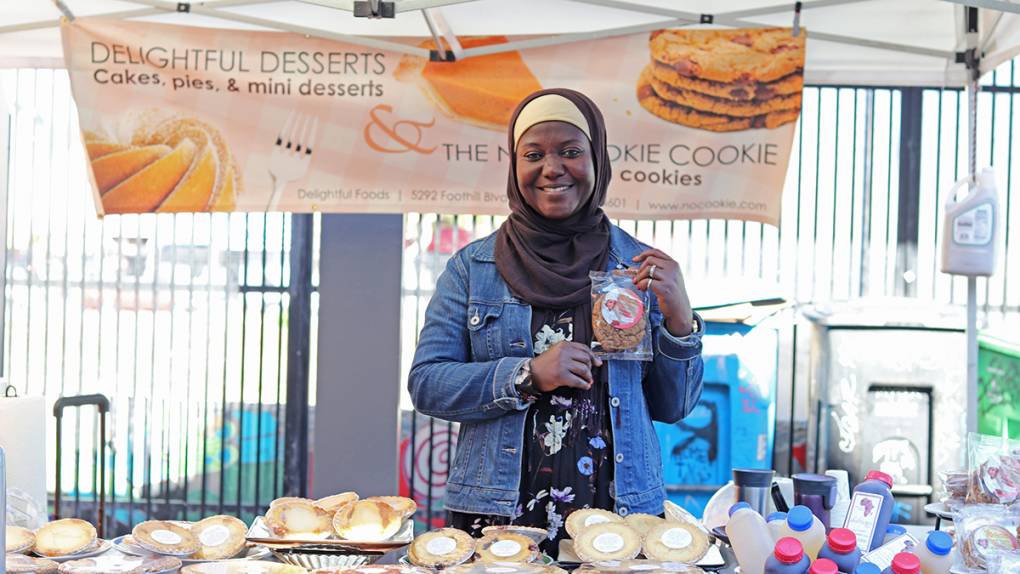
Delightful Foods Builds on 40 Years of Sweet Succes
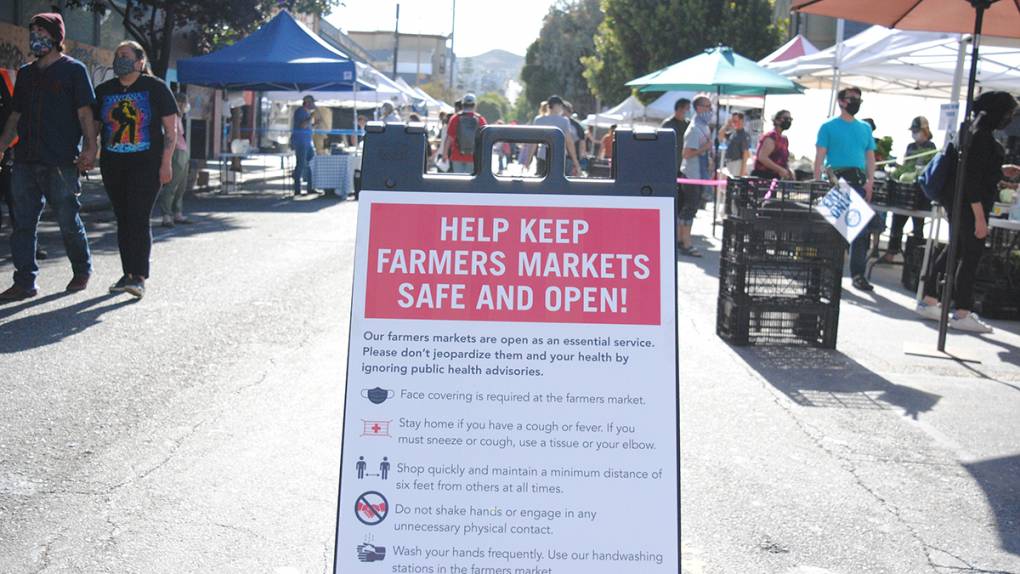
CUESA Farmer's Markets Stay Open Amid Protests
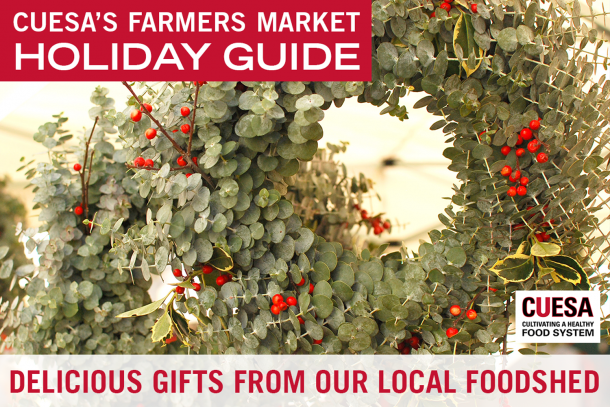
Gifts from Our Foodshed: CUESA's Farmers Market Holiday Guide
Fresh Farmers Market Picks for Your Holiday Table
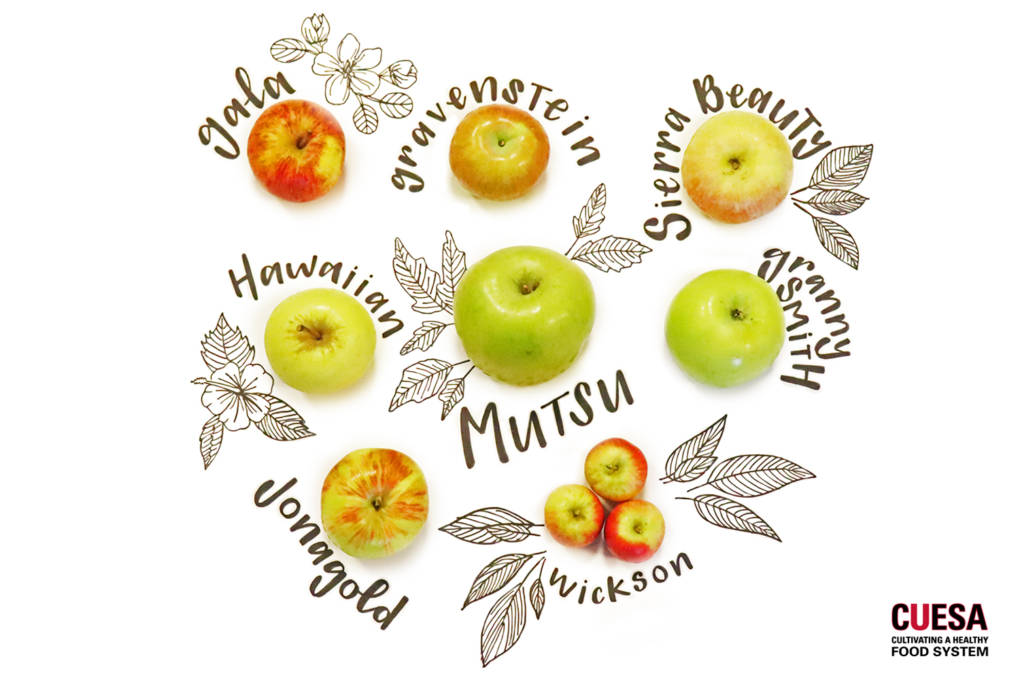
From Arkansas Black to Winesap: A Farmers Market Guide to Apples
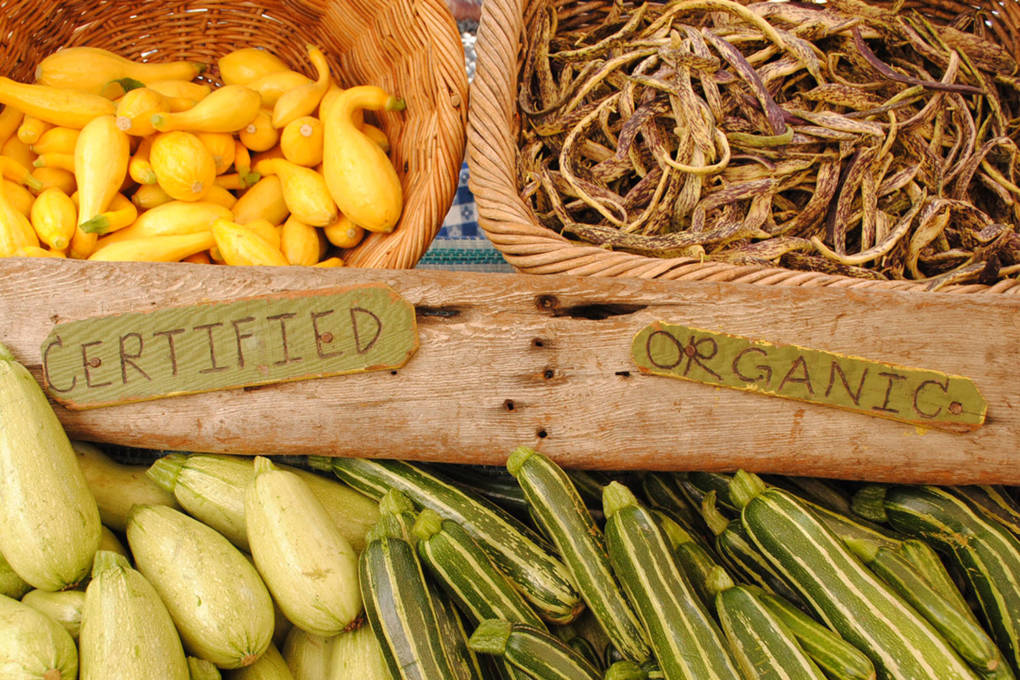
What's the Dirt on Organic?
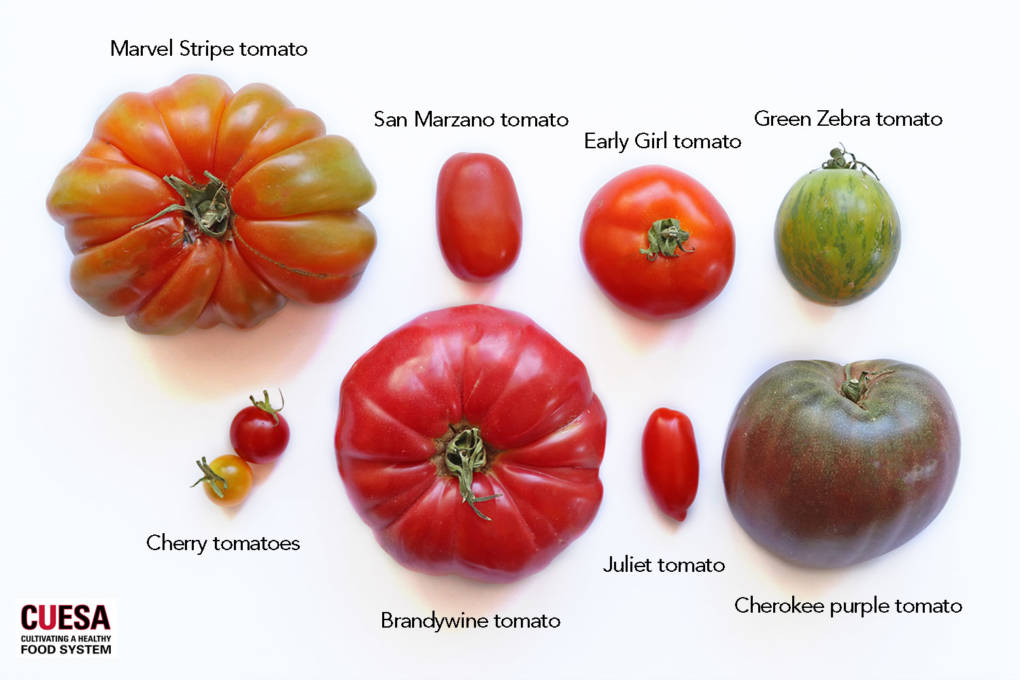
From Brandywine to Green Zebra: A Farmers Market Guide to Tomatoes
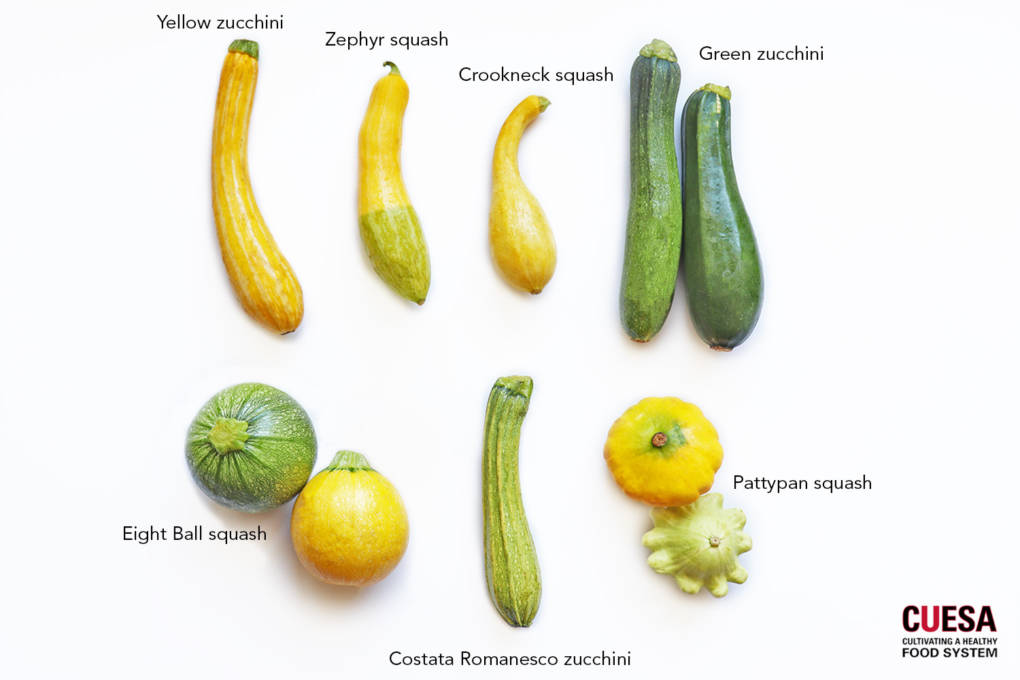
Zucchini and Beyond: A Farmers Market Guide to Summer Squash
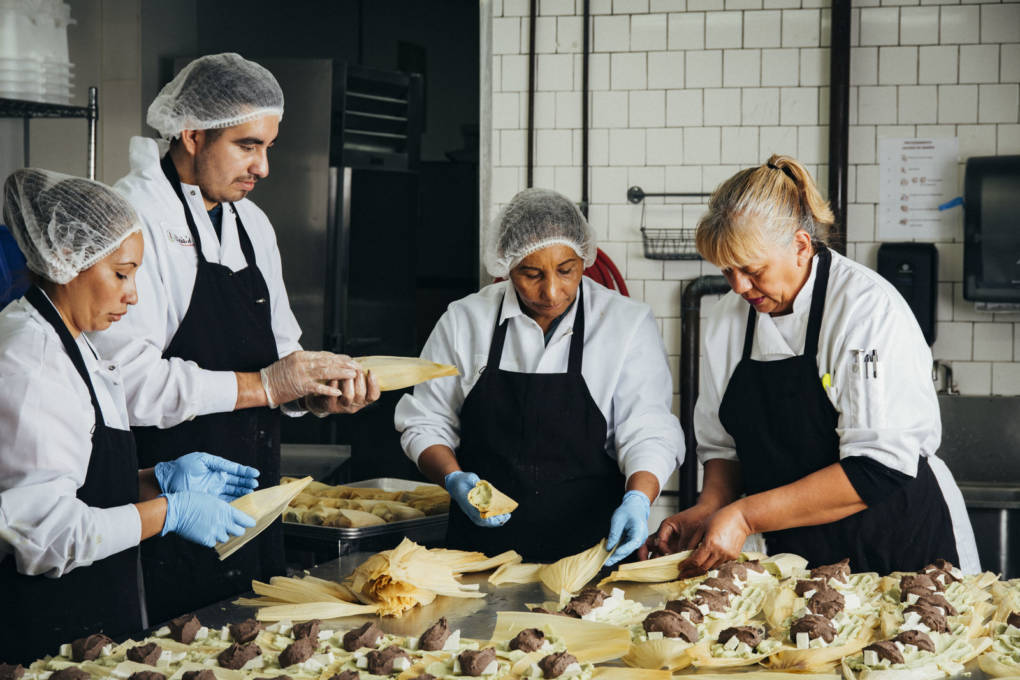
The Food Business Incubator That Helps Immigrant Women Pursue The American Dream
Sponsored
window.__IS_SSR__=true
window.__INITIAL_STATE__={"attachmentsReducer":{"audio_0":{"type":"attachments","id":"audio_0","imgSizes":{"kqedFullSize":{"file":"https://ww2.kqed.org/news/wp-content/themes/KQED-unified/img/audio_bgs/background0.jpg"}}},"audio_1":{"type":"attachments","id":"audio_1","imgSizes":{"kqedFullSize":{"file":"https://ww2.kqed.org/news/wp-content/themes/KQED-unified/img/audio_bgs/background1.jpg"}}},"audio_2":{"type":"attachments","id":"audio_2","imgSizes":{"kqedFullSize":{"file":"https://ww2.kqed.org/news/wp-content/themes/KQED-unified/img/audio_bgs/background2.jpg"}}},"audio_3":{"type":"attachments","id":"audio_3","imgSizes":{"kqedFullSize":{"file":"https://ww2.kqed.org/news/wp-content/themes/KQED-unified/img/audio_bgs/background3.jpg"}}},"audio_4":{"type":"attachments","id":"audio_4","imgSizes":{"kqedFullSize":{"file":"https://ww2.kqed.org/news/wp-content/themes/KQED-unified/img/audio_bgs/background4.jpg"}}},"placeholder":{"type":"attachments","id":"placeholder","imgSizes":{"thumbnail":{"file":"https://ww2.kqed.org/wp-content/uploads/sites/10/2018/01/GettyImages-896326950-160x96.jpg","width":160,"height":96,"mimeType":"image/jpeg"},"medium":{"file":"https://ww2.kqed.org/wp-content/uploads/sites/10/2018/01/GettyImages-896326950-800x478.jpg","width":800,"height":478,"mimeType":"image/jpeg"},"large":{"file":"https://ww2.kqed.org/wp-content/uploads/sites/10/2018/01/GettyImages-896326950-1020x610.jpg","width":1020,"height":610,"mimeType":"image/jpeg"},"fd-lrg":{"file":"https://ww2.kqed.org/wp-content/uploads/sites/10/2018/01/GettyImages-896326950-1920x1148.jpg","width":1920,"height":1148,"mimeType":"image/jpeg"},"fd-med":{"file":"https://ww2.kqed.org/wp-content/uploads/sites/10/2018/01/GettyImages-896326950-1180x705.jpg","width":1180,"height":705,"mimeType":"image/jpeg"},"fd-sm":{"file":"https://ww2.kqed.org/wp-content/uploads/sites/10/2018/01/GettyImages-896326950-960x574.jpg","width":960,"height":574,"mimeType":"image/jpeg"},"post-thumbnail":{"file":"https://ww2.kqed.org/wp-content/uploads/sites/10/2018/01/GettyImages-896326950-672x372.jpg","width":672,"height":372,"mimeType":"image/jpeg"},"twentyfourteen-full-width":{"file":"https://ww2.kqed.org/wp-content/uploads/sites/10/2018/01/GettyImages-896326950-1038x576.jpg","width":1038,"height":576,"mimeType":"image/jpeg"},"xxsmall":{"file":"https://ww2.kqed.org/wp-content/uploads/sites/10/2018/01/GettyImages-896326950-240x143.jpg","width":240,"height":143,"mimeType":"image/jpeg"},"xsmall":{"file":"https://ww2.kqed.org/wp-content/uploads/sites/10/2018/01/GettyImages-896326950-375x224.jpg","width":375,"height":224,"mimeType":"image/jpeg"},"small":{"file":"https://ww2.kqed.org/wp-content/uploads/sites/10/2018/01/GettyImages-896326950-520x311.jpg","width":520,"height":311,"mimeType":"image/jpeg"},"xlarge":{"file":"https://ww2.kqed.org/wp-content/uploads/sites/10/2018/01/GettyImages-896326950-1180x705.jpg","width":1180,"height":705,"mimeType":"image/jpeg"},"full-width":{"file":"https://ww2.kqed.org/wp-content/uploads/sites/10/2018/01/GettyImages-896326950-1920x1148.jpg","width":1920,"height":1148,"mimeType":"image/jpeg"},"guest-author-32":{"file":"https://ww2.kqed.org/wp-content/uploads/sites/10/2018/01/GettyImages-896326950-32x32.jpg","width":32,"height":32,"mimeType":"image/jpeg"},"guest-author-50":{"file":"https://ww2.kqed.org/wp-content/uploads/sites/10/2018/01/GettyImages-896326950-50x50.jpg","width":50,"height":50,"mimeType":"image/jpeg"},"guest-author-64":{"file":"https://ww2.kqed.org/wp-content/uploads/sites/10/2018/01/GettyImages-896326950-64x64.jpg","width":64,"height":64,"mimeType":"image/jpeg"},"guest-author-96":{"file":"https://ww2.kqed.org/wp-content/uploads/sites/10/2018/01/GettyImages-896326950-96x96.jpg","width":96,"height":96,"mimeType":"image/jpeg"},"guest-author-128":{"file":"https://ww2.kqed.org/wp-content/uploads/sites/10/2018/01/GettyImages-896326950-128x128.jpg","width":128,"height":128,"mimeType":"image/jpeg"},"detail":{"file":"https://ww2.kqed.org/wp-content/uploads/sites/10/2018/01/GettyImages-896326950-150x150.jpg","width":150,"height":150,"mimeType":"image/jpeg"},"kqedFullSize":{"file":"https://ww2.kqed.org/wp-content/uploads/sites/10/2018/01/GettyImages-896326950-e1514998105161.jpg","width":1920,"height":1148}}},"bayareabites_138107":{"type":"attachments","id":"bayareabites_138107","meta":{"index":"attachments_1591205162","site":"bayareabites","id":"138107","found":true},"title":"delightfulfoods","publishDate":1594921203,"status":"inherit","parent":138106,"modified":1594921234,"caption":"Brie Mazurek / CUESA","credit":null,"description":null,"imgSizes":{"medium":{"file":"https://ww2.kqed.org/app/uploads/sites/24/2020/07/delightfulfoods-800x450.jpg","width":800,"height":450,"mimeType":"image/jpeg"},"large":{"file":"https://ww2.kqed.org/app/uploads/sites/24/2020/07/delightfulfoods-1020x574.jpg","width":1020,"height":574,"mimeType":"image/jpeg"},"thumbnail":{"file":"https://ww2.kqed.org/app/uploads/sites/24/2020/07/delightfulfoods-160x90.jpg","width":160,"height":90,"mimeType":"image/jpeg"},"medium_large":{"file":"https://ww2.kqed.org/app/uploads/sites/24/2020/07/delightfulfoods-768x432.jpg","width":768,"height":432,"mimeType":"image/jpeg"},"post-thumbnail":{"file":"https://ww2.kqed.org/app/uploads/sites/24/2020/07/delightfulfoods-672x372.jpg","width":672,"height":372,"mimeType":"image/jpeg"},"twentyfourteen-full-width":{"file":"https://ww2.kqed.org/app/uploads/sites/24/2020/07/delightfulfoods-1038x576.jpg","width":1038,"height":576,"mimeType":"image/jpeg"},"kqedFullSize":{"file":"https://ww2.kqed.org/app/uploads/sites/24/2020/07/delightfulfoods.jpg","width":1200,"height":675}},"fetchFailed":false,"isLoading":false},"bayareabites_137431":{"type":"attachments","id":"bayareabites_137431","meta":{"index":"attachments_1591205162","site":"bayareabites","id":"137431","found":true},"title":"DSC_0126","publishDate":1591306986,"status":"inherit","parent":137418,"modified":1591307200,"caption":"Example of safety signage posted throughout at CUESA's Mission Community Market.","credit":"Brie Mazurek / CUESA","description":null,"imgSizes":{"thumbnail":{"file":"https://ww2.kqed.org/app/uploads/sites/24/2020/06/DSC_0126-160x90.jpg","width":160,"height":90,"mimeType":"image/jpeg"},"medium":{"file":"https://ww2.kqed.org/app/uploads/sites/24/2020/06/DSC_0126-800x450.jpg","width":800,"height":450,"mimeType":"image/jpeg"},"medium_large":{"file":"https://ww2.kqed.org/app/uploads/sites/24/2020/06/DSC_0126-768x432.jpg","width":768,"height":432,"mimeType":"image/jpeg"},"large":{"file":"https://ww2.kqed.org/app/uploads/sites/24/2020/06/DSC_0126-1020x574.jpg","width":1020,"height":574,"mimeType":"image/jpeg"},"post-thumbnail":{"file":"https://ww2.kqed.org/app/uploads/sites/24/2020/06/DSC_0126-672x372.jpg","width":672,"height":372,"mimeType":"image/jpeg"},"twentyfourteen-full-width":{"file":"https://ww2.kqed.org/app/uploads/sites/24/2020/06/DSC_0126-1038x576.jpg","width":1038,"height":576,"mimeType":"image/jpeg"},"kqedFullSize":{"file":"https://ww2.kqed.org/app/uploads/sites/24/2020/06/DSC_0126.jpg","width":1200,"height":675}},"fetchFailed":false,"isLoading":false},"bayareabites_135679":{"type":"attachments","id":"bayareabites_135679","meta":{"index":"attachments_1591205162","site":"bayareabites","id":"135679","found":true},"title":"holidays_2016_web","publishDate":1574794130,"status":"inherit","parent":135674,"modified":1574794199,"caption":"CUESA's Holiday Guide: Gifts from Our Foodshed","credit":"CUESA","description":null,"imgSizes":{"thumbnail":{"file":"https://ww2.kqed.org/app/uploads/sites/24/2019/11/holidays_2016_web-160x107.png","width":160,"height":107,"mimeType":"image/png"},"post-thumbnail":{"file":"https://ww2.kqed.org/app/uploads/sites/24/2019/11/holidays_2016_web-610x372.png","width":610,"height":372,"mimeType":"image/png"},"kqedFullSize":{"file":"https://ww2.kqed.org/app/uploads/sites/24/2019/11/holidays_2016_web.png","width":610,"height":407}},"fetchFailed":false,"isLoading":false},"bayareabites_135608":{"type":"attachments","id":"bayareabites_135608","meta":{"index":"attachments_1591205162","site":"bayareabites","id":"135608","found":true},"title":"persimmons_kj","publishDate":1574363287,"status":"inherit","parent":135565,"modified":1574363315,"caption":"K&J Orchards offers persimmons this time of year.","credit":"CUESA","description":"K&J Orchards offers persimmons this time of year.","imgSizes":{"thumbnail":{"file":"https://ww2.kqed.org/app/uploads/sites/24/2019/11/persimmons_kj-160x107.jpg","width":160,"height":107,"mimeType":"image/jpeg"},"medium":{"file":"https://ww2.kqed.org/app/uploads/sites/24/2019/11/persimmons_kj-800x533.jpg","width":800,"height":533,"mimeType":"image/jpeg"},"medium_large":{"file":"https://ww2.kqed.org/app/uploads/sites/24/2019/11/persimmons_kj-768x512.jpg","width":768,"height":512,"mimeType":"image/jpeg"},"large":{"file":"https://ww2.kqed.org/app/uploads/sites/24/2019/11/persimmons_kj-1020x680.jpg","width":1020,"height":680,"mimeType":"image/jpeg"},"complete_open_graph":{"file":"https://ww2.kqed.org/app/uploads/sites/24/2019/11/persimmons_kj-1200x800.jpg","width":1200,"height":800,"mimeType":"image/jpeg"},"post-thumbnail":{"file":"https://ww2.kqed.org/app/uploads/sites/24/2019/11/persimmons_kj-672x372.jpg","width":672,"height":372,"mimeType":"image/jpeg"},"twentyfourteen-full-width":{"file":"https://ww2.kqed.org/app/uploads/sites/24/2019/11/persimmons_kj-1038x576.jpg","width":1038,"height":576,"mimeType":"image/jpeg"},"full-width":{"file":"https://ww2.kqed.org/app/uploads/sites/24/2019/11/persimmons_kj-1920x1280.jpg","width":1920,"height":1280,"mimeType":"image/jpeg"},"kqedFullSize":{"file":"https://ww2.kqed.org/app/uploads/sites/24/2019/11/persimmons_kj.jpg","width":1920,"height":1280}},"fetchFailed":false,"isLoading":false},"bayareabites_135273":{"type":"attachments","id":"bayareabites_135273","meta":{"index":"attachments_1591205162","site":"bayareabites","id":"135273","found":true},"title":"apple_guide1-cuesa","publishDate":1572634013,"status":"inherit","parent":135271,"modified":1572634068,"caption":"August through November is peak apple season at California’s farmers markets.","credit":"Abigail Park/CUESA","description":"Illustration of different apple varieties","imgSizes":{"thumbnail":{"file":"https://ww2.kqed.org/app/uploads/sites/24/2019/11/apple_guide1-cuesa-160x107.jpg","width":160,"height":107,"mimeType":"image/jpeg"},"medium":{"file":"https://ww2.kqed.org/app/uploads/sites/24/2019/11/apple_guide1-cuesa-800x533.jpg","width":800,"height":533,"mimeType":"image/jpeg"},"medium_large":{"file":"https://ww2.kqed.org/app/uploads/sites/24/2019/11/apple_guide1-cuesa-768x512.jpg","width":768,"height":512,"mimeType":"image/jpeg"},"large":{"file":"https://ww2.kqed.org/app/uploads/sites/24/2019/11/apple_guide1-cuesa-1020x680.jpg","width":1020,"height":680,"mimeType":"image/jpeg"},"complete_open_graph":{"file":"https://ww2.kqed.org/app/uploads/sites/24/2019/11/apple_guide1-cuesa-1200x800.jpg","width":1200,"height":800,"mimeType":"image/jpeg"},"post-thumbnail":{"file":"https://ww2.kqed.org/app/uploads/sites/24/2019/11/apple_guide1-cuesa-672x372.jpg","width":672,"height":372,"mimeType":"image/jpeg"},"twentyfourteen-full-width":{"file":"https://ww2.kqed.org/app/uploads/sites/24/2019/11/apple_guide1-cuesa-1038x576.jpg","width":1038,"height":576,"mimeType":"image/jpeg"},"kqedFullSize":{"file":"https://ww2.kqed.org/app/uploads/sites/24/2019/11/apple_guide1-cuesa.jpg","width":1500,"height":1000}},"fetchFailed":false,"isLoading":false},"bayareabites_134731":{"type":"attachments","id":"bayareabites_134731","meta":{"index":"attachments_1591205162","site":"bayareabites","id":"134731","found":true},"title":"organic_1_3","publishDate":1568048025,"status":"inherit","parent":134729,"modified":1568048060,"caption":null,"credit":"CUESA","description":null,"imgSizes":{"thumbnail":{"file":"https://ww2.kqed.org/app/uploads/sites/24/2019/09/organic_1_3-160x107.jpg","width":160,"height":107,"mimeType":"image/jpeg"},"medium":{"file":"https://ww2.kqed.org/app/uploads/sites/24/2019/09/organic_1_3-800x533.jpg","width":800,"height":533,"mimeType":"image/jpeg"},"medium_large":{"file":"https://ww2.kqed.org/app/uploads/sites/24/2019/09/organic_1_3-768x512.jpg","width":768,"height":512,"mimeType":"image/jpeg"},"large":{"file":"https://ww2.kqed.org/app/uploads/sites/24/2019/09/organic_1_3-1020x680.jpg","width":1020,"height":680,"mimeType":"image/jpeg"},"complete_open_graph":{"file":"https://ww2.kqed.org/app/uploads/sites/24/2019/09/organic_1_3-1200x800.jpg","width":1200,"height":800,"mimeType":"image/jpeg"},"post-thumbnail":{"file":"https://ww2.kqed.org/app/uploads/sites/24/2019/09/organic_1_3-672x372.jpg","width":672,"height":372,"mimeType":"image/jpeg"},"twentyfourteen-full-width":{"file":"https://ww2.kqed.org/app/uploads/sites/24/2019/09/organic_1_3-1038x576.jpg","width":1038,"height":576,"mimeType":"image/jpeg"},"kqedFullSize":{"file":"https://ww2.kqed.org/app/uploads/sites/24/2019/09/organic_1_3.jpg","width":1500,"height":1000}},"fetchFailed":false,"isLoading":false},"bayareabites_134237":{"type":"attachments","id":"bayareabites_134237","meta":{"index":"attachments_1591205162","site":"bayareabites","id":"134237","found":true},"title":"tomatoes","publishDate":1563902284,"status":"inherit","parent":134234,"modified":1563902408,"caption":"Farmer's market tomato varieties. ","credit":null,"description":"Farmer's market tomato varieties. ","imgSizes":{"thumbnail":{"file":"https://ww2.kqed.org/app/uploads/sites/24/2019/07/tomatoes-160x107.jpg","width":160,"height":107,"mimeType":"image/jpeg"},"medium":{"file":"https://ww2.kqed.org/app/uploads/sites/24/2019/07/tomatoes-800x533.jpg","width":800,"height":533,"mimeType":"image/jpeg"},"medium_large":{"file":"https://ww2.kqed.org/app/uploads/sites/24/2019/07/tomatoes-768x512.jpg","width":768,"height":512,"mimeType":"image/jpeg"},"large":{"file":"https://ww2.kqed.org/app/uploads/sites/24/2019/07/tomatoes-1020x680.jpg","width":1020,"height":680,"mimeType":"image/jpeg"},"complete_open_graph":{"file":"https://ww2.kqed.org/app/uploads/sites/24/2019/07/tomatoes-1200x800.jpg","width":1200,"height":800,"mimeType":"image/jpeg"},"post-thumbnail":{"file":"https://ww2.kqed.org/app/uploads/sites/24/2019/07/tomatoes-672x372.jpg","width":672,"height":372,"mimeType":"image/jpeg"},"twentyfourteen-full-width":{"file":"https://ww2.kqed.org/app/uploads/sites/24/2019/07/tomatoes-1038x576.jpg","width":1038,"height":576,"mimeType":"image/jpeg"},"kqedFullSize":{"file":"https://ww2.kqed.org/app/uploads/sites/24/2019/07/tomatoes.jpg","width":1500,"height":1000}},"fetchFailed":false,"isLoading":false},"bayareabites_134045":{"type":"attachments","id":"bayareabites_134045","meta":{"index":"attachments_1591205162","site":"bayareabites","id":"134045","found":true},"title":"summersquash_article_1","publishDate":1561479500,"status":"inherit","parent":134043,"modified":1561481081,"caption":"Celebrate summer with these summer squash varieties!","credit":"Courtesy of CUESA","description":"Celebrate summer with these summer squash varieties!","imgSizes":{"thumbnail":{"file":"https://ww2.kqed.org/app/uploads/sites/24/2019/06/summersquash_article_1-160x107.jpg","width":160,"height":107,"mimeType":"image/jpeg"},"medium":{"file":"https://ww2.kqed.org/app/uploads/sites/24/2019/06/summersquash_article_1-800x533.jpg","width":800,"height":533,"mimeType":"image/jpeg"},"medium_large":{"file":"https://ww2.kqed.org/app/uploads/sites/24/2019/06/summersquash_article_1-768x512.jpg","width":768,"height":512,"mimeType":"image/jpeg"},"large":{"file":"https://ww2.kqed.org/app/uploads/sites/24/2019/06/summersquash_article_1-1020x680.jpg","width":1020,"height":680,"mimeType":"image/jpeg"},"complete_open_graph":{"file":"https://ww2.kqed.org/app/uploads/sites/24/2019/06/summersquash_article_1-1200x800.jpg","width":1200,"height":800,"mimeType":"image/jpeg"},"post-thumbnail":{"file":"https://ww2.kqed.org/app/uploads/sites/24/2019/06/summersquash_article_1-672x372.jpg","width":672,"height":372,"mimeType":"image/jpeg"},"twentyfourteen-full-width":{"file":"https://ww2.kqed.org/app/uploads/sites/24/2019/06/summersquash_article_1-1038x576.jpg","width":1038,"height":576,"mimeType":"image/jpeg"},"kqedFullSize":{"file":"https://ww2.kqed.org/app/uploads/sites/24/2019/06/summersquash_article_1.jpg","width":1500,"height":1000}},"fetchFailed":false,"isLoading":false},"bayareabites_133961":{"type":"attachments","id":"bayareabites_133961","meta":{"index":"attachments_1591205162","site":"bayareabites","id":"133961","found":true},"title":"ewp2018_lacocina_aliciastamales-5283_custom-d6297130046ad7dea0c96567b034b1fe0f9f091a-s1600-c85","publishDate":1560791362,"status":"inherit","parent":133959,"modified":1560791381,"caption":"From left: Gloria Amaya, José Amaya, Silvia Gómez, and Alicia Villanueva, the founder of Tamales Los Mayas. A graduate of La Cocina's program for food entrepreneurs, Villanueva now provides catering to scores of Bay Area companies each month, and her tamales are sold in Northern California Whole Foods stores.","credit":"Eric Wolfinger","description":"From left: Gloria Amaya, José Amaya, Silvia Gómez, and Alicia Villanueva, the founder of Tamales Los Mayas. A graduate of La Cocina's program for food entrepreneurs, Villanueva now provides catering to scores of Bay Area companies each month, and her tamales are sold in Northern California Whole Foods stores.","imgSizes":{"thumbnail":{"file":"https://ww2.kqed.org/app/uploads/sites/24/2019/06/ewp2018_lacocina_aliciastamales-5283_custom-d6297130046ad7dea0c96567b034b1fe0f9f091a-s1600-c85-160x107.jpg","width":160,"height":107,"mimeType":"image/jpeg"},"medium":{"file":"https://ww2.kqed.org/app/uploads/sites/24/2019/06/ewp2018_lacocina_aliciastamales-5283_custom-d6297130046ad7dea0c96567b034b1fe0f9f091a-s1600-c85-800x534.jpg","width":800,"height":534,"mimeType":"image/jpeg"},"medium_large":{"file":"https://ww2.kqed.org/app/uploads/sites/24/2019/06/ewp2018_lacocina_aliciastamales-5283_custom-d6297130046ad7dea0c96567b034b1fe0f9f091a-s1600-c85-768x512.jpg","width":768,"height":512,"mimeType":"image/jpeg"},"large":{"file":"https://ww2.kqed.org/app/uploads/sites/24/2019/06/ewp2018_lacocina_aliciastamales-5283_custom-d6297130046ad7dea0c96567b034b1fe0f9f091a-s1600-c85-1020x680.jpg","width":1020,"height":680,"mimeType":"image/jpeg"},"complete_open_graph":{"file":"https://ww2.kqed.org/app/uploads/sites/24/2019/06/ewp2018_lacocina_aliciastamales-5283_custom-d6297130046ad7dea0c96567b034b1fe0f9f091a-s1600-c85-1200x800.jpg","width":1200,"height":800,"mimeType":"image/jpeg"},"post-thumbnail":{"file":"https://ww2.kqed.org/app/uploads/sites/24/2019/06/ewp2018_lacocina_aliciastamales-5283_custom-d6297130046ad7dea0c96567b034b1fe0f9f091a-s1600-c85-672x372.jpg","width":672,"height":372,"mimeType":"image/jpeg"},"twentyfourteen-full-width":{"file":"https://ww2.kqed.org/app/uploads/sites/24/2019/06/ewp2018_lacocina_aliciastamales-5283_custom-d6297130046ad7dea0c96567b034b1fe0f9f091a-s1600-c85-1038x576.jpg","width":1038,"height":576,"mimeType":"image/jpeg"},"kqedFullSize":{"file":"https://ww2.kqed.org/app/uploads/sites/24/2019/06/ewp2018_lacocina_aliciastamales-5283_custom-d6297130046ad7dea0c96567b034b1fe0f9f091a-s1600-c85.jpg","width":1600,"height":1067}},"fetchFailed":false,"isLoading":false}},"audioPlayerReducer":{"postId":"stream_live"},"authorsReducer":{"byline_bayareabites_134729":{"type":"authors","id":"byline_bayareabites_134729","meta":{"override":true},"slug":"byline_bayareabites_134729","name":"Savannah Kuang, CUESA Staff","isLoading":false},"byline_bayareabites_133959":{"type":"authors","id":"byline_bayareabites_133959","meta":{"override":true},"slug":"byline_bayareabites_133959","name":"Mandalit del Barco, NPR Food","isLoading":false},"cuesa":{"type":"authors","id":"5484","meta":{"index":"authors_1591205172","id":"5484","found":true},"name":"CUESA","firstName":"CUESA","lastName":null,"slug":"cuesa","email":"brie@cuesa.org","display_author_email":false,"staff_mastheads":[],"title":null,"bio":"CUESA (Center for Urban Education about Sustainable Agriculture) is a nonprofit organization dedicated to cultivating a sustainable food system through the operation of the Ferry Plaza Farmers Market and its educational programs. Learn more at \u003ca href=\"http://www.cuesa.org/\">cuesa.org\u003c/a>.","avatar":"https://secure.gravatar.com/avatar/323b5bab8e802e76af5b72a66b7c6987?s=600&d=blank&r=g","twitter":"cuesa","facebook":"CUESA","instagram":null,"linkedin":null,"sites":[{"site":"arts","roles":["author"]},{"site":"bayareabites","roles":["contributor"]},{"site":"food","roles":["contributor"]}],"headData":{"title":"CUESA | KQED","description":null,"ogImgSrc":"https://secure.gravatar.com/avatar/323b5bab8e802e76af5b72a66b7c6987?s=600&d=blank&r=g","twImgSrc":"https://secure.gravatar.com/avatar/323b5bab8e802e76af5b72a66b7c6987?s=600&d=blank&r=g"},"isLoading":false,"link":"/author/cuesa"},"uramakrishnan":{"type":"authors","id":"11689","meta":{"index":"authors_1591205172","id":"11689","found":true},"name":"Urmila Ramakrishnan","firstName":"Urmila","lastName":"Ramakrishnan","slug":"uramakrishnan","email":"uramakrishnan@kqed.org","display_author_email":false,"staff_mastheads":[],"title":"KQED Food Editor","bio":"Urmila Ramakrishnan is KQED Arts & Culture’s food editor and an award-winning food journalist based in the Bay Area. Her multi-platform work has been featured in \u003ci>The New York Times\u003c/i>, \u003ci>Edible\u003c/i>, \u003ci>The San Francisco Chronicle\u003c/i>, among other publications. She’s a kitchen gadget enthusiast who also loves food puns. Keep up with her cooking adventures on Instagram at \u003ca href=\"https://www.instagram.com/urmilamakes/\" rel=\"noopener noreferrer\">@urmilamakes\u003c/a> and join the food discussion \u003ca href=\"https://twitter.com/U_Ramakrishnan\" rel=\"noopener noreferrer\">@U_Ramakrishnan\u003c/a>.","avatar":"https://secure.gravatar.com/avatar/d014718b767c29f78f33117b5b75eb6d?s=600&d=blank&r=g","twitter":"U_Ramakrishnan","facebook":null,"instagram":null,"linkedin":null,"sites":[{"site":"arts","roles":["subscriber"]},{"site":"bayareabites","roles":["subscriber"]},{"site":"checkplease","roles":["editor"]},{"site":"food","roles":["editor"]}],"headData":{"title":"Urmila Ramakrishnan | KQED","description":"KQED Food Editor","ogImgSrc":"https://secure.gravatar.com/avatar/d014718b767c29f78f33117b5b75eb6d?s=600&d=blank&r=g","twImgSrc":"https://secure.gravatar.com/avatar/d014718b767c29f78f33117b5b75eb6d?s=600&d=blank&r=g"},"isLoading":false,"link":"/author/uramakrishnan"}},"breakingNewsReducer":{},"campaignFinanceReducer":{},"firebase":{"requesting":{},"requested":{},"timestamps":{},"data":{},"ordered":{},"auth":{"isLoaded":false,"isEmpty":true},"authError":null,"profile":{"isLoaded":false,"isEmpty":true},"listeners":{"byId":{},"allIds":[]},"isInitializing":false,"errors":[]},"navBarReducer":{"navBarId":"arts","fullView":true,"showPlayer":false},"navMenuReducer":{"menus":[{"key":"menu1","items":[{"name":"News","link":"/","type":"title"},{"name":"Politics","link":"/politics"},{"name":"Science","link":"/science"},{"name":"Education","link":"/educationnews"},{"name":"Housing","link":"/housing"},{"name":"Immigration","link":"/immigration"},{"name":"Criminal Justice","link":"/criminaljustice"},{"name":"Silicon Valley","link":"/siliconvalley"},{"name":"Forum","link":"/forum"},{"name":"The California Report","link":"/californiareport"}]},{"key":"menu2","items":[{"name":"Arts & Culture","link":"/arts","type":"title"},{"name":"Critics’ Picks","link":"/thedolist"},{"name":"Cultural Commentary","link":"/artscommentary"},{"name":"Food & Drink","link":"/food"},{"name":"Bay Area Hip-Hop","link":"/bayareahiphop"},{"name":"Rebel Girls","link":"/rebelgirls"},{"name":"Arts Video","link":"/artsvideos"}]},{"key":"menu3","items":[{"name":"Podcasts","link":"/podcasts","type":"title"},{"name":"Bay Curious","link":"/podcasts/baycurious"},{"name":"Rightnowish","link":"/podcasts/rightnowish"},{"name":"The Bay","link":"/podcasts/thebay"},{"name":"On Our Watch","link":"/podcasts/onourwatch"},{"name":"Mindshift","link":"/podcasts/mindshift"},{"name":"Consider This","link":"/podcasts/considerthis"},{"name":"Political Breakdown","link":"/podcasts/politicalbreakdown"}]},{"key":"menu4","items":[{"name":"Live Radio","link":"/radio","type":"title"},{"name":"TV","link":"/tv","type":"title"},{"name":"Events","link":"/events","type":"title"},{"name":"For Educators","link":"/education","type":"title"},{"name":"Support KQED","link":"/support","type":"title"},{"name":"About","link":"/about","type":"title"},{"name":"Help Center","link":"https://kqed-helpcenter.kqed.org/s","type":"title"}]}]},"pagesReducer":{},"postsReducer":{"stream_live":{"type":"live","id":"stream_live","audioUrl":"https://streams.kqed.org/kqedradio","title":"Live Stream","excerpt":"Live Stream information currently unavailable.","link":"/radio","featImg":"","label":{"name":"KQED Live","link":"/"}},"stream_kqedNewscast":{"type":"posts","id":"stream_kqedNewscast","audioUrl":"https://www.kqed.org/.stream/anon/radio/RDnews/newscast.mp3?_=1","title":"KQED Newscast","featImg":"","label":{"name":"88.5 FM","link":"/"}},"bayareabites_138106":{"type":"posts","id":"bayareabites_138106","meta":{"index":"posts_1591205157","site":"bayareabites","id":"138106","score":null,"sort":[1594922250000]},"guestAuthors":[],"slug":"delightful-foods-builds-on-40-years-of-sweet-succes","title":"Delightful Foods Builds on 40 Years of Sweet Succes","publishDate":1594922250,"format":"standard","headTitle":"Bay Area Bites | KQED Food","labelTerm":{"site":"bayareabites"},"content":"\u003cp>“People see a picture of my daughter on the cookies and say, ‘Wow, that’s a Black-owned business,’” says Bilal Sabir, founder of Delightful Foods and maker of the \u003ca href=\"http://www.nocookie.com/\">No Cookie\u003c/a>. “‘They’ve been making this cookie forever, and they had her picture on there even when it wasn’t fashionable.’ Now that it’s fashionable, they’re supporting us even more.”\u003c/p>\n\u003cp>In recent weeks, there has been an outpouring of recognition and support for \u003ca href=\"https://projects.sfchronicle.com/2020/black-owned-restaurants/\" target=\"_blank\" rel=\"noopener noreferrer\">Black chefs\u003c/a>, \u003ca href=\"https://www.sfgate.com/food/slideshow/Black-owned-farms-you-can-support-right-now-203357.php\" target=\"_blank\" rel=\"noopener noreferrer\">farmers\u003c/a>, and \u003ca href=\"https://docs.google.com/spreadsheets/d/1flJvMMiV7CKqfPfYKgs8_xyK5EBy8nl1XilozJ1PTgA/edit#gid=0\" target=\"_blank\" rel=\"noopener noreferrer\">food community\u003c/a>, \u003ca href=\"https://www.eater.com/2020/6/10/21285128/black-owned-restaurant-spreadsheets\" target=\"_blank\" rel=\"noopener noreferrer\">inspired by the Black Lives Matter movement\u003c/a>. Bilal takes the surge in attention with ease. For more than 40 years, the Oakland-based Delightful Foods has built a loyal and national following by making moist and delicious vegan cookies and pies that speak for themselves.\u003c/p>\n\u003cp>“People are now walking into their local health food store and buying our cookies, and saying, ‘These cookies are really good! I should have been buying these cookies all along,” he says.\u003c/p>\n\u003cp>\u003cimg class=\"size-medium wp-image-138108\" src=\"https://ww2.kqed.org/app/uploads/sites/24/2020/07/delightful_pie-800x533.jpeg\" alt=\"pies\" width=\"800\" height=\"533\" srcset=\"https://ww2.kqed.org/app/uploads/sites/24/2020/07/delightful_pie-800x533.jpeg 800w, https://ww2.kqed.org/app/uploads/sites/24/2020/07/delightful_pie-1020x680.jpeg 1020w, https://ww2.kqed.org/app/uploads/sites/24/2020/07/delightful_pie-160x107.jpeg 160w, https://ww2.kqed.org/app/uploads/sites/24/2020/07/delightful_pie-768x512.jpeg 768w, https://ww2.kqed.org/app/uploads/sites/24/2020/07/delightful_pie.jpeg 1500w\" sizes=\"(max-width: 800px) 100vw, 800px\">\u003c/p>\n\u003ch2>From Easy-Bake Ovens to Reinventing the Vegan Cookie\u003c/h2>\n\u003cp>Built by Bilal and his wife, Rafia (pictured above), with help from their nine children, Delightful Foods is a true family business. Bilal fell in love with baking as a child, watching his mother (a professional cook) in the kitchen and experimenting with his own baking creations in his sister’s Easy-Bake Oven. “I remember I was nine or ten years old, and everyone was going trick-or-treating. I was like, ‘No, I’m going to stay home and learn how to make a sweet potato pumpkin pie.”\u003c/p>\n\u003cp>[ad fullwidth]\u003c/p>\n\u003cp>Early on, Bilal discovered he had a second gift: sales. In high school, he participated in the Junior Achievement program, where he created his own business and sold products at a local mall. When his team out-grossed all the teams from other cities, his class voted him Vice-President of Sales.\u003c/p>\n\u003cp> [aside tag=\"cuesa, farmers, market\" label=\"More From CUESA\"] \u003c/p>\n\u003cp>As a young man in the 1970s, he started selling goods for another baker, but soon realized he should be selling for himself. At the age of 24, he decided to found his own baking company.\u003c/p>\n\u003cp>[ad floatright]\u003c/p>\n\u003cp>Delightful Foods started with traditional pies and cookies, but by the 1990s Bilal started experimenting with dairy-, egg-, and wheat-free confections, long before “vegan” was a household term. “We head to define what ‘vegan’ meant,” says Bilal. “Vegan products were bad 25 years ago. They were hard. They had no taste. We were one of the first companies that learned how to do vegan well.”\u003c/p>\n\u003cdiv class=\"media media-element-container media-default\">\n\u003cdiv id=\"file-30699\" class=\"file file-image file-image-png\">\u003cimg src=\"https://cuesa.org/sites/default/files/delightful_rafia_bilal.PNG\">\u003c/div>\n\u003cdiv>\n\u003cp> \u003c/p>\n\u003ch2>Baking Sustainably into the Business\u003c/h2>\n\u003cp>Sales were slow at first, but Bilal knew there was a market for his vegan cookie, which he called the “No Cookie.” When a San Francisco store stopped carrying his cookies, Bilal was contacted by a representative of the actor Danny Glover, who was a loyal No Cookie fan. Bilal then knew he was onto something.\u003c/p>\n\u003cp>“If this famous person loved our cookies, that made me believe that it could work,” says Bilal. He started reaching out to Whole Foods, doing demos, and shipping his cookies throughout the country. Made with love and care using minimal ingredients, the No Cookie is now in 200 stores nationwide, and loved by vegan and nonvegan customers alike.\u003c/p>\n\u003cp>Sixteen years ago, Bilal met his wife, Rafia, while on a trip to Ghana. When she moved to the United States, she began working at the bakery, but she became restless and wanted to do more out in the community.\u003c/p>\n\u003cp>“I told Bilal, ‘We need to start doing farmers markets. I’m going crazy!’” says Rafia, who had worked at markets in Ghana. “Once I started doing the markets, I was happy. I got a chance to say to hi people and get feedback. I love the community and the workers.”\u003c/p>\n\u003cp>Since then, she has become the face of Delightful Foods at Bay Area farmers markets, and has pushed Bilal to start selling his pies again in a variety of fresh, seasonal flavors, from bean pie and sweet potato pie to blueberry cheesecake and peach cobbler.\u003c/p>\n\u003cp>“Whatever your passion is, don’t leave it alone,” says Rafia. “Go after it.”\u003c/p>\n\u003cp>\u003cimg src=\"https://cuesa.org/sites/default/files/delightful_pies_bakery.PNG\">\u003c/p>\n\u003ch2>Weathering Eviction and the Pandemic\u003c/h2>\n\u003cp>In the cut-throat Bay Area food landscape where businesses come and go, Delightful Foods’ ingredients of success include developing delicious, tried-and-true products and growing sustainably without debt.\u003c/p>\n\u003cp>“We strive for excellence,” says Bilal. “We have to be so much better than other people because we were at a disadvantage and didn’t start out with any money. We still don’t have any money, but we operate with no debt. We realize that we won’t grow like some companies who borrow, but we have contentment. Even if with a pandemic or anything else that may happen, we will still stay in business. No one will force us to close.”\u003c/p>\n\u003cp>Three months before the pandemic, Delightful Foods was put to the test. Due to a sprinkler issue in the building, they received an eviction notice for their commercial kitchen in Fruitvale of 29 years. Bilal tried to remain optimistic, despite his worries. “If we lose this place, at least we still have our customers, our equipment, our recipes, and our help. We can just go to a different place and bake. I could keep smiling, but deep down I was still feeling this sadness, this feeling that this isn’t right.”\u003c/p>\n\u003cp>Even as they began packing up the bakery, the Sabirs and their neighbors hired a lawyer and fought back. They won and were able to keep their kitchen.\u003c/p>\n\u003cp>So, when the pandemic hit in March, Bilal and his family felt prepared to take on anything. “We have six of us in the house right now,” says Bilal. “All six of us go to the bakery every day. Since we don’t have other employees, we don’t have to wear masks because we live together. We go to the bakery and we come home. That’s our life right now.”\u003c/p>\n\u003cdiv class=\"media media-element-container media-default\">\n\u003cdiv id=\"file-30701\" class=\"file file-image file-image-png\">\n\u003cdiv class=\"content\">\u003cimg title=\"\" src=\"https://cuesa.org/sites/default/files/delightful_cookies.png\" alt=\"\" width=\"1734\" height=\"1150\">\u003c/div>\n\u003cdiv>\n\u003cdiv class=\"panel-pane pane-entity-field pane-node-body\">\n\u003cdiv class=\"pane-content\">\n\u003cdiv class=\"field field-name-body field-type-text-with-summary field-label-hidden\">\n\u003cdiv class=\"field-items\">\n\u003cdiv class=\"field-item even\">\n\u003ch2>The Future Is Family\u003c/h2>\n\u003cp>According to Bilal, farmers markets have helped to keep business steady during the pandemic. “We’re actually doing better because people are coming to farmers markets more, because the air is fresh and the farmers markets are much safer than grocery stores,” he says.\u003c/p>\n\u003cp>For the Sabirs, the recent pandemic and protests have not changed how they do business, how they take care of each other, or how generously they give back. They have always prioritized their community, whether that means giving free cookies to homeless neighbors in Oakland or sending money to people in need in Ghana.\u003c/p>\n\u003cp>Having built a deep and solid foundation with family at the heart, they are hopeful about the future of Delightful Foods, as they aim to pass it on to the next generation some day. Bilal and Rafia’s daughter Faruza—the confident four-year-old Black girl who appears on the No Cookie label—is now 12 years old and has baking aspirations of her own.\u003c/p>\n\u003cp>“I see growing it big,” says Rafia. “At first, I was thinking that, with just me and my husband doing it, what if we get old and die? Who is going to take it on? But my daughter is doing cupcakes and pound cake. Now I think that when we die, all the work that we put into Delightful Foods won’t die. It will be different recipes, but it will carry on. That makes me happy.”\u003c/p>\n\u003cp>\u003cstrong>\u003cem>Visit Delightful Foods and taste the No Cookie for yourself at the \u003ca href=\"https://cuesa.org/markets/mission-community-market-thursday\">Mission Community Market\u003c/a> on Thursdays. UPDATE (July 3, 2020): Delightful Foods is also at the \u003ca href=\"https://cuesa.org/markets/ferry-plaza-farmers-market\">Ferry Plaza Farmers Market\u003c/a> on Saturdays.\u003c/em>\u003c/strong>\u003c/p>\n\u003cp>\u003cem>Delightful Foods bakery photos by \u003ca href=\"https://www.instagram.com/p/B8R04HDJ76E/\">Square\u003c/a>.\u003c/em>\u003c/p>\n\u003c/div>\n\u003c/div>\n\u003c/div>\n\u003c/div>\n\u003c/div>\n\u003cdiv class=\"panel-pane pane-share-tools\">\n\u003cdiv class=\"pane-content\">\n\u003cdiv class=\"addthis_toolbox addthis_default_style \">\n\u003cdiv class=\"atclear\">\u003c/div>\n\u003c/div>\n\u003c/div>\n\u003c/div>\n\u003cdiv class=\"panel-separator\">\u003c/div>\n\u003cdiv class=\"panel-pane pane-panels-mini pane-article-related\">\n\u003cdiv class=\"pane-content\">\n\u003cdiv id=\"mini-panel-article_related\" class=\"panel-display cuesa-twocols clearfix \">\n\u003cdiv class=\"container\">\n\u003cdiv class=\"row-fluid\">\n\u003cdiv class=\"span12\">\n\u003cdiv class=\"row-fluid\">\n\u003cdiv class=\"span6 panel-panel\">\n\u003cdiv class=\"panel-panel-inner\">\n\u003cdiv class=\"panel-pane pane-node-terms\">\u003c/div>\n\u003c/div>\n\u003c/div>\n\u003c/div>\n\u003c/div>\n\u003c/div>\n\u003c/div>\n\u003c/div>\n\u003c/div>\n\u003c/div>\n\u003c/div>\n\u003c/div>\n\u003c/div>\n\u003c/div>\n\u003c/div>\n\n","blocks":[],"excerpt":null,"status":"publish","parent":0,"modified":1621633841,"stats":{"hasAudio":false,"hasVideo":false,"hasChartOrMap":false,"iframeSrcs":[],"hasGoogleForm":false,"hasGallery":false,"hasHearkenModule":false,"hasPolis":false,"paragraphCount":29,"wordCount":1405},"headData":{"title":"Delightful Foods Builds on 40 Years of Sweet Succes | KQED","description":"“People see a picture of my daughter on the cookies and say, ‘Wow, that’s a Black-owned business,’” says Bilal Sabir, founder of Delightful Foods and maker of the No Cookie. “‘They’ve been making this cookie forever, and they had her picture on there even when it wasn’t fashionable.’ Now that it’s fashionable, they’re supporting us even more.”","ogTitle":"","ogDescription":"","ogImgId":"","twTitle":"","twDescription":"","twImgId":""},"disqusIdentifier":"138106 https://ww2.kqed.org/bayareabites/?p=138106","disqusUrl":"https://ww2.kqed.org/bayareabites/2020/07/16/delightful-foods-builds-on-40-years-of-sweet-succes/","disqusTitle":"Delightful Foods Builds on 40 Years of Sweet Succes","path":"/bayareabites/138106/delightful-foods-builds-on-40-years-of-sweet-succes","audioTrackLength":null,"parsedContent":[{"type":"contentString","content":"\u003cdiv class=\"post-body\">\u003cp>\u003cp>“People see a picture of my daughter on the cookies and say, ‘Wow, that’s a Black-owned business,’” says Bilal Sabir, founder of Delightful Foods and maker of the \u003ca href=\"http://www.nocookie.com/\">No Cookie\u003c/a>. “‘They’ve been making this cookie forever, and they had her picture on there even when it wasn’t fashionable.’ Now that it’s fashionable, they’re supporting us even more.”\u003c/p>\n\u003cp>In recent weeks, there has been an outpouring of recognition and support for \u003ca href=\"https://projects.sfchronicle.com/2020/black-owned-restaurants/\" target=\"_blank\" rel=\"noopener noreferrer\">Black chefs\u003c/a>, \u003ca href=\"https://www.sfgate.com/food/slideshow/Black-owned-farms-you-can-support-right-now-203357.php\" target=\"_blank\" rel=\"noopener noreferrer\">farmers\u003c/a>, and \u003ca href=\"https://docs.google.com/spreadsheets/d/1flJvMMiV7CKqfPfYKgs8_xyK5EBy8nl1XilozJ1PTgA/edit#gid=0\" target=\"_blank\" rel=\"noopener noreferrer\">food community\u003c/a>, \u003ca href=\"https://www.eater.com/2020/6/10/21285128/black-owned-restaurant-spreadsheets\" target=\"_blank\" rel=\"noopener noreferrer\">inspired by the Black Lives Matter movement\u003c/a>. Bilal takes the surge in attention with ease. For more than 40 years, the Oakland-based Delightful Foods has built a loyal and national following by making moist and delicious vegan cookies and pies that speak for themselves.\u003c/p>\n\u003cp>“People are now walking into their local health food store and buying our cookies, and saying, ‘These cookies are really good! I should have been buying these cookies all along,” he says.\u003c/p>\n\u003cp>\u003cimg class=\"size-medium wp-image-138108\" src=\"https://ww2.kqed.org/app/uploads/sites/24/2020/07/delightful_pie-800x533.jpeg\" alt=\"pies\" width=\"800\" height=\"533\" srcset=\"https://ww2.kqed.org/app/uploads/sites/24/2020/07/delightful_pie-800x533.jpeg 800w, https://ww2.kqed.org/app/uploads/sites/24/2020/07/delightful_pie-1020x680.jpeg 1020w, https://ww2.kqed.org/app/uploads/sites/24/2020/07/delightful_pie-160x107.jpeg 160w, https://ww2.kqed.org/app/uploads/sites/24/2020/07/delightful_pie-768x512.jpeg 768w, https://ww2.kqed.org/app/uploads/sites/24/2020/07/delightful_pie.jpeg 1500w\" sizes=\"(max-width: 800px) 100vw, 800px\">\u003c/p>\n\u003ch2>From Easy-Bake Ovens to Reinventing the Vegan Cookie\u003c/h2>\n\u003cp>Built by Bilal and his wife, Rafia (pictured above), with help from their nine children, Delightful Foods is a true family business. Bilal fell in love with baking as a child, watching his mother (a professional cook) in the kitchen and experimenting with his own baking creations in his sister’s Easy-Bake Oven. “I remember I was nine or ten years old, and everyone was going trick-or-treating. I was like, ‘No, I’m going to stay home and learn how to make a sweet potato pumpkin pie.”\u003c/p>\n\u003cp>\u003c/p>\u003c/div>","attributes":{"named":{},"numeric":[]}},{"type":"component","content":"","name":"ad","attributes":{"named":{"label":"fullwidth"},"numeric":["fullwidth"]}},{"type":"contentString","content":"\u003cdiv class=\"post-body\">\u003cp>\u003c/p>\n\u003cp>Early on, Bilal discovered he had a second gift: sales. In high school, he participated in the Junior Achievement program, where he created his own business and sold products at a local mall. When his team out-grossed all the teams from other cities, his class voted him Vice-President of Sales.\u003c/p>\n\u003cp> \u003c/p>\u003c/div>","attributes":{"named":{},"numeric":[]}},{"type":"component","content":"","name":"aside","attributes":{"named":{"tag":"cuesa, farmers, market","label":"More From CUESA "},"numeric":[]}},{"type":"contentString","content":"\u003cdiv class=\"post-body\">\u003cp> \u003c/p>\n\u003cp>As a young man in the 1970s, he started selling goods for another baker, but soon realized he should be selling for himself. At the age of 24, he decided to found his own baking company.\u003c/p>\n\u003cp>\u003c/p>\u003c/div>","attributes":{"named":{},"numeric":[]}},{"type":"component","content":"","name":"ad","attributes":{"named":{"label":"floatright"},"numeric":["floatright"]}},{"type":"contentString","content":"\u003cdiv class=\"post-body\">\u003cp>\u003c/p>\n\u003cp>Delightful Foods started with traditional pies and cookies, but by the 1990s Bilal started experimenting with dairy-, egg-, and wheat-free confections, long before “vegan” was a household term. “We head to define what ‘vegan’ meant,” says Bilal. “Vegan products were bad 25 years ago. They were hard. They had no taste. We were one of the first companies that learned how to do vegan well.”\u003c/p>\n\u003cdiv class=\"media media-element-container media-default\">\n\u003cdiv id=\"file-30699\" class=\"file file-image file-image-png\">\u003cimg src=\"https://cuesa.org/sites/default/files/delightful_rafia_bilal.PNG\">\u003c/div>\n\u003cdiv>\n\u003cp> \u003c/p>\n\u003ch2>Baking Sustainably into the Business\u003c/h2>\n\u003cp>Sales were slow at first, but Bilal knew there was a market for his vegan cookie, which he called the “No Cookie.” When a San Francisco store stopped carrying his cookies, Bilal was contacted by a representative of the actor Danny Glover, who was a loyal No Cookie fan. Bilal then knew he was onto something.\u003c/p>\n\u003cp>“If this famous person loved our cookies, that made me believe that it could work,” says Bilal. He started reaching out to Whole Foods, doing demos, and shipping his cookies throughout the country. Made with love and care using minimal ingredients, the No Cookie is now in 200 stores nationwide, and loved by vegan and nonvegan customers alike.\u003c/p>\n\u003cp>Sixteen years ago, Bilal met his wife, Rafia, while on a trip to Ghana. When she moved to the United States, she began working at the bakery, but she became restless and wanted to do more out in the community.\u003c/p>\n\u003cp>“I told Bilal, ‘We need to start doing farmers markets. I’m going crazy!’” says Rafia, who had worked at markets in Ghana. “Once I started doing the markets, I was happy. I got a chance to say to hi people and get feedback. I love the community and the workers.”\u003c/p>\n\u003cp>Since then, she has become the face of Delightful Foods at Bay Area farmers markets, and has pushed Bilal to start selling his pies again in a variety of fresh, seasonal flavors, from bean pie and sweet potato pie to blueberry cheesecake and peach cobbler.\u003c/p>\n\u003cp>“Whatever your passion is, don’t leave it alone,” says Rafia. “Go after it.”\u003c/p>\n\u003cp>\u003cimg src=\"https://cuesa.org/sites/default/files/delightful_pies_bakery.PNG\">\u003c/p>\n\u003ch2>Weathering Eviction and the Pandemic\u003c/h2>\n\u003cp>In the cut-throat Bay Area food landscape where businesses come and go, Delightful Foods’ ingredients of success include developing delicious, tried-and-true products and growing sustainably without debt.\u003c/p>\n\u003cp>“We strive for excellence,” says Bilal. “We have to be so much better than other people because we were at a disadvantage and didn’t start out with any money. We still don’t have any money, but we operate with no debt. We realize that we won’t grow like some companies who borrow, but we have contentment. Even if with a pandemic or anything else that may happen, we will still stay in business. No one will force us to close.”\u003c/p>\n\u003cp>Three months before the pandemic, Delightful Foods was put to the test. Due to a sprinkler issue in the building, they received an eviction notice for their commercial kitchen in Fruitvale of 29 years. Bilal tried to remain optimistic, despite his worries. “If we lose this place, at least we still have our customers, our equipment, our recipes, and our help. We can just go to a different place and bake. I could keep smiling, but deep down I was still feeling this sadness, this feeling that this isn’t right.”\u003c/p>\n\u003cp>Even as they began packing up the bakery, the Sabirs and their neighbors hired a lawyer and fought back. They won and were able to keep their kitchen.\u003c/p>\n\u003cp>So, when the pandemic hit in March, Bilal and his family felt prepared to take on anything. “We have six of us in the house right now,” says Bilal. “All six of us go to the bakery every day. Since we don’t have other employees, we don’t have to wear masks because we live together. We go to the bakery and we come home. That’s our life right now.”\u003c/p>\n\u003cdiv class=\"media media-element-container media-default\">\n\u003cdiv id=\"file-30701\" class=\"file file-image file-image-png\">\n\u003cdiv class=\"content\">\u003cimg title=\"\" src=\"https://cuesa.org/sites/default/files/delightful_cookies.png\" alt=\"\" width=\"1734\" height=\"1150\">\u003c/div>\n\u003cdiv>\n\u003cdiv class=\"panel-pane pane-entity-field pane-node-body\">\n\u003cdiv class=\"pane-content\">\n\u003cdiv class=\"field field-name-body field-type-text-with-summary field-label-hidden\">\n\u003cdiv class=\"field-items\">\n\u003cdiv class=\"field-item even\">\n\u003ch2>The Future Is Family\u003c/h2>\n\u003cp>According to Bilal, farmers markets have helped to keep business steady during the pandemic. “We’re actually doing better because people are coming to farmers markets more, because the air is fresh and the farmers markets are much safer than grocery stores,” he says.\u003c/p>\n\u003cp>For the Sabirs, the recent pandemic and protests have not changed how they do business, how they take care of each other, or how generously they give back. They have always prioritized their community, whether that means giving free cookies to homeless neighbors in Oakland or sending money to people in need in Ghana.\u003c/p>\n\u003cp>Having built a deep and solid foundation with family at the heart, they are hopeful about the future of Delightful Foods, as they aim to pass it on to the next generation some day. Bilal and Rafia’s daughter Faruza—the confident four-year-old Black girl who appears on the No Cookie label—is now 12 years old and has baking aspirations of her own.\u003c/p>\n\u003cp>“I see growing it big,” says Rafia. “At first, I was thinking that, with just me and my husband doing it, what if we get old and die? Who is going to take it on? But my daughter is doing cupcakes and pound cake. Now I think that when we die, all the work that we put into Delightful Foods won’t die. It will be different recipes, but it will carry on. That makes me happy.”\u003c/p>\n\u003cp>\u003cstrong>\u003cem>Visit Delightful Foods and taste the No Cookie for yourself at the \u003ca href=\"https://cuesa.org/markets/mission-community-market-thursday\">Mission Community Market\u003c/a> on Thursdays. UPDATE (July 3, 2020): Delightful Foods is also at the \u003ca href=\"https://cuesa.org/markets/ferry-plaza-farmers-market\">Ferry Plaza Farmers Market\u003c/a> on Saturdays.\u003c/em>\u003c/strong>\u003c/p>\n\u003cp>\u003cem>Delightful Foods bakery photos by \u003ca href=\"https://www.instagram.com/p/B8R04HDJ76E/\">Square\u003c/a>.\u003c/em>\u003c/p>\n\u003c/div>\n\u003c/div>\n\u003c/div>\n\u003c/div>\n\u003c/div>\n\u003cdiv class=\"panel-pane pane-share-tools\">\n\u003cdiv class=\"pane-content\">\n\u003cdiv class=\"addthis_toolbox addthis_default_style \">\n\u003cdiv class=\"atclear\">\u003c/div>\n\u003c/div>\n\u003c/div>\n\u003c/div>\n\u003cdiv class=\"panel-separator\">\u003c/div>\n\u003cdiv class=\"panel-pane pane-panels-mini pane-article-related\">\n\u003cdiv class=\"pane-content\">\n\u003cdiv id=\"mini-panel-article_related\" class=\"panel-display cuesa-twocols clearfix \">\n\u003cdiv class=\"container\">\n\u003cdiv class=\"row-fluid\">\n\u003cdiv class=\"span12\">\n\u003cdiv class=\"row-fluid\">\n\u003cdiv class=\"span6 panel-panel\">\n\u003cdiv class=\"panel-panel-inner\">\n\u003cdiv class=\"panel-pane pane-node-terms\">\u003c/div>\n\u003c/div>\n\u003c/div>\n\u003c/div>\n\u003c/div>\n\u003c/div>\n\u003c/div>\n\u003c/div>\n\u003c/div>\n\u003c/div>\n\u003c/div>\n\u003c/div>\n\u003c/div>\n\u003c/div>\n\u003c/div>\n\n\u003c/div>\u003c/p>","attributes":{"named":{},"numeric":[]}}],"link":"/bayareabites/138106/delightful-foods-builds-on-40-years-of-sweet-succes","authors":["5484"],"categories":["bayareabites_752","bayareabites_17082"],"tags":["bayareabites_16618","bayareabites_16753","bayareabites_237","bayareabites_16752","bayareabites_1820","bayareabites_16754","bayareabites_2172","bayareabites_16557","bayareabites_14775","bayareabites_16755","bayareabites_12651"],"featImg":"bayareabites_138107","label":"bayareabites"},"bayareabites_137418":{"type":"posts","id":"bayareabites_137418","meta":{"index":"posts_1591205157","site":"bayareabites","id":"137418","score":null,"sort":[1591308948000]},"guestAuthors":[],"slug":"cuesa-farmers-markets-stay-open-amid-protests","title":"CUESA Farmer's Markets Stay Open Amid Protests","publishDate":1591308948,"format":"standard","headTitle":"Bay Area Bites | KQED Food","labelTerm":{"site":"bayareabites"},"content":"\u003cp>\u003cspan style=\"font-weight: 400\">CUESA’s farmer’s markets are no strangers to protests. San Francisco's Ferry Building has often served as the beginning or endpoint for many demonstrations, says executive director Christine Farren. “We’ve never had public outcries or demonstrations turn violent in our farmer’s markets,” she says.\u003c/span>\u003c/p>\n\u003cp>In light of the protests sweeping the Bay Area and the country in response to the killing of George Floyd, the organization recently held a meeting to discuss whether or not to keep its markets open. One of the biggest concerns was the Mission Community Market, because it’s held at a later time than the Saturday Ferry Building location.\u003c/p>\n\u003cfigure id=\"attachment_137432\" class=\"wp-caption alignnone\" style=\"max-width: 800px\">\u003cimg class=\"size-medium wp-image-137432\" src=\"https://ww2.kqed.org/app/uploads/sites/24/2020/06/image001-800x800.jpg\" alt=\"\" width=\"800\" height=\"800\" srcset=\"https://ww2.kqed.org/app/uploads/sites/24/2020/06/image001-800x800.jpg 800w, https://ww2.kqed.org/app/uploads/sites/24/2020/06/image001-160x160.jpg 160w, https://ww2.kqed.org/app/uploads/sites/24/2020/06/image001-768x768.jpg 768w, https://ww2.kqed.org/app/uploads/sites/24/2020/06/image001-1020x1020.jpg 1020w, https://ww2.kqed.org/app/uploads/sites/24/2020/06/image001.jpg 1500w\" sizes=\"(max-width: 800px) 100vw, 800px\">\u003cfigcaption class=\"wp-caption-text\">: CUESA operations team members Jameil Minor, Tommy Phung, and Andrea Akers (right). \u003ccite>(Brie Mazurek / CUESA)\u003c/cite>\u003c/figcaption>\u003c/figure>\n\u003cp>\u003cspan style=\"font-weight: 400\">Ultimately, CUESA decided to remain open, but with limited hours. “It’s very important to stay open,” says operations manager Andrea Akers. “We are essential to folks in the neighborhood, and it’s mostly people of color. It’s a great resource to the local community and POC in the neighborhood. Being a black woman myself, it’s great to support them.”\u003c/span>\u003c/p>\n\u003cp>\u003cspan style=\"font-weight: 400\">She added that with the coronavirus pandemic, many people are trying to stay in their local neighborhoods and are avoiding public transit. That makes it difficult for people in the Mission District to get to different markets, like the Ferry Building. Farmers, even at the Civic Center farmer’s market, haven’t seen any problems from the protests. “It gave me hope hearing from other farmers,” says Akers. \u003c/span>\u003c/p>\n\u003cp>\u003cspan style=\"font-weight: 400\">All sellers were called and told that they weren’t obligated to attend. Since Wednesday, no sellers have canceled their spot at the market. These spaces or farmers and sellers are providing a much-needed place for income to make rent, says Farren. Farmers plan out their harvests long before these markets. They harvest ahead of time, and for a market to get canceled or for them to not go to a farmer’s market puts a dent in their livelihood, says Akers. Otherwise, their harvest goes to waste. \u003c/span>\u003c/p>\n\u003cp>[ad fullwidth]\u003c/p>\n\u003cp>\u003cspan style=\"font-weight: 400\">“This is an outlet for sellers; this is their livelihood,” says Cindy Mendoza, who is the volunteer and special projects coordinator for the market. “We fought really hard with our fellow farmer’s market operators that this is an essential service, and as long as we can maintain it safely, it makes sense keeping it open.”\u003c/span>\u003c/p>\n\u003cp>\u003cspan style=\"font-weight: 400\">Now is the peak season for the market, which means that CUESA will have to coordinate with the highest number of vendors for the year. Akers has the challenge of complying with CDC and other health protocols while also trying to keep the market’s footprint as small as possible during the protests. \u003c/span>\u003c/p>\n\u003cfigure id=\"attachment_137436\" class=\"wp-caption alignnone\" style=\"max-width: 800px\">\u003cimg class=\"size-medium wp-image-137436\" src=\"https://ww2.kqed.org/app/uploads/sites/24/2020/06/DSC_0121-800x535.jpg\" alt=\"\" width=\"800\" height=\"535\" srcset=\"https://ww2.kqed.org/app/uploads/sites/24/2020/06/DSC_0121-800x535.jpg 800w, https://ww2.kqed.org/app/uploads/sites/24/2020/06/DSC_0121-160x107.jpg 160w, https://ww2.kqed.org/app/uploads/sites/24/2020/06/DSC_0121-768x514.jpg 768w, https://ww2.kqed.org/app/uploads/sites/24/2020/06/DSC_0121-1020x683.jpg 1020w, https://ww2.kqed.org/app/uploads/sites/24/2020/06/DSC_0121.jpg 1500w\" sizes=\"(max-width: 800px) 100vw, 800px\">\u003cfigcaption class=\"wp-caption-text\">Current shopper and past Mission Community Market board member Anna Derivi-Castellanos. \u003ccite>(Brie Mazurek / CUESA)\u003c/cite>\u003c/figcaption>\u003c/figure>\n\u003cp>\u003cspan style=\"font-weight: 400\">“We plan to stay open as long as possible until we are forced to shut down,” says Akers. \u003c/span>\u003c/p>\n\u003cp>\u003cspan style=\"font-weight: 400\">The organization has long had the perception of being for a white customer base in a wealthier socioeconomic bracket. In the last several months, the organization has tried to change that, and the Mission location is one of those efforts. The organization has also made an effort to hire more people of color in leadership roles, says Farren. \u003c/span>\u003c/p>\n\u003cp>\u003c/p>\n\u003cp>\u003cspan style=\"font-weight: 400\">Akers, who has been with CUESA for 10.5 years, says that the organization has changed drastically over the last few months. “In the past, it’s been a dominantly white staff, but I got onto a team where there were already people of color on the operations team,” she says. “Non-POC staff are doing a racial justice equity challenge and trying to get the organization to be an anti-racist organization. We belong there. We’re figuring things out and making sure that all people of color on staff feel comfortable and that we can speak up and be heard.”\u003c/span>\u003c/p>\n\n","blocks":[],"excerpt":"Despite the coronavirus pandemic and protests in response to the killing of George Floyd, Cuesa Markets plan to stay open. ","status":"publish","parent":0,"modified":1621634127,"stats":{"hasAudio":false,"hasVideo":false,"hasChartOrMap":false,"iframeSrcs":[],"hasGoogleForm":false,"hasGallery":false,"hasHearkenModule":false,"hasPolis":false,"paragraphCount":12,"wordCount":685},"headData":{"title":"CUESA Farmer's Markets Stay Open Amid Protests | KQED","description":"Despite the coronavirus pandemic and protests in response to the killing of George Floyd, Cuesa Markets plan to stay open. ","ogTitle":"","ogDescription":"","ogImgId":"","twTitle":"","twDescription":"","twImgId":""},"disqusIdentifier":"137418 https://ww2.kqed.org/bayareabites/?p=137418","disqusUrl":"https://ww2.kqed.org/bayareabites/2020/06/04/cuesa-farmers-markets-stay-open-amid-protests/","disqusTitle":"CUESA Farmer's Markets Stay Open Amid Protests","templateType":"standard","featuredImageType":"standard","path":"/bayareabites/137418/cuesa-farmers-markets-stay-open-amid-protests","audioTrackLength":null,"parsedContent":[{"type":"contentString","content":"\u003cdiv class=\"post-body\">\u003cp>\u003cp>\u003cspan style=\"font-weight: 400\">CUESA’s farmer’s markets are no strangers to protests. San Francisco's Ferry Building has often served as the beginning or endpoint for many demonstrations, says executive director Christine Farren. “We’ve never had public outcries or demonstrations turn violent in our farmer’s markets,” she says.\u003c/span>\u003c/p>\n\u003cp>In light of the protests sweeping the Bay Area and the country in response to the killing of George Floyd, the organization recently held a meeting to discuss whether or not to keep its markets open. One of the biggest concerns was the Mission Community Market, because it’s held at a later time than the Saturday Ferry Building location.\u003c/p>\n\u003cfigure id=\"attachment_137432\" class=\"wp-caption alignnone\" style=\"max-width: 800px\">\u003cimg class=\"size-medium wp-image-137432\" src=\"https://ww2.kqed.org/app/uploads/sites/24/2020/06/image001-800x800.jpg\" alt=\"\" width=\"800\" height=\"800\" srcset=\"https://ww2.kqed.org/app/uploads/sites/24/2020/06/image001-800x800.jpg 800w, https://ww2.kqed.org/app/uploads/sites/24/2020/06/image001-160x160.jpg 160w, https://ww2.kqed.org/app/uploads/sites/24/2020/06/image001-768x768.jpg 768w, https://ww2.kqed.org/app/uploads/sites/24/2020/06/image001-1020x1020.jpg 1020w, https://ww2.kqed.org/app/uploads/sites/24/2020/06/image001.jpg 1500w\" sizes=\"(max-width: 800px) 100vw, 800px\">\u003cfigcaption class=\"wp-caption-text\">: CUESA operations team members Jameil Minor, Tommy Phung, and Andrea Akers (right). \u003ccite>(Brie Mazurek / CUESA)\u003c/cite>\u003c/figcaption>\u003c/figure>\n\u003cp>\u003cspan style=\"font-weight: 400\">Ultimately, CUESA decided to remain open, but with limited hours. “It’s very important to stay open,” says operations manager Andrea Akers. “We are essential to folks in the neighborhood, and it’s mostly people of color. It’s a great resource to the local community and POC in the neighborhood. Being a black woman myself, it’s great to support them.”\u003c/span>\u003c/p>\n\u003cp>\u003cspan style=\"font-weight: 400\">She added that with the coronavirus pandemic, many people are trying to stay in their local neighborhoods and are avoiding public transit. That makes it difficult for people in the Mission District to get to different markets, like the Ferry Building. Farmers, even at the Civic Center farmer’s market, haven’t seen any problems from the protests. “It gave me hope hearing from other farmers,” says Akers. \u003c/span>\u003c/p>\n\u003cp>\u003cspan style=\"font-weight: 400\">All sellers were called and told that they weren’t obligated to attend. Since Wednesday, no sellers have canceled their spot at the market. These spaces or farmers and sellers are providing a much-needed place for income to make rent, says Farren. Farmers plan out their harvests long before these markets. They harvest ahead of time, and for a market to get canceled or for them to not go to a farmer’s market puts a dent in their livelihood, says Akers. Otherwise, their harvest goes to waste. \u003c/span>\u003c/p>\n\u003cp>\u003c/p>\u003c/div>","attributes":{"named":{},"numeric":[]}},{"type":"component","content":"","name":"ad","attributes":{"named":{"label":"fullwidth"},"numeric":["fullwidth"]}},{"type":"contentString","content":"\u003cdiv class=\"post-body\">\u003cp>\u003c/p>\n\u003cp>\u003cspan style=\"font-weight: 400\">“This is an outlet for sellers; this is their livelihood,” says Cindy Mendoza, who is the volunteer and special projects coordinator for the market. “We fought really hard with our fellow farmer’s market operators that this is an essential service, and as long as we can maintain it safely, it makes sense keeping it open.”\u003c/span>\u003c/p>\n\u003cp>\u003cspan style=\"font-weight: 400\">Now is the peak season for the market, which means that CUESA will have to coordinate with the highest number of vendors for the year. Akers has the challenge of complying with CDC and other health protocols while also trying to keep the market’s footprint as small as possible during the protests. \u003c/span>\u003c/p>\n\u003cfigure id=\"attachment_137436\" class=\"wp-caption alignnone\" style=\"max-width: 800px\">\u003cimg class=\"size-medium wp-image-137436\" src=\"https://ww2.kqed.org/app/uploads/sites/24/2020/06/DSC_0121-800x535.jpg\" alt=\"\" width=\"800\" height=\"535\" srcset=\"https://ww2.kqed.org/app/uploads/sites/24/2020/06/DSC_0121-800x535.jpg 800w, https://ww2.kqed.org/app/uploads/sites/24/2020/06/DSC_0121-160x107.jpg 160w, https://ww2.kqed.org/app/uploads/sites/24/2020/06/DSC_0121-768x514.jpg 768w, https://ww2.kqed.org/app/uploads/sites/24/2020/06/DSC_0121-1020x683.jpg 1020w, https://ww2.kqed.org/app/uploads/sites/24/2020/06/DSC_0121.jpg 1500w\" sizes=\"(max-width: 800px) 100vw, 800px\">\u003cfigcaption class=\"wp-caption-text\">Current shopper and past Mission Community Market board member Anna Derivi-Castellanos. \u003ccite>(Brie Mazurek / CUESA)\u003c/cite>\u003c/figcaption>\u003c/figure>\n\u003cp>\u003cspan style=\"font-weight: 400\">“We plan to stay open as long as possible until we are forced to shut down,” says Akers. \u003c/span>\u003c/p>\n\u003cp>\u003cspan style=\"font-weight: 400\">The organization has long had the perception of being for a white customer base in a wealthier socioeconomic bracket. In the last several months, the organization has tried to change that, and the Mission location is one of those efforts. The organization has also made an effort to hire more people of color in leadership roles, says Farren. \u003c/span>\u003c/p>\n\u003cp>\u003c/p>\n\u003cp>\u003cspan style=\"font-weight: 400\">Akers, who has been with CUESA for 10.5 years, says that the organization has changed drastically over the last few months. “In the past, it’s been a dominantly white staff, but I got onto a team where there were already people of color on the operations team,” she says. “Non-POC staff are doing a racial justice equity challenge and trying to get the organization to be an anti-racist organization. We belong there. We’re figuring things out and making sure that all people of color on staff feel comfortable and that we can speak up and be heard.”\u003c/span>\u003c/p>\n\n\u003c/div>\u003c/p>","attributes":{"named":{},"numeric":[]}}],"link":"/bayareabites/137418/cuesa-farmers-markets-stay-open-amid-protests","authors":["11689"],"categories":["bayareabites_109","bayareabites_752","bayareabites_17082"],"tags":["bayareabites_16549","bayareabites_2172","bayareabites_9710","bayareabites_16626","bayareabites_14775","bayareabites_12284"],"featImg":"bayareabites_137431","label":"bayareabites"},"bayareabites_135674":{"type":"posts","id":"bayareabites_135674","meta":{"index":"posts_1591205157","site":"bayareabites","id":"135674","score":null,"sort":[1574810629000]},"guestAuthors":[],"slug":"gifts-from-our-foodshed-cuesas-farmers-market-holiday-guide","title":"Gifts from Our Foodshed: CUESA's Farmers Market Holiday Guide","publishDate":1574810629,"format":"standard","headTitle":"Bay Area Bites | KQED Food","labelTerm":{"site":"bayareabites"},"content":"\u003cp>[aside postID='bayareabites_135544' label='More Gift Guides']\u003cbr>\nThis holiday season, give the gift of good food while supporting local farmers and food crafters. At CUESA’s farmers markets, you’ll find the makings for wholesome winter feasts, along with unique gifts that nourish the body, the earth, and our local community.\u003c/p>\n\u003cp>We’ve gathered some ideas for delicious and distinctive stocking stuffers and host gifts, as well as fixings for creating a sustainably sourced goodie basket. These are gifts with real people and stories behind them. At the farmers market, you can meet the makers, learn about their crafts, and know that you’re helping family farmers and small food businesses thrive.\u003c/p>\n\u003cp>As the days turn cold and rainy, farmers market vendors count on loyal customers like you to help sustain their businesses year-round. In this time of gratitude, we thank you for supporting CUESA and our market community throughout the year. Happy holidays from CUESA!\u003c/p>\n\u003ch3>2019 Farmers Market Holiday Schedule\u003c/h3>\n\u003cp>\u003cb>Ferry Plaza Farmers Market, San Francisco:\u003c/b> The Ferry Plaza Farmers Market is OPEN throughout the holidays except Thursday, December 26.\u003c/p>\n\u003cp>\u003cb>Jack London Square Farmers Market, Oakland:\u003c/b> Jack London Square Farmers Market is OPEN throughout the holdiays except Sunday, December 29.\u003c/p>\n\u003ch3>Farmers Market Gift Guide\u003c/h3>\n\u003cp>From award-winning apple cider caramels and handcrafted hot sauce to herbal wellness tinctures and lavender body care products, find these made-with-love gifts from our local farmers and crafters at the Ferry Plaza Farmers Market.\u003c/p>\n\u003cfigure id=\"attachment_135677\" class=\"wp-caption alignnone\" style=\"max-width: 800px\">\u003cimg class=\"size-medium wp-image-135677\" src=\"https://ww2.kqed.org/app/uploads/sites/24/2019/11/little_apple_holiday_2019-800x533.jpg\" alt=\"Heirloom apples are made into Little Apple Treats.\" width=\"800\" height=\"533\" srcset=\"https://ww2.kqed.org/app/uploads/sites/24/2019/11/little_apple_holiday_2019-800x533.jpg 800w, https://ww2.kqed.org/app/uploads/sites/24/2019/11/little_apple_holiday_2019-160x107.jpg 160w, https://ww2.kqed.org/app/uploads/sites/24/2019/11/little_apple_holiday_2019-768x512.jpg 768w, https://ww2.kqed.org/app/uploads/sites/24/2019/11/little_apple_holiday_2019-1020x680.jpg 1020w, https://ww2.kqed.org/app/uploads/sites/24/2019/11/little_apple_holiday_2019-1200x800.jpg 1200w, https://ww2.kqed.org/app/uploads/sites/24/2019/11/little_apple_holiday_2019.jpg 1500w\" sizes=\"(max-width: 800px) 100vw, 800px\">\u003cfigcaption class=\"wp-caption-text\">Heirloom apples are made into Little Apple Treats. \u003ccite>(CUESA)\u003c/cite>\u003c/figcaption>\u003c/figure>\n\u003cp>Using heirloom apples from their Sebastopol farm, \u003ca href=\"https://cuesa.org/seller/little-apple-treats\">Little Apple Treats\u003c/a> has made a name for themselves with their Good Food Award-winning apple cider caramels. Look for seasonal flavors California Candy Cap and Apple Brandy + Walnut. They also offer apple bark, granolas, apple vinegar, and shrubs (perfect for mixers and mocktails). Their Modern Mulling Spice, featuring roses hibiscus, dried apples, and vanilla beans, will add holiday cheer to hot cider and wine. \u003cem>Ferry Plaza, Saturdays.\u003c/em>\u003c/p>\n\u003cfigure id=\"attachment_135680\" class=\"wp-caption alignnone\" style=\"max-width: 800px\">\u003cimg class=\"size-medium wp-image-135680\" src=\"https://ww2.kqed.org/app/uploads/sites/24/2019/11/old_dog_gift_bag-800x533.jpg\" alt=\"Gift bags with Old Dog walnuts. \" width=\"800\" height=\"533\" srcset=\"https://ww2.kqed.org/app/uploads/sites/24/2019/11/old_dog_gift_bag-800x533.jpg 800w, https://ww2.kqed.org/app/uploads/sites/24/2019/11/old_dog_gift_bag-160x107.jpg 160w, https://ww2.kqed.org/app/uploads/sites/24/2019/11/old_dog_gift_bag-768x512.jpg 768w, https://ww2.kqed.org/app/uploads/sites/24/2019/11/old_dog_gift_bag-1020x680.jpg 1020w, https://ww2.kqed.org/app/uploads/sites/24/2019/11/old_dog_gift_bag-1200x800.jpg 1200w, https://ww2.kqed.org/app/uploads/sites/24/2019/11/old_dog_gift_bag.jpg 1500w\" sizes=\"(max-width: 800px) 100vw, 800px\">\u003cfigcaption class=\"wp-caption-text\">Gift bags with Old Dog walnuts. \u003ccite>(CUESA)\u003c/cite>\u003c/figcaption>\u003c/figure>\n\u003cp>For holiday snacking, fifth-generation San Joaquin family farm \u003ca href=\"https://cuesa.org/seller/old-dog-ranch\">Old Dog Ranch\u003c/a> offers bags of raw walnuts, as well as flavors like Mexican Hot Chocolate, Whiskey Spice, and Rosemary. Grab-and-go gift bags with a sampler of their walnut butters and spiced walnuts are also available. \u003cem>Ferry Plaza, Saturdays.\u003c/em>\u003c/p>\n\u003cfigure id=\"attachment_135681\" class=\"wp-caption alignnone\" style=\"max-width: 800px\">\u003cimg class=\"size-medium wp-image-135681\" src=\"https://ww2.kqed.org/app/uploads/sites/24/2019/11/june_products-800x533.jpg\" alt=\"Products from June Taylor. \" width=\"800\" height=\"533\" srcset=\"https://ww2.kqed.org/app/uploads/sites/24/2019/11/june_products-800x533.jpg 800w, https://ww2.kqed.org/app/uploads/sites/24/2019/11/june_products-160x107.jpg 160w, https://ww2.kqed.org/app/uploads/sites/24/2019/11/june_products-768x512.jpg 768w, https://ww2.kqed.org/app/uploads/sites/24/2019/11/june_products-1020x680.jpg 1020w, https://ww2.kqed.org/app/uploads/sites/24/2019/11/june_products.jpg 1200w\" sizes=\"(max-width: 800px) 100vw, 800px\">\u003cfigcaption class=\"wp-caption-text\">Products from June Taylor. \u003ccite>(CUESA)\u003c/cite>\u003c/figcaption>\u003c/figure>\n\u003cp>Bringing a contemporary twist to Christmas food traditions,\u003ca href=\"https://cuesa.org/seller/june-taylor-company\"> June Taylor\u003c/a> sources from local farmers for her distinctive holiday treats, such as mincemeat (traditional or vegetarian), fruit juice and herbal syrups, and citrus peel candies. Her \u003ca href=\"https://junetaylorjams.com/specialties/specialties.htm\">legendary Christmas \u003c/a>\u003ca href=\"https://junetaylorjams.com/specialties/specialties.htm\">cake\u003c/a> takes a whole year to prepare, with different fruits from local farms preserved each season. \u003cem>Ferry Plaza, Saturdays.\u003c/em>\u003c/p>\n\u003cfigure id=\"attachment_135682\" class=\"wp-caption alignnone\" style=\"max-width: 800px\">\u003cimg class=\"size-medium wp-image-135682\" src=\"https://ww2.kqed.org/app/uploads/sites/24/2019/11/hidden_star_apple_sauce-800x533.jpg\" alt=\"Applesauces available from Hidden Star.\" width=\"800\" height=\"533\" srcset=\"https://ww2.kqed.org/app/uploads/sites/24/2019/11/hidden_star_apple_sauce-800x533.jpg 800w, https://ww2.kqed.org/app/uploads/sites/24/2019/11/hidden_star_apple_sauce-160x107.jpg 160w, https://ww2.kqed.org/app/uploads/sites/24/2019/11/hidden_star_apple_sauce-768x512.jpg 768w, https://ww2.kqed.org/app/uploads/sites/24/2019/11/hidden_star_apple_sauce-1020x680.jpg 1020w, https://ww2.kqed.org/app/uploads/sites/24/2019/11/hidden_star_apple_sauce.jpg 1200w\" sizes=\"(max-width: 800px) 100vw, 800px\">\u003cfigcaption class=\"wp-caption-text\">Applesauces available from Hidden Star. \u003ccite>(CUESA)\u003c/cite>\u003c/figcaption>\u003c/figure>\n\u003cp>\u003ca href=\"https://cuesa.org/seller/hidden-star-orchards\">Hidden Star Orchards\u003c/a>’ offers apple sauce, apple butter, and pure fruit juice extracts, which provide highly concentrated flavors for sauces, salads dressings, cocktails, and whatever other uses creative cooks can dream up. \u003cem>Ferry Plaza, Saturdays.\u003c/em>\u003c/p>\n\u003cfigure id=\"attachment_135683\" class=\"wp-caption alignnone\" style=\"max-width: 800px\">\u003cimg class=\"size-medium wp-image-135683\" src=\"https://ww2.kqed.org/app/uploads/sites/24/2019/11/swanton_jams_0-800x533.jpg\" alt=\"Tasty Jams from Swanton Berry Farm.\" width=\"800\" height=\"533\" srcset=\"https://ww2.kqed.org/app/uploads/sites/24/2019/11/swanton_jams_0-800x533.jpg 800w, https://ww2.kqed.org/app/uploads/sites/24/2019/11/swanton_jams_0-160x107.jpg 160w, https://ww2.kqed.org/app/uploads/sites/24/2019/11/swanton_jams_0-768x512.jpg 768w, https://ww2.kqed.org/app/uploads/sites/24/2019/11/swanton_jams_0-1020x680.jpg 1020w, https://ww2.kqed.org/app/uploads/sites/24/2019/11/swanton_jams_0.jpg 1200w\" sizes=\"(max-width: 800px) 100vw, 800px\">\u003cfigcaption class=\"wp-caption-text\">Tasty Jams from Swanton Berry Farm. \u003ccite>(CUESA)\u003c/cite>\u003c/figcaption>\u003c/figure>\n\u003cp>\u003ca href=\"https://cuesa.org/seller/swanton-berry-farm\">Swanton Berry Farm\u003c/a> makes a wide variety of low-sugar organic jams using berries grown by union labor on the California coast. Recognized for its commitment to social justice for farmworkers, Swanton is one of the few farms in the country to carry the Food Justice Certified label. \u003cem>Ferry Plaza, Saturdays.\u003c/em>\u003c/p>\n\u003cfigure id=\"attachment_135684\" class=\"wp-caption alignnone\" style=\"max-width: 800px\">\u003cimg class=\"size-medium wp-image-135684\" src=\"https://ww2.kqed.org/app/uploads/sites/24/2019/11/frog_hollow_conserves-800x533.jpg\" alt=\"Conserves from Frog Hollow Farm.\" width=\"800\" height=\"533\" srcset=\"https://ww2.kqed.org/app/uploads/sites/24/2019/11/frog_hollow_conserves-800x533.jpg 800w, https://ww2.kqed.org/app/uploads/sites/24/2019/11/frog_hollow_conserves-160x107.jpg 160w, https://ww2.kqed.org/app/uploads/sites/24/2019/11/frog_hollow_conserves-768x512.jpg 768w, https://ww2.kqed.org/app/uploads/sites/24/2019/11/frog_hollow_conserves-1020x680.jpg 1020w, https://ww2.kqed.org/app/uploads/sites/24/2019/11/frog_hollow_conserves.jpg 1200w\" sizes=\"(max-width: 800px) 100vw, 800px\">\u003cfigcaption class=\"wp-caption-text\">Conserves from Frog Hollow Farm. \u003ccite>(CUESA)\u003c/cite>\u003c/figcaption>\u003c/figure>\n\u003cp>Give the taste of summer with \u003ca href=\"https://cuesa.org/seller/frog-hollow-farm\">Frog Hollow Farm\u003c/a> conserves, featuring the farm’s popular Brentwood-grown organic apricots, nectarines, and peaches. Gift baskets available. \u003cem>Ferry Plaza, Saturdays.\u003c/em>\u003c/p>\n\u003cfigure id=\"attachment_135685\" class=\"wp-caption alignnone\" style=\"max-width: 800px\">\u003cimg class=\"wp-image-135685 size-medium\" src=\"https://ww2.kqed.org/app/uploads/sites/24/2019/11/marshalls_honey-800x537.jpg\" alt=\"Honey is always a sweet gift from Marshall's Farm.\" width=\"800\" height=\"537\" srcset=\"https://ww2.kqed.org/app/uploads/sites/24/2019/11/marshalls_honey-800x537.jpg 800w, https://ww2.kqed.org/app/uploads/sites/24/2019/11/marshalls_honey-160x107.jpg 160w, https://ww2.kqed.org/app/uploads/sites/24/2019/11/marshalls_honey-768x516.jpg 768w, https://ww2.kqed.org/app/uploads/sites/24/2019/11/marshalls_honey-1020x685.jpg 1020w, https://ww2.kqed.org/app/uploads/sites/24/2019/11/marshalls_honey-1200x806.jpg 1200w\" sizes=\"(max-width: 800px) 100vw, 800px\">\u003cfigcaption class=\"wp-caption-text\">Honey is always a sweet gift from Marshall's Farm. \u003ccite>(CUESA)\u003c/cite>\u003c/figcaption>\u003c/figure>\n\u003cp>Give a little locally sourced sweetness with\u003ca href=\"https://cuesa.org/seller/marshalls-farm-natural-honey\"> Marshall’s Farm’s\u003c/a> honeys providing a sampling of local varietals such as Star Thistle, Orange Blossom, Napa Valley Wildflower, and California Sage Honey. Their honey straws make a colorful stocking stuffer. \u003cem>Ferry Plaza, Saturdays.\u003c/em>\u003c/p>\n\u003cp>[ad fullwidth]\u003c/p>\n\u003cp> \u003c/p>\n\u003cfigure id=\"attachment_135686\" class=\"wp-caption alignnone\" style=\"max-width: 800px\">\u003cimg class=\"size-medium wp-image-135686\" src=\"https://ww2.kqed.org/app/uploads/sites/24/2019/11/lonely_mountain_jars-800x533.jpg\" alt=\"Cute gift-worthy jars of goodies from Lonely Mountain.\" width=\"800\" height=\"533\" srcset=\"https://ww2.kqed.org/app/uploads/sites/24/2019/11/lonely_mountain_jars-800x533.jpg 800w, https://ww2.kqed.org/app/uploads/sites/24/2019/11/lonely_mountain_jars-160x107.jpg 160w, https://ww2.kqed.org/app/uploads/sites/24/2019/11/lonely_mountain_jars-768x512.jpg 768w, https://ww2.kqed.org/app/uploads/sites/24/2019/11/lonely_mountain_jars-1020x680.jpg 1020w, https://ww2.kqed.org/app/uploads/sites/24/2019/11/lonely_mountain_jars-1200x800.jpg 1200w, https://ww2.kqed.org/app/uploads/sites/24/2019/11/lonely_mountain_jars.jpg 1500w\" sizes=\"(max-width: 800px) 100vw, 800px\">\u003cfigcaption class=\"wp-caption-text\">Cute gift-worthy jars of goodies from Lonely Mountain. \u003ccite>(CUESA)\u003c/cite>\u003c/figcaption>\u003c/figure>\n\u003cp>\u003ca href=\"https://cuesa.org/seller/lonely-mountain-farm\">Lonely Mountain Farm\u003c/a> is offering preserved goods, such as strawberry jam, dilly beans, bread and butter squash, crushed heirloom tomatoes, pickled Mexican sour gherkins, and spicy dill pickles, complete with adorable hand-drawn labels. \u003cem>Ferry Plaza, Saturdays.\u003c/em>\u003c/p>\n\u003cfigure id=\"attachment_135706\" class=\"wp-caption alignnone\" style=\"max-width: 800px\">\u003cimg class=\"size-medium wp-image-135706\" src=\"https://ww2.kqed.org/app/uploads/sites/24/2019/11/volcano_kimchi_gift-800x533.jpg\" alt=\"Kimchi: the gift that's good for your gut! \" width=\"800\" height=\"533\" srcset=\"https://ww2.kqed.org/app/uploads/sites/24/2019/11/volcano_kimchi_gift-800x533.jpg 800w, https://ww2.kqed.org/app/uploads/sites/24/2019/11/volcano_kimchi_gift-160x107.jpg 160w, https://ww2.kqed.org/app/uploads/sites/24/2019/11/volcano_kimchi_gift-768x512.jpg 768w, https://ww2.kqed.org/app/uploads/sites/24/2019/11/volcano_kimchi_gift-1020x680.jpg 1020w, https://ww2.kqed.org/app/uploads/sites/24/2019/11/volcano_kimchi_gift-1200x800.jpg 1200w, https://ww2.kqed.org/app/uploads/sites/24/2019/11/volcano_kimchi_gift.jpg 1500w\" sizes=\"(max-width: 800px) 100vw, 800px\">\u003cfigcaption class=\"wp-caption-text\">Kimchi: the gift that's good for your gut! \u003ccite>(CUESA)\u003c/cite>\u003c/figcaption>\u003c/figure>\n\u003cp>Share the gift of good gut health with \u003ca href=\"https://www.volcanokimchi.com/\">Volcano Kimchi\u003c/a> gift bags of handcrafted napa cabbage, jicama, and radish kimchi. Kimchi maker Aruna Lee is also offering Korean-style chili sauces, which are made from scratch using chilis grown by Buddhist nuns in Kyung Sang Province, South Korea. \u003cem>Ferry Plaza, Saturdays.\u003c/em>\u003c/p>\n\u003cfigure id=\"attachment_135705\" class=\"wp-caption alignnone\" style=\"max-width: 800px\">\u003cimg class=\"size-medium wp-image-135705\" src=\"https://ww2.kqed.org/app/uploads/sites/24/2019/11/tierra_hot_sauce_0-800x533.jpg\" alt=\"Warmth is but a shake away from these hot sauces from Tierra.\" width=\"800\" height=\"533\" srcset=\"https://ww2.kqed.org/app/uploads/sites/24/2019/11/tierra_hot_sauce_0-800x533.jpg 800w, https://ww2.kqed.org/app/uploads/sites/24/2019/11/tierra_hot_sauce_0-160x107.jpg 160w, https://ww2.kqed.org/app/uploads/sites/24/2019/11/tierra_hot_sauce_0-768x512.jpg 768w, https://ww2.kqed.org/app/uploads/sites/24/2019/11/tierra_hot_sauce_0-1020x680.jpg 1020w, https://ww2.kqed.org/app/uploads/sites/24/2019/11/tierra_hot_sauce_0.jpg 1200w\" sizes=\"(max-width: 800px) 100vw, 800px\">\u003cfigcaption class=\"wp-caption-text\">Warmth is but a shake away from these hot sauces from Tierra. \u003ccite>(CUESA)\u003c/cite>\u003c/figcaption>\u003c/figure>\n\u003cp>Heat up the holidays! \u003ca href=\"https://cuesa.org/seller/tierra-vegetables\">Tierra Vegetables\u003c/a> has plenty of gifts for the spice lover in your life, including hot sauces, chile jams and oils, and dried chiles, along with heirloom cornmeals, all sustainably grown and processed in small-batches at Lee and Wayne James’ farm in Santa Rosa. \u003cem>Ferry Plaza, Saturdays.\u003c/em>\u003c/p>\n\u003cfigure id=\"attachment_135704\" class=\"wp-caption alignnone\" style=\"max-width: 800px\">\u003cimg class=\"size-medium wp-image-135704\" src=\"https://ww2.kqed.org/app/uploads/sites/24/2019/11/happy_quail_pepper_pack-800x533.jpg\" alt=\"Pepper your loved ones with these gifts from Happy Quail.\" width=\"800\" height=\"533\" srcset=\"https://ww2.kqed.org/app/uploads/sites/24/2019/11/happy_quail_pepper_pack-800x533.jpg 800w, https://ww2.kqed.org/app/uploads/sites/24/2019/11/happy_quail_pepper_pack-160x107.jpg 160w, https://ww2.kqed.org/app/uploads/sites/24/2019/11/happy_quail_pepper_pack-768x512.jpg 768w, https://ww2.kqed.org/app/uploads/sites/24/2019/11/happy_quail_pepper_pack-1020x680.jpg 1020w, https://ww2.kqed.org/app/uploads/sites/24/2019/11/happy_quail_pepper_pack-1200x800.jpg 1200w, https://ww2.kqed.org/app/uploads/sites/24/2019/11/happy_quail_pepper_pack.jpg 1500w\" sizes=\"(max-width: 800px) 100vw, 800px\">\u003cfigcaption class=\"wp-caption-text\">Pepper your loved ones with these gifts from Happy Quail. \u003ccite>(CUESA)\u003c/cite>\u003c/figcaption>\u003c/figure>\n\u003cp>Inspired by a family recipe, \u003ca href=\"https://cuesa.org/seller/happy-quail-farms\">Happy Quail Farms\u003c/a>’ Farm-Style Relish is a Good Food Award winner, with its tangy blend of mild and spicy peppers from David Winsberg’s suburban East Palo Alto farm. David also offers gift packs and boxes of his Wholly Mullies, Smoky Cayenne, and Habanero sauces. \u003cem>Ferry Plaza, Saturdays and Tuesdays.\u003c/em>\u003c/p>\n\u003cfigure id=\"attachment_135703\" class=\"wp-caption alignnone\" style=\"max-width: 800px\">\u003cimg class=\"size-medium wp-image-135703\" src=\"https://ww2.kqed.org/app/uploads/sites/24/2019/11/sciabica_gift_0-800x533.jpg\" alt=\"Olive oil gift boxes from Sciabica. \" width=\"800\" height=\"533\" srcset=\"https://ww2.kqed.org/app/uploads/sites/24/2019/11/sciabica_gift_0-800x533.jpg 800w, https://ww2.kqed.org/app/uploads/sites/24/2019/11/sciabica_gift_0-160x107.jpg 160w, https://ww2.kqed.org/app/uploads/sites/24/2019/11/sciabica_gift_0-768x512.jpg 768w, https://ww2.kqed.org/app/uploads/sites/24/2019/11/sciabica_gift_0-1020x680.jpg 1020w, https://ww2.kqed.org/app/uploads/sites/24/2019/11/sciabica_gift_0.jpg 1200w\" sizes=\"(max-width: 800px) 100vw, 800px\">\u003cfigcaption class=\"wp-caption-text\">Olive oil gift boxes from Sciabica. \u003ccite>(CUESA)\u003c/cite>\u003c/figcaption>\u003c/figure>\n\u003cp>Fourth-generation farm\u003ca href=\"https://cuesa.org/seller/sciabica-sons\"> Sciabica & Sons\u003c/a>’ fresh flavored olive oils are made by cold-pressing lemons, jalapeños, basil, or fresh garlic with fresh California olives—no artificial flavors. The four-flavor gift pack makes a great host gift. \u003cem>Ferry Plaza, Saturdays.\u003c/em>\u003c/p>\n\u003cfigure id=\"attachment_135702\" class=\"wp-caption alignnone\" style=\"max-width: 800px\">\u003cimg class=\"size-medium wp-image-135702\" src=\"https://ww2.kqed.org/app/uploads/sites/24/2019/11/bariani_olive_oil_gift-800x535.jpg\" alt=\"Mini olive oils from Bariani make great stocking stuffers.\" width=\"800\" height=\"535\" srcset=\"https://ww2.kqed.org/app/uploads/sites/24/2019/11/bariani_olive_oil_gift-800x535.jpg 800w, https://ww2.kqed.org/app/uploads/sites/24/2019/11/bariani_olive_oil_gift-160x107.jpg 160w, https://ww2.kqed.org/app/uploads/sites/24/2019/11/bariani_olive_oil_gift-768x514.jpg 768w, https://ww2.kqed.org/app/uploads/sites/24/2019/11/bariani_olive_oil_gift-1020x683.jpg 1020w, https://ww2.kqed.org/app/uploads/sites/24/2019/11/bariani_olive_oil_gift-1200x803.jpg 1200w, https://ww2.kqed.org/app/uploads/sites/24/2019/11/bariani_olive_oil_gift.jpg 1500w\" sizes=\"(max-width: 800px) 100vw, 800px\">\u003cfigcaption class=\"wp-caption-text\">Mini olive oils from Bariani make great stocking stuffers. \u003ccite>(CUESA)\u003c/cite>\u003c/figcaption>\u003c/figure>\n\u003cp>For stocking stuffers, \u003ca href=\"https://cuesa.org/seller/bariani-olive-oil\">Bariani Olive Oil\u003c/a> has adorable mini versions of their olive oils, vinegar, and cured Manzanillo olives, all estate-grown, produced, and bottled near Sacramento. \u003cem>Ferry Plaza, Saturdays\u003c/em>\u003c/p>\n\u003cfigure id=\"attachment_135701\" class=\"wp-caption alignnone\" style=\"max-width: 800px\">\u003cimg class=\"size-medium wp-image-135701\" src=\"https://ww2.kqed.org/app/uploads/sites/24/2019/11/big_paw_gift-800x533.jpg\" alt=\"The gift of flavors from Big Paw.\" width=\"800\" height=\"533\" srcset=\"https://ww2.kqed.org/app/uploads/sites/24/2019/11/big_paw_gift-800x533.jpg 800w, https://ww2.kqed.org/app/uploads/sites/24/2019/11/big_paw_gift-160x107.jpg 160w, https://ww2.kqed.org/app/uploads/sites/24/2019/11/big_paw_gift-768x512.jpg 768w, https://ww2.kqed.org/app/uploads/sites/24/2019/11/big_paw_gift-1020x680.jpg 1020w, https://ww2.kqed.org/app/uploads/sites/24/2019/11/big_paw_gift-1200x800.jpg 1200w, https://ww2.kqed.org/app/uploads/sites/24/2019/11/big_paw_gift.jpg 1500w\" sizes=\"(max-width: 800px) 100vw, 800px\">\u003cfigcaption class=\"wp-caption-text\">The gift of flavors from Big Paw. \u003ccite>(CUESA)\u003c/cite>\u003c/figcaption>\u003c/figure>\n\u003cp>Based in Hollister, \u003ca href=\"https://cuesa.org/seller/big-paw-olive-oil-company\">Big Paw Olive Oil Company\u003c/a> offers a variety of extra-virgin olive oils and balsamic vinegars, in plain and infused flavors such as sweet Honey Balsamic Vinegar or spicy Hollister Heat EVOO. Their Seasons Greetings Balsamic Vinegar in Cheery Cherry, a blend of barrel-aged dark cherry and Mission fig balsamic vinegar with a dash of cardamom spice, makes a delicious drizzle on holiday feast dishes and d esserts. \u003cem>Jack London Square, Sundays.\u003c/em>\u003c/p>\n\u003cfigure id=\"attachment_135700\" class=\"wp-caption alignnone\" style=\"max-width: 800px\">\u003cimg class=\"wp-image-135700 size-medium\" src=\"https://ww2.kqed.org/app/uploads/sites/24/2019/11/capn_mike_box-800x533.jpg\" alt=\"The salmon lover's dream: a gift box from Cap’n Mike’s Holy Smoke.\" width=\"800\" height=\"533\" srcset=\"https://ww2.kqed.org/app/uploads/sites/24/2019/11/capn_mike_box-800x533.jpg 800w, https://ww2.kqed.org/app/uploads/sites/24/2019/11/capn_mike_box-160x107.jpg 160w, https://ww2.kqed.org/app/uploads/sites/24/2019/11/capn_mike_box-768x512.jpg 768w, https://ww2.kqed.org/app/uploads/sites/24/2019/11/capn_mike_box-1020x680.jpg 1020w, https://ww2.kqed.org/app/uploads/sites/24/2019/11/capn_mike_box.jpg 1200w\" sizes=\"(max-width: 800px) 100vw, 800px\">\u003cfigcaption class=\"wp-caption-text\">The salmon lover's dream: a gift box from Cap’n Mike’s Holy Smoke. \u003ccite>(CUESA)\u003c/cite>\u003c/figcaption>\u003c/figure>\n\u003cp>Salmon lovers, \u003ca href=\"https://cuesa.org/seller/capn-mikes-holy-smoke\">Cap’n Mike’s Holy Smoke\u003c/a> offers gift packs of their smoked salmon, salmon jerky, salmon sticks, and other smoked fish delicacies. \u003cem>Ferry Plaza, Saturdays.\u003c/em>\u003c/p>\n\u003cfigure id=\"attachment_135699\" class=\"wp-caption alignnone\" style=\"max-width: 800px\">\u003cimg class=\"size-medium wp-image-135699\" src=\"https://ww2.kqed.org/app/uploads/sites/24/2019/11/almanac_peach_pampelmousse-800x533.jpg\" alt=\"Peach-pamplemousse brews make excellent presents for beer lovers.\" width=\"800\" height=\"533\" srcset=\"https://ww2.kqed.org/app/uploads/sites/24/2019/11/almanac_peach_pampelmousse-800x533.jpg 800w, https://ww2.kqed.org/app/uploads/sites/24/2019/11/almanac_peach_pampelmousse-160x107.jpg 160w, https://ww2.kqed.org/app/uploads/sites/24/2019/11/almanac_peach_pampelmousse-768x512.jpg 768w, https://ww2.kqed.org/app/uploads/sites/24/2019/11/almanac_peach_pampelmousse-1020x680.jpg 1020w, https://ww2.kqed.org/app/uploads/sites/24/2019/11/almanac_peach_pampelmousse-1200x800.jpg 1200w, https://ww2.kqed.org/app/uploads/sites/24/2019/11/almanac_peach_pampelmousse.jpg 1500w\" sizes=\"(max-width: 800px) 100vw, 800px\">\u003cfigcaption class=\"wp-caption-text\">Peach-pamplemousse brews make excellent presents for beer lovers. \u003ccite>(CUESA)\u003c/cite>\u003c/figcaption>\u003c/figure>\n\u003cp>\u003ca href=\"https://cuesa.org/seller/almanac-beer-co\">Almanac Beer Co.\u003c/a> is offering limited-release flavors like Peach Pamplemousse Hopcake and Fruit Cobbler to delight the beer lover in your life. Their new BOOST Coffee Stout features locally roasted coffee beans from Devout Coffee and whole vanilla beans is the perfect a decadent winter treat. Pair with pies, chocolate santas, and other holiday feast favorites. \u003cem>Ferry Plaza, Saturdays.\u003c/em>\u003c/p>\n\u003cfigure id=\"attachment_135698\" class=\"wp-caption alignnone\" style=\"max-width: 800px\">\u003cimg class=\"size-medium wp-image-135698\" src=\"https://ww2.kqed.org/app/uploads/sites/24/2019/11/bisou_chocoloate_holiday-800x533.jpg\" alt=\"Seasonal chocolates from Bisou.\" width=\"800\" height=\"533\" srcset=\"https://ww2.kqed.org/app/uploads/sites/24/2019/11/bisou_chocoloate_holiday-800x533.jpg 800w, https://ww2.kqed.org/app/uploads/sites/24/2019/11/bisou_chocoloate_holiday-160x107.jpg 160w, https://ww2.kqed.org/app/uploads/sites/24/2019/11/bisou_chocoloate_holiday-768x512.jpg 768w, https://ww2.kqed.org/app/uploads/sites/24/2019/11/bisou_chocoloate_holiday-1020x680.jpg 1020w, https://ww2.kqed.org/app/uploads/sites/24/2019/11/bisou_chocoloate_holiday-1200x800.jpg 1200w, https://ww2.kqed.org/app/uploads/sites/24/2019/11/bisou_chocoloate_holiday.jpg 1500w\" sizes=\"(max-width: 800px) 100vw, 800px\">\u003cfigcaption class=\"wp-caption-text\">Seasonal chocolates from Bisou. \u003ccite>(CUESA)\u003c/cite>\u003c/figcaption>\u003c/figure>\n\u003cp>East Bay-based chocolate makers Eli Curtis and Tracey Britton of \u003ca href=\"https://cuesa.org/seller/bisou-chocolate\">Bisou Chocolate\u003c/a> coax intriguing flavors from high-quality cocoa beans to make flavorful bars, truffles, and more, while paying a high premium to cocoa farmers. Look for seasonal truffles in flavors like salted chocolate caramel, gingerbread, candy cane, and bronze fennel. Their chocolate fig “salami” makes an eye-catching addition to holiday cheese platters, while their drinking chocolate kit (whisk included) makes a decadent gift. \u003cem>Ferry Plaza, Saturdays.\u003c/em>\u003c/p>\n\u003cfigure id=\"attachment_135697\" class=\"wp-caption alignnone\" style=\"max-width: 800px\">\u003cimg class=\"wp-image-135697 size-medium\" src=\"https://ww2.kqed.org/app/uploads/sites/24/2019/11/wise_sons_babka-800x533.jpg\" alt=\"Wise Sons' babkas are excellent presents for your sweet-toothed friends.\" width=\"800\" height=\"533\" srcset=\"https://ww2.kqed.org/app/uploads/sites/24/2019/11/wise_sons_babka-800x533.jpg 800w, https://ww2.kqed.org/app/uploads/sites/24/2019/11/wise_sons_babka-160x107.jpg 160w, https://ww2.kqed.org/app/uploads/sites/24/2019/11/wise_sons_babka-768x512.jpg 768w, https://ww2.kqed.org/app/uploads/sites/24/2019/11/wise_sons_babka-1020x680.jpg 1020w, https://ww2.kqed.org/app/uploads/sites/24/2019/11/wise_sons_babka-1200x800.jpg 1200w, https://ww2.kqed.org/app/uploads/sites/24/2019/11/wise_sons_babka.jpg 1500w\" sizes=\"(max-width: 800px) 100vw, 800px\">\u003cfigcaption class=\"wp-caption-text\">Wise Sons' babkas are excellent presents for your sweet-toothed friends. \u003ccite>(CUESA)\u003c/cite>\u003c/figcaption>\u003c/figure>\n\u003cp>B-Y-O-Babka for Hannukah with \u003ca href=\"https://cuesa.org/seller/wise-sons-jewish-delicatessen\">Wise Sons Jewish Delicatessen\u003c/a>’s cinnamon and chocolate babka loaves, made in SF. Their bagel chips and spice mixes (in brisket, shawarma, and everything blends) are go-tos for last-minute gifting. \u003cem>Ferry Plaza, Saturdays.\u003c/em>\u003c/p>\n\u003cfigure id=\"attachment_135696\" class=\"wp-caption alignnone\" style=\"max-width: 800px\">\u003cimg class=\"wp-image-135696 size-medium\" src=\"https://ww2.kqed.org/app/uploads/sites/24/2019/11/dots_baking_holiday-800x535.jpg\" alt=\"Sugary treats from Dot's Baking Pantry . \" width=\"800\" height=\"535\" srcset=\"https://ww2.kqed.org/app/uploads/sites/24/2019/11/dots_baking_holiday-800x535.jpg 800w, https://ww2.kqed.org/app/uploads/sites/24/2019/11/dots_baking_holiday-160x107.jpg 160w, https://ww2.kqed.org/app/uploads/sites/24/2019/11/dots_baking_holiday-768x514.jpg 768w, https://ww2.kqed.org/app/uploads/sites/24/2019/11/dots_baking_holiday.jpg 960w\" sizes=\"(max-width: 800px) 100vw, 800px\">\u003cfigcaption class=\"wp-caption-text\">Sugary treats from Dot's Baking Pantry. \u003ccite>(CUESA)\u003c/cite>\u003c/figcaption>\u003c/figure>\n\u003cp>\u003ca href=\"https://cuesa.org/seller/dot%E2%80%99s-baking-pantry\">Dot’s Baking Pantry\u003c/a> has assorted pies, cakes, breads, and cookies with holiday packaging, all lovingly made and ready for host gifts and holiday baskets. \u003cem>Jack London Square, Sundays.\u003c/em>\u003c/p>\n\u003cfigure id=\"attachment_135695\" class=\"wp-caption alignnone\" style=\"max-width: 800px\">\u003cimg class=\"wp-image-135695 size-medium\" src=\"https://ww2.kqed.org/app/uploads/sites/24/2019/11/nana_joe_granola-800x533.jpg\" alt=\"For the health nuts, Nana Joes offers the gift of granola!\" width=\"800\" height=\"533\" srcset=\"https://ww2.kqed.org/app/uploads/sites/24/2019/11/nana_joe_granola-800x533.jpg 800w, https://ww2.kqed.org/app/uploads/sites/24/2019/11/nana_joe_granola-160x107.jpg 160w, https://ww2.kqed.org/app/uploads/sites/24/2019/11/nana_joe_granola-768x512.jpg 768w, https://ww2.kqed.org/app/uploads/sites/24/2019/11/nana_joe_granola-1020x680.jpg 1020w, https://ww2.kqed.org/app/uploads/sites/24/2019/11/nana_joe_granola-1200x800.jpg 1200w, https://ww2.kqed.org/app/uploads/sites/24/2019/11/nana_joe_granola.jpg 1500w\" sizes=\"(max-width: 800px) 100vw, 800px\">\u003cfigcaption class=\"wp-caption-text\">For the health nuts, Nana Joes offers the gift of granola! \u003ccite>(CUESA)\u003c/cite>\u003c/figcaption>\u003c/figure>\n\u003cp>\u003ca href=\"https://cuesa.org/seller/nana-joes-granola\">Nana Joes Granola\u003c/a> is known for their innovative, gluten-free, and vegan granolas made in San Francisco using farmers market ingredients. Michelle Pusateri’s spiced nuts, granola bars, trail mix, and granola packs can be given as stock stuffers or bundled in a pre-packaged gift box. \u003cem>Ferry Plaza, Saturdays.\u003c/em>\u003c/p>\n\u003cfigure id=\"attachment_135694\" class=\"wp-caption alignnone\" style=\"max-width: 800px\">\u003cimg class=\"wp-image-135694 size-medium\" src=\"https://ww2.kqed.org/app/uploads/sites/24/2019/11/yerba_buena_tea_gift_bag-800x533.jpg\" alt=\"Tea gift bags from Yerba Buena Tea Co. \" width=\"800\" height=\"533\" srcset=\"https://ww2.kqed.org/app/uploads/sites/24/2019/11/yerba_buena_tea_gift_bag-800x533.jpg 800w, https://ww2.kqed.org/app/uploads/sites/24/2019/11/yerba_buena_tea_gift_bag-160x107.jpg 160w, https://ww2.kqed.org/app/uploads/sites/24/2019/11/yerba_buena_tea_gift_bag-768x512.jpg 768w, https://ww2.kqed.org/app/uploads/sites/24/2019/11/yerba_buena_tea_gift_bag-1020x680.jpg 1020w, https://ww2.kqed.org/app/uploads/sites/24/2019/11/yerba_buena_tea_gift_bag-1200x800.jpg 1200w, https://ww2.kqed.org/app/uploads/sites/24/2019/11/yerba_buena_tea_gift_bag.jpg 1500w\" sizes=\"(max-width: 800px) 100vw, 800px\">\u003cfigcaption class=\"wp-caption-text\">Tea gift bags from Yerba Buena Tea Co. \u003ccite>(CUESA)\u003c/cite>\u003c/figcaption>\u003c/figure>\n\u003cp>Give the gift of warmth and good health this winter with loose-leaf teas from \u003ca href=\"https://cuesa.org/seller/yerba-buena-tea-co\">Yerba Buena Tea Co.\u003c/a> For the holidays, they’re offering gift packs of three teas of your choice. All herbs and tea leaves are purchased through fair trade and organic farms and distributors. \u003cem>Ferry Plaza, Saturdays.\u003c/em>\u003c/p>\n\u003cfigure id=\"attachment_135693\" class=\"wp-caption alignnone\" style=\"max-width: 800px\">\u003cimg class=\"size-medium wp-image-135693\" src=\"https://ww2.kqed.org/app/uploads/sites/24/2019/11/eatwell_lavender_products-800x533.jpg\" alt=\"Eatwell Farm Lavender products to soothe your loved ones this holiday season.\" width=\"800\" height=\"533\" srcset=\"https://ww2.kqed.org/app/uploads/sites/24/2019/11/eatwell_lavender_products-800x533.jpg 800w, https://ww2.kqed.org/app/uploads/sites/24/2019/11/eatwell_lavender_products-160x107.jpg 160w, https://ww2.kqed.org/app/uploads/sites/24/2019/11/eatwell_lavender_products-768x512.jpg 768w, https://ww2.kqed.org/app/uploads/sites/24/2019/11/eatwell_lavender_products-1020x680.jpg 1020w, https://ww2.kqed.org/app/uploads/sites/24/2019/11/eatwell_lavender_products.jpg 1200w\" sizes=\"(max-width: 800px) 100vw, 800px\">\u003cfigcaption class=\"wp-caption-text\">Eatwell Farm Lavender products to soothe your loved ones this holiday season. \u003ccite>(CUESA)\u003c/cite>\u003c/figcaption>\u003c/figure>\n\u003cp>To pamper that special someone,\u003ca href=\"https://cuesa.org/seller/eatwell-farm\"> Eatwell Farm\u003c/a> has a whole suite of lavender sachets, scrubs, salves, hydrosols, essential oils, and other aromatic products. All of them are made with lavender and other items grown on their organic farm in Dixon.\u003cem> Ferry Plaza, Saturdays.\u003c/em>\u003c/p>\n\u003cfigure id=\"attachment_135692\" class=\"wp-caption alignnone\" style=\"max-width: 800px\">\u003cimg class=\"size-medium wp-image-135692\" src=\"https://ww2.kqed.org/app/uploads/sites/24/2019/11/allstar_gift-800x533.jpg\" alt=\"Allstar Organics gifts of dried wares. \" width=\"800\" height=\"533\" srcset=\"https://ww2.kqed.org/app/uploads/sites/24/2019/11/allstar_gift-800x533.jpg 800w, https://ww2.kqed.org/app/uploads/sites/24/2019/11/allstar_gift-160x107.jpg 160w, https://ww2.kqed.org/app/uploads/sites/24/2019/11/allstar_gift-768x512.jpg 768w, https://ww2.kqed.org/app/uploads/sites/24/2019/11/allstar_gift-1020x680.jpg 1020w, https://ww2.kqed.org/app/uploads/sites/24/2019/11/allstar_gift.jpg 1200w\" sizes=\"(max-width: 800px) 100vw, 800px\">\u003cfigcaption class=\"wp-caption-text\">Allstar Organics gifts of dried wares. \u003ccite>(CUESA)\u003c/cite>\u003c/figcaption>\u003c/figure>\n\u003cp>Season, taste, and freshen with\u003ca href=\"https://cuesa.org/seller/allstar-organics\"> Allstar Organics’\u003c/a> dried herbs, salts, sugars, and hydrosols, which beautifully bottle up the flavors and scents from their organic farm in Marin. \u003cem>Ferry Plaza, Saturdays.\u003c/em>\u003c/p>\n\u003cfigure id=\"attachment_135691\" class=\"wp-caption alignnone\" style=\"max-width: 800px\">\u003cimg class=\"size-medium wp-image-135691\" src=\"https://ww2.kqed.org/app/uploads/sites/24/2019/11/steadfast_herbs_products-800x533.jpg\" alt=\"Steadfast Herbs offers healing gift options.\" width=\"800\" height=\"533\" srcset=\"https://ww2.kqed.org/app/uploads/sites/24/2019/11/steadfast_herbs_products-800x533.jpg 800w, https://ww2.kqed.org/app/uploads/sites/24/2019/11/steadfast_herbs_products-160x107.jpg 160w, https://ww2.kqed.org/app/uploads/sites/24/2019/11/steadfast_herbs_products-768x512.jpg 768w, https://ww2.kqed.org/app/uploads/sites/24/2019/11/steadfast_herbs_products-1020x680.jpg 1020w, https://ww2.kqed.org/app/uploads/sites/24/2019/11/steadfast_herbs_products-1200x800.jpg 1200w, https://ww2.kqed.org/app/uploads/sites/24/2019/11/steadfast_herbs_products.jpg 1500w\" sizes=\"(max-width: 800px) 100vw, 800px\">\u003cfigcaption class=\"wp-caption-text\">Steadfast Herbs offers healing gift options. \u003ccite>(CUESA)\u003c/cite>\u003c/figcaption>\u003c/figure>\n\u003cp>Take care of your loved ones (and yourself!) this winter cold season and into the New Year with handcrafted elixirs, tonics, tinctures, teas, and salves from\u003ca href=\"https://cuesa.org/seller/steadfast-herbs\"> Steadfast Herbs\u003c/a>. Herbalists Lauren Anderson and Finn Oakes grow all of the medicinal herbs in Pescadero, on land shared with Root Down Fam. Their First Aid Kit is a great grab-and-go goodie for preventative care.\u003cem> Ferry Plaza, Saturdays.\u003c/em>\u003c/p>\n\u003cfigure id=\"attachment_135690\" class=\"wp-caption alignnone\" style=\"max-width: 800px\">\u003cimg class=\"size-medium wp-image-135690\" src=\"https://ww2.kqed.org/app/uploads/sites/24/2019/11/Wisdom_Soaps_soaps_2_jlsfm_by_Tory_Putnam-800x533.jpg\" alt=\"Wisdom Soaps offers gifts that are aesthetically beautiful and cleansing!\" width=\"800\" height=\"533\" srcset=\"https://ww2.kqed.org/app/uploads/sites/24/2019/11/Wisdom_Soaps_soaps_2_jlsfm_by_Tory_Putnam-800x533.jpg 800w, https://ww2.kqed.org/app/uploads/sites/24/2019/11/Wisdom_Soaps_soaps_2_jlsfm_by_Tory_Putnam-160x107.jpg 160w, https://ww2.kqed.org/app/uploads/sites/24/2019/11/Wisdom_Soaps_soaps_2_jlsfm_by_Tory_Putnam-768x512.jpg 768w, https://ww2.kqed.org/app/uploads/sites/24/2019/11/Wisdom_Soaps_soaps_2_jlsfm_by_Tory_Putnam-1020x680.jpg 1020w, https://ww2.kqed.org/app/uploads/sites/24/2019/11/Wisdom_Soaps_soaps_2_jlsfm_by_Tory_Putnam-1200x800.jpg 1200w, https://ww2.kqed.org/app/uploads/sites/24/2019/11/Wisdom_Soaps_soaps_2_jlsfm_by_Tory_Putnam.jpg 1500w\" sizes=\"(max-width: 800px) 100vw, 800px\">\u003cfigcaption class=\"wp-caption-text\">Wisdom Soaps offers gifts that are aesthetically beautiful and cleansing! \u003ccite>(CUESA)\u003c/cite>\u003c/figcaption>\u003c/figure>\n\u003cp>\u003ca href=\"https://cuesa.org/seller/wisdom-wisdom\">Wisdom by Wisdom\u003c/a> makes natural, handcrafted soaps and body butters in a wide variety of scents and colors, including poppyseed, oatmeal milk and honey, peppermint, and lavender. Sweet treats for your skin, her cupcake and cake slice soaps look and smell good enough to eat. \u003cem>Jack London Square, Sundays.\u003c/em>\u003c/p>\n\u003cfigure id=\"attachment_135689\" class=\"wp-caption alignnone\" style=\"max-width: 800px\">\u003cimg class=\"wp-image-135689 size-medium\" src=\"https://ww2.kqed.org/app/uploads/sites/24/2019/11/cypress_wreath-800x533.jpg\" alt=\"Give the gift of classic holiday flair with a wreath from one of CUESA's flower vendors.\" width=\"800\" height=\"533\" srcset=\"https://ww2.kqed.org/app/uploads/sites/24/2019/11/cypress_wreath-800x533.jpg 800w, https://ww2.kqed.org/app/uploads/sites/24/2019/11/cypress_wreath-160x107.jpg 160w, https://ww2.kqed.org/app/uploads/sites/24/2019/11/cypress_wreath-768x512.jpg 768w, https://ww2.kqed.org/app/uploads/sites/24/2019/11/cypress_wreath-1020x680.jpg 1020w, https://ww2.kqed.org/app/uploads/sites/24/2019/11/cypress_wreath.jpg 1200w\" sizes=\"(max-width: 800px) 100vw, 800px\">\u003cfigcaption class=\"wp-caption-text\">Give the gift of classic holiday flair with a wreath from one of CUESA's flower vendors. \u003ccite>(CUESA)\u003c/cite>\u003c/figcaption>\u003c/figure>\n\u003cp>Add holiday flair and bring home the scent of eucalyptus and other California grown greenery with handcrafted holiday wreaths from \u003ca href=\"https://cuesa.org/seller/devoto-gardens-orchards\">Devoto Gardens\u003c/a>, \u003ca href=\"https://cuesa.org/seller/fifth-crow-farm\">Fifth Crow Farm\u003c/a>, \u003ca href=\"https://cuesa.org/seller/four-sisters-farm\">Four Sisters Farm\u003c/a>, and \u003ca href=\"https://cuesa.org/seller/cypress-flower-farm\">Cypress Flower Farm\u003c/a>. \u003cem>Ferry Plaza, Saturdays.\u003c/em>\u003c/p>\n\u003cfigure id=\"attachment_135688\" class=\"wp-caption alignnone\" style=\"max-width: 800px\">\u003cimg class=\"size-medium wp-image-135688\" src=\"https://ww2.kqed.org/app/uploads/sites/24/2019/11/avocadototebag-800x533.jpg\" alt=\"Give the gift of a CUESA-loving tote.\" width=\"800\" height=\"533\" srcset=\"https://ww2.kqed.org/app/uploads/sites/24/2019/11/avocadototebag-800x533.jpg 800w, https://ww2.kqed.org/app/uploads/sites/24/2019/11/avocadototebag-160x107.jpg 160w, https://ww2.kqed.org/app/uploads/sites/24/2019/11/avocadototebag-768x512.jpg 768w, https://ww2.kqed.org/app/uploads/sites/24/2019/11/avocadototebag-1020x680.jpg 1020w, https://ww2.kqed.org/app/uploads/sites/24/2019/11/avocadototebag-1200x800.jpg 1200w, https://ww2.kqed.org/app/uploads/sites/24/2019/11/avocadototebag.jpg 1500w\" sizes=\"(max-width: 800px) 100vw, 800px\">\u003cfigcaption class=\"wp-caption-text\">Give the gift of a CUESA-loving tote. \u003ccite>(CUESA)\u003c/cite>\u003c/figcaption>\u003c/figure>\n\u003cp>Package all of your farmers market goodies in \u003ca href=\"https://cuesa.org/farmers-market-merch\">our seasonal tote bag\u003c/a>, which makes a bold and functional fashion statement. Available for purchase at the CUESA Info Booth at all of our farmers markets.\u003c/p>\n\u003cfigure id=\"attachment_135687\" class=\"wp-caption alignnone\" style=\"max-width: 800px\">\u003cimg class=\"size-medium wp-image-135687\" src=\"https://ww2.kqed.org/app/uploads/sites/24/2019/11/gift_coins_2017-800x533.jpg\" alt=\"Gift coins for the hard-to-shop-for. \" width=\"800\" height=\"533\" srcset=\"https://ww2.kqed.org/app/uploads/sites/24/2019/11/gift_coins_2017-800x533.jpg 800w, https://ww2.kqed.org/app/uploads/sites/24/2019/11/gift_coins_2017-160x107.jpg 160w, https://ww2.kqed.org/app/uploads/sites/24/2019/11/gift_coins_2017-768x512.jpg 768w, https://ww2.kqed.org/app/uploads/sites/24/2019/11/gift_coins_2017-1020x680.jpg 1020w, https://ww2.kqed.org/app/uploads/sites/24/2019/11/gift_coins_2017-1200x800.jpg 1200w, https://ww2.kqed.org/app/uploads/sites/24/2019/11/gift_coins_2017.jpg 1500w\" sizes=\"(max-width: 800px) 100vw, 800px\">\u003cfigcaption class=\"wp-caption-text\">Gift coins for the hard-to-shop-for. \u003ccite>(CUESA)\u003c/cite>\u003c/figcaption>\u003c/figure>\n\u003cp>Can’t decide? We’ve got the perfect gift. Delight your friends and family by letting them choose their own delicious gift with \u003ca href=\"https://cuesa.org/markets/gift-coins\">Farmers Market Gift Coins\u003c/a>. Gift coins work like a gift certificate, have no expiration date, and are availabel in any amount. And they can be redeemed at any CUESA farmers market stand! Market coins also make great corporate gifts. Stop by the Info Booth or call us to purchase. \u003ca href=\"https://cuesa.org/markets/gift-coins\">Learn more\u003c/a>.\u003c/p>\n\u003cp>[ad floatright]\u003c/p>\n\u003cp>\u003ci>This article originally appeared on \u003ca href=\"https://cuesa.org/article/gifts-our-foodshed-cuesas-farmers-market-holiday-guide\">CUESA\u003c/a>.\u003c/i>\u003c/p>\n\n","blocks":[],"excerpt":"At CUESA’s farmers markets, you’ll find unique gifts that nourish the body, the earth, and our local community.","status":"publish","parent":0,"modified":1574881578,"stats":{"hasAudio":false,"hasVideo":false,"hasChartOrMap":false,"iframeSrcs":[],"hasGoogleForm":false,"hasGallery":false,"hasHearkenModule":false,"hasPolis":false,"paragraphCount":37,"wordCount":1896},"headData":{"title":"Gifts from Our Foodshed: CUESA's Farmers Market Holiday Guide | KQED","description":"At CUESA’s farmers markets, you’ll find unique gifts that nourish the body, the earth, and our local community.","ogTitle":"","ogDescription":"","ogImgId":"","twTitle":"","twDescription":"","twImgId":""},"disqusIdentifier":"135674 https://ww2.kqed.org/bayareabites/?p=135674","disqusUrl":"https://ww2.kqed.org/bayareabites/2019/11/26/gifts-from-our-foodshed-cuesas-farmers-market-holiday-guide/","disqusTitle":"Gifts from Our Foodshed: CUESA's Farmers Market Holiday Guide","path":"/bayareabites/135674/gifts-from-our-foodshed-cuesas-farmers-market-holiday-guide","audioTrackLength":null,"parsedContent":[{"type":"contentString","content":"\u003cdiv class=\"post-body\">\u003cp>\u003cp>\u003c/p>\u003c/div>","attributes":{"named":{},"numeric":[]}},{"type":"component","content":"","name":"aside","attributes":{"named":{"postid":"bayareabites_135544","label":"More Gift Guides "},"numeric":[]}},{"type":"contentString","content":"\u003cdiv class=\"post-body\">\u003cp>\u003cbr>\nThis holiday season, give the gift of good food while supporting local farmers and food crafters. At CUESA’s farmers markets, you’ll find the makings for wholesome winter feasts, along with unique gifts that nourish the body, the earth, and our local community.\u003c/p>\n\u003cp>We’ve gathered some ideas for delicious and distinctive stocking stuffers and host gifts, as well as fixings for creating a sustainably sourced goodie basket. These are gifts with real people and stories behind them. At the farmers market, you can meet the makers, learn about their crafts, and know that you’re helping family farmers and small food businesses thrive.\u003c/p>\n\u003cp>As the days turn cold and rainy, farmers market vendors count on loyal customers like you to help sustain their businesses year-round. In this time of gratitude, we thank you for supporting CUESA and our market community throughout the year. Happy holidays from CUESA!\u003c/p>\n\u003ch3>2019 Farmers Market Holiday Schedule\u003c/h3>\n\u003cp>\u003cb>Ferry Plaza Farmers Market, San Francisco:\u003c/b> The Ferry Plaza Farmers Market is OPEN throughout the holidays except Thursday, December 26.\u003c/p>\n\u003cp>\u003cb>Jack London Square Farmers Market, Oakland:\u003c/b> Jack London Square Farmers Market is OPEN throughout the holdiays except Sunday, December 29.\u003c/p>\n\u003ch3>Farmers Market Gift Guide\u003c/h3>\n\u003cp>From award-winning apple cider caramels and handcrafted hot sauce to herbal wellness tinctures and lavender body care products, find these made-with-love gifts from our local farmers and crafters at the Ferry Plaza Farmers Market.\u003c/p>\n\u003cfigure id=\"attachment_135677\" class=\"wp-caption alignnone\" style=\"max-width: 800px\">\u003cimg class=\"size-medium wp-image-135677\" src=\"https://ww2.kqed.org/app/uploads/sites/24/2019/11/little_apple_holiday_2019-800x533.jpg\" alt=\"Heirloom apples are made into Little Apple Treats.\" width=\"800\" height=\"533\" srcset=\"https://ww2.kqed.org/app/uploads/sites/24/2019/11/little_apple_holiday_2019-800x533.jpg 800w, https://ww2.kqed.org/app/uploads/sites/24/2019/11/little_apple_holiday_2019-160x107.jpg 160w, https://ww2.kqed.org/app/uploads/sites/24/2019/11/little_apple_holiday_2019-768x512.jpg 768w, https://ww2.kqed.org/app/uploads/sites/24/2019/11/little_apple_holiday_2019-1020x680.jpg 1020w, https://ww2.kqed.org/app/uploads/sites/24/2019/11/little_apple_holiday_2019-1200x800.jpg 1200w, https://ww2.kqed.org/app/uploads/sites/24/2019/11/little_apple_holiday_2019.jpg 1500w\" sizes=\"(max-width: 800px) 100vw, 800px\">\u003cfigcaption class=\"wp-caption-text\">Heirloom apples are made into Little Apple Treats. \u003ccite>(CUESA)\u003c/cite>\u003c/figcaption>\u003c/figure>\n\u003cp>Using heirloom apples from their Sebastopol farm, \u003ca href=\"https://cuesa.org/seller/little-apple-treats\">Little Apple Treats\u003c/a> has made a name for themselves with their Good Food Award-winning apple cider caramels. Look for seasonal flavors California Candy Cap and Apple Brandy + Walnut. They also offer apple bark, granolas, apple vinegar, and shrubs (perfect for mixers and mocktails). Their Modern Mulling Spice, featuring roses hibiscus, dried apples, and vanilla beans, will add holiday cheer to hot cider and wine. \u003cem>Ferry Plaza, Saturdays.\u003c/em>\u003c/p>\n\u003cfigure id=\"attachment_135680\" class=\"wp-caption alignnone\" style=\"max-width: 800px\">\u003cimg class=\"size-medium wp-image-135680\" src=\"https://ww2.kqed.org/app/uploads/sites/24/2019/11/old_dog_gift_bag-800x533.jpg\" alt=\"Gift bags with Old Dog walnuts. \" width=\"800\" height=\"533\" srcset=\"https://ww2.kqed.org/app/uploads/sites/24/2019/11/old_dog_gift_bag-800x533.jpg 800w, https://ww2.kqed.org/app/uploads/sites/24/2019/11/old_dog_gift_bag-160x107.jpg 160w, https://ww2.kqed.org/app/uploads/sites/24/2019/11/old_dog_gift_bag-768x512.jpg 768w, https://ww2.kqed.org/app/uploads/sites/24/2019/11/old_dog_gift_bag-1020x680.jpg 1020w, https://ww2.kqed.org/app/uploads/sites/24/2019/11/old_dog_gift_bag-1200x800.jpg 1200w, https://ww2.kqed.org/app/uploads/sites/24/2019/11/old_dog_gift_bag.jpg 1500w\" sizes=\"(max-width: 800px) 100vw, 800px\">\u003cfigcaption class=\"wp-caption-text\">Gift bags with Old Dog walnuts. \u003ccite>(CUESA)\u003c/cite>\u003c/figcaption>\u003c/figure>\n\u003cp>For holiday snacking, fifth-generation San Joaquin family farm \u003ca href=\"https://cuesa.org/seller/old-dog-ranch\">Old Dog Ranch\u003c/a> offers bags of raw walnuts, as well as flavors like Mexican Hot Chocolate, Whiskey Spice, and Rosemary. Grab-and-go gift bags with a sampler of their walnut butters and spiced walnuts are also available. \u003cem>Ferry Plaza, Saturdays.\u003c/em>\u003c/p>\n\u003cfigure id=\"attachment_135681\" class=\"wp-caption alignnone\" style=\"max-width: 800px\">\u003cimg class=\"size-medium wp-image-135681\" src=\"https://ww2.kqed.org/app/uploads/sites/24/2019/11/june_products-800x533.jpg\" alt=\"Products from June Taylor. \" width=\"800\" height=\"533\" srcset=\"https://ww2.kqed.org/app/uploads/sites/24/2019/11/june_products-800x533.jpg 800w, https://ww2.kqed.org/app/uploads/sites/24/2019/11/june_products-160x107.jpg 160w, https://ww2.kqed.org/app/uploads/sites/24/2019/11/june_products-768x512.jpg 768w, https://ww2.kqed.org/app/uploads/sites/24/2019/11/june_products-1020x680.jpg 1020w, https://ww2.kqed.org/app/uploads/sites/24/2019/11/june_products.jpg 1200w\" sizes=\"(max-width: 800px) 100vw, 800px\">\u003cfigcaption class=\"wp-caption-text\">Products from June Taylor. \u003ccite>(CUESA)\u003c/cite>\u003c/figcaption>\u003c/figure>\n\u003cp>Bringing a contemporary twist to Christmas food traditions,\u003ca href=\"https://cuesa.org/seller/june-taylor-company\"> June Taylor\u003c/a> sources from local farmers for her distinctive holiday treats, such as mincemeat (traditional or vegetarian), fruit juice and herbal syrups, and citrus peel candies. Her \u003ca href=\"https://junetaylorjams.com/specialties/specialties.htm\">legendary Christmas \u003c/a>\u003ca href=\"https://junetaylorjams.com/specialties/specialties.htm\">cake\u003c/a> takes a whole year to prepare, with different fruits from local farms preserved each season. \u003cem>Ferry Plaza, Saturdays.\u003c/em>\u003c/p>\n\u003cfigure id=\"attachment_135682\" class=\"wp-caption alignnone\" style=\"max-width: 800px\">\u003cimg class=\"size-medium wp-image-135682\" src=\"https://ww2.kqed.org/app/uploads/sites/24/2019/11/hidden_star_apple_sauce-800x533.jpg\" alt=\"Applesauces available from Hidden Star.\" width=\"800\" height=\"533\" srcset=\"https://ww2.kqed.org/app/uploads/sites/24/2019/11/hidden_star_apple_sauce-800x533.jpg 800w, https://ww2.kqed.org/app/uploads/sites/24/2019/11/hidden_star_apple_sauce-160x107.jpg 160w, https://ww2.kqed.org/app/uploads/sites/24/2019/11/hidden_star_apple_sauce-768x512.jpg 768w, https://ww2.kqed.org/app/uploads/sites/24/2019/11/hidden_star_apple_sauce-1020x680.jpg 1020w, https://ww2.kqed.org/app/uploads/sites/24/2019/11/hidden_star_apple_sauce.jpg 1200w\" sizes=\"(max-width: 800px) 100vw, 800px\">\u003cfigcaption class=\"wp-caption-text\">Applesauces available from Hidden Star. \u003ccite>(CUESA)\u003c/cite>\u003c/figcaption>\u003c/figure>\n\u003cp>\u003ca href=\"https://cuesa.org/seller/hidden-star-orchards\">Hidden Star Orchards\u003c/a>’ offers apple sauce, apple butter, and pure fruit juice extracts, which provide highly concentrated flavors for sauces, salads dressings, cocktails, and whatever other uses creative cooks can dream up. \u003cem>Ferry Plaza, Saturdays.\u003c/em>\u003c/p>\n\u003cfigure id=\"attachment_135683\" class=\"wp-caption alignnone\" style=\"max-width: 800px\">\u003cimg class=\"size-medium wp-image-135683\" src=\"https://ww2.kqed.org/app/uploads/sites/24/2019/11/swanton_jams_0-800x533.jpg\" alt=\"Tasty Jams from Swanton Berry Farm.\" width=\"800\" height=\"533\" srcset=\"https://ww2.kqed.org/app/uploads/sites/24/2019/11/swanton_jams_0-800x533.jpg 800w, https://ww2.kqed.org/app/uploads/sites/24/2019/11/swanton_jams_0-160x107.jpg 160w, https://ww2.kqed.org/app/uploads/sites/24/2019/11/swanton_jams_0-768x512.jpg 768w, https://ww2.kqed.org/app/uploads/sites/24/2019/11/swanton_jams_0-1020x680.jpg 1020w, https://ww2.kqed.org/app/uploads/sites/24/2019/11/swanton_jams_0.jpg 1200w\" sizes=\"(max-width: 800px) 100vw, 800px\">\u003cfigcaption class=\"wp-caption-text\">Tasty Jams from Swanton Berry Farm. \u003ccite>(CUESA)\u003c/cite>\u003c/figcaption>\u003c/figure>\n\u003cp>\u003ca href=\"https://cuesa.org/seller/swanton-berry-farm\">Swanton Berry Farm\u003c/a> makes a wide variety of low-sugar organic jams using berries grown by union labor on the California coast. Recognized for its commitment to social justice for farmworkers, Swanton is one of the few farms in the country to carry the Food Justice Certified label. \u003cem>Ferry Plaza, Saturdays.\u003c/em>\u003c/p>\n\u003cfigure id=\"attachment_135684\" class=\"wp-caption alignnone\" style=\"max-width: 800px\">\u003cimg class=\"size-medium wp-image-135684\" src=\"https://ww2.kqed.org/app/uploads/sites/24/2019/11/frog_hollow_conserves-800x533.jpg\" alt=\"Conserves from Frog Hollow Farm.\" width=\"800\" height=\"533\" srcset=\"https://ww2.kqed.org/app/uploads/sites/24/2019/11/frog_hollow_conserves-800x533.jpg 800w, https://ww2.kqed.org/app/uploads/sites/24/2019/11/frog_hollow_conserves-160x107.jpg 160w, https://ww2.kqed.org/app/uploads/sites/24/2019/11/frog_hollow_conserves-768x512.jpg 768w, https://ww2.kqed.org/app/uploads/sites/24/2019/11/frog_hollow_conserves-1020x680.jpg 1020w, https://ww2.kqed.org/app/uploads/sites/24/2019/11/frog_hollow_conserves.jpg 1200w\" sizes=\"(max-width: 800px) 100vw, 800px\">\u003cfigcaption class=\"wp-caption-text\">Conserves from Frog Hollow Farm. \u003ccite>(CUESA)\u003c/cite>\u003c/figcaption>\u003c/figure>\n\u003cp>Give the taste of summer with \u003ca href=\"https://cuesa.org/seller/frog-hollow-farm\">Frog Hollow Farm\u003c/a> conserves, featuring the farm’s popular Brentwood-grown organic apricots, nectarines, and peaches. Gift baskets available. \u003cem>Ferry Plaza, Saturdays.\u003c/em>\u003c/p>\n\u003cfigure id=\"attachment_135685\" class=\"wp-caption alignnone\" style=\"max-width: 800px\">\u003cimg class=\"wp-image-135685 size-medium\" src=\"https://ww2.kqed.org/app/uploads/sites/24/2019/11/marshalls_honey-800x537.jpg\" alt=\"Honey is always a sweet gift from Marshall's Farm.\" width=\"800\" height=\"537\" srcset=\"https://ww2.kqed.org/app/uploads/sites/24/2019/11/marshalls_honey-800x537.jpg 800w, https://ww2.kqed.org/app/uploads/sites/24/2019/11/marshalls_honey-160x107.jpg 160w, https://ww2.kqed.org/app/uploads/sites/24/2019/11/marshalls_honey-768x516.jpg 768w, https://ww2.kqed.org/app/uploads/sites/24/2019/11/marshalls_honey-1020x685.jpg 1020w, https://ww2.kqed.org/app/uploads/sites/24/2019/11/marshalls_honey-1200x806.jpg 1200w\" sizes=\"(max-width: 800px) 100vw, 800px\">\u003cfigcaption class=\"wp-caption-text\">Honey is always a sweet gift from Marshall's Farm. \u003ccite>(CUESA)\u003c/cite>\u003c/figcaption>\u003c/figure>\n\u003cp>Give a little locally sourced sweetness with\u003ca href=\"https://cuesa.org/seller/marshalls-farm-natural-honey\"> Marshall’s Farm’s\u003c/a> honeys providing a sampling of local varietals such as Star Thistle, Orange Blossom, Napa Valley Wildflower, and California Sage Honey. Their honey straws make a colorful stocking stuffer. \u003cem>Ferry Plaza, Saturdays.\u003c/em>\u003c/p>\n\u003cp>\u003c/p>\u003c/div>","attributes":{"named":{},"numeric":[]}},{"type":"component","content":"","name":"ad","attributes":{"named":{"label":"fullwidth"},"numeric":["fullwidth"]}},{"type":"contentString","content":"\u003cdiv class=\"post-body\">\u003cp>\u003c/p>\n\u003cp> \u003c/p>\n\u003cfigure id=\"attachment_135686\" class=\"wp-caption alignnone\" style=\"max-width: 800px\">\u003cimg class=\"size-medium wp-image-135686\" src=\"https://ww2.kqed.org/app/uploads/sites/24/2019/11/lonely_mountain_jars-800x533.jpg\" alt=\"Cute gift-worthy jars of goodies from Lonely Mountain.\" width=\"800\" height=\"533\" srcset=\"https://ww2.kqed.org/app/uploads/sites/24/2019/11/lonely_mountain_jars-800x533.jpg 800w, https://ww2.kqed.org/app/uploads/sites/24/2019/11/lonely_mountain_jars-160x107.jpg 160w, https://ww2.kqed.org/app/uploads/sites/24/2019/11/lonely_mountain_jars-768x512.jpg 768w, https://ww2.kqed.org/app/uploads/sites/24/2019/11/lonely_mountain_jars-1020x680.jpg 1020w, https://ww2.kqed.org/app/uploads/sites/24/2019/11/lonely_mountain_jars-1200x800.jpg 1200w, https://ww2.kqed.org/app/uploads/sites/24/2019/11/lonely_mountain_jars.jpg 1500w\" sizes=\"(max-width: 800px) 100vw, 800px\">\u003cfigcaption class=\"wp-caption-text\">Cute gift-worthy jars of goodies from Lonely Mountain. \u003ccite>(CUESA)\u003c/cite>\u003c/figcaption>\u003c/figure>\n\u003cp>\u003ca href=\"https://cuesa.org/seller/lonely-mountain-farm\">Lonely Mountain Farm\u003c/a> is offering preserved goods, such as strawberry jam, dilly beans, bread and butter squash, crushed heirloom tomatoes, pickled Mexican sour gherkins, and spicy dill pickles, complete with adorable hand-drawn labels. \u003cem>Ferry Plaza, Saturdays.\u003c/em>\u003c/p>\n\u003cfigure id=\"attachment_135706\" class=\"wp-caption alignnone\" style=\"max-width: 800px\">\u003cimg class=\"size-medium wp-image-135706\" src=\"https://ww2.kqed.org/app/uploads/sites/24/2019/11/volcano_kimchi_gift-800x533.jpg\" alt=\"Kimchi: the gift that's good for your gut! \" width=\"800\" height=\"533\" srcset=\"https://ww2.kqed.org/app/uploads/sites/24/2019/11/volcano_kimchi_gift-800x533.jpg 800w, https://ww2.kqed.org/app/uploads/sites/24/2019/11/volcano_kimchi_gift-160x107.jpg 160w, https://ww2.kqed.org/app/uploads/sites/24/2019/11/volcano_kimchi_gift-768x512.jpg 768w, https://ww2.kqed.org/app/uploads/sites/24/2019/11/volcano_kimchi_gift-1020x680.jpg 1020w, https://ww2.kqed.org/app/uploads/sites/24/2019/11/volcano_kimchi_gift-1200x800.jpg 1200w, https://ww2.kqed.org/app/uploads/sites/24/2019/11/volcano_kimchi_gift.jpg 1500w\" sizes=\"(max-width: 800px) 100vw, 800px\">\u003cfigcaption class=\"wp-caption-text\">Kimchi: the gift that's good for your gut! \u003ccite>(CUESA)\u003c/cite>\u003c/figcaption>\u003c/figure>\n\u003cp>Share the gift of good gut health with \u003ca href=\"https://www.volcanokimchi.com/\">Volcano Kimchi\u003c/a> gift bags of handcrafted napa cabbage, jicama, and radish kimchi. Kimchi maker Aruna Lee is also offering Korean-style chili sauces, which are made from scratch using chilis grown by Buddhist nuns in Kyung Sang Province, South Korea. \u003cem>Ferry Plaza, Saturdays.\u003c/em>\u003c/p>\n\u003cfigure id=\"attachment_135705\" class=\"wp-caption alignnone\" style=\"max-width: 800px\">\u003cimg class=\"size-medium wp-image-135705\" src=\"https://ww2.kqed.org/app/uploads/sites/24/2019/11/tierra_hot_sauce_0-800x533.jpg\" alt=\"Warmth is but a shake away from these hot sauces from Tierra.\" width=\"800\" height=\"533\" srcset=\"https://ww2.kqed.org/app/uploads/sites/24/2019/11/tierra_hot_sauce_0-800x533.jpg 800w, https://ww2.kqed.org/app/uploads/sites/24/2019/11/tierra_hot_sauce_0-160x107.jpg 160w, https://ww2.kqed.org/app/uploads/sites/24/2019/11/tierra_hot_sauce_0-768x512.jpg 768w, https://ww2.kqed.org/app/uploads/sites/24/2019/11/tierra_hot_sauce_0-1020x680.jpg 1020w, https://ww2.kqed.org/app/uploads/sites/24/2019/11/tierra_hot_sauce_0.jpg 1200w\" sizes=\"(max-width: 800px) 100vw, 800px\">\u003cfigcaption class=\"wp-caption-text\">Warmth is but a shake away from these hot sauces from Tierra. \u003ccite>(CUESA)\u003c/cite>\u003c/figcaption>\u003c/figure>\n\u003cp>Heat up the holidays! \u003ca href=\"https://cuesa.org/seller/tierra-vegetables\">Tierra Vegetables\u003c/a> has plenty of gifts for the spice lover in your life, including hot sauces, chile jams and oils, and dried chiles, along with heirloom cornmeals, all sustainably grown and processed in small-batches at Lee and Wayne James’ farm in Santa Rosa. \u003cem>Ferry Plaza, Saturdays.\u003c/em>\u003c/p>\n\u003cfigure id=\"attachment_135704\" class=\"wp-caption alignnone\" style=\"max-width: 800px\">\u003cimg class=\"size-medium wp-image-135704\" src=\"https://ww2.kqed.org/app/uploads/sites/24/2019/11/happy_quail_pepper_pack-800x533.jpg\" alt=\"Pepper your loved ones with these gifts from Happy Quail.\" width=\"800\" height=\"533\" srcset=\"https://ww2.kqed.org/app/uploads/sites/24/2019/11/happy_quail_pepper_pack-800x533.jpg 800w, https://ww2.kqed.org/app/uploads/sites/24/2019/11/happy_quail_pepper_pack-160x107.jpg 160w, https://ww2.kqed.org/app/uploads/sites/24/2019/11/happy_quail_pepper_pack-768x512.jpg 768w, https://ww2.kqed.org/app/uploads/sites/24/2019/11/happy_quail_pepper_pack-1020x680.jpg 1020w, https://ww2.kqed.org/app/uploads/sites/24/2019/11/happy_quail_pepper_pack-1200x800.jpg 1200w, https://ww2.kqed.org/app/uploads/sites/24/2019/11/happy_quail_pepper_pack.jpg 1500w\" sizes=\"(max-width: 800px) 100vw, 800px\">\u003cfigcaption class=\"wp-caption-text\">Pepper your loved ones with these gifts from Happy Quail. \u003ccite>(CUESA)\u003c/cite>\u003c/figcaption>\u003c/figure>\n\u003cp>Inspired by a family recipe, \u003ca href=\"https://cuesa.org/seller/happy-quail-farms\">Happy Quail Farms\u003c/a>’ Farm-Style Relish is a Good Food Award winner, with its tangy blend of mild and spicy peppers from David Winsberg’s suburban East Palo Alto farm. David also offers gift packs and boxes of his Wholly Mullies, Smoky Cayenne, and Habanero sauces. \u003cem>Ferry Plaza, Saturdays and Tuesdays.\u003c/em>\u003c/p>\n\u003cfigure id=\"attachment_135703\" class=\"wp-caption alignnone\" style=\"max-width: 800px\">\u003cimg class=\"size-medium wp-image-135703\" src=\"https://ww2.kqed.org/app/uploads/sites/24/2019/11/sciabica_gift_0-800x533.jpg\" alt=\"Olive oil gift boxes from Sciabica. \" width=\"800\" height=\"533\" srcset=\"https://ww2.kqed.org/app/uploads/sites/24/2019/11/sciabica_gift_0-800x533.jpg 800w, https://ww2.kqed.org/app/uploads/sites/24/2019/11/sciabica_gift_0-160x107.jpg 160w, https://ww2.kqed.org/app/uploads/sites/24/2019/11/sciabica_gift_0-768x512.jpg 768w, https://ww2.kqed.org/app/uploads/sites/24/2019/11/sciabica_gift_0-1020x680.jpg 1020w, https://ww2.kqed.org/app/uploads/sites/24/2019/11/sciabica_gift_0.jpg 1200w\" sizes=\"(max-width: 800px) 100vw, 800px\">\u003cfigcaption class=\"wp-caption-text\">Olive oil gift boxes from Sciabica. \u003ccite>(CUESA)\u003c/cite>\u003c/figcaption>\u003c/figure>\n\u003cp>Fourth-generation farm\u003ca href=\"https://cuesa.org/seller/sciabica-sons\"> Sciabica & Sons\u003c/a>’ fresh flavored olive oils are made by cold-pressing lemons, jalapeños, basil, or fresh garlic with fresh California olives—no artificial flavors. The four-flavor gift pack makes a great host gift. \u003cem>Ferry Plaza, Saturdays.\u003c/em>\u003c/p>\n\u003cfigure id=\"attachment_135702\" class=\"wp-caption alignnone\" style=\"max-width: 800px\">\u003cimg class=\"size-medium wp-image-135702\" src=\"https://ww2.kqed.org/app/uploads/sites/24/2019/11/bariani_olive_oil_gift-800x535.jpg\" alt=\"Mini olive oils from Bariani make great stocking stuffers.\" width=\"800\" height=\"535\" srcset=\"https://ww2.kqed.org/app/uploads/sites/24/2019/11/bariani_olive_oil_gift-800x535.jpg 800w, https://ww2.kqed.org/app/uploads/sites/24/2019/11/bariani_olive_oil_gift-160x107.jpg 160w, https://ww2.kqed.org/app/uploads/sites/24/2019/11/bariani_olive_oil_gift-768x514.jpg 768w, https://ww2.kqed.org/app/uploads/sites/24/2019/11/bariani_olive_oil_gift-1020x683.jpg 1020w, https://ww2.kqed.org/app/uploads/sites/24/2019/11/bariani_olive_oil_gift-1200x803.jpg 1200w, https://ww2.kqed.org/app/uploads/sites/24/2019/11/bariani_olive_oil_gift.jpg 1500w\" sizes=\"(max-width: 800px) 100vw, 800px\">\u003cfigcaption class=\"wp-caption-text\">Mini olive oils from Bariani make great stocking stuffers. \u003ccite>(CUESA)\u003c/cite>\u003c/figcaption>\u003c/figure>\n\u003cp>For stocking stuffers, \u003ca href=\"https://cuesa.org/seller/bariani-olive-oil\">Bariani Olive Oil\u003c/a> has adorable mini versions of their olive oils, vinegar, and cured Manzanillo olives, all estate-grown, produced, and bottled near Sacramento. \u003cem>Ferry Plaza, Saturdays\u003c/em>\u003c/p>\n\u003cfigure id=\"attachment_135701\" class=\"wp-caption alignnone\" style=\"max-width: 800px\">\u003cimg class=\"size-medium wp-image-135701\" src=\"https://ww2.kqed.org/app/uploads/sites/24/2019/11/big_paw_gift-800x533.jpg\" alt=\"The gift of flavors from Big Paw.\" width=\"800\" height=\"533\" srcset=\"https://ww2.kqed.org/app/uploads/sites/24/2019/11/big_paw_gift-800x533.jpg 800w, https://ww2.kqed.org/app/uploads/sites/24/2019/11/big_paw_gift-160x107.jpg 160w, https://ww2.kqed.org/app/uploads/sites/24/2019/11/big_paw_gift-768x512.jpg 768w, https://ww2.kqed.org/app/uploads/sites/24/2019/11/big_paw_gift-1020x680.jpg 1020w, https://ww2.kqed.org/app/uploads/sites/24/2019/11/big_paw_gift-1200x800.jpg 1200w, https://ww2.kqed.org/app/uploads/sites/24/2019/11/big_paw_gift.jpg 1500w\" sizes=\"(max-width: 800px) 100vw, 800px\">\u003cfigcaption class=\"wp-caption-text\">The gift of flavors from Big Paw. \u003ccite>(CUESA)\u003c/cite>\u003c/figcaption>\u003c/figure>\n\u003cp>Based in Hollister, \u003ca href=\"https://cuesa.org/seller/big-paw-olive-oil-company\">Big Paw Olive Oil Company\u003c/a> offers a variety of extra-virgin olive oils and balsamic vinegars, in plain and infused flavors such as sweet Honey Balsamic Vinegar or spicy Hollister Heat EVOO. Their Seasons Greetings Balsamic Vinegar in Cheery Cherry, a blend of barrel-aged dark cherry and Mission fig balsamic vinegar with a dash of cardamom spice, makes a delicious drizzle on holiday feast dishes and d esserts. \u003cem>Jack London Square, Sundays.\u003c/em>\u003c/p>\n\u003cfigure id=\"attachment_135700\" class=\"wp-caption alignnone\" style=\"max-width: 800px\">\u003cimg class=\"wp-image-135700 size-medium\" src=\"https://ww2.kqed.org/app/uploads/sites/24/2019/11/capn_mike_box-800x533.jpg\" alt=\"The salmon lover's dream: a gift box from Cap’n Mike’s Holy Smoke.\" width=\"800\" height=\"533\" srcset=\"https://ww2.kqed.org/app/uploads/sites/24/2019/11/capn_mike_box-800x533.jpg 800w, https://ww2.kqed.org/app/uploads/sites/24/2019/11/capn_mike_box-160x107.jpg 160w, https://ww2.kqed.org/app/uploads/sites/24/2019/11/capn_mike_box-768x512.jpg 768w, https://ww2.kqed.org/app/uploads/sites/24/2019/11/capn_mike_box-1020x680.jpg 1020w, https://ww2.kqed.org/app/uploads/sites/24/2019/11/capn_mike_box.jpg 1200w\" sizes=\"(max-width: 800px) 100vw, 800px\">\u003cfigcaption class=\"wp-caption-text\">The salmon lover's dream: a gift box from Cap’n Mike’s Holy Smoke. \u003ccite>(CUESA)\u003c/cite>\u003c/figcaption>\u003c/figure>\n\u003cp>Salmon lovers, \u003ca href=\"https://cuesa.org/seller/capn-mikes-holy-smoke\">Cap’n Mike’s Holy Smoke\u003c/a> offers gift packs of their smoked salmon, salmon jerky, salmon sticks, and other smoked fish delicacies. \u003cem>Ferry Plaza, Saturdays.\u003c/em>\u003c/p>\n\u003cfigure id=\"attachment_135699\" class=\"wp-caption alignnone\" style=\"max-width: 800px\">\u003cimg class=\"size-medium wp-image-135699\" src=\"https://ww2.kqed.org/app/uploads/sites/24/2019/11/almanac_peach_pampelmousse-800x533.jpg\" alt=\"Peach-pamplemousse brews make excellent presents for beer lovers.\" width=\"800\" height=\"533\" srcset=\"https://ww2.kqed.org/app/uploads/sites/24/2019/11/almanac_peach_pampelmousse-800x533.jpg 800w, https://ww2.kqed.org/app/uploads/sites/24/2019/11/almanac_peach_pampelmousse-160x107.jpg 160w, https://ww2.kqed.org/app/uploads/sites/24/2019/11/almanac_peach_pampelmousse-768x512.jpg 768w, https://ww2.kqed.org/app/uploads/sites/24/2019/11/almanac_peach_pampelmousse-1020x680.jpg 1020w, https://ww2.kqed.org/app/uploads/sites/24/2019/11/almanac_peach_pampelmousse-1200x800.jpg 1200w, https://ww2.kqed.org/app/uploads/sites/24/2019/11/almanac_peach_pampelmousse.jpg 1500w\" sizes=\"(max-width: 800px) 100vw, 800px\">\u003cfigcaption class=\"wp-caption-text\">Peach-pamplemousse brews make excellent presents for beer lovers. \u003ccite>(CUESA)\u003c/cite>\u003c/figcaption>\u003c/figure>\n\u003cp>\u003ca href=\"https://cuesa.org/seller/almanac-beer-co\">Almanac Beer Co.\u003c/a> is offering limited-release flavors like Peach Pamplemousse Hopcake and Fruit Cobbler to delight the beer lover in your life. Their new BOOST Coffee Stout features locally roasted coffee beans from Devout Coffee and whole vanilla beans is the perfect a decadent winter treat. Pair with pies, chocolate santas, and other holiday feast favorites. \u003cem>Ferry Plaza, Saturdays.\u003c/em>\u003c/p>\n\u003cfigure id=\"attachment_135698\" class=\"wp-caption alignnone\" style=\"max-width: 800px\">\u003cimg class=\"size-medium wp-image-135698\" src=\"https://ww2.kqed.org/app/uploads/sites/24/2019/11/bisou_chocoloate_holiday-800x533.jpg\" alt=\"Seasonal chocolates from Bisou.\" width=\"800\" height=\"533\" srcset=\"https://ww2.kqed.org/app/uploads/sites/24/2019/11/bisou_chocoloate_holiday-800x533.jpg 800w, https://ww2.kqed.org/app/uploads/sites/24/2019/11/bisou_chocoloate_holiday-160x107.jpg 160w, https://ww2.kqed.org/app/uploads/sites/24/2019/11/bisou_chocoloate_holiday-768x512.jpg 768w, https://ww2.kqed.org/app/uploads/sites/24/2019/11/bisou_chocoloate_holiday-1020x680.jpg 1020w, https://ww2.kqed.org/app/uploads/sites/24/2019/11/bisou_chocoloate_holiday-1200x800.jpg 1200w, https://ww2.kqed.org/app/uploads/sites/24/2019/11/bisou_chocoloate_holiday.jpg 1500w\" sizes=\"(max-width: 800px) 100vw, 800px\">\u003cfigcaption class=\"wp-caption-text\">Seasonal chocolates from Bisou. \u003ccite>(CUESA)\u003c/cite>\u003c/figcaption>\u003c/figure>\n\u003cp>East Bay-based chocolate makers Eli Curtis and Tracey Britton of \u003ca href=\"https://cuesa.org/seller/bisou-chocolate\">Bisou Chocolate\u003c/a> coax intriguing flavors from high-quality cocoa beans to make flavorful bars, truffles, and more, while paying a high premium to cocoa farmers. Look for seasonal truffles in flavors like salted chocolate caramel, gingerbread, candy cane, and bronze fennel. Their chocolate fig “salami” makes an eye-catching addition to holiday cheese platters, while their drinking chocolate kit (whisk included) makes a decadent gift. \u003cem>Ferry Plaza, Saturdays.\u003c/em>\u003c/p>\n\u003cfigure id=\"attachment_135697\" class=\"wp-caption alignnone\" style=\"max-width: 800px\">\u003cimg class=\"wp-image-135697 size-medium\" src=\"https://ww2.kqed.org/app/uploads/sites/24/2019/11/wise_sons_babka-800x533.jpg\" alt=\"Wise Sons' babkas are excellent presents for your sweet-toothed friends.\" width=\"800\" height=\"533\" srcset=\"https://ww2.kqed.org/app/uploads/sites/24/2019/11/wise_sons_babka-800x533.jpg 800w, https://ww2.kqed.org/app/uploads/sites/24/2019/11/wise_sons_babka-160x107.jpg 160w, https://ww2.kqed.org/app/uploads/sites/24/2019/11/wise_sons_babka-768x512.jpg 768w, https://ww2.kqed.org/app/uploads/sites/24/2019/11/wise_sons_babka-1020x680.jpg 1020w, https://ww2.kqed.org/app/uploads/sites/24/2019/11/wise_sons_babka-1200x800.jpg 1200w, https://ww2.kqed.org/app/uploads/sites/24/2019/11/wise_sons_babka.jpg 1500w\" sizes=\"(max-width: 800px) 100vw, 800px\">\u003cfigcaption class=\"wp-caption-text\">Wise Sons' babkas are excellent presents for your sweet-toothed friends. \u003ccite>(CUESA)\u003c/cite>\u003c/figcaption>\u003c/figure>\n\u003cp>B-Y-O-Babka for Hannukah with \u003ca href=\"https://cuesa.org/seller/wise-sons-jewish-delicatessen\">Wise Sons Jewish Delicatessen\u003c/a>’s cinnamon and chocolate babka loaves, made in SF. Their bagel chips and spice mixes (in brisket, shawarma, and everything blends) are go-tos for last-minute gifting. \u003cem>Ferry Plaza, Saturdays.\u003c/em>\u003c/p>\n\u003cfigure id=\"attachment_135696\" class=\"wp-caption alignnone\" style=\"max-width: 800px\">\u003cimg class=\"wp-image-135696 size-medium\" src=\"https://ww2.kqed.org/app/uploads/sites/24/2019/11/dots_baking_holiday-800x535.jpg\" alt=\"Sugary treats from Dot's Baking Pantry . \" width=\"800\" height=\"535\" srcset=\"https://ww2.kqed.org/app/uploads/sites/24/2019/11/dots_baking_holiday-800x535.jpg 800w, https://ww2.kqed.org/app/uploads/sites/24/2019/11/dots_baking_holiday-160x107.jpg 160w, https://ww2.kqed.org/app/uploads/sites/24/2019/11/dots_baking_holiday-768x514.jpg 768w, https://ww2.kqed.org/app/uploads/sites/24/2019/11/dots_baking_holiday.jpg 960w\" sizes=\"(max-width: 800px) 100vw, 800px\">\u003cfigcaption class=\"wp-caption-text\">Sugary treats from Dot's Baking Pantry. \u003ccite>(CUESA)\u003c/cite>\u003c/figcaption>\u003c/figure>\n\u003cp>\u003ca href=\"https://cuesa.org/seller/dot%E2%80%99s-baking-pantry\">Dot’s Baking Pantry\u003c/a> has assorted pies, cakes, breads, and cookies with holiday packaging, all lovingly made and ready for host gifts and holiday baskets. \u003cem>Jack London Square, Sundays.\u003c/em>\u003c/p>\n\u003cfigure id=\"attachment_135695\" class=\"wp-caption alignnone\" style=\"max-width: 800px\">\u003cimg class=\"wp-image-135695 size-medium\" src=\"https://ww2.kqed.org/app/uploads/sites/24/2019/11/nana_joe_granola-800x533.jpg\" alt=\"For the health nuts, Nana Joes offers the gift of granola!\" width=\"800\" height=\"533\" srcset=\"https://ww2.kqed.org/app/uploads/sites/24/2019/11/nana_joe_granola-800x533.jpg 800w, https://ww2.kqed.org/app/uploads/sites/24/2019/11/nana_joe_granola-160x107.jpg 160w, https://ww2.kqed.org/app/uploads/sites/24/2019/11/nana_joe_granola-768x512.jpg 768w, https://ww2.kqed.org/app/uploads/sites/24/2019/11/nana_joe_granola-1020x680.jpg 1020w, https://ww2.kqed.org/app/uploads/sites/24/2019/11/nana_joe_granola-1200x800.jpg 1200w, https://ww2.kqed.org/app/uploads/sites/24/2019/11/nana_joe_granola.jpg 1500w\" sizes=\"(max-width: 800px) 100vw, 800px\">\u003cfigcaption class=\"wp-caption-text\">For the health nuts, Nana Joes offers the gift of granola! \u003ccite>(CUESA)\u003c/cite>\u003c/figcaption>\u003c/figure>\n\u003cp>\u003ca href=\"https://cuesa.org/seller/nana-joes-granola\">Nana Joes Granola\u003c/a> is known for their innovative, gluten-free, and vegan granolas made in San Francisco using farmers market ingredients. Michelle Pusateri’s spiced nuts, granola bars, trail mix, and granola packs can be given as stock stuffers or bundled in a pre-packaged gift box. \u003cem>Ferry Plaza, Saturdays.\u003c/em>\u003c/p>\n\u003cfigure id=\"attachment_135694\" class=\"wp-caption alignnone\" style=\"max-width: 800px\">\u003cimg class=\"wp-image-135694 size-medium\" src=\"https://ww2.kqed.org/app/uploads/sites/24/2019/11/yerba_buena_tea_gift_bag-800x533.jpg\" alt=\"Tea gift bags from Yerba Buena Tea Co. \" width=\"800\" height=\"533\" srcset=\"https://ww2.kqed.org/app/uploads/sites/24/2019/11/yerba_buena_tea_gift_bag-800x533.jpg 800w, https://ww2.kqed.org/app/uploads/sites/24/2019/11/yerba_buena_tea_gift_bag-160x107.jpg 160w, https://ww2.kqed.org/app/uploads/sites/24/2019/11/yerba_buena_tea_gift_bag-768x512.jpg 768w, https://ww2.kqed.org/app/uploads/sites/24/2019/11/yerba_buena_tea_gift_bag-1020x680.jpg 1020w, https://ww2.kqed.org/app/uploads/sites/24/2019/11/yerba_buena_tea_gift_bag-1200x800.jpg 1200w, https://ww2.kqed.org/app/uploads/sites/24/2019/11/yerba_buena_tea_gift_bag.jpg 1500w\" sizes=\"(max-width: 800px) 100vw, 800px\">\u003cfigcaption class=\"wp-caption-text\">Tea gift bags from Yerba Buena Tea Co. \u003ccite>(CUESA)\u003c/cite>\u003c/figcaption>\u003c/figure>\n\u003cp>Give the gift of warmth and good health this winter with loose-leaf teas from \u003ca href=\"https://cuesa.org/seller/yerba-buena-tea-co\">Yerba Buena Tea Co.\u003c/a> For the holidays, they’re offering gift packs of three teas of your choice. All herbs and tea leaves are purchased through fair trade and organic farms and distributors. \u003cem>Ferry Plaza, Saturdays.\u003c/em>\u003c/p>\n\u003cfigure id=\"attachment_135693\" class=\"wp-caption alignnone\" style=\"max-width: 800px\">\u003cimg class=\"size-medium wp-image-135693\" src=\"https://ww2.kqed.org/app/uploads/sites/24/2019/11/eatwell_lavender_products-800x533.jpg\" alt=\"Eatwell Farm Lavender products to soothe your loved ones this holiday season.\" width=\"800\" height=\"533\" srcset=\"https://ww2.kqed.org/app/uploads/sites/24/2019/11/eatwell_lavender_products-800x533.jpg 800w, https://ww2.kqed.org/app/uploads/sites/24/2019/11/eatwell_lavender_products-160x107.jpg 160w, https://ww2.kqed.org/app/uploads/sites/24/2019/11/eatwell_lavender_products-768x512.jpg 768w, https://ww2.kqed.org/app/uploads/sites/24/2019/11/eatwell_lavender_products-1020x680.jpg 1020w, https://ww2.kqed.org/app/uploads/sites/24/2019/11/eatwell_lavender_products.jpg 1200w\" sizes=\"(max-width: 800px) 100vw, 800px\">\u003cfigcaption class=\"wp-caption-text\">Eatwell Farm Lavender products to soothe your loved ones this holiday season. \u003ccite>(CUESA)\u003c/cite>\u003c/figcaption>\u003c/figure>\n\u003cp>To pamper that special someone,\u003ca href=\"https://cuesa.org/seller/eatwell-farm\"> Eatwell Farm\u003c/a> has a whole suite of lavender sachets, scrubs, salves, hydrosols, essential oils, and other aromatic products. All of them are made with lavender and other items grown on their organic farm in Dixon.\u003cem> Ferry Plaza, Saturdays.\u003c/em>\u003c/p>\n\u003cfigure id=\"attachment_135692\" class=\"wp-caption alignnone\" style=\"max-width: 800px\">\u003cimg class=\"size-medium wp-image-135692\" src=\"https://ww2.kqed.org/app/uploads/sites/24/2019/11/allstar_gift-800x533.jpg\" alt=\"Allstar Organics gifts of dried wares. \" width=\"800\" height=\"533\" srcset=\"https://ww2.kqed.org/app/uploads/sites/24/2019/11/allstar_gift-800x533.jpg 800w, https://ww2.kqed.org/app/uploads/sites/24/2019/11/allstar_gift-160x107.jpg 160w, https://ww2.kqed.org/app/uploads/sites/24/2019/11/allstar_gift-768x512.jpg 768w, https://ww2.kqed.org/app/uploads/sites/24/2019/11/allstar_gift-1020x680.jpg 1020w, https://ww2.kqed.org/app/uploads/sites/24/2019/11/allstar_gift.jpg 1200w\" sizes=\"(max-width: 800px) 100vw, 800px\">\u003cfigcaption class=\"wp-caption-text\">Allstar Organics gifts of dried wares. \u003ccite>(CUESA)\u003c/cite>\u003c/figcaption>\u003c/figure>\n\u003cp>Season, taste, and freshen with\u003ca href=\"https://cuesa.org/seller/allstar-organics\"> Allstar Organics’\u003c/a> dried herbs, salts, sugars, and hydrosols, which beautifully bottle up the flavors and scents from their organic farm in Marin. \u003cem>Ferry Plaza, Saturdays.\u003c/em>\u003c/p>\n\u003cfigure id=\"attachment_135691\" class=\"wp-caption alignnone\" style=\"max-width: 800px\">\u003cimg class=\"size-medium wp-image-135691\" src=\"https://ww2.kqed.org/app/uploads/sites/24/2019/11/steadfast_herbs_products-800x533.jpg\" alt=\"Steadfast Herbs offers healing gift options.\" width=\"800\" height=\"533\" srcset=\"https://ww2.kqed.org/app/uploads/sites/24/2019/11/steadfast_herbs_products-800x533.jpg 800w, https://ww2.kqed.org/app/uploads/sites/24/2019/11/steadfast_herbs_products-160x107.jpg 160w, https://ww2.kqed.org/app/uploads/sites/24/2019/11/steadfast_herbs_products-768x512.jpg 768w, https://ww2.kqed.org/app/uploads/sites/24/2019/11/steadfast_herbs_products-1020x680.jpg 1020w, https://ww2.kqed.org/app/uploads/sites/24/2019/11/steadfast_herbs_products-1200x800.jpg 1200w, https://ww2.kqed.org/app/uploads/sites/24/2019/11/steadfast_herbs_products.jpg 1500w\" sizes=\"(max-width: 800px) 100vw, 800px\">\u003cfigcaption class=\"wp-caption-text\">Steadfast Herbs offers healing gift options. \u003ccite>(CUESA)\u003c/cite>\u003c/figcaption>\u003c/figure>\n\u003cp>Take care of your loved ones (and yourself!) this winter cold season and into the New Year with handcrafted elixirs, tonics, tinctures, teas, and salves from\u003ca href=\"https://cuesa.org/seller/steadfast-herbs\"> Steadfast Herbs\u003c/a>. Herbalists Lauren Anderson and Finn Oakes grow all of the medicinal herbs in Pescadero, on land shared with Root Down Fam. Their First Aid Kit is a great grab-and-go goodie for preventative care.\u003cem> Ferry Plaza, Saturdays.\u003c/em>\u003c/p>\n\u003cfigure id=\"attachment_135690\" class=\"wp-caption alignnone\" style=\"max-width: 800px\">\u003cimg class=\"size-medium wp-image-135690\" src=\"https://ww2.kqed.org/app/uploads/sites/24/2019/11/Wisdom_Soaps_soaps_2_jlsfm_by_Tory_Putnam-800x533.jpg\" alt=\"Wisdom Soaps offers gifts that are aesthetically beautiful and cleansing!\" width=\"800\" height=\"533\" srcset=\"https://ww2.kqed.org/app/uploads/sites/24/2019/11/Wisdom_Soaps_soaps_2_jlsfm_by_Tory_Putnam-800x533.jpg 800w, https://ww2.kqed.org/app/uploads/sites/24/2019/11/Wisdom_Soaps_soaps_2_jlsfm_by_Tory_Putnam-160x107.jpg 160w, https://ww2.kqed.org/app/uploads/sites/24/2019/11/Wisdom_Soaps_soaps_2_jlsfm_by_Tory_Putnam-768x512.jpg 768w, https://ww2.kqed.org/app/uploads/sites/24/2019/11/Wisdom_Soaps_soaps_2_jlsfm_by_Tory_Putnam-1020x680.jpg 1020w, https://ww2.kqed.org/app/uploads/sites/24/2019/11/Wisdom_Soaps_soaps_2_jlsfm_by_Tory_Putnam-1200x800.jpg 1200w, https://ww2.kqed.org/app/uploads/sites/24/2019/11/Wisdom_Soaps_soaps_2_jlsfm_by_Tory_Putnam.jpg 1500w\" sizes=\"(max-width: 800px) 100vw, 800px\">\u003cfigcaption class=\"wp-caption-text\">Wisdom Soaps offers gifts that are aesthetically beautiful and cleansing! \u003ccite>(CUESA)\u003c/cite>\u003c/figcaption>\u003c/figure>\n\u003cp>\u003ca href=\"https://cuesa.org/seller/wisdom-wisdom\">Wisdom by Wisdom\u003c/a> makes natural, handcrafted soaps and body butters in a wide variety of scents and colors, including poppyseed, oatmeal milk and honey, peppermint, and lavender. Sweet treats for your skin, her cupcake and cake slice soaps look and smell good enough to eat. \u003cem>Jack London Square, Sundays.\u003c/em>\u003c/p>\n\u003cfigure id=\"attachment_135689\" class=\"wp-caption alignnone\" style=\"max-width: 800px\">\u003cimg class=\"wp-image-135689 size-medium\" src=\"https://ww2.kqed.org/app/uploads/sites/24/2019/11/cypress_wreath-800x533.jpg\" alt=\"Give the gift of classic holiday flair with a wreath from one of CUESA's flower vendors.\" width=\"800\" height=\"533\" srcset=\"https://ww2.kqed.org/app/uploads/sites/24/2019/11/cypress_wreath-800x533.jpg 800w, https://ww2.kqed.org/app/uploads/sites/24/2019/11/cypress_wreath-160x107.jpg 160w, https://ww2.kqed.org/app/uploads/sites/24/2019/11/cypress_wreath-768x512.jpg 768w, https://ww2.kqed.org/app/uploads/sites/24/2019/11/cypress_wreath-1020x680.jpg 1020w, https://ww2.kqed.org/app/uploads/sites/24/2019/11/cypress_wreath.jpg 1200w\" sizes=\"(max-width: 800px) 100vw, 800px\">\u003cfigcaption class=\"wp-caption-text\">Give the gift of classic holiday flair with a wreath from one of CUESA's flower vendors. \u003ccite>(CUESA)\u003c/cite>\u003c/figcaption>\u003c/figure>\n\u003cp>Add holiday flair and bring home the scent of eucalyptus and other California grown greenery with handcrafted holiday wreaths from \u003ca href=\"https://cuesa.org/seller/devoto-gardens-orchards\">Devoto Gardens\u003c/a>, \u003ca href=\"https://cuesa.org/seller/fifth-crow-farm\">Fifth Crow Farm\u003c/a>, \u003ca href=\"https://cuesa.org/seller/four-sisters-farm\">Four Sisters Farm\u003c/a>, and \u003ca href=\"https://cuesa.org/seller/cypress-flower-farm\">Cypress Flower Farm\u003c/a>. \u003cem>Ferry Plaza, Saturdays.\u003c/em>\u003c/p>\n\u003cfigure id=\"attachment_135688\" class=\"wp-caption alignnone\" style=\"max-width: 800px\">\u003cimg class=\"size-medium wp-image-135688\" src=\"https://ww2.kqed.org/app/uploads/sites/24/2019/11/avocadototebag-800x533.jpg\" alt=\"Give the gift of a CUESA-loving tote.\" width=\"800\" height=\"533\" srcset=\"https://ww2.kqed.org/app/uploads/sites/24/2019/11/avocadototebag-800x533.jpg 800w, https://ww2.kqed.org/app/uploads/sites/24/2019/11/avocadototebag-160x107.jpg 160w, https://ww2.kqed.org/app/uploads/sites/24/2019/11/avocadototebag-768x512.jpg 768w, https://ww2.kqed.org/app/uploads/sites/24/2019/11/avocadototebag-1020x680.jpg 1020w, https://ww2.kqed.org/app/uploads/sites/24/2019/11/avocadototebag-1200x800.jpg 1200w, https://ww2.kqed.org/app/uploads/sites/24/2019/11/avocadototebag.jpg 1500w\" sizes=\"(max-width: 800px) 100vw, 800px\">\u003cfigcaption class=\"wp-caption-text\">Give the gift of a CUESA-loving tote. \u003ccite>(CUESA)\u003c/cite>\u003c/figcaption>\u003c/figure>\n\u003cp>Package all of your farmers market goodies in \u003ca href=\"https://cuesa.org/farmers-market-merch\">our seasonal tote bag\u003c/a>, which makes a bold and functional fashion statement. Available for purchase at the CUESA Info Booth at all of our farmers markets.\u003c/p>\n\u003cfigure id=\"attachment_135687\" class=\"wp-caption alignnone\" style=\"max-width: 800px\">\u003cimg class=\"size-medium wp-image-135687\" src=\"https://ww2.kqed.org/app/uploads/sites/24/2019/11/gift_coins_2017-800x533.jpg\" alt=\"Gift coins for the hard-to-shop-for. \" width=\"800\" height=\"533\" srcset=\"https://ww2.kqed.org/app/uploads/sites/24/2019/11/gift_coins_2017-800x533.jpg 800w, https://ww2.kqed.org/app/uploads/sites/24/2019/11/gift_coins_2017-160x107.jpg 160w, https://ww2.kqed.org/app/uploads/sites/24/2019/11/gift_coins_2017-768x512.jpg 768w, https://ww2.kqed.org/app/uploads/sites/24/2019/11/gift_coins_2017-1020x680.jpg 1020w, https://ww2.kqed.org/app/uploads/sites/24/2019/11/gift_coins_2017-1200x800.jpg 1200w, https://ww2.kqed.org/app/uploads/sites/24/2019/11/gift_coins_2017.jpg 1500w\" sizes=\"(max-width: 800px) 100vw, 800px\">\u003cfigcaption class=\"wp-caption-text\">Gift coins for the hard-to-shop-for. \u003ccite>(CUESA)\u003c/cite>\u003c/figcaption>\u003c/figure>\n\u003cp>Can’t decide? We’ve got the perfect gift. Delight your friends and family by letting them choose their own delicious gift with \u003ca href=\"https://cuesa.org/markets/gift-coins\">Farmers Market Gift Coins\u003c/a>. Gift coins work like a gift certificate, have no expiration date, and are availabel in any amount. And they can be redeemed at any CUESA farmers market stand! Market coins also make great corporate gifts. Stop by the Info Booth or call us to purchase. \u003ca href=\"https://cuesa.org/markets/gift-coins\">Learn more\u003c/a>.\u003c/p>\n\u003cp>\u003c/p>\u003c/div>","attributes":{"named":{},"numeric":[]}},{"type":"component","content":"","name":"ad","attributes":{"named":{"label":"floatright"},"numeric":["floatright"]}},{"type":"contentString","content":"\u003cdiv class=\"post-body\">\u003cp>\u003c/p>\n\u003cp>\u003ci>This article originally appeared on \u003ca href=\"https://cuesa.org/article/gifts-our-foodshed-cuesas-farmers-market-holiday-guide\">CUESA\u003c/a>.\u003c/i>\u003c/p>\n\n\u003c/div>\u003c/p>","attributes":{"named":{},"numeric":[]}}],"link":"/bayareabites/135674/gifts-from-our-foodshed-cuesas-farmers-market-holiday-guide","authors":["5484"],"categories":["bayareabites_109","bayareabites_301","bayareabites_12276","bayareabites_1653","bayareabites_1874","bayareabites_95","bayareabites_1875","bayareabites_90","bayareabites_1248"],"tags":["bayareabites_237","bayareabites_2172","bayareabites_16506"],"featImg":"bayareabites_135679","label":"bayareabites"},"bayareabites_135565":{"type":"posts","id":"bayareabites_135565","meta":{"index":"posts_1591205157","site":"bayareabites","id":"135565","score":null,"sort":[1574438837000]},"guestAuthors":[],"slug":"fresh-farmers-market-picks-for-your-holiday-table","title":"Fresh Farmers Market Picks for Your Holiday Table","publishDate":1574438837,"format":"standard","headTitle":"Thanksgiving Recipes | Bay Area Bites | KQED Food","labelTerm":{"term":15012,"site":"bayareabites"},"content":"\u003cp>[aside postID='bayareabites_109221,bayareabites_102262' label='Other Holiday Tips From CUESA']\u003cbr>\nWho says the winter farmers market is a quiet affair? In California, we are blessed with a bounty of cool-season crops and locally made goodies to make your holiday celebrations fresh and delicious.\u003c/p>\n\u003cp>You can make your holiday dinner prep easier (and delicious) with seasonal produce and handcrafted products while supporting family farmers and food makers. Here are some seasonal specialties from the \u003ca href=\"https://cuesa.org/markets/ferry-plaza-farmers-market-saturday\" target=\"_blank\" rel=\"noopener noreferrer\">Ferry Plaza Farmers Market\u003c/a> to help you make the most of the winter market.\u003c/p>\n\u003ch2>Hachiya and Fuyu persimmons\u003c/h2>\n\u003cfigure id=\"attachment_135643\" class=\"wp-caption aligncenter\" style=\"max-width: 1920px\">\u003cimg src=\"https://ww2.kqed.org/app/uploads/sites/24/2019/11/hachiya.jpg\" alt=\"Hachiya persimmons\" width=\"1920\" height=\"1289\" class=\"size-full wp-image-135643\" srcset=\"https://ww2.kqed.org/app/uploads/sites/24/2019/11/hachiya.jpg 1920w, https://ww2.kqed.org/app/uploads/sites/24/2019/11/hachiya-160x107.jpg 160w, https://ww2.kqed.org/app/uploads/sites/24/2019/11/hachiya-800x537.jpg 800w, https://ww2.kqed.org/app/uploads/sites/24/2019/11/hachiya-768x516.jpg 768w, https://ww2.kqed.org/app/uploads/sites/24/2019/11/hachiya-1020x685.jpg 1020w, https://ww2.kqed.org/app/uploads/sites/24/2019/11/hachiya-1200x806.jpg 1200w\" sizes=\"(max-width: 1920px) 100vw, 1920px\">\u003cfigcaption class=\"wp-caption-text\">Persimmons are a fall favorite, available in two styles at the farmers market: Hachiya and Fuyu. \u003ccite>(CUESA)\u003c/cite>\u003c/figcaption>\u003c/figure>\n\u003cp>Persimmons are a fall favorite, available in two styles at the farmers market: Hachiya and Fuyu. Acorn-shaped Hachiyas must be enjoyed fully ripe, so select fruits that are delicately soft and mushy (otherwise they’re astringent). They can be dried to make the Japanese treat \u003ca href=\"https://ww2.kqed.org/bayareabites/2019/01/09/ancient-japanese-food-craft-brings-persimmons-to-american-palates/\" target=\"_blank\" rel=\"noopener noreferrer\">\u003cem>hoshigaki\u003c/em>\u003c/a> or used in preserves and baking (as in \u003ca href=\"https://cuesa.org/recipe/grandma-elsies-world-famous-persimmon-cookies\" target=\"_blank\" rel=\"noopener noreferrer\">this cookie recipe\u003c/a>). The squat and sweet Fuyu, on the other hand, can be eaten when it is still hard. Slice it into salads or dry the slices into thick rounds.\u003c/p>\n\u003cp>Look for persimmons at \u003ca href=\"https://cuesa.org/seller/kj-orchards\" target=\"_blank\" rel=\"noopener noreferrer\">K&J Orchards\u003c/a>, \u003ca href=\"https://cuesa.org/seller/blossom-bluff-orchards\" target=\"_blank\" rel=\"noopener noreferrer\">Blossom Bluff Orchards\u003c/a>, \u003ca href=\"https://cuesa.org/seller/twin-girls-farm\" target=\"_blank\" rel=\"noopener noreferrer\">Twin Girls Farm\u003c/a>, and other fruit growers at the farmers market.\u003c/p>\n\u003ch2>Peak‐harvest walnuts\u003c/h2>\n\u003cfigure id=\"attachment_135607\" class=\"wp-caption aligncenter\" style=\"max-width: 1920px\">\u003cimg class=\"size-full wp-image-135607\" src=\"https://ww2.kqed.org/app/uploads/sites/24/2019/11/old_dog_walnuts.jpg\" alt=\"Old Dog Ranch assorted walnut flavors\" width=\"1920\" height=\"1280\" srcset=\"https://ww2.kqed.org/app/uploads/sites/24/2019/11/old_dog_walnuts.jpg 1920w, https://ww2.kqed.org/app/uploads/sites/24/2019/11/old_dog_walnuts-160x107.jpg 160w, https://ww2.kqed.org/app/uploads/sites/24/2019/11/old_dog_walnuts-800x533.jpg 800w, https://ww2.kqed.org/app/uploads/sites/24/2019/11/old_dog_walnuts-768x512.jpg 768w, https://ww2.kqed.org/app/uploads/sites/24/2019/11/old_dog_walnuts-1020x680.jpg 1020w, https://ww2.kqed.org/app/uploads/sites/24/2019/11/old_dog_walnuts-1200x800.jpg 1200w\" sizes=\"(max-width: 1920px) 100vw, 1920px\">\u003cfigcaption class=\"wp-caption-text\">Old Dog Ranch offers flavors like Mexican Hot Chocolate, Whiskey Spice, and Rosemary to bring a toasty crunch to your holiday snack plates and salads. \u003ccite>(CUESA)\u003c/cite>\u003c/figcaption>\u003c/figure>\n\u003cp>Fall is the time for harvesting walnuts. Excellent chopped, toasted, or glazed, the walnut, with its rich and satisfying flavor, lends itself just as easily into a roasted beet and goat cheese salad as it does into a dark chocolate brownie. Find freshly harvested walnuts at \u003ca href=\"https://cuesa.org/seller/glashoff-farms\" target=\"_blank\" rel=\"noopener noreferrer\">Glashoff Farms\u003c/a> and \u003ca href=\"https://cuesa.org/seller/old-dog-ranch\" target=\"_blank\" rel=\"noopener noreferrer\">Old Dog Ranch\u003c/a>. The latter also offers flavors like Mexican Hot Chocolate, Whiskey Spice, and Rosemary to bring a toasty crunch to your holiday snack plates and salads.\u003c/p>\n\u003ch2>Beyond butternut\u003c/h2>\n\u003cfigure id=\"attachment_135569\" class=\"wp-caption aligncenter\" style=\"max-width: 1920px\">\u003cimg class=\"size-full wp-image-135569\" src=\"https://ww2.kqed.org/app/uploads/sites/24/2019/11/winter_squash.jpg\" alt=\"A colorful assortment of winter squash\" width=\"1920\" height=\"1289\" srcset=\"https://ww2.kqed.org/app/uploads/sites/24/2019/11/winter_squash.jpg 1920w, https://ww2.kqed.org/app/uploads/sites/24/2019/11/winter_squash-160x107.jpg 160w, https://ww2.kqed.org/app/uploads/sites/24/2019/11/winter_squash-800x537.jpg 800w, https://ww2.kqed.org/app/uploads/sites/24/2019/11/winter_squash-768x516.jpg 768w, https://ww2.kqed.org/app/uploads/sites/24/2019/11/winter_squash-1020x685.jpg 1020w, https://ww2.kqed.org/app/uploads/sites/24/2019/11/winter_squash-1200x806.jpg 1200w\" sizes=\"(max-width: 1920px) 100vw, 1920px\">\u003cfigcaption class=\"wp-caption-text\">As decorative as they are delicious, winter squash can be found in various colors, sizes and flavors. \u003ccite>(CUESA)\u003c/cite>\u003c/figcaption>\u003c/figure>\n\u003cp>Winter squash are harvested during the fall, when their rinds hardens, and can be stored until spring, lasting through the critical cold months. Sweeter and denser than the summer squash, winter varieties make a belly‐filling basis for soups and pies and \u003ca href=\"https://cuesa.org/recipe/nutloaf-stuffed-delicata-squash\" target=\"_blank\" rel=\"noopener noreferrer\">a hearty vessel for stuffing\u003c/a>.\u003c/p>\n\u003cp>[ad fullwidth]\u003c/p>\n\u003cp>As decorative as they are delicious, winter squash can be found in various colors, sizes and flavors. The most well‐known varieties include butternut, spaghetti and acorn, but local farmers are helping us explore lesser‐known members of the winter squash family.\u003c/p>\n\u003cp>Look for through the farmers market, and check out our \u003ca href=\"https://ww2.kqed.org/bayareabites/2018/10/29/squash-goals-a-guide-to-winter-squash/\" target=\"_blank\" rel=\"noopener noreferrer\">winter squash guide\u003c/a> for a primer on varieties.\u003c/p>\n\u003ch2>Heirloom apples\u003c/h2>\n\u003cfigure id=\"attachment_135609\" class=\"wp-caption aligncenter\" style=\"max-width: 1920px\">\u003cimg class=\"size-full wp-image-135609\" src=\"https://ww2.kqed.org/app/uploads/sites/24/2019/11/apples_devoto.jpg\" alt=\"\" width=\"1920\" height=\"1280\" srcset=\"https://ww2.kqed.org/app/uploads/sites/24/2019/11/apples_devoto.jpg 1920w, https://ww2.kqed.org/app/uploads/sites/24/2019/11/apples_devoto-160x107.jpg 160w, https://ww2.kqed.org/app/uploads/sites/24/2019/11/apples_devoto-800x533.jpg 800w, https://ww2.kqed.org/app/uploads/sites/24/2019/11/apples_devoto-768x512.jpg 768w, https://ww2.kqed.org/app/uploads/sites/24/2019/11/apples_devoto-1020x680.jpg 1020w, https://ww2.kqed.org/app/uploads/sites/24/2019/11/apples_devoto-1200x800.jpg 1200w\" sizes=\"(max-width: 1920px) 100vw, 1920px\">\u003cfigcaption class=\"wp-caption-text\">Devoto Orchards has many apple varieties. \u003ccite>(CUESA)\u003c/cite>\u003c/figcaption>\u003c/figure>\n\u003cp>Up your apple pie game with heirloom apples from the farmers market. At grocery stores, you might only find a handful of apples such as Red Delicious and Granny Smith, but at the farmers market, you’ll find more than 50 fresh and flavorful varieties with evocative names like Mutsu, Gravenstein, and Black Twig, each available for a brief, delicious window of time.\u003c/p>\n\u003cp>Use them in \u003ca href=\"https://cuesa.org/recipe/avivas-applesauce\" target=\"_blank\" rel=\"noopener noreferrer\">apple sauce\u003c/a>, \u003ca href=\"https://cuesa.org/recipe/classic-apple-pie\" target=\"_blank\" rel=\"noopener noreferrer\">pie\u003c/a>, salads, stuffings, chutneys, and more. Find them at the farmers market at \u003ca href=\"https://cuesa.org/seller/glashoff-farms\" target=\"_blank\" rel=\"noopener noreferrer\">Devoto Orchards\u003c/a> and \u003ca href=\"https://cuesa.org/seller/apple-farm\" target=\"_blank\" rel=\"noopener noreferrer\">Apple Farm\u003c/a>.\u003c/p>\n\u003ch2>No ordinary cranberry sauce\u003c/h2>\n\u003cfigure id=\"attachment_135610\" class=\"wp-caption aligncenter\" style=\"max-width: 1920px\">\u003cimg class=\"size-full wp-image-135610\" src=\"https://ww2.kqed.org/app/uploads/sites/24/2019/11/cranberry_wise_goat.jpg\" alt=\"Wise Goat's honey fermented cranberry sauce\" width=\"1920\" height=\"1280\" srcset=\"https://ww2.kqed.org/app/uploads/sites/24/2019/11/cranberry_wise_goat.jpg 1920w, https://ww2.kqed.org/app/uploads/sites/24/2019/11/cranberry_wise_goat-160x107.jpg 160w, https://ww2.kqed.org/app/uploads/sites/24/2019/11/cranberry_wise_goat-800x533.jpg 800w, https://ww2.kqed.org/app/uploads/sites/24/2019/11/cranberry_wise_goat-768x512.jpg 768w, https://ww2.kqed.org/app/uploads/sites/24/2019/11/cranberry_wise_goat-1020x680.jpg 1020w, https://ww2.kqed.org/app/uploads/sites/24/2019/11/cranberry_wise_goat-1200x800.jpg 1200w\" sizes=\"(max-width: 1920px) 100vw, 1920px\">\u003cfigcaption class=\"wp-caption-text\">Wise Goat's honey fermented cranberry sauce \u003ccite>(CUESA)\u003c/cite>\u003c/figcaption>\u003c/figure>\n\u003cp>Ditch the canned cranberry log and try honey fermented cranberry sauce from \u003ca href=\"https://cuesa.org/seller/wise-goat-organics\" target=\"_blank\" rel=\"noopener noreferrer\">Wise Goat Organics\u003c/a>, a Santa Cruz‐based maker of handcrafted ferments, to add flair to glazes and syrups to accompany your holiday feast. Nutritional therapy practitioner Mary Risavi’s nutrient‐dense version includes organic cranberries, ginger, wildflower honey, orange peel, and cinnamon.\u003c/p>\n\u003ch2>Fruit and herb syrups for distinctive dressings\u003c/h2>\n\u003cfigure id=\"attachment_135611\" class=\"wp-caption aligncenter\" style=\"max-width: 1920px\">\u003cimg class=\"size-full wp-image-135611\" src=\"https://ww2.kqed.org/app/uploads/sites/24/2019/11/june_taylor_syrups.jpg\" alt=\"June Taylor's unique herbal, floral, and fruit syrups.\" width=\"1920\" height=\"1303\" srcset=\"https://ww2.kqed.org/app/uploads/sites/24/2019/11/june_taylor_syrups.jpg 1920w, https://ww2.kqed.org/app/uploads/sites/24/2019/11/june_taylor_syrups-160x109.jpg 160w, https://ww2.kqed.org/app/uploads/sites/24/2019/11/june_taylor_syrups-800x543.jpg 800w, https://ww2.kqed.org/app/uploads/sites/24/2019/11/june_taylor_syrups-768x521.jpg 768w, https://ww2.kqed.org/app/uploads/sites/24/2019/11/june_taylor_syrups-1020x692.jpg 1020w, https://ww2.kqed.org/app/uploads/sites/24/2019/11/june_taylor_syrups-1200x814.jpg 1200w\" sizes=\"(max-width: 1920px) 100vw, 1920px\">\u003cfigcaption class=\"wp-caption-text\">June Taylor's unique herbal, floral, and fruit syrups. \u003ccite>(CUESA)\u003c/cite>\u003c/figcaption>\u003c/figure>\n\u003cp>Bringing a contemporary twist to Christmas food traditions, \u003ca href=\"https://cuesa.org/seller/june-taylor-company\" target=\"_blank\" rel=\"noopener noreferrer\">June Taylor\u003c/a> sources from local farmers for her unique herbal, floral, and fruit syrups. With flavors like Douglas Fir & Rosemary, Yuzu & Mint, and Santa Rosa Plum and Rose Geranium, try them in vinaigrettes, glazed over fish or meat, drizzled over ice cream or cake, or mixed into cocktails.\u003c/p>\n\u003cp>\u003ca href=\"http://www.hiddenstarorchards.com/\" target=\"_blank\" rel=\"noopener noreferrer\">Hidden Star Orchards\u003c/a> also offers pure fruit juice extracts in flavors like pomegranate, which provide highly concentrated flavors for sauces and salads dressings.\u003c/p>\n\u003ch2>Alternative nogs\u003c/h2>\n\u003cfigure id=\"attachment_135614\" class=\"wp-caption aligncenter\" style=\"max-width: 1920px\">\u003cimg class=\"size-full wp-image-135614\" src=\"https://ww2.kqed.org/app/uploads/sites/24/2019/11/beber_almond_nog.jpg\" alt=\"\" width=\"1920\" height=\"1280\" srcset=\"https://ww2.kqed.org/app/uploads/sites/24/2019/11/beber_almond_nog.jpg 1920w, https://ww2.kqed.org/app/uploads/sites/24/2019/11/beber_almond_nog-160x107.jpg 160w, https://ww2.kqed.org/app/uploads/sites/24/2019/11/beber_almond_nog-800x533.jpg 800w, https://ww2.kqed.org/app/uploads/sites/24/2019/11/beber_almond_nog-768x512.jpg 768w, https://ww2.kqed.org/app/uploads/sites/24/2019/11/beber_almond_nog-1020x680.jpg 1020w, https://ww2.kqed.org/app/uploads/sites/24/2019/11/beber_almond_nog-1200x800.jpg 1200w\" sizes=\"(max-width: 1920px) 100vw, 1920px\">\u003cfigcaption class=\"wp-caption-text\">Beber Almondmilk provides a vegan alternative to eggnog. \u003ccite>(CUESA)\u003c/cite>\u003c/figcaption>\u003c/figure>\n\u003cp>For a vegan alternative to eggnog, check out \u003ca href=\"https://cuesa.org/seller/beber-almondmilk\" target=\"_blank\" rel=\"noopener noreferrer\">Beber Almondmilk\u003c/a>’s almond and cashew-based version, ideal for holiday entertaining, cookie dipping and warming up by that open fire. For dairy drinkers, \u003ca href=\"https://cuesa.org/seller/alexandre-family-farm\" target=\"_blank\" rel=\"noopener noreferrer\">Alexandre Family Farm\u003c/a> has super‐creamy organic eggnog made from old‐fashioned A2/A2 milk from crossbred grazing cows on their regenerative dairy ranch in Crescent City.\u003c/p>\n\u003ch2>No‐ABV holiday bubbly\u003c/h2>\n\u003cfigure id=\"attachment_135615\" class=\"wp-caption aligncenter\" style=\"max-width: 1920px\">\u003cimg class=\"size-full wp-image-135615\" src=\"https://ww2.kqed.org/app/uploads/sites/24/2019/11/eatwell_softers.jpg\" alt=\"\" width=\"1920\" height=\"1280\" srcset=\"https://ww2.kqed.org/app/uploads/sites/24/2019/11/eatwell_softers.jpg 1920w, https://ww2.kqed.org/app/uploads/sites/24/2019/11/eatwell_softers-160x107.jpg 160w, https://ww2.kqed.org/app/uploads/sites/24/2019/11/eatwell_softers-800x533.jpg 800w, https://ww2.kqed.org/app/uploads/sites/24/2019/11/eatwell_softers-768x512.jpg 768w, https://ww2.kqed.org/app/uploads/sites/24/2019/11/eatwell_softers-1020x680.jpg 1020w, https://ww2.kqed.org/app/uploads/sites/24/2019/11/eatwell_softers-1200x800.jpg 1200w\" sizes=\"(max-width: 1920px) 100vw, 1920px\">\u003cfigcaption class=\"wp-caption-text\">Eatwell Farm Softer is a lactofermented soda that is made the old-fashioned way. \u003ccite>(CUESA)\u003c/cite>\u003c/figcaption>\u003c/figure>\n\u003cp>Avoid the holiday hangover with a refreshing \u003ca href=\"https://cuesa.org/seller/eatwell-farm\" target=\"_blank\" rel=\"noopener noreferrer\">Eatwell Farm Softer\u003c/a>, a lactofermented soda that is made the old‐fashioned way. In flavors like lavender, lemon verbena, rose geranium, and rosemary, Softers are made with botanical hydrosols using fresh herbs from Eatwell and other local farms.\u003c/p>\n\u003cp>The result is an effervescent beverage that is naturally low in sugar, probiotic, and brimming with bubbles for holiday toasting.\u003c/p>\n\u003ch2>Modern mulling spice\u003c/h2>\n\u003cfigure id=\"attachment_135618\" class=\"wp-caption aligncenter\" style=\"max-width: 1920px\">\u003cimg class=\"size-full wp-image-135618\" src=\"https://ww2.kqed.org/app/uploads/sites/24/2019/11/little_apple_mulling.jpg\" alt=\"\" width=\"1920\" height=\"1280\" srcset=\"https://ww2.kqed.org/app/uploads/sites/24/2019/11/little_apple_mulling.jpg 1920w, https://ww2.kqed.org/app/uploads/sites/24/2019/11/little_apple_mulling-160x107.jpg 160w, https://ww2.kqed.org/app/uploads/sites/24/2019/11/little_apple_mulling-800x533.jpg 800w, https://ww2.kqed.org/app/uploads/sites/24/2019/11/little_apple_mulling-768x512.jpg 768w, https://ww2.kqed.org/app/uploads/sites/24/2019/11/little_apple_mulling-1020x680.jpg 1020w, https://ww2.kqed.org/app/uploads/sites/24/2019/11/little_apple_mulling-1200x800.jpg 1200w\" sizes=\"(max-width: 1920px) 100vw, 1920px\">\u003cfigcaption class=\"wp-caption-text\">Little Apple Treats's apple cider caramels, vinegars, and shrubs are all made using apples from their Sebastopol farm. \u003ccite>(CUESA)\u003c/cite>\u003c/figcaption>\u003c/figure>\n\u003cp>\u003ca href=\"https://cuesa.org/seller/little-apple-treats\" target=\"_blank\" rel=\"noopener noreferrer\">Little Apple Treats\u003c/a> has made a name for themselves with their award‐winning apple cider caramels, vinegars and shrubs, all made using apples from their Sebastopol farm. Perfect for cozy holiday celebrations, their mulling spice will add holiday cheer to hot mulled wine or nonalcoholic punch, with a special blend of dried roses, dried heirloom apples, hibiscus, cinnamon, cardamom, cloves, and allspice.\u003c/p>\n\u003ch2>Pasture‐raised meats for your feast\u003c/h2>\n\u003cfigure id=\"attachment_135619\" class=\"wp-caption aligncenter\" style=\"max-width: 1920px\">\u003cimg class=\"size-full wp-image-135619\" src=\"https://ww2.kqed.org/app/uploads/sites/24/2019/11/meat_root_down.jpg\" alt=\"\" width=\"1920\" height=\"1280\" srcset=\"https://ww2.kqed.org/app/uploads/sites/24/2019/11/meat_root_down.jpg 1920w, https://ww2.kqed.org/app/uploads/sites/24/2019/11/meat_root_down-160x107.jpg 160w, https://ww2.kqed.org/app/uploads/sites/24/2019/11/meat_root_down-800x533.jpg 800w, https://ww2.kqed.org/app/uploads/sites/24/2019/11/meat_root_down-768x512.jpg 768w, https://ww2.kqed.org/app/uploads/sites/24/2019/11/meat_root_down-1020x680.jpg 1020w, https://ww2.kqed.org/app/uploads/sites/24/2019/11/meat_root_down-1200x800.jpg 1200w\" sizes=\"(max-width: 1920px) 100vw, 1920px\">\u003cfigcaption class=\"wp-caption-text\">You can find chicken, duck, and pork at Root Down Farm. \u003ccite>(CUESA)\u003c/cite>\u003c/figcaption>\u003c/figure>\n\u003cp>For your holiday roasts, ducks and hams, support sustainably-minded ranchers at the farmers market. Find pasture‐raised meats from local farmers such as \u003ca href=\"https://cuesa.org/seller/devils-gulch-ranch\" target=\"_blank\" rel=\"noopener noreferrer\">Devil’s Gulch Ranch\u003c/a> (pork, lamb, rabbit), \u003ca href=\"https://cuesa.org/seller/farmer-joy\" target=\"_blank\" rel=\"noopener noreferrer\">Farmer Joy\u003c/a> (duck, chicken, beef, pork), \u003ca href=\"https://cuesa.org/seller/massa-organics\">Massa Organics\u003c/a> (pork), \u003ca href=\"https://cuesa.org/seller/mountain-ranch-organically-grown\" target=\"_blank\" rel=\"noopener noreferrer\">Mountain Ranch Organically Grown\u003c/a> (guinea hen, chicken), and \u003ca href=\"https://cuesa.org/seller/root-down-farm\">Root Down Farm\u003c/a> (chicken, duck, pork).\u003c/p>\n\u003ch2>Dungeness crab\u003c/h2>\n\u003cfigure id=\"attachment_135621\" class=\"wp-caption aligncenter\" style=\"max-width: 1704px\">\u003cimg class=\"size-full wp-image-135621\" src=\"https://ww2.kqed.org/app/uploads/sites/24/2019/11/crab.jpg\" alt=\"\" width=\"1704\" height=\"1136\" srcset=\"https://ww2.kqed.org/app/uploads/sites/24/2019/11/crab.jpg 1704w, https://ww2.kqed.org/app/uploads/sites/24/2019/11/crab-160x107.jpg 160w, https://ww2.kqed.org/app/uploads/sites/24/2019/11/crab-800x533.jpg 800w, https://ww2.kqed.org/app/uploads/sites/24/2019/11/crab-768x512.jpg 768w, https://ww2.kqed.org/app/uploads/sites/24/2019/11/crab-1020x680.jpg 1020w, https://ww2.kqed.org/app/uploads/sites/24/2019/11/crab-1200x800.jpg 1200w\" sizes=\"(max-width: 1704px) 100vw, 1704px\">\u003cfigcaption class=\"wp-caption-text\">A Bay Area delicacy around the holidays, Pacific Dungeness crab is cheaper than lobster and has a sweeter taste. \u003ccite>(CUESA)\u003c/cite>\u003c/figcaption>\u003c/figure>\n\u003cp>A Bay Area delicacy around the holidays, Pacific Dungeness crab is cheaper than lobster and has a sweeter taste, but it is just as savory when boiled or steamed and served with butter. Locally caught crab is usually available from \u003ca href=\"https://cuesa.org/seller/hh-fresh-fish-co\" target=\"_blank\" rel=\"noopener noreferrer\">H&H Fresh Fish\u003c/a> starting in November, but the 2019 commercial season has been delayed this year and is expected to start in mid-December.\u003c/p>\n\u003cp>Once it becomes available, try this \u003ca href=\"https://ww2.kqed.org/bayareabites/2019/08/02/celebrity-chefs-recipes-preeti-mistrys-ginger-chile-dungeness-crab/\" target=\"_blank\" rel=\"noopener noreferrer\">Ginger Chile Dungeness Crab\u003c/a> from Preeti Mistry.\u003c/p>\n\u003cp>[ad floatright]\u003c/p>\n\u003cp>\u003ci>Looking for unique gift ideas from our local foodshed? Check out \u003ca href=\"https://cuesa.org/article/gifts-our-foodshed-cuesas-farmers-market-holiday-guide\" target=\"_blank\" rel=\"noopener noreferrer\">CUESA’s Farmers Market Holiday Guide\u003c/a>.\u003c/i>\u003c/p>\n\n","blocks":[],"excerpt":"Make your holiday dinner prep easier (and delicious) with seasonal produce and handcrafted products while supporting family farmers and food makers.","status":"publish","parent":0,"modified":1574440653,"stats":{"hasAudio":false,"hasVideo":false,"hasChartOrMap":false,"iframeSrcs":[],"hasGoogleForm":false,"hasGallery":false,"hasHearkenModule":false,"hasPolis":false,"paragraphCount":23,"wordCount":1161},"headData":{"title":"Fresh Farmers Market Picks for Your Holiday Table | KQED","description":"Make your holiday dinner prep easier (and delicious) with seasonal produce and handcrafted products while supporting family farmers and food makers.","ogTitle":"","ogDescription":"","ogImgId":"","twTitle":"","twDescription":"","twImgId":""},"disqusIdentifier":"135565 https://ww2.kqed.org/bayareabites/?p=135565","disqusUrl":"https://ww2.kqed.org/bayareabites/2019/11/22/fresh-farmers-market-picks-for-your-holiday-table/","disqusTitle":"Fresh Farmers Market Picks for Your Holiday Table","templateType":"standard","featuredImageType":"standard","path":"/bayareabites/135565/fresh-farmers-market-picks-for-your-holiday-table","audioTrackLength":null,"parsedContent":[{"type":"contentString","content":"\u003cdiv class=\"post-body\">\u003cp>\u003cp>\u003c/p>\u003c/div>","attributes":{"named":{},"numeric":[]}},{"type":"component","content":"","name":"aside","attributes":{"named":{"postid":"bayareabites_109221,bayareabites_102262","label":"Other Holiday Tips From CUESA "},"numeric":[]}},{"type":"contentString","content":"\u003cdiv class=\"post-body\">\u003cp>\u003cbr>\nWho says the winter farmers market is a quiet affair? In California, we are blessed with a bounty of cool-season crops and locally made goodies to make your holiday celebrations fresh and delicious.\u003c/p>\n\u003cp>You can make your holiday dinner prep easier (and delicious) with seasonal produce and handcrafted products while supporting family farmers and food makers. Here are some seasonal specialties from the \u003ca href=\"https://cuesa.org/markets/ferry-plaza-farmers-market-saturday\" target=\"_blank\" rel=\"noopener noreferrer\">Ferry Plaza Farmers Market\u003c/a> to help you make the most of the winter market.\u003c/p>\n\u003ch2>Hachiya and Fuyu persimmons\u003c/h2>\n\u003cfigure id=\"attachment_135643\" class=\"wp-caption aligncenter\" style=\"max-width: 1920px\">\u003cimg src=\"https://ww2.kqed.org/app/uploads/sites/24/2019/11/hachiya.jpg\" alt=\"Hachiya persimmons\" width=\"1920\" height=\"1289\" class=\"size-full wp-image-135643\" srcset=\"https://ww2.kqed.org/app/uploads/sites/24/2019/11/hachiya.jpg 1920w, https://ww2.kqed.org/app/uploads/sites/24/2019/11/hachiya-160x107.jpg 160w, https://ww2.kqed.org/app/uploads/sites/24/2019/11/hachiya-800x537.jpg 800w, https://ww2.kqed.org/app/uploads/sites/24/2019/11/hachiya-768x516.jpg 768w, https://ww2.kqed.org/app/uploads/sites/24/2019/11/hachiya-1020x685.jpg 1020w, https://ww2.kqed.org/app/uploads/sites/24/2019/11/hachiya-1200x806.jpg 1200w\" sizes=\"(max-width: 1920px) 100vw, 1920px\">\u003cfigcaption class=\"wp-caption-text\">Persimmons are a fall favorite, available in two styles at the farmers market: Hachiya and Fuyu. \u003ccite>(CUESA)\u003c/cite>\u003c/figcaption>\u003c/figure>\n\u003cp>Persimmons are a fall favorite, available in two styles at the farmers market: Hachiya and Fuyu. Acorn-shaped Hachiyas must be enjoyed fully ripe, so select fruits that are delicately soft and mushy (otherwise they’re astringent). They can be dried to make the Japanese treat \u003ca href=\"https://ww2.kqed.org/bayareabites/2019/01/09/ancient-japanese-food-craft-brings-persimmons-to-american-palates/\" target=\"_blank\" rel=\"noopener noreferrer\">\u003cem>hoshigaki\u003c/em>\u003c/a> or used in preserves and baking (as in \u003ca href=\"https://cuesa.org/recipe/grandma-elsies-world-famous-persimmon-cookies\" target=\"_blank\" rel=\"noopener noreferrer\">this cookie recipe\u003c/a>). The squat and sweet Fuyu, on the other hand, can be eaten when it is still hard. Slice it into salads or dry the slices into thick rounds.\u003c/p>\n\u003cp>Look for persimmons at \u003ca href=\"https://cuesa.org/seller/kj-orchards\" target=\"_blank\" rel=\"noopener noreferrer\">K&J Orchards\u003c/a>, \u003ca href=\"https://cuesa.org/seller/blossom-bluff-orchards\" target=\"_blank\" rel=\"noopener noreferrer\">Blossom Bluff Orchards\u003c/a>, \u003ca href=\"https://cuesa.org/seller/twin-girls-farm\" target=\"_blank\" rel=\"noopener noreferrer\">Twin Girls Farm\u003c/a>, and other fruit growers at the farmers market.\u003c/p>\n\u003ch2>Peak‐harvest walnuts\u003c/h2>\n\u003cfigure id=\"attachment_135607\" class=\"wp-caption aligncenter\" style=\"max-width: 1920px\">\u003cimg class=\"size-full wp-image-135607\" src=\"https://ww2.kqed.org/app/uploads/sites/24/2019/11/old_dog_walnuts.jpg\" alt=\"Old Dog Ranch assorted walnut flavors\" width=\"1920\" height=\"1280\" srcset=\"https://ww2.kqed.org/app/uploads/sites/24/2019/11/old_dog_walnuts.jpg 1920w, https://ww2.kqed.org/app/uploads/sites/24/2019/11/old_dog_walnuts-160x107.jpg 160w, https://ww2.kqed.org/app/uploads/sites/24/2019/11/old_dog_walnuts-800x533.jpg 800w, https://ww2.kqed.org/app/uploads/sites/24/2019/11/old_dog_walnuts-768x512.jpg 768w, https://ww2.kqed.org/app/uploads/sites/24/2019/11/old_dog_walnuts-1020x680.jpg 1020w, https://ww2.kqed.org/app/uploads/sites/24/2019/11/old_dog_walnuts-1200x800.jpg 1200w\" sizes=\"(max-width: 1920px) 100vw, 1920px\">\u003cfigcaption class=\"wp-caption-text\">Old Dog Ranch offers flavors like Mexican Hot Chocolate, Whiskey Spice, and Rosemary to bring a toasty crunch to your holiday snack plates and salads. \u003ccite>(CUESA)\u003c/cite>\u003c/figcaption>\u003c/figure>\n\u003cp>Fall is the time for harvesting walnuts. Excellent chopped, toasted, or glazed, the walnut, with its rich and satisfying flavor, lends itself just as easily into a roasted beet and goat cheese salad as it does into a dark chocolate brownie. Find freshly harvested walnuts at \u003ca href=\"https://cuesa.org/seller/glashoff-farms\" target=\"_blank\" rel=\"noopener noreferrer\">Glashoff Farms\u003c/a> and \u003ca href=\"https://cuesa.org/seller/old-dog-ranch\" target=\"_blank\" rel=\"noopener noreferrer\">Old Dog Ranch\u003c/a>. The latter also offers flavors like Mexican Hot Chocolate, Whiskey Spice, and Rosemary to bring a toasty crunch to your holiday snack plates and salads.\u003c/p>\n\u003ch2>Beyond butternut\u003c/h2>\n\u003cfigure id=\"attachment_135569\" class=\"wp-caption aligncenter\" style=\"max-width: 1920px\">\u003cimg class=\"size-full wp-image-135569\" src=\"https://ww2.kqed.org/app/uploads/sites/24/2019/11/winter_squash.jpg\" alt=\"A colorful assortment of winter squash\" width=\"1920\" height=\"1289\" srcset=\"https://ww2.kqed.org/app/uploads/sites/24/2019/11/winter_squash.jpg 1920w, https://ww2.kqed.org/app/uploads/sites/24/2019/11/winter_squash-160x107.jpg 160w, https://ww2.kqed.org/app/uploads/sites/24/2019/11/winter_squash-800x537.jpg 800w, https://ww2.kqed.org/app/uploads/sites/24/2019/11/winter_squash-768x516.jpg 768w, https://ww2.kqed.org/app/uploads/sites/24/2019/11/winter_squash-1020x685.jpg 1020w, https://ww2.kqed.org/app/uploads/sites/24/2019/11/winter_squash-1200x806.jpg 1200w\" sizes=\"(max-width: 1920px) 100vw, 1920px\">\u003cfigcaption class=\"wp-caption-text\">As decorative as they are delicious, winter squash can be found in various colors, sizes and flavors. \u003ccite>(CUESA)\u003c/cite>\u003c/figcaption>\u003c/figure>\n\u003cp>Winter squash are harvested during the fall, when their rinds hardens, and can be stored until spring, lasting through the critical cold months. Sweeter and denser than the summer squash, winter varieties make a belly‐filling basis for soups and pies and \u003ca href=\"https://cuesa.org/recipe/nutloaf-stuffed-delicata-squash\" target=\"_blank\" rel=\"noopener noreferrer\">a hearty vessel for stuffing\u003c/a>.\u003c/p>\n\u003cp>\u003c/p>\u003c/div>","attributes":{"named":{},"numeric":[]}},{"type":"component","content":"","name":"ad","attributes":{"named":{"label":"fullwidth"},"numeric":["fullwidth"]}},{"type":"contentString","content":"\u003cdiv class=\"post-body\">\u003cp>\u003c/p>\n\u003cp>As decorative as they are delicious, winter squash can be found in various colors, sizes and flavors. The most well‐known varieties include butternut, spaghetti and acorn, but local farmers are helping us explore lesser‐known members of the winter squash family.\u003c/p>\n\u003cp>Look for through the farmers market, and check out our \u003ca href=\"https://ww2.kqed.org/bayareabites/2018/10/29/squash-goals-a-guide-to-winter-squash/\" target=\"_blank\" rel=\"noopener noreferrer\">winter squash guide\u003c/a> for a primer on varieties.\u003c/p>\n\u003ch2>Heirloom apples\u003c/h2>\n\u003cfigure id=\"attachment_135609\" class=\"wp-caption aligncenter\" style=\"max-width: 1920px\">\u003cimg class=\"size-full wp-image-135609\" src=\"https://ww2.kqed.org/app/uploads/sites/24/2019/11/apples_devoto.jpg\" alt=\"\" width=\"1920\" height=\"1280\" srcset=\"https://ww2.kqed.org/app/uploads/sites/24/2019/11/apples_devoto.jpg 1920w, https://ww2.kqed.org/app/uploads/sites/24/2019/11/apples_devoto-160x107.jpg 160w, https://ww2.kqed.org/app/uploads/sites/24/2019/11/apples_devoto-800x533.jpg 800w, https://ww2.kqed.org/app/uploads/sites/24/2019/11/apples_devoto-768x512.jpg 768w, https://ww2.kqed.org/app/uploads/sites/24/2019/11/apples_devoto-1020x680.jpg 1020w, https://ww2.kqed.org/app/uploads/sites/24/2019/11/apples_devoto-1200x800.jpg 1200w\" sizes=\"(max-width: 1920px) 100vw, 1920px\">\u003cfigcaption class=\"wp-caption-text\">Devoto Orchards has many apple varieties. \u003ccite>(CUESA)\u003c/cite>\u003c/figcaption>\u003c/figure>\n\u003cp>Up your apple pie game with heirloom apples from the farmers market. At grocery stores, you might only find a handful of apples such as Red Delicious and Granny Smith, but at the farmers market, you’ll find more than 50 fresh and flavorful varieties with evocative names like Mutsu, Gravenstein, and Black Twig, each available for a brief, delicious window of time.\u003c/p>\n\u003cp>Use them in \u003ca href=\"https://cuesa.org/recipe/avivas-applesauce\" target=\"_blank\" rel=\"noopener noreferrer\">apple sauce\u003c/a>, \u003ca href=\"https://cuesa.org/recipe/classic-apple-pie\" target=\"_blank\" rel=\"noopener noreferrer\">pie\u003c/a>, salads, stuffings, chutneys, and more. Find them at the farmers market at \u003ca href=\"https://cuesa.org/seller/glashoff-farms\" target=\"_blank\" rel=\"noopener noreferrer\">Devoto Orchards\u003c/a> and \u003ca href=\"https://cuesa.org/seller/apple-farm\" target=\"_blank\" rel=\"noopener noreferrer\">Apple Farm\u003c/a>.\u003c/p>\n\u003ch2>No ordinary cranberry sauce\u003c/h2>\n\u003cfigure id=\"attachment_135610\" class=\"wp-caption aligncenter\" style=\"max-width: 1920px\">\u003cimg class=\"size-full wp-image-135610\" src=\"https://ww2.kqed.org/app/uploads/sites/24/2019/11/cranberry_wise_goat.jpg\" alt=\"Wise Goat's honey fermented cranberry sauce\" width=\"1920\" height=\"1280\" srcset=\"https://ww2.kqed.org/app/uploads/sites/24/2019/11/cranberry_wise_goat.jpg 1920w, https://ww2.kqed.org/app/uploads/sites/24/2019/11/cranberry_wise_goat-160x107.jpg 160w, https://ww2.kqed.org/app/uploads/sites/24/2019/11/cranberry_wise_goat-800x533.jpg 800w, https://ww2.kqed.org/app/uploads/sites/24/2019/11/cranberry_wise_goat-768x512.jpg 768w, https://ww2.kqed.org/app/uploads/sites/24/2019/11/cranberry_wise_goat-1020x680.jpg 1020w, https://ww2.kqed.org/app/uploads/sites/24/2019/11/cranberry_wise_goat-1200x800.jpg 1200w\" sizes=\"(max-width: 1920px) 100vw, 1920px\">\u003cfigcaption class=\"wp-caption-text\">Wise Goat's honey fermented cranberry sauce \u003ccite>(CUESA)\u003c/cite>\u003c/figcaption>\u003c/figure>\n\u003cp>Ditch the canned cranberry log and try honey fermented cranberry sauce from \u003ca href=\"https://cuesa.org/seller/wise-goat-organics\" target=\"_blank\" rel=\"noopener noreferrer\">Wise Goat Organics\u003c/a>, a Santa Cruz‐based maker of handcrafted ferments, to add flair to glazes and syrups to accompany your holiday feast. Nutritional therapy practitioner Mary Risavi’s nutrient‐dense version includes organic cranberries, ginger, wildflower honey, orange peel, and cinnamon.\u003c/p>\n\u003ch2>Fruit and herb syrups for distinctive dressings\u003c/h2>\n\u003cfigure id=\"attachment_135611\" class=\"wp-caption aligncenter\" style=\"max-width: 1920px\">\u003cimg class=\"size-full wp-image-135611\" src=\"https://ww2.kqed.org/app/uploads/sites/24/2019/11/june_taylor_syrups.jpg\" alt=\"June Taylor's unique herbal, floral, and fruit syrups.\" width=\"1920\" height=\"1303\" srcset=\"https://ww2.kqed.org/app/uploads/sites/24/2019/11/june_taylor_syrups.jpg 1920w, https://ww2.kqed.org/app/uploads/sites/24/2019/11/june_taylor_syrups-160x109.jpg 160w, https://ww2.kqed.org/app/uploads/sites/24/2019/11/june_taylor_syrups-800x543.jpg 800w, https://ww2.kqed.org/app/uploads/sites/24/2019/11/june_taylor_syrups-768x521.jpg 768w, https://ww2.kqed.org/app/uploads/sites/24/2019/11/june_taylor_syrups-1020x692.jpg 1020w, https://ww2.kqed.org/app/uploads/sites/24/2019/11/june_taylor_syrups-1200x814.jpg 1200w\" sizes=\"(max-width: 1920px) 100vw, 1920px\">\u003cfigcaption class=\"wp-caption-text\">June Taylor's unique herbal, floral, and fruit syrups. \u003ccite>(CUESA)\u003c/cite>\u003c/figcaption>\u003c/figure>\n\u003cp>Bringing a contemporary twist to Christmas food traditions, \u003ca href=\"https://cuesa.org/seller/june-taylor-company\" target=\"_blank\" rel=\"noopener noreferrer\">June Taylor\u003c/a> sources from local farmers for her unique herbal, floral, and fruit syrups. With flavors like Douglas Fir & Rosemary, Yuzu & Mint, and Santa Rosa Plum and Rose Geranium, try them in vinaigrettes, glazed over fish or meat, drizzled over ice cream or cake, or mixed into cocktails.\u003c/p>\n\u003cp>\u003ca href=\"http://www.hiddenstarorchards.com/\" target=\"_blank\" rel=\"noopener noreferrer\">Hidden Star Orchards\u003c/a> also offers pure fruit juice extracts in flavors like pomegranate, which provide highly concentrated flavors for sauces and salads dressings.\u003c/p>\n\u003ch2>Alternative nogs\u003c/h2>\n\u003cfigure id=\"attachment_135614\" class=\"wp-caption aligncenter\" style=\"max-width: 1920px\">\u003cimg class=\"size-full wp-image-135614\" src=\"https://ww2.kqed.org/app/uploads/sites/24/2019/11/beber_almond_nog.jpg\" alt=\"\" width=\"1920\" height=\"1280\" srcset=\"https://ww2.kqed.org/app/uploads/sites/24/2019/11/beber_almond_nog.jpg 1920w, https://ww2.kqed.org/app/uploads/sites/24/2019/11/beber_almond_nog-160x107.jpg 160w, https://ww2.kqed.org/app/uploads/sites/24/2019/11/beber_almond_nog-800x533.jpg 800w, https://ww2.kqed.org/app/uploads/sites/24/2019/11/beber_almond_nog-768x512.jpg 768w, https://ww2.kqed.org/app/uploads/sites/24/2019/11/beber_almond_nog-1020x680.jpg 1020w, https://ww2.kqed.org/app/uploads/sites/24/2019/11/beber_almond_nog-1200x800.jpg 1200w\" sizes=\"(max-width: 1920px) 100vw, 1920px\">\u003cfigcaption class=\"wp-caption-text\">Beber Almondmilk provides a vegan alternative to eggnog. \u003ccite>(CUESA)\u003c/cite>\u003c/figcaption>\u003c/figure>\n\u003cp>For a vegan alternative to eggnog, check out \u003ca href=\"https://cuesa.org/seller/beber-almondmilk\" target=\"_blank\" rel=\"noopener noreferrer\">Beber Almondmilk\u003c/a>’s almond and cashew-based version, ideal for holiday entertaining, cookie dipping and warming up by that open fire. For dairy drinkers, \u003ca href=\"https://cuesa.org/seller/alexandre-family-farm\" target=\"_blank\" rel=\"noopener noreferrer\">Alexandre Family Farm\u003c/a> has super‐creamy organic eggnog made from old‐fashioned A2/A2 milk from crossbred grazing cows on their regenerative dairy ranch in Crescent City.\u003c/p>\n\u003ch2>No‐ABV holiday bubbly\u003c/h2>\n\u003cfigure id=\"attachment_135615\" class=\"wp-caption aligncenter\" style=\"max-width: 1920px\">\u003cimg class=\"size-full wp-image-135615\" src=\"https://ww2.kqed.org/app/uploads/sites/24/2019/11/eatwell_softers.jpg\" alt=\"\" width=\"1920\" height=\"1280\" srcset=\"https://ww2.kqed.org/app/uploads/sites/24/2019/11/eatwell_softers.jpg 1920w, https://ww2.kqed.org/app/uploads/sites/24/2019/11/eatwell_softers-160x107.jpg 160w, https://ww2.kqed.org/app/uploads/sites/24/2019/11/eatwell_softers-800x533.jpg 800w, https://ww2.kqed.org/app/uploads/sites/24/2019/11/eatwell_softers-768x512.jpg 768w, https://ww2.kqed.org/app/uploads/sites/24/2019/11/eatwell_softers-1020x680.jpg 1020w, https://ww2.kqed.org/app/uploads/sites/24/2019/11/eatwell_softers-1200x800.jpg 1200w\" sizes=\"(max-width: 1920px) 100vw, 1920px\">\u003cfigcaption class=\"wp-caption-text\">Eatwell Farm Softer is a lactofermented soda that is made the old-fashioned way. \u003ccite>(CUESA)\u003c/cite>\u003c/figcaption>\u003c/figure>\n\u003cp>Avoid the holiday hangover with a refreshing \u003ca href=\"https://cuesa.org/seller/eatwell-farm\" target=\"_blank\" rel=\"noopener noreferrer\">Eatwell Farm Softer\u003c/a>, a lactofermented soda that is made the old‐fashioned way. In flavors like lavender, lemon verbena, rose geranium, and rosemary, Softers are made with botanical hydrosols using fresh herbs from Eatwell and other local farms.\u003c/p>\n\u003cp>The result is an effervescent beverage that is naturally low in sugar, probiotic, and brimming with bubbles for holiday toasting.\u003c/p>\n\u003ch2>Modern mulling spice\u003c/h2>\n\u003cfigure id=\"attachment_135618\" class=\"wp-caption aligncenter\" style=\"max-width: 1920px\">\u003cimg class=\"size-full wp-image-135618\" src=\"https://ww2.kqed.org/app/uploads/sites/24/2019/11/little_apple_mulling.jpg\" alt=\"\" width=\"1920\" height=\"1280\" srcset=\"https://ww2.kqed.org/app/uploads/sites/24/2019/11/little_apple_mulling.jpg 1920w, https://ww2.kqed.org/app/uploads/sites/24/2019/11/little_apple_mulling-160x107.jpg 160w, https://ww2.kqed.org/app/uploads/sites/24/2019/11/little_apple_mulling-800x533.jpg 800w, https://ww2.kqed.org/app/uploads/sites/24/2019/11/little_apple_mulling-768x512.jpg 768w, https://ww2.kqed.org/app/uploads/sites/24/2019/11/little_apple_mulling-1020x680.jpg 1020w, https://ww2.kqed.org/app/uploads/sites/24/2019/11/little_apple_mulling-1200x800.jpg 1200w\" sizes=\"(max-width: 1920px) 100vw, 1920px\">\u003cfigcaption class=\"wp-caption-text\">Little Apple Treats's apple cider caramels, vinegars, and shrubs are all made using apples from their Sebastopol farm. \u003ccite>(CUESA)\u003c/cite>\u003c/figcaption>\u003c/figure>\n\u003cp>\u003ca href=\"https://cuesa.org/seller/little-apple-treats\" target=\"_blank\" rel=\"noopener noreferrer\">Little Apple Treats\u003c/a> has made a name for themselves with their award‐winning apple cider caramels, vinegars and shrubs, all made using apples from their Sebastopol farm. Perfect for cozy holiday celebrations, their mulling spice will add holiday cheer to hot mulled wine or nonalcoholic punch, with a special blend of dried roses, dried heirloom apples, hibiscus, cinnamon, cardamom, cloves, and allspice.\u003c/p>\n\u003ch2>Pasture‐raised meats for your feast\u003c/h2>\n\u003cfigure id=\"attachment_135619\" class=\"wp-caption aligncenter\" style=\"max-width: 1920px\">\u003cimg class=\"size-full wp-image-135619\" src=\"https://ww2.kqed.org/app/uploads/sites/24/2019/11/meat_root_down.jpg\" alt=\"\" width=\"1920\" height=\"1280\" srcset=\"https://ww2.kqed.org/app/uploads/sites/24/2019/11/meat_root_down.jpg 1920w, https://ww2.kqed.org/app/uploads/sites/24/2019/11/meat_root_down-160x107.jpg 160w, https://ww2.kqed.org/app/uploads/sites/24/2019/11/meat_root_down-800x533.jpg 800w, https://ww2.kqed.org/app/uploads/sites/24/2019/11/meat_root_down-768x512.jpg 768w, https://ww2.kqed.org/app/uploads/sites/24/2019/11/meat_root_down-1020x680.jpg 1020w, https://ww2.kqed.org/app/uploads/sites/24/2019/11/meat_root_down-1200x800.jpg 1200w\" sizes=\"(max-width: 1920px) 100vw, 1920px\">\u003cfigcaption class=\"wp-caption-text\">You can find chicken, duck, and pork at Root Down Farm. \u003ccite>(CUESA)\u003c/cite>\u003c/figcaption>\u003c/figure>\n\u003cp>For your holiday roasts, ducks and hams, support sustainably-minded ranchers at the farmers market. Find pasture‐raised meats from local farmers such as \u003ca href=\"https://cuesa.org/seller/devils-gulch-ranch\" target=\"_blank\" rel=\"noopener noreferrer\">Devil’s Gulch Ranch\u003c/a> (pork, lamb, rabbit), \u003ca href=\"https://cuesa.org/seller/farmer-joy\" target=\"_blank\" rel=\"noopener noreferrer\">Farmer Joy\u003c/a> (duck, chicken, beef, pork), \u003ca href=\"https://cuesa.org/seller/massa-organics\">Massa Organics\u003c/a> (pork), \u003ca href=\"https://cuesa.org/seller/mountain-ranch-organically-grown\" target=\"_blank\" rel=\"noopener noreferrer\">Mountain Ranch Organically Grown\u003c/a> (guinea hen, chicken), and \u003ca href=\"https://cuesa.org/seller/root-down-farm\">Root Down Farm\u003c/a> (chicken, duck, pork).\u003c/p>\n\u003ch2>Dungeness crab\u003c/h2>\n\u003cfigure id=\"attachment_135621\" class=\"wp-caption aligncenter\" style=\"max-width: 1704px\">\u003cimg class=\"size-full wp-image-135621\" src=\"https://ww2.kqed.org/app/uploads/sites/24/2019/11/crab.jpg\" alt=\"\" width=\"1704\" height=\"1136\" srcset=\"https://ww2.kqed.org/app/uploads/sites/24/2019/11/crab.jpg 1704w, https://ww2.kqed.org/app/uploads/sites/24/2019/11/crab-160x107.jpg 160w, https://ww2.kqed.org/app/uploads/sites/24/2019/11/crab-800x533.jpg 800w, https://ww2.kqed.org/app/uploads/sites/24/2019/11/crab-768x512.jpg 768w, https://ww2.kqed.org/app/uploads/sites/24/2019/11/crab-1020x680.jpg 1020w, https://ww2.kqed.org/app/uploads/sites/24/2019/11/crab-1200x800.jpg 1200w\" sizes=\"(max-width: 1704px) 100vw, 1704px\">\u003cfigcaption class=\"wp-caption-text\">A Bay Area delicacy around the holidays, Pacific Dungeness crab is cheaper than lobster and has a sweeter taste. \u003ccite>(CUESA)\u003c/cite>\u003c/figcaption>\u003c/figure>\n\u003cp>A Bay Area delicacy around the holidays, Pacific Dungeness crab is cheaper than lobster and has a sweeter taste, but it is just as savory when boiled or steamed and served with butter. Locally caught crab is usually available from \u003ca href=\"https://cuesa.org/seller/hh-fresh-fish-co\" target=\"_blank\" rel=\"noopener noreferrer\">H&H Fresh Fish\u003c/a> starting in November, but the 2019 commercial season has been delayed this year and is expected to start in mid-December.\u003c/p>\n\u003cp>Once it becomes available, try this \u003ca href=\"https://ww2.kqed.org/bayareabites/2019/08/02/celebrity-chefs-recipes-preeti-mistrys-ginger-chile-dungeness-crab/\" target=\"_blank\" rel=\"noopener noreferrer\">Ginger Chile Dungeness Crab\u003c/a> from Preeti Mistry.\u003c/p>\n\u003cp>\u003c/p>\u003c/div>","attributes":{"named":{},"numeric":[]}},{"type":"component","content":"","name":"ad","attributes":{"named":{"label":"floatright"},"numeric":["floatright"]}},{"type":"contentString","content":"\u003cdiv class=\"post-body\">\u003cp>\u003c/p>\n\u003cp>\u003ci>Looking for unique gift ideas from our local foodshed? Check out \u003ca href=\"https://cuesa.org/article/gifts-our-foodshed-cuesas-farmers-market-holiday-guide\" target=\"_blank\" rel=\"noopener noreferrer\">CUESA’s Farmers Market Holiday Guide\u003c/a>.\u003c/i>\u003c/p>\n\n\u003c/div>\u003c/p>","attributes":{"named":{},"numeric":[]}}],"link":"/bayareabites/135565/fresh-farmers-market-picks-for-your-holiday-table","authors":["5484"],"series":["bayareabites_15122","bayareabites_15012"],"categories":["bayareabites_12744","bayareabites_1874","bayareabites_95","bayareabites_13746","bayareabites_12550","bayareabites_1763","bayareabites_1844","bayareabites_12","bayareabites_90","bayareabites_11070"],"tags":["bayareabites_16479","bayareabites_237","bayareabites_16285","bayareabites_2172","bayareabites_9710","bayareabites_16317","bayareabites_2962","bayareabites_16284"],"featImg":"bayareabites_135608","label":"bayareabites_15012"},"bayareabites_135271":{"type":"posts","id":"bayareabites_135271","meta":{"index":"posts_1591205157","site":"bayareabites","id":"135271","score":null,"sort":[1572634986000]},"guestAuthors":[],"slug":"from-arkansas-black-to-winesap-a-farmers-market-guide-to-apples","title":"From Arkansas Black to Winesap: A Farmers Market Guide to Apples","publishDate":1572634986,"format":"standard","headTitle":"Bay Area Bites | KQED Food","labelTerm":{"site":"bayareabites"},"content":"\u003cp>[aside postID='bayareabites_74069' label='Turning Apples into Pies']\u003cbr>\nAugust through November is peak apple season at California’s farmers markets. At grocery stores, you might only find a \u003ca href=\"https://www.motherjones.com/environment/2013/04/heritage-apples-john-bunker-maine/\">handful of apples\u003c/a> such as Red Delicious, Fuji, and Granny Smith, but at the farmers market, you’ll find more than 50 fresh and flavorful varieties with evocative names like Mutsu, Gravenstein, and Black Twig, each available for a brief, delicious window of time.\u003c/p>\n\u003cp>But the apple tree branches out even more. There are more than 7,500 cultivars of apples worldwide, most of which are harvested for eating, while some are specifically cultivated for cooking or making into cider. These varieties range from tart to sweet, crunchy to juicy, and deep red to golden-green.\u003c/p>\n\u003cfigure id=\"attachment_135274\" class=\"wp-caption aligncenter\" style=\"max-width: 1200px\">\u003cimg class=\"size-full wp-image-135274\" src=\"https://ww2.kqed.org/bayareabites/wp-content/uploads/sites/24/2019/11/devoto_apples.jpg\" alt=\"Devoto Orchard's apples\" width=\"1200\" height=\"800\" srcset=\"https://ww2.kqed.org/app/uploads/sites/24/2019/11/devoto_apples.jpg 1200w, https://ww2.kqed.org/app/uploads/sites/24/2019/11/devoto_apples-160x107.jpg 160w, https://ww2.kqed.org/app/uploads/sites/24/2019/11/devoto_apples-800x533.jpg 800w, https://ww2.kqed.org/app/uploads/sites/24/2019/11/devoto_apples-768x512.jpg 768w, https://ww2.kqed.org/app/uploads/sites/24/2019/11/devoto_apples-1020x680.jpg 1020w\" sizes=\"(max-width: 1200px) 100vw, 1200px\">\u003cfigcaption class=\"wp-caption-text\">Devoto Orchard's apples \u003ccite>(Courtesy of CUESA)\u003c/cite>\u003c/figcaption>\u003c/figure>\n\u003ch2>What Makes an Apple an Heirloom?\u003c/h2>\n\u003cp>Apples contain an incredible amount of genetic variation in a single seed, and each fruit contains a unique combination of genes. Apples are heterozygotes, which means that when an apple seed is planted and grows into a tree, it won’t resemble the parent tree. In order to grow a particular variety of apple, farmers have to cut a shoot from the original tree and graft it onto rootstock.\u003c/p>\n\u003cp>Industrial agriculture tends to prioritize a few apple varieties for their uniformity, suitability for cold storage, and transportation hardiness. However, heirloom apples have been bred by orchardists over the centuries for a wide range of tastes, textures, sizes, and shapes. Within the couple hundred years, there were thousands of unique apple varieties grown domestically in the United States.\u003c/p>\n\u003cp>\u003ca href=\"http://www.seecalifornia.com/farms/california-apples.html\">California\u003c/a> used to be a top apple producer, however, many of orchards have been lost to land development and competition from overseas. You can still find signs of California’s apple legacy at the farmers market, and fall is the best time to explore some of these historic varieties when they’re freshly harvested.\u003c/p>\n\u003cp>[ad fullwidth]\u003c/p>\n\u003cp>We’ve put together a list of some of the more popular heirloom varieties you’ll find at the farmers market throughout the season. Their approximate harvest times are noted in parenthesis, based on \u003ca href=\"https://www.devotogrow.com/apples-ac\">Devoto Orchards’ website\u003c/a>.\u003c/p>\n\u003cfigure id=\"attachment_135276\" class=\"wp-caption aligncenter\" style=\"max-width: 1920px\">\u003cimg class=\"size-full wp-image-135276\" src=\"https://ww2.kqed.org/bayareabites/wp-content/uploads/sites/24/2019/11/apples-branch.jpeg\" alt=\"Apples on a branch\" width=\"1920\" height=\"1289\" srcset=\"https://ww2.kqed.org/app/uploads/sites/24/2019/11/apples-branch.jpeg 1920w, https://ww2.kqed.org/app/uploads/sites/24/2019/11/apples-branch-160x107.jpeg 160w, https://ww2.kqed.org/app/uploads/sites/24/2019/11/apples-branch-800x537.jpeg 800w, https://ww2.kqed.org/app/uploads/sites/24/2019/11/apples-branch-768x516.jpeg 768w, https://ww2.kqed.org/app/uploads/sites/24/2019/11/apples-branch-1020x685.jpeg 1020w, https://ww2.kqed.org/app/uploads/sites/24/2019/11/apples-branch-1200x806.jpeg 1200w\" sizes=\"(max-width: 1920px) 100vw, 1920px\">\u003cfigcaption class=\"wp-caption-text\">Fall is the best time to explore some of California's historic apple varieties. \u003ccite>(Courtesy of CUESA)\u003c/cite>\u003c/figcaption>\u003c/figure>\n\u003ch2>A Field Guide to Apples\u003c/h2>\n\u003cp>\u003cstrong>Arkansas Black (late October-mid November)\u003c/strong>: A crowd favorite, the Arkansas Black is notable for its extremely dark color. The taste is sweet, tart, and crunchy on the inside. Although the Arkansas Black is great for baking, it doesn’t hold shape when cooked. However, you can use it for cider-making and cheese pairings. Store it in the refrigerator to increase its sweet flavor.\u003c/p>\n\u003cp>\u003cstrong>Black Twig (late October-early November)\u003c/strong>: Black Twig apples are tart, firm, and juicy on the inside with burgundy and light green skin. The Black Twig apple is a dessert apple, appropriate for eating fresh and cider-making.\u003c/p>\n\u003cp>\u003cstrong>Gala (late August-October)\u003c/strong>: The Gala was brought to the U.S. in the early 1970s, making it now one of the country’s most popular varieties, \u003ca href=\"http://usapple.org/wp-content/uploads/2018/11/2018AnnualReviewWeb.pdf\">surpassing Red Delicious\u003c/a> as the highest produced cultivar in the nation. The red and yellow-striped apple is a cross between Kidd’s Orange Red and Golden Delicious. It's crisp, juicy, and has a very sweet taste, making it suitable for snacking.\u003c/p>\n\u003cp>\u003cstrong>Granny Smith (late October)\u003c/strong>: Another common commercially grown variety, the Granny Smith was discovered in 1868 in New South Wales, Australia, by British-Australian orchardist Maria Ann Smith. One of its parents might have been a French crabapple from Tasmania. Grannies are known for their bright green skin and very tart flavor. Because of their versatility, Grannies are delicious for snacking, baking into pies, and turning into apple sauce.\u003c/p>\n\u003cfigure id=\"attachment_135277\" class=\"wp-caption aligncenter\" style=\"max-width: 1200px\">\u003cimg class=\"size-full wp-image-135277\" src=\"https://ww2.kqed.org/bayareabites/wp-content/uploads/sites/24/2019/11/apples_gravenstein.jpg\" alt=\"Gravenstein apples\" width=\"1200\" height=\"800\" srcset=\"https://ww2.kqed.org/app/uploads/sites/24/2019/11/apples_gravenstein.jpg 1200w, https://ww2.kqed.org/app/uploads/sites/24/2019/11/apples_gravenstein-160x107.jpg 160w, https://ww2.kqed.org/app/uploads/sites/24/2019/11/apples_gravenstein-800x533.jpg 800w, https://ww2.kqed.org/app/uploads/sites/24/2019/11/apples_gravenstein-768x512.jpg 768w, https://ww2.kqed.org/app/uploads/sites/24/2019/11/apples_gravenstein-1020x680.jpg 1020w\" sizes=\"(max-width: 1200px) 100vw, 1200px\">\u003cfigcaption class=\"wp-caption-text\">Gravenstein apples \u003ccite>(Courtesy of CUESA)\u003c/cite>\u003c/figcaption>\u003c/figure>\n\u003cp>\u003cstrong>Gravenstein (early August)\u003c/strong>: Considered an important heritage variety worth preserving by \u003ca href=\"https://slowfoodusa.org/saving-the-gravensteins/\">Slow Food USA\u003c/a>, the Gravenstein was discovered in 1669 in South Denmark and brought to the U.S. in the early 19th century. A hallmark of Sebastopol, the Gravenstein is rich with tartness and well suited for sauces, pies, and ciders. It is one of the first apples of the season at CUESA’s farmers markets and tends to wind down heading into fall.\u003c/p>\n\u003cp>\u003cstrong>Hawaiian (late September-late October)\u003c/strong>: Despite the name, these apples are not from Hawaii. They’re locally grown in Sebastopol, an offspring of the Gravenstein. The Hawaiian is low in acidity with a very sweet and aromatic taste. It also bruises very easily, but it’s excellent for baking.\u003c/p>\n\u003cp>\u003cstrong>Jonagold (early October)\u003c/strong>: The Jonagold is a cross between the Jonathan and Golden Delicious varieties. It is a large apple with crimson color skin and yellow-green background. Jonagolds have a sweet-tart flavor and crispy, juicy, and partially yellow flesh, suitable for snacking on fresh and cooking.\u003c/p>\n\u003cp>\u003cstrong>Mutsu (mid September-late October)\u003c/strong>: Also known as the Crispin, the Mutsu is a cross between Golden Delicious and Indo, a Japanese cultivar. This dessert apple was named after the Mutsu Province of Japan. The aromatic, sweet, and crisp flavor and juicy flesh makes it suitable for eating on its own, but you can also use it for juicing, drying, and cooking.\u003c/p>\n\u003cfigure id=\"attachment_135278\" class=\"wp-caption aligncenter\" style=\"max-width: 1500px\">\u003cimg class=\"size-full wp-image-135278\" src=\"https://ww2.kqed.org/bayareabites/wp-content/uploads/sites/24/2019/11/pink_pearl-apples.jpg\" alt=\"Pink Pearl apples\" width=\"1500\" height=\"1000\" srcset=\"https://ww2.kqed.org/app/uploads/sites/24/2019/11/pink_pearl-apples.jpg 1500w, https://ww2.kqed.org/app/uploads/sites/24/2019/11/pink_pearl-apples-160x107.jpg 160w, https://ww2.kqed.org/app/uploads/sites/24/2019/11/pink_pearl-apples-800x533.jpg 800w, https://ww2.kqed.org/app/uploads/sites/24/2019/11/pink_pearl-apples-768x512.jpg 768w, https://ww2.kqed.org/app/uploads/sites/24/2019/11/pink_pearl-apples-1020x680.jpg 1020w, https://ww2.kqed.org/app/uploads/sites/24/2019/11/pink_pearl-apples-1200x800.jpg 1200w\" sizes=\"(max-width: 1500px) 100vw, 1500px\">\u003cfigcaption class=\"wp-caption-text\">Pink Pearl apples have pink flesh. \u003ccite>(Courtesy of CUESA)\u003c/cite>\u003c/figcaption>\u003c/figure>\n\u003cp>\u003cstrong>Pink Pearl (August)\u003c/strong>: Another cult favorite, the Pink Pearl is known for its rosy skin and bright pink flesh. It has a tart and spicy flavor, and its vibrant hue makes a striking addition to baked goods and sauces. Pink Pearls are not widely grown and tend to have a short harvest season.\u003c/p>\n\u003cp>\u003cstrong>Sierra Beauty (mid-October)\u003c/strong>: Originating from the Sierra Nevada Mountains in 1870, the Sierra Beauty has a white flesh with a crisp and moderately sweet flavor. Use these tart apples for baking, snacking, and making into apple cider.\u003c/p>\n\u003cp>\u003cstrong>Swaar (October)\u003c/strong>: Swaar means “heavy” in Dutch, which describes this apple’s large size and dense flesh. Swaar apples have rough yellow-green skin with some brown patches, known as russeting. The texture softens over time if stored well, making the apple buttery and tender. We recommend putting them in the refrigerator for a few weeks before eating to taste their full flavor.\u003c/p>\n\u003cp>\u003cstrong>Wickson (late September-early October)\u003c/strong>: Unlike their larger apple counterparts, the Wickson is a crab apple, making it a small but flavorful fruit. Its parents are a Spitzenburg crab and a Newton crab. Its small size makes it a fun snack, but its sharp yet sweet taste also make it suitable for juicing and cider-making.\u003c/p>\n\u003cp>\u003cstrong>Winesap (late October-early November)\u003c/strong>: The Winesap is a well-known heirloom variety that has a spicy wine-like flavor with a balanced tart and sweet taste. Winesap apples have a dark red skin with a crisp and juicy flesh. It is a versatile apple for cider-making, sauces, juicing, preserving, and baking.\u003c/p>\n\u003cp>\u003cem>Visit the \u003ca href=\"https://www.devotogrow.com/apples-ac\">Devoto Gardens website\u003c/a> for more information on apple varieties, and stop by their \u003ca href=\"https://cuesa.org/seller/devoto-gardens-orchards\">farm stand\u003c/a> at the Ferry Plaza Farmers Market on Saturdays.\u003c/em>\u003c/p>\n\u003cp>[ad floatright]\u003c/p>\n\u003cp>\u003cem>Discover more varieties of apples and which farms grow them at CUESA’s farmers markets \u003ca href=\"https://cuesa.org/food/apples\">here\u003c/a>. For recipe inspiration, check out our \u003ca href=\"https://cuesa.org/eat-seasonally/recipes?field_recipe_type_tid=All&field_recipe_season_tid=All&keys=tomatoes\">recipe archive\u003c/a>.\u003c/em>\u003c/p>\n\n","blocks":[],"excerpt":"August through November is peak apple season at California’s farmers markets, and you’ll find more than 50 fresh and flavorful varieties at stands.","status":"publish","parent":0,"modified":1572635280,"stats":{"hasAudio":false,"hasVideo":false,"hasChartOrMap":false,"iframeSrcs":[],"hasGoogleForm":false,"hasGallery":false,"hasHearkenModule":false,"hasPolis":false,"paragraphCount":23,"wordCount":1201},"headData":{"title":"From Arkansas Black to Winesap: A Farmers Market Guide to Apples | KQED","description":"August through November is peak apple season at California’s farmers markets, and you’ll find more than 50 fresh and flavorful varieties at stands.","ogTitle":"","ogDescription":"","ogImgId":"","twTitle":"","twDescription":"","twImgId":""},"disqusIdentifier":"135271 https://ww2.kqed.org/bayareabites/?p=135271","disqusUrl":"https://ww2.kqed.org/bayareabites/2019/11/01/from-arkansas-black-to-winesap-a-farmers-market-guide-to-apples/","disqusTitle":"From Arkansas Black to Winesap: A Farmers Market Guide to Apples","path":"/bayareabites/135271/from-arkansas-black-to-winesap-a-farmers-market-guide-to-apples","audioTrackLength":null,"parsedContent":[{"type":"contentString","content":"\u003cdiv class=\"post-body\">\u003cp>\u003cp>\u003c/p>\u003c/div>","attributes":{"named":{},"numeric":[]}},{"type":"component","content":"","name":"aside","attributes":{"named":{"postid":"bayareabites_74069","label":"Turning Apples into Pies "},"numeric":[]}},{"type":"contentString","content":"\u003cdiv class=\"post-body\">\u003cp>\u003cbr>\nAugust through November is peak apple season at California’s farmers markets. At grocery stores, you might only find a \u003ca href=\"https://www.motherjones.com/environment/2013/04/heritage-apples-john-bunker-maine/\">handful of apples\u003c/a> such as Red Delicious, Fuji, and Granny Smith, but at the farmers market, you’ll find more than 50 fresh and flavorful varieties with evocative names like Mutsu, Gravenstein, and Black Twig, each available for a brief, delicious window of time.\u003c/p>\n\u003cp>But the apple tree branches out even more. There are more than 7,500 cultivars of apples worldwide, most of which are harvested for eating, while some are specifically cultivated for cooking or making into cider. These varieties range from tart to sweet, crunchy to juicy, and deep red to golden-green.\u003c/p>\n\u003cfigure id=\"attachment_135274\" class=\"wp-caption aligncenter\" style=\"max-width: 1200px\">\u003cimg class=\"size-full wp-image-135274\" src=\"https://ww2.kqed.org/bayareabites/wp-content/uploads/sites/24/2019/11/devoto_apples.jpg\" alt=\"Devoto Orchard's apples\" width=\"1200\" height=\"800\" srcset=\"https://ww2.kqed.org/app/uploads/sites/24/2019/11/devoto_apples.jpg 1200w, https://ww2.kqed.org/app/uploads/sites/24/2019/11/devoto_apples-160x107.jpg 160w, https://ww2.kqed.org/app/uploads/sites/24/2019/11/devoto_apples-800x533.jpg 800w, https://ww2.kqed.org/app/uploads/sites/24/2019/11/devoto_apples-768x512.jpg 768w, https://ww2.kqed.org/app/uploads/sites/24/2019/11/devoto_apples-1020x680.jpg 1020w\" sizes=\"(max-width: 1200px) 100vw, 1200px\">\u003cfigcaption class=\"wp-caption-text\">Devoto Orchard's apples \u003ccite>(Courtesy of CUESA)\u003c/cite>\u003c/figcaption>\u003c/figure>\n\u003ch2>What Makes an Apple an Heirloom?\u003c/h2>\n\u003cp>Apples contain an incredible amount of genetic variation in a single seed, and each fruit contains a unique combination of genes. Apples are heterozygotes, which means that when an apple seed is planted and grows into a tree, it won’t resemble the parent tree. In order to grow a particular variety of apple, farmers have to cut a shoot from the original tree and graft it onto rootstock.\u003c/p>\n\u003cp>Industrial agriculture tends to prioritize a few apple varieties for their uniformity, suitability for cold storage, and transportation hardiness. However, heirloom apples have been bred by orchardists over the centuries for a wide range of tastes, textures, sizes, and shapes. Within the couple hundred years, there were thousands of unique apple varieties grown domestically in the United States.\u003c/p>\n\u003cp>\u003ca href=\"http://www.seecalifornia.com/farms/california-apples.html\">California\u003c/a> used to be a top apple producer, however, many of orchards have been lost to land development and competition from overseas. You can still find signs of California’s apple legacy at the farmers market, and fall is the best time to explore some of these historic varieties when they’re freshly harvested.\u003c/p>\n\u003cp>\u003c/p>\u003c/div>","attributes":{"named":{},"numeric":[]}},{"type":"component","content":"","name":"ad","attributes":{"named":{"label":"fullwidth"},"numeric":["fullwidth"]}},{"type":"contentString","content":"\u003cdiv class=\"post-body\">\u003cp>\u003c/p>\n\u003cp>We’ve put together a list of some of the more popular heirloom varieties you’ll find at the farmers market throughout the season. Their approximate harvest times are noted in parenthesis, based on \u003ca href=\"https://www.devotogrow.com/apples-ac\">Devoto Orchards’ website\u003c/a>.\u003c/p>\n\u003cfigure id=\"attachment_135276\" class=\"wp-caption aligncenter\" style=\"max-width: 1920px\">\u003cimg class=\"size-full wp-image-135276\" src=\"https://ww2.kqed.org/bayareabites/wp-content/uploads/sites/24/2019/11/apples-branch.jpeg\" alt=\"Apples on a branch\" width=\"1920\" height=\"1289\" srcset=\"https://ww2.kqed.org/app/uploads/sites/24/2019/11/apples-branch.jpeg 1920w, https://ww2.kqed.org/app/uploads/sites/24/2019/11/apples-branch-160x107.jpeg 160w, https://ww2.kqed.org/app/uploads/sites/24/2019/11/apples-branch-800x537.jpeg 800w, https://ww2.kqed.org/app/uploads/sites/24/2019/11/apples-branch-768x516.jpeg 768w, https://ww2.kqed.org/app/uploads/sites/24/2019/11/apples-branch-1020x685.jpeg 1020w, https://ww2.kqed.org/app/uploads/sites/24/2019/11/apples-branch-1200x806.jpeg 1200w\" sizes=\"(max-width: 1920px) 100vw, 1920px\">\u003cfigcaption class=\"wp-caption-text\">Fall is the best time to explore some of California's historic apple varieties. \u003ccite>(Courtesy of CUESA)\u003c/cite>\u003c/figcaption>\u003c/figure>\n\u003ch2>A Field Guide to Apples\u003c/h2>\n\u003cp>\u003cstrong>Arkansas Black (late October-mid November)\u003c/strong>: A crowd favorite, the Arkansas Black is notable for its extremely dark color. The taste is sweet, tart, and crunchy on the inside. Although the Arkansas Black is great for baking, it doesn’t hold shape when cooked. However, you can use it for cider-making and cheese pairings. Store it in the refrigerator to increase its sweet flavor.\u003c/p>\n\u003cp>\u003cstrong>Black Twig (late October-early November)\u003c/strong>: Black Twig apples are tart, firm, and juicy on the inside with burgundy and light green skin. The Black Twig apple is a dessert apple, appropriate for eating fresh and cider-making.\u003c/p>\n\u003cp>\u003cstrong>Gala (late August-October)\u003c/strong>: The Gala was brought to the U.S. in the early 1970s, making it now one of the country’s most popular varieties, \u003ca href=\"http://usapple.org/wp-content/uploads/2018/11/2018AnnualReviewWeb.pdf\">surpassing Red Delicious\u003c/a> as the highest produced cultivar in the nation. The red and yellow-striped apple is a cross between Kidd’s Orange Red and Golden Delicious. It's crisp, juicy, and has a very sweet taste, making it suitable for snacking.\u003c/p>\n\u003cp>\u003cstrong>Granny Smith (late October)\u003c/strong>: Another common commercially grown variety, the Granny Smith was discovered in 1868 in New South Wales, Australia, by British-Australian orchardist Maria Ann Smith. One of its parents might have been a French crabapple from Tasmania. Grannies are known for their bright green skin and very tart flavor. Because of their versatility, Grannies are delicious for snacking, baking into pies, and turning into apple sauce.\u003c/p>\n\u003cfigure id=\"attachment_135277\" class=\"wp-caption aligncenter\" style=\"max-width: 1200px\">\u003cimg class=\"size-full wp-image-135277\" src=\"https://ww2.kqed.org/bayareabites/wp-content/uploads/sites/24/2019/11/apples_gravenstein.jpg\" alt=\"Gravenstein apples\" width=\"1200\" height=\"800\" srcset=\"https://ww2.kqed.org/app/uploads/sites/24/2019/11/apples_gravenstein.jpg 1200w, https://ww2.kqed.org/app/uploads/sites/24/2019/11/apples_gravenstein-160x107.jpg 160w, https://ww2.kqed.org/app/uploads/sites/24/2019/11/apples_gravenstein-800x533.jpg 800w, https://ww2.kqed.org/app/uploads/sites/24/2019/11/apples_gravenstein-768x512.jpg 768w, https://ww2.kqed.org/app/uploads/sites/24/2019/11/apples_gravenstein-1020x680.jpg 1020w\" sizes=\"(max-width: 1200px) 100vw, 1200px\">\u003cfigcaption class=\"wp-caption-text\">Gravenstein apples \u003ccite>(Courtesy of CUESA)\u003c/cite>\u003c/figcaption>\u003c/figure>\n\u003cp>\u003cstrong>Gravenstein (early August)\u003c/strong>: Considered an important heritage variety worth preserving by \u003ca href=\"https://slowfoodusa.org/saving-the-gravensteins/\">Slow Food USA\u003c/a>, the Gravenstein was discovered in 1669 in South Denmark and brought to the U.S. in the early 19th century. A hallmark of Sebastopol, the Gravenstein is rich with tartness and well suited for sauces, pies, and ciders. It is one of the first apples of the season at CUESA’s farmers markets and tends to wind down heading into fall.\u003c/p>\n\u003cp>\u003cstrong>Hawaiian (late September-late October)\u003c/strong>: Despite the name, these apples are not from Hawaii. They’re locally grown in Sebastopol, an offspring of the Gravenstein. The Hawaiian is low in acidity with a very sweet and aromatic taste. It also bruises very easily, but it’s excellent for baking.\u003c/p>\n\u003cp>\u003cstrong>Jonagold (early October)\u003c/strong>: The Jonagold is a cross between the Jonathan and Golden Delicious varieties. It is a large apple with crimson color skin and yellow-green background. Jonagolds have a sweet-tart flavor and crispy, juicy, and partially yellow flesh, suitable for snacking on fresh and cooking.\u003c/p>\n\u003cp>\u003cstrong>Mutsu (mid September-late October)\u003c/strong>: Also known as the Crispin, the Mutsu is a cross between Golden Delicious and Indo, a Japanese cultivar. This dessert apple was named after the Mutsu Province of Japan. The aromatic, sweet, and crisp flavor and juicy flesh makes it suitable for eating on its own, but you can also use it for juicing, drying, and cooking.\u003c/p>\n\u003cfigure id=\"attachment_135278\" class=\"wp-caption aligncenter\" style=\"max-width: 1500px\">\u003cimg class=\"size-full wp-image-135278\" src=\"https://ww2.kqed.org/bayareabites/wp-content/uploads/sites/24/2019/11/pink_pearl-apples.jpg\" alt=\"Pink Pearl apples\" width=\"1500\" height=\"1000\" srcset=\"https://ww2.kqed.org/app/uploads/sites/24/2019/11/pink_pearl-apples.jpg 1500w, https://ww2.kqed.org/app/uploads/sites/24/2019/11/pink_pearl-apples-160x107.jpg 160w, https://ww2.kqed.org/app/uploads/sites/24/2019/11/pink_pearl-apples-800x533.jpg 800w, https://ww2.kqed.org/app/uploads/sites/24/2019/11/pink_pearl-apples-768x512.jpg 768w, https://ww2.kqed.org/app/uploads/sites/24/2019/11/pink_pearl-apples-1020x680.jpg 1020w, https://ww2.kqed.org/app/uploads/sites/24/2019/11/pink_pearl-apples-1200x800.jpg 1200w\" sizes=\"(max-width: 1500px) 100vw, 1500px\">\u003cfigcaption class=\"wp-caption-text\">Pink Pearl apples have pink flesh. \u003ccite>(Courtesy of CUESA)\u003c/cite>\u003c/figcaption>\u003c/figure>\n\u003cp>\u003cstrong>Pink Pearl (August)\u003c/strong>: Another cult favorite, the Pink Pearl is known for its rosy skin and bright pink flesh. It has a tart and spicy flavor, and its vibrant hue makes a striking addition to baked goods and sauces. Pink Pearls are not widely grown and tend to have a short harvest season.\u003c/p>\n\u003cp>\u003cstrong>Sierra Beauty (mid-October)\u003c/strong>: Originating from the Sierra Nevada Mountains in 1870, the Sierra Beauty has a white flesh with a crisp and moderately sweet flavor. Use these tart apples for baking, snacking, and making into apple cider.\u003c/p>\n\u003cp>\u003cstrong>Swaar (October)\u003c/strong>: Swaar means “heavy” in Dutch, which describes this apple’s large size and dense flesh. Swaar apples have rough yellow-green skin with some brown patches, known as russeting. The texture softens over time if stored well, making the apple buttery and tender. We recommend putting them in the refrigerator for a few weeks before eating to taste their full flavor.\u003c/p>\n\u003cp>\u003cstrong>Wickson (late September-early October)\u003c/strong>: Unlike their larger apple counterparts, the Wickson is a crab apple, making it a small but flavorful fruit. Its parents are a Spitzenburg crab and a Newton crab. Its small size makes it a fun snack, but its sharp yet sweet taste also make it suitable for juicing and cider-making.\u003c/p>\n\u003cp>\u003cstrong>Winesap (late October-early November)\u003c/strong>: The Winesap is a well-known heirloom variety that has a spicy wine-like flavor with a balanced tart and sweet taste. Winesap apples have a dark red skin with a crisp and juicy flesh. It is a versatile apple for cider-making, sauces, juicing, preserving, and baking.\u003c/p>\n\u003cp>\u003cem>Visit the \u003ca href=\"https://www.devotogrow.com/apples-ac\">Devoto Gardens website\u003c/a> for more information on apple varieties, and stop by their \u003ca href=\"https://cuesa.org/seller/devoto-gardens-orchards\">farm stand\u003c/a> at the Ferry Plaza Farmers Market on Saturdays.\u003c/em>\u003c/p>\n\u003cp>\u003c/p>\u003c/div>","attributes":{"named":{},"numeric":[]}},{"type":"component","content":"","name":"ad","attributes":{"named":{"label":"floatright"},"numeric":["floatright"]}},{"type":"contentString","content":"\u003cdiv class=\"post-body\">\u003cp>\u003c/p>\n\u003cp>\u003cem>Discover more varieties of apples and which farms grow them at CUESA’s farmers markets \u003ca href=\"https://cuesa.org/food/apples\">here\u003c/a>. For recipe inspiration, check out our \u003ca href=\"https://cuesa.org/eat-seasonally/recipes?field_recipe_type_tid=All&field_recipe_season_tid=All&keys=tomatoes\">recipe archive\u003c/a>.\u003c/em>\u003c/p>\n\n\u003c/div>\u003c/p>","attributes":{"named":{},"numeric":[]}}],"link":"/bayareabites/135271/from-arkansas-black-to-winesap-a-farmers-market-guide-to-apples","authors":["5484"],"categories":["bayareabites_12276","bayareabites_95","bayareabites_13746"],"tags":["bayareabites_16489","bayareabites_237","bayareabites_2172"],"featImg":"bayareabites_135273","label":"bayareabites"},"bayareabites_134729":{"type":"posts","id":"bayareabites_134729","meta":{"index":"posts_1591205157","site":"bayareabites","id":"134729","score":null,"sort":[1568054126000]},"guestAuthors":[],"slug":"whats-the-dirt-on-organic","title":"What's the Dirt on Organic?","publishDate":1568054126,"format":"standard","headTitle":"Bay Area Bites | KQED Food","labelTerm":{"site":"bayareabites"},"content":"\u003cp>You may do your best to seek out organic or sustainably grown fruits and veggies at the farmers market while supporting local farmers. You may know that organic food is better for the environment, farmers and farmworkers, and your health. \u003c/p>\n\u003cp>But have you wondered, what exactly does the term “organic” mean? Why does organic food tend to cost more? And what does it mean for a farm or food producer to become certified organic?\u003c/p>\n\u003ch2>Organic 101\u003c/h2>\n\u003cp>\u003cimg src=\"https://ww2.kqed.org/bayareabites/wp-content/uploads/sites/24/2019/09/CL-field2_0.jpeg\" alt=\"\" width=\"2272\" height=\"1704\" class=\"aligncenter size-full wp-image-134732\" srcset=\"https://ww2.kqed.org/app/uploads/sites/24/2019/09/CL-field2_0.jpeg 2272w, https://ww2.kqed.org/app/uploads/sites/24/2019/09/CL-field2_0-160x120.jpeg 160w, https://ww2.kqed.org/app/uploads/sites/24/2019/09/CL-field2_0-800x600.jpeg 800w, https://ww2.kqed.org/app/uploads/sites/24/2019/09/CL-field2_0-768x576.jpeg 768w, https://ww2.kqed.org/app/uploads/sites/24/2019/09/CL-field2_0-1020x765.jpeg 1020w, https://ww2.kqed.org/app/uploads/sites/24/2019/09/CL-field2_0-1200x900.jpeg 1200w\" sizes=\"(max-width: 2272px) 100vw, 2272px\">\u003cbr>\nIn order to label a product organic in the U.S., a farm or producer must follow the organic standards set by the \u003ca href=\"https://www.ams.usda.gov/grades-standards/organic-standards\">United States Department of Agriculture (USDA)\u003c/a> and be vetted by an approved certifier. The USDA has stringent \u003ca href=\"https://www.ams.usda.gov/rules-regulations/organic/labeling\">labeling requirements\u003c/a> for products that bare the organic seal.\u003cbr>\n[aside postID='bayareabites_51586,bayareabites_84852' label='More on Organic Foods']\u003cbr>\nIn contrast to conventional farming, organic food is grown without the use of synthetic fertilizers, pesticides, sewage sludge, hormones, antibiotics, or genetically modified organisms (GMOs). The federal guidelines for organic labeling address a wide range of factors such as soil fertility, crop rotation, pest and weed control, use of additives and fertilizers, and livestock practices and animal welfare. Certification also means that farmers are dedicated to protecting natural resources, preserving biodiversity, and using only USDA-approved substances.\u003c/p>\n\u003cp>Farms are required to be inspected annually by accredited certifying agents such as the \u003ca href=\"https://www.ccof.org/\">California Certified Organic Farmers (CCOF)\u003c/a> and \u003ca href=\"https://www.marincounty.org/depts/ag/moca\">Marin Certified Organic Agriculture (MOCA)\u003c/a>. Farmers must also keep a record of their transition process, and is commonly referred to as their Organic System Plan (OSP). USDA regulations specify that farmers must use management practices to prevent pests, weeds, and diseases through crop rotation and soil and crop nutrient management practices for three years, but can receive a \u003ca href=\"https://www.ccof.org/certification/services/ccof-certified-transitional-program\">transitional certification\u003c/a> after a full year of managing their crops organically. Farms that rely on synthetic fertilizers and pesticides will need an extra amount of time to rebuild soil health to meet organic standards.\u003c/p>\n\u003ch2>The Cost of Organic\u003c/h2>\n\u003cfigure id=\"attachment_134740\" class=\"wp-caption aligncenter\" style=\"max-width: 1500px\">\u003cimg src=\"https://ww2.kqed.org/bayareabites/wp-content/uploads/sites/24/2019/09/farmworkers_depositphotos_3795755.jpg\" alt=\"\" width=\"1500\" height=\"1000\" class=\"size-full wp-image-134740\" srcset=\"https://ww2.kqed.org/app/uploads/sites/24/2019/09/farmworkers_depositphotos_3795755.jpg 1500w, https://ww2.kqed.org/app/uploads/sites/24/2019/09/farmworkers_depositphotos_3795755-160x107.jpg 160w, https://ww2.kqed.org/app/uploads/sites/24/2019/09/farmworkers_depositphotos_3795755-800x533.jpg 800w, https://ww2.kqed.org/app/uploads/sites/24/2019/09/farmworkers_depositphotos_3795755-768x512.jpg 768w, https://ww2.kqed.org/app/uploads/sites/24/2019/09/farmworkers_depositphotos_3795755-1020x680.jpg 1020w, https://ww2.kqed.org/app/uploads/sites/24/2019/09/farmworkers_depositphotos_3795755-1200x800.jpg 1200w\" sizes=\"(max-width: 1500px) 100vw, 1500px\">\u003cfigcaption class=\"wp-caption-text\">Farmworkers working in a field. \u003ccite>(CUESA)\u003c/cite>\u003c/figcaption>\u003c/figure>\n\u003cp>Organic farmers go to these extra lengths as part of their commitment to sustainable land stewardship and providing healthy food for their community, but there can be barriers to getting certified. While organic certification offers many benefits to farmers such as improving soil health and providing access to new markets, it comes at a high cost, which can be prohibitive for small farmers who already operate on slim margins.\u003c/p>\n\u003cp>[ad fullwidth]\u003c/p>\n\u003cp>Organic farming costs more than conventional farming due to additional costs in labor and switching fertilizers. “It costs more to farm organically, especially with manual labor, and certification costs need to be factored in as well,” says CCOF inspector Casey Havre, who also farms at \u003ca href=\"https://cuesa.org/seller/lagier-ranches\">Lagier Ranches\u003c/a>, which has been CCOF certified since 1997. Completing the certification paperwork can be an additional burden for farmers who are already working long hours.\u003cbr>\n[aside tag='cuesa' align='left' label='More Stories on CUESA']\u003cbr>\nAccess to land is challenging for new farmers who are seeking to farm organically, as well as existing farmers who are looking to convert from conventional farming. Going organic must also include different marketing strategies, since organic farms must compete with lower prices from conventional farms.\u003c/p>\n\u003cp>As another barrier, Casey often meets farmers who are unfamiliar with the vocabulary and the certification process, resulting in a steep learning curve. “If a farmer is from a community or area where there aren’t many other organic farmers to network with, it can be difficult for the farmer to figure out what works and what doesn’t.” \u003c/p>\n\u003cp>Fortunately, some resources can be utilized through CCOF. “The CCOF has a new program called the \u003ca href=\"https://www.ccof.org/documents/ccofs-osp-walk-through-service\">OSP Walk-Through Service\u003c/a> where there’s a specific person to walk them through their organic system plan,” says Casey. “I think that helps, as there’s a lot more paperwork involved for farms to become certified organic.”\u003c/p>\n\u003ch2>Putting Organic into Practice\u003c/h2>\n\u003cfigure id=\"attachment_134741\" class=\"wp-caption aligncenter\" style=\"max-width: 1500px\">\u003cimg src=\"https://ww2.kqed.org/bayareabites/wp-content/uploads/sites/24/2019/09/ccofsign_1_0.jpg\" alt=\"CCOF Certified Organic sign\" width=\"1500\" height=\"1000\" class=\"size-full wp-image-134741\" srcset=\"https://ww2.kqed.org/app/uploads/sites/24/2019/09/ccofsign_1_0.jpg 1500w, https://ww2.kqed.org/app/uploads/sites/24/2019/09/ccofsign_1_0-160x107.jpg 160w, https://ww2.kqed.org/app/uploads/sites/24/2019/09/ccofsign_1_0-800x533.jpg 800w, https://ww2.kqed.org/app/uploads/sites/24/2019/09/ccofsign_1_0-768x512.jpg 768w, https://ww2.kqed.org/app/uploads/sites/24/2019/09/ccofsign_1_0-1020x680.jpg 1020w, https://ww2.kqed.org/app/uploads/sites/24/2019/09/ccofsign_1_0-1200x800.jpg 1200w\" sizes=\"(max-width: 1500px) 100vw, 1500px\">\u003cfigcaption class=\"wp-caption-text\">CCOF Certified Organic sign \u003ccite>(CUESA)\u003c/cite>\u003c/figcaption>\u003c/figure>\n\u003cp>Despite the various hurdles, many farmers are going the extra mile to get certified, as demand for organic food continues to grow. In 2018, organic sales surpassed \u003ca href=\"https://www.ccof.org/blog/us-organic-sales-pass-50-billion-mark-2018\">$50 billion\u003c/a>, claiming almost 6 percent of the food market, with organic fruits and veggies accounting for over a third of those sales.\u003c/p>\n\u003cp>Sandi McGinnis-Garcia and her niece, Sara Evett, took over \u003ca href=\"https://cuesa.org/seller/mcginnis-ranch\">McGinnis Ranch\u003c/a> after Sandi’s father, Howard McGinnis, retired in 2015. While the farm had a number of organic practices in place already, Sandi and Sara committed to transitioning the entire operation to organic production so that they could receive their certification. They also received a \u003ca href=\"http://calclimateag.org/wp-content/uploads/2018/05/HSPStory_McGinnisRanch.pdf\">Healthy Soils grant\u003c/a> from the California Department of Food and Agriculture (CDFA) as part of an initiative to improve soil health and reduce greenhouse gas emissions on their farm. After three years, they completed their organic transition and received certification from the CCOF this summer.\u003c/p>\n\u003cp>For Sandi, becoming certified organic has been worth the investment because it provides a sense of ease for farmers market shoppers who are looking for organic food. “Shoppers will no longer have to be hesitant when they buy our strawberries,” says Sandi. “But now, they can feel good about their purchase and confident about how the food was produced.”\u003c/p>\n\u003cp>Sara agrees. “People at the market want to see signs that show the process you’ve gone through to become an organic farmer,” she said. “New shoppers, especially, want to see that certificate, and it’s helpful for us because they don’t have to stop and ask if we’re certified organic. It gives them that sense of trust with us as farmers.”\u003c/p>\n\u003cp>Sara hopes to see more conventional farms adapt organic practices. “As organic farmers, part of the prerequisite is that you’re preserving biodiversity, and you’re not impacting the land more than you need to,” she says. “That’s why it’s important to put organic farming into practice, even if you have a small farm or not.”\u003c/p>\n\u003cfigure id=\"attachment_134742\" class=\"wp-caption aligncenter\" style=\"max-width: 1500px\">\u003cimg src=\"https://ww2.kqed.org/bayareabites/wp-content/uploads/sites/24/2019/09/mcginnis_certified_2.jpg\" alt=\"Sandi McGinnis-Garcia of McGinnis Ranch\" width=\"1500\" height=\"1000\" class=\"size-full wp-image-134742\" srcset=\"https://ww2.kqed.org/app/uploads/sites/24/2019/09/mcginnis_certified_2.jpg 1500w, https://ww2.kqed.org/app/uploads/sites/24/2019/09/mcginnis_certified_2-160x107.jpg 160w, https://ww2.kqed.org/app/uploads/sites/24/2019/09/mcginnis_certified_2-800x533.jpg 800w, https://ww2.kqed.org/app/uploads/sites/24/2019/09/mcginnis_certified_2-768x512.jpg 768w, https://ww2.kqed.org/app/uploads/sites/24/2019/09/mcginnis_certified_2-1020x680.jpg 1020w, https://ww2.kqed.org/app/uploads/sites/24/2019/09/mcginnis_certified_2-1200x800.jpg 1200w\" sizes=\"(max-width: 1500px) 100vw, 1500px\">\u003cfigcaption class=\"wp-caption-text\">Sandi McGinnis-Garcia of McGinnis Ranch \u003ccite>(CUESA)\u003c/cite>\u003c/figcaption>\u003c/figure>\n\u003cp>Look for Lagier Ranches in the back plaza on Saturdays and McGinnis Ranch in the front plaza on Tuesdays and Saturdays at the Ferry Plaza Farmers Market.\u003c/p>\n\u003cp>[ad floatright]\u003c/p>\n\u003cp>\u003ci>This article originally appeared on \u003ca href=\"https://cuesa.org/article/whats-dirt-organic\">CUESA\u003c/a>.\u003c/i>\u003c/p>\n\n","blocks":[],"excerpt":"What exactly does the term “organic” mean? What does it mean for a farm or food producer to become certified organic? CUESA explains.","status":"publish","parent":0,"modified":1568054126,"stats":{"hasAudio":false,"hasVideo":false,"hasChartOrMap":false,"iframeSrcs":[],"hasGoogleForm":false,"hasGallery":false,"hasHearkenModule":false,"hasPolis":false,"paragraphCount":17,"wordCount":1062},"headData":{"title":"What's the Dirt on Organic? | KQED","description":"What exactly does the term “organic” mean? What does it mean for a farm or food producer to become certified organic? CUESA explains.","ogTitle":"","ogDescription":"","ogImgId":"","twTitle":"","twDescription":"","twImgId":""},"disqusIdentifier":"134729 https://ww2.kqed.org/bayareabites/?p=134729","disqusUrl":"https://ww2.kqed.org/bayareabites/2019/09/09/whats-the-dirt-on-organic/","disqusTitle":"What's the Dirt on Organic?","nprByline":"Savannah Kuang, CUESA Staff","path":"/bayareabites/134729/whats-the-dirt-on-organic","audioTrackLength":null,"parsedContent":[{"type":"contentString","content":"\u003cdiv class=\"post-body\">\u003cp>\u003cp>You may do your best to seek out organic or sustainably grown fruits and veggies at the farmers market while supporting local farmers. You may know that organic food is better for the environment, farmers and farmworkers, and your health. \u003c/p>\n\u003cp>But have you wondered, what exactly does the term “organic” mean? Why does organic food tend to cost more? And what does it mean for a farm or food producer to become certified organic?\u003c/p>\n\u003ch2>Organic 101\u003c/h2>\n\u003cp>\u003cimg src=\"https://ww2.kqed.org/bayareabites/wp-content/uploads/sites/24/2019/09/CL-field2_0.jpeg\" alt=\"\" width=\"2272\" height=\"1704\" class=\"aligncenter size-full wp-image-134732\" srcset=\"https://ww2.kqed.org/app/uploads/sites/24/2019/09/CL-field2_0.jpeg 2272w, https://ww2.kqed.org/app/uploads/sites/24/2019/09/CL-field2_0-160x120.jpeg 160w, https://ww2.kqed.org/app/uploads/sites/24/2019/09/CL-field2_0-800x600.jpeg 800w, https://ww2.kqed.org/app/uploads/sites/24/2019/09/CL-field2_0-768x576.jpeg 768w, https://ww2.kqed.org/app/uploads/sites/24/2019/09/CL-field2_0-1020x765.jpeg 1020w, https://ww2.kqed.org/app/uploads/sites/24/2019/09/CL-field2_0-1200x900.jpeg 1200w\" sizes=\"(max-width: 2272px) 100vw, 2272px\">\u003cbr>\nIn order to label a product organic in the U.S., a farm or producer must follow the organic standards set by the \u003ca href=\"https://www.ams.usda.gov/grades-standards/organic-standards\">United States Department of Agriculture (USDA)\u003c/a> and be vetted by an approved certifier. The USDA has stringent \u003ca href=\"https://www.ams.usda.gov/rules-regulations/organic/labeling\">labeling requirements\u003c/a> for products that bare the organic seal.\u003cbr>\n\u003c/p>\u003c/div>","attributes":{"named":{},"numeric":[]}},{"type":"component","content":"","name":"aside","attributes":{"named":{"postid":"bayareabites_51586,bayareabites_84852","label":"More on Organic Foods "},"numeric":[]}},{"type":"contentString","content":"\u003cdiv class=\"post-body\">\u003cp>\u003cbr>\nIn contrast to conventional farming, organic food is grown without the use of synthetic fertilizers, pesticides, sewage sludge, hormones, antibiotics, or genetically modified organisms (GMOs). The federal guidelines for organic labeling address a wide range of factors such as soil fertility, crop rotation, pest and weed control, use of additives and fertilizers, and livestock practices and animal welfare. Certification also means that farmers are dedicated to protecting natural resources, preserving biodiversity, and using only USDA-approved substances.\u003c/p>\n\u003cp>Farms are required to be inspected annually by accredited certifying agents such as the \u003ca href=\"https://www.ccof.org/\">California Certified Organic Farmers (CCOF)\u003c/a> and \u003ca href=\"https://www.marincounty.org/depts/ag/moca\">Marin Certified Organic Agriculture (MOCA)\u003c/a>. Farmers must also keep a record of their transition process, and is commonly referred to as their Organic System Plan (OSP). USDA regulations specify that farmers must use management practices to prevent pests, weeds, and diseases through crop rotation and soil and crop nutrient management practices for three years, but can receive a \u003ca href=\"https://www.ccof.org/certification/services/ccof-certified-transitional-program\">transitional certification\u003c/a> after a full year of managing their crops organically. Farms that rely on synthetic fertilizers and pesticides will need an extra amount of time to rebuild soil health to meet organic standards.\u003c/p>\n\u003ch2>The Cost of Organic\u003c/h2>\n\u003cfigure id=\"attachment_134740\" class=\"wp-caption aligncenter\" style=\"max-width: 1500px\">\u003cimg src=\"https://ww2.kqed.org/bayareabites/wp-content/uploads/sites/24/2019/09/farmworkers_depositphotos_3795755.jpg\" alt=\"\" width=\"1500\" height=\"1000\" class=\"size-full wp-image-134740\" srcset=\"https://ww2.kqed.org/app/uploads/sites/24/2019/09/farmworkers_depositphotos_3795755.jpg 1500w, https://ww2.kqed.org/app/uploads/sites/24/2019/09/farmworkers_depositphotos_3795755-160x107.jpg 160w, https://ww2.kqed.org/app/uploads/sites/24/2019/09/farmworkers_depositphotos_3795755-800x533.jpg 800w, https://ww2.kqed.org/app/uploads/sites/24/2019/09/farmworkers_depositphotos_3795755-768x512.jpg 768w, https://ww2.kqed.org/app/uploads/sites/24/2019/09/farmworkers_depositphotos_3795755-1020x680.jpg 1020w, https://ww2.kqed.org/app/uploads/sites/24/2019/09/farmworkers_depositphotos_3795755-1200x800.jpg 1200w\" sizes=\"(max-width: 1500px) 100vw, 1500px\">\u003cfigcaption class=\"wp-caption-text\">Farmworkers working in a field. \u003ccite>(CUESA)\u003c/cite>\u003c/figcaption>\u003c/figure>\n\u003cp>Organic farmers go to these extra lengths as part of their commitment to sustainable land stewardship and providing healthy food for their community, but there can be barriers to getting certified. While organic certification offers many benefits to farmers such as improving soil health and providing access to new markets, it comes at a high cost, which can be prohibitive for small farmers who already operate on slim margins.\u003c/p>\n\u003cp>\u003c/p>\u003c/div>","attributes":{"named":{},"numeric":[]}},{"type":"component","content":"","name":"ad","attributes":{"named":{"label":"fullwidth"},"numeric":["fullwidth"]}},{"type":"contentString","content":"\u003cdiv class=\"post-body\">\u003cp>\u003c/p>\n\u003cp>Organic farming costs more than conventional farming due to additional costs in labor and switching fertilizers. “It costs more to farm organically, especially with manual labor, and certification costs need to be factored in as well,” says CCOF inspector Casey Havre, who also farms at \u003ca href=\"https://cuesa.org/seller/lagier-ranches\">Lagier Ranches\u003c/a>, which has been CCOF certified since 1997. Completing the certification paperwork can be an additional burden for farmers who are already working long hours.\u003cbr>\n\u003c/p>\u003c/div>","attributes":{"named":{},"numeric":[]}},{"type":"component","content":"","name":"aside","attributes":{"named":{"tag":"cuesa","align":"left","label":"More Stories on CUESA "},"numeric":[]}},{"type":"contentString","content":"\u003cdiv class=\"post-body\">\u003cp>\u003cbr>\nAccess to land is challenging for new farmers who are seeking to farm organically, as well as existing farmers who are looking to convert from conventional farming. Going organic must also include different marketing strategies, since organic farms must compete with lower prices from conventional farms.\u003c/p>\n\u003cp>As another barrier, Casey often meets farmers who are unfamiliar with the vocabulary and the certification process, resulting in a steep learning curve. “If a farmer is from a community or area where there aren’t many other organic farmers to network with, it can be difficult for the farmer to figure out what works and what doesn’t.” \u003c/p>\n\u003cp>Fortunately, some resources can be utilized through CCOF. “The CCOF has a new program called the \u003ca href=\"https://www.ccof.org/documents/ccofs-osp-walk-through-service\">OSP Walk-Through Service\u003c/a> where there’s a specific person to walk them through their organic system plan,” says Casey. “I think that helps, as there’s a lot more paperwork involved for farms to become certified organic.”\u003c/p>\n\u003ch2>Putting Organic into Practice\u003c/h2>\n\u003cfigure id=\"attachment_134741\" class=\"wp-caption aligncenter\" style=\"max-width: 1500px\">\u003cimg src=\"https://ww2.kqed.org/bayareabites/wp-content/uploads/sites/24/2019/09/ccofsign_1_0.jpg\" alt=\"CCOF Certified Organic sign\" width=\"1500\" height=\"1000\" class=\"size-full wp-image-134741\" srcset=\"https://ww2.kqed.org/app/uploads/sites/24/2019/09/ccofsign_1_0.jpg 1500w, https://ww2.kqed.org/app/uploads/sites/24/2019/09/ccofsign_1_0-160x107.jpg 160w, https://ww2.kqed.org/app/uploads/sites/24/2019/09/ccofsign_1_0-800x533.jpg 800w, https://ww2.kqed.org/app/uploads/sites/24/2019/09/ccofsign_1_0-768x512.jpg 768w, https://ww2.kqed.org/app/uploads/sites/24/2019/09/ccofsign_1_0-1020x680.jpg 1020w, https://ww2.kqed.org/app/uploads/sites/24/2019/09/ccofsign_1_0-1200x800.jpg 1200w\" sizes=\"(max-width: 1500px) 100vw, 1500px\">\u003cfigcaption class=\"wp-caption-text\">CCOF Certified Organic sign \u003ccite>(CUESA)\u003c/cite>\u003c/figcaption>\u003c/figure>\n\u003cp>Despite the various hurdles, many farmers are going the extra mile to get certified, as demand for organic food continues to grow. In 2018, organic sales surpassed \u003ca href=\"https://www.ccof.org/blog/us-organic-sales-pass-50-billion-mark-2018\">$50 billion\u003c/a>, claiming almost 6 percent of the food market, with organic fruits and veggies accounting for over a third of those sales.\u003c/p>\n\u003cp>Sandi McGinnis-Garcia and her niece, Sara Evett, took over \u003ca href=\"https://cuesa.org/seller/mcginnis-ranch\">McGinnis Ranch\u003c/a> after Sandi’s father, Howard McGinnis, retired in 2015. While the farm had a number of organic practices in place already, Sandi and Sara committed to transitioning the entire operation to organic production so that they could receive their certification. They also received a \u003ca href=\"http://calclimateag.org/wp-content/uploads/2018/05/HSPStory_McGinnisRanch.pdf\">Healthy Soils grant\u003c/a> from the California Department of Food and Agriculture (CDFA) as part of an initiative to improve soil health and reduce greenhouse gas emissions on their farm. After three years, they completed their organic transition and received certification from the CCOF this summer.\u003c/p>\n\u003cp>For Sandi, becoming certified organic has been worth the investment because it provides a sense of ease for farmers market shoppers who are looking for organic food. “Shoppers will no longer have to be hesitant when they buy our strawberries,” says Sandi. “But now, they can feel good about their purchase and confident about how the food was produced.”\u003c/p>\n\u003cp>Sara agrees. “People at the market want to see signs that show the process you’ve gone through to become an organic farmer,” she said. “New shoppers, especially, want to see that certificate, and it’s helpful for us because they don’t have to stop and ask if we’re certified organic. It gives them that sense of trust with us as farmers.”\u003c/p>\n\u003cp>Sara hopes to see more conventional farms adapt organic practices. “As organic farmers, part of the prerequisite is that you’re preserving biodiversity, and you’re not impacting the land more than you need to,” she says. “That’s why it’s important to put organic farming into practice, even if you have a small farm or not.”\u003c/p>\n\u003cfigure id=\"attachment_134742\" class=\"wp-caption aligncenter\" style=\"max-width: 1500px\">\u003cimg src=\"https://ww2.kqed.org/bayareabites/wp-content/uploads/sites/24/2019/09/mcginnis_certified_2.jpg\" alt=\"Sandi McGinnis-Garcia of McGinnis Ranch\" width=\"1500\" height=\"1000\" class=\"size-full wp-image-134742\" srcset=\"https://ww2.kqed.org/app/uploads/sites/24/2019/09/mcginnis_certified_2.jpg 1500w, https://ww2.kqed.org/app/uploads/sites/24/2019/09/mcginnis_certified_2-160x107.jpg 160w, https://ww2.kqed.org/app/uploads/sites/24/2019/09/mcginnis_certified_2-800x533.jpg 800w, https://ww2.kqed.org/app/uploads/sites/24/2019/09/mcginnis_certified_2-768x512.jpg 768w, https://ww2.kqed.org/app/uploads/sites/24/2019/09/mcginnis_certified_2-1020x680.jpg 1020w, https://ww2.kqed.org/app/uploads/sites/24/2019/09/mcginnis_certified_2-1200x800.jpg 1200w\" sizes=\"(max-width: 1500px) 100vw, 1500px\">\u003cfigcaption class=\"wp-caption-text\">Sandi McGinnis-Garcia of McGinnis Ranch \u003ccite>(CUESA)\u003c/cite>\u003c/figcaption>\u003c/figure>\n\u003cp>Look for Lagier Ranches in the back plaza on Saturdays and McGinnis Ranch in the front plaza on Tuesdays and Saturdays at the Ferry Plaza Farmers Market.\u003c/p>\n\u003cp>\u003c/p>\u003c/div>","attributes":{"named":{},"numeric":[]}},{"type":"component","content":"","name":"ad","attributes":{"named":{"label":"floatright"},"numeric":["floatright"]}},{"type":"contentString","content":"\u003cdiv class=\"post-body\">\u003cp>\u003c/p>\n\u003cp>\u003ci>This article originally appeared on \u003ca href=\"https://cuesa.org/article/whats-dirt-organic\">CUESA\u003c/a>.\u003c/i>\u003c/p>\n\n\u003c/div>\u003c/p>","attributes":{"named":{},"numeric":[]}}],"link":"/bayareabites/134729/whats-the-dirt-on-organic","authors":["byline_bayareabites_134729"],"categories":["bayareabites_12276","bayareabites_1874","bayareabites_95","bayareabites_10028","bayareabites_2554","bayareabites_1245","bayareabites_358"],"tags":["bayareabites_237","bayareabites_2172","bayareabites_14080","bayareabites_13274"],"featImg":"bayareabites_134731","label":"bayareabites"},"bayareabites_134234":{"type":"posts","id":"bayareabites_134234","meta":{"index":"posts_1591205157","site":"bayareabites","id":"134234","score":null,"sort":[1564007639000]},"guestAuthors":[],"slug":"from-brandywine-to-green-zebra-a-farmers-market-guide-to-tomatoes","title":"From Brandywine to Green Zebra: A Farmers Market Guide to Tomatoes","publishDate":1564007639,"format":"standard","headTitle":"Bay Area Bites | KQED Food","labelTerm":{"site":"bayareabites"},"content":"\u003cp>[aside tag='tomatoes' label='More on Tomatoes']\u003c/p>\n\u003cp>With tomato season in full swing, there’s a lot to love about the rainbow of variety you can find only at farmers markets. Solid, striped, or speckled and in red, yellow, green, purple, and every shade in between, tomatoes present overwhelming choices, while the names of the varieties are as intriguing as they are colorful: Black Prince, Early Girl, Mortgage Lifter, Green Zebra, Ivory Pear, and Pineapple.\u003c/p>\n\u003cp>So amid all the variety, which tomatoes do you pick and what do you do with them? Here are some tips to help you navigate this juicy dilemma and make the most of peak tomato season.\u003c/p>\n\u003cfigure id=\"attachment_134239\" class=\"wp-caption alignnone\" style=\"max-width: 800px\">\u003cimg class=\"size-medium wp-image-134239\" src=\"https://ww2.kqed.org/bayareabites/wp-content/uploads/sites/24/2019/07/baskets-of-tomatoes-800x533.jpg\" alt=\"\" width=\"800\" height=\"533\" srcset=\"https://ww2.kqed.org/app/uploads/sites/24/2019/07/baskets-of-tomatoes-800x533.jpg 800w, https://ww2.kqed.org/app/uploads/sites/24/2019/07/baskets-of-tomatoes-160x107.jpg 160w, https://ww2.kqed.org/app/uploads/sites/24/2019/07/baskets-of-tomatoes-768x512.jpg 768w, https://ww2.kqed.org/app/uploads/sites/24/2019/07/baskets-of-tomatoes-1020x680.jpg 1020w, https://ww2.kqed.org/app/uploads/sites/24/2019/07/baskets-of-tomatoes.jpg 1200w\" sizes=\"(max-width: 800px) 100vw, 800px\">\u003cfigcaption class=\"wp-caption-text\">Baskets of colorful tomatoes.\u003c/figcaption>\u003c/figure>\n\u003cp>\u003cstrong>What Makes Farmers Market Tomatoes Special?\u003c/strong>\u003c/p>\n\u003cp>Some of the key difference between locally grown farmers market tomatoes and those you find at the grocery store are ripeness, flavor, and variety. Grocery store tomatoes are generally picked before they are fully ripe, so they can be transported long distances and stored for many days. Because they are picked, processed, and packaged before developing their full flavor, they often taste bland and mealy. Supermarket tomatoes are also \u003ca href=\"https://www.latimes.com/nation/la-xpm-2012-jun-30-la-sci-tomato-taste-20120630-story.html\">missing a gene\u003c/a> that allows them to produce sugar, which makes them lack that sweet, juicy flavor.\u003c/p>\n\u003cp>[ad fullwidth]\u003c/p>\n\u003cp>Farmers market tomatoes, on the other hand, are picked at peak ripeness and brought to the market when their flavor, juiciness, and nutrient value are at their full potential. That means they have a shorter shelf life and you will need to handle them with care. While lackluster store-bought tomatoes are available year-round (generally because they are transported from other parts of the world), farmers market tomatoes are only available when they’re in season.\u003c/p>\n\u003cfigure id=\"attachment_134255\" class=\"wp-caption alignnone\" style=\"max-width: 800px\">\u003cimg class=\"size-medium wp-image-134255\" src=\"https://ww2.kqed.org/bayareabites/wp-content/uploads/sites/24/2019/07/IMG_2905-1-800x533.jpg\" alt=\"\" width=\"800\" height=\"533\" srcset=\"https://ww2.kqed.org/app/uploads/sites/24/2019/07/IMG_2905-1-800x533.jpg 800w, https://ww2.kqed.org/app/uploads/sites/24/2019/07/IMG_2905-1-160x107.jpg 160w, https://ww2.kqed.org/app/uploads/sites/24/2019/07/IMG_2905-1-768x512.jpg 768w, https://ww2.kqed.org/app/uploads/sites/24/2019/07/IMG_2905-1-1020x680.jpg 1020w, https://ww2.kqed.org/app/uploads/sites/24/2019/07/IMG_2905-1-1200x800.jpg 1200w\" sizes=\"(max-width: 800px) 100vw, 800px\">\u003cfigcaption class=\"wp-caption-text\">A treasure trove of colorful cherry tomatoes.\u003c/figcaption>\u003c/figure>\n\u003cp>\u003cstrong>Tomato Seasonality: Hothouse vs. Field-Grown\u003c/strong>\u003c/p>\n\u003cp>\u003cem>Field-grown\u003c/em> tomatoes are usually available at the farmers market June through October, though farms such as \u003ca href=\"https://cuesa.org/seller/peach-farm\">Peach Farm\u003c/a>, \u003ca href=\"https://cuesa.org/seller/elston-family-farm\">Elston Family Farm\u003c/a>, and \u003ca href=\"https://www.facebook.com/gavelfarm/\">Gavel’s Farm\u003c/a> are able to extend the season by a couple months by growing tomatoes in \u003cem>hothouses\u003c/em>. Their vine-ripened tomatoes hit the farmers market in early spring, providing a sweet taste of the warm season ahead. During colder months, having greenhouses offers some control and predictability for farmers, but due to intensive labor and the use of energy, hothouse tomatoes make less sense in the summer months, especially when field-grown tomatoes are widely available.\u003c/p>\n\u003cfigure id=\"attachment_134245\" class=\"wp-caption alignnone\" style=\"max-width: 800px\">\u003cimg class=\"size-medium wp-image-134245\" src=\"https://ww2.kqed.org/bayareabites/wp-content/uploads/sites/24/2019/07/heirloom-tom-final-800x537.jpg\" alt=\"\" width=\"800\" height=\"537\" srcset=\"https://ww2.kqed.org/app/uploads/sites/24/2019/07/heirloom-tom-final-800x537.jpg 800w, https://ww2.kqed.org/app/uploads/sites/24/2019/07/heirloom-tom-final-160x107.jpg 160w, https://ww2.kqed.org/app/uploads/sites/24/2019/07/heirloom-tom-final-768x516.jpg 768w, https://ww2.kqed.org/app/uploads/sites/24/2019/07/heirloom-tom-final-1020x685.jpg 1020w, https://ww2.kqed.org/app/uploads/sites/24/2019/07/heirloom-tom-final-1200x806.jpg 1200w\" sizes=\"(max-width: 800px) 100vw, 800px\">\u003cfigcaption class=\"wp-caption-text\">Freshly picked heirloom tomatoes.\u003c/figcaption>\u003c/figure>\n\u003cp>\u003cstrong>Heirloom vs. Hybrid\u003c/strong>\u003c/p>\n\u003cp>At the farmers market, you’ll also noticed the diversity of \u003cstrong>\u003ca href=\"https://cuesa.org/article/great-tomato-debate\">\u003cem>heirloom \u003c/em>tomato varieties\u003c/a>\u003c/strong>, each one unique and tasty. Most people associate “heirloom” with big, juicy slicing tomatoes, but heirlooms come in all shapes and sizes. Heirlooms are varieties whose seeds have been saved by farmers and gardeners and passed down for generations, usually 50 years or more. Their seeds can be saved and replanted with fairly consistent results, and they tend to be genetically diverse, making them more adaptable to different growing conditions.\u003c/p>\n\u003cp>\u003cem>Hybrid\u003c/em> seeds, on the other hand, are created by cross-pollinating two different varieties to yield offspring with desirable traits from both parent plants, such as disease resistance, uniformity, and high yield—a phenomenon known as “hybrid vigor.” Early Girl, Sun Gold, and Juliet are just a few of the popular hybrid tomatoes. While some argue that hybrids are more reliable and hardy than heirlooms, hybrids also have serious drawbacks because farmers must buy new seeds each year.\u003c/p>\n\u003cfigure id=\"attachment_134242\" class=\"wp-caption alignnone\" style=\"max-width: 800px\">\u003cimg class=\"size-medium wp-image-134242\" src=\"https://ww2.kqed.org/bayareabites/wp-content/uploads/sites/24/2019/07/early_girl_tomatoes-800x533.jpg\" alt=\"\" width=\"800\" height=\"533\" srcset=\"https://ww2.kqed.org/app/uploads/sites/24/2019/07/early_girl_tomatoes-800x533.jpg 800w, https://ww2.kqed.org/app/uploads/sites/24/2019/07/early_girl_tomatoes-160x107.jpg 160w, https://ww2.kqed.org/app/uploads/sites/24/2019/07/early_girl_tomatoes-768x512.jpg 768w, https://ww2.kqed.org/app/uploads/sites/24/2019/07/early_girl_tomatoes-1020x680.jpg 1020w, https://ww2.kqed.org/app/uploads/sites/24/2019/07/early_girl_tomatoes.jpg 1200w\" sizes=\"(max-width: 800px) 100vw, 800px\">\u003cfigcaption class=\"wp-caption-text\">Ripe and ready Early Girl tomatoes.\u003c/figcaption>\u003c/figure>\n\u003cp>\u003cstrong>What about Dry Farming?\u003c/strong>\u003c/p>\n\u003cp>Farmers such as Joe Schirmer of \u003ca href=\"https://cuesa.org/seller/dirty-girl-produce\">Dirty Girl Produce\u003c/a> employed \u003cstrong>dry farming\u003c/strong> by using minimal water to irrigate and relying on soil moisture from seasonal rainfall or one deep watering. \u003ca href=\"https://cuesa.org/seller/happy-boy-farms\">Happy Boy Farms\u003c/a> withholds irrigation once the tomato roots are established, which forces the plants to send their roots deeper into the soil and seek out water. These techniques result in smaller but more flavorful tomatoes.\u003c/p>\n\u003cfigure id=\"attachment_134246\" class=\"wp-caption alignnone\" style=\"max-width: 800px\">\u003cimg class=\"size-medium wp-image-134246\" src=\"https://ww2.kqed.org/bayareabites/wp-content/uploads/sites/24/2019/07/up-close-and-personal-w-heirlooms-800x533.jpg\" alt=\"\" width=\"800\" height=\"533\" srcset=\"https://ww2.kqed.org/app/uploads/sites/24/2019/07/up-close-and-personal-w-heirlooms-800x533.jpg 800w, https://ww2.kqed.org/app/uploads/sites/24/2019/07/up-close-and-personal-w-heirlooms-160x107.jpg 160w, https://ww2.kqed.org/app/uploads/sites/24/2019/07/up-close-and-personal-w-heirlooms-768x512.jpg 768w, https://ww2.kqed.org/app/uploads/sites/24/2019/07/up-close-and-personal-w-heirlooms-1020x680.jpg 1020w, https://ww2.kqed.org/app/uploads/sites/24/2019/07/up-close-and-personal-w-heirlooms.jpg 1200w\" sizes=\"(max-width: 800px) 100vw, 800px\">\u003cfigcaption class=\"wp-caption-text\">Plump heirloom tomatoes varying in color and shape.\u003c/figcaption>\u003c/figure>\n\u003cp>\u003cstrong>Common Types of Tomatoes\u003c/strong>\u003c/p>\n\u003cp>There are too many varieties of tomatoes to list here, but we’ve put together a list of some of the more common ones you’ll find at the farmers market, along with some tips on how to enjoy them.\u003c/p>\n\u003cp>\u003cstrong>Brandywine tomato: \u003c/strong>Brandywine is a pink heirloom of the beef or beefsteak variety—large, juicy varieties, perfect for slicing and eating raw. It has a robust tomato flavor deep pink-red color, but it also comes in other colors such as yellow. You can slice them into salads or chop them into heirloom tomato sauces.\u003c/p>\n\u003cp>\u003cstrong>Cherokee purple tomato: \u003c/strong>The Cherokee purple tomato, another heirloom variety, has a dark red-green-purple flesh and a deep red interior. Its sweet, rich taste is perfect to prepare in sandwiches or salads.\u003c/p>\n\u003cp>\u003cstrong>Cherry tomatoes: \u003c/strong>Cherry tomatoes range in size as well as colors, such as red, yellow, green, and even black! Also known as grape tomatoes, these tomatoes are extremely versatile and can be eaten raw as a snack, added to salads, grilled on skewers, made into gazpacho, or roasted on a summer bruschetta or pasta.\u003c/p>\n\u003cp>\u003cstrong>Early Girl tomato: \u003c/strong>Early Girl tomatoes tend to have thick skin, compact round shape, and deeply concentrated flavor, particularly when they are dry farmed. These rich, sweet tomatoes are great to incorporate into sauces, salads, gazpachos, and even jams.\u003c/p>\n\u003cp>\u003cstrong>Green Zebra tomato: \u003c/strong>The Green Zebra has dark green and yellow stripes and is often more tart than normal tomatoes. Try them in gazpacho, caprese salads, and can also be fried. Keep an eye out for flame-striped Red Zebra tomatoes, too!\u003c/p>\n\u003cp>\u003cstrong>Juliet tomato: \u003c/strong>Resembling a small Roma, this plum tomato variety is slightly larger than a grape tomato and contains a sweet, fruity flavor. It works well in salads and sauces.\u003c/p>\n\u003cp>\u003cstrong>Marvel Stripe tomato:\u003c/strong> Considered the largest of bi-colored heirloom tomatoes, the Marvel Stripe tomato has a deep orange exterior and streaked thin, red strips. It has a smooth, bright, and sweet flavor, which can be prepared in salads or pastries for a sweeter fare.\u003c/p>\n\u003cp>\u003cstrong>San Marzano tomato: \u003c/strong>A plum tomato variety, the San Marzano has a strong yet sweet taste and tend to be less acidic. Most people use these paste tomatoes for canning, but you can incorporate them into a tomato sauce as well.\u003c/p>\n\u003cp>\u003cem>To find more recipe inspiration, check out our \u003c/em>\u003cem>\u003ca href=\"https://cuesa.org/eat-seasonally/recipes?field_recipe_type_tid=All&field_recipe_season_tid=All&keys=tomatoes\">recipe archive\u003c/a>\u003c/em>\u003cem>.\u003c/em>\u003c/p>\n\u003cp>\u003cem>Discover more varieties of tomatoes and which farms grow them at CUESA’s farmers markets \u003c/em>\u003cem>\u003ca href=\"https://cuesa.org/food/tomatoes\">here\u003c/a>\u003c/em>\u003cem>.\u003c/em>\u003c/p>\n\u003cp>\u003cem>This article originally appeared on \u003ca href=\"https://cuesa.org/article/brandywine-green-zebra-farmers-market-guide-tomatoes\">CUESA\u003c/a>.\u003c/em>\u003c/p>\n\u003cp>[ad floatright]\u003c/p>\n\u003cp> \u003c/p>\n\n","blocks":[],"excerpt":"With tomato season in full swing, there’s a lot to love about the rainbow of variety you can find only at farmers markets.","status":"publish","parent":0,"modified":1564007899,"stats":{"hasAudio":false,"hasVideo":false,"hasChartOrMap":false,"iframeSrcs":[],"hasGoogleForm":false,"hasGallery":false,"hasHearkenModule":false,"hasPolis":false,"paragraphCount":28,"wordCount":1134},"headData":{"title":"From Brandywine to Green Zebra: A Farmers Market Guide to Tomatoes | KQED","description":"With tomato season in full swing, there’s a lot to love about the rainbow of variety you can find only at farmers markets.","ogTitle":"","ogDescription":"","ogImgId":"","twTitle":"","twDescription":"","twImgId":""},"disqusIdentifier":"134234 https://ww2.kqed.org/bayareabites/?p=134234","disqusUrl":"https://ww2.kqed.org/bayareabites/2019/07/24/from-brandywine-to-green-zebra-a-farmers-market-guide-to-tomatoes/","disqusTitle":"From Brandywine to Green Zebra: A Farmers Market Guide to Tomatoes","path":"/bayareabites/134234/from-brandywine-to-green-zebra-a-farmers-market-guide-to-tomatoes","audioTrackLength":null,"parsedContent":[{"type":"contentString","content":"\u003cdiv class=\"post-body\">\u003cp>\u003cp>\u003c/p>\u003c/div>","attributes":{"named":{},"numeric":[]}},{"type":"component","content":"","name":"aside","attributes":{"named":{"tag":"tomatoes","label":"More on Tomatoes "},"numeric":[]}},{"type":"contentString","content":"\u003cdiv class=\"post-body\">\u003cp>\u003c/p>\n\u003cp>With tomato season in full swing, there’s a lot to love about the rainbow of variety you can find only at farmers markets. Solid, striped, or speckled and in red, yellow, green, purple, and every shade in between, tomatoes present overwhelming choices, while the names of the varieties are as intriguing as they are colorful: Black Prince, Early Girl, Mortgage Lifter, Green Zebra, Ivory Pear, and Pineapple.\u003c/p>\n\u003cp>So amid all the variety, which tomatoes do you pick and what do you do with them? Here are some tips to help you navigate this juicy dilemma and make the most of peak tomato season.\u003c/p>\n\u003cfigure id=\"attachment_134239\" class=\"wp-caption alignnone\" style=\"max-width: 800px\">\u003cimg class=\"size-medium wp-image-134239\" src=\"https://ww2.kqed.org/bayareabites/wp-content/uploads/sites/24/2019/07/baskets-of-tomatoes-800x533.jpg\" alt=\"\" width=\"800\" height=\"533\" srcset=\"https://ww2.kqed.org/app/uploads/sites/24/2019/07/baskets-of-tomatoes-800x533.jpg 800w, https://ww2.kqed.org/app/uploads/sites/24/2019/07/baskets-of-tomatoes-160x107.jpg 160w, https://ww2.kqed.org/app/uploads/sites/24/2019/07/baskets-of-tomatoes-768x512.jpg 768w, https://ww2.kqed.org/app/uploads/sites/24/2019/07/baskets-of-tomatoes-1020x680.jpg 1020w, https://ww2.kqed.org/app/uploads/sites/24/2019/07/baskets-of-tomatoes.jpg 1200w\" sizes=\"(max-width: 800px) 100vw, 800px\">\u003cfigcaption class=\"wp-caption-text\">Baskets of colorful tomatoes.\u003c/figcaption>\u003c/figure>\n\u003cp>\u003cstrong>What Makes Farmers Market Tomatoes Special?\u003c/strong>\u003c/p>\n\u003cp>Some of the key difference between locally grown farmers market tomatoes and those you find at the grocery store are ripeness, flavor, and variety. Grocery store tomatoes are generally picked before they are fully ripe, so they can be transported long distances and stored for many days. Because they are picked, processed, and packaged before developing their full flavor, they often taste bland and mealy. Supermarket tomatoes are also \u003ca href=\"https://www.latimes.com/nation/la-xpm-2012-jun-30-la-sci-tomato-taste-20120630-story.html\">missing a gene\u003c/a> that allows them to produce sugar, which makes them lack that sweet, juicy flavor.\u003c/p>\n\u003cp>\u003c/p>\u003c/div>","attributes":{"named":{},"numeric":[]}},{"type":"component","content":"","name":"ad","attributes":{"named":{"label":"fullwidth"},"numeric":["fullwidth"]}},{"type":"contentString","content":"\u003cdiv class=\"post-body\">\u003cp>\u003c/p>\n\u003cp>Farmers market tomatoes, on the other hand, are picked at peak ripeness and brought to the market when their flavor, juiciness, and nutrient value are at their full potential. That means they have a shorter shelf life and you will need to handle them with care. While lackluster store-bought tomatoes are available year-round (generally because they are transported from other parts of the world), farmers market tomatoes are only available when they’re in season.\u003c/p>\n\u003cfigure id=\"attachment_134255\" class=\"wp-caption alignnone\" style=\"max-width: 800px\">\u003cimg class=\"size-medium wp-image-134255\" src=\"https://ww2.kqed.org/bayareabites/wp-content/uploads/sites/24/2019/07/IMG_2905-1-800x533.jpg\" alt=\"\" width=\"800\" height=\"533\" srcset=\"https://ww2.kqed.org/app/uploads/sites/24/2019/07/IMG_2905-1-800x533.jpg 800w, https://ww2.kqed.org/app/uploads/sites/24/2019/07/IMG_2905-1-160x107.jpg 160w, https://ww2.kqed.org/app/uploads/sites/24/2019/07/IMG_2905-1-768x512.jpg 768w, https://ww2.kqed.org/app/uploads/sites/24/2019/07/IMG_2905-1-1020x680.jpg 1020w, https://ww2.kqed.org/app/uploads/sites/24/2019/07/IMG_2905-1-1200x800.jpg 1200w\" sizes=\"(max-width: 800px) 100vw, 800px\">\u003cfigcaption class=\"wp-caption-text\">A treasure trove of colorful cherry tomatoes.\u003c/figcaption>\u003c/figure>\n\u003cp>\u003cstrong>Tomato Seasonality: Hothouse vs. Field-Grown\u003c/strong>\u003c/p>\n\u003cp>\u003cem>Field-grown\u003c/em> tomatoes are usually available at the farmers market June through October, though farms such as \u003ca href=\"https://cuesa.org/seller/peach-farm\">Peach Farm\u003c/a>, \u003ca href=\"https://cuesa.org/seller/elston-family-farm\">Elston Family Farm\u003c/a>, and \u003ca href=\"https://www.facebook.com/gavelfarm/\">Gavel’s Farm\u003c/a> are able to extend the season by a couple months by growing tomatoes in \u003cem>hothouses\u003c/em>. Their vine-ripened tomatoes hit the farmers market in early spring, providing a sweet taste of the warm season ahead. During colder months, having greenhouses offers some control and predictability for farmers, but due to intensive labor and the use of energy, hothouse tomatoes make less sense in the summer months, especially when field-grown tomatoes are widely available.\u003c/p>\n\u003cfigure id=\"attachment_134245\" class=\"wp-caption alignnone\" style=\"max-width: 800px\">\u003cimg class=\"size-medium wp-image-134245\" src=\"https://ww2.kqed.org/bayareabites/wp-content/uploads/sites/24/2019/07/heirloom-tom-final-800x537.jpg\" alt=\"\" width=\"800\" height=\"537\" srcset=\"https://ww2.kqed.org/app/uploads/sites/24/2019/07/heirloom-tom-final-800x537.jpg 800w, https://ww2.kqed.org/app/uploads/sites/24/2019/07/heirloom-tom-final-160x107.jpg 160w, https://ww2.kqed.org/app/uploads/sites/24/2019/07/heirloom-tom-final-768x516.jpg 768w, https://ww2.kqed.org/app/uploads/sites/24/2019/07/heirloom-tom-final-1020x685.jpg 1020w, https://ww2.kqed.org/app/uploads/sites/24/2019/07/heirloom-tom-final-1200x806.jpg 1200w\" sizes=\"(max-width: 800px) 100vw, 800px\">\u003cfigcaption class=\"wp-caption-text\">Freshly picked heirloom tomatoes.\u003c/figcaption>\u003c/figure>\n\u003cp>\u003cstrong>Heirloom vs. Hybrid\u003c/strong>\u003c/p>\n\u003cp>At the farmers market, you’ll also noticed the diversity of \u003cstrong>\u003ca href=\"https://cuesa.org/article/great-tomato-debate\">\u003cem>heirloom \u003c/em>tomato varieties\u003c/a>\u003c/strong>, each one unique and tasty. Most people associate “heirloom” with big, juicy slicing tomatoes, but heirlooms come in all shapes and sizes. Heirlooms are varieties whose seeds have been saved by farmers and gardeners and passed down for generations, usually 50 years or more. Their seeds can be saved and replanted with fairly consistent results, and they tend to be genetically diverse, making them more adaptable to different growing conditions.\u003c/p>\n\u003cp>\u003cem>Hybrid\u003c/em> seeds, on the other hand, are created by cross-pollinating two different varieties to yield offspring with desirable traits from both parent plants, such as disease resistance, uniformity, and high yield—a phenomenon known as “hybrid vigor.” Early Girl, Sun Gold, and Juliet are just a few of the popular hybrid tomatoes. While some argue that hybrids are more reliable and hardy than heirlooms, hybrids also have serious drawbacks because farmers must buy new seeds each year.\u003c/p>\n\u003cfigure id=\"attachment_134242\" class=\"wp-caption alignnone\" style=\"max-width: 800px\">\u003cimg class=\"size-medium wp-image-134242\" src=\"https://ww2.kqed.org/bayareabites/wp-content/uploads/sites/24/2019/07/early_girl_tomatoes-800x533.jpg\" alt=\"\" width=\"800\" height=\"533\" srcset=\"https://ww2.kqed.org/app/uploads/sites/24/2019/07/early_girl_tomatoes-800x533.jpg 800w, https://ww2.kqed.org/app/uploads/sites/24/2019/07/early_girl_tomatoes-160x107.jpg 160w, https://ww2.kqed.org/app/uploads/sites/24/2019/07/early_girl_tomatoes-768x512.jpg 768w, https://ww2.kqed.org/app/uploads/sites/24/2019/07/early_girl_tomatoes-1020x680.jpg 1020w, https://ww2.kqed.org/app/uploads/sites/24/2019/07/early_girl_tomatoes.jpg 1200w\" sizes=\"(max-width: 800px) 100vw, 800px\">\u003cfigcaption class=\"wp-caption-text\">Ripe and ready Early Girl tomatoes.\u003c/figcaption>\u003c/figure>\n\u003cp>\u003cstrong>What about Dry Farming?\u003c/strong>\u003c/p>\n\u003cp>Farmers such as Joe Schirmer of \u003ca href=\"https://cuesa.org/seller/dirty-girl-produce\">Dirty Girl Produce\u003c/a> employed \u003cstrong>dry farming\u003c/strong> by using minimal water to irrigate and relying on soil moisture from seasonal rainfall or one deep watering. \u003ca href=\"https://cuesa.org/seller/happy-boy-farms\">Happy Boy Farms\u003c/a> withholds irrigation once the tomato roots are established, which forces the plants to send their roots deeper into the soil and seek out water. These techniques result in smaller but more flavorful tomatoes.\u003c/p>\n\u003cfigure id=\"attachment_134246\" class=\"wp-caption alignnone\" style=\"max-width: 800px\">\u003cimg class=\"size-medium wp-image-134246\" src=\"https://ww2.kqed.org/bayareabites/wp-content/uploads/sites/24/2019/07/up-close-and-personal-w-heirlooms-800x533.jpg\" alt=\"\" width=\"800\" height=\"533\" srcset=\"https://ww2.kqed.org/app/uploads/sites/24/2019/07/up-close-and-personal-w-heirlooms-800x533.jpg 800w, https://ww2.kqed.org/app/uploads/sites/24/2019/07/up-close-and-personal-w-heirlooms-160x107.jpg 160w, https://ww2.kqed.org/app/uploads/sites/24/2019/07/up-close-and-personal-w-heirlooms-768x512.jpg 768w, https://ww2.kqed.org/app/uploads/sites/24/2019/07/up-close-and-personal-w-heirlooms-1020x680.jpg 1020w, https://ww2.kqed.org/app/uploads/sites/24/2019/07/up-close-and-personal-w-heirlooms.jpg 1200w\" sizes=\"(max-width: 800px) 100vw, 800px\">\u003cfigcaption class=\"wp-caption-text\">Plump heirloom tomatoes varying in color and shape.\u003c/figcaption>\u003c/figure>\n\u003cp>\u003cstrong>Common Types of Tomatoes\u003c/strong>\u003c/p>\n\u003cp>There are too many varieties of tomatoes to list here, but we’ve put together a list of some of the more common ones you’ll find at the farmers market, along with some tips on how to enjoy them.\u003c/p>\n\u003cp>\u003cstrong>Brandywine tomato: \u003c/strong>Brandywine is a pink heirloom of the beef or beefsteak variety—large, juicy varieties, perfect for slicing and eating raw. It has a robust tomato flavor deep pink-red color, but it also comes in other colors such as yellow. You can slice them into salads or chop them into heirloom tomato sauces.\u003c/p>\n\u003cp>\u003cstrong>Cherokee purple tomato: \u003c/strong>The Cherokee purple tomato, another heirloom variety, has a dark red-green-purple flesh and a deep red interior. Its sweet, rich taste is perfect to prepare in sandwiches or salads.\u003c/p>\n\u003cp>\u003cstrong>Cherry tomatoes: \u003c/strong>Cherry tomatoes range in size as well as colors, such as red, yellow, green, and even black! Also known as grape tomatoes, these tomatoes are extremely versatile and can be eaten raw as a snack, added to salads, grilled on skewers, made into gazpacho, or roasted on a summer bruschetta or pasta.\u003c/p>\n\u003cp>\u003cstrong>Early Girl tomato: \u003c/strong>Early Girl tomatoes tend to have thick skin, compact round shape, and deeply concentrated flavor, particularly when they are dry farmed. These rich, sweet tomatoes are great to incorporate into sauces, salads, gazpachos, and even jams.\u003c/p>\n\u003cp>\u003cstrong>Green Zebra tomato: \u003c/strong>The Green Zebra has dark green and yellow stripes and is often more tart than normal tomatoes. Try them in gazpacho, caprese salads, and can also be fried. Keep an eye out for flame-striped Red Zebra tomatoes, too!\u003c/p>\n\u003cp>\u003cstrong>Juliet tomato: \u003c/strong>Resembling a small Roma, this plum tomato variety is slightly larger than a grape tomato and contains a sweet, fruity flavor. It works well in salads and sauces.\u003c/p>\n\u003cp>\u003cstrong>Marvel Stripe tomato:\u003c/strong> Considered the largest of bi-colored heirloom tomatoes, the Marvel Stripe tomato has a deep orange exterior and streaked thin, red strips. It has a smooth, bright, and sweet flavor, which can be prepared in salads or pastries for a sweeter fare.\u003c/p>\n\u003cp>\u003cstrong>San Marzano tomato: \u003c/strong>A plum tomato variety, the San Marzano has a strong yet sweet taste and tend to be less acidic. Most people use these paste tomatoes for canning, but you can incorporate them into a tomato sauce as well.\u003c/p>\n\u003cp>\u003cem>To find more recipe inspiration, check out our \u003c/em>\u003cem>\u003ca href=\"https://cuesa.org/eat-seasonally/recipes?field_recipe_type_tid=All&field_recipe_season_tid=All&keys=tomatoes\">recipe archive\u003c/a>\u003c/em>\u003cem>.\u003c/em>\u003c/p>\n\u003cp>\u003cem>Discover more varieties of tomatoes and which farms grow them at CUESA’s farmers markets \u003c/em>\u003cem>\u003ca href=\"https://cuesa.org/food/tomatoes\">here\u003c/a>\u003c/em>\u003cem>.\u003c/em>\u003c/p>\n\u003cp>\u003cem>This article originally appeared on \u003ca href=\"https://cuesa.org/article/brandywine-green-zebra-farmers-market-guide-tomatoes\">CUESA\u003c/a>.\u003c/em>\u003c/p>\n\u003cp>\u003c/p>\u003c/div>","attributes":{"named":{},"numeric":[]}},{"type":"component","content":"","name":"ad","attributes":{"named":{"label":"floatright"},"numeric":["floatright"]}},{"type":"contentString","content":"\u003cdiv class=\"post-body\">\u003cp>\u003c/p>\n\u003cp> \u003c/p>\n\n\u003c/div>\u003c/p>","attributes":{"named":{},"numeric":[]}}],"link":"/bayareabites/134234/from-brandywine-to-green-zebra-a-farmers-market-guide-to-tomatoes","authors":["5484"],"categories":["bayareabites_12276","bayareabites_95","bayareabites_11028","bayareabites_10028","bayareabites_13746","bayareabites_12869","bayareabites_358","bayareabites_60"],"tags":["bayareabites_237","bayareabites_13864","bayareabites_2172","bayareabites_13419","bayareabites_9711"],"featImg":"bayareabites_134237","label":"bayareabites"},"bayareabites_134043":{"type":"posts","id":"bayareabites_134043","meta":{"index":"posts_1591205157","site":"bayareabites","id":"134043","score":null,"sort":[1561482912000]},"guestAuthors":[],"slug":"zucchini-and-beyond-a-farmers-market-guide-to-summer-squash","title":"Zucchini and Beyond: A Farmers Market Guide to Summer Squash","publishDate":1561482912,"format":"standard","headTitle":"Bay Area Bites | KQED Food","labelTerm":{"site":"bayareabites"},"content":"\u003cp>[aside postID='bayareabites_131211,bayareabites_6671,bayareabites_84267' label='More Summer Deliciousness']\u003c/p>\n\u003cp>It’s the first day of summer, which means the explosion of summer squash at the farmers market is just beginning. More than just the common zucchini, summer squash varieties come in different shapes, sizes, and shades of yellow and green, some of which you can only find at the farmers market.\u003c/p>\n\u003cp>Summer squash are cucurbits (members of the \u003cem>Cucurbitaceae\u003c/em> or gourd family), which also includes melons and cucumbers. They are closely related to winter squash, though they are more tender and delicate, with thinner skins and a shorter shelf life. Summer squash are extremely edible, and the soft flesh has a lighter flavor and texture compared to their winter counterparts.\u003c/p>\n\u003cp>As we enter summer squash season, we’ve collected some common types you’ll cross paths with at the farmers market, along with some flavorful and creative ways to prepare them.\u003c/p>\n\u003cdiv class=\"media media-element-container media-default\">\n\u003cdiv id=\"file-30030\" class=\"file file-image file-image-jpeg\">\n\u003cfigure id=\"attachment_134048\" class=\"wp-caption alignnone\" style=\"max-width: 800px\">\u003cimg class=\"size-medium wp-image-134048\" src=\"https://ww2.kqed.org/bayareabites/wp-content/uploads/sites/24/2019/06/summersquash_1-800x533.jpg\" alt=\"The many shapes and sizes of summer squash.\" width=\"800\" height=\"533\" srcset=\"https://ww2.kqed.org/app/uploads/sites/24/2019/06/summersquash_1-800x533.jpg 800w, https://ww2.kqed.org/app/uploads/sites/24/2019/06/summersquash_1-160x107.jpg 160w, https://ww2.kqed.org/app/uploads/sites/24/2019/06/summersquash_1-768x512.jpg 768w, https://ww2.kqed.org/app/uploads/sites/24/2019/06/summersquash_1-1020x680.jpg 1020w, https://ww2.kqed.org/app/uploads/sites/24/2019/06/summersquash_1-1200x800.jpg 1200w, https://ww2.kqed.org/app/uploads/sites/24/2019/06/summersquash_1.jpg 1500w\" sizes=\"(max-width: 800px) 100vw, 800px\">\u003cfigcaption class=\"wp-caption-text\">The many shapes and sizes of summer squash. \u003ccite>(Courtesy of CUESA)\u003c/cite>\u003c/figcaption>\u003c/figure>\n\u003ch2>A Field Guide to Summer Squash\u003c/h2>\n\u003cp>\u003cstrong>Costata Romanesco zucchini: \u003c/strong>Costata Romanesco is an Italian heirloom variety that is recognizable by its ribbed outer texture (\u003cem>costata\u003c/em> means “rib” in Latin). This zucchini has a distinctive medium gray-green color with pale green flecks. It has a soft, thin skin and a nutty flavor.\u003c/p>\n\u003cp>\u003cstrong>Crookneck squash: \u003c/strong>Just like its name, the yellow crookneck squash is usually curved and tapered around the neck, with slightly bumpy skin. Crookneck varieties are believed to be one of the oldest varieties of summer squash. Crookneck squash also contains carotenoids, a plant pigment that contributes to its yellow hue and also acts as an antioxidant.\u003c/p>\n\u003cp>\u003cstrong>Green zucchini: \u003c/strong>You can find this classic summer squash as early as spring, but it is more flavorful in the summer. The green straightneck zucchini has a deep green color with a smooth skin. It has a mild taste, which means it is extremely versatile and can be eaten raw or cooked.\u003c/p>\n\u003cp>\u003cstrong>Eight Ball squash:\u003c/strong> Eight Ball squash, sometimes known as round zucchini, is very similar to green zucchini with tender skin. These ball-shaped zucchini, which can be found in green or yellow, are generally harvested at one to four inches in diameter. The more petite-sized squash have a sweeter flavor, while the larger sizes are milder in flavor.\u003c/p>\n\u003cp>\u003cstrong>Pattypan squash: \u003c/strong>Similar to the Flying Saucer squash, the Pattypan squash is a scalloped variety that resembles a small spinning top. Pattypans come in yellow, green, and white varieties, and are most tender when immature due to their mildly sweet taste.\u003c/p>\n\u003cp>\u003cstrong>Yellow zucchini: \u003c/strong>Similar to the green zucchini in shape, yellow zucchini, or golden zucchini, have a mild taste, which people often say is a bit sweeter than green zucchini.\u003c/p>\n\u003cp>\u003cstrong>Zephyr squash: \u003c/strong>Zephyr is a mild-flavored hybrid crookneck squash that is easily recognizable by its two-tone coloration. The texture is slightly tougher than most summer squash, but the flesh is soft and tender with a mild nutty flavor.\u003c/p>\n\u003cfigure id=\"attachment_134047\" class=\"wp-caption alignnone\" style=\"max-width: 800px\">\u003cimg class=\"size-medium wp-image-134047\" src=\"https://ww2.kqed.org/bayareabites/wp-content/uploads/sites/24/2019/06/summer_squash_2-800x533.jpg\" alt=\"Make your summer squash pop by boiling, roasting, grilling, baking, or spiralizing!\" width=\"800\" height=\"533\" srcset=\"https://ww2.kqed.org/app/uploads/sites/24/2019/06/summer_squash_2-800x533.jpg 800w, https://ww2.kqed.org/app/uploads/sites/24/2019/06/summer_squash_2-160x107.jpg 160w, https://ww2.kqed.org/app/uploads/sites/24/2019/06/summer_squash_2-768x512.jpg 768w, https://ww2.kqed.org/app/uploads/sites/24/2019/06/summer_squash_2-1020x680.jpg 1020w, https://ww2.kqed.org/app/uploads/sites/24/2019/06/summer_squash_2-1200x800.jpg 1200w, https://ww2.kqed.org/app/uploads/sites/24/2019/06/summer_squash_2.jpg 1500w\" sizes=\"(max-width: 800px) 100vw, 800px\">\u003cfigcaption class=\"wp-caption-text\">Make your summer squash pop by boiling, roasting, grilling, baking, or spiralizing! \u003ccite>(Courtesy of CUESA)\u003c/cite>\u003c/figcaption>\u003c/figure>\n\u003ch2>How to Prepare Summer Squash\u003c/h2>\n\u003cp>Because summer squash are so prolific from summer into the fall, it’s good to familiarize yourself with how to buy, store, and cook them. Look for ones that are heavy for their size and have soft, unblemished rinds. Small cuts can lead to quick decay. Also, purchase squash of small or medium size. Larger ones tend to be more fibrous and have larger seeds.\u003c/p>\n\u003cp>\u003cstrong>Refrigerate for up to five days. \u003c/strong>Summer squash are best eaten shortly after harvest, so store them in your refrigerator for up to five days and cook them as soon as possible.\u003c/p>\n\u003cp>\u003cstrong>Boil or steam. \u003c/strong>Boiling or steaming summer squash is the quickest way to tenderize them in just a few minutes. Slice them into a quarter- or half-inch coins, and add them to a saucepan filled with lightly salted boiled water, or on a steamer basket. Cover and steam or boil for a few minutes, and they’re ready to eat!\u003c/p>\n\u003cp>\u003cstrong>Roast. \u003c/strong>This method might take a little more time, but the caramelization from roasting brings out more flavor in the squash. Add your favorite seasoning to the chopped squash before roasting with just a bit of olive oil. Roast in the oven to 425 °F for about 15 minutes, or until lightly browned.\u003c/p>\n\u003cp>\u003cstrong>Grill.\u003c/strong> Grilling takes less time than roasting and also brings out more flavor in summer squash. Cut the squash into quarter- to one-inch pieces; you may want to use skewers. Brush the squash lightly with olive oil and sprinkle with salt and pepper, or with your favorite seasoning. Then grill for 10 minutes, or until the squash is tender, flipping the pieces once.\u003c/p>\n\u003cp>\u003cstrong>Bake. \u003c/strong>For a sweeter fare, you can shred zucchini through a box grater or spiralizer and use them in baked goods such as zucchini bread, cupcakes, and more. Use the Eight Ball or Pattypan squash for stuffed squash if you prefer a savory dish.\u003c/p>\n\u003cp>\u003cstrong>Make a casserole. \u003c/strong>For something different, try a summer squash casserole. You can add multiple kinds of summer squash along with other veggies for a healthy, savory dish.\u003c/p>\n\u003cp>\u003cstrong>Make zucchini noodles. \u003c/strong>For a pasta alternative, cut the zucchini into thin, noodle-like strips through a mandolin, peeler, or spiralizer. Sprinkle salt, and place in a colander to drain for 30 minutes. The salt will help remove the moisture. Enjoy them raw, or pan-fry for 3 to 4 minutes over medium-high heat. Then mix together with your favorite pasta sauce, and enjoy!\u003c/p>\n\u003cfigure id=\"attachment_134049\" class=\"wp-caption alignnone\" style=\"max-width: 800px\">\u003cimg class=\"size-medium wp-image-134049\" src=\"https://ww2.kqed.org/bayareabites/wp-content/uploads/sites/24/2019/06/squash_baby_with_blossoms_0-1-800x533.jpg\" alt=\"A box of blossoming baby squash.\" width=\"800\" height=\"533\" srcset=\"https://ww2.kqed.org/app/uploads/sites/24/2019/06/squash_baby_with_blossoms_0-1-800x533.jpg 800w, https://ww2.kqed.org/app/uploads/sites/24/2019/06/squash_baby_with_blossoms_0-1-160x107.jpg 160w, https://ww2.kqed.org/app/uploads/sites/24/2019/06/squash_baby_with_blossoms_0-1-768x512.jpg 768w, https://ww2.kqed.org/app/uploads/sites/24/2019/06/squash_baby_with_blossoms_0-1-1020x680.jpg 1020w, https://ww2.kqed.org/app/uploads/sites/24/2019/06/squash_baby_with_blossoms_0-1-1200x800.jpg 1200w, https://ww2.kqed.org/app/uploads/sites/24/2019/06/squash_baby_with_blossoms_0-1.jpg 1500w\" sizes=\"(max-width: 800px) 100vw, 800px\">\u003cfigcaption class=\"wp-caption-text\">A box of blossoming baby squash. \u003ccite>(Courtesy of CUESA)\u003c/cite>\u003c/figcaption>\u003c/figure>\n\u003cp>\u003cstrong>Don’t forget about squash blossoms!\u003c/strong> These bright yellow flowers that come from zucchini plants are commonly used in Latin American cuisine and can be eaten in various ways. Fry them with batter, or stuff them with cheese and bake them in the oven. You can also sauté them quickly and add them to your quesadillas.\u003c/p>\n\u003cdiv class=\"media media-element-container media-default\">\n\u003cdiv id=\"file-30033\" class=\"file file-image file-image-jpeg\">\n\u003cp>Looking for more summer squash inspiration? \u003ca href=\"https://cuesa.org/eat-seasonally/recipes?field_recipe_type_tid=All&field_recipe_season_tid=All&keys=summer%20squash\">Dig in to the CUESA recipe archive.\u003c/a>\u003c/p>\n\u003cp>Discover more varieties of summer squash and \u003cem>which farms grow\u003c/em> them at CUESA’s farmers markets \u003ca href=\"https://cuesa.org/food/squash-summer\">\u003cem>here\u003c/em>\u003c/a>.\u003c/p>\n\u003cp>\u003cem>This article originally appeared on \u003ca href=\"https://cuesa.org/article/zucchini-and-beyond-farmers-market-guide-summer-squash\">CUESA\u003c/a>.\u003c/em>\u003c/p>\n\u003c/div>\n\u003c/div>\n\u003c/div>\n\u003c/div>\n\u003cp>[ad fullwidth]\u003c/p>\u003cp>[ad floatright]\u003c/p>\n","blocks":[],"excerpt":"Check out some common types you’ll find at the farmers market, along with some flavorful and creative ways to prepare them.","status":"publish","parent":0,"modified":1561482912,"stats":{"hasAudio":false,"hasVideo":false,"hasChartOrMap":false,"iframeSrcs":[],"hasGoogleForm":false,"hasGallery":false,"hasHearkenModule":false,"hasPolis":false,"paragraphCount":25,"wordCount":1082},"headData":{"title":"Zucchini and Beyond: A Farmers Market Guide to Summer Squash | KQED","description":"Check out some common types you’ll find at the farmers market, along with some flavorful and creative ways to prepare them.","ogTitle":"","ogDescription":"","ogImgId":"","twTitle":"","twDescription":"","twImgId":""},"disqusIdentifier":"134043 https://ww2.kqed.org/bayareabites/?p=134043","disqusUrl":"https://ww2.kqed.org/bayareabites/2019/06/25/zucchini-and-beyond-a-farmers-market-guide-to-summer-squash/","disqusTitle":"Zucchini and Beyond: A Farmers Market Guide to Summer Squash","path":"/bayareabites/134043/zucchini-and-beyond-a-farmers-market-guide-to-summer-squash","audioTrackLength":null,"parsedContent":[{"type":"contentString","content":"\u003cdiv class=\"post-body\">\u003cp>\u003cp>\u003c/p>\u003c/div>","attributes":{"named":{},"numeric":[]}},{"type":"component","content":"","name":"aside","attributes":{"named":{"postid":"bayareabites_131211,bayareabites_6671,bayareabites_84267","label":"More Summer Deliciousness "},"numeric":[]}},{"type":"contentString","content":"\u003cdiv class=\"post-body\">\u003cp>\u003c/p>\n\u003cp>It’s the first day of summer, which means the explosion of summer squash at the farmers market is just beginning. More than just the common zucchini, summer squash varieties come in different shapes, sizes, and shades of yellow and green, some of which you can only find at the farmers market.\u003c/p>\n\u003cp>Summer squash are cucurbits (members of the \u003cem>Cucurbitaceae\u003c/em> or gourd family), which also includes melons and cucumbers. They are closely related to winter squash, though they are more tender and delicate, with thinner skins and a shorter shelf life. Summer squash are extremely edible, and the soft flesh has a lighter flavor and texture compared to their winter counterparts.\u003c/p>\n\u003cp>As we enter summer squash season, we’ve collected some common types you’ll cross paths with at the farmers market, along with some flavorful and creative ways to prepare them.\u003c/p>\n\u003cdiv class=\"media media-element-container media-default\">\n\u003cdiv id=\"file-30030\" class=\"file file-image file-image-jpeg\">\n\u003cfigure id=\"attachment_134048\" class=\"wp-caption alignnone\" style=\"max-width: 800px\">\u003cimg class=\"size-medium wp-image-134048\" src=\"https://ww2.kqed.org/bayareabites/wp-content/uploads/sites/24/2019/06/summersquash_1-800x533.jpg\" alt=\"The many shapes and sizes of summer squash.\" width=\"800\" height=\"533\" srcset=\"https://ww2.kqed.org/app/uploads/sites/24/2019/06/summersquash_1-800x533.jpg 800w, https://ww2.kqed.org/app/uploads/sites/24/2019/06/summersquash_1-160x107.jpg 160w, https://ww2.kqed.org/app/uploads/sites/24/2019/06/summersquash_1-768x512.jpg 768w, https://ww2.kqed.org/app/uploads/sites/24/2019/06/summersquash_1-1020x680.jpg 1020w, https://ww2.kqed.org/app/uploads/sites/24/2019/06/summersquash_1-1200x800.jpg 1200w, https://ww2.kqed.org/app/uploads/sites/24/2019/06/summersquash_1.jpg 1500w\" sizes=\"(max-width: 800px) 100vw, 800px\">\u003cfigcaption class=\"wp-caption-text\">The many shapes and sizes of summer squash. \u003ccite>(Courtesy of CUESA)\u003c/cite>\u003c/figcaption>\u003c/figure>\n\u003ch2>A Field Guide to Summer Squash\u003c/h2>\n\u003cp>\u003cstrong>Costata Romanesco zucchini: \u003c/strong>Costata Romanesco is an Italian heirloom variety that is recognizable by its ribbed outer texture (\u003cem>costata\u003c/em> means “rib” in Latin). This zucchini has a distinctive medium gray-green color with pale green flecks. It has a soft, thin skin and a nutty flavor.\u003c/p>\n\u003cp>\u003cstrong>Crookneck squash: \u003c/strong>Just like its name, the yellow crookneck squash is usually curved and tapered around the neck, with slightly bumpy skin. Crookneck varieties are believed to be one of the oldest varieties of summer squash. Crookneck squash also contains carotenoids, a plant pigment that contributes to its yellow hue and also acts as an antioxidant.\u003c/p>\n\u003cp>\u003cstrong>Green zucchini: \u003c/strong>You can find this classic summer squash as early as spring, but it is more flavorful in the summer. The green straightneck zucchini has a deep green color with a smooth skin. It has a mild taste, which means it is extremely versatile and can be eaten raw or cooked.\u003c/p>\n\u003cp>\u003cstrong>Eight Ball squash:\u003c/strong> Eight Ball squash, sometimes known as round zucchini, is very similar to green zucchini with tender skin. These ball-shaped zucchini, which can be found in green or yellow, are generally harvested at one to four inches in diameter. The more petite-sized squash have a sweeter flavor, while the larger sizes are milder in flavor.\u003c/p>\n\u003cp>\u003cstrong>Pattypan squash: \u003c/strong>Similar to the Flying Saucer squash, the Pattypan squash is a scalloped variety that resembles a small spinning top. Pattypans come in yellow, green, and white varieties, and are most tender when immature due to their mildly sweet taste.\u003c/p>\n\u003cp>\u003cstrong>Yellow zucchini: \u003c/strong>Similar to the green zucchini in shape, yellow zucchini, or golden zucchini, have a mild taste, which people often say is a bit sweeter than green zucchini.\u003c/p>\n\u003cp>\u003cstrong>Zephyr squash: \u003c/strong>Zephyr is a mild-flavored hybrid crookneck squash that is easily recognizable by its two-tone coloration. The texture is slightly tougher than most summer squash, but the flesh is soft and tender with a mild nutty flavor.\u003c/p>\n\u003cfigure id=\"attachment_134047\" class=\"wp-caption alignnone\" style=\"max-width: 800px\">\u003cimg class=\"size-medium wp-image-134047\" src=\"https://ww2.kqed.org/bayareabites/wp-content/uploads/sites/24/2019/06/summer_squash_2-800x533.jpg\" alt=\"Make your summer squash pop by boiling, roasting, grilling, baking, or spiralizing!\" width=\"800\" height=\"533\" srcset=\"https://ww2.kqed.org/app/uploads/sites/24/2019/06/summer_squash_2-800x533.jpg 800w, https://ww2.kqed.org/app/uploads/sites/24/2019/06/summer_squash_2-160x107.jpg 160w, https://ww2.kqed.org/app/uploads/sites/24/2019/06/summer_squash_2-768x512.jpg 768w, https://ww2.kqed.org/app/uploads/sites/24/2019/06/summer_squash_2-1020x680.jpg 1020w, https://ww2.kqed.org/app/uploads/sites/24/2019/06/summer_squash_2-1200x800.jpg 1200w, https://ww2.kqed.org/app/uploads/sites/24/2019/06/summer_squash_2.jpg 1500w\" sizes=\"(max-width: 800px) 100vw, 800px\">\u003cfigcaption class=\"wp-caption-text\">Make your summer squash pop by boiling, roasting, grilling, baking, or spiralizing! \u003ccite>(Courtesy of CUESA)\u003c/cite>\u003c/figcaption>\u003c/figure>\n\u003ch2>How to Prepare Summer Squash\u003c/h2>\n\u003cp>Because summer squash are so prolific from summer into the fall, it’s good to familiarize yourself with how to buy, store, and cook them. Look for ones that are heavy for their size and have soft, unblemished rinds. Small cuts can lead to quick decay. Also, purchase squash of small or medium size. Larger ones tend to be more fibrous and have larger seeds.\u003c/p>\n\u003cp>\u003cstrong>Refrigerate for up to five days. \u003c/strong>Summer squash are best eaten shortly after harvest, so store them in your refrigerator for up to five days and cook them as soon as possible.\u003c/p>\n\u003cp>\u003cstrong>Boil or steam. \u003c/strong>Boiling or steaming summer squash is the quickest way to tenderize them in just a few minutes. Slice them into a quarter- or half-inch coins, and add them to a saucepan filled with lightly salted boiled water, or on a steamer basket. Cover and steam or boil for a few minutes, and they’re ready to eat!\u003c/p>\n\u003cp>\u003cstrong>Roast. \u003c/strong>This method might take a little more time, but the caramelization from roasting brings out more flavor in the squash. Add your favorite seasoning to the chopped squash before roasting with just a bit of olive oil. Roast in the oven to 425 °F for about 15 minutes, or until lightly browned.\u003c/p>\n\u003cp>\u003cstrong>Grill.\u003c/strong> Grilling takes less time than roasting and also brings out more flavor in summer squash. Cut the squash into quarter- to one-inch pieces; you may want to use skewers. Brush the squash lightly with olive oil and sprinkle with salt and pepper, or with your favorite seasoning. Then grill for 10 minutes, or until the squash is tender, flipping the pieces once.\u003c/p>\n\u003cp>\u003cstrong>Bake. \u003c/strong>For a sweeter fare, you can shred zucchini through a box grater or spiralizer and use them in baked goods such as zucchini bread, cupcakes, and more. Use the Eight Ball or Pattypan squash for stuffed squash if you prefer a savory dish.\u003c/p>\n\u003cp>\u003cstrong>Make a casserole. \u003c/strong>For something different, try a summer squash casserole. You can add multiple kinds of summer squash along with other veggies for a healthy, savory dish.\u003c/p>\n\u003cp>\u003cstrong>Make zucchini noodles. \u003c/strong>For a pasta alternative, cut the zucchini into thin, noodle-like strips through a mandolin, peeler, or spiralizer. Sprinkle salt, and place in a colander to drain for 30 minutes. The salt will help remove the moisture. Enjoy them raw, or pan-fry for 3 to 4 minutes over medium-high heat. Then mix together with your favorite pasta sauce, and enjoy!\u003c/p>\n\u003cfigure id=\"attachment_134049\" class=\"wp-caption alignnone\" style=\"max-width: 800px\">\u003cimg class=\"size-medium wp-image-134049\" src=\"https://ww2.kqed.org/bayareabites/wp-content/uploads/sites/24/2019/06/squash_baby_with_blossoms_0-1-800x533.jpg\" alt=\"A box of blossoming baby squash.\" width=\"800\" height=\"533\" srcset=\"https://ww2.kqed.org/app/uploads/sites/24/2019/06/squash_baby_with_blossoms_0-1-800x533.jpg 800w, https://ww2.kqed.org/app/uploads/sites/24/2019/06/squash_baby_with_blossoms_0-1-160x107.jpg 160w, https://ww2.kqed.org/app/uploads/sites/24/2019/06/squash_baby_with_blossoms_0-1-768x512.jpg 768w, https://ww2.kqed.org/app/uploads/sites/24/2019/06/squash_baby_with_blossoms_0-1-1020x680.jpg 1020w, https://ww2.kqed.org/app/uploads/sites/24/2019/06/squash_baby_with_blossoms_0-1-1200x800.jpg 1200w, https://ww2.kqed.org/app/uploads/sites/24/2019/06/squash_baby_with_blossoms_0-1.jpg 1500w\" sizes=\"(max-width: 800px) 100vw, 800px\">\u003cfigcaption class=\"wp-caption-text\">A box of blossoming baby squash. \u003ccite>(Courtesy of CUESA)\u003c/cite>\u003c/figcaption>\u003c/figure>\n\u003cp>\u003cstrong>Don’t forget about squash blossoms!\u003c/strong> These bright yellow flowers that come from zucchini plants are commonly used in Latin American cuisine and can be eaten in various ways. Fry them with batter, or stuff them with cheese and bake them in the oven. You can also sauté them quickly and add them to your quesadillas.\u003c/p>\n\u003cdiv class=\"media media-element-container media-default\">\n\u003cdiv id=\"file-30033\" class=\"file file-image file-image-jpeg\">\n\u003cp>Looking for more summer squash inspiration? \u003ca href=\"https://cuesa.org/eat-seasonally/recipes?field_recipe_type_tid=All&field_recipe_season_tid=All&keys=summer%20squash\">Dig in to the CUESA recipe archive.\u003c/a>\u003c/p>\n\u003cp>Discover more varieties of summer squash and \u003cem>which farms grow\u003c/em> them at CUESA’s farmers markets \u003ca href=\"https://cuesa.org/food/squash-summer\">\u003cem>here\u003c/em>\u003c/a>.\u003c/p>\n\u003cp>\u003cem>This article originally appeared on \u003ca href=\"https://cuesa.org/article/zucchini-and-beyond-farmers-market-guide-summer-squash\">CUESA\u003c/a>.\u003c/em>\u003c/p>\n\u003c/div>\n\u003c/div>\n\u003c/div>\n\u003c/div>\n\u003cp>\u003c/p>\u003c/div>","attributes":{"named":{},"numeric":[]}},{"type":"component","content":"","name":"ad","attributes":{"named":{"label":"fullwidth"},"numeric":["fullwidth"]}},{"type":"contentString","content":"\u003cdiv class=\"post-body\">\u003cp>\u003c/p>\u003cp>\u003c/p>\u003c/div>","attributes":{"named":{},"numeric":[]}},{"type":"component","content":"","name":"ad","attributes":{"named":{"label":"floatright"},"numeric":["floatright"]}},{"type":"contentString","content":"\u003cdiv class=\"post-body\">\u003cp>\u003c/p>\n\u003c/div>\u003c/p>","attributes":{"named":{},"numeric":[]}}],"link":"/bayareabites/134043/zucchini-and-beyond-a-farmers-market-guide-to-summer-squash","authors":["5484"],"categories":["bayareabites_12276","bayareabites_95","bayareabites_11028","bayareabites_10028","bayareabites_2554","bayareabites_13746","bayareabites_1873"],"tags":["bayareabites_237","bayareabites_2172","bayareabites_3682","bayareabites_2371","bayareabites_16288"],"featImg":"bayareabites_134045","label":"bayareabites"},"bayareabites_133959":{"type":"posts","id":"bayareabites_133959","meta":{"index":"posts_1591205157","site":"bayareabites","id":"133959","score":null,"sort":[1560791749000]},"guestAuthors":[],"slug":"the-food-business-incubator-that-helps-immigrant-women-pursue-the-american-dream","title":"The Food Business Incubator That Helps Immigrant Women Pursue The American Dream","publishDate":1560791749,"format":"standard","headTitle":"Bay Area Bites | KQED Food","labelTerm":{"site":"bayareabites"},"content":"\u003cp>[aside tag='la-cocina' label='More on La Cocina']\u003c/p>\n\u003cp>\"La Cocina\" means \"the kitchen\" in Spanish. It's also the name of a business incubator based in San Francisco's Mission District. Since it began in 2005, it's been helping local food entrepreneurs, many of whom are low-income immigrant women, develop their small businesses.\u003c/p>\n\u003cp>Over the years, many of its alumni have found success: More than 50 chefs in its program have become self-sufficient business owners, and many of them have opened their own brick-and-mortar restaurants. Two alumnae of its culinary program, Nite Yun and Reem Assil, were even recognized as semi-finalists for prestigious James Beard awards.\u003c/p>\n\u003cp>A new cookbook, \u003cem>We are La Cocina: Recipes in Pursuit of the American Dream\u003c/em>, tells some of their stories.\u003c/p>\n\u003cfigure id=\"attachment_133962\" class=\"wp-caption aligncenter\" style=\"max-width: 1600px\">\u003cimg src=\"https://ww2.kqed.org/bayareabites/wp-content/uploads/sites/24/2019/06/ewp2018_lacocina_teranga-3167_custom-f40d413052e155adfc8b7bb485ec076102e2f135-s1600-c85.jpg\" alt=\"Mafé is a peanut stew that Nafy Flatley started cooking when she was 8 in Senegal. She is the owner of Teranga, a beverage company she founded with help from La Cocina.\" width=\"1600\" height=\"2397\" class=\"size-full wp-image-133962\" srcset=\"https://ww2.kqed.org/app/uploads/sites/24/2019/06/ewp2018_lacocina_teranga-3167_custom-f40d413052e155adfc8b7bb485ec076102e2f135-s1600-c85.jpg 1600w, https://ww2.kqed.org/app/uploads/sites/24/2019/06/ewp2018_lacocina_teranga-3167_custom-f40d413052e155adfc8b7bb485ec076102e2f135-s1600-c85-160x240.jpg 160w, https://ww2.kqed.org/app/uploads/sites/24/2019/06/ewp2018_lacocina_teranga-3167_custom-f40d413052e155adfc8b7bb485ec076102e2f135-s1600-c85-800x1199.jpg 800w, https://ww2.kqed.org/app/uploads/sites/24/2019/06/ewp2018_lacocina_teranga-3167_custom-f40d413052e155adfc8b7bb485ec076102e2f135-s1600-c85-768x1151.jpg 768w, https://ww2.kqed.org/app/uploads/sites/24/2019/06/ewp2018_lacocina_teranga-3167_custom-f40d413052e155adfc8b7bb485ec076102e2f135-s1600-c85-1020x1528.jpg 1020w, https://ww2.kqed.org/app/uploads/sites/24/2019/06/ewp2018_lacocina_teranga-3167_custom-f40d413052e155adfc8b7bb485ec076102e2f135-s1600-c85-801x1200.jpg 801w\" sizes=\"(max-width: 1600px) 100vw, 1600px\">\u003cfigcaption class=\"wp-caption-text\">Mafé is a peanut stew that Nafy Flatley started cooking when she was 8 in Senegal. She is the owner of Teranga, a beverage company she founded with help from La Cocina. \u003ccite>(Eric Wolfinger)\u003c/cite>\u003c/figcaption>\u003c/figure>\n\u003cp>Executive director Caleb Zigas says the non-profit La Cocina grew out of two grassroots economic development organization who found many people cooking at their homes and selling food on the streets. The vendors needed an affordable commercial kitchen space and technical assistance in order for their businesses to be legally viable. La Cocina provided just such a space, in addition to helping them develop business plans, pull city permits and more.\u003c/p>\n\u003cp>[ad fullwidth]\u003c/p>\n\u003cp>Zigas says as many as eight businesses can work in the kitchen space at La Cocina at any one time. Some can prep for a farmer's market sale, corporate catering gigs or weddings, while others might be making and packaging their food products.\u003c/p>\n\u003cp>\"It's just an incredible and exciting range of techniques, flavors, perspectives, age, language. And that's a really beautiful thing,\" he says. \"But I think we would be doing a disservice to reality of the space if we also didn't talk about how tense that can be, to have that many people from different places in the world come together, certainly with a shared purpose.\"\u003c/p>\n\u003cp>Later this year, La Cocina plans to open a marketplace in the Tenderloin District.\u003c/p>\n\u003cp>Twice a year, La Cocina hosts \"\u003ca href=\"http://voicesfromthekitchen.org/\">F&B: Voices from the Kitchen\u003c/a>,\" a storytelling project where their chefs can tell their own stories, as they do in the new cookbook. Some of the chefs will be on tour to promote the book, whose proceeds will go to support La Cocina entrepreneurs.\u003c/p>\n\u003cp>NPR caught up with several La Cocina chefs, who shared their stories:\u003c/p>\n\u003ch3>Mariko Grady, \u003ca href=\"http://aedansf.com/\">Aedan Fermented Foods\u003c/a>\u003c/h3>\n\u003cfigure id=\"attachment_133963\" class=\"wp-caption aligncenter\" style=\"max-width: 1600px\">\u003cimg src=\"https://ww2.kqed.org/bayareabites/wp-content/uploads/sites/24/2019/06/mariko_custom-935c4e89d60db336cda2b115d8ad2237fafb6cdf-s1600-c85.jpg\" alt=\"Mariko Grady had a 30-year career as a singer and dancer in Japan, and founded a theatrical dance company there. Now she sells her homemade miso at the Ferry Plaza Farmer's Market.\" width=\"1600\" height=\"1199\" class=\"size-full wp-image-133963\" srcset=\"https://ww2.kqed.org/app/uploads/sites/24/2019/06/mariko_custom-935c4e89d60db336cda2b115d8ad2237fafb6cdf-s1600-c85.jpg 1600w, https://ww2.kqed.org/app/uploads/sites/24/2019/06/mariko_custom-935c4e89d60db336cda2b115d8ad2237fafb6cdf-s1600-c85-160x120.jpg 160w, https://ww2.kqed.org/app/uploads/sites/24/2019/06/mariko_custom-935c4e89d60db336cda2b115d8ad2237fafb6cdf-s1600-c85-800x600.jpg 800w, https://ww2.kqed.org/app/uploads/sites/24/2019/06/mariko_custom-935c4e89d60db336cda2b115d8ad2237fafb6cdf-s1600-c85-768x576.jpg 768w, https://ww2.kqed.org/app/uploads/sites/24/2019/06/mariko_custom-935c4e89d60db336cda2b115d8ad2237fafb6cdf-s1600-c85-1020x764.jpg 1020w, https://ww2.kqed.org/app/uploads/sites/24/2019/06/mariko_custom-935c4e89d60db336cda2b115d8ad2237fafb6cdf-s1600-c85-1200x899.jpg 1200w\" sizes=\"(max-width: 1600px) 100vw, 1600px\">\u003cfigcaption class=\"wp-caption-text\">Mariko Grady had a 30-year career as a singer and dancer in Japan, and founded a theatrical dance company there. Now she sells her homemade miso at the Ferry Plaza Farmer's Market. \u003ccite>(Mandalit del Barco)\u003c/cite>\u003c/figcaption>\u003c/figure>\n\u003cp>At La Cocina, you can often hear Mariko Grady singing or humming as she prepares miso, \u003cem>koji\u003c/em>, and \u003cem>amasake\u003c/em>. Her fermented products comes in four different flavors, including mushroom and chicken, to be used in soups and sauces. She originally brought the fermenting rice and Barley \u003cem>koji\u003c/em> seeds from Japan, where she had a 30-year career as a singer and dancer with the prestigious modern theatrical dance group she founded, Pappa Tarahumara. They performed around the world, and 16 years ago, had a one-night show in San Francisco. The man who would become her husband was in the audience. She soon joined him in San Francisco, often returning to Tokyo to rehearse. But after the earthquake and tsunami hit Japan in 2011, her company disbanded. \"It was very difficult to get enough money from the government, \" she says, \"and every member of the company decided to reset their life.\" Grady focused on nourishing her family and creating a line of fermented products that she sells online, at local Bay Area stores and at the \u003ca href=\"https://cuesa.org/markets/ferry-plaza-farmers-market-saturday\">Ferry Plaza Farmers Market\u003c/a>. She began at La Cocina in 2012 and named her business after her son, Aedon. (Written in Kanji characters, the name means \"wisdom\" and \"handed down from generation to generation.\") Grady says she listens to her body carefully – both when to perform and when to make miso. Her fermented products are \"also full of wisdom about how to relate to nature and how to create a healthy life,\" she says.\u003c/p>\n\u003ch3>Aisan Hoss And Mehdi Parnia, \u003ca href=\"https://www.oynanaturalfoods.com/\">Oyna Natural Foods\u003c/a>\u003c/h3>\n\u003cfigure id=\"attachment_133964\" class=\"wp-caption aligncenter\" style=\"max-width: 1600px\">\u003cimg src=\"https://ww2.kqed.org/bayareabites/wp-content/uploads/sites/24/2019/06/aisan-_-mehdi_-daughter_custom-715f5cbd163f1519a23cfe5961125a9ca1675c12-s1600-c85.jpg\" alt=\"\" width=\"1600\" height=\"1179\" class=\"size-full wp-image-133964\" srcset=\"https://ww2.kqed.org/app/uploads/sites/24/2019/06/aisan-_-mehdi_-daughter_custom-715f5cbd163f1519a23cfe5961125a9ca1675c12-s1600-c85.jpg 1600w, https://ww2.kqed.org/app/uploads/sites/24/2019/06/aisan-_-mehdi_-daughter_custom-715f5cbd163f1519a23cfe5961125a9ca1675c12-s1600-c85-160x118.jpg 160w, https://ww2.kqed.org/app/uploads/sites/24/2019/06/aisan-_-mehdi_-daughter_custom-715f5cbd163f1519a23cfe5961125a9ca1675c12-s1600-c85-800x590.jpg 800w, https://ww2.kqed.org/app/uploads/sites/24/2019/06/aisan-_-mehdi_-daughter_custom-715f5cbd163f1519a23cfe5961125a9ca1675c12-s1600-c85-768x566.jpg 768w, https://ww2.kqed.org/app/uploads/sites/24/2019/06/aisan-_-mehdi_-daughter_custom-715f5cbd163f1519a23cfe5961125a9ca1675c12-s1600-c85-1020x752.jpg 1020w, https://ww2.kqed.org/app/uploads/sites/24/2019/06/aisan-_-mehdi_-daughter_custom-715f5cbd163f1519a23cfe5961125a9ca1675c12-s1600-c85-1200x884.jpg 1200w\" sizes=\"(max-width: 1600px) 100vw, 1600px\">\u003cfigcaption class=\"wp-caption-text\">Aisan Hoss with her husband and business partner, Mehdi Parnia, hold their 3-month-old daughter, Selma, as they sell their homemade kukus at the Ferry Plaza Farmer's Market. \u003ccite>(Mandalit del Barco)\u003c/cite>\u003c/figcaption>\u003c/figure>\n\u003cp>In post-revolutionary Iran, authorities can prosecute someone for any form of dancing they deem \"indecent\" or \"immoral.\" So from the age of 12, Aisan Hoss had to dance in private studios, and Mehdi Parnia had to listen to his favorite band, Metallica, only in secret. They fell in love as teenagers in Tehran, and moved briefly to London so she could study dance freely. They returned to Iran, where she ran a popular underground dance studio, but ultimately, they decided to leave their family and friends behind for a new life in California. Parnia came up with the idea for them to start a business making Iranian \u003cem>kukus \u003c/em>-- fritatas packed with fresh herbs and vegetables, with egg as a binder. They're served with pickles, tomatoes, sauces and dips. Three years ago, Hoss and Parnia launched their business, Oyna Natural Foods, through La Cocina. Now, they have \u003cem>kukus\u003c/em> stands at Bay Area farmers markets. Oyna, incidentally, is the Iranian verb meaning \"to dance.\"\u003c/p>\n\u003ch3>Rosa Martinez, \u003ca href=\"https://www.origensf.com/\">Origen\u003c/a>\u003c/h3>\n\u003cfigure id=\"attachment_133965\" class=\"wp-caption aligncenter\" style=\"max-width: 1600px\">\u003cimg src=\"https://ww2.kqed.org/bayareabites/wp-content/uploads/sites/24/2019/06/rosa-martinez_custom-76297b0472fdff66b6c73d6a6b01cb3ef2adb790-s1600-c85.jpg\" alt=\"Rosa Martinez remembers a harrowing journey crossing the U.S.-Mexico border. Now she cooks delicacies from her native Oaxaca at La Cocina.\" width=\"1600\" height=\"1196\" class=\"size-full wp-image-133965\" srcset=\"https://ww2.kqed.org/app/uploads/sites/24/2019/06/rosa-martinez_custom-76297b0472fdff66b6c73d6a6b01cb3ef2adb790-s1600-c85.jpg 1600w, https://ww2.kqed.org/app/uploads/sites/24/2019/06/rosa-martinez_custom-76297b0472fdff66b6c73d6a6b01cb3ef2adb790-s1600-c85-160x120.jpg 160w, https://ww2.kqed.org/app/uploads/sites/24/2019/06/rosa-martinez_custom-76297b0472fdff66b6c73d6a6b01cb3ef2adb790-s1600-c85-800x598.jpg 800w, https://ww2.kqed.org/app/uploads/sites/24/2019/06/rosa-martinez_custom-76297b0472fdff66b6c73d6a6b01cb3ef2adb790-s1600-c85-768x574.jpg 768w, https://ww2.kqed.org/app/uploads/sites/24/2019/06/rosa-martinez_custom-76297b0472fdff66b6c73d6a6b01cb3ef2adb790-s1600-c85-1020x762.jpg 1020w, https://ww2.kqed.org/app/uploads/sites/24/2019/06/rosa-martinez_custom-76297b0472fdff66b6c73d6a6b01cb3ef2adb790-s1600-c85-1200x897.jpg 1200w\" sizes=\"(max-width: 1600px) 100vw, 1600px\">\u003cfigcaption class=\"wp-caption-text\">Rosa Martinez remembers a harrowing journey crossing the U.S.-Mexico border. Now she cooks delicacies from her native Oaxaca at La Cocina. \u003ccite>(Mandalit del Barco)\u003c/cite>\u003c/figcaption>\u003c/figure>\n\u003cp>While cleaning houses and babysitting for families in San Francisco, Rosa Martinez dreamed of opening her own restaurant. For now, you can find her at La Cocina, cooking \u003cem>chilito de puerco\u003c/em> and other delicacies from her native Oaxaca. Martinez grew up in a rural Mexican village in Oaxaca, where her father worked mining stones from the river. Her mother sold homemade tamales and other food in the town plaza. Martinez left to study in Acapulco, then moved to Texas. She says she crossed the U.S.-Mexico border several times to care for her ailing father and mother and to bring her American-born children to meet them. Her final crossing was the most harrowing. Martinez remembers being crammed into a big truck's hidden metal box, with 20 other people. \"It was really, really scary. We could not move,\" she recalls. There wasn't much air to breathe. \"I thought I was going to die.\" Someone next to her fainted, and then a man offered her a sip of blue Gatorade. \"It was a miracle,\" she says, adding that since then, she's had other miracles: getting her green card, then her U.S. citizenship, and buying a home in San Francisco. Martinez started at La Cocina in 2016 and now caters and sells her food at farmer's markets while she saves up for her own restaurant one day.\u003c/p>\n\u003ch3>\u003cstrong>Shani Jones, \u003c/strong>\u003ca href=\"https://peachespatties.com/\">\u003cstrong>Peaches Patties\u003c/strong>\u003c/a>\u003c/h3>\n\u003cfigure id=\"attachment_133966\" class=\"wp-caption aligncenter\" style=\"max-width: 1600px\">\u003cimg src=\"https://ww2.kqed.org/bayareabites/wp-content/uploads/sites/24/2019/06/shanti-jones_custom-1ffcb114dec1e8a15903db880a04d53bc7cd694c-s1600-c85.jpg\" alt=\"Shani Jones and her husband, Yeheyis Bedada, sell Jamaican patties at their kiosk in San Francisco's Bernal Heights neighborhood.\" width=\"1600\" height=\"1199\" class=\"size-full wp-image-133966\" srcset=\"https://ww2.kqed.org/app/uploads/sites/24/2019/06/shanti-jones_custom-1ffcb114dec1e8a15903db880a04d53bc7cd694c-s1600-c85.jpg 1600w, https://ww2.kqed.org/app/uploads/sites/24/2019/06/shanti-jones_custom-1ffcb114dec1e8a15903db880a04d53bc7cd694c-s1600-c85-160x120.jpg 160w, https://ww2.kqed.org/app/uploads/sites/24/2019/06/shanti-jones_custom-1ffcb114dec1e8a15903db880a04d53bc7cd694c-s1600-c85-800x600.jpg 800w, https://ww2.kqed.org/app/uploads/sites/24/2019/06/shanti-jones_custom-1ffcb114dec1e8a15903db880a04d53bc7cd694c-s1600-c85-768x576.jpg 768w, https://ww2.kqed.org/app/uploads/sites/24/2019/06/shanti-jones_custom-1ffcb114dec1e8a15903db880a04d53bc7cd694c-s1600-c85-1020x764.jpg 1020w, https://ww2.kqed.org/app/uploads/sites/24/2019/06/shanti-jones_custom-1ffcb114dec1e8a15903db880a04d53bc7cd694c-s1600-c85-1200x899.jpg 1200w\" sizes=\"(max-width: 1600px) 100vw, 1600px\">\u003cfigcaption class=\"wp-caption-text\">Shani Jones and her husband, Yeheyis Bedada, sell Jamaican patties at their kiosk in San Francisco's Bernal Heights neighborhood. \u003ccite>(Mandalit del Barco)\u003c/cite>\u003c/figcaption>\u003c/figure>\n\u003cp>Shani Jones is a native San Franciscan. Her father was born in New Orleans, her mother, in Jamaica. She says their home was always filled with a variety of spices and dishes like jerk chicken and Jamaican patties – savory pastries filled with beef or chicken. Jones says she learned to cook from her mother, whose nickname was Peaches. After returning from college in Atlanta, Jones earned her MBA\u003cstrong> \u003c/strong>in\u003cstrong> \u003c/strong>organizational leadership and management while driving a LYFT car. She often told passengers about her idea of opening a catering company with her mom's recipes. They steered her to La Cocina, where she developed her own business, named after her mother. Five years later, she caters and runs a kiosk at a small food cooperative in Bernal Heights, where some of her handmade patties have an Ethiopian twist, \"because my husband is Ethiopian.\" Jones has big aspirations for Peaches Patties: \"The ultimate goal,\" she says, \"is to be the patty kingpin of the West Coast.\"\u003c/p>\n\u003cp>\u003cem>Nina Gregory edited this story for radio; Maria Godoy edited it for digital.\u003c/em> \u003c/p>\n\u003cp>[ad floatright]\u003c/p>\n\u003cp>\u003ci>Copyright 2019 NPR. To see more, visit \u003ca href=\"https://www.npr.org/sections/thesalt/2019/06/16/730620774/the-food-business-incubator-that-helps-immigrant-women-pursue-the-american-dream\">NPR.org\u003c/a>.\u003c/i>\u003c/p>\n\n","blocks":[],"excerpt":"Since 2005, San Francisco's La Cocina has helped low-income entrepreneurs grow their businesses. Some went on to recognition from the prestigious James Beard awards. A new book tells their stories.","status":"publish","parent":0,"modified":1560791749,"stats":{"hasAudio":false,"hasVideo":false,"hasChartOrMap":false,"iframeSrcs":[],"hasGoogleForm":false,"hasGallery":false,"hasHearkenModule":false,"hasPolis":false,"paragraphCount":18,"wordCount":1405},"headData":{"title":"The Food Business Incubator That Helps Immigrant Women Pursue The American Dream | KQED","description":"Since 2005, San Francisco's La Cocina has helped low-income entrepreneurs grow their businesses. Some went on to recognition from the prestigious James Beard awards. A new book tells their stories.","ogTitle":"","ogDescription":"","ogImgId":"","twTitle":"","twDescription":"","twImgId":""},"disqusIdentifier":"133959 https://ww2.kqed.org/bayareabites/?p=133959","disqusUrl":"https://ww2.kqed.org/bayareabites/2019/06/17/the-food-business-incubator-that-helps-immigrant-women-pursue-the-american-dream/","disqusTitle":"The Food Business Incubator That Helps Immigrant Women Pursue The American Dream","nprByline":"Mandalit del Barco, NPR Food","path":"/bayareabites/133959/the-food-business-incubator-that-helps-immigrant-women-pursue-the-american-dream","audioTrackLength":null,"parsedContent":[{"type":"contentString","content":"\u003cdiv class=\"post-body\">\u003cp>\u003cp>\u003c/p>\u003c/div>","attributes":{"named":{},"numeric":[]}},{"type":"component","content":"","name":"aside","attributes":{"named":{"tag":"la-cocina","label":"More on La Cocina "},"numeric":[]}},{"type":"contentString","content":"\u003cdiv class=\"post-body\">\u003cp>\u003c/p>\n\u003cp>\"La Cocina\" means \"the kitchen\" in Spanish. It's also the name of a business incubator based in San Francisco's Mission District. Since it began in 2005, it's been helping local food entrepreneurs, many of whom are low-income immigrant women, develop their small businesses.\u003c/p>\n\u003cp>Over the years, many of its alumni have found success: More than 50 chefs in its program have become self-sufficient business owners, and many of them have opened their own brick-and-mortar restaurants. Two alumnae of its culinary program, Nite Yun and Reem Assil, were even recognized as semi-finalists for prestigious James Beard awards.\u003c/p>\n\u003cp>A new cookbook, \u003cem>We are La Cocina: Recipes in Pursuit of the American Dream\u003c/em>, tells some of their stories.\u003c/p>\n\u003cfigure id=\"attachment_133962\" class=\"wp-caption aligncenter\" style=\"max-width: 1600px\">\u003cimg src=\"https://ww2.kqed.org/bayareabites/wp-content/uploads/sites/24/2019/06/ewp2018_lacocina_teranga-3167_custom-f40d413052e155adfc8b7bb485ec076102e2f135-s1600-c85.jpg\" alt=\"Mafé is a peanut stew that Nafy Flatley started cooking when she was 8 in Senegal. She is the owner of Teranga, a beverage company she founded with help from La Cocina.\" width=\"1600\" height=\"2397\" class=\"size-full wp-image-133962\" srcset=\"https://ww2.kqed.org/app/uploads/sites/24/2019/06/ewp2018_lacocina_teranga-3167_custom-f40d413052e155adfc8b7bb485ec076102e2f135-s1600-c85.jpg 1600w, https://ww2.kqed.org/app/uploads/sites/24/2019/06/ewp2018_lacocina_teranga-3167_custom-f40d413052e155adfc8b7bb485ec076102e2f135-s1600-c85-160x240.jpg 160w, https://ww2.kqed.org/app/uploads/sites/24/2019/06/ewp2018_lacocina_teranga-3167_custom-f40d413052e155adfc8b7bb485ec076102e2f135-s1600-c85-800x1199.jpg 800w, https://ww2.kqed.org/app/uploads/sites/24/2019/06/ewp2018_lacocina_teranga-3167_custom-f40d413052e155adfc8b7bb485ec076102e2f135-s1600-c85-768x1151.jpg 768w, https://ww2.kqed.org/app/uploads/sites/24/2019/06/ewp2018_lacocina_teranga-3167_custom-f40d413052e155adfc8b7bb485ec076102e2f135-s1600-c85-1020x1528.jpg 1020w, https://ww2.kqed.org/app/uploads/sites/24/2019/06/ewp2018_lacocina_teranga-3167_custom-f40d413052e155adfc8b7bb485ec076102e2f135-s1600-c85-801x1200.jpg 801w\" sizes=\"(max-width: 1600px) 100vw, 1600px\">\u003cfigcaption class=\"wp-caption-text\">Mafé is a peanut stew that Nafy Flatley started cooking when she was 8 in Senegal. She is the owner of Teranga, a beverage company she founded with help from La Cocina. \u003ccite>(Eric Wolfinger)\u003c/cite>\u003c/figcaption>\u003c/figure>\n\u003cp>Executive director Caleb Zigas says the non-profit La Cocina grew out of two grassroots economic development organization who found many people cooking at their homes and selling food on the streets. The vendors needed an affordable commercial kitchen space and technical assistance in order for their businesses to be legally viable. La Cocina provided just such a space, in addition to helping them develop business plans, pull city permits and more.\u003c/p>\n\u003cp>\u003c/p>\u003c/div>","attributes":{"named":{},"numeric":[]}},{"type":"component","content":"","name":"ad","attributes":{"named":{"label":"fullwidth"},"numeric":["fullwidth"]}},{"type":"contentString","content":"\u003cdiv class=\"post-body\">\u003cp>\u003c/p>\n\u003cp>Zigas says as many as eight businesses can work in the kitchen space at La Cocina at any one time. Some can prep for a farmer's market sale, corporate catering gigs or weddings, while others might be making and packaging their food products.\u003c/p>\n\u003cp>\"It's just an incredible and exciting range of techniques, flavors, perspectives, age, language. And that's a really beautiful thing,\" he says. \"But I think we would be doing a disservice to reality of the space if we also didn't talk about how tense that can be, to have that many people from different places in the world come together, certainly with a shared purpose.\"\u003c/p>\n\u003cp>Later this year, La Cocina plans to open a marketplace in the Tenderloin District.\u003c/p>\n\u003cp>Twice a year, La Cocina hosts \"\u003ca href=\"http://voicesfromthekitchen.org/\">F&B: Voices from the Kitchen\u003c/a>,\" a storytelling project where their chefs can tell their own stories, as they do in the new cookbook. Some of the chefs will be on tour to promote the book, whose proceeds will go to support La Cocina entrepreneurs.\u003c/p>\n\u003cp>NPR caught up with several La Cocina chefs, who shared their stories:\u003c/p>\n\u003ch3>Mariko Grady, \u003ca href=\"http://aedansf.com/\">Aedan Fermented Foods\u003c/a>\u003c/h3>\n\u003cfigure id=\"attachment_133963\" class=\"wp-caption aligncenter\" style=\"max-width: 1600px\">\u003cimg src=\"https://ww2.kqed.org/bayareabites/wp-content/uploads/sites/24/2019/06/mariko_custom-935c4e89d60db336cda2b115d8ad2237fafb6cdf-s1600-c85.jpg\" alt=\"Mariko Grady had a 30-year career as a singer and dancer in Japan, and founded a theatrical dance company there. Now she sells her homemade miso at the Ferry Plaza Farmer's Market.\" width=\"1600\" height=\"1199\" class=\"size-full wp-image-133963\" srcset=\"https://ww2.kqed.org/app/uploads/sites/24/2019/06/mariko_custom-935c4e89d60db336cda2b115d8ad2237fafb6cdf-s1600-c85.jpg 1600w, https://ww2.kqed.org/app/uploads/sites/24/2019/06/mariko_custom-935c4e89d60db336cda2b115d8ad2237fafb6cdf-s1600-c85-160x120.jpg 160w, https://ww2.kqed.org/app/uploads/sites/24/2019/06/mariko_custom-935c4e89d60db336cda2b115d8ad2237fafb6cdf-s1600-c85-800x600.jpg 800w, https://ww2.kqed.org/app/uploads/sites/24/2019/06/mariko_custom-935c4e89d60db336cda2b115d8ad2237fafb6cdf-s1600-c85-768x576.jpg 768w, https://ww2.kqed.org/app/uploads/sites/24/2019/06/mariko_custom-935c4e89d60db336cda2b115d8ad2237fafb6cdf-s1600-c85-1020x764.jpg 1020w, https://ww2.kqed.org/app/uploads/sites/24/2019/06/mariko_custom-935c4e89d60db336cda2b115d8ad2237fafb6cdf-s1600-c85-1200x899.jpg 1200w\" sizes=\"(max-width: 1600px) 100vw, 1600px\">\u003cfigcaption class=\"wp-caption-text\">Mariko Grady had a 30-year career as a singer and dancer in Japan, and founded a theatrical dance company there. Now she sells her homemade miso at the Ferry Plaza Farmer's Market. \u003ccite>(Mandalit del Barco)\u003c/cite>\u003c/figcaption>\u003c/figure>\n\u003cp>At La Cocina, you can often hear Mariko Grady singing or humming as she prepares miso, \u003cem>koji\u003c/em>, and \u003cem>amasake\u003c/em>. Her fermented products comes in four different flavors, including mushroom and chicken, to be used in soups and sauces. She originally brought the fermenting rice and Barley \u003cem>koji\u003c/em> seeds from Japan, where she had a 30-year career as a singer and dancer with the prestigious modern theatrical dance group she founded, Pappa Tarahumara. They performed around the world, and 16 years ago, had a one-night show in San Francisco. The man who would become her husband was in the audience. She soon joined him in San Francisco, often returning to Tokyo to rehearse. But after the earthquake and tsunami hit Japan in 2011, her company disbanded. \"It was very difficult to get enough money from the government, \" she says, \"and every member of the company decided to reset their life.\" Grady focused on nourishing her family and creating a line of fermented products that she sells online, at local Bay Area stores and at the \u003ca href=\"https://cuesa.org/markets/ferry-plaza-farmers-market-saturday\">Ferry Plaza Farmers Market\u003c/a>. She began at La Cocina in 2012 and named her business after her son, Aedon. (Written in Kanji characters, the name means \"wisdom\" and \"handed down from generation to generation.\") Grady says she listens to her body carefully – both when to perform and when to make miso. Her fermented products are \"also full of wisdom about how to relate to nature and how to create a healthy life,\" she says.\u003c/p>\n\u003ch3>Aisan Hoss And Mehdi Parnia, \u003ca href=\"https://www.oynanaturalfoods.com/\">Oyna Natural Foods\u003c/a>\u003c/h3>\n\u003cfigure id=\"attachment_133964\" class=\"wp-caption aligncenter\" style=\"max-width: 1600px\">\u003cimg src=\"https://ww2.kqed.org/bayareabites/wp-content/uploads/sites/24/2019/06/aisan-_-mehdi_-daughter_custom-715f5cbd163f1519a23cfe5961125a9ca1675c12-s1600-c85.jpg\" alt=\"\" width=\"1600\" height=\"1179\" class=\"size-full wp-image-133964\" srcset=\"https://ww2.kqed.org/app/uploads/sites/24/2019/06/aisan-_-mehdi_-daughter_custom-715f5cbd163f1519a23cfe5961125a9ca1675c12-s1600-c85.jpg 1600w, https://ww2.kqed.org/app/uploads/sites/24/2019/06/aisan-_-mehdi_-daughter_custom-715f5cbd163f1519a23cfe5961125a9ca1675c12-s1600-c85-160x118.jpg 160w, https://ww2.kqed.org/app/uploads/sites/24/2019/06/aisan-_-mehdi_-daughter_custom-715f5cbd163f1519a23cfe5961125a9ca1675c12-s1600-c85-800x590.jpg 800w, https://ww2.kqed.org/app/uploads/sites/24/2019/06/aisan-_-mehdi_-daughter_custom-715f5cbd163f1519a23cfe5961125a9ca1675c12-s1600-c85-768x566.jpg 768w, https://ww2.kqed.org/app/uploads/sites/24/2019/06/aisan-_-mehdi_-daughter_custom-715f5cbd163f1519a23cfe5961125a9ca1675c12-s1600-c85-1020x752.jpg 1020w, https://ww2.kqed.org/app/uploads/sites/24/2019/06/aisan-_-mehdi_-daughter_custom-715f5cbd163f1519a23cfe5961125a9ca1675c12-s1600-c85-1200x884.jpg 1200w\" sizes=\"(max-width: 1600px) 100vw, 1600px\">\u003cfigcaption class=\"wp-caption-text\">Aisan Hoss with her husband and business partner, Mehdi Parnia, hold their 3-month-old daughter, Selma, as they sell their homemade kukus at the Ferry Plaza Farmer's Market. \u003ccite>(Mandalit del Barco)\u003c/cite>\u003c/figcaption>\u003c/figure>\n\u003cp>In post-revolutionary Iran, authorities can prosecute someone for any form of dancing they deem \"indecent\" or \"immoral.\" So from the age of 12, Aisan Hoss had to dance in private studios, and Mehdi Parnia had to listen to his favorite band, Metallica, only in secret. They fell in love as teenagers in Tehran, and moved briefly to London so she could study dance freely. They returned to Iran, where she ran a popular underground dance studio, but ultimately, they decided to leave their family and friends behind for a new life in California. Parnia came up with the idea for them to start a business making Iranian \u003cem>kukus \u003c/em>-- fritatas packed with fresh herbs and vegetables, with egg as a binder. They're served with pickles, tomatoes, sauces and dips. Three years ago, Hoss and Parnia launched their business, Oyna Natural Foods, through La Cocina. Now, they have \u003cem>kukus\u003c/em> stands at Bay Area farmers markets. Oyna, incidentally, is the Iranian verb meaning \"to dance.\"\u003c/p>\n\u003ch3>Rosa Martinez, \u003ca href=\"https://www.origensf.com/\">Origen\u003c/a>\u003c/h3>\n\u003cfigure id=\"attachment_133965\" class=\"wp-caption aligncenter\" style=\"max-width: 1600px\">\u003cimg src=\"https://ww2.kqed.org/bayareabites/wp-content/uploads/sites/24/2019/06/rosa-martinez_custom-76297b0472fdff66b6c73d6a6b01cb3ef2adb790-s1600-c85.jpg\" alt=\"Rosa Martinez remembers a harrowing journey crossing the U.S.-Mexico border. Now she cooks delicacies from her native Oaxaca at La Cocina.\" width=\"1600\" height=\"1196\" class=\"size-full wp-image-133965\" srcset=\"https://ww2.kqed.org/app/uploads/sites/24/2019/06/rosa-martinez_custom-76297b0472fdff66b6c73d6a6b01cb3ef2adb790-s1600-c85.jpg 1600w, https://ww2.kqed.org/app/uploads/sites/24/2019/06/rosa-martinez_custom-76297b0472fdff66b6c73d6a6b01cb3ef2adb790-s1600-c85-160x120.jpg 160w, https://ww2.kqed.org/app/uploads/sites/24/2019/06/rosa-martinez_custom-76297b0472fdff66b6c73d6a6b01cb3ef2adb790-s1600-c85-800x598.jpg 800w, https://ww2.kqed.org/app/uploads/sites/24/2019/06/rosa-martinez_custom-76297b0472fdff66b6c73d6a6b01cb3ef2adb790-s1600-c85-768x574.jpg 768w, https://ww2.kqed.org/app/uploads/sites/24/2019/06/rosa-martinez_custom-76297b0472fdff66b6c73d6a6b01cb3ef2adb790-s1600-c85-1020x762.jpg 1020w, https://ww2.kqed.org/app/uploads/sites/24/2019/06/rosa-martinez_custom-76297b0472fdff66b6c73d6a6b01cb3ef2adb790-s1600-c85-1200x897.jpg 1200w\" sizes=\"(max-width: 1600px) 100vw, 1600px\">\u003cfigcaption class=\"wp-caption-text\">Rosa Martinez remembers a harrowing journey crossing the U.S.-Mexico border. Now she cooks delicacies from her native Oaxaca at La Cocina. \u003ccite>(Mandalit del Barco)\u003c/cite>\u003c/figcaption>\u003c/figure>\n\u003cp>While cleaning houses and babysitting for families in San Francisco, Rosa Martinez dreamed of opening her own restaurant. For now, you can find her at La Cocina, cooking \u003cem>chilito de puerco\u003c/em> and other delicacies from her native Oaxaca. Martinez grew up in a rural Mexican village in Oaxaca, where her father worked mining stones from the river. Her mother sold homemade tamales and other food in the town plaza. Martinez left to study in Acapulco, then moved to Texas. She says she crossed the U.S.-Mexico border several times to care for her ailing father and mother and to bring her American-born children to meet them. Her final crossing was the most harrowing. Martinez remembers being crammed into a big truck's hidden metal box, with 20 other people. \"It was really, really scary. We could not move,\" she recalls. There wasn't much air to breathe. \"I thought I was going to die.\" Someone next to her fainted, and then a man offered her a sip of blue Gatorade. \"It was a miracle,\" she says, adding that since then, she's had other miracles: getting her green card, then her U.S. citizenship, and buying a home in San Francisco. Martinez started at La Cocina in 2016 and now caters and sells her food at farmer's markets while she saves up for her own restaurant one day.\u003c/p>\n\u003ch3>\u003cstrong>Shani Jones, \u003c/strong>\u003ca href=\"https://peachespatties.com/\">\u003cstrong>Peaches Patties\u003c/strong>\u003c/a>\u003c/h3>\n\u003cfigure id=\"attachment_133966\" class=\"wp-caption aligncenter\" style=\"max-width: 1600px\">\u003cimg src=\"https://ww2.kqed.org/bayareabites/wp-content/uploads/sites/24/2019/06/shanti-jones_custom-1ffcb114dec1e8a15903db880a04d53bc7cd694c-s1600-c85.jpg\" alt=\"Shani Jones and her husband, Yeheyis Bedada, sell Jamaican patties at their kiosk in San Francisco's Bernal Heights neighborhood.\" width=\"1600\" height=\"1199\" class=\"size-full wp-image-133966\" srcset=\"https://ww2.kqed.org/app/uploads/sites/24/2019/06/shanti-jones_custom-1ffcb114dec1e8a15903db880a04d53bc7cd694c-s1600-c85.jpg 1600w, https://ww2.kqed.org/app/uploads/sites/24/2019/06/shanti-jones_custom-1ffcb114dec1e8a15903db880a04d53bc7cd694c-s1600-c85-160x120.jpg 160w, https://ww2.kqed.org/app/uploads/sites/24/2019/06/shanti-jones_custom-1ffcb114dec1e8a15903db880a04d53bc7cd694c-s1600-c85-800x600.jpg 800w, https://ww2.kqed.org/app/uploads/sites/24/2019/06/shanti-jones_custom-1ffcb114dec1e8a15903db880a04d53bc7cd694c-s1600-c85-768x576.jpg 768w, https://ww2.kqed.org/app/uploads/sites/24/2019/06/shanti-jones_custom-1ffcb114dec1e8a15903db880a04d53bc7cd694c-s1600-c85-1020x764.jpg 1020w, https://ww2.kqed.org/app/uploads/sites/24/2019/06/shanti-jones_custom-1ffcb114dec1e8a15903db880a04d53bc7cd694c-s1600-c85-1200x899.jpg 1200w\" sizes=\"(max-width: 1600px) 100vw, 1600px\">\u003cfigcaption class=\"wp-caption-text\">Shani Jones and her husband, Yeheyis Bedada, sell Jamaican patties at their kiosk in San Francisco's Bernal Heights neighborhood. \u003ccite>(Mandalit del Barco)\u003c/cite>\u003c/figcaption>\u003c/figure>\n\u003cp>Shani Jones is a native San Franciscan. Her father was born in New Orleans, her mother, in Jamaica. She says their home was always filled with a variety of spices and dishes like jerk chicken and Jamaican patties – savory pastries filled with beef or chicken. Jones says she learned to cook from her mother, whose nickname was Peaches. After returning from college in Atlanta, Jones earned her MBA\u003cstrong> \u003c/strong>in\u003cstrong> \u003c/strong>organizational leadership and management while driving a LYFT car. She often told passengers about her idea of opening a catering company with her mom's recipes. They steered her to La Cocina, where she developed her own business, named after her mother. Five years later, she caters and runs a kiosk at a small food cooperative in Bernal Heights, where some of her handmade patties have an Ethiopian twist, \"because my husband is Ethiopian.\" Jones has big aspirations for Peaches Patties: \"The ultimate goal,\" she says, \"is to be the patty kingpin of the West Coast.\"\u003c/p>\n\u003cp>\u003cem>Nina Gregory edited this story for radio; Maria Godoy edited it for digital.\u003c/em> \u003c/p>\n\u003cp>\u003c/p>\u003c/div>","attributes":{"named":{},"numeric":[]}},{"type":"component","content":"","name":"ad","attributes":{"named":{"label":"floatright"},"numeric":["floatright"]}},{"type":"contentString","content":"\u003cdiv class=\"post-body\">\u003cp>\u003c/p>\n\u003cp>\u003ci>Copyright 2019 NPR. To see more, visit \u003ca href=\"https://www.npr.org/sections/thesalt/2019/06/16/730620774/the-food-business-incubator-that-helps-immigrant-women-pursue-the-american-dream\">NPR.org\u003c/a>.\u003c/i>\u003c/p>\n\n\u003c/div>\u003c/p>","attributes":{"named":{},"numeric":[]}}],"link":"/bayareabites/133959/the-food-business-incubator-that-helps-immigrant-women-pursue-the-american-dream","authors":["byline_bayareabites_133959"],"categories":["bayareabites_95","bayareabites_11028","bayareabites_10028","bayareabites_10916","bayareabites_181"],"tags":["bayareabites_2172","bayareabites_295","bayareabites_16272"],"featImg":"bayareabites_133961","label":"bayareabites"}},"programsReducer":{"possible":{"id":"possible","title":"Possible","info":"Possible is hosted by entrepreneur Reid Hoffman and writer Aria Finger. Together in Possible, Hoffman and Finger lead enlightening discussions about building a brighter collective future. The show features interviews with visionary guests like Trevor Noah, Sam Altman and Janette Sadik-Khan. Possible paints an optimistic portrait of the world we can create through science, policy, business, art and our shared humanity. It asks: What if everything goes right for once? How can we get there? Each episode also includes a short fiction story generated by advanced AI GPT-4, serving as a thought-provoking springboard to speculate how humanity could leverage technology for good.","airtime":"SUN 2pm","imageSrc":"https://cdn.kqed.org/wp-content/uploads/2024/04/Possible-Podcast-Tile-360x360-1.jpg","officialWebsiteLink":"https://www.possible.fm/","meta":{"site":"news","source":"Possible"},"link":"/radio/program/possible","subscribe":{"apple":"https://podcasts.apple.com/us/podcast/possible/id1677184070","spotify":"https://open.spotify.com/show/730YpdUSNlMyPQwNnyjp4k"}},"1a":{"id":"1a","title":"1A","info":"1A is home to the national conversation. 1A brings on great guests and frames the best debate in ways that make you think, share and engage.","airtime":"MON-THU 11pm-12am","imageSrc":"https://ww2.kqed.org/radio/wp-content/uploads/sites/50/2018/04/1a.jpg","officialWebsiteLink":"https://the1a.org/","meta":{"site":"news","source":"npr"},"link":"/radio/program/1a","subscribe":{"npr":"https://rpb3r.app.goo.gl/RBrW","apple":"https://itunes.apple.com/WebObjects/MZStore.woa/wa/viewPodcast?s=143441&mt=2&id=1188724250&at=11l79Y&ct=nprdirectory","tuneIn":"https://tunein.com/radio/1A-p947376/","rss":"https://feeds.npr.org/510316/podcast.xml"}},"all-things-considered":{"id":"all-things-considered","title":"All Things Considered","info":"Every weekday, \u003cem>All Things Considered\u003c/em> hosts Robert Siegel, Audie Cornish, Ari Shapiro, and Kelly McEvers present the program's trademark mix of news, interviews, commentaries, reviews, and offbeat features. Michel Martin hosts on the weekends.","airtime":"MON-FRI 1pm-2pm, 4:30pm-6:30pm\u003cbr />SAT-SUN 5pm-6pm","imageSrc":"https://cdn.kqed.org/wp-content/uploads/2024/04/All-Things-Considered-Podcast-Tile-360x360-1.jpg","officialWebsiteLink":"https://www.npr.org/programs/all-things-considered/","meta":{"site":"news","source":"npr"},"link":"/radio/program/all-things-considered"},"american-suburb-podcast":{"id":"american-suburb-podcast","title":"American Suburb: The Podcast","tagline":"The flip side of gentrification, told through one town","info":"Gentrification is changing cities across America, forcing people from neighborhoods they have long called home. Call them the displaced. Now those priced out of the Bay Area are looking for a better life in an unlikely place. American Suburb follows this migration to one California town along the Delta, 45 miles from San Francisco. But is this once sleepy suburb ready for them?","imageSrc":"https://cdn.kqed.org/wp-content/uploads/2024/04/American-Suburb-Podcast-Tile-703x703-1.jpg","officialWebsiteLink":"/news/series/american-suburb-podcast","meta":{"site":"news","source":"kqed","order":"13"},"link":"/news/series/american-suburb-podcast/","subscribe":{"npr":"https://rpb3r.app.goo.gl/RBrW","apple":"https://itunes.apple.com/WebObjects/MZStore.woa/wa/viewPodcast?mt=2&id=1287748328","tuneIn":"https://tunein.com/radio/American-Suburb-p1086805/","rss":"https://ww2.kqed.org/news/series/american-suburb-podcast/feed/podcast","google":"https://podcasts.google.com/feed/aHR0cHM6Ly9mZWVkcy5tZWdhcGhvbmUuZm0vS1FJTkMzMDExODgxNjA5"}},"baycurious":{"id":"baycurious","title":"Bay Curious","tagline":"Exploring the Bay Area, one question at a time","info":"KQED’s new podcast, Bay Curious, gets to the bottom of the mysteries — both profound and peculiar — that give the Bay Area its unique identity. And we’ll do it with your help! You ask the questions. You decide what Bay Curious investigates. And you join us on the journey to find the answers.","imageSrc":"https://cdn.kqed.org/wp-content/uploads/2024/04/Bay-Curious-Podcast-Tile-703x703-1.jpg","imageAlt":"\"KQED Bay Curious","officialWebsiteLink":"/news/series/baycurious","meta":{"site":"news","source":"kqed","order":"4"},"link":"/podcasts/baycurious","subscribe":{"apple":"https://podcasts.apple.com/us/podcast/bay-curious/id1172473406","npr":"https://www.npr.org/podcasts/500557090/bay-curious","rss":"https://ww2.kqed.org/news/category/bay-curious-podcast/feed/podcast","google":"https://podcasts.google.com/feed/aHR0cHM6Ly93dzIua3FlZC5vcmcvbmV3cy9jYXRlZ29yeS9iYXktY3VyaW91cy1wb2RjYXN0L2ZlZWQvcG9kY2FzdA","stitcher":"https://www.stitcher.com/podcast/kqed/bay-curious","spotify":"https://open.spotify.com/show/6O76IdmhixfijmhTZLIJ8k"}},"bbc-world-service":{"id":"bbc-world-service","title":"BBC World Service","info":"The day's top stories from BBC News compiled twice daily in the week, once at weekends.","airtime":"MON-FRI 9pm-10pm, TUE-FRI 1am-2am","imageSrc":"https://cdn.kqed.org/wp-content/uploads/2024/04/BBC-World-Service-Podcast-Tile-360x360-1.jpg","officialWebsiteLink":"https://www.bbc.co.uk/sounds/play/live:bbc_world_service","meta":{"site":"news","source":"BBC World Service"},"link":"/radio/program/bbc-world-service","subscribe":{"apple":"https://itunes.apple.com/us/podcast/global-news-podcast/id135067274?mt=2","tuneIn":"https://tunein.com/radio/BBC-World-Service-p455581/","rss":"https://podcasts.files.bbci.co.uk/p02nq0gn.rss"}},"code-switch-life-kit":{"id":"code-switch-life-kit","title":"Code Switch / Life Kit","info":"\u003cem>Code Switch\u003c/em>, which listeners will hear in the first part of the hour, has fearless and much-needed conversations about race. Hosted by journalists of color, the show tackles the subject of race head-on, exploring how it impacts every part of society — from politics and pop culture to history, sports and more.\u003cbr />\u003cbr />\u003cem>Life Kit\u003c/em>, which will be in the second part of the hour, guides you through spaces and feelings no one prepares you for — from finances to mental health, from workplace microaggressions to imposter syndrome, from relationships to parenting. The show features experts with real world experience and shares their knowledge. Because everyone needs a little help being human.\u003cbr />\u003cbr />\u003ca href=\"https://www.npr.org/podcasts/510312/codeswitch\">\u003cem>Code Switch\u003c/em> offical site and podcast\u003c/a>\u003cbr />\u003ca href=\"https://www.npr.org/lifekit\">\u003cem>Life Kit\u003c/em> offical site and podcast\u003c/a>\u003cbr />","airtime":"SUN 9pm-10pm","imageSrc":"https://cdn.kqed.org/wp-content/uploads/2024/04/Code-Switch-Life-Kit-Podcast-Tile-360x360-1.jpg","meta":{"site":"radio","source":"npr"},"link":"/radio/program/code-switch-life-kit","subscribe":{"apple":"https://podcasts.apple.com/podcast/1112190608?mt=2&at=11l79Y&ct=nprdirectory","google":"https://podcasts.google.com/feed/aHR0cHM6Ly93d3cubnByLm9yZy9yc3MvcG9kY2FzdC5waHA_aWQ9NTEwMzEy","spotify":"https://open.spotify.com/show/3bExJ9JQpkwNhoHvaIIuyV","rss":"https://feeds.npr.org/510312/podcast.xml"}},"commonwealth-club":{"id":"commonwealth-club","title":"Commonwealth Club of California Podcast","info":"The Commonwealth Club of California is the nation's oldest and largest public affairs forum. As a non-partisan forum, The Club brings to the public airwaves diverse viewpoints on important topics. The Club's weekly radio broadcast - the oldest in the U.S., dating back to 1924 - is carried across the nation on public radio stations and is now podcasting. Our website archive features audio of our recent programs, as well as selected speeches from our long and distinguished history. This podcast feed is usually updated twice a week and is always un-edited.","airtime":"THU 10pm, FRI 1am","imageSrc":"https://cdn.kqed.org/wp-content/uploads/2024/04/Commonwealth-Club-Podcast-Tile-360x360-1.jpg","officialWebsiteLink":"https://www.commonwealthclub.org/podcasts","meta":{"site":"news","source":"Commonwealth Club of California"},"link":"/radio/program/commonwealth-club","subscribe":{"apple":"https://itunes.apple.com/us/podcast/commonwealth-club-of-california-podcast/id976334034?mt=2","google":"https://podcasts.google.com/feed/aHR0cDovL3d3dy5jb21tb253ZWFsdGhjbHViLm9yZy9hdWRpby9wb2RjYXN0L3dlZWtseS54bWw","tuneIn":"https://tunein.com/radio/Commonwealth-Club-of-California-p1060/"}},"considerthis":{"id":"considerthis","title":"Consider This","tagline":"Make sense of the day","info":"Make sense of the day. Every weekday afternoon, Consider This helps you consider the major stories of the day in less than 15 minutes, featuring the reporting and storytelling resources of NPR. Plus, KQED’s Bianca Taylor brings you the local KQED news you need to know.","imageSrc":"https://cdn.kqed.org/wp-content/uploads/2024/04/Consider-This-Podcast-Tile-703x703-1.jpg","imageAlt":"Consider This from NPR and KQED","officialWebsiteLink":"/podcasts/considerthis","meta":{"site":"news","source":"kqed","order":"7"},"link":"/podcasts/considerthis","subscribe":{"apple":"https://podcasts.apple.com/podcast/id1503226625?mt=2&at=11l79Y&ct=nprdirectory","npr":"https://rpb3r.app.goo.gl/coronavirusdaily","google":"https://podcasts.google.com/feed/aHR0cHM6Ly9mZWVkcy5ucHIub3JnLzUxMDM1NS9wb2RjYXN0LnhtbA","spotify":"https://open.spotify.com/show/3Z6JdCS2d0eFEpXHKI6WqH"}},"forum":{"id":"forum","title":"Forum","tagline":"The conversation starts here","info":"KQED’s live call-in program discussing local, state, national and international issues, as well as in-depth interviews.","airtime":"MON-FRI 9am-11am, 10pm-11pm","imageSrc":"https://cdn.kqed.org/wp-content/uploads/2024/04/Forum-Podcast-Tile-703x703-1.jpg","imageAlt":"KQED Forum with Mina Kim and Alexis Madrigal","officialWebsiteLink":"/forum","meta":{"site":"news","source":"kqed","order":"8"},"link":"/forum","subscribe":{"apple":"https://podcasts.apple.com/us/podcast/kqeds-forum/id73329719","google":"https://podcasts.google.com/feed/aHR0cHM6Ly9mZWVkcy5tZWdhcGhvbmUuZm0vS1FJTkM5NTU3MzgxNjMz","npr":"https://www.npr.org/podcasts/432307980/forum","stitcher":"https://www.stitcher.com/podcast/kqedfm-kqeds-forum-podcast","rss":"https://feeds.megaphone.fm/KQINC9557381633"}},"freakonomics-radio":{"id":"freakonomics-radio","title":"Freakonomics Radio","info":"Freakonomics Radio is a one-hour award-winning podcast and public-radio project hosted by Stephen Dubner, with co-author Steve Levitt as a regular guest. It is produced in partnership with WNYC.","imageSrc":"https://ww2.kqed.org/news/wp-content/uploads/sites/10/2018/05/freakonomicsRadio.png","officialWebsiteLink":"http://freakonomics.com/","airtime":"SUN 1am-2am, SAT 3pm-4pm","meta":{"site":"radio","source":"WNYC"},"link":"/radio/program/freakonomics-radio","subscribe":{"npr":"https://rpb3r.app.goo.gl/4s8b","apple":"https://itunes.apple.com/us/podcast/freakonomics-radio/id354668519","tuneIn":"https://tunein.com/podcasts/WNYC-Podcasts/Freakonomics-Radio-p272293/","rss":"https://feeds.feedburner.com/freakonomicsradio"}},"fresh-air":{"id":"fresh-air","title":"Fresh Air","info":"Hosted by Terry Gross, \u003cem>Fresh Air from WHYY\u003c/em> is the Peabody Award-winning weekday magazine of contemporary arts and issues. One of public radio's most popular programs, Fresh Air features intimate conversations with today's biggest luminaries.","airtime":"MON-FRI 7pm-8pm","imageSrc":"https://cdn.kqed.org/wp-content/uploads/2024/04/Fresh-Air-Podcast-Tile-360x360-1.jpg","officialWebsiteLink":"https://www.npr.org/programs/fresh-air/","meta":{"site":"radio","source":"npr"},"link":"/radio/program/fresh-air","subscribe":{"npr":"https://rpb3r.app.goo.gl/4s8b","apple":"https://itunes.apple.com/WebObjects/MZStore.woa/wa/viewPodcast?s=143441&mt=2&id=214089682&at=11l79Y&ct=nprdirectory","tuneIn":"https://tunein.com/radio/Fresh-Air-p17/","rss":"https://feeds.npr.org/381444908/podcast.xml"}},"here-and-now":{"id":"here-and-now","title":"Here & Now","info":"A live production of NPR and WBUR Boston, in collaboration with stations across the country, Here & Now reflects the fluid world of news as it's happening in the middle of the day, with timely, in-depth news, interviews and conversation. Hosted by Robin Young, Jeremy Hobson and Tonya Mosley.","airtime":"MON-THU 11am-12pm","imageSrc":"https://cdn.kqed.org/wp-content/uploads/2024/04/Here-And-Now-Podcast-Tile-360x360-1.jpg","officialWebsiteLink":"http://www.wbur.org/hereandnow","meta":{"site":"news","source":"npr"},"link":"/radio/program/here-and-now","subsdcribe":{"apple":"https://itunes.apple.com/WebObjects/MZStore.woa/wa/viewPodcast?mt=2&id=426698661","tuneIn":"https://tunein.com/radio/Here--Now-p211/","rss":"https://feeds.npr.org/510051/podcast.xml"}},"how-i-built-this":{"id":"how-i-built-this","title":"How I Built This with Guy Raz","info":"Guy Raz dives into the stories behind some of the world's best known companies. How I Built This weaves a narrative journey about innovators, entrepreneurs and idealists—and the movements they built.","imageSrc":"https://ww2.kqed.org/news/wp-content/uploads/sites/10/2018/05/howIBuiltThis.png","officialWebsiteLink":"https://www.npr.org/podcasts/510313/how-i-built-this","airtime":"SUN 7:30pm-8pm","meta":{"site":"news","source":"npr"},"link":"/radio/program/how-i-built-this","subscribe":{"npr":"https://rpb3r.app.goo.gl/3zxy","apple":"https://itunes.apple.com/us/podcast/how-i-built-this-with-guy-raz/id1150510297?mt=2","tuneIn":"https://tunein.com/podcasts/Arts--Culture-Podcasts/How-I-Built-This-p910896/","rss":"https://feeds.npr.org/510313/podcast.xml"}},"inside-europe":{"id":"inside-europe","title":"Inside Europe","info":"Inside Europe, a one-hour weekly news magazine hosted by Helen Seeney and Keith Walker, explores the topical issues shaping the continent. No other part of the globe has experienced such dynamic political and social change in recent years.","airtime":"SAT 3am-4am","imageSrc":"https://cdn.kqed.org/wp-content/uploads/2024/04/Inside-Europe-Podcast-Tile-300x300-1.jpg","meta":{"site":"news","source":"Deutsche Welle"},"link":"/radio/program/inside-europe","subscribe":{"apple":"https://itunes.apple.com/us/podcast/inside-europe/id80106806?mt=2","tuneIn":"https://tunein.com/radio/Inside-Europe-p731/","rss":"https://partner.dw.com/xml/podcast_inside-europe"}},"latino-usa":{"id":"latino-usa","title":"Latino USA","airtime":"MON 1am-2am, SUN 6pm-7pm","info":"Latino USA, the radio journal of news and culture, is the only national, English-language radio program produced from a Latino perspective.","imageSrc":"https://ww2.kqed.org/radio/wp-content/uploads/sites/50/2018/04/latinoUsa.jpg","officialWebsiteLink":"http://latinousa.org/","meta":{"site":"news","source":"npr"},"link":"/radio/program/latino-usa","subscribe":{"npr":"https://rpb3r.app.goo.gl/xtTd","apple":"https://itunes.apple.com/WebObjects/MZStore.woa/wa/viewPodcast?s=143441&mt=2&id=79681317&at=11l79Y&ct=nprdirectory","tuneIn":"https://tunein.com/radio/Latino-USA-p621/","rss":"https://feeds.npr.org/510016/podcast.xml"}},"live-from-here-highlights":{"id":"live-from-here-highlights","title":"Live from Here Highlights","info":"Chris Thile steps to the mic as the host of Live from Here (formerly A Prairie Home Companion), a live public radio variety show. Download Chris’s Song of the Week plus other highlights from the broadcast. Produced by American Public Media.","airtime":"SAT 6pm-8pm, SUN 11am-1pm","imageSrc":"https://cdn.kqed.org/wp-content/uploads/2024/04/Live-From-Here-Podcast-Tile-360x360-1.jpg","officialWebsiteLink":"https://www.livefromhere.org/","meta":{"site":"arts","source":"american public media"},"link":"/radio/program/live-from-here-highlights","subscribe":{"apple":"https://itunes.apple.com/us/podcast/id1167173941","tuneIn":"https://tunein.com/radio/Live-from-Here-Highlights-p921744/","rss":"https://feeds.publicradio.org/public_feeds/a-prairie-home-companion-highlights/rss/rss"}},"marketplace":{"id":"marketplace","title":"Marketplace","info":"Our flagship program, helmed by Kai Ryssdal, examines what the day in money delivered, through stories, conversations, newsworthy numbers and more. Updated Monday through Friday at about 3:30 p.m. PT.","airtime":"MON-FRI 4pm-4:30pm, MON-WED 6:30pm-7pm","imageSrc":"https://cdn.kqed.org/wp-content/uploads/2024/04/Marketplace-Podcast-Tile-360x360-1.jpg","officialWebsiteLink":"https://www.marketplace.org/","meta":{"site":"news","source":"American Public Media"},"link":"/radio/program/marketplace","subscribe":{"apple":"https://itunes.apple.com/WebObjects/MZStore.woa/wa/viewPodcast?s=143441&mt=2&id=201853034&at=11l79Y&ct=nprdirectory","tuneIn":"https://tunein.com/radio/APM-Marketplace-p88/","rss":"https://feeds.publicradio.org/public_feeds/marketplace-pm/rss/rss"}},"mindshift":{"id":"mindshift","title":"MindShift","tagline":"A podcast about the future of learning and how we raise our kids","info":"The MindShift podcast explores the innovations in education that are shaping how kids learn. Hosts Ki Sung and Katrina Schwartz introduce listeners to educators, researchers, parents and students who are developing effective ways to improve how kids learn. We cover topics like how fed-up administrators are developing surprising tactics to deal with classroom disruptions; how listening to podcasts are helping kids develop reading skills; the consequences of overparenting; and why interdisciplinary learning can engage students on all ends of the traditional achievement spectrum. This podcast is part of the MindShift education site, a division of KQED News. KQED is an NPR/PBS member station based in San Francisco. You can also visit the MindShift website for episodes and supplemental blog posts or tweet us \u003ca href=\"https://twitter.com/MindShiftKQED\">@MindShiftKQED\u003c/a> or visit us at \u003ca href=\"/mindshift\">MindShift.KQED.org\u003c/a>","imageSrc":"https://cdn.kqed.org/wp-content/uploads/2024/04/Mindshift-Podcast-Tile-703x703-1.jpg","imageAlt":"KQED MindShift: How We Will Learn","officialWebsiteLink":"/mindshift/","meta":{"site":"news","source":"kqed","order":"2"},"link":"/podcasts/mindshift","subscribe":{"apple":"https://podcasts.apple.com/us/podcast/mindshift-podcast/id1078765985","google":"https://podcasts.google.com/feed/aHR0cHM6Ly9mZWVkcy5tZWdhcGhvbmUuZm0vS1FJTkM1NzY0NjAwNDI5","npr":"https://www.npr.org/podcasts/464615685/mind-shift-podcast","stitcher":"https://www.stitcher.com/podcast/kqed/stories-teachers-share","spotify":"https://open.spotify.com/show/0MxSpNYZKNprFLCl7eEtyx"}},"morning-edition":{"id":"morning-edition","title":"Morning Edition","info":"\u003cem>Morning Edition\u003c/em> takes listeners around the country and the world with multi-faceted stories and commentaries every weekday. Hosts Steve Inskeep, David Greene and Rachel Martin bring you the latest breaking news and features to prepare you for the day.","airtime":"MON-FRI 3am-9am","imageSrc":"https://cdn.kqed.org/wp-content/uploads/2024/04/Morning-Edition-Podcast-Tile-360x360-1.jpg","officialWebsiteLink":"https://www.npr.org/programs/morning-edition/","meta":{"site":"news","source":"npr"},"link":"/radio/program/morning-edition"},"onourwatch":{"id":"onourwatch","title":"On Our Watch","tagline":"Police secrets, unsealed","info":"For decades, the process for how police police themselves has been inconsistent – if not opaque. In some states, like California, these proceedings were completely hidden. After a new police transparency law unsealed scores of internal affairs files, our reporters set out to examine these cases and the shadow world of police discipline. On Our Watch brings listeners into the rooms where officers are questioned and witnesses are interrogated to find out who this system is really protecting. Is it the officers, or the public they've sworn to serve?","imageSrc":"https://cdn.kqed.org/wp-content/uploads/2024/04/On-Our-Watch-Podcast-Tile-703x703-1.jpg","imageAlt":"On Our Watch from NPR and KQED","officialWebsiteLink":"/podcasts/onourwatch","meta":{"site":"news","source":"kqed","order":"1"},"link":"/podcasts/onourwatch","subscribe":{"apple":"https://podcasts.apple.com/podcast/id1567098962","google":"https://podcasts.google.com/feed/aHR0cHM6Ly9mZWVkcy5ucHIub3JnLzUxMDM2MC9wb2RjYXN0LnhtbD9zYz1nb29nbGVwb2RjYXN0cw","npr":"https://rpb3r.app.goo.gl/onourwatch","spotify":"https://open.spotify.com/show/0OLWoyizopu6tY1XiuX70x","tuneIn":"https://tunein.com/radio/On-Our-Watch-p1436229/","stitcher":"https://www.stitcher.com/show/on-our-watch","rss":"https://feeds.npr.org/510360/podcast.xml"}},"on-the-media":{"id":"on-the-media","title":"On The Media","info":"Our weekly podcast explores how the media 'sausage' is made, casts an incisive eye on fluctuations in the marketplace of ideas, and examines threats to the freedom of information and expression in America and abroad. For one hour a week, the show tries to lift the veil from the process of \"making media,\" especially news media, because it's through that lens that we see the world and the world sees us","airtime":"SUN 2pm-3pm, MON 12am-1am","imageSrc":"https://ww2.kqed.org/radio/wp-content/uploads/sites/50/2018/04/onTheMedia.png","officialWebsiteLink":"https://www.wnycstudios.org/shows/otm","meta":{"site":"news","source":"wnyc"},"link":"/radio/program/on-the-media","subscribe":{"apple":"https://itunes.apple.com/us/podcast/on-the-media/id73330715?mt=2","tuneIn":"https://tunein.com/radio/On-the-Media-p69/","rss":"http://feeds.wnyc.org/onthemedia"}},"our-body-politic":{"id":"our-body-politic","title":"Our Body Politic","info":"Presented by KQED, KCRW and KPCC, and created and hosted by award-winning journalist Farai Chideya, Our Body Politic is unapologetically centered on reporting on not just how women of color experience the major political events of today, but how they’re impacting those very issues.","airtime":"SAT 6pm-7pm, SUN 1am-2am","imageSrc":"https://cdn.kqed.org/wp-content/uploads/2024/04/Our-Body-Politic-Podcast-Tile-360x360-1.jpg","officialWebsiteLink":"https://our-body-politic.simplecast.com/","meta":{"site":"news","source":"kcrw"},"link":"/radio/program/our-body-politic","subscribe":{"apple":"https://podcasts.apple.com/us/podcast/our-body-politic/id1533069868","google":"https://podcasts.google.com/feed/aHR0cHM6Ly9mZWVkcy5zaW1wbGVjYXN0LmNvbS9feGFQaHMxcw","spotify":"https://open.spotify.com/show/4ApAiLT1kV153TttWAmqmc","rss":"https://feeds.simplecast.com/_xaPhs1s","tuneIn":"https://tunein.com/podcasts/News--Politics-Podcasts/Our-Body-Politic-p1369211/"}},"pbs-newshour":{"id":"pbs-newshour","title":"PBS NewsHour","info":"Analysis, background reports and updates from the PBS NewsHour putting today's news in context.","airtime":"MON-FRI 3pm-4pm","imageSrc":"https://cdn.kqed.org/wp-content/uploads/2024/04/PBS-News-Hour-Podcast-Tile-360x360-1.jpg","officialWebsiteLink":"https://www.pbs.org/newshour/","meta":{"site":"news","source":"pbs"},"link":"/radio/program/pbs-newshour","subscribe":{"apple":"https://itunes.apple.com/us/podcast/pbs-newshour-full-show/id394432287?mt=2","tuneIn":"https://tunein.com/radio/PBS-NewsHour---Full-Show-p425698/","rss":"https://www.pbs.org/newshour/feeds/rss/podcasts/show"}},"perspectives":{"id":"perspectives","title":"Perspectives","tagline":"KQED's series of of daily listener commentaries since 1991","info":"KQED's series of of daily listener commentaries since 1991.","imageSrc":"https://cdn.kqed.org/wp-content/uploads/2024/04/Perspectives-Podcast-Tile-703x703-1.jpg","officialWebsiteLink":"/perspectives/","meta":{"site":"radio","source":"kqed","order":"15"},"link":"/perspectives","subscribe":{"apple":"https://podcasts.apple.com/us/podcast/id73801135","npr":"https://www.npr.org/podcasts/432309616/perspectives","rss":"https://ww2.kqed.org/perspectives/category/perspectives/feed/","google":"https://podcasts.google.com/feed/aHR0cHM6Ly93dzIua3FlZC5vcmcvcGVyc3BlY3RpdmVzL2NhdGVnb3J5L3BlcnNwZWN0aXZlcy9mZWVkLw"}},"planet-money":{"id":"planet-money","title":"Planet Money","info":"The economy explained. Imagine you could call up a friend and say, Meet me at the bar and tell me what's going on with the economy. Now imagine that's actually a fun evening.","airtime":"SUN 3pm-4pm","imageSrc":"https://ww2.kqed.org/radio/wp-content/uploads/sites/50/2018/04/planetmoney.jpg","officialWebsiteLink":"https://www.npr.org/sections/money/","meta":{"site":"news","source":"npr"},"link":"/radio/program/planet-money","subscribe":{"npr":"https://rpb3r.app.goo.gl/M4f5","apple":"https://itunes.apple.com/us/podcast/planet-money/id290783428?mt=2","tuneIn":"https://tunein.com/podcasts/Business--Economics-Podcasts/Planet-Money-p164680/","rss":"https://feeds.npr.org/510289/podcast.xml"}},"politicalbreakdown":{"id":"politicalbreakdown","title":"Political Breakdown","tagline":"Politics from a personal perspective","info":"Political Breakdown is a new series that explores the political intersection of California and the nation. Each week hosts Scott Shafer and Marisa Lagos are joined with a new special guest to unpack politics -- with personality — and offer an insider’s glimpse at how politics happens.","airtime":"THU 6:30pm-7pm","imageSrc":"https://cdn.kqed.org/wp-content/uploads/2024/04/Political-Breakdown-2024-Podcast-Tile-703x703-1.jpg","imageAlt":"KQED Political Breakdown","officialWebsiteLink":"/podcasts/politicalbreakdown","meta":{"site":"radio","source":"kqed","order":"11"},"link":"/podcasts/politicalbreakdown","subscribe":{"apple":"https://podcasts.apple.com/us/podcast/political-breakdown/id1327641087","google":"https://podcasts.google.com/feed/aHR0cHM6Ly9mZWVkcy5tZWdhcGhvbmUuZm0vS1FJTkM5Nzk2MzI2MTEx","npr":"https://www.npr.org/podcasts/572155894/political-breakdown","stitcher":"https://www.stitcher.com/podcast/kqed/political-breakdown","spotify":"https://open.spotify.com/show/07RVyIjIdk2WDuVehvBMoN","rss":"https://ww2.kqed.org/news/tag/political-breakdown/feed/podcast"}},"pri-the-world":{"id":"pri-the-world","title":"PRI's The World: Latest Edition","info":"Each weekday, host Marco Werman and his team of producers bring you the world's most interesting stories in an hour of radio that reminds us just how small our planet really is.","airtime":"MON-FRI 2pm-3pm","imageSrc":"https://cdn.kqed.org/wp-content/uploads/2024/04/The-World-Podcast-Tile-360x360-1.jpg","officialWebsiteLink":"https://www.pri.org/programs/the-world","meta":{"site":"news","source":"PRI"},"link":"/radio/program/pri-the-world","subscribe":{"apple":"https://itunes.apple.com/us/podcast/pris-the-world-latest-edition/id278196007?mt=2","tuneIn":"https://tunein.com/podcasts/News--Politics-Podcasts/PRIs-The-World-p24/","rss":"http://feeds.feedburner.com/pri/theworld"}},"radiolab":{"id":"radiolab","title":"Radiolab","info":"A two-time Peabody Award-winner, Radiolab is an investigation told through sounds and stories, and centered around one big idea. In the Radiolab world, information sounds like music and science and culture collide. Hosted by Jad Abumrad and Robert Krulwich, the show is designed for listeners who demand skepticism, but appreciate wonder. WNYC Studios is the producer of other leading podcasts including Freakonomics Radio, Death, Sex & Money, On the Media and many more.","airtime":"SUN 12am-1am, SAT 2pm-3pm","imageSrc":"https://ww2.kqed.org/radio/wp-content/uploads/sites/50/2018/04/radiolab1400.png","officialWebsiteLink":"https://www.wnycstudios.org/shows/radiolab/","meta":{"site":"science","source":"WNYC"},"link":"/radio/program/radiolab","subscribe":{"apple":"https://itunes.apple.com/us/podcast/radiolab/id152249110?mt=2","tuneIn":"https://tunein.com/radio/RadioLab-p68032/","rss":"https://feeds.wnyc.org/radiolab"}},"reveal":{"id":"reveal","title":"Reveal","info":"Created by The Center for Investigative Reporting and PRX, Reveal is public radios first one-hour weekly radio show and podcast dedicated to investigative reporting. Credible, fact based and without a partisan agenda, Reveal combines the power and artistry of driveway moment storytelling with data-rich reporting on critically important issues. The result is stories that inform and inspire, arming our listeners with information to right injustices, hold the powerful accountable and improve lives.Reveal is hosted by Al Letson and showcases the award-winning work of CIR and newsrooms large and small across the nation. In a radio and podcast market crowded with choices, Reveal focuses on important and often surprising stories that illuminate the world for our listeners.","airtime":"SAT 4pm-5pm","imageSrc":"https://ww2.kqed.org/radio/wp-content/uploads/sites/50/2018/04/reveal300px.png","officialWebsiteLink":"https://www.revealnews.org/episodes/","meta":{"site":"news","source":"npr"},"link":"/radio/program/reveal","subscribe":{"apple":"https://itunes.apple.com/us/podcast/reveal/id886009669","tuneIn":"https://tunein.com/radio/Reveal-p679597/","rss":"http://feeds.revealradio.org/revealpodcast"}},"says-you":{"id":"says-you","title":"Says You!","info":"Public radio's game show of bluff and bluster, words and whimsy. The warmest, wittiest cocktail party - it's spirited and civil, brainy and boisterous, peppered with musical interludes. Fast paced and playful, it's the most fun you can have with language without getting your mouth washed out with soap. Our motto: It's not important to know the answers, it's important to like the answers!","airtime":"SUN 4pm-5pm","imageSrc":"https://cdn.kqed.org/wp-content/uploads/2024/04/Says-You-Podcast-Tile-360x360-1.jpg","officialWebsiteLink":"http://www.saysyouradio.com/","meta":{"site":"comedy","source":"Pipit and Finch"},"link":"/radio/program/says-you","subscribe":{"apple":"https://itunes.apple.com/us/podcast/says-you!/id1050199826","tuneIn":"https://tunein.com/radio/Says-You-p480/","rss":"https://saysyou.libsyn.com/rss"}},"science-friday":{"id":"science-friday","title":"Science Friday","info":"Science Friday is a weekly science talk show, broadcast live over public radio stations nationwide. Each week, the show focuses on science topics that are in the news and tries to bring an educated, balanced discussion to bear on the scientific issues at hand. Panels of expert guests join host Ira Flatow, a veteran science journalist, to discuss science and to take questions from listeners during the call-in portion of the program.","airtime":"FRI 11am-1pm","imageSrc":"https://cdn.kqed.org/wp-content/uploads/2024/04/Science-Friday-Podcast-Tile-360x360-1.jpg","officialWebsiteLink":"https://www.wnycstudios.org/shows/science-friday","meta":{"site":"news","source":"npr"},"link":"/radio/program/science-friday","subscribe":{"apple":"https://itunes.apple.com/WebObjects/MZStore.woa/wa/viewPodcast?s=143441&mt=2&id=73329284&at=11l79Y&ct=nprdirectory","tuneIn":"https://tunein.com/radio/Science-Friday-p394/","rss":"http://feeds.wnyc.org/science-friday"}},"science-podcast":{"id":"science-podcast","title":"KQED Science News","tagline":"From the lab, to your ears","info":"KQED Science explores science and environment news, trends, and events from the Bay Area and beyond.","imageSrc":"https://cdn.kqed.org/wp-content/uploads/2024/04/Science-News-Podcast-Tile-703x703-1.jpg","officialWebsiteLink":"https://ww2.kqed.org/science/category/science-podcast/","meta":{"site":"science","source":"kqed","order":"17"},"link":"/science/category/science-podcast","subscribe":{"apple":"https://podcasts.apple.com/us/podcast/kqed-science-news/id214663465","google":"https://podcasts.google.com/feed/aHR0cDovL2Jsb2dzLmtxZWQub3JnL3NjaWVuY2UvZmVlZC8","stitcher":"https://www.stitcher.com/podcast/kqed-science-news","rss":"https://ww2.kqed.org/science/category/science-podcast/feed/podcast"}},"selected-shorts":{"id":"selected-shorts","title":"Selected Shorts","info":"Spellbinding short stories by established and emerging writers take on a new life when they are performed by stars of the stage and screen.","airtime":"SAT 8pm-9pm","imageSrc":"https://cdn.kqed.org/wp-content/uploads/2024/04/Selected-Shorts-Podcast-Tile-360x360-1.jpg","officialWebsiteLink":"https://www.pri.org/programs/selected-shorts","meta":{"site":"arts","source":"pri"},"link":"/radio/program/selected-shorts","subscribe":{"apple":"https://itunes.apple.com/WebObjects/MZStore.woa/wa/viewPodcast?s=143441&mt=2&id=253191824&at=11l79Y&ct=nprdirectory","tuneIn":"https://tunein.com/radio/Selected-Shorts-p31792/","rss":"https://feeds.megaphone.fm/selectedshorts"}},"snap-judgment":{"id":"snap-judgment","title":"Snap Judgment","info":"Snap Judgment (Storytelling, with a BEAT) mixes real stories with killer beats to produce cinematic, dramatic, kick-ass radio. Snap’s raw, musical brand of storytelling dares listeners to see the world through the eyes of another. WNYC studios is the producer of leading podcasts including Radiolab, Freakonomics Radio, Note To Self, Here’s The Thing With Alec Baldwin, and more.","airtime":"SAT 1pm-2pm, 9pm-10pm","imageSrc":"https://ww2.kqed.org/radio/wp-content/uploads/sites/50/2018/04/snapJudgement.jpg","officialWebsiteLink":"https://snapjudgment.org","meta":{"site":"arts","source":"WNYC"},"link":"/radio/program/snap-judgment","subscribe":{"apple":"https://itunes.apple.com/WebObjects/MZStore.woa/wa/viewPodcast?s=143441&mt=2&id=283657561&at=11l79Y&ct=nprdirectory","tuneIn":"https://tunein.com/radio/Snap-Judgment-p243817/","rss":"https://feeds.feedburner.com/snapjudgment-wnyc"}},"soldout":{"id":"soldout","title":"SOLD OUT: Rethinking Housing in America","tagline":"A new future for housing","info":"Sold Out: Rethinking Housing in America","imageSrc":"https://cdn.kqed.org/wp-content/uploads/2024/04/Sold-Out-Podcast-Tile-703x703-1.jpg","imageAlt":"KQED Sold Out: Rethinking Housing in America","officialWebsiteLink":"/podcasts/soldout","meta":{"site":"news","source":"kqed","order":3},"link":"/podcasts/soldout","subscribe":{"npr":"https://www.npr.org/podcasts/911586047/s-o-l-d-o-u-t-a-new-future-for-housing","apple":"https://podcasts.apple.com/us/podcast/introducing-sold-out-rethinking-housing-in-america/id1531354937","rss":"https://feeds.megaphone.fm/soldout","spotify":"https://open.spotify.com/show/38dTBSk2ISFoPiyYNoKn1X","stitcher":"https://www.stitcher.com/podcast/kqed/sold-out-rethinking-housing-in-america","tunein":"https://tunein.com/radio/SOLD-OUT-Rethinking-Housing-in-America-p1365871/","google":"https://podcasts.google.com/feed/aHR0cHM6Ly9mZWVkcy5tZWdhcGhvbmUuZm0vc29sZG91dA"}},"ted-radio-hour":{"id":"ted-radio-hour","title":"TED Radio Hour","info":"The TED Radio Hour is a journey through fascinating ideas, astonishing inventions, fresh approaches to old problems, and new ways to think and create.","airtime":"SUN 3pm-4pm, SAT 10pm-11pm","imageSrc":"https://ww2.kqed.org/radio/wp-content/uploads/sites/50/2018/04/tedRadioHour.jpg","officialWebsiteLink":"https://www.npr.org/programs/ted-radio-hour/?showDate=2018-06-22","meta":{"site":"news","source":"npr"},"link":"/radio/program/ted-radio-hour","subscribe":{"npr":"https://rpb3r.app.goo.gl/8vsS","apple":"https://itunes.apple.com/WebObjects/MZStore.woa/wa/viewPodcast?s=143441&mt=2&id=523121474&at=11l79Y&ct=nprdirectory","tuneIn":"https://tunein.com/radio/TED-Radio-Hour-p418021/","rss":"https://feeds.npr.org/510298/podcast.xml"}},"tech-nation":{"id":"tech-nation","title":"Tech Nation Radio Podcast","info":"Tech Nation is a weekly public radio program, hosted by Dr. Moira Gunn. Founded in 1993, it has grown from a simple interview show to a multi-faceted production, featuring conversations with noted technology and science leaders, and a weekly science and technology-related commentary.","airtime":"FRI 10pm","imageSrc":"https://cdn.kqed.org/wp-content/uploads/2024/04/Tech-Nation-Radio-Podcast-Tile-360x360-1.jpg","officialWebsiteLink":"http://technation.podomatic.com/","meta":{"site":"science","source":"Tech Nation Media"},"link":"/radio/program/tech-nation","subscribe":{"rss":"https://technation.podomatic.com/rss2.xml"}},"thebay":{"id":"thebay","title":"The Bay","tagline":"Local news to keep you rooted","info":"Host Devin Katayama walks you through the biggest story of the day with reporters and newsmakers.","imageSrc":"https://cdn.kqed.org/wp-content/uploads/2024/04/The-Bay-Podcast-Tile-703x703-1.jpg","imageAlt":"\"KQED The Bay","officialWebsiteLink":"/podcasts/thebay","meta":{"site":"radio","source":"kqed","order":"6"},"link":"/podcasts/thebay","subscribe":{"apple":"https://podcasts.apple.com/us/podcast/the-bay/id1350043452","google":"https://podcasts.google.com/feed/aHR0cHM6Ly9mZWVkcy5tZWdhcGhvbmUuZm0vS1FJTkM4MjU5Nzg2MzI3","npr":"https://www.npr.org/podcasts/586725995/the-bay","stitcher":"https://www.stitcher.com/podcast/kqed/the-bay","spotify":"https://open.spotify.com/show/4BIKBKIujizLHlIlBNaAqQ","rss":"https://feeds.megaphone.fm/KQINC8259786327"}},"californiareport":{"id":"californiareport","title":"The California Report","tagline":"California, day by day","info":"KQED’s statewide radio news program providing daily coverage of issues, trends and public policy decisions.","imageSrc":"https://cdn.kqed.org/wp-content/uploads/2024/04/The-California-Report-Podcast-Tile-703x703-1.jpg","imageAlt":"KQED The California Report","officialWebsiteLink":"/californiareport","meta":{"site":"news","source":"kqed","order":"9"},"link":"/californiareport","subscribe":{"apple":"https://podcasts.apple.com/us/podcast/kqeds-the-california-report/id79681292","google":"https://podcasts.google.com/feed/aHR0cHM6Ly9mZWVkcy5tZWdhcGhvbmUuZm0vS1FJTkM1MDAyODE4NTgz","npr":"https://www.npr.org/podcasts/432285393/the-california-report","stitcher":"https://www.stitcher.com/podcast/kqedfm-kqeds-the-california-report-podcast-8838","rss":"https://ww2.kqed.org/news/tag/tcram/feed/podcast"}},"californiareportmagazine":{"id":"californiareportmagazine","title":"The California Report Magazine","tagline":"Your state, your stories","info":"Every week, The California Report Magazine takes you on a road trip for the ears: to visit the places and meet the people who make California unique. The in-depth storytelling podcast from the California Report.","airtime":"FRI 4:30pm-5pm, 6:30pm-7pm, 11pm-11:30pm","imageSrc":"https://cdn.kqed.org/wp-content/uploads/2024/04/The-California-Report-Magazine-Podcast-Tile-703x703-1.jpg","officialWebsiteLink":"/californiareportmagazine","meta":{"site":"news","source":"kqed","order":"10"},"link":"/californiareportmagazine","subscribe":{"apple":"https://podcasts.apple.com/us/podcast/the-california-report-magazine/id1314750545","google":"https://podcasts.google.com/feed/aHR0cHM6Ly9mZWVkcy5tZWdhcGhvbmUuZm0vS1FJTkM3NjkwNjk1OTAz","npr":"https://www.npr.org/podcasts/564733126/the-california-report-magazine","stitcher":"https://www.stitcher.com/podcast/kqed/the-california-report-magazine","rss":"https://ww2.kqed.org/news/tag/tcrmag/feed/podcast"}},"theleap":{"id":"theleap","title":"The Leap","tagline":"What if you closed your eyes, and jumped?","info":"Stories about people making dramatic, risky changes, told by award-winning public radio reporter Judy Campbell.","imageSrc":"https://cdn.kqed.org/wp-content/uploads/2024/04/The-Leap-Podcast-Tile-703x703-1.jpg","imageAlt":"KQED The Leap","officialWebsiteLink":"/podcasts/theleap","meta":{"site":"news","source":"kqed","order":"14"},"link":"/podcasts/theleap","subscribe":{"apple":"https://podcasts.apple.com/us/podcast/the-leap/id1046668171","google":"https://podcasts.google.com/feed/aHR0cHM6Ly9mZWVkcy5tZWdhcGhvbmUuZm0vS1FJTkM0NTcwODQ2MjY2","npr":"https://www.npr.org/podcasts/447248267/the-leap","stitcher":"https://www.stitcher.com/podcast/kqed/the-leap","spotify":"https://open.spotify.com/show/3sSlVHHzU0ytLwuGs1SD1U","rss":"https://ww2.kqed.org/news/programs/the-leap/feed/podcast"}},"masters-of-scale":{"id":"masters-of-scale","title":"Masters of Scale","info":"Masters of Scale is an original podcast in which LinkedIn co-founder and Greylock Partner Reid Hoffman sets out to describe and prove theories that explain how great entrepreneurs take their companies from zero to a gazillion in ingenious fashion.","airtime":"Every other Wednesday June 12 through October 16 at 8pm (repeats Thursdays at 2am)","imageSrc":"https://cdn.kqed.org/wp-content/uploads/2024/04/Masters-of-Scale-Podcast-Tile-360x360-1.jpg","officialWebsiteLink":"https://mastersofscale.com/","meta":{"site":"radio","source":"WaitWhat"},"link":"/radio/program/masters-of-scale","subscribe":{"apple":"http://mastersofscale.app.link/","rss":"https://rss.art19.com/masters-of-scale"}},"the-moth-radio-hour":{"id":"the-moth-radio-hour","title":"The Moth Radio Hour","info":"Since its launch in 1997, The Moth has presented thousands of true stories, told live and without notes, to standing-room-only crowds worldwide. Moth storytellers stand alone, under a spotlight, with only a microphone and a roomful of strangers. The storyteller and the audience embark on a high-wire act of shared experience which is both terrifying and exhilarating. Since 2008, The Moth podcast has featured many of our favorite stories told live on Moth stages around the country. For information on all of our programs and live events, visit themoth.org.","airtime":"SAT 8pm-9pm and SUN 11am-12pm","imageSrc":"https://ww2.kqed.org/radio/wp-content/uploads/sites/50/2018/04/theMoth.jpg","officialWebsiteLink":"https://themoth.org/","meta":{"site":"arts","source":"prx"},"link":"/radio/program/the-moth-radio-hour","subscribe":{"apple":"https://itunes.apple.com/us/podcast/the-moth-podcast/id275699983?mt=2","tuneIn":"https://tunein.com/radio/The-Moth-p273888/","rss":"http://feeds.themoth.org/themothpodcast"}},"the-new-yorker-radio-hour":{"id":"the-new-yorker-radio-hour","title":"The New Yorker Radio Hour","info":"The New Yorker Radio Hour is a weekly program presented by the magazine's editor, David Remnick, and produced by WNYC Studios and The New Yorker. Each episode features a diverse mix of interviews, profiles, storytelling, and an occasional burst of humor inspired by the magazine, and shaped by its writers, artists, and editors. This isn't a radio version of a magazine, but something all its own, reflecting the rich possibilities of audio storytelling and conversation. Theme music for the show was composed and performed by Merrill Garbus of tUnE-YArDs.","airtime":"SAT 10am-11am","imageSrc":"https://cdn.kqed.org/wp-content/uploads/2024/04/The-New-Yorker-Podcast-Tile-360x360-1.jpg","officialWebsiteLink":"https://www.wnycstudios.org/shows/tnyradiohour","meta":{"site":"arts","source":"WNYC"},"link":"/radio/program/the-new-yorker-radio-hour","subscribe":{"apple":"https://itunes.apple.com/us/podcast/id1050430296","tuneIn":"https://tunein.com/podcasts/WNYC-Podcasts/New-Yorker-Radio-Hour-p803804/","rss":"https://feeds.feedburner.com/newyorkerradiohour"}},"the-takeaway":{"id":"the-takeaway","title":"The Takeaway","info":"The Takeaway is produced in partnership with its national audience. It delivers perspective and analysis to help us better understand the day’s news. Be a part of the American conversation on-air and online.","airtime":"MON-THU 12pm-1pm","imageSrc":"https://cdn.kqed.org/wp-content/uploads/2024/04/The-Takeaway-Podcast-Tile-360x360-1.jpg","officialWebsiteLink":"https://www.wnycstudios.org/shows/takeaway","meta":{"site":"news","source":"WNYC"},"link":"/radio/program/the-takeaway","subscribe":{"apple":"https://itunes.apple.com/us/podcast/the-takeaway/id363143310?mt=2","tuneIn":"http://tunein.com/radio/The-Takeaway-p150731/","rss":"https://feeds.feedburner.com/takeawaypodcast"}},"this-american-life":{"id":"this-american-life","title":"This American Life","info":"This American Life is a weekly public radio show, heard by 2.2 million people on more than 500 stations. Another 2.5 million people download the weekly podcast. It is hosted by Ira Glass, produced in collaboration with Chicago Public Media, delivered to stations by PRX The Public Radio Exchange, and has won all of the major broadcasting awards.","airtime":"SAT 12pm-1pm, 7pm-8pm","imageSrc":"https://ww2.kqed.org/radio/wp-content/uploads/sites/50/2018/04/thisAmericanLife.png","officialWebsiteLink":"https://www.thisamericanlife.org/","meta":{"site":"news","source":"wbez"},"link":"/radio/program/this-american-life","subscribe":{"apple":"https://itunes.apple.com/WebObjects/MZStore.woa/wa/viewPodcast?s=143441&mt=2&id=201671138&at=11l79Y&ct=nprdirectory","rss":"https://www.thisamericanlife.org/podcast/rss.xml"}},"truthbetold":{"id":"truthbetold","title":"Truth Be Told","tagline":"Advice by and for people of color","info":"We’re the friend you call after a long day, the one who gets it. Through wisdom from some of the greatest thinkers of our time, host Tonya Mosley explores what it means to grow and thrive as a Black person in America, while discovering new ways of being that serve as a portal to more love, more healing, and more joy.","airtime":"","imageSrc":"https://cdn.kqed.org/wp-content/uploads/2024/04/Truth-Be-Told-Podcast-Tile-360x360-1.jpg","imageAlt":"KQED Truth Be Told with Tonya Mosley","officialWebsiteLink":"https://www.kqed.ord/podcasts/truthbetold","meta":{"site":"news","source":"npr","order":"12"},"link":"/podcasts/truthbetold","subscribe":{"apple":"https://podcasts.apple.com/us/podcast/truth-be-told/id1462216572","google":"https://podcasts.google.com/feed/aHR0cHM6Ly93dzIua3FlZC5vcmcvbmV3cy9jYXRlZ29yeS90cnV0aC1iZS10b2xkLXBvZGNhc3QvZmVlZA","npr":"https://www.npr.org/podcasts/719210818/truth-be-told","stitcher":"https://www.stitcher.com/s?fid=398170&refid=stpr","spotify":"https://open.spotify.com/show/587DhwTBxke6uvfwDfaV5N"}},"wait-wait-dont-tell-me":{"id":"wait-wait-dont-tell-me","title":"Wait Wait... Don't Tell Me!","info":"Peter Sagal and Bill Kurtis host the weekly NPR News quiz show alongside some of the best and brightest news and entertainment personalities.","airtime":"SUN 10am-11am, SAT 11am-12pm, SAT 6pm-7pm","imageSrc":"https://cdn.kqed.org/wp-content/uploads/2024/04/Wait-Wait-Podcast-Tile-300x300-1.jpg","officialWebsiteLink":"https://www.npr.org/programs/wait-wait-dont-tell-me/","meta":{"site":"news","source":"npr"},"link":"/radio/program/wait-wait-dont-tell-me","subscribe":{"npr":"https://rpb3r.app.goo.gl/Xogv","apple":"https://itunes.apple.com/WebObjects/MZStore.woa/wa/viewPodcast?s=143441&mt=2&id=121493804&at=11l79Y&ct=nprdirectory","tuneIn":"https://tunein.com/radio/Wait-Wait-Dont-Tell-Me-p46/","rss":"https://feeds.npr.org/344098539/podcast.xml"}},"washington-week":{"id":"washington-week","title":"Washington Week","info":"For 50 years, Washington Week has been the most intelligent and up to date conversation about the most important news stories of the week. Washington Week is the longest-running news and public affairs program on PBS and features journalists -- not pundits -- lending insight and perspective to the week's important news stories.","airtime":"SAT 1:30am-2am","imageSrc":"https://ww2.kqed.org/radio/wp-content/uploads/sites/50/2018/04/washington-week.jpg","officialWebsiteLink":"http://www.pbs.org/weta/washingtonweek/","meta":{"site":"news","source":"pbs"},"link":"/radio/program/washington-week","subscribe":{"apple":"https://itunes.apple.com/us/podcast/washington-week-audio-pbs/id83324702?mt=2","tuneIn":"https://tunein.com/podcasts/Current-Affairs/Washington-Week-p693/","rss":"http://feeds.pbs.org/pbs/weta/washingtonweek-audio"}},"weekend-edition-saturday":{"id":"weekend-edition-saturday","title":"Weekend Edition Saturday","info":"Weekend Edition Saturday wraps up the week's news and offers a mix of analysis and features on a wide range of topics, including arts, sports, entertainment, and human interest stories. The two-hour program is hosted by NPR's Peabody Award-winning Scott Simon.","airtime":"SAT 5am-10am","imageSrc":"https://cdn.kqed.org/wp-content/uploads/2024/04/Weekend-Edition-Podcast-Tile-360x360-1.jpg","officialWebsiteLink":"https://www.npr.org/programs/weekend-edition-saturday/","meta":{"site":"news","source":"npr"},"link":"/radio/program/weekend-edition-saturday"},"weekend-edition-sunday":{"id":"weekend-edition-sunday","title":"Weekend Edition Sunday","info":"Weekend Edition Sunday features interviews with newsmakers, artists, scientists, politicians, musicians, writers, theologians and historians. The program has covered news events from Nelson Mandela's 1990 release from a South African prison to the capture of Saddam Hussein.","airtime":"SUN 5am-10am","imageSrc":"https://cdn.kqed.org/wp-content/uploads/2024/04/Weekend-Edition-Podcast-Tile-360x360-1.jpg","officialWebsiteLink":"https://www.npr.org/programs/weekend-edition-sunday/","meta":{"site":"news","source":"npr"},"link":"/radio/program/weekend-edition-sunday"},"world-affairs":{"id":"world-affairs","title":"World Affairs","info":"The world as we knew it is undergoing a rapid transformation…so what's next? Welcome to WorldAffairs, your guide to a changing world. We give you the context you need to navigate across borders and ideologies. Through sound-rich stories and in-depth interviews, we break down what it means to be a global citizen on a hot, crowded planet. Our hosts, Ray Suarez, Teresa Cotsirilos and Philip Yun help you make sense of an uncertain world, one story at a time.","airtime":"MON 10pm, TUE 1am, SAT 3am","imageSrc":"https://cdn.kqed.org/wp-content/uploads/2024/04/World-Affairs-Podcast-Tile-360x360-1.jpg ","officialWebsiteLink":"https://www.worldaffairs.org/","meta":{"site":"news","source":"World Affairs"},"link":"/radio/program/world-affairs","subscribe":{"apple":"https://itunes.apple.com/us/podcast/world-affairs/id101215657?mt=2","tuneIn":"https://tunein.com/radio/WorldAffairs-p1665/","rss":"https://worldaffairs.libsyn.com/rss"}},"on-shifting-ground":{"id":"on-shifting-ground","title":"On Shifting Ground with Ray Suarez","info":"Geopolitical turmoil. A warming planet. Authoritarians on the rise. We live in a chaotic world that’s rapidly shifting around us. “On Shifting Ground with Ray Suarez” explores international fault lines and how they impact us all. Each week, NPR veteran Ray Suarez hosts conversations with journalists, leaders and policy experts to help us read between the headlines – and give us hope for human resilience.","airtime":"MON 10pm, TUE 1am, SAT 3am","imageSrc":"https://ww2.kqed.org/app/uploads/2022/12/onshiftingground-600x600-1.png","officialWebsiteLink":"https://worldaffairs.org/radio-podcast/","meta":{"site":"news","source":"On Shifting Ground"},"link":"/radio/program/on-shifting-ground","subscribe":{"apple":"https://podcasts.apple.com/ie/podcast/on-shifting-ground/id101215657","rss":"https://feeds.libsyn.com/36668/rss"}},"hidden-brain":{"id":"hidden-brain","title":"Hidden Brain","info":"Shankar Vedantam uses science and storytelling to reveal the unconscious patterns that drive human behavior, shape our choices and direct our relationships.","imageSrc":"https://ww2.kqed.org/radio/wp-content/uploads/sites/50/2018/05/hiddenbrain.jpg","officialWebsiteLink":"https://www.npr.org/series/423302056/hidden-brain","airtime":"SUN 7pm-8pm","meta":{"site":"news","source":"NPR"},"link":"/radio/program/hidden-brain","subscribe":{"apple":"https://itunes.apple.com/us/podcast/hidden-brain/id1028908750?mt=2","tuneIn":"https://tunein.com/podcasts/Science-Podcasts/Hidden-Brain-p787503/","rss":"https://feeds.npr.org/510308/podcast.xml"}},"city-arts":{"id":"city-arts","title":"City Arts & Lectures","info":"A one-hour radio program to hear celebrated writers, artists and thinkers address contemporary ideas and values, often discussing the creative process. Please note: tapes or transcripts are not available","imageSrc":"https://ww2.kqed.org/radio/wp-content/uploads/sites/50/2018/05/cityartsandlecture-300x300.jpg","officialWebsiteLink":"https://www.cityarts.net/","airtime":"SUN 1pm-2pm, TUE 10pm, WED 1am","meta":{"site":"news","source":"City Arts & Lectures"},"link":"https://www.cityarts.net","subscribe":{"tuneIn":"https://tunein.com/radio/City-Arts-and-Lectures-p692/","rss":"https://www.cityarts.net/feed/"}},"white-lies":{"id":"white-lies","title":"White Lies","info":"In 1965, Rev. James Reeb was murdered in Selma, Alabama. Three men were tried and acquitted, but no one was ever held to account. Fifty years later, two journalists from Alabama return to the city where it happened, expose the lies that kept the murder from being solved and uncover a story about guilt and memory that says as much about America today as it does about the past.","imageSrc":"https://cdn.kqed.org/wp-content/uploads/2024/04/White-Lies-Podcast-Tile-360x360-1.jpg","officialWebsiteLink":"https://www.npr.org/podcasts/510343/white-lies","meta":{"site":"news","source":"npr"},"link":"/radio/program/white-lies","subscribe":{"npr":"https://rpb3r.app.goo.gl/whitelies","apple":"https://podcasts.apple.com/podcast/id1462650519?mt=2&at=11l79Y&ct=nprdirectory","google":"https://podcasts.google.com/feed/aHR0cHM6Ly9mZWVkcy5ucHIub3JnLzUxMDM0My9wb2RjYXN0LnhtbA","spotify":"https://open.spotify.com/show/12yZ2j8vxqhc0QZyRES3ft?si=LfWYEK6URA63hueKVxRLAw","rss":"https://feeds.npr.org/510343/podcast.xml"}},"rightnowish":{"id":"rightnowish","title":"Rightnowish","tagline":"Art is where you find it","info":"Rightnowish digs into life in the Bay Area right now… ish. Journalist Pendarvis Harshaw takes us to galleries painted on the sides of liquor stores in West Oakland. We'll dance in warehouses in the Bayview, make smoothies with kids in South Berkeley, and listen to classical music in a 1984 Cutlass Supreme in Richmond. Every week, Pen talks to movers and shakers about how the Bay Area shapes what they create, and how they shape the place we call home.","imageSrc":"https://cdn.kqed.org/wp-content/uploads/2024/04/Rightnowish-Podcast-Tile-500x500-1.jpg","imageAlt":"KQED Rightnowish with Pendarvis Harshaw","officialWebsiteLink":"/podcasts/rightnowish","meta":{"site":"arts","source":"kqed","order":"5"},"link":"/podcasts/rightnowish","subscribe":{"npr":"https://www.npr.org/podcasts/721590300/rightnowish","rss":"https://ww2.kqed.org/arts/programs/rightnowish/feed/podcast","apple":"https://podcasts.apple.com/us/podcast/rightnowish/id1482187648","stitcher":"https://www.stitcher.com/podcast/kqed/rightnowish","google":"https://podcasts.google.com/feed/aHR0cHM6Ly9mZWVkcy5tZWdhcGhvbmUuZm0vS1FJTkMxMjU5MTY3NDc4","spotify":"https://open.spotify.com/show/7kEJuafTzTVan7B78ttz1I"}},"jerrybrown":{"id":"jerrybrown","title":"The Political Mind of Jerry Brown","tagline":"Lessons from a lifetime in politics","info":"The Political Mind of Jerry Brown brings listeners the wisdom of the former Governor, Mayor, and presidential candidate. Scott Shafer interviewed Brown for more than 40 hours, covering the former governor's life and half-century in the political game – and Brown has some lessons he'd like to share. ","imageSrc":"https://cdn.kqed.org/wp-content/uploads/2024/04/The-Political-Mind-of-Jerry-Brown-Podcast-Tile-703x703-1.jpg","imageAlt":"KQED The Political Mind of Jerry Brown","officialWebsiteLink":"/podcasts/jerrybrown","meta":{"site":"news","source":"kqed","order":"16"},"link":"/podcasts/jerrybrown","subscribe":{"npr":"https://www.npr.org/podcasts/790253322/the-political-mind-of-jerry-brown","apple":"https://itunes.apple.com/us/podcast/id1492194549","rss":"https://ww2.kqed.org/news/series/jerrybrown/feed/podcast/","tuneIn":"http://tun.in/pjGcK","stitcher":"https://www.stitcher.com/podcast/kqed/the-political-mind-of-jerry-brown","spotify":"https://open.spotify.com/show/54C1dmuyFyKMFttY6X2j6r?si=K8SgRCoISNK6ZbjpXrX5-w","google":"https://podcasts.google.com/feed/aHR0cHM6Ly93dzIua3FlZC5vcmcvbmV3cy9zZXJpZXMvamVycnlicm93bi9mZWVkL3BvZGNhc3Qv"}},"the-splendid-table":{"id":"the-splendid-table","title":"The Splendid Table","info":"\u003cem>The Splendid Table\u003c/em> hosts our nation's conversations about cooking, sustainability and food culture.","imageSrc":"https://cdn.kqed.org/wp-content/uploads/2024/04/The-Splendid-Table-Podcast-Tile-360x360-1.jpg","officialWebsiteLink":"https://www.splendidtable.org/","airtime":"SUN 10-11 pm","meta":{"site":"radio","source":"npr"},"link":"/radio/program/the-splendid-table"}},"racesReducer":{"5921":{"id":"5921","type":"apRace","location":"State of California","raceName":"U.S. House of Representatives, District 7","raceDescription":"Top candidate wins seat.","raceType":"top2","totalVotes":158422,"precinctsReportPercentage":98.97,"eevp":99,"tabulationStatus":"Tabulation Paused","dateUpdated":"March 22, 2024","timeUpdated":"4:48 PM","source":"AP","candidates":[{"candidateName":"Doris Matsui","candidateIncumbent":true,"candidateParty":"D","voteCount":89456,"isWinner":true},{"candidateName":"Tom Silva","candidateIncumbent":false,"candidateParty":"R","voteCount":48920,"isWinner":true},{"candidateName":"David Mandel","candidateIncumbent":false,"candidateParty":"D","voteCount":20046,"isWinner":false}],"winnerDateTime":"2024-03-09T01:00:38.194Z"},"5922":{"id":"5922","type":"apRace","location":"State of California","raceName":"U.S. House of Representatives, District 8","raceDescription":"Top candidate wins seat.","raceType":"top2","totalVotes":0,"uncontested":true,"precinctsReportPercentage":0,"eevp":0,"tabulationStatus":"Tabulation Paused","dateUpdated":"March 22, 2024","timeUpdated":"4:20 PM","source":"AP","candidates":[{"candidateName":"Rudy Recile","candidateIncumbent":false,"candidateParty":"R","voteCount":0,"isWinner":true},{"candidateName":"John Garamendi","candidateIncumbent":true,"candidateParty":"D","voteCount":0,"isWinner":true}],"winnerDateTime":"2024-03-06T04:00:30.000Z"},"5924":{"id":"5924","type":"apRace","location":"State of California","raceName":"U.S. House of Representatives, District 10","raceDescription":"Top candidate wins seat.","raceType":"top2","totalVotes":185034,"precinctsReportPercentage":99.07,"eevp":99,"tabulationStatus":"Tabulation Paused","dateUpdated":"March 22, 2024","timeUpdated":"4:48 PM","source":"AP","candidates":[{"candidateName":"Mark DeSaulnier","candidateIncumbent":true,"candidateParty":"D","voteCount":121265,"isWinner":true},{"candidateName":"Katherine Piccinini","candidateIncumbent":false,"candidateParty":"R","voteCount":34883,"isWinner":true},{"candidateName":"Nolan Chen","candidateIncumbent":false,"candidateParty":"R","voteCount":19459,"isWinner":false},{"candidateName":"Joe Sweeney","candidateIncumbent":false,"candidateParty":"NPP","voteCount":7606,"isWinner":false},{"candidateName":"Mohamed Elsherbini","candidateIncumbent":false,"candidateParty":"NPP","voteCount":1821,"isWinner":false}],"winnerDateTime":"2024-03-09T01:02:32.415Z"},"5926":{"id":"5926","type":"apRace","location":"State of California","raceName":"U.S. House of Representatives, District 12","raceDescription":"Top candidate wins seat.","raceType":"top2","totalVotes":153801,"precinctsReportPercentage":98.88,"eevp":99,"tabulationStatus":"Tabulation Paused","dateUpdated":"March 20, 2024","timeUpdated":"4:41 PM","source":"AP","candidates":[{"candidateName":"Lateefah Simon","candidateIncumbent":false,"candidateParty":"D","voteCount":85905,"isWinner":true},{"candidateName":"Jennifer Tran","candidateIncumbent":false,"candidateParty":"D","voteCount":22964,"isWinner":true},{"candidateName":"Tony Daysog","candidateIncumbent":false,"candidateParty":"D","voteCount":17197,"isWinner":false},{"candidateName":"Stephen Slauson","candidateIncumbent":false,"candidateParty":"R","voteCount":9699,"isWinner":false},{"candidateName":"Glenn Kaplan","candidateIncumbent":false,"candidateParty":"D","voteCount":6785,"isWinner":false},{"candidateName":"Eric Wilson","candidateIncumbent":false,"candidateParty":"D","voteCount":4243,"isWinner":false},{"candidateName":"Abdur Sikder","candidateIncumbent":false,"candidateParty":"D","voteCount":2847,"isWinner":false},{"candidateName":"Ned Nuerge","candidateIncumbent":false,"candidateParty":"R","voteCount":2532,"isWinner":false},{"candidateName":"Andre Todd","candidateIncumbent":false,"candidateParty":"D","voteCount":1629,"isWinner":false}],"winnerDateTime":"2024-03-16T00:22:36.062Z"},"5928":{"id":"5928","type":"apRace","location":"State of California","raceName":"U.S. House of Representatives, District 14","raceDescription":"Top candidate wins seat.","raceType":"top2","totalVotes":125831,"precinctsReportPercentage":99.14,"eevp":99,"tabulationStatus":"Tabulation Paused","dateUpdated":"March 20, 2024","timeUpdated":"4:41 PM","source":"AP","candidates":[{"candidateName":"Eric Swalwell","candidateIncumbent":true,"candidateParty":"D","voteCount":83989,"isWinner":true},{"candidateName":"Vin Kruttiventi","candidateIncumbent":false,"candidateParty":"R","voteCount":22106,"isWinner":true},{"candidateName":"Alison Hayden","candidateIncumbent":false,"candidateParty":"R","voteCount":11928,"isWinner":false},{"candidateName":"Luis Reynoso","candidateIncumbent":false,"candidateParty":"R","voteCount":7808,"isWinner":false}],"winnerDateTime":"2024-03-12T00:51:36.366Z"},"5930":{"id":"5930","type":"apRace","location":"State of California","raceName":"U.S. House of Representatives, District 16","raceDescription":"Top candidate wins seat.","raceType":"top2","totalVotes":182135,"precinctsReportPercentage":98.91,"eevp":99,"tabulationStatus":"Tabulation Paused","dateUpdated":"April 3, 2024","timeUpdated":"3:04 PM","source":"AP","candidates":[{"candidateName":"Sam Liccardo","candidateIncumbent":false,"candidateParty":"D","voteCount":38489,"isWinner":true},{"candidateName":"Evan Low","candidateIncumbent":false,"candidateParty":"D","voteCount":30249,"isWinner":false},{"candidateName":"Joe Simitian","candidateIncumbent":false,"candidateParty":"D","voteCount":30249,"isWinner":false},{"candidateName":"Peter Ohtaki","candidateIncumbent":false,"candidateParty":"R","voteCount":23275,"isWinner":false},{"candidateName":"Peter Dixon","candidateIncumbent":false,"candidateParty":"D","voteCount":14673,"isWinner":false},{"candidateName":"Rishi Kumar","candidateIncumbent":false,"candidateParty":"D","voteCount":12377,"isWinner":false},{"candidateName":"Karl Ryan","candidateIncumbent":false,"candidateParty":"R","voteCount":11557,"isWinner":false},{"candidateName":"Julie Lythcott-Haims","candidateIncumbent":false,"candidateParty":"D","voteCount":11383,"isWinner":false},{"candidateName":"Ahmed Mostafa","candidateIncumbent":false,"candidateParty":"D","voteCount":5811,"isWinner":false},{"candidateName":"Greg Tanaka","candidateIncumbent":false,"candidateParty":"D","voteCount":2421,"isWinner":false},{"candidateName":"Joby Bernstein","candidateIncumbent":false,"candidateParty":"D","voteCount":1651,"isWinner":false}],"winnerDateTime":"2024-03-12T00:32:05.002Z"},"5931":{"id":"5931","type":"apRace","location":"State of California","raceName":"U.S. House of Representatives, District 17","raceDescription":"Top candidate wins seat.","raceType":"top2","totalVotes":117534,"precinctsReportPercentage":98.92,"eevp":99,"tabulationStatus":"Tabulation Paused","dateUpdated":"March 22, 2024","timeUpdated":"4:20 PM","source":"AP","candidates":[{"candidateName":"Ro Khanna","candidateIncumbent":true,"candidateParty":"D","voteCount":73941,"isWinner":true},{"candidateName":"Anita Chen","candidateIncumbent":false,"candidateParty":"R","voteCount":31539,"isWinner":true},{"candidateName":"Ritesh Tandon","candidateIncumbent":false,"candidateParty":"D","voteCount":5728,"isWinner":false},{"candidateName":"Mario Ramirez","candidateIncumbent":false,"candidateParty":"D","voteCount":4491,"isWinner":false},{"candidateName":"Joe Dehn","candidateIncumbent":false,"candidateParty":"Lib","voteCount":1835,"isWinner":false}],"winnerDateTime":"2024-03-08T01:50:53.956Z"},"5932":{"id":"5932","type":"apRace","location":"State of California","raceName":"U.S. House of Representatives, District 18","raceDescription":"Top candidate wins seat.","raceType":"top2","totalVotes":96302,"precinctsReportPercentage":98.93,"eevp":98.83,"tabulationStatus":"Tabulation Paused","dateUpdated":"March 25, 2024","timeUpdated":"5:47 AM","source":"AP","candidates":[{"candidateName":"Zoe Lofgren","candidateIncumbent":true,"candidateParty":"D","voteCount":49323,"isWinner":true},{"candidateName":"Peter Hernandez","candidateIncumbent":false,"candidateParty":"R","voteCount":31622,"isWinner":true},{"candidateName":"Charlene Nijmeh","candidateIncumbent":false,"candidateParty":"D","voteCount":10614,"isWinner":false},{"candidateName":"Lawrence Milan","candidateIncumbent":false,"candidateParty":"D","voteCount":2712,"isWinner":false},{"candidateName":"Luele Kifle","candidateIncumbent":false,"candidateParty":"D","voteCount":2031,"isWinner":false}],"winnerDateTime":"2024-03-12T00:26:02.706Z"},"5963":{"id":"5963","type":"apRace","location":"State of California","raceName":"State House, District 2","raceDescription":"Top candidate wins seat.","raceType":"top2","totalVotes":139085,"precinctsReportPercentage":98.62,"eevp":98.6,"tabulationStatus":"Tabulation Paused","dateUpdated":"March 22, 2024","timeUpdated":"4:20 PM","source":"AP","candidates":[{"candidateName":"Michael Greer","candidateIncumbent":false,"candidateParty":"R","voteCount":38079,"isWinner":true},{"candidateName":"Chris Rogers","candidateIncumbent":false,"candidateParty":"D","voteCount":27126,"isWinner":true},{"candidateName":"Rusty Hicks","candidateIncumbent":false,"candidateParty":"D","voteCount":25615,"isWinner":false},{"candidateName":"Ariel Kelley","candidateIncumbent":false,"candidateParty":"D","voteCount":19483,"isWinner":false},{"candidateName":"Frankie Myers","candidateIncumbent":false,"candidateParty":"D","voteCount":17694,"isWinner":false},{"candidateName":"Ted Williams","candidateIncumbent":false,"candidateParty":"D","voteCount":9550,"isWinner":false},{"candidateName":"Cynthia Click","candidateIncumbent":false,"candidateParty":"D","voteCount":1538,"isWinner":false}],"winnerDateTime":"2024-03-22T21:38:36.711Z"},"5972":{"id":"5972","type":"apRace","location":"State of California","raceName":"State House, District 11","raceDescription":"Top candidate wins seat.","raceType":"top2","totalVotes":99775,"precinctsReportPercentage":99,"eevp":99,"tabulationStatus":"Tabulation Paused","dateUpdated":"March 22, 2024","timeUpdated":"4:48 PM","source":"AP","candidates":[{"candidateName":"Lori Wilson","candidateIncumbent":true,"candidateParty":"D","voteCount":50085,"isWinner":true},{"candidateName":"Dave Ennis","candidateIncumbent":false,"candidateParty":"R","voteCount":26074,"isWinner":true},{"candidateName":"Wanda Wallis","candidateIncumbent":false,"candidateParty":"R","voteCount":14638,"isWinner":false},{"candidateName":"Jeffrey Flack","candidateIncumbent":false,"candidateParty":"D","voteCount":8978,"isWinner":false}],"winnerDateTime":"2024-03-08T02:01:24.524Z"},"5973":{"id":"5973","type":"apRace","location":"State of California","raceName":"State House, District 12","raceDescription":"Top candidate wins seat.","raceType":"top2","totalVotes":143532,"precinctsReportPercentage":99.19,"eevp":99,"tabulationStatus":"Tabulation Paused","dateUpdated":"March 22, 2024","timeUpdated":"4:38 PM","source":"AP","candidates":[{"candidateName":"Damon Connolly","candidateIncumbent":true,"candidateParty":"D","voteCount":111275,"isWinner":true},{"candidateName":"Andy Podshadley","candidateIncumbent":false,"candidateParty":"R","voteCount":17240,"isWinner":true},{"candidateName":"Eryn Cervantes","candidateIncumbent":false,"candidateParty":"R","voteCount":15017,"isWinner":false}],"winnerDateTime":"2024-03-21T00:25:32.262Z"},"5975":{"id":"5975","type":"apRace","location":"State of California","raceName":"State House, District 14","raceDescription":"Top candidate wins seat.","raceType":"top2","totalVotes":106997,"precinctsReportPercentage":99.06,"eevp":99,"tabulationStatus":"Tabulation Paused","dateUpdated":"March 22, 2024","timeUpdated":"4:48 PM","source":"AP","candidates":[{"candidateName":"Buffy Wicks","candidateIncumbent":true,"candidateParty":"D","voteCount":78678,"isWinner":true},{"candidateName":"Margot Smith","candidateIncumbent":false,"candidateParty":"D","voteCount":18251,"isWinner":true},{"candidateName":"Utkarsh Jain","candidateIncumbent":false,"candidateParty":"R","voteCount":10068,"isWinner":false}],"winnerDateTime":"2024-03-15T01:30:34.539Z"},"5976":{"id":"5976","type":"apRace","location":"State of California","raceName":"State House, District 15","raceDescription":"Top candidate wins seat.","raceType":"top2","totalVotes":97144,"precinctsReportPercentage":98.98,"eevp":99,"tabulationStatus":"Tabulation Paused","dateUpdated":"March 22, 2024","timeUpdated":"4:48 PM","source":"AP","candidates":[{"candidateName":"Sonia Ledo","candidateIncumbent":false,"candidateParty":"R","voteCount":30946,"isWinner":true},{"candidateName":"Anamarie Farias","candidateIncumbent":false,"candidateParty":"D","voteCount":29512,"isWinner":true},{"candidateName":"Monica Wilson","candidateIncumbent":false,"candidateParty":"D","voteCount":24775,"isWinner":false},{"candidateName":"Karen Mitchoff","candidateIncumbent":false,"candidateParty":"D","voteCount":11911,"isWinner":false}],"winnerDateTime":"2024-03-14T00:19:38.858Z"},"5977":{"id":"5977","type":"apRace","location":"State of California","raceName":"State House, District 16","raceDescription":"Top candidate wins seat.","raceType":"top2","totalVotes":0,"uncontested":true,"precinctsReportPercentage":0,"eevp":0,"tabulationStatus":"Tabulation Paused","dateUpdated":"March 22, 2024","timeUpdated":"4:20 PM","source":"AP","candidates":[{"candidateName":"Joseph Rubay","candidateIncumbent":false,"candidateParty":"R","voteCount":0,"isWinner":true},{"candidateName":"Rebecca Bauer-Kahan","candidateIncumbent":true,"candidateParty":"D","voteCount":0,"isWinner":true}],"winnerDateTime":"2024-03-06T04:00:30.000Z"},"5978":{"id":"5978","type":"apRace","location":"State of California","raceName":"State House, District 17","raceDescription":"Top candidate wins seat.","raceType":"top2","totalVotes":111003,"precinctsReportPercentage":98.99,"eevp":99,"tabulationStatus":"Tabulation Paused","dateUpdated":"March 22, 2024","timeUpdated":"8:25 AM","source":"AP","candidates":[{"candidateName":"Matt Haney","candidateIncumbent":true,"candidateParty":"D","voteCount":90915,"isWinner":true},{"candidateName":"Manuel Noris-Barrera","candidateIncumbent":false,"candidateParty":"R","voteCount":13843,"isWinner":true},{"candidateName":"Otto Duke","candidateIncumbent":false,"candidateParty":"D","voteCount":6245,"isWinner":false}],"winnerDateTime":"2024-03-12T00:36:19.697Z"},"5979":{"id":"5979","type":"apRace","location":"State of California","raceName":"State House, District 18","raceDescription":"Top candidate wins seat.","raceType":"top2","totalVotes":86008,"precinctsReportPercentage":99.1,"eevp":99,"tabulationStatus":"Tabulation Paused","dateUpdated":"March 20, 2024","timeUpdated":"4:41 PM","source":"AP","candidates":[{"candidateName":"Mia Bonta","candidateIncumbent":true,"candidateParty":"D","voteCount":73040,"isWinner":true},{"candidateName":"Andre Sandford","candidateIncumbent":false,"candidateParty":"AIP","voteCount":4575,"isWinner":false},{"candidateName":"Mindy Pechenuk","candidateIncumbent":false,"candidateParty":"R","voteCount":4389,"isWinner":false},{"candidateName":"Cheyenne Kenney","candidateIncumbent":false,"candidateParty":"R","voteCount":4004,"isWinner":false}],"winnerDateTime":"2024-03-06T08:03:23.729Z"},"5980":{"id":"5980","type":"apRace","location":"State of California","raceName":"State House, District 19","raceDescription":"Top candidate wins seat.","raceType":"top2","totalVotes":113959,"precinctsReportPercentage":98.8,"eevp":99,"tabulationStatus":"Tabulation Paused","dateUpdated":"March 22, 2024","timeUpdated":"4:20 PM","source":"AP","candidates":[{"candidateName":"Catherine Stefani","candidateIncumbent":false,"candidateParty":"D","voteCount":64960,"isWinner":true},{"candidateName":"David Lee","candidateIncumbent":false,"candidateParty":"D","voteCount":33035,"isWinner":true},{"candidateName":"Nadia Flamenco","candidateIncumbent":false,"candidateParty":"R","voteCount":8335,"isWinner":false},{"candidateName":"Arjun Sodhani","candidateIncumbent":false,"candidateParty":"R","voteCount":7629,"isWinner":false}],"winnerDateTime":"2024-03-11T23:50:23.109Z"},"5981":{"id":"5981","type":"apRace","location":"State of California","raceName":"State House, District 20","raceDescription":"Top candidate wins seat.","raceType":"top2","totalVotes":0,"uncontested":true,"precinctsReportPercentage":0,"eevp":0,"tabulationStatus":"Tabulation Paused","dateUpdated":"March 20, 2024","timeUpdated":"4:36 PM","source":"AP","candidates":[{"candidateName":"Liz Ortega","candidateIncumbent":true,"candidateParty":"D","voteCount":0,"isWinner":true}],"winnerDateTime":"2024-03-06T04:00:30.000Z"},"5982":{"id":"5982","type":"apRace","location":"State of California","raceName":"State House, District 21","raceDescription":"Top candidate wins seat.","raceType":"top2","totalVotes":0,"uncontested":true,"precinctsReportPercentage":0,"eevp":0,"tabulationStatus":"Tabulation Paused","dateUpdated":"March 22, 2024","timeUpdated":"4:20 PM","source":"AP","candidates":[{"candidateName":"Mark Gilham","candidateIncumbent":false,"candidateParty":"R","voteCount":0,"isWinner":true},{"candidateName":"Diane Papan","candidateIncumbent":true,"candidateParty":"D","voteCount":0,"isWinner":true}],"winnerDateTime":"2024-03-06T04:00:30.000Z"},"5984":{"id":"5984","type":"apRace","location":"State of California","raceName":"State House, District 23","raceDescription":"Top candidate wins seat.","raceType":"top2","totalVotes":116963,"precinctsReportPercentage":98.91,"eevp":99,"tabulationStatus":"Tabulation Paused","dateUpdated":"March 22, 2024","timeUpdated":"4:20 PM","source":"AP","candidates":[{"candidateName":"Marc Berman","candidateIncumbent":true,"candidateParty":"D","voteCount":67106,"isWinner":true},{"candidateName":"Lydia Kou","candidateIncumbent":false,"candidateParty":"D","voteCount":23699,"isWinner":true},{"candidateName":"Gus Mattammal","candidateIncumbent":false,"candidateParty":"R","voteCount":13277,"isWinner":false},{"candidateName":"Allan Marson","candidateIncumbent":false,"candidateParty":"R","voteCount":12881,"isWinner":false}],"winnerDateTime":"2024-03-12T01:13:06.280Z"},"5987":{"id":"5987","type":"apRace","location":"State of California","raceName":"State House, District 26","raceDescription":"Top candidate wins seat.","raceType":"top2","totalVotes":72753,"precinctsReportPercentage":99.19,"eevp":99,"tabulationStatus":"Tabulation Paused","dateUpdated":"March 22, 2024","timeUpdated":"4:20 PM","source":"AP","candidates":[{"candidateName":"Patrick Ahrens","candidateIncumbent":false,"candidateParty":"D","voteCount":25036,"isWinner":true},{"candidateName":"Tara Sreekrishnan","candidateIncumbent":false,"candidateParty":"D","voteCount":19600,"isWinner":true},{"candidateName":"Sophie Song","candidateIncumbent":false,"candidateParty":"R","voteCount":15954,"isWinner":false},{"candidateName":"Omar Din","candidateIncumbent":false,"candidateParty":"D","voteCount":8772,"isWinner":false},{"candidateName":"Bob Goodwyn","candidateIncumbent":false,"candidateParty":"Lib","voteCount":2170,"isWinner":false},{"candidateName":"Ashish Garg","candidateIncumbent":false,"candidateParty":"NPP","voteCount":1221,"isWinner":false}],"winnerDateTime":"2024-03-13T21:06:29.070Z"},"5989":{"id":"5989","type":"apRace","location":"State of California","raceName":"State House, District 28","raceDescription":"Top candidate wins seat.","raceType":"top2","totalVotes":0,"uncontested":true,"precinctsReportPercentage":0,"eevp":0,"tabulationStatus":"Tabulation Paused","dateUpdated":"March 22, 2024","timeUpdated":"5:10 PM","source":"AP","candidates":[{"candidateName":"Gail Pellerin","candidateIncumbent":true,"candidateParty":"D","voteCount":0,"isWinner":true},{"candidateName":"Liz Lawler","candidateIncumbent":false,"candidateParty":"R","voteCount":0,"isWinner":true}],"winnerDateTime":"2024-03-06T04:00:30.000Z"},"6010":{"id":"6010","type":"apRace","location":"State of California","raceName":"State House, District 49","raceDescription":"Top candidate wins seat.","raceType":"top2","totalVotes":0,"uncontested":true,"precinctsReportPercentage":0,"eevp":0,"tabulationStatus":"Tabulation Paused","dateUpdated":"March 22, 2024","timeUpdated":"4:36 PM","source":"AP","candidates":[{"candidateName":"Mike Fong","candidateIncumbent":true,"candidateParty":"D","voteCount":0,"isWinner":true},{"candidateName":"Long Liu","candidateIncumbent":false,"candidateParty":"R","voteCount":0,"isWinner":true}],"winnerDateTime":"2024-03-06T04:00:30.000Z"},"6018":{"id":"6018","type":"apRace","location":"State of California","raceName":"U.S. House of Representatives, District 2","raceDescription":"Top candidate wins seat.","raceType":"top2","totalVotes":229348,"precinctsReportPercentage":99.05,"eevp":99,"tabulationStatus":"Tabulation Paused","dateUpdated":"March 22, 2024","timeUpdated":"4:38 PM","source":"AP","candidates":[{"candidateName":"Jared Huffman","candidateIncumbent":true,"candidateParty":"D","voteCount":169005,"isWinner":true},{"candidateName":"Chris Coulombe","candidateIncumbent":false,"candidateParty":"R","voteCount":37372,"isWinner":true},{"candidateName":"Tief Gibbs","candidateIncumbent":false,"candidateParty":"R","voteCount":18437,"isWinner":false},{"candidateName":"Jolian Kangas","candidateIncumbent":false,"candidateParty":"NPP","voteCount":3166,"isWinner":false},{"candidateName":"Jason Brisendine","candidateIncumbent":false,"candidateParty":"NPP","voteCount":1368,"isWinner":false}],"winnerDateTime":"2024-03-12T00:46:10.103Z"},"6020":{"id":"6020","type":"apRace","location":"State of California","raceName":"U.S. House of Representatives, District 4","raceDescription":"Top candidate wins seat.","raceType":"top2","totalVotes":187640,"precinctsReportPercentage":96.32,"eevp":96.36,"tabulationStatus":"Tabulation Paused","dateUpdated":"March 22, 2024","timeUpdated":"4:20 PM","source":"AP","candidates":[{"candidateName":"Mike Thompson","candidateIncumbent":true,"candidateParty":"D","voteCount":118147,"isWinner":true},{"candidateName":"John Munn","candidateIncumbent":false,"candidateParty":"R","voteCount":56232,"isWinner":true},{"candidateName":"Andrew Engdahl","candidateIncumbent":false,"candidateParty":"D","voteCount":11202,"isWinner":false},{"candidateName":"Niket Patwardhan","candidateIncumbent":false,"candidateParty":"NPP","voteCount":2059,"isWinner":false}],"winnerDateTime":"2024-03-07T00:30:57.980Z"},"6025":{"id":"6025","type":"apRace","location":"State of California","raceName":"U.S. House of Representatives, District 9","raceDescription":"Top candidate wins seat.","raceType":"top2","totalVotes":121271,"precinctsReportPercentage":99.17,"eevp":99,"tabulationStatus":"Tabulation Paused","dateUpdated":"March 22, 2024","timeUpdated":"5:10 PM","source":"AP","candidates":[{"candidateName":"Josh Harder","candidateIncumbent":true,"candidateParty":"D","voteCount":60396,"isWinner":true},{"candidateName":"Kevin Lincoln","candidateIncumbent":false,"candidateParty":"R","voteCount":36346,"isWinner":true},{"candidateName":"John McBride","candidateIncumbent":false,"candidateParty":"R","voteCount":15525,"isWinner":false},{"candidateName":"Khalid Jafri","candidateIncumbent":false,"candidateParty":"R","voteCount":9004,"isWinner":false}],"winnerDateTime":"2024-03-12T00:49:44.113Z"},"6031":{"id":"6031","type":"apRace","location":"State of California","raceName":"U.S. House of Representatives, District 15","raceDescription":"Top candidate wins seat.","raceType":"top2","totalVotes":0,"uncontested":true,"precinctsReportPercentage":0,"eevp":0,"tabulationStatus":"Tabulation Paused","dateUpdated":"March 22, 2024","timeUpdated":"4:20 PM","source":"AP","candidates":[{"candidateName":"Anna Kramer","candidateIncumbent":false,"candidateParty":"R","voteCount":0,"isWinner":true},{"candidateName":"Kevin Mullin","candidateIncumbent":true,"candidateParty":"D","voteCount":0,"isWinner":true}],"winnerDateTime":"2024-03-06T04:00:30.000Z"},"6035":{"id":"6035","type":"apRace","location":"State of California","raceName":"U.S. House of Representatives, District 19","raceDescription":"Top candidate wins seat.","raceType":"top2","totalVotes":203670,"precinctsReportPercentage":99.11,"eevp":99,"tabulationStatus":"Tabulation Paused","dateUpdated":"March 25, 2024","timeUpdated":"5:47 AM","source":"AP","candidates":[{"candidateName":"Jimmy Panetta","candidateIncumbent":true,"candidateParty":"D","voteCount":132540,"isWinner":true},{"candidateName":"Jason Anderson","candidateIncumbent":false,"candidateParty":"R","voteCount":58120,"isWinner":true},{"candidateName":"Sean Dougherty","candidateIncumbent":false,"candidateParty":"Grn","voteCount":13010,"isWinner":false}],"winnerDateTime":"2024-03-07T00:23:46.779Z"},"6066":{"id":"6066","type":"apRace","location":"State of California","raceName":"State House, District 3","raceDescription":"Top candidate wins seat.","raceType":"top2","totalVotes":0,"uncontested":true,"precinctsReportPercentage":0,"eevp":0,"tabulationStatus":"Tabulation Paused","dateUpdated":"March 22, 2024","timeUpdated":"5:10 PM","source":"AP","candidates":[{"candidateName":"Jamie Gallagher","candidateIncumbent":true,"candidateParty":"R","voteCount":0,"isWinner":true},{"candidateName":"Aaron Draper","candidateIncumbent":false,"candidateParty":"D","voteCount":0,"isWinner":true}],"winnerDateTime":"2024-03-06T04:00:30.000Z"},"6067":{"id":"6067","type":"apRace","location":"State of California","raceName":"State House, District 4","raceDescription":"Top candidate wins seat.","raceType":"top2","totalVotes":0,"uncontested":true,"precinctsReportPercentage":0,"eevp":0,"tabulationStatus":"Tabulation Paused","dateUpdated":"March 22, 2024","timeUpdated":"4:20 PM","source":"AP","candidates":[{"candidateName":"Cecilia Aguiar-Curry","candidateIncumbent":true,"candidateParty":"D","voteCount":0,"isWinner":true}],"winnerDateTime":"2024-03-06T04:00:30.000Z"},"6087":{"id":"6087","type":"apRace","location":"State of California","raceName":"State House, District 24","raceDescription":"Top candidate wins seat.","raceType":"top2","totalVotes":66643,"precinctsReportPercentage":99.19,"eevp":99,"tabulationStatus":"Tabulation Paused","dateUpdated":"March 22, 2024","timeUpdated":"4:20 PM","source":"AP","candidates":[{"candidateName":"Alex Lee","candidateIncumbent":true,"candidateParty":"D","voteCount":45544,"isWinner":true},{"candidateName":"Bob Brunton","candidateIncumbent":false,"candidateParty":"R","voteCount":14951,"isWinner":true},{"candidateName":"Marti Souza","candidateIncumbent":false,"candidateParty":"R","voteCount":6148,"isWinner":false}],"winnerDateTime":"2024-03-14T23:23:49.770Z"},"6088":{"id":"6088","type":"apRace","location":"State of California","raceName":"State House, District 25","raceDescription":"Top candidate wins seat.","raceType":"top2","totalVotes":69560,"precinctsReportPercentage":99.31,"eevp":99,"tabulationStatus":"Tabulation Paused","dateUpdated":"March 22, 2024","timeUpdated":"4:20 PM","source":"AP","candidates":[{"candidateName":"Ash Kalra","candidateIncumbent":true,"candidateParty":"D","voteCount":35821,"isWinner":true},{"candidateName":"Ted Stroll","candidateIncumbent":false,"candidateParty":"R","voteCount":18255,"isWinner":true},{"candidateName":"Lan Ngo","candidateIncumbent":false,"candidateParty":"D","voteCount":15484,"isWinner":false}],"winnerDateTime":"2024-03-14T02:40:57.200Z"},"6092":{"id":"6092","type":"apRace","location":"State of California","raceName":"State House, District 29","raceDescription":"Top candidate wins seat.","raceType":"top2","totalVotes":0,"uncontested":true,"precinctsReportPercentage":0,"eevp":0,"tabulationStatus":"Tabulation Paused","dateUpdated":"March 25, 2024","timeUpdated":"5:47 AM","source":"AP","candidates":[{"candidateName":"Robert Rivas","candidateIncumbent":true,"candidateParty":"D","voteCount":0,"isWinner":true},{"candidateName":"J.W. Paine","candidateIncumbent":false,"candidateParty":"R","voteCount":0,"isWinner":true}],"winnerDateTime":"2024-03-06T04:00:30.000Z"},"6223":{"id":"6223","type":"apRace","location":"State of California","raceName":"U.S. House of Representatives, District 46","raceDescription":"Top candidate wins seat.","raceType":"top2","totalVotes":0,"uncontested":true,"precinctsReportPercentage":0,"eevp":0,"tabulationStatus":"Tabulation Paused","dateUpdated":"March 22, 2024","timeUpdated":"5:16 PM","source":"AP","candidates":[{"candidateName":"Lou Correa","candidateIncumbent":true,"candidateParty":"D","voteCount":0,"isWinner":true},{"candidateName":"David Pan","candidateIncumbent":false,"candidateParty":"R","voteCount":0,"isWinner":true}],"winnerDateTime":"2024-03-06T04:00:30.000Z"},"6530":{"id":"6530","type":"apRace","location":"State of California","raceName":"State Senate, District 3","raceDescription":"Top candidate wins seat.","raceType":"top2","totalVotes":222193,"precinctsReportPercentage":98.99,"eevp":99,"tabulationStatus":"Tabulation Paused","dateUpdated":"March 22, 2024","timeUpdated":"4:48 PM","source":"AP","candidates":[{"candidateName":"Thom Bogue","candidateIncumbent":false,"candidateParty":"R","voteCount":61776,"isWinner":true},{"candidateName":"Christopher Cabaldon","candidateIncumbent":false,"candidateParty":"D","voteCount":59041,"isWinner":true},{"candidateName":"Rozzana Verder-Aliga","candidateIncumbent":false,"candidateParty":"D","voteCount":45546,"isWinner":false},{"candidateName":"Jackie Elward","candidateIncumbent":false,"candidateParty":"D","voteCount":41127,"isWinner":false},{"candidateName":"Jimih Jones","candidateIncumbent":false,"candidateParty":"R","voteCount":14703,"isWinner":false}],"winnerDateTime":"2024-03-15T01:24:31.539Z"},"6531":{"id":"6531","type":"apRace","location":"State of California","raceName":"State Senate, District 5","raceDescription":"Top candidate wins seat.","raceType":"top2","totalVotes":171623,"precinctsReportPercentage":99.09,"eevp":99,"tabulationStatus":"Tabulation Paused","dateUpdated":"March 22, 2024","timeUpdated":"5:10 PM","source":"AP","candidates":[{"candidateName":"Jim Shoemaker","candidateIncumbent":false,"candidateParty":"R","voteCount":74935,"isWinner":true},{"candidateName":"Jerry McNerney","candidateIncumbent":false,"candidateParty":"D","voteCount":57040,"isWinner":true},{"candidateName":"Carlos Villapudua","candidateIncumbent":false,"candidateParty":"D","voteCount":39648,"isWinner":false}],"winnerDateTime":"2024-03-13T20:07:46.382Z"},"6532":{"id":"6532","type":"apRace","location":"State of California","raceName":"State Senate, District 7","raceDescription":"Top candidate wins seat.","raceType":"top2","totalVotes":192446,"precinctsReportPercentage":98.72,"eevp":98.78,"tabulationStatus":"Tabulation Paused","dateUpdated":"March 22, 2024","timeUpdated":"4:48 PM","source":"AP","candidates":[{"candidateName":"Jesse Arreguín","candidateIncumbent":false,"candidateParty":"D","voteCount":61837,"isWinner":true},{"candidateName":"Jovanka Beckles","candidateIncumbent":false,"candidateParty":"D","voteCount":34025,"isWinner":true},{"candidateName":"Dan Kalb","candidateIncumbent":false,"candidateParty":"D","voteCount":28842,"isWinner":false},{"candidateName":"Kathryn Lybarger","candidateIncumbent":false,"candidateParty":"D","voteCount":28041,"isWinner":false},{"candidateName":"Sandre Swanson","candidateIncumbent":false,"candidateParty":"D","voteCount":22862,"isWinner":false},{"candidateName":"Jeanne Solnordal","candidateIncumbent":false,"candidateParty":"R","voteCount":16839,"isWinner":false}],"winnerDateTime":"2024-03-16T00:58:11.533Z"},"6533":{"id":"6533","type":"apRace","location":"State of California","raceName":"State Senate, District 9","raceDescription":"Top candidate wins seat.","raceType":"top2","totalVotes":0,"uncontested":true,"precinctsReportPercentage":0,"eevp":0,"tabulationStatus":"Tabulation Paused","dateUpdated":"March 22, 2024","timeUpdated":"4:20 PM","source":"AP","candidates":[{"candidateName":"Tim Grayson","candidateIncumbent":false,"candidateParty":"D","voteCount":0,"isWinner":true},{"candidateName":"Marisol Rubio","candidateIncumbent":false,"candidateParty":"D","voteCount":0,"isWinner":true}],"winnerDateTime":"2024-03-06T04:00:30.000Z"},"6534":{"id":"6534","type":"apRace","location":"State of California","raceName":"State Senate, District 11","raceDescription":"Top candidate wins seat.","raceType":"top2","totalVotes":228260,"precinctsReportPercentage":99.09,"eevp":99,"tabulationStatus":"Tabulation Paused","dateUpdated":"March 22, 2024","timeUpdated":"4:20 PM","source":"AP","candidates":[{"candidateName":"Scott Wiener","candidateIncumbent":true,"candidateParty":"D","voteCount":166592,"isWinner":true},{"candidateName":"Yvette Corkrean","candidateIncumbent":false,"candidateParty":"R","voteCount":34438,"isWinner":true},{"candidateName":"Cynthia Cravens","candidateIncumbent":false,"candidateParty":"D","voteCount":18513,"isWinner":false},{"candidateName":"Jing Xiong","candidateIncumbent":false,"candidateParty":"NPP","voteCount":8717,"isWinner":false}],"winnerDateTime":"2024-03-12T02:01:51.597Z"},"6535":{"id":"6535","type":"apRace","location":"State of California","raceName":"State Senate, District 13","raceDescription":"Top candidate wins seat.","raceType":"top2","totalVotes":227191,"precinctsReportPercentage":98.88,"eevp":99,"tabulationStatus":"Tabulation Paused","dateUpdated":"March 22, 2024","timeUpdated":"4:20 PM","source":"AP","candidates":[{"candidateName":"Josh Becker","candidateIncumbent":true,"candidateParty":"D","voteCount":167127,"isWinner":true},{"candidateName":"Alexander Glew","candidateIncumbent":false,"candidateParty":"R","voteCount":42788,"isWinner":true},{"candidateName":"Christina Laskowski","candidateIncumbent":false,"candidateParty":"R","voteCount":17276,"isWinner":false}],"winnerDateTime":"2024-03-12T01:56:24.964Z"},"6536":{"id":"6536","type":"apRace","location":"State of California","raceName":"State Senate, District 15","raceDescription":"Top candidate wins seat.","raceType":"top2","totalVotes":180231,"precinctsReportPercentage":98.81,"eevp":98.95,"tabulationStatus":"Tabulation Paused","dateUpdated":"March 22, 2024","timeUpdated":"4:20 PM","source":"AP","candidates":[{"candidateName":"Dave Cortese","candidateIncumbent":true,"candidateParty":"D","voteCount":124440,"isWinner":true},{"candidateName":"Robert Howell","candidateIncumbent":false,"candidateParty":"R","voteCount":34173,"isWinner":true},{"candidateName":"Tony Loaiza","candidateIncumbent":false,"candidateParty":"R","voteCount":21618,"isWinner":false}],"winnerDateTime":"2024-03-13T01:15:45.365Z"},"6548":{"id":"6548","type":"apRace","location":"State of California","raceName":"State Senate, District 39","raceDescription":"Top candidate wins seat.","raceType":"top2","totalVotes":0,"uncontested":true,"precinctsReportPercentage":0,"eevp":0,"tabulationStatus":"Tabulation Paused","dateUpdated":"March 20, 2024","timeUpdated":"4:55 PM","source":"AP","candidates":[{"candidateName":"Akilah Weber","candidateIncumbent":false,"candidateParty":"D","voteCount":0,"isWinner":true},{"candidateName":"Bob Divine","candidateIncumbent":false,"candidateParty":"R","voteCount":0,"isWinner":true}],"winnerDateTime":"2024-03-06T04:00:30.000Z"},"6611":{"id":"6611","type":"apRace","location":"State of California","raceName":"U.S. House of Representatives, District 11","raceDescription":"Top candidate wins seat.","raceType":"top2","totalVotes":188732,"precinctsReportPercentage":98.89,"eevp":99,"tabulationStatus":"Tabulation Paused","dateUpdated":"March 22, 2024","timeUpdated":"8:25 AM","source":"AP","candidates":[{"candidateName":"Nancy Pelosi","candidateIncumbent":true,"candidateParty":"D","voteCount":138285,"isWinner":true},{"candidateName":"Bruce Lou","candidateIncumbent":false,"candidateParty":"R","voteCount":16285,"isWinner":true},{"candidateName":"Marjorie Mikels","candidateIncumbent":false,"candidateParty":"D","voteCount":9363,"isWinner":false},{"candidateName":"Bianca Von Krieg","candidateIncumbent":false,"candidateParty":"D","voteCount":7634,"isWinner":false},{"candidateName":"Jason Zeng","candidateIncumbent":false,"candidateParty":"R","voteCount":6607,"isWinner":false},{"candidateName":"Jason Boyce","candidateIncumbent":false,"candidateParty":"D","voteCount":4325,"isWinner":false},{"candidateName":"Larry Nichelson","candidateIncumbent":false,"candidateParty":"R","voteCount":3482,"isWinner":false},{"candidateName":"Eve Del Castello","candidateIncumbent":false,"candidateParty":"R","voteCount":2751,"isWinner":false}],"winnerDateTime":"2024-03-12T00:31:55.445Z"},"8589":{"id":"8589","type":"apRace","location":"State of California","raceName":"U.S. Senate, Class I","raceDescription":"Top candidate wins seat.","raceType":"top2","totalVotes":7276537,"precinctsReportPercentage":99,"eevp":99,"tabulationStatus":"Tabulation Paused","dateUpdated":"March 25, 2024","timeUpdated":"5:47 AM","source":"AP","candidates":[{"candidateName":"Adam Schiff","candidateIncumbent":false,"candidateParty":"D","voteCount":2299507,"isWinner":true},{"candidateName":"Steve Garvey","candidateIncumbent":false,"candidateParty":"R","voteCount":2292414,"isWinner":true},{"candidateName":"Katie Porter","candidateIncumbent":false,"candidateParty":"D","voteCount":1115606,"isWinner":false},{"candidateName":"Barbara Lee","candidateIncumbent":false,"candidateParty":"D","voteCount":714408,"isWinner":false},{"candidateName":"Eric Early","candidateIncumbent":false,"candidateParty":"R","voteCount":240723,"isWinner":false},{"candidateName":"James Bradley","candidateIncumbent":false,"candidateParty":"R","voteCount":98180,"isWinner":false},{"candidateName":"Christina Pascucci","candidateIncumbent":false,"candidateParty":"D","voteCount":61755,"isWinner":false},{"candidateName":"Sharleta Bassett","candidateIncumbent":false,"candidateParty":"R","voteCount":54422,"isWinner":false},{"candidateName":"Sarah Liew","candidateIncumbent":false,"candidateParty":"R","voteCount":38483,"isWinner":false},{"candidateName":"Laura Garza ","candidateIncumbent":false,"candidateParty":"NPP","voteCount":34320,"isWinner":false},{"candidateName":"Jonathan Reiss","candidateIncumbent":false,"candidateParty":"R","voteCount":34283,"isWinner":false},{"candidateName":"Sepi Gilani","candidateIncumbent":false,"candidateParty":"D","voteCount":34056,"isWinner":false},{"candidateName":"Gail Lightfoot","candidateIncumbent":false,"candidateParty":"Lib","voteCount":33046,"isWinner":false},{"candidateName":"Denice Gary-Pandol","candidateIncumbent":false,"candidateParty":"R","voteCount":25494,"isWinner":false},{"candidateName":"James Macauley","candidateIncumbent":false,"candidateParty":"R","voteCount":23168,"isWinner":false},{"candidateName":"Harmesh Kumar","candidateIncumbent":false,"candidateParty":"D","voteCount":21522,"isWinner":false},{"candidateName":"David Peterson","candidateIncumbent":false,"candidateParty":"D","voteCount":21076,"isWinner":false},{"candidateName":"Douglas Pierce","candidateIncumbent":false,"candidateParty":"D","voteCount":19371,"isWinner":false},{"candidateName":"Major Singh","candidateIncumbent":false,"candidateParty":"NPP","voteCount":16965,"isWinner":false},{"candidateName":"John Rose","candidateIncumbent":false,"candidateParty":"D","voteCount":14577,"isWinner":false},{"candidateName":"Perry Pound","candidateIncumbent":false,"candidateParty":"D","voteCount":14134,"isWinner":false},{"candidateName":"Raji Rab","candidateIncumbent":false,"candidateParty":"D","voteCount":13558,"isWinner":false},{"candidateName":"Mark Ruzon","candidateIncumbent":false,"candidateParty":"NPP","voteCount":13429,"isWinner":false},{"candidateName":"Forrest Jones","candidateIncumbent":false,"candidateParty":"AIP","voteCount":13027,"isWinner":false},{"candidateName":"Stefan Simchowitz","candidateIncumbent":false,"candidateParty":"R","voteCount":12717,"isWinner":false},{"candidateName":"Martin Veprauskas","candidateIncumbent":false,"candidateParty":"R","voteCount":9714,"isWinner":false},{"candidateName":"Don Grundmann","candidateIncumbent":false,"candidateParty":"NPP","voteCount":6582,"isWinner":false}],"winnerDateTime":"2024-03-06T05:01:46.589Z"},"8686":{"id":"8686","type":"apRace","location":"State of California","raceName":"President,","raceDescription":"Top candidate wins seat.","raceType":"top1","totalVotes":3589127,"precinctsReportPercentage":99,"eevp":99,"tabulationStatus":"Tabulation Paused","dateUpdated":"March 25, 2024","timeUpdated":"5:48 AM","source":"AP","candidates":[{"candidateName":"Joe Biden","candidateIncumbent":true,"candidateParty":"D","voteCount":3200188,"isWinner":true},{"candidateName":"Marianne Williamson","candidateIncumbent":false,"candidateParty":"D","voteCount":145690,"isWinner":false},{"candidateName":"Dean Phillips","candidateIncumbent":false,"candidateParty":"D","voteCount":99981,"isWinner":false},{"candidateName":"Armando Perez-Serrato","candidateIncumbent":false,"candidateParty":"D","voteCount":42925,"isWinner":false},{"candidateName":"Gabriel Cornejo","candidateIncumbent":false,"candidateParty":"D","voteCount":41261,"isWinner":false},{"candidateName":"President Boddie","candidateIncumbent":false,"candidateParty":"D","voteCount":25373,"isWinner":false},{"candidateName":"Stephen Lyons","candidateIncumbent":false,"candidateParty":"D","voteCount":21008,"isWinner":false},{"candidateName":"Eban Cambridge","candidateIncumbent":false,"candidateParty":"D","voteCount":12701,"isWinner":false}],"winnerDateTime":"2024-03-06T04:12:27.559Z"},"8688":{"id":"8688","type":"apRace","location":"State of California","raceName":"President,","raceDescription":"Top candidate wins seat.","raceType":"top1","totalVotes":2466569,"precinctsReportPercentage":99,"eevp":99,"tabulationStatus":"Tabulation Paused","dateUpdated":"March 25, 2024","timeUpdated":"5:47 AM","source":"AP","candidates":[{"candidateName":"Donald Trump","candidateIncumbent":false,"candidateParty":"R","voteCount":1953947,"isWinner":true},{"candidateName":"Nikki Haley","candidateIncumbent":false,"candidateParty":"R","voteCount":430792,"isWinner":false},{"candidateName":"Ron DeSantis","candidateIncumbent":false,"candidateParty":"R","voteCount":35581,"isWinner":false},{"candidateName":"Chris Christie","candidateIncumbent":false,"candidateParty":"R","voteCount":20164,"isWinner":false},{"candidateName":"Vivek Ramaswamy","candidateIncumbent":false,"candidateParty":"R","voteCount":11069,"isWinner":false},{"candidateName":"Rachel Swift","candidateIncumbent":false,"candidateParty":"R","voteCount":4231,"isWinner":false},{"candidateName":"David Stuckenberg","candidateIncumbent":false,"candidateParty":"R","voteCount":3895,"isWinner":false},{"candidateName":"Ryan Binkley","candidateIncumbent":false,"candidateParty":"R","voteCount":3563,"isWinner":false},{"candidateName":"Asa Hutchinson","candidateIncumbent":false,"candidateParty":"R","voteCount":3327,"isWinner":false}],"winnerDateTime":"2024-03-06T04:13:19.766Z"},"81993":{"id":"81993","type":"apRace","location":"State of California","raceName":"U.S. Senate, Class I Unexpired Term","raceDescription":"Top candidate wins seat.","raceType":"top2","totalVotes":7358837,"precinctsReportPercentage":99,"eevp":99,"tabulationStatus":"Tabulation Paused","dateUpdated":"March 25, 2024","timeUpdated":"5:47 AM","source":"AP","candidates":[{"candidateName":"Steve Garvey","candidateIncumbent":false,"candidateParty":"R","voteCount":2444940,"isWinner":true},{"candidateName":"Adam Schiff","candidateIncumbent":false,"candidateParty":"D","voteCount":2155146,"isWinner":true},{"candidateName":"Katie Porter","candidateIncumbent":false,"candidateParty":"D","voteCount":1269194,"isWinner":false},{"candidateName":"Barbara Lee","candidateIncumbent":false,"candidateParty":"D","voteCount":863278,"isWinner":false},{"candidateName":"Eric Early","candidateIncumbent":false,"candidateParty":"R","voteCount":448788,"isWinner":false},{"candidateName":"Christina Pascucci","candidateIncumbent":false,"candidateParty":"D","voteCount":109421,"isWinner":false},{"candidateName":"Sepi Gilani","candidateIncumbent":false,"candidateParty":"D","voteCount":68070,"isWinner":false}],"winnerDateTime":"2024-03-06T04:31:08.186Z"},"82014":{"id":"82014","type":"apRace","location":"State of California","raceName":"Proposition, 1 - Behavioral Health Services Program","raceDescription":"Top candidate wins seat.","raceType":"top1","totalVotes":7221972,"precinctsReportPercentage":99,"eevp":99,"tabulationStatus":"Tabulation Paused","dateUpdated":"March 25, 2024","timeUpdated":"5:47 AM","source":"AP","candidates":[{"candidateName":"Yes","candidateIncumbent":false,"candidateParty":null,"voteCount":3624998,"isWinner":true},{"candidateName":"No","candidateIncumbent":false,"candidateParty":null,"voteCount":3596974,"isWinner":false}],"winnerDateTime":"2024-03-21T00:11:06.265Z"},"timeLoaded":"April 18, 2024 8:42 PM","nationalRacesLoaded":true,"localRacesLoaded":true,"overrides":[{"id":"5921","raceName":"U.S. House of Representatives, District 7","raceDescription":"Top two candidates advance to general election.","raceReadTheStory":""},{"id":"5922","raceName":"U.S. House of Representatives, District 8","raceDescription":"Top two candidates advance to general election.","raceReadTheStory":""},{"id":"5924","raceName":"U.S. House of Representatives, District 10","raceDescription":"Top two candidates advance to general election.","raceReadTheStory":""},{"id":"5926","raceName":"U.S. House of Representatives, District 12","raceDescription":"Top two candidates advance to general election.","raceReadTheStory":"https://www.kqed.org/elections/results/alameda/congress-12th-district"},{"id":"5928","raceName":"U.S. House of Representatives, District 14","raceDescription":"Top two candidates advance to general election.","raceReadTheStory":""},{"id":"5930","raceName":"U.S. House of Representatives, District 16","raceDescription":"Top two candidates advance to general election.","raceReadTheStory":"https://www.kqed.org/elections/results/california/congress-16th-district"},{"id":"5931","raceName":"U.S. House of Representatives, District 17","raceDescription":"Top two candidates advance to general election.","raceReadTheStory":""},{"id":"5932","raceName":"U.S. House of Representatives, District 18","raceDescription":"Top two candidates advance to general election.","raceReadTheStory":""},{"id":"5963","raceName":"State Assembly, District 2","raceDescription":"Top two candidates advance to general election.","raceReadTheStory":""},{"id":"5972","raceName":"State Assembly, District 11","raceDescription":"Top two candidates advance to general election.","raceReadTheStory":""},{"id":"5973","raceName":"State Assembly, District 12","raceDescription":"Top two candidates advance to general election.","raceReadTheStory":""},{"id":"5975","raceName":"State Assembly, District 14","raceDescription":"Top two candidates advance to general election.","raceReadTheStory":""},{"id":"5976","raceName":"State Assembly, District 15","raceDescription":"Top two candidates advance to general election.","raceReadTheStory":"https://www.kqed.org/elections/results/contracosta/state-assembly"},{"id":"5977","raceName":"State Assembly, District 16","raceDescription":"Top two candidates advance to general election.","raceReadTheStory":""},{"id":"5978","raceName":"State Assembly, District 17","raceDescription":"Top two candidates advance to general election.","raceReadTheStory":""},{"id":"5979","raceName":"State Assembly, District 18","raceDescription":"Top two candidates advance to general election.","raceReadTheStory":""},{"id":"5980","raceName":"State Assembly, District 19","raceDescription":"Top two candidates advance to general election.","raceReadTheStory":""},{"id":"5981","raceName":"State Assembly, District 20","raceDescription":"Top two candidates advance to general election.","raceReadTheStory":""},{"id":"5982","raceName":"State Assembly, District 21","raceDescription":"Top two candidates advance to general election.","raceReadTheStory":""},{"id":"5984","raceName":"State Assembly, District 23","raceDescription":"Top two candidates advance to general election.","raceReadTheStory":"https://www.kqed.org/elections/results/california/state-assembly-23rd-district"},{"id":"5987","raceName":"State Assembly, District 26","raceDescription":"Top two candidates advance to general election.","raceReadTheStory":"https://www.kqed.org/elections/results/santaclara/state-assembly-26th-district"},{"id":"5989","raceName":"State Assembly, District 28","raceDescription":"Top two candidates advance to general election.","raceReadTheStory":""},{"id":"6010","raceName":"State Assembly, District 4","raceDescription":"Top two candidates advance to general election.","raceReadTheStory":""},{"id":"6018","raceName":"U.S. House of Representatives, District 2","raceDescription":"Top two candidates advance to general election.","raceReadTheStory":""},{"id":"6020","raceName":"U.S. House of Representatives, District 4","raceDescription":"Top two candidates advance to general election.","raceReadTheStory":""},{"id":"6025","raceName":"U.S. House of Representatives, District 9","raceDescription":"Top two candidates advance to general election.","raceReadTheStory":""},{"id":"6031","raceName":"U.S. House of Representatives, District 15","raceDescription":"Top two candidates advance to general election.","raceReadTheStory":""},{"id":"6035","raceName":"U.S. House of Representatives, District 19","raceDescription":"Top two candidates advance to general election.","raceReadTheStory":""},{"id":"6067","raceName":"State Assembly, District 4","raceDescription":"Top two candidates advance to general election.","raceReadTheStory":""},{"id":"6087","raceName":"State Assembly, District 24","raceDescription":"Top two candidates advance to general election.","raceReadTheStory":""},{"id":"6088","raceName":"State Assembly, District 25","raceDescription":"Top two candidates advance to general election.","raceReadTheStory":""},{"id":"6092","raceName":"State Assembly, District 29","raceDescription":"Top two candidates advance to general election.","raceReadTheStory":""},{"id":"6223","raceName":"U.S. House of Representatives, District 4","raceDescription":"Top two candidates advance to general election.","raceReadTheStory":""},{"id":"6530","raceName":"State Senate, District 3","raceDescription":"Top two candidates advance to general election.","raceReadTheStory":"https://www.kqed.org/elections/results/california/state-senate-3rd-district"},{"id":"6531","raceName":"State Senate, District 5","raceDescription":"Top two candidates advance to general election.","raceReadTheStory":""},{"id":"6532","raceName":"State Senate, District 7","raceDescription":"Top two candidates advance to general election.","raceReadTheStory":"https://www.kqed.org/elections/results/california/state-senate-7th-district"},{"id":"6533","raceName":"State Senate, District 9","raceDescription":"Top two candidates advance to general election.","raceReadTheStory":""},{"id":"6534","raceName":"State Senate, District 11","raceDescription":"Top two candidates advance to general election.","raceReadTheStory":""},{"id":"6535","raceName":"State Senate, District 13","raceDescription":"Top two candidates advance to general election.","raceReadTheStory":""},{"id":"6536","raceName":"State Senate, District 15","raceDescription":"Top two candidates advance to general election.","raceReadTheStory":""},{"id":"6611","raceName":"U.S. House of Representatives, District 11","raceDescription":"Top two candidates advance to general election.","raceReadTheStory":""},{"id":"8589","raceName":"U.S. Senate (Full Term)","raceDescription":"Top two candidates advance to general election.","raceReadTheStory":"https://www.kqed.org/elections/results/california/senator"},{"id":"8686","raceName":"California Democratic Presidential Primary","raceDescription":"Candidates are competing for 496 delegates.","raceReadTheStory":"https://www.kqed.org/elections/results/president/democrat"},{"id":"8688","raceName":"California Republican Presidential Primary","raceDescription":"Candidates are competing for 169 delegates.","raceReadTheStory":"https://kqed.org/elections/results/president/republican"},{"id":"81993","raceName":"U.S. Senate (Partial/Unexpired Term)","raceDescription":"Top two candidates advance to general election."},{"id":"82014","raceName":"Proposition 1","raceDescription":"Bond and mental health reforms. Passes with majority vote.","raceReadTheStory":"https://www.kqed.org/elections/results/california/proposition-1"}],"AlamedaJudge5":{"id":"AlamedaJudge5","type":"localRace","location":"Alameda","raceName":"Superior Court Judge, Office 5","raceDescription":"Top candidate wins seat.","raceReadTheStory":"","raceType":"top1","timeUpdated":"7:02 PM","dateUpdated":"April 1, 2024","totalVotes":200601,"candidates":[{"candidateName":"Terry Wiley","candidateIncumbent":true,"candidateParty":"","voteCount":200601}]},"AlamedaJudge12":{"id":"AlamedaJudge12","type":"localRace","location":"Alameda","raceName":"Superior Court Judge, Office 12","raceDescription":"Top candidate wins seat.","raceReadTheStory":"","raceType":"top1","timeUpdated":"7:02 PM","dateUpdated":"April 1, 2024","totalVotes":240853,"candidates":[{"candidateName":"Mark Fickes","candidateIncumbent":false,"candidateParty":"","voteCount":133009},{"candidateName":"Michael P. Johnson","candidateIncumbent":false,"candidateParty":"","voteCount":107844}]},"AlamedaBoard2":{"id":"AlamedaBoard2","type":"localRace","location":"Alameda","raceName":"Board of Education, Trustee Area 2","raceDescription":"Top candidate wins seat.","raceReadTheStory":"","raceType":"top1","timeUpdated":"7:02 PM","dateUpdated":"April 1, 2024","totalVotes":33580,"candidates":[{"candidateName":"John Lewis","candidateIncumbent":false,"candidateParty":"","voteCount":6943},{"candidateName":"Angela Normand","candidateIncumbent":true,"candidateParty":"","voteCount":26637}]},"AlamedaBoard5":{"id":"AlamedaBoard5","type":"localRace","location":"Alameda","raceName":"Board of Education, Trustee Area 5","raceDescription":"Top candidate wins seat.","raceReadTheStory":"","raceType":"top1","timeUpdated":"7:02 PM","dateUpdated":"April 1, 2024","totalVotes":26072,"candidates":[{"candidateName":"Guadalupe \"Lupe\" Angulo","candidateIncumbent":false,"candidateParty":"","voteCount":7521},{"candidateName":"Janevette Cole","candidateIncumbent":true,"candidateParty":"","voteCount":13338},{"candidateName":"Joe Orlando Ramos","candidateIncumbent":false,"candidateParty":"","voteCount":5213}]},"AlamedaBoard6":{"id":"AlamedaBoard6","type":"localRace","location":"Alameda","raceName":"Board of Education, Trustee Area 6","raceDescription":"Top candidate wins seat.","raceReadTheStory":"","raceType":"top1","timeUpdated":"7:02 PM","dateUpdated":"April 1, 2024","totalVotes":30864,"candidates":[{"candidateName":"John Guerrero","candidateIncumbent":false,"candidateParty":"","voteCount":9989},{"candidateName":"Eileen McDonald","candidateIncumbent":true,"candidateParty":"","voteCount":20875}]},"AlamedaSup1":{"id":"AlamedaSup1","type":"localRace","location":"Alameda","raceName":"Board of Supervisors, District 1","raceDescription":"Candidate with majority vote wins seat. If no candidate reaches majority, top two candidates advance to runoff in general election.","raceReadTheStory":"","raceType":"top1","timeUpdated":"7:02 PM","dateUpdated":"April 1, 2024","totalVotes":41038,"candidates":[{"candidateName":"David Haubert","candidateIncumbent":true,"candidateParty":"","voteCount":41038}]},"AlamedaSup2":{"id":"AlamedaSup2","type":"localRace","location":"Alameda","raceName":"Board of Supervisors, District 2","raceDescription":"Candidate with majority vote wins seat. If no candidate reaches majority, top two candidates advance to runoff in general election.","raceReadTheStory":"","raceType":"top2","timeUpdated":"7:02 PM","dateUpdated":"April 1, 2024","totalVotes":31034,"candidates":[{"candidateName":"Elisa Márquez","candidateIncumbent":true,"candidateParty":"","voteCount":31034}]},"AlamedaSup4":{"id":"AlamedaSup4","type":"localRace","location":"Alameda","raceName":"Board of Supervisors, District 4","raceDescription":"Candidate with majority vote wins seat. If no candidate reaches majority, top two candidates advance to runoff in general election.","raceReadTheStory":"https://www.kqed.org/elections/results/alameda/supervisor-4th-district","raceType":"top2","timeUpdated":"7:02 PM","dateUpdated":"April 1, 2024","totalVotes":57007,"candidates":[{"candidateName":"Jennifer Esteen","candidateIncumbent":false,"candidateParty":"","voteCount":22400},{"candidateName":"Nate Miley","candidateIncumbent":true,"candidateParty":"","voteCount":34607}]},"AlamedaSup5":{"id":"AlamedaSup5","type":"localRace","location":"Alameda","raceName":"Board of Supervisors, District 5","raceDescription":"Candidate with majority vote wins seat. If no candidate reaches majority, top two candidates advance to runoff in general election.","raceReadTheStory":"https://www.kqed.org/elections/results/alameda/supervisor-5th-district","raceType":"top2","timeUpdated":"7:02 PM","dateUpdated":"April 1, 2024","totalVotes":81059,"candidates":[{"candidateName":"Ben Bartlett","candidateIncumbent":false,"candidateParty":"","voteCount":13518},{"candidateName":"Nikki Fortunato Bas","candidateIncumbent":false,"candidateParty":"","voteCount":27597},{"candidateName":"John J. Bauters","candidateIncumbent":false,"candidateParty":"","voteCount":16783},{"candidateName":"Ken Berrick","candidateIncumbent":false,"candidateParty":"","voteCount":7520},{"candidateName":"Omar Farmer","candidateIncumbent":false,"candidateParty":"","voteCount":1240},{"candidateName":"Gregory Hodge","candidateIncumbent":false,"candidateParty":"","voteCount":3419},{"candidateName":"Chris Moore","candidateIncumbent":false,"candidateParty":"","voteCount":7428},{"candidateName":"Gerald Pechenuk","candidateIncumbent":false,"candidateParty":"","voteCount":305},{"candidateName":"Lorrel Plimier","candidateIncumbent":false,"candidateParty":"","voteCount":3249}]},"AlamedaBoard7":{"id":"AlamedaBoard7","type":"localRace","location":"Alameda","raceName":"Flood Control & Water Conservation District Director, Zone 7, Full Term","raceDescription":"Top three candidates win seat.","raceReadTheStory":"","raceType":"top3","timeUpdated":"7:02 PM","dateUpdated":"April 1, 2024","totalVotes":134340,"candidates":[{"candidateName":"Alan Burnham","candidateIncumbent":false,"candidateParty":"","voteCount":15723},{"candidateName":"Sandy Figuers","candidateIncumbent":false,"candidateParty":"","voteCount":22454},{"candidateName":"Laurene K. Green","candidateIncumbent":false,"candidateParty":"","voteCount":30343},{"candidateName":"Kathy Narum","candidateIncumbent":true,"candidateParty":"","voteCount":23833},{"candidateName":"Seema Badar","candidateIncumbent":false,"candidateParty":"","voteCount":7468},{"candidateName":"Catherine Brown","candidateIncumbent":false,"candidateParty":"","voteCount":34519}]},"AlamedaAuditor":{"id":"AlamedaAuditor","type":"localRace","location":"Alameda","raceName":"Oakland Auditor","raceDescription":"Top candidate wins seat.","raceReadTheStory":"","raceType":"top1","timeUpdated":"7:02 PM","dateUpdated":"April 1, 2024","totalVotes":59227,"candidates":[{"candidateName":"Michael Houston","candidateIncumbent":true,"candidateParty":"","voteCount":59227}]},"AlamedaMeasureA":{"id":"AlamedaMeasureA","type":"localRace","location":"Alameda","raceName":"Measure A","raceDescription":"Alameda County. Civil service. Passes with majority vote.","raceReadTheStory":"","raceType":"yesNo","timeUpdated":"7:02 PM","dateUpdated":"April 1, 2024","totalVotes":282335,"candidates":[{"candidateName":"Yes","candidateIncumbent":false,"candidateParty":"","voteCount":167903},{"candidateName":"No","candidateIncumbent":false,"candidateParty":"","voteCount":114432}]},"AlamedaMeasureB":{"id":"AlamedaMeasureB","type":"localRace","location":"Alameda","raceName":"Measure B","raceDescription":"Alameda County. Recall rules. Passes with majority vote.","raceReadTheStory":"https://www.kqed.org/elections/results/alameda/measure-b","raceType":"yesNo","timeUpdated":"7:02 PM","dateUpdated":"April 1, 2024","totalVotes":282683,"candidates":[{"candidateName":"Yes","candidateIncumbent":false,"candidateParty":"","voteCount":182200},{"candidateName":"No","candidateIncumbent":false,"candidateParty":"","voteCount":100483}]},"AlamedaMeasureD":{"id":"AlamedaMeasureD","type":"localRace","location":"Alameda","raceName":"Measure D","raceDescription":"Oakland. Appropriations limit. Passes with majority vote.","raceReadTheStory":"","raceType":"yesNo","timeUpdated":"7:02 PM","dateUpdated":"April 1, 2024","totalVotes":79797,"candidates":[{"candidateName":"Yes","candidateIncumbent":false,"candidateParty":"","voteCount":59852},{"candidateName":"No","candidateIncumbent":false,"candidateParty":"","voteCount":19945}]},"AlamedaMeasureE":{"id":"AlamedaMeasureE","type":"localRace","location":"Alameda","raceName":"Measure E","raceDescription":"Alameda Unified School District. Parcel tax. Passes with 2/3 vote.","raceReadTheStory":"","raceType":"yesNo","timeUpdated":"7:02 PM","dateUpdated":"April 1, 2024","totalVotes":22692,"candidates":[{"candidateName":"Yes","candidateIncumbent":false,"candidateParty":"","voteCount":17280},{"candidateName":"No","candidateIncumbent":false,"candidateParty":"","voteCount":5412}]},"AlamedaMeasureF":{"id":"AlamedaMeasureF","type":"localRace","location":"Alameda","raceName":"Measure F","raceDescription":"Piedmont. Parcel tax. Passes with 2/3 vote.","raceReadTheStory":"","raceType":"yesNo","timeUpdated":"7:02 PM","dateUpdated":"April 1, 2024","totalVotes":4855,"candidates":[{"candidateName":"Yes","candidateIncumbent":false,"candidateParty":"","voteCount":3673},{"candidateName":"No","candidateIncumbent":false,"candidateParty":"","voteCount":1182}]},"AlamedaMeasureG":{"id":"AlamedaMeasureG","type":"localRace","location":"Alameda","raceName":"Measure G","raceDescription":"Albany Unified School District. Parcel tax. Passes with 2/3 vote. ","raceReadTheStory":"","raceType":"yesNo","timeUpdated":"7:02 PM","dateUpdated":"April 1, 2024","totalVotes":5898,"candidates":[{"candidateName":"Yes","candidateIncumbent":false,"candidateParty":"","voteCount":4651},{"candidateName":"No","candidateIncumbent":false,"candidateParty":"","voteCount":1247}]},"AlamedaMeasureH":{"id":"AlamedaMeasureH","type":"localRace","location":"Alameda","raceName":"Measure H","raceDescription":"Berkeley Unified School District. Parcel tax. Passes with 2/3 vote.","raceReadTheStory":"","raceType":"yesNo","timeUpdated":"7:02 PM","dateUpdated":"April 1, 2024","totalVotes":33331,"candidates":[{"candidateName":"Yes","candidateIncumbent":false,"candidateParty":"","voteCount":29418},{"candidateName":"No","candidateIncumbent":false,"candidateParty":"","voteCount":3913}]},"AlamedaMeasureI":{"id":"AlamedaMeasureI","type":"localRace","location":"Alameda","raceName":"Measure I","raceDescription":"Hayward Unified School District. School bond. Passes with 55% vote.","raceReadTheStory":"","raceType":"yesNo","timeUpdated":"7:02 PM","dateUpdated":"April 1, 2024","totalVotes":21929,"candidates":[{"candidateName":"Yes","candidateIncumbent":false,"candidateParty":"","voteCount":14151},{"candidateName":"No","candidateIncumbent":false,"candidateParty":"","voteCount":7778}]},"AlamedaMeasureJ":{"id":"AlamedaMeasureJ","type":"localRace","location":"Alameda","raceName":"Measure J","raceDescription":"San Leandro Unified School District. School bond. Passes with 55% vote.","raceReadTheStory":"","raceType":"yesNo","timeUpdated":"7:02 PM","dateUpdated":"April 1, 2024","totalVotes":12338,"candidates":[{"candidateName":"Yes","candidateIncumbent":false,"candidateParty":"","voteCount":7784},{"candidateName":"No","candidateIncumbent":false,"candidateParty":"","voteCount":4554}]},"CCD2":{"id":"CCD2","type":"localRace","location":"Contra Costa","raceName":"Board of Supervisors, District 2","raceDescription":"Candidate with majority vote wins seat. If no candidate reaches majority, top two candidates advance to runoff in general election.","raceReadTheStory":"","raceType":"yesNo","timeUpdated":"6:45 PM","dateUpdated":"March 28, 2024","totalVotes":45776,"candidates":[{"candidateName":"Candace Andersen","candidateIncumbent":true,"candidateParty":"","voteCount":45776}]},"CCD3":{"id":"CCD3","type":"localRace","location":"Contra Costa","raceName":"Board of Supervisors, District 3","raceDescription":"Candidate with majority vote wins seat. If no candidate reaches majority, top two candidates advance to runoff in general election.","raceReadTheStory":"","raceType":"top1","timeUpdated":"6:45 PM","dateUpdated":"March 28, 2024","totalVotes":25120,"candidates":[{"candidateName":"Diane Burgis","candidateIncumbent":true,"candidateParty":"","voteCount":25120}]},"CCD5":{"id":"CCD5","type":"localRace","location":"Contra Costa","raceName":"Board of Supervisors, District 5","raceDescription":"Candidate with majority vote wins seat. If no candidate reaches majority, top two candidates advance to runoff in general election.","raceReadTheStory":"https://www.kqed.org/elections/results/contracosta/supervisor-5th-district","raceType":"top2","timeUpdated":"6:45 PM","dateUpdated":"March 28, 2024","totalVotes":37045,"candidates":[{"candidateName":"Mike Barbanica","candidateIncumbent":false,"candidateParty":"","voteCount":14338},{"candidateName":"Jelani Killings","candidateIncumbent":false,"candidateParty":"","voteCount":5683},{"candidateName":"Shanelle Scales-Preston","candidateIncumbent":false,"candidateParty":"","voteCount":12993},{"candidateName":"Iztaccuauhtli Hector Gonzalez","candidateIncumbent":false,"candidateParty":"","voteCount":4031}]},"CCMeasureA":{"id":"CCMeasureA","type":"localRace","location":"Contra Costa","raceName":"Measure A","raceDescription":"Martinez. Appoint City Clerk. Passes with a majority vote.","raceReadTheStory":"","raceType":"yesNo","timeUpdated":"6:45 PM","dateUpdated":"March 28, 2024","totalVotes":11513,"candidates":[{"candidateName":"Yes","candidateIncumbent":false,"candidateParty":"","voteCount":7554},{"candidateName":"No","candidateIncumbent":false,"candidateParty":"","voteCount":3959}]},"CCMeasureB":{"id":"CCMeasureB","type":"localRace","location":"Contra Costa","raceName":"Measure B","raceDescription":"Antioch Unified School District. School bond. Passes with 55% vote.","raceReadTheStory":"","raceType":"yesNo","timeUpdated":"6:45 PM","dateUpdated":"March 28, 2024","totalVotes":17971,"candidates":[{"candidateName":"Yes","candidateIncumbent":false,"candidateParty":"","voteCount":10397},{"candidateName":"No","candidateIncumbent":false,"candidateParty":"","voteCount":7574}]},"CCMeasureC":{"id":"CCMeasureC","type":"localRace","location":"Contra Costa","raceName":"Measure C","raceDescription":"Martinez Unified School District. Parcel tax. Passes with 2/3 vote.","raceReadTheStory":"","raceType":"yesNo","timeUpdated":"6:45 PM","dateUpdated":"March 28, 2024","totalVotes":9230,"candidates":[{"candidateName":"Yes","candidateIncumbent":false,"candidateParty":"","voteCount":6917},{"candidateName":"No","candidateIncumbent":false,"candidateParty":"","voteCount":2313}]},"CCMeasureD":{"id":"CCMeasureD","type":"localRace","location":"Contra Costa","raceName":"Measure D","raceDescription":"Moraga School District. School bond. Passes with 55% vote.","raceReadTheStory":"","raceType":"yesNo","timeUpdated":"6:45 PM","dateUpdated":"March 28, 2024","totalVotes":6007,"candidates":[{"candidateName":"Yes","candidateIncumbent":false,"candidateParty":"","voteCount":4052},{"candidateName":"No","candidateIncumbent":false,"candidateParty":"","voteCount":1955}]},"MarinD2":{"id":"MarinD2","type":"localRace","location":"Marin","raceName":"Board of Supervisors, District 2","raceDescription":"Candidate with majority vote wins seat. If no candidate reaches majority, top two candidates advance to runoff in general election.","raceReadTheStory":"https://www.kqed.org/elections/results/marin/supervisor-2nd-district","raceType":"top2","timeUpdated":"6:54 PM","dateUpdated":"March 27, 2024","totalVotes":18466,"candidates":[{"candidateName":"Brian Colbert","candidateIncumbent":false,"candidateParty":"","voteCount":7971},{"candidateName":"Heather McPhail Sridharan","candidateIncumbent":false,"candidateParty":"","voteCount":4851},{"candidateName":"Ryan O'Neil","candidateIncumbent":false,"candidateParty":"","voteCount":2647},{"candidateName":"Gabe Paulson","candidateIncumbent":false,"candidateParty":"","voteCount":2997}]},"MarinD3":{"id":"MarinD3","type":"localRace","location":"Marin","raceName":"Board of Supervisors, District 3","raceDescription":"Candidate with majority vote wins seat. If no candidate reaches majority, top two candidates advance to runoff in general election.","raceReadTheStory":"","raceType":"top1","timeUpdated":"6:54 PM","dateUpdated":"March 27, 2024","totalVotes":13274,"candidates":[{"candidateName":"Stephanie Moulton-Peters","candidateIncumbent":true,"candidateParty":"","voteCount":13274}]},"MarinD4":{"id":"MarinD4","type":"localRace","location":"Marin","raceName":"Board of Supervisors, District 4","raceDescription":"Candidate with majority vote wins seat. If no candidate reaches majority, top two candidates advance to runoff in general election.","raceReadTheStory":"","raceType":"top1","timeUpdated":"6:54 PM","dateUpdated":"March 27, 2024","totalVotes":12986,"candidates":[{"candidateName":"Dennis Rodoni","candidateIncumbent":true,"candidateParty":"","voteCount":10086},{"candidateName":"Francis Drouillard","candidateIncumbent":false,"candidateParty":"","voteCount":2900}]},"MarinLarkspurCC":{"id":"MarinLarkspurCC","type":"localRace","location":"Marin","raceName":"Larkspur City Council (Short Term)","raceDescription":"Top candidate wins seat.","raceReadTheStory":"","raceType":"top1","timeUpdated":"6:54 PM","dateUpdated":"March 27, 2024","totalVotes":4176,"candidates":[{"candidateName":"Stephanie Andre","candidateIncumbent":false,"candidateParty":"","voteCount":2514},{"candidateName":"Claire Paquette","candidateIncumbent":false,"candidateParty":"","voteCount":1008},{"candidateName":"Lana Scott","candidateIncumbent":false,"candidateParty":"","voteCount":654}]},"MarinRossCouncil":{"id":"MarinRossCouncil","type":"localRace","location":"Marin","raceName":"Ross Town Council","raceDescription":"Top three candidates win seat.","raceReadTheStory":"","raceType":"top3","timeUpdated":"6:54 PM","dateUpdated":"March 27, 2024","totalVotes":1740,"candidates":[{"candidateName":"Charles William \"Bill\" Kircher, Jr.","candidateIncumbent":false,"candidateParty":"","voteCount":536},{"candidateName":"Mathew Salter","candidateIncumbent":false,"candidateParty":"","voteCount":502},{"candidateName":"Shadi Aboukhater","candidateIncumbent":false,"candidateParty":"","voteCount":187},{"candidateName":"Teri Dowling","candidateIncumbent":false,"candidateParty":"","voteCount":515}]},"MarinMeasureA":{"id":"MarinMeasureA","type":"localRace","location":"Marin","raceName":"Measure A","raceDescription":"Tamalpais Union High School District. School bond. Passes with 55% vote.","raceReadTheStory":"","raceType":"yesNo","timeUpdated":"6:54 PM","dateUpdated":"March 27, 2024","totalVotes":45345,"candidates":[{"candidateName":"Yes","candidateIncumbent":false,"candidateParty":"","voteCount":24376},{"candidateName":"No","candidateIncumbent":false,"candidateParty":"","voteCount":20969}]},"MarinMeasureB":{"id":"MarinMeasureB","type":"localRace","location":"Marin","raceName":"Measure B","raceDescription":"Petaluma Joint Union High School District. Parcel tax. Passes with 2/3 vote.","raceReadTheStory":"","raceType":"yesNo","timeUpdated":"6:54 PM","dateUpdated":"March 27, 2024","totalVotes":132,"candidates":[{"candidateName":"Yes","candidateIncumbent":false,"candidateParty":"","voteCount":62},{"candidateName":"No","candidateIncumbent":false,"candidateParty":"","voteCount":70}]},"MarinMeasureC":{"id":"MarinMeasureC","type":"localRace","location":"Marin","raceName":"Measure C","raceDescription":"Belvedere. Appropriation limit. Passes with majority vote.","raceReadTheStory":"","raceType":"yesNo","timeUpdated":"6:54 PM","dateUpdated":"March 27, 2024","totalVotes":870,"candidates":[{"candidateName":"Yes","candidateIncumbent":false,"candidateParty":"","voteCount":679},{"candidateName":"No","candidateIncumbent":false,"candidateParty":"","voteCount":191}]},"MarinMeasureD":{"id":"MarinMeasureD","type":"localRace","location":"Marin","raceName":"Measure D","raceDescription":"Larkspur. Rent stabilization. Passes with majority vote.","raceReadTheStory":"https://www.kqed.org/elections/results/marin/measure-d","raceType":"yesNo","timeUpdated":"6:54 PM","dateUpdated":"March 27, 2024","totalVotes":4955,"candidates":[{"candidateName":"Yes","candidateIncumbent":false,"candidateParty":"","voteCount":2573},{"candidateName":"No","candidateIncumbent":false,"candidateParty":"","voteCount":2382}]},"MarinMeasureE":{"id":"MarinMeasureE","type":"localRace","location":"Marin","raceName":"Measure E","raceDescription":"Ross. Special tax. Passes with 2/3 vote.","raceReadTheStory":"https://www.kqed.org/elections/results/marin/measure-e","raceType":"yesNo","timeUpdated":"6:54 PM","dateUpdated":"March 27, 2024","totalVotes":874,"candidates":[{"candidateName":"Yes","candidateIncumbent":false,"candidateParty":"","voteCount":683},{"candidateName":"No","candidateIncumbent":false,"candidateParty":"","voteCount":191}]},"MarinMeasureF":{"id":"MarinMeasureF","type":"localRace","location":"Marin","raceName":"Measure F","raceDescription":"San Anselmo. Flood Control and Water Conservation District. Passes with majority vote.","raceReadTheStory":"","raceType":"yesNo","timeUpdated":"6:54 PM","dateUpdated":"March 27, 2024","totalVotes":5193,"candidates":[{"candidateName":"Yes","candidateIncumbent":false,"candidateParty":"","voteCount":3083},{"candidateName":"No","candidateIncumbent":false,"candidateParty":"","voteCount":2110}]},"MarinMeasureG":{"id":"MarinMeasureG","type":"localRace","location":"Marin","raceName":"Measure G","raceDescription":"Bel Marin Keys Community Services District. Special tax. Passes with 2/3 vote.","raceReadTheStory":"","raceType":"yesNo","timeUpdated":"6:54 PM","dateUpdated":"March 27, 2024","totalVotes":830,"candidates":[{"candidateName":"Yes","candidateIncumbent":false,"candidateParty":"","voteCount":661},{"candidateName":"No","candidateIncumbent":false,"candidateParty":"","voteCount":169}]},"MarinMeasureH":{"id":"MarinMeasureH","type":"localRace","location":"Marin","raceName":"Measure H","raceDescription":"Marinwood Community Services District. Appropriations limit, fire protection. Passes with a majority vote.","raceReadTheStory":"","raceType":"yesNo","timeUpdated":"6:54 PM","dateUpdated":"March 27, 2024","totalVotes":1738,"candidates":[{"candidateName":"Yes","candidateIncumbent":false,"candidateParty":"","voteCount":1369},{"candidateName":"No","candidateIncumbent":false,"candidateParty":"","voteCount":369}]},"MarinMeasureI":{"id":"MarinMeasureI","type":"localRace","location":"Marin","raceName":"Measure I","raceDescription":"Marinwood Community Services District. Appropriations limit, parks. Passes with a majority vote.","raceReadTheStory":"","raceType":"yesNo","timeUpdated":"6:54 PM","dateUpdated":"March 27, 2024","totalVotes":1735,"candidates":[{"candidateName":"Yes","candidateIncumbent":false,"candidateParty":"","voteCount":1336},{"candidateName":"No","candidateIncumbent":false,"candidateParty":"","voteCount":399}]},"NapaD2":{"id":"NapaD2","type":"localRace","location":"Napa","raceName":"Board of Supervisors, District 2","raceDescription":"Candidate with majority vote wins seat. If no candidate reaches majority, top two candidates advance to runoff in general election.","raceReadTheStory":"","raceType":"top1","timeUpdated":"6:50 PM","dateUpdated":"April 3, 2024","totalVotes":8351,"candidates":[{"candidateName":"Liz Alessio","candidateIncumbent":false,"candidateParty":"","voteCount":6340},{"candidateName":"Doris Gentry","candidateIncumbent":false,"candidateParty":"","voteCount":2011}]},"NapaD4":{"id":"NapaD4","type":"localRace","location":"Napa","raceName":"Board of Supervisors, District 4","raceDescription":"Candidate with majority vote wins seat. If no candidate reaches majority, top two candidates advance to runoff in general election.","raceReadTheStory":"https://www.kqed.org/elections/results/napa/supervisor-4th-district","raceType":"top1","timeUpdated":"6:50 PM","dateUpdated":"April 3, 2024","totalVotes":7306,"candidates":[{"candidateName":"Amber Manfree","candidateIncumbent":false,"candidateParty":"","voteCount":3913},{"candidateName":"Pete Mott","candidateIncumbent":false,"candidateParty":"","voteCount":3393}]},"NapaD5":{"id":"NapaD5","type":"localRace","location":"Napa","raceName":"Board of Supervisors, District 5","raceDescription":"Candidate with majority vote wins seat. If no candidate reaches majority, top two candidates advance to runoff in general election.","raceReadTheStory":"https://www.kqed.org/elections/results/napa/supervisor-5th-district","raceType":"top1","timeUpdated":"6:50 PM","dateUpdated":"April 3, 2024","totalVotes":5356,"candidates":[{"candidateName":"Mariam Aboudamous","candidateIncumbent":false,"candidateParty":"","voteCount":2379},{"candidateName":"Belia Ramos","candidateIncumbent":true,"candidateParty":"","voteCount":2977}]},"NapaMeasureD":{"id":"NapaMeasureD","type":"localRace","location":"Napa","raceName":"Measure D","raceDescription":"Howell Mountain Elementary School District. School bond. Passes with 55% vote.","raceReadTheStory":"","raceType":"yesNo","timeUpdated":"6:50 PM","dateUpdated":"April 3, 2024","totalVotes":741,"candidates":[{"candidateName":"Yes","candidateIncumbent":false,"candidateParty":"","voteCount":367},{"candidateName":"No","candidateIncumbent":false,"candidateParty":"","voteCount":374}]},"NapaMeasureU":{"id":"NapaMeasureU","type":"localRace","location":"Napa","raceName":"Measure U","raceDescription":"Lake Berryessa Resort Improvement District. Appropriations limit. Passes with majority vote. ","raceReadTheStory":"","raceType":"yesNo","timeUpdated":"6:50 PM","dateUpdated":"April 3, 2024","totalVotes":86,"candidates":[{"candidateName":"Yes","candidateIncumbent":false,"candidateParty":"","voteCount":63},{"candidateName":"No","candidateIncumbent":false,"candidateParty":"","voteCount":23}]},"NapaMeasureU1":{"id":"NapaMeasureU1","type":"localRace","location":"Napa","raceName":"Measure U","raceDescription":"Yountville. Appropriations limit. Passes with majority vote. ","raceReadTheStory":"","raceType":"yesNo","timeUpdated":"6:50 PM","dateUpdated":"April 3, 2024","totalVotes":925,"candidates":[{"candidateName":"Yes","candidateIncumbent":false,"candidateParty":"","voteCount":793},{"candidateName":"No","candidateIncumbent":false,"candidateParty":"","voteCount":132}]},"SFJudge1":{"id":"SFJudge1","type":"localRace","location":"San Francisco","raceName":"Superior Court Judge, Seat 1","raceDescription":"Candidate with majority vote wins seat. If no candidate reaches majority, top two candidates advance to runoff in general election.","raceReadTheStory":"https://www.kqed.org/elections/results/sanfrancisco/superior-court-seat-1","raceType":"top1","timeUpdated":"6:50 PM","dateUpdated":"March 21, 2024","totalVotes":202960,"candidates":[{"candidateName":"Michael Begert","candidateIncumbent":true,"candidateParty":"","voteCount":124943},{"candidateName":"Chip Zecher","candidateIncumbent":false,"candidateParty":"","voteCount":78017}]},"SFJudge13":{"id":"SFJudge13","type":"localRace","location":"San Francisco","raceName":"Superior Court Judge, Seat 13","raceDescription":"Candidate with majority vote wins seat. If no candidate reaches majority, top two candidates advance to runoff in general election.","raceReadTheStory":"https://www.kqed.org/elections/results/sanfrancisco/superior-court-seat-13","raceType":"top1","timeUpdated":"6:50 PM","dateUpdated":"March 21, 2024","totalVotes":202386,"candidates":[{"candidateName":"Jean Myungjin Roland","candidateIncumbent":false,"candidateParty":"","voteCount":90012},{"candidateName":"Patrick S. Thompson","candidateIncumbent":true,"candidateParty":"","voteCount":112374}]},"SFPropA":{"id":"SFPropA","type":"localRace","location":"San Francisco","raceName":"Proposition A","raceDescription":"Housing bond. Passes with 2/3 vote.","raceReadTheStory":"https://www.kqed.org/elections/results/sanfrancisco/proposition-a","raceType":"yesNo","timeUpdated":"6:50 PM","dateUpdated":"March 21, 2024","totalVotes":225187,"candidates":[{"candidateName":"Yes","candidateIncumbent":false,"candidateParty":"","voteCount":158497},{"candidateName":"No","candidateIncumbent":false,"candidateParty":"","voteCount":66690}]},"SFPropB":{"id":"SFPropB","type":"localRace","location":"San Francisco","raceName":"Proposition B","raceDescription":"Police staffing. Passes with majority vote.","raceReadTheStory":"","raceType":"yesNo","timeUpdated":"6:50 PM","dateUpdated":"March 21, 2024","totalVotes":222954,"candidates":[{"candidateName":"Yes","candidateIncumbent":false,"candidateParty":"","voteCount":61580},{"candidateName":"No","candidateIncumbent":false,"candidateParty":"","voteCount":161374}]},"SFPropC":{"id":"SFPropC","type":"localRace","location":"San Francisco","raceName":"Proposition C","raceDescription":"Transfer tax exemption. Passes with majority vote.","raceReadTheStory":"","raceType":"yesNo","timeUpdated":"6:50 PM","dateUpdated":"March 21, 2024","totalVotes":220349,"candidates":[{"candidateName":"Yes","candidateIncumbent":false,"candidateParty":"","voteCount":116311},{"candidateName":"No","candidateIncumbent":false,"candidateParty":"","voteCount":104038}]},"SFPropD":{"id":"SFPropD","type":"localRace","location":"San Francisco","raceName":"Proposition D","raceDescription":"Ethics laws. Passes with majority vote.","raceReadTheStory":"","raceType":"yesNo","timeUpdated":"6:50 PM","dateUpdated":"March 21, 2024","totalVotes":222615,"candidates":[{"candidateName":"Yes","candidateIncumbent":false,"candidateParty":"","voteCount":198584},{"candidateName":"No","candidateIncumbent":false,"candidateParty":"","voteCount":24031}]},"SFPropE":{"id":"SFPropE","type":"localRace","location":"San Francisco","raceName":"Proposition E","raceDescription":"Police policies. Passes with majority vote.","raceReadTheStory":"https://www.kqed.org/elections/results/sanfrancisco/proposition-e","raceType":"yesNo","timeUpdated":"6:50 PM","dateUpdated":"March 21, 2024","totalVotes":222817,"candidates":[{"candidateName":"Yes","candidateIncumbent":false,"candidateParty":"","voteCount":120529},{"candidateName":"No","candidateIncumbent":false,"candidateParty":"","voteCount":102288}]},"SFPropF":{"id":"SFPropF","type":"localRace","location":"San Francisco","raceName":"Proposition F","raceDescription":"Drug screening. Passes with majority vote.","raceReadTheStory":"https://www.kqed.org/elections/results/sanfrancisco/proposition-f","raceType":"yesNo","timeUpdated":"6:50 PM","dateUpdated":"March 21, 2024","totalVotes":224004,"candidates":[{"candidateName":"Yes","candidateIncumbent":false,"candidateParty":"","voteCount":130214},{"candidateName":"No","candidateIncumbent":false,"candidateParty":"","voteCount":93790}]},"SFPropG":{"id":"SFPropG","type":"localRace","location":"San Francisco","raceName":"Proposition G","raceDescription":"Eighth-grade algebra. Passes with majority vote.","raceReadTheStory":"","raceType":"yesNo","timeUpdated":"6:50 PM","dateUpdated":"March 21, 2024","totalVotes":222704,"candidates":[{"candidateName":"Yes","candidateIncumbent":false,"candidateParty":"","voteCount":182066},{"candidateName":"No","candidateIncumbent":false,"candidateParty":"","voteCount":40638}]},"SMJudge4":{"id":"SMJudge4","type":"localRace","location":"San Mateo","raceName":"Superior Court Judge, Office 4","raceDescription":"Candidate with majority vote wins seat. If no candidate reaches majority, top two candidates advance to runoff in general election.","raceReadTheStory":"","raceType":"top1","timeUpdated":"6:56 PM","dateUpdated":"April 4, 2024","totalVotes":108919,"candidates":[{"candidateName":"Sarah Burdick","candidateIncumbent":false,"candidateParty":"","voteCount":108919}]},"SMD1":{"id":"SMD1","type":"localRace","location":"San Mateo","raceName":"Board of Supervisors, District 1","raceDescription":"Candidate with majority vote wins seat. If no candidate reaches majority, top two candidates advance to runoff in general election.","raceReadTheStory":"https://www.kqed.org/elections/results/sanmateo/supervisor-1st-district","raceType":"top1","timeUpdated":"6:56 PM","dateUpdated":"April 4, 2024","totalVotes":29650,"candidates":[{"candidateName":"Jackie Speier","candidateIncumbent":false,"candidateParty":"","voteCount":20353},{"candidateName":"Ann Schneider","candidateIncumbent":false,"candidateParty":"","voteCount":9297}]},"SMD4":{"id":"SMD4","type":"localRace","location":"San Mateo","raceName":"Board of Supervisors, District 4","raceDescription":"Candidate with majority vote wins seat. If no candidate reaches majority, top two candidates advance to runoff in general election.","raceReadTheStory":"https://www.kqed.org/elections/results/sanmateo/supervisor-4th-district","raceType":"top2","timeUpdated":"6:56 PM","dateUpdated":"April 4, 2024","totalVotes":22725,"candidates":[{"candidateName":"Antonio Lopez","candidateIncumbent":false,"candidateParty":"","voteCount":5730},{"candidateName":"Lisa Gauthier","candidateIncumbent":false,"candidateParty":"","voteCount":10358},{"candidateName":"Celeste Brevard","candidateIncumbent":false,"candidateParty":"","voteCount":1268},{"candidateName":"Paul Bocanegra","candidateIncumbent":false,"candidateParty":"","voteCount":1909},{"candidateName":"Maggie Cornejo","candidateIncumbent":false,"candidateParty":"","voteCount":3460}]},"SMD5":{"id":"SMD5","type":"localRace","location":"San Mateo","raceName":"Board of Supervisors, District 5","raceDescription":"Candidate with majority vote wins seat. If no candidate reaches majority, top two candidates advance to runoff in general election.","raceReadTheStory":"","raceType":"top1","timeUpdated":"6:56 PM","dateUpdated":"April 4, 2024","totalVotes":19937,"candidates":[{"candidateName":"David Canepa","candidateIncumbent":true,"candidateParty":"","voteCount":19937}]},"SMMeasureB":{"id":"SMMeasureB","type":"localRace","location":"San Mateo","raceName":"Measure B","raceDescription":"County Service Area #1 (Highlands). Special tax. Passes with 2/3 vote.","raceReadTheStory":"","raceType":"yesNo","timeUpdated":"6:56 PM","dateUpdated":"April 4, 2024","totalVotes":1549,"candidates":[{"candidateName":"Yes","candidateIncumbent":false,"candidateParty":"","voteCount":1360},{"candidateName":"No","candidateIncumbent":false,"candidateParty":"","voteCount":189}]},"SMMeasureC":{"id":"SMMeasureC","type":"localRace","location":"San Mateo","raceName":"Measure C","raceDescription":"Jefferson Elementary School District. Parcel tax. Passes with 2/3 vote","raceReadTheStory":"","raceType":"yesNo","timeUpdated":"6:56 PM","dateUpdated":"April 4, 2024","totalVotes":12234,"candidates":[{"candidateName":"Yes","candidateIncumbent":false,"candidateParty":"","voteCount":8543},{"candidateName":"No","candidateIncumbent":false,"candidateParty":"","voteCount":3691}]},"SMMeasureE":{"id":"SMMeasureE","type":"localRace","location":"San Mateo","raceName":"Measure E","raceDescription":"Woodside Elementary School District. School bond. Passes with 55% vote.","raceReadTheStory":"","raceType":"yesNo","timeUpdated":"6:56 PM","dateUpdated":"April 4, 2024","totalVotes":1392,"candidates":[{"candidateName":"Yes","candidateIncumbent":false,"candidateParty":"","voteCount":910},{"candidateName":"No","candidateIncumbent":false,"candidateParty":"","voteCount":482}]},"SMMeasureG":{"id":"SMMeasureG","type":"localRace","location":"San Mateo","raceName":"Measure G","raceDescription":"Pacifica School District. School bond. Passes with 55% vote.","raceReadTheStory":"","raceType":"yesNo","timeUpdated":"6:56 PM","dateUpdated":"April 4, 2024","totalVotes":11548,"candidates":[{"candidateName":"Yes","candidateIncumbent":false,"candidateParty":"","voteCount":7067},{"candidateName":"No","candidateIncumbent":false,"candidateParty":"","voteCount":4481}]},"SMMeasureH":{"id":"SMMeasureH","type":"localRace","location":"San Mateo","raceName":"Measure H","raceDescription":"San Carlos School District. School bond. Passes with 55% vote.","raceReadTheStory":"","raceType":"yesNo","timeUpdated":"6:56 PM","dateUpdated":"April 4, 2024","totalVotes":9938,"candidates":[{"candidateName":"Yes","candidateIncumbent":false,"candidateParty":"","voteCount":6283},{"candidateName":"No","candidateIncumbent":false,"candidateParty":"","voteCount":3655}]},"SCJudge5":{"id":"SCJudge5","type":"localRace","location":"Santa Clara","raceName":"Superior Court Judge, Office 5","raceDescription":"Candidate with majority vote wins seat. If no candidate reaches majority, top two candidates advance to runoff in general election.","raceReadTheStory":"","raceType":"top1","timeUpdated":"7:05 PM","dateUpdated":"April 4, 2024","totalVotes":301953,"candidates":[{"candidateName":"Jay Boyarsky","candidateIncumbent":false,"candidateParty":"","voteCount":142549},{"candidateName":"Nicole M. Ford","candidateIncumbent":false,"candidateParty":"","voteCount":52147},{"candidateName":"Johnene Linda Stebbins","candidateIncumbent":false,"candidateParty":"","voteCount":107257}]},"SCD2":{"id":"SCD2","type":"localRace","location":"Santa Clara","raceName":"Board of Supervisors, District 2","raceDescription":"Candidate with majority vote wins seat. If no candidate reaches majority, top two candidates advance to runoff in general election.","raceReadTheStory":"https://www.kqed.org/elections/results/santaclara/supervisor-2nd-district","raceType":"top2","timeUpdated":"7:05 PM","dateUpdated":"April 4, 2024","totalVotes":44059,"candidates":[{"candidateName":"Corina Herrera-Loera","candidateIncumbent":false,"candidateParty":"","voteCount":10519},{"candidateName":"Jennifer Margaret Celaya","candidateIncumbent":false,"candidateParty":"","voteCount":2394},{"candidateName":"Madison Nguyen","candidateIncumbent":false,"candidateParty":"","voteCount":12794},{"candidateName":"Betty Duong","candidateIncumbent":false,"candidateParty":"","voteCount":14031},{"candidateName":"Nelson McElmurry","candidateIncumbent":false,"candidateParty":"","voteCount":4321}]},"SCD3":{"id":"SCD3","type":"localRace","location":"Santa Clara","raceName":"Board of Supervisors, District 3","raceDescription":"Candidate with majority vote wins seat. If no candidate reaches majority, top two candidates advance to runoff in general election.","raceReadTheStory":"","raceType":"top1","timeUpdated":"7:05 PM","dateUpdated":"April 4, 2024","totalVotes":42549,"candidates":[{"candidateName":"Otto Lee","candidateIncumbent":true,"candidateParty":"","voteCount":42549}]},"SCD5":{"id":"SCD5","type":"localRace","location":"Santa Clara","raceName":"Board of Supervisors, District 5","raceDescription":"Candidate with majority vote wins seat. If no candidate reaches majority, top two candidates advance to runoff in general election.","raceReadTheStory":"https://www.kqed.org/elections/results/santaclara/supervisor-5th-district","raceType":"top2","timeUpdated":"7:05 PM","dateUpdated":"April 4, 2024","totalVotes":88712,"candidates":[{"candidateName":"Margaret Abe-Koga","candidateIncumbent":false,"candidateParty":"","voteCount":37172},{"candidateName":"Sally J. Lieber","candidateIncumbent":false,"candidateParty":"","voteCount":21962},{"candidateName":"Barry Chang","candidateIncumbent":false,"candidateParty":"","voteCount":6164},{"candidateName":"Peter C. Fung","candidateIncumbent":false,"candidateParty":"","voteCount":17892},{"candidateName":"Sandy Sans","candidateIncumbent":false,"candidateParty":"","voteCount":5522}]},"SCSJMayor":{"id":"SCSJMayor","type":"localRace","location":"Santa Clara","raceName":"San José Mayor","raceDescription":"Candidate with majority vote wins seat. If no candidate reaches majority, top two candidates advance to runoff in general election.","raceReadTheStory":"","raceType":"top1","timeUpdated":"7:05 PM","dateUpdated":"April 4, 2024","totalVotes":167064,"candidates":[{"candidateName":"Matt Mahan","candidateIncumbent":true,"candidateParty":"","voteCount":144701},{"candidateName":"Tyrone Wade","candidateIncumbent":false,"candidateParty":"","voteCount":22363}]},"SCSJD2":{"id":"SCSJD2","type":"localRace","location":"Santa Clara","raceName":"San José City Council, District 2","raceDescription":"Candidate with majority vote wins seat. If no candidate reaches majority, top two candidates advance to runoff in general election.","raceReadTheStory":"","raceType":"top2","timeUpdated":"7:05 PM","dateUpdated":"April 4, 2024","totalVotes":14131,"candidates":[{"candidateName":"Joe Lopez","candidateIncumbent":false,"candidateParty":"","voteCount":4950},{"candidateName":"Pamela Campos","candidateIncumbent":false,"candidateParty":"","voteCount":3436},{"candidateName":"Vanessa Sandoval","candidateIncumbent":false,"candidateParty":"","voteCount":2719},{"candidateName":"Babu Prasad","candidateIncumbent":false,"candidateParty":"","voteCount":3026}]},"SCSJD4":{"id":"SCSJD4","type":"localRace","location":"Santa Clara","raceName":"San José City Council, District 4","raceDescription":"Candidate with majority vote wins seat. If no candidate reaches majority, top two candidates advance to runoff in general election.","raceReadTheStory":"","raceType":"top1","timeUpdated":"7:05 PM","dateUpdated":"April 4, 2024","totalVotes":14322,"candidates":[{"candidateName":"Kansen Chu","candidateIncumbent":false,"candidateParty":"","voteCount":5931},{"candidateName":"David Cohen","candidateIncumbent":true,"candidateParty":"","voteCount":8391}]},"SCSJD6":{"id":"SCSJD6","type":"localRace","location":"Santa Clara","raceName":"San José City Council, District 6","raceDescription":"Candidate with majority vote wins seat. If no candidate reaches majority, top two candidates advance to runoff in general election.","raceReadTheStory":"","raceType":"top2","timeUpdated":"7:05 PM","dateUpdated":"April 4, 2024","totalVotes":25108,"candidates":[{"candidateName":"David Cohen","candidateIncumbent":false,"candidateParty":"","voteCount":9875},{"candidateName":"Alex Shoor","candidateIncumbent":false,"candidateParty":"","voteCount":3850},{"candidateName":"Angelo \"A.J.\" Pasciuti","candidateIncumbent":false,"candidateParty":"","voteCount":2688},{"candidateName":"Michael Mulcahy","candidateIncumbent":false,"candidateParty":"","voteCount":8695}]},"SCSJD8":{"id":"SCSJD8","type":"localRace","location":"Santa Clara","raceName":"San José City Council, District 8","raceDescription":"Candidate with majority vote wins seat. If no candidate reaches majority, top two candidates advance to runoff in general election.","raceReadTheStory":"","raceType":"top2","timeUpdated":"7:05 PM","dateUpdated":"April 4, 2024","totalVotes":21462,"candidates":[{"candidateName":"Tam Truong","candidateIncumbent":false,"candidateParty":"","voteCount":6982},{"candidateName":"Domingo Candelas","candidateIncumbent":true,"candidateParty":"","voteCount":8466},{"candidateName":"Sukhdev Singh Bainiwal","candidateIncumbent":false,"candidateParty":"","voteCount":5513},{"candidateName":"Surinder Kaur Dhaliwal","candidateIncumbent":false,"candidateParty":"","voteCount":501}]},"SCSJD10":{"id":"SCSJD10","type":"localRace","location":"Santa Clara","raceName":"San José City Council, District 10","raceDescription":"Candidate with majority vote wins seat. If no candidate reaches majority, top two candidates advance to runoff in general election.","raceReadTheStory":"","raceType":"top2","timeUpdated":"7:05 PM","dateUpdated":"April 4, 2024","totalVotes":22799,"candidates":[{"candidateName":"George Casey","candidateIncumbent":false,"candidateParty":"","voteCount":8805},{"candidateName":"Arjun Batra","candidateIncumbent":true,"candidateParty":"","voteCount":8354},{"candidateName":"Lenka Wright","candidateIncumbent":false,"candidateParty":"","voteCount":5640}]},"SCMeasureA":{"id":"SCMeasureA","type":"localRace","location":"Santa Clara","raceName":"Measure A","raceDescription":"Santa Clara. Appointed city clerk. Passes with majority vote.","raceReadTheStory":"","raceType":"yesNo","timeUpdated":"7:05 PM","dateUpdated":"April 4, 2024","totalVotes":20315,"candidates":[{"candidateName":"Yes","candidateIncumbent":false,"candidateParty":"","voteCount":6580},{"candidateName":"No","candidateIncumbent":false,"candidateParty":"","voteCount":13735}]},"SCMeasureB":{"id":"SCMeasureB","type":"localRace","location":"Santa Clara","raceName":"Measure B","raceDescription":"Santa Clara. Appointed police chief. Passes with majority vote.","raceReadTheStory":"","raceType":"yesNo","timeUpdated":"7:05 PM","dateUpdated":"April 4, 2024","totalVotes":20567,"candidates":[{"candidateName":"Yes","candidateIncumbent":false,"candidateParty":"","voteCount":5680},{"candidateName":"No","candidateIncumbent":false,"candidateParty":"","voteCount":14887}]},"SCMeasureC":{"id":"SCMeasureC","type":"localRace","location":"Santa Clara","raceName":"Measure C","raceDescription":"Sunnyvale School District. School bond. Passes with 55% vote.","raceReadTheStory":"","raceType":"yesNo","timeUpdated":"7:05 PM","dateUpdated":"April 4, 2024","totalVotes":14656,"candidates":[{"candidateName":"Yes","candidateIncumbent":false,"candidateParty":"","voteCount":10261},{"candidateName":"No","candidateIncumbent":false,"candidateParty":"","voteCount":4395}]},"SolanoD15":{"id":"SolanoD15","type":"localRace","location":"Solano","raceName":"Superior Court Judge, Department 15","raceDescription":"Candidate with majority vote wins seat. If no candidate reaches majority, top two candidates advance to runoff in general election.","raceReadTheStory":"","raceType":"","timeUpdated":"7:08 PM","dateUpdated":"March 28, 2024","totalVotes":81709,"candidates":[{"candidateName":"Mike Thompson","candidateIncumbent":false,"candidateParty":"","voteCount":36844},{"candidateName":"Bryan J. Kim","candidateIncumbent":false,"candidateParty":"","voteCount":44865}]},"SolanoD1":{"id":"SolanoD1","type":"localRace","location":"Solano","raceName":"Board of Supervisors, District 1","raceDescription":"Candidate with majority vote wins seat. If no candidate reaches majority, top two candidates advance to runoff in general election.","raceReadTheStory":"https://www.kqed.org/elections/results/solano/supervisor-1st-district","raceType":"","timeUpdated":"7:08 PM","dateUpdated":"March 28, 2024","totalVotes":13786,"candidates":[{"candidateName":"Michael Wilson","candidateIncumbent":false,"candidateParty":"","voteCount":6401},{"candidateName":"Cassandra James","candidateIncumbent":false,"candidateParty":"","voteCount":7385}]},"SolanoD2":{"id":"SolanoD2","type":"localRace","location":"Solano","raceName":"Board of Supervisors, District 2","raceDescription":"Candidate with majority vote wins seat. If no candidate reaches majority, top two candidates advance to runoff in general election.","raceReadTheStory":"","raceType":"","timeUpdated":"7:08 PM","dateUpdated":"March 28, 2024","totalVotes":19903,"candidates":[{"candidateName":"Monica Brown","candidateIncumbent":true,"candidateParty":"","voteCount":10951},{"candidateName":"Nora Dizon","candidateIncumbent":false,"candidateParty":"","voteCount":3135},{"candidateName":"Rochelle Sherlock","candidateIncumbent":false,"candidateParty":"","voteCount":5817}]},"SolanoD5":{"id":"SolanoD5","type":"localRace","location":"Solano","raceName":"Board of Supervisors, District 5","raceDescription":"Candidate with majority vote wins seat. If no candidate reaches majority, top two candidates advance to runoff in general election.","raceReadTheStory":"","raceType":"","timeUpdated":"7:08 PM","dateUpdated":"March 28, 2024","totalVotes":17888,"candidates":[{"candidateName":"Mitch Mashburn","candidateIncumbent":true,"candidateParty":"","voteCount":11210},{"candidateName":"Chadwick J. Ledoux","candidateIncumbent":false,"candidateParty":"","voteCount":6678}]},"SolanoEducation":{"id":"SolanoEducation","type":"localRace","location":"Solano","raceName":"Sacramento County Board of Education","raceDescription":"Candidate with majority vote wins seat. If no candidate reaches majority, top two candidates advance to runoff in general election.","raceReadTheStory":"","raceType":"","timeUpdated":"7:08 PM","dateUpdated":"March 28, 2024","totalVotes":3650,"candidates":[{"candidateName":"Heather Davis","candidateIncumbent":true,"candidateParty":"","voteCount":2960},{"candidateName":"Shazleen Khan","candidateIncumbent":false,"candidateParty":"","voteCount":690}]},"SolanoMeasureA":{"id":"SolanoMeasureA","type":"localRace","location":"Solano","raceName":"Measure A","raceDescription":"Benicia. Hotel tax. Passes with majority vote.","raceReadTheStory":"https://www.kqed.org/elections/results/solano/measure-a","raceType":"yesNo","timeUpdated":"7:08 PM","dateUpdated":"March 28, 2024","totalVotes":10136,"candidates":[{"candidateName":"Yes","candidateIncumbent":false,"candidateParty":"","voteCount":7869},{"candidateName":"No","candidateIncumbent":false,"candidateParty":"","voteCount":2267}]},"SolanoMeasureB":{"id":"SolanoMeasureB","type":"localRace","location":"Solano","raceName":"Measure B","raceDescription":"Benicia. Sales tax. Passes with majority vote.","raceReadTheStory":"https://www.kqed.org/elections/results/solano/measure-b","raceType":"yesNo","timeUpdated":"7:08 PM","dateUpdated":"March 28, 2024","totalVotes":10164,"candidates":[{"candidateName":"Yes","candidateIncumbent":false,"candidateParty":"","voteCount":7335},{"candidateName":"No","candidateIncumbent":false,"candidateParty":"","voteCount":2829}]},"SolanoMeasureC":{"id":"SolanoMeasureC","type":"localRace","location":"Solano","raceName":"Measure C","raceDescription":"Benicia Unified School District. School bond. Passes with 55% vote.","raceReadTheStory":"","raceType":"yesNo","timeUpdated":"7:08 PM","dateUpdated":"March 28, 2024","totalVotes":10112,"candidates":[{"candidateName":"Yes","candidateIncumbent":false,"candidateParty":"","voteCount":6316},{"candidateName":"No","candidateIncumbent":false,"candidateParty":"","voteCount":3796}]},"SolanoMeasureN":{"id":"SolanoMeasureN","type":"localRace","location":"Solano","raceName":"Measure N","raceDescription":"Davis Joint Unified School District. Parcel tax. Passes with 2/3 vote.","raceReadTheStory":"","raceType":"yesNo","timeUpdated":"7:08 PM","dateUpdated":"March 28, 2024","totalVotes":15,"candidates":[{"candidateName":"Yes","candidateIncumbent":false,"candidateParty":"","voteCount":5},{"candidateName":"No","candidateIncumbent":false,"candidateParty":"","voteCount":10}]},"SonomaJudge3":{"id":"SonomaJudge3","type":"localRace","location":"Sonoma","raceName":"Superior Court Judge, Office 3","raceDescription":"Candidate with majority vote wins seat. If no candidate reaches majority, top two candidates advance to runoff in general election.","raceReadTheStory":"","raceType":"top1","timeUpdated":"6:51 PM","dateUpdated":"March 29, 2024","totalVotes":115405,"candidates":[{"candidateName":"Kristine M. Burk","candidateIncumbent":false,"candidateParty":"","voteCount":79498},{"candidateName":"Beki Berrey","candidateIncumbent":false,"candidateParty":"","voteCount":35907}]},"SonomaJudge4":{"id":"SonomaJudge4","type":"localRace","location":"Sonoma","raceName":"Superior Court Judge, Office 4","raceDescription":"Candidate with majority vote wins seat. If no candidate reaches majority, top two candidates advance to runoff in general election.","raceReadTheStory":"","raceType":"top1","timeUpdated":"6:51 PM","dateUpdated":"March 29, 2024","totalVotes":86789,"candidates":[{"candidateName":"Paul J. Lozada","candidateIncumbent":false,"candidateParty":"","voteCount":86789}]},"SonomaJudge6":{"id":"SonomaJudge6","type":"localRace","location":"Sonoma","raceName":"Superior Court Judge, Office 6","raceDescription":"Candidate with majority vote wins seat. If no candidate reaches majority, top two candidates advance to runoff in general election.","raceReadTheStory":"","raceType":"top1","timeUpdated":"6:51 PM","dateUpdated":"March 29, 2024","totalVotes":117990,"candidates":[{"candidateName":"Omar Figueroa","candidateIncumbent":false,"candidateParty":"","voteCount":42236},{"candidateName":"Kenneth English","candidateIncumbent":false,"candidateParty":"","voteCount":75754}]},"SonomaD1":{"id":"SonomaD1","type":"localRace","location":"Sonoma","raceName":"Board of Supervisors, District 1","raceDescription":"Candidate with majority vote wins seat. If no candidate reaches majority, top two candidates advance to runoff in general election.","raceReadTheStory":"","raceType":"top1","timeUpdated":"6:51 PM","dateUpdated":"March 29, 2024","totalVotes":30348,"candidates":[{"candidateName":"Rebecca Hermosillo","candidateIncumbent":false,"candidateParty":"","voteCount":23958},{"candidateName":"Jonathan Mathieu","candidateIncumbent":false,"candidateParty":"","voteCount":6390}]},"SonomaD3":{"id":"SonomaD3","type":"localRace","location":"Sonoma","raceName":"Board of Supervisors, District 3","raceDescription":"Candidate with majority vote wins seat. If no candidate reaches majority, top two candidates advance to runoff in general election.","raceReadTheStory":"https://www.kqed.org/elections/results/sonoma/supervisor-3rd-district","raceType":"top1","timeUpdated":"6:51 PM","dateUpdated":"March 29, 2024","totalVotes":16312,"candidates":[{"candidateName":"Chris Coursey","candidateIncumbent":true,"candidateParty":"","voteCount":11346},{"candidateName":"Omar Medina","candidateIncumbent":false,"candidateParty":"","voteCount":4966}]},"SonomaD5":{"id":"SonomaD5","type":"localRace","location":"Sonoma","raceName":"Board of Supervisors, District 5","raceDescription":"Candidate with majority vote wins seat. If no candidate reaches majority, top two candidates advance to runoff in general election.","raceReadTheStory":"","raceType":"top1","timeUpdated":"6:51 PM","dateUpdated":"March 29, 2024","totalVotes":23356,"candidates":[{"candidateName":"Lynda Hopkins","candidateIncumbent":true,"candidateParty":"","voteCount":23356}]},"SonomaMeasureA":{"id":"SonomaMeasureA","type":"localRace","location":"Sonoma","raceName":"Measure A","raceDescription":"Cotati-Rohnert Park Unified School District. Parcel tax. Passes with 2/3 vote.","raceReadTheStory":"","raceType":"yesNo","timeUpdated":"6:51 PM","dateUpdated":"March 29, 2024","totalVotes":13756,"candidates":[{"candidateName":"Yes","candidateIncumbent":false,"candidateParty":"","voteCount":10320},{"candidateName":"No","candidateIncumbent":false,"candidateParty":"","voteCount":3436}]},"SonomaMeasureB":{"id":"SonomaMeasureB","type":"localRace","location":"Sonoma","raceName":"Measure B","raceDescription":"Petaluma Joint Union High School District. Parcel tax. Passes with 2/3 vote.","raceReadTheStory":"","raceType":"yesNo","timeUpdated":"6:51 PM","dateUpdated":"March 29, 2024","totalVotes":24877,"candidates":[{"candidateName":"Yes","candidateIncumbent":false,"candidateParty":"","voteCount":15795},{"candidateName":"No","candidateIncumbent":false,"candidateParty":"","voteCount":9082}]},"SonomaMeasureC":{"id":"SonomaMeasureC","type":"localRace","location":"Sonoma","raceName":"Measure C","raceDescription":"Fort Ross School District. School bond. Passes with 55% vote.","raceReadTheStory":"","raceType":"yesNo","timeUpdated":"6:51 PM","dateUpdated":"March 29, 2024","totalVotes":286,"candidates":[{"candidateName":"Yes","candidateIncumbent":false,"candidateParty":"","voteCount":159},{"candidateName":"No","candidateIncumbent":false,"candidateParty":"","voteCount":127}]},"SonomaMeasureD":{"id":"SonomaMeasureD","type":"localRace","location":"Sonoma","raceName":"Measure D","raceDescription":"Harmony Union School District. School bond. Passes with 55% vote.","raceReadTheStory":"","raceType":"yesNo","timeUpdated":"6:51 PM","dateUpdated":"March 29, 2024","totalVotes":1925,"candidates":[{"candidateName":"Yes","candidateIncumbent":false,"candidateParty":"","voteCount":1089},{"candidateName":"No","candidateIncumbent":false,"candidateParty":"","voteCount":836}]},"SonomaMeasureE":{"id":"SonomaMeasureE","type":"localRace","location":"Sonoma","raceName":"Measure E","raceDescription":"Petaluma City (Elementary) School District. Parcel tax. Passes with 2/3 vote.","raceReadTheStory":"","raceType":"yesNo","timeUpdated":"6:51 PM","dateUpdated":"March 29, 2024","totalVotes":11133,"candidates":[{"candidateName":"Yes","candidateIncumbent":false,"candidateParty":"","voteCount":7622},{"candidateName":"No","candidateIncumbent":false,"candidateParty":"","voteCount":3511}]},"SonomaMeasureG":{"id":"SonomaMeasureG","type":"localRace","location":"Sonoma","raceName":"Measure G","raceDescription":"Rincon Valley Union School District. School bond. Passes with 55% vote.","raceReadTheStory":"","raceType":"yesNo","timeUpdated":"6:51 PM","dateUpdated":"March 29, 2024","totalVotes":14577,"candidates":[{"candidateName":"Yes","candidateIncumbent":false,"candidateParty":"","voteCount":8668},{"candidateName":"No","candidateIncumbent":false,"candidateParty":"","voteCount":5909}]},"SonomaMeasureH":{"id":"SonomaMeasureH","type":"localRace","location":"Sonoma","raceName":"Measure H","raceDescription":"Sonoma County. Sales tax. Passes with majority vote.","raceReadTheStory":"https://www.kqed.org/elections/results/sonoma/measure-h","raceType":"yesNo","timeUpdated":"6:51 PM","dateUpdated":"March 29, 2024","totalVotes":145261,"candidates":[{"candidateName":"Yes","candidateIncumbent":false,"candidateParty":"","voteCount":89646},{"candidateName":"No","candidateIncumbent":false,"candidateParty":"","voteCount":55615}]}},"radioSchedulesReducer":{},"listsReducer":{"posts/bayareabites?tag=farmers-market":{"isFetching":false,"latestQuery":{"from":0,"postsToRender":9},"tag":null,"vitalsOnly":true,"totalRequested":9,"isLoading":false,"isLoadingMore":true,"total":26,"items":["bayareabites_138106","bayareabites_137418","bayareabites_135674","bayareabites_135565","bayareabites_135271","bayareabites_134729","bayareabites_134234","bayareabites_134043","bayareabites_133959"]}},"recallGuideReducer":{"intros":{},"policy":{},"candidates":{}},"savedPostsReducer":{},"pfsSessionReducer":{},"siteSettingsReducer":{},"subscriptionsReducer":{},"termsReducer":{"about":{"name":"About","type":"terms","id":"about","slug":"about","link":"/about","taxonomy":"site"},"arts":{"name":"Arts & Culture","grouping":["arts","pop","trulyca"],"description":"KQED Arts provides daily in-depth coverage of the Bay Area's music, art, film, performing arts, literature and arts news, as well as cultural commentary and criticism.","type":"terms","id":"arts","slug":"arts","link":"/arts","taxonomy":"site"},"artschool":{"name":"Art School","parent":"arts","type":"terms","id":"artschool","slug":"artschool","link":"/artschool","taxonomy":"site"},"bayareabites":{"name":"KQED food","grouping":["food","bayareabites","checkplease"],"parent":"food","type":"terms","id":"bayareabites","slug":"bayareabites","link":"/food","taxonomy":"site"},"bayareahiphop":{"name":"Bay Area Hiphop","type":"terms","id":"bayareahiphop","slug":"bayareahiphop","link":"/bayareahiphop","taxonomy":"site"},"campaign21":{"name":"Campaign 21","type":"terms","id":"campaign21","slug":"campaign21","link":"/campaign21","taxonomy":"site"},"checkplease":{"name":"KQED food","grouping":["food","bayareabites","checkplease"],"parent":"food","type":"terms","id":"checkplease","slug":"checkplease","link":"/food","taxonomy":"site"},"education":{"name":"Education","grouping":["education"],"type":"terms","id":"education","slug":"education","link":"/education","taxonomy":"site"},"elections":{"name":"Elections","type":"terms","id":"elections","slug":"elections","link":"/elections","taxonomy":"site"},"events":{"name":"Events","type":"terms","id":"events","slug":"events","link":"/events","taxonomy":"site"},"event":{"name":"Event","alias":"events","type":"terms","id":"event","slug":"event","link":"/event","taxonomy":"site"},"filmschoolshorts":{"name":"Film School Shorts","type":"terms","id":"filmschoolshorts","slug":"filmschoolshorts","link":"/filmschoolshorts","taxonomy":"site"},"food":{"name":"KQED food","grouping":["food","bayareabites","checkplease"],"type":"terms","id":"food","slug":"food","link":"/food","taxonomy":"site"},"forum":{"name":"Forum","relatedContentQuery":"posts/forum?","parent":"news","type":"terms","id":"forum","slug":"forum","link":"/forum","taxonomy":"site"},"futureofyou":{"name":"Future of You","grouping":["science","futureofyou"],"parent":"science","type":"terms","id":"futureofyou","slug":"futureofyou","link":"/futureofyou","taxonomy":"site"},"jpepinheart":{"name":"KQED food","relatedContentQuery":"trending/food,bayareabites,checkplease","parent":"food","type":"terms","id":"jpepinheart","slug":"jpepinheart","link":"/food","taxonomy":"site"},"liveblog":{"name":"Live Blog","type":"terms","id":"liveblog","slug":"liveblog","link":"/liveblog","taxonomy":"site"},"livetv":{"name":"Live TV","parent":"tv","type":"terms","id":"livetv","slug":"livetv","link":"/livetv","taxonomy":"site"},"lowdown":{"name":"The Lowdown","relatedContentQuery":"posts/lowdown?","parent":"news","type":"terms","id":"lowdown","slug":"lowdown","link":"/lowdown","taxonomy":"site"},"mindshift":{"name":"Mindshift","parent":"news","description":"MindShift explores the future of education by highlighting the innovative – and sometimes counterintuitive – ways educators and parents are helping all children succeed.","type":"terms","id":"mindshift","slug":"mindshift","link":"/mindshift","taxonomy":"site"},"news":{"name":"News","grouping":["news","forum"],"type":"terms","id":"news","slug":"news","link":"/news","taxonomy":"site"},"perspectives":{"name":"Perspectives","parent":"radio","type":"terms","id":"perspectives","slug":"perspectives","link":"/perspectives","taxonomy":"site"},"podcasts":{"name":"Podcasts","type":"terms","id":"podcasts","slug":"podcasts","link":"/podcasts","taxonomy":"site"},"pop":{"name":"Pop","parent":"arts","type":"terms","id":"pop","slug":"pop","link":"/pop","taxonomy":"site"},"pressroom":{"name":"Pressroom","type":"terms","id":"pressroom","slug":"pressroom","link":"/pressroom","taxonomy":"site"},"quest":{"name":"Quest","parent":"science","type":"terms","id":"quest","slug":"quest","link":"/quest","taxonomy":"site"},"radio":{"name":"Radio","grouping":["forum","perspectives"],"description":"Listen to KQED Public Radio – home of Forum and The California Report – on 88.5 FM in San Francisco, 89.3 FM in Sacramento, 88.3 FM in Santa Rosa and 88.1 FM in Martinez.","type":"terms","id":"radio","slug":"radio","link":"/radio","taxonomy":"site"},"root":{"name":"KQED","image":"https://ww2.kqed.org/app/uploads/2020/02/KQED-OG-Image@1x.png","imageWidth":1200,"imageHeight":630,"headData":{"title":"KQED | News, Radio, Podcasts, TV | Public Media for Northern California","description":"KQED provides public radio, television, and independent reporting on issues that matter to the Bay Area. We’re the NPR and PBS member station for Northern California."},"type":"terms","id":"root","slug":"root","link":"/root","taxonomy":"site"},"science":{"name":"Science","grouping":["science","futureofyou"],"description":"KQED Science brings you award-winning science and environment coverage from the Bay Area and beyond.","type":"terms","id":"science","slug":"science","link":"/science","taxonomy":"site"},"stateofhealth":{"name":"State of Health","parent":"science","type":"terms","id":"stateofhealth","slug":"stateofhealth","link":"/stateofhealth","taxonomy":"site"},"support":{"name":"Support","type":"terms","id":"support","slug":"support","link":"/support","taxonomy":"site"},"thedolist":{"name":"The Do List","parent":"arts","type":"terms","id":"thedolist","slug":"thedolist","link":"/thedolist","taxonomy":"site"},"trulyca":{"name":"Truly CA","grouping":["arts","pop","trulyca"],"parent":"arts","type":"terms","id":"trulyca","slug":"trulyca","link":"/trulyca","taxonomy":"site"},"tv":{"name":"TV","type":"terms","id":"tv","slug":"tv","link":"/tv","taxonomy":"site"},"voterguide":{"name":"Voter Guide","parent":"elections","alias":"elections","type":"terms","id":"voterguide","slug":"voterguide","link":"/voterguide","taxonomy":"site"},"bayareabites_2172":{"type":"terms","id":"bayareabites_2172","meta":{"index":"terms_1591234321","site":"bayareabites","id":"2172","found":true},"relationships":{},"included":{},"name":"farmers market","slug":"farmers-market","taxonomy":"tag","description":null,"featImg":null,"headData":{"title":"farmers market Archives | KQED Bay Area Bites","description":null,"ogTitle":null,"ogDescription":null,"ogImgId":null,"twTitle":null,"twDescription":null,"twImgId":null,"imageData":{"ogImageSize":{"file":"https://cdn.kqed.org/wp-content/uploads/2020/02/KQED-OG-Image@1x.png","width":1200,"height":630},"twImageSize":{"file":"https://cdn.kqed.org/wp-content/uploads/2020/02/KQED-OG-Image@1x.png"},"twitterCard":"summary_large_image"}},"ttid":1621,"isLoading":false,"link":"/bayareabites/tag/farmers-market"},"bayareabites_752":{"type":"terms","id":"bayareabites_752","meta":{"index":"terms_1591234321","site":"bayareabites","id":"752","found":true},"relationships":{},"included":{},"name":"Bay Area Bites Food + Drink","slug":"food-and-drink","taxonomy":"category","description":null,"featImg":null,"headData":{"title":"Bay Area Bites Food + Drink Archives | KQED Bay Area Bites","description":null,"ogTitle":null,"ogDescription":null,"ogImgId":null,"twTitle":null,"twDescription":null,"twImgId":null},"ttid":1,"isLoading":false,"link":"/bayareabites/category/food-and-drink"},"bayareabites_17082":{"type":"terms","id":"bayareabites_17082","meta":{"index":"terms_1591234321","site":"bayareabites","id":"17082","found":true},"relationships":{},"included":{},"name":"Food","slug":"food","taxonomy":"category","description":null,"featImg":null,"headData":{"title":"Food Archives | KQED Bay Area Bites","description":null,"ogTitle":null,"ogDescription":null,"ogImgId":null,"twTitle":null,"twDescription":null,"twImgId":null},"ttid":101412,"isLoading":false,"link":"/bayareabites/category/food"},"bayareabites_16618":{"type":"terms","id":"bayareabites_16618","meta":{"index":"terms_1591234321","site":"bayareabites","id":"16618","found":true},"relationships":{},"included":{},"name":"bay area food","slug":"bay-area-food","taxonomy":"tag","description":null,"featImg":null,"headData":{"title":"bay area food Archives | KQED Bay Area Bites","description":null,"ogTitle":null,"ogDescription":null,"ogImgId":null,"twTitle":null,"twDescription":null,"twImgId":null},"ttid":100948,"isLoading":false,"link":"/bayareabites/tag/bay-area-food"},"bayareabites_16753":{"type":"terms","id":"bayareabites_16753","meta":{"index":"terms_1591234321","site":"bayareabites","id":"16753","found":true},"relationships":{},"included":{},"name":"bay area food scene","slug":"bay-area-food-scene","taxonomy":"tag","description":null,"featImg":null,"headData":{"title":"bay area food scene Archives | KQED Bay Area Bites","description":null,"ogTitle":null,"ogDescription":null,"ogImgId":null,"twTitle":null,"twDescription":null,"twImgId":null},"ttid":101083,"isLoading":false,"link":"/bayareabites/tag/bay-area-food-scene"},"bayareabites_237":{"type":"terms","id":"bayareabites_237","meta":{"index":"terms_1591234321","site":"bayareabites","id":"237","found":true},"relationships":{},"included":{},"name":"cuesa","slug":"cuesa","taxonomy":"tag","description":null,"featImg":null,"headData":{"title":"cuesa Archives | KQED Bay Area Bites","description":null,"ogTitle":null,"ogDescription":null,"ogImgId":null,"twTitle":null,"twDescription":null,"twImgId":null},"ttid":202,"isLoading":false,"link":"/bayareabites/tag/cuesa"},"bayareabites_16752":{"type":"terms","id":"bayareabites_16752","meta":{"index":"terms_1591234321","site":"bayareabites","id":"16752","found":true},"relationships":{},"included":{},"name":"delightful foods","slug":"delightful-foods","taxonomy":"tag","description":null,"featImg":null,"headData":{"title":"delightful foods Archives | KQED Bay Area Bites","description":null,"ogTitle":null,"ogDescription":null,"ogImgId":null,"twTitle":null,"twDescription":null,"twImgId":null},"ttid":101082,"isLoading":false,"link":"/bayareabites/tag/delightful-foods"},"bayareabites_1820":{"type":"terms","id":"bayareabites_1820","meta":{"index":"terms_1591234321","site":"bayareabites","id":"1820","found":true},"relationships":{},"included":{},"name":"desserts","slug":"desserts","taxonomy":"tag","description":null,"featImg":null,"headData":{"title":"desserts Archives | KQED Bay Area Bites","description":null,"ogTitle":null,"ogDescription":null,"ogImgId":null,"twTitle":null,"twDescription":null,"twImgId":null},"ttid":1423,"isLoading":false,"link":"/bayareabites/tag/desserts"},"bayareabites_16754":{"type":"terms","id":"bayareabites_16754","meta":{"index":"terms_1591234321","site":"bayareabites","id":"16754","found":true},"relationships":{},"included":{},"name":"farmer profile","slug":"farmer-profile","taxonomy":"tag","description":null,"featImg":null,"headData":{"title":"farmer profile Archives | KQED Bay Area Bites","description":null,"ogTitle":null,"ogDescription":null,"ogImgId":null,"twTitle":null,"twDescription":null,"twImgId":null},"ttid":101084,"isLoading":false,"link":"/bayareabites/tag/farmer-profile"},"bayareabites_16557":{"type":"terms","id":"bayareabites_16557","meta":{"index":"terms_1591234321","site":"bayareabites","id":"16557","found":true},"relationships":{},"included":{},"name":"featured-food","slug":"featured-food","taxonomy":"tag","description":null,"featImg":null,"headData":{"title":"featured-food Archives | KQED Bay Area Bites","description":null,"ogTitle":null,"ogDescription":null,"ogImgId":null,"twTitle":null,"twDescription":null,"twImgId":null},"ttid":100887,"isLoading":false,"link":"/bayareabites/tag/featured-food"},"bayareabites_14775":{"type":"terms","id":"bayareabites_14775","meta":{"index":"terms_1591234321","site":"bayareabites","id":"14775","found":true},"relationships":{},"included":{},"name":"food news","slug":"food-news","taxonomy":"tag","description":null,"featImg":null,"headData":{"title":"food news Archives | KQED Bay Area Bites","description":null,"ogTitle":null,"ogDescription":null,"ogImgId":null,"twTitle":null,"twDescription":null,"twImgId":null},"ttid":4482,"isLoading":false,"link":"/bayareabites/tag/food-news"},"bayareabites_16755":{"type":"terms","id":"bayareabites_16755","meta":{"index":"terms_1591234321","site":"bayareabites","id":"16755","found":true},"relationships":{},"included":{},"name":"maker profile","slug":"maker-profile","taxonomy":"tag","description":null,"featImg":null,"headData":{"title":"maker profile Archives | KQED Bay Area Bites","description":null,"ogTitle":null,"ogDescription":null,"ogImgId":null,"twTitle":null,"twDescription":null,"twImgId":null},"ttid":101085,"isLoading":false,"link":"/bayareabites/tag/maker-profile"},"bayareabites_12651":{"type":"terms","id":"bayareabites_12651","meta":{"index":"terms_1591234321","site":"bayareabites","id":"12651","found":true},"relationships":{},"included":{},"name":"pies","slug":"pies","taxonomy":"tag","description":null,"featImg":null,"headData":{"title":"pies Archives | KQED Bay Area Bites","description":null,"ogTitle":null,"ogDescription":null,"ogImgId":null,"twTitle":null,"twDescription":null,"twImgId":null},"ttid":7114,"isLoading":false,"link":"/bayareabites/tag/pies"},"bayareabites_109":{"type":"terms","id":"bayareabites_109","meta":{"index":"terms_1591234321","site":"bayareabites","id":"109","found":true},"relationships":{},"included":{},"name":"bay area","slug":"bay-area","taxonomy":"category","description":null,"featImg":null,"headData":{"title":"bay area Archives | KQED Bay Area Bites","description":null,"ogTitle":null,"ogDescription":null,"ogImgId":null,"twTitle":null,"twDescription":null,"twImgId":null},"ttid":73,"isLoading":false,"link":"/bayareabites/category/bay-area"},"bayareabites_16549":{"type":"terms","id":"bayareabites_16549","meta":{"index":"terms_1591234321","site":"bayareabites","id":"16549","found":true},"relationships":{},"included":{},"name":"coronavirus","slug":"coronavirus","taxonomy":"tag","description":null,"featImg":null,"headData":{"title":"coronavirus Archives | KQED Bay Area Bites","description":null,"ogTitle":null,"ogDescription":null,"ogImgId":null,"twTitle":null,"twDescription":null,"twImgId":null},"ttid":100879,"isLoading":false,"link":"/bayareabites/tag/coronavirus"},"bayareabites_9710":{"type":"terms","id":"bayareabites_9710","meta":{"index":"terms_1591234321","site":"bayareabites","id":"9710","found":true},"relationships":{},"included":{},"name":"featured","slug":"featured","taxonomy":"tag","description":null,"featImg":null,"headData":{"title":"featured Archives | KQED Bay Area Bites","description":null,"ogTitle":null,"ogDescription":null,"ogImgId":null,"twTitle":null,"twDescription":null,"twImgId":null},"ttid":4164,"isLoading":false,"link":"/bayareabites/tag/featured"},"bayareabites_16626":{"type":"terms","id":"bayareabites_16626","meta":{"index":"terms_1591234321","site":"bayareabites","id":"16626","found":true},"relationships":{},"included":{},"name":"featured-news-food","slug":"featured-news-food","taxonomy":"tag","description":null,"featImg":null,"headData":{"title":"featured-news-food Archives | KQED Bay Area Bites","description":null,"ogTitle":null,"ogDescription":null,"ogImgId":null,"twTitle":null,"twDescription":null,"twImgId":null},"ttid":100956,"isLoading":false,"link":"/bayareabites/tag/featured-news-food"},"bayareabites_12284":{"type":"terms","id":"bayareabites_12284","meta":{"index":"terms_1591234321","site":"bayareabites","id":"12284","found":true},"relationships":{},"included":{},"name":"protest","slug":"protest","taxonomy":"tag","description":null,"featImg":null,"headData":{"title":"protest Archives | KQED Bay Area Bites","description":null,"ogTitle":null,"ogDescription":null,"ogImgId":null,"twTitle":null,"twDescription":null,"twImgId":null},"ttid":6746,"isLoading":false,"link":"/bayareabites/tag/protest"},"bayareabites_301":{"type":"terms","id":"bayareabites_301","meta":{"index":"terms_1591234321","site":"bayareabites","id":"301","found":true},"relationships":{},"included":{},"name":"beer","slug":"beer","taxonomy":"category","description":"Beer","featImg":null,"headData":{"title":"beer Archives | KQED Bay Area Bites","description":"beer","ogTitle":null,"ogDescription":null,"ogImgId":null,"twTitle":null,"twDescription":null,"twImgId":null},"ttid":1071,"isLoading":false,"link":"/bayareabites/category/beer"},"bayareabites_12276":{"type":"terms","id":"bayareabites_12276","meta":{"index":"terms_1591234321","site":"bayareabites","id":"12276","found":true},"relationships":{},"included":{},"name":"CUESA","slug":"cuesa","taxonomy":"category","description":null,"featImg":null,"headData":{"title":"CUESA Archives | KQED Bay Area Bites","description":null,"ogTitle":null,"ogDescription":null,"ogImgId":null,"twTitle":null,"twDescription":null,"twImgId":null},"ttid":6738,"isLoading":false,"link":"/bayareabites/category/cuesa"},"bayareabites_1653":{"type":"terms","id":"bayareabites_1653","meta":{"index":"terms_1591234321","site":"bayareabites","id":"1653","found":true},"relationships":{},"included":{},"name":"dessert and chocolate","slug":"dessert-and-chocolate","taxonomy":"category","description":null,"featImg":null,"headData":{"title":"dessert and chocolate Archives | KQED Bay Area Bites","description":null,"ogTitle":null,"ogDescription":null,"ogImgId":null,"twTitle":null,"twDescription":null,"twImgId":null},"ttid":12,"isLoading":false,"link":"/bayareabites/category/dessert-and-chocolate"},"bayareabites_1874":{"type":"terms","id":"bayareabites_1874","meta":{"index":"terms_1591234321","site":"bayareabites","id":"1874","found":true},"relationships":{},"included":{},"name":"farmers and farms","slug":"farmers-farmers-markets","taxonomy":"category","description":null,"featImg":null,"headData":{"title":"farmers and farms Archives | KQED Bay Area Bites","description":null,"ogTitle":null,"ogDescription":null,"ogImgId":null,"twTitle":null,"twDescription":null,"twImgId":null},"ttid":1452,"isLoading":false,"link":"/bayareabites/category/farmers-farmers-markets"},"bayareabites_95":{"type":"terms","id":"bayareabites_95","meta":{"index":"terms_1591234321","site":"bayareabites","id":"95","found":true},"relationships":{},"included":{},"name":"farmers markets","slug":"farmers-markets","taxonomy":"category","description":null,"featImg":null,"headData":{"title":"farmers markets Archives | KQED Bay Area Bites","description":null,"ogTitle":null,"ogDescription":null,"ogImgId":null,"twTitle":null,"twDescription":null,"twImgId":null},"ttid":59,"isLoading":false,"link":"/bayareabites/category/farmers-markets"},"bayareabites_1875":{"type":"terms","id":"bayareabites_1875","meta":{"index":"terms_1591234321","site":"bayareabites","id":"1875","found":true},"relationships":{},"included":{},"name":"local food businesses","slug":"local-food-businesses","taxonomy":"category","description":null,"featImg":null,"headData":{"title":"local food businesses Archives | KQED Bay Area Bites","description":null,"ogTitle":null,"ogDescription":null,"ogImgId":null,"twTitle":null,"twDescription":null,"twImgId":null},"ttid":1453,"isLoading":false,"link":"/bayareabites/category/local-food-businesses"},"bayareabites_90":{"type":"terms","id":"bayareabites_90","meta":{"index":"terms_1591234321","site":"bayareabites","id":"90","found":true},"relationships":{},"included":{},"name":"san francisco","slug":"san-francisco","taxonomy":"category","description":null,"featImg":null,"headData":{"title":"san francisco Archives | KQED Bay Area Bites","description":null,"ogTitle":null,"ogDescription":null,"ogImgId":null,"twTitle":null,"twDescription":null,"twImgId":null},"ttid":54,"isLoading":false,"link":"/bayareabites/category/san-francisco"},"bayareabites_1248":{"type":"terms","id":"bayareabites_1248","meta":{"index":"terms_1591234321","site":"bayareabites","id":"1248","found":true},"relationships":{},"included":{},"name":"tea and coffee","slug":"tea-and-coffee","taxonomy":"category","description":null,"featImg":null,"headData":{"title":"tea and coffee Archives | KQED Bay Area Bites","description":null,"ogTitle":null,"ogDescription":null,"ogImgId":null,"twTitle":null,"twDescription":null,"twImgId":null},"ttid":1086,"isLoading":false,"link":"/bayareabites/category/tea-and-coffee"},"bayareabites_16506":{"type":"terms","id":"bayareabites_16506","meta":{"index":"terms_1591234321","site":"bayareabites","id":"16506","found":true},"relationships":{},"included":{},"name":"gift guides","slug":"gift-guides","taxonomy":"tag","description":null,"featImg":null,"headData":{"title":"gift guides Archives | KQED Bay Area Bites","description":null,"ogTitle":null,"ogDescription":null,"ogImgId":null,"twTitle":null,"twDescription":null,"twImgId":null},"ttid":100836,"isLoading":false,"link":"/bayareabites/tag/gift-guides"},"bayareabites_15122":{"type":"terms","id":"bayareabites_15122","meta":{"index":"terms_1591234321","site":"bayareabites","id":"15122","found":true},"relationships":{},"included":{},"name":"Christmas Recipes","slug":"christmas-recipes","taxonomy":"series","description":"\u003cimg src=\"http://ww2.kqed.org/bayareabites/wp-content/uploads/sites/24/2014/12/xmas20141000white.jpg\" alt=\"Merry Christmas dinner menu from Bay Area Bites. Photos: Wendy Goodfriend\" width=\"1000\" height=\"668\" class=\"aligncenter size-full wp-image-91212\" />\r\n\r\nWho doesn't love a bit of decadence for the holidays? Appetizers, entrees, sides, desserts and cocktails— our special collection of 'tis the seasonal recipes will help you create a sumptuous Christmas feast for any of your holiday guests.","featImg":null,"headData":{"title":"Christmas Recipes Archives | KQED Bay Area Bites","description":"Who doesn't love a bit of decadence for the holidays? Appetizers, entrees, sides, desserts and cocktails— our special collection of 'tis the seasonal recipes will help you create a sumptuous Christmas feast for any of your holiday guests.","ogTitle":null,"ogDescription":null,"ogImgId":null,"twTitle":null,"twDescription":null,"twImgId":null},"ttid":99452,"isLoading":false,"link":"/bayareabites/series/christmas-recipes"},"bayareabites_15012":{"type":"terms","id":"bayareabites_15012","meta":{"index":"terms_1591234321","site":"bayareabites","id":"15012","found":true},"relationships":{},"included":{},"name":"Thanksgiving Recipes","slug":"thanksgiving-recipes","taxonomy":"series","description":"\u003cimg src=\"http://ww2.kqed.org/bayareabites/wp-content/uploads/sites/24/2015/11/THANKSGIVING-centerpiece1000-1.jpg\" alt=\"THANKSGIVING-centerpiece1000 (1)\" width=\"1000\" height=\"666\" class=\"aligncenter size-full wp-image-103674\" />\r\n\r\nEntrees, sides, desserts, vegan and gluten-free -- our special collection of autumn-themed recipes will help you create a sumptuous Thanksgiving feast for any of your holiday guests. ","featImg":null,"headData":{"title":"Thanksgiving Recipes Archives | KQED Bay Area Bites","description":"Entrees, sides, desserts, vegan and gluten-free -- our special collection of autumn-themed recipes will help you create a sumptuous Thanksgiving feast for any of your holiday guests.","ogTitle":null,"ogDescription":null,"ogImgId":null,"twTitle":null,"twDescription":null,"twImgId":null},"ttid":99342,"isLoading":false,"link":"/bayareabites/series/thanksgiving-recipes"},"bayareabites_12744":{"type":"terms","id":"bayareabites_12744","meta":{"index":"terms_1591234321","site":"bayareabites","id":"12744","found":true},"relationships":{},"included":{},"name":"christmas recipes","slug":"christmas-recipes","taxonomy":"category","description":null,"featImg":null,"headData":{"title":"christmas recipes Archives | KQED Bay Area Bites","description":null,"ogTitle":null,"ogDescription":null,"ogImgId":null,"twTitle":null,"twDescription":null,"twImgId":null},"ttid":7207,"isLoading":false,"link":"/bayareabites/category/christmas-recipes"},"bayareabites_13746":{"type":"terms","id":"bayareabites_13746","meta":{"index":"terms_1591234321","site":"bayareabites","id":"13746","found":true},"relationships":{},"included":{},"name":"guides","slug":"guides-2","taxonomy":"category","description":null,"featImg":null,"headData":{"title":"guides Archives | KQED Bay Area Bites","description":null,"ogTitle":null,"ogDescription":null,"ogImgId":null,"twTitle":null,"twDescription":null,"twImgId":null},"ttid":8219,"isLoading":false,"link":"/bayareabites/category/guides-2"},"bayareabites_12550":{"type":"terms","id":"bayareabites_12550","meta":{"index":"terms_1591234321","site":"bayareabites","id":"12550","found":true},"relationships":{},"included":{},"name":"holiday recipes","slug":"holiday-recipes","taxonomy":"category","description":null,"featImg":null,"headData":{"title":"holiday recipes Archives | KQED Bay Area Bites","description":null,"ogTitle":null,"ogDescription":null,"ogImgId":null,"twTitle":null,"twDescription":null,"twImgId":null},"ttid":7013,"isLoading":false,"link":"/bayareabites/category/holiday-recipes"},"bayareabites_1763":{"type":"terms","id":"bayareabites_1763","meta":{"index":"terms_1591234321","site":"bayareabites","id":"1763","found":true},"relationships":{},"included":{},"name":"holidays and traditions","slug":"holidays-and-traditions","taxonomy":"category","description":null,"featImg":null,"headData":{"title":"holidays and traditions Archives | KQED Bay Area Bites","description":null,"ogTitle":null,"ogDescription":null,"ogImgId":null,"twTitle":null,"twDescription":null,"twImgId":null},"ttid":1254,"isLoading":false,"link":"/bayareabites/category/holidays-and-traditions"},"bayareabites_1844":{"type":"terms","id":"bayareabites_1844","meta":{"index":"terms_1591234321","site":"bayareabites","id":"1844","found":true},"relationships":{},"included":{},"name":"mocktails","slug":"mocktails","taxonomy":"category","description":null,"featImg":null,"headData":{"title":"mocktails Archives | KQED Bay Area Bites","description":null,"ogTitle":null,"ogDescription":null,"ogImgId":null,"twTitle":null,"twDescription":null,"twImgId":null},"ttid":1432,"isLoading":false,"link":"/bayareabites/category/mocktails"},"bayareabites_12":{"type":"terms","id":"bayareabites_12","meta":{"index":"terms_1591234321","site":"bayareabites","id":"12","found":true},"relationships":{},"included":{},"name":"recipes","slug":"recipes","taxonomy":"category","description":null,"featImg":null,"headData":{"title":"recipes Archives | KQED Bay Area Bites","description":null,"ogTitle":null,"ogDescription":null,"ogImgId":null,"twTitle":null,"twDescription":null,"twImgId":null},"ttid":10,"isLoading":false,"link":"/bayareabites/category/recipes"},"bayareabites_11070":{"type":"terms","id":"bayareabites_11070","meta":{"index":"terms_1591234321","site":"bayareabites","id":"11070","found":true},"relationships":{},"included":{},"name":"soda","slug":"soda","taxonomy":"category","description":null,"featImg":null,"headData":{"title":"soda Archives | KQED Bay Area Bites","description":null,"ogTitle":null,"ogDescription":null,"ogImgId":null,"twTitle":null,"twDescription":null,"twImgId":null},"ttid":7810,"isLoading":false,"link":"/bayareabites/category/soda"},"bayareabites_16479":{"type":"terms","id":"bayareabites_16479","meta":{"index":"terms_1591234321","site":"bayareabites","id":"16479","found":true},"relationships":{},"included":{},"name":"christmas recipes","slug":"christmas-recipes","taxonomy":"tag","description":null,"featImg":null,"headData":{"title":"christmas recipes Archives | KQED Bay Area Bites","description":null,"ogTitle":null,"ogDescription":null,"ogImgId":null,"twTitle":null,"twDescription":null,"twImgId":null},"ttid":100809,"isLoading":false,"link":"/bayareabites/tag/christmas-recipes"},"bayareabites_16285":{"type":"terms","id":"bayareabites_16285","meta":{"index":"terms_1591234321","site":"bayareabites","id":"16285","found":true},"relationships":{},"included":{},"name":"fall recipes","slug":"fall-recipes","taxonomy":"tag","description":null,"featImg":null,"headData":{"title":"fall recipes Archives | KQED Bay Area Bites","description":null,"ogTitle":null,"ogDescription":null,"ogImgId":null,"twTitle":null,"twDescription":null,"twImgId":null},"ttid":100615,"isLoading":false,"link":"/bayareabites/tag/fall-recipes"},"bayareabites_16317":{"type":"terms","id":"bayareabites_16317","meta":{"index":"terms_1591234321","site":"bayareabites","id":"16317","found":true},"relationships":{},"included":{},"name":"holiday recipes","slug":"holiday-recipes","taxonomy":"tag","description":null,"featImg":null,"headData":{"title":"holiday recipes Archives | KQED Bay Area Bites","description":null,"ogTitle":null,"ogDescription":null,"ogImgId":null,"twTitle":null,"twDescription":null,"twImgId":null},"ttid":100647,"isLoading":false,"link":"/bayareabites/tag/holiday-recipes"},"bayareabites_2962":{"type":"terms","id":"bayareabites_2962","meta":{"index":"terms_1591234321","site":"bayareabites","id":"2962","found":true},"relationships":{},"included":{},"name":"thanksgiving recipes","slug":"thanksgiving-recipes","taxonomy":"tag","description":null,"featImg":null,"headData":{"title":"thanksgiving recipes Archives | KQED Bay Area Bites","description":null,"ogTitle":null,"ogDescription":null,"ogImgId":null,"twTitle":null,"twDescription":null,"twImgId":null},"ttid":2067,"isLoading":false,"link":"/bayareabites/tag/thanksgiving-recipes"},"bayareabites_16284":{"type":"terms","id":"bayareabites_16284","meta":{"index":"terms_1591234321","site":"bayareabites","id":"16284","found":true},"relationships":{},"included":{},"name":"winter recipes","slug":"winter-recipes","taxonomy":"tag","description":null,"featImg":null,"headData":{"title":"winter recipes Archives | KQED Bay Area Bites","description":null,"ogTitle":null,"ogDescription":null,"ogImgId":null,"twTitle":null,"twDescription":null,"twImgId":null},"ttid":100614,"isLoading":false,"link":"/bayareabites/tag/winter-recipes"},"bayareabites_16489":{"type":"terms","id":"bayareabites_16489","meta":{"index":"terms_1591234321","site":"bayareabites","id":"16489","found":true},"relationships":{},"included":{},"name":"apple","slug":"apple","taxonomy":"tag","description":null,"featImg":null,"headData":{"title":"apple Archives | KQED Bay Area Bites","description":null,"ogTitle":null,"ogDescription":null,"ogImgId":null,"twTitle":null,"twDescription":null,"twImgId":null},"ttid":100819,"isLoading":false,"link":"/bayareabites/tag/apple"},"bayareabites_10028":{"type":"terms","id":"bayareabites_10028","meta":{"index":"terms_1591234321","site":"bayareabites","id":"10028","found":true},"relationships":{},"included":{},"name":"food news","slug":"food-news","taxonomy":"category","description":null,"featImg":null,"headData":{"title":"food news Archives | KQED Bay Area Bites","description":null,"ogTitle":null,"ogDescription":null,"ogImgId":null,"twTitle":null,"twDescription":null,"twImgId":null},"ttid":8301,"isLoading":false,"link":"/bayareabites/category/food-news"},"bayareabites_2554":{"type":"terms","id":"bayareabites_2554","meta":{"index":"terms_1591234321","site":"bayareabites","id":"2554","found":true},"relationships":{},"included":{},"name":"gardening and urban farming","slug":"gardening-and-urban-farming","taxonomy":"category","description":null,"featImg":null,"headData":{"title":"gardening and urban farming Archives | KQED Bay Area Bites","description":null,"ogTitle":null,"ogDescription":null,"ogImgId":null,"twTitle":null,"twDescription":null,"twImgId":null},"ttid":1016,"isLoading":false,"link":"/bayareabites/category/gardening-and-urban-farming"},"bayareabites_1245":{"type":"terms","id":"bayareabites_1245","meta":{"index":"terms_1591234321","site":"bayareabites","id":"1245","found":true},"relationships":{},"included":{},"name":"health and nutrition","slug":"health-and-nutrition","taxonomy":"category","description":null,"featImg":null,"headData":{"title":"health and nutrition Archives | KQED Bay Area Bites","description":null,"ogTitle":null,"ogDescription":null,"ogImgId":null,"twTitle":null,"twDescription":null,"twImgId":null},"ttid":1078,"isLoading":false,"link":"/bayareabites/category/health-and-nutrition"},"bayareabites_358":{"type":"terms","id":"bayareabites_358","meta":{"index":"terms_1591234321","site":"bayareabites","id":"358","found":true},"relationships":{},"included":{},"name":"science","slug":"science","taxonomy":"category","description":null,"featImg":null,"headData":{"title":"science Archives | KQED Bay Area Bites","description":null,"ogTitle":null,"ogDescription":null,"ogImgId":null,"twTitle":null,"twDescription":null,"twImgId":null},"ttid":7943,"isLoading":false,"link":"/bayareabites/category/science"},"bayareabites_14080":{"type":"terms","id":"bayareabites_14080","meta":{"index":"terms_1591234321","site":"bayareabites","id":"14080","found":true},"relationships":{},"included":{},"name":"non-GMO","slug":"non-gmo","taxonomy":"tag","description":null,"featImg":null,"headData":{"title":"non-GMO Archives | KQED Bay Area Bites","description":null,"ogTitle":null,"ogDescription":null,"ogImgId":null,"twTitle":null,"twDescription":null,"twImgId":null},"ttid":8555,"isLoading":false,"link":"/bayareabites/tag/non-gmo"},"bayareabites_13274":{"type":"terms","id":"bayareabites_13274","meta":{"index":"terms_1591234321","site":"bayareabites","id":"13274","found":true},"relationships":{},"included":{},"name":"organic food","slug":"organic-food","taxonomy":"tag","description":null,"featImg":null,"headData":{"title":"organic food Archives | KQED Bay Area Bites","description":null,"ogTitle":null,"ogDescription":null,"ogImgId":null,"twTitle":null,"twDescription":null,"twImgId":null},"ttid":7741,"isLoading":false,"link":"/bayareabites/tag/organic-food"},"bayareabites_11028":{"type":"terms","id":"bayareabites_11028","meta":{"index":"terms_1591234321","site":"bayareabites","id":"11028","found":true},"relationships":{},"included":{},"name":"food art","slug":"food-art","taxonomy":"category","description":null,"featImg":null,"headData":{"title":"food art Archives | KQED Bay Area Bites","description":null,"ogTitle":null,"ogDescription":null,"ogImgId":null,"twTitle":null,"twDescription":null,"twImgId":null},"ttid":7736,"isLoading":false,"link":"/bayareabites/category/food-art"},"bayareabites_12869":{"type":"terms","id":"bayareabites_12869","meta":{"index":"terms_1591234321","site":"bayareabites","id":"12869","found":true},"relationships":{},"included":{},"name":"healthy recipes and guides","slug":"healthy-recipes","taxonomy":"category","description":null,"featImg":null,"headData":{"title":"healthy recipes and guides Archives | KQED Bay Area Bites","description":null,"ogTitle":null,"ogDescription":null,"ogImgId":null,"twTitle":null,"twDescription":null,"twImgId":null},"ttid":7332,"isLoading":false,"link":"/bayareabites/category/healthy-recipes"},"bayareabites_60":{"type":"terms","id":"bayareabites_60","meta":{"index":"terms_1591234321","site":"bayareabites","id":"60","found":true},"relationships":{},"included":{},"name":"sustainability, environment, climate change","slug":"sustainability","taxonomy":"category","description":null,"featImg":null,"headData":{"title":"sustainability, environment, climate change Archives | KQED Bay Area Bites","description":null,"ogTitle":null,"ogDescription":null,"ogImgId":null,"twTitle":null,"twDescription":null,"twImgId":null},"ttid":23,"isLoading":false,"link":"/bayareabites/category/sustainability"},"bayareabites_13864":{"type":"terms","id":"bayareabites_13864","meta":{"index":"terms_1591234321","site":"bayareabites","id":"13864","found":true},"relationships":{},"included":{},"name":"dry-farmed tomatoes","slug":"dry-farmed-tomatoes","taxonomy":"tag","description":null,"featImg":null,"headData":{"title":"dry-farmed tomatoes Archives | KQED Bay Area Bites","description":null,"ogTitle":null,"ogDescription":null,"ogImgId":null,"twTitle":null,"twDescription":null,"twImgId":null},"ttid":8338,"isLoading":false,"link":"/bayareabites/tag/dry-farmed-tomatoes"},"bayareabites_13419":{"type":"terms","id":"bayareabites_13419","meta":{"index":"terms_1591234321","site":"bayareabites","id":"13419","found":true},"relationships":{},"included":{},"name":"guides","slug":"guides","taxonomy":"tag","description":null,"featImg":null,"headData":{"title":"guides Archives | KQED Bay Area Bites","description":null,"ogTitle":null,"ogDescription":null,"ogImgId":null,"twTitle":null,"twDescription":null,"twImgId":null},"ttid":7888,"isLoading":false,"link":"/bayareabites/tag/guides"},"bayareabites_9711":{"type":"terms","id":"bayareabites_9711","meta":{"index":"terms_1591234321","site":"bayareabites","id":"9711","found":true},"relationships":{},"included":{},"name":"heirloom tomatoes","slug":"heirloom-tomatoes","taxonomy":"tag","description":null,"featImg":null,"headData":{"title":"heirloom tomatoes Archives | KQED Bay Area Bites","description":null,"ogTitle":null,"ogDescription":null,"ogImgId":null,"twTitle":null,"twDescription":null,"twImgId":null},"ttid":4165,"isLoading":false,"link":"/bayareabites/tag/heirloom-tomatoes"},"bayareabites_1873":{"type":"terms","id":"bayareabites_1873","meta":{"index":"terms_1591234321","site":"bayareabites","id":"1873","found":true},"relationships":{},"included":{},"name":"vegetarian and vegan","slug":"vegetarian-and-vegan","taxonomy":"category","description":null,"featImg":null,"headData":{"title":"vegetarian and vegan Archives | KQED Bay Area Bites","description":null,"ogTitle":null,"ogDescription":null,"ogImgId":null,"twTitle":null,"twDescription":null,"twImgId":null},"ttid":1451,"isLoading":false,"link":"/bayareabites/category/vegetarian-and-vegan"},"bayareabites_3682":{"type":"terms","id":"bayareabites_3682","meta":{"index":"terms_1591234321","site":"bayareabites","id":"3682","found":true},"relationships":{},"included":{},"name":"summer recipes","slug":"summer-recipes","taxonomy":"tag","description":null,"featImg":null,"headData":{"title":"summer recipes Archives | KQED Bay Area Bites","description":null,"ogTitle":null,"ogDescription":null,"ogImgId":null,"twTitle":null,"twDescription":null,"twImgId":null},"ttid":2433,"isLoading":false,"link":"/bayareabites/tag/summer-recipes"},"bayareabites_2371":{"type":"terms","id":"bayareabites_2371","meta":{"index":"terms_1591234321","site":"bayareabites","id":"2371","found":true},"relationships":{},"included":{},"name":"summer squash","slug":"summer-squash","taxonomy":"tag","description":null,"featImg":null,"headData":{"title":"summer squash Archives | KQED Bay Area Bites","description":null,"ogTitle":null,"ogDescription":null,"ogImgId":null,"twTitle":null,"twDescription":null,"twImgId":null},"ttid":1761,"isLoading":false,"link":"/bayareabites/tag/summer-squash"},"bayareabites_16288":{"type":"terms","id":"bayareabites_16288","meta":{"index":"terms_1591234321","site":"bayareabites","id":"16288","found":true},"relationships":{},"included":{},"name":"vegetarian recipes","slug":"vegetarian-recipes","taxonomy":"tag","description":null,"featImg":null,"headData":{"title":"vegetarian recipes Archives | KQED Bay Area Bites","description":null,"ogTitle":null,"ogDescription":null,"ogImgId":null,"twTitle":null,"twDescription":null,"twImgId":null},"ttid":100618,"isLoading":false,"link":"/bayareabites/tag/vegetarian-recipes"},"bayareabites_10916":{"type":"terms","id":"bayareabites_10916","meta":{"index":"terms_1591234321","site":"bayareabites","id":"10916","found":true},"relationships":{},"included":{},"name":"NPR food","slug":"npr-food","taxonomy":"category","description":null,"featImg":null,"headData":{"title":"NPR food Archives | KQED Bay Area Bites","description":null,"ogTitle":null,"ogDescription":null,"ogImgId":null,"twTitle":null,"twDescription":null,"twImgId":null},"ttid":5375,"isLoading":false,"link":"/bayareabites/category/npr-food"},"bayareabites_181":{"type":"terms","id":"bayareabites_181","meta":{"index":"terms_1591234321","site":"bayareabites","id":"181","found":true},"relationships":{},"included":{},"name":"street food and fast food","slug":"street-food","taxonomy":"category","description":null,"featImg":null,"headData":{"title":"street food and fast food Archives | KQED Bay Area Bites","description":null,"ogTitle":null,"ogDescription":null,"ogImgId":null,"twTitle":null,"twDescription":null,"twImgId":null},"ttid":1872,"isLoading":false,"link":"/bayareabites/category/street-food"},"bayareabites_295":{"type":"terms","id":"bayareabites_295","meta":{"index":"terms_1591234321","site":"bayareabites","id":"295","found":true},"relationships":{},"included":{},"name":"La Cocina","slug":"la-cocina","taxonomy":"tag","description":null,"featImg":null,"headData":{"title":"La Cocina Archives | KQED Bay Area Bites","description":null,"ogTitle":null,"ogDescription":null,"ogImgId":null,"twTitle":null,"twDescription":null,"twImgId":null},"ttid":260,"isLoading":false,"link":"/bayareabites/tag/la-cocina"},"bayareabites_16272":{"type":"terms","id":"bayareabites_16272","meta":{"index":"terms_1591234321","site":"bayareabites","id":"16272","found":true},"relationships":{},"included":{},"name":"npr food","slug":"npr-food","taxonomy":"tag","description":null,"featImg":null,"headData":{"title":"npr food Archives | KQED Bay Area Bites","description":null,"ogTitle":null,"ogDescription":null,"ogImgId":null,"twTitle":null,"twDescription":null,"twImgId":null},"ttid":100602,"isLoading":false,"link":"/bayareabites/tag/npr-food"}},"userAgentReducer":{"userAgent":"Mozilla/5.0 AppleWebKit/537.36 (KHTML, like Gecko; compatible; ClaudeBot/1.0; +claudebot@anthropic.com)","isBot":true},"userPermissionsReducer":{"wpLoggedIn":false},"localStorageReducer":{},"browserHistoryReducer":[],"eventsReducer":{},"fssReducer":{},"tvDailyScheduleReducer":{},"tvWeeklyScheduleReducer":{},"tvPrimetimeScheduleReducer":{},"tvMonthlyScheduleReducer":{},"userAccountReducer":{"routeTo":"","showDeleteConfirmModal":false,"user":{"userId":"","isFound":false,"firstName":"","lastName":"","phoneNumber":"","email":"","articles":[]}},"youthMediaReducer":{},"checkPleaseReducer":{"filterData":{},"restaurantData":[]},"reframeReducer":{"attendee":null},"location":{"pathname":"/bayareabites/tag/farmers-market/","previousPathname":"/"}}