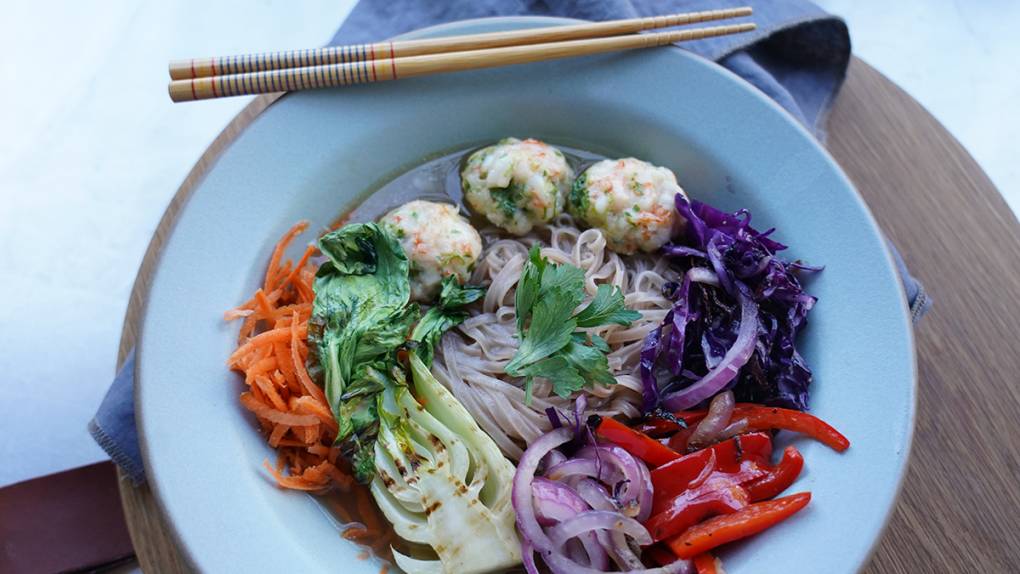
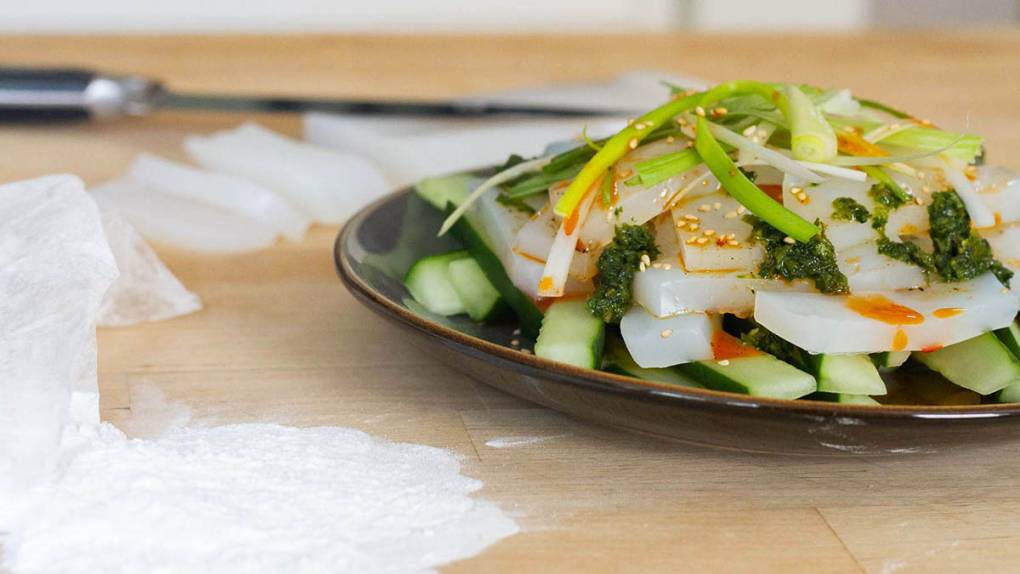
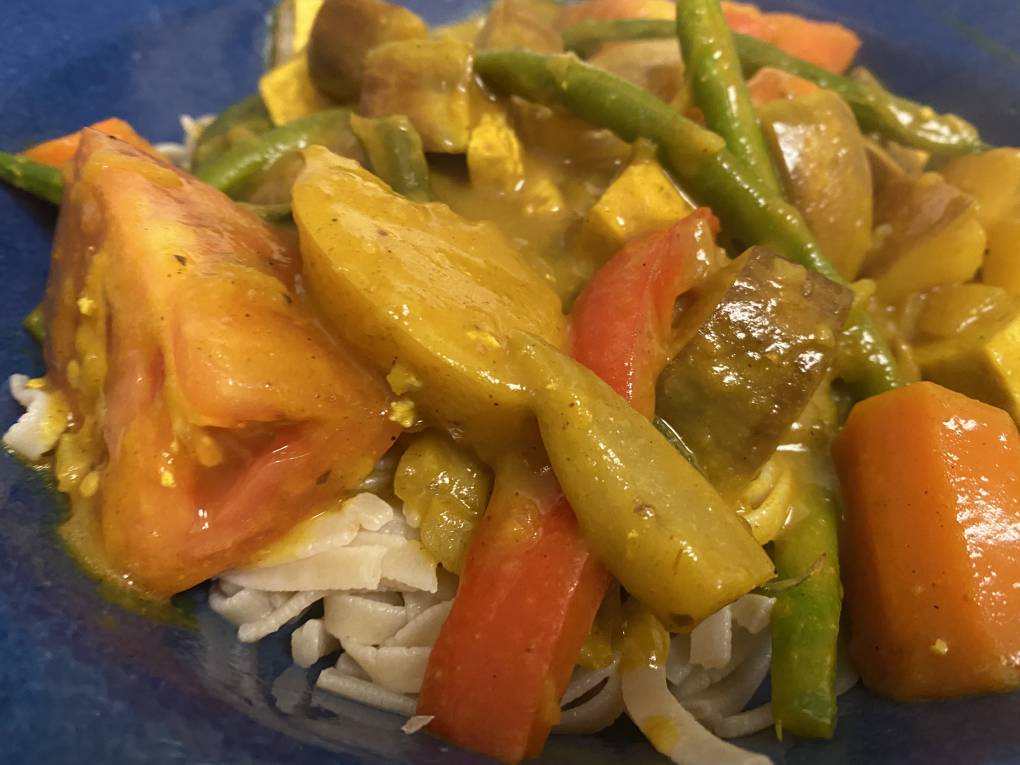
Flavors at Home: Soup Signals Comfort and Embracing Fall
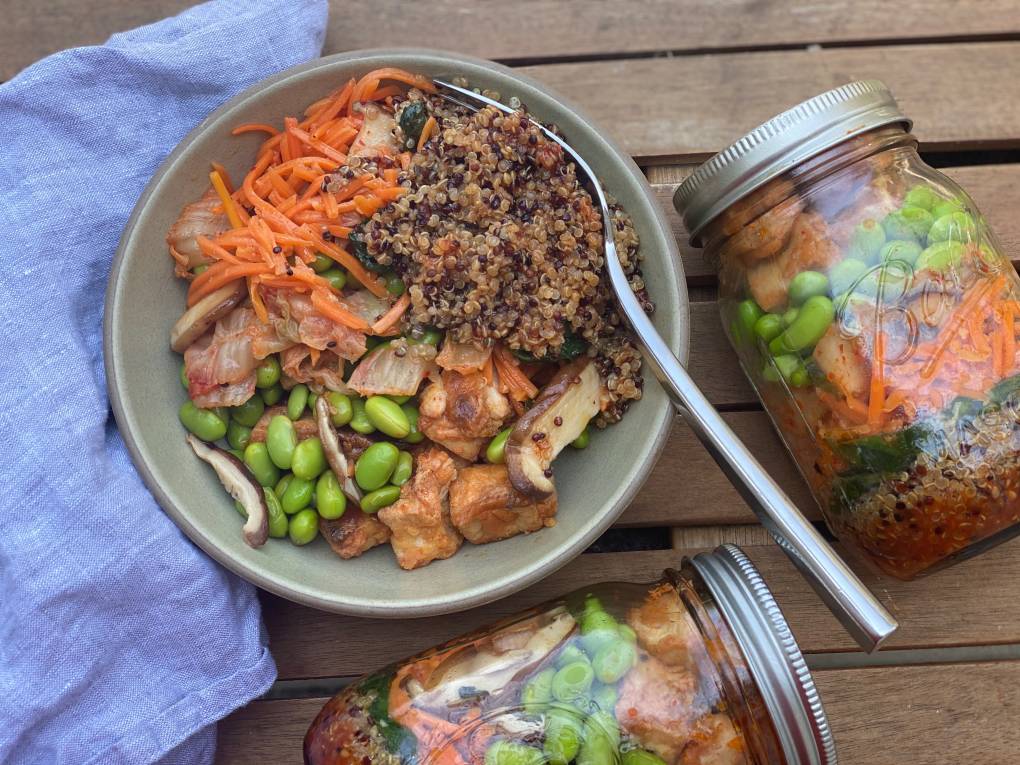
Flavors At Home: Jar Meals for When You Don't Feel Like Cooking
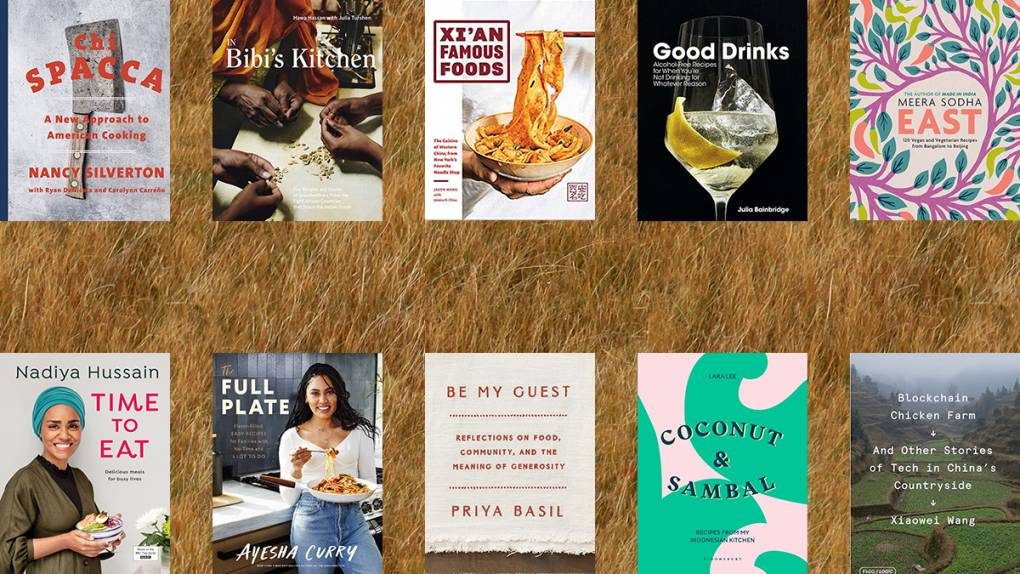
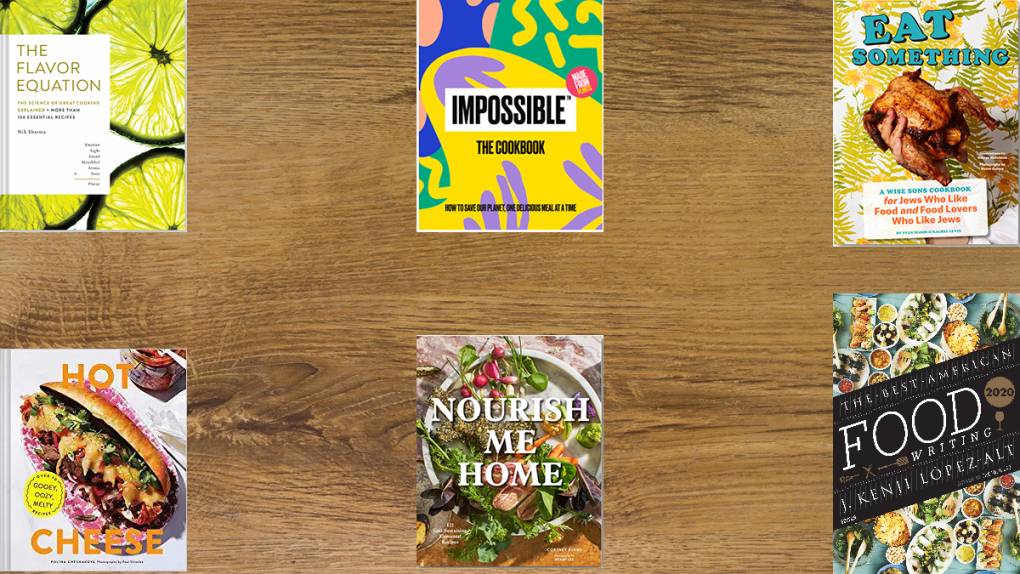
The Fall 2020 Cookbooks Worth Your Time (and Money)
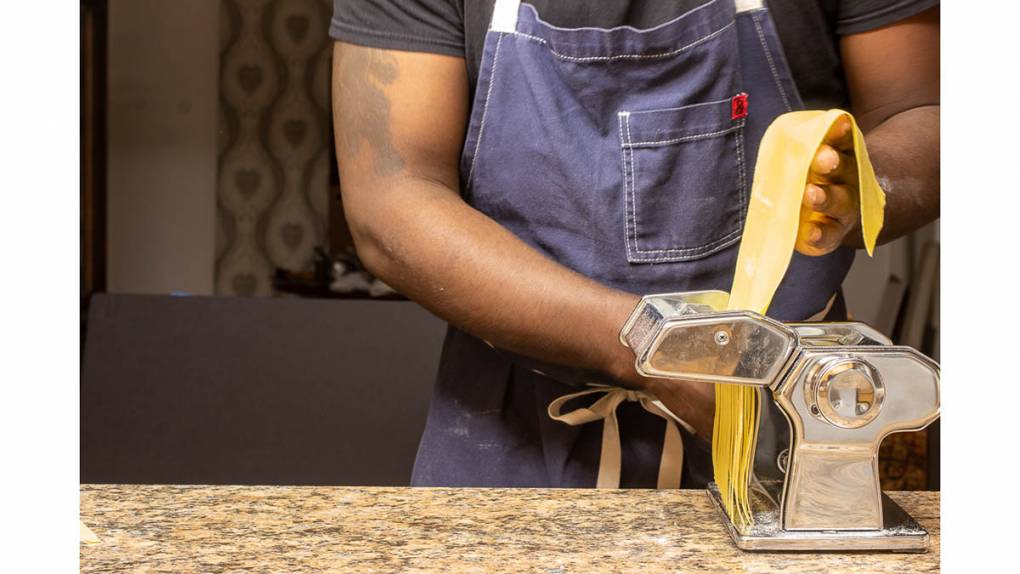
The Science (and Magic) of Egg Noodles
Could Handmade Noodles Be the Next Sourdough Bread of the Pandemic?
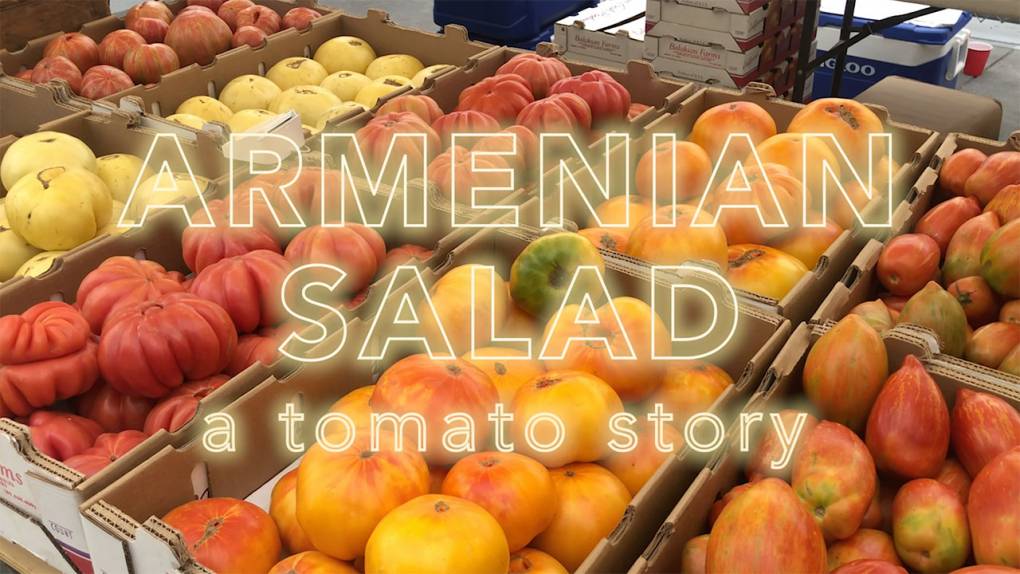
Watch: Take Advantage of Summer Tomato Season with Armenian Salad
How to Cook Together Virtually
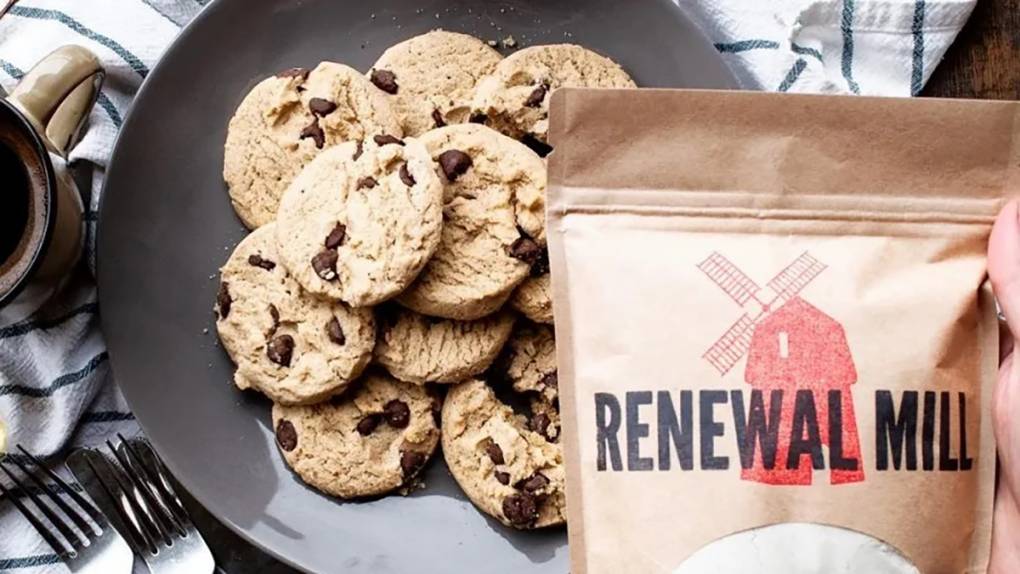
9 Bay Area Food Companies Whose Upcycled Treats are Battling Food Waste
Cookbooks to Pine Over this Summer and Fall
Sponsored
window.__IS_SSR__=true
window.__INITIAL_STATE__={"attachmentsReducer":{"audio_0":{"type":"attachments","id":"audio_0","imgSizes":{"kqedFullSize":{"file":"https://ww2.kqed.org/news/wp-content/themes/KQED-unified/img/audio_bgs/background0.jpg"}}},"audio_1":{"type":"attachments","id":"audio_1","imgSizes":{"kqedFullSize":{"file":"https://ww2.kqed.org/news/wp-content/themes/KQED-unified/img/audio_bgs/background1.jpg"}}},"audio_2":{"type":"attachments","id":"audio_2","imgSizes":{"kqedFullSize":{"file":"https://ww2.kqed.org/news/wp-content/themes/KQED-unified/img/audio_bgs/background2.jpg"}}},"audio_3":{"type":"attachments","id":"audio_3","imgSizes":{"kqedFullSize":{"file":"https://ww2.kqed.org/news/wp-content/themes/KQED-unified/img/audio_bgs/background3.jpg"}}},"audio_4":{"type":"attachments","id":"audio_4","imgSizes":{"kqedFullSize":{"file":"https://ww2.kqed.org/news/wp-content/themes/KQED-unified/img/audio_bgs/background4.jpg"}}},"placeholder":{"type":"attachments","id":"placeholder","imgSizes":{"thumbnail":{"file":"https://ww2.kqed.org/wp-content/uploads/sites/10/2018/01/GettyImages-896326950-160x96.jpg","width":160,"height":96,"mimeType":"image/jpeg"},"medium":{"file":"https://ww2.kqed.org/wp-content/uploads/sites/10/2018/01/GettyImages-896326950-800x478.jpg","width":800,"height":478,"mimeType":"image/jpeg"},"large":{"file":"https://ww2.kqed.org/wp-content/uploads/sites/10/2018/01/GettyImages-896326950-1020x610.jpg","width":1020,"height":610,"mimeType":"image/jpeg"},"fd-lrg":{"file":"https://ww2.kqed.org/wp-content/uploads/sites/10/2018/01/GettyImages-896326950-1920x1148.jpg","width":1920,"height":1148,"mimeType":"image/jpeg"},"fd-med":{"file":"https://ww2.kqed.org/wp-content/uploads/sites/10/2018/01/GettyImages-896326950-1180x705.jpg","width":1180,"height":705,"mimeType":"image/jpeg"},"fd-sm":{"file":"https://ww2.kqed.org/wp-content/uploads/sites/10/2018/01/GettyImages-896326950-960x574.jpg","width":960,"height":574,"mimeType":"image/jpeg"},"post-thumbnail":{"file":"https://ww2.kqed.org/wp-content/uploads/sites/10/2018/01/GettyImages-896326950-672x372.jpg","width":672,"height":372,"mimeType":"image/jpeg"},"twentyfourteen-full-width":{"file":"https://ww2.kqed.org/wp-content/uploads/sites/10/2018/01/GettyImages-896326950-1038x576.jpg","width":1038,"height":576,"mimeType":"image/jpeg"},"xxsmall":{"file":"https://ww2.kqed.org/wp-content/uploads/sites/10/2018/01/GettyImages-896326950-240x143.jpg","width":240,"height":143,"mimeType":"image/jpeg"},"xsmall":{"file":"https://ww2.kqed.org/wp-content/uploads/sites/10/2018/01/GettyImages-896326950-375x224.jpg","width":375,"height":224,"mimeType":"image/jpeg"},"small":{"file":"https://ww2.kqed.org/wp-content/uploads/sites/10/2018/01/GettyImages-896326950-520x311.jpg","width":520,"height":311,"mimeType":"image/jpeg"},"xlarge":{"file":"https://ww2.kqed.org/wp-content/uploads/sites/10/2018/01/GettyImages-896326950-1180x705.jpg","width":1180,"height":705,"mimeType":"image/jpeg"},"full-width":{"file":"https://ww2.kqed.org/wp-content/uploads/sites/10/2018/01/GettyImages-896326950-1920x1148.jpg","width":1920,"height":1148,"mimeType":"image/jpeg"},"guest-author-32":{"file":"https://ww2.kqed.org/wp-content/uploads/sites/10/2018/01/GettyImages-896326950-32x32.jpg","width":32,"height":32,"mimeType":"image/jpeg"},"guest-author-50":{"file":"https://ww2.kqed.org/wp-content/uploads/sites/10/2018/01/GettyImages-896326950-50x50.jpg","width":50,"height":50,"mimeType":"image/jpeg"},"guest-author-64":{"file":"https://ww2.kqed.org/wp-content/uploads/sites/10/2018/01/GettyImages-896326950-64x64.jpg","width":64,"height":64,"mimeType":"image/jpeg"},"guest-author-96":{"file":"https://ww2.kqed.org/wp-content/uploads/sites/10/2018/01/GettyImages-896326950-96x96.jpg","width":96,"height":96,"mimeType":"image/jpeg"},"guest-author-128":{"file":"https://ww2.kqed.org/wp-content/uploads/sites/10/2018/01/GettyImages-896326950-128x128.jpg","width":128,"height":128,"mimeType":"image/jpeg"},"detail":{"file":"https://ww2.kqed.org/wp-content/uploads/sites/10/2018/01/GettyImages-896326950-150x150.jpg","width":150,"height":150,"mimeType":"image/jpeg"},"kqedFullSize":{"file":"https://ww2.kqed.org/wp-content/uploads/sites/10/2018/01/GettyImages-896326950-e1514998105161.jpg","width":1920,"height":1148}}},"bayareabites_139398":{"type":"attachments","id":"bayareabites_139398","meta":{"index":"attachments_1591205162","site":"bayareabites","id":"139398","found":true},"title":"soup herojpg","publishDate":1603489595,"status":"inherit","parent":139397,"modified":1603489691,"caption":"Soup is something I could eat every day of the week. This version also signals a change of seasons, away from summer and deeply into fall. ","credit":"Urmila Ramakrishnan / KQED","description":null,"imgSizes":{"medium":{"file":"https://ww2.kqed.org/app/uploads/sites/24/2020/10/soup-herojpg-800x450.jpg","width":800,"height":450,"mimeType":"image/jpeg"},"large":{"file":"https://ww2.kqed.org/app/uploads/sites/24/2020/10/soup-herojpg-1020x574.jpg","width":1020,"height":574,"mimeType":"image/jpeg"},"thumbnail":{"file":"https://ww2.kqed.org/app/uploads/sites/24/2020/10/soup-herojpg-160x90.jpg","width":160,"height":90,"mimeType":"image/jpeg"},"medium_large":{"file":"https://ww2.kqed.org/app/uploads/sites/24/2020/10/soup-herojpg-768x432.jpg","width":768,"height":432,"mimeType":"image/jpeg"},"post-thumbnail":{"file":"https://ww2.kqed.org/app/uploads/sites/24/2020/10/soup-herojpg-672x372.jpg","width":672,"height":372,"mimeType":"image/jpeg"},"twentyfourteen-full-width":{"file":"https://ww2.kqed.org/app/uploads/sites/24/2020/10/soup-herojpg-1038x576.jpg","width":1038,"height":576,"mimeType":"image/jpeg"},"kqedFullSize":{"file":"https://ww2.kqed.org/app/uploads/sites/24/2020/10/soup-herojpg.jpg","width":1200,"height":675}},"fetchFailed":false,"isLoading":false},"bayareabites_139381":{"type":"attachments","id":"bayareabites_139381","meta":{"index":"attachments_1591205162","site":"bayareabites","id":"139381","found":true},"title":"IMG_1576","publishDate":1603385360,"status":"inherit","parent":139380,"modified":1603386676,"caption":"Jar meals have been Urmila Ramakrishnan's go-to for lunches and dinners that require little thinking.","credit":"Urmila Ramakrishnan / KQED","description":null,"imgSizes":{"medium":{"file":"https://ww2.kqed.org/app/uploads/sites/24/2020/10/IMG_1576-800x600.jpeg","width":800,"height":600,"mimeType":"image/jpeg"},"large":{"file":"https://ww2.kqed.org/app/uploads/sites/24/2020/10/IMG_1576-1020x765.jpeg","width":1020,"height":765,"mimeType":"image/jpeg"},"thumbnail":{"file":"https://ww2.kqed.org/app/uploads/sites/24/2020/10/IMG_1576-160x120.jpeg","width":160,"height":120,"mimeType":"image/jpeg"},"medium_large":{"file":"https://ww2.kqed.org/app/uploads/sites/24/2020/10/IMG_1576-768x576.jpeg","width":768,"height":576,"mimeType":"image/jpeg"},"1536x1536":{"file":"https://ww2.kqed.org/app/uploads/sites/24/2020/10/IMG_1576-1536x1152.jpeg","width":1536,"height":1152,"mimeType":"image/jpeg"},"2048x2048":{"file":"https://ww2.kqed.org/app/uploads/sites/24/2020/10/IMG_1576-2048x1536.jpeg","width":2048,"height":1536,"mimeType":"image/jpeg"},"post-thumbnail":{"file":"https://ww2.kqed.org/app/uploads/sites/24/2020/10/IMG_1576-672x372.jpeg","width":672,"height":372,"mimeType":"image/jpeg"},"twentyfourteen-full-width":{"file":"https://ww2.kqed.org/app/uploads/sites/24/2020/10/IMG_1576-1038x576.jpeg","width":1038,"height":576,"mimeType":"image/jpeg"},"full-width":{"file":"https://ww2.kqed.org/app/uploads/sites/24/2020/10/IMG_1576-1920x1440.jpeg","width":1920,"height":1440,"mimeType":"image/jpeg"},"kqedFullSize":{"file":"https://ww2.kqed.org/app/uploads/sites/24/2020/10/IMG_1576-scaled.jpeg","width":2560,"height":1920}},"fetchFailed":false,"isLoading":false},"bayareabites_139352":{"type":"attachments","id":"bayareabites_139352","meta":{"index":"attachments_1591205162","site":"bayareabites","id":"139352","found":true},"title":"fall food books 2020","publishDate":1603306520,"status":"inherit","parent":139338,"modified":1603306537,"caption":null,"credit":null,"description":null,"imgSizes":{"medium":{"file":"https://ww2.kqed.org/app/uploads/sites/24/2020/10/fall-food-books-2020-800x450.jpg","width":800,"height":450,"mimeType":"image/jpeg"},"large":{"file":"https://ww2.kqed.org/app/uploads/sites/24/2020/10/fall-food-books-2020-1020x574.jpg","width":1020,"height":574,"mimeType":"image/jpeg"},"thumbnail":{"file":"https://ww2.kqed.org/app/uploads/sites/24/2020/10/fall-food-books-2020-160x90.jpg","width":160,"height":90,"mimeType":"image/jpeg"},"medium_large":{"file":"https://ww2.kqed.org/app/uploads/sites/24/2020/10/fall-food-books-2020-768x432.jpg","width":768,"height":432,"mimeType":"image/jpeg"},"post-thumbnail":{"file":"https://ww2.kqed.org/app/uploads/sites/24/2020/10/fall-food-books-2020-672x372.jpg","width":672,"height":372,"mimeType":"image/jpeg"},"twentyfourteen-full-width":{"file":"https://ww2.kqed.org/app/uploads/sites/24/2020/10/fall-food-books-2020-1038x576.jpg","width":1038,"height":576,"mimeType":"image/jpeg"},"kqedFullSize":{"file":"https://ww2.kqed.org/app/uploads/sites/24/2020/10/fall-food-books-2020.jpg","width":1200,"height":675}},"fetchFailed":false,"isLoading":false},"bayareabites_139008":{"type":"attachments","id":"bayareabites_139008","meta":{"index":"attachments_1591205162","site":"bayareabites","id":"139008","found":true},"title":"Pasta photos-10","publishDate":1601073273,"status":"inherit","parent":139003,"modified":1601073545,"caption":"Malik Francis is a biochemist and a chef. He explains the science and magic of noodles. ","credit":"Malik Francis","description":null,"imgSizes":{"medium":{"file":"https://ww2.kqed.org/app/uploads/sites/24/2020/09/Pasta-photos-10-800x450.jpg","width":800,"height":450,"mimeType":"image/jpeg"},"large":{"file":"https://ww2.kqed.org/app/uploads/sites/24/2020/09/Pasta-photos-10-1020x574.jpg","width":1020,"height":574,"mimeType":"image/jpeg"},"thumbnail":{"file":"https://ww2.kqed.org/app/uploads/sites/24/2020/09/Pasta-photos-10-160x90.jpg","width":160,"height":90,"mimeType":"image/jpeg"},"medium_large":{"file":"https://ww2.kqed.org/app/uploads/sites/24/2020/09/Pasta-photos-10-768x432.jpg","width":768,"height":432,"mimeType":"image/jpeg"},"post-thumbnail":{"file":"https://ww2.kqed.org/app/uploads/sites/24/2020/09/Pasta-photos-10-672x372.jpg","width":672,"height":372,"mimeType":"image/jpeg"},"twentyfourteen-full-width":{"file":"https://ww2.kqed.org/app/uploads/sites/24/2020/09/Pasta-photos-10-1038x576.jpg","width":1038,"height":576,"mimeType":"image/jpeg"},"kqedFullSize":{"file":"https://ww2.kqed.org/app/uploads/sites/24/2020/09/Pasta-photos-10.jpg","width":1200,"height":675}},"fetchFailed":false,"isLoading":false},"bayareabites_138996":{"type":"attachments","id":"bayareabites_138996","meta":{"index":"attachments_1591205162","site":"bayareabites","id":"138996","found":true},"title":"Handmade Noodles-10-hero","publishDate":1601071822,"status":"inherit","parent":138990,"modified":1601072116,"caption":"Handmade liang fen noodles served with cucumbers, cilantro sauce, and Sichuan pepper and chili oil.","credit":"Grace Hwang Lynch","description":null,"imgSizes":{"medium":{"file":"https://ww2.kqed.org/app/uploads/sites/24/2020/09/Handmade-Noodles-10-hero-800x450.jpg","width":800,"height":450,"mimeType":"image/jpeg"},"large":{"file":"https://ww2.kqed.org/app/uploads/sites/24/2020/09/Handmade-Noodles-10-hero-1020x574.jpg","width":1020,"height":574,"mimeType":"image/jpeg"},"thumbnail":{"file":"https://ww2.kqed.org/app/uploads/sites/24/2020/09/Handmade-Noodles-10-hero-160x90.jpg","width":160,"height":90,"mimeType":"image/jpeg"},"medium_large":{"file":"https://ww2.kqed.org/app/uploads/sites/24/2020/09/Handmade-Noodles-10-hero-768x432.jpg","width":768,"height":432,"mimeType":"image/jpeg"},"post-thumbnail":{"file":"https://ww2.kqed.org/app/uploads/sites/24/2020/09/Handmade-Noodles-10-hero-672x372.jpg","width":672,"height":372,"mimeType":"image/jpeg"},"twentyfourteen-full-width":{"file":"https://ww2.kqed.org/app/uploads/sites/24/2020/09/Handmade-Noodles-10-hero-1038x576.jpg","width":1038,"height":576,"mimeType":"image/jpeg"},"kqedFullSize":{"file":"https://ww2.kqed.org/app/uploads/sites/24/2020/09/Handmade-Noodles-10-hero.jpg","width":1200,"height":675}},"fetchFailed":false,"isLoading":false},"bayareabites_138810":{"type":"attachments","id":"bayareabites_138810","meta":{"index":"attachments_1591205162","site":"bayareabites","id":"138810","found":true},"title":"armenian_salad_youtube","publishDate":1597162987,"status":"inherit","parent":138807,"modified":1597163745,"caption":"Courtesy of CUESA and Lavash cookbook","credit":null,"description":null,"imgSizes":{"medium":{"file":"https://ww2.kqed.org/app/uploads/sites/24/2020/08/armenian_salad_youtube-800x450.jpg","width":800,"height":450,"mimeType":"image/jpeg"},"large":{"file":"https://ww2.kqed.org/app/uploads/sites/24/2020/08/armenian_salad_youtube-1020x574.jpg","width":1020,"height":574,"mimeType":"image/jpeg"},"thumbnail":{"file":"https://ww2.kqed.org/app/uploads/sites/24/2020/08/armenian_salad_youtube-160x90.jpg","width":160,"height":90,"mimeType":"image/jpeg"},"medium_large":{"file":"https://ww2.kqed.org/app/uploads/sites/24/2020/08/armenian_salad_youtube-768x432.jpg","width":768,"height":432,"mimeType":"image/jpeg"},"post-thumbnail":{"file":"https://ww2.kqed.org/app/uploads/sites/24/2020/08/armenian_salad_youtube-672x372.jpg","width":672,"height":372,"mimeType":"image/jpeg"},"twentyfourteen-full-width":{"file":"https://ww2.kqed.org/app/uploads/sites/24/2020/08/armenian_salad_youtube-1038x576.jpg","width":1038,"height":576,"mimeType":"image/jpeg"},"kqedFullSize":{"file":"https://ww2.kqed.org/app/uploads/sites/24/2020/08/armenian_salad_youtube.jpg","width":1280,"height":720}},"fetchFailed":false,"isLoading":false},"bayareabites_138626":{"type":"attachments","id":"bayareabites_138626","meta":{"index":"attachments_1591205162","site":"bayareabites","id":"138626","found":true},"title":"IMG_1198","publishDate":1596048857,"status":"inherit","parent":138624,"modified":1596048894,"caption":"Cooking together miles apart just got a lot easier. ","credit":"Urmila Ramakrishnan / KQED","description":null,"imgSizes":{"medium":{"file":"https://ww2.kqed.org/app/uploads/sites/24/2020/07/IMG_1198-800x600.jpeg","width":800,"height":600,"mimeType":"image/jpeg"},"large":{"file":"https://ww2.kqed.org/app/uploads/sites/24/2020/07/IMG_1198-1020x765.jpeg","width":1020,"height":765,"mimeType":"image/jpeg"},"thumbnail":{"file":"https://ww2.kqed.org/app/uploads/sites/24/2020/07/IMG_1198-160x120.jpeg","width":160,"height":120,"mimeType":"image/jpeg"},"medium_large":{"file":"https://ww2.kqed.org/app/uploads/sites/24/2020/07/IMG_1198-768x576.jpeg","width":768,"height":576,"mimeType":"image/jpeg"},"1536x1536":{"file":"https://ww2.kqed.org/app/uploads/sites/24/2020/07/IMG_1198-1536x1152.jpeg","width":1536,"height":1152,"mimeType":"image/jpeg"},"2048x2048":{"file":"https://ww2.kqed.org/app/uploads/sites/24/2020/07/IMG_1198-2048x1536.jpeg","width":2048,"height":1536,"mimeType":"image/jpeg"},"post-thumbnail":{"file":"https://ww2.kqed.org/app/uploads/sites/24/2020/07/IMG_1198-672x372.jpeg","width":672,"height":372,"mimeType":"image/jpeg"},"twentyfourteen-full-width":{"file":"https://ww2.kqed.org/app/uploads/sites/24/2020/07/IMG_1198-1038x576.jpeg","width":1038,"height":576,"mimeType":"image/jpeg"},"full-width":{"file":"https://ww2.kqed.org/app/uploads/sites/24/2020/07/IMG_1198-1920x1440.jpeg","width":1920,"height":1440,"mimeType":"image/jpeg"},"kqedFullSize":{"file":"https://ww2.kqed.org/app/uploads/sites/24/2020/07/IMG_1198-scaled.jpeg","width":2560,"height":1920}},"fetchFailed":false,"isLoading":false},"bayareabites_138308":{"type":"attachments","id":"bayareabites_138308","meta":{"index":"attachments_1591205162","site":"bayareabites","id":"138308","found":true},"title":"renwal mill 7x7","publishDate":1595446798,"status":"inherit","parent":138307,"modified":1595447048,"caption":"Courtesy of Renewal Mill","credit":null,"description":null,"imgSizes":{"medium":{"file":"https://ww2.kqed.org/app/uploads/sites/24/2020/07/renwal-mill-7x7-1-800x450.jpg","width":800,"height":450,"mimeType":"image/jpeg"},"large":{"file":"https://ww2.kqed.org/app/uploads/sites/24/2020/07/renwal-mill-7x7-1-1020x574.jpg","width":1020,"height":574,"mimeType":"image/jpeg"},"thumbnail":{"file":"https://ww2.kqed.org/app/uploads/sites/24/2020/07/renwal-mill-7x7-1-160x90.jpg","width":160,"height":90,"mimeType":"image/jpeg"},"medium_large":{"file":"https://ww2.kqed.org/app/uploads/sites/24/2020/07/renwal-mill-7x7-1-768x432.jpg","width":768,"height":432,"mimeType":"image/jpeg"},"post-thumbnail":{"file":"https://ww2.kqed.org/app/uploads/sites/24/2020/07/renwal-mill-7x7-1-672x372.jpg","width":672,"height":372,"mimeType":"image/jpeg"},"twentyfourteen-full-width":{"file":"https://ww2.kqed.org/app/uploads/sites/24/2020/07/renwal-mill-7x7-1-1038x576.jpg","width":1038,"height":576,"mimeType":"image/jpeg"},"kqedFullSize":{"file":"https://ww2.kqed.org/app/uploads/sites/24/2020/07/renwal-mill-7x7-1.jpg","width":1200,"height":675}},"fetchFailed":false,"isLoading":false},"bayareabites_138104":{"type":"attachments","id":"bayareabites_138104","meta":{"index":"attachments_1591205162","site":"bayareabites","id":"138104","found":true},"title":"cookbooks-2","publishDate":1594913115,"status":"inherit","parent":138038,"modified":1594913143,"caption":"Composite: KQED","credit":null,"description":null,"imgSizes":{"medium":{"file":"https://ww2.kqed.org/app/uploads/sites/24/2020/07/cookbooks-2-800x450.jpg","width":800,"height":450,"mimeType":"image/jpeg"},"large":{"file":"https://ww2.kqed.org/app/uploads/sites/24/2020/07/cookbooks-2-1020x574.jpg","width":1020,"height":574,"mimeType":"image/jpeg"},"thumbnail":{"file":"https://ww2.kqed.org/app/uploads/sites/24/2020/07/cookbooks-2-160x90.jpg","width":160,"height":90,"mimeType":"image/jpeg"},"medium_large":{"file":"https://ww2.kqed.org/app/uploads/sites/24/2020/07/cookbooks-2-768x432.jpg","width":768,"height":432,"mimeType":"image/jpeg"},"post-thumbnail":{"file":"https://ww2.kqed.org/app/uploads/sites/24/2020/07/cookbooks-2-672x372.jpg","width":672,"height":372,"mimeType":"image/jpeg"},"twentyfourteen-full-width":{"file":"https://ww2.kqed.org/app/uploads/sites/24/2020/07/cookbooks-2-1038x576.jpg","width":1038,"height":576,"mimeType":"image/jpeg"},"kqedFullSize":{"file":"https://ww2.kqed.org/app/uploads/sites/24/2020/07/cookbooks-2.jpg","width":1200,"height":675}},"fetchFailed":false,"isLoading":false}},"audioPlayerReducer":{"postId":"stream_live"},"authorsReducer":{"byline_bayareabites_139003":{"type":"authors","id":"byline_bayareabites_139003","meta":{"override":true},"slug":"byline_bayareabites_139003","name":"Malik Francis","isLoading":false},"byline_bayareabites_138990":{"type":"authors","id":"byline_bayareabites_138990","meta":{"override":true},"slug":"byline_bayareabites_138990","name":"Grace Hwang Lynch","isLoading":false},"cuesa":{"type":"authors","id":"5484","meta":{"index":"authors_1591205172","id":"5484","found":true},"name":"CUESA","firstName":"CUESA","lastName":null,"slug":"cuesa","email":"brie@cuesa.org","display_author_email":false,"staff_mastheads":[],"title":null,"bio":"CUESA (Center for Urban Education about Sustainable Agriculture) is a nonprofit organization dedicated to cultivating a sustainable food system through the operation of the Ferry Plaza Farmers Market and its educational programs. Learn more at \u003ca href=\"http://www.cuesa.org/\">cuesa.org\u003c/a>.","avatar":"https://secure.gravatar.com/avatar/323b5bab8e802e76af5b72a66b7c6987?s=600&d=blank&r=g","twitter":"cuesa","facebook":"CUESA","instagram":null,"linkedin":null,"sites":[{"site":"arts","roles":["author"]},{"site":"bayareabites","roles":["contributor"]},{"site":"food","roles":["contributor"]}],"headData":{"title":"CUESA | KQED","description":null,"ogImgSrc":"https://secure.gravatar.com/avatar/323b5bab8e802e76af5b72a66b7c6987?s=600&d=blank&r=g","twImgSrc":"https://secure.gravatar.com/avatar/323b5bab8e802e76af5b72a66b7c6987?s=600&d=blank&r=g"},"isLoading":false,"link":"/author/cuesa"},"7x7bayarea":{"type":"authors","id":"11590","meta":{"index":"authors_1591205172","id":"11590","found":true},"name":"7x7 Bay Area","firstName":"7x7 Bay Area","lastName":null,"slug":"7x7bayarea","email":"edit@7x7.com","display_author_email":false,"staff_mastheads":[],"title":null,"bio":"Founded in 2001, 7x7 is an independently owned and totally authentic guide to life in the San Francisco Bay Area. Our 24/7 online resource serves up stories on the best food and drink, arts and culture, style and design, hikes and wellness, regional travel, and more. Visit us anytime at \u003ca href=\"https://www.7x7.com/\">7x7.com\u003c/a>, and also find us on \u003ca href=\"https://www.facebook.com/7x7/\">Facebook\u003c/a>, \u003ca href=\"https://www.instagram.com/7x7bayarea/\">Instagram\u003c/a>, and \u003ca href=\"https://twitter.com/7x7\">Twitter\u003c/a>. Plus, subscribe to our podcast, \u003ca href=\"https://itunes.apple.com/us/podcast/7x7-bay-area-people-will-talk/id1444756628\">\"People Will Talk,\"\u003c/a> for insightful interviews with Bay Area luminaries; you'll find it on iTunes and wherever you get your podcasts.","avatar":"https://secure.gravatar.com/avatar/1084e0a66476f14f77589475632b61a7?s=600&d=blank&r=g","twitter":null,"facebook":null,"instagram":null,"linkedin":null,"sites":[{"site":"bayareabites","roles":["author"]}],"headData":{"title":"7x7 Bay Area | KQED","description":null,"ogImgSrc":"https://secure.gravatar.com/avatar/1084e0a66476f14f77589475632b61a7?s=600&d=blank&r=g","twImgSrc":"https://secure.gravatar.com/avatar/1084e0a66476f14f77589475632b61a7?s=600&d=blank&r=g"},"isLoading":false,"link":"/author/7x7bayarea"},"rgebreyesus":{"type":"authors","id":"11625","meta":{"index":"authors_1591205172","id":"11625","found":true},"name":"Ruth Gebreyesus","firstName":"Ruth","lastName":"Gebreyesus","slug":"rgebreyesus","email":"rgebreyesus@KQED.org","display_author_email":false,"staff_mastheads":[],"title":"Food Writer","bio":"Ruth Gebreyesus is a freelance writer and producer based in the Bay Area. Through stories across various mediums, Ruth explores the creation and consumption of cultural products. You can find more of her work \u003ca href=\"https://www.kotetakotet.com/\">here\u003c/a>.","avatar":"https://secure.gravatar.com/avatar/68980beab511750abbb1a58f1c768b45?s=600&d=blank&r=g","twitter":"root_g","facebook":null,"instagram":null,"linkedin":null,"sites":[{"site":"arts","roles":["subscriber"]},{"site":"bayareabites","roles":["subscriber"]},{"site":"checkplease","roles":["editor"]},{"site":"food","roles":["editor"]}],"headData":{"title":"Ruth Gebreyesus | KQED","description":"Food Writer","ogImgSrc":"https://secure.gravatar.com/avatar/68980beab511750abbb1a58f1c768b45?s=600&d=blank&r=g","twImgSrc":"https://secure.gravatar.com/avatar/68980beab511750abbb1a58f1c768b45?s=600&d=blank&r=g"},"isLoading":false,"link":"/author/rgebreyesus"},"uramakrishnan":{"type":"authors","id":"11689","meta":{"index":"authors_1591205172","id":"11689","found":true},"name":"Urmila Ramakrishnan","firstName":"Urmila","lastName":"Ramakrishnan","slug":"uramakrishnan","email":"uramakrishnan@kqed.org","display_author_email":false,"staff_mastheads":[],"title":"KQED Food Editor","bio":"Urmila Ramakrishnan is KQED Arts & Culture’s food editor and an award-winning food journalist based in the Bay Area. Her multi-platform work has been featured in \u003ci>The New York Times\u003c/i>, \u003ci>Edible\u003c/i>, \u003ci>The San Francisco Chronicle\u003c/i>, among other publications. She’s a kitchen gadget enthusiast who also loves food puns. Keep up with her cooking adventures on Instagram at \u003ca href=\"https://www.instagram.com/urmilamakes/\" rel=\"noopener noreferrer\">@urmilamakes\u003c/a> and join the food discussion \u003ca href=\"https://twitter.com/U_Ramakrishnan\" rel=\"noopener noreferrer\">@U_Ramakrishnan\u003c/a>.","avatar":"https://secure.gravatar.com/avatar/d014718b767c29f78f33117b5b75eb6d?s=600&d=blank&r=g","twitter":"U_Ramakrishnan","facebook":null,"instagram":null,"linkedin":null,"sites":[{"site":"arts","roles":["subscriber"]},{"site":"bayareabites","roles":["subscriber"]},{"site":"checkplease","roles":["editor"]},{"site":"food","roles":["editor"]}],"headData":{"title":"Urmila Ramakrishnan | KQED","description":"KQED Food Editor","ogImgSrc":"https://secure.gravatar.com/avatar/d014718b767c29f78f33117b5b75eb6d?s=600&d=blank&r=g","twImgSrc":"https://secure.gravatar.com/avatar/d014718b767c29f78f33117b5b75eb6d?s=600&d=blank&r=g"},"isLoading":false,"link":"/author/uramakrishnan"}},"breakingNewsReducer":{},"campaignFinanceReducer":{},"firebase":{"requesting":{},"requested":{},"timestamps":{},"data":{},"ordered":{},"auth":{"isLoaded":false,"isEmpty":true},"authError":null,"profile":{"isLoaded":false,"isEmpty":true},"listeners":{"byId":{},"allIds":[]},"isInitializing":false,"errors":[]},"navBarReducer":{"navBarId":"arts","fullView":true,"showPlayer":false},"navMenuReducer":{"menus":[{"key":"menu1","items":[{"name":"News","link":"/","type":"title"},{"name":"Politics","link":"/politics"},{"name":"Science","link":"/science"},{"name":"Education","link":"/educationnews"},{"name":"Housing","link":"/housing"},{"name":"Immigration","link":"/immigration"},{"name":"Criminal Justice","link":"/criminaljustice"},{"name":"Silicon Valley","link":"/siliconvalley"},{"name":"Forum","link":"/forum"},{"name":"The California Report","link":"/californiareport"}]},{"key":"menu2","items":[{"name":"Arts & Culture","link":"/arts","type":"title"},{"name":"Critics’ Picks","link":"/thedolist"},{"name":"Cultural Commentary","link":"/artscommentary"},{"name":"Food & Drink","link":"/food"},{"name":"Bay Area Hip-Hop","link":"/bayareahiphop"},{"name":"Rebel Girls","link":"/rebelgirls"},{"name":"Arts Video","link":"/artsvideos"}]},{"key":"menu3","items":[{"name":"Podcasts","link":"/podcasts","type":"title"},{"name":"Bay Curious","link":"/podcasts/baycurious"},{"name":"Rightnowish","link":"/podcasts/rightnowish"},{"name":"The Bay","link":"/podcasts/thebay"},{"name":"On Our Watch","link":"/podcasts/onourwatch"},{"name":"Mindshift","link":"/podcasts/mindshift"},{"name":"Consider This","link":"/podcasts/considerthis"},{"name":"Political Breakdown","link":"/podcasts/politicalbreakdown"}]},{"key":"menu4","items":[{"name":"Live Radio","link":"/radio","type":"title"},{"name":"TV","link":"/tv","type":"title"},{"name":"Events","link":"/events","type":"title"},{"name":"For Educators","link":"/education","type":"title"},{"name":"Support KQED","link":"/support","type":"title"},{"name":"About","link":"/about","type":"title"},{"name":"Help Center","link":"https://kqed-helpcenter.kqed.org/s","type":"title"}]}]},"pagesReducer":{},"postsReducer":{"stream_live":{"type":"live","id":"stream_live","audioUrl":"https://streams.kqed.org/kqedradio","title":"Live Stream","excerpt":"Live Stream information currently unavailable.","link":"/radio","featImg":"","label":{"name":"KQED Live","link":"/"}},"stream_kqedNewscast":{"type":"posts","id":"stream_kqedNewscast","audioUrl":"https://www.kqed.org/.stream/anon/radio/RDnews/newscast.mp3?_=1","title":"KQED Newscast","featImg":"","label":{"name":"88.5 FM","link":"/"}},"bayareabites_139397":{"type":"posts","id":"bayareabites_139397","meta":{"index":"posts_1591205157","site":"bayareabites","id":"139397","score":null,"sort":[1603985441000]},"guestAuthors":[],"slug":"flavors-at-home-soup-signals-comfort-and-embracing-fall","title":"Flavors at Home: Soup Signals Comfort and Embracing Fall","publishDate":1603985441,"format":"standard","headTitle":"Bay Area Bites | KQED Food","labelTerm":{"site":"bayareabites"},"content":"\u003cp>\u003ci>In light of the shelter-in-place order, many of us have resorted to cooking at home, revisiting old recipes and getting creative with our pantries. Instead of our usual Flavors Worth Finding column with recommendations from restaurants, KQED staffers are sharing the meals they’ve been making at home to find some comfort and grounding during uncertain times.\u003c/i>\u003c/p>\n\u003cp>When I was growing up in Minnesota, soup was one thing that truly signaled fall was here. My mom would make all kinds of one-pot wonders. She'd alternate between Napa cabbage stews, minestrone packed with frozen veggies and kidney beans, the occasional laksa with a heavy and complex broth and chicken noodle with the bowtie-shaped farfalle pasta.\u003c/p>\n\u003cp>If it was a restaurant night, it was all about lemongrass-forward tom yum soup from the now-closed King and I Thai in Minneapolis or phở gà from Ho Bien in St. Paul. We'd climb into oversize sweaters, drive through the neighborhoods, comment on the color of the maple trees and order heaping amounts of soup to share.\u003c/p>\n\u003cp>As I got older and learned more techniques, I'd make heartier, heavier soups like butternut squash and pumpkin, or satisfy my craving with canned clam chowder.\u003c/p>\n\u003cp>These days, my mind and spirit are still in August, but the construct of time has pushed far past that into (almost) November. My brain does not compute. In an attempt to catch up or force myself not to dissociate, I ventured back to the comfort of soup. Where I live in Walnut Creek, the temperatures have just started to dip into sweater weather—it's been more of a swelter with highs in the 80s and 90s Fahrenheit before last week. So I've been experimenting with various clear soups to try to reset my idea of time.\u003c/p>\n\u003cp>[ad fullwidth]\u003c/p>\n\u003cp>This week, I riffed on a recipe from \u003ca href=\"https://fitmencook.com/shrimp-soup-recipe/\">YouTuber and cookbook author Kevin Curry\u003c/a>. He has this how-to on healthy shrimp meatball soup, and I knew I wanted to make it. It's been hard to find a soup that's comforting, easy, full of flavor and fitting of all my current dietary needs these days. I really love the texture and flavor of fish cakes, fish balls and shrimp balls, so I thought I'd give this one a go.\u003c/p>\n\u003cfigure id=\"attachment_139401\" class=\"wp-caption alignnone\" style=\"max-width: 800px\">\u003cimg class=\"size-medium wp-image-139401\" src=\"https://ww2.kqed.org/app/uploads/sites/24/2020/10/soup-2-grill-800x533.jpg\" alt=\"Cabbage, purple onions and bell peppers on a grill pan\" width=\"800\" height=\"533\" srcset=\"https://ww2.kqed.org/app/uploads/sites/24/2020/10/soup-2-grill-800x533.jpg 800w, https://ww2.kqed.org/app/uploads/sites/24/2020/10/soup-2-grill-1020x680.jpg 1020w, https://ww2.kqed.org/app/uploads/sites/24/2020/10/soup-2-grill-160x107.jpg 160w, https://ww2.kqed.org/app/uploads/sites/24/2020/10/soup-2-grill-768x512.jpg 768w, https://ww2.kqed.org/app/uploads/sites/24/2020/10/soup-2-grill.jpg 1500w\" sizes=\"(max-width: 800px) 100vw, 800px\">\u003cfigcaption class=\"wp-caption-text\">If you don't have a grill pan, you can saute your veggies or assemble raw. \u003ccite>(Urmila Ramakrishnan / KQED)\u003c/cite>\u003c/figcaption>\u003c/figure>\n\u003cp>Surprisingly, shrimp balls are pretty easy to make if you have a food processor. The trick is to pulse sparingly, leaving visible chunks of shrimp meat. If you go too far, it will become a gummy, gluey mess. I added salt, pepper, mint and cilantro to Curry's recipe. Essentially, you blitz up some green onions, add garlic and pulse; then add your other seasoning and the shrimp, and pulse three to five times until it comes together slightly.\u003c/p>\n\u003cp>From there, I used a food scale to weigh out 3.5 ounce portions. A trick for this is to put parchment paper or cling film over your scale for easy cleanup. If you don't have a scale, you can eyeball it. One tip Curry mentioned in his video that really worked well is oiling your hands with olive oil before shaping. I used a muffin tin sprayed with olive oil to bake my shrimp balls in the oven.\u003c/p>\n\u003cp>Would I normally make my own stock for a soup? Sure, but I'm also all about this method that takes the store-bought version and adds to it. You can better control the flavor and intensity of your broth if you make it yourself, but for something that is relatively cheap, you can play with flavors by adding things like cinnamon sticks and cardamom to chicken stock and water, like this recipe does.\u003c/p>\n\u003cfigure id=\"attachment_139402\" class=\"wp-caption alignnone\" style=\"max-width: 800px\">\u003cimg class=\"size-medium wp-image-139402\" src=\"https://ww2.kqed.org/app/uploads/sites/24/2020/10/soup-3-800x533.jpg\" alt=\"Charred baby bok choy on a grill pan\" width=\"800\" height=\"533\" srcset=\"https://ww2.kqed.org/app/uploads/sites/24/2020/10/soup-3-800x533.jpg 800w, https://ww2.kqed.org/app/uploads/sites/24/2020/10/soup-3-1020x680.jpg 1020w, https://ww2.kqed.org/app/uploads/sites/24/2020/10/soup-3-160x107.jpg 160w, https://ww2.kqed.org/app/uploads/sites/24/2020/10/soup-3-768x512.jpg 768w, https://ww2.kqed.org/app/uploads/sites/24/2020/10/soup-3.jpg 1200w\" sizes=\"(max-width: 800px) 100vw, 800px\">\u003cfigcaption class=\"wp-caption-text\">This is a super cool technique I picked up from this recipe. I never thought to grill baby bok choy before, but it's a great idea. You get the grill marks and it keeps its crunch, which can sometimes get lost when sauteeing. \u003ccite>(Urmila Ramakrishnan / KQED)\u003c/cite>\u003c/figcaption>\u003c/figure>\n\u003cp>The last part is probably the best: Assembly. I found myself pulling out my grill pan and charring different types of veggies. I stuck to the original baby bok choy seasoned with sesame oil, salt and pepper. I also added grilled bell peppers in various colors, purple cabbage, shredded carrot, purple onion and whole grain noodles. You can also swap the noodles for brown rice or barley, or the veggies in the recipe for roasted sweet potato (which I did one night). The star of the show is the shrimp balls, which I know I'll continue to experiment with by changing the seasonings.\u003c/p>\n\u003cp>All the components come together like a rainbow symphony of vibrant vegetables. It's also a celebration of textures with the al dente noodles, perfectly chewy shrimp balls and crunchy purple cabbage and carrots.\u003c/p>\n\u003cp>\u003c/p>\n\u003cp>The current weather may not feel like fall, but I'm perfectly happy slurping this up and feeling the happy-full slosh of soup in my belly. Happy eating.\u003c/p>\n\n","blocks":[],"excerpt":"To get in sync with the changing seasons, Urmila Ramakrishnan is making all kinds of soups.","status":"publish","parent":0,"modified":1621631951,"stats":{"hasAudio":false,"hasVideo":false,"hasChartOrMap":false,"iframeSrcs":[],"hasGoogleForm":false,"hasGallery":false,"hasHearkenModule":false,"hasPolis":false,"paragraphCount":14,"wordCount":860},"headData":{"title":"Flavors at Home: Soup Signals Comfort and Embracing Fall | KQED","description":"To get in sync with the changing seasons, Urmila Ramakrishnan is making all kinds of soups.","ogTitle":"","ogDescription":"","ogImgId":"","twTitle":"","twDescription":"","twImgId":""},"disqusIdentifier":"139397 https://ww2.kqed.org/bayareabites/?p=139397","disqusUrl":"https://ww2.kqed.org/bayareabites/2020/10/29/flavors-at-home-soup-signals-comfort-and-embracing-fall/","disqusTitle":"Flavors at Home: Soup Signals Comfort and Embracing Fall","templateType":"standard","featuredImageType":"standard","path":"/bayareabites/139397/flavors-at-home-soup-signals-comfort-and-embracing-fall","audioTrackLength":null,"parsedContent":[{"type":"contentString","content":"\u003cdiv class=\"post-body\">\u003cp>\u003cp>\u003ci>In light of the shelter-in-place order, many of us have resorted to cooking at home, revisiting old recipes and getting creative with our pantries. Instead of our usual Flavors Worth Finding column with recommendations from restaurants, KQED staffers are sharing the meals they’ve been making at home to find some comfort and grounding during uncertain times.\u003c/i>\u003c/p>\n\u003cp>When I was growing up in Minnesota, soup was one thing that truly signaled fall was here. My mom would make all kinds of one-pot wonders. She'd alternate between Napa cabbage stews, minestrone packed with frozen veggies and kidney beans, the occasional laksa with a heavy and complex broth and chicken noodle with the bowtie-shaped farfalle pasta.\u003c/p>\n\u003cp>If it was a restaurant night, it was all about lemongrass-forward tom yum soup from the now-closed King and I Thai in Minneapolis or phở gà from Ho Bien in St. Paul. We'd climb into oversize sweaters, drive through the neighborhoods, comment on the color of the maple trees and order heaping amounts of soup to share.\u003c/p>\n\u003cp>As I got older and learned more techniques, I'd make heartier, heavier soups like butternut squash and pumpkin, or satisfy my craving with canned clam chowder.\u003c/p>\n\u003cp>These days, my mind and spirit are still in August, but the construct of time has pushed far past that into (almost) November. My brain does not compute. In an attempt to catch up or force myself not to dissociate, I ventured back to the comfort of soup. Where I live in Walnut Creek, the temperatures have just started to dip into sweater weather—it's been more of a swelter with highs in the 80s and 90s Fahrenheit before last week. So I've been experimenting with various clear soups to try to reset my idea of time.\u003c/p>\n\u003cp>\u003c/p>\u003c/div>","attributes":{"named":{},"numeric":[]}},{"type":"component","content":"","name":"ad","attributes":{"named":{"label":"fullwidth"},"numeric":["fullwidth"]}},{"type":"contentString","content":"\u003cdiv class=\"post-body\">\u003cp>\u003c/p>\n\u003cp>This week, I riffed on a recipe from \u003ca href=\"https://fitmencook.com/shrimp-soup-recipe/\">YouTuber and cookbook author Kevin Curry\u003c/a>. He has this how-to on healthy shrimp meatball soup, and I knew I wanted to make it. It's been hard to find a soup that's comforting, easy, full of flavor and fitting of all my current dietary needs these days. I really love the texture and flavor of fish cakes, fish balls and shrimp balls, so I thought I'd give this one a go.\u003c/p>\n\u003cfigure id=\"attachment_139401\" class=\"wp-caption alignnone\" style=\"max-width: 800px\">\u003cimg class=\"size-medium wp-image-139401\" src=\"https://ww2.kqed.org/app/uploads/sites/24/2020/10/soup-2-grill-800x533.jpg\" alt=\"Cabbage, purple onions and bell peppers on a grill pan\" width=\"800\" height=\"533\" srcset=\"https://ww2.kqed.org/app/uploads/sites/24/2020/10/soup-2-grill-800x533.jpg 800w, https://ww2.kqed.org/app/uploads/sites/24/2020/10/soup-2-grill-1020x680.jpg 1020w, https://ww2.kqed.org/app/uploads/sites/24/2020/10/soup-2-grill-160x107.jpg 160w, https://ww2.kqed.org/app/uploads/sites/24/2020/10/soup-2-grill-768x512.jpg 768w, https://ww2.kqed.org/app/uploads/sites/24/2020/10/soup-2-grill.jpg 1500w\" sizes=\"(max-width: 800px) 100vw, 800px\">\u003cfigcaption class=\"wp-caption-text\">If you don't have a grill pan, you can saute your veggies or assemble raw. \u003ccite>(Urmila Ramakrishnan / KQED)\u003c/cite>\u003c/figcaption>\u003c/figure>\n\u003cp>Surprisingly, shrimp balls are pretty easy to make if you have a food processor. The trick is to pulse sparingly, leaving visible chunks of shrimp meat. If you go too far, it will become a gummy, gluey mess. I added salt, pepper, mint and cilantro to Curry's recipe. Essentially, you blitz up some green onions, add garlic and pulse; then add your other seasoning and the shrimp, and pulse three to five times until it comes together slightly.\u003c/p>\n\u003cp>From there, I used a food scale to weigh out 3.5 ounce portions. A trick for this is to put parchment paper or cling film over your scale for easy cleanup. If you don't have a scale, you can eyeball it. One tip Curry mentioned in his video that really worked well is oiling your hands with olive oil before shaping. I used a muffin tin sprayed with olive oil to bake my shrimp balls in the oven.\u003c/p>\n\u003cp>Would I normally make my own stock for a soup? Sure, but I'm also all about this method that takes the store-bought version and adds to it. You can better control the flavor and intensity of your broth if you make it yourself, but for something that is relatively cheap, you can play with flavors by adding things like cinnamon sticks and cardamom to chicken stock and water, like this recipe does.\u003c/p>\n\u003cfigure id=\"attachment_139402\" class=\"wp-caption alignnone\" style=\"max-width: 800px\">\u003cimg class=\"size-medium wp-image-139402\" src=\"https://ww2.kqed.org/app/uploads/sites/24/2020/10/soup-3-800x533.jpg\" alt=\"Charred baby bok choy on a grill pan\" width=\"800\" height=\"533\" srcset=\"https://ww2.kqed.org/app/uploads/sites/24/2020/10/soup-3-800x533.jpg 800w, https://ww2.kqed.org/app/uploads/sites/24/2020/10/soup-3-1020x680.jpg 1020w, https://ww2.kqed.org/app/uploads/sites/24/2020/10/soup-3-160x107.jpg 160w, https://ww2.kqed.org/app/uploads/sites/24/2020/10/soup-3-768x512.jpg 768w, https://ww2.kqed.org/app/uploads/sites/24/2020/10/soup-3.jpg 1200w\" sizes=\"(max-width: 800px) 100vw, 800px\">\u003cfigcaption class=\"wp-caption-text\">This is a super cool technique I picked up from this recipe. I never thought to grill baby bok choy before, but it's a great idea. You get the grill marks and it keeps its crunch, which can sometimes get lost when sauteeing. \u003ccite>(Urmila Ramakrishnan / KQED)\u003c/cite>\u003c/figcaption>\u003c/figure>\n\u003cp>The last part is probably the best: Assembly. I found myself pulling out my grill pan and charring different types of veggies. I stuck to the original baby bok choy seasoned with sesame oil, salt and pepper. I also added grilled bell peppers in various colors, purple cabbage, shredded carrot, purple onion and whole grain noodles. You can also swap the noodles for brown rice or barley, or the veggies in the recipe for roasted sweet potato (which I did one night). The star of the show is the shrimp balls, which I know I'll continue to experiment with by changing the seasonings.\u003c/p>\n\u003cp>All the components come together like a rainbow symphony of vibrant vegetables. It's also a celebration of textures with the al dente noodles, perfectly chewy shrimp balls and crunchy purple cabbage and carrots.\u003c/p>\n\u003cp>\u003c/p>\n\u003cp>The current weather may not feel like fall, but I'm perfectly happy slurping this up and feeling the happy-full slosh of soup in my belly. Happy eating.\u003c/p>\n\n\u003c/div>\u003c/p>","attributes":{"named":{},"numeric":[]}}],"link":"/bayareabites/139397/flavors-at-home-soup-signals-comfort-and-embracing-fall","authors":["11689"],"categories":["bayareabites_16558","bayareabites_17082"],"tags":["bayareabites_569","bayareabites_16557","bayareabites_16622","bayareabites_16576","bayareabites_744","bayareabites_1278","bayareabites_14738","bayareabites_439"],"featImg":"bayareabites_139398","label":"bayareabites"},"bayareabites_139380":{"type":"posts","id":"bayareabites_139380","meta":{"index":"posts_1591205157","site":"bayareabites","id":"139380","score":null,"sort":[1603411277000]},"guestAuthors":[],"slug":"flavors-at-home-jar-meals-for-when-you-dont-feel-like-cooking","title":"Flavors At Home: Jar Meals for When You Don't Feel Like Cooking","publishDate":1603411277,"format":"standard","headTitle":"Bay Area Bites | KQED Food","labelTerm":{},"content":"\u003cp>\u003ci>In light of the shelter-in-place order, many of us have resorted to cooking at home, revisiting old recipes and getting creative with our pantries. Instead of our usual Flavors Worth Finding column with recommendations from restaurants, KQED staffers are sharing the meals they’ve been making at home to find some comfort and grounding during uncertain times.\u003c/i>\u003c/p>\n\u003cp>Lately, my weeknights have been filled with trying to reclaim my time instead of spending 30 minutes to an hour making dinner. I've picked up reading again and finally finished a book I started almost a year ago.\u003c/p>\n\u003cp>Because of this, I've had little desire to actually cook anything. Yes, kitchen apathy has become a full-on mood here. To combat this, I've been working on prepping these layered jar meals on Sundays, inspired by \u003ca href=\"https://www.pickuplimes.com/single-post/2020/08/16/Kimchi-Noodle-Jar\">vegan blogger and dietician Sadia Badiei.\u003c/a>\u003c/p>\n\u003cp>The trick is to make sure that your liquids are at the bottom, followed by your grains and crunchy stuff up top. This prevents ingredients from getting soggy and gross. This trick can be used for lunch salads too, which will keep the dressing from interacting with your greens until you're ready.\u003c/p>\n\u003cfigure id=\"attachment_139382\" class=\"wp-caption alignnone\" style=\"max-width: 800px\">\u003cimg class=\"size-medium wp-image-139382\" src=\"https://ww2.kqed.org/app/uploads/sites/24/2020/10/ZAK02914-800x533.jpg\" alt=\"mason jars with quinoa, edamame, carrots and tofu in tem\" width=\"800\" height=\"533\" srcset=\"https://ww2.kqed.org/app/uploads/sites/24/2020/10/ZAK02914-800x533.jpg 800w, https://ww2.kqed.org/app/uploads/sites/24/2020/10/ZAK02914-1020x680.jpg 1020w, https://ww2.kqed.org/app/uploads/sites/24/2020/10/ZAK02914-160x107.jpg 160w, https://ww2.kqed.org/app/uploads/sites/24/2020/10/ZAK02914-768x512.jpg 768w, https://ww2.kqed.org/app/uploads/sites/24/2020/10/ZAK02914-1536x1024.jpg 1536w, https://ww2.kqed.org/app/uploads/sites/24/2020/10/ZAK02914-2048x1365.jpg 2048w, https://ww2.kqed.org/app/uploads/sites/24/2020/10/ZAK02914-1920x1280.jpg 1920w\" sizes=\"(max-width: 800px) 100vw, 800px\">\u003cfigcaption class=\"wp-caption-text\">For me, the airfryer has been the best thing for tofu. \u003ccite>(Urmila Ramakrishnan / KQED)\u003c/cite>\u003c/figcaption>\u003c/figure>\n\u003cp>I've been remixing different versions of this, swapping out noodles for quinoa or brown rice, interchanging vegetables and making different sauces to spoon into the bottom. The best part is that I only really have to boil some water and possibly air fry some tofu. Unlike previous pandemic cooking ideas, it's the ease and simplicity for me. It's also visually appealing to see all the layers, which has been an inspiration to actually eat lunch instead of skip it.\u003c/p>\n\u003cp>[ad fullwidth]\u003c/p>\n\u003cp>For crispy tofu, the key is to get out as much moisture as possible. What I typically do is wrap the tofu in some paper towels and let it sit for about 30 minutes. I repeat the process at least once before seasoning and either baking or air frying for extra crispy cubes. You can also coat the cut cubes in cornstarch or arrowroot, which will help with the texture.\u003c/p>\n\u003cp>\u003c/p>\n\u003cp>This version centers around kimchi. I used gochujang, but you could also use sriracha or sweet chile sauce. For an extra punch, I added smoked maple syrup instead of regular maple syrup.\u003c/p>\n\n","blocks":[],"excerpt":"When you're in a cooking rut, turning to meal prepping can be freeing. ","status":"publish","parent":0,"modified":1621631965,"stats":{"hasAudio":false,"hasVideo":false,"hasChartOrMap":false,"iframeSrcs":[],"hasGoogleForm":false,"hasGallery":false,"hasHearkenModule":false,"hasPolis":false,"paragraphCount":9,"wordCount":398},"headData":{"title":"Flavors At Home: Jar Meals for When You Don't Feel Like Cooking | KQED","description":"When you're in a cooking rut, turning to meal prepping can be freeing. ","ogTitle":"","ogDescription":"","ogImgId":"","twTitle":"","twDescription":"","twImgId":""},"disqusIdentifier":"139380 https://ww2.kqed.org/bayareabites/?p=139380","disqusUrl":"https://ww2.kqed.org/bayareabites/2020/10/22/flavors-at-home-jar-meals-for-when-you-dont-feel-like-cooking/","disqusTitle":"Flavors At Home: Jar Meals for When You Don't Feel Like Cooking","source":"Flavors at Home","templateType":"standard","featuredImageType":"standard","path":"/bayareabites/139380/flavors-at-home-jar-meals-for-when-you-dont-feel-like-cooking","audioTrackLength":null,"parsedContent":[{"type":"contentString","content":"\u003cdiv class=\"post-body\">\u003cp>\u003cp>\u003ci>In light of the shelter-in-place order, many of us have resorted to cooking at home, revisiting old recipes and getting creative with our pantries. Instead of our usual Flavors Worth Finding column with recommendations from restaurants, KQED staffers are sharing the meals they’ve been making at home to find some comfort and grounding during uncertain times.\u003c/i>\u003c/p>\n\u003cp>Lately, my weeknights have been filled with trying to reclaim my time instead of spending 30 minutes to an hour making dinner. I've picked up reading again and finally finished a book I started almost a year ago.\u003c/p>\n\u003cp>Because of this, I've had little desire to actually cook anything. Yes, kitchen apathy has become a full-on mood here. To combat this, I've been working on prepping these layered jar meals on Sundays, inspired by \u003ca href=\"https://www.pickuplimes.com/single-post/2020/08/16/Kimchi-Noodle-Jar\">vegan blogger and dietician Sadia Badiei.\u003c/a>\u003c/p>\n\u003cp>The trick is to make sure that your liquids are at the bottom, followed by your grains and crunchy stuff up top. This prevents ingredients from getting soggy and gross. This trick can be used for lunch salads too, which will keep the dressing from interacting with your greens until you're ready.\u003c/p>\n\u003cfigure id=\"attachment_139382\" class=\"wp-caption alignnone\" style=\"max-width: 800px\">\u003cimg class=\"size-medium wp-image-139382\" src=\"https://ww2.kqed.org/app/uploads/sites/24/2020/10/ZAK02914-800x533.jpg\" alt=\"mason jars with quinoa, edamame, carrots and tofu in tem\" width=\"800\" height=\"533\" srcset=\"https://ww2.kqed.org/app/uploads/sites/24/2020/10/ZAK02914-800x533.jpg 800w, https://ww2.kqed.org/app/uploads/sites/24/2020/10/ZAK02914-1020x680.jpg 1020w, https://ww2.kqed.org/app/uploads/sites/24/2020/10/ZAK02914-160x107.jpg 160w, https://ww2.kqed.org/app/uploads/sites/24/2020/10/ZAK02914-768x512.jpg 768w, https://ww2.kqed.org/app/uploads/sites/24/2020/10/ZAK02914-1536x1024.jpg 1536w, https://ww2.kqed.org/app/uploads/sites/24/2020/10/ZAK02914-2048x1365.jpg 2048w, https://ww2.kqed.org/app/uploads/sites/24/2020/10/ZAK02914-1920x1280.jpg 1920w\" sizes=\"(max-width: 800px) 100vw, 800px\">\u003cfigcaption class=\"wp-caption-text\">For me, the airfryer has been the best thing for tofu. \u003ccite>(Urmila Ramakrishnan / KQED)\u003c/cite>\u003c/figcaption>\u003c/figure>\n\u003cp>I've been remixing different versions of this, swapping out noodles for quinoa or brown rice, interchanging vegetables and making different sauces to spoon into the bottom. The best part is that I only really have to boil some water and possibly air fry some tofu. Unlike previous pandemic cooking ideas, it's the ease and simplicity for me. It's also visually appealing to see all the layers, which has been an inspiration to actually eat lunch instead of skip it.\u003c/p>\n\u003cp>\u003c/p>\u003c/div>","attributes":{"named":{},"numeric":[]}},{"type":"component","content":"","name":"ad","attributes":{"named":{"label":"fullwidth"},"numeric":["fullwidth"]}},{"type":"contentString","content":"\u003cdiv class=\"post-body\">\u003cp>\u003c/p>\n\u003cp>For crispy tofu, the key is to get out as much moisture as possible. What I typically do is wrap the tofu in some paper towels and let it sit for about 30 minutes. I repeat the process at least once before seasoning and either baking or air frying for extra crispy cubes. You can also coat the cut cubes in cornstarch or arrowroot, which will help with the texture.\u003c/p>\n\u003cp>\u003c/p>\n\u003cp>This version centers around kimchi. I used gochujang, but you could also use sriracha or sweet chile sauce. For an extra punch, I added smoked maple syrup instead of regular maple syrup.\u003c/p>\n\n\u003c/div>\u003c/p>","attributes":{"named":{},"numeric":[]}}],"link":"/bayareabites/139380/flavors-at-home-jar-meals-for-when-you-dont-feel-like-cooking","authors":["11689"],"categories":["bayareabites_752","bayareabites_17082"],"tags":["bayareabites_569","bayareabites_16557","bayareabites_16622","bayareabites_16576","bayareabites_17009","bayareabites_14738"],"featImg":"bayareabites_139381","label":"source_bayareabites_139380"},"bayareabites_139338":{"type":"posts","id":"bayareabites_139338","meta":{"index":"posts_1591205157","site":"bayareabites","id":"139338","score":null,"sort":[1603318017000]},"guestAuthors":[],"slug":"the-fall-2020-cookbooks-worth-your-time-and-money","title":"The Fall 2020 Cookbooks Worth Your Time (and Money)","publishDate":1603318017,"format":"standard","headTitle":"Bay Area Bites | KQED Food","labelTerm":{"site":"bayareabites"},"content":"\u003cp>The seasons are changing, and the weather is getting colder, so it’s the perfect time to get cozy with some comforting recipes. Fall signals a slew of cookbook releases and a different approach to cooking. And this year in particular, there are a number of books promising to get us out of that cooking rut.\u003c/p>\n\u003cp>\u003cspan style=\"font-weight: 400\">After perusing several releases, Ruth Gebreyesus and I have come up with the top food books we want to add to our collections. More than just cookbooks, they include memoirs, drink books and more. Happy cooking and reading.\u003cem>—Urmila Ramakrishnan\u003c/em>\u003c/span>\u003c/p>\n\u003ch2>\u003cem>\u003ca href=\"https://cart.penguinrandomhouse.com/prhcart/prhcart.php\">\u003cb>Be My\u003c/b>\u003c/a>\u003ca href=\"https://cart.penguinrandomhouse.com/prhcart/prhcart.php\">\u003cb> Guest\u003c/b>\u003c/a>\u003c/em>\u003c/h2>\n\u003cfigure id=\"attachment_139339\" class=\"wp-caption alignnone\" style=\"max-width: 800px\">\u003cimg class=\"size-medium wp-image-139339\" src=\"https://ww2.kqed.org/app/uploads/sites/24/2020/10/be-my-guest-book-cover-800x1039.jpg\" alt=\"Be My Guest book co ver\" width=\"800\" height=\"1039\" srcset=\"https://ww2.kqed.org/app/uploads/sites/24/2020/10/be-my-guest-book-cover-800x1039.jpg 800w, https://ww2.kqed.org/app/uploads/sites/24/2020/10/be-my-guest-book-cover-1020x1325.jpg 1020w, https://ww2.kqed.org/app/uploads/sites/24/2020/10/be-my-guest-book-cover-160x208.jpg 160w, https://ww2.kqed.org/app/uploads/sites/24/2020/10/be-my-guest-book-cover-768x998.jpg 768w, https://ww2.kqed.org/app/uploads/sites/24/2020/10/be-my-guest-book-cover-1182x1536.jpg 1182w, https://ww2.kqed.org/app/uploads/sites/24/2020/10/be-my-guest-book-cover.jpg 1200w\" sizes=\"(max-width: 800px) 100vw, 800px\">\u003cfigcaption class=\"wp-caption-text\">Penguin Random House\u003c/figcaption>\u003c/figure>\n\u003cp>\u003cspan style=\"font-weight: 400\">(November 3)\u003c/span>\u003c/p>\n\u003cp>\u003cspan style=\"font-weight: 400\">From Priya Basil, this memoir is a self-reflection on how food and the act of serving it are used to express love and support. Basil draws on food, family, identity, immigration and hospitality to look at the world at large and how food plays a central part in its dynamics. Basil draws on some of her earliest memories of food and how it affected her upbringing and relationship with her parents. Now a parent herself, she centers food in her book’s exploration of that transition.—\u003c/span>\u003ci>\u003cspan style=\"font-weight: 400\">Urmila Ramakrishnan\u003c/span>\u003c/i>\u003c/p>\n\u003ch2>\u003cem>\u003ca href=\"https://www.fsgoriginals.com/books/blockchain-chicken-farm\">\u003cb>Blockchain Chicken Farm\u003c/b>\u003c/a>\u003c/em>\u003c/h2>\n\u003cfigure id=\"attachment_139340\" class=\"wp-caption alignnone\" style=\"max-width: 500px\">\u003cimg class=\"size-full wp-image-139340\" src=\"https://ww2.kqed.org/app/uploads/sites/24/2020/10/blockchain-book-cover.jpg\" alt=\"Blockchain Chicken Farm and other Stories of Tech in China's Countryside book cover\" width=\"500\" height=\"756\" srcset=\"https://ww2.kqed.org/app/uploads/sites/24/2020/10/blockchain-book-cover.jpg 500w, https://ww2.kqed.org/app/uploads/sites/24/2020/10/blockchain-book-cover-160x242.jpg 160w\" sizes=\"(max-width: 500px) 100vw, 500px\">\u003cfigcaption class=\"wp-caption-text\">Courtesy of FSG Originals\u003c/figcaption>\u003c/figure>\n\u003cp>\u003cspan style=\"font-weight: 400\">(October 13)\u003c/span>\u003c/p>\n\u003cp>[ad fullwidth]\u003c/p>\n\u003cp>\u003cspan style=\"font-weight: 400\">Technologist and writer Xiaowei Wang explores tech’s social and political articulations in rural China in their debut book. Wang challenges conventional assumptions about the luddite tendencies of pastoral workers with stories of farmers integrating AI to produce a perfect pig, and studies the economic and political correlations between China’s villages and globalization. The author has also included what they term “sinofuturist” recipes shaped by evolving technologies. Wang is speaking at an event later next month organized by UC Berkeley’s \u003c/span>\u003ca href=\"http://bcnm.berkeley.edu/events/324/commons-conversations/3994/blockchain-chicken-farm-and-grass-mud-horses\">\u003cspan style=\"font-weight: 400\">Center for New Media\u003c/span>\u003c/a>\u003cspan style=\"font-weight: 400\"> with technologist and writer An Xiao Mina.—\u003c/span>\u003ci>\u003cspan style=\"font-weight: 400\">Ruth Gebreyesus\u003c/span>\u003c/i>\u003c/p>\n\u003ch2>\u003cem>\u003ca href=\"https://www.amazon.com/East-Vegetarian-recipes-Bangalore-Beijing/dp/0241387566\">\u003cb>East\u003c/b>\u003c/a>\u003c/em>\u003c/h2>\n\u003cfigure id=\"attachment_139341\" class=\"wp-caption alignnone\" style=\"max-width: 777px\">\u003cimg class=\"size-full wp-image-139341\" src=\"https://ww2.kqed.org/app/uploads/sites/24/2020/10/east.jpg\" alt=\"East book cover\" width=\"777\" height=\"1000\" srcset=\"https://ww2.kqed.org/app/uploads/sites/24/2020/10/east.jpg 777w, https://ww2.kqed.org/app/uploads/sites/24/2020/10/east-160x206.jpg 160w, https://ww2.kqed.org/app/uploads/sites/24/2020/10/east-768x988.jpg 768w\" sizes=\"(max-width: 777px) 100vw, 777px\">\u003cfigcaption class=\"wp-caption-text\">Courtesy of MacMillan Publishers\u003c/figcaption>\u003c/figure>\n\u003cp>\u003cspan style=\"font-weight: 400\"> (October 20)\u003c/span>\u003c/p>\n\u003cp>\u003cspan style=\"font-weight: 400\">From Guardian columnist Meera Sodha comes a cookbook centered on all things vegetables. The book features recipes that span a variety of Asian cuisines. It’s a book that speaks to vegetarians and one that non-vegetarians can appreciate. Sodha showcases the diversity and vibrancy of vegetarian cooking with dishes like eggplant larb, salted miso brownies, mushroom bao, Bombay rolls, food court Singapore noodles and so much more. The 120 recipes cover noodles, seasonal specialties, sides, sweets, curries and salads. Helpful tips on cooking and portion sizes are peppered throughout the book as well. The sections that focus specifically on noodles and rice are particularly helpful for those looking to expand their knowledge of these carbs.\u003c/span>\u003ci>\u003cspan style=\"font-weight: 400\">—U.R.\u003c/span>\u003c/i>\u003c/p>\n\u003ch2>\u003cem>\u003ca href=\"https://cart.penguinrandomhouse.com/prhcart/prhcart.php\">\u003cb>Chi Spacca\u003c/b>\u003c/a>\u003c/em>\u003c/h2>\n\u003cfigure id=\"attachment_139343\" class=\"wp-caption alignnone\" style=\"max-width: 800px\">\u003cimg class=\"size-medium wp-image-139343\" src=\"https://ww2.kqed.org/app/uploads/sites/24/2020/10/chi-spacca-800x897.jpg\" alt=\"Chi Spacca book cover with a butcher's knife and the title of the book\" width=\"800\" height=\"897\" srcset=\"https://ww2.kqed.org/app/uploads/sites/24/2020/10/chi-spacca-800x897.jpg 800w, https://ww2.kqed.org/app/uploads/sites/24/2020/10/chi-spacca-1020x1144.jpg 1020w, https://ww2.kqed.org/app/uploads/sites/24/2020/10/chi-spacca-160x179.jpg 160w, https://ww2.kqed.org/app/uploads/sites/24/2020/10/chi-spacca-768x861.jpg 768w, https://ww2.kqed.org/app/uploads/sites/24/2020/10/chi-spacca.jpg 1200w\" sizes=\"(max-width: 800px) 100vw, 800px\">\u003cfigcaption class=\"wp-caption-text\">Courtesy of Penguin Random House\u003c/figcaption>\u003c/figure>\n\u003cp>\u003cspan style=\"font-weight: 400\">(October 13)\u003c/span>\u003c/p>\n\u003cp>\u003cspan style=\"font-weight: 400\">Nancy Silverton’s very meat-centric book focuses on Italian fish, vegetables and proteins. For a restaurant cookbook, it dives deep into recipes and makes them approachable. You’ll find recipes from the eponymous restaurant, such as whole roasted cauliflower, Morrocan braised lamb shanks and bone marrow pie.—\u003c/span>\u003ci>\u003cspan style=\"font-weight: 400\">U.R.\u003c/span>\u003c/i>\u003c/p>\n\u003ch2>\u003cem>\u003ca href=\"https://www.amazon.com/Coconut-Sambal-Recipes-Indonesian-Kitchen/dp/1526603519\">\u003cb>Coconut & Sambal\u003c/b>\u003c/a>\u003c/em>\u003c/h2>\n\u003cfigure id=\"attachment_139344\" class=\"wp-caption alignnone\" style=\"max-width: 500px\">\u003cimg class=\"size-full wp-image-139344\" src=\"https://ww2.kqed.org/app/uploads/sites/24/2020/10/coconut-and-sambal.jpg\" alt=\"pink and green book cover for Coconut & Sambal by Lara Lee\" width=\"500\" height=\"651\" srcset=\"https://ww2.kqed.org/app/uploads/sites/24/2020/10/coconut-and-sambal.jpg 500w, https://ww2.kqed.org/app/uploads/sites/24/2020/10/coconut-and-sambal-160x208.jpg 160w\" sizes=\"(max-width: 500px) 100vw, 500px\">\u003cfigcaption class=\"wp-caption-text\">Courtesy of Bloomsbury\u003c/figcaption>\u003c/figure>\n\u003cp>\u003cspan style=\"font-weight: 400\">(October 13) \u003c/span>\u003c/p>\n\u003cp>\u003cspan style=\"font-weight: 400\">Lara Lee walks through traditional Indonesian recipes that range from hearty nasi goreng to fluffy pandan cake. The book weaves Lee’s memories of the various islands that make up Indonesia with techniques that are easy to replicate. The book features savory snacks, soups, rice, vegetable dishes, fish, seafood, poultry, eggs, meat, sambal, sweets and more.—\u003c/span>\u003ci>\u003cspan style=\"font-weight: 400\">U.R.\u003c/span>\u003c/i>\u003c/p>\n\u003ch2>\u003cem>\u003ca href=\"https://www.amazon.com/Good-Drinks-Alcohol-Free-Drinking-Whatever/dp/1984856340\">\u003cstrong>Good Drinks\u003c/strong>\u003c/a>\u003c/em>\u003c/h2>\n\u003cfigure id=\"attachment_139345\" class=\"wp-caption alignnone\" style=\"max-width: 800px\">\u003cimg class=\"size-medium wp-image-139345\" src=\"https://ww2.kqed.org/app/uploads/sites/24/2020/10/Good-Drinks-800x1113.jpg\" alt=\"Stemmed glass wtih an ice cube, clear liquid and a lemon peel on a black background. Book cover for Good Drinks\" width=\"800\" height=\"1113\" srcset=\"https://ww2.kqed.org/app/uploads/sites/24/2020/10/Good-Drinks-800x1113.jpg 800w, https://ww2.kqed.org/app/uploads/sites/24/2020/10/Good-Drinks-1020x1420.jpg 1020w, https://ww2.kqed.org/app/uploads/sites/24/2020/10/Good-Drinks-160x223.jpg 160w, https://ww2.kqed.org/app/uploads/sites/24/2020/10/Good-Drinks-768x1069.jpg 768w, https://ww2.kqed.org/app/uploads/sites/24/2020/10/Good-Drinks-1104x1536.jpg 1104w, https://ww2.kqed.org/app/uploads/sites/24/2020/10/Good-Drinks.jpg 1200w\" sizes=\"(max-width: 800px) 100vw, 800px\">\u003cfigcaption class=\"wp-caption-text\">Courtesy of Penguin Random House\u003c/figcaption>\u003c/figure>\n\u003cp>\u003cspan style=\"font-weight: 400\">(October 6)\u003c/span>\u003c/p>\n\u003cp>\u003cspan style=\"font-weight: 400\">For those who aren’t drinking or have always been looking for ways to create non-alcoholic beverages without having to scroll through countless webpages, this is \u003c/span>\u003ci>\u003cspan style=\"font-weight: 400\">the\u003c/span>\u003c/i>\u003cspan style=\"font-weight: 400\"> book. Julia Bainbridge proves that a good drink doesn’t have to include alcohol, and I’m here for that.—\u003c/span>\u003ci>\u003cspan style=\"font-weight: 400\">U.R.\u003c/span>\u003c/i>\u003c/p>\n\u003ch2>\u003cem>\u003ca href=\"https://www.amazon.com/Cook-Color-Bright-Flavors-Kitchen/dp/0762495588/ref=as_li_ss_tl?ots=1&ie=UTF8&linkCode=ll1&tag=fwlifefallcookbooks2020fweditorssep20-20&linkId=20d646d1071a16989388fd12739763ae&language=en_US\">\u003cb>I Cook in Color\u003c/b> \u003c/a>\u003c/em>\u003c/h2>\n\u003cfigure id=\"attachment_139346\" class=\"wp-caption alignnone\" style=\"max-width: 450px\">\u003cimg class=\"size-full wp-image-139346\" src=\"https://ww2.kqed.org/app/uploads/sites/24/2020/10/9780762495580.jpg\" alt=\"Hands holding a plate with lots of different kinds of produce\" width=\"450\" height=\"446\" srcset=\"https://ww2.kqed.org/app/uploads/sites/24/2020/10/9780762495580.jpg 450w, https://ww2.kqed.org/app/uploads/sites/24/2020/10/9780762495580-160x159.jpg 160w\" sizes=\"(max-width: 450px) 100vw, 450px\">\u003cfigcaption class=\"wp-caption-text\">Courtesy of Running Press\u003c/figcaption>\u003c/figure>\n\u003cp>\u003cspan style=\"font-weight: 400\">(October 6) \u003c/span>\u003c/p>\n\u003cp>\u003cspan style=\"font-weight: 400\">A follow up from her first cookbook \u003c/span>\u003ca href=\"https://www.kqed.org/bayareabites/137591/flavors-at-home-newlyweds-virtual-cooking-and-biryani\" target=\"_blank\" rel=\"noopener noreferrer\">\u003ci>\u003cspan style=\"font-weight: 400\">My Two Souths\u003c/span>\u003c/i>\u003c/a>\u003cspan style=\"font-weight: 400\">, Asha Gomez focuses on the rainbow of vegetables to create desserts and cross-cultural mains that meld culinary traditions of her mother’s Keralite kitchen and Gomez’s travel experiences.—\u003c/span>\u003ci>\u003cspan style=\"font-weight: 400\">U.R.\u003c/span>\u003c/i>\u003c/p>\n\u003ch2>\u003cem>\u003cb>\u003ca href=\"https://www.penguinrandomhouse.com/books/606399/in-bibis-kitchen-by-hawa-hassan-with-julia-turshen/\" target=\"_blank\" rel=\"noopener noreferrer\">In Bibi’s Kitchen\u003c/a>\u003c/b>\u003c/em>\u003c/h2>\n\u003cfigure id=\"attachment_139347\" class=\"wp-caption alignnone\" style=\"max-width: 800px\">\u003cimg class=\"size-medium wp-image-139347\" src=\"https://ww2.kqed.org/app/uploads/sites/24/2020/10/In-Bibis-Kitchen-800x995.jpg\" alt=\"Three hands deseeding something on a table. Book cover for In Bibi's Kitchen\" width=\"800\" height=\"995\" srcset=\"https://ww2.kqed.org/app/uploads/sites/24/2020/10/In-Bibis-Kitchen-800x995.jpg 800w, https://ww2.kqed.org/app/uploads/sites/24/2020/10/In-Bibis-Kitchen-1020x1269.jpg 1020w, https://ww2.kqed.org/app/uploads/sites/24/2020/10/In-Bibis-Kitchen-160x199.jpg 160w, https://ww2.kqed.org/app/uploads/sites/24/2020/10/In-Bibis-Kitchen-768x956.jpg 768w, https://ww2.kqed.org/app/uploads/sites/24/2020/10/In-Bibis-Kitchen.jpg 1200w\" sizes=\"(max-width: 800px) 100vw, 800px\">\u003cfigcaption class=\"wp-caption-text\">Courtesy of Penguin Random House\u003c/figcaption>\u003c/figure>\n\u003cp>\u003cspan style=\"font-weight: 400\">(October 13)\u003c/span>\u003c/p>\n\u003cp>\u003cspan style=\"font-weight: 400\">Spice entrepreneur Hawa Hassan is publishing her first cookbook along with Julia Turshen, telling the stories and recipes of eight grandmothers. Each of the eight bibis hails from a country alongside Africa’s Indian Ocean coast, including Hassan’s country of birth, Somalia, as well as Eritrea, Kenya, Tanzania and others. Recipes from coastal regions are rich by virtue of trade routes, and Hassan seems to know grandmothers are the safest place to keep that wealth.—\u003c/span>\u003ci>\u003cspan style=\"font-weight: 400\">R.G.\u003c/span>\u003c/i>\u003c/p>\n\u003ch2>\u003cem>\u003ca href=\"https://www.amazon.com/Full-Plate-Flavor-Filled-Recipes-Families/dp/0316496170/?tag=epicurious09-20&ascsubtag=5f5a7ca28b768428f3ab65a1\">\u003cb>The Full Plate\u003c/b>\u003c/a>\u003c/em>\u003cb> \u003c/b>\u003c/h2>\n\u003cfigure id=\"attachment_139348\" class=\"wp-caption alignnone\" style=\"max-width: 800px\">\u003cimg class=\"size-medium wp-image-139348\" src=\"https://ww2.kqed.org/app/uploads/sites/24/2020/10/The-Full-Plate-800x1009.jpeg\" alt=\"The Full Plate: Flavor-Filled, Easy Recipes for Families with No Time and a Lot to Do Hardcover – Illustrated, September 22, 2020 by Ayesha Curry CR: Voracious\" width=\"800\" height=\"1009\" srcset=\"https://ww2.kqed.org/app/uploads/sites/24/2020/10/The-Full-Plate-800x1009.jpeg 800w, https://ww2.kqed.org/app/uploads/sites/24/2020/10/The-Full-Plate-1020x1286.jpeg 1020w, https://ww2.kqed.org/app/uploads/sites/24/2020/10/The-Full-Plate-160x202.jpeg 160w, https://ww2.kqed.org/app/uploads/sites/24/2020/10/The-Full-Plate-768x968.jpeg 768w, https://ww2.kqed.org/app/uploads/sites/24/2020/10/The-Full-Plate-1218x1536.jpeg 1218w, https://ww2.kqed.org/app/uploads/sites/24/2020/10/The-Full-Plate.jpeg 1333w\" sizes=\"(max-width: 800px) 100vw, 800px\">\u003cfigcaption class=\"wp-caption-text\">Courtesy of Voracious\u003c/figcaption>\u003c/figure>\n\u003cp>(September 22)\u003c/p>\n\u003cp>\u003cspan style=\"font-weight: 400\">For those looking for under-an-hour recipes to cure kitchen apathy, Ayesha Curry’s new book is one of those. This book focuses on dishes that can feed a family. It’s a great one for beginners looking for a place to build their repertoire.—\u003c/span>\u003ci>\u003cspan style=\"font-weight: 400\">U.R.\u003c/span>\u003c/i>\u003c/p>\n\u003ch2>\u003cem>\u003ca href=\"https://www.amazon.com/Time-Eat-Delicious-Meals-Lives/dp/024139659X\">\u003cb>Time to Eat\u003c/b>\u003c/a>\u003c/em>\u003c/h2>\n\u003cfigure id=\"attachment_139349\" class=\"wp-caption alignnone\" style=\"max-width: 800px\">\u003cimg class=\"size-medium wp-image-139349\" src=\"https://ww2.kqed.org/app/uploads/sites/24/2020/10/Time-to-Eat-800x1031.jpg\" alt=\"Time to eat cookbook cover\" width=\"800\" height=\"1031\" srcset=\"https://ww2.kqed.org/app/uploads/sites/24/2020/10/Time-to-Eat-800x1031.jpg 800w, https://ww2.kqed.org/app/uploads/sites/24/2020/10/Time-to-Eat-1020x1314.jpg 1020w, https://ww2.kqed.org/app/uploads/sites/24/2020/10/Time-to-Eat-160x206.jpg 160w, https://ww2.kqed.org/app/uploads/sites/24/2020/10/Time-to-Eat-768x990.jpg 768w, https://ww2.kqed.org/app/uploads/sites/24/2020/10/Time-to-Eat-1192x1536.jpg 1192w, https://ww2.kqed.org/app/uploads/sites/24/2020/10/Time-to-Eat-1589x2048.jpg 1589w, https://ww2.kqed.org/app/uploads/sites/24/2020/10/Time-to-Eat-1920x2474.jpg 1920w, https://ww2.kqed.org/app/uploads/sites/24/2020/10/Time-to-Eat-scaled.jpg 1987w\" sizes=\"(max-width: 800px) 100vw, 800px\">\u003cfigcaption class=\"wp-caption-text\">Courtesy of Penguin Random House\u003c/figcaption>\u003c/figure>\n\u003cp>\u003cspan style=\"font-weight: 400\">(November 10) \u003c/span>\u003c/p>\n\u003cp>\u003cspan style=\"font-weight: 400\">I\u003c/span>\u003cspan style=\"font-weight: 400\">f you’re a fan of \u003c/span>\u003ci>\u003cspan style=\"font-weight: 400\">The Great British Baking Show\u003c/span>\u003c/i>\u003cspan style=\"font-weight: 400\"> and Nadiya Hussain’s Netflix series, you’ll be just as excited for the American release of this book of time-saving tips for home cooks on a budget. It’s a book to go to for inspiration that doesn’t involve countless hours of toiling over a hot stove. Ease and simplicity combine with tasty ideas that prove that cooking something good doesn’t have to take five hours.—\u003c/span>\u003ci>\u003cspan style=\"font-weight: 400\">U.R.\u003c/span>\u003c/i>\u003c/p>\n\u003ch2>\u003cem>\u003ca href=\"https://www.xianfoods.com/book\">\u003cb>Xi’an Famous Foods\u003c/b>\u003c/a>\u003c/em>\u003c/h2>\n\u003cfigure id=\"attachment_139342\" class=\"wp-caption alignnone\" style=\"max-width: 404px\">\u003cimg class=\"size-full wp-image-139342\" src=\"https://ww2.kqed.org/app/uploads/sites/24/2020/10/xian.jpg\" alt=\"Xi'An Famous foods cookbook cover with someone pulling noodles from a bowl with chopsticks\" width=\"404\" height=\"500\" srcset=\"https://ww2.kqed.org/app/uploads/sites/24/2020/10/xian.jpg 404w, https://ww2.kqed.org/app/uploads/sites/24/2020/10/xian-160x198.jpg 160w\" sizes=\"(max-width: 404px) 100vw, 404px\">\u003cfigcaption class=\"wp-caption-text\">Courtesy of Xi'an Famous Foods\u003c/figcaption>\u003c/figure>\n\u003cp>\u003cspan style=\"font-weight: 400\">(October 13)\u003c/span>\u003c/p>\n\u003cp>\u003c/p>\n\u003cp>\u003cspan style=\"font-weight: 400\">Beloved New York City noodle destination Xi’an Foods is publishing its first-ever book this month. David Shi’s Queens restaurant, which has expanded to 14 locations, highlights northwest Chinese specialities, including their famous lamb and hand-ripped noodles. The book written by Shi’s son, Jason Wang, along with Jessica K. Chou, is full of stories and recipes from the mighty New York noodle empire.—\u003c/span>\u003ci>\u003cspan style=\"font-weight: 400\">R.G.\u003c/span>\u003c/i>\u003c/p>\n\n","blocks":[],"excerpt":"Fall means a different way of cooking, away from the summer produce salads and into comfort. ","status":"publish","parent":0,"modified":1621631972,"stats":{"hasAudio":false,"hasVideo":false,"hasChartOrMap":false,"iframeSrcs":[],"hasGoogleForm":false,"hasGallery":false,"hasHearkenModule":false,"hasPolis":false,"paragraphCount":26,"wordCount":1022},"headData":{"title":"The Fall 2020 Cookbooks Worth Your Time (and Money) | KQED","description":"Fall means a different way of cooking, away from the summer produce salads and into comfort. ","ogTitle":"","ogDescription":"","ogImgId":"","twTitle":"","twDescription":"","twImgId":""},"disqusIdentifier":"139338 https://ww2.kqed.org/bayareabites/?p=139338","disqusUrl":"https://ww2.kqed.org/bayareabites/2020/10/21/the-fall-2020-cookbooks-worth-your-time-and-money/","disqusTitle":"The Fall 2020 Cookbooks Worth Your Time (and Money)","templateType":"standard","featuredImageType":"standard","path":"/bayareabites/139338/the-fall-2020-cookbooks-worth-your-time-and-money","audioTrackLength":null,"parsedContent":[{"type":"contentString","content":"\u003cdiv class=\"post-body\">\u003cp>\u003cp>The seasons are changing, and the weather is getting colder, so it’s the perfect time to get cozy with some comforting recipes. Fall signals a slew of cookbook releases and a different approach to cooking. And this year in particular, there are a number of books promising to get us out of that cooking rut.\u003c/p>\n\u003cp>\u003cspan style=\"font-weight: 400\">After perusing several releases, Ruth Gebreyesus and I have come up with the top food books we want to add to our collections. More than just cookbooks, they include memoirs, drink books and more. Happy cooking and reading.\u003cem>—Urmila Ramakrishnan\u003c/em>\u003c/span>\u003c/p>\n\u003ch2>\u003cem>\u003ca href=\"https://cart.penguinrandomhouse.com/prhcart/prhcart.php\">\u003cb>Be My\u003c/b>\u003c/a>\u003ca href=\"https://cart.penguinrandomhouse.com/prhcart/prhcart.php\">\u003cb> Guest\u003c/b>\u003c/a>\u003c/em>\u003c/h2>\n\u003cfigure id=\"attachment_139339\" class=\"wp-caption alignnone\" style=\"max-width: 800px\">\u003cimg class=\"size-medium wp-image-139339\" src=\"https://ww2.kqed.org/app/uploads/sites/24/2020/10/be-my-guest-book-cover-800x1039.jpg\" alt=\"Be My Guest book co ver\" width=\"800\" height=\"1039\" srcset=\"https://ww2.kqed.org/app/uploads/sites/24/2020/10/be-my-guest-book-cover-800x1039.jpg 800w, https://ww2.kqed.org/app/uploads/sites/24/2020/10/be-my-guest-book-cover-1020x1325.jpg 1020w, https://ww2.kqed.org/app/uploads/sites/24/2020/10/be-my-guest-book-cover-160x208.jpg 160w, https://ww2.kqed.org/app/uploads/sites/24/2020/10/be-my-guest-book-cover-768x998.jpg 768w, https://ww2.kqed.org/app/uploads/sites/24/2020/10/be-my-guest-book-cover-1182x1536.jpg 1182w, https://ww2.kqed.org/app/uploads/sites/24/2020/10/be-my-guest-book-cover.jpg 1200w\" sizes=\"(max-width: 800px) 100vw, 800px\">\u003cfigcaption class=\"wp-caption-text\">Penguin Random House\u003c/figcaption>\u003c/figure>\n\u003cp>\u003cspan style=\"font-weight: 400\">(November 3)\u003c/span>\u003c/p>\n\u003cp>\u003cspan style=\"font-weight: 400\">From Priya Basil, this memoir is a self-reflection on how food and the act of serving it are used to express love and support. Basil draws on food, family, identity, immigration and hospitality to look at the world at large and how food plays a central part in its dynamics. Basil draws on some of her earliest memories of food and how it affected her upbringing and relationship with her parents. Now a parent herself, she centers food in her book’s exploration of that transition.—\u003c/span>\u003ci>\u003cspan style=\"font-weight: 400\">Urmila Ramakrishnan\u003c/span>\u003c/i>\u003c/p>\n\u003ch2>\u003cem>\u003ca href=\"https://www.fsgoriginals.com/books/blockchain-chicken-farm\">\u003cb>Blockchain Chicken Farm\u003c/b>\u003c/a>\u003c/em>\u003c/h2>\n\u003cfigure id=\"attachment_139340\" class=\"wp-caption alignnone\" style=\"max-width: 500px\">\u003cimg class=\"size-full wp-image-139340\" src=\"https://ww2.kqed.org/app/uploads/sites/24/2020/10/blockchain-book-cover.jpg\" alt=\"Blockchain Chicken Farm and other Stories of Tech in China's Countryside book cover\" width=\"500\" height=\"756\" srcset=\"https://ww2.kqed.org/app/uploads/sites/24/2020/10/blockchain-book-cover.jpg 500w, https://ww2.kqed.org/app/uploads/sites/24/2020/10/blockchain-book-cover-160x242.jpg 160w\" sizes=\"(max-width: 500px) 100vw, 500px\">\u003cfigcaption class=\"wp-caption-text\">Courtesy of FSG Originals\u003c/figcaption>\u003c/figure>\n\u003cp>\u003cspan style=\"font-weight: 400\">(October 13)\u003c/span>\u003c/p>\n\u003cp>\u003c/p>\u003c/div>","attributes":{"named":{},"numeric":[]}},{"type":"component","content":"","name":"ad","attributes":{"named":{"label":"fullwidth"},"numeric":["fullwidth"]}},{"type":"contentString","content":"\u003cdiv class=\"post-body\">\u003cp>\u003c/p>\n\u003cp>\u003cspan style=\"font-weight: 400\">Technologist and writer Xiaowei Wang explores tech’s social and political articulations in rural China in their debut book. Wang challenges conventional assumptions about the luddite tendencies of pastoral workers with stories of farmers integrating AI to produce a perfect pig, and studies the economic and political correlations between China’s villages and globalization. The author has also included what they term “sinofuturist” recipes shaped by evolving technologies. Wang is speaking at an event later next month organized by UC Berkeley’s \u003c/span>\u003ca href=\"http://bcnm.berkeley.edu/events/324/commons-conversations/3994/blockchain-chicken-farm-and-grass-mud-horses\">\u003cspan style=\"font-weight: 400\">Center for New Media\u003c/span>\u003c/a>\u003cspan style=\"font-weight: 400\"> with technologist and writer An Xiao Mina.—\u003c/span>\u003ci>\u003cspan style=\"font-weight: 400\">Ruth Gebreyesus\u003c/span>\u003c/i>\u003c/p>\n\u003ch2>\u003cem>\u003ca href=\"https://www.amazon.com/East-Vegetarian-recipes-Bangalore-Beijing/dp/0241387566\">\u003cb>East\u003c/b>\u003c/a>\u003c/em>\u003c/h2>\n\u003cfigure id=\"attachment_139341\" class=\"wp-caption alignnone\" style=\"max-width: 777px\">\u003cimg class=\"size-full wp-image-139341\" src=\"https://ww2.kqed.org/app/uploads/sites/24/2020/10/east.jpg\" alt=\"East book cover\" width=\"777\" height=\"1000\" srcset=\"https://ww2.kqed.org/app/uploads/sites/24/2020/10/east.jpg 777w, https://ww2.kqed.org/app/uploads/sites/24/2020/10/east-160x206.jpg 160w, https://ww2.kqed.org/app/uploads/sites/24/2020/10/east-768x988.jpg 768w\" sizes=\"(max-width: 777px) 100vw, 777px\">\u003cfigcaption class=\"wp-caption-text\">Courtesy of MacMillan Publishers\u003c/figcaption>\u003c/figure>\n\u003cp>\u003cspan style=\"font-weight: 400\"> (October 20)\u003c/span>\u003c/p>\n\u003cp>\u003cspan style=\"font-weight: 400\">From Guardian columnist Meera Sodha comes a cookbook centered on all things vegetables. The book features recipes that span a variety of Asian cuisines. It’s a book that speaks to vegetarians and one that non-vegetarians can appreciate. Sodha showcases the diversity and vibrancy of vegetarian cooking with dishes like eggplant larb, salted miso brownies, mushroom bao, Bombay rolls, food court Singapore noodles and so much more. The 120 recipes cover noodles, seasonal specialties, sides, sweets, curries and salads. Helpful tips on cooking and portion sizes are peppered throughout the book as well. The sections that focus specifically on noodles and rice are particularly helpful for those looking to expand their knowledge of these carbs.\u003c/span>\u003ci>\u003cspan style=\"font-weight: 400\">—U.R.\u003c/span>\u003c/i>\u003c/p>\n\u003ch2>\u003cem>\u003ca href=\"https://cart.penguinrandomhouse.com/prhcart/prhcart.php\">\u003cb>Chi Spacca\u003c/b>\u003c/a>\u003c/em>\u003c/h2>\n\u003cfigure id=\"attachment_139343\" class=\"wp-caption alignnone\" style=\"max-width: 800px\">\u003cimg class=\"size-medium wp-image-139343\" src=\"https://ww2.kqed.org/app/uploads/sites/24/2020/10/chi-spacca-800x897.jpg\" alt=\"Chi Spacca book cover with a butcher's knife and the title of the book\" width=\"800\" height=\"897\" srcset=\"https://ww2.kqed.org/app/uploads/sites/24/2020/10/chi-spacca-800x897.jpg 800w, https://ww2.kqed.org/app/uploads/sites/24/2020/10/chi-spacca-1020x1144.jpg 1020w, https://ww2.kqed.org/app/uploads/sites/24/2020/10/chi-spacca-160x179.jpg 160w, https://ww2.kqed.org/app/uploads/sites/24/2020/10/chi-spacca-768x861.jpg 768w, https://ww2.kqed.org/app/uploads/sites/24/2020/10/chi-spacca.jpg 1200w\" sizes=\"(max-width: 800px) 100vw, 800px\">\u003cfigcaption class=\"wp-caption-text\">Courtesy of Penguin Random House\u003c/figcaption>\u003c/figure>\n\u003cp>\u003cspan style=\"font-weight: 400\">(October 13)\u003c/span>\u003c/p>\n\u003cp>\u003cspan style=\"font-weight: 400\">Nancy Silverton’s very meat-centric book focuses on Italian fish, vegetables and proteins. For a restaurant cookbook, it dives deep into recipes and makes them approachable. You’ll find recipes from the eponymous restaurant, such as whole roasted cauliflower, Morrocan braised lamb shanks and bone marrow pie.—\u003c/span>\u003ci>\u003cspan style=\"font-weight: 400\">U.R.\u003c/span>\u003c/i>\u003c/p>\n\u003ch2>\u003cem>\u003ca href=\"https://www.amazon.com/Coconut-Sambal-Recipes-Indonesian-Kitchen/dp/1526603519\">\u003cb>Coconut & Sambal\u003c/b>\u003c/a>\u003c/em>\u003c/h2>\n\u003cfigure id=\"attachment_139344\" class=\"wp-caption alignnone\" style=\"max-width: 500px\">\u003cimg class=\"size-full wp-image-139344\" src=\"https://ww2.kqed.org/app/uploads/sites/24/2020/10/coconut-and-sambal.jpg\" alt=\"pink and green book cover for Coconut & Sambal by Lara Lee\" width=\"500\" height=\"651\" srcset=\"https://ww2.kqed.org/app/uploads/sites/24/2020/10/coconut-and-sambal.jpg 500w, https://ww2.kqed.org/app/uploads/sites/24/2020/10/coconut-and-sambal-160x208.jpg 160w\" sizes=\"(max-width: 500px) 100vw, 500px\">\u003cfigcaption class=\"wp-caption-text\">Courtesy of Bloomsbury\u003c/figcaption>\u003c/figure>\n\u003cp>\u003cspan style=\"font-weight: 400\">(October 13) \u003c/span>\u003c/p>\n\u003cp>\u003cspan style=\"font-weight: 400\">Lara Lee walks through traditional Indonesian recipes that range from hearty nasi goreng to fluffy pandan cake. The book weaves Lee’s memories of the various islands that make up Indonesia with techniques that are easy to replicate. The book features savory snacks, soups, rice, vegetable dishes, fish, seafood, poultry, eggs, meat, sambal, sweets and more.—\u003c/span>\u003ci>\u003cspan style=\"font-weight: 400\">U.R.\u003c/span>\u003c/i>\u003c/p>\n\u003ch2>\u003cem>\u003ca href=\"https://www.amazon.com/Good-Drinks-Alcohol-Free-Drinking-Whatever/dp/1984856340\">\u003cstrong>Good Drinks\u003c/strong>\u003c/a>\u003c/em>\u003c/h2>\n\u003cfigure id=\"attachment_139345\" class=\"wp-caption alignnone\" style=\"max-width: 800px\">\u003cimg class=\"size-medium wp-image-139345\" src=\"https://ww2.kqed.org/app/uploads/sites/24/2020/10/Good-Drinks-800x1113.jpg\" alt=\"Stemmed glass wtih an ice cube, clear liquid and a lemon peel on a black background. Book cover for Good Drinks\" width=\"800\" height=\"1113\" srcset=\"https://ww2.kqed.org/app/uploads/sites/24/2020/10/Good-Drinks-800x1113.jpg 800w, https://ww2.kqed.org/app/uploads/sites/24/2020/10/Good-Drinks-1020x1420.jpg 1020w, https://ww2.kqed.org/app/uploads/sites/24/2020/10/Good-Drinks-160x223.jpg 160w, https://ww2.kqed.org/app/uploads/sites/24/2020/10/Good-Drinks-768x1069.jpg 768w, https://ww2.kqed.org/app/uploads/sites/24/2020/10/Good-Drinks-1104x1536.jpg 1104w, https://ww2.kqed.org/app/uploads/sites/24/2020/10/Good-Drinks.jpg 1200w\" sizes=\"(max-width: 800px) 100vw, 800px\">\u003cfigcaption class=\"wp-caption-text\">Courtesy of Penguin Random House\u003c/figcaption>\u003c/figure>\n\u003cp>\u003cspan style=\"font-weight: 400\">(October 6)\u003c/span>\u003c/p>\n\u003cp>\u003cspan style=\"font-weight: 400\">For those who aren’t drinking or have always been looking for ways to create non-alcoholic beverages without having to scroll through countless webpages, this is \u003c/span>\u003ci>\u003cspan style=\"font-weight: 400\">the\u003c/span>\u003c/i>\u003cspan style=\"font-weight: 400\"> book. Julia Bainbridge proves that a good drink doesn’t have to include alcohol, and I’m here for that.—\u003c/span>\u003ci>\u003cspan style=\"font-weight: 400\">U.R.\u003c/span>\u003c/i>\u003c/p>\n\u003ch2>\u003cem>\u003ca href=\"https://www.amazon.com/Cook-Color-Bright-Flavors-Kitchen/dp/0762495588/ref=as_li_ss_tl?ots=1&ie=UTF8&linkCode=ll1&tag=fwlifefallcookbooks2020fweditorssep20-20&linkId=20d646d1071a16989388fd12739763ae&language=en_US\">\u003cb>I Cook in Color\u003c/b> \u003c/a>\u003c/em>\u003c/h2>\n\u003cfigure id=\"attachment_139346\" class=\"wp-caption alignnone\" style=\"max-width: 450px\">\u003cimg class=\"size-full wp-image-139346\" src=\"https://ww2.kqed.org/app/uploads/sites/24/2020/10/9780762495580.jpg\" alt=\"Hands holding a plate with lots of different kinds of produce\" width=\"450\" height=\"446\" srcset=\"https://ww2.kqed.org/app/uploads/sites/24/2020/10/9780762495580.jpg 450w, https://ww2.kqed.org/app/uploads/sites/24/2020/10/9780762495580-160x159.jpg 160w\" sizes=\"(max-width: 450px) 100vw, 450px\">\u003cfigcaption class=\"wp-caption-text\">Courtesy of Running Press\u003c/figcaption>\u003c/figure>\n\u003cp>\u003cspan style=\"font-weight: 400\">(October 6) \u003c/span>\u003c/p>\n\u003cp>\u003cspan style=\"font-weight: 400\">A follow up from her first cookbook \u003c/span>\u003ca href=\"https://www.kqed.org/bayareabites/137591/flavors-at-home-newlyweds-virtual-cooking-and-biryani\" target=\"_blank\" rel=\"noopener noreferrer\">\u003ci>\u003cspan style=\"font-weight: 400\">My Two Souths\u003c/span>\u003c/i>\u003c/a>\u003cspan style=\"font-weight: 400\">, Asha Gomez focuses on the rainbow of vegetables to create desserts and cross-cultural mains that meld culinary traditions of her mother’s Keralite kitchen and Gomez’s travel experiences.—\u003c/span>\u003ci>\u003cspan style=\"font-weight: 400\">U.R.\u003c/span>\u003c/i>\u003c/p>\n\u003ch2>\u003cem>\u003cb>\u003ca href=\"https://www.penguinrandomhouse.com/books/606399/in-bibis-kitchen-by-hawa-hassan-with-julia-turshen/\" target=\"_blank\" rel=\"noopener noreferrer\">In Bibi’s Kitchen\u003c/a>\u003c/b>\u003c/em>\u003c/h2>\n\u003cfigure id=\"attachment_139347\" class=\"wp-caption alignnone\" style=\"max-width: 800px\">\u003cimg class=\"size-medium wp-image-139347\" src=\"https://ww2.kqed.org/app/uploads/sites/24/2020/10/In-Bibis-Kitchen-800x995.jpg\" alt=\"Three hands deseeding something on a table. Book cover for In Bibi's Kitchen\" width=\"800\" height=\"995\" srcset=\"https://ww2.kqed.org/app/uploads/sites/24/2020/10/In-Bibis-Kitchen-800x995.jpg 800w, https://ww2.kqed.org/app/uploads/sites/24/2020/10/In-Bibis-Kitchen-1020x1269.jpg 1020w, https://ww2.kqed.org/app/uploads/sites/24/2020/10/In-Bibis-Kitchen-160x199.jpg 160w, https://ww2.kqed.org/app/uploads/sites/24/2020/10/In-Bibis-Kitchen-768x956.jpg 768w, https://ww2.kqed.org/app/uploads/sites/24/2020/10/In-Bibis-Kitchen.jpg 1200w\" sizes=\"(max-width: 800px) 100vw, 800px\">\u003cfigcaption class=\"wp-caption-text\">Courtesy of Penguin Random House\u003c/figcaption>\u003c/figure>\n\u003cp>\u003cspan style=\"font-weight: 400\">(October 13)\u003c/span>\u003c/p>\n\u003cp>\u003cspan style=\"font-weight: 400\">Spice entrepreneur Hawa Hassan is publishing her first cookbook along with Julia Turshen, telling the stories and recipes of eight grandmothers. Each of the eight bibis hails from a country alongside Africa’s Indian Ocean coast, including Hassan’s country of birth, Somalia, as well as Eritrea, Kenya, Tanzania and others. Recipes from coastal regions are rich by virtue of trade routes, and Hassan seems to know grandmothers are the safest place to keep that wealth.—\u003c/span>\u003ci>\u003cspan style=\"font-weight: 400\">R.G.\u003c/span>\u003c/i>\u003c/p>\n\u003ch2>\u003cem>\u003ca href=\"https://www.amazon.com/Full-Plate-Flavor-Filled-Recipes-Families/dp/0316496170/?tag=epicurious09-20&ascsubtag=5f5a7ca28b768428f3ab65a1\">\u003cb>The Full Plate\u003c/b>\u003c/a>\u003c/em>\u003cb> \u003c/b>\u003c/h2>\n\u003cfigure id=\"attachment_139348\" class=\"wp-caption alignnone\" style=\"max-width: 800px\">\u003cimg class=\"size-medium wp-image-139348\" src=\"https://ww2.kqed.org/app/uploads/sites/24/2020/10/The-Full-Plate-800x1009.jpeg\" alt=\"The Full Plate: Flavor-Filled, Easy Recipes for Families with No Time and a Lot to Do Hardcover – Illustrated, September 22, 2020 by Ayesha Curry CR: Voracious\" width=\"800\" height=\"1009\" srcset=\"https://ww2.kqed.org/app/uploads/sites/24/2020/10/The-Full-Plate-800x1009.jpeg 800w, https://ww2.kqed.org/app/uploads/sites/24/2020/10/The-Full-Plate-1020x1286.jpeg 1020w, https://ww2.kqed.org/app/uploads/sites/24/2020/10/The-Full-Plate-160x202.jpeg 160w, https://ww2.kqed.org/app/uploads/sites/24/2020/10/The-Full-Plate-768x968.jpeg 768w, https://ww2.kqed.org/app/uploads/sites/24/2020/10/The-Full-Plate-1218x1536.jpeg 1218w, https://ww2.kqed.org/app/uploads/sites/24/2020/10/The-Full-Plate.jpeg 1333w\" sizes=\"(max-width: 800px) 100vw, 800px\">\u003cfigcaption class=\"wp-caption-text\">Courtesy of Voracious\u003c/figcaption>\u003c/figure>\n\u003cp>(September 22)\u003c/p>\n\u003cp>\u003cspan style=\"font-weight: 400\">For those looking for under-an-hour recipes to cure kitchen apathy, Ayesha Curry’s new book is one of those. This book focuses on dishes that can feed a family. It’s a great one for beginners looking for a place to build their repertoire.—\u003c/span>\u003ci>\u003cspan style=\"font-weight: 400\">U.R.\u003c/span>\u003c/i>\u003c/p>\n\u003ch2>\u003cem>\u003ca href=\"https://www.amazon.com/Time-Eat-Delicious-Meals-Lives/dp/024139659X\">\u003cb>Time to Eat\u003c/b>\u003c/a>\u003c/em>\u003c/h2>\n\u003cfigure id=\"attachment_139349\" class=\"wp-caption alignnone\" style=\"max-width: 800px\">\u003cimg class=\"size-medium wp-image-139349\" src=\"https://ww2.kqed.org/app/uploads/sites/24/2020/10/Time-to-Eat-800x1031.jpg\" alt=\"Time to eat cookbook cover\" width=\"800\" height=\"1031\" srcset=\"https://ww2.kqed.org/app/uploads/sites/24/2020/10/Time-to-Eat-800x1031.jpg 800w, https://ww2.kqed.org/app/uploads/sites/24/2020/10/Time-to-Eat-1020x1314.jpg 1020w, https://ww2.kqed.org/app/uploads/sites/24/2020/10/Time-to-Eat-160x206.jpg 160w, https://ww2.kqed.org/app/uploads/sites/24/2020/10/Time-to-Eat-768x990.jpg 768w, https://ww2.kqed.org/app/uploads/sites/24/2020/10/Time-to-Eat-1192x1536.jpg 1192w, https://ww2.kqed.org/app/uploads/sites/24/2020/10/Time-to-Eat-1589x2048.jpg 1589w, https://ww2.kqed.org/app/uploads/sites/24/2020/10/Time-to-Eat-1920x2474.jpg 1920w, https://ww2.kqed.org/app/uploads/sites/24/2020/10/Time-to-Eat-scaled.jpg 1987w\" sizes=\"(max-width: 800px) 100vw, 800px\">\u003cfigcaption class=\"wp-caption-text\">Courtesy of Penguin Random House\u003c/figcaption>\u003c/figure>\n\u003cp>\u003cspan style=\"font-weight: 400\">(November 10) \u003c/span>\u003c/p>\n\u003cp>\u003cspan style=\"font-weight: 400\">I\u003c/span>\u003cspan style=\"font-weight: 400\">f you’re a fan of \u003c/span>\u003ci>\u003cspan style=\"font-weight: 400\">The Great British Baking Show\u003c/span>\u003c/i>\u003cspan style=\"font-weight: 400\"> and Nadiya Hussain’s Netflix series, you’ll be just as excited for the American release of this book of time-saving tips for home cooks on a budget. It’s a book to go to for inspiration that doesn’t involve countless hours of toiling over a hot stove. Ease and simplicity combine with tasty ideas that prove that cooking something good doesn’t have to take five hours.—\u003c/span>\u003ci>\u003cspan style=\"font-weight: 400\">U.R.\u003c/span>\u003c/i>\u003c/p>\n\u003ch2>\u003cem>\u003ca href=\"https://www.xianfoods.com/book\">\u003cb>Xi’an Famous Foods\u003c/b>\u003c/a>\u003c/em>\u003c/h2>\n\u003cfigure id=\"attachment_139342\" class=\"wp-caption alignnone\" style=\"max-width: 404px\">\u003cimg class=\"size-full wp-image-139342\" src=\"https://ww2.kqed.org/app/uploads/sites/24/2020/10/xian.jpg\" alt=\"Xi'An Famous foods cookbook cover with someone pulling noodles from a bowl with chopsticks\" width=\"404\" height=\"500\" srcset=\"https://ww2.kqed.org/app/uploads/sites/24/2020/10/xian.jpg 404w, https://ww2.kqed.org/app/uploads/sites/24/2020/10/xian-160x198.jpg 160w\" sizes=\"(max-width: 404px) 100vw, 404px\">\u003cfigcaption class=\"wp-caption-text\">Courtesy of Xi'an Famous Foods\u003c/figcaption>\u003c/figure>\n\u003cp>\u003cspan style=\"font-weight: 400\">(October 13)\u003c/span>\u003c/p>\n\u003cp>\u003c/p>\n\u003cp>\u003cspan style=\"font-weight: 400\">Beloved New York City noodle destination Xi’an Foods is publishing its first-ever book this month. David Shi’s Queens restaurant, which has expanded to 14 locations, highlights northwest Chinese specialities, including their famous lamb and hand-ripped noodles. The book written by Shi’s son, Jason Wang, along with Jessica K. Chou, is full of stories and recipes from the mighty New York noodle empire.—\u003c/span>\u003ci>\u003cspan style=\"font-weight: 400\">R.G.\u003c/span>\u003c/i>\u003c/p>\n\n\u003c/div>\u003c/p>","attributes":{"named":{},"numeric":[]}}],"link":"/bayareabites/139338/the-fall-2020-cookbooks-worth-your-time-and-money","authors":["11689","11625"],"categories":["bayareabites_16558","bayareabites_752","bayareabites_17082"],"tags":["bayareabites_14758","bayareabites_569","bayareabites_17004","bayareabites_16557","bayareabites_17002","bayareabites_17003","bayareabites_17005","bayareabites_17006","bayareabites_14738"],"featImg":"bayareabites_139352","label":"bayareabites"},"bayareabites_139003":{"type":"posts","id":"bayareabites_139003","meta":{"index":"posts_1591205157","site":"bayareabites","id":"139003","score":null,"sort":[1601650818000]},"guestAuthors":[],"slug":"the-science-and-magicof-egg-noodles","title":"The Science (and Magic) of Egg Noodles","publishDate":1601650818,"format":"image","headTitle":"Bay Area Bites | KQED Food","labelTerm":{},"content":"\u003cp>I was a biochemist before becoming a chef. So I write this as a skeptical scientist: A bowl of pasta has an almost magical quality. Hidden in plain sight are layers of flavor, technique, thoughtfulness, science, exploration and love that reveal who we are as cooks.\u003c/p>\n\u003cp>Making fresh pasta can feel like an intimidating task. Most of us (including this pro) have experienced the awful frustration of fresh pasta gone awry. In fact, the worst night of my culinary career was punctuated by a failed pasta course ruined by a dried, cracked and unsalvageable egg pasta dough. As a result of that public failure, I realized that I had to learn more about the science of pasta\u003ca href=\"#1\">\u003csup>1\u003c/sup>\u003c/a>.\u003c/p>\n\u003cp id=\"practicing\">So, I share my knowledge and experience from a place of great humility.\u003c/p>\n\u003cfigure id=\"attachment_139018\" class=\"wp-caption alignnone\" style=\"max-width: 800px\">\u003cimg class=\"size-medium wp-image-139018\" src=\"https://ww2.kqed.org/app/uploads/sites/24/2020/09/Pasta-photos-13-800x607.jpg\" alt=\"Eggs and flour\" width=\"800\" height=\"607\" srcset=\"https://ww2.kqed.org/app/uploads/sites/24/2020/09/Pasta-photos-13-800x607.jpg 800w, https://ww2.kqed.org/app/uploads/sites/24/2020/09/Pasta-photos-13-1020x774.jpg 1020w, https://ww2.kqed.org/app/uploads/sites/24/2020/09/Pasta-photos-13-160x121.jpg 160w, https://ww2.kqed.org/app/uploads/sites/24/2020/09/Pasta-photos-13-768x583.jpg 768w, https://ww2.kqed.org/app/uploads/sites/24/2020/09/Pasta-photos-13.jpg 1080w\" sizes=\"(max-width: 800px) 100vw, 800px\">\u003cfigcaption class=\"wp-caption-text\">There's a science behind mixing eggs and flour together to create the perfect pasta. \u003ccite>(Malik Francis)\u003c/cite>\u003c/figcaption>\u003c/figure>\n\u003cp>The transformation of flour\u003ca href=\"#2\">\u003csup>2\u003c/sup>\u003c/a> and eggs into a noodle begins with the thoughtful development of gluten. What we think of gluten is a mixture of two protein groups, gliadins and glutenins. Each contribute different but complementary chemical properties to the strength of the pasta dough.\u003c/p>\n\u003cp>Gliadins provide viscosity and increased extensibility (the stretch of the dough). Glutenins gives the dough elasticity (the ability to return to its original shape after stretching).\u003c/p>\n\u003cfigure id=\"attachment_139019\" class=\"wp-caption alignnone\" style=\"max-width: 800px\">\u003cimg class=\"size-medium wp-image-139019\" src=\"https://ww2.kqed.org/app/uploads/sites/24/2020/09/Pasta-photos-16-800x624.jpg\" alt=\"fork whisking eggs and flour\" width=\"800\" height=\"624\" srcset=\"https://ww2.kqed.org/app/uploads/sites/24/2020/09/Pasta-photos-16-800x624.jpg 800w, https://ww2.kqed.org/app/uploads/sites/24/2020/09/Pasta-photos-16-1020x796.jpg 1020w, https://ww2.kqed.org/app/uploads/sites/24/2020/09/Pasta-photos-16-160x125.jpg 160w, https://ww2.kqed.org/app/uploads/sites/24/2020/09/Pasta-photos-16-768x599.jpg 768w, https://ww2.kqed.org/app/uploads/sites/24/2020/09/Pasta-photos-16.jpg 1080w\" sizes=\"(max-width: 800px) 100vw, 800px\">\u003cfigcaption class=\"wp-caption-text\">Using a fork to whisk eggs can offer some precision and keep eggs within their flour well. \u003ccite>(Malik Francis)\u003c/cite>\u003c/figcaption>\u003c/figure>\n\u003cp>To fully exploit the properties of the gluten proteins and the egg’s chemistry, slowly incorporate the flour into the eggs\u003ca href=\"#3\">\u003csup>3\u003c/sup>\u003c/a>. I use a fork and pretend I am making a\u003ca href=\"https://www.youtube.com/watch?v=_Wb5Crj917I\" target=\"_blank\" rel=\"noopener noreferrer\"> French omelet\u003c/a>. After the dough takes on a “Play-Doh” appearance, knead it. The natural rhythm of folding and pushing the dough increases the probability that the gluten proteins will interact with each other and with the \u003ca href=\"https://www.scienceofcooking.com/eggs/cooking-eggs-sous-vide.html\" target=\"_blank\" rel=\"noopener noreferrer\">ovalbumin protein\u003c/a> from the egg. When exposed to the oxidative environment of ambient air, the sulfur containing cysteine amino acids in the gluten and egg ovalbumin protein form disulfide bonds with each other\u003ca href=\"#4\">\u003csup>4\u003c/sup>\u003c/a>. These interactions are the basis of the gluten network characteristic of pasta.\u003c/p>\n\u003cfigure id=\"attachment_139020\" class=\"wp-caption alignleft\" style=\"max-width: 800px\">\u003cimg class=\"size-medium wp-image-139020\" src=\"https://ww2.kqed.org/app/uploads/sites/24/2020/09/Pasta-photos-17-800x533.jpg\" alt=\"fork mixing pasta dough\" width=\"800\" height=\"533\" srcset=\"https://ww2.kqed.org/app/uploads/sites/24/2020/09/Pasta-photos-17-800x533.jpg 800w, https://ww2.kqed.org/app/uploads/sites/24/2020/09/Pasta-photos-17-1020x680.jpg 1020w, https://ww2.kqed.org/app/uploads/sites/24/2020/09/Pasta-photos-17-160x107.jpg 160w, https://ww2.kqed.org/app/uploads/sites/24/2020/09/Pasta-photos-17-768x512.jpg 768w, https://ww2.kqed.org/app/uploads/sites/24/2020/09/Pasta-photos-17.jpg 1080w\" sizes=\"(max-width: 800px) 100vw, 800px\">\u003cfigcaption class=\"wp-caption-text\">This is what the dough will look like when all the flour has been incorporated. \u003ccite>(Malik Francis)\u003c/cite>\u003c/figcaption>\u003c/figure>\n\u003cfigure id=\"attachment_139027\" class=\"wp-caption alignright\" style=\"max-width: 800px\">\u003cimg class=\"size-medium wp-image-139027\" src=\"https://ww2.kqed.org/app/uploads/sites/24/2020/09/Pasta-photos-20-800x533.jpg\" alt=\"Ball of pasta dough\" width=\"800\" height=\"533\" srcset=\"https://ww2.kqed.org/app/uploads/sites/24/2020/09/Pasta-photos-20-800x533.jpg 800w, https://ww2.kqed.org/app/uploads/sites/24/2020/09/Pasta-photos-20-1020x680.jpg 1020w, https://ww2.kqed.org/app/uploads/sites/24/2020/09/Pasta-photos-20-160x107.jpg 160w, https://ww2.kqed.org/app/uploads/sites/24/2020/09/Pasta-photos-20-768x512.jpg 768w, https://ww2.kqed.org/app/uploads/sites/24/2020/09/Pasta-photos-20.jpg 1080w\" sizes=\"(max-width: 800px) 100vw, 800px\">\u003cfigcaption class=\"wp-caption-text\">The dough should eventually form into a ball like this. \u003ccite>(Malik Francis)\u003c/cite>\u003c/figcaption>\u003c/figure>\n\u003cp>As the dough forms a stable but slight dry looking ball, vacuum seal it in a large bag\u003ca href=\"#5\">\u003csup>5\u003c/sup>\u003c/a>. This step may seem, unnecessary especially when you consider people have crafted amazing handmade noodle for hundreds of years, but vacuum sealing enhances many of the dough’s chemical and physical characteristics. First, by decreasing the surface tension associated with air, vacuum sealing promotes even and more efficient hydration of the flour granules than kneading alone.\u003c/p>\n\u003cfigure id=\"attachment_139028\" class=\"wp-caption alignnone\" style=\"max-width: 800px\">\u003cimg class=\"size-medium wp-image-139028\" src=\"https://ww2.kqed.org/app/uploads/sites/24/2020/09/Pasta-photos-18-800x533.jpg\" alt=\"pasta dough ball\" width=\"800\" height=\"533\" srcset=\"https://ww2.kqed.org/app/uploads/sites/24/2020/09/Pasta-photos-18-800x533.jpg 800w, https://ww2.kqed.org/app/uploads/sites/24/2020/09/Pasta-photos-18-1020x680.jpg 1020w, https://ww2.kqed.org/app/uploads/sites/24/2020/09/Pasta-photos-18-160x107.jpg 160w, https://ww2.kqed.org/app/uploads/sites/24/2020/09/Pasta-photos-18-768x512.jpg 768w, https://ww2.kqed.org/app/uploads/sites/24/2020/09/Pasta-photos-18.jpg 1080w\" sizes=\"(max-width: 800px) 100vw, 800px\">\u003cfigcaption class=\"wp-caption-text\">When the dough looks like this, it's ready to vacuum seal. \u003ccite>(Malik Francis)\u003c/cite>\u003c/figcaption>\u003c/figure>\n\u003cp>Second, the dough’s strength is increased by removing the small air bubbles trapped in the dough. Third, the oxidation of egg yolk’s \u003ca href=\"https://www.livescience.com/52487-carotenoids.html\" target=\"_blank\" rel=\"noopener noreferrer\">carotenoids\u003c/a> (lycopene, β‐carotene, lutein and vitamin A) is slowed thereby maintaining the dough’s deep golden hue for a longer period of time. And lastly, I really love the additional layers of sheen and silkiness vacuum sealing adds to the final pasta noodle.\u003c/p>\n\u003cfigure id=\"attachment_139035\" class=\"wp-caption alignnone\" style=\"max-width: 800px\">\u003cimg class=\"size-medium wp-image-139035\" src=\"https://ww2.kqed.org/app/uploads/sites/24/2020/09/Pasta-photos-19-800x640.jpg\" alt=\"Vaccum sealed pasta dough ball\" width=\"800\" height=\"640\" srcset=\"https://ww2.kqed.org/app/uploads/sites/24/2020/09/Pasta-photos-19-800x640.jpg 800w, https://ww2.kqed.org/app/uploads/sites/24/2020/09/Pasta-photos-19-1020x816.jpg 1020w, https://ww2.kqed.org/app/uploads/sites/24/2020/09/Pasta-photos-19-160x128.jpg 160w, https://ww2.kqed.org/app/uploads/sites/24/2020/09/Pasta-photos-19-768x614.jpg 768w, https://ww2.kqed.org/app/uploads/sites/24/2020/09/Pasta-photos-19.jpg 1080w\" sizes=\"(max-width: 800px) 100vw, 800px\">\u003cfigcaption class=\"wp-caption-text\">It might seem excessive, but vacuum sealing pasta dough has its scientific and culinary benefits, says Francis. \u003ccite>(Malik Francis)\u003c/cite>\u003c/figcaption>\u003c/figure>\n\u003cp>At this point the interlocked gluten and ovalbumin proteins are distributed randomly throughout dough. Rolling out the dough, folding and gradual thinning gives order and direction to the egg-fortified gluten network. If done properly, you can see and feel the rows of gluten form on a smooth silky elastic sheet of dough as it glides over your hands. The science behind an egg noodle is beautiful.\u003c/p>\n\u003cfigure id=\"attachment_139023\" class=\"wp-caption alignnone\" style=\"max-width: 800px\">\u003cimg class=\"size-medium wp-image-139023\" src=\"https://ww2.kqed.org/app/uploads/sites/24/2020/09/Pasta-photos-3-800x533.jpg\" alt=\"sheeting pasta dough\" width=\"800\" height=\"533\" srcset=\"https://ww2.kqed.org/app/uploads/sites/24/2020/09/Pasta-photos-3-800x533.jpg 800w, https://ww2.kqed.org/app/uploads/sites/24/2020/09/Pasta-photos-3-1020x680.jpg 1020w, https://ww2.kqed.org/app/uploads/sites/24/2020/09/Pasta-photos-3-160x107.jpg 160w, https://ww2.kqed.org/app/uploads/sites/24/2020/09/Pasta-photos-3-768x512.jpg 768w, https://ww2.kqed.org/app/uploads/sites/24/2020/09/Pasta-photos-3.jpg 1080w\" sizes=\"(max-width: 800px) 100vw, 800px\">\u003cfigcaption class=\"wp-caption-text\">Malik Francis sheets his pasta dough. \u003ccite>(Malik Francis)\u003c/cite>\u003c/figcaption>\u003c/figure>\n\u003cp>When I make this pasta dish at the \u003ca href=\"https://www.materialsandmethodssf.com/\" target=\"_blank\" rel=\"noopener noreferrer\">Materials+Methods\u003c/a> pop-up, I start by giving a demonstration on how to make fresh pasta. The demonstration is prelude to sharing my story of how transitioned from away my research science career towards becoming a chef. This dish explores my connection\u003ca href=\"#6\">\u003csup>6 \u003c/sup>\u003c/a>with eggs and cheese\u003ca href=\"#7\">\u003csup>7\u003c/sup>\u003c/a> and is a platform to stack additional layers of depth.\u003c/p>\n\u003cfigure id=\"attachment_139021\" class=\"wp-caption alignnone\" style=\"max-width: 800px\">\u003cimg class=\"size-medium wp-image-139021\" src=\"https://ww2.kqed.org/app/uploads/sites/24/2020/09/Pasta-photos-23-800x533.jpg\" alt=\"bowl of pasta with cheese\" width=\"800\" height=\"533\" srcset=\"https://ww2.kqed.org/app/uploads/sites/24/2020/09/Pasta-photos-23-800x533.jpg 800w, https://ww2.kqed.org/app/uploads/sites/24/2020/09/Pasta-photos-23-1020x680.jpg 1020w, https://ww2.kqed.org/app/uploads/sites/24/2020/09/Pasta-photos-23-160x107.jpg 160w, https://ww2.kqed.org/app/uploads/sites/24/2020/09/Pasta-photos-23-768x512.jpg 768w, https://ww2.kqed.org/app/uploads/sites/24/2020/09/Pasta-photos-23.jpg 1080w\" sizes=\"(max-width: 800px) 100vw, 800px\">\u003cfigcaption class=\"wp-caption-text\">A good bowl of pasta comes down to ingredients. \u003ccite>(Malik Francis)\u003c/cite>\u003c/figcaption>\u003c/figure>\n\u003cp>Fettuccinii\u003ca href=\"#8\">\u003csup>8 \u003c/sup>\u003c/a> hits a nice sweet spot: Thin enough to twirl, but wide enough to carry the eggy sauce along for the ride. Woven throughout the dish is smoke flavor layered in the form of smoked egg yolks\u003ca href=\"#9\">\u003csup>9\u003c/sup>\u003c/a>, slow rendered bacon\u003ca href=\"#10\">\u003csup>10\u003c/sup>,\u003c/a> and charcoal-activated Cyprus flake salt. When grated over the pasta, the egg yolks and bacon supply a subtle umami-rich smoke flavor that enhances the pasta’s egg flavor.\u003c/p>\n\u003cp>[ad fullwidth]\u003c/p>\n\u003cp>[aside tag=\"noodles2020\" label=\"More Noodles.\"]\u003c/p>\n\u003cp>A fruity arbequina olive oil not only prevents the fettuccini from sticking to each other, but also elevates the smoky notes with a subtle fruity heat that cuts through the richness of the egg. A custardy slow-cooked egg adorns the pasta. But it’s the salinity, texture and flavor of the charcoal-activated Cyprus sea salt that unlocks the egg’s rich beauty and unifies the whole dish. The pasta and eggs are covered in a snow of the deliciously nutty Esquirrou, a life-affirming sheep milk cheese from the French Basque region.\u003c/p>\n\u003cfigure id=\"attachment_139036\" class=\"wp-caption alignnone\" style=\"max-width: 800px\">\u003cimg class=\"size-medium wp-image-139036\" src=\"https://ww2.kqed.org/app/uploads/sites/24/2020/09/Pasta-photos-24-800x533.jpg\" alt=\"Bowl of pasta with a fork\" width=\"800\" height=\"533\" srcset=\"https://ww2.kqed.org/app/uploads/sites/24/2020/09/Pasta-photos-24-800x533.jpg 800w, https://ww2.kqed.org/app/uploads/sites/24/2020/09/Pasta-photos-24-1020x680.jpg 1020w, https://ww2.kqed.org/app/uploads/sites/24/2020/09/Pasta-photos-24-160x107.jpg 160w, https://ww2.kqed.org/app/uploads/sites/24/2020/09/Pasta-photos-24-768x512.jpg 768w, https://ww2.kqed.org/app/uploads/sites/24/2020/09/Pasta-photos-24.jpg 1080w\" sizes=\"(max-width: 800px) 100vw, 800px\">\u003cfigcaption class=\"wp-caption-text\">Malik Francis\u003c/figcaption>\u003c/figure>\n\u003cp>This egg pasta dish evokes a playfulness. The joy of cutting into the slow cooked egg, and watching the yolk ooze out of it, is paired with the fun of tossing the pasta with runny egg and cheese until it becomes a cohesive slurp.\u003c/p>\n\u003cp>Beyond the playfulness is an overarching truth: I can passionately pursue my true love of cooking while retaining my identity as a scientist. And as a skeptical scientist, even I would say \u003cem>that’s \u003c/em>a pretty sweet magic trick!\u003c/p>\n\u003chr>\n\u003ch6>\u003csup>1 \u003c/sup>There are so many “perfect” egg pasta recipes, it can be overwhelming to know where to start. Most all of them are awesome. What I want to stress is that no matter what recipe you choose, focus on developing good technique. Learning how a proper dough should feel and taste. It sounds trite, but there is no substitution for practicing.\u003c/h6>\n\u003cp> \u003c/p>\n\u003ch6 id=\"2\">\u003csup>2 \u003c/sup>You can make an awesome pasta with any of these flours durum (semolina), AP, and “00”. Durum flour has the highest protein content, and “00” has the lowest. The dough will be enriched and fortified by proteins in the eggs, so obsessing about one over the other is not time well spent. The higher protein content of semolina, does however, allows for hydration with only water.\u003c/h6>\n\u003cp> \u003c/p>\n\u003ch6 id=\"3\">>\u003csup>3 \u003c/sup>At most restaurants I have worked in, we used a stand mixer with a dough hook attachment, but at home I always employ the well method. Also I find using a scale and the metric measurements gives more consistent results and the are easier to scale or down. A decent scale is affordable, and even if it was not how much would you pay not divide a 1/8 of a tsp in half?\u003c/h6>\n\u003cp> \u003c/p>\n\u003ch6 id=\"4\">>\u003csup>4 \u003c/sup>The majority of the protein in the egg white is ovalbumin at about 54% of total egg-white\u003c/h6>\n\u003cp> \u003c/p>\n\u003ch6 id=\"5\">\u003csup>5 \u003c/sup>Almost any pasta dough can be made \u003cu>better by vacuum sealing\u003c/u>. Knead dough until it forms a stable ball then vacuum seal in a large bag. I typically let the dough rest for 4-12 hours before rolling out into sheets. 6 One of the first haute recipes I mastered during grad school was a wonderful gruyere soufflé. It was just me, a whisk, and an amazing community who lovingly ate many of my disasters. And once I started to reproducibly craft successful soufflés, I started hosting dinner parties. Those dinner parties ultimately gave me the confidence to start working in professional\u003c/h6>\n\u003cp> \u003c/p>\n\u003ch6 id=\"6\">\u003csup>6 \u003c/sup>One of the first haute recipes I mastered during grad school was a wonderful gruyere soufflé. It was just me, a whisk, and an amazing community who lovingly ate many of my disasters. And once I started to reproducibly craft successful soufflés, I started hosting dinner parties. Those dinner parties ultimately gave me the confidence to start working in professional kitchens.\u003c/h6>\n\u003cp> \u003c/p>\n\u003ch6 id=\"7\">\u003csup>7 \u003c/sup>\u003cu>Alpine cheeses\u003c/u>, like \u003cu>schallenberg\u003c/u>, \u003cu>hornbacher\u003c/u> or \u003cu>chällerhocker\u003c/u>, are some of my cherished flavors. They are wonderful on their own, and glorious in a French omelet (I was OCD about mastering those as well).\u003c/h6>\n\u003cp> \u003c/p>\n\u003ch6 id=\"8\">\u003csup>8 \u003c/sup> I am not an absolutist about the rules of governing pasta and sauce\u003c/h6>\n\u003cp> \u003c/p>\n\u003ch6 id=\"9\">\u003csup>9 \u003c/sup>Cure egg yolks (find recipes here or here) and cold smoke with cherry or pear wood smoke for 2 hours. It’s important to cold smoke as to not cook the yolks. I will say they are pretty tasty over charred asparagus.\u003c/h6>\n\u003cp>[ad floatright]\u003c/p>\n\u003cp> \u003c/p>\n\u003ch6 id=\"10\">\u003csup>10 \u003c/sup>Take a small slab (think like “credit card cut in half” size) from the meaty portion of smoky bacon and slow render it in the oven on low heat until it takes on a caramelized jerky appearance. Cool on a lint-free towel or over a wire rack. When finely grated, this will give you a clean, smoky, umami rich bacon flavor with eating tons of fat, but save the bacon fat anyway.\u003c/h6>\n\n","blocks":[],"excerpt":"Creating pasta from scratch can be intimidating, but understanding the science behind it can help create the perfect bowl of egg noodles any time. ","status":"publish","parent":0,"modified":1621632470,"stats":{"hasAudio":false,"hasVideo":false,"hasChartOrMap":false,"iframeSrcs":[],"hasGoogleForm":false,"hasGallery":false,"hasHearkenModule":false,"hasPolis":false,"paragraphCount":16,"wordCount":1561},"headData":{"title":"The Science (and Magic) of Egg Noodles | KQED","description":"Creating pasta from scratch can be intimidating, but understanding the science behind it can help create the perfect bowl of egg noodles any time. ","ogTitle":"","ogDescription":"","ogImgId":"","twTitle":"","twDescription":"","twImgId":""},"disqusIdentifier":"139003 https://ww2.kqed.org/bayareabites/?p=139003","disqusUrl":"https://ww2.kqed.org/bayareabites/2020/10/02/the-science-and-magicof-egg-noodles/","disqusTitle":"The Science (and Magic) of Egg Noodles","source":"KQED Noodle Week","sourceUrl":"https://www.kqed.org/noodles","nprByline":"Malik Francis","templateType":"standard","featuredImageType":"standard","path":"/bayareabites/139003/the-science-and-magicof-egg-noodles","audioTrackLength":null,"parsedContent":[{"type":"contentString","content":"\u003cdiv class=\"post-body\">\u003cp>\u003cp>I was a biochemist before becoming a chef. So I write this as a skeptical scientist: A bowl of pasta has an almost magical quality. Hidden in plain sight are layers of flavor, technique, thoughtfulness, science, exploration and love that reveal who we are as cooks.\u003c/p>\n\u003cp>Making fresh pasta can feel like an intimidating task. Most of us (including this pro) have experienced the awful frustration of fresh pasta gone awry. In fact, the worst night of my culinary career was punctuated by a failed pasta course ruined by a dried, cracked and unsalvageable egg pasta dough. As a result of that public failure, I realized that I had to learn more about the science of pasta\u003ca href=\"#1\">\u003csup>1\u003c/sup>\u003c/a>.\u003c/p>\n\u003cp id=\"practicing\">So, I share my knowledge and experience from a place of great humility.\u003c/p>\n\u003cfigure id=\"attachment_139018\" class=\"wp-caption alignnone\" style=\"max-width: 800px\">\u003cimg class=\"size-medium wp-image-139018\" src=\"https://ww2.kqed.org/app/uploads/sites/24/2020/09/Pasta-photos-13-800x607.jpg\" alt=\"Eggs and flour\" width=\"800\" height=\"607\" srcset=\"https://ww2.kqed.org/app/uploads/sites/24/2020/09/Pasta-photos-13-800x607.jpg 800w, https://ww2.kqed.org/app/uploads/sites/24/2020/09/Pasta-photos-13-1020x774.jpg 1020w, https://ww2.kqed.org/app/uploads/sites/24/2020/09/Pasta-photos-13-160x121.jpg 160w, https://ww2.kqed.org/app/uploads/sites/24/2020/09/Pasta-photos-13-768x583.jpg 768w, https://ww2.kqed.org/app/uploads/sites/24/2020/09/Pasta-photos-13.jpg 1080w\" sizes=\"(max-width: 800px) 100vw, 800px\">\u003cfigcaption class=\"wp-caption-text\">There's a science behind mixing eggs and flour together to create the perfect pasta. \u003ccite>(Malik Francis)\u003c/cite>\u003c/figcaption>\u003c/figure>\n\u003cp>The transformation of flour\u003ca href=\"#2\">\u003csup>2\u003c/sup>\u003c/a> and eggs into a noodle begins with the thoughtful development of gluten. What we think of gluten is a mixture of two protein groups, gliadins and glutenins. Each contribute different but complementary chemical properties to the strength of the pasta dough.\u003c/p>\n\u003cp>Gliadins provide viscosity and increased extensibility (the stretch of the dough). Glutenins gives the dough elasticity (the ability to return to its original shape after stretching).\u003c/p>\n\u003cfigure id=\"attachment_139019\" class=\"wp-caption alignnone\" style=\"max-width: 800px\">\u003cimg class=\"size-medium wp-image-139019\" src=\"https://ww2.kqed.org/app/uploads/sites/24/2020/09/Pasta-photos-16-800x624.jpg\" alt=\"fork whisking eggs and flour\" width=\"800\" height=\"624\" srcset=\"https://ww2.kqed.org/app/uploads/sites/24/2020/09/Pasta-photos-16-800x624.jpg 800w, https://ww2.kqed.org/app/uploads/sites/24/2020/09/Pasta-photos-16-1020x796.jpg 1020w, https://ww2.kqed.org/app/uploads/sites/24/2020/09/Pasta-photos-16-160x125.jpg 160w, https://ww2.kqed.org/app/uploads/sites/24/2020/09/Pasta-photos-16-768x599.jpg 768w, https://ww2.kqed.org/app/uploads/sites/24/2020/09/Pasta-photos-16.jpg 1080w\" sizes=\"(max-width: 800px) 100vw, 800px\">\u003cfigcaption class=\"wp-caption-text\">Using a fork to whisk eggs can offer some precision and keep eggs within their flour well. \u003ccite>(Malik Francis)\u003c/cite>\u003c/figcaption>\u003c/figure>\n\u003cp>To fully exploit the properties of the gluten proteins and the egg’s chemistry, slowly incorporate the flour into the eggs\u003ca href=\"#3\">\u003csup>3\u003c/sup>\u003c/a>. I use a fork and pretend I am making a\u003ca href=\"https://www.youtube.com/watch?v=_Wb5Crj917I\" target=\"_blank\" rel=\"noopener noreferrer\"> French omelet\u003c/a>. After the dough takes on a “Play-Doh” appearance, knead it. The natural rhythm of folding and pushing the dough increases the probability that the gluten proteins will interact with each other and with the \u003ca href=\"https://www.scienceofcooking.com/eggs/cooking-eggs-sous-vide.html\" target=\"_blank\" rel=\"noopener noreferrer\">ovalbumin protein\u003c/a> from the egg. When exposed to the oxidative environment of ambient air, the sulfur containing cysteine amino acids in the gluten and egg ovalbumin protein form disulfide bonds with each other\u003ca href=\"#4\">\u003csup>4\u003c/sup>\u003c/a>. These interactions are the basis of the gluten network characteristic of pasta.\u003c/p>\n\u003cfigure id=\"attachment_139020\" class=\"wp-caption alignleft\" style=\"max-width: 800px\">\u003cimg class=\"size-medium wp-image-139020\" src=\"https://ww2.kqed.org/app/uploads/sites/24/2020/09/Pasta-photos-17-800x533.jpg\" alt=\"fork mixing pasta dough\" width=\"800\" height=\"533\" srcset=\"https://ww2.kqed.org/app/uploads/sites/24/2020/09/Pasta-photos-17-800x533.jpg 800w, https://ww2.kqed.org/app/uploads/sites/24/2020/09/Pasta-photos-17-1020x680.jpg 1020w, https://ww2.kqed.org/app/uploads/sites/24/2020/09/Pasta-photos-17-160x107.jpg 160w, https://ww2.kqed.org/app/uploads/sites/24/2020/09/Pasta-photos-17-768x512.jpg 768w, https://ww2.kqed.org/app/uploads/sites/24/2020/09/Pasta-photos-17.jpg 1080w\" sizes=\"(max-width: 800px) 100vw, 800px\">\u003cfigcaption class=\"wp-caption-text\">This is what the dough will look like when all the flour has been incorporated. \u003ccite>(Malik Francis)\u003c/cite>\u003c/figcaption>\u003c/figure>\n\u003cfigure id=\"attachment_139027\" class=\"wp-caption alignright\" style=\"max-width: 800px\">\u003cimg class=\"size-medium wp-image-139027\" src=\"https://ww2.kqed.org/app/uploads/sites/24/2020/09/Pasta-photos-20-800x533.jpg\" alt=\"Ball of pasta dough\" width=\"800\" height=\"533\" srcset=\"https://ww2.kqed.org/app/uploads/sites/24/2020/09/Pasta-photos-20-800x533.jpg 800w, https://ww2.kqed.org/app/uploads/sites/24/2020/09/Pasta-photos-20-1020x680.jpg 1020w, https://ww2.kqed.org/app/uploads/sites/24/2020/09/Pasta-photos-20-160x107.jpg 160w, https://ww2.kqed.org/app/uploads/sites/24/2020/09/Pasta-photos-20-768x512.jpg 768w, https://ww2.kqed.org/app/uploads/sites/24/2020/09/Pasta-photos-20.jpg 1080w\" sizes=\"(max-width: 800px) 100vw, 800px\">\u003cfigcaption class=\"wp-caption-text\">The dough should eventually form into a ball like this. \u003ccite>(Malik Francis)\u003c/cite>\u003c/figcaption>\u003c/figure>\n\u003cp>As the dough forms a stable but slight dry looking ball, vacuum seal it in a large bag\u003ca href=\"#5\">\u003csup>5\u003c/sup>\u003c/a>. This step may seem, unnecessary especially when you consider people have crafted amazing handmade noodle for hundreds of years, but vacuum sealing enhances many of the dough’s chemical and physical characteristics. First, by decreasing the surface tension associated with air, vacuum sealing promotes even and more efficient hydration of the flour granules than kneading alone.\u003c/p>\n\u003cfigure id=\"attachment_139028\" class=\"wp-caption alignnone\" style=\"max-width: 800px\">\u003cimg class=\"size-medium wp-image-139028\" src=\"https://ww2.kqed.org/app/uploads/sites/24/2020/09/Pasta-photos-18-800x533.jpg\" alt=\"pasta dough ball\" width=\"800\" height=\"533\" srcset=\"https://ww2.kqed.org/app/uploads/sites/24/2020/09/Pasta-photos-18-800x533.jpg 800w, https://ww2.kqed.org/app/uploads/sites/24/2020/09/Pasta-photos-18-1020x680.jpg 1020w, https://ww2.kqed.org/app/uploads/sites/24/2020/09/Pasta-photos-18-160x107.jpg 160w, https://ww2.kqed.org/app/uploads/sites/24/2020/09/Pasta-photos-18-768x512.jpg 768w, https://ww2.kqed.org/app/uploads/sites/24/2020/09/Pasta-photos-18.jpg 1080w\" sizes=\"(max-width: 800px) 100vw, 800px\">\u003cfigcaption class=\"wp-caption-text\">When the dough looks like this, it's ready to vacuum seal. \u003ccite>(Malik Francis)\u003c/cite>\u003c/figcaption>\u003c/figure>\n\u003cp>Second, the dough’s strength is increased by removing the small air bubbles trapped in the dough. Third, the oxidation of egg yolk’s \u003ca href=\"https://www.livescience.com/52487-carotenoids.html\" target=\"_blank\" rel=\"noopener noreferrer\">carotenoids\u003c/a> (lycopene, β‐carotene, lutein and vitamin A) is slowed thereby maintaining the dough’s deep golden hue for a longer period of time. And lastly, I really love the additional layers of sheen and silkiness vacuum sealing adds to the final pasta noodle.\u003c/p>\n\u003cfigure id=\"attachment_139035\" class=\"wp-caption alignnone\" style=\"max-width: 800px\">\u003cimg class=\"size-medium wp-image-139035\" src=\"https://ww2.kqed.org/app/uploads/sites/24/2020/09/Pasta-photos-19-800x640.jpg\" alt=\"Vaccum sealed pasta dough ball\" width=\"800\" height=\"640\" srcset=\"https://ww2.kqed.org/app/uploads/sites/24/2020/09/Pasta-photos-19-800x640.jpg 800w, https://ww2.kqed.org/app/uploads/sites/24/2020/09/Pasta-photos-19-1020x816.jpg 1020w, https://ww2.kqed.org/app/uploads/sites/24/2020/09/Pasta-photos-19-160x128.jpg 160w, https://ww2.kqed.org/app/uploads/sites/24/2020/09/Pasta-photos-19-768x614.jpg 768w, https://ww2.kqed.org/app/uploads/sites/24/2020/09/Pasta-photos-19.jpg 1080w\" sizes=\"(max-width: 800px) 100vw, 800px\">\u003cfigcaption class=\"wp-caption-text\">It might seem excessive, but vacuum sealing pasta dough has its scientific and culinary benefits, says Francis. \u003ccite>(Malik Francis)\u003c/cite>\u003c/figcaption>\u003c/figure>\n\u003cp>At this point the interlocked gluten and ovalbumin proteins are distributed randomly throughout dough. Rolling out the dough, folding and gradual thinning gives order and direction to the egg-fortified gluten network. If done properly, you can see and feel the rows of gluten form on a smooth silky elastic sheet of dough as it glides over your hands. The science behind an egg noodle is beautiful.\u003c/p>\n\u003cfigure id=\"attachment_139023\" class=\"wp-caption alignnone\" style=\"max-width: 800px\">\u003cimg class=\"size-medium wp-image-139023\" src=\"https://ww2.kqed.org/app/uploads/sites/24/2020/09/Pasta-photos-3-800x533.jpg\" alt=\"sheeting pasta dough\" width=\"800\" height=\"533\" srcset=\"https://ww2.kqed.org/app/uploads/sites/24/2020/09/Pasta-photos-3-800x533.jpg 800w, https://ww2.kqed.org/app/uploads/sites/24/2020/09/Pasta-photos-3-1020x680.jpg 1020w, https://ww2.kqed.org/app/uploads/sites/24/2020/09/Pasta-photos-3-160x107.jpg 160w, https://ww2.kqed.org/app/uploads/sites/24/2020/09/Pasta-photos-3-768x512.jpg 768w, https://ww2.kqed.org/app/uploads/sites/24/2020/09/Pasta-photos-3.jpg 1080w\" sizes=\"(max-width: 800px) 100vw, 800px\">\u003cfigcaption class=\"wp-caption-text\">Malik Francis sheets his pasta dough. \u003ccite>(Malik Francis)\u003c/cite>\u003c/figcaption>\u003c/figure>\n\u003cp>When I make this pasta dish at the \u003ca href=\"https://www.materialsandmethodssf.com/\" target=\"_blank\" rel=\"noopener noreferrer\">Materials+Methods\u003c/a> pop-up, I start by giving a demonstration on how to make fresh pasta. The demonstration is prelude to sharing my story of how transitioned from away my research science career towards becoming a chef. This dish explores my connection\u003ca href=\"#6\">\u003csup>6 \u003c/sup>\u003c/a>with eggs and cheese\u003ca href=\"#7\">\u003csup>7\u003c/sup>\u003c/a> and is a platform to stack additional layers of depth.\u003c/p>\n\u003cfigure id=\"attachment_139021\" class=\"wp-caption alignnone\" style=\"max-width: 800px\">\u003cimg class=\"size-medium wp-image-139021\" src=\"https://ww2.kqed.org/app/uploads/sites/24/2020/09/Pasta-photos-23-800x533.jpg\" alt=\"bowl of pasta with cheese\" width=\"800\" height=\"533\" srcset=\"https://ww2.kqed.org/app/uploads/sites/24/2020/09/Pasta-photos-23-800x533.jpg 800w, https://ww2.kqed.org/app/uploads/sites/24/2020/09/Pasta-photos-23-1020x680.jpg 1020w, https://ww2.kqed.org/app/uploads/sites/24/2020/09/Pasta-photos-23-160x107.jpg 160w, https://ww2.kqed.org/app/uploads/sites/24/2020/09/Pasta-photos-23-768x512.jpg 768w, https://ww2.kqed.org/app/uploads/sites/24/2020/09/Pasta-photos-23.jpg 1080w\" sizes=\"(max-width: 800px) 100vw, 800px\">\u003cfigcaption class=\"wp-caption-text\">A good bowl of pasta comes down to ingredients. \u003ccite>(Malik Francis)\u003c/cite>\u003c/figcaption>\u003c/figure>\n\u003cp>Fettuccinii\u003ca href=\"#8\">\u003csup>8 \u003c/sup>\u003c/a> hits a nice sweet spot: Thin enough to twirl, but wide enough to carry the eggy sauce along for the ride. Woven throughout the dish is smoke flavor layered in the form of smoked egg yolks\u003ca href=\"#9\">\u003csup>9\u003c/sup>\u003c/a>, slow rendered bacon\u003ca href=\"#10\">\u003csup>10\u003c/sup>,\u003c/a> and charcoal-activated Cyprus flake salt. When grated over the pasta, the egg yolks and bacon supply a subtle umami-rich smoke flavor that enhances the pasta’s egg flavor.\u003c/p>\n\u003cp>\u003c/p>\u003c/div>","attributes":{"named":{},"numeric":[]}},{"type":"component","content":"","name":"ad","attributes":{"named":{"label":"fullwidth"},"numeric":["fullwidth"]}},{"type":"contentString","content":"\u003cdiv class=\"post-body\">\u003cp>\u003c/p>\n\u003cp>\u003c/p>\u003c/div>","attributes":{"named":{},"numeric":[]}},{"type":"component","content":"","name":"aside","attributes":{"named":{"tag":"noodles2020","label":"More Noodles. "},"numeric":[]}},{"type":"contentString","content":"\u003cdiv class=\"post-body\">\u003cp>\u003c/p>\n\u003cp>A fruity arbequina olive oil not only prevents the fettuccini from sticking to each other, but also elevates the smoky notes with a subtle fruity heat that cuts through the richness of the egg. A custardy slow-cooked egg adorns the pasta. But it’s the salinity, texture and flavor of the charcoal-activated Cyprus sea salt that unlocks the egg’s rich beauty and unifies the whole dish. The pasta and eggs are covered in a snow of the deliciously nutty Esquirrou, a life-affirming sheep milk cheese from the French Basque region.\u003c/p>\n\u003cfigure id=\"attachment_139036\" class=\"wp-caption alignnone\" style=\"max-width: 800px\">\u003cimg class=\"size-medium wp-image-139036\" src=\"https://ww2.kqed.org/app/uploads/sites/24/2020/09/Pasta-photos-24-800x533.jpg\" alt=\"Bowl of pasta with a fork\" width=\"800\" height=\"533\" srcset=\"https://ww2.kqed.org/app/uploads/sites/24/2020/09/Pasta-photos-24-800x533.jpg 800w, https://ww2.kqed.org/app/uploads/sites/24/2020/09/Pasta-photos-24-1020x680.jpg 1020w, https://ww2.kqed.org/app/uploads/sites/24/2020/09/Pasta-photos-24-160x107.jpg 160w, https://ww2.kqed.org/app/uploads/sites/24/2020/09/Pasta-photos-24-768x512.jpg 768w, https://ww2.kqed.org/app/uploads/sites/24/2020/09/Pasta-photos-24.jpg 1080w\" sizes=\"(max-width: 800px) 100vw, 800px\">\u003cfigcaption class=\"wp-caption-text\">Malik Francis\u003c/figcaption>\u003c/figure>\n\u003cp>This egg pasta dish evokes a playfulness. The joy of cutting into the slow cooked egg, and watching the yolk ooze out of it, is paired with the fun of tossing the pasta with runny egg and cheese until it becomes a cohesive slurp.\u003c/p>\n\u003cp>Beyond the playfulness is an overarching truth: I can passionately pursue my true love of cooking while retaining my identity as a scientist. And as a skeptical scientist, even I would say \u003cem>that’s \u003c/em>a pretty sweet magic trick!\u003c/p>\n\u003chr>\n\u003ch6>\u003csup>1 \u003c/sup>There are so many “perfect” egg pasta recipes, it can be overwhelming to know where to start. Most all of them are awesome. What I want to stress is that no matter what recipe you choose, focus on developing good technique. Learning how a proper dough should feel and taste. It sounds trite, but there is no substitution for practicing.\u003c/h6>\n\u003cp> \u003c/p>\n\u003ch6 id=\"2\">\u003csup>2 \u003c/sup>You can make an awesome pasta with any of these flours durum (semolina), AP, and “00”. Durum flour has the highest protein content, and “00” has the lowest. The dough will be enriched and fortified by proteins in the eggs, so obsessing about one over the other is not time well spent. The higher protein content of semolina, does however, allows for hydration with only water.\u003c/h6>\n\u003cp> \u003c/p>\n\u003ch6 id=\"3\">>\u003csup>3 \u003c/sup>At most restaurants I have worked in, we used a stand mixer with a dough hook attachment, but at home I always employ the well method. Also I find using a scale and the metric measurements gives more consistent results and the are easier to scale or down. A decent scale is affordable, and even if it was not how much would you pay not divide a 1/8 of a tsp in half?\u003c/h6>\n\u003cp> \u003c/p>\n\u003ch6 id=\"4\">>\u003csup>4 \u003c/sup>The majority of the protein in the egg white is ovalbumin at about 54% of total egg-white\u003c/h6>\n\u003cp> \u003c/p>\n\u003ch6 id=\"5\">\u003csup>5 \u003c/sup>Almost any pasta dough can be made \u003cu>better by vacuum sealing\u003c/u>. Knead dough until it forms a stable ball then vacuum seal in a large bag. I typically let the dough rest for 4-12 hours before rolling out into sheets. 6 One of the first haute recipes I mastered during grad school was a wonderful gruyere soufflé. It was just me, a whisk, and an amazing community who lovingly ate many of my disasters. And once I started to reproducibly craft successful soufflés, I started hosting dinner parties. Those dinner parties ultimately gave me the confidence to start working in professional\u003c/h6>\n\u003cp> \u003c/p>\n\u003ch6 id=\"6\">\u003csup>6 \u003c/sup>One of the first haute recipes I mastered during grad school was a wonderful gruyere soufflé. It was just me, a whisk, and an amazing community who lovingly ate many of my disasters. And once I started to reproducibly craft successful soufflés, I started hosting dinner parties. Those dinner parties ultimately gave me the confidence to start working in professional kitchens.\u003c/h6>\n\u003cp> \u003c/p>\n\u003ch6 id=\"7\">\u003csup>7 \u003c/sup>\u003cu>Alpine cheeses\u003c/u>, like \u003cu>schallenberg\u003c/u>, \u003cu>hornbacher\u003c/u> or \u003cu>chällerhocker\u003c/u>, are some of my cherished flavors. They are wonderful on their own, and glorious in a French omelet (I was OCD about mastering those as well).\u003c/h6>\n\u003cp> \u003c/p>\n\u003ch6 id=\"8\">\u003csup>8 \u003c/sup> I am not an absolutist about the rules of governing pasta and sauce\u003c/h6>\n\u003cp> \u003c/p>\n\u003ch6 id=\"9\">\u003csup>9 \u003c/sup>Cure egg yolks (find recipes here or here) and cold smoke with cherry or pear wood smoke for 2 hours. It’s important to cold smoke as to not cook the yolks. I will say they are pretty tasty over charred asparagus.\u003c/h6>\n\u003cp>\u003c/p>\u003c/div>","attributes":{"named":{},"numeric":[]}},{"type":"component","content":"","name":"ad","attributes":{"named":{"label":"floatright"},"numeric":["floatright"]}},{"type":"contentString","content":"\u003cdiv class=\"post-body\">\u003cp>\u003c/p>\n\u003cp> \u003c/p>\n\u003ch6 id=\"10\">\u003csup>10 \u003c/sup>Take a small slab (think like “credit card cut in half” size) from the meaty portion of smoky bacon and slow render it in the oven on low heat until it takes on a caramelized jerky appearance. Cool on a lint-free towel or over a wire rack. When finely grated, this will give you a clean, smoky, umami rich bacon flavor with eating tons of fat, but save the bacon fat anyway.\u003c/h6>\n\n\u003c/div>\u003c/p>","attributes":{"named":{},"numeric":[]}}],"link":"/bayareabites/139003/the-science-and-magicof-egg-noodles","authors":["byline_bayareabites_139003"],"categories":["bayareabites_16558","bayareabites_752","bayareabites_17082"],"tags":["bayareabites_569","bayareabites_16946","bayareabites_13504","bayareabites_16945","bayareabites_377","bayareabites_16940","bayareabites_755","bayareabites_14756","bayareabites_16944"],"featImg":"bayareabites_139008","label":"source_bayareabites_139003"},"bayareabites_138990":{"type":"posts","id":"bayareabites_138990","meta":{"index":"posts_1591205157","site":"bayareabites","id":"138990","score":null,"sort":[1601650804000]},"guestAuthors":[],"slug":"could-handmade-noodles-be-the-next-sourdough-bread-of-the-pandemic","title":"Could Handmade Noodles Be the Next Sourdough Bread of the Pandemic?","publishDate":1601650804,"format":"standard","headTitle":"Bay Area Bites | KQED Food","labelTerm":{},"content":"\u003cp>\u003cspan style=\"font-weight: 400\">Back in April, when grocery shopping seemed especially precarious, I bought a 50-pound sack of flour about the size of the bag of kibble my Labrador goes through each month. Over the past five months, I’ve become proficient at feeding my sourdough starter and shaping loaves, and I find baking soothing. But we can’t live on bread alone; I’d have to find another use for all that flour. \u003c/span>\u003c/p>\n\u003cp>\u003cspan style=\"font-weight: 400\">Author Beth Bich Minh Nguyen, who relocated from Berkeley to Madison, Wisconsin, started making noodles back in April. Yaki udon is one of her kids’ favorite dinners, but the noodles were unavailable in stores. Since she often bakes cakes and pastries and has cranked out pasta in the past, she decided to try making the Japanese wheat noodle. “Udon is easier and faster, especially since I use my stand mixer to knead the dough,” said Nguyen, who couldn’t believe how easy and delicious it was. “The texture and chew! Also, the dough freezes well. So I’ve made udon numerous times now and may never go back!”\u003c/span>\u003c/p>\n\u003cfigure id=\"attachment_138997\" class=\"wp-caption alignnone\" style=\"max-width: 800px\">\u003cimg class=\"size-medium wp-image-138997\" src=\"https://ww2.kqed.org/app/uploads/sites/24/2020/09/Handmade-Noodles-1-800x533.jpg\" alt=\"Rice, mung bean and tapicoa flours for making gluten-free Asian noodles\" width=\"800\" height=\"533\" srcset=\"https://ww2.kqed.org/app/uploads/sites/24/2020/09/Handmade-Noodles-1-800x533.jpg 800w, https://ww2.kqed.org/app/uploads/sites/24/2020/09/Handmade-Noodles-1-1020x680.jpg 1020w, https://ww2.kqed.org/app/uploads/sites/24/2020/09/Handmade-Noodles-1-160x107.jpg 160w, https://ww2.kqed.org/app/uploads/sites/24/2020/09/Handmade-Noodles-1-768x512.jpg 768w, https://ww2.kqed.org/app/uploads/sites/24/2020/09/Handmade-Noodles-1-1536x1024.jpg 1536w, https://ww2.kqed.org/app/uploads/sites/24/2020/09/Handmade-Noodles-1.jpg 1800w\" sizes=\"(max-width: 800px) 100vw, 800px\">\u003cfigcaption class=\"wp-caption-text\">Rice, mung bean and tapicoa flours for making gluten-free Asian noodles. \u003ccite>(Grace Hwang Lynch)\u003c/cite>\u003c/figcaption>\u003c/figure>\n\u003cp>\u003cspan style=\"font-weight: 400\">Recent heat waves were the breaking point for me. Turning on the oven was a non-starter. Maybe it was time to try making noodles? \u003c/span>\u003c/p>\n\u003cp>\u003cspan style=\"font-weight: 400\">First, I checked with Sonoko Sakai. Before the pandemic, she was teaching in-person workshops in the Bay Area every two months—at the San Francisco Cooking School, Japanese Cultural Center, Pollinate Farms in Oakland and SHED in Healdsburg (which has since closed)—as well at her home in Los Angeles. Since shelter-in-place, she’s taught three soba webinars. Online teaching has posed some challenges; usually she provided specialized knives and rolling pins, as well as buckwheat flour from Japan that is especially fresh and finely milled for soba. Now, she mails ingredient kits to students and has adapted her technique for everyday kitchen equipment, producing a more rustic, homestyle soba. “Just make a dough and make a ball and roll it out and cut the noodles. Keep it really simple,” she explains, adding, “Soba is a finicky dough because it’s gluten-free.”\u003c/span>\u003c/p>\n\u003cp>[aside tag=\"noodles2020\" label=\"More Noodles.\"]\u003c/p>\n\u003cp>\u003cspan style=\"font-weight: 400\">Linda Tay Esposito is another Bay Area cook who teaches a noodle class through 18 Reasons in San Francisco. She said that making noodles isn’t that different from baking bread. “It's just working with flour and water, you see the trend with sourdough,” Tay Esposito said. “The fact that you can get your hands into it gives people a feeling of groundedness. Especially with what we’re going through right now, it’s a nice feeling.” Her technique courses—hand-pulled noodles, dumplings—have been especially popular, as quarantined home cooks have time to learn new skills. I was drawn to a class that focused on gluten-free noodles.\u003c/span>\u003c/p>\n\u003cfigure id=\"attachment_138998\" class=\"wp-caption alignnone\" style=\"max-width: 800px\">\u003cimg class=\"size-medium wp-image-138998\" src=\"https://ww2.kqed.org/app/uploads/sites/24/2020/09/Handmade-Noodles-3-800x533.jpg\" alt=\"Rice and tapioca flours are mixed with boiling water to make khao piak sen noodles during an online cooking class with 18 Reasons\" width=\"800\" height=\"533\" srcset=\"https://ww2.kqed.org/app/uploads/sites/24/2020/09/Handmade-Noodles-3-800x533.jpg 800w, https://ww2.kqed.org/app/uploads/sites/24/2020/09/Handmade-Noodles-3-1020x680.jpg 1020w, https://ww2.kqed.org/app/uploads/sites/24/2020/09/Handmade-Noodles-3-160x107.jpg 160w, https://ww2.kqed.org/app/uploads/sites/24/2020/09/Handmade-Noodles-3-768x512.jpg 768w, https://ww2.kqed.org/app/uploads/sites/24/2020/09/Handmade-Noodles-3.jpg 1500w\" sizes=\"(max-width: 800px) 100vw, 800px\">\u003cfigcaption class=\"wp-caption-text\">Rice and tapioca flours are mixed with boiling water to make khao piak sen noodles during an online cooking class with 18 Reasons. \u003ccite>( Grace Hwang Lynch)\u003c/cite>\u003c/figcaption>\u003c/figure>\n\u003cp>\u003cspan style=\"font-weight: 400\">Though gluten-free noodles can be made from rice, tapioca or mung beans, these starches are not substitutions for wheat. “In the south of China and a lot of Southeast Asia—I'm from Malaysia—we don't eat wheat, we have rice,” said Tay Esposito. “We have lots of cassava, which is tapioca. So we used those to make our noodles.”\u003c/span>\u003c/p>\n\u003cp>[ad fullwidth]\u003c/p>\n\u003cp>\u003cspan style=\"font-weight: 400\">On a Sunday afternoon, I logged onto Zoom along with ten other students. First up: liang fen, a slippery, cold noodle from western China that is served with julienned cucumbers, cilantro sauce and numbing chili and Sichuan peppercorn oil. Mung bean flour was mixed into a pot of boiling water and stirred constantly until it gelatinized. Then the slurry was poured into a baking dish—like Jell-O. \u003c/span>\u003c/p>\n\u003cfigure id=\"attachment_138999\" class=\"wp-caption alignnone\" style=\"max-width: 800px\">\u003cimg class=\"size-medium wp-image-138999\" src=\"https://ww2.kqed.org/app/uploads/sites/24/2020/09/Handmade-Noodles-2-800x533.jpg\" alt=\"Mung bean starch is whisked with hot water to create liang fen, Chinese cold noodles\" width=\"800\" height=\"533\" srcset=\"https://ww2.kqed.org/app/uploads/sites/24/2020/09/Handmade-Noodles-2-800x533.jpg 800w, https://ww2.kqed.org/app/uploads/sites/24/2020/09/Handmade-Noodles-2-1020x680.jpg 1020w, https://ww2.kqed.org/app/uploads/sites/24/2020/09/Handmade-Noodles-2-160x107.jpg 160w, https://ww2.kqed.org/app/uploads/sites/24/2020/09/Handmade-Noodles-2-768x512.jpg 768w, https://ww2.kqed.org/app/uploads/sites/24/2020/09/Handmade-Noodles-2.jpg 1500w\" sizes=\"(max-width: 800px) 100vw, 800px\">\u003cfigcaption class=\"wp-caption-text\">Mung bean starch is whisked with hot water to create liang fen, Chinese cold noodles. \u003ccite>(Grace Hwang Lynch)\u003c/cite>\u003c/figcaption>\u003c/figure>\n\u003cp>\u003cspan style=\"font-weight: 400\">Next, I whisked together rice and tapioca flours to make noodles for the Thai chicken soup, khao piak sen. My months of bread baking gave me confidence that the starch molecules would absorb the boiling water, a process called an autolyse, turning into plump dough. Some students struggled with the bright white dough, which was stickier—yet also dried out more easily—than the wheat kind. When rolled, the dough didn’t want to stay flat, snapping back into a smaller, thicker mass. But I finally managed to cut fettucine-width ribbons from it. The best part? Both the mung bean and rice and tapioca noodles provided a chewy, bouncy texture that we Taiwanese like to call “qq.”\u003c/span>\u003c/p>\n\u003cfigure id=\"attachment_139000\" class=\"wp-caption alignnone\" style=\"max-width: 800px\">\u003cimg class=\"size-medium wp-image-139000\" src=\"https://ww2.kqed.org/app/uploads/sites/24/2020/09/Handmade-Noodles-7-800x533.jpg\" alt=\"Khao piak sen Thai chicken soup with handmade rice and tapioca noodles\" width=\"800\" height=\"533\" srcset=\"https://ww2.kqed.org/app/uploads/sites/24/2020/09/Handmade-Noodles-7-800x533.jpg 800w, https://ww2.kqed.org/app/uploads/sites/24/2020/09/Handmade-Noodles-7-1020x680.jpg 1020w, https://ww2.kqed.org/app/uploads/sites/24/2020/09/Handmade-Noodles-7-160x107.jpg 160w, https://ww2.kqed.org/app/uploads/sites/24/2020/09/Handmade-Noodles-7-768x512.jpg 768w, https://ww2.kqed.org/app/uploads/sites/24/2020/09/Handmade-Noodles-7-1536x1024.jpg 1536w, https://ww2.kqed.org/app/uploads/sites/24/2020/09/Handmade-Noodles-7.jpg 1800w\" sizes=\"(max-width: 800px) 100vw, 800px\">\u003cfigcaption class=\"wp-caption-text\">Khao piak sen Thai chicken soup with handmade rice and tapioca noodles. \u003ccite>(Grace Hwang Lynch)\u003c/cite>\u003c/figcaption>\u003c/figure>\n\u003cp>\u003cspan style=\"font-weight: 400\">Afterwards, I talked with another student, Jade Wang of Palo Alto, who hasn’t seen her parents since January. Making liang fen was a way to connect with her Chinese heritage. \u003c/span>\u003c/p>\n\u003cp>\u003cspan style=\"font-weight: 400\">For her, shelter-in-place has been a time for experimenting without fear. “No one else can see your mistakes, so you may as well do it,” said Wang. “We are all experiencing a lot of sameness and a lot of interacting with screens, so doing something with my hands felt really great.”\u003c/span>\u003c/p>\n\u003cp>\u003cspan style=\"font-weight: 400\">Like a loaf of bread, a package of noodles costs just a few dollars, so making them at home isn’t much of a money saver. But the sense of comfort, the connection to tradition and perhaps the reassurance of self-sufficiency might be even more valuable during these uncertain times.\u003c/span>\u003c/p>\n\u003cp>\u003cimg class=\"aligncenter size-medium wp-image-136733\" src=\"https://ww2.kqed.org/app/uploads/sites/24/2020/03/Q.Logo_.Break_-800x78.jpg\" alt=\"\" width=\"800\" height=\"78\" srcset=\"https://ww2.kqed.org/app/uploads/sites/24/2020/03/Q.Logo_.Break_.jpg 800w, https://ww2.kqed.org/app/uploads/sites/24/2020/03/Q.Logo_.Break_-160x16.jpg 160w, https://ww2.kqed.org/app/uploads/sites/24/2020/03/Q.Logo_.Break_-768x75.jpg 768w\" sizes=\"(max-width: 800px) 100vw, 800px\">\u003c/p>\n\u003cp>\u003c/p>\n\u003cp>\u003ci>\u003cspan style=\"font-weight: 400\">Sonoko Sakai teaches a two-day \u003c/span>\u003c/i>\u003ca href=\"https://www.sonokosakai.com/workshops-registration/two-day-vegan-ramen-1010\">\u003ci>\u003cspan style=\"font-weight: 400\">vegan ramen webinar\u003c/span>\u003c/i>\u003c/a>\u003ci>\u003cspan style=\"font-weight: 400\"> on October 10-11. 18 Reasons offers an \u003c/span>\u003c/i>\u003ca href=\"https://www.sonokosakai.com/workshops-registration/two-day-vegan-ramen-1010\">\u003ci>\u003cspan style=\"font-weight: 400\">Italian egg pasta online class\u003c/span>\u003c/i>\u003c/a>\u003ci>\u003cspan style=\"font-weight: 400\"> with Viola Buitoni on October 25.\u003c/span>\u003c/i>\u003c/p>\n\n","blocks":[],"excerpt":"Making noodles is a comforting way to connect to tradition and feel a sense of self-sufficiency. ","status":"publish","parent":0,"modified":1621632480,"stats":{"hasAudio":false,"hasVideo":false,"hasChartOrMap":false,"iframeSrcs":[],"hasGoogleForm":false,"hasGallery":false,"hasHearkenModule":false,"hasPolis":false,"paragraphCount":16,"wordCount":1004},"headData":{"title":"Could Handmade Noodles Be the Next Sourdough Bread of the Pandemic? | KQED","description":"Making noodles is a comforting way to connect to tradition and feel a sense of self-sufficiency. ","ogTitle":"","ogDescription":"","ogImgId":"","twTitle":"","twDescription":"","twImgId":""},"disqusIdentifier":"138990 https://ww2.kqed.org/bayareabites/?p=138990","disqusUrl":"https://ww2.kqed.org/bayareabites/2020/10/02/could-handmade-noodles-be-the-next-sourdough-bread-of-the-pandemic/","disqusTitle":"Could Handmade Noodles Be the Next Sourdough Bread of the Pandemic?","source":"KQED Noodle Week","sourceUrl":"https://www.kqed.org/noodles","nprByline":"Grace Hwang Lynch","templateType":"standard","featuredImageType":"standard","path":"/bayareabites/138990/could-handmade-noodles-be-the-next-sourdough-bread-of-the-pandemic","audioTrackLength":null,"parsedContent":[{"type":"contentString","content":"\u003cdiv class=\"post-body\">\u003cp>\u003cp>\u003cspan style=\"font-weight: 400\">Back in April, when grocery shopping seemed especially precarious, I bought a 50-pound sack of flour about the size of the bag of kibble my Labrador goes through each month. Over the past five months, I’ve become proficient at feeding my sourdough starter and shaping loaves, and I find baking soothing. But we can’t live on bread alone; I’d have to find another use for all that flour. \u003c/span>\u003c/p>\n\u003cp>\u003cspan style=\"font-weight: 400\">Author Beth Bich Minh Nguyen, who relocated from Berkeley to Madison, Wisconsin, started making noodles back in April. Yaki udon is one of her kids’ favorite dinners, but the noodles were unavailable in stores. Since she often bakes cakes and pastries and has cranked out pasta in the past, she decided to try making the Japanese wheat noodle. “Udon is easier and faster, especially since I use my stand mixer to knead the dough,” said Nguyen, who couldn’t believe how easy and delicious it was. “The texture and chew! Also, the dough freezes well. So I’ve made udon numerous times now and may never go back!”\u003c/span>\u003c/p>\n\u003cfigure id=\"attachment_138997\" class=\"wp-caption alignnone\" style=\"max-width: 800px\">\u003cimg class=\"size-medium wp-image-138997\" src=\"https://ww2.kqed.org/app/uploads/sites/24/2020/09/Handmade-Noodles-1-800x533.jpg\" alt=\"Rice, mung bean and tapicoa flours for making gluten-free Asian noodles\" width=\"800\" height=\"533\" srcset=\"https://ww2.kqed.org/app/uploads/sites/24/2020/09/Handmade-Noodles-1-800x533.jpg 800w, https://ww2.kqed.org/app/uploads/sites/24/2020/09/Handmade-Noodles-1-1020x680.jpg 1020w, https://ww2.kqed.org/app/uploads/sites/24/2020/09/Handmade-Noodles-1-160x107.jpg 160w, https://ww2.kqed.org/app/uploads/sites/24/2020/09/Handmade-Noodles-1-768x512.jpg 768w, https://ww2.kqed.org/app/uploads/sites/24/2020/09/Handmade-Noodles-1-1536x1024.jpg 1536w, https://ww2.kqed.org/app/uploads/sites/24/2020/09/Handmade-Noodles-1.jpg 1800w\" sizes=\"(max-width: 800px) 100vw, 800px\">\u003cfigcaption class=\"wp-caption-text\">Rice, mung bean and tapicoa flours for making gluten-free Asian noodles. \u003ccite>(Grace Hwang Lynch)\u003c/cite>\u003c/figcaption>\u003c/figure>\n\u003cp>\u003cspan style=\"font-weight: 400\">Recent heat waves were the breaking point for me. Turning on the oven was a non-starter. Maybe it was time to try making noodles? \u003c/span>\u003c/p>\n\u003cp>\u003cspan style=\"font-weight: 400\">First, I checked with Sonoko Sakai. Before the pandemic, she was teaching in-person workshops in the Bay Area every two months—at the San Francisco Cooking School, Japanese Cultural Center, Pollinate Farms in Oakland and SHED in Healdsburg (which has since closed)—as well at her home in Los Angeles. Since shelter-in-place, she’s taught three soba webinars. Online teaching has posed some challenges; usually she provided specialized knives and rolling pins, as well as buckwheat flour from Japan that is especially fresh and finely milled for soba. Now, she mails ingredient kits to students and has adapted her technique for everyday kitchen equipment, producing a more rustic, homestyle soba. “Just make a dough and make a ball and roll it out and cut the noodles. Keep it really simple,” she explains, adding, “Soba is a finicky dough because it’s gluten-free.”\u003c/span>\u003c/p>\n\u003cp>\u003c/p>\u003c/div>","attributes":{"named":{},"numeric":[]}},{"type":"component","content":"","name":"aside","attributes":{"named":{"tag":"noodles2020","label":"More Noodles. "},"numeric":[]}},{"type":"contentString","content":"\u003cdiv class=\"post-body\">\u003cp>\u003c/p>\n\u003cp>\u003cspan style=\"font-weight: 400\">Linda Tay Esposito is another Bay Area cook who teaches a noodle class through 18 Reasons in San Francisco. She said that making noodles isn’t that different from baking bread. “It's just working with flour and water, you see the trend with sourdough,” Tay Esposito said. “The fact that you can get your hands into it gives people a feeling of groundedness. Especially with what we’re going through right now, it’s a nice feeling.” Her technique courses—hand-pulled noodles, dumplings—have been especially popular, as quarantined home cooks have time to learn new skills. I was drawn to a class that focused on gluten-free noodles.\u003c/span>\u003c/p>\n\u003cfigure id=\"attachment_138998\" class=\"wp-caption alignnone\" style=\"max-width: 800px\">\u003cimg class=\"size-medium wp-image-138998\" src=\"https://ww2.kqed.org/app/uploads/sites/24/2020/09/Handmade-Noodles-3-800x533.jpg\" alt=\"Rice and tapioca flours are mixed with boiling water to make khao piak sen noodles during an online cooking class with 18 Reasons\" width=\"800\" height=\"533\" srcset=\"https://ww2.kqed.org/app/uploads/sites/24/2020/09/Handmade-Noodles-3-800x533.jpg 800w, https://ww2.kqed.org/app/uploads/sites/24/2020/09/Handmade-Noodles-3-1020x680.jpg 1020w, https://ww2.kqed.org/app/uploads/sites/24/2020/09/Handmade-Noodles-3-160x107.jpg 160w, https://ww2.kqed.org/app/uploads/sites/24/2020/09/Handmade-Noodles-3-768x512.jpg 768w, https://ww2.kqed.org/app/uploads/sites/24/2020/09/Handmade-Noodles-3.jpg 1500w\" sizes=\"(max-width: 800px) 100vw, 800px\">\u003cfigcaption class=\"wp-caption-text\">Rice and tapioca flours are mixed with boiling water to make khao piak sen noodles during an online cooking class with 18 Reasons. \u003ccite>( Grace Hwang Lynch)\u003c/cite>\u003c/figcaption>\u003c/figure>\n\u003cp>\u003cspan style=\"font-weight: 400\">Though gluten-free noodles can be made from rice, tapioca or mung beans, these starches are not substitutions for wheat. “In the south of China and a lot of Southeast Asia—I'm from Malaysia—we don't eat wheat, we have rice,” said Tay Esposito. “We have lots of cassava, which is tapioca. So we used those to make our noodles.”\u003c/span>\u003c/p>\n\u003cp>\u003c/p>\u003c/div>","attributes":{"named":{},"numeric":[]}},{"type":"component","content":"","name":"ad","attributes":{"named":{"label":"fullwidth"},"numeric":["fullwidth"]}},{"type":"contentString","content":"\u003cdiv class=\"post-body\">\u003cp>\u003c/p>\n\u003cp>\u003cspan style=\"font-weight: 400\">On a Sunday afternoon, I logged onto Zoom along with ten other students. First up: liang fen, a slippery, cold noodle from western China that is served with julienned cucumbers, cilantro sauce and numbing chili and Sichuan peppercorn oil. Mung bean flour was mixed into a pot of boiling water and stirred constantly until it gelatinized. Then the slurry was poured into a baking dish—like Jell-O. \u003c/span>\u003c/p>\n\u003cfigure id=\"attachment_138999\" class=\"wp-caption alignnone\" style=\"max-width: 800px\">\u003cimg class=\"size-medium wp-image-138999\" src=\"https://ww2.kqed.org/app/uploads/sites/24/2020/09/Handmade-Noodles-2-800x533.jpg\" alt=\"Mung bean starch is whisked with hot water to create liang fen, Chinese cold noodles\" width=\"800\" height=\"533\" srcset=\"https://ww2.kqed.org/app/uploads/sites/24/2020/09/Handmade-Noodles-2-800x533.jpg 800w, https://ww2.kqed.org/app/uploads/sites/24/2020/09/Handmade-Noodles-2-1020x680.jpg 1020w, https://ww2.kqed.org/app/uploads/sites/24/2020/09/Handmade-Noodles-2-160x107.jpg 160w, https://ww2.kqed.org/app/uploads/sites/24/2020/09/Handmade-Noodles-2-768x512.jpg 768w, https://ww2.kqed.org/app/uploads/sites/24/2020/09/Handmade-Noodles-2.jpg 1500w\" sizes=\"(max-width: 800px) 100vw, 800px\">\u003cfigcaption class=\"wp-caption-text\">Mung bean starch is whisked with hot water to create liang fen, Chinese cold noodles. \u003ccite>(Grace Hwang Lynch)\u003c/cite>\u003c/figcaption>\u003c/figure>\n\u003cp>\u003cspan style=\"font-weight: 400\">Next, I whisked together rice and tapioca flours to make noodles for the Thai chicken soup, khao piak sen. My months of bread baking gave me confidence that the starch molecules would absorb the boiling water, a process called an autolyse, turning into plump dough. Some students struggled with the bright white dough, which was stickier—yet also dried out more easily—than the wheat kind. When rolled, the dough didn’t want to stay flat, snapping back into a smaller, thicker mass. But I finally managed to cut fettucine-width ribbons from it. The best part? Both the mung bean and rice and tapioca noodles provided a chewy, bouncy texture that we Taiwanese like to call “qq.”\u003c/span>\u003c/p>\n\u003cfigure id=\"attachment_139000\" class=\"wp-caption alignnone\" style=\"max-width: 800px\">\u003cimg class=\"size-medium wp-image-139000\" src=\"https://ww2.kqed.org/app/uploads/sites/24/2020/09/Handmade-Noodles-7-800x533.jpg\" alt=\"Khao piak sen Thai chicken soup with handmade rice and tapioca noodles\" width=\"800\" height=\"533\" srcset=\"https://ww2.kqed.org/app/uploads/sites/24/2020/09/Handmade-Noodles-7-800x533.jpg 800w, https://ww2.kqed.org/app/uploads/sites/24/2020/09/Handmade-Noodles-7-1020x680.jpg 1020w, https://ww2.kqed.org/app/uploads/sites/24/2020/09/Handmade-Noodles-7-160x107.jpg 160w, https://ww2.kqed.org/app/uploads/sites/24/2020/09/Handmade-Noodles-7-768x512.jpg 768w, https://ww2.kqed.org/app/uploads/sites/24/2020/09/Handmade-Noodles-7-1536x1024.jpg 1536w, https://ww2.kqed.org/app/uploads/sites/24/2020/09/Handmade-Noodles-7.jpg 1800w\" sizes=\"(max-width: 800px) 100vw, 800px\">\u003cfigcaption class=\"wp-caption-text\">Khao piak sen Thai chicken soup with handmade rice and tapioca noodles. \u003ccite>(Grace Hwang Lynch)\u003c/cite>\u003c/figcaption>\u003c/figure>\n\u003cp>\u003cspan style=\"font-weight: 400\">Afterwards, I talked with another student, Jade Wang of Palo Alto, who hasn’t seen her parents since January. Making liang fen was a way to connect with her Chinese heritage. \u003c/span>\u003c/p>\n\u003cp>\u003cspan style=\"font-weight: 400\">For her, shelter-in-place has been a time for experimenting without fear. “No one else can see your mistakes, so you may as well do it,” said Wang. “We are all experiencing a lot of sameness and a lot of interacting with screens, so doing something with my hands felt really great.”\u003c/span>\u003c/p>\n\u003cp>\u003cspan style=\"font-weight: 400\">Like a loaf of bread, a package of noodles costs just a few dollars, so making them at home isn’t much of a money saver. But the sense of comfort, the connection to tradition and perhaps the reassurance of self-sufficiency might be even more valuable during these uncertain times.\u003c/span>\u003c/p>\n\u003cp>\u003cimg class=\"aligncenter size-medium wp-image-136733\" src=\"https://ww2.kqed.org/app/uploads/sites/24/2020/03/Q.Logo_.Break_-800x78.jpg\" alt=\"\" width=\"800\" height=\"78\" srcset=\"https://ww2.kqed.org/app/uploads/sites/24/2020/03/Q.Logo_.Break_.jpg 800w, https://ww2.kqed.org/app/uploads/sites/24/2020/03/Q.Logo_.Break_-160x16.jpg 160w, https://ww2.kqed.org/app/uploads/sites/24/2020/03/Q.Logo_.Break_-768x75.jpg 768w\" sizes=\"(max-width: 800px) 100vw, 800px\">\u003c/p>\n\u003cp>\u003c/p>\n\u003cp>\u003ci>\u003cspan style=\"font-weight: 400\">Sonoko Sakai teaches a two-day \u003c/span>\u003c/i>\u003ca href=\"https://www.sonokosakai.com/workshops-registration/two-day-vegan-ramen-1010\">\u003ci>\u003cspan style=\"font-weight: 400\">vegan ramen webinar\u003c/span>\u003c/i>\u003c/a>\u003ci>\u003cspan style=\"font-weight: 400\"> on October 10-11. 18 Reasons offers an \u003c/span>\u003c/i>\u003ca href=\"https://www.sonokosakai.com/workshops-registration/two-day-vegan-ramen-1010\">\u003ci>\u003cspan style=\"font-weight: 400\">Italian egg pasta online class\u003c/span>\u003c/i>\u003c/a>\u003ci>\u003cspan style=\"font-weight: 400\"> with Viola Buitoni on October 25.\u003c/span>\u003c/i>\u003c/p>\n\n\u003c/div>\u003c/p>","attributes":{"named":{},"numeric":[]}}],"link":"/bayareabites/138990/could-handmade-noodles-be-the-next-sourdough-bread-of-the-pandemic","authors":["byline_bayareabites_138990"],"categories":["bayareabites_16558","bayareabites_752","bayareabites_17082"],"tags":["bayareabites_569","bayareabites_16655","bayareabites_3435","bayareabites_16549","bayareabites_16942","bayareabites_377","bayareabites_16940","bayareabites_16874"],"featImg":"bayareabites_138996","label":"source_bayareabites_138990"},"bayareabites_138807":{"type":"posts","id":"bayareabites_138807","meta":{"index":"posts_1591205157","site":"bayareabites","id":"138807","score":null,"sort":[1597164033000]},"guestAuthors":[],"slug":"watch-take-advantage-of-summer-tomato-season-with-armenian-salad","title":"Watch: Take Advantage of Summer Tomato Season with Armenian Salad","publishDate":1597164033,"format":"standard","headTitle":"Bay Area Bites | KQED Food","labelTerm":{"site":"bayareabites"},"content":"\u003cp>A simple salad, bursting with summer flavor, reveals a deep story of farming, family, and heritage. \u003ca href=\"https://youtu.be/SIjI1fwXOkU\" target=\"_blank\" rel=\"noopener noreferrer\">In this new video\u003c/a>, fourth-generation farmer Amber Balakian takes us behind the scenes and into the fields to meet the people behind \u003ca href=\"https://cuesa.org/seller/balakian-farms\">Balakian Farms\u003c/a>. She then meets with Kate Leahy, coauthor of the cookbook \u003cem>\u003ca href=\"https://www.lavashthebook.com/\">Lavash\u003c/a>,\u003c/em> who shares how to make a traditional Armenian salad, using a rainbow of the Balakians’ vine-ripened heirloom tomatoes.\u003c/p>\n\u003cp>Amber’s great-grandparents were immigrants who fled the Armenian Genocide a century ago and settled in Reedley, California, where they planted vineyards. Her grandfather, John Balakian, was born and raised on the farm and continued the legacy, adding tree fruit and other crops. In the 1990s, Amber’s mother, Ginger, transitioned the farm to organic practices, and began growing heirloom tomatoes to expand their offerings at farmers markets. The farm now grows up to 80 tomato varieties, with their season peaking in July and August.\u003c/p>\n\u003cp>[aside tag=\"cuesa\" label=\"More From the Farmer's Market\"]\u003cbr>\nAmber now manages the farm with her parents, Ginger and Clarence, and grandmother, Stella, along with several full- and part-time workers. The Balakians are committed to the farm not just as an occupation but also as a way of life.\u003c/p>\n\u003cp>While tomato season lasts, you can support \u003ca href=\"https://cuesa.org/seller/balakian-farms\">Balakian Farms\u003c/a> at the Ferry Plaza Farmers Market in San Francisco on Saturdays! Thank you to Kate Leahy, John Lee, Ara Zada, and the Balakians for their partnership in producing this video.\u003c/p>\n\u003cp>https://www.youtube.com/watch?v=SIjI1fwXOkU\u003c/p>\n\u003cdiv class=\"field field-name-field-recipe-source field-type-text-long field-label-hidden\">\n\u003cdiv class=\"field-items\">\n\u003cdiv class=\"field-item even\">\n\u003ch2>Armenian Summer Salad\u003c/h2>\n\u003c/div>\n\u003c/div>\n\u003c/div>\n\u003cdiv class=\"field field-name-body field-type-text-with-summary field-label-hidden\">\n\u003cdiv class=\"field-items\">\n\u003cdiv class=\"field-item even\">\n\u003cp>This recipe, which his a is a hybrid from the \u003ca href=\"https://www.lavashthebook.com/\" target=\"_blank\" rel=\"noopener noreferrer\">Lavash cookbook\u003c/a> and what Kate Leahy, John Lee and Ara Zada learned by talking with Amber Balakian from \u003ca href=\"https://cuesa.org/seller/balakian-farms\">Balakian Farms\u003c/a> (\u003ca href=\"https://www.youtube.com/watch?v=SIjI1fwXOkU&feature=youtu.be\" target=\"_blank\" rel=\"noopener noreferrer\">watch the video\u003c/a>). Tomatoes and cucumbers are easy to find year-round in Armenia, where they’re often eaten plain, simply sliced up and eaten like pieces of fruit. The Balakians use Armenian cucumbers in their version of the salad, a variety that actually comes from the melon family. It isn't as juicy as other cucumbers, so it balances out the ripe heirloom tomatoes. Other keys when making this salad: use fresh herbs (cilantro and dill or parsley and opal basil are common combinations), a little onion, and a fresh green pepper. Armenians in California dress their version with a little vinegar or lemon juice and olive oil, but Armenians in Armenia go lighter on the acidity and use sunflower oil. For an extra treat, have bread alongside to soak up the juices left in the salad bowl.\u003c/p>\n\u003cp>\u003cem> \u003cspan class=\"source\">Source:\u003c/span> Kate Leahy, John Lee, and Ara Zada, Lavash\u003c/em>\u003c/p>\n\u003cfigure id=\"attachment_138809\" class=\"wp-caption alignnone\" style=\"max-width: 800px\">\u003cimg class=\"size-medium wp-image-138809\" src=\"https://ww2.kqed.org/app/uploads/sites/24/2020/08/armenian_summer_salad-800x533.jpg\" alt=\"Tomato salad\" width=\"800\" height=\"533\" srcset=\"https://ww2.kqed.org/app/uploads/sites/24/2020/08/armenian_summer_salad-800x533.jpg 800w, https://ww2.kqed.org/app/uploads/sites/24/2020/08/armenian_summer_salad-1020x680.jpg 1020w, https://ww2.kqed.org/app/uploads/sites/24/2020/08/armenian_summer_salad-160x107.jpg 160w, https://ww2.kqed.org/app/uploads/sites/24/2020/08/armenian_summer_salad-768x512.jpg 768w, https://ww2.kqed.org/app/uploads/sites/24/2020/08/armenian_summer_salad.jpg 1500w\" sizes=\"(max-width: 800px) 100vw, 800px\">\u003cfigcaption class=\"wp-caption-text\">This salad takes full advantage of the summer season. \u003ccite>(Kate Leahy)\u003c/cite>\u003c/figcaption>\u003c/figure>\n\u003cp>\u003cstrong>Ingredients\u003c/strong>\u003c/p>\n\u003cp>4 to 5 large tomatoes, cut into chunks (about 4 cups)\u003cbr>\n1 large Armenian cucumber or 4 Persian cucumbers, skin-on, cut into chunks roughly the same size as the tomatoes (about 4 cups)\u003cbr>\n¼ red or yellow onion, thinly sliced (if it is very strong, rinse the onion with water)\u003cbr>\n1 Anaheim pepper or other mild fresh pepper, cored, seeded, and thinly sliced crosswise\u003cbr>\n¼ cup chopped cilantro\u003cbr>\n2 tablespoons chopped dill\u003cbr>\n2 tablespoons red wine vinegar\u003cbr>\n2 tablespoons olive oil or sunflower oil\u003cbr>\n1 teaspoon kosher salt\u003cbr>\nA pinch of red pepper flakes or ground black pepper\u003c/p>\n\u003cp>\u003cem>Serves 4 to 6\u003c/em>\u003c/p>\n\u003cp>\u003cstrong>Method\u003c/strong>\u003c/p>\n\u003cp>In a large bowl, mix together the tomatoes, cucumbers, onion, Anaheim pepper, cilantro, and dill. Drizzle the vinegar and oil over the salad and season with salt and pepper. Mix everything together thoroughly. Taste, adding more salt, pepper, or vinegar if needed. The salad keeps for a couple of days in the refrigerator\u003c/p>\n\u003c/div>\n\u003c/div>\n\u003c/div>\n\u003cp>[ad fullwidth]\u003c/p>\u003cp>\u003c/p>\n","blocks":[],"excerpt":"Take advantage of tomato season with this salad. Summer vegetables and fruits take center-stage with this recipe. ","status":"publish","parent":0,"modified":1621633660,"stats":{"hasAudio":false,"hasVideo":true,"hasChartOrMap":false,"iframeSrcs":[],"hasGoogleForm":false,"hasGallery":false,"hasHearkenModule":false,"hasPolis":false,"paragraphCount":12,"wordCount":621},"headData":{"title":"Watch: Take Advantage of Summer Tomato Season with Armenian Salad | KQED","description":"Take advantage of tomato season with this salad. Summer vegetables and fruits take center-stage with this recipe. ","ogTitle":"","ogDescription":"","ogImgId":"","twTitle":"","twDescription":"","twImgId":""},"disqusIdentifier":"138807 https://ww2.kqed.org/bayareabites/?p=138807","disqusUrl":"https://ww2.kqed.org/bayareabites/2020/08/11/watch-take-advantage-of-summer-tomato-season-with-armenian-salad/","disqusTitle":"Watch: Take Advantage of Summer Tomato Season with Armenian Salad","path":"/bayareabites/138807/watch-take-advantage-of-summer-tomato-season-with-armenian-salad","audioTrackLength":null,"parsedContent":[{"type":"contentString","content":"\u003cdiv class=\"post-body\">\u003cp>\u003cp>A simple salad, bursting with summer flavor, reveals a deep story of farming, family, and heritage. \u003ca href=\"https://youtu.be/SIjI1fwXOkU\" target=\"_blank\" rel=\"noopener noreferrer\">In this new video\u003c/a>, fourth-generation farmer Amber Balakian takes us behind the scenes and into the fields to meet the people behind \u003ca href=\"https://cuesa.org/seller/balakian-farms\">Balakian Farms\u003c/a>. She then meets with Kate Leahy, coauthor of the cookbook \u003cem>\u003ca href=\"https://www.lavashthebook.com/\">Lavash\u003c/a>,\u003c/em> who shares how to make a traditional Armenian salad, using a rainbow of the Balakians’ vine-ripened heirloom tomatoes.\u003c/p>\n\u003cp>Amber’s great-grandparents were immigrants who fled the Armenian Genocide a century ago and settled in Reedley, California, where they planted vineyards. Her grandfather, John Balakian, was born and raised on the farm and continued the legacy, adding tree fruit and other crops. In the 1990s, Amber’s mother, Ginger, transitioned the farm to organic practices, and began growing heirloom tomatoes to expand their offerings at farmers markets. The farm now grows up to 80 tomato varieties, with their season peaking in July and August.\u003c/p>\n\u003cp>\u003c/p>\u003c/div>","attributes":{"named":{},"numeric":[]}},{"type":"component","content":"","name":"aside","attributes":{"named":{"tag":"cuesa","label":"More From the Farmer's Market "},"numeric":[]}},{"type":"contentString","content":"\u003cdiv class=\"post-body\">\u003cp>\u003cbr>\nAmber now manages the farm with her parents, Ginger and Clarence, and grandmother, Stella, along with several full- and part-time workers. The Balakians are committed to the farm not just as an occupation but also as a way of life.\u003c/p>\n\u003cp>While tomato season lasts, you can support \u003ca href=\"https://cuesa.org/seller/balakian-farms\">Balakian Farms\u003c/a> at the Ferry Plaza Farmers Market in San Francisco on Saturdays! Thank you to Kate Leahy, John Lee, Ara Zada, and the Balakians for their partnership in producing this video.\u003c/p>\u003c/p>\u003cp>\u003cspan class='utils-parseShortcode-shortcodes-__youtubeShortcode__embedYoutube'>\n \u003cspan class='utils-parseShortcode-shortcodes-__youtubeShortcode__embedYoutubeInside'>\n \u003ciframe\n loading='lazy'\n class='utils-parseShortcode-shortcodes-__youtubeShortcode__youtubePlayer'\n type='text/html'\n src='//www.youtube.com/embed/SIjI1fwXOkU'\n title='//www.youtube.com/embed/SIjI1fwXOkU'\n allowfullscreen='true'\n style='border:0;'>\u003c/iframe>\n \u003c/span>\n \u003c/span>\u003c/p>\u003cp>\u003cdiv class=\"field field-name-field-recipe-source field-type-text-long field-label-hidden\">\n\u003cdiv class=\"field-items\">\n\u003cdiv class=\"field-item even\">\n\u003ch2>Armenian Summer Salad\u003c/h2>\n\u003c/div>\n\u003c/div>\n\u003c/div>\n\u003cdiv class=\"field field-name-body field-type-text-with-summary field-label-hidden\">\n\u003cdiv class=\"field-items\">\n\u003cdiv class=\"field-item even\">\n\u003cp>This recipe, which his a is a hybrid from the \u003ca href=\"https://www.lavashthebook.com/\" target=\"_blank\" rel=\"noopener noreferrer\">Lavash cookbook\u003c/a> and what Kate Leahy, John Lee and Ara Zada learned by talking with Amber Balakian from \u003ca href=\"https://cuesa.org/seller/balakian-farms\">Balakian Farms\u003c/a> (\u003ca href=\"https://www.youtube.com/watch?v=SIjI1fwXOkU&feature=youtu.be\" target=\"_blank\" rel=\"noopener noreferrer\">watch the video\u003c/a>). Tomatoes and cucumbers are easy to find year-round in Armenia, where they’re often eaten plain, simply sliced up and eaten like pieces of fruit. The Balakians use Armenian cucumbers in their version of the salad, a variety that actually comes from the melon family. It isn't as juicy as other cucumbers, so it balances out the ripe heirloom tomatoes. Other keys when making this salad: use fresh herbs (cilantro and dill or parsley and opal basil are common combinations), a little onion, and a fresh green pepper. Armenians in California dress their version with a little vinegar or lemon juice and olive oil, but Armenians in Armenia go lighter on the acidity and use sunflower oil. For an extra treat, have bread alongside to soak up the juices left in the salad bowl.\u003c/p>\n\u003cp>\u003cem> \u003cspan class=\"source\">Source:\u003c/span> Kate Leahy, John Lee, and Ara Zada, Lavash\u003c/em>\u003c/p>\n\u003cfigure id=\"attachment_138809\" class=\"wp-caption alignnone\" style=\"max-width: 800px\">\u003cimg class=\"size-medium wp-image-138809\" src=\"https://ww2.kqed.org/app/uploads/sites/24/2020/08/armenian_summer_salad-800x533.jpg\" alt=\"Tomato salad\" width=\"800\" height=\"533\" srcset=\"https://ww2.kqed.org/app/uploads/sites/24/2020/08/armenian_summer_salad-800x533.jpg 800w, https://ww2.kqed.org/app/uploads/sites/24/2020/08/armenian_summer_salad-1020x680.jpg 1020w, https://ww2.kqed.org/app/uploads/sites/24/2020/08/armenian_summer_salad-160x107.jpg 160w, https://ww2.kqed.org/app/uploads/sites/24/2020/08/armenian_summer_salad-768x512.jpg 768w, https://ww2.kqed.org/app/uploads/sites/24/2020/08/armenian_summer_salad.jpg 1500w\" sizes=\"(max-width: 800px) 100vw, 800px\">\u003cfigcaption class=\"wp-caption-text\">This salad takes full advantage of the summer season. \u003ccite>(Kate Leahy)\u003c/cite>\u003c/figcaption>\u003c/figure>\n\u003cp>\u003cstrong>Ingredients\u003c/strong>\u003c/p>\n\u003cp>4 to 5 large tomatoes, cut into chunks (about 4 cups)\u003cbr>\n1 large Armenian cucumber or 4 Persian cucumbers, skin-on, cut into chunks roughly the same size as the tomatoes (about 4 cups)\u003cbr>\n¼ red or yellow onion, thinly sliced (if it is very strong, rinse the onion with water)\u003cbr>\n1 Anaheim pepper or other mild fresh pepper, cored, seeded, and thinly sliced crosswise\u003cbr>\n¼ cup chopped cilantro\u003cbr>\n2 tablespoons chopped dill\u003cbr>\n2 tablespoons red wine vinegar\u003cbr>\n2 tablespoons olive oil or sunflower oil\u003cbr>\n1 teaspoon kosher salt\u003cbr>\nA pinch of red pepper flakes or ground black pepper\u003c/p>\n\u003cp>\u003cem>Serves 4 to 6\u003c/em>\u003c/p>\n\u003cp>\u003cstrong>Method\u003c/strong>\u003c/p>\n\u003cp>In a large bowl, mix together the tomatoes, cucumbers, onion, Anaheim pepper, cilantro, and dill. Drizzle the vinegar and oil over the salad and season with salt and pepper. Mix everything together thoroughly. Taste, adding more salt, pepper, or vinegar if needed. The salad keeps for a couple of days in the refrigerator\u003c/p>\n\u003c/div>\n\u003c/div>\n\u003c/div>\n\u003cp>\u003c/p>\u003c/div>","attributes":{"named":{},"numeric":[]}},{"type":"component","content":"","name":"ad","attributes":{"named":{"label":"fullwidth"},"numeric":["fullwidth"]}},{"type":"contentString","content":"\u003cdiv class=\"post-body\">\u003cp>\u003c/p>\u003cp>\u003c/p>\n\u003c/div>\u003c/p>","attributes":{"named":{},"numeric":[]}}],"link":"/bayareabites/138807/watch-take-advantage-of-summer-tomato-season-with-armenian-salad","authors":["5484"],"categories":["bayareabites_109","bayareabites_12276","bayareabites_17082","bayareabites_316"],"tags":["bayareabites_16911","bayareabites_569","bayareabites_16744","bayareabites_237","bayareabites_16557","bayareabites_9711","bayareabites_14738","bayareabites_16910"],"featImg":"bayareabites_138810","label":"bayareabites"},"bayareabites_138624":{"type":"posts","id":"bayareabites_138624","meta":{"index":"posts_1591205157","site":"bayareabites","id":"138624","score":null,"sort":[1596131503000]},"guestAuthors":[],"slug":"flavors-at-home-how-to-cook-together-virtually","title":"How to Cook Together Virtually","publishDate":1596131503,"format":"standard","headTitle":"Flavors at Home | Bay Area Bites | KQED Food","labelTerm":{},"content":"\u003cp>\u003ci>In light of the shelter-in-place order, many of us have resorted to cooking at home, revisiting old recipes and getting creative with our pantries. Instead of our usual Flavors Worth Finding column with recommendations from restaurants, KQED staffers are sharing the meals they’ve been making at home to find some comfort and grounding during uncertain times.\u003c/i>\u003c/p>\n\u003cp>Not sure why it took 30 years of life and five months of sheltering in place to figure out how to cook together with friends in different states, but here we are. Virtual cooking friend dates, FaceTime watch parties and video chats have taken up space as new “hobbies” to help keep in touch.\u003c/p>\n\u003cp>The latest co-cooking adventure was with Isabelle, a good friend of mine in Minnesota. After putting together a shared document listing the ingredients we each had in our pantries and fridges, cross-referencing them with recipes that could use said ingredients (or take variants) and narrowing down a brainstorm of links, we settled on one dish and one cocktail.[aside tag=\"flavors\" label=\"More Flavors at Home.\"]\u003c/p>\n\u003cp>We made this \u003ca href=\"https://www.justonecookbook.com/vegetarian-japanese-curry/#wprm-recipe-container-92986\" target=\"_blank\" rel=\"noopener noreferrer\">Japanese curry\u003c/a> from Just One Cookbook, but with vegetables we had on hand. My version substituted green beans for asparagus, dried porcini mushrooms for oysters and shimeji, added a poblano to the pepper mix and nixed the kabocha. Isabelle’s also omitted the kabocha and added kale.\u003c/p>\n\u003cp>Without thinking, we both decided to mise en place before joining the call, a pro tip for anyone who wants to try a similar co-cooking adventure on their own. It helped save time and fingers (trying to dice and talk to a screen is not exactly an easy skill to master).\u003c/p>\n\u003cfigure id=\"attachment_138627\" class=\"wp-caption alignnone\" style=\"max-width: 800px\">\u003cimg class=\"size-medium wp-image-138627\" src=\"https://ww2.kqed.org/app/uploads/sites/24/2020/07/IMG_1195-800x600.jpeg\" alt=\"cocktail making\" width=\"800\" height=\"600\" srcset=\"https://ww2.kqed.org/app/uploads/sites/24/2020/07/IMG_1195-800x600.jpeg 800w, https://ww2.kqed.org/app/uploads/sites/24/2020/07/IMG_1195-1020x765.jpeg 1020w, https://ww2.kqed.org/app/uploads/sites/24/2020/07/IMG_1195-160x120.jpeg 160w, https://ww2.kqed.org/app/uploads/sites/24/2020/07/IMG_1195-768x576.jpeg 768w, https://ww2.kqed.org/app/uploads/sites/24/2020/07/IMG_1195-1536x1152.jpeg 1536w, https://ww2.kqed.org/app/uploads/sites/24/2020/07/IMG_1195-2048x1536.jpeg 2048w, https://ww2.kqed.org/app/uploads/sites/24/2020/07/IMG_1195-1920x1440.jpeg 1920w\" sizes=\"(max-width: 800px) 100vw, 800px\">\u003cfigcaption class=\"wp-caption-text\">Making a coconut-lime-basil cocktail before eating. \u003ccite>(Urmila Ramakrishnan / KQED )\u003c/cite>\u003c/figcaption>\u003c/figure>\n\u003cp>The dish, overall, was quite simple to make. It was the first time either of us had made a roux for a curry. With the Indian versions I’m used to making, it normally starts with a paste of ginger, garlic, onion and tomato. We chatted while comparing our roux coloration on the screen. It was surprising how in-sync we were throughout the whole process. As we let our vegetables simmer in vegetable broth, we caught up on the latest perils of working from home and the different hobbies we’ve collected since the last time we spoke. We reveled in the novelty of being able to cook together with hundreds of miles between us.\u003c/p>\n\u003cp>[ad fullwidth]\u003c/p>\n\u003cp>\u003c/p>\n\u003cp>At the end of it all, we plated our curry over noodles, used more of our pantry staples to make this \u003ca href=\"https://www.mydiaryofus.com/blog/2014/3/10/refreshing-coconut-lime-and-basil-cocktails\">basil coconut cocktail\u003c/a> (shaken not blended) and dug in swiftly.\u003c/p>\n\n","blocks":[],"excerpt":"Cooking together virtually is now a thing of normalcy.","status":"publish","parent":0,"modified":1621633707,"stats":{"hasAudio":false,"hasVideo":false,"hasChartOrMap":false,"iframeSrcs":[],"hasGoogleForm":false,"hasGallery":false,"hasHearkenModule":false,"hasPolis":false,"paragraphCount":9,"wordCount":450},"headData":{"title":"How to Cook Together Virtually | KQED","description":"Cooking together virtually is now a thing of normalcy.","ogTitle":"","ogDescription":"","ogImgId":"","twTitle":"","twDescription":"","twImgId":""},"disqusIdentifier":"138624 https://ww2.kqed.org/bayareabites/?p=138624","disqusUrl":"https://ww2.kqed.org/bayareabites/2020/07/30/flavors-at-home-how-to-cook-together-virtually/","disqusTitle":"How to Cook Together Virtually","source":"Flavors at Home","templateType":"standard","featuredImageType":"standard","path":"/bayareabites/138624/flavors-at-home-how-to-cook-together-virtually","audioTrackLength":null,"parsedContent":[{"type":"contentString","content":"\u003cdiv class=\"post-body\">\u003cp>\u003cp>\u003ci>In light of the shelter-in-place order, many of us have resorted to cooking at home, revisiting old recipes and getting creative with our pantries. Instead of our usual Flavors Worth Finding column with recommendations from restaurants, KQED staffers are sharing the meals they’ve been making at home to find some comfort and grounding during uncertain times.\u003c/i>\u003c/p>\n\u003cp>Not sure why it took 30 years of life and five months of sheltering in place to figure out how to cook together with friends in different states, but here we are. Virtual cooking friend dates, FaceTime watch parties and video chats have taken up space as new “hobbies” to help keep in touch.\u003c/p>\n\u003cp>The latest co-cooking adventure was with Isabelle, a good friend of mine in Minnesota. After putting together a shared document listing the ingredients we each had in our pantries and fridges, cross-referencing them with recipes that could use said ingredients (or take variants) and narrowing down a brainstorm of links, we settled on one dish and one cocktail.\u003c/p>\u003c/div>","attributes":{"named":{},"numeric":[]}},{"type":"component","content":"","name":"aside","attributes":{"named":{"tag":"flavors","label":"More Flavors at Home. "},"numeric":[]}},{"type":"contentString","content":"\u003cdiv class=\"post-body\">\u003cp>\u003c/p>\n\u003cp>We made this \u003ca href=\"https://www.justonecookbook.com/vegetarian-japanese-curry/#wprm-recipe-container-92986\" target=\"_blank\" rel=\"noopener noreferrer\">Japanese curry\u003c/a> from Just One Cookbook, but with vegetables we had on hand. My version substituted green beans for asparagus, dried porcini mushrooms for oysters and shimeji, added a poblano to the pepper mix and nixed the kabocha. Isabelle’s also omitted the kabocha and added kale.\u003c/p>\n\u003cp>Without thinking, we both decided to mise en place before joining the call, a pro tip for anyone who wants to try a similar co-cooking adventure on their own. It helped save time and fingers (trying to dice and talk to a screen is not exactly an easy skill to master).\u003c/p>\n\u003cfigure id=\"attachment_138627\" class=\"wp-caption alignnone\" style=\"max-width: 800px\">\u003cimg class=\"size-medium wp-image-138627\" src=\"https://ww2.kqed.org/app/uploads/sites/24/2020/07/IMG_1195-800x600.jpeg\" alt=\"cocktail making\" width=\"800\" height=\"600\" srcset=\"https://ww2.kqed.org/app/uploads/sites/24/2020/07/IMG_1195-800x600.jpeg 800w, https://ww2.kqed.org/app/uploads/sites/24/2020/07/IMG_1195-1020x765.jpeg 1020w, https://ww2.kqed.org/app/uploads/sites/24/2020/07/IMG_1195-160x120.jpeg 160w, https://ww2.kqed.org/app/uploads/sites/24/2020/07/IMG_1195-768x576.jpeg 768w, https://ww2.kqed.org/app/uploads/sites/24/2020/07/IMG_1195-1536x1152.jpeg 1536w, https://ww2.kqed.org/app/uploads/sites/24/2020/07/IMG_1195-2048x1536.jpeg 2048w, https://ww2.kqed.org/app/uploads/sites/24/2020/07/IMG_1195-1920x1440.jpeg 1920w\" sizes=\"(max-width: 800px) 100vw, 800px\">\u003cfigcaption class=\"wp-caption-text\">Making a coconut-lime-basil cocktail before eating. \u003ccite>(Urmila Ramakrishnan / KQED )\u003c/cite>\u003c/figcaption>\u003c/figure>\n\u003cp>The dish, overall, was quite simple to make. It was the first time either of us had made a roux for a curry. With the Indian versions I’m used to making, it normally starts with a paste of ginger, garlic, onion and tomato. We chatted while comparing our roux coloration on the screen. It was surprising how in-sync we were throughout the whole process. As we let our vegetables simmer in vegetable broth, we caught up on the latest perils of working from home and the different hobbies we’ve collected since the last time we spoke. We reveled in the novelty of being able to cook together with hundreds of miles between us.\u003c/p>\n\u003cp>\u003c/p>\u003c/div>","attributes":{"named":{},"numeric":[]}},{"type":"component","content":"","name":"ad","attributes":{"named":{"label":"fullwidth"},"numeric":["fullwidth"]}},{"type":"contentString","content":"\u003cdiv class=\"post-body\">\u003cp>\u003c/p>\n\u003cp>\u003c/p>\n\u003cp>At the end of it all, we plated our curry over noodles, used more of our pantry staples to make this \u003ca href=\"https://www.mydiaryofus.com/blog/2014/3/10/refreshing-coconut-lime-and-basil-cocktails\">basil coconut cocktail\u003c/a> (shaken not blended) and dug in swiftly.\u003c/p>\n\n\u003c/div>\u003c/p>","attributes":{"named":{},"numeric":[]}}],"link":"/bayareabites/138624/flavors-at-home-how-to-cook-together-virtually","authors":["11689"],"series":["bayareabites_16895"],"categories":["bayareabites_109","bayareabites_752","bayareabites_17082"],"tags":["bayareabites_569","bayareabites_1573","bayareabites_16557","bayareabites_16576","bayareabites_335","bayareabites_108"],"featImg":"bayareabites_138626","label":"source_bayareabites_138624"},"bayareabites_138307":{"type":"posts","id":"bayareabites_138307","meta":{"index":"posts_1591205157","site":"bayareabites","id":"138307","score":null,"sort":[1595532971000]},"guestAuthors":[],"slug":"9-bay-area-food-companies-whose-upcycled-treats-are-battling-food-waste","title":"9 Bay Area Food Companies Whose Upcycled Treats are Battling Food Waste","publishDate":1595532971,"format":"standard","headTitle":"Bay Area Bites | KQED Food","labelTerm":{"site":"bayareabites"},"content":"\u003cp>\u003cem>It's no secret that the American food system is broken. We throw out as much as 40 percent of the food we purchase each year, almost twice as much as any other developed country. But there's also a staggering amount of food that never even makes it off the farm. Each year, around 4 percent of crops never get harvested; of those that do, around 20 percent are rejected for being too large, too small, or just plain ugly.\u003c/em>\u003c/p>\n\u003cp>Now, food companies are stepping up to upcycle those unwanted edibles—along with the byproducts of beer, soy milk, and coffee production—into brand new products that include everything from baking flour to chips to tea.\u003c/p>\n\u003cp>These \u003ca href=\"https://www.upcycledfood.org/\" target=\"_blank\" rel=\"noopener noreferrer\">entrepreneurs\u003c/a> come from all over the country, but the Bay Area is seriously kicking butt and taking names in the upcycled food revolution. Check out nine local food companies that are making a difference, one imperfect apple at a time.\u003c/p>\n\u003ch2 data-role=\"headline\">Renewal Mill's Gluten-Free Okara Flour\u003c/h2>\n\u003cp>Each year, manufacturers of tofu, soy milk and other soy-based foods leave millions of tons of soybean curd residue, also known as okara, to rot in landfill. But Oakland-based \u003ca href=\"https://www.renewalmill.com/\" target=\"_blank\" rel=\"noopener noreferrer\">Renewal Mill\u003c/a> has come up with a much sweeter solution: Upcycle okara into baked goods, instead. The company dries and mills okara pulp into a protein- and fiber-rich baking flour, a soft gluten-free grain that works beautifully in biscuits and pie crusts, among other things. Renewal Mill also uses their okara flour to produce an ooey-gooey vegan dark chocolate brownie mix and pre-baked vegan chocolate chip cookies. // \u003ca href=\"https://www.renewalmill.com/\" target=\"_blank\" rel=\"noopener noreferrer\">renewalmill.com\u003c/a>\u003c/p>\n\u003cp>https://www.instagram.com/p/B_qP_iTBzKW\u003c/p>\n\u003ch2 data-role=\"headline\">ReGrained's Spent Grain Puffs\u003c/h2>\n\u003cp>https://www.instagram.com/p/B_qP_iTBzKW/\u003c/p>\n\u003cp>[ad fullwidth]\u003c/p>\n\u003cp>Breweries produce billions of pounds of spent grain each year. And while the waste material has tons of fiber and protein that can be used as animal feed, it also spoils so quickly that most of the grain ends up in landfill. \u003ca href=\"https://www.regrained.com/\" target=\"_blank\" rel=\"noopener noreferrer\">ReGrained\u003c/a> has approached the problem with a process for preserving the \"spent\" grain and upcycling it into tasty new treats. Their puffs, a light snack chip—sold in flavors like smoked sea salt and pepper and Texas pit barbecue—and super-grain bars, in flavors like chocolate coffee and blueberry sunflower, are wholesome, flavorful, and good for the planet. // \u003ca href=\"https://www.regrained.com/\" target=\"_blank\" rel=\"noopener noreferrer\">regrained.com\u003c/a>\u003c/p>\n\u003cp>https://www.instagram.com/p/B9-L3t_JyZW\u003c/p>\n\u003ch2 data-role=\"headline\">Tia Lupita's Cactus and Okara Chips\u003c/h2>\n\u003cp>You may already know \u003ca href=\"https://tialupitafoods.com/\" target=\"_blank\" rel=\"noopener noreferrer\">Tia Lupita\u003c/a>'s well-loved hot sauce, a recipe created by founder Hector Saldivar's mother, and tortillas and tortilla chips made with sustainable cassava. Now the company is dipping their toe into upcycled foods. Tia Lupita has just released a new line of tortillas that blend okara, the leftover pulp from tofu and soy milk production, with nopal cactus and cassava. The grain-free wraps aren't just delicious, they have just 45 calories and six grams of carbs a pop. // \u003ca href=\"https://tialupitafoods.com/\" target=\"_blank\" rel=\"noopener noreferrer\">tialupitafoods.com\u003c/a>\u003c/p>\n\u003cp>https://www.instagram.com/p/CCCL11zBqvE/\u003c/p>\n\u003ch3 data-role=\"headline\">Ugly Pickle's Upcycled Condiments and Dips\u003c/h3>\n\u003cp>\u003ca href=\"https://www.eatuglypickle.com/\" target=\"_blank\" rel=\"noopener noreferrer\">Ugly Pickle\u003c/a> is on a mission to help mend the broken links in the American food system, which wastes around a third of all fresh farm produce each year. The company rescues fruits and veggies headed for landfill and then upcycles them into dips, condiments and, of course, pickles. Try their roasted root hummus, King of Krauts (apple-beet-ginger sauerkraut), carrot top chimichurri, and spicy bread 'n' buttah pickles. These goodies, and others, are sold Saturdays at the Ferry Plaza Farmers Market, at Bi-Rite Market on Divisadero, and at Douglas in the Mission. // \u003ca href=\"https://www.eatuglypickle.com/\" target=\"_blank\" rel=\"noopener noreferrer\">eatuglypickle.com\u003c/a>\u003c/p>\n\u003cp>https://www.instagram.com/p/B0ePyCmhXOe/?\u003c/p>\n\u003ch3 data-role=\"headline\">Imperfect Foods' Ugly Produce Box\u003c/h3>\n\u003cp>Despite the fact that they are equally as nutritious and tasty as more attractive produce, farms often can't sell products that are off-color, strangely shaped, or cosmetically scarred. Each year, 20 billion pounds of it goes unsold or unharvested. It's a problem \u003ca href=\"https://www.imperfectfoods.com/\" target=\"_blank\" rel=\"noopener noreferrer\">Imperfect Foods\u003c/a> is on a mission to change. The company allows you to put together a box made up of the produce and other products of your choosing, instead of sending items you may end up throwing out. All fruits and veggies, along with eggs, meats and pantry items, are sustainably sourced and delivered straight to your door. // \u003ca href=\"https://www.imperfectfoods.com/\" target=\"_blank\" rel=\"noopener noreferrer\">imperfectfoods.com\u003c/a>\u003c/p>\n\u003cp>https://www.instagram.com/p/CCL2NNIFUwb/\u003c/p>\n\u003ch3 data-role=\"headline\">Treasure 8's Food Waste–Reducing Technology\u003c/h3>\n\u003cp>Treasure Island–based \u003ca href=\"https://www.treasure8.com/\" target=\"_blank\" rel=\"noopener noreferrer\">Treasure 8\u003c/a> is working to accelerate a food revolution by using new technologies to fight waste and provide consumers with minimally processed, highly nutritious options. Using a patented food dehydration process, Treasure 8 upcycles imperfect fruits and veggies into single ingredient beet and apple chips sold under the label \u003ca href=\"https://www.groundrulesfoods.com/\" target=\"_blank\" rel=\"noopener noreferrer\">Ground Rules\u003c/a>. Their newest collaboration with \u003ca href=\"https://shamelesspets.com/\" target=\"_blank\" rel=\"noopener noreferrer\">Shameless Pets\u003c/a> will help reduce the environmental impact of the pet industry by rescuing waste from farm and dairy operations and turning them into tasty dog treats. // \u003ca href=\"https://www.treasure8.com/\" target=\"_blank\" rel=\"noopener noreferrer\">treasure8.com\u003c/a>\u003c/p>\n\u003cp>https://www.instagram.com/p/BrNxbIbg8Po/\u003c/p>\n\u003ch3 data-role=\"headline\">The Cultured Kitchen's Cashew-Based Spreads\u003c/h3>\n\u003cp>The vegan cheese and butter company \u003ca href=\"https://www.cashewreserve.com/\" target=\"_blank\" rel=\"noopener noreferrer\">The Cultured Kitchen\u003c/a> produces cashew-based spreads using a process of fermentation free from fillers, gums, and artificial flavors. Spiked with rescued and upcycled herbs, spices, and produce like red bell pepper and garlic, the resulting foods include creamy spreadable pepper jack, aged and cultured smokey chipotle, and smooth cinnamon date vanilla butter. Order The Cultured Kitchen's plant-based delights \u003ca href=\"https://gtfoitsvegan.com/\" target=\"_blank\" rel=\"noopener noreferrer\">online\u003c/a> or find them at stores throughout California (see a full list of locations on their website). // \u003ca href=\"https://www.cashewreserve.com/\" target=\"_blank\" rel=\"noopener noreferrer\">cashewreserve.com\u003c/a>\u003c/p>\n\u003cp>https://www.instagram.com/p/B8Zz3aihna8/\u003c/p>\n\u003ch3 data-role=\"headline\">Good Use's Cold-Pressed Juices\u003c/h3>\n\u003cp>The \u003ca href=\"https://www.gooduse.com/\" target=\"_blank\" rel=\"noopener noreferrer\">Good Use\u003c/a> team works with West Coast farmers to upcycle their unloved and ugly surplus produce into healthful cold-pressed juices. Founded in San Francisco in 2016, the company's juices like Vitamin Sea (maple water, lemon, apple, and blue spirulina) and If Looks Could Kale (kale, apple, celery, spinach, ginger, and lime), and ginger turmeric wellness shots, are available online and at stores around the Bay. // \u003ca href=\"https://www.gooduse.com/\" target=\"_blank\" rel=\"noopener noreferrer\">gooduse.com\u003c/a>\u003c/p>\n\u003cp>https://www.instagram.com/p/CAtYph3JHXr/\u003c/p>\n\u003ch3 data-role=\"headline\">The Republic of Tea's Upcycled Teas\u003c/h3>\n\u003cp>Since its founding in 1992, social responsibility and ethical business practices have been at the center of \u003ca href=\"https://www.republicoftea.com/root-to-petal/c/roottopetal/\" target=\"_blank\" rel=\"noopener noreferrer\">The Republic of Tea\u003c/a>. With their root to petal teas, the company is now tackling the problem of food waste. The company has created an antioxidant-rich Cascara Grape tea from fruit, skins, leaves, stems, and roots discarded from the production of wine (14 million tons of waste per year) and coffee (23 million tons of waste per year). Their Dandelion Mint tea is produced from the leaves of the dandelion root, a part of the plant that despite having digestive cleansing properties is often thrown out. // \u003ca href=\"https://www.republicoftea.com/\" target=\"_blank\" rel=\"noopener noreferrer\">republicoftea.com\u003c/a>\u003c/p>\n\u003cp>https://www.instagram.com/p/CChNWyoJ-b0/\u003c/p>\n\u003cp>[ad floatright]\u003c/p>\n\u003cp>\u003cem>Story by Shoshi Parks via\u003ca href=\"https://www.7x7.com/\"> 7x7\u003c/a>.\u003c/em>\u003c/p>\n\n","blocks":[],"excerpt":"It's no secret that the American food system is broken. We throw out as much as 40 percent of the food we purchase each year, almost twice as much as any other developed country. But there's also a staggering amount of food that never even makes it off the farm. ","status":"publish","parent":0,"modified":1621633811,"stats":{"hasAudio":false,"hasVideo":false,"hasChartOrMap":false,"iframeSrcs":[],"hasGoogleForm":false,"hasGallery":false,"hasHearkenModule":false,"hasPolis":false,"paragraphCount":15,"wordCount":1171},"headData":{"title":"9 Bay Area Food Companies Whose Upcycled Treats are Battling Food Waste | KQED","description":"It's no secret that the American food system is broken. We throw out as much as 40 percent of the food we purchase each year, almost twice as much as any other developed country. But there's also a staggering amount of food that never even makes it off the farm. ","ogTitle":"","ogDescription":"","ogImgId":"","twTitle":"","twDescription":"","twImgId":""},"disqusIdentifier":"138307 https://ww2.kqed.org/bayareabites/?p=138307","disqusUrl":"https://ww2.kqed.org/bayareabites/2020/07/23/9-bay-area-food-companies-whose-upcycled-treats-are-battling-food-waste/","disqusTitle":"9 Bay Area Food Companies Whose Upcycled Treats are Battling Food Waste","templateType":"standard","featuredImageType":"standard","path":"/bayareabites/138307/9-bay-area-food-companies-whose-upcycled-treats-are-battling-food-waste","audioTrackLength":null,"parsedContent":[{"type":"contentString","content":"\u003cdiv class=\"post-body\">\u003cp>\u003cp>\u003cem>It's no secret that the American food system is broken. We throw out as much as 40 percent of the food we purchase each year, almost twice as much as any other developed country. But there's also a staggering amount of food that never even makes it off the farm. Each year, around 4 percent of crops never get harvested; of those that do, around 20 percent are rejected for being too large, too small, or just plain ugly.\u003c/em>\u003c/p>\n\u003cp>Now, food companies are stepping up to upcycle those unwanted edibles—along with the byproducts of beer, soy milk, and coffee production—into brand new products that include everything from baking flour to chips to tea.\u003c/p>\n\u003cp>These \u003ca href=\"https://www.upcycledfood.org/\" target=\"_blank\" rel=\"noopener noreferrer\">entrepreneurs\u003c/a> come from all over the country, but the Bay Area is seriously kicking butt and taking names in the upcycled food revolution. Check out nine local food companies that are making a difference, one imperfect apple at a time.\u003c/p>\n\u003ch2 data-role=\"headline\">Renewal Mill's Gluten-Free Okara Flour\u003c/h2>\n\u003cp>Each year, manufacturers of tofu, soy milk and other soy-based foods leave millions of tons of soybean curd residue, also known as okara, to rot in landfill. But Oakland-based \u003ca href=\"https://www.renewalmill.com/\" target=\"_blank\" rel=\"noopener noreferrer\">Renewal Mill\u003c/a> has come up with a much sweeter solution: Upcycle okara into baked goods, instead. The company dries and mills okara pulp into a protein- and fiber-rich baking flour, a soft gluten-free grain that works beautifully in biscuits and pie crusts, among other things. Renewal Mill also uses their okara flour to produce an ooey-gooey vegan dark chocolate brownie mix and pre-baked vegan chocolate chip cookies. // \u003ca href=\"https://www.renewalmill.com/\" target=\"_blank\" rel=\"noopener noreferrer\">renewalmill.com\u003c/a>\u003c/p>\u003c/p>\u003c/div>","attributes":{"named":{},"numeric":[]}},{"type":"component","content":"","name":"instagramLink","attributes":{"named":{"instagramId":"B_qP_iTBzKW"},"numeric":[]}},{"type":"contentString","content":"\u003cdiv class=\"post-body\">\u003cp>\u003ch2 data-role=\"headline\">ReGrained's Spent Grain Puffs\u003c/h2>\u003c/p>\u003c/div>","attributes":{"named":{},"numeric":[]}},{"type":"component","content":"","name":"instagramLink","attributes":{"named":{"instagramId":"B_qP_iTBzKW"},"numeric":[]}},{"type":"contentString","content":"\u003cdiv class=\"post-body\">\u003cp>\u003cp>\u003c/p>\u003c/div>","attributes":{"named":{},"numeric":[]}},{"type":"component","content":"","name":"ad","attributes":{"named":{"label":"fullwidth"},"numeric":["fullwidth"]}},{"type":"contentString","content":"\u003cdiv class=\"post-body\">\u003cp>\u003c/p>\n\u003cp>Breweries produce billions of pounds of spent grain each year. And while the waste material has tons of fiber and protein that can be used as animal feed, it also spoils so quickly that most of the grain ends up in landfill. \u003ca href=\"https://www.regrained.com/\" target=\"_blank\" rel=\"noopener noreferrer\">ReGrained\u003c/a> has approached the problem with a process for preserving the \"spent\" grain and upcycling it into tasty new treats. Their puffs, a light snack chip—sold in flavors like smoked sea salt and pepper and Texas pit barbecue—and super-grain bars, in flavors like chocolate coffee and blueberry sunflower, are wholesome, flavorful, and good for the planet. // \u003ca href=\"https://www.regrained.com/\" target=\"_blank\" rel=\"noopener noreferrer\">regrained.com\u003c/a>\u003c/p>\u003c/p>\u003c/div>","attributes":{"named":{},"numeric":[]}},{"type":"component","content":"","name":"instagramLink","attributes":{"named":{"instagramId":"B9-L3t_JyZW"},"numeric":[]}},{"type":"contentString","content":"\u003cdiv class=\"post-body\">\u003cp>\u003ch2 data-role=\"headline\">Tia Lupita's Cactus and Okara Chips\u003c/h2>\n\u003cp>You may already know \u003ca href=\"https://tialupitafoods.com/\" target=\"_blank\" rel=\"noopener noreferrer\">Tia Lupita\u003c/a>'s well-loved hot sauce, a recipe created by founder Hector Saldivar's mother, and tortillas and tortilla chips made with sustainable cassava. Now the company is dipping their toe into upcycled foods. Tia Lupita has just released a new line of tortillas that blend okara, the leftover pulp from tofu and soy milk production, with nopal cactus and cassava. The grain-free wraps aren't just delicious, they have just 45 calories and six grams of carbs a pop. // \u003ca href=\"https://tialupitafoods.com/\" target=\"_blank\" rel=\"noopener noreferrer\">tialupitafoods.com\u003c/a>\u003c/p>\u003c/p>\u003c/div>","attributes":{"named":{},"numeric":[]}},{"type":"component","content":"","name":"instagramLink","attributes":{"named":{"instagramId":"CCCL11zBqvE"},"numeric":[]}},{"type":"contentString","content":"\u003cdiv class=\"post-body\">\u003cp>\u003ch3 data-role=\"headline\">Ugly Pickle's Upcycled Condiments and Dips\u003c/h3>\n\u003cp>\u003ca href=\"https://www.eatuglypickle.com/\" target=\"_blank\" rel=\"noopener noreferrer\">Ugly Pickle\u003c/a> is on a mission to help mend the broken links in the American food system, which wastes around a third of all fresh farm produce each year. The company rescues fruits and veggies headed for landfill and then upcycles them into dips, condiments and, of course, pickles. Try their roasted root hummus, King of Krauts (apple-beet-ginger sauerkraut), carrot top chimichurri, and spicy bread 'n' buttah pickles. These goodies, and others, are sold Saturdays at the Ferry Plaza Farmers Market, at Bi-Rite Market on Divisadero, and at Douglas in the Mission. // \u003ca href=\"https://www.eatuglypickle.com/\" target=\"_blank\" rel=\"noopener noreferrer\">eatuglypickle.com\u003c/a>\u003c/p>\u003c/p>\u003c/div>","attributes":{"named":{},"numeric":[]}},{"type":"component","content":"","name":"instagramLink","attributes":{"named":{"instagramId":"B0ePyCmhXOe"},"numeric":[]}},{"type":"contentString","content":"\u003cdiv class=\"post-body\">\u003cp>\u003ch3 data-role=\"headline\">Imperfect Foods' Ugly Produce Box\u003c/h3>\n\u003cp>Despite the fact that they are equally as nutritious and tasty as more attractive produce, farms often can't sell products that are off-color, strangely shaped, or cosmetically scarred. Each year, 20 billion pounds of it goes unsold or unharvested. It's a problem \u003ca href=\"https://www.imperfectfoods.com/\" target=\"_blank\" rel=\"noopener noreferrer\">Imperfect Foods\u003c/a> is on a mission to change. The company allows you to put together a box made up of the produce and other products of your choosing, instead of sending items you may end up throwing out. All fruits and veggies, along with eggs, meats and pantry items, are sustainably sourced and delivered straight to your door. // \u003ca href=\"https://www.imperfectfoods.com/\" target=\"_blank\" rel=\"noopener noreferrer\">imperfectfoods.com\u003c/a>\u003c/p>\u003c/p>\u003c/div>","attributes":{"named":{},"numeric":[]}},{"type":"component","content":"","name":"instagramLink","attributes":{"named":{"instagramId":"CCL2NNIFUwb"},"numeric":[]}},{"type":"contentString","content":"\u003cdiv class=\"post-body\">\u003cp>\u003ch3 data-role=\"headline\">Treasure 8's Food Waste–Reducing Technology\u003c/h3>\n\u003cp>Treasure Island–based \u003ca href=\"https://www.treasure8.com/\" target=\"_blank\" rel=\"noopener noreferrer\">Treasure 8\u003c/a> is working to accelerate a food revolution by using new technologies to fight waste and provide consumers with minimally processed, highly nutritious options. Using a patented food dehydration process, Treasure 8 upcycles imperfect fruits and veggies into single ingredient beet and apple chips sold under the label \u003ca href=\"https://www.groundrulesfoods.com/\" target=\"_blank\" rel=\"noopener noreferrer\">Ground Rules\u003c/a>. Their newest collaboration with \u003ca href=\"https://shamelesspets.com/\" target=\"_blank\" rel=\"noopener noreferrer\">Shameless Pets\u003c/a> will help reduce the environmental impact of the pet industry by rescuing waste from farm and dairy operations and turning them into tasty dog treats. // \u003ca href=\"https://www.treasure8.com/\" target=\"_blank\" rel=\"noopener noreferrer\">treasure8.com\u003c/a>\u003c/p>\u003c/p>\u003c/div>","attributes":{"named":{},"numeric":[]}},{"type":"component","content":"","name":"instagramLink","attributes":{"named":{"instagramId":"BrNxbIbg8Po"},"numeric":[]}},{"type":"contentString","content":"\u003cdiv class=\"post-body\">\u003cp>\u003ch3 data-role=\"headline\">The Cultured Kitchen's Cashew-Based Spreads\u003c/h3>\n\u003cp>The vegan cheese and butter company \u003ca href=\"https://www.cashewreserve.com/\" target=\"_blank\" rel=\"noopener noreferrer\">The Cultured Kitchen\u003c/a> produces cashew-based spreads using a process of fermentation free from fillers, gums, and artificial flavors. Spiked with rescued and upcycled herbs, spices, and produce like red bell pepper and garlic, the resulting foods include creamy spreadable pepper jack, aged and cultured smokey chipotle, and smooth cinnamon date vanilla butter. Order The Cultured Kitchen's plant-based delights \u003ca href=\"https://gtfoitsvegan.com/\" target=\"_blank\" rel=\"noopener noreferrer\">online\u003c/a> or find them at stores throughout California (see a full list of locations on their website). // \u003ca href=\"https://www.cashewreserve.com/\" target=\"_blank\" rel=\"noopener noreferrer\">cashewreserve.com\u003c/a>\u003c/p>\u003c/p>\u003c/div>","attributes":{"named":{},"numeric":[]}},{"type":"component","content":"","name":"instagramLink","attributes":{"named":{"instagramId":"B8Zz3aihna8"},"numeric":[]}},{"type":"contentString","content":"\u003cdiv class=\"post-body\">\u003cp>\u003ch3 data-role=\"headline\">Good Use's Cold-Pressed Juices\u003c/h3>\n\u003cp>The \u003ca href=\"https://www.gooduse.com/\" target=\"_blank\" rel=\"noopener noreferrer\">Good Use\u003c/a> team works with West Coast farmers to upcycle their unloved and ugly surplus produce into healthful cold-pressed juices. Founded in San Francisco in 2016, the company's juices like Vitamin Sea (maple water, lemon, apple, and blue spirulina) and If Looks Could Kale (kale, apple, celery, spinach, ginger, and lime), and ginger turmeric wellness shots, are available online and at stores around the Bay. // \u003ca href=\"https://www.gooduse.com/\" target=\"_blank\" rel=\"noopener noreferrer\">gooduse.com\u003c/a>\u003c/p>\u003c/p>\u003c/div>","attributes":{"named":{},"numeric":[]}},{"type":"component","content":"","name":"instagramLink","attributes":{"named":{"instagramId":"CAtYph3JHXr"},"numeric":[]}},{"type":"contentString","content":"\u003cdiv class=\"post-body\">\u003cp>\u003ch3 data-role=\"headline\">The Republic of Tea's Upcycled Teas\u003c/h3>\n\u003cp>Since its founding in 1992, social responsibility and ethical business practices have been at the center of \u003ca href=\"https://www.republicoftea.com/root-to-petal/c/roottopetal/\" target=\"_blank\" rel=\"noopener noreferrer\">The Republic of Tea\u003c/a>. With their root to petal teas, the company is now tackling the problem of food waste. The company has created an antioxidant-rich Cascara Grape tea from fruit, skins, leaves, stems, and roots discarded from the production of wine (14 million tons of waste per year) and coffee (23 million tons of waste per year). Their Dandelion Mint tea is produced from the leaves of the dandelion root, a part of the plant that despite having digestive cleansing properties is often thrown out. // \u003ca href=\"https://www.republicoftea.com/\" target=\"_blank\" rel=\"noopener noreferrer\">republicoftea.com\u003c/a>\u003c/p>\u003c/p>\u003c/div>","attributes":{"named":{},"numeric":[]}},{"type":"component","content":"","name":"instagramLink","attributes":{"named":{"instagramId":"CChNWyoJ-b0"},"numeric":[]}},{"type":"contentString","content":"\u003cdiv class=\"post-body\">\u003cp>\u003cp>\u003c/p>\u003c/div>","attributes":{"named":{},"numeric":[]}},{"type":"component","content":"","name":"ad","attributes":{"named":{"label":"floatright"},"numeric":["floatright"]}},{"type":"contentString","content":"\u003cdiv class=\"post-body\">\u003cp>\u003c/p>\n\u003cp>\u003cem>Story by Shoshi Parks via\u003ca href=\"https://www.7x7.com/\"> 7x7\u003c/a>.\u003c/em>\u003c/p>\n\n\u003c/div>\u003c/p>","attributes":{"named":{},"numeric":[]}}],"link":"/bayareabites/138307/9-bay-area-food-companies-whose-upcycled-treats-are-battling-food-waste","authors":["11590"],"categories":["bayareabites_1516","bayareabites_109","bayareabites_17082","bayareabites_1875"],"tags":["bayareabites_16618","bayareabites_16877","bayareabites_569","bayareabites_16557","bayareabites_744","bayareabites_3707","bayareabites_14738"],"featImg":"bayareabites_138308","label":"bayareabites"},"bayareabites_138038":{"type":"posts","id":"bayareabites_138038","meta":{"index":"posts_1591205157","site":"bayareabites","id":"138038","score":null,"sort":[1594913147000]},"guestAuthors":[],"slug":"cookbooks-to-pine-over-this-summer-and-fall","title":"Cookbooks to Pine Over this Summer and Fall","publishDate":1594913147,"format":"standard","headTitle":"Bay Area Bites | KQED Food","labelTerm":{"site":"bayareabites"},"content":"\u003cp>\u003cspan style=\"font-weight: 400\">Shelter-in-place may or may not be over soon, but here at KQED Food, we’ve got the recipe itch. Quarantine has inspired us to\u003c/span>\u003ca href=\"https://www.kqed.org/bayareabites/137207/flavors-at-home-naan-for-the-first-time-working-tuna-melt-and-marinated-chicken-legs-with-crispy-skin\">\u003cspan style=\"font-weight: 400\"> cook more\u003c/span>\u003c/a>\u003cspan style=\"font-weight: 400\">, work with different ingredients and finally use the cookbooks that have been stacked on our shelves for months. With summer in full swing, we’re excited about several cookbooks that are coming out this season and in the fall. Here are some of our favorites. \u003c/span>\u003c/p>\n\u003ch2>\u003ca href=\"https://www.chroniclebooks.com/products/eat-something?variant=31642922156125¤cy=USD&utm_medium=product_sync&utm_source=google&utm_content=sag_organic&utm_campaign=sag_organic&utm_campaign=gs-2020-04-22&utm_source=google&utm_medium=smart_campaign&gclid=EAIaIQobChMItvnewrfN6gIVHCCtBh1Xcg-rEAQYASABEgL-avD_BwE\">\u003cb>\u003ci>Eat Something\u003c/i>\u003c/b>\u003c/a>\u003cb>\u003ci> (Out Now)\u003c/i>\u003c/b>\u003c/h2>\n\u003cfigure id=\"attachment_138100\" class=\"wp-caption alignnone\" style=\"max-width: 220px\">\u003cimg class=\"wp-image-138100 size-full\" src=\"https://ww2.kqed.org/app/uploads/sites/24/2020/07/9781452178745_1000x-2.png\" alt=\"Eat Something cookbook cover\" width=\"220\" height=\"290\" srcset=\"https://ww2.kqed.org/app/uploads/sites/24/2020/07/9781452178745_1000x-2.png 220w, https://ww2.kqed.org/app/uploads/sites/24/2020/07/9781452178745_1000x-2-160x211.png 160w\" sizes=\"(max-width: 220px) 100vw, 220px\">\u003cfigcaption class=\"wp-caption-text\">Chronicle Books\u003c/figcaption>\u003c/figure>\n\u003cp>\u003cspan style=\"font-weight: 400\">This cookbook from Wise Sons is filled with favorites from the well-loved Bay Area establishment. The 60-recipe book goes through holiday dishes, soups and pantry descriptions that are easy to follow and give a comprehensive approach to Jewish cuisine that’s not intimidating. —\u003c/span>\u003ci>\u003cspan style=\"font-weight: 400\">Urmila Ramakrishnan\u003c/span>\u003c/i>\u003c/p>\n\u003ch2>\u003ca href=\"https://www.hmhbooks.com/shop/books/The-Best-American-Food-Writing-2020/9780358344582\">\u003cb>\u003ci>The Best American Food Writing\u003c/i>\u003c/b> \u003c/a>\u003cb>(Out Now)\u003c/b>\u003c/h2>\n\u003cfigure id=\"attachment_138101\" class=\"wp-caption alignnone\" style=\"max-width: 220px\">\u003cimg class=\"wp-image-138101 size-full\" src=\"https://ww2.kqed.org/app/uploads/sites/24/2020/07/9780358344582_lres-1.gif\" alt=\"The Best American Food Writing cookbook cover\" width=\"220\" height=\"330\">\u003cfigcaption class=\"wp-caption-text\">Houghton Mifflin Harcourt\u003c/figcaption>\u003c/figure>\n\u003cp>\u003cspan style=\"font-weight: 400\">Landing in bookstores later this fall is the 2020 edition of \u003cem>The Best American Food Writing\u003c/em>. The third-annual anthology features a mix of narrative and reporting on food, and is guest edited by San Mateo-based chef and writer J. Kenji López-Alt. Last year’s collection was also edited by a local writer, the teacher and chef Samin Nosrat, and featured pieces from writers like Tejal Rao, Yemisi Aribisala, and Soleil Ho. This year promises a similarly exciting bunch, including Sho Spaeth on Benihana, Meghan McCarron on the myth of Portlandia and its restaurant scene, and Korsha Wilson on the mostly white, mostly male world of restaurant criticism. López-Alt has previously published the popular \u003c/span>\u003ci>\u003cspan style=\"font-weight: 400\">The Food Lab: Better Home Cooking Through Science\u003c/span>\u003c/i>\u003cspan style=\"font-weight: 400\"> which won a James Beard Award in 2015. \u003c/span>\u003ci>\u003cspan style=\"font-weight: 400\">— Ruth Gebreyesus\u003c/span>\u003c/i>\u003c/p>\n\u003ch2>\u003ca href=\"https://impossiblefoods.com/blog/impossible-the-cookbook/\">\u003cb>\u003ci>Impossible: The Cookbook\u003c/i>\u003c/b>\u003c/a> \u003cb>\u003ci>(July)\u003c/i>\u003c/b>\u003c/h2>\n\u003cfigure id=\"attachment_138102\" class=\"wp-caption alignnone\" style=\"max-width: 220px\">\u003cimg class=\"wp-image-138102 size-full\" src=\"https://ww2.kqed.org/app/uploads/sites/24/2020/07/Screen-Shot-2020-07-16-at-8.05.48-AM-1.png\" alt=\"Impossible Foods Cookbook\" width=\"220\" height=\"279\" srcset=\"https://ww2.kqed.org/app/uploads/sites/24/2020/07/Screen-Shot-2020-07-16-at-8.05.48-AM-1.png 220w, https://ww2.kqed.org/app/uploads/sites/24/2020/07/Screen-Shot-2020-07-16-at-8.05.48-AM-1-160x203.png 160w\" sizes=\"(max-width: 220px) 100vw, 220px\">\u003cfigcaption class=\"wp-caption-text\">Impossible Foods Inc.\u003c/figcaption>\u003c/figure>\n\u003cp>\u003cspan style=\"font-weight: 400\">Call it gimmicky, but there is something very intriguing about this cookbook from the meat substitute company. Featuring some celebrity chefs like San Francisco's Traci Des Jardin, this book is for anyone who really wants to dive into the meatless meat experience in the way nature never intended. —\u003c/span>\u003ci>\u003cspan style=\"font-weight: 400\">U.R.\u003c/span>\u003c/i>\u003c/p>\n\u003ch2>\u003cstrong>\u003ca href=\"https://www.chroniclebooks.com/collections/general-cookbooks/products/nourish-me-home\">Nourish Me Home\u003c/a> (August 2020)\u003c/strong>\u003c/h2>\n\u003cfigure id=\"attachment_138103\" class=\"wp-caption alignnone\" style=\"max-width: 220px\">\u003cimg class=\"wp-image-138103 size-full\" src=\"https://ww2.kqed.org/app/uploads/sites/24/2020/07/9781452175850-3.png\" alt=\"Nourish Me Home cookbook cover\" width=\"220\" height=\"274\" srcset=\"https://ww2.kqed.org/app/uploads/sites/24/2020/07/9781452175850-3.png 220w, https://ww2.kqed.org/app/uploads/sites/24/2020/07/9781452175850-3-160x199.png 160w\" sizes=\"(max-width: 220px) 100vw, 220px\">\u003cfigcaption class=\"wp-caption-text\">Chronicle Books\u003c/figcaption>\u003c/figure>\n\u003cp>From James Beard Award winner Cortney Burns comes this instructional guide to cooking seasonally. If you're looking for creative ways to eat more veggies and are trying to get healthier, this is your book. —\u003cem>U.R.\u003c/em>\u003c/p>\n\u003ch2>\u003ca href=\"https://www.amazon.com/Hot-Cheese-Gooey-Melty-Recipes/dp/1452182930\">\u003cb>\u003ci>Hot Cheese\u003c/i>\u003c/b>\u003c/a>\u003cb> (September 2020)\u003c/b>\u003c/h2>\n\u003cfigure id=\"attachment_138042\" class=\"wp-caption alignnone\" style=\"max-width: 220px\">\u003cimg class=\"size-full wp-image-138042\" src=\"https://ww2.kqed.org/app/uploads/sites/24/2020/07/ezgif-4-bce106c48667.jpg\" alt=\"Hot Cheese cookbook cover\" width=\"220\" height=\"262\" srcset=\"https://ww2.kqed.org/app/uploads/sites/24/2020/07/ezgif-4-bce106c48667.jpg 220w, https://ww2.kqed.org/app/uploads/sites/24/2020/07/ezgif-4-bce106c48667-160x191.jpg 160w\" sizes=\"(max-width: 220px) 100vw, 220px\">\u003cfigcaption class=\"wp-caption-text\">Chronicle Books\u003c/figcaption>\u003c/figure>\n\u003cp>\u003cspan style=\"font-weight: 400\">With everything going on, it will be nice to turn to this book for a couple of Gouda pun inspiration. This book dedicated to all things melted cheese has over 50 recipes ranging from cheesesteak to khachapuri. —\u003c/span>\u003ci>\u003cspan style=\"font-weight: 400\">U.R.\u003c/span>\u003c/i>\u003c/p>\n\u003cp>[ad fullwidth]\u003c/p>\n\u003cp>\u003ca href=\"http://www.abrowntable.com/the-flavor-equation\">\u003cb>\u003ci>The Flavor Equation\u003c/i>\u003c/b> \u003c/a>\u003cb>(October 2020)\u003c/b>\u003c/p>\n\u003cfigure id=\"attachment_138097\" class=\"wp-caption alignnone\" style=\"max-width: 220px\">\u003cimg class=\"wp-image-138097 size-full\" src=\"https://ww2.kqed.org/app/uploads/sites/24/2020/07/9781452182698_1000x-1.png\" alt=\"The Flavor Equation cookbook cover\" width=\"220\" height=\"273\" srcset=\"https://ww2.kqed.org/app/uploads/sites/24/2020/07/9781452182698_1000x-1.png 220w, https://ww2.kqed.org/app/uploads/sites/24/2020/07/9781452182698_1000x-1-160x199.png 160w\" sizes=\"(max-width: 220px) 100vw, 220px\">\u003cfigcaption class=\"wp-caption-text\">Chronicle Books\u003c/figcaption>\u003c/figure>\n\u003cp>\u003c/p>\n\u003cp>\u003cspan style=\"font-weight: 400\">This is the second cookbook from Nik Sharma, and it focuses on the science of flavor. After his first book \u003cem>Season: Big Flavors, Beautiful Food\u003c/em> came out, I cooked through the book voraciously. Some recipes became instant staples in my rotation for home meals and dinner parties. With this book, I find myself flipping through it (or in my case, scrolling) more like an entertaining textbook. It brought me back to my graduate school days of studying the anatomy of a recipe and diving into why we taste the way we taste. Sharma provides the context we need every time we, as home cooks ask, “Why are we doing this?” —\u003c/span>\u003ci>\u003cspan style=\"font-weight: 400\">U.R.\u003c/span>\u003c/i>\u003c/p>\n\n","blocks":[],"excerpt":"From the KQED Food team, here are our top recommended cookbooks worth checking out in the summer and fall. ","status":"publish","parent":0,"modified":1621633855,"stats":{"hasAudio":false,"hasVideo":false,"hasChartOrMap":false,"iframeSrcs":[],"hasGoogleForm":false,"hasGallery":false,"hasHearkenModule":false,"hasPolis":false,"paragraphCount":10,"wordCount":558},"headData":{"title":"Cookbooks to Pine Over this Summer and Fall | KQED","description":"From the KQED Food team, here are our top recommended cookbooks worth checking out in the summer and fall. ","ogTitle":"","ogDescription":"","ogImgId":"","twTitle":"","twDescription":"","twImgId":""},"disqusIdentifier":"138038 https://ww2.kqed.org/bayareabites/?p=138038","disqusUrl":"https://ww2.kqed.org/bayareabites/2020/07/16/cookbooks-to-pine-over-this-summer-and-fall/","disqusTitle":"Cookbooks to Pine Over this Summer and Fall","path":"/bayareabites/138038/cookbooks-to-pine-over-this-summer-and-fall","audioTrackLength":null,"parsedContent":[{"type":"contentString","content":"\u003cdiv class=\"post-body\">\u003cp>\u003cp>\u003cspan style=\"font-weight: 400\">Shelter-in-place may or may not be over soon, but here at KQED Food, we’ve got the recipe itch. Quarantine has inspired us to\u003c/span>\u003ca href=\"https://www.kqed.org/bayareabites/137207/flavors-at-home-naan-for-the-first-time-working-tuna-melt-and-marinated-chicken-legs-with-crispy-skin\">\u003cspan style=\"font-weight: 400\"> cook more\u003c/span>\u003c/a>\u003cspan style=\"font-weight: 400\">, work with different ingredients and finally use the cookbooks that have been stacked on our shelves for months. With summer in full swing, we’re excited about several cookbooks that are coming out this season and in the fall. Here are some of our favorites. \u003c/span>\u003c/p>\n\u003ch2>\u003ca href=\"https://www.chroniclebooks.com/products/eat-something?variant=31642922156125¤cy=USD&utm_medium=product_sync&utm_source=google&utm_content=sag_organic&utm_campaign=sag_organic&utm_campaign=gs-2020-04-22&utm_source=google&utm_medium=smart_campaign&gclid=EAIaIQobChMItvnewrfN6gIVHCCtBh1Xcg-rEAQYASABEgL-avD_BwE\">\u003cb>\u003ci>Eat Something\u003c/i>\u003c/b>\u003c/a>\u003cb>\u003ci> (Out Now)\u003c/i>\u003c/b>\u003c/h2>\n\u003cfigure id=\"attachment_138100\" class=\"wp-caption alignnone\" style=\"max-width: 220px\">\u003cimg class=\"wp-image-138100 size-full\" src=\"https://ww2.kqed.org/app/uploads/sites/24/2020/07/9781452178745_1000x-2.png\" alt=\"Eat Something cookbook cover\" width=\"220\" height=\"290\" srcset=\"https://ww2.kqed.org/app/uploads/sites/24/2020/07/9781452178745_1000x-2.png 220w, https://ww2.kqed.org/app/uploads/sites/24/2020/07/9781452178745_1000x-2-160x211.png 160w\" sizes=\"(max-width: 220px) 100vw, 220px\">\u003cfigcaption class=\"wp-caption-text\">Chronicle Books\u003c/figcaption>\u003c/figure>\n\u003cp>\u003cspan style=\"font-weight: 400\">This cookbook from Wise Sons is filled with favorites from the well-loved Bay Area establishment. The 60-recipe book goes through holiday dishes, soups and pantry descriptions that are easy to follow and give a comprehensive approach to Jewish cuisine that’s not intimidating. —\u003c/span>\u003ci>\u003cspan style=\"font-weight: 400\">Urmila Ramakrishnan\u003c/span>\u003c/i>\u003c/p>\n\u003ch2>\u003ca href=\"https://www.hmhbooks.com/shop/books/The-Best-American-Food-Writing-2020/9780358344582\">\u003cb>\u003ci>The Best American Food Writing\u003c/i>\u003c/b> \u003c/a>\u003cb>(Out Now)\u003c/b>\u003c/h2>\n\u003cfigure id=\"attachment_138101\" class=\"wp-caption alignnone\" style=\"max-width: 220px\">\u003cimg class=\"wp-image-138101 size-full\" src=\"https://ww2.kqed.org/app/uploads/sites/24/2020/07/9780358344582_lres-1.gif\" alt=\"The Best American Food Writing cookbook cover\" width=\"220\" height=\"330\">\u003cfigcaption class=\"wp-caption-text\">Houghton Mifflin Harcourt\u003c/figcaption>\u003c/figure>\n\u003cp>\u003cspan style=\"font-weight: 400\">Landing in bookstores later this fall is the 2020 edition of \u003cem>The Best American Food Writing\u003c/em>. The third-annual anthology features a mix of narrative and reporting on food, and is guest edited by San Mateo-based chef and writer J. Kenji López-Alt. Last year’s collection was also edited by a local writer, the teacher and chef Samin Nosrat, and featured pieces from writers like Tejal Rao, Yemisi Aribisala, and Soleil Ho. This year promises a similarly exciting bunch, including Sho Spaeth on Benihana, Meghan McCarron on the myth of Portlandia and its restaurant scene, and Korsha Wilson on the mostly white, mostly male world of restaurant criticism. López-Alt has previously published the popular \u003c/span>\u003ci>\u003cspan style=\"font-weight: 400\">The Food Lab: Better Home Cooking Through Science\u003c/span>\u003c/i>\u003cspan style=\"font-weight: 400\"> which won a James Beard Award in 2015. \u003c/span>\u003ci>\u003cspan style=\"font-weight: 400\">— Ruth Gebreyesus\u003c/span>\u003c/i>\u003c/p>\n\u003ch2>\u003ca href=\"https://impossiblefoods.com/blog/impossible-the-cookbook/\">\u003cb>\u003ci>Impossible: The Cookbook\u003c/i>\u003c/b>\u003c/a> \u003cb>\u003ci>(July)\u003c/i>\u003c/b>\u003c/h2>\n\u003cfigure id=\"attachment_138102\" class=\"wp-caption alignnone\" style=\"max-width: 220px\">\u003cimg class=\"wp-image-138102 size-full\" src=\"https://ww2.kqed.org/app/uploads/sites/24/2020/07/Screen-Shot-2020-07-16-at-8.05.48-AM-1.png\" alt=\"Impossible Foods Cookbook\" width=\"220\" height=\"279\" srcset=\"https://ww2.kqed.org/app/uploads/sites/24/2020/07/Screen-Shot-2020-07-16-at-8.05.48-AM-1.png 220w, https://ww2.kqed.org/app/uploads/sites/24/2020/07/Screen-Shot-2020-07-16-at-8.05.48-AM-1-160x203.png 160w\" sizes=\"(max-width: 220px) 100vw, 220px\">\u003cfigcaption class=\"wp-caption-text\">Impossible Foods Inc.\u003c/figcaption>\u003c/figure>\n\u003cp>\u003cspan style=\"font-weight: 400\">Call it gimmicky, but there is something very intriguing about this cookbook from the meat substitute company. Featuring some celebrity chefs like San Francisco's Traci Des Jardin, this book is for anyone who really wants to dive into the meatless meat experience in the way nature never intended. —\u003c/span>\u003ci>\u003cspan style=\"font-weight: 400\">U.R.\u003c/span>\u003c/i>\u003c/p>\n\u003ch2>\u003cstrong>\u003ca href=\"https://www.chroniclebooks.com/collections/general-cookbooks/products/nourish-me-home\">Nourish Me Home\u003c/a> (August 2020)\u003c/strong>\u003c/h2>\n\u003cfigure id=\"attachment_138103\" class=\"wp-caption alignnone\" style=\"max-width: 220px\">\u003cimg class=\"wp-image-138103 size-full\" src=\"https://ww2.kqed.org/app/uploads/sites/24/2020/07/9781452175850-3.png\" alt=\"Nourish Me Home cookbook cover\" width=\"220\" height=\"274\" srcset=\"https://ww2.kqed.org/app/uploads/sites/24/2020/07/9781452175850-3.png 220w, https://ww2.kqed.org/app/uploads/sites/24/2020/07/9781452175850-3-160x199.png 160w\" sizes=\"(max-width: 220px) 100vw, 220px\">\u003cfigcaption class=\"wp-caption-text\">Chronicle Books\u003c/figcaption>\u003c/figure>\n\u003cp>From James Beard Award winner Cortney Burns comes this instructional guide to cooking seasonally. If you're looking for creative ways to eat more veggies and are trying to get healthier, this is your book. —\u003cem>U.R.\u003c/em>\u003c/p>\n\u003ch2>\u003ca href=\"https://www.amazon.com/Hot-Cheese-Gooey-Melty-Recipes/dp/1452182930\">\u003cb>\u003ci>Hot Cheese\u003c/i>\u003c/b>\u003c/a>\u003cb> (September 2020)\u003c/b>\u003c/h2>\n\u003cfigure id=\"attachment_138042\" class=\"wp-caption alignnone\" style=\"max-width: 220px\">\u003cimg class=\"size-full wp-image-138042\" src=\"https://ww2.kqed.org/app/uploads/sites/24/2020/07/ezgif-4-bce106c48667.jpg\" alt=\"Hot Cheese cookbook cover\" width=\"220\" height=\"262\" srcset=\"https://ww2.kqed.org/app/uploads/sites/24/2020/07/ezgif-4-bce106c48667.jpg 220w, https://ww2.kqed.org/app/uploads/sites/24/2020/07/ezgif-4-bce106c48667-160x191.jpg 160w\" sizes=\"(max-width: 220px) 100vw, 220px\">\u003cfigcaption class=\"wp-caption-text\">Chronicle Books\u003c/figcaption>\u003c/figure>\n\u003cp>\u003cspan style=\"font-weight: 400\">With everything going on, it will be nice to turn to this book for a couple of Gouda pun inspiration. This book dedicated to all things melted cheese has over 50 recipes ranging from cheesesteak to khachapuri. —\u003c/span>\u003ci>\u003cspan style=\"font-weight: 400\">U.R.\u003c/span>\u003c/i>\u003c/p>\n\u003cp>\u003c/p>\u003c/div>","attributes":{"named":{},"numeric":[]}},{"type":"component","content":"","name":"ad","attributes":{"named":{"label":"fullwidth"},"numeric":["fullwidth"]}},{"type":"contentString","content":"\u003cdiv class=\"post-body\">\u003cp>\u003c/p>\n\u003cp>\u003ca href=\"http://www.abrowntable.com/the-flavor-equation\">\u003cb>\u003ci>The Flavor Equation\u003c/i>\u003c/b> \u003c/a>\u003cb>(October 2020)\u003c/b>\u003c/p>\n\u003cfigure id=\"attachment_138097\" class=\"wp-caption alignnone\" style=\"max-width: 220px\">\u003cimg class=\"wp-image-138097 size-full\" src=\"https://ww2.kqed.org/app/uploads/sites/24/2020/07/9781452182698_1000x-1.png\" alt=\"The Flavor Equation cookbook cover\" width=\"220\" height=\"273\" srcset=\"https://ww2.kqed.org/app/uploads/sites/24/2020/07/9781452182698_1000x-1.png 220w, https://ww2.kqed.org/app/uploads/sites/24/2020/07/9781452182698_1000x-1-160x199.png 160w\" sizes=\"(max-width: 220px) 100vw, 220px\">\u003cfigcaption class=\"wp-caption-text\">Chronicle Books\u003c/figcaption>\u003c/figure>\n\u003cp>\u003c/p>\n\u003cp>\u003cspan style=\"font-weight: 400\">This is the second cookbook from Nik Sharma, and it focuses on the science of flavor. After his first book \u003cem>Season: Big Flavors, Beautiful Food\u003c/em> came out, I cooked through the book voraciously. Some recipes became instant staples in my rotation for home meals and dinner parties. With this book, I find myself flipping through it (or in my case, scrolling) more like an entertaining textbook. It brought me back to my graduate school days of studying the anatomy of a recipe and diving into why we taste the way we taste. Sharma provides the context we need every time we, as home cooks ask, “Why are we doing this?” —\u003c/span>\u003ci>\u003cspan style=\"font-weight: 400\">U.R.\u003c/span>\u003c/i>\u003c/p>\n\n\u003c/div>\u003c/p>","attributes":{"named":{},"numeric":[]}}],"link":"/bayareabites/138038/cookbooks-to-pine-over-this-summer-and-fall","authors":["11689","11625"],"categories":["bayareabites_752","bayareabites_17082"],"tags":["bayareabites_16746","bayareabites_14758","bayareabites_569","bayareabites_16745","bayareabites_13420","bayareabites_14738"],"featImg":"bayareabites_138104","label":"bayareabites"}},"programsReducer":{"possible":{"id":"possible","title":"Possible","info":"Possible is hosted by entrepreneur Reid Hoffman and writer Aria Finger. Together in Possible, Hoffman and Finger lead enlightening discussions about building a brighter collective future. The show features interviews with visionary guests like Trevor Noah, Sam Altman and Janette Sadik-Khan. Possible paints an optimistic portrait of the world we can create through science, policy, business, art and our shared humanity. It asks: What if everything goes right for once? How can we get there? Each episode also includes a short fiction story generated by advanced AI GPT-4, serving as a thought-provoking springboard to speculate how humanity could leverage technology for good.","airtime":"SUN 2pm","imageSrc":"https://cdn.kqed.org/wp-content/uploads/2024/04/Possible-Podcast-Tile-360x360-1.jpg","officialWebsiteLink":"https://www.possible.fm/","meta":{"site":"news","source":"Possible"},"link":"/radio/program/possible","subscribe":{"apple":"https://podcasts.apple.com/us/podcast/possible/id1677184070","spotify":"https://open.spotify.com/show/730YpdUSNlMyPQwNnyjp4k"}},"1a":{"id":"1a","title":"1A","info":"1A is home to the national conversation. 1A brings on great guests and frames the best debate in ways that make you think, share and engage.","airtime":"MON-THU 11pm-12am","imageSrc":"https://ww2.kqed.org/radio/wp-content/uploads/sites/50/2018/04/1a.jpg","officialWebsiteLink":"https://the1a.org/","meta":{"site":"news","source":"npr"},"link":"/radio/program/1a","subscribe":{"npr":"https://rpb3r.app.goo.gl/RBrW","apple":"https://itunes.apple.com/WebObjects/MZStore.woa/wa/viewPodcast?s=143441&mt=2&id=1188724250&at=11l79Y&ct=nprdirectory","tuneIn":"https://tunein.com/radio/1A-p947376/","rss":"https://feeds.npr.org/510316/podcast.xml"}},"all-things-considered":{"id":"all-things-considered","title":"All Things Considered","info":"Every weekday, \u003cem>All Things Considered\u003c/em> hosts Robert Siegel, Audie Cornish, Ari Shapiro, and Kelly McEvers present the program's trademark mix of news, interviews, commentaries, reviews, and offbeat features. Michel Martin hosts on the weekends.","airtime":"MON-FRI 1pm-2pm, 4:30pm-6:30pm\u003cbr />SAT-SUN 5pm-6pm","imageSrc":"https://cdn.kqed.org/wp-content/uploads/2024/04/All-Things-Considered-Podcast-Tile-360x360-1.jpg","officialWebsiteLink":"https://www.npr.org/programs/all-things-considered/","meta":{"site":"news","source":"npr"},"link":"/radio/program/all-things-considered"},"american-suburb-podcast":{"id":"american-suburb-podcast","title":"American Suburb: The Podcast","tagline":"The flip side of gentrification, told through one town","info":"Gentrification is changing cities across America, forcing people from neighborhoods they have long called home. Call them the displaced. Now those priced out of the Bay Area are looking for a better life in an unlikely place. American Suburb follows this migration to one California town along the Delta, 45 miles from San Francisco. But is this once sleepy suburb ready for them?","imageSrc":"https://cdn.kqed.org/wp-content/uploads/2024/04/American-Suburb-Podcast-Tile-703x703-1.jpg","officialWebsiteLink":"/news/series/american-suburb-podcast","meta":{"site":"news","source":"kqed","order":"13"},"link":"/news/series/american-suburb-podcast/","subscribe":{"npr":"https://rpb3r.app.goo.gl/RBrW","apple":"https://itunes.apple.com/WebObjects/MZStore.woa/wa/viewPodcast?mt=2&id=1287748328","tuneIn":"https://tunein.com/radio/American-Suburb-p1086805/","rss":"https://ww2.kqed.org/news/series/american-suburb-podcast/feed/podcast","google":"https://podcasts.google.com/feed/aHR0cHM6Ly9mZWVkcy5tZWdhcGhvbmUuZm0vS1FJTkMzMDExODgxNjA5"}},"baycurious":{"id":"baycurious","title":"Bay Curious","tagline":"Exploring the Bay Area, one question at a time","info":"KQED’s new podcast, Bay Curious, gets to the bottom of the mysteries — both profound and peculiar — that give the Bay Area its unique identity. And we’ll do it with your help! You ask the questions. You decide what Bay Curious investigates. And you join us on the journey to find the answers.","imageSrc":"https://cdn.kqed.org/wp-content/uploads/2024/04/Bay-Curious-Podcast-Tile-703x703-1.jpg","imageAlt":"\"KQED Bay Curious","officialWebsiteLink":"/news/series/baycurious","meta":{"site":"news","source":"kqed","order":"4"},"link":"/podcasts/baycurious","subscribe":{"apple":"https://podcasts.apple.com/us/podcast/bay-curious/id1172473406","npr":"https://www.npr.org/podcasts/500557090/bay-curious","rss":"https://ww2.kqed.org/news/category/bay-curious-podcast/feed/podcast","google":"https://podcasts.google.com/feed/aHR0cHM6Ly93dzIua3FlZC5vcmcvbmV3cy9jYXRlZ29yeS9iYXktY3VyaW91cy1wb2RjYXN0L2ZlZWQvcG9kY2FzdA","stitcher":"https://www.stitcher.com/podcast/kqed/bay-curious","spotify":"https://open.spotify.com/show/6O76IdmhixfijmhTZLIJ8k"}},"bbc-world-service":{"id":"bbc-world-service","title":"BBC World Service","info":"The day's top stories from BBC News compiled twice daily in the week, once at weekends.","airtime":"MON-FRI 9pm-10pm, TUE-FRI 1am-2am","imageSrc":"https://cdn.kqed.org/wp-content/uploads/2024/04/BBC-World-Service-Podcast-Tile-360x360-1.jpg","officialWebsiteLink":"https://www.bbc.co.uk/sounds/play/live:bbc_world_service","meta":{"site":"news","source":"BBC World Service"},"link":"/radio/program/bbc-world-service","subscribe":{"apple":"https://itunes.apple.com/us/podcast/global-news-podcast/id135067274?mt=2","tuneIn":"https://tunein.com/radio/BBC-World-Service-p455581/","rss":"https://podcasts.files.bbci.co.uk/p02nq0gn.rss"}},"code-switch-life-kit":{"id":"code-switch-life-kit","title":"Code Switch / Life Kit","info":"\u003cem>Code Switch\u003c/em>, which listeners will hear in the first part of the hour, has fearless and much-needed conversations about race. Hosted by journalists of color, the show tackles the subject of race head-on, exploring how it impacts every part of society — from politics and pop culture to history, sports and more.\u003cbr />\u003cbr />\u003cem>Life Kit\u003c/em>, which will be in the second part of the hour, guides you through spaces and feelings no one prepares you for — from finances to mental health, from workplace microaggressions to imposter syndrome, from relationships to parenting. The show features experts with real world experience and shares their knowledge. Because everyone needs a little help being human.\u003cbr />\u003cbr />\u003ca href=\"https://www.npr.org/podcasts/510312/codeswitch\">\u003cem>Code Switch\u003c/em> offical site and podcast\u003c/a>\u003cbr />\u003ca href=\"https://www.npr.org/lifekit\">\u003cem>Life Kit\u003c/em> offical site and podcast\u003c/a>\u003cbr />","airtime":"SUN 9pm-10pm","imageSrc":"https://cdn.kqed.org/wp-content/uploads/2024/04/Code-Switch-Life-Kit-Podcast-Tile-360x360-1.jpg","meta":{"site":"radio","source":"npr"},"link":"/radio/program/code-switch-life-kit","subscribe":{"apple":"https://podcasts.apple.com/podcast/1112190608?mt=2&at=11l79Y&ct=nprdirectory","google":"https://podcasts.google.com/feed/aHR0cHM6Ly93d3cubnByLm9yZy9yc3MvcG9kY2FzdC5waHA_aWQ9NTEwMzEy","spotify":"https://open.spotify.com/show/3bExJ9JQpkwNhoHvaIIuyV","rss":"https://feeds.npr.org/510312/podcast.xml"}},"commonwealth-club":{"id":"commonwealth-club","title":"Commonwealth Club of California Podcast","info":"The Commonwealth Club of California is the nation's oldest and largest public affairs forum. As a non-partisan forum, The Club brings to the public airwaves diverse viewpoints on important topics. The Club's weekly radio broadcast - the oldest in the U.S., dating back to 1924 - is carried across the nation on public radio stations and is now podcasting. Our website archive features audio of our recent programs, as well as selected speeches from our long and distinguished history. This podcast feed is usually updated twice a week and is always un-edited.","airtime":"THU 10pm, FRI 1am","imageSrc":"https://cdn.kqed.org/wp-content/uploads/2024/04/Commonwealth-Club-Podcast-Tile-360x360-1.jpg","officialWebsiteLink":"https://www.commonwealthclub.org/podcasts","meta":{"site":"news","source":"Commonwealth Club of California"},"link":"/radio/program/commonwealth-club","subscribe":{"apple":"https://itunes.apple.com/us/podcast/commonwealth-club-of-california-podcast/id976334034?mt=2","google":"https://podcasts.google.com/feed/aHR0cDovL3d3dy5jb21tb253ZWFsdGhjbHViLm9yZy9hdWRpby9wb2RjYXN0L3dlZWtseS54bWw","tuneIn":"https://tunein.com/radio/Commonwealth-Club-of-California-p1060/"}},"considerthis":{"id":"considerthis","title":"Consider This","tagline":"Make sense of the day","info":"Make sense of the day. Every weekday afternoon, Consider This helps you consider the major stories of the day in less than 15 minutes, featuring the reporting and storytelling resources of NPR. Plus, KQED’s Bianca Taylor brings you the local KQED news you need to know.","imageSrc":"https://cdn.kqed.org/wp-content/uploads/2024/04/Consider-This-Podcast-Tile-703x703-1.jpg","imageAlt":"Consider This from NPR and KQED","officialWebsiteLink":"/podcasts/considerthis","meta":{"site":"news","source":"kqed","order":"7"},"link":"/podcasts/considerthis","subscribe":{"apple":"https://podcasts.apple.com/podcast/id1503226625?mt=2&at=11l79Y&ct=nprdirectory","npr":"https://rpb3r.app.goo.gl/coronavirusdaily","google":"https://podcasts.google.com/feed/aHR0cHM6Ly9mZWVkcy5ucHIub3JnLzUxMDM1NS9wb2RjYXN0LnhtbA","spotify":"https://open.spotify.com/show/3Z6JdCS2d0eFEpXHKI6WqH"}},"forum":{"id":"forum","title":"Forum","tagline":"The conversation starts here","info":"KQED’s live call-in program discussing local, state, national and international issues, as well as in-depth interviews.","airtime":"MON-FRI 9am-11am, 10pm-11pm","imageSrc":"https://cdn.kqed.org/wp-content/uploads/2024/04/Forum-Podcast-Tile-703x703-1.jpg","imageAlt":"KQED Forum with Mina Kim and Alexis Madrigal","officialWebsiteLink":"/forum","meta":{"site":"news","source":"kqed","order":"8"},"link":"/forum","subscribe":{"apple":"https://podcasts.apple.com/us/podcast/kqeds-forum/id73329719","google":"https://podcasts.google.com/feed/aHR0cHM6Ly9mZWVkcy5tZWdhcGhvbmUuZm0vS1FJTkM5NTU3MzgxNjMz","npr":"https://www.npr.org/podcasts/432307980/forum","stitcher":"https://www.stitcher.com/podcast/kqedfm-kqeds-forum-podcast","rss":"https://feeds.megaphone.fm/KQINC9557381633"}},"freakonomics-radio":{"id":"freakonomics-radio","title":"Freakonomics Radio","info":"Freakonomics Radio is a one-hour award-winning podcast and public-radio project hosted by Stephen Dubner, with co-author Steve Levitt as a regular guest. It is produced in partnership with WNYC.","imageSrc":"https://ww2.kqed.org/news/wp-content/uploads/sites/10/2018/05/freakonomicsRadio.png","officialWebsiteLink":"http://freakonomics.com/","airtime":"SUN 1am-2am, SAT 3pm-4pm","meta":{"site":"radio","source":"WNYC"},"link":"/radio/program/freakonomics-radio","subscribe":{"npr":"https://rpb3r.app.goo.gl/4s8b","apple":"https://itunes.apple.com/us/podcast/freakonomics-radio/id354668519","tuneIn":"https://tunein.com/podcasts/WNYC-Podcasts/Freakonomics-Radio-p272293/","rss":"https://feeds.feedburner.com/freakonomicsradio"}},"fresh-air":{"id":"fresh-air","title":"Fresh Air","info":"Hosted by Terry Gross, \u003cem>Fresh Air from WHYY\u003c/em> is the Peabody Award-winning weekday magazine of contemporary arts and issues. One of public radio's most popular programs, Fresh Air features intimate conversations with today's biggest luminaries.","airtime":"MON-FRI 7pm-8pm","imageSrc":"https://cdn.kqed.org/wp-content/uploads/2024/04/Fresh-Air-Podcast-Tile-360x360-1.jpg","officialWebsiteLink":"https://www.npr.org/programs/fresh-air/","meta":{"site":"radio","source":"npr"},"link":"/radio/program/fresh-air","subscribe":{"npr":"https://rpb3r.app.goo.gl/4s8b","apple":"https://itunes.apple.com/WebObjects/MZStore.woa/wa/viewPodcast?s=143441&mt=2&id=214089682&at=11l79Y&ct=nprdirectory","tuneIn":"https://tunein.com/radio/Fresh-Air-p17/","rss":"https://feeds.npr.org/381444908/podcast.xml"}},"here-and-now":{"id":"here-and-now","title":"Here & Now","info":"A live production of NPR and WBUR Boston, in collaboration with stations across the country, Here & Now reflects the fluid world of news as it's happening in the middle of the day, with timely, in-depth news, interviews and conversation. Hosted by Robin Young, Jeremy Hobson and Tonya Mosley.","airtime":"MON-THU 11am-12pm","imageSrc":"https://cdn.kqed.org/wp-content/uploads/2024/04/Here-And-Now-Podcast-Tile-360x360-1.jpg","officialWebsiteLink":"http://www.wbur.org/hereandnow","meta":{"site":"news","source":"npr"},"link":"/radio/program/here-and-now","subsdcribe":{"apple":"https://itunes.apple.com/WebObjects/MZStore.woa/wa/viewPodcast?mt=2&id=426698661","tuneIn":"https://tunein.com/radio/Here--Now-p211/","rss":"https://feeds.npr.org/510051/podcast.xml"}},"how-i-built-this":{"id":"how-i-built-this","title":"How I Built This with Guy Raz","info":"Guy Raz dives into the stories behind some of the world's best known companies. How I Built This weaves a narrative journey about innovators, entrepreneurs and idealists—and the movements they built.","imageSrc":"https://ww2.kqed.org/news/wp-content/uploads/sites/10/2018/05/howIBuiltThis.png","officialWebsiteLink":"https://www.npr.org/podcasts/510313/how-i-built-this","airtime":"SUN 7:30pm-8pm","meta":{"site":"news","source":"npr"},"link":"/radio/program/how-i-built-this","subscribe":{"npr":"https://rpb3r.app.goo.gl/3zxy","apple":"https://itunes.apple.com/us/podcast/how-i-built-this-with-guy-raz/id1150510297?mt=2","tuneIn":"https://tunein.com/podcasts/Arts--Culture-Podcasts/How-I-Built-This-p910896/","rss":"https://feeds.npr.org/510313/podcast.xml"}},"inside-europe":{"id":"inside-europe","title":"Inside Europe","info":"Inside Europe, a one-hour weekly news magazine hosted by Helen Seeney and Keith Walker, explores the topical issues shaping the continent. No other part of the globe has experienced such dynamic political and social change in recent years.","airtime":"SAT 3am-4am","imageSrc":"https://cdn.kqed.org/wp-content/uploads/2024/04/Inside-Europe-Podcast-Tile-300x300-1.jpg","meta":{"site":"news","source":"Deutsche Welle"},"link":"/radio/program/inside-europe","subscribe":{"apple":"https://itunes.apple.com/us/podcast/inside-europe/id80106806?mt=2","tuneIn":"https://tunein.com/radio/Inside-Europe-p731/","rss":"https://partner.dw.com/xml/podcast_inside-europe"}},"latino-usa":{"id":"latino-usa","title":"Latino USA","airtime":"MON 1am-2am, SUN 6pm-7pm","info":"Latino USA, the radio journal of news and culture, is the only national, English-language radio program produced from a Latino perspective.","imageSrc":"https://ww2.kqed.org/radio/wp-content/uploads/sites/50/2018/04/latinoUsa.jpg","officialWebsiteLink":"http://latinousa.org/","meta":{"site":"news","source":"npr"},"link":"/radio/program/latino-usa","subscribe":{"npr":"https://rpb3r.app.goo.gl/xtTd","apple":"https://itunes.apple.com/WebObjects/MZStore.woa/wa/viewPodcast?s=143441&mt=2&id=79681317&at=11l79Y&ct=nprdirectory","tuneIn":"https://tunein.com/radio/Latino-USA-p621/","rss":"https://feeds.npr.org/510016/podcast.xml"}},"live-from-here-highlights":{"id":"live-from-here-highlights","title":"Live from Here Highlights","info":"Chris Thile steps to the mic as the host of Live from Here (formerly A Prairie Home Companion), a live public radio variety show. Download Chris’s Song of the Week plus other highlights from the broadcast. Produced by American Public Media.","airtime":"SAT 6pm-8pm, SUN 11am-1pm","imageSrc":"https://cdn.kqed.org/wp-content/uploads/2024/04/Live-From-Here-Podcast-Tile-360x360-1.jpg","officialWebsiteLink":"https://www.livefromhere.org/","meta":{"site":"arts","source":"american public media"},"link":"/radio/program/live-from-here-highlights","subscribe":{"apple":"https://itunes.apple.com/us/podcast/id1167173941","tuneIn":"https://tunein.com/radio/Live-from-Here-Highlights-p921744/","rss":"https://feeds.publicradio.org/public_feeds/a-prairie-home-companion-highlights/rss/rss"}},"marketplace":{"id":"marketplace","title":"Marketplace","info":"Our flagship program, helmed by Kai Ryssdal, examines what the day in money delivered, through stories, conversations, newsworthy numbers and more. Updated Monday through Friday at about 3:30 p.m. PT.","airtime":"MON-FRI 4pm-4:30pm, MON-WED 6:30pm-7pm","imageSrc":"https://cdn.kqed.org/wp-content/uploads/2024/04/Marketplace-Podcast-Tile-360x360-1.jpg","officialWebsiteLink":"https://www.marketplace.org/","meta":{"site":"news","source":"American Public Media"},"link":"/radio/program/marketplace","subscribe":{"apple":"https://itunes.apple.com/WebObjects/MZStore.woa/wa/viewPodcast?s=143441&mt=2&id=201853034&at=11l79Y&ct=nprdirectory","tuneIn":"https://tunein.com/radio/APM-Marketplace-p88/","rss":"https://feeds.publicradio.org/public_feeds/marketplace-pm/rss/rss"}},"mindshift":{"id":"mindshift","title":"MindShift","tagline":"A podcast about the future of learning and how we raise our kids","info":"The MindShift podcast explores the innovations in education that are shaping how kids learn. Hosts Ki Sung and Katrina Schwartz introduce listeners to educators, researchers, parents and students who are developing effective ways to improve how kids learn. We cover topics like how fed-up administrators are developing surprising tactics to deal with classroom disruptions; how listening to podcasts are helping kids develop reading skills; the consequences of overparenting; and why interdisciplinary learning can engage students on all ends of the traditional achievement spectrum. This podcast is part of the MindShift education site, a division of KQED News. KQED is an NPR/PBS member station based in San Francisco. You can also visit the MindShift website for episodes and supplemental blog posts or tweet us \u003ca href=\"https://twitter.com/MindShiftKQED\">@MindShiftKQED\u003c/a> or visit us at \u003ca href=\"/mindshift\">MindShift.KQED.org\u003c/a>","imageSrc":"https://cdn.kqed.org/wp-content/uploads/2024/04/Mindshift-Podcast-Tile-703x703-1.jpg","imageAlt":"KQED MindShift: How We Will Learn","officialWebsiteLink":"/mindshift/","meta":{"site":"news","source":"kqed","order":"2"},"link":"/podcasts/mindshift","subscribe":{"apple":"https://podcasts.apple.com/us/podcast/mindshift-podcast/id1078765985","google":"https://podcasts.google.com/feed/aHR0cHM6Ly9mZWVkcy5tZWdhcGhvbmUuZm0vS1FJTkM1NzY0NjAwNDI5","npr":"https://www.npr.org/podcasts/464615685/mind-shift-podcast","stitcher":"https://www.stitcher.com/podcast/kqed/stories-teachers-share","spotify":"https://open.spotify.com/show/0MxSpNYZKNprFLCl7eEtyx"}},"morning-edition":{"id":"morning-edition","title":"Morning Edition","info":"\u003cem>Morning Edition\u003c/em> takes listeners around the country and the world with multi-faceted stories and commentaries every weekday. Hosts Steve Inskeep, David Greene and Rachel Martin bring you the latest breaking news and features to prepare you for the day.","airtime":"MON-FRI 3am-9am","imageSrc":"https://cdn.kqed.org/wp-content/uploads/2024/04/Morning-Edition-Podcast-Tile-360x360-1.jpg","officialWebsiteLink":"https://www.npr.org/programs/morning-edition/","meta":{"site":"news","source":"npr"},"link":"/radio/program/morning-edition"},"onourwatch":{"id":"onourwatch","title":"On Our Watch","tagline":"Police secrets, unsealed","info":"For decades, the process for how police police themselves has been inconsistent – if not opaque. In some states, like California, these proceedings were completely hidden. After a new police transparency law unsealed scores of internal affairs files, our reporters set out to examine these cases and the shadow world of police discipline. On Our Watch brings listeners into the rooms where officers are questioned and witnesses are interrogated to find out who this system is really protecting. Is it the officers, or the public they've sworn to serve?","imageSrc":"https://cdn.kqed.org/wp-content/uploads/2024/04/On-Our-Watch-Podcast-Tile-703x703-1.jpg","imageAlt":"On Our Watch from NPR and KQED","officialWebsiteLink":"/podcasts/onourwatch","meta":{"site":"news","source":"kqed","order":"1"},"link":"/podcasts/onourwatch","subscribe":{"apple":"https://podcasts.apple.com/podcast/id1567098962","google":"https://podcasts.google.com/feed/aHR0cHM6Ly9mZWVkcy5ucHIub3JnLzUxMDM2MC9wb2RjYXN0LnhtbD9zYz1nb29nbGVwb2RjYXN0cw","npr":"https://rpb3r.app.goo.gl/onourwatch","spotify":"https://open.spotify.com/show/0OLWoyizopu6tY1XiuX70x","tuneIn":"https://tunein.com/radio/On-Our-Watch-p1436229/","stitcher":"https://www.stitcher.com/show/on-our-watch","rss":"https://feeds.npr.org/510360/podcast.xml"}},"on-the-media":{"id":"on-the-media","title":"On The Media","info":"Our weekly podcast explores how the media 'sausage' is made, casts an incisive eye on fluctuations in the marketplace of ideas, and examines threats to the freedom of information and expression in America and abroad. For one hour a week, the show tries to lift the veil from the process of \"making media,\" especially news media, because it's through that lens that we see the world and the world sees us","airtime":"SUN 2pm-3pm, MON 12am-1am","imageSrc":"https://ww2.kqed.org/radio/wp-content/uploads/sites/50/2018/04/onTheMedia.png","officialWebsiteLink":"https://www.wnycstudios.org/shows/otm","meta":{"site":"news","source":"wnyc"},"link":"/radio/program/on-the-media","subscribe":{"apple":"https://itunes.apple.com/us/podcast/on-the-media/id73330715?mt=2","tuneIn":"https://tunein.com/radio/On-the-Media-p69/","rss":"http://feeds.wnyc.org/onthemedia"}},"our-body-politic":{"id":"our-body-politic","title":"Our Body Politic","info":"Presented by KQED, KCRW and KPCC, and created and hosted by award-winning journalist Farai Chideya, Our Body Politic is unapologetically centered on reporting on not just how women of color experience the major political events of today, but how they’re impacting those very issues.","airtime":"SAT 6pm-7pm, SUN 1am-2am","imageSrc":"https://cdn.kqed.org/wp-content/uploads/2024/04/Our-Body-Politic-Podcast-Tile-360x360-1.jpg","officialWebsiteLink":"https://our-body-politic.simplecast.com/","meta":{"site":"news","source":"kcrw"},"link":"/radio/program/our-body-politic","subscribe":{"apple":"https://podcasts.apple.com/us/podcast/our-body-politic/id1533069868","google":"https://podcasts.google.com/feed/aHR0cHM6Ly9mZWVkcy5zaW1wbGVjYXN0LmNvbS9feGFQaHMxcw","spotify":"https://open.spotify.com/show/4ApAiLT1kV153TttWAmqmc","rss":"https://feeds.simplecast.com/_xaPhs1s","tuneIn":"https://tunein.com/podcasts/News--Politics-Podcasts/Our-Body-Politic-p1369211/"}},"pbs-newshour":{"id":"pbs-newshour","title":"PBS NewsHour","info":"Analysis, background reports and updates from the PBS NewsHour putting today's news in context.","airtime":"MON-FRI 3pm-4pm","imageSrc":"https://cdn.kqed.org/wp-content/uploads/2024/04/PBS-News-Hour-Podcast-Tile-360x360-1.jpg","officialWebsiteLink":"https://www.pbs.org/newshour/","meta":{"site":"news","source":"pbs"},"link":"/radio/program/pbs-newshour","subscribe":{"apple":"https://itunes.apple.com/us/podcast/pbs-newshour-full-show/id394432287?mt=2","tuneIn":"https://tunein.com/radio/PBS-NewsHour---Full-Show-p425698/","rss":"https://www.pbs.org/newshour/feeds/rss/podcasts/show"}},"perspectives":{"id":"perspectives","title":"Perspectives","tagline":"KQED's series of of daily listener commentaries since 1991","info":"KQED's series of of daily listener commentaries since 1991.","imageSrc":"https://cdn.kqed.org/wp-content/uploads/2024/04/Perspectives-Podcast-Tile-703x703-1.jpg","officialWebsiteLink":"/perspectives/","meta":{"site":"radio","source":"kqed","order":"15"},"link":"/perspectives","subscribe":{"apple":"https://podcasts.apple.com/us/podcast/id73801135","npr":"https://www.npr.org/podcasts/432309616/perspectives","rss":"https://ww2.kqed.org/perspectives/category/perspectives/feed/","google":"https://podcasts.google.com/feed/aHR0cHM6Ly93dzIua3FlZC5vcmcvcGVyc3BlY3RpdmVzL2NhdGVnb3J5L3BlcnNwZWN0aXZlcy9mZWVkLw"}},"planet-money":{"id":"planet-money","title":"Planet Money","info":"The economy explained. Imagine you could call up a friend and say, Meet me at the bar and tell me what's going on with the economy. Now imagine that's actually a fun evening.","airtime":"SUN 3pm-4pm","imageSrc":"https://ww2.kqed.org/radio/wp-content/uploads/sites/50/2018/04/planetmoney.jpg","officialWebsiteLink":"https://www.npr.org/sections/money/","meta":{"site":"news","source":"npr"},"link":"/radio/program/planet-money","subscribe":{"npr":"https://rpb3r.app.goo.gl/M4f5","apple":"https://itunes.apple.com/us/podcast/planet-money/id290783428?mt=2","tuneIn":"https://tunein.com/podcasts/Business--Economics-Podcasts/Planet-Money-p164680/","rss":"https://feeds.npr.org/510289/podcast.xml"}},"politicalbreakdown":{"id":"politicalbreakdown","title":"Political Breakdown","tagline":"Politics from a personal perspective","info":"Political Breakdown is a new series that explores the political intersection of California and the nation. Each week hosts Scott Shafer and Marisa Lagos are joined with a new special guest to unpack politics -- with personality — and offer an insider’s glimpse at how politics happens.","airtime":"THU 6:30pm-7pm","imageSrc":"https://cdn.kqed.org/wp-content/uploads/2024/04/Political-Breakdown-2024-Podcast-Tile-703x703-1.jpg","imageAlt":"KQED Political Breakdown","officialWebsiteLink":"/podcasts/politicalbreakdown","meta":{"site":"radio","source":"kqed","order":"11"},"link":"/podcasts/politicalbreakdown","subscribe":{"apple":"https://podcasts.apple.com/us/podcast/political-breakdown/id1327641087","google":"https://podcasts.google.com/feed/aHR0cHM6Ly9mZWVkcy5tZWdhcGhvbmUuZm0vS1FJTkM5Nzk2MzI2MTEx","npr":"https://www.npr.org/podcasts/572155894/political-breakdown","stitcher":"https://www.stitcher.com/podcast/kqed/political-breakdown","spotify":"https://open.spotify.com/show/07RVyIjIdk2WDuVehvBMoN","rss":"https://ww2.kqed.org/news/tag/political-breakdown/feed/podcast"}},"pri-the-world":{"id":"pri-the-world","title":"PRI's The World: Latest Edition","info":"Each weekday, host Marco Werman and his team of producers bring you the world's most interesting stories in an hour of radio that reminds us just how small our planet really is.","airtime":"MON-FRI 2pm-3pm","imageSrc":"https://cdn.kqed.org/wp-content/uploads/2024/04/The-World-Podcast-Tile-360x360-1.jpg","officialWebsiteLink":"https://www.pri.org/programs/the-world","meta":{"site":"news","source":"PRI"},"link":"/radio/program/pri-the-world","subscribe":{"apple":"https://itunes.apple.com/us/podcast/pris-the-world-latest-edition/id278196007?mt=2","tuneIn":"https://tunein.com/podcasts/News--Politics-Podcasts/PRIs-The-World-p24/","rss":"http://feeds.feedburner.com/pri/theworld"}},"radiolab":{"id":"radiolab","title":"Radiolab","info":"A two-time Peabody Award-winner, Radiolab is an investigation told through sounds and stories, and centered around one big idea. In the Radiolab world, information sounds like music and science and culture collide. Hosted by Jad Abumrad and Robert Krulwich, the show is designed for listeners who demand skepticism, but appreciate wonder. WNYC Studios is the producer of other leading podcasts including Freakonomics Radio, Death, Sex & Money, On the Media and many more.","airtime":"SUN 12am-1am, SAT 2pm-3pm","imageSrc":"https://ww2.kqed.org/radio/wp-content/uploads/sites/50/2018/04/radiolab1400.png","officialWebsiteLink":"https://www.wnycstudios.org/shows/radiolab/","meta":{"site":"science","source":"WNYC"},"link":"/radio/program/radiolab","subscribe":{"apple":"https://itunes.apple.com/us/podcast/radiolab/id152249110?mt=2","tuneIn":"https://tunein.com/radio/RadioLab-p68032/","rss":"https://feeds.wnyc.org/radiolab"}},"reveal":{"id":"reveal","title":"Reveal","info":"Created by The Center for Investigative Reporting and PRX, Reveal is public radios first one-hour weekly radio show and podcast dedicated to investigative reporting. Credible, fact based and without a partisan agenda, Reveal combines the power and artistry of driveway moment storytelling with data-rich reporting on critically important issues. The result is stories that inform and inspire, arming our listeners with information to right injustices, hold the powerful accountable and improve lives.Reveal is hosted by Al Letson and showcases the award-winning work of CIR and newsrooms large and small across the nation. In a radio and podcast market crowded with choices, Reveal focuses on important and often surprising stories that illuminate the world for our listeners.","airtime":"SAT 4pm-5pm","imageSrc":"https://ww2.kqed.org/radio/wp-content/uploads/sites/50/2018/04/reveal300px.png","officialWebsiteLink":"https://www.revealnews.org/episodes/","meta":{"site":"news","source":"npr"},"link":"/radio/program/reveal","subscribe":{"apple":"https://itunes.apple.com/us/podcast/reveal/id886009669","tuneIn":"https://tunein.com/radio/Reveal-p679597/","rss":"http://feeds.revealradio.org/revealpodcast"}},"says-you":{"id":"says-you","title":"Says You!","info":"Public radio's game show of bluff and bluster, words and whimsy. The warmest, wittiest cocktail party - it's spirited and civil, brainy and boisterous, peppered with musical interludes. Fast paced and playful, it's the most fun you can have with language without getting your mouth washed out with soap. Our motto: It's not important to know the answers, it's important to like the answers!","airtime":"SUN 4pm-5pm","imageSrc":"https://cdn.kqed.org/wp-content/uploads/2024/04/Says-You-Podcast-Tile-360x360-1.jpg","officialWebsiteLink":"http://www.saysyouradio.com/","meta":{"site":"comedy","source":"Pipit and Finch"},"link":"/radio/program/says-you","subscribe":{"apple":"https://itunes.apple.com/us/podcast/says-you!/id1050199826","tuneIn":"https://tunein.com/radio/Says-You-p480/","rss":"https://saysyou.libsyn.com/rss"}},"science-friday":{"id":"science-friday","title":"Science Friday","info":"Science Friday is a weekly science talk show, broadcast live over public radio stations nationwide. Each week, the show focuses on science topics that are in the news and tries to bring an educated, balanced discussion to bear on the scientific issues at hand. Panels of expert guests join host Ira Flatow, a veteran science journalist, to discuss science and to take questions from listeners during the call-in portion of the program.","airtime":"FRI 11am-1pm","imageSrc":"https://cdn.kqed.org/wp-content/uploads/2024/04/Science-Friday-Podcast-Tile-360x360-1.jpg","officialWebsiteLink":"https://www.wnycstudios.org/shows/science-friday","meta":{"site":"news","source":"npr"},"link":"/radio/program/science-friday","subscribe":{"apple":"https://itunes.apple.com/WebObjects/MZStore.woa/wa/viewPodcast?s=143441&mt=2&id=73329284&at=11l79Y&ct=nprdirectory","tuneIn":"https://tunein.com/radio/Science-Friday-p394/","rss":"http://feeds.wnyc.org/science-friday"}},"science-podcast":{"id":"science-podcast","title":"KQED Science News","tagline":"From the lab, to your ears","info":"KQED Science explores science and environment news, trends, and events from the Bay Area and beyond.","imageSrc":"https://cdn.kqed.org/wp-content/uploads/2024/04/Science-News-Podcast-Tile-703x703-1.jpg","officialWebsiteLink":"https://ww2.kqed.org/science/category/science-podcast/","meta":{"site":"science","source":"kqed","order":"17"},"link":"/science/category/science-podcast","subscribe":{"apple":"https://podcasts.apple.com/us/podcast/kqed-science-news/id214663465","google":"https://podcasts.google.com/feed/aHR0cDovL2Jsb2dzLmtxZWQub3JnL3NjaWVuY2UvZmVlZC8","stitcher":"https://www.stitcher.com/podcast/kqed-science-news","rss":"https://ww2.kqed.org/science/category/science-podcast/feed/podcast"}},"selected-shorts":{"id":"selected-shorts","title":"Selected Shorts","info":"Spellbinding short stories by established and emerging writers take on a new life when they are performed by stars of the stage and screen.","airtime":"SAT 8pm-9pm","imageSrc":"https://cdn.kqed.org/wp-content/uploads/2024/04/Selected-Shorts-Podcast-Tile-360x360-1.jpg","officialWebsiteLink":"https://www.pri.org/programs/selected-shorts","meta":{"site":"arts","source":"pri"},"link":"/radio/program/selected-shorts","subscribe":{"apple":"https://itunes.apple.com/WebObjects/MZStore.woa/wa/viewPodcast?s=143441&mt=2&id=253191824&at=11l79Y&ct=nprdirectory","tuneIn":"https://tunein.com/radio/Selected-Shorts-p31792/","rss":"https://feeds.megaphone.fm/selectedshorts"}},"snap-judgment":{"id":"snap-judgment","title":"Snap Judgment","info":"Snap Judgment (Storytelling, with a BEAT) mixes real stories with killer beats to produce cinematic, dramatic, kick-ass radio. Snap’s raw, musical brand of storytelling dares listeners to see the world through the eyes of another. WNYC studios is the producer of leading podcasts including Radiolab, Freakonomics Radio, Note To Self, Here’s The Thing With Alec Baldwin, and more.","airtime":"SAT 1pm-2pm, 9pm-10pm","imageSrc":"https://ww2.kqed.org/radio/wp-content/uploads/sites/50/2018/04/snapJudgement.jpg","officialWebsiteLink":"https://snapjudgment.org","meta":{"site":"arts","source":"WNYC"},"link":"/radio/program/snap-judgment","subscribe":{"apple":"https://itunes.apple.com/WebObjects/MZStore.woa/wa/viewPodcast?s=143441&mt=2&id=283657561&at=11l79Y&ct=nprdirectory","tuneIn":"https://tunein.com/radio/Snap-Judgment-p243817/","rss":"https://feeds.feedburner.com/snapjudgment-wnyc"}},"soldout":{"id":"soldout","title":"SOLD OUT: Rethinking Housing in America","tagline":"A new future for housing","info":"Sold Out: Rethinking Housing in America","imageSrc":"https://cdn.kqed.org/wp-content/uploads/2024/04/Sold-Out-Podcast-Tile-703x703-1.jpg","imageAlt":"KQED Sold Out: Rethinking Housing in America","officialWebsiteLink":"/podcasts/soldout","meta":{"site":"news","source":"kqed","order":3},"link":"/podcasts/soldout","subscribe":{"npr":"https://www.npr.org/podcasts/911586047/s-o-l-d-o-u-t-a-new-future-for-housing","apple":"https://podcasts.apple.com/us/podcast/introducing-sold-out-rethinking-housing-in-america/id1531354937","rss":"https://feeds.megaphone.fm/soldout","spotify":"https://open.spotify.com/show/38dTBSk2ISFoPiyYNoKn1X","stitcher":"https://www.stitcher.com/podcast/kqed/sold-out-rethinking-housing-in-america","tunein":"https://tunein.com/radio/SOLD-OUT-Rethinking-Housing-in-America-p1365871/","google":"https://podcasts.google.com/feed/aHR0cHM6Ly9mZWVkcy5tZWdhcGhvbmUuZm0vc29sZG91dA"}},"ted-radio-hour":{"id":"ted-radio-hour","title":"TED Radio Hour","info":"The TED Radio Hour is a journey through fascinating ideas, astonishing inventions, fresh approaches to old problems, and new ways to think and create.","airtime":"SUN 3pm-4pm, SAT 10pm-11pm","imageSrc":"https://ww2.kqed.org/radio/wp-content/uploads/sites/50/2018/04/tedRadioHour.jpg","officialWebsiteLink":"https://www.npr.org/programs/ted-radio-hour/?showDate=2018-06-22","meta":{"site":"news","source":"npr"},"link":"/radio/program/ted-radio-hour","subscribe":{"npr":"https://rpb3r.app.goo.gl/8vsS","apple":"https://itunes.apple.com/WebObjects/MZStore.woa/wa/viewPodcast?s=143441&mt=2&id=523121474&at=11l79Y&ct=nprdirectory","tuneIn":"https://tunein.com/radio/TED-Radio-Hour-p418021/","rss":"https://feeds.npr.org/510298/podcast.xml"}},"tech-nation":{"id":"tech-nation","title":"Tech Nation Radio Podcast","info":"Tech Nation is a weekly public radio program, hosted by Dr. Moira Gunn. Founded in 1993, it has grown from a simple interview show to a multi-faceted production, featuring conversations with noted technology and science leaders, and a weekly science and technology-related commentary.","airtime":"FRI 10pm","imageSrc":"https://cdn.kqed.org/wp-content/uploads/2024/04/Tech-Nation-Radio-Podcast-Tile-360x360-1.jpg","officialWebsiteLink":"http://technation.podomatic.com/","meta":{"site":"science","source":"Tech Nation Media"},"link":"/radio/program/tech-nation","subscribe":{"rss":"https://technation.podomatic.com/rss2.xml"}},"thebay":{"id":"thebay","title":"The Bay","tagline":"Local news to keep you rooted","info":"Host Devin Katayama walks you through the biggest story of the day with reporters and newsmakers.","imageSrc":"https://cdn.kqed.org/wp-content/uploads/2024/04/The-Bay-Podcast-Tile-703x703-1.jpg","imageAlt":"\"KQED The Bay","officialWebsiteLink":"/podcasts/thebay","meta":{"site":"radio","source":"kqed","order":"6"},"link":"/podcasts/thebay","subscribe":{"apple":"https://podcasts.apple.com/us/podcast/the-bay/id1350043452","google":"https://podcasts.google.com/feed/aHR0cHM6Ly9mZWVkcy5tZWdhcGhvbmUuZm0vS1FJTkM4MjU5Nzg2MzI3","npr":"https://www.npr.org/podcasts/586725995/the-bay","stitcher":"https://www.stitcher.com/podcast/kqed/the-bay","spotify":"https://open.spotify.com/show/4BIKBKIujizLHlIlBNaAqQ","rss":"https://feeds.megaphone.fm/KQINC8259786327"}},"californiareport":{"id":"californiareport","title":"The California Report","tagline":"California, day by day","info":"KQED’s statewide radio news program providing daily coverage of issues, trends and public policy decisions.","imageSrc":"https://cdn.kqed.org/wp-content/uploads/2024/04/The-California-Report-Podcast-Tile-703x703-1.jpg","imageAlt":"KQED The California Report","officialWebsiteLink":"/californiareport","meta":{"site":"news","source":"kqed","order":"9"},"link":"/californiareport","subscribe":{"apple":"https://podcasts.apple.com/us/podcast/kqeds-the-california-report/id79681292","google":"https://podcasts.google.com/feed/aHR0cHM6Ly9mZWVkcy5tZWdhcGhvbmUuZm0vS1FJTkM1MDAyODE4NTgz","npr":"https://www.npr.org/podcasts/432285393/the-california-report","stitcher":"https://www.stitcher.com/podcast/kqedfm-kqeds-the-california-report-podcast-8838","rss":"https://ww2.kqed.org/news/tag/tcram/feed/podcast"}},"californiareportmagazine":{"id":"californiareportmagazine","title":"The California Report Magazine","tagline":"Your state, your stories","info":"Every week, The California Report Magazine takes you on a road trip for the ears: to visit the places and meet the people who make California unique. The in-depth storytelling podcast from the California Report.","airtime":"FRI 4:30pm-5pm, 6:30pm-7pm, 11pm-11:30pm","imageSrc":"https://cdn.kqed.org/wp-content/uploads/2024/04/The-California-Report-Magazine-Podcast-Tile-703x703-1.jpg","officialWebsiteLink":"/californiareportmagazine","meta":{"site":"news","source":"kqed","order":"10"},"link":"/californiareportmagazine","subscribe":{"apple":"https://podcasts.apple.com/us/podcast/the-california-report-magazine/id1314750545","google":"https://podcasts.google.com/feed/aHR0cHM6Ly9mZWVkcy5tZWdhcGhvbmUuZm0vS1FJTkM3NjkwNjk1OTAz","npr":"https://www.npr.org/podcasts/564733126/the-california-report-magazine","stitcher":"https://www.stitcher.com/podcast/kqed/the-california-report-magazine","rss":"https://ww2.kqed.org/news/tag/tcrmag/feed/podcast"}},"theleap":{"id":"theleap","title":"The Leap","tagline":"What if you closed your eyes, and jumped?","info":"Stories about people making dramatic, risky changes, told by award-winning public radio reporter Judy Campbell.","imageSrc":"https://cdn.kqed.org/wp-content/uploads/2024/04/The-Leap-Podcast-Tile-703x703-1.jpg","imageAlt":"KQED The Leap","officialWebsiteLink":"/podcasts/theleap","meta":{"site":"news","source":"kqed","order":"14"},"link":"/podcasts/theleap","subscribe":{"apple":"https://podcasts.apple.com/us/podcast/the-leap/id1046668171","google":"https://podcasts.google.com/feed/aHR0cHM6Ly9mZWVkcy5tZWdhcGhvbmUuZm0vS1FJTkM0NTcwODQ2MjY2","npr":"https://www.npr.org/podcasts/447248267/the-leap","stitcher":"https://www.stitcher.com/podcast/kqed/the-leap","spotify":"https://open.spotify.com/show/3sSlVHHzU0ytLwuGs1SD1U","rss":"https://ww2.kqed.org/news/programs/the-leap/feed/podcast"}},"masters-of-scale":{"id":"masters-of-scale","title":"Masters of Scale","info":"Masters of Scale is an original podcast in which LinkedIn co-founder and Greylock Partner Reid Hoffman sets out to describe and prove theories that explain how great entrepreneurs take their companies from zero to a gazillion in ingenious fashion.","airtime":"Every other Wednesday June 12 through October 16 at 8pm (repeats Thursdays at 2am)","imageSrc":"https://cdn.kqed.org/wp-content/uploads/2024/04/Masters-of-Scale-Podcast-Tile-360x360-1.jpg","officialWebsiteLink":"https://mastersofscale.com/","meta":{"site":"radio","source":"WaitWhat"},"link":"/radio/program/masters-of-scale","subscribe":{"apple":"http://mastersofscale.app.link/","rss":"https://rss.art19.com/masters-of-scale"}},"the-moth-radio-hour":{"id":"the-moth-radio-hour","title":"The Moth Radio Hour","info":"Since its launch in 1997, The Moth has presented thousands of true stories, told live and without notes, to standing-room-only crowds worldwide. Moth storytellers stand alone, under a spotlight, with only a microphone and a roomful of strangers. The storyteller and the audience embark on a high-wire act of shared experience which is both terrifying and exhilarating. Since 2008, The Moth podcast has featured many of our favorite stories told live on Moth stages around the country. For information on all of our programs and live events, visit themoth.org.","airtime":"SAT 8pm-9pm and SUN 11am-12pm","imageSrc":"https://ww2.kqed.org/radio/wp-content/uploads/sites/50/2018/04/theMoth.jpg","officialWebsiteLink":"https://themoth.org/","meta":{"site":"arts","source":"prx"},"link":"/radio/program/the-moth-radio-hour","subscribe":{"apple":"https://itunes.apple.com/us/podcast/the-moth-podcast/id275699983?mt=2","tuneIn":"https://tunein.com/radio/The-Moth-p273888/","rss":"http://feeds.themoth.org/themothpodcast"}},"the-new-yorker-radio-hour":{"id":"the-new-yorker-radio-hour","title":"The New Yorker Radio Hour","info":"The New Yorker Radio Hour is a weekly program presented by the magazine's editor, David Remnick, and produced by WNYC Studios and The New Yorker. Each episode features a diverse mix of interviews, profiles, storytelling, and an occasional burst of humor inspired by the magazine, and shaped by its writers, artists, and editors. This isn't a radio version of a magazine, but something all its own, reflecting the rich possibilities of audio storytelling and conversation. Theme music for the show was composed and performed by Merrill Garbus of tUnE-YArDs.","airtime":"SAT 10am-11am","imageSrc":"https://cdn.kqed.org/wp-content/uploads/2024/04/The-New-Yorker-Podcast-Tile-360x360-1.jpg","officialWebsiteLink":"https://www.wnycstudios.org/shows/tnyradiohour","meta":{"site":"arts","source":"WNYC"},"link":"/radio/program/the-new-yorker-radio-hour","subscribe":{"apple":"https://itunes.apple.com/us/podcast/id1050430296","tuneIn":"https://tunein.com/podcasts/WNYC-Podcasts/New-Yorker-Radio-Hour-p803804/","rss":"https://feeds.feedburner.com/newyorkerradiohour"}},"the-takeaway":{"id":"the-takeaway","title":"The Takeaway","info":"The Takeaway is produced in partnership with its national audience. It delivers perspective and analysis to help us better understand the day’s news. Be a part of the American conversation on-air and online.","airtime":"MON-THU 12pm-1pm","imageSrc":"https://cdn.kqed.org/wp-content/uploads/2024/04/The-Takeaway-Podcast-Tile-360x360-1.jpg","officialWebsiteLink":"https://www.wnycstudios.org/shows/takeaway","meta":{"site":"news","source":"WNYC"},"link":"/radio/program/the-takeaway","subscribe":{"apple":"https://itunes.apple.com/us/podcast/the-takeaway/id363143310?mt=2","tuneIn":"http://tunein.com/radio/The-Takeaway-p150731/","rss":"https://feeds.feedburner.com/takeawaypodcast"}},"this-american-life":{"id":"this-american-life","title":"This American Life","info":"This American Life is a weekly public radio show, heard by 2.2 million people on more than 500 stations. Another 2.5 million people download the weekly podcast. It is hosted by Ira Glass, produced in collaboration with Chicago Public Media, delivered to stations by PRX The Public Radio Exchange, and has won all of the major broadcasting awards.","airtime":"SAT 12pm-1pm, 7pm-8pm","imageSrc":"https://ww2.kqed.org/radio/wp-content/uploads/sites/50/2018/04/thisAmericanLife.png","officialWebsiteLink":"https://www.thisamericanlife.org/","meta":{"site":"news","source":"wbez"},"link":"/radio/program/this-american-life","subscribe":{"apple":"https://itunes.apple.com/WebObjects/MZStore.woa/wa/viewPodcast?s=143441&mt=2&id=201671138&at=11l79Y&ct=nprdirectory","rss":"https://www.thisamericanlife.org/podcast/rss.xml"}},"truthbetold":{"id":"truthbetold","title":"Truth Be Told","tagline":"Advice by and for people of color","info":"We’re the friend you call after a long day, the one who gets it. Through wisdom from some of the greatest thinkers of our time, host Tonya Mosley explores what it means to grow and thrive as a Black person in America, while discovering new ways of being that serve as a portal to more love, more healing, and more joy.","airtime":"","imageSrc":"https://cdn.kqed.org/wp-content/uploads/2024/04/Truth-Be-Told-Podcast-Tile-360x360-1.jpg","imageAlt":"KQED Truth Be Told with Tonya Mosley","officialWebsiteLink":"https://www.kqed.ord/podcasts/truthbetold","meta":{"site":"news","source":"npr","order":"12"},"link":"/podcasts/truthbetold","subscribe":{"apple":"https://podcasts.apple.com/us/podcast/truth-be-told/id1462216572","google":"https://podcasts.google.com/feed/aHR0cHM6Ly93dzIua3FlZC5vcmcvbmV3cy9jYXRlZ29yeS90cnV0aC1iZS10b2xkLXBvZGNhc3QvZmVlZA","npr":"https://www.npr.org/podcasts/719210818/truth-be-told","stitcher":"https://www.stitcher.com/s?fid=398170&refid=stpr","spotify":"https://open.spotify.com/show/587DhwTBxke6uvfwDfaV5N"}},"wait-wait-dont-tell-me":{"id":"wait-wait-dont-tell-me","title":"Wait Wait... Don't Tell Me!","info":"Peter Sagal and Bill Kurtis host the weekly NPR News quiz show alongside some of the best and brightest news and entertainment personalities.","airtime":"SUN 10am-11am, SAT 11am-12pm, SAT 6pm-7pm","imageSrc":"https://cdn.kqed.org/wp-content/uploads/2024/04/Wait-Wait-Podcast-Tile-300x300-1.jpg","officialWebsiteLink":"https://www.npr.org/programs/wait-wait-dont-tell-me/","meta":{"site":"news","source":"npr"},"link":"/radio/program/wait-wait-dont-tell-me","subscribe":{"npr":"https://rpb3r.app.goo.gl/Xogv","apple":"https://itunes.apple.com/WebObjects/MZStore.woa/wa/viewPodcast?s=143441&mt=2&id=121493804&at=11l79Y&ct=nprdirectory","tuneIn":"https://tunein.com/radio/Wait-Wait-Dont-Tell-Me-p46/","rss":"https://feeds.npr.org/344098539/podcast.xml"}},"washington-week":{"id":"washington-week","title":"Washington Week","info":"For 50 years, Washington Week has been the most intelligent and up to date conversation about the most important news stories of the week. Washington Week is the longest-running news and public affairs program on PBS and features journalists -- not pundits -- lending insight and perspective to the week's important news stories.","airtime":"SAT 1:30am-2am","imageSrc":"https://ww2.kqed.org/radio/wp-content/uploads/sites/50/2018/04/washington-week.jpg","officialWebsiteLink":"http://www.pbs.org/weta/washingtonweek/","meta":{"site":"news","source":"pbs"},"link":"/radio/program/washington-week","subscribe":{"apple":"https://itunes.apple.com/us/podcast/washington-week-audio-pbs/id83324702?mt=2","tuneIn":"https://tunein.com/podcasts/Current-Affairs/Washington-Week-p693/","rss":"http://feeds.pbs.org/pbs/weta/washingtonweek-audio"}},"weekend-edition-saturday":{"id":"weekend-edition-saturday","title":"Weekend Edition Saturday","info":"Weekend Edition Saturday wraps up the week's news and offers a mix of analysis and features on a wide range of topics, including arts, sports, entertainment, and human interest stories. The two-hour program is hosted by NPR's Peabody Award-winning Scott Simon.","airtime":"SAT 5am-10am","imageSrc":"https://cdn.kqed.org/wp-content/uploads/2024/04/Weekend-Edition-Podcast-Tile-360x360-1.jpg","officialWebsiteLink":"https://www.npr.org/programs/weekend-edition-saturday/","meta":{"site":"news","source":"npr"},"link":"/radio/program/weekend-edition-saturday"},"weekend-edition-sunday":{"id":"weekend-edition-sunday","title":"Weekend Edition Sunday","info":"Weekend Edition Sunday features interviews with newsmakers, artists, scientists, politicians, musicians, writers, theologians and historians. The program has covered news events from Nelson Mandela's 1990 release from a South African prison to the capture of Saddam Hussein.","airtime":"SUN 5am-10am","imageSrc":"https://cdn.kqed.org/wp-content/uploads/2024/04/Weekend-Edition-Podcast-Tile-360x360-1.jpg","officialWebsiteLink":"https://www.npr.org/programs/weekend-edition-sunday/","meta":{"site":"news","source":"npr"},"link":"/radio/program/weekend-edition-sunday"},"world-affairs":{"id":"world-affairs","title":"World Affairs","info":"The world as we knew it is undergoing a rapid transformation…so what's next? Welcome to WorldAffairs, your guide to a changing world. We give you the context you need to navigate across borders and ideologies. Through sound-rich stories and in-depth interviews, we break down what it means to be a global citizen on a hot, crowded planet. Our hosts, Ray Suarez, Teresa Cotsirilos and Philip Yun help you make sense of an uncertain world, one story at a time.","airtime":"MON 10pm, TUE 1am, SAT 3am","imageSrc":"https://cdn.kqed.org/wp-content/uploads/2024/04/World-Affairs-Podcast-Tile-360x360-1.jpg ","officialWebsiteLink":"https://www.worldaffairs.org/","meta":{"site":"news","source":"World Affairs"},"link":"/radio/program/world-affairs","subscribe":{"apple":"https://itunes.apple.com/us/podcast/world-affairs/id101215657?mt=2","tuneIn":"https://tunein.com/radio/WorldAffairs-p1665/","rss":"https://worldaffairs.libsyn.com/rss"}},"on-shifting-ground":{"id":"on-shifting-ground","title":"On Shifting Ground with Ray Suarez","info":"Geopolitical turmoil. A warming planet. Authoritarians on the rise. We live in a chaotic world that’s rapidly shifting around us. “On Shifting Ground with Ray Suarez” explores international fault lines and how they impact us all. Each week, NPR veteran Ray Suarez hosts conversations with journalists, leaders and policy experts to help us read between the headlines – and give us hope for human resilience.","airtime":"MON 10pm, TUE 1am, SAT 3am","imageSrc":"https://ww2.kqed.org/app/uploads/2022/12/onshiftingground-600x600-1.png","officialWebsiteLink":"https://worldaffairs.org/radio-podcast/","meta":{"site":"news","source":"On Shifting Ground"},"link":"/radio/program/on-shifting-ground","subscribe":{"apple":"https://podcasts.apple.com/ie/podcast/on-shifting-ground/id101215657","rss":"https://feeds.libsyn.com/36668/rss"}},"hidden-brain":{"id":"hidden-brain","title":"Hidden Brain","info":"Shankar Vedantam uses science and storytelling to reveal the unconscious patterns that drive human behavior, shape our choices and direct our relationships.","imageSrc":"https://ww2.kqed.org/radio/wp-content/uploads/sites/50/2018/05/hiddenbrain.jpg","officialWebsiteLink":"https://www.npr.org/series/423302056/hidden-brain","airtime":"SUN 7pm-8pm","meta":{"site":"news","source":"NPR"},"link":"/radio/program/hidden-brain","subscribe":{"apple":"https://itunes.apple.com/us/podcast/hidden-brain/id1028908750?mt=2","tuneIn":"https://tunein.com/podcasts/Science-Podcasts/Hidden-Brain-p787503/","rss":"https://feeds.npr.org/510308/podcast.xml"}},"city-arts":{"id":"city-arts","title":"City Arts & Lectures","info":"A one-hour radio program to hear celebrated writers, artists and thinkers address contemporary ideas and values, often discussing the creative process. Please note: tapes or transcripts are not available","imageSrc":"https://ww2.kqed.org/radio/wp-content/uploads/sites/50/2018/05/cityartsandlecture-300x300.jpg","officialWebsiteLink":"https://www.cityarts.net/","airtime":"SUN 1pm-2pm, TUE 10pm, WED 1am","meta":{"site":"news","source":"City Arts & Lectures"},"link":"https://www.cityarts.net","subscribe":{"tuneIn":"https://tunein.com/radio/City-Arts-and-Lectures-p692/","rss":"https://www.cityarts.net/feed/"}},"white-lies":{"id":"white-lies","title":"White Lies","info":"In 1965, Rev. James Reeb was murdered in Selma, Alabama. Three men were tried and acquitted, but no one was ever held to account. Fifty years later, two journalists from Alabama return to the city where it happened, expose the lies that kept the murder from being solved and uncover a story about guilt and memory that says as much about America today as it does about the past.","imageSrc":"https://cdn.kqed.org/wp-content/uploads/2024/04/White-Lies-Podcast-Tile-360x360-1.jpg","officialWebsiteLink":"https://www.npr.org/podcasts/510343/white-lies","meta":{"site":"news","source":"npr"},"link":"/radio/program/white-lies","subscribe":{"npr":"https://rpb3r.app.goo.gl/whitelies","apple":"https://podcasts.apple.com/podcast/id1462650519?mt=2&at=11l79Y&ct=nprdirectory","google":"https://podcasts.google.com/feed/aHR0cHM6Ly9mZWVkcy5ucHIub3JnLzUxMDM0My9wb2RjYXN0LnhtbA","spotify":"https://open.spotify.com/show/12yZ2j8vxqhc0QZyRES3ft?si=LfWYEK6URA63hueKVxRLAw","rss":"https://feeds.npr.org/510343/podcast.xml"}},"rightnowish":{"id":"rightnowish","title":"Rightnowish","tagline":"Art is where you find it","info":"Rightnowish digs into life in the Bay Area right now… ish. Journalist Pendarvis Harshaw takes us to galleries painted on the sides of liquor stores in West Oakland. We'll dance in warehouses in the Bayview, make smoothies with kids in South Berkeley, and listen to classical music in a 1984 Cutlass Supreme in Richmond. Every week, Pen talks to movers and shakers about how the Bay Area shapes what they create, and how they shape the place we call home.","imageSrc":"https://cdn.kqed.org/wp-content/uploads/2024/04/Rightnowish-Podcast-Tile-500x500-1.jpg","imageAlt":"KQED Rightnowish with Pendarvis Harshaw","officialWebsiteLink":"/podcasts/rightnowish","meta":{"site":"arts","source":"kqed","order":"5"},"link":"/podcasts/rightnowish","subscribe":{"npr":"https://www.npr.org/podcasts/721590300/rightnowish","rss":"https://ww2.kqed.org/arts/programs/rightnowish/feed/podcast","apple":"https://podcasts.apple.com/us/podcast/rightnowish/id1482187648","stitcher":"https://www.stitcher.com/podcast/kqed/rightnowish","google":"https://podcasts.google.com/feed/aHR0cHM6Ly9mZWVkcy5tZWdhcGhvbmUuZm0vS1FJTkMxMjU5MTY3NDc4","spotify":"https://open.spotify.com/show/7kEJuafTzTVan7B78ttz1I"}},"jerrybrown":{"id":"jerrybrown","title":"The Political Mind of Jerry Brown","tagline":"Lessons from a lifetime in politics","info":"The Political Mind of Jerry Brown brings listeners the wisdom of the former Governor, Mayor, and presidential candidate. Scott Shafer interviewed Brown for more than 40 hours, covering the former governor's life and half-century in the political game – and Brown has some lessons he'd like to share. ","imageSrc":"https://cdn.kqed.org/wp-content/uploads/2024/04/The-Political-Mind-of-Jerry-Brown-Podcast-Tile-703x703-1.jpg","imageAlt":"KQED The Political Mind of Jerry Brown","officialWebsiteLink":"/podcasts/jerrybrown","meta":{"site":"news","source":"kqed","order":"16"},"link":"/podcasts/jerrybrown","subscribe":{"npr":"https://www.npr.org/podcasts/790253322/the-political-mind-of-jerry-brown","apple":"https://itunes.apple.com/us/podcast/id1492194549","rss":"https://ww2.kqed.org/news/series/jerrybrown/feed/podcast/","tuneIn":"http://tun.in/pjGcK","stitcher":"https://www.stitcher.com/podcast/kqed/the-political-mind-of-jerry-brown","spotify":"https://open.spotify.com/show/54C1dmuyFyKMFttY6X2j6r?si=K8SgRCoISNK6ZbjpXrX5-w","google":"https://podcasts.google.com/feed/aHR0cHM6Ly93dzIua3FlZC5vcmcvbmV3cy9zZXJpZXMvamVycnlicm93bi9mZWVkL3BvZGNhc3Qv"}},"the-splendid-table":{"id":"the-splendid-table","title":"The Splendid Table","info":"\u003cem>The Splendid Table\u003c/em> hosts our nation's conversations about cooking, sustainability and food culture.","imageSrc":"https://cdn.kqed.org/wp-content/uploads/2024/04/The-Splendid-Table-Podcast-Tile-360x360-1.jpg","officialWebsiteLink":"https://www.splendidtable.org/","airtime":"SUN 10-11 pm","meta":{"site":"radio","source":"npr"},"link":"/radio/program/the-splendid-table"}},"racesReducer":{"5921":{"id":"5921","type":"apRace","location":"State of California","raceName":"U.S. House of Representatives, District 7","raceDescription":"Top candidate wins seat.","raceType":"top2","totalVotes":158422,"precinctsReportPercentage":98.97,"eevp":99,"tabulationStatus":"Tabulation Paused","dateUpdated":"March 22, 2024","timeUpdated":"4:48 PM","source":"AP","candidates":[{"candidateName":"Doris Matsui","candidateIncumbent":true,"candidateParty":"D","voteCount":89456,"isWinner":true},{"candidateName":"Tom Silva","candidateIncumbent":false,"candidateParty":"R","voteCount":48920,"isWinner":true},{"candidateName":"David Mandel","candidateIncumbent":false,"candidateParty":"D","voteCount":20046,"isWinner":false}],"winnerDateTime":"2024-03-09T01:00:38.194Z"},"5922":{"id":"5922","type":"apRace","location":"State of California","raceName":"U.S. House of Representatives, District 8","raceDescription":"Top candidate wins seat.","raceType":"top2","totalVotes":0,"uncontested":true,"precinctsReportPercentage":0,"eevp":0,"tabulationStatus":"Tabulation Paused","dateUpdated":"March 22, 2024","timeUpdated":"4:20 PM","source":"AP","candidates":[{"candidateName":"Rudy Recile","candidateIncumbent":false,"candidateParty":"R","voteCount":0,"isWinner":true},{"candidateName":"John Garamendi","candidateIncumbent":true,"candidateParty":"D","voteCount":0,"isWinner":true}],"winnerDateTime":"2024-03-06T04:00:30.000Z"},"5924":{"id":"5924","type":"apRace","location":"State of California","raceName":"U.S. House of Representatives, District 10","raceDescription":"Top candidate wins seat.","raceType":"top2","totalVotes":185034,"precinctsReportPercentage":99.07,"eevp":99,"tabulationStatus":"Tabulation Paused","dateUpdated":"March 22, 2024","timeUpdated":"4:48 PM","source":"AP","candidates":[{"candidateName":"Mark DeSaulnier","candidateIncumbent":true,"candidateParty":"D","voteCount":121265,"isWinner":true},{"candidateName":"Katherine Piccinini","candidateIncumbent":false,"candidateParty":"R","voteCount":34883,"isWinner":true},{"candidateName":"Nolan Chen","candidateIncumbent":false,"candidateParty":"R","voteCount":19459,"isWinner":false},{"candidateName":"Joe Sweeney","candidateIncumbent":false,"candidateParty":"NPP","voteCount":7606,"isWinner":false},{"candidateName":"Mohamed Elsherbini","candidateIncumbent":false,"candidateParty":"NPP","voteCount":1821,"isWinner":false}],"winnerDateTime":"2024-03-09T01:02:32.415Z"},"5926":{"id":"5926","type":"apRace","location":"State of California","raceName":"U.S. House of Representatives, District 12","raceDescription":"Top candidate wins seat.","raceType":"top2","totalVotes":153801,"precinctsReportPercentage":98.88,"eevp":99,"tabulationStatus":"Tabulation Paused","dateUpdated":"March 20, 2024","timeUpdated":"4:41 PM","source":"AP","candidates":[{"candidateName":"Lateefah Simon","candidateIncumbent":false,"candidateParty":"D","voteCount":85905,"isWinner":true},{"candidateName":"Jennifer Tran","candidateIncumbent":false,"candidateParty":"D","voteCount":22964,"isWinner":true},{"candidateName":"Tony Daysog","candidateIncumbent":false,"candidateParty":"D","voteCount":17197,"isWinner":false},{"candidateName":"Stephen Slauson","candidateIncumbent":false,"candidateParty":"R","voteCount":9699,"isWinner":false},{"candidateName":"Glenn Kaplan","candidateIncumbent":false,"candidateParty":"D","voteCount":6785,"isWinner":false},{"candidateName":"Eric Wilson","candidateIncumbent":false,"candidateParty":"D","voteCount":4243,"isWinner":false},{"candidateName":"Abdur Sikder","candidateIncumbent":false,"candidateParty":"D","voteCount":2847,"isWinner":false},{"candidateName":"Ned Nuerge","candidateIncumbent":false,"candidateParty":"R","voteCount":2532,"isWinner":false},{"candidateName":"Andre Todd","candidateIncumbent":false,"candidateParty":"D","voteCount":1629,"isWinner":false}],"winnerDateTime":"2024-03-16T00:22:36.062Z"},"5928":{"id":"5928","type":"apRace","location":"State of California","raceName":"U.S. House of Representatives, District 14","raceDescription":"Top candidate wins seat.","raceType":"top2","totalVotes":125831,"precinctsReportPercentage":99.14,"eevp":99,"tabulationStatus":"Tabulation Paused","dateUpdated":"March 20, 2024","timeUpdated":"4:41 PM","source":"AP","candidates":[{"candidateName":"Eric Swalwell","candidateIncumbent":true,"candidateParty":"D","voteCount":83989,"isWinner":true},{"candidateName":"Vin Kruttiventi","candidateIncumbent":false,"candidateParty":"R","voteCount":22106,"isWinner":true},{"candidateName":"Alison Hayden","candidateIncumbent":false,"candidateParty":"R","voteCount":11928,"isWinner":false},{"candidateName":"Luis Reynoso","candidateIncumbent":false,"candidateParty":"R","voteCount":7808,"isWinner":false}],"winnerDateTime":"2024-03-12T00:51:36.366Z"},"5930":{"id":"5930","type":"apRace","location":"State of California","raceName":"U.S. House of Representatives, District 16","raceDescription":"Top candidate wins seat.","raceType":"top2","totalVotes":182135,"precinctsReportPercentage":98.91,"eevp":99,"tabulationStatus":"Tabulation Paused","dateUpdated":"April 3, 2024","timeUpdated":"3:04 PM","source":"AP","candidates":[{"candidateName":"Sam Liccardo","candidateIncumbent":false,"candidateParty":"D","voteCount":38489,"isWinner":true},{"candidateName":"Evan Low","candidateIncumbent":false,"candidateParty":"D","voteCount":30249,"isWinner":false},{"candidateName":"Joe Simitian","candidateIncumbent":false,"candidateParty":"D","voteCount":30249,"isWinner":false},{"candidateName":"Peter Ohtaki","candidateIncumbent":false,"candidateParty":"R","voteCount":23275,"isWinner":false},{"candidateName":"Peter Dixon","candidateIncumbent":false,"candidateParty":"D","voteCount":14673,"isWinner":false},{"candidateName":"Rishi Kumar","candidateIncumbent":false,"candidateParty":"D","voteCount":12377,"isWinner":false},{"candidateName":"Karl Ryan","candidateIncumbent":false,"candidateParty":"R","voteCount":11557,"isWinner":false},{"candidateName":"Julie Lythcott-Haims","candidateIncumbent":false,"candidateParty":"D","voteCount":11383,"isWinner":false},{"candidateName":"Ahmed Mostafa","candidateIncumbent":false,"candidateParty":"D","voteCount":5811,"isWinner":false},{"candidateName":"Greg Tanaka","candidateIncumbent":false,"candidateParty":"D","voteCount":2421,"isWinner":false},{"candidateName":"Joby Bernstein","candidateIncumbent":false,"candidateParty":"D","voteCount":1651,"isWinner":false}],"winnerDateTime":"2024-03-12T00:32:05.002Z"},"5931":{"id":"5931","type":"apRace","location":"State of California","raceName":"U.S. House of Representatives, District 17","raceDescription":"Top candidate wins seat.","raceType":"top2","totalVotes":117534,"precinctsReportPercentage":98.92,"eevp":99,"tabulationStatus":"Tabulation Paused","dateUpdated":"March 22, 2024","timeUpdated":"4:20 PM","source":"AP","candidates":[{"candidateName":"Ro Khanna","candidateIncumbent":true,"candidateParty":"D","voteCount":73941,"isWinner":true},{"candidateName":"Anita Chen","candidateIncumbent":false,"candidateParty":"R","voteCount":31539,"isWinner":true},{"candidateName":"Ritesh Tandon","candidateIncumbent":false,"candidateParty":"D","voteCount":5728,"isWinner":false},{"candidateName":"Mario Ramirez","candidateIncumbent":false,"candidateParty":"D","voteCount":4491,"isWinner":false},{"candidateName":"Joe Dehn","candidateIncumbent":false,"candidateParty":"Lib","voteCount":1835,"isWinner":false}],"winnerDateTime":"2024-03-08T01:50:53.956Z"},"5932":{"id":"5932","type":"apRace","location":"State of California","raceName":"U.S. House of Representatives, District 18","raceDescription":"Top candidate wins seat.","raceType":"top2","totalVotes":96302,"precinctsReportPercentage":98.93,"eevp":98.83,"tabulationStatus":"Tabulation Paused","dateUpdated":"March 25, 2024","timeUpdated":"5:47 AM","source":"AP","candidates":[{"candidateName":"Zoe Lofgren","candidateIncumbent":true,"candidateParty":"D","voteCount":49323,"isWinner":true},{"candidateName":"Peter Hernandez","candidateIncumbent":false,"candidateParty":"R","voteCount":31622,"isWinner":true},{"candidateName":"Charlene Nijmeh","candidateIncumbent":false,"candidateParty":"D","voteCount":10614,"isWinner":false},{"candidateName":"Lawrence Milan","candidateIncumbent":false,"candidateParty":"D","voteCount":2712,"isWinner":false},{"candidateName":"Luele Kifle","candidateIncumbent":false,"candidateParty":"D","voteCount":2031,"isWinner":false}],"winnerDateTime":"2024-03-12T00:26:02.706Z"},"5963":{"id":"5963","type":"apRace","location":"State of California","raceName":"State House, District 2","raceDescription":"Top candidate wins seat.","raceType":"top2","totalVotes":139085,"precinctsReportPercentage":98.62,"eevp":98.6,"tabulationStatus":"Tabulation Paused","dateUpdated":"March 22, 2024","timeUpdated":"4:20 PM","source":"AP","candidates":[{"candidateName":"Michael Greer","candidateIncumbent":false,"candidateParty":"R","voteCount":38079,"isWinner":true},{"candidateName":"Chris Rogers","candidateIncumbent":false,"candidateParty":"D","voteCount":27126,"isWinner":true},{"candidateName":"Rusty Hicks","candidateIncumbent":false,"candidateParty":"D","voteCount":25615,"isWinner":false},{"candidateName":"Ariel Kelley","candidateIncumbent":false,"candidateParty":"D","voteCount":19483,"isWinner":false},{"candidateName":"Frankie Myers","candidateIncumbent":false,"candidateParty":"D","voteCount":17694,"isWinner":false},{"candidateName":"Ted Williams","candidateIncumbent":false,"candidateParty":"D","voteCount":9550,"isWinner":false},{"candidateName":"Cynthia Click","candidateIncumbent":false,"candidateParty":"D","voteCount":1538,"isWinner":false}],"winnerDateTime":"2024-03-22T21:38:36.711Z"},"5972":{"id":"5972","type":"apRace","location":"State of California","raceName":"State House, District 11","raceDescription":"Top candidate wins seat.","raceType":"top2","totalVotes":99775,"precinctsReportPercentage":99,"eevp":99,"tabulationStatus":"Tabulation Paused","dateUpdated":"March 22, 2024","timeUpdated":"4:48 PM","source":"AP","candidates":[{"candidateName":"Lori Wilson","candidateIncumbent":true,"candidateParty":"D","voteCount":50085,"isWinner":true},{"candidateName":"Dave Ennis","candidateIncumbent":false,"candidateParty":"R","voteCount":26074,"isWinner":true},{"candidateName":"Wanda Wallis","candidateIncumbent":false,"candidateParty":"R","voteCount":14638,"isWinner":false},{"candidateName":"Jeffrey Flack","candidateIncumbent":false,"candidateParty":"D","voteCount":8978,"isWinner":false}],"winnerDateTime":"2024-03-08T02:01:24.524Z"},"5973":{"id":"5973","type":"apRace","location":"State of California","raceName":"State House, District 12","raceDescription":"Top candidate wins seat.","raceType":"top2","totalVotes":143532,"precinctsReportPercentage":99.19,"eevp":99,"tabulationStatus":"Tabulation Paused","dateUpdated":"March 22, 2024","timeUpdated":"4:38 PM","source":"AP","candidates":[{"candidateName":"Damon Connolly","candidateIncumbent":true,"candidateParty":"D","voteCount":111275,"isWinner":true},{"candidateName":"Andy Podshadley","candidateIncumbent":false,"candidateParty":"R","voteCount":17240,"isWinner":true},{"candidateName":"Eryn Cervantes","candidateIncumbent":false,"candidateParty":"R","voteCount":15017,"isWinner":false}],"winnerDateTime":"2024-03-21T00:25:32.262Z"},"5975":{"id":"5975","type":"apRace","location":"State of California","raceName":"State House, District 14","raceDescription":"Top candidate wins seat.","raceType":"top2","totalVotes":106997,"precinctsReportPercentage":99.06,"eevp":99,"tabulationStatus":"Tabulation Paused","dateUpdated":"March 22, 2024","timeUpdated":"4:48 PM","source":"AP","candidates":[{"candidateName":"Buffy Wicks","candidateIncumbent":true,"candidateParty":"D","voteCount":78678,"isWinner":true},{"candidateName":"Margot Smith","candidateIncumbent":false,"candidateParty":"D","voteCount":18251,"isWinner":true},{"candidateName":"Utkarsh Jain","candidateIncumbent":false,"candidateParty":"R","voteCount":10068,"isWinner":false}],"winnerDateTime":"2024-03-15T01:30:34.539Z"},"5976":{"id":"5976","type":"apRace","location":"State of California","raceName":"State House, District 15","raceDescription":"Top candidate wins seat.","raceType":"top2","totalVotes":97144,"precinctsReportPercentage":98.98,"eevp":99,"tabulationStatus":"Tabulation Paused","dateUpdated":"March 22, 2024","timeUpdated":"4:48 PM","source":"AP","candidates":[{"candidateName":"Sonia Ledo","candidateIncumbent":false,"candidateParty":"R","voteCount":30946,"isWinner":true},{"candidateName":"Anamarie Farias","candidateIncumbent":false,"candidateParty":"D","voteCount":29512,"isWinner":true},{"candidateName":"Monica Wilson","candidateIncumbent":false,"candidateParty":"D","voteCount":24775,"isWinner":false},{"candidateName":"Karen Mitchoff","candidateIncumbent":false,"candidateParty":"D","voteCount":11911,"isWinner":false}],"winnerDateTime":"2024-03-14T00:19:38.858Z"},"5977":{"id":"5977","type":"apRace","location":"State of California","raceName":"State House, District 16","raceDescription":"Top candidate wins seat.","raceType":"top2","totalVotes":0,"uncontested":true,"precinctsReportPercentage":0,"eevp":0,"tabulationStatus":"Tabulation Paused","dateUpdated":"March 22, 2024","timeUpdated":"4:20 PM","source":"AP","candidates":[{"candidateName":"Joseph Rubay","candidateIncumbent":false,"candidateParty":"R","voteCount":0,"isWinner":true},{"candidateName":"Rebecca Bauer-Kahan","candidateIncumbent":true,"candidateParty":"D","voteCount":0,"isWinner":true}],"winnerDateTime":"2024-03-06T04:00:30.000Z"},"5978":{"id":"5978","type":"apRace","location":"State of California","raceName":"State House, District 17","raceDescription":"Top candidate wins seat.","raceType":"top2","totalVotes":111003,"precinctsReportPercentage":98.99,"eevp":99,"tabulationStatus":"Tabulation Paused","dateUpdated":"March 22, 2024","timeUpdated":"8:25 AM","source":"AP","candidates":[{"candidateName":"Matt Haney","candidateIncumbent":true,"candidateParty":"D","voteCount":90915,"isWinner":true},{"candidateName":"Manuel Noris-Barrera","candidateIncumbent":false,"candidateParty":"R","voteCount":13843,"isWinner":true},{"candidateName":"Otto Duke","candidateIncumbent":false,"candidateParty":"D","voteCount":6245,"isWinner":false}],"winnerDateTime":"2024-03-12T00:36:19.697Z"},"5979":{"id":"5979","type":"apRace","location":"State of California","raceName":"State House, District 18","raceDescription":"Top candidate wins seat.","raceType":"top2","totalVotes":86008,"precinctsReportPercentage":99.1,"eevp":99,"tabulationStatus":"Tabulation Paused","dateUpdated":"March 20, 2024","timeUpdated":"4:41 PM","source":"AP","candidates":[{"candidateName":"Mia Bonta","candidateIncumbent":true,"candidateParty":"D","voteCount":73040,"isWinner":true},{"candidateName":"Andre Sandford","candidateIncumbent":false,"candidateParty":"AIP","voteCount":4575,"isWinner":false},{"candidateName":"Mindy Pechenuk","candidateIncumbent":false,"candidateParty":"R","voteCount":4389,"isWinner":false},{"candidateName":"Cheyenne Kenney","candidateIncumbent":false,"candidateParty":"R","voteCount":4004,"isWinner":false}],"winnerDateTime":"2024-03-06T08:03:23.729Z"},"5980":{"id":"5980","type":"apRace","location":"State of California","raceName":"State House, District 19","raceDescription":"Top candidate wins seat.","raceType":"top2","totalVotes":113959,"precinctsReportPercentage":98.8,"eevp":99,"tabulationStatus":"Tabulation Paused","dateUpdated":"March 22, 2024","timeUpdated":"4:20 PM","source":"AP","candidates":[{"candidateName":"Catherine Stefani","candidateIncumbent":false,"candidateParty":"D","voteCount":64960,"isWinner":true},{"candidateName":"David Lee","candidateIncumbent":false,"candidateParty":"D","voteCount":33035,"isWinner":true},{"candidateName":"Nadia Flamenco","candidateIncumbent":false,"candidateParty":"R","voteCount":8335,"isWinner":false},{"candidateName":"Arjun Sodhani","candidateIncumbent":false,"candidateParty":"R","voteCount":7629,"isWinner":false}],"winnerDateTime":"2024-03-11T23:50:23.109Z"},"5981":{"id":"5981","type":"apRace","location":"State of California","raceName":"State House, District 20","raceDescription":"Top candidate wins seat.","raceType":"top2","totalVotes":0,"uncontested":true,"precinctsReportPercentage":0,"eevp":0,"tabulationStatus":"Tabulation Paused","dateUpdated":"March 20, 2024","timeUpdated":"4:36 PM","source":"AP","candidates":[{"candidateName":"Liz Ortega","candidateIncumbent":true,"candidateParty":"D","voteCount":0,"isWinner":true}],"winnerDateTime":"2024-03-06T04:00:30.000Z"},"5982":{"id":"5982","type":"apRace","location":"State of California","raceName":"State House, District 21","raceDescription":"Top candidate wins seat.","raceType":"top2","totalVotes":0,"uncontested":true,"precinctsReportPercentage":0,"eevp":0,"tabulationStatus":"Tabulation Paused","dateUpdated":"March 22, 2024","timeUpdated":"4:20 PM","source":"AP","candidates":[{"candidateName":"Mark Gilham","candidateIncumbent":false,"candidateParty":"R","voteCount":0,"isWinner":true},{"candidateName":"Diane Papan","candidateIncumbent":true,"candidateParty":"D","voteCount":0,"isWinner":true}],"winnerDateTime":"2024-03-06T04:00:30.000Z"},"5984":{"id":"5984","type":"apRace","location":"State of California","raceName":"State House, District 23","raceDescription":"Top candidate wins seat.","raceType":"top2","totalVotes":116963,"precinctsReportPercentage":98.91,"eevp":99,"tabulationStatus":"Tabulation Paused","dateUpdated":"March 22, 2024","timeUpdated":"4:20 PM","source":"AP","candidates":[{"candidateName":"Marc Berman","candidateIncumbent":true,"candidateParty":"D","voteCount":67106,"isWinner":true},{"candidateName":"Lydia Kou","candidateIncumbent":false,"candidateParty":"D","voteCount":23699,"isWinner":true},{"candidateName":"Gus Mattammal","candidateIncumbent":false,"candidateParty":"R","voteCount":13277,"isWinner":false},{"candidateName":"Allan Marson","candidateIncumbent":false,"candidateParty":"R","voteCount":12881,"isWinner":false}],"winnerDateTime":"2024-03-12T01:13:06.280Z"},"5987":{"id":"5987","type":"apRace","location":"State of California","raceName":"State House, District 26","raceDescription":"Top candidate wins seat.","raceType":"top2","totalVotes":72753,"precinctsReportPercentage":99.19,"eevp":99,"tabulationStatus":"Tabulation Paused","dateUpdated":"March 22, 2024","timeUpdated":"4:20 PM","source":"AP","candidates":[{"candidateName":"Patrick Ahrens","candidateIncumbent":false,"candidateParty":"D","voteCount":25036,"isWinner":true},{"candidateName":"Tara Sreekrishnan","candidateIncumbent":false,"candidateParty":"D","voteCount":19600,"isWinner":true},{"candidateName":"Sophie Song","candidateIncumbent":false,"candidateParty":"R","voteCount":15954,"isWinner":false},{"candidateName":"Omar Din","candidateIncumbent":false,"candidateParty":"D","voteCount":8772,"isWinner":false},{"candidateName":"Bob Goodwyn","candidateIncumbent":false,"candidateParty":"Lib","voteCount":2170,"isWinner":false},{"candidateName":"Ashish Garg","candidateIncumbent":false,"candidateParty":"NPP","voteCount":1221,"isWinner":false}],"winnerDateTime":"2024-03-13T21:06:29.070Z"},"5989":{"id":"5989","type":"apRace","location":"State of California","raceName":"State House, District 28","raceDescription":"Top candidate wins seat.","raceType":"top2","totalVotes":0,"uncontested":true,"precinctsReportPercentage":0,"eevp":0,"tabulationStatus":"Tabulation Paused","dateUpdated":"March 22, 2024","timeUpdated":"5:10 PM","source":"AP","candidates":[{"candidateName":"Gail Pellerin","candidateIncumbent":true,"candidateParty":"D","voteCount":0,"isWinner":true},{"candidateName":"Liz Lawler","candidateIncumbent":false,"candidateParty":"R","voteCount":0,"isWinner":true}],"winnerDateTime":"2024-03-06T04:00:30.000Z"},"6010":{"id":"6010","type":"apRace","location":"State of California","raceName":"State House, District 49","raceDescription":"Top candidate wins seat.","raceType":"top2","totalVotes":0,"uncontested":true,"precinctsReportPercentage":0,"eevp":0,"tabulationStatus":"Tabulation Paused","dateUpdated":"March 22, 2024","timeUpdated":"4:36 PM","source":"AP","candidates":[{"candidateName":"Mike Fong","candidateIncumbent":true,"candidateParty":"D","voteCount":0,"isWinner":true},{"candidateName":"Long Liu","candidateIncumbent":false,"candidateParty":"R","voteCount":0,"isWinner":true}],"winnerDateTime":"2024-03-06T04:00:30.000Z"},"6018":{"id":"6018","type":"apRace","location":"State of California","raceName":"U.S. House of Representatives, District 2","raceDescription":"Top candidate wins seat.","raceType":"top2","totalVotes":229348,"precinctsReportPercentage":99.05,"eevp":99,"tabulationStatus":"Tabulation Paused","dateUpdated":"March 22, 2024","timeUpdated":"4:38 PM","source":"AP","candidates":[{"candidateName":"Jared Huffman","candidateIncumbent":true,"candidateParty":"D","voteCount":169005,"isWinner":true},{"candidateName":"Chris Coulombe","candidateIncumbent":false,"candidateParty":"R","voteCount":37372,"isWinner":true},{"candidateName":"Tief Gibbs","candidateIncumbent":false,"candidateParty":"R","voteCount":18437,"isWinner":false},{"candidateName":"Jolian Kangas","candidateIncumbent":false,"candidateParty":"NPP","voteCount":3166,"isWinner":false},{"candidateName":"Jason Brisendine","candidateIncumbent":false,"candidateParty":"NPP","voteCount":1368,"isWinner":false}],"winnerDateTime":"2024-03-12T00:46:10.103Z"},"6020":{"id":"6020","type":"apRace","location":"State of California","raceName":"U.S. House of Representatives, District 4","raceDescription":"Top candidate wins seat.","raceType":"top2","totalVotes":187640,"precinctsReportPercentage":96.32,"eevp":96.36,"tabulationStatus":"Tabulation Paused","dateUpdated":"March 22, 2024","timeUpdated":"4:20 PM","source":"AP","candidates":[{"candidateName":"Mike Thompson","candidateIncumbent":true,"candidateParty":"D","voteCount":118147,"isWinner":true},{"candidateName":"John Munn","candidateIncumbent":false,"candidateParty":"R","voteCount":56232,"isWinner":true},{"candidateName":"Andrew Engdahl","candidateIncumbent":false,"candidateParty":"D","voteCount":11202,"isWinner":false},{"candidateName":"Niket Patwardhan","candidateIncumbent":false,"candidateParty":"NPP","voteCount":2059,"isWinner":false}],"winnerDateTime":"2024-03-07T00:30:57.980Z"},"6025":{"id":"6025","type":"apRace","location":"State of California","raceName":"U.S. House of Representatives, District 9","raceDescription":"Top candidate wins seat.","raceType":"top2","totalVotes":121271,"precinctsReportPercentage":99.17,"eevp":99,"tabulationStatus":"Tabulation Paused","dateUpdated":"March 22, 2024","timeUpdated":"5:10 PM","source":"AP","candidates":[{"candidateName":"Josh Harder","candidateIncumbent":true,"candidateParty":"D","voteCount":60396,"isWinner":true},{"candidateName":"Kevin Lincoln","candidateIncumbent":false,"candidateParty":"R","voteCount":36346,"isWinner":true},{"candidateName":"John McBride","candidateIncumbent":false,"candidateParty":"R","voteCount":15525,"isWinner":false},{"candidateName":"Khalid Jafri","candidateIncumbent":false,"candidateParty":"R","voteCount":9004,"isWinner":false}],"winnerDateTime":"2024-03-12T00:49:44.113Z"},"6031":{"id":"6031","type":"apRace","location":"State of California","raceName":"U.S. House of Representatives, District 15","raceDescription":"Top candidate wins seat.","raceType":"top2","totalVotes":0,"uncontested":true,"precinctsReportPercentage":0,"eevp":0,"tabulationStatus":"Tabulation Paused","dateUpdated":"March 22, 2024","timeUpdated":"4:20 PM","source":"AP","candidates":[{"candidateName":"Anna Kramer","candidateIncumbent":false,"candidateParty":"R","voteCount":0,"isWinner":true},{"candidateName":"Kevin Mullin","candidateIncumbent":true,"candidateParty":"D","voteCount":0,"isWinner":true}],"winnerDateTime":"2024-03-06T04:00:30.000Z"},"6035":{"id":"6035","type":"apRace","location":"State of California","raceName":"U.S. House of Representatives, District 19","raceDescription":"Top candidate wins seat.","raceType":"top2","totalVotes":203670,"precinctsReportPercentage":99.11,"eevp":99,"tabulationStatus":"Tabulation Paused","dateUpdated":"March 25, 2024","timeUpdated":"5:47 AM","source":"AP","candidates":[{"candidateName":"Jimmy Panetta","candidateIncumbent":true,"candidateParty":"D","voteCount":132540,"isWinner":true},{"candidateName":"Jason Anderson","candidateIncumbent":false,"candidateParty":"R","voteCount":58120,"isWinner":true},{"candidateName":"Sean Dougherty","candidateIncumbent":false,"candidateParty":"Grn","voteCount":13010,"isWinner":false}],"winnerDateTime":"2024-03-07T00:23:46.779Z"},"6066":{"id":"6066","type":"apRace","location":"State of California","raceName":"State House, District 3","raceDescription":"Top candidate wins seat.","raceType":"top2","totalVotes":0,"uncontested":true,"precinctsReportPercentage":0,"eevp":0,"tabulationStatus":"Tabulation Paused","dateUpdated":"March 22, 2024","timeUpdated":"5:10 PM","source":"AP","candidates":[{"candidateName":"Jamie Gallagher","candidateIncumbent":true,"candidateParty":"R","voteCount":0,"isWinner":true},{"candidateName":"Aaron Draper","candidateIncumbent":false,"candidateParty":"D","voteCount":0,"isWinner":true}],"winnerDateTime":"2024-03-06T04:00:30.000Z"},"6067":{"id":"6067","type":"apRace","location":"State of California","raceName":"State House, District 4","raceDescription":"Top candidate wins seat.","raceType":"top2","totalVotes":0,"uncontested":true,"precinctsReportPercentage":0,"eevp":0,"tabulationStatus":"Tabulation Paused","dateUpdated":"March 22, 2024","timeUpdated":"4:20 PM","source":"AP","candidates":[{"candidateName":"Cecilia Aguiar-Curry","candidateIncumbent":true,"candidateParty":"D","voteCount":0,"isWinner":true}],"winnerDateTime":"2024-03-06T04:00:30.000Z"},"6087":{"id":"6087","type":"apRace","location":"State of California","raceName":"State House, District 24","raceDescription":"Top candidate wins seat.","raceType":"top2","totalVotes":66643,"precinctsReportPercentage":99.19,"eevp":99,"tabulationStatus":"Tabulation Paused","dateUpdated":"March 22, 2024","timeUpdated":"4:20 PM","source":"AP","candidates":[{"candidateName":"Alex Lee","candidateIncumbent":true,"candidateParty":"D","voteCount":45544,"isWinner":true},{"candidateName":"Bob Brunton","candidateIncumbent":false,"candidateParty":"R","voteCount":14951,"isWinner":true},{"candidateName":"Marti Souza","candidateIncumbent":false,"candidateParty":"R","voteCount":6148,"isWinner":false}],"winnerDateTime":"2024-03-14T23:23:49.770Z"},"6088":{"id":"6088","type":"apRace","location":"State of California","raceName":"State House, District 25","raceDescription":"Top candidate wins seat.","raceType":"top2","totalVotes":69560,"precinctsReportPercentage":99.31,"eevp":99,"tabulationStatus":"Tabulation Paused","dateUpdated":"March 22, 2024","timeUpdated":"4:20 PM","source":"AP","candidates":[{"candidateName":"Ash Kalra","candidateIncumbent":true,"candidateParty":"D","voteCount":35821,"isWinner":true},{"candidateName":"Ted Stroll","candidateIncumbent":false,"candidateParty":"R","voteCount":18255,"isWinner":true},{"candidateName":"Lan Ngo","candidateIncumbent":false,"candidateParty":"D","voteCount":15484,"isWinner":false}],"winnerDateTime":"2024-03-14T02:40:57.200Z"},"6092":{"id":"6092","type":"apRace","location":"State of California","raceName":"State House, District 29","raceDescription":"Top candidate wins seat.","raceType":"top2","totalVotes":0,"uncontested":true,"precinctsReportPercentage":0,"eevp":0,"tabulationStatus":"Tabulation Paused","dateUpdated":"March 25, 2024","timeUpdated":"5:47 AM","source":"AP","candidates":[{"candidateName":"Robert Rivas","candidateIncumbent":true,"candidateParty":"D","voteCount":0,"isWinner":true},{"candidateName":"J.W. Paine","candidateIncumbent":false,"candidateParty":"R","voteCount":0,"isWinner":true}],"winnerDateTime":"2024-03-06T04:00:30.000Z"},"6223":{"id":"6223","type":"apRace","location":"State of California","raceName":"U.S. House of Representatives, District 46","raceDescription":"Top candidate wins seat.","raceType":"top2","totalVotes":0,"uncontested":true,"precinctsReportPercentage":0,"eevp":0,"tabulationStatus":"Tabulation Paused","dateUpdated":"March 22, 2024","timeUpdated":"5:16 PM","source":"AP","candidates":[{"candidateName":"Lou Correa","candidateIncumbent":true,"candidateParty":"D","voteCount":0,"isWinner":true},{"candidateName":"David Pan","candidateIncumbent":false,"candidateParty":"R","voteCount":0,"isWinner":true}],"winnerDateTime":"2024-03-06T04:00:30.000Z"},"6530":{"id":"6530","type":"apRace","location":"State of California","raceName":"State Senate, District 3","raceDescription":"Top candidate wins seat.","raceType":"top2","totalVotes":222193,"precinctsReportPercentage":98.99,"eevp":99,"tabulationStatus":"Tabulation Paused","dateUpdated":"March 22, 2024","timeUpdated":"4:48 PM","source":"AP","candidates":[{"candidateName":"Thom Bogue","candidateIncumbent":false,"candidateParty":"R","voteCount":61776,"isWinner":true},{"candidateName":"Christopher Cabaldon","candidateIncumbent":false,"candidateParty":"D","voteCount":59041,"isWinner":true},{"candidateName":"Rozzana Verder-Aliga","candidateIncumbent":false,"candidateParty":"D","voteCount":45546,"isWinner":false},{"candidateName":"Jackie Elward","candidateIncumbent":false,"candidateParty":"D","voteCount":41127,"isWinner":false},{"candidateName":"Jimih Jones","candidateIncumbent":false,"candidateParty":"R","voteCount":14703,"isWinner":false}],"winnerDateTime":"2024-03-15T01:24:31.539Z"},"6531":{"id":"6531","type":"apRace","location":"State of California","raceName":"State Senate, District 5","raceDescription":"Top candidate wins seat.","raceType":"top2","totalVotes":171623,"precinctsReportPercentage":99.09,"eevp":99,"tabulationStatus":"Tabulation Paused","dateUpdated":"March 22, 2024","timeUpdated":"5:10 PM","source":"AP","candidates":[{"candidateName":"Jim Shoemaker","candidateIncumbent":false,"candidateParty":"R","voteCount":74935,"isWinner":true},{"candidateName":"Jerry McNerney","candidateIncumbent":false,"candidateParty":"D","voteCount":57040,"isWinner":true},{"candidateName":"Carlos Villapudua","candidateIncumbent":false,"candidateParty":"D","voteCount":39648,"isWinner":false}],"winnerDateTime":"2024-03-13T20:07:46.382Z"},"6532":{"id":"6532","type":"apRace","location":"State of California","raceName":"State Senate, District 7","raceDescription":"Top candidate wins seat.","raceType":"top2","totalVotes":192446,"precinctsReportPercentage":98.72,"eevp":98.78,"tabulationStatus":"Tabulation Paused","dateUpdated":"March 22, 2024","timeUpdated":"4:48 PM","source":"AP","candidates":[{"candidateName":"Jesse Arreguín","candidateIncumbent":false,"candidateParty":"D","voteCount":61837,"isWinner":true},{"candidateName":"Jovanka Beckles","candidateIncumbent":false,"candidateParty":"D","voteCount":34025,"isWinner":true},{"candidateName":"Dan Kalb","candidateIncumbent":false,"candidateParty":"D","voteCount":28842,"isWinner":false},{"candidateName":"Kathryn Lybarger","candidateIncumbent":false,"candidateParty":"D","voteCount":28041,"isWinner":false},{"candidateName":"Sandre Swanson","candidateIncumbent":false,"candidateParty":"D","voteCount":22862,"isWinner":false},{"candidateName":"Jeanne Solnordal","candidateIncumbent":false,"candidateParty":"R","voteCount":16839,"isWinner":false}],"winnerDateTime":"2024-03-16T00:58:11.533Z"},"6533":{"id":"6533","type":"apRace","location":"State of California","raceName":"State Senate, District 9","raceDescription":"Top candidate wins seat.","raceType":"top2","totalVotes":0,"uncontested":true,"precinctsReportPercentage":0,"eevp":0,"tabulationStatus":"Tabulation Paused","dateUpdated":"March 22, 2024","timeUpdated":"4:20 PM","source":"AP","candidates":[{"candidateName":"Tim Grayson","candidateIncumbent":false,"candidateParty":"D","voteCount":0,"isWinner":true},{"candidateName":"Marisol Rubio","candidateIncumbent":false,"candidateParty":"D","voteCount":0,"isWinner":true}],"winnerDateTime":"2024-03-06T04:00:30.000Z"},"6534":{"id":"6534","type":"apRace","location":"State of California","raceName":"State Senate, District 11","raceDescription":"Top candidate wins seat.","raceType":"top2","totalVotes":228260,"precinctsReportPercentage":99.09,"eevp":99,"tabulationStatus":"Tabulation Paused","dateUpdated":"March 22, 2024","timeUpdated":"4:20 PM","source":"AP","candidates":[{"candidateName":"Scott Wiener","candidateIncumbent":true,"candidateParty":"D","voteCount":166592,"isWinner":true},{"candidateName":"Yvette Corkrean","candidateIncumbent":false,"candidateParty":"R","voteCount":34438,"isWinner":true},{"candidateName":"Cynthia Cravens","candidateIncumbent":false,"candidateParty":"D","voteCount":18513,"isWinner":false},{"candidateName":"Jing Xiong","candidateIncumbent":false,"candidateParty":"NPP","voteCount":8717,"isWinner":false}],"winnerDateTime":"2024-03-12T02:01:51.597Z"},"6535":{"id":"6535","type":"apRace","location":"State of California","raceName":"State Senate, District 13","raceDescription":"Top candidate wins seat.","raceType":"top2","totalVotes":227191,"precinctsReportPercentage":98.88,"eevp":99,"tabulationStatus":"Tabulation Paused","dateUpdated":"March 22, 2024","timeUpdated":"4:20 PM","source":"AP","candidates":[{"candidateName":"Josh Becker","candidateIncumbent":true,"candidateParty":"D","voteCount":167127,"isWinner":true},{"candidateName":"Alexander Glew","candidateIncumbent":false,"candidateParty":"R","voteCount":42788,"isWinner":true},{"candidateName":"Christina Laskowski","candidateIncumbent":false,"candidateParty":"R","voteCount":17276,"isWinner":false}],"winnerDateTime":"2024-03-12T01:56:24.964Z"},"6536":{"id":"6536","type":"apRace","location":"State of California","raceName":"State Senate, District 15","raceDescription":"Top candidate wins seat.","raceType":"top2","totalVotes":180231,"precinctsReportPercentage":98.81,"eevp":98.95,"tabulationStatus":"Tabulation Paused","dateUpdated":"March 22, 2024","timeUpdated":"4:20 PM","source":"AP","candidates":[{"candidateName":"Dave Cortese","candidateIncumbent":true,"candidateParty":"D","voteCount":124440,"isWinner":true},{"candidateName":"Robert Howell","candidateIncumbent":false,"candidateParty":"R","voteCount":34173,"isWinner":true},{"candidateName":"Tony Loaiza","candidateIncumbent":false,"candidateParty":"R","voteCount":21618,"isWinner":false}],"winnerDateTime":"2024-03-13T01:15:45.365Z"},"6548":{"id":"6548","type":"apRace","location":"State of California","raceName":"State Senate, District 39","raceDescription":"Top candidate wins seat.","raceType":"top2","totalVotes":0,"uncontested":true,"precinctsReportPercentage":0,"eevp":0,"tabulationStatus":"Tabulation Paused","dateUpdated":"March 20, 2024","timeUpdated":"4:55 PM","source":"AP","candidates":[{"candidateName":"Akilah Weber","candidateIncumbent":false,"candidateParty":"D","voteCount":0,"isWinner":true},{"candidateName":"Bob Divine","candidateIncumbent":false,"candidateParty":"R","voteCount":0,"isWinner":true}],"winnerDateTime":"2024-03-06T04:00:30.000Z"},"6611":{"id":"6611","type":"apRace","location":"State of California","raceName":"U.S. House of Representatives, District 11","raceDescription":"Top candidate wins seat.","raceType":"top2","totalVotes":188732,"precinctsReportPercentage":98.89,"eevp":99,"tabulationStatus":"Tabulation Paused","dateUpdated":"March 22, 2024","timeUpdated":"8:25 AM","source":"AP","candidates":[{"candidateName":"Nancy Pelosi","candidateIncumbent":true,"candidateParty":"D","voteCount":138285,"isWinner":true},{"candidateName":"Bruce Lou","candidateIncumbent":false,"candidateParty":"R","voteCount":16285,"isWinner":true},{"candidateName":"Marjorie Mikels","candidateIncumbent":false,"candidateParty":"D","voteCount":9363,"isWinner":false},{"candidateName":"Bianca Von Krieg","candidateIncumbent":false,"candidateParty":"D","voteCount":7634,"isWinner":false},{"candidateName":"Jason Zeng","candidateIncumbent":false,"candidateParty":"R","voteCount":6607,"isWinner":false},{"candidateName":"Jason Boyce","candidateIncumbent":false,"candidateParty":"D","voteCount":4325,"isWinner":false},{"candidateName":"Larry Nichelson","candidateIncumbent":false,"candidateParty":"R","voteCount":3482,"isWinner":false},{"candidateName":"Eve Del Castello","candidateIncumbent":false,"candidateParty":"R","voteCount":2751,"isWinner":false}],"winnerDateTime":"2024-03-12T00:31:55.445Z"},"8589":{"id":"8589","type":"apRace","location":"State of California","raceName":"U.S. Senate, Class I","raceDescription":"Top candidate wins seat.","raceType":"top2","totalVotes":7276537,"precinctsReportPercentage":99,"eevp":99,"tabulationStatus":"Tabulation Paused","dateUpdated":"March 25, 2024","timeUpdated":"5:47 AM","source":"AP","candidates":[{"candidateName":"Adam Schiff","candidateIncumbent":false,"candidateParty":"D","voteCount":2299507,"isWinner":true},{"candidateName":"Steve Garvey","candidateIncumbent":false,"candidateParty":"R","voteCount":2292414,"isWinner":true},{"candidateName":"Katie Porter","candidateIncumbent":false,"candidateParty":"D","voteCount":1115606,"isWinner":false},{"candidateName":"Barbara Lee","candidateIncumbent":false,"candidateParty":"D","voteCount":714408,"isWinner":false},{"candidateName":"Eric Early","candidateIncumbent":false,"candidateParty":"R","voteCount":240723,"isWinner":false},{"candidateName":"James Bradley","candidateIncumbent":false,"candidateParty":"R","voteCount":98180,"isWinner":false},{"candidateName":"Christina Pascucci","candidateIncumbent":false,"candidateParty":"D","voteCount":61755,"isWinner":false},{"candidateName":"Sharleta Bassett","candidateIncumbent":false,"candidateParty":"R","voteCount":54422,"isWinner":false},{"candidateName":"Sarah Liew","candidateIncumbent":false,"candidateParty":"R","voteCount":38483,"isWinner":false},{"candidateName":"Laura Garza ","candidateIncumbent":false,"candidateParty":"NPP","voteCount":34320,"isWinner":false},{"candidateName":"Jonathan Reiss","candidateIncumbent":false,"candidateParty":"R","voteCount":34283,"isWinner":false},{"candidateName":"Sepi Gilani","candidateIncumbent":false,"candidateParty":"D","voteCount":34056,"isWinner":false},{"candidateName":"Gail Lightfoot","candidateIncumbent":false,"candidateParty":"Lib","voteCount":33046,"isWinner":false},{"candidateName":"Denice Gary-Pandol","candidateIncumbent":false,"candidateParty":"R","voteCount":25494,"isWinner":false},{"candidateName":"James Macauley","candidateIncumbent":false,"candidateParty":"R","voteCount":23168,"isWinner":false},{"candidateName":"Harmesh Kumar","candidateIncumbent":false,"candidateParty":"D","voteCount":21522,"isWinner":false},{"candidateName":"David Peterson","candidateIncumbent":false,"candidateParty":"D","voteCount":21076,"isWinner":false},{"candidateName":"Douglas Pierce","candidateIncumbent":false,"candidateParty":"D","voteCount":19371,"isWinner":false},{"candidateName":"Major Singh","candidateIncumbent":false,"candidateParty":"NPP","voteCount":16965,"isWinner":false},{"candidateName":"John Rose","candidateIncumbent":false,"candidateParty":"D","voteCount":14577,"isWinner":false},{"candidateName":"Perry Pound","candidateIncumbent":false,"candidateParty":"D","voteCount":14134,"isWinner":false},{"candidateName":"Raji Rab","candidateIncumbent":false,"candidateParty":"D","voteCount":13558,"isWinner":false},{"candidateName":"Mark Ruzon","candidateIncumbent":false,"candidateParty":"NPP","voteCount":13429,"isWinner":false},{"candidateName":"Forrest Jones","candidateIncumbent":false,"candidateParty":"AIP","voteCount":13027,"isWinner":false},{"candidateName":"Stefan Simchowitz","candidateIncumbent":false,"candidateParty":"R","voteCount":12717,"isWinner":false},{"candidateName":"Martin Veprauskas","candidateIncumbent":false,"candidateParty":"R","voteCount":9714,"isWinner":false},{"candidateName":"Don Grundmann","candidateIncumbent":false,"candidateParty":"NPP","voteCount":6582,"isWinner":false}],"winnerDateTime":"2024-03-06T05:01:46.589Z"},"8686":{"id":"8686","type":"apRace","location":"State of California","raceName":"President,","raceDescription":"Top candidate wins seat.","raceType":"top1","totalVotes":3589127,"precinctsReportPercentage":99,"eevp":99,"tabulationStatus":"Tabulation Paused","dateUpdated":"March 25, 2024","timeUpdated":"5:48 AM","source":"AP","candidates":[{"candidateName":"Joe Biden","candidateIncumbent":true,"candidateParty":"D","voteCount":3200188,"isWinner":true},{"candidateName":"Marianne Williamson","candidateIncumbent":false,"candidateParty":"D","voteCount":145690,"isWinner":false},{"candidateName":"Dean Phillips","candidateIncumbent":false,"candidateParty":"D","voteCount":99981,"isWinner":false},{"candidateName":"Armando Perez-Serrato","candidateIncumbent":false,"candidateParty":"D","voteCount":42925,"isWinner":false},{"candidateName":"Gabriel Cornejo","candidateIncumbent":false,"candidateParty":"D","voteCount":41261,"isWinner":false},{"candidateName":"President Boddie","candidateIncumbent":false,"candidateParty":"D","voteCount":25373,"isWinner":false},{"candidateName":"Stephen Lyons","candidateIncumbent":false,"candidateParty":"D","voteCount":21008,"isWinner":false},{"candidateName":"Eban Cambridge","candidateIncumbent":false,"candidateParty":"D","voteCount":12701,"isWinner":false}],"winnerDateTime":"2024-03-06T04:12:27.559Z"},"8688":{"id":"8688","type":"apRace","location":"State of California","raceName":"President,","raceDescription":"Top candidate wins seat.","raceType":"top1","totalVotes":2466569,"precinctsReportPercentage":99,"eevp":99,"tabulationStatus":"Tabulation Paused","dateUpdated":"March 25, 2024","timeUpdated":"5:47 AM","source":"AP","candidates":[{"candidateName":"Donald Trump","candidateIncumbent":false,"candidateParty":"R","voteCount":1953947,"isWinner":true},{"candidateName":"Nikki Haley","candidateIncumbent":false,"candidateParty":"R","voteCount":430792,"isWinner":false},{"candidateName":"Ron DeSantis","candidateIncumbent":false,"candidateParty":"R","voteCount":35581,"isWinner":false},{"candidateName":"Chris Christie","candidateIncumbent":false,"candidateParty":"R","voteCount":20164,"isWinner":false},{"candidateName":"Vivek Ramaswamy","candidateIncumbent":false,"candidateParty":"R","voteCount":11069,"isWinner":false},{"candidateName":"Rachel Swift","candidateIncumbent":false,"candidateParty":"R","voteCount":4231,"isWinner":false},{"candidateName":"David Stuckenberg","candidateIncumbent":false,"candidateParty":"R","voteCount":3895,"isWinner":false},{"candidateName":"Ryan Binkley","candidateIncumbent":false,"candidateParty":"R","voteCount":3563,"isWinner":false},{"candidateName":"Asa Hutchinson","candidateIncumbent":false,"candidateParty":"R","voteCount":3327,"isWinner":false}],"winnerDateTime":"2024-03-06T04:13:19.766Z"},"81993":{"id":"81993","type":"apRace","location":"State of California","raceName":"U.S. Senate, Class I Unexpired Term","raceDescription":"Top candidate wins seat.","raceType":"top2","totalVotes":7358837,"precinctsReportPercentage":99,"eevp":99,"tabulationStatus":"Tabulation Paused","dateUpdated":"March 25, 2024","timeUpdated":"5:47 AM","source":"AP","candidates":[{"candidateName":"Steve Garvey","candidateIncumbent":false,"candidateParty":"R","voteCount":2444940,"isWinner":true},{"candidateName":"Adam Schiff","candidateIncumbent":false,"candidateParty":"D","voteCount":2155146,"isWinner":true},{"candidateName":"Katie Porter","candidateIncumbent":false,"candidateParty":"D","voteCount":1269194,"isWinner":false},{"candidateName":"Barbara Lee","candidateIncumbent":false,"candidateParty":"D","voteCount":863278,"isWinner":false},{"candidateName":"Eric Early","candidateIncumbent":false,"candidateParty":"R","voteCount":448788,"isWinner":false},{"candidateName":"Christina Pascucci","candidateIncumbent":false,"candidateParty":"D","voteCount":109421,"isWinner":false},{"candidateName":"Sepi Gilani","candidateIncumbent":false,"candidateParty":"D","voteCount":68070,"isWinner":false}],"winnerDateTime":"2024-03-06T04:31:08.186Z"},"82014":{"id":"82014","type":"apRace","location":"State of California","raceName":"Proposition, 1 - Behavioral Health Services Program","raceDescription":"Top candidate wins seat.","raceType":"top1","totalVotes":7221972,"precinctsReportPercentage":99,"eevp":99,"tabulationStatus":"Tabulation Paused","dateUpdated":"March 25, 2024","timeUpdated":"5:47 AM","source":"AP","candidates":[{"candidateName":"Yes","candidateIncumbent":false,"candidateParty":null,"voteCount":3624998,"isWinner":true},{"candidateName":"No","candidateIncumbent":false,"candidateParty":null,"voteCount":3596974,"isWinner":false}],"winnerDateTime":"2024-03-21T00:11:06.265Z"},"timeLoaded":"April 19, 2024 4:08 AM","nationalRacesLoaded":true,"localRacesLoaded":true,"overrides":[{"id":"5921","raceName":"U.S. House of Representatives, District 7","raceDescription":"Top two candidates advance to general election.","raceReadTheStory":""},{"id":"5922","raceName":"U.S. House of Representatives, District 8","raceDescription":"Top two candidates advance to general election.","raceReadTheStory":""},{"id":"5924","raceName":"U.S. House of Representatives, District 10","raceDescription":"Top two candidates advance to general election.","raceReadTheStory":""},{"id":"5926","raceName":"U.S. House of Representatives, District 12","raceDescription":"Top two candidates advance to general election.","raceReadTheStory":"https://www.kqed.org/elections/results/alameda/congress-12th-district"},{"id":"5928","raceName":"U.S. House of Representatives, District 14","raceDescription":"Top two candidates advance to general election.","raceReadTheStory":""},{"id":"5930","raceName":"U.S. House of Representatives, District 16","raceDescription":"Top two candidates advance to general election.","raceReadTheStory":"https://www.kqed.org/elections/results/california/congress-16th-district"},{"id":"5931","raceName":"U.S. House of Representatives, District 17","raceDescription":"Top two candidates advance to general election.","raceReadTheStory":""},{"id":"5932","raceName":"U.S. House of Representatives, District 18","raceDescription":"Top two candidates advance to general election.","raceReadTheStory":""},{"id":"5963","raceName":"State Assembly, District 2","raceDescription":"Top two candidates advance to general election.","raceReadTheStory":""},{"id":"5972","raceName":"State Assembly, District 11","raceDescription":"Top two candidates advance to general election.","raceReadTheStory":""},{"id":"5973","raceName":"State Assembly, District 12","raceDescription":"Top two candidates advance to general election.","raceReadTheStory":""},{"id":"5975","raceName":"State Assembly, District 14","raceDescription":"Top two candidates advance to general election.","raceReadTheStory":""},{"id":"5976","raceName":"State Assembly, District 15","raceDescription":"Top two candidates advance to general election.","raceReadTheStory":"https://www.kqed.org/elections/results/contracosta/state-assembly"},{"id":"5977","raceName":"State Assembly, District 16","raceDescription":"Top two candidates advance to general election.","raceReadTheStory":""},{"id":"5978","raceName":"State Assembly, District 17","raceDescription":"Top two candidates advance to general election.","raceReadTheStory":""},{"id":"5979","raceName":"State Assembly, District 18","raceDescription":"Top two candidates advance to general election.","raceReadTheStory":""},{"id":"5980","raceName":"State Assembly, District 19","raceDescription":"Top two candidates advance to general election.","raceReadTheStory":""},{"id":"5981","raceName":"State Assembly, District 20","raceDescription":"Top two candidates advance to general election.","raceReadTheStory":""},{"id":"5982","raceName":"State Assembly, District 21","raceDescription":"Top two candidates advance to general election.","raceReadTheStory":""},{"id":"5984","raceName":"State Assembly, District 23","raceDescription":"Top two candidates advance to general election.","raceReadTheStory":"https://www.kqed.org/elections/results/california/state-assembly-23rd-district"},{"id":"5987","raceName":"State Assembly, District 26","raceDescription":"Top two candidates advance to general election.","raceReadTheStory":"https://www.kqed.org/elections/results/santaclara/state-assembly-26th-district"},{"id":"5989","raceName":"State Assembly, District 28","raceDescription":"Top two candidates advance to general election.","raceReadTheStory":""},{"id":"6010","raceName":"State Assembly, District 4","raceDescription":"Top two candidates advance to general election.","raceReadTheStory":""},{"id":"6018","raceName":"U.S. House of Representatives, District 2","raceDescription":"Top two candidates advance to general election.","raceReadTheStory":""},{"id":"6020","raceName":"U.S. House of Representatives, District 4","raceDescription":"Top two candidates advance to general election.","raceReadTheStory":""},{"id":"6025","raceName":"U.S. House of Representatives, District 9","raceDescription":"Top two candidates advance to general election.","raceReadTheStory":""},{"id":"6031","raceName":"U.S. House of Representatives, District 15","raceDescription":"Top two candidates advance to general election.","raceReadTheStory":""},{"id":"6035","raceName":"U.S. House of Representatives, District 19","raceDescription":"Top two candidates advance to general election.","raceReadTheStory":""},{"id":"6067","raceName":"State Assembly, District 4","raceDescription":"Top two candidates advance to general election.","raceReadTheStory":""},{"id":"6087","raceName":"State Assembly, District 24","raceDescription":"Top two candidates advance to general election.","raceReadTheStory":""},{"id":"6088","raceName":"State Assembly, District 25","raceDescription":"Top two candidates advance to general election.","raceReadTheStory":""},{"id":"6092","raceName":"State Assembly, District 29","raceDescription":"Top two candidates advance to general election.","raceReadTheStory":""},{"id":"6223","raceName":"U.S. House of Representatives, District 4","raceDescription":"Top two candidates advance to general election.","raceReadTheStory":""},{"id":"6530","raceName":"State Senate, District 3","raceDescription":"Top two candidates advance to general election.","raceReadTheStory":"https://www.kqed.org/elections/results/california/state-senate-3rd-district"},{"id":"6531","raceName":"State Senate, District 5","raceDescription":"Top two candidates advance to general election.","raceReadTheStory":""},{"id":"6532","raceName":"State Senate, District 7","raceDescription":"Top two candidates advance to general election.","raceReadTheStory":"https://www.kqed.org/elections/results/california/state-senate-7th-district"},{"id":"6533","raceName":"State Senate, District 9","raceDescription":"Top two candidates advance to general election.","raceReadTheStory":""},{"id":"6534","raceName":"State Senate, District 11","raceDescription":"Top two candidates advance to general election.","raceReadTheStory":""},{"id":"6535","raceName":"State Senate, District 13","raceDescription":"Top two candidates advance to general election.","raceReadTheStory":""},{"id":"6536","raceName":"State Senate, District 15","raceDescription":"Top two candidates advance to general election.","raceReadTheStory":""},{"id":"6611","raceName":"U.S. House of Representatives, District 11","raceDescription":"Top two candidates advance to general election.","raceReadTheStory":""},{"id":"8589","raceName":"U.S. Senate (Full Term)","raceDescription":"Top two candidates advance to general election.","raceReadTheStory":"https://www.kqed.org/elections/results/california/senator"},{"id":"8686","raceName":"California Democratic Presidential Primary","raceDescription":"Candidates are competing for 496 delegates.","raceReadTheStory":"https://www.kqed.org/elections/results/president/democrat"},{"id":"8688","raceName":"California Republican Presidential Primary","raceDescription":"Candidates are competing for 169 delegates.","raceReadTheStory":"https://kqed.org/elections/results/president/republican"},{"id":"81993","raceName":"U.S. Senate (Partial/Unexpired Term)","raceDescription":"Top two candidates advance to general election."},{"id":"82014","raceName":"Proposition 1","raceDescription":"Bond and mental health reforms. Passes with majority vote.","raceReadTheStory":"https://www.kqed.org/elections/results/california/proposition-1"}],"AlamedaJudge5":{"id":"AlamedaJudge5","type":"localRace","location":"Alameda","raceName":"Superior Court Judge, Office 5","raceDescription":"Top candidate wins seat.","raceReadTheStory":"","raceType":"top1","timeUpdated":"7:02 PM","dateUpdated":"April 1, 2024","totalVotes":200601,"candidates":[{"candidateName":"Terry Wiley","candidateIncumbent":true,"candidateParty":"","voteCount":200601}]},"AlamedaJudge12":{"id":"AlamedaJudge12","type":"localRace","location":"Alameda","raceName":"Superior Court Judge, Office 12","raceDescription":"Top candidate wins seat.","raceReadTheStory":"","raceType":"top1","timeUpdated":"7:02 PM","dateUpdated":"April 1, 2024","totalVotes":240853,"candidates":[{"candidateName":"Mark Fickes","candidateIncumbent":false,"candidateParty":"","voteCount":133009},{"candidateName":"Michael P. Johnson","candidateIncumbent":false,"candidateParty":"","voteCount":107844}]},"AlamedaBoard2":{"id":"AlamedaBoard2","type":"localRace","location":"Alameda","raceName":"Board of Education, Trustee Area 2","raceDescription":"Top candidate wins seat.","raceReadTheStory":"","raceType":"top1","timeUpdated":"7:02 PM","dateUpdated":"April 1, 2024","totalVotes":33580,"candidates":[{"candidateName":"John Lewis","candidateIncumbent":false,"candidateParty":"","voteCount":6943},{"candidateName":"Angela Normand","candidateIncumbent":true,"candidateParty":"","voteCount":26637}]},"AlamedaBoard5":{"id":"AlamedaBoard5","type":"localRace","location":"Alameda","raceName":"Board of Education, Trustee Area 5","raceDescription":"Top candidate wins seat.","raceReadTheStory":"","raceType":"top1","timeUpdated":"7:02 PM","dateUpdated":"April 1, 2024","totalVotes":26072,"candidates":[{"candidateName":"Guadalupe \"Lupe\" Angulo","candidateIncumbent":false,"candidateParty":"","voteCount":7521},{"candidateName":"Janevette Cole","candidateIncumbent":true,"candidateParty":"","voteCount":13338},{"candidateName":"Joe Orlando Ramos","candidateIncumbent":false,"candidateParty":"","voteCount":5213}]},"AlamedaBoard6":{"id":"AlamedaBoard6","type":"localRace","location":"Alameda","raceName":"Board of Education, Trustee Area 6","raceDescription":"Top candidate wins seat.","raceReadTheStory":"","raceType":"top1","timeUpdated":"7:02 PM","dateUpdated":"April 1, 2024","totalVotes":30864,"candidates":[{"candidateName":"John Guerrero","candidateIncumbent":false,"candidateParty":"","voteCount":9989},{"candidateName":"Eileen McDonald","candidateIncumbent":true,"candidateParty":"","voteCount":20875}]},"AlamedaSup1":{"id":"AlamedaSup1","type":"localRace","location":"Alameda","raceName":"Board of Supervisors, District 1","raceDescription":"Candidate with majority vote wins seat. If no candidate reaches majority, top two candidates advance to runoff in general election.","raceReadTheStory":"","raceType":"top1","timeUpdated":"7:02 PM","dateUpdated":"April 1, 2024","totalVotes":41038,"candidates":[{"candidateName":"David Haubert","candidateIncumbent":true,"candidateParty":"","voteCount":41038}]},"AlamedaSup2":{"id":"AlamedaSup2","type":"localRace","location":"Alameda","raceName":"Board of Supervisors, District 2","raceDescription":"Candidate with majority vote wins seat. If no candidate reaches majority, top two candidates advance to runoff in general election.","raceReadTheStory":"","raceType":"top2","timeUpdated":"7:02 PM","dateUpdated":"April 1, 2024","totalVotes":31034,"candidates":[{"candidateName":"Elisa Márquez","candidateIncumbent":true,"candidateParty":"","voteCount":31034}]},"AlamedaSup4":{"id":"AlamedaSup4","type":"localRace","location":"Alameda","raceName":"Board of Supervisors, District 4","raceDescription":"Candidate with majority vote wins seat. If no candidate reaches majority, top two candidates advance to runoff in general election.","raceReadTheStory":"https://www.kqed.org/elections/results/alameda/supervisor-4th-district","raceType":"top2","timeUpdated":"7:02 PM","dateUpdated":"April 1, 2024","totalVotes":57007,"candidates":[{"candidateName":"Jennifer Esteen","candidateIncumbent":false,"candidateParty":"","voteCount":22400},{"candidateName":"Nate Miley","candidateIncumbent":true,"candidateParty":"","voteCount":34607}]},"AlamedaSup5":{"id":"AlamedaSup5","type":"localRace","location":"Alameda","raceName":"Board of Supervisors, District 5","raceDescription":"Candidate with majority vote wins seat. If no candidate reaches majority, top two candidates advance to runoff in general election.","raceReadTheStory":"https://www.kqed.org/elections/results/alameda/supervisor-5th-district","raceType":"top2","timeUpdated":"7:02 PM","dateUpdated":"April 1, 2024","totalVotes":81059,"candidates":[{"candidateName":"Ben Bartlett","candidateIncumbent":false,"candidateParty":"","voteCount":13518},{"candidateName":"Nikki Fortunato Bas","candidateIncumbent":false,"candidateParty":"","voteCount":27597},{"candidateName":"John J. Bauters","candidateIncumbent":false,"candidateParty":"","voteCount":16783},{"candidateName":"Ken Berrick","candidateIncumbent":false,"candidateParty":"","voteCount":7520},{"candidateName":"Omar Farmer","candidateIncumbent":false,"candidateParty":"","voteCount":1240},{"candidateName":"Gregory Hodge","candidateIncumbent":false,"candidateParty":"","voteCount":3419},{"candidateName":"Chris Moore","candidateIncumbent":false,"candidateParty":"","voteCount":7428},{"candidateName":"Gerald Pechenuk","candidateIncumbent":false,"candidateParty":"","voteCount":305},{"candidateName":"Lorrel Plimier","candidateIncumbent":false,"candidateParty":"","voteCount":3249}]},"AlamedaBoard7":{"id":"AlamedaBoard7","type":"localRace","location":"Alameda","raceName":"Flood Control & Water Conservation District Director, Zone 7, Full Term","raceDescription":"Top three candidates win seat.","raceReadTheStory":"","raceType":"top3","timeUpdated":"7:02 PM","dateUpdated":"April 1, 2024","totalVotes":134340,"candidates":[{"candidateName":"Alan Burnham","candidateIncumbent":false,"candidateParty":"","voteCount":15723},{"candidateName":"Sandy Figuers","candidateIncumbent":false,"candidateParty":"","voteCount":22454},{"candidateName":"Laurene K. Green","candidateIncumbent":false,"candidateParty":"","voteCount":30343},{"candidateName":"Kathy Narum","candidateIncumbent":true,"candidateParty":"","voteCount":23833},{"candidateName":"Seema Badar","candidateIncumbent":false,"candidateParty":"","voteCount":7468},{"candidateName":"Catherine Brown","candidateIncumbent":false,"candidateParty":"","voteCount":34519}]},"AlamedaAuditor":{"id":"AlamedaAuditor","type":"localRace","location":"Alameda","raceName":"Oakland Auditor","raceDescription":"Top candidate wins seat.","raceReadTheStory":"","raceType":"top1","timeUpdated":"7:02 PM","dateUpdated":"April 1, 2024","totalVotes":59227,"candidates":[{"candidateName":"Michael Houston","candidateIncumbent":true,"candidateParty":"","voteCount":59227}]},"AlamedaMeasureA":{"id":"AlamedaMeasureA","type":"localRace","location":"Alameda","raceName":"Measure A","raceDescription":"Alameda County. Civil service. Passes with majority vote.","raceReadTheStory":"","raceType":"yesNo","timeUpdated":"7:02 PM","dateUpdated":"April 1, 2024","totalVotes":282335,"candidates":[{"candidateName":"Yes","candidateIncumbent":false,"candidateParty":"","voteCount":167903},{"candidateName":"No","candidateIncumbent":false,"candidateParty":"","voteCount":114432}]},"AlamedaMeasureB":{"id":"AlamedaMeasureB","type":"localRace","location":"Alameda","raceName":"Measure B","raceDescription":"Alameda County. Recall rules. Passes with majority vote.","raceReadTheStory":"https://www.kqed.org/elections/results/alameda/measure-b","raceType":"yesNo","timeUpdated":"7:02 PM","dateUpdated":"April 1, 2024","totalVotes":282683,"candidates":[{"candidateName":"Yes","candidateIncumbent":false,"candidateParty":"","voteCount":182200},{"candidateName":"No","candidateIncumbent":false,"candidateParty":"","voteCount":100483}]},"AlamedaMeasureD":{"id":"AlamedaMeasureD","type":"localRace","location":"Alameda","raceName":"Measure D","raceDescription":"Oakland. Appropriations limit. Passes with majority vote.","raceReadTheStory":"","raceType":"yesNo","timeUpdated":"7:02 PM","dateUpdated":"April 1, 2024","totalVotes":79797,"candidates":[{"candidateName":"Yes","candidateIncumbent":false,"candidateParty":"","voteCount":59852},{"candidateName":"No","candidateIncumbent":false,"candidateParty":"","voteCount":19945}]},"AlamedaMeasureE":{"id":"AlamedaMeasureE","type":"localRace","location":"Alameda","raceName":"Measure E","raceDescription":"Alameda Unified School District. Parcel tax. Passes with 2/3 vote.","raceReadTheStory":"","raceType":"yesNo","timeUpdated":"7:02 PM","dateUpdated":"April 1, 2024","totalVotes":22692,"candidates":[{"candidateName":"Yes","candidateIncumbent":false,"candidateParty":"","voteCount":17280},{"candidateName":"No","candidateIncumbent":false,"candidateParty":"","voteCount":5412}]},"AlamedaMeasureF":{"id":"AlamedaMeasureF","type":"localRace","location":"Alameda","raceName":"Measure F","raceDescription":"Piedmont. Parcel tax. Passes with 2/3 vote.","raceReadTheStory":"","raceType":"yesNo","timeUpdated":"7:02 PM","dateUpdated":"April 1, 2024","totalVotes":4855,"candidates":[{"candidateName":"Yes","candidateIncumbent":false,"candidateParty":"","voteCount":3673},{"candidateName":"No","candidateIncumbent":false,"candidateParty":"","voteCount":1182}]},"AlamedaMeasureG":{"id":"AlamedaMeasureG","type":"localRace","location":"Alameda","raceName":"Measure G","raceDescription":"Albany Unified School District. Parcel tax. Passes with 2/3 vote. ","raceReadTheStory":"","raceType":"yesNo","timeUpdated":"7:02 PM","dateUpdated":"April 1, 2024","totalVotes":5898,"candidates":[{"candidateName":"Yes","candidateIncumbent":false,"candidateParty":"","voteCount":4651},{"candidateName":"No","candidateIncumbent":false,"candidateParty":"","voteCount":1247}]},"AlamedaMeasureH":{"id":"AlamedaMeasureH","type":"localRace","location":"Alameda","raceName":"Measure H","raceDescription":"Berkeley Unified School District. Parcel tax. Passes with 2/3 vote.","raceReadTheStory":"","raceType":"yesNo","timeUpdated":"7:02 PM","dateUpdated":"April 1, 2024","totalVotes":33331,"candidates":[{"candidateName":"Yes","candidateIncumbent":false,"candidateParty":"","voteCount":29418},{"candidateName":"No","candidateIncumbent":false,"candidateParty":"","voteCount":3913}]},"AlamedaMeasureI":{"id":"AlamedaMeasureI","type":"localRace","location":"Alameda","raceName":"Measure I","raceDescription":"Hayward Unified School District. School bond. Passes with 55% vote.","raceReadTheStory":"","raceType":"yesNo","timeUpdated":"7:02 PM","dateUpdated":"April 1, 2024","totalVotes":21929,"candidates":[{"candidateName":"Yes","candidateIncumbent":false,"candidateParty":"","voteCount":14151},{"candidateName":"No","candidateIncumbent":false,"candidateParty":"","voteCount":7778}]},"AlamedaMeasureJ":{"id":"AlamedaMeasureJ","type":"localRace","location":"Alameda","raceName":"Measure J","raceDescription":"San Leandro Unified School District. School bond. Passes with 55% vote.","raceReadTheStory":"","raceType":"yesNo","timeUpdated":"7:02 PM","dateUpdated":"April 1, 2024","totalVotes":12338,"candidates":[{"candidateName":"Yes","candidateIncumbent":false,"candidateParty":"","voteCount":7784},{"candidateName":"No","candidateIncumbent":false,"candidateParty":"","voteCount":4554}]},"CCD2":{"id":"CCD2","type":"localRace","location":"Contra Costa","raceName":"Board of Supervisors, District 2","raceDescription":"Candidate with majority vote wins seat. If no candidate reaches majority, top two candidates advance to runoff in general election.","raceReadTheStory":"","raceType":"yesNo","timeUpdated":"6:45 PM","dateUpdated":"March 28, 2024","totalVotes":45776,"candidates":[{"candidateName":"Candace Andersen","candidateIncumbent":true,"candidateParty":"","voteCount":45776}]},"CCD3":{"id":"CCD3","type":"localRace","location":"Contra Costa","raceName":"Board of Supervisors, District 3","raceDescription":"Candidate with majority vote wins seat. If no candidate reaches majority, top two candidates advance to runoff in general election.","raceReadTheStory":"","raceType":"top1","timeUpdated":"6:45 PM","dateUpdated":"March 28, 2024","totalVotes":25120,"candidates":[{"candidateName":"Diane Burgis","candidateIncumbent":true,"candidateParty":"","voteCount":25120}]},"CCD5":{"id":"CCD5","type":"localRace","location":"Contra Costa","raceName":"Board of Supervisors, District 5","raceDescription":"Candidate with majority vote wins seat. If no candidate reaches majority, top two candidates advance to runoff in general election.","raceReadTheStory":"https://www.kqed.org/elections/results/contracosta/supervisor-5th-district","raceType":"top2","timeUpdated":"6:45 PM","dateUpdated":"March 28, 2024","totalVotes":37045,"candidates":[{"candidateName":"Mike Barbanica","candidateIncumbent":false,"candidateParty":"","voteCount":14338},{"candidateName":"Jelani Killings","candidateIncumbent":false,"candidateParty":"","voteCount":5683},{"candidateName":"Shanelle Scales-Preston","candidateIncumbent":false,"candidateParty":"","voteCount":12993},{"candidateName":"Iztaccuauhtli Hector Gonzalez","candidateIncumbent":false,"candidateParty":"","voteCount":4031}]},"CCMeasureA":{"id":"CCMeasureA","type":"localRace","location":"Contra Costa","raceName":"Measure A","raceDescription":"Martinez. Appoint City Clerk. Passes with a majority vote.","raceReadTheStory":"","raceType":"yesNo","timeUpdated":"6:45 PM","dateUpdated":"March 28, 2024","totalVotes":11513,"candidates":[{"candidateName":"Yes","candidateIncumbent":false,"candidateParty":"","voteCount":7554},{"candidateName":"No","candidateIncumbent":false,"candidateParty":"","voteCount":3959}]},"CCMeasureB":{"id":"CCMeasureB","type":"localRace","location":"Contra Costa","raceName":"Measure B","raceDescription":"Antioch Unified School District. School bond. Passes with 55% vote.","raceReadTheStory":"","raceType":"yesNo","timeUpdated":"6:45 PM","dateUpdated":"March 28, 2024","totalVotes":17971,"candidates":[{"candidateName":"Yes","candidateIncumbent":false,"candidateParty":"","voteCount":10397},{"candidateName":"No","candidateIncumbent":false,"candidateParty":"","voteCount":7574}]},"CCMeasureC":{"id":"CCMeasureC","type":"localRace","location":"Contra Costa","raceName":"Measure C","raceDescription":"Martinez Unified School District. Parcel tax. Passes with 2/3 vote.","raceReadTheStory":"","raceType":"yesNo","timeUpdated":"6:45 PM","dateUpdated":"March 28, 2024","totalVotes":9230,"candidates":[{"candidateName":"Yes","candidateIncumbent":false,"candidateParty":"","voteCount":6917},{"candidateName":"No","candidateIncumbent":false,"candidateParty":"","voteCount":2313}]},"CCMeasureD":{"id":"CCMeasureD","type":"localRace","location":"Contra Costa","raceName":"Measure D","raceDescription":"Moraga School District. School bond. Passes with 55% vote.","raceReadTheStory":"","raceType":"yesNo","timeUpdated":"6:45 PM","dateUpdated":"March 28, 2024","totalVotes":6007,"candidates":[{"candidateName":"Yes","candidateIncumbent":false,"candidateParty":"","voteCount":4052},{"candidateName":"No","candidateIncumbent":false,"candidateParty":"","voteCount":1955}]},"MarinD2":{"id":"MarinD2","type":"localRace","location":"Marin","raceName":"Board of Supervisors, District 2","raceDescription":"Candidate with majority vote wins seat. If no candidate reaches majority, top two candidates advance to runoff in general election.","raceReadTheStory":"https://www.kqed.org/elections/results/marin/supervisor-2nd-district","raceType":"top2","timeUpdated":"6:54 PM","dateUpdated":"March 27, 2024","totalVotes":18466,"candidates":[{"candidateName":"Brian Colbert","candidateIncumbent":false,"candidateParty":"","voteCount":7971},{"candidateName":"Heather McPhail Sridharan","candidateIncumbent":false,"candidateParty":"","voteCount":4851},{"candidateName":"Ryan O'Neil","candidateIncumbent":false,"candidateParty":"","voteCount":2647},{"candidateName":"Gabe Paulson","candidateIncumbent":false,"candidateParty":"","voteCount":2997}]},"MarinD3":{"id":"MarinD3","type":"localRace","location":"Marin","raceName":"Board of Supervisors, District 3","raceDescription":"Candidate with majority vote wins seat. If no candidate reaches majority, top two candidates advance to runoff in general election.","raceReadTheStory":"","raceType":"top1","timeUpdated":"6:54 PM","dateUpdated":"March 27, 2024","totalVotes":13274,"candidates":[{"candidateName":"Stephanie Moulton-Peters","candidateIncumbent":true,"candidateParty":"","voteCount":13274}]},"MarinD4":{"id":"MarinD4","type":"localRace","location":"Marin","raceName":"Board of Supervisors, District 4","raceDescription":"Candidate with majority vote wins seat. If no candidate reaches majority, top two candidates advance to runoff in general election.","raceReadTheStory":"","raceType":"top1","timeUpdated":"6:54 PM","dateUpdated":"March 27, 2024","totalVotes":12986,"candidates":[{"candidateName":"Dennis Rodoni","candidateIncumbent":true,"candidateParty":"","voteCount":10086},{"candidateName":"Francis Drouillard","candidateIncumbent":false,"candidateParty":"","voteCount":2900}]},"MarinLarkspurCC":{"id":"MarinLarkspurCC","type":"localRace","location":"Marin","raceName":"Larkspur City Council (Short Term)","raceDescription":"Top candidate wins seat.","raceReadTheStory":"","raceType":"top1","timeUpdated":"6:54 PM","dateUpdated":"March 27, 2024","totalVotes":4176,"candidates":[{"candidateName":"Stephanie Andre","candidateIncumbent":false,"candidateParty":"","voteCount":2514},{"candidateName":"Claire Paquette","candidateIncumbent":false,"candidateParty":"","voteCount":1008},{"candidateName":"Lana Scott","candidateIncumbent":false,"candidateParty":"","voteCount":654}]},"MarinRossCouncil":{"id":"MarinRossCouncil","type":"localRace","location":"Marin","raceName":"Ross Town Council","raceDescription":"Top three candidates win seat.","raceReadTheStory":"","raceType":"top3","timeUpdated":"6:54 PM","dateUpdated":"March 27, 2024","totalVotes":1740,"candidates":[{"candidateName":"Charles William \"Bill\" Kircher, Jr.","candidateIncumbent":false,"candidateParty":"","voteCount":536},{"candidateName":"Mathew Salter","candidateIncumbent":false,"candidateParty":"","voteCount":502},{"candidateName":"Shadi Aboukhater","candidateIncumbent":false,"candidateParty":"","voteCount":187},{"candidateName":"Teri Dowling","candidateIncumbent":false,"candidateParty":"","voteCount":515}]},"MarinMeasureA":{"id":"MarinMeasureA","type":"localRace","location":"Marin","raceName":"Measure A","raceDescription":"Tamalpais Union High School District. School bond. Passes with 55% vote.","raceReadTheStory":"","raceType":"yesNo","timeUpdated":"6:54 PM","dateUpdated":"March 27, 2024","totalVotes":45345,"candidates":[{"candidateName":"Yes","candidateIncumbent":false,"candidateParty":"","voteCount":24376},{"candidateName":"No","candidateIncumbent":false,"candidateParty":"","voteCount":20969}]},"MarinMeasureB":{"id":"MarinMeasureB","type":"localRace","location":"Marin","raceName":"Measure B","raceDescription":"Petaluma Joint Union High School District. Parcel tax. Passes with 2/3 vote.","raceReadTheStory":"","raceType":"yesNo","timeUpdated":"6:54 PM","dateUpdated":"March 27, 2024","totalVotes":132,"candidates":[{"candidateName":"Yes","candidateIncumbent":false,"candidateParty":"","voteCount":62},{"candidateName":"No","candidateIncumbent":false,"candidateParty":"","voteCount":70}]},"MarinMeasureC":{"id":"MarinMeasureC","type":"localRace","location":"Marin","raceName":"Measure C","raceDescription":"Belvedere. Appropriation limit. Passes with majority vote.","raceReadTheStory":"","raceType":"yesNo","timeUpdated":"6:54 PM","dateUpdated":"March 27, 2024","totalVotes":870,"candidates":[{"candidateName":"Yes","candidateIncumbent":false,"candidateParty":"","voteCount":679},{"candidateName":"No","candidateIncumbent":false,"candidateParty":"","voteCount":191}]},"MarinMeasureD":{"id":"MarinMeasureD","type":"localRace","location":"Marin","raceName":"Measure D","raceDescription":"Larkspur. Rent stabilization. Passes with majority vote.","raceReadTheStory":"https://www.kqed.org/elections/results/marin/measure-d","raceType":"yesNo","timeUpdated":"6:54 PM","dateUpdated":"March 27, 2024","totalVotes":4955,"candidates":[{"candidateName":"Yes","candidateIncumbent":false,"candidateParty":"","voteCount":2573},{"candidateName":"No","candidateIncumbent":false,"candidateParty":"","voteCount":2382}]},"MarinMeasureE":{"id":"MarinMeasureE","type":"localRace","location":"Marin","raceName":"Measure E","raceDescription":"Ross. Special tax. Passes with 2/3 vote.","raceReadTheStory":"https://www.kqed.org/elections/results/marin/measure-e","raceType":"yesNo","timeUpdated":"6:54 PM","dateUpdated":"March 27, 2024","totalVotes":874,"candidates":[{"candidateName":"Yes","candidateIncumbent":false,"candidateParty":"","voteCount":683},{"candidateName":"No","candidateIncumbent":false,"candidateParty":"","voteCount":191}]},"MarinMeasureF":{"id":"MarinMeasureF","type":"localRace","location":"Marin","raceName":"Measure F","raceDescription":"San Anselmo. Flood Control and Water Conservation District. Passes with majority vote.","raceReadTheStory":"","raceType":"yesNo","timeUpdated":"6:54 PM","dateUpdated":"March 27, 2024","totalVotes":5193,"candidates":[{"candidateName":"Yes","candidateIncumbent":false,"candidateParty":"","voteCount":3083},{"candidateName":"No","candidateIncumbent":false,"candidateParty":"","voteCount":2110}]},"MarinMeasureG":{"id":"MarinMeasureG","type":"localRace","location":"Marin","raceName":"Measure G","raceDescription":"Bel Marin Keys Community Services District. Special tax. Passes with 2/3 vote.","raceReadTheStory":"","raceType":"yesNo","timeUpdated":"6:54 PM","dateUpdated":"March 27, 2024","totalVotes":830,"candidates":[{"candidateName":"Yes","candidateIncumbent":false,"candidateParty":"","voteCount":661},{"candidateName":"No","candidateIncumbent":false,"candidateParty":"","voteCount":169}]},"MarinMeasureH":{"id":"MarinMeasureH","type":"localRace","location":"Marin","raceName":"Measure H","raceDescription":"Marinwood Community Services District. Appropriations limit, fire protection. Passes with a majority vote.","raceReadTheStory":"","raceType":"yesNo","timeUpdated":"6:54 PM","dateUpdated":"March 27, 2024","totalVotes":1738,"candidates":[{"candidateName":"Yes","candidateIncumbent":false,"candidateParty":"","voteCount":1369},{"candidateName":"No","candidateIncumbent":false,"candidateParty":"","voteCount":369}]},"MarinMeasureI":{"id":"MarinMeasureI","type":"localRace","location":"Marin","raceName":"Measure I","raceDescription":"Marinwood Community Services District. Appropriations limit, parks. Passes with a majority vote.","raceReadTheStory":"","raceType":"yesNo","timeUpdated":"6:54 PM","dateUpdated":"March 27, 2024","totalVotes":1735,"candidates":[{"candidateName":"Yes","candidateIncumbent":false,"candidateParty":"","voteCount":1336},{"candidateName":"No","candidateIncumbent":false,"candidateParty":"","voteCount":399}]},"NapaD2":{"id":"NapaD2","type":"localRace","location":"Napa","raceName":"Board of Supervisors, District 2","raceDescription":"Candidate with majority vote wins seat. If no candidate reaches majority, top two candidates advance to runoff in general election.","raceReadTheStory":"","raceType":"top1","timeUpdated":"6:50 PM","dateUpdated":"April 3, 2024","totalVotes":8351,"candidates":[{"candidateName":"Liz Alessio","candidateIncumbent":false,"candidateParty":"","voteCount":6340},{"candidateName":"Doris Gentry","candidateIncumbent":false,"candidateParty":"","voteCount":2011}]},"NapaD4":{"id":"NapaD4","type":"localRace","location":"Napa","raceName":"Board of Supervisors, District 4","raceDescription":"Candidate with majority vote wins seat. If no candidate reaches majority, top two candidates advance to runoff in general election.","raceReadTheStory":"https://www.kqed.org/elections/results/napa/supervisor-4th-district","raceType":"top1","timeUpdated":"6:50 PM","dateUpdated":"April 3, 2024","totalVotes":7306,"candidates":[{"candidateName":"Amber Manfree","candidateIncumbent":false,"candidateParty":"","voteCount":3913},{"candidateName":"Pete Mott","candidateIncumbent":false,"candidateParty":"","voteCount":3393}]},"NapaD5":{"id":"NapaD5","type":"localRace","location":"Napa","raceName":"Board of Supervisors, District 5","raceDescription":"Candidate with majority vote wins seat. If no candidate reaches majority, top two candidates advance to runoff in general election.","raceReadTheStory":"https://www.kqed.org/elections/results/napa/supervisor-5th-district","raceType":"top1","timeUpdated":"6:50 PM","dateUpdated":"April 3, 2024","totalVotes":5356,"candidates":[{"candidateName":"Mariam Aboudamous","candidateIncumbent":false,"candidateParty":"","voteCount":2379},{"candidateName":"Belia Ramos","candidateIncumbent":true,"candidateParty":"","voteCount":2977}]},"NapaMeasureD":{"id":"NapaMeasureD","type":"localRace","location":"Napa","raceName":"Measure D","raceDescription":"Howell Mountain Elementary School District. School bond. Passes with 55% vote.","raceReadTheStory":"","raceType":"yesNo","timeUpdated":"6:50 PM","dateUpdated":"April 3, 2024","totalVotes":741,"candidates":[{"candidateName":"Yes","candidateIncumbent":false,"candidateParty":"","voteCount":367},{"candidateName":"No","candidateIncumbent":false,"candidateParty":"","voteCount":374}]},"NapaMeasureU":{"id":"NapaMeasureU","type":"localRace","location":"Napa","raceName":"Measure U","raceDescription":"Lake Berryessa Resort Improvement District. Appropriations limit. Passes with majority vote. ","raceReadTheStory":"","raceType":"yesNo","timeUpdated":"6:50 PM","dateUpdated":"April 3, 2024","totalVotes":86,"candidates":[{"candidateName":"Yes","candidateIncumbent":false,"candidateParty":"","voteCount":63},{"candidateName":"No","candidateIncumbent":false,"candidateParty":"","voteCount":23}]},"NapaMeasureU1":{"id":"NapaMeasureU1","type":"localRace","location":"Napa","raceName":"Measure U","raceDescription":"Yountville. Appropriations limit. Passes with majority vote. ","raceReadTheStory":"","raceType":"yesNo","timeUpdated":"6:50 PM","dateUpdated":"April 3, 2024","totalVotes":925,"candidates":[{"candidateName":"Yes","candidateIncumbent":false,"candidateParty":"","voteCount":793},{"candidateName":"No","candidateIncumbent":false,"candidateParty":"","voteCount":132}]},"SFJudge1":{"id":"SFJudge1","type":"localRace","location":"San Francisco","raceName":"Superior Court Judge, Seat 1","raceDescription":"Candidate with majority vote wins seat. If no candidate reaches majority, top two candidates advance to runoff in general election.","raceReadTheStory":"https://www.kqed.org/elections/results/sanfrancisco/superior-court-seat-1","raceType":"top1","timeUpdated":"6:50 PM","dateUpdated":"March 21, 2024","totalVotes":202960,"candidates":[{"candidateName":"Michael Begert","candidateIncumbent":true,"candidateParty":"","voteCount":124943},{"candidateName":"Chip Zecher","candidateIncumbent":false,"candidateParty":"","voteCount":78017}]},"SFJudge13":{"id":"SFJudge13","type":"localRace","location":"San Francisco","raceName":"Superior Court Judge, Seat 13","raceDescription":"Candidate with majority vote wins seat. If no candidate reaches majority, top two candidates advance to runoff in general election.","raceReadTheStory":"https://www.kqed.org/elections/results/sanfrancisco/superior-court-seat-13","raceType":"top1","timeUpdated":"6:50 PM","dateUpdated":"March 21, 2024","totalVotes":202386,"candidates":[{"candidateName":"Jean Myungjin Roland","candidateIncumbent":false,"candidateParty":"","voteCount":90012},{"candidateName":"Patrick S. Thompson","candidateIncumbent":true,"candidateParty":"","voteCount":112374}]},"SFPropA":{"id":"SFPropA","type":"localRace","location":"San Francisco","raceName":"Proposition A","raceDescription":"Housing bond. Passes with 2/3 vote.","raceReadTheStory":"https://www.kqed.org/elections/results/sanfrancisco/proposition-a","raceType":"yesNo","timeUpdated":"6:50 PM","dateUpdated":"March 21, 2024","totalVotes":225187,"candidates":[{"candidateName":"Yes","candidateIncumbent":false,"candidateParty":"","voteCount":158497},{"candidateName":"No","candidateIncumbent":false,"candidateParty":"","voteCount":66690}]},"SFPropB":{"id":"SFPropB","type":"localRace","location":"San Francisco","raceName":"Proposition B","raceDescription":"Police staffing. Passes with majority vote.","raceReadTheStory":"","raceType":"yesNo","timeUpdated":"6:50 PM","dateUpdated":"March 21, 2024","totalVotes":222954,"candidates":[{"candidateName":"Yes","candidateIncumbent":false,"candidateParty":"","voteCount":61580},{"candidateName":"No","candidateIncumbent":false,"candidateParty":"","voteCount":161374}]},"SFPropC":{"id":"SFPropC","type":"localRace","location":"San Francisco","raceName":"Proposition C","raceDescription":"Transfer tax exemption. Passes with majority vote.","raceReadTheStory":"","raceType":"yesNo","timeUpdated":"6:50 PM","dateUpdated":"March 21, 2024","totalVotes":220349,"candidates":[{"candidateName":"Yes","candidateIncumbent":false,"candidateParty":"","voteCount":116311},{"candidateName":"No","candidateIncumbent":false,"candidateParty":"","voteCount":104038}]},"SFPropD":{"id":"SFPropD","type":"localRace","location":"San Francisco","raceName":"Proposition D","raceDescription":"Ethics laws. Passes with majority vote.","raceReadTheStory":"","raceType":"yesNo","timeUpdated":"6:50 PM","dateUpdated":"March 21, 2024","totalVotes":222615,"candidates":[{"candidateName":"Yes","candidateIncumbent":false,"candidateParty":"","voteCount":198584},{"candidateName":"No","candidateIncumbent":false,"candidateParty":"","voteCount":24031}]},"SFPropE":{"id":"SFPropE","type":"localRace","location":"San Francisco","raceName":"Proposition E","raceDescription":"Police policies. Passes with majority vote.","raceReadTheStory":"https://www.kqed.org/elections/results/sanfrancisco/proposition-e","raceType":"yesNo","timeUpdated":"6:50 PM","dateUpdated":"March 21, 2024","totalVotes":222817,"candidates":[{"candidateName":"Yes","candidateIncumbent":false,"candidateParty":"","voteCount":120529},{"candidateName":"No","candidateIncumbent":false,"candidateParty":"","voteCount":102288}]},"SFPropF":{"id":"SFPropF","type":"localRace","location":"San Francisco","raceName":"Proposition F","raceDescription":"Drug screening. Passes with majority vote.","raceReadTheStory":"https://www.kqed.org/elections/results/sanfrancisco/proposition-f","raceType":"yesNo","timeUpdated":"6:50 PM","dateUpdated":"March 21, 2024","totalVotes":224004,"candidates":[{"candidateName":"Yes","candidateIncumbent":false,"candidateParty":"","voteCount":130214},{"candidateName":"No","candidateIncumbent":false,"candidateParty":"","voteCount":93790}]},"SFPropG":{"id":"SFPropG","type":"localRace","location":"San Francisco","raceName":"Proposition G","raceDescription":"Eighth-grade algebra. Passes with majority vote.","raceReadTheStory":"","raceType":"yesNo","timeUpdated":"6:50 PM","dateUpdated":"March 21, 2024","totalVotes":222704,"candidates":[{"candidateName":"Yes","candidateIncumbent":false,"candidateParty":"","voteCount":182066},{"candidateName":"No","candidateIncumbent":false,"candidateParty":"","voteCount":40638}]},"SMJudge4":{"id":"SMJudge4","type":"localRace","location":"San Mateo","raceName":"Superior Court Judge, Office 4","raceDescription":"Candidate with majority vote wins seat. If no candidate reaches majority, top two candidates advance to runoff in general election.","raceReadTheStory":"","raceType":"top1","timeUpdated":"6:56 PM","dateUpdated":"April 4, 2024","totalVotes":108919,"candidates":[{"candidateName":"Sarah Burdick","candidateIncumbent":false,"candidateParty":"","voteCount":108919}]},"SMD1":{"id":"SMD1","type":"localRace","location":"San Mateo","raceName":"Board of Supervisors, District 1","raceDescription":"Candidate with majority vote wins seat. If no candidate reaches majority, top two candidates advance to runoff in general election.","raceReadTheStory":"https://www.kqed.org/elections/results/sanmateo/supervisor-1st-district","raceType":"top1","timeUpdated":"6:56 PM","dateUpdated":"April 4, 2024","totalVotes":29650,"candidates":[{"candidateName":"Jackie Speier","candidateIncumbent":false,"candidateParty":"","voteCount":20353},{"candidateName":"Ann Schneider","candidateIncumbent":false,"candidateParty":"","voteCount":9297}]},"SMD4":{"id":"SMD4","type":"localRace","location":"San Mateo","raceName":"Board of Supervisors, District 4","raceDescription":"Candidate with majority vote wins seat. If no candidate reaches majority, top two candidates advance to runoff in general election.","raceReadTheStory":"https://www.kqed.org/elections/results/sanmateo/supervisor-4th-district","raceType":"top2","timeUpdated":"6:56 PM","dateUpdated":"April 4, 2024","totalVotes":22725,"candidates":[{"candidateName":"Antonio Lopez","candidateIncumbent":false,"candidateParty":"","voteCount":5730},{"candidateName":"Lisa Gauthier","candidateIncumbent":false,"candidateParty":"","voteCount":10358},{"candidateName":"Celeste Brevard","candidateIncumbent":false,"candidateParty":"","voteCount":1268},{"candidateName":"Paul Bocanegra","candidateIncumbent":false,"candidateParty":"","voteCount":1909},{"candidateName":"Maggie Cornejo","candidateIncumbent":false,"candidateParty":"","voteCount":3460}]},"SMD5":{"id":"SMD5","type":"localRace","location":"San Mateo","raceName":"Board of Supervisors, District 5","raceDescription":"Candidate with majority vote wins seat. If no candidate reaches majority, top two candidates advance to runoff in general election.","raceReadTheStory":"","raceType":"top1","timeUpdated":"6:56 PM","dateUpdated":"April 4, 2024","totalVotes":19937,"candidates":[{"candidateName":"David Canepa","candidateIncumbent":true,"candidateParty":"","voteCount":19937}]},"SMMeasureB":{"id":"SMMeasureB","type":"localRace","location":"San Mateo","raceName":"Measure B","raceDescription":"County Service Area #1 (Highlands). Special tax. Passes with 2/3 vote.","raceReadTheStory":"","raceType":"yesNo","timeUpdated":"6:56 PM","dateUpdated":"April 4, 2024","totalVotes":1549,"candidates":[{"candidateName":"Yes","candidateIncumbent":false,"candidateParty":"","voteCount":1360},{"candidateName":"No","candidateIncumbent":false,"candidateParty":"","voteCount":189}]},"SMMeasureC":{"id":"SMMeasureC","type":"localRace","location":"San Mateo","raceName":"Measure C","raceDescription":"Jefferson Elementary School District. Parcel tax. Passes with 2/3 vote","raceReadTheStory":"","raceType":"yesNo","timeUpdated":"6:56 PM","dateUpdated":"April 4, 2024","totalVotes":12234,"candidates":[{"candidateName":"Yes","candidateIncumbent":false,"candidateParty":"","voteCount":8543},{"candidateName":"No","candidateIncumbent":false,"candidateParty":"","voteCount":3691}]},"SMMeasureE":{"id":"SMMeasureE","type":"localRace","location":"San Mateo","raceName":"Measure E","raceDescription":"Woodside Elementary School District. School bond. Passes with 55% vote.","raceReadTheStory":"","raceType":"yesNo","timeUpdated":"6:56 PM","dateUpdated":"April 4, 2024","totalVotes":1392,"candidates":[{"candidateName":"Yes","candidateIncumbent":false,"candidateParty":"","voteCount":910},{"candidateName":"No","candidateIncumbent":false,"candidateParty":"","voteCount":482}]},"SMMeasureG":{"id":"SMMeasureG","type":"localRace","location":"San Mateo","raceName":"Measure G","raceDescription":"Pacifica School District. School bond. Passes with 55% vote.","raceReadTheStory":"","raceType":"yesNo","timeUpdated":"6:56 PM","dateUpdated":"April 4, 2024","totalVotes":11548,"candidates":[{"candidateName":"Yes","candidateIncumbent":false,"candidateParty":"","voteCount":7067},{"candidateName":"No","candidateIncumbent":false,"candidateParty":"","voteCount":4481}]},"SMMeasureH":{"id":"SMMeasureH","type":"localRace","location":"San Mateo","raceName":"Measure H","raceDescription":"San Carlos School District. School bond. Passes with 55% vote.","raceReadTheStory":"","raceType":"yesNo","timeUpdated":"6:56 PM","dateUpdated":"April 4, 2024","totalVotes":9938,"candidates":[{"candidateName":"Yes","candidateIncumbent":false,"candidateParty":"","voteCount":6283},{"candidateName":"No","candidateIncumbent":false,"candidateParty":"","voteCount":3655}]},"SCJudge5":{"id":"SCJudge5","type":"localRace","location":"Santa Clara","raceName":"Superior Court Judge, Office 5","raceDescription":"Candidate with majority vote wins seat. If no candidate reaches majority, top two candidates advance to runoff in general election.","raceReadTheStory":"","raceType":"top1","timeUpdated":"7:05 PM","dateUpdated":"April 4, 2024","totalVotes":301953,"candidates":[{"candidateName":"Jay Boyarsky","candidateIncumbent":false,"candidateParty":"","voteCount":142549},{"candidateName":"Nicole M. Ford","candidateIncumbent":false,"candidateParty":"","voteCount":52147},{"candidateName":"Johnene Linda Stebbins","candidateIncumbent":false,"candidateParty":"","voteCount":107257}]},"SCD2":{"id":"SCD2","type":"localRace","location":"Santa Clara","raceName":"Board of Supervisors, District 2","raceDescription":"Candidate with majority vote wins seat. If no candidate reaches majority, top two candidates advance to runoff in general election.","raceReadTheStory":"https://www.kqed.org/elections/results/santaclara/supervisor-2nd-district","raceType":"top2","timeUpdated":"7:05 PM","dateUpdated":"April 4, 2024","totalVotes":44059,"candidates":[{"candidateName":"Corina Herrera-Loera","candidateIncumbent":false,"candidateParty":"","voteCount":10519},{"candidateName":"Jennifer Margaret Celaya","candidateIncumbent":false,"candidateParty":"","voteCount":2394},{"candidateName":"Madison Nguyen","candidateIncumbent":false,"candidateParty":"","voteCount":12794},{"candidateName":"Betty Duong","candidateIncumbent":false,"candidateParty":"","voteCount":14031},{"candidateName":"Nelson McElmurry","candidateIncumbent":false,"candidateParty":"","voteCount":4321}]},"SCD3":{"id":"SCD3","type":"localRace","location":"Santa Clara","raceName":"Board of Supervisors, District 3","raceDescription":"Candidate with majority vote wins seat. If no candidate reaches majority, top two candidates advance to runoff in general election.","raceReadTheStory":"","raceType":"top1","timeUpdated":"7:05 PM","dateUpdated":"April 4, 2024","totalVotes":42549,"candidates":[{"candidateName":"Otto Lee","candidateIncumbent":true,"candidateParty":"","voteCount":42549}]},"SCD5":{"id":"SCD5","type":"localRace","location":"Santa Clara","raceName":"Board of Supervisors, District 5","raceDescription":"Candidate with majority vote wins seat. If no candidate reaches majority, top two candidates advance to runoff in general election.","raceReadTheStory":"https://www.kqed.org/elections/results/santaclara/supervisor-5th-district","raceType":"top2","timeUpdated":"7:05 PM","dateUpdated":"April 4, 2024","totalVotes":88712,"candidates":[{"candidateName":"Margaret Abe-Koga","candidateIncumbent":false,"candidateParty":"","voteCount":37172},{"candidateName":"Sally J. Lieber","candidateIncumbent":false,"candidateParty":"","voteCount":21962},{"candidateName":"Barry Chang","candidateIncumbent":false,"candidateParty":"","voteCount":6164},{"candidateName":"Peter C. Fung","candidateIncumbent":false,"candidateParty":"","voteCount":17892},{"candidateName":"Sandy Sans","candidateIncumbent":false,"candidateParty":"","voteCount":5522}]},"SCSJMayor":{"id":"SCSJMayor","type":"localRace","location":"Santa Clara","raceName":"San José Mayor","raceDescription":"Candidate with majority vote wins seat. If no candidate reaches majority, top two candidates advance to runoff in general election.","raceReadTheStory":"","raceType":"top1","timeUpdated":"7:05 PM","dateUpdated":"April 4, 2024","totalVotes":167064,"candidates":[{"candidateName":"Matt Mahan","candidateIncumbent":true,"candidateParty":"","voteCount":144701},{"candidateName":"Tyrone Wade","candidateIncumbent":false,"candidateParty":"","voteCount":22363}]},"SCSJD2":{"id":"SCSJD2","type":"localRace","location":"Santa Clara","raceName":"San José City Council, District 2","raceDescription":"Candidate with majority vote wins seat. If no candidate reaches majority, top two candidates advance to runoff in general election.","raceReadTheStory":"","raceType":"top2","timeUpdated":"7:05 PM","dateUpdated":"April 4, 2024","totalVotes":14131,"candidates":[{"candidateName":"Joe Lopez","candidateIncumbent":false,"candidateParty":"","voteCount":4950},{"candidateName":"Pamela Campos","candidateIncumbent":false,"candidateParty":"","voteCount":3436},{"candidateName":"Vanessa Sandoval","candidateIncumbent":false,"candidateParty":"","voteCount":2719},{"candidateName":"Babu Prasad","candidateIncumbent":false,"candidateParty":"","voteCount":3026}]},"SCSJD4":{"id":"SCSJD4","type":"localRace","location":"Santa Clara","raceName":"San José City Council, District 4","raceDescription":"Candidate with majority vote wins seat. If no candidate reaches majority, top two candidates advance to runoff in general election.","raceReadTheStory":"","raceType":"top1","timeUpdated":"7:05 PM","dateUpdated":"April 4, 2024","totalVotes":14322,"candidates":[{"candidateName":"Kansen Chu","candidateIncumbent":false,"candidateParty":"","voteCount":5931},{"candidateName":"David Cohen","candidateIncumbent":true,"candidateParty":"","voteCount":8391}]},"SCSJD6":{"id":"SCSJD6","type":"localRace","location":"Santa Clara","raceName":"San José City Council, District 6","raceDescription":"Candidate with majority vote wins seat. If no candidate reaches majority, top two candidates advance to runoff in general election.","raceReadTheStory":"","raceType":"top2","timeUpdated":"7:05 PM","dateUpdated":"April 4, 2024","totalVotes":25108,"candidates":[{"candidateName":"David Cohen","candidateIncumbent":false,"candidateParty":"","voteCount":9875},{"candidateName":"Alex Shoor","candidateIncumbent":false,"candidateParty":"","voteCount":3850},{"candidateName":"Angelo \"A.J.\" Pasciuti","candidateIncumbent":false,"candidateParty":"","voteCount":2688},{"candidateName":"Michael Mulcahy","candidateIncumbent":false,"candidateParty":"","voteCount":8695}]},"SCSJD8":{"id":"SCSJD8","type":"localRace","location":"Santa Clara","raceName":"San José City Council, District 8","raceDescription":"Candidate with majority vote wins seat. If no candidate reaches majority, top two candidates advance to runoff in general election.","raceReadTheStory":"","raceType":"top2","timeUpdated":"7:05 PM","dateUpdated":"April 4, 2024","totalVotes":21462,"candidates":[{"candidateName":"Tam Truong","candidateIncumbent":false,"candidateParty":"","voteCount":6982},{"candidateName":"Domingo Candelas","candidateIncumbent":true,"candidateParty":"","voteCount":8466},{"candidateName":"Sukhdev Singh Bainiwal","candidateIncumbent":false,"candidateParty":"","voteCount":5513},{"candidateName":"Surinder Kaur Dhaliwal","candidateIncumbent":false,"candidateParty":"","voteCount":501}]},"SCSJD10":{"id":"SCSJD10","type":"localRace","location":"Santa Clara","raceName":"San José City Council, District 10","raceDescription":"Candidate with majority vote wins seat. If no candidate reaches majority, top two candidates advance to runoff in general election.","raceReadTheStory":"","raceType":"top2","timeUpdated":"7:05 PM","dateUpdated":"April 4, 2024","totalVotes":22799,"candidates":[{"candidateName":"George Casey","candidateIncumbent":false,"candidateParty":"","voteCount":8805},{"candidateName":"Arjun Batra","candidateIncumbent":true,"candidateParty":"","voteCount":8354},{"candidateName":"Lenka Wright","candidateIncumbent":false,"candidateParty":"","voteCount":5640}]},"SCMeasureA":{"id":"SCMeasureA","type":"localRace","location":"Santa Clara","raceName":"Measure A","raceDescription":"Santa Clara. Appointed city clerk. Passes with majority vote.","raceReadTheStory":"","raceType":"yesNo","timeUpdated":"7:05 PM","dateUpdated":"April 4, 2024","totalVotes":20315,"candidates":[{"candidateName":"Yes","candidateIncumbent":false,"candidateParty":"","voteCount":6580},{"candidateName":"No","candidateIncumbent":false,"candidateParty":"","voteCount":13735}]},"SCMeasureB":{"id":"SCMeasureB","type":"localRace","location":"Santa Clara","raceName":"Measure B","raceDescription":"Santa Clara. Appointed police chief. Passes with majority vote.","raceReadTheStory":"","raceType":"yesNo","timeUpdated":"7:05 PM","dateUpdated":"April 4, 2024","totalVotes":20567,"candidates":[{"candidateName":"Yes","candidateIncumbent":false,"candidateParty":"","voteCount":5680},{"candidateName":"No","candidateIncumbent":false,"candidateParty":"","voteCount":14887}]},"SCMeasureC":{"id":"SCMeasureC","type":"localRace","location":"Santa Clara","raceName":"Measure C","raceDescription":"Sunnyvale School District. School bond. Passes with 55% vote.","raceReadTheStory":"","raceType":"yesNo","timeUpdated":"7:05 PM","dateUpdated":"April 4, 2024","totalVotes":14656,"candidates":[{"candidateName":"Yes","candidateIncumbent":false,"candidateParty":"","voteCount":10261},{"candidateName":"No","candidateIncumbent":false,"candidateParty":"","voteCount":4395}]},"SolanoD15":{"id":"SolanoD15","type":"localRace","location":"Solano","raceName":"Superior Court Judge, Department 15","raceDescription":"Candidate with majority vote wins seat. If no candidate reaches majority, top two candidates advance to runoff in general election.","raceReadTheStory":"","raceType":"","timeUpdated":"7:08 PM","dateUpdated":"March 28, 2024","totalVotes":81709,"candidates":[{"candidateName":"Mike Thompson","candidateIncumbent":false,"candidateParty":"","voteCount":36844},{"candidateName":"Bryan J. Kim","candidateIncumbent":false,"candidateParty":"","voteCount":44865}]},"SolanoD1":{"id":"SolanoD1","type":"localRace","location":"Solano","raceName":"Board of Supervisors, District 1","raceDescription":"Candidate with majority vote wins seat. If no candidate reaches majority, top two candidates advance to runoff in general election.","raceReadTheStory":"https://www.kqed.org/elections/results/solano/supervisor-1st-district","raceType":"","timeUpdated":"7:08 PM","dateUpdated":"March 28, 2024","totalVotes":13786,"candidates":[{"candidateName":"Michael Wilson","candidateIncumbent":false,"candidateParty":"","voteCount":6401},{"candidateName":"Cassandra James","candidateIncumbent":false,"candidateParty":"","voteCount":7385}]},"SolanoD2":{"id":"SolanoD2","type":"localRace","location":"Solano","raceName":"Board of Supervisors, District 2","raceDescription":"Candidate with majority vote wins seat. If no candidate reaches majority, top two candidates advance to runoff in general election.","raceReadTheStory":"","raceType":"","timeUpdated":"7:08 PM","dateUpdated":"March 28, 2024","totalVotes":19903,"candidates":[{"candidateName":"Monica Brown","candidateIncumbent":true,"candidateParty":"","voteCount":10951},{"candidateName":"Nora Dizon","candidateIncumbent":false,"candidateParty":"","voteCount":3135},{"candidateName":"Rochelle Sherlock","candidateIncumbent":false,"candidateParty":"","voteCount":5817}]},"SolanoD5":{"id":"SolanoD5","type":"localRace","location":"Solano","raceName":"Board of Supervisors, District 5","raceDescription":"Candidate with majority vote wins seat. If no candidate reaches majority, top two candidates advance to runoff in general election.","raceReadTheStory":"","raceType":"","timeUpdated":"7:08 PM","dateUpdated":"March 28, 2024","totalVotes":17888,"candidates":[{"candidateName":"Mitch Mashburn","candidateIncumbent":true,"candidateParty":"","voteCount":11210},{"candidateName":"Chadwick J. Ledoux","candidateIncumbent":false,"candidateParty":"","voteCount":6678}]},"SolanoEducation":{"id":"SolanoEducation","type":"localRace","location":"Solano","raceName":"Sacramento County Board of Education","raceDescription":"Candidate with majority vote wins seat. If no candidate reaches majority, top two candidates advance to runoff in general election.","raceReadTheStory":"","raceType":"","timeUpdated":"7:08 PM","dateUpdated":"March 28, 2024","totalVotes":3650,"candidates":[{"candidateName":"Heather Davis","candidateIncumbent":true,"candidateParty":"","voteCount":2960},{"candidateName":"Shazleen Khan","candidateIncumbent":false,"candidateParty":"","voteCount":690}]},"SolanoMeasureA":{"id":"SolanoMeasureA","type":"localRace","location":"Solano","raceName":"Measure A","raceDescription":"Benicia. Hotel tax. Passes with majority vote.","raceReadTheStory":"https://www.kqed.org/elections/results/solano/measure-a","raceType":"yesNo","timeUpdated":"7:08 PM","dateUpdated":"March 28, 2024","totalVotes":10136,"candidates":[{"candidateName":"Yes","candidateIncumbent":false,"candidateParty":"","voteCount":7869},{"candidateName":"No","candidateIncumbent":false,"candidateParty":"","voteCount":2267}]},"SolanoMeasureB":{"id":"SolanoMeasureB","type":"localRace","location":"Solano","raceName":"Measure B","raceDescription":"Benicia. Sales tax. Passes with majority vote.","raceReadTheStory":"https://www.kqed.org/elections/results/solano/measure-b","raceType":"yesNo","timeUpdated":"7:08 PM","dateUpdated":"March 28, 2024","totalVotes":10164,"candidates":[{"candidateName":"Yes","candidateIncumbent":false,"candidateParty":"","voteCount":7335},{"candidateName":"No","candidateIncumbent":false,"candidateParty":"","voteCount":2829}]},"SolanoMeasureC":{"id":"SolanoMeasureC","type":"localRace","location":"Solano","raceName":"Measure C","raceDescription":"Benicia Unified School District. School bond. Passes with 55% vote.","raceReadTheStory":"","raceType":"yesNo","timeUpdated":"7:08 PM","dateUpdated":"March 28, 2024","totalVotes":10112,"candidates":[{"candidateName":"Yes","candidateIncumbent":false,"candidateParty":"","voteCount":6316},{"candidateName":"No","candidateIncumbent":false,"candidateParty":"","voteCount":3796}]},"SolanoMeasureN":{"id":"SolanoMeasureN","type":"localRace","location":"Solano","raceName":"Measure N","raceDescription":"Davis Joint Unified School District. Parcel tax. Passes with 2/3 vote.","raceReadTheStory":"","raceType":"yesNo","timeUpdated":"7:08 PM","dateUpdated":"March 28, 2024","totalVotes":15,"candidates":[{"candidateName":"Yes","candidateIncumbent":false,"candidateParty":"","voteCount":5},{"candidateName":"No","candidateIncumbent":false,"candidateParty":"","voteCount":10}]},"SonomaJudge3":{"id":"SonomaJudge3","type":"localRace","location":"Sonoma","raceName":"Superior Court Judge, Office 3","raceDescription":"Candidate with majority vote wins seat. If no candidate reaches majority, top two candidates advance to runoff in general election.","raceReadTheStory":"","raceType":"top1","timeUpdated":"6:51 PM","dateUpdated":"March 29, 2024","totalVotes":115405,"candidates":[{"candidateName":"Kristine M. Burk","candidateIncumbent":false,"candidateParty":"","voteCount":79498},{"candidateName":"Beki Berrey","candidateIncumbent":false,"candidateParty":"","voteCount":35907}]},"SonomaJudge4":{"id":"SonomaJudge4","type":"localRace","location":"Sonoma","raceName":"Superior Court Judge, Office 4","raceDescription":"Candidate with majority vote wins seat. If no candidate reaches majority, top two candidates advance to runoff in general election.","raceReadTheStory":"","raceType":"top1","timeUpdated":"6:51 PM","dateUpdated":"March 29, 2024","totalVotes":86789,"candidates":[{"candidateName":"Paul J. Lozada","candidateIncumbent":false,"candidateParty":"","voteCount":86789}]},"SonomaJudge6":{"id":"SonomaJudge6","type":"localRace","location":"Sonoma","raceName":"Superior Court Judge, Office 6","raceDescription":"Candidate with majority vote wins seat. If no candidate reaches majority, top two candidates advance to runoff in general election.","raceReadTheStory":"","raceType":"top1","timeUpdated":"6:51 PM","dateUpdated":"March 29, 2024","totalVotes":117990,"candidates":[{"candidateName":"Omar Figueroa","candidateIncumbent":false,"candidateParty":"","voteCount":42236},{"candidateName":"Kenneth English","candidateIncumbent":false,"candidateParty":"","voteCount":75754}]},"SonomaD1":{"id":"SonomaD1","type":"localRace","location":"Sonoma","raceName":"Board of Supervisors, District 1","raceDescription":"Candidate with majority vote wins seat. If no candidate reaches majority, top two candidates advance to runoff in general election.","raceReadTheStory":"","raceType":"top1","timeUpdated":"6:51 PM","dateUpdated":"March 29, 2024","totalVotes":30348,"candidates":[{"candidateName":"Rebecca Hermosillo","candidateIncumbent":false,"candidateParty":"","voteCount":23958},{"candidateName":"Jonathan Mathieu","candidateIncumbent":false,"candidateParty":"","voteCount":6390}]},"SonomaD3":{"id":"SonomaD3","type":"localRace","location":"Sonoma","raceName":"Board of Supervisors, District 3","raceDescription":"Candidate with majority vote wins seat. If no candidate reaches majority, top two candidates advance to runoff in general election.","raceReadTheStory":"https://www.kqed.org/elections/results/sonoma/supervisor-3rd-district","raceType":"top1","timeUpdated":"6:51 PM","dateUpdated":"March 29, 2024","totalVotes":16312,"candidates":[{"candidateName":"Chris Coursey","candidateIncumbent":true,"candidateParty":"","voteCount":11346},{"candidateName":"Omar Medina","candidateIncumbent":false,"candidateParty":"","voteCount":4966}]},"SonomaD5":{"id":"SonomaD5","type":"localRace","location":"Sonoma","raceName":"Board of Supervisors, District 5","raceDescription":"Candidate with majority vote wins seat. If no candidate reaches majority, top two candidates advance to runoff in general election.","raceReadTheStory":"","raceType":"top1","timeUpdated":"6:51 PM","dateUpdated":"March 29, 2024","totalVotes":23356,"candidates":[{"candidateName":"Lynda Hopkins","candidateIncumbent":true,"candidateParty":"","voteCount":23356}]},"SonomaMeasureA":{"id":"SonomaMeasureA","type":"localRace","location":"Sonoma","raceName":"Measure A","raceDescription":"Cotati-Rohnert Park Unified School District. Parcel tax. Passes with 2/3 vote.","raceReadTheStory":"","raceType":"yesNo","timeUpdated":"6:51 PM","dateUpdated":"March 29, 2024","totalVotes":13756,"candidates":[{"candidateName":"Yes","candidateIncumbent":false,"candidateParty":"","voteCount":10320},{"candidateName":"No","candidateIncumbent":false,"candidateParty":"","voteCount":3436}]},"SonomaMeasureB":{"id":"SonomaMeasureB","type":"localRace","location":"Sonoma","raceName":"Measure B","raceDescription":"Petaluma Joint Union High School District. Parcel tax. Passes with 2/3 vote.","raceReadTheStory":"","raceType":"yesNo","timeUpdated":"6:51 PM","dateUpdated":"March 29, 2024","totalVotes":24877,"candidates":[{"candidateName":"Yes","candidateIncumbent":false,"candidateParty":"","voteCount":15795},{"candidateName":"No","candidateIncumbent":false,"candidateParty":"","voteCount":9082}]},"SonomaMeasureC":{"id":"SonomaMeasureC","type":"localRace","location":"Sonoma","raceName":"Measure C","raceDescription":"Fort Ross School District. School bond. Passes with 55% vote.","raceReadTheStory":"","raceType":"yesNo","timeUpdated":"6:51 PM","dateUpdated":"March 29, 2024","totalVotes":286,"candidates":[{"candidateName":"Yes","candidateIncumbent":false,"candidateParty":"","voteCount":159},{"candidateName":"No","candidateIncumbent":false,"candidateParty":"","voteCount":127}]},"SonomaMeasureD":{"id":"SonomaMeasureD","type":"localRace","location":"Sonoma","raceName":"Measure D","raceDescription":"Harmony Union School District. School bond. Passes with 55% vote.","raceReadTheStory":"","raceType":"yesNo","timeUpdated":"6:51 PM","dateUpdated":"March 29, 2024","totalVotes":1925,"candidates":[{"candidateName":"Yes","candidateIncumbent":false,"candidateParty":"","voteCount":1089},{"candidateName":"No","candidateIncumbent":false,"candidateParty":"","voteCount":836}]},"SonomaMeasureE":{"id":"SonomaMeasureE","type":"localRace","location":"Sonoma","raceName":"Measure E","raceDescription":"Petaluma City (Elementary) School District. Parcel tax. Passes with 2/3 vote.","raceReadTheStory":"","raceType":"yesNo","timeUpdated":"6:51 PM","dateUpdated":"March 29, 2024","totalVotes":11133,"candidates":[{"candidateName":"Yes","candidateIncumbent":false,"candidateParty":"","voteCount":7622},{"candidateName":"No","candidateIncumbent":false,"candidateParty":"","voteCount":3511}]},"SonomaMeasureG":{"id":"SonomaMeasureG","type":"localRace","location":"Sonoma","raceName":"Measure G","raceDescription":"Rincon Valley Union School District. School bond. Passes with 55% vote.","raceReadTheStory":"","raceType":"yesNo","timeUpdated":"6:51 PM","dateUpdated":"March 29, 2024","totalVotes":14577,"candidates":[{"candidateName":"Yes","candidateIncumbent":false,"candidateParty":"","voteCount":8668},{"candidateName":"No","candidateIncumbent":false,"candidateParty":"","voteCount":5909}]},"SonomaMeasureH":{"id":"SonomaMeasureH","type":"localRace","location":"Sonoma","raceName":"Measure H","raceDescription":"Sonoma County. Sales tax. Passes with majority vote.","raceReadTheStory":"https://www.kqed.org/elections/results/sonoma/measure-h","raceType":"yesNo","timeUpdated":"6:51 PM","dateUpdated":"March 29, 2024","totalVotes":145261,"candidates":[{"candidateName":"Yes","candidateIncumbent":false,"candidateParty":"","voteCount":89646},{"candidateName":"No","candidateIncumbent":false,"candidateParty":"","voteCount":55615}]}},"radioSchedulesReducer":{},"listsReducer":{"posts/bayareabites?tag=cooking":{"isFetching":false,"latestQuery":{"from":0,"postsToRender":9},"tag":null,"vitalsOnly":true,"totalRequested":9,"isLoading":false,"isLoadingMore":true,"total":24,"items":["bayareabites_139397","bayareabites_139380","bayareabites_139338","bayareabites_139003","bayareabites_138990","bayareabites_138807","bayareabites_138624","bayareabites_138307","bayareabites_138038"]}},"recallGuideReducer":{"intros":{},"policy":{},"candidates":{}},"savedPostsReducer":{},"pfsSessionReducer":{},"siteSettingsReducer":{},"subscriptionsReducer":{},"termsReducer":{"about":{"name":"About","type":"terms","id":"about","slug":"about","link":"/about","taxonomy":"site"},"arts":{"name":"Arts & Culture","grouping":["arts","pop","trulyca"],"description":"KQED Arts provides daily in-depth coverage of the Bay Area's music, art, film, performing arts, literature and arts news, as well as cultural commentary and criticism.","type":"terms","id":"arts","slug":"arts","link":"/arts","taxonomy":"site"},"artschool":{"name":"Art School","parent":"arts","type":"terms","id":"artschool","slug":"artschool","link":"/artschool","taxonomy":"site"},"bayareabites":{"name":"KQED food","grouping":["food","bayareabites","checkplease"],"parent":"food","type":"terms","id":"bayareabites","slug":"bayareabites","link":"/food","taxonomy":"site"},"bayareahiphop":{"name":"Bay Area Hiphop","type":"terms","id":"bayareahiphop","slug":"bayareahiphop","link":"/bayareahiphop","taxonomy":"site"},"campaign21":{"name":"Campaign 21","type":"terms","id":"campaign21","slug":"campaign21","link":"/campaign21","taxonomy":"site"},"checkplease":{"name":"KQED food","grouping":["food","bayareabites","checkplease"],"parent":"food","type":"terms","id":"checkplease","slug":"checkplease","link":"/food","taxonomy":"site"},"education":{"name":"Education","grouping":["education"],"type":"terms","id":"education","slug":"education","link":"/education","taxonomy":"site"},"elections":{"name":"Elections","type":"terms","id":"elections","slug":"elections","link":"/elections","taxonomy":"site"},"events":{"name":"Events","type":"terms","id":"events","slug":"events","link":"/events","taxonomy":"site"},"event":{"name":"Event","alias":"events","type":"terms","id":"event","slug":"event","link":"/event","taxonomy":"site"},"filmschoolshorts":{"name":"Film School Shorts","type":"terms","id":"filmschoolshorts","slug":"filmschoolshorts","link":"/filmschoolshorts","taxonomy":"site"},"food":{"name":"KQED food","grouping":["food","bayareabites","checkplease"],"type":"terms","id":"food","slug":"food","link":"/food","taxonomy":"site"},"forum":{"name":"Forum","relatedContentQuery":"posts/forum?","parent":"news","type":"terms","id":"forum","slug":"forum","link":"/forum","taxonomy":"site"},"futureofyou":{"name":"Future of You","grouping":["science","futureofyou"],"parent":"science","type":"terms","id":"futureofyou","slug":"futureofyou","link":"/futureofyou","taxonomy":"site"},"jpepinheart":{"name":"KQED food","relatedContentQuery":"trending/food,bayareabites,checkplease","parent":"food","type":"terms","id":"jpepinheart","slug":"jpepinheart","link":"/food","taxonomy":"site"},"liveblog":{"name":"Live Blog","type":"terms","id":"liveblog","slug":"liveblog","link":"/liveblog","taxonomy":"site"},"livetv":{"name":"Live TV","parent":"tv","type":"terms","id":"livetv","slug":"livetv","link":"/livetv","taxonomy":"site"},"lowdown":{"name":"The Lowdown","relatedContentQuery":"posts/lowdown?","parent":"news","type":"terms","id":"lowdown","slug":"lowdown","link":"/lowdown","taxonomy":"site"},"mindshift":{"name":"Mindshift","parent":"news","description":"MindShift explores the future of education by highlighting the innovative – and sometimes counterintuitive – ways educators and parents are helping all children succeed.","type":"terms","id":"mindshift","slug":"mindshift","link":"/mindshift","taxonomy":"site"},"news":{"name":"News","grouping":["news","forum"],"type":"terms","id":"news","slug":"news","link":"/news","taxonomy":"site"},"perspectives":{"name":"Perspectives","parent":"radio","type":"terms","id":"perspectives","slug":"perspectives","link":"/perspectives","taxonomy":"site"},"podcasts":{"name":"Podcasts","type":"terms","id":"podcasts","slug":"podcasts","link":"/podcasts","taxonomy":"site"},"pop":{"name":"Pop","parent":"arts","type":"terms","id":"pop","slug":"pop","link":"/pop","taxonomy":"site"},"pressroom":{"name":"Pressroom","type":"terms","id":"pressroom","slug":"pressroom","link":"/pressroom","taxonomy":"site"},"quest":{"name":"Quest","parent":"science","type":"terms","id":"quest","slug":"quest","link":"/quest","taxonomy":"site"},"radio":{"name":"Radio","grouping":["forum","perspectives"],"description":"Listen to KQED Public Radio – home of Forum and The California Report – on 88.5 FM in San Francisco, 89.3 FM in Sacramento, 88.3 FM in Santa Rosa and 88.1 FM in Martinez.","type":"terms","id":"radio","slug":"radio","link":"/radio","taxonomy":"site"},"root":{"name":"KQED","image":"https://ww2.kqed.org/app/uploads/2020/02/KQED-OG-Image@1x.png","imageWidth":1200,"imageHeight":630,"headData":{"title":"KQED | News, Radio, Podcasts, TV | Public Media for Northern California","description":"KQED provides public radio, television, and independent reporting on issues that matter to the Bay Area. We’re the NPR and PBS member station for Northern California."},"type":"terms","id":"root","slug":"root","link":"/root","taxonomy":"site"},"science":{"name":"Science","grouping":["science","futureofyou"],"description":"KQED Science brings you award-winning science and environment coverage from the Bay Area and beyond.","type":"terms","id":"science","slug":"science","link":"/science","taxonomy":"site"},"stateofhealth":{"name":"State of Health","parent":"science","type":"terms","id":"stateofhealth","slug":"stateofhealth","link":"/stateofhealth","taxonomy":"site"},"support":{"name":"Support","type":"terms","id":"support","slug":"support","link":"/support","taxonomy":"site"},"thedolist":{"name":"The Do List","parent":"arts","type":"terms","id":"thedolist","slug":"thedolist","link":"/thedolist","taxonomy":"site"},"trulyca":{"name":"Truly CA","grouping":["arts","pop","trulyca"],"parent":"arts","type":"terms","id":"trulyca","slug":"trulyca","link":"/trulyca","taxonomy":"site"},"tv":{"name":"TV","type":"terms","id":"tv","slug":"tv","link":"/tv","taxonomy":"site"},"voterguide":{"name":"Voter Guide","parent":"elections","alias":"elections","type":"terms","id":"voterguide","slug":"voterguide","link":"/voterguide","taxonomy":"site"},"bayareabites_569":{"type":"terms","id":"bayareabites_569","meta":{"index":"terms_1591234321","site":"bayareabites","id":"569","found":true},"relationships":{},"included":{},"name":"cooking","slug":"cooking","taxonomy":"tag","description":null,"featImg":null,"headData":{"title":"cooking Archives | KQED Bay Area Bites","description":null,"ogTitle":null,"ogDescription":null,"ogImgId":null,"twTitle":null,"twDescription":null,"twImgId":null,"imageData":{"ogImageSize":{"file":"https://cdn.kqed.org/wp-content/uploads/2020/02/KQED-OG-Image@1x.png","width":1200,"height":630},"twImageSize":{"file":"https://cdn.kqed.org/wp-content/uploads/2020/02/KQED-OG-Image@1x.png"},"twitterCard":"summary_large_image"}},"ttid":534,"isLoading":false,"link":"/bayareabites/tag/cooking"},"source_bayareabites_139380":{"type":"terms","id":"source_bayareabites_139380","meta":{"override":true},"name":"Flavors at Home","isLoading":false},"source_bayareabites_139003":{"type":"terms","id":"source_bayareabites_139003","meta":{"override":true},"name":"KQED Noodle Week","link":"https://www.kqed.org/noodles","isLoading":false},"source_bayareabites_138990":{"type":"terms","id":"source_bayareabites_138990","meta":{"override":true},"name":"KQED Noodle Week","link":"https://www.kqed.org/noodles","isLoading":false},"source_bayareabites_138624":{"type":"terms","id":"source_bayareabites_138624","meta":{"override":true},"name":"Flavors at Home","isLoading":false},"bayareabites_16558":{"type":"terms","id":"bayareabites_16558","meta":{"index":"terms_1591234321","site":"bayareabites","id":"16558","found":true},"relationships":{},"included":{},"name":"Arts","slug":"arts","taxonomy":"category","description":null,"featImg":null,"headData":{"title":"Arts Archives | KQED Bay Area Bites","description":null,"ogTitle":null,"ogDescription":null,"ogImgId":null,"twTitle":null,"twDescription":null,"twImgId":null},"ttid":100888,"isLoading":false,"link":"/bayareabites/category/arts"},"bayareabites_17082":{"type":"terms","id":"bayareabites_17082","meta":{"index":"terms_1591234321","site":"bayareabites","id":"17082","found":true},"relationships":{},"included":{},"name":"Food","slug":"food","taxonomy":"category","description":null,"featImg":null,"headData":{"title":"Food Archives | KQED Bay Area Bites","description":null,"ogTitle":null,"ogDescription":null,"ogImgId":null,"twTitle":null,"twDescription":null,"twImgId":null},"ttid":101412,"isLoading":false,"link":"/bayareabites/category/food"},"bayareabites_16557":{"type":"terms","id":"bayareabites_16557","meta":{"index":"terms_1591234321","site":"bayareabites","id":"16557","found":true},"relationships":{},"included":{},"name":"featured-food","slug":"featured-food","taxonomy":"tag","description":null,"featImg":null,"headData":{"title":"featured-food Archives | KQED Bay Area Bites","description":null,"ogTitle":null,"ogDescription":null,"ogImgId":null,"twTitle":null,"twDescription":null,"twImgId":null},"ttid":100887,"isLoading":false,"link":"/bayareabites/tag/featured-food"},"bayareabites_16622":{"type":"terms","id":"bayareabites_16622","meta":{"index":"terms_1591234321","site":"bayareabites","id":"16622","found":true},"relationships":{},"included":{},"name":"flavors","slug":"flavors","taxonomy":"tag","description":null,"featImg":null,"headData":{"title":"flavors Archives | KQED Bay Area Bites","description":null,"ogTitle":null,"ogDescription":null,"ogImgId":null,"twTitle":null,"twDescription":null,"twImgId":null},"ttid":100952,"isLoading":false,"link":"/bayareabites/tag/flavors"},"bayareabites_16576":{"type":"terms","id":"bayareabites_16576","meta":{"index":"terms_1591234321","site":"bayareabites","id":"16576","found":true},"relationships":{},"included":{},"name":"flavorsathome","slug":"flavors-at-home","taxonomy":"tag","description":null,"featImg":null,"headData":{"title":"flavorsathome Archives | KQED Bay Area Bites","description":null,"ogTitle":null,"ogDescription":null,"ogImgId":null,"twTitle":null,"twDescription":null,"twImgId":null},"ttid":100906,"isLoading":false,"link":"/bayareabites/tag/flavors-at-home"},"bayareabites_744":{"type":"terms","id":"bayareabites_744","meta":{"index":"terms_1591234321","site":"bayareabites","id":"744","found":true},"relationships":{},"included":{},"name":"food","slug":"food","taxonomy":"tag","description":null,"featImg":null,"headData":{"title":"food Archives | KQED Bay Area Bites","description":null,"ogTitle":null,"ogDescription":null,"ogImgId":null,"twTitle":null,"twDescription":null,"twImgId":null},"ttid":727,"isLoading":false,"link":"/bayareabites/tag/food"},"bayareabites_1278":{"type":"terms","id":"bayareabites_1278","meta":{"index":"terms_1591234321","site":"bayareabites","id":"1278","found":true},"relationships":{},"included":{},"name":"pho","slug":"pho","taxonomy":"tag","description":null,"featImg":null,"headData":{"title":"pho Archives | KQED Bay Area Bites","description":null,"ogTitle":null,"ogDescription":null,"ogImgId":null,"twTitle":null,"twDescription":null,"twImgId":null},"ttid":1119,"isLoading":false,"link":"/bayareabites/tag/pho"},"bayareabites_14738":{"type":"terms","id":"bayareabites_14738","meta":{"index":"terms_1591234321","site":"bayareabites","id":"14738","found":true},"relationships":{},"included":{},"name":"recipes","slug":"recipes","taxonomy":"tag","description":null,"featImg":null,"headData":{"title":"recipes Archives | KQED Bay Area Bites","description":null,"ogTitle":null,"ogDescription":null,"ogImgId":null,"twTitle":null,"twDescription":null,"twImgId":null},"ttid":831,"isLoading":false,"link":"/bayareabites/tag/recipes"},"bayareabites_439":{"type":"terms","id":"bayareabites_439","meta":{"index":"terms_1591234321","site":"bayareabites","id":"439","found":true},"relationships":{},"included":{},"name":"soup","slug":"soup","taxonomy":"tag","description":null,"featImg":null,"headData":{"title":"soup Archives | KQED Bay Area Bites","description":null,"ogTitle":null,"ogDescription":null,"ogImgId":null,"twTitle":null,"twDescription":null,"twImgId":null},"ttid":404,"isLoading":false,"link":"/bayareabites/tag/soup"},"bayareabites_752":{"type":"terms","id":"bayareabites_752","meta":{"index":"terms_1591234321","site":"bayareabites","id":"752","found":true},"relationships":{},"included":{},"name":"Bay Area Bites Food + Drink","slug":"food-and-drink","taxonomy":"category","description":null,"featImg":null,"headData":{"title":"Bay Area Bites Food + Drink Archives | KQED Bay Area Bites","description":null,"ogTitle":null,"ogDescription":null,"ogImgId":null,"twTitle":null,"twDescription":null,"twImgId":null},"ttid":1,"isLoading":false,"link":"/bayareabites/category/food-and-drink"},"bayareabites_17009":{"type":"terms","id":"bayareabites_17009","meta":{"index":"terms_1591234321","site":"bayareabites","id":"17009","found":true},"relationships":{},"included":{},"name":"jar meals","slug":"jar-meals","taxonomy":"tag","description":null,"featImg":null,"headData":{"title":"jar meals Archives | KQED Bay Area Bites","description":null,"ogTitle":null,"ogDescription":null,"ogImgId":null,"twTitle":null,"twDescription":null,"twImgId":null},"ttid":101339,"isLoading":false,"link":"/bayareabites/tag/jar-meals"},"bayareabites_14758":{"type":"terms","id":"bayareabites_14758","meta":{"index":"terms_1591234321","site":"bayareabites","id":"14758","found":true},"relationships":{},"included":{},"name":"cookbooks","slug":"cookbooks","taxonomy":"tag","description":null,"featImg":null,"headData":{"title":"cookbooks Archives | KQED Bay Area Bites","description":null,"ogTitle":null,"ogDescription":null,"ogImgId":null,"twTitle":null,"twDescription":null,"twImgId":null},"ttid":1562,"isLoading":false,"link":"/bayareabites/tag/cookbooks"},"bayareabites_17004":{"type":"terms","id":"bayareabites_17004","meta":{"index":"terms_1591234321","site":"bayareabites","id":"17004","found":true},"relationships":{},"included":{},"name":"fall cookbooks","slug":"fall-cookbooks","taxonomy":"tag","description":null,"featImg":null,"headData":{"title":"fall cookbooks Archives | KQED Bay Area Bites","description":null,"ogTitle":null,"ogDescription":null,"ogImgId":null,"twTitle":null,"twDescription":null,"twImgId":null},"ttid":101334,"isLoading":false,"link":"/bayareabites/tag/fall-cookbooks"},"bayareabites_17002":{"type":"terms","id":"bayareabites_17002","meta":{"index":"terms_1591234321","site":"bayareabites","id":"17002","found":true},"relationships":{},"included":{},"name":"food books","slug":"food-books","taxonomy":"tag","description":null,"featImg":null,"headData":{"title":"food books Archives | KQED Bay Area Bites","description":null,"ogTitle":null,"ogDescription":null,"ogImgId":null,"twTitle":null,"twDescription":null,"twImgId":null},"ttid":101332,"isLoading":false,"link":"/bayareabites/tag/food-books"},"bayareabites_17003":{"type":"terms","id":"bayareabites_17003","meta":{"index":"terms_1591234321","site":"bayareabites","id":"17003","found":true},"relationships":{},"included":{},"name":"food books 2020","slug":"food-books-2020","taxonomy":"tag","description":null,"featImg":null,"headData":{"title":"food books 2020 Archives | KQED Bay Area Bites","description":null,"ogTitle":null,"ogDescription":null,"ogImgId":null,"twTitle":null,"twDescription":null,"twImgId":null},"ttid":101333,"isLoading":false,"link":"/bayareabites/tag/food-books-2020"},"bayareabites_17005":{"type":"terms","id":"bayareabites_17005","meta":{"index":"terms_1591234321","site":"bayareabites","id":"17005","found":true},"relationships":{},"included":{},"name":"new cookbooks","slug":"new-cookbooks","taxonomy":"tag","description":null,"featImg":null,"headData":{"title":"new cookbooks Archives | KQED Bay Area Bites","description":null,"ogTitle":null,"ogDescription":null,"ogImgId":null,"twTitle":null,"twDescription":null,"twImgId":null},"ttid":101335,"isLoading":false,"link":"/bayareabites/tag/new-cookbooks"},"bayareabites_17006":{"type":"terms","id":"bayareabites_17006","meta":{"index":"terms_1591234321","site":"bayareabites","id":"17006","found":true},"relationships":{},"included":{},"name":"new cookbooks for fall","slug":"new-cookbooks-for-fall","taxonomy":"tag","description":null,"featImg":null,"headData":{"title":"new cookbooks for fall Archives | KQED Bay Area Bites","description":null,"ogTitle":null,"ogDescription":null,"ogImgId":null,"twTitle":null,"twDescription":null,"twImgId":null},"ttid":101336,"isLoading":false,"link":"/bayareabites/tag/new-cookbooks-for-fall"},"bayareabites_16946":{"type":"terms","id":"bayareabites_16946","meta":{"index":"terms_1591234321","site":"bayareabites","id":"16946","found":true},"relationships":{},"included":{},"name":"egg noodles","slug":"egg-noodles","taxonomy":"tag","description":null,"featImg":null,"headData":{"title":"egg noodles Archives | KQED Bay Area Bites","description":null,"ogTitle":null,"ogDescription":null,"ogImgId":null,"twTitle":null,"twDescription":null,"twImgId":null},"ttid":101276,"isLoading":false,"link":"/bayareabites/tag/egg-noodles"},"bayareabites_13504":{"type":"terms","id":"bayareabites_13504","meta":{"index":"terms_1591234321","site":"bayareabites","id":"13504","found":true},"relationships":{},"included":{},"name":"food science","slug":"food-science","taxonomy":"tag","description":null,"featImg":null,"headData":{"title":"food science Archives | KQED Bay Area Bites","description":null,"ogTitle":null,"ogDescription":null,"ogImgId":null,"twTitle":null,"twDescription":null,"twImgId":null},"ttid":7974,"isLoading":false,"link":"/bayareabites/tag/food-science"},"bayareabites_16945":{"type":"terms","id":"bayareabites_16945","meta":{"index":"terms_1591234321","site":"bayareabites","id":"16945","found":true},"relationships":{},"included":{},"name":"homecooking","slug":"homecooking","taxonomy":"tag","description":null,"featImg":null,"headData":{"title":"homecooking Archives | KQED Bay Area Bites","description":null,"ogTitle":null,"ogDescription":null,"ogImgId":null,"twTitle":null,"twDescription":null,"twImgId":null},"ttid":101275,"isLoading":false,"link":"/bayareabites/tag/homecooking"},"bayareabites_377":{"type":"terms","id":"bayareabites_377","meta":{"index":"terms_1591234321","site":"bayareabites","id":"377","found":true},"relationships":{},"included":{},"name":"noodles","slug":"noodles","taxonomy":"tag","description":null,"featImg":null,"headData":{"title":"noodles Archives | KQED Bay Area Bites","description":null,"ogTitle":null,"ogDescription":null,"ogImgId":null,"twTitle":null,"twDescription":null,"twImgId":null},"ttid":342,"isLoading":false,"link":"/bayareabites/tag/noodles"},"bayareabites_16940":{"type":"terms","id":"bayareabites_16940","meta":{"index":"terms_1591234321","site":"bayareabites","id":"16940","found":true},"relationships":{},"included":{},"name":"noodles2020","slug":"noodles2020","taxonomy":"tag","description":null,"featImg":null,"headData":{"title":"noodles2020 Archives | KQED Bay Area Bites","description":null,"ogTitle":null,"ogDescription":null,"ogImgId":null,"twTitle":null,"twDescription":null,"twImgId":null},"ttid":101270,"isLoading":false,"link":"/bayareabites/tag/noodles2020"},"bayareabites_755":{"type":"terms","id":"bayareabites_755","meta":{"index":"terms_1591234321","site":"bayareabites","id":"755","found":true},"relationships":{},"included":{},"name":"pasta","slug":"pasta","taxonomy":"tag","description":null,"featImg":null,"headData":{"title":"pasta Archives | KQED Bay Area Bites","description":null,"ogTitle":null,"ogDescription":null,"ogImgId":null,"twTitle":null,"twDescription":null,"twImgId":null},"ttid":896,"isLoading":false,"link":"/bayareabites/tag/pasta"},"bayareabites_14756":{"type":"terms","id":"bayareabites_14756","meta":{"index":"terms_1591234321","site":"bayareabites","id":"14756","found":true},"relationships":{},"included":{},"name":"science","slug":"science","taxonomy":"tag","description":null,"featImg":null,"headData":{"title":"science Archives | KQED Bay Area Bites","description":null,"ogTitle":null,"ogDescription":null,"ogImgId":null,"twTitle":null,"twDescription":null,"twImgId":null},"ttid":323,"isLoading":false,"link":"/bayareabites/tag/science"},"bayareabites_16944":{"type":"terms","id":"bayareabites_16944","meta":{"index":"terms_1591234321","site":"bayareabites","id":"16944","found":true},"relationships":{},"included":{},"name":"science of pasta","slug":"science-of-pasta","taxonomy":"tag","description":null,"featImg":null,"headData":{"title":"science of pasta Archives | KQED Bay Area Bites","description":null,"ogTitle":null,"ogDescription":null,"ogImgId":null,"twTitle":null,"twDescription":null,"twImgId":null},"ttid":101274,"isLoading":false,"link":"/bayareabites/tag/science-of-pasta"},"bayareabites_16655":{"type":"terms","id":"bayareabites_16655","meta":{"index":"terms_1591234321","site":"bayareabites","id":"16655","found":true},"relationships":{},"included":{},"name":"cooking at home","slug":"cooking-at-home","taxonomy":"tag","description":null,"featImg":null,"headData":{"title":"cooking at home Archives | KQED Bay Area Bites","description":null,"ogTitle":null,"ogDescription":null,"ogImgId":null,"twTitle":null,"twDescription":null,"twImgId":null},"ttid":100985,"isLoading":false,"link":"/bayareabites/tag/cooking-at-home"},"bayareabites_3435":{"type":"terms","id":"bayareabites_3435","meta":{"index":"terms_1591234321","site":"bayareabites","id":"3435","found":true},"relationships":{},"included":{},"name":"cooking classes","slug":"cooking-classes","taxonomy":"tag","description":null,"featImg":null,"headData":{"title":"cooking classes Archives | KQED Bay Area Bites","description":null,"ogTitle":null,"ogDescription":null,"ogImgId":null,"twTitle":null,"twDescription":null,"twImgId":null},"ttid":2303,"isLoading":false,"link":"/bayareabites/tag/cooking-classes"},"bayareabites_16549":{"type":"terms","id":"bayareabites_16549","meta":{"index":"terms_1591234321","site":"bayareabites","id":"16549","found":true},"relationships":{},"included":{},"name":"coronavirus","slug":"coronavirus","taxonomy":"tag","description":null,"featImg":null,"headData":{"title":"coronavirus Archives | KQED Bay Area Bites","description":null,"ogTitle":null,"ogDescription":null,"ogImgId":null,"twTitle":null,"twDescription":null,"twImgId":null},"ttid":100879,"isLoading":false,"link":"/bayareabites/tag/coronavirus"},"bayareabites_16942":{"type":"terms","id":"bayareabites_16942","meta":{"index":"terms_1591234321","site":"bayareabites","id":"16942","found":true},"relationships":{},"included":{},"name":"handmade noodles","slug":"handmade-noodles","taxonomy":"tag","description":null,"featImg":null,"headData":{"title":"handmade noodles Archives | KQED Bay Area Bites","description":null,"ogTitle":null,"ogDescription":null,"ogImgId":null,"twTitle":null,"twDescription":null,"twImgId":null},"ttid":101272,"isLoading":false,"link":"/bayareabites/tag/handmade-noodles"},"bayareabites_16874":{"type":"terms","id":"bayareabites_16874","meta":{"index":"terms_1591234321","site":"bayareabites","id":"16874","found":true},"relationships":{},"included":{},"name":"pandemic cooking","slug":"pandemic-cooking","taxonomy":"tag","description":null,"featImg":null,"headData":{"title":"pandemic cooking Archives | KQED Bay Area Bites","description":null,"ogTitle":null,"ogDescription":null,"ogImgId":null,"twTitle":null,"twDescription":null,"twImgId":null},"ttid":101204,"isLoading":false,"link":"/bayareabites/tag/pandemic-cooking"},"bayareabites_109":{"type":"terms","id":"bayareabites_109","meta":{"index":"terms_1591234321","site":"bayareabites","id":"109","found":true},"relationships":{},"included":{},"name":"bay area","slug":"bay-area","taxonomy":"category","description":null,"featImg":null,"headData":{"title":"bay area Archives | KQED Bay Area Bites","description":null,"ogTitle":null,"ogDescription":null,"ogImgId":null,"twTitle":null,"twDescription":null,"twImgId":null},"ttid":73,"isLoading":false,"link":"/bayareabites/category/bay-area"},"bayareabites_12276":{"type":"terms","id":"bayareabites_12276","meta":{"index":"terms_1591234321","site":"bayareabites","id":"12276","found":true},"relationships":{},"included":{},"name":"CUESA","slug":"cuesa","taxonomy":"category","description":null,"featImg":null,"headData":{"title":"CUESA Archives | KQED Bay Area Bites","description":null,"ogTitle":null,"ogDescription":null,"ogImgId":null,"twTitle":null,"twDescription":null,"twImgId":null},"ttid":6738,"isLoading":false,"link":"/bayareabites/category/cuesa"},"bayareabites_316":{"type":"terms","id":"bayareabites_316","meta":{"index":"terms_1591234321","site":"bayareabites","id":"316","found":true},"relationships":{},"included":{},"name":"video","slug":"video","taxonomy":"category","description":null,"featImg":null,"headData":{"title":"video Archives | KQED Bay Area Bites","description":null,"ogTitle":null,"ogDescription":null,"ogImgId":null,"twTitle":null,"twDescription":null,"twImgId":null},"ttid":5360,"isLoading":false,"link":"/bayareabites/category/video"},"bayareabites_16911":{"type":"terms","id":"bayareabites_16911","meta":{"index":"terms_1591234321","site":"bayareabites","id":"16911","found":true},"relationships":{},"included":{},"name":"armenian salad","slug":"armenian-salad","taxonomy":"tag","description":null,"featImg":null,"headData":{"title":"armenian salad Archives | KQED Bay Area Bites","description":null,"ogTitle":null,"ogDescription":null,"ogImgId":null,"twTitle":null,"twDescription":null,"twImgId":null},"ttid":101241,"isLoading":false,"link":"/bayareabites/tag/armenian-salad"},"bayareabites_16744":{"type":"terms","id":"bayareabites_16744","meta":{"index":"terms_1591234321","site":"bayareabites","id":"16744","found":true},"relationships":{},"included":{},"name":"cooking video","slug":"cooking-video","taxonomy":"tag","description":null,"featImg":null,"headData":{"title":"cooking video Archives | KQED Bay Area Bites","description":null,"ogTitle":null,"ogDescription":null,"ogImgId":null,"twTitle":null,"twDescription":null,"twImgId":null},"ttid":101074,"isLoading":false,"link":"/bayareabites/tag/cooking-video"},"bayareabites_237":{"type":"terms","id":"bayareabites_237","meta":{"index":"terms_1591234321","site":"bayareabites","id":"237","found":true},"relationships":{},"included":{},"name":"cuesa","slug":"cuesa","taxonomy":"tag","description":null,"featImg":null,"headData":{"title":"cuesa Archives | KQED Bay Area Bites","description":null,"ogTitle":null,"ogDescription":null,"ogImgId":null,"twTitle":null,"twDescription":null,"twImgId":null},"ttid":202,"isLoading":false,"link":"/bayareabites/tag/cuesa"},"bayareabites_9711":{"type":"terms","id":"bayareabites_9711","meta":{"index":"terms_1591234321","site":"bayareabites","id":"9711","found":true},"relationships":{},"included":{},"name":"heirloom tomatoes","slug":"heirloom-tomatoes","taxonomy":"tag","description":null,"featImg":null,"headData":{"title":"heirloom tomatoes Archives | KQED Bay Area Bites","description":null,"ogTitle":null,"ogDescription":null,"ogImgId":null,"twTitle":null,"twDescription":null,"twImgId":null},"ttid":4165,"isLoading":false,"link":"/bayareabites/tag/heirloom-tomatoes"},"bayareabites_16910":{"type":"terms","id":"bayareabites_16910","meta":{"index":"terms_1591234321","site":"bayareabites","id":"16910","found":true},"relationships":{},"included":{},"name":"tomato salad","slug":"tomato-salad","taxonomy":"tag","description":null,"featImg":null,"headData":{"title":"tomato salad Archives | KQED Bay Area Bites","description":null,"ogTitle":null,"ogDescription":null,"ogImgId":null,"twTitle":null,"twDescription":null,"twImgId":null},"ttid":101240,"isLoading":false,"link":"/bayareabites/tag/tomato-salad"},"bayareabites_16895":{"type":"terms","id":"bayareabites_16895","meta":{"index":"terms_1591234321","site":"bayareabites","id":"16895","found":true},"relationships":{},"included":{},"name":"Flavors at Home","slug":"flavors-at-home","taxonomy":"series","description":null,"featImg":null,"headData":{"title":"Flavors at Home Archives | KQED Bay Area Bites","description":null,"ogTitle":null,"ogDescription":null,"ogImgId":null,"twTitle":null,"twDescription":null,"twImgId":null},"ttid":101225,"isLoading":false,"link":"/bayareabites/series/flavors-at-home"},"bayareabites_1573":{"type":"terms","id":"bayareabites_1573","meta":{"index":"terms_1591234321","site":"bayareabites","id":"1573","found":true},"relationships":{},"included":{},"name":"curry","slug":"curry","taxonomy":"tag","description":null,"featImg":null,"headData":{"title":"curry Archives | KQED Bay Area Bites","description":null,"ogTitle":null,"ogDescription":null,"ogImgId":null,"twTitle":null,"twDescription":null,"twImgId":null},"ttid":1279,"isLoading":false,"link":"/bayareabites/tag/curry"},"bayareabites_335":{"type":"terms","id":"bayareabites_335","meta":{"index":"terms_1591234321","site":"bayareabites","id":"335","found":true},"relationships":{},"included":{},"name":"Japanese","slug":"japanese","taxonomy":"tag","description":null,"featImg":null,"headData":{"title":"Japanese Archives | KQED Bay Area Bites","description":null,"ogTitle":null,"ogDescription":null,"ogImgId":null,"twTitle":null,"twDescription":null,"twImgId":null},"ttid":300,"isLoading":false,"link":"/bayareabites/tag/japanese"},"bayareabites_108":{"type":"terms","id":"bayareabites_108","meta":{"index":"terms_1591234321","site":"bayareabites","id":"108","found":true},"relationships":{},"included":{},"name":"vegetarian","slug":"vegetarian","taxonomy":"tag","description":null,"featImg":null,"headData":{"title":"vegetarian Archives | KQED Bay Area Bites","description":null,"ogTitle":null,"ogDescription":null,"ogImgId":null,"twTitle":null,"twDescription":null,"twImgId":null},"ttid":72,"isLoading":false,"link":"/bayareabites/tag/vegetarian"},"bayareabites_1516":{"type":"terms","id":"bayareabites_1516","meta":{"index":"terms_1591234321","site":"bayareabites","id":"1516","found":true},"relationships":{},"included":{},"name":"baking and bakeries","slug":"baking-and-bakeries","taxonomy":"category","description":null,"featImg":null,"headData":{"title":"baking and bakeries Archives | KQED Bay Area Bites","description":null,"ogTitle":null,"ogDescription":null,"ogImgId":null,"twTitle":null,"twDescription":null,"twImgId":null},"ttid":1253,"isLoading":false,"link":"/bayareabites/category/baking-and-bakeries"},"bayareabites_1875":{"type":"terms","id":"bayareabites_1875","meta":{"index":"terms_1591234321","site":"bayareabites","id":"1875","found":true},"relationships":{},"included":{},"name":"local food businesses","slug":"local-food-businesses","taxonomy":"category","description":null,"featImg":null,"headData":{"title":"local food businesses Archives | KQED Bay Area Bites","description":null,"ogTitle":null,"ogDescription":null,"ogImgId":null,"twTitle":null,"twDescription":null,"twImgId":null},"ttid":1453,"isLoading":false,"link":"/bayareabites/category/local-food-businesses"},"bayareabites_16618":{"type":"terms","id":"bayareabites_16618","meta":{"index":"terms_1591234321","site":"bayareabites","id":"16618","found":true},"relationships":{},"included":{},"name":"bay area food","slug":"bay-area-food","taxonomy":"tag","description":null,"featImg":null,"headData":{"title":"bay area food Archives | KQED Bay Area Bites","description":null,"ogTitle":null,"ogDescription":null,"ogImgId":null,"twTitle":null,"twDescription":null,"twImgId":null},"ttid":100948,"isLoading":false,"link":"/bayareabites/tag/bay-area-food"},"bayareabites_16877":{"type":"terms","id":"bayareabites_16877","meta":{"index":"terms_1591234321","site":"bayareabites","id":"16877","found":true},"relationships":{},"included":{},"name":"bay area food companies","slug":"bay-area-food-companies","taxonomy":"tag","description":null,"featImg":null,"headData":{"title":"bay area food companies Archives | KQED Bay Area Bites","description":null,"ogTitle":null,"ogDescription":null,"ogImgId":null,"twTitle":null,"twDescription":null,"twImgId":null},"ttid":101207,"isLoading":false,"link":"/bayareabites/tag/bay-area-food-companies"},"bayareabites_3707":{"type":"terms","id":"bayareabites_3707","meta":{"index":"terms_1591234321","site":"bayareabites","id":"3707","found":true},"relationships":{},"included":{},"name":"food waste","slug":"food-waste","taxonomy":"tag","description":null,"featImg":null,"headData":{"title":"food waste Archives | KQED Bay Area Bites","description":null,"ogTitle":null,"ogDescription":null,"ogImgId":null,"twTitle":null,"twDescription":null,"twImgId":null},"ttid":2448,"isLoading":false,"link":"/bayareabites/tag/food-waste"},"bayareabites_16746":{"type":"terms","id":"bayareabites_16746","meta":{"index":"terms_1591234321","site":"bayareabites","id":"16746","found":true},"relationships":{},"included":{},"name":"cookbook guide","slug":"cookbook-guide","taxonomy":"tag","description":null,"featImg":null,"headData":{"title":"cookbook guide Archives | KQED Bay Area Bites","description":null,"ogTitle":null,"ogDescription":null,"ogImgId":null,"twTitle":null,"twDescription":null,"twImgId":null},"ttid":101076,"isLoading":false,"link":"/bayareabites/tag/cookbook-guide"},"bayareabites_16745":{"type":"terms","id":"bayareabites_16745","meta":{"index":"terms_1591234321","site":"bayareabites","id":"16745","found":true},"relationships":{},"included":{},"name":"food guide","slug":"food-guide","taxonomy":"tag","description":null,"featImg":null,"headData":{"title":"food guide Archives | KQED Bay Area Bites","description":null,"ogTitle":null,"ogDescription":null,"ogImgId":null,"twTitle":null,"twDescription":null,"twImgId":null},"ttid":101075,"isLoading":false,"link":"/bayareabites/tag/food-guide"},"bayareabites_13420":{"type":"terms","id":"bayareabites_13420","meta":{"index":"terms_1591234321","site":"bayareabites","id":"13420","found":true},"relationships":{},"included":{},"name":"guide","slug":"guide","taxonomy":"tag","description":null,"featImg":null,"headData":{"title":"guide Archives | KQED Bay Area Bites","description":null,"ogTitle":null,"ogDescription":null,"ogImgId":null,"twTitle":null,"twDescription":null,"twImgId":null},"ttid":7889,"isLoading":false,"link":"/bayareabites/tag/guide"}},"userAgentReducer":{"userAgent":"Mozilla/5.0 AppleWebKit/537.36 (KHTML, like Gecko; compatible; ClaudeBot/1.0; +claudebot@anthropic.com)","isBot":true},"userPermissionsReducer":{"wpLoggedIn":false},"localStorageReducer":{},"browserHistoryReducer":[],"eventsReducer":{},"fssReducer":{},"tvDailyScheduleReducer":{},"tvWeeklyScheduleReducer":{},"tvPrimetimeScheduleReducer":{},"tvMonthlyScheduleReducer":{},"userAccountReducer":{"routeTo":"","showDeleteConfirmModal":false,"user":{"userId":"","isFound":false,"firstName":"","lastName":"","phoneNumber":"","email":"","articles":[]}},"youthMediaReducer":{},"checkPleaseReducer":{"filterData":{},"restaurantData":[]},"reframeReducer":{"attendee":null},"location":{"pathname":"/bayareabites/tag/cooking/","previousPathname":"/"}}