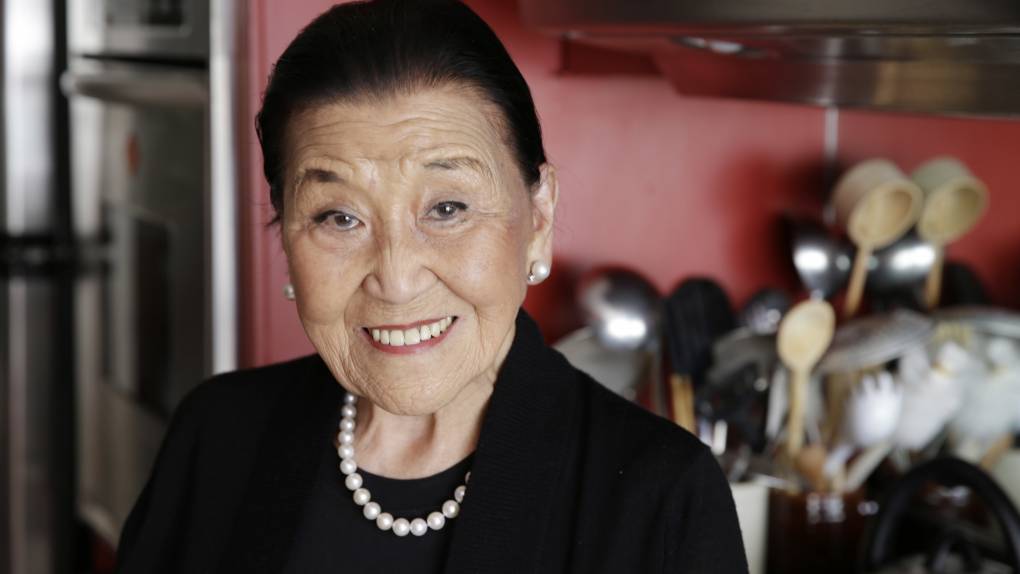
Cecilia Chiang, Who Revolutionized American Chinese Food, Dies At 100
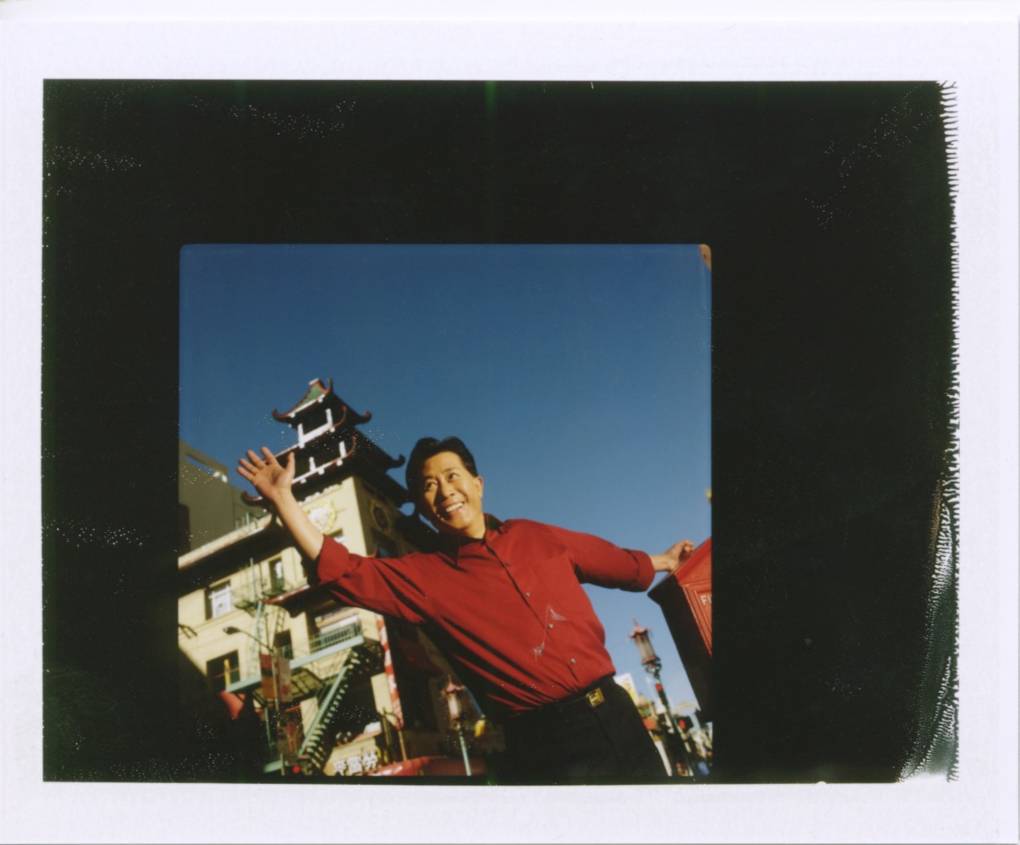
Martin Yan Was a YouTube Celebrity Chef Before There Was YouTube
Before Impossible Burgers, the Bay Area Perfected Fake Meats for Decades
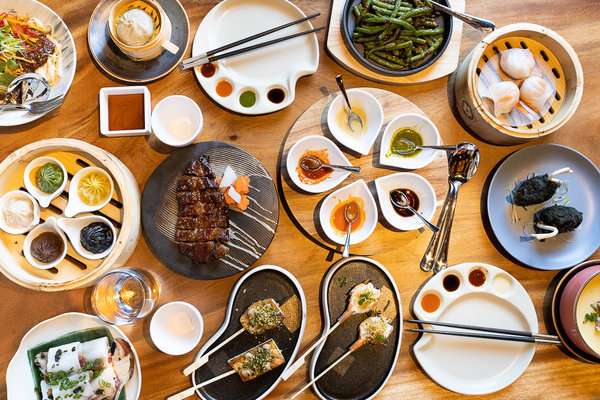
First Taste: Palette Tea House, a dim sum spot for the Instagram age
Master Chef George Chen Opens Eight Tables, China Live’s Crown Jewel
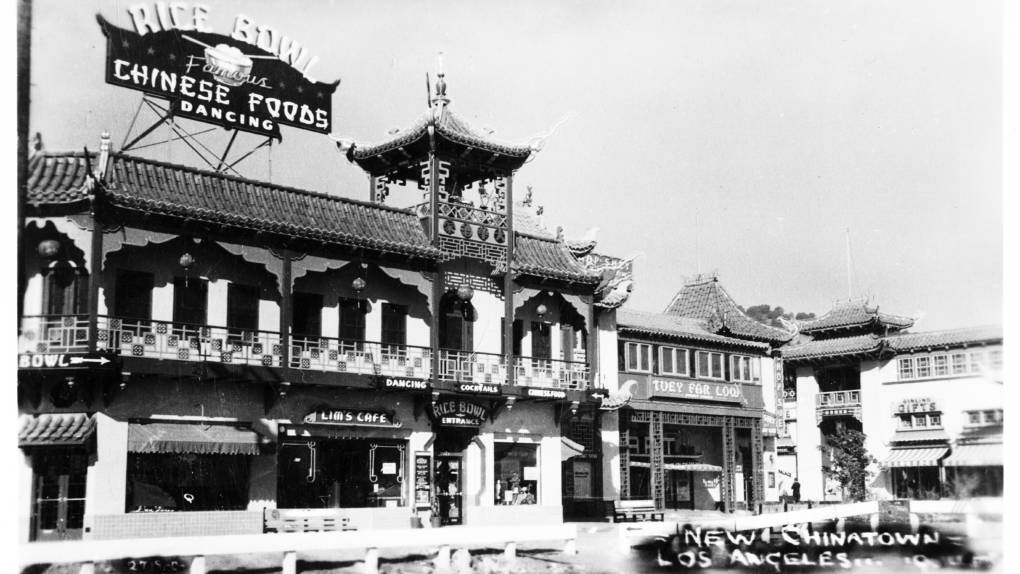
How The White Establishment Waged A 'War' On Chinese Restaurants In The U.S.
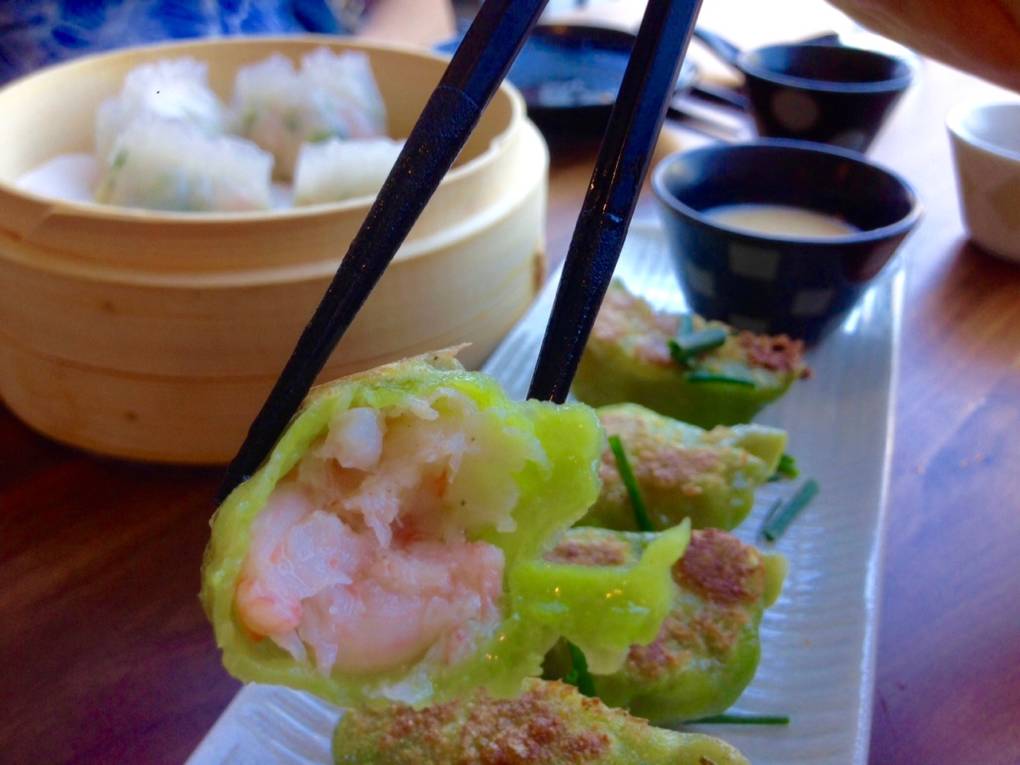
The Time is Now For 'Dumpling Time' in San Francisco
Celebrate the Year of the Rooster with the Bay Area Bites' Guide to 10 Chinese Restaurants
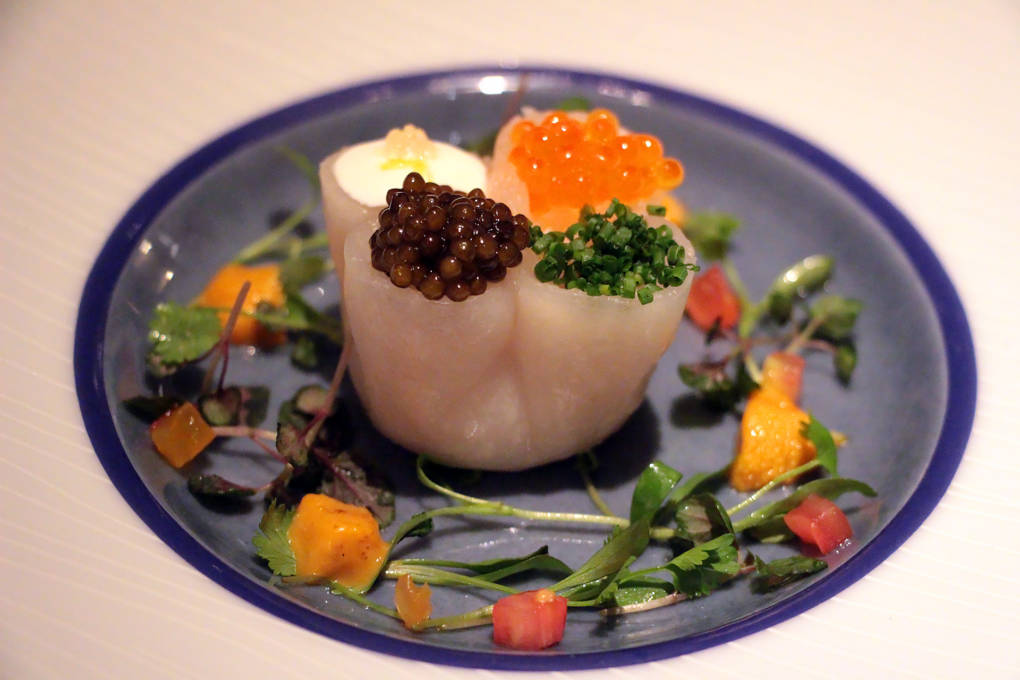
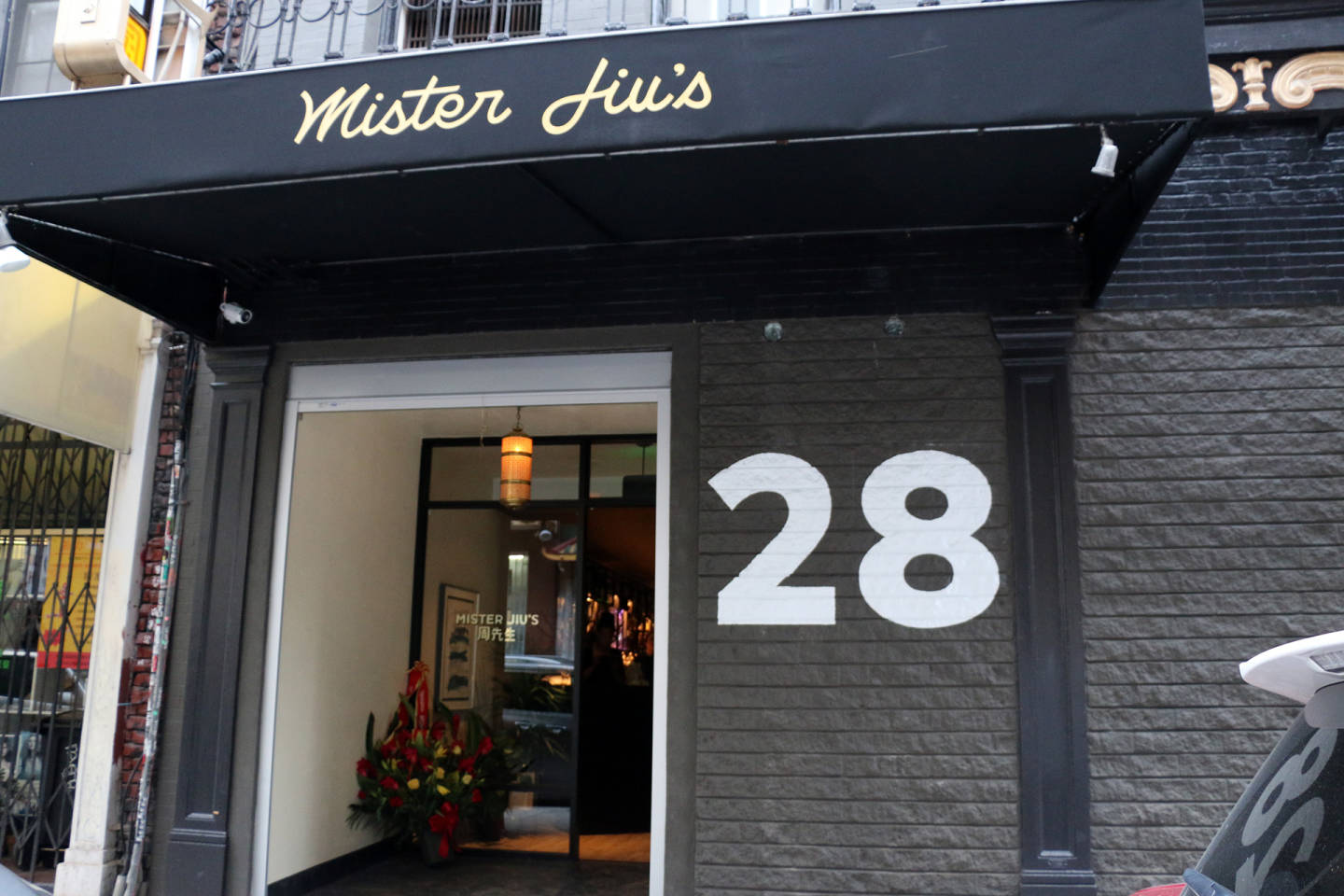
First Bite: Long Anticipated, Mr. Jiu’s Opens in San Francisco’s Chinatown
Sponsored
window.__IS_SSR__=true
window.__INITIAL_STATE__={"attachmentsReducer":{"audio_0":{"type":"attachments","id":"audio_0","imgSizes":{"kqedFullSize":{"file":"https://ww2.kqed.org/news/wp-content/themes/KQED-unified/img/audio_bgs/background0.jpg"}}},"audio_1":{"type":"attachments","id":"audio_1","imgSizes":{"kqedFullSize":{"file":"https://ww2.kqed.org/news/wp-content/themes/KQED-unified/img/audio_bgs/background1.jpg"}}},"audio_2":{"type":"attachments","id":"audio_2","imgSizes":{"kqedFullSize":{"file":"https://ww2.kqed.org/news/wp-content/themes/KQED-unified/img/audio_bgs/background2.jpg"}}},"audio_3":{"type":"attachments","id":"audio_3","imgSizes":{"kqedFullSize":{"file":"https://ww2.kqed.org/news/wp-content/themes/KQED-unified/img/audio_bgs/background3.jpg"}}},"audio_4":{"type":"attachments","id":"audio_4","imgSizes":{"kqedFullSize":{"file":"https://ww2.kqed.org/news/wp-content/themes/KQED-unified/img/audio_bgs/background4.jpg"}}},"placeholder":{"type":"attachments","id":"placeholder","imgSizes":{"thumbnail":{"file":"https://ww2.kqed.org/wp-content/uploads/sites/10/2018/01/GettyImages-896326950-160x96.jpg","width":160,"height":96,"mimeType":"image/jpeg"},"medium":{"file":"https://ww2.kqed.org/wp-content/uploads/sites/10/2018/01/GettyImages-896326950-800x478.jpg","width":800,"height":478,"mimeType":"image/jpeg"},"large":{"file":"https://ww2.kqed.org/wp-content/uploads/sites/10/2018/01/GettyImages-896326950-1020x610.jpg","width":1020,"height":610,"mimeType":"image/jpeg"},"fd-lrg":{"file":"https://ww2.kqed.org/wp-content/uploads/sites/10/2018/01/GettyImages-896326950-1920x1148.jpg","width":1920,"height":1148,"mimeType":"image/jpeg"},"fd-med":{"file":"https://ww2.kqed.org/wp-content/uploads/sites/10/2018/01/GettyImages-896326950-1180x705.jpg","width":1180,"height":705,"mimeType":"image/jpeg"},"fd-sm":{"file":"https://ww2.kqed.org/wp-content/uploads/sites/10/2018/01/GettyImages-896326950-960x574.jpg","width":960,"height":574,"mimeType":"image/jpeg"},"post-thumbnail":{"file":"https://ww2.kqed.org/wp-content/uploads/sites/10/2018/01/GettyImages-896326950-672x372.jpg","width":672,"height":372,"mimeType":"image/jpeg"},"twentyfourteen-full-width":{"file":"https://ww2.kqed.org/wp-content/uploads/sites/10/2018/01/GettyImages-896326950-1038x576.jpg","width":1038,"height":576,"mimeType":"image/jpeg"},"xxsmall":{"file":"https://ww2.kqed.org/wp-content/uploads/sites/10/2018/01/GettyImages-896326950-240x143.jpg","width":240,"height":143,"mimeType":"image/jpeg"},"xsmall":{"file":"https://ww2.kqed.org/wp-content/uploads/sites/10/2018/01/GettyImages-896326950-375x224.jpg","width":375,"height":224,"mimeType":"image/jpeg"},"small":{"file":"https://ww2.kqed.org/wp-content/uploads/sites/10/2018/01/GettyImages-896326950-520x311.jpg","width":520,"height":311,"mimeType":"image/jpeg"},"xlarge":{"file":"https://ww2.kqed.org/wp-content/uploads/sites/10/2018/01/GettyImages-896326950-1180x705.jpg","width":1180,"height":705,"mimeType":"image/jpeg"},"full-width":{"file":"https://ww2.kqed.org/wp-content/uploads/sites/10/2018/01/GettyImages-896326950-1920x1148.jpg","width":1920,"height":1148,"mimeType":"image/jpeg"},"guest-author-32":{"file":"https://ww2.kqed.org/wp-content/uploads/sites/10/2018/01/GettyImages-896326950-32x32.jpg","width":32,"height":32,"mimeType":"image/jpeg"},"guest-author-50":{"file":"https://ww2.kqed.org/wp-content/uploads/sites/10/2018/01/GettyImages-896326950-50x50.jpg","width":50,"height":50,"mimeType":"image/jpeg"},"guest-author-64":{"file":"https://ww2.kqed.org/wp-content/uploads/sites/10/2018/01/GettyImages-896326950-64x64.jpg","width":64,"height":64,"mimeType":"image/jpeg"},"guest-author-96":{"file":"https://ww2.kqed.org/wp-content/uploads/sites/10/2018/01/GettyImages-896326950-96x96.jpg","width":96,"height":96,"mimeType":"image/jpeg"},"guest-author-128":{"file":"https://ww2.kqed.org/wp-content/uploads/sites/10/2018/01/GettyImages-896326950-128x128.jpg","width":128,"height":128,"mimeType":"image/jpeg"},"detail":{"file":"https://ww2.kqed.org/wp-content/uploads/sites/10/2018/01/GettyImages-896326950-150x150.jpg","width":150,"height":150,"mimeType":"image/jpeg"},"kqedFullSize":{"file":"https://ww2.kqed.org/wp-content/uploads/sites/10/2018/01/GettyImages-896326950-e1514998105161.jpg","width":1920,"height":1148}}},"bayareabites_139434":{"type":"attachments","id":"bayareabites_139434","meta":{"index":"attachments_1591205162","site":"bayareabites","id":"139434","found":true},"title":"Cecilia Chiang poses in her kitchen in 2014. She told NPR that when she first arrived in the U.S., she was shocked by the food most Americans considered to be Chinese.","publishDate":1603994605,"status":"inherit","parent":139433,"modified":1603994605,"caption":null,"credit":null,"description":"Cecilia Chiang poses in her kitchen in 2014. She told NPR that when she first arrived in the U.S., she was shocked by the food most Americans considered to be Chinese.","imgSizes":{"medium":{"file":"https://ww2.kqed.org/app/uploads/sites/24/2020/10/ap_970516423896_wide-053cdd6f3c8d6fcf6fdc5487e3b1cc69452a9183-800x450.jpg","width":800,"height":450,"mimeType":"image/jpeg"},"large":{"file":"https://ww2.kqed.org/app/uploads/sites/24/2020/10/ap_970516423896_wide-053cdd6f3c8d6fcf6fdc5487e3b1cc69452a9183-1020x574.jpg","width":1020,"height":574,"mimeType":"image/jpeg"},"thumbnail":{"file":"https://ww2.kqed.org/app/uploads/sites/24/2020/10/ap_970516423896_wide-053cdd6f3c8d6fcf6fdc5487e3b1cc69452a9183-160x90.jpg","width":160,"height":90,"mimeType":"image/jpeg"},"medium_large":{"file":"https://ww2.kqed.org/app/uploads/sites/24/2020/10/ap_970516423896_wide-053cdd6f3c8d6fcf6fdc5487e3b1cc69452a9183-768x432.jpg","width":768,"height":432,"mimeType":"image/jpeg"},"1536x1536":{"file":"https://ww2.kqed.org/app/uploads/sites/24/2020/10/ap_970516423896_wide-053cdd6f3c8d6fcf6fdc5487e3b1cc69452a9183-1536x864.jpg","width":1536,"height":864,"mimeType":"image/jpeg"},"2048x2048":{"file":"https://ww2.kqed.org/app/uploads/sites/24/2020/10/ap_970516423896_wide-053cdd6f3c8d6fcf6fdc5487e3b1cc69452a9183-2048x1152.jpg","width":2048,"height":1152,"mimeType":"image/jpeg"},"post-thumbnail":{"file":"https://ww2.kqed.org/app/uploads/sites/24/2020/10/ap_970516423896_wide-053cdd6f3c8d6fcf6fdc5487e3b1cc69452a9183-672x372.jpg","width":672,"height":372,"mimeType":"image/jpeg"},"twentyfourteen-full-width":{"file":"https://ww2.kqed.org/app/uploads/sites/24/2020/10/ap_970516423896_wide-053cdd6f3c8d6fcf6fdc5487e3b1cc69452a9183-1038x576.jpg","width":1038,"height":576,"mimeType":"image/jpeg"},"full-width":{"file":"https://ww2.kqed.org/app/uploads/sites/24/2020/10/ap_970516423896_wide-053cdd6f3c8d6fcf6fdc5487e3b1cc69452a9183-1920x1080.jpg","width":1920,"height":1080,"mimeType":"image/jpeg"},"kqedFullSize":{"file":"https://ww2.kqed.org/app/uploads/sites/24/2020/10/ap_970516423896_wide-053cdd6f3c8d6fcf6fdc5487e3b1cc69452a9183-scaled.jpg","width":2560,"height":1440}},"fetchFailed":false,"isLoading":false},"bayareabites_136188":{"type":"attachments","id":"bayareabites_136188","meta":{"index":"attachments_1591205162","site":"bayareabites","id":"136188","found":true},"title":"Chef Yan Chinatown Serie-5-2002","publishDate":1580546816,"status":"inherit","parent":136185,"modified":1580546907,"caption":"Chef Martin Yan has been entertaining audiences across the nation for nearly four decades on his program Yan Can Cook.","credit":"KQED Archives","description":"Celebrated television host and chef Martin Yan waves to the camera in front of Chinatown.","imgSizes":{"thumbnail":{"file":"https://ww2.kqed.org/app/uploads/sites/24/2020/02/Chef-Yan-Chinatown-Serie-5-2002-160x133.jpg","width":160,"height":133,"mimeType":"image/jpeg"},"medium":{"file":"https://ww2.kqed.org/app/uploads/sites/24/2020/02/Chef-Yan-Chinatown-Serie-5-2002-800x663.jpg","width":800,"height":663,"mimeType":"image/jpeg"},"medium_large":{"file":"https://ww2.kqed.org/app/uploads/sites/24/2020/02/Chef-Yan-Chinatown-Serie-5-2002-768x636.jpg","width":768,"height":636,"mimeType":"image/jpeg"},"large":{"file":"https://ww2.kqed.org/app/uploads/sites/24/2020/02/Chef-Yan-Chinatown-Serie-5-2002-1020x845.jpg","width":1020,"height":845,"mimeType":"image/jpeg"},"post-thumbnail":{"file":"https://ww2.kqed.org/app/uploads/sites/24/2020/02/Chef-Yan-Chinatown-Serie-5-2002-672x372.jpg","width":672,"height":372,"mimeType":"image/jpeg"},"twentyfourteen-full-width":{"file":"https://ww2.kqed.org/app/uploads/sites/24/2020/02/Chef-Yan-Chinatown-Serie-5-2002-1038x576.jpg","width":1038,"height":576,"mimeType":"image/jpeg"},"full-width":{"file":"https://ww2.kqed.org/app/uploads/sites/24/2020/02/Chef-Yan-Chinatown-Serie-5-2002-1920x1590.jpg","width":1920,"height":1590,"mimeType":"image/jpeg"},"kqedFullSize":{"file":"https://ww2.kqed.org/app/uploads/sites/24/2020/02/Chef-Yan-Chinatown-Serie-5-2002.jpg","width":1920,"height":1590}},"fetchFailed":false,"isLoading":false},"bayareabites_136153":{"type":"attachments","id":"bayareabites_136153","meta":{"index":"attachments_1591205162","site":"bayareabites","id":"136153","found":true},"title":"F1F41BAB-B51A-4C12-9709-3D39BC3DDA2A","publishDate":1579743925,"status":"inherit","parent":136148,"modified":1579744667,"caption":"Bay Area restaurants like Berkeley's Flacos have offered meat alternatives for decades.","credit":"Ruth Gebreyesus","description":"A taco and tamale from Berkeley Mexican restaurant Flacos where vegan meat options have long existed.","imgSizes":{"thumbnail":{"file":"https://ww2.kqed.org/app/uploads/sites/24/2020/01/F1F41BAB-B51A-4C12-9709-3D39BC3DDA2A-160x121.jpg","width":160,"height":121,"mimeType":"image/jpeg"},"medium":{"file":"https://ww2.kqed.org/app/uploads/sites/24/2020/01/F1F41BAB-B51A-4C12-9709-3D39BC3DDA2A-800x604.jpg","width":800,"height":604,"mimeType":"image/jpeg"},"medium_large":{"file":"https://ww2.kqed.org/app/uploads/sites/24/2020/01/F1F41BAB-B51A-4C12-9709-3D39BC3DDA2A-768x580.jpg","width":768,"height":580,"mimeType":"image/jpeg"},"large":{"file":"https://ww2.kqed.org/app/uploads/sites/24/2020/01/F1F41BAB-B51A-4C12-9709-3D39BC3DDA2A-1020x770.jpg","width":1020,"height":770,"mimeType":"image/jpeg"},"post-thumbnail":{"file":"https://ww2.kqed.org/app/uploads/sites/24/2020/01/F1F41BAB-B51A-4C12-9709-3D39BC3DDA2A-672x372.jpg","width":672,"height":372,"mimeType":"image/jpeg"},"twentyfourteen-full-width":{"file":"https://ww2.kqed.org/app/uploads/sites/24/2020/01/F1F41BAB-B51A-4C12-9709-3D39BC3DDA2A-1038x576.jpg","width":1038,"height":576,"mimeType":"image/jpeg"},"full-width":{"file":"https://ww2.kqed.org/app/uploads/sites/24/2020/01/F1F41BAB-B51A-4C12-9709-3D39BC3DDA2A-1920x1450.jpg","width":1920,"height":1450,"mimeType":"image/jpeg"},"kqedFullSize":{"file":"https://ww2.kqed.org/app/uploads/sites/24/2020/01/F1F41BAB-B51A-4C12-9709-3D39BC3DDA2A.jpg","width":1920,"height":1450}},"fetchFailed":false,"isLoading":false},"bayareabites_133604":{"type":"attachments","id":"bayareabites_133604","meta":{"index":"attachments_1591205162","site":"bayareabites","id":"133604","found":true},"title":"palette-dim-sum","publishDate":1557779021,"status":"inherit","parent":133528,"modified":1557779062,"caption":"Bring the family and go whole hog at Palette Tea House, where you'll find all the dim sum usuals but with an artful twist.","credit":"Sarah Chorey","description":"Bring the family and go whole hog at Palette Tea House, where you'll find all the dim sum usuals but with an artful twist.","imgSizes":{"thumbnail":{"file":"https://ww2.kqed.org/app/uploads/sites/24/2019/05/600x400-160x107.jpg","width":160,"height":107,"mimeType":"image/jpeg"},"post-thumbnail":{"file":"https://ww2.kqed.org/app/uploads/sites/24/2019/05/600x400-600x372.jpg","width":600,"height":372,"mimeType":"image/jpeg"},"kqedFullSize":{"file":"https://ww2.kqed.org/app/uploads/sites/24/2019/05/600x400.jpg","width":600,"height":400}},"fetchFailed":false,"isLoading":false},"bayareabites_120930":{"type":"attachments","id":"bayareabites_120930","meta":{"index":"attachments_1591205162","site":"bayareabites","id":"120930","found":true},"title":"IMG_6862-new","publishDate":1506400006,"status":"inherit","parent":120897,"modified":1506448787,"caption":"Four Seas Dumpling - Russian Golden Osetra, Sea Urchin, Heirloom Salad","credit":"Photo: Wendy Goodfriend, Video: Vic Chin","description":"Four Seas Dumpling - Russian Golden Osetra, Sea Urchin, Heirloom Salad","imgSizes":{"thumbnail":{"file":"https://ww2.kqed.org/app/uploads/sites/24/2017/09/IMG_6862-new-160x107.jpg","width":160,"height":107,"mimeType":"image/jpeg"},"medium":{"file":"https://ww2.kqed.org/app/uploads/sites/24/2017/09/IMG_6862-new-800x533.jpg","width":800,"height":533,"mimeType":"image/jpeg"},"medium_large":{"file":"https://ww2.kqed.org/app/uploads/sites/24/2017/09/IMG_6862-new-768x512.jpg","width":768,"height":512,"mimeType":"image/jpeg"},"large":{"file":"https://ww2.kqed.org/app/uploads/sites/24/2017/09/IMG_6862-new-1020x680.jpg","width":1020,"height":680,"mimeType":"image/jpeg"},"fd-lrg":{"file":"https://ww2.kqed.org/app/uploads/sites/24/2017/09/IMG_6862-new-1920x1280.jpg","width":1920,"height":1280,"mimeType":"image/jpeg"},"fd-med":{"file":"https://ww2.kqed.org/app/uploads/sites/24/2017/09/IMG_6862-new-1180x787.jpg","width":1180,"height":787,"mimeType":"image/jpeg"},"fd-sm":{"file":"https://ww2.kqed.org/app/uploads/sites/24/2017/09/IMG_6862-new-960x640.jpg","width":960,"height":640,"mimeType":"image/jpeg"},"post-thumbnail":{"file":"https://ww2.kqed.org/app/uploads/sites/24/2017/09/IMG_6862-new-672x372.jpg","width":672,"height":372,"mimeType":"image/jpeg"},"twentyfourteen-full-width":{"file":"https://ww2.kqed.org/app/uploads/sites/24/2017/09/IMG_6862-new-1038x576.jpg","width":1038,"height":576,"mimeType":"image/jpeg"},"xxsmall":{"file":"https://ww2.kqed.org/app/uploads/sites/24/2017/09/IMG_6862-new-240x160.jpg","width":240,"height":160,"mimeType":"image/jpeg"},"xsmall":{"file":"https://ww2.kqed.org/app/uploads/sites/24/2017/09/IMG_6862-new-375x250.jpg","width":375,"height":250,"mimeType":"image/jpeg"},"small":{"file":"https://ww2.kqed.org/app/uploads/sites/24/2017/09/IMG_6862-new-520x347.jpg","width":520,"height":347,"mimeType":"image/jpeg"},"xlarge":{"file":"https://ww2.kqed.org/app/uploads/sites/24/2017/09/IMG_6862-new-1180x787.jpg","width":1180,"height":787,"mimeType":"image/jpeg"},"full-width":{"file":"https://ww2.kqed.org/app/uploads/sites/24/2017/09/IMG_6862-new-1920x1280.jpg","width":1920,"height":1280,"mimeType":"image/jpeg"},"guest-author-32":{"file":"https://ww2.kqed.org/app/uploads/sites/24/2017/09/IMG_6862-new-32x32.jpg","width":32,"height":32,"mimeType":"image/jpeg"},"guest-author-50":{"file":"https://ww2.kqed.org/app/uploads/sites/24/2017/09/IMG_6862-new-50x50.jpg","width":50,"height":50,"mimeType":"image/jpeg"},"guest-author-64":{"file":"https://ww2.kqed.org/app/uploads/sites/24/2017/09/IMG_6862-new-64x64.jpg","width":64,"height":64,"mimeType":"image/jpeg"},"guest-author-96":{"file":"https://ww2.kqed.org/app/uploads/sites/24/2017/09/IMG_6862-new-96x96.jpg","width":96,"height":96,"mimeType":"image/jpeg"},"guest-author-128":{"file":"https://ww2.kqed.org/app/uploads/sites/24/2017/09/IMG_6862-new-128x128.jpg","width":128,"height":128,"mimeType":"image/jpeg"},"detail":{"file":"https://ww2.kqed.org/app/uploads/sites/24/2017/09/IMG_6862-new-150x150.jpg","width":150,"height":150,"mimeType":"image/jpeg"},"kqedFullSize":{"file":"https://ww2.kqed.org/app/uploads/sites/24/2017/09/IMG_6862-new.jpg","width":1920,"height":1280}},"fetchFailed":false,"isLoading":false},"bayareabites_118347":{"type":"attachments","id":"bayareabites_118347","meta":{"index":"attachments_1591205162","site":"bayareabites","id":"118347","found":true},"title":"A Los Angeles Chinatown street in 1930. Ubiquitous now, Chinese restaurants were once feared by the white establishment.","publishDate":1497654576,"status":"inherit","parent":118346,"modified":1497654727,"caption":"A Los Angeles Chinatown street in 1930. Ubiquitous now, Chinese restaurants were once feared by the white establishment.","credit":"Transcendental Graphics/Getty Images","description":"A Los Angeles Chinatown street in 1930. Ubiquitous now, Chinese restaurants were once feared by the white establishment.","imgSizes":{"thumbnail":{"file":"https://ww2.kqed.org/app/uploads/sites/24/2017/06/gettyimages-174406198_wide-80b38c667e153d764c32ad078115ed0bdf71ff3b-160x90.jpg","width":160,"height":90,"mimeType":"image/jpeg"},"medium":{"file":"https://ww2.kqed.org/app/uploads/sites/24/2017/06/gettyimages-174406198_wide-80b38c667e153d764c32ad078115ed0bdf71ff3b-800x450.jpg","width":800,"height":450,"mimeType":"image/jpeg"},"medium_large":{"file":"https://ww2.kqed.org/app/uploads/sites/24/2017/06/gettyimages-174406198_wide-80b38c667e153d764c32ad078115ed0bdf71ff3b-768x432.jpg","width":768,"height":432,"mimeType":"image/jpeg"},"large":{"file":"https://ww2.kqed.org/app/uploads/sites/24/2017/06/gettyimages-174406198_wide-80b38c667e153d764c32ad078115ed0bdf71ff3b-1020x574.jpg","width":1020,"height":574,"mimeType":"image/jpeg"},"fd-lrg":{"file":"https://ww2.kqed.org/app/uploads/sites/24/2017/06/gettyimages-174406198_wide-80b38c667e153d764c32ad078115ed0bdf71ff3b-1920x1080.jpg","width":1920,"height":1080,"mimeType":"image/jpeg"},"fd-med":{"file":"https://ww2.kqed.org/app/uploads/sites/24/2017/06/gettyimages-174406198_wide-80b38c667e153d764c32ad078115ed0bdf71ff3b-1180x664.jpg","width":1180,"height":664,"mimeType":"image/jpeg"},"fd-sm":{"file":"https://ww2.kqed.org/app/uploads/sites/24/2017/06/gettyimages-174406198_wide-80b38c667e153d764c32ad078115ed0bdf71ff3b-960x540.jpg","width":960,"height":540,"mimeType":"image/jpeg"},"post-thumbnail":{"file":"https://ww2.kqed.org/app/uploads/sites/24/2017/06/gettyimages-174406198_wide-80b38c667e153d764c32ad078115ed0bdf71ff3b-672x372.jpg","width":672,"height":372,"mimeType":"image/jpeg"},"twentyfourteen-full-width":{"file":"https://ww2.kqed.org/app/uploads/sites/24/2017/06/gettyimages-174406198_wide-80b38c667e153d764c32ad078115ed0bdf71ff3b-1038x576.jpg","width":1038,"height":576,"mimeType":"image/jpeg"},"xxsmall":{"file":"https://ww2.kqed.org/app/uploads/sites/24/2017/06/gettyimages-174406198_wide-80b38c667e153d764c32ad078115ed0bdf71ff3b-240x135.jpg","width":240,"height":135,"mimeType":"image/jpeg"},"xsmall":{"file":"https://ww2.kqed.org/app/uploads/sites/24/2017/06/gettyimages-174406198_wide-80b38c667e153d764c32ad078115ed0bdf71ff3b-375x211.jpg","width":375,"height":211,"mimeType":"image/jpeg"},"small":{"file":"https://ww2.kqed.org/app/uploads/sites/24/2017/06/gettyimages-174406198_wide-80b38c667e153d764c32ad078115ed0bdf71ff3b-520x292.jpg","width":520,"height":292,"mimeType":"image/jpeg"},"xlarge":{"file":"https://ww2.kqed.org/app/uploads/sites/24/2017/06/gettyimages-174406198_wide-80b38c667e153d764c32ad078115ed0bdf71ff3b-1180x664.jpg","width":1180,"height":664,"mimeType":"image/jpeg"},"full-width":{"file":"https://ww2.kqed.org/app/uploads/sites/24/2017/06/gettyimages-174406198_wide-80b38c667e153d764c32ad078115ed0bdf71ff3b-1920x1080.jpg","width":1920,"height":1080,"mimeType":"image/jpeg"},"guest-author-32":{"file":"https://ww2.kqed.org/app/uploads/sites/24/2017/06/gettyimages-174406198_wide-80b38c667e153d764c32ad078115ed0bdf71ff3b-32x32.jpg","width":32,"height":32,"mimeType":"image/jpeg"},"guest-author-50":{"file":"https://ww2.kqed.org/app/uploads/sites/24/2017/06/gettyimages-174406198_wide-80b38c667e153d764c32ad078115ed0bdf71ff3b-50x50.jpg","width":50,"height":50,"mimeType":"image/jpeg"},"guest-author-64":{"file":"https://ww2.kqed.org/app/uploads/sites/24/2017/06/gettyimages-174406198_wide-80b38c667e153d764c32ad078115ed0bdf71ff3b-64x64.jpg","width":64,"height":64,"mimeType":"image/jpeg"},"guest-author-96":{"file":"https://ww2.kqed.org/app/uploads/sites/24/2017/06/gettyimages-174406198_wide-80b38c667e153d764c32ad078115ed0bdf71ff3b-96x96.jpg","width":96,"height":96,"mimeType":"image/jpeg"},"guest-author-128":{"file":"https://ww2.kqed.org/app/uploads/sites/24/2017/06/gettyimages-174406198_wide-80b38c667e153d764c32ad078115ed0bdf71ff3b-128x128.jpg","width":128,"height":128,"mimeType":"image/jpeg"},"detail":{"file":"https://ww2.kqed.org/app/uploads/sites/24/2017/06/gettyimages-174406198_wide-80b38c667e153d764c32ad078115ed0bdf71ff3b-150x150.jpg","width":150,"height":150,"mimeType":"image/jpeg"},"kqedFullSize":{"file":"https://ww2.kqed.org/app/uploads/sites/24/2017/06/gettyimages-174406198_wide-80b38c667e153d764c32ad078115ed0bdf71ff3b.jpg","width":5485,"height":3085}},"fetchFailed":false,"isLoading":false},"bayareabites_117606":{"type":"attachments","id":"bayareabites_117606","meta":{"index":"attachments_1591205162","site":"bayareabites","id":"117606","found":true},"title":"main-dumplingtime","publishDate":1495493737,"status":"inherit","parent":117590,"modified":1495496570,"caption":"Gyoza and steamed har gow at Dumpling Time.","credit":"Trevor Felch","description":null,"imgSizes":{"thumbnail":{"file":"https://ww2.kqed.org/app/uploads/sites/24/2017/05/main-dumplingtime-160x120.jpg","width":160,"height":120,"mimeType":"image/jpeg"},"medium":{"file":"https://ww2.kqed.org/app/uploads/sites/24/2017/05/main-dumplingtime-800x600.jpg","width":800,"height":600,"mimeType":"image/jpeg"},"medium_large":{"file":"https://ww2.kqed.org/app/uploads/sites/24/2017/05/main-dumplingtime-768x576.jpg","width":768,"height":576,"mimeType":"image/jpeg"},"large":{"file":"https://ww2.kqed.org/app/uploads/sites/24/2017/05/main-dumplingtime-1020x765.jpg","width":1020,"height":765,"mimeType":"image/jpeg"},"fd-med":{"file":"https://ww2.kqed.org/app/uploads/sites/24/2017/05/main-dumplingtime-1180x885.jpg","width":1180,"height":885,"mimeType":"image/jpeg"},"fd-sm":{"file":"https://ww2.kqed.org/app/uploads/sites/24/2017/05/main-dumplingtime-960x720.jpg","width":960,"height":720,"mimeType":"image/jpeg"},"post-thumbnail":{"file":"https://ww2.kqed.org/app/uploads/sites/24/2017/05/main-dumplingtime-672x372.jpg","width":672,"height":372,"mimeType":"image/jpeg"},"twentyfourteen-full-width":{"file":"https://ww2.kqed.org/app/uploads/sites/24/2017/05/main-dumplingtime-1038x576.jpg","width":1038,"height":576,"mimeType":"image/jpeg"},"xxsmall":{"file":"https://ww2.kqed.org/app/uploads/sites/24/2017/05/main-dumplingtime-240x180.jpg","width":240,"height":180,"mimeType":"image/jpeg"},"xsmall":{"file":"https://ww2.kqed.org/app/uploads/sites/24/2017/05/main-dumplingtime-375x281.jpg","width":375,"height":281,"mimeType":"image/jpeg"},"small":{"file":"https://ww2.kqed.org/app/uploads/sites/24/2017/05/main-dumplingtime-520x390.jpg","width":520,"height":390,"mimeType":"image/jpeg"},"xlarge":{"file":"https://ww2.kqed.org/app/uploads/sites/24/2017/05/main-dumplingtime-1180x885.jpg","width":1180,"height":885,"mimeType":"image/jpeg"},"guest-author-32":{"file":"https://ww2.kqed.org/app/uploads/sites/24/2017/05/main-dumplingtime-32x32.jpg","width":32,"height":32,"mimeType":"image/jpeg"},"guest-author-50":{"file":"https://ww2.kqed.org/app/uploads/sites/24/2017/05/main-dumplingtime-50x50.jpg","width":50,"height":50,"mimeType":"image/jpeg"},"guest-author-64":{"file":"https://ww2.kqed.org/app/uploads/sites/24/2017/05/main-dumplingtime-64x64.jpg","width":64,"height":64,"mimeType":"image/jpeg"},"guest-author-96":{"file":"https://ww2.kqed.org/app/uploads/sites/24/2017/05/main-dumplingtime-96x96.jpg","width":96,"height":96,"mimeType":"image/jpeg"},"guest-author-128":{"file":"https://ww2.kqed.org/app/uploads/sites/24/2017/05/main-dumplingtime-128x128.jpg","width":128,"height":128,"mimeType":"image/jpeg"},"detail":{"file":"https://ww2.kqed.org/app/uploads/sites/24/2017/05/main-dumplingtime-150x150.jpg","width":150,"height":150,"mimeType":"image/jpeg"},"kqedFullSize":{"file":"https://ww2.kqed.org/app/uploads/sites/24/2017/05/main-dumplingtime.jpg","width":1280,"height":960}},"fetchFailed":false,"isLoading":false},"bayareabites_114697":{"type":"attachments","id":"bayareabites_114697","meta":{"index":"attachments_1591205162","site":"bayareabites","id":"114697","found":true},"title":"8503530729_6cac8e261a_o","publishDate":1484803055,"status":"inherit","parent":114686,"modified":1484803138,"caption":"The Chinese New Year Parade in San Francisco","credit":"David Yu/\u003ca href=\"https://www.flickr.com/photos/davidyuweb/8503530729\">Flickr\u003c/a>","description":"The Chinese New Year Parade in San Francisco","imgSizes":{"thumbnail":{"file":"https://ww2.kqed.org/app/uploads/sites/24/2017/01/8503530729_6cac8e261a_o-160x106.jpg","width":160,"height":106,"mimeType":"image/jpeg"},"medium":{"file":"https://ww2.kqed.org/app/uploads/sites/24/2017/01/8503530729_6cac8e261a_o-800x532.jpg","width":800,"height":532,"mimeType":"image/jpeg"},"medium_large":{"file":"https://ww2.kqed.org/app/uploads/sites/24/2017/01/8503530729_6cac8e261a_o-768x511.jpg","width":768,"height":511,"mimeType":"image/jpeg"},"large":{"file":"https://ww2.kqed.org/app/uploads/sites/24/2017/01/8503530729_6cac8e261a_o-1020x679.jpg","width":1020,"height":679,"mimeType":"image/jpeg"},"fd-med":{"file":"https://ww2.kqed.org/app/uploads/sites/24/2017/01/8503530729_6cac8e261a_o-1180x785.jpg","width":1180,"height":785,"mimeType":"image/jpeg"},"fd-sm":{"file":"https://ww2.kqed.org/app/uploads/sites/24/2017/01/8503530729_6cac8e261a_o-960x639.jpg","width":960,"height":639,"mimeType":"image/jpeg"},"post-thumbnail":{"file":"https://ww2.kqed.org/app/uploads/sites/24/2017/01/8503530729_6cac8e261a_o-672x372.jpg","width":672,"height":372,"mimeType":"image/jpeg"},"twentyfourteen-full-width":{"file":"https://ww2.kqed.org/app/uploads/sites/24/2017/01/8503530729_6cac8e261a_o-1038x576.jpg","width":1038,"height":576,"mimeType":"image/jpeg"},"xxsmall":{"file":"https://ww2.kqed.org/app/uploads/sites/24/2017/01/8503530729_6cac8e261a_o-240x160.jpg","width":240,"height":160,"mimeType":"image/jpeg"},"xsmall":{"file":"https://ww2.kqed.org/app/uploads/sites/24/2017/01/8503530729_6cac8e261a_o-375x250.jpg","width":375,"height":250,"mimeType":"image/jpeg"},"small":{"file":"https://ww2.kqed.org/app/uploads/sites/24/2017/01/8503530729_6cac8e261a_o-520x346.jpg","width":520,"height":346,"mimeType":"image/jpeg"},"xlarge":{"file":"https://ww2.kqed.org/app/uploads/sites/24/2017/01/8503530729_6cac8e261a_o-1180x785.jpg","width":1180,"height":785,"mimeType":"image/jpeg"},"guest-author-32":{"file":"https://ww2.kqed.org/app/uploads/sites/24/2017/01/8503530729_6cac8e261a_o-32x32.jpg","width":32,"height":32,"mimeType":"image/jpeg"},"guest-author-50":{"file":"https://ww2.kqed.org/app/uploads/sites/24/2017/01/8503530729_6cac8e261a_o-50x50.jpg","width":50,"height":50,"mimeType":"image/jpeg"},"guest-author-64":{"file":"https://ww2.kqed.org/app/uploads/sites/24/2017/01/8503530729_6cac8e261a_o-64x64.jpg","width":64,"height":64,"mimeType":"image/jpeg"},"guest-author-96":{"file":"https://ww2.kqed.org/app/uploads/sites/24/2017/01/8503530729_6cac8e261a_o-96x96.jpg","width":96,"height":96,"mimeType":"image/jpeg"},"guest-author-128":{"file":"https://ww2.kqed.org/app/uploads/sites/24/2017/01/8503530729_6cac8e261a_o-128x128.jpg","width":128,"height":128,"mimeType":"image/jpeg"},"detail":{"file":"https://ww2.kqed.org/app/uploads/sites/24/2017/01/8503530729_6cac8e261a_o-150x150.jpg","width":150,"height":150,"mimeType":"image/jpeg"},"kqedFullSize":{"file":"https://ww2.kqed.org/app/uploads/sites/24/2017/01/8503530729_6cac8e261a_o.jpg","width":1500,"height":998}},"fetchFailed":false,"isLoading":false},"bayareabites_108539":{"type":"attachments","id":"bayareabites_108539","meta":{"index":"attachments_1591205162","site":"bayareabites","id":"108539","found":true},"title":"IMG_5018-1920","publishDate":1460583397,"status":"inherit","parent":108533,"modified":1460583412,"caption":"The entrance to Mister Jui’s on Waverly place in Chinatown.","credit":"Kim Westerman","description":"The entrance to Mister Jui’s on Waverly place in Chinatown.","imgSizes":{"thumbnail":{"file":"https://ww2.kqed.org/app/uploads/sites/24/2016/04/IMG_5018-1920-400x267.jpg","width":400,"height":267,"mimeType":"image/jpeg"},"medium":{"file":"https://ww2.kqed.org/app/uploads/sites/24/2016/04/IMG_5018-1920-800x533.jpg","width":800,"height":533,"mimeType":"image/jpeg"},"medium_large":{"file":"https://ww2.kqed.org/app/uploads/sites/24/2016/04/IMG_5018-1920-768x512.jpg","width":768,"height":512,"mimeType":"image/jpeg"},"large":{"file":"https://ww2.kqed.org/app/uploads/sites/24/2016/04/IMG_5018-1920-1440x960.jpg","width":1440,"height":960,"mimeType":"image/jpeg"},"fd-lrg":{"file":"https://ww2.kqed.org/app/uploads/sites/24/2016/04/IMG_5018-1920-1920x1280.jpg","width":1920,"height":1280,"mimeType":"image/jpeg"},"fd-med":{"file":"https://ww2.kqed.org/app/uploads/sites/24/2016/04/IMG_5018-1920-1180x787.jpg","width":1180,"height":787,"mimeType":"image/jpeg"},"fd-sm":{"file":"https://ww2.kqed.org/app/uploads/sites/24/2016/04/IMG_5018-1920-960x640.jpg","width":960,"height":640,"mimeType":"image/jpeg"},"post-thumbnail":{"file":"https://ww2.kqed.org/app/uploads/sites/24/2016/04/IMG_5018-1920-672x372.jpg","width":672,"height":372,"mimeType":"image/jpeg"},"twentyfourteen-full-width":{"file":"https://ww2.kqed.org/app/uploads/sites/24/2016/04/IMG_5018-1920-1038x576.jpg","width":1038,"height":576,"mimeType":"image/jpeg"},"guest-author-32":{"file":"https://ww2.kqed.org/app/uploads/sites/24/2016/04/IMG_5018-1920-32x32.jpg","width":32,"height":32,"mimeType":"image/jpeg"},"guest-author-64":{"file":"https://ww2.kqed.org/app/uploads/sites/24/2016/04/IMG_5018-1920-64x64.jpg","width":64,"height":64,"mimeType":"image/jpeg"},"guest-author-96":{"file":"https://ww2.kqed.org/app/uploads/sites/24/2016/04/IMG_5018-1920-96x96.jpg","width":96,"height":96,"mimeType":"image/jpeg"},"guest-author-128":{"file":"https://ww2.kqed.org/app/uploads/sites/24/2016/04/IMG_5018-1920-128x128.jpg","width":128,"height":128,"mimeType":"image/jpeg"},"cat_post_thumb_sizecategory-posts-2":{"file":"https://ww2.kqed.org/app/uploads/sites/24/2016/04/IMG_5018-1920-150x150.jpg","width":150,"height":150,"mimeType":"image/jpeg"},"detail":{"file":"https://ww2.kqed.org/app/uploads/sites/24/2016/04/IMG_5018-1920-75x75.jpg","width":75,"height":75,"mimeType":"image/jpeg"},"kqedFullSize":{"file":"https://ww2.kqed.org/app/uploads/sites/24/2016/04/IMG_5018-1920.jpg","width":1920,"height":1280}},"fetchFailed":false,"isLoading":false}},"audioPlayerReducer":{"postId":"stream_live"},"authorsReducer":{"byline_bayareabites_139433":{"type":"authors","id":"byline_bayareabites_139433","meta":{"override":true},"slug":"byline_bayareabites_139433","name":"Neda Ulaby","isLoading":false},"byline_bayareabites_118346":{"type":"authors","id":"byline_bayareabites_118346","meta":{"override":true},"slug":"byline_bayareabites_118346","name":"Kat Chow, Code Switch, NPR Food","isLoading":false},"kdomara":{"type":"authors","id":"1459","meta":{"index":"authors_1591205172","id":"1459","found":true},"name":"Kelly O'Mara","firstName":"Kelly","lastName":"O'Mara","slug":"kdomara","email":"komara@kqed.org","display_author_email":false,"staff_mastheads":["news"],"title":"KQED Contributor","bio":"Kelly O'Mara is a writer and reporter in the San Francisco Bay Area. She writes about food, health, sports, travel, business and California news. Her work has appeared on KQED, online for Outside Magazine, epsnW, VICE and in Competitor Magazine, among others. Follow Kelly on Twitter \u003ca href=\"https://twitter.com/kellydomara\">@kellydomara\u003c/a>.","avatar":"https://secure.gravatar.com/avatar/768fec7412028b72f13bdd0f5f9d8186?s=600&d=blank&r=g","twitter":null,"facebook":null,"instagram":null,"linkedin":null,"sites":[{"site":"arts","roles":["author"]},{"site":"news","roles":["editor"]},{"site":"futureofyou","roles":["editor"]},{"site":"bayareabites","roles":["administrator"]},{"site":"stateofhealth","roles":["editor"]},{"site":"science","roles":["editor"]},{"site":"checkplease","roles":["editor"]},{"site":"food","roles":["administrator"]},{"site":"forum","roles":["editor"]},{"site":"liveblog","roles":["editor"]}],"headData":{"title":"Kelly O'Mara | KQED","description":"KQED Contributor","ogImgSrc":"https://secure.gravatar.com/avatar/768fec7412028b72f13bdd0f5f9d8186?s=600&d=blank&r=g","twImgSrc":"https://secure.gravatar.com/avatar/768fec7412028b72f13bdd0f5f9d8186?s=600&d=blank&r=g"},"isLoading":false,"link":"/author/kdomara"},"wendy-goodfriend":{"type":"authors","id":"5014","meta":{"index":"authors_1591205172","id":"5014","found":true},"name":"Wendy Goodfriend","firstName":"Wendy","lastName":"Goodfriend","slug":"wendy-goodfriend","email":"wendy@wendygoodfriend.com","display_author_email":false,"staff_mastheads":[],"title":null,"bio":"I was the Senior Digital Producer for KQED Food up until July, 2018. Since 2001, I designed, produced, managed and contributed to mostly food-related websites and blogs for KQED including: KQED.org; KQED Food; Bay Area Bites; Check, Please! Bay Area; Taste This; Celebrity Chefs; seven of Jacques Pepin's TV series websites; and Joanne Weir's Cooking in the City. I initiated the majority of KQED Food's social media feeds and maintained them up until 2017. As far as content creation, photography is my passion and I also shoot video and write stories. My photos have been used in articles for KQED Food, News, Arts, and Science as well as for promotional purposes in print and online. Professional education and training includes: clinical psychology, photography, commercial cooking, web design, information architecture and UX.","avatar":"https://secure.gravatar.com/avatar/dfba64372339cc34cf17e446e6f18fa8?s=600&d=blank&r=g","twitter":null,"facebook":"bayareabites","instagram":null,"linkedin":"wendygoodfriend","sites":[{"site":"jpepinheart","roles":["administrator"]},{"site":"about","roles":["editor"]},{"site":"bayareabites","roles":["subscriber"]},{"site":"science","roles":["administrator"]},{"site":"checkplease","roles":["subscriber"]},{"site":"food","roles":["author"]},{"site":"essentialpepin","roles":["administrator"]}],"headData":{"title":"Wendy Goodfriend | KQED","description":null,"ogImgSrc":"https://secure.gravatar.com/avatar/dfba64372339cc34cf17e446e6f18fa8?s=600&d=blank&r=g","twImgSrc":"https://secure.gravatar.com/avatar/dfba64372339cc34cf17e446e6f18fa8?s=600&d=blank&r=g"},"isLoading":false,"link":"/author/wendy-goodfriend"},"kimwesterman":{"type":"authors","id":"5575","meta":{"index":"authors_1591205172","id":"5575","found":true},"name":"Kim Westerman","firstName":"Kim","lastName":"Westerman","slug":"kimwesterman","email":"kim.westerman@gmail.com","display_author_email":false,"staff_mastheads":[],"title":null,"bio":"Kim Westerman has been writing about food and wine for most of her adult life. Originally from North Carolina, she moved to Berkeley in 2006 to pursue the California dream, which, it turns out, is all it’s cracked up to be. She’s a farmers' market junkie, a lover of all things tomato, and Champagne-obsessed. She loves to cook with her kids, eight and three, and she makes frequent pilgrimages to International Boulevard in search of her next favorite Mexican dish. She spends an inordinate amount of time thinking about food and wine pairing, often starting with the wine and working backwards when planning menus. She is a Level I Sommelier and a Licensed Q-Grader. Her work has appeared in KQED's Bay Area Bites, Forbes.com, the New York Times, the San Francisco Chronicle, Tasting Table, Fodor’s Travel Guides, and lots of other publications. You can follow Kim on Twitter and Instagram @throughtraveler.","avatar":"https://secure.gravatar.com/avatar/2eb7f890ab19ead33f77fd8554ac4c39?s=600&d=blank&r=g","twitter":null,"facebook":null,"instagram":null,"linkedin":null,"sites":[{"site":"bayareabites","roles":["contributor"]},{"site":"food","roles":["contributor"]}],"headData":{"title":"Kim Westerman | KQED","description":null,"ogImgSrc":"https://secure.gravatar.com/avatar/2eb7f890ab19ead33f77fd8554ac4c39?s=600&d=blank&r=g","twImgSrc":"https://secure.gravatar.com/avatar/2eb7f890ab19ead33f77fd8554ac4c39?s=600&d=blank&r=g"},"isLoading":false,"link":"/author/kimwesterman"},"trevorfelch":{"type":"authors","id":"11338","meta":{"index":"authors_1591205172","id":"11338","found":true},"name":"Trevor Felch","firstName":"Trevor","lastName":"Felch","slug":"trevorfelch","email":"trevor.felch@gmail.com","display_author_email":false,"staff_mastheads":[],"title":null,"bio":"\u003cp class=\"p1\">I'm the SF Bay Area editor for Zagat. Before this post, I was a restaurants writer for Thrillist and SF Weekly, along with covering the wine industry for Vino 24/7. I've also dabbled in tech start-ups (of course) and TV journalism (most recently with NBC on their Rio Olympics research team). You'll find me at taquerias, bakeries, bars, pizzerias, corner bistros and tasting menu destinations throughout the Bay Area. Cheers!\u003c/p>","avatar":"https://secure.gravatar.com/avatar/a65d07ea1835bde4c52ca144f9269930?s=600&d=blank&r=g","twitter":null,"facebook":null,"instagram":null,"linkedin":null,"sites":[{"site":"bayareabites","roles":["author"]},{"site":"food","roles":["contributor"]}],"headData":{"title":"Trevor Felch | KQED","description":null,"ogImgSrc":"https://secure.gravatar.com/avatar/a65d07ea1835bde4c52ca144f9269930?s=600&d=blank&r=g","twImgSrc":"https://secure.gravatar.com/avatar/a65d07ea1835bde4c52ca144f9269930?s=600&d=blank&r=g"},"isLoading":false,"link":"/author/trevorfelch"},"vicchin":{"type":"authors","id":"11350","meta":{"index":"authors_1591205172","id":"11350","found":true},"name":"Vic Chin","firstName":"Vic","lastName":"Chin","slug":"vicchin","email":"vchin@kqed.org","display_author_email":false,"staff_mastheads":[],"title":null,"bio":"Vic Chin is the Coordinating Producer for KQED's award-winning television show Check, Please! Bay Area, as well as a Video Producer for KQED's Bay Area Bites.","avatar":"https://secure.gravatar.com/avatar/8e8092694194f9d7be8a943f9ccd20b6?s=600&d=blank&r=g","twitter":null,"facebook":null,"instagram":null,"linkedin":null,"sites":[{"site":"bayareabites","roles":["administrator"]},{"site":"checkplease","roles":["administrator"]},{"site":"food","roles":["administrator"]}],"headData":{"title":"Vic Chin | KQED","description":null,"ogImgSrc":"https://secure.gravatar.com/avatar/8e8092694194f9d7be8a943f9ccd20b6?s=600&d=blank&r=g","twImgSrc":"https://secure.gravatar.com/avatar/8e8092694194f9d7be8a943f9ccd20b6?s=600&d=blank&r=g"},"isLoading":false,"link":"/author/vicchin"},"7x7bayarea":{"type":"authors","id":"11590","meta":{"index":"authors_1591205172","id":"11590","found":true},"name":"7x7 Bay Area","firstName":"7x7 Bay Area","lastName":null,"slug":"7x7bayarea","email":"edit@7x7.com","display_author_email":false,"staff_mastheads":[],"title":null,"bio":"Founded in 2001, 7x7 is an independently owned and totally authentic guide to life in the San Francisco Bay Area. Our 24/7 online resource serves up stories on the best food and drink, arts and culture, style and design, hikes and wellness, regional travel, and more. Visit us anytime at \u003ca href=\"https://www.7x7.com/\">7x7.com\u003c/a>, and also find us on \u003ca href=\"https://www.facebook.com/7x7/\">Facebook\u003c/a>, \u003ca href=\"https://www.instagram.com/7x7bayarea/\">Instagram\u003c/a>, and \u003ca href=\"https://twitter.com/7x7\">Twitter\u003c/a>. Plus, subscribe to our podcast, \u003ca href=\"https://itunes.apple.com/us/podcast/7x7-bay-area-people-will-talk/id1444756628\">\"People Will Talk,\"\u003c/a> for insightful interviews with Bay Area luminaries; you'll find it on iTunes and wherever you get your podcasts.","avatar":"https://secure.gravatar.com/avatar/1084e0a66476f14f77589475632b61a7?s=600&d=blank&r=g","twitter":null,"facebook":null,"instagram":null,"linkedin":null,"sites":[{"site":"bayareabites","roles":["author"]}],"headData":{"title":"7x7 Bay Area | KQED","description":null,"ogImgSrc":"https://secure.gravatar.com/avatar/1084e0a66476f14f77589475632b61a7?s=600&d=blank&r=g","twImgSrc":"https://secure.gravatar.com/avatar/1084e0a66476f14f77589475632b61a7?s=600&d=blank&r=g"},"isLoading":false,"link":"/author/7x7bayarea"},"rgebreyesus":{"type":"authors","id":"11625","meta":{"index":"authors_1591205172","id":"11625","found":true},"name":"Ruth Gebreyesus","firstName":"Ruth","lastName":"Gebreyesus","slug":"rgebreyesus","email":"rgebreyesus@KQED.org","display_author_email":false,"staff_mastheads":[],"title":"Food Writer","bio":"Ruth Gebreyesus is a freelance writer and producer based in the Bay Area. Through stories across various mediums, Ruth explores the creation and consumption of cultural products. You can find more of her work \u003ca href=\"https://www.kotetakotet.com/\">here\u003c/a>.","avatar":"https://secure.gravatar.com/avatar/68980beab511750abbb1a58f1c768b45?s=600&d=blank&r=g","twitter":"root_g","facebook":null,"instagram":null,"linkedin":null,"sites":[{"site":"arts","roles":["subscriber"]},{"site":"bayareabites","roles":["subscriber"]},{"site":"checkplease","roles":["editor"]},{"site":"food","roles":["editor"]}],"headData":{"title":"Ruth Gebreyesus | KQED","description":"Food Writer","ogImgSrc":"https://secure.gravatar.com/avatar/68980beab511750abbb1a58f1c768b45?s=600&d=blank&r=g","twImgSrc":"https://secure.gravatar.com/avatar/68980beab511750abbb1a58f1c768b45?s=600&d=blank&r=g"},"isLoading":false,"link":"/author/rgebreyesus"}},"breakingNewsReducer":{},"campaignFinanceReducer":{},"firebase":{"requesting":{},"requested":{},"timestamps":{},"data":{},"ordered":{},"auth":{"isLoaded":false,"isEmpty":true},"authError":null,"profile":{"isLoaded":false,"isEmpty":true},"listeners":{"byId":{},"allIds":[]},"isInitializing":false,"errors":[]},"navBarReducer":{"navBarId":"arts","fullView":true,"showPlayer":false},"navMenuReducer":{"menus":[{"key":"menu1","items":[{"name":"News","link":"/","type":"title"},{"name":"Politics","link":"/politics"},{"name":"Science","link":"/science"},{"name":"Education","link":"/educationnews"},{"name":"Housing","link":"/housing"},{"name":"Immigration","link":"/immigration"},{"name":"Criminal Justice","link":"/criminaljustice"},{"name":"Silicon Valley","link":"/siliconvalley"},{"name":"Forum","link":"/forum"},{"name":"The California Report","link":"/californiareport"}]},{"key":"menu2","items":[{"name":"Arts & Culture","link":"/arts","type":"title"},{"name":"Critics’ Picks","link":"/thedolist"},{"name":"Cultural Commentary","link":"/artscommentary"},{"name":"Food & Drink","link":"/food"},{"name":"Bay Area Hip-Hop","link":"/bayareahiphop"},{"name":"Rebel Girls","link":"/rebelgirls"},{"name":"Arts Video","link":"/artsvideos"}]},{"key":"menu3","items":[{"name":"Podcasts","link":"/podcasts","type":"title"},{"name":"Bay Curious","link":"/podcasts/baycurious"},{"name":"Rightnowish","link":"/podcasts/rightnowish"},{"name":"The Bay","link":"/podcasts/thebay"},{"name":"On Our Watch","link":"/podcasts/onourwatch"},{"name":"Mindshift","link":"/podcasts/mindshift"},{"name":"Consider This","link":"/podcasts/considerthis"},{"name":"Political Breakdown","link":"/podcasts/politicalbreakdown"}]},{"key":"menu4","items":[{"name":"Live Radio","link":"/radio","type":"title"},{"name":"TV","link":"/tv","type":"title"},{"name":"Events","link":"/events","type":"title"},{"name":"For Educators","link":"/education","type":"title"},{"name":"Support KQED","link":"/support","type":"title"},{"name":"About","link":"/about","type":"title"},{"name":"Help Center","link":"https://kqed-helpcenter.kqed.org/s","type":"title"}]}]},"pagesReducer":{},"postsReducer":{"stream_live":{"type":"live","id":"stream_live","audioUrl":"https://streams.kqed.org/kqedradio","title":"Live Stream","excerpt":"Live Stream information currently unavailable.","link":"/radio","featImg":"","label":{"name":"KQED Live","link":"/"}},"stream_kqedNewscast":{"type":"posts","id":"stream_kqedNewscast","audioUrl":"https://www.kqed.org/.stream/anon/radio/RDnews/newscast.mp3?_=1","title":"KQED Newscast","featImg":"","label":{"name":"88.5 FM","link":"/"}},"bayareabites_139433":{"type":"posts","id":"bayareabites_139433","meta":{"index":"posts_1591205157","site":"bayareabites","id":"139433","score":null,"sort":[1603994972000]},"guestAuthors":[],"slug":"cecilia-chiang-who-revolutionized-american-chinese-food-dies-at-100","title":"Cecilia Chiang, Who Revolutionized American Chinese Food, Dies At 100","publishDate":1603994972,"format":"standard","headTitle":"Bay Area Bites | KQED Food","labelTerm":{"site":"bayareabites"},"content":"\u003cp>The chef and restaurant owner who helped change the way Americans think about Chinese food has died. Cecilia Chiang was twice a refugee before she opened the influential San Francisco restaurant The Mandarin and taught Chinese cooking to Julia Child and James Beard. Chiang died Wednesday in San Francisco. She was 100 years old.\u003c/p>\n\u003cp>The documentary \u003ca href=\"http://www.soulofabanquetfilm.com/\">Soul of a Banquet\u003c/a> explains that Chiang was born into a wealthy Shanghai family with two full-time chefs — one from the north and one from the south. (The film also features drool-inducing close ups of her specialties, like red cooked pork and fish stuffed with ginger and pepper. Don't watch it while you're hungry.) Speaking to the camera, former \u003cem>Gourmet\u003c/em> magazine editor Ruth Reichl says food connected Chiang to a vanished era: \"She has this taste memory that goes back to a time that — there aren't a lot of people alive who remember the food of that China, the great food of the great houses, when what you had were chefs who had been classically trained.\"\u003c/p>\n\u003cp>That China no longer exists. In 1937, when Japan bombed Shanghai, Chiang had just started college. She and an older sister fled, walking hundreds of miles to the city of Chengdu. Eighty years later, Chiang told NPR about getting robbed by soldiers and hiding from low-flying Japanese warplanes. \"Now I think about it, I was very brave,\" she said.\u003c/p>\n\u003cp>\u003cspan style=\"font-weight: 400\">[aside postID=\"postID=bayareabites_31183,bayareabites_107168,bayareabites_95890,bayareabites_46618\" label=\"More about Cecilia Chiang\"}\u003c/span>\u003c/p>\n\u003cp>Chiang had to flee her home a second time when the Communists took over. She wound up in the U.S., where she was both shocked and amused by the food most Americans considered to be Chinese — like gloppy chop suey.\u003c/p>\n\u003cp>[ad fullwidth]\u003c/p>\n\u003cp>\"They think chop suey is the only thing we have in China,\" she said with a laugh. \"What a shame.\"\u003c/p>\n\u003cp>So Chiang resolved to open a high-end Chinese restaurant that served authentic fare. \"Everybody said, 'You cannot make it. You cannot speak English. You don't know anything,' \" she recalled. But starting in 1961, tourists, dignitaries and celebrities — from Mae West to John Lennon — flocked to The Mandarin for then-unfamiliar food like tea-smoked duck and twice-cooked pork.\u003c/p>\n\u003cp>To this day, Cecelia Chiang's DNA can be found all over American Chinese food. Her son founded the chain P.F. Chang's and the son of one of her chefs founded Panda Express.\u003c/p>\n\u003cp>In early 2017, Chiang told NPR how she lived to be so old: \"I always think about the better side, the good side of everything. I never think about, \u003cem>Oh, I'm going to fail. Oh, I cannot do this. Oh, I feel sorry for myself.\u003c/em>\"\u003c/p>\n\u003cp>\u003c/p>\n\u003cp>Instead, Chiang wrote books, starred in a PBS documentary series and won the most prestigious award in American cooking (from the James Beard Foundation) when she was 93 years old.\u003c/p>\n\u003cdiv class=\"fullattribution\">Copyright 2020 NPR. To see more, visit \u003ca href=\"https://www.npr.org\">https://www.npr.org\u003c/a>.\u003cimg src=\"https://www.google-analytics.com/__utm.gif?utmac=UA-5828686-4&utmdt=Cecilia+Chiang%2C+Who+Revolutionized+American+Chinese+Food%2C+Dies+At+100&utme=8(APIKey)9(MDAxOTAwOTE4MDEyMTkxMDAzNjczZDljZA004)\">\u003c/div>\n\n","blocks":[],"excerpt":"In 1961, Chiang opened San Francisco's The Mandarin, a high-end Chinese restaurant that served authentic fare. Today, her DNA is all over American Chinese food, from P.F. Chang's to Panda Express.","status":"publish","parent":0,"modified":1621631946,"stats":{"hasAudio":false,"hasVideo":false,"hasChartOrMap":false,"iframeSrcs":[],"hasGoogleForm":false,"hasGallery":false,"hasHearkenModule":false,"hasPolis":false,"paragraphCount":12,"wordCount":500},"headData":{"title":"Cecilia Chiang, Who Revolutionized American Chinese Food, Dies At 100 | KQED","description":"In 1961, Chiang opened San Francisco's The Mandarin, a high-end Chinese restaurant that served authentic fare. Today, her DNA is all over American Chinese food, from P.F. Chang's to Panda Express.","ogTitle":"","ogDescription":"","ogImgId":"","twTitle":"","twDescription":"","twImgId":"","schema":{"@context":"http://schema.org","@type":"Article","headline":"Cecilia Chiang, Who Revolutionized American Chinese Food, Dies At 100","datePublished":"2020-10-29T18:09:32.000Z","dateModified":"2021-05-21T21:19:06.000Z","image":"https://cdn.kqed.org/wp-content/uploads/2020/02/KQED-OG-Image@1x.png"}},"disqusIdentifier":"139433 https://ww2.kqed.org/bayareabites/?p=139433","disqusUrl":"https://ww2.kqed.org/bayareabites/2020/10/29/cecilia-chiang-who-revolutionized-american-chinese-food-dies-at-100/","disqusTitle":"Cecilia Chiang, Who Revolutionized American Chinese Food, Dies At 100","nprImageCredit":"Eric Risberg","nprByline":"Neda Ulaby","nprImageAgency":"AP","nprStoryId":"532900657","nprApiLink":"http://api.npr.org/query?id=532900657&apiKey=MDAxOTAwOTE4MDEyMTkxMDAzNjczZDljZA004","nprHtmlLink":"https://www.npr.org/sections/thesalt/2020/10/28/532900657/cecilia-chiang-who-revolutionized-american-chinese-food-dies-at-100?ft=nprml&f=532900657","nprRetrievedStory":"1","nprPubDate":"Thu, 29 Oct 2020 08:28:00 -0400","nprStoryDate":"Wed, 28 Oct 2020 17:43:00 -0400","nprLastModifiedDate":"Thu, 29 Oct 2020 05:36:16 -0400","nprAudio":"https://ondemand.npr.org/anon.npr-mp3/npr/me/2020/10/20201029_me_cecilia_chiang_who_revolutionized_american_chinese_food_dies_at_100.mp3?orgId=1&topicId=1062&d=177&p=3&story=532900657&ft=nprml&f=532900657","nprAudioM3u":"http://api.npr.org/m3u/1929022550-0e5180.m3u?orgId=1&topicId=1062&d=177&p=3&story=532900657&ft=nprml&f=532900657","path":"/bayareabites/139433/cecilia-chiang-who-revolutionized-american-chinese-food-dies-at-100","audioUrl":"https://ondemand.npr.org/anon.npr-mp3/npr/me/2020/10/20201029_me_cecilia_chiang_who_revolutionized_american_chinese_food_dies_at_100.mp3?orgId=1&topicId=1062&d=177&p=3&story=532900657&ft=nprml&f=532900657","audioTrackLength":null,"parsedContent":[{"type":"contentString","content":"\u003cdiv class=\"post-body\">\u003cp>\u003cp>The chef and restaurant owner who helped change the way Americans think about Chinese food has died. Cecilia Chiang was twice a refugee before she opened the influential San Francisco restaurant The Mandarin and taught Chinese cooking to Julia Child and James Beard. Chiang died Wednesday in San Francisco. She was 100 years old.\u003c/p>\n\u003cp>The documentary \u003ca href=\"http://www.soulofabanquetfilm.com/\">Soul of a Banquet\u003c/a> explains that Chiang was born into a wealthy Shanghai family with two full-time chefs — one from the north and one from the south. (The film also features drool-inducing close ups of her specialties, like red cooked pork and fish stuffed with ginger and pepper. Don't watch it while you're hungry.) Speaking to the camera, former \u003cem>Gourmet\u003c/em> magazine editor Ruth Reichl says food connected Chiang to a vanished era: \"She has this taste memory that goes back to a time that — there aren't a lot of people alive who remember the food of that China, the great food of the great houses, when what you had were chefs who had been classically trained.\"\u003c/p>\n\u003cp>That China no longer exists. In 1937, when Japan bombed Shanghai, Chiang had just started college. She and an older sister fled, walking hundreds of miles to the city of Chengdu. Eighty years later, Chiang told NPR about getting robbed by soldiers and hiding from low-flying Japanese warplanes. \"Now I think about it, I was very brave,\" she said.\u003c/p>\n\u003cp>\u003cspan style=\"font-weight: 400\">\u003c/p>\u003c/div>","attributes":{"named":{},"numeric":[]}},{"type":"component","content":"","name":"aside","attributes":{"named":{"postid":"postID=bayareabites_31183,bayareabites_107168,bayareabites_95890,bayareabites_46618","label":"label=\"More about Cecilia Chiang\"}\u003c/span>\u003c/p> \u003cp>Chiang had to flee her home a second time when the Communists took over. She wound up in the U.S., where she was both shocked and amused by the food most Americans considered to be Chinese — like gloppy chop suey.\u003c/p> \u003cp>[ad fullwidth"},"numeric":["label=\"More","about","Cecilia","Chiang\"}\u003c/span>\u003c/p>","\u003cp>Chiang","had","to","flee","her","home","a","second","time","when","the","Communists","took","over.","She","wound","up","in","the","U.S.,","where","she","was","both","shocked","and","amused","by","the","food","most","Americans","considered","to","be","Chinese","—","like","gloppy","chop","suey.\u003c/p>","\u003cp>[ad","fullwidth"]}},{"type":"contentString","content":"\u003cdiv class=\"post-body\">\u003cp>\u003c/p>\n\u003cp>\"They think chop suey is the only thing we have in China,\" she said with a laugh. \"What a shame.\"\u003c/p>\n\u003cp>So Chiang resolved to open a high-end Chinese restaurant that served authentic fare. \"Everybody said, 'You cannot make it. You cannot speak English. You don't know anything,' \" she recalled. But starting in 1961, tourists, dignitaries and celebrities — from Mae West to John Lennon — flocked to The Mandarin for then-unfamiliar food like tea-smoked duck and twice-cooked pork.\u003c/p>\n\u003cp>To this day, Cecelia Chiang's DNA can be found all over American Chinese food. Her son founded the chain P.F. Chang's and the son of one of her chefs founded Panda Express.\u003c/p>\n\u003cp>In early 2017, Chiang told NPR how she lived to be so old: \"I always think about the better side, the good side of everything. I never think about, \u003cem>Oh, I'm going to fail. Oh, I cannot do this. Oh, I feel sorry for myself.\u003c/em>\"\u003c/p>\n\u003cp>\u003c/p>\n\u003cp>Instead, Chiang wrote books, starred in a PBS documentary series and won the most prestigious award in American cooking (from the James Beard Foundation) when she was 93 years old.\u003c/p>\n\u003cdiv class=\"fullattribution\">Copyright 2020 NPR. To see more, visit \u003ca href=\"https://www.npr.org\">https://www.npr.org\u003c/a>.\u003cimg src=\"https://www.google-analytics.com/__utm.gif?utmac=UA-5828686-4&utmdt=Cecilia+Chiang%2C+Who+Revolutionized+American+Chinese+Food%2C+Dies+At+100&utme=8(APIKey)9(MDAxOTAwOTE4MDEyMTkxMDAzNjczZDljZA004)\">\u003c/div>\n\n\u003c/div>\u003c/p>","attributes":{"named":{},"numeric":[]}}],"link":"/bayareabites/139433/cecilia-chiang-who-revolutionized-american-chinese-food-dies-at-100","authors":["byline_bayareabites_139433"],"categories":["bayareabites_16558","bayareabites_17082"],"tags":["bayareabites_17017","bayareabites_9580","bayareabites_2386","bayareabites_16557","bayareabites_16601"],"featImg":"bayareabites_139434","label":"bayareabites"},"bayareabites_136185":{"type":"posts","id":"bayareabites_136185","meta":{"index":"posts_1591205157","site":"bayareabites","id":"136185","score":null,"sort":[1580756414000]},"guestAuthors":[],"slug":"martin-yan-was-a-youtube-celebrity-chef-before-there-was-youtube","title":"Martin Yan Was a YouTube Celebrity Chef Before There Was YouTube","publishDate":1580756414,"format":"standard","headTitle":"Bay Area Bites | KQED Food","labelTerm":{"site":"bayareabites"},"content":"\u003cp>\u003cspan style=\"font-weight: 400\">Martin Yan is still convinced that if he can cook, so can you. At 71, the celebrated television show host and master chef is deeply optimistic about the power of food to bring people together. “Food brings the family together. Food brings friends closer. Food is diplomacy,” he says. \u003c/span>\u003c/p>\n\u003cp>[aside postID='bayareabites_125031' label='What does chef Yan cook at home?']\u003c/p>\n\u003cp>\u003cspan style=\"font-weight: 400\">In 1983, KQED broadcast the first season of \u003c/span>\u003ci>\u003cspan style=\"font-weight: 400\">Yan Can Cook \u003c/span>\u003c/i>\u003cspan style=\"font-weight: 400\">(the chef appeared on a Canadian television program a few years earlier). Zany and educational, Yan’s show, which still airs new episodes, gained a following across the nation. Like public television cooking favorites Julia Child and Jacques Pepin’s shows, the success of Yan’s cooking program was driven by his personality—an indisputable expertise made accessible by his commitment to silliness. \u003c/span>\u003c/p>\n\u003cp>\u003cspan style=\"font-weight: 400\">A more singular challenge Yan faced was introducing Chinese cooking techniques to an audience whose idea of the cuisine was far less complex in 1983 than it is today. He recalls his weekly pilgrimages to San Francisco’s Chinatown to gather ingredients. “Thirty, forty years ago when we started, it was hard to find ingredients. Now there’s a whole isle of ethnic food,” he says. “A chef can go and pick up anything they want.”\u003c/span>\u003c/p>\n\u003cfigure id=\"attachment_136189\" class=\"wp-caption alignnone\" style=\"max-width: 1920px\">\u003cimg class=\"size-full wp-image-136189\" src=\"https://ww2.kqed.org/app/uploads/sites/24/2020/02/Chef-Yan-w_-Dishes-1.jpg\" alt='With his famous catchphrase \"If Yan can cook, you can too!\", chef Martin Yan introduced audiences to Chinese cooking techniques. ' width=\"1920\" height=\"1699\" srcset=\"https://ww2.kqed.org/app/uploads/sites/24/2020/02/Chef-Yan-w_-Dishes-1.jpg 1920w, https://ww2.kqed.org/app/uploads/sites/24/2020/02/Chef-Yan-w_-Dishes-1-160x142.jpg 160w, https://ww2.kqed.org/app/uploads/sites/24/2020/02/Chef-Yan-w_-Dishes-1-800x708.jpg 800w, https://ww2.kqed.org/app/uploads/sites/24/2020/02/Chef-Yan-w_-Dishes-1-768x680.jpg 768w, https://ww2.kqed.org/app/uploads/sites/24/2020/02/Chef-Yan-w_-Dishes-1-1020x903.jpg 1020w\" sizes=\"(max-width: 1920px) 100vw, 1920px\">\u003cfigcaption class=\"wp-caption-text\">With his famous catchphrase \"If Yan can cook, you can too!\", chef Martin Yan introduced audiences to Chinese cooking techniques. \u003ccite>(KQED Archives)\u003c/cite>\u003c/figcaption>\u003c/figure>\n\u003cp>\u003cspan style=\"font-weight: 400\">These days, personality-driven cooking shows are ubiquitous on television and streaming platforms. Among those, \u003c/span>\u003ci>\u003cspan style=\"font-weight: 400\">Bon Appétit\u003c/span>\u003c/i>\u003cspan style=\"font-weight: 400\">’s YouTube channel boasts over a billion views with shows focusing on the adventures and experiments of the editorial team from its bustling test kitchen. Moving away from “hands-and-pans” shots that insinuate neutral professionalism,\u003c/span>\u003ci>\u003cspan style=\"font-weight: 400\"> Bon Appétit \u003c/span>\u003c/i>\u003cspan style=\"font-weight: 400\">along with YouTube celebrities have placed humor and narrative at the center of their videos. \u003c/span>\u003c/p>\n\u003cp>[ad fullwidth]\u003c/p>\n\u003cp>\u003cspan style=\"font-weight: 400\">All this is something Yan has done since the beginning. “Some people do it with passion, some people do it as a job,” he says. “We have done this with passion and only when you have passion you don’t feel like you’re working.” His passion is contagious, as seen in the active comment section of fan uploads of \u003cem>Yan Can Cook\u003c/em>, with people recalling watching when they stayed home from school and on weekend mornings. \u003c/span>\u003c/p>\n\u003cp>\u003cspan style=\"font-weight: 400\">Today, Yan is still cooking and touring the world with his show, exploring different regional cuisines in China and nearby nations in east Asia. He also runs the successful M.Y. China restaurant on the 4th floor of San Francisco’s Westfield Center. “I continue to believe that if I do a good job, people will come together and cook more,” he says. “So if I can do it on air, everybody can do it.” \u003c/span>\u003c/p>\n\u003cp>\u003cspan style=\"font-weight: 400\">For those of you want to relive the classic days of\u003c/span>\u003ca href=\"https://www.youtube.com/playlist?list=PL_PgxS3FkP7CL6Jg_8VENIhPSS8vul6cZ\">\u003ci>\u003cspan style=\"font-weight: 400\"> Yan Can Cook\u003c/span>\u003c/i>\u003c/a>\u003cspan style=\"font-weight: 400\">, KQED is releasing past episodes every Monday in 2020. \u003c/span>\u003c/p>\n\u003cp>[youtube https://www.youtube.com/watch?v=XT5-z1dGL70&w=560&h=315]\u003c/p>\n\u003cp> \u003c/p>\n\u003cp>\u003c/p>\n\u003cp> \u003c/p>\n\n","blocks":[],"excerpt":"The ever-enthusiastic chef still believes if he can cook, you can too. ","status":"publish","parent":0,"modified":1580752298,"stats":{"hasAudio":false,"hasVideo":true,"hasChartOrMap":false,"iframeSrcs":[],"hasGoogleForm":false,"hasGallery":false,"hasHearkenModule":false,"hasPolis":false,"paragraphCount":11,"wordCount":534},"headData":{"title":"Martin Yan Was a YouTube Celebrity Chef Before There Was YouTube | KQED","description":"The ever-enthusiastic chef still believes if he can cook, you can too. ","ogTitle":"","ogDescription":"","ogImgId":"","twTitle":"","twDescription":"","twImgId":"","schema":{"@context":"http://schema.org","@type":"Article","headline":"Martin Yan Was a YouTube Celebrity Chef Before There Was YouTube","datePublished":"2020-02-03T19:00:14.000Z","dateModified":"2020-02-03T17:51:38.000Z","image":"https://cdn.kqed.org/wp-content/uploads/2020/02/KQED-OG-Image@1x.png"}},"disqusIdentifier":"136185 https://ww2.kqed.org/bayareabites/?p=136185","disqusUrl":"https://ww2.kqed.org/bayareabites/2020/02/03/martin-yan-was-a-youtube-celebrity-chef-before-there-was-youtube/","disqusTitle":"Martin Yan Was a YouTube Celebrity Chef Before There Was YouTube","templateType":"standard","featuredImageType":"standard","path":"/bayareabites/136185/martin-yan-was-a-youtube-celebrity-chef-before-there-was-youtube","audioTrackLength":null,"parsedContent":[{"type":"contentString","content":"\u003cdiv class=\"post-body\">\u003cp>\u003cp>\u003cspan style=\"font-weight: 400\">Martin Yan is still convinced that if he can cook, so can you. At 71, the celebrated television show host and master chef is deeply optimistic about the power of food to bring people together. “Food brings the family together. Food brings friends closer. Food is diplomacy,” he says. \u003c/span>\u003c/p>\n\u003cp>\u003c/p>\u003c/div>","attributes":{"named":{},"numeric":[]}},{"type":"component","content":"","name":"aside","attributes":{"named":{"postid":"bayareabites_125031","label":"What does chef Yan cook at home? "},"numeric":[]}},{"type":"contentString","content":"\u003cdiv class=\"post-body\">\u003cp>\u003c/p>\n\u003cp>\u003cspan style=\"font-weight: 400\">In 1983, KQED broadcast the first season of \u003c/span>\u003ci>\u003cspan style=\"font-weight: 400\">Yan Can Cook \u003c/span>\u003c/i>\u003cspan style=\"font-weight: 400\">(the chef appeared on a Canadian television program a few years earlier). Zany and educational, Yan’s show, which still airs new episodes, gained a following across the nation. Like public television cooking favorites Julia Child and Jacques Pepin’s shows, the success of Yan’s cooking program was driven by his personality—an indisputable expertise made accessible by his commitment to silliness. \u003c/span>\u003c/p>\n\u003cp>\u003cspan style=\"font-weight: 400\">A more singular challenge Yan faced was introducing Chinese cooking techniques to an audience whose idea of the cuisine was far less complex in 1983 than it is today. He recalls his weekly pilgrimages to San Francisco’s Chinatown to gather ingredients. “Thirty, forty years ago when we started, it was hard to find ingredients. Now there’s a whole isle of ethnic food,” he says. “A chef can go and pick up anything they want.”\u003c/span>\u003c/p>\n\u003cfigure id=\"attachment_136189\" class=\"wp-caption alignnone\" style=\"max-width: 1920px\">\u003cimg class=\"size-full wp-image-136189\" src=\"https://ww2.kqed.org/app/uploads/sites/24/2020/02/Chef-Yan-w_-Dishes-1.jpg\" alt='With his famous catchphrase \"If Yan can cook, you can too!\", chef Martin Yan introduced audiences to Chinese cooking techniques. ' width=\"1920\" height=\"1699\" srcset=\"https://ww2.kqed.org/app/uploads/sites/24/2020/02/Chef-Yan-w_-Dishes-1.jpg 1920w, https://ww2.kqed.org/app/uploads/sites/24/2020/02/Chef-Yan-w_-Dishes-1-160x142.jpg 160w, https://ww2.kqed.org/app/uploads/sites/24/2020/02/Chef-Yan-w_-Dishes-1-800x708.jpg 800w, https://ww2.kqed.org/app/uploads/sites/24/2020/02/Chef-Yan-w_-Dishes-1-768x680.jpg 768w, https://ww2.kqed.org/app/uploads/sites/24/2020/02/Chef-Yan-w_-Dishes-1-1020x903.jpg 1020w\" sizes=\"(max-width: 1920px) 100vw, 1920px\">\u003cfigcaption class=\"wp-caption-text\">With his famous catchphrase \"If Yan can cook, you can too!\", chef Martin Yan introduced audiences to Chinese cooking techniques. \u003ccite>(KQED Archives)\u003c/cite>\u003c/figcaption>\u003c/figure>\n\u003cp>\u003cspan style=\"font-weight: 400\">These days, personality-driven cooking shows are ubiquitous on television and streaming platforms. Among those, \u003c/span>\u003ci>\u003cspan style=\"font-weight: 400\">Bon Appétit\u003c/span>\u003c/i>\u003cspan style=\"font-weight: 400\">’s YouTube channel boasts over a billion views with shows focusing on the adventures and experiments of the editorial team from its bustling test kitchen. Moving away from “hands-and-pans” shots that insinuate neutral professionalism,\u003c/span>\u003ci>\u003cspan style=\"font-weight: 400\"> Bon Appétit \u003c/span>\u003c/i>\u003cspan style=\"font-weight: 400\">along with YouTube celebrities have placed humor and narrative at the center of their videos. \u003c/span>\u003c/p>\n\u003cp>\u003c/p>\u003c/div>","attributes":{"named":{},"numeric":[]}},{"type":"component","content":"","name":"ad","attributes":{"named":{"label":"fullwidth"},"numeric":["fullwidth"]}},{"type":"contentString","content":"\u003cdiv class=\"post-body\">\u003cp>\u003c/p>\n\u003cp>\u003cspan style=\"font-weight: 400\">All this is something Yan has done since the beginning. “Some people do it with passion, some people do it as a job,” he says. “We have done this with passion and only when you have passion you don’t feel like you’re working.” His passion is contagious, as seen in the active comment section of fan uploads of \u003cem>Yan Can Cook\u003c/em>, with people recalling watching when they stayed home from school and on weekend mornings. \u003c/span>\u003c/p>\n\u003cp>\u003cspan style=\"font-weight: 400\">Today, Yan is still cooking and touring the world with his show, exploring different regional cuisines in China and nearby nations in east Asia. He also runs the successful M.Y. China restaurant on the 4th floor of San Francisco’s Westfield Center. “I continue to believe that if I do a good job, people will come together and cook more,” he says. “So if I can do it on air, everybody can do it.” \u003c/span>\u003c/p>\n\u003cp>\u003cspan style=\"font-weight: 400\">For those of you want to relive the classic days of\u003c/span>\u003ca href=\"https://www.youtube.com/playlist?list=PL_PgxS3FkP7CL6Jg_8VENIhPSS8vul6cZ\">\u003ci>\u003cspan style=\"font-weight: 400\"> Yan Can Cook\u003c/span>\u003c/i>\u003c/a>\u003cspan style=\"font-weight: 400\">, KQED is releasing past episodes every Monday in 2020. \u003c/span>\u003c/p>\n\u003cp>\u003c/p>\u003cp>\u003cspan class='utils-parseShortcode-shortcodes-__youtubeShortcode__embedYoutube'>\n \u003cspan class='utils-parseShortcode-shortcodes-__youtubeShortcode__embedYoutubeInside'>\n \u003ciframe\n loading='lazy'\n class='utils-parseShortcode-shortcodes-__youtubeShortcode__youtubePlayer'\n type='text/html'\n src='//www.youtube.com/embed/XT5-z1dGL70'\n title='//www.youtube.com/embed/XT5-z1dGL70'\n allowfullscreen='true'\n style='border:0;'>\u003c/iframe>\n \u003c/span>\n \u003c/span>\u003c/p>\u003cp>\u003c/p>\n\u003cp> \u003c/p>\n\u003cp>\u003c/p>\n\u003cp> \u003c/p>\n\n\u003c/div>\u003c/p>","attributes":{"named":{},"numeric":[]}}],"link":"/bayareabites/136185/martin-yan-was-a-youtube-celebrity-chef-before-there-was-youtube","authors":["11625"],"categories":["bayareabites_2998","bayareabites_109","bayareabites_752","bayareabites_63","bayareabites_2090","bayareabites_45","bayareabites_1875","bayareabites_61","bayareabites_316"],"tags":["bayareabites_8410","bayareabites_2386","bayareabites_10655","bayareabites_9710","bayareabites_14740","bayareabites_11091"],"featImg":"bayareabites_136188","label":"bayareabites"},"bayareabites_136148":{"type":"posts","id":"bayareabites_136148","meta":{"index":"posts_1591205157","site":"bayareabites","id":"136148","score":null,"sort":[1579745548000]},"guestAuthors":[],"slug":"before-impossible-burgers-the-bay-area-perfected-fake-meats-for-decades","title":"Before Impossible Burgers, the Bay Area Perfected Fake Meats for Decades","publishDate":1579745548,"format":"standard","headTitle":"Bay Area Bites | KQED Food","labelTerm":{"site":"bayareabites"},"content":"\u003cp>\u003cspan style=\"font-weight: 400\">For a lot of us in the Bay Area, it’s like watching the rest of the country catch up. New waves of lab-engineered alternative proteins are sweeping the nation. They promise to be so much like their meat muses that it’s hard to tell the difference. \u003c/span>\u003c/p>\n\u003cp>\u003cspan style=\"font-weight: 400\">Los Angeles’s Beyond Meat has made waves with its rising stocks and its beef, chicken and pork-inspired products. These now include patties and sausages sold at fast food chains like Carl’s Jr. and Subway. The Redwood City-based Impossible Foods first debuted its burger patty at upscale restaurants like Momofuku Nishi in New York and San Francisco’s now-closed Jardinière before scaling up through a partnership with Burger King last year. With their marketing language and their venture capital funding models, both companies are more Silicon Valley than Bay Area natural grocery store.\u003c/span>\u003c/p>\n\u003cp>\u003cspan style=\"font-weight: 400\">Bay Area history is replete with vegan “meats.” Some, like lentil and black bean burgers, are impossible to mistake with beef. They proudly stand, or rather lay, as legume patties. But for years, a variety of Bay Area restaurants and grocery stores have imitated the fleshy textures of beef, poultry and pork to much success. At Chinese restaurants in the Bay and beyond, vegan meats absorb sauces and hold chew convincingly—even though they’re genetically closer to the broccoli on the plate beside them than any poultry product. In fact, fake meat likely first emerged in \u003c/span>\u003ca href=\"https://www.vice.com/en_asia/article/8xyqqz/origin-of-fake-meat-chinese-cuisine\">\u003cspan style=\"font-weight: 400\">Chinese cuisine\u003c/span>\u003c/a>\u003cspan style=\"font-weight: 400\"> as early as the 7th century. \u003c/span>\u003c/p>\n\u003cp>\u003cspan style=\"font-weight: 400\">At \u003c/span>\u003ca href=\"https://www.vegelutiontrading.com/\">\u003cspan style=\"font-weight: 400\">Layonna Vegetarian Health Food Market\u003c/span>\u003c/a>\u003cspan style=\"font-weight: 400\"> in Oakland’s Chinatown, there is no language around “optimized protein,” but rather shelves and fridges full of plant-based proteins, in the shape of chicken nuggets, shrimps and more. The market, which provides wholesale meat substitutes for restaurants all over the Bay Area, including \u003ca href=\"https://rnglounge.com/\">R&G Lounge\u003c/a> and \u003ca href=\"https://www.instagram.com/thebutchersson_official/?hl=en\">The Butcher’s Son\u003c/a>, has been around since at least 1996. That’s co-owner Samuel Wong’s estimate. Wong took over the market, which imports a lot of its goods from Taiwan, last January from the now-retired Layonna Wang. \u003c/span>\u003c/p>\n\u003cp>\u003cspan style=\"font-weight: 400\">“I spent over two months with her before she handed it over to me,” he says. “I was a cashier. I was a delivery driver. She questioned me a lot of times. She doesn’t want people to take over and then end [the business].” Since assuming control, Wong has noticed a big growth in his wholesale business. That includes new customers as well as increased demand from longtime clients. \u003c/span>\u003c/p>\n\u003cfigure id=\"attachment_136156\" class=\"wp-caption alignnone\" style=\"max-width: 1920px\">\u003cimg class=\"size-full wp-image-136156\" src=\"https://ww2.kqed.org/app/uploads/sites/24/2020/01/IMG_1105.jpg\" alt=\"Layonna Vegetarian Health Food Store in Oakland's Chinatown.\" width=\"1920\" height=\"1440\" srcset=\"https://ww2.kqed.org/app/uploads/sites/24/2020/01/IMG_1105.jpg 1920w, https://ww2.kqed.org/app/uploads/sites/24/2020/01/IMG_1105-160x120.jpg 160w, https://ww2.kqed.org/app/uploads/sites/24/2020/01/IMG_1105-800x600.jpg 800w, https://ww2.kqed.org/app/uploads/sites/24/2020/01/IMG_1105-768x576.jpg 768w, https://ww2.kqed.org/app/uploads/sites/24/2020/01/IMG_1105-1020x765.jpg 1020w\" sizes=\"(max-width: 1920px) 100vw, 1920px\">\u003cfigcaption class=\"wp-caption-text\">Layonna Vegetarian Health Food Store in Oakland's Chinatown. \u003ccite>(Ruth Gebreyesus)\u003c/cite>\u003c/figcaption>\u003c/figure>\n\u003cp>\u003cspan style=\"font-weight: 400\">Indeed, the demand for meat-free meat shows no sign of slowing. This year, Impossible Foods is shifting its attention to pork while Beyond Meats eyes chicken as its next big game. Last summer, the latter teased a fried-chicken product at a KFC in Atlanta, which \u003ca href=\"https://techcrunch.com/2019/08/26/kentucky-fried-chicken-goes-beyond-chicken-in-partnership-with-beyond-meat/\">sold out in five hours\u003c/a>. As consumers wait and see what new batches of meat-free alternatives these large-scale companies cook up, Bay Area residents can revisit some old, faithful favorites that serve vegan and vegetarian proteins with flavors from across the world.\u003c/span>\u003c/p>\n\u003ch2>San Francisco\u003c/h2>\n\u003cp>\u003ca href=\"https://www.yelp.com/biz/rheas-deli-and-market-san-francisco\">\u003cspan style=\"font-weight: 400\">Rhea’s Deli\u003c/span>\u003c/a>\u003cspan style=\"font-weight: 400\">, the Mission district deli and sandwich shop, offers two meat-free options, including a marinated “vege-beef” steak sandwich. Their beloved vegan BBQ chicken sandwich features Layonna’s chicken drumsticks dressed with plenty of pickled fixings and chili sauce. \u003c/span>\u003c/p>\n\u003cp>[ad fullwidth]\u003c/p>\n\u003cp>\u003ca href=\"https://www.yelp.com/biz/love-n-haight-deli-san-francisco\">\u003cspan style=\"font-weight: 400\">Love N’ Haight\u003c/span>\u003c/a>\u003cspan style=\"font-weight: 400\">, the Lower Haight family-run institution, has been serving meat-free dutch crunch sandwiches, salads and various deli sundries for over two decades. Owner Fey Chao and her family, who converted the deli’s menu to fully vegetarian in 2013 according to Hoodline, have kept their prices very accessible. \u003c/span>\u003cspan style=\"font-weight: 400\">\u003cbr>\n\u003c/span>\u003cspan style=\"font-weight: 400\">\u003cbr>\n\u003c/span>\u003ca href=\"https://goldeneravegan.com/\">\u003cspan style=\"font-weight: 400\">Golden Era Vegan Restaurant\u003c/span>\u003c/a>\u003cspan style=\"font-weight: 400\"> opened in 1999, making it a veteran in the fake meat game. The restaurant serves up dishes with Vietnamese, Chinese, Indian and Thai influences and totally free of any animal products. \u003c/span>\u003c/p>\n\u003ch2>Oakland\u003c/h2>\n\u003cp>\u003ca href=\"https://www.instagram.com/officialveganmob/?hl=en\">\u003cspan style=\"font-weight: 400\">Vegan Mob\u003c/span>\u003c/a>\u003cspan style=\"font-weight: 400\">, the much buzzed-about Oakland soul food restaurant, boasts hour-long lines even months after its opening last October. The plant-based menu of chef and owner Toriano Gordon features brisket, gumbo and fried chicken. \u003c/span>\u003c/p>\n\u003cp>https://www.instagram.com/p/B7T8qdVAcOl/\u003c/p>\n\u003cp>\u003ca href=\"https://www.instagram.com/gay4u.biz/\">\u003cspan style=\"font-weight: 400\">Gay 4 U\u003c/span>\u003c/a>\u003cspan style=\"font-weight: 400\">, the second incarnation of \u003ca href=\"https://www.kqed.org/bayareabites/135485/hella-vegan-eats-is-reborn-in-oakland-as-gay-4-u\">Hella Vegan Eats\u003c/a>, features a few “meat” products, including a chickpea and seitan burger patty and a non-GMO soy chicken and waffle burger. Chef Sofi Espice, who offers free meals for trans people of color, also uses jackfruit in their taco dish at Gay 4 U. \u003c/span>\u003c/p>\n\u003cp>https://www.instagram.com/p/B6qqxF0B6xw/\u003c/p>\n\u003cp>\u003ca href=\"https://www.instagram.com/aburayaoakland/?hl=en\">\u003cspan style=\"font-weight: 400\">Aburaya\u003c/span>\u003c/a>\u003cspan style=\"font-weight: 400\">, the Japanese punk-themed fried chicken spot, has always had a soft spot for vegans since its opening in 2014. All of the restaurant's fried combos come in both cauliflower and Layonna soy-chicken versions with an egg-free miso ranch dressing. \u003c/span>\u003c/p>\n\u003ch2>Berkeley\u003c/h2>\n\u003cp>\u003ca href=\"https://www.instagram.com/flacosvegmex/\">\u003cspan style=\"font-weight: 400\">Flacos\u003c/span>\u003c/a>\u003cspan style=\"font-weight: 400\"> has been serving up delicious vegan Mexican food since 2010 (and might soon be moving pending a housing development that’s set to take over their lot). Animal-free proteins sourced from Layonna’s can be found in their delicious mole and crispy taquitos.\u003c/span>\u003c/p>\n\u003cp>https://www.instagram.com/p/BECD5fbERqI/\u003c/p>\n\u003cp>\u003ca href=\"https://www.instagram.com/thebutchersson_official/?hl=en\">\u003cspan style=\"font-weight: 400\">The Butcher’s Son\u003c/span>\u003c/a>\u003cspan style=\"font-weight: 400\"> quickly outgrew its outpost on University Avenue and moved up the street to a bigger storefront with a deli market on top of their sandwich operation. According to Berkeleyside, the owners of the restaurant are also planning to take over Pizza Moda, converting it into \u003c/span>\u003ca href=\"https://www.berkeleyside.com/2019/12/10/pizza-moda-to-become-a-sister-vegan-italian-restaurant-for-the-butchers-son\">\u003cspan style=\"font-weight: 400\">a vegan Italian restaurant\u003c/span>\u003c/a>\u003cspan style=\"font-weight: 400\"> set to open this winter. \u003c/span>\u003c/p>\n\u003cp>https://www.instagram.com/p/B6RD-tkgY9o/\u003c/p>\n\u003cp>\u003c/p>\n\u003cp>\u003ca href=\"https://www.yelp.com/biz/long-life-vegi-house-berkeley?sort_by=date_desc\">\u003cspan style=\"font-weight: 400\">Long Live Vegi House\u003c/span>\u003c/a>\u003cspan style=\"font-weight: 400\">’s lunch specials have made loyal fans of East Bay residents. The long-running restaurant recently moved to a new location but has kept the same menu featuring Mongolian beef, Kung Pao chicken and sweet and sour pork, all served with plenty of vegetables. Beware that while the restaurant’s meats are vegetarian, its seafood offerings are really seafood. \u003c/span>\u003c/p>\n\n","blocks":[],"excerpt":"As the rest of the country is swept up by a new wave, Layonna Vegetarian Health Food and others keep on serving tasty meat alternatives.","status":"publish","parent":0,"modified":1579915254,"stats":{"hasAudio":false,"hasVideo":false,"hasChartOrMap":false,"iframeSrcs":[],"hasGoogleForm":false,"hasGallery":false,"hasHearkenModule":false,"hasPolis":false,"paragraphCount":16,"wordCount":1027},"headData":{"title":"Before Impossible Burgers, the Bay Area Perfected Fake Meats for Decades | KQED","description":"As the rest of the country is swept up by a new wave, Layonna Vegetarian Health Food and others keep on serving tasty meat alternatives.","ogTitle":"","ogDescription":"","ogImgId":"","twTitle":"","twDescription":"","twImgId":"","schema":{"@context":"http://schema.org","@type":"Article","headline":"Before Impossible Burgers, the Bay Area Perfected Fake Meats for Decades","datePublished":"2020-01-23T02:12:28.000Z","dateModified":"2020-01-25T01:20:54.000Z","image":"https://cdn.kqed.org/wp-content/uploads/2020/02/KQED-OG-Image@1x.png"}},"disqusIdentifier":"136148 https://ww2.kqed.org/bayareabites/?p=136148","disqusUrl":"https://ww2.kqed.org/bayareabites/2020/01/22/before-impossible-burgers-the-bay-area-perfected-fake-meats-for-decades/","disqusTitle":"Before Impossible Burgers, the Bay Area Perfected Fake Meats for Decades","templateType":"standard","featuredImageType":"standard","path":"/bayareabites/136148/before-impossible-burgers-the-bay-area-perfected-fake-meats-for-decades","audioTrackLength":null,"parsedContent":[{"type":"contentString","content":"\u003cdiv class=\"post-body\">\u003cp>\u003cp>\u003cspan style=\"font-weight: 400\">For a lot of us in the Bay Area, it’s like watching the rest of the country catch up. New waves of lab-engineered alternative proteins are sweeping the nation. They promise to be so much like their meat muses that it’s hard to tell the difference. \u003c/span>\u003c/p>\n\u003cp>\u003cspan style=\"font-weight: 400\">Los Angeles’s Beyond Meat has made waves with its rising stocks and its beef, chicken and pork-inspired products. These now include patties and sausages sold at fast food chains like Carl’s Jr. and Subway. The Redwood City-based Impossible Foods first debuted its burger patty at upscale restaurants like Momofuku Nishi in New York and San Francisco’s now-closed Jardinière before scaling up through a partnership with Burger King last year. With their marketing language and their venture capital funding models, both companies are more Silicon Valley than Bay Area natural grocery store.\u003c/span>\u003c/p>\n\u003cp>\u003cspan style=\"font-weight: 400\">Bay Area history is replete with vegan “meats.” Some, like lentil and black bean burgers, are impossible to mistake with beef. They proudly stand, or rather lay, as legume patties. But for years, a variety of Bay Area restaurants and grocery stores have imitated the fleshy textures of beef, poultry and pork to much success. At Chinese restaurants in the Bay and beyond, vegan meats absorb sauces and hold chew convincingly—even though they’re genetically closer to the broccoli on the plate beside them than any poultry product. In fact, fake meat likely first emerged in \u003c/span>\u003ca href=\"https://www.vice.com/en_asia/article/8xyqqz/origin-of-fake-meat-chinese-cuisine\">\u003cspan style=\"font-weight: 400\">Chinese cuisine\u003c/span>\u003c/a>\u003cspan style=\"font-weight: 400\"> as early as the 7th century. \u003c/span>\u003c/p>\n\u003cp>\u003cspan style=\"font-weight: 400\">At \u003c/span>\u003ca href=\"https://www.vegelutiontrading.com/\">\u003cspan style=\"font-weight: 400\">Layonna Vegetarian Health Food Market\u003c/span>\u003c/a>\u003cspan style=\"font-weight: 400\"> in Oakland’s Chinatown, there is no language around “optimized protein,” but rather shelves and fridges full of plant-based proteins, in the shape of chicken nuggets, shrimps and more. The market, which provides wholesale meat substitutes for restaurants all over the Bay Area, including \u003ca href=\"https://rnglounge.com/\">R&G Lounge\u003c/a> and \u003ca href=\"https://www.instagram.com/thebutchersson_official/?hl=en\">The Butcher’s Son\u003c/a>, has been around since at least 1996. That’s co-owner Samuel Wong’s estimate. Wong took over the market, which imports a lot of its goods from Taiwan, last January from the now-retired Layonna Wang. \u003c/span>\u003c/p>\n\u003cp>\u003cspan style=\"font-weight: 400\">“I spent over two months with her before she handed it over to me,” he says. “I was a cashier. I was a delivery driver. She questioned me a lot of times. She doesn’t want people to take over and then end [the business].” Since assuming control, Wong has noticed a big growth in his wholesale business. That includes new customers as well as increased demand from longtime clients. \u003c/span>\u003c/p>\n\u003cfigure id=\"attachment_136156\" class=\"wp-caption alignnone\" style=\"max-width: 1920px\">\u003cimg class=\"size-full wp-image-136156\" src=\"https://ww2.kqed.org/app/uploads/sites/24/2020/01/IMG_1105.jpg\" alt=\"Layonna Vegetarian Health Food Store in Oakland's Chinatown.\" width=\"1920\" height=\"1440\" srcset=\"https://ww2.kqed.org/app/uploads/sites/24/2020/01/IMG_1105.jpg 1920w, https://ww2.kqed.org/app/uploads/sites/24/2020/01/IMG_1105-160x120.jpg 160w, https://ww2.kqed.org/app/uploads/sites/24/2020/01/IMG_1105-800x600.jpg 800w, https://ww2.kqed.org/app/uploads/sites/24/2020/01/IMG_1105-768x576.jpg 768w, https://ww2.kqed.org/app/uploads/sites/24/2020/01/IMG_1105-1020x765.jpg 1020w\" sizes=\"(max-width: 1920px) 100vw, 1920px\">\u003cfigcaption class=\"wp-caption-text\">Layonna Vegetarian Health Food Store in Oakland's Chinatown. \u003ccite>(Ruth Gebreyesus)\u003c/cite>\u003c/figcaption>\u003c/figure>\n\u003cp>\u003cspan style=\"font-weight: 400\">Indeed, the demand for meat-free meat shows no sign of slowing. This year, Impossible Foods is shifting its attention to pork while Beyond Meats eyes chicken as its next big game. Last summer, the latter teased a fried-chicken product at a KFC in Atlanta, which \u003ca href=\"https://techcrunch.com/2019/08/26/kentucky-fried-chicken-goes-beyond-chicken-in-partnership-with-beyond-meat/\">sold out in five hours\u003c/a>. As consumers wait and see what new batches of meat-free alternatives these large-scale companies cook up, Bay Area residents can revisit some old, faithful favorites that serve vegan and vegetarian proteins with flavors from across the world.\u003c/span>\u003c/p>\n\u003ch2>San Francisco\u003c/h2>\n\u003cp>\u003ca href=\"https://www.yelp.com/biz/rheas-deli-and-market-san-francisco\">\u003cspan style=\"font-weight: 400\">Rhea’s Deli\u003c/span>\u003c/a>\u003cspan style=\"font-weight: 400\">, the Mission district deli and sandwich shop, offers two meat-free options, including a marinated “vege-beef” steak sandwich. Their beloved vegan BBQ chicken sandwich features Layonna’s chicken drumsticks dressed with plenty of pickled fixings and chili sauce. \u003c/span>\u003c/p>\n\u003cp>\u003c/p>\u003c/div>","attributes":{"named":{},"numeric":[]}},{"type":"component","content":"","name":"ad","attributes":{"named":{"label":"fullwidth"},"numeric":["fullwidth"]}},{"type":"contentString","content":"\u003cdiv class=\"post-body\">\u003cp>\u003c/p>\n\u003cp>\u003ca href=\"https://www.yelp.com/biz/love-n-haight-deli-san-francisco\">\u003cspan style=\"font-weight: 400\">Love N’ Haight\u003c/span>\u003c/a>\u003cspan style=\"font-weight: 400\">, the Lower Haight family-run institution, has been serving meat-free dutch crunch sandwiches, salads and various deli sundries for over two decades. Owner Fey Chao and her family, who converted the deli’s menu to fully vegetarian in 2013 according to Hoodline, have kept their prices very accessible. \u003c/span>\u003cspan style=\"font-weight: 400\">\u003cbr>\n\u003c/span>\u003cspan style=\"font-weight: 400\">\u003cbr>\n\u003c/span>\u003ca href=\"https://goldeneravegan.com/\">\u003cspan style=\"font-weight: 400\">Golden Era Vegan Restaurant\u003c/span>\u003c/a>\u003cspan style=\"font-weight: 400\"> opened in 1999, making it a veteran in the fake meat game. The restaurant serves up dishes with Vietnamese, Chinese, Indian and Thai influences and totally free of any animal products. \u003c/span>\u003c/p>\n\u003ch2>Oakland\u003c/h2>\n\u003cp>\u003ca href=\"https://www.instagram.com/officialveganmob/?hl=en\">\u003cspan style=\"font-weight: 400\">Vegan Mob\u003c/span>\u003c/a>\u003cspan style=\"font-weight: 400\">, the much buzzed-about Oakland soul food restaurant, boasts hour-long lines even months after its opening last October. The plant-based menu of chef and owner Toriano Gordon features brisket, gumbo and fried chicken. \u003c/span>\u003c/p>\u003c/p>\u003c/div>","attributes":{"named":{},"numeric":[]}},{"type":"component","content":"","name":"instagramLink","attributes":{"named":{"instagramId":"B7T8qdVAcOl"},"numeric":[]}},{"type":"contentString","content":"\u003cdiv class=\"post-body\">\u003cp>\u003cp>\u003ca href=\"https://www.instagram.com/gay4u.biz/\">\u003cspan style=\"font-weight: 400\">Gay 4 U\u003c/span>\u003c/a>\u003cspan style=\"font-weight: 400\">, the second incarnation of \u003ca href=\"https://www.kqed.org/bayareabites/135485/hella-vegan-eats-is-reborn-in-oakland-as-gay-4-u\">Hella Vegan Eats\u003c/a>, features a few “meat” products, including a chickpea and seitan burger patty and a non-GMO soy chicken and waffle burger. Chef Sofi Espice, who offers free meals for trans people of color, also uses jackfruit in their taco dish at Gay 4 U. \u003c/span>\u003c/p>\u003c/p>\u003c/div>","attributes":{"named":{},"numeric":[]}},{"type":"component","content":"","name":"instagramLink","attributes":{"named":{"instagramId":"B6qqxF0B6xw"},"numeric":[]}},{"type":"contentString","content":"\u003cdiv class=\"post-body\">\u003cp>\u003cp>\u003ca href=\"https://www.instagram.com/aburayaoakland/?hl=en\">\u003cspan style=\"font-weight: 400\">Aburaya\u003c/span>\u003c/a>\u003cspan style=\"font-weight: 400\">, the Japanese punk-themed fried chicken spot, has always had a soft spot for vegans since its opening in 2014. All of the restaurant's fried combos come in both cauliflower and Layonna soy-chicken versions with an egg-free miso ranch dressing. \u003c/span>\u003c/p>\n\u003ch2>Berkeley\u003c/h2>\n\u003cp>\u003ca href=\"https://www.instagram.com/flacosvegmex/\">\u003cspan style=\"font-weight: 400\">Flacos\u003c/span>\u003c/a>\u003cspan style=\"font-weight: 400\"> has been serving up delicious vegan Mexican food since 2010 (and might soon be moving pending a housing development that’s set to take over their lot). Animal-free proteins sourced from Layonna’s can be found in their delicious mole and crispy taquitos.\u003c/span>\u003c/p>\u003c/p>\u003c/div>","attributes":{"named":{},"numeric":[]}},{"type":"component","content":"","name":"instagramLink","attributes":{"named":{"instagramId":"BECD5fbERqI"},"numeric":[]}},{"type":"contentString","content":"\u003cdiv class=\"post-body\">\u003cp>\u003cp>\u003ca href=\"https://www.instagram.com/thebutchersson_official/?hl=en\">\u003cspan style=\"font-weight: 400\">The Butcher’s Son\u003c/span>\u003c/a>\u003cspan style=\"font-weight: 400\"> quickly outgrew its outpost on University Avenue and moved up the street to a bigger storefront with a deli market on top of their sandwich operation. According to Berkeleyside, the owners of the restaurant are also planning to take over Pizza Moda, converting it into \u003c/span>\u003ca href=\"https://www.berkeleyside.com/2019/12/10/pizza-moda-to-become-a-sister-vegan-italian-restaurant-for-the-butchers-son\">\u003cspan style=\"font-weight: 400\">a vegan Italian restaurant\u003c/span>\u003c/a>\u003cspan style=\"font-weight: 400\"> set to open this winter. \u003c/span>\u003c/p>\u003c/p>\u003c/div>","attributes":{"named":{},"numeric":[]}},{"type":"component","content":"","name":"instagramLink","attributes":{"named":{"instagramId":"B6RD-tkgY9o"},"numeric":[]}},{"type":"contentString","content":"\u003cdiv class=\"post-body\">\u003cp>\u003cp>\u003c/p>\n\u003cp>\u003ca href=\"https://www.yelp.com/biz/long-life-vegi-house-berkeley?sort_by=date_desc\">\u003cspan style=\"font-weight: 400\">Long Live Vegi House\u003c/span>\u003c/a>\u003cspan style=\"font-weight: 400\">’s lunch specials have made loyal fans of East Bay residents. The long-running restaurant recently moved to a new location but has kept the same menu featuring Mongolian beef, Kung Pao chicken and sweet and sour pork, all served with plenty of vegetables. Beware that while the restaurant’s meats are vegetarian, its seafood offerings are really seafood. \u003c/span>\u003c/p>\n\n\u003c/div>\u003c/p>","attributes":{"named":{},"numeric":[]}}],"link":"/bayareabites/136148/before-impossible-burgers-the-bay-area-perfected-fake-meats-for-decades","authors":["11625"],"categories":["bayareabites_2998","bayareabites_109","bayareabites_752","bayareabites_264","bayareabites_63","bayareabites_8770","bayareabites_1875","bayareabites_366","bayareabites_1807","bayareabites_90","bayareabites_181","bayareabites_60","bayareabites_1873"],"tags":["bayareabites_14751","bayareabites_2386","bayareabites_9710","bayareabites_13931","bayareabites_330","bayareabites_758","bayareabites_14757","bayareabites_9714","bayareabites_14745","bayareabites_1180","bayareabites_1871","bayareabites_13973"],"featImg":"bayareabites_136153","label":"bayareabites"},"bayareabites_133528":{"type":"posts","id":"bayareabites_133528","meta":{"index":"posts_1591205157","site":"bayareabites","id":"133528","score":null,"sort":[1557779213000]},"guestAuthors":[],"slug":"first-taste-palette-tea-house-a-dim-sum-spot-for-the-instagram-age","title":"First Taste: Palette Tea House, a dim sum spot for the Instagram age","publishDate":1557779213,"format":"standard","headTitle":"Bay Area Bites | KQED Food","labelTerm":{"site":"bayareabites"},"content":"\u003cp>[aside tag='dim-sum' label='More Dim Sum Around the Bay']\u003c/p>\n\u003cp>\u003cem>By Sarah Chorey \u003c/em>\u003cbr>\nDim sum and Instagram share some things in common. The obvious, of course, is the photogenic nature of the bite-size Chinese morsels which were, like Instagram, invented for the purpose of sharing.\u003c/p>\n\u003cp>But each is also quite deceptive: seemingly simple things—they're just dumplings after all, and just small square pictures in the blogosphere—that are actually pretty complex. Both can quickly tip from fresh and delightful to sticky and overwrought; in other words, dim sum and Instagram are tricky things to master. The new Palette Tea House, opened in Ghirardelli Square this spring, gets props out the gate for rising to the challenge of offering modern, artful dim sum created for the Instagram age.\u003c/p>\n\u003cfigure id=\"attachment_133531\" class=\"wp-caption alignnone\" style=\"max-width: 800px\">\u003cimg class=\"size-medium wp-image-133531\" src=\"https://ww2.kqed.org/bayareabites/wp-content/uploads/sites/24/2019/05/980x-800x533.jpg\" alt=\"Geometric lanterns and lotus patterns in the laser-cut dividing walls put a modern twist on classic Chinese themes at Palette Tea House.\" width=\"800\" height=\"533\" srcset=\"https://ww2.kqed.org/app/uploads/sites/24/2019/05/980x-800x533.jpg 800w, https://ww2.kqed.org/app/uploads/sites/24/2019/05/980x-160x107.jpg 160w, https://ww2.kqed.org/app/uploads/sites/24/2019/05/980x-768x512.jpg 768w, https://ww2.kqed.org/app/uploads/sites/24/2019/05/980x.jpg 980w\" sizes=\"(max-width: 800px) 100vw, 800px\">\u003cfigcaption class=\"wp-caption-text\">Geometric lanterns and lotus patterns in the laser-cut dividing walls put a modern twist on classic Chinese themes at Palette Tea House. \u003ccite>(Sarah Chorey )\u003c/cite>\u003c/figcaption>\u003c/figure>\n\u003cp>From owner Willy Ng and general manager Dennis Leung, both of the OG dim sum spot \u003ca href=\"http://koipalace.com/\" target=\"_blank\" rel=\"noopener\">Koi Palace\u003c/a>, opened in 1996, and the newer \u003ca href=\"http://dragonbeaux.com/\" target=\"_blank\" rel=\"noopener\">Dragon Beaux\u003c/a>, \u003ca href=\"https://paletteteahouse.com/\" target=\"_blank\" rel=\"noopener\">Palette Tea House\u003c/a> takes over the ambitious space formerly home to the short-lived Waxman's, a 6,500-square-foot behemoth of a dining hall with high ceilings that all but ensures an energetic, noisy vibe—and that suits the family-style format of dining here just fine.\u003c/p>\n\u003cp>Designed by Sunny Tam of Campbell, CA–based \u003ca href=\"https://www.studio02.net/\" target=\"_blank\" rel=\"noopener\">Studio 02\u003c/a> and C&E Designs' Chris Ho, the whopping 450-seat restaurant has had the good fortune of a modern makeover that echoes Chinese themes—gently, not too heavy-handed—with red and yellow geometric lantern lighting; metal dividing walls laser cut in patterns evoking lotus flowers; and a wooden communal table with a watery zen garden contained as its centerpiece. In other words, the stage is set for big groups ready to dig into towers of bamboo baskets all overflowing with wontons and the like.\u003c/p>\n\u003cp>[ad fullwidth]\u003c/p>\n\u003cp>Chef Stephen Nguyen (Roy's, Bong Sy, Campton Place) has stepped up to the task of crafting classic dim sum dishes in thoroughly modern fashion, and he's turning out small plate after small plate of plump and pretty delicacies just begging for their photo op. Masterful cooking techniques and innovative and seasonal ingredients yield elevated bites including lobster and quail egg siu mai; prickly durian bao; black truffle wagyu rice crepes; and abalone sticky rice. If you're looking for Koi Palace's \u003ca href=\"https://www.instagram.com/p/BukmXXuH1rm/\" target=\"_blank\" rel=\"noopener\">oft-Instagrammed, multihued xiao long bao\u003c/a>, you will find those here, too, but when it comes to photographable fare, Palette has a supermodel all its own: the deep-fried charcoal taro puffs, molded into somewhat wicked little black swans, are \u003ca href=\"https://www.instagram.com/p/BtmdcYtHTR_/\" target=\"_blank\" rel=\"noopener\">ever-ready for their closeup\u003c/a>.\u003c/p>\n\u003cp>The final touch here is a nod to the restaurant's name: the custom, artist-inspired palette plates designed for holding the various colorful sauces. Dip in.\u003c/p>\n\u003cp>\u003cimg class=\"alignnone size-medium wp-image-133532\" src=\"https://ww2.kqed.org/bayareabites/wp-content/uploads/sites/24/2019/05/980x-1-800x533.jpg\" alt=\"\" width=\"800\" height=\"533\" srcset=\"https://ww2.kqed.org/app/uploads/sites/24/2019/05/980x-1-800x533.jpg 800w, https://ww2.kqed.org/app/uploads/sites/24/2019/05/980x-1-160x107.jpg 160w, https://ww2.kqed.org/app/uploads/sites/24/2019/05/980x-1-768x512.jpg 768w, https://ww2.kqed.org/app/uploads/sites/24/2019/05/980x-1.jpg 980w\" sizes=\"(max-width: 800px) 100vw, 800px\">\u003c/p>\n\u003cp>Dim sum should always start with dumplings. The lobster ha gow are busting at the wanton-wrapper seams with plump crustacean meat.\u003c/p>\n\u003cp>\u003cimg class=\"alignnone size-medium wp-image-133533\" src=\"https://ww2.kqed.org/bayareabites/wp-content/uploads/sites/24/2019/05/980x-2-800x533.jpg\" alt=\"\" width=\"800\" height=\"533\" srcset=\"https://ww2.kqed.org/app/uploads/sites/24/2019/05/980x-2-800x533.jpg 800w, https://ww2.kqed.org/app/uploads/sites/24/2019/05/980x-2-160x107.jpg 160w, https://ww2.kqed.org/app/uploads/sites/24/2019/05/980x-2-768x512.jpg 768w, https://ww2.kqed.org/app/uploads/sites/24/2019/05/980x-2.jpg 980w\" sizes=\"(max-width: 800px) 100vw, 800px\">\u003c/p>\n\u003cp>Really love your lobster? Add an order of the steamed silken egg topped with the stuff for a dish that's luxurious in flavor while light in texture.\u003c/p>\n\u003cp>\u003cimg class=\"alignnone size-medium wp-image-133534\" src=\"https://ww2.kqed.org/bayareabites/wp-content/uploads/sites/24/2019/05/980x-3-800x533.jpg\" alt=\"\" width=\"800\" height=\"533\" srcset=\"https://ww2.kqed.org/app/uploads/sites/24/2019/05/980x-3-800x533.jpg 800w, https://ww2.kqed.org/app/uploads/sites/24/2019/05/980x-3-160x107.jpg 160w, https://ww2.kqed.org/app/uploads/sites/24/2019/05/980x-3-768x512.jpg 768w, https://ww2.kqed.org/app/uploads/sites/24/2019/05/980x-3.jpg 980w\" sizes=\"(max-width: 800px) 100vw, 800px\">\u003c/p>\n\u003cp>The mighty, steamed Kurobuta truffle XLB is twice the size of any regular dumpling and made with premium pork with a hint of truffle.\u003c/p>\n\u003cp>\u003cimg class=\"alignnone size-medium wp-image-133535\" src=\"https://ww2.kqed.org/bayareabites/wp-content/uploads/sites/24/2019/05/980x-4-800x533.jpg\" alt=\"\" width=\"800\" height=\"533\" srcset=\"https://ww2.kqed.org/app/uploads/sites/24/2019/05/980x-4-800x533.jpg 800w, https://ww2.kqed.org/app/uploads/sites/24/2019/05/980x-4-160x107.jpg 160w, https://ww2.kqed.org/app/uploads/sites/24/2019/05/980x-4-768x512.jpg 768w, https://ww2.kqed.org/app/uploads/sites/24/2019/05/980x-4.jpg 980w\" sizes=\"(max-width: 800px) 100vw, 800px\">\u003c/p>\n\u003cp>You have to order the black swan puffs just to get a snap for your feed, but this delightful take on the classic deep fried taro puff, updated with charcoal, is a flight of fancy for your tastebuds, too.\u003c/p>\n\u003cp>\u003cimg class=\"alignnone size-medium wp-image-133536\" src=\"https://ww2.kqed.org/bayareabites/wp-content/uploads/sites/24/2019/05/980x-5-800x533.jpg\" alt=\"\" width=\"800\" height=\"533\" srcset=\"https://ww2.kqed.org/app/uploads/sites/24/2019/05/980x-5-800x533.jpg 800w, https://ww2.kqed.org/app/uploads/sites/24/2019/05/980x-5-160x107.jpg 160w, https://ww2.kqed.org/app/uploads/sites/24/2019/05/980x-5-768x512.jpg 768w, https://ww2.kqed.org/app/uploads/sites/24/2019/05/980x-5.jpg 980w\" sizes=\"(max-width: 800px) 100vw, 800px\">\u003c/p>\n\u003cp>Palette has an entire section of its menu devoted to grilled and skewered items, like tiger prawns (pictured), smoked pork belly, and wagyu steak.\u003c/p>\n\u003cp>\u003cimg class=\"alignnone size-medium wp-image-133537\" src=\"https://ww2.kqed.org/bayareabites/wp-content/uploads/sites/24/2019/05/980x-6-800x533.jpg\" alt=\"\" width=\"800\" height=\"533\" srcset=\"https://ww2.kqed.org/app/uploads/sites/24/2019/05/980x-6-800x533.jpg 800w, https://ww2.kqed.org/app/uploads/sites/24/2019/05/980x-6-160x107.jpg 160w, https://ww2.kqed.org/app/uploads/sites/24/2019/05/980x-6-768x512.jpg 768w, https://ww2.kqed.org/app/uploads/sites/24/2019/05/980x-6.jpg 980w\" sizes=\"(max-width: 800px) 100vw, 800px\">\u003c/p>\n\u003cp>When was the last time you saw Iberico pork at your local dim sum palace? This cha siu of tender pork chunks is glazed with a slightly sweet barbecue sauce for a beyond-rich flavor. Try and suss out the nutty flavors that come from from the acorn-based diet of these specific Spanish pigs.\u003c/p>\n\u003cp>\u003cimg class=\"alignnone size-medium wp-image-133538\" src=\"https://ww2.kqed.org/bayareabites/wp-content/uploads/sites/24/2019/05/980x-7-800x533.jpg\" alt=\"\" width=\"800\" height=\"533\" srcset=\"https://ww2.kqed.org/app/uploads/sites/24/2019/05/980x-7-800x533.jpg 800w, https://ww2.kqed.org/app/uploads/sites/24/2019/05/980x-7-160x107.jpg 160w, https://ww2.kqed.org/app/uploads/sites/24/2019/05/980x-7-768x512.jpg 768w, https://ww2.kqed.org/app/uploads/sites/24/2019/05/980x-7.jpg 980w\" sizes=\"(max-width: 800px) 100vw, 800px\">\u003c/p>\n\u003cp>Rice crepes are available with your choice of several fillings including prawns, soft shell crab, and raw wagyu with finely chopped black truffle mushrooms (pictured).\u003c/p>\n\u003cp>\u003cimg class=\"alignnone size-medium wp-image-133539\" src=\"https://ww2.kqed.org/bayareabites/wp-content/uploads/sites/24/2019/05/980x-8-800x533.jpg\" alt=\"\" width=\"800\" height=\"533\" srcset=\"https://ww2.kqed.org/app/uploads/sites/24/2019/05/980x-8-800x533.jpg 800w, https://ww2.kqed.org/app/uploads/sites/24/2019/05/980x-8-160x107.jpg 160w, https://ww2.kqed.org/app/uploads/sites/24/2019/05/980x-8-768x512.jpg 768w, https://ww2.kqed.org/app/uploads/sites/24/2019/05/980x-8.jpg 980w\" sizes=\"(max-width: 800px) 100vw, 800px\">\u003c/p>\n\u003cp>It's always a smart move to get a noodle dish. The dan dan noodles are coated in a creamy cashew sauce and topped with julienned peppers, carrots, and green onions. That bit of heat comes from chili oil and Sichuan pepper.\u003c/p>\n\u003cp>\u003cimg class=\"alignnone size-medium wp-image-133540\" src=\"https://ww2.kqed.org/bayareabites/wp-content/uploads/sites/24/2019/05/980x-9-800x533.jpg\" alt=\"\" width=\"800\" height=\"533\" srcset=\"https://ww2.kqed.org/app/uploads/sites/24/2019/05/980x-9-800x533.jpg 800w, https://ww2.kqed.org/app/uploads/sites/24/2019/05/980x-9-160x107.jpg 160w, https://ww2.kqed.org/app/uploads/sites/24/2019/05/980x-9-768x512.jpg 768w, https://ww2.kqed.org/app/uploads/sites/24/2019/05/980x-9.jpg 980w\" sizes=\"(max-width: 800px) 100vw, 800px\">\u003c/p>\n\u003cp>The Chinese believe in yin and yang. Achieve balance with at least one order of vegetables, like Palette's Sichuan string beans with finely chopped mushrooms.\u003c/p>\n\u003cp>\u003cimg class=\"alignnone size-medium wp-image-133541\" src=\"https://ww2.kqed.org/bayareabites/wp-content/uploads/sites/24/2019/05/980x-10-800x533.jpg\" alt=\"\" width=\"800\" height=\"533\" srcset=\"https://ww2.kqed.org/app/uploads/sites/24/2019/05/980x-10-800x533.jpg 800w, https://ww2.kqed.org/app/uploads/sites/24/2019/05/980x-10-160x107.jpg 160w, https://ww2.kqed.org/app/uploads/sites/24/2019/05/980x-10-768x512.jpg 768w, https://ww2.kqed.org/app/uploads/sites/24/2019/05/980x-10.jpg 980w\" sizes=\"(max-width: 800px) 100vw, 800px\">\u003c/p>\n\u003cp>Reserve the restaurant's new private room, semi-enclosed by a floor-to-ceiling glass wall of wine, for more intimate family parties.\u003c/p>\n\u003cp>\u003cimg class=\"alignnone size-medium wp-image-133542\" src=\"https://ww2.kqed.org/bayareabites/wp-content/uploads/sites/24/2019/05/980x-11-800x533.jpg\" alt=\"\" width=\"800\" height=\"533\" srcset=\"https://ww2.kqed.org/app/uploads/sites/24/2019/05/980x-11-800x533.jpg 800w, https://ww2.kqed.org/app/uploads/sites/24/2019/05/980x-11-160x107.jpg 160w, https://ww2.kqed.org/app/uploads/sites/24/2019/05/980x-11-768x512.jpg 768w, https://ww2.kqed.org/app/uploads/sites/24/2019/05/980x-11.jpg 980w\" sizes=\"(max-width: 800px) 100vw, 800px\">\u003c/p>\n\u003cdiv id=\"rebelltitem2\" class=\"rebellt-item col1\">\n\u003cp>Palette's cocktail program was designed by Carlos Yturria (The Treasury, Whitecap), and the outdoor bar is a great spot for an afternoon drink. Stop by for happy hour bites from 3pm to 5pm daily.\u003c/p>\n\u003c/div>\n\u003cp class=\"\">\u003cem>// Palette Tea House, 900 North Point St. suite B201 (Ghirardelli Square), \u003c/em>\u003ca href=\"https://paletteteahouse.com/\" target=\"_blank\" rel=\"noopener\">\u003cem>paletteteahouse.com\u003c/em>\u003c/a>\u003c/p>\n\u003cp>\u003c/p>\n\u003cp>\u003ci>This article originally appeared on \u003ca href=\"https://www.7x7.com/bidding-adieu-to-jardiniere-san-francisco-2635443513.html\">7x7 Bay Area.\u003c/a>\u003c/i>\u003c/p>\n\n","blocks":[],"excerpt":"Palette Tea House, which opened in Ghirardelli Square this spring, offers modern, artful dim sum created for the Instagram age.","status":"publish","parent":0,"modified":1557779213,"stats":{"hasAudio":false,"hasVideo":false,"hasChartOrMap":false,"iframeSrcs":[],"hasGoogleForm":false,"hasGallery":false,"hasHearkenModule":false,"hasPolis":false,"paragraphCount":32,"wordCount":866},"headData":{"title":"First Taste: Palette Tea House, a dim sum spot for the Instagram age | KQED","description":"Palette Tea House, which opened in Ghirardelli Square this spring, offers modern, artful dim sum created for the Instagram age.","ogTitle":"","ogDescription":"","ogImgId":"","twTitle":"","twDescription":"","twImgId":"","schema":{"@context":"http://schema.org","@type":"Article","headline":"First Taste: Palette Tea House, a dim sum spot for the Instagram age","datePublished":"2019-05-13T20:26:53.000Z","dateModified":"2019-05-13T20:26:53.000Z","image":"https://cdn.kqed.org/wp-content/uploads/2020/02/KQED-OG-Image@1x.png"}},"disqusIdentifier":"133528 https://ww2.kqed.org/bayareabites/?p=133528","disqusUrl":"https://ww2.kqed.org/bayareabites/2019/05/13/first-taste-palette-tea-house-a-dim-sum-spot-for-the-instagram-age/","disqusTitle":"First Taste: Palette Tea House, a dim sum spot for the Instagram age","path":"/bayareabites/133528/first-taste-palette-tea-house-a-dim-sum-spot-for-the-instagram-age","audioTrackLength":null,"parsedContent":[{"type":"contentString","content":"\u003cdiv class=\"post-body\">\u003cp>\u003cp>\u003c/p>\u003c/div>","attributes":{"named":{},"numeric":[]}},{"type":"component","content":"","name":"aside","attributes":{"named":{"tag":"dim-sum","label":"More Dim Sum Around the Bay "},"numeric":[]}},{"type":"contentString","content":"\u003cdiv class=\"post-body\">\u003cp>\u003c/p>\n\u003cp>\u003cem>By Sarah Chorey \u003c/em>\u003cbr>\nDim sum and Instagram share some things in common. The obvious, of course, is the photogenic nature of the bite-size Chinese morsels which were, like Instagram, invented for the purpose of sharing.\u003c/p>\n\u003cp>But each is also quite deceptive: seemingly simple things—they're just dumplings after all, and just small square pictures in the blogosphere—that are actually pretty complex. Both can quickly tip from fresh and delightful to sticky and overwrought; in other words, dim sum and Instagram are tricky things to master. The new Palette Tea House, opened in Ghirardelli Square this spring, gets props out the gate for rising to the challenge of offering modern, artful dim sum created for the Instagram age.\u003c/p>\n\u003cfigure id=\"attachment_133531\" class=\"wp-caption alignnone\" style=\"max-width: 800px\">\u003cimg class=\"size-medium wp-image-133531\" src=\"https://ww2.kqed.org/bayareabites/wp-content/uploads/sites/24/2019/05/980x-800x533.jpg\" alt=\"Geometric lanterns and lotus patterns in the laser-cut dividing walls put a modern twist on classic Chinese themes at Palette Tea House.\" width=\"800\" height=\"533\" srcset=\"https://ww2.kqed.org/app/uploads/sites/24/2019/05/980x-800x533.jpg 800w, https://ww2.kqed.org/app/uploads/sites/24/2019/05/980x-160x107.jpg 160w, https://ww2.kqed.org/app/uploads/sites/24/2019/05/980x-768x512.jpg 768w, https://ww2.kqed.org/app/uploads/sites/24/2019/05/980x.jpg 980w\" sizes=\"(max-width: 800px) 100vw, 800px\">\u003cfigcaption class=\"wp-caption-text\">Geometric lanterns and lotus patterns in the laser-cut dividing walls put a modern twist on classic Chinese themes at Palette Tea House. \u003ccite>(Sarah Chorey )\u003c/cite>\u003c/figcaption>\u003c/figure>\n\u003cp>From owner Willy Ng and general manager Dennis Leung, both of the OG dim sum spot \u003ca href=\"http://koipalace.com/\" target=\"_blank\" rel=\"noopener\">Koi Palace\u003c/a>, opened in 1996, and the newer \u003ca href=\"http://dragonbeaux.com/\" target=\"_blank\" rel=\"noopener\">Dragon Beaux\u003c/a>, \u003ca href=\"https://paletteteahouse.com/\" target=\"_blank\" rel=\"noopener\">Palette Tea House\u003c/a> takes over the ambitious space formerly home to the short-lived Waxman's, a 6,500-square-foot behemoth of a dining hall with high ceilings that all but ensures an energetic, noisy vibe—and that suits the family-style format of dining here just fine.\u003c/p>\n\u003cp>Designed by Sunny Tam of Campbell, CA–based \u003ca href=\"https://www.studio02.net/\" target=\"_blank\" rel=\"noopener\">Studio 02\u003c/a> and C&E Designs' Chris Ho, the whopping 450-seat restaurant has had the good fortune of a modern makeover that echoes Chinese themes—gently, not too heavy-handed—with red and yellow geometric lantern lighting; metal dividing walls laser cut in patterns evoking lotus flowers; and a wooden communal table with a watery zen garden contained as its centerpiece. In other words, the stage is set for big groups ready to dig into towers of bamboo baskets all overflowing with wontons and the like.\u003c/p>\n\u003cp>\u003c/p>\u003c/div>","attributes":{"named":{},"numeric":[]}},{"type":"component","content":"","name":"ad","attributes":{"named":{"label":"fullwidth"},"numeric":["fullwidth"]}},{"type":"contentString","content":"\u003cdiv class=\"post-body\">\u003cp>\u003c/p>\n\u003cp>Chef Stephen Nguyen (Roy's, Bong Sy, Campton Place) has stepped up to the task of crafting classic dim sum dishes in thoroughly modern fashion, and he's turning out small plate after small plate of plump and pretty delicacies just begging for their photo op. Masterful cooking techniques and innovative and seasonal ingredients yield elevated bites including lobster and quail egg siu mai; prickly durian bao; black truffle wagyu rice crepes; and abalone sticky rice. If you're looking for Koi Palace's \u003ca href=\"https://www.instagram.com/p/BukmXXuH1rm/\" target=\"_blank\" rel=\"noopener\">oft-Instagrammed, multihued xiao long bao\u003c/a>, you will find those here, too, but when it comes to photographable fare, Palette has a supermodel all its own: the deep-fried charcoal taro puffs, molded into somewhat wicked little black swans, are \u003ca href=\"https://www.instagram.com/p/BtmdcYtHTR_/\" target=\"_blank\" rel=\"noopener\">ever-ready for their closeup\u003c/a>.\u003c/p>\n\u003cp>The final touch here is a nod to the restaurant's name: the custom, artist-inspired palette plates designed for holding the various colorful sauces. Dip in.\u003c/p>\n\u003cp>\u003cimg class=\"alignnone size-medium wp-image-133532\" src=\"https://ww2.kqed.org/bayareabites/wp-content/uploads/sites/24/2019/05/980x-1-800x533.jpg\" alt=\"\" width=\"800\" height=\"533\" srcset=\"https://ww2.kqed.org/app/uploads/sites/24/2019/05/980x-1-800x533.jpg 800w, https://ww2.kqed.org/app/uploads/sites/24/2019/05/980x-1-160x107.jpg 160w, https://ww2.kqed.org/app/uploads/sites/24/2019/05/980x-1-768x512.jpg 768w, https://ww2.kqed.org/app/uploads/sites/24/2019/05/980x-1.jpg 980w\" sizes=\"(max-width: 800px) 100vw, 800px\">\u003c/p>\n\u003cp>Dim sum should always start with dumplings. The lobster ha gow are busting at the wanton-wrapper seams with plump crustacean meat.\u003c/p>\n\u003cp>\u003cimg class=\"alignnone size-medium wp-image-133533\" src=\"https://ww2.kqed.org/bayareabites/wp-content/uploads/sites/24/2019/05/980x-2-800x533.jpg\" alt=\"\" width=\"800\" height=\"533\" srcset=\"https://ww2.kqed.org/app/uploads/sites/24/2019/05/980x-2-800x533.jpg 800w, https://ww2.kqed.org/app/uploads/sites/24/2019/05/980x-2-160x107.jpg 160w, https://ww2.kqed.org/app/uploads/sites/24/2019/05/980x-2-768x512.jpg 768w, https://ww2.kqed.org/app/uploads/sites/24/2019/05/980x-2.jpg 980w\" sizes=\"(max-width: 800px) 100vw, 800px\">\u003c/p>\n\u003cp>Really love your lobster? Add an order of the steamed silken egg topped with the stuff for a dish that's luxurious in flavor while light in texture.\u003c/p>\n\u003cp>\u003cimg class=\"alignnone size-medium wp-image-133534\" src=\"https://ww2.kqed.org/bayareabites/wp-content/uploads/sites/24/2019/05/980x-3-800x533.jpg\" alt=\"\" width=\"800\" height=\"533\" srcset=\"https://ww2.kqed.org/app/uploads/sites/24/2019/05/980x-3-800x533.jpg 800w, https://ww2.kqed.org/app/uploads/sites/24/2019/05/980x-3-160x107.jpg 160w, https://ww2.kqed.org/app/uploads/sites/24/2019/05/980x-3-768x512.jpg 768w, https://ww2.kqed.org/app/uploads/sites/24/2019/05/980x-3.jpg 980w\" sizes=\"(max-width: 800px) 100vw, 800px\">\u003c/p>\n\u003cp>The mighty, steamed Kurobuta truffle XLB is twice the size of any regular dumpling and made with premium pork with a hint of truffle.\u003c/p>\n\u003cp>\u003cimg class=\"alignnone size-medium wp-image-133535\" src=\"https://ww2.kqed.org/bayareabites/wp-content/uploads/sites/24/2019/05/980x-4-800x533.jpg\" alt=\"\" width=\"800\" height=\"533\" srcset=\"https://ww2.kqed.org/app/uploads/sites/24/2019/05/980x-4-800x533.jpg 800w, https://ww2.kqed.org/app/uploads/sites/24/2019/05/980x-4-160x107.jpg 160w, https://ww2.kqed.org/app/uploads/sites/24/2019/05/980x-4-768x512.jpg 768w, https://ww2.kqed.org/app/uploads/sites/24/2019/05/980x-4.jpg 980w\" sizes=\"(max-width: 800px) 100vw, 800px\">\u003c/p>\n\u003cp>You have to order the black swan puffs just to get a snap for your feed, but this delightful take on the classic deep fried taro puff, updated with charcoal, is a flight of fancy for your tastebuds, too.\u003c/p>\n\u003cp>\u003cimg class=\"alignnone size-medium wp-image-133536\" src=\"https://ww2.kqed.org/bayareabites/wp-content/uploads/sites/24/2019/05/980x-5-800x533.jpg\" alt=\"\" width=\"800\" height=\"533\" srcset=\"https://ww2.kqed.org/app/uploads/sites/24/2019/05/980x-5-800x533.jpg 800w, https://ww2.kqed.org/app/uploads/sites/24/2019/05/980x-5-160x107.jpg 160w, https://ww2.kqed.org/app/uploads/sites/24/2019/05/980x-5-768x512.jpg 768w, https://ww2.kqed.org/app/uploads/sites/24/2019/05/980x-5.jpg 980w\" sizes=\"(max-width: 800px) 100vw, 800px\">\u003c/p>\n\u003cp>Palette has an entire section of its menu devoted to grilled and skewered items, like tiger prawns (pictured), smoked pork belly, and wagyu steak.\u003c/p>\n\u003cp>\u003cimg class=\"alignnone size-medium wp-image-133537\" src=\"https://ww2.kqed.org/bayareabites/wp-content/uploads/sites/24/2019/05/980x-6-800x533.jpg\" alt=\"\" width=\"800\" height=\"533\" srcset=\"https://ww2.kqed.org/app/uploads/sites/24/2019/05/980x-6-800x533.jpg 800w, https://ww2.kqed.org/app/uploads/sites/24/2019/05/980x-6-160x107.jpg 160w, https://ww2.kqed.org/app/uploads/sites/24/2019/05/980x-6-768x512.jpg 768w, https://ww2.kqed.org/app/uploads/sites/24/2019/05/980x-6.jpg 980w\" sizes=\"(max-width: 800px) 100vw, 800px\">\u003c/p>\n\u003cp>When was the last time you saw Iberico pork at your local dim sum palace? This cha siu of tender pork chunks is glazed with a slightly sweet barbecue sauce for a beyond-rich flavor. Try and suss out the nutty flavors that come from from the acorn-based diet of these specific Spanish pigs.\u003c/p>\n\u003cp>\u003cimg class=\"alignnone size-medium wp-image-133538\" src=\"https://ww2.kqed.org/bayareabites/wp-content/uploads/sites/24/2019/05/980x-7-800x533.jpg\" alt=\"\" width=\"800\" height=\"533\" srcset=\"https://ww2.kqed.org/app/uploads/sites/24/2019/05/980x-7-800x533.jpg 800w, https://ww2.kqed.org/app/uploads/sites/24/2019/05/980x-7-160x107.jpg 160w, https://ww2.kqed.org/app/uploads/sites/24/2019/05/980x-7-768x512.jpg 768w, https://ww2.kqed.org/app/uploads/sites/24/2019/05/980x-7.jpg 980w\" sizes=\"(max-width: 800px) 100vw, 800px\">\u003c/p>\n\u003cp>Rice crepes are available with your choice of several fillings including prawns, soft shell crab, and raw wagyu with finely chopped black truffle mushrooms (pictured).\u003c/p>\n\u003cp>\u003cimg class=\"alignnone size-medium wp-image-133539\" src=\"https://ww2.kqed.org/bayareabites/wp-content/uploads/sites/24/2019/05/980x-8-800x533.jpg\" alt=\"\" width=\"800\" height=\"533\" srcset=\"https://ww2.kqed.org/app/uploads/sites/24/2019/05/980x-8-800x533.jpg 800w, https://ww2.kqed.org/app/uploads/sites/24/2019/05/980x-8-160x107.jpg 160w, https://ww2.kqed.org/app/uploads/sites/24/2019/05/980x-8-768x512.jpg 768w, https://ww2.kqed.org/app/uploads/sites/24/2019/05/980x-8.jpg 980w\" sizes=\"(max-width: 800px) 100vw, 800px\">\u003c/p>\n\u003cp>It's always a smart move to get a noodle dish. The dan dan noodles are coated in a creamy cashew sauce and topped with julienned peppers, carrots, and green onions. That bit of heat comes from chili oil and Sichuan pepper.\u003c/p>\n\u003cp>\u003cimg class=\"alignnone size-medium wp-image-133540\" src=\"https://ww2.kqed.org/bayareabites/wp-content/uploads/sites/24/2019/05/980x-9-800x533.jpg\" alt=\"\" width=\"800\" height=\"533\" srcset=\"https://ww2.kqed.org/app/uploads/sites/24/2019/05/980x-9-800x533.jpg 800w, https://ww2.kqed.org/app/uploads/sites/24/2019/05/980x-9-160x107.jpg 160w, https://ww2.kqed.org/app/uploads/sites/24/2019/05/980x-9-768x512.jpg 768w, https://ww2.kqed.org/app/uploads/sites/24/2019/05/980x-9.jpg 980w\" sizes=\"(max-width: 800px) 100vw, 800px\">\u003c/p>\n\u003cp>The Chinese believe in yin and yang. Achieve balance with at least one order of vegetables, like Palette's Sichuan string beans with finely chopped mushrooms.\u003c/p>\n\u003cp>\u003cimg class=\"alignnone size-medium wp-image-133541\" src=\"https://ww2.kqed.org/bayareabites/wp-content/uploads/sites/24/2019/05/980x-10-800x533.jpg\" alt=\"\" width=\"800\" height=\"533\" srcset=\"https://ww2.kqed.org/app/uploads/sites/24/2019/05/980x-10-800x533.jpg 800w, https://ww2.kqed.org/app/uploads/sites/24/2019/05/980x-10-160x107.jpg 160w, https://ww2.kqed.org/app/uploads/sites/24/2019/05/980x-10-768x512.jpg 768w, https://ww2.kqed.org/app/uploads/sites/24/2019/05/980x-10.jpg 980w\" sizes=\"(max-width: 800px) 100vw, 800px\">\u003c/p>\n\u003cp>Reserve the restaurant's new private room, semi-enclosed by a floor-to-ceiling glass wall of wine, for more intimate family parties.\u003c/p>\n\u003cp>\u003cimg class=\"alignnone size-medium wp-image-133542\" src=\"https://ww2.kqed.org/bayareabites/wp-content/uploads/sites/24/2019/05/980x-11-800x533.jpg\" alt=\"\" width=\"800\" height=\"533\" srcset=\"https://ww2.kqed.org/app/uploads/sites/24/2019/05/980x-11-800x533.jpg 800w, https://ww2.kqed.org/app/uploads/sites/24/2019/05/980x-11-160x107.jpg 160w, https://ww2.kqed.org/app/uploads/sites/24/2019/05/980x-11-768x512.jpg 768w, https://ww2.kqed.org/app/uploads/sites/24/2019/05/980x-11.jpg 980w\" sizes=\"(max-width: 800px) 100vw, 800px\">\u003c/p>\n\u003cdiv id=\"rebelltitem2\" class=\"rebellt-item col1\">\n\u003cp>Palette's cocktail program was designed by Carlos Yturria (The Treasury, Whitecap), and the outdoor bar is a great spot for an afternoon drink. Stop by for happy hour bites from 3pm to 5pm daily.\u003c/p>\n\u003c/div>\n\u003cp class=\"\">\u003cem>// Palette Tea House, 900 North Point St. suite B201 (Ghirardelli Square), \u003c/em>\u003ca href=\"https://paletteteahouse.com/\" target=\"_blank\" rel=\"noopener\">\u003cem>paletteteahouse.com\u003c/em>\u003c/a>\u003c/p>\n\u003cp>\u003c/p>\n\u003cp>\u003ci>This article originally appeared on \u003ca href=\"https://www.7x7.com/bidding-adieu-to-jardiniere-san-francisco-2635443513.html\">7x7 Bay Area.\u003c/a>\u003c/i>\u003c/p>\n\n\u003c/div>\u003c/p>","attributes":{"named":{},"numeric":[]}}],"link":"/bayareabites/133528/first-taste-palette-tea-house-a-dim-sum-spot-for-the-instagram-age","authors":["11590"],"categories":["bayareabites_2998","bayareabites_11028","bayareabites_10028","bayareabites_4084","bayareabites_1807","bayareabites_90"],"tags":["bayareabites_2386","bayareabites_2232","bayareabites_1544","bayareabites_16408","bayareabites_14745"],"featImg":"bayareabites_133604","label":"bayareabites"},"bayareabites_120897":{"type":"posts","id":"bayareabites_120897","meta":{"index":"posts_1591205157","site":"bayareabites","id":"120897","score":null,"sort":[1506447545000]},"guestAuthors":[],"slug":"master-chef-george-chen-opens-eight-tables-china-lives-crown-jewel","title":"Master Chef George Chen Opens Eight Tables, China Live’s Crown Jewel","publishDate":1506447545,"format":"video","headTitle":"Bay Area Bites | KQED Food","labelTerm":{},"content":"\u003cp>\u003cem>Eight Tables video by Vic Chin\u003c/em>\u003c/p>\n\u003cp>\u003cem>\u003cstrong>An elaborate 10-course tasting menu invites diners into the world of shi fan tsai, private chateau-style dining.\u003c/strong>\u003c/em>\u003c/p>\n\u003cp>Chinese cuisine is known for elaborate banquet spreads, and private dining is the elite flipside of the social hierarchy. Banquets tend to feature an array of different foods, often heavy, concluding with lots of rice, noodles and other starches in case you didn’t get your fill from proteins and other more expensive foods. \u003cem>Shi fan tsai\u003c/em>, on the other hand, is what you might be offered at the home of a wealthy family with a private chef: many small courses, plated individually, coursed out over a leisurely evening.\u003c/p>\n\u003cfigure id=\"attachment_120956\" class=\"wp-caption aligncenter\" style=\"max-width: 1920px\">\u003cimg class=\"size-full wp-image-120956\" src=\"https://ww2.kqed.org/bayareabites/wp-content/uploads/sites/24/2017/09/IMG_6724-new.jpg\" alt=\"Table setting at Eight Tables\" width=\"1920\" height=\"1280\" srcset=\"https://ww2.kqed.org/app/uploads/sites/24/2017/09/IMG_6724-new.jpg 1920w, https://ww2.kqed.org/app/uploads/sites/24/2017/09/IMG_6724-new-160x107.jpg 160w, https://ww2.kqed.org/app/uploads/sites/24/2017/09/IMG_6724-new-800x533.jpg 800w, https://ww2.kqed.org/app/uploads/sites/24/2017/09/IMG_6724-new-768x512.jpg 768w, https://ww2.kqed.org/app/uploads/sites/24/2017/09/IMG_6724-new-1020x680.jpg 1020w, https://ww2.kqed.org/app/uploads/sites/24/2017/09/IMG_6724-new-1180x787.jpg 1180w, https://ww2.kqed.org/app/uploads/sites/24/2017/09/IMG_6724-new-960x640.jpg 960w, https://ww2.kqed.org/app/uploads/sites/24/2017/09/IMG_6724-new-240x160.jpg 240w, https://ww2.kqed.org/app/uploads/sites/24/2017/09/IMG_6724-new-375x250.jpg 375w, https://ww2.kqed.org/app/uploads/sites/24/2017/09/IMG_6724-new-520x347.jpg 520w\" sizes=\"(max-width: 1920px) 100vw, 1920px\">\u003cfigcaption class=\"wp-caption-text\">Table setting at Eight Tables \u003ccite>(Wendy Goodfriend)\u003c/cite>\u003c/figcaption>\u003c/figure>\n\u003cp>The entrance to \u003ca href=\"http://chinalivesf.com/fine-dining-in-san-francisco/\">Eight Tables\u003c/a> is on Kenneth Rexroth Lane in San Francisco’s Chinatown, an alley in back of a wrought-iron gate. After fighting for parking, we were greeted at the gate by two young women in black dresses. I looked to my left, and the woman asked, “May I see your prescription?” I looked to my right, and the other woman said, “Are you here to visit Eight Tables?” Relief.\u003c/p>\n\u003cfigure id=\"attachment_120938\" class=\"wp-caption aligncenter\" style=\"max-width: 500px\">\u003cimg class=\"size-full wp-image-120938\" src=\"https://ww2.kqed.org/bayareabites/wp-content/uploads/sites/24/2017/09/IMG_1447-new.jpg\" alt=\"Entrance to Eight Tables\" width=\"500\" srcset=\"https://ww2.kqed.org/app/uploads/sites/24/2017/09/IMG_1447-new.jpg 1000w, https://ww2.kqed.org/app/uploads/sites/24/2017/09/IMG_1447-new-160x213.jpg 160w, https://ww2.kqed.org/app/uploads/sites/24/2017/09/IMG_1447-new-800x1066.jpg 800w, https://ww2.kqed.org/app/uploads/sites/24/2017/09/IMG_1447-new-768x1024.jpg 768w, https://ww2.kqed.org/app/uploads/sites/24/2017/09/IMG_1447-new-960x1280.jpg 960w, https://ww2.kqed.org/app/uploads/sites/24/2017/09/IMG_1447-new-240x320.jpg 240w, https://ww2.kqed.org/app/uploads/sites/24/2017/09/IMG_1447-new-375x500.jpg 375w, https://ww2.kqed.org/app/uploads/sites/24/2017/09/IMG_1447-new-520x693.jpg 520w\" sizes=\"(max-width: 1000px) 100vw, 1000px\">\u003cfigcaption class=\"wp-caption-text\">Entrance to Eight Tables \u003ccite>(Wendy Goodfriend)\u003c/cite>\u003c/figcaption>\u003c/figure>\n\u003cp>An elevator ride to the second floor delivers us to another world, one of timeless, restrained decadence.\u003c/p>\n\u003cfigure id=\"attachment_121024\" class=\"wp-caption aligncenter\" style=\"max-width: 1920px\">\u003cimg class=\"size-full wp-image-121024\" src=\"https://ww2.kqed.org/bayareabites/wp-content/uploads/sites/24/2017/09/IMG_7384-new.jpg\" alt=\"An elevator takes you upstairs to the dining area\" width=\"1920\" height=\"1280\" srcset=\"https://ww2.kqed.org/app/uploads/sites/24/2017/09/IMG_7384-new.jpg 1920w, https://ww2.kqed.org/app/uploads/sites/24/2017/09/IMG_7384-new-160x107.jpg 160w, https://ww2.kqed.org/app/uploads/sites/24/2017/09/IMG_7384-new-800x533.jpg 800w, https://ww2.kqed.org/app/uploads/sites/24/2017/09/IMG_7384-new-768x512.jpg 768w, https://ww2.kqed.org/app/uploads/sites/24/2017/09/IMG_7384-new-1020x680.jpg 1020w, https://ww2.kqed.org/app/uploads/sites/24/2017/09/IMG_7384-new-1180x787.jpg 1180w, https://ww2.kqed.org/app/uploads/sites/24/2017/09/IMG_7384-new-960x640.jpg 960w, https://ww2.kqed.org/app/uploads/sites/24/2017/09/IMG_7384-new-240x160.jpg 240w, https://ww2.kqed.org/app/uploads/sites/24/2017/09/IMG_7384-new-375x250.jpg 375w, https://ww2.kqed.org/app/uploads/sites/24/2017/09/IMG_7384-new-520x347.jpg 520w\" sizes=\"(max-width: 1920px) 100vw, 1920px\">\u003cfigcaption class=\"wp-caption-text\">An elevator takes you upstairs to the dining area \u003ccite>(Wendy Goodfriend)\u003c/cite>\u003c/figcaption>\u003c/figure>\n\u003cp>\u003cstrong>Executive Chef George Chen\u003c/strong> is well known for his legendary Betelnut restaurant in the Marina District, which closed in 2015 after a 20-year run, as well as the upscale Shanghai 1930 in the Financial District, which closed in 2010, and several other San Francisco and Shanghai restaurants. \u003ca href=\"https://ww2.kqed.org/bayareabites/2017/03/18/china-lives-lunch-is-the-new-sf-power-lunch/\">China Live\u003c/a> is Chen’s 20,000-square-foot Chinese food emporium, along the lines of Eataly in New York (and now Chicago and Boston). Other players on this star-studded team include two Saison alums, \u003cstrong>Andrew Fuentes\u003c/strong> at the front of the house and mixologist \u003cstrong>Andrew Keels\u003c/strong> behind the bar. \u003cstrong>Tony Kim\u003c/strong>, most recently of the Redwood Room at The Clift Hotel, leads the wine program. \u003cstrong>Luis Villavelazquez\u003c/strong>, formerly of Absinthe, is the mastermind of the elaborate dessert creations to come.\u003c/p>\n\u003cfigure id=\"attachment_120965\" class=\"wp-caption aligncenter\" style=\"max-width: 1920px\">\u003cimg class=\"size-full wp-image-120965\" src=\"https://ww2.kqed.org/bayareabites/wp-content/uploads/sites/24/2017/09/IMG_6753-new.jpg\" alt=\"Chef George Chen\" width=\"1920\" height=\"1672\" srcset=\"https://ww2.kqed.org/app/uploads/sites/24/2017/09/IMG_6753-new.jpg 1920w, https://ww2.kqed.org/app/uploads/sites/24/2017/09/IMG_6753-new-160x139.jpg 160w, https://ww2.kqed.org/app/uploads/sites/24/2017/09/IMG_6753-new-800x697.jpg 800w, https://ww2.kqed.org/app/uploads/sites/24/2017/09/IMG_6753-new-768x669.jpg 768w, https://ww2.kqed.org/app/uploads/sites/24/2017/09/IMG_6753-new-1020x888.jpg 1020w, https://ww2.kqed.org/app/uploads/sites/24/2017/09/IMG_6753-new-1180x1028.jpg 1180w, https://ww2.kqed.org/app/uploads/sites/24/2017/09/IMG_6753-new-960x836.jpg 960w, https://ww2.kqed.org/app/uploads/sites/24/2017/09/IMG_6753-new-240x209.jpg 240w, https://ww2.kqed.org/app/uploads/sites/24/2017/09/IMG_6753-new-375x327.jpg 375w, https://ww2.kqed.org/app/uploads/sites/24/2017/09/IMG_6753-new-520x453.jpg 520w\" sizes=\"(max-width: 1920px) 100vw, 1920px\">\u003cfigcaption class=\"wp-caption-text\">Chef George Chen \u003ccite>(Wendy Goodfriend)\u003c/cite>\u003c/figcaption>\u003c/figure>\n\u003cp>The luxurious Eight Tables space, on the second floor of China Live, all cream and golden in hue, was designed by \u003ca href=\"http://www.avroko.com/\">AvroKO\u003c/a>, which won a 2017 James Beard Award for \u003ca href=\"https://www.singlethreadfarms.com/\">Single Thread\u003c/a> in Healdsburg.\u003c/p>\n\u003cp>[ad fullwidth]\u003c/p>\n\u003cp>In the reception lounge, we were offered warm towels as we took off our coats. Behind us hung a large-format, crisply focused photo of Chen and his parents, the kind of photograph you might see in the private home of a family of means in China.\u003c/p>\n\u003cfigure id=\"attachment_121097\" class=\"wp-caption aligncenter\" style=\"max-width: 1920px\">\u003cimg src=\"https://ww2.kqed.org/bayareabites/wp-content/uploads/sites/24/2017/09/IMG_7378-new.jpg\" alt=\"Reception area with photo of George Chen and his parents.\" width=\"1920\" height=\"1280\" class=\"size-full wp-image-121097\" srcset=\"https://ww2.kqed.org/app/uploads/sites/24/2017/09/IMG_7378-new.jpg 1920w, https://ww2.kqed.org/app/uploads/sites/24/2017/09/IMG_7378-new-160x107.jpg 160w, https://ww2.kqed.org/app/uploads/sites/24/2017/09/IMG_7378-new-800x533.jpg 800w, https://ww2.kqed.org/app/uploads/sites/24/2017/09/IMG_7378-new-768x512.jpg 768w, https://ww2.kqed.org/app/uploads/sites/24/2017/09/IMG_7378-new-1020x680.jpg 1020w, https://ww2.kqed.org/app/uploads/sites/24/2017/09/IMG_7378-new-1180x787.jpg 1180w, https://ww2.kqed.org/app/uploads/sites/24/2017/09/IMG_7378-new-960x640.jpg 960w, https://ww2.kqed.org/app/uploads/sites/24/2017/09/IMG_7378-new-240x160.jpg 240w, https://ww2.kqed.org/app/uploads/sites/24/2017/09/IMG_7378-new-375x250.jpg 375w, https://ww2.kqed.org/app/uploads/sites/24/2017/09/IMG_7378-new-520x347.jpg 520w\" sizes=\"(max-width: 1920px) 100vw, 1920px\">\u003cfigcaption class=\"wp-caption-text\">Reception area with photo of George Chen and his parents. \u003ccite>(Wendy Goodfriend)\u003c/cite>\u003c/figcaption>\u003c/figure>\n\u003cul>[gallery type=\"slideshow\" link=\"none\" size=\"full\" ids=\"120948,120949,120951,120952,120947,120954\"]\u003c/ul>\n\u003cp>As we were escorted to our seats, we paused at the bar to ooh and aah at the mobile cart where Keels stands at the ready to dispense a cocktail. We had decided to do the wine pairings instead, designed by sommelier Kim to highlight the range of possibilities for pairing wine with classic Chinese flavors, a practice that isn’t terribly common.\u003c/p>\n\u003cfigure id=\"attachment_120955\" class=\"wp-caption aligncenter\" style=\"max-width: 1920px\">\u003cimg class=\"size-full wp-image-120955\" src=\"https://ww2.kqed.org/bayareabites/wp-content/uploads/sites/24/2017/09/IMG_6722-new.jpg\" alt=\"Cocktail utensils atop rabbit fur at the mobile bar.\" width=\"1920\" height=\"1280\" srcset=\"https://ww2.kqed.org/app/uploads/sites/24/2017/09/IMG_6722-new.jpg 1920w, https://ww2.kqed.org/app/uploads/sites/24/2017/09/IMG_6722-new-160x107.jpg 160w, https://ww2.kqed.org/app/uploads/sites/24/2017/09/IMG_6722-new-800x533.jpg 800w, https://ww2.kqed.org/app/uploads/sites/24/2017/09/IMG_6722-new-768x512.jpg 768w, https://ww2.kqed.org/app/uploads/sites/24/2017/09/IMG_6722-new-1020x680.jpg 1020w, https://ww2.kqed.org/app/uploads/sites/24/2017/09/IMG_6722-new-1180x787.jpg 1180w, https://ww2.kqed.org/app/uploads/sites/24/2017/09/IMG_6722-new-960x640.jpg 960w, https://ww2.kqed.org/app/uploads/sites/24/2017/09/IMG_6722-new-240x160.jpg 240w, https://ww2.kqed.org/app/uploads/sites/24/2017/09/IMG_6722-new-375x250.jpg 375w, https://ww2.kqed.org/app/uploads/sites/24/2017/09/IMG_6722-new-520x347.jpg 520w\" sizes=\"(max-width: 1920px) 100vw, 1920px\">\u003cfigcaption class=\"wp-caption-text\">Cocktail utensils atop rabbit fur at the mobile bar. \u003ccite>(Wendy Goodfriend)\u003c/cite>\u003c/figcaption>\u003c/figure>\n\u003cp>One stunning detail is the textured walls. Chef Chen explains that the process involved using antique fabric from Chinese wedding dresses, pressed into wet plaster, and allowed to partially dry—enough to leave the pattern behind, while not tearing the material.\u003c/p>\n\u003cfigure id=\"attachment_120962\" class=\"wp-caption aligncenter\" style=\"max-width: 1920px\">\u003cimg class=\"size-full wp-image-120962\" src=\"https://ww2.kqed.org/bayareabites/wp-content/uploads/sites/24/2017/09/IMG_6744-new.jpg\" alt=\"Textured walls were made using fabric from antique Chinese wedding dresses.\" width=\"1920\" height=\"1280\" srcset=\"https://ww2.kqed.org/app/uploads/sites/24/2017/09/IMG_6744-new.jpg 1920w, https://ww2.kqed.org/app/uploads/sites/24/2017/09/IMG_6744-new-160x107.jpg 160w, https://ww2.kqed.org/app/uploads/sites/24/2017/09/IMG_6744-new-800x533.jpg 800w, https://ww2.kqed.org/app/uploads/sites/24/2017/09/IMG_6744-new-768x512.jpg 768w, https://ww2.kqed.org/app/uploads/sites/24/2017/09/IMG_6744-new-1020x680.jpg 1020w, https://ww2.kqed.org/app/uploads/sites/24/2017/09/IMG_6744-new-1180x787.jpg 1180w, https://ww2.kqed.org/app/uploads/sites/24/2017/09/IMG_6744-new-960x640.jpg 960w, https://ww2.kqed.org/app/uploads/sites/24/2017/09/IMG_6744-new-240x160.jpg 240w, https://ww2.kqed.org/app/uploads/sites/24/2017/09/IMG_6744-new-375x250.jpg 375w, https://ww2.kqed.org/app/uploads/sites/24/2017/09/IMG_6744-new-520x347.jpg 520w\" sizes=\"(max-width: 1920px) 100vw, 1920px\">\u003cfigcaption class=\"wp-caption-text\">Textured walls were made using fabric from antique Chinese wedding dresses. \u003ccite>(Wendy Goodfriend)\u003c/cite>\u003c/figcaption>\u003c/figure>\n\u003cp>There are eight tables in the graciously appointed room, a number considered to be the luckiest in Chinese culture. Servers in fawn-colored suits appear and disappear in choreographed, ballet-like motion throughout the night.\u003c/p>\n\u003cfigure id=\"attachment_121021\" class=\"wp-caption aligncenter\" style=\"max-width: 1920px\">\u003cimg class=\"size-full wp-image-121021\" src=\"https://ww2.kqed.org/bayareabites/wp-content/uploads/sites/24/2017/09/IMG_7372-new.jpg\" alt=\"One of the eight tables\" width=\"1920\" height=\"1280\" srcset=\"https://ww2.kqed.org/app/uploads/sites/24/2017/09/IMG_7372-new.jpg 1920w, https://ww2.kqed.org/app/uploads/sites/24/2017/09/IMG_7372-new-160x107.jpg 160w, https://ww2.kqed.org/app/uploads/sites/24/2017/09/IMG_7372-new-800x533.jpg 800w, https://ww2.kqed.org/app/uploads/sites/24/2017/09/IMG_7372-new-768x512.jpg 768w, https://ww2.kqed.org/app/uploads/sites/24/2017/09/IMG_7372-new-1020x680.jpg 1020w, https://ww2.kqed.org/app/uploads/sites/24/2017/09/IMG_7372-new-1180x787.jpg 1180w, https://ww2.kqed.org/app/uploads/sites/24/2017/09/IMG_7372-new-960x640.jpg 960w, https://ww2.kqed.org/app/uploads/sites/24/2017/09/IMG_7372-new-240x160.jpg 240w, https://ww2.kqed.org/app/uploads/sites/24/2017/09/IMG_7372-new-375x250.jpg 375w, https://ww2.kqed.org/app/uploads/sites/24/2017/09/IMG_7372-new-520x347.jpg 520w\" sizes=\"(max-width: 1920px) 100vw, 1920px\">\u003cfigcaption class=\"wp-caption-text\">One of the eight tables \u003ccite>(Wendy Goodfriend)\u003c/cite>\u003c/figcaption>\u003c/figure>\n\u003cfigure id=\"attachment_120990\" class=\"wp-caption aligncenter\" style=\"max-width: 1920px\">\u003cimg class=\"size-full wp-image-120990\" src=\"https://ww2.kqed.org/bayareabites/wp-content/uploads/sites/24/2017/09/IMG_6942-new.jpg\" alt=\"Courses are presented in a choreographed manner. Mixologist Andrew Keels (L) and general manager Andrew Fuentes (R) participated in serving the meal.\" width=\"1920\" height=\"1280\" srcset=\"https://ww2.kqed.org/app/uploads/sites/24/2017/09/IMG_6942-new.jpg 1920w, https://ww2.kqed.org/app/uploads/sites/24/2017/09/IMG_6942-new-160x107.jpg 160w, https://ww2.kqed.org/app/uploads/sites/24/2017/09/IMG_6942-new-800x533.jpg 800w, https://ww2.kqed.org/app/uploads/sites/24/2017/09/IMG_6942-new-768x512.jpg 768w, https://ww2.kqed.org/app/uploads/sites/24/2017/09/IMG_6942-new-1020x680.jpg 1020w, https://ww2.kqed.org/app/uploads/sites/24/2017/09/IMG_6942-new-1180x787.jpg 1180w, https://ww2.kqed.org/app/uploads/sites/24/2017/09/IMG_6942-new-960x640.jpg 960w, https://ww2.kqed.org/app/uploads/sites/24/2017/09/IMG_6942-new-240x160.jpg 240w, https://ww2.kqed.org/app/uploads/sites/24/2017/09/IMG_6942-new-375x250.jpg 375w, https://ww2.kqed.org/app/uploads/sites/24/2017/09/IMG_6942-new-520x347.jpg 520w\" sizes=\"(max-width: 1920px) 100vw, 1920px\">\u003cfigcaption class=\"wp-caption-text\">Courses are presented in a choreographed manner. Mixologist Andrew Keels (L) and general manager Andrew Fuentes (R) participated in serving the meal. \u003ccite>(Wendy Goodfriend)\u003c/cite>\u003c/figcaption>\u003c/figure>\n\u003cp>Chen’s cooking, further developed and executed by \u003cstrong>Chef de Cuisine Robin Lin\u003c/strong>, translates this luxury to gathering at table for a lyrical and carefully crafted meal.\u003c/p>\n\u003cp>\u003cem>Jiu gong ge\u003c/em>, or nine essential flavors, is the name of the first course, and from a sensory perspective, it’s a microcosm of the other nine courses to follow, as it represents the full spectrum of possible flavors: sweet, salty, sour, bitter, numbing, spicy, nutty, sharp, and smoky. Each elegant bite is plated on dishes made for just the occasion and arranged in a complex numerology that forms a \u003cem>lo shu\u003c/em> grid, which adds up to 15 vertically, horizontally and diagonally, considered very lucky, even magical.\u003c/p>\n\u003cfigure id=\"attachment_120935\" class=\"wp-caption aligncenter\" style=\"max-width: 1920px\">\u003cimg class=\"size-full wp-image-120935\" src=\"https://ww2.kqed.org/bayareabites/wp-content/uploads/sites/24/2017/09/IMG_6824-new.jpg\" alt=\"Jiu Gong Ge - Nine Essential Flavors\" width=\"1920\" height=\"1280\" srcset=\"https://ww2.kqed.org/app/uploads/sites/24/2017/09/IMG_6824-new.jpg 1920w, https://ww2.kqed.org/app/uploads/sites/24/2017/09/IMG_6824-new-160x107.jpg 160w, https://ww2.kqed.org/app/uploads/sites/24/2017/09/IMG_6824-new-800x533.jpg 800w, https://ww2.kqed.org/app/uploads/sites/24/2017/09/IMG_6824-new-768x512.jpg 768w, https://ww2.kqed.org/app/uploads/sites/24/2017/09/IMG_6824-new-1020x680.jpg 1020w, https://ww2.kqed.org/app/uploads/sites/24/2017/09/IMG_6824-new-1180x787.jpg 1180w, https://ww2.kqed.org/app/uploads/sites/24/2017/09/IMG_6824-new-960x640.jpg 960w, https://ww2.kqed.org/app/uploads/sites/24/2017/09/IMG_6824-new-240x160.jpg 240w, https://ww2.kqed.org/app/uploads/sites/24/2017/09/IMG_6824-new-375x250.jpg 375w, https://ww2.kqed.org/app/uploads/sites/24/2017/09/IMG_6824-new-520x347.jpg 520w\" sizes=\"(max-width: 1920px) 100vw, 1920px\">\u003cfigcaption class=\"wp-caption-text\">Jiu Gong Ge - Nine Essential Flavors \u003ccite>(Wendy Goodfriend)\u003c/cite>\u003c/figcaption>\u003c/figure>\n\u003cp>You will have your favorite of the bites, as well as a logic for proceeding through them. The four people at our table all chose different paths through the maze. One preferred to save the sweet jujube stuffed with glutinous rice and chickpea hearts for the last bite, while another preferred to end with a local anchovy wok-smoked with black sugar and tea. We all placed the \u003cem>ma\u003c/em> (numbing) and \u003cem>la\u003c/em> (spicy), often combined, but distinct dishes here, in the middle of the experience. Each dish represented its category precisely and creatively. My own favorites were the “sharp” clam marinated in soy sauce with ginger and scallions and the gelatin of pork shank with (sour) vinegar and thin slices of ginger. The strangest and most interesting was a little (nutty) roulade of nori and yuba (tofu noodles). A tiny stack of bitter melon slices was bracing, as intended.\u003c/p>\n\u003cul>[gallery type=\"slideshow\" link=\"none\" size=\"full\" ids=\"120971,120972,120973,120974,120975,120976,120979,120978,120977\"]\u003c/ul>\n\u003cp>The wine selected for pairing with this course was the sparkling \u003ca href=\"https://www.kermitlynch.com/our-wines/champagne-j-lassalle/\">Cuvée Angeline Brut Champagne\u003c/a> from \u003ca href=\"http://www.champagne-jlassalle.com/en/\">J. Lassalle\u003c/a>, whose crisp brightness stands up to the intense flavors and whose sweetness gives ballast to the spicier end of things.\u003c/p>\n\u003cfigure id=\"attachment_120961\" class=\"wp-caption aligncenter\" style=\"max-width: 1920px\">\u003cimg class=\"size-full wp-image-120961\" src=\"https://ww2.kqed.org/bayareabites/wp-content/uploads/sites/24/2017/09/IMG_6739-new.jpg\" alt=\"Sommelier Tony Kim pours Cuvée Angeline Brut Champagne from J. Lassalle\" width=\"1920\" height=\"1280\" srcset=\"https://ww2.kqed.org/app/uploads/sites/24/2017/09/IMG_6739-new.jpg 1920w, https://ww2.kqed.org/app/uploads/sites/24/2017/09/IMG_6739-new-160x107.jpg 160w, https://ww2.kqed.org/app/uploads/sites/24/2017/09/IMG_6739-new-800x533.jpg 800w, https://ww2.kqed.org/app/uploads/sites/24/2017/09/IMG_6739-new-768x512.jpg 768w, https://ww2.kqed.org/app/uploads/sites/24/2017/09/IMG_6739-new-1020x680.jpg 1020w, https://ww2.kqed.org/app/uploads/sites/24/2017/09/IMG_6739-new-1180x787.jpg 1180w, https://ww2.kqed.org/app/uploads/sites/24/2017/09/IMG_6739-new-960x640.jpg 960w, https://ww2.kqed.org/app/uploads/sites/24/2017/09/IMG_6739-new-240x160.jpg 240w, https://ww2.kqed.org/app/uploads/sites/24/2017/09/IMG_6739-new-375x250.jpg 375w, https://ww2.kqed.org/app/uploads/sites/24/2017/09/IMG_6739-new-520x347.jpg 520w\" sizes=\"(max-width: 1920px) 100vw, 1920px\">\u003cfigcaption class=\"wp-caption-text\">Sommelier Tony Kim pours Cuvée Angeline Brut Champagne from J. Lassalle \u003ccite>(Wendy Goodfriend)\u003c/cite>\u003c/figcaption>\u003c/figure>\n\u003cp>Perhaps the unanimous favorite dish of the night, course number two was a four-pronged shrimp dumpling topped with Osetra caviar, trout roe, sour cream topped with finger lime, and scallions, all in their respective quadrants and surrounded by micro-greens and Santa Barbara sea urchin on the plate.\u003c/p>\n\u003cfigure id=\"attachment_120983\" class=\"wp-caption aligncenter\" style=\"max-width: 1920px\">\u003cimg class=\"size-full wp-image-120983\" src=\"https://ww2.kqed.org/bayareabites/wp-content/uploads/sites/24/2017/09/IMG_6876-new-1.jpg\" alt=\"Four Seas Dumpling - Russian Golden Osetra, Sea Urchin, Heirloom Salad\" width=\"1920\" height=\"1280\" srcset=\"https://ww2.kqed.org/app/uploads/sites/24/2017/09/IMG_6876-new-1.jpg 1920w, https://ww2.kqed.org/app/uploads/sites/24/2017/09/IMG_6876-new-1-160x107.jpg 160w, https://ww2.kqed.org/app/uploads/sites/24/2017/09/IMG_6876-new-1-800x533.jpg 800w, https://ww2.kqed.org/app/uploads/sites/24/2017/09/IMG_6876-new-1-768x512.jpg 768w, https://ww2.kqed.org/app/uploads/sites/24/2017/09/IMG_6876-new-1-1020x680.jpg 1020w, https://ww2.kqed.org/app/uploads/sites/24/2017/09/IMG_6876-new-1-1180x787.jpg 1180w, https://ww2.kqed.org/app/uploads/sites/24/2017/09/IMG_6876-new-1-960x640.jpg 960w, https://ww2.kqed.org/app/uploads/sites/24/2017/09/IMG_6876-new-1-240x160.jpg 240w, https://ww2.kqed.org/app/uploads/sites/24/2017/09/IMG_6876-new-1-375x250.jpg 375w, https://ww2.kqed.org/app/uploads/sites/24/2017/09/IMG_6876-new-1-520x347.jpg 520w\" sizes=\"(max-width: 1920px) 100vw, 1920px\">\u003cfigcaption class=\"wp-caption-text\">Four Seas Dumpling - Russian Golden Osetra, Sea Urchin, Heirloom Salad \u003ccite>(Wendy Goodfriend)\u003c/cite>\u003c/figcaption>\u003c/figure>\n\u003cp>A brilliant wine pairing was the unusual \u003ca href=\"https://www.winex.com/product/33091/Valdespino_Palomino_Fino_Ojo_de_Gallo_2016.html\">Palomino Fino from Valdespino\u003c/a>, essentially unfortified sherry. It’s dry, but with a glimmer of sherry-toned fruit sweetness.\u003c/p>\n\u003cp>Barbecue “Shao Kao” features Kaluga caviar farmed in China! Though most diners might not have heard of it, this sturgeon caviar is being served by Lufthansa in its first-class cabins and has been vetted for sustainability and cleanliness (as China isn’t always known for environmental practices). Iberico pork (rather than the ham most of us are familiar with) is served chashu style alongside crispy duck skin and amazing little pearls of apple caviar made by Chen’s wife, Cindy.\u003c/p>\n\u003cfigure id=\"attachment_120942\" class=\"wp-caption aligncenter\" style=\"max-width: 1920px\">\u003cimg class=\"size-full wp-image-120942\" src=\"https://ww2.kqed.org/bayareabites/wp-content/uploads/sites/24/2017/09/IMG_1475-new.jpg\" alt=\"Barbecue “Shao Kao” - Kaluga on Peking Duck Skin, Iberico Char Siu\" width=\"1920\" height=\"1440\" srcset=\"https://ww2.kqed.org/app/uploads/sites/24/2017/09/IMG_1475-new.jpg 1920w, https://ww2.kqed.org/app/uploads/sites/24/2017/09/IMG_1475-new-160x120.jpg 160w, https://ww2.kqed.org/app/uploads/sites/24/2017/09/IMG_1475-new-800x600.jpg 800w, https://ww2.kqed.org/app/uploads/sites/24/2017/09/IMG_1475-new-768x576.jpg 768w, https://ww2.kqed.org/app/uploads/sites/24/2017/09/IMG_1475-new-1020x765.jpg 1020w, https://ww2.kqed.org/app/uploads/sites/24/2017/09/IMG_1475-new-1180x885.jpg 1180w, https://ww2.kqed.org/app/uploads/sites/24/2017/09/IMG_1475-new-960x720.jpg 960w, https://ww2.kqed.org/app/uploads/sites/24/2017/09/IMG_1475-new-240x180.jpg 240w, https://ww2.kqed.org/app/uploads/sites/24/2017/09/IMG_1475-new-375x281.jpg 375w, https://ww2.kqed.org/app/uploads/sites/24/2017/09/IMG_1475-new-520x390.jpg 520w\" sizes=\"(max-width: 1920px) 100vw, 1920px\">\u003cfigcaption class=\"wp-caption-text\">Barbecue “Shao Kao” - Kaluga on Peking Duck Skin, Iberico Char Siu \u003ccite>(Wendy Goodfriend)\u003c/cite>\u003c/figcaption>\u003c/figure>\n\u003cfigure id=\"attachment_120988\" class=\"wp-caption aligncenter\" style=\"max-width: 1920px\">\u003cimg class=\"size-full wp-image-120988\" src=\"https://ww2.kqed.org/bayareabites/wp-content/uploads/sites/24/2017/09/IMG_6913-new.jpg\" alt=\"Mini pork sandwich\" width=\"1920\" height=\"1280\" srcset=\"https://ww2.kqed.org/app/uploads/sites/24/2017/09/IMG_6913-new.jpg 1920w, https://ww2.kqed.org/app/uploads/sites/24/2017/09/IMG_6913-new-160x107.jpg 160w, https://ww2.kqed.org/app/uploads/sites/24/2017/09/IMG_6913-new-800x533.jpg 800w, https://ww2.kqed.org/app/uploads/sites/24/2017/09/IMG_6913-new-768x512.jpg 768w, https://ww2.kqed.org/app/uploads/sites/24/2017/09/IMG_6913-new-1020x680.jpg 1020w, https://ww2.kqed.org/app/uploads/sites/24/2017/09/IMG_6913-new-1180x787.jpg 1180w, https://ww2.kqed.org/app/uploads/sites/24/2017/09/IMG_6913-new-960x640.jpg 960w, https://ww2.kqed.org/app/uploads/sites/24/2017/09/IMG_6913-new-240x160.jpg 240w, https://ww2.kqed.org/app/uploads/sites/24/2017/09/IMG_6913-new-375x250.jpg 375w, https://ww2.kqed.org/app/uploads/sites/24/2017/09/IMG_6913-new-520x347.jpg 520w\" sizes=\"(max-width: 1920px) 100vw, 1920px\">\u003cfigcaption class=\"wp-caption-text\">Mini pork sandwich \u003ccite>(Wendy Goodfriend)\u003c/cite>\u003c/figcaption>\u003c/figure>\n\u003cp>The wine course here was a dry \u003ca href=\"http://www.cavicchioli.it/ing/vini.php?mcat=53&cat=63&id=279\">Lambrusco\u003c/a>, the sparkling Italian red wine that has reclaimed its rightful place at the table over the last decade.\u003c/p>\n\u003cp>After much intensity on the palate, a gentler course comes next: gulf prawn consommé with glass noodles, a prawn ball and single peppery nasturtium leaf, paired with a Chardonnay from Santa Maria Valley (\u003ca href=\"http://www.nielsonwines.com/buy.asp\">Nielson by Byron\u003c/a>), buttery to the consommé’s salty sweetness. A whole fried shrimp wrapped in sea grass comes on the side; I could’ve eaten a bowl of just these.\u003c/p>\n\u003cfigure id=\"attachment_120991\" class=\"wp-caption aligncenter\" style=\"max-width: 1920px\">\u003cimg class=\"size-full wp-image-120991\" src=\"https://ww2.kqed.org/bayareabites/wp-content/uploads/sites/24/2017/09/IMG_6951-new.jpg\" alt=\"Gulf Prawn Consommé - Glass Noodles, Prawn Ball, Nasturtium\" width=\"1920\" height=\"1280\" srcset=\"https://ww2.kqed.org/app/uploads/sites/24/2017/09/IMG_6951-new.jpg 1920w, https://ww2.kqed.org/app/uploads/sites/24/2017/09/IMG_6951-new-160x107.jpg 160w, https://ww2.kqed.org/app/uploads/sites/24/2017/09/IMG_6951-new-800x533.jpg 800w, https://ww2.kqed.org/app/uploads/sites/24/2017/09/IMG_6951-new-768x512.jpg 768w, https://ww2.kqed.org/app/uploads/sites/24/2017/09/IMG_6951-new-1020x680.jpg 1020w, https://ww2.kqed.org/app/uploads/sites/24/2017/09/IMG_6951-new-1180x787.jpg 1180w, https://ww2.kqed.org/app/uploads/sites/24/2017/09/IMG_6951-new-960x640.jpg 960w, https://ww2.kqed.org/app/uploads/sites/24/2017/09/IMG_6951-new-240x160.jpg 240w, https://ww2.kqed.org/app/uploads/sites/24/2017/09/IMG_6951-new-375x250.jpg 375w, https://ww2.kqed.org/app/uploads/sites/24/2017/09/IMG_6951-new-520x347.jpg 520w\" sizes=\"(max-width: 1920px) 100vw, 1920px\">\u003cfigcaption class=\"wp-caption-text\">Gulf Prawn Consommé - Glass Noodles, Prawn Ball, Nasturtium \u003ccite>(Wendy Goodfriend)\u003c/cite>\u003c/figcaption>\u003c/figure>\n\u003cfigure id=\"attachment_120992\" class=\"wp-caption aligncenter\" style=\"max-width: 1920px\">\u003cimg class=\"size-full wp-image-120992\" src=\"https://ww2.kqed.org/bayareabites/wp-content/uploads/sites/24/2017/09/IMG_6957-new.jpg\" alt=\"Fried shrimp wrapped in sea grass.\" width=\"1920\" height=\"1280\" srcset=\"https://ww2.kqed.org/app/uploads/sites/24/2017/09/IMG_6957-new.jpg 1920w, https://ww2.kqed.org/app/uploads/sites/24/2017/09/IMG_6957-new-160x107.jpg 160w, https://ww2.kqed.org/app/uploads/sites/24/2017/09/IMG_6957-new-800x533.jpg 800w, https://ww2.kqed.org/app/uploads/sites/24/2017/09/IMG_6957-new-768x512.jpg 768w, https://ww2.kqed.org/app/uploads/sites/24/2017/09/IMG_6957-new-1020x680.jpg 1020w, https://ww2.kqed.org/app/uploads/sites/24/2017/09/IMG_6957-new-1180x787.jpg 1180w, https://ww2.kqed.org/app/uploads/sites/24/2017/09/IMG_6957-new-960x640.jpg 960w, https://ww2.kqed.org/app/uploads/sites/24/2017/09/IMG_6957-new-240x160.jpg 240w, https://ww2.kqed.org/app/uploads/sites/24/2017/09/IMG_6957-new-375x250.jpg 375w, https://ww2.kqed.org/app/uploads/sites/24/2017/09/IMG_6957-new-520x347.jpg 520w\" sizes=\"(max-width: 1920px) 100vw, 1920px\">\u003cfigcaption class=\"wp-caption-text\">Fried shrimp wrapped in sea grass. \u003ccite>(Wendy Goodfriend)\u003c/cite>\u003c/figcaption>\u003c/figure>\n\u003cp>The other contender for my personal favorite dish was a Norwegian cod steamed in banana leaf with pickled white melon and bamboo “cannelloni” tucked inside, a slice of earthy-crisp lotus root on the bottom. The Champagne comes back out for this course—something I adore about this restaurant, sommelier Kim’s willingness to move in non-linear ways throughout the pairings—\u003ca href=\"http://www.champagne-gosset.com/eng\">a Gosset Brut\u003c/a>, classic non-vintage bubbly with notes of Fall fruits and tropical florals.\u003c/p>\n\u003cfigure id=\"attachment_120995\" class=\"wp-caption aligncenter\" style=\"max-width: 1920px\">\u003cimg class=\"size-full wp-image-120995\" src=\"https://ww2.kqed.org/bayareabites/wp-content/uploads/sites/24/2017/09/IMG_7046-new.jpg\" alt=\"Black Cod Wrapped in Banana Leaf - Picked White Melon, Bamboo 'Cannelloni'\" width=\"1920\" height=\"1280\" srcset=\"https://ww2.kqed.org/app/uploads/sites/24/2017/09/IMG_7046-new.jpg 1920w, https://ww2.kqed.org/app/uploads/sites/24/2017/09/IMG_7046-new-160x107.jpg 160w, https://ww2.kqed.org/app/uploads/sites/24/2017/09/IMG_7046-new-800x533.jpg 800w, https://ww2.kqed.org/app/uploads/sites/24/2017/09/IMG_7046-new-768x512.jpg 768w, https://ww2.kqed.org/app/uploads/sites/24/2017/09/IMG_7046-new-1020x680.jpg 1020w, https://ww2.kqed.org/app/uploads/sites/24/2017/09/IMG_7046-new-1180x787.jpg 1180w, https://ww2.kqed.org/app/uploads/sites/24/2017/09/IMG_7046-new-960x640.jpg 960w, https://ww2.kqed.org/app/uploads/sites/24/2017/09/IMG_7046-new-240x160.jpg 240w, https://ww2.kqed.org/app/uploads/sites/24/2017/09/IMG_7046-new-375x250.jpg 375w, https://ww2.kqed.org/app/uploads/sites/24/2017/09/IMG_7046-new-520x347.jpg 520w\" sizes=\"(max-width: 1920px) 100vw, 1920px\">\u003cfigcaption class=\"wp-caption-text\">Black Cod Wrapped in Banana Leaf - Picked White Melon, Bamboo 'Cannelloni' \u003ccite>(Wendy Goodfriend)\u003c/cite>\u003c/figcaption>\u003c/figure>\n\u003cp>Velvet chicken, the next course, is surely unlike any version you’ve ever tried, made here with early-season truffles from Burgundy and matsutake mushrooms with veal \u003cem>jus\u003c/em>. We dip into red wine with a \u003ca href=\"http://m.henryfessy.com/en/wine/fleurie-2010.php\">Fleurie Crus Beaujolais by Henry Fessy\u003c/a>, fruit-forward and high-toned.\u003c/p>\n\u003cp>It comes with a handmade savory dumpling, much like a dinner roll in a Western restaurant.\u003c/p>\n\u003cfigure id=\"attachment_120999\" class=\"wp-caption aligncenter\" style=\"max-width: 1920px\">\u003cimg class=\"size-full wp-image-120999\" src=\"https://ww2.kqed.org/bayareabites/wp-content/uploads/sites/24/2017/09/IMG_7097-new.jpg\" alt=\"Velvet Chicken - Burgundy Truffles, Trumpet Mushrooms, Veal Jus\" width=\"1920\" height=\"1280\" srcset=\"https://ww2.kqed.org/app/uploads/sites/24/2017/09/IMG_7097-new.jpg 1920w, https://ww2.kqed.org/app/uploads/sites/24/2017/09/IMG_7097-new-160x107.jpg 160w, https://ww2.kqed.org/app/uploads/sites/24/2017/09/IMG_7097-new-800x533.jpg 800w, https://ww2.kqed.org/app/uploads/sites/24/2017/09/IMG_7097-new-768x512.jpg 768w, https://ww2.kqed.org/app/uploads/sites/24/2017/09/IMG_7097-new-1020x680.jpg 1020w, https://ww2.kqed.org/app/uploads/sites/24/2017/09/IMG_7097-new-1180x787.jpg 1180w, https://ww2.kqed.org/app/uploads/sites/24/2017/09/IMG_7097-new-960x640.jpg 960w, https://ww2.kqed.org/app/uploads/sites/24/2017/09/IMG_7097-new-240x160.jpg 240w, https://ww2.kqed.org/app/uploads/sites/24/2017/09/IMG_7097-new-375x250.jpg 375w, https://ww2.kqed.org/app/uploads/sites/24/2017/09/IMG_7097-new-520x347.jpg 520w\" sizes=\"(max-width: 1920px) 100vw, 1920px\">\u003cfigcaption class=\"wp-caption-text\">Velvet Chicken - Burgundy Truffles, Trumpet Mushrooms, Veal Jus \u003ccite>(Wendy Goodfriend)\u003c/cite>\u003c/figcaption>\u003c/figure>\n\u003cfigure id=\"attachment_120997\" class=\"wp-caption aligncenter\" style=\"max-width: 1920px\">\u003cimg class=\"size-full wp-image-120997\" src=\"https://ww2.kqed.org/bayareabites/wp-content/uploads/sites/24/2017/09/IMG_7083-new.jpg\" alt=\"Handmade savory dumpling\" width=\"1920\" height=\"1280\" srcset=\"https://ww2.kqed.org/app/uploads/sites/24/2017/09/IMG_7083-new.jpg 1920w, https://ww2.kqed.org/app/uploads/sites/24/2017/09/IMG_7083-new-160x107.jpg 160w, https://ww2.kqed.org/app/uploads/sites/24/2017/09/IMG_7083-new-800x533.jpg 800w, https://ww2.kqed.org/app/uploads/sites/24/2017/09/IMG_7083-new-768x512.jpg 768w, https://ww2.kqed.org/app/uploads/sites/24/2017/09/IMG_7083-new-1020x680.jpg 1020w, https://ww2.kqed.org/app/uploads/sites/24/2017/09/IMG_7083-new-1180x787.jpg 1180w, https://ww2.kqed.org/app/uploads/sites/24/2017/09/IMG_7083-new-960x640.jpg 960w, https://ww2.kqed.org/app/uploads/sites/24/2017/09/IMG_7083-new-240x160.jpg 240w, https://ww2.kqed.org/app/uploads/sites/24/2017/09/IMG_7083-new-375x250.jpg 375w, https://ww2.kqed.org/app/uploads/sites/24/2017/09/IMG_7083-new-520x347.jpg 520w\" sizes=\"(max-width: 1920px) 100vw, 1920px\">\u003cfigcaption class=\"wp-caption-text\">Handmade savory dumpling \u003ccite>(Wendy Goodfriend)\u003c/cite>\u003c/figcaption>\u003c/figure>\n\u003cp>I was, at this point, quite honestly full, but I persisted on to the red braised pork, a rectangle of long-cooked meat with crispy skin served with a tea egg, fava beans and little strands of yuba noodles tied up into knots. A bowl of fried rice with tiny pieces of egg and a crisped-rice garnish is served alongside. The sweetness of this dish requires a bigger red wine, and the \u003ca href=\"http://www.petermichaelwinery.com/Wines/Les-Pavots/\">Peter Michael Les Pavots Bordeaux Blend\u003c/a> did the job, refusing to be overwhelmed by the sweetness, but also not obscuring it.\u003c/p>\n\u003cfigure id=\"attachment_121002\" class=\"wp-caption aligncenter\" style=\"max-width: 1920px\">\u003cimg class=\"size-full wp-image-121002\" src=\"https://ww2.kqed.org/bayareabites/wp-content/uploads/sites/24/2017/09/IMG_7137-new.jpg\" alt=\"Red Braised Pork - Tea Egg, Fava Beans, Tofu Knots\" width=\"1920\" height=\"1280\" srcset=\"https://ww2.kqed.org/app/uploads/sites/24/2017/09/IMG_7137-new.jpg 1920w, https://ww2.kqed.org/app/uploads/sites/24/2017/09/IMG_7137-new-160x107.jpg 160w, https://ww2.kqed.org/app/uploads/sites/24/2017/09/IMG_7137-new-800x533.jpg 800w, https://ww2.kqed.org/app/uploads/sites/24/2017/09/IMG_7137-new-768x512.jpg 768w, https://ww2.kqed.org/app/uploads/sites/24/2017/09/IMG_7137-new-1020x680.jpg 1020w, https://ww2.kqed.org/app/uploads/sites/24/2017/09/IMG_7137-new-1180x787.jpg 1180w, https://ww2.kqed.org/app/uploads/sites/24/2017/09/IMG_7137-new-960x640.jpg 960w, https://ww2.kqed.org/app/uploads/sites/24/2017/09/IMG_7137-new-240x160.jpg 240w, https://ww2.kqed.org/app/uploads/sites/24/2017/09/IMG_7137-new-375x250.jpg 375w, https://ww2.kqed.org/app/uploads/sites/24/2017/09/IMG_7137-new-520x347.jpg 520w\" sizes=\"(max-width: 1920px) 100vw, 1920px\">\u003cfigcaption class=\"wp-caption-text\">Red Braised Pork - Tea Egg, Fava Beans, Tofu Knots \u003ccite>(Wendy Goodfriend)\u003c/cite>\u003c/figcaption>\u003c/figure>\n\u003cfigure id=\"attachment_121004\" class=\"wp-caption aligncenter\" style=\"max-width: 1920px\">\u003cimg class=\"size-full wp-image-121004\" src=\"https://ww2.kqed.org/bayareabites/wp-content/uploads/sites/24/2017/09/IMG_7149-new.jpg\" alt=\"A bowl of fried rice with tiny pieces of egg and a crisped-rice garnish.\" width=\"1920\" height=\"1280\" srcset=\"https://ww2.kqed.org/app/uploads/sites/24/2017/09/IMG_7149-new.jpg 1920w, https://ww2.kqed.org/app/uploads/sites/24/2017/09/IMG_7149-new-160x107.jpg 160w, https://ww2.kqed.org/app/uploads/sites/24/2017/09/IMG_7149-new-800x533.jpg 800w, https://ww2.kqed.org/app/uploads/sites/24/2017/09/IMG_7149-new-768x512.jpg 768w, https://ww2.kqed.org/app/uploads/sites/24/2017/09/IMG_7149-new-1020x680.jpg 1020w, https://ww2.kqed.org/app/uploads/sites/24/2017/09/IMG_7149-new-1180x787.jpg 1180w, https://ww2.kqed.org/app/uploads/sites/24/2017/09/IMG_7149-new-960x640.jpg 960w, https://ww2.kqed.org/app/uploads/sites/24/2017/09/IMG_7149-new-240x160.jpg 240w, https://ww2.kqed.org/app/uploads/sites/24/2017/09/IMG_7149-new-375x250.jpg 375w, https://ww2.kqed.org/app/uploads/sites/24/2017/09/IMG_7149-new-520x347.jpg 520w\" sizes=\"(max-width: 1920px) 100vw, 1920px\">\u003cfigcaption class=\"wp-caption-text\">A bowl of fried rice with tiny pieces of egg and a crisped-rice garnish. \u003ccite>(Wendy Goodfriend)\u003c/cite>\u003c/figcaption>\u003c/figure>\n\u003cp>Perhaps the most clever and successful pairing of all was the Hudson Valley foie gras potsticker in beef noodle soup alongside a quite surprising wine choice: a pétillant naturel Chenin Blanc made in the little-known AVA of Clarksburg in, of all places, the Sacramento Valley (\u003ca href=\"https://haarmeyerwinecellars.com/\">Haarmeyer Wine Cellars, St. Rey\u003c/a>). But work it did, the rather funky, sweet-toned but crisp, lightly bubbly wine in harmony with the equally funky but directionally opposite duck liver.\u003c/p>\n\u003cfigure id=\"attachment_121006\" class=\"wp-caption aligncenter\" style=\"max-width: 1920px\">\u003cimg class=\"size-full wp-image-121006\" src=\"https://ww2.kqed.org/bayareabites/wp-content/uploads/sites/24/2017/09/IMG_7245-new.jpg\" alt=\"Hudson Valley Foie Gras Potsticker - Beef Noodle Soup\" width=\"1920\" height=\"1280\" srcset=\"https://ww2.kqed.org/app/uploads/sites/24/2017/09/IMG_7245-new.jpg 1920w, https://ww2.kqed.org/app/uploads/sites/24/2017/09/IMG_7245-new-160x107.jpg 160w, https://ww2.kqed.org/app/uploads/sites/24/2017/09/IMG_7245-new-800x533.jpg 800w, https://ww2.kqed.org/app/uploads/sites/24/2017/09/IMG_7245-new-768x512.jpg 768w, https://ww2.kqed.org/app/uploads/sites/24/2017/09/IMG_7245-new-1020x680.jpg 1020w, https://ww2.kqed.org/app/uploads/sites/24/2017/09/IMG_7245-new-1180x787.jpg 1180w, https://ww2.kqed.org/app/uploads/sites/24/2017/09/IMG_7245-new-960x640.jpg 960w, https://ww2.kqed.org/app/uploads/sites/24/2017/09/IMG_7245-new-240x160.jpg 240w, https://ww2.kqed.org/app/uploads/sites/24/2017/09/IMG_7245-new-375x250.jpg 375w, https://ww2.kqed.org/app/uploads/sites/24/2017/09/IMG_7245-new-520x347.jpg 520w\" sizes=\"(max-width: 1920px) 100vw, 1920px\">\u003cfigcaption class=\"wp-caption-text\">Hudson Valley Foie Gras Potsticker - Beef Noodle Soup \u003ccite>(Wendy Goodfriend)\u003c/cite>\u003c/figcaption>\u003c/figure>\n\u003cfigure id=\"attachment_121047\" class=\"wp-caption aligncenter\" style=\"max-width: 500px\">\u003cimg class=\"size-full wp-image-121047\" src=\"https://ww2.kqed.org/bayareabites/wp-content/uploads/sites/24/2017/09/IMG_7233-new.jpg\" alt=\"Hudson Valley Foie Gras Potsticker\" width=\"500\" srcset=\"https://ww2.kqed.org/app/uploads/sites/24/2017/09/IMG_7233-new.jpg 1000w, https://ww2.kqed.org/app/uploads/sites/24/2017/09/IMG_7233-new-160x240.jpg 160w, https://ww2.kqed.org/app/uploads/sites/24/2017/09/IMG_7233-new-800x1200.jpg 800w, https://ww2.kqed.org/app/uploads/sites/24/2017/09/IMG_7233-new-768x1152.jpg 768w, https://ww2.kqed.org/app/uploads/sites/24/2017/09/IMG_7233-new-960x1440.jpg 960w, https://ww2.kqed.org/app/uploads/sites/24/2017/09/IMG_7233-new-240x360.jpg 240w, https://ww2.kqed.org/app/uploads/sites/24/2017/09/IMG_7233-new-375x563.jpg 375w, https://ww2.kqed.org/app/uploads/sites/24/2017/09/IMG_7233-new-520x780.jpg 520w\" sizes=\"(max-width: 1000px) 100vw, 1000px\">\u003cfigcaption class=\"wp-caption-text\">Hudson Valley Foie Gras Potsticker\u003c/figcaption>\u003c/figure>\n\u003cp>Two dessert courses by Villavelaquez wrap up the meal, the first a palate cleanser of chrysanthemum granita with yogurt and preserved plum, and the latter a strange \u003cem>tour-de-force\u003c/em> of mesquite bubbles with fried seaweed and passion fruit cream. The seaweed and passion fruit made a beautiful marriage, while the mesquite foam went a long way on aroma alone. Its taste was perhaps more overwhelming than intended, but it worked as an aromatic accompaniment. The last glass of the night was a discrete counterpoint among the sweet-savory-smoky elements: a \u003ca href=\"https://www.rarewineco.com/rare-wine-co-historic-series-madeira\">Madeira from The Rare Wine Co., a Charleston Sercial\u003c/a> named for the Southern U.S. city where the dry style of Madeira caught on in the early 19\u003csup>th\u003c/sup> century.\u003c/p>\n\u003cfigure id=\"attachment_121011\" class=\"wp-caption aligncenter\" style=\"max-width: 1920px\">\u003cimg class=\"size-full wp-image-121011\" src=\"https://ww2.kqed.org/bayareabites/wp-content/uploads/sites/24/2017/09/IMG_7267-new.jpg\" alt=\"Chrysanthemum Granita - Yogurt, Preserved Plum\" width=\"1920\" height=\"1280\" srcset=\"https://ww2.kqed.org/app/uploads/sites/24/2017/09/IMG_7267-new.jpg 1920w, https://ww2.kqed.org/app/uploads/sites/24/2017/09/IMG_7267-new-160x107.jpg 160w, https://ww2.kqed.org/app/uploads/sites/24/2017/09/IMG_7267-new-800x533.jpg 800w, https://ww2.kqed.org/app/uploads/sites/24/2017/09/IMG_7267-new-768x512.jpg 768w, https://ww2.kqed.org/app/uploads/sites/24/2017/09/IMG_7267-new-1020x680.jpg 1020w, https://ww2.kqed.org/app/uploads/sites/24/2017/09/IMG_7267-new-1180x787.jpg 1180w, https://ww2.kqed.org/app/uploads/sites/24/2017/09/IMG_7267-new-960x640.jpg 960w, https://ww2.kqed.org/app/uploads/sites/24/2017/09/IMG_7267-new-240x160.jpg 240w, https://ww2.kqed.org/app/uploads/sites/24/2017/09/IMG_7267-new-375x250.jpg 375w, https://ww2.kqed.org/app/uploads/sites/24/2017/09/IMG_7267-new-520x347.jpg 520w\" sizes=\"(max-width: 1920px) 100vw, 1920px\">\u003cfigcaption class=\"wp-caption-text\">Chrysanthemum Granita - Yogurt, Preserved Plum \u003ccite>(Wendy Goodfriend)\u003c/cite>\u003c/figcaption>\u003c/figure>\n\u003cfigure id=\"attachment_121013\" class=\"wp-caption aligncenter\" style=\"max-width: 1920px\">\u003cimg class=\"size-full wp-image-121013\" src=\"https://ww2.kqed.org/bayareabites/wp-content/uploads/sites/24/2017/09/IMG_7302-new.jpg\" alt=\"Chinese Sea Grass - Passion Fruit, Mesquite Bubbles\" width=\"1920\" height=\"1280\" srcset=\"https://ww2.kqed.org/app/uploads/sites/24/2017/09/IMG_7302-new.jpg 1920w, https://ww2.kqed.org/app/uploads/sites/24/2017/09/IMG_7302-new-160x107.jpg 160w, https://ww2.kqed.org/app/uploads/sites/24/2017/09/IMG_7302-new-800x533.jpg 800w, https://ww2.kqed.org/app/uploads/sites/24/2017/09/IMG_7302-new-768x512.jpg 768w, https://ww2.kqed.org/app/uploads/sites/24/2017/09/IMG_7302-new-1020x680.jpg 1020w, https://ww2.kqed.org/app/uploads/sites/24/2017/09/IMG_7302-new-1180x787.jpg 1180w, https://ww2.kqed.org/app/uploads/sites/24/2017/09/IMG_7302-new-960x640.jpg 960w, https://ww2.kqed.org/app/uploads/sites/24/2017/09/IMG_7302-new-240x160.jpg 240w, https://ww2.kqed.org/app/uploads/sites/24/2017/09/IMG_7302-new-375x250.jpg 375w, https://ww2.kqed.org/app/uploads/sites/24/2017/09/IMG_7302-new-520x347.jpg 520w\" sizes=\"(max-width: 1920px) 100vw, 1920px\">\u003cfigcaption class=\"wp-caption-text\">Chinese Sea Grass - Passion Fruit, Mesquite Bubbles \u003ccite>(Wendy Goodfriend)\u003c/cite>\u003c/figcaption>\u003c/figure>\n\u003cp>The check comes stashed in the pages of a book by the aforementioned \u003ca href=\"https://en.wikipedia.org/wiki/Kenneth_Rexroth\">Kenneth Rexroth\u003c/a>, an eminent translator of Chinese poetry, coming back around full-circle to the alley entrance that bears his name.\u003c/p>\n\u003cfigure id=\"attachment_121017\" class=\"wp-caption aligncenter\" style=\"max-width: 1920px\">\u003cimg class=\"size-full wp-image-121017\" src=\"https://ww2.kqed.org/bayareabites/wp-content/uploads/sites/24/2017/09/IMG_7328-new.jpg\" alt=\"The check is delivered in a Kenneth Rexroth book.\" width=\"1920\" height=\"1280\" srcset=\"https://ww2.kqed.org/app/uploads/sites/24/2017/09/IMG_7328-new.jpg 1920w, https://ww2.kqed.org/app/uploads/sites/24/2017/09/IMG_7328-new-160x107.jpg 160w, https://ww2.kqed.org/app/uploads/sites/24/2017/09/IMG_7328-new-800x533.jpg 800w, https://ww2.kqed.org/app/uploads/sites/24/2017/09/IMG_7328-new-768x512.jpg 768w, https://ww2.kqed.org/app/uploads/sites/24/2017/09/IMG_7328-new-1020x680.jpg 1020w, https://ww2.kqed.org/app/uploads/sites/24/2017/09/IMG_7328-new-1180x787.jpg 1180w, https://ww2.kqed.org/app/uploads/sites/24/2017/09/IMG_7328-new-960x640.jpg 960w, https://ww2.kqed.org/app/uploads/sites/24/2017/09/IMG_7328-new-240x160.jpg 240w, https://ww2.kqed.org/app/uploads/sites/24/2017/09/IMG_7328-new-375x250.jpg 375w, https://ww2.kqed.org/app/uploads/sites/24/2017/09/IMG_7328-new-520x347.jpg 520w\" sizes=\"(max-width: 1920px) 100vw, 1920px\">\u003cfigcaption class=\"wp-caption-text\">The check is delivered in a Kenneth Rexroth book. \u003ccite>(Wendy Goodfriend)\u003c/cite>\u003c/figcaption>\u003c/figure>\n\u003cp>We were sent home with beautiful boxes of microbatch bonbons by Oakland chocolatier \u003ca href=\"http://www.flyingnoir.net/\">Karen Urbanek\u003c/a>, stamped with symbols representing the four winds, and chopsticks with our names stamped into the enamel.\u003c/p>\n\u003cfigure id=\"attachment_121015\" class=\"wp-caption aligncenter\" style=\"max-width: 1920px\">\u003cimg class=\"size-full wp-image-121015\" src=\"https://ww2.kqed.org/bayareabites/wp-content/uploads/sites/24/2017/09/IMG_7320-new.jpg\" alt=\"Microbatch bonbons by Oakland chocolatier Karen Urbanek\" width=\"1920\" height=\"1280\" srcset=\"https://ww2.kqed.org/app/uploads/sites/24/2017/09/IMG_7320-new.jpg 1920w, https://ww2.kqed.org/app/uploads/sites/24/2017/09/IMG_7320-new-160x107.jpg 160w, https://ww2.kqed.org/app/uploads/sites/24/2017/09/IMG_7320-new-800x533.jpg 800w, https://ww2.kqed.org/app/uploads/sites/24/2017/09/IMG_7320-new-768x512.jpg 768w, https://ww2.kqed.org/app/uploads/sites/24/2017/09/IMG_7320-new-1020x680.jpg 1020w, https://ww2.kqed.org/app/uploads/sites/24/2017/09/IMG_7320-new-1180x787.jpg 1180w, https://ww2.kqed.org/app/uploads/sites/24/2017/09/IMG_7320-new-960x640.jpg 960w, https://ww2.kqed.org/app/uploads/sites/24/2017/09/IMG_7320-new-240x160.jpg 240w, https://ww2.kqed.org/app/uploads/sites/24/2017/09/IMG_7320-new-375x250.jpg 375w, https://ww2.kqed.org/app/uploads/sites/24/2017/09/IMG_7320-new-520x347.jpg 520w\" sizes=\"(max-width: 1920px) 100vw, 1920px\">\u003cfigcaption class=\"wp-caption-text\">Microbatch bonbons by Oakland chocolatier Karen Urbanek \u003ccite>(Wendy Goodfriend)\u003c/cite>\u003c/figcaption>\u003c/figure>\n\u003cfigure id=\"attachment_121026\" class=\"wp-caption aligncenter\" style=\"max-width: 1920px\">\u003cimg class=\"size-full wp-image-121026\" src=\"https://ww2.kqed.org/bayareabites/wp-content/uploads/sites/24/2017/09/IMG_7399-new.jpg\" alt=\"Chocolates stamped with symbols representing the four winds.\" width=\"1920\" height=\"1280\" srcset=\"https://ww2.kqed.org/app/uploads/sites/24/2017/09/IMG_7399-new.jpg 1920w, https://ww2.kqed.org/app/uploads/sites/24/2017/09/IMG_7399-new-160x107.jpg 160w, https://ww2.kqed.org/app/uploads/sites/24/2017/09/IMG_7399-new-800x533.jpg 800w, https://ww2.kqed.org/app/uploads/sites/24/2017/09/IMG_7399-new-768x512.jpg 768w, https://ww2.kqed.org/app/uploads/sites/24/2017/09/IMG_7399-new-1020x680.jpg 1020w, https://ww2.kqed.org/app/uploads/sites/24/2017/09/IMG_7399-new-1180x787.jpg 1180w, https://ww2.kqed.org/app/uploads/sites/24/2017/09/IMG_7399-new-960x640.jpg 960w, https://ww2.kqed.org/app/uploads/sites/24/2017/09/IMG_7399-new-240x160.jpg 240w, https://ww2.kqed.org/app/uploads/sites/24/2017/09/IMG_7399-new-375x250.jpg 375w, https://ww2.kqed.org/app/uploads/sites/24/2017/09/IMG_7399-new-520x347.jpg 520w\" sizes=\"(max-width: 1920px) 100vw, 1920px\">\u003cfigcaption class=\"wp-caption-text\">Chocolates stamped with symbols representing the four winds. \u003ccite>(Wendy Goodfriend)\u003c/cite>\u003c/figcaption>\u003c/figure>\n\u003cp>And so we were carried out that evening and swept back in to the bustling streets of the city and our busy lives, taking with us the memory of culinary completeness—and full for days.\u003c/p>\n\u003cfigure id=\"attachment_121063\" class=\"wp-caption aligncenter\" style=\"max-width: 600px\">\u003cimg src=\"https://ww2.kqed.org/bayareabites/wp-content/uploads/sites/24/2017/09/IMG_1454-new.jpg\" alt=\"Eight Tables\" width=\"600\" class=\"size-full wp-image-121063\" srcset=\"https://ww2.kqed.org/app/uploads/sites/24/2017/09/IMG_1454-new.jpg 1920w, https://ww2.kqed.org/app/uploads/sites/24/2017/09/IMG_1454-new-160x182.jpg 160w, https://ww2.kqed.org/app/uploads/sites/24/2017/09/IMG_1454-new-800x908.jpg 800w, https://ww2.kqed.org/app/uploads/sites/24/2017/09/IMG_1454-new-768x871.jpg 768w, https://ww2.kqed.org/app/uploads/sites/24/2017/09/IMG_1454-new-1020x1157.jpg 1020w, https://ww2.kqed.org/app/uploads/sites/24/2017/09/IMG_1454-new-1180x1339.jpg 1180w, https://ww2.kqed.org/app/uploads/sites/24/2017/09/IMG_1454-new-960x1089.jpg 960w, https://ww2.kqed.org/app/uploads/sites/24/2017/09/IMG_1454-new-240x272.jpg 240w, https://ww2.kqed.org/app/uploads/sites/24/2017/09/IMG_1454-new-375x425.jpg 375w, https://ww2.kqed.org/app/uploads/sites/24/2017/09/IMG_1454-new-520x590.jpg 520w\" sizes=\"(max-width: 1920px) 100vw, 1920px\">\u003cfigcaption class=\"wp-caption-text\">Eight Tables \u003ccite>(Wendy Goodfriend)\u003c/cite>\u003c/figcaption>\u003c/figure>\n\u003cp>[ad floatright]\u003c/p>\n\u003cp>\u003ca href=\"http://chinalivesf.com/fine-dining-in-san-francisco/\">\u003cstrong>Eight Tables\u003c/strong>\u003c/a>\u003cbr>\n8 Kenneth Rexroth Place\u003cbr>\nSan Francisco, CA 94133 [\u003ca href=\"https://goo.gl/SBLpKz\">Map\u003c/a>]\u003cbr>\nPh: (415) 788-8788\u003cbr>\nHours: Dinner, Tue-Sat, 5:30pm-9:30pm\u003cbr>\nPrice Range: $$$$ (tasting menu $225; wine pairings $125)\u003cbr>\nFacebook: \u003ca href=\"https://www.facebook.com/ChinaLiveSF/\">China Live\u003c/a>\u003cbr>\nTwitter: \u003ca href=\"https://twitter.com/ChinaLiveSF\">@ChinaLiveSF\u003c/a>\u003cbr>\nInstagram: \u003ca href=\"https://www.instagram.com/chinalivesf/\">@chinalivesf\u003c/a>\u003c/p>\n\n","blocks":[],"excerpt":"An elaborate 10-course tasting menu invites diners into the world of shi fan tsai, private chateau-style dining.\r\n","status":"publish","parent":0,"modified":1523299339,"stats":{"hasAudio":false,"hasVideo":false,"hasChartOrMap":false,"iframeSrcs":[],"hasGoogleForm":false,"hasGallery":true,"hasHearkenModule":false,"hasPolis":false,"paragraphCount":32,"wordCount":2029},"headData":{"title":"Master Chef George Chen Opens Eight Tables, China Live’s Crown Jewel | KQED","description":"An elaborate 10-course tasting menu invites diners into the world of shi fan tsai, private chateau-style dining.\r\n","ogTitle":"","ogDescription":"","ogImgId":"","twTitle":"","twDescription":"","twImgId":"","schema":{"@context":"http://schema.org","@type":"Article","headline":"Master Chef George Chen Opens Eight Tables, China Live’s Crown Jewel","datePublished":"2017-09-26T17:39:05.000Z","dateModified":"2018-04-09T18:42:19.000Z","image":"https://cdn.kqed.org/wp-content/uploads/2020/02/KQED-OG-Image@1x.png"}},"disqusIdentifier":"120897 https://ww2.kqed.org/bayareabites/?p=120897","disqusUrl":"https://ww2.kqed.org/bayareabites/2017/09/26/master-chef-george-chen-opens-eight-tables-china-lives-crown-jewel/","disqusTitle":"Master Chef George Chen Opens Eight Tables, China Live’s Crown Jewel","videoEmbed":"https://youtu.be/VQJ4bianswI","source":"Asian Food and Drink","sourceUrl":"https://ww2.kqed.org/bayareabites/category/asian-food-and-drink/","path":"/bayareabites/120897/master-chef-george-chen-opens-eight-tables-china-lives-crown-jewel","audioTrackLength":null,"parsedContent":[{"type":"contentString","content":"\u003cdiv class=\"post-body\">\u003cp>\u003cp>\u003cem>Eight Tables video by Vic Chin\u003c/em>\u003c/p>\n\u003cp>\u003cem>\u003cstrong>An elaborate 10-course tasting menu invites diners into the world of shi fan tsai, private chateau-style dining.\u003c/strong>\u003c/em>\u003c/p>\n\u003cp>Chinese cuisine is known for elaborate banquet spreads, and private dining is the elite flipside of the social hierarchy. Banquets tend to feature an array of different foods, often heavy, concluding with lots of rice, noodles and other starches in case you didn’t get your fill from proteins and other more expensive foods. \u003cem>Shi fan tsai\u003c/em>, on the other hand, is what you might be offered at the home of a wealthy family with a private chef: many small courses, plated individually, coursed out over a leisurely evening.\u003c/p>\n\u003cfigure id=\"attachment_120956\" class=\"wp-caption aligncenter\" style=\"max-width: 1920px\">\u003cimg class=\"size-full wp-image-120956\" src=\"https://ww2.kqed.org/bayareabites/wp-content/uploads/sites/24/2017/09/IMG_6724-new.jpg\" alt=\"Table setting at Eight Tables\" width=\"1920\" height=\"1280\" srcset=\"https://ww2.kqed.org/app/uploads/sites/24/2017/09/IMG_6724-new.jpg 1920w, https://ww2.kqed.org/app/uploads/sites/24/2017/09/IMG_6724-new-160x107.jpg 160w, https://ww2.kqed.org/app/uploads/sites/24/2017/09/IMG_6724-new-800x533.jpg 800w, https://ww2.kqed.org/app/uploads/sites/24/2017/09/IMG_6724-new-768x512.jpg 768w, https://ww2.kqed.org/app/uploads/sites/24/2017/09/IMG_6724-new-1020x680.jpg 1020w, https://ww2.kqed.org/app/uploads/sites/24/2017/09/IMG_6724-new-1180x787.jpg 1180w, https://ww2.kqed.org/app/uploads/sites/24/2017/09/IMG_6724-new-960x640.jpg 960w, https://ww2.kqed.org/app/uploads/sites/24/2017/09/IMG_6724-new-240x160.jpg 240w, https://ww2.kqed.org/app/uploads/sites/24/2017/09/IMG_6724-new-375x250.jpg 375w, https://ww2.kqed.org/app/uploads/sites/24/2017/09/IMG_6724-new-520x347.jpg 520w\" sizes=\"(max-width: 1920px) 100vw, 1920px\">\u003cfigcaption class=\"wp-caption-text\">Table setting at Eight Tables \u003ccite>(Wendy Goodfriend)\u003c/cite>\u003c/figcaption>\u003c/figure>\n\u003cp>The entrance to \u003ca href=\"http://chinalivesf.com/fine-dining-in-san-francisco/\">Eight Tables\u003c/a> is on Kenneth Rexroth Lane in San Francisco’s Chinatown, an alley in back of a wrought-iron gate. After fighting for parking, we were greeted at the gate by two young women in black dresses. I looked to my left, and the woman asked, “May I see your prescription?” I looked to my right, and the other woman said, “Are you here to visit Eight Tables?” Relief.\u003c/p>\n\u003cfigure id=\"attachment_120938\" class=\"wp-caption aligncenter\" style=\"max-width: 500px\">\u003cimg class=\"size-full wp-image-120938\" src=\"https://ww2.kqed.org/bayareabites/wp-content/uploads/sites/24/2017/09/IMG_1447-new.jpg\" alt=\"Entrance to Eight Tables\" width=\"500\" srcset=\"https://ww2.kqed.org/app/uploads/sites/24/2017/09/IMG_1447-new.jpg 1000w, https://ww2.kqed.org/app/uploads/sites/24/2017/09/IMG_1447-new-160x213.jpg 160w, https://ww2.kqed.org/app/uploads/sites/24/2017/09/IMG_1447-new-800x1066.jpg 800w, https://ww2.kqed.org/app/uploads/sites/24/2017/09/IMG_1447-new-768x1024.jpg 768w, https://ww2.kqed.org/app/uploads/sites/24/2017/09/IMG_1447-new-960x1280.jpg 960w, https://ww2.kqed.org/app/uploads/sites/24/2017/09/IMG_1447-new-240x320.jpg 240w, https://ww2.kqed.org/app/uploads/sites/24/2017/09/IMG_1447-new-375x500.jpg 375w, https://ww2.kqed.org/app/uploads/sites/24/2017/09/IMG_1447-new-520x693.jpg 520w\" sizes=\"(max-width: 1000px) 100vw, 1000px\">\u003cfigcaption class=\"wp-caption-text\">Entrance to Eight Tables \u003ccite>(Wendy Goodfriend)\u003c/cite>\u003c/figcaption>\u003c/figure>\n\u003cp>An elevator ride to the second floor delivers us to another world, one of timeless, restrained decadence.\u003c/p>\n\u003cfigure id=\"attachment_121024\" class=\"wp-caption aligncenter\" style=\"max-width: 1920px\">\u003cimg class=\"size-full wp-image-121024\" src=\"https://ww2.kqed.org/bayareabites/wp-content/uploads/sites/24/2017/09/IMG_7384-new.jpg\" alt=\"An elevator takes you upstairs to the dining area\" width=\"1920\" height=\"1280\" srcset=\"https://ww2.kqed.org/app/uploads/sites/24/2017/09/IMG_7384-new.jpg 1920w, https://ww2.kqed.org/app/uploads/sites/24/2017/09/IMG_7384-new-160x107.jpg 160w, https://ww2.kqed.org/app/uploads/sites/24/2017/09/IMG_7384-new-800x533.jpg 800w, https://ww2.kqed.org/app/uploads/sites/24/2017/09/IMG_7384-new-768x512.jpg 768w, https://ww2.kqed.org/app/uploads/sites/24/2017/09/IMG_7384-new-1020x680.jpg 1020w, https://ww2.kqed.org/app/uploads/sites/24/2017/09/IMG_7384-new-1180x787.jpg 1180w, https://ww2.kqed.org/app/uploads/sites/24/2017/09/IMG_7384-new-960x640.jpg 960w, https://ww2.kqed.org/app/uploads/sites/24/2017/09/IMG_7384-new-240x160.jpg 240w, https://ww2.kqed.org/app/uploads/sites/24/2017/09/IMG_7384-new-375x250.jpg 375w, https://ww2.kqed.org/app/uploads/sites/24/2017/09/IMG_7384-new-520x347.jpg 520w\" sizes=\"(max-width: 1920px) 100vw, 1920px\">\u003cfigcaption class=\"wp-caption-text\">An elevator takes you upstairs to the dining area \u003ccite>(Wendy Goodfriend)\u003c/cite>\u003c/figcaption>\u003c/figure>\n\u003cp>\u003cstrong>Executive Chef George Chen\u003c/strong> is well known for his legendary Betelnut restaurant in the Marina District, which closed in 2015 after a 20-year run, as well as the upscale Shanghai 1930 in the Financial District, which closed in 2010, and several other San Francisco and Shanghai restaurants. \u003ca href=\"https://ww2.kqed.org/bayareabites/2017/03/18/china-lives-lunch-is-the-new-sf-power-lunch/\">China Live\u003c/a> is Chen’s 20,000-square-foot Chinese food emporium, along the lines of Eataly in New York (and now Chicago and Boston). Other players on this star-studded team include two Saison alums, \u003cstrong>Andrew Fuentes\u003c/strong> at the front of the house and mixologist \u003cstrong>Andrew Keels\u003c/strong> behind the bar. \u003cstrong>Tony Kim\u003c/strong>, most recently of the Redwood Room at The Clift Hotel, leads the wine program. \u003cstrong>Luis Villavelazquez\u003c/strong>, formerly of Absinthe, is the mastermind of the elaborate dessert creations to come.\u003c/p>\n\u003cfigure id=\"attachment_120965\" class=\"wp-caption aligncenter\" style=\"max-width: 1920px\">\u003cimg class=\"size-full wp-image-120965\" src=\"https://ww2.kqed.org/bayareabites/wp-content/uploads/sites/24/2017/09/IMG_6753-new.jpg\" alt=\"Chef George Chen\" width=\"1920\" height=\"1672\" srcset=\"https://ww2.kqed.org/app/uploads/sites/24/2017/09/IMG_6753-new.jpg 1920w, https://ww2.kqed.org/app/uploads/sites/24/2017/09/IMG_6753-new-160x139.jpg 160w, https://ww2.kqed.org/app/uploads/sites/24/2017/09/IMG_6753-new-800x697.jpg 800w, https://ww2.kqed.org/app/uploads/sites/24/2017/09/IMG_6753-new-768x669.jpg 768w, https://ww2.kqed.org/app/uploads/sites/24/2017/09/IMG_6753-new-1020x888.jpg 1020w, https://ww2.kqed.org/app/uploads/sites/24/2017/09/IMG_6753-new-1180x1028.jpg 1180w, https://ww2.kqed.org/app/uploads/sites/24/2017/09/IMG_6753-new-960x836.jpg 960w, https://ww2.kqed.org/app/uploads/sites/24/2017/09/IMG_6753-new-240x209.jpg 240w, https://ww2.kqed.org/app/uploads/sites/24/2017/09/IMG_6753-new-375x327.jpg 375w, https://ww2.kqed.org/app/uploads/sites/24/2017/09/IMG_6753-new-520x453.jpg 520w\" sizes=\"(max-width: 1920px) 100vw, 1920px\">\u003cfigcaption class=\"wp-caption-text\">Chef George Chen \u003ccite>(Wendy Goodfriend)\u003c/cite>\u003c/figcaption>\u003c/figure>\n\u003cp>The luxurious Eight Tables space, on the second floor of China Live, all cream and golden in hue, was designed by \u003ca href=\"http://www.avroko.com/\">AvroKO\u003c/a>, which won a 2017 James Beard Award for \u003ca href=\"https://www.singlethreadfarms.com/\">Single Thread\u003c/a> in Healdsburg.\u003c/p>\n\u003cp>\u003c/p>\u003c/div>","attributes":{"named":{},"numeric":[]}},{"type":"component","content":"","name":"ad","attributes":{"named":{"label":"fullwidth"},"numeric":["fullwidth"]}},{"type":"contentString","content":"\u003cdiv class=\"post-body\">\u003cp>\u003c/p>\n\u003cp>In the reception lounge, we were offered warm towels as we took off our coats. Behind us hung a large-format, crisply focused photo of Chen and his parents, the kind of photograph you might see in the private home of a family of means in China.\u003c/p>\n\u003cfigure id=\"attachment_121097\" class=\"wp-caption aligncenter\" style=\"max-width: 1920px\">\u003cimg src=\"https://ww2.kqed.org/bayareabites/wp-content/uploads/sites/24/2017/09/IMG_7378-new.jpg\" alt=\"Reception area with photo of George Chen and his parents.\" width=\"1920\" height=\"1280\" class=\"size-full wp-image-121097\" srcset=\"https://ww2.kqed.org/app/uploads/sites/24/2017/09/IMG_7378-new.jpg 1920w, https://ww2.kqed.org/app/uploads/sites/24/2017/09/IMG_7378-new-160x107.jpg 160w, https://ww2.kqed.org/app/uploads/sites/24/2017/09/IMG_7378-new-800x533.jpg 800w, https://ww2.kqed.org/app/uploads/sites/24/2017/09/IMG_7378-new-768x512.jpg 768w, https://ww2.kqed.org/app/uploads/sites/24/2017/09/IMG_7378-new-1020x680.jpg 1020w, https://ww2.kqed.org/app/uploads/sites/24/2017/09/IMG_7378-new-1180x787.jpg 1180w, https://ww2.kqed.org/app/uploads/sites/24/2017/09/IMG_7378-new-960x640.jpg 960w, https://ww2.kqed.org/app/uploads/sites/24/2017/09/IMG_7378-new-240x160.jpg 240w, https://ww2.kqed.org/app/uploads/sites/24/2017/09/IMG_7378-new-375x250.jpg 375w, https://ww2.kqed.org/app/uploads/sites/24/2017/09/IMG_7378-new-520x347.jpg 520w\" sizes=\"(max-width: 1920px) 100vw, 1920px\">\u003cfigcaption class=\"wp-caption-text\">Reception area with photo of George Chen and his parents. \u003ccite>(Wendy Goodfriend)\u003c/cite>\u003c/figcaption>\u003c/figure>\n\u003cul>\u003c/p>\u003c/div>","attributes":{"named":{},"numeric":[]}},{"type":"component","content":"","name":"gallery","attributes":{"named":{"type":"slideshow","link":"none","size":"full","ids":"120948,120949,120951,120952,120947,120954","label":""},"numeric":[]}},{"type":"contentString","content":"\u003cdiv class=\"post-body\">\u003cp>\u003c/ul>\n\u003cp>As we were escorted to our seats, we paused at the bar to ooh and aah at the mobile cart where Keels stands at the ready to dispense a cocktail. We had decided to do the wine pairings instead, designed by sommelier Kim to highlight the range of possibilities for pairing wine with classic Chinese flavors, a practice that isn’t terribly common.\u003c/p>\n\u003cfigure id=\"attachment_120955\" class=\"wp-caption aligncenter\" style=\"max-width: 1920px\">\u003cimg class=\"size-full wp-image-120955\" src=\"https://ww2.kqed.org/bayareabites/wp-content/uploads/sites/24/2017/09/IMG_6722-new.jpg\" alt=\"Cocktail utensils atop rabbit fur at the mobile bar.\" width=\"1920\" height=\"1280\" srcset=\"https://ww2.kqed.org/app/uploads/sites/24/2017/09/IMG_6722-new.jpg 1920w, https://ww2.kqed.org/app/uploads/sites/24/2017/09/IMG_6722-new-160x107.jpg 160w, https://ww2.kqed.org/app/uploads/sites/24/2017/09/IMG_6722-new-800x533.jpg 800w, https://ww2.kqed.org/app/uploads/sites/24/2017/09/IMG_6722-new-768x512.jpg 768w, https://ww2.kqed.org/app/uploads/sites/24/2017/09/IMG_6722-new-1020x680.jpg 1020w, https://ww2.kqed.org/app/uploads/sites/24/2017/09/IMG_6722-new-1180x787.jpg 1180w, https://ww2.kqed.org/app/uploads/sites/24/2017/09/IMG_6722-new-960x640.jpg 960w, https://ww2.kqed.org/app/uploads/sites/24/2017/09/IMG_6722-new-240x160.jpg 240w, https://ww2.kqed.org/app/uploads/sites/24/2017/09/IMG_6722-new-375x250.jpg 375w, https://ww2.kqed.org/app/uploads/sites/24/2017/09/IMG_6722-new-520x347.jpg 520w\" sizes=\"(max-width: 1920px) 100vw, 1920px\">\u003cfigcaption class=\"wp-caption-text\">Cocktail utensils atop rabbit fur at the mobile bar. \u003ccite>(Wendy Goodfriend)\u003c/cite>\u003c/figcaption>\u003c/figure>\n\u003cp>One stunning detail is the textured walls. Chef Chen explains that the process involved using antique fabric from Chinese wedding dresses, pressed into wet plaster, and allowed to partially dry—enough to leave the pattern behind, while not tearing the material.\u003c/p>\n\u003cfigure id=\"attachment_120962\" class=\"wp-caption aligncenter\" style=\"max-width: 1920px\">\u003cimg class=\"size-full wp-image-120962\" src=\"https://ww2.kqed.org/bayareabites/wp-content/uploads/sites/24/2017/09/IMG_6744-new.jpg\" alt=\"Textured walls were made using fabric from antique Chinese wedding dresses.\" width=\"1920\" height=\"1280\" srcset=\"https://ww2.kqed.org/app/uploads/sites/24/2017/09/IMG_6744-new.jpg 1920w, https://ww2.kqed.org/app/uploads/sites/24/2017/09/IMG_6744-new-160x107.jpg 160w, https://ww2.kqed.org/app/uploads/sites/24/2017/09/IMG_6744-new-800x533.jpg 800w, https://ww2.kqed.org/app/uploads/sites/24/2017/09/IMG_6744-new-768x512.jpg 768w, https://ww2.kqed.org/app/uploads/sites/24/2017/09/IMG_6744-new-1020x680.jpg 1020w, https://ww2.kqed.org/app/uploads/sites/24/2017/09/IMG_6744-new-1180x787.jpg 1180w, https://ww2.kqed.org/app/uploads/sites/24/2017/09/IMG_6744-new-960x640.jpg 960w, https://ww2.kqed.org/app/uploads/sites/24/2017/09/IMG_6744-new-240x160.jpg 240w, https://ww2.kqed.org/app/uploads/sites/24/2017/09/IMG_6744-new-375x250.jpg 375w, https://ww2.kqed.org/app/uploads/sites/24/2017/09/IMG_6744-new-520x347.jpg 520w\" sizes=\"(max-width: 1920px) 100vw, 1920px\">\u003cfigcaption class=\"wp-caption-text\">Textured walls were made using fabric from antique Chinese wedding dresses. \u003ccite>(Wendy Goodfriend)\u003c/cite>\u003c/figcaption>\u003c/figure>\n\u003cp>There are eight tables in the graciously appointed room, a number considered to be the luckiest in Chinese culture. Servers in fawn-colored suits appear and disappear in choreographed, ballet-like motion throughout the night.\u003c/p>\n\u003cfigure id=\"attachment_121021\" class=\"wp-caption aligncenter\" style=\"max-width: 1920px\">\u003cimg class=\"size-full wp-image-121021\" src=\"https://ww2.kqed.org/bayareabites/wp-content/uploads/sites/24/2017/09/IMG_7372-new.jpg\" alt=\"One of the eight tables\" width=\"1920\" height=\"1280\" srcset=\"https://ww2.kqed.org/app/uploads/sites/24/2017/09/IMG_7372-new.jpg 1920w, https://ww2.kqed.org/app/uploads/sites/24/2017/09/IMG_7372-new-160x107.jpg 160w, https://ww2.kqed.org/app/uploads/sites/24/2017/09/IMG_7372-new-800x533.jpg 800w, https://ww2.kqed.org/app/uploads/sites/24/2017/09/IMG_7372-new-768x512.jpg 768w, https://ww2.kqed.org/app/uploads/sites/24/2017/09/IMG_7372-new-1020x680.jpg 1020w, https://ww2.kqed.org/app/uploads/sites/24/2017/09/IMG_7372-new-1180x787.jpg 1180w, https://ww2.kqed.org/app/uploads/sites/24/2017/09/IMG_7372-new-960x640.jpg 960w, https://ww2.kqed.org/app/uploads/sites/24/2017/09/IMG_7372-new-240x160.jpg 240w, https://ww2.kqed.org/app/uploads/sites/24/2017/09/IMG_7372-new-375x250.jpg 375w, https://ww2.kqed.org/app/uploads/sites/24/2017/09/IMG_7372-new-520x347.jpg 520w\" sizes=\"(max-width: 1920px) 100vw, 1920px\">\u003cfigcaption class=\"wp-caption-text\">One of the eight tables \u003ccite>(Wendy Goodfriend)\u003c/cite>\u003c/figcaption>\u003c/figure>\n\u003cfigure id=\"attachment_120990\" class=\"wp-caption aligncenter\" style=\"max-width: 1920px\">\u003cimg class=\"size-full wp-image-120990\" src=\"https://ww2.kqed.org/bayareabites/wp-content/uploads/sites/24/2017/09/IMG_6942-new.jpg\" alt=\"Courses are presented in a choreographed manner. Mixologist Andrew Keels (L) and general manager Andrew Fuentes (R) participated in serving the meal.\" width=\"1920\" height=\"1280\" srcset=\"https://ww2.kqed.org/app/uploads/sites/24/2017/09/IMG_6942-new.jpg 1920w, https://ww2.kqed.org/app/uploads/sites/24/2017/09/IMG_6942-new-160x107.jpg 160w, https://ww2.kqed.org/app/uploads/sites/24/2017/09/IMG_6942-new-800x533.jpg 800w, https://ww2.kqed.org/app/uploads/sites/24/2017/09/IMG_6942-new-768x512.jpg 768w, https://ww2.kqed.org/app/uploads/sites/24/2017/09/IMG_6942-new-1020x680.jpg 1020w, https://ww2.kqed.org/app/uploads/sites/24/2017/09/IMG_6942-new-1180x787.jpg 1180w, https://ww2.kqed.org/app/uploads/sites/24/2017/09/IMG_6942-new-960x640.jpg 960w, https://ww2.kqed.org/app/uploads/sites/24/2017/09/IMG_6942-new-240x160.jpg 240w, https://ww2.kqed.org/app/uploads/sites/24/2017/09/IMG_6942-new-375x250.jpg 375w, https://ww2.kqed.org/app/uploads/sites/24/2017/09/IMG_6942-new-520x347.jpg 520w\" sizes=\"(max-width: 1920px) 100vw, 1920px\">\u003cfigcaption class=\"wp-caption-text\">Courses are presented in a choreographed manner. Mixologist Andrew Keels (L) and general manager Andrew Fuentes (R) participated in serving the meal. \u003ccite>(Wendy Goodfriend)\u003c/cite>\u003c/figcaption>\u003c/figure>\n\u003cp>Chen’s cooking, further developed and executed by \u003cstrong>Chef de Cuisine Robin Lin\u003c/strong>, translates this luxury to gathering at table for a lyrical and carefully crafted meal.\u003c/p>\n\u003cp>\u003cem>Jiu gong ge\u003c/em>, or nine essential flavors, is the name of the first course, and from a sensory perspective, it’s a microcosm of the other nine courses to follow, as it represents the full spectrum of possible flavors: sweet, salty, sour, bitter, numbing, spicy, nutty, sharp, and smoky. Each elegant bite is plated on dishes made for just the occasion and arranged in a complex numerology that forms a \u003cem>lo shu\u003c/em> grid, which adds up to 15 vertically, horizontally and diagonally, considered very lucky, even magical.\u003c/p>\n\u003cfigure id=\"attachment_120935\" class=\"wp-caption aligncenter\" style=\"max-width: 1920px\">\u003cimg class=\"size-full wp-image-120935\" src=\"https://ww2.kqed.org/bayareabites/wp-content/uploads/sites/24/2017/09/IMG_6824-new.jpg\" alt=\"Jiu Gong Ge - Nine Essential Flavors\" width=\"1920\" height=\"1280\" srcset=\"https://ww2.kqed.org/app/uploads/sites/24/2017/09/IMG_6824-new.jpg 1920w, https://ww2.kqed.org/app/uploads/sites/24/2017/09/IMG_6824-new-160x107.jpg 160w, https://ww2.kqed.org/app/uploads/sites/24/2017/09/IMG_6824-new-800x533.jpg 800w, https://ww2.kqed.org/app/uploads/sites/24/2017/09/IMG_6824-new-768x512.jpg 768w, https://ww2.kqed.org/app/uploads/sites/24/2017/09/IMG_6824-new-1020x680.jpg 1020w, https://ww2.kqed.org/app/uploads/sites/24/2017/09/IMG_6824-new-1180x787.jpg 1180w, https://ww2.kqed.org/app/uploads/sites/24/2017/09/IMG_6824-new-960x640.jpg 960w, https://ww2.kqed.org/app/uploads/sites/24/2017/09/IMG_6824-new-240x160.jpg 240w, https://ww2.kqed.org/app/uploads/sites/24/2017/09/IMG_6824-new-375x250.jpg 375w, https://ww2.kqed.org/app/uploads/sites/24/2017/09/IMG_6824-new-520x347.jpg 520w\" sizes=\"(max-width: 1920px) 100vw, 1920px\">\u003cfigcaption class=\"wp-caption-text\">Jiu Gong Ge - Nine Essential Flavors \u003ccite>(Wendy Goodfriend)\u003c/cite>\u003c/figcaption>\u003c/figure>\n\u003cp>You will have your favorite of the bites, as well as a logic for proceeding through them. The four people at our table all chose different paths through the maze. One preferred to save the sweet jujube stuffed with glutinous rice and chickpea hearts for the last bite, while another preferred to end with a local anchovy wok-smoked with black sugar and tea. We all placed the \u003cem>ma\u003c/em> (numbing) and \u003cem>la\u003c/em> (spicy), often combined, but distinct dishes here, in the middle of the experience. Each dish represented its category precisely and creatively. My own favorites were the “sharp” clam marinated in soy sauce with ginger and scallions and the gelatin of pork shank with (sour) vinegar and thin slices of ginger. The strangest and most interesting was a little (nutty) roulade of nori and yuba (tofu noodles). A tiny stack of bitter melon slices was bracing, as intended.\u003c/p>\n\u003cul>\u003c/p>\u003c/div>","attributes":{"named":{},"numeric":[]}},{"type":"component","content":"","name":"gallery","attributes":{"named":{"type":"slideshow","link":"none","size":"full","ids":"120971,120972,120973,120974,120975,120976,120979,120978,120977","label":""},"numeric":[]}},{"type":"contentString","content":"\u003cdiv class=\"post-body\">\u003cp>\u003c/ul>\n\u003cp>The wine selected for pairing with this course was the sparkling \u003ca href=\"https://www.kermitlynch.com/our-wines/champagne-j-lassalle/\">Cuvée Angeline Brut Champagne\u003c/a> from \u003ca href=\"http://www.champagne-jlassalle.com/en/\">J. Lassalle\u003c/a>, whose crisp brightness stands up to the intense flavors and whose sweetness gives ballast to the spicier end of things.\u003c/p>\n\u003cfigure id=\"attachment_120961\" class=\"wp-caption aligncenter\" style=\"max-width: 1920px\">\u003cimg class=\"size-full wp-image-120961\" src=\"https://ww2.kqed.org/bayareabites/wp-content/uploads/sites/24/2017/09/IMG_6739-new.jpg\" alt=\"Sommelier Tony Kim pours Cuvée Angeline Brut Champagne from J. Lassalle\" width=\"1920\" height=\"1280\" srcset=\"https://ww2.kqed.org/app/uploads/sites/24/2017/09/IMG_6739-new.jpg 1920w, https://ww2.kqed.org/app/uploads/sites/24/2017/09/IMG_6739-new-160x107.jpg 160w, https://ww2.kqed.org/app/uploads/sites/24/2017/09/IMG_6739-new-800x533.jpg 800w, https://ww2.kqed.org/app/uploads/sites/24/2017/09/IMG_6739-new-768x512.jpg 768w, https://ww2.kqed.org/app/uploads/sites/24/2017/09/IMG_6739-new-1020x680.jpg 1020w, https://ww2.kqed.org/app/uploads/sites/24/2017/09/IMG_6739-new-1180x787.jpg 1180w, https://ww2.kqed.org/app/uploads/sites/24/2017/09/IMG_6739-new-960x640.jpg 960w, https://ww2.kqed.org/app/uploads/sites/24/2017/09/IMG_6739-new-240x160.jpg 240w, https://ww2.kqed.org/app/uploads/sites/24/2017/09/IMG_6739-new-375x250.jpg 375w, https://ww2.kqed.org/app/uploads/sites/24/2017/09/IMG_6739-new-520x347.jpg 520w\" sizes=\"(max-width: 1920px) 100vw, 1920px\">\u003cfigcaption class=\"wp-caption-text\">Sommelier Tony Kim pours Cuvée Angeline Brut Champagne from J. Lassalle \u003ccite>(Wendy Goodfriend)\u003c/cite>\u003c/figcaption>\u003c/figure>\n\u003cp>Perhaps the unanimous favorite dish of the night, course number two was a four-pronged shrimp dumpling topped with Osetra caviar, trout roe, sour cream topped with finger lime, and scallions, all in their respective quadrants and surrounded by micro-greens and Santa Barbara sea urchin on the plate.\u003c/p>\n\u003cfigure id=\"attachment_120983\" class=\"wp-caption aligncenter\" style=\"max-width: 1920px\">\u003cimg class=\"size-full wp-image-120983\" src=\"https://ww2.kqed.org/bayareabites/wp-content/uploads/sites/24/2017/09/IMG_6876-new-1.jpg\" alt=\"Four Seas Dumpling - Russian Golden Osetra, Sea Urchin, Heirloom Salad\" width=\"1920\" height=\"1280\" srcset=\"https://ww2.kqed.org/app/uploads/sites/24/2017/09/IMG_6876-new-1.jpg 1920w, https://ww2.kqed.org/app/uploads/sites/24/2017/09/IMG_6876-new-1-160x107.jpg 160w, https://ww2.kqed.org/app/uploads/sites/24/2017/09/IMG_6876-new-1-800x533.jpg 800w, https://ww2.kqed.org/app/uploads/sites/24/2017/09/IMG_6876-new-1-768x512.jpg 768w, https://ww2.kqed.org/app/uploads/sites/24/2017/09/IMG_6876-new-1-1020x680.jpg 1020w, https://ww2.kqed.org/app/uploads/sites/24/2017/09/IMG_6876-new-1-1180x787.jpg 1180w, https://ww2.kqed.org/app/uploads/sites/24/2017/09/IMG_6876-new-1-960x640.jpg 960w, https://ww2.kqed.org/app/uploads/sites/24/2017/09/IMG_6876-new-1-240x160.jpg 240w, https://ww2.kqed.org/app/uploads/sites/24/2017/09/IMG_6876-new-1-375x250.jpg 375w, https://ww2.kqed.org/app/uploads/sites/24/2017/09/IMG_6876-new-1-520x347.jpg 520w\" sizes=\"(max-width: 1920px) 100vw, 1920px\">\u003cfigcaption class=\"wp-caption-text\">Four Seas Dumpling - Russian Golden Osetra, Sea Urchin, Heirloom Salad \u003ccite>(Wendy Goodfriend)\u003c/cite>\u003c/figcaption>\u003c/figure>\n\u003cp>A brilliant wine pairing was the unusual \u003ca href=\"https://www.winex.com/product/33091/Valdespino_Palomino_Fino_Ojo_de_Gallo_2016.html\">Palomino Fino from Valdespino\u003c/a>, essentially unfortified sherry. It’s dry, but with a glimmer of sherry-toned fruit sweetness.\u003c/p>\n\u003cp>Barbecue “Shao Kao” features Kaluga caviar farmed in China! Though most diners might not have heard of it, this sturgeon caviar is being served by Lufthansa in its first-class cabins and has been vetted for sustainability and cleanliness (as China isn’t always known for environmental practices). Iberico pork (rather than the ham most of us are familiar with) is served chashu style alongside crispy duck skin and amazing little pearls of apple caviar made by Chen’s wife, Cindy.\u003c/p>\n\u003cfigure id=\"attachment_120942\" class=\"wp-caption aligncenter\" style=\"max-width: 1920px\">\u003cimg class=\"size-full wp-image-120942\" src=\"https://ww2.kqed.org/bayareabites/wp-content/uploads/sites/24/2017/09/IMG_1475-new.jpg\" alt=\"Barbecue “Shao Kao” - Kaluga on Peking Duck Skin, Iberico Char Siu\" width=\"1920\" height=\"1440\" srcset=\"https://ww2.kqed.org/app/uploads/sites/24/2017/09/IMG_1475-new.jpg 1920w, https://ww2.kqed.org/app/uploads/sites/24/2017/09/IMG_1475-new-160x120.jpg 160w, https://ww2.kqed.org/app/uploads/sites/24/2017/09/IMG_1475-new-800x600.jpg 800w, https://ww2.kqed.org/app/uploads/sites/24/2017/09/IMG_1475-new-768x576.jpg 768w, https://ww2.kqed.org/app/uploads/sites/24/2017/09/IMG_1475-new-1020x765.jpg 1020w, https://ww2.kqed.org/app/uploads/sites/24/2017/09/IMG_1475-new-1180x885.jpg 1180w, https://ww2.kqed.org/app/uploads/sites/24/2017/09/IMG_1475-new-960x720.jpg 960w, https://ww2.kqed.org/app/uploads/sites/24/2017/09/IMG_1475-new-240x180.jpg 240w, https://ww2.kqed.org/app/uploads/sites/24/2017/09/IMG_1475-new-375x281.jpg 375w, https://ww2.kqed.org/app/uploads/sites/24/2017/09/IMG_1475-new-520x390.jpg 520w\" sizes=\"(max-width: 1920px) 100vw, 1920px\">\u003cfigcaption class=\"wp-caption-text\">Barbecue “Shao Kao” - Kaluga on Peking Duck Skin, Iberico Char Siu \u003ccite>(Wendy Goodfriend)\u003c/cite>\u003c/figcaption>\u003c/figure>\n\u003cfigure id=\"attachment_120988\" class=\"wp-caption aligncenter\" style=\"max-width: 1920px\">\u003cimg class=\"size-full wp-image-120988\" src=\"https://ww2.kqed.org/bayareabites/wp-content/uploads/sites/24/2017/09/IMG_6913-new.jpg\" alt=\"Mini pork sandwich\" width=\"1920\" height=\"1280\" srcset=\"https://ww2.kqed.org/app/uploads/sites/24/2017/09/IMG_6913-new.jpg 1920w, https://ww2.kqed.org/app/uploads/sites/24/2017/09/IMG_6913-new-160x107.jpg 160w, https://ww2.kqed.org/app/uploads/sites/24/2017/09/IMG_6913-new-800x533.jpg 800w, https://ww2.kqed.org/app/uploads/sites/24/2017/09/IMG_6913-new-768x512.jpg 768w, https://ww2.kqed.org/app/uploads/sites/24/2017/09/IMG_6913-new-1020x680.jpg 1020w, https://ww2.kqed.org/app/uploads/sites/24/2017/09/IMG_6913-new-1180x787.jpg 1180w, https://ww2.kqed.org/app/uploads/sites/24/2017/09/IMG_6913-new-960x640.jpg 960w, https://ww2.kqed.org/app/uploads/sites/24/2017/09/IMG_6913-new-240x160.jpg 240w, https://ww2.kqed.org/app/uploads/sites/24/2017/09/IMG_6913-new-375x250.jpg 375w, https://ww2.kqed.org/app/uploads/sites/24/2017/09/IMG_6913-new-520x347.jpg 520w\" sizes=\"(max-width: 1920px) 100vw, 1920px\">\u003cfigcaption class=\"wp-caption-text\">Mini pork sandwich \u003ccite>(Wendy Goodfriend)\u003c/cite>\u003c/figcaption>\u003c/figure>\n\u003cp>The wine course here was a dry \u003ca href=\"http://www.cavicchioli.it/ing/vini.php?mcat=53&cat=63&id=279\">Lambrusco\u003c/a>, the sparkling Italian red wine that has reclaimed its rightful place at the table over the last decade.\u003c/p>\n\u003cp>After much intensity on the palate, a gentler course comes next: gulf prawn consommé with glass noodles, a prawn ball and single peppery nasturtium leaf, paired with a Chardonnay from Santa Maria Valley (\u003ca href=\"http://www.nielsonwines.com/buy.asp\">Nielson by Byron\u003c/a>), buttery to the consommé’s salty sweetness. A whole fried shrimp wrapped in sea grass comes on the side; I could’ve eaten a bowl of just these.\u003c/p>\n\u003cfigure id=\"attachment_120991\" class=\"wp-caption aligncenter\" style=\"max-width: 1920px\">\u003cimg class=\"size-full wp-image-120991\" src=\"https://ww2.kqed.org/bayareabites/wp-content/uploads/sites/24/2017/09/IMG_6951-new.jpg\" alt=\"Gulf Prawn Consommé - Glass Noodles, Prawn Ball, Nasturtium\" width=\"1920\" height=\"1280\" srcset=\"https://ww2.kqed.org/app/uploads/sites/24/2017/09/IMG_6951-new.jpg 1920w, https://ww2.kqed.org/app/uploads/sites/24/2017/09/IMG_6951-new-160x107.jpg 160w, https://ww2.kqed.org/app/uploads/sites/24/2017/09/IMG_6951-new-800x533.jpg 800w, https://ww2.kqed.org/app/uploads/sites/24/2017/09/IMG_6951-new-768x512.jpg 768w, https://ww2.kqed.org/app/uploads/sites/24/2017/09/IMG_6951-new-1020x680.jpg 1020w, https://ww2.kqed.org/app/uploads/sites/24/2017/09/IMG_6951-new-1180x787.jpg 1180w, https://ww2.kqed.org/app/uploads/sites/24/2017/09/IMG_6951-new-960x640.jpg 960w, https://ww2.kqed.org/app/uploads/sites/24/2017/09/IMG_6951-new-240x160.jpg 240w, https://ww2.kqed.org/app/uploads/sites/24/2017/09/IMG_6951-new-375x250.jpg 375w, https://ww2.kqed.org/app/uploads/sites/24/2017/09/IMG_6951-new-520x347.jpg 520w\" sizes=\"(max-width: 1920px) 100vw, 1920px\">\u003cfigcaption class=\"wp-caption-text\">Gulf Prawn Consommé - Glass Noodles, Prawn Ball, Nasturtium \u003ccite>(Wendy Goodfriend)\u003c/cite>\u003c/figcaption>\u003c/figure>\n\u003cfigure id=\"attachment_120992\" class=\"wp-caption aligncenter\" style=\"max-width: 1920px\">\u003cimg class=\"size-full wp-image-120992\" src=\"https://ww2.kqed.org/bayareabites/wp-content/uploads/sites/24/2017/09/IMG_6957-new.jpg\" alt=\"Fried shrimp wrapped in sea grass.\" width=\"1920\" height=\"1280\" srcset=\"https://ww2.kqed.org/app/uploads/sites/24/2017/09/IMG_6957-new.jpg 1920w, https://ww2.kqed.org/app/uploads/sites/24/2017/09/IMG_6957-new-160x107.jpg 160w, https://ww2.kqed.org/app/uploads/sites/24/2017/09/IMG_6957-new-800x533.jpg 800w, https://ww2.kqed.org/app/uploads/sites/24/2017/09/IMG_6957-new-768x512.jpg 768w, https://ww2.kqed.org/app/uploads/sites/24/2017/09/IMG_6957-new-1020x680.jpg 1020w, https://ww2.kqed.org/app/uploads/sites/24/2017/09/IMG_6957-new-1180x787.jpg 1180w, https://ww2.kqed.org/app/uploads/sites/24/2017/09/IMG_6957-new-960x640.jpg 960w, https://ww2.kqed.org/app/uploads/sites/24/2017/09/IMG_6957-new-240x160.jpg 240w, https://ww2.kqed.org/app/uploads/sites/24/2017/09/IMG_6957-new-375x250.jpg 375w, https://ww2.kqed.org/app/uploads/sites/24/2017/09/IMG_6957-new-520x347.jpg 520w\" sizes=\"(max-width: 1920px) 100vw, 1920px\">\u003cfigcaption class=\"wp-caption-text\">Fried shrimp wrapped in sea grass. \u003ccite>(Wendy Goodfriend)\u003c/cite>\u003c/figcaption>\u003c/figure>\n\u003cp>The other contender for my personal favorite dish was a Norwegian cod steamed in banana leaf with pickled white melon and bamboo “cannelloni” tucked inside, a slice of earthy-crisp lotus root on the bottom. The Champagne comes back out for this course—something I adore about this restaurant, sommelier Kim’s willingness to move in non-linear ways throughout the pairings—\u003ca href=\"http://www.champagne-gosset.com/eng\">a Gosset Brut\u003c/a>, classic non-vintage bubbly with notes of Fall fruits and tropical florals.\u003c/p>\n\u003cfigure id=\"attachment_120995\" class=\"wp-caption aligncenter\" style=\"max-width: 1920px\">\u003cimg class=\"size-full wp-image-120995\" src=\"https://ww2.kqed.org/bayareabites/wp-content/uploads/sites/24/2017/09/IMG_7046-new.jpg\" alt=\"Black Cod Wrapped in Banana Leaf - Picked White Melon, Bamboo 'Cannelloni'\" width=\"1920\" height=\"1280\" srcset=\"https://ww2.kqed.org/app/uploads/sites/24/2017/09/IMG_7046-new.jpg 1920w, https://ww2.kqed.org/app/uploads/sites/24/2017/09/IMG_7046-new-160x107.jpg 160w, https://ww2.kqed.org/app/uploads/sites/24/2017/09/IMG_7046-new-800x533.jpg 800w, https://ww2.kqed.org/app/uploads/sites/24/2017/09/IMG_7046-new-768x512.jpg 768w, https://ww2.kqed.org/app/uploads/sites/24/2017/09/IMG_7046-new-1020x680.jpg 1020w, https://ww2.kqed.org/app/uploads/sites/24/2017/09/IMG_7046-new-1180x787.jpg 1180w, https://ww2.kqed.org/app/uploads/sites/24/2017/09/IMG_7046-new-960x640.jpg 960w, https://ww2.kqed.org/app/uploads/sites/24/2017/09/IMG_7046-new-240x160.jpg 240w, https://ww2.kqed.org/app/uploads/sites/24/2017/09/IMG_7046-new-375x250.jpg 375w, https://ww2.kqed.org/app/uploads/sites/24/2017/09/IMG_7046-new-520x347.jpg 520w\" sizes=\"(max-width: 1920px) 100vw, 1920px\">\u003cfigcaption class=\"wp-caption-text\">Black Cod Wrapped in Banana Leaf - Picked White Melon, Bamboo 'Cannelloni' \u003ccite>(Wendy Goodfriend)\u003c/cite>\u003c/figcaption>\u003c/figure>\n\u003cp>Velvet chicken, the next course, is surely unlike any version you’ve ever tried, made here with early-season truffles from Burgundy and matsutake mushrooms with veal \u003cem>jus\u003c/em>. We dip into red wine with a \u003ca href=\"http://m.henryfessy.com/en/wine/fleurie-2010.php\">Fleurie Crus Beaujolais by Henry Fessy\u003c/a>, fruit-forward and high-toned.\u003c/p>\n\u003cp>It comes with a handmade savory dumpling, much like a dinner roll in a Western restaurant.\u003c/p>\n\u003cfigure id=\"attachment_120999\" class=\"wp-caption aligncenter\" style=\"max-width: 1920px\">\u003cimg class=\"size-full wp-image-120999\" src=\"https://ww2.kqed.org/bayareabites/wp-content/uploads/sites/24/2017/09/IMG_7097-new.jpg\" alt=\"Velvet Chicken - Burgundy Truffles, Trumpet Mushrooms, Veal Jus\" width=\"1920\" height=\"1280\" srcset=\"https://ww2.kqed.org/app/uploads/sites/24/2017/09/IMG_7097-new.jpg 1920w, https://ww2.kqed.org/app/uploads/sites/24/2017/09/IMG_7097-new-160x107.jpg 160w, https://ww2.kqed.org/app/uploads/sites/24/2017/09/IMG_7097-new-800x533.jpg 800w, https://ww2.kqed.org/app/uploads/sites/24/2017/09/IMG_7097-new-768x512.jpg 768w, https://ww2.kqed.org/app/uploads/sites/24/2017/09/IMG_7097-new-1020x680.jpg 1020w, https://ww2.kqed.org/app/uploads/sites/24/2017/09/IMG_7097-new-1180x787.jpg 1180w, https://ww2.kqed.org/app/uploads/sites/24/2017/09/IMG_7097-new-960x640.jpg 960w, https://ww2.kqed.org/app/uploads/sites/24/2017/09/IMG_7097-new-240x160.jpg 240w, https://ww2.kqed.org/app/uploads/sites/24/2017/09/IMG_7097-new-375x250.jpg 375w, https://ww2.kqed.org/app/uploads/sites/24/2017/09/IMG_7097-new-520x347.jpg 520w\" sizes=\"(max-width: 1920px) 100vw, 1920px\">\u003cfigcaption class=\"wp-caption-text\">Velvet Chicken - Burgundy Truffles, Trumpet Mushrooms, Veal Jus \u003ccite>(Wendy Goodfriend)\u003c/cite>\u003c/figcaption>\u003c/figure>\n\u003cfigure id=\"attachment_120997\" class=\"wp-caption aligncenter\" style=\"max-width: 1920px\">\u003cimg class=\"size-full wp-image-120997\" src=\"https://ww2.kqed.org/bayareabites/wp-content/uploads/sites/24/2017/09/IMG_7083-new.jpg\" alt=\"Handmade savory dumpling\" width=\"1920\" height=\"1280\" srcset=\"https://ww2.kqed.org/app/uploads/sites/24/2017/09/IMG_7083-new.jpg 1920w, https://ww2.kqed.org/app/uploads/sites/24/2017/09/IMG_7083-new-160x107.jpg 160w, https://ww2.kqed.org/app/uploads/sites/24/2017/09/IMG_7083-new-800x533.jpg 800w, https://ww2.kqed.org/app/uploads/sites/24/2017/09/IMG_7083-new-768x512.jpg 768w, https://ww2.kqed.org/app/uploads/sites/24/2017/09/IMG_7083-new-1020x680.jpg 1020w, https://ww2.kqed.org/app/uploads/sites/24/2017/09/IMG_7083-new-1180x787.jpg 1180w, https://ww2.kqed.org/app/uploads/sites/24/2017/09/IMG_7083-new-960x640.jpg 960w, https://ww2.kqed.org/app/uploads/sites/24/2017/09/IMG_7083-new-240x160.jpg 240w, https://ww2.kqed.org/app/uploads/sites/24/2017/09/IMG_7083-new-375x250.jpg 375w, https://ww2.kqed.org/app/uploads/sites/24/2017/09/IMG_7083-new-520x347.jpg 520w\" sizes=\"(max-width: 1920px) 100vw, 1920px\">\u003cfigcaption class=\"wp-caption-text\">Handmade savory dumpling \u003ccite>(Wendy Goodfriend)\u003c/cite>\u003c/figcaption>\u003c/figure>\n\u003cp>I was, at this point, quite honestly full, but I persisted on to the red braised pork, a rectangle of long-cooked meat with crispy skin served with a tea egg, fava beans and little strands of yuba noodles tied up into knots. A bowl of fried rice with tiny pieces of egg and a crisped-rice garnish is served alongside. The sweetness of this dish requires a bigger red wine, and the \u003ca href=\"http://www.petermichaelwinery.com/Wines/Les-Pavots/\">Peter Michael Les Pavots Bordeaux Blend\u003c/a> did the job, refusing to be overwhelmed by the sweetness, but also not obscuring it.\u003c/p>\n\u003cfigure id=\"attachment_121002\" class=\"wp-caption aligncenter\" style=\"max-width: 1920px\">\u003cimg class=\"size-full wp-image-121002\" src=\"https://ww2.kqed.org/bayareabites/wp-content/uploads/sites/24/2017/09/IMG_7137-new.jpg\" alt=\"Red Braised Pork - Tea Egg, Fava Beans, Tofu Knots\" width=\"1920\" height=\"1280\" srcset=\"https://ww2.kqed.org/app/uploads/sites/24/2017/09/IMG_7137-new.jpg 1920w, https://ww2.kqed.org/app/uploads/sites/24/2017/09/IMG_7137-new-160x107.jpg 160w, https://ww2.kqed.org/app/uploads/sites/24/2017/09/IMG_7137-new-800x533.jpg 800w, https://ww2.kqed.org/app/uploads/sites/24/2017/09/IMG_7137-new-768x512.jpg 768w, https://ww2.kqed.org/app/uploads/sites/24/2017/09/IMG_7137-new-1020x680.jpg 1020w, https://ww2.kqed.org/app/uploads/sites/24/2017/09/IMG_7137-new-1180x787.jpg 1180w, https://ww2.kqed.org/app/uploads/sites/24/2017/09/IMG_7137-new-960x640.jpg 960w, https://ww2.kqed.org/app/uploads/sites/24/2017/09/IMG_7137-new-240x160.jpg 240w, https://ww2.kqed.org/app/uploads/sites/24/2017/09/IMG_7137-new-375x250.jpg 375w, https://ww2.kqed.org/app/uploads/sites/24/2017/09/IMG_7137-new-520x347.jpg 520w\" sizes=\"(max-width: 1920px) 100vw, 1920px\">\u003cfigcaption class=\"wp-caption-text\">Red Braised Pork - Tea Egg, Fava Beans, Tofu Knots \u003ccite>(Wendy Goodfriend)\u003c/cite>\u003c/figcaption>\u003c/figure>\n\u003cfigure id=\"attachment_121004\" class=\"wp-caption aligncenter\" style=\"max-width: 1920px\">\u003cimg class=\"size-full wp-image-121004\" src=\"https://ww2.kqed.org/bayareabites/wp-content/uploads/sites/24/2017/09/IMG_7149-new.jpg\" alt=\"A bowl of fried rice with tiny pieces of egg and a crisped-rice garnish.\" width=\"1920\" height=\"1280\" srcset=\"https://ww2.kqed.org/app/uploads/sites/24/2017/09/IMG_7149-new.jpg 1920w, https://ww2.kqed.org/app/uploads/sites/24/2017/09/IMG_7149-new-160x107.jpg 160w, https://ww2.kqed.org/app/uploads/sites/24/2017/09/IMG_7149-new-800x533.jpg 800w, https://ww2.kqed.org/app/uploads/sites/24/2017/09/IMG_7149-new-768x512.jpg 768w, https://ww2.kqed.org/app/uploads/sites/24/2017/09/IMG_7149-new-1020x680.jpg 1020w, https://ww2.kqed.org/app/uploads/sites/24/2017/09/IMG_7149-new-1180x787.jpg 1180w, https://ww2.kqed.org/app/uploads/sites/24/2017/09/IMG_7149-new-960x640.jpg 960w, https://ww2.kqed.org/app/uploads/sites/24/2017/09/IMG_7149-new-240x160.jpg 240w, https://ww2.kqed.org/app/uploads/sites/24/2017/09/IMG_7149-new-375x250.jpg 375w, https://ww2.kqed.org/app/uploads/sites/24/2017/09/IMG_7149-new-520x347.jpg 520w\" sizes=\"(max-width: 1920px) 100vw, 1920px\">\u003cfigcaption class=\"wp-caption-text\">A bowl of fried rice with tiny pieces of egg and a crisped-rice garnish. \u003ccite>(Wendy Goodfriend)\u003c/cite>\u003c/figcaption>\u003c/figure>\n\u003cp>Perhaps the most clever and successful pairing of all was the Hudson Valley foie gras potsticker in beef noodle soup alongside a quite surprising wine choice: a pétillant naturel Chenin Blanc made in the little-known AVA of Clarksburg in, of all places, the Sacramento Valley (\u003ca href=\"https://haarmeyerwinecellars.com/\">Haarmeyer Wine Cellars, St. Rey\u003c/a>). But work it did, the rather funky, sweet-toned but crisp, lightly bubbly wine in harmony with the equally funky but directionally opposite duck liver.\u003c/p>\n\u003cfigure id=\"attachment_121006\" class=\"wp-caption aligncenter\" style=\"max-width: 1920px\">\u003cimg class=\"size-full wp-image-121006\" src=\"https://ww2.kqed.org/bayareabites/wp-content/uploads/sites/24/2017/09/IMG_7245-new.jpg\" alt=\"Hudson Valley Foie Gras Potsticker - Beef Noodle Soup\" width=\"1920\" height=\"1280\" srcset=\"https://ww2.kqed.org/app/uploads/sites/24/2017/09/IMG_7245-new.jpg 1920w, https://ww2.kqed.org/app/uploads/sites/24/2017/09/IMG_7245-new-160x107.jpg 160w, https://ww2.kqed.org/app/uploads/sites/24/2017/09/IMG_7245-new-800x533.jpg 800w, https://ww2.kqed.org/app/uploads/sites/24/2017/09/IMG_7245-new-768x512.jpg 768w, https://ww2.kqed.org/app/uploads/sites/24/2017/09/IMG_7245-new-1020x680.jpg 1020w, https://ww2.kqed.org/app/uploads/sites/24/2017/09/IMG_7245-new-1180x787.jpg 1180w, https://ww2.kqed.org/app/uploads/sites/24/2017/09/IMG_7245-new-960x640.jpg 960w, https://ww2.kqed.org/app/uploads/sites/24/2017/09/IMG_7245-new-240x160.jpg 240w, https://ww2.kqed.org/app/uploads/sites/24/2017/09/IMG_7245-new-375x250.jpg 375w, https://ww2.kqed.org/app/uploads/sites/24/2017/09/IMG_7245-new-520x347.jpg 520w\" sizes=\"(max-width: 1920px) 100vw, 1920px\">\u003cfigcaption class=\"wp-caption-text\">Hudson Valley Foie Gras Potsticker - Beef Noodle Soup \u003ccite>(Wendy Goodfriend)\u003c/cite>\u003c/figcaption>\u003c/figure>\n\u003cfigure id=\"attachment_121047\" class=\"wp-caption aligncenter\" style=\"max-width: 500px\">\u003cimg class=\"size-full wp-image-121047\" src=\"https://ww2.kqed.org/bayareabites/wp-content/uploads/sites/24/2017/09/IMG_7233-new.jpg\" alt=\"Hudson Valley Foie Gras Potsticker\" width=\"500\" srcset=\"https://ww2.kqed.org/app/uploads/sites/24/2017/09/IMG_7233-new.jpg 1000w, https://ww2.kqed.org/app/uploads/sites/24/2017/09/IMG_7233-new-160x240.jpg 160w, https://ww2.kqed.org/app/uploads/sites/24/2017/09/IMG_7233-new-800x1200.jpg 800w, https://ww2.kqed.org/app/uploads/sites/24/2017/09/IMG_7233-new-768x1152.jpg 768w, https://ww2.kqed.org/app/uploads/sites/24/2017/09/IMG_7233-new-960x1440.jpg 960w, https://ww2.kqed.org/app/uploads/sites/24/2017/09/IMG_7233-new-240x360.jpg 240w, https://ww2.kqed.org/app/uploads/sites/24/2017/09/IMG_7233-new-375x563.jpg 375w, https://ww2.kqed.org/app/uploads/sites/24/2017/09/IMG_7233-new-520x780.jpg 520w\" sizes=\"(max-width: 1000px) 100vw, 1000px\">\u003cfigcaption class=\"wp-caption-text\">Hudson Valley Foie Gras Potsticker\u003c/figcaption>\u003c/figure>\n\u003cp>Two dessert courses by Villavelaquez wrap up the meal, the first a palate cleanser of chrysanthemum granita with yogurt and preserved plum, and the latter a strange \u003cem>tour-de-force\u003c/em> of mesquite bubbles with fried seaweed and passion fruit cream. The seaweed and passion fruit made a beautiful marriage, while the mesquite foam went a long way on aroma alone. Its taste was perhaps more overwhelming than intended, but it worked as an aromatic accompaniment. The last glass of the night was a discrete counterpoint among the sweet-savory-smoky elements: a \u003ca href=\"https://www.rarewineco.com/rare-wine-co-historic-series-madeira\">Madeira from The Rare Wine Co., a Charleston Sercial\u003c/a> named for the Southern U.S. city where the dry style of Madeira caught on in the early 19\u003csup>th\u003c/sup> century.\u003c/p>\n\u003cfigure id=\"attachment_121011\" class=\"wp-caption aligncenter\" style=\"max-width: 1920px\">\u003cimg class=\"size-full wp-image-121011\" src=\"https://ww2.kqed.org/bayareabites/wp-content/uploads/sites/24/2017/09/IMG_7267-new.jpg\" alt=\"Chrysanthemum Granita - Yogurt, Preserved Plum\" width=\"1920\" height=\"1280\" srcset=\"https://ww2.kqed.org/app/uploads/sites/24/2017/09/IMG_7267-new.jpg 1920w, https://ww2.kqed.org/app/uploads/sites/24/2017/09/IMG_7267-new-160x107.jpg 160w, https://ww2.kqed.org/app/uploads/sites/24/2017/09/IMG_7267-new-800x533.jpg 800w, https://ww2.kqed.org/app/uploads/sites/24/2017/09/IMG_7267-new-768x512.jpg 768w, https://ww2.kqed.org/app/uploads/sites/24/2017/09/IMG_7267-new-1020x680.jpg 1020w, https://ww2.kqed.org/app/uploads/sites/24/2017/09/IMG_7267-new-1180x787.jpg 1180w, https://ww2.kqed.org/app/uploads/sites/24/2017/09/IMG_7267-new-960x640.jpg 960w, https://ww2.kqed.org/app/uploads/sites/24/2017/09/IMG_7267-new-240x160.jpg 240w, https://ww2.kqed.org/app/uploads/sites/24/2017/09/IMG_7267-new-375x250.jpg 375w, https://ww2.kqed.org/app/uploads/sites/24/2017/09/IMG_7267-new-520x347.jpg 520w\" sizes=\"(max-width: 1920px) 100vw, 1920px\">\u003cfigcaption class=\"wp-caption-text\">Chrysanthemum Granita - Yogurt, Preserved Plum \u003ccite>(Wendy Goodfriend)\u003c/cite>\u003c/figcaption>\u003c/figure>\n\u003cfigure id=\"attachment_121013\" class=\"wp-caption aligncenter\" style=\"max-width: 1920px\">\u003cimg class=\"size-full wp-image-121013\" src=\"https://ww2.kqed.org/bayareabites/wp-content/uploads/sites/24/2017/09/IMG_7302-new.jpg\" alt=\"Chinese Sea Grass - Passion Fruit, Mesquite Bubbles\" width=\"1920\" height=\"1280\" srcset=\"https://ww2.kqed.org/app/uploads/sites/24/2017/09/IMG_7302-new.jpg 1920w, https://ww2.kqed.org/app/uploads/sites/24/2017/09/IMG_7302-new-160x107.jpg 160w, https://ww2.kqed.org/app/uploads/sites/24/2017/09/IMG_7302-new-800x533.jpg 800w, https://ww2.kqed.org/app/uploads/sites/24/2017/09/IMG_7302-new-768x512.jpg 768w, https://ww2.kqed.org/app/uploads/sites/24/2017/09/IMG_7302-new-1020x680.jpg 1020w, https://ww2.kqed.org/app/uploads/sites/24/2017/09/IMG_7302-new-1180x787.jpg 1180w, https://ww2.kqed.org/app/uploads/sites/24/2017/09/IMG_7302-new-960x640.jpg 960w, https://ww2.kqed.org/app/uploads/sites/24/2017/09/IMG_7302-new-240x160.jpg 240w, https://ww2.kqed.org/app/uploads/sites/24/2017/09/IMG_7302-new-375x250.jpg 375w, https://ww2.kqed.org/app/uploads/sites/24/2017/09/IMG_7302-new-520x347.jpg 520w\" sizes=\"(max-width: 1920px) 100vw, 1920px\">\u003cfigcaption class=\"wp-caption-text\">Chinese Sea Grass - Passion Fruit, Mesquite Bubbles \u003ccite>(Wendy Goodfriend)\u003c/cite>\u003c/figcaption>\u003c/figure>\n\u003cp>The check comes stashed in the pages of a book by the aforementioned \u003ca href=\"https://en.wikipedia.org/wiki/Kenneth_Rexroth\">Kenneth Rexroth\u003c/a>, an eminent translator of Chinese poetry, coming back around full-circle to the alley entrance that bears his name.\u003c/p>\n\u003cfigure id=\"attachment_121017\" class=\"wp-caption aligncenter\" style=\"max-width: 1920px\">\u003cimg class=\"size-full wp-image-121017\" src=\"https://ww2.kqed.org/bayareabites/wp-content/uploads/sites/24/2017/09/IMG_7328-new.jpg\" alt=\"The check is delivered in a Kenneth Rexroth book.\" width=\"1920\" height=\"1280\" srcset=\"https://ww2.kqed.org/app/uploads/sites/24/2017/09/IMG_7328-new.jpg 1920w, https://ww2.kqed.org/app/uploads/sites/24/2017/09/IMG_7328-new-160x107.jpg 160w, https://ww2.kqed.org/app/uploads/sites/24/2017/09/IMG_7328-new-800x533.jpg 800w, https://ww2.kqed.org/app/uploads/sites/24/2017/09/IMG_7328-new-768x512.jpg 768w, https://ww2.kqed.org/app/uploads/sites/24/2017/09/IMG_7328-new-1020x680.jpg 1020w, https://ww2.kqed.org/app/uploads/sites/24/2017/09/IMG_7328-new-1180x787.jpg 1180w, https://ww2.kqed.org/app/uploads/sites/24/2017/09/IMG_7328-new-960x640.jpg 960w, https://ww2.kqed.org/app/uploads/sites/24/2017/09/IMG_7328-new-240x160.jpg 240w, https://ww2.kqed.org/app/uploads/sites/24/2017/09/IMG_7328-new-375x250.jpg 375w, https://ww2.kqed.org/app/uploads/sites/24/2017/09/IMG_7328-new-520x347.jpg 520w\" sizes=\"(max-width: 1920px) 100vw, 1920px\">\u003cfigcaption class=\"wp-caption-text\">The check is delivered in a Kenneth Rexroth book. \u003ccite>(Wendy Goodfriend)\u003c/cite>\u003c/figcaption>\u003c/figure>\n\u003cp>We were sent home with beautiful boxes of microbatch bonbons by Oakland chocolatier \u003ca href=\"http://www.flyingnoir.net/\">Karen Urbanek\u003c/a>, stamped with symbols representing the four winds, and chopsticks with our names stamped into the enamel.\u003c/p>\n\u003cfigure id=\"attachment_121015\" class=\"wp-caption aligncenter\" style=\"max-width: 1920px\">\u003cimg class=\"size-full wp-image-121015\" src=\"https://ww2.kqed.org/bayareabites/wp-content/uploads/sites/24/2017/09/IMG_7320-new.jpg\" alt=\"Microbatch bonbons by Oakland chocolatier Karen Urbanek\" width=\"1920\" height=\"1280\" srcset=\"https://ww2.kqed.org/app/uploads/sites/24/2017/09/IMG_7320-new.jpg 1920w, https://ww2.kqed.org/app/uploads/sites/24/2017/09/IMG_7320-new-160x107.jpg 160w, https://ww2.kqed.org/app/uploads/sites/24/2017/09/IMG_7320-new-800x533.jpg 800w, https://ww2.kqed.org/app/uploads/sites/24/2017/09/IMG_7320-new-768x512.jpg 768w, https://ww2.kqed.org/app/uploads/sites/24/2017/09/IMG_7320-new-1020x680.jpg 1020w, https://ww2.kqed.org/app/uploads/sites/24/2017/09/IMG_7320-new-1180x787.jpg 1180w, https://ww2.kqed.org/app/uploads/sites/24/2017/09/IMG_7320-new-960x640.jpg 960w, https://ww2.kqed.org/app/uploads/sites/24/2017/09/IMG_7320-new-240x160.jpg 240w, https://ww2.kqed.org/app/uploads/sites/24/2017/09/IMG_7320-new-375x250.jpg 375w, https://ww2.kqed.org/app/uploads/sites/24/2017/09/IMG_7320-new-520x347.jpg 520w\" sizes=\"(max-width: 1920px) 100vw, 1920px\">\u003cfigcaption class=\"wp-caption-text\">Microbatch bonbons by Oakland chocolatier Karen Urbanek \u003ccite>(Wendy Goodfriend)\u003c/cite>\u003c/figcaption>\u003c/figure>\n\u003cfigure id=\"attachment_121026\" class=\"wp-caption aligncenter\" style=\"max-width: 1920px\">\u003cimg class=\"size-full wp-image-121026\" src=\"https://ww2.kqed.org/bayareabites/wp-content/uploads/sites/24/2017/09/IMG_7399-new.jpg\" alt=\"Chocolates stamped with symbols representing the four winds.\" width=\"1920\" height=\"1280\" srcset=\"https://ww2.kqed.org/app/uploads/sites/24/2017/09/IMG_7399-new.jpg 1920w, https://ww2.kqed.org/app/uploads/sites/24/2017/09/IMG_7399-new-160x107.jpg 160w, https://ww2.kqed.org/app/uploads/sites/24/2017/09/IMG_7399-new-800x533.jpg 800w, https://ww2.kqed.org/app/uploads/sites/24/2017/09/IMG_7399-new-768x512.jpg 768w, https://ww2.kqed.org/app/uploads/sites/24/2017/09/IMG_7399-new-1020x680.jpg 1020w, https://ww2.kqed.org/app/uploads/sites/24/2017/09/IMG_7399-new-1180x787.jpg 1180w, https://ww2.kqed.org/app/uploads/sites/24/2017/09/IMG_7399-new-960x640.jpg 960w, https://ww2.kqed.org/app/uploads/sites/24/2017/09/IMG_7399-new-240x160.jpg 240w, https://ww2.kqed.org/app/uploads/sites/24/2017/09/IMG_7399-new-375x250.jpg 375w, https://ww2.kqed.org/app/uploads/sites/24/2017/09/IMG_7399-new-520x347.jpg 520w\" sizes=\"(max-width: 1920px) 100vw, 1920px\">\u003cfigcaption class=\"wp-caption-text\">Chocolates stamped with symbols representing the four winds. \u003ccite>(Wendy Goodfriend)\u003c/cite>\u003c/figcaption>\u003c/figure>\n\u003cp>And so we were carried out that evening and swept back in to the bustling streets of the city and our busy lives, taking with us the memory of culinary completeness—and full for days.\u003c/p>\n\u003cfigure id=\"attachment_121063\" class=\"wp-caption aligncenter\" style=\"max-width: 600px\">\u003cimg src=\"https://ww2.kqed.org/bayareabites/wp-content/uploads/sites/24/2017/09/IMG_1454-new.jpg\" alt=\"Eight Tables\" width=\"600\" class=\"size-full wp-image-121063\" srcset=\"https://ww2.kqed.org/app/uploads/sites/24/2017/09/IMG_1454-new.jpg 1920w, https://ww2.kqed.org/app/uploads/sites/24/2017/09/IMG_1454-new-160x182.jpg 160w, https://ww2.kqed.org/app/uploads/sites/24/2017/09/IMG_1454-new-800x908.jpg 800w, https://ww2.kqed.org/app/uploads/sites/24/2017/09/IMG_1454-new-768x871.jpg 768w, https://ww2.kqed.org/app/uploads/sites/24/2017/09/IMG_1454-new-1020x1157.jpg 1020w, https://ww2.kqed.org/app/uploads/sites/24/2017/09/IMG_1454-new-1180x1339.jpg 1180w, https://ww2.kqed.org/app/uploads/sites/24/2017/09/IMG_1454-new-960x1089.jpg 960w, https://ww2.kqed.org/app/uploads/sites/24/2017/09/IMG_1454-new-240x272.jpg 240w, https://ww2.kqed.org/app/uploads/sites/24/2017/09/IMG_1454-new-375x425.jpg 375w, https://ww2.kqed.org/app/uploads/sites/24/2017/09/IMG_1454-new-520x590.jpg 520w\" sizes=\"(max-width: 1920px) 100vw, 1920px\">\u003cfigcaption class=\"wp-caption-text\">Eight Tables \u003ccite>(Wendy Goodfriend)\u003c/cite>\u003c/figcaption>\u003c/figure>\n\u003cp>\u003c/p>\u003c/div>","attributes":{"named":{},"numeric":[]}},{"type":"component","content":"","name":"ad","attributes":{"named":{"label":"floatright"},"numeric":["floatright"]}},{"type":"contentString","content":"\u003cdiv class=\"post-body\">\u003cp>\u003c/p>\n\u003cp>\u003ca href=\"http://chinalivesf.com/fine-dining-in-san-francisco/\">\u003cstrong>Eight Tables\u003c/strong>\u003c/a>\u003cbr>\n8 Kenneth Rexroth Place\u003cbr>\nSan Francisco, CA 94133 [\u003ca href=\"https://goo.gl/SBLpKz\">Map\u003c/a>]\u003cbr>\nPh: (415) 788-8788\u003cbr>\nHours: Dinner, Tue-Sat, 5:30pm-9:30pm\u003cbr>\nPrice Range: $$$$ (tasting menu $225; wine pairings $125)\u003cbr>\nFacebook: \u003ca href=\"https://www.facebook.com/ChinaLiveSF/\">China Live\u003c/a>\u003cbr>\nTwitter: \u003ca href=\"https://twitter.com/ChinaLiveSF\">@ChinaLiveSF\u003c/a>\u003cbr>\nInstagram: \u003ca href=\"https://www.instagram.com/chinalivesf/\">@chinalivesf\u003c/a>\u003c/p>\n\n\u003c/div>\u003c/p>","attributes":{"named":{},"numeric":[]}}],"link":"/bayareabites/120897/master-chef-george-chen-opens-eight-tables-china-lives-crown-jewel","authors":["5575","5014","11350"],"categories":["bayareabites_2998","bayareabites_109","bayareabites_11028","bayareabites_4084","bayareabites_1875","bayareabites_10","bayareabites_90","bayareabites_316","bayareabites_119"],"tags":["bayareabites_15787","bayareabites_1269","bayareabites_475","bayareabites_2386","bayareabites_15975","bayareabites_15976"],"featImg":"bayareabites_120930","label":"source_bayareabites_120897"},"bayareabites_118346":{"type":"posts","id":"bayareabites_118346","meta":{"index":"posts_1591205157","site":"bayareabites","id":"118346","score":null,"sort":[1497654829000]},"guestAuthors":[],"slug":"how-the-white-establishment-waged-a-war-on-chinese-restaurants-in-the-u-s","title":"How The White Establishment Waged A 'War' On Chinese Restaurants In The U.S.","publishDate":1497654829,"format":"standard","headTitle":"Bay Area Bites | KQED Food","labelTerm":{"site":"bayareabites"},"content":"\u003cp>In most American cities these days, it seems like there's a Chinese restaurant on every other street corner.\u003c/p>\n\u003cp>But in the late 1800s, that ubiquity was exactly what certain white establishment figures feared,\u003cstrong> \u003c/strong>according to a \u003ca href=\"https://papers.ssrn.com/sol3/papers.cfm?abstract_id=2948030\">new study\u003c/a> co-written by Gabriel \"Jack\" Chin, a law professor at the University of California, Davis.\u003c/p>\n\u003cp>Chin examined how white union workers and lawmakers waged a nationwide \"war\" on Chinese restaurants in America from 1890 to 1920. \"It shows this tradition of an expectation on the part of some white Americans that public policy should be organized for the benefit of their employment,\" says Chin, who adds that he sees parallels with anti-immigrant policies being put forth today.\u003c/p>\n\u003cp>In 1882, Congress passed the \u003ca href=\"http://www.npr.org/sections/codeswitch/2017/05/05/527091890/the-135-year-bridge-between-the-chinese-exclusion-act-and-a-proposed-travel-ban\">Chinese Exclusion Act\u003c/a>, which barred Chinese immigrants from entering the U.S. for decades. Some white Americans worried that Chinese laborers would steal their jobs and hijack their opportunity.\u003c/p>\n\u003cp>And this xenophobic fear carried over to the restaurant industry. Chinese restaurants — known by some at the time as \"chop suey houses\" — were understood to be a good value, offering inexpensive meals in an exotic setting.\u003c/p>\n\u003cp>[ad fullwidth]\u003c/p>\n\u003cp>\"The economic menace [of Chinese restaurants] was twofold,\" says Chin. \"First, if Chinese people had the opportunity to earn a living, then they might stay. And their communities would continue to exist, and the Chinese presence, which many objected to, would continue.\"\u003c/p>\n\u003cp>The second thing, says Chin, is that \"if Chinese restaurants made Chinese food available at a relatively low price and then American restaurants wouldn't be able to compete, either the wage scales for American restaurants would have to go down or they would close.\"\u003c/p>\n\u003cp>And then, there was the pervasive idea that Chinese men were lecherous threats to white women. Chinese restaurants were considered \"dens of vice,\" Chin says, where white women were at risk of moral corruption by way of sex, opium and alcohol.\u003c/p>\n\u003cp>I talked with Chin about his research and how anti-immigrant sentiment can manifest itself in even the most \"creative\" of methods. He told me about six different ways that Chinese restaurants were targeted:\u003c/p>\n\u003cp>\u003cstrong>1. Race riots\u003c/strong>\u003c/p>\n\u003cp>\u003cstrong> \u003c/strong>There were Chinese communities expelled from Western and Mountain States through race riots, Chin says, where Chinese restaurateurs or miners were beaten or quite literally burned from their homes.\u003c/p>\n\u003cp>\u003cstrong>2. Boycotts \u003c/strong>\u003c/p>\n\u003cp>Unions representing cooks, waiters and bartenders organized largely unsuccessful boycotts against Chinese restaurants in many places, including Massachusetts, Arizona, California, Montana, Minnesota and Ohio. The unions imposed fines on union members who ate at Chinese restaurants, Chin says, but couldn't keep their members from eating there: \"Individual members of the public had incentives to cheat because the food was understood to be a good value at the time.\"\u003c/p>\n\u003cp>And, Chin points out, for the most part, these unions weren't trying to enlist Chinese restaurant workers to join their ranks. Instead, they were vying for Chinese employees to be replaced by white workers.\u003c/p>\n\u003cp>\u003cstrong>3. A peculiar law\u003c/strong>\u003c/p>\n\u003cp>When boycotts were largely unsuccessful, the unions turned to the legal system. At the American Federation of Labor's 1913 convention, organizers proposed that all states should pass laws that barred white women from working or patronizing Chinese or Japanese restaurants for both moral and economic reasons, Chin says. (A similar law had been enacted in Saskatchewan, Canada, and upheld by Canada's Supreme Court.)\u003c/p>\n\u003cp>States including Montana, Pennsylvania, Massachusetts, Washington and Oregon saw versions of the bill, which were ultimately unsuccessful. In Massachusetts, for example, the state Supreme Judicial Court struck down the law on the grounds that it was discriminatory.\u003c/p>\n\u003cp>\u003cstrong>4. Government agencies and licenses \u003c/strong>\u003c/p>\n\u003cp>Chin points to old newspaper reports that show that government agencies refused to issue business or restaurant licenses to Chinese restaurateurs, citing various reasons: Some officials claimed they had already issued enough licenses. Others said they would not issue licenses to people who were not citizens. And since Chinese people couldn't naturalize, this targeted them.\u003c/p>\n\u003cp>\u003cstrong>5. Policing \u003c/strong>\u003c/p>\n\u003cp>While the proposed white women's labor law was never officially enacted, some police officers began patrolling the restaurants of their own volition, Chin says. \"We see newspaper reports,\" he explains, \"where the police in the first decades of the 20th century believed they had the authority, and exercised it, simply to issue orders in the public interest.\" For example, he adds, \"when there were concerns about white women patronizing Chinese restaurants and when the police thought this was prejudicial to the safety of white women, they would simply order white women out.\"\u003c/p>\n\u003cp>In 1909, the murder of a \u003ca href=\"https://tenement.org/blog/where-miss-sigel-met-her-slayer/\">prominent white union leader's daughter by a Chinese restaurant worker\u003c/a> inflamed tensions. In June of that year, Leon Ling reportedly strangled Elsie Sigel in a jealous rage and stuffed her body into a trunk in his bedroom. Sigel had met Ling when she worked in Manhattan's Chinatown as a missionary, and her death and the subsequent manhunt for her killer sparked a wave of racial profiling across the country.\u003c/p>\n\u003cp>Newspapers hyped the story, with headlines like \"Was Strangled By Her Chinese Lover: Granddaughter of General Sigel Slain in the Slums of New York.\" The case seemed to justify the fears that union workers had of all the misfortunes that would spring from Chinese restaurants. \"To be a Chinaman these days,\" one Connecticut newspaper wrote, \"is to be at least a suspect in the murder of Elsie Sigel.\"\u003c/p>\n\u003cp>\u003cstrong>6. Banning private booths \u003c/strong>\u003c/p>\n\u003cp>Private booths were little rooms where customers could dine; they were often found in Chinese restaurants. But in 1917, the United States Public Health Service published a model ordinance that prohibited private booths, Chin says. Some people campaigned to get rid of them, \"because in chop suey restaurants and other restaurants, nefarious things could happen behind the curtain.\" This was a way to specifically target Chinese restaurants.\u003c/p>\n\u003cp>While Chinese restaurants were able to weather these affronts from the unions — Chinese \u003ca href=\"http://www.npr.org/sections/thesalt/2016/02/22/467113401/lo-mein-loophole-how-u-s-immigration-law-fueled-a-chinese-restaurant-boom\" target=\"_blank\">restaurants even surged \u003c/a>in New York City during this time because of a loophole that allowed small-business owners visas into the U.S. — Chin argues that enough damage had been done. The anti-Chinese viewpoints of white labor unionists helped solidify the notion that Chinese people were both economic and moral threats to white Americans and paved the way for the passage of the Immigration Acts of 1917 and 1924, which more broadly restricted the immigration of people from all Asian countries.\u003c/p>\n\u003cp>It wasn't until there was a dramatic drop in Chinese immigrants in the U.S. that union organizers began to ease up on their targeting of Chinese restaurants.\u003c/p>\n\u003cp>\"The issue wasn't Chinese restaurants per se,\" Chin says. \"It was: What if Chinese restaurants grow and grow and drive out American restaurants — then what?\" \u003c/p>\n\u003cp>[ad floatright]\u003c/p>\n\u003cp> \u003cem>Copyright 2017 \u003ca href=\"http://www.npr.org/\">NPR\u003c/a>.\u003c/em> \u003c/p>\n\n","blocks":[],"excerpt":"Though Chinese restaurants are now an American staple, during the late 1800s and early 1900s, some Americans staged a multipronged effort to shut them down.","status":"publish","parent":0,"modified":1497654829,"stats":{"hasAudio":false,"hasVideo":false,"hasChartOrMap":false,"iframeSrcs":[],"hasGoogleForm":false,"hasGallery":false,"hasHearkenModule":false,"hasPolis":false,"paragraphCount":31,"wordCount":1128},"headData":{"title":"How The White Establishment Waged A 'War' On Chinese Restaurants In The U.S. | KQED","description":"Though Chinese restaurants are now an American staple, during the late 1800s and early 1900s, some Americans staged a multipronged effort to shut them down.","ogTitle":"","ogDescription":"","ogImgId":"","twTitle":"","twDescription":"","twImgId":"","schema":{"@context":"http://schema.org","@type":"Article","headline":"How The White Establishment Waged A 'War' On Chinese Restaurants In The U.S.","datePublished":"2017-06-16T23:13:49.000Z","dateModified":"2017-06-16T23:13:49.000Z","image":"https://cdn.kqed.org/wp-content/uploads/2020/02/KQED-OG-Image@1x.png"}},"disqusIdentifier":"118346 https://ww2.kqed.org/bayareabites/?p=118346","disqusUrl":"https://ww2.kqed.org/bayareabites/2017/06/16/how-the-white-establishment-waged-a-war-on-chinese-restaurants-in-the-u-s/","disqusTitle":"How The White Establishment Waged A 'War' On Chinese Restaurants In The U.S.","nprImageCredit":"Transcendental Graphics","nprByline":"Kat Chow, Code Switch, NPR Food","nprImageAgency":"Getty Images","nprStoryId":"532697303","nprApiLink":"http://api.npr.org/query?id=532697303&apiKey=MDAxOTAwOTE4MDEyMTkxMDAzNjczZDljZA004","nprHtmlLink":"http://www.npr.org/sections/codeswitch/2017/06/16/532697303/how-american-unions-tried-to-wage-a-war-against-chinese-restaurants-in-the-u-s?ft=nprml&f=532697303","nprRetrievedStory":"1","nprPubDate":"Fri, 16 Jun 2017 16:24:00 -0400","nprStoryDate":"Fri, 16 Jun 2017 06:04:00 -0400","nprLastModifiedDate":"Fri, 16 Jun 2017 16:24:17 -0400","path":"/bayareabites/118346/how-the-white-establishment-waged-a-war-on-chinese-restaurants-in-the-u-s","audioTrackLength":null,"parsedContent":[{"type":"contentString","content":"\u003cdiv class=\"post-body\">\u003cp>\u003cp>In most American cities these days, it seems like there's a Chinese restaurant on every other street corner.\u003c/p>\n\u003cp>But in the late 1800s, that ubiquity was exactly what certain white establishment figures feared,\u003cstrong> \u003c/strong>according to a \u003ca href=\"https://papers.ssrn.com/sol3/papers.cfm?abstract_id=2948030\">new study\u003c/a> co-written by Gabriel \"Jack\" Chin, a law professor at the University of California, Davis.\u003c/p>\n\u003cp>Chin examined how white union workers and lawmakers waged a nationwide \"war\" on Chinese restaurants in America from 1890 to 1920. \"It shows this tradition of an expectation on the part of some white Americans that public policy should be organized for the benefit of their employment,\" says Chin, who adds that he sees parallels with anti-immigrant policies being put forth today.\u003c/p>\n\u003cp>In 1882, Congress passed the \u003ca href=\"http://www.npr.org/sections/codeswitch/2017/05/05/527091890/the-135-year-bridge-between-the-chinese-exclusion-act-and-a-proposed-travel-ban\">Chinese Exclusion Act\u003c/a>, which barred Chinese immigrants from entering the U.S. for decades. Some white Americans worried that Chinese laborers would steal their jobs and hijack their opportunity.\u003c/p>\n\u003cp>And this xenophobic fear carried over to the restaurant industry. Chinese restaurants — known by some at the time as \"chop suey houses\" — were understood to be a good value, offering inexpensive meals in an exotic setting.\u003c/p>\n\u003cp>\u003c/p>\u003c/div>","attributes":{"named":{},"numeric":[]}},{"type":"component","content":"","name":"ad","attributes":{"named":{"label":"fullwidth"},"numeric":["fullwidth"]}},{"type":"contentString","content":"\u003cdiv class=\"post-body\">\u003cp>\u003c/p>\n\u003cp>\"The economic menace [of Chinese restaurants] was twofold,\" says Chin. \"First, if Chinese people had the opportunity to earn a living, then they might stay. And their communities would continue to exist, and the Chinese presence, which many objected to, would continue.\"\u003c/p>\n\u003cp>The second thing, says Chin, is that \"if Chinese restaurants made Chinese food available at a relatively low price and then American restaurants wouldn't be able to compete, either the wage scales for American restaurants would have to go down or they would close.\"\u003c/p>\n\u003cp>And then, there was the pervasive idea that Chinese men were lecherous threats to white women. Chinese restaurants were considered \"dens of vice,\" Chin says, where white women were at risk of moral corruption by way of sex, opium and alcohol.\u003c/p>\n\u003cp>I talked with Chin about his research and how anti-immigrant sentiment can manifest itself in even the most \"creative\" of methods. He told me about six different ways that Chinese restaurants were targeted:\u003c/p>\n\u003cp>\u003cstrong>1. Race riots\u003c/strong>\u003c/p>\n\u003cp>\u003cstrong> \u003c/strong>There were Chinese communities expelled from Western and Mountain States through race riots, Chin says, where Chinese restaurateurs or miners were beaten or quite literally burned from their homes.\u003c/p>\n\u003cp>\u003cstrong>2. Boycotts \u003c/strong>\u003c/p>\n\u003cp>Unions representing cooks, waiters and bartenders organized largely unsuccessful boycotts against Chinese restaurants in many places, including Massachusetts, Arizona, California, Montana, Minnesota and Ohio. The unions imposed fines on union members who ate at Chinese restaurants, Chin says, but couldn't keep their members from eating there: \"Individual members of the public had incentives to cheat because the food was understood to be a good value at the time.\"\u003c/p>\n\u003cp>And, Chin points out, for the most part, these unions weren't trying to enlist Chinese restaurant workers to join their ranks. Instead, they were vying for Chinese employees to be replaced by white workers.\u003c/p>\n\u003cp>\u003cstrong>3. A peculiar law\u003c/strong>\u003c/p>\n\u003cp>When boycotts were largely unsuccessful, the unions turned to the legal system. At the American Federation of Labor's 1913 convention, organizers proposed that all states should pass laws that barred white women from working or patronizing Chinese or Japanese restaurants for both moral and economic reasons, Chin says. (A similar law had been enacted in Saskatchewan, Canada, and upheld by Canada's Supreme Court.)\u003c/p>\n\u003cp>States including Montana, Pennsylvania, Massachusetts, Washington and Oregon saw versions of the bill, which were ultimately unsuccessful. In Massachusetts, for example, the state Supreme Judicial Court struck down the law on the grounds that it was discriminatory.\u003c/p>\n\u003cp>\u003cstrong>4. Government agencies and licenses \u003c/strong>\u003c/p>\n\u003cp>Chin points to old newspaper reports that show that government agencies refused to issue business or restaurant licenses to Chinese restaurateurs, citing various reasons: Some officials claimed they had already issued enough licenses. Others said they would not issue licenses to people who were not citizens. And since Chinese people couldn't naturalize, this targeted them.\u003c/p>\n\u003cp>\u003cstrong>5. Policing \u003c/strong>\u003c/p>\n\u003cp>While the proposed white women's labor law was never officially enacted, some police officers began patrolling the restaurants of their own volition, Chin says. \"We see newspaper reports,\" he explains, \"where the police in the first decades of the 20th century believed they had the authority, and exercised it, simply to issue orders in the public interest.\" For example, he adds, \"when there were concerns about white women patronizing Chinese restaurants and when the police thought this was prejudicial to the safety of white women, they would simply order white women out.\"\u003c/p>\n\u003cp>In 1909, the murder of a \u003ca href=\"https://tenement.org/blog/where-miss-sigel-met-her-slayer/\">prominent white union leader's daughter by a Chinese restaurant worker\u003c/a> inflamed tensions. In June of that year, Leon Ling reportedly strangled Elsie Sigel in a jealous rage and stuffed her body into a trunk in his bedroom. Sigel had met Ling when she worked in Manhattan's Chinatown as a missionary, and her death and the subsequent manhunt for her killer sparked a wave of racial profiling across the country.\u003c/p>\n\u003cp>Newspapers hyped the story, with headlines like \"Was Strangled By Her Chinese Lover: Granddaughter of General Sigel Slain in the Slums of New York.\" The case seemed to justify the fears that union workers had of all the misfortunes that would spring from Chinese restaurants. \"To be a Chinaman these days,\" one Connecticut newspaper wrote, \"is to be at least a suspect in the murder of Elsie Sigel.\"\u003c/p>\n\u003cp>\u003cstrong>6. Banning private booths \u003c/strong>\u003c/p>\n\u003cp>Private booths were little rooms where customers could dine; they were often found in Chinese restaurants. But in 1917, the United States Public Health Service published a model ordinance that prohibited private booths, Chin says. Some people campaigned to get rid of them, \"because in chop suey restaurants and other restaurants, nefarious things could happen behind the curtain.\" This was a way to specifically target Chinese restaurants.\u003c/p>\n\u003cp>While Chinese restaurants were able to weather these affronts from the unions — Chinese \u003ca href=\"http://www.npr.org/sections/thesalt/2016/02/22/467113401/lo-mein-loophole-how-u-s-immigration-law-fueled-a-chinese-restaurant-boom\" target=\"_blank\">restaurants even surged \u003c/a>in New York City during this time because of a loophole that allowed small-business owners visas into the U.S. — Chin argues that enough damage had been done. The anti-Chinese viewpoints of white labor unionists helped solidify the notion that Chinese people were both economic and moral threats to white Americans and paved the way for the passage of the Immigration Acts of 1917 and 1924, which more broadly restricted the immigration of people from all Asian countries.\u003c/p>\n\u003cp>It wasn't until there was a dramatic drop in Chinese immigrants in the U.S. that union organizers began to ease up on their targeting of Chinese restaurants.\u003c/p>\n\u003cp>\"The issue wasn't Chinese restaurants per se,\" Chin says. \"It was: What if Chinese restaurants grow and grow and drive out American restaurants — then what?\" \u003c/p>\n\u003cp>\u003c/p>\u003c/div>","attributes":{"named":{},"numeric":[]}},{"type":"component","content":"","name":"ad","attributes":{"named":{"label":"floatright"},"numeric":["floatright"]}},{"type":"contentString","content":"\u003cdiv class=\"post-body\">\u003cp>\u003c/p>\n\u003cp> \u003cem>Copyright 2017 \u003ca href=\"http://www.npr.org/\">NPR\u003c/a>.\u003c/em> \u003c/p>\n\n\u003c/div>\u003c/p>","attributes":{"named":{},"numeric":[]}}],"link":"/bayareabites/118346/how-the-white-establishment-waged-a-war-on-chinese-restaurants-in-the-u-s","authors":["byline_bayareabites_118346"],"categories":["bayareabites_2998","bayareabites_11028","bayareabites_2090","bayareabites_10028","bayareabites_2035"],"tags":["bayareabites_2386","bayareabites_15298"],"featImg":"bayareabites_118347","label":"bayareabites"},"bayareabites_117590":{"type":"posts","id":"bayareabites_117590","meta":{"index":"posts_1591205157","site":"bayareabites","id":"117590","score":null,"sort":[1495498506000]},"guestAuthors":[],"slug":"the-time-is-now-for-dumpling-time-in-san-francisco","title":"The Time is Now For 'Dumpling Time' in San Francisco","publishDate":1495498506,"format":"standard","headTitle":"Bay Area Bites | KQED Food","labelTerm":{},"content":"\u003cp>So, you thought you knew dumplings, from the xiao long bao requiring an hour wait at Din Tai Fung to the har gow at dim sum specialists?\u003c/p>\n\u003cp>Well, how about Xi’an dumplings? Gyoza? Pork buns?\u003c/p>\n\u003cp>Ok, the first are not well-known dumplings. The second technically are potstickers, which, in theory, are dumplings, but you never call “dumplings.” The last ones — well, that’s a stretch to be called a dumpling. Pork buns are pork buns. Who doesn’t want to tear off a piece of sweet, fatty pork belly with fluffy bread? That sounds more tempting than some deep question about what is a dumpling.\u003c/p>\n\u003cfigure id=\"attachment_117599\" class=\"wp-caption aligncenter\" style=\"max-width: 1280px\">\u003cimg src=\"https://ww2.kqed.org/bayareabites/wp-content/uploads/sites/24/2017/05/dumplingtime-ensemble.jpg\" alt=\"A variety of dishes at Dumpling Time.\" width=\"1280\" height=\"960\" class=\"size-full wp-image-117599\" srcset=\"https://ww2.kqed.org/app/uploads/sites/24/2017/05/dumplingtime-ensemble.jpg 1280w, https://ww2.kqed.org/app/uploads/sites/24/2017/05/dumplingtime-ensemble-160x120.jpg 160w, https://ww2.kqed.org/app/uploads/sites/24/2017/05/dumplingtime-ensemble-800x600.jpg 800w, https://ww2.kqed.org/app/uploads/sites/24/2017/05/dumplingtime-ensemble-768x576.jpg 768w, https://ww2.kqed.org/app/uploads/sites/24/2017/05/dumplingtime-ensemble-1020x765.jpg 1020w, https://ww2.kqed.org/app/uploads/sites/24/2017/05/dumplingtime-ensemble-1180x885.jpg 1180w, https://ww2.kqed.org/app/uploads/sites/24/2017/05/dumplingtime-ensemble-960x720.jpg 960w, https://ww2.kqed.org/app/uploads/sites/24/2017/05/dumplingtime-ensemble-240x180.jpg 240w, https://ww2.kqed.org/app/uploads/sites/24/2017/05/dumplingtime-ensemble-375x281.jpg 375w, https://ww2.kqed.org/app/uploads/sites/24/2017/05/dumplingtime-ensemble-520x390.jpg 520w\" sizes=\"(max-width: 1280px) 100vw, 1280px\">\u003cfigcaption class=\"wp-caption-text\">A variety of dishes at Dumpling Time. \u003ccite>(Trevor Felch)\u003c/cite>\u003c/figcaption>\u003c/figure>\n\u003cp>There aren’t \u003cem>a lot\u003c/em> of dumplings at Dumpling Time, a full-service restaurant that opened last week with no shortage of fanfare and classic SF hour-plus long lines for the next big food thing. There is a good range of dumplings, however. Those dumplings happen to be pretty stellar as a whole, made by hand in a glass-enclosed room to the side of the entrance (à la Din Tai Fung) and in front of small counter seating (awesome view but they feel detached from the dining room action).\u003c/p>\n\u003cfigure id=\"attachment_117598\" class=\"wp-caption aligncenter\" style=\"max-width: 1632px\">\u003cimg src=\"https://ww2.kqed.org/bayareabites/wp-content/uploads/sites/24/2017/05/dumplingtime-dumplingroom.jpg\" alt=\"Dumplings being made by hand in a glass-enclosed room to the side of the entrance.\" width=\"1632\" height=\"1224\" class=\"size-full wp-image-117598\" srcset=\"https://ww2.kqed.org/app/uploads/sites/24/2017/05/dumplingtime-dumplingroom.jpg 1632w, https://ww2.kqed.org/app/uploads/sites/24/2017/05/dumplingtime-dumplingroom-160x120.jpg 160w, https://ww2.kqed.org/app/uploads/sites/24/2017/05/dumplingtime-dumplingroom-800x600.jpg 800w, https://ww2.kqed.org/app/uploads/sites/24/2017/05/dumplingtime-dumplingroom-768x576.jpg 768w, https://ww2.kqed.org/app/uploads/sites/24/2017/05/dumplingtime-dumplingroom-1020x765.jpg 1020w, https://ww2.kqed.org/app/uploads/sites/24/2017/05/dumplingtime-dumplingroom-1180x885.jpg 1180w, https://ww2.kqed.org/app/uploads/sites/24/2017/05/dumplingtime-dumplingroom-960x720.jpg 960w, https://ww2.kqed.org/app/uploads/sites/24/2017/05/dumplingtime-dumplingroom-240x180.jpg 240w, https://ww2.kqed.org/app/uploads/sites/24/2017/05/dumplingtime-dumplingroom-375x281.jpg 375w, https://ww2.kqed.org/app/uploads/sites/24/2017/05/dumplingtime-dumplingroom-520x390.jpg 520w\" sizes=\"(max-width: 1632px) 100vw, 1632px\">\u003cfigcaption class=\"wp-caption-text\">Dumplings being made by hand in a glass-enclosed room to the side of the entrance. \u003ccite>(Trevor Felch)\u003c/cite>\u003c/figcaption>\u003c/figure>\n\u003cfigure id=\"attachment_117605\" class=\"wp-caption aligncenter\" style=\"max-width: 1632px\">\u003cimg src=\"https://ww2.kqed.org/bayareabites/wp-content/uploads/sites/24/2017/05/interior-1-dumplingtime.jpg\" alt=\"The open kitchen counter at Dumpling Time.\" width=\"1632\" height=\"1224\" class=\"size-full wp-image-117605\" srcset=\"https://ww2.kqed.org/app/uploads/sites/24/2017/05/interior-1-dumplingtime.jpg 1632w, https://ww2.kqed.org/app/uploads/sites/24/2017/05/interior-1-dumplingtime-160x120.jpg 160w, https://ww2.kqed.org/app/uploads/sites/24/2017/05/interior-1-dumplingtime-800x600.jpg 800w, https://ww2.kqed.org/app/uploads/sites/24/2017/05/interior-1-dumplingtime-768x576.jpg 768w, https://ww2.kqed.org/app/uploads/sites/24/2017/05/interior-1-dumplingtime-1020x765.jpg 1020w, https://ww2.kqed.org/app/uploads/sites/24/2017/05/interior-1-dumplingtime-1180x885.jpg 1180w, https://ww2.kqed.org/app/uploads/sites/24/2017/05/interior-1-dumplingtime-960x720.jpg 960w, https://ww2.kqed.org/app/uploads/sites/24/2017/05/interior-1-dumplingtime-240x180.jpg 240w, https://ww2.kqed.org/app/uploads/sites/24/2017/05/interior-1-dumplingtime-375x281.jpg 375w, https://ww2.kqed.org/app/uploads/sites/24/2017/05/interior-1-dumplingtime-520x390.jpg 520w\" sizes=\"(max-width: 1632px) 100vw, 1632px\">\u003cfigcaption class=\"wp-caption-text\">The open kitchen counter at Dumpling Time. \u003ccite>(Trevor Felch)\u003c/cite>\u003c/figcaption>\u003c/figure>\n\u003cp>Dumpling Time is the third Japanese dining project from Kash Feng and his Omakase Group in this SoMa-Design District-edge of Potrero area Google Maps calls SoMissPo but no SF resident has ever referred to that phrase before. The neighborhood is known best for being where there’s a rare traffic circle, Adobe offices and Zynga headquarters. The flagship of the group, Omakase, is a serene, exquisite sushi venue where a meal clocks in at a $150 minimum. A few steps down the formality latter, Okane is the group’s izakaya that really is less izakaya and more just all parts of Japanese cuisine. Now, there’s Dumpling Time, even further towards the casual side. You could hear a pin drop at Omakase. At Dumpling Time, it’s hip hop beats on the soundtrack with a bass that literally rattles the wall when you’re in the bathroom (a bathroom dance party?). \u003c/p>\n\u003cfigure id=\"attachment_117600\" class=\"wp-caption aligncenter\" style=\"max-width: 1632px\">\u003cimg src=\"https://ww2.kqed.org/bayareabites/wp-content/uploads/sites/24/2017/05/dumplingtime-exterior.jpg\" alt=\"People lined up to get into Dumpling Time.\" width=\"1632\" height=\"1224\" class=\"size-full wp-image-117600\" srcset=\"https://ww2.kqed.org/app/uploads/sites/24/2017/05/dumplingtime-exterior.jpg 1632w, https://ww2.kqed.org/app/uploads/sites/24/2017/05/dumplingtime-exterior-160x120.jpg 160w, https://ww2.kqed.org/app/uploads/sites/24/2017/05/dumplingtime-exterior-800x600.jpg 800w, https://ww2.kqed.org/app/uploads/sites/24/2017/05/dumplingtime-exterior-768x576.jpg 768w, https://ww2.kqed.org/app/uploads/sites/24/2017/05/dumplingtime-exterior-1020x765.jpg 1020w, https://ww2.kqed.org/app/uploads/sites/24/2017/05/dumplingtime-exterior-1180x885.jpg 1180w, https://ww2.kqed.org/app/uploads/sites/24/2017/05/dumplingtime-exterior-960x720.jpg 960w, https://ww2.kqed.org/app/uploads/sites/24/2017/05/dumplingtime-exterior-240x180.jpg 240w, https://ww2.kqed.org/app/uploads/sites/24/2017/05/dumplingtime-exterior-375x281.jpg 375w, https://ww2.kqed.org/app/uploads/sites/24/2017/05/dumplingtime-exterior-520x390.jpg 520w\" sizes=\"(max-width: 1632px) 100vw, 1632px\">\u003cfigcaption class=\"wp-caption-text\">People lined up to get into Dumpling Time. \u003ccite>(Trevor Felch)\u003c/cite>\u003c/figcaption>\u003c/figure>\n\u003cp>The Omakase Group should get immense credit for not riding the trend waves. They recognize a niche needed in SF dining, a neighborhood with huge potential and snatch it just at the right time. That worked with Omakase, where omakase meals are surging everywhere because $200 for perfect raw fish isn’t apparently out of reach for a huge market. Okane and izakayas, well, let’s just say izakayas are what “local, neighborhood bistros” were five years ago. They’re everywhere. \u003c/p>\n\u003cp>[ad fullwidth]\u003c/p>\n\u003cp>Dumplings haven’t had the spotlight yet in the city. Yes, down south in Santa Clara at Din Tai Fung, they’re worshipped. We have dumplings at the aforementioned dim sum restaurants. But, for not the first time but definitely the brightest spotlight red carpet opening, dumplings are what we’re resolutely focused on here. Feng didn’t mess around, bringing in a dumpling chef, Do Leung, who previously cooked for one of the Peninsula’s premier dim sum destinations, Tai Wu in Millbrae. Din Tai Fung’s lands have been transplanted to SoMissPo expecting the same life-changing dumplings. Your life will not change. But, those dumplings are either great or excellent.\u003c/p>\n\u003cp>They’re in four major categories, generally priced $6-7 for a serving. Sizes vary, so you’ll get a different number of gyoza compared to xiao long bao, for example.\u003c/p>\n\u003cfigure id=\"attachment_117604\" class=\"wp-caption aligncenter\" style=\"max-width: 1280px\">\u003cimg src=\"https://ww2.kqed.org/bayareabites/wp-content/uploads/sites/24/2017/05/dumplingtime-xiaolongbao.jpg\" alt=\"Tom Yum-style shrimp and pork xiao long bao at Dumpling Time.\" width=\"1280\" height=\"960\" class=\"size-full wp-image-117604\" srcset=\"https://ww2.kqed.org/app/uploads/sites/24/2017/05/dumplingtime-xiaolongbao.jpg 1280w, https://ww2.kqed.org/app/uploads/sites/24/2017/05/dumplingtime-xiaolongbao-160x120.jpg 160w, https://ww2.kqed.org/app/uploads/sites/24/2017/05/dumplingtime-xiaolongbao-800x600.jpg 800w, https://ww2.kqed.org/app/uploads/sites/24/2017/05/dumplingtime-xiaolongbao-768x576.jpg 768w, https://ww2.kqed.org/app/uploads/sites/24/2017/05/dumplingtime-xiaolongbao-1020x765.jpg 1020w, https://ww2.kqed.org/app/uploads/sites/24/2017/05/dumplingtime-xiaolongbao-1180x885.jpg 1180w, https://ww2.kqed.org/app/uploads/sites/24/2017/05/dumplingtime-xiaolongbao-960x720.jpg 960w, https://ww2.kqed.org/app/uploads/sites/24/2017/05/dumplingtime-xiaolongbao-240x180.jpg 240w, https://ww2.kqed.org/app/uploads/sites/24/2017/05/dumplingtime-xiaolongbao-375x281.jpg 375w, https://ww2.kqed.org/app/uploads/sites/24/2017/05/dumplingtime-xiaolongbao-520x390.jpg 520w\" sizes=\"(max-width: 1280px) 100vw, 1280px\">\u003cfigcaption class=\"wp-caption-text\">\"Tom Yum-style\" shrimp and pork xiao long bao at Dumpling Time. \u003ccite>(Trevor Felch)\u003c/cite>\u003c/figcaption>\u003c/figure>\n\u003cp>Without question, the xiao long bao are the ones you’re almost guaranteed to find on every table. The regular pork soup filled version aren’t quite as transcendent texture-wise as Din Tai Fung’s esteemed version. Still, they’re the best version in the city of San Francisco (several tiers above Yank Sing and China Live) — multi-dimensions playing off the taut skin and deep, rustic porky rush of flavor upon the single bite. A version filled “tom yum-style” with shrimp and pork belly is even more riveting courtesy of a final coconut milk surge. They come with the skin lightly beet-stained and it neither really looks or tastes like beets are involved. For single diners, why not try the giant xiao long bao with a menu description that says you’ll need a straw? Challenge accepted if it tastes like the mini version. You can already tell this will be a listicle must-try darling dish at the end of the year.\u003c/p>\n\u003cfigure id=\"attachment_117607\" class=\"wp-caption aligncenter\" style=\"max-width: 1632px\">\u003cimg src=\"https://ww2.kqed.org/bayareabites/wp-content/uploads/sites/24/2017/05/xian-dumplings-dumplingtime.jpg\" alt=\"Xi’an dumplings at Dumpling Time.\" width=\"1632\" height=\"1224\" class=\"size-full wp-image-117607\" srcset=\"https://ww2.kqed.org/app/uploads/sites/24/2017/05/xian-dumplings-dumplingtime.jpg 1632w, https://ww2.kqed.org/app/uploads/sites/24/2017/05/xian-dumplings-dumplingtime-160x120.jpg 160w, https://ww2.kqed.org/app/uploads/sites/24/2017/05/xian-dumplings-dumplingtime-800x600.jpg 800w, https://ww2.kqed.org/app/uploads/sites/24/2017/05/xian-dumplings-dumplingtime-768x576.jpg 768w, https://ww2.kqed.org/app/uploads/sites/24/2017/05/xian-dumplings-dumplingtime-1020x765.jpg 1020w, https://ww2.kqed.org/app/uploads/sites/24/2017/05/xian-dumplings-dumplingtime-1180x885.jpg 1180w, https://ww2.kqed.org/app/uploads/sites/24/2017/05/xian-dumplings-dumplingtime-960x720.jpg 960w, https://ww2.kqed.org/app/uploads/sites/24/2017/05/xian-dumplings-dumplingtime-240x180.jpg 240w, https://ww2.kqed.org/app/uploads/sites/24/2017/05/xian-dumplings-dumplingtime-375x281.jpg 375w, https://ww2.kqed.org/app/uploads/sites/24/2017/05/xian-dumplings-dumplingtime-520x390.jpg 520w\" sizes=\"(max-width: 1632px) 100vw, 1632px\">\u003cfigcaption class=\"wp-caption-text\">Xi’an dumplings at Dumpling Time. \u003ccite>(Trevor Felch)\u003c/cite>\u003c/figcaption>\u003c/figure>\n\u003cp>Xi’an dumplings are the wild card and absolutely worth an order since Feng is from the inland China town and the recipe comes directly from his mother. They’re like non-fried potstickers in shape and texture — plump, nearly bursting at the seams with pork or (a slightly boring) carrots, mushrooms and greens vegetarians version. Both beg for the accompanying red chili sauce. After a gentle dip, the whole Xi’an dumpling experience changes from safe and routine to downright exciting.\u003c/p>\n\u003cfigure id=\"attachment_117601\" class=\"wp-caption aligncenter\" style=\"max-width: 1280px\">\u003cimg src=\"https://ww2.kqed.org/bayareabites/wp-content/uploads/sites/24/2017/05/dumplingtime-gyoza.jpg\" alt=\"Seafood Gyoza at Dumpling Time.\" width=\"1280\" height=\"960\" class=\"size-full wp-image-117601\" srcset=\"https://ww2.kqed.org/app/uploads/sites/24/2017/05/dumplingtime-gyoza.jpg 1280w, https://ww2.kqed.org/app/uploads/sites/24/2017/05/dumplingtime-gyoza-160x120.jpg 160w, https://ww2.kqed.org/app/uploads/sites/24/2017/05/dumplingtime-gyoza-800x600.jpg 800w, https://ww2.kqed.org/app/uploads/sites/24/2017/05/dumplingtime-gyoza-768x576.jpg 768w, https://ww2.kqed.org/app/uploads/sites/24/2017/05/dumplingtime-gyoza-1020x765.jpg 1020w, https://ww2.kqed.org/app/uploads/sites/24/2017/05/dumplingtime-gyoza-1180x885.jpg 1180w, https://ww2.kqed.org/app/uploads/sites/24/2017/05/dumplingtime-gyoza-960x720.jpg 960w, https://ww2.kqed.org/app/uploads/sites/24/2017/05/dumplingtime-gyoza-240x180.jpg 240w, https://ww2.kqed.org/app/uploads/sites/24/2017/05/dumplingtime-gyoza-375x281.jpg 375w, https://ww2.kqed.org/app/uploads/sites/24/2017/05/dumplingtime-gyoza-520x390.jpg 520w\" sizes=\"(max-width: 1280px) 100vw, 1280px\">\u003cfigcaption class=\"wp-caption-text\">Seafood Gyoza at Dumpling Time. \u003ccite>(Trevor Felch)\u003c/cite>\u003c/figcaption>\u003c/figure>\n\u003cp>The trio of gyoza options are actually considered the “signature” dumplings. There are more expected pork and chicken renditions. What you really want is the seafood one, where the forest green spinach dumpling skin encases a mixture of crab, shrimp and scallop. With a light dunk in a spiced chili butter sauce, everything clicks. \u003c/p>\n\u003cfigure id=\"attachment_117602\" class=\"wp-caption aligncenter\" style=\"max-width: 1280px\">\u003cimg src=\"https://ww2.kqed.org/bayareabites/wp-content/uploads/sites/24/2017/05/dumplingtime-hargow.jpg\" alt=\"Steamed har gow at Dumpling Time.\" width=\"1280\" height=\"960\" class=\"size-full wp-image-117602\" srcset=\"https://ww2.kqed.org/app/uploads/sites/24/2017/05/dumplingtime-hargow.jpg 1280w, https://ww2.kqed.org/app/uploads/sites/24/2017/05/dumplingtime-hargow-160x120.jpg 160w, https://ww2.kqed.org/app/uploads/sites/24/2017/05/dumplingtime-hargow-800x600.jpg 800w, https://ww2.kqed.org/app/uploads/sites/24/2017/05/dumplingtime-hargow-768x576.jpg 768w, https://ww2.kqed.org/app/uploads/sites/24/2017/05/dumplingtime-hargow-1020x765.jpg 1020w, https://ww2.kqed.org/app/uploads/sites/24/2017/05/dumplingtime-hargow-1180x885.jpg 1180w, https://ww2.kqed.org/app/uploads/sites/24/2017/05/dumplingtime-hargow-960x720.jpg 960w, https://ww2.kqed.org/app/uploads/sites/24/2017/05/dumplingtime-hargow-240x180.jpg 240w, https://ww2.kqed.org/app/uploads/sites/24/2017/05/dumplingtime-hargow-375x281.jpg 375w, https://ww2.kqed.org/app/uploads/sites/24/2017/05/dumplingtime-hargow-520x390.jpg 520w\" sizes=\"(max-width: 1280px) 100vw, 1280px\">\u003cfigcaption class=\"wp-caption-text\">Steamed har gow at Dumpling Time. \u003ccite>(Trevor Felch)\u003c/cite>\u003c/figcaption>\u003c/figure>\n\u003cp>Steamed har gow, the third category, are familiar to dim sum-goers but seldom seem outside of that experience. Here, they’re spot-on versions, from the almost transparent partially gummy skin to the full chunks of shrimp with fragrant cilantro leaves — a perfect match. These can’t be improved upon, especially because of the cilantro dipping sauce that was so refreshing I started dunking pieces of buns in it.\u003c/p>\n\u003cfigure id=\"attachment_117597\" class=\"wp-caption aligncenter\" style=\"max-width: 1280px\">\u003cimg src=\"https://ww2.kqed.org/bayareabites/wp-content/uploads/sites/24/2017/05/dumplingtime-bao.jpg\" alt=\"Bao at Dumpling Time.\" width=\"1280\" height=\"960\" class=\"size-full wp-image-117597\" srcset=\"https://ww2.kqed.org/app/uploads/sites/24/2017/05/dumplingtime-bao.jpg 1280w, https://ww2.kqed.org/app/uploads/sites/24/2017/05/dumplingtime-bao-160x120.jpg 160w, https://ww2.kqed.org/app/uploads/sites/24/2017/05/dumplingtime-bao-800x600.jpg 800w, https://ww2.kqed.org/app/uploads/sites/24/2017/05/dumplingtime-bao-768x576.jpg 768w, https://ww2.kqed.org/app/uploads/sites/24/2017/05/dumplingtime-bao-1020x765.jpg 1020w, https://ww2.kqed.org/app/uploads/sites/24/2017/05/dumplingtime-bao-1180x885.jpg 1180w, https://ww2.kqed.org/app/uploads/sites/24/2017/05/dumplingtime-bao-960x720.jpg 960w, https://ww2.kqed.org/app/uploads/sites/24/2017/05/dumplingtime-bao-240x180.jpg 240w, https://ww2.kqed.org/app/uploads/sites/24/2017/05/dumplingtime-bao-375x281.jpg 375w, https://ww2.kqed.org/app/uploads/sites/24/2017/05/dumplingtime-bao-520x390.jpg 520w\" sizes=\"(max-width: 1280px) 100vw, 1280px\">\u003cfigcaption class=\"wp-caption-text\">Bao at Dumpling Time. \u003ccite>(Trevor Felch)\u003c/cite>\u003c/figcaption>\u003c/figure>\n\u003cp>Speaking of buns, they’re less thrilling but perfectly fine and extremely Instagram-friendly as a contrast to the various dumpling shapes and colors. Both the barbecue pork belly bun (a few too many pure fat nubs) and ginger-heavy chicken and wood ear mushroom rendition are too skewed towards bread in the vital bread to filling ratio. The fillings are balanced beautifully, though, in terms of seasonings.\u003c/p>\n\u003cfigure id=\"attachment_117595\" class=\"wp-caption aligncenter\" style=\"max-width: 1632px\">\u003cimg src=\"https://ww2.kqed.org/bayareabites/wp-content/uploads/sites/24/2017/05/appetizers-dumplingtime.jpg\" alt=\"Appetizer salads at Dumpling Time.\" width=\"1632\" height=\"1224\" class=\"size-full wp-image-117595\" srcset=\"https://ww2.kqed.org/app/uploads/sites/24/2017/05/appetizers-dumplingtime.jpg 1632w, https://ww2.kqed.org/app/uploads/sites/24/2017/05/appetizers-dumplingtime-160x120.jpg 160w, https://ww2.kqed.org/app/uploads/sites/24/2017/05/appetizers-dumplingtime-800x600.jpg 800w, https://ww2.kqed.org/app/uploads/sites/24/2017/05/appetizers-dumplingtime-768x576.jpg 768w, https://ww2.kqed.org/app/uploads/sites/24/2017/05/appetizers-dumplingtime-1020x765.jpg 1020w, https://ww2.kqed.org/app/uploads/sites/24/2017/05/appetizers-dumplingtime-1180x885.jpg 1180w, https://ww2.kqed.org/app/uploads/sites/24/2017/05/appetizers-dumplingtime-960x720.jpg 960w, https://ww2.kqed.org/app/uploads/sites/24/2017/05/appetizers-dumplingtime-240x180.jpg 240w, https://ww2.kqed.org/app/uploads/sites/24/2017/05/appetizers-dumplingtime-375x281.jpg 375w, https://ww2.kqed.org/app/uploads/sites/24/2017/05/appetizers-dumplingtime-520x390.jpg 520w\" sizes=\"(max-width: 1632px) 100vw, 1632px\">\u003cfigcaption class=\"wp-caption-text\">Appetizer salads at Dumpling Time. \u003ccite>(Trevor Felch)\u003c/cite>\u003c/figcaption>\u003c/figure>\n\u003cp>Starters include shrimp toast and shrimp-filled wontons should you need shrimp in non-dumpling form. A pair of noodles includes a vegetarian option and a curious offering of Beijing noodles inspired by zha jiang mian, combining pork and black bean paste (an outrageously popular dish I noticed from my visit to Beijing not long ago and one we almost never see here in SF). Really, it’s not about noodles or starters. Unless you’re a large group, focus on the namesake items and round out the meal with some of the $3 cold small vegetables bites like Fresno chile-enhanced cucumber slices and a sensational garlic seaweed ensemble. Desserts are various buns (egg yolk, beet and taro, green tea or steamed egg custard but, not surprisingly given the tempting savory options, I didn’t see anyone decide to save room for them. \u003c/p>\n\u003cp>Another similarity of Omakase, Okane and Dumpling Time, besides the neighborhood and great food, are an underwhelming wine and beer selection. Right now, it’s BYOB but the restaurant calls itself a dumpling-and-beer house. When there are ten beers listed and Lagunitas IPA might be the most adventurous selection, the beer choices need serious work. It will need to be better in a few weeks when the liquor license becomes reality. Otherwise, stick to tea and sake.\u003c/p>\n\u003cfigure id=\"attachment_117596\" class=\"wp-caption aligncenter\" style=\"max-width: 1632px\">\u003cimg src=\"https://ww2.kqed.org/bayareabites/wp-content/uploads/sites/24/2017/05/dumpling-time-sign.jpg\" alt=\"Dumpling Time neon sign.\" width=\"1632\" height=\"1224\" class=\"size-full wp-image-117596\" srcset=\"https://ww2.kqed.org/app/uploads/sites/24/2017/05/dumpling-time-sign.jpg 1632w, https://ww2.kqed.org/app/uploads/sites/24/2017/05/dumpling-time-sign-160x120.jpg 160w, https://ww2.kqed.org/app/uploads/sites/24/2017/05/dumpling-time-sign-800x600.jpg 800w, https://ww2.kqed.org/app/uploads/sites/24/2017/05/dumpling-time-sign-768x576.jpg 768w, https://ww2.kqed.org/app/uploads/sites/24/2017/05/dumpling-time-sign-1020x765.jpg 1020w, https://ww2.kqed.org/app/uploads/sites/24/2017/05/dumpling-time-sign-1180x885.jpg 1180w, https://ww2.kqed.org/app/uploads/sites/24/2017/05/dumpling-time-sign-960x720.jpg 960w, https://ww2.kqed.org/app/uploads/sites/24/2017/05/dumpling-time-sign-240x180.jpg 240w, https://ww2.kqed.org/app/uploads/sites/24/2017/05/dumpling-time-sign-375x281.jpg 375w, https://ww2.kqed.org/app/uploads/sites/24/2017/05/dumpling-time-sign-520x390.jpg 520w\" sizes=\"(max-width: 1632px) 100vw, 1632px\">\u003cfigcaption class=\"wp-caption-text\">Dumpling Time neon sign. \u003ccite>(Trevor Felch)\u003c/cite>\u003c/figcaption>\u003c/figure>\n\u003cp>The roughly 70-seat restaurant has a mix of eight-seat communal tables and a handful of four-tops. Both the communal table theme and neon-lit Dumpling time logo (great design, by the way) are a fun nod to the vibrant, late night nature of Asia’s night markets. An open kitchen greets diners at the door, a complete inverse of most layouts where the kitchen tends to be the background for the central dining room. The ceiling is low, the energy is high but not a rowdy noisefest luckily. Let’s give a round of applause to designer Aya Jessani (who also did Okane and Omakase) for pulling off all of these elements, and most notably, the doodle-style black and white wall mural that is a mash-up of San Francisco and Asia (hello Karl the Fog and Shanghai’s TV Tower). \u003c/p>\n\u003cfigure id=\"attachment_117603\" class=\"wp-caption aligncenter\" style=\"max-width: 1632px\">\u003cimg src=\"https://ww2.kqed.org/bayareabites/wp-content/uploads/sites/24/2017/05/dumplingtime-interior-2.jpg\" alt=\"The dining area at Dumpling Time.\" width=\"1632\" height=\"1224\" class=\"size-full wp-image-117603\" srcset=\"https://ww2.kqed.org/app/uploads/sites/24/2017/05/dumplingtime-interior-2.jpg 1632w, https://ww2.kqed.org/app/uploads/sites/24/2017/05/dumplingtime-interior-2-160x120.jpg 160w, https://ww2.kqed.org/app/uploads/sites/24/2017/05/dumplingtime-interior-2-800x600.jpg 800w, https://ww2.kqed.org/app/uploads/sites/24/2017/05/dumplingtime-interior-2-768x576.jpg 768w, https://ww2.kqed.org/app/uploads/sites/24/2017/05/dumplingtime-interior-2-1020x765.jpg 1020w, https://ww2.kqed.org/app/uploads/sites/24/2017/05/dumplingtime-interior-2-1180x885.jpg 1180w, https://ww2.kqed.org/app/uploads/sites/24/2017/05/dumplingtime-interior-2-960x720.jpg 960w, https://ww2.kqed.org/app/uploads/sites/24/2017/05/dumplingtime-interior-2-240x180.jpg 240w, https://ww2.kqed.org/app/uploads/sites/24/2017/05/dumplingtime-interior-2-375x281.jpg 375w, https://ww2.kqed.org/app/uploads/sites/24/2017/05/dumplingtime-interior-2-520x390.jpg 520w\" sizes=\"(max-width: 1632px) 100vw, 1632px\">\u003cfigcaption class=\"wp-caption-text\">The dining area at Dumpling Time. \u003ccite>(Trevor Felch)\u003c/cite>\u003c/figcaption>\u003c/figure>\n\u003cp>Service is good-hearted but obviously overwhelmed with the opening need to turn tables. Details still need to be worked out. The share plates are way too small — word of caution, don’t put sauces on them unless you want gyoza sauce for Xi’an dumplings. Tables need more napkins and, in classic 2017 SF fashion, the small water glasses will drive most diners insane. Service pacing is scattered. Three sets of dumplings arrive in the same minute. Then a half hour later, we were about to give up on Xi’an dumplings and hand over a credit card for the bill before they magically arrived. \u003c/p>\n\u003cp>These are all details that get swept away in a feverish dumpling frenzy but will be important as the restaurant settles in. San Francisco diners clearly wanted a multi-style dumpling-themed restaurant in spotless surroundings, whether they knew it or not. The one they’ve got clearly shows the time — and place — for dumplings is right.\u003c/p>\n\u003cp>[ad floatright]\u003c/p>\n\u003cp>\u003cimg src=\"https://ww2.kqed.org/bayareabites/wp-content/uploads/sites/24/2017/05/dumpling-time-logo.jpg\" alt=\"Dumpling Time logo\" width=\"300\" height=\"300\" class=\"aligncenter size-full wp-image-117618\" srcset=\"https://ww2.kqed.org/app/uploads/sites/24/2017/05/dumpling-time-logo.jpg 300w, https://ww2.kqed.org/app/uploads/sites/24/2017/05/dumpling-time-logo-160x160.jpg 160w, https://ww2.kqed.org/app/uploads/sites/24/2017/05/dumpling-time-logo-240x240.jpg 240w, https://ww2.kqed.org/app/uploads/sites/24/2017/05/dumpling-time-logo-32x32.jpg 32w, https://ww2.kqed.org/app/uploads/sites/24/2017/05/dumpling-time-logo-50x50.jpg 50w, https://ww2.kqed.org/app/uploads/sites/24/2017/05/dumpling-time-logo-64x64.jpg 64w, https://ww2.kqed.org/app/uploads/sites/24/2017/05/dumpling-time-logo-96x96.jpg 96w, https://ww2.kqed.org/app/uploads/sites/24/2017/05/dumpling-time-logo-128x128.jpg 128w, https://ww2.kqed.org/app/uploads/sites/24/2017/05/dumpling-time-logo-150x150.jpg 150w\" sizes=\"(max-width: 300px) 100vw, 300px\">\u003cbr>\n\u003ca href=\"https://www.dumplingtimesf.com/\" target=\"_blank\">\u003cstrong>Dumpling Time\u003c/strong>\u003c/a>\u003cbr>\n11 Division St., San Francisco, CA 94103 [\u003ca href=\"https://www.google.com/maps/place/Dumpling+Time/@37.7696425,-122.4023465,15z/data=!4m2!3m1!1s0x0:0xdfc2e8f08d41ff7f?sa=X&ved=0ahUKEwizve_H9YLUAhUs_4MKHRNXASIQ_BIIfjAM\" target=\"_blank\">Map\u003c/a>]\u003cbr>\nPh: 415-525-4797\u003cbr>\nHours: Open Mon-Sat. Lunch from 11:30am to sold out. Dinner from 5:30pm to sold out.\u003cbr>\nFacebook: \u003ca href=\"https://www.facebook.com/DumplingTime/\" target=\"_blank\">Dumpling Time\u003c/a>\u003cbr>\nInstagram: \u003ca href=\"https://www.instagram.com/dumplingtime_sf/\" target=\"_blank\">dumplingtime_sf\u003c/a>\u003cbr>\nPrice Range: $$ ($15-20 a person)\u003c/p>\n\n","blocks":[],"excerpt":"Dumplings are set to be SF’s next trend wave thanks to a SoMa newcomer.","status":"publish","parent":0,"modified":1495558280,"stats":{"hasAudio":false,"hasVideo":false,"hasChartOrMap":false,"iframeSrcs":[],"hasGoogleForm":false,"hasGallery":false,"hasHearkenModule":false,"hasPolis":false,"paragraphCount":21,"wordCount":1763},"headData":{"title":"The Time is Now For 'Dumpling Time' in San Francisco | KQED","description":"Dumplings are set to be SF’s next trend wave thanks to a SoMa newcomer.","ogTitle":"","ogDescription":"","ogImgId":"","twTitle":"","twDescription":"","twImgId":"","schema":{"@context":"http://schema.org","@type":"Article","headline":"The Time is Now For 'Dumpling Time' in San Francisco","datePublished":"2017-05-23T00:15:06.000Z","dateModified":"2017-05-23T16:51:20.000Z","image":"https://cdn.kqed.org/wp-content/uploads/2020/02/KQED-OG-Image@1x.png"}},"disqusIdentifier":"117590 https://ww2.kqed.org/bayareabites/?p=117590","disqusUrl":"https://ww2.kqed.org/bayareabites/2017/05/22/the-time-is-now-for-dumpling-time-in-san-francisco/","disqusTitle":"The Time is Now For 'Dumpling Time' in San Francisco","source":"Restaurants, Bars, Cafes, Pop-Ups","sourceUrl":"https://ww2.kqed.org/bayareabites/category/restaurants-and-bars/","path":"/bayareabites/117590/the-time-is-now-for-dumpling-time-in-san-francisco","audioTrackLength":null,"parsedContent":[{"type":"contentString","content":"\u003cdiv class=\"post-body\">\u003cp>\u003cp>So, you thought you knew dumplings, from the xiao long bao requiring an hour wait at Din Tai Fung to the har gow at dim sum specialists?\u003c/p>\n\u003cp>Well, how about Xi’an dumplings? Gyoza? Pork buns?\u003c/p>\n\u003cp>Ok, the first are not well-known dumplings. The second technically are potstickers, which, in theory, are dumplings, but you never call “dumplings.” The last ones — well, that’s a stretch to be called a dumpling. Pork buns are pork buns. Who doesn’t want to tear off a piece of sweet, fatty pork belly with fluffy bread? That sounds more tempting than some deep question about what is a dumpling.\u003c/p>\n\u003cfigure id=\"attachment_117599\" class=\"wp-caption aligncenter\" style=\"max-width: 1280px\">\u003cimg src=\"https://ww2.kqed.org/bayareabites/wp-content/uploads/sites/24/2017/05/dumplingtime-ensemble.jpg\" alt=\"A variety of dishes at Dumpling Time.\" width=\"1280\" height=\"960\" class=\"size-full wp-image-117599\" srcset=\"https://ww2.kqed.org/app/uploads/sites/24/2017/05/dumplingtime-ensemble.jpg 1280w, https://ww2.kqed.org/app/uploads/sites/24/2017/05/dumplingtime-ensemble-160x120.jpg 160w, https://ww2.kqed.org/app/uploads/sites/24/2017/05/dumplingtime-ensemble-800x600.jpg 800w, https://ww2.kqed.org/app/uploads/sites/24/2017/05/dumplingtime-ensemble-768x576.jpg 768w, https://ww2.kqed.org/app/uploads/sites/24/2017/05/dumplingtime-ensemble-1020x765.jpg 1020w, https://ww2.kqed.org/app/uploads/sites/24/2017/05/dumplingtime-ensemble-1180x885.jpg 1180w, https://ww2.kqed.org/app/uploads/sites/24/2017/05/dumplingtime-ensemble-960x720.jpg 960w, https://ww2.kqed.org/app/uploads/sites/24/2017/05/dumplingtime-ensemble-240x180.jpg 240w, https://ww2.kqed.org/app/uploads/sites/24/2017/05/dumplingtime-ensemble-375x281.jpg 375w, https://ww2.kqed.org/app/uploads/sites/24/2017/05/dumplingtime-ensemble-520x390.jpg 520w\" sizes=\"(max-width: 1280px) 100vw, 1280px\">\u003cfigcaption class=\"wp-caption-text\">A variety of dishes at Dumpling Time. \u003ccite>(Trevor Felch)\u003c/cite>\u003c/figcaption>\u003c/figure>\n\u003cp>There aren’t \u003cem>a lot\u003c/em> of dumplings at Dumpling Time, a full-service restaurant that opened last week with no shortage of fanfare and classic SF hour-plus long lines for the next big food thing. There is a good range of dumplings, however. Those dumplings happen to be pretty stellar as a whole, made by hand in a glass-enclosed room to the side of the entrance (à la Din Tai Fung) and in front of small counter seating (awesome view but they feel detached from the dining room action).\u003c/p>\n\u003cfigure id=\"attachment_117598\" class=\"wp-caption aligncenter\" style=\"max-width: 1632px\">\u003cimg src=\"https://ww2.kqed.org/bayareabites/wp-content/uploads/sites/24/2017/05/dumplingtime-dumplingroom.jpg\" alt=\"Dumplings being made by hand in a glass-enclosed room to the side of the entrance.\" width=\"1632\" height=\"1224\" class=\"size-full wp-image-117598\" srcset=\"https://ww2.kqed.org/app/uploads/sites/24/2017/05/dumplingtime-dumplingroom.jpg 1632w, https://ww2.kqed.org/app/uploads/sites/24/2017/05/dumplingtime-dumplingroom-160x120.jpg 160w, https://ww2.kqed.org/app/uploads/sites/24/2017/05/dumplingtime-dumplingroom-800x600.jpg 800w, https://ww2.kqed.org/app/uploads/sites/24/2017/05/dumplingtime-dumplingroom-768x576.jpg 768w, https://ww2.kqed.org/app/uploads/sites/24/2017/05/dumplingtime-dumplingroom-1020x765.jpg 1020w, https://ww2.kqed.org/app/uploads/sites/24/2017/05/dumplingtime-dumplingroom-1180x885.jpg 1180w, https://ww2.kqed.org/app/uploads/sites/24/2017/05/dumplingtime-dumplingroom-960x720.jpg 960w, https://ww2.kqed.org/app/uploads/sites/24/2017/05/dumplingtime-dumplingroom-240x180.jpg 240w, https://ww2.kqed.org/app/uploads/sites/24/2017/05/dumplingtime-dumplingroom-375x281.jpg 375w, https://ww2.kqed.org/app/uploads/sites/24/2017/05/dumplingtime-dumplingroom-520x390.jpg 520w\" sizes=\"(max-width: 1632px) 100vw, 1632px\">\u003cfigcaption class=\"wp-caption-text\">Dumplings being made by hand in a glass-enclosed room to the side of the entrance. \u003ccite>(Trevor Felch)\u003c/cite>\u003c/figcaption>\u003c/figure>\n\u003cfigure id=\"attachment_117605\" class=\"wp-caption aligncenter\" style=\"max-width: 1632px\">\u003cimg src=\"https://ww2.kqed.org/bayareabites/wp-content/uploads/sites/24/2017/05/interior-1-dumplingtime.jpg\" alt=\"The open kitchen counter at Dumpling Time.\" width=\"1632\" height=\"1224\" class=\"size-full wp-image-117605\" srcset=\"https://ww2.kqed.org/app/uploads/sites/24/2017/05/interior-1-dumplingtime.jpg 1632w, https://ww2.kqed.org/app/uploads/sites/24/2017/05/interior-1-dumplingtime-160x120.jpg 160w, https://ww2.kqed.org/app/uploads/sites/24/2017/05/interior-1-dumplingtime-800x600.jpg 800w, https://ww2.kqed.org/app/uploads/sites/24/2017/05/interior-1-dumplingtime-768x576.jpg 768w, https://ww2.kqed.org/app/uploads/sites/24/2017/05/interior-1-dumplingtime-1020x765.jpg 1020w, https://ww2.kqed.org/app/uploads/sites/24/2017/05/interior-1-dumplingtime-1180x885.jpg 1180w, https://ww2.kqed.org/app/uploads/sites/24/2017/05/interior-1-dumplingtime-960x720.jpg 960w, https://ww2.kqed.org/app/uploads/sites/24/2017/05/interior-1-dumplingtime-240x180.jpg 240w, https://ww2.kqed.org/app/uploads/sites/24/2017/05/interior-1-dumplingtime-375x281.jpg 375w, https://ww2.kqed.org/app/uploads/sites/24/2017/05/interior-1-dumplingtime-520x390.jpg 520w\" sizes=\"(max-width: 1632px) 100vw, 1632px\">\u003cfigcaption class=\"wp-caption-text\">The open kitchen counter at Dumpling Time. \u003ccite>(Trevor Felch)\u003c/cite>\u003c/figcaption>\u003c/figure>\n\u003cp>Dumpling Time is the third Japanese dining project from Kash Feng and his Omakase Group in this SoMa-Design District-edge of Potrero area Google Maps calls SoMissPo but no SF resident has ever referred to that phrase before. The neighborhood is known best for being where there’s a rare traffic circle, Adobe offices and Zynga headquarters. The flagship of the group, Omakase, is a serene, exquisite sushi venue where a meal clocks in at a $150 minimum. A few steps down the formality latter, Okane is the group’s izakaya that really is less izakaya and more just all parts of Japanese cuisine. Now, there’s Dumpling Time, even further towards the casual side. You could hear a pin drop at Omakase. At Dumpling Time, it’s hip hop beats on the soundtrack with a bass that literally rattles the wall when you’re in the bathroom (a bathroom dance party?). \u003c/p>\n\u003cfigure id=\"attachment_117600\" class=\"wp-caption aligncenter\" style=\"max-width: 1632px\">\u003cimg src=\"https://ww2.kqed.org/bayareabites/wp-content/uploads/sites/24/2017/05/dumplingtime-exterior.jpg\" alt=\"People lined up to get into Dumpling Time.\" width=\"1632\" height=\"1224\" class=\"size-full wp-image-117600\" srcset=\"https://ww2.kqed.org/app/uploads/sites/24/2017/05/dumplingtime-exterior.jpg 1632w, https://ww2.kqed.org/app/uploads/sites/24/2017/05/dumplingtime-exterior-160x120.jpg 160w, https://ww2.kqed.org/app/uploads/sites/24/2017/05/dumplingtime-exterior-800x600.jpg 800w, https://ww2.kqed.org/app/uploads/sites/24/2017/05/dumplingtime-exterior-768x576.jpg 768w, https://ww2.kqed.org/app/uploads/sites/24/2017/05/dumplingtime-exterior-1020x765.jpg 1020w, https://ww2.kqed.org/app/uploads/sites/24/2017/05/dumplingtime-exterior-1180x885.jpg 1180w, https://ww2.kqed.org/app/uploads/sites/24/2017/05/dumplingtime-exterior-960x720.jpg 960w, https://ww2.kqed.org/app/uploads/sites/24/2017/05/dumplingtime-exterior-240x180.jpg 240w, https://ww2.kqed.org/app/uploads/sites/24/2017/05/dumplingtime-exterior-375x281.jpg 375w, https://ww2.kqed.org/app/uploads/sites/24/2017/05/dumplingtime-exterior-520x390.jpg 520w\" sizes=\"(max-width: 1632px) 100vw, 1632px\">\u003cfigcaption class=\"wp-caption-text\">People lined up to get into Dumpling Time. \u003ccite>(Trevor Felch)\u003c/cite>\u003c/figcaption>\u003c/figure>\n\u003cp>The Omakase Group should get immense credit for not riding the trend waves. They recognize a niche needed in SF dining, a neighborhood with huge potential and snatch it just at the right time. That worked with Omakase, where omakase meals are surging everywhere because $200 for perfect raw fish isn’t apparently out of reach for a huge market. Okane and izakayas, well, let’s just say izakayas are what “local, neighborhood bistros” were five years ago. They’re everywhere. \u003c/p>\n\u003cp>\u003c/p>\u003c/div>","attributes":{"named":{},"numeric":[]}},{"type":"component","content":"","name":"ad","attributes":{"named":{"label":"fullwidth"},"numeric":["fullwidth"]}},{"type":"contentString","content":"\u003cdiv class=\"post-body\">\u003cp>\u003c/p>\n\u003cp>Dumplings haven’t had the spotlight yet in the city. Yes, down south in Santa Clara at Din Tai Fung, they’re worshipped. We have dumplings at the aforementioned dim sum restaurants. But, for not the first time but definitely the brightest spotlight red carpet opening, dumplings are what we’re resolutely focused on here. Feng didn’t mess around, bringing in a dumpling chef, Do Leung, who previously cooked for one of the Peninsula’s premier dim sum destinations, Tai Wu in Millbrae. Din Tai Fung’s lands have been transplanted to SoMissPo expecting the same life-changing dumplings. Your life will not change. But, those dumplings are either great or excellent.\u003c/p>\n\u003cp>They’re in four major categories, generally priced $6-7 for a serving. Sizes vary, so you’ll get a different number of gyoza compared to xiao long bao, for example.\u003c/p>\n\u003cfigure id=\"attachment_117604\" class=\"wp-caption aligncenter\" style=\"max-width: 1280px\">\u003cimg src=\"https://ww2.kqed.org/bayareabites/wp-content/uploads/sites/24/2017/05/dumplingtime-xiaolongbao.jpg\" alt=\"Tom Yum-style shrimp and pork xiao long bao at Dumpling Time.\" width=\"1280\" height=\"960\" class=\"size-full wp-image-117604\" srcset=\"https://ww2.kqed.org/app/uploads/sites/24/2017/05/dumplingtime-xiaolongbao.jpg 1280w, https://ww2.kqed.org/app/uploads/sites/24/2017/05/dumplingtime-xiaolongbao-160x120.jpg 160w, https://ww2.kqed.org/app/uploads/sites/24/2017/05/dumplingtime-xiaolongbao-800x600.jpg 800w, https://ww2.kqed.org/app/uploads/sites/24/2017/05/dumplingtime-xiaolongbao-768x576.jpg 768w, https://ww2.kqed.org/app/uploads/sites/24/2017/05/dumplingtime-xiaolongbao-1020x765.jpg 1020w, https://ww2.kqed.org/app/uploads/sites/24/2017/05/dumplingtime-xiaolongbao-1180x885.jpg 1180w, https://ww2.kqed.org/app/uploads/sites/24/2017/05/dumplingtime-xiaolongbao-960x720.jpg 960w, https://ww2.kqed.org/app/uploads/sites/24/2017/05/dumplingtime-xiaolongbao-240x180.jpg 240w, https://ww2.kqed.org/app/uploads/sites/24/2017/05/dumplingtime-xiaolongbao-375x281.jpg 375w, https://ww2.kqed.org/app/uploads/sites/24/2017/05/dumplingtime-xiaolongbao-520x390.jpg 520w\" sizes=\"(max-width: 1280px) 100vw, 1280px\">\u003cfigcaption class=\"wp-caption-text\">\"Tom Yum-style\" shrimp and pork xiao long bao at Dumpling Time. \u003ccite>(Trevor Felch)\u003c/cite>\u003c/figcaption>\u003c/figure>\n\u003cp>Without question, the xiao long bao are the ones you’re almost guaranteed to find on every table. The regular pork soup filled version aren’t quite as transcendent texture-wise as Din Tai Fung’s esteemed version. Still, they’re the best version in the city of San Francisco (several tiers above Yank Sing and China Live) — multi-dimensions playing off the taut skin and deep, rustic porky rush of flavor upon the single bite. A version filled “tom yum-style” with shrimp and pork belly is even more riveting courtesy of a final coconut milk surge. They come with the skin lightly beet-stained and it neither really looks or tastes like beets are involved. For single diners, why not try the giant xiao long bao with a menu description that says you’ll need a straw? Challenge accepted if it tastes like the mini version. You can already tell this will be a listicle must-try darling dish at the end of the year.\u003c/p>\n\u003cfigure id=\"attachment_117607\" class=\"wp-caption aligncenter\" style=\"max-width: 1632px\">\u003cimg src=\"https://ww2.kqed.org/bayareabites/wp-content/uploads/sites/24/2017/05/xian-dumplings-dumplingtime.jpg\" alt=\"Xi’an dumplings at Dumpling Time.\" width=\"1632\" height=\"1224\" class=\"size-full wp-image-117607\" srcset=\"https://ww2.kqed.org/app/uploads/sites/24/2017/05/xian-dumplings-dumplingtime.jpg 1632w, https://ww2.kqed.org/app/uploads/sites/24/2017/05/xian-dumplings-dumplingtime-160x120.jpg 160w, https://ww2.kqed.org/app/uploads/sites/24/2017/05/xian-dumplings-dumplingtime-800x600.jpg 800w, https://ww2.kqed.org/app/uploads/sites/24/2017/05/xian-dumplings-dumplingtime-768x576.jpg 768w, https://ww2.kqed.org/app/uploads/sites/24/2017/05/xian-dumplings-dumplingtime-1020x765.jpg 1020w, https://ww2.kqed.org/app/uploads/sites/24/2017/05/xian-dumplings-dumplingtime-1180x885.jpg 1180w, https://ww2.kqed.org/app/uploads/sites/24/2017/05/xian-dumplings-dumplingtime-960x720.jpg 960w, https://ww2.kqed.org/app/uploads/sites/24/2017/05/xian-dumplings-dumplingtime-240x180.jpg 240w, https://ww2.kqed.org/app/uploads/sites/24/2017/05/xian-dumplings-dumplingtime-375x281.jpg 375w, https://ww2.kqed.org/app/uploads/sites/24/2017/05/xian-dumplings-dumplingtime-520x390.jpg 520w\" sizes=\"(max-width: 1632px) 100vw, 1632px\">\u003cfigcaption class=\"wp-caption-text\">Xi’an dumplings at Dumpling Time. \u003ccite>(Trevor Felch)\u003c/cite>\u003c/figcaption>\u003c/figure>\n\u003cp>Xi’an dumplings are the wild card and absolutely worth an order since Feng is from the inland China town and the recipe comes directly from his mother. They’re like non-fried potstickers in shape and texture — plump, nearly bursting at the seams with pork or (a slightly boring) carrots, mushrooms and greens vegetarians version. Both beg for the accompanying red chili sauce. After a gentle dip, the whole Xi’an dumpling experience changes from safe and routine to downright exciting.\u003c/p>\n\u003cfigure id=\"attachment_117601\" class=\"wp-caption aligncenter\" style=\"max-width: 1280px\">\u003cimg src=\"https://ww2.kqed.org/bayareabites/wp-content/uploads/sites/24/2017/05/dumplingtime-gyoza.jpg\" alt=\"Seafood Gyoza at Dumpling Time.\" width=\"1280\" height=\"960\" class=\"size-full wp-image-117601\" srcset=\"https://ww2.kqed.org/app/uploads/sites/24/2017/05/dumplingtime-gyoza.jpg 1280w, https://ww2.kqed.org/app/uploads/sites/24/2017/05/dumplingtime-gyoza-160x120.jpg 160w, https://ww2.kqed.org/app/uploads/sites/24/2017/05/dumplingtime-gyoza-800x600.jpg 800w, https://ww2.kqed.org/app/uploads/sites/24/2017/05/dumplingtime-gyoza-768x576.jpg 768w, https://ww2.kqed.org/app/uploads/sites/24/2017/05/dumplingtime-gyoza-1020x765.jpg 1020w, https://ww2.kqed.org/app/uploads/sites/24/2017/05/dumplingtime-gyoza-1180x885.jpg 1180w, https://ww2.kqed.org/app/uploads/sites/24/2017/05/dumplingtime-gyoza-960x720.jpg 960w, https://ww2.kqed.org/app/uploads/sites/24/2017/05/dumplingtime-gyoza-240x180.jpg 240w, https://ww2.kqed.org/app/uploads/sites/24/2017/05/dumplingtime-gyoza-375x281.jpg 375w, https://ww2.kqed.org/app/uploads/sites/24/2017/05/dumplingtime-gyoza-520x390.jpg 520w\" sizes=\"(max-width: 1280px) 100vw, 1280px\">\u003cfigcaption class=\"wp-caption-text\">Seafood Gyoza at Dumpling Time. \u003ccite>(Trevor Felch)\u003c/cite>\u003c/figcaption>\u003c/figure>\n\u003cp>The trio of gyoza options are actually considered the “signature” dumplings. There are more expected pork and chicken renditions. What you really want is the seafood one, where the forest green spinach dumpling skin encases a mixture of crab, shrimp and scallop. With a light dunk in a spiced chili butter sauce, everything clicks. \u003c/p>\n\u003cfigure id=\"attachment_117602\" class=\"wp-caption aligncenter\" style=\"max-width: 1280px\">\u003cimg src=\"https://ww2.kqed.org/bayareabites/wp-content/uploads/sites/24/2017/05/dumplingtime-hargow.jpg\" alt=\"Steamed har gow at Dumpling Time.\" width=\"1280\" height=\"960\" class=\"size-full wp-image-117602\" srcset=\"https://ww2.kqed.org/app/uploads/sites/24/2017/05/dumplingtime-hargow.jpg 1280w, https://ww2.kqed.org/app/uploads/sites/24/2017/05/dumplingtime-hargow-160x120.jpg 160w, https://ww2.kqed.org/app/uploads/sites/24/2017/05/dumplingtime-hargow-800x600.jpg 800w, https://ww2.kqed.org/app/uploads/sites/24/2017/05/dumplingtime-hargow-768x576.jpg 768w, https://ww2.kqed.org/app/uploads/sites/24/2017/05/dumplingtime-hargow-1020x765.jpg 1020w, https://ww2.kqed.org/app/uploads/sites/24/2017/05/dumplingtime-hargow-1180x885.jpg 1180w, https://ww2.kqed.org/app/uploads/sites/24/2017/05/dumplingtime-hargow-960x720.jpg 960w, https://ww2.kqed.org/app/uploads/sites/24/2017/05/dumplingtime-hargow-240x180.jpg 240w, https://ww2.kqed.org/app/uploads/sites/24/2017/05/dumplingtime-hargow-375x281.jpg 375w, https://ww2.kqed.org/app/uploads/sites/24/2017/05/dumplingtime-hargow-520x390.jpg 520w\" sizes=\"(max-width: 1280px) 100vw, 1280px\">\u003cfigcaption class=\"wp-caption-text\">Steamed har gow at Dumpling Time. \u003ccite>(Trevor Felch)\u003c/cite>\u003c/figcaption>\u003c/figure>\n\u003cp>Steamed har gow, the third category, are familiar to dim sum-goers but seldom seem outside of that experience. Here, they’re spot-on versions, from the almost transparent partially gummy skin to the full chunks of shrimp with fragrant cilantro leaves — a perfect match. These can’t be improved upon, especially because of the cilantro dipping sauce that was so refreshing I started dunking pieces of buns in it.\u003c/p>\n\u003cfigure id=\"attachment_117597\" class=\"wp-caption aligncenter\" style=\"max-width: 1280px\">\u003cimg src=\"https://ww2.kqed.org/bayareabites/wp-content/uploads/sites/24/2017/05/dumplingtime-bao.jpg\" alt=\"Bao at Dumpling Time.\" width=\"1280\" height=\"960\" class=\"size-full wp-image-117597\" srcset=\"https://ww2.kqed.org/app/uploads/sites/24/2017/05/dumplingtime-bao.jpg 1280w, https://ww2.kqed.org/app/uploads/sites/24/2017/05/dumplingtime-bao-160x120.jpg 160w, https://ww2.kqed.org/app/uploads/sites/24/2017/05/dumplingtime-bao-800x600.jpg 800w, https://ww2.kqed.org/app/uploads/sites/24/2017/05/dumplingtime-bao-768x576.jpg 768w, https://ww2.kqed.org/app/uploads/sites/24/2017/05/dumplingtime-bao-1020x765.jpg 1020w, https://ww2.kqed.org/app/uploads/sites/24/2017/05/dumplingtime-bao-1180x885.jpg 1180w, https://ww2.kqed.org/app/uploads/sites/24/2017/05/dumplingtime-bao-960x720.jpg 960w, https://ww2.kqed.org/app/uploads/sites/24/2017/05/dumplingtime-bao-240x180.jpg 240w, https://ww2.kqed.org/app/uploads/sites/24/2017/05/dumplingtime-bao-375x281.jpg 375w, https://ww2.kqed.org/app/uploads/sites/24/2017/05/dumplingtime-bao-520x390.jpg 520w\" sizes=\"(max-width: 1280px) 100vw, 1280px\">\u003cfigcaption class=\"wp-caption-text\">Bao at Dumpling Time. \u003ccite>(Trevor Felch)\u003c/cite>\u003c/figcaption>\u003c/figure>\n\u003cp>Speaking of buns, they’re less thrilling but perfectly fine and extremely Instagram-friendly as a contrast to the various dumpling shapes and colors. Both the barbecue pork belly bun (a few too many pure fat nubs) and ginger-heavy chicken and wood ear mushroom rendition are too skewed towards bread in the vital bread to filling ratio. The fillings are balanced beautifully, though, in terms of seasonings.\u003c/p>\n\u003cfigure id=\"attachment_117595\" class=\"wp-caption aligncenter\" style=\"max-width: 1632px\">\u003cimg src=\"https://ww2.kqed.org/bayareabites/wp-content/uploads/sites/24/2017/05/appetizers-dumplingtime.jpg\" alt=\"Appetizer salads at Dumpling Time.\" width=\"1632\" height=\"1224\" class=\"size-full wp-image-117595\" srcset=\"https://ww2.kqed.org/app/uploads/sites/24/2017/05/appetizers-dumplingtime.jpg 1632w, https://ww2.kqed.org/app/uploads/sites/24/2017/05/appetizers-dumplingtime-160x120.jpg 160w, https://ww2.kqed.org/app/uploads/sites/24/2017/05/appetizers-dumplingtime-800x600.jpg 800w, https://ww2.kqed.org/app/uploads/sites/24/2017/05/appetizers-dumplingtime-768x576.jpg 768w, https://ww2.kqed.org/app/uploads/sites/24/2017/05/appetizers-dumplingtime-1020x765.jpg 1020w, https://ww2.kqed.org/app/uploads/sites/24/2017/05/appetizers-dumplingtime-1180x885.jpg 1180w, https://ww2.kqed.org/app/uploads/sites/24/2017/05/appetizers-dumplingtime-960x720.jpg 960w, https://ww2.kqed.org/app/uploads/sites/24/2017/05/appetizers-dumplingtime-240x180.jpg 240w, https://ww2.kqed.org/app/uploads/sites/24/2017/05/appetizers-dumplingtime-375x281.jpg 375w, https://ww2.kqed.org/app/uploads/sites/24/2017/05/appetizers-dumplingtime-520x390.jpg 520w\" sizes=\"(max-width: 1632px) 100vw, 1632px\">\u003cfigcaption class=\"wp-caption-text\">Appetizer salads at Dumpling Time. \u003ccite>(Trevor Felch)\u003c/cite>\u003c/figcaption>\u003c/figure>\n\u003cp>Starters include shrimp toast and shrimp-filled wontons should you need shrimp in non-dumpling form. A pair of noodles includes a vegetarian option and a curious offering of Beijing noodles inspired by zha jiang mian, combining pork and black bean paste (an outrageously popular dish I noticed from my visit to Beijing not long ago and one we almost never see here in SF). Really, it’s not about noodles or starters. Unless you’re a large group, focus on the namesake items and round out the meal with some of the $3 cold small vegetables bites like Fresno chile-enhanced cucumber slices and a sensational garlic seaweed ensemble. Desserts are various buns (egg yolk, beet and taro, green tea or steamed egg custard but, not surprisingly given the tempting savory options, I didn’t see anyone decide to save room for them. \u003c/p>\n\u003cp>Another similarity of Omakase, Okane and Dumpling Time, besides the neighborhood and great food, are an underwhelming wine and beer selection. Right now, it’s BYOB but the restaurant calls itself a dumpling-and-beer house. When there are ten beers listed and Lagunitas IPA might be the most adventurous selection, the beer choices need serious work. It will need to be better in a few weeks when the liquor license becomes reality. Otherwise, stick to tea and sake.\u003c/p>\n\u003cfigure id=\"attachment_117596\" class=\"wp-caption aligncenter\" style=\"max-width: 1632px\">\u003cimg src=\"https://ww2.kqed.org/bayareabites/wp-content/uploads/sites/24/2017/05/dumpling-time-sign.jpg\" alt=\"Dumpling Time neon sign.\" width=\"1632\" height=\"1224\" class=\"size-full wp-image-117596\" srcset=\"https://ww2.kqed.org/app/uploads/sites/24/2017/05/dumpling-time-sign.jpg 1632w, https://ww2.kqed.org/app/uploads/sites/24/2017/05/dumpling-time-sign-160x120.jpg 160w, https://ww2.kqed.org/app/uploads/sites/24/2017/05/dumpling-time-sign-800x600.jpg 800w, https://ww2.kqed.org/app/uploads/sites/24/2017/05/dumpling-time-sign-768x576.jpg 768w, https://ww2.kqed.org/app/uploads/sites/24/2017/05/dumpling-time-sign-1020x765.jpg 1020w, https://ww2.kqed.org/app/uploads/sites/24/2017/05/dumpling-time-sign-1180x885.jpg 1180w, https://ww2.kqed.org/app/uploads/sites/24/2017/05/dumpling-time-sign-960x720.jpg 960w, https://ww2.kqed.org/app/uploads/sites/24/2017/05/dumpling-time-sign-240x180.jpg 240w, https://ww2.kqed.org/app/uploads/sites/24/2017/05/dumpling-time-sign-375x281.jpg 375w, https://ww2.kqed.org/app/uploads/sites/24/2017/05/dumpling-time-sign-520x390.jpg 520w\" sizes=\"(max-width: 1632px) 100vw, 1632px\">\u003cfigcaption class=\"wp-caption-text\">Dumpling Time neon sign. \u003ccite>(Trevor Felch)\u003c/cite>\u003c/figcaption>\u003c/figure>\n\u003cp>The roughly 70-seat restaurant has a mix of eight-seat communal tables and a handful of four-tops. Both the communal table theme and neon-lit Dumpling time logo (great design, by the way) are a fun nod to the vibrant, late night nature of Asia’s night markets. An open kitchen greets diners at the door, a complete inverse of most layouts where the kitchen tends to be the background for the central dining room. The ceiling is low, the energy is high but not a rowdy noisefest luckily. Let’s give a round of applause to designer Aya Jessani (who also did Okane and Omakase) for pulling off all of these elements, and most notably, the doodle-style black and white wall mural that is a mash-up of San Francisco and Asia (hello Karl the Fog and Shanghai’s TV Tower). \u003c/p>\n\u003cfigure id=\"attachment_117603\" class=\"wp-caption aligncenter\" style=\"max-width: 1632px\">\u003cimg src=\"https://ww2.kqed.org/bayareabites/wp-content/uploads/sites/24/2017/05/dumplingtime-interior-2.jpg\" alt=\"The dining area at Dumpling Time.\" width=\"1632\" height=\"1224\" class=\"size-full wp-image-117603\" srcset=\"https://ww2.kqed.org/app/uploads/sites/24/2017/05/dumplingtime-interior-2.jpg 1632w, https://ww2.kqed.org/app/uploads/sites/24/2017/05/dumplingtime-interior-2-160x120.jpg 160w, https://ww2.kqed.org/app/uploads/sites/24/2017/05/dumplingtime-interior-2-800x600.jpg 800w, https://ww2.kqed.org/app/uploads/sites/24/2017/05/dumplingtime-interior-2-768x576.jpg 768w, https://ww2.kqed.org/app/uploads/sites/24/2017/05/dumplingtime-interior-2-1020x765.jpg 1020w, https://ww2.kqed.org/app/uploads/sites/24/2017/05/dumplingtime-interior-2-1180x885.jpg 1180w, https://ww2.kqed.org/app/uploads/sites/24/2017/05/dumplingtime-interior-2-960x720.jpg 960w, https://ww2.kqed.org/app/uploads/sites/24/2017/05/dumplingtime-interior-2-240x180.jpg 240w, https://ww2.kqed.org/app/uploads/sites/24/2017/05/dumplingtime-interior-2-375x281.jpg 375w, https://ww2.kqed.org/app/uploads/sites/24/2017/05/dumplingtime-interior-2-520x390.jpg 520w\" sizes=\"(max-width: 1632px) 100vw, 1632px\">\u003cfigcaption class=\"wp-caption-text\">The dining area at Dumpling Time. \u003ccite>(Trevor Felch)\u003c/cite>\u003c/figcaption>\u003c/figure>\n\u003cp>Service is good-hearted but obviously overwhelmed with the opening need to turn tables. Details still need to be worked out. The share plates are way too small — word of caution, don’t put sauces on them unless you want gyoza sauce for Xi’an dumplings. Tables need more napkins and, in classic 2017 SF fashion, the small water glasses will drive most diners insane. Service pacing is scattered. Three sets of dumplings arrive in the same minute. Then a half hour later, we were about to give up on Xi’an dumplings and hand over a credit card for the bill before they magically arrived. \u003c/p>\n\u003cp>These are all details that get swept away in a feverish dumpling frenzy but will be important as the restaurant settles in. San Francisco diners clearly wanted a multi-style dumpling-themed restaurant in spotless surroundings, whether they knew it or not. The one they’ve got clearly shows the time — and place — for dumplings is right.\u003c/p>\n\u003cp>\u003c/p>\u003c/div>","attributes":{"named":{},"numeric":[]}},{"type":"component","content":"","name":"ad","attributes":{"named":{"label":"floatright"},"numeric":["floatright"]}},{"type":"contentString","content":"\u003cdiv class=\"post-body\">\u003cp>\u003c/p>\n\u003cp>\u003cimg src=\"https://ww2.kqed.org/bayareabites/wp-content/uploads/sites/24/2017/05/dumpling-time-logo.jpg\" alt=\"Dumpling Time logo\" width=\"300\" height=\"300\" class=\"aligncenter size-full wp-image-117618\" srcset=\"https://ww2.kqed.org/app/uploads/sites/24/2017/05/dumpling-time-logo.jpg 300w, https://ww2.kqed.org/app/uploads/sites/24/2017/05/dumpling-time-logo-160x160.jpg 160w, https://ww2.kqed.org/app/uploads/sites/24/2017/05/dumpling-time-logo-240x240.jpg 240w, https://ww2.kqed.org/app/uploads/sites/24/2017/05/dumpling-time-logo-32x32.jpg 32w, https://ww2.kqed.org/app/uploads/sites/24/2017/05/dumpling-time-logo-50x50.jpg 50w, https://ww2.kqed.org/app/uploads/sites/24/2017/05/dumpling-time-logo-64x64.jpg 64w, https://ww2.kqed.org/app/uploads/sites/24/2017/05/dumpling-time-logo-96x96.jpg 96w, https://ww2.kqed.org/app/uploads/sites/24/2017/05/dumpling-time-logo-128x128.jpg 128w, https://ww2.kqed.org/app/uploads/sites/24/2017/05/dumpling-time-logo-150x150.jpg 150w\" sizes=\"(max-width: 300px) 100vw, 300px\">\u003cbr>\n\u003ca href=\"https://www.dumplingtimesf.com/\" target=\"_blank\">\u003cstrong>Dumpling Time\u003c/strong>\u003c/a>\u003cbr>\n11 Division St., San Francisco, CA 94103 [\u003ca href=\"https://www.google.com/maps/place/Dumpling+Time/@37.7696425,-122.4023465,15z/data=!4m2!3m1!1s0x0:0xdfc2e8f08d41ff7f?sa=X&ved=0ahUKEwizve_H9YLUAhUs_4MKHRNXASIQ_BIIfjAM\" target=\"_blank\">Map\u003c/a>]\u003cbr>\nPh: 415-525-4797\u003cbr>\nHours: Open Mon-Sat. Lunch from 11:30am to sold out. Dinner from 5:30pm to sold out.\u003cbr>\nFacebook: \u003ca href=\"https://www.facebook.com/DumplingTime/\" target=\"_blank\">Dumpling Time\u003c/a>\u003cbr>\nInstagram: \u003ca href=\"https://www.instagram.com/dumplingtime_sf/\" target=\"_blank\">dumplingtime_sf\u003c/a>\u003cbr>\nPrice Range: $$ ($15-20 a person)\u003c/p>\n\n\u003c/div>\u003c/p>","attributes":{"named":{},"numeric":[]}}],"link":"/bayareabites/117590/the-time-is-now-for-dumpling-time-in-san-francisco","authors":["11338"],"categories":["bayareabites_2998","bayareabites_1807","bayareabites_10","bayareabites_90"],"tags":["bayareabites_2386","bayareabites_2232","bayareabites_15856","bayareabites_1544"],"featImg":"bayareabites_117606","label":"source_bayareabites_117590"},"bayareabites_114686":{"type":"posts","id":"bayareabites_114686","meta":{"index":"posts_1591205157","site":"bayareabites","id":"114686","score":null,"sort":[1485190961000]},"guestAuthors":[],"slug":"celebrate-the-year-of-the-rooster-with-the-bay-area-bites-guide-to-8-chinese-restaurants","title":"Celebrate the Year of the Rooster with the Bay Area Bites' Guide to 10 Chinese Restaurants","publishDate":1485190961,"format":"standard","headTitle":"Bay Area Bites | KQED Food","labelTerm":{},"content":"\u003cp>The Chinese New Year will be celebrated on Saturday, January 28. San Francisco already started the festivities this past weekend with a \u003ca href=\"http://www.chineseparade.com/parade_events.asp?pEvent=mini_parade\" target=\"_blank\">mini procession and ribbon cutting\u003c/a> ceremony in Chinatown that will culminate in the \u003ca href=\"http://www.chineseparade.com/\" target=\"_blank\">big parade\u003c/a> on Saturday, February 11.\u003c/p>\n\u003cp>Now is the time to get in the mood by dining at some of the popular and classic Chinese restaurants in San Francisco and the East Bay.\u003c/p>\n\u003cp>The astrological year technically starts Feb. 3 and it is the \u003ca href=\"http://www.chinesefortunecalendar.com/2017ChineseHoroscope.htm\" target=\"_blank\">Year of the Rooster\u003c/a>. 2017 is a Female Fire Rooster year -- since each year is also associated with an element and gender -- so you may hear it referred to as the year of the Red Fire Chicken. If you are interested in Chinese astrology and want to find out your horoscope for this year check out the \u003ca href=\"http://www.chinesefortunecalendar.com/YourSign.htm\" target=\"_blank\">Chinese Fortune Calendar\u003c/a>.\u003c/p>\n\u003cp>Here are ten Chinese restaurants, some with special holiday menus, to get you started. You can also check out \u003ca href=\"https://ww2.kqed.org/bayareabites/2016/12/01/bay-area-bites-guide-to-11-favorite-dim-sum-spots/\" target=\"_blank\">our guide to popular dim sum spots\u003c/a>. Add your own favorites in the comments.\u003c/p>\n\u003cfigure id=\"attachment_114687\" class=\"wp-caption aligncenter\" style=\"max-width: 1920px\">\u003ca href=\"https://ww2.kqed.org/bayareabites/wp-content/uploads/sites/24/2017/01/IMG_5032-1920.jpg\">\u003cimg class=\"size-full wp-image-114687\" src=\"https://ww2.kqed.org/bayareabites/wp-content/uploads/sites/24/2017/01/IMG_5032-1920.jpg\" alt=\"Salt and pepper squid with soy-chile sauce. \" width=\"1920\" height=\"1280\" srcset=\"https://ww2.kqed.org/app/uploads/sites/24/2017/01/IMG_5032-1920.jpg 1920w, https://ww2.kqed.org/app/uploads/sites/24/2017/01/IMG_5032-1920-160x107.jpg 160w, https://ww2.kqed.org/app/uploads/sites/24/2017/01/IMG_5032-1920-800x533.jpg 800w, https://ww2.kqed.org/app/uploads/sites/24/2017/01/IMG_5032-1920-768x512.jpg 768w, https://ww2.kqed.org/app/uploads/sites/24/2017/01/IMG_5032-1920-1020x680.jpg 1020w, https://ww2.kqed.org/app/uploads/sites/24/2017/01/IMG_5032-1920-1180x787.jpg 1180w, https://ww2.kqed.org/app/uploads/sites/24/2017/01/IMG_5032-1920-960x640.jpg 960w, https://ww2.kqed.org/app/uploads/sites/24/2017/01/IMG_5032-1920-240x160.jpg 240w, https://ww2.kqed.org/app/uploads/sites/24/2017/01/IMG_5032-1920-375x250.jpg 375w, https://ww2.kqed.org/app/uploads/sites/24/2017/01/IMG_5032-1920-520x347.jpg 520w\" sizes=\"(max-width: 1920px) 100vw, 1920px\">\u003c/a>\u003cfigcaption class=\"wp-caption-text\">Salt and pepper squid with soy-chile sauce at Mister Jiu's. \u003ccite>((Kim Westerman))\u003c/cite>\u003c/figcaption>\u003c/figure>\n\u003cp>\u003ca href=\"http://misterjius.com/\" target=\"_blank\">\u003cstrong>Mister Jiu's\u003c/strong>\u003c/a> (Chinatown): \u003ca href=\"https://ww2.kqed.org/bayareabites/2016/04/13/first-bite-long-anticipated-mr-jius-opens-in-san-franciscos-chinatown/\" target=\"_blank\">We've written about the much-anticipated opening before\u003c/a>, but almost a year later the modern Cantonese spot continues to live up to its rep. The restaurant takes traditional dishes and adds Northern California touches. That means the menu changes with the season, but you can count on starters (like the delicious pork buns), soups, hand-pulled noodles, and dumplings. The tea-smoked Liberty Farm duck is a signature, as is the roasted quail. Get them when you can. Mister Jiu's is having a \u003ca href=\"https://www.eventbrite.com/e/chinese-new-year-at-mister-jius-tickets-31145817980\" target=\"_blank\">Lunar New Year benefit dinner\u003c/a> on January 30.\u003c/p>\n\u003cp>[ad fullwidth]\u003c/p>\n\u003cp>\u003cstrong>\u003ca href=\"http://www.zandyrestaurant.com/en/index.html\" target=\"_blank\">Z&Y Restaurant\u003c/a> \u003c/strong>(Chinatown): There's a reason this Szechuan restaurant is a favorite of critics, Chinese restaurateur legend Cecilia Chiang, and President Obama. Chef Li Jun Han learned his trade in Beijing and has fine-tuned his spicy version over the years, while serving Chinese presidents along with American ones. (Han also owns \u003ca href=\"http://www.chilihousesf.com/\" target=\"_blank\">Chili House\u003c/a> in the Inner Richmond, if you're looking for something less well-known but just as good.) There's over 100 items on the menu and you'll want to try them all, but start with the couple's delight, the chicken with explosive chili pepper, and the cold bitter melon.\u003c/p>\n\u003cfigure id=\"attachment_114690\" class=\"wp-caption aligncenter\" style=\"max-width: 604px\">\u003ca href=\"https://ww2.kqed.org/bayareabites/wp-content/uploads/sites/24/2017/01/1910624_47688298681_4189_n.jpg\">\u003cimg class=\"size-full wp-image-114690\" src=\"https://ww2.kqed.org/bayareabites/wp-content/uploads/sites/24/2017/01/1910624_47688298681_4189_n.jpg\" alt=\"R&G's signature salt and pepper crab.\" width=\"604\" height=\"461\" srcset=\"https://ww2.kqed.org/app/uploads/sites/24/2017/01/1910624_47688298681_4189_n.jpg 604w, https://ww2.kqed.org/app/uploads/sites/24/2017/01/1910624_47688298681_4189_n-160x122.jpg 160w, https://ww2.kqed.org/app/uploads/sites/24/2017/01/1910624_47688298681_4189_n-240x183.jpg 240w, https://ww2.kqed.org/app/uploads/sites/24/2017/01/1910624_47688298681_4189_n-375x286.jpg 375w, https://ww2.kqed.org/app/uploads/sites/24/2017/01/1910624_47688298681_4189_n-520x397.jpg 520w\" sizes=\"(max-width: 604px) 100vw, 604px\">\u003c/a>\u003cfigcaption class=\"wp-caption-text\">R&G's signature salt and pepper crab. \u003ccite>(Courtesy of R & G Lounge)\u003c/cite>\u003c/figcaption>\u003c/figure>\n\u003cp>\u003ca href=\"http://rnglounge.com/\" target=\"_blank\">\u003cstrong>R&G Lounge\u003c/strong>\u003c/a> (Chinatown): There are three levels at this 20-year-old Cantonese restaurant, so you've got options. Downstairs is more of a old-school Chinese-American busy lounge feel, while upstairs is a buffet. The specialty here is the seafood, namely the signature live salt and pepper crab -- a deep-fried seasoned version of local crab. But you'll also want to try the walnut and prawns, black cod, and the West Lake minced beef soup. And it wouldn't be a lounge without lychee martinis. R&G is only doing a specific Chinese New Year's menu for banquets -- in case you want to plan a special event.\u003c/p>\n\u003cp>\u003cstrong>\u003ca href=\"http://hakkasan.com/locations/hakkasan-san-francisco/\" target=\"_blank\">Hakkasan\u003c/a> \u003c/strong>(Downtown): On the second floor of the One Kearny building, the San Francisco outpost of the international chain, Hakkasan is massive and usually filled with guests. Along with lunch and dinner, they have brunch on Saturdays and an extensive list of tea and cocktails. The New Year's menu includes traditional items, like the Chinese prosperity salad prepared at the table, and specialties, like the roast chicken, jellyfish, and mooli, or try the braised abalone, wok-fried tiger prawns, and shiitake mushrooms. At $128/person, the holiday menu is available until Feb. 11.\u003c/p>\n\u003cfigure id=\"attachment_114688\" class=\"wp-caption aligncenter\" style=\"max-width: 1024px\">\u003ca href=\"https://ww2.kqed.org/bayareabites/wp-content/uploads/sites/24/2017/01/14876539_1294736353890585_740418627505133201_o.jpg\">\u003cimg class=\"size-full wp-image-114688\" src=\"https://ww2.kqed.org/bayareabites/wp-content/uploads/sites/24/2017/01/14876539_1294736353890585_740418627505133201_o.jpg\" alt=\"A table spread at M.Y. China\" width=\"1024\" height=\"1024\" srcset=\"https://ww2.kqed.org/app/uploads/sites/24/2017/01/14876539_1294736353890585_740418627505133201_o.jpg 1024w, https://ww2.kqed.org/app/uploads/sites/24/2017/01/14876539_1294736353890585_740418627505133201_o-160x160.jpg 160w, https://ww2.kqed.org/app/uploads/sites/24/2017/01/14876539_1294736353890585_740418627505133201_o-800x800.jpg 800w, https://ww2.kqed.org/app/uploads/sites/24/2017/01/14876539_1294736353890585_740418627505133201_o-768x768.jpg 768w, https://ww2.kqed.org/app/uploads/sites/24/2017/01/14876539_1294736353890585_740418627505133201_o-1020x1020.jpg 1020w, https://ww2.kqed.org/app/uploads/sites/24/2017/01/14876539_1294736353890585_740418627505133201_o-960x960.jpg 960w, https://ww2.kqed.org/app/uploads/sites/24/2017/01/14876539_1294736353890585_740418627505133201_o-240x240.jpg 240w, https://ww2.kqed.org/app/uploads/sites/24/2017/01/14876539_1294736353890585_740418627505133201_o-375x375.jpg 375w, https://ww2.kqed.org/app/uploads/sites/24/2017/01/14876539_1294736353890585_740418627505133201_o-520x520.jpg 520w, https://ww2.kqed.org/app/uploads/sites/24/2017/01/14876539_1294736353890585_740418627505133201_o-32x32.jpg 32w, https://ww2.kqed.org/app/uploads/sites/24/2017/01/14876539_1294736353890585_740418627505133201_o-50x50.jpg 50w, https://ww2.kqed.org/app/uploads/sites/24/2017/01/14876539_1294736353890585_740418627505133201_o-64x64.jpg 64w, https://ww2.kqed.org/app/uploads/sites/24/2017/01/14876539_1294736353890585_740418627505133201_o-96x96.jpg 96w, https://ww2.kqed.org/app/uploads/sites/24/2017/01/14876539_1294736353890585_740418627505133201_o-128x128.jpg 128w, https://ww2.kqed.org/app/uploads/sites/24/2017/01/14876539_1294736353890585_740418627505133201_o-150x150.jpg 150w\" sizes=\"(max-width: 1024px) 100vw, 1024px\">\u003c/a>\u003cfigcaption class=\"wp-caption-text\">A table spread at M.Y. China \u003ccite>(Courtesy of M.Y. China)\u003c/cite>\u003c/figcaption>\u003c/figure>\n\u003cp>\u003ca href=\"http://www.tastemychina.com/san-francisco/home/275\" target=\"_blank\">\u003cstrong>M.Y. China\u003c/strong>\u003c/a> (Downtown): Yes, it's in the Westfield shopping center, but once inside there's James Beard award-winning celebrity chef Martin Yan. (It's also co-owned by the owners of the highly popular \u003ca href=\"http://koipalace.com/\" target=\"_blank\">Koi Palace\u003c/a>.) The open kitchen adds an element of showmanship, so you can watch the noodles being hand-pulled and the giant woks being lit. You'll definitely want to eat some noodles watching the masters at work: noodle soup, the Hong Kong-style crispy noodles or the wild boar scissor-cut noodles. There's also a full menu of dim sum, sides, roast chicken, and Dungeness crab (a specialty.) M.Y. China has a \u003ca href=\"http://www.tastemychina.com/sites/default/files/menus/myc_menu_cny2017.pdf\" target=\"_blank\">special New Year's menu\u003c/a> from January 28- February 11.\u003c/p>\n\u003cp>Check out the M.Y. China episode of KQED's video series \u003ca href=\"https://ww2.kqed.org/food/2016/10/05/taste-this-east-meets-west-noodle-pulling-and-cocktails/\" target=\"_blank\">Taste This\u003c/a>!\u003cbr>\nhttps://youtu.be/UuyD6rah0oM\u003c/p>\n\u003cp>\u003cstrong>\u003ca href=\"http://www.eosanfrancisco.com/\" target=\"_blank\">E&O Kitchen and Bar\u003c/a>\u003c/strong> (Downtown): Just outside the Dragon's Gate, E&O is known for its modern take on traditional foods. From Feb. 5 through Feb. 20, the restaurant will also be offering its take on the Chinese New Year with a special menu that includes long life noodles, whole crispy fish, and specialty cocktails. They'll also have a new dish of Dungeness crab and chicken siu mai dumplings with black vinegar soy. And everyone gets red envelopes with prizes inside.\u003c/p>\n\u003cp>\u003ca href=\"http://www.santungsf.com/\" target=\"_blank\">\u003cstrong>San Tung and San Tung II\u003c/strong>\u003c/a> (Inner Sunset): At San Tung, it's all about the spicy dry-fried chicken wings. Butthey also have other tasty items too. Try the black bean sauce noodles and garlic green beans. This place isn't exactly high-end, but it is popular. There are no reservations and the wait can get long. On the plus side, if you get tired of waiting, San Tung II is right next door. And if that's full too, take your food over to-go and head to the park. San Tung will serve its regular menu during the holiday.\u003c/p>\n\u003cfigure id=\"attachment_114691\" class=\"wp-caption aligncenter\" style=\"max-width: 1000px\">\u003ca href=\"https://ww2.kqed.org/bayareabites/wp-content/uploads/sites/24/2017/01/IMG_4237.jpg\">\u003cimg class=\"size-full wp-image-114691\" src=\"https://ww2.kqed.org/bayareabites/wp-content/uploads/sites/24/2017/01/IMG_4237.jpg\" alt=\"Spices III's stinky Ma-Po tofu and pork.\" width=\"1000\" height=\"561\" srcset=\"https://ww2.kqed.org/app/uploads/sites/24/2017/01/IMG_4237.jpg 1000w, https://ww2.kqed.org/app/uploads/sites/24/2017/01/IMG_4237-160x90.jpg 160w, https://ww2.kqed.org/app/uploads/sites/24/2017/01/IMG_4237-800x449.jpg 800w, https://ww2.kqed.org/app/uploads/sites/24/2017/01/IMG_4237-768x431.jpg 768w, https://ww2.kqed.org/app/uploads/sites/24/2017/01/IMG_4237-960x539.jpg 960w, https://ww2.kqed.org/app/uploads/sites/24/2017/01/IMG_4237-240x135.jpg 240w, https://ww2.kqed.org/app/uploads/sites/24/2017/01/IMG_4237-375x210.jpg 375w, https://ww2.kqed.org/app/uploads/sites/24/2017/01/IMG_4237-520x292.jpg 520w\" sizes=\"(max-width: 1000px) 100vw, 1000px\">\u003c/a>\u003cfigcaption class=\"wp-caption-text\">Spices III's stinky Ma-Po tofu and pork. \u003ccite>(Jenny Oh)\u003c/cite>\u003c/figcaption>\u003c/figure>\n\u003cp>\u003ca href=\"https://www.yelp.com/biz/spices-3-oakland\" target=\"_blank\">\u003cstrong>Spices III\u003c/strong>\u003c/a> (Oakland Chinatown): It may not come as a surprise that a place called \"Spices\" is known for its spicy Szechuan food. Items are rated by levels of spiciness, meaning the famous “Gangsta” casserole “Murder Style” gets triple peppers on the scale. Try the eggplant in garlic sauce, dumplings in chili oil, and the Szechuan fish with beans and tofu. If you really want to wipe out your taste buds, there are extreme stinky options for that too. Cash only. Nothing fancy for the new year.\u003c/p>\n\u003cp>\u003cstrong>\u003ca href=\"http://sd.222.to/index.php\" target=\"_blank\">Shandong\u003c/a> \u003c/strong>(Oakland Chinatown): The region (and its cuisine) may not be as well-known internationally, but the coastal province Shandong is part of the historic culinary traditions of China. And the Shandong Restaurant in Oakland serves up some of its most famous dishes: Shandong beef and handmade Shandong dumplings with pork and vegetables. Or try the wonton noodle soup with spicy sesame paste noodles -- pay $1 extra for the hand-pulled noodles. There is also a range of vegetarian options and complimentary tea.\u003c/p>\n\u003cfigure id=\"attachment_114692\" class=\"wp-caption aligncenter\" style=\"max-width: 1000px\">\u003ca href=\"https://ww2.kqed.org/bayareabites/wp-content/uploads/sites/24/2017/01/roasted-duck.jpg\">\u003cimg class=\"size-full wp-image-114692\" src=\"https://ww2.kqed.org/bayareabites/wp-content/uploads/sites/24/2017/01/roasted-duck.jpg\" alt=\"Roasted duck at Gum Kao.\" width=\"1000\" height=\"561\" srcset=\"https://ww2.kqed.org/app/uploads/sites/24/2017/01/roasted-duck.jpg 1000w, https://ww2.kqed.org/app/uploads/sites/24/2017/01/roasted-duck-160x90.jpg 160w, https://ww2.kqed.org/app/uploads/sites/24/2017/01/roasted-duck-800x449.jpg 800w, https://ww2.kqed.org/app/uploads/sites/24/2017/01/roasted-duck-768x431.jpg 768w, https://ww2.kqed.org/app/uploads/sites/24/2017/01/roasted-duck-960x539.jpg 960w, https://ww2.kqed.org/app/uploads/sites/24/2017/01/roasted-duck-240x135.jpg 240w, https://ww2.kqed.org/app/uploads/sites/24/2017/01/roasted-duck-375x210.jpg 375w, https://ww2.kqed.org/app/uploads/sites/24/2017/01/roasted-duck-520x292.jpg 520w\" sizes=\"(max-width: 1000px) 100vw, 1000px\">\u003c/a>\u003cfigcaption class=\"wp-caption-text\">Roasted duck at Gum Kao. \u003ccite>(Jenny Oh)\u003c/cite>\u003c/figcaption>\u003c/figure>\n\u003cp>\u003ca href=\"https://www.gumkuorestaurant.com/\" target=\"_blank\">\u003cstrong>Gum Kuo\u003c/strong>\u003c/a> (Oakland Chinatown): In the Pacific Renaissance Plaza mall, Gum Kuo serves up what's known as some of the best congee in Chinatown. Order interesting combinations like pork liver and pork blood porridge. Don't ignore the BBQ, though, which you can smell from far away and order over-the-counter. Try the char siu (BBQ pork) or the roast pork with crackly skin. It might be a bit bustling and confusing -- and it won't be fancy -- but it will be tasty. Gum Kuo now has a second location in Dublin. A special Chinese New Year's menu will be available for the next week.\u003c/p>\n\u003cp>[ad floatright]\u003c/p>\n\u003cp>Check out more \u003ca href=\"https://ww2.kqed.org/bayareabites/tag/chinese-food/\" target=\"_blank\">Chinese Food coverage from Bay Area Bites\u003c/a>.\u003c/p>\n\n","blocks":[],"excerpt":"Get in the spirit of the Year of the Rooster with these Chinese food favorites.","status":"publish","parent":0,"modified":1486317965,"stats":{"hasAudio":false,"hasVideo":false,"hasChartOrMap":false,"iframeSrcs":[],"hasGoogleForm":false,"hasGallery":false,"hasHearkenModule":false,"hasPolis":false,"paragraphCount":18,"wordCount":1299},"headData":{"title":"Celebrate the Year of the Rooster with the Bay Area Bites' Guide to 10 Chinese Restaurants | KQED","description":"Get in the spirit of the Year of the Rooster with these Chinese food favorites.","ogTitle":"","ogDescription":"","ogImgId":"","twTitle":"","twDescription":"","twImgId":"","schema":{"@context":"http://schema.org","@type":"Article","headline":"Celebrate the Year of the Rooster with the Bay Area Bites' Guide to 10 Chinese Restaurants","datePublished":"2017-01-23T17:02:41.000Z","dateModified":"2017-02-05T18:06:05.000Z","image":"https://cdn.kqed.org/wp-content/uploads/2020/02/KQED-OG-Image@1x.png"}},"disqusIdentifier":"114686 https://ww2.kqed.org/bayareabites/?p=114686","disqusUrl":"https://ww2.kqed.org/bayareabites/2017/01/23/celebrate-the-year-of-the-rooster-with-the-bay-area-bites-guide-to-8-chinese-restaurants/","disqusTitle":"Celebrate the Year of the Rooster with the Bay Area Bites' Guide to 10 Chinese Restaurants","source":"Asian Food and Drink","sourceUrl":"https://ww2.kqed.org/bayareabites/category/asian-food-and-drink/","path":"/bayareabites/114686/celebrate-the-year-of-the-rooster-with-the-bay-area-bites-guide-to-8-chinese-restaurants","audioTrackLength":null,"parsedContent":[{"type":"contentString","content":"\u003cdiv class=\"post-body\">\u003cp>\u003cp>The Chinese New Year will be celebrated on Saturday, January 28. San Francisco already started the festivities this past weekend with a \u003ca href=\"http://www.chineseparade.com/parade_events.asp?pEvent=mini_parade\" target=\"_blank\">mini procession and ribbon cutting\u003c/a> ceremony in Chinatown that will culminate in the \u003ca href=\"http://www.chineseparade.com/\" target=\"_blank\">big parade\u003c/a> on Saturday, February 11.\u003c/p>\n\u003cp>Now is the time to get in the mood by dining at some of the popular and classic Chinese restaurants in San Francisco and the East Bay.\u003c/p>\n\u003cp>The astrological year technically starts Feb. 3 and it is the \u003ca href=\"http://www.chinesefortunecalendar.com/2017ChineseHoroscope.htm\" target=\"_blank\">Year of the Rooster\u003c/a>. 2017 is a Female Fire Rooster year -- since each year is also associated with an element and gender -- so you may hear it referred to as the year of the Red Fire Chicken. If you are interested in Chinese astrology and want to find out your horoscope for this year check out the \u003ca href=\"http://www.chinesefortunecalendar.com/YourSign.htm\" target=\"_blank\">Chinese Fortune Calendar\u003c/a>.\u003c/p>\n\u003cp>Here are ten Chinese restaurants, some with special holiday menus, to get you started. You can also check out \u003ca href=\"https://ww2.kqed.org/bayareabites/2016/12/01/bay-area-bites-guide-to-11-favorite-dim-sum-spots/\" target=\"_blank\">our guide to popular dim sum spots\u003c/a>. Add your own favorites in the comments.\u003c/p>\n\u003cfigure id=\"attachment_114687\" class=\"wp-caption aligncenter\" style=\"max-width: 1920px\">\u003ca href=\"https://ww2.kqed.org/bayareabites/wp-content/uploads/sites/24/2017/01/IMG_5032-1920.jpg\">\u003cimg class=\"size-full wp-image-114687\" src=\"https://ww2.kqed.org/bayareabites/wp-content/uploads/sites/24/2017/01/IMG_5032-1920.jpg\" alt=\"Salt and pepper squid with soy-chile sauce. \" width=\"1920\" height=\"1280\" srcset=\"https://ww2.kqed.org/app/uploads/sites/24/2017/01/IMG_5032-1920.jpg 1920w, https://ww2.kqed.org/app/uploads/sites/24/2017/01/IMG_5032-1920-160x107.jpg 160w, https://ww2.kqed.org/app/uploads/sites/24/2017/01/IMG_5032-1920-800x533.jpg 800w, https://ww2.kqed.org/app/uploads/sites/24/2017/01/IMG_5032-1920-768x512.jpg 768w, https://ww2.kqed.org/app/uploads/sites/24/2017/01/IMG_5032-1920-1020x680.jpg 1020w, https://ww2.kqed.org/app/uploads/sites/24/2017/01/IMG_5032-1920-1180x787.jpg 1180w, https://ww2.kqed.org/app/uploads/sites/24/2017/01/IMG_5032-1920-960x640.jpg 960w, https://ww2.kqed.org/app/uploads/sites/24/2017/01/IMG_5032-1920-240x160.jpg 240w, https://ww2.kqed.org/app/uploads/sites/24/2017/01/IMG_5032-1920-375x250.jpg 375w, https://ww2.kqed.org/app/uploads/sites/24/2017/01/IMG_5032-1920-520x347.jpg 520w\" sizes=\"(max-width: 1920px) 100vw, 1920px\">\u003c/a>\u003cfigcaption class=\"wp-caption-text\">Salt and pepper squid with soy-chile sauce at Mister Jiu's. \u003ccite>((Kim Westerman))\u003c/cite>\u003c/figcaption>\u003c/figure>\n\u003cp>\u003ca href=\"http://misterjius.com/\" target=\"_blank\">\u003cstrong>Mister Jiu's\u003c/strong>\u003c/a> (Chinatown): \u003ca href=\"https://ww2.kqed.org/bayareabites/2016/04/13/first-bite-long-anticipated-mr-jius-opens-in-san-franciscos-chinatown/\" target=\"_blank\">We've written about the much-anticipated opening before\u003c/a>, but almost a year later the modern Cantonese spot continues to live up to its rep. The restaurant takes traditional dishes and adds Northern California touches. That means the menu changes with the season, but you can count on starters (like the delicious pork buns), soups, hand-pulled noodles, and dumplings. The tea-smoked Liberty Farm duck is a signature, as is the roasted quail. Get them when you can. Mister Jiu's is having a \u003ca href=\"https://www.eventbrite.com/e/chinese-new-year-at-mister-jius-tickets-31145817980\" target=\"_blank\">Lunar New Year benefit dinner\u003c/a> on January 30.\u003c/p>\n\u003cp>\u003c/p>\u003c/div>","attributes":{"named":{},"numeric":[]}},{"type":"component","content":"","name":"ad","attributes":{"named":{"label":"fullwidth"},"numeric":["fullwidth"]}},{"type":"contentString","content":"\u003cdiv class=\"post-body\">\u003cp>\u003c/p>\n\u003cp>\u003cstrong>\u003ca href=\"http://www.zandyrestaurant.com/en/index.html\" target=\"_blank\">Z&Y Restaurant\u003c/a> \u003c/strong>(Chinatown): There's a reason this Szechuan restaurant is a favorite of critics, Chinese restaurateur legend Cecilia Chiang, and President Obama. Chef Li Jun Han learned his trade in Beijing and has fine-tuned his spicy version over the years, while serving Chinese presidents along with American ones. (Han also owns \u003ca href=\"http://www.chilihousesf.com/\" target=\"_blank\">Chili House\u003c/a> in the Inner Richmond, if you're looking for something less well-known but just as good.) There's over 100 items on the menu and you'll want to try them all, but start with the couple's delight, the chicken with explosive chili pepper, and the cold bitter melon.\u003c/p>\n\u003cfigure id=\"attachment_114690\" class=\"wp-caption aligncenter\" style=\"max-width: 604px\">\u003ca href=\"https://ww2.kqed.org/bayareabites/wp-content/uploads/sites/24/2017/01/1910624_47688298681_4189_n.jpg\">\u003cimg class=\"size-full wp-image-114690\" src=\"https://ww2.kqed.org/bayareabites/wp-content/uploads/sites/24/2017/01/1910624_47688298681_4189_n.jpg\" alt=\"R&G's signature salt and pepper crab.\" width=\"604\" height=\"461\" srcset=\"https://ww2.kqed.org/app/uploads/sites/24/2017/01/1910624_47688298681_4189_n.jpg 604w, https://ww2.kqed.org/app/uploads/sites/24/2017/01/1910624_47688298681_4189_n-160x122.jpg 160w, https://ww2.kqed.org/app/uploads/sites/24/2017/01/1910624_47688298681_4189_n-240x183.jpg 240w, https://ww2.kqed.org/app/uploads/sites/24/2017/01/1910624_47688298681_4189_n-375x286.jpg 375w, https://ww2.kqed.org/app/uploads/sites/24/2017/01/1910624_47688298681_4189_n-520x397.jpg 520w\" sizes=\"(max-width: 604px) 100vw, 604px\">\u003c/a>\u003cfigcaption class=\"wp-caption-text\">R&G's signature salt and pepper crab. \u003ccite>(Courtesy of R & G Lounge)\u003c/cite>\u003c/figcaption>\u003c/figure>\n\u003cp>\u003ca href=\"http://rnglounge.com/\" target=\"_blank\">\u003cstrong>R&G Lounge\u003c/strong>\u003c/a> (Chinatown): There are three levels at this 20-year-old Cantonese restaurant, so you've got options. Downstairs is more of a old-school Chinese-American busy lounge feel, while upstairs is a buffet. The specialty here is the seafood, namely the signature live salt and pepper crab -- a deep-fried seasoned version of local crab. But you'll also want to try the walnut and prawns, black cod, and the West Lake minced beef soup. And it wouldn't be a lounge without lychee martinis. R&G is only doing a specific Chinese New Year's menu for banquets -- in case you want to plan a special event.\u003c/p>\n\u003cp>\u003cstrong>\u003ca href=\"http://hakkasan.com/locations/hakkasan-san-francisco/\" target=\"_blank\">Hakkasan\u003c/a> \u003c/strong>(Downtown): On the second floor of the One Kearny building, the San Francisco outpost of the international chain, Hakkasan is massive and usually filled with guests. Along with lunch and dinner, they have brunch on Saturdays and an extensive list of tea and cocktails. The New Year's menu includes traditional items, like the Chinese prosperity salad prepared at the table, and specialties, like the roast chicken, jellyfish, and mooli, or try the braised abalone, wok-fried tiger prawns, and shiitake mushrooms. At $128/person, the holiday menu is available until Feb. 11.\u003c/p>\n\u003cfigure id=\"attachment_114688\" class=\"wp-caption aligncenter\" style=\"max-width: 1024px\">\u003ca href=\"https://ww2.kqed.org/bayareabites/wp-content/uploads/sites/24/2017/01/14876539_1294736353890585_740418627505133201_o.jpg\">\u003cimg class=\"size-full wp-image-114688\" src=\"https://ww2.kqed.org/bayareabites/wp-content/uploads/sites/24/2017/01/14876539_1294736353890585_740418627505133201_o.jpg\" alt=\"A table spread at M.Y. China\" width=\"1024\" height=\"1024\" srcset=\"https://ww2.kqed.org/app/uploads/sites/24/2017/01/14876539_1294736353890585_740418627505133201_o.jpg 1024w, https://ww2.kqed.org/app/uploads/sites/24/2017/01/14876539_1294736353890585_740418627505133201_o-160x160.jpg 160w, https://ww2.kqed.org/app/uploads/sites/24/2017/01/14876539_1294736353890585_740418627505133201_o-800x800.jpg 800w, https://ww2.kqed.org/app/uploads/sites/24/2017/01/14876539_1294736353890585_740418627505133201_o-768x768.jpg 768w, https://ww2.kqed.org/app/uploads/sites/24/2017/01/14876539_1294736353890585_740418627505133201_o-1020x1020.jpg 1020w, https://ww2.kqed.org/app/uploads/sites/24/2017/01/14876539_1294736353890585_740418627505133201_o-960x960.jpg 960w, https://ww2.kqed.org/app/uploads/sites/24/2017/01/14876539_1294736353890585_740418627505133201_o-240x240.jpg 240w, https://ww2.kqed.org/app/uploads/sites/24/2017/01/14876539_1294736353890585_740418627505133201_o-375x375.jpg 375w, https://ww2.kqed.org/app/uploads/sites/24/2017/01/14876539_1294736353890585_740418627505133201_o-520x520.jpg 520w, https://ww2.kqed.org/app/uploads/sites/24/2017/01/14876539_1294736353890585_740418627505133201_o-32x32.jpg 32w, https://ww2.kqed.org/app/uploads/sites/24/2017/01/14876539_1294736353890585_740418627505133201_o-50x50.jpg 50w, https://ww2.kqed.org/app/uploads/sites/24/2017/01/14876539_1294736353890585_740418627505133201_o-64x64.jpg 64w, https://ww2.kqed.org/app/uploads/sites/24/2017/01/14876539_1294736353890585_740418627505133201_o-96x96.jpg 96w, https://ww2.kqed.org/app/uploads/sites/24/2017/01/14876539_1294736353890585_740418627505133201_o-128x128.jpg 128w, https://ww2.kqed.org/app/uploads/sites/24/2017/01/14876539_1294736353890585_740418627505133201_o-150x150.jpg 150w\" sizes=\"(max-width: 1024px) 100vw, 1024px\">\u003c/a>\u003cfigcaption class=\"wp-caption-text\">A table spread at M.Y. China \u003ccite>(Courtesy of M.Y. China)\u003c/cite>\u003c/figcaption>\u003c/figure>\n\u003cp>\u003ca href=\"http://www.tastemychina.com/san-francisco/home/275\" target=\"_blank\">\u003cstrong>M.Y. China\u003c/strong>\u003c/a> (Downtown): Yes, it's in the Westfield shopping center, but once inside there's James Beard award-winning celebrity chef Martin Yan. (It's also co-owned by the owners of the highly popular \u003ca href=\"http://koipalace.com/\" target=\"_blank\">Koi Palace\u003c/a>.) The open kitchen adds an element of showmanship, so you can watch the noodles being hand-pulled and the giant woks being lit. You'll definitely want to eat some noodles watching the masters at work: noodle soup, the Hong Kong-style crispy noodles or the wild boar scissor-cut noodles. There's also a full menu of dim sum, sides, roast chicken, and Dungeness crab (a specialty.) M.Y. China has a \u003ca href=\"http://www.tastemychina.com/sites/default/files/menus/myc_menu_cny2017.pdf\" target=\"_blank\">special New Year's menu\u003c/a> from January 28- February 11.\u003c/p>\n\u003cp>Check out the M.Y. China episode of KQED's video series \u003ca href=\"https://ww2.kqed.org/food/2016/10/05/taste-this-east-meets-west-noodle-pulling-and-cocktails/\" target=\"_blank\">Taste This\u003c/a>!\u003cbr>\u003c/p>\u003cp>\u003cspan class='utils-parseShortcode-shortcodes-__youtubeShortcode__embedYoutube'>\n \u003cspan class='utils-parseShortcode-shortcodes-__youtubeShortcode__embedYoutubeInside'>\n \u003ciframe\n loading='lazy'\n class='utils-parseShortcode-shortcodes-__youtubeShortcode__youtubePlayer'\n type='text/html'\n src='//www.youtube.com/embed/UuyD6rah0oM'\n title='//www.youtube.com/embed/UuyD6rah0oM'\n allowfullscreen='true'\n style='border:0;'>\u003c/iframe>\n \u003c/span>\n \u003c/span>\u003c/p>\u003cp>\u003cp>\u003cstrong>\u003ca href=\"http://www.eosanfrancisco.com/\" target=\"_blank\">E&O Kitchen and Bar\u003c/a>\u003c/strong> (Downtown): Just outside the Dragon's Gate, E&O is known for its modern take on traditional foods. From Feb. 5 through Feb. 20, the restaurant will also be offering its take on the Chinese New Year with a special menu that includes long life noodles, whole crispy fish, and specialty cocktails. They'll also have a new dish of Dungeness crab and chicken siu mai dumplings with black vinegar soy. And everyone gets red envelopes with prizes inside.\u003c/p>\n\u003cp>\u003ca href=\"http://www.santungsf.com/\" target=\"_blank\">\u003cstrong>San Tung and San Tung II\u003c/strong>\u003c/a> (Inner Sunset): At San Tung, it's all about the spicy dry-fried chicken wings. Butthey also have other tasty items too. Try the black bean sauce noodles and garlic green beans. This place isn't exactly high-end, but it is popular. There are no reservations and the wait can get long. On the plus side, if you get tired of waiting, San Tung II is right next door. And if that's full too, take your food over to-go and head to the park. San Tung will serve its regular menu during the holiday.\u003c/p>\n\u003cfigure id=\"attachment_114691\" class=\"wp-caption aligncenter\" style=\"max-width: 1000px\">\u003ca href=\"https://ww2.kqed.org/bayareabites/wp-content/uploads/sites/24/2017/01/IMG_4237.jpg\">\u003cimg class=\"size-full wp-image-114691\" src=\"https://ww2.kqed.org/bayareabites/wp-content/uploads/sites/24/2017/01/IMG_4237.jpg\" alt=\"Spices III's stinky Ma-Po tofu and pork.\" width=\"1000\" height=\"561\" srcset=\"https://ww2.kqed.org/app/uploads/sites/24/2017/01/IMG_4237.jpg 1000w, https://ww2.kqed.org/app/uploads/sites/24/2017/01/IMG_4237-160x90.jpg 160w, https://ww2.kqed.org/app/uploads/sites/24/2017/01/IMG_4237-800x449.jpg 800w, https://ww2.kqed.org/app/uploads/sites/24/2017/01/IMG_4237-768x431.jpg 768w, https://ww2.kqed.org/app/uploads/sites/24/2017/01/IMG_4237-960x539.jpg 960w, https://ww2.kqed.org/app/uploads/sites/24/2017/01/IMG_4237-240x135.jpg 240w, https://ww2.kqed.org/app/uploads/sites/24/2017/01/IMG_4237-375x210.jpg 375w, https://ww2.kqed.org/app/uploads/sites/24/2017/01/IMG_4237-520x292.jpg 520w\" sizes=\"(max-width: 1000px) 100vw, 1000px\">\u003c/a>\u003cfigcaption class=\"wp-caption-text\">Spices III's stinky Ma-Po tofu and pork. \u003ccite>(Jenny Oh)\u003c/cite>\u003c/figcaption>\u003c/figure>\n\u003cp>\u003ca href=\"https://www.yelp.com/biz/spices-3-oakland\" target=\"_blank\">\u003cstrong>Spices III\u003c/strong>\u003c/a> (Oakland Chinatown): It may not come as a surprise that a place called \"Spices\" is known for its spicy Szechuan food. Items are rated by levels of spiciness, meaning the famous “Gangsta” casserole “Murder Style” gets triple peppers on the scale. Try the eggplant in garlic sauce, dumplings in chili oil, and the Szechuan fish with beans and tofu. If you really want to wipe out your taste buds, there are extreme stinky options for that too. Cash only. Nothing fancy for the new year.\u003c/p>\n\u003cp>\u003cstrong>\u003ca href=\"http://sd.222.to/index.php\" target=\"_blank\">Shandong\u003c/a> \u003c/strong>(Oakland Chinatown): The region (and its cuisine) may not be as well-known internationally, but the coastal province Shandong is part of the historic culinary traditions of China. And the Shandong Restaurant in Oakland serves up some of its most famous dishes: Shandong beef and handmade Shandong dumplings with pork and vegetables. Or try the wonton noodle soup with spicy sesame paste noodles -- pay $1 extra for the hand-pulled noodles. There is also a range of vegetarian options and complimentary tea.\u003c/p>\n\u003cfigure id=\"attachment_114692\" class=\"wp-caption aligncenter\" style=\"max-width: 1000px\">\u003ca href=\"https://ww2.kqed.org/bayareabites/wp-content/uploads/sites/24/2017/01/roasted-duck.jpg\">\u003cimg class=\"size-full wp-image-114692\" src=\"https://ww2.kqed.org/bayareabites/wp-content/uploads/sites/24/2017/01/roasted-duck.jpg\" alt=\"Roasted duck at Gum Kao.\" width=\"1000\" height=\"561\" srcset=\"https://ww2.kqed.org/app/uploads/sites/24/2017/01/roasted-duck.jpg 1000w, https://ww2.kqed.org/app/uploads/sites/24/2017/01/roasted-duck-160x90.jpg 160w, https://ww2.kqed.org/app/uploads/sites/24/2017/01/roasted-duck-800x449.jpg 800w, https://ww2.kqed.org/app/uploads/sites/24/2017/01/roasted-duck-768x431.jpg 768w, https://ww2.kqed.org/app/uploads/sites/24/2017/01/roasted-duck-960x539.jpg 960w, https://ww2.kqed.org/app/uploads/sites/24/2017/01/roasted-duck-240x135.jpg 240w, https://ww2.kqed.org/app/uploads/sites/24/2017/01/roasted-duck-375x210.jpg 375w, https://ww2.kqed.org/app/uploads/sites/24/2017/01/roasted-duck-520x292.jpg 520w\" sizes=\"(max-width: 1000px) 100vw, 1000px\">\u003c/a>\u003cfigcaption class=\"wp-caption-text\">Roasted duck at Gum Kao. \u003ccite>(Jenny Oh)\u003c/cite>\u003c/figcaption>\u003c/figure>\n\u003cp>\u003ca href=\"https://www.gumkuorestaurant.com/\" target=\"_blank\">\u003cstrong>Gum Kuo\u003c/strong>\u003c/a> (Oakland Chinatown): In the Pacific Renaissance Plaza mall, Gum Kuo serves up what's known as some of the best congee in Chinatown. Order interesting combinations like pork liver and pork blood porridge. Don't ignore the BBQ, though, which you can smell from far away and order over-the-counter. Try the char siu (BBQ pork) or the roast pork with crackly skin. It might be a bit bustling and confusing -- and it won't be fancy -- but it will be tasty. Gum Kuo now has a second location in Dublin. A special Chinese New Year's menu will be available for the next week.\u003c/p>\n\u003cp>\u003c/p>\u003c/div>","attributes":{"named":{},"numeric":[]}},{"type":"component","content":"","name":"ad","attributes":{"named":{"label":"floatright"},"numeric":["floatright"]}},{"type":"contentString","content":"\u003cdiv class=\"post-body\">\u003cp>\u003c/p>\n\u003cp>Check out more \u003ca href=\"https://ww2.kqed.org/bayareabites/tag/chinese-food/\" target=\"_blank\">Chinese Food coverage from Bay Area Bites\u003c/a>.\u003c/p>\n\n\u003c/div>\u003c/p>","attributes":{"named":{},"numeric":[]}}],"link":"/bayareabites/114686/celebrate-the-year-of-the-rooster-with-the-bay-area-bites-guide-to-8-chinese-restaurants","authors":["1459"],"categories":["bayareabites_2998","bayareabites_8770","bayareabites_13746","bayareabites_1807","bayareabites_90"],"tags":["bayareabites_2386","bayareabites_1784","bayareabites_3529"],"featImg":"bayareabites_114697","label":"source_bayareabites_114686"},"bayareabites_108533":{"type":"posts","id":"bayareabites_108533","meta":{"index":"posts_1591205157","site":"bayareabites","id":"108533","score":null,"sort":[1460587312000]},"guestAuthors":[],"slug":"first-bite-long-anticipated-mr-jius-opens-in-san-franciscos-chinatown","title":"First Bite: Long Anticipated, Mr. Jiu’s Opens in San Francisco’s Chinatown","publishDate":1460587312,"format":"standard","headTitle":"Bay Area Bites | KQED Food","labelTerm":{},"content":"\u003cp>Just as Charles Phan did for Vietnamese food when he opened \u003ca href=\"http://www.slanteddoor.com/\" target=\"_blank\">The Slanted Door\u003c/a> in the Mission in 1995, Brandon Jew is doing for the Cantonese food of his childhood — reinventing it by way of a contemporary, local, and decidedly upscale approach. One of the most eagerly anticipated restaurants to open in San Francisco in recent years, \u003ca href=\"http://misterjius.com/\" target=\"_blank\">Mister Jiu’s\u003c/a> officially opened last night on a charming block of Waverly Place in Chinatown, a neighborhood better known for fast, inexpensive food and tourist photo-ops than as a dining destination. If the \u003ca href=\"http://ww2.kqed.org/bayareabites/2016/03/07/chef-brandon-jew-of-mister-jius-shares-his-inspirations-and-creative-process/\" target=\"_blank\">restaurant’s name\u003c/a> seems like a pun on the chef-owner’s, it is. When Chef Jew’s grandparents immigrated to the U.S., the processor translated their last name “Jiu” (which was \u003ca href=\"http://insidescoopsf.sfgate.com/blog/2014/08/14/brandon-jew-talks-mister-jiu-chinese-food-chinatown-and-much-more/\" target=\"_blank\">also fabricated\u003c/a>, but by them) as “Jew,“ and this remained the family name. So, the gesture of naming the restaurant Mister Jiu’s is a reclamation, of sorts.\u003c/p>\n\u003cp>As soon as the reservation system went online, I grabbed a table. And last night, we were seated next to \u003ca href=\"http://ww2.kqed.org/bayareabites/2016/02/25/sake-donuts-noodles-and-a-caamfeast-celebrating-asian-culture-and-cuisine/\" target=\"_blank\">Cecilia Chiang\u003c/a>, the legendary chef and founder of The Mandarin restaurant in San Francisco. Though that restaurant is long gone, Chiang’s living-legend status as the mother of Chinese cuisine thrives. Her presence at the next table seemed auspicious, like a blessing of the endeavor.\u003c/p>\n\u003cfigure id=\"attachment_108546\" class=\"wp-caption aligncenter\" style=\"max-width: 1920px\">\u003cimg src=\"http://ww2.kqed.org/bayareabites/wp-content/uploads/sites/24/2016/04/IMG_5017-1920.jpg\" alt=\"The signage of the former Four Seas restaurant, still visible out front\" width=\"1920\" height=\"1280\" class=\"size-full wp-image-108546\" srcset=\"https://ww2.kqed.org/app/uploads/sites/24/2016/04/IMG_5017-1920.jpg 1920w, https://ww2.kqed.org/app/uploads/sites/24/2016/04/IMG_5017-1920-400x267.jpg 400w, https://ww2.kqed.org/app/uploads/sites/24/2016/04/IMG_5017-1920-800x533.jpg 800w, https://ww2.kqed.org/app/uploads/sites/24/2016/04/IMG_5017-1920-768x512.jpg 768w, https://ww2.kqed.org/app/uploads/sites/24/2016/04/IMG_5017-1920-1440x960.jpg 1440w, https://ww2.kqed.org/app/uploads/sites/24/2016/04/IMG_5017-1920-1180x787.jpg 1180w, https://ww2.kqed.org/app/uploads/sites/24/2016/04/IMG_5017-1920-960x640.jpg 960w\" sizes=\"(max-width: 1920px) 100vw, 1920px\">\u003cfigcaption class=\"wp-caption-text\">The signage of the former Four Seas restaurant, still visible out front \u003ccite>(Kim Westerman)\u003c/cite>\u003c/figcaption>\u003c/figure>\n\u003cp>The dining room occupies the first floor of the former Four Seas restaurant, and its huge windows onto the street backlight the spacious, high-ceilinged room. The ceiling is all about the gorgeous lotus-blossom chandeliers that hang down over the round banquet tables in the center of the room. Backlighting the other end of the room is the bright, open kitchen where Chef Jew mindfully worked at a clip all night long, surrounded by a blur of helpers.\u003c/p>\n\u003cfigure id=\"attachment_108552\" class=\"wp-caption aligncenter\" style=\"max-width: 1920px\">\u003cimg src=\"http://ww2.kqed.org/bayareabites/wp-content/uploads/sites/24/2016/04/IMG_5021-1920.jpg\" alt=\"View of the dining room at Mister Jiu's with huge windows facing the street.\" width=\"1920\" height=\"1280\" class=\"size-full wp-image-108552\" srcset=\"https://ww2.kqed.org/app/uploads/sites/24/2016/04/IMG_5021-1920.jpg 1920w, https://ww2.kqed.org/app/uploads/sites/24/2016/04/IMG_5021-1920-400x267.jpg 400w, https://ww2.kqed.org/app/uploads/sites/24/2016/04/IMG_5021-1920-800x533.jpg 800w, https://ww2.kqed.org/app/uploads/sites/24/2016/04/IMG_5021-1920-768x512.jpg 768w, https://ww2.kqed.org/app/uploads/sites/24/2016/04/IMG_5021-1920-1440x960.jpg 1440w, https://ww2.kqed.org/app/uploads/sites/24/2016/04/IMG_5021-1920-1180x787.jpg 1180w, https://ww2.kqed.org/app/uploads/sites/24/2016/04/IMG_5021-1920-960x640.jpg 960w\" sizes=\"(max-width: 1920px) 100vw, 1920px\">\u003cfigcaption class=\"wp-caption-text\">View of the dining room at Mister Jiu's with huge windows facing the street. \u003ccite>(Kim Westerman)\u003c/cite>\u003c/figcaption>\u003c/figure>\n\u003cfigure id=\"attachment_108548\" class=\"wp-caption aligncenter\" style=\"max-width: 1920px\">\u003cimg src=\"http://ww2.kqed.org/bayareabites/wp-content/uploads/sites/24/2016/04/IMG_5024-1920a.jpg\" alt=\"The dining room at Mister Jiu's with a view of the open kitchen.\" width=\"1920\" height=\"1280\" class=\"size-full wp-image-108548\" srcset=\"https://ww2.kqed.org/app/uploads/sites/24/2016/04/IMG_5024-1920a.jpg 1920w, https://ww2.kqed.org/app/uploads/sites/24/2016/04/IMG_5024-1920a-400x267.jpg 400w, https://ww2.kqed.org/app/uploads/sites/24/2016/04/IMG_5024-1920a-800x533.jpg 800w, https://ww2.kqed.org/app/uploads/sites/24/2016/04/IMG_5024-1920a-768x512.jpg 768w, https://ww2.kqed.org/app/uploads/sites/24/2016/04/IMG_5024-1920a-1440x960.jpg 1440w, https://ww2.kqed.org/app/uploads/sites/24/2016/04/IMG_5024-1920a-1180x787.jpg 1180w, https://ww2.kqed.org/app/uploads/sites/24/2016/04/IMG_5024-1920a-960x640.jpg 960w\" sizes=\"(max-width: 1920px) 100vw, 1920px\">\u003cfigcaption class=\"wp-caption-text\">The dining room at Mister Jiu's with a view of the open kitchen. \u003ccite>(Kim Westerman)\u003c/cite>\u003c/figcaption>\u003c/figure>\n\u003cfigure id=\"attachment_108545\" class=\"wp-caption aligncenter\" style=\"max-width: 1920px\">\u003cimg src=\"http://ww2.kqed.org/bayareabites/wp-content/uploads/sites/24/2016/04/IMG_5035-1920.jpg\" alt=\"Chef Brandon Jew in his big open kitchen.\" width=\"1920\" height=\"1280\" class=\"size-full wp-image-108545\" srcset=\"https://ww2.kqed.org/app/uploads/sites/24/2016/04/IMG_5035-1920.jpg 1920w, https://ww2.kqed.org/app/uploads/sites/24/2016/04/IMG_5035-1920-400x267.jpg 400w, https://ww2.kqed.org/app/uploads/sites/24/2016/04/IMG_5035-1920-800x533.jpg 800w, https://ww2.kqed.org/app/uploads/sites/24/2016/04/IMG_5035-1920-768x512.jpg 768w, https://ww2.kqed.org/app/uploads/sites/24/2016/04/IMG_5035-1920-1440x960.jpg 1440w, https://ww2.kqed.org/app/uploads/sites/24/2016/04/IMG_5035-1920-1180x787.jpg 1180w, https://ww2.kqed.org/app/uploads/sites/24/2016/04/IMG_5035-1920-960x640.jpg 960w\" sizes=\"(max-width: 1920px) 100vw, 1920px\">\u003cfigcaption class=\"wp-caption-text\">Chef Brandon Jew in his big open kitchen. \u003ccite>(Kim Westerman)\u003c/cite>\u003c/figcaption>\u003c/figure>\n\u003cp>Food is served family style here, $69 for five courses. Everyone at the table must agree on the choices, but courses can be ordered from any menu category: salad, soup, rice and noodles, veggies, and entrees. While I felt like I might as well close my eyes and point, so beautiful was the menu, we decided to order one dish from each category, figuring that was the chef’s intention.\u003c/p>\n\u003cp>We started with salt and pepper squid, Monterey squid battered in baking soda and rice flour for supreme crispiness and fried with fennel and kumquat (a brilliant idea) and served with a soy, ginger, garlic and serrano chile sauce.\u003c/p>\n\u003cfigure id=\"attachment_108554\" class=\"wp-caption aligncenter\" style=\"max-width: 1920px\">\u003cimg src=\"http://ww2.kqed.org/bayareabites/wp-content/uploads/sites/24/2016/04/IMG_5032-1920.jpg\" alt=\"Salt and pepper squid with soy-chile sauce.\" width=\"1920\" height=\"1280\" class=\"size-full wp-image-108554\" srcset=\"https://ww2.kqed.org/app/uploads/sites/24/2016/04/IMG_5032-1920.jpg 1920w, https://ww2.kqed.org/app/uploads/sites/24/2016/04/IMG_5032-1920-400x267.jpg 400w, https://ww2.kqed.org/app/uploads/sites/24/2016/04/IMG_5032-1920-800x533.jpg 800w, https://ww2.kqed.org/app/uploads/sites/24/2016/04/IMG_5032-1920-768x512.jpg 768w, https://ww2.kqed.org/app/uploads/sites/24/2016/04/IMG_5032-1920-1440x960.jpg 1440w, https://ww2.kqed.org/app/uploads/sites/24/2016/04/IMG_5032-1920-1180x787.jpg 1180w, https://ww2.kqed.org/app/uploads/sites/24/2016/04/IMG_5032-1920-960x640.jpg 960w\" sizes=\"(max-width: 1920px) 100vw, 1920px\">\u003cfigcaption class=\"wp-caption-text\">Salt and pepper squid with soy-chile sauce. \u003ccite>(Kim Westerman)\u003c/cite>\u003c/figcaption>\u003c/figure>\n\u003cp>Next up: a Marin Miyagi clam and oyster custard with barely cooked fava beans, lap cheong and green garlic, sweetly earthy and sea-driven, yet delicate. This was followed by the more assertive cold sweet potato noodles tossed in peanut sauce with chrysanthemum and Dungeness crab. For our vegetable, we chose the sweet pea tendrils with Meyer lemon and roasted garlic and a few asparagus tips.\u003c/p>\n\u003cfigure id=\"attachment_108555\" class=\"wp-caption aligncenter\" style=\"max-width: 1920px\">\u003cimg src=\"http://ww2.kqed.org/bayareabites/wp-content/uploads/sites/24/2016/04/IMG_5041-1920.jpg\" alt=\"Clam and oyster custard.\" width=\"1920\" height=\"1280\" class=\"size-full wp-image-108555\" srcset=\"https://ww2.kqed.org/app/uploads/sites/24/2016/04/IMG_5041-1920.jpg 1920w, https://ww2.kqed.org/app/uploads/sites/24/2016/04/IMG_5041-1920-400x267.jpg 400w, https://ww2.kqed.org/app/uploads/sites/24/2016/04/IMG_5041-1920-800x533.jpg 800w, https://ww2.kqed.org/app/uploads/sites/24/2016/04/IMG_5041-1920-768x512.jpg 768w, https://ww2.kqed.org/app/uploads/sites/24/2016/04/IMG_5041-1920-1440x960.jpg 1440w, https://ww2.kqed.org/app/uploads/sites/24/2016/04/IMG_5041-1920-1180x787.jpg 1180w, https://ww2.kqed.org/app/uploads/sites/24/2016/04/IMG_5041-1920-960x640.jpg 960w\" sizes=\"(max-width: 1920px) 100vw, 1920px\">\u003cfigcaption class=\"wp-caption-text\">Clam and oyster custard. \u003ccite>(Kim Westerman)\u003c/cite>\u003c/figcaption>\u003c/figure>\n\u003cfigure id=\"attachment_108556\" class=\"wp-caption aligncenter\" style=\"max-width: 1920px\">\u003cimg src=\"http://ww2.kqed.org/bayareabites/wp-content/uploads/sites/24/2016/04/IMG_5042-1920.jpg\" alt=\"Sweet potato noodles in peanut sauce with Dungeness crab and chrysanthemum.\" width=\"1920\" height=\"1280\" class=\"size-full wp-image-108556\" srcset=\"https://ww2.kqed.org/app/uploads/sites/24/2016/04/IMG_5042-1920.jpg 1920w, https://ww2.kqed.org/app/uploads/sites/24/2016/04/IMG_5042-1920-400x267.jpg 400w, https://ww2.kqed.org/app/uploads/sites/24/2016/04/IMG_5042-1920-800x533.jpg 800w, https://ww2.kqed.org/app/uploads/sites/24/2016/04/IMG_5042-1920-768x512.jpg 768w, https://ww2.kqed.org/app/uploads/sites/24/2016/04/IMG_5042-1920-1440x960.jpg 1440w, https://ww2.kqed.org/app/uploads/sites/24/2016/04/IMG_5042-1920-1180x787.jpg 1180w, https://ww2.kqed.org/app/uploads/sites/24/2016/04/IMG_5042-1920-960x640.jpg 960w\" sizes=\"(max-width: 1920px) 100vw, 1920px\">\u003cfigcaption class=\"wp-caption-text\">Sweet potato noodles in peanut sauce with Dungeness crab and chrysanthemum. \u003ccite>(Kim Westerman)\u003c/cite>\u003c/figcaption>\u003c/figure>\n\u003cfigure id=\"attachment_108557\" class=\"wp-caption aligncenter\" style=\"max-width: 1920px\">\u003cimg src=\"http://ww2.kqed.org/bayareabites/wp-content/uploads/sites/24/2016/04/IMG_5046-1920.jpg\" alt=\"Pea tendrils with Meyer lemon and roasted garlic.\" width=\"1920\" height=\"1280\" class=\"size-full wp-image-108557\" srcset=\"https://ww2.kqed.org/app/uploads/sites/24/2016/04/IMG_5046-1920.jpg 1920w, https://ww2.kqed.org/app/uploads/sites/24/2016/04/IMG_5046-1920-400x267.jpg 400w, https://ww2.kqed.org/app/uploads/sites/24/2016/04/IMG_5046-1920-800x533.jpg 800w, https://ww2.kqed.org/app/uploads/sites/24/2016/04/IMG_5046-1920-768x512.jpg 768w, https://ww2.kqed.org/app/uploads/sites/24/2016/04/IMG_5046-1920-1440x960.jpg 1440w, https://ww2.kqed.org/app/uploads/sites/24/2016/04/IMG_5046-1920-1180x787.jpg 1180w, https://ww2.kqed.org/app/uploads/sites/24/2016/04/IMG_5046-1920-960x640.jpg 960w\" sizes=\"(max-width: 1920px) 100vw, 1920px\">\u003cfigcaption class=\"wp-caption-text\">Pea tendrils with Meyer lemon and roasted garlic. \u003ccite>(Kim Westerman)\u003c/cite>\u003c/figcaption>\u003c/figure>\n\u003cp>We upgraded our main course for $25 (per table, not per person) to the barbecued pork, which featured both belly and spareribs, the latter slathered with black garlic paste, served with a side of homemade mantou buns and cucumber and daikon pickles. We tucked the belly meat into the steaming buns and dipped both those and the ribs in the hot mustard also on the plate. This recipe is destined to become a classic.\u003c/p>\n\u003cfigure id=\"attachment_108558\" class=\"wp-caption aligncenter\" style=\"max-width: 1920px\">\u003cimg src=\"http://ww2.kqed.org/bayareabites/wp-content/uploads/sites/24/2016/04/IMG_5047-1920.jpg\" alt=\"Barbecued pork with homemade mantou buns and pickles.\" width=\"1920\" height=\"1280\" class=\"size-full wp-image-108558\" srcset=\"https://ww2.kqed.org/app/uploads/sites/24/2016/04/IMG_5047-1920.jpg 1920w, https://ww2.kqed.org/app/uploads/sites/24/2016/04/IMG_5047-1920-400x267.jpg 400w, https://ww2.kqed.org/app/uploads/sites/24/2016/04/IMG_5047-1920-800x533.jpg 800w, https://ww2.kqed.org/app/uploads/sites/24/2016/04/IMG_5047-1920-768x512.jpg 768w, https://ww2.kqed.org/app/uploads/sites/24/2016/04/IMG_5047-1920-1440x960.jpg 1440w, https://ww2.kqed.org/app/uploads/sites/24/2016/04/IMG_5047-1920-1180x787.jpg 1180w, https://ww2.kqed.org/app/uploads/sites/24/2016/04/IMG_5047-1920-960x640.jpg 960w\" sizes=\"(max-width: 1920px) 100vw, 1920px\">\u003cfigcaption class=\"wp-caption-text\">Barbecued pork with homemade mantou buns and pickles. \u003ccite>(Kim Westerman)\u003c/cite>\u003c/figcaption>\u003c/figure>\n\u003cp>My one quibble with the place is that some of what we ordered would have been better as bona fide side dishes, rather than standalone courses — in our case, the tendrils and the noodles. But it’s a small complaint amidst the deep pleasure invoked by the whole.\u003c/p>\n\u003cp>[ad fullwidth]\u003c/p>\n\u003cp>Both the cocktail and wine lists are married to the food. We went for the latter and ordered an inexpensive dry Riesling, a 2013 Hunstler from the Rheingau, which had just the right balance of minerality, fruit and acidity for all the dishes.\u003c/p>\n\u003cp>Service was remarkably together for day one. \u003c/p>\n\u003cp>If Mister Jiu’s is a harbinger of Chinatown’s future, I say welcome to the new era.\u003c/p>\n\u003cp>\u003c/p>\n\u003cp>\u003ca href=\"http://misterjius.com/\" target=\"_blank\">\u003cstrong>Mister Jiu’s\u003c/strong>\u003c/a>\u003cbr>\n28 Waverly Place\u003cbr>\nSan Francisco, CA 94703 [\u003ca href=\"https://goo.gl/UyrFiV\" target=\"_blank\">Map\u003c/a>]\u003cbr>\nPh: (415) 857-9688\u003cbr>\nHours: Tues-Thu, 5:30-10:30pm; Fri-Sat, 5:30-11pm\u003cbr>\nPrice Range: $$$$ (Prix fixe, banquet-style, $69 per person for 5 courses).\u003cbr>\nTwitter: \u003ca href=\"https://twitter.com/MisterJiu\" target=\"_blank\">@MisterJiu\u003c/a>\u003c/p>\n\n","blocks":[],"excerpt":"Chef Brandon Jew reinvigorates an almost-forgotten dining neighborhood with his ambitious new Cantonese restaurant.","status":"publish","parent":0,"modified":1460651647,"stats":{"hasAudio":false,"hasVideo":false,"hasChartOrMap":false,"iframeSrcs":[],"hasGoogleForm":false,"hasGallery":false,"hasHearkenModule":false,"hasPolis":false,"paragraphCount":14,"wordCount":829},"headData":{"title":"First Bite: Long Anticipated, Mr. Jiu’s Opens in San Francisco’s Chinatown | KQED","description":"Chef Brandon Jew reinvigorates an almost-forgotten dining neighborhood with his ambitious new Cantonese restaurant.","ogTitle":"","ogDescription":"","ogImgId":"","twTitle":"","twDescription":"","twImgId":"","schema":{"@context":"http://schema.org","@type":"Article","headline":"First Bite: Long Anticipated, Mr. Jiu’s Opens in San Francisco’s Chinatown","datePublished":"2016-04-13T22:41:52.000Z","dateModified":"2016-04-14T16:34:07.000Z","image":"https://cdn.kqed.org/wp-content/uploads/2020/02/KQED-OG-Image@1x.png"}},"disqusIdentifier":"108533 http://ww2.kqed.org/bayareabites/?p=108533","disqusUrl":"https://ww2.kqed.org/bayareabites/2016/04/13/first-bite-long-anticipated-mr-jius-opens-in-san-franciscos-chinatown/","disqusTitle":"First Bite: Long Anticipated, Mr. Jiu’s Opens in San Francisco’s Chinatown","source":"Restaurants","sourceUrl":"https://ww2.kqed.org/bayareabites/category/restaurants-and-bars/","path":"/bayareabites/108533/first-bite-long-anticipated-mr-jius-opens-in-san-franciscos-chinatown","audioTrackLength":null,"parsedContent":[{"type":"contentString","content":"\u003cdiv class=\"post-body\">\u003cp>\u003cp>Just as Charles Phan did for Vietnamese food when he opened \u003ca href=\"http://www.slanteddoor.com/\" target=\"_blank\">The Slanted Door\u003c/a> in the Mission in 1995, Brandon Jew is doing for the Cantonese food of his childhood — reinventing it by way of a contemporary, local, and decidedly upscale approach. One of the most eagerly anticipated restaurants to open in San Francisco in recent years, \u003ca href=\"http://misterjius.com/\" target=\"_blank\">Mister Jiu’s\u003c/a> officially opened last night on a charming block of Waverly Place in Chinatown, a neighborhood better known for fast, inexpensive food and tourist photo-ops than as a dining destination. If the \u003ca href=\"http://ww2.kqed.org/bayareabites/2016/03/07/chef-brandon-jew-of-mister-jius-shares-his-inspirations-and-creative-process/\" target=\"_blank\">restaurant’s name\u003c/a> seems like a pun on the chef-owner’s, it is. When Chef Jew’s grandparents immigrated to the U.S., the processor translated their last name “Jiu” (which was \u003ca href=\"http://insidescoopsf.sfgate.com/blog/2014/08/14/brandon-jew-talks-mister-jiu-chinese-food-chinatown-and-much-more/\" target=\"_blank\">also fabricated\u003c/a>, but by them) as “Jew,“ and this remained the family name. So, the gesture of naming the restaurant Mister Jiu’s is a reclamation, of sorts.\u003c/p>\n\u003cp>As soon as the reservation system went online, I grabbed a table. And last night, we were seated next to \u003ca href=\"http://ww2.kqed.org/bayareabites/2016/02/25/sake-donuts-noodles-and-a-caamfeast-celebrating-asian-culture-and-cuisine/\" target=\"_blank\">Cecilia Chiang\u003c/a>, the legendary chef and founder of The Mandarin restaurant in San Francisco. Though that restaurant is long gone, Chiang’s living-legend status as the mother of Chinese cuisine thrives. Her presence at the next table seemed auspicious, like a blessing of the endeavor.\u003c/p>\n\u003cfigure id=\"attachment_108546\" class=\"wp-caption aligncenter\" style=\"max-width: 1920px\">\u003cimg src=\"http://ww2.kqed.org/bayareabites/wp-content/uploads/sites/24/2016/04/IMG_5017-1920.jpg\" alt=\"The signage of the former Four Seas restaurant, still visible out front\" width=\"1920\" height=\"1280\" class=\"size-full wp-image-108546\" srcset=\"https://ww2.kqed.org/app/uploads/sites/24/2016/04/IMG_5017-1920.jpg 1920w, https://ww2.kqed.org/app/uploads/sites/24/2016/04/IMG_5017-1920-400x267.jpg 400w, https://ww2.kqed.org/app/uploads/sites/24/2016/04/IMG_5017-1920-800x533.jpg 800w, https://ww2.kqed.org/app/uploads/sites/24/2016/04/IMG_5017-1920-768x512.jpg 768w, https://ww2.kqed.org/app/uploads/sites/24/2016/04/IMG_5017-1920-1440x960.jpg 1440w, https://ww2.kqed.org/app/uploads/sites/24/2016/04/IMG_5017-1920-1180x787.jpg 1180w, https://ww2.kqed.org/app/uploads/sites/24/2016/04/IMG_5017-1920-960x640.jpg 960w\" sizes=\"(max-width: 1920px) 100vw, 1920px\">\u003cfigcaption class=\"wp-caption-text\">The signage of the former Four Seas restaurant, still visible out front \u003ccite>(Kim Westerman)\u003c/cite>\u003c/figcaption>\u003c/figure>\n\u003cp>The dining room occupies the first floor of the former Four Seas restaurant, and its huge windows onto the street backlight the spacious, high-ceilinged room. The ceiling is all about the gorgeous lotus-blossom chandeliers that hang down over the round banquet tables in the center of the room. Backlighting the other end of the room is the bright, open kitchen where Chef Jew mindfully worked at a clip all night long, surrounded by a blur of helpers.\u003c/p>\n\u003cfigure id=\"attachment_108552\" class=\"wp-caption aligncenter\" style=\"max-width: 1920px\">\u003cimg src=\"http://ww2.kqed.org/bayareabites/wp-content/uploads/sites/24/2016/04/IMG_5021-1920.jpg\" alt=\"View of the dining room at Mister Jiu's with huge windows facing the street.\" width=\"1920\" height=\"1280\" class=\"size-full wp-image-108552\" srcset=\"https://ww2.kqed.org/app/uploads/sites/24/2016/04/IMG_5021-1920.jpg 1920w, https://ww2.kqed.org/app/uploads/sites/24/2016/04/IMG_5021-1920-400x267.jpg 400w, https://ww2.kqed.org/app/uploads/sites/24/2016/04/IMG_5021-1920-800x533.jpg 800w, https://ww2.kqed.org/app/uploads/sites/24/2016/04/IMG_5021-1920-768x512.jpg 768w, https://ww2.kqed.org/app/uploads/sites/24/2016/04/IMG_5021-1920-1440x960.jpg 1440w, https://ww2.kqed.org/app/uploads/sites/24/2016/04/IMG_5021-1920-1180x787.jpg 1180w, https://ww2.kqed.org/app/uploads/sites/24/2016/04/IMG_5021-1920-960x640.jpg 960w\" sizes=\"(max-width: 1920px) 100vw, 1920px\">\u003cfigcaption class=\"wp-caption-text\">View of the dining room at Mister Jiu's with huge windows facing the street. \u003ccite>(Kim Westerman)\u003c/cite>\u003c/figcaption>\u003c/figure>\n\u003cfigure id=\"attachment_108548\" class=\"wp-caption aligncenter\" style=\"max-width: 1920px\">\u003cimg src=\"http://ww2.kqed.org/bayareabites/wp-content/uploads/sites/24/2016/04/IMG_5024-1920a.jpg\" alt=\"The dining room at Mister Jiu's with a view of the open kitchen.\" width=\"1920\" height=\"1280\" class=\"size-full wp-image-108548\" srcset=\"https://ww2.kqed.org/app/uploads/sites/24/2016/04/IMG_5024-1920a.jpg 1920w, https://ww2.kqed.org/app/uploads/sites/24/2016/04/IMG_5024-1920a-400x267.jpg 400w, https://ww2.kqed.org/app/uploads/sites/24/2016/04/IMG_5024-1920a-800x533.jpg 800w, https://ww2.kqed.org/app/uploads/sites/24/2016/04/IMG_5024-1920a-768x512.jpg 768w, https://ww2.kqed.org/app/uploads/sites/24/2016/04/IMG_5024-1920a-1440x960.jpg 1440w, https://ww2.kqed.org/app/uploads/sites/24/2016/04/IMG_5024-1920a-1180x787.jpg 1180w, https://ww2.kqed.org/app/uploads/sites/24/2016/04/IMG_5024-1920a-960x640.jpg 960w\" sizes=\"(max-width: 1920px) 100vw, 1920px\">\u003cfigcaption class=\"wp-caption-text\">The dining room at Mister Jiu's with a view of the open kitchen. \u003ccite>(Kim Westerman)\u003c/cite>\u003c/figcaption>\u003c/figure>\n\u003cfigure id=\"attachment_108545\" class=\"wp-caption aligncenter\" style=\"max-width: 1920px\">\u003cimg src=\"http://ww2.kqed.org/bayareabites/wp-content/uploads/sites/24/2016/04/IMG_5035-1920.jpg\" alt=\"Chef Brandon Jew in his big open kitchen.\" width=\"1920\" height=\"1280\" class=\"size-full wp-image-108545\" srcset=\"https://ww2.kqed.org/app/uploads/sites/24/2016/04/IMG_5035-1920.jpg 1920w, https://ww2.kqed.org/app/uploads/sites/24/2016/04/IMG_5035-1920-400x267.jpg 400w, https://ww2.kqed.org/app/uploads/sites/24/2016/04/IMG_5035-1920-800x533.jpg 800w, https://ww2.kqed.org/app/uploads/sites/24/2016/04/IMG_5035-1920-768x512.jpg 768w, https://ww2.kqed.org/app/uploads/sites/24/2016/04/IMG_5035-1920-1440x960.jpg 1440w, https://ww2.kqed.org/app/uploads/sites/24/2016/04/IMG_5035-1920-1180x787.jpg 1180w, https://ww2.kqed.org/app/uploads/sites/24/2016/04/IMG_5035-1920-960x640.jpg 960w\" sizes=\"(max-width: 1920px) 100vw, 1920px\">\u003cfigcaption class=\"wp-caption-text\">Chef Brandon Jew in his big open kitchen. \u003ccite>(Kim Westerman)\u003c/cite>\u003c/figcaption>\u003c/figure>\n\u003cp>Food is served family style here, $69 for five courses. Everyone at the table must agree on the choices, but courses can be ordered from any menu category: salad, soup, rice and noodles, veggies, and entrees. While I felt like I might as well close my eyes and point, so beautiful was the menu, we decided to order one dish from each category, figuring that was the chef’s intention.\u003c/p>\n\u003cp>We started with salt and pepper squid, Monterey squid battered in baking soda and rice flour for supreme crispiness and fried with fennel and kumquat (a brilliant idea) and served with a soy, ginger, garlic and serrano chile sauce.\u003c/p>\n\u003cfigure id=\"attachment_108554\" class=\"wp-caption aligncenter\" style=\"max-width: 1920px\">\u003cimg src=\"http://ww2.kqed.org/bayareabites/wp-content/uploads/sites/24/2016/04/IMG_5032-1920.jpg\" alt=\"Salt and pepper squid with soy-chile sauce.\" width=\"1920\" height=\"1280\" class=\"size-full wp-image-108554\" srcset=\"https://ww2.kqed.org/app/uploads/sites/24/2016/04/IMG_5032-1920.jpg 1920w, https://ww2.kqed.org/app/uploads/sites/24/2016/04/IMG_5032-1920-400x267.jpg 400w, https://ww2.kqed.org/app/uploads/sites/24/2016/04/IMG_5032-1920-800x533.jpg 800w, https://ww2.kqed.org/app/uploads/sites/24/2016/04/IMG_5032-1920-768x512.jpg 768w, https://ww2.kqed.org/app/uploads/sites/24/2016/04/IMG_5032-1920-1440x960.jpg 1440w, https://ww2.kqed.org/app/uploads/sites/24/2016/04/IMG_5032-1920-1180x787.jpg 1180w, https://ww2.kqed.org/app/uploads/sites/24/2016/04/IMG_5032-1920-960x640.jpg 960w\" sizes=\"(max-width: 1920px) 100vw, 1920px\">\u003cfigcaption class=\"wp-caption-text\">Salt and pepper squid with soy-chile sauce. \u003ccite>(Kim Westerman)\u003c/cite>\u003c/figcaption>\u003c/figure>\n\u003cp>Next up: a Marin Miyagi clam and oyster custard with barely cooked fava beans, lap cheong and green garlic, sweetly earthy and sea-driven, yet delicate. This was followed by the more assertive cold sweet potato noodles tossed in peanut sauce with chrysanthemum and Dungeness crab. For our vegetable, we chose the sweet pea tendrils with Meyer lemon and roasted garlic and a few asparagus tips.\u003c/p>\n\u003cfigure id=\"attachment_108555\" class=\"wp-caption aligncenter\" style=\"max-width: 1920px\">\u003cimg src=\"http://ww2.kqed.org/bayareabites/wp-content/uploads/sites/24/2016/04/IMG_5041-1920.jpg\" alt=\"Clam and oyster custard.\" width=\"1920\" height=\"1280\" class=\"size-full wp-image-108555\" srcset=\"https://ww2.kqed.org/app/uploads/sites/24/2016/04/IMG_5041-1920.jpg 1920w, https://ww2.kqed.org/app/uploads/sites/24/2016/04/IMG_5041-1920-400x267.jpg 400w, https://ww2.kqed.org/app/uploads/sites/24/2016/04/IMG_5041-1920-800x533.jpg 800w, https://ww2.kqed.org/app/uploads/sites/24/2016/04/IMG_5041-1920-768x512.jpg 768w, https://ww2.kqed.org/app/uploads/sites/24/2016/04/IMG_5041-1920-1440x960.jpg 1440w, https://ww2.kqed.org/app/uploads/sites/24/2016/04/IMG_5041-1920-1180x787.jpg 1180w, https://ww2.kqed.org/app/uploads/sites/24/2016/04/IMG_5041-1920-960x640.jpg 960w\" sizes=\"(max-width: 1920px) 100vw, 1920px\">\u003cfigcaption class=\"wp-caption-text\">Clam and oyster custard. \u003ccite>(Kim Westerman)\u003c/cite>\u003c/figcaption>\u003c/figure>\n\u003cfigure id=\"attachment_108556\" class=\"wp-caption aligncenter\" style=\"max-width: 1920px\">\u003cimg src=\"http://ww2.kqed.org/bayareabites/wp-content/uploads/sites/24/2016/04/IMG_5042-1920.jpg\" alt=\"Sweet potato noodles in peanut sauce with Dungeness crab and chrysanthemum.\" width=\"1920\" height=\"1280\" class=\"size-full wp-image-108556\" srcset=\"https://ww2.kqed.org/app/uploads/sites/24/2016/04/IMG_5042-1920.jpg 1920w, https://ww2.kqed.org/app/uploads/sites/24/2016/04/IMG_5042-1920-400x267.jpg 400w, https://ww2.kqed.org/app/uploads/sites/24/2016/04/IMG_5042-1920-800x533.jpg 800w, https://ww2.kqed.org/app/uploads/sites/24/2016/04/IMG_5042-1920-768x512.jpg 768w, https://ww2.kqed.org/app/uploads/sites/24/2016/04/IMG_5042-1920-1440x960.jpg 1440w, https://ww2.kqed.org/app/uploads/sites/24/2016/04/IMG_5042-1920-1180x787.jpg 1180w, https://ww2.kqed.org/app/uploads/sites/24/2016/04/IMG_5042-1920-960x640.jpg 960w\" sizes=\"(max-width: 1920px) 100vw, 1920px\">\u003cfigcaption class=\"wp-caption-text\">Sweet potato noodles in peanut sauce with Dungeness crab and chrysanthemum. \u003ccite>(Kim Westerman)\u003c/cite>\u003c/figcaption>\u003c/figure>\n\u003cfigure id=\"attachment_108557\" class=\"wp-caption aligncenter\" style=\"max-width: 1920px\">\u003cimg src=\"http://ww2.kqed.org/bayareabites/wp-content/uploads/sites/24/2016/04/IMG_5046-1920.jpg\" alt=\"Pea tendrils with Meyer lemon and roasted garlic.\" width=\"1920\" height=\"1280\" class=\"size-full wp-image-108557\" srcset=\"https://ww2.kqed.org/app/uploads/sites/24/2016/04/IMG_5046-1920.jpg 1920w, https://ww2.kqed.org/app/uploads/sites/24/2016/04/IMG_5046-1920-400x267.jpg 400w, https://ww2.kqed.org/app/uploads/sites/24/2016/04/IMG_5046-1920-800x533.jpg 800w, https://ww2.kqed.org/app/uploads/sites/24/2016/04/IMG_5046-1920-768x512.jpg 768w, https://ww2.kqed.org/app/uploads/sites/24/2016/04/IMG_5046-1920-1440x960.jpg 1440w, https://ww2.kqed.org/app/uploads/sites/24/2016/04/IMG_5046-1920-1180x787.jpg 1180w, https://ww2.kqed.org/app/uploads/sites/24/2016/04/IMG_5046-1920-960x640.jpg 960w\" sizes=\"(max-width: 1920px) 100vw, 1920px\">\u003cfigcaption class=\"wp-caption-text\">Pea tendrils with Meyer lemon and roasted garlic. \u003ccite>(Kim Westerman)\u003c/cite>\u003c/figcaption>\u003c/figure>\n\u003cp>We upgraded our main course for $25 (per table, not per person) to the barbecued pork, which featured both belly and spareribs, the latter slathered with black garlic paste, served with a side of homemade mantou buns and cucumber and daikon pickles. We tucked the belly meat into the steaming buns and dipped both those and the ribs in the hot mustard also on the plate. This recipe is destined to become a classic.\u003c/p>\n\u003cfigure id=\"attachment_108558\" class=\"wp-caption aligncenter\" style=\"max-width: 1920px\">\u003cimg src=\"http://ww2.kqed.org/bayareabites/wp-content/uploads/sites/24/2016/04/IMG_5047-1920.jpg\" alt=\"Barbecued pork with homemade mantou buns and pickles.\" width=\"1920\" height=\"1280\" class=\"size-full wp-image-108558\" srcset=\"https://ww2.kqed.org/app/uploads/sites/24/2016/04/IMG_5047-1920.jpg 1920w, https://ww2.kqed.org/app/uploads/sites/24/2016/04/IMG_5047-1920-400x267.jpg 400w, https://ww2.kqed.org/app/uploads/sites/24/2016/04/IMG_5047-1920-800x533.jpg 800w, https://ww2.kqed.org/app/uploads/sites/24/2016/04/IMG_5047-1920-768x512.jpg 768w, https://ww2.kqed.org/app/uploads/sites/24/2016/04/IMG_5047-1920-1440x960.jpg 1440w, https://ww2.kqed.org/app/uploads/sites/24/2016/04/IMG_5047-1920-1180x787.jpg 1180w, https://ww2.kqed.org/app/uploads/sites/24/2016/04/IMG_5047-1920-960x640.jpg 960w\" sizes=\"(max-width: 1920px) 100vw, 1920px\">\u003cfigcaption class=\"wp-caption-text\">Barbecued pork with homemade mantou buns and pickles. \u003ccite>(Kim Westerman)\u003c/cite>\u003c/figcaption>\u003c/figure>\n\u003cp>My one quibble with the place is that some of what we ordered would have been better as bona fide side dishes, rather than standalone courses — in our case, the tendrils and the noodles. But it’s a small complaint amidst the deep pleasure invoked by the whole.\u003c/p>\n\u003cp>\u003c/p>\u003c/div>","attributes":{"named":{},"numeric":[]}},{"type":"component","content":"","name":"ad","attributes":{"named":{"label":"fullwidth"},"numeric":["fullwidth"]}},{"type":"contentString","content":"\u003cdiv class=\"post-body\">\u003cp>\u003c/p>\n\u003cp>Both the cocktail and wine lists are married to the food. We went for the latter and ordered an inexpensive dry Riesling, a 2013 Hunstler from the Rheingau, which had just the right balance of minerality, fruit and acidity for all the dishes.\u003c/p>\n\u003cp>Service was remarkably together for day one. \u003c/p>\n\u003cp>If Mister Jiu’s is a harbinger of Chinatown’s future, I say welcome to the new era.\u003c/p>\n\u003cp>\u003c/p>\n\u003cp>\u003ca href=\"http://misterjius.com/\" target=\"_blank\">\u003cstrong>Mister Jiu’s\u003c/strong>\u003c/a>\u003cbr>\n28 Waverly Place\u003cbr>\nSan Francisco, CA 94703 [\u003ca href=\"https://goo.gl/UyrFiV\" target=\"_blank\">Map\u003c/a>]\u003cbr>\nPh: (415) 857-9688\u003cbr>\nHours: Tues-Thu, 5:30-10:30pm; Fri-Sat, 5:30-11pm\u003cbr>\nPrice Range: $$$$ (Prix fixe, banquet-style, $69 per person for 5 courses).\u003cbr>\nTwitter: \u003ca href=\"https://twitter.com/MisterJiu\" target=\"_blank\">@MisterJiu\u003c/a>\u003c/p>\n\n\u003c/div>\u003c/p>","attributes":{"named":{},"numeric":[]}}],"link":"/bayareabites/108533/first-bite-long-anticipated-mr-jius-opens-in-san-franciscos-chinatown","authors":["5575"],"categories":["bayareabites_2998","bayareabites_1807","bayareabites_10","bayareabites_90"],"tags":["bayareabites_9134","bayareabites_9580","bayareabites_1269","bayareabites_2386","bayareabites_15332"],"featImg":"bayareabites_108539","label":"source_bayareabites_108533"}},"programsReducer":{"possible":{"id":"possible","title":"Possible","info":"Possible is hosted by entrepreneur Reid Hoffman and writer Aria Finger. Together in Possible, Hoffman and Finger lead enlightening discussions about building a brighter collective future. The show features interviews with visionary guests like Trevor Noah, Sam Altman and Janette Sadik-Khan. Possible paints an optimistic portrait of the world we can create through science, policy, business, art and our shared humanity. It asks: What if everything goes right for once? How can we get there? Each episode also includes a short fiction story generated by advanced AI GPT-4, serving as a thought-provoking springboard to speculate how humanity could leverage technology for good.","airtime":"SUN 2pm","imageSrc":"https://cdn.kqed.org/wp-content/uploads/2024/04/Possible-Podcast-Tile-360x360-1.jpg","officialWebsiteLink":"https://www.possible.fm/","meta":{"site":"news","source":"Possible"},"link":"/radio/program/possible","subscribe":{"apple":"https://podcasts.apple.com/us/podcast/possible/id1677184070","spotify":"https://open.spotify.com/show/730YpdUSNlMyPQwNnyjp4k"}},"1a":{"id":"1a","title":"1A","info":"1A is home to the national conversation. 1A brings on great guests and frames the best debate in ways that make you think, share and engage.","airtime":"MON-THU 11pm-12am","imageSrc":"https://ww2.kqed.org/radio/wp-content/uploads/sites/50/2018/04/1a.jpg","officialWebsiteLink":"https://the1a.org/","meta":{"site":"news","source":"npr"},"link":"/radio/program/1a","subscribe":{"npr":"https://rpb3r.app.goo.gl/RBrW","apple":"https://itunes.apple.com/WebObjects/MZStore.woa/wa/viewPodcast?s=143441&mt=2&id=1188724250&at=11l79Y&ct=nprdirectory","tuneIn":"https://tunein.com/radio/1A-p947376/","rss":"https://feeds.npr.org/510316/podcast.xml"}},"all-things-considered":{"id":"all-things-considered","title":"All Things Considered","info":"Every weekday, \u003cem>All Things Considered\u003c/em> hosts Robert Siegel, Audie Cornish, Ari Shapiro, and Kelly McEvers present the program's trademark mix of news, interviews, commentaries, reviews, and offbeat features. Michel Martin hosts on the weekends.","airtime":"MON-FRI 1pm-2pm, 4:30pm-6:30pm\u003cbr />SAT-SUN 5pm-6pm","imageSrc":"https://cdn.kqed.org/wp-content/uploads/2024/04/All-Things-Considered-Podcast-Tile-360x360-1.jpg","officialWebsiteLink":"https://www.npr.org/programs/all-things-considered/","meta":{"site":"news","source":"npr"},"link":"/radio/program/all-things-considered"},"american-suburb-podcast":{"id":"american-suburb-podcast","title":"American Suburb: The Podcast","tagline":"The flip side of gentrification, told through one town","info":"Gentrification is changing cities across America, forcing people from neighborhoods they have long called home. Call them the displaced. Now those priced out of the Bay Area are looking for a better life in an unlikely place. American Suburb follows this migration to one California town along the Delta, 45 miles from San Francisco. But is this once sleepy suburb ready for them?","imageSrc":"https://cdn.kqed.org/wp-content/uploads/2024/04/American-Suburb-Podcast-Tile-703x703-1.jpg","officialWebsiteLink":"/news/series/american-suburb-podcast","meta":{"site":"news","source":"kqed","order":"13"},"link":"/news/series/american-suburb-podcast/","subscribe":{"npr":"https://rpb3r.app.goo.gl/RBrW","apple":"https://itunes.apple.com/WebObjects/MZStore.woa/wa/viewPodcast?mt=2&id=1287748328","tuneIn":"https://tunein.com/radio/American-Suburb-p1086805/","rss":"https://ww2.kqed.org/news/series/american-suburb-podcast/feed/podcast","google":"https://podcasts.google.com/feed/aHR0cHM6Ly9mZWVkcy5tZWdhcGhvbmUuZm0vS1FJTkMzMDExODgxNjA5"}},"baycurious":{"id":"baycurious","title":"Bay Curious","tagline":"Exploring the Bay Area, one question at a time","info":"KQED’s new podcast, Bay Curious, gets to the bottom of the mysteries — both profound and peculiar — that give the Bay Area its unique identity. And we’ll do it with your help! You ask the questions. You decide what Bay Curious investigates. And you join us on the journey to find the answers.","imageSrc":"https://cdn.kqed.org/wp-content/uploads/2024/04/Bay-Curious-Podcast-Tile-703x703-1.jpg","imageAlt":"\"KQED Bay Curious","officialWebsiteLink":"/news/series/baycurious","meta":{"site":"news","source":"kqed","order":"4"},"link":"/podcasts/baycurious","subscribe":{"apple":"https://podcasts.apple.com/us/podcast/bay-curious/id1172473406","npr":"https://www.npr.org/podcasts/500557090/bay-curious","rss":"https://ww2.kqed.org/news/category/bay-curious-podcast/feed/podcast","google":"https://podcasts.google.com/feed/aHR0cHM6Ly93dzIua3FlZC5vcmcvbmV3cy9jYXRlZ29yeS9iYXktY3VyaW91cy1wb2RjYXN0L2ZlZWQvcG9kY2FzdA","stitcher":"https://www.stitcher.com/podcast/kqed/bay-curious","spotify":"https://open.spotify.com/show/6O76IdmhixfijmhTZLIJ8k"}},"bbc-world-service":{"id":"bbc-world-service","title":"BBC World Service","info":"The day's top stories from BBC News compiled twice daily in the week, once at weekends.","airtime":"MON-FRI 9pm-10pm, TUE-FRI 1am-2am","imageSrc":"https://cdn.kqed.org/wp-content/uploads/2024/04/BBC-World-Service-Podcast-Tile-360x360-1.jpg","officialWebsiteLink":"https://www.bbc.co.uk/sounds/play/live:bbc_world_service","meta":{"site":"news","source":"BBC World Service"},"link":"/radio/program/bbc-world-service","subscribe":{"apple":"https://itunes.apple.com/us/podcast/global-news-podcast/id135067274?mt=2","tuneIn":"https://tunein.com/radio/BBC-World-Service-p455581/","rss":"https://podcasts.files.bbci.co.uk/p02nq0gn.rss"}},"code-switch-life-kit":{"id":"code-switch-life-kit","title":"Code Switch / Life Kit","info":"\u003cem>Code Switch\u003c/em>, which listeners will hear in the first part of the hour, has fearless and much-needed conversations about race. Hosted by journalists of color, the show tackles the subject of race head-on, exploring how it impacts every part of society — from politics and pop culture to history, sports and more.\u003cbr />\u003cbr />\u003cem>Life Kit\u003c/em>, which will be in the second part of the hour, guides you through spaces and feelings no one prepares you for — from finances to mental health, from workplace microaggressions to imposter syndrome, from relationships to parenting. The show features experts with real world experience and shares their knowledge. Because everyone needs a little help being human.\u003cbr />\u003cbr />\u003ca href=\"https://www.npr.org/podcasts/510312/codeswitch\">\u003cem>Code Switch\u003c/em> offical site and podcast\u003c/a>\u003cbr />\u003ca href=\"https://www.npr.org/lifekit\">\u003cem>Life Kit\u003c/em> offical site and podcast\u003c/a>\u003cbr />","airtime":"SUN 9pm-10pm","imageSrc":"https://cdn.kqed.org/wp-content/uploads/2024/04/Code-Switch-Life-Kit-Podcast-Tile-360x360-1.jpg","meta":{"site":"radio","source":"npr"},"link":"/radio/program/code-switch-life-kit","subscribe":{"apple":"https://podcasts.apple.com/podcast/1112190608?mt=2&at=11l79Y&ct=nprdirectory","google":"https://podcasts.google.com/feed/aHR0cHM6Ly93d3cubnByLm9yZy9yc3MvcG9kY2FzdC5waHA_aWQ9NTEwMzEy","spotify":"https://open.spotify.com/show/3bExJ9JQpkwNhoHvaIIuyV","rss":"https://feeds.npr.org/510312/podcast.xml"}},"commonwealth-club":{"id":"commonwealth-club","title":"Commonwealth Club of California Podcast","info":"The Commonwealth Club of California is the nation's oldest and largest public affairs forum. As a non-partisan forum, The Club brings to the public airwaves diverse viewpoints on important topics. The Club's weekly radio broadcast - the oldest in the U.S., dating back to 1924 - is carried across the nation on public radio stations and is now podcasting. Our website archive features audio of our recent programs, as well as selected speeches from our long and distinguished history. This podcast feed is usually updated twice a week and is always un-edited.","airtime":"THU 10pm, FRI 1am","imageSrc":"https://cdn.kqed.org/wp-content/uploads/2024/04/Commonwealth-Club-Podcast-Tile-360x360-1.jpg","officialWebsiteLink":"https://www.commonwealthclub.org/podcasts","meta":{"site":"news","source":"Commonwealth Club of California"},"link":"/radio/program/commonwealth-club","subscribe":{"apple":"https://itunes.apple.com/us/podcast/commonwealth-club-of-california-podcast/id976334034?mt=2","google":"https://podcasts.google.com/feed/aHR0cDovL3d3dy5jb21tb253ZWFsdGhjbHViLm9yZy9hdWRpby9wb2RjYXN0L3dlZWtseS54bWw","tuneIn":"https://tunein.com/radio/Commonwealth-Club-of-California-p1060/"}},"considerthis":{"id":"considerthis","title":"Consider This","tagline":"Make sense of the day","info":"Make sense of the day. Every weekday afternoon, Consider This helps you consider the major stories of the day in less than 15 minutes, featuring the reporting and storytelling resources of NPR. Plus, KQED’s Bianca Taylor brings you the local KQED news you need to know.","imageSrc":"https://cdn.kqed.org/wp-content/uploads/2024/04/Consider-This-Podcast-Tile-703x703-1.jpg","imageAlt":"Consider This from NPR and KQED","officialWebsiteLink":"/podcasts/considerthis","meta":{"site":"news","source":"kqed","order":"7"},"link":"/podcasts/considerthis","subscribe":{"apple":"https://podcasts.apple.com/podcast/id1503226625?mt=2&at=11l79Y&ct=nprdirectory","npr":"https://rpb3r.app.goo.gl/coronavirusdaily","google":"https://podcasts.google.com/feed/aHR0cHM6Ly9mZWVkcy5ucHIub3JnLzUxMDM1NS9wb2RjYXN0LnhtbA","spotify":"https://open.spotify.com/show/3Z6JdCS2d0eFEpXHKI6WqH"}},"forum":{"id":"forum","title":"Forum","tagline":"The conversation starts here","info":"KQED’s live call-in program discussing local, state, national and international issues, as well as in-depth interviews.","airtime":"MON-FRI 9am-11am, 10pm-11pm","imageSrc":"https://cdn.kqed.org/wp-content/uploads/2024/04/Forum-Podcast-Tile-703x703-1.jpg","imageAlt":"KQED Forum with Mina Kim and Alexis Madrigal","officialWebsiteLink":"/forum","meta":{"site":"news","source":"kqed","order":"8"},"link":"/forum","subscribe":{"apple":"https://podcasts.apple.com/us/podcast/kqeds-forum/id73329719","google":"https://podcasts.google.com/feed/aHR0cHM6Ly9mZWVkcy5tZWdhcGhvbmUuZm0vS1FJTkM5NTU3MzgxNjMz","npr":"https://www.npr.org/podcasts/432307980/forum","stitcher":"https://www.stitcher.com/podcast/kqedfm-kqeds-forum-podcast","rss":"https://feeds.megaphone.fm/KQINC9557381633"}},"freakonomics-radio":{"id":"freakonomics-radio","title":"Freakonomics Radio","info":"Freakonomics Radio is a one-hour award-winning podcast and public-radio project hosted by Stephen Dubner, with co-author Steve Levitt as a regular guest. It is produced in partnership with WNYC.","imageSrc":"https://ww2.kqed.org/news/wp-content/uploads/sites/10/2018/05/freakonomicsRadio.png","officialWebsiteLink":"http://freakonomics.com/","airtime":"SUN 1am-2am, SAT 3pm-4pm","meta":{"site":"radio","source":"WNYC"},"link":"/radio/program/freakonomics-radio","subscribe":{"npr":"https://rpb3r.app.goo.gl/4s8b","apple":"https://itunes.apple.com/us/podcast/freakonomics-radio/id354668519","tuneIn":"https://tunein.com/podcasts/WNYC-Podcasts/Freakonomics-Radio-p272293/","rss":"https://feeds.feedburner.com/freakonomicsradio"}},"fresh-air":{"id":"fresh-air","title":"Fresh Air","info":"Hosted by Terry Gross, \u003cem>Fresh Air from WHYY\u003c/em> is the Peabody Award-winning weekday magazine of contemporary arts and issues. One of public radio's most popular programs, Fresh Air features intimate conversations with today's biggest luminaries.","airtime":"MON-FRI 7pm-8pm","imageSrc":"https://cdn.kqed.org/wp-content/uploads/2024/04/Fresh-Air-Podcast-Tile-360x360-1.jpg","officialWebsiteLink":"https://www.npr.org/programs/fresh-air/","meta":{"site":"radio","source":"npr"},"link":"/radio/program/fresh-air","subscribe":{"npr":"https://rpb3r.app.goo.gl/4s8b","apple":"https://itunes.apple.com/WebObjects/MZStore.woa/wa/viewPodcast?s=143441&mt=2&id=214089682&at=11l79Y&ct=nprdirectory","tuneIn":"https://tunein.com/radio/Fresh-Air-p17/","rss":"https://feeds.npr.org/381444908/podcast.xml"}},"here-and-now":{"id":"here-and-now","title":"Here & Now","info":"A live production of NPR and WBUR Boston, in collaboration with stations across the country, Here & Now reflects the fluid world of news as it's happening in the middle of the day, with timely, in-depth news, interviews and conversation. Hosted by Robin Young, Jeremy Hobson and Tonya Mosley.","airtime":"MON-THU 11am-12pm","imageSrc":"https://cdn.kqed.org/wp-content/uploads/2024/04/Here-And-Now-Podcast-Tile-360x360-1.jpg","officialWebsiteLink":"http://www.wbur.org/hereandnow","meta":{"site":"news","source":"npr"},"link":"/radio/program/here-and-now","subsdcribe":{"apple":"https://itunes.apple.com/WebObjects/MZStore.woa/wa/viewPodcast?mt=2&id=426698661","tuneIn":"https://tunein.com/radio/Here--Now-p211/","rss":"https://feeds.npr.org/510051/podcast.xml"}},"how-i-built-this":{"id":"how-i-built-this","title":"How I Built This with Guy Raz","info":"Guy Raz dives into the stories behind some of the world's best known companies. How I Built This weaves a narrative journey about innovators, entrepreneurs and idealists—and the movements they built.","imageSrc":"https://ww2.kqed.org/news/wp-content/uploads/sites/10/2018/05/howIBuiltThis.png","officialWebsiteLink":"https://www.npr.org/podcasts/510313/how-i-built-this","airtime":"SUN 7:30pm-8pm","meta":{"site":"news","source":"npr"},"link":"/radio/program/how-i-built-this","subscribe":{"npr":"https://rpb3r.app.goo.gl/3zxy","apple":"https://itunes.apple.com/us/podcast/how-i-built-this-with-guy-raz/id1150510297?mt=2","tuneIn":"https://tunein.com/podcasts/Arts--Culture-Podcasts/How-I-Built-This-p910896/","rss":"https://feeds.npr.org/510313/podcast.xml"}},"inside-europe":{"id":"inside-europe","title":"Inside Europe","info":"Inside Europe, a one-hour weekly news magazine hosted by Helen Seeney and Keith Walker, explores the topical issues shaping the continent. No other part of the globe has experienced such dynamic political and social change in recent years.","airtime":"SAT 3am-4am","imageSrc":"https://cdn.kqed.org/wp-content/uploads/2024/04/Inside-Europe-Podcast-Tile-300x300-1.jpg","meta":{"site":"news","source":"Deutsche Welle"},"link":"/radio/program/inside-europe","subscribe":{"apple":"https://itunes.apple.com/us/podcast/inside-europe/id80106806?mt=2","tuneIn":"https://tunein.com/radio/Inside-Europe-p731/","rss":"https://partner.dw.com/xml/podcast_inside-europe"}},"latino-usa":{"id":"latino-usa","title":"Latino USA","airtime":"MON 1am-2am, SUN 6pm-7pm","info":"Latino USA, the radio journal of news and culture, is the only national, English-language radio program produced from a Latino perspective.","imageSrc":"https://ww2.kqed.org/radio/wp-content/uploads/sites/50/2018/04/latinoUsa.jpg","officialWebsiteLink":"http://latinousa.org/","meta":{"site":"news","source":"npr"},"link":"/radio/program/latino-usa","subscribe":{"npr":"https://rpb3r.app.goo.gl/xtTd","apple":"https://itunes.apple.com/WebObjects/MZStore.woa/wa/viewPodcast?s=143441&mt=2&id=79681317&at=11l79Y&ct=nprdirectory","tuneIn":"https://tunein.com/radio/Latino-USA-p621/","rss":"https://feeds.npr.org/510016/podcast.xml"}},"live-from-here-highlights":{"id":"live-from-here-highlights","title":"Live from Here Highlights","info":"Chris Thile steps to the mic as the host of Live from Here (formerly A Prairie Home Companion), a live public radio variety show. Download Chris’s Song of the Week plus other highlights from the broadcast. Produced by American Public Media.","airtime":"SAT 6pm-8pm, SUN 11am-1pm","imageSrc":"https://cdn.kqed.org/wp-content/uploads/2024/04/Live-From-Here-Podcast-Tile-360x360-1.jpg","officialWebsiteLink":"https://www.livefromhere.org/","meta":{"site":"arts","source":"american public media"},"link":"/radio/program/live-from-here-highlights","subscribe":{"apple":"https://itunes.apple.com/us/podcast/id1167173941","tuneIn":"https://tunein.com/radio/Live-from-Here-Highlights-p921744/","rss":"https://feeds.publicradio.org/public_feeds/a-prairie-home-companion-highlights/rss/rss"}},"marketplace":{"id":"marketplace","title":"Marketplace","info":"Our flagship program, helmed by Kai Ryssdal, examines what the day in money delivered, through stories, conversations, newsworthy numbers and more. Updated Monday through Friday at about 3:30 p.m. PT.","airtime":"MON-FRI 4pm-4:30pm, MON-WED 6:30pm-7pm","imageSrc":"https://cdn.kqed.org/wp-content/uploads/2024/04/Marketplace-Podcast-Tile-360x360-1.jpg","officialWebsiteLink":"https://www.marketplace.org/","meta":{"site":"news","source":"American Public Media"},"link":"/radio/program/marketplace","subscribe":{"apple":"https://itunes.apple.com/WebObjects/MZStore.woa/wa/viewPodcast?s=143441&mt=2&id=201853034&at=11l79Y&ct=nprdirectory","tuneIn":"https://tunein.com/radio/APM-Marketplace-p88/","rss":"https://feeds.publicradio.org/public_feeds/marketplace-pm/rss/rss"}},"mindshift":{"id":"mindshift","title":"MindShift","tagline":"A podcast about the future of learning and how we raise our kids","info":"The MindShift podcast explores the innovations in education that are shaping how kids learn. Hosts Ki Sung and Katrina Schwartz introduce listeners to educators, researchers, parents and students who are developing effective ways to improve how kids learn. We cover topics like how fed-up administrators are developing surprising tactics to deal with classroom disruptions; how listening to podcasts are helping kids develop reading skills; the consequences of overparenting; and why interdisciplinary learning can engage students on all ends of the traditional achievement spectrum. This podcast is part of the MindShift education site, a division of KQED News. KQED is an NPR/PBS member station based in San Francisco. You can also visit the MindShift website for episodes and supplemental blog posts or tweet us \u003ca href=\"https://twitter.com/MindShiftKQED\">@MindShiftKQED\u003c/a> or visit us at \u003ca href=\"/mindshift\">MindShift.KQED.org\u003c/a>","imageSrc":"https://cdn.kqed.org/wp-content/uploads/2024/04/Mindshift-Podcast-Tile-703x703-1.jpg","imageAlt":"KQED MindShift: How We Will Learn","officialWebsiteLink":"/mindshift/","meta":{"site":"news","source":"kqed","order":"2"},"link":"/podcasts/mindshift","subscribe":{"apple":"https://podcasts.apple.com/us/podcast/mindshift-podcast/id1078765985","google":"https://podcasts.google.com/feed/aHR0cHM6Ly9mZWVkcy5tZWdhcGhvbmUuZm0vS1FJTkM1NzY0NjAwNDI5","npr":"https://www.npr.org/podcasts/464615685/mind-shift-podcast","stitcher":"https://www.stitcher.com/podcast/kqed/stories-teachers-share","spotify":"https://open.spotify.com/show/0MxSpNYZKNprFLCl7eEtyx"}},"morning-edition":{"id":"morning-edition","title":"Morning Edition","info":"\u003cem>Morning Edition\u003c/em> takes listeners around the country and the world with multi-faceted stories and commentaries every weekday. Hosts Steve Inskeep, David Greene and Rachel Martin bring you the latest breaking news and features to prepare you for the day.","airtime":"MON-FRI 3am-9am","imageSrc":"https://cdn.kqed.org/wp-content/uploads/2024/04/Morning-Edition-Podcast-Tile-360x360-1.jpg","officialWebsiteLink":"https://www.npr.org/programs/morning-edition/","meta":{"site":"news","source":"npr"},"link":"/radio/program/morning-edition"},"onourwatch":{"id":"onourwatch","title":"On Our Watch","tagline":"Police secrets, unsealed","info":"For decades, the process for how police police themselves has been inconsistent – if not opaque. In some states, like California, these proceedings were completely hidden. After a new police transparency law unsealed scores of internal affairs files, our reporters set out to examine these cases and the shadow world of police discipline. On Our Watch brings listeners into the rooms where officers are questioned and witnesses are interrogated to find out who this system is really protecting. Is it the officers, or the public they've sworn to serve?","imageSrc":"https://cdn.kqed.org/wp-content/uploads/2024/04/On-Our-Watch-Podcast-Tile-703x703-1.jpg","imageAlt":"On Our Watch from NPR and KQED","officialWebsiteLink":"/podcasts/onourwatch","meta":{"site":"news","source":"kqed","order":"1"},"link":"/podcasts/onourwatch","subscribe":{"apple":"https://podcasts.apple.com/podcast/id1567098962","google":"https://podcasts.google.com/feed/aHR0cHM6Ly9mZWVkcy5ucHIub3JnLzUxMDM2MC9wb2RjYXN0LnhtbD9zYz1nb29nbGVwb2RjYXN0cw","npr":"https://rpb3r.app.goo.gl/onourwatch","spotify":"https://open.spotify.com/show/0OLWoyizopu6tY1XiuX70x","tuneIn":"https://tunein.com/radio/On-Our-Watch-p1436229/","stitcher":"https://www.stitcher.com/show/on-our-watch","rss":"https://feeds.npr.org/510360/podcast.xml"}},"on-the-media":{"id":"on-the-media","title":"On The Media","info":"Our weekly podcast explores how the media 'sausage' is made, casts an incisive eye on fluctuations in the marketplace of ideas, and examines threats to the freedom of information and expression in America and abroad. For one hour a week, the show tries to lift the veil from the process of \"making media,\" especially news media, because it's through that lens that we see the world and the world sees us","airtime":"SUN 2pm-3pm, MON 12am-1am","imageSrc":"https://ww2.kqed.org/radio/wp-content/uploads/sites/50/2018/04/onTheMedia.png","officialWebsiteLink":"https://www.wnycstudios.org/shows/otm","meta":{"site":"news","source":"wnyc"},"link":"/radio/program/on-the-media","subscribe":{"apple":"https://itunes.apple.com/us/podcast/on-the-media/id73330715?mt=2","tuneIn":"https://tunein.com/radio/On-the-Media-p69/","rss":"http://feeds.wnyc.org/onthemedia"}},"our-body-politic":{"id":"our-body-politic","title":"Our Body Politic","info":"Presented by KQED, KCRW and KPCC, and created and hosted by award-winning journalist Farai Chideya, Our Body Politic is unapologetically centered on reporting on not just how women of color experience the major political events of today, but how they’re impacting those very issues.","airtime":"SAT 6pm-7pm, SUN 1am-2am","imageSrc":"https://cdn.kqed.org/wp-content/uploads/2024/04/Our-Body-Politic-Podcast-Tile-360x360-1.jpg","officialWebsiteLink":"https://our-body-politic.simplecast.com/","meta":{"site":"news","source":"kcrw"},"link":"/radio/program/our-body-politic","subscribe":{"apple":"https://podcasts.apple.com/us/podcast/our-body-politic/id1533069868","google":"https://podcasts.google.com/feed/aHR0cHM6Ly9mZWVkcy5zaW1wbGVjYXN0LmNvbS9feGFQaHMxcw","spotify":"https://open.spotify.com/show/4ApAiLT1kV153TttWAmqmc","rss":"https://feeds.simplecast.com/_xaPhs1s","tuneIn":"https://tunein.com/podcasts/News--Politics-Podcasts/Our-Body-Politic-p1369211/"}},"pbs-newshour":{"id":"pbs-newshour","title":"PBS NewsHour","info":"Analysis, background reports and updates from the PBS NewsHour putting today's news in context.","airtime":"MON-FRI 3pm-4pm","imageSrc":"https://cdn.kqed.org/wp-content/uploads/2024/04/PBS-News-Hour-Podcast-Tile-360x360-1.jpg","officialWebsiteLink":"https://www.pbs.org/newshour/","meta":{"site":"news","source":"pbs"},"link":"/radio/program/pbs-newshour","subscribe":{"apple":"https://itunes.apple.com/us/podcast/pbs-newshour-full-show/id394432287?mt=2","tuneIn":"https://tunein.com/radio/PBS-NewsHour---Full-Show-p425698/","rss":"https://www.pbs.org/newshour/feeds/rss/podcasts/show"}},"perspectives":{"id":"perspectives","title":"Perspectives","tagline":"KQED's series of of daily listener commentaries since 1991","info":"KQED's series of of daily listener commentaries since 1991.","imageSrc":"https://cdn.kqed.org/wp-content/uploads/2024/04/Perspectives-Podcast-Tile-703x703-1.jpg","officialWebsiteLink":"/perspectives/","meta":{"site":"radio","source":"kqed","order":"15"},"link":"/perspectives","subscribe":{"apple":"https://podcasts.apple.com/us/podcast/id73801135","npr":"https://www.npr.org/podcasts/432309616/perspectives","rss":"https://ww2.kqed.org/perspectives/category/perspectives/feed/","google":"https://podcasts.google.com/feed/aHR0cHM6Ly93dzIua3FlZC5vcmcvcGVyc3BlY3RpdmVzL2NhdGVnb3J5L3BlcnNwZWN0aXZlcy9mZWVkLw"}},"planet-money":{"id":"planet-money","title":"Planet Money","info":"The economy explained. Imagine you could call up a friend and say, Meet me at the bar and tell me what's going on with the economy. Now imagine that's actually a fun evening.","airtime":"SUN 3pm-4pm","imageSrc":"https://ww2.kqed.org/radio/wp-content/uploads/sites/50/2018/04/planetmoney.jpg","officialWebsiteLink":"https://www.npr.org/sections/money/","meta":{"site":"news","source":"npr"},"link":"/radio/program/planet-money","subscribe":{"npr":"https://rpb3r.app.goo.gl/M4f5","apple":"https://itunes.apple.com/us/podcast/planet-money/id290783428?mt=2","tuneIn":"https://tunein.com/podcasts/Business--Economics-Podcasts/Planet-Money-p164680/","rss":"https://feeds.npr.org/510289/podcast.xml"}},"politicalbreakdown":{"id":"politicalbreakdown","title":"Political Breakdown","tagline":"Politics from a personal perspective","info":"Political Breakdown is a new series that explores the political intersection of California and the nation. Each week hosts Scott Shafer and Marisa Lagos are joined with a new special guest to unpack politics -- with personality — and offer an insider’s glimpse at how politics happens.","airtime":"THU 6:30pm-7pm","imageSrc":"https://cdn.kqed.org/wp-content/uploads/2024/04/Political-Breakdown-2024-Podcast-Tile-703x703-1.jpg","imageAlt":"KQED Political Breakdown","officialWebsiteLink":"/podcasts/politicalbreakdown","meta":{"site":"radio","source":"kqed","order":"11"},"link":"/podcasts/politicalbreakdown","subscribe":{"apple":"https://podcasts.apple.com/us/podcast/political-breakdown/id1327641087","google":"https://podcasts.google.com/feed/aHR0cHM6Ly9mZWVkcy5tZWdhcGhvbmUuZm0vS1FJTkM5Nzk2MzI2MTEx","npr":"https://www.npr.org/podcasts/572155894/political-breakdown","stitcher":"https://www.stitcher.com/podcast/kqed/political-breakdown","spotify":"https://open.spotify.com/show/07RVyIjIdk2WDuVehvBMoN","rss":"https://ww2.kqed.org/news/tag/political-breakdown/feed/podcast"}},"pri-the-world":{"id":"pri-the-world","title":"PRI's The World: Latest Edition","info":"Each weekday, host Marco Werman and his team of producers bring you the world's most interesting stories in an hour of radio that reminds us just how small our planet really is.","airtime":"MON-FRI 2pm-3pm","imageSrc":"https://cdn.kqed.org/wp-content/uploads/2024/04/The-World-Podcast-Tile-360x360-1.jpg","officialWebsiteLink":"https://www.pri.org/programs/the-world","meta":{"site":"news","source":"PRI"},"link":"/radio/program/pri-the-world","subscribe":{"apple":"https://itunes.apple.com/us/podcast/pris-the-world-latest-edition/id278196007?mt=2","tuneIn":"https://tunein.com/podcasts/News--Politics-Podcasts/PRIs-The-World-p24/","rss":"http://feeds.feedburner.com/pri/theworld"}},"radiolab":{"id":"radiolab","title":"Radiolab","info":"A two-time Peabody Award-winner, Radiolab is an investigation told through sounds and stories, and centered around one big idea. In the Radiolab world, information sounds like music and science and culture collide. Hosted by Jad Abumrad and Robert Krulwich, the show is designed for listeners who demand skepticism, but appreciate wonder. WNYC Studios is the producer of other leading podcasts including Freakonomics Radio, Death, Sex & Money, On the Media and many more.","airtime":"SUN 12am-1am, SAT 2pm-3pm","imageSrc":"https://ww2.kqed.org/radio/wp-content/uploads/sites/50/2018/04/radiolab1400.png","officialWebsiteLink":"https://www.wnycstudios.org/shows/radiolab/","meta":{"site":"science","source":"WNYC"},"link":"/radio/program/radiolab","subscribe":{"apple":"https://itunes.apple.com/us/podcast/radiolab/id152249110?mt=2","tuneIn":"https://tunein.com/radio/RadioLab-p68032/","rss":"https://feeds.wnyc.org/radiolab"}},"reveal":{"id":"reveal","title":"Reveal","info":"Created by The Center for Investigative Reporting and PRX, Reveal is public radios first one-hour weekly radio show and podcast dedicated to investigative reporting. Credible, fact based and without a partisan agenda, Reveal combines the power and artistry of driveway moment storytelling with data-rich reporting on critically important issues. The result is stories that inform and inspire, arming our listeners with information to right injustices, hold the powerful accountable and improve lives.Reveal is hosted by Al Letson and showcases the award-winning work of CIR and newsrooms large and small across the nation. In a radio and podcast market crowded with choices, Reveal focuses on important and often surprising stories that illuminate the world for our listeners.","airtime":"SAT 4pm-5pm","imageSrc":"https://ww2.kqed.org/radio/wp-content/uploads/sites/50/2018/04/reveal300px.png","officialWebsiteLink":"https://www.revealnews.org/episodes/","meta":{"site":"news","source":"npr"},"link":"/radio/program/reveal","subscribe":{"apple":"https://itunes.apple.com/us/podcast/reveal/id886009669","tuneIn":"https://tunein.com/radio/Reveal-p679597/","rss":"http://feeds.revealradio.org/revealpodcast"}},"says-you":{"id":"says-you","title":"Says You!","info":"Public radio's game show of bluff and bluster, words and whimsy. The warmest, wittiest cocktail party - it's spirited and civil, brainy and boisterous, peppered with musical interludes. Fast paced and playful, it's the most fun you can have with language without getting your mouth washed out with soap. Our motto: It's not important to know the answers, it's important to like the answers!","airtime":"SUN 4pm-5pm","imageSrc":"https://cdn.kqed.org/wp-content/uploads/2024/04/Says-You-Podcast-Tile-360x360-1.jpg","officialWebsiteLink":"http://www.saysyouradio.com/","meta":{"site":"comedy","source":"Pipit and Finch"},"link":"/radio/program/says-you","subscribe":{"apple":"https://itunes.apple.com/us/podcast/says-you!/id1050199826","tuneIn":"https://tunein.com/radio/Says-You-p480/","rss":"https://saysyou.libsyn.com/rss"}},"science-friday":{"id":"science-friday","title":"Science Friday","info":"Science Friday is a weekly science talk show, broadcast live over public radio stations nationwide. Each week, the show focuses on science topics that are in the news and tries to bring an educated, balanced discussion to bear on the scientific issues at hand. Panels of expert guests join host Ira Flatow, a veteran science journalist, to discuss science and to take questions from listeners during the call-in portion of the program.","airtime":"FRI 11am-1pm","imageSrc":"https://cdn.kqed.org/wp-content/uploads/2024/04/Science-Friday-Podcast-Tile-360x360-1.jpg","officialWebsiteLink":"https://www.wnycstudios.org/shows/science-friday","meta":{"site":"news","source":"npr"},"link":"/radio/program/science-friday","subscribe":{"apple":"https://itunes.apple.com/WebObjects/MZStore.woa/wa/viewPodcast?s=143441&mt=2&id=73329284&at=11l79Y&ct=nprdirectory","tuneIn":"https://tunein.com/radio/Science-Friday-p394/","rss":"http://feeds.wnyc.org/science-friday"}},"science-podcast":{"id":"science-podcast","title":"KQED Science News","tagline":"From the lab, to your ears","info":"KQED Science explores science and environment news, trends, and events from the Bay Area and beyond.","imageSrc":"https://cdn.kqed.org/wp-content/uploads/2024/04/Science-News-Podcast-Tile-703x703-1.jpg","officialWebsiteLink":"https://ww2.kqed.org/science/category/science-podcast/","meta":{"site":"science","source":"kqed","order":"17"},"link":"/science/category/science-podcast","subscribe":{"apple":"https://podcasts.apple.com/us/podcast/kqed-science-news/id214663465","google":"https://podcasts.google.com/feed/aHR0cDovL2Jsb2dzLmtxZWQub3JnL3NjaWVuY2UvZmVlZC8","stitcher":"https://www.stitcher.com/podcast/kqed-science-news","rss":"https://ww2.kqed.org/science/category/science-podcast/feed/podcast"}},"selected-shorts":{"id":"selected-shorts","title":"Selected Shorts","info":"Spellbinding short stories by established and emerging writers take on a new life when they are performed by stars of the stage and screen.","airtime":"SAT 8pm-9pm","imageSrc":"https://cdn.kqed.org/wp-content/uploads/2024/04/Selected-Shorts-Podcast-Tile-360x360-1.jpg","officialWebsiteLink":"https://www.pri.org/programs/selected-shorts","meta":{"site":"arts","source":"pri"},"link":"/radio/program/selected-shorts","subscribe":{"apple":"https://itunes.apple.com/WebObjects/MZStore.woa/wa/viewPodcast?s=143441&mt=2&id=253191824&at=11l79Y&ct=nprdirectory","tuneIn":"https://tunein.com/radio/Selected-Shorts-p31792/","rss":"https://feeds.megaphone.fm/selectedshorts"}},"snap-judgment":{"id":"snap-judgment","title":"Snap Judgment","info":"Snap Judgment (Storytelling, with a BEAT) mixes real stories with killer beats to produce cinematic, dramatic, kick-ass radio. Snap’s raw, musical brand of storytelling dares listeners to see the world through the eyes of another. WNYC studios is the producer of leading podcasts including Radiolab, Freakonomics Radio, Note To Self, Here’s The Thing With Alec Baldwin, and more.","airtime":"SAT 1pm-2pm, 9pm-10pm","imageSrc":"https://ww2.kqed.org/radio/wp-content/uploads/sites/50/2018/04/snapJudgement.jpg","officialWebsiteLink":"https://snapjudgment.org","meta":{"site":"arts","source":"WNYC"},"link":"/radio/program/snap-judgment","subscribe":{"apple":"https://itunes.apple.com/WebObjects/MZStore.woa/wa/viewPodcast?s=143441&mt=2&id=283657561&at=11l79Y&ct=nprdirectory","tuneIn":"https://tunein.com/radio/Snap-Judgment-p243817/","rss":"https://feeds.feedburner.com/snapjudgment-wnyc"}},"soldout":{"id":"soldout","title":"SOLD OUT: Rethinking Housing in America","tagline":"A new future for housing","info":"Sold Out: Rethinking Housing in America","imageSrc":"https://cdn.kqed.org/wp-content/uploads/2024/04/Sold-Out-Podcast-Tile-703x703-1.jpg","imageAlt":"KQED Sold Out: Rethinking Housing in America","officialWebsiteLink":"/podcasts/soldout","meta":{"site":"news","source":"kqed","order":3},"link":"/podcasts/soldout","subscribe":{"npr":"https://www.npr.org/podcasts/911586047/s-o-l-d-o-u-t-a-new-future-for-housing","apple":"https://podcasts.apple.com/us/podcast/introducing-sold-out-rethinking-housing-in-america/id1531354937","rss":"https://feeds.megaphone.fm/soldout","spotify":"https://open.spotify.com/show/38dTBSk2ISFoPiyYNoKn1X","stitcher":"https://www.stitcher.com/podcast/kqed/sold-out-rethinking-housing-in-america","tunein":"https://tunein.com/radio/SOLD-OUT-Rethinking-Housing-in-America-p1365871/","google":"https://podcasts.google.com/feed/aHR0cHM6Ly9mZWVkcy5tZWdhcGhvbmUuZm0vc29sZG91dA"}},"ted-radio-hour":{"id":"ted-radio-hour","title":"TED Radio Hour","info":"The TED Radio Hour is a journey through fascinating ideas, astonishing inventions, fresh approaches to old problems, and new ways to think and create.","airtime":"SUN 3pm-4pm, SAT 10pm-11pm","imageSrc":"https://ww2.kqed.org/radio/wp-content/uploads/sites/50/2018/04/tedRadioHour.jpg","officialWebsiteLink":"https://www.npr.org/programs/ted-radio-hour/?showDate=2018-06-22","meta":{"site":"news","source":"npr"},"link":"/radio/program/ted-radio-hour","subscribe":{"npr":"https://rpb3r.app.goo.gl/8vsS","apple":"https://itunes.apple.com/WebObjects/MZStore.woa/wa/viewPodcast?s=143441&mt=2&id=523121474&at=11l79Y&ct=nprdirectory","tuneIn":"https://tunein.com/radio/TED-Radio-Hour-p418021/","rss":"https://feeds.npr.org/510298/podcast.xml"}},"tech-nation":{"id":"tech-nation","title":"Tech Nation Radio Podcast","info":"Tech Nation is a weekly public radio program, hosted by Dr. Moira Gunn. Founded in 1993, it has grown from a simple interview show to a multi-faceted production, featuring conversations with noted technology and science leaders, and a weekly science and technology-related commentary.","airtime":"FRI 10pm","imageSrc":"https://cdn.kqed.org/wp-content/uploads/2024/04/Tech-Nation-Radio-Podcast-Tile-360x360-1.jpg","officialWebsiteLink":"http://technation.podomatic.com/","meta":{"site":"science","source":"Tech Nation Media"},"link":"/radio/program/tech-nation","subscribe":{"rss":"https://technation.podomatic.com/rss2.xml"}},"thebay":{"id":"thebay","title":"The Bay","tagline":"Local news to keep you rooted","info":"Host Devin Katayama walks you through the biggest story of the day with reporters and newsmakers.","imageSrc":"https://cdn.kqed.org/wp-content/uploads/2024/04/The-Bay-Podcast-Tile-703x703-1.jpg","imageAlt":"\"KQED The Bay","officialWebsiteLink":"/podcasts/thebay","meta":{"site":"radio","source":"kqed","order":"6"},"link":"/podcasts/thebay","subscribe":{"apple":"https://podcasts.apple.com/us/podcast/the-bay/id1350043452","google":"https://podcasts.google.com/feed/aHR0cHM6Ly9mZWVkcy5tZWdhcGhvbmUuZm0vS1FJTkM4MjU5Nzg2MzI3","npr":"https://www.npr.org/podcasts/586725995/the-bay","stitcher":"https://www.stitcher.com/podcast/kqed/the-bay","spotify":"https://open.spotify.com/show/4BIKBKIujizLHlIlBNaAqQ","rss":"https://feeds.megaphone.fm/KQINC8259786327"}},"californiareport":{"id":"californiareport","title":"The California Report","tagline":"California, day by day","info":"KQED’s statewide radio news program providing daily coverage of issues, trends and public policy decisions.","imageSrc":"https://cdn.kqed.org/wp-content/uploads/2024/04/The-California-Report-Podcast-Tile-703x703-1.jpg","imageAlt":"KQED The California Report","officialWebsiteLink":"/californiareport","meta":{"site":"news","source":"kqed","order":"9"},"link":"/californiareport","subscribe":{"apple":"https://podcasts.apple.com/us/podcast/kqeds-the-california-report/id79681292","google":"https://podcasts.google.com/feed/aHR0cHM6Ly9mZWVkcy5tZWdhcGhvbmUuZm0vS1FJTkM1MDAyODE4NTgz","npr":"https://www.npr.org/podcasts/432285393/the-california-report","stitcher":"https://www.stitcher.com/podcast/kqedfm-kqeds-the-california-report-podcast-8838","rss":"https://ww2.kqed.org/news/tag/tcram/feed/podcast"}},"californiareportmagazine":{"id":"californiareportmagazine","title":"The California Report Magazine","tagline":"Your state, your stories","info":"Every week, The California Report Magazine takes you on a road trip for the ears: to visit the places and meet the people who make California unique. The in-depth storytelling podcast from the California Report.","airtime":"FRI 4:30pm-5pm, 6:30pm-7pm, 11pm-11:30pm","imageSrc":"https://cdn.kqed.org/wp-content/uploads/2024/04/The-California-Report-Magazine-Podcast-Tile-703x703-1.jpg","officialWebsiteLink":"/californiareportmagazine","meta":{"site":"news","source":"kqed","order":"10"},"link":"/californiareportmagazine","subscribe":{"apple":"https://podcasts.apple.com/us/podcast/the-california-report-magazine/id1314750545","google":"https://podcasts.google.com/feed/aHR0cHM6Ly9mZWVkcy5tZWdhcGhvbmUuZm0vS1FJTkM3NjkwNjk1OTAz","npr":"https://www.npr.org/podcasts/564733126/the-california-report-magazine","stitcher":"https://www.stitcher.com/podcast/kqed/the-california-report-magazine","rss":"https://ww2.kqed.org/news/tag/tcrmag/feed/podcast"}},"theleap":{"id":"theleap","title":"The Leap","tagline":"What if you closed your eyes, and jumped?","info":"Stories about people making dramatic, risky changes, told by award-winning public radio reporter Judy Campbell.","imageSrc":"https://cdn.kqed.org/wp-content/uploads/2024/04/The-Leap-Podcast-Tile-703x703-1.jpg","imageAlt":"KQED The Leap","officialWebsiteLink":"/podcasts/theleap","meta":{"site":"news","source":"kqed","order":"14"},"link":"/podcasts/theleap","subscribe":{"apple":"https://podcasts.apple.com/us/podcast/the-leap/id1046668171","google":"https://podcasts.google.com/feed/aHR0cHM6Ly9mZWVkcy5tZWdhcGhvbmUuZm0vS1FJTkM0NTcwODQ2MjY2","npr":"https://www.npr.org/podcasts/447248267/the-leap","stitcher":"https://www.stitcher.com/podcast/kqed/the-leap","spotify":"https://open.spotify.com/show/3sSlVHHzU0ytLwuGs1SD1U","rss":"https://ww2.kqed.org/news/programs/the-leap/feed/podcast"}},"masters-of-scale":{"id":"masters-of-scale","title":"Masters of Scale","info":"Masters of Scale is an original podcast in which LinkedIn co-founder and Greylock Partner Reid Hoffman sets out to describe and prove theories that explain how great entrepreneurs take their companies from zero to a gazillion in ingenious fashion.","airtime":"Every other Wednesday June 12 through October 16 at 8pm (repeats Thursdays at 2am)","imageSrc":"https://cdn.kqed.org/wp-content/uploads/2024/04/Masters-of-Scale-Podcast-Tile-360x360-1.jpg","officialWebsiteLink":"https://mastersofscale.com/","meta":{"site":"radio","source":"WaitWhat"},"link":"/radio/program/masters-of-scale","subscribe":{"apple":"http://mastersofscale.app.link/","rss":"https://rss.art19.com/masters-of-scale"}},"the-moth-radio-hour":{"id":"the-moth-radio-hour","title":"The Moth Radio Hour","info":"Since its launch in 1997, The Moth has presented thousands of true stories, told live and without notes, to standing-room-only crowds worldwide. Moth storytellers stand alone, under a spotlight, with only a microphone and a roomful of strangers. The storyteller and the audience embark on a high-wire act of shared experience which is both terrifying and exhilarating. Since 2008, The Moth podcast has featured many of our favorite stories told live on Moth stages around the country. For information on all of our programs and live events, visit themoth.org.","airtime":"SAT 8pm-9pm and SUN 11am-12pm","imageSrc":"https://ww2.kqed.org/radio/wp-content/uploads/sites/50/2018/04/theMoth.jpg","officialWebsiteLink":"https://themoth.org/","meta":{"site":"arts","source":"prx"},"link":"/radio/program/the-moth-radio-hour","subscribe":{"apple":"https://itunes.apple.com/us/podcast/the-moth-podcast/id275699983?mt=2","tuneIn":"https://tunein.com/radio/The-Moth-p273888/","rss":"http://feeds.themoth.org/themothpodcast"}},"the-new-yorker-radio-hour":{"id":"the-new-yorker-radio-hour","title":"The New Yorker Radio Hour","info":"The New Yorker Radio Hour is a weekly program presented by the magazine's editor, David Remnick, and produced by WNYC Studios and The New Yorker. Each episode features a diverse mix of interviews, profiles, storytelling, and an occasional burst of humor inspired by the magazine, and shaped by its writers, artists, and editors. This isn't a radio version of a magazine, but something all its own, reflecting the rich possibilities of audio storytelling and conversation. Theme music for the show was composed and performed by Merrill Garbus of tUnE-YArDs.","airtime":"SAT 10am-11am","imageSrc":"https://cdn.kqed.org/wp-content/uploads/2024/04/The-New-Yorker-Podcast-Tile-360x360-1.jpg","officialWebsiteLink":"https://www.wnycstudios.org/shows/tnyradiohour","meta":{"site":"arts","source":"WNYC"},"link":"/radio/program/the-new-yorker-radio-hour","subscribe":{"apple":"https://itunes.apple.com/us/podcast/id1050430296","tuneIn":"https://tunein.com/podcasts/WNYC-Podcasts/New-Yorker-Radio-Hour-p803804/","rss":"https://feeds.feedburner.com/newyorkerradiohour"}},"the-takeaway":{"id":"the-takeaway","title":"The Takeaway","info":"The Takeaway is produced in partnership with its national audience. It delivers perspective and analysis to help us better understand the day’s news. Be a part of the American conversation on-air and online.","airtime":"MON-THU 12pm-1pm","imageSrc":"https://cdn.kqed.org/wp-content/uploads/2024/04/The-Takeaway-Podcast-Tile-360x360-1.jpg","officialWebsiteLink":"https://www.wnycstudios.org/shows/takeaway","meta":{"site":"news","source":"WNYC"},"link":"/radio/program/the-takeaway","subscribe":{"apple":"https://itunes.apple.com/us/podcast/the-takeaway/id363143310?mt=2","tuneIn":"http://tunein.com/radio/The-Takeaway-p150731/","rss":"https://feeds.feedburner.com/takeawaypodcast"}},"this-american-life":{"id":"this-american-life","title":"This American Life","info":"This American Life is a weekly public radio show, heard by 2.2 million people on more than 500 stations. Another 2.5 million people download the weekly podcast. It is hosted by Ira Glass, produced in collaboration with Chicago Public Media, delivered to stations by PRX The Public Radio Exchange, and has won all of the major broadcasting awards.","airtime":"SAT 12pm-1pm, 7pm-8pm","imageSrc":"https://ww2.kqed.org/radio/wp-content/uploads/sites/50/2018/04/thisAmericanLife.png","officialWebsiteLink":"https://www.thisamericanlife.org/","meta":{"site":"news","source":"wbez"},"link":"/radio/program/this-american-life","subscribe":{"apple":"https://itunes.apple.com/WebObjects/MZStore.woa/wa/viewPodcast?s=143441&mt=2&id=201671138&at=11l79Y&ct=nprdirectory","rss":"https://www.thisamericanlife.org/podcast/rss.xml"}},"truthbetold":{"id":"truthbetold","title":"Truth Be Told","tagline":"Advice by and for people of color","info":"We’re the friend you call after a long day, the one who gets it. Through wisdom from some of the greatest thinkers of our time, host Tonya Mosley explores what it means to grow and thrive as a Black person in America, while discovering new ways of being that serve as a portal to more love, more healing, and more joy.","airtime":"","imageSrc":"https://cdn.kqed.org/wp-content/uploads/2024/04/Truth-Be-Told-Podcast-Tile-360x360-1.jpg","imageAlt":"KQED Truth Be Told with Tonya Mosley","officialWebsiteLink":"https://www.kqed.ord/podcasts/truthbetold","meta":{"site":"news","source":"npr","order":"12"},"link":"/podcasts/truthbetold","subscribe":{"apple":"https://podcasts.apple.com/us/podcast/truth-be-told/id1462216572","google":"https://podcasts.google.com/feed/aHR0cHM6Ly93dzIua3FlZC5vcmcvbmV3cy9jYXRlZ29yeS90cnV0aC1iZS10b2xkLXBvZGNhc3QvZmVlZA","npr":"https://www.npr.org/podcasts/719210818/truth-be-told","stitcher":"https://www.stitcher.com/s?fid=398170&refid=stpr","spotify":"https://open.spotify.com/show/587DhwTBxke6uvfwDfaV5N"}},"wait-wait-dont-tell-me":{"id":"wait-wait-dont-tell-me","title":"Wait Wait... Don't Tell Me!","info":"Peter Sagal and Bill Kurtis host the weekly NPR News quiz show alongside some of the best and brightest news and entertainment personalities.","airtime":"SUN 10am-11am, SAT 11am-12pm, SAT 6pm-7pm","imageSrc":"https://cdn.kqed.org/wp-content/uploads/2024/04/Wait-Wait-Podcast-Tile-300x300-1.jpg","officialWebsiteLink":"https://www.npr.org/programs/wait-wait-dont-tell-me/","meta":{"site":"news","source":"npr"},"link":"/radio/program/wait-wait-dont-tell-me","subscribe":{"npr":"https://rpb3r.app.goo.gl/Xogv","apple":"https://itunes.apple.com/WebObjects/MZStore.woa/wa/viewPodcast?s=143441&mt=2&id=121493804&at=11l79Y&ct=nprdirectory","tuneIn":"https://tunein.com/radio/Wait-Wait-Dont-Tell-Me-p46/","rss":"https://feeds.npr.org/344098539/podcast.xml"}},"washington-week":{"id":"washington-week","title":"Washington Week","info":"For 50 years, Washington Week has been the most intelligent and up to date conversation about the most important news stories of the week. Washington Week is the longest-running news and public affairs program on PBS and features journalists -- not pundits -- lending insight and perspective to the week's important news stories.","airtime":"SAT 1:30am-2am","imageSrc":"https://ww2.kqed.org/radio/wp-content/uploads/sites/50/2018/04/washington-week.jpg","officialWebsiteLink":"http://www.pbs.org/weta/washingtonweek/","meta":{"site":"news","source":"pbs"},"link":"/radio/program/washington-week","subscribe":{"apple":"https://itunes.apple.com/us/podcast/washington-week-audio-pbs/id83324702?mt=2","tuneIn":"https://tunein.com/podcasts/Current-Affairs/Washington-Week-p693/","rss":"http://feeds.pbs.org/pbs/weta/washingtonweek-audio"}},"weekend-edition-saturday":{"id":"weekend-edition-saturday","title":"Weekend Edition Saturday","info":"Weekend Edition Saturday wraps up the week's news and offers a mix of analysis and features on a wide range of topics, including arts, sports, entertainment, and human interest stories. The two-hour program is hosted by NPR's Peabody Award-winning Scott Simon.","airtime":"SAT 5am-10am","imageSrc":"https://cdn.kqed.org/wp-content/uploads/2024/04/Weekend-Edition-Podcast-Tile-360x360-1.jpg","officialWebsiteLink":"https://www.npr.org/programs/weekend-edition-saturday/","meta":{"site":"news","source":"npr"},"link":"/radio/program/weekend-edition-saturday"},"weekend-edition-sunday":{"id":"weekend-edition-sunday","title":"Weekend Edition Sunday","info":"Weekend Edition Sunday features interviews with newsmakers, artists, scientists, politicians, musicians, writers, theologians and historians. The program has covered news events from Nelson Mandela's 1990 release from a South African prison to the capture of Saddam Hussein.","airtime":"SUN 5am-10am","imageSrc":"https://cdn.kqed.org/wp-content/uploads/2024/04/Weekend-Edition-Podcast-Tile-360x360-1.jpg","officialWebsiteLink":"https://www.npr.org/programs/weekend-edition-sunday/","meta":{"site":"news","source":"npr"},"link":"/radio/program/weekend-edition-sunday"},"world-affairs":{"id":"world-affairs","title":"World Affairs","info":"The world as we knew it is undergoing a rapid transformation…so what's next? Welcome to WorldAffairs, your guide to a changing world. We give you the context you need to navigate across borders and ideologies. Through sound-rich stories and in-depth interviews, we break down what it means to be a global citizen on a hot, crowded planet. Our hosts, Ray Suarez, Teresa Cotsirilos and Philip Yun help you make sense of an uncertain world, one story at a time.","airtime":"MON 10pm, TUE 1am, SAT 3am","imageSrc":"https://cdn.kqed.org/wp-content/uploads/2024/04/World-Affairs-Podcast-Tile-360x360-1.jpg ","officialWebsiteLink":"https://www.worldaffairs.org/","meta":{"site":"news","source":"World Affairs"},"link":"/radio/program/world-affairs","subscribe":{"apple":"https://itunes.apple.com/us/podcast/world-affairs/id101215657?mt=2","tuneIn":"https://tunein.com/radio/WorldAffairs-p1665/","rss":"https://worldaffairs.libsyn.com/rss"}},"on-shifting-ground":{"id":"on-shifting-ground","title":"On Shifting Ground with Ray Suarez","info":"Geopolitical turmoil. A warming planet. Authoritarians on the rise. We live in a chaotic world that’s rapidly shifting around us. “On Shifting Ground with Ray Suarez” explores international fault lines and how they impact us all. Each week, NPR veteran Ray Suarez hosts conversations with journalists, leaders and policy experts to help us read between the headlines – and give us hope for human resilience.","airtime":"MON 10pm, TUE 1am, SAT 3am","imageSrc":"https://ww2.kqed.org/app/uploads/2022/12/onshiftingground-600x600-1.png","officialWebsiteLink":"https://worldaffairs.org/radio-podcast/","meta":{"site":"news","source":"On Shifting Ground"},"link":"/radio/program/on-shifting-ground","subscribe":{"apple":"https://podcasts.apple.com/ie/podcast/on-shifting-ground/id101215657","rss":"https://feeds.libsyn.com/36668/rss"}},"hidden-brain":{"id":"hidden-brain","title":"Hidden Brain","info":"Shankar Vedantam uses science and storytelling to reveal the unconscious patterns that drive human behavior, shape our choices and direct our relationships.","imageSrc":"https://ww2.kqed.org/radio/wp-content/uploads/sites/50/2018/05/hiddenbrain.jpg","officialWebsiteLink":"https://www.npr.org/series/423302056/hidden-brain","airtime":"SUN 7pm-8pm","meta":{"site":"news","source":"NPR"},"link":"/radio/program/hidden-brain","subscribe":{"apple":"https://itunes.apple.com/us/podcast/hidden-brain/id1028908750?mt=2","tuneIn":"https://tunein.com/podcasts/Science-Podcasts/Hidden-Brain-p787503/","rss":"https://feeds.npr.org/510308/podcast.xml"}},"city-arts":{"id":"city-arts","title":"City Arts & Lectures","info":"A one-hour radio program to hear celebrated writers, artists and thinkers address contemporary ideas and values, often discussing the creative process. Please note: tapes or transcripts are not available","imageSrc":"https://ww2.kqed.org/radio/wp-content/uploads/sites/50/2018/05/cityartsandlecture-300x300.jpg","officialWebsiteLink":"https://www.cityarts.net/","airtime":"SUN 1pm-2pm, TUE 10pm, WED 1am","meta":{"site":"news","source":"City Arts & Lectures"},"link":"https://www.cityarts.net","subscribe":{"tuneIn":"https://tunein.com/radio/City-Arts-and-Lectures-p692/","rss":"https://www.cityarts.net/feed/"}},"white-lies":{"id":"white-lies","title":"White Lies","info":"In 1965, Rev. James Reeb was murdered in Selma, Alabama. Three men were tried and acquitted, but no one was ever held to account. Fifty years later, two journalists from Alabama return to the city where it happened, expose the lies that kept the murder from being solved and uncover a story about guilt and memory that says as much about America today as it does about the past.","imageSrc":"https://cdn.kqed.org/wp-content/uploads/2024/04/White-Lies-Podcast-Tile-360x360-1.jpg","officialWebsiteLink":"https://www.npr.org/podcasts/510343/white-lies","meta":{"site":"news","source":"npr"},"link":"/radio/program/white-lies","subscribe":{"npr":"https://rpb3r.app.goo.gl/whitelies","apple":"https://podcasts.apple.com/podcast/id1462650519?mt=2&at=11l79Y&ct=nprdirectory","google":"https://podcasts.google.com/feed/aHR0cHM6Ly9mZWVkcy5ucHIub3JnLzUxMDM0My9wb2RjYXN0LnhtbA","spotify":"https://open.spotify.com/show/12yZ2j8vxqhc0QZyRES3ft?si=LfWYEK6URA63hueKVxRLAw","rss":"https://feeds.npr.org/510343/podcast.xml"}},"rightnowish":{"id":"rightnowish","title":"Rightnowish","tagline":"Art is where you find it","info":"Rightnowish digs into life in the Bay Area right now… ish. Journalist Pendarvis Harshaw takes us to galleries painted on the sides of liquor stores in West Oakland. We'll dance in warehouses in the Bayview, make smoothies with kids in South Berkeley, and listen to classical music in a 1984 Cutlass Supreme in Richmond. Every week, Pen talks to movers and shakers about how the Bay Area shapes what they create, and how they shape the place we call home.","imageSrc":"https://cdn.kqed.org/wp-content/uploads/2024/04/Rightnowish-Podcast-Tile-500x500-1.jpg","imageAlt":"KQED Rightnowish with Pendarvis Harshaw","officialWebsiteLink":"/podcasts/rightnowish","meta":{"site":"arts","source":"kqed","order":"5"},"link":"/podcasts/rightnowish","subscribe":{"npr":"https://www.npr.org/podcasts/721590300/rightnowish","rss":"https://ww2.kqed.org/arts/programs/rightnowish/feed/podcast","apple":"https://podcasts.apple.com/us/podcast/rightnowish/id1482187648","stitcher":"https://www.stitcher.com/podcast/kqed/rightnowish","google":"https://podcasts.google.com/feed/aHR0cHM6Ly9mZWVkcy5tZWdhcGhvbmUuZm0vS1FJTkMxMjU5MTY3NDc4","spotify":"https://open.spotify.com/show/7kEJuafTzTVan7B78ttz1I"}},"jerrybrown":{"id":"jerrybrown","title":"The Political Mind of Jerry Brown","tagline":"Lessons from a lifetime in politics","info":"The Political Mind of Jerry Brown brings listeners the wisdom of the former Governor, Mayor, and presidential candidate. Scott Shafer interviewed Brown for more than 40 hours, covering the former governor's life and half-century in the political game – and Brown has some lessons he'd like to share. ","imageSrc":"https://cdn.kqed.org/wp-content/uploads/2024/04/The-Political-Mind-of-Jerry-Brown-Podcast-Tile-703x703-1.jpg","imageAlt":"KQED The Political Mind of Jerry Brown","officialWebsiteLink":"/podcasts/jerrybrown","meta":{"site":"news","source":"kqed","order":"16"},"link":"/podcasts/jerrybrown","subscribe":{"npr":"https://www.npr.org/podcasts/790253322/the-political-mind-of-jerry-brown","apple":"https://itunes.apple.com/us/podcast/id1492194549","rss":"https://ww2.kqed.org/news/series/jerrybrown/feed/podcast/","tuneIn":"http://tun.in/pjGcK","stitcher":"https://www.stitcher.com/podcast/kqed/the-political-mind-of-jerry-brown","spotify":"https://open.spotify.com/show/54C1dmuyFyKMFttY6X2j6r?si=K8SgRCoISNK6ZbjpXrX5-w","google":"https://podcasts.google.com/feed/aHR0cHM6Ly93dzIua3FlZC5vcmcvbmV3cy9zZXJpZXMvamVycnlicm93bi9mZWVkL3BvZGNhc3Qv"}},"the-splendid-table":{"id":"the-splendid-table","title":"The Splendid Table","info":"\u003cem>The Splendid Table\u003c/em> hosts our nation's conversations about cooking, sustainability and food culture.","imageSrc":"https://cdn.kqed.org/wp-content/uploads/2024/04/The-Splendid-Table-Podcast-Tile-360x360-1.jpg","officialWebsiteLink":"https://www.splendidtable.org/","airtime":"SUN 10-11 pm","meta":{"site":"radio","source":"npr"},"link":"/radio/program/the-splendid-table"}},"racesReducer":{"5921":{"id":"5921","type":"apRace","location":"State of California","raceName":"U.S. House of Representatives, District 7","raceDescription":"Top candidate wins seat.","raceType":"top2","totalVotes":158422,"precinctsReportPercentage":98.97,"eevp":99,"tabulationStatus":"Tabulation Paused","dateUpdated":"March 22, 2024","timeUpdated":"4:48 PM","source":"AP","candidates":[{"candidateName":"Doris Matsui","candidateIncumbent":true,"candidateParty":"D","voteCount":89456,"isWinner":true},{"candidateName":"Tom Silva","candidateIncumbent":false,"candidateParty":"R","voteCount":48920,"isWinner":true},{"candidateName":"David Mandel","candidateIncumbent":false,"candidateParty":"D","voteCount":20046,"isWinner":false}],"winnerDateTime":"2024-03-09T01:00:38.194Z"},"5922":{"id":"5922","type":"apRace","location":"State of California","raceName":"U.S. House of Representatives, District 8","raceDescription":"Top candidate wins seat.","raceType":"top2","totalVotes":0,"uncontested":true,"precinctsReportPercentage":0,"eevp":0,"tabulationStatus":"Tabulation Paused","dateUpdated":"March 22, 2024","timeUpdated":"4:20 PM","source":"AP","candidates":[{"candidateName":"Rudy Recile","candidateIncumbent":false,"candidateParty":"R","voteCount":0,"isWinner":true},{"candidateName":"John Garamendi","candidateIncumbent":true,"candidateParty":"D","voteCount":0,"isWinner":true}],"winnerDateTime":"2024-03-06T04:00:30.000Z"},"5924":{"id":"5924","type":"apRace","location":"State of California","raceName":"U.S. House of Representatives, District 10","raceDescription":"Top candidate wins seat.","raceType":"top2","totalVotes":185034,"precinctsReportPercentage":99.07,"eevp":99,"tabulationStatus":"Tabulation Paused","dateUpdated":"March 22, 2024","timeUpdated":"4:48 PM","source":"AP","candidates":[{"candidateName":"Mark DeSaulnier","candidateIncumbent":true,"candidateParty":"D","voteCount":121265,"isWinner":true},{"candidateName":"Katherine Piccinini","candidateIncumbent":false,"candidateParty":"R","voteCount":34883,"isWinner":true},{"candidateName":"Nolan Chen","candidateIncumbent":false,"candidateParty":"R","voteCount":19459,"isWinner":false},{"candidateName":"Joe Sweeney","candidateIncumbent":false,"candidateParty":"NPP","voteCount":7606,"isWinner":false},{"candidateName":"Mohamed Elsherbini","candidateIncumbent":false,"candidateParty":"NPP","voteCount":1821,"isWinner":false}],"winnerDateTime":"2024-03-09T01:02:32.415Z"},"5926":{"id":"5926","type":"apRace","location":"State of California","raceName":"U.S. House of Representatives, District 12","raceDescription":"Top candidate wins seat.","raceType":"top2","totalVotes":153801,"precinctsReportPercentage":98.88,"eevp":99,"tabulationStatus":"Tabulation Paused","dateUpdated":"March 20, 2024","timeUpdated":"4:41 PM","source":"AP","candidates":[{"candidateName":"Lateefah Simon","candidateIncumbent":false,"candidateParty":"D","voteCount":85905,"isWinner":true},{"candidateName":"Jennifer Tran","candidateIncumbent":false,"candidateParty":"D","voteCount":22964,"isWinner":true},{"candidateName":"Tony Daysog","candidateIncumbent":false,"candidateParty":"D","voteCount":17197,"isWinner":false},{"candidateName":"Stephen Slauson","candidateIncumbent":false,"candidateParty":"R","voteCount":9699,"isWinner":false},{"candidateName":"Glenn Kaplan","candidateIncumbent":false,"candidateParty":"D","voteCount":6785,"isWinner":false},{"candidateName":"Eric Wilson","candidateIncumbent":false,"candidateParty":"D","voteCount":4243,"isWinner":false},{"candidateName":"Abdur Sikder","candidateIncumbent":false,"candidateParty":"D","voteCount":2847,"isWinner":false},{"candidateName":"Ned Nuerge","candidateIncumbent":false,"candidateParty":"R","voteCount":2532,"isWinner":false},{"candidateName":"Andre Todd","candidateIncumbent":false,"candidateParty":"D","voteCount":1629,"isWinner":false}],"winnerDateTime":"2024-03-16T00:22:36.062Z"},"5928":{"id":"5928","type":"apRace","location":"State of California","raceName":"U.S. House of Representatives, District 14","raceDescription":"Top candidate wins seat.","raceType":"top2","totalVotes":125831,"precinctsReportPercentage":99.14,"eevp":99,"tabulationStatus":"Tabulation Paused","dateUpdated":"March 20, 2024","timeUpdated":"4:41 PM","source":"AP","candidates":[{"candidateName":"Eric Swalwell","candidateIncumbent":true,"candidateParty":"D","voteCount":83989,"isWinner":true},{"candidateName":"Vin Kruttiventi","candidateIncumbent":false,"candidateParty":"R","voteCount":22106,"isWinner":true},{"candidateName":"Alison Hayden","candidateIncumbent":false,"candidateParty":"R","voteCount":11928,"isWinner":false},{"candidateName":"Luis Reynoso","candidateIncumbent":false,"candidateParty":"R","voteCount":7808,"isWinner":false}],"winnerDateTime":"2024-03-12T00:51:36.366Z"},"5930":{"id":"5930","type":"apRace","location":"State of California","raceName":"U.S. House of Representatives, District 16","raceDescription":"Top candidate wins seat.","raceType":"top2","totalVotes":182135,"precinctsReportPercentage":98.91,"eevp":99,"tabulationStatus":"Tabulation Paused","dateUpdated":"April 3, 2024","timeUpdated":"3:04 PM","source":"AP","candidates":[{"candidateName":"Sam Liccardo","candidateIncumbent":false,"candidateParty":"D","voteCount":38489,"isWinner":true},{"candidateName":"Evan Low","candidateIncumbent":false,"candidateParty":"D","voteCount":30249,"isWinner":false},{"candidateName":"Joe Simitian","candidateIncumbent":false,"candidateParty":"D","voteCount":30249,"isWinner":false},{"candidateName":"Peter Ohtaki","candidateIncumbent":false,"candidateParty":"R","voteCount":23275,"isWinner":false},{"candidateName":"Peter Dixon","candidateIncumbent":false,"candidateParty":"D","voteCount":14673,"isWinner":false},{"candidateName":"Rishi Kumar","candidateIncumbent":false,"candidateParty":"D","voteCount":12377,"isWinner":false},{"candidateName":"Karl Ryan","candidateIncumbent":false,"candidateParty":"R","voteCount":11557,"isWinner":false},{"candidateName":"Julie Lythcott-Haims","candidateIncumbent":false,"candidateParty":"D","voteCount":11383,"isWinner":false},{"candidateName":"Ahmed Mostafa","candidateIncumbent":false,"candidateParty":"D","voteCount":5811,"isWinner":false},{"candidateName":"Greg Tanaka","candidateIncumbent":false,"candidateParty":"D","voteCount":2421,"isWinner":false},{"candidateName":"Joby Bernstein","candidateIncumbent":false,"candidateParty":"D","voteCount":1651,"isWinner":false}],"winnerDateTime":"2024-03-12T00:32:05.002Z"},"5931":{"id":"5931","type":"apRace","location":"State of California","raceName":"U.S. House of Representatives, District 17","raceDescription":"Top candidate wins seat.","raceType":"top2","totalVotes":117534,"precinctsReportPercentage":98.92,"eevp":99,"tabulationStatus":"Tabulation Paused","dateUpdated":"March 22, 2024","timeUpdated":"4:20 PM","source":"AP","candidates":[{"candidateName":"Ro Khanna","candidateIncumbent":true,"candidateParty":"D","voteCount":73941,"isWinner":true},{"candidateName":"Anita Chen","candidateIncumbent":false,"candidateParty":"R","voteCount":31539,"isWinner":true},{"candidateName":"Ritesh Tandon","candidateIncumbent":false,"candidateParty":"D","voteCount":5728,"isWinner":false},{"candidateName":"Mario Ramirez","candidateIncumbent":false,"candidateParty":"D","voteCount":4491,"isWinner":false},{"candidateName":"Joe Dehn","candidateIncumbent":false,"candidateParty":"Lib","voteCount":1835,"isWinner":false}],"winnerDateTime":"2024-03-08T01:50:53.956Z"},"5932":{"id":"5932","type":"apRace","location":"State of California","raceName":"U.S. House of Representatives, District 18","raceDescription":"Top candidate wins seat.","raceType":"top2","totalVotes":96302,"precinctsReportPercentage":98.93,"eevp":98.83,"tabulationStatus":"Tabulation Paused","dateUpdated":"March 25, 2024","timeUpdated":"5:47 AM","source":"AP","candidates":[{"candidateName":"Zoe Lofgren","candidateIncumbent":true,"candidateParty":"D","voteCount":49323,"isWinner":true},{"candidateName":"Peter Hernandez","candidateIncumbent":false,"candidateParty":"R","voteCount":31622,"isWinner":true},{"candidateName":"Charlene Nijmeh","candidateIncumbent":false,"candidateParty":"D","voteCount":10614,"isWinner":false},{"candidateName":"Lawrence Milan","candidateIncumbent":false,"candidateParty":"D","voteCount":2712,"isWinner":false},{"candidateName":"Luele Kifle","candidateIncumbent":false,"candidateParty":"D","voteCount":2031,"isWinner":false}],"winnerDateTime":"2024-03-12T00:26:02.706Z"},"5963":{"id":"5963","type":"apRace","location":"State of California","raceName":"State House, District 2","raceDescription":"Top candidate wins seat.","raceType":"top2","totalVotes":139085,"precinctsReportPercentage":98.62,"eevp":98.6,"tabulationStatus":"Tabulation Paused","dateUpdated":"March 22, 2024","timeUpdated":"4:20 PM","source":"AP","candidates":[{"candidateName":"Michael Greer","candidateIncumbent":false,"candidateParty":"R","voteCount":38079,"isWinner":true},{"candidateName":"Chris Rogers","candidateIncumbent":false,"candidateParty":"D","voteCount":27126,"isWinner":true},{"candidateName":"Rusty Hicks","candidateIncumbent":false,"candidateParty":"D","voteCount":25615,"isWinner":false},{"candidateName":"Ariel Kelley","candidateIncumbent":false,"candidateParty":"D","voteCount":19483,"isWinner":false},{"candidateName":"Frankie Myers","candidateIncumbent":false,"candidateParty":"D","voteCount":17694,"isWinner":false},{"candidateName":"Ted Williams","candidateIncumbent":false,"candidateParty":"D","voteCount":9550,"isWinner":false},{"candidateName":"Cynthia Click","candidateIncumbent":false,"candidateParty":"D","voteCount":1538,"isWinner":false}],"winnerDateTime":"2024-03-22T21:38:36.711Z"},"5972":{"id":"5972","type":"apRace","location":"State of California","raceName":"State House, District 11","raceDescription":"Top candidate wins seat.","raceType":"top2","totalVotes":99775,"precinctsReportPercentage":99,"eevp":99,"tabulationStatus":"Tabulation Paused","dateUpdated":"March 22, 2024","timeUpdated":"4:48 PM","source":"AP","candidates":[{"candidateName":"Lori Wilson","candidateIncumbent":true,"candidateParty":"D","voteCount":50085,"isWinner":true},{"candidateName":"Dave Ennis","candidateIncumbent":false,"candidateParty":"R","voteCount":26074,"isWinner":true},{"candidateName":"Wanda Wallis","candidateIncumbent":false,"candidateParty":"R","voteCount":14638,"isWinner":false},{"candidateName":"Jeffrey Flack","candidateIncumbent":false,"candidateParty":"D","voteCount":8978,"isWinner":false}],"winnerDateTime":"2024-03-08T02:01:24.524Z"},"5973":{"id":"5973","type":"apRace","location":"State of California","raceName":"State House, District 12","raceDescription":"Top candidate wins seat.","raceType":"top2","totalVotes":143532,"precinctsReportPercentage":99.19,"eevp":99,"tabulationStatus":"Tabulation Paused","dateUpdated":"March 22, 2024","timeUpdated":"4:38 PM","source":"AP","candidates":[{"candidateName":"Damon Connolly","candidateIncumbent":true,"candidateParty":"D","voteCount":111275,"isWinner":true},{"candidateName":"Andy Podshadley","candidateIncumbent":false,"candidateParty":"R","voteCount":17240,"isWinner":true},{"candidateName":"Eryn Cervantes","candidateIncumbent":false,"candidateParty":"R","voteCount":15017,"isWinner":false}],"winnerDateTime":"2024-03-21T00:25:32.262Z"},"5975":{"id":"5975","type":"apRace","location":"State of California","raceName":"State House, District 14","raceDescription":"Top candidate wins seat.","raceType":"top2","totalVotes":106997,"precinctsReportPercentage":99.06,"eevp":99,"tabulationStatus":"Tabulation Paused","dateUpdated":"March 22, 2024","timeUpdated":"4:48 PM","source":"AP","candidates":[{"candidateName":"Buffy Wicks","candidateIncumbent":true,"candidateParty":"D","voteCount":78678,"isWinner":true},{"candidateName":"Margot Smith","candidateIncumbent":false,"candidateParty":"D","voteCount":18251,"isWinner":true},{"candidateName":"Utkarsh Jain","candidateIncumbent":false,"candidateParty":"R","voteCount":10068,"isWinner":false}],"winnerDateTime":"2024-03-15T01:30:34.539Z"},"5976":{"id":"5976","type":"apRace","location":"State of California","raceName":"State House, District 15","raceDescription":"Top candidate wins seat.","raceType":"top2","totalVotes":97144,"precinctsReportPercentage":98.98,"eevp":99,"tabulationStatus":"Tabulation Paused","dateUpdated":"March 22, 2024","timeUpdated":"4:48 PM","source":"AP","candidates":[{"candidateName":"Sonia Ledo","candidateIncumbent":false,"candidateParty":"R","voteCount":30946,"isWinner":true},{"candidateName":"Anamarie Farias","candidateIncumbent":false,"candidateParty":"D","voteCount":29512,"isWinner":true},{"candidateName":"Monica Wilson","candidateIncumbent":false,"candidateParty":"D","voteCount":24775,"isWinner":false},{"candidateName":"Karen Mitchoff","candidateIncumbent":false,"candidateParty":"D","voteCount":11911,"isWinner":false}],"winnerDateTime":"2024-03-14T00:19:38.858Z"},"5977":{"id":"5977","type":"apRace","location":"State of California","raceName":"State House, District 16","raceDescription":"Top candidate wins seat.","raceType":"top2","totalVotes":0,"uncontested":true,"precinctsReportPercentage":0,"eevp":0,"tabulationStatus":"Tabulation Paused","dateUpdated":"March 22, 2024","timeUpdated":"4:20 PM","source":"AP","candidates":[{"candidateName":"Joseph Rubay","candidateIncumbent":false,"candidateParty":"R","voteCount":0,"isWinner":true},{"candidateName":"Rebecca Bauer-Kahan","candidateIncumbent":true,"candidateParty":"D","voteCount":0,"isWinner":true}],"winnerDateTime":"2024-03-06T04:00:30.000Z"},"5978":{"id":"5978","type":"apRace","location":"State of California","raceName":"State House, District 17","raceDescription":"Top candidate wins seat.","raceType":"top2","totalVotes":111003,"precinctsReportPercentage":98.99,"eevp":99,"tabulationStatus":"Tabulation Paused","dateUpdated":"March 22, 2024","timeUpdated":"8:25 AM","source":"AP","candidates":[{"candidateName":"Matt Haney","candidateIncumbent":true,"candidateParty":"D","voteCount":90915,"isWinner":true},{"candidateName":"Manuel Noris-Barrera","candidateIncumbent":false,"candidateParty":"R","voteCount":13843,"isWinner":true},{"candidateName":"Otto Duke","candidateIncumbent":false,"candidateParty":"D","voteCount":6245,"isWinner":false}],"winnerDateTime":"2024-03-12T00:36:19.697Z"},"5979":{"id":"5979","type":"apRace","location":"State of California","raceName":"State House, District 18","raceDescription":"Top candidate wins seat.","raceType":"top2","totalVotes":86008,"precinctsReportPercentage":99.1,"eevp":99,"tabulationStatus":"Tabulation Paused","dateUpdated":"March 20, 2024","timeUpdated":"4:41 PM","source":"AP","candidates":[{"candidateName":"Mia Bonta","candidateIncumbent":true,"candidateParty":"D","voteCount":73040,"isWinner":true},{"candidateName":"Andre Sandford","candidateIncumbent":false,"candidateParty":"AIP","voteCount":4575,"isWinner":false},{"candidateName":"Mindy Pechenuk","candidateIncumbent":false,"candidateParty":"R","voteCount":4389,"isWinner":false},{"candidateName":"Cheyenne Kenney","candidateIncumbent":false,"candidateParty":"R","voteCount":4004,"isWinner":false}],"winnerDateTime":"2024-03-06T08:03:23.729Z"},"5980":{"id":"5980","type":"apRace","location":"State of California","raceName":"State House, District 19","raceDescription":"Top candidate wins seat.","raceType":"top2","totalVotes":113959,"precinctsReportPercentage":98.8,"eevp":99,"tabulationStatus":"Tabulation Paused","dateUpdated":"March 22, 2024","timeUpdated":"4:20 PM","source":"AP","candidates":[{"candidateName":"Catherine Stefani","candidateIncumbent":false,"candidateParty":"D","voteCount":64960,"isWinner":true},{"candidateName":"David Lee","candidateIncumbent":false,"candidateParty":"D","voteCount":33035,"isWinner":true},{"candidateName":"Nadia Flamenco","candidateIncumbent":false,"candidateParty":"R","voteCount":8335,"isWinner":false},{"candidateName":"Arjun Sodhani","candidateIncumbent":false,"candidateParty":"R","voteCount":7629,"isWinner":false}],"winnerDateTime":"2024-03-11T23:50:23.109Z"},"5981":{"id":"5981","type":"apRace","location":"State of California","raceName":"State House, District 20","raceDescription":"Top candidate wins seat.","raceType":"top2","totalVotes":0,"uncontested":true,"precinctsReportPercentage":0,"eevp":0,"tabulationStatus":"Tabulation Paused","dateUpdated":"March 20, 2024","timeUpdated":"4:36 PM","source":"AP","candidates":[{"candidateName":"Liz Ortega","candidateIncumbent":true,"candidateParty":"D","voteCount":0,"isWinner":true}],"winnerDateTime":"2024-03-06T04:00:30.000Z"},"5982":{"id":"5982","type":"apRace","location":"State of California","raceName":"State House, District 21","raceDescription":"Top candidate wins seat.","raceType":"top2","totalVotes":0,"uncontested":true,"precinctsReportPercentage":0,"eevp":0,"tabulationStatus":"Tabulation Paused","dateUpdated":"March 22, 2024","timeUpdated":"4:20 PM","source":"AP","candidates":[{"candidateName":"Mark Gilham","candidateIncumbent":false,"candidateParty":"R","voteCount":0,"isWinner":true},{"candidateName":"Diane Papan","candidateIncumbent":true,"candidateParty":"D","voteCount":0,"isWinner":true}],"winnerDateTime":"2024-03-06T04:00:30.000Z"},"5984":{"id":"5984","type":"apRace","location":"State of California","raceName":"State House, District 23","raceDescription":"Top candidate wins seat.","raceType":"top2","totalVotes":116963,"precinctsReportPercentage":98.91,"eevp":99,"tabulationStatus":"Tabulation Paused","dateUpdated":"March 22, 2024","timeUpdated":"4:20 PM","source":"AP","candidates":[{"candidateName":"Marc Berman","candidateIncumbent":true,"candidateParty":"D","voteCount":67106,"isWinner":true},{"candidateName":"Lydia Kou","candidateIncumbent":false,"candidateParty":"D","voteCount":23699,"isWinner":true},{"candidateName":"Gus Mattammal","candidateIncumbent":false,"candidateParty":"R","voteCount":13277,"isWinner":false},{"candidateName":"Allan Marson","candidateIncumbent":false,"candidateParty":"R","voteCount":12881,"isWinner":false}],"winnerDateTime":"2024-03-12T01:13:06.280Z"},"5987":{"id":"5987","type":"apRace","location":"State of California","raceName":"State House, District 26","raceDescription":"Top candidate wins seat.","raceType":"top2","totalVotes":72753,"precinctsReportPercentage":99.19,"eevp":99,"tabulationStatus":"Tabulation Paused","dateUpdated":"March 22, 2024","timeUpdated":"4:20 PM","source":"AP","candidates":[{"candidateName":"Patrick Ahrens","candidateIncumbent":false,"candidateParty":"D","voteCount":25036,"isWinner":true},{"candidateName":"Tara Sreekrishnan","candidateIncumbent":false,"candidateParty":"D","voteCount":19600,"isWinner":true},{"candidateName":"Sophie Song","candidateIncumbent":false,"candidateParty":"R","voteCount":15954,"isWinner":false},{"candidateName":"Omar Din","candidateIncumbent":false,"candidateParty":"D","voteCount":8772,"isWinner":false},{"candidateName":"Bob Goodwyn","candidateIncumbent":false,"candidateParty":"Lib","voteCount":2170,"isWinner":false},{"candidateName":"Ashish Garg","candidateIncumbent":false,"candidateParty":"NPP","voteCount":1221,"isWinner":false}],"winnerDateTime":"2024-03-13T21:06:29.070Z"},"5989":{"id":"5989","type":"apRace","location":"State of California","raceName":"State House, District 28","raceDescription":"Top candidate wins seat.","raceType":"top2","totalVotes":0,"uncontested":true,"precinctsReportPercentage":0,"eevp":0,"tabulationStatus":"Tabulation Paused","dateUpdated":"March 22, 2024","timeUpdated":"5:10 PM","source":"AP","candidates":[{"candidateName":"Gail Pellerin","candidateIncumbent":true,"candidateParty":"D","voteCount":0,"isWinner":true},{"candidateName":"Liz Lawler","candidateIncumbent":false,"candidateParty":"R","voteCount":0,"isWinner":true}],"winnerDateTime":"2024-03-06T04:00:30.000Z"},"6010":{"id":"6010","type":"apRace","location":"State of California","raceName":"State House, District 49","raceDescription":"Top candidate wins seat.","raceType":"top2","totalVotes":0,"uncontested":true,"precinctsReportPercentage":0,"eevp":0,"tabulationStatus":"Tabulation Paused","dateUpdated":"March 22, 2024","timeUpdated":"4:36 PM","source":"AP","candidates":[{"candidateName":"Mike Fong","candidateIncumbent":true,"candidateParty":"D","voteCount":0,"isWinner":true},{"candidateName":"Long Liu","candidateIncumbent":false,"candidateParty":"R","voteCount":0,"isWinner":true}],"winnerDateTime":"2024-03-06T04:00:30.000Z"},"6018":{"id":"6018","type":"apRace","location":"State of California","raceName":"U.S. House of Representatives, District 2","raceDescription":"Top candidate wins seat.","raceType":"top2","totalVotes":229348,"precinctsReportPercentage":99.05,"eevp":99,"tabulationStatus":"Tabulation Paused","dateUpdated":"March 22, 2024","timeUpdated":"4:38 PM","source":"AP","candidates":[{"candidateName":"Jared Huffman","candidateIncumbent":true,"candidateParty":"D","voteCount":169005,"isWinner":true},{"candidateName":"Chris Coulombe","candidateIncumbent":false,"candidateParty":"R","voteCount":37372,"isWinner":true},{"candidateName":"Tief Gibbs","candidateIncumbent":false,"candidateParty":"R","voteCount":18437,"isWinner":false},{"candidateName":"Jolian Kangas","candidateIncumbent":false,"candidateParty":"NPP","voteCount":3166,"isWinner":false},{"candidateName":"Jason Brisendine","candidateIncumbent":false,"candidateParty":"NPP","voteCount":1368,"isWinner":false}],"winnerDateTime":"2024-03-12T00:46:10.103Z"},"6020":{"id":"6020","type":"apRace","location":"State of California","raceName":"U.S. House of Representatives, District 4","raceDescription":"Top candidate wins seat.","raceType":"top2","totalVotes":187640,"precinctsReportPercentage":96.32,"eevp":96.36,"tabulationStatus":"Tabulation Paused","dateUpdated":"March 22, 2024","timeUpdated":"4:20 PM","source":"AP","candidates":[{"candidateName":"Mike Thompson","candidateIncumbent":true,"candidateParty":"D","voteCount":118147,"isWinner":true},{"candidateName":"John Munn","candidateIncumbent":false,"candidateParty":"R","voteCount":56232,"isWinner":true},{"candidateName":"Andrew Engdahl","candidateIncumbent":false,"candidateParty":"D","voteCount":11202,"isWinner":false},{"candidateName":"Niket Patwardhan","candidateIncumbent":false,"candidateParty":"NPP","voteCount":2059,"isWinner":false}],"winnerDateTime":"2024-03-07T00:30:57.980Z"},"6025":{"id":"6025","type":"apRace","location":"State of California","raceName":"U.S. House of Representatives, District 9","raceDescription":"Top candidate wins seat.","raceType":"top2","totalVotes":121271,"precinctsReportPercentage":99.17,"eevp":99,"tabulationStatus":"Tabulation Paused","dateUpdated":"March 22, 2024","timeUpdated":"5:10 PM","source":"AP","candidates":[{"candidateName":"Josh Harder","candidateIncumbent":true,"candidateParty":"D","voteCount":60396,"isWinner":true},{"candidateName":"Kevin Lincoln","candidateIncumbent":false,"candidateParty":"R","voteCount":36346,"isWinner":true},{"candidateName":"John McBride","candidateIncumbent":false,"candidateParty":"R","voteCount":15525,"isWinner":false},{"candidateName":"Khalid Jafri","candidateIncumbent":false,"candidateParty":"R","voteCount":9004,"isWinner":false}],"winnerDateTime":"2024-03-12T00:49:44.113Z"},"6031":{"id":"6031","type":"apRace","location":"State of California","raceName":"U.S. House of Representatives, District 15","raceDescription":"Top candidate wins seat.","raceType":"top2","totalVotes":0,"uncontested":true,"precinctsReportPercentage":0,"eevp":0,"tabulationStatus":"Tabulation Paused","dateUpdated":"March 22, 2024","timeUpdated":"4:20 PM","source":"AP","candidates":[{"candidateName":"Anna Kramer","candidateIncumbent":false,"candidateParty":"R","voteCount":0,"isWinner":true},{"candidateName":"Kevin Mullin","candidateIncumbent":true,"candidateParty":"D","voteCount":0,"isWinner":true}],"winnerDateTime":"2024-03-06T04:00:30.000Z"},"6035":{"id":"6035","type":"apRace","location":"State of California","raceName":"U.S. House of Representatives, District 19","raceDescription":"Top candidate wins seat.","raceType":"top2","totalVotes":203670,"precinctsReportPercentage":99.11,"eevp":99,"tabulationStatus":"Tabulation Paused","dateUpdated":"March 25, 2024","timeUpdated":"5:47 AM","source":"AP","candidates":[{"candidateName":"Jimmy Panetta","candidateIncumbent":true,"candidateParty":"D","voteCount":132540,"isWinner":true},{"candidateName":"Jason Anderson","candidateIncumbent":false,"candidateParty":"R","voteCount":58120,"isWinner":true},{"candidateName":"Sean Dougherty","candidateIncumbent":false,"candidateParty":"Grn","voteCount":13010,"isWinner":false}],"winnerDateTime":"2024-03-07T00:23:46.779Z"},"6066":{"id":"6066","type":"apRace","location":"State of California","raceName":"State House, District 3","raceDescription":"Top candidate wins seat.","raceType":"top2","totalVotes":0,"uncontested":true,"precinctsReportPercentage":0,"eevp":0,"tabulationStatus":"Tabulation Paused","dateUpdated":"March 22, 2024","timeUpdated":"5:10 PM","source":"AP","candidates":[{"candidateName":"Jamie Gallagher","candidateIncumbent":true,"candidateParty":"R","voteCount":0,"isWinner":true},{"candidateName":"Aaron Draper","candidateIncumbent":false,"candidateParty":"D","voteCount":0,"isWinner":true}],"winnerDateTime":"2024-03-06T04:00:30.000Z"},"6067":{"id":"6067","type":"apRace","location":"State of California","raceName":"State House, District 4","raceDescription":"Top candidate wins seat.","raceType":"top2","totalVotes":0,"uncontested":true,"precinctsReportPercentage":0,"eevp":0,"tabulationStatus":"Tabulation Paused","dateUpdated":"March 22, 2024","timeUpdated":"4:20 PM","source":"AP","candidates":[{"candidateName":"Cecilia Aguiar-Curry","candidateIncumbent":true,"candidateParty":"D","voteCount":0,"isWinner":true}],"winnerDateTime":"2024-03-06T04:00:30.000Z"},"6087":{"id":"6087","type":"apRace","location":"State of California","raceName":"State House, District 24","raceDescription":"Top candidate wins seat.","raceType":"top2","totalVotes":66643,"precinctsReportPercentage":99.19,"eevp":99,"tabulationStatus":"Tabulation Paused","dateUpdated":"March 22, 2024","timeUpdated":"4:20 PM","source":"AP","candidates":[{"candidateName":"Alex Lee","candidateIncumbent":true,"candidateParty":"D","voteCount":45544,"isWinner":true},{"candidateName":"Bob Brunton","candidateIncumbent":false,"candidateParty":"R","voteCount":14951,"isWinner":true},{"candidateName":"Marti Souza","candidateIncumbent":false,"candidateParty":"R","voteCount":6148,"isWinner":false}],"winnerDateTime":"2024-03-14T23:23:49.770Z"},"6088":{"id":"6088","type":"apRace","location":"State of California","raceName":"State House, District 25","raceDescription":"Top candidate wins seat.","raceType":"top2","totalVotes":69560,"precinctsReportPercentage":99.31,"eevp":99,"tabulationStatus":"Tabulation Paused","dateUpdated":"March 22, 2024","timeUpdated":"4:20 PM","source":"AP","candidates":[{"candidateName":"Ash Kalra","candidateIncumbent":true,"candidateParty":"D","voteCount":35821,"isWinner":true},{"candidateName":"Ted Stroll","candidateIncumbent":false,"candidateParty":"R","voteCount":18255,"isWinner":true},{"candidateName":"Lan Ngo","candidateIncumbent":false,"candidateParty":"D","voteCount":15484,"isWinner":false}],"winnerDateTime":"2024-03-14T02:40:57.200Z"},"6092":{"id":"6092","type":"apRace","location":"State of California","raceName":"State House, District 29","raceDescription":"Top candidate wins seat.","raceType":"top2","totalVotes":0,"uncontested":true,"precinctsReportPercentage":0,"eevp":0,"tabulationStatus":"Tabulation Paused","dateUpdated":"March 25, 2024","timeUpdated":"5:47 AM","source":"AP","candidates":[{"candidateName":"Robert Rivas","candidateIncumbent":true,"candidateParty":"D","voteCount":0,"isWinner":true},{"candidateName":"J.W. Paine","candidateIncumbent":false,"candidateParty":"R","voteCount":0,"isWinner":true}],"winnerDateTime":"2024-03-06T04:00:30.000Z"},"6223":{"id":"6223","type":"apRace","location":"State of California","raceName":"U.S. House of Representatives, District 46","raceDescription":"Top candidate wins seat.","raceType":"top2","totalVotes":0,"uncontested":true,"precinctsReportPercentage":0,"eevp":0,"tabulationStatus":"Tabulation Paused","dateUpdated":"March 22, 2024","timeUpdated":"5:16 PM","source":"AP","candidates":[{"candidateName":"Lou Correa","candidateIncumbent":true,"candidateParty":"D","voteCount":0,"isWinner":true},{"candidateName":"David Pan","candidateIncumbent":false,"candidateParty":"R","voteCount":0,"isWinner":true}],"winnerDateTime":"2024-03-06T04:00:30.000Z"},"6530":{"id":"6530","type":"apRace","location":"State of California","raceName":"State Senate, District 3","raceDescription":"Top candidate wins seat.","raceType":"top2","totalVotes":222193,"precinctsReportPercentage":98.99,"eevp":99,"tabulationStatus":"Tabulation Paused","dateUpdated":"March 22, 2024","timeUpdated":"4:48 PM","source":"AP","candidates":[{"candidateName":"Thom Bogue","candidateIncumbent":false,"candidateParty":"R","voteCount":61776,"isWinner":true},{"candidateName":"Christopher Cabaldon","candidateIncumbent":false,"candidateParty":"D","voteCount":59041,"isWinner":true},{"candidateName":"Rozzana Verder-Aliga","candidateIncumbent":false,"candidateParty":"D","voteCount":45546,"isWinner":false},{"candidateName":"Jackie Elward","candidateIncumbent":false,"candidateParty":"D","voteCount":41127,"isWinner":false},{"candidateName":"Jimih Jones","candidateIncumbent":false,"candidateParty":"R","voteCount":14703,"isWinner":false}],"winnerDateTime":"2024-03-15T01:24:31.539Z"},"6531":{"id":"6531","type":"apRace","location":"State of California","raceName":"State Senate, District 5","raceDescription":"Top candidate wins seat.","raceType":"top2","totalVotes":171623,"precinctsReportPercentage":99.09,"eevp":99,"tabulationStatus":"Tabulation Paused","dateUpdated":"March 22, 2024","timeUpdated":"5:10 PM","source":"AP","candidates":[{"candidateName":"Jim Shoemaker","candidateIncumbent":false,"candidateParty":"R","voteCount":74935,"isWinner":true},{"candidateName":"Jerry McNerney","candidateIncumbent":false,"candidateParty":"D","voteCount":57040,"isWinner":true},{"candidateName":"Carlos Villapudua","candidateIncumbent":false,"candidateParty":"D","voteCount":39648,"isWinner":false}],"winnerDateTime":"2024-03-13T20:07:46.382Z"},"6532":{"id":"6532","type":"apRace","location":"State of California","raceName":"State Senate, District 7","raceDescription":"Top candidate wins seat.","raceType":"top2","totalVotes":192446,"precinctsReportPercentage":98.72,"eevp":98.78,"tabulationStatus":"Tabulation Paused","dateUpdated":"March 22, 2024","timeUpdated":"4:48 PM","source":"AP","candidates":[{"candidateName":"Jesse Arreguín","candidateIncumbent":false,"candidateParty":"D","voteCount":61837,"isWinner":true},{"candidateName":"Jovanka Beckles","candidateIncumbent":false,"candidateParty":"D","voteCount":34025,"isWinner":true},{"candidateName":"Dan Kalb","candidateIncumbent":false,"candidateParty":"D","voteCount":28842,"isWinner":false},{"candidateName":"Kathryn Lybarger","candidateIncumbent":false,"candidateParty":"D","voteCount":28041,"isWinner":false},{"candidateName":"Sandre Swanson","candidateIncumbent":false,"candidateParty":"D","voteCount":22862,"isWinner":false},{"candidateName":"Jeanne Solnordal","candidateIncumbent":false,"candidateParty":"R","voteCount":16839,"isWinner":false}],"winnerDateTime":"2024-03-16T00:58:11.533Z"},"6533":{"id":"6533","type":"apRace","location":"State of California","raceName":"State Senate, District 9","raceDescription":"Top candidate wins seat.","raceType":"top2","totalVotes":0,"uncontested":true,"precinctsReportPercentage":0,"eevp":0,"tabulationStatus":"Tabulation Paused","dateUpdated":"March 22, 2024","timeUpdated":"4:20 PM","source":"AP","candidates":[{"candidateName":"Tim Grayson","candidateIncumbent":false,"candidateParty":"D","voteCount":0,"isWinner":true},{"candidateName":"Marisol Rubio","candidateIncumbent":false,"candidateParty":"D","voteCount":0,"isWinner":true}],"winnerDateTime":"2024-03-06T04:00:30.000Z"},"6534":{"id":"6534","type":"apRace","location":"State of California","raceName":"State Senate, District 11","raceDescription":"Top candidate wins seat.","raceType":"top2","totalVotes":228260,"precinctsReportPercentage":99.09,"eevp":99,"tabulationStatus":"Tabulation Paused","dateUpdated":"March 22, 2024","timeUpdated":"4:20 PM","source":"AP","candidates":[{"candidateName":"Scott Wiener","candidateIncumbent":true,"candidateParty":"D","voteCount":166592,"isWinner":true},{"candidateName":"Yvette Corkrean","candidateIncumbent":false,"candidateParty":"R","voteCount":34438,"isWinner":true},{"candidateName":"Cynthia Cravens","candidateIncumbent":false,"candidateParty":"D","voteCount":18513,"isWinner":false},{"candidateName":"Jing Xiong","candidateIncumbent":false,"candidateParty":"NPP","voteCount":8717,"isWinner":false}],"winnerDateTime":"2024-03-12T02:01:51.597Z"},"6535":{"id":"6535","type":"apRace","location":"State of California","raceName":"State Senate, District 13","raceDescription":"Top candidate wins seat.","raceType":"top2","totalVotes":227191,"precinctsReportPercentage":98.88,"eevp":99,"tabulationStatus":"Tabulation Paused","dateUpdated":"March 22, 2024","timeUpdated":"4:20 PM","source":"AP","candidates":[{"candidateName":"Josh Becker","candidateIncumbent":true,"candidateParty":"D","voteCount":167127,"isWinner":true},{"candidateName":"Alexander Glew","candidateIncumbent":false,"candidateParty":"R","voteCount":42788,"isWinner":true},{"candidateName":"Christina Laskowski","candidateIncumbent":false,"candidateParty":"R","voteCount":17276,"isWinner":false}],"winnerDateTime":"2024-03-12T01:56:24.964Z"},"6536":{"id":"6536","type":"apRace","location":"State of California","raceName":"State Senate, District 15","raceDescription":"Top candidate wins seat.","raceType":"top2","totalVotes":180231,"precinctsReportPercentage":98.81,"eevp":98.95,"tabulationStatus":"Tabulation Paused","dateUpdated":"March 22, 2024","timeUpdated":"4:20 PM","source":"AP","candidates":[{"candidateName":"Dave Cortese","candidateIncumbent":true,"candidateParty":"D","voteCount":124440,"isWinner":true},{"candidateName":"Robert Howell","candidateIncumbent":false,"candidateParty":"R","voteCount":34173,"isWinner":true},{"candidateName":"Tony Loaiza","candidateIncumbent":false,"candidateParty":"R","voteCount":21618,"isWinner":false}],"winnerDateTime":"2024-03-13T01:15:45.365Z"},"6548":{"id":"6548","type":"apRace","location":"State of California","raceName":"State Senate, District 39","raceDescription":"Top candidate wins seat.","raceType":"top2","totalVotes":0,"uncontested":true,"precinctsReportPercentage":0,"eevp":0,"tabulationStatus":"Tabulation Paused","dateUpdated":"March 20, 2024","timeUpdated":"4:55 PM","source":"AP","candidates":[{"candidateName":"Akilah Weber","candidateIncumbent":false,"candidateParty":"D","voteCount":0,"isWinner":true},{"candidateName":"Bob Divine","candidateIncumbent":false,"candidateParty":"R","voteCount":0,"isWinner":true}],"winnerDateTime":"2024-03-06T04:00:30.000Z"},"6611":{"id":"6611","type":"apRace","location":"State of California","raceName":"U.S. House of Representatives, District 11","raceDescription":"Top candidate wins seat.","raceType":"top2","totalVotes":188732,"precinctsReportPercentage":98.89,"eevp":99,"tabulationStatus":"Tabulation Paused","dateUpdated":"March 22, 2024","timeUpdated":"8:25 AM","source":"AP","candidates":[{"candidateName":"Nancy Pelosi","candidateIncumbent":true,"candidateParty":"D","voteCount":138285,"isWinner":true},{"candidateName":"Bruce Lou","candidateIncumbent":false,"candidateParty":"R","voteCount":16285,"isWinner":true},{"candidateName":"Marjorie Mikels","candidateIncumbent":false,"candidateParty":"D","voteCount":9363,"isWinner":false},{"candidateName":"Bianca Von Krieg","candidateIncumbent":false,"candidateParty":"D","voteCount":7634,"isWinner":false},{"candidateName":"Jason Zeng","candidateIncumbent":false,"candidateParty":"R","voteCount":6607,"isWinner":false},{"candidateName":"Jason Boyce","candidateIncumbent":false,"candidateParty":"D","voteCount":4325,"isWinner":false},{"candidateName":"Larry Nichelson","candidateIncumbent":false,"candidateParty":"R","voteCount":3482,"isWinner":false},{"candidateName":"Eve Del Castello","candidateIncumbent":false,"candidateParty":"R","voteCount":2751,"isWinner":false}],"winnerDateTime":"2024-03-12T00:31:55.445Z"},"8589":{"id":"8589","type":"apRace","location":"State of California","raceName":"U.S. Senate, Class I","raceDescription":"Top candidate wins seat.","raceType":"top2","totalVotes":7276537,"precinctsReportPercentage":99,"eevp":99,"tabulationStatus":"Tabulation Paused","dateUpdated":"March 25, 2024","timeUpdated":"5:47 AM","source":"AP","candidates":[{"candidateName":"Adam Schiff","candidateIncumbent":false,"candidateParty":"D","voteCount":2299507,"isWinner":true},{"candidateName":"Steve Garvey","candidateIncumbent":false,"candidateParty":"R","voteCount":2292414,"isWinner":true},{"candidateName":"Katie Porter","candidateIncumbent":false,"candidateParty":"D","voteCount":1115606,"isWinner":false},{"candidateName":"Barbara Lee","candidateIncumbent":false,"candidateParty":"D","voteCount":714408,"isWinner":false},{"candidateName":"Eric Early","candidateIncumbent":false,"candidateParty":"R","voteCount":240723,"isWinner":false},{"candidateName":"James Bradley","candidateIncumbent":false,"candidateParty":"R","voteCount":98180,"isWinner":false},{"candidateName":"Christina Pascucci","candidateIncumbent":false,"candidateParty":"D","voteCount":61755,"isWinner":false},{"candidateName":"Sharleta Bassett","candidateIncumbent":false,"candidateParty":"R","voteCount":54422,"isWinner":false},{"candidateName":"Sarah Liew","candidateIncumbent":false,"candidateParty":"R","voteCount":38483,"isWinner":false},{"candidateName":"Laura Garza ","candidateIncumbent":false,"candidateParty":"NPP","voteCount":34320,"isWinner":false},{"candidateName":"Jonathan Reiss","candidateIncumbent":false,"candidateParty":"R","voteCount":34283,"isWinner":false},{"candidateName":"Sepi Gilani","candidateIncumbent":false,"candidateParty":"D","voteCount":34056,"isWinner":false},{"candidateName":"Gail Lightfoot","candidateIncumbent":false,"candidateParty":"Lib","voteCount":33046,"isWinner":false},{"candidateName":"Denice Gary-Pandol","candidateIncumbent":false,"candidateParty":"R","voteCount":25494,"isWinner":false},{"candidateName":"James Macauley","candidateIncumbent":false,"candidateParty":"R","voteCount":23168,"isWinner":false},{"candidateName":"Harmesh Kumar","candidateIncumbent":false,"candidateParty":"D","voteCount":21522,"isWinner":false},{"candidateName":"David Peterson","candidateIncumbent":false,"candidateParty":"D","voteCount":21076,"isWinner":false},{"candidateName":"Douglas Pierce","candidateIncumbent":false,"candidateParty":"D","voteCount":19371,"isWinner":false},{"candidateName":"Major Singh","candidateIncumbent":false,"candidateParty":"NPP","voteCount":16965,"isWinner":false},{"candidateName":"John Rose","candidateIncumbent":false,"candidateParty":"D","voteCount":14577,"isWinner":false},{"candidateName":"Perry Pound","candidateIncumbent":false,"candidateParty":"D","voteCount":14134,"isWinner":false},{"candidateName":"Raji Rab","candidateIncumbent":false,"candidateParty":"D","voteCount":13558,"isWinner":false},{"candidateName":"Mark Ruzon","candidateIncumbent":false,"candidateParty":"NPP","voteCount":13429,"isWinner":false},{"candidateName":"Forrest Jones","candidateIncumbent":false,"candidateParty":"AIP","voteCount":13027,"isWinner":false},{"candidateName":"Stefan Simchowitz","candidateIncumbent":false,"candidateParty":"R","voteCount":12717,"isWinner":false},{"candidateName":"Martin Veprauskas","candidateIncumbent":false,"candidateParty":"R","voteCount":9714,"isWinner":false},{"candidateName":"Don Grundmann","candidateIncumbent":false,"candidateParty":"NPP","voteCount":6582,"isWinner":false}],"winnerDateTime":"2024-03-06T05:01:46.589Z"},"8686":{"id":"8686","type":"apRace","location":"State of California","raceName":"President,","raceDescription":"Top candidate wins seat.","raceType":"top1","totalVotes":3589127,"precinctsReportPercentage":99,"eevp":99,"tabulationStatus":"Tabulation Paused","dateUpdated":"March 25, 2024","timeUpdated":"5:48 AM","source":"AP","candidates":[{"candidateName":"Joe Biden","candidateIncumbent":true,"candidateParty":"D","voteCount":3200188,"isWinner":true},{"candidateName":"Marianne Williamson","candidateIncumbent":false,"candidateParty":"D","voteCount":145690,"isWinner":false},{"candidateName":"Dean Phillips","candidateIncumbent":false,"candidateParty":"D","voteCount":99981,"isWinner":false},{"candidateName":"Armando Perez-Serrato","candidateIncumbent":false,"candidateParty":"D","voteCount":42925,"isWinner":false},{"candidateName":"Gabriel Cornejo","candidateIncumbent":false,"candidateParty":"D","voteCount":41261,"isWinner":false},{"candidateName":"President Boddie","candidateIncumbent":false,"candidateParty":"D","voteCount":25373,"isWinner":false},{"candidateName":"Stephen Lyons","candidateIncumbent":false,"candidateParty":"D","voteCount":21008,"isWinner":false},{"candidateName":"Eban Cambridge","candidateIncumbent":false,"candidateParty":"D","voteCount":12701,"isWinner":false}],"winnerDateTime":"2024-03-06T04:12:27.559Z"},"8688":{"id":"8688","type":"apRace","location":"State of California","raceName":"President,","raceDescription":"Top candidate wins seat.","raceType":"top1","totalVotes":2466569,"precinctsReportPercentage":99,"eevp":99,"tabulationStatus":"Tabulation Paused","dateUpdated":"March 25, 2024","timeUpdated":"5:47 AM","source":"AP","candidates":[{"candidateName":"Donald Trump","candidateIncumbent":false,"candidateParty":"R","voteCount":1953947,"isWinner":true},{"candidateName":"Nikki Haley","candidateIncumbent":false,"candidateParty":"R","voteCount":430792,"isWinner":false},{"candidateName":"Ron DeSantis","candidateIncumbent":false,"candidateParty":"R","voteCount":35581,"isWinner":false},{"candidateName":"Chris Christie","candidateIncumbent":false,"candidateParty":"R","voteCount":20164,"isWinner":false},{"candidateName":"Vivek Ramaswamy","candidateIncumbent":false,"candidateParty":"R","voteCount":11069,"isWinner":false},{"candidateName":"Rachel Swift","candidateIncumbent":false,"candidateParty":"R","voteCount":4231,"isWinner":false},{"candidateName":"David Stuckenberg","candidateIncumbent":false,"candidateParty":"R","voteCount":3895,"isWinner":false},{"candidateName":"Ryan Binkley","candidateIncumbent":false,"candidateParty":"R","voteCount":3563,"isWinner":false},{"candidateName":"Asa Hutchinson","candidateIncumbent":false,"candidateParty":"R","voteCount":3327,"isWinner":false}],"winnerDateTime":"2024-03-06T04:13:19.766Z"},"81993":{"id":"81993","type":"apRace","location":"State of California","raceName":"U.S. Senate, Class I Unexpired Term","raceDescription":"Top candidate wins seat.","raceType":"top2","totalVotes":7358837,"precinctsReportPercentage":99,"eevp":99,"tabulationStatus":"Tabulation Paused","dateUpdated":"March 25, 2024","timeUpdated":"5:47 AM","source":"AP","candidates":[{"candidateName":"Steve Garvey","candidateIncumbent":false,"candidateParty":"R","voteCount":2444940,"isWinner":true},{"candidateName":"Adam Schiff","candidateIncumbent":false,"candidateParty":"D","voteCount":2155146,"isWinner":true},{"candidateName":"Katie Porter","candidateIncumbent":false,"candidateParty":"D","voteCount":1269194,"isWinner":false},{"candidateName":"Barbara Lee","candidateIncumbent":false,"candidateParty":"D","voteCount":863278,"isWinner":false},{"candidateName":"Eric Early","candidateIncumbent":false,"candidateParty":"R","voteCount":448788,"isWinner":false},{"candidateName":"Christina Pascucci","candidateIncumbent":false,"candidateParty":"D","voteCount":109421,"isWinner":false},{"candidateName":"Sepi Gilani","candidateIncumbent":false,"candidateParty":"D","voteCount":68070,"isWinner":false}],"winnerDateTime":"2024-03-06T04:31:08.186Z"},"82014":{"id":"82014","type":"apRace","location":"State of California","raceName":"Proposition, 1 - Behavioral Health Services Program","raceDescription":"Top candidate wins seat.","raceType":"top1","totalVotes":7221972,"precinctsReportPercentage":99,"eevp":99,"tabulationStatus":"Tabulation Paused","dateUpdated":"March 25, 2024","timeUpdated":"5:47 AM","source":"AP","candidates":[{"candidateName":"Yes","candidateIncumbent":false,"candidateParty":null,"voteCount":3624998,"isWinner":true},{"candidateName":"No","candidateIncumbent":false,"candidateParty":null,"voteCount":3596974,"isWinner":false}],"winnerDateTime":"2024-03-21T00:11:06.265Z"},"timeLoaded":"April 19, 2024 4:59 PM","nationalRacesLoaded":true,"localRacesLoaded":true,"overrides":[{"id":"5921","raceName":"U.S. House of Representatives, District 7","raceDescription":"Top two candidates advance to general election.","raceReadTheStory":""},{"id":"5922","raceName":"U.S. House of Representatives, District 8","raceDescription":"Top two candidates advance to general election.","raceReadTheStory":""},{"id":"5924","raceName":"U.S. House of Representatives, District 10","raceDescription":"Top two candidates advance to general election.","raceReadTheStory":""},{"id":"5926","raceName":"U.S. House of Representatives, District 12","raceDescription":"Top two candidates advance to general election.","raceReadTheStory":"https://www.kqed.org/elections/results/alameda/congress-12th-district"},{"id":"5928","raceName":"U.S. House of Representatives, District 14","raceDescription":"Top two candidates advance to general election.","raceReadTheStory":""},{"id":"5930","raceName":"U.S. House of Representatives, District 16","raceDescription":"Top two candidates advance to general election.","raceReadTheStory":"https://www.kqed.org/elections/results/california/congress-16th-district"},{"id":"5931","raceName":"U.S. House of Representatives, District 17","raceDescription":"Top two candidates advance to general election.","raceReadTheStory":""},{"id":"5932","raceName":"U.S. House of Representatives, District 18","raceDescription":"Top two candidates advance to general election.","raceReadTheStory":""},{"id":"5963","raceName":"State Assembly, District 2","raceDescription":"Top two candidates advance to general election.","raceReadTheStory":""},{"id":"5972","raceName":"State Assembly, District 11","raceDescription":"Top two candidates advance to general election.","raceReadTheStory":""},{"id":"5973","raceName":"State Assembly, District 12","raceDescription":"Top two candidates advance to general election.","raceReadTheStory":""},{"id":"5975","raceName":"State Assembly, District 14","raceDescription":"Top two candidates advance to general election.","raceReadTheStory":""},{"id":"5976","raceName":"State Assembly, District 15","raceDescription":"Top two candidates advance to general election.","raceReadTheStory":"https://www.kqed.org/elections/results/contracosta/state-assembly"},{"id":"5977","raceName":"State Assembly, District 16","raceDescription":"Top two candidates advance to general election.","raceReadTheStory":""},{"id":"5978","raceName":"State Assembly, District 17","raceDescription":"Top two candidates advance to general election.","raceReadTheStory":""},{"id":"5979","raceName":"State Assembly, District 18","raceDescription":"Top two candidates advance to general election.","raceReadTheStory":""},{"id":"5980","raceName":"State Assembly, District 19","raceDescription":"Top two candidates advance to general election.","raceReadTheStory":""},{"id":"5981","raceName":"State Assembly, District 20","raceDescription":"Top two candidates advance to general election.","raceReadTheStory":""},{"id":"5982","raceName":"State Assembly, District 21","raceDescription":"Top two candidates advance to general election.","raceReadTheStory":""},{"id":"5984","raceName":"State Assembly, District 23","raceDescription":"Top two candidates advance to general election.","raceReadTheStory":"https://www.kqed.org/elections/results/california/state-assembly-23rd-district"},{"id":"5987","raceName":"State Assembly, District 26","raceDescription":"Top two candidates advance to general election.","raceReadTheStory":"https://www.kqed.org/elections/results/santaclara/state-assembly-26th-district"},{"id":"5989","raceName":"State Assembly, District 28","raceDescription":"Top two candidates advance to general election.","raceReadTheStory":""},{"id":"6010","raceName":"State Assembly, District 4","raceDescription":"Top two candidates advance to general election.","raceReadTheStory":""},{"id":"6018","raceName":"U.S. House of Representatives, District 2","raceDescription":"Top two candidates advance to general election.","raceReadTheStory":""},{"id":"6020","raceName":"U.S. House of Representatives, District 4","raceDescription":"Top two candidates advance to general election.","raceReadTheStory":""},{"id":"6025","raceName":"U.S. House of Representatives, District 9","raceDescription":"Top two candidates advance to general election.","raceReadTheStory":""},{"id":"6031","raceName":"U.S. House of Representatives, District 15","raceDescription":"Top two candidates advance to general election.","raceReadTheStory":""},{"id":"6035","raceName":"U.S. House of Representatives, District 19","raceDescription":"Top two candidates advance to general election.","raceReadTheStory":""},{"id":"6067","raceName":"State Assembly, District 4","raceDescription":"Top two candidates advance to general election.","raceReadTheStory":""},{"id":"6087","raceName":"State Assembly, District 24","raceDescription":"Top two candidates advance to general election.","raceReadTheStory":""},{"id":"6088","raceName":"State Assembly, District 25","raceDescription":"Top two candidates advance to general election.","raceReadTheStory":""},{"id":"6092","raceName":"State Assembly, District 29","raceDescription":"Top two candidates advance to general election.","raceReadTheStory":""},{"id":"6223","raceName":"U.S. House of Representatives, District 4","raceDescription":"Top two candidates advance to general election.","raceReadTheStory":""},{"id":"6530","raceName":"State Senate, District 3","raceDescription":"Top two candidates advance to general election.","raceReadTheStory":"https://www.kqed.org/elections/results/california/state-senate-3rd-district"},{"id":"6531","raceName":"State Senate, District 5","raceDescription":"Top two candidates advance to general election.","raceReadTheStory":""},{"id":"6532","raceName":"State Senate, District 7","raceDescription":"Top two candidates advance to general election.","raceReadTheStory":"https://www.kqed.org/elections/results/california/state-senate-7th-district"},{"id":"6533","raceName":"State Senate, District 9","raceDescription":"Top two candidates advance to general election.","raceReadTheStory":""},{"id":"6534","raceName":"State Senate, District 11","raceDescription":"Top two candidates advance to general election.","raceReadTheStory":""},{"id":"6535","raceName":"State Senate, District 13","raceDescription":"Top two candidates advance to general election.","raceReadTheStory":""},{"id":"6536","raceName":"State Senate, District 15","raceDescription":"Top two candidates advance to general election.","raceReadTheStory":""},{"id":"6611","raceName":"U.S. House of Representatives, District 11","raceDescription":"Top two candidates advance to general election.","raceReadTheStory":""},{"id":"8589","raceName":"U.S. Senate (Full Term)","raceDescription":"Top two candidates advance to general election.","raceReadTheStory":"https://www.kqed.org/elections/results/california/senator"},{"id":"8686","raceName":"California Democratic Presidential Primary","raceDescription":"Candidates are competing for 496 delegates.","raceReadTheStory":"https://www.kqed.org/elections/results/president/democrat"},{"id":"8688","raceName":"California Republican Presidential Primary","raceDescription":"Candidates are competing for 169 delegates.","raceReadTheStory":"https://kqed.org/elections/results/president/republican"},{"id":"81993","raceName":"U.S. Senate (Partial/Unexpired Term)","raceDescription":"Top two candidates advance to general election."},{"id":"82014","raceName":"Proposition 1","raceDescription":"Bond and mental health reforms. Passes with majority vote.","raceReadTheStory":"https://www.kqed.org/elections/results/california/proposition-1"}],"AlamedaJudge5":{"id":"AlamedaJudge5","type":"localRace","location":"Alameda","raceName":"Superior Court Judge, Office 5","raceDescription":"Top candidate wins seat.","raceReadTheStory":"","raceType":"top1","timeUpdated":"7:02 PM","dateUpdated":"April 1, 2024","totalVotes":200601,"candidates":[{"candidateName":"Terry Wiley","candidateIncumbent":true,"candidateParty":"","voteCount":200601}]},"AlamedaJudge12":{"id":"AlamedaJudge12","type":"localRace","location":"Alameda","raceName":"Superior Court Judge, Office 12","raceDescription":"Top candidate wins seat.","raceReadTheStory":"","raceType":"top1","timeUpdated":"7:02 PM","dateUpdated":"April 1, 2024","totalVotes":240853,"candidates":[{"candidateName":"Mark Fickes","candidateIncumbent":false,"candidateParty":"","voteCount":133009},{"candidateName":"Michael P. Johnson","candidateIncumbent":false,"candidateParty":"","voteCount":107844}]},"AlamedaBoard2":{"id":"AlamedaBoard2","type":"localRace","location":"Alameda","raceName":"Board of Education, Trustee Area 2","raceDescription":"Top candidate wins seat.","raceReadTheStory":"","raceType":"top1","timeUpdated":"7:02 PM","dateUpdated":"April 1, 2024","totalVotes":33580,"candidates":[{"candidateName":"John Lewis","candidateIncumbent":false,"candidateParty":"","voteCount":6943},{"candidateName":"Angela Normand","candidateIncumbent":true,"candidateParty":"","voteCount":26637}]},"AlamedaBoard5":{"id":"AlamedaBoard5","type":"localRace","location":"Alameda","raceName":"Board of Education, Trustee Area 5","raceDescription":"Top candidate wins seat.","raceReadTheStory":"","raceType":"top1","timeUpdated":"7:02 PM","dateUpdated":"April 1, 2024","totalVotes":26072,"candidates":[{"candidateName":"Guadalupe \"Lupe\" Angulo","candidateIncumbent":false,"candidateParty":"","voteCount":7521},{"candidateName":"Janevette Cole","candidateIncumbent":true,"candidateParty":"","voteCount":13338},{"candidateName":"Joe Orlando Ramos","candidateIncumbent":false,"candidateParty":"","voteCount":5213}]},"AlamedaBoard6":{"id":"AlamedaBoard6","type":"localRace","location":"Alameda","raceName":"Board of Education, Trustee Area 6","raceDescription":"Top candidate wins seat.","raceReadTheStory":"","raceType":"top1","timeUpdated":"7:02 PM","dateUpdated":"April 1, 2024","totalVotes":30864,"candidates":[{"candidateName":"John Guerrero","candidateIncumbent":false,"candidateParty":"","voteCount":9989},{"candidateName":"Eileen McDonald","candidateIncumbent":true,"candidateParty":"","voteCount":20875}]},"AlamedaSup1":{"id":"AlamedaSup1","type":"localRace","location":"Alameda","raceName":"Board of Supervisors, District 1","raceDescription":"Candidate with majority vote wins seat. If no candidate reaches majority, top two candidates advance to runoff in general election.","raceReadTheStory":"","raceType":"top1","timeUpdated":"7:02 PM","dateUpdated":"April 1, 2024","totalVotes":41038,"candidates":[{"candidateName":"David Haubert","candidateIncumbent":true,"candidateParty":"","voteCount":41038}]},"AlamedaSup2":{"id":"AlamedaSup2","type":"localRace","location":"Alameda","raceName":"Board of Supervisors, District 2","raceDescription":"Candidate with majority vote wins seat. If no candidate reaches majority, top two candidates advance to runoff in general election.","raceReadTheStory":"","raceType":"top2","timeUpdated":"7:02 PM","dateUpdated":"April 1, 2024","totalVotes":31034,"candidates":[{"candidateName":"Elisa Márquez","candidateIncumbent":true,"candidateParty":"","voteCount":31034}]},"AlamedaSup4":{"id":"AlamedaSup4","type":"localRace","location":"Alameda","raceName":"Board of Supervisors, District 4","raceDescription":"Candidate with majority vote wins seat. If no candidate reaches majority, top two candidates advance to runoff in general election.","raceReadTheStory":"https://www.kqed.org/elections/results/alameda/supervisor-4th-district","raceType":"top2","timeUpdated":"7:02 PM","dateUpdated":"April 1, 2024","totalVotes":57007,"candidates":[{"candidateName":"Jennifer Esteen","candidateIncumbent":false,"candidateParty":"","voteCount":22400},{"candidateName":"Nate Miley","candidateIncumbent":true,"candidateParty":"","voteCount":34607}]},"AlamedaSup5":{"id":"AlamedaSup5","type":"localRace","location":"Alameda","raceName":"Board of Supervisors, District 5","raceDescription":"Candidate with majority vote wins seat. If no candidate reaches majority, top two candidates advance to runoff in general election.","raceReadTheStory":"https://www.kqed.org/elections/results/alameda/supervisor-5th-district","raceType":"top2","timeUpdated":"7:02 PM","dateUpdated":"April 1, 2024","totalVotes":81059,"candidates":[{"candidateName":"Ben Bartlett","candidateIncumbent":false,"candidateParty":"","voteCount":13518},{"candidateName":"Nikki Fortunato Bas","candidateIncumbent":false,"candidateParty":"","voteCount":27597},{"candidateName":"John J. Bauters","candidateIncumbent":false,"candidateParty":"","voteCount":16783},{"candidateName":"Ken Berrick","candidateIncumbent":false,"candidateParty":"","voteCount":7520},{"candidateName":"Omar Farmer","candidateIncumbent":false,"candidateParty":"","voteCount":1240},{"candidateName":"Gregory Hodge","candidateIncumbent":false,"candidateParty":"","voteCount":3419},{"candidateName":"Chris Moore","candidateIncumbent":false,"candidateParty":"","voteCount":7428},{"candidateName":"Gerald Pechenuk","candidateIncumbent":false,"candidateParty":"","voteCount":305},{"candidateName":"Lorrel Plimier","candidateIncumbent":false,"candidateParty":"","voteCount":3249}]},"AlamedaBoard7":{"id":"AlamedaBoard7","type":"localRace","location":"Alameda","raceName":"Flood Control & Water Conservation District Director, Zone 7, Full Term","raceDescription":"Top three candidates win seat.","raceReadTheStory":"","raceType":"top3","timeUpdated":"7:02 PM","dateUpdated":"April 1, 2024","totalVotes":134340,"candidates":[{"candidateName":"Alan Burnham","candidateIncumbent":false,"candidateParty":"","voteCount":15723},{"candidateName":"Sandy Figuers","candidateIncumbent":false,"candidateParty":"","voteCount":22454},{"candidateName":"Laurene K. Green","candidateIncumbent":false,"candidateParty":"","voteCount":30343},{"candidateName":"Kathy Narum","candidateIncumbent":true,"candidateParty":"","voteCount":23833},{"candidateName":"Seema Badar","candidateIncumbent":false,"candidateParty":"","voteCount":7468},{"candidateName":"Catherine Brown","candidateIncumbent":false,"candidateParty":"","voteCount":34519}]},"AlamedaAuditor":{"id":"AlamedaAuditor","type":"localRace","location":"Alameda","raceName":"Oakland Auditor","raceDescription":"Top candidate wins seat.","raceReadTheStory":"","raceType":"top1","timeUpdated":"7:02 PM","dateUpdated":"April 1, 2024","totalVotes":59227,"candidates":[{"candidateName":"Michael Houston","candidateIncumbent":true,"candidateParty":"","voteCount":59227}]},"AlamedaMeasureA":{"id":"AlamedaMeasureA","type":"localRace","location":"Alameda","raceName":"Measure A","raceDescription":"Alameda County. Civil service. Passes with majority vote.","raceReadTheStory":"","raceType":"yesNo","timeUpdated":"7:02 PM","dateUpdated":"April 1, 2024","totalVotes":282335,"candidates":[{"candidateName":"Yes","candidateIncumbent":false,"candidateParty":"","voteCount":167903},{"candidateName":"No","candidateIncumbent":false,"candidateParty":"","voteCount":114432}]},"AlamedaMeasureB":{"id":"AlamedaMeasureB","type":"localRace","location":"Alameda","raceName":"Measure B","raceDescription":"Alameda County. Recall rules. Passes with majority vote.","raceReadTheStory":"https://www.kqed.org/elections/results/alameda/measure-b","raceType":"yesNo","timeUpdated":"7:02 PM","dateUpdated":"April 1, 2024","totalVotes":282683,"candidates":[{"candidateName":"Yes","candidateIncumbent":false,"candidateParty":"","voteCount":182200},{"candidateName":"No","candidateIncumbent":false,"candidateParty":"","voteCount":100483}]},"AlamedaMeasureD":{"id":"AlamedaMeasureD","type":"localRace","location":"Alameda","raceName":"Measure D","raceDescription":"Oakland. Appropriations limit. Passes with majority vote.","raceReadTheStory":"","raceType":"yesNo","timeUpdated":"7:02 PM","dateUpdated":"April 1, 2024","totalVotes":79797,"candidates":[{"candidateName":"Yes","candidateIncumbent":false,"candidateParty":"","voteCount":59852},{"candidateName":"No","candidateIncumbent":false,"candidateParty":"","voteCount":19945}]},"AlamedaMeasureE":{"id":"AlamedaMeasureE","type":"localRace","location":"Alameda","raceName":"Measure E","raceDescription":"Alameda Unified School District. Parcel tax. Passes with 2/3 vote.","raceReadTheStory":"","raceType":"yesNo","timeUpdated":"7:02 PM","dateUpdated":"April 1, 2024","totalVotes":22692,"candidates":[{"candidateName":"Yes","candidateIncumbent":false,"candidateParty":"","voteCount":17280},{"candidateName":"No","candidateIncumbent":false,"candidateParty":"","voteCount":5412}]},"AlamedaMeasureF":{"id":"AlamedaMeasureF","type":"localRace","location":"Alameda","raceName":"Measure F","raceDescription":"Piedmont. Parcel tax. Passes with 2/3 vote.","raceReadTheStory":"","raceType":"yesNo","timeUpdated":"7:02 PM","dateUpdated":"April 1, 2024","totalVotes":4855,"candidates":[{"candidateName":"Yes","candidateIncumbent":false,"candidateParty":"","voteCount":3673},{"candidateName":"No","candidateIncumbent":false,"candidateParty":"","voteCount":1182}]},"AlamedaMeasureG":{"id":"AlamedaMeasureG","type":"localRace","location":"Alameda","raceName":"Measure G","raceDescription":"Albany Unified School District. Parcel tax. Passes with 2/3 vote. ","raceReadTheStory":"","raceType":"yesNo","timeUpdated":"7:02 PM","dateUpdated":"April 1, 2024","totalVotes":5898,"candidates":[{"candidateName":"Yes","candidateIncumbent":false,"candidateParty":"","voteCount":4651},{"candidateName":"No","candidateIncumbent":false,"candidateParty":"","voteCount":1247}]},"AlamedaMeasureH":{"id":"AlamedaMeasureH","type":"localRace","location":"Alameda","raceName":"Measure H","raceDescription":"Berkeley Unified School District. Parcel tax. Passes with 2/3 vote.","raceReadTheStory":"","raceType":"yesNo","timeUpdated":"7:02 PM","dateUpdated":"April 1, 2024","totalVotes":33331,"candidates":[{"candidateName":"Yes","candidateIncumbent":false,"candidateParty":"","voteCount":29418},{"candidateName":"No","candidateIncumbent":false,"candidateParty":"","voteCount":3913}]},"AlamedaMeasureI":{"id":"AlamedaMeasureI","type":"localRace","location":"Alameda","raceName":"Measure I","raceDescription":"Hayward Unified School District. School bond. Passes with 55% vote.","raceReadTheStory":"","raceType":"yesNo","timeUpdated":"7:02 PM","dateUpdated":"April 1, 2024","totalVotes":21929,"candidates":[{"candidateName":"Yes","candidateIncumbent":false,"candidateParty":"","voteCount":14151},{"candidateName":"No","candidateIncumbent":false,"candidateParty":"","voteCount":7778}]},"AlamedaMeasureJ":{"id":"AlamedaMeasureJ","type":"localRace","location":"Alameda","raceName":"Measure J","raceDescription":"San Leandro Unified School District. School bond. Passes with 55% vote.","raceReadTheStory":"","raceType":"yesNo","timeUpdated":"7:02 PM","dateUpdated":"April 1, 2024","totalVotes":12338,"candidates":[{"candidateName":"Yes","candidateIncumbent":false,"candidateParty":"","voteCount":7784},{"candidateName":"No","candidateIncumbent":false,"candidateParty":"","voteCount":4554}]},"CCD2":{"id":"CCD2","type":"localRace","location":"Contra Costa","raceName":"Board of Supervisors, District 2","raceDescription":"Candidate with majority vote wins seat. If no candidate reaches majority, top two candidates advance to runoff in general election.","raceReadTheStory":"","raceType":"yesNo","timeUpdated":"6:45 PM","dateUpdated":"March 28, 2024","totalVotes":45776,"candidates":[{"candidateName":"Candace Andersen","candidateIncumbent":true,"candidateParty":"","voteCount":45776}]},"CCD3":{"id":"CCD3","type":"localRace","location":"Contra Costa","raceName":"Board of Supervisors, District 3","raceDescription":"Candidate with majority vote wins seat. If no candidate reaches majority, top two candidates advance to runoff in general election.","raceReadTheStory":"","raceType":"top1","timeUpdated":"6:45 PM","dateUpdated":"March 28, 2024","totalVotes":25120,"candidates":[{"candidateName":"Diane Burgis","candidateIncumbent":true,"candidateParty":"","voteCount":25120}]},"CCD5":{"id":"CCD5","type":"localRace","location":"Contra Costa","raceName":"Board of Supervisors, District 5","raceDescription":"Candidate with majority vote wins seat. If no candidate reaches majority, top two candidates advance to runoff in general election.","raceReadTheStory":"https://www.kqed.org/elections/results/contracosta/supervisor-5th-district","raceType":"top2","timeUpdated":"6:45 PM","dateUpdated":"March 28, 2024","totalVotes":37045,"candidates":[{"candidateName":"Mike Barbanica","candidateIncumbent":false,"candidateParty":"","voteCount":14338},{"candidateName":"Jelani Killings","candidateIncumbent":false,"candidateParty":"","voteCount":5683},{"candidateName":"Shanelle Scales-Preston","candidateIncumbent":false,"candidateParty":"","voteCount":12993},{"candidateName":"Iztaccuauhtli Hector Gonzalez","candidateIncumbent":false,"candidateParty":"","voteCount":4031}]},"CCMeasureA":{"id":"CCMeasureA","type":"localRace","location":"Contra Costa","raceName":"Measure A","raceDescription":"Martinez. Appoint City Clerk. Passes with a majority vote.","raceReadTheStory":"","raceType":"yesNo","timeUpdated":"6:45 PM","dateUpdated":"March 28, 2024","totalVotes":11513,"candidates":[{"candidateName":"Yes","candidateIncumbent":false,"candidateParty":"","voteCount":7554},{"candidateName":"No","candidateIncumbent":false,"candidateParty":"","voteCount":3959}]},"CCMeasureB":{"id":"CCMeasureB","type":"localRace","location":"Contra Costa","raceName":"Measure B","raceDescription":"Antioch Unified School District. School bond. Passes with 55% vote.","raceReadTheStory":"","raceType":"yesNo","timeUpdated":"6:45 PM","dateUpdated":"March 28, 2024","totalVotes":17971,"candidates":[{"candidateName":"Yes","candidateIncumbent":false,"candidateParty":"","voteCount":10397},{"candidateName":"No","candidateIncumbent":false,"candidateParty":"","voteCount":7574}]},"CCMeasureC":{"id":"CCMeasureC","type":"localRace","location":"Contra Costa","raceName":"Measure C","raceDescription":"Martinez Unified School District. Parcel tax. Passes with 2/3 vote.","raceReadTheStory":"","raceType":"yesNo","timeUpdated":"6:45 PM","dateUpdated":"March 28, 2024","totalVotes":9230,"candidates":[{"candidateName":"Yes","candidateIncumbent":false,"candidateParty":"","voteCount":6917},{"candidateName":"No","candidateIncumbent":false,"candidateParty":"","voteCount":2313}]},"CCMeasureD":{"id":"CCMeasureD","type":"localRace","location":"Contra Costa","raceName":"Measure D","raceDescription":"Moraga School District. School bond. Passes with 55% vote.","raceReadTheStory":"","raceType":"yesNo","timeUpdated":"6:45 PM","dateUpdated":"March 28, 2024","totalVotes":6007,"candidates":[{"candidateName":"Yes","candidateIncumbent":false,"candidateParty":"","voteCount":4052},{"candidateName":"No","candidateIncumbent":false,"candidateParty":"","voteCount":1955}]},"MarinD2":{"id":"MarinD2","type":"localRace","location":"Marin","raceName":"Board of Supervisors, District 2","raceDescription":"Candidate with majority vote wins seat. If no candidate reaches majority, top two candidates advance to runoff in general election.","raceReadTheStory":"https://www.kqed.org/elections/results/marin/supervisor-2nd-district","raceType":"top2","timeUpdated":"6:54 PM","dateUpdated":"March 27, 2024","totalVotes":18466,"candidates":[{"candidateName":"Brian Colbert","candidateIncumbent":false,"candidateParty":"","voteCount":7971},{"candidateName":"Heather McPhail Sridharan","candidateIncumbent":false,"candidateParty":"","voteCount":4851},{"candidateName":"Ryan O'Neil","candidateIncumbent":false,"candidateParty":"","voteCount":2647},{"candidateName":"Gabe Paulson","candidateIncumbent":false,"candidateParty":"","voteCount":2997}]},"MarinD3":{"id":"MarinD3","type":"localRace","location":"Marin","raceName":"Board of Supervisors, District 3","raceDescription":"Candidate with majority vote wins seat. If no candidate reaches majority, top two candidates advance to runoff in general election.","raceReadTheStory":"","raceType":"top1","timeUpdated":"6:54 PM","dateUpdated":"March 27, 2024","totalVotes":13274,"candidates":[{"candidateName":"Stephanie Moulton-Peters","candidateIncumbent":true,"candidateParty":"","voteCount":13274}]},"MarinD4":{"id":"MarinD4","type":"localRace","location":"Marin","raceName":"Board of Supervisors, District 4","raceDescription":"Candidate with majority vote wins seat. If no candidate reaches majority, top two candidates advance to runoff in general election.","raceReadTheStory":"","raceType":"top1","timeUpdated":"6:54 PM","dateUpdated":"March 27, 2024","totalVotes":12986,"candidates":[{"candidateName":"Dennis Rodoni","candidateIncumbent":true,"candidateParty":"","voteCount":10086},{"candidateName":"Francis Drouillard","candidateIncumbent":false,"candidateParty":"","voteCount":2900}]},"MarinLarkspurCC":{"id":"MarinLarkspurCC","type":"localRace","location":"Marin","raceName":"Larkspur City Council (Short Term)","raceDescription":"Top candidate wins seat.","raceReadTheStory":"","raceType":"top1","timeUpdated":"6:54 PM","dateUpdated":"March 27, 2024","totalVotes":4176,"candidates":[{"candidateName":"Stephanie Andre","candidateIncumbent":false,"candidateParty":"","voteCount":2514},{"candidateName":"Claire Paquette","candidateIncumbent":false,"candidateParty":"","voteCount":1008},{"candidateName":"Lana Scott","candidateIncumbent":false,"candidateParty":"","voteCount":654}]},"MarinRossCouncil":{"id":"MarinRossCouncil","type":"localRace","location":"Marin","raceName":"Ross Town Council","raceDescription":"Top three candidates win seat.","raceReadTheStory":"","raceType":"top3","timeUpdated":"6:54 PM","dateUpdated":"March 27, 2024","totalVotes":1740,"candidates":[{"candidateName":"Charles William \"Bill\" Kircher, Jr.","candidateIncumbent":false,"candidateParty":"","voteCount":536},{"candidateName":"Mathew Salter","candidateIncumbent":false,"candidateParty":"","voteCount":502},{"candidateName":"Shadi Aboukhater","candidateIncumbent":false,"candidateParty":"","voteCount":187},{"candidateName":"Teri Dowling","candidateIncumbent":false,"candidateParty":"","voteCount":515}]},"MarinMeasureA":{"id":"MarinMeasureA","type":"localRace","location":"Marin","raceName":"Measure A","raceDescription":"Tamalpais Union High School District. School bond. Passes with 55% vote.","raceReadTheStory":"","raceType":"yesNo","timeUpdated":"6:54 PM","dateUpdated":"March 27, 2024","totalVotes":45345,"candidates":[{"candidateName":"Yes","candidateIncumbent":false,"candidateParty":"","voteCount":24376},{"candidateName":"No","candidateIncumbent":false,"candidateParty":"","voteCount":20969}]},"MarinMeasureB":{"id":"MarinMeasureB","type":"localRace","location":"Marin","raceName":"Measure B","raceDescription":"Petaluma Joint Union High School District. Parcel tax. Passes with 2/3 vote.","raceReadTheStory":"","raceType":"yesNo","timeUpdated":"6:54 PM","dateUpdated":"March 27, 2024","totalVotes":132,"candidates":[{"candidateName":"Yes","candidateIncumbent":false,"candidateParty":"","voteCount":62},{"candidateName":"No","candidateIncumbent":false,"candidateParty":"","voteCount":70}]},"MarinMeasureC":{"id":"MarinMeasureC","type":"localRace","location":"Marin","raceName":"Measure C","raceDescription":"Belvedere. Appropriation limit. Passes with majority vote.","raceReadTheStory":"","raceType":"yesNo","timeUpdated":"6:54 PM","dateUpdated":"March 27, 2024","totalVotes":870,"candidates":[{"candidateName":"Yes","candidateIncumbent":false,"candidateParty":"","voteCount":679},{"candidateName":"No","candidateIncumbent":false,"candidateParty":"","voteCount":191}]},"MarinMeasureD":{"id":"MarinMeasureD","type":"localRace","location":"Marin","raceName":"Measure D","raceDescription":"Larkspur. Rent stabilization. Passes with majority vote.","raceReadTheStory":"https://www.kqed.org/elections/results/marin/measure-d","raceType":"yesNo","timeUpdated":"6:54 PM","dateUpdated":"March 27, 2024","totalVotes":4955,"candidates":[{"candidateName":"Yes","candidateIncumbent":false,"candidateParty":"","voteCount":2573},{"candidateName":"No","candidateIncumbent":false,"candidateParty":"","voteCount":2382}]},"MarinMeasureE":{"id":"MarinMeasureE","type":"localRace","location":"Marin","raceName":"Measure E","raceDescription":"Ross. Special tax. Passes with 2/3 vote.","raceReadTheStory":"https://www.kqed.org/elections/results/marin/measure-e","raceType":"yesNo","timeUpdated":"6:54 PM","dateUpdated":"March 27, 2024","totalVotes":874,"candidates":[{"candidateName":"Yes","candidateIncumbent":false,"candidateParty":"","voteCount":683},{"candidateName":"No","candidateIncumbent":false,"candidateParty":"","voteCount":191}]},"MarinMeasureF":{"id":"MarinMeasureF","type":"localRace","location":"Marin","raceName":"Measure F","raceDescription":"San Anselmo. Flood Control and Water Conservation District. Passes with majority vote.","raceReadTheStory":"","raceType":"yesNo","timeUpdated":"6:54 PM","dateUpdated":"March 27, 2024","totalVotes":5193,"candidates":[{"candidateName":"Yes","candidateIncumbent":false,"candidateParty":"","voteCount":3083},{"candidateName":"No","candidateIncumbent":false,"candidateParty":"","voteCount":2110}]},"MarinMeasureG":{"id":"MarinMeasureG","type":"localRace","location":"Marin","raceName":"Measure G","raceDescription":"Bel Marin Keys Community Services District. Special tax. Passes with 2/3 vote.","raceReadTheStory":"","raceType":"yesNo","timeUpdated":"6:54 PM","dateUpdated":"March 27, 2024","totalVotes":830,"candidates":[{"candidateName":"Yes","candidateIncumbent":false,"candidateParty":"","voteCount":661},{"candidateName":"No","candidateIncumbent":false,"candidateParty":"","voteCount":169}]},"MarinMeasureH":{"id":"MarinMeasureH","type":"localRace","location":"Marin","raceName":"Measure H","raceDescription":"Marinwood Community Services District. Appropriations limit, fire protection. Passes with a majority vote.","raceReadTheStory":"","raceType":"yesNo","timeUpdated":"6:54 PM","dateUpdated":"March 27, 2024","totalVotes":1738,"candidates":[{"candidateName":"Yes","candidateIncumbent":false,"candidateParty":"","voteCount":1369},{"candidateName":"No","candidateIncumbent":false,"candidateParty":"","voteCount":369}]},"MarinMeasureI":{"id":"MarinMeasureI","type":"localRace","location":"Marin","raceName":"Measure I","raceDescription":"Marinwood Community Services District. Appropriations limit, parks. Passes with a majority vote.","raceReadTheStory":"","raceType":"yesNo","timeUpdated":"6:54 PM","dateUpdated":"March 27, 2024","totalVotes":1735,"candidates":[{"candidateName":"Yes","candidateIncumbent":false,"candidateParty":"","voteCount":1336},{"candidateName":"No","candidateIncumbent":false,"candidateParty":"","voteCount":399}]},"NapaD2":{"id":"NapaD2","type":"localRace","location":"Napa","raceName":"Board of Supervisors, District 2","raceDescription":"Candidate with majority vote wins seat. If no candidate reaches majority, top two candidates advance to runoff in general election.","raceReadTheStory":"","raceType":"top1","timeUpdated":"6:50 PM","dateUpdated":"April 3, 2024","totalVotes":8351,"candidates":[{"candidateName":"Liz Alessio","candidateIncumbent":false,"candidateParty":"","voteCount":6340},{"candidateName":"Doris Gentry","candidateIncumbent":false,"candidateParty":"","voteCount":2011}]},"NapaD4":{"id":"NapaD4","type":"localRace","location":"Napa","raceName":"Board of Supervisors, District 4","raceDescription":"Candidate with majority vote wins seat. If no candidate reaches majority, top two candidates advance to runoff in general election.","raceReadTheStory":"https://www.kqed.org/elections/results/napa/supervisor-4th-district","raceType":"top1","timeUpdated":"6:50 PM","dateUpdated":"April 3, 2024","totalVotes":7306,"candidates":[{"candidateName":"Amber Manfree","candidateIncumbent":false,"candidateParty":"","voteCount":3913},{"candidateName":"Pete Mott","candidateIncumbent":false,"candidateParty":"","voteCount":3393}]},"NapaD5":{"id":"NapaD5","type":"localRace","location":"Napa","raceName":"Board of Supervisors, District 5","raceDescription":"Candidate with majority vote wins seat. If no candidate reaches majority, top two candidates advance to runoff in general election.","raceReadTheStory":"https://www.kqed.org/elections/results/napa/supervisor-5th-district","raceType":"top1","timeUpdated":"6:50 PM","dateUpdated":"April 3, 2024","totalVotes":5356,"candidates":[{"candidateName":"Mariam Aboudamous","candidateIncumbent":false,"candidateParty":"","voteCount":2379},{"candidateName":"Belia Ramos","candidateIncumbent":true,"candidateParty":"","voteCount":2977}]},"NapaMeasureD":{"id":"NapaMeasureD","type":"localRace","location":"Napa","raceName":"Measure D","raceDescription":"Howell Mountain Elementary School District. School bond. Passes with 55% vote.","raceReadTheStory":"","raceType":"yesNo","timeUpdated":"6:50 PM","dateUpdated":"April 3, 2024","totalVotes":741,"candidates":[{"candidateName":"Yes","candidateIncumbent":false,"candidateParty":"","voteCount":367},{"candidateName":"No","candidateIncumbent":false,"candidateParty":"","voteCount":374}]},"NapaMeasureU":{"id":"NapaMeasureU","type":"localRace","location":"Napa","raceName":"Measure U","raceDescription":"Lake Berryessa Resort Improvement District. Appropriations limit. Passes with majority vote. ","raceReadTheStory":"","raceType":"yesNo","timeUpdated":"6:50 PM","dateUpdated":"April 3, 2024","totalVotes":86,"candidates":[{"candidateName":"Yes","candidateIncumbent":false,"candidateParty":"","voteCount":63},{"candidateName":"No","candidateIncumbent":false,"candidateParty":"","voteCount":23}]},"NapaMeasureU1":{"id":"NapaMeasureU1","type":"localRace","location":"Napa","raceName":"Measure U","raceDescription":"Yountville. Appropriations limit. Passes with majority vote. ","raceReadTheStory":"","raceType":"yesNo","timeUpdated":"6:50 PM","dateUpdated":"April 3, 2024","totalVotes":925,"candidates":[{"candidateName":"Yes","candidateIncumbent":false,"candidateParty":"","voteCount":793},{"candidateName":"No","candidateIncumbent":false,"candidateParty":"","voteCount":132}]},"SFJudge1":{"id":"SFJudge1","type":"localRace","location":"San Francisco","raceName":"Superior Court Judge, Seat 1","raceDescription":"Candidate with majority vote wins seat. If no candidate reaches majority, top two candidates advance to runoff in general election.","raceReadTheStory":"https://www.kqed.org/elections/results/sanfrancisco/superior-court-seat-1","raceType":"top1","timeUpdated":"6:50 PM","dateUpdated":"March 21, 2024","totalVotes":202960,"candidates":[{"candidateName":"Michael Begert","candidateIncumbent":true,"candidateParty":"","voteCount":124943},{"candidateName":"Chip Zecher","candidateIncumbent":false,"candidateParty":"","voteCount":78017}]},"SFJudge13":{"id":"SFJudge13","type":"localRace","location":"San Francisco","raceName":"Superior Court Judge, Seat 13","raceDescription":"Candidate with majority vote wins seat. If no candidate reaches majority, top two candidates advance to runoff in general election.","raceReadTheStory":"https://www.kqed.org/elections/results/sanfrancisco/superior-court-seat-13","raceType":"top1","timeUpdated":"6:50 PM","dateUpdated":"March 21, 2024","totalVotes":202386,"candidates":[{"candidateName":"Jean Myungjin Roland","candidateIncumbent":false,"candidateParty":"","voteCount":90012},{"candidateName":"Patrick S. Thompson","candidateIncumbent":true,"candidateParty":"","voteCount":112374}]},"SFPropA":{"id":"SFPropA","type":"localRace","location":"San Francisco","raceName":"Proposition A","raceDescription":"Housing bond. Passes with 2/3 vote.","raceReadTheStory":"https://www.kqed.org/elections/results/sanfrancisco/proposition-a","raceType":"yesNo","timeUpdated":"6:50 PM","dateUpdated":"March 21, 2024","totalVotes":225187,"candidates":[{"candidateName":"Yes","candidateIncumbent":false,"candidateParty":"","voteCount":158497},{"candidateName":"No","candidateIncumbent":false,"candidateParty":"","voteCount":66690}]},"SFPropB":{"id":"SFPropB","type":"localRace","location":"San Francisco","raceName":"Proposition B","raceDescription":"Police staffing. Passes with majority vote.","raceReadTheStory":"","raceType":"yesNo","timeUpdated":"6:50 PM","dateUpdated":"March 21, 2024","totalVotes":222954,"candidates":[{"candidateName":"Yes","candidateIncumbent":false,"candidateParty":"","voteCount":61580},{"candidateName":"No","candidateIncumbent":false,"candidateParty":"","voteCount":161374}]},"SFPropC":{"id":"SFPropC","type":"localRace","location":"San Francisco","raceName":"Proposition C","raceDescription":"Transfer tax exemption. Passes with majority vote.","raceReadTheStory":"","raceType":"yesNo","timeUpdated":"6:50 PM","dateUpdated":"March 21, 2024","totalVotes":220349,"candidates":[{"candidateName":"Yes","candidateIncumbent":false,"candidateParty":"","voteCount":116311},{"candidateName":"No","candidateIncumbent":false,"candidateParty":"","voteCount":104038}]},"SFPropD":{"id":"SFPropD","type":"localRace","location":"San Francisco","raceName":"Proposition D","raceDescription":"Ethics laws. Passes with majority vote.","raceReadTheStory":"","raceType":"yesNo","timeUpdated":"6:50 PM","dateUpdated":"March 21, 2024","totalVotes":222615,"candidates":[{"candidateName":"Yes","candidateIncumbent":false,"candidateParty":"","voteCount":198584},{"candidateName":"No","candidateIncumbent":false,"candidateParty":"","voteCount":24031}]},"SFPropE":{"id":"SFPropE","type":"localRace","location":"San Francisco","raceName":"Proposition E","raceDescription":"Police policies. Passes with majority vote.","raceReadTheStory":"https://www.kqed.org/elections/results/sanfrancisco/proposition-e","raceType":"yesNo","timeUpdated":"6:50 PM","dateUpdated":"March 21, 2024","totalVotes":222817,"candidates":[{"candidateName":"Yes","candidateIncumbent":false,"candidateParty":"","voteCount":120529},{"candidateName":"No","candidateIncumbent":false,"candidateParty":"","voteCount":102288}]},"SFPropF":{"id":"SFPropF","type":"localRace","location":"San Francisco","raceName":"Proposition F","raceDescription":"Drug screening. Passes with majority vote.","raceReadTheStory":"https://www.kqed.org/elections/results/sanfrancisco/proposition-f","raceType":"yesNo","timeUpdated":"6:50 PM","dateUpdated":"March 21, 2024","totalVotes":224004,"candidates":[{"candidateName":"Yes","candidateIncumbent":false,"candidateParty":"","voteCount":130214},{"candidateName":"No","candidateIncumbent":false,"candidateParty":"","voteCount":93790}]},"SFPropG":{"id":"SFPropG","type":"localRace","location":"San Francisco","raceName":"Proposition G","raceDescription":"Eighth-grade algebra. Passes with majority vote.","raceReadTheStory":"","raceType":"yesNo","timeUpdated":"6:50 PM","dateUpdated":"March 21, 2024","totalVotes":222704,"candidates":[{"candidateName":"Yes","candidateIncumbent":false,"candidateParty":"","voteCount":182066},{"candidateName":"No","candidateIncumbent":false,"candidateParty":"","voteCount":40638}]},"SMJudge4":{"id":"SMJudge4","type":"localRace","location":"San Mateo","raceName":"Superior Court Judge, Office 4","raceDescription":"Candidate with majority vote wins seat. If no candidate reaches majority, top two candidates advance to runoff in general election.","raceReadTheStory":"","raceType":"top1","timeUpdated":"6:56 PM","dateUpdated":"April 4, 2024","totalVotes":108919,"candidates":[{"candidateName":"Sarah Burdick","candidateIncumbent":false,"candidateParty":"","voteCount":108919}]},"SMD1":{"id":"SMD1","type":"localRace","location":"San Mateo","raceName":"Board of Supervisors, District 1","raceDescription":"Candidate with majority vote wins seat. If no candidate reaches majority, top two candidates advance to runoff in general election.","raceReadTheStory":"https://www.kqed.org/elections/results/sanmateo/supervisor-1st-district","raceType":"top1","timeUpdated":"6:56 PM","dateUpdated":"April 4, 2024","totalVotes":29650,"candidates":[{"candidateName":"Jackie Speier","candidateIncumbent":false,"candidateParty":"","voteCount":20353},{"candidateName":"Ann Schneider","candidateIncumbent":false,"candidateParty":"","voteCount":9297}]},"SMD4":{"id":"SMD4","type":"localRace","location":"San Mateo","raceName":"Board of Supervisors, District 4","raceDescription":"Candidate with majority vote wins seat. If no candidate reaches majority, top two candidates advance to runoff in general election.","raceReadTheStory":"https://www.kqed.org/elections/results/sanmateo/supervisor-4th-district","raceType":"top2","timeUpdated":"6:56 PM","dateUpdated":"April 4, 2024","totalVotes":22725,"candidates":[{"candidateName":"Antonio Lopez","candidateIncumbent":false,"candidateParty":"","voteCount":5730},{"candidateName":"Lisa Gauthier","candidateIncumbent":false,"candidateParty":"","voteCount":10358},{"candidateName":"Celeste Brevard","candidateIncumbent":false,"candidateParty":"","voteCount":1268},{"candidateName":"Paul Bocanegra","candidateIncumbent":false,"candidateParty":"","voteCount":1909},{"candidateName":"Maggie Cornejo","candidateIncumbent":false,"candidateParty":"","voteCount":3460}]},"SMD5":{"id":"SMD5","type":"localRace","location":"San Mateo","raceName":"Board of Supervisors, District 5","raceDescription":"Candidate with majority vote wins seat. If no candidate reaches majority, top two candidates advance to runoff in general election.","raceReadTheStory":"","raceType":"top1","timeUpdated":"6:56 PM","dateUpdated":"April 4, 2024","totalVotes":19937,"candidates":[{"candidateName":"David Canepa","candidateIncumbent":true,"candidateParty":"","voteCount":19937}]},"SMMeasureB":{"id":"SMMeasureB","type":"localRace","location":"San Mateo","raceName":"Measure B","raceDescription":"County Service Area #1 (Highlands). Special tax. Passes with 2/3 vote.","raceReadTheStory":"","raceType":"yesNo","timeUpdated":"6:56 PM","dateUpdated":"April 4, 2024","totalVotes":1549,"candidates":[{"candidateName":"Yes","candidateIncumbent":false,"candidateParty":"","voteCount":1360},{"candidateName":"No","candidateIncumbent":false,"candidateParty":"","voteCount":189}]},"SMMeasureC":{"id":"SMMeasureC","type":"localRace","location":"San Mateo","raceName":"Measure C","raceDescription":"Jefferson Elementary School District. Parcel tax. Passes with 2/3 vote","raceReadTheStory":"","raceType":"yesNo","timeUpdated":"6:56 PM","dateUpdated":"April 4, 2024","totalVotes":12234,"candidates":[{"candidateName":"Yes","candidateIncumbent":false,"candidateParty":"","voteCount":8543},{"candidateName":"No","candidateIncumbent":false,"candidateParty":"","voteCount":3691}]},"SMMeasureE":{"id":"SMMeasureE","type":"localRace","location":"San Mateo","raceName":"Measure E","raceDescription":"Woodside Elementary School District. School bond. Passes with 55% vote.","raceReadTheStory":"","raceType":"yesNo","timeUpdated":"6:56 PM","dateUpdated":"April 4, 2024","totalVotes":1392,"candidates":[{"candidateName":"Yes","candidateIncumbent":false,"candidateParty":"","voteCount":910},{"candidateName":"No","candidateIncumbent":false,"candidateParty":"","voteCount":482}]},"SMMeasureG":{"id":"SMMeasureG","type":"localRace","location":"San Mateo","raceName":"Measure G","raceDescription":"Pacifica School District. School bond. Passes with 55% vote.","raceReadTheStory":"","raceType":"yesNo","timeUpdated":"6:56 PM","dateUpdated":"April 4, 2024","totalVotes":11548,"candidates":[{"candidateName":"Yes","candidateIncumbent":false,"candidateParty":"","voteCount":7067},{"candidateName":"No","candidateIncumbent":false,"candidateParty":"","voteCount":4481}]},"SMMeasureH":{"id":"SMMeasureH","type":"localRace","location":"San Mateo","raceName":"Measure H","raceDescription":"San Carlos School District. School bond. Passes with 55% vote.","raceReadTheStory":"","raceType":"yesNo","timeUpdated":"6:56 PM","dateUpdated":"April 4, 2024","totalVotes":9938,"candidates":[{"candidateName":"Yes","candidateIncumbent":false,"candidateParty":"","voteCount":6283},{"candidateName":"No","candidateIncumbent":false,"candidateParty":"","voteCount":3655}]},"SCJudge5":{"id":"SCJudge5","type":"localRace","location":"Santa Clara","raceName":"Superior Court Judge, Office 5","raceDescription":"Candidate with majority vote wins seat. If no candidate reaches majority, top two candidates advance to runoff in general election.","raceReadTheStory":"","raceType":"top1","timeUpdated":"7:05 PM","dateUpdated":"April 4, 2024","totalVotes":301953,"candidates":[{"candidateName":"Jay Boyarsky","candidateIncumbent":false,"candidateParty":"","voteCount":142549},{"candidateName":"Nicole M. Ford","candidateIncumbent":false,"candidateParty":"","voteCount":52147},{"candidateName":"Johnene Linda Stebbins","candidateIncumbent":false,"candidateParty":"","voteCount":107257}]},"SCD2":{"id":"SCD2","type":"localRace","location":"Santa Clara","raceName":"Board of Supervisors, District 2","raceDescription":"Candidate with majority vote wins seat. If no candidate reaches majority, top two candidates advance to runoff in general election.","raceReadTheStory":"https://www.kqed.org/elections/results/santaclara/supervisor-2nd-district","raceType":"top2","timeUpdated":"7:05 PM","dateUpdated":"April 4, 2024","totalVotes":44059,"candidates":[{"candidateName":"Corina Herrera-Loera","candidateIncumbent":false,"candidateParty":"","voteCount":10519},{"candidateName":"Jennifer Margaret Celaya","candidateIncumbent":false,"candidateParty":"","voteCount":2394},{"candidateName":"Madison Nguyen","candidateIncumbent":false,"candidateParty":"","voteCount":12794},{"candidateName":"Betty Duong","candidateIncumbent":false,"candidateParty":"","voteCount":14031},{"candidateName":"Nelson McElmurry","candidateIncumbent":false,"candidateParty":"","voteCount":4321}]},"SCD3":{"id":"SCD3","type":"localRace","location":"Santa Clara","raceName":"Board of Supervisors, District 3","raceDescription":"Candidate with majority vote wins seat. If no candidate reaches majority, top two candidates advance to runoff in general election.","raceReadTheStory":"","raceType":"top1","timeUpdated":"7:05 PM","dateUpdated":"April 4, 2024","totalVotes":42549,"candidates":[{"candidateName":"Otto Lee","candidateIncumbent":true,"candidateParty":"","voteCount":42549}]},"SCD5":{"id":"SCD5","type":"localRace","location":"Santa Clara","raceName":"Board of Supervisors, District 5","raceDescription":"Candidate with majority vote wins seat. If no candidate reaches majority, top two candidates advance to runoff in general election.","raceReadTheStory":"https://www.kqed.org/elections/results/santaclara/supervisor-5th-district","raceType":"top2","timeUpdated":"7:05 PM","dateUpdated":"April 4, 2024","totalVotes":88712,"candidates":[{"candidateName":"Margaret Abe-Koga","candidateIncumbent":false,"candidateParty":"","voteCount":37172},{"candidateName":"Sally J. Lieber","candidateIncumbent":false,"candidateParty":"","voteCount":21962},{"candidateName":"Barry Chang","candidateIncumbent":false,"candidateParty":"","voteCount":6164},{"candidateName":"Peter C. Fung","candidateIncumbent":false,"candidateParty":"","voteCount":17892},{"candidateName":"Sandy Sans","candidateIncumbent":false,"candidateParty":"","voteCount":5522}]},"SCSJMayor":{"id":"SCSJMayor","type":"localRace","location":"Santa Clara","raceName":"San José Mayor","raceDescription":"Candidate with majority vote wins seat. If no candidate reaches majority, top two candidates advance to runoff in general election.","raceReadTheStory":"","raceType":"top1","timeUpdated":"7:05 PM","dateUpdated":"April 4, 2024","totalVotes":167064,"candidates":[{"candidateName":"Matt Mahan","candidateIncumbent":true,"candidateParty":"","voteCount":144701},{"candidateName":"Tyrone Wade","candidateIncumbent":false,"candidateParty":"","voteCount":22363}]},"SCSJD2":{"id":"SCSJD2","type":"localRace","location":"Santa Clara","raceName":"San José City Council, District 2","raceDescription":"Candidate with majority vote wins seat. If no candidate reaches majority, top two candidates advance to runoff in general election.","raceReadTheStory":"","raceType":"top2","timeUpdated":"7:05 PM","dateUpdated":"April 4, 2024","totalVotes":14131,"candidates":[{"candidateName":"Joe Lopez","candidateIncumbent":false,"candidateParty":"","voteCount":4950},{"candidateName":"Pamela Campos","candidateIncumbent":false,"candidateParty":"","voteCount":3436},{"candidateName":"Vanessa Sandoval","candidateIncumbent":false,"candidateParty":"","voteCount":2719},{"candidateName":"Babu Prasad","candidateIncumbent":false,"candidateParty":"","voteCount":3026}]},"SCSJD4":{"id":"SCSJD4","type":"localRace","location":"Santa Clara","raceName":"San José City Council, District 4","raceDescription":"Candidate with majority vote wins seat. If no candidate reaches majority, top two candidates advance to runoff in general election.","raceReadTheStory":"","raceType":"top1","timeUpdated":"7:05 PM","dateUpdated":"April 4, 2024","totalVotes":14322,"candidates":[{"candidateName":"Kansen Chu","candidateIncumbent":false,"candidateParty":"","voteCount":5931},{"candidateName":"David Cohen","candidateIncumbent":true,"candidateParty":"","voteCount":8391}]},"SCSJD6":{"id":"SCSJD6","type":"localRace","location":"Santa Clara","raceName":"San José City Council, District 6","raceDescription":"Candidate with majority vote wins seat. If no candidate reaches majority, top two candidates advance to runoff in general election.","raceReadTheStory":"","raceType":"top2","timeUpdated":"7:05 PM","dateUpdated":"April 4, 2024","totalVotes":25108,"candidates":[{"candidateName":"David Cohen","candidateIncumbent":false,"candidateParty":"","voteCount":9875},{"candidateName":"Alex Shoor","candidateIncumbent":false,"candidateParty":"","voteCount":3850},{"candidateName":"Angelo \"A.J.\" Pasciuti","candidateIncumbent":false,"candidateParty":"","voteCount":2688},{"candidateName":"Michael Mulcahy","candidateIncumbent":false,"candidateParty":"","voteCount":8695}]},"SCSJD8":{"id":"SCSJD8","type":"localRace","location":"Santa Clara","raceName":"San José City Council, District 8","raceDescription":"Candidate with majority vote wins seat. If no candidate reaches majority, top two candidates advance to runoff in general election.","raceReadTheStory":"","raceType":"top2","timeUpdated":"7:05 PM","dateUpdated":"April 4, 2024","totalVotes":21462,"candidates":[{"candidateName":"Tam Truong","candidateIncumbent":false,"candidateParty":"","voteCount":6982},{"candidateName":"Domingo Candelas","candidateIncumbent":true,"candidateParty":"","voteCount":8466},{"candidateName":"Sukhdev Singh Bainiwal","candidateIncumbent":false,"candidateParty":"","voteCount":5513},{"candidateName":"Surinder Kaur Dhaliwal","candidateIncumbent":false,"candidateParty":"","voteCount":501}]},"SCSJD10":{"id":"SCSJD10","type":"localRace","location":"Santa Clara","raceName":"San José City Council, District 10","raceDescription":"Candidate with majority vote wins seat. If no candidate reaches majority, top two candidates advance to runoff in general election.","raceReadTheStory":"","raceType":"top2","timeUpdated":"7:05 PM","dateUpdated":"April 4, 2024","totalVotes":22799,"candidates":[{"candidateName":"George Casey","candidateIncumbent":false,"candidateParty":"","voteCount":8805},{"candidateName":"Arjun Batra","candidateIncumbent":true,"candidateParty":"","voteCount":8354},{"candidateName":"Lenka Wright","candidateIncumbent":false,"candidateParty":"","voteCount":5640}]},"SCMeasureA":{"id":"SCMeasureA","type":"localRace","location":"Santa Clara","raceName":"Measure A","raceDescription":"Santa Clara. Appointed city clerk. Passes with majority vote.","raceReadTheStory":"","raceType":"yesNo","timeUpdated":"7:05 PM","dateUpdated":"April 4, 2024","totalVotes":20315,"candidates":[{"candidateName":"Yes","candidateIncumbent":false,"candidateParty":"","voteCount":6580},{"candidateName":"No","candidateIncumbent":false,"candidateParty":"","voteCount":13735}]},"SCMeasureB":{"id":"SCMeasureB","type":"localRace","location":"Santa Clara","raceName":"Measure B","raceDescription":"Santa Clara. Appointed police chief. Passes with majority vote.","raceReadTheStory":"","raceType":"yesNo","timeUpdated":"7:05 PM","dateUpdated":"April 4, 2024","totalVotes":20567,"candidates":[{"candidateName":"Yes","candidateIncumbent":false,"candidateParty":"","voteCount":5680},{"candidateName":"No","candidateIncumbent":false,"candidateParty":"","voteCount":14887}]},"SCMeasureC":{"id":"SCMeasureC","type":"localRace","location":"Santa Clara","raceName":"Measure C","raceDescription":"Sunnyvale School District. School bond. Passes with 55% vote.","raceReadTheStory":"","raceType":"yesNo","timeUpdated":"7:05 PM","dateUpdated":"April 4, 2024","totalVotes":14656,"candidates":[{"candidateName":"Yes","candidateIncumbent":false,"candidateParty":"","voteCount":10261},{"candidateName":"No","candidateIncumbent":false,"candidateParty":"","voteCount":4395}]},"SolanoD15":{"id":"SolanoD15","type":"localRace","location":"Solano","raceName":"Superior Court Judge, Department 15","raceDescription":"Candidate with majority vote wins seat. If no candidate reaches majority, top two candidates advance to runoff in general election.","raceReadTheStory":"","raceType":"","timeUpdated":"7:08 PM","dateUpdated":"March 28, 2024","totalVotes":81709,"candidates":[{"candidateName":"Mike Thompson","candidateIncumbent":false,"candidateParty":"","voteCount":36844},{"candidateName":"Bryan J. Kim","candidateIncumbent":false,"candidateParty":"","voteCount":44865}]},"SolanoD1":{"id":"SolanoD1","type":"localRace","location":"Solano","raceName":"Board of Supervisors, District 1","raceDescription":"Candidate with majority vote wins seat. If no candidate reaches majority, top two candidates advance to runoff in general election.","raceReadTheStory":"https://www.kqed.org/elections/results/solano/supervisor-1st-district","raceType":"","timeUpdated":"7:08 PM","dateUpdated":"March 28, 2024","totalVotes":13786,"candidates":[{"candidateName":"Michael Wilson","candidateIncumbent":false,"candidateParty":"","voteCount":6401},{"candidateName":"Cassandra James","candidateIncumbent":false,"candidateParty":"","voteCount":7385}]},"SolanoD2":{"id":"SolanoD2","type":"localRace","location":"Solano","raceName":"Board of Supervisors, District 2","raceDescription":"Candidate with majority vote wins seat. If no candidate reaches majority, top two candidates advance to runoff in general election.","raceReadTheStory":"","raceType":"","timeUpdated":"7:08 PM","dateUpdated":"March 28, 2024","totalVotes":19903,"candidates":[{"candidateName":"Monica Brown","candidateIncumbent":true,"candidateParty":"","voteCount":10951},{"candidateName":"Nora Dizon","candidateIncumbent":false,"candidateParty":"","voteCount":3135},{"candidateName":"Rochelle Sherlock","candidateIncumbent":false,"candidateParty":"","voteCount":5817}]},"SolanoD5":{"id":"SolanoD5","type":"localRace","location":"Solano","raceName":"Board of Supervisors, District 5","raceDescription":"Candidate with majority vote wins seat. If no candidate reaches majority, top two candidates advance to runoff in general election.","raceReadTheStory":"","raceType":"","timeUpdated":"7:08 PM","dateUpdated":"March 28, 2024","totalVotes":17888,"candidates":[{"candidateName":"Mitch Mashburn","candidateIncumbent":true,"candidateParty":"","voteCount":11210},{"candidateName":"Chadwick J. Ledoux","candidateIncumbent":false,"candidateParty":"","voteCount":6678}]},"SolanoEducation":{"id":"SolanoEducation","type":"localRace","location":"Solano","raceName":"Sacramento County Board of Education","raceDescription":"Candidate with majority vote wins seat. If no candidate reaches majority, top two candidates advance to runoff in general election.","raceReadTheStory":"","raceType":"","timeUpdated":"7:08 PM","dateUpdated":"March 28, 2024","totalVotes":3650,"candidates":[{"candidateName":"Heather Davis","candidateIncumbent":true,"candidateParty":"","voteCount":2960},{"candidateName":"Shazleen Khan","candidateIncumbent":false,"candidateParty":"","voteCount":690}]},"SolanoMeasureA":{"id":"SolanoMeasureA","type":"localRace","location":"Solano","raceName":"Measure A","raceDescription":"Benicia. Hotel tax. Passes with majority vote.","raceReadTheStory":"https://www.kqed.org/elections/results/solano/measure-a","raceType":"yesNo","timeUpdated":"7:08 PM","dateUpdated":"March 28, 2024","totalVotes":10136,"candidates":[{"candidateName":"Yes","candidateIncumbent":false,"candidateParty":"","voteCount":7869},{"candidateName":"No","candidateIncumbent":false,"candidateParty":"","voteCount":2267}]},"SolanoMeasureB":{"id":"SolanoMeasureB","type":"localRace","location":"Solano","raceName":"Measure B","raceDescription":"Benicia. Sales tax. Passes with majority vote.","raceReadTheStory":"https://www.kqed.org/elections/results/solano/measure-b","raceType":"yesNo","timeUpdated":"7:08 PM","dateUpdated":"March 28, 2024","totalVotes":10164,"candidates":[{"candidateName":"Yes","candidateIncumbent":false,"candidateParty":"","voteCount":7335},{"candidateName":"No","candidateIncumbent":false,"candidateParty":"","voteCount":2829}]},"SolanoMeasureC":{"id":"SolanoMeasureC","type":"localRace","location":"Solano","raceName":"Measure C","raceDescription":"Benicia Unified School District. School bond. Passes with 55% vote.","raceReadTheStory":"","raceType":"yesNo","timeUpdated":"7:08 PM","dateUpdated":"March 28, 2024","totalVotes":10112,"candidates":[{"candidateName":"Yes","candidateIncumbent":false,"candidateParty":"","voteCount":6316},{"candidateName":"No","candidateIncumbent":false,"candidateParty":"","voteCount":3796}]},"SolanoMeasureN":{"id":"SolanoMeasureN","type":"localRace","location":"Solano","raceName":"Measure N","raceDescription":"Davis Joint Unified School District. Parcel tax. Passes with 2/3 vote.","raceReadTheStory":"","raceType":"yesNo","timeUpdated":"7:08 PM","dateUpdated":"March 28, 2024","totalVotes":15,"candidates":[{"candidateName":"Yes","candidateIncumbent":false,"candidateParty":"","voteCount":5},{"candidateName":"No","candidateIncumbent":false,"candidateParty":"","voteCount":10}]},"SonomaJudge3":{"id":"SonomaJudge3","type":"localRace","location":"Sonoma","raceName":"Superior Court Judge, Office 3","raceDescription":"Candidate with majority vote wins seat. If no candidate reaches majority, top two candidates advance to runoff in general election.","raceReadTheStory":"","raceType":"top1","timeUpdated":"6:51 PM","dateUpdated":"March 29, 2024","totalVotes":115405,"candidates":[{"candidateName":"Kristine M. Burk","candidateIncumbent":false,"candidateParty":"","voteCount":79498},{"candidateName":"Beki Berrey","candidateIncumbent":false,"candidateParty":"","voteCount":35907}]},"SonomaJudge4":{"id":"SonomaJudge4","type":"localRace","location":"Sonoma","raceName":"Superior Court Judge, Office 4","raceDescription":"Candidate with majority vote wins seat. If no candidate reaches majority, top two candidates advance to runoff in general election.","raceReadTheStory":"","raceType":"top1","timeUpdated":"6:51 PM","dateUpdated":"March 29, 2024","totalVotes":86789,"candidates":[{"candidateName":"Paul J. Lozada","candidateIncumbent":false,"candidateParty":"","voteCount":86789}]},"SonomaJudge6":{"id":"SonomaJudge6","type":"localRace","location":"Sonoma","raceName":"Superior Court Judge, Office 6","raceDescription":"Candidate with majority vote wins seat. If no candidate reaches majority, top two candidates advance to runoff in general election.","raceReadTheStory":"","raceType":"top1","timeUpdated":"6:51 PM","dateUpdated":"March 29, 2024","totalVotes":117990,"candidates":[{"candidateName":"Omar Figueroa","candidateIncumbent":false,"candidateParty":"","voteCount":42236},{"candidateName":"Kenneth English","candidateIncumbent":false,"candidateParty":"","voteCount":75754}]},"SonomaD1":{"id":"SonomaD1","type":"localRace","location":"Sonoma","raceName":"Board of Supervisors, District 1","raceDescription":"Candidate with majority vote wins seat. If no candidate reaches majority, top two candidates advance to runoff in general election.","raceReadTheStory":"","raceType":"top1","timeUpdated":"6:51 PM","dateUpdated":"March 29, 2024","totalVotes":30348,"candidates":[{"candidateName":"Rebecca Hermosillo","candidateIncumbent":false,"candidateParty":"","voteCount":23958},{"candidateName":"Jonathan Mathieu","candidateIncumbent":false,"candidateParty":"","voteCount":6390}]},"SonomaD3":{"id":"SonomaD3","type":"localRace","location":"Sonoma","raceName":"Board of Supervisors, District 3","raceDescription":"Candidate with majority vote wins seat. If no candidate reaches majority, top two candidates advance to runoff in general election.","raceReadTheStory":"https://www.kqed.org/elections/results/sonoma/supervisor-3rd-district","raceType":"top1","timeUpdated":"6:51 PM","dateUpdated":"March 29, 2024","totalVotes":16312,"candidates":[{"candidateName":"Chris Coursey","candidateIncumbent":true,"candidateParty":"","voteCount":11346},{"candidateName":"Omar Medina","candidateIncumbent":false,"candidateParty":"","voteCount":4966}]},"SonomaD5":{"id":"SonomaD5","type":"localRace","location":"Sonoma","raceName":"Board of Supervisors, District 5","raceDescription":"Candidate with majority vote wins seat. If no candidate reaches majority, top two candidates advance to runoff in general election.","raceReadTheStory":"","raceType":"top1","timeUpdated":"6:51 PM","dateUpdated":"March 29, 2024","totalVotes":23356,"candidates":[{"candidateName":"Lynda Hopkins","candidateIncumbent":true,"candidateParty":"","voteCount":23356}]},"SonomaMeasureA":{"id":"SonomaMeasureA","type":"localRace","location":"Sonoma","raceName":"Measure A","raceDescription":"Cotati-Rohnert Park Unified School District. Parcel tax. Passes with 2/3 vote.","raceReadTheStory":"","raceType":"yesNo","timeUpdated":"6:51 PM","dateUpdated":"March 29, 2024","totalVotes":13756,"candidates":[{"candidateName":"Yes","candidateIncumbent":false,"candidateParty":"","voteCount":10320},{"candidateName":"No","candidateIncumbent":false,"candidateParty":"","voteCount":3436}]},"SonomaMeasureB":{"id":"SonomaMeasureB","type":"localRace","location":"Sonoma","raceName":"Measure B","raceDescription":"Petaluma Joint Union High School District. Parcel tax. Passes with 2/3 vote.","raceReadTheStory":"","raceType":"yesNo","timeUpdated":"6:51 PM","dateUpdated":"March 29, 2024","totalVotes":24877,"candidates":[{"candidateName":"Yes","candidateIncumbent":false,"candidateParty":"","voteCount":15795},{"candidateName":"No","candidateIncumbent":false,"candidateParty":"","voteCount":9082}]},"SonomaMeasureC":{"id":"SonomaMeasureC","type":"localRace","location":"Sonoma","raceName":"Measure C","raceDescription":"Fort Ross School District. School bond. Passes with 55% vote.","raceReadTheStory":"","raceType":"yesNo","timeUpdated":"6:51 PM","dateUpdated":"March 29, 2024","totalVotes":286,"candidates":[{"candidateName":"Yes","candidateIncumbent":false,"candidateParty":"","voteCount":159},{"candidateName":"No","candidateIncumbent":false,"candidateParty":"","voteCount":127}]},"SonomaMeasureD":{"id":"SonomaMeasureD","type":"localRace","location":"Sonoma","raceName":"Measure D","raceDescription":"Harmony Union School District. School bond. Passes with 55% vote.","raceReadTheStory":"","raceType":"yesNo","timeUpdated":"6:51 PM","dateUpdated":"March 29, 2024","totalVotes":1925,"candidates":[{"candidateName":"Yes","candidateIncumbent":false,"candidateParty":"","voteCount":1089},{"candidateName":"No","candidateIncumbent":false,"candidateParty":"","voteCount":836}]},"SonomaMeasureE":{"id":"SonomaMeasureE","type":"localRace","location":"Sonoma","raceName":"Measure E","raceDescription":"Petaluma City (Elementary) School District. Parcel tax. Passes with 2/3 vote.","raceReadTheStory":"","raceType":"yesNo","timeUpdated":"6:51 PM","dateUpdated":"March 29, 2024","totalVotes":11133,"candidates":[{"candidateName":"Yes","candidateIncumbent":false,"candidateParty":"","voteCount":7622},{"candidateName":"No","candidateIncumbent":false,"candidateParty":"","voteCount":3511}]},"SonomaMeasureG":{"id":"SonomaMeasureG","type":"localRace","location":"Sonoma","raceName":"Measure G","raceDescription":"Rincon Valley Union School District. School bond. Passes with 55% vote.","raceReadTheStory":"","raceType":"yesNo","timeUpdated":"6:51 PM","dateUpdated":"March 29, 2024","totalVotes":14577,"candidates":[{"candidateName":"Yes","candidateIncumbent":false,"candidateParty":"","voteCount":8668},{"candidateName":"No","candidateIncumbent":false,"candidateParty":"","voteCount":5909}]},"SonomaMeasureH":{"id":"SonomaMeasureH","type":"localRace","location":"Sonoma","raceName":"Measure H","raceDescription":"Sonoma County. Sales tax. Passes with majority vote.","raceReadTheStory":"https://www.kqed.org/elections/results/sonoma/measure-h","raceType":"yesNo","timeUpdated":"6:51 PM","dateUpdated":"March 29, 2024","totalVotes":145261,"candidates":[{"candidateName":"Yes","candidateIncumbent":false,"candidateParty":"","voteCount":89646},{"candidateName":"No","candidateIncumbent":false,"candidateParty":"","voteCount":55615}]}},"radioSchedulesReducer":{},"listsReducer":{"posts/bayareabites?tag=chinese-food":{"isFetching":false,"latestQuery":{"from":0,"postsToRender":9},"tag":null,"vitalsOnly":true,"totalRequested":9,"isLoading":false,"isLoadingMore":true,"total":20,"items":["bayareabites_139433","bayareabites_136185","bayareabites_136148","bayareabites_133528","bayareabites_120897","bayareabites_118346","bayareabites_117590","bayareabites_114686","bayareabites_108533"]}},"recallGuideReducer":{"intros":{},"policy":{},"candidates":{}},"savedPostsReducer":{},"pfsSessionReducer":{},"siteSettingsReducer":{},"subscriptionsReducer":{},"termsReducer":{"about":{"name":"About","type":"terms","id":"about","slug":"about","link":"/about","taxonomy":"site"},"arts":{"name":"Arts & Culture","grouping":["arts","pop","trulyca"],"description":"KQED Arts provides daily in-depth coverage of the Bay Area's music, art, film, performing arts, literature and arts news, as well as cultural commentary and criticism.","type":"terms","id":"arts","slug":"arts","link":"/arts","taxonomy":"site"},"artschool":{"name":"Art School","parent":"arts","type":"terms","id":"artschool","slug":"artschool","link":"/artschool","taxonomy":"site"},"bayareabites":{"name":"KQED food","grouping":["food","bayareabites","checkplease"],"parent":"food","type":"terms","id":"bayareabites","slug":"bayareabites","link":"/food","taxonomy":"site"},"bayareahiphop":{"name":"Bay Area Hiphop","type":"terms","id":"bayareahiphop","slug":"bayareahiphop","link":"/bayareahiphop","taxonomy":"site"},"campaign21":{"name":"Campaign 21","type":"terms","id":"campaign21","slug":"campaign21","link":"/campaign21","taxonomy":"site"},"checkplease":{"name":"KQED food","grouping":["food","bayareabites","checkplease"],"parent":"food","type":"terms","id":"checkplease","slug":"checkplease","link":"/food","taxonomy":"site"},"education":{"name":"Education","grouping":["education"],"type":"terms","id":"education","slug":"education","link":"/education","taxonomy":"site"},"elections":{"name":"Elections","type":"terms","id":"elections","slug":"elections","link":"/elections","taxonomy":"site"},"events":{"name":"Events","type":"terms","id":"events","slug":"events","link":"/events","taxonomy":"site"},"event":{"name":"Event","alias":"events","type":"terms","id":"event","slug":"event","link":"/event","taxonomy":"site"},"filmschoolshorts":{"name":"Film School Shorts","type":"terms","id":"filmschoolshorts","slug":"filmschoolshorts","link":"/filmschoolshorts","taxonomy":"site"},"food":{"name":"KQED food","grouping":["food","bayareabites","checkplease"],"type":"terms","id":"food","slug":"food","link":"/food","taxonomy":"site"},"forum":{"name":"Forum","relatedContentQuery":"posts/forum?","parent":"news","type":"terms","id":"forum","slug":"forum","link":"/forum","taxonomy":"site"},"futureofyou":{"name":"Future of You","grouping":["science","futureofyou"],"parent":"science","type":"terms","id":"futureofyou","slug":"futureofyou","link":"/futureofyou","taxonomy":"site"},"jpepinheart":{"name":"KQED food","relatedContentQuery":"trending/food,bayareabites,checkplease","parent":"food","type":"terms","id":"jpepinheart","slug":"jpepinheart","link":"/food","taxonomy":"site"},"liveblog":{"name":"Live Blog","type":"terms","id":"liveblog","slug":"liveblog","link":"/liveblog","taxonomy":"site"},"livetv":{"name":"Live TV","parent":"tv","type":"terms","id":"livetv","slug":"livetv","link":"/livetv","taxonomy":"site"},"lowdown":{"name":"The Lowdown","relatedContentQuery":"posts/lowdown?","parent":"news","type":"terms","id":"lowdown","slug":"lowdown","link":"/lowdown","taxonomy":"site"},"mindshift":{"name":"Mindshift","parent":"news","description":"MindShift explores the future of education by highlighting the innovative – and sometimes counterintuitive – ways educators and parents are helping all children succeed.","type":"terms","id":"mindshift","slug":"mindshift","link":"/mindshift","taxonomy":"site"},"news":{"name":"News","grouping":["news","forum"],"type":"terms","id":"news","slug":"news","link":"/news","taxonomy":"site"},"perspectives":{"name":"Perspectives","parent":"radio","type":"terms","id":"perspectives","slug":"perspectives","link":"/perspectives","taxonomy":"site"},"podcasts":{"name":"Podcasts","type":"terms","id":"podcasts","slug":"podcasts","link":"/podcasts","taxonomy":"site"},"pop":{"name":"Pop","parent":"arts","type":"terms","id":"pop","slug":"pop","link":"/pop","taxonomy":"site"},"pressroom":{"name":"Pressroom","type":"terms","id":"pressroom","slug":"pressroom","link":"/pressroom","taxonomy":"site"},"quest":{"name":"Quest","parent":"science","type":"terms","id":"quest","slug":"quest","link":"/quest","taxonomy":"site"},"radio":{"name":"Radio","grouping":["forum","perspectives"],"description":"Listen to KQED Public Radio – home of Forum and The California Report – on 88.5 FM in San Francisco, 89.3 FM in Sacramento, 88.3 FM in Santa Rosa and 88.1 FM in Martinez.","type":"terms","id":"radio","slug":"radio","link":"/radio","taxonomy":"site"},"root":{"name":"KQED","image":"https://ww2.kqed.org/app/uploads/2020/02/KQED-OG-Image@1x.png","imageWidth":1200,"imageHeight":630,"headData":{"title":"KQED | News, Radio, Podcasts, TV | Public Media for Northern California","description":"KQED provides public radio, television, and independent reporting on issues that matter to the Bay Area. We’re the NPR and PBS member station for Northern California."},"type":"terms","id":"root","slug":"root","link":"/root","taxonomy":"site"},"science":{"name":"Science","grouping":["science","futureofyou"],"description":"KQED Science brings you award-winning science and environment coverage from the Bay Area and beyond.","type":"terms","id":"science","slug":"science","link":"/science","taxonomy":"site"},"stateofhealth":{"name":"State of Health","parent":"science","type":"terms","id":"stateofhealth","slug":"stateofhealth","link":"/stateofhealth","taxonomy":"site"},"support":{"name":"Support","type":"terms","id":"support","slug":"support","link":"/support","taxonomy":"site"},"thedolist":{"name":"The Do List","parent":"arts","type":"terms","id":"thedolist","slug":"thedolist","link":"/thedolist","taxonomy":"site"},"trulyca":{"name":"Truly CA","grouping":["arts","pop","trulyca"],"parent":"arts","type":"terms","id":"trulyca","slug":"trulyca","link":"/trulyca","taxonomy":"site"},"tv":{"name":"TV","type":"terms","id":"tv","slug":"tv","link":"/tv","taxonomy":"site"},"voterguide":{"name":"Voter Guide","parent":"elections","alias":"elections","type":"terms","id":"voterguide","slug":"voterguide","link":"/voterguide","taxonomy":"site"},"bayareabites_2386":{"type":"terms","id":"bayareabites_2386","meta":{"index":"terms_1591234321","site":"bayareabites","id":"2386","found":true},"relationships":{},"included":{},"name":"chinese food","slug":"chinese-food","taxonomy":"tag","description":null,"featImg":null,"headData":{"title":"chinese food Archives | KQED Bay Area Bites","description":null,"ogTitle":null,"ogDescription":null,"ogImgId":null,"twTitle":null,"twDescription":null,"twImgId":null,"imageData":{"ogImageSize":{"file":"https://cdn.kqed.org/wp-content/uploads/2020/02/KQED-OG-Image@1x.png","width":1200,"height":630},"twImageSize":{"file":"https://cdn.kqed.org/wp-content/uploads/2020/02/KQED-OG-Image@1x.png"},"twitterCard":"summary_large_image"}},"ttid":1773,"isLoading":false,"link":"/bayareabites/tag/chinese-food"},"source_bayareabites_120897":{"type":"terms","id":"source_bayareabites_120897","meta":{"override":true},"name":"Asian Food and Drink","link":"https://ww2.kqed.org/bayareabites/category/asian-food-and-drink/","isLoading":false},"source_bayareabites_117590":{"type":"terms","id":"source_bayareabites_117590","meta":{"override":true},"name":"Restaurants, Bars, Cafes, Pop-Ups","link":"https://ww2.kqed.org/bayareabites/category/restaurants-and-bars/","isLoading":false},"source_bayareabites_114686":{"type":"terms","id":"source_bayareabites_114686","meta":{"override":true},"name":"Asian Food and Drink","link":"https://ww2.kqed.org/bayareabites/category/asian-food-and-drink/","isLoading":false},"source_bayareabites_108533":{"type":"terms","id":"source_bayareabites_108533","meta":{"override":true},"name":"Restaurants","link":"https://ww2.kqed.org/bayareabites/category/restaurants-and-bars/","isLoading":false},"bayareabites_16558":{"type":"terms","id":"bayareabites_16558","meta":{"index":"terms_1591234321","site":"bayareabites","id":"16558","found":true},"relationships":{},"included":{},"name":"Arts","slug":"arts","taxonomy":"category","description":null,"featImg":null,"headData":{"title":"Arts Archives | KQED Bay Area Bites","description":null,"ogTitle":null,"ogDescription":null,"ogImgId":null,"twTitle":null,"twDescription":null,"twImgId":null},"ttid":100888,"isLoading":false,"link":"/bayareabites/category/arts"},"bayareabites_17082":{"type":"terms","id":"bayareabites_17082","meta":{"index":"terms_1591234321","site":"bayareabites","id":"17082","found":true},"relationships":{},"included":{},"name":"Food","slug":"food","taxonomy":"category","description":null,"featImg":null,"headData":{"title":"Food Archives | KQED Bay Area Bites","description":null,"ogTitle":null,"ogDescription":null,"ogImgId":null,"twTitle":null,"twDescription":null,"twImgId":null},"ttid":101412,"isLoading":false,"link":"/bayareabites/category/food"},"bayareabites_17017":{"type":"terms","id":"bayareabites_17017","meta":{"index":"terms_1591234321","site":"bayareabites","id":"17017","found":true},"relationships":{},"included":{},"name":"bay area chinese food","slug":"bay-area-chinese-food","taxonomy":"tag","description":null,"featImg":null,"headData":{"title":"bay area chinese food Archives | KQED Bay Area Bites","description":null,"ogTitle":null,"ogDescription":null,"ogImgId":null,"twTitle":null,"twDescription":null,"twImgId":null},"ttid":101347,"isLoading":false,"link":"/bayareabites/tag/bay-area-chinese-food"},"bayareabites_9580":{"type":"terms","id":"bayareabites_9580","meta":{"index":"terms_1591234321","site":"bayareabites","id":"9580","found":true},"relationships":{},"included":{},"name":"cecilia chiang","slug":"cecilia-chiang","taxonomy":"tag","description":null,"featImg":null,"headData":{"title":"cecilia chiang Archives | KQED Bay Area Bites","description":null,"ogTitle":null,"ogDescription":null,"ogImgId":null,"twTitle":null,"twDescription":null,"twImgId":null},"ttid":4034,"isLoading":false,"link":"/bayareabites/tag/cecilia-chiang"},"bayareabites_16557":{"type":"terms","id":"bayareabites_16557","meta":{"index":"terms_1591234321","site":"bayareabites","id":"16557","found":true},"relationships":{},"included":{},"name":"featured-food","slug":"featured-food","taxonomy":"tag","description":null,"featImg":null,"headData":{"title":"featured-food Archives | KQED Bay Area Bites","description":null,"ogTitle":null,"ogDescription":null,"ogImgId":null,"twTitle":null,"twDescription":null,"twImgId":null},"ttid":100887,"isLoading":false,"link":"/bayareabites/tag/featured-food"},"bayareabites_16601":{"type":"terms","id":"bayareabites_16601","meta":{"index":"terms_1591234321","site":"bayareabites","id":"16601","found":true},"relationships":{},"included":{},"name":"featured-news","slug":"featured-news","taxonomy":"tag","description":null,"featImg":null,"headData":{"title":"featured-news Archives | KQED Bay Area Bites","description":null,"ogTitle":null,"ogDescription":null,"ogImgId":null,"twTitle":null,"twDescription":null,"twImgId":null},"ttid":100931,"isLoading":false,"link":"/bayareabites/tag/featured-news"},"bayareabites_2998":{"type":"terms","id":"bayareabites_2998","meta":{"index":"terms_1591234321","site":"bayareabites","id":"2998","found":true},"relationships":{},"included":{},"name":"asian food and drink","slug":"asian-food-and-drink","taxonomy":"category","description":null,"featImg":null,"headData":{"title":"asian food and drink Archives | KQED Bay Area Bites","description":null,"ogTitle":null,"ogDescription":null,"ogImgId":null,"twTitle":null,"twDescription":null,"twImgId":null},"ttid":58,"isLoading":false,"link":"/bayareabites/category/asian-food-and-drink"},"bayareabites_109":{"type":"terms","id":"bayareabites_109","meta":{"index":"terms_1591234321","site":"bayareabites","id":"109","found":true},"relationships":{},"included":{},"name":"bay area","slug":"bay-area","taxonomy":"category","description":null,"featImg":null,"headData":{"title":"bay area Archives | KQED Bay Area Bites","description":null,"ogTitle":null,"ogDescription":null,"ogImgId":null,"twTitle":null,"twDescription":null,"twImgId":null},"ttid":73,"isLoading":false,"link":"/bayareabites/category/bay-area"},"bayareabites_752":{"type":"terms","id":"bayareabites_752","meta":{"index":"terms_1591234321","site":"bayareabites","id":"752","found":true},"relationships":{},"included":{},"name":"Bay Area Bites Food + Drink","slug":"food-and-drink","taxonomy":"category","description":null,"featImg":null,"headData":{"title":"Bay Area Bites Food + Drink Archives | KQED Bay Area Bites","description":null,"ogTitle":null,"ogDescription":null,"ogImgId":null,"twTitle":null,"twDescription":null,"twImgId":null},"ttid":1,"isLoading":false,"link":"/bayareabites/category/food-and-drink"},"bayareabites_63":{"type":"terms","id":"bayareabites_63","meta":{"index":"terms_1591234321","site":"bayareabites","id":"63","found":true},"relationships":{},"included":{},"name":"chefs","slug":"chefs","taxonomy":"category","description":null,"featImg":null,"headData":{"title":"chefs Archives | KQED Bay Area Bites","description":null,"ogTitle":null,"ogDescription":null,"ogImgId":null,"twTitle":null,"twDescription":null,"twImgId":null},"ttid":27,"isLoading":false,"link":"/bayareabites/category/chefs"},"bayareabites_2090":{"type":"terms","id":"bayareabites_2090","meta":{"index":"terms_1591234321","site":"bayareabites","id":"2090","found":true},"relationships":{},"included":{},"name":"food history and celebrities","slug":"food-history-and-celebrities","taxonomy":"category","description":null,"featImg":null,"headData":{"title":"food history and celebrities Archives | KQED Bay Area Bites","description":null,"ogTitle":null,"ogDescription":null,"ogImgId":null,"twTitle":null,"twDescription":null,"twImgId":null},"ttid":1561,"isLoading":false,"link":"/bayareabites/category/food-history-and-celebrities"},"bayareabites_45":{"type":"terms","id":"bayareabites_45","meta":{"index":"terms_1591234321","site":"bayareabites","id":"45","found":true},"relationships":{},"included":{},"name":"KQED","slug":"kqed","taxonomy":"category","description":null,"featImg":null,"headData":{"title":"KQED Archives | KQED Bay Area Bites","description":null,"ogTitle":null,"ogDescription":null,"ogImgId":null,"twTitle":null,"twDescription":null,"twImgId":null},"ttid":7,"isLoading":false,"link":"/bayareabites/category/kqed"},"bayareabites_1875":{"type":"terms","id":"bayareabites_1875","meta":{"index":"terms_1591234321","site":"bayareabites","id":"1875","found":true},"relationships":{},"included":{},"name":"local food businesses","slug":"local-food-businesses","taxonomy":"category","description":null,"featImg":null,"headData":{"title":"local food businesses Archives | KQED Bay Area Bites","description":null,"ogTitle":null,"ogDescription":null,"ogImgId":null,"twTitle":null,"twDescription":null,"twImgId":null},"ttid":1453,"isLoading":false,"link":"/bayareabites/category/local-food-businesses"},"bayareabites_61":{"type":"terms","id":"bayareabites_61","meta":{"index":"terms_1591234321","site":"bayareabites","id":"61","found":true},"relationships":{},"included":{},"name":"travel","slug":"travel","taxonomy":"category","description":null,"featImg":null,"headData":{"title":"travel Archives | KQED Bay Area Bites","description":null,"ogTitle":null,"ogDescription":null,"ogImgId":null,"twTitle":null,"twDescription":null,"twImgId":null},"ttid":1216,"isLoading":false,"link":"/bayareabites/category/travel"},"bayareabites_316":{"type":"terms","id":"bayareabites_316","meta":{"index":"terms_1591234321","site":"bayareabites","id":"316","found":true},"relationships":{},"included":{},"name":"video","slug":"video","taxonomy":"category","description":null,"featImg":null,"headData":{"title":"video Archives | KQED Bay Area Bites","description":null,"ogTitle":null,"ogDescription":null,"ogImgId":null,"twTitle":null,"twDescription":null,"twImgId":null},"ttid":5360,"isLoading":false,"link":"/bayareabites/category/video"},"bayareabites_8410":{"type":"terms","id":"bayareabites_8410","meta":{"index":"terms_1591234321","site":"bayareabites","id":"8410","found":true},"relationships":{},"included":{},"name":"chinese cooking","slug":"chinese-cooking","taxonomy":"tag","description":null,"featImg":null,"headData":{"title":"chinese cooking Archives | KQED Bay Area Bites","description":null,"ogTitle":null,"ogDescription":null,"ogImgId":null,"twTitle":null,"twDescription":null,"twImgId":null},"ttid":2863,"isLoading":false,"link":"/bayareabites/tag/chinese-cooking"},"bayareabites_10655":{"type":"terms","id":"bayareabites_10655","meta":{"index":"terms_1591234321","site":"bayareabites","id":"10655","found":true},"relationships":{},"included":{},"name":"cooking shows","slug":"cooking-shows","taxonomy":"tag","description":null,"featImg":null,"headData":{"title":"cooking shows Archives | KQED Bay Area Bites","description":null,"ogTitle":null,"ogDescription":null,"ogImgId":null,"twTitle":null,"twDescription":null,"twImgId":null},"ttid":5109,"isLoading":false,"link":"/bayareabites/tag/cooking-shows"},"bayareabites_9710":{"type":"terms","id":"bayareabites_9710","meta":{"index":"terms_1591234321","site":"bayareabites","id":"9710","found":true},"relationships":{},"included":{},"name":"featured","slug":"featured","taxonomy":"tag","description":null,"featImg":null,"headData":{"title":"featured Archives | KQED Bay Area Bites","description":null,"ogTitle":null,"ogDescription":null,"ogImgId":null,"twTitle":null,"twDescription":null,"twImgId":null},"ttid":4164,"isLoading":false,"link":"/bayareabites/tag/featured"},"bayareabites_14740":{"type":"terms","id":"bayareabites_14740","meta":{"index":"terms_1591234321","site":"bayareabites","id":"14740","found":true},"relationships":{},"included":{},"name":"KQED","slug":"kqed","taxonomy":"tag","description":null,"featImg":null,"headData":{"title":"KQED Archives | KQED Bay Area Bites","description":null,"ogTitle":null,"ogDescription":null,"ogImgId":null,"twTitle":null,"twDescription":null,"twImgId":null},"ttid":1199,"isLoading":false,"link":"/bayareabites/tag/kqed"},"bayareabites_11091":{"type":"terms","id":"bayareabites_11091","meta":{"index":"terms_1591234321","site":"bayareabites","id":"11091","found":true},"relationships":{},"included":{},"name":"martin yan","slug":"martin-yan","taxonomy":"tag","description":null,"featImg":null,"headData":{"title":"martin yan Archives | KQED Bay Area Bites","description":null,"ogTitle":null,"ogDescription":null,"ogImgId":null,"twTitle":null,"twDescription":null,"twImgId":null},"ttid":5550,"isLoading":false,"link":"/bayareabites/tag/martin-yan"},"bayareabites_264":{"type":"terms","id":"bayareabites_264","meta":{"index":"terms_1591234321","site":"bayareabites","id":"264","found":true},"relationships":{},"included":{},"name":"berkeley","slug":"berkeley","taxonomy":"category","description":null,"featImg":null,"headData":{"title":"berkeley Archives | KQED Bay Area Bites","description":null,"ogTitle":null,"ogDescription":null,"ogImgId":null,"twTitle":null,"twDescription":null,"twImgId":null},"ttid":7636,"isLoading":false,"link":"/bayareabites/category/berkeley"},"bayareabites_8770":{"type":"terms","id":"bayareabites_8770","meta":{"index":"terms_1591234321","site":"bayareabites","id":"8770","found":true},"relationships":{},"included":{},"name":"east bay","slug":"east-bay","taxonomy":"category","description":null,"featImg":null,"headData":{"title":"east bay Archives | KQED Bay Area Bites","description":null,"ogTitle":null,"ogDescription":null,"ogImgId":null,"twTitle":null,"twDescription":null,"twImgId":null},"ttid":7634,"isLoading":false,"link":"/bayareabites/category/east-bay"},"bayareabites_366":{"type":"terms","id":"bayareabites_366","meta":{"index":"terms_1591234321","site":"bayareabites","id":"366","found":true},"relationships":{},"included":{},"name":"oakland","slug":"oakland","taxonomy":"category","description":null,"featImg":null,"headData":{"title":"oakland Archives | KQED Bay Area Bites","description":null,"ogTitle":null,"ogDescription":null,"ogImgId":null,"twTitle":null,"twDescription":null,"twImgId":null},"ttid":7635,"isLoading":false,"link":"/bayareabites/category/oakland"},"bayareabites_1807":{"type":"terms","id":"bayareabites_1807","meta":{"index":"terms_1591234321","site":"bayareabites","id":"1807","found":true},"relationships":{},"included":{},"name":"restaurants, bars, cafes, pop-ups","slug":"restaurants-and-bars","taxonomy":"category","description":null,"featImg":null,"headData":{"title":"restaurants, bars, cafes, pop-ups Archives | KQED Bay Area Bites","description":null,"ogTitle":null,"ogDescription":null,"ogImgId":null,"twTitle":null,"twDescription":null,"twImgId":null},"ttid":56,"isLoading":false,"link":"/bayareabites/category/restaurants-and-bars"},"bayareabites_90":{"type":"terms","id":"bayareabites_90","meta":{"index":"terms_1591234321","site":"bayareabites","id":"90","found":true},"relationships":{},"included":{},"name":"san francisco","slug":"san-francisco","taxonomy":"category","description":null,"featImg":null,"headData":{"title":"san francisco Archives | KQED Bay Area Bites","description":null,"ogTitle":null,"ogDescription":null,"ogImgId":null,"twTitle":null,"twDescription":null,"twImgId":null},"ttid":54,"isLoading":false,"link":"/bayareabites/category/san-francisco"},"bayareabites_181":{"type":"terms","id":"bayareabites_181","meta":{"index":"terms_1591234321","site":"bayareabites","id":"181","found":true},"relationships":{},"included":{},"name":"street food and fast food","slug":"street-food","taxonomy":"category","description":null,"featImg":null,"headData":{"title":"street food and fast food Archives | KQED Bay Area Bites","description":null,"ogTitle":null,"ogDescription":null,"ogImgId":null,"twTitle":null,"twDescription":null,"twImgId":null},"ttid":1872,"isLoading":false,"link":"/bayareabites/category/street-food"},"bayareabites_60":{"type":"terms","id":"bayareabites_60","meta":{"index":"terms_1591234321","site":"bayareabites","id":"60","found":true},"relationships":{},"included":{},"name":"sustainability, environment, climate change","slug":"sustainability","taxonomy":"category","description":null,"featImg":null,"headData":{"title":"sustainability, environment, climate change Archives | KQED Bay Area Bites","description":null,"ogTitle":null,"ogDescription":null,"ogImgId":null,"twTitle":null,"twDescription":null,"twImgId":null},"ttid":23,"isLoading":false,"link":"/bayareabites/category/sustainability"},"bayareabites_1873":{"type":"terms","id":"bayareabites_1873","meta":{"index":"terms_1591234321","site":"bayareabites","id":"1873","found":true},"relationships":{},"included":{},"name":"vegetarian and vegan","slug":"vegetarian-and-vegan","taxonomy":"category","description":null,"featImg":null,"headData":{"title":"vegetarian and vegan Archives | KQED Bay Area Bites","description":null,"ogTitle":null,"ogDescription":null,"ogImgId":null,"twTitle":null,"twDescription":null,"twImgId":null},"ttid":1451,"isLoading":false,"link":"/bayareabites/category/vegetarian-and-vegan"},"bayareabites_14751":{"type":"terms","id":"bayareabites_14751","meta":{"index":"terms_1591234321","site":"bayareabites","id":"14751","found":true},"relationships":{},"included":{},"name":"berkeley","slug":"berkeley","taxonomy":"tag","description":null,"featImg":null,"headData":{"title":"berkeley Archives | KQED Bay Area Bites","description":null,"ogTitle":null,"ogDescription":null,"ogImgId":null,"twTitle":null,"twDescription":null,"twImgId":null},"ttid":229,"isLoading":false,"link":"/bayareabites/tag/berkeley"},"bayareabites_13931":{"type":"terms","id":"bayareabites_13931","meta":{"index":"terms_1591234321","site":"bayareabites","id":"13931","found":true},"relationships":{},"included":{},"name":"flacos","slug":"flacos","taxonomy":"tag","description":null,"featImg":null,"headData":{"title":"flacos Archives | KQED Bay Area Bites","description":null,"ogTitle":null,"ogDescription":null,"ogImgId":null,"twTitle":null,"twDescription":null,"twImgId":null},"ttid":8405,"isLoading":false,"link":"/bayareabites/tag/flacos"},"bayareabites_330":{"type":"terms","id":"bayareabites_330","meta":{"index":"terms_1591234321","site":"bayareabites","id":"330","found":true},"relationships":{},"included":{},"name":"fried chicken","slug":"fried-chicken","taxonomy":"tag","description":null,"featImg":null,"headData":{"title":"fried chicken Archives | KQED Bay Area Bites","description":null,"ogTitle":null,"ogDescription":null,"ogImgId":null,"twTitle":null,"twDescription":null,"twImgId":null},"ttid":295,"isLoading":false,"link":"/bayareabites/tag/fried-chicken"},"bayareabites_758":{"type":"terms","id":"bayareabites_758","meta":{"index":"terms_1591234321","site":"bayareabites","id":"758","found":true},"relationships":{},"included":{},"name":"mexican food","slug":"mexican-food","taxonomy":"tag","description":null,"featImg":null,"headData":{"title":"mexican food Archives | KQED Bay Area Bites","description":null,"ogTitle":null,"ogDescription":null,"ogImgId":null,"twTitle":null,"twDescription":null,"twImgId":null},"ttid":1868,"isLoading":false,"link":"/bayareabites/tag/mexican-food"},"bayareabites_14757":{"type":"terms","id":"bayareabites_14757","meta":{"index":"terms_1591234321","site":"bayareabites","id":"14757","found":true},"relationships":{},"included":{},"name":"oakland","slug":"oakland","taxonomy":"tag","description":null,"featImg":null,"headData":{"title":"oakland Archives | KQED Bay Area Bites","description":null,"ogTitle":null,"ogDescription":null,"ogImgId":null,"twTitle":null,"twDescription":null,"twImgId":null},"ttid":331,"isLoading":false,"link":"/bayareabites/tag/oakland"},"bayareabites_9714":{"type":"terms","id":"bayareabites_9714","meta":{"index":"terms_1591234321","site":"bayareabites","id":"9714","found":true},"relationships":{},"included":{},"name":"Rhea's Market and Deli","slug":"rheas-market-and-deli","taxonomy":"tag","description":null,"featImg":null,"headData":{"title":"Rhea's Market and Deli Archives | KQED Bay Area Bites","description":null,"ogTitle":null,"ogDescription":null,"ogImgId":null,"twTitle":null,"twDescription":null,"twImgId":null},"ttid":4168,"isLoading":false,"link":"/bayareabites/tag/rheas-market-and-deli"},"bayareabites_14745":{"type":"terms","id":"bayareabites_14745","meta":{"index":"terms_1591234321","site":"bayareabites","id":"14745","found":true},"relationships":{},"included":{},"name":"san francisco","slug":"san-francisco","taxonomy":"tag","description":null,"featImg":null,"headData":{"title":"san francisco Archives | KQED Bay Area Bites","description":null,"ogTitle":null,"ogDescription":null,"ogImgId":null,"twTitle":null,"twDescription":null,"twImgId":null},"ttid":817,"isLoading":false,"link":"/bayareabites/tag/san-francisco"},"bayareabites_1180":{"type":"terms","id":"bayareabites_1180","meta":{"index":"terms_1591234321","site":"bayareabites","id":"1180","found":true},"relationships":{},"included":{},"name":"sandwiches","slug":"sandwiches","taxonomy":"tag","description":null,"featImg":null,"headData":{"title":"sandwiches Archives | KQED Bay Area Bites","description":null,"ogTitle":null,"ogDescription":null,"ogImgId":null,"twTitle":null,"twDescription":null,"twImgId":null},"ttid":1040,"isLoading":false,"link":"/bayareabites/tag/sandwiches"},"bayareabites_1871":{"type":"terms","id":"bayareabites_1871","meta":{"index":"terms_1591234321","site":"bayareabites","id":"1871","found":true},"relationships":{},"included":{},"name":"vegan","slug":"vegan","taxonomy":"tag","description":null,"featImg":null,"headData":{"title":"vegan Archives | KQED Bay Area Bites","description":null,"ogTitle":null,"ogDescription":null,"ogImgId":null,"twTitle":null,"twDescription":null,"twImgId":null},"ttid":1450,"isLoading":false,"link":"/bayareabites/tag/vegan"},"bayareabites_13973":{"type":"terms","id":"bayareabites_13973","meta":{"index":"terms_1591234321","site":"bayareabites","id":"13973","found":true},"relationships":{},"included":{},"name":"vegan butcher shop","slug":"vegan-butcher-shop","taxonomy":"tag","description":null,"featImg":null,"headData":{"title":"vegan butcher shop Archives | KQED Bay Area Bites","description":null,"ogTitle":null,"ogDescription":null,"ogImgId":null,"twTitle":null,"twDescription":null,"twImgId":null},"ttid":8447,"isLoading":false,"link":"/bayareabites/tag/vegan-butcher-shop"},"bayareabites_11028":{"type":"terms","id":"bayareabites_11028","meta":{"index":"terms_1591234321","site":"bayareabites","id":"11028","found":true},"relationships":{},"included":{},"name":"food art","slug":"food-art","taxonomy":"category","description":null,"featImg":null,"headData":{"title":"food art Archives | KQED Bay Area Bites","description":null,"ogTitle":null,"ogDescription":null,"ogImgId":null,"twTitle":null,"twDescription":null,"twImgId":null},"ttid":7736,"isLoading":false,"link":"/bayareabites/category/food-art"},"bayareabites_10028":{"type":"terms","id":"bayareabites_10028","meta":{"index":"terms_1591234321","site":"bayareabites","id":"10028","found":true},"relationships":{},"included":{},"name":"food news","slug":"food-news","taxonomy":"category","description":null,"featImg":null,"headData":{"title":"food news Archives | KQED Bay Area Bites","description":null,"ogTitle":null,"ogDescription":null,"ogImgId":null,"twTitle":null,"twDescription":null,"twImgId":null},"ttid":8301,"isLoading":false,"link":"/bayareabites/category/food-news"},"bayareabites_4084":{"type":"terms","id":"bayareabites_4084","meta":{"index":"terms_1591234321","site":"bayareabites","id":"4084","found":true},"relationships":{},"included":{},"name":"food trends and technology","slug":"food-and-technology","taxonomy":"category","description":null,"featImg":null,"headData":{"title":"food trends and technology Archives | KQED Bay Area Bites","description":null,"ogTitle":null,"ogDescription":null,"ogImgId":null,"twTitle":null,"twDescription":null,"twImgId":null},"ttid":2573,"isLoading":false,"link":"/bayareabites/category/food-and-technology"},"bayareabites_2232":{"type":"terms","id":"bayareabites_2232","meta":{"index":"terms_1591234321","site":"bayareabites","id":"2232","found":true},"relationships":{},"included":{},"name":"dim sum","slug":"dim-sum","taxonomy":"tag","description":null,"featImg":null,"headData":{"title":"dim sum Archives | KQED Bay Area Bites","description":null,"ogTitle":null,"ogDescription":null,"ogImgId":null,"twTitle":null,"twDescription":null,"twImgId":null},"ttid":1661,"isLoading":false,"link":"/bayareabites/tag/dim-sum"},"bayareabites_1544":{"type":"terms","id":"bayareabites_1544","meta":{"index":"terms_1591234321","site":"bayareabites","id":"1544","found":true},"relationships":{},"included":{},"name":"dumplings","slug":"dumplings","taxonomy":"tag","description":null,"featImg":null,"headData":{"title":"dumplings Archives | KQED Bay Area Bites","description":null,"ogTitle":null,"ogDescription":null,"ogImgId":null,"twTitle":null,"twDescription":null,"twImgId":null},"ttid":1266,"isLoading":false,"link":"/bayareabites/tag/dumplings"},"bayareabites_16408":{"type":"terms","id":"bayareabites_16408","meta":{"index":"terms_1591234321","site":"bayareabites","id":"16408","found":true},"relationships":{},"included":{},"name":"palette tea house","slug":"palette-tea-house","taxonomy":"tag","description":null,"featImg":null,"headData":{"title":"palette tea house Archives | KQED Bay Area Bites","description":null,"ogTitle":null,"ogDescription":null,"ogImgId":null,"twTitle":null,"twDescription":null,"twImgId":null},"ttid":100738,"isLoading":false,"link":"/bayareabites/tag/palette-tea-house"},"bayareabites_10":{"type":"terms","id":"bayareabites_10","meta":{"index":"terms_1591234321","site":"bayareabites","id":"10","found":true},"relationships":{},"included":{},"name":"reviews","slug":"reviews","taxonomy":"category","description":null,"featImg":null,"headData":{"title":"reviews Archives | KQED Bay Area Bites","description":null,"ogTitle":null,"ogDescription":null,"ogImgId":null,"twTitle":null,"twDescription":null,"twImgId":null},"ttid":24,"isLoading":false,"link":"/bayareabites/category/reviews"},"bayareabites_119":{"type":"terms","id":"bayareabites_119","meta":{"index":"terms_1591234321","site":"bayareabites","id":"119","found":true},"relationships":{},"included":{},"name":"wine","slug":"wine","taxonomy":"category","description":null,"featImg":null,"headData":{"title":"wine Archives | KQED Bay Area Bites","description":null,"ogTitle":null,"ogDescription":null,"ogImgId":null,"twTitle":null,"twDescription":null,"twImgId":null},"ttid":83,"isLoading":false,"link":"/bayareabites/category/wine"},"bayareabites_15787":{"type":"terms","id":"bayareabites_15787","meta":{"index":"terms_1591234321","site":"bayareabites","id":"15787","found":true},"relationships":{},"included":{},"name":"China Live","slug":"china-live","taxonomy":"tag","description":null,"featImg":null,"headData":{"title":"China Live Archives | KQED Bay Area Bites","description":null,"ogTitle":null,"ogDescription":null,"ogImgId":null,"twTitle":null,"twDescription":null,"twImgId":null},"ttid":100117,"isLoading":false,"link":"/bayareabites/tag/china-live"},"bayareabites_1269":{"type":"terms","id":"bayareabites_1269","meta":{"index":"terms_1591234321","site":"bayareabites","id":"1269","found":true},"relationships":{},"included":{},"name":"chinatown","slug":"chinatown","taxonomy":"tag","description":null,"featImg":null,"headData":{"title":"chinatown Archives | KQED Bay Area Bites","description":null,"ogTitle":null,"ogDescription":null,"ogImgId":null,"twTitle":null,"twDescription":null,"twImgId":null},"ttid":1112,"isLoading":false,"link":"/bayareabites/tag/chinatown"},"bayareabites_475":{"type":"terms","id":"bayareabites_475","meta":{"index":"terms_1591234321","site":"bayareabites","id":"475","found":true},"relationships":{},"included":{},"name":"chinese","slug":"chinese","taxonomy":"tag","description":null,"featImg":null,"headData":{"title":"chinese Archives | KQED Bay Area Bites","description":null,"ogTitle":null,"ogDescription":null,"ogImgId":null,"twTitle":null,"twDescription":null,"twImgId":null},"ttid":440,"isLoading":false,"link":"/bayareabites/tag/chinese"},"bayareabites_15975":{"type":"terms","id":"bayareabites_15975","meta":{"index":"terms_1591234321","site":"bayareabites","id":"15975","found":true},"relationships":{},"included":{},"name":"Eight Tables","slug":"eight-tables","taxonomy":"tag","description":null,"featImg":null,"headData":{"title":"Eight Tables Archives | KQED Bay Area Bites","description":null,"ogTitle":null,"ogDescription":null,"ogImgId":null,"twTitle":null,"twDescription":null,"twImgId":null},"ttid":100305,"isLoading":false,"link":"/bayareabites/tag/eight-tables"},"bayareabites_15976":{"type":"terms","id":"bayareabites_15976","meta":{"index":"terms_1591234321","site":"bayareabites","id":"15976","found":true},"relationships":{},"included":{},"name":"George Chen","slug":"george-chen","taxonomy":"tag","description":null,"featImg":null,"headData":{"title":"George Chen Archives | KQED Bay Area Bites","description":null,"ogTitle":null,"ogDescription":null,"ogImgId":null,"twTitle":null,"twDescription":null,"twImgId":null},"ttid":100306,"isLoading":false,"link":"/bayareabites/tag/george-chen"},"bayareabites_2035":{"type":"terms","id":"bayareabites_2035","meta":{"index":"terms_1591234321","site":"bayareabites","id":"2035","found":true},"relationships":{},"included":{},"name":"politics, activism, food safety","slug":"politics-activism-food-safety","taxonomy":"category","description":null,"featImg":null,"headData":{"title":"politics, activism, food safety Archives | KQED Bay Area Bites","description":null,"ogTitle":null,"ogDescription":null,"ogImgId":null,"twTitle":null,"twDescription":null,"twImgId":null},"ttid":943,"isLoading":false,"link":"/bayareabites/category/politics-activism-food-safety"},"bayareabites_15298":{"type":"terms","id":"bayareabites_15298","meta":{"index":"terms_1591234321","site":"bayareabites","id":"15298","found":true},"relationships":{},"included":{},"name":"chinese restaurants","slug":"chinese-restaurants","taxonomy":"tag","description":null,"featImg":null,"headData":{"title":"chinese restaurants Archives | KQED Bay Area Bites","description":null,"ogTitle":null,"ogDescription":null,"ogImgId":null,"twTitle":null,"twDescription":null,"twImgId":null},"ttid":99628,"isLoading":false,"link":"/bayareabites/tag/chinese-restaurants"},"bayareabites_15856":{"type":"terms","id":"bayareabites_15856","meta":{"index":"terms_1591234321","site":"bayareabites","id":"15856","found":true},"relationships":{},"included":{},"name":"Dumpling Time","slug":"dumpling-time","taxonomy":"tag","description":null,"featImg":null,"headData":{"title":"Dumpling Time Archives | KQED Bay Area Bites","description":null,"ogTitle":null,"ogDescription":null,"ogImgId":null,"twTitle":null,"twDescription":null,"twImgId":null},"ttid":100186,"isLoading":false,"link":"/bayareabites/tag/dumpling-time"},"bayareabites_13746":{"type":"terms","id":"bayareabites_13746","meta":{"index":"terms_1591234321","site":"bayareabites","id":"13746","found":true},"relationships":{},"included":{},"name":"guides","slug":"guides-2","taxonomy":"category","description":null,"featImg":null,"headData":{"title":"guides Archives | KQED Bay Area Bites","description":null,"ogTitle":null,"ogDescription":null,"ogImgId":null,"twTitle":null,"twDescription":null,"twImgId":null},"ttid":8219,"isLoading":false,"link":"/bayareabites/category/guides-2"},"bayareabites_1784":{"type":"terms","id":"bayareabites_1784","meta":{"index":"terms_1591234321","site":"bayareabites","id":"1784","found":true},"relationships":{},"included":{},"name":"chinese new year","slug":"chinese-new-year","taxonomy":"tag","description":null,"featImg":null,"headData":{"title":"chinese new year Archives | KQED Bay Area Bites","description":null,"ogTitle":null,"ogDescription":null,"ogImgId":null,"twTitle":null,"twDescription":null,"twImgId":null},"ttid":1399,"isLoading":false,"link":"/bayareabites/tag/chinese-new-year"},"bayareabites_3529":{"type":"terms","id":"bayareabites_3529","meta":{"index":"terms_1591234321","site":"bayareabites","id":"3529","found":true},"relationships":{},"included":{},"name":"lunar new year","slug":"lunar-new-year","taxonomy":"tag","description":null,"featImg":null,"headData":{"title":"lunar new year Archives | KQED Bay Area Bites","description":null,"ogTitle":null,"ogDescription":null,"ogImgId":null,"twTitle":null,"twDescription":null,"twImgId":null},"ttid":2343,"isLoading":false,"link":"/bayareabites/tag/lunar-new-year"},"bayareabites_9134":{"type":"terms","id":"bayareabites_9134","meta":{"index":"terms_1591234321","site":"bayareabites","id":"9134","found":true},"relationships":{},"included":{},"name":"Brandon Jew","slug":"brandon-jew","taxonomy":"tag","description":null,"featImg":null,"headData":{"title":"Brandon Jew Archives | KQED Bay Area Bites","description":null,"ogTitle":null,"ogDescription":null,"ogImgId":null,"twTitle":null,"twDescription":null,"twImgId":null},"ttid":3588,"isLoading":false,"link":"/bayareabites/tag/brandon-jew"},"bayareabites_15332":{"type":"terms","id":"bayareabites_15332","meta":{"index":"terms_1591234321","site":"bayareabites","id":"15332","found":true},"relationships":{},"included":{},"name":"Mister Jiu’s","slug":"mister-jius","taxonomy":"tag","description":null,"featImg":null,"headData":{"title":"Mister Jiu’s Archives | KQED Bay Area Bites","description":null,"ogTitle":null,"ogDescription":null,"ogImgId":null,"twTitle":null,"twDescription":null,"twImgId":null},"ttid":99662,"isLoading":false,"link":"/bayareabites/tag/mister-jius"}},"userAgentReducer":{"userAgent":"Mozilla/5.0 AppleWebKit/537.36 (KHTML, like Gecko; compatible; ClaudeBot/1.0; +claudebot@anthropic.com)","isBot":true},"userPermissionsReducer":{"wpLoggedIn":false},"localStorageReducer":{},"browserHistoryReducer":[],"eventsReducer":{},"fssReducer":{},"tvDailyScheduleReducer":{},"tvWeeklyScheduleReducer":{},"tvPrimetimeScheduleReducer":{},"tvMonthlyScheduleReducer":{},"userAccountReducer":{"routeTo":"","showDeleteConfirmModal":false,"user":{"userId":"","isFound":false,"firstName":"","lastName":"","phoneNumber":"","email":"","articles":[]}},"youthMediaReducer":{},"checkPleaseReducer":{"filterData":{},"restaurantData":[]},"reframeReducer":{"attendee":null},"location":{"pathname":"/bayareabites/tag/chinese-food/","previousPathname":"/"}}