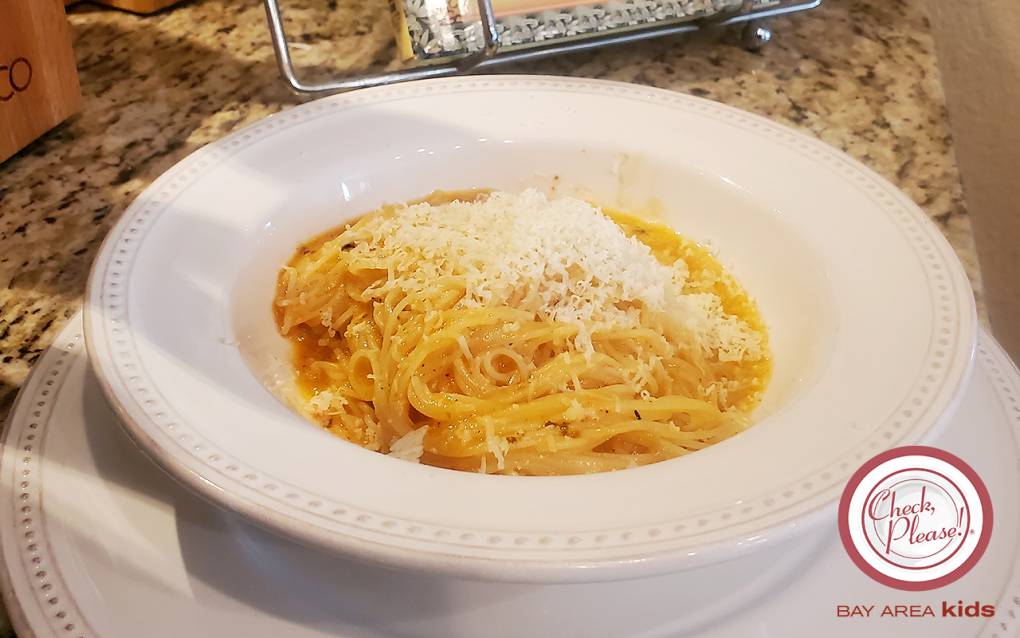
'Check, Please! Bay Area Kids' Presents: Agrodolce Osteria's Pasta al Burro Rosa
Before Impossible Burgers, the Bay Area Perfected Fake Meats for Decades
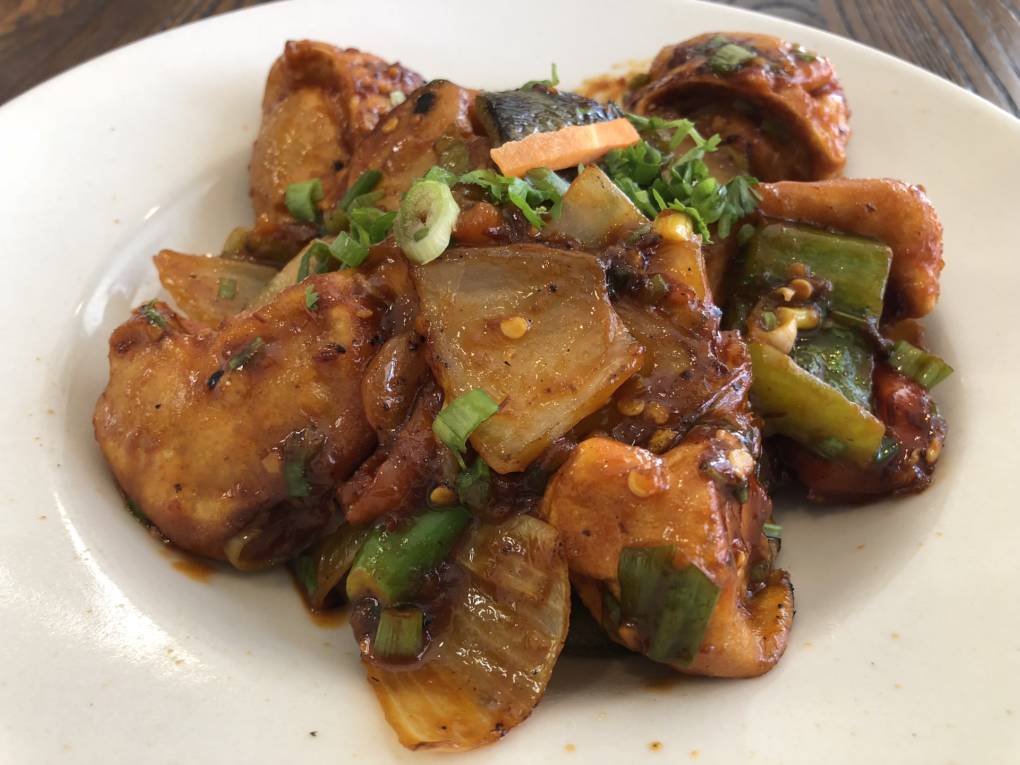
Head for the Himalayas: 5 Nepalese and Tibetan Restaurants in the Bay Area to Know
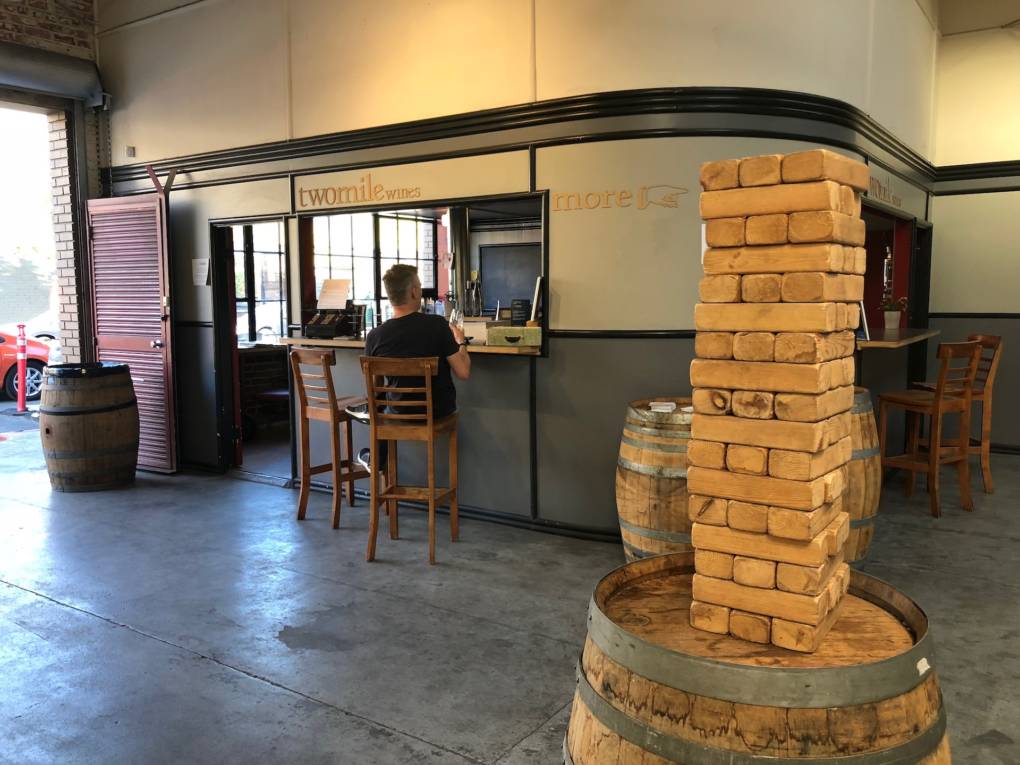
East Bay Wine Tasting: 5 Spots to Try
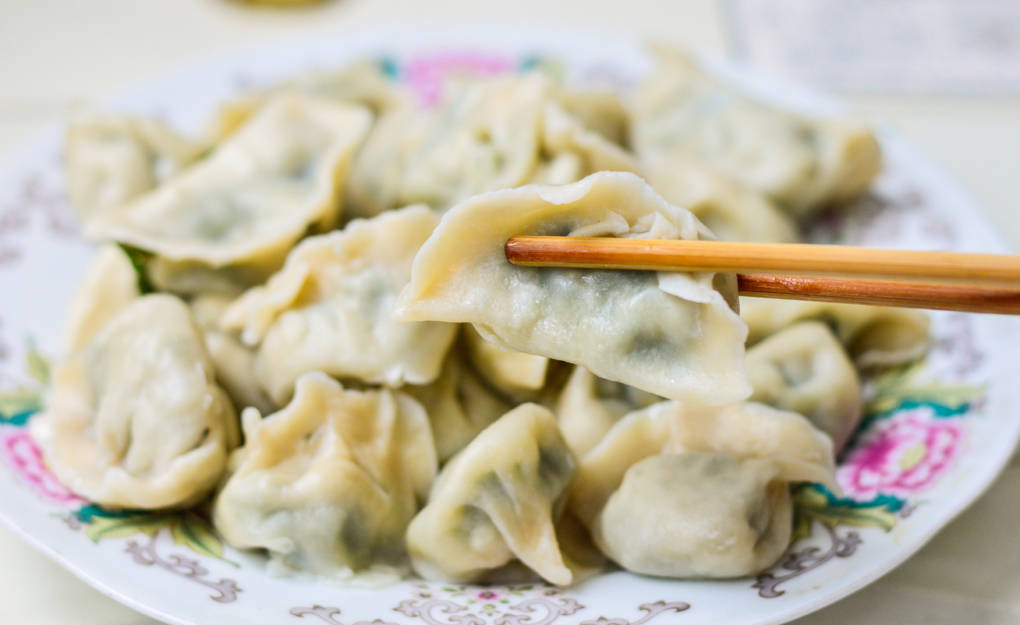
Are These the Best Dumpling Spots in the Bay Area?
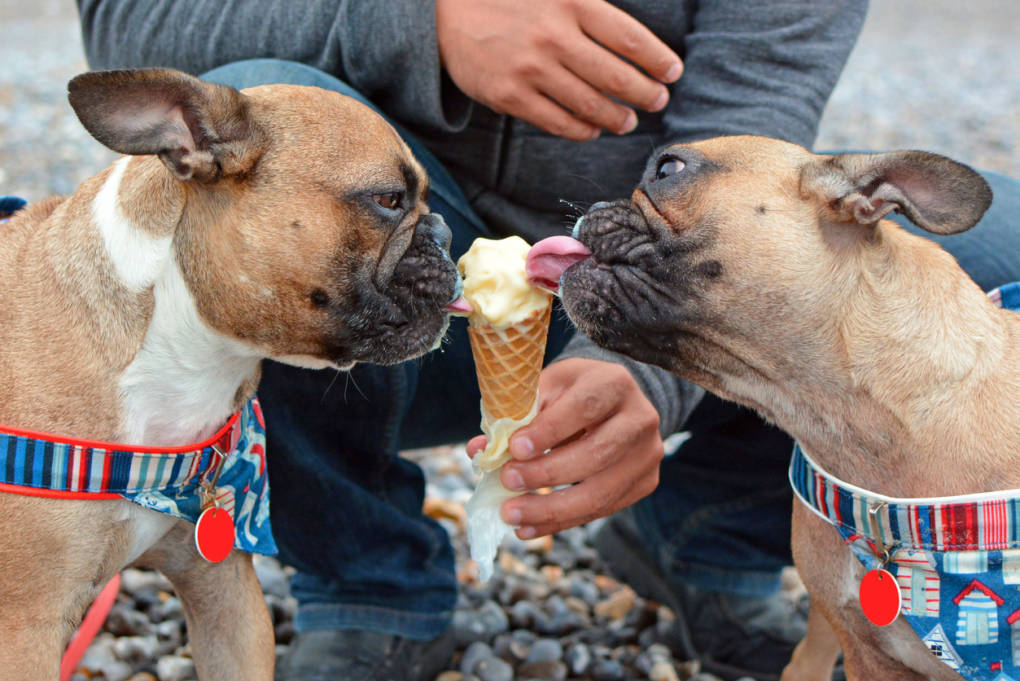
Dog-Friendly Bars, Restaurants And More Near You
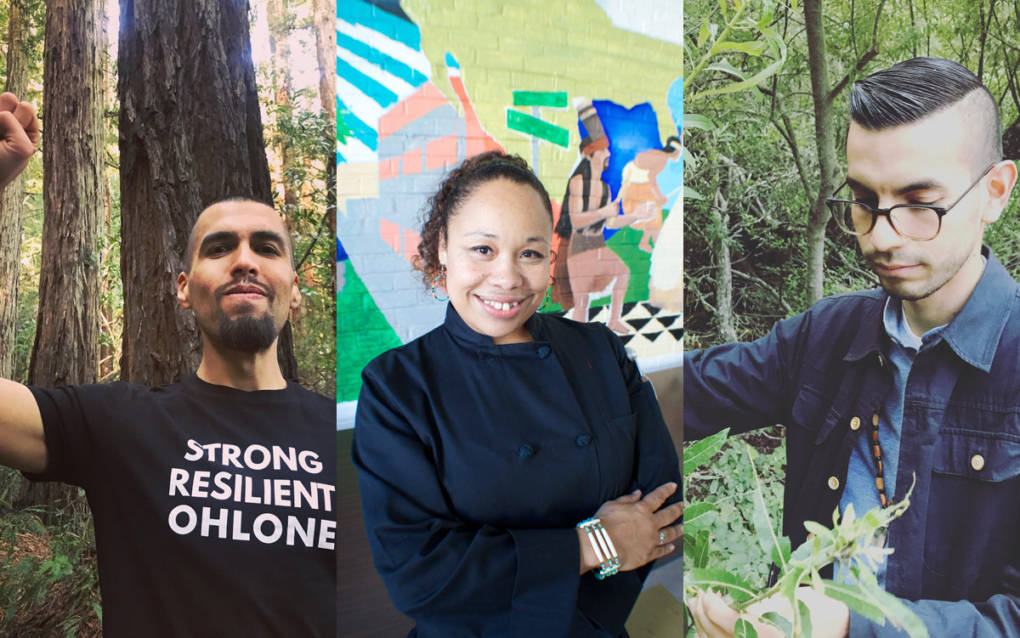
Indigenous California Chefs are Reviving and Preserving Native Cuisines
5 Alcohol-Free Alternatives For Your Dry January
A Bar Story: The Missouri Lounge
Sponsored
window.__IS_SSR__=true
window.__INITIAL_STATE__={"attachmentsReducer":{"audio_0":{"type":"attachments","id":"audio_0","imgSizes":{"kqedFullSize":{"file":"https://ww2.kqed.org/news/wp-content/themes/KQED-unified/img/audio_bgs/background0.jpg"}}},"audio_1":{"type":"attachments","id":"audio_1","imgSizes":{"kqedFullSize":{"file":"https://ww2.kqed.org/news/wp-content/themes/KQED-unified/img/audio_bgs/background1.jpg"}}},"audio_2":{"type":"attachments","id":"audio_2","imgSizes":{"kqedFullSize":{"file":"https://ww2.kqed.org/news/wp-content/themes/KQED-unified/img/audio_bgs/background2.jpg"}}},"audio_3":{"type":"attachments","id":"audio_3","imgSizes":{"kqedFullSize":{"file":"https://ww2.kqed.org/news/wp-content/themes/KQED-unified/img/audio_bgs/background3.jpg"}}},"audio_4":{"type":"attachments","id":"audio_4","imgSizes":{"kqedFullSize":{"file":"https://ww2.kqed.org/news/wp-content/themes/KQED-unified/img/audio_bgs/background4.jpg"}}},"placeholder":{"type":"attachments","id":"placeholder","imgSizes":{"thumbnail":{"file":"https://ww2.kqed.org/wp-content/uploads/sites/10/2018/01/GettyImages-896326950-160x96.jpg","width":160,"height":96,"mimeType":"image/jpeg"},"medium":{"file":"https://ww2.kqed.org/wp-content/uploads/sites/10/2018/01/GettyImages-896326950-800x478.jpg","width":800,"height":478,"mimeType":"image/jpeg"},"large":{"file":"https://ww2.kqed.org/wp-content/uploads/sites/10/2018/01/GettyImages-896326950-1020x610.jpg","width":1020,"height":610,"mimeType":"image/jpeg"},"fd-lrg":{"file":"https://ww2.kqed.org/wp-content/uploads/sites/10/2018/01/GettyImages-896326950-1920x1148.jpg","width":1920,"height":1148,"mimeType":"image/jpeg"},"fd-med":{"file":"https://ww2.kqed.org/wp-content/uploads/sites/10/2018/01/GettyImages-896326950-1180x705.jpg","width":1180,"height":705,"mimeType":"image/jpeg"},"fd-sm":{"file":"https://ww2.kqed.org/wp-content/uploads/sites/10/2018/01/GettyImages-896326950-960x574.jpg","width":960,"height":574,"mimeType":"image/jpeg"},"post-thumbnail":{"file":"https://ww2.kqed.org/wp-content/uploads/sites/10/2018/01/GettyImages-896326950-672x372.jpg","width":672,"height":372,"mimeType":"image/jpeg"},"twentyfourteen-full-width":{"file":"https://ww2.kqed.org/wp-content/uploads/sites/10/2018/01/GettyImages-896326950-1038x576.jpg","width":1038,"height":576,"mimeType":"image/jpeg"},"xxsmall":{"file":"https://ww2.kqed.org/wp-content/uploads/sites/10/2018/01/GettyImages-896326950-240x143.jpg","width":240,"height":143,"mimeType":"image/jpeg"},"xsmall":{"file":"https://ww2.kqed.org/wp-content/uploads/sites/10/2018/01/GettyImages-896326950-375x224.jpg","width":375,"height":224,"mimeType":"image/jpeg"},"small":{"file":"https://ww2.kqed.org/wp-content/uploads/sites/10/2018/01/GettyImages-896326950-520x311.jpg","width":520,"height":311,"mimeType":"image/jpeg"},"xlarge":{"file":"https://ww2.kqed.org/wp-content/uploads/sites/10/2018/01/GettyImages-896326950-1180x705.jpg","width":1180,"height":705,"mimeType":"image/jpeg"},"full-width":{"file":"https://ww2.kqed.org/wp-content/uploads/sites/10/2018/01/GettyImages-896326950-1920x1148.jpg","width":1920,"height":1148,"mimeType":"image/jpeg"},"guest-author-32":{"file":"https://ww2.kqed.org/wp-content/uploads/sites/10/2018/01/GettyImages-896326950-32x32.jpg","width":32,"height":32,"mimeType":"image/jpeg"},"guest-author-50":{"file":"https://ww2.kqed.org/wp-content/uploads/sites/10/2018/01/GettyImages-896326950-50x50.jpg","width":50,"height":50,"mimeType":"image/jpeg"},"guest-author-64":{"file":"https://ww2.kqed.org/wp-content/uploads/sites/10/2018/01/GettyImages-896326950-64x64.jpg","width":64,"height":64,"mimeType":"image/jpeg"},"guest-author-96":{"file":"https://ww2.kqed.org/wp-content/uploads/sites/10/2018/01/GettyImages-896326950-96x96.jpg","width":96,"height":96,"mimeType":"image/jpeg"},"guest-author-128":{"file":"https://ww2.kqed.org/wp-content/uploads/sites/10/2018/01/GettyImages-896326950-128x128.jpg","width":128,"height":128,"mimeType":"image/jpeg"},"detail":{"file":"https://ww2.kqed.org/wp-content/uploads/sites/10/2018/01/GettyImages-896326950-150x150.jpg","width":150,"height":150,"mimeType":"image/jpeg"},"kqedFullSize":{"file":"https://ww2.kqed.org/wp-content/uploads/sites/10/2018/01/GettyImages-896326950-e1514998105161.jpg","width":1920,"height":1148}}},"bayareabites_137052":{"type":"attachments","id":"bayareabites_137052","meta":{"index":"attachments_1591205162","site":"bayareabites","id":"137052","found":true},"title":"agrodolce check please bay area pasta kids","publishDate":1588348648,"status":"inherit","parent":137009,"modified":1588348692,"caption":"Featured on the latest episode of 'Check, Please! Bay Area Kids,' Agrodolce Osteria's chef Angelo D'Alo shares his daughter's favorite pasta dish that's easy to make with the whole family. ","credit":"Courtesy of Angelo D'Alo","description":"Featured on the latest episode of 'Check, Please! Bay Area Kids,' Agrodolce Osteria's chef Angelo D'Alo shares his daughter's favorite pasta dish that's easy to make with the whole family. ","imgSizes":{"thumbnail":{"file":"https://ww2.kqed.org/app/uploads/sites/24/2020/05/agrodolce-160x100.jpg","width":160,"height":100,"mimeType":"image/jpeg"},"medium":{"file":"https://ww2.kqed.org/app/uploads/sites/24/2020/05/agrodolce-800x500.jpg","width":800,"height":500,"mimeType":"image/jpeg"},"medium_large":{"file":"https://ww2.kqed.org/app/uploads/sites/24/2020/05/agrodolce-768x480.jpg","width":768,"height":480,"mimeType":"image/jpeg"},"large":{"file":"https://ww2.kqed.org/app/uploads/sites/24/2020/05/agrodolce-1020x638.jpg","width":1020,"height":638,"mimeType":"image/jpeg"},"post-thumbnail":{"file":"https://ww2.kqed.org/app/uploads/sites/24/2020/05/agrodolce-672x372.jpg","width":672,"height":372,"mimeType":"image/jpeg"},"twentyfourteen-full-width":{"file":"https://ww2.kqed.org/app/uploads/sites/24/2020/05/agrodolce-1038x576.jpg","width":1038,"height":576,"mimeType":"image/jpeg"},"kqedFullSize":{"file":"https://ww2.kqed.org/app/uploads/sites/24/2020/05/agrodolce.jpg","width":1280,"height":800}},"fetchFailed":false,"isLoading":false},"bayareabites_136153":{"type":"attachments","id":"bayareabites_136153","meta":{"index":"attachments_1591205162","site":"bayareabites","id":"136153","found":true},"title":"F1F41BAB-B51A-4C12-9709-3D39BC3DDA2A","publishDate":1579743925,"status":"inherit","parent":136148,"modified":1579744667,"caption":"Bay Area restaurants like Berkeley's Flacos have offered meat alternatives for decades.","credit":"Ruth Gebreyesus","description":"A taco and tamale from Berkeley Mexican restaurant Flacos where vegan meat options have long existed.","imgSizes":{"thumbnail":{"file":"https://ww2.kqed.org/app/uploads/sites/24/2020/01/F1F41BAB-B51A-4C12-9709-3D39BC3DDA2A-160x121.jpg","width":160,"height":121,"mimeType":"image/jpeg"},"medium":{"file":"https://ww2.kqed.org/app/uploads/sites/24/2020/01/F1F41BAB-B51A-4C12-9709-3D39BC3DDA2A-800x604.jpg","width":800,"height":604,"mimeType":"image/jpeg"},"medium_large":{"file":"https://ww2.kqed.org/app/uploads/sites/24/2020/01/F1F41BAB-B51A-4C12-9709-3D39BC3DDA2A-768x580.jpg","width":768,"height":580,"mimeType":"image/jpeg"},"large":{"file":"https://ww2.kqed.org/app/uploads/sites/24/2020/01/F1F41BAB-B51A-4C12-9709-3D39BC3DDA2A-1020x770.jpg","width":1020,"height":770,"mimeType":"image/jpeg"},"post-thumbnail":{"file":"https://ww2.kqed.org/app/uploads/sites/24/2020/01/F1F41BAB-B51A-4C12-9709-3D39BC3DDA2A-672x372.jpg","width":672,"height":372,"mimeType":"image/jpeg"},"twentyfourteen-full-width":{"file":"https://ww2.kqed.org/app/uploads/sites/24/2020/01/F1F41BAB-B51A-4C12-9709-3D39BC3DDA2A-1038x576.jpg","width":1038,"height":576,"mimeType":"image/jpeg"},"full-width":{"file":"https://ww2.kqed.org/app/uploads/sites/24/2020/01/F1F41BAB-B51A-4C12-9709-3D39BC3DDA2A-1920x1450.jpg","width":1920,"height":1450,"mimeType":"image/jpeg"},"kqedFullSize":{"file":"https://ww2.kqed.org/app/uploads/sites/24/2020/01/F1F41BAB-B51A-4C12-9709-3D39BC3DDA2A.jpg","width":1920,"height":1450}},"fetchFailed":false,"isLoading":false},"bayareabites_135429":{"type":"attachments","id":"bayareabites_135429","meta":{"index":"attachments_1591205162","site":"bayareabites","id":"135429","found":true},"title":"himpizzamomo-chili","publishDate":1573671318,"status":"inherit","parent":135426,"modified":1573671340,"caption":"A plate of chili momos at Himalayan Pizza and Momo","credit":"Trevor Felch/KQED","description":"A plate of chili momos at Himalayan Pizza and Momo","imgSizes":{"thumbnail":{"file":"https://ww2.kqed.org/app/uploads/sites/24/2019/11/himpizzamomo-chili-160x120.jpg","width":160,"height":120,"mimeType":"image/jpeg"},"medium":{"file":"https://ww2.kqed.org/app/uploads/sites/24/2019/11/himpizzamomo-chili-800x600.jpg","width":800,"height":600,"mimeType":"image/jpeg"},"medium_large":{"file":"https://ww2.kqed.org/app/uploads/sites/24/2019/11/himpizzamomo-chili-768x576.jpg","width":768,"height":576,"mimeType":"image/jpeg"},"large":{"file":"https://ww2.kqed.org/app/uploads/sites/24/2019/11/himpizzamomo-chili-1020x765.jpg","width":1020,"height":765,"mimeType":"image/jpeg"},"complete_open_graph":{"file":"https://ww2.kqed.org/app/uploads/sites/24/2019/11/himpizzamomo-chili-1200x900.jpg","width":1200,"height":900,"mimeType":"image/jpeg"},"post-thumbnail":{"file":"https://ww2.kqed.org/app/uploads/sites/24/2019/11/himpizzamomo-chili-672x372.jpg","width":672,"height":372,"mimeType":"image/jpeg"},"twentyfourteen-full-width":{"file":"https://ww2.kqed.org/app/uploads/sites/24/2019/11/himpizzamomo-chili-1038x576.jpg","width":1038,"height":576,"mimeType":"image/jpeg"},"full-width":{"file":"https://ww2.kqed.org/app/uploads/sites/24/2019/11/himpizzamomo-chili-1920x1440.jpg","width":1920,"height":1440,"mimeType":"image/jpeg"},"kqedFullSize":{"file":"https://ww2.kqed.org/app/uploads/sites/24/2019/11/himpizzamomo-chili.jpg","width":1920,"height":1440}},"fetchFailed":false,"isLoading":false},"bayareabites_135074":{"type":"attachments","id":"bayareabites_135074","meta":{"index":"attachments_1591205162","site":"bayareabites","id":"135074","found":true},"title":"two mile oakland","publishDate":1571674838,"status":"inherit","parent":135069,"modified":1571674852,"caption":"The shared twomile and Tintype tasting room in Uptown Oakland","credit":"Trevor Felch/KQED","description":"The shared twomile and Tintype tasting room in Uptown Oakland","imgSizes":{"thumbnail":{"file":"https://ww2.kqed.org/app/uploads/sites/24/2019/10/two-mile-oakland-160x120.jpg","width":160,"height":120,"mimeType":"image/jpeg"},"medium":{"file":"https://ww2.kqed.org/app/uploads/sites/24/2019/10/two-mile-oakland-800x600.jpg","width":800,"height":600,"mimeType":"image/jpeg"},"medium_large":{"file":"https://ww2.kqed.org/app/uploads/sites/24/2019/10/two-mile-oakland-768x576.jpg","width":768,"height":576,"mimeType":"image/jpeg"},"large":{"file":"https://ww2.kqed.org/app/uploads/sites/24/2019/10/two-mile-oakland-1020x765.jpg","width":1020,"height":765,"mimeType":"image/jpeg"},"complete_open_graph":{"file":"https://ww2.kqed.org/app/uploads/sites/24/2019/10/two-mile-oakland-1200x900.jpg","width":1200,"height":900,"mimeType":"image/jpeg"},"post-thumbnail":{"file":"https://ww2.kqed.org/app/uploads/sites/24/2019/10/two-mile-oakland-672x372.jpg","width":672,"height":372,"mimeType":"image/jpeg"},"twentyfourteen-full-width":{"file":"https://ww2.kqed.org/app/uploads/sites/24/2019/10/two-mile-oakland-1038x576.jpg","width":1038,"height":576,"mimeType":"image/jpeg"},"full-width":{"file":"https://ww2.kqed.org/app/uploads/sites/24/2019/10/two-mile-oakland-1920x1440.jpg","width":1920,"height":1440,"mimeType":"image/jpeg"},"kqedFullSize":{"file":"https://ww2.kqed.org/app/uploads/sites/24/2019/10/two-mile-oakland.jpg","width":1920,"height":1440}},"fetchFailed":false,"isLoading":false},"bayareabites_134826":{"type":"attachments","id":"bayareabites_134826","meta":{"index":"attachments_1591205162","site":"bayareabites","id":"134826","found":true},"title":"Chopsticks Pick Up Boilded Chineses Dumplings from a Plate","publishDate":1569432261,"status":"inherit","parent":134814,"modified":1569432333,"caption":"Chopsticks Pick Up Boilded Chineses Dumplings from a Plate. ","credit":"Min Jing/iStock","description":"Chopsticks Pick Up Boilded Chineses Dumplings from a Plate. ","imgSizes":{"thumbnail":{"file":"https://ww2.kqed.org/app/uploads/sites/24/2019/09/iStock-860957840-160x98.jpg","width":160,"height":98,"mimeType":"image/jpeg"},"medium":{"file":"https://ww2.kqed.org/app/uploads/sites/24/2019/09/iStock-860957840-800x491.jpg","width":800,"height":491,"mimeType":"image/jpeg"},"medium_large":{"file":"https://ww2.kqed.org/app/uploads/sites/24/2019/09/iStock-860957840-768x471.jpg","width":768,"height":471,"mimeType":"image/jpeg"},"large":{"file":"https://ww2.kqed.org/app/uploads/sites/24/2019/09/iStock-860957840-1020x625.jpg","width":1020,"height":625,"mimeType":"image/jpeg"},"complete_open_graph":{"file":"https://ww2.kqed.org/app/uploads/sites/24/2019/09/iStock-860957840-1200x736.jpg","width":1200,"height":736,"mimeType":"image/jpeg"},"post-thumbnail":{"file":"https://ww2.kqed.org/app/uploads/sites/24/2019/09/iStock-860957840-672x372.jpg","width":672,"height":372,"mimeType":"image/jpeg"},"twentyfourteen-full-width":{"file":"https://ww2.kqed.org/app/uploads/sites/24/2019/09/iStock-860957840-1038x576.jpg","width":1038,"height":576,"mimeType":"image/jpeg"},"kqedFullSize":{"file":"https://ww2.kqed.org/app/uploads/sites/24/2019/09/iStock-860957840.jpg","width":1308,"height":802}},"fetchFailed":false,"isLoading":false},"bayareabites_134533":{"type":"attachments","id":"bayareabites_134533","meta":{"index":"attachments_1591205162","site":"bayareabites","id":"134533","found":true},"title":"Two brown French Bulldog dogs eating vanilla icea cream in a cone in summer","publishDate":1566836303,"status":"inherit","parent":134529,"modified":1566836387,"caption":"Two brown French Bulldog dogs eating vanilla ice cream in a cone","credit":"Firn/iStock","description":"Two brown French Bulldog dogs eating vanilla ice cream in a cone","imgSizes":{"thumbnail":{"file":"https://ww2.kqed.org/app/uploads/sites/24/2019/08/iStock-1141380813-160x107.jpg","width":160,"height":107,"mimeType":"image/jpeg"},"medium":{"file":"https://ww2.kqed.org/app/uploads/sites/24/2019/08/iStock-1141380813-800x534.jpg","width":800,"height":534,"mimeType":"image/jpeg"},"medium_large":{"file":"https://ww2.kqed.org/app/uploads/sites/24/2019/08/iStock-1141380813-768x512.jpg","width":768,"height":512,"mimeType":"image/jpeg"},"large":{"file":"https://ww2.kqed.org/app/uploads/sites/24/2019/08/iStock-1141380813-1020x681.jpg","width":1020,"height":681,"mimeType":"image/jpeg"},"complete_open_graph":{"file":"https://ww2.kqed.org/app/uploads/sites/24/2019/08/iStock-1141380813-1200x801.jpg","width":1200,"height":801,"mimeType":"image/jpeg"},"post-thumbnail":{"file":"https://ww2.kqed.org/app/uploads/sites/24/2019/08/iStock-1141380813-672x372.jpg","width":672,"height":372,"mimeType":"image/jpeg"},"twentyfourteen-full-width":{"file":"https://ww2.kqed.org/app/uploads/sites/24/2019/08/iStock-1141380813-1038x576.jpg","width":1038,"height":576,"mimeType":"image/jpeg"},"kqedFullSize":{"file":"https://ww2.kqed.org/app/uploads/sites/24/2019/08/iStock-1141380813.jpg","width":1253,"height":836}},"fetchFailed":false,"isLoading":false},"bayareabites_132676":{"type":"attachments","id":"bayareabites_132676","meta":{"index":"attachments_1591205162","site":"bayareabites","id":"132676","found":true},"title":"Vincent Medina (right) and Louis Trevino (left), founders of Café Ohlone by Mak’amham.","publishDate":1551205322,"status":"inherit","parent":132675,"modified":1551205352,"caption":"Vincent Medina (right) and Louis Trevino (left), founders of Café Ohlone by Mak’amham.","credit":"Café Ohlone","description":"Vincent Medina (right) and Louis Trevino (left), founders of Café Ohlone by Mak’amham.","imgSizes":{"thumbnail":{"file":"https://ww2.kqed.org/app/uploads/sites/24/2019/02/ohlone_trio-1200x751-160x100.jpg","width":160,"height":100,"mimeType":"image/jpeg"},"medium":{"file":"https://ww2.kqed.org/app/uploads/sites/24/2019/02/ohlone_trio-1200x751-800x501.jpg","width":800,"height":501,"mimeType":"image/jpeg"},"medium_large":{"file":"https://ww2.kqed.org/app/uploads/sites/24/2019/02/ohlone_trio-1200x751-768x481.jpg","width":768,"height":481,"mimeType":"image/jpeg"},"large":{"file":"https://ww2.kqed.org/app/uploads/sites/24/2019/02/ohlone_trio-1200x751-1020x638.jpg","width":1020,"height":638,"mimeType":"image/jpeg"},"complete_open_graph":{"file":"https://ww2.kqed.org/app/uploads/sites/24/2019/02/ohlone_trio-1200x751-1200x751.jpg","width":1200,"height":751,"mimeType":"image/jpeg"},"post-thumbnail":{"file":"https://ww2.kqed.org/app/uploads/sites/24/2019/02/ohlone_trio-1200x751-672x372.jpg","width":672,"height":372,"mimeType":"image/jpeg"},"twentyfourteen-full-width":{"file":"https://ww2.kqed.org/app/uploads/sites/24/2019/02/ohlone_trio-1200x751-1038x576.jpg","width":1038,"height":576,"mimeType":"image/jpeg"},"guest-author-32":{"file":"https://ww2.kqed.org/app/uploads/sites/24/2019/02/ohlone_trio-1200x751-32x32.jpg","width":32,"height":32,"mimeType":"image/jpeg"},"guest-author-50":{"file":"https://ww2.kqed.org/app/uploads/sites/24/2019/02/ohlone_trio-1200x751-50x50.jpg","width":50,"height":50,"mimeType":"image/jpeg"},"guest-author-64":{"file":"https://ww2.kqed.org/app/uploads/sites/24/2019/02/ohlone_trio-1200x751-64x64.jpg","width":64,"height":64,"mimeType":"image/jpeg"},"guest-author-96":{"file":"https://ww2.kqed.org/app/uploads/sites/24/2019/02/ohlone_trio-1200x751-96x96.jpg","width":96,"height":96,"mimeType":"image/jpeg"},"guest-author-128":{"file":"https://ww2.kqed.org/app/uploads/sites/24/2019/02/ohlone_trio-1200x751-128x128.jpg","width":128,"height":128,"mimeType":"image/jpeg"},"detail":{"file":"https://ww2.kqed.org/app/uploads/sites/24/2019/02/ohlone_trio-1200x751-150x150.jpg","width":150,"height":150,"mimeType":"image/jpeg"},"kqedFullSize":{"file":"https://ww2.kqed.org/app/uploads/sites/24/2019/02/ohlone_trio-1200x751.jpg","width":1200,"height":751}},"fetchFailed":false,"isLoading":false},"bayareabites_131981":{"type":"attachments","id":"bayareabites_131981","meta":{"index":"attachments_1591205162","site":"bayareabites","id":"131981","found":true},"title":"A uniquely modern light fixture hangs above the counter at Teance Fine Teas.","publishDate":1546971368,"status":"inherit","parent":131942,"modified":1547226673,"caption":"A uniquely modern light fixture hangs above the counter at Teance Fine Teas. ","credit":"Melanie Burke","description":"A uniquely modern light fixture hangs above the counter at Teance Fine Teas. ","imgSizes":{"thumbnail":{"file":"https://ww2.kqed.org/app/uploads/sites/24/2019/01/IMG_3399-160x120.jpg","width":160,"height":120,"mimeType":"image/jpeg"},"medium":{"file":"https://ww2.kqed.org/app/uploads/sites/24/2019/01/IMG_3399-800x600.jpg","width":800,"height":600,"mimeType":"image/jpeg"},"medium_large":{"file":"https://ww2.kqed.org/app/uploads/sites/24/2019/01/IMG_3399-768x576.jpg","width":768,"height":576,"mimeType":"image/jpeg"},"large":{"file":"https://ww2.kqed.org/app/uploads/sites/24/2019/01/IMG_3399-1020x765.jpg","width":1020,"height":765,"mimeType":"image/jpeg"},"complete_open_graph":{"file":"https://ww2.kqed.org/app/uploads/sites/24/2019/01/IMG_3399-1200x900.jpg","width":1200,"height":900,"mimeType":"image/jpeg"},"fd-lrg":{"file":"https://ww2.kqed.org/app/uploads/sites/24/2019/01/IMG_3399-1920x1440.jpg","width":1920,"height":1440,"mimeType":"image/jpeg"},"fd-med":{"file":"https://ww2.kqed.org/app/uploads/sites/24/2019/01/IMG_3399-1180x885.jpg","width":1180,"height":885,"mimeType":"image/jpeg"},"fd-sm":{"file":"https://ww2.kqed.org/app/uploads/sites/24/2019/01/IMG_3399-960x720.jpg","width":960,"height":720,"mimeType":"image/jpeg"},"post-thumbnail":{"file":"https://ww2.kqed.org/app/uploads/sites/24/2019/01/IMG_3399-672x372.jpg","width":672,"height":372,"mimeType":"image/jpeg"},"twentyfourteen-full-width":{"file":"https://ww2.kqed.org/app/uploads/sites/24/2019/01/IMG_3399-1038x576.jpg","width":1038,"height":576,"mimeType":"image/jpeg"},"xxsmall":{"file":"https://ww2.kqed.org/app/uploads/sites/24/2019/01/IMG_3399-240x180.jpg","width":240,"height":180,"mimeType":"image/jpeg"},"xsmall":{"file":"https://ww2.kqed.org/app/uploads/sites/24/2019/01/IMG_3399-375x281.jpg","width":375,"height":281,"mimeType":"image/jpeg"},"small":{"file":"https://ww2.kqed.org/app/uploads/sites/24/2019/01/IMG_3399-520x390.jpg","width":520,"height":390,"mimeType":"image/jpeg"},"xlarge":{"file":"https://ww2.kqed.org/app/uploads/sites/24/2019/01/IMG_3399-1180x885.jpg","width":1180,"height":885,"mimeType":"image/jpeg"},"full-width":{"file":"https://ww2.kqed.org/app/uploads/sites/24/2019/01/IMG_3399-1920x1440.jpg","width":1920,"height":1440,"mimeType":"image/jpeg"},"guest-author-32":{"file":"https://ww2.kqed.org/app/uploads/sites/24/2019/01/IMG_3399-32x32.jpg","width":32,"height":32,"mimeType":"image/jpeg"},"guest-author-50":{"file":"https://ww2.kqed.org/app/uploads/sites/24/2019/01/IMG_3399-50x50.jpg","width":50,"height":50,"mimeType":"image/jpeg"},"guest-author-64":{"file":"https://ww2.kqed.org/app/uploads/sites/24/2019/01/IMG_3399-64x64.jpg","width":64,"height":64,"mimeType":"image/jpeg"},"guest-author-96":{"file":"https://ww2.kqed.org/app/uploads/sites/24/2019/01/IMG_3399-96x96.jpg","width":96,"height":96,"mimeType":"image/jpeg"},"guest-author-128":{"file":"https://ww2.kqed.org/app/uploads/sites/24/2019/01/IMG_3399-128x128.jpg","width":128,"height":128,"mimeType":"image/jpeg"},"detail":{"file":"https://ww2.kqed.org/app/uploads/sites/24/2019/01/IMG_3399-150x150.jpg","width":150,"height":150,"mimeType":"image/jpeg"},"kqedFullSize":{"file":"https://ww2.kqed.org/app/uploads/sites/24/2019/01/IMG_3399-e1547167781716.jpg","width":1920,"height":1440}},"fetchFailed":false,"isLoading":false},"bayareabites_130760":{"type":"attachments","id":"bayareabites_130760","meta":{"index":"attachments_1591205162","site":"bayareabites","id":"130760","found":true},"title":"Bar patrons filter into The Missouri Lounge, early the afternoon of Sept. 5, 2018.","publishDate":1539197370,"status":"inherit","parent":130758,"modified":1539197409,"caption":"Bar patrons filter into The Missouri Lounge, early the afternoon of Sept. 5, 2018.","credit":"Christi Warren","description":"Bar patrons filter into The Missouri Lounge, early the afternoon of Sept. 5, 2018.","imgSizes":{"thumbnail":{"file":"https://ww2.kqed.org/app/uploads/sites/24/2018/10/DSC_0051-160x107.jpg","width":160,"height":107,"mimeType":"image/jpeg"},"medium":{"file":"https://ww2.kqed.org/app/uploads/sites/24/2018/10/DSC_0051-800x533.jpg","width":800,"height":533,"mimeType":"image/jpeg"},"medium_large":{"file":"https://ww2.kqed.org/app/uploads/sites/24/2018/10/DSC_0051-768x512.jpg","width":768,"height":512,"mimeType":"image/jpeg"},"large":{"file":"https://ww2.kqed.org/app/uploads/sites/24/2018/10/DSC_0051-1020x680.jpg","width":1020,"height":680,"mimeType":"image/jpeg"},"complete_open_graph":{"file":"https://ww2.kqed.org/app/uploads/sites/24/2018/10/DSC_0051-1200x800.jpg","width":1200,"height":800,"mimeType":"image/jpeg"},"fd-lrg":{"file":"https://ww2.kqed.org/app/uploads/sites/24/2018/10/DSC_0051-1920x1280.jpg","width":1920,"height":1280,"mimeType":"image/jpeg"},"fd-med":{"file":"https://ww2.kqed.org/app/uploads/sites/24/2018/10/DSC_0051-1180x787.jpg","width":1180,"height":787,"mimeType":"image/jpeg"},"fd-sm":{"file":"https://ww2.kqed.org/app/uploads/sites/24/2018/10/DSC_0051-960x640.jpg","width":960,"height":640,"mimeType":"image/jpeg"},"post-thumbnail":{"file":"https://ww2.kqed.org/app/uploads/sites/24/2018/10/DSC_0051-672x372.jpg","width":672,"height":372,"mimeType":"image/jpeg"},"twentyfourteen-full-width":{"file":"https://ww2.kqed.org/app/uploads/sites/24/2018/10/DSC_0051-1038x576.jpg","width":1038,"height":576,"mimeType":"image/jpeg"},"xxsmall":{"file":"https://ww2.kqed.org/app/uploads/sites/24/2018/10/DSC_0051-240x160.jpg","width":240,"height":160,"mimeType":"image/jpeg"},"xsmall":{"file":"https://ww2.kqed.org/app/uploads/sites/24/2018/10/DSC_0051-375x250.jpg","width":375,"height":250,"mimeType":"image/jpeg"},"small":{"file":"https://ww2.kqed.org/app/uploads/sites/24/2018/10/DSC_0051-520x347.jpg","width":520,"height":347,"mimeType":"image/jpeg"},"xlarge":{"file":"https://ww2.kqed.org/app/uploads/sites/24/2018/10/DSC_0051-1180x787.jpg","width":1180,"height":787,"mimeType":"image/jpeg"},"full-width":{"file":"https://ww2.kqed.org/app/uploads/sites/24/2018/10/DSC_0051-1920x1280.jpg","width":1920,"height":1280,"mimeType":"image/jpeg"},"guest-author-32":{"file":"https://ww2.kqed.org/app/uploads/sites/24/2018/10/DSC_0051-32x32.jpg","width":32,"height":32,"mimeType":"image/jpeg"},"guest-author-50":{"file":"https://ww2.kqed.org/app/uploads/sites/24/2018/10/DSC_0051-50x50.jpg","width":50,"height":50,"mimeType":"image/jpeg"},"guest-author-64":{"file":"https://ww2.kqed.org/app/uploads/sites/24/2018/10/DSC_0051-64x64.jpg","width":64,"height":64,"mimeType":"image/jpeg"},"guest-author-96":{"file":"https://ww2.kqed.org/app/uploads/sites/24/2018/10/DSC_0051-96x96.jpg","width":96,"height":96,"mimeType":"image/jpeg"},"guest-author-128":{"file":"https://ww2.kqed.org/app/uploads/sites/24/2018/10/DSC_0051-128x128.jpg","width":128,"height":128,"mimeType":"image/jpeg"},"detail":{"file":"https://ww2.kqed.org/app/uploads/sites/24/2018/10/DSC_0051-150x150.jpg","width":150,"height":150,"mimeType":"image/jpeg"},"kqedFullSize":{"file":"https://ww2.kqed.org/app/uploads/sites/24/2018/10/DSC_0051-e1539197393886.jpg","width":1920,"height":1280}},"fetchFailed":false,"isLoading":false}},"audioPlayerReducer":{"postId":"stream_live"},"authorsReducer":{"bayareabites":{"type":"authors","id":"5083","meta":{"index":"authors_1591205172","id":"5083","found":true},"name":"KQED Food Staff","firstName":null,"lastName":null,"slug":"bayareabites","email":"bayareabites@kqed.org","display_author_email":false,"staff_mastheads":[],"title":"KQED Contributor","bio":"Bay Area Bites (BAB), KQED's public media food blog, feeds you visually compelling food-related stories, news, recipes and reviews from the San Francisco Bay Area and beyond.","avatar":"https://secure.gravatar.com/avatar/7113fdeeace4c1251f9bbe4b2fab415a?s=600&d=blank&r=g","twitter":"bayareabites","facebook":"bayareabites","instagram":null,"linkedin":null,"sites":[{"site":"arts","roles":["contributor"]},{"site":"bayareabites","roles":["administrator"]},{"site":"food","roles":["author"]}],"headData":{"title":"KQED Food Staff | KQED","description":"KQED Contributor","ogImgSrc":"https://secure.gravatar.com/avatar/7113fdeeace4c1251f9bbe4b2fab415a?s=600&d=blank&r=g","twImgSrc":"https://secure.gravatar.com/avatar/7113fdeeace4c1251f9bbe4b2fab415a?s=600&d=blank&r=g"},"isLoading":false,"link":"/author/bayareabites"},"civileat":{"type":"authors","id":"5583","meta":{"index":"authors_1591205172","id":"5583","found":true},"name":"Civil Eats","firstName":"Civil","lastName":"Eats","slug":"civileat","email":"twilight@civileats.com","display_author_email":false,"staff_mastheads":[],"title":null,"bio":"\u003ca href=\"http://civileats.com/\">Civil Eats\u003c/a> is a daily news source for critical thought about the American food system. We publish stories that shift the conversation around sustainable agriculture in an effort to build economically and socially just communities. Follow Civil Eats on Twitter \u003ca href=\"https://twitter.com/CivilEats\">@civileats\u003c/a> and on \u003ca href=\"https://www.facebook.com/pages/Civil-Eats/56766540637\">Facebook\u003c/a>.","avatar":"https://secure.gravatar.com/avatar/8f6f50bfb6403afe7cbc194b66cc1d4d?s=600&d=blank&r=g","twitter":"CivilEats","facebook":"/pages/Civil-Eats/56766540637?ref=hl","instagram":null,"linkedin":null,"sites":[{"site":"bayareabites","roles":["contributor"]},{"site":"food","roles":["contributor"]}],"headData":{"title":"Civil Eats | KQED","description":null,"ogImgSrc":"https://secure.gravatar.com/avatar/8f6f50bfb6403afe7cbc194b66cc1d4d?s=600&d=blank&r=g","twImgSrc":"https://secure.gravatar.com/avatar/8f6f50bfb6403afe7cbc194b66cc1d4d?s=600&d=blank&r=g"},"isLoading":false,"link":"/author/civileat"},"trevorfelch":{"type":"authors","id":"11338","meta":{"index":"authors_1591205172","id":"11338","found":true},"name":"Trevor Felch","firstName":"Trevor","lastName":"Felch","slug":"trevorfelch","email":"trevor.felch@gmail.com","display_author_email":false,"staff_mastheads":[],"title":null,"bio":"\u003cp class=\"p1\">I'm the SF Bay Area editor for Zagat. Before this post, I was a restaurants writer for Thrillist and SF Weekly, along with covering the wine industry for Vino 24/7. I've also dabbled in tech start-ups (of course) and TV journalism (most recently with NBC on their Rio Olympics research team). You'll find me at taquerias, bakeries, bars, pizzerias, corner bistros and tasting menu destinations throughout the Bay Area. Cheers!\u003c/p>","avatar":"https://secure.gravatar.com/avatar/a65d07ea1835bde4c52ca144f9269930?s=600&d=blank&r=g","twitter":null,"facebook":null,"instagram":null,"linkedin":null,"sites":[{"site":"bayareabites","roles":["author"]},{"site":"food","roles":["contributor"]}],"headData":{"title":"Trevor Felch | KQED","description":null,"ogImgSrc":"https://secure.gravatar.com/avatar/a65d07ea1835bde4c52ca144f9269930?s=600&d=blank&r=g","twImgSrc":"https://secure.gravatar.com/avatar/a65d07ea1835bde4c52ca144f9269930?s=600&d=blank&r=g"},"isLoading":false,"link":"/author/trevorfelch"},"gcheung":{"type":"authors","id":"11404","meta":{"index":"authors_1591205172","id":"11404","found":true},"name":"Grace Cheung","firstName":"Grace","lastName":"Cheung","slug":"gcheung","email":"gcheung@kqed.org","display_author_email":false,"staff_mastheads":[],"title":"KQED Contributor","bio":"Grace was a social media and digital producer at KQED, and her love of food keeps her busy! As an amateur photographer and chef, she documents her recipes, restaurant adventures, and more on her blog, \u003ca href=\"https://put-an-egg-on-it.com/\">Put An Egg On It\u003c/a>. You can mostly follow her eating adventures on Instagram at \u003ca href=\"https://www.instagram.com/gcheung28/\">@gcheung28\u003c/a>.","avatar":"https://secure.gravatar.com/avatar/9d5b5595007c3709533a8959e3eda091?s=600&d=blank&r=g","twitter":null,"facebook":null,"instagram":null,"linkedin":null,"sites":[{"site":"arts","roles":["editor"]},{"site":"jpepinheart","roles":["editor"]},{"site":"about","roles":["author"]},{"site":"bayareabites","roles":["contributor"]},{"site":"checkplease","roles":["subscriber"]},{"site":"food","roles":["administrator"]},{"site":"essentialpepin","roles":["administrator"]}],"headData":{"title":"Grace Cheung | KQED","description":"KQED Contributor","ogImgSrc":"https://secure.gravatar.com/avatar/9d5b5595007c3709533a8959e3eda091?s=600&d=blank&r=g","twImgSrc":"https://secure.gravatar.com/avatar/9d5b5595007c3709533a8959e3eda091?s=600&d=blank&r=g"},"isLoading":false,"link":"/author/gcheung"},"mburke":{"type":"authors","id":"11546","meta":{"index":"authors_1591205172","id":"11546","found":true},"name":"Mel Burke","firstName":"Mel","lastName":"Burke","slug":"mburke","email":"melanienburke@gmail.com","display_author_email":false,"staff_mastheads":[],"title":null,"bio":"When Mel Burke isn't singing 80's love songs to her dog, she writes about books, food, dating, travel, and the constantly weird adventure that is living in California. Find her online everywhere @melburkewrites.","avatar":"https://secure.gravatar.com/avatar/c2168c7a31c95a402c2a4d70d565881b?s=600&d=blank&r=g","twitter":null,"facebook":null,"instagram":null,"linkedin":null,"sites":[{"site":"bayareabites","roles":["author"]}],"headData":{"title":"Mel Burke | KQED","description":null,"ogImgSrc":"https://secure.gravatar.com/avatar/c2168c7a31c95a402c2a4d70d565881b?s=600&d=blank&r=g","twImgSrc":"https://secure.gravatar.com/avatar/c2168c7a31c95a402c2a4d70d565881b?s=600&d=blank&r=g"},"isLoading":false,"link":"/author/mburke"},"christiwarren":{"type":"authors","id":"11558","meta":{"index":"authors_1591205172","id":"11558","found":true},"name":"Christi Warren","firstName":"Christi","lastName":"Warren","slug":"christiwarren","email":"christi.ann.warren@gmail.com","display_author_email":false,"staff_mastheads":[],"title":null,"bio":"Christi Warren is an Oakland-based freelance writer, who is more interested in the stories behind neighborhood bars than what's on tap. In an effort to pay rent while in grad school at UC Berkeley, she publishes some of those histories here. Previously, she worked as a general assignment reporter at The Santa Rosa Press Democrat. You can find her on Twitter at \u003ca href=\"https://twitter.com/SeaWarren\">@SeaWarren.\u003c/a>","avatar":"https://secure.gravatar.com/avatar/c9e3a2dd3288f0ed2a8f91f6564ddbcd?s=600&d=blank&r=g","twitter":null,"facebook":null,"instagram":null,"linkedin":null,"sites":[{"site":"bayareabites","roles":["author"]}],"headData":{"title":"Christi Warren | KQED","description":null,"ogImgSrc":"https://secure.gravatar.com/avatar/c9e3a2dd3288f0ed2a8f91f6564ddbcd?s=600&d=blank&r=g","twImgSrc":"https://secure.gravatar.com/avatar/c9e3a2dd3288f0ed2a8f91f6564ddbcd?s=600&d=blank&r=g"},"isLoading":false,"link":"/author/christiwarren"},"rgebreyesus":{"type":"authors","id":"11625","meta":{"index":"authors_1591205172","id":"11625","found":true},"name":"Ruth Gebreyesus","firstName":"Ruth","lastName":"Gebreyesus","slug":"rgebreyesus","email":"rgebreyesus@KQED.org","display_author_email":false,"staff_mastheads":[],"title":"Food Writer","bio":"Ruth Gebreyesus is a freelance writer and producer based in the Bay Area. Through stories across various mediums, Ruth explores the creation and consumption of cultural products. You can find more of her work \u003ca href=\"https://www.kotetakotet.com/\">here\u003c/a>.","avatar":"https://secure.gravatar.com/avatar/68980beab511750abbb1a58f1c768b45?s=600&d=blank&r=g","twitter":"root_g","facebook":null,"instagram":null,"linkedin":null,"sites":[{"site":"arts","roles":["subscriber"]},{"site":"bayareabites","roles":["subscriber"]},{"site":"checkplease","roles":["editor"]},{"site":"food","roles":["editor"]}],"headData":{"title":"Ruth Gebreyesus | KQED","description":"Food Writer","ogImgSrc":"https://secure.gravatar.com/avatar/68980beab511750abbb1a58f1c768b45?s=600&d=blank&r=g","twImgSrc":"https://secure.gravatar.com/avatar/68980beab511750abbb1a58f1c768b45?s=600&d=blank&r=g"},"isLoading":false,"link":"/author/rgebreyesus"}},"breakingNewsReducer":{},"campaignFinanceReducer":{},"firebase":{"requesting":{},"requested":{},"timestamps":{},"data":{},"ordered":{},"auth":{"isLoaded":false,"isEmpty":true},"authError":null,"profile":{"isLoaded":false,"isEmpty":true},"listeners":{"byId":{},"allIds":[]},"isInitializing":false,"errors":[]},"navBarReducer":{"navBarId":"arts","fullView":true,"showPlayer":false},"navMenuReducer":{"menus":[{"key":"menu1","items":[{"name":"News","link":"/","type":"title"},{"name":"Politics","link":"/politics"},{"name":"Science","link":"/science"},{"name":"Education","link":"/educationnews"},{"name":"Housing","link":"/housing"},{"name":"Immigration","link":"/immigration"},{"name":"Criminal Justice","link":"/criminaljustice"},{"name":"Silicon Valley","link":"/siliconvalley"},{"name":"Forum","link":"/forum"},{"name":"The California Report","link":"/californiareport"}]},{"key":"menu2","items":[{"name":"Arts & Culture","link":"/arts","type":"title"},{"name":"Critics’ Picks","link":"/thedolist"},{"name":"Cultural Commentary","link":"/artscommentary"},{"name":"Food & Drink","link":"/food"},{"name":"Bay Area Hip-Hop","link":"/bayareahiphop"},{"name":"Rebel Girls","link":"/rebelgirls"},{"name":"Arts Video","link":"/artsvideos"}]},{"key":"menu3","items":[{"name":"Podcasts","link":"/podcasts","type":"title"},{"name":"Bay Curious","link":"/podcasts/baycurious"},{"name":"Rightnowish","link":"/podcasts/rightnowish"},{"name":"The Bay","link":"/podcasts/thebay"},{"name":"On Our Watch","link":"/podcasts/onourwatch"},{"name":"Mindshift","link":"/podcasts/mindshift"},{"name":"Consider This","link":"/podcasts/considerthis"},{"name":"Political Breakdown","link":"/podcasts/politicalbreakdown"}]},{"key":"menu4","items":[{"name":"Live Radio","link":"/radio","type":"title"},{"name":"TV","link":"/tv","type":"title"},{"name":"Events","link":"/events","type":"title"},{"name":"For Educators","link":"/education","type":"title"},{"name":"Support KQED","link":"/support","type":"title"},{"name":"About","link":"/about","type":"title"},{"name":"Help Center","link":"https://kqed-helpcenter.kqed.org/s","type":"title"}]}]},"pagesReducer":{},"postsReducer":{"stream_live":{"type":"live","id":"stream_live","audioUrl":"https://streams.kqed.org/kqedradio","title":"Live Stream","excerpt":"Live Stream information currently unavailable.","link":"/radio","featImg":"","label":{"name":"KQED Live","link":"/"}},"stream_kqedNewscast":{"type":"posts","id":"stream_kqedNewscast","audioUrl":"https://www.kqed.org/.stream/anon/radio/RDnews/newscast.mp3?_=1","title":"KQED Newscast","featImg":"","label":{"name":"88.5 FM","link":"/"}},"bayareabites_137009":{"type":"posts","id":"bayareabites_137009","meta":{"index":"posts_1591205157","site":"bayareabites","id":"137009","score":null,"sort":[1588359603000]},"guestAuthors":[],"slug":"check-please-bay-area-presents-agrodolce-osterias-pasta-al-burro-rosa","title":"'Check, Please! Bay Area Kids' Presents: Agrodolce Osteria's Pasta al Burro Rosa","publishDate":1588359603,"format":"standard","headTitle":"Bay Area Bites | KQED Food","labelTerm":{"site":"bayareabites"},"content":"\u003cp>In North Berkeley, generations of Sicilian cooking come together with local ingredients at \u003ca href=\"https://www.agrodolceberkeley.com/\">Agrodolce Osteria\u003c/a>. Featured on the \u003ca href=\"https://www.kqed.org/checkplease/20623\">first episode of this season's \u003cem>Check, Please! Bay Area Kids\u003c/em>\u003c/a>, the family-run restaurant transports diners to Palermo, where Chef Angelo D'Alo grew up.\u003c/p>\n\u003cfigure id=\"attachment_137028\" class=\"wp-caption aligncenter\" style=\"max-width: 640px\">\u003cimg class=\"wp-image-137028 size-full\" src=\"https://ww2.kqed.org/app/uploads/sites/24/2020/04/Portrain-on-wall.jpg\" alt=\"Agrodolce Osteria family portrait\" width=\"640\" height=\"360\" srcset=\"https://ww2.kqed.org/app/uploads/sites/24/2020/04/Portrain-on-wall.jpg 640w, https://ww2.kqed.org/app/uploads/sites/24/2020/04/Portrain-on-wall-160x90.jpg 160w\" sizes=\"(max-width: 640px) 100vw, 640px\">\u003cfigcaption class=\"wp-caption-text\">Family portraits hang on the walls at North Berkeley's Agrodolce Osteria. \u003ccite>(Blake McHugh)\u003c/cite>\u003c/figcaption>\u003c/figure>\n\u003cp>[aside postID='bayareabites_136855,bayareabites_136716' label='More Recipes To Try']\u003cbr>\nAgrodolce, meaning sour and sweet, \u003ca href=\"https://www.agrodolceberkeley.com/\">offers take-out for pick up as well as delivery\u003c/a> every evening. The restaurant continues to offer the warmth of an old Italian home with a robust take-out menu including antipasti, an array of fresh pastas and mains and wine bottles for 50% off.\u003c/p>\n\u003cp>Having learned everything about cooking from his mother, Angelo upholds the tradition by cooking with his own kids. He and his daughter shared their recipe for easy kid-friendly pasta. For an evening of family fun, grab a few pantry staples and gather in the heart of home, the kitchen.\u003c/p>\n\u003cp>\u003cem>To follow along, check out their video tutorial featured on \u003ca href=\"https://www.instagram.com/kqedbayareabites/\">@kqedbayareabites\u003c/a>' Instagram Story.\u003c/em>\u003c/p>\n\u003cfigure id=\"attachment_137032\" class=\"wp-caption alignright\" style=\"max-width: 480px\">\u003cimg class=\"wp-image-137032 size-full\" src=\"https://ww2.kqed.org/app/uploads/sites/24/2020/04/kid-cooking-2.jpg\" alt=\"Agrodolce Osteria cooking at home\" width=\"480\" height=\"640\" srcset=\"https://ww2.kqed.org/app/uploads/sites/24/2020/04/kid-cooking-2.jpg 480w, https://ww2.kqed.org/app/uploads/sites/24/2020/04/kid-cooking-2-160x213.jpg 160w\" sizes=\"(max-width: 480px) 100vw, 480px\">\u003cfigcaption class=\"wp-caption-text\">Chef Angelo and his daughter Valentina combine ingredients for their pasta while cooking at home.\u003c/figcaption>\u003c/figure>\n\u003ch3>Pasta al Burro Rosa\u003c/h3>\n\u003cp>\u003cem>Serves 4\u003c/em>\u003c/p>\n\u003cp>[ad fullwidth]\u003c/p>\n\u003cp>\u003cstrong>Ingredients\u003c/strong>\u003c/p>\n\u003cul>\n\u003cli>1 lb pasta (any kind you prefer)\u003c/li>\n\u003cli>1 stick of butter\u003c/li>\n\u003cli>3 tbsp tomato sauce or 1 tsp of tomato paste\u003c/li>\n\u003cli>1 cup grated parmigiano-reggiano\u003c/li>\n\u003cli>1 cup chicken stock\u003c/li>\n\u003cli>1/2 tsp nutmeg\u003c/li>\n\u003cli>Salt and pepper to taste\u003c/li>\n\u003c/ul>\n\u003cp>1. Cook the pasta according to instructions. Drain and set aside.\u003c/p>\n\u003cp>2. While pasta is cooking, melt butter in large saute pan until liquefied.\u003c/p>\n\u003cp>3. Add chicken stock, salt, pepper, and nutmeg. Cook together for a minute.\u003c/p>\n\u003cp>4. Add cooked pasta, cheese, and tomato sauce/tomato paste. Cook for 15 to 20 seconds.\u003c/p>\n\u003cp>6. Garnish with more cheese. Buon appetito!\u003c/p>\n\u003cp>\u003c/p>\n\u003cp>\u003cem>Check out the \u003ca href=\"https://www.kqed.org/checkplease/20623/check-please-bay-area-kids-reviews-kura-revolving-sushi-agrodolce-osteria-burmatown\">Check, Please! Bay Area Kids episode\u003c/a> featuring \u003cstrong>Agrodolce Osteria\u003c/strong> as well as Japanese delights at Cupertino's \u003cb data-stringify-type=\"bold\">Kura Revolving Sushi\u003c/b> and Burmese-fusion at Corte Madera's tucked-away treasure \u003cb data-stringify-type=\"bold\">Burmatown\u003c/b>.\u003c/em>\u003c/p>\n\n","blocks":[],"excerpt":"A North Berkeley restaurant's family-friendly, kid-approved recipe that brings 'Check Please! Bay Area' into your home kitchen. ","status":"publish","parent":0,"modified":1588348786,"stats":{"hasAudio":false,"hasVideo":false,"hasChartOrMap":false,"iframeSrcs":[],"hasGoogleForm":false,"hasGallery":false,"hasHearkenModule":false,"hasPolis":false,"paragraphCount":14,"wordCount":337},"headData":{"title":"'Check, Please! Bay Area Kids' Presents: Agrodolce Osteria's Pasta al Burro Rosa | KQED","description":"A North Berkeley restaurant's family-friendly, kid-approved recipe that brings 'Check Please! Bay Area' into your home kitchen. ","ogTitle":"","ogDescription":"","ogImgId":"","twTitle":"","twDescription":"","twImgId":"","schema":{"@context":"http://schema.org","@type":"Article","headline":"'Check, Please! Bay Area Kids' Presents: Agrodolce Osteria's Pasta al Burro Rosa","datePublished":"2020-05-01T19:00:03.000Z","dateModified":"2020-05-01T15:59:46.000Z","image":"https://cdn.kqed.org/wp-content/uploads/2020/02/KQED-OG-Image@1x.png"}},"disqusIdentifier":"137009 https://ww2.kqed.org/bayareabites/?p=137009","disqusUrl":"https://ww2.kqed.org/bayareabites/2020/05/01/check-please-bay-area-presents-agrodolce-osterias-pasta-al-burro-rosa/","disqusTitle":"'Check, Please! Bay Area Kids' Presents: Agrodolce Osteria's Pasta al Burro Rosa","templateType":"standard","featuredImageType":"standard","path":"/bayareabites/137009/check-please-bay-area-presents-agrodolce-osterias-pasta-al-burro-rosa","audioTrackLength":null,"parsedContent":[{"type":"contentString","content":"\u003cdiv class=\"post-body\">\u003cp>\u003cp>In North Berkeley, generations of Sicilian cooking come together with local ingredients at \u003ca href=\"https://www.agrodolceberkeley.com/\">Agrodolce Osteria\u003c/a>. Featured on the \u003ca href=\"https://www.kqed.org/checkplease/20623\">first episode of this season's \u003cem>Check, Please! Bay Area Kids\u003c/em>\u003c/a>, the family-run restaurant transports diners to Palermo, where Chef Angelo D'Alo grew up.\u003c/p>\n\u003cfigure id=\"attachment_137028\" class=\"wp-caption aligncenter\" style=\"max-width: 640px\">\u003cimg class=\"wp-image-137028 size-full\" src=\"https://ww2.kqed.org/app/uploads/sites/24/2020/04/Portrain-on-wall.jpg\" alt=\"Agrodolce Osteria family portrait\" width=\"640\" height=\"360\" srcset=\"https://ww2.kqed.org/app/uploads/sites/24/2020/04/Portrain-on-wall.jpg 640w, https://ww2.kqed.org/app/uploads/sites/24/2020/04/Portrain-on-wall-160x90.jpg 160w\" sizes=\"(max-width: 640px) 100vw, 640px\">\u003cfigcaption class=\"wp-caption-text\">Family portraits hang on the walls at North Berkeley's Agrodolce Osteria. \u003ccite>(Blake McHugh)\u003c/cite>\u003c/figcaption>\u003c/figure>\n\u003cp>\u003c/p>\u003c/div>","attributes":{"named":{},"numeric":[]}},{"type":"component","content":"","name":"aside","attributes":{"named":{"postid":"bayareabites_136855,bayareabites_136716","label":"More Recipes To Try "},"numeric":[]}},{"type":"contentString","content":"\u003cdiv class=\"post-body\">\u003cp>\u003cbr>\nAgrodolce, meaning sour and sweet, \u003ca href=\"https://www.agrodolceberkeley.com/\">offers take-out for pick up as well as delivery\u003c/a> every evening. The restaurant continues to offer the warmth of an old Italian home with a robust take-out menu including antipasti, an array of fresh pastas and mains and wine bottles for 50% off.\u003c/p>\n\u003cp>Having learned everything about cooking from his mother, Angelo upholds the tradition by cooking with his own kids. He and his daughter shared their recipe for easy kid-friendly pasta. For an evening of family fun, grab a few pantry staples and gather in the heart of home, the kitchen.\u003c/p>\n\u003cp>\u003cem>To follow along, check out their video tutorial featured on \u003ca href=\"https://www.instagram.com/kqedbayareabites/\">@kqedbayareabites\u003c/a>' Instagram Story.\u003c/em>\u003c/p>\n\u003cfigure id=\"attachment_137032\" class=\"wp-caption alignright\" style=\"max-width: 480px\">\u003cimg class=\"wp-image-137032 size-full\" src=\"https://ww2.kqed.org/app/uploads/sites/24/2020/04/kid-cooking-2.jpg\" alt=\"Agrodolce Osteria cooking at home\" width=\"480\" height=\"640\" srcset=\"https://ww2.kqed.org/app/uploads/sites/24/2020/04/kid-cooking-2.jpg 480w, https://ww2.kqed.org/app/uploads/sites/24/2020/04/kid-cooking-2-160x213.jpg 160w\" sizes=\"(max-width: 480px) 100vw, 480px\">\u003cfigcaption class=\"wp-caption-text\">Chef Angelo and his daughter Valentina combine ingredients for their pasta while cooking at home.\u003c/figcaption>\u003c/figure>\n\u003ch3>Pasta al Burro Rosa\u003c/h3>\n\u003cp>\u003cem>Serves 4\u003c/em>\u003c/p>\n\u003cp>\u003c/p>\u003c/div>","attributes":{"named":{},"numeric":[]}},{"type":"component","content":"","name":"ad","attributes":{"named":{"label":"fullwidth"},"numeric":["fullwidth"]}},{"type":"contentString","content":"\u003cdiv class=\"post-body\">\u003cp>\u003c/p>\n\u003cp>\u003cstrong>Ingredients\u003c/strong>\u003c/p>\n\u003cul>\n\u003cli>1 lb pasta (any kind you prefer)\u003c/li>\n\u003cli>1 stick of butter\u003c/li>\n\u003cli>3 tbsp tomato sauce or 1 tsp of tomato paste\u003c/li>\n\u003cli>1 cup grated parmigiano-reggiano\u003c/li>\n\u003cli>1 cup chicken stock\u003c/li>\n\u003cli>1/2 tsp nutmeg\u003c/li>\n\u003cli>Salt and pepper to taste\u003c/li>\n\u003c/ul>\n\u003cp>1. Cook the pasta according to instructions. Drain and set aside.\u003c/p>\n\u003cp>2. While pasta is cooking, melt butter in large saute pan until liquefied.\u003c/p>\n\u003cp>3. Add chicken stock, salt, pepper, and nutmeg. Cook together for a minute.\u003c/p>\n\u003cp>4. Add cooked pasta, cheese, and tomato sauce/tomato paste. Cook for 15 to 20 seconds.\u003c/p>\n\u003cp>6. Garnish with more cheese. Buon appetito!\u003c/p>\n\u003cp>\u003c/p>\n\u003cp>\u003cem>Check out the \u003ca href=\"https://www.kqed.org/checkplease/20623/check-please-bay-area-kids-reviews-kura-revolving-sushi-agrodolce-osteria-burmatown\">Check, Please! Bay Area Kids episode\u003c/a> featuring \u003cstrong>Agrodolce Osteria\u003c/strong> as well as Japanese delights at Cupertino's \u003cb data-stringify-type=\"bold\">Kura Revolving Sushi\u003c/b> and Burmese-fusion at Corte Madera's tucked-away treasure \u003cb data-stringify-type=\"bold\">Burmatown\u003c/b>.\u003c/em>\u003c/p>\n\n\u003c/div>\u003c/p>","attributes":{"named":{},"numeric":[]}}],"link":"/bayareabites/137009/check-please-bay-area-presents-agrodolce-osterias-pasta-al-burro-rosa","authors":["5083"],"categories":["bayareabites_109","bayareabites_264","bayareabites_188","bayareabites_2695","bayareabites_8770","bayareabites_1246","bayareabites_1875","bayareabites_12","bayareabites_1807"],"tags":["bayareabites_16577","bayareabites_14751","bayareabites_757","bayareabites_763","bayareabites_15290","bayareabites_755","bayareabites_14436"],"featImg":"bayareabites_137052","label":"bayareabites"},"bayareabites_136148":{"type":"posts","id":"bayareabites_136148","meta":{"index":"posts_1591205157","site":"bayareabites","id":"136148","score":null,"sort":[1579745548000]},"guestAuthors":[],"slug":"before-impossible-burgers-the-bay-area-perfected-fake-meats-for-decades","title":"Before Impossible Burgers, the Bay Area Perfected Fake Meats for Decades","publishDate":1579745548,"format":"standard","headTitle":"Bay Area Bites | KQED Food","labelTerm":{"site":"bayareabites"},"content":"\u003cp>\u003cspan style=\"font-weight: 400\">For a lot of us in the Bay Area, it’s like watching the rest of the country catch up. New waves of lab-engineered alternative proteins are sweeping the nation. They promise to be so much like their meat muses that it’s hard to tell the difference. \u003c/span>\u003c/p>\n\u003cp>\u003cspan style=\"font-weight: 400\">Los Angeles’s Beyond Meat has made waves with its rising stocks and its beef, chicken and pork-inspired products. These now include patties and sausages sold at fast food chains like Carl’s Jr. and Subway. The Redwood City-based Impossible Foods first debuted its burger patty at upscale restaurants like Momofuku Nishi in New York and San Francisco’s now-closed Jardinière before scaling up through a partnership with Burger King last year. With their marketing language and their venture capital funding models, both companies are more Silicon Valley than Bay Area natural grocery store.\u003c/span>\u003c/p>\n\u003cp>\u003cspan style=\"font-weight: 400\">Bay Area history is replete with vegan “meats.” Some, like lentil and black bean burgers, are impossible to mistake with beef. They proudly stand, or rather lay, as legume patties. But for years, a variety of Bay Area restaurants and grocery stores have imitated the fleshy textures of beef, poultry and pork to much success. At Chinese restaurants in the Bay and beyond, vegan meats absorb sauces and hold chew convincingly—even though they’re genetically closer to the broccoli on the plate beside them than any poultry product. In fact, fake meat likely first emerged in \u003c/span>\u003ca href=\"https://www.vice.com/en_asia/article/8xyqqz/origin-of-fake-meat-chinese-cuisine\">\u003cspan style=\"font-weight: 400\">Chinese cuisine\u003c/span>\u003c/a>\u003cspan style=\"font-weight: 400\"> as early as the 7th century. \u003c/span>\u003c/p>\n\u003cp>\u003cspan style=\"font-weight: 400\">At \u003c/span>\u003ca href=\"https://www.vegelutiontrading.com/\">\u003cspan style=\"font-weight: 400\">Layonna Vegetarian Health Food Market\u003c/span>\u003c/a>\u003cspan style=\"font-weight: 400\"> in Oakland’s Chinatown, there is no language around “optimized protein,” but rather shelves and fridges full of plant-based proteins, in the shape of chicken nuggets, shrimps and more. The market, which provides wholesale meat substitutes for restaurants all over the Bay Area, including \u003ca href=\"https://rnglounge.com/\">R&G Lounge\u003c/a> and \u003ca href=\"https://www.instagram.com/thebutchersson_official/?hl=en\">The Butcher’s Son\u003c/a>, has been around since at least 1996. That’s co-owner Samuel Wong’s estimate. Wong took over the market, which imports a lot of its goods from Taiwan, last January from the now-retired Layonna Wang. \u003c/span>\u003c/p>\n\u003cp>\u003cspan style=\"font-weight: 400\">“I spent over two months with her before she handed it over to me,” he says. “I was a cashier. I was a delivery driver. She questioned me a lot of times. She doesn’t want people to take over and then end [the business].” Since assuming control, Wong has noticed a big growth in his wholesale business. That includes new customers as well as increased demand from longtime clients. \u003c/span>\u003c/p>\n\u003cfigure id=\"attachment_136156\" class=\"wp-caption alignnone\" style=\"max-width: 1920px\">\u003cimg class=\"size-full wp-image-136156\" src=\"https://ww2.kqed.org/app/uploads/sites/24/2020/01/IMG_1105.jpg\" alt=\"Layonna Vegetarian Health Food Store in Oakland's Chinatown.\" width=\"1920\" height=\"1440\" srcset=\"https://ww2.kqed.org/app/uploads/sites/24/2020/01/IMG_1105.jpg 1920w, https://ww2.kqed.org/app/uploads/sites/24/2020/01/IMG_1105-160x120.jpg 160w, https://ww2.kqed.org/app/uploads/sites/24/2020/01/IMG_1105-800x600.jpg 800w, https://ww2.kqed.org/app/uploads/sites/24/2020/01/IMG_1105-768x576.jpg 768w, https://ww2.kqed.org/app/uploads/sites/24/2020/01/IMG_1105-1020x765.jpg 1020w\" sizes=\"(max-width: 1920px) 100vw, 1920px\">\u003cfigcaption class=\"wp-caption-text\">Layonna Vegetarian Health Food Store in Oakland's Chinatown. \u003ccite>(Ruth Gebreyesus)\u003c/cite>\u003c/figcaption>\u003c/figure>\n\u003cp>\u003cspan style=\"font-weight: 400\">Indeed, the demand for meat-free meat shows no sign of slowing. This year, Impossible Foods is shifting its attention to pork while Beyond Meats eyes chicken as its next big game. Last summer, the latter teased a fried-chicken product at a KFC in Atlanta, which \u003ca href=\"https://techcrunch.com/2019/08/26/kentucky-fried-chicken-goes-beyond-chicken-in-partnership-with-beyond-meat/\">sold out in five hours\u003c/a>. As consumers wait and see what new batches of meat-free alternatives these large-scale companies cook up, Bay Area residents can revisit some old, faithful favorites that serve vegan and vegetarian proteins with flavors from across the world.\u003c/span>\u003c/p>\n\u003ch2>San Francisco\u003c/h2>\n\u003cp>\u003ca href=\"https://www.yelp.com/biz/rheas-deli-and-market-san-francisco\">\u003cspan style=\"font-weight: 400\">Rhea’s Deli\u003c/span>\u003c/a>\u003cspan style=\"font-weight: 400\">, the Mission district deli and sandwich shop, offers two meat-free options, including a marinated “vege-beef” steak sandwich. Their beloved vegan BBQ chicken sandwich features Layonna’s chicken drumsticks dressed with plenty of pickled fixings and chili sauce. \u003c/span>\u003c/p>\n\u003cp>[ad fullwidth]\u003c/p>\n\u003cp>\u003ca href=\"https://www.yelp.com/biz/love-n-haight-deli-san-francisco\">\u003cspan style=\"font-weight: 400\">Love N’ Haight\u003c/span>\u003c/a>\u003cspan style=\"font-weight: 400\">, the Lower Haight family-run institution, has been serving meat-free dutch crunch sandwiches, salads and various deli sundries for over two decades. Owner Fey Chao and her family, who converted the deli’s menu to fully vegetarian in 2013 according to Hoodline, have kept their prices very accessible. \u003c/span>\u003cspan style=\"font-weight: 400\">\u003cbr>\n\u003c/span>\u003cspan style=\"font-weight: 400\">\u003cbr>\n\u003c/span>\u003ca href=\"https://goldeneravegan.com/\">\u003cspan style=\"font-weight: 400\">Golden Era Vegan Restaurant\u003c/span>\u003c/a>\u003cspan style=\"font-weight: 400\"> opened in 1999, making it a veteran in the fake meat game. The restaurant serves up dishes with Vietnamese, Chinese, Indian and Thai influences and totally free of any animal products. \u003c/span>\u003c/p>\n\u003ch2>Oakland\u003c/h2>\n\u003cp>\u003ca href=\"https://www.instagram.com/officialveganmob/?hl=en\">\u003cspan style=\"font-weight: 400\">Vegan Mob\u003c/span>\u003c/a>\u003cspan style=\"font-weight: 400\">, the much buzzed-about Oakland soul food restaurant, boasts hour-long lines even months after its opening last October. The plant-based menu of chef and owner Toriano Gordon features brisket, gumbo and fried chicken. \u003c/span>\u003c/p>\n\u003cp>https://www.instagram.com/p/B7T8qdVAcOl/\u003c/p>\n\u003cp>\u003ca href=\"https://www.instagram.com/gay4u.biz/\">\u003cspan style=\"font-weight: 400\">Gay 4 U\u003c/span>\u003c/a>\u003cspan style=\"font-weight: 400\">, the second incarnation of \u003ca href=\"https://www.kqed.org/bayareabites/135485/hella-vegan-eats-is-reborn-in-oakland-as-gay-4-u\">Hella Vegan Eats\u003c/a>, features a few “meat” products, including a chickpea and seitan burger patty and a non-GMO soy chicken and waffle burger. Chef Sofi Espice, who offers free meals for trans people of color, also uses jackfruit in their taco dish at Gay 4 U. \u003c/span>\u003c/p>\n\u003cp>https://www.instagram.com/p/B6qqxF0B6xw/\u003c/p>\n\u003cp>\u003ca href=\"https://www.instagram.com/aburayaoakland/?hl=en\">\u003cspan style=\"font-weight: 400\">Aburaya\u003c/span>\u003c/a>\u003cspan style=\"font-weight: 400\">, the Japanese punk-themed fried chicken spot, has always had a soft spot for vegans since its opening in 2014. All of the restaurant's fried combos come in both cauliflower and Layonna soy-chicken versions with an egg-free miso ranch dressing. \u003c/span>\u003c/p>\n\u003ch2>Berkeley\u003c/h2>\n\u003cp>\u003ca href=\"https://www.instagram.com/flacosvegmex/\">\u003cspan style=\"font-weight: 400\">Flacos\u003c/span>\u003c/a>\u003cspan style=\"font-weight: 400\"> has been serving up delicious vegan Mexican food since 2010 (and might soon be moving pending a housing development that’s set to take over their lot). Animal-free proteins sourced from Layonna’s can be found in their delicious mole and crispy taquitos.\u003c/span>\u003c/p>\n\u003cp>https://www.instagram.com/p/BECD5fbERqI/\u003c/p>\n\u003cp>\u003ca href=\"https://www.instagram.com/thebutchersson_official/?hl=en\">\u003cspan style=\"font-weight: 400\">The Butcher’s Son\u003c/span>\u003c/a>\u003cspan style=\"font-weight: 400\"> quickly outgrew its outpost on University Avenue and moved up the street to a bigger storefront with a deli market on top of their sandwich operation. According to Berkeleyside, the owners of the restaurant are also planning to take over Pizza Moda, converting it into \u003c/span>\u003ca href=\"https://www.berkeleyside.com/2019/12/10/pizza-moda-to-become-a-sister-vegan-italian-restaurant-for-the-butchers-son\">\u003cspan style=\"font-weight: 400\">a vegan Italian restaurant\u003c/span>\u003c/a>\u003cspan style=\"font-weight: 400\"> set to open this winter. \u003c/span>\u003c/p>\n\u003cp>https://www.instagram.com/p/B6RD-tkgY9o/\u003c/p>\n\u003cp>\u003c/p>\n\u003cp>\u003ca href=\"https://www.yelp.com/biz/long-life-vegi-house-berkeley?sort_by=date_desc\">\u003cspan style=\"font-weight: 400\">Long Live Vegi House\u003c/span>\u003c/a>\u003cspan style=\"font-weight: 400\">’s lunch specials have made loyal fans of East Bay residents. The long-running restaurant recently moved to a new location but has kept the same menu featuring Mongolian beef, Kung Pao chicken and sweet and sour pork, all served with plenty of vegetables. Beware that while the restaurant’s meats are vegetarian, its seafood offerings are really seafood. \u003c/span>\u003c/p>\n\n","blocks":[],"excerpt":"As the rest of the country is swept up by a new wave, Layonna Vegetarian Health Food and others keep on serving tasty meat alternatives.","status":"publish","parent":0,"modified":1579915254,"stats":{"hasAudio":false,"hasVideo":false,"hasChartOrMap":false,"iframeSrcs":[],"hasGoogleForm":false,"hasGallery":false,"hasHearkenModule":false,"hasPolis":false,"paragraphCount":16,"wordCount":1027},"headData":{"title":"Before Impossible Burgers, the Bay Area Perfected Fake Meats for Decades | KQED","description":"As the rest of the country is swept up by a new wave, Layonna Vegetarian Health Food and others keep on serving tasty meat alternatives.","ogTitle":"","ogDescription":"","ogImgId":"","twTitle":"","twDescription":"","twImgId":"","schema":{"@context":"http://schema.org","@type":"Article","headline":"Before Impossible Burgers, the Bay Area Perfected Fake Meats for Decades","datePublished":"2020-01-23T02:12:28.000Z","dateModified":"2020-01-25T01:20:54.000Z","image":"https://cdn.kqed.org/wp-content/uploads/2020/02/KQED-OG-Image@1x.png"}},"disqusIdentifier":"136148 https://ww2.kqed.org/bayareabites/?p=136148","disqusUrl":"https://ww2.kqed.org/bayareabites/2020/01/22/before-impossible-burgers-the-bay-area-perfected-fake-meats-for-decades/","disqusTitle":"Before Impossible Burgers, the Bay Area Perfected Fake Meats for Decades","templateType":"standard","featuredImageType":"standard","path":"/bayareabites/136148/before-impossible-burgers-the-bay-area-perfected-fake-meats-for-decades","audioTrackLength":null,"parsedContent":[{"type":"contentString","content":"\u003cdiv class=\"post-body\">\u003cp>\u003cp>\u003cspan style=\"font-weight: 400\">For a lot of us in the Bay Area, it’s like watching the rest of the country catch up. New waves of lab-engineered alternative proteins are sweeping the nation. They promise to be so much like their meat muses that it’s hard to tell the difference. \u003c/span>\u003c/p>\n\u003cp>\u003cspan style=\"font-weight: 400\">Los Angeles’s Beyond Meat has made waves with its rising stocks and its beef, chicken and pork-inspired products. These now include patties and sausages sold at fast food chains like Carl’s Jr. and Subway. The Redwood City-based Impossible Foods first debuted its burger patty at upscale restaurants like Momofuku Nishi in New York and San Francisco’s now-closed Jardinière before scaling up through a partnership with Burger King last year. With their marketing language and their venture capital funding models, both companies are more Silicon Valley than Bay Area natural grocery store.\u003c/span>\u003c/p>\n\u003cp>\u003cspan style=\"font-weight: 400\">Bay Area history is replete with vegan “meats.” Some, like lentil and black bean burgers, are impossible to mistake with beef. They proudly stand, or rather lay, as legume patties. But for years, a variety of Bay Area restaurants and grocery stores have imitated the fleshy textures of beef, poultry and pork to much success. At Chinese restaurants in the Bay and beyond, vegan meats absorb sauces and hold chew convincingly—even though they’re genetically closer to the broccoli on the plate beside them than any poultry product. In fact, fake meat likely first emerged in \u003c/span>\u003ca href=\"https://www.vice.com/en_asia/article/8xyqqz/origin-of-fake-meat-chinese-cuisine\">\u003cspan style=\"font-weight: 400\">Chinese cuisine\u003c/span>\u003c/a>\u003cspan style=\"font-weight: 400\"> as early as the 7th century. \u003c/span>\u003c/p>\n\u003cp>\u003cspan style=\"font-weight: 400\">At \u003c/span>\u003ca href=\"https://www.vegelutiontrading.com/\">\u003cspan style=\"font-weight: 400\">Layonna Vegetarian Health Food Market\u003c/span>\u003c/a>\u003cspan style=\"font-weight: 400\"> in Oakland’s Chinatown, there is no language around “optimized protein,” but rather shelves and fridges full of plant-based proteins, in the shape of chicken nuggets, shrimps and more. The market, which provides wholesale meat substitutes for restaurants all over the Bay Area, including \u003ca href=\"https://rnglounge.com/\">R&G Lounge\u003c/a> and \u003ca href=\"https://www.instagram.com/thebutchersson_official/?hl=en\">The Butcher’s Son\u003c/a>, has been around since at least 1996. That’s co-owner Samuel Wong’s estimate. Wong took over the market, which imports a lot of its goods from Taiwan, last January from the now-retired Layonna Wang. \u003c/span>\u003c/p>\n\u003cp>\u003cspan style=\"font-weight: 400\">“I spent over two months with her before she handed it over to me,” he says. “I was a cashier. I was a delivery driver. She questioned me a lot of times. She doesn’t want people to take over and then end [the business].” Since assuming control, Wong has noticed a big growth in his wholesale business. That includes new customers as well as increased demand from longtime clients. \u003c/span>\u003c/p>\n\u003cfigure id=\"attachment_136156\" class=\"wp-caption alignnone\" style=\"max-width: 1920px\">\u003cimg class=\"size-full wp-image-136156\" src=\"https://ww2.kqed.org/app/uploads/sites/24/2020/01/IMG_1105.jpg\" alt=\"Layonna Vegetarian Health Food Store in Oakland's Chinatown.\" width=\"1920\" height=\"1440\" srcset=\"https://ww2.kqed.org/app/uploads/sites/24/2020/01/IMG_1105.jpg 1920w, https://ww2.kqed.org/app/uploads/sites/24/2020/01/IMG_1105-160x120.jpg 160w, https://ww2.kqed.org/app/uploads/sites/24/2020/01/IMG_1105-800x600.jpg 800w, https://ww2.kqed.org/app/uploads/sites/24/2020/01/IMG_1105-768x576.jpg 768w, https://ww2.kqed.org/app/uploads/sites/24/2020/01/IMG_1105-1020x765.jpg 1020w\" sizes=\"(max-width: 1920px) 100vw, 1920px\">\u003cfigcaption class=\"wp-caption-text\">Layonna Vegetarian Health Food Store in Oakland's Chinatown. \u003ccite>(Ruth Gebreyesus)\u003c/cite>\u003c/figcaption>\u003c/figure>\n\u003cp>\u003cspan style=\"font-weight: 400\">Indeed, the demand for meat-free meat shows no sign of slowing. This year, Impossible Foods is shifting its attention to pork while Beyond Meats eyes chicken as its next big game. Last summer, the latter teased a fried-chicken product at a KFC in Atlanta, which \u003ca href=\"https://techcrunch.com/2019/08/26/kentucky-fried-chicken-goes-beyond-chicken-in-partnership-with-beyond-meat/\">sold out in five hours\u003c/a>. As consumers wait and see what new batches of meat-free alternatives these large-scale companies cook up, Bay Area residents can revisit some old, faithful favorites that serve vegan and vegetarian proteins with flavors from across the world.\u003c/span>\u003c/p>\n\u003ch2>San Francisco\u003c/h2>\n\u003cp>\u003ca href=\"https://www.yelp.com/biz/rheas-deli-and-market-san-francisco\">\u003cspan style=\"font-weight: 400\">Rhea’s Deli\u003c/span>\u003c/a>\u003cspan style=\"font-weight: 400\">, the Mission district deli and sandwich shop, offers two meat-free options, including a marinated “vege-beef” steak sandwich. Their beloved vegan BBQ chicken sandwich features Layonna’s chicken drumsticks dressed with plenty of pickled fixings and chili sauce. \u003c/span>\u003c/p>\n\u003cp>\u003c/p>\u003c/div>","attributes":{"named":{},"numeric":[]}},{"type":"component","content":"","name":"ad","attributes":{"named":{"label":"fullwidth"},"numeric":["fullwidth"]}},{"type":"contentString","content":"\u003cdiv class=\"post-body\">\u003cp>\u003c/p>\n\u003cp>\u003ca href=\"https://www.yelp.com/biz/love-n-haight-deli-san-francisco\">\u003cspan style=\"font-weight: 400\">Love N’ Haight\u003c/span>\u003c/a>\u003cspan style=\"font-weight: 400\">, the Lower Haight family-run institution, has been serving meat-free dutch crunch sandwiches, salads and various deli sundries for over two decades. Owner Fey Chao and her family, who converted the deli’s menu to fully vegetarian in 2013 according to Hoodline, have kept their prices very accessible. \u003c/span>\u003cspan style=\"font-weight: 400\">\u003cbr>\n\u003c/span>\u003cspan style=\"font-weight: 400\">\u003cbr>\n\u003c/span>\u003ca href=\"https://goldeneravegan.com/\">\u003cspan style=\"font-weight: 400\">Golden Era Vegan Restaurant\u003c/span>\u003c/a>\u003cspan style=\"font-weight: 400\"> opened in 1999, making it a veteran in the fake meat game. The restaurant serves up dishes with Vietnamese, Chinese, Indian and Thai influences and totally free of any animal products. \u003c/span>\u003c/p>\n\u003ch2>Oakland\u003c/h2>\n\u003cp>\u003ca href=\"https://www.instagram.com/officialveganmob/?hl=en\">\u003cspan style=\"font-weight: 400\">Vegan Mob\u003c/span>\u003c/a>\u003cspan style=\"font-weight: 400\">, the much buzzed-about Oakland soul food restaurant, boasts hour-long lines even months after its opening last October. The plant-based menu of chef and owner Toriano Gordon features brisket, gumbo and fried chicken. \u003c/span>\u003c/p>\u003c/p>\u003c/div>","attributes":{"named":{},"numeric":[]}},{"type":"component","content":"","name":"instagramLink","attributes":{"named":{"instagramId":"B7T8qdVAcOl"},"numeric":[]}},{"type":"contentString","content":"\u003cdiv class=\"post-body\">\u003cp>\u003cp>\u003ca href=\"https://www.instagram.com/gay4u.biz/\">\u003cspan style=\"font-weight: 400\">Gay 4 U\u003c/span>\u003c/a>\u003cspan style=\"font-weight: 400\">, the second incarnation of \u003ca href=\"https://www.kqed.org/bayareabites/135485/hella-vegan-eats-is-reborn-in-oakland-as-gay-4-u\">Hella Vegan Eats\u003c/a>, features a few “meat” products, including a chickpea and seitan burger patty and a non-GMO soy chicken and waffle burger. Chef Sofi Espice, who offers free meals for trans people of color, also uses jackfruit in their taco dish at Gay 4 U. \u003c/span>\u003c/p>\u003c/p>\u003c/div>","attributes":{"named":{},"numeric":[]}},{"type":"component","content":"","name":"instagramLink","attributes":{"named":{"instagramId":"B6qqxF0B6xw"},"numeric":[]}},{"type":"contentString","content":"\u003cdiv class=\"post-body\">\u003cp>\u003cp>\u003ca href=\"https://www.instagram.com/aburayaoakland/?hl=en\">\u003cspan style=\"font-weight: 400\">Aburaya\u003c/span>\u003c/a>\u003cspan style=\"font-weight: 400\">, the Japanese punk-themed fried chicken spot, has always had a soft spot for vegans since its opening in 2014. All of the restaurant's fried combos come in both cauliflower and Layonna soy-chicken versions with an egg-free miso ranch dressing. \u003c/span>\u003c/p>\n\u003ch2>Berkeley\u003c/h2>\n\u003cp>\u003ca href=\"https://www.instagram.com/flacosvegmex/\">\u003cspan style=\"font-weight: 400\">Flacos\u003c/span>\u003c/a>\u003cspan style=\"font-weight: 400\"> has been serving up delicious vegan Mexican food since 2010 (and might soon be moving pending a housing development that’s set to take over their lot). Animal-free proteins sourced from Layonna’s can be found in their delicious mole and crispy taquitos.\u003c/span>\u003c/p>\u003c/p>\u003c/div>","attributes":{"named":{},"numeric":[]}},{"type":"component","content":"","name":"instagramLink","attributes":{"named":{"instagramId":"BECD5fbERqI"},"numeric":[]}},{"type":"contentString","content":"\u003cdiv class=\"post-body\">\u003cp>\u003cp>\u003ca href=\"https://www.instagram.com/thebutchersson_official/?hl=en\">\u003cspan style=\"font-weight: 400\">The Butcher’s Son\u003c/span>\u003c/a>\u003cspan style=\"font-weight: 400\"> quickly outgrew its outpost on University Avenue and moved up the street to a bigger storefront with a deli market on top of their sandwich operation. According to Berkeleyside, the owners of the restaurant are also planning to take over Pizza Moda, converting it into \u003c/span>\u003ca href=\"https://www.berkeleyside.com/2019/12/10/pizza-moda-to-become-a-sister-vegan-italian-restaurant-for-the-butchers-son\">\u003cspan style=\"font-weight: 400\">a vegan Italian restaurant\u003c/span>\u003c/a>\u003cspan style=\"font-weight: 400\"> set to open this winter. \u003c/span>\u003c/p>\u003c/p>\u003c/div>","attributes":{"named":{},"numeric":[]}},{"type":"component","content":"","name":"instagramLink","attributes":{"named":{"instagramId":"B6RD-tkgY9o"},"numeric":[]}},{"type":"contentString","content":"\u003cdiv class=\"post-body\">\u003cp>\u003cp>\u003c/p>\n\u003cp>\u003ca href=\"https://www.yelp.com/biz/long-life-vegi-house-berkeley?sort_by=date_desc\">\u003cspan style=\"font-weight: 400\">Long Live Vegi House\u003c/span>\u003c/a>\u003cspan style=\"font-weight: 400\">’s lunch specials have made loyal fans of East Bay residents. The long-running restaurant recently moved to a new location but has kept the same menu featuring Mongolian beef, Kung Pao chicken and sweet and sour pork, all served with plenty of vegetables. Beware that while the restaurant’s meats are vegetarian, its seafood offerings are really seafood. \u003c/span>\u003c/p>\n\n\u003c/div>\u003c/p>","attributes":{"named":{},"numeric":[]}}],"link":"/bayareabites/136148/before-impossible-burgers-the-bay-area-perfected-fake-meats-for-decades","authors":["11625"],"categories":["bayareabites_2998","bayareabites_109","bayareabites_752","bayareabites_264","bayareabites_63","bayareabites_8770","bayareabites_1875","bayareabites_366","bayareabites_1807","bayareabites_90","bayareabites_181","bayareabites_60","bayareabites_1873"],"tags":["bayareabites_14751","bayareabites_2386","bayareabites_9710","bayareabites_13931","bayareabites_330","bayareabites_758","bayareabites_14757","bayareabites_9714","bayareabites_14745","bayareabites_1180","bayareabites_1871","bayareabites_13973"],"featImg":"bayareabites_136153","label":"bayareabites"},"bayareabites_135426":{"type":"posts","id":"bayareabites_135426","meta":{"index":"posts_1591205157","site":"bayareabites","id":"135426","score":null,"sort":[1573672187000]},"guestAuthors":[],"slug":"head-for-the-himalayas-5-nepalese-and-tibetan-restaurants-in-the-bay-area-to-know","title":"Head for the Himalayas: 5 Nepalese and Tibetan Restaurants in the Bay Area to Know","publishDate":1573672187,"format":"standard","headTitle":"Bay Area Bites | KQED Food","labelTerm":{"site":"bayareabites"},"content":"\u003cp>Of the dozens, if not hundreds, of dumplings styles from around the world, momos certainly have one of the most fervent followings in the Bay Area. Whether they’re compact, juicy ones filled with turkey or meaty, doughy variations packed with tender lamb, local diners sure love their momos. They are really the perfect introduction to the very exciting, not particularly well-known cuisine of the Himalayas.\u003cbr>\n[aside postID='checkplease_19829,arts_11566410' label='More on Nepalese Food & Culture']\u003cbr>\nAny glance at a Himalayan restaurant menu will yield familiar sounding dishes from neighboring countries India and China, especially the western parts of China like the Xi’an, the Sichuan region and the Muslim-heavy Xinjiang region. Naan accompanies meals as often as rice or lentils, and Thali platters frequently are the style of eating lunch.\u003c/p>\n\u003cp>Curries form a huge part of Nepalese and Tibetan cuisines, though generally they manage to be lighter in most cases than their Indian counterparts from not using as much butter, ghee or cream. Meats are often grilled in tandoori ovens, with lamb and chicken being the most frequently used for that (and chicken is probably the most popular in momos).\u003c/p>\n\u003cp>Clearly, there is lots of overlap, which also explains why many of the local Himalayan restaurants are also Indian restaurants that have a special section of the menu devoted to specialties from Nepal.\u003c/p>\n\u003cp>The Bay Area doesn’t have a huge population of Nepalese immigrants but it does have a sizable one, roughly 5,000 in 2015 according to the \u003ca href=\"https://www.pewsocialtrends.org/fact-sheet/asian-americans-nepalese-in-the-u-s/\" target=\"_blank\" rel=\"noopener\">Pew Research Center\u003c/a>. That number is easily tripled or quadrupled when also factoring immigrants from Tibet and Bhutan, which share a pretty similar culinary heritage (which is why many restaurants say ‘Himalayan cuisine’). The total figure of Nepalese relocating in the Bay Area also saw a significant uptick after 2015, the year of a tragic 7.8 magnitude earthquake that killed over 9,000 people.\u003c/p>\n\u003cp>Many of the Bay Area’s Nepalese and Tibetan restaurants started from the same root: the chef was a chef back home and realized there wasn’t much of their home’s food in the Bay Area. Slowly but surely, that number of options to sample the cuisine is growing. Nepalese restaurants centers on three main areas (Solano Avenue in Berkeley and Albany, Bernal Heights and the Tenderloin) but can increasingly be found all over the Bay Area.\u003c/p>\n\u003cp>[ad fullwidth]\u003c/p>\n\u003cp>Tibetan restaurants are much harder to find or have a couple dishes folded into the menu at a Nepalese restaurant. Nearly all of the restaurants go to extreme levels to make everything homemade from grinding the spice to momos to noodles for soups. The pace is wonderfully relaxed because everything is made from scratch, the quality is high and the welcome is always very gracious.\u003c/p>\n\u003cp>Enjoy this Berkeley and San Francisco tour of Nepal and Tibet’s wonderful cuisines!\u003c/p>\n\u003ch2>Bini’s Kitchen\u003c/h2>\n\u003cp>\u003ca href=\"https://goo.gl/maps/g7RDNq2qCjT2Rgpy7\" target=\"_blank\" rel=\"noopener\">1001 Howard St.\u003c/a>\u003cbr>\nSan Francisco\u003c/p>\n\u003cfigure id=\"attachment_135430\" class=\"wp-caption aligncenter\" style=\"max-width: 1920px\">\u003cimg src=\"https://ww2.kqed.org/bayareabites/wp-content/uploads/sites/24/2019/11/binis-momos-and-interior.jpg\" alt=\"Eight momos and the open kitchen in the background where hundreds of momos a day are prepared at Bini’s Kitchen\" width=\"1920\" height=\"2560\" class=\"size-full wp-image-135430\" srcset=\"https://ww2.kqed.org/app/uploads/sites/24/2019/11/binis-momos-and-interior.jpg 1920w, https://ww2.kqed.org/app/uploads/sites/24/2019/11/binis-momos-and-interior-160x213.jpg 160w, https://ww2.kqed.org/app/uploads/sites/24/2019/11/binis-momos-and-interior-800x1067.jpg 800w, https://ww2.kqed.org/app/uploads/sites/24/2019/11/binis-momos-and-interior-768x1024.jpg 768w, https://ww2.kqed.org/app/uploads/sites/24/2019/11/binis-momos-and-interior-1020x1360.jpg 1020w, https://ww2.kqed.org/app/uploads/sites/24/2019/11/binis-momos-and-interior-900x1200.jpg 900w\" sizes=\"(max-width: 1920px) 100vw, 1920px\">\u003cfigcaption class=\"wp-caption-text\">Eight momos and the open kitchen in the background where hundreds of momos a day are prepared at Bini’s Kitchen \u003ccite>(Trevor Felch/KQED)\u003c/cite>\u003c/figcaption>\u003c/figure>\n\u003cp>There certainly were several Nepalese restaurants in the Bay Area before Binita Pradhan started making momos in San Francisco seven years ago, but it’s fair to say that this \u003ca href=\"https://www.kqed.org/bayareabites/129373/five-la-cocina-graduates-who-now-have-brick-and-mortar-food-businesses\" target=\"_blank\" rel=\"noopener\">La Cocina graduate\u003c/a> has had the greatest single influence on making our local region more knowledgeable about Nepal’s cuisine.\u003c/p>\n\u003cp>Pradhan’s fans followed her during her opening years of exclusively catering and popping up at farmer’s market and Off-the-Grid stands. Then she added a weekday lunch kiosk by the Montgomery BART station and eventually unveiled this year’s brick-and-mortar debut for \u003ca href=\"https://biniskitchen.com\" target=\"_blank\" rel=\"noopener\">Bini’s Kitchen\u003c/a> in a sun-filled, high-ceilinged, industrial-chic space on the ground floor of a new affordable housing building in a still challenging part of SoMa.\u003c/p>\n\u003cp>The restaurant’s design highlight is a mural depicting Pradhan’s culinary journey from Nepal to SoMa. For Bini, who is originally from Kathmandu and worked in the food and hospitality business there, it certainly was a long journey for her to reach Sixth and Howard. She’s a domestic violence survivor who fled west with her son from her abusive husband in Mississippi, and she has been an industry leader in San Francisco for hiring women in the same position as her.\u003c/p>\n\u003cfigure id=\"attachment_135431\" class=\"wp-caption aligncenter\" style=\"max-width: 1920px\">\u003cimg src=\"https://ww2.kqed.org/bayareabites/wp-content/uploads/sites/24/2019/11/binis-momos.jpg\" alt=\"The turkey and vegetable momos at Bini’s Kitchen in SoMa\" width=\"1920\" height=\"2560\" class=\"size-full wp-image-135431\" srcset=\"https://ww2.kqed.org/app/uploads/sites/24/2019/11/binis-momos.jpg 1920w, https://ww2.kqed.org/app/uploads/sites/24/2019/11/binis-momos-160x213.jpg 160w, https://ww2.kqed.org/app/uploads/sites/24/2019/11/binis-momos-800x1067.jpg 800w, https://ww2.kqed.org/app/uploads/sites/24/2019/11/binis-momos-768x1024.jpg 768w, https://ww2.kqed.org/app/uploads/sites/24/2019/11/binis-momos-1020x1360.jpg 1020w, https://ww2.kqed.org/app/uploads/sites/24/2019/11/binis-momos-900x1200.jpg 900w\" sizes=\"(max-width: 1920px) 100vw, 1920px\">\u003cfigcaption class=\"wp-caption-text\">The turkey and vegetable momos at Bini’s Kitchen in SoMa \u003ccite>(Trevor Felch/KQED)\u003c/cite>\u003c/figcaption>\u003c/figure>\n\u003cp>As guests order at the counter in the restaurant, it’s hard not to notice the constant parade of momos coated lightly with burnt orange tomato-cilantro sauce emerging from the open kitchen. The momos, filled with turkey, veggie or lamb (ask for a half and half of combo of turkey and lamb for our favorite order), are the core of the Bini’s experience and they’re absolutely marvelous.\u003c/p>\n\u003cp>Compared to other Bay Area momos, these are much smaller and have a spiral, pleated exterior that their peers almost never have. Each two-bite (or one huge bite) momo sports the perfect dough to filling ratio, with neither dominating the other. The restaurant also offers Nepalese burritos and ledo bedo (various Nepalese curries). Unlike most other Bay Area Nepalese restaurants, Bini’s Kitchen caters to individual diners by offering “build your meal” sets with four momos and a ledo bedo atop khana (rice).\u003c/p>\n\u003ch2>Dancing Yak\u003c/h2>\n\u003cp>\u003ca href=\"https://goo.gl/maps/MkB1wTDTnk531Hd27\" target=\"_blank\" rel=\"noopener\">280 Valencia St.\u003c/a>\u003cbr>\nSan Francisco\u003c/p>\n\u003cfigure id=\"attachment_135432\" class=\"wp-caption aligncenter\" style=\"max-width: 1920px\">\u003cimg src=\"https://ww2.kqed.org/bayareabites/wp-content/uploads/sites/24/2019/11/dancing-yak-platters.jpg\" alt=\"‘Dhading chicken,’ goat curry and garlic naan at Dancing Yak\" width=\"1920\" height=\"2560\" class=\"size-full wp-image-135432\" srcset=\"https://ww2.kqed.org/app/uploads/sites/24/2019/11/dancing-yak-platters.jpg 1920w, https://ww2.kqed.org/app/uploads/sites/24/2019/11/dancing-yak-platters-160x213.jpg 160w, https://ww2.kqed.org/app/uploads/sites/24/2019/11/dancing-yak-platters-800x1067.jpg 800w, https://ww2.kqed.org/app/uploads/sites/24/2019/11/dancing-yak-platters-768x1024.jpg 768w, https://ww2.kqed.org/app/uploads/sites/24/2019/11/dancing-yak-platters-1020x1360.jpg 1020w, https://ww2.kqed.org/app/uploads/sites/24/2019/11/dancing-yak-platters-900x1200.jpg 900w\" sizes=\"(max-width: 1920px) 100vw, 1920px\">\u003cfigcaption class=\"wp-caption-text\">‘Dhading chicken,’ goat curry and garlic naan at Dancing Yak \u003ccite>(Trevor Felch/KQED)\u003c/cite>\u003c/figcaption>\u003c/figure>\n\u003cp>Goat curry is one of the key dishes of Nepalese cuisine and one of the finest versions of it in the Bay Area — lush in texture with the bone in-tact and a silky broth in flavor from ginger, garlic, tomato and garam masala —is at this bustling, hip restaurant from Nepal native (and first time restaurateur) Suraksha Basnet and chef Tara Ghimire.\u003c/p>\n\u003cp>The menu doesn’t veer too far towards a modern direction like the sleek atmosphere does. \u003ca href=\"dancingyaksf.com\" target=\"_blank\" rel=\"noopener\">Dancing Yak\u003c/a> excels at the classics like that goat curry, along with some hearty stewed lentil-and-vegetable dishes, chicken or vegetable momos, and several appetizers that either are or similar to India’s chaat snacks.\u003c/p>\n\u003cp>Like Bini’s Kitchen, the momos here are very compact and show a pleated dough surface tied together at the top that instantly make most diners confuse them with Chinese xiao long bao. Each vegetable momo has a lovely cabbage-based mix while the chicken ones showcase a bit more character from the poultry’s juice mixing with chives and garlic.\u003c/p>\n\u003cp>Along with the chicken momo and goat curry, an order of nicely charred, fragrant garlic naan and ‘dhading chicken’ (a chicken curry with similar spices as the goat one except with cilantro added) are all but necessary. That latter curry is a staple of highway roadside restaurants in Nepal according to the restaurant.\u003c/p>\n\u003cfigure id=\"attachment_135433\" class=\"wp-caption aligncenter\" style=\"max-width: 1920px\">\u003cimg src=\"https://ww2.kqed.org/bayareabites/wp-content/uploads/sites/24/2019/11/dancing-yak-momos.jpg\" alt=\"A chicken and vegetable momo platter at the Mission’s Dancing Yak\" width=\"1920\" height=\"2560\" class=\"size-full wp-image-135433\" srcset=\"https://ww2.kqed.org/app/uploads/sites/24/2019/11/dancing-yak-momos.jpg 1920w, https://ww2.kqed.org/app/uploads/sites/24/2019/11/dancing-yak-momos-160x213.jpg 160w, https://ww2.kqed.org/app/uploads/sites/24/2019/11/dancing-yak-momos-800x1067.jpg 800w, https://ww2.kqed.org/app/uploads/sites/24/2019/11/dancing-yak-momos-768x1024.jpg 768w, https://ww2.kqed.org/app/uploads/sites/24/2019/11/dancing-yak-momos-1020x1360.jpg 1020w, https://ww2.kqed.org/app/uploads/sites/24/2019/11/dancing-yak-momos-900x1200.jpg 900w\" sizes=\"(max-width: 1920px) 100vw, 1920px\">\u003cfigcaption class=\"wp-caption-text\">A chicken and vegetable momo platter at the Mission’s Dancing Yak \u003ccite>(Trevor Felch/KQED)\u003c/cite>\u003c/figcaption>\u003c/figure>\n\u003cp>Along with turquoise booths, purple walls and dim lighting, what’s the biggest difference at Dancing Yak compared to the other Nepalese restaurants? Just look at the giant bar on the north side of the space — cocktails. There’s an old-fashioned ‘Nepal’ where the bourbon is infused with turmeric and peppercorn., and the ‘Avalanche in Everest’ is a take on a pineapple and vodka refresher with lassi added.\u003c/p>\n\u003cp>Best of all is the Instagram-ready ‘When in Kathmandu’ where basil seeds adorn a rum, ginger and mint libation that is a perfect celebratory companion for enjoying with a plate of momos.\u003c/p>\n\u003cp>And in a few weeks or months, according to \u003ca href=\"https://sf.eater.com/2019/8/19/20807244/nepalese-food-sf-dancing-yak-opening-base-camp-folsom-street-mission\" target=\"_blank\" rel=\"noopener\">Eater SF\u003c/a>, San Francisco diners can look forward to Nepalese small plates from Basnet’s team in the former Schmidt’s restaurant space on Folsom Street.\u003c/p>\n\u003ch2>Nomad\u003c/h2>\n\u003cp>\u003ca href=\"https://goo.gl/maps/xFc7re6cXqtMK9PAA\" target=\"_blank\" rel=\"noopener\">1593 Solano Ave.\u003c/a>\u003cbr>\nBerkeley\u003c/p>\n\u003cfigure id=\"attachment_135434\" class=\"wp-caption aligncenter\" style=\"max-width: 1920px\">\u003cimg src=\"https://ww2.kqed.org/bayareabites/wp-content/uploads/sites/24/2019/11/Nomad-momos.jpg\" alt=\"Momos are a centerpiece of both Nepalese and Tibetan cuisines, here as part of a meal at Nomad Tibetan\" width=\"1920\" height=\"2560\" class=\"size-full wp-image-135434\" srcset=\"https://ww2.kqed.org/app/uploads/sites/24/2019/11/Nomad-momos.jpg 1920w, https://ww2.kqed.org/app/uploads/sites/24/2019/11/Nomad-momos-160x213.jpg 160w, https://ww2.kqed.org/app/uploads/sites/24/2019/11/Nomad-momos-800x1067.jpg 800w, https://ww2.kqed.org/app/uploads/sites/24/2019/11/Nomad-momos-768x1024.jpg 768w, https://ww2.kqed.org/app/uploads/sites/24/2019/11/Nomad-momos-1020x1360.jpg 1020w, https://ww2.kqed.org/app/uploads/sites/24/2019/11/Nomad-momos-900x1200.jpg 900w\" sizes=\"(max-width: 1920px) 100vw, 1920px\">\u003cfigcaption class=\"wp-caption-text\">Momos are a centerpiece of both Nepalese and Tibetan cuisines, here as part of a meal at Nomad Tibetan \u003ccite>(Trevor Felch/KQED)\u003c/cite>\u003c/figcaption>\u003c/figure>\n\u003cp>Husband-and-wife team Jamyang Gyalkha and Tsering Lhatso have created \u003ca href=\"https://www.nomadtibetan.com/\" target=\"_blank\" rel=\"noopener\">a special destination\u003c/a> at the Albany/Berkeley border for what possibly could be the finest momos in the Bay Area and one of the few opportunities to try specific from Tibet, where Gyalkha left as a teenager. The lamb, beef and vegetable momos are dramatically different from elsewhere — larger, more doughy, a full crescent shape, and bursting with so much juice that you run into a wonderful conundrum: they’re too big for one bite, but if you cut into it, the dumpling explodes on your hand.\u003c/p>\n\u003cp>The momos and other dishes are enjoyed in the mid-sized space anchored by various Tibetan art pieces, a skyglass above the center of the restaurant that’s partially covered by Tibetan prayer flags and a large square table with bench seating to the side in a semi-private room that has a stuffed lion and a panoramic Himalayan mountain painting backdrop. Of all the restaurants we visited for the guide, this was no doubt the one that most prominently featured the massive mountain range itself.\u003c/p>\n\u003cfigure id=\"attachment_135435\" class=\"wp-caption aligncenter\" style=\"max-width: 1920px\">\u003cimg src=\"https://ww2.kqed.org/bayareabites/wp-content/uploads/sites/24/2019/11/Nomad-decor.jpg\" alt=\"A lion gazes over the Himalayan landscape at Nomad Tibetan in north Berkeley\" width=\"1920\" height=\"2560\" class=\"size-full wp-image-135435\" srcset=\"https://ww2.kqed.org/app/uploads/sites/24/2019/11/Nomad-decor.jpg 1920w, https://ww2.kqed.org/app/uploads/sites/24/2019/11/Nomad-decor-160x213.jpg 160w, https://ww2.kqed.org/app/uploads/sites/24/2019/11/Nomad-decor-800x1067.jpg 800w, https://ww2.kqed.org/app/uploads/sites/24/2019/11/Nomad-decor-768x1024.jpg 768w, https://ww2.kqed.org/app/uploads/sites/24/2019/11/Nomad-decor-1020x1360.jpg 1020w, https://ww2.kqed.org/app/uploads/sites/24/2019/11/Nomad-decor-900x1200.jpg 900w\" sizes=\"(max-width: 1920px) 100vw, 1920px\">\u003cfigcaption class=\"wp-caption-text\">A lion gazes over the Himalayan landscape at Nomad Tibetan in north Berkeley \u003ccite>(Trevor Felch/KQED)\u003c/cite>\u003c/figcaption>\u003c/figure>\n\u003cp>But, it’s really the tremendously warm hospitality (Gyalkha does the cooking, Lhatso runs the front of house) that is reflected in the food and the whole experience. Noodles, dumplings, sauces — they want you to know that these are genuinely homemade and they hope you sample as much as you can. Try the fantastic thaen-thuk lamb broth with bok choy, halved ripe tomatoes and short hand-pulled noodles that has an unwaveringly deep concentration of lamb’s trademark meaty-gamey flavor. Stir-fried eggplant turns out to be a perfect combination of slightly sweet, slightly tart sauce and wonderfully tender eggplant and peppers.\u003c/p>\n\u003cp>Lhatso will even mention to get a side of ting-mo, a hand-rolled steamed bun somewhere between a pretzel knot and a croissant, that is perfect for scooping up broths and curries. You’ll thank her later after each plate is squeaky clean.\u003c/p>\n\u003ch2>Himalayan Pizza and Momo\u003c/h2>\n\u003cp>\u003ca href=\"https://goo.gl/maps/LiYJFuTnUUTrSTQKA\" target=\"_blank\" rel=\"noopener\">288 Golden Gate Ave.\u003c/a>\u003cbr>\nSan Francisco\u003c/p>\n\u003cfigure id=\"attachment_135436\" class=\"wp-caption aligncenter\" style=\"max-width: 1920px\">\u003cimg src=\"https://ww2.kqed.org/bayareabites/wp-content/uploads/sites/24/2019/11/himpizzamomo.jpg\" alt=\"Himalayan Pizza and Momo, located by Civic Center and UC Hastings\" width=\"1920\" height=\"2560\" class=\"size-full wp-image-135436\" srcset=\"https://ww2.kqed.org/app/uploads/sites/24/2019/11/himpizzamomo.jpg 1920w, https://ww2.kqed.org/app/uploads/sites/24/2019/11/himpizzamomo-160x213.jpg 160w, https://ww2.kqed.org/app/uploads/sites/24/2019/11/himpizzamomo-800x1067.jpg 800w, https://ww2.kqed.org/app/uploads/sites/24/2019/11/himpizzamomo-768x1024.jpg 768w, https://ww2.kqed.org/app/uploads/sites/24/2019/11/himpizzamomo-1020x1360.jpg 1020w, https://ww2.kqed.org/app/uploads/sites/24/2019/11/himpizzamomo-900x1200.jpg 900w\" sizes=\"(max-width: 1920px) 100vw, 1920px\">\u003cfigcaption class=\"wp-caption-text\">Himalayan Pizza and Momo, located by Civic Center and UC Hastings \u003ccite>(Trevor Felch/KQED)\u003c/cite>\u003c/figcaption>\u003c/figure>\n\u003cp>There’s a lot going on during a typical weekday lunch period at Golden Gate Avenue and Hyde Street, where the Civic Center blends into the Tenderloin. Stroll into this \u003ca href=\"http://www.himalayanpizzanmomoca.com/\" target=\"_blank\" rel=\"noopener\">low-key oasis\u003c/a> with a giant open kitchen right behind the ordering counter, and you’ll instantly relax.\u003c/p>\n\u003cp>And, you better calm down, because you’ll be told an order of the outstanding homemade momos takes 15 to 20 minutes, which might explain why so much of the business here appeared to be take-out or delivery. Pro tip: go across the street for a coffee to bring back from the quirky, excellent George & Lenny cafe.\u003c/p>\n\u003cp>The name mostly says it all for this year and a half-old spot from the owner of the Saffron Grill that seems so humble when you’re inside of it but actually has an enormous following across the city and beyond. There is pizza since the chef, Nab Raj Dhakal owned a pizza restaurant in Nepal and the place previously was a pizza shop. And then there are indeed momos in several forms.\u003c/p>\n\u003cfigure id=\"attachment_135429\" class=\"wp-caption aligncenter\" style=\"max-width: 1920px\">\u003cimg src=\"https://ww2.kqed.org/bayareabites/wp-content/uploads/sites/24/2019/11/himpizzamomo-chili.jpg\" alt=\"A plate of chili momos at Himalayan Pizza and Momo\" width=\"1920\" height=\"1440\" class=\"size-full wp-image-135429\" srcset=\"https://ww2.kqed.org/app/uploads/sites/24/2019/11/himpizzamomo-chili.jpg 1920w, https://ww2.kqed.org/app/uploads/sites/24/2019/11/himpizzamomo-chili-160x120.jpg 160w, https://ww2.kqed.org/app/uploads/sites/24/2019/11/himpizzamomo-chili-800x600.jpg 800w, https://ww2.kqed.org/app/uploads/sites/24/2019/11/himpizzamomo-chili-768x576.jpg 768w, https://ww2.kqed.org/app/uploads/sites/24/2019/11/himpizzamomo-chili-1020x765.jpg 1020w, https://ww2.kqed.org/app/uploads/sites/24/2019/11/himpizzamomo-chili-1200x900.jpg 1200w\" sizes=\"(max-width: 1920px) 100vw, 1920px\">\u003cfigcaption class=\"wp-caption-text\">A plate of chili momos at Himalayan Pizza and Momo \u003ccite>(Trevor Felch/KQED)\u003c/cite>\u003c/figcaption>\u003c/figure>\n\u003cp>This is the place to see how momos can be served in different forms. ‘Jhol momo’ sort of translates the customary tomato-cilantro dipping sauce into soup form. For ‘chili momo,’ unusually giant steamed dumplings filled with an umami-heavy diced chicken mixture get sautéed at high heat, so the usually soft, slightly rubbery skin becomes crisp to the point of al dente. Then they are tossed about with a thick chili-spice based mixture and some vegetables for a pretty spectacular carbs, vegetables and meat stir-fry. Ask for some rice on the side to really absorb everything going on together in this ensemble and to cool the pretty substantial heat.\u003c/p>\n\u003cp>For the real experience, hang out, watch the busy kitchen prep pizzas, pastas and curries simultaneously, and enjoy.\u003c/p>\n\u003ch2>Cuisine of Nepal\u003c/h2>\n\u003cp>\u003ca href=\"https://goo.gl/maps/EnNri1rhhSzYQ6aA6\" target=\"_blank\" rel=\"noopener\">3486 Mission St.\u003c/a>\u003cbr>\nSan Francisco\u003c/p>\n\u003cfigure id=\"attachment_135437\" class=\"wp-caption aligncenter\" style=\"max-width: 1920px\">\u003cimg src=\"https://ww2.kqed.org/bayareabites/wp-content/uploads/sites/24/2019/11/cuisine-nepal-thali.jpg\" alt=\"Cuisine of Nepal’s signature chicken and cashew cream curry, served as a thali platter at lunch\" width=\"1920\" height=\"1440\" class=\"size-full wp-image-135437\" srcset=\"https://ww2.kqed.org/app/uploads/sites/24/2019/11/cuisine-nepal-thali.jpg 1920w, https://ww2.kqed.org/app/uploads/sites/24/2019/11/cuisine-nepal-thali-160x120.jpg 160w, https://ww2.kqed.org/app/uploads/sites/24/2019/11/cuisine-nepal-thali-800x600.jpg 800w, https://ww2.kqed.org/app/uploads/sites/24/2019/11/cuisine-nepal-thali-768x576.jpg 768w, https://ww2.kqed.org/app/uploads/sites/24/2019/11/cuisine-nepal-thali-1020x765.jpg 1020w, https://ww2.kqed.org/app/uploads/sites/24/2019/11/cuisine-nepal-thali-1200x900.jpg 1200w\" sizes=\"(max-width: 1920px) 100vw, 1920px\">\u003cfigcaption class=\"wp-caption-text\">Cuisine of Nepal’s signature chicken and cashew cream curry, served as a thali platter at lunch \u003ccite>(Trevor Felch/KQED)\u003c/cite>\u003c/figcaption>\u003c/figure>\n\u003cp>The story of this \u003ca href=\"cuisineofnepal.com\" target=\"_blank\" rel=\"noopener\">Bernal Heights Nepalese dining stalwart\u003c/a> (as seen on \u003ca href=\"https://www.kqed.org/checkplease/19829/check-please-bay-area-reviews-cuisine-of-nepal-mama-coco-cocina-mexicana-restaurant-the-restaurant-at-wente-vineyards\" target=\"_blank\" rel=\"noopener\">Check, Please! Bay Area\u003c/a>) literally includes climbing the Himalayas. Chef/owner Prem Tamang was a porter for trekking expeditions then eventually grew to be a lead guide for climbs, often showing ambitious American visitors how to climb some of the world’s largest peaks. All the while, he was interested in cooking his home cuisine — and brought that to the U.S., which Bay Area diners can now sample at his restaurant inside a building with funky fake house façade.\u003c/p>\n\u003cp>The momos here, like everywhere we went, are excellent though more on the lighter cooked side (moister dumpling skin) but make up for that with a more substantial amount of filling than others sampled on this journey. As a bonus, the restaurant is happy to let diners try all three momo flavors (lamb, vegetable and chicken) in a six-dumpling sampler.\u003c/p>\n\u003cp>It’s common knowledge among regulars that Chef Prem’s kukhurako ledo (chicken curry) is the star of the show at the restaurant — and they’re right. With a cashew cream base, there’s a spectacular richness-with-levity to the broth. Combined with the moist cubes of flame-roasted chicken, it’s one of those special dishes that leaves guests still saying ‘”wow” when the check arrives.\u003c/p>\n\u003cfigure id=\"attachment_135438\" class=\"wp-caption aligncenter\" style=\"max-width: 1920px\">\u003cimg src=\"https://ww2.kqed.org/bayareabites/wp-content/uploads/sites/24/2019/11/cuisine-nepal-momos.jpg\" alt=\"Cuisine of Nepal’s excellent momos come six to an order\" width=\"1920\" height=\"1440\" class=\"size-full wp-image-135438\" srcset=\"https://ww2.kqed.org/app/uploads/sites/24/2019/11/cuisine-nepal-momos.jpg 1920w, https://ww2.kqed.org/app/uploads/sites/24/2019/11/cuisine-nepal-momos-160x120.jpg 160w, https://ww2.kqed.org/app/uploads/sites/24/2019/11/cuisine-nepal-momos-800x600.jpg 800w, https://ww2.kqed.org/app/uploads/sites/24/2019/11/cuisine-nepal-momos-768x576.jpg 768w, https://ww2.kqed.org/app/uploads/sites/24/2019/11/cuisine-nepal-momos-1020x765.jpg 1020w, https://ww2.kqed.org/app/uploads/sites/24/2019/11/cuisine-nepal-momos-1200x900.jpg 1200w\" sizes=\"(max-width: 1920px) 100vw, 1920px\">\u003cfigcaption class=\"wp-caption-text\">Cuisine of Nepal’s excellent momos come six to an order \u003ccite>(Trevor Felch/KQED)\u003c/cite>\u003c/figcaption>\u003c/figure>\n\u003cp>When that curry is the centerpiece of a lunch set with rice, naan, salad and a particularly spicy potato salad for $8.99, you’ll understand why everyone seemed to be ordering it at the lunch hour. In present day San Francisco, it’s not easy to find such a special full meal like that for under $10.\u003c/p>\n\u003cp>And at dinnertime when neighborhood regulars fill the awkward-shaped long, narrow dining room that features a banquette with individual sitting mats and scenic paintings of Nepal on the walls, you’ll likely see large servings of that chicken curry anchoring almost every table, along with rare-to-find Nepalese curries based on butternut squash, mustard greens, or basil and lamb.\u003c/p>\n\u003cp>[ad floatright]\u003c/p>\n\u003cp>It’s an extensive, authoritative menu that requires many visits to fully explore — and we’re guessing you’ll want to come back many times to do just that.\u003c/p>\n\n","blocks":[],"excerpt":"From momos to curries to grilled meats, it's time to let your taste buds explore the not particularly well-known cuisine of the Himalayas.","status":"publish","parent":0,"modified":1573676125,"stats":{"hasAudio":false,"hasVideo":false,"hasChartOrMap":false,"iframeSrcs":[],"hasGoogleForm":false,"hasGallery":false,"hasHearkenModule":false,"hasPolis":false,"paragraphCount":41,"wordCount":2512},"headData":{"title":"Head for the Himalayas: 5 Nepalese and Tibetan Restaurants in the Bay Area to Know | KQED","description":"From momos to curries to grilled meats, it's time to let your taste buds explore the not particularly well-known cuisine of the Himalayas.","ogTitle":"","ogDescription":"","ogImgId":"","twTitle":"","twDescription":"","twImgId":"","schema":{"@context":"http://schema.org","@type":"Article","headline":"Head for the Himalayas: 5 Nepalese and Tibetan Restaurants in the Bay Area to Know","datePublished":"2019-11-13T19:09:47.000Z","dateModified":"2019-11-13T20:15:25.000Z","image":"https://cdn.kqed.org/wp-content/uploads/2020/02/KQED-OG-Image@1x.png"}},"disqusIdentifier":"135426 https://ww2.kqed.org/bayareabites/?p=135426","disqusUrl":"https://ww2.kqed.org/bayareabites/2019/11/13/head-for-the-himalayas-5-nepalese-and-tibetan-restaurants-in-the-bay-area-to-know/","disqusTitle":"Head for the Himalayas: 5 Nepalese and Tibetan Restaurants in the Bay Area to Know","path":"/bayareabites/135426/head-for-the-himalayas-5-nepalese-and-tibetan-restaurants-in-the-bay-area-to-know","audioTrackLength":null,"parsedContent":[{"type":"contentString","content":"\u003cdiv class=\"post-body\">\u003cp>\u003cp>Of the dozens, if not hundreds, of dumplings styles from around the world, momos certainly have one of the most fervent followings in the Bay Area. Whether they’re compact, juicy ones filled with turkey or meaty, doughy variations packed with tender lamb, local diners sure love their momos. They are really the perfect introduction to the very exciting, not particularly well-known cuisine of the Himalayas.\u003cbr>\n\u003c/p>\u003c/div>","attributes":{"named":{},"numeric":[]}},{"type":"component","content":"","name":"aside","attributes":{"named":{"postid":"checkplease_19829,arts_11566410","label":"More on Nepalese Food & Culture "},"numeric":[]}},{"type":"contentString","content":"\u003cdiv class=\"post-body\">\u003cp>\u003cbr>\nAny glance at a Himalayan restaurant menu will yield familiar sounding dishes from neighboring countries India and China, especially the western parts of China like the Xi’an, the Sichuan region and the Muslim-heavy Xinjiang region. Naan accompanies meals as often as rice or lentils, and Thali platters frequently are the style of eating lunch.\u003c/p>\n\u003cp>Curries form a huge part of Nepalese and Tibetan cuisines, though generally they manage to be lighter in most cases than their Indian counterparts from not using as much butter, ghee or cream. Meats are often grilled in tandoori ovens, with lamb and chicken being the most frequently used for that (and chicken is probably the most popular in momos).\u003c/p>\n\u003cp>Clearly, there is lots of overlap, which also explains why many of the local Himalayan restaurants are also Indian restaurants that have a special section of the menu devoted to specialties from Nepal.\u003c/p>\n\u003cp>The Bay Area doesn’t have a huge population of Nepalese immigrants but it does have a sizable one, roughly 5,000 in 2015 according to the \u003ca href=\"https://www.pewsocialtrends.org/fact-sheet/asian-americans-nepalese-in-the-u-s/\" target=\"_blank\" rel=\"noopener\">Pew Research Center\u003c/a>. That number is easily tripled or quadrupled when also factoring immigrants from Tibet and Bhutan, which share a pretty similar culinary heritage (which is why many restaurants say ‘Himalayan cuisine’). The total figure of Nepalese relocating in the Bay Area also saw a significant uptick after 2015, the year of a tragic 7.8 magnitude earthquake that killed over 9,000 people.\u003c/p>\n\u003cp>Many of the Bay Area’s Nepalese and Tibetan restaurants started from the same root: the chef was a chef back home and realized there wasn’t much of their home’s food in the Bay Area. Slowly but surely, that number of options to sample the cuisine is growing. Nepalese restaurants centers on three main areas (Solano Avenue in Berkeley and Albany, Bernal Heights and the Tenderloin) but can increasingly be found all over the Bay Area.\u003c/p>\n\u003cp>\u003c/p>\u003c/div>","attributes":{"named":{},"numeric":[]}},{"type":"component","content":"","name":"ad","attributes":{"named":{"label":"fullwidth"},"numeric":["fullwidth"]}},{"type":"contentString","content":"\u003cdiv class=\"post-body\">\u003cp>\u003c/p>\n\u003cp>Tibetan restaurants are much harder to find or have a couple dishes folded into the menu at a Nepalese restaurant. Nearly all of the restaurants go to extreme levels to make everything homemade from grinding the spice to momos to noodles for soups. The pace is wonderfully relaxed because everything is made from scratch, the quality is high and the welcome is always very gracious.\u003c/p>\n\u003cp>Enjoy this Berkeley and San Francisco tour of Nepal and Tibet’s wonderful cuisines!\u003c/p>\n\u003ch2>Bini’s Kitchen\u003c/h2>\n\u003cp>\u003ca href=\"https://goo.gl/maps/g7RDNq2qCjT2Rgpy7\" target=\"_blank\" rel=\"noopener\">1001 Howard St.\u003c/a>\u003cbr>\nSan Francisco\u003c/p>\n\u003cfigure id=\"attachment_135430\" class=\"wp-caption aligncenter\" style=\"max-width: 1920px\">\u003cimg src=\"https://ww2.kqed.org/bayareabites/wp-content/uploads/sites/24/2019/11/binis-momos-and-interior.jpg\" alt=\"Eight momos and the open kitchen in the background where hundreds of momos a day are prepared at Bini’s Kitchen\" width=\"1920\" height=\"2560\" class=\"size-full wp-image-135430\" srcset=\"https://ww2.kqed.org/app/uploads/sites/24/2019/11/binis-momos-and-interior.jpg 1920w, https://ww2.kqed.org/app/uploads/sites/24/2019/11/binis-momos-and-interior-160x213.jpg 160w, https://ww2.kqed.org/app/uploads/sites/24/2019/11/binis-momos-and-interior-800x1067.jpg 800w, https://ww2.kqed.org/app/uploads/sites/24/2019/11/binis-momos-and-interior-768x1024.jpg 768w, https://ww2.kqed.org/app/uploads/sites/24/2019/11/binis-momos-and-interior-1020x1360.jpg 1020w, https://ww2.kqed.org/app/uploads/sites/24/2019/11/binis-momos-and-interior-900x1200.jpg 900w\" sizes=\"(max-width: 1920px) 100vw, 1920px\">\u003cfigcaption class=\"wp-caption-text\">Eight momos and the open kitchen in the background where hundreds of momos a day are prepared at Bini’s Kitchen \u003ccite>(Trevor Felch/KQED)\u003c/cite>\u003c/figcaption>\u003c/figure>\n\u003cp>There certainly were several Nepalese restaurants in the Bay Area before Binita Pradhan started making momos in San Francisco seven years ago, but it’s fair to say that this \u003ca href=\"https://www.kqed.org/bayareabites/129373/five-la-cocina-graduates-who-now-have-brick-and-mortar-food-businesses\" target=\"_blank\" rel=\"noopener\">La Cocina graduate\u003c/a> has had the greatest single influence on making our local region more knowledgeable about Nepal’s cuisine.\u003c/p>\n\u003cp>Pradhan’s fans followed her during her opening years of exclusively catering and popping up at farmer’s market and Off-the-Grid stands. Then she added a weekday lunch kiosk by the Montgomery BART station and eventually unveiled this year’s brick-and-mortar debut for \u003ca href=\"https://biniskitchen.com\" target=\"_blank\" rel=\"noopener\">Bini’s Kitchen\u003c/a> in a sun-filled, high-ceilinged, industrial-chic space on the ground floor of a new affordable housing building in a still challenging part of SoMa.\u003c/p>\n\u003cp>The restaurant’s design highlight is a mural depicting Pradhan’s culinary journey from Nepal to SoMa. For Bini, who is originally from Kathmandu and worked in the food and hospitality business there, it certainly was a long journey for her to reach Sixth and Howard. She’s a domestic violence survivor who fled west with her son from her abusive husband in Mississippi, and she has been an industry leader in San Francisco for hiring women in the same position as her.\u003c/p>\n\u003cfigure id=\"attachment_135431\" class=\"wp-caption aligncenter\" style=\"max-width: 1920px\">\u003cimg src=\"https://ww2.kqed.org/bayareabites/wp-content/uploads/sites/24/2019/11/binis-momos.jpg\" alt=\"The turkey and vegetable momos at Bini’s Kitchen in SoMa\" width=\"1920\" height=\"2560\" class=\"size-full wp-image-135431\" srcset=\"https://ww2.kqed.org/app/uploads/sites/24/2019/11/binis-momos.jpg 1920w, https://ww2.kqed.org/app/uploads/sites/24/2019/11/binis-momos-160x213.jpg 160w, https://ww2.kqed.org/app/uploads/sites/24/2019/11/binis-momos-800x1067.jpg 800w, https://ww2.kqed.org/app/uploads/sites/24/2019/11/binis-momos-768x1024.jpg 768w, https://ww2.kqed.org/app/uploads/sites/24/2019/11/binis-momos-1020x1360.jpg 1020w, https://ww2.kqed.org/app/uploads/sites/24/2019/11/binis-momos-900x1200.jpg 900w\" sizes=\"(max-width: 1920px) 100vw, 1920px\">\u003cfigcaption class=\"wp-caption-text\">The turkey and vegetable momos at Bini’s Kitchen in SoMa \u003ccite>(Trevor Felch/KQED)\u003c/cite>\u003c/figcaption>\u003c/figure>\n\u003cp>As guests order at the counter in the restaurant, it’s hard not to notice the constant parade of momos coated lightly with burnt orange tomato-cilantro sauce emerging from the open kitchen. The momos, filled with turkey, veggie or lamb (ask for a half and half of combo of turkey and lamb for our favorite order), are the core of the Bini’s experience and they’re absolutely marvelous.\u003c/p>\n\u003cp>Compared to other Bay Area momos, these are much smaller and have a spiral, pleated exterior that their peers almost never have. Each two-bite (or one huge bite) momo sports the perfect dough to filling ratio, with neither dominating the other. The restaurant also offers Nepalese burritos and ledo bedo (various Nepalese curries). Unlike most other Bay Area Nepalese restaurants, Bini’s Kitchen caters to individual diners by offering “build your meal” sets with four momos and a ledo bedo atop khana (rice).\u003c/p>\n\u003ch2>Dancing Yak\u003c/h2>\n\u003cp>\u003ca href=\"https://goo.gl/maps/MkB1wTDTnk531Hd27\" target=\"_blank\" rel=\"noopener\">280 Valencia St.\u003c/a>\u003cbr>\nSan Francisco\u003c/p>\n\u003cfigure id=\"attachment_135432\" class=\"wp-caption aligncenter\" style=\"max-width: 1920px\">\u003cimg src=\"https://ww2.kqed.org/bayareabites/wp-content/uploads/sites/24/2019/11/dancing-yak-platters.jpg\" alt=\"‘Dhading chicken,’ goat curry and garlic naan at Dancing Yak\" width=\"1920\" height=\"2560\" class=\"size-full wp-image-135432\" srcset=\"https://ww2.kqed.org/app/uploads/sites/24/2019/11/dancing-yak-platters.jpg 1920w, https://ww2.kqed.org/app/uploads/sites/24/2019/11/dancing-yak-platters-160x213.jpg 160w, https://ww2.kqed.org/app/uploads/sites/24/2019/11/dancing-yak-platters-800x1067.jpg 800w, https://ww2.kqed.org/app/uploads/sites/24/2019/11/dancing-yak-platters-768x1024.jpg 768w, https://ww2.kqed.org/app/uploads/sites/24/2019/11/dancing-yak-platters-1020x1360.jpg 1020w, https://ww2.kqed.org/app/uploads/sites/24/2019/11/dancing-yak-platters-900x1200.jpg 900w\" sizes=\"(max-width: 1920px) 100vw, 1920px\">\u003cfigcaption class=\"wp-caption-text\">‘Dhading chicken,’ goat curry and garlic naan at Dancing Yak \u003ccite>(Trevor Felch/KQED)\u003c/cite>\u003c/figcaption>\u003c/figure>\n\u003cp>Goat curry is one of the key dishes of Nepalese cuisine and one of the finest versions of it in the Bay Area — lush in texture with the bone in-tact and a silky broth in flavor from ginger, garlic, tomato and garam masala —is at this bustling, hip restaurant from Nepal native (and first time restaurateur) Suraksha Basnet and chef Tara Ghimire.\u003c/p>\n\u003cp>The menu doesn’t veer too far towards a modern direction like the sleek atmosphere does. \u003ca href=\"dancingyaksf.com\" target=\"_blank\" rel=\"noopener\">Dancing Yak\u003c/a> excels at the classics like that goat curry, along with some hearty stewed lentil-and-vegetable dishes, chicken or vegetable momos, and several appetizers that either are or similar to India’s chaat snacks.\u003c/p>\n\u003cp>Like Bini’s Kitchen, the momos here are very compact and show a pleated dough surface tied together at the top that instantly make most diners confuse them with Chinese xiao long bao. Each vegetable momo has a lovely cabbage-based mix while the chicken ones showcase a bit more character from the poultry’s juice mixing with chives and garlic.\u003c/p>\n\u003cp>Along with the chicken momo and goat curry, an order of nicely charred, fragrant garlic naan and ‘dhading chicken’ (a chicken curry with similar spices as the goat one except with cilantro added) are all but necessary. That latter curry is a staple of highway roadside restaurants in Nepal according to the restaurant.\u003c/p>\n\u003cfigure id=\"attachment_135433\" class=\"wp-caption aligncenter\" style=\"max-width: 1920px\">\u003cimg src=\"https://ww2.kqed.org/bayareabites/wp-content/uploads/sites/24/2019/11/dancing-yak-momos.jpg\" alt=\"A chicken and vegetable momo platter at the Mission’s Dancing Yak\" width=\"1920\" height=\"2560\" class=\"size-full wp-image-135433\" srcset=\"https://ww2.kqed.org/app/uploads/sites/24/2019/11/dancing-yak-momos.jpg 1920w, https://ww2.kqed.org/app/uploads/sites/24/2019/11/dancing-yak-momos-160x213.jpg 160w, https://ww2.kqed.org/app/uploads/sites/24/2019/11/dancing-yak-momos-800x1067.jpg 800w, https://ww2.kqed.org/app/uploads/sites/24/2019/11/dancing-yak-momos-768x1024.jpg 768w, https://ww2.kqed.org/app/uploads/sites/24/2019/11/dancing-yak-momos-1020x1360.jpg 1020w, https://ww2.kqed.org/app/uploads/sites/24/2019/11/dancing-yak-momos-900x1200.jpg 900w\" sizes=\"(max-width: 1920px) 100vw, 1920px\">\u003cfigcaption class=\"wp-caption-text\">A chicken and vegetable momo platter at the Mission’s Dancing Yak \u003ccite>(Trevor Felch/KQED)\u003c/cite>\u003c/figcaption>\u003c/figure>\n\u003cp>Along with turquoise booths, purple walls and dim lighting, what’s the biggest difference at Dancing Yak compared to the other Nepalese restaurants? Just look at the giant bar on the north side of the space — cocktails. There’s an old-fashioned ‘Nepal’ where the bourbon is infused with turmeric and peppercorn., and the ‘Avalanche in Everest’ is a take on a pineapple and vodka refresher with lassi added.\u003c/p>\n\u003cp>Best of all is the Instagram-ready ‘When in Kathmandu’ where basil seeds adorn a rum, ginger and mint libation that is a perfect celebratory companion for enjoying with a plate of momos.\u003c/p>\n\u003cp>And in a few weeks or months, according to \u003ca href=\"https://sf.eater.com/2019/8/19/20807244/nepalese-food-sf-dancing-yak-opening-base-camp-folsom-street-mission\" target=\"_blank\" rel=\"noopener\">Eater SF\u003c/a>, San Francisco diners can look forward to Nepalese small plates from Basnet’s team in the former Schmidt’s restaurant space on Folsom Street.\u003c/p>\n\u003ch2>Nomad\u003c/h2>\n\u003cp>\u003ca href=\"https://goo.gl/maps/xFc7re6cXqtMK9PAA\" target=\"_blank\" rel=\"noopener\">1593 Solano Ave.\u003c/a>\u003cbr>\nBerkeley\u003c/p>\n\u003cfigure id=\"attachment_135434\" class=\"wp-caption aligncenter\" style=\"max-width: 1920px\">\u003cimg src=\"https://ww2.kqed.org/bayareabites/wp-content/uploads/sites/24/2019/11/Nomad-momos.jpg\" alt=\"Momos are a centerpiece of both Nepalese and Tibetan cuisines, here as part of a meal at Nomad Tibetan\" width=\"1920\" height=\"2560\" class=\"size-full wp-image-135434\" srcset=\"https://ww2.kqed.org/app/uploads/sites/24/2019/11/Nomad-momos.jpg 1920w, https://ww2.kqed.org/app/uploads/sites/24/2019/11/Nomad-momos-160x213.jpg 160w, https://ww2.kqed.org/app/uploads/sites/24/2019/11/Nomad-momos-800x1067.jpg 800w, https://ww2.kqed.org/app/uploads/sites/24/2019/11/Nomad-momos-768x1024.jpg 768w, https://ww2.kqed.org/app/uploads/sites/24/2019/11/Nomad-momos-1020x1360.jpg 1020w, https://ww2.kqed.org/app/uploads/sites/24/2019/11/Nomad-momos-900x1200.jpg 900w\" sizes=\"(max-width: 1920px) 100vw, 1920px\">\u003cfigcaption class=\"wp-caption-text\">Momos are a centerpiece of both Nepalese and Tibetan cuisines, here as part of a meal at Nomad Tibetan \u003ccite>(Trevor Felch/KQED)\u003c/cite>\u003c/figcaption>\u003c/figure>\n\u003cp>Husband-and-wife team Jamyang Gyalkha and Tsering Lhatso have created \u003ca href=\"https://www.nomadtibetan.com/\" target=\"_blank\" rel=\"noopener\">a special destination\u003c/a> at the Albany/Berkeley border for what possibly could be the finest momos in the Bay Area and one of the few opportunities to try specific from Tibet, where Gyalkha left as a teenager. The lamb, beef and vegetable momos are dramatically different from elsewhere — larger, more doughy, a full crescent shape, and bursting with so much juice that you run into a wonderful conundrum: they’re too big for one bite, but if you cut into it, the dumpling explodes on your hand.\u003c/p>\n\u003cp>The momos and other dishes are enjoyed in the mid-sized space anchored by various Tibetan art pieces, a skyglass above the center of the restaurant that’s partially covered by Tibetan prayer flags and a large square table with bench seating to the side in a semi-private room that has a stuffed lion and a panoramic Himalayan mountain painting backdrop. Of all the restaurants we visited for the guide, this was no doubt the one that most prominently featured the massive mountain range itself.\u003c/p>\n\u003cfigure id=\"attachment_135435\" class=\"wp-caption aligncenter\" style=\"max-width: 1920px\">\u003cimg src=\"https://ww2.kqed.org/bayareabites/wp-content/uploads/sites/24/2019/11/Nomad-decor.jpg\" alt=\"A lion gazes over the Himalayan landscape at Nomad Tibetan in north Berkeley\" width=\"1920\" height=\"2560\" class=\"size-full wp-image-135435\" srcset=\"https://ww2.kqed.org/app/uploads/sites/24/2019/11/Nomad-decor.jpg 1920w, https://ww2.kqed.org/app/uploads/sites/24/2019/11/Nomad-decor-160x213.jpg 160w, https://ww2.kqed.org/app/uploads/sites/24/2019/11/Nomad-decor-800x1067.jpg 800w, https://ww2.kqed.org/app/uploads/sites/24/2019/11/Nomad-decor-768x1024.jpg 768w, https://ww2.kqed.org/app/uploads/sites/24/2019/11/Nomad-decor-1020x1360.jpg 1020w, https://ww2.kqed.org/app/uploads/sites/24/2019/11/Nomad-decor-900x1200.jpg 900w\" sizes=\"(max-width: 1920px) 100vw, 1920px\">\u003cfigcaption class=\"wp-caption-text\">A lion gazes over the Himalayan landscape at Nomad Tibetan in north Berkeley \u003ccite>(Trevor Felch/KQED)\u003c/cite>\u003c/figcaption>\u003c/figure>\n\u003cp>But, it’s really the tremendously warm hospitality (Gyalkha does the cooking, Lhatso runs the front of house) that is reflected in the food and the whole experience. Noodles, dumplings, sauces — they want you to know that these are genuinely homemade and they hope you sample as much as you can. Try the fantastic thaen-thuk lamb broth with bok choy, halved ripe tomatoes and short hand-pulled noodles that has an unwaveringly deep concentration of lamb’s trademark meaty-gamey flavor. Stir-fried eggplant turns out to be a perfect combination of slightly sweet, slightly tart sauce and wonderfully tender eggplant and peppers.\u003c/p>\n\u003cp>Lhatso will even mention to get a side of ting-mo, a hand-rolled steamed bun somewhere between a pretzel knot and a croissant, that is perfect for scooping up broths and curries. You’ll thank her later after each plate is squeaky clean.\u003c/p>\n\u003ch2>Himalayan Pizza and Momo\u003c/h2>\n\u003cp>\u003ca href=\"https://goo.gl/maps/LiYJFuTnUUTrSTQKA\" target=\"_blank\" rel=\"noopener\">288 Golden Gate Ave.\u003c/a>\u003cbr>\nSan Francisco\u003c/p>\n\u003cfigure id=\"attachment_135436\" class=\"wp-caption aligncenter\" style=\"max-width: 1920px\">\u003cimg src=\"https://ww2.kqed.org/bayareabites/wp-content/uploads/sites/24/2019/11/himpizzamomo.jpg\" alt=\"Himalayan Pizza and Momo, located by Civic Center and UC Hastings\" width=\"1920\" height=\"2560\" class=\"size-full wp-image-135436\" srcset=\"https://ww2.kqed.org/app/uploads/sites/24/2019/11/himpizzamomo.jpg 1920w, https://ww2.kqed.org/app/uploads/sites/24/2019/11/himpizzamomo-160x213.jpg 160w, https://ww2.kqed.org/app/uploads/sites/24/2019/11/himpizzamomo-800x1067.jpg 800w, https://ww2.kqed.org/app/uploads/sites/24/2019/11/himpizzamomo-768x1024.jpg 768w, https://ww2.kqed.org/app/uploads/sites/24/2019/11/himpizzamomo-1020x1360.jpg 1020w, https://ww2.kqed.org/app/uploads/sites/24/2019/11/himpizzamomo-900x1200.jpg 900w\" sizes=\"(max-width: 1920px) 100vw, 1920px\">\u003cfigcaption class=\"wp-caption-text\">Himalayan Pizza and Momo, located by Civic Center and UC Hastings \u003ccite>(Trevor Felch/KQED)\u003c/cite>\u003c/figcaption>\u003c/figure>\n\u003cp>There’s a lot going on during a typical weekday lunch period at Golden Gate Avenue and Hyde Street, where the Civic Center blends into the Tenderloin. Stroll into this \u003ca href=\"http://www.himalayanpizzanmomoca.com/\" target=\"_blank\" rel=\"noopener\">low-key oasis\u003c/a> with a giant open kitchen right behind the ordering counter, and you’ll instantly relax.\u003c/p>\n\u003cp>And, you better calm down, because you’ll be told an order of the outstanding homemade momos takes 15 to 20 minutes, which might explain why so much of the business here appeared to be take-out or delivery. Pro tip: go across the street for a coffee to bring back from the quirky, excellent George & Lenny cafe.\u003c/p>\n\u003cp>The name mostly says it all for this year and a half-old spot from the owner of the Saffron Grill that seems so humble when you’re inside of it but actually has an enormous following across the city and beyond. There is pizza since the chef, Nab Raj Dhakal owned a pizza restaurant in Nepal and the place previously was a pizza shop. And then there are indeed momos in several forms.\u003c/p>\n\u003cfigure id=\"attachment_135429\" class=\"wp-caption aligncenter\" style=\"max-width: 1920px\">\u003cimg src=\"https://ww2.kqed.org/bayareabites/wp-content/uploads/sites/24/2019/11/himpizzamomo-chili.jpg\" alt=\"A plate of chili momos at Himalayan Pizza and Momo\" width=\"1920\" height=\"1440\" class=\"size-full wp-image-135429\" srcset=\"https://ww2.kqed.org/app/uploads/sites/24/2019/11/himpizzamomo-chili.jpg 1920w, https://ww2.kqed.org/app/uploads/sites/24/2019/11/himpizzamomo-chili-160x120.jpg 160w, https://ww2.kqed.org/app/uploads/sites/24/2019/11/himpizzamomo-chili-800x600.jpg 800w, https://ww2.kqed.org/app/uploads/sites/24/2019/11/himpizzamomo-chili-768x576.jpg 768w, https://ww2.kqed.org/app/uploads/sites/24/2019/11/himpizzamomo-chili-1020x765.jpg 1020w, https://ww2.kqed.org/app/uploads/sites/24/2019/11/himpizzamomo-chili-1200x900.jpg 1200w\" sizes=\"(max-width: 1920px) 100vw, 1920px\">\u003cfigcaption class=\"wp-caption-text\">A plate of chili momos at Himalayan Pizza and Momo \u003ccite>(Trevor Felch/KQED)\u003c/cite>\u003c/figcaption>\u003c/figure>\n\u003cp>This is the place to see how momos can be served in different forms. ‘Jhol momo’ sort of translates the customary tomato-cilantro dipping sauce into soup form. For ‘chili momo,’ unusually giant steamed dumplings filled with an umami-heavy diced chicken mixture get sautéed at high heat, so the usually soft, slightly rubbery skin becomes crisp to the point of al dente. Then they are tossed about with a thick chili-spice based mixture and some vegetables for a pretty spectacular carbs, vegetables and meat stir-fry. Ask for some rice on the side to really absorb everything going on together in this ensemble and to cool the pretty substantial heat.\u003c/p>\n\u003cp>For the real experience, hang out, watch the busy kitchen prep pizzas, pastas and curries simultaneously, and enjoy.\u003c/p>\n\u003ch2>Cuisine of Nepal\u003c/h2>\n\u003cp>\u003ca href=\"https://goo.gl/maps/EnNri1rhhSzYQ6aA6\" target=\"_blank\" rel=\"noopener\">3486 Mission St.\u003c/a>\u003cbr>\nSan Francisco\u003c/p>\n\u003cfigure id=\"attachment_135437\" class=\"wp-caption aligncenter\" style=\"max-width: 1920px\">\u003cimg src=\"https://ww2.kqed.org/bayareabites/wp-content/uploads/sites/24/2019/11/cuisine-nepal-thali.jpg\" alt=\"Cuisine of Nepal’s signature chicken and cashew cream curry, served as a thali platter at lunch\" width=\"1920\" height=\"1440\" class=\"size-full wp-image-135437\" srcset=\"https://ww2.kqed.org/app/uploads/sites/24/2019/11/cuisine-nepal-thali.jpg 1920w, https://ww2.kqed.org/app/uploads/sites/24/2019/11/cuisine-nepal-thali-160x120.jpg 160w, https://ww2.kqed.org/app/uploads/sites/24/2019/11/cuisine-nepal-thali-800x600.jpg 800w, https://ww2.kqed.org/app/uploads/sites/24/2019/11/cuisine-nepal-thali-768x576.jpg 768w, https://ww2.kqed.org/app/uploads/sites/24/2019/11/cuisine-nepal-thali-1020x765.jpg 1020w, https://ww2.kqed.org/app/uploads/sites/24/2019/11/cuisine-nepal-thali-1200x900.jpg 1200w\" sizes=\"(max-width: 1920px) 100vw, 1920px\">\u003cfigcaption class=\"wp-caption-text\">Cuisine of Nepal’s signature chicken and cashew cream curry, served as a thali platter at lunch \u003ccite>(Trevor Felch/KQED)\u003c/cite>\u003c/figcaption>\u003c/figure>\n\u003cp>The story of this \u003ca href=\"cuisineofnepal.com\" target=\"_blank\" rel=\"noopener\">Bernal Heights Nepalese dining stalwart\u003c/a> (as seen on \u003ca href=\"https://www.kqed.org/checkplease/19829/check-please-bay-area-reviews-cuisine-of-nepal-mama-coco-cocina-mexicana-restaurant-the-restaurant-at-wente-vineyards\" target=\"_blank\" rel=\"noopener\">Check, Please! Bay Area\u003c/a>) literally includes climbing the Himalayas. Chef/owner Prem Tamang was a porter for trekking expeditions then eventually grew to be a lead guide for climbs, often showing ambitious American visitors how to climb some of the world’s largest peaks. All the while, he was interested in cooking his home cuisine — and brought that to the U.S., which Bay Area diners can now sample at his restaurant inside a building with funky fake house façade.\u003c/p>\n\u003cp>The momos here, like everywhere we went, are excellent though more on the lighter cooked side (moister dumpling skin) but make up for that with a more substantial amount of filling than others sampled on this journey. As a bonus, the restaurant is happy to let diners try all three momo flavors (lamb, vegetable and chicken) in a six-dumpling sampler.\u003c/p>\n\u003cp>It’s common knowledge among regulars that Chef Prem’s kukhurako ledo (chicken curry) is the star of the show at the restaurant — and they’re right. With a cashew cream base, there’s a spectacular richness-with-levity to the broth. Combined with the moist cubes of flame-roasted chicken, it’s one of those special dishes that leaves guests still saying ‘”wow” when the check arrives.\u003c/p>\n\u003cfigure id=\"attachment_135438\" class=\"wp-caption aligncenter\" style=\"max-width: 1920px\">\u003cimg src=\"https://ww2.kqed.org/bayareabites/wp-content/uploads/sites/24/2019/11/cuisine-nepal-momos.jpg\" alt=\"Cuisine of Nepal’s excellent momos come six to an order\" width=\"1920\" height=\"1440\" class=\"size-full wp-image-135438\" srcset=\"https://ww2.kqed.org/app/uploads/sites/24/2019/11/cuisine-nepal-momos.jpg 1920w, https://ww2.kqed.org/app/uploads/sites/24/2019/11/cuisine-nepal-momos-160x120.jpg 160w, https://ww2.kqed.org/app/uploads/sites/24/2019/11/cuisine-nepal-momos-800x600.jpg 800w, https://ww2.kqed.org/app/uploads/sites/24/2019/11/cuisine-nepal-momos-768x576.jpg 768w, https://ww2.kqed.org/app/uploads/sites/24/2019/11/cuisine-nepal-momos-1020x765.jpg 1020w, https://ww2.kqed.org/app/uploads/sites/24/2019/11/cuisine-nepal-momos-1200x900.jpg 1200w\" sizes=\"(max-width: 1920px) 100vw, 1920px\">\u003cfigcaption class=\"wp-caption-text\">Cuisine of Nepal’s excellent momos come six to an order \u003ccite>(Trevor Felch/KQED)\u003c/cite>\u003c/figcaption>\u003c/figure>\n\u003cp>When that curry is the centerpiece of a lunch set with rice, naan, salad and a particularly spicy potato salad for $8.99, you’ll understand why everyone seemed to be ordering it at the lunch hour. In present day San Francisco, it’s not easy to find such a special full meal like that for under $10.\u003c/p>\n\u003cp>And at dinnertime when neighborhood regulars fill the awkward-shaped long, narrow dining room that features a banquette with individual sitting mats and scenic paintings of Nepal on the walls, you’ll likely see large servings of that chicken curry anchoring almost every table, along with rare-to-find Nepalese curries based on butternut squash, mustard greens, or basil and lamb.\u003c/p>\n\u003cp>\u003c/p>\u003c/div>","attributes":{"named":{},"numeric":[]}},{"type":"component","content":"","name":"ad","attributes":{"named":{"label":"floatright"},"numeric":["floatright"]}},{"type":"contentString","content":"\u003cdiv class=\"post-body\">\u003cp>\u003c/p>\n\u003cp>It’s an extensive, authoritative menu that requires many visits to fully explore — and we’re guessing you’ll want to come back many times to do just that.\u003c/p>\n\n\u003c/div>\u003c/p>","attributes":{"named":{},"numeric":[]}}],"link":"/bayareabites/135426/head-for-the-himalayas-5-nepalese-and-tibetan-restaurants-in-the-bay-area-to-know","authors":["11338"],"categories":["bayareabites_2998","bayareabites_264","bayareabites_8770","bayareabites_13746","bayareabites_1807","bayareabites_90"],"tags":["bayareabites_14751","bayareabites_9710","bayareabites_13419","bayareabites_16493","bayareabites_14745"],"featImg":"bayareabites_135429","label":"bayareabites"},"bayareabites_135069":{"type":"posts","id":"bayareabites_135069","meta":{"index":"posts_1591205157","site":"bayareabites","id":"135069","score":null,"sort":[1571849103000]},"guestAuthors":[],"slug":"east-bay-wine-tasting-5-spots-to-try","title":"East Bay Wine Tasting: 5 Spots to Try","publishDate":1571849103,"format":"standard","headTitle":"Bay Area Bites | KQED Food","labelTerm":{"site":"bayareabites"},"content":"\u003cp>Rolling hills of vineyard-covered terrain…grand chateaus...breathtaking views...deer and coyotes frolicking in the yard. That’s how we expect wineries to look, right? That's not the case when you’re exploring Oakland and Berkeley’s urban wineries — except that almost all of them are very dog-friendly (and kid-friendly) so it’s easy to confuse a coyote for an Australian Shepherd.\u003cbr>\n[aside postID='bayareabites_132348,bayareabites_134208' target=_ label='More Vineyards to Visit']\u003cbr>\nThere are roughly 15 or so urban wineries in the two East Bay cities, most of which are open to the public on weekends and concentrated in the Gilman District of Berkeley, Uptown Oakland or Jack London Square. Next time you’re thinking about wine tasting, consider skipping the long drives to \u003ca href=\"https://www.kqed.org/bayareabites/134434/a-northern-california-wine-bootcamp-adventure-from-san-francisco-to-healdsburg\">Sonoma County, Napa County\u003c/a>, \u003ca href=\"https://www.kqed.org/bayareabites/132348/a-perfect-weekend-in-livermore-valley-wine-country\">Livermore Valley\u003c/a> and Santa Cruz Mountains.\u003c/p>\n\u003cp>Of course, there are terrific wineries in all those regions (and you should go when the logistics work out!), but it’s so much easier/faster/more fun to swing over to the East Bay for an afternoon of wine on par quality-wise with anything in St. Helena or Healdsburg. Better yet, the prices are a fraction of what you’ll find in the big-name wine regions.\u003c/p>\n\u003cp>For this article, I decided to not include the trailblazing trio of Donkey & Goat, Broc and Dashe (note that they just moved from Oakland to Alameda) because there are already so many articles about them. I say, visit those three wineries, but try expanding your trip to these other wineries that are a little less well known but just as delightful.\u003c/p>\n\u003cp>As you’ll see, many of these wineries produce wines from various Northern California regions. Remember, many wine regions like Burgundy have had this non-estate centric model for centuries where producers make wine in a central location after sourcing from all kinds of vineyards in myriad directions. It isn’t new. It’s just…different.\u003c/p>\n\u003cp>Let’s cheers to visionary winemakers and head over to BART now for a weekend day of wine.\u003c/p>\n\u003ch2>Côte West\u003c/h2>\n\u003cp>\u003ca href=\"https://goo.gl/maps/5C5PwEScgM9vuWmX9\">2101 Dennison St.\u003c/a>\u003cbr>\nSuite A, Oakland\u003c/p>\n\u003cfigure id=\"attachment_135076\" class=\"wp-caption aligncenter\" style=\"max-width: 1920px\">\u003cimg class=\"size-full wp-image-135076\" src=\"https://ww2.kqed.org/bayareabites/wp-content/uploads/sites/24/2019/10/cote-west-open.jpg\" alt=\"Welcome to Côte West in Oakland’s Embarcadero Cove\" width=\"1920\" height=\"2560\" srcset=\"https://ww2.kqed.org/app/uploads/sites/24/2019/10/cote-west-open.jpg 1920w, https://ww2.kqed.org/app/uploads/sites/24/2019/10/cote-west-open-160x213.jpg 160w, https://ww2.kqed.org/app/uploads/sites/24/2019/10/cote-west-open-800x1067.jpg 800w, https://ww2.kqed.org/app/uploads/sites/24/2019/10/cote-west-open-768x1024.jpg 768w, https://ww2.kqed.org/app/uploads/sites/24/2019/10/cote-west-open-1020x1360.jpg 1020w, https://ww2.kqed.org/app/uploads/sites/24/2019/10/cote-west-open-900x1200.jpg 900w\" sizes=\"(max-width: 1920px) 100vw, 1920px\">\u003cfigcaption class=\"wp-caption-text\">Welcome to Côte West in Oakland’s Embarcadero Cove \u003ccite>(Trevor Felch/KQED)\u003c/cite>\u003c/figcaption>\u003c/figure>\n\u003cp>Côte de Beaune, Côte de Nuits, Côte Chalonnaise...Côte Ouest? Well, make that West and you get the idea of how this \u003ca href=\"cotewestwine.com\">husband-and-wife run winery\u003c/a> is a compelling (and playful) mash-up of Burgundy’s Old World mindset and methods, with California’s terroir and New World creativity mindset. In other words, the best of both wine worlds.\u003c/p>\n\u003cp>[ad fullwidth]\u003c/p>\n\u003cp>Of course, it’s nothing new for California winemakers to apprentice/work/study in France’s esteemed wine regions. However, it is exceedingly rare for an American to have the chance to work with the truly elite producers of Burgundy — the ones where collectors don’t blink at paying four digits per bottle. Mention the words “Domaine des Comtes Lafon” to any Burgundy drinker and you’ll hear phrases like “epiphany” and “liquid gold” and “best white wine in the world” often mentioned.\u003c/p>\n\u003cp>Most of us probably will never have a chance to offer an opinion on that world-renowned Meursault producer (which means only Chardonnay for white wines and Pinot Noir for the not as ‘famous’ red wines), but Bret Hogan can because he interned there after receiving his Viticulture & Enology Masters degree from the esteemed wine program at UC Davis. Upon returning, he spent two years as winemaker for San Francisco’s Dogpatch Wineworks before crossing the Bay to create this personal project with his wife Kerrie.\u003c/p>\n\u003cfigure id=\"attachment_135075\" class=\"wp-caption aligncenter\" style=\"max-width: 1920px\">\u003cimg class=\"size-full wp-image-135075\" src=\"https://ww2.kqed.org/bayareabites/wp-content/uploads/sites/24/2019/10/Cote-West-pn.jpg\" alt=\"It isn’t Burgundy but is still excellent Pinot noir at Côte West\" width=\"1920\" height=\"2560\" srcset=\"https://ww2.kqed.org/app/uploads/sites/24/2019/10/Cote-West-pn.jpg 1920w, https://ww2.kqed.org/app/uploads/sites/24/2019/10/Cote-West-pn-160x213.jpg 160w, https://ww2.kqed.org/app/uploads/sites/24/2019/10/Cote-West-pn-800x1067.jpg 800w, https://ww2.kqed.org/app/uploads/sites/24/2019/10/Cote-West-pn-768x1024.jpg 768w, https://ww2.kqed.org/app/uploads/sites/24/2019/10/Cote-West-pn-1020x1360.jpg 1020w, https://ww2.kqed.org/app/uploads/sites/24/2019/10/Cote-West-pn-900x1200.jpg 900w\" sizes=\"(max-width: 1920px) 100vw, 1920px\">\u003cfigcaption class=\"wp-caption-text\">It isn’t Burgundy but is still excellent Pinot noir at Côte West \u003ccite>(Trevor Felch/KQED)\u003c/cite>\u003c/figcaption>\u003c/figure>\n\u003cp>So, since we’ve been tossing around the ‘Burgundy’ name a lot with Côte West, you’re probably curious how the Chardonnay and Pinot Noir are? Both 2015’s are from the La Cruz Vineyard on the Sonoma Coast and both indeed toe the line effortlessly between Burgundy’s non-intervention style and muscle-bound texture, with classic Sonoma Coast deep fruit and rugged earth notes. They’re sensational wines, managing to be restrained and elegant, yet exciting simultaneously.\u003c/p>\n\u003cp>The same can be said with all of the Côte West wines, whether it’s a fresh, vibrant Pine Mountain Vineyard Sauvignon Blanc Pétillant Naturel, or a Dry Creek Valley Grenache that delightfully bridges the gap of the grape’s tendency to be too herbal or too fruity.\u003c/p>\n\u003cp>Tastings are $15 and only on weekends at the winery, which is located in the most out-of-the-way location of any of the urban wineries in the East Bay. You’ll find it at the Embarcadero Cove neighborhood of Oakland, squeezed between the southern tip of Alameda and 880.\u003c/p>\n\u003ch2>Tintype and twomile\u003c/h2>\n\u003cp>\u003ca href=\"https://goo.gl/maps/ZdgPvSt9wrNgfgYU8\">477 25th St.\u003c/a>\u003cbr>\nOakland\u003c/p>\n\u003cfigure id=\"attachment_135077\" class=\"wp-caption aligncenter\" style=\"max-width: 1920px\">\u003cimg class=\"size-full wp-image-135077\" src=\"https://ww2.kqed.org/bayareabites/wp-content/uploads/sites/24/2019/10/tintype-wine.jpg\" alt=\"Tintype’s labels show how the wines are focused on different regions of California wine — and old photography\" width=\"1920\" height=\"1440\" srcset=\"https://ww2.kqed.org/app/uploads/sites/24/2019/10/tintype-wine.jpg 1920w, https://ww2.kqed.org/app/uploads/sites/24/2019/10/tintype-wine-160x120.jpg 160w, https://ww2.kqed.org/app/uploads/sites/24/2019/10/tintype-wine-800x600.jpg 800w, https://ww2.kqed.org/app/uploads/sites/24/2019/10/tintype-wine-768x576.jpg 768w, https://ww2.kqed.org/app/uploads/sites/24/2019/10/tintype-wine-1020x765.jpg 1020w, https://ww2.kqed.org/app/uploads/sites/24/2019/10/tintype-wine-1200x900.jpg 1200w\" sizes=\"(max-width: 1920px) 100vw, 1920px\">\u003cfigcaption class=\"wp-caption-text\">Tintype’s labels show how the wines are focused on different regions of California wine — and old photography \u003ccite>(Trevor Felch/KQED)\u003c/cite>\u003c/figcaption>\u003c/figure>\n\u003cp>Most urban winery areas are usually industrial warehouse-filled with limited dining and nightlife options — except where you’ll find this duo of Oakland producers. \u003ca href=\"https://tintypewinery.com/\">Tintype\u003c/a> and \u003ca href=\"twomilewines.com\">twomile\u003c/a> make their wines and serve them in a tasting room in Oakland’s booming food and drink-heavy Uptown neighborhood. Their shared tasting room (with Oakland Spirits Co.) and wine production spaces are across the street from the Forage Kitchen shared-food incubator business space, near dozens of bars and restaurants, and also right by the heart of where Oakland’s First Fridays are.\u003c/p>\n\u003cp>Technically their “winery” space is about three doors down 25th Street from the tasting room that resides within an art gallery space that used to be a factory for manufacturing glass windows for cars. But, hey, it’s the same building, same roof.\u003c/p>\n\u003cp>Visitors can visit on Thursday and Friday evenings, along with Saturday afternoons. Since this particular tasting room is pretty much a bar surrounded by gorgeous art, the vibe tends to be more casual, and guests are allowed to pretty much choose whatever journey they want with both or one of the wineries.\u003c/p>\n\u003cfigure id=\"attachment_135078\" class=\"wp-caption aligncenter\" style=\"max-width: 1920px\">\u003cimg class=\"size-full wp-image-135078\" src=\"https://ww2.kqed.org/bayareabites/wp-content/uploads/sites/24/2019/10/two-mile-wine.jpg\" alt=\"two mile in Oakland excels at lesser known whites like Albariño and Chenin Blanc\" width=\"1920\" height=\"2560\" srcset=\"https://ww2.kqed.org/app/uploads/sites/24/2019/10/two-mile-wine.jpg 1920w, https://ww2.kqed.org/app/uploads/sites/24/2019/10/two-mile-wine-160x213.jpg 160w, https://ww2.kqed.org/app/uploads/sites/24/2019/10/two-mile-wine-800x1067.jpg 800w, https://ww2.kqed.org/app/uploads/sites/24/2019/10/two-mile-wine-768x1024.jpg 768w, https://ww2.kqed.org/app/uploads/sites/24/2019/10/two-mile-wine-1020x1360.jpg 1020w, https://ww2.kqed.org/app/uploads/sites/24/2019/10/two-mile-wine-900x1200.jpg 900w\" sizes=\"(max-width: 1920px) 100vw, 1920px\">\u003cfigcaption class=\"wp-caption-text\">two mile in Oakland excels at lesser known whites like Albariño and Chenin Blanc \u003ccite>(Trevor Felch/KQED)\u003c/cite>\u003c/figcaption>\u003c/figure>\n\u003cp>Of course, for a first-time visitor, the $11 mixed tasting is the way to go. There, you’ll discover the crisp, powerful twomile Albariño from Paso Robles. You’ll also see the great work with Mendocino County Pinot Noir grapes that Tintype is doing, both in the strawberry and watermelon-dense rosé (from Potter Valley) and the lush, blueberry-forward Anderson Valley Pinot Noir.\u003cbr>\n[aside postID='bayareabites_133932,food_1330071' align='left' target=_ label='More About Wine']\u003cbr>\nBoth wineries source from all over the Central and Northern parts of the state and both don’t have particular ‘signature’ varietals that they really want to highlight. In general, twomile tends to present a more traditional, refined style, while Tintype can sometimes veer towards the natural, sometimes funky direction. But, both producers’ themes are really about poised, expressive wines that highlight the grapes’ particular homes in Northern California.\u003c/p>\n\u003cp>And, there’s a big Berkeley connection for both wineries. The ‘two miles’ for twomile refers to UC Berkeley’s old two-mile (and for a time three miles) radius from the center of campus where alcohol could not be sold. Owner/winemaker Adam Nelson originally started making wine with his wines for the twomile label right outside of this radius in Berkeley on San Pablo Avenue (though the alcohol prohibition law enforced by the radius was long gone at that point in the early 2000s). \u003c/p>\n\u003cp>Meanwhile, Tintype co-founder Nick Johnson worked an internship at Berkeley’s Donkey & Goat in 2011, which led him to take his fiancée (now wife and fellow Tintype co-founder Abigail Vorce) on a bike trip of France’s celebrated wine regions. After working a 2012 vintage harvest in Alsace, they decided to create a winery back home. So, Tintype started two years later…and here we are today seven years after that decision at Alsace’s famed Domaine Binner, an estate that started making minimalist, mostly sulfur-free wines decades before Donkey & Goat and Tintype. \u003c/p>\n\u003cp>It’s all full circle – with a two-mile radius of course.\u003c/p>\n\u003ch2>Blue Ox\u003c/h2>\n\u003cp>\u003ca href=\"https://goo.gl/maps/46EfkbVixsGKM5Yp9\">1350 Fifth St.\u003c/a>\u003cbr>\nBerkeley\u003c/p>\n\u003cfigure id=\"attachment_135079\" class=\"wp-caption aligncenter\" style=\"max-width: 1920px\">\u003cimg class=\"size-full wp-image-135079\" src=\"https://ww2.kqed.org/bayareabites/wp-content/uploads/sites/24/2019/10/blue-ox-ext.jpg\" alt=\"Blue Ox is located on what has become a sort of “winery row” on Berkeley’s Fifth Street\" width=\"1920\" height=\"2560\" srcset=\"https://ww2.kqed.org/app/uploads/sites/24/2019/10/blue-ox-ext.jpg 1920w, https://ww2.kqed.org/app/uploads/sites/24/2019/10/blue-ox-ext-160x213.jpg 160w, https://ww2.kqed.org/app/uploads/sites/24/2019/10/blue-ox-ext-800x1067.jpg 800w, https://ww2.kqed.org/app/uploads/sites/24/2019/10/blue-ox-ext-768x1024.jpg 768w, https://ww2.kqed.org/app/uploads/sites/24/2019/10/blue-ox-ext-1020x1360.jpg 1020w, https://ww2.kqed.org/app/uploads/sites/24/2019/10/blue-ox-ext-900x1200.jpg 900w\" sizes=\"(max-width: 1920px) 100vw, 1920px\">\u003cfigcaption class=\"wp-caption-text\">Blue Ox is located on what has become a sort of “winery row” on Berkeley’s Fifth Street \u003ccite>(Trevor Felch/KQED)\u003c/cite>\u003c/figcaption>\u003c/figure>\n\u003cp>\u003ca href=\"https://www.blueoxwineco.com/\">Blue Ox Wine Co.\u003c/a> Josh Hammerling and Noah Kenoyer met at Broc Cellars and decided to start their own winery in 2017, but opted to specialize in a relatively rare concept for Northern California: sparkling wines produced from organic, dry-farmed vineyards. In a $15 tasting at Blue Ox’s, visitors can try some of that sparkling in the ‘Sunflower Sutra,’ a “pan-Californian” sparkling wine which is indeed a veritable smorgasbord of grapes and California regions. There was no sparkling Valdiguie available during our visit but it’s available on the winery website.\u003c/p>\n\u003cp>Of course, it isn’t all bubbly here. There’s the, ahem, lovely ‘In the Mood for Love’ rosé of Carignan sourced from Ricetti Vineyard in the Redwood Valley of Mendocino County, the slick ‘El Topo’ Mourvèdre from Laytonville (it’s in Mendocino County, about as far north as grapes grow in California) and a rare-to-see Cabernet Pfeffer grape bottling from the Lime Kiln Valley in San Benito County.\u003c/p>\n\u003cfigure id=\"attachment_135080\" class=\"wp-caption aligncenter\" style=\"max-width: 1920px\">\u003cimg class=\"size-full wp-image-135080\" src=\"https://ww2.kqed.org/bayareabites/wp-content/uploads/sites/24/2019/10/blue-ox-int.jpg\" alt=\"The artsy-industrial interior of Berkeley newcomer Bue Ox Wine Co.\" width=\"1920\" height=\"2560\" srcset=\"https://ww2.kqed.org/app/uploads/sites/24/2019/10/blue-ox-int.jpg 1920w, https://ww2.kqed.org/app/uploads/sites/24/2019/10/blue-ox-int-160x213.jpg 160w, https://ww2.kqed.org/app/uploads/sites/24/2019/10/blue-ox-int-800x1067.jpg 800w, https://ww2.kqed.org/app/uploads/sites/24/2019/10/blue-ox-int-768x1024.jpg 768w, https://ww2.kqed.org/app/uploads/sites/24/2019/10/blue-ox-int-1020x1360.jpg 1020w, https://ww2.kqed.org/app/uploads/sites/24/2019/10/blue-ox-int-900x1200.jpg 900w\" sizes=\"(max-width: 1920px) 100vw, 1920px\">\u003cfigcaption class=\"wp-caption-text\">The artsy-industrial interior of Berkeley newcomer Bue Ox Wine Co. \u003ccite>(Trevor Felch/KQED)\u003c/cite>\u003c/figcaption>\u003c/figure>\n\u003cp>Most of these wines are also available by the glass from $8-$12, and that’s a good thing because Blue Ox just might be the most stylish, comfortable winery in the Gilman neighborhood. The seating options vary from high-tops by the window to larger tables next to barrel racks, and there’s some striking contemporary art on the walls which makes for a fun culture-meets-warehouse aesthetic. It’s a unique place for a unique winery.\u003c/p>\n\u003ch2>Lusu and Whistler\u003c/h2>\n\u003cp>\u003ca href=\"https://goo.gl/maps/1vYcKDNV4v5SV4cL9\">805 Camelia St\u003c/a>\u003cbr>\nBerkeley\u003c/p>\n\u003cfigure id=\"attachment_135081\" class=\"wp-caption aligncenter\" style=\"max-width: 1920px\">\u003cimg class=\"size-full wp-image-135081\" src=\"https://ww2.kqed.org/bayareabites/wp-content/uploads/sites/24/2019/10/whistler-lusu-2.jpg\" alt=\"It looks like Sonoma or Bordeaux...but really is Berkeley at Lusu and Whistler’s winery\" width=\"1920\" height=\"2560\" srcset=\"https://ww2.kqed.org/app/uploads/sites/24/2019/10/whistler-lusu-2.jpg 1920w, https://ww2.kqed.org/app/uploads/sites/24/2019/10/whistler-lusu-2-160x213.jpg 160w, https://ww2.kqed.org/app/uploads/sites/24/2019/10/whistler-lusu-2-800x1067.jpg 800w, https://ww2.kqed.org/app/uploads/sites/24/2019/10/whistler-lusu-2-768x1024.jpg 768w, https://ww2.kqed.org/app/uploads/sites/24/2019/10/whistler-lusu-2-1020x1360.jpg 1020w, https://ww2.kqed.org/app/uploads/sites/24/2019/10/whistler-lusu-2-900x1200.jpg 900w\" sizes=\"(max-width: 1920px) 100vw, 1920px\">\u003cfigcaption class=\"wp-caption-text\">It looks like Sonoma or Bordeaux...but really is Berkeley at Lusu and Whistler’s winery \u003ccite>(Trevor Felch/KQED)\u003c/cite>\u003c/figcaption>\u003c/figure>\n\u003cp>Just like Tintype and twomile, visitors can get two wineries here in one seating (well, standing in this case) for $15. The vine-covered winery housing \u003ca href=\"https://www.lusucellars.com/\">Lusu\u003c/a> and \u003ca href=\"https://www.whistlervineyards.com/\">Whistler Vineyards\u003c/a> (not to be mistaken with Whistler Cellars in Australia) resides on a side street tucked slightly away from the Fourth and Fifth Street winery rows where their Gilman neighbors resides.\u003c/p>\n\u003cp>Like that aforementioned Oakland duo, you’ll also try a wide range of California regions and wine varietals courtesy of Lusu and Whistler in their ‘home,’ which in reality is a small counter and standing area nudged into a tidy slice of the barrels and tanks-filled production space. Of all the urban wineries, this one feels most like tasting IN a winery.\u003c/p>\n\u003cfigure id=\"attachment_135082\" class=\"wp-caption aligncenter\" style=\"max-width: 1920px\">\u003cimg class=\"size-full wp-image-135082\" src=\"https://ww2.kqed.org/bayareabites/wp-content/uploads/sites/24/2019/10/whistler-pn.jpg\" alt=\"Whistler specializes in excellent estate Pinot Noir from the Sonoma Coast\" width=\"1920\" height=\"2560\" srcset=\"https://ww2.kqed.org/app/uploads/sites/24/2019/10/whistler-pn.jpg 1920w, https://ww2.kqed.org/app/uploads/sites/24/2019/10/whistler-pn-160x213.jpg 160w, https://ww2.kqed.org/app/uploads/sites/24/2019/10/whistler-pn-800x1067.jpg 800w, https://ww2.kqed.org/app/uploads/sites/24/2019/10/whistler-pn-768x1024.jpg 768w, https://ww2.kqed.org/app/uploads/sites/24/2019/10/whistler-pn-1020x1360.jpg 1020w, https://ww2.kqed.org/app/uploads/sites/24/2019/10/whistler-pn-900x1200.jpg 900w\" sizes=\"(max-width: 1920px) 100vw, 1920px\">\u003cfigcaption class=\"wp-caption-text\">Whistler specializes in excellent estate Pinot Noir from the Sonoma Coast \u003ccite>(Trevor Felch/KQED)\u003c/cite>\u003c/figcaption>\u003c/figure>\n\u003cp>Lusu’s (its namesake was a companion of Bacchus the Roman god of wine who brought winemaking to Portugal) owner/winemaker David Teixieira comes from a winemaking family (in mainland Portugal, Madeira and California) and keeps the tradition going for his family with site-specific wines from all over our state. The results are fun, beautiful wines — always a bit edgy but never weird. The Santa Lucia Highlands Riesling is a highlight as is the ‘Farmer’s Hand’ made mostly of Tempranillo from Lodi’s Mokolomne River AVA.\u003c/p>\n\u003cp>Whistler, on the other hand, is a Pinot Noir-focused winery courtesy of Drs. Stig Hansen and Jennifer Whistler. Their main property is in some of the Sonoma Coast’s most esteemed Pinot Noir territory in the area around Annapolis that’s home to the celebrated Peay Vineyard. The area is Pinot Noir gold for its year-round fog and sun, combined with a constant marine breeze.\u003c/p>\n\u003cp>Each estate Pinot Noir is gorgeous and distinct, differing slightly in terms of clones and areas of the vineyard. The regular ‘estate grown’ bottling is the most elegant and red berry-forward, while ‘Ficus’ has a lot more energy and jammy fruit. There is also Viognier grown on the property and Whistler makes a few non-property wines (don’t miss the fleshy, pear dominant Roussanne from the Dry Creek Valley).\u003c/p>\n\u003ch2>Windchaser\u003c/h2>\n\u003cp>\u003ca href=\"https://goo.gl/maps/mHJhwbZrobJKQJSeA\">1375 Fourth St.\u003c/a>\u003cbr>\nBerkeley\u003c/p>\n\u003cfigure id=\"attachment_135083\" class=\"wp-caption aligncenter\" style=\"max-width: 1920px\">\u003cimg class=\"size-full wp-image-135083\" src=\"https://ww2.kqed.org/bayareabites/wp-content/uploads/sites/24/2019/10/windchaser-sign.jpg\" alt=\"The wind blows wine tasters to some of the best urban winery wines at Windchaser in Berkeley\" width=\"1920\" height=\"2560\" srcset=\"https://ww2.kqed.org/app/uploads/sites/24/2019/10/windchaser-sign.jpg 1920w, https://ww2.kqed.org/app/uploads/sites/24/2019/10/windchaser-sign-160x213.jpg 160w, https://ww2.kqed.org/app/uploads/sites/24/2019/10/windchaser-sign-800x1067.jpg 800w, https://ww2.kqed.org/app/uploads/sites/24/2019/10/windchaser-sign-768x1024.jpg 768w, https://ww2.kqed.org/app/uploads/sites/24/2019/10/windchaser-sign-1020x1360.jpg 1020w, https://ww2.kqed.org/app/uploads/sites/24/2019/10/windchaser-sign-900x1200.jpg 900w\" sizes=\"(max-width: 1920px) 100vw, 1920px\">\u003cfigcaption class=\"wp-caption-text\">The wind blows wine tasters to some of the best urban winery wines at Windchaser in Berkeley \u003ccite>(Trevor Felch/KQED)\u003c/cite>\u003c/figcaption>\u003c/figure>\n\u003cp>After a tasting at Donkey & Goat two years ago, my family saw a ‘wine tasting’ sign outside and — like many urban winery wine chasers — we figured why not continue the tasting crawl there? At that time, \u003ca href=\"https://www.windchaserwine.com/\">Windchaser\u003c/a> was pretty much an unadorned warehouse with barrels of wine hanging out, and winemaker/owner Dave Gifford also hanging out, just talking about how he’s getting the hang of this having your own winery thing. After a recent visit, I’m convinced that he just might be producing the premier wine of any of the Bay’s urban wineries — and that’s really saying something with the quality of his peers.\u003c/p>\n\u003cp>The winery name is quite literal since he’s an avid windsurfer and surfer who, yes, chases after great waves as if he’s being blown around by the wind. It could also stand for how Gifford has bounced around a lot within the wine profession, going from working in restaurants and at the Ferry Plaza Wine Merchant, to a harvest at Donkey & Goat (another connection there), to being head of sales for the urban custom winery ‘Crushpad,’ to founding Dogpatch Wineworks (a connection to Côte West here). \u003c/p>\n\u003cp>The wind finally blew him to make wine under the Windchaser label in the Gilman District in 2015, which explains why everything was so new when we visited in 2017.\u003c/p>\n\u003cfigure id=\"attachment_135084\" class=\"wp-caption aligncenter\" style=\"max-width: 1920px\">\u003cimg class=\"size-full wp-image-135084\" src=\"https://ww2.kqed.org/bayareabites/wp-content/uploads/sites/24/2019/10/windchaser-space.jpg\" alt=\"The winery and tasting room are the same space for Windchaser\" width=\"1920\" height=\"2560\" srcset=\"https://ww2.kqed.org/app/uploads/sites/24/2019/10/windchaser-space.jpg 1920w, https://ww2.kqed.org/app/uploads/sites/24/2019/10/windchaser-space-160x213.jpg 160w, https://ww2.kqed.org/app/uploads/sites/24/2019/10/windchaser-space-800x1067.jpg 800w, https://ww2.kqed.org/app/uploads/sites/24/2019/10/windchaser-space-768x1024.jpg 768w, https://ww2.kqed.org/app/uploads/sites/24/2019/10/windchaser-space-1020x1360.jpg 1020w, https://ww2.kqed.org/app/uploads/sites/24/2019/10/windchaser-space-900x1200.jpg 900w\" sizes=\"(max-width: 1920px) 100vw, 1920px\">\u003cfigcaption class=\"wp-caption-text\">The winery and tasting room are the same space for Windchaser \u003ccite>(Trevor Felch/KQED)\u003c/cite>\u003c/figcaption>\u003c/figure>\n\u003cp>Windchaser’s tasting area is vast, fun and exceedingly casual, taking place in the same space as the wine production and barrel storage. Unlike in 2017, the tasting room now has some design aspects like flowers, a California flag, lots of tables made with barrels as bases and a retro 90s compact disk player (remember CD’s?!).\u003c/p>\n\u003cp>The wine is the real focus here, led by Anderson Valley Pinot Noir on the $16 tasting. Across the board quality is strong here, from a lively Chardonnay sourced also from the Anderson Valley to Mendocino Ridge Syrah. Even Gifford’s self-described “pizza wine,” the ‘Red Triangle’ blend, is a rollicking mix of Syrah, Grenache and Pinot Noir that has an easy-drinking body but a slick, deeply nuanced character of dried herbs and dried stone fruit.\u003c/p>\n\u003ch2>Bonus winery: Vinca Minor\u003c/h2>\n\u003cp>\u003ca href=\"https://goo.gl/maps/3zxj8QjdYiSTx6FH7\">1335 Fourth St.\u003c/a>\u003cbr>\nBerkeley\u003c/p>\n\u003cfigure id=\"attachment_135085\" class=\"wp-caption aligncenter\" style=\"max-width: 1920px\">\u003cimg class=\"size-full wp-image-135085\" src=\"https://ww2.kqed.org/bayareabites/wp-content/uploads/sites/24/2019/10/vinca-minor-wines.jpg\" alt=\"The exciting Chardonnays and Carignans from Vinca Minor\" width=\"1920\" height=\"2560\" srcset=\"https://ww2.kqed.org/app/uploads/sites/24/2019/10/vinca-minor-wines.jpg 1920w, https://ww2.kqed.org/app/uploads/sites/24/2019/10/vinca-minor-wines-160x213.jpg 160w, https://ww2.kqed.org/app/uploads/sites/24/2019/10/vinca-minor-wines-800x1067.jpg 800w, https://ww2.kqed.org/app/uploads/sites/24/2019/10/vinca-minor-wines-768x1024.jpg 768w, https://ww2.kqed.org/app/uploads/sites/24/2019/10/vinca-minor-wines-1020x1360.jpg 1020w, https://ww2.kqed.org/app/uploads/sites/24/2019/10/vinca-minor-wines-900x1200.jpg 900w\" sizes=\"(max-width: 1920px) 100vw, 1920px\">\u003cfigcaption class=\"wp-caption-text\">The exciting Chardonnays and Carignans from Vinca Minor \u003ccite>(Trevor Felch/KQED)\u003c/cite>\u003c/figcaption>\u003c/figure>\n\u003cp>There’s one more winery now open to the public in the Gilman District — and it has been a longtime sommeliers-and-wine-geeks-favorite in the Bay Area. Winemaker/owner Jason Edward Charles worked at some of the world’s preeminent (and buttoned-up) wineries in Napa Valley and Pomerol, Bordeaux, and he’s taken those regions’ winemaking prowess with him on the \u003ca href=\"https://www.vincaminorwine.com/\">Vinca Minor\u003c/a> adventure, while also spinning those regions’ disciplined methodology and style all around, and loosening up the imaginary winemaking suit and tie.\u003c/p>\n\u003cp>When I visited Vinca Minor, which is right next to Windchaser on Fourth Street, it happened to be during an opening party, so a tasting wasn’t possible...but it is possible now on weekends for visitors to do a full tasting!\u003c/p>\n\u003cp>Carignan is a well-known signature for Vinca Minor and I enjoyed splashes of both the lighter 2017 and hearty, spicy 2016 before settling on the latter. Santa Cruz Mountains Chardonnay was the highlight that I remember from a 2018 wine dinner (at the newly closed, much missed Commonwealth) and my splash at the winery showed that it’s indeed terrific in the 2018 vintage too. Vinca Minor also produces rosé of Carignan, and a handful of other wines, mainly Bordeaux red varietals from the Sonoma County side of Carneros and from the Santa Cruz Mountains.\u003c/p>\n\u003cp>[ad floatright]\u003c/p>\n\u003cp>So, on your next urban winery visit, welcome the newest tasting room to the wine tasting neighborhood!\u003c/p>\n\n","blocks":[],"excerpt":"Next time you’re thinking about wine tasting, swing over to the East Bay for an afternoon of wine on par quality-wise with anything in wine country.","status":"publish","parent":0,"modified":1571849103,"stats":{"hasAudio":false,"hasVideo":false,"hasChartOrMap":false,"iframeSrcs":[],"hasGoogleForm":false,"hasGallery":false,"hasHearkenModule":false,"hasPolis":false,"paragraphCount":43,"wordCount":2871},"headData":{"title":"East Bay Wine Tasting: 5 Spots to Try | KQED","description":"Next time you’re thinking about wine tasting, swing over to the East Bay for an afternoon of wine on par quality-wise with anything in wine country.","ogTitle":"","ogDescription":"","ogImgId":"","twTitle":"","twDescription":"","twImgId":"","schema":{"@context":"http://schema.org","@type":"Article","headline":"East Bay Wine Tasting: 5 Spots to Try","datePublished":"2019-10-23T16:45:03.000Z","dateModified":"2019-10-23T16:45:03.000Z","image":"https://cdn.kqed.org/wp-content/uploads/2020/02/KQED-OG-Image@1x.png"}},"disqusIdentifier":"135069 https://ww2.kqed.org/bayareabites/?p=135069","disqusUrl":"https://ww2.kqed.org/bayareabites/2019/10/23/east-bay-wine-tasting-5-spots-to-try/","disqusTitle":"East Bay Wine Tasting: 5 Spots to Try","path":"/bayareabites/135069/east-bay-wine-tasting-5-spots-to-try","audioTrackLength":null,"parsedContent":[{"type":"contentString","content":"\u003cdiv class=\"post-body\">\u003cp>\u003cp>Rolling hills of vineyard-covered terrain…grand chateaus...breathtaking views...deer and coyotes frolicking in the yard. That’s how we expect wineries to look, right? That's not the case when you’re exploring Oakland and Berkeley’s urban wineries — except that almost all of them are very dog-friendly (and kid-friendly) so it’s easy to confuse a coyote for an Australian Shepherd.\u003cbr>\n\u003c/p>\u003c/div>","attributes":{"named":{},"numeric":[]}},{"type":"component","content":"","name":"aside","attributes":{"named":{"postid":"bayareabites_132348,bayareabites_134208","target":"_","label":"More Vineyards to Visit "},"numeric":[]}},{"type":"contentString","content":"\u003cdiv class=\"post-body\">\u003cp>\u003cbr>\nThere are roughly 15 or so urban wineries in the two East Bay cities, most of which are open to the public on weekends and concentrated in the Gilman District of Berkeley, Uptown Oakland or Jack London Square. Next time you’re thinking about wine tasting, consider skipping the long drives to \u003ca href=\"https://www.kqed.org/bayareabites/134434/a-northern-california-wine-bootcamp-adventure-from-san-francisco-to-healdsburg\">Sonoma County, Napa County\u003c/a>, \u003ca href=\"https://www.kqed.org/bayareabites/132348/a-perfect-weekend-in-livermore-valley-wine-country\">Livermore Valley\u003c/a> and Santa Cruz Mountains.\u003c/p>\n\u003cp>Of course, there are terrific wineries in all those regions (and you should go when the logistics work out!), but it’s so much easier/faster/more fun to swing over to the East Bay for an afternoon of wine on par quality-wise with anything in St. Helena or Healdsburg. Better yet, the prices are a fraction of what you’ll find in the big-name wine regions.\u003c/p>\n\u003cp>For this article, I decided to not include the trailblazing trio of Donkey & Goat, Broc and Dashe (note that they just moved from Oakland to Alameda) because there are already so many articles about them. I say, visit those three wineries, but try expanding your trip to these other wineries that are a little less well known but just as delightful.\u003c/p>\n\u003cp>As you’ll see, many of these wineries produce wines from various Northern California regions. Remember, many wine regions like Burgundy have had this non-estate centric model for centuries where producers make wine in a central location after sourcing from all kinds of vineyards in myriad directions. It isn’t new. It’s just…different.\u003c/p>\n\u003cp>Let’s cheers to visionary winemakers and head over to BART now for a weekend day of wine.\u003c/p>\n\u003ch2>Côte West\u003c/h2>\n\u003cp>\u003ca href=\"https://goo.gl/maps/5C5PwEScgM9vuWmX9\">2101 Dennison St.\u003c/a>\u003cbr>\nSuite A, Oakland\u003c/p>\n\u003cfigure id=\"attachment_135076\" class=\"wp-caption aligncenter\" style=\"max-width: 1920px\">\u003cimg class=\"size-full wp-image-135076\" src=\"https://ww2.kqed.org/bayareabites/wp-content/uploads/sites/24/2019/10/cote-west-open.jpg\" alt=\"Welcome to Côte West in Oakland’s Embarcadero Cove\" width=\"1920\" height=\"2560\" srcset=\"https://ww2.kqed.org/app/uploads/sites/24/2019/10/cote-west-open.jpg 1920w, https://ww2.kqed.org/app/uploads/sites/24/2019/10/cote-west-open-160x213.jpg 160w, https://ww2.kqed.org/app/uploads/sites/24/2019/10/cote-west-open-800x1067.jpg 800w, https://ww2.kqed.org/app/uploads/sites/24/2019/10/cote-west-open-768x1024.jpg 768w, https://ww2.kqed.org/app/uploads/sites/24/2019/10/cote-west-open-1020x1360.jpg 1020w, https://ww2.kqed.org/app/uploads/sites/24/2019/10/cote-west-open-900x1200.jpg 900w\" sizes=\"(max-width: 1920px) 100vw, 1920px\">\u003cfigcaption class=\"wp-caption-text\">Welcome to Côte West in Oakland’s Embarcadero Cove \u003ccite>(Trevor Felch/KQED)\u003c/cite>\u003c/figcaption>\u003c/figure>\n\u003cp>Côte de Beaune, Côte de Nuits, Côte Chalonnaise...Côte Ouest? Well, make that West and you get the idea of how this \u003ca href=\"cotewestwine.com\">husband-and-wife run winery\u003c/a> is a compelling (and playful) mash-up of Burgundy’s Old World mindset and methods, with California’s terroir and New World creativity mindset. In other words, the best of both wine worlds.\u003c/p>\n\u003cp>\u003c/p>\u003c/div>","attributes":{"named":{},"numeric":[]}},{"type":"component","content":"","name":"ad","attributes":{"named":{"label":"fullwidth"},"numeric":["fullwidth"]}},{"type":"contentString","content":"\u003cdiv class=\"post-body\">\u003cp>\u003c/p>\n\u003cp>Of course, it’s nothing new for California winemakers to apprentice/work/study in France’s esteemed wine regions. However, it is exceedingly rare for an American to have the chance to work with the truly elite producers of Burgundy — the ones where collectors don’t blink at paying four digits per bottle. Mention the words “Domaine des Comtes Lafon” to any Burgundy drinker and you’ll hear phrases like “epiphany” and “liquid gold” and “best white wine in the world” often mentioned.\u003c/p>\n\u003cp>Most of us probably will never have a chance to offer an opinion on that world-renowned Meursault producer (which means only Chardonnay for white wines and Pinot Noir for the not as ‘famous’ red wines), but Bret Hogan can because he interned there after receiving his Viticulture & Enology Masters degree from the esteemed wine program at UC Davis. Upon returning, he spent two years as winemaker for San Francisco’s Dogpatch Wineworks before crossing the Bay to create this personal project with his wife Kerrie.\u003c/p>\n\u003cfigure id=\"attachment_135075\" class=\"wp-caption aligncenter\" style=\"max-width: 1920px\">\u003cimg class=\"size-full wp-image-135075\" src=\"https://ww2.kqed.org/bayareabites/wp-content/uploads/sites/24/2019/10/Cote-West-pn.jpg\" alt=\"It isn’t Burgundy but is still excellent Pinot noir at Côte West\" width=\"1920\" height=\"2560\" srcset=\"https://ww2.kqed.org/app/uploads/sites/24/2019/10/Cote-West-pn.jpg 1920w, https://ww2.kqed.org/app/uploads/sites/24/2019/10/Cote-West-pn-160x213.jpg 160w, https://ww2.kqed.org/app/uploads/sites/24/2019/10/Cote-West-pn-800x1067.jpg 800w, https://ww2.kqed.org/app/uploads/sites/24/2019/10/Cote-West-pn-768x1024.jpg 768w, https://ww2.kqed.org/app/uploads/sites/24/2019/10/Cote-West-pn-1020x1360.jpg 1020w, https://ww2.kqed.org/app/uploads/sites/24/2019/10/Cote-West-pn-900x1200.jpg 900w\" sizes=\"(max-width: 1920px) 100vw, 1920px\">\u003cfigcaption class=\"wp-caption-text\">It isn’t Burgundy but is still excellent Pinot noir at Côte West \u003ccite>(Trevor Felch/KQED)\u003c/cite>\u003c/figcaption>\u003c/figure>\n\u003cp>So, since we’ve been tossing around the ‘Burgundy’ name a lot with Côte West, you’re probably curious how the Chardonnay and Pinot Noir are? Both 2015’s are from the La Cruz Vineyard on the Sonoma Coast and both indeed toe the line effortlessly between Burgundy’s non-intervention style and muscle-bound texture, with classic Sonoma Coast deep fruit and rugged earth notes. They’re sensational wines, managing to be restrained and elegant, yet exciting simultaneously.\u003c/p>\n\u003cp>The same can be said with all of the Côte West wines, whether it’s a fresh, vibrant Pine Mountain Vineyard Sauvignon Blanc Pétillant Naturel, or a Dry Creek Valley Grenache that delightfully bridges the gap of the grape’s tendency to be too herbal or too fruity.\u003c/p>\n\u003cp>Tastings are $15 and only on weekends at the winery, which is located in the most out-of-the-way location of any of the urban wineries in the East Bay. You’ll find it at the Embarcadero Cove neighborhood of Oakland, squeezed between the southern tip of Alameda and 880.\u003c/p>\n\u003ch2>Tintype and twomile\u003c/h2>\n\u003cp>\u003ca href=\"https://goo.gl/maps/ZdgPvSt9wrNgfgYU8\">477 25th St.\u003c/a>\u003cbr>\nOakland\u003c/p>\n\u003cfigure id=\"attachment_135077\" class=\"wp-caption aligncenter\" style=\"max-width: 1920px\">\u003cimg class=\"size-full wp-image-135077\" src=\"https://ww2.kqed.org/bayareabites/wp-content/uploads/sites/24/2019/10/tintype-wine.jpg\" alt=\"Tintype’s labels show how the wines are focused on different regions of California wine — and old photography\" width=\"1920\" height=\"1440\" srcset=\"https://ww2.kqed.org/app/uploads/sites/24/2019/10/tintype-wine.jpg 1920w, https://ww2.kqed.org/app/uploads/sites/24/2019/10/tintype-wine-160x120.jpg 160w, https://ww2.kqed.org/app/uploads/sites/24/2019/10/tintype-wine-800x600.jpg 800w, https://ww2.kqed.org/app/uploads/sites/24/2019/10/tintype-wine-768x576.jpg 768w, https://ww2.kqed.org/app/uploads/sites/24/2019/10/tintype-wine-1020x765.jpg 1020w, https://ww2.kqed.org/app/uploads/sites/24/2019/10/tintype-wine-1200x900.jpg 1200w\" sizes=\"(max-width: 1920px) 100vw, 1920px\">\u003cfigcaption class=\"wp-caption-text\">Tintype’s labels show how the wines are focused on different regions of California wine — and old photography \u003ccite>(Trevor Felch/KQED)\u003c/cite>\u003c/figcaption>\u003c/figure>\n\u003cp>Most urban winery areas are usually industrial warehouse-filled with limited dining and nightlife options — except where you’ll find this duo of Oakland producers. \u003ca href=\"https://tintypewinery.com/\">Tintype\u003c/a> and \u003ca href=\"twomilewines.com\">twomile\u003c/a> make their wines and serve them in a tasting room in Oakland’s booming food and drink-heavy Uptown neighborhood. Their shared tasting room (with Oakland Spirits Co.) and wine production spaces are across the street from the Forage Kitchen shared-food incubator business space, near dozens of bars and restaurants, and also right by the heart of where Oakland’s First Fridays are.\u003c/p>\n\u003cp>Technically their “winery” space is about three doors down 25th Street from the tasting room that resides within an art gallery space that used to be a factory for manufacturing glass windows for cars. But, hey, it’s the same building, same roof.\u003c/p>\n\u003cp>Visitors can visit on Thursday and Friday evenings, along with Saturday afternoons. Since this particular tasting room is pretty much a bar surrounded by gorgeous art, the vibe tends to be more casual, and guests are allowed to pretty much choose whatever journey they want with both or one of the wineries.\u003c/p>\n\u003cfigure id=\"attachment_135078\" class=\"wp-caption aligncenter\" style=\"max-width: 1920px\">\u003cimg class=\"size-full wp-image-135078\" src=\"https://ww2.kqed.org/bayareabites/wp-content/uploads/sites/24/2019/10/two-mile-wine.jpg\" alt=\"two mile in Oakland excels at lesser known whites like Albariño and Chenin Blanc\" width=\"1920\" height=\"2560\" srcset=\"https://ww2.kqed.org/app/uploads/sites/24/2019/10/two-mile-wine.jpg 1920w, https://ww2.kqed.org/app/uploads/sites/24/2019/10/two-mile-wine-160x213.jpg 160w, https://ww2.kqed.org/app/uploads/sites/24/2019/10/two-mile-wine-800x1067.jpg 800w, https://ww2.kqed.org/app/uploads/sites/24/2019/10/two-mile-wine-768x1024.jpg 768w, https://ww2.kqed.org/app/uploads/sites/24/2019/10/two-mile-wine-1020x1360.jpg 1020w, https://ww2.kqed.org/app/uploads/sites/24/2019/10/two-mile-wine-900x1200.jpg 900w\" sizes=\"(max-width: 1920px) 100vw, 1920px\">\u003cfigcaption class=\"wp-caption-text\">two mile in Oakland excels at lesser known whites like Albariño and Chenin Blanc \u003ccite>(Trevor Felch/KQED)\u003c/cite>\u003c/figcaption>\u003c/figure>\n\u003cp>Of course, for a first-time visitor, the $11 mixed tasting is the way to go. There, you’ll discover the crisp, powerful twomile Albariño from Paso Robles. You’ll also see the great work with Mendocino County Pinot Noir grapes that Tintype is doing, both in the strawberry and watermelon-dense rosé (from Potter Valley) and the lush, blueberry-forward Anderson Valley Pinot Noir.\u003cbr>\n\u003c/p>\u003c/div>","attributes":{"named":{},"numeric":[]}},{"type":"component","content":"","name":"aside","attributes":{"named":{"postid":"bayareabites_133932,food_1330071","align":"left","target":"_","label":"More About Wine "},"numeric":[]}},{"type":"contentString","content":"\u003cdiv class=\"post-body\">\u003cp>\u003cbr>\nBoth wineries source from all over the Central and Northern parts of the state and both don’t have particular ‘signature’ varietals that they really want to highlight. In general, twomile tends to present a more traditional, refined style, while Tintype can sometimes veer towards the natural, sometimes funky direction. But, both producers’ themes are really about poised, expressive wines that highlight the grapes’ particular homes in Northern California.\u003c/p>\n\u003cp>And, there’s a big Berkeley connection for both wineries. The ‘two miles’ for twomile refers to UC Berkeley’s old two-mile (and for a time three miles) radius from the center of campus where alcohol could not be sold. Owner/winemaker Adam Nelson originally started making wine with his wines for the twomile label right outside of this radius in Berkeley on San Pablo Avenue (though the alcohol prohibition law enforced by the radius was long gone at that point in the early 2000s). \u003c/p>\n\u003cp>Meanwhile, Tintype co-founder Nick Johnson worked an internship at Berkeley’s Donkey & Goat in 2011, which led him to take his fiancée (now wife and fellow Tintype co-founder Abigail Vorce) on a bike trip of France’s celebrated wine regions. After working a 2012 vintage harvest in Alsace, they decided to create a winery back home. So, Tintype started two years later…and here we are today seven years after that decision at Alsace’s famed Domaine Binner, an estate that started making minimalist, mostly sulfur-free wines decades before Donkey & Goat and Tintype. \u003c/p>\n\u003cp>It’s all full circle – with a two-mile radius of course.\u003c/p>\n\u003ch2>Blue Ox\u003c/h2>\n\u003cp>\u003ca href=\"https://goo.gl/maps/46EfkbVixsGKM5Yp9\">1350 Fifth St.\u003c/a>\u003cbr>\nBerkeley\u003c/p>\n\u003cfigure id=\"attachment_135079\" class=\"wp-caption aligncenter\" style=\"max-width: 1920px\">\u003cimg class=\"size-full wp-image-135079\" src=\"https://ww2.kqed.org/bayareabites/wp-content/uploads/sites/24/2019/10/blue-ox-ext.jpg\" alt=\"Blue Ox is located on what has become a sort of “winery row” on Berkeley’s Fifth Street\" width=\"1920\" height=\"2560\" srcset=\"https://ww2.kqed.org/app/uploads/sites/24/2019/10/blue-ox-ext.jpg 1920w, https://ww2.kqed.org/app/uploads/sites/24/2019/10/blue-ox-ext-160x213.jpg 160w, https://ww2.kqed.org/app/uploads/sites/24/2019/10/blue-ox-ext-800x1067.jpg 800w, https://ww2.kqed.org/app/uploads/sites/24/2019/10/blue-ox-ext-768x1024.jpg 768w, https://ww2.kqed.org/app/uploads/sites/24/2019/10/blue-ox-ext-1020x1360.jpg 1020w, https://ww2.kqed.org/app/uploads/sites/24/2019/10/blue-ox-ext-900x1200.jpg 900w\" sizes=\"(max-width: 1920px) 100vw, 1920px\">\u003cfigcaption class=\"wp-caption-text\">Blue Ox is located on what has become a sort of “winery row” on Berkeley’s Fifth Street \u003ccite>(Trevor Felch/KQED)\u003c/cite>\u003c/figcaption>\u003c/figure>\n\u003cp>\u003ca href=\"https://www.blueoxwineco.com/\">Blue Ox Wine Co.\u003c/a> Josh Hammerling and Noah Kenoyer met at Broc Cellars and decided to start their own winery in 2017, but opted to specialize in a relatively rare concept for Northern California: sparkling wines produced from organic, dry-farmed vineyards. In a $15 tasting at Blue Ox’s, visitors can try some of that sparkling in the ‘Sunflower Sutra,’ a “pan-Californian” sparkling wine which is indeed a veritable smorgasbord of grapes and California regions. There was no sparkling Valdiguie available during our visit but it’s available on the winery website.\u003c/p>\n\u003cp>Of course, it isn’t all bubbly here. There’s the, ahem, lovely ‘In the Mood for Love’ rosé of Carignan sourced from Ricetti Vineyard in the Redwood Valley of Mendocino County, the slick ‘El Topo’ Mourvèdre from Laytonville (it’s in Mendocino County, about as far north as grapes grow in California) and a rare-to-see Cabernet Pfeffer grape bottling from the Lime Kiln Valley in San Benito County.\u003c/p>\n\u003cfigure id=\"attachment_135080\" class=\"wp-caption aligncenter\" style=\"max-width: 1920px\">\u003cimg class=\"size-full wp-image-135080\" src=\"https://ww2.kqed.org/bayareabites/wp-content/uploads/sites/24/2019/10/blue-ox-int.jpg\" alt=\"The artsy-industrial interior of Berkeley newcomer Bue Ox Wine Co.\" width=\"1920\" height=\"2560\" srcset=\"https://ww2.kqed.org/app/uploads/sites/24/2019/10/blue-ox-int.jpg 1920w, https://ww2.kqed.org/app/uploads/sites/24/2019/10/blue-ox-int-160x213.jpg 160w, https://ww2.kqed.org/app/uploads/sites/24/2019/10/blue-ox-int-800x1067.jpg 800w, https://ww2.kqed.org/app/uploads/sites/24/2019/10/blue-ox-int-768x1024.jpg 768w, https://ww2.kqed.org/app/uploads/sites/24/2019/10/blue-ox-int-1020x1360.jpg 1020w, https://ww2.kqed.org/app/uploads/sites/24/2019/10/blue-ox-int-900x1200.jpg 900w\" sizes=\"(max-width: 1920px) 100vw, 1920px\">\u003cfigcaption class=\"wp-caption-text\">The artsy-industrial interior of Berkeley newcomer Bue Ox Wine Co. \u003ccite>(Trevor Felch/KQED)\u003c/cite>\u003c/figcaption>\u003c/figure>\n\u003cp>Most of these wines are also available by the glass from $8-$12, and that’s a good thing because Blue Ox just might be the most stylish, comfortable winery in the Gilman neighborhood. The seating options vary from high-tops by the window to larger tables next to barrel racks, and there’s some striking contemporary art on the walls which makes for a fun culture-meets-warehouse aesthetic. It’s a unique place for a unique winery.\u003c/p>\n\u003ch2>Lusu and Whistler\u003c/h2>\n\u003cp>\u003ca href=\"https://goo.gl/maps/1vYcKDNV4v5SV4cL9\">805 Camelia St\u003c/a>\u003cbr>\nBerkeley\u003c/p>\n\u003cfigure id=\"attachment_135081\" class=\"wp-caption aligncenter\" style=\"max-width: 1920px\">\u003cimg class=\"size-full wp-image-135081\" src=\"https://ww2.kqed.org/bayareabites/wp-content/uploads/sites/24/2019/10/whistler-lusu-2.jpg\" alt=\"It looks like Sonoma or Bordeaux...but really is Berkeley at Lusu and Whistler’s winery\" width=\"1920\" height=\"2560\" srcset=\"https://ww2.kqed.org/app/uploads/sites/24/2019/10/whistler-lusu-2.jpg 1920w, https://ww2.kqed.org/app/uploads/sites/24/2019/10/whistler-lusu-2-160x213.jpg 160w, https://ww2.kqed.org/app/uploads/sites/24/2019/10/whistler-lusu-2-800x1067.jpg 800w, https://ww2.kqed.org/app/uploads/sites/24/2019/10/whistler-lusu-2-768x1024.jpg 768w, https://ww2.kqed.org/app/uploads/sites/24/2019/10/whistler-lusu-2-1020x1360.jpg 1020w, https://ww2.kqed.org/app/uploads/sites/24/2019/10/whistler-lusu-2-900x1200.jpg 900w\" sizes=\"(max-width: 1920px) 100vw, 1920px\">\u003cfigcaption class=\"wp-caption-text\">It looks like Sonoma or Bordeaux...but really is Berkeley at Lusu and Whistler’s winery \u003ccite>(Trevor Felch/KQED)\u003c/cite>\u003c/figcaption>\u003c/figure>\n\u003cp>Just like Tintype and twomile, visitors can get two wineries here in one seating (well, standing in this case) for $15. The vine-covered winery housing \u003ca href=\"https://www.lusucellars.com/\">Lusu\u003c/a> and \u003ca href=\"https://www.whistlervineyards.com/\">Whistler Vineyards\u003c/a> (not to be mistaken with Whistler Cellars in Australia) resides on a side street tucked slightly away from the Fourth and Fifth Street winery rows where their Gilman neighbors resides.\u003c/p>\n\u003cp>Like that aforementioned Oakland duo, you’ll also try a wide range of California regions and wine varietals courtesy of Lusu and Whistler in their ‘home,’ which in reality is a small counter and standing area nudged into a tidy slice of the barrels and tanks-filled production space. Of all the urban wineries, this one feels most like tasting IN a winery.\u003c/p>\n\u003cfigure id=\"attachment_135082\" class=\"wp-caption aligncenter\" style=\"max-width: 1920px\">\u003cimg class=\"size-full wp-image-135082\" src=\"https://ww2.kqed.org/bayareabites/wp-content/uploads/sites/24/2019/10/whistler-pn.jpg\" alt=\"Whistler specializes in excellent estate Pinot Noir from the Sonoma Coast\" width=\"1920\" height=\"2560\" srcset=\"https://ww2.kqed.org/app/uploads/sites/24/2019/10/whistler-pn.jpg 1920w, https://ww2.kqed.org/app/uploads/sites/24/2019/10/whistler-pn-160x213.jpg 160w, https://ww2.kqed.org/app/uploads/sites/24/2019/10/whistler-pn-800x1067.jpg 800w, https://ww2.kqed.org/app/uploads/sites/24/2019/10/whistler-pn-768x1024.jpg 768w, https://ww2.kqed.org/app/uploads/sites/24/2019/10/whistler-pn-1020x1360.jpg 1020w, https://ww2.kqed.org/app/uploads/sites/24/2019/10/whistler-pn-900x1200.jpg 900w\" sizes=\"(max-width: 1920px) 100vw, 1920px\">\u003cfigcaption class=\"wp-caption-text\">Whistler specializes in excellent estate Pinot Noir from the Sonoma Coast \u003ccite>(Trevor Felch/KQED)\u003c/cite>\u003c/figcaption>\u003c/figure>\n\u003cp>Lusu’s (its namesake was a companion of Bacchus the Roman god of wine who brought winemaking to Portugal) owner/winemaker David Teixieira comes from a winemaking family (in mainland Portugal, Madeira and California) and keeps the tradition going for his family with site-specific wines from all over our state. The results are fun, beautiful wines — always a bit edgy but never weird. The Santa Lucia Highlands Riesling is a highlight as is the ‘Farmer’s Hand’ made mostly of Tempranillo from Lodi’s Mokolomne River AVA.\u003c/p>\n\u003cp>Whistler, on the other hand, is a Pinot Noir-focused winery courtesy of Drs. Stig Hansen and Jennifer Whistler. Their main property is in some of the Sonoma Coast’s most esteemed Pinot Noir territory in the area around Annapolis that’s home to the celebrated Peay Vineyard. The area is Pinot Noir gold for its year-round fog and sun, combined with a constant marine breeze.\u003c/p>\n\u003cp>Each estate Pinot Noir is gorgeous and distinct, differing slightly in terms of clones and areas of the vineyard. The regular ‘estate grown’ bottling is the most elegant and red berry-forward, while ‘Ficus’ has a lot more energy and jammy fruit. There is also Viognier grown on the property and Whistler makes a few non-property wines (don’t miss the fleshy, pear dominant Roussanne from the Dry Creek Valley).\u003c/p>\n\u003ch2>Windchaser\u003c/h2>\n\u003cp>\u003ca href=\"https://goo.gl/maps/mHJhwbZrobJKQJSeA\">1375 Fourth St.\u003c/a>\u003cbr>\nBerkeley\u003c/p>\n\u003cfigure id=\"attachment_135083\" class=\"wp-caption aligncenter\" style=\"max-width: 1920px\">\u003cimg class=\"size-full wp-image-135083\" src=\"https://ww2.kqed.org/bayareabites/wp-content/uploads/sites/24/2019/10/windchaser-sign.jpg\" alt=\"The wind blows wine tasters to some of the best urban winery wines at Windchaser in Berkeley\" width=\"1920\" height=\"2560\" srcset=\"https://ww2.kqed.org/app/uploads/sites/24/2019/10/windchaser-sign.jpg 1920w, https://ww2.kqed.org/app/uploads/sites/24/2019/10/windchaser-sign-160x213.jpg 160w, https://ww2.kqed.org/app/uploads/sites/24/2019/10/windchaser-sign-800x1067.jpg 800w, https://ww2.kqed.org/app/uploads/sites/24/2019/10/windchaser-sign-768x1024.jpg 768w, https://ww2.kqed.org/app/uploads/sites/24/2019/10/windchaser-sign-1020x1360.jpg 1020w, https://ww2.kqed.org/app/uploads/sites/24/2019/10/windchaser-sign-900x1200.jpg 900w\" sizes=\"(max-width: 1920px) 100vw, 1920px\">\u003cfigcaption class=\"wp-caption-text\">The wind blows wine tasters to some of the best urban winery wines at Windchaser in Berkeley \u003ccite>(Trevor Felch/KQED)\u003c/cite>\u003c/figcaption>\u003c/figure>\n\u003cp>After a tasting at Donkey & Goat two years ago, my family saw a ‘wine tasting’ sign outside and — like many urban winery wine chasers — we figured why not continue the tasting crawl there? At that time, \u003ca href=\"https://www.windchaserwine.com/\">Windchaser\u003c/a> was pretty much an unadorned warehouse with barrels of wine hanging out, and winemaker/owner Dave Gifford also hanging out, just talking about how he’s getting the hang of this having your own winery thing. After a recent visit, I’m convinced that he just might be producing the premier wine of any of the Bay’s urban wineries — and that’s really saying something with the quality of his peers.\u003c/p>\n\u003cp>The winery name is quite literal since he’s an avid windsurfer and surfer who, yes, chases after great waves as if he’s being blown around by the wind. It could also stand for how Gifford has bounced around a lot within the wine profession, going from working in restaurants and at the Ferry Plaza Wine Merchant, to a harvest at Donkey & Goat (another connection there), to being head of sales for the urban custom winery ‘Crushpad,’ to founding Dogpatch Wineworks (a connection to Côte West here). \u003c/p>\n\u003cp>The wind finally blew him to make wine under the Windchaser label in the Gilman District in 2015, which explains why everything was so new when we visited in 2017.\u003c/p>\n\u003cfigure id=\"attachment_135084\" class=\"wp-caption aligncenter\" style=\"max-width: 1920px\">\u003cimg class=\"size-full wp-image-135084\" src=\"https://ww2.kqed.org/bayareabites/wp-content/uploads/sites/24/2019/10/windchaser-space.jpg\" alt=\"The winery and tasting room are the same space for Windchaser\" width=\"1920\" height=\"2560\" srcset=\"https://ww2.kqed.org/app/uploads/sites/24/2019/10/windchaser-space.jpg 1920w, https://ww2.kqed.org/app/uploads/sites/24/2019/10/windchaser-space-160x213.jpg 160w, https://ww2.kqed.org/app/uploads/sites/24/2019/10/windchaser-space-800x1067.jpg 800w, https://ww2.kqed.org/app/uploads/sites/24/2019/10/windchaser-space-768x1024.jpg 768w, https://ww2.kqed.org/app/uploads/sites/24/2019/10/windchaser-space-1020x1360.jpg 1020w, https://ww2.kqed.org/app/uploads/sites/24/2019/10/windchaser-space-900x1200.jpg 900w\" sizes=\"(max-width: 1920px) 100vw, 1920px\">\u003cfigcaption class=\"wp-caption-text\">The winery and tasting room are the same space for Windchaser \u003ccite>(Trevor Felch/KQED)\u003c/cite>\u003c/figcaption>\u003c/figure>\n\u003cp>Windchaser’s tasting area is vast, fun and exceedingly casual, taking place in the same space as the wine production and barrel storage. Unlike in 2017, the tasting room now has some design aspects like flowers, a California flag, lots of tables made with barrels as bases and a retro 90s compact disk player (remember CD’s?!).\u003c/p>\n\u003cp>The wine is the real focus here, led by Anderson Valley Pinot Noir on the $16 tasting. Across the board quality is strong here, from a lively Chardonnay sourced also from the Anderson Valley to Mendocino Ridge Syrah. Even Gifford’s self-described “pizza wine,” the ‘Red Triangle’ blend, is a rollicking mix of Syrah, Grenache and Pinot Noir that has an easy-drinking body but a slick, deeply nuanced character of dried herbs and dried stone fruit.\u003c/p>\n\u003ch2>Bonus winery: Vinca Minor\u003c/h2>\n\u003cp>\u003ca href=\"https://goo.gl/maps/3zxj8QjdYiSTx6FH7\">1335 Fourth St.\u003c/a>\u003cbr>\nBerkeley\u003c/p>\n\u003cfigure id=\"attachment_135085\" class=\"wp-caption aligncenter\" style=\"max-width: 1920px\">\u003cimg class=\"size-full wp-image-135085\" src=\"https://ww2.kqed.org/bayareabites/wp-content/uploads/sites/24/2019/10/vinca-minor-wines.jpg\" alt=\"The exciting Chardonnays and Carignans from Vinca Minor\" width=\"1920\" height=\"2560\" srcset=\"https://ww2.kqed.org/app/uploads/sites/24/2019/10/vinca-minor-wines.jpg 1920w, https://ww2.kqed.org/app/uploads/sites/24/2019/10/vinca-minor-wines-160x213.jpg 160w, https://ww2.kqed.org/app/uploads/sites/24/2019/10/vinca-minor-wines-800x1067.jpg 800w, https://ww2.kqed.org/app/uploads/sites/24/2019/10/vinca-minor-wines-768x1024.jpg 768w, https://ww2.kqed.org/app/uploads/sites/24/2019/10/vinca-minor-wines-1020x1360.jpg 1020w, https://ww2.kqed.org/app/uploads/sites/24/2019/10/vinca-minor-wines-900x1200.jpg 900w\" sizes=\"(max-width: 1920px) 100vw, 1920px\">\u003cfigcaption class=\"wp-caption-text\">The exciting Chardonnays and Carignans from Vinca Minor \u003ccite>(Trevor Felch/KQED)\u003c/cite>\u003c/figcaption>\u003c/figure>\n\u003cp>There’s one more winery now open to the public in the Gilman District — and it has been a longtime sommeliers-and-wine-geeks-favorite in the Bay Area. Winemaker/owner Jason Edward Charles worked at some of the world’s preeminent (and buttoned-up) wineries in Napa Valley and Pomerol, Bordeaux, and he’s taken those regions’ winemaking prowess with him on the \u003ca href=\"https://www.vincaminorwine.com/\">Vinca Minor\u003c/a> adventure, while also spinning those regions’ disciplined methodology and style all around, and loosening up the imaginary winemaking suit and tie.\u003c/p>\n\u003cp>When I visited Vinca Minor, which is right next to Windchaser on Fourth Street, it happened to be during an opening party, so a tasting wasn’t possible...but it is possible now on weekends for visitors to do a full tasting!\u003c/p>\n\u003cp>Carignan is a well-known signature for Vinca Minor and I enjoyed splashes of both the lighter 2017 and hearty, spicy 2016 before settling on the latter. Santa Cruz Mountains Chardonnay was the highlight that I remember from a 2018 wine dinner (at the newly closed, much missed Commonwealth) and my splash at the winery showed that it’s indeed terrific in the 2018 vintage too. Vinca Minor also produces rosé of Carignan, and a handful of other wines, mainly Bordeaux red varietals from the Sonoma County side of Carneros and from the Santa Cruz Mountains.\u003c/p>\n\u003cp>\u003c/p>\u003c/div>","attributes":{"named":{},"numeric":[]}},{"type":"component","content":"","name":"ad","attributes":{"named":{"label":"floatright"},"numeric":["floatright"]}},{"type":"contentString","content":"\u003cdiv class=\"post-body\">\u003cp>\u003c/p>\n\u003cp>So, on your next urban winery visit, welcome the newest tasting room to the wine tasting neighborhood!\u003c/p>\n\n\u003c/div>\u003c/p>","attributes":{"named":{},"numeric":[]}}],"link":"/bayareabites/135069/east-bay-wine-tasting-5-spots-to-try","authors":["11338"],"categories":["bayareabites_264","bayareabites_8770","bayareabites_13746","bayareabites_366","bayareabites_119"],"tags":["bayareabites_14751","bayareabites_9710","bayareabites_14757","bayareabites_12588","bayareabites_14748"],"featImg":"bayareabites_135074","label":"bayareabites"},"bayareabites_134814":{"type":"posts","id":"bayareabites_134814","meta":{"index":"posts_1591205157","site":"bayareabites","id":"134814","score":null,"sort":[1569517794000]},"guestAuthors":[],"slug":"a-guide-to-the-bay-areas-favorite-dumplings","title":"Are These the Best Dumpling Spots in the Bay Area?","publishDate":1569517794,"format":"standard","headTitle":"Bay Area Bites | KQED Food","labelTerm":{"site":"bayareabites"},"content":"\u003cp>[aside tag='dumplings' label='More Dumplings' num='1' target=_blank]\u003cbr>\nDumplings! We know them, we love them and we all have our favorite spots for them. What constitutes a dumpling, you ask?\u003c/p>\n\u003cp>\u003cstrong>Dumpling (n.)\u003c/strong>: \u003cem>a rounded mass of steamed and seasoned dough, often served in soup or with stewed meat\u003c/em>.\u003c/p>\n\u003cp>Many cultures have their own types of dumplings. According to Wikipedia, even ravioli and tortellini fit the basic definition of a dumpling — David Chang even covered this revelation in his show, \u003ca href=\"https://www.eater.com/2018/2/23/17021424/ugly-delicious-stuffed-recap-season-1-episode-8\">\u003ci>Ugly Delicious\u003c/i>\u003c/a>!\u003c/p>\n\u003cp>https://twitter.com/davidchang/status/970688482342592512?lang=en\u003c/p>\n\u003cp>When Bay Area Bites tackled the topic of dumplings in the Bay Area before, it was mostly the Chinese version of them. We tried them in the East Bay (\u003ca href=\"https://www.kqed.org/bayareabites/111374/bay-area-bites-guide-to-5-favorite-dumplings-in-oakland-and-berkeley\">Oakland and Berkeley\u003c/a>), in \u003ca href=\"https://www.kqed.org/bayareabites/108972/bay-area-bites-guide-to-5-great-dumpling-spots-in-san-francisco\">San Francisco\u003c/a> and \u003ca href=\"https://www.kqed.org/bayareabites/106934/bay-area-bites-guide-to-5-favorite-dim-sum-restaurants-south-of-san-francisco\">south of San Francisco\u003c/a>.\u003c/p>\n\u003cp>[ad fullwidth]\u003c/p>\n\u003cp>We’ve even shown you how to make them at home — \u003ca href=\"https://www.kqed.org/bayareabites/10798/pork-and-shrimp-dumplings-jiao-zi\">this recipe\u003c/a> is pretty timeless and is great eaten by itself or \u003ca href=\"https://www.kqed.org/bayareabites/132285/at-chinese-new-year-every-family-has-a-tradition\">in hot pot\u003c/a>. And yes, \u003ca href=\"https://www.facebook.com/KQEDcheckplease/photos/a.10150428158745232/10162484492970232/?type=3&theater\">as many of you stated\u003c/a>, mom’s homemade dumplings will always be the best, but when you’re far from home or there are no ingredients on hand to make some, it’s good to have a place in your back pocket.\u003c/p>\n\u003cp>We recently asked you, the KQED community, to share their favorite dumpling spots, and we’ve compiled the submissions into this handy list for you! Most of the comments suggested Chinese restaurants, but shout-out to the Pushkin and Mama Papa Lithuanian lovers out there.\u003c/p>\n\u003cp>\u003c/p>\n\u003cp>As always, our guides are by no means exhaustive, so, if we’re missing a dumpling eatery that people should try, let us know on \u003cb>\u003ca href=\"https://www.facebook.com/KQEDcheckplease/\">Facebook\u003c/a>\u003c/b>, \u003cb>\u003ca href=\"https://twitter.com/KQEDcheckplease\">Twitter\u003c/a>\u003c/b> or \u003cb>\u003ca href=\"https://www.instagram.com/kqedbayareabites/\">Instagram\u003c/a>\u003c/b>.\u003c/p>\n\u003ch2>San Francisco\u003c/h2>\n\u003cul>\n\u003cli>\u003ca href=\"https://chinalivesf.com/\">China Live\u003c/a>\u003c/li>\n\u003cli>\u003ca href=\"https://cityviewdimsum.com/\">City View\u003c/a>\u003c/li>\n\u003cli>\u003ca href=\"https://www.yelp.com/biz/ton-kiang-san-francisco\">Ton Kiang\u003c/a>\u003c/li>\n\u003cli>\u003ca href=\"https://www.facebook.com/Hang-Ah-Tea-Room-223720221142534/\">Hang Ah Tearoom\u003c/a>\u003c/li>\n\u003cli>\u003ca href=\"http://dragonbeaux.com/\">Dragon Beaux\u003c/a>\u003c/li>\n\u003cli>\u003ca href=\"https://www.yelp.com/biz/dumpling-specialist-san-francisco-2\">Dumpling Specialist\u003c/a>\u003c/li>\n\u003cli>\u003ca href=\"https://www.shanghaidumplingkingsf.com/\">Shanghai Dumpling King\u003c/a> \u003cb>(\u003ca href=\"https://www.kqed.org/checkplease/1213/check-please-bay-area-season-4-episode-2-402\">Watch the Check, Please! Bay Area review\u003c/a>)\u003c/b>\u003c/li>\n\u003cli>\u003ca href=\"https://www.yelp.com/biz/shanghai-house-san-francisco\">Shanghai House\u003c/a>\u003c/li>\n\u003cli>\u003ca href=\"https://www.maklichinese.com/\">Makli\u003c/a>\u003c/li>\n\u003cli>\u003ca href=\"http://www.kingofchinesedumpling.com/english/contact.htm\">Kingdom of Dumpling\u003c/a> \u003cb>(\u003ca href=\"https://www.kqed.org/checkplease/17480/check-please-bay-area-reviews-backdoor-bistro-wine-bar-kingdom-of-dumpling-john-ash-co\">Watch the Check, Please! Bay Area review\u003c/a>)\u003c/b>\u003c/li>\n\u003cli>\u003ca href=\"https://www.yelp.com/biz/dumpling-house-san-francisco?osq=dumpling+house\">Dumpling House\u003c/a>\u003c/li>\n\u003cli>\u003ca href=\"http://www.dumpling-kitchen.com/\">Dumpling Kitchen\u003c/a>\u003c/li>\n\u003cli>\u003ca href=\"https://harborviewsf.com/\">Harborview Restaurant & Bar\u003c/a>\u003c/li>\n\u003cli>\u003ca href=\"https://www.yelp.com/biz/shandong-deluxe-san-francisco\">Shandong Deluxe\u003c/a>\u003c/li>\n\u003cli>\u003ca href=\"https://www.yelp.com/biz/good-luck-dim-sum-san-francisco\">Good Luck Dim Sum\u003c/a>\u003c/li>\n\u003cli>\u003ca href=\"https://www.facebook.com/pages/Good-Mong-Kok-Bakery/107194425985610\">Good Mong Kok Bakery\u003c/a>\u003c/li>\n\u003cli>\u003ca href=\"http://www.orderyuanbaojiaozi.com/\">Yuanbao Jiaozi\u003c/a>\u003c/li>\n\u003cli>\u003ca href=\"http://www.mamajissf.com/\">Mama Ji’s\u003c/a>\u003c/li>\n\u003cli>\u003ca href=\"http://shenhua.co/\">Shen Hua\u003c/a>\u003c/li>\n\u003cli>\u003ca href=\"http://www.shangrilalosgatos.com/\">Shangri-La\u003c/a>\u003c/li>\n\u003cli>\u003ca href=\"http://www.redjaderestaurant.com/mobile.html\">Red Jade\u003c/a> \u003cb>(\u003ca href=\"https://www.kqed.org/checkplease/1347/red-jade-reviews\">Read the Check, Please! Bay Area review\u003c/a>)\u003c/b>\u003c/li>\n\u003cli>\u003ca href=\"https://www.yelp.com/biz/yummy-dumpling-san-francisco\">Yummy Dumpling\u003c/a>\u003c/li>\n\u003cli>\u003ca href=\"http://www.pushkinsf.com/\">Pushkin\u003c/a>\u003c/li>\n\u003cli>\u003ca href=\"https://www.yelp.com/biz/china-north-dumpling-san-francisco\">China North Dumpling King\u003c/a>\u003c/li>\n\u003cli>\u003ca href=\"https://www.yanksing.com/\">Yank Sing\u003c/a>\u003c/li>\n\u003cli>\u003ca href=\"https://www.yelp.com/biz/house-of-pancakes-san-francisco\">House of Pancakes\u003c/a>\u003c/li>\n\u003cli>\u003ca href=\"https://www.yelp.com/biz/dumpling-alley-san-francisco\">Dumpling Alley\u003c/a>\u003c/li>\n\u003cli>\u003ca href=\"https://www.chilihousesf.com/\">Chili House\u003c/a>\u003c/li>\n\u003cli>\u003ca href=\"http://henryshunan.com/\">Henry’s Hunan\u003c/a>\u003c/li>\n\u003cli>\u003ca href=\"https://www.dumplingtimesf.com/\">Dumpling Time\u003c/a>\u003c/li>\n\u003cli>\u003ca href=\"https://www.zandyrestaurant.com/\">Z & Y Restaurant\u003c/a> \u003cb>(\u003ca href=\"https://www.kqed.org/checkplease/20142/check-please-bay-area-reviews-z-y-restaurant-pausa-souley-vegan\">Watch the Check, Please! Bay Area review\u003c/a>)\u003c/b>\u003c/li>\n\u003cli>\u003ca href=\"https://www.yelp.com/biz/xiao-long-bao-san-francisco\">Xiao Long Bao\u003c/a>\u003c/li>\n\u003c/ul>\n\u003ch2>East Bay\u003c/h2>\n\u003cul>\n\u003cli>\u003ca href=\"https://www.peonyseafood.com/\">Peony Seafood Restaurant\u003c/a> (Oakland)\u003c/li>\n\u003cli>\u003ca href=\"http://shandongoakland.com/\">Shandong\u003c/a> (Oakland)\u003c/li>\n\u003cli>\u003ca href=\"https://www.instagram.com/oramasamadumplings/?hl=en\">Oramasama\u003c/a> (Pop-up)\u003c/li>\n\u003cli>\u003ca href=\"https://www.greatchinaberkeley.com/\">Great China\u003c/a> (Berkeley)\u003c/li>\n\u003cli>\u003ca href=\"http://sichuanhouse.squarespace.com/\">Sichuan House\u003c/a> (Walnut Creek)\u003c/li>\n\u003cli>\u003ca href=\"https://www.facebook.com/pages/New-Dumpling/613245789150332\">New Dumpling\u003c/a> (El Cerrito)\u003c/li>\n\u003cli>\u003ca href=\"http://hkeo.us/\">Hong Kong East Ocean\u003c/a> (Emeryville)\u003c/li>\n\u003cli>\u003ca href=\"https://www.goodtoeatdumplings.com/about-us\">Good To Eat Dumplings\u003c/a> (Oakland)\u003c/li>\n\u003cli>\u003ca href=\"http://eastoceanseafoodrestaurant.com/\">East Ocean Seafood Restaurant\u003c/a> (Alameda)\u003c/li>\n\u003cli>\u003ca href=\"https://fremontbingsdumplings.weebly.com/\">Bing’s Dumpling\u003c/a> (Fremont)\u003c/li>\n\u003cli>\u003ca href=\"https://www.yinyinlivermore.com/\">The Yin Yin\u003c/a> (Livermore)\u003c/li>\n\u003cli>\u003ca href=\"https://www.yelp.com/biz/shanghai-bistro-newark\">Shanghai Bistro\u003c/a> (Newark)\u003c/li>\n\u003cli>\u003ca href=\"https://www.yelp.com/biz/din-ding-dumpling-house-fremont-4\">Din Ding Dumpling\u003c/a> House (Union City)\u003c/li>\n\u003cli>\u003ca href=\"https://shanghaidumplinghouse.business.site/\">Shanghai Dumpling House\u003c/a> (Pleasanton)\u003c/li>\n\u003cli>\u003ca href=\"https://www.fullhousechinesefremont.com/\">Full House Dumpling\u003c/a> (Fremont)\u003c/li>\n\u003cli>\u003ca href=\"https://www.facebook.com/pages/category/Chinese-Restaurant/Qi-Dumpling-Lounge-113775862461728/\">Qi Dumpling Lounge\u003c/a> (Oakland)\u003c/li>\n\u003cli>\u003ca href=\"https://www.yelp.com/biz/house-of-dumplings-union-city\">House of Dumplings\u003c/a> (Union City)\u003c/li>\n\u003cli>\u003ca href=\"http://www.mamapapalithuania.com/\">Mama Papa Lithuania\u003c/a> (Alameda) \u003cb>(\u003ca href=\"https://www.kqed.org/checkplease/18127/check-please-bay-area-season-12-reviews-miss-ollies-mama-papa-lithuania-restaurant-bar-crudo\">Watch the Check, Please! Bay Area review\u003c/a>)\u003c/b>\u003c/li>\n\u003c/ul>\n\u003ch2>South Bay/Peninsula\u003c/h2>\n\u003cul>\n\u003cli>\u003ca href=\"https://www.dumplinggarden.com/contact/\">Dumpling Garden\u003c/a> (Mountain View)\u003c/li>\n\u003cli>\u003ca href=\"https://dumplingempire.localon.com/\">Dumpling Empire\u003c/a> (South San Francisco)\u003c/li>\n\u003cli>\u003ca href=\"https://www.dumplingcityca.com/\">Dumpling City\u003c/a> (Palo Alto)\u003c/li>\n\u003cli>\u003ca href=\"https://www.cookingpapa.us/\">Cooking Papa\u003c/a> (Foster City, Mountain View, Santa Clara)\u003c/li>\n\u003cli>\u003ca href=\"https://www.yelp.com/biz/xlb-kitchen-cupertino-3\">XLB Kitchen\u003c/a> (Cupertino)\u003c/li>\n\u003cli>\u003ca href=\"https://www.yelp.com/biz/panda-dumpling-san-carlos\">Panda Dumpling\u003c/a> (San Carlos)\u003c/li>\n\u003cli>\u003ca href=\"https://www.yelp.com/biz/joy-restaurant-foster-city-3\">Joy Restaurant\u003c/a> (Foster City)\u003c/li>\n\u003cli>\u003ca href=\"https://www.dumplingdepot.com/\">Dumpling Depot\u003c/a> (Sunnyvale)\u003c/li>\n\u003cli>\u003ca href=\"http://www.tastyplacemillbrae.com/\">Tasty Place\u003c/a> (Millbrae)\u003c/li>\n\u003cli>\u003ca href=\"https://www.yelp.com/biz/red-circle-dumplings-san-bruno\">Red Circle Dumpling\u003c/a> (San Bruno)\u003c/li>\n\u003cli>\u003ca href=\"http://townofdumpling.com/\">Town of Dumpling\u003c/a> (San Mateo)\u003c/li>\n\u003cli>\u003ca href=\"https://www.yelp.com/biz/shanghai-dumpling-shop-millbrae\">Shanghai Dumpling Shop\u003c/a> (Millbrae)\u003c/li>\n\u003cli>\u003ca href=\"https://idumplingredwood.com/\">iDumpling\u003c/a> (Redwood City)\u003c/li>\n\u003cli>\u003ca href=\"https://www.yelp.com/biz/oriental-garden-campbell\">Oriental Garden\u003c/a> (Campbell)\u003c/li>\n\u003cli>\u003ca href=\"https://www.yelp.com/biz/tong-dumpling-cupertino\">Tong Dumpling\u003c/a> (Cupertino)\u003c/li>\n\u003cli>\u003ca href=\"https://dintaifungusa.com/\">Din Tai Fung\u003c/a> (Santa Clara)\u003c/li>\n\u003cli>\u003ca href=\"https://www.facebook.com/fullsteamdumpling/\">Full Steam Dumpling\u003c/a> (Santa Cruz)\u003c/li>\n\u003cli>\u003ca href=\"https://www.yelp.com/biz/dim-sum-king-sunnyvale\">Dim Sum King\u003c/a> (Sunnyvale)\u003c/li>\n\u003cli>\u003ca href=\"http://www.grandpalaceseafoodrestaurant.com/\">Grand Palace\u003c/a> (South SF)\u003c/li>\n\u003c/ul>\n\u003ch2>North Bay\u003c/h2>\n\u003cul>\n\u003cli>\u003ca href=\"http://www.harmonyrestaurantgroup.com/\">Harmony Restaurant\u003c/a> (Mill Valley)\u003c/li>\n\u003c/ul>\n\n","blocks":[],"excerpt":"Dumplings! We know them, we love them and we all have our favorite spots for them. Here's what Bay Area dumpling lovers recommended.","status":"publish","parent":0,"modified":1569865630,"stats":{"hasAudio":false,"hasVideo":false,"hasChartOrMap":false,"iframeSrcs":[],"hasGoogleForm":false,"hasGallery":false,"hasHearkenModule":false,"hasPolis":false,"paragraphCount":9,"wordCount":567},"headData":{"title":"Are These the Best Dumpling Spots in the Bay Area? | KQED","description":"Dumplings! We know them, we love them and we all have our favorite spots for them. Here's what Bay Area dumpling lovers recommended.","ogTitle":"","ogDescription":"","ogImgId":"","twTitle":"","twDescription":"","twImgId":"","schema":{"@context":"http://schema.org","@type":"Article","headline":"Are These the Best Dumpling Spots in the Bay Area?","datePublished":"2019-09-26T17:09:54.000Z","dateModified":"2019-09-30T17:47:10.000Z","image":"https://cdn.kqed.org/wp-content/uploads/2020/02/KQED-OG-Image@1x.png"}},"disqusIdentifier":"134814 https://ww2.kqed.org/bayareabites/?p=134814","disqusUrl":"https://ww2.kqed.org/bayareabites/2019/09/26/a-guide-to-the-bay-areas-favorite-dumplings/","disqusTitle":"Are These the Best Dumpling Spots in the Bay Area?","WpOldSlug":"are-these-the-best-dumpling-spots-in-the-bay-area","path":"/bayareabites/134814/a-guide-to-the-bay-areas-favorite-dumplings","audioTrackLength":null,"parsedContent":[{"type":"contentString","content":"\u003cdiv class=\"post-body\">\u003cp>\u003cp>\u003c/p>\u003c/div>","attributes":{"named":{},"numeric":[]}},{"type":"component","content":"","name":"aside","attributes":{"named":{"tag":"dumplings","label":"More Dumplings ","num":"1","target":"_blank"},"numeric":[]}},{"type":"contentString","content":"\u003cdiv class=\"post-body\">\u003cp>\u003cbr>\nDumplings! We know them, we love them and we all have our favorite spots for them. What constitutes a dumpling, you ask?\u003c/p>\n\u003cp>\u003cstrong>Dumpling (n.)\u003c/strong>: \u003cem>a rounded mass of steamed and seasoned dough, often served in soup or with stewed meat\u003c/em>.\u003c/p>\n\u003cp>Many cultures have their own types of dumplings. According to Wikipedia, even ravioli and tortellini fit the basic definition of a dumpling — David Chang even covered this revelation in his show, \u003ca href=\"https://www.eater.com/2018/2/23/17021424/ugly-delicious-stuffed-recap-season-1-episode-8\">\u003ci>Ugly Delicious\u003c/i>\u003c/a>!\u003c/p>\u003c/p>\u003c/div>","attributes":{"named":{},"numeric":[]}},{"type":"component","content":"","name":"singleTwitterStatus","attributes":{"named":{"id":"970688482342592512"},"numeric":[]}},{"type":"contentString","content":"\u003cdiv class=\"post-body\">\u003cp>\n\u003cp>When Bay Area Bites tackled the topic of dumplings in the Bay Area before, it was mostly the Chinese version of them. We tried them in the East Bay (\u003ca href=\"https://www.kqed.org/bayareabites/111374/bay-area-bites-guide-to-5-favorite-dumplings-in-oakland-and-berkeley\">Oakland and Berkeley\u003c/a>), in \u003ca href=\"https://www.kqed.org/bayareabites/108972/bay-area-bites-guide-to-5-great-dumpling-spots-in-san-francisco\">San Francisco\u003c/a> and \u003ca href=\"https://www.kqed.org/bayareabites/106934/bay-area-bites-guide-to-5-favorite-dim-sum-restaurants-south-of-san-francisco\">south of San Francisco\u003c/a>.\u003c/p>\n\u003cp>\u003c/p>\u003c/div>","attributes":{"named":{},"numeric":[]}},{"type":"component","content":"","name":"ad","attributes":{"named":{"label":"fullwidth"},"numeric":["fullwidth"]}},{"type":"contentString","content":"\u003cdiv class=\"post-body\">\u003cp>\u003c/p>\n\u003cp>We’ve even shown you how to make them at home — \u003ca href=\"https://www.kqed.org/bayareabites/10798/pork-and-shrimp-dumplings-jiao-zi\">this recipe\u003c/a> is pretty timeless and is great eaten by itself or \u003ca href=\"https://www.kqed.org/bayareabites/132285/at-chinese-new-year-every-family-has-a-tradition\">in hot pot\u003c/a>. And yes, \u003ca href=\"https://www.facebook.com/KQEDcheckplease/photos/a.10150428158745232/10162484492970232/?type=3&theater\">as many of you stated\u003c/a>, mom’s homemade dumplings will always be the best, but when you’re far from home or there are no ingredients on hand to make some, it’s good to have a place in your back pocket.\u003c/p>\n\u003cp>We recently asked you, the KQED community, to share their favorite dumpling spots, and we’ve compiled the submissions into this handy list for you! Most of the comments suggested Chinese restaurants, but shout-out to the Pushkin and Mama Papa Lithuanian lovers out there.\u003c/p>\n\u003cp>\u003c/p>\n\u003cp>As always, our guides are by no means exhaustive, so, if we’re missing a dumpling eatery that people should try, let us know on \u003cb>\u003ca href=\"https://www.facebook.com/KQEDcheckplease/\">Facebook\u003c/a>\u003c/b>, \u003cb>\u003ca href=\"https://twitter.com/KQEDcheckplease\">Twitter\u003c/a>\u003c/b> or \u003cb>\u003ca href=\"https://www.instagram.com/kqedbayareabites/\">Instagram\u003c/a>\u003c/b>.\u003c/p>\n\u003ch2>San Francisco\u003c/h2>\n\u003cul>\n\u003cli>\u003ca href=\"https://chinalivesf.com/\">China Live\u003c/a>\u003c/li>\n\u003cli>\u003ca href=\"https://cityviewdimsum.com/\">City View\u003c/a>\u003c/li>\n\u003cli>\u003ca href=\"https://www.yelp.com/biz/ton-kiang-san-francisco\">Ton Kiang\u003c/a>\u003c/li>\n\u003cli>\u003ca href=\"https://www.facebook.com/Hang-Ah-Tea-Room-223720221142534/\">Hang Ah Tearoom\u003c/a>\u003c/li>\n\u003cli>\u003ca href=\"http://dragonbeaux.com/\">Dragon Beaux\u003c/a>\u003c/li>\n\u003cli>\u003ca href=\"https://www.yelp.com/biz/dumpling-specialist-san-francisco-2\">Dumpling Specialist\u003c/a>\u003c/li>\n\u003cli>\u003ca href=\"https://www.shanghaidumplingkingsf.com/\">Shanghai Dumpling King\u003c/a> \u003cb>(\u003ca href=\"https://www.kqed.org/checkplease/1213/check-please-bay-area-season-4-episode-2-402\">Watch the Check, Please! Bay Area review\u003c/a>)\u003c/b>\u003c/li>\n\u003cli>\u003ca href=\"https://www.yelp.com/biz/shanghai-house-san-francisco\">Shanghai House\u003c/a>\u003c/li>\n\u003cli>\u003ca href=\"https://www.maklichinese.com/\">Makli\u003c/a>\u003c/li>\n\u003cli>\u003ca href=\"http://www.kingofchinesedumpling.com/english/contact.htm\">Kingdom of Dumpling\u003c/a> \u003cb>(\u003ca href=\"https://www.kqed.org/checkplease/17480/check-please-bay-area-reviews-backdoor-bistro-wine-bar-kingdom-of-dumpling-john-ash-co\">Watch the Check, Please! Bay Area review\u003c/a>)\u003c/b>\u003c/li>\n\u003cli>\u003ca href=\"https://www.yelp.com/biz/dumpling-house-san-francisco?osq=dumpling+house\">Dumpling House\u003c/a>\u003c/li>\n\u003cli>\u003ca href=\"http://www.dumpling-kitchen.com/\">Dumpling Kitchen\u003c/a>\u003c/li>\n\u003cli>\u003ca href=\"https://harborviewsf.com/\">Harborview Restaurant & Bar\u003c/a>\u003c/li>\n\u003cli>\u003ca href=\"https://www.yelp.com/biz/shandong-deluxe-san-francisco\">Shandong Deluxe\u003c/a>\u003c/li>\n\u003cli>\u003ca href=\"https://www.yelp.com/biz/good-luck-dim-sum-san-francisco\">Good Luck Dim Sum\u003c/a>\u003c/li>\n\u003cli>\u003ca href=\"https://www.facebook.com/pages/Good-Mong-Kok-Bakery/107194425985610\">Good Mong Kok Bakery\u003c/a>\u003c/li>\n\u003cli>\u003ca href=\"http://www.orderyuanbaojiaozi.com/\">Yuanbao Jiaozi\u003c/a>\u003c/li>\n\u003cli>\u003ca href=\"http://www.mamajissf.com/\">Mama Ji’s\u003c/a>\u003c/li>\n\u003cli>\u003ca href=\"http://shenhua.co/\">Shen Hua\u003c/a>\u003c/li>\n\u003cli>\u003ca href=\"http://www.shangrilalosgatos.com/\">Shangri-La\u003c/a>\u003c/li>\n\u003cli>\u003ca href=\"http://www.redjaderestaurant.com/mobile.html\">Red Jade\u003c/a> \u003cb>(\u003ca href=\"https://www.kqed.org/checkplease/1347/red-jade-reviews\">Read the Check, Please! Bay Area review\u003c/a>)\u003c/b>\u003c/li>\n\u003cli>\u003ca href=\"https://www.yelp.com/biz/yummy-dumpling-san-francisco\">Yummy Dumpling\u003c/a>\u003c/li>\n\u003cli>\u003ca href=\"http://www.pushkinsf.com/\">Pushkin\u003c/a>\u003c/li>\n\u003cli>\u003ca href=\"https://www.yelp.com/biz/china-north-dumpling-san-francisco\">China North Dumpling King\u003c/a>\u003c/li>\n\u003cli>\u003ca href=\"https://www.yanksing.com/\">Yank Sing\u003c/a>\u003c/li>\n\u003cli>\u003ca href=\"https://www.yelp.com/biz/house-of-pancakes-san-francisco\">House of Pancakes\u003c/a>\u003c/li>\n\u003cli>\u003ca href=\"https://www.yelp.com/biz/dumpling-alley-san-francisco\">Dumpling Alley\u003c/a>\u003c/li>\n\u003cli>\u003ca href=\"https://www.chilihousesf.com/\">Chili House\u003c/a>\u003c/li>\n\u003cli>\u003ca href=\"http://henryshunan.com/\">Henry’s Hunan\u003c/a>\u003c/li>\n\u003cli>\u003ca href=\"https://www.dumplingtimesf.com/\">Dumpling Time\u003c/a>\u003c/li>\n\u003cli>\u003ca href=\"https://www.zandyrestaurant.com/\">Z & Y Restaurant\u003c/a> \u003cb>(\u003ca href=\"https://www.kqed.org/checkplease/20142/check-please-bay-area-reviews-z-y-restaurant-pausa-souley-vegan\">Watch the Check, Please! Bay Area review\u003c/a>)\u003c/b>\u003c/li>\n\u003cli>\u003ca href=\"https://www.yelp.com/biz/xiao-long-bao-san-francisco\">Xiao Long Bao\u003c/a>\u003c/li>\n\u003c/ul>\n\u003ch2>East Bay\u003c/h2>\n\u003cul>\n\u003cli>\u003ca href=\"https://www.peonyseafood.com/\">Peony Seafood Restaurant\u003c/a> (Oakland)\u003c/li>\n\u003cli>\u003ca href=\"http://shandongoakland.com/\">Shandong\u003c/a> (Oakland)\u003c/li>\n\u003cli>\u003ca href=\"https://www.instagram.com/oramasamadumplings/?hl=en\">Oramasama\u003c/a> (Pop-up)\u003c/li>\n\u003cli>\u003ca href=\"https://www.greatchinaberkeley.com/\">Great China\u003c/a> (Berkeley)\u003c/li>\n\u003cli>\u003ca href=\"http://sichuanhouse.squarespace.com/\">Sichuan House\u003c/a> (Walnut Creek)\u003c/li>\n\u003cli>\u003ca href=\"https://www.facebook.com/pages/New-Dumpling/613245789150332\">New Dumpling\u003c/a> (El Cerrito)\u003c/li>\n\u003cli>\u003ca href=\"http://hkeo.us/\">Hong Kong East Ocean\u003c/a> (Emeryville)\u003c/li>\n\u003cli>\u003ca href=\"https://www.goodtoeatdumplings.com/about-us\">Good To Eat Dumplings\u003c/a> (Oakland)\u003c/li>\n\u003cli>\u003ca href=\"http://eastoceanseafoodrestaurant.com/\">East Ocean Seafood Restaurant\u003c/a> (Alameda)\u003c/li>\n\u003cli>\u003ca href=\"https://fremontbingsdumplings.weebly.com/\">Bing’s Dumpling\u003c/a> (Fremont)\u003c/li>\n\u003cli>\u003ca href=\"https://www.yinyinlivermore.com/\">The Yin Yin\u003c/a> (Livermore)\u003c/li>\n\u003cli>\u003ca href=\"https://www.yelp.com/biz/shanghai-bistro-newark\">Shanghai Bistro\u003c/a> (Newark)\u003c/li>\n\u003cli>\u003ca href=\"https://www.yelp.com/biz/din-ding-dumpling-house-fremont-4\">Din Ding Dumpling\u003c/a> House (Union City)\u003c/li>\n\u003cli>\u003ca href=\"https://shanghaidumplinghouse.business.site/\">Shanghai Dumpling House\u003c/a> (Pleasanton)\u003c/li>\n\u003cli>\u003ca href=\"https://www.fullhousechinesefremont.com/\">Full House Dumpling\u003c/a> (Fremont)\u003c/li>\n\u003cli>\u003ca href=\"https://www.facebook.com/pages/category/Chinese-Restaurant/Qi-Dumpling-Lounge-113775862461728/\">Qi Dumpling Lounge\u003c/a> (Oakland)\u003c/li>\n\u003cli>\u003ca href=\"https://www.yelp.com/biz/house-of-dumplings-union-city\">House of Dumplings\u003c/a> (Union City)\u003c/li>\n\u003cli>\u003ca href=\"http://www.mamapapalithuania.com/\">Mama Papa Lithuania\u003c/a> (Alameda) \u003cb>(\u003ca href=\"https://www.kqed.org/checkplease/18127/check-please-bay-area-season-12-reviews-miss-ollies-mama-papa-lithuania-restaurant-bar-crudo\">Watch the Check, Please! Bay Area review\u003c/a>)\u003c/b>\u003c/li>\n\u003c/ul>\n\u003ch2>South Bay/Peninsula\u003c/h2>\n\u003cul>\n\u003cli>\u003ca href=\"https://www.dumplinggarden.com/contact/\">Dumpling Garden\u003c/a> (Mountain View)\u003c/li>\n\u003cli>\u003ca href=\"https://dumplingempire.localon.com/\">Dumpling Empire\u003c/a> (South San Francisco)\u003c/li>\n\u003cli>\u003ca href=\"https://www.dumplingcityca.com/\">Dumpling City\u003c/a> (Palo Alto)\u003c/li>\n\u003cli>\u003ca href=\"https://www.cookingpapa.us/\">Cooking Papa\u003c/a> (Foster City, Mountain View, Santa Clara)\u003c/li>\n\u003cli>\u003ca href=\"https://www.yelp.com/biz/xlb-kitchen-cupertino-3\">XLB Kitchen\u003c/a> (Cupertino)\u003c/li>\n\u003cli>\u003ca href=\"https://www.yelp.com/biz/panda-dumpling-san-carlos\">Panda Dumpling\u003c/a> (San Carlos)\u003c/li>\n\u003cli>\u003ca href=\"https://www.yelp.com/biz/joy-restaurant-foster-city-3\">Joy Restaurant\u003c/a> (Foster City)\u003c/li>\n\u003cli>\u003ca href=\"https://www.dumplingdepot.com/\">Dumpling Depot\u003c/a> (Sunnyvale)\u003c/li>\n\u003cli>\u003ca href=\"http://www.tastyplacemillbrae.com/\">Tasty Place\u003c/a> (Millbrae)\u003c/li>\n\u003cli>\u003ca href=\"https://www.yelp.com/biz/red-circle-dumplings-san-bruno\">Red Circle Dumpling\u003c/a> (San Bruno)\u003c/li>\n\u003cli>\u003ca href=\"http://townofdumpling.com/\">Town of Dumpling\u003c/a> (San Mateo)\u003c/li>\n\u003cli>\u003ca href=\"https://www.yelp.com/biz/shanghai-dumpling-shop-millbrae\">Shanghai Dumpling Shop\u003c/a> (Millbrae)\u003c/li>\n\u003cli>\u003ca href=\"https://idumplingredwood.com/\">iDumpling\u003c/a> (Redwood City)\u003c/li>\n\u003cli>\u003ca href=\"https://www.yelp.com/biz/oriental-garden-campbell\">Oriental Garden\u003c/a> (Campbell)\u003c/li>\n\u003cli>\u003ca href=\"https://www.yelp.com/biz/tong-dumpling-cupertino\">Tong Dumpling\u003c/a> (Cupertino)\u003c/li>\n\u003cli>\u003ca href=\"https://dintaifungusa.com/\">Din Tai Fung\u003c/a> (Santa Clara)\u003c/li>\n\u003cli>\u003ca href=\"https://www.facebook.com/fullsteamdumpling/\">Full Steam Dumpling\u003c/a> (Santa Cruz)\u003c/li>\n\u003cli>\u003ca href=\"https://www.yelp.com/biz/dim-sum-king-sunnyvale\">Dim Sum King\u003c/a> (Sunnyvale)\u003c/li>\n\u003cli>\u003ca href=\"http://www.grandpalaceseafoodrestaurant.com/\">Grand Palace\u003c/a> (South SF)\u003c/li>\n\u003c/ul>\n\u003ch2>North Bay\u003c/h2>\n\u003cul>\n\u003cli>\u003ca href=\"http://www.harmonyrestaurantgroup.com/\">Harmony Restaurant\u003c/a> (Mill Valley)\u003c/li>\n\u003c/ul>\n\n\u003c/div>\u003c/p>","attributes":{"named":{},"numeric":[]}}],"link":"/bayareabites/134814/a-guide-to-the-bay-areas-favorite-dumplings","authors":["11404"],"categories":["bayareabites_2998","bayareabites_8770","bayareabites_10028","bayareabites_13746","bayareabites_15155","bayareabites_1807","bayareabites_90","bayareabites_91","bayareabites_181","bayareabites_61"],"tags":["bayareabites_13285","bayareabites_16243","bayareabites_14751","bayareabites_1544","bayareabites_14773","bayareabites_9710","bayareabites_13419","bayareabites_16470","bayareabites_16469","bayareabites_3472","bayareabites_14757","bayareabites_16252","bayareabites_14745","bayareabites_14746"],"featImg":"bayareabites_134826","label":"bayareabites"},"bayareabites_134529":{"type":"posts","id":"bayareabites_134529","meta":{"index":"posts_1591205157","site":"bayareabites","id":"134529","score":null,"sort":[1566838584000]},"guestAuthors":[],"slug":"dog-friendly-restaurants-bars-bay-area","title":"Dog-Friendly Bars, Restaurants And More Near You","publishDate":1566838584,"format":"standard","headTitle":"Bay Area Bites | KQED Food","labelTerm":{"site":"bayareabites"},"content":"\u003cp>[aside tag='dogs' num='2' label='More on Dogs']\u003c/p>\n\u003cp>Last year, Bay Curious asked, \"\u003ca href=\"https://www.kqed.org/news/11669269/are-there-really-more-dogs-than-children-in-s-f\">Are There Really More Dogs Than Children in S.F.?\u003c/a>\" The answer was yes!\u003c/p>\n\u003cp>Despite that, it seemed to me and some of my colleagues that there weren't as many dog-friendly businesses in San Francisco as we thought. So we went to you, the KQED community, to find out where we could eat and drink around the Bay Area without any problems with our dogs in tow.\u003c/p>\n\u003cp>\u003ca href=\"http://www.instagram.com/p/BzqyXSJB5RL/\">We asked you\u003c/a> to share your favorite dog-friendly bars/restaurants and, after double-checking the recommendations, we compiled a list below that gets four paws up (I consulted with my dog). Some highlights include:\u003c/p>\n\u003ch2>Devil’s Teeth Baking Company\u003c/h2>\n\u003cp>https://www.instagram.com/p/BrJAODFF5z4/\u003c/p>\n\u003cp>[ad fullwidth]\u003c/p>\n\u003cp>Located a small-ish walk away from Ocean Beach, Devil’s Teeth Baking Company is open 7 days a week from 7am-4pm. The space is pretty small, but they have outside seating for you to enjoy their breakfast sandwiches while your dog (or someone else’s dog) stares you down, hoping for a bite.\u003c/p>\n\u003cp>I personally always go for The Special Breakfast Sandwich: two eggs, bacon, avocado, pepperjack cheese and lemon-garlic aioli all on a homemade buttermilk biscuit, and I end the meal (I share!) with a warm cinnamon roll the size of my face. Devil’s Teeth has dog treats for your furry friend, but they’ll probably still be drooling for whatever you’re eating. Bonus: $1 beignets every Sunday!\u003c/p>\n\u003ch2>Dad’s Luncheonette\u003c/h2>\n\u003cp>https://www.instagram.com/p/Bwz4z4CHSaY/\u003c/p>\n\u003cp>One of the quirkier destinations on the list, you might remember Dad’s Luncheonette from this year’s season Check, Please! Bay Area. Owners Scott Clark (a former three-Michelin star chef de cuisine) and Alexis Lu serve their small but mighty menu of American classics with a Californian twist from a historic train caboose in Half Moon Bay.\u003c/p>\n\u003cp>Being a caboose, there isn’t much seating inside, but you can enjoy your meal outside. Order a dog burger from the menu—it’s made from the same high-quality ingredients they use in their kitchen to make the human food!\u003c/p>\n\u003ch2>Mersea\u003c/h2>\n\u003cp>https://www.instagram.com/p/Bv647B7B-jJ/\u003c/p>\n\u003cp>Talk about views! Head to Treasure Island for a unique experience at Mersea, Treasure Island's only all-day restaurant. It's built out of shipping containers and a military kitchen, and it has a lovely view of San Francisco on a clear day (it's even kind of cool on a foggy day).\u003c/p>\n\u003cp>Enjoy the bocce courts, food and view at Mersea with your dog by your side—we'd call that a pretty good time.\u003c/p>\n\u003ch2>Mutt Lynch Winery\u003c/h2>\n\u003cp>https://www.instagram.com/p/Bwuyux0hs0z/\u003c/p>\n\u003cp>On Mutt Lynch Winery’s \u003ca href=\"https://www.muttlynchwinery.com/\">website\u003c/a>, the Santa Rosa Press Democrat called it “a dog-gone paradise for canines and those who love them.” And, if you love dogs, this place will definitely cater to that interest! While you enjoy the wine, your dogs can enjoy house-made biscuits, maybe even a dog treat flight on an adorable dog-shaped cheeseboard (can you tell they love dogs).\u003c/p>\n\u003cp>They also regularly hold Yappy Hours where your canine companion can join you in the tasting room for happy hours dedicated to raising funds for local, national and international animal rescue organizations!\u003c/p>\n\u003ch2>Drake’s Dealership\u003c/h2>\n\u003cp>Drake’s Dealership in Oakland has 32 beers on tap and freshly made wood-fired pizzas. But the best part? It has an open-air beer garden where you can hang out with your dogs (as long as they are leashed). If it gets chilly at night, there are fire pits and heating lamps to keep you and your pup warm.\u003c/p>\n\u003cp>If you love the idea of drinking beer and hanging out with dogs but aren’t too sure about making the trip, just take a peek at their Instagram hashtag \u003ca href=\"https://www.instagram.com/explore/tags/dogsofdrakes/\">#dogsofdrake\u003c/a>. Drake's also has enough space if you want to go with a group. And if it's a group of humans or a group of dogs, we'll leave that up to you!\u003c/p>\n\u003cp>https://www.instagram.com/p/B1SKdtIhyv8/\u003c/p>\n\u003cp>[ad floatright]\u003c/p>\n\u003cp>If you have more recommendations to be added to the list below, just let us know on \u003ca href=\"https://www.facebook.com/KQEDcheckplease/\">Facebook\u003c/a>, \u003ca href=\"https://twitter.com/KQEDcheckplease\">Twitter\u003c/a>, or \u003ca href=\"https://www.instagram.com/kqedbayareabites/\">Instagram\u003c/a>!\u003c/p>\n\u003ch2>San Francisco\u003c/h2>\n\u003cul>\n\u003cli>\u003ca href=\"http://www.4505burgersandbbq.com/menus/\">4505 Burgers & BBQ\u003c/a> (SF + Oakland) - \u003cstrong>\u003ca href=\"https://www.kqed.org/checkplease/19773/check-please-bay-area-reviews-4505-burgers-bbq-ramen-gaijin-eight-tables-by-george-chen\">Watch the Check, Please! Bay Area episode\u003c/a>\u003c/strong>\u003c/li>\n\u003cli>\u003ca href=\"https://dynamodonut.com/\">Dynamo Donut + Coffee\u003c/a>\u003c/li>\n\u003cli>\u003ca href=\"https://www.cultivarsf.com/\">Cultivar\u003c/a>\u003c/li>\n\u003cli>\u003ca href=\"https://www.yelp.com/biz/eats-san-francisco\">Eats\u003c/a>\u003c/li>\n\u003cli>\u003ca href=\"https://www.allgoodpizza.com/\">All Good Pizza\u003c/a> - \u003cstrong>\u003ca href=\"https://www.kqed.org/checkplease/19800/check-please-bay-area-reviews-all-good-pizza-kendejah-restaurant-siam-bay-authentic-thai-cuisine\">Watch the Check, Please! Bay Area episode\u003c/a>\u003c/strong>\u003c/li>\n\u003cli>\u003ca href=\"https://www.zaziesf.com/\">Zazie\u003c/a> - \u003cstrong>\u003ca href=\"https://www.youtube.com/watch?v=Or6Gy1MXETs\">Watch the Check, Please! Bay Area episode\u003c/a>\u003c/strong>\u003c/li>\n\u003cli>\u003ca href=\"http://www.rampsf.com/\">The Ramp\u003c/a>\u003c/li>\n\u003cli>\u003ca href=\"http://www.somastreatfoodpark.com/\">SOMA Streat Food Park\u003c/a>\u003c/li>\n\u003cli>\u003ca href=\"http://www.southernpacificbrewing.com/\">Southern Pacific Brewery\u003c/a>\u003c/li>\n\u003cli>\u003ca href=\"https://www.anchorbrewing.com/publictaps\">Anchor Public Taps\u003c/a>\u003c/li>\n\u003cli>\u003ca href=\"http://www.barebottle.com/\">Barebottle Brewing Company\u003c/a>\u003c/li>\n\u003cli>\u003ca href=\"https://www.juniorbarsf.com/\">Junior’s\u003c/a>\u003c/li>\n\u003cli>\u003ca href=\"http://harmonicbrewing.com/\">Harmonic Brewing\u003c/a>\u003c/li>\n\u003cli>\u003ca href=\"https://www.elixirsf.com\">Elixir\u003c/a>\u003c/li>\n\u003cli>\u003ca href=\"http://brasstackssf.com/\">Brass Tacks\u003c/a>\u003c/li>\n\u003cli>\u003ca href=\"https://www.aninasf.com/\">Anina\u003c/a>\u003c/li>\n\u003cli>\u003ca href=\"https://www.sessionssf.com/\">Sessions in Presidio\u003c/a> - \u003cstrong>\u003ca href=\"https://www.kqed.org/checkplease/17290/check-please-bay-area-reviews-sessions-at-the-presidio-doppio-zero-pizzeria-napoletana-and-waterbar\">Watch the Check, Please! Bay Area episode\u003c/a>\u003c/strong>\u003c/li>\n\u003cli>\u003ca href=\"http://outerlandssf.com/\">Outerlands\u003c/a> - \u003cstrong>\u003ca href=\"https://video.kqed.org/video/check-please-bay-area-bella-trattoria-outerlands-greens-restaurant/\">Watch the Check, Please! Bay Area episode\u003c/a>\u003c/strong>\u003c/li>\n\u003cli>\u003ca href=\"http://www.parkchalet.com/\">Park Chalet\u003c/a>\u003c/li>\n\u003cli>\u003ca href=\"https://www.theeparkside.com/\">Thee Parkside\u003c/a>\u003c/li>\n\u003cli>\u003ca href=\"http://www.devilsteethbakingcompany.com/\">Devil’s Teeth Baking Company\u003c/a>\u003c/li>\n\u003c/ul>\n\u003ch2>East Bay\u003c/h2>\n\u003cul>\n\u003cli>\u003ca href=\"https://www.mezzo-berkeley.com/\">Mezzo\u003c/a> (Berkeley)\u003c/li>\n\u003cli>\u003ca href=\"https://www.fobkitchen.com/\">FOB Kitchen\u003c/a> (Oakland)\u003c/li>\n\u003cli>\u003ca href=\"http://www.mersea.restaurant/\">Mersea\u003c/a> (Treasure Island)\u003c/li>\n\u003cli>\u003ca href=\"https://drinkdrakes.com/dealership/\">Drake’s Dealership\u003c/a> (Oakland)\u003c/li>\n\u003cli>\u003ca href=\"http://elismilehigh.com/\">Eli's Mile High Club\u003c/a> (Oakland)\u003c/li>\n\u003cli>\u003ca href=\"http://www.mikehessbrewing.com/\">Mike Hess Brewing Co\u003c/a> (Walnut Creek)\u003c/li>\n\u003cli>\u003ca href=\"http://www.calicraft.com/\">Calicraft Brewing Co\u003c/a> (Walnut Creek)\u003c/li>\n\u003cli>\u003ca href=\"https://www.saucedbbqandspirits.com/\">Sauced BBQ\u003c/a> (Livermore + Walnut Creek)\u003c/li>\n\u003cli>\u003ca href=\"https://www.prizefighterbar.com/\">Prizefighter\u003c/a> (Emeryville)\u003c/li>\n\u003cli>\u003ca href=\"https://www.arthurmacs.com/\">Arthur Mac’s Tap & Snack\u003c/a> (Oakland)\u003c/li>\n\u003cli>\u003ca href=\"https://telegraphoakland.com/\">Telegraph Beer Garden\u003c/a> (Oakland)\u003c/li>\n\u003cli>\u003ca href=\"https://www.ghosttownbrewing.com/\">Ghost Town Brewing\u003c/a> (Oakland)\u003c/li>\n\u003cli>\u003ca href=\"http://theforgepizza.com/\">Forge\u003c/a> (Oakland + Napa + Danville)\u003c/li>\n\u003cli>\u003ca href=\"http://www.picanteberkeley.com/\">Picante\u003c/a> (Berkeley) - \u003cstrong>\u003ca href=\"https://www.youtube.com/watch?v=k67ErJFdZ3Q\">Watch the Check, Please! Bay Area episode\u003c/a>\u003c/strong>\u003c/li>\n\u003cli>\u003ca href=\"https://www.temescalbrewing.com/\">Temescal Brewing\u003c/a> (Oakland)\u003c/li>\n\u003cli>\u003ca href=\"http://www.stellanonna.com/\">Stella Nona\u003c/a> (Berkeley)\u003c/li>\n\u003cli>\u003ca href=\"http://old-kan.com/\">Old Kan\u003c/a> (Oakland)\u003c/li>\n\u003cli>\u003ca href=\"https://fieldworkbrewing.com/\">Fieldwork Brewing\u003c/a> (See all Bay Area locations on their site)\u003c/li>\n\u003cli>\u003ca href=\"https://www.hotsytotsyclub.com/\">Hotsy Totsy\u003c/a> (Albany)\u003c/li>\n\u003cli>\u003ca href=\"https://www.cleoph.us/\">Cleophus Quealy Beer Company\u003c/a> (San Leandro)\u003c/li>\n\u003cli>\u003ca href=\"https://www.aleindustries.com/\">Ale Industries\u003c/a> (Oakland)\u003c/li>\n\u003cli>\u003ca href=\"https://www.factionbrewing.com/\">Faction Brewery\u003c/a> (Alameda)\u003c/li>\n\u003cli>\u003ca href=\"http://therake.admiralmaltings.com/\">The Rake at Admiral Maltings\u003c/a> (Alameda)\u003c/li>\n\u003cli>\u003ca href=\"https://alamedaislandbrewingcompany.com/\">Alameda Island Brewing\u003c/a> (Alameda)\u003c/li>\n\u003cli>\u003ca href=\"http://www.thetrappist.com\">Trappist\u003c/a> (Oakland)\u003c/li>\n\u003cli>\u003ca href=\"https://belcampo.com/\">Belcampo Meat Co.\u003c/a> (Oakland + Larkspur)\u003c/li>\n\u003cli>\u003ca href=\"https://www.yelp.com/biz/the-amplifier-oakland\">Amplifier\u003c/a> (Oakland)\u003c/li>\n\u003cli>\u003ca href=\"http://www.heartanddaggersaloon.com/\">Heart and Dagger Saloon\u003c/a> (Oakland)\u003c/li>\n\u003cli>\u003ca href=\"https://www.novelbrewing.com/\">Novel Brewing Co.\u003c/a> (Oakland)\u003c/li>\n\u003cli>\u003ca href=\"https://www.federationbrewing.com/\">Federation Brewing\u003c/a> (Oakland)\u003c/li>\n\u003cli>\u003ca href=\"http://kingfishpubandcafe.com/\">Kingfish Pub and Cafe\u003c/a> (Oakland)\u003c/li>\n\u003cli>\u003ca href=\"http://www.grandlakekitchen.com/\">Grand Lake Kitchen\u003c/a> (Oakland) - \u003cstrong>\u003ca href=\"https://www.kqed.org/checkplease/18204/check-please-bay-area-season-12-reviews-monkey-king-pub-and-grub-farmstead-at-long-meadow-ranch-grand-lake-kitchen\">Watch the Check, Please! Bay Area episode\u003c/a>\u003c/strong>\u003c/li>\n\u003c/ul>\n\u003ch2>North Bay\u003c/h2>\n\u003cul>\n\u003cli>\u003ca href=\"https://www.hannawinery.com/\">Hanna Winery\u003c/a> (Santa Rosa)\u003c/li>\n\u003cli>\u003ca href=\"https://www.amistavineyards.com/VISIT/Amista\">Amista\u003c/a> (Sonoma)\u003c/li>\n\u003cli>\u003ca href=\"https://www.muttlynchwinery.com/Visit-Us/Tasting-Room\">Mutt Lynch Winery\u003c/a> (Marin)\u003c/li>\n\u003cli>\u003ca href=\"https://www.ballettovineyards.com/visit-us/\">Baletto Vineyards\u003c/a> (Santa Rosa)\u003c/li>\n\u003cli>\u003ca href=\"http://www.coastcafebolinas.com/\">Coast Cafe\u003c/a> (Bolinas)\u003c/li>\n\u003cli>\u003ca href=\"https://www.barbocce.com/\">Bar Bocce\u003c/a> (Sausalito)\u003c/li>\n\u003cli>\u003ca href=\"https://themarshallstore.com/\">The Marshall Store\u003c/a> (Marshall)\u003c/li>\n\u003cli>\u003ca href=\"https://www.yelp.com/biz/garden-grill-guerneville\">Garden Grill\u003c/a> (Guernville)\u003c/li>\n\u003c/ul>\n\u003ch2>South Bay/Peninsula\u003c/h2>\n\u003cul>\n\u003cli>\u003ca href=\"https://www.lazydogrestaurants.com/\">Lazy Dog\u003c/a> (Dublin + Concord + Newark)\u003c/li>\n\u003cli>\u003ca href=\"https://www.hmbbrewingco.com\">Half Moon Bay Brewing Co. \u003c/a>(Half Moon Bay)\u003c/li>\n\u003cli>\u003ca href=\"http://www.billscafe.com/\">Bill’s Cafe\u003c/a> (Various South Bay locations)\u003c/li>\n\u003cli>\u003ca href=\"http://7milehouse.com/\">7 Mile House\u003c/a> (Brisbane)\u003c/li>\n\u003cli>\u003ca href=\"https://mossbeachdistillery.com/\">Moss Beach Distillery\u003c/a> (Half Moon Bay) - \u003cstrong>\u003ca href=\"https://www.kqed.org/checkplease/18482/check-please-bay-area-reviews-cala-moss-beach-distillery-rocker-oysterfellers-kitchen-saloon\">Watch the Check, Please! Bay Area episode\u003c/a>\u003c/strong>\u003c/li>\n\u003cli>\u003ca href=\"https://www.rockosicecreamtacos.com/\">Rocko’s Ice Cream Tacos\u003c/a> (Santa Clara)\u003c/li>\n\u003cli>\u003ca href=\"https://www.yelp.com/biz/ketch-joanne-restaurant-and-harbor-bar-half-moon-bay-3\">Ketch Joanne\u003c/a> (Half Moon Bay)\u003c/li>\n\u003cli>\u003ca href=\"http://brownchicken-browncow.com/\">Brown Chicken Brown Cow\u003c/a> (Campbell)\u003c/li>\n\u003cli>\u003ca href=\"http://reggaepot.com/menu/\">Reggae Pot\u003c/a> (Los Gatos)\u003c/li>\n\u003cli>\u003ca href=\"https://www.laderagrill.com/\">Ladera Grill\u003c/a> (Morgan Hill)\u003c/li>\n\u003cli>\u003ca href=\"https://www.therunningshopandhops.com/\">The Running Shop and Hops\u003c/a> (Morgan Hill)\u003c/li>\n\u003cli>\u003ca href=\"http://bubblesmorganhill.com/bubblesbrew/\">Bubbles & Brew\u003c/a> (Morgan Hill)\u003c/li>\n\u003cli>\u003ca href=\"https://www.samschowderhouse.com/\">Sam’s Chowder House\u003c/a> (Half Moon Bay)\u003c/li>\n\u003cli>\u003ca href=\"http://www.thebarnhmb.com\">The Barn\u003c/a> (Half Moon Bay)\u003c/li>\n\u003cli>\u003ca href=\"https://www.dadsluncheonette.com/\">Dad’s Luncheonette\u003c/a> (Half Moon Bay) - \u003cstrong>\u003ca href=\"https://www.kqed.org/checkplease/20090/check-please-bay-area-reviews-dads-luncheonette-marzano-east-bay-spice-company\">Watch the Check, Please! Bay Area episode\u003c/a>\u003c/strong>\u003c/li>\n\u003c/ul>\n\n","blocks":[],"excerpt":"These dog-friendly eateries around the Bay Area get four paws up and two thumbs up from us.","status":"publish","parent":0,"modified":1567629035,"stats":{"hasAudio":false,"hasVideo":false,"hasChartOrMap":false,"iframeSrcs":[],"hasGoogleForm":false,"hasGallery":false,"hasHearkenModule":false,"hasPolis":false,"paragraphCount":17,"wordCount":1113},"headData":{"title":"Dog-Friendly Bars, Restaurants And More Near You | KQED","description":"These dog-friendly eateries around the Bay Area get four paws up and two thumbs up from us.","ogTitle":"","ogDescription":"","ogImgId":"","twTitle":"","twDescription":"","twImgId":"","schema":{"@context":"http://schema.org","@type":"Article","headline":"Dog-Friendly Bars, Restaurants And More Near You","datePublished":"2019-08-26T16:56:24.000Z","dateModified":"2019-09-04T20:30:35.000Z","image":"https://cdn.kqed.org/wp-content/uploads/2020/02/KQED-OG-Image@1x.png"}},"disqusIdentifier":"134529 https://ww2.kqed.org/bayareabites/?p=134529","disqusUrl":"https://ww2.kqed.org/bayareabites/2019/08/26/dog-friendly-restaurants-bars-bay-area/","disqusTitle":"Dog-Friendly Bars, Restaurants And More Near You","path":"/bayareabites/134529/dog-friendly-restaurants-bars-bay-area","audioTrackLength":null,"parsedContent":[{"type":"contentString","content":"\u003cdiv class=\"post-body\">\u003cp>\u003cp>\u003c/p>\u003c/div>","attributes":{"named":{},"numeric":[]}},{"type":"component","content":"","name":"aside","attributes":{"named":{"tag":"dogs","num":"2","label":"More on Dogs "},"numeric":[]}},{"type":"contentString","content":"\u003cdiv class=\"post-body\">\u003cp>\u003c/p>\n\u003cp>Last year, Bay Curious asked, \"\u003ca href=\"https://www.kqed.org/news/11669269/are-there-really-more-dogs-than-children-in-s-f\">Are There Really More Dogs Than Children in S.F.?\u003c/a>\" The answer was yes!\u003c/p>\n\u003cp>Despite that, it seemed to me and some of my colleagues that there weren't as many dog-friendly businesses in San Francisco as we thought. So we went to you, the KQED community, to find out where we could eat and drink around the Bay Area without any problems with our dogs in tow.\u003c/p>\n\u003cp>\u003ca href=\"http://www.instagram.com/p/BzqyXSJB5RL/\">We asked you\u003c/a> to share your favorite dog-friendly bars/restaurants and, after double-checking the recommendations, we compiled a list below that gets four paws up (I consulted with my dog). Some highlights include:\u003c/p>\n\u003ch2>Devil’s Teeth Baking Company\u003c/h2>\u003c/p>\u003c/div>","attributes":{"named":{},"numeric":[]}},{"type":"component","content":"","name":"instagramLink","attributes":{"named":{"instagramId":"BrJAODFF5z4"},"numeric":[]}},{"type":"contentString","content":"\u003cdiv class=\"post-body\">\u003cp>\u003cp>\u003c/p>\u003c/div>","attributes":{"named":{},"numeric":[]}},{"type":"component","content":"","name":"ad","attributes":{"named":{"label":"fullwidth"},"numeric":["fullwidth"]}},{"type":"contentString","content":"\u003cdiv class=\"post-body\">\u003cp>\u003c/p>\n\u003cp>Located a small-ish walk away from Ocean Beach, Devil’s Teeth Baking Company is open 7 days a week from 7am-4pm. The space is pretty small, but they have outside seating for you to enjoy their breakfast sandwiches while your dog (or someone else’s dog) stares you down, hoping for a bite.\u003c/p>\n\u003cp>I personally always go for The Special Breakfast Sandwich: two eggs, bacon, avocado, pepperjack cheese and lemon-garlic aioli all on a homemade buttermilk biscuit, and I end the meal (I share!) with a warm cinnamon roll the size of my face. Devil’s Teeth has dog treats for your furry friend, but they’ll probably still be drooling for whatever you’re eating. Bonus: $1 beignets every Sunday!\u003c/p>\n\u003ch2>Dad’s Luncheonette\u003c/h2>\u003c/p>\u003c/div>","attributes":{"named":{},"numeric":[]}},{"type":"component","content":"","name":"instagramLink","attributes":{"named":{"instagramId":"Bwz4z4CHSaY"},"numeric":[]}},{"type":"contentString","content":"\u003cdiv class=\"post-body\">\u003cp>\u003cp>One of the quirkier destinations on the list, you might remember Dad’s Luncheonette from this year’s season Check, Please! Bay Area. Owners Scott Clark (a former three-Michelin star chef de cuisine) and Alexis Lu serve their small but mighty menu of American classics with a Californian twist from a historic train caboose in Half Moon Bay.\u003c/p>\n\u003cp>Being a caboose, there isn’t much seating inside, but you can enjoy your meal outside. Order a dog burger from the menu—it’s made from the same high-quality ingredients they use in their kitchen to make the human food!\u003c/p>\n\u003ch2>Mersea\u003c/h2>\u003c/p>\u003c/div>","attributes":{"named":{},"numeric":[]}},{"type":"component","content":"","name":"instagramLink","attributes":{"named":{"instagramId":"Bv647B7B-jJ"},"numeric":[]}},{"type":"contentString","content":"\u003cdiv class=\"post-body\">\u003cp>\u003cp>Talk about views! Head to Treasure Island for a unique experience at Mersea, Treasure Island's only all-day restaurant. It's built out of shipping containers and a military kitchen, and it has a lovely view of San Francisco on a clear day (it's even kind of cool on a foggy day).\u003c/p>\n\u003cp>Enjoy the bocce courts, food and view at Mersea with your dog by your side—we'd call that a pretty good time.\u003c/p>\n\u003ch2>Mutt Lynch Winery\u003c/h2>\u003c/p>\u003c/div>","attributes":{"named":{},"numeric":[]}},{"type":"component","content":"","name":"instagramLink","attributes":{"named":{"instagramId":"Bwuyux0hs0z"},"numeric":[]}},{"type":"contentString","content":"\u003cdiv class=\"post-body\">\u003cp>\u003cp>On Mutt Lynch Winery’s \u003ca href=\"https://www.muttlynchwinery.com/\">website\u003c/a>, the Santa Rosa Press Democrat called it “a dog-gone paradise for canines and those who love them.” And, if you love dogs, this place will definitely cater to that interest! While you enjoy the wine, your dogs can enjoy house-made biscuits, maybe even a dog treat flight on an adorable dog-shaped cheeseboard (can you tell they love dogs).\u003c/p>\n\u003cp>They also regularly hold Yappy Hours where your canine companion can join you in the tasting room for happy hours dedicated to raising funds for local, national and international animal rescue organizations!\u003c/p>\n\u003ch2>Drake’s Dealership\u003c/h2>\n\u003cp>Drake’s Dealership in Oakland has 32 beers on tap and freshly made wood-fired pizzas. But the best part? It has an open-air beer garden where you can hang out with your dogs (as long as they are leashed). If it gets chilly at night, there are fire pits and heating lamps to keep you and your pup warm.\u003c/p>\n\u003cp>If you love the idea of drinking beer and hanging out with dogs but aren’t too sure about making the trip, just take a peek at their Instagram hashtag \u003ca href=\"https://www.instagram.com/explore/tags/dogsofdrakes/\">#dogsofdrake\u003c/a>. Drake's also has enough space if you want to go with a group. And if it's a group of humans or a group of dogs, we'll leave that up to you!\u003c/p>\u003c/p>\u003c/div>","attributes":{"named":{},"numeric":[]}},{"type":"component","content":"","name":"instagramLink","attributes":{"named":{"instagramId":"B1SKdtIhyv8"},"numeric":[]}},{"type":"contentString","content":"\u003cdiv class=\"post-body\">\u003cp>\u003cp>\u003c/p>\u003c/div>","attributes":{"named":{},"numeric":[]}},{"type":"component","content":"","name":"ad","attributes":{"named":{"label":"floatright"},"numeric":["floatright"]}},{"type":"contentString","content":"\u003cdiv class=\"post-body\">\u003cp>\u003c/p>\n\u003cp>If you have more recommendations to be added to the list below, just let us know on \u003ca href=\"https://www.facebook.com/KQEDcheckplease/\">Facebook\u003c/a>, \u003ca href=\"https://twitter.com/KQEDcheckplease\">Twitter\u003c/a>, or \u003ca href=\"https://www.instagram.com/kqedbayareabites/\">Instagram\u003c/a>!\u003c/p>\n\u003ch2>San Francisco\u003c/h2>\n\u003cul>\n\u003cli>\u003ca href=\"http://www.4505burgersandbbq.com/menus/\">4505 Burgers & BBQ\u003c/a> (SF + Oakland) - \u003cstrong>\u003ca href=\"https://www.kqed.org/checkplease/19773/check-please-bay-area-reviews-4505-burgers-bbq-ramen-gaijin-eight-tables-by-george-chen\">Watch the Check, Please! Bay Area episode\u003c/a>\u003c/strong>\u003c/li>\n\u003cli>\u003ca href=\"https://dynamodonut.com/\">Dynamo Donut + Coffee\u003c/a>\u003c/li>\n\u003cli>\u003ca href=\"https://www.cultivarsf.com/\">Cultivar\u003c/a>\u003c/li>\n\u003cli>\u003ca href=\"https://www.yelp.com/biz/eats-san-francisco\">Eats\u003c/a>\u003c/li>\n\u003cli>\u003ca href=\"https://www.allgoodpizza.com/\">All Good Pizza\u003c/a> - \u003cstrong>\u003ca href=\"https://www.kqed.org/checkplease/19800/check-please-bay-area-reviews-all-good-pizza-kendejah-restaurant-siam-bay-authentic-thai-cuisine\">Watch the Check, Please! Bay Area episode\u003c/a>\u003c/strong>\u003c/li>\n\u003cli>\u003ca href=\"https://www.zaziesf.com/\">Zazie\u003c/a> - \u003cstrong>\u003ca href=\"https://www.youtube.com/watch?v=Or6Gy1MXETs\">Watch the Check, Please! Bay Area episode\u003c/a>\u003c/strong>\u003c/li>\n\u003cli>\u003ca href=\"http://www.rampsf.com/\">The Ramp\u003c/a>\u003c/li>\n\u003cli>\u003ca href=\"http://www.somastreatfoodpark.com/\">SOMA Streat Food Park\u003c/a>\u003c/li>\n\u003cli>\u003ca href=\"http://www.southernpacificbrewing.com/\">Southern Pacific Brewery\u003c/a>\u003c/li>\n\u003cli>\u003ca href=\"https://www.anchorbrewing.com/publictaps\">Anchor Public Taps\u003c/a>\u003c/li>\n\u003cli>\u003ca href=\"http://www.barebottle.com/\">Barebottle Brewing Company\u003c/a>\u003c/li>\n\u003cli>\u003ca href=\"https://www.juniorbarsf.com/\">Junior’s\u003c/a>\u003c/li>\n\u003cli>\u003ca href=\"http://harmonicbrewing.com/\">Harmonic Brewing\u003c/a>\u003c/li>\n\u003cli>\u003ca href=\"https://www.elixirsf.com\">Elixir\u003c/a>\u003c/li>\n\u003cli>\u003ca href=\"http://brasstackssf.com/\">Brass Tacks\u003c/a>\u003c/li>\n\u003cli>\u003ca href=\"https://www.aninasf.com/\">Anina\u003c/a>\u003c/li>\n\u003cli>\u003ca href=\"https://www.sessionssf.com/\">Sessions in Presidio\u003c/a> - \u003cstrong>\u003ca href=\"https://www.kqed.org/checkplease/17290/check-please-bay-area-reviews-sessions-at-the-presidio-doppio-zero-pizzeria-napoletana-and-waterbar\">Watch the Check, Please! Bay Area episode\u003c/a>\u003c/strong>\u003c/li>\n\u003cli>\u003ca href=\"http://outerlandssf.com/\">Outerlands\u003c/a> - \u003cstrong>\u003ca href=\"https://video.kqed.org/video/check-please-bay-area-bella-trattoria-outerlands-greens-restaurant/\">Watch the Check, Please! Bay Area episode\u003c/a>\u003c/strong>\u003c/li>\n\u003cli>\u003ca href=\"http://www.parkchalet.com/\">Park Chalet\u003c/a>\u003c/li>\n\u003cli>\u003ca href=\"https://www.theeparkside.com/\">Thee Parkside\u003c/a>\u003c/li>\n\u003cli>\u003ca href=\"http://www.devilsteethbakingcompany.com/\">Devil’s Teeth Baking Company\u003c/a>\u003c/li>\n\u003c/ul>\n\u003ch2>East Bay\u003c/h2>\n\u003cul>\n\u003cli>\u003ca href=\"https://www.mezzo-berkeley.com/\">Mezzo\u003c/a> (Berkeley)\u003c/li>\n\u003cli>\u003ca href=\"https://www.fobkitchen.com/\">FOB Kitchen\u003c/a> (Oakland)\u003c/li>\n\u003cli>\u003ca href=\"http://www.mersea.restaurant/\">Mersea\u003c/a> (Treasure Island)\u003c/li>\n\u003cli>\u003ca href=\"https://drinkdrakes.com/dealership/\">Drake’s Dealership\u003c/a> (Oakland)\u003c/li>\n\u003cli>\u003ca href=\"http://elismilehigh.com/\">Eli's Mile High Club\u003c/a> (Oakland)\u003c/li>\n\u003cli>\u003ca href=\"http://www.mikehessbrewing.com/\">Mike Hess Brewing Co\u003c/a> (Walnut Creek)\u003c/li>\n\u003cli>\u003ca href=\"http://www.calicraft.com/\">Calicraft Brewing Co\u003c/a> (Walnut Creek)\u003c/li>\n\u003cli>\u003ca href=\"https://www.saucedbbqandspirits.com/\">Sauced BBQ\u003c/a> (Livermore + Walnut Creek)\u003c/li>\n\u003cli>\u003ca href=\"https://www.prizefighterbar.com/\">Prizefighter\u003c/a> (Emeryville)\u003c/li>\n\u003cli>\u003ca href=\"https://www.arthurmacs.com/\">Arthur Mac’s Tap & Snack\u003c/a> (Oakland)\u003c/li>\n\u003cli>\u003ca href=\"https://telegraphoakland.com/\">Telegraph Beer Garden\u003c/a> (Oakland)\u003c/li>\n\u003cli>\u003ca href=\"https://www.ghosttownbrewing.com/\">Ghost Town Brewing\u003c/a> (Oakland)\u003c/li>\n\u003cli>\u003ca href=\"http://theforgepizza.com/\">Forge\u003c/a> (Oakland + Napa + Danville)\u003c/li>\n\u003cli>\u003ca href=\"http://www.picanteberkeley.com/\">Picante\u003c/a> (Berkeley) - \u003cstrong>\u003ca href=\"https://www.youtube.com/watch?v=k67ErJFdZ3Q\">Watch the Check, Please! Bay Area episode\u003c/a>\u003c/strong>\u003c/li>\n\u003cli>\u003ca href=\"https://www.temescalbrewing.com/\">Temescal Brewing\u003c/a> (Oakland)\u003c/li>\n\u003cli>\u003ca href=\"http://www.stellanonna.com/\">Stella Nona\u003c/a> (Berkeley)\u003c/li>\n\u003cli>\u003ca href=\"http://old-kan.com/\">Old Kan\u003c/a> (Oakland)\u003c/li>\n\u003cli>\u003ca href=\"https://fieldworkbrewing.com/\">Fieldwork Brewing\u003c/a> (See all Bay Area locations on their site)\u003c/li>\n\u003cli>\u003ca href=\"https://www.hotsytotsyclub.com/\">Hotsy Totsy\u003c/a> (Albany)\u003c/li>\n\u003cli>\u003ca href=\"https://www.cleoph.us/\">Cleophus Quealy Beer Company\u003c/a> (San Leandro)\u003c/li>\n\u003cli>\u003ca href=\"https://www.aleindustries.com/\">Ale Industries\u003c/a> (Oakland)\u003c/li>\n\u003cli>\u003ca href=\"https://www.factionbrewing.com/\">Faction Brewery\u003c/a> (Alameda)\u003c/li>\n\u003cli>\u003ca href=\"http://therake.admiralmaltings.com/\">The Rake at Admiral Maltings\u003c/a> (Alameda)\u003c/li>\n\u003cli>\u003ca href=\"https://alamedaislandbrewingcompany.com/\">Alameda Island Brewing\u003c/a> (Alameda)\u003c/li>\n\u003cli>\u003ca href=\"http://www.thetrappist.com\">Trappist\u003c/a> (Oakland)\u003c/li>\n\u003cli>\u003ca href=\"https://belcampo.com/\">Belcampo Meat Co.\u003c/a> (Oakland + Larkspur)\u003c/li>\n\u003cli>\u003ca href=\"https://www.yelp.com/biz/the-amplifier-oakland\">Amplifier\u003c/a> (Oakland)\u003c/li>\n\u003cli>\u003ca href=\"http://www.heartanddaggersaloon.com/\">Heart and Dagger Saloon\u003c/a> (Oakland)\u003c/li>\n\u003cli>\u003ca href=\"https://www.novelbrewing.com/\">Novel Brewing Co.\u003c/a> (Oakland)\u003c/li>\n\u003cli>\u003ca href=\"https://www.federationbrewing.com/\">Federation Brewing\u003c/a> (Oakland)\u003c/li>\n\u003cli>\u003ca href=\"http://kingfishpubandcafe.com/\">Kingfish Pub and Cafe\u003c/a> (Oakland)\u003c/li>\n\u003cli>\u003ca href=\"http://www.grandlakekitchen.com/\">Grand Lake Kitchen\u003c/a> (Oakland) - \u003cstrong>\u003ca href=\"https://www.kqed.org/checkplease/18204/check-please-bay-area-season-12-reviews-monkey-king-pub-and-grub-farmstead-at-long-meadow-ranch-grand-lake-kitchen\">Watch the Check, Please! Bay Area episode\u003c/a>\u003c/strong>\u003c/li>\n\u003c/ul>\n\u003ch2>North Bay\u003c/h2>\n\u003cul>\n\u003cli>\u003ca href=\"https://www.hannawinery.com/\">Hanna Winery\u003c/a> (Santa Rosa)\u003c/li>\n\u003cli>\u003ca href=\"https://www.amistavineyards.com/VISIT/Amista\">Amista\u003c/a> (Sonoma)\u003c/li>\n\u003cli>\u003ca href=\"https://www.muttlynchwinery.com/Visit-Us/Tasting-Room\">Mutt Lynch Winery\u003c/a> (Marin)\u003c/li>\n\u003cli>\u003ca href=\"https://www.ballettovineyards.com/visit-us/\">Baletto Vineyards\u003c/a> (Santa Rosa)\u003c/li>\n\u003cli>\u003ca href=\"http://www.coastcafebolinas.com/\">Coast Cafe\u003c/a> (Bolinas)\u003c/li>\n\u003cli>\u003ca href=\"https://www.barbocce.com/\">Bar Bocce\u003c/a> (Sausalito)\u003c/li>\n\u003cli>\u003ca href=\"https://themarshallstore.com/\">The Marshall Store\u003c/a> (Marshall)\u003c/li>\n\u003cli>\u003ca href=\"https://www.yelp.com/biz/garden-grill-guerneville\">Garden Grill\u003c/a> (Guernville)\u003c/li>\n\u003c/ul>\n\u003ch2>South Bay/Peninsula\u003c/h2>\n\u003cul>\n\u003cli>\u003ca href=\"https://www.lazydogrestaurants.com/\">Lazy Dog\u003c/a> (Dublin + Concord + Newark)\u003c/li>\n\u003cli>\u003ca href=\"https://www.hmbbrewingco.com\">Half Moon Bay Brewing Co. \u003c/a>(Half Moon Bay)\u003c/li>\n\u003cli>\u003ca href=\"http://www.billscafe.com/\">Bill’s Cafe\u003c/a> (Various South Bay locations)\u003c/li>\n\u003cli>\u003ca href=\"http://7milehouse.com/\">7 Mile House\u003c/a> (Brisbane)\u003c/li>\n\u003cli>\u003ca href=\"https://mossbeachdistillery.com/\">Moss Beach Distillery\u003c/a> (Half Moon Bay) - \u003cstrong>\u003ca href=\"https://www.kqed.org/checkplease/18482/check-please-bay-area-reviews-cala-moss-beach-distillery-rocker-oysterfellers-kitchen-saloon\">Watch the Check, Please! Bay Area episode\u003c/a>\u003c/strong>\u003c/li>\n\u003cli>\u003ca href=\"https://www.rockosicecreamtacos.com/\">Rocko’s Ice Cream Tacos\u003c/a> (Santa Clara)\u003c/li>\n\u003cli>\u003ca href=\"https://www.yelp.com/biz/ketch-joanne-restaurant-and-harbor-bar-half-moon-bay-3\">Ketch Joanne\u003c/a> (Half Moon Bay)\u003c/li>\n\u003cli>\u003ca href=\"http://brownchicken-browncow.com/\">Brown Chicken Brown Cow\u003c/a> (Campbell)\u003c/li>\n\u003cli>\u003ca href=\"http://reggaepot.com/menu/\">Reggae Pot\u003c/a> (Los Gatos)\u003c/li>\n\u003cli>\u003ca href=\"https://www.laderagrill.com/\">Ladera Grill\u003c/a> (Morgan Hill)\u003c/li>\n\u003cli>\u003ca href=\"https://www.therunningshopandhops.com/\">The Running Shop and Hops\u003c/a> (Morgan Hill)\u003c/li>\n\u003cli>\u003ca href=\"http://bubblesmorganhill.com/bubblesbrew/\">Bubbles & Brew\u003c/a> (Morgan Hill)\u003c/li>\n\u003cli>\u003ca href=\"https://www.samschowderhouse.com/\">Sam’s Chowder House\u003c/a> (Half Moon Bay)\u003c/li>\n\u003cli>\u003ca href=\"http://www.thebarnhmb.com\">The Barn\u003c/a> (Half Moon Bay)\u003c/li>\n\u003cli>\u003ca href=\"https://www.dadsluncheonette.com/\">Dad’s Luncheonette\u003c/a> (Half Moon Bay) - \u003cstrong>\u003ca href=\"https://www.kqed.org/checkplease/20090/check-please-bay-area-reviews-dads-luncheonette-marzano-east-bay-spice-company\">Watch the Check, Please! Bay Area episode\u003c/a>\u003c/strong>\u003c/li>\n\u003c/ul>\n\n\u003c/div>\u003c/p>","attributes":{"named":{},"numeric":[]}}],"link":"/bayareabites/134529/dog-friendly-restaurants-bars-bay-area","authors":["11404"],"categories":["bayareabites_301","bayareabites_264","bayareabites_13306","bayareabites_8770","bayareabites_11028","bayareabites_10028","bayareabites_13746","bayareabites_1146","bayareabites_15155","bayareabites_366","bayareabites_1619","bayareabites_1807","bayareabites_90","bayareabites_91","bayareabites_119"],"tags":["bayareabites_14751","bayareabites_16220","bayareabites_13822","bayareabites_9710","bayareabites_13419","bayareabites_9563","bayareabites_14757","bayareabites_14745","bayareabites_2736"],"featImg":"bayareabites_134533","label":"bayareabites"},"bayareabites_132675":{"type":"posts","id":"bayareabites_132675","meta":{"index":"posts_1591205157","site":"bayareabites","id":"132675","score":null,"sort":[1551211549000]},"guestAuthors":[],"slug":"indigenous-california-chefs-are-reviving-and-preserving-native-cuisines","title":"Indigenous California Chefs are Reviving and Preserving Native Cuisines","publishDate":1551211549,"format":"standard","headTitle":"Bay Area Bites | KQED Food","labelTerm":{"site":"bayareabites"},"content":"\u003cp>Vincent Medina spent seven years as a docent at the oldest building in San Francisco, \u003ca href=\"https://www.missiondolores.org/\">Mission Dolores\u003c/a>, one of the 21 missions in the state at which the Spanish tried to convert Native Californians to Catholicism.\u003c/p>\n\u003cp>A member of the Muwekma Ohlone Tribe from the East Bay, Medina (pictured above, at left) was trying to change the narrative schoolchildren heard about the Ohlone people indigenous to the area, who the conquerors enslaved in the missions. But when Medina started to feel locked in at his job at the Mission, he left and started working in the produce department at the popular East Bay grocery store, Berkeley Bowl.\u003c/p>\n\u003cp>“It was so fun to be able to work with these beautiful peaches and apples instead of having to think about slavery,” he said. “I just remember how much I enjoyed being around the food.”\u003c/p>\n\u003cp>Working at the grocery, Medina began thinking about serving the food native to the area, an idea he talked about with his partner, Louis Trevino (pictured above, right), a member of the Rumsen Ohlone tribe, which originated in the Monterey Bay area.\u003c/p>\n\u003cp>Now the two run \u003ca href=\"https://www.makamham.com/\">Café Ohlone by Mak-’amham\u003c/a>—meaning “our food” in Chochenyo, one of several native Ohlone dialects—where they serve up traditional foods such as acorn soup, chia seed pudding, venison meatballs, and acorn-flour brownies.\u003c/p>\n\u003cp>[ad fullwidth]\u003c/p>\n\u003cp>Located outdoors in the backyard of \u003ca href=\"https://www.universitypressbooks.com/\">University Press Books\u003c/a> in Berkeley, the tribe’s aesthetic runs throughout the café. “Ohlone Land” spans the fence in capital letters, tribal baskets decorate shelves, bay laurel—important medicinally and in food—hangs from the balcony, and the space features a large table made from a fallen redwood. The café uses a pop-up model, opening one or two afternoons a week and the occasional evening—announcing all the dates and times beforehand on \u003ca href=\"https://twitter.com/makamham\">social media\u003c/a>.\u003c/p>\n\u003cfigure id=\"attachment_132677\" class=\"wp-caption aligncenter\" style=\"max-width: 1200px\">\u003cimg src=\"https://ww2.kqed.org/bayareabites/wp-content/uploads/sites/24/2019/02/190222-cafe-ohlone-top1.jpg\" alt=\"Louis Trevino (left) and Vincent Medina (right) cooking at Café Ohlone by mak'amham.\" width=\"1200\" height=\"800\" class=\"size-full wp-image-132677\" srcset=\"https://ww2.kqed.org/app/uploads/sites/24/2019/02/190222-cafe-ohlone-top1.jpg 1200w, https://ww2.kqed.org/app/uploads/sites/24/2019/02/190222-cafe-ohlone-top1-160x107.jpg 160w, https://ww2.kqed.org/app/uploads/sites/24/2019/02/190222-cafe-ohlone-top1-800x533.jpg 800w, https://ww2.kqed.org/app/uploads/sites/24/2019/02/190222-cafe-ohlone-top1-768x512.jpg 768w, https://ww2.kqed.org/app/uploads/sites/24/2019/02/190222-cafe-ohlone-top1-1020x680.jpg 1020w\" sizes=\"(max-width: 1200px) 100vw, 1200px\">\u003cfigcaption class=\"wp-caption-text\">Louis Trevino (left) and Vincent Medina (right) cooking at Café Ohlone by mak'amham. \u003ccite>(Emily Wilson)\u003c/cite>\u003c/figcaption>\u003c/figure>\n\u003cp>Trevino and Medina are among a number of \u003ca href=\"https://civileats.com/category/food-and-policy/indigenous-foodways/\">Indigenous chefs around the country\u003c/a> working to preserve and celebrate their heritage in hopes of keeping their culture alive and vital.\u003c/p>\n\u003cp>“For both of us, the café is bringing something to our people we’ve been lacking for too long,” Medina said of Café Ohlone. “Growing up, both Louis and I wanted to go to a place outside of our homes and see our culture, especially in our homeland. The café space is helping repair damages from colonization.”\u003c/p>\n\u003ch2>Grounding the Work in the Ohlone Culture\u003c/h2>\n\u003cp>Trevino and Medina met at the University of California, Berkeley, at a conference for \u003ca href=\"http://linguistics.berkeley.edu/~survey/aicls-breath-of-life/\">Breath of Life\u003c/a>, an organization that works with California Indians to strengthen and revive their languages. Reading old documents from their tribes, they found stories, history, and jokes—as well as loving descriptions of the foods their ancestors ate, such as venison and acorns.\u003c/p>\n\u003cp>Ohlone territory covers about 120 miles—from Vallejo in the east to Big Sur to the southwest, roughly—and Medina guesses the tribe has about 6,000 members. While many remember stories from their families or old dances, Medina said, the Ohlone people were hit hard by colonization—with the Spanish coming first, followed by the Mexicans and Americans—so they couldn’t keep their culture intact.\u003c/p>\n\u003cp>Before opening the café, Medina and Trevino held an event for their families and other Ohlone. For two nights, they camped out in a secluded area in the East Bay hills, where they practiced language lessons, traditional gaming, and tribal bingo. They had books printed for everyone there with old stories translated to Chochenyo and English, as well as family histories and tribal heroes to make their culture more accessible.\u003c/p>\n\u003cp>Then they shared stories around the fire and had a feast of traditional foods—venison, mushrooms, native berries, acorn soup, and acorn brownies. The next morning, they served acorn flour pancakes with honey, blackberries, and hazelnut butter.\u003c/p>\n\u003cp>Because of the cultural loss due to colonization, tasting foods of their tribes meant a lot to participants. “Whether an elder or a young person, when they ate the acorn for the first time, there was this look people had: of feeling proud, of being able to eat that and to know it was something familiar, even if it was their first taste of it,” Medina said.\u003c/p>\n\u003cfigure id=\"attachment_132678\" class=\"wp-caption aligncenter\" style=\"max-width: 1200px\">\u003cimg src=\"https://ww2.kqed.org/bayareabites/wp-content/uploads/sites/24/2019/02/190222-cafe-ohlone-indigenous-foods-chefs-sign.jpg\" alt=\"A sign at Café Ohlone by Mak’amham reads “Ohlone Land”\" width=\"1200\" height=\"1045\" class=\"size-full wp-image-132678\" srcset=\"https://ww2.kqed.org/app/uploads/sites/24/2019/02/190222-cafe-ohlone-indigenous-foods-chefs-sign.jpg 1200w, https://ww2.kqed.org/app/uploads/sites/24/2019/02/190222-cafe-ohlone-indigenous-foods-chefs-sign-160x139.jpg 160w, https://ww2.kqed.org/app/uploads/sites/24/2019/02/190222-cafe-ohlone-indigenous-foods-chefs-sign-800x697.jpg 800w, https://ww2.kqed.org/app/uploads/sites/24/2019/02/190222-cafe-ohlone-indigenous-foods-chefs-sign-768x669.jpg 768w, https://ww2.kqed.org/app/uploads/sites/24/2019/02/190222-cafe-ohlone-indigenous-foods-chefs-sign-1020x888.jpg 1020w\" sizes=\"(max-width: 1200px) 100vw, 1200px\">\u003cfigcaption class=\"wp-caption-text\">A sign at Café Ohlone by Mak’amham reads “Ohlone Land” \u003ccite>(Emily Wilson)\u003c/cite>\u003c/figcaption>\u003c/figure>\n\u003cp>The goal, he added, was to “center the work on returning our food and our culture back to ourselves and our families and recognize the sacrifices of people before us” with the eventual hope of “making sure the future is brighter for [Ohlone] people to come.”\u003c/p>\n\u003ch2>Dispelling Stereotypes with Conversation\u003c/h2>\n\u003cp>Trevino and Medina forage in the hills of the East Bay for ingredients for their café—gathering herbs, seeds, and tea in the same place Medina’s ancestors did. During the meals, they talk with their guests about their Ohlone history and culture.\u003c/p>\n\u003cp>“We’re making people responsible for what they know and where they live and what they’re implicated in by their presence here,” Trevino said. “We’re dispelling stereotypes, and it’s a very powerful way to do it—in conversation.”\u003c/p>\n\u003cp>One of the most persistent stereotypes is that the Ohlone no longer exist. Sita Bhaumik, who was eating at Café Ohlone on a recent afternoon, says the food reminds her to think of Indigenous people in the present and future tense, rather than in the past.\u003c/p>\n\u003cp>A co-founder of the \u003ca href=\"http://peopleskitchencollective.com/\">People’s Kitchen Collective\u003c/a>, Bhaumik teaches a class, “A Taste of Resistance,” at California College of the Arts; Trevino and Medina have spoken to her students about their work. She’s been inspired by the thought-provoking way the two speak about the food they’re serving.\u003c/p>\n\u003cp>“In their presentation, [they say that] flavor is really active—you can’t say, ‘This is what Ohlone people were like, if you’re tasting food in your mouth at that moment,” she said. “That is something colonialism has really done over time—to say either, ‘These people don’t exist,’ or ‘They were here,’ in the past tense.”\u003c/p>\n\u003ch2>Passing Forgotten Traditions to the Younger Generation\u003c/h2>\n\u003cp>Elsewhere in the Bay Area, Crystal Wahpehpah runs a catering business, \u003ca href=\"http://www.wahpepahskitchen.com/\">Wahpehpah’s Kitchen\u003c/a>, at which she cooks traditional Kickapoo food from her ancestors in Oklahoma. Like Medina and Trevino, Wahpehpah loves cooking her native foods; it connects her to her family and their traditions, as well as knowledge and experience she wants to pass on to the younger generation.\u003c/p>\n\u003cfigure id=\"attachment_132679\" class=\"wp-caption aligncenter\" style=\"max-width: 800px\">\u003cimg src=\"https://ww2.kqed.org/bayareabites/wp-content/uploads/sites/24/2019/02/190222-cafe-ohlone-chef-crystal-wahpepah-kickapoo-chili.jpg\" alt=\"Chef Crystal Wahpepah’s Kickapoo Chili.\" width=\"800\" height=\"800\" class=\"size-full wp-image-132679\" srcset=\"https://ww2.kqed.org/app/uploads/sites/24/2019/02/190222-cafe-ohlone-chef-crystal-wahpepah-kickapoo-chili.jpg 800w, https://ww2.kqed.org/app/uploads/sites/24/2019/02/190222-cafe-ohlone-chef-crystal-wahpepah-kickapoo-chili-160x160.jpg 160w, https://ww2.kqed.org/app/uploads/sites/24/2019/02/190222-cafe-ohlone-chef-crystal-wahpepah-kickapoo-chili-768x768.jpg 768w, https://ww2.kqed.org/app/uploads/sites/24/2019/02/190222-cafe-ohlone-chef-crystal-wahpepah-kickapoo-chili-32x32.jpg 32w, https://ww2.kqed.org/app/uploads/sites/24/2019/02/190222-cafe-ohlone-chef-crystal-wahpepah-kickapoo-chili-50x50.jpg 50w, https://ww2.kqed.org/app/uploads/sites/24/2019/02/190222-cafe-ohlone-chef-crystal-wahpepah-kickapoo-chili-64x64.jpg 64w, https://ww2.kqed.org/app/uploads/sites/24/2019/02/190222-cafe-ohlone-chef-crystal-wahpepah-kickapoo-chili-96x96.jpg 96w, https://ww2.kqed.org/app/uploads/sites/24/2019/02/190222-cafe-ohlone-chef-crystal-wahpepah-kickapoo-chili-128x128.jpg 128w, https://ww2.kqed.org/app/uploads/sites/24/2019/02/190222-cafe-ohlone-chef-crystal-wahpepah-kickapoo-chili-150x150.jpg 150w\" sizes=\"(max-width: 800px) 100vw, 800px\">\u003cfigcaption class=\"wp-caption-text\">Chef Crystal Wahpepah’s Kickapoo Chili. \u003ccite>(Civil Eats)\u003c/cite>\u003c/figcaption>\u003c/figure>\n\u003cp>While Wahpepah grew up in Oakland, she’d go every summer to Oklahoma, where she and her aunts and grandma would cook foods traditional to their \u003ca href=\"http://kickapootribeofoklahoma.com/\">Kickapoo tribe\u003c/a>, like sweet corn.\u003c/p>\n\u003cp>“It was one of the special moments I had with my grandmother and aunties of harvesting sweet corn and drying it and having it in winter,” she said. “We would go back in the summertime and harvest it and have family dinners. I thought that was the most beautiful thing, and when we’d come back to the city, I always wondered why we never had indigenous food at a restaurant.”\u003c/p>\n\u003cp>The first Native American chef to be featured on Food Network’s \u003ca href=\"https://www.wework.com/creator/personal-profiles/chopped-chef-crystal-wahpepah-already-star-wework/\">“Chopped” TV show\u003c/a>, Wahpepah started her own catering business, \u003ca href=\"http://www.wahpepahskitchen.com/\">Wahpepah’s Kitchen\u003c/a>, in 2012, cooking those foods.\u003c/p>\n\u003cp>At the time, Wahpepah was attending Cordon Bleu, a cooking school in San Francisco, when a friend told her about \u003ca href=\"https://www.lacocinasf.org/\">La Cocina\u003c/a>, the San Francisco-based organization that helps low-income people, mostly women, start food businesses. La Cocina supported her in building her brand, Wahpepah said.\u003c/p>\n\u003cp>When she first started, Wahpepah went to the Oakland library to read about Indigenous food. Now she travels all over the country meeting Indigenous chefs and talking about reviving the cuisine. In the fall, Wahpepah appeared at \u003ca href=\"https://www.facebook.com/events/164250057825799/?active_tab=about\">an event\u003c/a> at the Jewish Community Center in San Francisco, “Keeping the Seed,” along with Trevino and Medina, where she served her food and discussed her mission to make people aware of Native American cuisines as a means of cultural preservation.\u003c/p>\n\u003cp>“When I was growing up, I didn’t get to see Indigenous chefs or our food in stores,” Wahpepah said. “I take pride in knowing I’m building the foundation for youth to see our foods all over.”\u003c/p>\n\u003cp>Wahpepah wants to keep meeting other Indigenous chefs and one day, to have her own restaurant and write a combination cookbook and memoir. Like Medina and Trevino, she wants everyone to know Indigenous people and their culture are still alive.\u003c/p>\n\u003cp>Eating Indigenous food opens people up to hearing about the culture, Trevino says. “The foods are just inherently delicious—it’s completely inarguable—and as they’re eating these delicious things, and we talk about our truths, they’re extremely receptive,” he said. “They’re walking away with a really strong memory.”\u003c/p>\n\u003cp>“It’s true,” Medina added. “How could people who create such delicious foods be lying about anything?”\u003c/p>\n\u003cp>[ad floatright]\u003c/p>\n\u003cp>\u003ci>This article originally appeared on \u003ca href=\"https://civileats.com/2019/02/21/indigenous-california-chefs-are-reviving-and-preserving-native-cuisines/\">Civil Eats\u003c/a>.\u003c/i>\u003c/p>\n\n","blocks":[],"excerpt":"Café Ohlone and Wahpepah’s Kitchen move the idea of traditional foods from the past to the present and into the mainstream.","status":"publish","parent":0,"modified":1551211549,"stats":{"hasAudio":false,"hasVideo":false,"hasChartOrMap":false,"iframeSrcs":[],"hasGoogleForm":false,"hasGallery":false,"hasHearkenModule":false,"hasPolis":false,"paragraphCount":32,"wordCount":1618},"headData":{"title":"Indigenous California Chefs are Reviving and Preserving Native Cuisines | KQED","description":"Café Ohlone and Wahpepah’s Kitchen move the idea of traditional foods from the past to the present and into the mainstream.","ogTitle":"","ogDescription":"","ogImgId":"","twTitle":"","twDescription":"","twImgId":"","schema":{"@context":"http://schema.org","@type":"Article","headline":"Indigenous California Chefs are Reviving and Preserving Native Cuisines","datePublished":"2019-02-26T20:05:49.000Z","dateModified":"2019-02-26T20:05:49.000Z","image":"https://cdn.kqed.org/wp-content/uploads/2020/02/KQED-OG-Image@1x.png"}},"disqusIdentifier":"132675 https://ww2.kqed.org/bayareabites/?p=132675","disqusUrl":"https://ww2.kqed.org/bayareabites/2019/02/26/indigenous-california-chefs-are-reviving-and-preserving-native-cuisines/","disqusTitle":"Indigenous California Chefs are Reviving and Preserving Native Cuisines","path":"/bayareabites/132675/indigenous-california-chefs-are-reviving-and-preserving-native-cuisines","audioTrackLength":null,"parsedContent":[{"type":"contentString","content":"\u003cdiv class=\"post-body\">\u003cp>\u003cp>Vincent Medina spent seven years as a docent at the oldest building in San Francisco, \u003ca href=\"https://www.missiondolores.org/\">Mission Dolores\u003c/a>, one of the 21 missions in the state at which the Spanish tried to convert Native Californians to Catholicism.\u003c/p>\n\u003cp>A member of the Muwekma Ohlone Tribe from the East Bay, Medina (pictured above, at left) was trying to change the narrative schoolchildren heard about the Ohlone people indigenous to the area, who the conquerors enslaved in the missions. But when Medina started to feel locked in at his job at the Mission, he left and started working in the produce department at the popular East Bay grocery store, Berkeley Bowl.\u003c/p>\n\u003cp>“It was so fun to be able to work with these beautiful peaches and apples instead of having to think about slavery,” he said. “I just remember how much I enjoyed being around the food.”\u003c/p>\n\u003cp>Working at the grocery, Medina began thinking about serving the food native to the area, an idea he talked about with his partner, Louis Trevino (pictured above, right), a member of the Rumsen Ohlone tribe, which originated in the Monterey Bay area.\u003c/p>\n\u003cp>Now the two run \u003ca href=\"https://www.makamham.com/\">Café Ohlone by Mak-’amham\u003c/a>—meaning “our food” in Chochenyo, one of several native Ohlone dialects—where they serve up traditional foods such as acorn soup, chia seed pudding, venison meatballs, and acorn-flour brownies.\u003c/p>\n\u003cp>\u003c/p>\u003c/div>","attributes":{"named":{},"numeric":[]}},{"type":"component","content":"","name":"ad","attributes":{"named":{"label":"fullwidth"},"numeric":["fullwidth"]}},{"type":"contentString","content":"\u003cdiv class=\"post-body\">\u003cp>\u003c/p>\n\u003cp>Located outdoors in the backyard of \u003ca href=\"https://www.universitypressbooks.com/\">University Press Books\u003c/a> in Berkeley, the tribe’s aesthetic runs throughout the café. “Ohlone Land” spans the fence in capital letters, tribal baskets decorate shelves, bay laurel—important medicinally and in food—hangs from the balcony, and the space features a large table made from a fallen redwood. The café uses a pop-up model, opening one or two afternoons a week and the occasional evening—announcing all the dates and times beforehand on \u003ca href=\"https://twitter.com/makamham\">social media\u003c/a>.\u003c/p>\n\u003cfigure id=\"attachment_132677\" class=\"wp-caption aligncenter\" style=\"max-width: 1200px\">\u003cimg src=\"https://ww2.kqed.org/bayareabites/wp-content/uploads/sites/24/2019/02/190222-cafe-ohlone-top1.jpg\" alt=\"Louis Trevino (left) and Vincent Medina (right) cooking at Café Ohlone by mak'amham.\" width=\"1200\" height=\"800\" class=\"size-full wp-image-132677\" srcset=\"https://ww2.kqed.org/app/uploads/sites/24/2019/02/190222-cafe-ohlone-top1.jpg 1200w, https://ww2.kqed.org/app/uploads/sites/24/2019/02/190222-cafe-ohlone-top1-160x107.jpg 160w, https://ww2.kqed.org/app/uploads/sites/24/2019/02/190222-cafe-ohlone-top1-800x533.jpg 800w, https://ww2.kqed.org/app/uploads/sites/24/2019/02/190222-cafe-ohlone-top1-768x512.jpg 768w, https://ww2.kqed.org/app/uploads/sites/24/2019/02/190222-cafe-ohlone-top1-1020x680.jpg 1020w\" sizes=\"(max-width: 1200px) 100vw, 1200px\">\u003cfigcaption class=\"wp-caption-text\">Louis Trevino (left) and Vincent Medina (right) cooking at Café Ohlone by mak'amham. \u003ccite>(Emily Wilson)\u003c/cite>\u003c/figcaption>\u003c/figure>\n\u003cp>Trevino and Medina are among a number of \u003ca href=\"https://civileats.com/category/food-and-policy/indigenous-foodways/\">Indigenous chefs around the country\u003c/a> working to preserve and celebrate their heritage in hopes of keeping their culture alive and vital.\u003c/p>\n\u003cp>“For both of us, the café is bringing something to our people we’ve been lacking for too long,” Medina said of Café Ohlone. “Growing up, both Louis and I wanted to go to a place outside of our homes and see our culture, especially in our homeland. The café space is helping repair damages from colonization.”\u003c/p>\n\u003ch2>Grounding the Work in the Ohlone Culture\u003c/h2>\n\u003cp>Trevino and Medina met at the University of California, Berkeley, at a conference for \u003ca href=\"http://linguistics.berkeley.edu/~survey/aicls-breath-of-life/\">Breath of Life\u003c/a>, an organization that works with California Indians to strengthen and revive their languages. Reading old documents from their tribes, they found stories, history, and jokes—as well as loving descriptions of the foods their ancestors ate, such as venison and acorns.\u003c/p>\n\u003cp>Ohlone territory covers about 120 miles—from Vallejo in the east to Big Sur to the southwest, roughly—and Medina guesses the tribe has about 6,000 members. While many remember stories from their families or old dances, Medina said, the Ohlone people were hit hard by colonization—with the Spanish coming first, followed by the Mexicans and Americans—so they couldn’t keep their culture intact.\u003c/p>\n\u003cp>Before opening the café, Medina and Trevino held an event for their families and other Ohlone. For two nights, they camped out in a secluded area in the East Bay hills, where they practiced language lessons, traditional gaming, and tribal bingo. They had books printed for everyone there with old stories translated to Chochenyo and English, as well as family histories and tribal heroes to make their culture more accessible.\u003c/p>\n\u003cp>Then they shared stories around the fire and had a feast of traditional foods—venison, mushrooms, native berries, acorn soup, and acorn brownies. The next morning, they served acorn flour pancakes with honey, blackberries, and hazelnut butter.\u003c/p>\n\u003cp>Because of the cultural loss due to colonization, tasting foods of their tribes meant a lot to participants. “Whether an elder or a young person, when they ate the acorn for the first time, there was this look people had: of feeling proud, of being able to eat that and to know it was something familiar, even if it was their first taste of it,” Medina said.\u003c/p>\n\u003cfigure id=\"attachment_132678\" class=\"wp-caption aligncenter\" style=\"max-width: 1200px\">\u003cimg src=\"https://ww2.kqed.org/bayareabites/wp-content/uploads/sites/24/2019/02/190222-cafe-ohlone-indigenous-foods-chefs-sign.jpg\" alt=\"A sign at Café Ohlone by Mak’amham reads “Ohlone Land”\" width=\"1200\" height=\"1045\" class=\"size-full wp-image-132678\" srcset=\"https://ww2.kqed.org/app/uploads/sites/24/2019/02/190222-cafe-ohlone-indigenous-foods-chefs-sign.jpg 1200w, https://ww2.kqed.org/app/uploads/sites/24/2019/02/190222-cafe-ohlone-indigenous-foods-chefs-sign-160x139.jpg 160w, https://ww2.kqed.org/app/uploads/sites/24/2019/02/190222-cafe-ohlone-indigenous-foods-chefs-sign-800x697.jpg 800w, https://ww2.kqed.org/app/uploads/sites/24/2019/02/190222-cafe-ohlone-indigenous-foods-chefs-sign-768x669.jpg 768w, https://ww2.kqed.org/app/uploads/sites/24/2019/02/190222-cafe-ohlone-indigenous-foods-chefs-sign-1020x888.jpg 1020w\" sizes=\"(max-width: 1200px) 100vw, 1200px\">\u003cfigcaption class=\"wp-caption-text\">A sign at Café Ohlone by Mak’amham reads “Ohlone Land” \u003ccite>(Emily Wilson)\u003c/cite>\u003c/figcaption>\u003c/figure>\n\u003cp>The goal, he added, was to “center the work on returning our food and our culture back to ourselves and our families and recognize the sacrifices of people before us” with the eventual hope of “making sure the future is brighter for [Ohlone] people to come.”\u003c/p>\n\u003ch2>Dispelling Stereotypes with Conversation\u003c/h2>\n\u003cp>Trevino and Medina forage in the hills of the East Bay for ingredients for their café—gathering herbs, seeds, and tea in the same place Medina’s ancestors did. During the meals, they talk with their guests about their Ohlone history and culture.\u003c/p>\n\u003cp>“We’re making people responsible for what they know and where they live and what they’re implicated in by their presence here,” Trevino said. “We’re dispelling stereotypes, and it’s a very powerful way to do it—in conversation.”\u003c/p>\n\u003cp>One of the most persistent stereotypes is that the Ohlone no longer exist. Sita Bhaumik, who was eating at Café Ohlone on a recent afternoon, says the food reminds her to think of Indigenous people in the present and future tense, rather than in the past.\u003c/p>\n\u003cp>A co-founder of the \u003ca href=\"http://peopleskitchencollective.com/\">People’s Kitchen Collective\u003c/a>, Bhaumik teaches a class, “A Taste of Resistance,” at California College of the Arts; Trevino and Medina have spoken to her students about their work. She’s been inspired by the thought-provoking way the two speak about the food they’re serving.\u003c/p>\n\u003cp>“In their presentation, [they say that] flavor is really active—you can’t say, ‘This is what Ohlone people were like, if you’re tasting food in your mouth at that moment,” she said. “That is something colonialism has really done over time—to say either, ‘These people don’t exist,’ or ‘They were here,’ in the past tense.”\u003c/p>\n\u003ch2>Passing Forgotten Traditions to the Younger Generation\u003c/h2>\n\u003cp>Elsewhere in the Bay Area, Crystal Wahpehpah runs a catering business, \u003ca href=\"http://www.wahpepahskitchen.com/\">Wahpehpah’s Kitchen\u003c/a>, at which she cooks traditional Kickapoo food from her ancestors in Oklahoma. Like Medina and Trevino, Wahpehpah loves cooking her native foods; it connects her to her family and their traditions, as well as knowledge and experience she wants to pass on to the younger generation.\u003c/p>\n\u003cfigure id=\"attachment_132679\" class=\"wp-caption aligncenter\" style=\"max-width: 800px\">\u003cimg src=\"https://ww2.kqed.org/bayareabites/wp-content/uploads/sites/24/2019/02/190222-cafe-ohlone-chef-crystal-wahpepah-kickapoo-chili.jpg\" alt=\"Chef Crystal Wahpepah’s Kickapoo Chili.\" width=\"800\" height=\"800\" class=\"size-full wp-image-132679\" srcset=\"https://ww2.kqed.org/app/uploads/sites/24/2019/02/190222-cafe-ohlone-chef-crystal-wahpepah-kickapoo-chili.jpg 800w, https://ww2.kqed.org/app/uploads/sites/24/2019/02/190222-cafe-ohlone-chef-crystal-wahpepah-kickapoo-chili-160x160.jpg 160w, https://ww2.kqed.org/app/uploads/sites/24/2019/02/190222-cafe-ohlone-chef-crystal-wahpepah-kickapoo-chili-768x768.jpg 768w, https://ww2.kqed.org/app/uploads/sites/24/2019/02/190222-cafe-ohlone-chef-crystal-wahpepah-kickapoo-chili-32x32.jpg 32w, https://ww2.kqed.org/app/uploads/sites/24/2019/02/190222-cafe-ohlone-chef-crystal-wahpepah-kickapoo-chili-50x50.jpg 50w, https://ww2.kqed.org/app/uploads/sites/24/2019/02/190222-cafe-ohlone-chef-crystal-wahpepah-kickapoo-chili-64x64.jpg 64w, https://ww2.kqed.org/app/uploads/sites/24/2019/02/190222-cafe-ohlone-chef-crystal-wahpepah-kickapoo-chili-96x96.jpg 96w, https://ww2.kqed.org/app/uploads/sites/24/2019/02/190222-cafe-ohlone-chef-crystal-wahpepah-kickapoo-chili-128x128.jpg 128w, https://ww2.kqed.org/app/uploads/sites/24/2019/02/190222-cafe-ohlone-chef-crystal-wahpepah-kickapoo-chili-150x150.jpg 150w\" sizes=\"(max-width: 800px) 100vw, 800px\">\u003cfigcaption class=\"wp-caption-text\">Chef Crystal Wahpepah’s Kickapoo Chili. \u003ccite>(Civil Eats)\u003c/cite>\u003c/figcaption>\u003c/figure>\n\u003cp>While Wahpepah grew up in Oakland, she’d go every summer to Oklahoma, where she and her aunts and grandma would cook foods traditional to their \u003ca href=\"http://kickapootribeofoklahoma.com/\">Kickapoo tribe\u003c/a>, like sweet corn.\u003c/p>\n\u003cp>“It was one of the special moments I had with my grandmother and aunties of harvesting sweet corn and drying it and having it in winter,” she said. “We would go back in the summertime and harvest it and have family dinners. I thought that was the most beautiful thing, and when we’d come back to the city, I always wondered why we never had indigenous food at a restaurant.”\u003c/p>\n\u003cp>The first Native American chef to be featured on Food Network’s \u003ca href=\"https://www.wework.com/creator/personal-profiles/chopped-chef-crystal-wahpepah-already-star-wework/\">“Chopped” TV show\u003c/a>, Wahpepah started her own catering business, \u003ca href=\"http://www.wahpepahskitchen.com/\">Wahpepah’s Kitchen\u003c/a>, in 2012, cooking those foods.\u003c/p>\n\u003cp>At the time, Wahpepah was attending Cordon Bleu, a cooking school in San Francisco, when a friend told her about \u003ca href=\"https://www.lacocinasf.org/\">La Cocina\u003c/a>, the San Francisco-based organization that helps low-income people, mostly women, start food businesses. La Cocina supported her in building her brand, Wahpepah said.\u003c/p>\n\u003cp>When she first started, Wahpepah went to the Oakland library to read about Indigenous food. Now she travels all over the country meeting Indigenous chefs and talking about reviving the cuisine. In the fall, Wahpepah appeared at \u003ca href=\"https://www.facebook.com/events/164250057825799/?active_tab=about\">an event\u003c/a> at the Jewish Community Center in San Francisco, “Keeping the Seed,” along with Trevino and Medina, where she served her food and discussed her mission to make people aware of Native American cuisines as a means of cultural preservation.\u003c/p>\n\u003cp>“When I was growing up, I didn’t get to see Indigenous chefs or our food in stores,” Wahpepah said. “I take pride in knowing I’m building the foundation for youth to see our foods all over.”\u003c/p>\n\u003cp>Wahpepah wants to keep meeting other Indigenous chefs and one day, to have her own restaurant and write a combination cookbook and memoir. Like Medina and Trevino, she wants everyone to know Indigenous people and their culture are still alive.\u003c/p>\n\u003cp>Eating Indigenous food opens people up to hearing about the culture, Trevino says. “The foods are just inherently delicious—it’s completely inarguable—and as they’re eating these delicious things, and we talk about our truths, they’re extremely receptive,” he said. “They’re walking away with a really strong memory.”\u003c/p>\n\u003cp>“It’s true,” Medina added. “How could people who create such delicious foods be lying about anything?”\u003c/p>\n\u003cp>\u003c/p>\u003c/div>","attributes":{"named":{},"numeric":[]}},{"type":"component","content":"","name":"ad","attributes":{"named":{"label":"floatright"},"numeric":["floatright"]}},{"type":"contentString","content":"\u003cdiv class=\"post-body\">\u003cp>\u003c/p>\n\u003cp>\u003ci>This article originally appeared on \u003ca href=\"https://civileats.com/2019/02/21/indigenous-california-chefs-are-reviving-and-preserving-native-cuisines/\">Civil Eats\u003c/a>.\u003c/i>\u003c/p>\n\n\u003c/div>\u003c/p>","attributes":{"named":{},"numeric":[]}}],"link":"/bayareabites/132675/indigenous-california-chefs-are-reviving-and-preserving-native-cuisines","authors":["5583"],"categories":["bayareabites_264","bayareabites_63","bayareabites_13718","bayareabites_8770","bayareabites_11028","bayareabites_2090","bayareabites_10028","bayareabites_2035","bayareabites_1807"],"tags":["bayareabites_14751","bayareabites_14744","bayareabites_8730","bayareabites_16308"],"featImg":"bayareabites_132676","label":"bayareabites"},"bayareabites_131942":{"type":"posts","id":"bayareabites_131942","meta":{"index":"posts_1591205157","site":"bayareabites","id":"131942","score":null,"sort":[1547226813000]},"guestAuthors":[],"slug":"5-alcohol-free-alternatives-for-your-dry-january","title":"5 Alcohol-Free Alternatives For Your Dry January","publishDate":1547226813,"format":"standard","headTitle":"Bay Area Bites | KQED Food","labelTerm":{"site":"bayareabites"},"content":"\u003cp>Freshly motivated to accomplish New Year’s resolutions after the excess of the holidays, a lot of people choose to scale back drinking alcohol during January. A “dry January” looks different for each person, depending on what they’re trying to accomplish — maybe they keep the glass of wine with dinner but skip the bar outings on Friday night. Or maybe they limit themselves to one drink only at the company happy hour.\u003c/p>\n\u003cp>Regardless, skipping drinking can sometimes feel like it's costing you your social life. Whether you’re suffering FOMO seeing your friends at the newest wine bar or compromising your goal for a second beer at game night, finding ways to stick to your guns when everyone around you is drinking can be rough. But, it can be a positive to stick it out according to life coach and speaker \u003ca href=\"http://alliestarkwellness.com/\">Allie Stark.\u003c/a>\u003c/p>\n\u003cp>“Deciding to cut back or stop consuming alcohol after the excess of the holiday season is an active change in a behavior that will inherently influence your thoughts and your feelings,” says Stark. “This can have a large impact on your relationships, your motivation at work, your internal confidence, and so much more.”\u003c/p>\n\u003cp>Stark suggests communicating your goals clearly and openly with friends and family, then stick to the folk who understand why you’re choosing not to drink — at least for a little bit. “Actively choose to surround yourself with friends and family that respect your decision to not drink for the time being, as it will allow for an easier and more enjoyable experience while it is taking place,” says Stark.\u003c/p>\n\u003cp>Luckily, there is an endless combination of places to meet friends and enjoy one another in the Bay Area that don’t involve alcohol. Here are just a few to get you started:\u003c/p>\n\u003ch2>Church of Eight Wheels\u003c/h2>\n\u003cp>\u003ca href=\"https://goo.gl/maps/x6VZ6bZjWCr\">554 Fillmore St\u003c/a>\u003cbr>\nSan Francisco, CA 94117\u003c/p>\n\u003cfigure id=\"attachment_131947\" class=\"wp-caption aligncenter\" style=\"max-width: 828px\">\u003cimg src=\"https://ww2.kqed.org/bayareabites/wp-content/uploads/sites/24/2019/01/IMG_5307.jpg\" alt=\"Skaters zip by the DJ booth at the Church of Eight Wheels.\" width=\"828\" height=\"1472\" class=\"size-full wp-image-131947\" srcset=\"https://ww2.kqed.org/app/uploads/sites/24/2019/01/IMG_5307.jpg 828w, https://ww2.kqed.org/app/uploads/sites/24/2019/01/IMG_5307-160x284.jpg 160w, https://ww2.kqed.org/app/uploads/sites/24/2019/01/IMG_5307-800x1422.jpg 800w, https://ww2.kqed.org/app/uploads/sites/24/2019/01/IMG_5307-768x1365.jpg 768w, https://ww2.kqed.org/app/uploads/sites/24/2019/01/IMG_5307-675x1200.jpg 675w, https://ww2.kqed.org/app/uploads/sites/24/2019/01/IMG_5307-240x427.jpg 240w, https://ww2.kqed.org/app/uploads/sites/24/2019/01/IMG_5307-375x667.jpg 375w, https://ww2.kqed.org/app/uploads/sites/24/2019/01/IMG_5307-520x924.jpg 520w\" sizes=\"(max-width: 828px) 100vw, 828px\">\u003cfigcaption class=\"wp-caption-text\">Skaters zip by the DJ booth at the Church of Eight Wheels. \u003ccite>(Melanie Burke)\u003c/cite>\u003c/figcaption>\u003c/figure>\n\u003cp>\u003cspan style=\"font-weight: 400\">For more than 40 years, The Church of 8 Wheels has operated a lively roller disco in a former Catholic church on Fillmore street. Friday and Saturday nights are 18+ skates, and for $15 cash (entrance and skate rental) you can join fellow roller enthusiasts underneath the stained glass and disco ball. Whether you’re a seasoned pro or this is your first time strapping on skates, you’ll fit right in the circular flow, and you don’t have to worry about falling. Not only does \u003c/span>\u003ci>\u003cspan style=\"font-weight: 400\">everyone \u003c/span>\u003c/i>\u003cspan style=\"font-weight: 400\">do it, but safety staff will scoot to your side in no time to keep you from getting run over and help you back on your wheels. \u003c/span>\u003c/p>\n\u003cp>[ad fullwidth]\u003c/p>\n\u003cp>\u003cspan style=\"font-weight: 400\">Aside from satisfying that internal whimsy we all have — who doesn’t look at a massive open space like a church and think, “dang, I could roller skate in here?” — a Friday night at The Church of 8 Wheels hits more than a couple of the usual New Year’s resolution marks. You’ll be exercising, trying something new, and because there’s no alcohol on the premises, you’ll be swapping a beer for a Gatorade or Coca-cola. If you like to be resolute as a family, The Church offers a family skate on Saturdays, 3-5 pm.\u003c/span>\u003c/p>\n\u003ch2>Grand Lake Theatre\u003c/h2>\n\u003cp>\u003ca href=\"https://goo.gl/maps/M6huXmqKdUv\">\u003cspan style=\"font-weight: 400\">3200 Grand Ave\u003c/span>\u003c/a>\u003cbr>\n\u003cspan style=\"font-weight: 400\">Oakland, CA 94610\u003c/span>\u003c/p>\n\u003cfigure id=\"attachment_131976\" class=\"wp-caption aligncenter\" style=\"max-width: 1920px\">\u003cimg src=\"https://ww2.kqed.org/bayareabites/wp-content/uploads/sites/24/2019/01/IMG_3086-e1547226104993.jpg\" alt=\"The Grand Lake Theatre has been a community staple for moviegoers in Oakland since 1926. Photo courtesy the author.\" width=\"1920\" height=\"1440\" class=\"size-full wp-image-131976\">\u003cfigcaption class=\"wp-caption-text\">The Grand Lake Theatre has been a community staple for moviegoers in Oakland since 1926. Photo courtesy the author. \u003ccite>(Melanie Burke)\u003c/cite>\u003c/figcaption>\u003c/figure>\n\u003cp>\u003cspan style=\"font-weight: 400\">Opened in 1926, the \u003c/span>\u003ca href=\"http://www.renaissancerialto.com/\">\u003cspan style=\"font-weight: 400\">Grand Lake Theatre\u003c/span>\u003c/a>\u003cspan style=\"font-weight: 400\"> has been showing movies in Oakland for more than 90 years. Nestled between Lakeshore and Grand Ave, the theatre’s long-standing presence and declarative marquee messages have made it a community staple. While their matinee prices are a draw on their own at $6 (and $5 all day Tuesday!), the theatre itself makes seeing a movie at Grand Lake a full-on experience. \u003c/span>\u003c/p>\n\u003cp>\u003cspan style=\"font-weight: 400\">Upon entering, you’re greeted by a chandelier and plush, dark antique carpeting that winds up a stunning grand staircase. The original main screen has maintained its jazz-age glam with greek columns and ceiling filigree. The additional screens were added and redesigned in the 80’s, pulling inspiration from the theatre’s decade of origin — one is “Egyptian,” the other “Moorish.” \u003c/span>\u003c/p>\n\u003cp>\u003cspan style=\"font-weight: 400\">So far as snacks go, Grand Lake offers standard fare like popcorn, soda, and favorite movie sweets all at the expected movie prices. There don’t seem to be designs to add in pizza or beer like at other independent movie theatres in the bay — and that’s okay. In pursuit of supporting a local institution, however, the few extra dollars for a snack are worth it, meaning your potential resolution to skip alcohol and do more in your neighborhood will hit the mark.\u003c/span>\u003c/p>\n\u003ch2>Teance Fine Teas\u003c/h2>\n\u003cp>\u003ca href=\"https://goo.gl/maps/5ju5xf5Cnq32\">\u003cspan style=\"font-weight: 400\">1780 Fourth St \u003c/span>\u003c/a>\u003cbr>\n\u003cspan style=\"font-weight: 400\">Berkeley, CA 94710\u003c/span>\u003c/p>\n\u003cfigure id=\"attachment_131977\" class=\"wp-caption aligncenter\" style=\"max-width: 1920px\">\u003cimg src=\"https://ww2.kqed.org/bayareabites/wp-content/uploads/sites/24/2019/01/IMG_3401-e1547226032835.jpg\" alt=\"Experience new teas from around the world with a tea flight at Teance Fine Teas.\" width=\"1920\" height=\"1440\" class=\"size-full wp-image-131977\">\u003cfigcaption class=\"wp-caption-text\">Experience new teas from around the world with a tea flight at Teance Fine Teas. \u003ccite>(Melanie Burke)\u003c/cite>\u003c/figcaption>\u003c/figure>\n\u003cp>\u003cspan style=\"font-weight: 400\">Grabbing a coffee together is always a popular alternative to going for a drink, but not everyone enjoys pour-overs or lattes. For the discerning tea drinker, \u003c/span>\u003ca href=\"https://www.teance.com/\">\u003cspan style=\"font-weight: 400\">Teance Fine Teas\u003c/span>\u003c/a>\u003cspan style=\"font-weight: 400\"> offers an inviting and tranquil place to enjoy a seemingly endless variety of loose leaf teas. \u003c/span>\u003c/p>\n\u003cp>\u003cspan style=\"font-weight: 400\">Pronounced “tee-ahnce,” (think “ambiance” and “tea” together) the tea shop has been in Berkeley for more than a decade, expanding into its current space on the popular fourth street. While customers can come in and pick up a favorite tea to take home, they’re also more than welcome to share a pot of house tea ($5) or a fine tea blend ($7) together in the upstairs seating area. The space is quiet, with sleek modern lines and a fountain in the center of the store with real live koi.\u003c/span>\u003c/p>\n\u003cp>\u003cspan style=\"font-weight: 400\">For a full experience beyond simply having a cuppa, you can do a tea flight at the downstairs counter. Each flight is three types of tea of your choice ($27) and a staff member will guide you through each, offering samples of different steeps, talking through the history of the tea, and answering your questions. Tea varieties include white, green (Chinese and Japanese), oolong (Chinese and Taiwanese), red, and pu-erh, the last of which comes in a tightly compacted disc and requires a knife to break off for steeping, which puts a little excitement into an otherwise soothing experience. \u003c/span>\u003c/p>\n\u003cp>\u003cspan style=\"font-weight: 400\">The specially designed counter features space for small groups to experience a tea flight together and one flight is absolutely shareable with two people. For groups of four or more, however, you should call ahead to book an appointment as space is limited.\u003c/span>\u003c/p>\n\u003ch2>Creme Brewlee Bistro\u003c/h2>\n\u003cp>\u003ca href=\"https://goo.gl/maps/y4giUqqUsM32\">\u003cspan style=\"font-weight: 400\">2948 S Norfolk St\u003c/span>\u003c/a>\u003cbr>\n\u003cspan style=\"font-weight: 400\">San Mateo, CA 94403\u003c/span>\u003c/p>\n\u003cfigure id=\"attachment_131978\" class=\"wp-caption aligncenter\" style=\"max-width: 1920px\">\u003cimg src=\"https://ww2.kqed.org/bayareabites/wp-content/uploads/sites/24/2019/01/IMG_3159-e1547225989536.jpg\" alt=\"Friends with a meg-sweet tooth will love meeting up at Creme Brewlee for a shaved snow, pictured here.\" width=\"1920\" height=\"1440\" class=\"size-full wp-image-131978\">\u003cfigcaption class=\"wp-caption-text\">Friends with a meg-sweet tooth will love meeting up at Creme Brewlee for a shaved snow, pictured here. \u003ccite>(Melanie Burke)\u003c/cite>\u003c/figcaption>\u003c/figure>\n\u003cp>\u003cspan style=\"font-weight: 400\">Sometimes the best surprises are in unassuming places. \u003c/span>\u003ca href=\"https://www.yelp.com/biz/creme-brewlee-bistro-san-mateo\">\u003cspan style=\"font-weight: 400\">Creme Brewlee\u003c/span>\u003c/a>\u003cspan style=\"font-weight: 400\"> is one such adventure, a combination bistro and dessert spot in the Marina Plaza Shopping Center in San Mateo. The menu includes a diverse array of items that range halfway across the globe and back: coffee, lattes, gelato, hot pot, shaved snow, and of course, the titular creme brulee. \u003c/span>\u003c/p>\n\u003cp>\u003cspan style=\"font-weight: 400\">One of the most unique sweets is the shaved snow, a fluffy, layered take on its crunchier cousin of the icy variety. Snow at Creme Brewlee is $8 and includes your choice of snow flavor, syrup, and two toppings (with additional toppings for fifty cents apiece). It’s not overwhelmingly sweet despite being made entirely of frozen sugar, and the soft crunch on each bite is exactly like eating snow when you were a kid. Except, of course, this snow is \u003c/span>\u003ci>\u003cspan style=\"font-weight: 400\">meant \u003c/span>\u003c/i>\u003cspan style=\"font-weight: 400\">to be eaten. Bring a friend or a loved one for this snow pile, however, as your $8 buys you a literal mound of dessert.\u003c/span>\u003c/p>\n\u003cp>\u003cspan style=\"font-weight: 400\">Creme Brewlee doesn’t do much for your resolution to eat healthier, but you’ll be exploring a new neighborhood, a new dessert style, and most importantly, skipping sugary cocktails in favor of something super “cool.”\u003c/span>\u003c/p>\n\u003ch2>Albany Bowl\u003c/h2>\n\u003cp>\u003ca href=\"https://goo.gl/maps/724xFPMGttS2\">\u003cspan style=\"font-weight: 400\">540 San Pablo Ave\u003c/span>\u003cspan style=\"font-weight: 400\">\u003cbr>\n\u003c/span>\u003c/a>\u003cspan style=\"font-weight: 400\">Albany, CA 94706\u003c/span>\u003c/p>\n\u003cfigure id=\"attachment_131979\" class=\"wp-caption aligncenter\" style=\"max-width: 1920px\">\u003cimg src=\"https://ww2.kqed.org/bayareabites/wp-content/uploads/sites/24/2019/01/IMG_3151-e1547225952655.jpg\" alt=\"Albany Bowl is a great spot to share french fries and a few games with friends.\" width=\"1920\" height=\"1440\" class=\"size-full wp-image-131979\">\u003cfigcaption class=\"wp-caption-text\">Albany Bowl is a great spot to share french fries and a few games with friends. \u003ccite>(Melanie Burke)\u003c/cite>\u003c/figcaption>\u003c/figure>\n\u003cp>\u003cspan style=\"font-weight: 400\">Finally, what better way to enjoy a little sober fun with friends than bowling? You may be outraged at the very idea of entering a bowling alley without also purchasing a pitcher to split, but \u003c/span>\u003ca href=\"http://www.thealbanybowl.com/\">\u003cspan style=\"font-weight: 400\">Albany Bowl \u003c/span>\u003c/a>\u003cspan style=\"font-weight: 400\">has more than enough french fries, onion rings, and sweet pin knockdowns to make you forget you wanted a beer in the first place. \u003c/span>\u003c/p>\n\u003cp>\u003cspan style=\"font-weight: 400\">Located right on San Pablo Avenue in Albany, this retro bowling alley has been in operation since 1949. Regular rates run $6 per game per person, with a $4.50 flat shoe rental if you don’t already have your own. However, each day of the week brings its own discounts or specials, like $1.50 games on Monday and Tuesday nights or a killer 2 games-for-1 deal for groups of Cal-Berkeley students.\u003c/span>\u003c/p>\n\u003cp>[ad floatright]\u003c/p>\n\u003cp>\u003cspan style=\"font-weight: 400\">Little J’s Cafe attaches directly to Albany Bowl and offers American diner favorites like burgers and tater tots. If you’re hoping to order snacks while avoiding temptation, the bar is all the way in the back of the bowling alley far and away from Little J’s. Order your french fries and enjoy your resolute choices without ever having to think twice. \u003c/span>\u003c/p>\n\n","blocks":[],"excerpt":"Just because you’re scaling back doesn’t mean you have to stay home and miss out. Here are a few dry alternatives to your regular group outings. ","status":"publish","parent":0,"modified":1547659779,"stats":{"hasAudio":false,"hasVideo":false,"hasChartOrMap":false,"iframeSrcs":[],"hasGoogleForm":false,"hasGallery":false,"hasHearkenModule":false,"hasPolis":false,"paragraphCount":27,"wordCount":1616},"headData":{"title":"5 Alcohol-Free Alternatives For Your Dry January | KQED","description":"Just because you’re scaling back doesn’t mean you have to stay home and miss out. Here are a few dry alternatives to your regular group outings. ","ogTitle":"","ogDescription":"","ogImgId":"","twTitle":"","twDescription":"","twImgId":"","schema":{"@context":"http://schema.org","@type":"Article","headline":"5 Alcohol-Free Alternatives For Your Dry January","datePublished":"2019-01-11T17:13:33.000Z","dateModified":"2019-01-16T17:29:39.000Z","image":"https://cdn.kqed.org/wp-content/uploads/2020/02/KQED-OG-Image@1x.png"}},"disqusIdentifier":"131942 https://ww2.kqed.org/bayareabites/?p=131942","disqusUrl":"https://ww2.kqed.org/bayareabites/2019/01/11/5-alcohol-free-alternatives-for-your-dry-january/","disqusTitle":"5 Alcohol-Free Alternatives For Your Dry January","path":"/bayareabites/131942/5-alcohol-free-alternatives-for-your-dry-january","audioTrackLength":null,"parsedContent":[{"type":"contentString","content":"\u003cdiv class=\"post-body\">\u003cp>\u003cp>Freshly motivated to accomplish New Year’s resolutions after the excess of the holidays, a lot of people choose to scale back drinking alcohol during January. A “dry January” looks different for each person, depending on what they’re trying to accomplish — maybe they keep the glass of wine with dinner but skip the bar outings on Friday night. Or maybe they limit themselves to one drink only at the company happy hour.\u003c/p>\n\u003cp>Regardless, skipping drinking can sometimes feel like it's costing you your social life. Whether you’re suffering FOMO seeing your friends at the newest wine bar or compromising your goal for a second beer at game night, finding ways to stick to your guns when everyone around you is drinking can be rough. But, it can be a positive to stick it out according to life coach and speaker \u003ca href=\"http://alliestarkwellness.com/\">Allie Stark.\u003c/a>\u003c/p>\n\u003cp>“Deciding to cut back or stop consuming alcohol after the excess of the holiday season is an active change in a behavior that will inherently influence your thoughts and your feelings,” says Stark. “This can have a large impact on your relationships, your motivation at work, your internal confidence, and so much more.”\u003c/p>\n\u003cp>Stark suggests communicating your goals clearly and openly with friends and family, then stick to the folk who understand why you’re choosing not to drink — at least for a little bit. “Actively choose to surround yourself with friends and family that respect your decision to not drink for the time being, as it will allow for an easier and more enjoyable experience while it is taking place,” says Stark.\u003c/p>\n\u003cp>Luckily, there is an endless combination of places to meet friends and enjoy one another in the Bay Area that don’t involve alcohol. Here are just a few to get you started:\u003c/p>\n\u003ch2>Church of Eight Wheels\u003c/h2>\n\u003cp>\u003ca href=\"https://goo.gl/maps/x6VZ6bZjWCr\">554 Fillmore St\u003c/a>\u003cbr>\nSan Francisco, CA 94117\u003c/p>\n\u003cfigure id=\"attachment_131947\" class=\"wp-caption aligncenter\" style=\"max-width: 828px\">\u003cimg src=\"https://ww2.kqed.org/bayareabites/wp-content/uploads/sites/24/2019/01/IMG_5307.jpg\" alt=\"Skaters zip by the DJ booth at the Church of Eight Wheels.\" width=\"828\" height=\"1472\" class=\"size-full wp-image-131947\" srcset=\"https://ww2.kqed.org/app/uploads/sites/24/2019/01/IMG_5307.jpg 828w, https://ww2.kqed.org/app/uploads/sites/24/2019/01/IMG_5307-160x284.jpg 160w, https://ww2.kqed.org/app/uploads/sites/24/2019/01/IMG_5307-800x1422.jpg 800w, https://ww2.kqed.org/app/uploads/sites/24/2019/01/IMG_5307-768x1365.jpg 768w, https://ww2.kqed.org/app/uploads/sites/24/2019/01/IMG_5307-675x1200.jpg 675w, https://ww2.kqed.org/app/uploads/sites/24/2019/01/IMG_5307-240x427.jpg 240w, https://ww2.kqed.org/app/uploads/sites/24/2019/01/IMG_5307-375x667.jpg 375w, https://ww2.kqed.org/app/uploads/sites/24/2019/01/IMG_5307-520x924.jpg 520w\" sizes=\"(max-width: 828px) 100vw, 828px\">\u003cfigcaption class=\"wp-caption-text\">Skaters zip by the DJ booth at the Church of Eight Wheels. \u003ccite>(Melanie Burke)\u003c/cite>\u003c/figcaption>\u003c/figure>\n\u003cp>\u003cspan style=\"font-weight: 400\">For more than 40 years, The Church of 8 Wheels has operated a lively roller disco in a former Catholic church on Fillmore street. Friday and Saturday nights are 18+ skates, and for $15 cash (entrance and skate rental) you can join fellow roller enthusiasts underneath the stained glass and disco ball. Whether you’re a seasoned pro or this is your first time strapping on skates, you’ll fit right in the circular flow, and you don’t have to worry about falling. Not only does \u003c/span>\u003ci>\u003cspan style=\"font-weight: 400\">everyone \u003c/span>\u003c/i>\u003cspan style=\"font-weight: 400\">do it, but safety staff will scoot to your side in no time to keep you from getting run over and help you back on your wheels. \u003c/span>\u003c/p>\n\u003cp>\u003c/p>\u003c/div>","attributes":{"named":{},"numeric":[]}},{"type":"component","content":"","name":"ad","attributes":{"named":{"label":"fullwidth"},"numeric":["fullwidth"]}},{"type":"contentString","content":"\u003cdiv class=\"post-body\">\u003cp>\u003c/p>\n\u003cp>\u003cspan style=\"font-weight: 400\">Aside from satisfying that internal whimsy we all have — who doesn’t look at a massive open space like a church and think, “dang, I could roller skate in here?” — a Friday night at The Church of 8 Wheels hits more than a couple of the usual New Year’s resolution marks. You’ll be exercising, trying something new, and because there’s no alcohol on the premises, you’ll be swapping a beer for a Gatorade or Coca-cola. If you like to be resolute as a family, The Church offers a family skate on Saturdays, 3-5 pm.\u003c/span>\u003c/p>\n\u003ch2>Grand Lake Theatre\u003c/h2>\n\u003cp>\u003ca href=\"https://goo.gl/maps/M6huXmqKdUv\">\u003cspan style=\"font-weight: 400\">3200 Grand Ave\u003c/span>\u003c/a>\u003cbr>\n\u003cspan style=\"font-weight: 400\">Oakland, CA 94610\u003c/span>\u003c/p>\n\u003cfigure id=\"attachment_131976\" class=\"wp-caption aligncenter\" style=\"max-width: 1920px\">\u003cimg src=\"https://ww2.kqed.org/bayareabites/wp-content/uploads/sites/24/2019/01/IMG_3086-e1547226104993.jpg\" alt=\"The Grand Lake Theatre has been a community staple for moviegoers in Oakland since 1926. Photo courtesy the author.\" width=\"1920\" height=\"1440\" class=\"size-full wp-image-131976\">\u003cfigcaption class=\"wp-caption-text\">The Grand Lake Theatre has been a community staple for moviegoers in Oakland since 1926. Photo courtesy the author. \u003ccite>(Melanie Burke)\u003c/cite>\u003c/figcaption>\u003c/figure>\n\u003cp>\u003cspan style=\"font-weight: 400\">Opened in 1926, the \u003c/span>\u003ca href=\"http://www.renaissancerialto.com/\">\u003cspan style=\"font-weight: 400\">Grand Lake Theatre\u003c/span>\u003c/a>\u003cspan style=\"font-weight: 400\"> has been showing movies in Oakland for more than 90 years. Nestled between Lakeshore and Grand Ave, the theatre’s long-standing presence and declarative marquee messages have made it a community staple. While their matinee prices are a draw on their own at $6 (and $5 all day Tuesday!), the theatre itself makes seeing a movie at Grand Lake a full-on experience. \u003c/span>\u003c/p>\n\u003cp>\u003cspan style=\"font-weight: 400\">Upon entering, you’re greeted by a chandelier and plush, dark antique carpeting that winds up a stunning grand staircase. The original main screen has maintained its jazz-age glam with greek columns and ceiling filigree. The additional screens were added and redesigned in the 80’s, pulling inspiration from the theatre’s decade of origin — one is “Egyptian,” the other “Moorish.” \u003c/span>\u003c/p>\n\u003cp>\u003cspan style=\"font-weight: 400\">So far as snacks go, Grand Lake offers standard fare like popcorn, soda, and favorite movie sweets all at the expected movie prices. There don’t seem to be designs to add in pizza or beer like at other independent movie theatres in the bay — and that’s okay. In pursuit of supporting a local institution, however, the few extra dollars for a snack are worth it, meaning your potential resolution to skip alcohol and do more in your neighborhood will hit the mark.\u003c/span>\u003c/p>\n\u003ch2>Teance Fine Teas\u003c/h2>\n\u003cp>\u003ca href=\"https://goo.gl/maps/5ju5xf5Cnq32\">\u003cspan style=\"font-weight: 400\">1780 Fourth St \u003c/span>\u003c/a>\u003cbr>\n\u003cspan style=\"font-weight: 400\">Berkeley, CA 94710\u003c/span>\u003c/p>\n\u003cfigure id=\"attachment_131977\" class=\"wp-caption aligncenter\" style=\"max-width: 1920px\">\u003cimg src=\"https://ww2.kqed.org/bayareabites/wp-content/uploads/sites/24/2019/01/IMG_3401-e1547226032835.jpg\" alt=\"Experience new teas from around the world with a tea flight at Teance Fine Teas.\" width=\"1920\" height=\"1440\" class=\"size-full wp-image-131977\">\u003cfigcaption class=\"wp-caption-text\">Experience new teas from around the world with a tea flight at Teance Fine Teas. \u003ccite>(Melanie Burke)\u003c/cite>\u003c/figcaption>\u003c/figure>\n\u003cp>\u003cspan style=\"font-weight: 400\">Grabbing a coffee together is always a popular alternative to going for a drink, but not everyone enjoys pour-overs or lattes. For the discerning tea drinker, \u003c/span>\u003ca href=\"https://www.teance.com/\">\u003cspan style=\"font-weight: 400\">Teance Fine Teas\u003c/span>\u003c/a>\u003cspan style=\"font-weight: 400\"> offers an inviting and tranquil place to enjoy a seemingly endless variety of loose leaf teas. \u003c/span>\u003c/p>\n\u003cp>\u003cspan style=\"font-weight: 400\">Pronounced “tee-ahnce,” (think “ambiance” and “tea” together) the tea shop has been in Berkeley for more than a decade, expanding into its current space on the popular fourth street. While customers can come in and pick up a favorite tea to take home, they’re also more than welcome to share a pot of house tea ($5) or a fine tea blend ($7) together in the upstairs seating area. The space is quiet, with sleek modern lines and a fountain in the center of the store with real live koi.\u003c/span>\u003c/p>\n\u003cp>\u003cspan style=\"font-weight: 400\">For a full experience beyond simply having a cuppa, you can do a tea flight at the downstairs counter. Each flight is three types of tea of your choice ($27) and a staff member will guide you through each, offering samples of different steeps, talking through the history of the tea, and answering your questions. Tea varieties include white, green (Chinese and Japanese), oolong (Chinese and Taiwanese), red, and pu-erh, the last of which comes in a tightly compacted disc and requires a knife to break off for steeping, which puts a little excitement into an otherwise soothing experience. \u003c/span>\u003c/p>\n\u003cp>\u003cspan style=\"font-weight: 400\">The specially designed counter features space for small groups to experience a tea flight together and one flight is absolutely shareable with two people. For groups of four or more, however, you should call ahead to book an appointment as space is limited.\u003c/span>\u003c/p>\n\u003ch2>Creme Brewlee Bistro\u003c/h2>\n\u003cp>\u003ca href=\"https://goo.gl/maps/y4giUqqUsM32\">\u003cspan style=\"font-weight: 400\">2948 S Norfolk St\u003c/span>\u003c/a>\u003cbr>\n\u003cspan style=\"font-weight: 400\">San Mateo, CA 94403\u003c/span>\u003c/p>\n\u003cfigure id=\"attachment_131978\" class=\"wp-caption aligncenter\" style=\"max-width: 1920px\">\u003cimg src=\"https://ww2.kqed.org/bayareabites/wp-content/uploads/sites/24/2019/01/IMG_3159-e1547225989536.jpg\" alt=\"Friends with a meg-sweet tooth will love meeting up at Creme Brewlee for a shaved snow, pictured here.\" width=\"1920\" height=\"1440\" class=\"size-full wp-image-131978\">\u003cfigcaption class=\"wp-caption-text\">Friends with a meg-sweet tooth will love meeting up at Creme Brewlee for a shaved snow, pictured here. \u003ccite>(Melanie Burke)\u003c/cite>\u003c/figcaption>\u003c/figure>\n\u003cp>\u003cspan style=\"font-weight: 400\">Sometimes the best surprises are in unassuming places. \u003c/span>\u003ca href=\"https://www.yelp.com/biz/creme-brewlee-bistro-san-mateo\">\u003cspan style=\"font-weight: 400\">Creme Brewlee\u003c/span>\u003c/a>\u003cspan style=\"font-weight: 400\"> is one such adventure, a combination bistro and dessert spot in the Marina Plaza Shopping Center in San Mateo. The menu includes a diverse array of items that range halfway across the globe and back: coffee, lattes, gelato, hot pot, shaved snow, and of course, the titular creme brulee. \u003c/span>\u003c/p>\n\u003cp>\u003cspan style=\"font-weight: 400\">One of the most unique sweets is the shaved snow, a fluffy, layered take on its crunchier cousin of the icy variety. Snow at Creme Brewlee is $8 and includes your choice of snow flavor, syrup, and two toppings (with additional toppings for fifty cents apiece). It’s not overwhelmingly sweet despite being made entirely of frozen sugar, and the soft crunch on each bite is exactly like eating snow when you were a kid. Except, of course, this snow is \u003c/span>\u003ci>\u003cspan style=\"font-weight: 400\">meant \u003c/span>\u003c/i>\u003cspan style=\"font-weight: 400\">to be eaten. Bring a friend or a loved one for this snow pile, however, as your $8 buys you a literal mound of dessert.\u003c/span>\u003c/p>\n\u003cp>\u003cspan style=\"font-weight: 400\">Creme Brewlee doesn’t do much for your resolution to eat healthier, but you’ll be exploring a new neighborhood, a new dessert style, and most importantly, skipping sugary cocktails in favor of something super “cool.”\u003c/span>\u003c/p>\n\u003ch2>Albany Bowl\u003c/h2>\n\u003cp>\u003ca href=\"https://goo.gl/maps/724xFPMGttS2\">\u003cspan style=\"font-weight: 400\">540 San Pablo Ave\u003c/span>\u003cspan style=\"font-weight: 400\">\u003cbr>\n\u003c/span>\u003c/a>\u003cspan style=\"font-weight: 400\">Albany, CA 94706\u003c/span>\u003c/p>\n\u003cfigure id=\"attachment_131979\" class=\"wp-caption aligncenter\" style=\"max-width: 1920px\">\u003cimg src=\"https://ww2.kqed.org/bayareabites/wp-content/uploads/sites/24/2019/01/IMG_3151-e1547225952655.jpg\" alt=\"Albany Bowl is a great spot to share french fries and a few games with friends.\" width=\"1920\" height=\"1440\" class=\"size-full wp-image-131979\">\u003cfigcaption class=\"wp-caption-text\">Albany Bowl is a great spot to share french fries and a few games with friends. \u003ccite>(Melanie Burke)\u003c/cite>\u003c/figcaption>\u003c/figure>\n\u003cp>\u003cspan style=\"font-weight: 400\">Finally, what better way to enjoy a little sober fun with friends than bowling? You may be outraged at the very idea of entering a bowling alley without also purchasing a pitcher to split, but \u003c/span>\u003ca href=\"http://www.thealbanybowl.com/\">\u003cspan style=\"font-weight: 400\">Albany Bowl \u003c/span>\u003c/a>\u003cspan style=\"font-weight: 400\">has more than enough french fries, onion rings, and sweet pin knockdowns to make you forget you wanted a beer in the first place. \u003c/span>\u003c/p>\n\u003cp>\u003cspan style=\"font-weight: 400\">Located right on San Pablo Avenue in Albany, this retro bowling alley has been in operation since 1949. Regular rates run $6 per game per person, with a $4.50 flat shoe rental if you don’t already have your own. However, each day of the week brings its own discounts or specials, like $1.50 games on Monday and Tuesday nights or a killer 2 games-for-1 deal for groups of Cal-Berkeley students.\u003c/span>\u003c/p>\n\u003cp>\u003c/p>\u003c/div>","attributes":{"named":{},"numeric":[]}},{"type":"component","content":"","name":"ad","attributes":{"named":{"label":"floatright"},"numeric":["floatright"]}},{"type":"contentString","content":"\u003cdiv class=\"post-body\">\u003cp>\u003c/p>\n\u003cp>\u003cspan style=\"font-weight: 400\">Little J’s Cafe attaches directly to Albany Bowl and offers American diner favorites like burgers and tater tots. If you’re hoping to order snacks while avoiding temptation, the bar is all the way in the back of the bowling alley far and away from Little J’s. Order your french fries and enjoy your resolute choices without ever having to think twice. \u003c/span>\u003c/p>\n\n\u003c/div>\u003c/p>","attributes":{"named":{},"numeric":[]}}],"link":"/bayareabites/131942/5-alcohol-free-alternatives-for-your-dry-january","authors":["11546"],"categories":["bayareabites_2998","bayareabites_8770","bayareabites_50","bayareabites_11028","bayareabites_10028","bayareabites_13746","bayareabites_1245","bayareabites_15155","bayareabites_1807","bayareabites_90","bayareabites_358","bayareabites_91","bayareabites_1248"],"tags":["bayareabites_9995","bayareabites_14751","bayareabites_16274","bayareabites_49","bayareabites_13419","bayareabites_16267","bayareabites_14757","bayareabites_14745","bayareabites_9161"],"featImg":"bayareabites_131981","label":"bayareabites"},"bayareabites_130758":{"type":"posts","id":"bayareabites_130758","meta":{"index":"posts_1591205157","site":"bayareabites","id":"130758","score":null,"sort":[1541178093000]},"guestAuthors":[],"slug":"a-bar-story-the-missouri-lounge","title":"A Bar Story: The Missouri Lounge","publishDate":1541178093,"format":"standard","headTitle":"Bay Area Bites | KQED Food","labelTerm":{"site":"bayareabites"},"content":"\u003cp>\u003ci>\u003cb>Editor's note:\u003c/b> Welcome to KQED'S \"A Bar Story\" series: a new, semi-regular column where we explore the history behind the Bay Area's best neighborhood dives. First up, Berkeley's Missouri Lounge.\u003c/i>\u003c/p>\n\u003cp>On a sunny Tuesday in late August, by 5 p.m., the bar at Berkeley’s Missouri Lounge is already nearly full. It’s the after-work crowd: Neighborhood folks and the people who work jobs around here. On most afternoons, they start filing into the San Pablo Avenue watering hole about 4 p.m. By the time the DJ shows up at 10 p.m.—and along with him the U.C. Berkeley coeds—most of the regulars are long gone.\u003c/p>\n\u003cp>But this summer day, in this golden hour when the Oakland A’s game is on the corner television and the sunlight still filters through the open front door, it feels more like a neighborhood gathering than a bar.\u003c/p>\n\u003cp>The Missouri Lounge has been a West Berkeley staple in one incarnation or another since the mid-20th century.\u003c/p>\n\u003cp>The rumored version of the bar’s origins is, like most stories told over whiskey and beer, based in a grain of truth. As the tale goes, the bar’s previous owner, Argentina “Argie” Shepherd, worked on the USS Missouri during World War II. When she came to purchase the wooden bar at 2600 San Pablo Avenue in the 1950s, she named it after the battleship.\u003c/p>\n\u003cp>[ad fullwidth]\u003c/p>\n\u003cp>Ask regulars about the name, and they’re quick to recite, “It’s the battleship, not the state.” But as Argie’s grandson Mike Harris will tell you, that’s not quite the truth.\u003c/p>\n\u003cp>Argie did work on Liberty ships during World War II, but never the battleship USS Missouri. And when she bought the bar in 1950 for about $15,000, it was already called the Missouri Cafe.A\u003c/p>\n\u003cp>“She was a badass,” Harris said. “She was known at the bar as, like, being everybody’s psychiatrist. She knew everybody’s dirt. She would cry with you, laugh with you, loan you money.”\u003c/p>\n\u003cp>Back then, the Missouri Cafe opened at 6 a.m. with breakfast and booze and closed about midnight.\u003c/p>\n\u003cfigure id=\"attachment_130762\" class=\"wp-caption aligncenter\" style=\"max-width: 1920px\">\u003cimg class=\"size-full wp-image-130762\" src=\"https://ww2.kqed.org/bayareabites/wp-content/uploads/sites/24/2018/10/DSC_0009-e1539197780878.jpg\" alt=\"The Missouri Lounge\" width=\"1920\" height=\"1280\">\u003cfigcaption class=\"wp-caption-text\">The Missouri Lounge \u003ccite>(Christi Warren)\u003c/cite>\u003c/figcaption>\u003c/figure>\n\u003cp>“She used to tell the family members [the 6 a.m. start time] was because people would get off from work then,” Harris said, laughing. “There ain’t nobody getting off work and coming in at 6 a.m. But there were people going to work at 6 a.m.”\u003c/p>\n\u003cp>She always kept a stash of Certs mints on hand. The idea being, if drunk bar-goers popped half a roll of mints, cops would just give them a ride home.\u003c/p>\n\u003cp>And on Thursdays, Argie would cash bargoers’ paychecks, taking out a load of cash in advance from the Bank of America across the street. Sometime in the 1970s, though, word started to get out about it. Over the next decade or so, the bar was robbed at gunpoint seven times, Harris said.\u003c/p>\n\u003cp>It was Harris and his cousin who changed the bar’s name to its current iteration, the Missouri Lounge, when they took over after Argie’s death in 2004.\u003c/p>\n\u003cp>Still, her photograph graces many a dusty frame on the bar’s grey back wall.\u003c/p>\n\u003cp>The photos are bolted in, lest they get taken, knocked off or used as ammo in the occasional bar fight. Some of them were found tucked deep in the bar’s cabinets when the most recent generation of ownership took over in 2005, alongside decades-old, still-running bar tabs for the regulars who worked at one of the then-neighboring industrial parks.\u003c/p>\n\u003cp>Sitting near the end of the long wooden bar this particular Tuesday is Tim Blanchard, who lived in the studio apartment upstairs about 13 years ago. He’s here four nights a week, and figures he just about put owner Ali Eslami’s kids through college, given how much Lagunitas IPA he drinks.\u003c/p>\n\u003cp>Behind the bar is Mindi Marus. She’s tended bar here for 11 years, and until the DJ shows up, the music selection is up to her.\u003c/p>\n\u003cp>“People don’t really leave,” she said. “It’s a really good bar.”\u003c/p>\n\u003cp>Tonight, her playlist includes a healthy mix of honky-tonk and rock ‘n roll with some folk tossed in for good measure. The playlist of Donovan, The Pogues, Shannon and the Clams, and Glen Campbell is layered with occasional outbursts of laughter and the muted, comfortable din of blue-collar workers fresh off their job sites, talking about the A’s game.\u003c/p>\n\u003cp>In the second inning, Marus changes the song to one by Marty Robbins: “El Paso.” Someone slides a shot of Jameson down the bar.\u003c/p>\n\u003cp>Renatto “Natto” Specia has worked at the Missouri Lounge in various capacities since 2008 when he started as a bouncer. The 39-year-old grew up just around the corner, and when he was a kid, his brother and sister worked at the Bank of America on San Pablo Avenue.\u003c/p>\n\u003cfigure id=\"attachment_130761\" class=\"wp-caption aligncenter\" style=\"max-width: 1920px\">\u003cimg class=\"size-full wp-image-130761\" src=\"https://ww2.kqed.org/bayareabites/wp-content/uploads/sites/24/2018/10/DSC_0064-e1539197700323.jpg\" alt=\"Bar patrons filter into The Missouri Lounge, early the afternoon of Sept. 5, 2018.\" width=\"1920\" height=\"1280\">\u003cfigcaption class=\"wp-caption-text\">Bar patrons filter into The Missouri Lounge, early the afternoon of Sept. 5, 2018. \u003ccite>(Christi Warren)\u003c/cite>\u003c/figcaption>\u003c/figure>\n\u003cp>“This whole area was just a super ghost town then,” he said. “The bank used to get robbed, like, once a month.”\u003c/p>\n\u003cp>In the late 1970s and 1980s, the neighborhood around the bar got pretty rough. Business was lackluster on San Pablo Avenue, and instead illicit commerce took over. Kids who grew up in West Berkeley were told to stick close to home, well away from the dealings that happened along the strip.\u003c/p>\n\u003cp>“When I first started working here, there was so much ridiculous stuff that used to happen,” Specia said.\u003c/p>\n\u003cp>One time, a bar manager found a woman using cleaning products to bathe inside the women’s bathroom.\u003c/p>\n\u003cp>“Yeah, we had hookers and drug dealers, all kinds of sh-t up here,” said Blanchard, who paid $725 to rent the bar’s upstairs studio between 2005 and 2006, just after Ali Eslami bought it from Harris.\u003c/p>\n\u003cp>“People who grew up in the neighborhood talk about how rundown it was,” said manager Charlie Barr, who has been working for the Missouri Lounge since 2007. “I think Ali just provided the space that it needed to find its own.”\u003c/p>\n\u003cp>U.C. Berkeley students started catching on to the Missouri Lounge around 2014, except for the “brave ones,” Barr said — they started filtering in a few years before that.\u003c/p>\n\u003cp>In more recent years, the back patio and grill have grown in popularity. What started out as a two-item experiment by Specia (steak sandwich, veggie sandwich), has grown to include burgers and pulled pork sandwiches, nachos and grilled cheeses. Bar food. Beer food.\u003c/p>\n\u003cp>“It's just got this great f-cking vibe, where it’s like family almost,” Blanchard said. “We trade books. I play music with some of these people. It’s like a community more than a bar. It’s a beautiful place to be in Berkeley.”\u003c/p>\n\u003cp>[ad floatright]\u003c/p>\n\u003cp>\u003ca href=\"https://www.missouriloungebar.com/\">\u003cb>Missouri Lounge\u003c/b>\u003c/a>\u003cbr>\n\u003ca href=\"https://goo.gl/maps/v9MXFMF7r4P2\">2600 San Pablo Avenue\u003c/a>\u003cbr>\nBerkeley, CA 94702\u003cbr>\nHours: M-Su, 12 p.m. to 2 a.m.\u003cbr>\nClosed Thanksgiving and Christmas\u003c/p>\n\n","blocks":[],"excerpt":"While it doesn't open at 6 a.m. to serve off-work factory workers anymore, not much else has changed about the longstanding wooden bar on San Pablo Avenue.","status":"publish","parent":0,"modified":1551223418,"stats":{"hasAudio":false,"hasVideo":false,"hasChartOrMap":false,"iframeSrcs":[],"hasGoogleForm":false,"hasGallery":false,"hasHearkenModule":false,"hasPolis":false,"paragraphCount":33,"wordCount":1257},"headData":{"title":"A Bar Story: The Missouri Lounge | KQED","description":"While it doesn't open at 6 a.m. to serve off-work factory workers anymore, not much else has changed about the longstanding wooden bar on San Pablo Avenue.","ogTitle":"","ogDescription":"","ogImgId":"","twTitle":"","twDescription":"","twImgId":"","schema":{"@context":"http://schema.org","@type":"Article","headline":"A Bar Story: The Missouri Lounge","datePublished":"2018-11-02T17:01:33.000Z","dateModified":"2019-02-26T23:23:38.000Z","image":"https://cdn.kqed.org/wp-content/uploads/2020/02/KQED-OG-Image@1x.png"}},"disqusIdentifier":"130758 https://ww2.kqed.org/bayareabites/?p=130758","disqusUrl":"https://ww2.kqed.org/bayareabites/2018/11/02/a-bar-story-the-missouri-lounge/","disqusTitle":"A Bar Story: The Missouri Lounge","path":"/bayareabites/130758/a-bar-story-the-missouri-lounge","audioTrackLength":null,"parsedContent":[{"type":"contentString","content":"\u003cdiv class=\"post-body\">\u003cp>\u003cp>\u003ci>\u003cb>Editor's note:\u003c/b> Welcome to KQED'S \"A Bar Story\" series: a new, semi-regular column where we explore the history behind the Bay Area's best neighborhood dives. First up, Berkeley's Missouri Lounge.\u003c/i>\u003c/p>\n\u003cp>On a sunny Tuesday in late August, by 5 p.m., the bar at Berkeley’s Missouri Lounge is already nearly full. It’s the after-work crowd: Neighborhood folks and the people who work jobs around here. On most afternoons, they start filing into the San Pablo Avenue watering hole about 4 p.m. By the time the DJ shows up at 10 p.m.—and along with him the U.C. Berkeley coeds—most of the regulars are long gone.\u003c/p>\n\u003cp>But this summer day, in this golden hour when the Oakland A’s game is on the corner television and the sunlight still filters through the open front door, it feels more like a neighborhood gathering than a bar.\u003c/p>\n\u003cp>The Missouri Lounge has been a West Berkeley staple in one incarnation or another since the mid-20th century.\u003c/p>\n\u003cp>The rumored version of the bar’s origins is, like most stories told over whiskey and beer, based in a grain of truth. As the tale goes, the bar’s previous owner, Argentina “Argie” Shepherd, worked on the USS Missouri during World War II. When she came to purchase the wooden bar at 2600 San Pablo Avenue in the 1950s, she named it after the battleship.\u003c/p>\n\u003cp>\u003c/p>\u003c/div>","attributes":{"named":{},"numeric":[]}},{"type":"component","content":"","name":"ad","attributes":{"named":{"label":"fullwidth"},"numeric":["fullwidth"]}},{"type":"contentString","content":"\u003cdiv class=\"post-body\">\u003cp>\u003c/p>\n\u003cp>Ask regulars about the name, and they’re quick to recite, “It’s the battleship, not the state.” But as Argie’s grandson Mike Harris will tell you, that’s not quite the truth.\u003c/p>\n\u003cp>Argie did work on Liberty ships during World War II, but never the battleship USS Missouri. And when she bought the bar in 1950 for about $15,000, it was already called the Missouri Cafe.A\u003c/p>\n\u003cp>“She was a badass,” Harris said. “She was known at the bar as, like, being everybody’s psychiatrist. She knew everybody’s dirt. She would cry with you, laugh with you, loan you money.”\u003c/p>\n\u003cp>Back then, the Missouri Cafe opened at 6 a.m. with breakfast and booze and closed about midnight.\u003c/p>\n\u003cfigure id=\"attachment_130762\" class=\"wp-caption aligncenter\" style=\"max-width: 1920px\">\u003cimg class=\"size-full wp-image-130762\" src=\"https://ww2.kqed.org/bayareabites/wp-content/uploads/sites/24/2018/10/DSC_0009-e1539197780878.jpg\" alt=\"The Missouri Lounge\" width=\"1920\" height=\"1280\">\u003cfigcaption class=\"wp-caption-text\">The Missouri Lounge \u003ccite>(Christi Warren)\u003c/cite>\u003c/figcaption>\u003c/figure>\n\u003cp>“She used to tell the family members [the 6 a.m. start time] was because people would get off from work then,” Harris said, laughing. “There ain’t nobody getting off work and coming in at 6 a.m. But there were people going to work at 6 a.m.”\u003c/p>\n\u003cp>She always kept a stash of Certs mints on hand. The idea being, if drunk bar-goers popped half a roll of mints, cops would just give them a ride home.\u003c/p>\n\u003cp>And on Thursdays, Argie would cash bargoers’ paychecks, taking out a load of cash in advance from the Bank of America across the street. Sometime in the 1970s, though, word started to get out about it. Over the next decade or so, the bar was robbed at gunpoint seven times, Harris said.\u003c/p>\n\u003cp>It was Harris and his cousin who changed the bar’s name to its current iteration, the Missouri Lounge, when they took over after Argie’s death in 2004.\u003c/p>\n\u003cp>Still, her photograph graces many a dusty frame on the bar’s grey back wall.\u003c/p>\n\u003cp>The photos are bolted in, lest they get taken, knocked off or used as ammo in the occasional bar fight. Some of them were found tucked deep in the bar’s cabinets when the most recent generation of ownership took over in 2005, alongside decades-old, still-running bar tabs for the regulars who worked at one of the then-neighboring industrial parks.\u003c/p>\n\u003cp>Sitting near the end of the long wooden bar this particular Tuesday is Tim Blanchard, who lived in the studio apartment upstairs about 13 years ago. He’s here four nights a week, and figures he just about put owner Ali Eslami’s kids through college, given how much Lagunitas IPA he drinks.\u003c/p>\n\u003cp>Behind the bar is Mindi Marus. She’s tended bar here for 11 years, and until the DJ shows up, the music selection is up to her.\u003c/p>\n\u003cp>“People don’t really leave,” she said. “It’s a really good bar.”\u003c/p>\n\u003cp>Tonight, her playlist includes a healthy mix of honky-tonk and rock ‘n roll with some folk tossed in for good measure. The playlist of Donovan, The Pogues, Shannon and the Clams, and Glen Campbell is layered with occasional outbursts of laughter and the muted, comfortable din of blue-collar workers fresh off their job sites, talking about the A’s game.\u003c/p>\n\u003cp>In the second inning, Marus changes the song to one by Marty Robbins: “El Paso.” Someone slides a shot of Jameson down the bar.\u003c/p>\n\u003cp>Renatto “Natto” Specia has worked at the Missouri Lounge in various capacities since 2008 when he started as a bouncer. The 39-year-old grew up just around the corner, and when he was a kid, his brother and sister worked at the Bank of America on San Pablo Avenue.\u003c/p>\n\u003cfigure id=\"attachment_130761\" class=\"wp-caption aligncenter\" style=\"max-width: 1920px\">\u003cimg class=\"size-full wp-image-130761\" src=\"https://ww2.kqed.org/bayareabites/wp-content/uploads/sites/24/2018/10/DSC_0064-e1539197700323.jpg\" alt=\"Bar patrons filter into The Missouri Lounge, early the afternoon of Sept. 5, 2018.\" width=\"1920\" height=\"1280\">\u003cfigcaption class=\"wp-caption-text\">Bar patrons filter into The Missouri Lounge, early the afternoon of Sept. 5, 2018. \u003ccite>(Christi Warren)\u003c/cite>\u003c/figcaption>\u003c/figure>\n\u003cp>“This whole area was just a super ghost town then,” he said. “The bank used to get robbed, like, once a month.”\u003c/p>\n\u003cp>In the late 1970s and 1980s, the neighborhood around the bar got pretty rough. Business was lackluster on San Pablo Avenue, and instead illicit commerce took over. Kids who grew up in West Berkeley were told to stick close to home, well away from the dealings that happened along the strip.\u003c/p>\n\u003cp>“When I first started working here, there was so much ridiculous stuff that used to happen,” Specia said.\u003c/p>\n\u003cp>One time, a bar manager found a woman using cleaning products to bathe inside the women’s bathroom.\u003c/p>\n\u003cp>“Yeah, we had hookers and drug dealers, all kinds of sh-t up here,” said Blanchard, who paid $725 to rent the bar’s upstairs studio between 2005 and 2006, just after Ali Eslami bought it from Harris.\u003c/p>\n\u003cp>“People who grew up in the neighborhood talk about how rundown it was,” said manager Charlie Barr, who has been working for the Missouri Lounge since 2007. “I think Ali just provided the space that it needed to find its own.”\u003c/p>\n\u003cp>U.C. Berkeley students started catching on to the Missouri Lounge around 2014, except for the “brave ones,” Barr said — they started filtering in a few years before that.\u003c/p>\n\u003cp>In more recent years, the back patio and grill have grown in popularity. What started out as a two-item experiment by Specia (steak sandwich, veggie sandwich), has grown to include burgers and pulled pork sandwiches, nachos and grilled cheeses. Bar food. Beer food.\u003c/p>\n\u003cp>“It's just got this great f-cking vibe, where it’s like family almost,” Blanchard said. “We trade books. I play music with some of these people. It’s like a community more than a bar. It’s a beautiful place to be in Berkeley.”\u003c/p>\n\u003cp>\u003c/p>\u003c/div>","attributes":{"named":{},"numeric":[]}},{"type":"component","content":"","name":"ad","attributes":{"named":{"label":"floatright"},"numeric":["floatright"]}},{"type":"contentString","content":"\u003cdiv class=\"post-body\">\u003cp>\u003c/p>\n\u003cp>\u003ca href=\"https://www.missouriloungebar.com/\">\u003cb>Missouri Lounge\u003c/b>\u003c/a>\u003cbr>\n\u003ca href=\"https://goo.gl/maps/v9MXFMF7r4P2\">2600 San Pablo Avenue\u003c/a>\u003cbr>\nBerkeley, CA 94702\u003cbr>\nHours: M-Su, 12 p.m. to 2 a.m.\u003cbr>\nClosed Thanksgiving and Christmas\u003c/p>\n\n\u003c/div>\u003c/p>","attributes":{"named":{},"numeric":[]}}],"link":"/bayareabites/130758/a-bar-story-the-missouri-lounge","authors":["11558"],"categories":["bayareabites_109","bayareabites_301","bayareabites_264","bayareabites_1244","bayareabites_8770","bayareabites_11028","bayareabites_2090","bayareabites_10028"],"tags":["bayareabites_14753","bayareabites_14751","bayareabites_89","bayareabites_16315"],"featImg":"bayareabites_130760","label":"bayareabites"}},"programsReducer":{"possible":{"id":"possible","title":"Possible","info":"Possible is hosted by entrepreneur Reid Hoffman and writer Aria Finger. Together in Possible, Hoffman and Finger lead enlightening discussions about building a brighter collective future. The show features interviews with visionary guests like Trevor Noah, Sam Altman and Janette Sadik-Khan. Possible paints an optimistic portrait of the world we can create through science, policy, business, art and our shared humanity. It asks: What if everything goes right for once? How can we get there? Each episode also includes a short fiction story generated by advanced AI GPT-4, serving as a thought-provoking springboard to speculate how humanity could leverage technology for good.","airtime":"SUN 2pm","imageSrc":"https://cdn.kqed.org/wp-content/uploads/2024/04/Possible-Podcast-Tile-360x360-1.jpg","officialWebsiteLink":"https://www.possible.fm/","meta":{"site":"news","source":"Possible"},"link":"/radio/program/possible","subscribe":{"apple":"https://podcasts.apple.com/us/podcast/possible/id1677184070","spotify":"https://open.spotify.com/show/730YpdUSNlMyPQwNnyjp4k"}},"1a":{"id":"1a","title":"1A","info":"1A is home to the national conversation. 1A brings on great guests and frames the best debate in ways that make you think, share and engage.","airtime":"MON-THU 11pm-12am","imageSrc":"https://ww2.kqed.org/radio/wp-content/uploads/sites/50/2018/04/1a.jpg","officialWebsiteLink":"https://the1a.org/","meta":{"site":"news","source":"npr"},"link":"/radio/program/1a","subscribe":{"npr":"https://rpb3r.app.goo.gl/RBrW","apple":"https://itunes.apple.com/WebObjects/MZStore.woa/wa/viewPodcast?s=143441&mt=2&id=1188724250&at=11l79Y&ct=nprdirectory","tuneIn":"https://tunein.com/radio/1A-p947376/","rss":"https://feeds.npr.org/510316/podcast.xml"}},"all-things-considered":{"id":"all-things-considered","title":"All Things Considered","info":"Every weekday, \u003cem>All Things Considered\u003c/em> hosts Robert Siegel, Audie Cornish, Ari Shapiro, and Kelly McEvers present the program's trademark mix of news, interviews, commentaries, reviews, and offbeat features. Michel Martin hosts on the weekends.","airtime":"MON-FRI 1pm-2pm, 4:30pm-6:30pm\u003cbr />SAT-SUN 5pm-6pm","imageSrc":"https://cdn.kqed.org/wp-content/uploads/2024/04/All-Things-Considered-Podcast-Tile-360x360-1.jpg","officialWebsiteLink":"https://www.npr.org/programs/all-things-considered/","meta":{"site":"news","source":"npr"},"link":"/radio/program/all-things-considered"},"american-suburb-podcast":{"id":"american-suburb-podcast","title":"American Suburb: The Podcast","tagline":"The flip side of gentrification, told through one town","info":"Gentrification is changing cities across America, forcing people from neighborhoods they have long called home. Call them the displaced. Now those priced out of the Bay Area are looking for a better life in an unlikely place. American Suburb follows this migration to one California town along the Delta, 45 miles from San Francisco. But is this once sleepy suburb ready for them?","imageSrc":"https://cdn.kqed.org/wp-content/uploads/2024/04/American-Suburb-Podcast-Tile-703x703-1.jpg","officialWebsiteLink":"/news/series/american-suburb-podcast","meta":{"site":"news","source":"kqed","order":"13"},"link":"/news/series/american-suburb-podcast/","subscribe":{"npr":"https://rpb3r.app.goo.gl/RBrW","apple":"https://itunes.apple.com/WebObjects/MZStore.woa/wa/viewPodcast?mt=2&id=1287748328","tuneIn":"https://tunein.com/radio/American-Suburb-p1086805/","rss":"https://ww2.kqed.org/news/series/american-suburb-podcast/feed/podcast","google":"https://podcasts.google.com/feed/aHR0cHM6Ly9mZWVkcy5tZWdhcGhvbmUuZm0vS1FJTkMzMDExODgxNjA5"}},"baycurious":{"id":"baycurious","title":"Bay Curious","tagline":"Exploring the Bay Area, one question at a time","info":"KQED’s new podcast, Bay Curious, gets to the bottom of the mysteries — both profound and peculiar — that give the Bay Area its unique identity. And we’ll do it with your help! You ask the questions. You decide what Bay Curious investigates. And you join us on the journey to find the answers.","imageSrc":"https://cdn.kqed.org/wp-content/uploads/2024/04/Bay-Curious-Podcast-Tile-703x703-1.jpg","imageAlt":"\"KQED Bay Curious","officialWebsiteLink":"/news/series/baycurious","meta":{"site":"news","source":"kqed","order":"4"},"link":"/podcasts/baycurious","subscribe":{"apple":"https://podcasts.apple.com/us/podcast/bay-curious/id1172473406","npr":"https://www.npr.org/podcasts/500557090/bay-curious","rss":"https://ww2.kqed.org/news/category/bay-curious-podcast/feed/podcast","google":"https://podcasts.google.com/feed/aHR0cHM6Ly93dzIua3FlZC5vcmcvbmV3cy9jYXRlZ29yeS9iYXktY3VyaW91cy1wb2RjYXN0L2ZlZWQvcG9kY2FzdA","stitcher":"https://www.stitcher.com/podcast/kqed/bay-curious","spotify":"https://open.spotify.com/show/6O76IdmhixfijmhTZLIJ8k"}},"bbc-world-service":{"id":"bbc-world-service","title":"BBC World Service","info":"The day's top stories from BBC News compiled twice daily in the week, once at weekends.","airtime":"MON-FRI 9pm-10pm, TUE-FRI 1am-2am","imageSrc":"https://cdn.kqed.org/wp-content/uploads/2024/04/BBC-World-Service-Podcast-Tile-360x360-1.jpg","officialWebsiteLink":"https://www.bbc.co.uk/sounds/play/live:bbc_world_service","meta":{"site":"news","source":"BBC World Service"},"link":"/radio/program/bbc-world-service","subscribe":{"apple":"https://itunes.apple.com/us/podcast/global-news-podcast/id135067274?mt=2","tuneIn":"https://tunein.com/radio/BBC-World-Service-p455581/","rss":"https://podcasts.files.bbci.co.uk/p02nq0gn.rss"}},"code-switch-life-kit":{"id":"code-switch-life-kit","title":"Code Switch / Life Kit","info":"\u003cem>Code Switch\u003c/em>, which listeners will hear in the first part of the hour, has fearless and much-needed conversations about race. Hosted by journalists of color, the show tackles the subject of race head-on, exploring how it impacts every part of society — from politics and pop culture to history, sports and more.\u003cbr />\u003cbr />\u003cem>Life Kit\u003c/em>, which will be in the second part of the hour, guides you through spaces and feelings no one prepares you for — from finances to mental health, from workplace microaggressions to imposter syndrome, from relationships to parenting. The show features experts with real world experience and shares their knowledge. Because everyone needs a little help being human.\u003cbr />\u003cbr />\u003ca href=\"https://www.npr.org/podcasts/510312/codeswitch\">\u003cem>Code Switch\u003c/em> offical site and podcast\u003c/a>\u003cbr />\u003ca href=\"https://www.npr.org/lifekit\">\u003cem>Life Kit\u003c/em> offical site and podcast\u003c/a>\u003cbr />","airtime":"SUN 9pm-10pm","imageSrc":"https://cdn.kqed.org/wp-content/uploads/2024/04/Code-Switch-Life-Kit-Podcast-Tile-360x360-1.jpg","meta":{"site":"radio","source":"npr"},"link":"/radio/program/code-switch-life-kit","subscribe":{"apple":"https://podcasts.apple.com/podcast/1112190608?mt=2&at=11l79Y&ct=nprdirectory","google":"https://podcasts.google.com/feed/aHR0cHM6Ly93d3cubnByLm9yZy9yc3MvcG9kY2FzdC5waHA_aWQ9NTEwMzEy","spotify":"https://open.spotify.com/show/3bExJ9JQpkwNhoHvaIIuyV","rss":"https://feeds.npr.org/510312/podcast.xml"}},"commonwealth-club":{"id":"commonwealth-club","title":"Commonwealth Club of California Podcast","info":"The Commonwealth Club of California is the nation's oldest and largest public affairs forum. As a non-partisan forum, The Club brings to the public airwaves diverse viewpoints on important topics. The Club's weekly radio broadcast - the oldest in the U.S., dating back to 1924 - is carried across the nation on public radio stations and is now podcasting. Our website archive features audio of our recent programs, as well as selected speeches from our long and distinguished history. This podcast feed is usually updated twice a week and is always un-edited.","airtime":"THU 10pm, FRI 1am","imageSrc":"https://cdn.kqed.org/wp-content/uploads/2024/04/Commonwealth-Club-Podcast-Tile-360x360-1.jpg","officialWebsiteLink":"https://www.commonwealthclub.org/podcasts","meta":{"site":"news","source":"Commonwealth Club of California"},"link":"/radio/program/commonwealth-club","subscribe":{"apple":"https://itunes.apple.com/us/podcast/commonwealth-club-of-california-podcast/id976334034?mt=2","google":"https://podcasts.google.com/feed/aHR0cDovL3d3dy5jb21tb253ZWFsdGhjbHViLm9yZy9hdWRpby9wb2RjYXN0L3dlZWtseS54bWw","tuneIn":"https://tunein.com/radio/Commonwealth-Club-of-California-p1060/"}},"considerthis":{"id":"considerthis","title":"Consider This","tagline":"Make sense of the day","info":"Make sense of the day. Every weekday afternoon, Consider This helps you consider the major stories of the day in less than 15 minutes, featuring the reporting and storytelling resources of NPR. Plus, KQED’s Bianca Taylor brings you the local KQED news you need to know.","imageSrc":"https://cdn.kqed.org/wp-content/uploads/2024/04/Consider-This-Podcast-Tile-703x703-1.jpg","imageAlt":"Consider This from NPR and KQED","officialWebsiteLink":"/podcasts/considerthis","meta":{"site":"news","source":"kqed","order":"7"},"link":"/podcasts/considerthis","subscribe":{"apple":"https://podcasts.apple.com/podcast/id1503226625?mt=2&at=11l79Y&ct=nprdirectory","npr":"https://rpb3r.app.goo.gl/coronavirusdaily","google":"https://podcasts.google.com/feed/aHR0cHM6Ly9mZWVkcy5ucHIub3JnLzUxMDM1NS9wb2RjYXN0LnhtbA","spotify":"https://open.spotify.com/show/3Z6JdCS2d0eFEpXHKI6WqH"}},"forum":{"id":"forum","title":"Forum","tagline":"The conversation starts here","info":"KQED’s live call-in program discussing local, state, national and international issues, as well as in-depth interviews.","airtime":"MON-FRI 9am-11am, 10pm-11pm","imageSrc":"https://cdn.kqed.org/wp-content/uploads/2024/04/Forum-Podcast-Tile-703x703-1.jpg","imageAlt":"KQED Forum with Mina Kim and Alexis Madrigal","officialWebsiteLink":"/forum","meta":{"site":"news","source":"kqed","order":"8"},"link":"/forum","subscribe":{"apple":"https://podcasts.apple.com/us/podcast/kqeds-forum/id73329719","google":"https://podcasts.google.com/feed/aHR0cHM6Ly9mZWVkcy5tZWdhcGhvbmUuZm0vS1FJTkM5NTU3MzgxNjMz","npr":"https://www.npr.org/podcasts/432307980/forum","stitcher":"https://www.stitcher.com/podcast/kqedfm-kqeds-forum-podcast","rss":"https://feeds.megaphone.fm/KQINC9557381633"}},"freakonomics-radio":{"id":"freakonomics-radio","title":"Freakonomics Radio","info":"Freakonomics Radio is a one-hour award-winning podcast and public-radio project hosted by Stephen Dubner, with co-author Steve Levitt as a regular guest. It is produced in partnership with WNYC.","imageSrc":"https://ww2.kqed.org/news/wp-content/uploads/sites/10/2018/05/freakonomicsRadio.png","officialWebsiteLink":"http://freakonomics.com/","airtime":"SUN 1am-2am, SAT 3pm-4pm","meta":{"site":"radio","source":"WNYC"},"link":"/radio/program/freakonomics-radio","subscribe":{"npr":"https://rpb3r.app.goo.gl/4s8b","apple":"https://itunes.apple.com/us/podcast/freakonomics-radio/id354668519","tuneIn":"https://tunein.com/podcasts/WNYC-Podcasts/Freakonomics-Radio-p272293/","rss":"https://feeds.feedburner.com/freakonomicsradio"}},"fresh-air":{"id":"fresh-air","title":"Fresh Air","info":"Hosted by Terry Gross, \u003cem>Fresh Air from WHYY\u003c/em> is the Peabody Award-winning weekday magazine of contemporary arts and issues. One of public radio's most popular programs, Fresh Air features intimate conversations with today's biggest luminaries.","airtime":"MON-FRI 7pm-8pm","imageSrc":"https://cdn.kqed.org/wp-content/uploads/2024/04/Fresh-Air-Podcast-Tile-360x360-1.jpg","officialWebsiteLink":"https://www.npr.org/programs/fresh-air/","meta":{"site":"radio","source":"npr"},"link":"/radio/program/fresh-air","subscribe":{"npr":"https://rpb3r.app.goo.gl/4s8b","apple":"https://itunes.apple.com/WebObjects/MZStore.woa/wa/viewPodcast?s=143441&mt=2&id=214089682&at=11l79Y&ct=nprdirectory","tuneIn":"https://tunein.com/radio/Fresh-Air-p17/","rss":"https://feeds.npr.org/381444908/podcast.xml"}},"here-and-now":{"id":"here-and-now","title":"Here & Now","info":"A live production of NPR and WBUR Boston, in collaboration with stations across the country, Here & Now reflects the fluid world of news as it's happening in the middle of the day, with timely, in-depth news, interviews and conversation. Hosted by Robin Young, Jeremy Hobson and Tonya Mosley.","airtime":"MON-THU 11am-12pm","imageSrc":"https://cdn.kqed.org/wp-content/uploads/2024/04/Here-And-Now-Podcast-Tile-360x360-1.jpg","officialWebsiteLink":"http://www.wbur.org/hereandnow","meta":{"site":"news","source":"npr"},"link":"/radio/program/here-and-now","subsdcribe":{"apple":"https://itunes.apple.com/WebObjects/MZStore.woa/wa/viewPodcast?mt=2&id=426698661","tuneIn":"https://tunein.com/radio/Here--Now-p211/","rss":"https://feeds.npr.org/510051/podcast.xml"}},"how-i-built-this":{"id":"how-i-built-this","title":"How I Built This with Guy Raz","info":"Guy Raz dives into the stories behind some of the world's best known companies. How I Built This weaves a narrative journey about innovators, entrepreneurs and idealists—and the movements they built.","imageSrc":"https://ww2.kqed.org/news/wp-content/uploads/sites/10/2018/05/howIBuiltThis.png","officialWebsiteLink":"https://www.npr.org/podcasts/510313/how-i-built-this","airtime":"SUN 7:30pm-8pm","meta":{"site":"news","source":"npr"},"link":"/radio/program/how-i-built-this","subscribe":{"npr":"https://rpb3r.app.goo.gl/3zxy","apple":"https://itunes.apple.com/us/podcast/how-i-built-this-with-guy-raz/id1150510297?mt=2","tuneIn":"https://tunein.com/podcasts/Arts--Culture-Podcasts/How-I-Built-This-p910896/","rss":"https://feeds.npr.org/510313/podcast.xml"}},"inside-europe":{"id":"inside-europe","title":"Inside Europe","info":"Inside Europe, a one-hour weekly news magazine hosted by Helen Seeney and Keith Walker, explores the topical issues shaping the continent. No other part of the globe has experienced such dynamic political and social change in recent years.","airtime":"SAT 3am-4am","imageSrc":"https://cdn.kqed.org/wp-content/uploads/2024/04/Inside-Europe-Podcast-Tile-300x300-1.jpg","meta":{"site":"news","source":"Deutsche Welle"},"link":"/radio/program/inside-europe","subscribe":{"apple":"https://itunes.apple.com/us/podcast/inside-europe/id80106806?mt=2","tuneIn":"https://tunein.com/radio/Inside-Europe-p731/","rss":"https://partner.dw.com/xml/podcast_inside-europe"}},"latino-usa":{"id":"latino-usa","title":"Latino USA","airtime":"MON 1am-2am, SUN 6pm-7pm","info":"Latino USA, the radio journal of news and culture, is the only national, English-language radio program produced from a Latino perspective.","imageSrc":"https://ww2.kqed.org/radio/wp-content/uploads/sites/50/2018/04/latinoUsa.jpg","officialWebsiteLink":"http://latinousa.org/","meta":{"site":"news","source":"npr"},"link":"/radio/program/latino-usa","subscribe":{"npr":"https://rpb3r.app.goo.gl/xtTd","apple":"https://itunes.apple.com/WebObjects/MZStore.woa/wa/viewPodcast?s=143441&mt=2&id=79681317&at=11l79Y&ct=nprdirectory","tuneIn":"https://tunein.com/radio/Latino-USA-p621/","rss":"https://feeds.npr.org/510016/podcast.xml"}},"live-from-here-highlights":{"id":"live-from-here-highlights","title":"Live from Here Highlights","info":"Chris Thile steps to the mic as the host of Live from Here (formerly A Prairie Home Companion), a live public radio variety show. Download Chris’s Song of the Week plus other highlights from the broadcast. Produced by American Public Media.","airtime":"SAT 6pm-8pm, SUN 11am-1pm","imageSrc":"https://cdn.kqed.org/wp-content/uploads/2024/04/Live-From-Here-Podcast-Tile-360x360-1.jpg","officialWebsiteLink":"https://www.livefromhere.org/","meta":{"site":"arts","source":"american public media"},"link":"/radio/program/live-from-here-highlights","subscribe":{"apple":"https://itunes.apple.com/us/podcast/id1167173941","tuneIn":"https://tunein.com/radio/Live-from-Here-Highlights-p921744/","rss":"https://feeds.publicradio.org/public_feeds/a-prairie-home-companion-highlights/rss/rss"}},"marketplace":{"id":"marketplace","title":"Marketplace","info":"Our flagship program, helmed by Kai Ryssdal, examines what the day in money delivered, through stories, conversations, newsworthy numbers and more. Updated Monday through Friday at about 3:30 p.m. PT.","airtime":"MON-FRI 4pm-4:30pm, MON-WED 6:30pm-7pm","imageSrc":"https://cdn.kqed.org/wp-content/uploads/2024/04/Marketplace-Podcast-Tile-360x360-1.jpg","officialWebsiteLink":"https://www.marketplace.org/","meta":{"site":"news","source":"American Public Media"},"link":"/radio/program/marketplace","subscribe":{"apple":"https://itunes.apple.com/WebObjects/MZStore.woa/wa/viewPodcast?s=143441&mt=2&id=201853034&at=11l79Y&ct=nprdirectory","tuneIn":"https://tunein.com/radio/APM-Marketplace-p88/","rss":"https://feeds.publicradio.org/public_feeds/marketplace-pm/rss/rss"}},"mindshift":{"id":"mindshift","title":"MindShift","tagline":"A podcast about the future of learning and how we raise our kids","info":"The MindShift podcast explores the innovations in education that are shaping how kids learn. Hosts Ki Sung and Katrina Schwartz introduce listeners to educators, researchers, parents and students who are developing effective ways to improve how kids learn. We cover topics like how fed-up administrators are developing surprising tactics to deal with classroom disruptions; how listening to podcasts are helping kids develop reading skills; the consequences of overparenting; and why interdisciplinary learning can engage students on all ends of the traditional achievement spectrum. This podcast is part of the MindShift education site, a division of KQED News. KQED is an NPR/PBS member station based in San Francisco. You can also visit the MindShift website for episodes and supplemental blog posts or tweet us \u003ca href=\"https://twitter.com/MindShiftKQED\">@MindShiftKQED\u003c/a> or visit us at \u003ca href=\"/mindshift\">MindShift.KQED.org\u003c/a>","imageSrc":"https://cdn.kqed.org/wp-content/uploads/2024/04/Mindshift-Podcast-Tile-703x703-1.jpg","imageAlt":"KQED MindShift: How We Will Learn","officialWebsiteLink":"/mindshift/","meta":{"site":"news","source":"kqed","order":"2"},"link":"/podcasts/mindshift","subscribe":{"apple":"https://podcasts.apple.com/us/podcast/mindshift-podcast/id1078765985","google":"https://podcasts.google.com/feed/aHR0cHM6Ly9mZWVkcy5tZWdhcGhvbmUuZm0vS1FJTkM1NzY0NjAwNDI5","npr":"https://www.npr.org/podcasts/464615685/mind-shift-podcast","stitcher":"https://www.stitcher.com/podcast/kqed/stories-teachers-share","spotify":"https://open.spotify.com/show/0MxSpNYZKNprFLCl7eEtyx"}},"morning-edition":{"id":"morning-edition","title":"Morning Edition","info":"\u003cem>Morning Edition\u003c/em> takes listeners around the country and the world with multi-faceted stories and commentaries every weekday. Hosts Steve Inskeep, David Greene and Rachel Martin bring you the latest breaking news and features to prepare you for the day.","airtime":"MON-FRI 3am-9am","imageSrc":"https://cdn.kqed.org/wp-content/uploads/2024/04/Morning-Edition-Podcast-Tile-360x360-1.jpg","officialWebsiteLink":"https://www.npr.org/programs/morning-edition/","meta":{"site":"news","source":"npr"},"link":"/radio/program/morning-edition"},"onourwatch":{"id":"onourwatch","title":"On Our Watch","tagline":"Police secrets, unsealed","info":"For decades, the process for how police police themselves has been inconsistent – if not opaque. In some states, like California, these proceedings were completely hidden. After a new police transparency law unsealed scores of internal affairs files, our reporters set out to examine these cases and the shadow world of police discipline. On Our Watch brings listeners into the rooms where officers are questioned and witnesses are interrogated to find out who this system is really protecting. Is it the officers, or the public they've sworn to serve?","imageSrc":"https://cdn.kqed.org/wp-content/uploads/2024/04/On-Our-Watch-Podcast-Tile-703x703-1.jpg","imageAlt":"On Our Watch from NPR and KQED","officialWebsiteLink":"/podcasts/onourwatch","meta":{"site":"news","source":"kqed","order":"1"},"link":"/podcasts/onourwatch","subscribe":{"apple":"https://podcasts.apple.com/podcast/id1567098962","google":"https://podcasts.google.com/feed/aHR0cHM6Ly9mZWVkcy5ucHIub3JnLzUxMDM2MC9wb2RjYXN0LnhtbD9zYz1nb29nbGVwb2RjYXN0cw","npr":"https://rpb3r.app.goo.gl/onourwatch","spotify":"https://open.spotify.com/show/0OLWoyizopu6tY1XiuX70x","tuneIn":"https://tunein.com/radio/On-Our-Watch-p1436229/","stitcher":"https://www.stitcher.com/show/on-our-watch","rss":"https://feeds.npr.org/510360/podcast.xml"}},"on-the-media":{"id":"on-the-media","title":"On The Media","info":"Our weekly podcast explores how the media 'sausage' is made, casts an incisive eye on fluctuations in the marketplace of ideas, and examines threats to the freedom of information and expression in America and abroad. For one hour a week, the show tries to lift the veil from the process of \"making media,\" especially news media, because it's through that lens that we see the world and the world sees us","airtime":"SUN 2pm-3pm, MON 12am-1am","imageSrc":"https://ww2.kqed.org/radio/wp-content/uploads/sites/50/2018/04/onTheMedia.png","officialWebsiteLink":"https://www.wnycstudios.org/shows/otm","meta":{"site":"news","source":"wnyc"},"link":"/radio/program/on-the-media","subscribe":{"apple":"https://itunes.apple.com/us/podcast/on-the-media/id73330715?mt=2","tuneIn":"https://tunein.com/radio/On-the-Media-p69/","rss":"http://feeds.wnyc.org/onthemedia"}},"our-body-politic":{"id":"our-body-politic","title":"Our Body Politic","info":"Presented by KQED, KCRW and KPCC, and created and hosted by award-winning journalist Farai Chideya, Our Body Politic is unapologetically centered on reporting on not just how women of color experience the major political events of today, but how they’re impacting those very issues.","airtime":"SAT 6pm-7pm, SUN 1am-2am","imageSrc":"https://cdn.kqed.org/wp-content/uploads/2024/04/Our-Body-Politic-Podcast-Tile-360x360-1.jpg","officialWebsiteLink":"https://our-body-politic.simplecast.com/","meta":{"site":"news","source":"kcrw"},"link":"/radio/program/our-body-politic","subscribe":{"apple":"https://podcasts.apple.com/us/podcast/our-body-politic/id1533069868","google":"https://podcasts.google.com/feed/aHR0cHM6Ly9mZWVkcy5zaW1wbGVjYXN0LmNvbS9feGFQaHMxcw","spotify":"https://open.spotify.com/show/4ApAiLT1kV153TttWAmqmc","rss":"https://feeds.simplecast.com/_xaPhs1s","tuneIn":"https://tunein.com/podcasts/News--Politics-Podcasts/Our-Body-Politic-p1369211/"}},"pbs-newshour":{"id":"pbs-newshour","title":"PBS NewsHour","info":"Analysis, background reports and updates from the PBS NewsHour putting today's news in context.","airtime":"MON-FRI 3pm-4pm","imageSrc":"https://cdn.kqed.org/wp-content/uploads/2024/04/PBS-News-Hour-Podcast-Tile-360x360-1.jpg","officialWebsiteLink":"https://www.pbs.org/newshour/","meta":{"site":"news","source":"pbs"},"link":"/radio/program/pbs-newshour","subscribe":{"apple":"https://itunes.apple.com/us/podcast/pbs-newshour-full-show/id394432287?mt=2","tuneIn":"https://tunein.com/radio/PBS-NewsHour---Full-Show-p425698/","rss":"https://www.pbs.org/newshour/feeds/rss/podcasts/show"}},"perspectives":{"id":"perspectives","title":"Perspectives","tagline":"KQED's series of of daily listener commentaries since 1991","info":"KQED's series of of daily listener commentaries since 1991.","imageSrc":"https://cdn.kqed.org/wp-content/uploads/2024/04/Perspectives-Podcast-Tile-703x703-1.jpg","officialWebsiteLink":"/perspectives/","meta":{"site":"radio","source":"kqed","order":"15"},"link":"/perspectives","subscribe":{"apple":"https://podcasts.apple.com/us/podcast/id73801135","npr":"https://www.npr.org/podcasts/432309616/perspectives","rss":"https://ww2.kqed.org/perspectives/category/perspectives/feed/","google":"https://podcasts.google.com/feed/aHR0cHM6Ly93dzIua3FlZC5vcmcvcGVyc3BlY3RpdmVzL2NhdGVnb3J5L3BlcnNwZWN0aXZlcy9mZWVkLw"}},"planet-money":{"id":"planet-money","title":"Planet Money","info":"The economy explained. Imagine you could call up a friend and say, Meet me at the bar and tell me what's going on with the economy. Now imagine that's actually a fun evening.","airtime":"SUN 3pm-4pm","imageSrc":"https://ww2.kqed.org/radio/wp-content/uploads/sites/50/2018/04/planetmoney.jpg","officialWebsiteLink":"https://www.npr.org/sections/money/","meta":{"site":"news","source":"npr"},"link":"/radio/program/planet-money","subscribe":{"npr":"https://rpb3r.app.goo.gl/M4f5","apple":"https://itunes.apple.com/us/podcast/planet-money/id290783428?mt=2","tuneIn":"https://tunein.com/podcasts/Business--Economics-Podcasts/Planet-Money-p164680/","rss":"https://feeds.npr.org/510289/podcast.xml"}},"politicalbreakdown":{"id":"politicalbreakdown","title":"Political Breakdown","tagline":"Politics from a personal perspective","info":"Political Breakdown is a new series that explores the political intersection of California and the nation. Each week hosts Scott Shafer and Marisa Lagos are joined with a new special guest to unpack politics -- with personality — and offer an insider’s glimpse at how politics happens.","airtime":"THU 6:30pm-7pm","imageSrc":"https://cdn.kqed.org/wp-content/uploads/2024/04/Political-Breakdown-2024-Podcast-Tile-703x703-1.jpg","imageAlt":"KQED Political Breakdown","officialWebsiteLink":"/podcasts/politicalbreakdown","meta":{"site":"radio","source":"kqed","order":"11"},"link":"/podcasts/politicalbreakdown","subscribe":{"apple":"https://podcasts.apple.com/us/podcast/political-breakdown/id1327641087","google":"https://podcasts.google.com/feed/aHR0cHM6Ly9mZWVkcy5tZWdhcGhvbmUuZm0vS1FJTkM5Nzk2MzI2MTEx","npr":"https://www.npr.org/podcasts/572155894/political-breakdown","stitcher":"https://www.stitcher.com/podcast/kqed/political-breakdown","spotify":"https://open.spotify.com/show/07RVyIjIdk2WDuVehvBMoN","rss":"https://ww2.kqed.org/news/tag/political-breakdown/feed/podcast"}},"pri-the-world":{"id":"pri-the-world","title":"PRI's The World: Latest Edition","info":"Each weekday, host Marco Werman and his team of producers bring you the world's most interesting stories in an hour of radio that reminds us just how small our planet really is.","airtime":"MON-FRI 2pm-3pm","imageSrc":"https://cdn.kqed.org/wp-content/uploads/2024/04/The-World-Podcast-Tile-360x360-1.jpg","officialWebsiteLink":"https://www.pri.org/programs/the-world","meta":{"site":"news","source":"PRI"},"link":"/radio/program/pri-the-world","subscribe":{"apple":"https://itunes.apple.com/us/podcast/pris-the-world-latest-edition/id278196007?mt=2","tuneIn":"https://tunein.com/podcasts/News--Politics-Podcasts/PRIs-The-World-p24/","rss":"http://feeds.feedburner.com/pri/theworld"}},"radiolab":{"id":"radiolab","title":"Radiolab","info":"A two-time Peabody Award-winner, Radiolab is an investigation told through sounds and stories, and centered around one big idea. In the Radiolab world, information sounds like music and science and culture collide. Hosted by Jad Abumrad and Robert Krulwich, the show is designed for listeners who demand skepticism, but appreciate wonder. WNYC Studios is the producer of other leading podcasts including Freakonomics Radio, Death, Sex & Money, On the Media and many more.","airtime":"SUN 12am-1am, SAT 2pm-3pm","imageSrc":"https://ww2.kqed.org/radio/wp-content/uploads/sites/50/2018/04/radiolab1400.png","officialWebsiteLink":"https://www.wnycstudios.org/shows/radiolab/","meta":{"site":"science","source":"WNYC"},"link":"/radio/program/radiolab","subscribe":{"apple":"https://itunes.apple.com/us/podcast/radiolab/id152249110?mt=2","tuneIn":"https://tunein.com/radio/RadioLab-p68032/","rss":"https://feeds.wnyc.org/radiolab"}},"reveal":{"id":"reveal","title":"Reveal","info":"Created by The Center for Investigative Reporting and PRX, Reveal is public radios first one-hour weekly radio show and podcast dedicated to investigative reporting. Credible, fact based and without a partisan agenda, Reveal combines the power and artistry of driveway moment storytelling with data-rich reporting on critically important issues. The result is stories that inform and inspire, arming our listeners with information to right injustices, hold the powerful accountable and improve lives.Reveal is hosted by Al Letson and showcases the award-winning work of CIR and newsrooms large and small across the nation. In a radio and podcast market crowded with choices, Reveal focuses on important and often surprising stories that illuminate the world for our listeners.","airtime":"SAT 4pm-5pm","imageSrc":"https://ww2.kqed.org/radio/wp-content/uploads/sites/50/2018/04/reveal300px.png","officialWebsiteLink":"https://www.revealnews.org/episodes/","meta":{"site":"news","source":"npr"},"link":"/radio/program/reveal","subscribe":{"apple":"https://itunes.apple.com/us/podcast/reveal/id886009669","tuneIn":"https://tunein.com/radio/Reveal-p679597/","rss":"http://feeds.revealradio.org/revealpodcast"}},"says-you":{"id":"says-you","title":"Says You!","info":"Public radio's game show of bluff and bluster, words and whimsy. The warmest, wittiest cocktail party - it's spirited and civil, brainy and boisterous, peppered with musical interludes. Fast paced and playful, it's the most fun you can have with language without getting your mouth washed out with soap. Our motto: It's not important to know the answers, it's important to like the answers!","airtime":"SUN 4pm-5pm","imageSrc":"https://cdn.kqed.org/wp-content/uploads/2024/04/Says-You-Podcast-Tile-360x360-1.jpg","officialWebsiteLink":"http://www.saysyouradio.com/","meta":{"site":"comedy","source":"Pipit and Finch"},"link":"/radio/program/says-you","subscribe":{"apple":"https://itunes.apple.com/us/podcast/says-you!/id1050199826","tuneIn":"https://tunein.com/radio/Says-You-p480/","rss":"https://saysyou.libsyn.com/rss"}},"science-friday":{"id":"science-friday","title":"Science Friday","info":"Science Friday is a weekly science talk show, broadcast live over public radio stations nationwide. Each week, the show focuses on science topics that are in the news and tries to bring an educated, balanced discussion to bear on the scientific issues at hand. Panels of expert guests join host Ira Flatow, a veteran science journalist, to discuss science and to take questions from listeners during the call-in portion of the program.","airtime":"FRI 11am-1pm","imageSrc":"https://cdn.kqed.org/wp-content/uploads/2024/04/Science-Friday-Podcast-Tile-360x360-1.jpg","officialWebsiteLink":"https://www.wnycstudios.org/shows/science-friday","meta":{"site":"news","source":"npr"},"link":"/radio/program/science-friday","subscribe":{"apple":"https://itunes.apple.com/WebObjects/MZStore.woa/wa/viewPodcast?s=143441&mt=2&id=73329284&at=11l79Y&ct=nprdirectory","tuneIn":"https://tunein.com/radio/Science-Friday-p394/","rss":"http://feeds.wnyc.org/science-friday"}},"science-podcast":{"id":"science-podcast","title":"KQED Science News","tagline":"From the lab, to your ears","info":"KQED Science explores science and environment news, trends, and events from the Bay Area and beyond.","imageSrc":"https://cdn.kqed.org/wp-content/uploads/2024/04/Science-News-Podcast-Tile-703x703-1.jpg","officialWebsiteLink":"https://ww2.kqed.org/science/category/science-podcast/","meta":{"site":"science","source":"kqed","order":"17"},"link":"/science/category/science-podcast","subscribe":{"apple":"https://podcasts.apple.com/us/podcast/kqed-science-news/id214663465","google":"https://podcasts.google.com/feed/aHR0cDovL2Jsb2dzLmtxZWQub3JnL3NjaWVuY2UvZmVlZC8","stitcher":"https://www.stitcher.com/podcast/kqed-science-news","rss":"https://ww2.kqed.org/science/category/science-podcast/feed/podcast"}},"selected-shorts":{"id":"selected-shorts","title":"Selected Shorts","info":"Spellbinding short stories by established and emerging writers take on a new life when they are performed by stars of the stage and screen.","airtime":"SAT 8pm-9pm","imageSrc":"https://cdn.kqed.org/wp-content/uploads/2024/04/Selected-Shorts-Podcast-Tile-360x360-1.jpg","officialWebsiteLink":"https://www.pri.org/programs/selected-shorts","meta":{"site":"arts","source":"pri"},"link":"/radio/program/selected-shorts","subscribe":{"apple":"https://itunes.apple.com/WebObjects/MZStore.woa/wa/viewPodcast?s=143441&mt=2&id=253191824&at=11l79Y&ct=nprdirectory","tuneIn":"https://tunein.com/radio/Selected-Shorts-p31792/","rss":"https://feeds.megaphone.fm/selectedshorts"}},"snap-judgment":{"id":"snap-judgment","title":"Snap Judgment","info":"Snap Judgment (Storytelling, with a BEAT) mixes real stories with killer beats to produce cinematic, dramatic, kick-ass radio. Snap’s raw, musical brand of storytelling dares listeners to see the world through the eyes of another. WNYC studios is the producer of leading podcasts including Radiolab, Freakonomics Radio, Note To Self, Here’s The Thing With Alec Baldwin, and more.","airtime":"SAT 1pm-2pm, 9pm-10pm","imageSrc":"https://ww2.kqed.org/radio/wp-content/uploads/sites/50/2018/04/snapJudgement.jpg","officialWebsiteLink":"https://snapjudgment.org","meta":{"site":"arts","source":"WNYC"},"link":"/radio/program/snap-judgment","subscribe":{"apple":"https://itunes.apple.com/WebObjects/MZStore.woa/wa/viewPodcast?s=143441&mt=2&id=283657561&at=11l79Y&ct=nprdirectory","tuneIn":"https://tunein.com/radio/Snap-Judgment-p243817/","rss":"https://feeds.feedburner.com/snapjudgment-wnyc"}},"soldout":{"id":"soldout","title":"SOLD OUT: Rethinking Housing in America","tagline":"A new future for housing","info":"Sold Out: Rethinking Housing in America","imageSrc":"https://cdn.kqed.org/wp-content/uploads/2024/04/Sold-Out-Podcast-Tile-703x703-1.jpg","imageAlt":"KQED Sold Out: Rethinking Housing in America","officialWebsiteLink":"/podcasts/soldout","meta":{"site":"news","source":"kqed","order":3},"link":"/podcasts/soldout","subscribe":{"npr":"https://www.npr.org/podcasts/911586047/s-o-l-d-o-u-t-a-new-future-for-housing","apple":"https://podcasts.apple.com/us/podcast/introducing-sold-out-rethinking-housing-in-america/id1531354937","rss":"https://feeds.megaphone.fm/soldout","spotify":"https://open.spotify.com/show/38dTBSk2ISFoPiyYNoKn1X","stitcher":"https://www.stitcher.com/podcast/kqed/sold-out-rethinking-housing-in-america","tunein":"https://tunein.com/radio/SOLD-OUT-Rethinking-Housing-in-America-p1365871/","google":"https://podcasts.google.com/feed/aHR0cHM6Ly9mZWVkcy5tZWdhcGhvbmUuZm0vc29sZG91dA"}},"ted-radio-hour":{"id":"ted-radio-hour","title":"TED Radio Hour","info":"The TED Radio Hour is a journey through fascinating ideas, astonishing inventions, fresh approaches to old problems, and new ways to think and create.","airtime":"SUN 3pm-4pm, SAT 10pm-11pm","imageSrc":"https://ww2.kqed.org/radio/wp-content/uploads/sites/50/2018/04/tedRadioHour.jpg","officialWebsiteLink":"https://www.npr.org/programs/ted-radio-hour/?showDate=2018-06-22","meta":{"site":"news","source":"npr"},"link":"/radio/program/ted-radio-hour","subscribe":{"npr":"https://rpb3r.app.goo.gl/8vsS","apple":"https://itunes.apple.com/WebObjects/MZStore.woa/wa/viewPodcast?s=143441&mt=2&id=523121474&at=11l79Y&ct=nprdirectory","tuneIn":"https://tunein.com/radio/TED-Radio-Hour-p418021/","rss":"https://feeds.npr.org/510298/podcast.xml"}},"tech-nation":{"id":"tech-nation","title":"Tech Nation Radio Podcast","info":"Tech Nation is a weekly public radio program, hosted by Dr. Moira Gunn. Founded in 1993, it has grown from a simple interview show to a multi-faceted production, featuring conversations with noted technology and science leaders, and a weekly science and technology-related commentary.","airtime":"FRI 10pm","imageSrc":"https://cdn.kqed.org/wp-content/uploads/2024/04/Tech-Nation-Radio-Podcast-Tile-360x360-1.jpg","officialWebsiteLink":"http://technation.podomatic.com/","meta":{"site":"science","source":"Tech Nation Media"},"link":"/radio/program/tech-nation","subscribe":{"rss":"https://technation.podomatic.com/rss2.xml"}},"thebay":{"id":"thebay","title":"The Bay","tagline":"Local news to keep you rooted","info":"Host Devin Katayama walks you through the biggest story of the day with reporters and newsmakers.","imageSrc":"https://cdn.kqed.org/wp-content/uploads/2024/04/The-Bay-Podcast-Tile-703x703-1.jpg","imageAlt":"\"KQED The Bay","officialWebsiteLink":"/podcasts/thebay","meta":{"site":"radio","source":"kqed","order":"6"},"link":"/podcasts/thebay","subscribe":{"apple":"https://podcasts.apple.com/us/podcast/the-bay/id1350043452","google":"https://podcasts.google.com/feed/aHR0cHM6Ly9mZWVkcy5tZWdhcGhvbmUuZm0vS1FJTkM4MjU5Nzg2MzI3","npr":"https://www.npr.org/podcasts/586725995/the-bay","stitcher":"https://www.stitcher.com/podcast/kqed/the-bay","spotify":"https://open.spotify.com/show/4BIKBKIujizLHlIlBNaAqQ","rss":"https://feeds.megaphone.fm/KQINC8259786327"}},"californiareport":{"id":"californiareport","title":"The California Report","tagline":"California, day by day","info":"KQED’s statewide radio news program providing daily coverage of issues, trends and public policy decisions.","imageSrc":"https://cdn.kqed.org/wp-content/uploads/2024/04/The-California-Report-Podcast-Tile-703x703-1.jpg","imageAlt":"KQED The California Report","officialWebsiteLink":"/californiareport","meta":{"site":"news","source":"kqed","order":"9"},"link":"/californiareport","subscribe":{"apple":"https://podcasts.apple.com/us/podcast/kqeds-the-california-report/id79681292","google":"https://podcasts.google.com/feed/aHR0cHM6Ly9mZWVkcy5tZWdhcGhvbmUuZm0vS1FJTkM1MDAyODE4NTgz","npr":"https://www.npr.org/podcasts/432285393/the-california-report","stitcher":"https://www.stitcher.com/podcast/kqedfm-kqeds-the-california-report-podcast-8838","rss":"https://ww2.kqed.org/news/tag/tcram/feed/podcast"}},"californiareportmagazine":{"id":"californiareportmagazine","title":"The California Report Magazine","tagline":"Your state, your stories","info":"Every week, The California Report Magazine takes you on a road trip for the ears: to visit the places and meet the people who make California unique. The in-depth storytelling podcast from the California Report.","airtime":"FRI 4:30pm-5pm, 6:30pm-7pm, 11pm-11:30pm","imageSrc":"https://cdn.kqed.org/wp-content/uploads/2024/04/The-California-Report-Magazine-Podcast-Tile-703x703-1.jpg","officialWebsiteLink":"/californiareportmagazine","meta":{"site":"news","source":"kqed","order":"10"},"link":"/californiareportmagazine","subscribe":{"apple":"https://podcasts.apple.com/us/podcast/the-california-report-magazine/id1314750545","google":"https://podcasts.google.com/feed/aHR0cHM6Ly9mZWVkcy5tZWdhcGhvbmUuZm0vS1FJTkM3NjkwNjk1OTAz","npr":"https://www.npr.org/podcasts/564733126/the-california-report-magazine","stitcher":"https://www.stitcher.com/podcast/kqed/the-california-report-magazine","rss":"https://ww2.kqed.org/news/tag/tcrmag/feed/podcast"}},"theleap":{"id":"theleap","title":"The Leap","tagline":"What if you closed your eyes, and jumped?","info":"Stories about people making dramatic, risky changes, told by award-winning public radio reporter Judy Campbell.","imageSrc":"https://cdn.kqed.org/wp-content/uploads/2024/04/The-Leap-Podcast-Tile-703x703-1.jpg","imageAlt":"KQED The Leap","officialWebsiteLink":"/podcasts/theleap","meta":{"site":"news","source":"kqed","order":"14"},"link":"/podcasts/theleap","subscribe":{"apple":"https://podcasts.apple.com/us/podcast/the-leap/id1046668171","google":"https://podcasts.google.com/feed/aHR0cHM6Ly9mZWVkcy5tZWdhcGhvbmUuZm0vS1FJTkM0NTcwODQ2MjY2","npr":"https://www.npr.org/podcasts/447248267/the-leap","stitcher":"https://www.stitcher.com/podcast/kqed/the-leap","spotify":"https://open.spotify.com/show/3sSlVHHzU0ytLwuGs1SD1U","rss":"https://ww2.kqed.org/news/programs/the-leap/feed/podcast"}},"masters-of-scale":{"id":"masters-of-scale","title":"Masters of Scale","info":"Masters of Scale is an original podcast in which LinkedIn co-founder and Greylock Partner Reid Hoffman sets out to describe and prove theories that explain how great entrepreneurs take their companies from zero to a gazillion in ingenious fashion.","airtime":"Every other Wednesday June 12 through October 16 at 8pm (repeats Thursdays at 2am)","imageSrc":"https://cdn.kqed.org/wp-content/uploads/2024/04/Masters-of-Scale-Podcast-Tile-360x360-1.jpg","officialWebsiteLink":"https://mastersofscale.com/","meta":{"site":"radio","source":"WaitWhat"},"link":"/radio/program/masters-of-scale","subscribe":{"apple":"http://mastersofscale.app.link/","rss":"https://rss.art19.com/masters-of-scale"}},"the-moth-radio-hour":{"id":"the-moth-radio-hour","title":"The Moth Radio Hour","info":"Since its launch in 1997, The Moth has presented thousands of true stories, told live and without notes, to standing-room-only crowds worldwide. Moth storytellers stand alone, under a spotlight, with only a microphone and a roomful of strangers. The storyteller and the audience embark on a high-wire act of shared experience which is both terrifying and exhilarating. Since 2008, The Moth podcast has featured many of our favorite stories told live on Moth stages around the country. For information on all of our programs and live events, visit themoth.org.","airtime":"SAT 8pm-9pm and SUN 11am-12pm","imageSrc":"https://ww2.kqed.org/radio/wp-content/uploads/sites/50/2018/04/theMoth.jpg","officialWebsiteLink":"https://themoth.org/","meta":{"site":"arts","source":"prx"},"link":"/radio/program/the-moth-radio-hour","subscribe":{"apple":"https://itunes.apple.com/us/podcast/the-moth-podcast/id275699983?mt=2","tuneIn":"https://tunein.com/radio/The-Moth-p273888/","rss":"http://feeds.themoth.org/themothpodcast"}},"the-new-yorker-radio-hour":{"id":"the-new-yorker-radio-hour","title":"The New Yorker Radio Hour","info":"The New Yorker Radio Hour is a weekly program presented by the magazine's editor, David Remnick, and produced by WNYC Studios and The New Yorker. Each episode features a diverse mix of interviews, profiles, storytelling, and an occasional burst of humor inspired by the magazine, and shaped by its writers, artists, and editors. This isn't a radio version of a magazine, but something all its own, reflecting the rich possibilities of audio storytelling and conversation. Theme music for the show was composed and performed by Merrill Garbus of tUnE-YArDs.","airtime":"SAT 10am-11am","imageSrc":"https://cdn.kqed.org/wp-content/uploads/2024/04/The-New-Yorker-Podcast-Tile-360x360-1.jpg","officialWebsiteLink":"https://www.wnycstudios.org/shows/tnyradiohour","meta":{"site":"arts","source":"WNYC"},"link":"/radio/program/the-new-yorker-radio-hour","subscribe":{"apple":"https://itunes.apple.com/us/podcast/id1050430296","tuneIn":"https://tunein.com/podcasts/WNYC-Podcasts/New-Yorker-Radio-Hour-p803804/","rss":"https://feeds.feedburner.com/newyorkerradiohour"}},"the-takeaway":{"id":"the-takeaway","title":"The Takeaway","info":"The Takeaway is produced in partnership with its national audience. It delivers perspective and analysis to help us better understand the day’s news. Be a part of the American conversation on-air and online.","airtime":"MON-THU 12pm-1pm","imageSrc":"https://cdn.kqed.org/wp-content/uploads/2024/04/The-Takeaway-Podcast-Tile-360x360-1.jpg","officialWebsiteLink":"https://www.wnycstudios.org/shows/takeaway","meta":{"site":"news","source":"WNYC"},"link":"/radio/program/the-takeaway","subscribe":{"apple":"https://itunes.apple.com/us/podcast/the-takeaway/id363143310?mt=2","tuneIn":"http://tunein.com/radio/The-Takeaway-p150731/","rss":"https://feeds.feedburner.com/takeawaypodcast"}},"this-american-life":{"id":"this-american-life","title":"This American Life","info":"This American Life is a weekly public radio show, heard by 2.2 million people on more than 500 stations. Another 2.5 million people download the weekly podcast. It is hosted by Ira Glass, produced in collaboration with Chicago Public Media, delivered to stations by PRX The Public Radio Exchange, and has won all of the major broadcasting awards.","airtime":"SAT 12pm-1pm, 7pm-8pm","imageSrc":"https://ww2.kqed.org/radio/wp-content/uploads/sites/50/2018/04/thisAmericanLife.png","officialWebsiteLink":"https://www.thisamericanlife.org/","meta":{"site":"news","source":"wbez"},"link":"/radio/program/this-american-life","subscribe":{"apple":"https://itunes.apple.com/WebObjects/MZStore.woa/wa/viewPodcast?s=143441&mt=2&id=201671138&at=11l79Y&ct=nprdirectory","rss":"https://www.thisamericanlife.org/podcast/rss.xml"}},"truthbetold":{"id":"truthbetold","title":"Truth Be Told","tagline":"Advice by and for people of color","info":"We’re the friend you call after a long day, the one who gets it. Through wisdom from some of the greatest thinkers of our time, host Tonya Mosley explores what it means to grow and thrive as a Black person in America, while discovering new ways of being that serve as a portal to more love, more healing, and more joy.","airtime":"","imageSrc":"https://cdn.kqed.org/wp-content/uploads/2024/04/Truth-Be-Told-Podcast-Tile-360x360-1.jpg","imageAlt":"KQED Truth Be Told with Tonya Mosley","officialWebsiteLink":"https://www.kqed.ord/podcasts/truthbetold","meta":{"site":"news","source":"npr","order":"12"},"link":"/podcasts/truthbetold","subscribe":{"apple":"https://podcasts.apple.com/us/podcast/truth-be-told/id1462216572","google":"https://podcasts.google.com/feed/aHR0cHM6Ly93dzIua3FlZC5vcmcvbmV3cy9jYXRlZ29yeS90cnV0aC1iZS10b2xkLXBvZGNhc3QvZmVlZA","npr":"https://www.npr.org/podcasts/719210818/truth-be-told","stitcher":"https://www.stitcher.com/s?fid=398170&refid=stpr","spotify":"https://open.spotify.com/show/587DhwTBxke6uvfwDfaV5N"}},"wait-wait-dont-tell-me":{"id":"wait-wait-dont-tell-me","title":"Wait Wait... Don't Tell Me!","info":"Peter Sagal and Bill Kurtis host the weekly NPR News quiz show alongside some of the best and brightest news and entertainment personalities.","airtime":"SUN 10am-11am, SAT 11am-12pm, SAT 6pm-7pm","imageSrc":"https://cdn.kqed.org/wp-content/uploads/2024/04/Wait-Wait-Podcast-Tile-300x300-1.jpg","officialWebsiteLink":"https://www.npr.org/programs/wait-wait-dont-tell-me/","meta":{"site":"news","source":"npr"},"link":"/radio/program/wait-wait-dont-tell-me","subscribe":{"npr":"https://rpb3r.app.goo.gl/Xogv","apple":"https://itunes.apple.com/WebObjects/MZStore.woa/wa/viewPodcast?s=143441&mt=2&id=121493804&at=11l79Y&ct=nprdirectory","tuneIn":"https://tunein.com/radio/Wait-Wait-Dont-Tell-Me-p46/","rss":"https://feeds.npr.org/344098539/podcast.xml"}},"washington-week":{"id":"washington-week","title":"Washington Week","info":"For 50 years, Washington Week has been the most intelligent and up to date conversation about the most important news stories of the week. Washington Week is the longest-running news and public affairs program on PBS and features journalists -- not pundits -- lending insight and perspective to the week's important news stories.","airtime":"SAT 1:30am-2am","imageSrc":"https://ww2.kqed.org/radio/wp-content/uploads/sites/50/2018/04/washington-week.jpg","officialWebsiteLink":"http://www.pbs.org/weta/washingtonweek/","meta":{"site":"news","source":"pbs"},"link":"/radio/program/washington-week","subscribe":{"apple":"https://itunes.apple.com/us/podcast/washington-week-audio-pbs/id83324702?mt=2","tuneIn":"https://tunein.com/podcasts/Current-Affairs/Washington-Week-p693/","rss":"http://feeds.pbs.org/pbs/weta/washingtonweek-audio"}},"weekend-edition-saturday":{"id":"weekend-edition-saturday","title":"Weekend Edition Saturday","info":"Weekend Edition Saturday wraps up the week's news and offers a mix of analysis and features on a wide range of topics, including arts, sports, entertainment, and human interest stories. The two-hour program is hosted by NPR's Peabody Award-winning Scott Simon.","airtime":"SAT 5am-10am","imageSrc":"https://cdn.kqed.org/wp-content/uploads/2024/04/Weekend-Edition-Podcast-Tile-360x360-1.jpg","officialWebsiteLink":"https://www.npr.org/programs/weekend-edition-saturday/","meta":{"site":"news","source":"npr"},"link":"/radio/program/weekend-edition-saturday"},"weekend-edition-sunday":{"id":"weekend-edition-sunday","title":"Weekend Edition Sunday","info":"Weekend Edition Sunday features interviews with newsmakers, artists, scientists, politicians, musicians, writers, theologians and historians. The program has covered news events from Nelson Mandela's 1990 release from a South African prison to the capture of Saddam Hussein.","airtime":"SUN 5am-10am","imageSrc":"https://cdn.kqed.org/wp-content/uploads/2024/04/Weekend-Edition-Podcast-Tile-360x360-1.jpg","officialWebsiteLink":"https://www.npr.org/programs/weekend-edition-sunday/","meta":{"site":"news","source":"npr"},"link":"/radio/program/weekend-edition-sunday"},"world-affairs":{"id":"world-affairs","title":"World Affairs","info":"The world as we knew it is undergoing a rapid transformation…so what's next? Welcome to WorldAffairs, your guide to a changing world. We give you the context you need to navigate across borders and ideologies. Through sound-rich stories and in-depth interviews, we break down what it means to be a global citizen on a hot, crowded planet. Our hosts, Ray Suarez, Teresa Cotsirilos and Philip Yun help you make sense of an uncertain world, one story at a time.","airtime":"MON 10pm, TUE 1am, SAT 3am","imageSrc":"https://cdn.kqed.org/wp-content/uploads/2024/04/World-Affairs-Podcast-Tile-360x360-1.jpg ","officialWebsiteLink":"https://www.worldaffairs.org/","meta":{"site":"news","source":"World Affairs"},"link":"/radio/program/world-affairs","subscribe":{"apple":"https://itunes.apple.com/us/podcast/world-affairs/id101215657?mt=2","tuneIn":"https://tunein.com/radio/WorldAffairs-p1665/","rss":"https://worldaffairs.libsyn.com/rss"}},"on-shifting-ground":{"id":"on-shifting-ground","title":"On Shifting Ground with Ray Suarez","info":"Geopolitical turmoil. A warming planet. Authoritarians on the rise. We live in a chaotic world that’s rapidly shifting around us. “On Shifting Ground with Ray Suarez” explores international fault lines and how they impact us all. Each week, NPR veteran Ray Suarez hosts conversations with journalists, leaders and policy experts to help us read between the headlines – and give us hope for human resilience.","airtime":"MON 10pm, TUE 1am, SAT 3am","imageSrc":"https://ww2.kqed.org/app/uploads/2022/12/onshiftingground-600x600-1.png","officialWebsiteLink":"https://worldaffairs.org/radio-podcast/","meta":{"site":"news","source":"On Shifting Ground"},"link":"/radio/program/on-shifting-ground","subscribe":{"apple":"https://podcasts.apple.com/ie/podcast/on-shifting-ground/id101215657","rss":"https://feeds.libsyn.com/36668/rss"}},"hidden-brain":{"id":"hidden-brain","title":"Hidden Brain","info":"Shankar Vedantam uses science and storytelling to reveal the unconscious patterns that drive human behavior, shape our choices and direct our relationships.","imageSrc":"https://ww2.kqed.org/radio/wp-content/uploads/sites/50/2018/05/hiddenbrain.jpg","officialWebsiteLink":"https://www.npr.org/series/423302056/hidden-brain","airtime":"SUN 7pm-8pm","meta":{"site":"news","source":"NPR"},"link":"/radio/program/hidden-brain","subscribe":{"apple":"https://itunes.apple.com/us/podcast/hidden-brain/id1028908750?mt=2","tuneIn":"https://tunein.com/podcasts/Science-Podcasts/Hidden-Brain-p787503/","rss":"https://feeds.npr.org/510308/podcast.xml"}},"city-arts":{"id":"city-arts","title":"City Arts & Lectures","info":"A one-hour radio program to hear celebrated writers, artists and thinkers address contemporary ideas and values, often discussing the creative process. Please note: tapes or transcripts are not available","imageSrc":"https://ww2.kqed.org/radio/wp-content/uploads/sites/50/2018/05/cityartsandlecture-300x300.jpg","officialWebsiteLink":"https://www.cityarts.net/","airtime":"SUN 1pm-2pm, TUE 10pm, WED 1am","meta":{"site":"news","source":"City Arts & Lectures"},"link":"https://www.cityarts.net","subscribe":{"tuneIn":"https://tunein.com/radio/City-Arts-and-Lectures-p692/","rss":"https://www.cityarts.net/feed/"}},"white-lies":{"id":"white-lies","title":"White Lies","info":"In 1965, Rev. James Reeb was murdered in Selma, Alabama. Three men were tried and acquitted, but no one was ever held to account. Fifty years later, two journalists from Alabama return to the city where it happened, expose the lies that kept the murder from being solved and uncover a story about guilt and memory that says as much about America today as it does about the past.","imageSrc":"https://cdn.kqed.org/wp-content/uploads/2024/04/White-Lies-Podcast-Tile-360x360-1.jpg","officialWebsiteLink":"https://www.npr.org/podcasts/510343/white-lies","meta":{"site":"news","source":"npr"},"link":"/radio/program/white-lies","subscribe":{"npr":"https://rpb3r.app.goo.gl/whitelies","apple":"https://podcasts.apple.com/podcast/id1462650519?mt=2&at=11l79Y&ct=nprdirectory","google":"https://podcasts.google.com/feed/aHR0cHM6Ly9mZWVkcy5ucHIub3JnLzUxMDM0My9wb2RjYXN0LnhtbA","spotify":"https://open.spotify.com/show/12yZ2j8vxqhc0QZyRES3ft?si=LfWYEK6URA63hueKVxRLAw","rss":"https://feeds.npr.org/510343/podcast.xml"}},"rightnowish":{"id":"rightnowish","title":"Rightnowish","tagline":"Art is where you find it","info":"Rightnowish digs into life in the Bay Area right now… ish. Journalist Pendarvis Harshaw takes us to galleries painted on the sides of liquor stores in West Oakland. We'll dance in warehouses in the Bayview, make smoothies with kids in South Berkeley, and listen to classical music in a 1984 Cutlass Supreme in Richmond. Every week, Pen talks to movers and shakers about how the Bay Area shapes what they create, and how they shape the place we call home.","imageSrc":"https://cdn.kqed.org/wp-content/uploads/2024/04/Rightnowish-Podcast-Tile-500x500-1.jpg","imageAlt":"KQED Rightnowish with Pendarvis Harshaw","officialWebsiteLink":"/podcasts/rightnowish","meta":{"site":"arts","source":"kqed","order":"5"},"link":"/podcasts/rightnowish","subscribe":{"npr":"https://www.npr.org/podcasts/721590300/rightnowish","rss":"https://ww2.kqed.org/arts/programs/rightnowish/feed/podcast","apple":"https://podcasts.apple.com/us/podcast/rightnowish/id1482187648","stitcher":"https://www.stitcher.com/podcast/kqed/rightnowish","google":"https://podcasts.google.com/feed/aHR0cHM6Ly9mZWVkcy5tZWdhcGhvbmUuZm0vS1FJTkMxMjU5MTY3NDc4","spotify":"https://open.spotify.com/show/7kEJuafTzTVan7B78ttz1I"}},"jerrybrown":{"id":"jerrybrown","title":"The Political Mind of Jerry Brown","tagline":"Lessons from a lifetime in politics","info":"The Political Mind of Jerry Brown brings listeners the wisdom of the former Governor, Mayor, and presidential candidate. Scott Shafer interviewed Brown for more than 40 hours, covering the former governor's life and half-century in the political game – and Brown has some lessons he'd like to share. ","imageSrc":"https://cdn.kqed.org/wp-content/uploads/2024/04/The-Political-Mind-of-Jerry-Brown-Podcast-Tile-703x703-1.jpg","imageAlt":"KQED The Political Mind of Jerry Brown","officialWebsiteLink":"/podcasts/jerrybrown","meta":{"site":"news","source":"kqed","order":"16"},"link":"/podcasts/jerrybrown","subscribe":{"npr":"https://www.npr.org/podcasts/790253322/the-political-mind-of-jerry-brown","apple":"https://itunes.apple.com/us/podcast/id1492194549","rss":"https://ww2.kqed.org/news/series/jerrybrown/feed/podcast/","tuneIn":"http://tun.in/pjGcK","stitcher":"https://www.stitcher.com/podcast/kqed/the-political-mind-of-jerry-brown","spotify":"https://open.spotify.com/show/54C1dmuyFyKMFttY6X2j6r?si=K8SgRCoISNK6ZbjpXrX5-w","google":"https://podcasts.google.com/feed/aHR0cHM6Ly93dzIua3FlZC5vcmcvbmV3cy9zZXJpZXMvamVycnlicm93bi9mZWVkL3BvZGNhc3Qv"}},"the-splendid-table":{"id":"the-splendid-table","title":"The Splendid Table","info":"\u003cem>The Splendid Table\u003c/em> hosts our nation's conversations about cooking, sustainability and food culture.","imageSrc":"https://cdn.kqed.org/wp-content/uploads/2024/04/The-Splendid-Table-Podcast-Tile-360x360-1.jpg","officialWebsiteLink":"https://www.splendidtable.org/","airtime":"SUN 10-11 pm","meta":{"site":"radio","source":"npr"},"link":"/radio/program/the-splendid-table"}},"racesReducer":{"5921":{"id":"5921","type":"apRace","location":"State of California","raceName":"U.S. House of Representatives, District 7","raceDescription":"Top candidate wins seat.","raceType":"top2","totalVotes":158422,"precinctsReportPercentage":98.97,"eevp":99,"tabulationStatus":"Tabulation Paused","dateUpdated":"March 22, 2024","timeUpdated":"4:48 PM","source":"AP","candidates":[{"candidateName":"Doris Matsui","candidateIncumbent":true,"candidateParty":"D","voteCount":89456,"isWinner":true},{"candidateName":"Tom Silva","candidateIncumbent":false,"candidateParty":"R","voteCount":48920,"isWinner":true},{"candidateName":"David Mandel","candidateIncumbent":false,"candidateParty":"D","voteCount":20046,"isWinner":false}],"winnerDateTime":"2024-03-09T01:00:38.194Z"},"5922":{"id":"5922","type":"apRace","location":"State of California","raceName":"U.S. House of Representatives, District 8","raceDescription":"Top candidate wins seat.","raceType":"top2","totalVotes":0,"uncontested":true,"precinctsReportPercentage":0,"eevp":0,"tabulationStatus":"Tabulation Paused","dateUpdated":"March 22, 2024","timeUpdated":"4:20 PM","source":"AP","candidates":[{"candidateName":"Rudy Recile","candidateIncumbent":false,"candidateParty":"R","voteCount":0,"isWinner":true},{"candidateName":"John Garamendi","candidateIncumbent":true,"candidateParty":"D","voteCount":0,"isWinner":true}],"winnerDateTime":"2024-03-06T04:00:30.000Z"},"5924":{"id":"5924","type":"apRace","location":"State of California","raceName":"U.S. House of Representatives, District 10","raceDescription":"Top candidate wins seat.","raceType":"top2","totalVotes":185034,"precinctsReportPercentage":99.07,"eevp":99,"tabulationStatus":"Tabulation Paused","dateUpdated":"March 22, 2024","timeUpdated":"4:48 PM","source":"AP","candidates":[{"candidateName":"Mark DeSaulnier","candidateIncumbent":true,"candidateParty":"D","voteCount":121265,"isWinner":true},{"candidateName":"Katherine Piccinini","candidateIncumbent":false,"candidateParty":"R","voteCount":34883,"isWinner":true},{"candidateName":"Nolan Chen","candidateIncumbent":false,"candidateParty":"R","voteCount":19459,"isWinner":false},{"candidateName":"Joe Sweeney","candidateIncumbent":false,"candidateParty":"NPP","voteCount":7606,"isWinner":false},{"candidateName":"Mohamed Elsherbini","candidateIncumbent":false,"candidateParty":"NPP","voteCount":1821,"isWinner":false}],"winnerDateTime":"2024-03-09T01:02:32.415Z"},"5926":{"id":"5926","type":"apRace","location":"State of California","raceName":"U.S. House of Representatives, District 12","raceDescription":"Top candidate wins seat.","raceType":"top2","totalVotes":153801,"precinctsReportPercentage":98.88,"eevp":99,"tabulationStatus":"Tabulation Paused","dateUpdated":"March 20, 2024","timeUpdated":"4:41 PM","source":"AP","candidates":[{"candidateName":"Lateefah Simon","candidateIncumbent":false,"candidateParty":"D","voteCount":85905,"isWinner":true},{"candidateName":"Jennifer Tran","candidateIncumbent":false,"candidateParty":"D","voteCount":22964,"isWinner":true},{"candidateName":"Tony Daysog","candidateIncumbent":false,"candidateParty":"D","voteCount":17197,"isWinner":false},{"candidateName":"Stephen Slauson","candidateIncumbent":false,"candidateParty":"R","voteCount":9699,"isWinner":false},{"candidateName":"Glenn Kaplan","candidateIncumbent":false,"candidateParty":"D","voteCount":6785,"isWinner":false},{"candidateName":"Eric Wilson","candidateIncumbent":false,"candidateParty":"D","voteCount":4243,"isWinner":false},{"candidateName":"Abdur Sikder","candidateIncumbent":false,"candidateParty":"D","voteCount":2847,"isWinner":false},{"candidateName":"Ned Nuerge","candidateIncumbent":false,"candidateParty":"R","voteCount":2532,"isWinner":false},{"candidateName":"Andre Todd","candidateIncumbent":false,"candidateParty":"D","voteCount":1629,"isWinner":false}],"winnerDateTime":"2024-03-16T00:22:36.062Z"},"5928":{"id":"5928","type":"apRace","location":"State of California","raceName":"U.S. House of Representatives, District 14","raceDescription":"Top candidate wins seat.","raceType":"top2","totalVotes":125831,"precinctsReportPercentage":99.14,"eevp":99,"tabulationStatus":"Tabulation Paused","dateUpdated":"March 20, 2024","timeUpdated":"4:41 PM","source":"AP","candidates":[{"candidateName":"Eric Swalwell","candidateIncumbent":true,"candidateParty":"D","voteCount":83989,"isWinner":true},{"candidateName":"Vin Kruttiventi","candidateIncumbent":false,"candidateParty":"R","voteCount":22106,"isWinner":true},{"candidateName":"Alison Hayden","candidateIncumbent":false,"candidateParty":"R","voteCount":11928,"isWinner":false},{"candidateName":"Luis Reynoso","candidateIncumbent":false,"candidateParty":"R","voteCount":7808,"isWinner":false}],"winnerDateTime":"2024-03-12T00:51:36.366Z"},"5930":{"id":"5930","type":"apRace","location":"State of California","raceName":"U.S. House of Representatives, District 16","raceDescription":"Top candidate wins seat.","raceType":"top2","totalVotes":182135,"precinctsReportPercentage":98.91,"eevp":99,"tabulationStatus":"Tabulation Paused","dateUpdated":"April 3, 2024","timeUpdated":"3:04 PM","source":"AP","candidates":[{"candidateName":"Sam Liccardo","candidateIncumbent":false,"candidateParty":"D","voteCount":38489,"isWinner":true},{"candidateName":"Evan Low","candidateIncumbent":false,"candidateParty":"D","voteCount":30249,"isWinner":false},{"candidateName":"Joe Simitian","candidateIncumbent":false,"candidateParty":"D","voteCount":30249,"isWinner":false},{"candidateName":"Peter Ohtaki","candidateIncumbent":false,"candidateParty":"R","voteCount":23275,"isWinner":false},{"candidateName":"Peter Dixon","candidateIncumbent":false,"candidateParty":"D","voteCount":14673,"isWinner":false},{"candidateName":"Rishi Kumar","candidateIncumbent":false,"candidateParty":"D","voteCount":12377,"isWinner":false},{"candidateName":"Karl Ryan","candidateIncumbent":false,"candidateParty":"R","voteCount":11557,"isWinner":false},{"candidateName":"Julie Lythcott-Haims","candidateIncumbent":false,"candidateParty":"D","voteCount":11383,"isWinner":false},{"candidateName":"Ahmed Mostafa","candidateIncumbent":false,"candidateParty":"D","voteCount":5811,"isWinner":false},{"candidateName":"Greg Tanaka","candidateIncumbent":false,"candidateParty":"D","voteCount":2421,"isWinner":false},{"candidateName":"Joby Bernstein","candidateIncumbent":false,"candidateParty":"D","voteCount":1651,"isWinner":false}],"winnerDateTime":"2024-03-12T00:32:05.002Z"},"5931":{"id":"5931","type":"apRace","location":"State of California","raceName":"U.S. House of Representatives, District 17","raceDescription":"Top candidate wins seat.","raceType":"top2","totalVotes":117534,"precinctsReportPercentage":98.92,"eevp":99,"tabulationStatus":"Tabulation Paused","dateUpdated":"March 22, 2024","timeUpdated":"4:20 PM","source":"AP","candidates":[{"candidateName":"Ro Khanna","candidateIncumbent":true,"candidateParty":"D","voteCount":73941,"isWinner":true},{"candidateName":"Anita Chen","candidateIncumbent":false,"candidateParty":"R","voteCount":31539,"isWinner":true},{"candidateName":"Ritesh Tandon","candidateIncumbent":false,"candidateParty":"D","voteCount":5728,"isWinner":false},{"candidateName":"Mario Ramirez","candidateIncumbent":false,"candidateParty":"D","voteCount":4491,"isWinner":false},{"candidateName":"Joe Dehn","candidateIncumbent":false,"candidateParty":"Lib","voteCount":1835,"isWinner":false}],"winnerDateTime":"2024-03-08T01:50:53.956Z"},"5932":{"id":"5932","type":"apRace","location":"State of California","raceName":"U.S. House of Representatives, District 18","raceDescription":"Top candidate wins seat.","raceType":"top2","totalVotes":96302,"precinctsReportPercentage":98.93,"eevp":98.83,"tabulationStatus":"Tabulation Paused","dateUpdated":"March 25, 2024","timeUpdated":"5:47 AM","source":"AP","candidates":[{"candidateName":"Zoe Lofgren","candidateIncumbent":true,"candidateParty":"D","voteCount":49323,"isWinner":true},{"candidateName":"Peter Hernandez","candidateIncumbent":false,"candidateParty":"R","voteCount":31622,"isWinner":true},{"candidateName":"Charlene Nijmeh","candidateIncumbent":false,"candidateParty":"D","voteCount":10614,"isWinner":false},{"candidateName":"Lawrence Milan","candidateIncumbent":false,"candidateParty":"D","voteCount":2712,"isWinner":false},{"candidateName":"Luele Kifle","candidateIncumbent":false,"candidateParty":"D","voteCount":2031,"isWinner":false}],"winnerDateTime":"2024-03-12T00:26:02.706Z"},"5963":{"id":"5963","type":"apRace","location":"State of California","raceName":"State House, District 2","raceDescription":"Top candidate wins seat.","raceType":"top2","totalVotes":139085,"precinctsReportPercentage":98.62,"eevp":98.6,"tabulationStatus":"Tabulation Paused","dateUpdated":"March 22, 2024","timeUpdated":"4:20 PM","source":"AP","candidates":[{"candidateName":"Michael Greer","candidateIncumbent":false,"candidateParty":"R","voteCount":38079,"isWinner":true},{"candidateName":"Chris Rogers","candidateIncumbent":false,"candidateParty":"D","voteCount":27126,"isWinner":true},{"candidateName":"Rusty Hicks","candidateIncumbent":false,"candidateParty":"D","voteCount":25615,"isWinner":false},{"candidateName":"Ariel Kelley","candidateIncumbent":false,"candidateParty":"D","voteCount":19483,"isWinner":false},{"candidateName":"Frankie Myers","candidateIncumbent":false,"candidateParty":"D","voteCount":17694,"isWinner":false},{"candidateName":"Ted Williams","candidateIncumbent":false,"candidateParty":"D","voteCount":9550,"isWinner":false},{"candidateName":"Cynthia Click","candidateIncumbent":false,"candidateParty":"D","voteCount":1538,"isWinner":false}],"winnerDateTime":"2024-03-22T21:38:36.711Z"},"5972":{"id":"5972","type":"apRace","location":"State of California","raceName":"State House, District 11","raceDescription":"Top candidate wins seat.","raceType":"top2","totalVotes":99775,"precinctsReportPercentage":99,"eevp":99,"tabulationStatus":"Tabulation Paused","dateUpdated":"March 22, 2024","timeUpdated":"4:48 PM","source":"AP","candidates":[{"candidateName":"Lori Wilson","candidateIncumbent":true,"candidateParty":"D","voteCount":50085,"isWinner":true},{"candidateName":"Dave Ennis","candidateIncumbent":false,"candidateParty":"R","voteCount":26074,"isWinner":true},{"candidateName":"Wanda Wallis","candidateIncumbent":false,"candidateParty":"R","voteCount":14638,"isWinner":false},{"candidateName":"Jeffrey Flack","candidateIncumbent":false,"candidateParty":"D","voteCount":8978,"isWinner":false}],"winnerDateTime":"2024-03-08T02:01:24.524Z"},"5973":{"id":"5973","type":"apRace","location":"State of California","raceName":"State House, District 12","raceDescription":"Top candidate wins seat.","raceType":"top2","totalVotes":143532,"precinctsReportPercentage":99.19,"eevp":99,"tabulationStatus":"Tabulation Paused","dateUpdated":"March 22, 2024","timeUpdated":"4:38 PM","source":"AP","candidates":[{"candidateName":"Damon Connolly","candidateIncumbent":true,"candidateParty":"D","voteCount":111275,"isWinner":true},{"candidateName":"Andy Podshadley","candidateIncumbent":false,"candidateParty":"R","voteCount":17240,"isWinner":true},{"candidateName":"Eryn Cervantes","candidateIncumbent":false,"candidateParty":"R","voteCount":15017,"isWinner":false}],"winnerDateTime":"2024-03-21T00:25:32.262Z"},"5975":{"id":"5975","type":"apRace","location":"State of California","raceName":"State House, District 14","raceDescription":"Top candidate wins seat.","raceType":"top2","totalVotes":106997,"precinctsReportPercentage":99.06,"eevp":99,"tabulationStatus":"Tabulation Paused","dateUpdated":"March 22, 2024","timeUpdated":"4:48 PM","source":"AP","candidates":[{"candidateName":"Buffy Wicks","candidateIncumbent":true,"candidateParty":"D","voteCount":78678,"isWinner":true},{"candidateName":"Margot Smith","candidateIncumbent":false,"candidateParty":"D","voteCount":18251,"isWinner":true},{"candidateName":"Utkarsh Jain","candidateIncumbent":false,"candidateParty":"R","voteCount":10068,"isWinner":false}],"winnerDateTime":"2024-03-15T01:30:34.539Z"},"5976":{"id":"5976","type":"apRace","location":"State of California","raceName":"State House, District 15","raceDescription":"Top candidate wins seat.","raceType":"top2","totalVotes":97144,"precinctsReportPercentage":98.98,"eevp":99,"tabulationStatus":"Tabulation Paused","dateUpdated":"March 22, 2024","timeUpdated":"4:48 PM","source":"AP","candidates":[{"candidateName":"Sonia Ledo","candidateIncumbent":false,"candidateParty":"R","voteCount":30946,"isWinner":true},{"candidateName":"Anamarie Farias","candidateIncumbent":false,"candidateParty":"D","voteCount":29512,"isWinner":true},{"candidateName":"Monica Wilson","candidateIncumbent":false,"candidateParty":"D","voteCount":24775,"isWinner":false},{"candidateName":"Karen Mitchoff","candidateIncumbent":false,"candidateParty":"D","voteCount":11911,"isWinner":false}],"winnerDateTime":"2024-03-14T00:19:38.858Z"},"5977":{"id":"5977","type":"apRace","location":"State of California","raceName":"State House, District 16","raceDescription":"Top candidate wins seat.","raceType":"top2","totalVotes":0,"uncontested":true,"precinctsReportPercentage":0,"eevp":0,"tabulationStatus":"Tabulation Paused","dateUpdated":"March 22, 2024","timeUpdated":"4:20 PM","source":"AP","candidates":[{"candidateName":"Joseph Rubay","candidateIncumbent":false,"candidateParty":"R","voteCount":0,"isWinner":true},{"candidateName":"Rebecca Bauer-Kahan","candidateIncumbent":true,"candidateParty":"D","voteCount":0,"isWinner":true}],"winnerDateTime":"2024-03-06T04:00:30.000Z"},"5978":{"id":"5978","type":"apRace","location":"State of California","raceName":"State House, District 17","raceDescription":"Top candidate wins seat.","raceType":"top2","totalVotes":111003,"precinctsReportPercentage":98.99,"eevp":99,"tabulationStatus":"Tabulation Paused","dateUpdated":"March 22, 2024","timeUpdated":"8:25 AM","source":"AP","candidates":[{"candidateName":"Matt Haney","candidateIncumbent":true,"candidateParty":"D","voteCount":90915,"isWinner":true},{"candidateName":"Manuel Noris-Barrera","candidateIncumbent":false,"candidateParty":"R","voteCount":13843,"isWinner":true},{"candidateName":"Otto Duke","candidateIncumbent":false,"candidateParty":"D","voteCount":6245,"isWinner":false}],"winnerDateTime":"2024-03-12T00:36:19.697Z"},"5979":{"id":"5979","type":"apRace","location":"State of California","raceName":"State House, District 18","raceDescription":"Top candidate wins seat.","raceType":"top2","totalVotes":86008,"precinctsReportPercentage":99.1,"eevp":99,"tabulationStatus":"Tabulation Paused","dateUpdated":"March 20, 2024","timeUpdated":"4:41 PM","source":"AP","candidates":[{"candidateName":"Mia Bonta","candidateIncumbent":true,"candidateParty":"D","voteCount":73040,"isWinner":true},{"candidateName":"Andre Sandford","candidateIncumbent":false,"candidateParty":"AIP","voteCount":4575,"isWinner":false},{"candidateName":"Mindy Pechenuk","candidateIncumbent":false,"candidateParty":"R","voteCount":4389,"isWinner":false},{"candidateName":"Cheyenne Kenney","candidateIncumbent":false,"candidateParty":"R","voteCount":4004,"isWinner":false}],"winnerDateTime":"2024-03-06T08:03:23.729Z"},"5980":{"id":"5980","type":"apRace","location":"State of California","raceName":"State House, District 19","raceDescription":"Top candidate wins seat.","raceType":"top2","totalVotes":113959,"precinctsReportPercentage":98.8,"eevp":99,"tabulationStatus":"Tabulation Paused","dateUpdated":"March 22, 2024","timeUpdated":"4:20 PM","source":"AP","candidates":[{"candidateName":"Catherine Stefani","candidateIncumbent":false,"candidateParty":"D","voteCount":64960,"isWinner":true},{"candidateName":"David Lee","candidateIncumbent":false,"candidateParty":"D","voteCount":33035,"isWinner":true},{"candidateName":"Nadia Flamenco","candidateIncumbent":false,"candidateParty":"R","voteCount":8335,"isWinner":false},{"candidateName":"Arjun Sodhani","candidateIncumbent":false,"candidateParty":"R","voteCount":7629,"isWinner":false}],"winnerDateTime":"2024-03-11T23:50:23.109Z"},"5981":{"id":"5981","type":"apRace","location":"State of California","raceName":"State House, District 20","raceDescription":"Top candidate wins seat.","raceType":"top2","totalVotes":0,"uncontested":true,"precinctsReportPercentage":0,"eevp":0,"tabulationStatus":"Tabulation Paused","dateUpdated":"March 20, 2024","timeUpdated":"4:36 PM","source":"AP","candidates":[{"candidateName":"Liz Ortega","candidateIncumbent":true,"candidateParty":"D","voteCount":0,"isWinner":true}],"winnerDateTime":"2024-03-06T04:00:30.000Z"},"5982":{"id":"5982","type":"apRace","location":"State of California","raceName":"State House, District 21","raceDescription":"Top candidate wins seat.","raceType":"top2","totalVotes":0,"uncontested":true,"precinctsReportPercentage":0,"eevp":0,"tabulationStatus":"Tabulation Paused","dateUpdated":"March 22, 2024","timeUpdated":"4:20 PM","source":"AP","candidates":[{"candidateName":"Mark Gilham","candidateIncumbent":false,"candidateParty":"R","voteCount":0,"isWinner":true},{"candidateName":"Diane Papan","candidateIncumbent":true,"candidateParty":"D","voteCount":0,"isWinner":true}],"winnerDateTime":"2024-03-06T04:00:30.000Z"},"5984":{"id":"5984","type":"apRace","location":"State of California","raceName":"State House, District 23","raceDescription":"Top candidate wins seat.","raceType":"top2","totalVotes":116963,"precinctsReportPercentage":98.91,"eevp":99,"tabulationStatus":"Tabulation Paused","dateUpdated":"March 22, 2024","timeUpdated":"4:20 PM","source":"AP","candidates":[{"candidateName":"Marc Berman","candidateIncumbent":true,"candidateParty":"D","voteCount":67106,"isWinner":true},{"candidateName":"Lydia Kou","candidateIncumbent":false,"candidateParty":"D","voteCount":23699,"isWinner":true},{"candidateName":"Gus Mattammal","candidateIncumbent":false,"candidateParty":"R","voteCount":13277,"isWinner":false},{"candidateName":"Allan Marson","candidateIncumbent":false,"candidateParty":"R","voteCount":12881,"isWinner":false}],"winnerDateTime":"2024-03-12T01:13:06.280Z"},"5987":{"id":"5987","type":"apRace","location":"State of California","raceName":"State House, District 26","raceDescription":"Top candidate wins seat.","raceType":"top2","totalVotes":72753,"precinctsReportPercentage":99.19,"eevp":99,"tabulationStatus":"Tabulation Paused","dateUpdated":"March 22, 2024","timeUpdated":"4:20 PM","source":"AP","candidates":[{"candidateName":"Patrick Ahrens","candidateIncumbent":false,"candidateParty":"D","voteCount":25036,"isWinner":true},{"candidateName":"Tara Sreekrishnan","candidateIncumbent":false,"candidateParty":"D","voteCount":19600,"isWinner":true},{"candidateName":"Sophie Song","candidateIncumbent":false,"candidateParty":"R","voteCount":15954,"isWinner":false},{"candidateName":"Omar Din","candidateIncumbent":false,"candidateParty":"D","voteCount":8772,"isWinner":false},{"candidateName":"Bob Goodwyn","candidateIncumbent":false,"candidateParty":"Lib","voteCount":2170,"isWinner":false},{"candidateName":"Ashish Garg","candidateIncumbent":false,"candidateParty":"NPP","voteCount":1221,"isWinner":false}],"winnerDateTime":"2024-03-13T21:06:29.070Z"},"5989":{"id":"5989","type":"apRace","location":"State of California","raceName":"State House, District 28","raceDescription":"Top candidate wins seat.","raceType":"top2","totalVotes":0,"uncontested":true,"precinctsReportPercentage":0,"eevp":0,"tabulationStatus":"Tabulation Paused","dateUpdated":"March 22, 2024","timeUpdated":"5:10 PM","source":"AP","candidates":[{"candidateName":"Gail Pellerin","candidateIncumbent":true,"candidateParty":"D","voteCount":0,"isWinner":true},{"candidateName":"Liz Lawler","candidateIncumbent":false,"candidateParty":"R","voteCount":0,"isWinner":true}],"winnerDateTime":"2024-03-06T04:00:30.000Z"},"6010":{"id":"6010","type":"apRace","location":"State of California","raceName":"State House, District 49","raceDescription":"Top candidate wins seat.","raceType":"top2","totalVotes":0,"uncontested":true,"precinctsReportPercentage":0,"eevp":0,"tabulationStatus":"Tabulation Paused","dateUpdated":"March 22, 2024","timeUpdated":"4:36 PM","source":"AP","candidates":[{"candidateName":"Mike Fong","candidateIncumbent":true,"candidateParty":"D","voteCount":0,"isWinner":true},{"candidateName":"Long Liu","candidateIncumbent":false,"candidateParty":"R","voteCount":0,"isWinner":true}],"winnerDateTime":"2024-03-06T04:00:30.000Z"},"6018":{"id":"6018","type":"apRace","location":"State of California","raceName":"U.S. House of Representatives, District 2","raceDescription":"Top candidate wins seat.","raceType":"top2","totalVotes":229348,"precinctsReportPercentage":99.05,"eevp":99,"tabulationStatus":"Tabulation Paused","dateUpdated":"March 22, 2024","timeUpdated":"4:38 PM","source":"AP","candidates":[{"candidateName":"Jared Huffman","candidateIncumbent":true,"candidateParty":"D","voteCount":169005,"isWinner":true},{"candidateName":"Chris Coulombe","candidateIncumbent":false,"candidateParty":"R","voteCount":37372,"isWinner":true},{"candidateName":"Tief Gibbs","candidateIncumbent":false,"candidateParty":"R","voteCount":18437,"isWinner":false},{"candidateName":"Jolian Kangas","candidateIncumbent":false,"candidateParty":"NPP","voteCount":3166,"isWinner":false},{"candidateName":"Jason Brisendine","candidateIncumbent":false,"candidateParty":"NPP","voteCount":1368,"isWinner":false}],"winnerDateTime":"2024-03-12T00:46:10.103Z"},"6020":{"id":"6020","type":"apRace","location":"State of California","raceName":"U.S. House of Representatives, District 4","raceDescription":"Top candidate wins seat.","raceType":"top2","totalVotes":187640,"precinctsReportPercentage":96.32,"eevp":96.36,"tabulationStatus":"Tabulation Paused","dateUpdated":"March 22, 2024","timeUpdated":"4:20 PM","source":"AP","candidates":[{"candidateName":"Mike Thompson","candidateIncumbent":true,"candidateParty":"D","voteCount":118147,"isWinner":true},{"candidateName":"John Munn","candidateIncumbent":false,"candidateParty":"R","voteCount":56232,"isWinner":true},{"candidateName":"Andrew Engdahl","candidateIncumbent":false,"candidateParty":"D","voteCount":11202,"isWinner":false},{"candidateName":"Niket Patwardhan","candidateIncumbent":false,"candidateParty":"NPP","voteCount":2059,"isWinner":false}],"winnerDateTime":"2024-03-07T00:30:57.980Z"},"6025":{"id":"6025","type":"apRace","location":"State of California","raceName":"U.S. House of Representatives, District 9","raceDescription":"Top candidate wins seat.","raceType":"top2","totalVotes":121271,"precinctsReportPercentage":99.17,"eevp":99,"tabulationStatus":"Tabulation Paused","dateUpdated":"March 22, 2024","timeUpdated":"5:10 PM","source":"AP","candidates":[{"candidateName":"Josh Harder","candidateIncumbent":true,"candidateParty":"D","voteCount":60396,"isWinner":true},{"candidateName":"Kevin Lincoln","candidateIncumbent":false,"candidateParty":"R","voteCount":36346,"isWinner":true},{"candidateName":"John McBride","candidateIncumbent":false,"candidateParty":"R","voteCount":15525,"isWinner":false},{"candidateName":"Khalid Jafri","candidateIncumbent":false,"candidateParty":"R","voteCount":9004,"isWinner":false}],"winnerDateTime":"2024-03-12T00:49:44.113Z"},"6031":{"id":"6031","type":"apRace","location":"State of California","raceName":"U.S. House of Representatives, District 15","raceDescription":"Top candidate wins seat.","raceType":"top2","totalVotes":0,"uncontested":true,"precinctsReportPercentage":0,"eevp":0,"tabulationStatus":"Tabulation Paused","dateUpdated":"March 22, 2024","timeUpdated":"4:20 PM","source":"AP","candidates":[{"candidateName":"Anna Kramer","candidateIncumbent":false,"candidateParty":"R","voteCount":0,"isWinner":true},{"candidateName":"Kevin Mullin","candidateIncumbent":true,"candidateParty":"D","voteCount":0,"isWinner":true}],"winnerDateTime":"2024-03-06T04:00:30.000Z"},"6035":{"id":"6035","type":"apRace","location":"State of California","raceName":"U.S. House of Representatives, District 19","raceDescription":"Top candidate wins seat.","raceType":"top2","totalVotes":203670,"precinctsReportPercentage":99.11,"eevp":99,"tabulationStatus":"Tabulation Paused","dateUpdated":"March 25, 2024","timeUpdated":"5:47 AM","source":"AP","candidates":[{"candidateName":"Jimmy Panetta","candidateIncumbent":true,"candidateParty":"D","voteCount":132540,"isWinner":true},{"candidateName":"Jason Anderson","candidateIncumbent":false,"candidateParty":"R","voteCount":58120,"isWinner":true},{"candidateName":"Sean Dougherty","candidateIncumbent":false,"candidateParty":"Grn","voteCount":13010,"isWinner":false}],"winnerDateTime":"2024-03-07T00:23:46.779Z"},"6066":{"id":"6066","type":"apRace","location":"State of California","raceName":"State House, District 3","raceDescription":"Top candidate wins seat.","raceType":"top2","totalVotes":0,"uncontested":true,"precinctsReportPercentage":0,"eevp":0,"tabulationStatus":"Tabulation Paused","dateUpdated":"March 22, 2024","timeUpdated":"5:10 PM","source":"AP","candidates":[{"candidateName":"Jamie Gallagher","candidateIncumbent":true,"candidateParty":"R","voteCount":0,"isWinner":true},{"candidateName":"Aaron Draper","candidateIncumbent":false,"candidateParty":"D","voteCount":0,"isWinner":true}],"winnerDateTime":"2024-03-06T04:00:30.000Z"},"6067":{"id":"6067","type":"apRace","location":"State of California","raceName":"State House, District 4","raceDescription":"Top candidate wins seat.","raceType":"top2","totalVotes":0,"uncontested":true,"precinctsReportPercentage":0,"eevp":0,"tabulationStatus":"Tabulation Paused","dateUpdated":"March 22, 2024","timeUpdated":"4:20 PM","source":"AP","candidates":[{"candidateName":"Cecilia Aguiar-Curry","candidateIncumbent":true,"candidateParty":"D","voteCount":0,"isWinner":true}],"winnerDateTime":"2024-03-06T04:00:30.000Z"},"6087":{"id":"6087","type":"apRace","location":"State of California","raceName":"State House, District 24","raceDescription":"Top candidate wins seat.","raceType":"top2","totalVotes":66643,"precinctsReportPercentage":99.19,"eevp":99,"tabulationStatus":"Tabulation Paused","dateUpdated":"March 22, 2024","timeUpdated":"4:20 PM","source":"AP","candidates":[{"candidateName":"Alex Lee","candidateIncumbent":true,"candidateParty":"D","voteCount":45544,"isWinner":true},{"candidateName":"Bob Brunton","candidateIncumbent":false,"candidateParty":"R","voteCount":14951,"isWinner":true},{"candidateName":"Marti Souza","candidateIncumbent":false,"candidateParty":"R","voteCount":6148,"isWinner":false}],"winnerDateTime":"2024-03-14T23:23:49.770Z"},"6088":{"id":"6088","type":"apRace","location":"State of California","raceName":"State House, District 25","raceDescription":"Top candidate wins seat.","raceType":"top2","totalVotes":69560,"precinctsReportPercentage":99.31,"eevp":99,"tabulationStatus":"Tabulation Paused","dateUpdated":"March 22, 2024","timeUpdated":"4:20 PM","source":"AP","candidates":[{"candidateName":"Ash Kalra","candidateIncumbent":true,"candidateParty":"D","voteCount":35821,"isWinner":true},{"candidateName":"Ted Stroll","candidateIncumbent":false,"candidateParty":"R","voteCount":18255,"isWinner":true},{"candidateName":"Lan Ngo","candidateIncumbent":false,"candidateParty":"D","voteCount":15484,"isWinner":false}],"winnerDateTime":"2024-03-14T02:40:57.200Z"},"6092":{"id":"6092","type":"apRace","location":"State of California","raceName":"State House, District 29","raceDescription":"Top candidate wins seat.","raceType":"top2","totalVotes":0,"uncontested":true,"precinctsReportPercentage":0,"eevp":0,"tabulationStatus":"Tabulation Paused","dateUpdated":"March 25, 2024","timeUpdated":"5:47 AM","source":"AP","candidates":[{"candidateName":"Robert Rivas","candidateIncumbent":true,"candidateParty":"D","voteCount":0,"isWinner":true},{"candidateName":"J.W. Paine","candidateIncumbent":false,"candidateParty":"R","voteCount":0,"isWinner":true}],"winnerDateTime":"2024-03-06T04:00:30.000Z"},"6223":{"id":"6223","type":"apRace","location":"State of California","raceName":"U.S. House of Representatives, District 46","raceDescription":"Top candidate wins seat.","raceType":"top2","totalVotes":0,"uncontested":true,"precinctsReportPercentage":0,"eevp":0,"tabulationStatus":"Tabulation Paused","dateUpdated":"March 22, 2024","timeUpdated":"5:16 PM","source":"AP","candidates":[{"candidateName":"Lou Correa","candidateIncumbent":true,"candidateParty":"D","voteCount":0,"isWinner":true},{"candidateName":"David Pan","candidateIncumbent":false,"candidateParty":"R","voteCount":0,"isWinner":true}],"winnerDateTime":"2024-03-06T04:00:30.000Z"},"6530":{"id":"6530","type":"apRace","location":"State of California","raceName":"State Senate, District 3","raceDescription":"Top candidate wins seat.","raceType":"top2","totalVotes":222193,"precinctsReportPercentage":98.99,"eevp":99,"tabulationStatus":"Tabulation Paused","dateUpdated":"March 22, 2024","timeUpdated":"4:48 PM","source":"AP","candidates":[{"candidateName":"Thom Bogue","candidateIncumbent":false,"candidateParty":"R","voteCount":61776,"isWinner":true},{"candidateName":"Christopher Cabaldon","candidateIncumbent":false,"candidateParty":"D","voteCount":59041,"isWinner":true},{"candidateName":"Rozzana Verder-Aliga","candidateIncumbent":false,"candidateParty":"D","voteCount":45546,"isWinner":false},{"candidateName":"Jackie Elward","candidateIncumbent":false,"candidateParty":"D","voteCount":41127,"isWinner":false},{"candidateName":"Jimih Jones","candidateIncumbent":false,"candidateParty":"R","voteCount":14703,"isWinner":false}],"winnerDateTime":"2024-03-15T01:24:31.539Z"},"6531":{"id":"6531","type":"apRace","location":"State of California","raceName":"State Senate, District 5","raceDescription":"Top candidate wins seat.","raceType":"top2","totalVotes":171623,"precinctsReportPercentage":99.09,"eevp":99,"tabulationStatus":"Tabulation Paused","dateUpdated":"March 22, 2024","timeUpdated":"5:10 PM","source":"AP","candidates":[{"candidateName":"Jim Shoemaker","candidateIncumbent":false,"candidateParty":"R","voteCount":74935,"isWinner":true},{"candidateName":"Jerry McNerney","candidateIncumbent":false,"candidateParty":"D","voteCount":57040,"isWinner":true},{"candidateName":"Carlos Villapudua","candidateIncumbent":false,"candidateParty":"D","voteCount":39648,"isWinner":false}],"winnerDateTime":"2024-03-13T20:07:46.382Z"},"6532":{"id":"6532","type":"apRace","location":"State of California","raceName":"State Senate, District 7","raceDescription":"Top candidate wins seat.","raceType":"top2","totalVotes":192446,"precinctsReportPercentage":98.72,"eevp":98.78,"tabulationStatus":"Tabulation Paused","dateUpdated":"March 22, 2024","timeUpdated":"4:48 PM","source":"AP","candidates":[{"candidateName":"Jesse Arreguín","candidateIncumbent":false,"candidateParty":"D","voteCount":61837,"isWinner":true},{"candidateName":"Jovanka Beckles","candidateIncumbent":false,"candidateParty":"D","voteCount":34025,"isWinner":true},{"candidateName":"Dan Kalb","candidateIncumbent":false,"candidateParty":"D","voteCount":28842,"isWinner":false},{"candidateName":"Kathryn Lybarger","candidateIncumbent":false,"candidateParty":"D","voteCount":28041,"isWinner":false},{"candidateName":"Sandre Swanson","candidateIncumbent":false,"candidateParty":"D","voteCount":22862,"isWinner":false},{"candidateName":"Jeanne Solnordal","candidateIncumbent":false,"candidateParty":"R","voteCount":16839,"isWinner":false}],"winnerDateTime":"2024-03-16T00:58:11.533Z"},"6533":{"id":"6533","type":"apRace","location":"State of California","raceName":"State Senate, District 9","raceDescription":"Top candidate wins seat.","raceType":"top2","totalVotes":0,"uncontested":true,"precinctsReportPercentage":0,"eevp":0,"tabulationStatus":"Tabulation Paused","dateUpdated":"March 22, 2024","timeUpdated":"4:20 PM","source":"AP","candidates":[{"candidateName":"Tim Grayson","candidateIncumbent":false,"candidateParty":"D","voteCount":0,"isWinner":true},{"candidateName":"Marisol Rubio","candidateIncumbent":false,"candidateParty":"D","voteCount":0,"isWinner":true}],"winnerDateTime":"2024-03-06T04:00:30.000Z"},"6534":{"id":"6534","type":"apRace","location":"State of California","raceName":"State Senate, District 11","raceDescription":"Top candidate wins seat.","raceType":"top2","totalVotes":228260,"precinctsReportPercentage":99.09,"eevp":99,"tabulationStatus":"Tabulation Paused","dateUpdated":"March 22, 2024","timeUpdated":"4:20 PM","source":"AP","candidates":[{"candidateName":"Scott Wiener","candidateIncumbent":true,"candidateParty":"D","voteCount":166592,"isWinner":true},{"candidateName":"Yvette Corkrean","candidateIncumbent":false,"candidateParty":"R","voteCount":34438,"isWinner":true},{"candidateName":"Cynthia Cravens","candidateIncumbent":false,"candidateParty":"D","voteCount":18513,"isWinner":false},{"candidateName":"Jing Xiong","candidateIncumbent":false,"candidateParty":"NPP","voteCount":8717,"isWinner":false}],"winnerDateTime":"2024-03-12T02:01:51.597Z"},"6535":{"id":"6535","type":"apRace","location":"State of California","raceName":"State Senate, District 13","raceDescription":"Top candidate wins seat.","raceType":"top2","totalVotes":227191,"precinctsReportPercentage":98.88,"eevp":99,"tabulationStatus":"Tabulation Paused","dateUpdated":"March 22, 2024","timeUpdated":"4:20 PM","source":"AP","candidates":[{"candidateName":"Josh Becker","candidateIncumbent":true,"candidateParty":"D","voteCount":167127,"isWinner":true},{"candidateName":"Alexander Glew","candidateIncumbent":false,"candidateParty":"R","voteCount":42788,"isWinner":true},{"candidateName":"Christina Laskowski","candidateIncumbent":false,"candidateParty":"R","voteCount":17276,"isWinner":false}],"winnerDateTime":"2024-03-12T01:56:24.964Z"},"6536":{"id":"6536","type":"apRace","location":"State of California","raceName":"State Senate, District 15","raceDescription":"Top candidate wins seat.","raceType":"top2","totalVotes":180231,"precinctsReportPercentage":98.81,"eevp":98.95,"tabulationStatus":"Tabulation Paused","dateUpdated":"March 22, 2024","timeUpdated":"4:20 PM","source":"AP","candidates":[{"candidateName":"Dave Cortese","candidateIncumbent":true,"candidateParty":"D","voteCount":124440,"isWinner":true},{"candidateName":"Robert Howell","candidateIncumbent":false,"candidateParty":"R","voteCount":34173,"isWinner":true},{"candidateName":"Tony Loaiza","candidateIncumbent":false,"candidateParty":"R","voteCount":21618,"isWinner":false}],"winnerDateTime":"2024-03-13T01:15:45.365Z"},"6548":{"id":"6548","type":"apRace","location":"State of California","raceName":"State Senate, District 39","raceDescription":"Top candidate wins seat.","raceType":"top2","totalVotes":0,"uncontested":true,"precinctsReportPercentage":0,"eevp":0,"tabulationStatus":"Tabulation Paused","dateUpdated":"March 20, 2024","timeUpdated":"4:55 PM","source":"AP","candidates":[{"candidateName":"Akilah Weber","candidateIncumbent":false,"candidateParty":"D","voteCount":0,"isWinner":true},{"candidateName":"Bob Divine","candidateIncumbent":false,"candidateParty":"R","voteCount":0,"isWinner":true}],"winnerDateTime":"2024-03-06T04:00:30.000Z"},"6611":{"id":"6611","type":"apRace","location":"State of California","raceName":"U.S. House of Representatives, District 11","raceDescription":"Top candidate wins seat.","raceType":"top2","totalVotes":188732,"precinctsReportPercentage":98.89,"eevp":99,"tabulationStatus":"Tabulation Paused","dateUpdated":"March 22, 2024","timeUpdated":"8:25 AM","source":"AP","candidates":[{"candidateName":"Nancy Pelosi","candidateIncumbent":true,"candidateParty":"D","voteCount":138285,"isWinner":true},{"candidateName":"Bruce Lou","candidateIncumbent":false,"candidateParty":"R","voteCount":16285,"isWinner":true},{"candidateName":"Marjorie Mikels","candidateIncumbent":false,"candidateParty":"D","voteCount":9363,"isWinner":false},{"candidateName":"Bianca Von Krieg","candidateIncumbent":false,"candidateParty":"D","voteCount":7634,"isWinner":false},{"candidateName":"Jason Zeng","candidateIncumbent":false,"candidateParty":"R","voteCount":6607,"isWinner":false},{"candidateName":"Jason Boyce","candidateIncumbent":false,"candidateParty":"D","voteCount":4325,"isWinner":false},{"candidateName":"Larry Nichelson","candidateIncumbent":false,"candidateParty":"R","voteCount":3482,"isWinner":false},{"candidateName":"Eve Del Castello","candidateIncumbent":false,"candidateParty":"R","voteCount":2751,"isWinner":false}],"winnerDateTime":"2024-03-12T00:31:55.445Z"},"8589":{"id":"8589","type":"apRace","location":"State of California","raceName":"U.S. Senate, Class I","raceDescription":"Top candidate wins seat.","raceType":"top2","totalVotes":7276537,"precinctsReportPercentage":99,"eevp":99,"tabulationStatus":"Tabulation Paused","dateUpdated":"March 25, 2024","timeUpdated":"5:47 AM","source":"AP","candidates":[{"candidateName":"Adam Schiff","candidateIncumbent":false,"candidateParty":"D","voteCount":2299507,"isWinner":true},{"candidateName":"Steve Garvey","candidateIncumbent":false,"candidateParty":"R","voteCount":2292414,"isWinner":true},{"candidateName":"Katie Porter","candidateIncumbent":false,"candidateParty":"D","voteCount":1115606,"isWinner":false},{"candidateName":"Barbara Lee","candidateIncumbent":false,"candidateParty":"D","voteCount":714408,"isWinner":false},{"candidateName":"Eric Early","candidateIncumbent":false,"candidateParty":"R","voteCount":240723,"isWinner":false},{"candidateName":"James Bradley","candidateIncumbent":false,"candidateParty":"R","voteCount":98180,"isWinner":false},{"candidateName":"Christina Pascucci","candidateIncumbent":false,"candidateParty":"D","voteCount":61755,"isWinner":false},{"candidateName":"Sharleta Bassett","candidateIncumbent":false,"candidateParty":"R","voteCount":54422,"isWinner":false},{"candidateName":"Sarah Liew","candidateIncumbent":false,"candidateParty":"R","voteCount":38483,"isWinner":false},{"candidateName":"Laura Garza ","candidateIncumbent":false,"candidateParty":"NPP","voteCount":34320,"isWinner":false},{"candidateName":"Jonathan Reiss","candidateIncumbent":false,"candidateParty":"R","voteCount":34283,"isWinner":false},{"candidateName":"Sepi Gilani","candidateIncumbent":false,"candidateParty":"D","voteCount":34056,"isWinner":false},{"candidateName":"Gail Lightfoot","candidateIncumbent":false,"candidateParty":"Lib","voteCount":33046,"isWinner":false},{"candidateName":"Denice Gary-Pandol","candidateIncumbent":false,"candidateParty":"R","voteCount":25494,"isWinner":false},{"candidateName":"James Macauley","candidateIncumbent":false,"candidateParty":"R","voteCount":23168,"isWinner":false},{"candidateName":"Harmesh Kumar","candidateIncumbent":false,"candidateParty":"D","voteCount":21522,"isWinner":false},{"candidateName":"David Peterson","candidateIncumbent":false,"candidateParty":"D","voteCount":21076,"isWinner":false},{"candidateName":"Douglas Pierce","candidateIncumbent":false,"candidateParty":"D","voteCount":19371,"isWinner":false},{"candidateName":"Major Singh","candidateIncumbent":false,"candidateParty":"NPP","voteCount":16965,"isWinner":false},{"candidateName":"John Rose","candidateIncumbent":false,"candidateParty":"D","voteCount":14577,"isWinner":false},{"candidateName":"Perry Pound","candidateIncumbent":false,"candidateParty":"D","voteCount":14134,"isWinner":false},{"candidateName":"Raji Rab","candidateIncumbent":false,"candidateParty":"D","voteCount":13558,"isWinner":false},{"candidateName":"Mark Ruzon","candidateIncumbent":false,"candidateParty":"NPP","voteCount":13429,"isWinner":false},{"candidateName":"Forrest Jones","candidateIncumbent":false,"candidateParty":"AIP","voteCount":13027,"isWinner":false},{"candidateName":"Stefan Simchowitz","candidateIncumbent":false,"candidateParty":"R","voteCount":12717,"isWinner":false},{"candidateName":"Martin Veprauskas","candidateIncumbent":false,"candidateParty":"R","voteCount":9714,"isWinner":false},{"candidateName":"Don Grundmann","candidateIncumbent":false,"candidateParty":"NPP","voteCount":6582,"isWinner":false}],"winnerDateTime":"2024-03-06T05:01:46.589Z"},"8686":{"id":"8686","type":"apRace","location":"State of California","raceName":"President,","raceDescription":"Top candidate wins seat.","raceType":"top1","totalVotes":3589127,"precinctsReportPercentage":99,"eevp":99,"tabulationStatus":"Tabulation Paused","dateUpdated":"March 25, 2024","timeUpdated":"5:48 AM","source":"AP","candidates":[{"candidateName":"Joe Biden","candidateIncumbent":true,"candidateParty":"D","voteCount":3200188,"isWinner":true},{"candidateName":"Marianne Williamson","candidateIncumbent":false,"candidateParty":"D","voteCount":145690,"isWinner":false},{"candidateName":"Dean Phillips","candidateIncumbent":false,"candidateParty":"D","voteCount":99981,"isWinner":false},{"candidateName":"Armando Perez-Serrato","candidateIncumbent":false,"candidateParty":"D","voteCount":42925,"isWinner":false},{"candidateName":"Gabriel Cornejo","candidateIncumbent":false,"candidateParty":"D","voteCount":41261,"isWinner":false},{"candidateName":"President Boddie","candidateIncumbent":false,"candidateParty":"D","voteCount":25373,"isWinner":false},{"candidateName":"Stephen Lyons","candidateIncumbent":false,"candidateParty":"D","voteCount":21008,"isWinner":false},{"candidateName":"Eban Cambridge","candidateIncumbent":false,"candidateParty":"D","voteCount":12701,"isWinner":false}],"winnerDateTime":"2024-03-06T04:12:27.559Z"},"8688":{"id":"8688","type":"apRace","location":"State of California","raceName":"President,","raceDescription":"Top candidate wins seat.","raceType":"top1","totalVotes":2466569,"precinctsReportPercentage":99,"eevp":99,"tabulationStatus":"Tabulation Paused","dateUpdated":"March 25, 2024","timeUpdated":"5:47 AM","source":"AP","candidates":[{"candidateName":"Donald Trump","candidateIncumbent":false,"candidateParty":"R","voteCount":1953947,"isWinner":true},{"candidateName":"Nikki Haley","candidateIncumbent":false,"candidateParty":"R","voteCount":430792,"isWinner":false},{"candidateName":"Ron DeSantis","candidateIncumbent":false,"candidateParty":"R","voteCount":35581,"isWinner":false},{"candidateName":"Chris Christie","candidateIncumbent":false,"candidateParty":"R","voteCount":20164,"isWinner":false},{"candidateName":"Vivek Ramaswamy","candidateIncumbent":false,"candidateParty":"R","voteCount":11069,"isWinner":false},{"candidateName":"Rachel Swift","candidateIncumbent":false,"candidateParty":"R","voteCount":4231,"isWinner":false},{"candidateName":"David Stuckenberg","candidateIncumbent":false,"candidateParty":"R","voteCount":3895,"isWinner":false},{"candidateName":"Ryan Binkley","candidateIncumbent":false,"candidateParty":"R","voteCount":3563,"isWinner":false},{"candidateName":"Asa Hutchinson","candidateIncumbent":false,"candidateParty":"R","voteCount":3327,"isWinner":false}],"winnerDateTime":"2024-03-06T04:13:19.766Z"},"81993":{"id":"81993","type":"apRace","location":"State of California","raceName":"U.S. Senate, Class I Unexpired Term","raceDescription":"Top candidate wins seat.","raceType":"top2","totalVotes":7358837,"precinctsReportPercentage":99,"eevp":99,"tabulationStatus":"Tabulation Paused","dateUpdated":"March 25, 2024","timeUpdated":"5:47 AM","source":"AP","candidates":[{"candidateName":"Steve Garvey","candidateIncumbent":false,"candidateParty":"R","voteCount":2444940,"isWinner":true},{"candidateName":"Adam Schiff","candidateIncumbent":false,"candidateParty":"D","voteCount":2155146,"isWinner":true},{"candidateName":"Katie Porter","candidateIncumbent":false,"candidateParty":"D","voteCount":1269194,"isWinner":false},{"candidateName":"Barbara Lee","candidateIncumbent":false,"candidateParty":"D","voteCount":863278,"isWinner":false},{"candidateName":"Eric Early","candidateIncumbent":false,"candidateParty":"R","voteCount":448788,"isWinner":false},{"candidateName":"Christina Pascucci","candidateIncumbent":false,"candidateParty":"D","voteCount":109421,"isWinner":false},{"candidateName":"Sepi Gilani","candidateIncumbent":false,"candidateParty":"D","voteCount":68070,"isWinner":false}],"winnerDateTime":"2024-03-06T04:31:08.186Z"},"82014":{"id":"82014","type":"apRace","location":"State of California","raceName":"Proposition, 1 - Behavioral Health Services Program","raceDescription":"Top candidate wins seat.","raceType":"top1","totalVotes":7221972,"precinctsReportPercentage":99,"eevp":99,"tabulationStatus":"Tabulation Paused","dateUpdated":"March 25, 2024","timeUpdated":"5:47 AM","source":"AP","candidates":[{"candidateName":"Yes","candidateIncumbent":false,"candidateParty":null,"voteCount":3624998,"isWinner":true},{"candidateName":"No","candidateIncumbent":false,"candidateParty":null,"voteCount":3596974,"isWinner":false}],"winnerDateTime":"2024-03-21T00:11:06.265Z"},"timeLoaded":"April 25, 2024 3:06 AM","nationalRacesLoaded":true,"localRacesLoaded":true,"overrides":[{"id":"5921","raceName":"U.S. House of Representatives, District 7","raceDescription":"Top two candidates advance to general election.","raceReadTheStory":""},{"id":"5922","raceName":"U.S. House of Representatives, District 8","raceDescription":"Top two candidates advance to general election.","raceReadTheStory":""},{"id":"5924","raceName":"U.S. House of Representatives, District 10","raceDescription":"Top two candidates advance to general election.","raceReadTheStory":""},{"id":"5926","raceName":"U.S. House of Representatives, District 12","raceDescription":"Top two candidates advance to general election.","raceReadTheStory":"https://www.kqed.org/elections/results/alameda/congress-12th-district"},{"id":"5928","raceName":"U.S. House of Representatives, District 14","raceDescription":"Top two candidates advance to general election.","raceReadTheStory":""},{"id":"5930","raceName":"U.S. House of Representatives, District 16","raceDescription":"Top two candidates advance to general election.","raceReadTheStory":"https://www.kqed.org/elections/results/california/congress-16th-district"},{"id":"5931","raceName":"U.S. House of Representatives, District 17","raceDescription":"Top two candidates advance to general election.","raceReadTheStory":""},{"id":"5932","raceName":"U.S. House of Representatives, District 18","raceDescription":"Top two candidates advance to general election.","raceReadTheStory":""},{"id":"5963","raceName":"State Assembly, District 2","raceDescription":"Top two candidates advance to general election.","raceReadTheStory":""},{"id":"5972","raceName":"State Assembly, District 11","raceDescription":"Top two candidates advance to general election.","raceReadTheStory":""},{"id":"5973","raceName":"State Assembly, District 12","raceDescription":"Top two candidates advance to general election.","raceReadTheStory":""},{"id":"5975","raceName":"State Assembly, District 14","raceDescription":"Top two candidates advance to general election.","raceReadTheStory":""},{"id":"5976","raceName":"State Assembly, District 15","raceDescription":"Top two candidates advance to general election.","raceReadTheStory":"https://www.kqed.org/elections/results/contracosta/state-assembly"},{"id":"5977","raceName":"State Assembly, District 16","raceDescription":"Top two candidates advance to general election.","raceReadTheStory":""},{"id":"5978","raceName":"State Assembly, District 17","raceDescription":"Top two candidates advance to general election.","raceReadTheStory":""},{"id":"5979","raceName":"State Assembly, District 18","raceDescription":"Top two candidates advance to general election.","raceReadTheStory":""},{"id":"5980","raceName":"State Assembly, District 19","raceDescription":"Top two candidates advance to general election.","raceReadTheStory":""},{"id":"5981","raceName":"State Assembly, District 20","raceDescription":"Top two candidates advance to general election.","raceReadTheStory":""},{"id":"5982","raceName":"State Assembly, District 21","raceDescription":"Top two candidates advance to general election.","raceReadTheStory":""},{"id":"5984","raceName":"State Assembly, District 23","raceDescription":"Top two candidates advance to general election.","raceReadTheStory":"https://www.kqed.org/elections/results/california/state-assembly-23rd-district"},{"id":"5987","raceName":"State Assembly, District 26","raceDescription":"Top two candidates advance to general election.","raceReadTheStory":"https://www.kqed.org/elections/results/santaclara/state-assembly-26th-district"},{"id":"5989","raceName":"State Assembly, District 28","raceDescription":"Top two candidates advance to general election.","raceReadTheStory":""},{"id":"6010","raceName":"State Assembly, District 4","raceDescription":"Top two candidates advance to general election.","raceReadTheStory":""},{"id":"6018","raceName":"U.S. House of Representatives, District 2","raceDescription":"Top two candidates advance to general election.","raceReadTheStory":""},{"id":"6020","raceName":"U.S. House of Representatives, District 4","raceDescription":"Top two candidates advance to general election.","raceReadTheStory":""},{"id":"6025","raceName":"U.S. House of Representatives, District 9","raceDescription":"Top two candidates advance to general election.","raceReadTheStory":""},{"id":"6031","raceName":"U.S. House of Representatives, District 15","raceDescription":"Top two candidates advance to general election.","raceReadTheStory":""},{"id":"6035","raceName":"U.S. House of Representatives, District 19","raceDescription":"Top two candidates advance to general election.","raceReadTheStory":""},{"id":"6067","raceName":"State Assembly, District 4","raceDescription":"Top two candidates advance to general election.","raceReadTheStory":""},{"id":"6087","raceName":"State Assembly, District 24","raceDescription":"Top two candidates advance to general election.","raceReadTheStory":""},{"id":"6088","raceName":"State Assembly, District 25","raceDescription":"Top two candidates advance to general election.","raceReadTheStory":""},{"id":"6092","raceName":"State Assembly, District 29","raceDescription":"Top two candidates advance to general election.","raceReadTheStory":""},{"id":"6223","raceName":"U.S. House of Representatives, District 4","raceDescription":"Top two candidates advance to general election.","raceReadTheStory":""},{"id":"6530","raceName":"State Senate, District 3","raceDescription":"Top two candidates advance to general election.","raceReadTheStory":"https://www.kqed.org/elections/results/california/state-senate-3rd-district"},{"id":"6531","raceName":"State Senate, District 5","raceDescription":"Top two candidates advance to general election.","raceReadTheStory":""},{"id":"6532","raceName":"State Senate, District 7","raceDescription":"Top two candidates advance to general election.","raceReadTheStory":"https://www.kqed.org/elections/results/california/state-senate-7th-district"},{"id":"6533","raceName":"State Senate, District 9","raceDescription":"Top two candidates advance to general election.","raceReadTheStory":""},{"id":"6534","raceName":"State Senate, District 11","raceDescription":"Top two candidates advance to general election.","raceReadTheStory":""},{"id":"6535","raceName":"State Senate, District 13","raceDescription":"Top two candidates advance to general election.","raceReadTheStory":""},{"id":"6536","raceName":"State Senate, District 15","raceDescription":"Top two candidates advance to general election.","raceReadTheStory":""},{"id":"6611","raceName":"U.S. House of Representatives, District 11","raceDescription":"Top two candidates advance to general election.","raceReadTheStory":""},{"id":"8589","raceName":"U.S. Senate (Full Term)","raceDescription":"Top two candidates advance to general election.","raceReadTheStory":"https://www.kqed.org/elections/results/california/senator"},{"id":"8686","raceName":"California Democratic Presidential Primary","raceDescription":"Candidates are competing for 496 delegates.","raceReadTheStory":"https://www.kqed.org/elections/results/president/democrat"},{"id":"8688","raceName":"California Republican Presidential Primary","raceDescription":"Candidates are competing for 169 delegates.","raceReadTheStory":"https://kqed.org/elections/results/president/republican"},{"id":"81993","raceName":"U.S. Senate (Partial/Unexpired Term)","raceDescription":"Top two candidates advance to general election."},{"id":"82014","raceName":"Proposition 1","raceDescription":"Bond and mental health reforms. Passes with majority vote.","raceReadTheStory":"https://www.kqed.org/elections/results/california/proposition-1"}],"AlamedaJudge5":{"id":"AlamedaJudge5","type":"localRace","location":"Alameda","raceName":"Superior Court Judge, Office 5","raceDescription":"Top candidate wins seat.","raceReadTheStory":"","raceType":"top1","timeUpdated":"7:02 PM","dateUpdated":"April 1, 2024","totalVotes":200601,"candidates":[{"candidateName":"Terry Wiley","candidateIncumbent":true,"candidateParty":"","voteCount":200601}]},"AlamedaJudge12":{"id":"AlamedaJudge12","type":"localRace","location":"Alameda","raceName":"Superior Court Judge, Office 12","raceDescription":"Top candidate wins seat.","raceReadTheStory":"","raceType":"top1","timeUpdated":"7:02 PM","dateUpdated":"April 1, 2024","totalVotes":240853,"candidates":[{"candidateName":"Mark Fickes","candidateIncumbent":false,"candidateParty":"","voteCount":133009},{"candidateName":"Michael P. Johnson","candidateIncumbent":false,"candidateParty":"","voteCount":107844}]},"AlamedaBoard2":{"id":"AlamedaBoard2","type":"localRace","location":"Alameda","raceName":"Board of Education, Trustee Area 2","raceDescription":"Top candidate wins seat.","raceReadTheStory":"","raceType":"top1","timeUpdated":"7:02 PM","dateUpdated":"April 1, 2024","totalVotes":33580,"candidates":[{"candidateName":"John Lewis","candidateIncumbent":false,"candidateParty":"","voteCount":6943},{"candidateName":"Angela Normand","candidateIncumbent":true,"candidateParty":"","voteCount":26637}]},"AlamedaBoard5":{"id":"AlamedaBoard5","type":"localRace","location":"Alameda","raceName":"Board of Education, Trustee Area 5","raceDescription":"Top candidate wins seat.","raceReadTheStory":"","raceType":"top1","timeUpdated":"7:02 PM","dateUpdated":"April 1, 2024","totalVotes":26072,"candidates":[{"candidateName":"Guadalupe \"Lupe\" Angulo","candidateIncumbent":false,"candidateParty":"","voteCount":7521},{"candidateName":"Janevette Cole","candidateIncumbent":true,"candidateParty":"","voteCount":13338},{"candidateName":"Joe Orlando Ramos","candidateIncumbent":false,"candidateParty":"","voteCount":5213}]},"AlamedaBoard6":{"id":"AlamedaBoard6","type":"localRace","location":"Alameda","raceName":"Board of Education, Trustee Area 6","raceDescription":"Top candidate wins seat.","raceReadTheStory":"","raceType":"top1","timeUpdated":"7:02 PM","dateUpdated":"April 1, 2024","totalVotes":30864,"candidates":[{"candidateName":"John Guerrero","candidateIncumbent":false,"candidateParty":"","voteCount":9989},{"candidateName":"Eileen McDonald","candidateIncumbent":true,"candidateParty":"","voteCount":20875}]},"AlamedaSup1":{"id":"AlamedaSup1","type":"localRace","location":"Alameda","raceName":"Board of Supervisors, District 1","raceDescription":"Candidate with majority vote wins seat. If no candidate reaches majority, top two candidates advance to runoff in general election.","raceReadTheStory":"","raceType":"top1","timeUpdated":"7:02 PM","dateUpdated":"April 1, 2024","totalVotes":41038,"candidates":[{"candidateName":"David Haubert","candidateIncumbent":true,"candidateParty":"","voteCount":41038}]},"AlamedaSup2":{"id":"AlamedaSup2","type":"localRace","location":"Alameda","raceName":"Board of Supervisors, District 2","raceDescription":"Candidate with majority vote wins seat. If no candidate reaches majority, top two candidates advance to runoff in general election.","raceReadTheStory":"","raceType":"top2","timeUpdated":"7:02 PM","dateUpdated":"April 1, 2024","totalVotes":31034,"candidates":[{"candidateName":"Elisa Márquez","candidateIncumbent":true,"candidateParty":"","voteCount":31034}]},"AlamedaSup4":{"id":"AlamedaSup4","type":"localRace","location":"Alameda","raceName":"Board of Supervisors, District 4","raceDescription":"Candidate with majority vote wins seat. If no candidate reaches majority, top two candidates advance to runoff in general election.","raceReadTheStory":"https://www.kqed.org/elections/results/alameda/supervisor-4th-district","raceType":"top2","timeUpdated":"7:02 PM","dateUpdated":"April 1, 2024","totalVotes":57007,"candidates":[{"candidateName":"Jennifer Esteen","candidateIncumbent":false,"candidateParty":"","voteCount":22400},{"candidateName":"Nate Miley","candidateIncumbent":true,"candidateParty":"","voteCount":34607}]},"AlamedaSup5":{"id":"AlamedaSup5","type":"localRace","location":"Alameda","raceName":"Board of Supervisors, District 5","raceDescription":"Candidate with majority vote wins seat. If no candidate reaches majority, top two candidates advance to runoff in general election.","raceReadTheStory":"https://www.kqed.org/elections/results/alameda/supervisor-5th-district","raceType":"top2","timeUpdated":"7:02 PM","dateUpdated":"April 1, 2024","totalVotes":81059,"candidates":[{"candidateName":"Ben Bartlett","candidateIncumbent":false,"candidateParty":"","voteCount":13518},{"candidateName":"Nikki Fortunato Bas","candidateIncumbent":false,"candidateParty":"","voteCount":27597},{"candidateName":"John J. Bauters","candidateIncumbent":false,"candidateParty":"","voteCount":16783},{"candidateName":"Ken Berrick","candidateIncumbent":false,"candidateParty":"","voteCount":7520},{"candidateName":"Omar Farmer","candidateIncumbent":false,"candidateParty":"","voteCount":1240},{"candidateName":"Gregory Hodge","candidateIncumbent":false,"candidateParty":"","voteCount":3419},{"candidateName":"Chris Moore","candidateIncumbent":false,"candidateParty":"","voteCount":7428},{"candidateName":"Gerald Pechenuk","candidateIncumbent":false,"candidateParty":"","voteCount":305},{"candidateName":"Lorrel Plimier","candidateIncumbent":false,"candidateParty":"","voteCount":3249}]},"AlamedaBoard7":{"id":"AlamedaBoard7","type":"localRace","location":"Alameda","raceName":"Flood Control & Water Conservation District Director, Zone 7, Full Term","raceDescription":"Top three candidates win seat.","raceReadTheStory":"","raceType":"top3","timeUpdated":"7:02 PM","dateUpdated":"April 1, 2024","totalVotes":134340,"candidates":[{"candidateName":"Alan Burnham","candidateIncumbent":false,"candidateParty":"","voteCount":15723},{"candidateName":"Sandy Figuers","candidateIncumbent":false,"candidateParty":"","voteCount":22454},{"candidateName":"Laurene K. Green","candidateIncumbent":false,"candidateParty":"","voteCount":30343},{"candidateName":"Kathy Narum","candidateIncumbent":true,"candidateParty":"","voteCount":23833},{"candidateName":"Seema Badar","candidateIncumbent":false,"candidateParty":"","voteCount":7468},{"candidateName":"Catherine Brown","candidateIncumbent":false,"candidateParty":"","voteCount":34519}]},"AlamedaAuditor":{"id":"AlamedaAuditor","type":"localRace","location":"Alameda","raceName":"Oakland Auditor","raceDescription":"Top candidate wins seat.","raceReadTheStory":"","raceType":"top1","timeUpdated":"7:02 PM","dateUpdated":"April 1, 2024","totalVotes":59227,"candidates":[{"candidateName":"Michael Houston","candidateIncumbent":true,"candidateParty":"","voteCount":59227}]},"AlamedaMeasureA":{"id":"AlamedaMeasureA","type":"localRace","location":"Alameda","raceName":"Measure A","raceDescription":"Alameda County. Civil service. Passes with majority vote.","raceReadTheStory":"","raceType":"yesNo","timeUpdated":"7:02 PM","dateUpdated":"April 1, 2024","totalVotes":282335,"candidates":[{"candidateName":"Yes","candidateIncumbent":false,"candidateParty":"","voteCount":167903},{"candidateName":"No","candidateIncumbent":false,"candidateParty":"","voteCount":114432}]},"AlamedaMeasureB":{"id":"AlamedaMeasureB","type":"localRace","location":"Alameda","raceName":"Measure B","raceDescription":"Alameda County. Recall rules. Passes with majority vote.","raceReadTheStory":"https://www.kqed.org/elections/results/alameda/measure-b","raceType":"yesNo","timeUpdated":"7:02 PM","dateUpdated":"April 1, 2024","totalVotes":282683,"candidates":[{"candidateName":"Yes","candidateIncumbent":false,"candidateParty":"","voteCount":182200},{"candidateName":"No","candidateIncumbent":false,"candidateParty":"","voteCount":100483}]},"AlamedaMeasureD":{"id":"AlamedaMeasureD","type":"localRace","location":"Alameda","raceName":"Measure D","raceDescription":"Oakland. Appropriations limit. Passes with majority vote.","raceReadTheStory":"","raceType":"yesNo","timeUpdated":"7:02 PM","dateUpdated":"April 1, 2024","totalVotes":79797,"candidates":[{"candidateName":"Yes","candidateIncumbent":false,"candidateParty":"","voteCount":59852},{"candidateName":"No","candidateIncumbent":false,"candidateParty":"","voteCount":19945}]},"AlamedaMeasureE":{"id":"AlamedaMeasureE","type":"localRace","location":"Alameda","raceName":"Measure E","raceDescription":"Alameda Unified School District. Parcel tax. Passes with 2/3 vote.","raceReadTheStory":"","raceType":"yesNo","timeUpdated":"7:02 PM","dateUpdated":"April 1, 2024","totalVotes":22692,"candidates":[{"candidateName":"Yes","candidateIncumbent":false,"candidateParty":"","voteCount":17280},{"candidateName":"No","candidateIncumbent":false,"candidateParty":"","voteCount":5412}]},"AlamedaMeasureF":{"id":"AlamedaMeasureF","type":"localRace","location":"Alameda","raceName":"Measure F","raceDescription":"Piedmont. Parcel tax. Passes with 2/3 vote.","raceReadTheStory":"","raceType":"yesNo","timeUpdated":"7:02 PM","dateUpdated":"April 1, 2024","totalVotes":4855,"candidates":[{"candidateName":"Yes","candidateIncumbent":false,"candidateParty":"","voteCount":3673},{"candidateName":"No","candidateIncumbent":false,"candidateParty":"","voteCount":1182}]},"AlamedaMeasureG":{"id":"AlamedaMeasureG","type":"localRace","location":"Alameda","raceName":"Measure G","raceDescription":"Albany Unified School District. Parcel tax. Passes with 2/3 vote. ","raceReadTheStory":"","raceType":"yesNo","timeUpdated":"7:02 PM","dateUpdated":"April 1, 2024","totalVotes":5898,"candidates":[{"candidateName":"Yes","candidateIncumbent":false,"candidateParty":"","voteCount":4651},{"candidateName":"No","candidateIncumbent":false,"candidateParty":"","voteCount":1247}]},"AlamedaMeasureH":{"id":"AlamedaMeasureH","type":"localRace","location":"Alameda","raceName":"Measure H","raceDescription":"Berkeley Unified School District. Parcel tax. Passes with 2/3 vote.","raceReadTheStory":"","raceType":"yesNo","timeUpdated":"7:02 PM","dateUpdated":"April 1, 2024","totalVotes":33331,"candidates":[{"candidateName":"Yes","candidateIncumbent":false,"candidateParty":"","voteCount":29418},{"candidateName":"No","candidateIncumbent":false,"candidateParty":"","voteCount":3913}]},"AlamedaMeasureI":{"id":"AlamedaMeasureI","type":"localRace","location":"Alameda","raceName":"Measure I","raceDescription":"Hayward Unified School District. School bond. Passes with 55% vote.","raceReadTheStory":"","raceType":"yesNo","timeUpdated":"7:02 PM","dateUpdated":"April 1, 2024","totalVotes":21929,"candidates":[{"candidateName":"Yes","candidateIncumbent":false,"candidateParty":"","voteCount":14151},{"candidateName":"No","candidateIncumbent":false,"candidateParty":"","voteCount":7778}]},"AlamedaMeasureJ":{"id":"AlamedaMeasureJ","type":"localRace","location":"Alameda","raceName":"Measure J","raceDescription":"San Leandro Unified School District. School bond. Passes with 55% vote.","raceReadTheStory":"","raceType":"yesNo","timeUpdated":"7:02 PM","dateUpdated":"April 1, 2024","totalVotes":12338,"candidates":[{"candidateName":"Yes","candidateIncumbent":false,"candidateParty":"","voteCount":7784},{"candidateName":"No","candidateIncumbent":false,"candidateParty":"","voteCount":4554}]},"CCD2":{"id":"CCD2","type":"localRace","location":"Contra Costa","raceName":"Board of Supervisors, District 2","raceDescription":"Candidate with majority vote wins seat. If no candidate reaches majority, top two candidates advance to runoff in general election.","raceReadTheStory":"","raceType":"yesNo","timeUpdated":"6:45 PM","dateUpdated":"March 28, 2024","totalVotes":45776,"candidates":[{"candidateName":"Candace Andersen","candidateIncumbent":true,"candidateParty":"","voteCount":45776}]},"CCD3":{"id":"CCD3","type":"localRace","location":"Contra Costa","raceName":"Board of Supervisors, District 3","raceDescription":"Candidate with majority vote wins seat. If no candidate reaches majority, top two candidates advance to runoff in general election.","raceReadTheStory":"","raceType":"top1","timeUpdated":"6:45 PM","dateUpdated":"March 28, 2024","totalVotes":25120,"candidates":[{"candidateName":"Diane Burgis","candidateIncumbent":true,"candidateParty":"","voteCount":25120}]},"CCD5":{"id":"CCD5","type":"localRace","location":"Contra Costa","raceName":"Board of Supervisors, District 5","raceDescription":"Candidate with majority vote wins seat. If no candidate reaches majority, top two candidates advance to runoff in general election.","raceReadTheStory":"https://www.kqed.org/elections/results/contracosta/supervisor-5th-district","raceType":"top2","timeUpdated":"6:45 PM","dateUpdated":"March 28, 2024","totalVotes":37045,"candidates":[{"candidateName":"Mike Barbanica","candidateIncumbent":false,"candidateParty":"","voteCount":14338},{"candidateName":"Jelani Killings","candidateIncumbent":false,"candidateParty":"","voteCount":5683},{"candidateName":"Shanelle Scales-Preston","candidateIncumbent":false,"candidateParty":"","voteCount":12993},{"candidateName":"Iztaccuauhtli Hector Gonzalez","candidateIncumbent":false,"candidateParty":"","voteCount":4031}]},"CCMeasureA":{"id":"CCMeasureA","type":"localRace","location":"Contra Costa","raceName":"Measure A","raceDescription":"Martinez. Appoint City Clerk. Passes with a majority vote.","raceReadTheStory":"","raceType":"yesNo","timeUpdated":"6:45 PM","dateUpdated":"March 28, 2024","totalVotes":11513,"candidates":[{"candidateName":"Yes","candidateIncumbent":false,"candidateParty":"","voteCount":7554},{"candidateName":"No","candidateIncumbent":false,"candidateParty":"","voteCount":3959}]},"CCMeasureB":{"id":"CCMeasureB","type":"localRace","location":"Contra Costa","raceName":"Measure B","raceDescription":"Antioch Unified School District. School bond. Passes with 55% vote.","raceReadTheStory":"","raceType":"yesNo","timeUpdated":"6:45 PM","dateUpdated":"March 28, 2024","totalVotes":17971,"candidates":[{"candidateName":"Yes","candidateIncumbent":false,"candidateParty":"","voteCount":10397},{"candidateName":"No","candidateIncumbent":false,"candidateParty":"","voteCount":7574}]},"CCMeasureC":{"id":"CCMeasureC","type":"localRace","location":"Contra Costa","raceName":"Measure C","raceDescription":"Martinez Unified School District. Parcel tax. Passes with 2/3 vote.","raceReadTheStory":"","raceType":"yesNo","timeUpdated":"6:45 PM","dateUpdated":"March 28, 2024","totalVotes":9230,"candidates":[{"candidateName":"Yes","candidateIncumbent":false,"candidateParty":"","voteCount":6917},{"candidateName":"No","candidateIncumbent":false,"candidateParty":"","voteCount":2313}]},"CCMeasureD":{"id":"CCMeasureD","type":"localRace","location":"Contra Costa","raceName":"Measure D","raceDescription":"Moraga School District. School bond. Passes with 55% vote.","raceReadTheStory":"","raceType":"yesNo","timeUpdated":"6:45 PM","dateUpdated":"March 28, 2024","totalVotes":6007,"candidates":[{"candidateName":"Yes","candidateIncumbent":false,"candidateParty":"","voteCount":4052},{"candidateName":"No","candidateIncumbent":false,"candidateParty":"","voteCount":1955}]},"MarinD2":{"id":"MarinD2","type":"localRace","location":"Marin","raceName":"Board of Supervisors, District 2","raceDescription":"Candidate with majority vote wins seat. If no candidate reaches majority, top two candidates advance to runoff in general election.","raceReadTheStory":"https://www.kqed.org/elections/results/marin/supervisor-2nd-district","raceType":"top2","timeUpdated":"6:54 PM","dateUpdated":"March 27, 2024","totalVotes":18466,"candidates":[{"candidateName":"Brian Colbert","candidateIncumbent":false,"candidateParty":"","voteCount":7971},{"candidateName":"Heather McPhail Sridharan","candidateIncumbent":false,"candidateParty":"","voteCount":4851},{"candidateName":"Ryan O'Neil","candidateIncumbent":false,"candidateParty":"","voteCount":2647},{"candidateName":"Gabe Paulson","candidateIncumbent":false,"candidateParty":"","voteCount":2997}]},"MarinD3":{"id":"MarinD3","type":"localRace","location":"Marin","raceName":"Board of Supervisors, District 3","raceDescription":"Candidate with majority vote wins seat. If no candidate reaches majority, top two candidates advance to runoff in general election.","raceReadTheStory":"","raceType":"top1","timeUpdated":"6:54 PM","dateUpdated":"March 27, 2024","totalVotes":13274,"candidates":[{"candidateName":"Stephanie Moulton-Peters","candidateIncumbent":true,"candidateParty":"","voteCount":13274}]},"MarinD4":{"id":"MarinD4","type":"localRace","location":"Marin","raceName":"Board of Supervisors, District 4","raceDescription":"Candidate with majority vote wins seat. If no candidate reaches majority, top two candidates advance to runoff in general election.","raceReadTheStory":"","raceType":"top1","timeUpdated":"6:54 PM","dateUpdated":"March 27, 2024","totalVotes":12986,"candidates":[{"candidateName":"Dennis Rodoni","candidateIncumbent":true,"candidateParty":"","voteCount":10086},{"candidateName":"Francis Drouillard","candidateIncumbent":false,"candidateParty":"","voteCount":2900}]},"MarinLarkspurCC":{"id":"MarinLarkspurCC","type":"localRace","location":"Marin","raceName":"Larkspur City Council (Short Term)","raceDescription":"Top candidate wins seat.","raceReadTheStory":"","raceType":"top1","timeUpdated":"6:54 PM","dateUpdated":"March 27, 2024","totalVotes":4176,"candidates":[{"candidateName":"Stephanie Andre","candidateIncumbent":false,"candidateParty":"","voteCount":2514},{"candidateName":"Claire Paquette","candidateIncumbent":false,"candidateParty":"","voteCount":1008},{"candidateName":"Lana Scott","candidateIncumbent":false,"candidateParty":"","voteCount":654}]},"MarinRossCouncil":{"id":"MarinRossCouncil","type":"localRace","location":"Marin","raceName":"Ross Town Council","raceDescription":"Top three candidates win seat.","raceReadTheStory":"","raceType":"top3","timeUpdated":"6:54 PM","dateUpdated":"March 27, 2024","totalVotes":1740,"candidates":[{"candidateName":"Charles William \"Bill\" Kircher, Jr.","candidateIncumbent":false,"candidateParty":"","voteCount":536},{"candidateName":"Mathew Salter","candidateIncumbent":false,"candidateParty":"","voteCount":502},{"candidateName":"Shadi Aboukhater","candidateIncumbent":false,"candidateParty":"","voteCount":187},{"candidateName":"Teri Dowling","candidateIncumbent":false,"candidateParty":"","voteCount":515}]},"MarinMeasureA":{"id":"MarinMeasureA","type":"localRace","location":"Marin","raceName":"Measure A","raceDescription":"Tamalpais Union High School District. School bond. Passes with 55% vote.","raceReadTheStory":"","raceType":"yesNo","timeUpdated":"6:54 PM","dateUpdated":"March 27, 2024","totalVotes":45345,"candidates":[{"candidateName":"Yes","candidateIncumbent":false,"candidateParty":"","voteCount":24376},{"candidateName":"No","candidateIncumbent":false,"candidateParty":"","voteCount":20969}]},"MarinMeasureB":{"id":"MarinMeasureB","type":"localRace","location":"Marin","raceName":"Measure B","raceDescription":"Petaluma Joint Union High School District. Parcel tax. Passes with 2/3 vote.","raceReadTheStory":"","raceType":"yesNo","timeUpdated":"6:54 PM","dateUpdated":"March 27, 2024","totalVotes":132,"candidates":[{"candidateName":"Yes","candidateIncumbent":false,"candidateParty":"","voteCount":62},{"candidateName":"No","candidateIncumbent":false,"candidateParty":"","voteCount":70}]},"MarinMeasureC":{"id":"MarinMeasureC","type":"localRace","location":"Marin","raceName":"Measure C","raceDescription":"Belvedere. Appropriation limit. Passes with majority vote.","raceReadTheStory":"","raceType":"yesNo","timeUpdated":"6:54 PM","dateUpdated":"March 27, 2024","totalVotes":870,"candidates":[{"candidateName":"Yes","candidateIncumbent":false,"candidateParty":"","voteCount":679},{"candidateName":"No","candidateIncumbent":false,"candidateParty":"","voteCount":191}]},"MarinMeasureD":{"id":"MarinMeasureD","type":"localRace","location":"Marin","raceName":"Measure D","raceDescription":"Larkspur. Rent stabilization. Passes with majority vote.","raceReadTheStory":"https://www.kqed.org/elections/results/marin/measure-d","raceType":"yesNo","timeUpdated":"6:54 PM","dateUpdated":"March 27, 2024","totalVotes":4955,"candidates":[{"candidateName":"Yes","candidateIncumbent":false,"candidateParty":"","voteCount":2573},{"candidateName":"No","candidateIncumbent":false,"candidateParty":"","voteCount":2382}]},"MarinMeasureE":{"id":"MarinMeasureE","type":"localRace","location":"Marin","raceName":"Measure E","raceDescription":"Ross. Special tax. Passes with 2/3 vote.","raceReadTheStory":"https://www.kqed.org/elections/results/marin/measure-e","raceType":"yesNo","timeUpdated":"6:54 PM","dateUpdated":"March 27, 2024","totalVotes":874,"candidates":[{"candidateName":"Yes","candidateIncumbent":false,"candidateParty":"","voteCount":683},{"candidateName":"No","candidateIncumbent":false,"candidateParty":"","voteCount":191}]},"MarinMeasureF":{"id":"MarinMeasureF","type":"localRace","location":"Marin","raceName":"Measure F","raceDescription":"San Anselmo. Flood Control and Water Conservation District. Passes with majority vote.","raceReadTheStory":"","raceType":"yesNo","timeUpdated":"6:54 PM","dateUpdated":"March 27, 2024","totalVotes":5193,"candidates":[{"candidateName":"Yes","candidateIncumbent":false,"candidateParty":"","voteCount":3083},{"candidateName":"No","candidateIncumbent":false,"candidateParty":"","voteCount":2110}]},"MarinMeasureG":{"id":"MarinMeasureG","type":"localRace","location":"Marin","raceName":"Measure G","raceDescription":"Bel Marin Keys Community Services District. Special tax. Passes with 2/3 vote.","raceReadTheStory":"","raceType":"yesNo","timeUpdated":"6:54 PM","dateUpdated":"March 27, 2024","totalVotes":830,"candidates":[{"candidateName":"Yes","candidateIncumbent":false,"candidateParty":"","voteCount":661},{"candidateName":"No","candidateIncumbent":false,"candidateParty":"","voteCount":169}]},"MarinMeasureH":{"id":"MarinMeasureH","type":"localRace","location":"Marin","raceName":"Measure H","raceDescription":"Marinwood Community Services District. Appropriations limit, fire protection. Passes with a majority vote.","raceReadTheStory":"","raceType":"yesNo","timeUpdated":"6:54 PM","dateUpdated":"March 27, 2024","totalVotes":1738,"candidates":[{"candidateName":"Yes","candidateIncumbent":false,"candidateParty":"","voteCount":1369},{"candidateName":"No","candidateIncumbent":false,"candidateParty":"","voteCount":369}]},"MarinMeasureI":{"id":"MarinMeasureI","type":"localRace","location":"Marin","raceName":"Measure I","raceDescription":"Marinwood Community Services District. Appropriations limit, parks. Passes with a majority vote.","raceReadTheStory":"","raceType":"yesNo","timeUpdated":"6:54 PM","dateUpdated":"March 27, 2024","totalVotes":1735,"candidates":[{"candidateName":"Yes","candidateIncumbent":false,"candidateParty":"","voteCount":1336},{"candidateName":"No","candidateIncumbent":false,"candidateParty":"","voteCount":399}]},"NapaD2":{"id":"NapaD2","type":"localRace","location":"Napa","raceName":"Board of Supervisors, District 2","raceDescription":"Candidate with majority vote wins seat. If no candidate reaches majority, top two candidates advance to runoff in general election.","raceReadTheStory":"","raceType":"top1","timeUpdated":"6:50 PM","dateUpdated":"April 3, 2024","totalVotes":8351,"candidates":[{"candidateName":"Liz Alessio","candidateIncumbent":false,"candidateParty":"","voteCount":6340},{"candidateName":"Doris Gentry","candidateIncumbent":false,"candidateParty":"","voteCount":2011}]},"NapaD4":{"id":"NapaD4","type":"localRace","location":"Napa","raceName":"Board of Supervisors, District 4","raceDescription":"Candidate with majority vote wins seat. If no candidate reaches majority, top two candidates advance to runoff in general election.","raceReadTheStory":"https://www.kqed.org/elections/results/napa/supervisor-4th-district","raceType":"top1","timeUpdated":"6:50 PM","dateUpdated":"April 3, 2024","totalVotes":7306,"candidates":[{"candidateName":"Amber Manfree","candidateIncumbent":false,"candidateParty":"","voteCount":3913},{"candidateName":"Pete Mott","candidateIncumbent":false,"candidateParty":"","voteCount":3393}]},"NapaD5":{"id":"NapaD5","type":"localRace","location":"Napa","raceName":"Board of Supervisors, District 5","raceDescription":"Candidate with majority vote wins seat. If no candidate reaches majority, top two candidates advance to runoff in general election.","raceReadTheStory":"https://www.kqed.org/elections/results/napa/supervisor-5th-district","raceType":"top1","timeUpdated":"6:50 PM","dateUpdated":"April 3, 2024","totalVotes":5356,"candidates":[{"candidateName":"Mariam Aboudamous","candidateIncumbent":false,"candidateParty":"","voteCount":2379},{"candidateName":"Belia Ramos","candidateIncumbent":true,"candidateParty":"","voteCount":2977}]},"NapaMeasureD":{"id":"NapaMeasureD","type":"localRace","location":"Napa","raceName":"Measure D","raceDescription":"Howell Mountain Elementary School District. School bond. Passes with 55% vote.","raceReadTheStory":"","raceType":"yesNo","timeUpdated":"6:50 PM","dateUpdated":"April 3, 2024","totalVotes":741,"candidates":[{"candidateName":"Yes","candidateIncumbent":false,"candidateParty":"","voteCount":367},{"candidateName":"No","candidateIncumbent":false,"candidateParty":"","voteCount":374}]},"NapaMeasureU":{"id":"NapaMeasureU","type":"localRace","location":"Napa","raceName":"Measure U","raceDescription":"Lake Berryessa Resort Improvement District. Appropriations limit. Passes with majority vote. ","raceReadTheStory":"","raceType":"yesNo","timeUpdated":"6:50 PM","dateUpdated":"April 3, 2024","totalVotes":86,"candidates":[{"candidateName":"Yes","candidateIncumbent":false,"candidateParty":"","voteCount":63},{"candidateName":"No","candidateIncumbent":false,"candidateParty":"","voteCount":23}]},"NapaMeasureU1":{"id":"NapaMeasureU1","type":"localRace","location":"Napa","raceName":"Measure U","raceDescription":"Yountville. Appropriations limit. Passes with majority vote. ","raceReadTheStory":"","raceType":"yesNo","timeUpdated":"6:50 PM","dateUpdated":"April 3, 2024","totalVotes":925,"candidates":[{"candidateName":"Yes","candidateIncumbent":false,"candidateParty":"","voteCount":793},{"candidateName":"No","candidateIncumbent":false,"candidateParty":"","voteCount":132}]},"SFJudge1":{"id":"SFJudge1","type":"localRace","location":"San Francisco","raceName":"Superior Court Judge, Seat 1","raceDescription":"Candidate with majority vote wins seat. If no candidate reaches majority, top two candidates advance to runoff in general election.","raceReadTheStory":"https://www.kqed.org/elections/results/sanfrancisco/superior-court-seat-1","raceType":"top1","timeUpdated":"6:50 PM","dateUpdated":"March 21, 2024","totalVotes":202960,"candidates":[{"candidateName":"Michael Begert","candidateIncumbent":true,"candidateParty":"","voteCount":124943},{"candidateName":"Chip Zecher","candidateIncumbent":false,"candidateParty":"","voteCount":78017}]},"SFJudge13":{"id":"SFJudge13","type":"localRace","location":"San Francisco","raceName":"Superior Court Judge, Seat 13","raceDescription":"Candidate with majority vote wins seat. If no candidate reaches majority, top two candidates advance to runoff in general election.","raceReadTheStory":"https://www.kqed.org/elections/results/sanfrancisco/superior-court-seat-13","raceType":"top1","timeUpdated":"6:50 PM","dateUpdated":"March 21, 2024","totalVotes":202386,"candidates":[{"candidateName":"Jean Myungjin Roland","candidateIncumbent":false,"candidateParty":"","voteCount":90012},{"candidateName":"Patrick S. Thompson","candidateIncumbent":true,"candidateParty":"","voteCount":112374}]},"SFPropA":{"id":"SFPropA","type":"localRace","location":"San Francisco","raceName":"Proposition A","raceDescription":"Housing bond. Passes with 2/3 vote.","raceReadTheStory":"https://www.kqed.org/elections/results/sanfrancisco/proposition-a","raceType":"yesNo","timeUpdated":"6:50 PM","dateUpdated":"March 21, 2024","totalVotes":225187,"candidates":[{"candidateName":"Yes","candidateIncumbent":false,"candidateParty":"","voteCount":158497},{"candidateName":"No","candidateIncumbent":false,"candidateParty":"","voteCount":66690}]},"SFPropB":{"id":"SFPropB","type":"localRace","location":"San Francisco","raceName":"Proposition B","raceDescription":"Police staffing. Passes with majority vote.","raceReadTheStory":"","raceType":"yesNo","timeUpdated":"6:50 PM","dateUpdated":"March 21, 2024","totalVotes":222954,"candidates":[{"candidateName":"Yes","candidateIncumbent":false,"candidateParty":"","voteCount":61580},{"candidateName":"No","candidateIncumbent":false,"candidateParty":"","voteCount":161374}]},"SFPropC":{"id":"SFPropC","type":"localRace","location":"San Francisco","raceName":"Proposition C","raceDescription":"Transfer tax exemption. Passes with majority vote.","raceReadTheStory":"","raceType":"yesNo","timeUpdated":"6:50 PM","dateUpdated":"March 21, 2024","totalVotes":220349,"candidates":[{"candidateName":"Yes","candidateIncumbent":false,"candidateParty":"","voteCount":116311},{"candidateName":"No","candidateIncumbent":false,"candidateParty":"","voteCount":104038}]},"SFPropD":{"id":"SFPropD","type":"localRace","location":"San Francisco","raceName":"Proposition D","raceDescription":"Ethics laws. Passes with majority vote.","raceReadTheStory":"","raceType":"yesNo","timeUpdated":"6:50 PM","dateUpdated":"March 21, 2024","totalVotes":222615,"candidates":[{"candidateName":"Yes","candidateIncumbent":false,"candidateParty":"","voteCount":198584},{"candidateName":"No","candidateIncumbent":false,"candidateParty":"","voteCount":24031}]},"SFPropE":{"id":"SFPropE","type":"localRace","location":"San Francisco","raceName":"Proposition E","raceDescription":"Police policies. Passes with majority vote.","raceReadTheStory":"https://www.kqed.org/elections/results/sanfrancisco/proposition-e","raceType":"yesNo","timeUpdated":"6:50 PM","dateUpdated":"March 21, 2024","totalVotes":222817,"candidates":[{"candidateName":"Yes","candidateIncumbent":false,"candidateParty":"","voteCount":120529},{"candidateName":"No","candidateIncumbent":false,"candidateParty":"","voteCount":102288}]},"SFPropF":{"id":"SFPropF","type":"localRace","location":"San Francisco","raceName":"Proposition F","raceDescription":"Drug screening. Passes with majority vote.","raceReadTheStory":"https://www.kqed.org/elections/results/sanfrancisco/proposition-f","raceType":"yesNo","timeUpdated":"6:50 PM","dateUpdated":"March 21, 2024","totalVotes":224004,"candidates":[{"candidateName":"Yes","candidateIncumbent":false,"candidateParty":"","voteCount":130214},{"candidateName":"No","candidateIncumbent":false,"candidateParty":"","voteCount":93790}]},"SFPropG":{"id":"SFPropG","type":"localRace","location":"San Francisco","raceName":"Proposition G","raceDescription":"Eighth-grade algebra. Passes with majority vote.","raceReadTheStory":"","raceType":"yesNo","timeUpdated":"6:50 PM","dateUpdated":"March 21, 2024","totalVotes":222704,"candidates":[{"candidateName":"Yes","candidateIncumbent":false,"candidateParty":"","voteCount":182066},{"candidateName":"No","candidateIncumbent":false,"candidateParty":"","voteCount":40638}]},"SMJudge4":{"id":"SMJudge4","type":"localRace","location":"San Mateo","raceName":"Superior Court Judge, Office 4","raceDescription":"Candidate with majority vote wins seat. If no candidate reaches majority, top two candidates advance to runoff in general election.","raceReadTheStory":"","raceType":"top1","timeUpdated":"6:56 PM","dateUpdated":"April 4, 2024","totalVotes":108919,"candidates":[{"candidateName":"Sarah Burdick","candidateIncumbent":false,"candidateParty":"","voteCount":108919}]},"SMD1":{"id":"SMD1","type":"localRace","location":"San Mateo","raceName":"Board of Supervisors, District 1","raceDescription":"Candidate with majority vote wins seat. If no candidate reaches majority, top two candidates advance to runoff in general election.","raceReadTheStory":"https://www.kqed.org/elections/results/sanmateo/supervisor-1st-district","raceType":"top1","timeUpdated":"6:56 PM","dateUpdated":"April 4, 2024","totalVotes":29650,"candidates":[{"candidateName":"Jackie Speier","candidateIncumbent":false,"candidateParty":"","voteCount":20353},{"candidateName":"Ann Schneider","candidateIncumbent":false,"candidateParty":"","voteCount":9297}]},"SMD4":{"id":"SMD4","type":"localRace","location":"San Mateo","raceName":"Board of Supervisors, District 4","raceDescription":"Candidate with majority vote wins seat. If no candidate reaches majority, top two candidates advance to runoff in general election.","raceReadTheStory":"https://www.kqed.org/elections/results/sanmateo/supervisor-4th-district","raceType":"top2","timeUpdated":"6:56 PM","dateUpdated":"April 4, 2024","totalVotes":22725,"candidates":[{"candidateName":"Antonio Lopez","candidateIncumbent":false,"candidateParty":"","voteCount":5730},{"candidateName":"Lisa Gauthier","candidateIncumbent":false,"candidateParty":"","voteCount":10358},{"candidateName":"Celeste Brevard","candidateIncumbent":false,"candidateParty":"","voteCount":1268},{"candidateName":"Paul Bocanegra","candidateIncumbent":false,"candidateParty":"","voteCount":1909},{"candidateName":"Maggie Cornejo","candidateIncumbent":false,"candidateParty":"","voteCount":3460}]},"SMD5":{"id":"SMD5","type":"localRace","location":"San Mateo","raceName":"Board of Supervisors, District 5","raceDescription":"Candidate with majority vote wins seat. If no candidate reaches majority, top two candidates advance to runoff in general election.","raceReadTheStory":"","raceType":"top1","timeUpdated":"6:56 PM","dateUpdated":"April 4, 2024","totalVotes":19937,"candidates":[{"candidateName":"David Canepa","candidateIncumbent":true,"candidateParty":"","voteCount":19937}]},"SMMeasureB":{"id":"SMMeasureB","type":"localRace","location":"San Mateo","raceName":"Measure B","raceDescription":"County Service Area #1 (Highlands). Special tax. Passes with 2/3 vote.","raceReadTheStory":"","raceType":"yesNo","timeUpdated":"6:56 PM","dateUpdated":"April 4, 2024","totalVotes":1549,"candidates":[{"candidateName":"Yes","candidateIncumbent":false,"candidateParty":"","voteCount":1360},{"candidateName":"No","candidateIncumbent":false,"candidateParty":"","voteCount":189}]},"SMMeasureC":{"id":"SMMeasureC","type":"localRace","location":"San Mateo","raceName":"Measure C","raceDescription":"Jefferson Elementary School District. Parcel tax. Passes with 2/3 vote","raceReadTheStory":"","raceType":"yesNo","timeUpdated":"6:56 PM","dateUpdated":"April 4, 2024","totalVotes":12234,"candidates":[{"candidateName":"Yes","candidateIncumbent":false,"candidateParty":"","voteCount":8543},{"candidateName":"No","candidateIncumbent":false,"candidateParty":"","voteCount":3691}]},"SMMeasureE":{"id":"SMMeasureE","type":"localRace","location":"San Mateo","raceName":"Measure E","raceDescription":"Woodside Elementary School District. School bond. Passes with 55% vote.","raceReadTheStory":"","raceType":"yesNo","timeUpdated":"6:56 PM","dateUpdated":"April 4, 2024","totalVotes":1392,"candidates":[{"candidateName":"Yes","candidateIncumbent":false,"candidateParty":"","voteCount":910},{"candidateName":"No","candidateIncumbent":false,"candidateParty":"","voteCount":482}]},"SMMeasureG":{"id":"SMMeasureG","type":"localRace","location":"San Mateo","raceName":"Measure G","raceDescription":"Pacifica School District. School bond. Passes with 55% vote.","raceReadTheStory":"","raceType":"yesNo","timeUpdated":"6:56 PM","dateUpdated":"April 4, 2024","totalVotes":11548,"candidates":[{"candidateName":"Yes","candidateIncumbent":false,"candidateParty":"","voteCount":7067},{"candidateName":"No","candidateIncumbent":false,"candidateParty":"","voteCount":4481}]},"SMMeasureH":{"id":"SMMeasureH","type":"localRace","location":"San Mateo","raceName":"Measure H","raceDescription":"San Carlos School District. School bond. Passes with 55% vote.","raceReadTheStory":"","raceType":"yesNo","timeUpdated":"6:56 PM","dateUpdated":"April 4, 2024","totalVotes":9938,"candidates":[{"candidateName":"Yes","candidateIncumbent":false,"candidateParty":"","voteCount":6283},{"candidateName":"No","candidateIncumbent":false,"candidateParty":"","voteCount":3655}]},"SCJudge5":{"id":"SCJudge5","type":"localRace","location":"Santa Clara","raceName":"Superior Court Judge, Office 5","raceDescription":"Candidate with majority vote wins seat. If no candidate reaches majority, top two candidates advance to runoff in general election.","raceReadTheStory":"","raceType":"top1","timeUpdated":"7:05 PM","dateUpdated":"April 4, 2024","totalVotes":301953,"candidates":[{"candidateName":"Jay Boyarsky","candidateIncumbent":false,"candidateParty":"","voteCount":142549},{"candidateName":"Nicole M. Ford","candidateIncumbent":false,"candidateParty":"","voteCount":52147},{"candidateName":"Johnene Linda Stebbins","candidateIncumbent":false,"candidateParty":"","voteCount":107257}]},"SCD2":{"id":"SCD2","type":"localRace","location":"Santa Clara","raceName":"Board of Supervisors, District 2","raceDescription":"Candidate with majority vote wins seat. If no candidate reaches majority, top two candidates advance to runoff in general election.","raceReadTheStory":"https://www.kqed.org/elections/results/santaclara/supervisor-2nd-district","raceType":"top2","timeUpdated":"7:05 PM","dateUpdated":"April 4, 2024","totalVotes":44059,"candidates":[{"candidateName":"Corina Herrera-Loera","candidateIncumbent":false,"candidateParty":"","voteCount":10519},{"candidateName":"Jennifer Margaret Celaya","candidateIncumbent":false,"candidateParty":"","voteCount":2394},{"candidateName":"Madison Nguyen","candidateIncumbent":false,"candidateParty":"","voteCount":12794},{"candidateName":"Betty Duong","candidateIncumbent":false,"candidateParty":"","voteCount":14031},{"candidateName":"Nelson McElmurry","candidateIncumbent":false,"candidateParty":"","voteCount":4321}]},"SCD3":{"id":"SCD3","type":"localRace","location":"Santa Clara","raceName":"Board of Supervisors, District 3","raceDescription":"Candidate with majority vote wins seat. If no candidate reaches majority, top two candidates advance to runoff in general election.","raceReadTheStory":"","raceType":"top1","timeUpdated":"7:05 PM","dateUpdated":"April 4, 2024","totalVotes":42549,"candidates":[{"candidateName":"Otto Lee","candidateIncumbent":true,"candidateParty":"","voteCount":42549}]},"SCD5":{"id":"SCD5","type":"localRace","location":"Santa Clara","raceName":"Board of Supervisors, District 5","raceDescription":"Candidate with majority vote wins seat. If no candidate reaches majority, top two candidates advance to runoff in general election.","raceReadTheStory":"https://www.kqed.org/elections/results/santaclara/supervisor-5th-district","raceType":"top2","timeUpdated":"7:05 PM","dateUpdated":"April 4, 2024","totalVotes":88712,"candidates":[{"candidateName":"Margaret Abe-Koga","candidateIncumbent":false,"candidateParty":"","voteCount":37172},{"candidateName":"Sally J. Lieber","candidateIncumbent":false,"candidateParty":"","voteCount":21962},{"candidateName":"Barry Chang","candidateIncumbent":false,"candidateParty":"","voteCount":6164},{"candidateName":"Peter C. Fung","candidateIncumbent":false,"candidateParty":"","voteCount":17892},{"candidateName":"Sandy Sans","candidateIncumbent":false,"candidateParty":"","voteCount":5522}]},"SCSJMayor":{"id":"SCSJMayor","type":"localRace","location":"Santa Clara","raceName":"San José Mayor","raceDescription":"Candidate with majority vote wins seat. If no candidate reaches majority, top two candidates advance to runoff in general election.","raceReadTheStory":"","raceType":"top1","timeUpdated":"7:05 PM","dateUpdated":"April 4, 2024","totalVotes":167064,"candidates":[{"candidateName":"Matt Mahan","candidateIncumbent":true,"candidateParty":"","voteCount":144701},{"candidateName":"Tyrone Wade","candidateIncumbent":false,"candidateParty":"","voteCount":22363}]},"SCSJD2":{"id":"SCSJD2","type":"localRace","location":"Santa Clara","raceName":"San José City Council, District 2","raceDescription":"Candidate with majority vote wins seat. If no candidate reaches majority, top two candidates advance to runoff in general election.","raceReadTheStory":"","raceType":"top2","timeUpdated":"7:05 PM","dateUpdated":"April 4, 2024","totalVotes":14131,"candidates":[{"candidateName":"Joe Lopez","candidateIncumbent":false,"candidateParty":"","voteCount":4950},{"candidateName":"Pamela Campos","candidateIncumbent":false,"candidateParty":"","voteCount":3436},{"candidateName":"Vanessa Sandoval","candidateIncumbent":false,"candidateParty":"","voteCount":2719},{"candidateName":"Babu Prasad","candidateIncumbent":false,"candidateParty":"","voteCount":3026}]},"SCSJD4":{"id":"SCSJD4","type":"localRace","location":"Santa Clara","raceName":"San José City Council, District 4","raceDescription":"Candidate with majority vote wins seat. If no candidate reaches majority, top two candidates advance to runoff in general election.","raceReadTheStory":"","raceType":"top1","timeUpdated":"7:05 PM","dateUpdated":"April 4, 2024","totalVotes":14322,"candidates":[{"candidateName":"Kansen Chu","candidateIncumbent":false,"candidateParty":"","voteCount":5931},{"candidateName":"David Cohen","candidateIncumbent":true,"candidateParty":"","voteCount":8391}]},"SCSJD6":{"id":"SCSJD6","type":"localRace","location":"Santa Clara","raceName":"San José City Council, District 6","raceDescription":"Candidate with majority vote wins seat. If no candidate reaches majority, top two candidates advance to runoff in general election.","raceReadTheStory":"","raceType":"top2","timeUpdated":"7:05 PM","dateUpdated":"April 4, 2024","totalVotes":25108,"candidates":[{"candidateName":"David Cohen","candidateIncumbent":false,"candidateParty":"","voteCount":9875},{"candidateName":"Alex Shoor","candidateIncumbent":false,"candidateParty":"","voteCount":3850},{"candidateName":"Angelo \"A.J.\" Pasciuti","candidateIncumbent":false,"candidateParty":"","voteCount":2688},{"candidateName":"Michael Mulcahy","candidateIncumbent":false,"candidateParty":"","voteCount":8695}]},"SCSJD8":{"id":"SCSJD8","type":"localRace","location":"Santa Clara","raceName":"San José City Council, District 8","raceDescription":"Candidate with majority vote wins seat. If no candidate reaches majority, top two candidates advance to runoff in general election.","raceReadTheStory":"","raceType":"top2","timeUpdated":"7:05 PM","dateUpdated":"April 4, 2024","totalVotes":21462,"candidates":[{"candidateName":"Tam Truong","candidateIncumbent":false,"candidateParty":"","voteCount":6982},{"candidateName":"Domingo Candelas","candidateIncumbent":true,"candidateParty":"","voteCount":8466},{"candidateName":"Sukhdev Singh Bainiwal","candidateIncumbent":false,"candidateParty":"","voteCount":5513},{"candidateName":"Surinder Kaur Dhaliwal","candidateIncumbent":false,"candidateParty":"","voteCount":501}]},"SCSJD10":{"id":"SCSJD10","type":"localRace","location":"Santa Clara","raceName":"San José City Council, District 10","raceDescription":"Candidate with majority vote wins seat. If no candidate reaches majority, top two candidates advance to runoff in general election.","raceReadTheStory":"","raceType":"top2","timeUpdated":"7:05 PM","dateUpdated":"April 4, 2024","totalVotes":22799,"candidates":[{"candidateName":"George Casey","candidateIncumbent":false,"candidateParty":"","voteCount":8805},{"candidateName":"Arjun Batra","candidateIncumbent":true,"candidateParty":"","voteCount":8354},{"candidateName":"Lenka Wright","candidateIncumbent":false,"candidateParty":"","voteCount":5640}]},"SCMeasureA":{"id":"SCMeasureA","type":"localRace","location":"Santa Clara","raceName":"Measure A","raceDescription":"Santa Clara. Appointed city clerk. Passes with majority vote.","raceReadTheStory":"","raceType":"yesNo","timeUpdated":"7:05 PM","dateUpdated":"April 4, 2024","totalVotes":20315,"candidates":[{"candidateName":"Yes","candidateIncumbent":false,"candidateParty":"","voteCount":6580},{"candidateName":"No","candidateIncumbent":false,"candidateParty":"","voteCount":13735}]},"SCMeasureB":{"id":"SCMeasureB","type":"localRace","location":"Santa Clara","raceName":"Measure B","raceDescription":"Santa Clara. Appointed police chief. Passes with majority vote.","raceReadTheStory":"","raceType":"yesNo","timeUpdated":"7:05 PM","dateUpdated":"April 4, 2024","totalVotes":20567,"candidates":[{"candidateName":"Yes","candidateIncumbent":false,"candidateParty":"","voteCount":5680},{"candidateName":"No","candidateIncumbent":false,"candidateParty":"","voteCount":14887}]},"SCMeasureC":{"id":"SCMeasureC","type":"localRace","location":"Santa Clara","raceName":"Measure C","raceDescription":"Sunnyvale School District. School bond. Passes with 55% vote.","raceReadTheStory":"","raceType":"yesNo","timeUpdated":"7:05 PM","dateUpdated":"April 4, 2024","totalVotes":14656,"candidates":[{"candidateName":"Yes","candidateIncumbent":false,"candidateParty":"","voteCount":10261},{"candidateName":"No","candidateIncumbent":false,"candidateParty":"","voteCount":4395}]},"SolanoD15":{"id":"SolanoD15","type":"localRace","location":"Solano","raceName":"Superior Court Judge, Department 15","raceDescription":"Candidate with majority vote wins seat. If no candidate reaches majority, top two candidates advance to runoff in general election.","raceReadTheStory":"","raceType":"","timeUpdated":"7:08 PM","dateUpdated":"March 28, 2024","totalVotes":81709,"candidates":[{"candidateName":"Mike Thompson","candidateIncumbent":false,"candidateParty":"","voteCount":36844},{"candidateName":"Bryan J. Kim","candidateIncumbent":false,"candidateParty":"","voteCount":44865}]},"SolanoD1":{"id":"SolanoD1","type":"localRace","location":"Solano","raceName":"Board of Supervisors, District 1","raceDescription":"Candidate with majority vote wins seat. If no candidate reaches majority, top two candidates advance to runoff in general election.","raceReadTheStory":"https://www.kqed.org/elections/results/solano/supervisor-1st-district","raceType":"","timeUpdated":"7:08 PM","dateUpdated":"March 28, 2024","totalVotes":13786,"candidates":[{"candidateName":"Michael Wilson","candidateIncumbent":false,"candidateParty":"","voteCount":6401},{"candidateName":"Cassandra James","candidateIncumbent":false,"candidateParty":"","voteCount":7385}]},"SolanoD2":{"id":"SolanoD2","type":"localRace","location":"Solano","raceName":"Board of Supervisors, District 2","raceDescription":"Candidate with majority vote wins seat. If no candidate reaches majority, top two candidates advance to runoff in general election.","raceReadTheStory":"","raceType":"","timeUpdated":"7:08 PM","dateUpdated":"March 28, 2024","totalVotes":19903,"candidates":[{"candidateName":"Monica Brown","candidateIncumbent":true,"candidateParty":"","voteCount":10951},{"candidateName":"Nora Dizon","candidateIncumbent":false,"candidateParty":"","voteCount":3135},{"candidateName":"Rochelle Sherlock","candidateIncumbent":false,"candidateParty":"","voteCount":5817}]},"SolanoD5":{"id":"SolanoD5","type":"localRace","location":"Solano","raceName":"Board of Supervisors, District 5","raceDescription":"Candidate with majority vote wins seat. If no candidate reaches majority, top two candidates advance to runoff in general election.","raceReadTheStory":"","raceType":"","timeUpdated":"7:08 PM","dateUpdated":"March 28, 2024","totalVotes":17888,"candidates":[{"candidateName":"Mitch Mashburn","candidateIncumbent":true,"candidateParty":"","voteCount":11210},{"candidateName":"Chadwick J. Ledoux","candidateIncumbent":false,"candidateParty":"","voteCount":6678}]},"SolanoEducation":{"id":"SolanoEducation","type":"localRace","location":"Solano","raceName":"Sacramento County Board of Education","raceDescription":"Candidate with majority vote wins seat. If no candidate reaches majority, top two candidates advance to runoff in general election.","raceReadTheStory":"","raceType":"","timeUpdated":"7:08 PM","dateUpdated":"March 28, 2024","totalVotes":3650,"candidates":[{"candidateName":"Heather Davis","candidateIncumbent":true,"candidateParty":"","voteCount":2960},{"candidateName":"Shazleen Khan","candidateIncumbent":false,"candidateParty":"","voteCount":690}]},"SolanoMeasureA":{"id":"SolanoMeasureA","type":"localRace","location":"Solano","raceName":"Measure A","raceDescription":"Benicia. Hotel tax. Passes with majority vote.","raceReadTheStory":"https://www.kqed.org/elections/results/solano/measure-a","raceType":"yesNo","timeUpdated":"7:08 PM","dateUpdated":"March 28, 2024","totalVotes":10136,"candidates":[{"candidateName":"Yes","candidateIncumbent":false,"candidateParty":"","voteCount":7869},{"candidateName":"No","candidateIncumbent":false,"candidateParty":"","voteCount":2267}]},"SolanoMeasureB":{"id":"SolanoMeasureB","type":"localRace","location":"Solano","raceName":"Measure B","raceDescription":"Benicia. Sales tax. Passes with majority vote.","raceReadTheStory":"https://www.kqed.org/elections/results/solano/measure-b","raceType":"yesNo","timeUpdated":"7:08 PM","dateUpdated":"March 28, 2024","totalVotes":10164,"candidates":[{"candidateName":"Yes","candidateIncumbent":false,"candidateParty":"","voteCount":7335},{"candidateName":"No","candidateIncumbent":false,"candidateParty":"","voteCount":2829}]},"SolanoMeasureC":{"id":"SolanoMeasureC","type":"localRace","location":"Solano","raceName":"Measure C","raceDescription":"Benicia Unified School District. School bond. Passes with 55% vote.","raceReadTheStory":"","raceType":"yesNo","timeUpdated":"7:08 PM","dateUpdated":"March 28, 2024","totalVotes":10112,"candidates":[{"candidateName":"Yes","candidateIncumbent":false,"candidateParty":"","voteCount":6316},{"candidateName":"No","candidateIncumbent":false,"candidateParty":"","voteCount":3796}]},"SolanoMeasureN":{"id":"SolanoMeasureN","type":"localRace","location":"Solano","raceName":"Measure N","raceDescription":"Davis Joint Unified School District. Parcel tax. Passes with 2/3 vote.","raceReadTheStory":"","raceType":"yesNo","timeUpdated":"7:08 PM","dateUpdated":"March 28, 2024","totalVotes":15,"candidates":[{"candidateName":"Yes","candidateIncumbent":false,"candidateParty":"","voteCount":5},{"candidateName":"No","candidateIncumbent":false,"candidateParty":"","voteCount":10}]},"SonomaJudge3":{"id":"SonomaJudge3","type":"localRace","location":"Sonoma","raceName":"Superior Court Judge, Office 3","raceDescription":"Candidate with majority vote wins seat. If no candidate reaches majority, top two candidates advance to runoff in general election.","raceReadTheStory":"","raceType":"top1","timeUpdated":"6:51 PM","dateUpdated":"March 29, 2024","totalVotes":115405,"candidates":[{"candidateName":"Kristine M. Burk","candidateIncumbent":false,"candidateParty":"","voteCount":79498},{"candidateName":"Beki Berrey","candidateIncumbent":false,"candidateParty":"","voteCount":35907}]},"SonomaJudge4":{"id":"SonomaJudge4","type":"localRace","location":"Sonoma","raceName":"Superior Court Judge, Office 4","raceDescription":"Candidate with majority vote wins seat. If no candidate reaches majority, top two candidates advance to runoff in general election.","raceReadTheStory":"","raceType":"top1","timeUpdated":"6:51 PM","dateUpdated":"March 29, 2024","totalVotes":86789,"candidates":[{"candidateName":"Paul J. Lozada","candidateIncumbent":false,"candidateParty":"","voteCount":86789}]},"SonomaJudge6":{"id":"SonomaJudge6","type":"localRace","location":"Sonoma","raceName":"Superior Court Judge, Office 6","raceDescription":"Candidate with majority vote wins seat. If no candidate reaches majority, top two candidates advance to runoff in general election.","raceReadTheStory":"","raceType":"top1","timeUpdated":"6:51 PM","dateUpdated":"March 29, 2024","totalVotes":117990,"candidates":[{"candidateName":"Omar Figueroa","candidateIncumbent":false,"candidateParty":"","voteCount":42236},{"candidateName":"Kenneth English","candidateIncumbent":false,"candidateParty":"","voteCount":75754}]},"SonomaD1":{"id":"SonomaD1","type":"localRace","location":"Sonoma","raceName":"Board of Supervisors, District 1","raceDescription":"Candidate with majority vote wins seat. If no candidate reaches majority, top two candidates advance to runoff in general election.","raceReadTheStory":"","raceType":"top1","timeUpdated":"6:51 PM","dateUpdated":"March 29, 2024","totalVotes":30348,"candidates":[{"candidateName":"Rebecca Hermosillo","candidateIncumbent":false,"candidateParty":"","voteCount":23958},{"candidateName":"Jonathan Mathieu","candidateIncumbent":false,"candidateParty":"","voteCount":6390}]},"SonomaD3":{"id":"SonomaD3","type":"localRace","location":"Sonoma","raceName":"Board of Supervisors, District 3","raceDescription":"Candidate with majority vote wins seat. If no candidate reaches majority, top two candidates advance to runoff in general election.","raceReadTheStory":"https://www.kqed.org/elections/results/sonoma/supervisor-3rd-district","raceType":"top1","timeUpdated":"6:51 PM","dateUpdated":"March 29, 2024","totalVotes":16312,"candidates":[{"candidateName":"Chris Coursey","candidateIncumbent":true,"candidateParty":"","voteCount":11346},{"candidateName":"Omar Medina","candidateIncumbent":false,"candidateParty":"","voteCount":4966}]},"SonomaD5":{"id":"SonomaD5","type":"localRace","location":"Sonoma","raceName":"Board of Supervisors, District 5","raceDescription":"Candidate with majority vote wins seat. If no candidate reaches majority, top two candidates advance to runoff in general election.","raceReadTheStory":"","raceType":"top1","timeUpdated":"6:51 PM","dateUpdated":"March 29, 2024","totalVotes":23356,"candidates":[{"candidateName":"Lynda Hopkins","candidateIncumbent":true,"candidateParty":"","voteCount":23356}]},"SonomaMeasureA":{"id":"SonomaMeasureA","type":"localRace","location":"Sonoma","raceName":"Measure A","raceDescription":"Cotati-Rohnert Park Unified School District. Parcel tax. Passes with 2/3 vote.","raceReadTheStory":"","raceType":"yesNo","timeUpdated":"6:51 PM","dateUpdated":"March 29, 2024","totalVotes":13756,"candidates":[{"candidateName":"Yes","candidateIncumbent":false,"candidateParty":"","voteCount":10320},{"candidateName":"No","candidateIncumbent":false,"candidateParty":"","voteCount":3436}]},"SonomaMeasureB":{"id":"SonomaMeasureB","type":"localRace","location":"Sonoma","raceName":"Measure B","raceDescription":"Petaluma Joint Union High School District. Parcel tax. Passes with 2/3 vote.","raceReadTheStory":"","raceType":"yesNo","timeUpdated":"6:51 PM","dateUpdated":"March 29, 2024","totalVotes":24877,"candidates":[{"candidateName":"Yes","candidateIncumbent":false,"candidateParty":"","voteCount":15795},{"candidateName":"No","candidateIncumbent":false,"candidateParty":"","voteCount":9082}]},"SonomaMeasureC":{"id":"SonomaMeasureC","type":"localRace","location":"Sonoma","raceName":"Measure C","raceDescription":"Fort Ross School District. School bond. Passes with 55% vote.","raceReadTheStory":"","raceType":"yesNo","timeUpdated":"6:51 PM","dateUpdated":"March 29, 2024","totalVotes":286,"candidates":[{"candidateName":"Yes","candidateIncumbent":false,"candidateParty":"","voteCount":159},{"candidateName":"No","candidateIncumbent":false,"candidateParty":"","voteCount":127}]},"SonomaMeasureD":{"id":"SonomaMeasureD","type":"localRace","location":"Sonoma","raceName":"Measure D","raceDescription":"Harmony Union School District. School bond. Passes with 55% vote.","raceReadTheStory":"","raceType":"yesNo","timeUpdated":"6:51 PM","dateUpdated":"March 29, 2024","totalVotes":1925,"candidates":[{"candidateName":"Yes","candidateIncumbent":false,"candidateParty":"","voteCount":1089},{"candidateName":"No","candidateIncumbent":false,"candidateParty":"","voteCount":836}]},"SonomaMeasureE":{"id":"SonomaMeasureE","type":"localRace","location":"Sonoma","raceName":"Measure E","raceDescription":"Petaluma City (Elementary) School District. Parcel tax. Passes with 2/3 vote.","raceReadTheStory":"","raceType":"yesNo","timeUpdated":"6:51 PM","dateUpdated":"March 29, 2024","totalVotes":11133,"candidates":[{"candidateName":"Yes","candidateIncumbent":false,"candidateParty":"","voteCount":7622},{"candidateName":"No","candidateIncumbent":false,"candidateParty":"","voteCount":3511}]},"SonomaMeasureG":{"id":"SonomaMeasureG","type":"localRace","location":"Sonoma","raceName":"Measure G","raceDescription":"Rincon Valley Union School District. School bond. Passes with 55% vote.","raceReadTheStory":"","raceType":"yesNo","timeUpdated":"6:51 PM","dateUpdated":"March 29, 2024","totalVotes":14577,"candidates":[{"candidateName":"Yes","candidateIncumbent":false,"candidateParty":"","voteCount":8668},{"candidateName":"No","candidateIncumbent":false,"candidateParty":"","voteCount":5909}]},"SonomaMeasureH":{"id":"SonomaMeasureH","type":"localRace","location":"Sonoma","raceName":"Measure H","raceDescription":"Sonoma County. Sales tax. Passes with majority vote.","raceReadTheStory":"https://www.kqed.org/elections/results/sonoma/measure-h","raceType":"yesNo","timeUpdated":"6:51 PM","dateUpdated":"March 29, 2024","totalVotes":145261,"candidates":[{"candidateName":"Yes","candidateIncumbent":false,"candidateParty":"","voteCount":89646},{"candidateName":"No","candidateIncumbent":false,"candidateParty":"","voteCount":55615}]}},"radioSchedulesReducer":{},"listsReducer":{"posts/bayareabites?tag=berkeley":{"isFetching":false,"latestQuery":{"from":0,"postsToRender":9},"tag":null,"vitalsOnly":true,"totalRequested":9,"isLoading":false,"isLoadingMore":true,"total":53,"items":["bayareabites_137009","bayareabites_136148","bayareabites_135426","bayareabites_135069","bayareabites_134814","bayareabites_134529","bayareabites_132675","bayareabites_131942","bayareabites_130758"]}},"recallGuideReducer":{"intros":{},"policy":{},"candidates":{}},"savedPostsReducer":{},"pfsSessionReducer":{},"siteSettingsReducer":{},"subscriptionsReducer":{},"termsReducer":{"about":{"name":"About","type":"terms","id":"about","slug":"about","link":"/about","taxonomy":"site"},"arts":{"name":"Arts & Culture","grouping":["arts","pop","trulyca"],"description":"KQED Arts provides daily in-depth coverage of the Bay Area's music, art, film, performing arts, literature and arts news, as well as cultural commentary and criticism.","type":"terms","id":"arts","slug":"arts","link":"/arts","taxonomy":"site"},"artschool":{"name":"Art School","parent":"arts","type":"terms","id":"artschool","slug":"artschool","link":"/artschool","taxonomy":"site"},"bayareabites":{"name":"KQED food","grouping":["food","bayareabites","checkplease"],"parent":"food","type":"terms","id":"bayareabites","slug":"bayareabites","link":"/food","taxonomy":"site"},"bayareahiphop":{"name":"Bay Area Hiphop","type":"terms","id":"bayareahiphop","slug":"bayareahiphop","link":"/bayareahiphop","taxonomy":"site"},"campaign21":{"name":"Campaign 21","type":"terms","id":"campaign21","slug":"campaign21","link":"/campaign21","taxonomy":"site"},"checkplease":{"name":"KQED food","grouping":["food","bayareabites","checkplease"],"parent":"food","type":"terms","id":"checkplease","slug":"checkplease","link":"/food","taxonomy":"site"},"education":{"name":"Education","grouping":["education"],"type":"terms","id":"education","slug":"education","link":"/education","taxonomy":"site"},"elections":{"name":"Elections","type":"terms","id":"elections","slug":"elections","link":"/elections","taxonomy":"site"},"events":{"name":"Events","type":"terms","id":"events","slug":"events","link":"/events","taxonomy":"site"},"event":{"name":"Event","alias":"events","type":"terms","id":"event","slug":"event","link":"/event","taxonomy":"site"},"filmschoolshorts":{"name":"Film School Shorts","type":"terms","id":"filmschoolshorts","slug":"filmschoolshorts","link":"/filmschoolshorts","taxonomy":"site"},"food":{"name":"KQED food","grouping":["food","bayareabites","checkplease"],"type":"terms","id":"food","slug":"food","link":"/food","taxonomy":"site"},"forum":{"name":"Forum","relatedContentQuery":"posts/forum?","parent":"news","type":"terms","id":"forum","slug":"forum","link":"/forum","taxonomy":"site"},"futureofyou":{"name":"Future of You","grouping":["science","futureofyou"],"parent":"science","type":"terms","id":"futureofyou","slug":"futureofyou","link":"/futureofyou","taxonomy":"site"},"jpepinheart":{"name":"KQED food","relatedContentQuery":"trending/food,bayareabites,checkplease","parent":"food","type":"terms","id":"jpepinheart","slug":"jpepinheart","link":"/food","taxonomy":"site"},"liveblog":{"name":"Live Blog","type":"terms","id":"liveblog","slug":"liveblog","link":"/liveblog","taxonomy":"site"},"livetv":{"name":"Live TV","parent":"tv","type":"terms","id":"livetv","slug":"livetv","link":"/livetv","taxonomy":"site"},"lowdown":{"name":"The Lowdown","relatedContentQuery":"posts/lowdown?","parent":"news","type":"terms","id":"lowdown","slug":"lowdown","link":"/lowdown","taxonomy":"site"},"mindshift":{"name":"Mindshift","parent":"news","description":"MindShift explores the future of education by highlighting the innovative – and sometimes counterintuitive – ways educators and parents are helping all children succeed.","type":"terms","id":"mindshift","slug":"mindshift","link":"/mindshift","taxonomy":"site"},"news":{"name":"News","grouping":["news","forum"],"type":"terms","id":"news","slug":"news","link":"/news","taxonomy":"site"},"perspectives":{"name":"Perspectives","parent":"radio","type":"terms","id":"perspectives","slug":"perspectives","link":"/perspectives","taxonomy":"site"},"podcasts":{"name":"Podcasts","type":"terms","id":"podcasts","slug":"podcasts","link":"/podcasts","taxonomy":"site"},"pop":{"name":"Pop","parent":"arts","type":"terms","id":"pop","slug":"pop","link":"/pop","taxonomy":"site"},"pressroom":{"name":"Pressroom","type":"terms","id":"pressroom","slug":"pressroom","link":"/pressroom","taxonomy":"site"},"quest":{"name":"Quest","parent":"science","type":"terms","id":"quest","slug":"quest","link":"/quest","taxonomy":"site"},"radio":{"name":"Radio","grouping":["forum","perspectives"],"description":"Listen to KQED Public Radio – home of Forum and The California Report – on 88.5 FM in San Francisco, 89.3 FM in Sacramento, 88.3 FM in Santa Rosa and 88.1 FM in Martinez.","type":"terms","id":"radio","slug":"radio","link":"/radio","taxonomy":"site"},"root":{"name":"KQED","image":"https://ww2.kqed.org/app/uploads/2020/02/KQED-OG-Image@1x.png","imageWidth":1200,"imageHeight":630,"headData":{"title":"KQED | News, Radio, Podcasts, TV | Public Media for Northern California","description":"KQED provides public radio, television, and independent reporting on issues that matter to the Bay Area. We’re the NPR and PBS member station for Northern California."},"type":"terms","id":"root","slug":"root","link":"/root","taxonomy":"site"},"science":{"name":"Science","grouping":["science","futureofyou"],"description":"KQED Science brings you award-winning science and environment coverage from the Bay Area and beyond.","type":"terms","id":"science","slug":"science","link":"/science","taxonomy":"site"},"stateofhealth":{"name":"State of Health","parent":"science","type":"terms","id":"stateofhealth","slug":"stateofhealth","link":"/stateofhealth","taxonomy":"site"},"support":{"name":"Support","type":"terms","id":"support","slug":"support","link":"/support","taxonomy":"site"},"thedolist":{"name":"The Do List","parent":"arts","type":"terms","id":"thedolist","slug":"thedolist","link":"/thedolist","taxonomy":"site"},"trulyca":{"name":"Truly CA","grouping":["arts","pop","trulyca"],"parent":"arts","type":"terms","id":"trulyca","slug":"trulyca","link":"/trulyca","taxonomy":"site"},"tv":{"name":"TV","type":"terms","id":"tv","slug":"tv","link":"/tv","taxonomy":"site"},"voterguide":{"name":"Voter Guide","parent":"elections","alias":"elections","type":"terms","id":"voterguide","slug":"voterguide","link":"/voterguide","taxonomy":"site"},"bayareabites_14751":{"type":"terms","id":"bayareabites_14751","meta":{"index":"terms_1591234321","site":"bayareabites","id":"14751","found":true},"relationships":{},"included":{},"name":"berkeley","slug":"berkeley","taxonomy":"tag","description":null,"featImg":null,"headData":{"title":"berkeley Archives | KQED Bay Area Bites","description":null,"ogTitle":null,"ogDescription":null,"ogImgId":null,"twTitle":null,"twDescription":null,"twImgId":null,"imageData":{"ogImageSize":{"file":"https://cdn.kqed.org/wp-content/uploads/2020/02/KQED-OG-Image@1x.png","width":1200,"height":630},"twImageSize":{"file":"https://cdn.kqed.org/wp-content/uploads/2020/02/KQED-OG-Image@1x.png"},"twitterCard":"summary_large_image"}},"ttid":229,"isLoading":false,"link":"/bayareabites/tag/berkeley"},"bayareabites_109":{"type":"terms","id":"bayareabites_109","meta":{"index":"terms_1591234321","site":"bayareabites","id":"109","found":true},"relationships":{},"included":{},"name":"bay area","slug":"bay-area","taxonomy":"category","description":null,"featImg":null,"headData":{"title":"bay area Archives | KQED Bay Area Bites","description":null,"ogTitle":null,"ogDescription":null,"ogImgId":null,"twTitle":null,"twDescription":null,"twImgId":null},"ttid":73,"isLoading":false,"link":"/bayareabites/category/bay-area"},"bayareabites_264":{"type":"terms","id":"bayareabites_264","meta":{"index":"terms_1591234321","site":"bayareabites","id":"264","found":true},"relationships":{},"included":{},"name":"berkeley","slug":"berkeley","taxonomy":"category","description":null,"featImg":null,"headData":{"title":"berkeley Archives | KQED Bay Area Bites","description":null,"ogTitle":null,"ogDescription":null,"ogImgId":null,"twTitle":null,"twDescription":null,"twImgId":null},"ttid":7636,"isLoading":false,"link":"/bayareabites/category/berkeley"},"bayareabites_188":{"type":"terms","id":"bayareabites_188","meta":{"index":"terms_1591234321","site":"bayareabites","id":"188","found":true},"relationships":{},"included":{},"name":"cheese","slug":"cheese","taxonomy":"category","description":null,"featImg":null,"headData":{"title":"cheese Archives | KQED Bay Area Bites","description":null,"ogTitle":null,"ogDescription":null,"ogImgId":null,"twTitle":null,"twDescription":null,"twImgId":null},"ttid":5989,"isLoading":false,"link":"/bayareabites/category/cheese"},"bayareabites_2695":{"type":"terms","id":"bayareabites_2695","meta":{"index":"terms_1591234321","site":"bayareabites","id":"2695","found":true},"relationships":{},"included":{},"name":"cooking techniques and tips","slug":"cooking-techniques-and-tips","taxonomy":"category","description":null,"featImg":null,"headData":{"title":"cooking techniques and tips Archives | KQED Bay Area Bites","description":null,"ogTitle":null,"ogDescription":null,"ogImgId":null,"twTitle":null,"twDescription":null,"twImgId":null},"ttid":1905,"isLoading":false,"link":"/bayareabites/category/cooking-techniques-and-tips"},"bayareabites_8770":{"type":"terms","id":"bayareabites_8770","meta":{"index":"terms_1591234321","site":"bayareabites","id":"8770","found":true},"relationships":{},"included":{},"name":"east bay","slug":"east-bay","taxonomy":"category","description":null,"featImg":null,"headData":{"title":"east bay Archives | KQED Bay Area Bites","description":null,"ogTitle":null,"ogDescription":null,"ogImgId":null,"twTitle":null,"twDescription":null,"twImgId":null},"ttid":7634,"isLoading":false,"link":"/bayareabites/category/east-bay"},"bayareabites_1246":{"type":"terms","id":"bayareabites_1246","meta":{"index":"terms_1591234321","site":"bayareabites","id":"1246","found":true},"relationships":{},"included":{},"name":"kids and family","slug":"kids-and-family","taxonomy":"category","description":null,"featImg":null,"headData":{"title":"kids and family Archives | KQED Bay Area Bites","description":null,"ogTitle":null,"ogDescription":null,"ogImgId":null,"twTitle":null,"twDescription":null,"twImgId":null},"ttid":1085,"isLoading":false,"link":"/bayareabites/category/kids-and-family"},"bayareabites_1875":{"type":"terms","id":"bayareabites_1875","meta":{"index":"terms_1591234321","site":"bayareabites","id":"1875","found":true},"relationships":{},"included":{},"name":"local food businesses","slug":"local-food-businesses","taxonomy":"category","description":null,"featImg":null,"headData":{"title":"local food businesses Archives | KQED Bay Area Bites","description":null,"ogTitle":null,"ogDescription":null,"ogImgId":null,"twTitle":null,"twDescription":null,"twImgId":null},"ttid":1453,"isLoading":false,"link":"/bayareabites/category/local-food-businesses"},"bayareabites_12":{"type":"terms","id":"bayareabites_12","meta":{"index":"terms_1591234321","site":"bayareabites","id":"12","found":true},"relationships":{},"included":{},"name":"recipes","slug":"recipes","taxonomy":"category","description":null,"featImg":null,"headData":{"title":"recipes Archives | KQED Bay Area Bites","description":null,"ogTitle":null,"ogDescription":null,"ogImgId":null,"twTitle":null,"twDescription":null,"twImgId":null},"ttid":10,"isLoading":false,"link":"/bayareabites/category/recipes"},"bayareabites_1807":{"type":"terms","id":"bayareabites_1807","meta":{"index":"terms_1591234321","site":"bayareabites","id":"1807","found":true},"relationships":{},"included":{},"name":"restaurants, bars, cafes, pop-ups","slug":"restaurants-and-bars","taxonomy":"category","description":null,"featImg":null,"headData":{"title":"restaurants, bars, cafes, pop-ups Archives | KQED Bay Area Bites","description":null,"ogTitle":null,"ogDescription":null,"ogImgId":null,"twTitle":null,"twDescription":null,"twImgId":null},"ttid":56,"isLoading":false,"link":"/bayareabites/category/restaurants-and-bars"},"bayareabites_16577":{"type":"terms","id":"bayareabites_16577","meta":{"index":"terms_1591234321","site":"bayareabites","id":"16577","found":true},"relationships":{},"included":{},"name":"Agrodolce Osteria","slug":"agrodolce-osteria","taxonomy":"tag","description":null,"featImg":null,"headData":{"title":"Agrodolce Osteria Archives | KQED Bay Area Bites","description":null,"ogTitle":null,"ogDescription":null,"ogImgId":null,"twTitle":null,"twDescription":null,"twImgId":null},"ttid":100907,"isLoading":false,"link":"/bayareabites/tag/agrodolce-osteria"},"bayareabites_757":{"type":"terms","id":"bayareabites_757","meta":{"index":"terms_1591234321","site":"bayareabites","id":"757","found":true},"relationships":{},"included":{},"name":"check please","slug":"check-please","taxonomy":"tag","description":null,"featImg":null,"headData":{"title":"check please Archives | KQED Bay Area Bites","description":null,"ogTitle":null,"ogDescription":null,"ogImgId":null,"twTitle":null,"twDescription":null,"twImgId":null},"ttid":1361,"isLoading":false,"link":"/bayareabites/tag/check-please"},"bayareabites_763":{"type":"terms","id":"bayareabites_763","meta":{"index":"terms_1591234321","site":"bayareabites","id":"763","found":true},"relationships":{},"included":{},"name":"check please bay area","slug":"check-please-bay-area","taxonomy":"tag","description":null,"featImg":null,"headData":{"title":"check please bay area Archives | KQED Bay Area Bites","description":null,"ogTitle":null,"ogDescription":null,"ogImgId":null,"twTitle":null,"twDescription":null,"twImgId":null},"ttid":2241,"isLoading":false,"link":"/bayareabites/tag/check-please-bay-area"},"bayareabites_15290":{"type":"terms","id":"bayareabites_15290","meta":{"index":"terms_1591234321","site":"bayareabites","id":"15290","found":true},"relationships":{},"included":{},"name":"family","slug":"family","taxonomy":"tag","description":null,"featImg":null,"headData":{"title":"family Archives | KQED Bay Area Bites","description":null,"ogTitle":null,"ogDescription":null,"ogImgId":null,"twTitle":null,"twDescription":null,"twImgId":null},"ttid":99620,"isLoading":false,"link":"/bayareabites/tag/family"},"bayareabites_755":{"type":"terms","id":"bayareabites_755","meta":{"index":"terms_1591234321","site":"bayareabites","id":"755","found":true},"relationships":{},"included":{},"name":"pasta","slug":"pasta","taxonomy":"tag","description":null,"featImg":null,"headData":{"title":"pasta Archives | KQED Bay Area Bites","description":null,"ogTitle":null,"ogDescription":null,"ogImgId":null,"twTitle":null,"twDescription":null,"twImgId":null},"ttid":896,"isLoading":false,"link":"/bayareabites/tag/pasta"},"bayareabites_14436":{"type":"terms","id":"bayareabites_14436","meta":{"index":"terms_1591234321","site":"bayareabites","id":"14436","found":true},"relationships":{},"included":{},"name":"Sicilian Food","slug":"sicilian-food","taxonomy":"tag","description":null,"featImg":null,"headData":{"title":"Sicilian Food Archives | KQED Bay Area Bites","description":null,"ogTitle":null,"ogDescription":null,"ogImgId":null,"twTitle":null,"twDescription":null,"twImgId":null},"ttid":98812,"isLoading":false,"link":"/bayareabites/tag/sicilian-food"},"bayareabites_2998":{"type":"terms","id":"bayareabites_2998","meta":{"index":"terms_1591234321","site":"bayareabites","id":"2998","found":true},"relationships":{},"included":{},"name":"asian food and drink","slug":"asian-food-and-drink","taxonomy":"category","description":null,"featImg":null,"headData":{"title":"asian food and drink Archives | KQED Bay Area Bites","description":null,"ogTitle":null,"ogDescription":null,"ogImgId":null,"twTitle":null,"twDescription":null,"twImgId":null},"ttid":58,"isLoading":false,"link":"/bayareabites/category/asian-food-and-drink"},"bayareabites_752":{"type":"terms","id":"bayareabites_752","meta":{"index":"terms_1591234321","site":"bayareabites","id":"752","found":true},"relationships":{},"included":{},"name":"Bay Area Bites Food + Drink","slug":"food-and-drink","taxonomy":"category","description":null,"featImg":null,"headData":{"title":"Bay Area Bites Food + Drink Archives | KQED Bay Area Bites","description":null,"ogTitle":null,"ogDescription":null,"ogImgId":null,"twTitle":null,"twDescription":null,"twImgId":null},"ttid":1,"isLoading":false,"link":"/bayareabites/category/food-and-drink"},"bayareabites_63":{"type":"terms","id":"bayareabites_63","meta":{"index":"terms_1591234321","site":"bayareabites","id":"63","found":true},"relationships":{},"included":{},"name":"chefs","slug":"chefs","taxonomy":"category","description":null,"featImg":null,"headData":{"title":"chefs Archives | KQED Bay Area Bites","description":null,"ogTitle":null,"ogDescription":null,"ogImgId":null,"twTitle":null,"twDescription":null,"twImgId":null},"ttid":27,"isLoading":false,"link":"/bayareabites/category/chefs"},"bayareabites_366":{"type":"terms","id":"bayareabites_366","meta":{"index":"terms_1591234321","site":"bayareabites","id":"366","found":true},"relationships":{},"included":{},"name":"oakland","slug":"oakland","taxonomy":"category","description":null,"featImg":null,"headData":{"title":"oakland Archives | KQED Bay Area Bites","description":null,"ogTitle":null,"ogDescription":null,"ogImgId":null,"twTitle":null,"twDescription":null,"twImgId":null},"ttid":7635,"isLoading":false,"link":"/bayareabites/category/oakland"},"bayareabites_90":{"type":"terms","id":"bayareabites_90","meta":{"index":"terms_1591234321","site":"bayareabites","id":"90","found":true},"relationships":{},"included":{},"name":"san francisco","slug":"san-francisco","taxonomy":"category","description":null,"featImg":null,"headData":{"title":"san francisco Archives | KQED Bay Area Bites","description":null,"ogTitle":null,"ogDescription":null,"ogImgId":null,"twTitle":null,"twDescription":null,"twImgId":null},"ttid":54,"isLoading":false,"link":"/bayareabites/category/san-francisco"},"bayareabites_181":{"type":"terms","id":"bayareabites_181","meta":{"index":"terms_1591234321","site":"bayareabites","id":"181","found":true},"relationships":{},"included":{},"name":"street food and fast food","slug":"street-food","taxonomy":"category","description":null,"featImg":null,"headData":{"title":"street food and fast food Archives | KQED Bay Area Bites","description":null,"ogTitle":null,"ogDescription":null,"ogImgId":null,"twTitle":null,"twDescription":null,"twImgId":null},"ttid":1872,"isLoading":false,"link":"/bayareabites/category/street-food"},"bayareabites_60":{"type":"terms","id":"bayareabites_60","meta":{"index":"terms_1591234321","site":"bayareabites","id":"60","found":true},"relationships":{},"included":{},"name":"sustainability, environment, climate change","slug":"sustainability","taxonomy":"category","description":null,"featImg":null,"headData":{"title":"sustainability, environment, climate change Archives | KQED Bay Area Bites","description":null,"ogTitle":null,"ogDescription":null,"ogImgId":null,"twTitle":null,"twDescription":null,"twImgId":null},"ttid":23,"isLoading":false,"link":"/bayareabites/category/sustainability"},"bayareabites_1873":{"type":"terms","id":"bayareabites_1873","meta":{"index":"terms_1591234321","site":"bayareabites","id":"1873","found":true},"relationships":{},"included":{},"name":"vegetarian and vegan","slug":"vegetarian-and-vegan","taxonomy":"category","description":null,"featImg":null,"headData":{"title":"vegetarian and vegan Archives | KQED Bay Area Bites","description":null,"ogTitle":null,"ogDescription":null,"ogImgId":null,"twTitle":null,"twDescription":null,"twImgId":null},"ttid":1451,"isLoading":false,"link":"/bayareabites/category/vegetarian-and-vegan"},"bayareabites_2386":{"type":"terms","id":"bayareabites_2386","meta":{"index":"terms_1591234321","site":"bayareabites","id":"2386","found":true},"relationships":{},"included":{},"name":"chinese food","slug":"chinese-food","taxonomy":"tag","description":null,"featImg":null,"headData":{"title":"chinese food Archives | KQED Bay Area Bites","description":null,"ogTitle":null,"ogDescription":null,"ogImgId":null,"twTitle":null,"twDescription":null,"twImgId":null},"ttid":1773,"isLoading":false,"link":"/bayareabites/tag/chinese-food"},"bayareabites_9710":{"type":"terms","id":"bayareabites_9710","meta":{"index":"terms_1591234321","site":"bayareabites","id":"9710","found":true},"relationships":{},"included":{},"name":"featured","slug":"featured","taxonomy":"tag","description":null,"featImg":null,"headData":{"title":"featured Archives | KQED Bay Area Bites","description":null,"ogTitle":null,"ogDescription":null,"ogImgId":null,"twTitle":null,"twDescription":null,"twImgId":null},"ttid":4164,"isLoading":false,"link":"/bayareabites/tag/featured"},"bayareabites_13931":{"type":"terms","id":"bayareabites_13931","meta":{"index":"terms_1591234321","site":"bayareabites","id":"13931","found":true},"relationships":{},"included":{},"name":"flacos","slug":"flacos","taxonomy":"tag","description":null,"featImg":null,"headData":{"title":"flacos Archives | KQED Bay Area Bites","description":null,"ogTitle":null,"ogDescription":null,"ogImgId":null,"twTitle":null,"twDescription":null,"twImgId":null},"ttid":8405,"isLoading":false,"link":"/bayareabites/tag/flacos"},"bayareabites_330":{"type":"terms","id":"bayareabites_330","meta":{"index":"terms_1591234321","site":"bayareabites","id":"330","found":true},"relationships":{},"included":{},"name":"fried chicken","slug":"fried-chicken","taxonomy":"tag","description":null,"featImg":null,"headData":{"title":"fried chicken Archives | KQED Bay Area Bites","description":null,"ogTitle":null,"ogDescription":null,"ogImgId":null,"twTitle":null,"twDescription":null,"twImgId":null},"ttid":295,"isLoading":false,"link":"/bayareabites/tag/fried-chicken"},"bayareabites_758":{"type":"terms","id":"bayareabites_758","meta":{"index":"terms_1591234321","site":"bayareabites","id":"758","found":true},"relationships":{},"included":{},"name":"mexican food","slug":"mexican-food","taxonomy":"tag","description":null,"featImg":null,"headData":{"title":"mexican food Archives | KQED Bay Area Bites","description":null,"ogTitle":null,"ogDescription":null,"ogImgId":null,"twTitle":null,"twDescription":null,"twImgId":null},"ttid":1868,"isLoading":false,"link":"/bayareabites/tag/mexican-food"},"bayareabites_14757":{"type":"terms","id":"bayareabites_14757","meta":{"index":"terms_1591234321","site":"bayareabites","id":"14757","found":true},"relationships":{},"included":{},"name":"oakland","slug":"oakland","taxonomy":"tag","description":null,"featImg":null,"headData":{"title":"oakland Archives | KQED Bay Area Bites","description":null,"ogTitle":null,"ogDescription":null,"ogImgId":null,"twTitle":null,"twDescription":null,"twImgId":null},"ttid":331,"isLoading":false,"link":"/bayareabites/tag/oakland"},"bayareabites_9714":{"type":"terms","id":"bayareabites_9714","meta":{"index":"terms_1591234321","site":"bayareabites","id":"9714","found":true},"relationships":{},"included":{},"name":"Rhea's Market and Deli","slug":"rheas-market-and-deli","taxonomy":"tag","description":null,"featImg":null,"headData":{"title":"Rhea's Market and Deli Archives | KQED Bay Area Bites","description":null,"ogTitle":null,"ogDescription":null,"ogImgId":null,"twTitle":null,"twDescription":null,"twImgId":null},"ttid":4168,"isLoading":false,"link":"/bayareabites/tag/rheas-market-and-deli"},"bayareabites_14745":{"type":"terms","id":"bayareabites_14745","meta":{"index":"terms_1591234321","site":"bayareabites","id":"14745","found":true},"relationships":{},"included":{},"name":"san francisco","slug":"san-francisco","taxonomy":"tag","description":null,"featImg":null,"headData":{"title":"san francisco Archives | KQED Bay Area Bites","description":null,"ogTitle":null,"ogDescription":null,"ogImgId":null,"twTitle":null,"twDescription":null,"twImgId":null},"ttid":817,"isLoading":false,"link":"/bayareabites/tag/san-francisco"},"bayareabites_1180":{"type":"terms","id":"bayareabites_1180","meta":{"index":"terms_1591234321","site":"bayareabites","id":"1180","found":true},"relationships":{},"included":{},"name":"sandwiches","slug":"sandwiches","taxonomy":"tag","description":null,"featImg":null,"headData":{"title":"sandwiches Archives | KQED Bay Area Bites","description":null,"ogTitle":null,"ogDescription":null,"ogImgId":null,"twTitle":null,"twDescription":null,"twImgId":null},"ttid":1040,"isLoading":false,"link":"/bayareabites/tag/sandwiches"},"bayareabites_1871":{"type":"terms","id":"bayareabites_1871","meta":{"index":"terms_1591234321","site":"bayareabites","id":"1871","found":true},"relationships":{},"included":{},"name":"vegan","slug":"vegan","taxonomy":"tag","description":null,"featImg":null,"headData":{"title":"vegan Archives | KQED Bay Area Bites","description":null,"ogTitle":null,"ogDescription":null,"ogImgId":null,"twTitle":null,"twDescription":null,"twImgId":null},"ttid":1450,"isLoading":false,"link":"/bayareabites/tag/vegan"},"bayareabites_13973":{"type":"terms","id":"bayareabites_13973","meta":{"index":"terms_1591234321","site":"bayareabites","id":"13973","found":true},"relationships":{},"included":{},"name":"vegan butcher shop","slug":"vegan-butcher-shop","taxonomy":"tag","description":null,"featImg":null,"headData":{"title":"vegan butcher shop Archives | KQED Bay Area Bites","description":null,"ogTitle":null,"ogDescription":null,"ogImgId":null,"twTitle":null,"twDescription":null,"twImgId":null},"ttid":8447,"isLoading":false,"link":"/bayareabites/tag/vegan-butcher-shop"},"bayareabites_13746":{"type":"terms","id":"bayareabites_13746","meta":{"index":"terms_1591234321","site":"bayareabites","id":"13746","found":true},"relationships":{},"included":{},"name":"guides","slug":"guides-2","taxonomy":"category","description":null,"featImg":null,"headData":{"title":"guides Archives | KQED Bay Area Bites","description":null,"ogTitle":null,"ogDescription":null,"ogImgId":null,"twTitle":null,"twDescription":null,"twImgId":null},"ttid":8219,"isLoading":false,"link":"/bayareabites/category/guides-2"},"bayareabites_13419":{"type":"terms","id":"bayareabites_13419","meta":{"index":"terms_1591234321","site":"bayareabites","id":"13419","found":true},"relationships":{},"included":{},"name":"guides","slug":"guides","taxonomy":"tag","description":null,"featImg":null,"headData":{"title":"guides Archives | KQED Bay Area Bites","description":null,"ogTitle":null,"ogDescription":null,"ogImgId":null,"twTitle":null,"twDescription":null,"twImgId":null},"ttid":7888,"isLoading":false,"link":"/bayareabites/tag/guides"},"bayareabites_16493":{"type":"terms","id":"bayareabites_16493","meta":{"index":"terms_1591234321","site":"bayareabites","id":"16493","found":true},"relationships":{},"included":{},"name":"nepalese food","slug":"nepalese-food","taxonomy":"tag","description":null,"featImg":null,"headData":{"title":"nepalese food Archives | KQED Bay Area Bites","description":null,"ogTitle":null,"ogDescription":null,"ogImgId":null,"twTitle":null,"twDescription":null,"twImgId":null},"ttid":100823,"isLoading":false,"link":"/bayareabites/tag/nepalese-food"},"bayareabites_119":{"type":"terms","id":"bayareabites_119","meta":{"index":"terms_1591234321","site":"bayareabites","id":"119","found":true},"relationships":{},"included":{},"name":"wine","slug":"wine","taxonomy":"category","description":null,"featImg":null,"headData":{"title":"wine Archives | KQED Bay Area Bites","description":null,"ogTitle":null,"ogDescription":null,"ogImgId":null,"twTitle":null,"twDescription":null,"twImgId":null},"ttid":83,"isLoading":false,"link":"/bayareabites/category/wine"},"bayareabites_12588":{"type":"terms","id":"bayareabites_12588","meta":{"index":"terms_1591234321","site":"bayareabites","id":"12588","found":true},"relationships":{},"included":{},"name":"vineyards","slug":"vineyards","taxonomy":"tag","description":null,"featImg":null,"headData":{"title":"vineyards Archives | KQED Bay Area Bites","description":null,"ogTitle":null,"ogDescription":null,"ogImgId":null,"twTitle":null,"twDescription":null,"twImgId":null},"ttid":7051,"isLoading":false,"link":"/bayareabites/tag/vineyards"},"bayareabites_14748":{"type":"terms","id":"bayareabites_14748","meta":{"index":"terms_1591234321","site":"bayareabites","id":"14748","found":true},"relationships":{},"included":{},"name":"wine","slug":"wine","taxonomy":"tag","description":null,"featImg":null,"headData":{"title":"wine Archives | KQED Bay Area Bites","description":null,"ogTitle":null,"ogDescription":null,"ogImgId":null,"twTitle":null,"twDescription":null,"twImgId":null},"ttid":930,"isLoading":false,"link":"/bayareabites/tag/wine"},"bayareabites_10028":{"type":"terms","id":"bayareabites_10028","meta":{"index":"terms_1591234321","site":"bayareabites","id":"10028","found":true},"relationships":{},"included":{},"name":"food news","slug":"food-news","taxonomy":"category","description":null,"featImg":null,"headData":{"title":"food news Archives | KQED Bay Area Bites","description":null,"ogTitle":null,"ogDescription":null,"ogImgId":null,"twTitle":null,"twDescription":null,"twImgId":null},"ttid":8301,"isLoading":false,"link":"/bayareabites/category/food-news"},"bayareabites_15155":{"type":"terms","id":"bayareabites_15155","meta":{"index":"terms_1591234321","site":"bayareabites","id":"15155","found":true},"relationships":{},"included":{},"name":"north bay","slug":"north-bay","taxonomy":"category","description":null,"featImg":null,"headData":{"title":"north bay Archives | KQED Bay Area Bites","description":null,"ogTitle":null,"ogDescription":null,"ogImgId":null,"twTitle":null,"twDescription":null,"twImgId":null},"ttid":99485,"isLoading":false,"link":"/bayareabites/category/north-bay"},"bayareabites_91":{"type":"terms","id":"bayareabites_91","meta":{"index":"terms_1591234321","site":"bayareabites","id":"91","found":true},"relationships":{},"included":{},"name":"south bay","slug":"south-bay","taxonomy":"category","description":null,"featImg":null,"headData":{"title":"south bay Archives | KQED Bay Area Bites","description":null,"ogTitle":null,"ogDescription":null,"ogImgId":null,"twTitle":null,"twDescription":null,"twImgId":null},"ttid":8157,"isLoading":false,"link":"/bayareabites/category/south-bay"},"bayareabites_61":{"type":"terms","id":"bayareabites_61","meta":{"index":"terms_1591234321","site":"bayareabites","id":"61","found":true},"relationships":{},"included":{},"name":"travel","slug":"travel","taxonomy":"category","description":null,"featImg":null,"headData":{"title":"travel Archives | KQED Bay Area Bites","description":null,"ogTitle":null,"ogDescription":null,"ogImgId":null,"twTitle":null,"twDescription":null,"twImgId":null},"ttid":1216,"isLoading":false,"link":"/bayareabites/category/travel"},"bayareabites_13285":{"type":"terms","id":"bayareabites_13285","meta":{"index":"terms_1591234321","site":"bayareabites","id":"13285","found":true},"relationships":{},"included":{},"name":"alameda","slug":"alameda","taxonomy":"tag","description":null,"featImg":null,"headData":{"title":"alameda Archives | KQED Bay Area Bites","description":null,"ogTitle":null,"ogDescription":null,"ogImgId":null,"twTitle":null,"twDescription":null,"twImgId":null},"ttid":7752,"isLoading":false,"link":"/bayareabites/tag/alameda"},"bayareabites_16243":{"type":"terms","id":"bayareabites_16243","meta":{"index":"terms_1591234321","site":"bayareabites","id":"16243","found":true},"relationships":{},"included":{},"name":"asian food","slug":"asian-food","taxonomy":"tag","description":null,"featImg":null,"headData":{"title":"asian food Archives | KQED Bay Area Bites","description":null,"ogTitle":null,"ogDescription":null,"ogImgId":null,"twTitle":null,"twDescription":null,"twImgId":null},"ttid":100573,"isLoading":false,"link":"/bayareabites/tag/asian-food"},"bayareabites_1544":{"type":"terms","id":"bayareabites_1544","meta":{"index":"terms_1591234321","site":"bayareabites","id":"1544","found":true},"relationships":{},"included":{},"name":"dumplings","slug":"dumplings","taxonomy":"tag","description":null,"featImg":null,"headData":{"title":"dumplings Archives | KQED Bay Area Bites","description":null,"ogTitle":null,"ogDescription":null,"ogImgId":null,"twTitle":null,"twDescription":null,"twImgId":null},"ttid":1266,"isLoading":false,"link":"/bayareabites/tag/dumplings"},"bayareabites_14773":{"type":"terms","id":"bayareabites_14773","meta":{"index":"terms_1591234321","site":"bayareabites","id":"14773","found":true},"relationships":{},"included":{},"name":"east bay","slug":"east-bay","taxonomy":"tag","description":null,"featImg":null,"headData":{"title":"east bay Archives | KQED Bay Area Bites","description":null,"ogTitle":null,"ogDescription":null,"ogImgId":null,"twTitle":null,"twDescription":null,"twImgId":null},"ttid":3223,"isLoading":false,"link":"/bayareabites/tag/east-bay"},"bayareabites_16470":{"type":"terms","id":"bayareabites_16470","meta":{"index":"terms_1591234321","site":"bayareabites","id":"16470","found":true},"relationships":{},"included":{},"name":"lithuanian food","slug":"lithuanian-food","taxonomy":"tag","description":null,"featImg":null,"headData":{"title":"lithuanian food Archives | KQED Bay Area Bites","description":null,"ogTitle":null,"ogDescription":null,"ogImgId":null,"twTitle":null,"twDescription":null,"twImgId":null},"ttid":100800,"isLoading":false,"link":"/bayareabites/tag/lithuanian-food"},"bayareabites_16469":{"type":"terms","id":"bayareabites_16469","meta":{"index":"terms_1591234321","site":"bayareabites","id":"16469","found":true},"relationships":{},"included":{},"name":"mill valley","slug":"mill-valley","taxonomy":"tag","description":null,"featImg":null,"headData":{"title":"mill valley Archives | KQED Bay Area Bites","description":null,"ogTitle":null,"ogDescription":null,"ogImgId":null,"twTitle":null,"twDescription":null,"twImgId":null},"ttid":100799,"isLoading":false,"link":"/bayareabites/tag/mill-valley"},"bayareabites_3472":{"type":"terms","id":"bayareabites_3472","meta":{"index":"terms_1591234321","site":"bayareabites","id":"3472","found":true},"relationships":{},"included":{},"name":"north bay","slug":"north-bay","taxonomy":"tag","description":null,"featImg":null,"headData":{"title":"north bay Archives | KQED Bay Area Bites","description":null,"ogTitle":null,"ogDescription":null,"ogImgId":null,"twTitle":null,"twDescription":null,"twImgId":null},"ttid":2322,"isLoading":false,"link":"/bayareabites/tag/north-bay"},"bayareabites_16252":{"type":"terms","id":"bayareabites_16252","meta":{"index":"terms_1591234321","site":"bayareabites","id":"16252","found":true},"relationships":{},"included":{},"name":"russian food","slug":"russian-food","taxonomy":"tag","description":null,"featImg":null,"headData":{"title":"russian food Archives | KQED Bay Area Bites","description":null,"ogTitle":null,"ogDescription":null,"ogImgId":null,"twTitle":null,"twDescription":null,"twImgId":null},"ttid":100582,"isLoading":false,"link":"/bayareabites/tag/russian-food"},"bayareabites_14746":{"type":"terms","id":"bayareabites_14746","meta":{"index":"terms_1591234321","site":"bayareabites","id":"14746","found":true},"relationships":{},"included":{},"name":"south bay","slug":"south-bay","taxonomy":"tag","description":null,"featImg":null,"headData":{"title":"south bay Archives | KQED Bay Area Bites","description":null,"ogTitle":null,"ogDescription":null,"ogImgId":null,"twTitle":null,"twDescription":null,"twImgId":null},"ttid":55,"isLoading":false,"link":"/bayareabites/tag/south-bay"},"bayareabites_301":{"type":"terms","id":"bayareabites_301","meta":{"index":"terms_1591234321","site":"bayareabites","id":"301","found":true},"relationships":{},"included":{},"name":"beer","slug":"beer","taxonomy":"category","description":"Beer","featImg":null,"headData":{"title":"beer Archives | KQED Bay Area Bites","description":"beer","ogTitle":null,"ogDescription":null,"ogImgId":null,"twTitle":null,"twDescription":null,"twImgId":null},"ttid":1071,"isLoading":false,"link":"/bayareabites/category/beer"},"bayareabites_13306":{"type":"terms","id":"bayareabites_13306","meta":{"index":"terms_1591234321","site":"bayareabites","id":"13306","found":true},"relationships":{},"included":{},"name":"beverages","slug":"beverages","taxonomy":"category","description":null,"featImg":null,"headData":{"title":"beverages Archives | KQED Bay Area Bites","description":null,"ogTitle":null,"ogDescription":null,"ogImgId":null,"twTitle":null,"twDescription":null,"twImgId":null},"ttid":7773,"isLoading":false,"link":"/bayareabites/category/beverages"},"bayareabites_11028":{"type":"terms","id":"bayareabites_11028","meta":{"index":"terms_1591234321","site":"bayareabites","id":"11028","found":true},"relationships":{},"included":{},"name":"food art","slug":"food-art","taxonomy":"category","description":null,"featImg":null,"headData":{"title":"food art Archives | KQED Bay Area Bites","description":null,"ogTitle":null,"ogDescription":null,"ogImgId":null,"twTitle":null,"twDescription":null,"twImgId":null},"ttid":7736,"isLoading":false,"link":"/bayareabites/category/food-art"},"bayareabites_1146":{"type":"terms","id":"bayareabites_1146","meta":{"index":"terms_1591234321","site":"bayareabites","id":"1146","found":true},"relationships":{},"included":{},"name":"hospitality","slug":"hospitality","taxonomy":"category","description":null,"featImg":null,"headData":{"title":"hospitality Archives | KQED Bay Area Bites","description":null,"ogTitle":null,"ogDescription":null,"ogImgId":null,"twTitle":null,"twDescription":null,"twImgId":null},"ttid":1460,"isLoading":false,"link":"/bayareabites/category/hospitality"},"bayareabites_1619":{"type":"terms","id":"bayareabites_1619","meta":{"index":"terms_1591234321","site":"bayareabites","id":"1619","found":true},"relationships":{},"included":{},"name":"pet food","slug":"pet-food","taxonomy":"category","description":null,"featImg":null,"headData":{"title":"pet food Archives | KQED Bay Area Bites","description":null,"ogTitle":null,"ogDescription":null,"ogImgId":null,"twTitle":null,"twDescription":null,"twImgId":null},"ttid":1317,"isLoading":false,"link":"/bayareabites/category/pet-food"},"bayareabites_16220":{"type":"terms","id":"bayareabites_16220","meta":{"index":"terms_1591234321","site":"bayareabites","id":"16220","found":true},"relationships":{},"included":{},"name":"dog-friendly","slug":"dog-friendly","taxonomy":"tag","description":null,"featImg":null,"headData":{"title":"dog-friendly Archives | KQED Bay Area Bites","description":null,"ogTitle":null,"ogDescription":null,"ogImgId":null,"twTitle":null,"twDescription":null,"twImgId":null},"ttid":100550,"isLoading":false,"link":"/bayareabites/tag/dog-friendly"},"bayareabites_13822":{"type":"terms","id":"bayareabites_13822","meta":{"index":"terms_1591234321","site":"bayareabites","id":"13822","found":true},"relationships":{},"included":{},"name":"dogs","slug":"dogs","taxonomy":"tag","description":null,"featImg":null,"headData":{"title":"dogs Archives | KQED Bay Area Bites","description":null,"ogTitle":null,"ogDescription":null,"ogImgId":null,"twTitle":null,"twDescription":null,"twImgId":null},"ttid":8295,"isLoading":false,"link":"/bayareabites/tag/dogs"},"bayareabites_9563":{"type":"terms","id":"bayareabites_9563","meta":{"index":"terms_1591234321","site":"bayareabites","id":"9563","found":true},"relationships":{},"included":{},"name":"half moon bay","slug":"half-moon-bay","taxonomy":"tag","description":null,"featImg":null,"headData":{"title":"half moon bay Archives | KQED Bay Area Bites","description":null,"ogTitle":null,"ogDescription":null,"ogImgId":null,"twTitle":null,"twDescription":null,"twImgId":null},"ttid":4017,"isLoading":false,"link":"/bayareabites/tag/half-moon-bay"},"bayareabites_2736":{"type":"terms","id":"bayareabites_2736","meta":{"index":"terms_1591234321","site":"bayareabites","id":"2736","found":true},"relationships":{},"included":{},"name":"sausalito","slug":"sausalito","taxonomy":"tag","description":null,"featImg":null,"headData":{"title":"sausalito Archives | KQED Bay Area Bites","description":null,"ogTitle":null,"ogDescription":null,"ogImgId":null,"twTitle":null,"twDescription":null,"twImgId":null},"ttid":1932,"isLoading":false,"link":"/bayareabites/tag/sausalito"},"bayareabites_13718":{"type":"terms","id":"bayareabites_13718","meta":{"index":"terms_1591234321","site":"bayareabites","id":"13718","found":true},"relationships":{},"included":{},"name":"Civil Eats","slug":"civil-eats","taxonomy":"category","description":null,"featImg":null,"headData":{"title":"Civil Eats Archives | KQED Bay Area Bites","description":null,"ogTitle":null,"ogDescription":null,"ogImgId":null,"twTitle":null,"twDescription":null,"twImgId":null},"ttid":8190,"isLoading":false,"link":"/bayareabites/category/civil-eats"},"bayareabites_2090":{"type":"terms","id":"bayareabites_2090","meta":{"index":"terms_1591234321","site":"bayareabites","id":"2090","found":true},"relationships":{},"included":{},"name":"food history and celebrities","slug":"food-history-and-celebrities","taxonomy":"category","description":null,"featImg":null,"headData":{"title":"food history and celebrities Archives | KQED Bay Area Bites","description":null,"ogTitle":null,"ogDescription":null,"ogImgId":null,"twTitle":null,"twDescription":null,"twImgId":null},"ttid":1561,"isLoading":false,"link":"/bayareabites/category/food-history-and-celebrities"},"bayareabites_2035":{"type":"terms","id":"bayareabites_2035","meta":{"index":"terms_1591234321","site":"bayareabites","id":"2035","found":true},"relationships":{},"included":{},"name":"politics, activism, food safety","slug":"politics-activism-food-safety","taxonomy":"category","description":null,"featImg":null,"headData":{"title":"politics, activism, food safety Archives | KQED Bay Area Bites","description":null,"ogTitle":null,"ogDescription":null,"ogImgId":null,"twTitle":null,"twDescription":null,"twImgId":null},"ttid":943,"isLoading":false,"link":"/bayareabites/category/politics-activism-food-safety"},"bayareabites_14744":{"type":"terms","id":"bayareabites_14744","meta":{"index":"terms_1591234321","site":"bayareabites","id":"14744","found":true},"relationships":{},"included":{},"name":"chefs","slug":"chefs","taxonomy":"tag","description":null,"featImg":null,"headData":{"title":"chefs Archives | KQED Bay Area Bites","description":null,"ogTitle":null,"ogDescription":null,"ogImgId":null,"twTitle":null,"twDescription":null,"twImgId":null},"ttid":1676,"isLoading":false,"link":"/bayareabites/tag/chefs"},"bayareabites_8730":{"type":"terms","id":"bayareabites_8730","meta":{"index":"terms_1591234321","site":"bayareabites","id":"8730","found":true},"relationships":{},"included":{},"name":"civil eats","slug":"civil-eats","taxonomy":"tag","description":null,"featImg":null,"headData":{"title":"civil eats Archives | KQED Bay Area Bites","description":null,"ogTitle":null,"ogDescription":null,"ogImgId":null,"twTitle":null,"twDescription":null,"twImgId":null},"ttid":3183,"isLoading":false,"link":"/bayareabites/tag/civil-eats"},"bayareabites_16308":{"type":"terms","id":"bayareabites_16308","meta":{"index":"terms_1591234321","site":"bayareabites","id":"16308","found":true},"relationships":{},"included":{},"name":"indigenous cuisine","slug":"indigenous-cuisine","taxonomy":"tag","description":null,"featImg":null,"headData":{"title":"indigenous cuisine Archives | KQED Bay Area Bites","description":null,"ogTitle":null,"ogDescription":null,"ogImgId":null,"twTitle":null,"twDescription":null,"twImgId":null},"ttid":100638,"isLoading":false,"link":"/bayareabites/tag/indigenous-cuisine"},"bayareabites_50":{"type":"terms","id":"bayareabites_50","meta":{"index":"terms_1591234321","site":"bayareabites","id":"50","found":true},"relationships":{},"included":{},"name":"events","slug":"events","taxonomy":"category","description":null,"featImg":null,"headData":{"title":"events Archives | KQED Bay Area Bites","description":null,"ogTitle":null,"ogDescription":null,"ogImgId":null,"twTitle":null,"twDescription":null,"twImgId":null},"ttid":750,"isLoading":false,"link":"/bayareabites/category/events"},"bayareabites_1245":{"type":"terms","id":"bayareabites_1245","meta":{"index":"terms_1591234321","site":"bayareabites","id":"1245","found":true},"relationships":{},"included":{},"name":"health and nutrition","slug":"health-and-nutrition","taxonomy":"category","description":null,"featImg":null,"headData":{"title":"health and nutrition Archives | KQED Bay Area Bites","description":null,"ogTitle":null,"ogDescription":null,"ogImgId":null,"twTitle":null,"twDescription":null,"twImgId":null},"ttid":1078,"isLoading":false,"link":"/bayareabites/category/health-and-nutrition"},"bayareabites_358":{"type":"terms","id":"bayareabites_358","meta":{"index":"terms_1591234321","site":"bayareabites","id":"358","found":true},"relationships":{},"included":{},"name":"science","slug":"science","taxonomy":"category","description":null,"featImg":null,"headData":{"title":"science Archives | KQED Bay Area Bites","description":null,"ogTitle":null,"ogDescription":null,"ogImgId":null,"twTitle":null,"twDescription":null,"twImgId":null},"ttid":7943,"isLoading":false,"link":"/bayareabites/category/science"},"bayareabites_1248":{"type":"terms","id":"bayareabites_1248","meta":{"index":"terms_1591234321","site":"bayareabites","id":"1248","found":true},"relationships":{},"included":{},"name":"tea and coffee","slug":"tea-and-coffee","taxonomy":"category","description":null,"featImg":null,"headData":{"title":"tea and coffee Archives | KQED Bay Area Bites","description":null,"ogTitle":null,"ogDescription":null,"ogImgId":null,"twTitle":null,"twDescription":null,"twImgId":null},"ttid":1086,"isLoading":false,"link":"/bayareabites/category/tea-and-coffee"},"bayareabites_9995":{"type":"terms","id":"bayareabites_9995","meta":{"index":"terms_1591234321","site":"bayareabites","id":"9995","found":true},"relationships":{},"included":{},"name":"albany","slug":"albany","taxonomy":"tag","description":null,"featImg":null,"headData":{"title":"albany Archives | KQED Bay Area Bites","description":null,"ogTitle":null,"ogDescription":null,"ogImgId":null,"twTitle":null,"twDescription":null,"twImgId":null},"ttid":4449,"isLoading":false,"link":"/bayareabites/tag/albany"},"bayareabites_16274":{"type":"terms","id":"bayareabites_16274","meta":{"index":"terms_1591234321","site":"bayareabites","id":"16274","found":true},"relationships":{},"included":{},"name":"cafes","slug":"cafes","taxonomy":"tag","description":null,"featImg":null,"headData":{"title":"cafes Archives | KQED Bay Area Bites","description":null,"ogTitle":null,"ogDescription":null,"ogImgId":null,"twTitle":null,"twDescription":null,"twImgId":null},"ttid":100604,"isLoading":false,"link":"/bayareabites/tag/cafes"},"bayareabites_49":{"type":"terms","id":"bayareabites_49","meta":{"index":"terms_1591234321","site":"bayareabites","id":"49","found":true},"relationships":{},"included":{},"name":"dessert","slug":"dessert","taxonomy":"tag","description":null,"featImg":null,"headData":{"title":"dessert Archives | KQED Bay Area Bites","description":null,"ogTitle":null,"ogDescription":null,"ogImgId":null,"twTitle":null,"twDescription":null,"twImgId":null},"ttid":1916,"isLoading":false,"link":"/bayareabites/tag/dessert"},"bayareabites_16267":{"type":"terms","id":"bayareabites_16267","meta":{"index":"terms_1591234321","site":"bayareabites","id":"16267","found":true},"relationships":{},"included":{},"name":"kid-friendly","slug":"kid-friendly","taxonomy":"tag","description":null,"featImg":null,"headData":{"title":"kid-friendly Archives | KQED Bay Area Bites","description":null,"ogTitle":null,"ogDescription":null,"ogImgId":null,"twTitle":null,"twDescription":null,"twImgId":null},"ttid":100597,"isLoading":false,"link":"/bayareabites/tag/kid-friendly"},"bayareabites_9161":{"type":"terms","id":"bayareabites_9161","meta":{"index":"terms_1591234321","site":"bayareabites","id":"9161","found":true},"relationships":{},"included":{},"name":"San Mateo","slug":"san-mateo","taxonomy":"tag","description":null,"featImg":null,"headData":{"title":"San Mateo Archives | KQED Bay Area Bites","description":null,"ogTitle":null,"ogDescription":null,"ogImgId":null,"twTitle":null,"twDescription":null,"twImgId":null},"ttid":3615,"isLoading":false,"link":"/bayareabites/tag/san-mateo"},"bayareabites_1244":{"type":"terms","id":"bayareabites_1244","meta":{"index":"terms_1591234321","site":"bayareabites","id":"1244","found":true},"relationships":{},"included":{},"name":"cocktails and spirits","slug":"cocktails-and-spirits","taxonomy":"category","description":null,"featImg":null,"headData":{"title":"cocktails and spirits Archives | KQED Bay Area Bites","description":null,"ogTitle":null,"ogDescription":null,"ogImgId":null,"twTitle":null,"twDescription":null,"twImgId":null},"ttid":53,"isLoading":false,"link":"/bayareabites/category/cocktails-and-spirits"},"bayareabites_14753":{"type":"terms","id":"bayareabites_14753","meta":{"index":"terms_1591234321","site":"bayareabites","id":"14753","found":true},"relationships":{},"included":{},"name":"beer","slug":"beer","taxonomy":"tag","description":null,"featImg":null,"headData":{"title":"beer Archives | KQED Bay Area Bites","description":null,"ogTitle":null,"ogDescription":null,"ogImgId":null,"twTitle":null,"twDescription":null,"twImgId":null},"ttid":266,"isLoading":false,"link":"/bayareabites/tag/beer"},"bayareabites_89":{"type":"terms","id":"bayareabites_89","meta":{"index":"terms_1591234321","site":"bayareabites","id":"89","found":true},"relationships":{},"included":{},"name":"Cocktails","slug":"cocktails","taxonomy":"tag","description":null,"featImg":null,"headData":{"title":"Cocktails Archives | KQED Bay Area Bites","description":null,"ogTitle":null,"ogDescription":null,"ogImgId":null,"twTitle":null,"twDescription":null,"twImgId":null},"ttid":1514,"isLoading":false,"link":"/bayareabites/tag/cocktails"},"bayareabites_16315":{"type":"terms","id":"bayareabites_16315","meta":{"index":"terms_1591234321","site":"bayareabites","id":"16315","found":true},"relationships":{},"included":{},"name":"The Missouri Lounge","slug":"the-missouri-lounge","taxonomy":"tag","description":null,"featImg":null,"headData":{"title":"The Missouri Lounge Archives | KQED Bay Area Bites","description":null,"ogTitle":null,"ogDescription":null,"ogImgId":null,"twTitle":null,"twDescription":null,"twImgId":null},"ttid":100645,"isLoading":false,"link":"/bayareabites/tag/the-missouri-lounge"}},"userAgentReducer":{"userAgent":"Mozilla/5.0 AppleWebKit/537.36 (KHTML, like Gecko; compatible; ClaudeBot/1.0; +claudebot@anthropic.com)","isBot":true},"userPermissionsReducer":{"wpLoggedIn":false},"localStorageReducer":{},"browserHistoryReducer":[],"eventsReducer":{},"fssReducer":{},"tvDailyScheduleReducer":{},"tvWeeklyScheduleReducer":{},"tvPrimetimeScheduleReducer":{},"tvMonthlyScheduleReducer":{},"userAccountReducer":{"routeTo":"","showDeleteConfirmModal":false,"user":{"userId":"","isFound":false,"firstName":"","lastName":"","phoneNumber":"","email":"","articles":[]}},"youthMediaReducer":{},"checkPleaseReducer":{"filterData":{},"restaurantData":[]},"reframeReducer":{"attendee":null},"location":{"pathname":"/bayareabites/tag/berkeley/","previousPathname":"/"}}