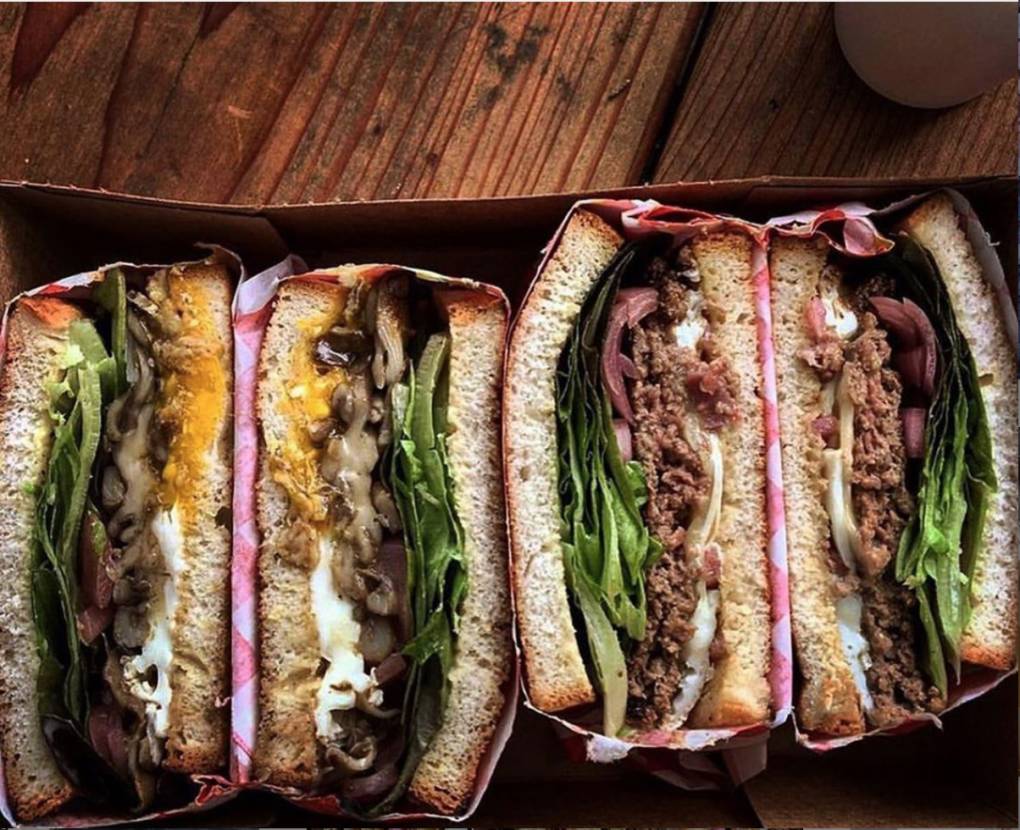
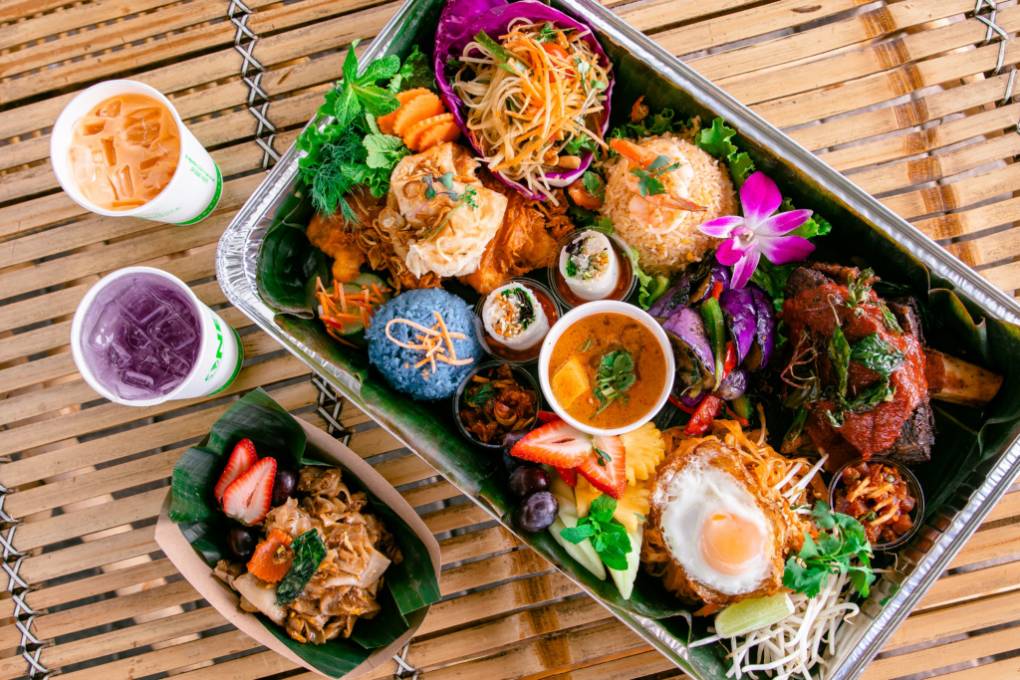
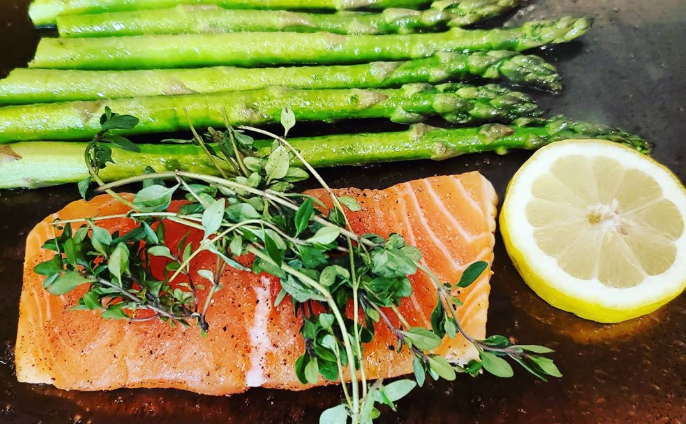
5 South Bay/Peninsula Spots Getting Creative With Takeout Right Now (as Featured on 'Check, Please! Bay Area')
5 East Bay Spots Shaking It Up With Takeout Right Now (as Featured on 'Check, Please! Bay Area')
5 North Bay Spots Offering Takeout With a Twist Right Now (as Featured on 'Check, Please! Bay Area')
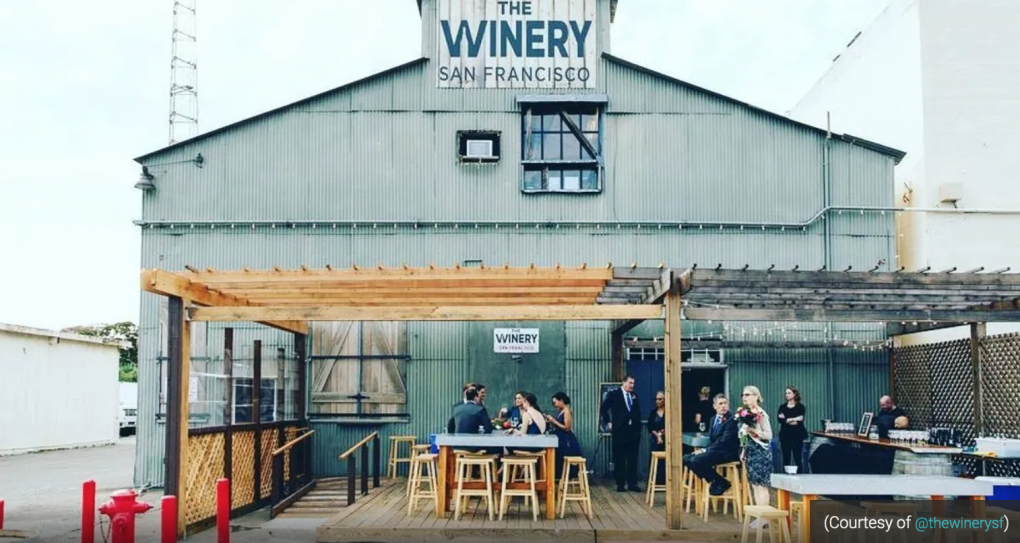
Walking Tour: The Scenic Wineries of Treasure Island
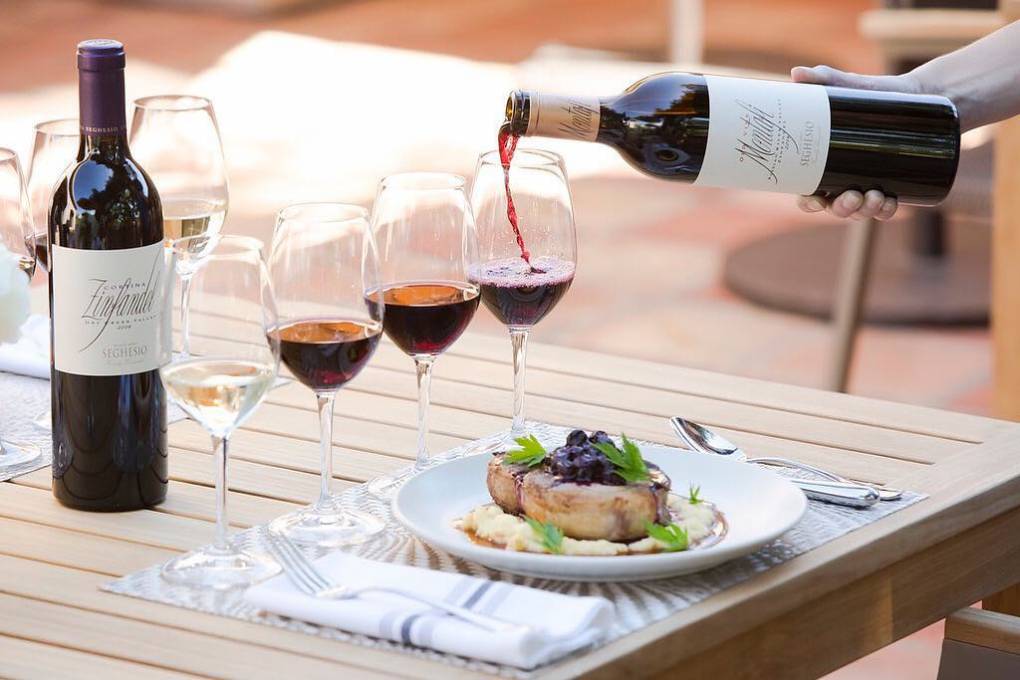
Top 100 Sonoma Wines 2019
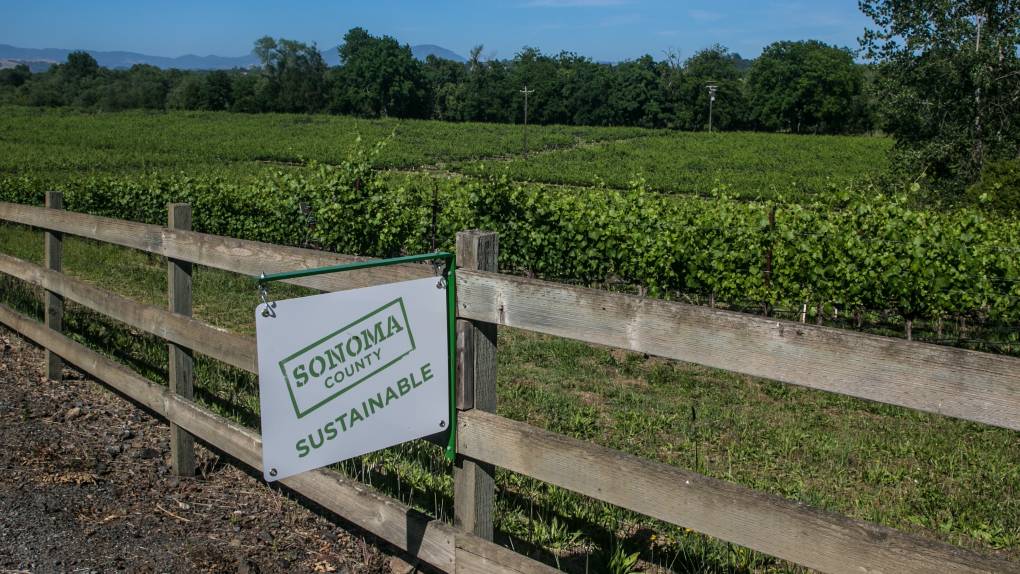
Wine Moguls Destroy Land And Pay Small Fines As Cost Of Business, Say Activists
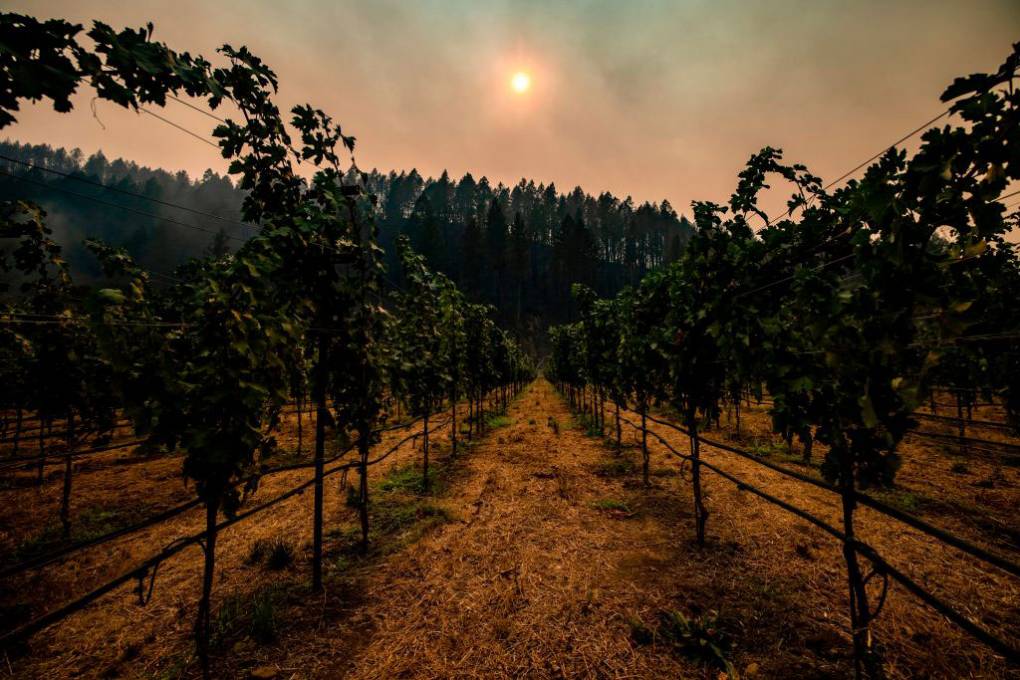
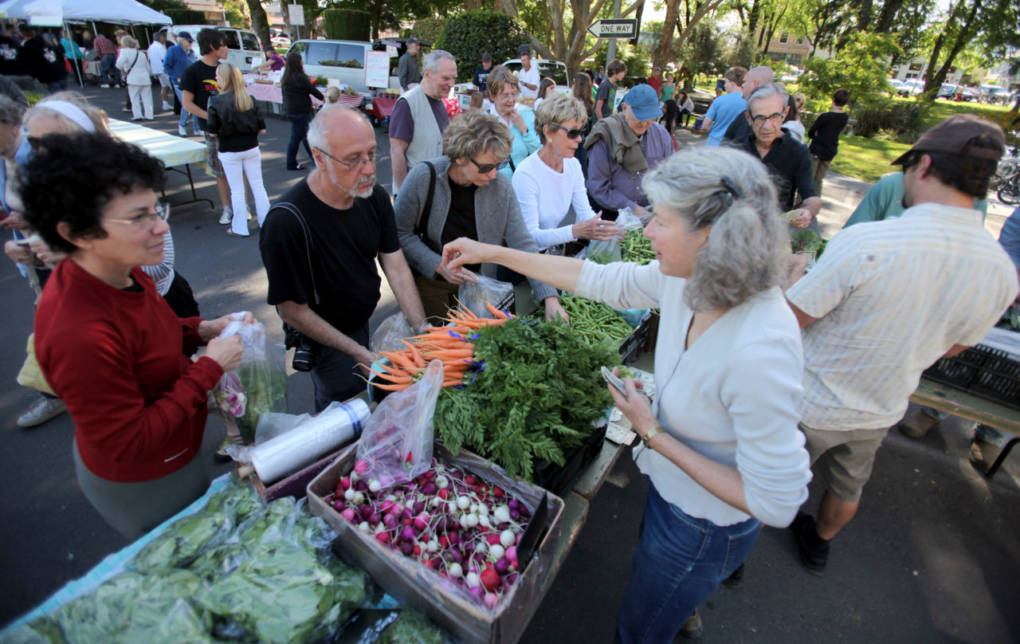
After the Fire: How to Support Sonoma County Farmers, Restaurants, Wineries and Stores
East Bay Wine Tasting: 5 Spots to Try
Sponsored
window.__IS_SSR__=true
window.__INITIAL_STATE__={"attachmentsReducer":{"audio_0":{"type":"attachments","id":"audio_0","imgSizes":{"kqedFullSize":{"file":"https://ww2.kqed.org/news/wp-content/themes/KQED-unified/img/audio_bgs/background0.jpg"}}},"audio_1":{"type":"attachments","id":"audio_1","imgSizes":{"kqedFullSize":{"file":"https://ww2.kqed.org/news/wp-content/themes/KQED-unified/img/audio_bgs/background1.jpg"}}},"audio_2":{"type":"attachments","id":"audio_2","imgSizes":{"kqedFullSize":{"file":"https://ww2.kqed.org/news/wp-content/themes/KQED-unified/img/audio_bgs/background2.jpg"}}},"audio_3":{"type":"attachments","id":"audio_3","imgSizes":{"kqedFullSize":{"file":"https://ww2.kqed.org/news/wp-content/themes/KQED-unified/img/audio_bgs/background3.jpg"}}},"audio_4":{"type":"attachments","id":"audio_4","imgSizes":{"kqedFullSize":{"file":"https://ww2.kqed.org/news/wp-content/themes/KQED-unified/img/audio_bgs/background4.jpg"}}},"placeholder":{"type":"attachments","id":"placeholder","imgSizes":{"thumbnail":{"file":"https://ww2.kqed.org/wp-content/uploads/sites/10/2018/01/GettyImages-896326950-160x96.jpg","width":160,"height":96,"mimeType":"image/jpeg"},"medium":{"file":"https://ww2.kqed.org/wp-content/uploads/sites/10/2018/01/GettyImages-896326950-800x478.jpg","width":800,"height":478,"mimeType":"image/jpeg"},"large":{"file":"https://ww2.kqed.org/wp-content/uploads/sites/10/2018/01/GettyImages-896326950-1020x610.jpg","width":1020,"height":610,"mimeType":"image/jpeg"},"fd-lrg":{"file":"https://ww2.kqed.org/wp-content/uploads/sites/10/2018/01/GettyImages-896326950-1920x1148.jpg","width":1920,"height":1148,"mimeType":"image/jpeg"},"fd-med":{"file":"https://ww2.kqed.org/wp-content/uploads/sites/10/2018/01/GettyImages-896326950-1180x705.jpg","width":1180,"height":705,"mimeType":"image/jpeg"},"fd-sm":{"file":"https://ww2.kqed.org/wp-content/uploads/sites/10/2018/01/GettyImages-896326950-960x574.jpg","width":960,"height":574,"mimeType":"image/jpeg"},"post-thumbnail":{"file":"https://ww2.kqed.org/wp-content/uploads/sites/10/2018/01/GettyImages-896326950-672x372.jpg","width":672,"height":372,"mimeType":"image/jpeg"},"twentyfourteen-full-width":{"file":"https://ww2.kqed.org/wp-content/uploads/sites/10/2018/01/GettyImages-896326950-1038x576.jpg","width":1038,"height":576,"mimeType":"image/jpeg"},"xxsmall":{"file":"https://ww2.kqed.org/wp-content/uploads/sites/10/2018/01/GettyImages-896326950-240x143.jpg","width":240,"height":143,"mimeType":"image/jpeg"},"xsmall":{"file":"https://ww2.kqed.org/wp-content/uploads/sites/10/2018/01/GettyImages-896326950-375x224.jpg","width":375,"height":224,"mimeType":"image/jpeg"},"small":{"file":"https://ww2.kqed.org/wp-content/uploads/sites/10/2018/01/GettyImages-896326950-520x311.jpg","width":520,"height":311,"mimeType":"image/jpeg"},"xlarge":{"file":"https://ww2.kqed.org/wp-content/uploads/sites/10/2018/01/GettyImages-896326950-1180x705.jpg","width":1180,"height":705,"mimeType":"image/jpeg"},"full-width":{"file":"https://ww2.kqed.org/wp-content/uploads/sites/10/2018/01/GettyImages-896326950-1920x1148.jpg","width":1920,"height":1148,"mimeType":"image/jpeg"},"guest-author-32":{"file":"https://ww2.kqed.org/wp-content/uploads/sites/10/2018/01/GettyImages-896326950-32x32.jpg","width":32,"height":32,"mimeType":"image/jpeg"},"guest-author-50":{"file":"https://ww2.kqed.org/wp-content/uploads/sites/10/2018/01/GettyImages-896326950-50x50.jpg","width":50,"height":50,"mimeType":"image/jpeg"},"guest-author-64":{"file":"https://ww2.kqed.org/wp-content/uploads/sites/10/2018/01/GettyImages-896326950-64x64.jpg","width":64,"height":64,"mimeType":"image/jpeg"},"guest-author-96":{"file":"https://ww2.kqed.org/wp-content/uploads/sites/10/2018/01/GettyImages-896326950-96x96.jpg","width":96,"height":96,"mimeType":"image/jpeg"},"guest-author-128":{"file":"https://ww2.kqed.org/wp-content/uploads/sites/10/2018/01/GettyImages-896326950-128x128.jpg","width":128,"height":128,"mimeType":"image/jpeg"},"detail":{"file":"https://ww2.kqed.org/wp-content/uploads/sites/10/2018/01/GettyImages-896326950-150x150.jpg","width":150,"height":150,"mimeType":"image/jpeg"},"kqedFullSize":{"file":"https://ww2.kqed.org/wp-content/uploads/sites/10/2018/01/GettyImages-896326950-e1514998105161.jpg","width":1920,"height":1148}}},"bayareabites_139610":{"type":"attachments","id":"bayareabites_139610","meta":{"index":"attachments_1591205162","site":"bayareabites","id":"139610","found":true},"title":"WineCountry.Climate","publishDate":1605901685,"status":"inherit","parent":139576,"modified":1605901732,"caption":"Smoke hangs amongst charred trees on the hillside behind a vineyard in Napa Valley, California on September 28, 2020. ","credit":"Samuel Corum/AFP via Getty Images","description":"Smoke hangs amongst charred trees on the hillside behind a vineyard in Napa Valley, California on September 28, 2020. ","imgSizes":{"medium":{"file":"https://ww2.kqed.org/app/uploads/sites/24/2020/11/WineCountry.Climate-800x534.jpg","width":800,"height":534,"mimeType":"image/jpeg"},"large":{"file":"https://ww2.kqed.org/app/uploads/sites/24/2020/11/WineCountry.Climate-1020x680.jpg","width":1020,"height":680,"mimeType":"image/jpeg"},"thumbnail":{"file":"https://ww2.kqed.org/app/uploads/sites/24/2020/11/WineCountry.Climate-160x107.jpg","width":160,"height":107,"mimeType":"image/jpeg"},"medium_large":{"file":"https://ww2.kqed.org/app/uploads/sites/24/2020/11/WineCountry.Climate-768x512.jpg","width":768,"height":512,"mimeType":"image/jpeg"},"post-thumbnail":{"file":"https://ww2.kqed.org/app/uploads/sites/24/2020/11/WineCountry.Climate-672x372.jpg","width":672,"height":372,"mimeType":"image/jpeg"},"twentyfourteen-full-width":{"file":"https://ww2.kqed.org/app/uploads/sites/24/2020/11/WineCountry.Climate-1024x576.jpg","width":1024,"height":576,"mimeType":"image/jpeg"},"kqedFullSize":{"file":"https://ww2.kqed.org/app/uploads/sites/24/2020/11/WineCountry.Climate.jpg","width":1024,"height":683}},"fetchFailed":false,"isLoading":false},"bayareabites_137331":{"type":"attachments","id":"bayareabites_137331","meta":{"index":"attachments_1591205162","site":"bayareabites","id":"137331","found":true},"title":"Dad's Luncheonette Sandwiches","publishDate":1590103546,"status":"inherit","parent":137258,"modified":1590103638,"caption":"In Half Moon Bay, Dad's Luncheonette is offering their sandwiches and rotating wares from small producers.","credit":"Dad's Luncheonette","description":"In Half Moon Bay, Dad's Luncheonette is offering their sandwiches and rotating wares from small producers.","imgSizes":{"thumbnail":{"file":"https://ww2.kqed.org/app/uploads/sites/24/2020/05/Screen-Shot-2020-05-21-at-4.23.44-PM-copy-160x130.jpg","width":160,"height":130,"mimeType":"image/jpeg"},"medium":{"file":"https://ww2.kqed.org/app/uploads/sites/24/2020/05/Screen-Shot-2020-05-21-at-4.23.44-PM-copy-800x651.jpg","width":800,"height":651,"mimeType":"image/jpeg"},"medium_large":{"file":"https://ww2.kqed.org/app/uploads/sites/24/2020/05/Screen-Shot-2020-05-21-at-4.23.44-PM-copy-768x625.jpg","width":768,"height":625,"mimeType":"image/jpeg"},"large":{"file":"https://ww2.kqed.org/app/uploads/sites/24/2020/05/Screen-Shot-2020-05-21-at-4.23.44-PM-copy-1020x830.jpg","width":1020,"height":830,"mimeType":"image/jpeg"},"post-thumbnail":{"file":"https://ww2.kqed.org/app/uploads/sites/24/2020/05/Screen-Shot-2020-05-21-at-4.23.44-PM-copy-672x372.jpg","width":672,"height":372,"mimeType":"image/jpeg"},"twentyfourteen-full-width":{"file":"https://ww2.kqed.org/app/uploads/sites/24/2020/05/Screen-Shot-2020-05-21-at-4.23.44-PM-copy-1038x576.jpg","width":1038,"height":576,"mimeType":"image/jpeg"},"kqedFullSize":{"file":"https://ww2.kqed.org/app/uploads/sites/24/2020/05/Screen-Shot-2020-05-21-at-4.23.44-PM-copy.jpg","width":1204,"height":980}},"fetchFailed":false,"isLoading":false},"bayareabites_137067":{"type":"attachments","id":"bayareabites_137067","meta":{"index":"attachments_1591205162","site":"bayareabites","id":"137067","found":true},"title":"Little Lao Table from Daughter Thai Kitchen in Oakland.","publishDate":1588356111,"status":"inherit","parent":136941,"modified":1588356616,"caption":"Little Lao Table from Daughter Thai Kitchen in Oakland.","credit":"Courtesy of Daughter Thai Kitchen","description":"Little Lao Table from Daughter Thai Kitchen in Oakland.","imgSizes":{"thumbnail":{"file":"https://ww2.kqed.org/app/uploads/sites/24/2020/05/Reduce-Size-set-1024x683-160x107.jpg","width":160,"height":107,"mimeType":"image/jpeg"},"medium":{"file":"https://ww2.kqed.org/app/uploads/sites/24/2020/05/Reduce-Size-set-1024x683-800x534.jpg","width":800,"height":534,"mimeType":"image/jpeg"},"medium_large":{"file":"https://ww2.kqed.org/app/uploads/sites/24/2020/05/Reduce-Size-set-1024x683-768x512.jpg","width":768,"height":512,"mimeType":"image/jpeg"},"large":{"file":"https://ww2.kqed.org/app/uploads/sites/24/2020/05/Reduce-Size-set-1024x683-1020x680.jpg","width":1020,"height":680,"mimeType":"image/jpeg"},"post-thumbnail":{"file":"https://ww2.kqed.org/app/uploads/sites/24/2020/05/Reduce-Size-set-1024x683-672x372.jpg","width":672,"height":372,"mimeType":"image/jpeg"},"twentyfourteen-full-width":{"file":"https://ww2.kqed.org/app/uploads/sites/24/2020/05/Reduce-Size-set-1024x683-1024x576.jpg","width":1024,"height":576,"mimeType":"image/jpeg"},"kqedFullSize":{"file":"https://ww2.kqed.org/app/uploads/sites/24/2020/05/Reduce-Size-set-1024x683.jpg","width":1024,"height":683}},"fetchFailed":false,"isLoading":false},"bayareabites_136991":{"type":"attachments","id":"bayareabites_136991","meta":{"index":"attachments_1591205162","site":"bayareabites","id":"136991","found":true},"title":"\"Cook From Home\" Bundle from Protéa in Yountville.","publishDate":1588107690,"status":"inherit","parent":136891,"modified":1588107746,"caption":"\"Cook From Home\" Bundle from Protéa in Yountville. ","credit":"Protéa","description":"\"Cook From Home\" Bundle from Protéa in Yountville. ","imgSizes":{"thumbnail":{"file":"https://ww2.kqed.org/app/uploads/sites/24/2020/04/image-160x99.png","width":160,"height":99,"mimeType":"image/png"},"post-thumbnail":{"file":"https://ww2.kqed.org/app/uploads/sites/24/2020/04/image-672x372.png","width":672,"height":372,"mimeType":"image/png"},"kqedFullSize":{"file":"https://ww2.kqed.org/app/uploads/sites/24/2020/04/image.png","width":686,"height":424}},"fetchFailed":false,"isLoading":false},"bayareabites_135881":{"type":"attachments","id":"bayareabites_135881","meta":{"index":"attachments_1591205162","site":"bayareabites","id":"135881","found":true},"title":"Screen Shot 2019-12-13 at 8.31.09 AM","publishDate":1576255203,"status":"inherit","parent":135878,"modified":1576255466,"caption":null,"credit":"Courtesy of @thewinerysf","description":null,"imgSizes":{"thumbnail":{"file":"https://ww2.kqed.org/app/uploads/sites/24/2019/12/Screen-Shot-2019-12-13-at-8.31.09-AM-160x85.png","width":160,"height":85,"mimeType":"image/png"},"medium":{"file":"https://ww2.kqed.org/app/uploads/sites/24/2019/12/Screen-Shot-2019-12-13-at-8.31.09-AM-800x426.png","width":800,"height":426,"mimeType":"image/png"},"medium_large":{"file":"https://ww2.kqed.org/app/uploads/sites/24/2019/12/Screen-Shot-2019-12-13-at-8.31.09-AM-768x409.png","width":768,"height":409,"mimeType":"image/png"},"large":{"file":"https://ww2.kqed.org/app/uploads/sites/24/2019/12/Screen-Shot-2019-12-13-at-8.31.09-AM-1020x543.png","width":1020,"height":543,"mimeType":"image/png"},"complete_open_graph":{"file":"https://ww2.kqed.org/app/uploads/sites/24/2019/12/Screen-Shot-2019-12-13-at-8.31.09-AM-1200x639.png","width":1200,"height":639,"mimeType":"image/png"},"post-thumbnail":{"file":"https://ww2.kqed.org/app/uploads/sites/24/2019/12/Screen-Shot-2019-12-13-at-8.31.09-AM-672x372.png","width":672,"height":372,"mimeType":"image/png"},"twentyfourteen-full-width":{"file":"https://ww2.kqed.org/app/uploads/sites/24/2019/12/Screen-Shot-2019-12-13-at-8.31.09-AM-1038x576.png","width":1038,"height":576,"mimeType":"image/png"},"kqedFullSize":{"file":"https://ww2.kqed.org/app/uploads/sites/24/2019/12/Screen-Shot-2019-12-13-at-8.31.09-AM.png","width":1514,"height":806}},"fetchFailed":false,"isLoading":false},"bayareabites_135855":{"type":"attachments","id":"bayareabites_135855","meta":{"index":"attachments_1591205162","site":"bayareabites","id":"135855","found":true},"title":"winefeatured","publishDate":1576085716,"status":"inherit","parent":135851,"modified":1576085874,"caption":"Seghesio Family Vineyards made the list with their 2017 Sonoma County Zinfandel.","credit":"Courtesy photo","description":null,"imgSizes":{"thumbnail":{"file":"https://ww2.kqed.org/app/uploads/sites/24/2019/12/winefeatured-160x107.jpg","width":160,"height":107,"mimeType":"image/jpeg"},"medium":{"file":"https://ww2.kqed.org/app/uploads/sites/24/2019/12/winefeatured-800x534.jpg","width":800,"height":534,"mimeType":"image/jpeg"},"medium_large":{"file":"https://ww2.kqed.org/app/uploads/sites/24/2019/12/winefeatured-768x512.jpg","width":768,"height":512,"mimeType":"image/jpeg"},"large":{"file":"https://ww2.kqed.org/app/uploads/sites/24/2019/12/winefeatured-1020x680.jpg","width":1020,"height":680,"mimeType":"image/jpeg"},"post-thumbnail":{"file":"https://ww2.kqed.org/app/uploads/sites/24/2019/12/winefeatured-672x372.jpg","width":672,"height":372,"mimeType":"image/jpeg"},"twentyfourteen-full-width":{"file":"https://ww2.kqed.org/app/uploads/sites/24/2019/12/winefeatured-1024x576.jpg","width":1024,"height":576,"mimeType":"image/jpeg"},"kqedFullSize":{"file":"https://ww2.kqed.org/app/uploads/sites/24/2019/12/winefeatured.jpg","width":1024,"height":683}},"fetchFailed":false,"isLoading":false},"bayareabites_135514":{"type":"attachments","id":"bayareabites_135514","meta":{"index":"attachments_1591205162","site":"bayareabites","id":"135514","found":true},"title":"A \"Sonoma Sustainable\" sign hangs along a road in the Russian River Valley near Healdsburg, Calif.","publishDate":1574110674,"status":"inherit","parent":135513,"modified":1574110957,"caption":"A \"Sonoma Sustainable\" sign hangs along a road in the Russian River Valley near Healdsburg, Calif.","credit":"George Rose/Getty Images","description":"A \"Sonoma Sustainable\" sign hangs along a road in the Russian River Valley near Healdsburg, Calif.","imgSizes":{"thumbnail":{"file":"https://ww2.kqed.org/app/uploads/sites/24/2019/11/sonoma_wide-80ae1d7877b91a2a58a6857ab4ef623f2b80a93a-160x90.jpg","width":160,"height":90,"mimeType":"image/jpeg"},"medium":{"file":"https://ww2.kqed.org/app/uploads/sites/24/2019/11/sonoma_wide-80ae1d7877b91a2a58a6857ab4ef623f2b80a93a-800x450.jpg","width":800,"height":450,"mimeType":"image/jpeg"},"medium_large":{"file":"https://ww2.kqed.org/app/uploads/sites/24/2019/11/sonoma_wide-80ae1d7877b91a2a58a6857ab4ef623f2b80a93a-768x432.jpg","width":768,"height":432,"mimeType":"image/jpeg"},"large":{"file":"https://ww2.kqed.org/app/uploads/sites/24/2019/11/sonoma_wide-80ae1d7877b91a2a58a6857ab4ef623f2b80a93a-1020x574.jpg","width":1020,"height":574,"mimeType":"image/jpeg"},"complete_open_graph":{"file":"https://ww2.kqed.org/app/uploads/sites/24/2019/11/sonoma_wide-80ae1d7877b91a2a58a6857ab4ef623f2b80a93a-1200x675.jpg","width":1200,"height":675,"mimeType":"image/jpeg"},"post-thumbnail":{"file":"https://ww2.kqed.org/app/uploads/sites/24/2019/11/sonoma_wide-80ae1d7877b91a2a58a6857ab4ef623f2b80a93a-672x372.jpg","width":672,"height":372,"mimeType":"image/jpeg"},"twentyfourteen-full-width":{"file":"https://ww2.kqed.org/app/uploads/sites/24/2019/11/sonoma_wide-80ae1d7877b91a2a58a6857ab4ef623f2b80a93a-1038x576.jpg","width":1038,"height":576,"mimeType":"image/jpeg"},"full-width":{"file":"https://ww2.kqed.org/app/uploads/sites/24/2019/11/sonoma_wide-80ae1d7877b91a2a58a6857ab4ef623f2b80a93a-1920x1080.jpg","width":1920,"height":1080,"mimeType":"image/jpeg"},"kqedFullSize":{"file":"https://ww2.kqed.org/app/uploads/sites/24/2019/11/sonoma_wide-80ae1d7877b91a2a58a6857ab4ef623f2b80a93a-e1574110934606.jpg","width":1920,"height":1080}},"fetchFailed":false,"isLoading":false},"bayareabites_135397":{"type":"attachments","id":"bayareabites_135397","meta":{"index":"attachments_1591205162","site":"bayareabites","id":"135397","found":true},"title":"cj0510_sonomaMarket04.jpg","publishDate":1573241319,"status":"inherit","parent":135383,"modified":1573241342,"caption":"Candi Edmondson of Paul's Produce sells to waiting customers during the Sonoma Farmer's Market held at Sonoma Plaza, May 10, 2011.","credit":"Crista Jeremiason","description":"Candi Edmondson of Paul's Produce sells to waiting customers during the Sonoma Farmer's Market held at Sonoma Plaza, May 10, 2011.","imgSizes":{"thumbnail":{"file":"https://ww2.kqed.org/app/uploads/sites/24/2019/11/CJ0510_SONOMAMARKET04_559954-160x101.jpg","width":160,"height":101,"mimeType":"image/jpeg"},"medium":{"file":"https://ww2.kqed.org/app/uploads/sites/24/2019/11/CJ0510_SONOMAMARKET04_559954-800x505.jpg","width":800,"height":505,"mimeType":"image/jpeg"},"medium_large":{"file":"https://ww2.kqed.org/app/uploads/sites/24/2019/11/CJ0510_SONOMAMARKET04_559954-768x485.jpg","width":768,"height":485,"mimeType":"image/jpeg"},"large":{"file":"https://ww2.kqed.org/app/uploads/sites/24/2019/11/CJ0510_SONOMAMARKET04_559954-1020x644.jpg","width":1020,"height":644,"mimeType":"image/jpeg"},"complete_open_graph":{"file":"https://ww2.kqed.org/app/uploads/sites/24/2019/11/CJ0510_SONOMAMARKET04_559954-1200x758.jpg","width":1200,"height":758,"mimeType":"image/jpeg"},"post-thumbnail":{"file":"https://ww2.kqed.org/app/uploads/sites/24/2019/11/CJ0510_SONOMAMARKET04_559954-672x372.jpg","width":672,"height":372,"mimeType":"image/jpeg"},"twentyfourteen-full-width":{"file":"https://ww2.kqed.org/app/uploads/sites/24/2019/11/CJ0510_SONOMAMARKET04_559954-1038x576.jpg","width":1038,"height":576,"mimeType":"image/jpeg"},"kqedFullSize":{"file":"https://ww2.kqed.org/app/uploads/sites/24/2019/11/CJ0510_SONOMAMARKET04_559954.jpg","width":1280,"height":808}},"fetchFailed":false,"isLoading":false},"bayareabites_135074":{"type":"attachments","id":"bayareabites_135074","meta":{"index":"attachments_1591205162","site":"bayareabites","id":"135074","found":true},"title":"two mile oakland","publishDate":1571674838,"status":"inherit","parent":135069,"modified":1571674852,"caption":"The shared twomile and Tintype tasting room in Uptown Oakland","credit":"Trevor Felch/KQED","description":"The shared twomile and Tintype tasting room in Uptown Oakland","imgSizes":{"thumbnail":{"file":"https://ww2.kqed.org/app/uploads/sites/24/2019/10/two-mile-oakland-160x120.jpg","width":160,"height":120,"mimeType":"image/jpeg"},"medium":{"file":"https://ww2.kqed.org/app/uploads/sites/24/2019/10/two-mile-oakland-800x600.jpg","width":800,"height":600,"mimeType":"image/jpeg"},"medium_large":{"file":"https://ww2.kqed.org/app/uploads/sites/24/2019/10/two-mile-oakland-768x576.jpg","width":768,"height":576,"mimeType":"image/jpeg"},"large":{"file":"https://ww2.kqed.org/app/uploads/sites/24/2019/10/two-mile-oakland-1020x765.jpg","width":1020,"height":765,"mimeType":"image/jpeg"},"complete_open_graph":{"file":"https://ww2.kqed.org/app/uploads/sites/24/2019/10/two-mile-oakland-1200x900.jpg","width":1200,"height":900,"mimeType":"image/jpeg"},"post-thumbnail":{"file":"https://ww2.kqed.org/app/uploads/sites/24/2019/10/two-mile-oakland-672x372.jpg","width":672,"height":372,"mimeType":"image/jpeg"},"twentyfourteen-full-width":{"file":"https://ww2.kqed.org/app/uploads/sites/24/2019/10/two-mile-oakland-1038x576.jpg","width":1038,"height":576,"mimeType":"image/jpeg"},"full-width":{"file":"https://ww2.kqed.org/app/uploads/sites/24/2019/10/two-mile-oakland-1920x1440.jpg","width":1920,"height":1440,"mimeType":"image/jpeg"},"kqedFullSize":{"file":"https://ww2.kqed.org/app/uploads/sites/24/2019/10/two-mile-oakland.jpg","width":1920,"height":1440}},"fetchFailed":false,"isLoading":false}},"audioPlayerReducer":{"postId":"stream_live"},"authorsReducer":{"byline_bayareabites_135878":{"type":"authors","id":"byline_bayareabites_135878","meta":{"override":true},"slug":"byline_bayareabites_135878","name":"Shoshi Parks, \u003ca href=\"https://www.7x7.com/walking-tour-the-scenic-wineries-of-treasure-island-2288773180/particle-5\">7x7\u003c/a>","isLoading":false},"byline_bayareabites_135851":{"type":"authors","id":"byline_bayareabites_135851","meta":{"override":true},"slug":"byline_bayareabites_135851","name":"Linda Murphy, \u003ca href=\"https://www.sonomamag.com/100-best-sonoma-wines-2019\">Sonoma Magazine\u003c/a>","isLoading":false},"byline_bayareabites_135513":{"type":"authors","id":"byline_bayareabites_135513","meta":{"override":true},"slug":"byline_bayareabites_135513","name":"Alastair Bland, NPR Food","isLoading":false},"bayareabites":{"type":"authors","id":"5083","meta":{"index":"authors_1591205172","id":"5083","found":true},"name":"KQED Food Staff","firstName":null,"lastName":null,"slug":"bayareabites","email":"bayareabites@kqed.org","display_author_email":false,"staff_mastheads":[],"title":"KQED Contributor","bio":"Bay Area Bites (BAB), KQED's public media food blog, feeds you visually compelling food-related stories, news, recipes and reviews from the San Francisco Bay Area and beyond.","avatar":"https://secure.gravatar.com/avatar/7113fdeeace4c1251f9bbe4b2fab415a?s=600&d=blank&r=g","twitter":"bayareabites","facebook":"bayareabites","instagram":null,"linkedin":null,"sites":[{"site":"arts","roles":["contributor"]},{"site":"bayareabites","roles":["administrator"]},{"site":"food","roles":["author"]}],"headData":{"title":"KQED Food Staff | KQED","description":"KQED Contributor","ogImgSrc":"https://secure.gravatar.com/avatar/7113fdeeace4c1251f9bbe4b2fab415a?s=600&d=blank&r=g","twImgSrc":"https://secure.gravatar.com/avatar/7113fdeeace4c1251f9bbe4b2fab415a?s=600&d=blank&r=g"},"isLoading":false,"link":"/author/bayareabites"},"trevorfelch":{"type":"authors","id":"11338","meta":{"index":"authors_1591205172","id":"11338","found":true},"name":"Trevor Felch","firstName":"Trevor","lastName":"Felch","slug":"trevorfelch","email":"trevor.felch@gmail.com","display_author_email":false,"staff_mastheads":[],"title":null,"bio":"\u003cp class=\"p1\">I'm the SF Bay Area editor for Zagat. Before this post, I was a restaurants writer for Thrillist and SF Weekly, along with covering the wine industry for Vino 24/7. I've also dabbled in tech start-ups (of course) and TV journalism (most recently with NBC on their Rio Olympics research team). You'll find me at taquerias, bakeries, bars, pizzerias, corner bistros and tasting menu destinations throughout the Bay Area. Cheers!\u003c/p>","avatar":"https://secure.gravatar.com/avatar/a65d07ea1835bde4c52ca144f9269930?s=600&d=blank&r=g","twitter":null,"facebook":null,"instagram":null,"linkedin":null,"sites":[{"site":"bayareabites","roles":["author"]},{"site":"food","roles":["contributor"]}],"headData":{"title":"Trevor Felch | KQED","description":null,"ogImgSrc":"https://secure.gravatar.com/avatar/a65d07ea1835bde4c52ca144f9269930?s=600&d=blank&r=g","twImgSrc":"https://secure.gravatar.com/avatar/a65d07ea1835bde4c52ca144f9269930?s=600&d=blank&r=g"},"isLoading":false,"link":"/author/trevorfelch"},"sonomamagazine":{"type":"authors","id":"11349","meta":{"index":"authors_1591205172","id":"11349","found":true},"name":"Sonoma Magazine","firstName":"Sonoma","lastName":"Magazine","slug":"sonomamagazine","email":"sonomamag@gmail.com","display_author_email":false,"staff_mastheads":[],"title":null,"bio":"\u003cp class=\"p1\">Sonoma Magazine is an award-winning, bi-monthly publication that celebrates the Sonoma landscape and lifestyle. Through in-depth stories and vivid photography, Sonoma Magazine keeps readers on the pulse of the restaurants, wineries, arts, entertainment, culture and style that make Sonoma a destination, a haven, and a way of life. Visit \u003ca href=\"http://sonomamag.com\">sonomamag.com\u003c/a> to sign up for a subscription and find out what’s new in Wine Country.\u003c/p>","avatar":"https://secure.gravatar.com/avatar/7f30e2b81d7fa7b716644bdceabc490b?s=600&d=blank&r=g","twitter":null,"facebook":null,"instagram":null,"linkedin":null,"sites":[{"site":"bayareabites","roles":["contributor"]},{"site":"food","roles":["contributor"]}],"headData":{"title":"Sonoma Magazine | KQED","description":null,"ogImgSrc":"https://secure.gravatar.com/avatar/7f30e2b81d7fa7b716644bdceabc490b?s=600&d=blank&r=g","twImgSrc":"https://secure.gravatar.com/avatar/7f30e2b81d7fa7b716644bdceabc490b?s=600&d=blank&r=g"},"isLoading":false,"link":"/author/sonomamagazine"},"owon":{"type":"authors","id":"11614","meta":{"index":"authors_1591205172","id":"11614","found":true},"name":"Olivia Won","firstName":"Olivia","lastName":"Won","slug":"owon","email":"owon@kqed.org","display_author_email":false,"staff_mastheads":[],"title":null,"bio":"\u003cspan style=\"font-weight: 400;\">Olivia Won is a writer, producer, and plant-tender living in her hometown of Oakland, California. She currently works with KQED Food, where she writes about Bay Area food culture and produces \u003c/span>\u003ci>\u003cspan style=\"font-weight: 400;\">Check, Please! Bay Area\u003c/span>\u003c/i>\u003cspan style=\"font-weight: 400;\">. \u003c/span>","avatar":"https://secure.gravatar.com/avatar/a0ce8718461a291f08887a424d1ce561?s=600&d=blank&r=g","twitter":null,"facebook":null,"instagram":null,"linkedin":null,"sites":[{"site":"bayareabites","roles":["editor"]},{"site":"checkplease","roles":["editor"]},{"site":"food","roles":["editor"]}],"headData":{"title":"Olivia Won | KQED","description":null,"ogImgSrc":"https://secure.gravatar.com/avatar/a0ce8718461a291f08887a424d1ce561?s=600&d=blank&r=g","twImgSrc":"https://secure.gravatar.com/avatar/a0ce8718461a291f08887a424d1ce561?s=600&d=blank&r=g"},"isLoading":false,"link":"/author/owon"},"uramakrishnan":{"type":"authors","id":"11689","meta":{"index":"authors_1591205172","id":"11689","found":true},"name":"Urmila Ramakrishnan","firstName":"Urmila","lastName":"Ramakrishnan","slug":"uramakrishnan","email":"uramakrishnan@kqed.org","display_author_email":false,"staff_mastheads":[],"title":"KQED Food Editor","bio":"Urmila Ramakrishnan is KQED Arts & Culture’s food editor and an award-winning food journalist based in the Bay Area. Her multi-platform work has been featured in \u003ci>The New York Times\u003c/i>, \u003ci>Edible\u003c/i>, \u003ci>The San Francisco Chronicle\u003c/i>, among other publications. She’s a kitchen gadget enthusiast who also loves food puns. Keep up with her cooking adventures on Instagram at \u003ca href=\"https://www.instagram.com/urmilamakes/\" rel=\"noopener noreferrer\">@urmilamakes\u003c/a> and join the food discussion \u003ca href=\"https://twitter.com/U_Ramakrishnan\" rel=\"noopener noreferrer\">@U_Ramakrishnan\u003c/a>.","avatar":"https://secure.gravatar.com/avatar/d014718b767c29f78f33117b5b75eb6d?s=600&d=blank&r=g","twitter":"U_Ramakrishnan","facebook":null,"instagram":null,"linkedin":null,"sites":[{"site":"arts","roles":["subscriber"]},{"site":"bayareabites","roles":["subscriber"]},{"site":"checkplease","roles":["editor"]},{"site":"food","roles":["editor"]}],"headData":{"title":"Urmila Ramakrishnan | KQED","description":"KQED Food Editor","ogImgSrc":"https://secure.gravatar.com/avatar/d014718b767c29f78f33117b5b75eb6d?s=600&d=blank&r=g","twImgSrc":"https://secure.gravatar.com/avatar/d014718b767c29f78f33117b5b75eb6d?s=600&d=blank&r=g"},"isLoading":false,"link":"/author/uramakrishnan"}},"breakingNewsReducer":{},"campaignFinanceReducer":{},"firebase":{"requesting":{},"requested":{},"timestamps":{},"data":{},"ordered":{},"auth":{"isLoaded":false,"isEmpty":true},"authError":null,"profile":{"isLoaded":false,"isEmpty":true},"listeners":{"byId":{},"allIds":[]},"isInitializing":false,"errors":[]},"navBarReducer":{"navBarId":"arts","fullView":true,"showPlayer":false},"navMenuReducer":{"menus":[{"key":"menu1","items":[{"name":"News","link":"/","type":"title"},{"name":"Politics","link":"/politics"},{"name":"Science","link":"/science"},{"name":"Education","link":"/educationnews"},{"name":"Housing","link":"/housing"},{"name":"Immigration","link":"/immigration"},{"name":"Criminal Justice","link":"/criminaljustice"},{"name":"Silicon Valley","link":"/siliconvalley"},{"name":"Forum","link":"/forum"},{"name":"The California Report","link":"/californiareport"}]},{"key":"menu2","items":[{"name":"Arts & Culture","link":"/arts","type":"title"},{"name":"Critics’ Picks","link":"/thedolist"},{"name":"Cultural Commentary","link":"/artscommentary"},{"name":"Food & Drink","link":"/food"},{"name":"Bay Area Hip-Hop","link":"/bayareahiphop"},{"name":"Rebel Girls","link":"/rebelgirls"},{"name":"Arts Video","link":"/artsvideos"}]},{"key":"menu3","items":[{"name":"Podcasts","link":"/podcasts","type":"title"},{"name":"Bay Curious","link":"/podcasts/baycurious"},{"name":"Rightnowish","link":"/podcasts/rightnowish"},{"name":"The Bay","link":"/podcasts/thebay"},{"name":"On Our Watch","link":"/podcasts/onourwatch"},{"name":"Mindshift","link":"/podcasts/mindshift"},{"name":"Consider This","link":"/podcasts/considerthis"},{"name":"Political Breakdown","link":"/podcasts/politicalbreakdown"}]},{"key":"menu4","items":[{"name":"Live Radio","link":"/radio","type":"title"},{"name":"TV","link":"/tv","type":"title"},{"name":"Events","link":"/events","type":"title"},{"name":"For Educators","link":"/education","type":"title"},{"name":"Support KQED","link":"/support","type":"title"},{"name":"About","link":"/about","type":"title"},{"name":"Help Center","link":"https://kqed-helpcenter.kqed.org/s","type":"title"}]}]},"pagesReducer":{},"postsReducer":{"stream_live":{"type":"live","id":"stream_live","audioUrl":"https://streams.kqed.org/kqedradio","title":"Live Stream","excerpt":"Live Stream information currently unavailable.","link":"/radio","featImg":"","label":{"name":"KQED Live","link":"/"}},"stream_kqedNewscast":{"type":"posts","id":"stream_kqedNewscast","audioUrl":"https://www.kqed.org/.stream/anon/radio/RDnews/newscast.mp3?_=1","title":"KQED Newscast","featImg":"","label":{"name":"88.5 FM","link":"/"}},"bayareabites_139576":{"type":"posts","id":"bayareabites_139576","meta":{"index":"posts_1591205157","site":"bayareabites","id":"139576","score":null,"sort":[1606161616000]},"guestAuthors":[],"slug":"how-wine-country-is-adapting-to-climate-change","title":"How Wine Country is Adapting to Climate Change","publishDate":1606161616,"format":"standard","headTitle":"Bay Area Bites | KQED Food","labelTerm":{"site":"bayareabites"},"content":"\u003cp>In September of 2015, Cecilia Enriquez sold the Petaluma estate of her family's winery, \u003ca href=\"https://enriquezwines.com/ourstory/\" rel=\"noopener noreferrer\" target=\"_blank\">Enriquez Estate Winery\u003c/a>, in order to purchase a new property in the Russian River Valley. The following year, they were \"rocking and rolling\" in their new vineyard, but by the beginning of 2017, record-breaking rains had hit the Bay Area and caused destructive flooding.\u003c/p>\n\u003cp>Thankfully, the winery was elevated enough to not be affected. Then October brought historic fires that \u003ca href=\"https://www.mercurynews.com/2017/10/16/a-closer-look-at-the-22-wineries-damaged-by-wine-country-fires/\">damaged at least 27 wineries\u003c/a> across Sonoma and Napa counties. With her winery located right off of River Road, Enriquez says, the fire came close, crossing Highway 101 just south of the River Road exit, toward Coffey Park.\u003c/p>\n\u003cp>Since 2017, fires are becoming more frequent—and destructive. In 2020, when the August Complex Fire became the \u003ca href=\"https://www.fire.ca.gov/media/11416/top20_acres.pdf\" rel=\"noopener noreferrer\" target=\"_blank\">largest fire in California history\u003c/a>, Enriquez had to manage evacuations and power outages.\u003c/p>\n\u003cp>\"You get so used to them that you already have things ready to go,\" Enriquez says. \"It becomes part of your normal everyday life.\"\u003c/p>\n\u003cp>Like Enriquez, the California wine industry at large has struggled with the effects of climate change: drought, earlier and earlier harvests, floods and fires. But beyond structural damage, possibly the biggest impact that vintners and wineries have had to deal with is smoke taint.\u003c/p>\n\u003cfigure id=\"attachment_139611\" class=\"wp-caption aligncenter\" style=\"max-width: 800px\">\u003cimg src=\"https://ww2.kqed.org/app/uploads/sites/24/2020/11/Image-from-iOS-23-1536x1024-1-800x533.jpg\" alt=\"Grapes wither on the vine as smoke from the Glass Fire fills the sky at a vineyard near Calistoga on Sept. 30. \" width=\"800\" height=\"533\" class=\"size-medium wp-image-139611\" srcset=\"https://ww2.kqed.org/app/uploads/sites/24/2020/11/Image-from-iOS-23-1536x1024-1-800x533.jpg 800w, https://ww2.kqed.org/app/uploads/sites/24/2020/11/Image-from-iOS-23-1536x1024-1-1020x680.jpg 1020w, https://ww2.kqed.org/app/uploads/sites/24/2020/11/Image-from-iOS-23-1536x1024-1-160x107.jpg 160w, https://ww2.kqed.org/app/uploads/sites/24/2020/11/Image-from-iOS-23-1536x1024-1-768x512.jpg 768w, https://ww2.kqed.org/app/uploads/sites/24/2020/11/Image-from-iOS-23-1536x1024-1.jpg 1536w\" sizes=\"(max-width: 800px) 100vw, 800px\">\u003cfigcaption class=\"wp-caption-text\">Grapes wither on the vine as smoke from the Glass Fire fills the sky at a vineyard near Calistoga on Sept. 30. \u003ccite>(Beth LaBerge/KQED)\u003c/cite>\u003c/figcaption>\u003c/figure>\n\u003ch2>Reversing the Effects of Smoke\u003c/h2>\n\u003cp>Smoke taint occurs when grapes are exposed to wildfire smoke, which can result in an overwhelming quality to the wine, often described as \"campfire,\" \"burnt\" or \"medicinal.\" With the extent of the fires in 2020, many wineries had to decide what to do with fruit that was tainted. And, since 2017, wineries like Gundlach Bundschu in Sonoma County have experimented with technologies that both test for the presence of smoke taint and work to reverse it.\u003c/p>\n\u003cp>\"There are efforts to mitigate climate change and there's just kind of adaptation,\" says \u003ca href=\"https://www.winebusiness.com/people/?go=getPeopleArticle&dataId=223739\" rel=\"noopener noreferrer\" target=\"_blank\">Towle Merritt\u003c/a>, the vice president of operations and general manager at Gundlach Bundschu, who has plenty firsthand experience with smoke taint. In 2017, multiple Gundlach Bundschu properties had fire on-site. Going into this year, the winery wasn't looking to take in any grapes after October.\u003c/p>\n\u003cp>[ad fullwidth]\u003c/p>\n\u003cp>But because of new technology, the winery decided to take in some late-season grapes that had been affected by smoke. The process uses the sanitizing agent known as ozone, which Merritt had used fairly regularly in to reduce microorganisms in barrels. The inorganic molecule has also been\u003ca href=\"https://www.businesswire.com/news/home/20100510006593/en/Purfresh-Announces-Study-Results-Demonstrating-Effectiveness-of-Ozone-to-Enhance-Food-Safety-During-Transport-of-Fresh-Produce\"> used in produce transport\u003c/a> to increase food safety and in hotel rooms to \u003ca href=\"https://www.latimes.com/archives/la-xpm-1992-01-12-tr-114-story.html#:~:text=Ozone%20purifying%20units%20are%20increasingly,carried%20on%20a%20maid's%20cart.\">remove tobacco smoke odor\u003c/a>. There were claims, Merritt says, that ozone could eliminate 50-90% of smoke's volatile compounds in grapes by permeating the cell wall.\u003c/p>\n\u003cp>\"It actually fixed the issue than hid the issue,\" says Merritt. \"[Ozone] atomizes the volatile compounds. We like the prospect of actually trying to mitigate the root problem.\"\u003c/p>\n\u003cp>Enriquez decided to go with a different method by using Bioclear or Clear Up BIO, which binds to the smoke taint in the grape juice and stays at the bottom of the barrel when it's racked. She treated all grapes that came in this year with it as a precautionary measure, even though smoke wasn't noticeably present. \"We've had very clean wine thus far,\" says Enriquez. \"But that's not to say it's not going to show up later in life.\" (In 2014, for example, some ash briefly fell around the estate in Petaluma; the grapes remained clean in fermenting and bottling, but a couple of months later, Enriquez noticed a little bit of smoke. \"Not overpowering, but you could definitely taste that there was smoke in there compared to previous vintages.\")\u003c/p>\n\u003cfigure id=\"attachment_130543\" class=\"wp-caption aligncenter\" style=\"max-width: 800px\">\u003cimg src=\"https://ww2.kqed.org/app/uploads/sites/24/2018/09/img_0869-f529cb1ca9e89c814ea9054437fadcd7fdcb5fbe-800x600.jpg\" alt=\"Forty percent of Segassia Vineyard's vines were damaged after wildfires raged through Napa Valley in 2017.\" width=\"800\" height=\"600\" class=\"size-medium wp-image-130543\">\u003cfigcaption class=\"wp-caption-text\">Forty percent of Segassia Vineyard's vines were damaged after wildfires raged through Napa Valley in 2017. \u003ccite>(Andrew Cates)\u003c/cite>\u003c/figcaption>\u003c/figure>\n\u003ch2>'Mother Nature Does Not Have a Schedule'\u003c/h2>\n\u003cp>Not all wineries can afford to use smoke technologies. Some have chosen to work with smoke-tainted grapes and ferment with them, or else sell them wholesale to other wineries. Meanwhile, others with crop insurance often decide to forgo making wine from smoke-tainted grapes.\u003c/p>\n\u003cp>Ultimately, \"Mother Nature does not have a schedule,\" says winemaker \u003ca href=\"https://www.trombettawines.com/erica-stancliff\" rel=\"noopener noreferrer\" target=\"_blank\">Erica Stancliff\u003c/a> of Trombetta Family Wines. \"Mother Nature does what Mother Nature wants, and we are along for the ride.\" Stancliff's adjustments include pruning later in the winter to delay bud break and to mitigate the risk of frost early in the spring; she's also been proactive with watering and irrigation, and in moving more toward dry farming.\u003c/p>\n\u003cp>\"I think 2017 was sort of a wake-up call,\" says Merritt. \"But really a wake-up call in the sense that there is just not enough research out there that you can speak to with any sort of absolute.\"\u003c/p>\n\u003cp>For Napa winemaker \u003ca href=\"https://www.larkmead.com/pages/about/\" rel=\"noopener noreferrer\" target=\"_blank\">Dan Petroski\u003c/a>, a longtime advocate for talking about climate change in the wine industry, it's hard to pinpoint climate change as the sole cause for fires and other major disasters. \"It's a cumulative effect over time that is causing all this to happen,\" he says. A big factor in the LNU Lightning fires, which were caused by lightning strikes during hot, dry weather that ended up burning more than 363,000 acres, was human expansion, he says.\u003c/p>\n\u003cp>\"We're just going to keep continuously expanding and growing and thinking that we are indestructible,\" Petroski says. \"We've built houses in places that shouldn't be there, and put telephone poles with electric wires in places that shouldn't have been there, that weren't there 100 years ago.\"\u003c/p>\n\u003cp>Petroski is the winemaker at Larkmead Vineyards, which just celebrated its 125 anniversary this year as a family winegrowing estate. In the late 2000s, he was a part of the climate task force in Napa Valley which issued \u003ca href=\"https://www.usda.gov/sites/default/files/documents/CC%20and%20Agriculture%20Report%20(02-04-2013)b.pdf\" rel=\"noopener noreferrer\" target=\"_blank\">a detailed report\u003c/a> on climate change's future effects. Petroski started becoming vocal about climate change, he says, because generational wineries like Larkmead want to continue their legacies 10, 20, and 30 years from now. \u003c/p>\n\u003cp>In order for Napa Valley to survive and thrive, Petroski says there needs to be a shift in how wineries think of the region as a destination. People come for the experience, even if it's during the winter months, he says, and not necessarily for the valley's famous varietals like Cabernet Sauvignon. In other words, it's about rethinking and adapting to the continuously changing landscape.\u003c/p>\n\u003cp>\"They come to absorb the sunshine and the good time,\" Petroski says, optimistically. \"It's going to continue to get better.\" \u003c/p>\n\u003cp>[ad floatright]\u003c/p>\n","blocks":[],"excerpt":"Earthquakes, fires, floods and drought have been a part of Wine Country in the last decade. Napa and Sonoma winemakers discuss what they're doing to adapt to the constantly changing climate.","status":"publish","parent":0,"modified":1621555260,"stats":{"hasAudio":false,"hasVideo":false,"hasChartOrMap":false,"iframeSrcs":[],"hasGoogleForm":false,"hasGallery":false,"hasHearkenModule":false,"hasPolis":false,"paragraphCount":20,"wordCount":1115},"headData":{"title":"How Wine Country is Adapting to Climate Change | KQED","description":"Earthquakes, fires, floods and drought have been a part of Wine Country in the last decade. Napa and Sonoma winemakers discuss what they're doing to adapt to the constantly changing climate.","ogTitle":"","ogDescription":"","ogImgId":"","twTitle":"","twDescription":"","twImgId":"","schema":{"@context":"http://schema.org","@type":"Article","headline":"How Wine Country is Adapting to Climate Change","datePublished":"2020-11-23T20:00:16.000Z","dateModified":"2021-05-21T00:01:00.000Z","image":"https://cdn.kqed.org/wp-content/uploads/2020/02/KQED-OG-Image@1x.png"}},"disqusIdentifier":"139576 https://ww2.kqed.org/bayareabites/?p=139576","disqusUrl":"https://ww2.kqed.org/bayareabites/2020/11/23/how-wine-country-is-adapting-to-climate-change/","disqusTitle":"How Wine Country is Adapting to Climate Change","templateType":"standard","featuredImageType":"standard","path":"/bayareabites/139576/how-wine-country-is-adapting-to-climate-change","audioTrackLength":null,"parsedContent":[{"type":"contentString","content":"\u003cdiv class=\"post-body\">\u003cp>\u003cp>In September of 2015, Cecilia Enriquez sold the Petaluma estate of her family's winery, \u003ca href=\"https://enriquezwines.com/ourstory/\" rel=\"noopener noreferrer\" target=\"_blank\">Enriquez Estate Winery\u003c/a>, in order to purchase a new property in the Russian River Valley. The following year, they were \"rocking and rolling\" in their new vineyard, but by the beginning of 2017, record-breaking rains had hit the Bay Area and caused destructive flooding.\u003c/p>\n\u003cp>Thankfully, the winery was elevated enough to not be affected. Then October brought historic fires that \u003ca href=\"https://www.mercurynews.com/2017/10/16/a-closer-look-at-the-22-wineries-damaged-by-wine-country-fires/\">damaged at least 27 wineries\u003c/a> across Sonoma and Napa counties. With her winery located right off of River Road, Enriquez says, the fire came close, crossing Highway 101 just south of the River Road exit, toward Coffey Park.\u003c/p>\n\u003cp>Since 2017, fires are becoming more frequent—and destructive. In 2020, when the August Complex Fire became the \u003ca href=\"https://www.fire.ca.gov/media/11416/top20_acres.pdf\" rel=\"noopener noreferrer\" target=\"_blank\">largest fire in California history\u003c/a>, Enriquez had to manage evacuations and power outages.\u003c/p>\n\u003cp>\"You get so used to them that you already have things ready to go,\" Enriquez says. \"It becomes part of your normal everyday life.\"\u003c/p>\n\u003cp>Like Enriquez, the California wine industry at large has struggled with the effects of climate change: drought, earlier and earlier harvests, floods and fires. But beyond structural damage, possibly the biggest impact that vintners and wineries have had to deal with is smoke taint.\u003c/p>\n\u003cfigure id=\"attachment_139611\" class=\"wp-caption aligncenter\" style=\"max-width: 800px\">\u003cimg src=\"https://ww2.kqed.org/app/uploads/sites/24/2020/11/Image-from-iOS-23-1536x1024-1-800x533.jpg\" alt=\"Grapes wither on the vine as smoke from the Glass Fire fills the sky at a vineyard near Calistoga on Sept. 30. \" width=\"800\" height=\"533\" class=\"size-medium wp-image-139611\" srcset=\"https://ww2.kqed.org/app/uploads/sites/24/2020/11/Image-from-iOS-23-1536x1024-1-800x533.jpg 800w, https://ww2.kqed.org/app/uploads/sites/24/2020/11/Image-from-iOS-23-1536x1024-1-1020x680.jpg 1020w, https://ww2.kqed.org/app/uploads/sites/24/2020/11/Image-from-iOS-23-1536x1024-1-160x107.jpg 160w, https://ww2.kqed.org/app/uploads/sites/24/2020/11/Image-from-iOS-23-1536x1024-1-768x512.jpg 768w, https://ww2.kqed.org/app/uploads/sites/24/2020/11/Image-from-iOS-23-1536x1024-1.jpg 1536w\" sizes=\"(max-width: 800px) 100vw, 800px\">\u003cfigcaption class=\"wp-caption-text\">Grapes wither on the vine as smoke from the Glass Fire fills the sky at a vineyard near Calistoga on Sept. 30. \u003ccite>(Beth LaBerge/KQED)\u003c/cite>\u003c/figcaption>\u003c/figure>\n\u003ch2>Reversing the Effects of Smoke\u003c/h2>\n\u003cp>Smoke taint occurs when grapes are exposed to wildfire smoke, which can result in an overwhelming quality to the wine, often described as \"campfire,\" \"burnt\" or \"medicinal.\" With the extent of the fires in 2020, many wineries had to decide what to do with fruit that was tainted. And, since 2017, wineries like Gundlach Bundschu in Sonoma County have experimented with technologies that both test for the presence of smoke taint and work to reverse it.\u003c/p>\n\u003cp>\"There are efforts to mitigate climate change and there's just kind of adaptation,\" says \u003ca href=\"https://www.winebusiness.com/people/?go=getPeopleArticle&dataId=223739\" rel=\"noopener noreferrer\" target=\"_blank\">Towle Merritt\u003c/a>, the vice president of operations and general manager at Gundlach Bundschu, who has plenty firsthand experience with smoke taint. In 2017, multiple Gundlach Bundschu properties had fire on-site. Going into this year, the winery wasn't looking to take in any grapes after October.\u003c/p>\n\u003cp>\u003c/p>\u003c/div>","attributes":{"named":{},"numeric":[]}},{"type":"component","content":"","name":"ad","attributes":{"named":{"label":"fullwidth"},"numeric":["fullwidth"]}},{"type":"contentString","content":"\u003cdiv class=\"post-body\">\u003cp>\u003c/p>\n\u003cp>But because of new technology, the winery decided to take in some late-season grapes that had been affected by smoke. The process uses the sanitizing agent known as ozone, which Merritt had used fairly regularly in to reduce microorganisms in barrels. The inorganic molecule has also been\u003ca href=\"https://www.businesswire.com/news/home/20100510006593/en/Purfresh-Announces-Study-Results-Demonstrating-Effectiveness-of-Ozone-to-Enhance-Food-Safety-During-Transport-of-Fresh-Produce\"> used in produce transport\u003c/a> to increase food safety and in hotel rooms to \u003ca href=\"https://www.latimes.com/archives/la-xpm-1992-01-12-tr-114-story.html#:~:text=Ozone%20purifying%20units%20are%20increasingly,carried%20on%20a%20maid's%20cart.\">remove tobacco smoke odor\u003c/a>. There were claims, Merritt says, that ozone could eliminate 50-90% of smoke's volatile compounds in grapes by permeating the cell wall.\u003c/p>\n\u003cp>\"It actually fixed the issue than hid the issue,\" says Merritt. \"[Ozone] atomizes the volatile compounds. We like the prospect of actually trying to mitigate the root problem.\"\u003c/p>\n\u003cp>Enriquez decided to go with a different method by using Bioclear or Clear Up BIO, which binds to the smoke taint in the grape juice and stays at the bottom of the barrel when it's racked. She treated all grapes that came in this year with it as a precautionary measure, even though smoke wasn't noticeably present. \"We've had very clean wine thus far,\" says Enriquez. \"But that's not to say it's not going to show up later in life.\" (In 2014, for example, some ash briefly fell around the estate in Petaluma; the grapes remained clean in fermenting and bottling, but a couple of months later, Enriquez noticed a little bit of smoke. \"Not overpowering, but you could definitely taste that there was smoke in there compared to previous vintages.\")\u003c/p>\n\u003cfigure id=\"attachment_130543\" class=\"wp-caption aligncenter\" style=\"max-width: 800px\">\u003cimg src=\"https://ww2.kqed.org/app/uploads/sites/24/2018/09/img_0869-f529cb1ca9e89c814ea9054437fadcd7fdcb5fbe-800x600.jpg\" alt=\"Forty percent of Segassia Vineyard's vines were damaged after wildfires raged through Napa Valley in 2017.\" width=\"800\" height=\"600\" class=\"size-medium wp-image-130543\">\u003cfigcaption class=\"wp-caption-text\">Forty percent of Segassia Vineyard's vines were damaged after wildfires raged through Napa Valley in 2017. \u003ccite>(Andrew Cates)\u003c/cite>\u003c/figcaption>\u003c/figure>\n\u003ch2>'Mother Nature Does Not Have a Schedule'\u003c/h2>\n\u003cp>Not all wineries can afford to use smoke technologies. Some have chosen to work with smoke-tainted grapes and ferment with them, or else sell them wholesale to other wineries. Meanwhile, others with crop insurance often decide to forgo making wine from smoke-tainted grapes.\u003c/p>\n\u003cp>Ultimately, \"Mother Nature does not have a schedule,\" says winemaker \u003ca href=\"https://www.trombettawines.com/erica-stancliff\" rel=\"noopener noreferrer\" target=\"_blank\">Erica Stancliff\u003c/a> of Trombetta Family Wines. \"Mother Nature does what Mother Nature wants, and we are along for the ride.\" Stancliff's adjustments include pruning later in the winter to delay bud break and to mitigate the risk of frost early in the spring; she's also been proactive with watering and irrigation, and in moving more toward dry farming.\u003c/p>\n\u003cp>\"I think 2017 was sort of a wake-up call,\" says Merritt. \"But really a wake-up call in the sense that there is just not enough research out there that you can speak to with any sort of absolute.\"\u003c/p>\n\u003cp>For Napa winemaker \u003ca href=\"https://www.larkmead.com/pages/about/\" rel=\"noopener noreferrer\" target=\"_blank\">Dan Petroski\u003c/a>, a longtime advocate for talking about climate change in the wine industry, it's hard to pinpoint climate change as the sole cause for fires and other major disasters. \"It's a cumulative effect over time that is causing all this to happen,\" he says. A big factor in the LNU Lightning fires, which were caused by lightning strikes during hot, dry weather that ended up burning more than 363,000 acres, was human expansion, he says.\u003c/p>\n\u003cp>\"We're just going to keep continuously expanding and growing and thinking that we are indestructible,\" Petroski says. \"We've built houses in places that shouldn't be there, and put telephone poles with electric wires in places that shouldn't have been there, that weren't there 100 years ago.\"\u003c/p>\n\u003cp>Petroski is the winemaker at Larkmead Vineyards, which just celebrated its 125 anniversary this year as a family winegrowing estate. In the late 2000s, he was a part of the climate task force in Napa Valley which issued \u003ca href=\"https://www.usda.gov/sites/default/files/documents/CC%20and%20Agriculture%20Report%20(02-04-2013)b.pdf\" rel=\"noopener noreferrer\" target=\"_blank\">a detailed report\u003c/a> on climate change's future effects. Petroski started becoming vocal about climate change, he says, because generational wineries like Larkmead want to continue their legacies 10, 20, and 30 years from now. \u003c/p>\n\u003cp>In order for Napa Valley to survive and thrive, Petroski says there needs to be a shift in how wineries think of the region as a destination. People come for the experience, even if it's during the winter months, he says, and not necessarily for the valley's famous varietals like Cabernet Sauvignon. In other words, it's about rethinking and adapting to the continuously changing landscape.\u003c/p>\n\u003cp>\"They come to absorb the sunshine and the good time,\" Petroski says, optimistically. \"It's going to continue to get better.\" \u003c/p>\n\u003cp>\u003c/p>\u003c/div>","attributes":{"named":{},"numeric":[]}},{"type":"component","content":"","name":"ad","attributes":{"named":{"label":"floatright"},"numeric":["floatright"]}},{"type":"contentString","content":"\u003cdiv class=\"post-body\">\u003cp>\u003c/p>\n\u003c/div>\u003c/p>","attributes":{"named":{},"numeric":[]}}],"link":"/bayareabites/139576/how-wine-country-is-adapting-to-climate-change","authors":["11689"],"categories":["bayareabites_16558","bayareabites_17082","bayareabites_15155","bayareabites_60","bayareabites_119"],"tags":["bayareabites_836","bayareabites_1604","bayareabites_17042","bayareabites_17041","bayareabites_14869","bayareabites_14748","bayareabites_9738","bayareabites_3788"],"featImg":"bayareabites_139610","label":"bayareabites"},"bayareabites_137258":{"type":"posts","id":"bayareabites_137258","meta":{"index":"posts_1591205157","site":"bayareabites","id":"137258","score":null,"sort":[1590187218000]},"guestAuthors":[],"slug":"5-south-bay-spots-getting-creative-with-takeout-right-now-as-featured-on-check-please-bay-area","title":"5 South Bay/Peninsula Spots Getting Creative With Takeout Right Now (as Featured on 'Check, Please! Bay Area')","publishDate":1590187218,"format":"image","headTitle":"Bay Area Bites | KQED Food","labelTerm":{"site":"bayareabites"},"content":"\u003cp>[aside postID='bayareabites_136941,bayareabites_136891' label='Takeout Guides By Region']\u003cbr>\nWith California’s coronavirus shelter-in-place order in its third month, we're all trying our best to help keep the Bay Area food scene going, from \u003ca href=\"https://www.kqed.org/bayareabites/136828/bay-area-organizations-helping-the-local-food-industry\">donating to organizations to buying hospital workers meals to advocating for government aid and\u003c/a> \u003ca href=\"https://www.kqed.org/bayareabites/136732/ordering-delivery-and-takeout-in-the-bay-area-during-coronavirus#restaurants\">ordering takeout\u003c/a> to support our neighborhood eateries.\u003c/p>\n\u003cp>We've reached out to our \u003ca href=\"https://www.kqed.org/checkplease/restaurants-a-z/\">\u003cem>Check, Please! Bay Area\u003c/em> restaurants from past and present\u003c/a> to see how they're managing to keep takeout unique and enjoyable for their communities. Here are some South Bay/Peninsula restaurants that have creative and community-focused approaches to takeout within the limitations of shelter-in-place.\u003cbr>\n[aside label='All Check, Please! Bay Area Restaurants' link1='https://www.kqed.org/checkplease/restaurants-a-z/,Restaurants A-Z']\u003cbr>\n\u003ca href=\"https://www.kqed.org/bayareabites/136732/ordering-delivery-and-takeout-in-the-bay-area-during-coronavirus\">\u003cstrong>Also, here is a guide to safe takeout.\u003c/strong>\u003c/a>\u003c/p>\n\u003ch2>\u003ca href=\"https://www.zareensrestaurant.com/\">Zareen's\u003c/a>\u003c/h2>\n\u003cp>https://www.instagram.com/p/B_T8Le_lcCt/\u003c/p>\n\u003cp> \u003c/p>\n\u003cp>Zareen's continues to offer fresh and frozen takeout meals during shelter-in-place. Additionally, in honor of Eid al-Fitr, owner Zareen Khan is offering sheer khurma (an Eid specialty dessert) and kulfi at her restaurants. Proceeds will go to Doctors Without Borders.\u003c/p>\n\u003cp>[ad fullwidth]\u003c/p>\n\u003cp>\u003ca href=\"https://www.kqed.org/checkplease/19990/check-please-bay-area-kids-review-zareens-park-burger-tu-mero-mole\">Watch the \u003cem>Check, Please! Bay Area Kids\u003c/em> episode from Season 13\u003c/a>\u003c/p>\n\u003ch2>\u003ca href=\"https://www.tobangkoreanbbq.com/\">To Bang Korean BBQ\u003c/a>\u003c/h2>\n\u003cp>https://www.youtube.com/watch?v=2Av8QKQQjvA&feature=emb_title\u003c/p>\n\u003cp>For those missing the collective, all-you-can-eat Korean BBQ experience, Santa Clara's To Bang Korean BBQ is offering special Korean-style dinners for takeout and delivery. With the set of savory seafood pancakes, banchan (Korean side dishes) and your choice of bulgogi, kalbi, or pork belly, To Bang's takeout smorgasbord will still leave you plenty stuffed.\u003c/p>\n\u003cp>\u003ca href=\"https://www.kqed.org/checkplease/17268/check-please-bay-area-reviews-to-bang-korean-bbq-tinas-place-and-hopscotch\">Watch the \u003cem>Check, Please! Bay Area\u003c/em> episode from Season 11\u003c/a>\u003c/p>\n\u003ch2>\u003ca href=\"https://www.dadsluncheonette.com/\">Dad's Luncheonette\u003c/a>\u003c/h2>\n\u003cp>https://www.instagram.com/p/CAOriZ1h5rn/\u003c/p>\n\u003cp>Half Moon Bay's gourmet sandwich stop housed in a historic train caboose continues to offer its signature maitake mushroom sandwich for hungry patrons along with festive seasonal desserts, like cherry pie. Owner Scott Clark is also announcing daily specials on the restaurant's Instagram to support small producers that usually supply currently-shuttered restaurants. Past offerings include bags of Ouroboros Aquaponic lettuce and fruit preservatives from Green Oaks Creek Farm.\u003c/p>\n\u003cp>\u003ca href=\"https://www.kqed.org/checkplease/20090/check-please-bay-area-reviews-dads-luncheonette-marzano-east-bay-spice-company\">Watch the \u003cem>Check, Please! Bay Area\u003c/em> episode from Season 14\u003c/a>\u003c/p>\n\u003ch2>\u003ca href=\"https://www.patiofilipino.com/\">Patio Filipino\u003c/a>\u003c/h2>\n\u003cp>https://www.youtube.com/watch?v=EmA51dYMSfc\u003c/p>\n\u003cp>To satisfy cravings for pancit, sisig, or adobo, San Bruno's Patio Filipino is still serving unique Filipino-Spanish dishes for takeout and delivery. The restaurant is also offering a complimentary order of fried chicken or lumpianitas with every takeout order totaling $50.\u003c/p>\n\u003cp>\u003ca href=\"https://www.kqed.org/checkplease/3338/check-please-bay-area-season-5-episode-3-503\">Watch the \u003cem>Check, Please! Bay Area\u003c/em> episode from Season 5\u003c/a>\u003c/p>\n\u003ch2>\u003ca href=\"https://www.instagram.com/bigcountrykitchenllc/\">Sumika\u003c/a>\u003c/h2>\n\u003cp>https://www.instagram.com/p/B-YQ7NoBC5W/\u003c/p>\n\u003cp>In addition to bento boxes and sashimi, Sumika is now selling fresh udon noodle kits, complete with dashi soup and pre-chopped garnishes. Be sure to order early though because the Los Altos restaurant's limited supply sells out quickly.\u003c/p>\n\u003cp>\u003ca href=\"https://www.kqed.org/checkplease/17194/check-please-bay-area-season-11-premiere-reviews-the-hummingbird-sumika-and-orexi\">Watch the \u003cem>Check, Please! Bay Area\u003c/em> episode from Season 11\u003c/a>\u003c/p>\n\u003cp>\u003c/p>\n\u003cp>If your favorite South Bay/Peninsula\u003cem> Check, Please! Bay Area\u003c/em> restaurant is offering special deals during shelter-in-place and not featured on one of these guides, let us know on \u003ca href=\"https://www.facebook.com/KQEDcheckplease/\">Facebook\u003c/a>, \u003ca href=\"https://twitter.com/KQEDcheckplease\">Twitter\u003c/a>, or \u003ca href=\"https://www.instagram.com/kqedbayareabites/\">Instagram.\u003c/a> Check out our complete list of \u003ca href=\"https://www.kqed.org/checkplease/restaurants-a-z/\">every restaurant ever featured on the show\u003c/a>, now updated with COVID-19 information. Things are changing by the day, so contact restaurants directly for the most up-to-date information.\u003c/p>\n\n","blocks":[],"excerpt":"Here are some South Bay/Peninsula restaurants that are staying creative within the limitations of shelter-in-place.","status":"publish","parent":0,"modified":1621634287,"stats":{"hasAudio":false,"hasVideo":true,"hasChartOrMap":false,"iframeSrcs":[],"hasGoogleForm":false,"hasGallery":false,"hasHearkenModule":false,"hasPolis":false,"paragraphCount":15,"wordCount":575},"headData":{"title":"5 South Bay/Peninsula Spots Getting Creative With Takeout Right Now (as Featured on 'Check, Please! Bay Area') | KQED","description":"Here are some South Bay/Peninsula restaurants, loved and reviewed by regular Bay Area residents, that are staying creative within the limitations of shelter-in-place.","ogTitle":"","ogDescription":"","ogImgId":"","twTitle":"","twDescription":"","twImgId":"","schema":{"@context":"http://schema.org","@type":"Article","headline":"5 South Bay/Peninsula Spots Getting Creative With Takeout Right Now (as Featured on 'Check, Please! Bay Area')","datePublished":"2020-05-22T22:40:18.000Z","dateModified":"2021-05-21T21:58:07.000Z","image":"https://cdn.kqed.org/wp-content/uploads/2020/02/KQED-OG-Image@1x.png"}},"disqusIdentifier":"137258 https://ww2.kqed.org/bayareabites/?p=137258","disqusUrl":"https://ww2.kqed.org/bayareabites/2020/05/22/5-south-bay-spots-getting-creative-with-takeout-right-now-as-featured-on-check-please-bay-area/","disqusTitle":"5 South Bay/Peninsula Spots Getting Creative With Takeout Right Now (as Featured on 'Check, Please! Bay Area')","path":"/bayareabites/137258/5-south-bay-spots-getting-creative-with-takeout-right-now-as-featured-on-check-please-bay-area","audioTrackLength":null,"parsedContent":[{"type":"contentString","content":"\u003cdiv class=\"post-body\">\u003cp>\u003cp>\u003c/p>\u003c/div>","attributes":{"named":{},"numeric":[]}},{"type":"component","content":"","name":"aside","attributes":{"named":{"postid":"bayareabites_136941,bayareabites_136891","label":"Takeout Guides By Region "},"numeric":[]}},{"type":"contentString","content":"\u003cdiv class=\"post-body\">\u003cp>\u003cbr>\nWith California’s coronavirus shelter-in-place order in its third month, we're all trying our best to help keep the Bay Area food scene going, from \u003ca href=\"https://www.kqed.org/bayareabites/136828/bay-area-organizations-helping-the-local-food-industry\">donating to organizations to buying hospital workers meals to advocating for government aid and\u003c/a> \u003ca href=\"https://www.kqed.org/bayareabites/136732/ordering-delivery-and-takeout-in-the-bay-area-during-coronavirus#restaurants\">ordering takeout\u003c/a> to support our neighborhood eateries.\u003c/p>\n\u003cp>We've reached out to our \u003ca href=\"https://www.kqed.org/checkplease/restaurants-a-z/\">\u003cem>Check, Please! Bay Area\u003c/em> restaurants from past and present\u003c/a> to see how they're managing to keep takeout unique and enjoyable for their communities. Here are some South Bay/Peninsula restaurants that have creative and community-focused approaches to takeout within the limitations of shelter-in-place.\u003cbr>\n\u003c/p>\u003c/div>","attributes":{"named":{},"numeric":[]}},{"type":"component","content":"","name":"aside","attributes":{"named":{"label":"All Check, Please! Bay Area Restaurants ","link1":"https://www.kqed.org/checkplease/restaurants-a-z/,Restaurants A-Z"},"numeric":[]}},{"type":"contentString","content":"\u003cdiv class=\"post-body\">\u003cp>\u003cbr>\n\u003ca href=\"https://www.kqed.org/bayareabites/136732/ordering-delivery-and-takeout-in-the-bay-area-during-coronavirus\">\u003cstrong>Also, here is a guide to safe takeout.\u003c/strong>\u003c/a>\u003c/p>\n\u003ch2>\u003ca href=\"https://www.zareensrestaurant.com/\">Zareen's\u003c/a>\u003c/h2>\u003c/p>\u003c/div>","attributes":{"named":{},"numeric":[]}},{"type":"component","content":"","name":"instagramLink","attributes":{"named":{"instagramId":"B_T8Le_lcCt"},"numeric":[]}},{"type":"contentString","content":"\u003cdiv class=\"post-body\">\u003cp>\u003cp> \u003c/p>\n\u003cp>Zareen's continues to offer fresh and frozen takeout meals during shelter-in-place. Additionally, in honor of Eid al-Fitr, owner Zareen Khan is offering sheer khurma (an Eid specialty dessert) and kulfi at her restaurants. Proceeds will go to Doctors Without Borders.\u003c/p>\n\u003cp>\u003c/p>\u003c/div>","attributes":{"named":{},"numeric":[]}},{"type":"component","content":"","name":"ad","attributes":{"named":{"label":"fullwidth"},"numeric":["fullwidth"]}},{"type":"contentString","content":"\u003cdiv class=\"post-body\">\u003cp>\u003c/p>\n\u003cp>\u003ca href=\"https://www.kqed.org/checkplease/19990/check-please-bay-area-kids-review-zareens-park-burger-tu-mero-mole\">Watch the \u003cem>Check, Please! Bay Area Kids\u003c/em> episode from Season 13\u003c/a>\u003c/p>\n\u003ch2>\u003ca href=\"https://www.tobangkoreanbbq.com/\">To Bang Korean BBQ\u003c/a>\u003c/h2>\u003c/p>\u003cp>\u003cspan class='utils-parseShortcode-shortcodes-__youtubeShortcode__embedYoutube'>\n \u003cspan class='utils-parseShortcode-shortcodes-__youtubeShortcode__embedYoutubeInside'>\n \u003ciframe\n loading='lazy'\n class='utils-parseShortcode-shortcodes-__youtubeShortcode__youtubePlayer'\n type='text/html'\n src='//www.youtube.com/embed/2Av8QKQQjvA'\n title='//www.youtube.com/embed/2Av8QKQQjvA'\n allowfullscreen='true'\n style='border:0;'>\u003c/iframe>\n \u003c/span>\n \u003c/span>\u003c/p>\u003cp>\u003cp>For those missing the collective, all-you-can-eat Korean BBQ experience, Santa Clara's To Bang Korean BBQ is offering special Korean-style dinners for takeout and delivery. With the set of savory seafood pancakes, banchan (Korean side dishes) and your choice of bulgogi, kalbi, or pork belly, To Bang's takeout smorgasbord will still leave you plenty stuffed.\u003c/p>\n\u003cp>\u003ca href=\"https://www.kqed.org/checkplease/17268/check-please-bay-area-reviews-to-bang-korean-bbq-tinas-place-and-hopscotch\">Watch the \u003cem>Check, Please! Bay Area\u003c/em> episode from Season 11\u003c/a>\u003c/p>\n\u003ch2>\u003ca href=\"https://www.dadsluncheonette.com/\">Dad's Luncheonette\u003c/a>\u003c/h2>\u003c/p>\u003c/div>","attributes":{"named":{},"numeric":[]}},{"type":"component","content":"","name":"instagramLink","attributes":{"named":{"instagramId":"CAOriZ1h5rn"},"numeric":[]}},{"type":"contentString","content":"\u003cdiv class=\"post-body\">\u003cp>\u003cp>Half Moon Bay's gourmet sandwich stop housed in a historic train caboose continues to offer its signature maitake mushroom sandwich for hungry patrons along with festive seasonal desserts, like cherry pie. Owner Scott Clark is also announcing daily specials on the restaurant's Instagram to support small producers that usually supply currently-shuttered restaurants. Past offerings include bags of Ouroboros Aquaponic lettuce and fruit preservatives from Green Oaks Creek Farm.\u003c/p>\n\u003cp>\u003ca href=\"https://www.kqed.org/checkplease/20090/check-please-bay-area-reviews-dads-luncheonette-marzano-east-bay-spice-company\">Watch the \u003cem>Check, Please! Bay Area\u003c/em> episode from Season 14\u003c/a>\u003c/p>\n\u003ch2>\u003ca href=\"https://www.patiofilipino.com/\">Patio Filipino\u003c/a>\u003c/h2>\u003c/p>\u003cp>\u003cspan class='utils-parseShortcode-shortcodes-__youtubeShortcode__embedYoutube'>\n \u003cspan class='utils-parseShortcode-shortcodes-__youtubeShortcode__embedYoutubeInside'>\n \u003ciframe\n loading='lazy'\n class='utils-parseShortcode-shortcodes-__youtubeShortcode__youtubePlayer'\n type='text/html'\n src='//www.youtube.com/embed/EmA51dYMSfc'\n title='//www.youtube.com/embed/EmA51dYMSfc'\n allowfullscreen='true'\n style='border:0;'>\u003c/iframe>\n \u003c/span>\n \u003c/span>\u003c/p>\u003cp>\u003cp>To satisfy cravings for pancit, sisig, or adobo, San Bruno's Patio Filipino is still serving unique Filipino-Spanish dishes for takeout and delivery. The restaurant is also offering a complimentary order of fried chicken or lumpianitas with every takeout order totaling $50.\u003c/p>\n\u003cp>\u003ca href=\"https://www.kqed.org/checkplease/3338/check-please-bay-area-season-5-episode-3-503\">Watch the \u003cem>Check, Please! Bay Area\u003c/em> episode from Season 5\u003c/a>\u003c/p>\n\u003ch2>\u003ca href=\"https://www.instagram.com/bigcountrykitchenllc/\">Sumika\u003c/a>\u003c/h2>\u003c/p>\u003c/div>","attributes":{"named":{},"numeric":[]}},{"type":"component","content":"","name":"instagramLink","attributes":{"named":{"instagramId":"B-YQ7NoBC5W"},"numeric":[]}},{"type":"contentString","content":"\u003cdiv class=\"post-body\">\u003cp>\u003cp>In addition to bento boxes and sashimi, Sumika is now selling fresh udon noodle kits, complete with dashi soup and pre-chopped garnishes. Be sure to order early though because the Los Altos restaurant's limited supply sells out quickly.\u003c/p>\n\u003cp>\u003ca href=\"https://www.kqed.org/checkplease/17194/check-please-bay-area-season-11-premiere-reviews-the-hummingbird-sumika-and-orexi\">Watch the \u003cem>Check, Please! Bay Area\u003c/em> episode from Season 11\u003c/a>\u003c/p>\n\u003cp>\u003c/p>\n\u003cp>If your favorite South Bay/Peninsula\u003cem> Check, Please! Bay Area\u003c/em> restaurant is offering special deals during shelter-in-place and not featured on one of these guides, let us know on \u003ca href=\"https://www.facebook.com/KQEDcheckplease/\">Facebook\u003c/a>, \u003ca href=\"https://twitter.com/KQEDcheckplease\">Twitter\u003c/a>, or \u003ca href=\"https://www.instagram.com/kqedbayareabites/\">Instagram.\u003c/a> Check out our complete list of \u003ca href=\"https://www.kqed.org/checkplease/restaurants-a-z/\">every restaurant ever featured on the show\u003c/a>, now updated with COVID-19 information. Things are changing by the day, so contact restaurants directly for the most up-to-date information.\u003c/p>\n\n\u003c/div>\u003c/p>","attributes":{"named":{},"numeric":[]}}],"link":"/bayareabites/137258/5-south-bay-spots-getting-creative-with-takeout-right-now-as-featured-on-check-please-bay-area","authors":["11614","5083"],"categories":["bayareabites_109","bayareabites_301","bayareabites_13306","bayareabites_17082","bayareabites_11028","bayareabites_10028","bayareabites_13746","bayareabites_1146","bayareabites_1875","bayareabites_2332","bayareabites_1807","bayareabites_91","bayareabites_119"],"tags":["bayareabites_9037","bayareabites_757","bayareabites_763","bayareabites_3001","bayareabites_16571","bayareabites_92","bayareabites_16564","bayareabites_14746","bayareabites_12201"],"featImg":"bayareabites_137331","label":"bayareabites"},"bayareabites_136941":{"type":"posts","id":"bayareabites_136941","meta":{"index":"posts_1591205157","site":"bayareabites","id":"136941","score":null,"sort":[1588611645000]},"guestAuthors":[],"slug":"5-east-bay-spots-shaking-it-up-with-takeout-right-now-as-featured-on-check-please-bay-area","title":"5 East Bay Spots Shaking It Up With Takeout Right Now (as Featured on 'Check, Please! Bay Area')","publishDate":1588611645,"format":"image","headTitle":"Bay Area Bites | KQED Food","labelTerm":{"site":"bayareabites"},"content":"\u003cp>[aside postID='bayareabites_136828,bayareabites_136891' label='Rally For Restaurants']\u003cbr>\nWith California’s coronavirus shelter-in-place order entering its third month, we're all trying our best to help keep the Bay Area food scene going, from \u003ca href=\"https://www.kqed.org/bayareabites/136828/bay-area-organizations-helping-the-local-food-industry\">donating to organizations and buying hospital workers meals to advocating for government aid\u003c/a>. Many of us have been busy \u003ca href=\"https://www.kqed.org/bayareabites/136732/ordering-delivery-and-takeout-in-the-bay-area-during-coronavirus#restaurants\">ordering takeout\u003c/a> to support our neighborhood eateries.\u003c/p>\n\u003cp>We've reached out to our \u003ca href=\"https://www.kqed.org/checkplease/restaurants-a-z/\">beloved \u003cem>Check, Please! Bay Area\u003c/em> restaurants from past and present\u003c/a> to see how they're managing to keep takeout unique and enjoyable for their communities. Here are some East Bay restaurants that are staying creative and community-focused within the limitations of shelter-in-place. (Coming next: picks South Bay/Peninsula and San Francisco!)\u003cbr>\n[aside label='All Check, Please! Bay Area Restaurants' link1='https://www.kqed.org/checkplease/restaurants-a-z/,Restaurants A-Z']\u003cbr>\n\u003ca href=\"https://www.kqed.org/bayareabites/136732/ordering-delivery-and-takeout-in-the-bay-area-during-coronavirus\">\u003cstrong>Related: Is ordering takeout safe right now? (Yes.)\u003c/strong>\u003c/a>\u003c/p>\n\u003ch2>\u003ca href=\"https://www.alamaroakland.com/\">alaMar Kitchen & Bar\u003c/a>\u003c/h2>\n\u003cp>https://www.instagram.com/p/B_Ld5RQgebt/\u003c/p>\n\u003cp>On top of offering alaMar's famous seafood boils for takeout and feeding hospital workers, chef Nelson German is serving free meals for folks in the restaurant industry. As part of the \u003ca href=\"https://www.eater.com/2020/4/10/21214022/ed-lee-community-kitchens-eaters-digest\">LEE Initiative's Restaurant Workers Relief Program\u003c/a>, the Uptown Oakland eatery feeds the industry with 300 meals from 4-6 pm Wednesday-Sunday.\u003c/p>\n\u003cp>\u003ca href=\"https://www.kqed.org/checkplease/20398/check-please-bay-area-reviews-alamar-kitchen-bar-sabores-del-sur-pearl-6101\">Watch the \u003cem>Check, Please! Bay Area\u003c/em> episode from Season 14\u003c/a>\u003c/p>\n\u003ch2>\u003ca href=\"https://www.xingones.com/\">Xingones\u003c/a>\u003c/h2>\n\u003cp>https://www.instagram.com/p/B_Q6T-ghcQk/\u003c/p>\n\u003cp>[ad fullwidth]\u003c/p>\n\u003cp>Even though immigrant workers make up over half of the restaurant industry, many are unable to access institutional resources during the pandemic. Co-owners Mayra Velasquez and Justino Perez have partnered with \u003ca href=\"https://noimmigrantsnospice.org/\">No Immigrant, No Spice\u003c/a> and the \u003ca href=\"https://calmaofficial.org/\">CALMA Community Fund\u003c/a> to fundraise for their staff members as well as vulnerable Bay Area families. Beyond their items for quarantine munchies, they're also selling affordable meal kits.\u003c/p>\n\u003cp>\u003ca href=\"https://www.kqed.org/checkplease/20531/check-please-bay-area-reviews-playt-restaurant-bar-xingones-stonemill-matcha\">Watch the \u003cem>Check, Please! Bay Area\u003c/em> episode from Season 15\u003c/a>\u003c/p>\n\u003ch2>\u003ca href=\"http://www.thecookandherfarmer.com/\">The Cook and Her Farmer\u003c/a>\u003c/h2>\n\u003cp>https://www.instagram.com/p/B_IkwbsB8e1/\u003c/p>\n\u003cp>Missing the ocean? Along with meal kits and pantry staples, The Cook and Her Farmer is selling bags of oysters for home shucking and slurping. They're also providing hospital workers with meals via \u003ca href=\"https://www.feedtheline.org/\">Feed The Line\u003c/a>.\u003c/p>\n\u003cp>\u003ca href=\"https://www.kqed.org/checkplease/19944/check-please-bay-area-reviews-marnee-thai-restaurant-the-cook-and-her-farmer-ristorante-milano\">Watch the \u003cem>Check, Please! Bay Area\u003c/em> episode from Season 13\u003c/a>\u003c/p>\n\u003ch2>\u003ca href=\"https://www.instagram.com/bigcountrykitchenllc/\">Big Country Kitchen\u003c/a>\u003c/h2>\n\u003cp>https://www.instagram.com/p/B_nY7X-p1Ls/\u003c/p>\n\u003cp>The veteran and woman owned Concord spot continues to post daily specials and secret menu items on their Instagram, along with relatable messages of support from chef-owner-parent Rabanjala Delancey.\u003c/p>\n\u003cp>\u003ca href=\"https://www.kqed.org/checkplease/20580/check-please-bay-area-reviews-big-country-kitchen-denicas-real-food-kitchen-mamas-royal-cafe\">Watch the \u003cem>Check, Please! Bay Area\u003c/em> episode from Season 15\u003c/a>\u003c/p>\n\u003ch2>\u003ca href=\"http://www.daughterthai.com/\">Daughter Thai Kitchen\u003c/a>\u003c/h2>\n\u003cp>https://www.instagram.com/p/B_kr9TGhEBS/\u003c/p>\n\u003cp>For a more festive takeout experience, Montclair's Daughter Thai Kitchen is offering a Little Lao Table Feast, an affordable \"chef's selection\" of rotating appetizers and entrees with your choice of Thai iced teas or beers. To offer some extra support to families with small children, they're also offering a free kid's meal with every order.\u003c/p>\n\u003cp>\u003ca href=\"https://www.kqed.org/checkplease/20553/check-please-bay-area-reviews-range-life-royal-feast-daughter-thai-kitchen\">Watch the \u003cem>Check, Please! Bay Area\u003c/em> episode from Season 15\u003c/a>\u003c/p>\n\u003cp>\u003c/p>\n\u003cp>If your favorite East Bay\u003cem> Check, Please! Bay Area\u003c/em> restaurant is offering special deals during shelter-in-place and not featured on one of these guides, let us know on \u003ca href=\"https://www.facebook.com/KQEDcheckplease/\">Facebook\u003c/a>, \u003ca href=\"https://twitter.com/KQEDcheckplease\">Twitter\u003c/a>, or \u003ca href=\"https://www.instagram.com/kqedbayareabites/\">Instagram.\u003c/a> Check out our complete list of \u003ca href=\"https://www.kqed.org/checkplease/restaurants-a-z/\">every restaurant ever featured on the show\u003c/a>. Things are changing by the day, so contact restaurants directly for the most up-to-date information.\u003c/p>\n\n","blocks":[],"excerpt":"Here are some North Bay restaurants that are staying creative within the limitations of shelter-in-place.","status":"publish","parent":0,"modified":1588370414,"stats":{"hasAudio":false,"hasVideo":false,"hasChartOrMap":false,"iframeSrcs":[],"hasGoogleForm":false,"hasGallery":false,"hasHearkenModule":false,"hasPolis":false,"paragraphCount":15,"wordCount":568},"headData":{"title":"5 East Bay Spots Shaking It Up With Takeout Right Now (as Featured on 'Check, Please! Bay Area') | KQED","description":"Here are some East Bay restaurants, loved and reviewed by regular Bay Area residents, that are staying creative within the limitations of shelter-in-place.","ogTitle":"","ogDescription":"","ogImgId":"","twTitle":"","twDescription":"","twImgId":"","schema":{"@context":"http://schema.org","@type":"Article","headline":"5 East Bay Spots Shaking It Up With Takeout Right Now (as Featured on 'Check, Please! Bay Area')","datePublished":"2020-05-04T17:00:45.000Z","dateModified":"2020-05-01T22:00:14.000Z","image":"https://cdn.kqed.org/wp-content/uploads/2020/02/KQED-OG-Image@1x.png"}},"disqusIdentifier":"136941 https://ww2.kqed.org/bayareabites/?p=136941","disqusUrl":"https://ww2.kqed.org/bayareabites/2020/05/04/5-east-bay-spots-shaking-it-up-with-takeout-right-now-as-featured-on-check-please-bay-area/","disqusTitle":"5 East Bay Spots Shaking It Up With Takeout Right Now (as Featured on 'Check, Please! Bay Area')","path":"/bayareabites/136941/5-east-bay-spots-shaking-it-up-with-takeout-right-now-as-featured-on-check-please-bay-area","audioTrackLength":null,"parsedContent":[{"type":"contentString","content":"\u003cdiv class=\"post-body\">\u003cp>\u003cp>\u003c/p>\u003c/div>","attributes":{"named":{},"numeric":[]}},{"type":"component","content":"","name":"aside","attributes":{"named":{"postid":"bayareabites_136828,bayareabites_136891","label":"Rally For Restaurants "},"numeric":[]}},{"type":"contentString","content":"\u003cdiv class=\"post-body\">\u003cp>\u003cbr>\nWith California’s coronavirus shelter-in-place order entering its third month, we're all trying our best to help keep the Bay Area food scene going, from \u003ca href=\"https://www.kqed.org/bayareabites/136828/bay-area-organizations-helping-the-local-food-industry\">donating to organizations and buying hospital workers meals to advocating for government aid\u003c/a>. Many of us have been busy \u003ca href=\"https://www.kqed.org/bayareabites/136732/ordering-delivery-and-takeout-in-the-bay-area-during-coronavirus#restaurants\">ordering takeout\u003c/a> to support our neighborhood eateries.\u003c/p>\n\u003cp>We've reached out to our \u003ca href=\"https://www.kqed.org/checkplease/restaurants-a-z/\">beloved \u003cem>Check, Please! Bay Area\u003c/em> restaurants from past and present\u003c/a> to see how they're managing to keep takeout unique and enjoyable for their communities. Here are some East Bay restaurants that are staying creative and community-focused within the limitations of shelter-in-place. (Coming next: picks South Bay/Peninsula and San Francisco!)\u003cbr>\n\u003c/p>\u003c/div>","attributes":{"named":{},"numeric":[]}},{"type":"component","content":"","name":"aside","attributes":{"named":{"label":"All Check, Please! Bay Area Restaurants ","link1":"https://www.kqed.org/checkplease/restaurants-a-z/,Restaurants A-Z"},"numeric":[]}},{"type":"contentString","content":"\u003cdiv class=\"post-body\">\u003cp>\u003cbr>\n\u003ca href=\"https://www.kqed.org/bayareabites/136732/ordering-delivery-and-takeout-in-the-bay-area-during-coronavirus\">\u003cstrong>Related: Is ordering takeout safe right now? (Yes.)\u003c/strong>\u003c/a>\u003c/p>\n\u003ch2>\u003ca href=\"https://www.alamaroakland.com/\">alaMar Kitchen & Bar\u003c/a>\u003c/h2>\u003c/p>\u003c/div>","attributes":{"named":{},"numeric":[]}},{"type":"component","content":"","name":"instagramLink","attributes":{"named":{"instagramId":"B_Ld5RQgebt"},"numeric":[]}},{"type":"contentString","content":"\u003cdiv class=\"post-body\">\u003cp>\u003cp>On top of offering alaMar's famous seafood boils for takeout and feeding hospital workers, chef Nelson German is serving free meals for folks in the restaurant industry. As part of the \u003ca href=\"https://www.eater.com/2020/4/10/21214022/ed-lee-community-kitchens-eaters-digest\">LEE Initiative's Restaurant Workers Relief Program\u003c/a>, the Uptown Oakland eatery feeds the industry with 300 meals from 4-6 pm Wednesday-Sunday.\u003c/p>\n\u003cp>\u003ca href=\"https://www.kqed.org/checkplease/20398/check-please-bay-area-reviews-alamar-kitchen-bar-sabores-del-sur-pearl-6101\">Watch the \u003cem>Check, Please! Bay Area\u003c/em> episode from Season 14\u003c/a>\u003c/p>\n\u003ch2>\u003ca href=\"https://www.xingones.com/\">Xingones\u003c/a>\u003c/h2>\u003c/p>\u003c/div>","attributes":{"named":{},"numeric":[]}},{"type":"component","content":"","name":"instagramLink","attributes":{"named":{"instagramId":"B_Q6T-ghcQk"},"numeric":[]}},{"type":"contentString","content":"\u003cdiv class=\"post-body\">\u003cp>\u003cp>\u003c/p>\u003c/div>","attributes":{"named":{},"numeric":[]}},{"type":"component","content":"","name":"ad","attributes":{"named":{"label":"fullwidth"},"numeric":["fullwidth"]}},{"type":"contentString","content":"\u003cdiv class=\"post-body\">\u003cp>\u003c/p>\n\u003cp>Even though immigrant workers make up over half of the restaurant industry, many are unable to access institutional resources during the pandemic. Co-owners Mayra Velasquez and Justino Perez have partnered with \u003ca href=\"https://noimmigrantsnospice.org/\">No Immigrant, No Spice\u003c/a> and the \u003ca href=\"https://calmaofficial.org/\">CALMA Community Fund\u003c/a> to fundraise for their staff members as well as vulnerable Bay Area families. Beyond their items for quarantine munchies, they're also selling affordable meal kits.\u003c/p>\n\u003cp>\u003ca href=\"https://www.kqed.org/checkplease/20531/check-please-bay-area-reviews-playt-restaurant-bar-xingones-stonemill-matcha\">Watch the \u003cem>Check, Please! Bay Area\u003c/em> episode from Season 15\u003c/a>\u003c/p>\n\u003ch2>\u003ca href=\"http://www.thecookandherfarmer.com/\">The Cook and Her Farmer\u003c/a>\u003c/h2>\u003c/p>\u003c/div>","attributes":{"named":{},"numeric":[]}},{"type":"component","content":"","name":"instagramLink","attributes":{"named":{"instagramId":"B_IkwbsB8e1"},"numeric":[]}},{"type":"contentString","content":"\u003cdiv class=\"post-body\">\u003cp>\u003cp>Missing the ocean? Along with meal kits and pantry staples, The Cook and Her Farmer is selling bags of oysters for home shucking and slurping. They're also providing hospital workers with meals via \u003ca href=\"https://www.feedtheline.org/\">Feed The Line\u003c/a>.\u003c/p>\n\u003cp>\u003ca href=\"https://www.kqed.org/checkplease/19944/check-please-bay-area-reviews-marnee-thai-restaurant-the-cook-and-her-farmer-ristorante-milano\">Watch the \u003cem>Check, Please! Bay Area\u003c/em> episode from Season 13\u003c/a>\u003c/p>\n\u003ch2>\u003ca href=\"https://www.instagram.com/bigcountrykitchenllc/\">Big Country Kitchen\u003c/a>\u003c/h2>\u003c/p>\u003c/div>","attributes":{"named":{},"numeric":[]}},{"type":"component","content":"","name":"instagramLink","attributes":{"named":{"instagramId":"B_nY7X-p1Ls"},"numeric":[]}},{"type":"contentString","content":"\u003cdiv class=\"post-body\">\u003cp>\u003cp>The veteran and woman owned Concord spot continues to post daily specials and secret menu items on their Instagram, along with relatable messages of support from chef-owner-parent Rabanjala Delancey.\u003c/p>\n\u003cp>\u003ca href=\"https://www.kqed.org/checkplease/20580/check-please-bay-area-reviews-big-country-kitchen-denicas-real-food-kitchen-mamas-royal-cafe\">Watch the \u003cem>Check, Please! Bay Area\u003c/em> episode from Season 15\u003c/a>\u003c/p>\n\u003ch2>\u003ca href=\"http://www.daughterthai.com/\">Daughter Thai Kitchen\u003c/a>\u003c/h2>\u003c/p>\u003c/div>","attributes":{"named":{},"numeric":[]}},{"type":"component","content":"","name":"instagramLink","attributes":{"named":{"instagramId":"B_kr9TGhEBS"},"numeric":[]}},{"type":"contentString","content":"\u003cdiv class=\"post-body\">\u003cp>\u003cp>For a more festive takeout experience, Montclair's Daughter Thai Kitchen is offering a Little Lao Table Feast, an affordable \"chef's selection\" of rotating appetizers and entrees with your choice of Thai iced teas or beers. To offer some extra support to families with small children, they're also offering a free kid's meal with every order.\u003c/p>\n\u003cp>\u003ca href=\"https://www.kqed.org/checkplease/20553/check-please-bay-area-reviews-range-life-royal-feast-daughter-thai-kitchen\">Watch the \u003cem>Check, Please! Bay Area\u003c/em> episode from Season 15\u003c/a>\u003c/p>\n\u003cp>\u003c/p>\n\u003cp>If your favorite East Bay\u003cem> Check, Please! Bay Area\u003c/em> restaurant is offering special deals during shelter-in-place and not featured on one of these guides, let us know on \u003ca href=\"https://www.facebook.com/KQEDcheckplease/\">Facebook\u003c/a>, \u003ca href=\"https://twitter.com/KQEDcheckplease\">Twitter\u003c/a>, or \u003ca href=\"https://www.instagram.com/kqedbayareabites/\">Instagram.\u003c/a> Check out our complete list of \u003ca href=\"https://www.kqed.org/checkplease/restaurants-a-z/\">every restaurant ever featured on the show\u003c/a>. Things are changing by the day, so contact restaurants directly for the most up-to-date information.\u003c/p>\n\n\u003c/div>\u003c/p>","attributes":{"named":{},"numeric":[]}}],"link":"/bayareabites/136941/5-east-bay-spots-shaking-it-up-with-takeout-right-now-as-featured-on-check-please-bay-area","authors":["11614"],"categories":["bayareabites_109","bayareabites_301","bayareabites_13306","bayareabites_11028","bayareabites_10028","bayareabites_13746","bayareabites_1146","bayareabites_1875","bayareabites_15155","bayareabites_1807","bayareabites_119"],"tags":["bayareabites_9037","bayareabites_757","bayareabites_763","bayareabites_14773","bayareabites_16571","bayareabites_92","bayareabites_16564","bayareabites_12201"],"featImg":"bayareabites_137067","label":"bayareabites"},"bayareabites_136891":{"type":"posts","id":"bayareabites_136891","meta":{"index":"posts_1591205157","site":"bayareabites","id":"136891","score":null,"sort":[1588104004000]},"guestAuthors":[],"slug":"5-north-bay-spots-offering-takeout-with-a-twist-right-now-as-featured-on-check-please-bay-area","title":"5 North Bay Spots Offering Takeout With a Twist Right Now (as Featured on 'Check, Please! Bay Area')","publishDate":1588104004,"format":"image","headTitle":"Bay Area Bites | KQED Food","labelTerm":{"site":"bayareabites"},"content":"\u003cp>[aside postID='bayareabites_136828,bayareabites_136732' label='Rally For Restaurants']\u003c/p>\n\u003cp>With California’s coronavirus shelter-in-place order entering its second month, we're all trying our best to help keep the Bay Area food scene going, from \u003ca href=\"https://www.kqed.org/bayareabites/136828/bay-area-organizations-helping-the-local-food-industry\">donating to organizations\u003c/a> and buying hospital workers meals, to advocating for government aid and \u003ca href=\"https://www.kqed.org/bayareabites/136732/ordering-delivery-and-takeout-in-the-bay-area-during-coronavirus#restaurants\">ordering takeout. \u003c/a>\u003c/p>\n\u003cp>We've reached out to our \u003ca href=\"https://www.kqed.org/checkplease/restaurants-a-z/\">beloved \u003cem>Check, Please! Bay Area\u003c/em> restaurants \u003c/a>to see how they're managing to make takeout unique and enjoyable during the shutdown. Here are some North Bay restaurants that are staying creative within the limitations of shelter-in-place. (Coming next: picks from East Bay, South Bay, and San Francisco!)\u003c/p>\n\u003cp>[aside label='All Check, Please! Bay Area Restaurants' link1='https://www.kqed.org/checkplease/restaurants-a-z/,Restaurants A-Z']\u003c/p>\n\u003cp>\u003ca href=\"https://www.kqed.org/bayareabites/136732/ordering-delivery-and-takeout-in-the-bay-area-during-coronavirus\">\u003cstrong>Related: Is ordering takeout safe right now? (Yes.)\u003c/strong>\u003c/a>\u003c/p>\n\u003ch2>\u003ca href=\"https://www.valettehealdsburg.com/\">Valette\u003c/a>\u003c/h2>\n\u003cp>https://www.instagram.com/p/B_B3exelMp5/\u003c/p>\n\u003cp>[ad fullwidth]\u003c/p>\n\u003cp>Healdsburg rustic-chic restaurant, Valette, is hosting a weekly photo contest for their takeout dishes. All you have to do is order dinner, snap a portrait of your plating, and post it to Instagram or Facebook with the tag #ValetteToGo. The best photo wins a free dinner for two and a six-pack of wine.\u003c/p>\n\u003cp>\u003ca href=\"https://www.kqed.org/checkplease/17587/check-please-bay-area-reviews-valette-eatsa-osso-steakhouse\">Watch the \u003cem>Check, Please! Bay Area\u003c/em> episode from Season 11\u003c/a>\u003c/p>\n\u003ch2>\u003ca href=\"https://www.proteayv.com/\">Protéa\u003c/a>\u003c/h2>\n\u003cp>https://www.instagram.com/p/B_LDwxXpOCn/\u003c/p>\n\u003cp>Protéa, a fast-casual oasis in downtown Yountville, serves Puerto Rican and Latin fusion cuisine. In addition to takeout and delivery, chef Anita Cartagena is offering rotating “Cook from Home” bundles of pre-marinated mains like asado pork chops and shrimp ceviche that even novice chefs can execute to perfection.\u003c/p>\n\u003cp>\u003ca href=\"https://www.kqed.org/checkplease\">Watch the \u003cem>Check, Please! Bay Area\u003c/em> episode airing May 28th, 2020 \u003c/a>\u003c/p>\n\u003ch2>\u003ca href=\"http://gerardspaella.com\">Gerard's Paella\u003c/a>\u003c/h2>\n\u003cp>https://www.instagram.com/p/B_Qbi_Alkkg/\u003c/p>\n\u003cp>In addition to pick-up and delivery, Gerard Nebesky's eponymous paella operation has begun offering online cooking tutorials as part of \"Live From Santa Rosa,\" a new weekly series of family-friendly home activities led by Santa Rosa business owners. Cook along in your home kitchen and if things go haywire, order-in from the teacher himself.\u003c/p>\n\u003cp>\u003ca href=\"http://kqed.org/checkplease/20409/check-please-bay-area-kids-review-sams-chowder-house-sangeetha-restaurant-gerards-paella-y-tapas\">Watch the \u003cem>Check, Please! Bay Area Kids\u003c/em> episode from Season 14\u003c/a>\u003c/p>\n\u003ch2>\u003ca href=\"https://www.poggiotrattoria.com/\">Poggio Trattoria\u003c/a>\u003c/h2>\n\u003cp>https://www.instagram.com/p/B_IZdGElqxY/\u003c/p>\n\u003cp>Now that Sausalito's Italian diner Poggio Trattoria has suspended lunch service, chef Benjamin Balesteri has begun fishing out in the Bay to provide customers with freshly-caught specials. Pair a rockfish filet with one of the wine bottle offerings, which are now 50% off.\u003c/p>\n\u003cp>\u003ca href=\"https://video.kqed.org/video/check-please-bay-area-borobudur-restaurant-alegrias-spanish-restaurant-poggio/\">Watch the \u003cem>Check, Please! Bay Area\u003c/em> episode from Season 4\u003c/a>\u003c/p>\n\u003ch2>\u003ca href=\"https://www.facebook.com/HummingbirdFairfax/?ref=py_c\">The Hummingbird\u003c/a>\u003c/h2>\n\u003cp>https://www.youtube.com/watch?v=y24GynyFHok&feature=emb_title\u003c/p>\n\u003cp>Fairfax's Creole-inspired spot is offering free meals to frontline workers and giving 50% off to all essential workers. Enjoy some comfort food and help The Hummingbird pay it forward by feeding our community.\u003c/p>\n\u003cp>\u003ca href=\"https://www.kqed.org/checkplease/17194/check-please-bay-area-season-11-premiere-reviews-the-hummingbird-sumika-and-orexi\">Watch the \u003cem>Check, Please! Bay Area\u003c/em> episode from Season 11\u003c/a>\u003c/p>\n\u003ch2>\u003cstrong>Add to our list\u003c/strong>\u003c/h2>\n\u003cp>\u003c/p>\n\u003cp>If your favorite North Bay\u003cem> Check, Please! Bay Area\u003c/em> restaurant is offering special deals during shelter in place, let us know on \u003ca href=\"https://www.facebook.com/KQEDcheckplease/\">Facebook\u003c/a>, \u003ca href=\"https://twitter.com/KQEDcheckplease\">Twitter\u003c/a>, or \u003ca href=\"https://www.instagram.com/kqedbayareabites/\">Instagram.\u003c/a> You can also find our complete list of \u003ca href=\"https://www.kqed.org/checkplease/restaurants-a-z/\">every restaurant ever featured on the show\u003c/a>. Things are changing by the day, so contact restaurants directly for the most up-to-date information.\u003c/p>\n\n","blocks":[],"excerpt":"Here are some North Bay restaurants that are staying creative within the limitations of shelter-in-place.","status":"publish","parent":0,"modified":1588284787,"stats":{"hasAudio":false,"hasVideo":true,"hasChartOrMap":false,"iframeSrcs":[],"hasGoogleForm":false,"hasGallery":false,"hasHearkenModule":false,"hasPolis":false,"paragraphCount":18,"wordCount":546},"headData":{"title":"5 North Bay Spots Offering Takeout With a Twist Right Now (as Featured on 'Check, Please! Bay Area') | KQED","description":"Here are some North Bay restaurants, loved and reviewed by regular Bay Area residents, that are staying creative within the limitations of shelter-in-place.","ogTitle":"","ogDescription":"","ogImgId":"","twTitle":"","twDescription":"","twImgId":"","schema":{"@context":"http://schema.org","@type":"Article","headline":"5 North Bay Spots Offering Takeout With a Twist Right Now (as Featured on 'Check, Please! Bay Area')","datePublished":"2020-04-28T20:00:04.000Z","dateModified":"2020-04-30T22:13:07.000Z","image":"https://cdn.kqed.org/wp-content/uploads/2020/02/KQED-OG-Image@1x.png"}},"disqusIdentifier":"136891 https://ww2.kqed.org/bayareabites/?p=136891","disqusUrl":"https://ww2.kqed.org/bayareabites/2020/04/28/5-north-bay-spots-offering-takeout-with-a-twist-right-now-as-featured-on-check-please-bay-area/","disqusTitle":"5 North Bay Spots Offering Takeout With a Twist Right Now (as Featured on 'Check, Please! Bay Area')","path":"/bayareabites/136891/5-north-bay-spots-offering-takeout-with-a-twist-right-now-as-featured-on-check-please-bay-area","audioTrackLength":null,"parsedContent":[{"type":"contentString","content":"\u003cdiv class=\"post-body\">\u003cp>\u003cp>\u003c/p>\u003c/div>","attributes":{"named":{},"numeric":[]}},{"type":"component","content":"","name":"aside","attributes":{"named":{"postid":"bayareabites_136828,bayareabites_136732","label":"Rally For Restaurants "},"numeric":[]}},{"type":"contentString","content":"\u003cdiv class=\"post-body\">\u003cp>\u003c/p>\n\u003cp>With California’s coronavirus shelter-in-place order entering its second month, we're all trying our best to help keep the Bay Area food scene going, from \u003ca href=\"https://www.kqed.org/bayareabites/136828/bay-area-organizations-helping-the-local-food-industry\">donating to organizations\u003c/a> and buying hospital workers meals, to advocating for government aid and \u003ca href=\"https://www.kqed.org/bayareabites/136732/ordering-delivery-and-takeout-in-the-bay-area-during-coronavirus#restaurants\">ordering takeout. \u003c/a>\u003c/p>\n\u003cp>We've reached out to our \u003ca href=\"https://www.kqed.org/checkplease/restaurants-a-z/\">beloved \u003cem>Check, Please! Bay Area\u003c/em> restaurants \u003c/a>to see how they're managing to make takeout unique and enjoyable during the shutdown. Here are some North Bay restaurants that are staying creative within the limitations of shelter-in-place. (Coming next: picks from East Bay, South Bay, and San Francisco!)\u003c/p>\n\u003cp>\u003c/p>\u003c/div>","attributes":{"named":{},"numeric":[]}},{"type":"component","content":"","name":"aside","attributes":{"named":{"label":"All Check, Please! Bay Area Restaurants ","link1":"https://www.kqed.org/checkplease/restaurants-a-z/,Restaurants A-Z"},"numeric":[]}},{"type":"contentString","content":"\u003cdiv class=\"post-body\">\u003cp>\u003c/p>\n\u003cp>\u003ca href=\"https://www.kqed.org/bayareabites/136732/ordering-delivery-and-takeout-in-the-bay-area-during-coronavirus\">\u003cstrong>Related: Is ordering takeout safe right now? (Yes.)\u003c/strong>\u003c/a>\u003c/p>\n\u003ch2>\u003ca href=\"https://www.valettehealdsburg.com/\">Valette\u003c/a>\u003c/h2>\u003c/p>\u003c/div>","attributes":{"named":{},"numeric":[]}},{"type":"component","content":"","name":"instagramLink","attributes":{"named":{"instagramId":"B_B3exelMp5"},"numeric":[]}},{"type":"contentString","content":"\u003cdiv class=\"post-body\">\u003cp>\u003cp>\u003c/p>\u003c/div>","attributes":{"named":{},"numeric":[]}},{"type":"component","content":"","name":"ad","attributes":{"named":{"label":"fullwidth"},"numeric":["fullwidth"]}},{"type":"contentString","content":"\u003cdiv class=\"post-body\">\u003cp>\u003c/p>\n\u003cp>Healdsburg rustic-chic restaurant, Valette, is hosting a weekly photo contest for their takeout dishes. All you have to do is order dinner, snap a portrait of your plating, and post it to Instagram or Facebook with the tag #ValetteToGo. The best photo wins a free dinner for two and a six-pack of wine.\u003c/p>\n\u003cp>\u003ca href=\"https://www.kqed.org/checkplease/17587/check-please-bay-area-reviews-valette-eatsa-osso-steakhouse\">Watch the \u003cem>Check, Please! Bay Area\u003c/em> episode from Season 11\u003c/a>\u003c/p>\n\u003ch2>\u003ca href=\"https://www.proteayv.com/\">Protéa\u003c/a>\u003c/h2>\u003c/p>\u003c/div>","attributes":{"named":{},"numeric":[]}},{"type":"component","content":"","name":"instagramLink","attributes":{"named":{"instagramId":"B_LDwxXpOCn"},"numeric":[]}},{"type":"contentString","content":"\u003cdiv class=\"post-body\">\u003cp>\u003cp>Protéa, a fast-casual oasis in downtown Yountville, serves Puerto Rican and Latin fusion cuisine. In addition to takeout and delivery, chef Anita Cartagena is offering rotating “Cook from Home” bundles of pre-marinated mains like asado pork chops and shrimp ceviche that even novice chefs can execute to perfection.\u003c/p>\n\u003cp>\u003ca href=\"https://www.kqed.org/checkplease\">Watch the \u003cem>Check, Please! Bay Area\u003c/em> episode airing May 28th, 2020 \u003c/a>\u003c/p>\n\u003ch2>\u003ca href=\"http://gerardspaella.com\">Gerard's Paella\u003c/a>\u003c/h2>\u003c/p>\u003c/div>","attributes":{"named":{},"numeric":[]}},{"type":"component","content":"","name":"instagramLink","attributes":{"named":{"instagramId":"B_Qbi_Alkkg"},"numeric":[]}},{"type":"contentString","content":"\u003cdiv class=\"post-body\">\u003cp>\u003cp>In addition to pick-up and delivery, Gerard Nebesky's eponymous paella operation has begun offering online cooking tutorials as part of \"Live From Santa Rosa,\" a new weekly series of family-friendly home activities led by Santa Rosa business owners. Cook along in your home kitchen and if things go haywire, order-in from the teacher himself.\u003c/p>\n\u003cp>\u003ca href=\"http://kqed.org/checkplease/20409/check-please-bay-area-kids-review-sams-chowder-house-sangeetha-restaurant-gerards-paella-y-tapas\">Watch the \u003cem>Check, Please! Bay Area Kids\u003c/em> episode from Season 14\u003c/a>\u003c/p>\n\u003ch2>\u003ca href=\"https://www.poggiotrattoria.com/\">Poggio Trattoria\u003c/a>\u003c/h2>\u003c/p>\u003c/div>","attributes":{"named":{},"numeric":[]}},{"type":"component","content":"","name":"instagramLink","attributes":{"named":{"instagramId":"B_IZdGElqxY"},"numeric":[]}},{"type":"contentString","content":"\u003cdiv class=\"post-body\">\u003cp>\u003cp>Now that Sausalito's Italian diner Poggio Trattoria has suspended lunch service, chef Benjamin Balesteri has begun fishing out in the Bay to provide customers with freshly-caught specials. Pair a rockfish filet with one of the wine bottle offerings, which are now 50% off.\u003c/p>\n\u003cp>\u003ca href=\"https://video.kqed.org/video/check-please-bay-area-borobudur-restaurant-alegrias-spanish-restaurant-poggio/\">Watch the \u003cem>Check, Please! Bay Area\u003c/em> episode from Season 4\u003c/a>\u003c/p>\n\u003ch2>\u003ca href=\"https://www.facebook.com/HummingbirdFairfax/?ref=py_c\">The Hummingbird\u003c/a>\u003c/h2>\u003c/p>\u003cp>\u003cspan class='utils-parseShortcode-shortcodes-__youtubeShortcode__embedYoutube'>\n \u003cspan class='utils-parseShortcode-shortcodes-__youtubeShortcode__embedYoutubeInside'>\n \u003ciframe\n loading='lazy'\n class='utils-parseShortcode-shortcodes-__youtubeShortcode__youtubePlayer'\n type='text/html'\n src='//www.youtube.com/embed/y24GynyFHok'\n title='//www.youtube.com/embed/y24GynyFHok'\n allowfullscreen='true'\n style='border:0;'>\u003c/iframe>\n \u003c/span>\n \u003c/span>\u003c/p>\u003cp>\u003cp>Fairfax's Creole-inspired spot is offering free meals to frontline workers and giving 50% off to all essential workers. Enjoy some comfort food and help The Hummingbird pay it forward by feeding our community.\u003c/p>\n\u003cp>\u003ca href=\"https://www.kqed.org/checkplease/17194/check-please-bay-area-season-11-premiere-reviews-the-hummingbird-sumika-and-orexi\">Watch the \u003cem>Check, Please! Bay Area\u003c/em> episode from Season 11\u003c/a>\u003c/p>\n\u003ch2>\u003cstrong>Add to our list\u003c/strong>\u003c/h2>\n\u003cp>\u003c/p>\n\u003cp>If your favorite North Bay\u003cem> Check, Please! Bay Area\u003c/em> restaurant is offering special deals during shelter in place, let us know on \u003ca href=\"https://www.facebook.com/KQEDcheckplease/\">Facebook\u003c/a>, \u003ca href=\"https://twitter.com/KQEDcheckplease\">Twitter\u003c/a>, or \u003ca href=\"https://www.instagram.com/kqedbayareabites/\">Instagram.\u003c/a> You can also find our complete list of \u003ca href=\"https://www.kqed.org/checkplease/restaurants-a-z/\">every restaurant ever featured on the show\u003c/a>. Things are changing by the day, so contact restaurants directly for the most up-to-date information.\u003c/p>\n\n\u003c/div>\u003c/p>","attributes":{"named":{},"numeric":[]}}],"link":"/bayareabites/136891/5-north-bay-spots-offering-takeout-with-a-twist-right-now-as-featured-on-check-please-bay-area","authors":["5083"],"categories":["bayareabites_109","bayareabites_301","bayareabites_13306","bayareabites_11028","bayareabites_10028","bayareabites_13746","bayareabites_1146","bayareabites_1875","bayareabites_15155","bayareabites_1807","bayareabites_119"],"tags":["bayareabites_9037","bayareabites_757","bayareabites_763","bayareabites_3472","bayareabites_16571","bayareabites_92","bayareabites_16564","bayareabites_12201"],"featImg":"bayareabites_136991","label":"bayareabites"},"bayareabites_135878":{"type":"posts","id":"bayareabites_135878","meta":{"index":"posts_1591205157","site":"bayareabites","id":"135878","score":null,"sort":[1576255542000]},"guestAuthors":[],"slug":"walking-tour-the-scenic-wineries-of-treasure-island","title":"Walking Tour: The Scenic Wineries of Treasure Island","publishDate":1576255542,"format":"standard","headTitle":"Bay Area Bites | KQED Food","labelTerm":{"site":"bayareabites"},"content":"\u003cp>Since 2007, Treasure Island has been reinventing itself as a mecca for wine lovers with tasting rooms packed into less than one square mile.\u003c/p>\n\u003cp>Enjoy an afternoon of excellent Northern California vintages while taking in one of the city's best bay views.\u003c/p>\n\u003ch3>Vie Winery: Limited Edition Limited Rhônes and Zins\u003c/h3>\n\u003cp>https://www.instagram.com/p/BbIGFo0HgBr/\u003c/p>\n\u003cp>Vie's limited-production Rhône varietal and zinfandel-based wines use grapes from Santa Barbara, Sonoma, Napa, Mendocino, and Lake County vineyards. Try a glass of their 2013 L'Imaginaire grenache, a medium-bodied wine with mixed-berry and soft-floral notes, while playing a game of bocce on Vie's waterfront courts (shared with Sol Rouge Winery, see below). // \u003cem>Clipper Cove Way, Bldg 448 (Treasure Island), \u003c/em>\u003ca href=\"http://www.viewinery.com/\" target=\"_blank\" rel=\"noopener noreferrer\">\u003cem>viewinery.com\u003c/em>\u003c/a>\u003c/p>\n\u003ch3>Sottomarino Winery: Wine Tasting on a WWII Submarine\u003c/h3>\n\u003cp>\u003ca href=\"https://ww2.kqed.org/bayareabites/2019/12/13/walking-tour-the-scenic-wineries-of-treasure-island/screen-shot-2019-12-13-at-8-31-37-am/\" rel=\"attachment wp-att-135880\">\u003cimg class=\"aligncenter size-full wp-image-135880\" src=\"https://ww2.kqed.org/app/uploads/sites/24/2019/12/Screen-Shot-2019-12-13-at-8.31.37-AM.png\" alt=\"\" width=\"1510\" height=\"992\" srcset=\"https://ww2.kqed.org/app/uploads/sites/24/2019/12/Screen-Shot-2019-12-13-at-8.31.37-AM.png 1510w, https://ww2.kqed.org/app/uploads/sites/24/2019/12/Screen-Shot-2019-12-13-at-8.31.37-AM-160x105.png 160w, https://ww2.kqed.org/app/uploads/sites/24/2019/12/Screen-Shot-2019-12-13-at-8.31.37-AM-800x526.png 800w, https://ww2.kqed.org/app/uploads/sites/24/2019/12/Screen-Shot-2019-12-13-at-8.31.37-AM-768x505.png 768w, https://ww2.kqed.org/app/uploads/sites/24/2019/12/Screen-Shot-2019-12-13-at-8.31.37-AM-1020x670.png 1020w, https://ww2.kqed.org/app/uploads/sites/24/2019/12/Screen-Shot-2019-12-13-at-8.31.37-AM-1200x788.png 1200w\" sizes=\"(max-width: 1510px) 100vw, 1510px\">\u003c/a>\u003c/p>\n\u003cp>[ad fullwidth]\u003c/p>\n\u003cp>Sottomarino's unique tasting room was once a World War II submarine training vessel dubbed the \"USS Buttercup.\" Though today she stays on land, the Buttercup still gets to show off her original submarine features, including an original escape hatch. Fittingly, Sottomarino means \"submarine\" in Italian. The wines here are Italian in style and include a 2014 sangiovese, an earthy red with flavors of black cherry, forest floor, and tobacco, and sweet whites such as their 2013 muscat canelli. //\u003cem> 400 California Ave., Bldg. 2 Annex (Treasure Island), \u003c/em>\u003ca href=\"http://www.sottomarinowinery.com/\" target=\"_blank\" rel=\"noopener noreferrer\">\u003cem>sottomarinowinery.com\u003c/em>\u003c/a>\u003c/p>\n\u003ch3>The Winery SF: An Industrial Tasting Room Suited to Special Occasions\u003c/h3>\n\u003cp>https://www.instagram.com/p/BfeWWUogVH7/\u003c/p>\n\u003cp>With almost a dozen awards under their belt, The Winery has a vast collection of whites and reds, ranging from chardonnay to tempranillo. The Winery even produces a sparkling white, Glitter, which combines sweet fruitiness with the aromas of baked goods. Their industrial tasting room and event space lined with dozens of casks is spacious and idea for a special soirée. // \u003cem>30 Avenue G (Treasure Island), \u003c/em>\u003ca href=\"http://www.winery-sf.com/\" target=\"_blank\" rel=\"noopener noreferrer\">\u003cem>winery-sf.com\u003c/em>\u003c/a>\u003c/p>\n\u003ch3>Sol Rouge Winery: Raising the Bar(n) for Rhône and Bordeaux Styles\u003c/h3>\n\u003cp>https://www.instagram.com/p/6puzEwiA56/\u003c/p>\n\u003cp>Sol Rouge specializes in French Rhône and Bordeaux grapes grown at their family estate vineyard north of Napa Valley. Many of their wines have been rated over 90 points by \u003cem>Wine Enthusiast\u003c/em>. A tasting at their industrial \"barn\" is an excellent introduction to their varietals, which include the 2015 syrah, a smoky wine with flavors of blackberry and pepper, and a 2014 cabernet sauvignon, which features hints of clove and cola. // \u003cem>29 Avenue G (Treasure Island), \u003c/em>\u003ca href=\"http://solrouge.com/\" target=\"_blank\" rel=\"noopener noreferrer\">\u003cem>solrouge.com\u003c/em>\u003c/a>\u003c/p>\n\u003ch3>Treasure Island Wines: A Pet-Friendly Collective of Local Wineries\u003c/h3>\n\u003cp>This collective offers wines from five local winemakers that rotate production under the label TI Wines—Baker Family Wines, Divergent Vines, Heartfelt Wines, Kohler & Frohling, and Umbriaso. At their tasting room, $10 will get you a sampling of six to eight of the best varietals on hand, such as a dry, crisp 2018 rosé of grenache with strawberry notes or an unoaked 2017 chardonnay. Bring your pup along to the tasting and the Treasure Island Wines crew will give it a treat. // \u003cem>995 9th St., Bldg 201 (Treasure Island), \u003c/em>\u003ca href=\"http://www.tiwines.net/\" target=\"_blank\" rel=\"noopener noreferrer\">\u003cem>tiwines.net\u003c/em>\u003c/a>\u003c/p>\n\u003cp>\u003c/p>\n\u003cp>\u003cem>This article originally appeared on \u003ca href=\"https://www.7x7.com/walking-tour-the-scenic-wineries-of-treasure-island-2288773180/particle-1\">7x7\u003c/a>.\u003c/em>\u003c/p>\n\n","blocks":[],"excerpt":"Since 2007, Treasure Island has been reinventing itself as a mecca for wine lovers with tasting rooms packed into less than one square mile.","status":"publish","parent":0,"modified":1576255559,"stats":{"hasAudio":false,"hasVideo":false,"hasChartOrMap":false,"iframeSrcs":[],"hasGoogleForm":false,"hasGallery":false,"hasHearkenModule":false,"hasPolis":false,"paragraphCount":11,"wordCount":542},"headData":{"title":"Walking Tour: The Scenic Wineries of Treasure Island | KQED","description":"Since 2007, Treasure Island has been reinventing itself as a mecca for wine lovers with tasting rooms packed into less than one square mile.","ogTitle":"","ogDescription":"","ogImgId":"","twTitle":"","twDescription":"","twImgId":"","schema":{"@context":"http://schema.org","@type":"Article","headline":"Walking Tour: The Scenic Wineries of Treasure Island","datePublished":"2019-12-13T16:45:42.000Z","dateModified":"2019-12-13T16:45:59.000Z","image":"https://cdn.kqed.org/wp-content/uploads/2020/02/KQED-OG-Image@1x.png"}},"disqusIdentifier":"135878 https://ww2.kqed.org/bayareabites/?p=135878","disqusUrl":"https://ww2.kqed.org/bayareabites/2019/12/13/walking-tour-the-scenic-wineries-of-treasure-island/","disqusTitle":"Walking Tour: The Scenic Wineries of Treasure Island","nprByline":"Shoshi Parks, \u003ca href=\"https://www.7x7.com/walking-tour-the-scenic-wineries-of-treasure-island-2288773180/particle-5\">7x7\u003c/a>","path":"/bayareabites/135878/walking-tour-the-scenic-wineries-of-treasure-island","audioTrackLength":null,"parsedContent":[{"type":"contentString","content":"\u003cdiv class=\"post-body\">\u003cp>\u003cp>Since 2007, Treasure Island has been reinventing itself as a mecca for wine lovers with tasting rooms packed into less than one square mile.\u003c/p>\n\u003cp>Enjoy an afternoon of excellent Northern California vintages while taking in one of the city's best bay views.\u003c/p>\n\u003ch3>Vie Winery: Limited Edition Limited Rhônes and Zins\u003c/h3>\u003c/p>\u003c/div>","attributes":{"named":{},"numeric":[]}},{"type":"component","content":"","name":"instagramLink","attributes":{"named":{"instagramId":"BbIGFo0HgBr"},"numeric":[]}},{"type":"contentString","content":"\u003cdiv class=\"post-body\">\u003cp>\u003cp>Vie's limited-production Rhône varietal and zinfandel-based wines use grapes from Santa Barbara, Sonoma, Napa, Mendocino, and Lake County vineyards. Try a glass of their 2013 L'Imaginaire grenache, a medium-bodied wine with mixed-berry and soft-floral notes, while playing a game of bocce on Vie's waterfront courts (shared with Sol Rouge Winery, see below). // \u003cem>Clipper Cove Way, Bldg 448 (Treasure Island), \u003c/em>\u003ca href=\"http://www.viewinery.com/\" target=\"_blank\" rel=\"noopener noreferrer\">\u003cem>viewinery.com\u003c/em>\u003c/a>\u003c/p>\n\u003ch3>Sottomarino Winery: Wine Tasting on a WWII Submarine\u003c/h3>\n\u003cp>\u003ca href=\"https://ww2.kqed.org/bayareabites/2019/12/13/walking-tour-the-scenic-wineries-of-treasure-island/screen-shot-2019-12-13-at-8-31-37-am/\" rel=\"attachment wp-att-135880\">\u003cimg class=\"aligncenter size-full wp-image-135880\" src=\"https://ww2.kqed.org/app/uploads/sites/24/2019/12/Screen-Shot-2019-12-13-at-8.31.37-AM.png\" alt=\"\" width=\"1510\" height=\"992\" srcset=\"https://ww2.kqed.org/app/uploads/sites/24/2019/12/Screen-Shot-2019-12-13-at-8.31.37-AM.png 1510w, https://ww2.kqed.org/app/uploads/sites/24/2019/12/Screen-Shot-2019-12-13-at-8.31.37-AM-160x105.png 160w, https://ww2.kqed.org/app/uploads/sites/24/2019/12/Screen-Shot-2019-12-13-at-8.31.37-AM-800x526.png 800w, https://ww2.kqed.org/app/uploads/sites/24/2019/12/Screen-Shot-2019-12-13-at-8.31.37-AM-768x505.png 768w, https://ww2.kqed.org/app/uploads/sites/24/2019/12/Screen-Shot-2019-12-13-at-8.31.37-AM-1020x670.png 1020w, https://ww2.kqed.org/app/uploads/sites/24/2019/12/Screen-Shot-2019-12-13-at-8.31.37-AM-1200x788.png 1200w\" sizes=\"(max-width: 1510px) 100vw, 1510px\">\u003c/a>\u003c/p>\n\u003cp>\u003c/p>\u003c/div>","attributes":{"named":{},"numeric":[]}},{"type":"component","content":"","name":"ad","attributes":{"named":{"label":"fullwidth"},"numeric":["fullwidth"]}},{"type":"contentString","content":"\u003cdiv class=\"post-body\">\u003cp>\u003c/p>\n\u003cp>Sottomarino's unique tasting room was once a World War II submarine training vessel dubbed the \"USS Buttercup.\" Though today she stays on land, the Buttercup still gets to show off her original submarine features, including an original escape hatch. Fittingly, Sottomarino means \"submarine\" in Italian. The wines here are Italian in style and include a 2014 sangiovese, an earthy red with flavors of black cherry, forest floor, and tobacco, and sweet whites such as their 2013 muscat canelli. //\u003cem> 400 California Ave., Bldg. 2 Annex (Treasure Island), \u003c/em>\u003ca href=\"http://www.sottomarinowinery.com/\" target=\"_blank\" rel=\"noopener noreferrer\">\u003cem>sottomarinowinery.com\u003c/em>\u003c/a>\u003c/p>\n\u003ch3>The Winery SF: An Industrial Tasting Room Suited to Special Occasions\u003c/h3>\u003c/p>\u003c/div>","attributes":{"named":{},"numeric":[]}},{"type":"component","content":"","name":"instagramLink","attributes":{"named":{"instagramId":"BfeWWUogVH7"},"numeric":[]}},{"type":"contentString","content":"\u003cdiv class=\"post-body\">\u003cp>\u003cp>With almost a dozen awards under their belt, The Winery has a vast collection of whites and reds, ranging from chardonnay to tempranillo. The Winery even produces a sparkling white, Glitter, which combines sweet fruitiness with the aromas of baked goods. Their industrial tasting room and event space lined with dozens of casks is spacious and idea for a special soirée. // \u003cem>30 Avenue G (Treasure Island), \u003c/em>\u003ca href=\"http://www.winery-sf.com/\" target=\"_blank\" rel=\"noopener noreferrer\">\u003cem>winery-sf.com\u003c/em>\u003c/a>\u003c/p>\n\u003ch3>Sol Rouge Winery: Raising the Bar(n) for Rhône and Bordeaux Styles\u003c/h3>\u003c/p>\u003c/div>","attributes":{"named":{},"numeric":[]}},{"type":"component","content":"","name":"instagramLink","attributes":{"named":{"instagramId":"6puzEwiA56"},"numeric":[]}},{"type":"contentString","content":"\u003cdiv class=\"post-body\">\u003cp>\u003cp>Sol Rouge specializes in French Rhône and Bordeaux grapes grown at their family estate vineyard north of Napa Valley. Many of their wines have been rated over 90 points by \u003cem>Wine Enthusiast\u003c/em>. A tasting at their industrial \"barn\" is an excellent introduction to their varietals, which include the 2015 syrah, a smoky wine with flavors of blackberry and pepper, and a 2014 cabernet sauvignon, which features hints of clove and cola. // \u003cem>29 Avenue G (Treasure Island), \u003c/em>\u003ca href=\"http://solrouge.com/\" target=\"_blank\" rel=\"noopener noreferrer\">\u003cem>solrouge.com\u003c/em>\u003c/a>\u003c/p>\n\u003ch3>Treasure Island Wines: A Pet-Friendly Collective of Local Wineries\u003c/h3>\n\u003cp>This collective offers wines from five local winemakers that rotate production under the label TI Wines—Baker Family Wines, Divergent Vines, Heartfelt Wines, Kohler & Frohling, and Umbriaso. At their tasting room, $10 will get you a sampling of six to eight of the best varietals on hand, such as a dry, crisp 2018 rosé of grenache with strawberry notes or an unoaked 2017 chardonnay. Bring your pup along to the tasting and the Treasure Island Wines crew will give it a treat. // \u003cem>995 9th St., Bldg 201 (Treasure Island), \u003c/em>\u003ca href=\"http://www.tiwines.net/\" target=\"_blank\" rel=\"noopener noreferrer\">\u003cem>tiwines.net\u003c/em>\u003c/a>\u003c/p>\n\u003cp>\u003c/p>\n\u003cp>\u003cem>This article originally appeared on \u003ca href=\"https://www.7x7.com/walking-tour-the-scenic-wineries-of-treasure-island-2288773180/particle-1\">7x7\u003c/a>.\u003c/em>\u003c/p>\n\n\u003c/div>\u003c/p>","attributes":{"named":{},"numeric":[]}}],"link":"/bayareabites/135878/walking-tour-the-scenic-wineries-of-treasure-island","authors":["byline_bayareabites_135878"],"categories":["bayareabites_109","bayareabites_90","bayareabites_119"],"tags":["bayareabites_9813","bayareabites_2691"],"featImg":"bayareabites_135881","label":"bayareabites"},"bayareabites_135851":{"type":"posts","id":"bayareabites_135851","meta":{"index":"posts_1591205157","site":"bayareabites","id":"135851","score":null,"sort":[1576089688000]},"guestAuthors":[],"slug":"top-100-sonoma-wines-2019","title":"Top 100 Sonoma Wines 2019","publishDate":1576089688,"format":"standard","headTitle":"Bay Area Bites | KQED Food","labelTerm":{"site":"bayareabites"},"content":"\u003cp>Could there possibly be a wine region in the world that offers more quality, diversity, affordability, and pure drinking pleasure than Sonoma County?\u003c/p>\n\u003cp>With its viticultural riches, agreeable climate during the growing season, and makers committed to excellence, Sonoma stands tall among the planet’s wine-producing elite. That makes choosing the finest wines of the year from thousands of candidates an excruciatingly difficult — and delicious — task.\u003c/p>\n\u003cp>Our list of the Top 100 wines of 2019 includes expensive bottles as well as many great deals. But value is relative. Like art, antiques, 11-course dinners, and Warriors playoff tickets, wines are worth what the market is willing to pay. It’s hard to feel sticker shock about a $70 Sonoma Pinot Noir when a Burgundy of equal quality costs three times that much. And top-tier Napa Valley Cabernet Sauvignons sell for $250 or more, so by comparison, Sonoma’s finest are true bargains. That calls for an end-of-year toast to a fabulously diverse wine region that produces something for everyone, across all price levels.\u003c/p>\n\u003ch3>METHODOLOGY\u003c/h3>\n\u003cp>Healdsburg-based wine critic Linda Murphy selected the Top 100 Wines of 2019 based on her yearlong tastings at wineries and of samples sent to her, as well as her blind tastings at wine competitions including \u003cem>The Press Democrat 2019 North Coast Wine Challenge\u003c/em>.\u003c/p>\n\u003cp>A former managing editor of \u003cem>Sonoma Magazine\u003c/em>, Murphy writes the LikeWine feature in each issue, was the founding editor of the San Francisco Chronicle wine section (earning two James Beard Awards), and contributes to \u003cem>The Press Democrat\u003c/em>, \u003ca>jancisrobinson.com\u003c/a>, and \u003cem>Decanter\u003c/em> magazine, among other publications. She’s evaluated Sonoma wines for 30 years in a professional capacity but always has the consumer in mind with her recommendations. Not all expensive wines are worth their price, and many value-priced wines deliver far more interest than their price would suggest. This philosophy is reflected in our Top 100 Wines choices. Something for everyone.\u003c/p>\n\u003cp>[ad fullwidth]\u003c/p>\n\u003cp>Only wines produced from Sonoma County-grown grapes, by wineries located in the county, are eligible for the Top 100. All wines were tasted in 2019, and some may no longer be available at time of publication. Fine wines sell fast, so if you can’t find a particular Top 100 wine, contact the producers.\u003c/p>\n\u003cp>They just might have a few extra bottles on hand or can direct you to retailers and restaurants that have the wine in stock.\u003c/p>\n\u003cp>And while this option isn’t for everyone, consider joining the wine clubs of wineries that appear on our Top 100 list every year. Their wines are consistently good, and in most cases great — and club members get first crack at purchasing them, often at discounts.\u003c/p>\n\u003cp>\u003ca href=\"https://ww2.kqed.org/bayareabites/2019/12/11/top-100-sonoma-wines-2019/wine/\" rel=\"attachment wp-att-135866\">\u003cimg class=\"aligncenter size-full wp-image-135866\" src=\"https://ww2.kqed.org/app/uploads/sites/24/2019/12/wine.jpg\" alt=\"\" width=\"1080\" height=\"720\" srcset=\"https://ww2.kqed.org/app/uploads/sites/24/2019/12/wine.jpg 1080w, https://ww2.kqed.org/app/uploads/sites/24/2019/12/wine-160x107.jpg 160w, https://ww2.kqed.org/app/uploads/sites/24/2019/12/wine-800x533.jpg 800w, https://ww2.kqed.org/app/uploads/sites/24/2019/12/wine-768x512.jpg 768w, https://ww2.kqed.org/app/uploads/sites/24/2019/12/wine-1020x680.jpg 1020w\" sizes=\"(max-width: 1080px) 100vw, 1080px\">\u003c/a>\u003c/p>\n\u003ch3>SPARKLING\u003c/h3>\n\u003cp>\u003cstrong>Flaunt Wine Co.\u003c/strong> \u003cem>\u003cstrong>NV Brut Sonoma County Sparkling Wine $48\u003c/strong>\u003c/em> This is Dianna Novy Lee’s personal project, following the sale of the Siduri Wines brand she founded with her husband, Adam Lee (now owned by Jackson Family Wines). Flaunt, an elegant blend of Chardonnay and Pinot Noir grapes, offers crisp green apple and citrus flavors enhanced by hints of brioche, almond skin, and toast.\u003c/p>\n\u003cp>\u003cstrong>Gloria Ferrer Caves & Vineyards \u003cem>NV Carneros Blanc de Noirs $22 \u003c/em>\u003c/strong>This moderately rich yet also racy wine scored 99 points and was voted best of class at the 2019 North Coast Wine Challenge (NCWC). It’s predominantly Pinot Noir with a splash of Chardonnay, and while its delicate pink color suggests a delicate wine, under that lacy veil lurks vibrant red berry, cherry, and strawberry aromas and flavors, and a gentle creaminess in the mid-palate. The finish is pert and persistent, the value excellent.\u003c/p>\n\u003cp>\u003cstrong>Inman Family Wines \u003cem>2016 OGV Estate Russian River Valley Brut Rosé $68 \u003c/em>\u003c/strong>Kathleen and Simon Inman’s OGV vineyard at the intersection of Piner and Olivet roads is the sole source for this fine, focused, 100% Pinot Noir sparkler. Delicate yeastiness and a hint of vanilla add interest to the crisp raspberry, citrus, and clementine personality.\u003c/p>\n\u003cp>\u003cstrong>Iron Horse Vineyards \u003cem>2014 Green Valley of Russian River Valley Classic Vintage Brut $45\u003c/em>\u003c/strong> Vintage after vintage, Iron Horse’s flagship wine shines at an attractive price for refined fizz. The aroma is of fresh-baked bread, green apple, and citrus. The palate is compact and dry, with firm structure, tiny bubbles, and hints of Meyer lemon and Asian pear. It’s elegance in a glass, as Champagne-like as California sparkling wine can be, yet with sunny Sonoma fruit.\u003c/p>\n\u003cp>\u003cstrong>Kokomo Winery \u003cem>2014 Peters Vineyard Sonoma Coast Blanc de Blancs $58\u003c/em>\u003c/strong> Grower and winery partner Randy Peters’ Chardonnay grapes from the cool Sonoma coast are the foundation of this wine. It spent some time in neutral oak barrels as a still wine and was fermented and aged on the spent yeast cells for two years. As a result, notes of brioche and hazelnut complement the Meyer lemon and white peach fruit, embraced by nervy acidity.\u003c/p>\n\u003cp>\u003cstrong>Longboard Vineyards \u003cem>NV Russian River Valley Brut Rosé $50 \u003c/em>\u003c/strong>Fizz runs through the veins of Longboard owner and winemaker Oded Shakked. A former sparkling winemaker for J. Vineyards & Winery, he sells three bubblies at his Healdsburg cellar. This one is gorgeous in its strawberry color and fresh-fruit flavors. Fermentation of the grapes in neutral oak barrels help soften the crunchy natural acidity, and aging on the yeast cells add complexity and toasty mouthfeel.\u003c/p>\n\u003cp>\u003cstrong>Sonoma-Cutrer Vineyards \u003cem>2014 Russian River Valley Winemaker’s Release Grand Cuvée $43 \u003c/em>\u003c/strong>Vine Hill Ranch Chardonnay (60%) and Owsley Vineyard Pinot Noir meld beautifully in this dry, four-year-aged sparkler with Champagne structure and sunny green apple and citrus flavor. Accents of brioche, yeast, and macadamia nut add complexity to Sonoma-Cutrer’s first sparkling wine.\u003c/p>\n\u003cfigure id=\"attachment_135869\" class=\"wp-caption aligncenter\" style=\"max-width: 1000px\">\u003ca href=\"https://ww2.kqed.org/bayareabites/2019/12/11/top-100-sonoma-wines-2019/belden-barns-adam-decker/\" rel=\"attachment wp-att-135869\">\u003cimg class=\"size-full wp-image-135869\" src=\"https://ww2.kqed.org/app/uploads/sites/24/2019/12/Belden-Barns-Adam-Decker.png\" alt=\"\" width=\"1000\" height=\"598\" srcset=\"https://ww2.kqed.org/app/uploads/sites/24/2019/12/Belden-Barns-Adam-Decker.png 1000w, https://ww2.kqed.org/app/uploads/sites/24/2019/12/Belden-Barns-Adam-Decker-160x96.png 160w, https://ww2.kqed.org/app/uploads/sites/24/2019/12/Belden-Barns-Adam-Decker-800x478.png 800w, https://ww2.kqed.org/app/uploads/sites/24/2019/12/Belden-Barns-Adam-Decker-768x459.png 768w\" sizes=\"(max-width: 1000px) 100vw, 1000px\">\u003c/a>\u003cfigcaption class=\"wp-caption-text\">Belden Barns vineyards. \u003ccite>(Adam Decker)\u003c/cite>\u003c/figcaption>\u003c/figure>\n\u003ch3>SAUVIGNON BLANC\u003c/h3>\n\u003cp>\u003cstrong>Aperture Cellars \u003cem>2018 Dry Stack Vineyard Bennett Valley Barrel-Fermented Sauvignon Blanc $40\u003c/em>\u003c/strong> On Old Redwood Highway south of Healdsburg, Jesse Katz is developing a winery and visitor center on land he purchased from the Ponzo family in 2016. Zinfandel was planted there in 1912, and it remains today alongside new plantings of Bordeaux red grapes. Yet when it comes to white Bordeaux — Sauvignon Blanc blended with Semillon — Katz looks to the cooler Bennett Valley east of Santa Rosa. This full-flavored, barrel-fermented wine delivers waves of green-flesh melon, white peach, and citrus, finishing with spice and tension.\u003c/p>\n\u003cp>\u003cstrong>Belden Barns \u003cem>2018 Sonoma Mountain Estate Sauvignon Blanc $28\u003c/em>\u003c/strong> At once bold and crisp, this unfiltered wine from Nate and Lauren Belden is luscious and exotic, with white peach, ruby grapefruit, pineapple, and lemon-zest character. It finishes with lingering flavors and mouthwatering acidity.\u003c/p>\n\u003cp>\u003cstrong>Davis Bynum \u003cem>2018 Virginia’s Block Russian River Valley Sauvignon Blanc $25\u003c/em>\u003c/strong> Gentle fresh-herb and freshgrass notes add interest to the succulent kiwi fruit, lime, and tropical flavors. Winemaker Greg Morthole aged approximately 60% of the wine in neutral oak and acacia barrels, which enhanced the mouthfeel without interfering with the wine’s vibrancy.\u003c/p>\n\u003cp>\u003cstrong>Dry Creek Vineyard \u003cem>2018 Dry Creek Valley Sauvignon Blanc $20 \u003c/em>\u003c/strong>Sauvignon Musque and Sauvignon Gris join traditional Sauvignon Blanc grapes in this full-flavored wine with lemon- lime, tropical fruit, nectarine, and honeydew-melon aromas and flavors. A small portion of the wine was aged in chestnut, acacia, and French oak barrels, slightly softening the natural acidity of the grapes while adding a layer of complexity.\u003c/p>\n\u003cp>\u003cstrong>Geyser Peak Winery \u003cem>2018 Winemaker Selection Dry Creek Valley Sauvignon Blanc $24 \u003c/em>\u003c/strong>Styled very much like a Marlborough, New Zealand, Sauvignon Blanc, this wine has energetic acidity and vibrant grapefruit, passion fruit, fresh-cut grass, and lime aromas and flavors. A bit of Gewürztraminer adds floral and spice notes. Best of show white-wine winner at NCWC.\u003c/p>\n\u003cp>\u003cstrong>MacLeod Family Vineyards \u003cem>2018 Indian Springs Ranch Sonoma Valley Sauvignon Blanc $24\u003c/em>\u003c/strong> The MacLeod family’s Kenwood ranch delivers a crisp, classy Sauvignon Blanc year after year. The 2018 bottling is loaded with lemon, lime, white peach, and honeydew melon goodness, finishing long and juicy.\u003c/p>\n\u003cp>\u003cstrong>Saini Vineyards \u003cem>2018 Dry Creek Valley Sauvignon Blanc $23\u003c/em>\u003c/strong> Inviting aromas of jasmine, lemon verbena, and fresh-cut grass lead to a crisp palate of lemon-lime, grapefruit, and honeydew melon. It’s the sort of balanced, vibrant wine that works beautifully as a sipper and as a mate for shellfish, grilled fish, and roast chicken.\u003c/p>\n\u003cp>\u003ca href=\"https://ww2.kqed.org/bayareabites/2019/12/11/top-100-sonoma-wines-2019/wine3/\" rel=\"attachment wp-att-135865\">\u003cimg class=\"aligncenter size-full wp-image-135865\" src=\"https://ww2.kqed.org/app/uploads/sites/24/2019/12/wine3.jpg\" alt=\"\" width=\"2048\" height=\"1365\" srcset=\"https://ww2.kqed.org/app/uploads/sites/24/2019/12/wine3.jpg 2048w, https://ww2.kqed.org/app/uploads/sites/24/2019/12/wine3-160x107.jpg 160w, https://ww2.kqed.org/app/uploads/sites/24/2019/12/wine3-800x533.jpg 800w, https://ww2.kqed.org/app/uploads/sites/24/2019/12/wine3-768x512.jpg 768w, https://ww2.kqed.org/app/uploads/sites/24/2019/12/wine3-1020x680.jpg 1020w, https://ww2.kqed.org/app/uploads/sites/24/2019/12/wine3-1200x800.jpg 1200w\" sizes=\"(max-width: 2048px) 100vw, 2048px\">\u003c/a>\u003c/p>\n\u003ch3>CHARDONNAY\u003c/h3>\n\u003cp>\u003cstrong>Ferrari-Carano \u003cem>2017 Sonoma County Chardonnay $23\u003c/em>\u003c/strong> Bargain alert. This Dry Creek Valley winery does great things with its reserve, site-specific, and mountain-grown wines, yet this county-appellation Chardonnay stands out as a wonder for its price (typically discounted at chain stores). A full-bodied yet elegant wine, it charms with aromas and flavors of citrus, pear, white peach, apple, graham cracker, and vanilla.\u003c/p>\n\u003cp>\u003cstrong>Flanagan Wines \u003cem>2016 Ritchie Vineyard Russian River Valley Chardonnay $68\u003c/em>\u003c/strong> This is a textural wonder, made from grapes grown in Kent Ritchie’s vineyard, where plantings date to the early 1970s. The wine is elegant, multilayered, and mouth-filling in a beautifully subtle way, with green apple and Asian pear aromas and flavors enhanced by subtle oak spice. The crisp finish goes on and on.\u003c/p>\n\u003cp>\u003cstrong>Gary Farrell Vineyards & Winery \u003cem>2016 Russian River Valley Olivet Lane Vineyard Chardonnay $45\u003c/em>\u003c/strong> The Pellegrini family planted this vineyard in 1976 on a benchland in the Santa Rosa Plain, and the grapes have been highly prized ever since. Gary Farrell winemaker Theresa Heredia’s version of Olivet Lane Chardonnay is crisp and complex, with nuances of apple, tangerine, curd, and brioche. It’s medium- full-bodied and gently oaked, and has a long, satisfying finish.\u003c/p>\n\u003cp>\u003cstrong>Hartford Family Wines \u003cem>2016 Three Jacks Vineyard Green Valley of Russian River Valley Chardonnay $65\u003c/em>\u003c/strong> Here is a Chardonnay that has both power and purity. It’s full-bodied and rich, with peach, Meyer lemon, guava, and fresh-baked bread character, and a thread of minerality running from the aroma through the finish.\u003c/p>\n\u003cp>\u003cstrong>LaRue Wines \u003cem>2017 Charles Heintz Vineyard Sonoma Coast Chardonnay $60\u003c/em>\u003c/strong> Katy Wilson is a noted winemaking consultant and taps some of her favorite vineyards for her own brand, named for her great-grandmother, Veona LaRue Newell. From the Heintz Vineyard, located east of Occidental, Wilson achieved a fruit-filled, flavorful wine at just 12.5% alcohol. Striking minerality and acidity plump the Meyer lemon and green apple flavors.\u003c/p>\n\u003cp>\u003cstrong>MacRostie \u003cem>2017 Sonoma Coast Chardonnay $25\u003c/em>\u003c/strong> Multiple vineyards, including Sangiacomo, Dutton Ranch, and Steve MacRostie’s own Wildcat Mountain Vineyard, combine in an exceptional wine for the price and vineyard pedigree. A mélange of lemon meringue pie, pineapple, blood orange, and baked apple is supported by caramel and spice notes from oak aging.\u003c/p>\n\u003cp>\u003cstrong>Ramey Wine Cellars \u003cem>2016 Westside Farms Estate Russian River Valley Chardonnay $65\u003c/em>\u003c/strong> Chardonnay master David Ramey and his wife, Carla, own just one vineyard and this is it: Westside Farms on Healdsburg’s Westside Road. This wine offers generous aromas and flavors of pear, Fuji apple, and citrus, plus a touch of flint. Oak fermentation and aging add spice and mouth-filling texture to this complex wine.\u003c/p>\n\u003cp>\u003cstrong>Sangiacomo Family Wines \u003cem>2017 Home Ranch Carneros Chardonnay $65\u003c/em>\u003c/strong> The Sangiacomo family has farmed in Sonoma for more than 50 years, custom-grooming their vineyards for winery clients. Beginning in 2016, the Sangiacomos began producing their own wines — Chardonnay, Pinot Noir, and Cabernet Sauvignon — with James MacPhail as their winemaker. This wine is representative of their style: vibrant citrus and green apple character, judicious use of oak as a seasoning to build texture, and palate-cleansing acidity.\u003c/p>\n\u003cp>\u003cstrong>Sojourn \u003cem>2017 Durell Vineyard Sonoma Coast Chardonnay $48\u003c/em>\u003c/strong> This is a rich, juicy wine, powerful yet pure, with poached pear, pineapple, white peach, and citrus aromas and flavors. Fruit from Durell, an iconic Sonoma vineyard, is sold to several producers. At Sojourn, those grapes become a crowd-pleasing wine with toasty oak on the lingering finish.\u003c/p>\n\u003cp>\u003cstrong>Thirty-Seven Wines \u003cem>2016 Sonoma Coast Reserve Chardonnay $36\u003c/em>\u003c/strong> This wine scored a whopping 98 points and was voted best of class at NCWC. There is some toasty oak on the aroma and finish, which brackets the scintillating lemon curd, green melon, and Granny Smith fruit. Brisk more than luscious, it’s a mouthwatering rendition of coastal Chardonnay.\u003c/p>\n\u003cp>\u003cstrong>Three Sticks \u003cem>2017 Durell Vineyard Sonoma Coast Chardonnay $55\u003c/em>\u003c/strong> Three Sticks proprietor Bill Price purchased Durell Vineyard 20 years ago and takes grapes from the oldest blocks in the site, in the hills above Sonoma Valley, for his Chardonnay. Full-bodied and remarkably complex, it delivers a mouthful of green apple, Asian pear, white peach, and citrus flavors, finishing with a hint of oak and juicy acidity.\u003c/p>\n\u003cp>\u003cstrong>Trombetta Family Wines \u003cem>2017 Gap’s Crown Petaluma Gap Chardonnay $60\u003c/em>\u003c/strong> Winemaker Erica Stancliff and her parents, Rickey and Roger Stancliff, are among the new rock stars in Sonoma winemaking — as evidenced by this exceptional Chardonnay, which combines vibrant lemon curd and tropical fruit with light-handed oak influence and sturdy structure. Delicious now, it’s also worthy of cellaring.\u003c/p>\n\u003cp>\u003ca href=\"https://ww2.kqed.org/bayareabites/2019/12/11/top-100-sonoma-wines-2019/wine4/\" rel=\"attachment wp-att-135864\">\u003cimg class=\"aligncenter size-full wp-image-135864\" src=\"https://ww2.kqed.org/app/uploads/sites/24/2019/12/wine4.jpg\" alt=\"\" width=\"2048\" height=\"1365\" srcset=\"https://ww2.kqed.org/app/uploads/sites/24/2019/12/wine4.jpg 2048w, https://ww2.kqed.org/app/uploads/sites/24/2019/12/wine4-160x107.jpg 160w, https://ww2.kqed.org/app/uploads/sites/24/2019/12/wine4-800x533.jpg 800w, https://ww2.kqed.org/app/uploads/sites/24/2019/12/wine4-768x512.jpg 768w, https://ww2.kqed.org/app/uploads/sites/24/2019/12/wine4-1020x680.jpg 1020w, https://ww2.kqed.org/app/uploads/sites/24/2019/12/wine4-1200x800.jpg 1200w\" sizes=\"(max-width: 2048px) 100vw, 2048px\">\u003c/a>\u003c/p>\n\u003ch3>OTHER WHITES\u003c/h3>\n\u003cp>\u003cstrong>Barber Cellars \u003cem>2018 Rougissant Keller Estate Petaluma Gap Pinot Gris $26\u003c/em>\u003c/strong> Alsatian in style, this wine is invitingly aromatic, with acacia blossom, lemon, and mandarinorange scents. The palate is dry, nog sweet, with crisp pear and white peach flavors, and a hint of honey on the racy finish.\u003c/p>\n\u003cp>\u003cstrong>Cline Cellars \u003cem>2018 Sonoma Coast Estate Pinot Gris $15\u003c/em>\u003c/strong> Spicy and fruity, this is a fun quaffer, particularly for its price. Light amber in color (typical of the varietal) and florally aromatic, it gushes with clementine, grapefruit, and green apple flavors, and finishes with a hint of honey and brisk acidity.\u003c/p>\n\u003cp>\u003cstrong>Comstock Wines \u003cem>2017 Russian River Valley Viognier $42\u003c/em>\u003c/strong> Winemaker Chris Russi has a deft hand with Viognier, and it shows in this pretty wine with inviting honeysuckle aromas and juicy pear and white-peach flavors — and without the alcohol heat of some Viogniers. It’s both rich and refreshing, with wonderful balance and a lingering finish.\u003c/p>\n\u003cp>\u003cstrong>Gloria Ferrer Caves & Vineyards \u003cem>2018 Estate Carneros Pinot Blanc $25\u003c/em>\u003c/strong> Among the bold, generously flavored white wines in the sweepstakes round at NCWC, this Alsatian varietal stood out for its delicate balance, medium-light body, and spiced apple, Asian pear, and citrus zest palate. It’s incredibly crisp, refreshing, and a great alternative to Sauvignon Blanc.\u003c/p>\n\u003cp>\u003cstrong>J. Rickards Winery \u003cem>2018 Salem Ranch Dry Creek Valley Viognier $28\u003c/em>\u003c/strong> This NCWC best-of-class winner was partially fermented in neutral oak, adding texture and body, without any toastiness to mask the honeysuckle and white-blossom aromas. Bright pear, apple, and white peach are the palate stars, with citrus notes on the clean finish.\u003c/p>\n\u003cp>\u003cstrong>Gundlach Bundschu \u003cem>2018 Sonoma Valley Gewürztraminer $27\u003c/em>\u003c/strong> This exotic wine is a perennial on the Top 100 list, and one of the finest Gewürztraminers made in California. From the rose petal, ginger, and lychee aromas to the juicy mouthful of pear, apple, and citrus flavors, it has a sense of sweetness from the ripe fruit, yet is remarkably dry and crisp.\u003c/p>\n\u003cp>\u003cstrong>Leo Steen\u003c/strong> \u003cem>\u003cstrong>2018 Saini Farms Dry Creek Valley Chenin Blanc $18\u003c/strong>\u003c/em> It took a Danish native, Leo Steen Hansen, to find one of the few plantings of premium Chenin Blanc in Northern California and bring it to glory in the bottle. The white flower and white pepper aromas and sunny peach, pear, and citrus flavors come from vines planted 40 years ago. The finish offers mouthwatering acidity and a hint of minerality.\u003c/p>\n\u003cp>\u003cstrong>Peterson Winery\u003c/strong> \u003cem>\u003cstrong>2017 Bradford Mountain Estate Dry Creek Valley 3V White Wine Blend $28\u003c/strong>\u003c/em> The three Vs — Vermentino, Vernaccia, and Verdelho – combine in this lip-smacking wine. Crunchy apple, pear, and citrus dominate the palate, with background notes of pineapple, guava, and green apple. Proprietor Fred Peterson is known largely for his red wines, yet this brilliant white is a winner.\u003c/p>\n\u003cp>\u003cstrong>Ram’s Gate Winery \u003cem>2018 Carneros Estate Pinot Blanc $38\u003c/em>\u003c/strong> Joe Nielsen, formerly of Donelan Family Wines, joined Ram’s Gate in summer 2018 as director of winemaking. Right out of the gate, he released this crisp, floral, and textured white wine. Aged in a mix of stainless steel and neutral oak, it has laser-like acidity supporting the complex lemon, lime, peach, and grapefruit palate.\u003c/p>\n\u003cp>\u003cstrong>Thirty-Seven Wines \u003cem>2017 Sonoma Coast Albarino $22\u003c/em>\u003c/strong> Al and Lisa Brayton own a vineyard on Highway 37. Winemaker Shane Finley produced this tangy, slightly mineral, medium-bodied wine that brims with peach, apricot, and cantaloupe flavor. Crackling acidity refreshes after each sip. A true crowd-pleaser.\u003c/p>\n\u003cfigure id=\"attachment_135863\" class=\"wp-caption aligncenter\" style=\"max-width: 1202px\">\u003ca href=\"https://ww2.kqed.org/bayareabites/2019/12/11/top-100-sonoma-wines-2019/wine5/\" rel=\"attachment wp-att-135863\">\u003cimg class=\"size-full wp-image-135863\" src=\"https://ww2.kqed.org/app/uploads/sites/24/2019/12/wine5.jpg\" alt=\"\" width=\"1202\" height=\"801\" srcset=\"https://ww2.kqed.org/app/uploads/sites/24/2019/12/wine5.jpg 1202w, https://ww2.kqed.org/app/uploads/sites/24/2019/12/wine5-160x107.jpg 160w, https://ww2.kqed.org/app/uploads/sites/24/2019/12/wine5-800x533.jpg 800w, https://ww2.kqed.org/app/uploads/sites/24/2019/12/wine5-768x512.jpg 768w, https://ww2.kqed.org/app/uploads/sites/24/2019/12/wine5-1020x680.jpg 1020w, https://ww2.kqed.org/app/uploads/sites/24/2019/12/wine5-1200x800.jpg 1200w\" sizes=\"(max-width: 1202px) 100vw, 1202px\">\u003c/a>\u003cfigcaption class=\"wp-caption-text\">Dutton-Goldfield Winery \u003ccite>(Courtesy photo)\u003c/cite>\u003c/figcaption>\u003c/figure>\n\u003ch3>ROSÉ\u003c/h3>\n\u003cp>\u003cstrong>Balletto \u003cem>2018 Russian River Valley Rosé of Pinot Noir $20\u003c/em>\u003c/strong> Winemaker Anthony Beckman says rosé should be fun to drink, and this one is. With its eye-catching salmon color, aromas and flavors of just-picked strawberry and watermelon, and mouth-cleansing acidity, what’s not to like? Simply delicious.\u003c/p>\n\u003cp>\u003cstrong>Alexander Valley Vineyards \u003cem>2018 Alexander Valley Dry Rosé of Sangiovese $16\u003c/em>\u003c/strong> AVV was well ahead of the rosé surge, first making this wine in 2006 from the Italian variety Sangiovese. Affable and very affordable, it’s lush in watermelon, raspberry, and nectarine fruit, with a snappy, spicy finish.\u003c/p>\n\u003cp>\u003cstrong>Dutton-Goldfield \u003cem>2018 Sonoma Coast Rosé of Pinot Noir $30\u003c/em>\u003c/strong> Whole clusters of Pinot Noir were crushed by foot to gently extract the juice and retain vivid rose petal and red-fruit aromas. After fermentation, the resulting wine has a tangy quality, with pure red raspberry, Queen Anne cherry, and wild strawberry personality.\u003c/p>\n\u003cp>\u003cstrong>Imagery Estate Winery \u003cem>2018 Serres Ranch Sonoma Valley Aleatico Rosé $27\u003c/em>\u003c/strong> Here’s something different in pink wine: A rose-petal-scented, spicy, red-cherry-inflected dry rosé made from the Italian red grape Aleatico. Winemaker Jamie Benziger has taken the winemaking reins from her father, Joe, and here she’s replicated a classic central-Italy Aleatico wine.\u003c/p>\n\u003cp>\u003cstrong>Inman Family Wines \u003cem>2018 Russian River Valley Endless Crush Pratt Vine Hill Vineyard Rosé $38\u003c/em>\u003c/strong> One of Kathleen Inman’s three still Pinot Noir rosés from 2018, this one offers juicy watermelon, cherry aromas, and a flavorful yet elegant palate of crisp berry, cherry, red melon, and white-peach flavors. There is a minerally edge to this mouthwatering, classy wine.\u003c/p>\n\u003cp>\u003cstrong>J. Rickards Winery \u003cem>2018 Alexander Valley Ava Rae Rosé of Grenache $26\u003c/em>\u003c/strong> This delicate-pink wine won the best of show rosé award (98 points) at NCWC. Some rosés try too hard to be fruity and rich, but this one more closely resembles the wines of Provence: dry and crisp. Named for winemaker Blaine Brazil’s daughter, it offers notes of watermelon, dried cherry, and wild strawberry, and an energetic finish.\u003c/p>\n\u003cp>\u003cstrong>Rodney Strong Vineyards \u003cem>2018 Russian River Valley Rosé of Pinot Noir $25\u003c/em>\u003c/strong> Pretty, tangy, and tasty. That’s shorthand for this dry blush wine with watermelon, strawberry, and blood orange personality. It is juicy and crisp, ideal with lighter-bodied dishes — and with the mashup of a Thanksgiving feast.\u003c/p>\n\u003cp>\u003cstrong>The Grenachista \u003cem>2018 Sonoma Valley Rosé of Grenache Noir $24\u003c/em>\u003c/strong> Peter Mathis’ vineyard in Sonoma Valley contributed the grapes to this wine, which has zippy acidity, bright red fruit, and an intriguing herbs-de-Provence edge. Winemaker Casey Graybehl goes by the name the Grenachista and produces several different bottlings.\u003c/p>\n\u003cp>\u003cstrong>Three Sticks Wines \u003cem>2018 Sonoma Coast Casteñada Limited Release Rosé $40\u003c/em>\u003c/strong> Medium-bodied and the color of a just-sliced watermelon, this 14% alcohol, bold Rhône-style blend of Syrah, Grenache, and other grapes delivers bright strawberry, raspberry, blood orange, and cherry liqueur flavors, and finishes tangy and refreshing.\u003c/p>\n\u003cfigure id=\"attachment_135862\" class=\"wp-caption aligncenter\" style=\"max-width: 1280px\">\u003ca href=\"https://ww2.kqed.org/bayareabites/2019/12/11/top-100-sonoma-wines-2019/wine6/\" rel=\"attachment wp-att-135862\">\u003cimg class=\"size-full wp-image-135862\" src=\"https://ww2.kqed.org/app/uploads/sites/24/2019/12/wine6.jpg\" alt=\"\" width=\"1280\" height=\"827\" srcset=\"https://ww2.kqed.org/app/uploads/sites/24/2019/12/wine6.jpg 1280w, https://ww2.kqed.org/app/uploads/sites/24/2019/12/wine6-160x103.jpg 160w, https://ww2.kqed.org/app/uploads/sites/24/2019/12/wine6-800x517.jpg 800w, https://ww2.kqed.org/app/uploads/sites/24/2019/12/wine6-768x496.jpg 768w, https://ww2.kqed.org/app/uploads/sites/24/2019/12/wine6-1020x659.jpg 1020w, https://ww2.kqed.org/app/uploads/sites/24/2019/12/wine6-1200x775.jpg 1200w\" sizes=\"(max-width: 1280px) 100vw, 1280px\">\u003c/a>\u003cfigcaption class=\"wp-caption-text\">Pinot Noir grapes \u003ccite>(Shana Bull)\u003c/cite>\u003c/figcaption>\u003c/figure>\n\u003ch3>PINOT NOIR\u003c/h3>\n\u003cp>\u003cstrong>Anthill Farms Winery \u003cem>2016 Harmony Lane Sonoma Coast Pinot Noir $50\u003c/em>\u003c/strong> Mates David Low, Anthony Filiberti, and Web Marquez are behind this small-production brand, focused on single-vineyard bottlings. They sourced the 3-acre Harmony Lane Vineyard, between Occidental and Graton, for this wine, which is floral in aroma and crisp on the palate. Vibrant red and black cherry, gentle oak spice, and suave tannins make for a gorgeous Pinot.\u003c/p>\n\u003cp>\u003cstrong>Balletto Vineyards \u003cem>2017 Russian River Valley Pinot Noir $30 \u003c/em>\u003c/strong>Bright and lively, this wine has aromas and flavors of violets, Asian spice, red cherry, raspberry, and cola. Generously flavored yet fresh — and at just 13.9% alcohol — it’s a medium-bodied, solid expression of Russian River Valley Pinot, at an easy-to-swallow price in a super-competitive field.\u003c/p>\n\u003cp>\u003cstrong>Benovia Winery \u003cem>2017 Russian River Valley Pinot Noir $45\u003c/em>\u003c/strong> This producer’s Cohn Vineyard, La Pommeraie, and Tilton Hill Pinot Noirs are exceptional. And pricey ($75). And difficult to acquire, if you’re not a wine club member. For a taste of Benovia at a lower price and with a greater chance for finding it, check out this Russian River Valley blend. It delivers concentrated blackberry and red plum flavors, spice, crisp acidity, and a mouthful of pleasure.\u003c/p>\n\u003cp>\u003cstrong>Cartograph Wines \u003cem>2017 Russian River Valley Pinot Noir $48\u003c/em>\u003c/strong> Alan Baker and Serena Lourie are the couple behind Cartograph, a passion project they started after careers in other fields. They own one Russian River Valley vineyard and purchase from others, including sites in Anderson Valley in Mendocino County. Their Russian River Valley bottling is the star of the vintage, sporting lovely cherry and raspberry fruit, vivid Asian spice and savory herbs and cola. Textbook RRV Pinot Noir.\u003c/p>\n\u003cp>\u003cstrong>DeLoach Vineyards \u003cem>2016 Russian River Valley OFS Pinot Noir $40\u003c/em>\u003c/strong> Here’s a wine that delivers everything a lover of Sonoma Pinot Noir could want: Mouth-filling cherry, raspberry, and black currant fruit, Asian spice, supple tannins, and a vibrantly clean finish.\u003c/p>\n\u003cp>\u003cstrong>Dutton-Goldfield \u003cem>2016 Emerald Ridge Vineyard Green Valley of Russian River Valley Pinot Noir $68\u003c/em>\u003c/strong> This seductive and remarkably fresh-tasting wine (13.5% alcohol) has supple tannins caressing the buoyant boysenberry, dark cherry, black raspberry, and baking-spice flavors. It’s a yin-yang contrast of savory aromas, juicy fruit flavors, and brisk acidity — a triumphant example of Sonoma County Pinot.\u003c/p>\n\u003cp>\u003cstrong>Emeritus Vineyards \u003cem>2016 Russian River Valley Hallberg Ranch Pinot Noir $44\u003c/em>\u003c/strong> Emeritus founder Brice Cutrer Jones (he also started Sonoma-Cutrer Vineyards) brought in his daughter, Mari Jones, as partner and COO and hired winemaker Dave Lattin, formerly of Kuleto Estate. The pairing is simpatico and the wines have never been better. Hallberg, an estate vineyard, produced this perfumed, medium-full-bodied wine showing bright black cherry fruit, savory spice, smooth tannins, and palate- cleansing acidity.\u003c/p>\n\u003cp>\u003cstrong>Fulcrum Wines \u003cem>2017 Carneros Wildcat Mountain Vineyard Pinot Noir $63\u003c/em>\u003c/strong> David Rossi commutes from New York to Sonoma multiple times a year to fulfill his desire to produce Pinot Noir and Chardonnay. No absentee owner, Rossi makes the wines himself in Sonoma and has a tasting room downtown. This wine shows the dark-fruit side of Pinot (boysenberry and black cherry). It’s lush and spicy, with a long, rewarding finish.\u003c/p>\n\u003cp>\u003cstrong>Jacklyn Renee Wines \u003cem>2016 Bacigalupi Vineyards Russian River Valley Pinot Noir $54\u003c/em>\u003c/strong> Here is a winemaker to watch: Jackie van Sant Downes, a Texas transplant whose day job is assistant winemaker at Comstock Wines in Healdsburg. In her spare time, she produces Pinot and Chardonnay for her own label, and this effort is sleek and polished, with vibrant cherry, pomegranate, cranberry, and cola character.\u003c/p>\n\u003cp>\u003cstrong>J. Bucher Wines \u003cem>2017 Russian River Valley Bucher Vineyard Pommard Clone Pinot Noir $55\u003c/em>\u003c/strong> Voluptuous and mouth-filling, this bold wine will win over a legion of fans for its bright, juicy red fruit and rewarding texture. Beyond its instant approachability, it’s a serious wine with the tannic and acid structure to age beautifully for another five years or more.\u003c/p>\n\u003cp>\u003cstrong>J. Cage Cellars \u003cem>2017 Petaluma Gap El Coro Vineyard Pinot Noir $49\u003c/em>\u003c/strong> Roger and Donna Beery and their kids left Texas and Colorado behind to make wine in Healdsburg. Pinot Noir was their major attraction to Sonoma; without vineyards of their own, they purchased grapes and hit the jackpot with Pinot from Keller Estate. This wine has wonderful structure, juicy ripe cherry/berry fruit, low-profile oak, and snappy spice. Delicious.\u003c/p>\n\u003cp>\u003cstrong>Keller Estate Winery \u003cem>2016 Petaluma Gap El Coro Vineyard Pinot Noir $55\u003c/em>\u003c/strong> El Coro (the chorus) is Keller Estate’s Pinot Noir vineyard, located east of Petaluma and in the recently established Petaluma Gap AVA. The 2016 is vivacious and aromatic, with forest floor and dried herbs accenting the nicely ripened red and black fruit. Supple and crisp at the same time.\u003c/p>\n\u003cp>\u003cstrong>Papapietro Perry Winery \u003cem>2016 Sonoma Coast Pinot Noir $55\u003c/em>\u003c/strong> This Healdsburg winery produces several fine Pinot Noirs, including vineyard-designates, yet this multisite blend from the 2016 vintage is scintillating and succulent. Pomegranate and Bing cherry aromas and flavors stand out, as well as the keen balance of fruit, tannin, oak-derived texture, and lingering finish. It should please any Pinot crowd.\u003c/p>\n\u003cp>\u003cstrong>Tongue Dancer Wines \u003cem>2017 Sonoma Coast Pinot Noir $39\u003c/em>\u003c/strong> After selling his eponymous wine brand to Hess Collection in 2011, James MacPhail launched Tongue Dancer in 2013 with his wife, Kerry, at their Healdsburg winery. The Placido, Putnam, and van der Kamp vineyards are the sources for this charming wine with luscious red and black cherry flavors, hints of cola and toast, silky tannins, and a super-fresh finish.\u003c/p>\n\u003cfigure id=\"attachment_135861\" class=\"wp-caption aligncenter\" style=\"max-width: 2048px\">\u003ca href=\"https://ww2.kqed.org/bayareabites/2019/12/11/top-100-sonoma-wines-2019/wine7/\" rel=\"attachment wp-att-135861\">\u003cimg class=\"size-full wp-image-135861\" src=\"https://ww2.kqed.org/app/uploads/sites/24/2019/12/wine7.jpg\" alt=\"\" width=\"2048\" height=\"1365\" srcset=\"https://ww2.kqed.org/app/uploads/sites/24/2019/12/wine7.jpg 2048w, https://ww2.kqed.org/app/uploads/sites/24/2019/12/wine7-160x107.jpg 160w, https://ww2.kqed.org/app/uploads/sites/24/2019/12/wine7-800x533.jpg 800w, https://ww2.kqed.org/app/uploads/sites/24/2019/12/wine7-768x512.jpg 768w, https://ww2.kqed.org/app/uploads/sites/24/2019/12/wine7-1020x680.jpg 1020w, https://ww2.kqed.org/app/uploads/sites/24/2019/12/wine7-1200x800.jpg 1200w\" sizes=\"(max-width: 2048px) 100vw, 2048px\">\u003c/a>\u003cfigcaption class=\"wp-caption-text\">Leo Steen of Leo Steen Wines \u003ccite>(Courtesy photo)\u003c/cite>\u003c/figcaption>\u003c/figure>\n\u003ch3>RHÔNE- STYLE REDS\u003c/h3>\n\u003cp>\u003cstrong>Anaba Wines \u003cem>2016 Bismark Vineyard Moon Mountain District Syrah $48\u003c/em>\u003c/strong> There is a Pinot Noir-like silkiness to the texture of this wine, yet it’s certainly Syrah in aroma and flavor. It’s loaded with classic blackberry, blueberry, herbes de Provence, white pepper, and roasted-meat notes.\u003c/p>\n\u003cp>\u003cstrong>Benovia \u003cem>2016 Sonoma Mountain Grenache $42\u003c/em>\u003c/strong> Widely known as a Chardonnay and Pinot Noir producer, Benovia also flirts with Grenache and Zinfandel. Winemaker/partner Mike Sullivan grew up on Sonoma Mountain, and this wine comes from his family’s Four Brothers Vineyard there. It shows the polished side of Grenache, yet is layered and complex, with savory herbs and saddle leather notes accenting the bright red fruit.\u003c/p>\n\u003cp>\u003cstrong>Enkidu Wine \u003cem>2017 Sonoma County E Cuvee JM $20\u003c/em>\u003c/strong> A best of class winner at NCWC, this wine delivers tremendous value. The “E” represents everyday- drinking wines at affordable prices, and this Grenache-Syrah-Mourvedre blend fits the bill beautifully. Not nearly as powerful and rich as other wines on this list, it provides a refreshing counterpoint, with floral aromas and bright blueberry and dark cherry flavors.\u003c/p>\n\u003cp>\u003cstrong>Eric Kent Wine Cellars \u003cem>2016 Las Madres Vineyard Carneros Syrah $44\u003c/em>\u003c/strong> Owners Kent Humphrey and Colleen Teitgen produce small lots of cool-climate-grown wines. This one has savory herbs and pepper sprinkled over the juicy blackberry and dark cherry fruit. It’s deep, concentrated, and built for aging in the cellar.\u003c/p>\n\u003cp>\u003cstrong>Flanagan Wines \u003cem>2016 Bennett Valley Syrah $75\u003c/em>\u003c/strong> Fasten your seatbelts for this powerful, 15.5% alcohol wine that’s a mouthful of bold dark fruit. Typical of Rhône Valley Syrahs, it has accents of bacon fat, pepper, lavender, and dried herbs, and the acidity keeps it fresh-tasting.\u003c/p>\n\u003cp>\u003cstrong>Ledson Winery & Vineyards \u003cem>2016 Sonoma Valley Estate Mes Trois Amours $48\u003c/em>\u003c/strong> Three of winery owner Steve Ledson’s vinous “loves” — Syrah, Grenache, and Mourvedre —comprise this southern Rhône-style blend. Luxurious mouthfeel, ripe dark cherry, plum flavors, and a spicy, peppery finish make it a complex and complete treat.\u003c/p>\n\u003cp>\u003cstrong>Leo Steen Wines \u003cem>2017 Provisor Vineyard Dry Creek Valley Grenache $36\u003c/em>\u003c/strong> Leo Steen Hansen loves Grenache as much as he does Chenin Blanc. His devotion to the Rhône Valley red shows in this medium-fullbodied wine with juicy cherry and strawberry flavors and a vibrancy that can get lost in Grenache’s tendency to get overripe in the vineyard. It’s a crisp, juicy wine seasoned with white pepper and dried flowers.\u003c/p>\n\u003cp>\u003cstrong>Ridge Vineyards \u003cem>2016 Lytton Estate Dry Creek Valley Petite Sirah $40\u003c/em>\u003c/strong> Ridge’s Geyserville winery outpost is best known for Zinfandels, many of which have a splash of Petite Sirah in them. This 100 percent varietal wine deserves stand-alone status, for its savory character, well-mannered plum, blackberry, and blueberry fruit, and supple texture not often found in wines made from the notso- petite grape.\u003c/p>\n\u003cp>\u003cstrong>Rockpile Vineyards \u003cem>2016 Buffalo Hollow Rockpile Petite Sirah $60\u003c/em>\u003c/strong> Named for a wood-carved buffalo that overlooks the vineyard, this best of class winner at NCWC is a big, brawny wine with voluptuously ripe blackberry and blueberry fruit and sturdy, earthy tannins. Hints of espresso and black pepper spice up the midpalate and finish.\u003c/p>\n\u003cfigure id=\"attachment_135860\" class=\"wp-caption aligncenter\" style=\"max-width: 1280px\">\u003ca href=\"https://ww2.kqed.org/bayareabites/2019/12/11/top-100-sonoma-wines-2019/wine8/\" rel=\"attachment wp-att-135860\">\u003cimg class=\"size-full wp-image-135860\" src=\"https://ww2.kqed.org/app/uploads/sites/24/2019/12/wine8.jpeg\" alt=\"\" width=\"1280\" height=\"853\" srcset=\"https://ww2.kqed.org/app/uploads/sites/24/2019/12/wine8.jpeg 1280w, https://ww2.kqed.org/app/uploads/sites/24/2019/12/wine8-160x107.jpeg 160w, https://ww2.kqed.org/app/uploads/sites/24/2019/12/wine8-800x533.jpeg 800w, https://ww2.kqed.org/app/uploads/sites/24/2019/12/wine8-768x512.jpeg 768w, https://ww2.kqed.org/app/uploads/sites/24/2019/12/wine8-1020x680.jpeg 1020w, https://ww2.kqed.org/app/uploads/sites/24/2019/12/wine8-1200x800.jpeg 1200w\" sizes=\"(max-width: 1280px) 100vw, 1280px\">\u003c/a>\u003cfigcaption class=\"wp-caption-text\">Alice Sutro of Sutro Wine Co \u003ccite>(Kelsey Anne Jones)\u003c/cite>\u003c/figcaption>\u003c/figure>\n\u003ch3>MERLOT\u003c/h3>\n\u003cp>\u003cstrong>Gundlach Bundschu \u003cem>2015 Sonoma Valley Merlot $35\u003c/em>\u003c/strong> One of the pioneers of Sonoma Valley Merlot, GunBun continues its mastery of the grape with this understated wine. Medium- bodied and balanced, it has a dark-cherry base accented by licorice and raspberry liqueur. Supple but not soft tannins provide structure.\u003c/p>\n\u003cp>\u003cstrong>Kokomo Winery \u003cem>2016 Pauline’s Vineyard Dry Creek Valley Merlot $38\u003c/em>\u003c/strong> The vineyard, across Dry Creek Road from the Kokomo winery, is farmed by Randy Peters. He was born on the property and named it after his late mother, Pauline. The wine is lush, spicy, and loaded with ripe plum and black cherry fruit. There’s enough tannic structure to keep it lively for five years or more.\u003c/p>\n\u003cp>\u003cstrong>La Storia by Trentadue \u003cem>2016 Block 500 Alexander Valley Merlot $34\u003c/em>\u003c/strong> Merlot comprises 94% of this wine; the remainder is Cabernet Sauvignon, Malbec, and unusually, Sangiovese and Syrah. No matter the mix, it’s a decadent wine with a dark-chocolate complement to juicy plum and black cherry fruit and suave tannins. A best of class selection at NCWC.\u003c/p>\n\u003cp>\u003cstrong>Medlock Ames \u003cem>2015 Heritage Alexander Valley Merlot $60\u003c/em>\u003c/strong> Ames Morison, winemaker/partner at this Chalk Hill-area winery, produces wonderful Merlots every vintage. For the 2015, he blended in 16% Cabernet Sauvignon, which added tannic structure and body to Merlot’s juicy-plum profile. Delicious now, it also has the bones to improve with cellaring.\u003c/p>\n\u003cp>\u003cstrong>St. Francis Vineyards & Winery \u003cem>2016 Sonoma Valley Reserve Merlot $40\u003c/em>\u003c/strong> Winery founder Joe Martin was one of the first to plant Merlot in Sonoma Valley. He died in 2015 , yet the legacy of making Merlot lives. Winemaker Chris Louton blended Malbec with Merlot in this generous wine, which delivers rich dark-fruit and espresso character, balanced by brisk acidity.\u003c/p>\n\u003cp>\u003cstrong>Sutro Wine Co.\u003c/strong> \u003cem>\u003cstrong>2016 Warnecke Ranch Alexander Valley Merlot $35\u003c/strong>\u003c/em> Alice and Eliot Sutro produce wines from her family’s Warnecke Ranch, and this Merlot is a marvel in moderation and pleasure. Bright acidity supports the plump red plum and cherry fruit, the tannins are polished, and the finish is refreshingly vibrant. Merlot haters, take note: Try this wine.\u003c/p>\n\u003cfigure id=\"attachment_135859\" class=\"wp-caption aligncenter\" style=\"max-width: 2000px\">\u003ca href=\"https://ww2.kqed.org/bayareabites/2019/12/11/top-100-sonoma-wines-2019/wine9/\" rel=\"attachment wp-att-135859\">\u003cimg class=\"size-full wp-image-135859\" src=\"https://ww2.kqed.org/app/uploads/sites/24/2019/12/wine9.jpg\" alt=\"\" width=\"2000\" height=\"1264\" srcset=\"https://ww2.kqed.org/app/uploads/sites/24/2019/12/wine9.jpg 2000w, https://ww2.kqed.org/app/uploads/sites/24/2019/12/wine9-160x101.jpg 160w, https://ww2.kqed.org/app/uploads/sites/24/2019/12/wine9-800x506.jpg 800w, https://ww2.kqed.org/app/uploads/sites/24/2019/12/wine9-768x485.jpg 768w, https://ww2.kqed.org/app/uploads/sites/24/2019/12/wine9-1020x645.jpg 1020w, https://ww2.kqed.org/app/uploads/sites/24/2019/12/wine9-1200x758.jpg 1200w\" sizes=\"(max-width: 2000px) 100vw, 2000px\">\u003c/a>\u003cfigcaption class=\"wp-caption-text\">Vineyards turn above Alexander Valley. \u003ccite>(Kent Porter)\u003c/cite>\u003c/figcaption>\u003c/figure>\n\u003ch3>CABERNET SAUVIGNON\u003c/h3>\n\u003cp>\u003cstrong>N Arbor Bench Vineyards \u003cem>2016 Dry Creek Valley Cabernet Sauvignon $48\u003c/em>\u003c/strong> Janet Hart has grown grapes in her Dry Creek Valley vineyard for more than three decades, and now produces her own wines from there. This full-bodied, dark-fruited Cab, which scored 96 points at NCWC, is rich yet refined, with silky tannins and a slight herbal shading for added interest.\u003c/p>\n\u003cp>\u003cstrong>Buena Vista Winery \u003cem>2016 Sonoma County Private Reserve Cabernet Sauvignon $75\u003c/em>\u003c/strong> Director of Winemaking Brian Maloney selected grapes grown throughout the county for this top-flight wine. It’s big-bodied and sumptuous, packed with black currant and plum fruit, dark chocolate, and dried-herb notes, and a refreshing finish.\u003c/p>\n\u003cp>\u003cstrong>Cannonball \u003cem>2016 ELEVEN Sonoma County Cabernet Sauvignon $40\u003c/em>\u003c/strong> Healdsburg-based Cannonball’s flagship is a California-appellation Cabernet Sauvignon that has broad distribution and sells for around $15. Winemaker Ondine Chattan blended wine lots from the best barrels for this ultra-premium Cab, which offers rich dark cherry fruit and hints of chocolate, forest floor, and cedar. It’s a big-league effort.\u003c/p>\n\u003cp>\u003cstrong>Flambeaux Wine \u003cem>2015 Dry Creek Valley Cabernet Sauvignon $60\u003c/em>\u003c/strong> The Murray family, New Orleans natives, found a new home in Dry Creek Valley and named their wine brand after the Flambeaux torch bearers of Mardi Gras. Their Cabernet is firmly structured yet fleshy, with vibrant red cherry and boysenberry fruit inflected with dried herbs and cedar. Classic and classy, and with ideal ripeness and balance.\u003c/p>\n\u003cp>\u003cstrong>Garden Creek Vineyards \u003cem>2012 Alexander Valley Tesserae $100\u003c/em>\u003c/strong> Owner/winemakers Karin and Justin Warnelius-Miller give their Cabernets three to four years more barrel and bottle aging than most California producers, believing the wines need time to settle and show their best stuff. This current-vintage 2012 is elegant and refined, Cabernet Sauvignondominant and blended with Merlot, Cabernet Franc, Petit Verdot, and Malbec. Ready to drink now, it should remain fresh-tasting for another decade or so.\u003c/p>\n\u003cp>\u003cstrong>Legacy \u003cem>2013 Alexander Valley Red Wine $100\u003c/em>\u003c/strong> From Jackson Family Wines, this Jess Jackson-inspired blend of Cabernet Sauvignon, Cabernet Franc, Malbec, and Petit Verdot was grown on the company’s Jimtown and Alexander Mountain vineyards, at elevations of up to 2,400 feet. Although it’s not labeled as Cabernet Sauvignon, it could be, with that variety comprising 87% of the blend. Layered and so seamless that no one characteristic sticks out from the others, its solid tannin and acid structure suggest cellar longevity.\u003c/p>\n\u003cp>\u003cstrong>Rodney Strong Vineyards \u003cem>2015 Sonoma County Reserve Cabernet Sauvignon $45\u003c/em>\u003c/strong> There’s a lot of wine here for the price, and it’s arguably the winery’s finest Reserve Cabernet ever. A relatively new addition to the blend is fruit from the mountainous Cooley Ranch north of Alexander Valley; astute matching of oak barrels to those intense grapes works beautifully. The wine is polished and structured, with succulent dark fruit and hints of fresh herbs and cocoa.\u003c/p>\n\u003cp>\u003cstrong>Sebastiani Vineyards \u003cem>2016 Alexander Valley Cabernet Sauvignon $26\u003c/em>\u003c/strong> With a 96-point score at NCWC, this wine offers a ton of flavor for the buck. Concentrated, almost jammy red and black fruit is wrapped in velvety tannins and accented hints of fresh-turned earth (a positive trait for Cab), leafy herbs, and oak spice.\u003c/p>\n\u003cp>\u003cstrong>Simi Winery \u003cem>2016 Alexander Valley Cabernet Sauvignon $26\u003c/em>\u003c/strong> Want an easy-drinking, easy-onthe- pocketbook Cab that’s still complex? Simi hits the mark with this 13.5% alcohol wine with a keen mix of juicy red and black fruit, vanillin oak, coffee bean, and cocoa elements. Mediumfull- bodied and lively.\u003c/p>\n\u003cfigure id=\"attachment_135858\" class=\"wp-caption aligncenter\" style=\"max-width: 1024px\">\u003ca href=\"https://ww2.kqed.org/bayareabites/2019/12/11/top-100-sonoma-wines-2019/wine10/\" rel=\"attachment wp-att-135858\">\u003cimg class=\"size-full wp-image-135858\" src=\"https://ww2.kqed.org/app/uploads/sites/24/2019/12/wine10.jpeg\" alt=\"\" width=\"1024\" height=\"684\" srcset=\"https://ww2.kqed.org/app/uploads/sites/24/2019/12/wine10.jpeg 1024w, https://ww2.kqed.org/app/uploads/sites/24/2019/12/wine10-160x107.jpeg 160w, https://ww2.kqed.org/app/uploads/sites/24/2019/12/wine10-800x534.jpeg 800w, https://ww2.kqed.org/app/uploads/sites/24/2019/12/wine10-768x513.jpeg 768w, https://ww2.kqed.org/app/uploads/sites/24/2019/12/wine10-1020x681.jpeg 1020w\" sizes=\"(max-width: 1024px) 100vw, 1024px\">\u003c/a>\u003cfigcaption class=\"wp-caption-text\">Zinfandel vines \u003ccite>(Erik Castro)\u003c/cite>\u003c/figcaption>\u003c/figure>\n\u003ch3>ZINFANDEL\u003c/h3>\n\u003cp>\u003cstrong>deLorimier \u003cem>2016 Alexander Valley Primitivo $30\u003c/em>\u003c/strong> Primitivo is genetically similar to Zinfandel, with DNA fingerprinting showing the grapes are clones of the Croatian variety Crljenak. Whatever its provenance, this wine has rich oak notes framing the juicy, brambly black raspberry fruit. The tannins are smooth, the finish long and spicy.\u003c/p>\n\u003cp>\u003cstrong>Papapietro Perry Winery \u003cem>2016 Dry Creek Valley Zinfandel $45\u003c/em>\u003c/strong> Winery staff casually refer to this wine as “zino,” because it has a Zinfandel aroma and flavor profile and the supple, mouthwatering personality of Pinot Noir. It’s a pretty rather than potent wine, with racy acidity, juicy red and black cherry fruit, and hints of brown spice, cocoa, and vanilla. Zin haters, give it a try.\u003c/p>\n\u003cp>\u003cstrong>Rockpile Vineyards \u003cem>2016 Sonoma County Rockpile Ranch Reserve Zinfandel $72\u003c/em>\u003c/strong> This wine gave St. Francis Tres Viejos Zinfandel a run for its money at NCWC, scoring 97 points. Deep ruby in color, it features black fruit — blackberry and black plum — with caramel, Indian spice, brown sugar, and toasty oak notes. The finish is satiny and lingering, the structure solid.\u003c/p>\n\u003cp>\u003cstrong>St. Francis Winery \u003cem>2016 Sonoma County Tres Viejos Old Vines Zinfandel $48\u003c/em>\u003c/strong> This wine hit the jackpot at NCWC, scoring 99 points, and winning best of show red wine and best wine of the competition. Winemaker Katie Madigan blended grapes from three heritage vineyards (“three old ones”), in Alexander Valley, Russian River Valley, and Sonoma Valley. The result: a complete and polished wine with vibrant, brambly raspberry and dark cherry flavors, Asian spice, and a long finish.\u003c/p>\n\u003cp>\u003cstrong>Seghesio Family Vineyards \u003cem>2017 Sonoma County Zinfandel $26\u003c/em>\u003c/strong> Seghesio produces myriad Zinfandels, across many sites and price points, yet this Sonoma County blend is the flagship, widely available and priced just right. It’s juicy and supple, with brambly raspberry and boysenberry fruit and hints of vanilla and cocoa. It goes down easy, thanks to its moderate (for Zinfandel) 14.8% alcohol.\u003c/p>\n\u003cp>\u003cstrong>Tom Mackey Cellars \u003cem>2016 Sonoma Valley Zinfandel $30\u003c/em>\u003c/strong> Tom Mackey was the winemaker at St. Francis for 30 years, mentoring Katie Madigan, also a winner in this category, and co-winemaker Chris Louton. After retiring Mackey founded his own brand, with partner Clyde Galatine, focusing on red wines from Sonoma Valley. This one has wonderful acidity and tangy freshness accompanying the raspberry, blackberry, and blueberry aromas and flavors. Balanced and medium-bodied, it finishes with a hint of peppery spice.\u003c/p>\n\u003cp>\u003cstrong>Zialena Winery \u003cem>2015 Alexander Valley Zinfandel $38\u003c/em>\u003c/strong> The winery is relatively new, yet the Mazzoni family has farmed in Alexander Valley for a century. Siblings Mike and Lisa Mazzoni own and operate Zialena, and their Zinfandels have been top-notch. The 2015 has an intense pepper quality, spicing up the rich dark cherry and raspberry fruit. Mouth-filling texture and a refreshing finish complete the complex package.\u003c/p>\n\u003cfigure id=\"attachment_135857\" class=\"wp-caption aligncenter\" style=\"max-width: 1280px\">\u003ca href=\"https://ww2.kqed.org/bayareabites/2019/12/11/top-100-sonoma-wines-2019/wine11/\" rel=\"attachment wp-att-135857\">\u003cimg class=\"size-full wp-image-135857\" src=\"https://ww2.kqed.org/app/uploads/sites/24/2019/12/wine11.jpg\" alt=\"\" width=\"1280\" height=\"854\" srcset=\"https://ww2.kqed.org/app/uploads/sites/24/2019/12/wine11.jpg 1280w, https://ww2.kqed.org/app/uploads/sites/24/2019/12/wine11-160x107.jpg 160w, https://ww2.kqed.org/app/uploads/sites/24/2019/12/wine11-800x534.jpg 800w, https://ww2.kqed.org/app/uploads/sites/24/2019/12/wine11-768x512.jpg 768w, https://ww2.kqed.org/app/uploads/sites/24/2019/12/wine11-1020x681.jpg 1020w, https://ww2.kqed.org/app/uploads/sites/24/2019/12/wine11-1200x801.jpg 1200w\" sizes=\"(max-width: 1280px) 100vw, 1280px\">\u003c/a>\u003cfigcaption class=\"wp-caption-text\">Imagery Estate winemaker Jamie Benziger \u003ccite>(Courtesy photo)\u003c/cite>\u003c/figcaption>\u003c/figure>\n\u003ch3>OTHER REDS\u003c/h3>\n\u003cp>\u003cstrong>Alexander Valley Vineyards \u003cem>2017 Alexander Valley Homestead Red Blend $23\u003c/em>\u003c/strong> Value lovers should seek out this blend of red varieties grown on AVV’s estate. Longtime winemaker Kevin Hall selected Merlot to anchor the blend, adding Zinfandel, Grenache, Mourvedre, Cabernet Sauvignon, and Syrah to create a sum greater than its parts. It’s floral, juicy, and spicy, with good tannic grip. Drink up.\u003c/p>\n\u003cp>\u003cstrong>Aperture \u003cem>2016 Alexander Valley Red Blend $55\u003c/em>\u003c/strong> This is a scintillating blend of Cabernet Sauvignon, Merlot, Malbec, and Cabernet Franc from proprietor Jesse Katz. Aromas of violets and crushed rock are followed by vibrant, juicy flavors of dark cherry and boysenberry. The tannins are mature and supple, showing nary a hint of astringency, yet the structure is solid.\u003c/p>\n\u003cp>\u003cstrong>Arbor Bench Vineyards \u003cem>2015 Dry Creek Valley Malbec $30\u003c/em>\u003c/strong> This best of class winner at NCWC has intense blackberry, blueberry, and spice cake aromas and flavors, plus traces of thyme, vanilla, and lavender. It’s an opulent style, balanced by palate-whisking acidity.\u003c/p>\n\u003cp>\u003cstrong>Dry Creek Vineyard \u003cem>2016 Dry Creek Valley Red Meritage $30\u003c/em>\u003c/strong> It’s not often that a Meritage wine at this price has so much poise and complexity. With a supple Merlot base, it’s ready to enjoy now yet will still develop over the next five years. Mocha, cola, dark cherry, and plum paint the palate; the tannins are mouth-coating yet with a proper bite, and the finish is long and cleansing.\u003c/p>\n\u003cp>\u003cstrong>Imagery Estate Winery \u003cem>2016 Sonoma County Sangiovese $42\u003c/em>\u003c/strong> This version of Tuscan Chianti has the classic Old World red cherry, tomato leaf, and high acidity of Italian Sangiovese, but also a New World generosity of ripe fruit. This one’s a youngster, delicious now and also likely to gain density and complexity with another year in the bottle.\u003c/p>\n\u003cp>\u003cstrong>Saini Vineyards \u003cem>2017 Dry Creek Valley Estate Angelo’s Paint Brush $35\u003c/em>\u003c/strong> This wine is an homage to field blend red wines made in Sonoma’s early days. A blend of Carignane, Sangiovese, and Grenache, it’s rewarding in its lively cherry and berry fruit, hint of vanilla from oak aging, and mouth-filling texture. Medium-full-bodied, it closes with vibrant acidity.\u003c/p>\n\u003cp>\u003cstrong>Sassoferrato \u003cem>2016 Alexander Valley Monte de Ferro $65\u003c/em>\u003c/strong> Named for winemaker Matt Smith’s ancestral home in Italy, this 80% Cabernet Sauvignon, blended with Cabernet Franc and Sangiovese, was a best of class wine at NCWC. A New World version of a Super Tuscan, its Cabernet character shows in the cedar and black currant aromas and flavors. Rose-petal, spice, and herbal complexity come from Cab Franc and Sangiovese.\u003c/p>\n\u003cfigure id=\"attachment_135856\" class=\"wp-caption aligncenter\" style=\"max-width: 1280px\">\u003ca href=\"https://ww2.kqed.org/bayareabites/2019/12/11/top-100-sonoma-wines-2019/merryedwards_wines-jpg-2/\" rel=\"attachment wp-att-135856\">\u003cimg class=\"size-full wp-image-135856\" src=\"https://ww2.kqed.org/app/uploads/sites/24/2019/12/wine12.jpg\" alt=\"\" width=\"1280\" height=\"835\" srcset=\"https://ww2.kqed.org/app/uploads/sites/24/2019/12/wine12.jpg 1280w, https://ww2.kqed.org/app/uploads/sites/24/2019/12/wine12-160x104.jpg 160w, https://ww2.kqed.org/app/uploads/sites/24/2019/12/wine12-800x522.jpg 800w, https://ww2.kqed.org/app/uploads/sites/24/2019/12/wine12-768x501.jpg 768w, https://ww2.kqed.org/app/uploads/sites/24/2019/12/wine12-1020x665.jpg 1020w, https://ww2.kqed.org/app/uploads/sites/24/2019/12/wine12-1200x783.jpg 1200w\" sizes=\"(max-width: 1280px) 100vw, 1280px\">\u003c/a>\u003cfigcaption class=\"wp-caption-text\">An array of wines made by Merry Edwards. \u003ccite>(Ben Miller)\u003c/cite>\u003c/figcaption>\u003c/figure>\n\u003ch3>DESSERT WINES\u003c/h3>\n\u003cp>\u003cstrong>Loxton Cellars \u003cem>2008 Sonoma Valley Decada Tawny Syrah $40/375ml\u003c/em>\u003c/strong> Every year, Chris Loxton produces one barrel of a Port-style wine and puts it away for 10 years, allowing the liquid to slowly oxidize and thus concentrate the flavors. Typical of an Australian Shiraz tawny port (Loxton is an Aussie), this one melds caramel, roasted nut, and baking spice elements into an amber-colored, medium-sweet, after-dinner treat.\u003c/p>\n\u003cp>\u003cstrong>Merry Edwards Winery \u003cem>2014 Russian River Valley Late Harvest Sauvignon Blanc $48/375ml\u003c/em>\u003c/strong> In February 2019, Edwards sold her company to Louis Roederer. Whether the French Champagne company (with a Pinot Noir outpost in Anderson Valley) will continue to produce this dessert wine remains to be seen, but it would be a shame not to continue making this marvel. It’s rich in crème brûlée, grilled Meyer lemon, poached peach, and ginger character, with bracing acidity to balance the sweetness.\u003c/p>\n\u003cp>\u003cstrong>Sonoma-Cutrer Vineyards \u003cem>2015 Late Harvest Russian River Valley Chardonnay $36/375 ml\u003c/em>\u003c/strong> Australia-born winemaker Mick Schroeter knows a thing or two about “stickies,” as sweet wines are called Down Under. This rendition is from Chardonnay grapes that hang so long on the vines that the sugars concentrate into liquid gold. Lush in the mouth and with a mouthwatering finish, it’s rich with butterscotch, peach, pear, and apple pie à la mode personality.\u003c/p>\n\u003cp>[ad floatright]\u003c/p>\n\u003cp>\u003cem>This article was originally published on \u003ca href=\"https://www.sonomamag.com/100-best-sonoma-wines-2019\" target=\"_blank\" rel=\"noopener noreferrer\">Sonoma Magazine\u003c/a>.\u003c/em>\u003c/p>\n\n","blocks":[],"excerpt":"It's finally here: your guide to the best Sonoma County wines and wineries.","status":"publish","parent":0,"modified":1576089823,"stats":{"hasAudio":false,"hasVideo":false,"hasChartOrMap":false,"iframeSrcs":[],"hasGoogleForm":false,"hasGallery":false,"hasHearkenModule":false,"hasPolis":false,"paragraphCount":114,"wordCount":7190},"headData":{"title":"Top 100 Sonoma Wines 2019 | KQED","description":"It's finally here: your guide to the best Sonoma County wines and wineries.","ogTitle":"","ogDescription":"","ogImgId":"","twTitle":"","twDescription":"","twImgId":"","schema":{"@context":"http://schema.org","@type":"Article","headline":"Top 100 Sonoma Wines 2019","datePublished":"2019-12-11T18:41:28.000Z","dateModified":"2019-12-11T18:43:43.000Z","image":"https://cdn.kqed.org/wp-content/uploads/2020/02/KQED-OG-Image@1x.png"}},"disqusIdentifier":"135851 https://ww2.kqed.org/bayareabites/?p=135851","disqusUrl":"https://ww2.kqed.org/bayareabites/2019/12/11/top-100-sonoma-wines-2019/","disqusTitle":"Top 100 Sonoma Wines 2019","nprByline":"Linda Murphy, \u003ca href=\"https://www.sonomamag.com/100-best-sonoma-wines-2019\">Sonoma Magazine\u003c/a>","path":"/bayareabites/135851/top-100-sonoma-wines-2019","audioTrackLength":null,"parsedContent":[{"type":"contentString","content":"\u003cdiv class=\"post-body\">\u003cp>\u003cp>Could there possibly be a wine region in the world that offers more quality, diversity, affordability, and pure drinking pleasure than Sonoma County?\u003c/p>\n\u003cp>With its viticultural riches, agreeable climate during the growing season, and makers committed to excellence, Sonoma stands tall among the planet’s wine-producing elite. That makes choosing the finest wines of the year from thousands of candidates an excruciatingly difficult — and delicious — task.\u003c/p>\n\u003cp>Our list of the Top 100 wines of 2019 includes expensive bottles as well as many great deals. But value is relative. Like art, antiques, 11-course dinners, and Warriors playoff tickets, wines are worth what the market is willing to pay. It’s hard to feel sticker shock about a $70 Sonoma Pinot Noir when a Burgundy of equal quality costs three times that much. And top-tier Napa Valley Cabernet Sauvignons sell for $250 or more, so by comparison, Sonoma’s finest are true bargains. That calls for an end-of-year toast to a fabulously diverse wine region that produces something for everyone, across all price levels.\u003c/p>\n\u003ch3>METHODOLOGY\u003c/h3>\n\u003cp>Healdsburg-based wine critic Linda Murphy selected the Top 100 Wines of 2019 based on her yearlong tastings at wineries and of samples sent to her, as well as her blind tastings at wine competitions including \u003cem>The Press Democrat 2019 North Coast Wine Challenge\u003c/em>.\u003c/p>\n\u003cp>A former managing editor of \u003cem>Sonoma Magazine\u003c/em>, Murphy writes the LikeWine feature in each issue, was the founding editor of the San Francisco Chronicle wine section (earning two James Beard Awards), and contributes to \u003cem>The Press Democrat\u003c/em>, \u003ca>jancisrobinson.com\u003c/a>, and \u003cem>Decanter\u003c/em> magazine, among other publications. She’s evaluated Sonoma wines for 30 years in a professional capacity but always has the consumer in mind with her recommendations. Not all expensive wines are worth their price, and many value-priced wines deliver far more interest than their price would suggest. This philosophy is reflected in our Top 100 Wines choices. Something for everyone.\u003c/p>\n\u003cp>\u003c/p>\u003c/div>","attributes":{"named":{},"numeric":[]}},{"type":"component","content":"","name":"ad","attributes":{"named":{"label":"fullwidth"},"numeric":["fullwidth"]}},{"type":"contentString","content":"\u003cdiv class=\"post-body\">\u003cp>\u003c/p>\n\u003cp>Only wines produced from Sonoma County-grown grapes, by wineries located in the county, are eligible for the Top 100. All wines were tasted in 2019, and some may no longer be available at time of publication. Fine wines sell fast, so if you can’t find a particular Top 100 wine, contact the producers.\u003c/p>\n\u003cp>They just might have a few extra bottles on hand or can direct you to retailers and restaurants that have the wine in stock.\u003c/p>\n\u003cp>And while this option isn’t for everyone, consider joining the wine clubs of wineries that appear on our Top 100 list every year. Their wines are consistently good, and in most cases great — and club members get first crack at purchasing them, often at discounts.\u003c/p>\n\u003cp>\u003ca href=\"https://ww2.kqed.org/bayareabites/2019/12/11/top-100-sonoma-wines-2019/wine/\" rel=\"attachment wp-att-135866\">\u003cimg class=\"aligncenter size-full wp-image-135866\" src=\"https://ww2.kqed.org/app/uploads/sites/24/2019/12/wine.jpg\" alt=\"\" width=\"1080\" height=\"720\" srcset=\"https://ww2.kqed.org/app/uploads/sites/24/2019/12/wine.jpg 1080w, https://ww2.kqed.org/app/uploads/sites/24/2019/12/wine-160x107.jpg 160w, https://ww2.kqed.org/app/uploads/sites/24/2019/12/wine-800x533.jpg 800w, https://ww2.kqed.org/app/uploads/sites/24/2019/12/wine-768x512.jpg 768w, https://ww2.kqed.org/app/uploads/sites/24/2019/12/wine-1020x680.jpg 1020w\" sizes=\"(max-width: 1080px) 100vw, 1080px\">\u003c/a>\u003c/p>\n\u003ch3>SPARKLING\u003c/h3>\n\u003cp>\u003cstrong>Flaunt Wine Co.\u003c/strong> \u003cem>\u003cstrong>NV Brut Sonoma County Sparkling Wine $48\u003c/strong>\u003c/em> This is Dianna Novy Lee’s personal project, following the sale of the Siduri Wines brand she founded with her husband, Adam Lee (now owned by Jackson Family Wines). Flaunt, an elegant blend of Chardonnay and Pinot Noir grapes, offers crisp green apple and citrus flavors enhanced by hints of brioche, almond skin, and toast.\u003c/p>\n\u003cp>\u003cstrong>Gloria Ferrer Caves & Vineyards \u003cem>NV Carneros Blanc de Noirs $22 \u003c/em>\u003c/strong>This moderately rich yet also racy wine scored 99 points and was voted best of class at the 2019 North Coast Wine Challenge (NCWC). It’s predominantly Pinot Noir with a splash of Chardonnay, and while its delicate pink color suggests a delicate wine, under that lacy veil lurks vibrant red berry, cherry, and strawberry aromas and flavors, and a gentle creaminess in the mid-palate. The finish is pert and persistent, the value excellent.\u003c/p>\n\u003cp>\u003cstrong>Inman Family Wines \u003cem>2016 OGV Estate Russian River Valley Brut Rosé $68 \u003c/em>\u003c/strong>Kathleen and Simon Inman’s OGV vineyard at the intersection of Piner and Olivet roads is the sole source for this fine, focused, 100% Pinot Noir sparkler. Delicate yeastiness and a hint of vanilla add interest to the crisp raspberry, citrus, and clementine personality.\u003c/p>\n\u003cp>\u003cstrong>Iron Horse Vineyards \u003cem>2014 Green Valley of Russian River Valley Classic Vintage Brut $45\u003c/em>\u003c/strong> Vintage after vintage, Iron Horse’s flagship wine shines at an attractive price for refined fizz. The aroma is of fresh-baked bread, green apple, and citrus. The palate is compact and dry, with firm structure, tiny bubbles, and hints of Meyer lemon and Asian pear. It’s elegance in a glass, as Champagne-like as California sparkling wine can be, yet with sunny Sonoma fruit.\u003c/p>\n\u003cp>\u003cstrong>Kokomo Winery \u003cem>2014 Peters Vineyard Sonoma Coast Blanc de Blancs $58\u003c/em>\u003c/strong> Grower and winery partner Randy Peters’ Chardonnay grapes from the cool Sonoma coast are the foundation of this wine. It spent some time in neutral oak barrels as a still wine and was fermented and aged on the spent yeast cells for two years. As a result, notes of brioche and hazelnut complement the Meyer lemon and white peach fruit, embraced by nervy acidity.\u003c/p>\n\u003cp>\u003cstrong>Longboard Vineyards \u003cem>NV Russian River Valley Brut Rosé $50 \u003c/em>\u003c/strong>Fizz runs through the veins of Longboard owner and winemaker Oded Shakked. A former sparkling winemaker for J. Vineyards & Winery, he sells three bubblies at his Healdsburg cellar. This one is gorgeous in its strawberry color and fresh-fruit flavors. Fermentation of the grapes in neutral oak barrels help soften the crunchy natural acidity, and aging on the yeast cells add complexity and toasty mouthfeel.\u003c/p>\n\u003cp>\u003cstrong>Sonoma-Cutrer Vineyards \u003cem>2014 Russian River Valley Winemaker’s Release Grand Cuvée $43 \u003c/em>\u003c/strong>Vine Hill Ranch Chardonnay (60%) and Owsley Vineyard Pinot Noir meld beautifully in this dry, four-year-aged sparkler with Champagne structure and sunny green apple and citrus flavor. Accents of brioche, yeast, and macadamia nut add complexity to Sonoma-Cutrer’s first sparkling wine.\u003c/p>\n\u003cfigure id=\"attachment_135869\" class=\"wp-caption aligncenter\" style=\"max-width: 1000px\">\u003ca href=\"https://ww2.kqed.org/bayareabites/2019/12/11/top-100-sonoma-wines-2019/belden-barns-adam-decker/\" rel=\"attachment wp-att-135869\">\u003cimg class=\"size-full wp-image-135869\" src=\"https://ww2.kqed.org/app/uploads/sites/24/2019/12/Belden-Barns-Adam-Decker.png\" alt=\"\" width=\"1000\" height=\"598\" srcset=\"https://ww2.kqed.org/app/uploads/sites/24/2019/12/Belden-Barns-Adam-Decker.png 1000w, https://ww2.kqed.org/app/uploads/sites/24/2019/12/Belden-Barns-Adam-Decker-160x96.png 160w, https://ww2.kqed.org/app/uploads/sites/24/2019/12/Belden-Barns-Adam-Decker-800x478.png 800w, https://ww2.kqed.org/app/uploads/sites/24/2019/12/Belden-Barns-Adam-Decker-768x459.png 768w\" sizes=\"(max-width: 1000px) 100vw, 1000px\">\u003c/a>\u003cfigcaption class=\"wp-caption-text\">Belden Barns vineyards. \u003ccite>(Adam Decker)\u003c/cite>\u003c/figcaption>\u003c/figure>\n\u003ch3>SAUVIGNON BLANC\u003c/h3>\n\u003cp>\u003cstrong>Aperture Cellars \u003cem>2018 Dry Stack Vineyard Bennett Valley Barrel-Fermented Sauvignon Blanc $40\u003c/em>\u003c/strong> On Old Redwood Highway south of Healdsburg, Jesse Katz is developing a winery and visitor center on land he purchased from the Ponzo family in 2016. Zinfandel was planted there in 1912, and it remains today alongside new plantings of Bordeaux red grapes. Yet when it comes to white Bordeaux — Sauvignon Blanc blended with Semillon — Katz looks to the cooler Bennett Valley east of Santa Rosa. This full-flavored, barrel-fermented wine delivers waves of green-flesh melon, white peach, and citrus, finishing with spice and tension.\u003c/p>\n\u003cp>\u003cstrong>Belden Barns \u003cem>2018 Sonoma Mountain Estate Sauvignon Blanc $28\u003c/em>\u003c/strong> At once bold and crisp, this unfiltered wine from Nate and Lauren Belden is luscious and exotic, with white peach, ruby grapefruit, pineapple, and lemon-zest character. It finishes with lingering flavors and mouthwatering acidity.\u003c/p>\n\u003cp>\u003cstrong>Davis Bynum \u003cem>2018 Virginia’s Block Russian River Valley Sauvignon Blanc $25\u003c/em>\u003c/strong> Gentle fresh-herb and freshgrass notes add interest to the succulent kiwi fruit, lime, and tropical flavors. Winemaker Greg Morthole aged approximately 60% of the wine in neutral oak and acacia barrels, which enhanced the mouthfeel without interfering with the wine’s vibrancy.\u003c/p>\n\u003cp>\u003cstrong>Dry Creek Vineyard \u003cem>2018 Dry Creek Valley Sauvignon Blanc $20 \u003c/em>\u003c/strong>Sauvignon Musque and Sauvignon Gris join traditional Sauvignon Blanc grapes in this full-flavored wine with lemon- lime, tropical fruit, nectarine, and honeydew-melon aromas and flavors. A small portion of the wine was aged in chestnut, acacia, and French oak barrels, slightly softening the natural acidity of the grapes while adding a layer of complexity.\u003c/p>\n\u003cp>\u003cstrong>Geyser Peak Winery \u003cem>2018 Winemaker Selection Dry Creek Valley Sauvignon Blanc $24 \u003c/em>\u003c/strong>Styled very much like a Marlborough, New Zealand, Sauvignon Blanc, this wine has energetic acidity and vibrant grapefruit, passion fruit, fresh-cut grass, and lime aromas and flavors. A bit of Gewürztraminer adds floral and spice notes. Best of show white-wine winner at NCWC.\u003c/p>\n\u003cp>\u003cstrong>MacLeod Family Vineyards \u003cem>2018 Indian Springs Ranch Sonoma Valley Sauvignon Blanc $24\u003c/em>\u003c/strong> The MacLeod family’s Kenwood ranch delivers a crisp, classy Sauvignon Blanc year after year. The 2018 bottling is loaded with lemon, lime, white peach, and honeydew melon goodness, finishing long and juicy.\u003c/p>\n\u003cp>\u003cstrong>Saini Vineyards \u003cem>2018 Dry Creek Valley Sauvignon Blanc $23\u003c/em>\u003c/strong> Inviting aromas of jasmine, lemon verbena, and fresh-cut grass lead to a crisp palate of lemon-lime, grapefruit, and honeydew melon. It’s the sort of balanced, vibrant wine that works beautifully as a sipper and as a mate for shellfish, grilled fish, and roast chicken.\u003c/p>\n\u003cp>\u003ca href=\"https://ww2.kqed.org/bayareabites/2019/12/11/top-100-sonoma-wines-2019/wine3/\" rel=\"attachment wp-att-135865\">\u003cimg class=\"aligncenter size-full wp-image-135865\" src=\"https://ww2.kqed.org/app/uploads/sites/24/2019/12/wine3.jpg\" alt=\"\" width=\"2048\" height=\"1365\" srcset=\"https://ww2.kqed.org/app/uploads/sites/24/2019/12/wine3.jpg 2048w, https://ww2.kqed.org/app/uploads/sites/24/2019/12/wine3-160x107.jpg 160w, https://ww2.kqed.org/app/uploads/sites/24/2019/12/wine3-800x533.jpg 800w, https://ww2.kqed.org/app/uploads/sites/24/2019/12/wine3-768x512.jpg 768w, https://ww2.kqed.org/app/uploads/sites/24/2019/12/wine3-1020x680.jpg 1020w, https://ww2.kqed.org/app/uploads/sites/24/2019/12/wine3-1200x800.jpg 1200w\" sizes=\"(max-width: 2048px) 100vw, 2048px\">\u003c/a>\u003c/p>\n\u003ch3>CHARDONNAY\u003c/h3>\n\u003cp>\u003cstrong>Ferrari-Carano \u003cem>2017 Sonoma County Chardonnay $23\u003c/em>\u003c/strong> Bargain alert. This Dry Creek Valley winery does great things with its reserve, site-specific, and mountain-grown wines, yet this county-appellation Chardonnay stands out as a wonder for its price (typically discounted at chain stores). A full-bodied yet elegant wine, it charms with aromas and flavors of citrus, pear, white peach, apple, graham cracker, and vanilla.\u003c/p>\n\u003cp>\u003cstrong>Flanagan Wines \u003cem>2016 Ritchie Vineyard Russian River Valley Chardonnay $68\u003c/em>\u003c/strong> This is a textural wonder, made from grapes grown in Kent Ritchie’s vineyard, where plantings date to the early 1970s. The wine is elegant, multilayered, and mouth-filling in a beautifully subtle way, with green apple and Asian pear aromas and flavors enhanced by subtle oak spice. The crisp finish goes on and on.\u003c/p>\n\u003cp>\u003cstrong>Gary Farrell Vineyards & Winery \u003cem>2016 Russian River Valley Olivet Lane Vineyard Chardonnay $45\u003c/em>\u003c/strong> The Pellegrini family planted this vineyard in 1976 on a benchland in the Santa Rosa Plain, and the grapes have been highly prized ever since. Gary Farrell winemaker Theresa Heredia’s version of Olivet Lane Chardonnay is crisp and complex, with nuances of apple, tangerine, curd, and brioche. It’s medium- full-bodied and gently oaked, and has a long, satisfying finish.\u003c/p>\n\u003cp>\u003cstrong>Hartford Family Wines \u003cem>2016 Three Jacks Vineyard Green Valley of Russian River Valley Chardonnay $65\u003c/em>\u003c/strong> Here is a Chardonnay that has both power and purity. It’s full-bodied and rich, with peach, Meyer lemon, guava, and fresh-baked bread character, and a thread of minerality running from the aroma through the finish.\u003c/p>\n\u003cp>\u003cstrong>LaRue Wines \u003cem>2017 Charles Heintz Vineyard Sonoma Coast Chardonnay $60\u003c/em>\u003c/strong> Katy Wilson is a noted winemaking consultant and taps some of her favorite vineyards for her own brand, named for her great-grandmother, Veona LaRue Newell. From the Heintz Vineyard, located east of Occidental, Wilson achieved a fruit-filled, flavorful wine at just 12.5% alcohol. Striking minerality and acidity plump the Meyer lemon and green apple flavors.\u003c/p>\n\u003cp>\u003cstrong>MacRostie \u003cem>2017 Sonoma Coast Chardonnay $25\u003c/em>\u003c/strong> Multiple vineyards, including Sangiacomo, Dutton Ranch, and Steve MacRostie’s own Wildcat Mountain Vineyard, combine in an exceptional wine for the price and vineyard pedigree. A mélange of lemon meringue pie, pineapple, blood orange, and baked apple is supported by caramel and spice notes from oak aging.\u003c/p>\n\u003cp>\u003cstrong>Ramey Wine Cellars \u003cem>2016 Westside Farms Estate Russian River Valley Chardonnay $65\u003c/em>\u003c/strong> Chardonnay master David Ramey and his wife, Carla, own just one vineyard and this is it: Westside Farms on Healdsburg’s Westside Road. This wine offers generous aromas and flavors of pear, Fuji apple, and citrus, plus a touch of flint. Oak fermentation and aging add spice and mouth-filling texture to this complex wine.\u003c/p>\n\u003cp>\u003cstrong>Sangiacomo Family Wines \u003cem>2017 Home Ranch Carneros Chardonnay $65\u003c/em>\u003c/strong> The Sangiacomo family has farmed in Sonoma for more than 50 years, custom-grooming their vineyards for winery clients. Beginning in 2016, the Sangiacomos began producing their own wines — Chardonnay, Pinot Noir, and Cabernet Sauvignon — with James MacPhail as their winemaker. This wine is representative of their style: vibrant citrus and green apple character, judicious use of oak as a seasoning to build texture, and palate-cleansing acidity.\u003c/p>\n\u003cp>\u003cstrong>Sojourn \u003cem>2017 Durell Vineyard Sonoma Coast Chardonnay $48\u003c/em>\u003c/strong> This is a rich, juicy wine, powerful yet pure, with poached pear, pineapple, white peach, and citrus aromas and flavors. Fruit from Durell, an iconic Sonoma vineyard, is sold to several producers. At Sojourn, those grapes become a crowd-pleasing wine with toasty oak on the lingering finish.\u003c/p>\n\u003cp>\u003cstrong>Thirty-Seven Wines \u003cem>2016 Sonoma Coast Reserve Chardonnay $36\u003c/em>\u003c/strong> This wine scored a whopping 98 points and was voted best of class at NCWC. There is some toasty oak on the aroma and finish, which brackets the scintillating lemon curd, green melon, and Granny Smith fruit. Brisk more than luscious, it’s a mouthwatering rendition of coastal Chardonnay.\u003c/p>\n\u003cp>\u003cstrong>Three Sticks \u003cem>2017 Durell Vineyard Sonoma Coast Chardonnay $55\u003c/em>\u003c/strong> Three Sticks proprietor Bill Price purchased Durell Vineyard 20 years ago and takes grapes from the oldest blocks in the site, in the hills above Sonoma Valley, for his Chardonnay. Full-bodied and remarkably complex, it delivers a mouthful of green apple, Asian pear, white peach, and citrus flavors, finishing with a hint of oak and juicy acidity.\u003c/p>\n\u003cp>\u003cstrong>Trombetta Family Wines \u003cem>2017 Gap’s Crown Petaluma Gap Chardonnay $60\u003c/em>\u003c/strong> Winemaker Erica Stancliff and her parents, Rickey and Roger Stancliff, are among the new rock stars in Sonoma winemaking — as evidenced by this exceptional Chardonnay, which combines vibrant lemon curd and tropical fruit with light-handed oak influence and sturdy structure. Delicious now, it’s also worthy of cellaring.\u003c/p>\n\u003cp>\u003ca href=\"https://ww2.kqed.org/bayareabites/2019/12/11/top-100-sonoma-wines-2019/wine4/\" rel=\"attachment wp-att-135864\">\u003cimg class=\"aligncenter size-full wp-image-135864\" src=\"https://ww2.kqed.org/app/uploads/sites/24/2019/12/wine4.jpg\" alt=\"\" width=\"2048\" height=\"1365\" srcset=\"https://ww2.kqed.org/app/uploads/sites/24/2019/12/wine4.jpg 2048w, https://ww2.kqed.org/app/uploads/sites/24/2019/12/wine4-160x107.jpg 160w, https://ww2.kqed.org/app/uploads/sites/24/2019/12/wine4-800x533.jpg 800w, https://ww2.kqed.org/app/uploads/sites/24/2019/12/wine4-768x512.jpg 768w, https://ww2.kqed.org/app/uploads/sites/24/2019/12/wine4-1020x680.jpg 1020w, https://ww2.kqed.org/app/uploads/sites/24/2019/12/wine4-1200x800.jpg 1200w\" sizes=\"(max-width: 2048px) 100vw, 2048px\">\u003c/a>\u003c/p>\n\u003ch3>OTHER WHITES\u003c/h3>\n\u003cp>\u003cstrong>Barber Cellars \u003cem>2018 Rougissant Keller Estate Petaluma Gap Pinot Gris $26\u003c/em>\u003c/strong> Alsatian in style, this wine is invitingly aromatic, with acacia blossom, lemon, and mandarinorange scents. The palate is dry, nog sweet, with crisp pear and white peach flavors, and a hint of honey on the racy finish.\u003c/p>\n\u003cp>\u003cstrong>Cline Cellars \u003cem>2018 Sonoma Coast Estate Pinot Gris $15\u003c/em>\u003c/strong> Spicy and fruity, this is a fun quaffer, particularly for its price. Light amber in color (typical of the varietal) and florally aromatic, it gushes with clementine, grapefruit, and green apple flavors, and finishes with a hint of honey and brisk acidity.\u003c/p>\n\u003cp>\u003cstrong>Comstock Wines \u003cem>2017 Russian River Valley Viognier $42\u003c/em>\u003c/strong> Winemaker Chris Russi has a deft hand with Viognier, and it shows in this pretty wine with inviting honeysuckle aromas and juicy pear and white-peach flavors — and without the alcohol heat of some Viogniers. It’s both rich and refreshing, with wonderful balance and a lingering finish.\u003c/p>\n\u003cp>\u003cstrong>Gloria Ferrer Caves & Vineyards \u003cem>2018 Estate Carneros Pinot Blanc $25\u003c/em>\u003c/strong> Among the bold, generously flavored white wines in the sweepstakes round at NCWC, this Alsatian varietal stood out for its delicate balance, medium-light body, and spiced apple, Asian pear, and citrus zest palate. It’s incredibly crisp, refreshing, and a great alternative to Sauvignon Blanc.\u003c/p>\n\u003cp>\u003cstrong>J. Rickards Winery \u003cem>2018 Salem Ranch Dry Creek Valley Viognier $28\u003c/em>\u003c/strong> This NCWC best-of-class winner was partially fermented in neutral oak, adding texture and body, without any toastiness to mask the honeysuckle and white-blossom aromas. Bright pear, apple, and white peach are the palate stars, with citrus notes on the clean finish.\u003c/p>\n\u003cp>\u003cstrong>Gundlach Bundschu \u003cem>2018 Sonoma Valley Gewürztraminer $27\u003c/em>\u003c/strong> This exotic wine is a perennial on the Top 100 list, and one of the finest Gewürztraminers made in California. From the rose petal, ginger, and lychee aromas to the juicy mouthful of pear, apple, and citrus flavors, it has a sense of sweetness from the ripe fruit, yet is remarkably dry and crisp.\u003c/p>\n\u003cp>\u003cstrong>Leo Steen\u003c/strong> \u003cem>\u003cstrong>2018 Saini Farms Dry Creek Valley Chenin Blanc $18\u003c/strong>\u003c/em> It took a Danish native, Leo Steen Hansen, to find one of the few plantings of premium Chenin Blanc in Northern California and bring it to glory in the bottle. The white flower and white pepper aromas and sunny peach, pear, and citrus flavors come from vines planted 40 years ago. The finish offers mouthwatering acidity and a hint of minerality.\u003c/p>\n\u003cp>\u003cstrong>Peterson Winery\u003c/strong> \u003cem>\u003cstrong>2017 Bradford Mountain Estate Dry Creek Valley 3V White Wine Blend $28\u003c/strong>\u003c/em> The three Vs — Vermentino, Vernaccia, and Verdelho – combine in this lip-smacking wine. Crunchy apple, pear, and citrus dominate the palate, with background notes of pineapple, guava, and green apple. Proprietor Fred Peterson is known largely for his red wines, yet this brilliant white is a winner.\u003c/p>\n\u003cp>\u003cstrong>Ram’s Gate Winery \u003cem>2018 Carneros Estate Pinot Blanc $38\u003c/em>\u003c/strong> Joe Nielsen, formerly of Donelan Family Wines, joined Ram’s Gate in summer 2018 as director of winemaking. Right out of the gate, he released this crisp, floral, and textured white wine. Aged in a mix of stainless steel and neutral oak, it has laser-like acidity supporting the complex lemon, lime, peach, and grapefruit palate.\u003c/p>\n\u003cp>\u003cstrong>Thirty-Seven Wines \u003cem>2017 Sonoma Coast Albarino $22\u003c/em>\u003c/strong> Al and Lisa Brayton own a vineyard on Highway 37. Winemaker Shane Finley produced this tangy, slightly mineral, medium-bodied wine that brims with peach, apricot, and cantaloupe flavor. Crackling acidity refreshes after each sip. A true crowd-pleaser.\u003c/p>\n\u003cfigure id=\"attachment_135863\" class=\"wp-caption aligncenter\" style=\"max-width: 1202px\">\u003ca href=\"https://ww2.kqed.org/bayareabites/2019/12/11/top-100-sonoma-wines-2019/wine5/\" rel=\"attachment wp-att-135863\">\u003cimg class=\"size-full wp-image-135863\" src=\"https://ww2.kqed.org/app/uploads/sites/24/2019/12/wine5.jpg\" alt=\"\" width=\"1202\" height=\"801\" srcset=\"https://ww2.kqed.org/app/uploads/sites/24/2019/12/wine5.jpg 1202w, https://ww2.kqed.org/app/uploads/sites/24/2019/12/wine5-160x107.jpg 160w, https://ww2.kqed.org/app/uploads/sites/24/2019/12/wine5-800x533.jpg 800w, https://ww2.kqed.org/app/uploads/sites/24/2019/12/wine5-768x512.jpg 768w, https://ww2.kqed.org/app/uploads/sites/24/2019/12/wine5-1020x680.jpg 1020w, https://ww2.kqed.org/app/uploads/sites/24/2019/12/wine5-1200x800.jpg 1200w\" sizes=\"(max-width: 1202px) 100vw, 1202px\">\u003c/a>\u003cfigcaption class=\"wp-caption-text\">Dutton-Goldfield Winery \u003ccite>(Courtesy photo)\u003c/cite>\u003c/figcaption>\u003c/figure>\n\u003ch3>ROSÉ\u003c/h3>\n\u003cp>\u003cstrong>Balletto \u003cem>2018 Russian River Valley Rosé of Pinot Noir $20\u003c/em>\u003c/strong> Winemaker Anthony Beckman says rosé should be fun to drink, and this one is. With its eye-catching salmon color, aromas and flavors of just-picked strawberry and watermelon, and mouth-cleansing acidity, what’s not to like? Simply delicious.\u003c/p>\n\u003cp>\u003cstrong>Alexander Valley Vineyards \u003cem>2018 Alexander Valley Dry Rosé of Sangiovese $16\u003c/em>\u003c/strong> AVV was well ahead of the rosé surge, first making this wine in 2006 from the Italian variety Sangiovese. Affable and very affordable, it’s lush in watermelon, raspberry, and nectarine fruit, with a snappy, spicy finish.\u003c/p>\n\u003cp>\u003cstrong>Dutton-Goldfield \u003cem>2018 Sonoma Coast Rosé of Pinot Noir $30\u003c/em>\u003c/strong> Whole clusters of Pinot Noir were crushed by foot to gently extract the juice and retain vivid rose petal and red-fruit aromas. After fermentation, the resulting wine has a tangy quality, with pure red raspberry, Queen Anne cherry, and wild strawberry personality.\u003c/p>\n\u003cp>\u003cstrong>Imagery Estate Winery \u003cem>2018 Serres Ranch Sonoma Valley Aleatico Rosé $27\u003c/em>\u003c/strong> Here’s something different in pink wine: A rose-petal-scented, spicy, red-cherry-inflected dry rosé made from the Italian red grape Aleatico. Winemaker Jamie Benziger has taken the winemaking reins from her father, Joe, and here she’s replicated a classic central-Italy Aleatico wine.\u003c/p>\n\u003cp>\u003cstrong>Inman Family Wines \u003cem>2018 Russian River Valley Endless Crush Pratt Vine Hill Vineyard Rosé $38\u003c/em>\u003c/strong> One of Kathleen Inman’s three still Pinot Noir rosés from 2018, this one offers juicy watermelon, cherry aromas, and a flavorful yet elegant palate of crisp berry, cherry, red melon, and white-peach flavors. There is a minerally edge to this mouthwatering, classy wine.\u003c/p>\n\u003cp>\u003cstrong>J. Rickards Winery \u003cem>2018 Alexander Valley Ava Rae Rosé of Grenache $26\u003c/em>\u003c/strong> This delicate-pink wine won the best of show rosé award (98 points) at NCWC. Some rosés try too hard to be fruity and rich, but this one more closely resembles the wines of Provence: dry and crisp. Named for winemaker Blaine Brazil’s daughter, it offers notes of watermelon, dried cherry, and wild strawberry, and an energetic finish.\u003c/p>\n\u003cp>\u003cstrong>Rodney Strong Vineyards \u003cem>2018 Russian River Valley Rosé of Pinot Noir $25\u003c/em>\u003c/strong> Pretty, tangy, and tasty. That’s shorthand for this dry blush wine with watermelon, strawberry, and blood orange personality. It is juicy and crisp, ideal with lighter-bodied dishes — and with the mashup of a Thanksgiving feast.\u003c/p>\n\u003cp>\u003cstrong>The Grenachista \u003cem>2018 Sonoma Valley Rosé of Grenache Noir $24\u003c/em>\u003c/strong> Peter Mathis’ vineyard in Sonoma Valley contributed the grapes to this wine, which has zippy acidity, bright red fruit, and an intriguing herbs-de-Provence edge. Winemaker Casey Graybehl goes by the name the Grenachista and produces several different bottlings.\u003c/p>\n\u003cp>\u003cstrong>Three Sticks Wines \u003cem>2018 Sonoma Coast Casteñada Limited Release Rosé $40\u003c/em>\u003c/strong> Medium-bodied and the color of a just-sliced watermelon, this 14% alcohol, bold Rhône-style blend of Syrah, Grenache, and other grapes delivers bright strawberry, raspberry, blood orange, and cherry liqueur flavors, and finishes tangy and refreshing.\u003c/p>\n\u003cfigure id=\"attachment_135862\" class=\"wp-caption aligncenter\" style=\"max-width: 1280px\">\u003ca href=\"https://ww2.kqed.org/bayareabites/2019/12/11/top-100-sonoma-wines-2019/wine6/\" rel=\"attachment wp-att-135862\">\u003cimg class=\"size-full wp-image-135862\" src=\"https://ww2.kqed.org/app/uploads/sites/24/2019/12/wine6.jpg\" alt=\"\" width=\"1280\" height=\"827\" srcset=\"https://ww2.kqed.org/app/uploads/sites/24/2019/12/wine6.jpg 1280w, https://ww2.kqed.org/app/uploads/sites/24/2019/12/wine6-160x103.jpg 160w, https://ww2.kqed.org/app/uploads/sites/24/2019/12/wine6-800x517.jpg 800w, https://ww2.kqed.org/app/uploads/sites/24/2019/12/wine6-768x496.jpg 768w, https://ww2.kqed.org/app/uploads/sites/24/2019/12/wine6-1020x659.jpg 1020w, https://ww2.kqed.org/app/uploads/sites/24/2019/12/wine6-1200x775.jpg 1200w\" sizes=\"(max-width: 1280px) 100vw, 1280px\">\u003c/a>\u003cfigcaption class=\"wp-caption-text\">Pinot Noir grapes \u003ccite>(Shana Bull)\u003c/cite>\u003c/figcaption>\u003c/figure>\n\u003ch3>PINOT NOIR\u003c/h3>\n\u003cp>\u003cstrong>Anthill Farms Winery \u003cem>2016 Harmony Lane Sonoma Coast Pinot Noir $50\u003c/em>\u003c/strong> Mates David Low, Anthony Filiberti, and Web Marquez are behind this small-production brand, focused on single-vineyard bottlings. They sourced the 3-acre Harmony Lane Vineyard, between Occidental and Graton, for this wine, which is floral in aroma and crisp on the palate. Vibrant red and black cherry, gentle oak spice, and suave tannins make for a gorgeous Pinot.\u003c/p>\n\u003cp>\u003cstrong>Balletto Vineyards \u003cem>2017 Russian River Valley Pinot Noir $30 \u003c/em>\u003c/strong>Bright and lively, this wine has aromas and flavors of violets, Asian spice, red cherry, raspberry, and cola. Generously flavored yet fresh — and at just 13.9% alcohol — it’s a medium-bodied, solid expression of Russian River Valley Pinot, at an easy-to-swallow price in a super-competitive field.\u003c/p>\n\u003cp>\u003cstrong>Benovia Winery \u003cem>2017 Russian River Valley Pinot Noir $45\u003c/em>\u003c/strong> This producer’s Cohn Vineyard, La Pommeraie, and Tilton Hill Pinot Noirs are exceptional. And pricey ($75). And difficult to acquire, if you’re not a wine club member. For a taste of Benovia at a lower price and with a greater chance for finding it, check out this Russian River Valley blend. It delivers concentrated blackberry and red plum flavors, spice, crisp acidity, and a mouthful of pleasure.\u003c/p>\n\u003cp>\u003cstrong>Cartograph Wines \u003cem>2017 Russian River Valley Pinot Noir $48\u003c/em>\u003c/strong> Alan Baker and Serena Lourie are the couple behind Cartograph, a passion project they started after careers in other fields. They own one Russian River Valley vineyard and purchase from others, including sites in Anderson Valley in Mendocino County. Their Russian River Valley bottling is the star of the vintage, sporting lovely cherry and raspberry fruit, vivid Asian spice and savory herbs and cola. Textbook RRV Pinot Noir.\u003c/p>\n\u003cp>\u003cstrong>DeLoach Vineyards \u003cem>2016 Russian River Valley OFS Pinot Noir $40\u003c/em>\u003c/strong> Here’s a wine that delivers everything a lover of Sonoma Pinot Noir could want: Mouth-filling cherry, raspberry, and black currant fruit, Asian spice, supple tannins, and a vibrantly clean finish.\u003c/p>\n\u003cp>\u003cstrong>Dutton-Goldfield \u003cem>2016 Emerald Ridge Vineyard Green Valley of Russian River Valley Pinot Noir $68\u003c/em>\u003c/strong> This seductive and remarkably fresh-tasting wine (13.5% alcohol) has supple tannins caressing the buoyant boysenberry, dark cherry, black raspberry, and baking-spice flavors. It’s a yin-yang contrast of savory aromas, juicy fruit flavors, and brisk acidity — a triumphant example of Sonoma County Pinot.\u003c/p>\n\u003cp>\u003cstrong>Emeritus Vineyards \u003cem>2016 Russian River Valley Hallberg Ranch Pinot Noir $44\u003c/em>\u003c/strong> Emeritus founder Brice Cutrer Jones (he also started Sonoma-Cutrer Vineyards) brought in his daughter, Mari Jones, as partner and COO and hired winemaker Dave Lattin, formerly of Kuleto Estate. The pairing is simpatico and the wines have never been better. Hallberg, an estate vineyard, produced this perfumed, medium-full-bodied wine showing bright black cherry fruit, savory spice, smooth tannins, and palate- cleansing acidity.\u003c/p>\n\u003cp>\u003cstrong>Fulcrum Wines \u003cem>2017 Carneros Wildcat Mountain Vineyard Pinot Noir $63\u003c/em>\u003c/strong> David Rossi commutes from New York to Sonoma multiple times a year to fulfill his desire to produce Pinot Noir and Chardonnay. No absentee owner, Rossi makes the wines himself in Sonoma and has a tasting room downtown. This wine shows the dark-fruit side of Pinot (boysenberry and black cherry). It’s lush and spicy, with a long, rewarding finish.\u003c/p>\n\u003cp>\u003cstrong>Jacklyn Renee Wines \u003cem>2016 Bacigalupi Vineyards Russian River Valley Pinot Noir $54\u003c/em>\u003c/strong> Here is a winemaker to watch: Jackie van Sant Downes, a Texas transplant whose day job is assistant winemaker at Comstock Wines in Healdsburg. In her spare time, she produces Pinot and Chardonnay for her own label, and this effort is sleek and polished, with vibrant cherry, pomegranate, cranberry, and cola character.\u003c/p>\n\u003cp>\u003cstrong>J. Bucher Wines \u003cem>2017 Russian River Valley Bucher Vineyard Pommard Clone Pinot Noir $55\u003c/em>\u003c/strong> Voluptuous and mouth-filling, this bold wine will win over a legion of fans for its bright, juicy red fruit and rewarding texture. Beyond its instant approachability, it’s a serious wine with the tannic and acid structure to age beautifully for another five years or more.\u003c/p>\n\u003cp>\u003cstrong>J. Cage Cellars \u003cem>2017 Petaluma Gap El Coro Vineyard Pinot Noir $49\u003c/em>\u003c/strong> Roger and Donna Beery and their kids left Texas and Colorado behind to make wine in Healdsburg. Pinot Noir was their major attraction to Sonoma; without vineyards of their own, they purchased grapes and hit the jackpot with Pinot from Keller Estate. This wine has wonderful structure, juicy ripe cherry/berry fruit, low-profile oak, and snappy spice. Delicious.\u003c/p>\n\u003cp>\u003cstrong>Keller Estate Winery \u003cem>2016 Petaluma Gap El Coro Vineyard Pinot Noir $55\u003c/em>\u003c/strong> El Coro (the chorus) is Keller Estate’s Pinot Noir vineyard, located east of Petaluma and in the recently established Petaluma Gap AVA. The 2016 is vivacious and aromatic, with forest floor and dried herbs accenting the nicely ripened red and black fruit. Supple and crisp at the same time.\u003c/p>\n\u003cp>\u003cstrong>Papapietro Perry Winery \u003cem>2016 Sonoma Coast Pinot Noir $55\u003c/em>\u003c/strong> This Healdsburg winery produces several fine Pinot Noirs, including vineyard-designates, yet this multisite blend from the 2016 vintage is scintillating and succulent. Pomegranate and Bing cherry aromas and flavors stand out, as well as the keen balance of fruit, tannin, oak-derived texture, and lingering finish. It should please any Pinot crowd.\u003c/p>\n\u003cp>\u003cstrong>Tongue Dancer Wines \u003cem>2017 Sonoma Coast Pinot Noir $39\u003c/em>\u003c/strong> After selling his eponymous wine brand to Hess Collection in 2011, James MacPhail launched Tongue Dancer in 2013 with his wife, Kerry, at their Healdsburg winery. The Placido, Putnam, and van der Kamp vineyards are the sources for this charming wine with luscious red and black cherry flavors, hints of cola and toast, silky tannins, and a super-fresh finish.\u003c/p>\n\u003cfigure id=\"attachment_135861\" class=\"wp-caption aligncenter\" style=\"max-width: 2048px\">\u003ca href=\"https://ww2.kqed.org/bayareabites/2019/12/11/top-100-sonoma-wines-2019/wine7/\" rel=\"attachment wp-att-135861\">\u003cimg class=\"size-full wp-image-135861\" src=\"https://ww2.kqed.org/app/uploads/sites/24/2019/12/wine7.jpg\" alt=\"\" width=\"2048\" height=\"1365\" srcset=\"https://ww2.kqed.org/app/uploads/sites/24/2019/12/wine7.jpg 2048w, https://ww2.kqed.org/app/uploads/sites/24/2019/12/wine7-160x107.jpg 160w, https://ww2.kqed.org/app/uploads/sites/24/2019/12/wine7-800x533.jpg 800w, https://ww2.kqed.org/app/uploads/sites/24/2019/12/wine7-768x512.jpg 768w, https://ww2.kqed.org/app/uploads/sites/24/2019/12/wine7-1020x680.jpg 1020w, https://ww2.kqed.org/app/uploads/sites/24/2019/12/wine7-1200x800.jpg 1200w\" sizes=\"(max-width: 2048px) 100vw, 2048px\">\u003c/a>\u003cfigcaption class=\"wp-caption-text\">Leo Steen of Leo Steen Wines \u003ccite>(Courtesy photo)\u003c/cite>\u003c/figcaption>\u003c/figure>\n\u003ch3>RHÔNE- STYLE REDS\u003c/h3>\n\u003cp>\u003cstrong>Anaba Wines \u003cem>2016 Bismark Vineyard Moon Mountain District Syrah $48\u003c/em>\u003c/strong> There is a Pinot Noir-like silkiness to the texture of this wine, yet it’s certainly Syrah in aroma and flavor. It’s loaded with classic blackberry, blueberry, herbes de Provence, white pepper, and roasted-meat notes.\u003c/p>\n\u003cp>\u003cstrong>Benovia \u003cem>2016 Sonoma Mountain Grenache $42\u003c/em>\u003c/strong> Widely known as a Chardonnay and Pinot Noir producer, Benovia also flirts with Grenache and Zinfandel. Winemaker/partner Mike Sullivan grew up on Sonoma Mountain, and this wine comes from his family’s Four Brothers Vineyard there. It shows the polished side of Grenache, yet is layered and complex, with savory herbs and saddle leather notes accenting the bright red fruit.\u003c/p>\n\u003cp>\u003cstrong>Enkidu Wine \u003cem>2017 Sonoma County E Cuvee JM $20\u003c/em>\u003c/strong> A best of class winner at NCWC, this wine delivers tremendous value. The “E” represents everyday- drinking wines at affordable prices, and this Grenache-Syrah-Mourvedre blend fits the bill beautifully. Not nearly as powerful and rich as other wines on this list, it provides a refreshing counterpoint, with floral aromas and bright blueberry and dark cherry flavors.\u003c/p>\n\u003cp>\u003cstrong>Eric Kent Wine Cellars \u003cem>2016 Las Madres Vineyard Carneros Syrah $44\u003c/em>\u003c/strong> Owners Kent Humphrey and Colleen Teitgen produce small lots of cool-climate-grown wines. This one has savory herbs and pepper sprinkled over the juicy blackberry and dark cherry fruit. It’s deep, concentrated, and built for aging in the cellar.\u003c/p>\n\u003cp>\u003cstrong>Flanagan Wines \u003cem>2016 Bennett Valley Syrah $75\u003c/em>\u003c/strong> Fasten your seatbelts for this powerful, 15.5% alcohol wine that’s a mouthful of bold dark fruit. Typical of Rhône Valley Syrahs, it has accents of bacon fat, pepper, lavender, and dried herbs, and the acidity keeps it fresh-tasting.\u003c/p>\n\u003cp>\u003cstrong>Ledson Winery & Vineyards \u003cem>2016 Sonoma Valley Estate Mes Trois Amours $48\u003c/em>\u003c/strong> Three of winery owner Steve Ledson’s vinous “loves” — Syrah, Grenache, and Mourvedre —comprise this southern Rhône-style blend. Luxurious mouthfeel, ripe dark cherry, plum flavors, and a spicy, peppery finish make it a complex and complete treat.\u003c/p>\n\u003cp>\u003cstrong>Leo Steen Wines \u003cem>2017 Provisor Vineyard Dry Creek Valley Grenache $36\u003c/em>\u003c/strong> Leo Steen Hansen loves Grenache as much as he does Chenin Blanc. His devotion to the Rhône Valley red shows in this medium-fullbodied wine with juicy cherry and strawberry flavors and a vibrancy that can get lost in Grenache’s tendency to get overripe in the vineyard. It’s a crisp, juicy wine seasoned with white pepper and dried flowers.\u003c/p>\n\u003cp>\u003cstrong>Ridge Vineyards \u003cem>2016 Lytton Estate Dry Creek Valley Petite Sirah $40\u003c/em>\u003c/strong> Ridge’s Geyserville winery outpost is best known for Zinfandels, many of which have a splash of Petite Sirah in them. This 100 percent varietal wine deserves stand-alone status, for its savory character, well-mannered plum, blackberry, and blueberry fruit, and supple texture not often found in wines made from the notso- petite grape.\u003c/p>\n\u003cp>\u003cstrong>Rockpile Vineyards \u003cem>2016 Buffalo Hollow Rockpile Petite Sirah $60\u003c/em>\u003c/strong> Named for a wood-carved buffalo that overlooks the vineyard, this best of class winner at NCWC is a big, brawny wine with voluptuously ripe blackberry and blueberry fruit and sturdy, earthy tannins. Hints of espresso and black pepper spice up the midpalate and finish.\u003c/p>\n\u003cfigure id=\"attachment_135860\" class=\"wp-caption aligncenter\" style=\"max-width: 1280px\">\u003ca href=\"https://ww2.kqed.org/bayareabites/2019/12/11/top-100-sonoma-wines-2019/wine8/\" rel=\"attachment wp-att-135860\">\u003cimg class=\"size-full wp-image-135860\" src=\"https://ww2.kqed.org/app/uploads/sites/24/2019/12/wine8.jpeg\" alt=\"\" width=\"1280\" height=\"853\" srcset=\"https://ww2.kqed.org/app/uploads/sites/24/2019/12/wine8.jpeg 1280w, https://ww2.kqed.org/app/uploads/sites/24/2019/12/wine8-160x107.jpeg 160w, https://ww2.kqed.org/app/uploads/sites/24/2019/12/wine8-800x533.jpeg 800w, https://ww2.kqed.org/app/uploads/sites/24/2019/12/wine8-768x512.jpeg 768w, https://ww2.kqed.org/app/uploads/sites/24/2019/12/wine8-1020x680.jpeg 1020w, https://ww2.kqed.org/app/uploads/sites/24/2019/12/wine8-1200x800.jpeg 1200w\" sizes=\"(max-width: 1280px) 100vw, 1280px\">\u003c/a>\u003cfigcaption class=\"wp-caption-text\">Alice Sutro of Sutro Wine Co \u003ccite>(Kelsey Anne Jones)\u003c/cite>\u003c/figcaption>\u003c/figure>\n\u003ch3>MERLOT\u003c/h3>\n\u003cp>\u003cstrong>Gundlach Bundschu \u003cem>2015 Sonoma Valley Merlot $35\u003c/em>\u003c/strong> One of the pioneers of Sonoma Valley Merlot, GunBun continues its mastery of the grape with this understated wine. Medium- bodied and balanced, it has a dark-cherry base accented by licorice and raspberry liqueur. Supple but not soft tannins provide structure.\u003c/p>\n\u003cp>\u003cstrong>Kokomo Winery \u003cem>2016 Pauline’s Vineyard Dry Creek Valley Merlot $38\u003c/em>\u003c/strong> The vineyard, across Dry Creek Road from the Kokomo winery, is farmed by Randy Peters. He was born on the property and named it after his late mother, Pauline. The wine is lush, spicy, and loaded with ripe plum and black cherry fruit. There’s enough tannic structure to keep it lively for five years or more.\u003c/p>\n\u003cp>\u003cstrong>La Storia by Trentadue \u003cem>2016 Block 500 Alexander Valley Merlot $34\u003c/em>\u003c/strong> Merlot comprises 94% of this wine; the remainder is Cabernet Sauvignon, Malbec, and unusually, Sangiovese and Syrah. No matter the mix, it’s a decadent wine with a dark-chocolate complement to juicy plum and black cherry fruit and suave tannins. A best of class selection at NCWC.\u003c/p>\n\u003cp>\u003cstrong>Medlock Ames \u003cem>2015 Heritage Alexander Valley Merlot $60\u003c/em>\u003c/strong> Ames Morison, winemaker/partner at this Chalk Hill-area winery, produces wonderful Merlots every vintage. For the 2015, he blended in 16% Cabernet Sauvignon, which added tannic structure and body to Merlot’s juicy-plum profile. Delicious now, it also has the bones to improve with cellaring.\u003c/p>\n\u003cp>\u003cstrong>St. Francis Vineyards & Winery \u003cem>2016 Sonoma Valley Reserve Merlot $40\u003c/em>\u003c/strong> Winery founder Joe Martin was one of the first to plant Merlot in Sonoma Valley. He died in 2015 , yet the legacy of making Merlot lives. Winemaker Chris Louton blended Malbec with Merlot in this generous wine, which delivers rich dark-fruit and espresso character, balanced by brisk acidity.\u003c/p>\n\u003cp>\u003cstrong>Sutro Wine Co.\u003c/strong> \u003cem>\u003cstrong>2016 Warnecke Ranch Alexander Valley Merlot $35\u003c/strong>\u003c/em> Alice and Eliot Sutro produce wines from her family’s Warnecke Ranch, and this Merlot is a marvel in moderation and pleasure. Bright acidity supports the plump red plum and cherry fruit, the tannins are polished, and the finish is refreshingly vibrant. Merlot haters, take note: Try this wine.\u003c/p>\n\u003cfigure id=\"attachment_135859\" class=\"wp-caption aligncenter\" style=\"max-width: 2000px\">\u003ca href=\"https://ww2.kqed.org/bayareabites/2019/12/11/top-100-sonoma-wines-2019/wine9/\" rel=\"attachment wp-att-135859\">\u003cimg class=\"size-full wp-image-135859\" src=\"https://ww2.kqed.org/app/uploads/sites/24/2019/12/wine9.jpg\" alt=\"\" width=\"2000\" height=\"1264\" srcset=\"https://ww2.kqed.org/app/uploads/sites/24/2019/12/wine9.jpg 2000w, https://ww2.kqed.org/app/uploads/sites/24/2019/12/wine9-160x101.jpg 160w, https://ww2.kqed.org/app/uploads/sites/24/2019/12/wine9-800x506.jpg 800w, https://ww2.kqed.org/app/uploads/sites/24/2019/12/wine9-768x485.jpg 768w, https://ww2.kqed.org/app/uploads/sites/24/2019/12/wine9-1020x645.jpg 1020w, https://ww2.kqed.org/app/uploads/sites/24/2019/12/wine9-1200x758.jpg 1200w\" sizes=\"(max-width: 2000px) 100vw, 2000px\">\u003c/a>\u003cfigcaption class=\"wp-caption-text\">Vineyards turn above Alexander Valley. \u003ccite>(Kent Porter)\u003c/cite>\u003c/figcaption>\u003c/figure>\n\u003ch3>CABERNET SAUVIGNON\u003c/h3>\n\u003cp>\u003cstrong>N Arbor Bench Vineyards \u003cem>2016 Dry Creek Valley Cabernet Sauvignon $48\u003c/em>\u003c/strong> Janet Hart has grown grapes in her Dry Creek Valley vineyard for more than three decades, and now produces her own wines from there. This full-bodied, dark-fruited Cab, which scored 96 points at NCWC, is rich yet refined, with silky tannins and a slight herbal shading for added interest.\u003c/p>\n\u003cp>\u003cstrong>Buena Vista Winery \u003cem>2016 Sonoma County Private Reserve Cabernet Sauvignon $75\u003c/em>\u003c/strong> Director of Winemaking Brian Maloney selected grapes grown throughout the county for this top-flight wine. It’s big-bodied and sumptuous, packed with black currant and plum fruit, dark chocolate, and dried-herb notes, and a refreshing finish.\u003c/p>\n\u003cp>\u003cstrong>Cannonball \u003cem>2016 ELEVEN Sonoma County Cabernet Sauvignon $40\u003c/em>\u003c/strong> Healdsburg-based Cannonball’s flagship is a California-appellation Cabernet Sauvignon that has broad distribution and sells for around $15. Winemaker Ondine Chattan blended wine lots from the best barrels for this ultra-premium Cab, which offers rich dark cherry fruit and hints of chocolate, forest floor, and cedar. It’s a big-league effort.\u003c/p>\n\u003cp>\u003cstrong>Flambeaux Wine \u003cem>2015 Dry Creek Valley Cabernet Sauvignon $60\u003c/em>\u003c/strong> The Murray family, New Orleans natives, found a new home in Dry Creek Valley and named their wine brand after the Flambeaux torch bearers of Mardi Gras. Their Cabernet is firmly structured yet fleshy, with vibrant red cherry and boysenberry fruit inflected with dried herbs and cedar. Classic and classy, and with ideal ripeness and balance.\u003c/p>\n\u003cp>\u003cstrong>Garden Creek Vineyards \u003cem>2012 Alexander Valley Tesserae $100\u003c/em>\u003c/strong> Owner/winemakers Karin and Justin Warnelius-Miller give their Cabernets three to four years more barrel and bottle aging than most California producers, believing the wines need time to settle and show their best stuff. This current-vintage 2012 is elegant and refined, Cabernet Sauvignondominant and blended with Merlot, Cabernet Franc, Petit Verdot, and Malbec. Ready to drink now, it should remain fresh-tasting for another decade or so.\u003c/p>\n\u003cp>\u003cstrong>Legacy \u003cem>2013 Alexander Valley Red Wine $100\u003c/em>\u003c/strong> From Jackson Family Wines, this Jess Jackson-inspired blend of Cabernet Sauvignon, Cabernet Franc, Malbec, and Petit Verdot was grown on the company’s Jimtown and Alexander Mountain vineyards, at elevations of up to 2,400 feet. Although it’s not labeled as Cabernet Sauvignon, it could be, with that variety comprising 87% of the blend. Layered and so seamless that no one characteristic sticks out from the others, its solid tannin and acid structure suggest cellar longevity.\u003c/p>\n\u003cp>\u003cstrong>Rodney Strong Vineyards \u003cem>2015 Sonoma County Reserve Cabernet Sauvignon $45\u003c/em>\u003c/strong> There’s a lot of wine here for the price, and it’s arguably the winery’s finest Reserve Cabernet ever. A relatively new addition to the blend is fruit from the mountainous Cooley Ranch north of Alexander Valley; astute matching of oak barrels to those intense grapes works beautifully. The wine is polished and structured, with succulent dark fruit and hints of fresh herbs and cocoa.\u003c/p>\n\u003cp>\u003cstrong>Sebastiani Vineyards \u003cem>2016 Alexander Valley Cabernet Sauvignon $26\u003c/em>\u003c/strong> With a 96-point score at NCWC, this wine offers a ton of flavor for the buck. Concentrated, almost jammy red and black fruit is wrapped in velvety tannins and accented hints of fresh-turned earth (a positive trait for Cab), leafy herbs, and oak spice.\u003c/p>\n\u003cp>\u003cstrong>Simi Winery \u003cem>2016 Alexander Valley Cabernet Sauvignon $26\u003c/em>\u003c/strong> Want an easy-drinking, easy-onthe- pocketbook Cab that’s still complex? Simi hits the mark with this 13.5% alcohol wine with a keen mix of juicy red and black fruit, vanillin oak, coffee bean, and cocoa elements. Mediumfull- bodied and lively.\u003c/p>\n\u003cfigure id=\"attachment_135858\" class=\"wp-caption aligncenter\" style=\"max-width: 1024px\">\u003ca href=\"https://ww2.kqed.org/bayareabites/2019/12/11/top-100-sonoma-wines-2019/wine10/\" rel=\"attachment wp-att-135858\">\u003cimg class=\"size-full wp-image-135858\" src=\"https://ww2.kqed.org/app/uploads/sites/24/2019/12/wine10.jpeg\" alt=\"\" width=\"1024\" height=\"684\" srcset=\"https://ww2.kqed.org/app/uploads/sites/24/2019/12/wine10.jpeg 1024w, https://ww2.kqed.org/app/uploads/sites/24/2019/12/wine10-160x107.jpeg 160w, https://ww2.kqed.org/app/uploads/sites/24/2019/12/wine10-800x534.jpeg 800w, https://ww2.kqed.org/app/uploads/sites/24/2019/12/wine10-768x513.jpeg 768w, https://ww2.kqed.org/app/uploads/sites/24/2019/12/wine10-1020x681.jpeg 1020w\" sizes=\"(max-width: 1024px) 100vw, 1024px\">\u003c/a>\u003cfigcaption class=\"wp-caption-text\">Zinfandel vines \u003ccite>(Erik Castro)\u003c/cite>\u003c/figcaption>\u003c/figure>\n\u003ch3>ZINFANDEL\u003c/h3>\n\u003cp>\u003cstrong>deLorimier \u003cem>2016 Alexander Valley Primitivo $30\u003c/em>\u003c/strong> Primitivo is genetically similar to Zinfandel, with DNA fingerprinting showing the grapes are clones of the Croatian variety Crljenak. Whatever its provenance, this wine has rich oak notes framing the juicy, brambly black raspberry fruit. The tannins are smooth, the finish long and spicy.\u003c/p>\n\u003cp>\u003cstrong>Papapietro Perry Winery \u003cem>2016 Dry Creek Valley Zinfandel $45\u003c/em>\u003c/strong> Winery staff casually refer to this wine as “zino,” because it has a Zinfandel aroma and flavor profile and the supple, mouthwatering personality of Pinot Noir. It’s a pretty rather than potent wine, with racy acidity, juicy red and black cherry fruit, and hints of brown spice, cocoa, and vanilla. Zin haters, give it a try.\u003c/p>\n\u003cp>\u003cstrong>Rockpile Vineyards \u003cem>2016 Sonoma County Rockpile Ranch Reserve Zinfandel $72\u003c/em>\u003c/strong> This wine gave St. Francis Tres Viejos Zinfandel a run for its money at NCWC, scoring 97 points. Deep ruby in color, it features black fruit — blackberry and black plum — with caramel, Indian spice, brown sugar, and toasty oak notes. The finish is satiny and lingering, the structure solid.\u003c/p>\n\u003cp>\u003cstrong>St. Francis Winery \u003cem>2016 Sonoma County Tres Viejos Old Vines Zinfandel $48\u003c/em>\u003c/strong> This wine hit the jackpot at NCWC, scoring 99 points, and winning best of show red wine and best wine of the competition. Winemaker Katie Madigan blended grapes from three heritage vineyards (“three old ones”), in Alexander Valley, Russian River Valley, and Sonoma Valley. The result: a complete and polished wine with vibrant, brambly raspberry and dark cherry flavors, Asian spice, and a long finish.\u003c/p>\n\u003cp>\u003cstrong>Seghesio Family Vineyards \u003cem>2017 Sonoma County Zinfandel $26\u003c/em>\u003c/strong> Seghesio produces myriad Zinfandels, across many sites and price points, yet this Sonoma County blend is the flagship, widely available and priced just right. It’s juicy and supple, with brambly raspberry and boysenberry fruit and hints of vanilla and cocoa. It goes down easy, thanks to its moderate (for Zinfandel) 14.8% alcohol.\u003c/p>\n\u003cp>\u003cstrong>Tom Mackey Cellars \u003cem>2016 Sonoma Valley Zinfandel $30\u003c/em>\u003c/strong> Tom Mackey was the winemaker at St. Francis for 30 years, mentoring Katie Madigan, also a winner in this category, and co-winemaker Chris Louton. After retiring Mackey founded his own brand, with partner Clyde Galatine, focusing on red wines from Sonoma Valley. This one has wonderful acidity and tangy freshness accompanying the raspberry, blackberry, and blueberry aromas and flavors. Balanced and medium-bodied, it finishes with a hint of peppery spice.\u003c/p>\n\u003cp>\u003cstrong>Zialena Winery \u003cem>2015 Alexander Valley Zinfandel $38\u003c/em>\u003c/strong> The winery is relatively new, yet the Mazzoni family has farmed in Alexander Valley for a century. Siblings Mike and Lisa Mazzoni own and operate Zialena, and their Zinfandels have been top-notch. The 2015 has an intense pepper quality, spicing up the rich dark cherry and raspberry fruit. Mouth-filling texture and a refreshing finish complete the complex package.\u003c/p>\n\u003cfigure id=\"attachment_135857\" class=\"wp-caption aligncenter\" style=\"max-width: 1280px\">\u003ca href=\"https://ww2.kqed.org/bayareabites/2019/12/11/top-100-sonoma-wines-2019/wine11/\" rel=\"attachment wp-att-135857\">\u003cimg class=\"size-full wp-image-135857\" src=\"https://ww2.kqed.org/app/uploads/sites/24/2019/12/wine11.jpg\" alt=\"\" width=\"1280\" height=\"854\" srcset=\"https://ww2.kqed.org/app/uploads/sites/24/2019/12/wine11.jpg 1280w, https://ww2.kqed.org/app/uploads/sites/24/2019/12/wine11-160x107.jpg 160w, https://ww2.kqed.org/app/uploads/sites/24/2019/12/wine11-800x534.jpg 800w, https://ww2.kqed.org/app/uploads/sites/24/2019/12/wine11-768x512.jpg 768w, https://ww2.kqed.org/app/uploads/sites/24/2019/12/wine11-1020x681.jpg 1020w, https://ww2.kqed.org/app/uploads/sites/24/2019/12/wine11-1200x801.jpg 1200w\" sizes=\"(max-width: 1280px) 100vw, 1280px\">\u003c/a>\u003cfigcaption class=\"wp-caption-text\">Imagery Estate winemaker Jamie Benziger \u003ccite>(Courtesy photo)\u003c/cite>\u003c/figcaption>\u003c/figure>\n\u003ch3>OTHER REDS\u003c/h3>\n\u003cp>\u003cstrong>Alexander Valley Vineyards \u003cem>2017 Alexander Valley Homestead Red Blend $23\u003c/em>\u003c/strong> Value lovers should seek out this blend of red varieties grown on AVV’s estate. Longtime winemaker Kevin Hall selected Merlot to anchor the blend, adding Zinfandel, Grenache, Mourvedre, Cabernet Sauvignon, and Syrah to create a sum greater than its parts. It’s floral, juicy, and spicy, with good tannic grip. Drink up.\u003c/p>\n\u003cp>\u003cstrong>Aperture \u003cem>2016 Alexander Valley Red Blend $55\u003c/em>\u003c/strong> This is a scintillating blend of Cabernet Sauvignon, Merlot, Malbec, and Cabernet Franc from proprietor Jesse Katz. Aromas of violets and crushed rock are followed by vibrant, juicy flavors of dark cherry and boysenberry. The tannins are mature and supple, showing nary a hint of astringency, yet the structure is solid.\u003c/p>\n\u003cp>\u003cstrong>Arbor Bench Vineyards \u003cem>2015 Dry Creek Valley Malbec $30\u003c/em>\u003c/strong> This best of class winner at NCWC has intense blackberry, blueberry, and spice cake aromas and flavors, plus traces of thyme, vanilla, and lavender. It’s an opulent style, balanced by palate-whisking acidity.\u003c/p>\n\u003cp>\u003cstrong>Dry Creek Vineyard \u003cem>2016 Dry Creek Valley Red Meritage $30\u003c/em>\u003c/strong> It’s not often that a Meritage wine at this price has so much poise and complexity. With a supple Merlot base, it’s ready to enjoy now yet will still develop over the next five years. Mocha, cola, dark cherry, and plum paint the palate; the tannins are mouth-coating yet with a proper bite, and the finish is long and cleansing.\u003c/p>\n\u003cp>\u003cstrong>Imagery Estate Winery \u003cem>2016 Sonoma County Sangiovese $42\u003c/em>\u003c/strong> This version of Tuscan Chianti has the classic Old World red cherry, tomato leaf, and high acidity of Italian Sangiovese, but also a New World generosity of ripe fruit. This one’s a youngster, delicious now and also likely to gain density and complexity with another year in the bottle.\u003c/p>\n\u003cp>\u003cstrong>Saini Vineyards \u003cem>2017 Dry Creek Valley Estate Angelo’s Paint Brush $35\u003c/em>\u003c/strong> This wine is an homage to field blend red wines made in Sonoma’s early days. A blend of Carignane, Sangiovese, and Grenache, it’s rewarding in its lively cherry and berry fruit, hint of vanilla from oak aging, and mouth-filling texture. Medium-full-bodied, it closes with vibrant acidity.\u003c/p>\n\u003cp>\u003cstrong>Sassoferrato \u003cem>2016 Alexander Valley Monte de Ferro $65\u003c/em>\u003c/strong> Named for winemaker Matt Smith’s ancestral home in Italy, this 80% Cabernet Sauvignon, blended with Cabernet Franc and Sangiovese, was a best of class wine at NCWC. A New World version of a Super Tuscan, its Cabernet character shows in the cedar and black currant aromas and flavors. Rose-petal, spice, and herbal complexity come from Cab Franc and Sangiovese.\u003c/p>\n\u003cfigure id=\"attachment_135856\" class=\"wp-caption aligncenter\" style=\"max-width: 1280px\">\u003ca href=\"https://ww2.kqed.org/bayareabites/2019/12/11/top-100-sonoma-wines-2019/merryedwards_wines-jpg-2/\" rel=\"attachment wp-att-135856\">\u003cimg class=\"size-full wp-image-135856\" src=\"https://ww2.kqed.org/app/uploads/sites/24/2019/12/wine12.jpg\" alt=\"\" width=\"1280\" height=\"835\" srcset=\"https://ww2.kqed.org/app/uploads/sites/24/2019/12/wine12.jpg 1280w, https://ww2.kqed.org/app/uploads/sites/24/2019/12/wine12-160x104.jpg 160w, https://ww2.kqed.org/app/uploads/sites/24/2019/12/wine12-800x522.jpg 800w, https://ww2.kqed.org/app/uploads/sites/24/2019/12/wine12-768x501.jpg 768w, https://ww2.kqed.org/app/uploads/sites/24/2019/12/wine12-1020x665.jpg 1020w, https://ww2.kqed.org/app/uploads/sites/24/2019/12/wine12-1200x783.jpg 1200w\" sizes=\"(max-width: 1280px) 100vw, 1280px\">\u003c/a>\u003cfigcaption class=\"wp-caption-text\">An array of wines made by Merry Edwards. \u003ccite>(Ben Miller)\u003c/cite>\u003c/figcaption>\u003c/figure>\n\u003ch3>DESSERT WINES\u003c/h3>\n\u003cp>\u003cstrong>Loxton Cellars \u003cem>2008 Sonoma Valley Decada Tawny Syrah $40/375ml\u003c/em>\u003c/strong> Every year, Chris Loxton produces one barrel of a Port-style wine and puts it away for 10 years, allowing the liquid to slowly oxidize and thus concentrate the flavors. Typical of an Australian Shiraz tawny port (Loxton is an Aussie), this one melds caramel, roasted nut, and baking spice elements into an amber-colored, medium-sweet, after-dinner treat.\u003c/p>\n\u003cp>\u003cstrong>Merry Edwards Winery \u003cem>2014 Russian River Valley Late Harvest Sauvignon Blanc $48/375ml\u003c/em>\u003c/strong> In February 2019, Edwards sold her company to Louis Roederer. Whether the French Champagne company (with a Pinot Noir outpost in Anderson Valley) will continue to produce this dessert wine remains to be seen, but it would be a shame not to continue making this marvel. It’s rich in crème brûlée, grilled Meyer lemon, poached peach, and ginger character, with bracing acidity to balance the sweetness.\u003c/p>\n\u003cp>\u003cstrong>Sonoma-Cutrer Vineyards \u003cem>2015 Late Harvest Russian River Valley Chardonnay $36/375 ml\u003c/em>\u003c/strong> Australia-born winemaker Mick Schroeter knows a thing or two about “stickies,” as sweet wines are called Down Under. This rendition is from Chardonnay grapes that hang so long on the vines that the sugars concentrate into liquid gold. Lush in the mouth and with a mouthwatering finish, it’s rich with butterscotch, peach, pear, and apple pie à la mode personality.\u003c/p>\n\u003cp>\u003c/p>\u003c/div>","attributes":{"named":{},"numeric":[]}},{"type":"component","content":"","name":"ad","attributes":{"named":{"label":"floatright"},"numeric":["floatright"]}},{"type":"contentString","content":"\u003cdiv class=\"post-body\">\u003cp>\u003c/p>\n\u003cp>\u003cem>This article was originally published on \u003ca href=\"https://www.sonomamag.com/100-best-sonoma-wines-2019\" target=\"_blank\" rel=\"noopener noreferrer\">Sonoma Magazine\u003c/a>.\u003c/em>\u003c/p>\n\n\u003c/div>\u003c/p>","attributes":{"named":{},"numeric":[]}}],"link":"/bayareabites/135851/top-100-sonoma-wines-2019","authors":["byline_bayareabites_135851"],"categories":["bayareabites_109","bayareabites_13306","bayareabites_13746","bayareabites_15155","bayareabites_15156","bayareabites_119"],"tags":["bayareabites_356","bayareabites_9476","bayareabites_14748"],"featImg":"bayareabites_135855","label":"bayareabites"},"bayareabites_135513":{"type":"posts","id":"bayareabites_135513","meta":{"index":"posts_1591205157","site":"bayareabites","id":"135513","score":null,"sort":[1574111040000]},"guestAuthors":[],"slug":"wine-moguls-destroy-land-and-pay-small-fines-as-cost-of-business-say-activists","title":"Wine Moguls Destroy Land And Pay Small Fines As Cost Of Business, Say Activists","publishDate":1574111040,"format":"standard","headTitle":"Bay Area Bites | KQED Food","labelTerm":{"site":"bayareabites"},"content":"\u003cp>After California wine industry mogul Hugh Reimers illegally destroyed at least 140 acres of forest, meadow and stream in part to make way for new vineyards sometime last winter, according to a \u003ca href=\"https://documentcloud.adobe.com/link/review?uri=urn%3Aaaid%3Ascds%3AUS%3Af30591d5-ec62-48a1-a096-9070c545db3c\">report\u003c/a> from state investigators, state officials \u003ca href=\"https://www.waterboards.ca.gov/northcoast/board_decisions/adopted_orders/pdf/2019/19_0045_Hugh%20Reimers%20Krasilsa%20Pacific%20Farms%20LLC_CAO.pdf\">ordered\u003c/a> the former executive of Jackson Family Wines to repair and mitigate the damage where possible. Sonoma County officials also suggested a $131,060 fine.\u003c/p>\n\u003cp>But for environmental activists watching the investigation, fines and restoration attempts aren't going to cut it; they want Reimers — an experienced captain of industry whom they say knew better — to face a criminal prosecution, which could lead to a jail sentence.\u003c/p>\n\u003cp>\"We want him to be an example of what you can't do here,\" says Anna Ransome, founder of a small organization called Friends of Atascadero Wetlands. In August, the group sent a letter to Sonoma County District Attorney Jill Ravich, asking that she prosecute Reimers.\u003c/p>\n\u003cp>\"If winemakers can figure into their budget paying fines and doing minimal restoration work, then what's to stop the next guy from doing the same thing?\" Ransome says.\u003c/p>\n\u003cp>The D.A.'s office did not return requests for comment.\u003cstrong> \u003c/strong>Multiple efforts to reach Reimers for comment were unsuccessful. On Nov. 13, a sign posted outside of an address listed for him that appears to be a residence read \"Media Keep Out.\"\u003c/p>\n\u003cp>[ad fullwidth]\u003c/p>\n\u003cp>The Sonoma County Winegrowers, an industry organization that promotes sustainability, also declined to comment.\u003c/p>\n\u003cp>Ransome's concerns have been echoed by other environmental and community activists in Northern California who decry a pattern of winemakers violating environmental laws, paying relatively meager fines for their actions, and eventually proceeding with their projects.\u003cstrong> \u003c/strong>\u003c/p>\n\u003cp>For example, high-society winemaker Paul Hobbs now grows grapes on at least one small Sonoma County parcel that he cleared of trees in 2011 without proper permits. Though his actions on several locations where he removed trees caused community uproar, officials fined Hobbs $100,000 and allowed him to carry on with his business. Paul Hobbs Winery is listed by the Sonoma County Winegrowers website as certified sustainable.\u003c/p>\n\u003cp>In another case, multiple agencies \u003ca href=\"https://www.waterboards.ca.gov/press_room/press_releases/2019/pr08022019_rhys_vineyard_enforcement.pdf\">issued a $3.7 million fine\u003c/a> against Silicon Valley entrepreneur and vintner Kevin Harvey after those agencies concluded that he illegally destroyed a Mendocino County wetland and buried a small creek with excavated dirt as he made way for a new grid of grapevines. The wealthy venture capitalist paid the penalty and was allowed to keep the vineyard, which, \u003ca href=\"https://www.waterboards.ca.gov/waterrights/board_decisions/adopted_orders/orders/2019/wro_2019-0053_with_set_n_atts.pdf\">according\u003c/a> to state authorities, Harvey \"insisted on retaining.\" This concluded the investigation — as officials determined that the destruction Harvey caused was so thorough and complete that asking him to restore the land to its natural state was futile.\u003c/p>\n\u003cp>David Keller, with the group \u003ca href=\"https://eelriver.org/\">Friends of the Eel River\u003c/a> — representing a Northern California watershed that has been impacted by logging and land development — says this type of behavior, combined with agency leniency, renders laws meant to protect forests and watersheds meaningless.\u003c/p>\n\u003cp>\"As long as there is no jail time, these vineyardists are happy to go ahead and do whatever they want, and the fines are just a write-off — they're a part of doing business for these people,\" Keller says.\u003c/p>\n\u003cp>In Napa County, adjacent to Sonoma and\u003cstrong> \u003c/strong>the source of perhaps the most expensive cabernet sauvignon outside of Bordeaux, activists are pushing back against a steady conversion of woodland into new vineyards. Kellie Anderson, an independent watchdog who has harried local officials for years to step up enforcement of environmental laws, says the county's planning department has ignored numerous violations by grape growers.\u003c/p>\n\u003cp>Anderson says she has watched wealthy winemakers near her home break land preservation agreements, denude streams through illegal tree cutting, cause mudslides after failing to protect cleared slopes against erosion, illegally install deer fencing, which makes habitat inaccessible to animals, and commit other violations of environmental laws.\u003c/p>\n\u003cp>\"There are now so many violators in these hills that the county is unable to enforce the rules,\" Anderson says. \"Whether it's lack of will or wherewithal, they aren't doing it.\"\u003c/p>\n\u003cp>But David Morrison, director of Napa County's Planning, Building, and Environmental Services Department, says county officials often enforce laws and penalize violators, in part by issuing fines.\u003c/p>\n\u003cp>\"We've probably collected about a million dollars in fines in the past five years,\" he says.\u003c/p>\n\u003cp>Morrison notes that the legal landscape of Napa County, especially as it pertains to wine production, is very complex, and he says it's easy for rules to be broken without immediate resolution.\u003c/p>\n\u003cp>\"The more rules you have, the easier it is to violate them,\" he says.\u003c/p>\n\u003cp>But activists insist that Napa County is too charitable to an industry they think is harming the environment. In fact, as a gesture of diplomacy, Napa County recently invited winery and vineyard owners who have violated their operating permits, often by exceeding wine production, customer visitation or employee limits, to submit requests for upgraded permits – part of the county's \u003ca href=\"https://www.countyofnapa.org/2496/Napa-County-Code-Compliance-Program\">Code Compliance Program\u003c/a>.\u003c/p>\n\u003cp>\"They break the law, and instead of the laws being enforced, they're retroactively approving these projects,\" says Geoff Ellsworth, the mayor of the small wine country town of St. Helena, in Napa County.\u003c/p>\n\u003cp>Ellsworth says many of the violations being considered through the Code Compliance Program can directly cause aggravated traffic and air pollution, and that excessive wine production places demands on growers for more grapes. Ultimately, he says, the county's stance on winery violations could lead to more deforestation and water use.\u003c/p>\n\u003cp>Morrison says the Code Compliance Program is intended to smooth out violations in a diplomatic way.\u003c/p>\n\u003cp>\"The county wants to encourage compliance, not be punitive,\" he says.\u003c/p>\n\u003cp>As for general objections against the wine industry's encroachment into woodlands, Morrison says that even though Napa County's vineyard acreage is growing, their collective footprint on the landscape still remains well within limits set years ago by county planners.\u003c/p>\n\u003cp>In the ongoing Reimers case, the North Coast Regional Water Quality Control Board issued Reimers, the manager of Krasilsa Pacific Farms, a \"cleanup and abatement\" \u003ca href=\"https://www.waterboards.ca.gov/northcoast/board_decisions/adopted_orders/pdf/2019/19_0045_Hugh%20Reimers%20Krasilsa%20Pacific%20Farms%20LLC_CAO.pdf\">order\u003c/a> requiring that he attempt to minimize erosion of sediment that could bury the gravel beds used by spawning salmon and steelhead trout in the Russian River watershed.\u003c/p>\n\u003cp>Josh Curtis, assistant executive officer with the water board, says an experienced vineyard manager should know about the various permits required for the type of work Reimers conducted. He also says that, had Reimers applied for permits, his agency is unlikely to have approved some of the destructive land alterations that Reimers made, which have already caused heavy erosion into creeks feeding the Russian River.\u003c/p>\n\u003cp>According to the \u003ca href=\"https://www.waterboards.ca.gov/northcoast/board_decisions/adopted_orders/pdf/2019/190606_BF_er_Krasilsa_NOV.pdf\">notice of violation\u003c/a> that the water board issued to Reimers in June, the wine baron, who has served as president of both Jackson Family Wines and Foley Family Wines, violated section 1311 of the federal Clean Water Act. Knowingly doing so is punishable, according to a \u003ca href=\"https://www.law.cornell.edu/uscode/text/33/1319\">clause within that law\u003c/a>, \"by a fine of not less than $5,000 nor more than $50,000 per day of violation, or by imprisonment of not more than 3 years, or by both.\"\u003c/p>\n\u003cp>In their \u003ca href=\"https://www.npr.org/documents/2019/november/reimers-recommended-fine.pdf\">March 21 report,\u003c/a> the Sonoma County Department of Agriculture's investigators wrote that Reimers \"is well aware of the permit requirements for vineyard development in Sonoma County.\"\u003c/p>\n\u003cp>But the fine they recommended for Reimers — $131,060 — doesn't match the crime, says Ross Middlemiss, a staff attorney for the Center for Biological Diversity. He says the fine is \"a drop in the bucket\" compared to the value of the property, which is 2,278 acres and worth many millions of dollars.\u003c/p>\n\u003cp>The Center for Biological Diversity sent a letter early this month encouraging the Sonoma\u003cstrong> \u003c/strong>district attorney to pursue the most aggressive punitive action possible.\u003c/p>\n\u003cp>\"If civil penalties and fines aren't enough to deter these bad actors, something more severe needs to be put upon these people who knowingly violate the law,\" Middlemiss says. \"We're hoping to avert another example of a winemaker who bulldozes first, then asks for forgiveness, and gets their permit after the fact.\"\u003c/p>\n\u003cp>\u003cem>Alastair Bland is a freelance writer based in Sebastopol, Calif., who covers food, agriculture and the environment.\u003c/em>\u003c/p>\n\u003cp>[ad floatright]\u003c/p>\n\u003cp>\u003ci>Copyright 2019 NPR. To see more, visit \u003ca href=\"https://www.npr.org/sections/thesalt/2019/11/18/774859696/wine-moguls-destroy-land-and-pay-small-fines-as-cost-of-business-say-activists\">NPR.org\u003c/a>.\u003c/i>\u003c/p>\n\n","blocks":[],"excerpt":"In California, fines are being levied against winemakers who violate environmental laws, but activists say they are a drop in the bucket compared to the damage.","status":"publish","parent":0,"modified":1574111040,"stats":{"hasAudio":false,"hasVideo":false,"hasChartOrMap":false,"iframeSrcs":[],"hasGoogleForm":false,"hasGallery":false,"hasHearkenModule":false,"hasPolis":false,"paragraphCount":35,"wordCount":1380},"headData":{"title":"Wine Moguls Destroy Land And Pay Small Fines As Cost Of Business, Say Activists | KQED","description":"In California, fines are being levied against winemakers who violate environmental laws, but activists say they are a drop in the bucket compared to the damage.","ogTitle":"","ogDescription":"","ogImgId":"","twTitle":"","twDescription":"","twImgId":"","schema":{"@context":"http://schema.org","@type":"Article","headline":"Wine Moguls Destroy Land And Pay Small Fines As Cost Of Business, Say Activists","datePublished":"2019-11-18T21:04:00.000Z","dateModified":"2019-11-18T21:04:00.000Z","image":"https://cdn.kqed.org/wp-content/uploads/2020/02/KQED-OG-Image@1x.png"}},"disqusIdentifier":"135513 https://ww2.kqed.org/bayareabites/?p=135513","disqusUrl":"https://ww2.kqed.org/bayareabites/2019/11/18/wine-moguls-destroy-land-and-pay-small-fines-as-cost-of-business-say-activists/","disqusTitle":"Wine Moguls Destroy Land And Pay Small Fines As Cost Of Business, Say Activists","nprImageCredit":"George Rose","nprByline":"Alastair Bland, NPR Food","nprImageAgency":"Getty Images","nprStoryId":"774859696","nprApiLink":"http://api.npr.org/query?id=774859696&apiKey=MDAxOTAwOTE4MDEyMTkxMDAzNjczZDljZA004","nprHtmlLink":"https://www.npr.org/sections/thesalt/2019/11/18/774859696/wine-moguls-destroy-land-and-pay-small-fines-as-cost-of-business-say-activists?ft=nprml&f=774859696","nprRetrievedStory":"1","nprPubDate":"Mon, 18 Nov 2019 13:09:00 -0500","nprStoryDate":"Mon, 18 Nov 2019 07:00:00 -0500","nprLastModifiedDate":"Mon, 18 Nov 2019 13:09:51 -0500","path":"/bayareabites/135513/wine-moguls-destroy-land-and-pay-small-fines-as-cost-of-business-say-activists","audioTrackLength":null,"parsedContent":[{"type":"contentString","content":"\u003cdiv class=\"post-body\">\u003cp>\u003cp>After California wine industry mogul Hugh Reimers illegally destroyed at least 140 acres of forest, meadow and stream in part to make way for new vineyards sometime last winter, according to a \u003ca href=\"https://documentcloud.adobe.com/link/review?uri=urn%3Aaaid%3Ascds%3AUS%3Af30591d5-ec62-48a1-a096-9070c545db3c\">report\u003c/a> from state investigators, state officials \u003ca href=\"https://www.waterboards.ca.gov/northcoast/board_decisions/adopted_orders/pdf/2019/19_0045_Hugh%20Reimers%20Krasilsa%20Pacific%20Farms%20LLC_CAO.pdf\">ordered\u003c/a> the former executive of Jackson Family Wines to repair and mitigate the damage where possible. Sonoma County officials also suggested a $131,060 fine.\u003c/p>\n\u003cp>But for environmental activists watching the investigation, fines and restoration attempts aren't going to cut it; they want Reimers — an experienced captain of industry whom they say knew better — to face a criminal prosecution, which could lead to a jail sentence.\u003c/p>\n\u003cp>\"We want him to be an example of what you can't do here,\" says Anna Ransome, founder of a small organization called Friends of Atascadero Wetlands. In August, the group sent a letter to Sonoma County District Attorney Jill Ravich, asking that she prosecute Reimers.\u003c/p>\n\u003cp>\"If winemakers can figure into their budget paying fines and doing minimal restoration work, then what's to stop the next guy from doing the same thing?\" Ransome says.\u003c/p>\n\u003cp>The D.A.'s office did not return requests for comment.\u003cstrong> \u003c/strong>Multiple efforts to reach Reimers for comment were unsuccessful. On Nov. 13, a sign posted outside of an address listed for him that appears to be a residence read \"Media Keep Out.\"\u003c/p>\n\u003cp>\u003c/p>\u003c/div>","attributes":{"named":{},"numeric":[]}},{"type":"component","content":"","name":"ad","attributes":{"named":{"label":"fullwidth"},"numeric":["fullwidth"]}},{"type":"contentString","content":"\u003cdiv class=\"post-body\">\u003cp>\u003c/p>\n\u003cp>The Sonoma County Winegrowers, an industry organization that promotes sustainability, also declined to comment.\u003c/p>\n\u003cp>Ransome's concerns have been echoed by other environmental and community activists in Northern California who decry a pattern of winemakers violating environmental laws, paying relatively meager fines for their actions, and eventually proceeding with their projects.\u003cstrong> \u003c/strong>\u003c/p>\n\u003cp>For example, high-society winemaker Paul Hobbs now grows grapes on at least one small Sonoma County parcel that he cleared of trees in 2011 without proper permits. Though his actions on several locations where he removed trees caused community uproar, officials fined Hobbs $100,000 and allowed him to carry on with his business. Paul Hobbs Winery is listed by the Sonoma County Winegrowers website as certified sustainable.\u003c/p>\n\u003cp>In another case, multiple agencies \u003ca href=\"https://www.waterboards.ca.gov/press_room/press_releases/2019/pr08022019_rhys_vineyard_enforcement.pdf\">issued a $3.7 million fine\u003c/a> against Silicon Valley entrepreneur and vintner Kevin Harvey after those agencies concluded that he illegally destroyed a Mendocino County wetland and buried a small creek with excavated dirt as he made way for a new grid of grapevines. The wealthy venture capitalist paid the penalty and was allowed to keep the vineyard, which, \u003ca href=\"https://www.waterboards.ca.gov/waterrights/board_decisions/adopted_orders/orders/2019/wro_2019-0053_with_set_n_atts.pdf\">according\u003c/a> to state authorities, Harvey \"insisted on retaining.\" This concluded the investigation — as officials determined that the destruction Harvey caused was so thorough and complete that asking him to restore the land to its natural state was futile.\u003c/p>\n\u003cp>David Keller, with the group \u003ca href=\"https://eelriver.org/\">Friends of the Eel River\u003c/a> — representing a Northern California watershed that has been impacted by logging and land development — says this type of behavior, combined with agency leniency, renders laws meant to protect forests and watersheds meaningless.\u003c/p>\n\u003cp>\"As long as there is no jail time, these vineyardists are happy to go ahead and do whatever they want, and the fines are just a write-off — they're a part of doing business for these people,\" Keller says.\u003c/p>\n\u003cp>In Napa County, adjacent to Sonoma and\u003cstrong> \u003c/strong>the source of perhaps the most expensive cabernet sauvignon outside of Bordeaux, activists are pushing back against a steady conversion of woodland into new vineyards. Kellie Anderson, an independent watchdog who has harried local officials for years to step up enforcement of environmental laws, says the county's planning department has ignored numerous violations by grape growers.\u003c/p>\n\u003cp>Anderson says she has watched wealthy winemakers near her home break land preservation agreements, denude streams through illegal tree cutting, cause mudslides after failing to protect cleared slopes against erosion, illegally install deer fencing, which makes habitat inaccessible to animals, and commit other violations of environmental laws.\u003c/p>\n\u003cp>\"There are now so many violators in these hills that the county is unable to enforce the rules,\" Anderson says. \"Whether it's lack of will or wherewithal, they aren't doing it.\"\u003c/p>\n\u003cp>But David Morrison, director of Napa County's Planning, Building, and Environmental Services Department, says county officials often enforce laws and penalize violators, in part by issuing fines.\u003c/p>\n\u003cp>\"We've probably collected about a million dollars in fines in the past five years,\" he says.\u003c/p>\n\u003cp>Morrison notes that the legal landscape of Napa County, especially as it pertains to wine production, is very complex, and he says it's easy for rules to be broken without immediate resolution.\u003c/p>\n\u003cp>\"The more rules you have, the easier it is to violate them,\" he says.\u003c/p>\n\u003cp>But activists insist that Napa County is too charitable to an industry they think is harming the environment. In fact, as a gesture of diplomacy, Napa County recently invited winery and vineyard owners who have violated their operating permits, often by exceeding wine production, customer visitation or employee limits, to submit requests for upgraded permits – part of the county's \u003ca href=\"https://www.countyofnapa.org/2496/Napa-County-Code-Compliance-Program\">Code Compliance Program\u003c/a>.\u003c/p>\n\u003cp>\"They break the law, and instead of the laws being enforced, they're retroactively approving these projects,\" says Geoff Ellsworth, the mayor of the small wine country town of St. Helena, in Napa County.\u003c/p>\n\u003cp>Ellsworth says many of the violations being considered through the Code Compliance Program can directly cause aggravated traffic and air pollution, and that excessive wine production places demands on growers for more grapes. Ultimately, he says, the county's stance on winery violations could lead to more deforestation and water use.\u003c/p>\n\u003cp>Morrison says the Code Compliance Program is intended to smooth out violations in a diplomatic way.\u003c/p>\n\u003cp>\"The county wants to encourage compliance, not be punitive,\" he says.\u003c/p>\n\u003cp>As for general objections against the wine industry's encroachment into woodlands, Morrison says that even though Napa County's vineyard acreage is growing, their collective footprint on the landscape still remains well within limits set years ago by county planners.\u003c/p>\n\u003cp>In the ongoing Reimers case, the North Coast Regional Water Quality Control Board issued Reimers, the manager of Krasilsa Pacific Farms, a \"cleanup and abatement\" \u003ca href=\"https://www.waterboards.ca.gov/northcoast/board_decisions/adopted_orders/pdf/2019/19_0045_Hugh%20Reimers%20Krasilsa%20Pacific%20Farms%20LLC_CAO.pdf\">order\u003c/a> requiring that he attempt to minimize erosion of sediment that could bury the gravel beds used by spawning salmon and steelhead trout in the Russian River watershed.\u003c/p>\n\u003cp>Josh Curtis, assistant executive officer with the water board, says an experienced vineyard manager should know about the various permits required for the type of work Reimers conducted. He also says that, had Reimers applied for permits, his agency is unlikely to have approved some of the destructive land alterations that Reimers made, which have already caused heavy erosion into creeks feeding the Russian River.\u003c/p>\n\u003cp>According to the \u003ca href=\"https://www.waterboards.ca.gov/northcoast/board_decisions/adopted_orders/pdf/2019/190606_BF_er_Krasilsa_NOV.pdf\">notice of violation\u003c/a> that the water board issued to Reimers in June, the wine baron, who has served as president of both Jackson Family Wines and Foley Family Wines, violated section 1311 of the federal Clean Water Act. Knowingly doing so is punishable, according to a \u003ca href=\"https://www.law.cornell.edu/uscode/text/33/1319\">clause within that law\u003c/a>, \"by a fine of not less than $5,000 nor more than $50,000 per day of violation, or by imprisonment of not more than 3 years, or by both.\"\u003c/p>\n\u003cp>In their \u003ca href=\"https://www.npr.org/documents/2019/november/reimers-recommended-fine.pdf\">March 21 report,\u003c/a> the Sonoma County Department of Agriculture's investigators wrote that Reimers \"is well aware of the permit requirements for vineyard development in Sonoma County.\"\u003c/p>\n\u003cp>But the fine they recommended for Reimers — $131,060 — doesn't match the crime, says Ross Middlemiss, a staff attorney for the Center for Biological Diversity. He says the fine is \"a drop in the bucket\" compared to the value of the property, which is 2,278 acres and worth many millions of dollars.\u003c/p>\n\u003cp>The Center for Biological Diversity sent a letter early this month encouraging the Sonoma\u003cstrong> \u003c/strong>district attorney to pursue the most aggressive punitive action possible.\u003c/p>\n\u003cp>\"If civil penalties and fines aren't enough to deter these bad actors, something more severe needs to be put upon these people who knowingly violate the law,\" Middlemiss says. \"We're hoping to avert another example of a winemaker who bulldozes first, then asks for forgiveness, and gets their permit after the fact.\"\u003c/p>\n\u003cp>\u003cem>Alastair Bland is a freelance writer based in Sebastopol, Calif., who covers food, agriculture and the environment.\u003c/em>\u003c/p>\n\u003cp>\u003c/p>\u003c/div>","attributes":{"named":{},"numeric":[]}},{"type":"component","content":"","name":"ad","attributes":{"named":{"label":"floatright"},"numeric":["floatright"]}},{"type":"contentString","content":"\u003cdiv class=\"post-body\">\u003cp>\u003c/p>\n\u003cp>\u003ci>Copyright 2019 NPR. To see more, visit \u003ca href=\"https://www.npr.org/sections/thesalt/2019/11/18/774859696/wine-moguls-destroy-land-and-pay-small-fines-as-cost-of-business-say-activists\">NPR.org\u003c/a>.\u003c/i>\u003c/p>\n\n\u003c/div>\u003c/p>","attributes":{"named":{},"numeric":[]}}],"link":"/bayareabites/135513/wine-moguls-destroy-land-and-pay-small-fines-as-cost-of-business-say-activists","authors":["byline_bayareabites_135513"],"categories":["bayareabites_1874","bayareabites_10028","bayareabites_15155","bayareabites_10916","bayareabites_119"],"tags":["bayareabites_187","bayareabites_16272","bayareabites_2243","bayareabites_356","bayareabites_14748"],"featImg":"bayareabites_135514","label":"bayareabites"},"bayareabites_135383":{"type":"posts","id":"bayareabites_135383","meta":{"index":"posts_1591205157","site":"bayareabites","id":"135383","score":null,"sort":[1573242077000]},"guestAuthors":[],"slug":"after-the-fire-how-to-support-sonoma-county-farmers-restaurants-wineries-and-stores","title":"After the Fire: How to Support Sonoma County Farmers, Restaurants, Wineries and Stores","publishDate":1573242077,"format":"standard","headTitle":"Bay Area Bites | KQED Food","labelTerm":{"site":"bayareabites"},"content":"\u003cp>\u003ci>by Sofia Englund\u003c/i>\u003cbr>\n[aside tag='sonoma-magazine' num='2' label='More From Sonoma Magazine']\u003cbr>\nTwo weeks after the Kincade fire sparked in northern Sonoma County, local businesses are taking to social media to welcome visitors back to the area. After week-long closures due to power shutoffs and mandatory evacuation orders, they are eager to let the public know that Sonoma County is open for business. And understandably so: in a region where much of the local economy relies on tourism, the effects of natural disasters like the Kincade fire — \u003ca href=\"https://www.pressdemocrat.com/news/10272861-181/88-percent-containment-for-kincade\">now fully contained\u003c/a> — can linger and negatively impact businesses for weeks, months, even years to come.\u003c/p>\n\u003cp>This is the second time in two years that fires have burned in Sonoma County during the bustling harvest season — in October 2017, \u003ca href=\"https://www.sonomamag.com/sonoma-county-fires-in-40-photographs/\">the Tubbs, Nuns and Pocket fires raged for three weeks\u003c/a>. Last year, smoke from the Camp fire in Butte County blanketed the area in November and, in February of this year, \u003ca href=\"https://www.sonomamag.com/zazu-pulls-out-of-the-barlow-two-months-after-flood/\">floods damaged businesses and homes in Guerneville and Sebastopol\u003c/a>.\u003c/p>\n\u003cp>Fortunately, the local community remains resilient. Just as in October 2017 and in February of this year, \u003ca href=\"https://www.pressdemocrat.com/news/10243821-181/close-calls-and-grace-notes?ref=related\">the outpouring of support and generosity is again prevalent\u003c/a>. Sonoma County will recover from this recent blow and while it does, we will continue to celebrate this beautiful place we’re proud to call home. If you’d like to show local businesses a little extra love in the weeks and months to come, we’ve rounded up a few ideas — click on the hyperlinks for details.\u003c/p>\n\u003ch2>Shop Local\u003c/h2>\n\u003cfigure id=\"attachment_135386\" class=\"wp-caption aligncenter\" style=\"max-width: 1280px\">\u003cimg src=\"https://ww2.kqed.org/bayareabites/wp-content/uploads/sites/24/2019/11/MIRACLEPLUM024_887818.jpg\" alt=\"A customer browses the goods at Miracle Plum in Santa Rosa.\" width=\"1280\" height=\"866\" class=\"size-full wp-image-135386\" srcset=\"https://ww2.kqed.org/app/uploads/sites/24/2019/11/MIRACLEPLUM024_887818.jpg 1280w, https://ww2.kqed.org/app/uploads/sites/24/2019/11/MIRACLEPLUM024_887818-160x108.jpg 160w, https://ww2.kqed.org/app/uploads/sites/24/2019/11/MIRACLEPLUM024_887818-800x541.jpg 800w, https://ww2.kqed.org/app/uploads/sites/24/2019/11/MIRACLEPLUM024_887818-768x520.jpg 768w, https://ww2.kqed.org/app/uploads/sites/24/2019/11/MIRACLEPLUM024_887818-1020x690.jpg 1020w, https://ww2.kqed.org/app/uploads/sites/24/2019/11/MIRACLEPLUM024_887818-1200x812.jpg 1200w\" sizes=\"(max-width: 1280px) 100vw, 1280px\">\u003cfigcaption class=\"wp-caption-text\">To support Sonoma County stores, consider shopping local this holiday season: For every $100 spent at an independently owned store, $68 stays in the community, according to the Business Alliance for Local Living Economies. \u003ccite>(Chris Hardy/Sonoma Magazine)\u003c/cite>\u003c/figcaption>\u003c/figure>\n\u003cp>Week-long closures due to power shutoffs and evacuation orders have delivered a blow to local retailers, \u003ca href=\"https://www.sonomamag.com/local-retailers-affected-by-kincade-fire-and-power-shutoffs-we-need-your-support/\">especially small independently owned stores\u003c/a> already struggling to compete with national chains and online megastores. Many businesses have lost critical sales during the normally busy harvest season as threats of fire have kept customers away.\u003c/p>\n\u003cp>To support Sonoma County stores, consider \u003ca href=\"https://www.sonomamag.com/diy-and-buy-local-at-these-sonoma-county-makerspaces-fairs-and-shops/\">shopping local this holiday season\u003c/a>: For every $100 spent at one of these businesses, $68 stays in the community, according to the Business Alliance for Local Living Economies. Meanwhile, spending $100 at a big-box store contributes only $32 to the local economy, while the rise of online shopping continues to disrupt traditional retail. Visit \u003ca href=\"https://www.sonomamag.com/category/lifestyle/shop/\">our shopping page\u003c/a> for inspiration, and sign up to \u003ca href=\"https://www.sonomamag.com/newsletters/\">our Retail Therapy newsletter\u003c/a>.\u003c/p>\n\u003ch2>Support Sonoma County Farmers\u003c/h2>\n\u003cfigure id=\"attachment_135388\" class=\"wp-caption aligncenter\" style=\"max-width: 1280px\">\u003cimg src=\"https://ww2.kqed.org/bayareabites/wp-content/uploads/sites/24/2019/11/BS_042815_FARMERSMARKET1_729768.jpg\" alt=\"Corrie Leisen of Garden Earth Farm sells food to customers at the Petaluma East-Side Farmers Market at Lucchesi Park on Tuesday, April 28, 2015 in Petaluma, California.\" width=\"1280\" height=\"823\" class=\"size-full wp-image-135388\" srcset=\"https://ww2.kqed.org/app/uploads/sites/24/2019/11/BS_042815_FARMERSMARKET1_729768.jpg 1280w, https://ww2.kqed.org/app/uploads/sites/24/2019/11/BS_042815_FARMERSMARKET1_729768-160x103.jpg 160w, https://ww2.kqed.org/app/uploads/sites/24/2019/11/BS_042815_FARMERSMARKET1_729768-800x514.jpg 800w, https://ww2.kqed.org/app/uploads/sites/24/2019/11/BS_042815_FARMERSMARKET1_729768-768x494.jpg 768w, https://ww2.kqed.org/app/uploads/sites/24/2019/11/BS_042815_FARMERSMARKET1_729768-1020x656.jpg 1020w, https://ww2.kqed.org/app/uploads/sites/24/2019/11/BS_042815_FARMERSMARKET1_729768-1200x772.jpg 1200w\" sizes=\"(max-width: 1280px) 100vw, 1280px\">\u003cfigcaption class=\"wp-caption-text\">Corrie Leisen of Garden Earth Farm sells food to customers at the Petaluma East-Side Farmers Market at Lucchesi Park on Tuesday, April 28, 2015 in Petaluma, California. \u003ccite>(Beth Schankler/ The Press Democrat)\u003c/cite>\u003c/figcaption>\u003c/figure>\n\u003cp>Closed farmers markets, evacuations and lost refrigeration due to power outages have devastated small family farms throughout the region over the last two weeks. Many count on weekly markets as a significant source of revenue and thousands of pounds of perfect produce have been reduced to compost.\u003c/p>\n\u003cp>[ad fullwidth]\u003c/p>\n\u003cp>To support your local farmers and ranchers, think about making warm butternut squash soup, braised greens, and French onion soup from local farmers produce or cook up a hearty meat stew with beef from local ranchers. Many farmers also have lots of salad greens to sell quickly — so eat healthily, while helping the farmers. Even better, \u003ca href=\"https://www.farmtrails.org/guide/csas\">join a CSA\u003c/a>, which will help farms throughout the season.\u003c/p>\n\u003cp>Year-round \u003ca href=\"https://www.sonomamag.com/the-ultimate-guide-to-sonoma-county-farmers-markets-2019/\">farmers markets\u003c/a> include Petaluma East Side Farmers Market, Santa Rosa Farmers Market, Sebastopol Farmers Market, Sonoma Valley Certified Farmer’s Market. Cloverdale Community Market & Exchange and Windsor Certified Farmer’s Market are open until mid-December. — \u003ci>Heather Irwin\u003c/i>\u003c/p>\n\u003ch2>Eat at Sonoma County Restaurants\u003c/h2>\n\u003cfigure id=\"attachment_135390\" class=\"wp-caption aligncenter\" style=\"max-width: 1200px\">\u003cimg src=\"https://ww2.kqed.org/bayareabites/wp-content/uploads/sites/24/2019/11/DIAVOLA268_731881-1200x800.jpg\" alt=\"Dino Bugica, chef/owner of Diavola grilling vegetables\" width=\"1200\" height=\"800\" class=\"size-full wp-image-135390\" srcset=\"https://ww2.kqed.org/app/uploads/sites/24/2019/11/DIAVOLA268_731881-1200x800.jpg 1200w, https://ww2.kqed.org/app/uploads/sites/24/2019/11/DIAVOLA268_731881-1200x800-160x107.jpg 160w, https://ww2.kqed.org/app/uploads/sites/24/2019/11/DIAVOLA268_731881-1200x800-800x533.jpg 800w, https://ww2.kqed.org/app/uploads/sites/24/2019/11/DIAVOLA268_731881-1200x800-768x512.jpg 768w, https://ww2.kqed.org/app/uploads/sites/24/2019/11/DIAVOLA268_731881-1200x800-1020x680.jpg 1020w\" sizes=\"(max-width: 1200px) 100vw, 1200px\">\u003cfigcaption class=\"wp-caption-text\">Dino Bugica, chef/owner of Diavola grilling vegetables \u003ccite>(Chris Hardy/Sonoma Magazine)\u003c/cite>\u003c/figcaption>\u003c/figure>\n\u003cp>The Kincade fire has been a triple whammy for local restaurants, who lost power, lost customers and continue to struggle with lackluster tourism. Most restaurants store hundreds of pounds of food in large “walk-in” refrigerators — from meat and dairy to prepared stock, vegetables and fruit.\u003c/p>\n\u003cp>The Sonoma County Tourism Bureau estimates that each power outage costs restaurateurs $4,700, something they can’t easily afford repeatedly. Restaurant workers lose salary, producers lose restaurant business, and it takes months or years to recoup (if at all) when profit margins average 5 percent.\u003c/p>\n\u003cp>We’ve been glad to see some restaurants packed in the last few days, but they’ll continue to need local support through the quiet winter season. How to help: Book a holiday party, take a friend out, schedule a date night or just head out by yourself for a glass of wine and an appetizer. You could also eat your way through this list of \u003ca href=\"https://www.sonomamag.com/dont-take-it-off-the-menu-sonoma-county-dishes-locals-cant-live-without/\">50 dishes locals can’t live without\u003c/a>.\u003c/p>\n\u003cfigure id=\"attachment_135389\" class=\"wp-caption aligncenter\" style=\"max-width: 1280px\">\u003cimg src=\"https://ww2.kqed.org/bayareabites/wp-content/uploads/sites/24/2019/11/ZAZU_48_785145-2.jpg\" alt=\"Try iconic Sonoma County dishes and support local restaurants at the same time.\" width=\"1280\" height=\"854\" class=\"size-full wp-image-135389\" srcset=\"https://ww2.kqed.org/app/uploads/sites/24/2019/11/ZAZU_48_785145-2.jpg 1280w, https://ww2.kqed.org/app/uploads/sites/24/2019/11/ZAZU_48_785145-2-160x107.jpg 160w, https://ww2.kqed.org/app/uploads/sites/24/2019/11/ZAZU_48_785145-2-800x534.jpg 800w, https://ww2.kqed.org/app/uploads/sites/24/2019/11/ZAZU_48_785145-2-768x512.jpg 768w, https://ww2.kqed.org/app/uploads/sites/24/2019/11/ZAZU_48_785145-2-1020x681.jpg 1020w, https://ww2.kqed.org/app/uploads/sites/24/2019/11/ZAZU_48_785145-2-1200x801.jpg 1200w\" sizes=\"(max-width: 1280px) 100vw, 1280px\">\u003cfigcaption class=\"wp-caption-text\">Try iconic Sonoma County dishes and support local restaurants at the same time. \u003ccite>(Sonoma Magazine)\u003c/cite>\u003c/figcaption>\u003c/figure>\n\u003cp>Prefer to dine at home? Eat your way through \u003ca href=\"https://www.sonomamag.com/iconic-sonoma-foods/\">this list of iconic Sonoma County foods\u003c/a>. From Liberty Farms duck to Dungeness crab, olive oil to local peaches — you’ve got work to do for a good cause. Find more dining inspiration on \u003ca href=\"https://www.sonomamag.com/category/biteclub/\">BiteClub\u003c/a>. — \u003ci>Heather Irwin\u003c/i>\u003c/p>\n\u003ch2>Visit Sonoma County Wineries and Buy Local Wines\u003c/h2>\n\u003cfigure id=\"attachment_135391\" class=\"wp-caption aligncenter\" style=\"max-width: 1280px\">\u003cimg src=\"https://ww2.kqed.org/bayareabites/wp-content/uploads/sites/24/2019/11/Jordanwinery.jpg\" alt=\"Jordan Winery\" width=\"1280\" height=\"853\" class=\"size-full wp-image-135391\" srcset=\"https://ww2.kqed.org/app/uploads/sites/24/2019/11/Jordanwinery.jpg 1280w, https://ww2.kqed.org/app/uploads/sites/24/2019/11/Jordanwinery-160x107.jpg 160w, https://ww2.kqed.org/app/uploads/sites/24/2019/11/Jordanwinery-800x533.jpg 800w, https://ww2.kqed.org/app/uploads/sites/24/2019/11/Jordanwinery-768x512.jpg 768w, https://ww2.kqed.org/app/uploads/sites/24/2019/11/Jordanwinery-1020x680.jpg 1020w, https://ww2.kqed.org/app/uploads/sites/24/2019/11/Jordanwinery-1200x800.jpg 1200w\" sizes=\"(max-width: 1280px) 100vw, 1280px\">\u003cfigcaption class=\"wp-caption-text\">Jordan Winery \u003ccite>(Sonoma Magazine)\u003c/cite>\u003c/figcaption>\u003c/figure>\n\u003cp>Out of the more than 400 wineries in Sonoma County, \u003ca href=\"https://www.sonomamag.com/latest-update-the-kincade-fires-impact-on-sonoma-county-wineries-and-vineyards/\">only one winery — Soda Rock Winery in Healdsburg — was destroyed by the Kincade fire\u003c/a>. Now that the fire is fully contained, power has been restored and evacuation orders lifted, most wineries and tasting rooms have resumed normal opening hours.\u003cbr>\n[aside postID='bayareabites_134208' align='left' label='More Wineries to Visit']\u003cbr>\nIf you’re planning a visit to Sonoma wine country in the coming weeks and months, you will have plenty to look forward to: in addition to serving award-winning wines, many of the local wineries are hosting holiday events.\u003c/p>\n\u003cp>\u003ca href=\"https://www.sonomamag.com/latest-update-the-kincade-fires-impact-on-sonoma-county-wineries-and-vineyards/\">Support Alexander Valley wineries\u003c/a>, which were especially impacted by the fire and give a little extra love to \u003ca href=\"https://www.sonomamag.com/small-but-mighty-boutique-sonoma-wineries-to-check-out-right-now/\">small wine producers\u003c/a>. New to Sonoma County? Here are \u003ca href=\"https://www.sonomamag.com/best-sonoma-wineries-for-first-time-visitors/\">a few great wineries for first-time visitors\u003c/a>.\u003c/p>\n\u003ch2>Discover Healdsburg, Geyserville and Windsor\u003c/h2>\n\u003cfigure id=\"attachment_135392\" class=\"wp-caption aligncenter\" style=\"max-width: 1200px\">\u003cimg src=\"https://ww2.kqed.org/bayareabites/wp-content/uploads/sites/24/2019/11/Dutcher-Crossing-Geyserville-Breezeway-Vineyards-Courtesy-Photo.jpg\" alt=\"Dutcher Crossing Vineyards in Geyserville\" width=\"1200\" height=\"803\" class=\"size-full wp-image-135392\" srcset=\"https://ww2.kqed.org/app/uploads/sites/24/2019/11/Dutcher-Crossing-Geyserville-Breezeway-Vineyards-Courtesy-Photo.jpg 1200w, https://ww2.kqed.org/app/uploads/sites/24/2019/11/Dutcher-Crossing-Geyserville-Breezeway-Vineyards-Courtesy-Photo-160x107.jpg 160w, https://ww2.kqed.org/app/uploads/sites/24/2019/11/Dutcher-Crossing-Geyserville-Breezeway-Vineyards-Courtesy-Photo-800x535.jpg 800w, https://ww2.kqed.org/app/uploads/sites/24/2019/11/Dutcher-Crossing-Geyserville-Breezeway-Vineyards-Courtesy-Photo-768x514.jpg 768w, https://ww2.kqed.org/app/uploads/sites/24/2019/11/Dutcher-Crossing-Geyserville-Breezeway-Vineyards-Courtesy-Photo-1020x683.jpg 1020w\" sizes=\"(max-width: 1200px) 100vw, 1200px\">\u003cfigcaption class=\"wp-caption-text\">Dutcher Crossing Vineyards in Geyserville \u003ccite>(Sonoma Magazine)\u003c/cite>\u003c/figcaption>\u003c/figure>\n\u003cp>The Kincade fire came alarmingly close to Healdsburg, Geyserville and Windsor. It burned 77,758 acres in the surrounding area and destroyed 374 buildings, including 174 homes, but thanks to \u003ca href=\"https://www.pressdemocrat.com/news/10229306-181/after-second-visit-to-alexander\">the valiant efforts of firefighters from across the United States, California and Sonoma County\u003c/a>, devastation on the scale following the October 2017 fires was averted.\u003c/p>\n\u003cp>As the fire is now fully contained, the three towns — each with its own particular charm — are welcoming visitors again.\u003c/p>\n\u003cp>Healdsburg, with its picturesque plaza surrounded by award-winning wineries and restaurants, makes for \u003ca href=\"https://www.sonomamag.com/how-to-spend-24-hours-in-healdsburg-according-to-charlie-palmer/\">an idyllic introduction to wine country\u003c/a>. The tiny town of Geyserville, with top notch restaurants, tasting rooms and vintage shops, is \u003ca href=\"https://www.sonomamag.com/how-to-spend-24-hours-in-geyserville-ca/\">a hidden gem\u003c/a>. \u003c/p>\n\u003cfigure id=\"attachment_135393\" class=\"wp-caption aligncenter\" style=\"max-width: 1280px\">\u003cimg src=\"https://ww2.kqed.org/bayareabites/wp-content/uploads/sites/24/2019/11/bs_102518_GrandCru2.jpg\" alt=\"Guests do a wine tasting at Grand Cru Custom Crush in Windsor on Thursday, October 25, 2018.\" width=\"1280\" height=\"853\" class=\"size-full wp-image-135393\" srcset=\"https://ww2.kqed.org/app/uploads/sites/24/2019/11/bs_102518_GrandCru2.jpg 1280w, https://ww2.kqed.org/app/uploads/sites/24/2019/11/bs_102518_GrandCru2-160x107.jpg 160w, https://ww2.kqed.org/app/uploads/sites/24/2019/11/bs_102518_GrandCru2-800x533.jpg 800w, https://ww2.kqed.org/app/uploads/sites/24/2019/11/bs_102518_GrandCru2-768x512.jpg 768w, https://ww2.kqed.org/app/uploads/sites/24/2019/11/bs_102518_GrandCru2-1020x680.jpg 1020w, https://ww2.kqed.org/app/uploads/sites/24/2019/11/bs_102518_GrandCru2-1200x800.jpg 1200w\" sizes=\"(max-width: 1280px) 100vw, 1280px\">\u003cfigcaption class=\"wp-caption-text\">Guests do a wine tasting at Grand Cru Custom Crush in Windsor on Thursday, October 25, 2018. \u003ccite>(Beth Schlanker/ The Press Democrat)\u003c/cite>\u003c/figcaption>\u003c/figure>\n\u003cp>And Windsor is home to \u003ca href=\"https://www.sonomamag.com/russian-river-brewing-company-close-to-raising-900000-for-wildfire-victims/\">Russian River Brewing Company\u003c/a>'s new state-of-the-art facility and the \u003ca href=\"https://www.sonomamag.com/10-things-to-do-in-windsor-after-your-pliny-adventure/?gSlide=8\">Grand Cru custom crush\u003c/a>, featuring over fifteen independent winemakers.\u003c/p>\n\u003ch2>Stay in Sonoma County\u003c/h2>\n\u003cfigure id=\"attachment_135394\" class=\"wp-caption aligncenter\" style=\"max-width: 960px\">\u003cimg src=\"https://ww2.kqed.org/bayareabites/wp-content/uploads/sites/24/2019/11/grape-leaf-inn.jpg\" alt=\"Grape Leaf Inn in Healdsburg\" width=\"960\" height=\"640\" class=\"size-full wp-image-135394\" srcset=\"https://ww2.kqed.org/app/uploads/sites/24/2019/11/grape-leaf-inn.jpg 960w, https://ww2.kqed.org/app/uploads/sites/24/2019/11/grape-leaf-inn-160x107.jpg 160w, https://ww2.kqed.org/app/uploads/sites/24/2019/11/grape-leaf-inn-800x533.jpg 800w, https://ww2.kqed.org/app/uploads/sites/24/2019/11/grape-leaf-inn-768x512.jpg 768w\" sizes=\"(max-width: 960px) 100vw, 960px\">\u003cfigcaption class=\"wp-caption-text\">Grape Leaf Inn in Healdsburg \u003ccite>(Sonoma Magazine)\u003c/cite>\u003c/figcaption>\u003c/figure>\n\u003cp>Escaping the Midwest winter with a trip to Wine Country? Looking for a quick weekend getaway from San Francisco? Or maybe you’re just a Petaluman \u003ca href=\"https://www.sonomamag.com/best-hotels-for-a-staycation-in-sonoma-county/\">in search of a fun staycation\u003c/a> in your own backyard? Rest your head at \u003ca href=\"https://www.sonomamag.com/category/stay/\">local hotels\u003c/a>, \u003ca href=\"https://www.sonomamag.com/sonoma-bed-and-breakfasts-to-check-into-right-now\">inns and B&Bs\u003c/a>, after shopping, drinking and eating your way through Sonoma County. \u003ca href=\"https://www.sonomamag.com/cheap-trendy-hotels-in-sonoma-county/\">These hotels offer a little extra for those on a budget\u003c/a>. \u003c/p>\n\u003cp>There are \u003ca href=\"https://www.sonomamag.com/best-kid-friendly-hotels-in-sonoma-county/\">family-friendly options\u003c/a>, too, and \u003ca href=\"https://www.sonomamag.com/take-a-peek-inside-the-sonoma-county-hotel-where-sustainability-comes-naturally/\">properties suited for those who are looking for an eco-friendly vacation\u003c/a>.\u003c/p>\n\u003ch2>Donate money\u003c/h2>\n\u003cfigure id=\"attachment_135395\" class=\"wp-caption aligncenter\" style=\"max-width: 1200px\">\u003cimg src=\"https://ww2.kqed.org/bayareabites/wp-content/uploads/sites/24/2019/11/bs_110419_Fire2-1200x800.jpg\" alt=\"Meghan Dixon stands next to the ruins of her rental home on Hwy 128 in Healdsburg after it burned in the Kincade fire. Photo taken on Monday, November 4, 2019.\" width=\"1200\" height=\"800\" class=\"size-full wp-image-135395\" srcset=\"https://ww2.kqed.org/app/uploads/sites/24/2019/11/bs_110419_Fire2-1200x800.jpg 1200w, https://ww2.kqed.org/app/uploads/sites/24/2019/11/bs_110419_Fire2-1200x800-160x107.jpg 160w, https://ww2.kqed.org/app/uploads/sites/24/2019/11/bs_110419_Fire2-1200x800-800x533.jpg 800w, https://ww2.kqed.org/app/uploads/sites/24/2019/11/bs_110419_Fire2-1200x800-768x512.jpg 768w, https://ww2.kqed.org/app/uploads/sites/24/2019/11/bs_110419_Fire2-1200x800-1020x680.jpg 1020w\" sizes=\"(max-width: 1200px) 100vw, 1200px\">\u003cfigcaption class=\"wp-caption-text\">Meghan Dixon stands next to the ruins of her rental home on Hwy 128 in Healdsburg after it burned in the Kincade fire. Photo taken on Monday, November 4, 2019. \u003ccite>(Beth Schlanker/ The Press Democrat)\u003c/cite>\u003c/figcaption>\u003c/figure>\n\u003cp>[aside postID='bayareabites_135217,bayareabites_135105' label='More on Kincade Aid']\u003cbr>\nIf you’d like to support fire recovery efforts in Sonoma County by making a financial donation, there are a number of organizations to consider: \u003ca href=\"https://cfs.fcsuite.com/erp/donate/create?setc=1&funit_id=1652\">The Community Foundation of Sonoma County’s Resilience Fund\u003c/a> continues to accept donations to support the mid- and long-term recovery needs of individuals and families; \u003ca href=\"https://latino-community-foundation.networkforgood.com/projects/17203-latino-community-foundation-donate-now\">The Latino Community Foundation’s NorCal Wildfire Relief Fund\u003c/a> supports nonprofits that provide essential sheltering and supportive services to Latino immigrants and farmworkers affected by the fire; \u003ca href=\"https://donorbox.org/undocufund\">The UndocuFund for Fire Relief in Sonoma County\u003c/a> provides direct funding to undocumented immigrants and their families in Sonoma County to help with fire-related expenses.\u003c/p>\n\u003cp>Find more ways to donate money \u003ca href=\"https://www.sonomamag.com/how-to-help-kincade-fire-victims-and-evacuees-volunteer-and-donate/\">here\u003c/a>.\u003c/p>\n\u003ch2>Donate time\u003c/h2>\n\u003cfigure id=\"attachment_135396\" class=\"wp-caption aligncenter\" style=\"max-width: 1200px\">\u003cimg src=\"https://ww2.kqed.org/bayareabites/wp-content/uploads/sites/24/2019/11/redwood-empire-food-bank-1200x801.jpg\" alt=\"The Redwood Empire Food Bank deployed its emergency response program, Station 3990, during the Kincade fire.\" width=\"1200\" height=\"801\" class=\"size-full wp-image-135396\" srcset=\"https://ww2.kqed.org/app/uploads/sites/24/2019/11/redwood-empire-food-bank-1200x801.jpg 1200w, https://ww2.kqed.org/app/uploads/sites/24/2019/11/redwood-empire-food-bank-1200x801-160x107.jpg 160w, https://ww2.kqed.org/app/uploads/sites/24/2019/11/redwood-empire-food-bank-1200x801-800x534.jpg 800w, https://ww2.kqed.org/app/uploads/sites/24/2019/11/redwood-empire-food-bank-1200x801-768x513.jpg 768w, https://ww2.kqed.org/app/uploads/sites/24/2019/11/redwood-empire-food-bank-1200x801-1020x681.jpg 1020w\" sizes=\"(max-width: 1200px) 100vw, 1200px\">\u003cfigcaption class=\"wp-caption-text\">The Redwood Empire Food Bank deployed its emergency response program, Station 3990, during the Kincade fire. \u003ccite>(Sonoma Magazine)\u003c/cite>\u003c/figcaption>\u003c/figure>\n\u003cp>There are over 1,500 nonprofits in Sonoma County — many are volunteer operated. If you’re able to donate your time — a little or a lot — this can have a tremendous impact. The best place to start is the \u003ca href=\"https://www.volunteernow.org/\">Volunteer Center of Sonoma County\u003c/a>, which places thousands of volunteers with their “right match” nonprofits annually.\u003c/p>\n\u003cp>The \u003ca href=\"https://refb.org/ways-to-give/make-donation/\">Redwood Empire Food Bank\u003c/a>, the “largest hunger-relief organization serving north coastal California from Sonoma County to the Oregon border,” deployed its emergency response program, Station 3990, during the Kincade fire. To volunteer at the food bank — includes helping out in the kitchen and with food distribution — sign up for a shift \u003ca href=\"https://refb.org/volunteer-opportunities/\">here\u003c/a>.\u003c/p>\n\u003cp>Find more ways to volunteer \u003ca href=\"https://www.sonomamag.com/how-to-help-kincade-fire-victims-and-evacuees-volunteer-and-donate/\">here\u003c/a>.\u003c/p>\n\u003cp>[ad floatright]\u003c/p>\n\u003cp>\u003ci>This article originally appeared on \u003ca href=\"https://www.sonomamag.com/after-the-fire-how-to-support-sonoma-county-farmers-restaurants-wineries-and-stores\" rel=\"canonical\">Sonoma Magazine\u003c/a>.\u003c/i>\u003c/p>\n\n","blocks":[],"excerpt":"After week-long closures, local businesses are eager to let the public know that Sonoma County is open for business. This is a great time to show them a little extra love.","status":"publish","parent":0,"modified":1573242077,"stats":{"hasAudio":false,"hasVideo":false,"hasChartOrMap":false,"iframeSrcs":[],"hasGoogleForm":false,"hasGallery":false,"hasHearkenModule":false,"hasPolis":false,"paragraphCount":28,"wordCount":1614},"headData":{"title":"After the Fire: How to Support Sonoma County Farmers, Restaurants, Wineries and Stores | KQED","description":"After week-long closures, local businesses are eager to let the public know that Sonoma County is open for business. This is a great time to show them a little extra love.","ogTitle":"","ogDescription":"","ogImgId":"","twTitle":"","twDescription":"","twImgId":"","schema":{"@context":"http://schema.org","@type":"Article","headline":"After the Fire: How to Support Sonoma County Farmers, Restaurants, Wineries and Stores","datePublished":"2019-11-08T19:41:17.000Z","dateModified":"2019-11-08T19:41:17.000Z","image":"https://cdn.kqed.org/wp-content/uploads/2020/02/KQED-OG-Image@1x.png"}},"disqusIdentifier":"135383 https://ww2.kqed.org/bayareabites/?p=135383","disqusUrl":"https://ww2.kqed.org/bayareabites/2019/11/08/after-the-fire-how-to-support-sonoma-county-farmers-restaurants-wineries-and-stores/","disqusTitle":"After the Fire: How to Support Sonoma County Farmers, Restaurants, Wineries and Stores","path":"/bayareabites/135383/after-the-fire-how-to-support-sonoma-county-farmers-restaurants-wineries-and-stores","audioTrackLength":null,"parsedContent":[{"type":"contentString","content":"\u003cdiv class=\"post-body\">\u003cp>\u003cp>\u003ci>by Sofia Englund\u003c/i>\u003cbr>\n\u003c/p>\u003c/div>","attributes":{"named":{},"numeric":[]}},{"type":"component","content":"","name":"aside","attributes":{"named":{"tag":"sonoma-magazine","num":"2","label":"More From Sonoma Magazine "},"numeric":[]}},{"type":"contentString","content":"\u003cdiv class=\"post-body\">\u003cp>\u003cbr>\nTwo weeks after the Kincade fire sparked in northern Sonoma County, local businesses are taking to social media to welcome visitors back to the area. After week-long closures due to power shutoffs and mandatory evacuation orders, they are eager to let the public know that Sonoma County is open for business. And understandably so: in a region where much of the local economy relies on tourism, the effects of natural disasters like the Kincade fire — \u003ca href=\"https://www.pressdemocrat.com/news/10272861-181/88-percent-containment-for-kincade\">now fully contained\u003c/a> — can linger and negatively impact businesses for weeks, months, even years to come.\u003c/p>\n\u003cp>This is the second time in two years that fires have burned in Sonoma County during the bustling harvest season — in October 2017, \u003ca href=\"https://www.sonomamag.com/sonoma-county-fires-in-40-photographs/\">the Tubbs, Nuns and Pocket fires raged for three weeks\u003c/a>. Last year, smoke from the Camp fire in Butte County blanketed the area in November and, in February of this year, \u003ca href=\"https://www.sonomamag.com/zazu-pulls-out-of-the-barlow-two-months-after-flood/\">floods damaged businesses and homes in Guerneville and Sebastopol\u003c/a>.\u003c/p>\n\u003cp>Fortunately, the local community remains resilient. Just as in October 2017 and in February of this year, \u003ca href=\"https://www.pressdemocrat.com/news/10243821-181/close-calls-and-grace-notes?ref=related\">the outpouring of support and generosity is again prevalent\u003c/a>. Sonoma County will recover from this recent blow and while it does, we will continue to celebrate this beautiful place we’re proud to call home. If you’d like to show local businesses a little extra love in the weeks and months to come, we’ve rounded up a few ideas — click on the hyperlinks for details.\u003c/p>\n\u003ch2>Shop Local\u003c/h2>\n\u003cfigure id=\"attachment_135386\" class=\"wp-caption aligncenter\" style=\"max-width: 1280px\">\u003cimg src=\"https://ww2.kqed.org/bayareabites/wp-content/uploads/sites/24/2019/11/MIRACLEPLUM024_887818.jpg\" alt=\"A customer browses the goods at Miracle Plum in Santa Rosa.\" width=\"1280\" height=\"866\" class=\"size-full wp-image-135386\" srcset=\"https://ww2.kqed.org/app/uploads/sites/24/2019/11/MIRACLEPLUM024_887818.jpg 1280w, https://ww2.kqed.org/app/uploads/sites/24/2019/11/MIRACLEPLUM024_887818-160x108.jpg 160w, https://ww2.kqed.org/app/uploads/sites/24/2019/11/MIRACLEPLUM024_887818-800x541.jpg 800w, https://ww2.kqed.org/app/uploads/sites/24/2019/11/MIRACLEPLUM024_887818-768x520.jpg 768w, https://ww2.kqed.org/app/uploads/sites/24/2019/11/MIRACLEPLUM024_887818-1020x690.jpg 1020w, https://ww2.kqed.org/app/uploads/sites/24/2019/11/MIRACLEPLUM024_887818-1200x812.jpg 1200w\" sizes=\"(max-width: 1280px) 100vw, 1280px\">\u003cfigcaption class=\"wp-caption-text\">To support Sonoma County stores, consider shopping local this holiday season: For every $100 spent at an independently owned store, $68 stays in the community, according to the Business Alliance for Local Living Economies. \u003ccite>(Chris Hardy/Sonoma Magazine)\u003c/cite>\u003c/figcaption>\u003c/figure>\n\u003cp>Week-long closures due to power shutoffs and evacuation orders have delivered a blow to local retailers, \u003ca href=\"https://www.sonomamag.com/local-retailers-affected-by-kincade-fire-and-power-shutoffs-we-need-your-support/\">especially small independently owned stores\u003c/a> already struggling to compete with national chains and online megastores. Many businesses have lost critical sales during the normally busy harvest season as threats of fire have kept customers away.\u003c/p>\n\u003cp>To support Sonoma County stores, consider \u003ca href=\"https://www.sonomamag.com/diy-and-buy-local-at-these-sonoma-county-makerspaces-fairs-and-shops/\">shopping local this holiday season\u003c/a>: For every $100 spent at one of these businesses, $68 stays in the community, according to the Business Alliance for Local Living Economies. Meanwhile, spending $100 at a big-box store contributes only $32 to the local economy, while the rise of online shopping continues to disrupt traditional retail. Visit \u003ca href=\"https://www.sonomamag.com/category/lifestyle/shop/\">our shopping page\u003c/a> for inspiration, and sign up to \u003ca href=\"https://www.sonomamag.com/newsletters/\">our Retail Therapy newsletter\u003c/a>.\u003c/p>\n\u003ch2>Support Sonoma County Farmers\u003c/h2>\n\u003cfigure id=\"attachment_135388\" class=\"wp-caption aligncenter\" style=\"max-width: 1280px\">\u003cimg src=\"https://ww2.kqed.org/bayareabites/wp-content/uploads/sites/24/2019/11/BS_042815_FARMERSMARKET1_729768.jpg\" alt=\"Corrie Leisen of Garden Earth Farm sells food to customers at the Petaluma East-Side Farmers Market at Lucchesi Park on Tuesday, April 28, 2015 in Petaluma, California.\" width=\"1280\" height=\"823\" class=\"size-full wp-image-135388\" srcset=\"https://ww2.kqed.org/app/uploads/sites/24/2019/11/BS_042815_FARMERSMARKET1_729768.jpg 1280w, https://ww2.kqed.org/app/uploads/sites/24/2019/11/BS_042815_FARMERSMARKET1_729768-160x103.jpg 160w, https://ww2.kqed.org/app/uploads/sites/24/2019/11/BS_042815_FARMERSMARKET1_729768-800x514.jpg 800w, https://ww2.kqed.org/app/uploads/sites/24/2019/11/BS_042815_FARMERSMARKET1_729768-768x494.jpg 768w, https://ww2.kqed.org/app/uploads/sites/24/2019/11/BS_042815_FARMERSMARKET1_729768-1020x656.jpg 1020w, https://ww2.kqed.org/app/uploads/sites/24/2019/11/BS_042815_FARMERSMARKET1_729768-1200x772.jpg 1200w\" sizes=\"(max-width: 1280px) 100vw, 1280px\">\u003cfigcaption class=\"wp-caption-text\">Corrie Leisen of Garden Earth Farm sells food to customers at the Petaluma East-Side Farmers Market at Lucchesi Park on Tuesday, April 28, 2015 in Petaluma, California. \u003ccite>(Beth Schankler/ The Press Democrat)\u003c/cite>\u003c/figcaption>\u003c/figure>\n\u003cp>Closed farmers markets, evacuations and lost refrigeration due to power outages have devastated small family farms throughout the region over the last two weeks. Many count on weekly markets as a significant source of revenue and thousands of pounds of perfect produce have been reduced to compost.\u003c/p>\n\u003cp>\u003c/p>\u003c/div>","attributes":{"named":{},"numeric":[]}},{"type":"component","content":"","name":"ad","attributes":{"named":{"label":"fullwidth"},"numeric":["fullwidth"]}},{"type":"contentString","content":"\u003cdiv class=\"post-body\">\u003cp>\u003c/p>\n\u003cp>To support your local farmers and ranchers, think about making warm butternut squash soup, braised greens, and French onion soup from local farmers produce or cook up a hearty meat stew with beef from local ranchers. Many farmers also have lots of salad greens to sell quickly — so eat healthily, while helping the farmers. Even better, \u003ca href=\"https://www.farmtrails.org/guide/csas\">join a CSA\u003c/a>, which will help farms throughout the season.\u003c/p>\n\u003cp>Year-round \u003ca href=\"https://www.sonomamag.com/the-ultimate-guide-to-sonoma-county-farmers-markets-2019/\">farmers markets\u003c/a> include Petaluma East Side Farmers Market, Santa Rosa Farmers Market, Sebastopol Farmers Market, Sonoma Valley Certified Farmer’s Market. Cloverdale Community Market & Exchange and Windsor Certified Farmer’s Market are open until mid-December. — \u003ci>Heather Irwin\u003c/i>\u003c/p>\n\u003ch2>Eat at Sonoma County Restaurants\u003c/h2>\n\u003cfigure id=\"attachment_135390\" class=\"wp-caption aligncenter\" style=\"max-width: 1200px\">\u003cimg src=\"https://ww2.kqed.org/bayareabites/wp-content/uploads/sites/24/2019/11/DIAVOLA268_731881-1200x800.jpg\" alt=\"Dino Bugica, chef/owner of Diavola grilling vegetables\" width=\"1200\" height=\"800\" class=\"size-full wp-image-135390\" srcset=\"https://ww2.kqed.org/app/uploads/sites/24/2019/11/DIAVOLA268_731881-1200x800.jpg 1200w, https://ww2.kqed.org/app/uploads/sites/24/2019/11/DIAVOLA268_731881-1200x800-160x107.jpg 160w, https://ww2.kqed.org/app/uploads/sites/24/2019/11/DIAVOLA268_731881-1200x800-800x533.jpg 800w, https://ww2.kqed.org/app/uploads/sites/24/2019/11/DIAVOLA268_731881-1200x800-768x512.jpg 768w, https://ww2.kqed.org/app/uploads/sites/24/2019/11/DIAVOLA268_731881-1200x800-1020x680.jpg 1020w\" sizes=\"(max-width: 1200px) 100vw, 1200px\">\u003cfigcaption class=\"wp-caption-text\">Dino Bugica, chef/owner of Diavola grilling vegetables \u003ccite>(Chris Hardy/Sonoma Magazine)\u003c/cite>\u003c/figcaption>\u003c/figure>\n\u003cp>The Kincade fire has been a triple whammy for local restaurants, who lost power, lost customers and continue to struggle with lackluster tourism. Most restaurants store hundreds of pounds of food in large “walk-in” refrigerators — from meat and dairy to prepared stock, vegetables and fruit.\u003c/p>\n\u003cp>The Sonoma County Tourism Bureau estimates that each power outage costs restaurateurs $4,700, something they can’t easily afford repeatedly. Restaurant workers lose salary, producers lose restaurant business, and it takes months or years to recoup (if at all) when profit margins average 5 percent.\u003c/p>\n\u003cp>We’ve been glad to see some restaurants packed in the last few days, but they’ll continue to need local support through the quiet winter season. How to help: Book a holiday party, take a friend out, schedule a date night or just head out by yourself for a glass of wine and an appetizer. You could also eat your way through this list of \u003ca href=\"https://www.sonomamag.com/dont-take-it-off-the-menu-sonoma-county-dishes-locals-cant-live-without/\">50 dishes locals can’t live without\u003c/a>.\u003c/p>\n\u003cfigure id=\"attachment_135389\" class=\"wp-caption aligncenter\" style=\"max-width: 1280px\">\u003cimg src=\"https://ww2.kqed.org/bayareabites/wp-content/uploads/sites/24/2019/11/ZAZU_48_785145-2.jpg\" alt=\"Try iconic Sonoma County dishes and support local restaurants at the same time.\" width=\"1280\" height=\"854\" class=\"size-full wp-image-135389\" srcset=\"https://ww2.kqed.org/app/uploads/sites/24/2019/11/ZAZU_48_785145-2.jpg 1280w, https://ww2.kqed.org/app/uploads/sites/24/2019/11/ZAZU_48_785145-2-160x107.jpg 160w, https://ww2.kqed.org/app/uploads/sites/24/2019/11/ZAZU_48_785145-2-800x534.jpg 800w, https://ww2.kqed.org/app/uploads/sites/24/2019/11/ZAZU_48_785145-2-768x512.jpg 768w, https://ww2.kqed.org/app/uploads/sites/24/2019/11/ZAZU_48_785145-2-1020x681.jpg 1020w, https://ww2.kqed.org/app/uploads/sites/24/2019/11/ZAZU_48_785145-2-1200x801.jpg 1200w\" sizes=\"(max-width: 1280px) 100vw, 1280px\">\u003cfigcaption class=\"wp-caption-text\">Try iconic Sonoma County dishes and support local restaurants at the same time. \u003ccite>(Sonoma Magazine)\u003c/cite>\u003c/figcaption>\u003c/figure>\n\u003cp>Prefer to dine at home? Eat your way through \u003ca href=\"https://www.sonomamag.com/iconic-sonoma-foods/\">this list of iconic Sonoma County foods\u003c/a>. From Liberty Farms duck to Dungeness crab, olive oil to local peaches — you’ve got work to do for a good cause. Find more dining inspiration on \u003ca href=\"https://www.sonomamag.com/category/biteclub/\">BiteClub\u003c/a>. — \u003ci>Heather Irwin\u003c/i>\u003c/p>\n\u003ch2>Visit Sonoma County Wineries and Buy Local Wines\u003c/h2>\n\u003cfigure id=\"attachment_135391\" class=\"wp-caption aligncenter\" style=\"max-width: 1280px\">\u003cimg src=\"https://ww2.kqed.org/bayareabites/wp-content/uploads/sites/24/2019/11/Jordanwinery.jpg\" alt=\"Jordan Winery\" width=\"1280\" height=\"853\" class=\"size-full wp-image-135391\" srcset=\"https://ww2.kqed.org/app/uploads/sites/24/2019/11/Jordanwinery.jpg 1280w, https://ww2.kqed.org/app/uploads/sites/24/2019/11/Jordanwinery-160x107.jpg 160w, https://ww2.kqed.org/app/uploads/sites/24/2019/11/Jordanwinery-800x533.jpg 800w, https://ww2.kqed.org/app/uploads/sites/24/2019/11/Jordanwinery-768x512.jpg 768w, https://ww2.kqed.org/app/uploads/sites/24/2019/11/Jordanwinery-1020x680.jpg 1020w, https://ww2.kqed.org/app/uploads/sites/24/2019/11/Jordanwinery-1200x800.jpg 1200w\" sizes=\"(max-width: 1280px) 100vw, 1280px\">\u003cfigcaption class=\"wp-caption-text\">Jordan Winery \u003ccite>(Sonoma Magazine)\u003c/cite>\u003c/figcaption>\u003c/figure>\n\u003cp>Out of the more than 400 wineries in Sonoma County, \u003ca href=\"https://www.sonomamag.com/latest-update-the-kincade-fires-impact-on-sonoma-county-wineries-and-vineyards/\">only one winery — Soda Rock Winery in Healdsburg — was destroyed by the Kincade fire\u003c/a>. Now that the fire is fully contained, power has been restored and evacuation orders lifted, most wineries and tasting rooms have resumed normal opening hours.\u003cbr>\n\u003c/p>\u003c/div>","attributes":{"named":{},"numeric":[]}},{"type":"component","content":"","name":"aside","attributes":{"named":{"postid":"bayareabites_134208","align":"left","label":"More Wineries to Visit "},"numeric":[]}},{"type":"contentString","content":"\u003cdiv class=\"post-body\">\u003cp>\u003cbr>\nIf you’re planning a visit to Sonoma wine country in the coming weeks and months, you will have plenty to look forward to: in addition to serving award-winning wines, many of the local wineries are hosting holiday events.\u003c/p>\n\u003cp>\u003ca href=\"https://www.sonomamag.com/latest-update-the-kincade-fires-impact-on-sonoma-county-wineries-and-vineyards/\">Support Alexander Valley wineries\u003c/a>, which were especially impacted by the fire and give a little extra love to \u003ca href=\"https://www.sonomamag.com/small-but-mighty-boutique-sonoma-wineries-to-check-out-right-now/\">small wine producers\u003c/a>. New to Sonoma County? Here are \u003ca href=\"https://www.sonomamag.com/best-sonoma-wineries-for-first-time-visitors/\">a few great wineries for first-time visitors\u003c/a>.\u003c/p>\n\u003ch2>Discover Healdsburg, Geyserville and Windsor\u003c/h2>\n\u003cfigure id=\"attachment_135392\" class=\"wp-caption aligncenter\" style=\"max-width: 1200px\">\u003cimg src=\"https://ww2.kqed.org/bayareabites/wp-content/uploads/sites/24/2019/11/Dutcher-Crossing-Geyserville-Breezeway-Vineyards-Courtesy-Photo.jpg\" alt=\"Dutcher Crossing Vineyards in Geyserville\" width=\"1200\" height=\"803\" class=\"size-full wp-image-135392\" srcset=\"https://ww2.kqed.org/app/uploads/sites/24/2019/11/Dutcher-Crossing-Geyserville-Breezeway-Vineyards-Courtesy-Photo.jpg 1200w, https://ww2.kqed.org/app/uploads/sites/24/2019/11/Dutcher-Crossing-Geyserville-Breezeway-Vineyards-Courtesy-Photo-160x107.jpg 160w, https://ww2.kqed.org/app/uploads/sites/24/2019/11/Dutcher-Crossing-Geyserville-Breezeway-Vineyards-Courtesy-Photo-800x535.jpg 800w, https://ww2.kqed.org/app/uploads/sites/24/2019/11/Dutcher-Crossing-Geyserville-Breezeway-Vineyards-Courtesy-Photo-768x514.jpg 768w, https://ww2.kqed.org/app/uploads/sites/24/2019/11/Dutcher-Crossing-Geyserville-Breezeway-Vineyards-Courtesy-Photo-1020x683.jpg 1020w\" sizes=\"(max-width: 1200px) 100vw, 1200px\">\u003cfigcaption class=\"wp-caption-text\">Dutcher Crossing Vineyards in Geyserville \u003ccite>(Sonoma Magazine)\u003c/cite>\u003c/figcaption>\u003c/figure>\n\u003cp>The Kincade fire came alarmingly close to Healdsburg, Geyserville and Windsor. It burned 77,758 acres in the surrounding area and destroyed 374 buildings, including 174 homes, but thanks to \u003ca href=\"https://www.pressdemocrat.com/news/10229306-181/after-second-visit-to-alexander\">the valiant efforts of firefighters from across the United States, California and Sonoma County\u003c/a>, devastation on the scale following the October 2017 fires was averted.\u003c/p>\n\u003cp>As the fire is now fully contained, the three towns — each with its own particular charm — are welcoming visitors again.\u003c/p>\n\u003cp>Healdsburg, with its picturesque plaza surrounded by award-winning wineries and restaurants, makes for \u003ca href=\"https://www.sonomamag.com/how-to-spend-24-hours-in-healdsburg-according-to-charlie-palmer/\">an idyllic introduction to wine country\u003c/a>. The tiny town of Geyserville, with top notch restaurants, tasting rooms and vintage shops, is \u003ca href=\"https://www.sonomamag.com/how-to-spend-24-hours-in-geyserville-ca/\">a hidden gem\u003c/a>. \u003c/p>\n\u003cfigure id=\"attachment_135393\" class=\"wp-caption aligncenter\" style=\"max-width: 1280px\">\u003cimg src=\"https://ww2.kqed.org/bayareabites/wp-content/uploads/sites/24/2019/11/bs_102518_GrandCru2.jpg\" alt=\"Guests do a wine tasting at Grand Cru Custom Crush in Windsor on Thursday, October 25, 2018.\" width=\"1280\" height=\"853\" class=\"size-full wp-image-135393\" srcset=\"https://ww2.kqed.org/app/uploads/sites/24/2019/11/bs_102518_GrandCru2.jpg 1280w, https://ww2.kqed.org/app/uploads/sites/24/2019/11/bs_102518_GrandCru2-160x107.jpg 160w, https://ww2.kqed.org/app/uploads/sites/24/2019/11/bs_102518_GrandCru2-800x533.jpg 800w, https://ww2.kqed.org/app/uploads/sites/24/2019/11/bs_102518_GrandCru2-768x512.jpg 768w, https://ww2.kqed.org/app/uploads/sites/24/2019/11/bs_102518_GrandCru2-1020x680.jpg 1020w, https://ww2.kqed.org/app/uploads/sites/24/2019/11/bs_102518_GrandCru2-1200x800.jpg 1200w\" sizes=\"(max-width: 1280px) 100vw, 1280px\">\u003cfigcaption class=\"wp-caption-text\">Guests do a wine tasting at Grand Cru Custom Crush in Windsor on Thursday, October 25, 2018. \u003ccite>(Beth Schlanker/ The Press Democrat)\u003c/cite>\u003c/figcaption>\u003c/figure>\n\u003cp>And Windsor is home to \u003ca href=\"https://www.sonomamag.com/russian-river-brewing-company-close-to-raising-900000-for-wildfire-victims/\">Russian River Brewing Company\u003c/a>'s new state-of-the-art facility and the \u003ca href=\"https://www.sonomamag.com/10-things-to-do-in-windsor-after-your-pliny-adventure/?gSlide=8\">Grand Cru custom crush\u003c/a>, featuring over fifteen independent winemakers.\u003c/p>\n\u003ch2>Stay in Sonoma County\u003c/h2>\n\u003cfigure id=\"attachment_135394\" class=\"wp-caption aligncenter\" style=\"max-width: 960px\">\u003cimg src=\"https://ww2.kqed.org/bayareabites/wp-content/uploads/sites/24/2019/11/grape-leaf-inn.jpg\" alt=\"Grape Leaf Inn in Healdsburg\" width=\"960\" height=\"640\" class=\"size-full wp-image-135394\" srcset=\"https://ww2.kqed.org/app/uploads/sites/24/2019/11/grape-leaf-inn.jpg 960w, https://ww2.kqed.org/app/uploads/sites/24/2019/11/grape-leaf-inn-160x107.jpg 160w, https://ww2.kqed.org/app/uploads/sites/24/2019/11/grape-leaf-inn-800x533.jpg 800w, https://ww2.kqed.org/app/uploads/sites/24/2019/11/grape-leaf-inn-768x512.jpg 768w\" sizes=\"(max-width: 960px) 100vw, 960px\">\u003cfigcaption class=\"wp-caption-text\">Grape Leaf Inn in Healdsburg \u003ccite>(Sonoma Magazine)\u003c/cite>\u003c/figcaption>\u003c/figure>\n\u003cp>Escaping the Midwest winter with a trip to Wine Country? Looking for a quick weekend getaway from San Francisco? Or maybe you’re just a Petaluman \u003ca href=\"https://www.sonomamag.com/best-hotels-for-a-staycation-in-sonoma-county/\">in search of a fun staycation\u003c/a> in your own backyard? Rest your head at \u003ca href=\"https://www.sonomamag.com/category/stay/\">local hotels\u003c/a>, \u003ca href=\"https://www.sonomamag.com/sonoma-bed-and-breakfasts-to-check-into-right-now\">inns and B&Bs\u003c/a>, after shopping, drinking and eating your way through Sonoma County. \u003ca href=\"https://www.sonomamag.com/cheap-trendy-hotels-in-sonoma-county/\">These hotels offer a little extra for those on a budget\u003c/a>. \u003c/p>\n\u003cp>There are \u003ca href=\"https://www.sonomamag.com/best-kid-friendly-hotels-in-sonoma-county/\">family-friendly options\u003c/a>, too, and \u003ca href=\"https://www.sonomamag.com/take-a-peek-inside-the-sonoma-county-hotel-where-sustainability-comes-naturally/\">properties suited for those who are looking for an eco-friendly vacation\u003c/a>.\u003c/p>\n\u003ch2>Donate money\u003c/h2>\n\u003cfigure id=\"attachment_135395\" class=\"wp-caption aligncenter\" style=\"max-width: 1200px\">\u003cimg src=\"https://ww2.kqed.org/bayareabites/wp-content/uploads/sites/24/2019/11/bs_110419_Fire2-1200x800.jpg\" alt=\"Meghan Dixon stands next to the ruins of her rental home on Hwy 128 in Healdsburg after it burned in the Kincade fire. Photo taken on Monday, November 4, 2019.\" width=\"1200\" height=\"800\" class=\"size-full wp-image-135395\" srcset=\"https://ww2.kqed.org/app/uploads/sites/24/2019/11/bs_110419_Fire2-1200x800.jpg 1200w, https://ww2.kqed.org/app/uploads/sites/24/2019/11/bs_110419_Fire2-1200x800-160x107.jpg 160w, https://ww2.kqed.org/app/uploads/sites/24/2019/11/bs_110419_Fire2-1200x800-800x533.jpg 800w, https://ww2.kqed.org/app/uploads/sites/24/2019/11/bs_110419_Fire2-1200x800-768x512.jpg 768w, https://ww2.kqed.org/app/uploads/sites/24/2019/11/bs_110419_Fire2-1200x800-1020x680.jpg 1020w\" sizes=\"(max-width: 1200px) 100vw, 1200px\">\u003cfigcaption class=\"wp-caption-text\">Meghan Dixon stands next to the ruins of her rental home on Hwy 128 in Healdsburg after it burned in the Kincade fire. Photo taken on Monday, November 4, 2019. \u003ccite>(Beth Schlanker/ The Press Democrat)\u003c/cite>\u003c/figcaption>\u003c/figure>\n\u003cp>\u003c/p>\u003c/div>","attributes":{"named":{},"numeric":[]}},{"type":"component","content":"","name":"aside","attributes":{"named":{"postid":"bayareabites_135217,bayareabites_135105","label":"More on Kincade Aid "},"numeric":[]}},{"type":"contentString","content":"\u003cdiv class=\"post-body\">\u003cp>\u003cbr>\nIf you’d like to support fire recovery efforts in Sonoma County by making a financial donation, there are a number of organizations to consider: \u003ca href=\"https://cfs.fcsuite.com/erp/donate/create?setc=1&funit_id=1652\">The Community Foundation of Sonoma County’s Resilience Fund\u003c/a> continues to accept donations to support the mid- and long-term recovery needs of individuals and families; \u003ca href=\"https://latino-community-foundation.networkforgood.com/projects/17203-latino-community-foundation-donate-now\">The Latino Community Foundation’s NorCal Wildfire Relief Fund\u003c/a> supports nonprofits that provide essential sheltering and supportive services to Latino immigrants and farmworkers affected by the fire; \u003ca href=\"https://donorbox.org/undocufund\">The UndocuFund for Fire Relief in Sonoma County\u003c/a> provides direct funding to undocumented immigrants and their families in Sonoma County to help with fire-related expenses.\u003c/p>\n\u003cp>Find more ways to donate money \u003ca href=\"https://www.sonomamag.com/how-to-help-kincade-fire-victims-and-evacuees-volunteer-and-donate/\">here\u003c/a>.\u003c/p>\n\u003ch2>Donate time\u003c/h2>\n\u003cfigure id=\"attachment_135396\" class=\"wp-caption aligncenter\" style=\"max-width: 1200px\">\u003cimg src=\"https://ww2.kqed.org/bayareabites/wp-content/uploads/sites/24/2019/11/redwood-empire-food-bank-1200x801.jpg\" alt=\"The Redwood Empire Food Bank deployed its emergency response program, Station 3990, during the Kincade fire.\" width=\"1200\" height=\"801\" class=\"size-full wp-image-135396\" srcset=\"https://ww2.kqed.org/app/uploads/sites/24/2019/11/redwood-empire-food-bank-1200x801.jpg 1200w, https://ww2.kqed.org/app/uploads/sites/24/2019/11/redwood-empire-food-bank-1200x801-160x107.jpg 160w, https://ww2.kqed.org/app/uploads/sites/24/2019/11/redwood-empire-food-bank-1200x801-800x534.jpg 800w, https://ww2.kqed.org/app/uploads/sites/24/2019/11/redwood-empire-food-bank-1200x801-768x513.jpg 768w, https://ww2.kqed.org/app/uploads/sites/24/2019/11/redwood-empire-food-bank-1200x801-1020x681.jpg 1020w\" sizes=\"(max-width: 1200px) 100vw, 1200px\">\u003cfigcaption class=\"wp-caption-text\">The Redwood Empire Food Bank deployed its emergency response program, Station 3990, during the Kincade fire. \u003ccite>(Sonoma Magazine)\u003c/cite>\u003c/figcaption>\u003c/figure>\n\u003cp>There are over 1,500 nonprofits in Sonoma County — many are volunteer operated. If you’re able to donate your time — a little or a lot — this can have a tremendous impact. The best place to start is the \u003ca href=\"https://www.volunteernow.org/\">Volunteer Center of Sonoma County\u003c/a>, which places thousands of volunteers with their “right match” nonprofits annually.\u003c/p>\n\u003cp>The \u003ca href=\"https://refb.org/ways-to-give/make-donation/\">Redwood Empire Food Bank\u003c/a>, the “largest hunger-relief organization serving north coastal California from Sonoma County to the Oregon border,” deployed its emergency response program, Station 3990, during the Kincade fire. To volunteer at the food bank — includes helping out in the kitchen and with food distribution — sign up for a shift \u003ca href=\"https://refb.org/volunteer-opportunities/\">here\u003c/a>.\u003c/p>\n\u003cp>Find more ways to volunteer \u003ca href=\"https://www.sonomamag.com/how-to-help-kincade-fire-victims-and-evacuees-volunteer-and-donate/\">here\u003c/a>.\u003c/p>\n\u003cp>\u003c/p>\u003c/div>","attributes":{"named":{},"numeric":[]}},{"type":"component","content":"","name":"ad","attributes":{"named":{"label":"floatright"},"numeric":["floatright"]}},{"type":"contentString","content":"\u003cdiv class=\"post-body\">\u003cp>\u003c/p>\n\u003cp>\u003ci>This article originally appeared on \u003ca href=\"https://www.sonomamag.com/after-the-fire-how-to-support-sonoma-county-farmers-restaurants-wineries-and-stores\" rel=\"canonical\">Sonoma Magazine\u003c/a>.\u003c/i>\u003c/p>\n\n\u003c/div>\u003c/p>","attributes":{"named":{},"numeric":[]}}],"link":"/bayareabites/135383/after-the-fire-how-to-support-sonoma-county-farmers-restaurants-wineries-and-stores","authors":["11349"],"categories":["bayareabites_1874","bayareabites_11028","bayareabites_10028","bayareabites_13746","bayareabites_1146","bayareabites_15155","bayareabites_119"],"tags":["bayareabites_16481","bayareabites_356","bayareabites_16340","bayareabites_1045"],"featImg":"bayareabites_135397","label":"bayareabites"},"bayareabites_135069":{"type":"posts","id":"bayareabites_135069","meta":{"index":"posts_1591205157","site":"bayareabites","id":"135069","score":null,"sort":[1571849103000]},"guestAuthors":[],"slug":"east-bay-wine-tasting-5-spots-to-try","title":"East Bay Wine Tasting: 5 Spots to Try","publishDate":1571849103,"format":"standard","headTitle":"Bay Area Bites | KQED Food","labelTerm":{"site":"bayareabites"},"content":"\u003cp>Rolling hills of vineyard-covered terrain…grand chateaus...breathtaking views...deer and coyotes frolicking in the yard. That’s how we expect wineries to look, right? That's not the case when you’re exploring Oakland and Berkeley’s urban wineries — except that almost all of them are very dog-friendly (and kid-friendly) so it’s easy to confuse a coyote for an Australian Shepherd.\u003cbr>\n[aside postID='bayareabites_132348,bayareabites_134208' target=_ label='More Vineyards to Visit']\u003cbr>\nThere are roughly 15 or so urban wineries in the two East Bay cities, most of which are open to the public on weekends and concentrated in the Gilman District of Berkeley, Uptown Oakland or Jack London Square. Next time you’re thinking about wine tasting, consider skipping the long drives to \u003ca href=\"https://www.kqed.org/bayareabites/134434/a-northern-california-wine-bootcamp-adventure-from-san-francisco-to-healdsburg\">Sonoma County, Napa County\u003c/a>, \u003ca href=\"https://www.kqed.org/bayareabites/132348/a-perfect-weekend-in-livermore-valley-wine-country\">Livermore Valley\u003c/a> and Santa Cruz Mountains.\u003c/p>\n\u003cp>Of course, there are terrific wineries in all those regions (and you should go when the logistics work out!), but it’s so much easier/faster/more fun to swing over to the East Bay for an afternoon of wine on par quality-wise with anything in St. Helena or Healdsburg. Better yet, the prices are a fraction of what you’ll find in the big-name wine regions.\u003c/p>\n\u003cp>For this article, I decided to not include the trailblazing trio of Donkey & Goat, Broc and Dashe (note that they just moved from Oakland to Alameda) because there are already so many articles about them. I say, visit those three wineries, but try expanding your trip to these other wineries that are a little less well known but just as delightful.\u003c/p>\n\u003cp>As you’ll see, many of these wineries produce wines from various Northern California regions. Remember, many wine regions like Burgundy have had this non-estate centric model for centuries where producers make wine in a central location after sourcing from all kinds of vineyards in myriad directions. It isn’t new. It’s just…different.\u003c/p>\n\u003cp>Let’s cheers to visionary winemakers and head over to BART now for a weekend day of wine.\u003c/p>\n\u003ch2>Côte West\u003c/h2>\n\u003cp>\u003ca href=\"https://goo.gl/maps/5C5PwEScgM9vuWmX9\">2101 Dennison St.\u003c/a>\u003cbr>\nSuite A, Oakland\u003c/p>\n\u003cfigure id=\"attachment_135076\" class=\"wp-caption aligncenter\" style=\"max-width: 1920px\">\u003cimg class=\"size-full wp-image-135076\" src=\"https://ww2.kqed.org/bayareabites/wp-content/uploads/sites/24/2019/10/cote-west-open.jpg\" alt=\"Welcome to Côte West in Oakland’s Embarcadero Cove\" width=\"1920\" height=\"2560\" srcset=\"https://ww2.kqed.org/app/uploads/sites/24/2019/10/cote-west-open.jpg 1920w, https://ww2.kqed.org/app/uploads/sites/24/2019/10/cote-west-open-160x213.jpg 160w, https://ww2.kqed.org/app/uploads/sites/24/2019/10/cote-west-open-800x1067.jpg 800w, https://ww2.kqed.org/app/uploads/sites/24/2019/10/cote-west-open-768x1024.jpg 768w, https://ww2.kqed.org/app/uploads/sites/24/2019/10/cote-west-open-1020x1360.jpg 1020w, https://ww2.kqed.org/app/uploads/sites/24/2019/10/cote-west-open-900x1200.jpg 900w\" sizes=\"(max-width: 1920px) 100vw, 1920px\">\u003cfigcaption class=\"wp-caption-text\">Welcome to Côte West in Oakland’s Embarcadero Cove \u003ccite>(Trevor Felch/KQED)\u003c/cite>\u003c/figcaption>\u003c/figure>\n\u003cp>Côte de Beaune, Côte de Nuits, Côte Chalonnaise...Côte Ouest? Well, make that West and you get the idea of how this \u003ca href=\"cotewestwine.com\">husband-and-wife run winery\u003c/a> is a compelling (and playful) mash-up of Burgundy’s Old World mindset and methods, with California’s terroir and New World creativity mindset. In other words, the best of both wine worlds.\u003c/p>\n\u003cp>[ad fullwidth]\u003c/p>\n\u003cp>Of course, it’s nothing new for California winemakers to apprentice/work/study in France’s esteemed wine regions. However, it is exceedingly rare for an American to have the chance to work with the truly elite producers of Burgundy — the ones where collectors don’t blink at paying four digits per bottle. Mention the words “Domaine des Comtes Lafon” to any Burgundy drinker and you’ll hear phrases like “epiphany” and “liquid gold” and “best white wine in the world” often mentioned.\u003c/p>\n\u003cp>Most of us probably will never have a chance to offer an opinion on that world-renowned Meursault producer (which means only Chardonnay for white wines and Pinot Noir for the not as ‘famous’ red wines), but Bret Hogan can because he interned there after receiving his Viticulture & Enology Masters degree from the esteemed wine program at UC Davis. Upon returning, he spent two years as winemaker for San Francisco’s Dogpatch Wineworks before crossing the Bay to create this personal project with his wife Kerrie.\u003c/p>\n\u003cfigure id=\"attachment_135075\" class=\"wp-caption aligncenter\" style=\"max-width: 1920px\">\u003cimg class=\"size-full wp-image-135075\" src=\"https://ww2.kqed.org/bayareabites/wp-content/uploads/sites/24/2019/10/Cote-West-pn.jpg\" alt=\"It isn’t Burgundy but is still excellent Pinot noir at Côte West\" width=\"1920\" height=\"2560\" srcset=\"https://ww2.kqed.org/app/uploads/sites/24/2019/10/Cote-West-pn.jpg 1920w, https://ww2.kqed.org/app/uploads/sites/24/2019/10/Cote-West-pn-160x213.jpg 160w, https://ww2.kqed.org/app/uploads/sites/24/2019/10/Cote-West-pn-800x1067.jpg 800w, https://ww2.kqed.org/app/uploads/sites/24/2019/10/Cote-West-pn-768x1024.jpg 768w, https://ww2.kqed.org/app/uploads/sites/24/2019/10/Cote-West-pn-1020x1360.jpg 1020w, https://ww2.kqed.org/app/uploads/sites/24/2019/10/Cote-West-pn-900x1200.jpg 900w\" sizes=\"(max-width: 1920px) 100vw, 1920px\">\u003cfigcaption class=\"wp-caption-text\">It isn’t Burgundy but is still excellent Pinot noir at Côte West \u003ccite>(Trevor Felch/KQED)\u003c/cite>\u003c/figcaption>\u003c/figure>\n\u003cp>So, since we’ve been tossing around the ‘Burgundy’ name a lot with Côte West, you’re probably curious how the Chardonnay and Pinot Noir are? Both 2015’s are from the La Cruz Vineyard on the Sonoma Coast and both indeed toe the line effortlessly between Burgundy’s non-intervention style and muscle-bound texture, with classic Sonoma Coast deep fruit and rugged earth notes. They’re sensational wines, managing to be restrained and elegant, yet exciting simultaneously.\u003c/p>\n\u003cp>The same can be said with all of the Côte West wines, whether it’s a fresh, vibrant Pine Mountain Vineyard Sauvignon Blanc Pétillant Naturel, or a Dry Creek Valley Grenache that delightfully bridges the gap of the grape’s tendency to be too herbal or too fruity.\u003c/p>\n\u003cp>Tastings are $15 and only on weekends at the winery, which is located in the most out-of-the-way location of any of the urban wineries in the East Bay. You’ll find it at the Embarcadero Cove neighborhood of Oakland, squeezed between the southern tip of Alameda and 880.\u003c/p>\n\u003ch2>Tintype and twomile\u003c/h2>\n\u003cp>\u003ca href=\"https://goo.gl/maps/ZdgPvSt9wrNgfgYU8\">477 25th St.\u003c/a>\u003cbr>\nOakland\u003c/p>\n\u003cfigure id=\"attachment_135077\" class=\"wp-caption aligncenter\" style=\"max-width: 1920px\">\u003cimg class=\"size-full wp-image-135077\" src=\"https://ww2.kqed.org/bayareabites/wp-content/uploads/sites/24/2019/10/tintype-wine.jpg\" alt=\"Tintype’s labels show how the wines are focused on different regions of California wine — and old photography\" width=\"1920\" height=\"1440\" srcset=\"https://ww2.kqed.org/app/uploads/sites/24/2019/10/tintype-wine.jpg 1920w, https://ww2.kqed.org/app/uploads/sites/24/2019/10/tintype-wine-160x120.jpg 160w, https://ww2.kqed.org/app/uploads/sites/24/2019/10/tintype-wine-800x600.jpg 800w, https://ww2.kqed.org/app/uploads/sites/24/2019/10/tintype-wine-768x576.jpg 768w, https://ww2.kqed.org/app/uploads/sites/24/2019/10/tintype-wine-1020x765.jpg 1020w, https://ww2.kqed.org/app/uploads/sites/24/2019/10/tintype-wine-1200x900.jpg 1200w\" sizes=\"(max-width: 1920px) 100vw, 1920px\">\u003cfigcaption class=\"wp-caption-text\">Tintype’s labels show how the wines are focused on different regions of California wine — and old photography \u003ccite>(Trevor Felch/KQED)\u003c/cite>\u003c/figcaption>\u003c/figure>\n\u003cp>Most urban winery areas are usually industrial warehouse-filled with limited dining and nightlife options — except where you’ll find this duo of Oakland producers. \u003ca href=\"https://tintypewinery.com/\">Tintype\u003c/a> and \u003ca href=\"twomilewines.com\">twomile\u003c/a> make their wines and serve them in a tasting room in Oakland’s booming food and drink-heavy Uptown neighborhood. Their shared tasting room (with Oakland Spirits Co.) and wine production spaces are across the street from the Forage Kitchen shared-food incubator business space, near dozens of bars and restaurants, and also right by the heart of where Oakland’s First Fridays are.\u003c/p>\n\u003cp>Technically their “winery” space is about three doors down 25th Street from the tasting room that resides within an art gallery space that used to be a factory for manufacturing glass windows for cars. But, hey, it’s the same building, same roof.\u003c/p>\n\u003cp>Visitors can visit on Thursday and Friday evenings, along with Saturday afternoons. Since this particular tasting room is pretty much a bar surrounded by gorgeous art, the vibe tends to be more casual, and guests are allowed to pretty much choose whatever journey they want with both or one of the wineries.\u003c/p>\n\u003cfigure id=\"attachment_135078\" class=\"wp-caption aligncenter\" style=\"max-width: 1920px\">\u003cimg class=\"size-full wp-image-135078\" src=\"https://ww2.kqed.org/bayareabites/wp-content/uploads/sites/24/2019/10/two-mile-wine.jpg\" alt=\"two mile in Oakland excels at lesser known whites like Albariño and Chenin Blanc\" width=\"1920\" height=\"2560\" srcset=\"https://ww2.kqed.org/app/uploads/sites/24/2019/10/two-mile-wine.jpg 1920w, https://ww2.kqed.org/app/uploads/sites/24/2019/10/two-mile-wine-160x213.jpg 160w, https://ww2.kqed.org/app/uploads/sites/24/2019/10/two-mile-wine-800x1067.jpg 800w, https://ww2.kqed.org/app/uploads/sites/24/2019/10/two-mile-wine-768x1024.jpg 768w, https://ww2.kqed.org/app/uploads/sites/24/2019/10/two-mile-wine-1020x1360.jpg 1020w, https://ww2.kqed.org/app/uploads/sites/24/2019/10/two-mile-wine-900x1200.jpg 900w\" sizes=\"(max-width: 1920px) 100vw, 1920px\">\u003cfigcaption class=\"wp-caption-text\">two mile in Oakland excels at lesser known whites like Albariño and Chenin Blanc \u003ccite>(Trevor Felch/KQED)\u003c/cite>\u003c/figcaption>\u003c/figure>\n\u003cp>Of course, for a first-time visitor, the $11 mixed tasting is the way to go. There, you’ll discover the crisp, powerful twomile Albariño from Paso Robles. You’ll also see the great work with Mendocino County Pinot Noir grapes that Tintype is doing, both in the strawberry and watermelon-dense rosé (from Potter Valley) and the lush, blueberry-forward Anderson Valley Pinot Noir.\u003cbr>\n[aside postID='bayareabites_133932,food_1330071' align='left' target=_ label='More About Wine']\u003cbr>\nBoth wineries source from all over the Central and Northern parts of the state and both don’t have particular ‘signature’ varietals that they really want to highlight. In general, twomile tends to present a more traditional, refined style, while Tintype can sometimes veer towards the natural, sometimes funky direction. But, both producers’ themes are really about poised, expressive wines that highlight the grapes’ particular homes in Northern California.\u003c/p>\n\u003cp>And, there’s a big Berkeley connection for both wineries. The ‘two miles’ for twomile refers to UC Berkeley’s old two-mile (and for a time three miles) radius from the center of campus where alcohol could not be sold. Owner/winemaker Adam Nelson originally started making wine with his wines for the twomile label right outside of this radius in Berkeley on San Pablo Avenue (though the alcohol prohibition law enforced by the radius was long gone at that point in the early 2000s). \u003c/p>\n\u003cp>Meanwhile, Tintype co-founder Nick Johnson worked an internship at Berkeley’s Donkey & Goat in 2011, which led him to take his fiancée (now wife and fellow Tintype co-founder Abigail Vorce) on a bike trip of France’s celebrated wine regions. After working a 2012 vintage harvest in Alsace, they decided to create a winery back home. So, Tintype started two years later…and here we are today seven years after that decision at Alsace’s famed Domaine Binner, an estate that started making minimalist, mostly sulfur-free wines decades before Donkey & Goat and Tintype. \u003c/p>\n\u003cp>It’s all full circle – with a two-mile radius of course.\u003c/p>\n\u003ch2>Blue Ox\u003c/h2>\n\u003cp>\u003ca href=\"https://goo.gl/maps/46EfkbVixsGKM5Yp9\">1350 Fifth St.\u003c/a>\u003cbr>\nBerkeley\u003c/p>\n\u003cfigure id=\"attachment_135079\" class=\"wp-caption aligncenter\" style=\"max-width: 1920px\">\u003cimg class=\"size-full wp-image-135079\" src=\"https://ww2.kqed.org/bayareabites/wp-content/uploads/sites/24/2019/10/blue-ox-ext.jpg\" alt=\"Blue Ox is located on what has become a sort of “winery row” on Berkeley’s Fifth Street\" width=\"1920\" height=\"2560\" srcset=\"https://ww2.kqed.org/app/uploads/sites/24/2019/10/blue-ox-ext.jpg 1920w, https://ww2.kqed.org/app/uploads/sites/24/2019/10/blue-ox-ext-160x213.jpg 160w, https://ww2.kqed.org/app/uploads/sites/24/2019/10/blue-ox-ext-800x1067.jpg 800w, https://ww2.kqed.org/app/uploads/sites/24/2019/10/blue-ox-ext-768x1024.jpg 768w, https://ww2.kqed.org/app/uploads/sites/24/2019/10/blue-ox-ext-1020x1360.jpg 1020w, https://ww2.kqed.org/app/uploads/sites/24/2019/10/blue-ox-ext-900x1200.jpg 900w\" sizes=\"(max-width: 1920px) 100vw, 1920px\">\u003cfigcaption class=\"wp-caption-text\">Blue Ox is located on what has become a sort of “winery row” on Berkeley’s Fifth Street \u003ccite>(Trevor Felch/KQED)\u003c/cite>\u003c/figcaption>\u003c/figure>\n\u003cp>\u003ca href=\"https://www.blueoxwineco.com/\">Blue Ox Wine Co.\u003c/a> Josh Hammerling and Noah Kenoyer met at Broc Cellars and decided to start their own winery in 2017, but opted to specialize in a relatively rare concept for Northern California: sparkling wines produced from organic, dry-farmed vineyards. In a $15 tasting at Blue Ox’s, visitors can try some of that sparkling in the ‘Sunflower Sutra,’ a “pan-Californian” sparkling wine which is indeed a veritable smorgasbord of grapes and California regions. There was no sparkling Valdiguie available during our visit but it’s available on the winery website.\u003c/p>\n\u003cp>Of course, it isn’t all bubbly here. There’s the, ahem, lovely ‘In the Mood for Love’ rosé of Carignan sourced from Ricetti Vineyard in the Redwood Valley of Mendocino County, the slick ‘El Topo’ Mourvèdre from Laytonville (it’s in Mendocino County, about as far north as grapes grow in California) and a rare-to-see Cabernet Pfeffer grape bottling from the Lime Kiln Valley in San Benito County.\u003c/p>\n\u003cfigure id=\"attachment_135080\" class=\"wp-caption aligncenter\" style=\"max-width: 1920px\">\u003cimg class=\"size-full wp-image-135080\" src=\"https://ww2.kqed.org/bayareabites/wp-content/uploads/sites/24/2019/10/blue-ox-int.jpg\" alt=\"The artsy-industrial interior of Berkeley newcomer Bue Ox Wine Co.\" width=\"1920\" height=\"2560\" srcset=\"https://ww2.kqed.org/app/uploads/sites/24/2019/10/blue-ox-int.jpg 1920w, https://ww2.kqed.org/app/uploads/sites/24/2019/10/blue-ox-int-160x213.jpg 160w, https://ww2.kqed.org/app/uploads/sites/24/2019/10/blue-ox-int-800x1067.jpg 800w, https://ww2.kqed.org/app/uploads/sites/24/2019/10/blue-ox-int-768x1024.jpg 768w, https://ww2.kqed.org/app/uploads/sites/24/2019/10/blue-ox-int-1020x1360.jpg 1020w, https://ww2.kqed.org/app/uploads/sites/24/2019/10/blue-ox-int-900x1200.jpg 900w\" sizes=\"(max-width: 1920px) 100vw, 1920px\">\u003cfigcaption class=\"wp-caption-text\">The artsy-industrial interior of Berkeley newcomer Bue Ox Wine Co. \u003ccite>(Trevor Felch/KQED)\u003c/cite>\u003c/figcaption>\u003c/figure>\n\u003cp>Most of these wines are also available by the glass from $8-$12, and that’s a good thing because Blue Ox just might be the most stylish, comfortable winery in the Gilman neighborhood. The seating options vary from high-tops by the window to larger tables next to barrel racks, and there’s some striking contemporary art on the walls which makes for a fun culture-meets-warehouse aesthetic. It’s a unique place for a unique winery.\u003c/p>\n\u003ch2>Lusu and Whistler\u003c/h2>\n\u003cp>\u003ca href=\"https://goo.gl/maps/1vYcKDNV4v5SV4cL9\">805 Camelia St\u003c/a>\u003cbr>\nBerkeley\u003c/p>\n\u003cfigure id=\"attachment_135081\" class=\"wp-caption aligncenter\" style=\"max-width: 1920px\">\u003cimg class=\"size-full wp-image-135081\" src=\"https://ww2.kqed.org/bayareabites/wp-content/uploads/sites/24/2019/10/whistler-lusu-2.jpg\" alt=\"It looks like Sonoma or Bordeaux...but really is Berkeley at Lusu and Whistler’s winery\" width=\"1920\" height=\"2560\" srcset=\"https://ww2.kqed.org/app/uploads/sites/24/2019/10/whistler-lusu-2.jpg 1920w, https://ww2.kqed.org/app/uploads/sites/24/2019/10/whistler-lusu-2-160x213.jpg 160w, https://ww2.kqed.org/app/uploads/sites/24/2019/10/whistler-lusu-2-800x1067.jpg 800w, https://ww2.kqed.org/app/uploads/sites/24/2019/10/whistler-lusu-2-768x1024.jpg 768w, https://ww2.kqed.org/app/uploads/sites/24/2019/10/whistler-lusu-2-1020x1360.jpg 1020w, https://ww2.kqed.org/app/uploads/sites/24/2019/10/whistler-lusu-2-900x1200.jpg 900w\" sizes=\"(max-width: 1920px) 100vw, 1920px\">\u003cfigcaption class=\"wp-caption-text\">It looks like Sonoma or Bordeaux...but really is Berkeley at Lusu and Whistler’s winery \u003ccite>(Trevor Felch/KQED)\u003c/cite>\u003c/figcaption>\u003c/figure>\n\u003cp>Just like Tintype and twomile, visitors can get two wineries here in one seating (well, standing in this case) for $15. The vine-covered winery housing \u003ca href=\"https://www.lusucellars.com/\">Lusu\u003c/a> and \u003ca href=\"https://www.whistlervineyards.com/\">Whistler Vineyards\u003c/a> (not to be mistaken with Whistler Cellars in Australia) resides on a side street tucked slightly away from the Fourth and Fifth Street winery rows where their Gilman neighbors resides.\u003c/p>\n\u003cp>Like that aforementioned Oakland duo, you’ll also try a wide range of California regions and wine varietals courtesy of Lusu and Whistler in their ‘home,’ which in reality is a small counter and standing area nudged into a tidy slice of the barrels and tanks-filled production space. Of all the urban wineries, this one feels most like tasting IN a winery.\u003c/p>\n\u003cfigure id=\"attachment_135082\" class=\"wp-caption aligncenter\" style=\"max-width: 1920px\">\u003cimg class=\"size-full wp-image-135082\" src=\"https://ww2.kqed.org/bayareabites/wp-content/uploads/sites/24/2019/10/whistler-pn.jpg\" alt=\"Whistler specializes in excellent estate Pinot Noir from the Sonoma Coast\" width=\"1920\" height=\"2560\" srcset=\"https://ww2.kqed.org/app/uploads/sites/24/2019/10/whistler-pn.jpg 1920w, https://ww2.kqed.org/app/uploads/sites/24/2019/10/whistler-pn-160x213.jpg 160w, https://ww2.kqed.org/app/uploads/sites/24/2019/10/whistler-pn-800x1067.jpg 800w, https://ww2.kqed.org/app/uploads/sites/24/2019/10/whistler-pn-768x1024.jpg 768w, https://ww2.kqed.org/app/uploads/sites/24/2019/10/whistler-pn-1020x1360.jpg 1020w, https://ww2.kqed.org/app/uploads/sites/24/2019/10/whistler-pn-900x1200.jpg 900w\" sizes=\"(max-width: 1920px) 100vw, 1920px\">\u003cfigcaption class=\"wp-caption-text\">Whistler specializes in excellent estate Pinot Noir from the Sonoma Coast \u003ccite>(Trevor Felch/KQED)\u003c/cite>\u003c/figcaption>\u003c/figure>\n\u003cp>Lusu’s (its namesake was a companion of Bacchus the Roman god of wine who brought winemaking to Portugal) owner/winemaker David Teixieira comes from a winemaking family (in mainland Portugal, Madeira and California) and keeps the tradition going for his family with site-specific wines from all over our state. The results are fun, beautiful wines — always a bit edgy but never weird. The Santa Lucia Highlands Riesling is a highlight as is the ‘Farmer’s Hand’ made mostly of Tempranillo from Lodi’s Mokolomne River AVA.\u003c/p>\n\u003cp>Whistler, on the other hand, is a Pinot Noir-focused winery courtesy of Drs. Stig Hansen and Jennifer Whistler. Their main property is in some of the Sonoma Coast’s most esteemed Pinot Noir territory in the area around Annapolis that’s home to the celebrated Peay Vineyard. The area is Pinot Noir gold for its year-round fog and sun, combined with a constant marine breeze.\u003c/p>\n\u003cp>Each estate Pinot Noir is gorgeous and distinct, differing slightly in terms of clones and areas of the vineyard. The regular ‘estate grown’ bottling is the most elegant and red berry-forward, while ‘Ficus’ has a lot more energy and jammy fruit. There is also Viognier grown on the property and Whistler makes a few non-property wines (don’t miss the fleshy, pear dominant Roussanne from the Dry Creek Valley).\u003c/p>\n\u003ch2>Windchaser\u003c/h2>\n\u003cp>\u003ca href=\"https://goo.gl/maps/mHJhwbZrobJKQJSeA\">1375 Fourth St.\u003c/a>\u003cbr>\nBerkeley\u003c/p>\n\u003cfigure id=\"attachment_135083\" class=\"wp-caption aligncenter\" style=\"max-width: 1920px\">\u003cimg class=\"size-full wp-image-135083\" src=\"https://ww2.kqed.org/bayareabites/wp-content/uploads/sites/24/2019/10/windchaser-sign.jpg\" alt=\"The wind blows wine tasters to some of the best urban winery wines at Windchaser in Berkeley\" width=\"1920\" height=\"2560\" srcset=\"https://ww2.kqed.org/app/uploads/sites/24/2019/10/windchaser-sign.jpg 1920w, https://ww2.kqed.org/app/uploads/sites/24/2019/10/windchaser-sign-160x213.jpg 160w, https://ww2.kqed.org/app/uploads/sites/24/2019/10/windchaser-sign-800x1067.jpg 800w, https://ww2.kqed.org/app/uploads/sites/24/2019/10/windchaser-sign-768x1024.jpg 768w, https://ww2.kqed.org/app/uploads/sites/24/2019/10/windchaser-sign-1020x1360.jpg 1020w, https://ww2.kqed.org/app/uploads/sites/24/2019/10/windchaser-sign-900x1200.jpg 900w\" sizes=\"(max-width: 1920px) 100vw, 1920px\">\u003cfigcaption class=\"wp-caption-text\">The wind blows wine tasters to some of the best urban winery wines at Windchaser in Berkeley \u003ccite>(Trevor Felch/KQED)\u003c/cite>\u003c/figcaption>\u003c/figure>\n\u003cp>After a tasting at Donkey & Goat two years ago, my family saw a ‘wine tasting’ sign outside and — like many urban winery wine chasers — we figured why not continue the tasting crawl there? At that time, \u003ca href=\"https://www.windchaserwine.com/\">Windchaser\u003c/a> was pretty much an unadorned warehouse with barrels of wine hanging out, and winemaker/owner Dave Gifford also hanging out, just talking about how he’s getting the hang of this having your own winery thing. After a recent visit, I’m convinced that he just might be producing the premier wine of any of the Bay’s urban wineries — and that’s really saying something with the quality of his peers.\u003c/p>\n\u003cp>The winery name is quite literal since he’s an avid windsurfer and surfer who, yes, chases after great waves as if he’s being blown around by the wind. It could also stand for how Gifford has bounced around a lot within the wine profession, going from working in restaurants and at the Ferry Plaza Wine Merchant, to a harvest at Donkey & Goat (another connection there), to being head of sales for the urban custom winery ‘Crushpad,’ to founding Dogpatch Wineworks (a connection to Côte West here). \u003c/p>\n\u003cp>The wind finally blew him to make wine under the Windchaser label in the Gilman District in 2015, which explains why everything was so new when we visited in 2017.\u003c/p>\n\u003cfigure id=\"attachment_135084\" class=\"wp-caption aligncenter\" style=\"max-width: 1920px\">\u003cimg class=\"size-full wp-image-135084\" src=\"https://ww2.kqed.org/bayareabites/wp-content/uploads/sites/24/2019/10/windchaser-space.jpg\" alt=\"The winery and tasting room are the same space for Windchaser\" width=\"1920\" height=\"2560\" srcset=\"https://ww2.kqed.org/app/uploads/sites/24/2019/10/windchaser-space.jpg 1920w, https://ww2.kqed.org/app/uploads/sites/24/2019/10/windchaser-space-160x213.jpg 160w, https://ww2.kqed.org/app/uploads/sites/24/2019/10/windchaser-space-800x1067.jpg 800w, https://ww2.kqed.org/app/uploads/sites/24/2019/10/windchaser-space-768x1024.jpg 768w, https://ww2.kqed.org/app/uploads/sites/24/2019/10/windchaser-space-1020x1360.jpg 1020w, https://ww2.kqed.org/app/uploads/sites/24/2019/10/windchaser-space-900x1200.jpg 900w\" sizes=\"(max-width: 1920px) 100vw, 1920px\">\u003cfigcaption class=\"wp-caption-text\">The winery and tasting room are the same space for Windchaser \u003ccite>(Trevor Felch/KQED)\u003c/cite>\u003c/figcaption>\u003c/figure>\n\u003cp>Windchaser’s tasting area is vast, fun and exceedingly casual, taking place in the same space as the wine production and barrel storage. Unlike in 2017, the tasting room now has some design aspects like flowers, a California flag, lots of tables made with barrels as bases and a retro 90s compact disk player (remember CD’s?!).\u003c/p>\n\u003cp>The wine is the real focus here, led by Anderson Valley Pinot Noir on the $16 tasting. Across the board quality is strong here, from a lively Chardonnay sourced also from the Anderson Valley to Mendocino Ridge Syrah. Even Gifford’s self-described “pizza wine,” the ‘Red Triangle’ blend, is a rollicking mix of Syrah, Grenache and Pinot Noir that has an easy-drinking body but a slick, deeply nuanced character of dried herbs and dried stone fruit.\u003c/p>\n\u003ch2>Bonus winery: Vinca Minor\u003c/h2>\n\u003cp>\u003ca href=\"https://goo.gl/maps/3zxj8QjdYiSTx6FH7\">1335 Fourth St.\u003c/a>\u003cbr>\nBerkeley\u003c/p>\n\u003cfigure id=\"attachment_135085\" class=\"wp-caption aligncenter\" style=\"max-width: 1920px\">\u003cimg class=\"size-full wp-image-135085\" src=\"https://ww2.kqed.org/bayareabites/wp-content/uploads/sites/24/2019/10/vinca-minor-wines.jpg\" alt=\"The exciting Chardonnays and Carignans from Vinca Minor\" width=\"1920\" height=\"2560\" srcset=\"https://ww2.kqed.org/app/uploads/sites/24/2019/10/vinca-minor-wines.jpg 1920w, https://ww2.kqed.org/app/uploads/sites/24/2019/10/vinca-minor-wines-160x213.jpg 160w, https://ww2.kqed.org/app/uploads/sites/24/2019/10/vinca-minor-wines-800x1067.jpg 800w, https://ww2.kqed.org/app/uploads/sites/24/2019/10/vinca-minor-wines-768x1024.jpg 768w, https://ww2.kqed.org/app/uploads/sites/24/2019/10/vinca-minor-wines-1020x1360.jpg 1020w, https://ww2.kqed.org/app/uploads/sites/24/2019/10/vinca-minor-wines-900x1200.jpg 900w\" sizes=\"(max-width: 1920px) 100vw, 1920px\">\u003cfigcaption class=\"wp-caption-text\">The exciting Chardonnays and Carignans from Vinca Minor \u003ccite>(Trevor Felch/KQED)\u003c/cite>\u003c/figcaption>\u003c/figure>\n\u003cp>There’s one more winery now open to the public in the Gilman District — and it has been a longtime sommeliers-and-wine-geeks-favorite in the Bay Area. Winemaker/owner Jason Edward Charles worked at some of the world’s preeminent (and buttoned-up) wineries in Napa Valley and Pomerol, Bordeaux, and he’s taken those regions’ winemaking prowess with him on the \u003ca href=\"https://www.vincaminorwine.com/\">Vinca Minor\u003c/a> adventure, while also spinning those regions’ disciplined methodology and style all around, and loosening up the imaginary winemaking suit and tie.\u003c/p>\n\u003cp>When I visited Vinca Minor, which is right next to Windchaser on Fourth Street, it happened to be during an opening party, so a tasting wasn’t possible...but it is possible now on weekends for visitors to do a full tasting!\u003c/p>\n\u003cp>Carignan is a well-known signature for Vinca Minor and I enjoyed splashes of both the lighter 2017 and hearty, spicy 2016 before settling on the latter. Santa Cruz Mountains Chardonnay was the highlight that I remember from a 2018 wine dinner (at the newly closed, much missed Commonwealth) and my splash at the winery showed that it’s indeed terrific in the 2018 vintage too. Vinca Minor also produces rosé of Carignan, and a handful of other wines, mainly Bordeaux red varietals from the Sonoma County side of Carneros and from the Santa Cruz Mountains.\u003c/p>\n\u003cp>[ad floatright]\u003c/p>\n\u003cp>So, on your next urban winery visit, welcome the newest tasting room to the wine tasting neighborhood!\u003c/p>\n\n","blocks":[],"excerpt":"Next time you’re thinking about wine tasting, swing over to the East Bay for an afternoon of wine on par quality-wise with anything in wine country.","status":"publish","parent":0,"modified":1571849103,"stats":{"hasAudio":false,"hasVideo":false,"hasChartOrMap":false,"iframeSrcs":[],"hasGoogleForm":false,"hasGallery":false,"hasHearkenModule":false,"hasPolis":false,"paragraphCount":43,"wordCount":2871},"headData":{"title":"East Bay Wine Tasting: 5 Spots to Try | KQED","description":"Next time you’re thinking about wine tasting, swing over to the East Bay for an afternoon of wine on par quality-wise with anything in wine country.","ogTitle":"","ogDescription":"","ogImgId":"","twTitle":"","twDescription":"","twImgId":"","schema":{"@context":"http://schema.org","@type":"Article","headline":"East Bay Wine Tasting: 5 Spots to Try","datePublished":"2019-10-23T16:45:03.000Z","dateModified":"2019-10-23T16:45:03.000Z","image":"https://cdn.kqed.org/wp-content/uploads/2020/02/KQED-OG-Image@1x.png"}},"disqusIdentifier":"135069 https://ww2.kqed.org/bayareabites/?p=135069","disqusUrl":"https://ww2.kqed.org/bayareabites/2019/10/23/east-bay-wine-tasting-5-spots-to-try/","disqusTitle":"East Bay Wine Tasting: 5 Spots to Try","path":"/bayareabites/135069/east-bay-wine-tasting-5-spots-to-try","audioTrackLength":null,"parsedContent":[{"type":"contentString","content":"\u003cdiv class=\"post-body\">\u003cp>\u003cp>Rolling hills of vineyard-covered terrain…grand chateaus...breathtaking views...deer and coyotes frolicking in the yard. That’s how we expect wineries to look, right? That's not the case when you’re exploring Oakland and Berkeley’s urban wineries — except that almost all of them are very dog-friendly (and kid-friendly) so it’s easy to confuse a coyote for an Australian Shepherd.\u003cbr>\n\u003c/p>\u003c/div>","attributes":{"named":{},"numeric":[]}},{"type":"component","content":"","name":"aside","attributes":{"named":{"postid":"bayareabites_132348,bayareabites_134208","target":"_","label":"More Vineyards to Visit "},"numeric":[]}},{"type":"contentString","content":"\u003cdiv class=\"post-body\">\u003cp>\u003cbr>\nThere are roughly 15 or so urban wineries in the two East Bay cities, most of which are open to the public on weekends and concentrated in the Gilman District of Berkeley, Uptown Oakland or Jack London Square. Next time you’re thinking about wine tasting, consider skipping the long drives to \u003ca href=\"https://www.kqed.org/bayareabites/134434/a-northern-california-wine-bootcamp-adventure-from-san-francisco-to-healdsburg\">Sonoma County, Napa County\u003c/a>, \u003ca href=\"https://www.kqed.org/bayareabites/132348/a-perfect-weekend-in-livermore-valley-wine-country\">Livermore Valley\u003c/a> and Santa Cruz Mountains.\u003c/p>\n\u003cp>Of course, there are terrific wineries in all those regions (and you should go when the logistics work out!), but it’s so much easier/faster/more fun to swing over to the East Bay for an afternoon of wine on par quality-wise with anything in St. Helena or Healdsburg. Better yet, the prices are a fraction of what you’ll find in the big-name wine regions.\u003c/p>\n\u003cp>For this article, I decided to not include the trailblazing trio of Donkey & Goat, Broc and Dashe (note that they just moved from Oakland to Alameda) because there are already so many articles about them. I say, visit those three wineries, but try expanding your trip to these other wineries that are a little less well known but just as delightful.\u003c/p>\n\u003cp>As you’ll see, many of these wineries produce wines from various Northern California regions. Remember, many wine regions like Burgundy have had this non-estate centric model for centuries where producers make wine in a central location after sourcing from all kinds of vineyards in myriad directions. It isn’t new. It’s just…different.\u003c/p>\n\u003cp>Let’s cheers to visionary winemakers and head over to BART now for a weekend day of wine.\u003c/p>\n\u003ch2>Côte West\u003c/h2>\n\u003cp>\u003ca href=\"https://goo.gl/maps/5C5PwEScgM9vuWmX9\">2101 Dennison St.\u003c/a>\u003cbr>\nSuite A, Oakland\u003c/p>\n\u003cfigure id=\"attachment_135076\" class=\"wp-caption aligncenter\" style=\"max-width: 1920px\">\u003cimg class=\"size-full wp-image-135076\" src=\"https://ww2.kqed.org/bayareabites/wp-content/uploads/sites/24/2019/10/cote-west-open.jpg\" alt=\"Welcome to Côte West in Oakland’s Embarcadero Cove\" width=\"1920\" height=\"2560\" srcset=\"https://ww2.kqed.org/app/uploads/sites/24/2019/10/cote-west-open.jpg 1920w, https://ww2.kqed.org/app/uploads/sites/24/2019/10/cote-west-open-160x213.jpg 160w, https://ww2.kqed.org/app/uploads/sites/24/2019/10/cote-west-open-800x1067.jpg 800w, https://ww2.kqed.org/app/uploads/sites/24/2019/10/cote-west-open-768x1024.jpg 768w, https://ww2.kqed.org/app/uploads/sites/24/2019/10/cote-west-open-1020x1360.jpg 1020w, https://ww2.kqed.org/app/uploads/sites/24/2019/10/cote-west-open-900x1200.jpg 900w\" sizes=\"(max-width: 1920px) 100vw, 1920px\">\u003cfigcaption class=\"wp-caption-text\">Welcome to Côte West in Oakland’s Embarcadero Cove \u003ccite>(Trevor Felch/KQED)\u003c/cite>\u003c/figcaption>\u003c/figure>\n\u003cp>Côte de Beaune, Côte de Nuits, Côte Chalonnaise...Côte Ouest? Well, make that West and you get the idea of how this \u003ca href=\"cotewestwine.com\">husband-and-wife run winery\u003c/a> is a compelling (and playful) mash-up of Burgundy’s Old World mindset and methods, with California’s terroir and New World creativity mindset. In other words, the best of both wine worlds.\u003c/p>\n\u003cp>\u003c/p>\u003c/div>","attributes":{"named":{},"numeric":[]}},{"type":"component","content":"","name":"ad","attributes":{"named":{"label":"fullwidth"},"numeric":["fullwidth"]}},{"type":"contentString","content":"\u003cdiv class=\"post-body\">\u003cp>\u003c/p>\n\u003cp>Of course, it’s nothing new for California winemakers to apprentice/work/study in France’s esteemed wine regions. However, it is exceedingly rare for an American to have the chance to work with the truly elite producers of Burgundy — the ones where collectors don’t blink at paying four digits per bottle. Mention the words “Domaine des Comtes Lafon” to any Burgundy drinker and you’ll hear phrases like “epiphany” and “liquid gold” and “best white wine in the world” often mentioned.\u003c/p>\n\u003cp>Most of us probably will never have a chance to offer an opinion on that world-renowned Meursault producer (which means only Chardonnay for white wines and Pinot Noir for the not as ‘famous’ red wines), but Bret Hogan can because he interned there after receiving his Viticulture & Enology Masters degree from the esteemed wine program at UC Davis. Upon returning, he spent two years as winemaker for San Francisco’s Dogpatch Wineworks before crossing the Bay to create this personal project with his wife Kerrie.\u003c/p>\n\u003cfigure id=\"attachment_135075\" class=\"wp-caption aligncenter\" style=\"max-width: 1920px\">\u003cimg class=\"size-full wp-image-135075\" src=\"https://ww2.kqed.org/bayareabites/wp-content/uploads/sites/24/2019/10/Cote-West-pn.jpg\" alt=\"It isn’t Burgundy but is still excellent Pinot noir at Côte West\" width=\"1920\" height=\"2560\" srcset=\"https://ww2.kqed.org/app/uploads/sites/24/2019/10/Cote-West-pn.jpg 1920w, https://ww2.kqed.org/app/uploads/sites/24/2019/10/Cote-West-pn-160x213.jpg 160w, https://ww2.kqed.org/app/uploads/sites/24/2019/10/Cote-West-pn-800x1067.jpg 800w, https://ww2.kqed.org/app/uploads/sites/24/2019/10/Cote-West-pn-768x1024.jpg 768w, https://ww2.kqed.org/app/uploads/sites/24/2019/10/Cote-West-pn-1020x1360.jpg 1020w, https://ww2.kqed.org/app/uploads/sites/24/2019/10/Cote-West-pn-900x1200.jpg 900w\" sizes=\"(max-width: 1920px) 100vw, 1920px\">\u003cfigcaption class=\"wp-caption-text\">It isn’t Burgundy but is still excellent Pinot noir at Côte West \u003ccite>(Trevor Felch/KQED)\u003c/cite>\u003c/figcaption>\u003c/figure>\n\u003cp>So, since we’ve been tossing around the ‘Burgundy’ name a lot with Côte West, you’re probably curious how the Chardonnay and Pinot Noir are? Both 2015’s are from the La Cruz Vineyard on the Sonoma Coast and both indeed toe the line effortlessly between Burgundy’s non-intervention style and muscle-bound texture, with classic Sonoma Coast deep fruit and rugged earth notes. They’re sensational wines, managing to be restrained and elegant, yet exciting simultaneously.\u003c/p>\n\u003cp>The same can be said with all of the Côte West wines, whether it’s a fresh, vibrant Pine Mountain Vineyard Sauvignon Blanc Pétillant Naturel, or a Dry Creek Valley Grenache that delightfully bridges the gap of the grape’s tendency to be too herbal or too fruity.\u003c/p>\n\u003cp>Tastings are $15 and only on weekends at the winery, which is located in the most out-of-the-way location of any of the urban wineries in the East Bay. You’ll find it at the Embarcadero Cove neighborhood of Oakland, squeezed between the southern tip of Alameda and 880.\u003c/p>\n\u003ch2>Tintype and twomile\u003c/h2>\n\u003cp>\u003ca href=\"https://goo.gl/maps/ZdgPvSt9wrNgfgYU8\">477 25th St.\u003c/a>\u003cbr>\nOakland\u003c/p>\n\u003cfigure id=\"attachment_135077\" class=\"wp-caption aligncenter\" style=\"max-width: 1920px\">\u003cimg class=\"size-full wp-image-135077\" src=\"https://ww2.kqed.org/bayareabites/wp-content/uploads/sites/24/2019/10/tintype-wine.jpg\" alt=\"Tintype’s labels show how the wines are focused on different regions of California wine — and old photography\" width=\"1920\" height=\"1440\" srcset=\"https://ww2.kqed.org/app/uploads/sites/24/2019/10/tintype-wine.jpg 1920w, https://ww2.kqed.org/app/uploads/sites/24/2019/10/tintype-wine-160x120.jpg 160w, https://ww2.kqed.org/app/uploads/sites/24/2019/10/tintype-wine-800x600.jpg 800w, https://ww2.kqed.org/app/uploads/sites/24/2019/10/tintype-wine-768x576.jpg 768w, https://ww2.kqed.org/app/uploads/sites/24/2019/10/tintype-wine-1020x765.jpg 1020w, https://ww2.kqed.org/app/uploads/sites/24/2019/10/tintype-wine-1200x900.jpg 1200w\" sizes=\"(max-width: 1920px) 100vw, 1920px\">\u003cfigcaption class=\"wp-caption-text\">Tintype’s labels show how the wines are focused on different regions of California wine — and old photography \u003ccite>(Trevor Felch/KQED)\u003c/cite>\u003c/figcaption>\u003c/figure>\n\u003cp>Most urban winery areas are usually industrial warehouse-filled with limited dining and nightlife options — except where you’ll find this duo of Oakland producers. \u003ca href=\"https://tintypewinery.com/\">Tintype\u003c/a> and \u003ca href=\"twomilewines.com\">twomile\u003c/a> make their wines and serve them in a tasting room in Oakland’s booming food and drink-heavy Uptown neighborhood. Their shared tasting room (with Oakland Spirits Co.) and wine production spaces are across the street from the Forage Kitchen shared-food incubator business space, near dozens of bars and restaurants, and also right by the heart of where Oakland’s First Fridays are.\u003c/p>\n\u003cp>Technically their “winery” space is about three doors down 25th Street from the tasting room that resides within an art gallery space that used to be a factory for manufacturing glass windows for cars. But, hey, it’s the same building, same roof.\u003c/p>\n\u003cp>Visitors can visit on Thursday and Friday evenings, along with Saturday afternoons. Since this particular tasting room is pretty much a bar surrounded by gorgeous art, the vibe tends to be more casual, and guests are allowed to pretty much choose whatever journey they want with both or one of the wineries.\u003c/p>\n\u003cfigure id=\"attachment_135078\" class=\"wp-caption aligncenter\" style=\"max-width: 1920px\">\u003cimg class=\"size-full wp-image-135078\" src=\"https://ww2.kqed.org/bayareabites/wp-content/uploads/sites/24/2019/10/two-mile-wine.jpg\" alt=\"two mile in Oakland excels at lesser known whites like Albariño and Chenin Blanc\" width=\"1920\" height=\"2560\" srcset=\"https://ww2.kqed.org/app/uploads/sites/24/2019/10/two-mile-wine.jpg 1920w, https://ww2.kqed.org/app/uploads/sites/24/2019/10/two-mile-wine-160x213.jpg 160w, https://ww2.kqed.org/app/uploads/sites/24/2019/10/two-mile-wine-800x1067.jpg 800w, https://ww2.kqed.org/app/uploads/sites/24/2019/10/two-mile-wine-768x1024.jpg 768w, https://ww2.kqed.org/app/uploads/sites/24/2019/10/two-mile-wine-1020x1360.jpg 1020w, https://ww2.kqed.org/app/uploads/sites/24/2019/10/two-mile-wine-900x1200.jpg 900w\" sizes=\"(max-width: 1920px) 100vw, 1920px\">\u003cfigcaption class=\"wp-caption-text\">two mile in Oakland excels at lesser known whites like Albariño and Chenin Blanc \u003ccite>(Trevor Felch/KQED)\u003c/cite>\u003c/figcaption>\u003c/figure>\n\u003cp>Of course, for a first-time visitor, the $11 mixed tasting is the way to go. There, you’ll discover the crisp, powerful twomile Albariño from Paso Robles. You’ll also see the great work with Mendocino County Pinot Noir grapes that Tintype is doing, both in the strawberry and watermelon-dense rosé (from Potter Valley) and the lush, blueberry-forward Anderson Valley Pinot Noir.\u003cbr>\n\u003c/p>\u003c/div>","attributes":{"named":{},"numeric":[]}},{"type":"component","content":"","name":"aside","attributes":{"named":{"postid":"bayareabites_133932,food_1330071","align":"left","target":"_","label":"More About Wine "},"numeric":[]}},{"type":"contentString","content":"\u003cdiv class=\"post-body\">\u003cp>\u003cbr>\nBoth wineries source from all over the Central and Northern parts of the state and both don’t have particular ‘signature’ varietals that they really want to highlight. In general, twomile tends to present a more traditional, refined style, while Tintype can sometimes veer towards the natural, sometimes funky direction. But, both producers’ themes are really about poised, expressive wines that highlight the grapes’ particular homes in Northern California.\u003c/p>\n\u003cp>And, there’s a big Berkeley connection for both wineries. The ‘two miles’ for twomile refers to UC Berkeley’s old two-mile (and for a time three miles) radius from the center of campus where alcohol could not be sold. Owner/winemaker Adam Nelson originally started making wine with his wines for the twomile label right outside of this radius in Berkeley on San Pablo Avenue (though the alcohol prohibition law enforced by the radius was long gone at that point in the early 2000s). \u003c/p>\n\u003cp>Meanwhile, Tintype co-founder Nick Johnson worked an internship at Berkeley’s Donkey & Goat in 2011, which led him to take his fiancée (now wife and fellow Tintype co-founder Abigail Vorce) on a bike trip of France’s celebrated wine regions. After working a 2012 vintage harvest in Alsace, they decided to create a winery back home. So, Tintype started two years later…and here we are today seven years after that decision at Alsace’s famed Domaine Binner, an estate that started making minimalist, mostly sulfur-free wines decades before Donkey & Goat and Tintype. \u003c/p>\n\u003cp>It’s all full circle – with a two-mile radius of course.\u003c/p>\n\u003ch2>Blue Ox\u003c/h2>\n\u003cp>\u003ca href=\"https://goo.gl/maps/46EfkbVixsGKM5Yp9\">1350 Fifth St.\u003c/a>\u003cbr>\nBerkeley\u003c/p>\n\u003cfigure id=\"attachment_135079\" class=\"wp-caption aligncenter\" style=\"max-width: 1920px\">\u003cimg class=\"size-full wp-image-135079\" src=\"https://ww2.kqed.org/bayareabites/wp-content/uploads/sites/24/2019/10/blue-ox-ext.jpg\" alt=\"Blue Ox is located on what has become a sort of “winery row” on Berkeley’s Fifth Street\" width=\"1920\" height=\"2560\" srcset=\"https://ww2.kqed.org/app/uploads/sites/24/2019/10/blue-ox-ext.jpg 1920w, https://ww2.kqed.org/app/uploads/sites/24/2019/10/blue-ox-ext-160x213.jpg 160w, https://ww2.kqed.org/app/uploads/sites/24/2019/10/blue-ox-ext-800x1067.jpg 800w, https://ww2.kqed.org/app/uploads/sites/24/2019/10/blue-ox-ext-768x1024.jpg 768w, https://ww2.kqed.org/app/uploads/sites/24/2019/10/blue-ox-ext-1020x1360.jpg 1020w, https://ww2.kqed.org/app/uploads/sites/24/2019/10/blue-ox-ext-900x1200.jpg 900w\" sizes=\"(max-width: 1920px) 100vw, 1920px\">\u003cfigcaption class=\"wp-caption-text\">Blue Ox is located on what has become a sort of “winery row” on Berkeley’s Fifth Street \u003ccite>(Trevor Felch/KQED)\u003c/cite>\u003c/figcaption>\u003c/figure>\n\u003cp>\u003ca href=\"https://www.blueoxwineco.com/\">Blue Ox Wine Co.\u003c/a> Josh Hammerling and Noah Kenoyer met at Broc Cellars and decided to start their own winery in 2017, but opted to specialize in a relatively rare concept for Northern California: sparkling wines produced from organic, dry-farmed vineyards. In a $15 tasting at Blue Ox’s, visitors can try some of that sparkling in the ‘Sunflower Sutra,’ a “pan-Californian” sparkling wine which is indeed a veritable smorgasbord of grapes and California regions. There was no sparkling Valdiguie available during our visit but it’s available on the winery website.\u003c/p>\n\u003cp>Of course, it isn’t all bubbly here. There’s the, ahem, lovely ‘In the Mood for Love’ rosé of Carignan sourced from Ricetti Vineyard in the Redwood Valley of Mendocino County, the slick ‘El Topo’ Mourvèdre from Laytonville (it’s in Mendocino County, about as far north as grapes grow in California) and a rare-to-see Cabernet Pfeffer grape bottling from the Lime Kiln Valley in San Benito County.\u003c/p>\n\u003cfigure id=\"attachment_135080\" class=\"wp-caption aligncenter\" style=\"max-width: 1920px\">\u003cimg class=\"size-full wp-image-135080\" src=\"https://ww2.kqed.org/bayareabites/wp-content/uploads/sites/24/2019/10/blue-ox-int.jpg\" alt=\"The artsy-industrial interior of Berkeley newcomer Bue Ox Wine Co.\" width=\"1920\" height=\"2560\" srcset=\"https://ww2.kqed.org/app/uploads/sites/24/2019/10/blue-ox-int.jpg 1920w, https://ww2.kqed.org/app/uploads/sites/24/2019/10/blue-ox-int-160x213.jpg 160w, https://ww2.kqed.org/app/uploads/sites/24/2019/10/blue-ox-int-800x1067.jpg 800w, https://ww2.kqed.org/app/uploads/sites/24/2019/10/blue-ox-int-768x1024.jpg 768w, https://ww2.kqed.org/app/uploads/sites/24/2019/10/blue-ox-int-1020x1360.jpg 1020w, https://ww2.kqed.org/app/uploads/sites/24/2019/10/blue-ox-int-900x1200.jpg 900w\" sizes=\"(max-width: 1920px) 100vw, 1920px\">\u003cfigcaption class=\"wp-caption-text\">The artsy-industrial interior of Berkeley newcomer Bue Ox Wine Co. \u003ccite>(Trevor Felch/KQED)\u003c/cite>\u003c/figcaption>\u003c/figure>\n\u003cp>Most of these wines are also available by the glass from $8-$12, and that’s a good thing because Blue Ox just might be the most stylish, comfortable winery in the Gilman neighborhood. The seating options vary from high-tops by the window to larger tables next to barrel racks, and there’s some striking contemporary art on the walls which makes for a fun culture-meets-warehouse aesthetic. It’s a unique place for a unique winery.\u003c/p>\n\u003ch2>Lusu and Whistler\u003c/h2>\n\u003cp>\u003ca href=\"https://goo.gl/maps/1vYcKDNV4v5SV4cL9\">805 Camelia St\u003c/a>\u003cbr>\nBerkeley\u003c/p>\n\u003cfigure id=\"attachment_135081\" class=\"wp-caption aligncenter\" style=\"max-width: 1920px\">\u003cimg class=\"size-full wp-image-135081\" src=\"https://ww2.kqed.org/bayareabites/wp-content/uploads/sites/24/2019/10/whistler-lusu-2.jpg\" alt=\"It looks like Sonoma or Bordeaux...but really is Berkeley at Lusu and Whistler’s winery\" width=\"1920\" height=\"2560\" srcset=\"https://ww2.kqed.org/app/uploads/sites/24/2019/10/whistler-lusu-2.jpg 1920w, https://ww2.kqed.org/app/uploads/sites/24/2019/10/whistler-lusu-2-160x213.jpg 160w, https://ww2.kqed.org/app/uploads/sites/24/2019/10/whistler-lusu-2-800x1067.jpg 800w, https://ww2.kqed.org/app/uploads/sites/24/2019/10/whistler-lusu-2-768x1024.jpg 768w, https://ww2.kqed.org/app/uploads/sites/24/2019/10/whistler-lusu-2-1020x1360.jpg 1020w, https://ww2.kqed.org/app/uploads/sites/24/2019/10/whistler-lusu-2-900x1200.jpg 900w\" sizes=\"(max-width: 1920px) 100vw, 1920px\">\u003cfigcaption class=\"wp-caption-text\">It looks like Sonoma or Bordeaux...but really is Berkeley at Lusu and Whistler’s winery \u003ccite>(Trevor Felch/KQED)\u003c/cite>\u003c/figcaption>\u003c/figure>\n\u003cp>Just like Tintype and twomile, visitors can get two wineries here in one seating (well, standing in this case) for $15. The vine-covered winery housing \u003ca href=\"https://www.lusucellars.com/\">Lusu\u003c/a> and \u003ca href=\"https://www.whistlervineyards.com/\">Whistler Vineyards\u003c/a> (not to be mistaken with Whistler Cellars in Australia) resides on a side street tucked slightly away from the Fourth and Fifth Street winery rows where their Gilman neighbors resides.\u003c/p>\n\u003cp>Like that aforementioned Oakland duo, you’ll also try a wide range of California regions and wine varietals courtesy of Lusu and Whistler in their ‘home,’ which in reality is a small counter and standing area nudged into a tidy slice of the barrels and tanks-filled production space. Of all the urban wineries, this one feels most like tasting IN a winery.\u003c/p>\n\u003cfigure id=\"attachment_135082\" class=\"wp-caption aligncenter\" style=\"max-width: 1920px\">\u003cimg class=\"size-full wp-image-135082\" src=\"https://ww2.kqed.org/bayareabites/wp-content/uploads/sites/24/2019/10/whistler-pn.jpg\" alt=\"Whistler specializes in excellent estate Pinot Noir from the Sonoma Coast\" width=\"1920\" height=\"2560\" srcset=\"https://ww2.kqed.org/app/uploads/sites/24/2019/10/whistler-pn.jpg 1920w, https://ww2.kqed.org/app/uploads/sites/24/2019/10/whistler-pn-160x213.jpg 160w, https://ww2.kqed.org/app/uploads/sites/24/2019/10/whistler-pn-800x1067.jpg 800w, https://ww2.kqed.org/app/uploads/sites/24/2019/10/whistler-pn-768x1024.jpg 768w, https://ww2.kqed.org/app/uploads/sites/24/2019/10/whistler-pn-1020x1360.jpg 1020w, https://ww2.kqed.org/app/uploads/sites/24/2019/10/whistler-pn-900x1200.jpg 900w\" sizes=\"(max-width: 1920px) 100vw, 1920px\">\u003cfigcaption class=\"wp-caption-text\">Whistler specializes in excellent estate Pinot Noir from the Sonoma Coast \u003ccite>(Trevor Felch/KQED)\u003c/cite>\u003c/figcaption>\u003c/figure>\n\u003cp>Lusu’s (its namesake was a companion of Bacchus the Roman god of wine who brought winemaking to Portugal) owner/winemaker David Teixieira comes from a winemaking family (in mainland Portugal, Madeira and California) and keeps the tradition going for his family with site-specific wines from all over our state. The results are fun, beautiful wines — always a bit edgy but never weird. The Santa Lucia Highlands Riesling is a highlight as is the ‘Farmer’s Hand’ made mostly of Tempranillo from Lodi’s Mokolomne River AVA.\u003c/p>\n\u003cp>Whistler, on the other hand, is a Pinot Noir-focused winery courtesy of Drs. Stig Hansen and Jennifer Whistler. Their main property is in some of the Sonoma Coast’s most esteemed Pinot Noir territory in the area around Annapolis that’s home to the celebrated Peay Vineyard. The area is Pinot Noir gold for its year-round fog and sun, combined with a constant marine breeze.\u003c/p>\n\u003cp>Each estate Pinot Noir is gorgeous and distinct, differing slightly in terms of clones and areas of the vineyard. The regular ‘estate grown’ bottling is the most elegant and red berry-forward, while ‘Ficus’ has a lot more energy and jammy fruit. There is also Viognier grown on the property and Whistler makes a few non-property wines (don’t miss the fleshy, pear dominant Roussanne from the Dry Creek Valley).\u003c/p>\n\u003ch2>Windchaser\u003c/h2>\n\u003cp>\u003ca href=\"https://goo.gl/maps/mHJhwbZrobJKQJSeA\">1375 Fourth St.\u003c/a>\u003cbr>\nBerkeley\u003c/p>\n\u003cfigure id=\"attachment_135083\" class=\"wp-caption aligncenter\" style=\"max-width: 1920px\">\u003cimg class=\"size-full wp-image-135083\" src=\"https://ww2.kqed.org/bayareabites/wp-content/uploads/sites/24/2019/10/windchaser-sign.jpg\" alt=\"The wind blows wine tasters to some of the best urban winery wines at Windchaser in Berkeley\" width=\"1920\" height=\"2560\" srcset=\"https://ww2.kqed.org/app/uploads/sites/24/2019/10/windchaser-sign.jpg 1920w, https://ww2.kqed.org/app/uploads/sites/24/2019/10/windchaser-sign-160x213.jpg 160w, https://ww2.kqed.org/app/uploads/sites/24/2019/10/windchaser-sign-800x1067.jpg 800w, https://ww2.kqed.org/app/uploads/sites/24/2019/10/windchaser-sign-768x1024.jpg 768w, https://ww2.kqed.org/app/uploads/sites/24/2019/10/windchaser-sign-1020x1360.jpg 1020w, https://ww2.kqed.org/app/uploads/sites/24/2019/10/windchaser-sign-900x1200.jpg 900w\" sizes=\"(max-width: 1920px) 100vw, 1920px\">\u003cfigcaption class=\"wp-caption-text\">The wind blows wine tasters to some of the best urban winery wines at Windchaser in Berkeley \u003ccite>(Trevor Felch/KQED)\u003c/cite>\u003c/figcaption>\u003c/figure>\n\u003cp>After a tasting at Donkey & Goat two years ago, my family saw a ‘wine tasting’ sign outside and — like many urban winery wine chasers — we figured why not continue the tasting crawl there? At that time, \u003ca href=\"https://www.windchaserwine.com/\">Windchaser\u003c/a> was pretty much an unadorned warehouse with barrels of wine hanging out, and winemaker/owner Dave Gifford also hanging out, just talking about how he’s getting the hang of this having your own winery thing. After a recent visit, I’m convinced that he just might be producing the premier wine of any of the Bay’s urban wineries — and that’s really saying something with the quality of his peers.\u003c/p>\n\u003cp>The winery name is quite literal since he’s an avid windsurfer and surfer who, yes, chases after great waves as if he’s being blown around by the wind. It could also stand for how Gifford has bounced around a lot within the wine profession, going from working in restaurants and at the Ferry Plaza Wine Merchant, to a harvest at Donkey & Goat (another connection there), to being head of sales for the urban custom winery ‘Crushpad,’ to founding Dogpatch Wineworks (a connection to Côte West here). \u003c/p>\n\u003cp>The wind finally blew him to make wine under the Windchaser label in the Gilman District in 2015, which explains why everything was so new when we visited in 2017.\u003c/p>\n\u003cfigure id=\"attachment_135084\" class=\"wp-caption aligncenter\" style=\"max-width: 1920px\">\u003cimg class=\"size-full wp-image-135084\" src=\"https://ww2.kqed.org/bayareabites/wp-content/uploads/sites/24/2019/10/windchaser-space.jpg\" alt=\"The winery and tasting room are the same space for Windchaser\" width=\"1920\" height=\"2560\" srcset=\"https://ww2.kqed.org/app/uploads/sites/24/2019/10/windchaser-space.jpg 1920w, https://ww2.kqed.org/app/uploads/sites/24/2019/10/windchaser-space-160x213.jpg 160w, https://ww2.kqed.org/app/uploads/sites/24/2019/10/windchaser-space-800x1067.jpg 800w, https://ww2.kqed.org/app/uploads/sites/24/2019/10/windchaser-space-768x1024.jpg 768w, https://ww2.kqed.org/app/uploads/sites/24/2019/10/windchaser-space-1020x1360.jpg 1020w, https://ww2.kqed.org/app/uploads/sites/24/2019/10/windchaser-space-900x1200.jpg 900w\" sizes=\"(max-width: 1920px) 100vw, 1920px\">\u003cfigcaption class=\"wp-caption-text\">The winery and tasting room are the same space for Windchaser \u003ccite>(Trevor Felch/KQED)\u003c/cite>\u003c/figcaption>\u003c/figure>\n\u003cp>Windchaser’s tasting area is vast, fun and exceedingly casual, taking place in the same space as the wine production and barrel storage. Unlike in 2017, the tasting room now has some design aspects like flowers, a California flag, lots of tables made with barrels as bases and a retro 90s compact disk player (remember CD’s?!).\u003c/p>\n\u003cp>The wine is the real focus here, led by Anderson Valley Pinot Noir on the $16 tasting. Across the board quality is strong here, from a lively Chardonnay sourced also from the Anderson Valley to Mendocino Ridge Syrah. Even Gifford’s self-described “pizza wine,” the ‘Red Triangle’ blend, is a rollicking mix of Syrah, Grenache and Pinot Noir that has an easy-drinking body but a slick, deeply nuanced character of dried herbs and dried stone fruit.\u003c/p>\n\u003ch2>Bonus winery: Vinca Minor\u003c/h2>\n\u003cp>\u003ca href=\"https://goo.gl/maps/3zxj8QjdYiSTx6FH7\">1335 Fourth St.\u003c/a>\u003cbr>\nBerkeley\u003c/p>\n\u003cfigure id=\"attachment_135085\" class=\"wp-caption aligncenter\" style=\"max-width: 1920px\">\u003cimg class=\"size-full wp-image-135085\" src=\"https://ww2.kqed.org/bayareabites/wp-content/uploads/sites/24/2019/10/vinca-minor-wines.jpg\" alt=\"The exciting Chardonnays and Carignans from Vinca Minor\" width=\"1920\" height=\"2560\" srcset=\"https://ww2.kqed.org/app/uploads/sites/24/2019/10/vinca-minor-wines.jpg 1920w, https://ww2.kqed.org/app/uploads/sites/24/2019/10/vinca-minor-wines-160x213.jpg 160w, https://ww2.kqed.org/app/uploads/sites/24/2019/10/vinca-minor-wines-800x1067.jpg 800w, https://ww2.kqed.org/app/uploads/sites/24/2019/10/vinca-minor-wines-768x1024.jpg 768w, https://ww2.kqed.org/app/uploads/sites/24/2019/10/vinca-minor-wines-1020x1360.jpg 1020w, https://ww2.kqed.org/app/uploads/sites/24/2019/10/vinca-minor-wines-900x1200.jpg 900w\" sizes=\"(max-width: 1920px) 100vw, 1920px\">\u003cfigcaption class=\"wp-caption-text\">The exciting Chardonnays and Carignans from Vinca Minor \u003ccite>(Trevor Felch/KQED)\u003c/cite>\u003c/figcaption>\u003c/figure>\n\u003cp>There’s one more winery now open to the public in the Gilman District — and it has been a longtime sommeliers-and-wine-geeks-favorite in the Bay Area. Winemaker/owner Jason Edward Charles worked at some of the world’s preeminent (and buttoned-up) wineries in Napa Valley and Pomerol, Bordeaux, and he’s taken those regions’ winemaking prowess with him on the \u003ca href=\"https://www.vincaminorwine.com/\">Vinca Minor\u003c/a> adventure, while also spinning those regions’ disciplined methodology and style all around, and loosening up the imaginary winemaking suit and tie.\u003c/p>\n\u003cp>When I visited Vinca Minor, which is right next to Windchaser on Fourth Street, it happened to be during an opening party, so a tasting wasn’t possible...but it is possible now on weekends for visitors to do a full tasting!\u003c/p>\n\u003cp>Carignan is a well-known signature for Vinca Minor and I enjoyed splashes of both the lighter 2017 and hearty, spicy 2016 before settling on the latter. Santa Cruz Mountains Chardonnay was the highlight that I remember from a 2018 wine dinner (at the newly closed, much missed Commonwealth) and my splash at the winery showed that it’s indeed terrific in the 2018 vintage too. Vinca Minor also produces rosé of Carignan, and a handful of other wines, mainly Bordeaux red varietals from the Sonoma County side of Carneros and from the Santa Cruz Mountains.\u003c/p>\n\u003cp>\u003c/p>\u003c/div>","attributes":{"named":{},"numeric":[]}},{"type":"component","content":"","name":"ad","attributes":{"named":{"label":"floatright"},"numeric":["floatright"]}},{"type":"contentString","content":"\u003cdiv class=\"post-body\">\u003cp>\u003c/p>\n\u003cp>So, on your next urban winery visit, welcome the newest tasting room to the wine tasting neighborhood!\u003c/p>\n\n\u003c/div>\u003c/p>","attributes":{"named":{},"numeric":[]}}],"link":"/bayareabites/135069/east-bay-wine-tasting-5-spots-to-try","authors":["11338"],"categories":["bayareabites_264","bayareabites_8770","bayareabites_13746","bayareabites_366","bayareabites_119"],"tags":["bayareabites_14751","bayareabites_9710","bayareabites_14757","bayareabites_12588","bayareabites_14748"],"featImg":"bayareabites_135074","label":"bayareabites"}},"programsReducer":{"possible":{"id":"possible","title":"Possible","info":"Possible is hosted by entrepreneur Reid Hoffman and writer Aria Finger. Together in Possible, Hoffman and Finger lead enlightening discussions about building a brighter collective future. The show features interviews with visionary guests like Trevor Noah, Sam Altman and Janette Sadik-Khan. Possible paints an optimistic portrait of the world we can create through science, policy, business, art and our shared humanity. It asks: What if everything goes right for once? How can we get there? Each episode also includes a short fiction story generated by advanced AI GPT-4, serving as a thought-provoking springboard to speculate how humanity could leverage technology for good.","airtime":"SUN 2pm","imageSrc":"https://cdn.kqed.org/wp-content/uploads/2024/04/Possible-Podcast-Tile-360x360-1.jpg","officialWebsiteLink":"https://www.possible.fm/","meta":{"site":"news","source":"Possible"},"link":"/radio/program/possible","subscribe":{"apple":"https://podcasts.apple.com/us/podcast/possible/id1677184070","spotify":"https://open.spotify.com/show/730YpdUSNlMyPQwNnyjp4k"}},"1a":{"id":"1a","title":"1A","info":"1A is home to the national conversation. 1A brings on great guests and frames the best debate in ways that make you think, share and engage.","airtime":"MON-THU 11pm-12am","imageSrc":"https://ww2.kqed.org/radio/wp-content/uploads/sites/50/2018/04/1a.jpg","officialWebsiteLink":"https://the1a.org/","meta":{"site":"news","source":"npr"},"link":"/radio/program/1a","subscribe":{"npr":"https://rpb3r.app.goo.gl/RBrW","apple":"https://itunes.apple.com/WebObjects/MZStore.woa/wa/viewPodcast?s=143441&mt=2&id=1188724250&at=11l79Y&ct=nprdirectory","tuneIn":"https://tunein.com/radio/1A-p947376/","rss":"https://feeds.npr.org/510316/podcast.xml"}},"all-things-considered":{"id":"all-things-considered","title":"All Things Considered","info":"Every weekday, \u003cem>All Things Considered\u003c/em> hosts Robert Siegel, Audie Cornish, Ari Shapiro, and Kelly McEvers present the program's trademark mix of news, interviews, commentaries, reviews, and offbeat features. Michel Martin hosts on the weekends.","airtime":"MON-FRI 1pm-2pm, 4:30pm-6:30pm\u003cbr />SAT-SUN 5pm-6pm","imageSrc":"https://cdn.kqed.org/wp-content/uploads/2024/04/All-Things-Considered-Podcast-Tile-360x360-1.jpg","officialWebsiteLink":"https://www.npr.org/programs/all-things-considered/","meta":{"site":"news","source":"npr"},"link":"/radio/program/all-things-considered"},"american-suburb-podcast":{"id":"american-suburb-podcast","title":"American Suburb: The Podcast","tagline":"The flip side of gentrification, told through one town","info":"Gentrification is changing cities across America, forcing people from neighborhoods they have long called home. Call them the displaced. Now those priced out of the Bay Area are looking for a better life in an unlikely place. American Suburb follows this migration to one California town along the Delta, 45 miles from San Francisco. But is this once sleepy suburb ready for them?","imageSrc":"https://cdn.kqed.org/wp-content/uploads/2024/04/American-Suburb-Podcast-Tile-703x703-1.jpg","officialWebsiteLink":"/news/series/american-suburb-podcast","meta":{"site":"news","source":"kqed","order":"13"},"link":"/news/series/american-suburb-podcast/","subscribe":{"npr":"https://rpb3r.app.goo.gl/RBrW","apple":"https://itunes.apple.com/WebObjects/MZStore.woa/wa/viewPodcast?mt=2&id=1287748328","tuneIn":"https://tunein.com/radio/American-Suburb-p1086805/","rss":"https://ww2.kqed.org/news/series/american-suburb-podcast/feed/podcast","google":"https://podcasts.google.com/feed/aHR0cHM6Ly9mZWVkcy5tZWdhcGhvbmUuZm0vS1FJTkMzMDExODgxNjA5"}},"baycurious":{"id":"baycurious","title":"Bay Curious","tagline":"Exploring the Bay Area, one question at a time","info":"KQED’s new podcast, Bay Curious, gets to the bottom of the mysteries — both profound and peculiar — that give the Bay Area its unique identity. And we’ll do it with your help! You ask the questions. You decide what Bay Curious investigates. And you join us on the journey to find the answers.","imageSrc":"https://cdn.kqed.org/wp-content/uploads/2024/04/Bay-Curious-Podcast-Tile-703x703-1.jpg","imageAlt":"\"KQED Bay Curious","officialWebsiteLink":"/news/series/baycurious","meta":{"site":"news","source":"kqed","order":"4"},"link":"/podcasts/baycurious","subscribe":{"apple":"https://podcasts.apple.com/us/podcast/bay-curious/id1172473406","npr":"https://www.npr.org/podcasts/500557090/bay-curious","rss":"https://ww2.kqed.org/news/category/bay-curious-podcast/feed/podcast","google":"https://podcasts.google.com/feed/aHR0cHM6Ly93dzIua3FlZC5vcmcvbmV3cy9jYXRlZ29yeS9iYXktY3VyaW91cy1wb2RjYXN0L2ZlZWQvcG9kY2FzdA","stitcher":"https://www.stitcher.com/podcast/kqed/bay-curious","spotify":"https://open.spotify.com/show/6O76IdmhixfijmhTZLIJ8k"}},"bbc-world-service":{"id":"bbc-world-service","title":"BBC World Service","info":"The day's top stories from BBC News compiled twice daily in the week, once at weekends.","airtime":"MON-FRI 9pm-10pm, TUE-FRI 1am-2am","imageSrc":"https://cdn.kqed.org/wp-content/uploads/2024/04/BBC-World-Service-Podcast-Tile-360x360-1.jpg","officialWebsiteLink":"https://www.bbc.co.uk/sounds/play/live:bbc_world_service","meta":{"site":"news","source":"BBC World Service"},"link":"/radio/program/bbc-world-service","subscribe":{"apple":"https://itunes.apple.com/us/podcast/global-news-podcast/id135067274?mt=2","tuneIn":"https://tunein.com/radio/BBC-World-Service-p455581/","rss":"https://podcasts.files.bbci.co.uk/p02nq0gn.rss"}},"code-switch-life-kit":{"id":"code-switch-life-kit","title":"Code Switch / Life Kit","info":"\u003cem>Code Switch\u003c/em>, which listeners will hear in the first part of the hour, has fearless and much-needed conversations about race. Hosted by journalists of color, the show tackles the subject of race head-on, exploring how it impacts every part of society — from politics and pop culture to history, sports and more.\u003cbr />\u003cbr />\u003cem>Life Kit\u003c/em>, which will be in the second part of the hour, guides you through spaces and feelings no one prepares you for — from finances to mental health, from workplace microaggressions to imposter syndrome, from relationships to parenting. The show features experts with real world experience and shares their knowledge. Because everyone needs a little help being human.\u003cbr />\u003cbr />\u003ca href=\"https://www.npr.org/podcasts/510312/codeswitch\">\u003cem>Code Switch\u003c/em> offical site and podcast\u003c/a>\u003cbr />\u003ca href=\"https://www.npr.org/lifekit\">\u003cem>Life Kit\u003c/em> offical site and podcast\u003c/a>\u003cbr />","airtime":"SUN 9pm-10pm","imageSrc":"https://cdn.kqed.org/wp-content/uploads/2024/04/Code-Switch-Life-Kit-Podcast-Tile-360x360-1.jpg","meta":{"site":"radio","source":"npr"},"link":"/radio/program/code-switch-life-kit","subscribe":{"apple":"https://podcasts.apple.com/podcast/1112190608?mt=2&at=11l79Y&ct=nprdirectory","google":"https://podcasts.google.com/feed/aHR0cHM6Ly93d3cubnByLm9yZy9yc3MvcG9kY2FzdC5waHA_aWQ9NTEwMzEy","spotify":"https://open.spotify.com/show/3bExJ9JQpkwNhoHvaIIuyV","rss":"https://feeds.npr.org/510312/podcast.xml"}},"commonwealth-club":{"id":"commonwealth-club","title":"Commonwealth Club of California Podcast","info":"The Commonwealth Club of California is the nation's oldest and largest public affairs forum. As a non-partisan forum, The Club brings to the public airwaves diverse viewpoints on important topics. The Club's weekly radio broadcast - the oldest in the U.S., dating back to 1924 - is carried across the nation on public radio stations and is now podcasting. Our website archive features audio of our recent programs, as well as selected speeches from our long and distinguished history. This podcast feed is usually updated twice a week and is always un-edited.","airtime":"THU 10pm, FRI 1am","imageSrc":"https://cdn.kqed.org/wp-content/uploads/2024/04/Commonwealth-Club-Podcast-Tile-360x360-1.jpg","officialWebsiteLink":"https://www.commonwealthclub.org/podcasts","meta":{"site":"news","source":"Commonwealth Club of California"},"link":"/radio/program/commonwealth-club","subscribe":{"apple":"https://itunes.apple.com/us/podcast/commonwealth-club-of-california-podcast/id976334034?mt=2","google":"https://podcasts.google.com/feed/aHR0cDovL3d3dy5jb21tb253ZWFsdGhjbHViLm9yZy9hdWRpby9wb2RjYXN0L3dlZWtseS54bWw","tuneIn":"https://tunein.com/radio/Commonwealth-Club-of-California-p1060/"}},"considerthis":{"id":"considerthis","title":"Consider This","tagline":"Make sense of the day","info":"Make sense of the day. Every weekday afternoon, Consider This helps you consider the major stories of the day in less than 15 minutes, featuring the reporting and storytelling resources of NPR. Plus, KQED’s Bianca Taylor brings you the local KQED news you need to know.","imageSrc":"https://cdn.kqed.org/wp-content/uploads/2024/04/Consider-This-Podcast-Tile-703x703-1.jpg","imageAlt":"Consider This from NPR and KQED","officialWebsiteLink":"/podcasts/considerthis","meta":{"site":"news","source":"kqed","order":"7"},"link":"/podcasts/considerthis","subscribe":{"apple":"https://podcasts.apple.com/podcast/id1503226625?mt=2&at=11l79Y&ct=nprdirectory","npr":"https://rpb3r.app.goo.gl/coronavirusdaily","google":"https://podcasts.google.com/feed/aHR0cHM6Ly9mZWVkcy5ucHIub3JnLzUxMDM1NS9wb2RjYXN0LnhtbA","spotify":"https://open.spotify.com/show/3Z6JdCS2d0eFEpXHKI6WqH"}},"forum":{"id":"forum","title":"Forum","tagline":"The conversation starts here","info":"KQED’s live call-in program discussing local, state, national and international issues, as well as in-depth interviews.","airtime":"MON-FRI 9am-11am, 10pm-11pm","imageSrc":"https://cdn.kqed.org/wp-content/uploads/2024/04/Forum-Podcast-Tile-703x703-1.jpg","imageAlt":"KQED Forum with Mina Kim and Alexis Madrigal","officialWebsiteLink":"/forum","meta":{"site":"news","source":"kqed","order":"8"},"link":"/forum","subscribe":{"apple":"https://podcasts.apple.com/us/podcast/kqeds-forum/id73329719","google":"https://podcasts.google.com/feed/aHR0cHM6Ly9mZWVkcy5tZWdhcGhvbmUuZm0vS1FJTkM5NTU3MzgxNjMz","npr":"https://www.npr.org/podcasts/432307980/forum","stitcher":"https://www.stitcher.com/podcast/kqedfm-kqeds-forum-podcast","rss":"https://feeds.megaphone.fm/KQINC9557381633"}},"freakonomics-radio":{"id":"freakonomics-radio","title":"Freakonomics Radio","info":"Freakonomics Radio is a one-hour award-winning podcast and public-radio project hosted by Stephen Dubner, with co-author Steve Levitt as a regular guest. It is produced in partnership with WNYC.","imageSrc":"https://ww2.kqed.org/news/wp-content/uploads/sites/10/2018/05/freakonomicsRadio.png","officialWebsiteLink":"http://freakonomics.com/","airtime":"SUN 1am-2am, SAT 3pm-4pm","meta":{"site":"radio","source":"WNYC"},"link":"/radio/program/freakonomics-radio","subscribe":{"npr":"https://rpb3r.app.goo.gl/4s8b","apple":"https://itunes.apple.com/us/podcast/freakonomics-radio/id354668519","tuneIn":"https://tunein.com/podcasts/WNYC-Podcasts/Freakonomics-Radio-p272293/","rss":"https://feeds.feedburner.com/freakonomicsradio"}},"fresh-air":{"id":"fresh-air","title":"Fresh Air","info":"Hosted by Terry Gross, \u003cem>Fresh Air from WHYY\u003c/em> is the Peabody Award-winning weekday magazine of contemporary arts and issues. One of public radio's most popular programs, Fresh Air features intimate conversations with today's biggest luminaries.","airtime":"MON-FRI 7pm-8pm","imageSrc":"https://cdn.kqed.org/wp-content/uploads/2024/04/Fresh-Air-Podcast-Tile-360x360-1.jpg","officialWebsiteLink":"https://www.npr.org/programs/fresh-air/","meta":{"site":"radio","source":"npr"},"link":"/radio/program/fresh-air","subscribe":{"npr":"https://rpb3r.app.goo.gl/4s8b","apple":"https://itunes.apple.com/WebObjects/MZStore.woa/wa/viewPodcast?s=143441&mt=2&id=214089682&at=11l79Y&ct=nprdirectory","tuneIn":"https://tunein.com/radio/Fresh-Air-p17/","rss":"https://feeds.npr.org/381444908/podcast.xml"}},"here-and-now":{"id":"here-and-now","title":"Here & Now","info":"A live production of NPR and WBUR Boston, in collaboration with stations across the country, Here & Now reflects the fluid world of news as it's happening in the middle of the day, with timely, in-depth news, interviews and conversation. Hosted by Robin Young, Jeremy Hobson and Tonya Mosley.","airtime":"MON-THU 11am-12pm","imageSrc":"https://cdn.kqed.org/wp-content/uploads/2024/04/Here-And-Now-Podcast-Tile-360x360-1.jpg","officialWebsiteLink":"http://www.wbur.org/hereandnow","meta":{"site":"news","source":"npr"},"link":"/radio/program/here-and-now","subsdcribe":{"apple":"https://itunes.apple.com/WebObjects/MZStore.woa/wa/viewPodcast?mt=2&id=426698661","tuneIn":"https://tunein.com/radio/Here--Now-p211/","rss":"https://feeds.npr.org/510051/podcast.xml"}},"how-i-built-this":{"id":"how-i-built-this","title":"How I Built This with Guy Raz","info":"Guy Raz dives into the stories behind some of the world's best known companies. How I Built This weaves a narrative journey about innovators, entrepreneurs and idealists—and the movements they built.","imageSrc":"https://ww2.kqed.org/news/wp-content/uploads/sites/10/2018/05/howIBuiltThis.png","officialWebsiteLink":"https://www.npr.org/podcasts/510313/how-i-built-this","airtime":"SUN 7:30pm-8pm","meta":{"site":"news","source":"npr"},"link":"/radio/program/how-i-built-this","subscribe":{"npr":"https://rpb3r.app.goo.gl/3zxy","apple":"https://itunes.apple.com/us/podcast/how-i-built-this-with-guy-raz/id1150510297?mt=2","tuneIn":"https://tunein.com/podcasts/Arts--Culture-Podcasts/How-I-Built-This-p910896/","rss":"https://feeds.npr.org/510313/podcast.xml"}},"inside-europe":{"id":"inside-europe","title":"Inside Europe","info":"Inside Europe, a one-hour weekly news magazine hosted by Helen Seeney and Keith Walker, explores the topical issues shaping the continent. No other part of the globe has experienced such dynamic political and social change in recent years.","airtime":"SAT 3am-4am","imageSrc":"https://cdn.kqed.org/wp-content/uploads/2024/04/Inside-Europe-Podcast-Tile-300x300-1.jpg","meta":{"site":"news","source":"Deutsche Welle"},"link":"/radio/program/inside-europe","subscribe":{"apple":"https://itunes.apple.com/us/podcast/inside-europe/id80106806?mt=2","tuneIn":"https://tunein.com/radio/Inside-Europe-p731/","rss":"https://partner.dw.com/xml/podcast_inside-europe"}},"latino-usa":{"id":"latino-usa","title":"Latino USA","airtime":"MON 1am-2am, SUN 6pm-7pm","info":"Latino USA, the radio journal of news and culture, is the only national, English-language radio program produced from a Latino perspective.","imageSrc":"https://ww2.kqed.org/radio/wp-content/uploads/sites/50/2018/04/latinoUsa.jpg","officialWebsiteLink":"http://latinousa.org/","meta":{"site":"news","source":"npr"},"link":"/radio/program/latino-usa","subscribe":{"npr":"https://rpb3r.app.goo.gl/xtTd","apple":"https://itunes.apple.com/WebObjects/MZStore.woa/wa/viewPodcast?s=143441&mt=2&id=79681317&at=11l79Y&ct=nprdirectory","tuneIn":"https://tunein.com/radio/Latino-USA-p621/","rss":"https://feeds.npr.org/510016/podcast.xml"}},"live-from-here-highlights":{"id":"live-from-here-highlights","title":"Live from Here Highlights","info":"Chris Thile steps to the mic as the host of Live from Here (formerly A Prairie Home Companion), a live public radio variety show. Download Chris’s Song of the Week plus other highlights from the broadcast. Produced by American Public Media.","airtime":"SAT 6pm-8pm, SUN 11am-1pm","imageSrc":"https://cdn.kqed.org/wp-content/uploads/2024/04/Live-From-Here-Podcast-Tile-360x360-1.jpg","officialWebsiteLink":"https://www.livefromhere.org/","meta":{"site":"arts","source":"american public media"},"link":"/radio/program/live-from-here-highlights","subscribe":{"apple":"https://itunes.apple.com/us/podcast/id1167173941","tuneIn":"https://tunein.com/radio/Live-from-Here-Highlights-p921744/","rss":"https://feeds.publicradio.org/public_feeds/a-prairie-home-companion-highlights/rss/rss"}},"marketplace":{"id":"marketplace","title":"Marketplace","info":"Our flagship program, helmed by Kai Ryssdal, examines what the day in money delivered, through stories, conversations, newsworthy numbers and more. Updated Monday through Friday at about 3:30 p.m. PT.","airtime":"MON-FRI 4pm-4:30pm, MON-WED 6:30pm-7pm","imageSrc":"https://cdn.kqed.org/wp-content/uploads/2024/04/Marketplace-Podcast-Tile-360x360-1.jpg","officialWebsiteLink":"https://www.marketplace.org/","meta":{"site":"news","source":"American Public Media"},"link":"/radio/program/marketplace","subscribe":{"apple":"https://itunes.apple.com/WebObjects/MZStore.woa/wa/viewPodcast?s=143441&mt=2&id=201853034&at=11l79Y&ct=nprdirectory","tuneIn":"https://tunein.com/radio/APM-Marketplace-p88/","rss":"https://feeds.publicradio.org/public_feeds/marketplace-pm/rss/rss"}},"mindshift":{"id":"mindshift","title":"MindShift","tagline":"A podcast about the future of learning and how we raise our kids","info":"The MindShift podcast explores the innovations in education that are shaping how kids learn. Hosts Ki Sung and Katrina Schwartz introduce listeners to educators, researchers, parents and students who are developing effective ways to improve how kids learn. We cover topics like how fed-up administrators are developing surprising tactics to deal with classroom disruptions; how listening to podcasts are helping kids develop reading skills; the consequences of overparenting; and why interdisciplinary learning can engage students on all ends of the traditional achievement spectrum. This podcast is part of the MindShift education site, a division of KQED News. KQED is an NPR/PBS member station based in San Francisco. You can also visit the MindShift website for episodes and supplemental blog posts or tweet us \u003ca href=\"https://twitter.com/MindShiftKQED\">@MindShiftKQED\u003c/a> or visit us at \u003ca href=\"/mindshift\">MindShift.KQED.org\u003c/a>","imageSrc":"https://cdn.kqed.org/wp-content/uploads/2024/04/Mindshift-Podcast-Tile-703x703-1.jpg","imageAlt":"KQED MindShift: How We Will Learn","officialWebsiteLink":"/mindshift/","meta":{"site":"news","source":"kqed","order":"2"},"link":"/podcasts/mindshift","subscribe":{"apple":"https://podcasts.apple.com/us/podcast/mindshift-podcast/id1078765985","google":"https://podcasts.google.com/feed/aHR0cHM6Ly9mZWVkcy5tZWdhcGhvbmUuZm0vS1FJTkM1NzY0NjAwNDI5","npr":"https://www.npr.org/podcasts/464615685/mind-shift-podcast","stitcher":"https://www.stitcher.com/podcast/kqed/stories-teachers-share","spotify":"https://open.spotify.com/show/0MxSpNYZKNprFLCl7eEtyx"}},"morning-edition":{"id":"morning-edition","title":"Morning Edition","info":"\u003cem>Morning Edition\u003c/em> takes listeners around the country and the world with multi-faceted stories and commentaries every weekday. Hosts Steve Inskeep, David Greene and Rachel Martin bring you the latest breaking news and features to prepare you for the day.","airtime":"MON-FRI 3am-9am","imageSrc":"https://cdn.kqed.org/wp-content/uploads/2024/04/Morning-Edition-Podcast-Tile-360x360-1.jpg","officialWebsiteLink":"https://www.npr.org/programs/morning-edition/","meta":{"site":"news","source":"npr"},"link":"/radio/program/morning-edition"},"onourwatch":{"id":"onourwatch","title":"On Our Watch","tagline":"Police secrets, unsealed","info":"For decades, the process for how police police themselves has been inconsistent – if not opaque. In some states, like California, these proceedings were completely hidden. After a new police transparency law unsealed scores of internal affairs files, our reporters set out to examine these cases and the shadow world of police discipline. On Our Watch brings listeners into the rooms where officers are questioned and witnesses are interrogated to find out who this system is really protecting. Is it the officers, or the public they've sworn to serve?","imageSrc":"https://cdn.kqed.org/wp-content/uploads/2024/04/On-Our-Watch-Podcast-Tile-703x703-1.jpg","imageAlt":"On Our Watch from NPR and KQED","officialWebsiteLink":"/podcasts/onourwatch","meta":{"site":"news","source":"kqed","order":"1"},"link":"/podcasts/onourwatch","subscribe":{"apple":"https://podcasts.apple.com/podcast/id1567098962","google":"https://podcasts.google.com/feed/aHR0cHM6Ly9mZWVkcy5ucHIub3JnLzUxMDM2MC9wb2RjYXN0LnhtbD9zYz1nb29nbGVwb2RjYXN0cw","npr":"https://rpb3r.app.goo.gl/onourwatch","spotify":"https://open.spotify.com/show/0OLWoyizopu6tY1XiuX70x","tuneIn":"https://tunein.com/radio/On-Our-Watch-p1436229/","stitcher":"https://www.stitcher.com/show/on-our-watch","rss":"https://feeds.npr.org/510360/podcast.xml"}},"on-the-media":{"id":"on-the-media","title":"On The Media","info":"Our weekly podcast explores how the media 'sausage' is made, casts an incisive eye on fluctuations in the marketplace of ideas, and examines threats to the freedom of information and expression in America and abroad. For one hour a week, the show tries to lift the veil from the process of \"making media,\" especially news media, because it's through that lens that we see the world and the world sees us","airtime":"SUN 2pm-3pm, MON 12am-1am","imageSrc":"https://ww2.kqed.org/radio/wp-content/uploads/sites/50/2018/04/onTheMedia.png","officialWebsiteLink":"https://www.wnycstudios.org/shows/otm","meta":{"site":"news","source":"wnyc"},"link":"/radio/program/on-the-media","subscribe":{"apple":"https://itunes.apple.com/us/podcast/on-the-media/id73330715?mt=2","tuneIn":"https://tunein.com/radio/On-the-Media-p69/","rss":"http://feeds.wnyc.org/onthemedia"}},"our-body-politic":{"id":"our-body-politic","title":"Our Body Politic","info":"Presented by KQED, KCRW and KPCC, and created and hosted by award-winning journalist Farai Chideya, Our Body Politic is unapologetically centered on reporting on not just how women of color experience the major political events of today, but how they’re impacting those very issues.","airtime":"SAT 6pm-7pm, SUN 1am-2am","imageSrc":"https://cdn.kqed.org/wp-content/uploads/2024/04/Our-Body-Politic-Podcast-Tile-360x360-1.jpg","officialWebsiteLink":"https://our-body-politic.simplecast.com/","meta":{"site":"news","source":"kcrw"},"link":"/radio/program/our-body-politic","subscribe":{"apple":"https://podcasts.apple.com/us/podcast/our-body-politic/id1533069868","google":"https://podcasts.google.com/feed/aHR0cHM6Ly9mZWVkcy5zaW1wbGVjYXN0LmNvbS9feGFQaHMxcw","spotify":"https://open.spotify.com/show/4ApAiLT1kV153TttWAmqmc","rss":"https://feeds.simplecast.com/_xaPhs1s","tuneIn":"https://tunein.com/podcasts/News--Politics-Podcasts/Our-Body-Politic-p1369211/"}},"pbs-newshour":{"id":"pbs-newshour","title":"PBS NewsHour","info":"Analysis, background reports and updates from the PBS NewsHour putting today's news in context.","airtime":"MON-FRI 3pm-4pm","imageSrc":"https://cdn.kqed.org/wp-content/uploads/2024/04/PBS-News-Hour-Podcast-Tile-360x360-1.jpg","officialWebsiteLink":"https://www.pbs.org/newshour/","meta":{"site":"news","source":"pbs"},"link":"/radio/program/pbs-newshour","subscribe":{"apple":"https://itunes.apple.com/us/podcast/pbs-newshour-full-show/id394432287?mt=2","tuneIn":"https://tunein.com/radio/PBS-NewsHour---Full-Show-p425698/","rss":"https://www.pbs.org/newshour/feeds/rss/podcasts/show"}},"perspectives":{"id":"perspectives","title":"Perspectives","tagline":"KQED's series of of daily listener commentaries since 1991","info":"KQED's series of of daily listener commentaries since 1991.","imageSrc":"https://cdn.kqed.org/wp-content/uploads/2024/04/Perspectives-Podcast-Tile-703x703-1.jpg","officialWebsiteLink":"/perspectives/","meta":{"site":"radio","source":"kqed","order":"15"},"link":"/perspectives","subscribe":{"apple":"https://podcasts.apple.com/us/podcast/id73801135","npr":"https://www.npr.org/podcasts/432309616/perspectives","rss":"https://ww2.kqed.org/perspectives/category/perspectives/feed/","google":"https://podcasts.google.com/feed/aHR0cHM6Ly93dzIua3FlZC5vcmcvcGVyc3BlY3RpdmVzL2NhdGVnb3J5L3BlcnNwZWN0aXZlcy9mZWVkLw"}},"planet-money":{"id":"planet-money","title":"Planet Money","info":"The economy explained. Imagine you could call up a friend and say, Meet me at the bar and tell me what's going on with the economy. Now imagine that's actually a fun evening.","airtime":"SUN 3pm-4pm","imageSrc":"https://ww2.kqed.org/radio/wp-content/uploads/sites/50/2018/04/planetmoney.jpg","officialWebsiteLink":"https://www.npr.org/sections/money/","meta":{"site":"news","source":"npr"},"link":"/radio/program/planet-money","subscribe":{"npr":"https://rpb3r.app.goo.gl/M4f5","apple":"https://itunes.apple.com/us/podcast/planet-money/id290783428?mt=2","tuneIn":"https://tunein.com/podcasts/Business--Economics-Podcasts/Planet-Money-p164680/","rss":"https://feeds.npr.org/510289/podcast.xml"}},"politicalbreakdown":{"id":"politicalbreakdown","title":"Political Breakdown","tagline":"Politics from a personal perspective","info":"Political Breakdown is a new series that explores the political intersection of California and the nation. Each week hosts Scott Shafer and Marisa Lagos are joined with a new special guest to unpack politics -- with personality — and offer an insider’s glimpse at how politics happens.","airtime":"THU 6:30pm-7pm","imageSrc":"https://cdn.kqed.org/wp-content/uploads/2024/04/Political-Breakdown-2024-Podcast-Tile-703x703-1.jpg","imageAlt":"KQED Political Breakdown","officialWebsiteLink":"/podcasts/politicalbreakdown","meta":{"site":"radio","source":"kqed","order":"11"},"link":"/podcasts/politicalbreakdown","subscribe":{"apple":"https://podcasts.apple.com/us/podcast/political-breakdown/id1327641087","google":"https://podcasts.google.com/feed/aHR0cHM6Ly9mZWVkcy5tZWdhcGhvbmUuZm0vS1FJTkM5Nzk2MzI2MTEx","npr":"https://www.npr.org/podcasts/572155894/political-breakdown","stitcher":"https://www.stitcher.com/podcast/kqed/political-breakdown","spotify":"https://open.spotify.com/show/07RVyIjIdk2WDuVehvBMoN","rss":"https://ww2.kqed.org/news/tag/political-breakdown/feed/podcast"}},"pri-the-world":{"id":"pri-the-world","title":"PRI's The World: Latest Edition","info":"Each weekday, host Marco Werman and his team of producers bring you the world's most interesting stories in an hour of radio that reminds us just how small our planet really is.","airtime":"MON-FRI 2pm-3pm","imageSrc":"https://cdn.kqed.org/wp-content/uploads/2024/04/The-World-Podcast-Tile-360x360-1.jpg","officialWebsiteLink":"https://www.pri.org/programs/the-world","meta":{"site":"news","source":"PRI"},"link":"/radio/program/pri-the-world","subscribe":{"apple":"https://itunes.apple.com/us/podcast/pris-the-world-latest-edition/id278196007?mt=2","tuneIn":"https://tunein.com/podcasts/News--Politics-Podcasts/PRIs-The-World-p24/","rss":"http://feeds.feedburner.com/pri/theworld"}},"radiolab":{"id":"radiolab","title":"Radiolab","info":"A two-time Peabody Award-winner, Radiolab is an investigation told through sounds and stories, and centered around one big idea. In the Radiolab world, information sounds like music and science and culture collide. Hosted by Jad Abumrad and Robert Krulwich, the show is designed for listeners who demand skepticism, but appreciate wonder. WNYC Studios is the producer of other leading podcasts including Freakonomics Radio, Death, Sex & Money, On the Media and many more.","airtime":"SUN 12am-1am, SAT 2pm-3pm","imageSrc":"https://ww2.kqed.org/radio/wp-content/uploads/sites/50/2018/04/radiolab1400.png","officialWebsiteLink":"https://www.wnycstudios.org/shows/radiolab/","meta":{"site":"science","source":"WNYC"},"link":"/radio/program/radiolab","subscribe":{"apple":"https://itunes.apple.com/us/podcast/radiolab/id152249110?mt=2","tuneIn":"https://tunein.com/radio/RadioLab-p68032/","rss":"https://feeds.wnyc.org/radiolab"}},"reveal":{"id":"reveal","title":"Reveal","info":"Created by The Center for Investigative Reporting and PRX, Reveal is public radios first one-hour weekly radio show and podcast dedicated to investigative reporting. Credible, fact based and without a partisan agenda, Reveal combines the power and artistry of driveway moment storytelling with data-rich reporting on critically important issues. The result is stories that inform and inspire, arming our listeners with information to right injustices, hold the powerful accountable and improve lives.Reveal is hosted by Al Letson and showcases the award-winning work of CIR and newsrooms large and small across the nation. In a radio and podcast market crowded with choices, Reveal focuses on important and often surprising stories that illuminate the world for our listeners.","airtime":"SAT 4pm-5pm","imageSrc":"https://ww2.kqed.org/radio/wp-content/uploads/sites/50/2018/04/reveal300px.png","officialWebsiteLink":"https://www.revealnews.org/episodes/","meta":{"site":"news","source":"npr"},"link":"/radio/program/reveal","subscribe":{"apple":"https://itunes.apple.com/us/podcast/reveal/id886009669","tuneIn":"https://tunein.com/radio/Reveal-p679597/","rss":"http://feeds.revealradio.org/revealpodcast"}},"says-you":{"id":"says-you","title":"Says You!","info":"Public radio's game show of bluff and bluster, words and whimsy. The warmest, wittiest cocktail party - it's spirited and civil, brainy and boisterous, peppered with musical interludes. Fast paced and playful, it's the most fun you can have with language without getting your mouth washed out with soap. Our motto: It's not important to know the answers, it's important to like the answers!","airtime":"SUN 4pm-5pm","imageSrc":"https://cdn.kqed.org/wp-content/uploads/2024/04/Says-You-Podcast-Tile-360x360-1.jpg","officialWebsiteLink":"http://www.saysyouradio.com/","meta":{"site":"comedy","source":"Pipit and Finch"},"link":"/radio/program/says-you","subscribe":{"apple":"https://itunes.apple.com/us/podcast/says-you!/id1050199826","tuneIn":"https://tunein.com/radio/Says-You-p480/","rss":"https://saysyou.libsyn.com/rss"}},"science-friday":{"id":"science-friday","title":"Science Friday","info":"Science Friday is a weekly science talk show, broadcast live over public radio stations nationwide. Each week, the show focuses on science topics that are in the news and tries to bring an educated, balanced discussion to bear on the scientific issues at hand. Panels of expert guests join host Ira Flatow, a veteran science journalist, to discuss science and to take questions from listeners during the call-in portion of the program.","airtime":"FRI 11am-1pm","imageSrc":"https://cdn.kqed.org/wp-content/uploads/2024/04/Science-Friday-Podcast-Tile-360x360-1.jpg","officialWebsiteLink":"https://www.wnycstudios.org/shows/science-friday","meta":{"site":"news","source":"npr"},"link":"/radio/program/science-friday","subscribe":{"apple":"https://itunes.apple.com/WebObjects/MZStore.woa/wa/viewPodcast?s=143441&mt=2&id=73329284&at=11l79Y&ct=nprdirectory","tuneIn":"https://tunein.com/radio/Science-Friday-p394/","rss":"http://feeds.wnyc.org/science-friday"}},"science-podcast":{"id":"science-podcast","title":"KQED Science News","tagline":"From the lab, to your ears","info":"KQED Science explores science and environment news, trends, and events from the Bay Area and beyond.","imageSrc":"https://cdn.kqed.org/wp-content/uploads/2024/04/Science-News-Podcast-Tile-703x703-1.jpg","officialWebsiteLink":"https://ww2.kqed.org/science/category/science-podcast/","meta":{"site":"science","source":"kqed","order":"17"},"link":"/science/category/science-podcast","subscribe":{"apple":"https://podcasts.apple.com/us/podcast/kqed-science-news/id214663465","google":"https://podcasts.google.com/feed/aHR0cDovL2Jsb2dzLmtxZWQub3JnL3NjaWVuY2UvZmVlZC8","stitcher":"https://www.stitcher.com/podcast/kqed-science-news","rss":"https://ww2.kqed.org/science/category/science-podcast/feed/podcast"}},"selected-shorts":{"id":"selected-shorts","title":"Selected Shorts","info":"Spellbinding short stories by established and emerging writers take on a new life when they are performed by stars of the stage and screen.","airtime":"SAT 8pm-9pm","imageSrc":"https://cdn.kqed.org/wp-content/uploads/2024/04/Selected-Shorts-Podcast-Tile-360x360-1.jpg","officialWebsiteLink":"https://www.pri.org/programs/selected-shorts","meta":{"site":"arts","source":"pri"},"link":"/radio/program/selected-shorts","subscribe":{"apple":"https://itunes.apple.com/WebObjects/MZStore.woa/wa/viewPodcast?s=143441&mt=2&id=253191824&at=11l79Y&ct=nprdirectory","tuneIn":"https://tunein.com/radio/Selected-Shorts-p31792/","rss":"https://feeds.megaphone.fm/selectedshorts"}},"snap-judgment":{"id":"snap-judgment","title":"Snap Judgment","info":"Snap Judgment (Storytelling, with a BEAT) mixes real stories with killer beats to produce cinematic, dramatic, kick-ass radio. Snap’s raw, musical brand of storytelling dares listeners to see the world through the eyes of another. WNYC studios is the producer of leading podcasts including Radiolab, Freakonomics Radio, Note To Self, Here’s The Thing With Alec Baldwin, and more.","airtime":"SAT 1pm-2pm, 9pm-10pm","imageSrc":"https://ww2.kqed.org/radio/wp-content/uploads/sites/50/2018/04/snapJudgement.jpg","officialWebsiteLink":"https://snapjudgment.org","meta":{"site":"arts","source":"WNYC"},"link":"/radio/program/snap-judgment","subscribe":{"apple":"https://itunes.apple.com/WebObjects/MZStore.woa/wa/viewPodcast?s=143441&mt=2&id=283657561&at=11l79Y&ct=nprdirectory","tuneIn":"https://tunein.com/radio/Snap-Judgment-p243817/","rss":"https://feeds.feedburner.com/snapjudgment-wnyc"}},"soldout":{"id":"soldout","title":"SOLD OUT: Rethinking Housing in America","tagline":"A new future for housing","info":"Sold Out: Rethinking Housing in America","imageSrc":"https://cdn.kqed.org/wp-content/uploads/2024/04/Sold-Out-Podcast-Tile-703x703-1.jpg","imageAlt":"KQED Sold Out: Rethinking Housing in America","officialWebsiteLink":"/podcasts/soldout","meta":{"site":"news","source":"kqed","order":3},"link":"/podcasts/soldout","subscribe":{"npr":"https://www.npr.org/podcasts/911586047/s-o-l-d-o-u-t-a-new-future-for-housing","apple":"https://podcasts.apple.com/us/podcast/introducing-sold-out-rethinking-housing-in-america/id1531354937","rss":"https://feeds.megaphone.fm/soldout","spotify":"https://open.spotify.com/show/38dTBSk2ISFoPiyYNoKn1X","stitcher":"https://www.stitcher.com/podcast/kqed/sold-out-rethinking-housing-in-america","tunein":"https://tunein.com/radio/SOLD-OUT-Rethinking-Housing-in-America-p1365871/","google":"https://podcasts.google.com/feed/aHR0cHM6Ly9mZWVkcy5tZWdhcGhvbmUuZm0vc29sZG91dA"}},"ted-radio-hour":{"id":"ted-radio-hour","title":"TED Radio Hour","info":"The TED Radio Hour is a journey through fascinating ideas, astonishing inventions, fresh approaches to old problems, and new ways to think and create.","airtime":"SUN 3pm-4pm, SAT 10pm-11pm","imageSrc":"https://ww2.kqed.org/radio/wp-content/uploads/sites/50/2018/04/tedRadioHour.jpg","officialWebsiteLink":"https://www.npr.org/programs/ted-radio-hour/?showDate=2018-06-22","meta":{"site":"news","source":"npr"},"link":"/radio/program/ted-radio-hour","subscribe":{"npr":"https://rpb3r.app.goo.gl/8vsS","apple":"https://itunes.apple.com/WebObjects/MZStore.woa/wa/viewPodcast?s=143441&mt=2&id=523121474&at=11l79Y&ct=nprdirectory","tuneIn":"https://tunein.com/radio/TED-Radio-Hour-p418021/","rss":"https://feeds.npr.org/510298/podcast.xml"}},"tech-nation":{"id":"tech-nation","title":"Tech Nation Radio Podcast","info":"Tech Nation is a weekly public radio program, hosted by Dr. Moira Gunn. Founded in 1993, it has grown from a simple interview show to a multi-faceted production, featuring conversations with noted technology and science leaders, and a weekly science and technology-related commentary.","airtime":"FRI 10pm","imageSrc":"https://cdn.kqed.org/wp-content/uploads/2024/04/Tech-Nation-Radio-Podcast-Tile-360x360-1.jpg","officialWebsiteLink":"http://technation.podomatic.com/","meta":{"site":"science","source":"Tech Nation Media"},"link":"/radio/program/tech-nation","subscribe":{"rss":"https://technation.podomatic.com/rss2.xml"}},"thebay":{"id":"thebay","title":"The Bay","tagline":"Local news to keep you rooted","info":"Host Devin Katayama walks you through the biggest story of the day with reporters and newsmakers.","imageSrc":"https://cdn.kqed.org/wp-content/uploads/2024/04/The-Bay-Podcast-Tile-703x703-1.jpg","imageAlt":"\"KQED The Bay","officialWebsiteLink":"/podcasts/thebay","meta":{"site":"radio","source":"kqed","order":"6"},"link":"/podcasts/thebay","subscribe":{"apple":"https://podcasts.apple.com/us/podcast/the-bay/id1350043452","google":"https://podcasts.google.com/feed/aHR0cHM6Ly9mZWVkcy5tZWdhcGhvbmUuZm0vS1FJTkM4MjU5Nzg2MzI3","npr":"https://www.npr.org/podcasts/586725995/the-bay","stitcher":"https://www.stitcher.com/podcast/kqed/the-bay","spotify":"https://open.spotify.com/show/4BIKBKIujizLHlIlBNaAqQ","rss":"https://feeds.megaphone.fm/KQINC8259786327"}},"californiareport":{"id":"californiareport","title":"The California Report","tagline":"California, day by day","info":"KQED’s statewide radio news program providing daily coverage of issues, trends and public policy decisions.","imageSrc":"https://cdn.kqed.org/wp-content/uploads/2024/04/The-California-Report-Podcast-Tile-703x703-1.jpg","imageAlt":"KQED The California Report","officialWebsiteLink":"/californiareport","meta":{"site":"news","source":"kqed","order":"9"},"link":"/californiareport","subscribe":{"apple":"https://podcasts.apple.com/us/podcast/kqeds-the-california-report/id79681292","google":"https://podcasts.google.com/feed/aHR0cHM6Ly9mZWVkcy5tZWdhcGhvbmUuZm0vS1FJTkM1MDAyODE4NTgz","npr":"https://www.npr.org/podcasts/432285393/the-california-report","stitcher":"https://www.stitcher.com/podcast/kqedfm-kqeds-the-california-report-podcast-8838","rss":"https://ww2.kqed.org/news/tag/tcram/feed/podcast"}},"californiareportmagazine":{"id":"californiareportmagazine","title":"The California Report Magazine","tagline":"Your state, your stories","info":"Every week, The California Report Magazine takes you on a road trip for the ears: to visit the places and meet the people who make California unique. The in-depth storytelling podcast from the California Report.","airtime":"FRI 4:30pm-5pm, 6:30pm-7pm, 11pm-11:30pm","imageSrc":"https://cdn.kqed.org/wp-content/uploads/2024/04/The-California-Report-Magazine-Podcast-Tile-703x703-1.jpg","officialWebsiteLink":"/californiareportmagazine","meta":{"site":"news","source":"kqed","order":"10"},"link":"/californiareportmagazine","subscribe":{"apple":"https://podcasts.apple.com/us/podcast/the-california-report-magazine/id1314750545","google":"https://podcasts.google.com/feed/aHR0cHM6Ly9mZWVkcy5tZWdhcGhvbmUuZm0vS1FJTkM3NjkwNjk1OTAz","npr":"https://www.npr.org/podcasts/564733126/the-california-report-magazine","stitcher":"https://www.stitcher.com/podcast/kqed/the-california-report-magazine","rss":"https://ww2.kqed.org/news/tag/tcrmag/feed/podcast"}},"theleap":{"id":"theleap","title":"The Leap","tagline":"What if you closed your eyes, and jumped?","info":"Stories about people making dramatic, risky changes, told by award-winning public radio reporter Judy Campbell.","imageSrc":"https://cdn.kqed.org/wp-content/uploads/2024/04/The-Leap-Podcast-Tile-703x703-1.jpg","imageAlt":"KQED The Leap","officialWebsiteLink":"/podcasts/theleap","meta":{"site":"news","source":"kqed","order":"14"},"link":"/podcasts/theleap","subscribe":{"apple":"https://podcasts.apple.com/us/podcast/the-leap/id1046668171","google":"https://podcasts.google.com/feed/aHR0cHM6Ly9mZWVkcy5tZWdhcGhvbmUuZm0vS1FJTkM0NTcwODQ2MjY2","npr":"https://www.npr.org/podcasts/447248267/the-leap","stitcher":"https://www.stitcher.com/podcast/kqed/the-leap","spotify":"https://open.spotify.com/show/3sSlVHHzU0ytLwuGs1SD1U","rss":"https://ww2.kqed.org/news/programs/the-leap/feed/podcast"}},"masters-of-scale":{"id":"masters-of-scale","title":"Masters of Scale","info":"Masters of Scale is an original podcast in which LinkedIn co-founder and Greylock Partner Reid Hoffman sets out to describe and prove theories that explain how great entrepreneurs take their companies from zero to a gazillion in ingenious fashion.","airtime":"Every other Wednesday June 12 through October 16 at 8pm (repeats Thursdays at 2am)","imageSrc":"https://cdn.kqed.org/wp-content/uploads/2024/04/Masters-of-Scale-Podcast-Tile-360x360-1.jpg","officialWebsiteLink":"https://mastersofscale.com/","meta":{"site":"radio","source":"WaitWhat"},"link":"/radio/program/masters-of-scale","subscribe":{"apple":"http://mastersofscale.app.link/","rss":"https://rss.art19.com/masters-of-scale"}},"the-moth-radio-hour":{"id":"the-moth-radio-hour","title":"The Moth Radio Hour","info":"Since its launch in 1997, The Moth has presented thousands of true stories, told live and without notes, to standing-room-only crowds worldwide. Moth storytellers stand alone, under a spotlight, with only a microphone and a roomful of strangers. The storyteller and the audience embark on a high-wire act of shared experience which is both terrifying and exhilarating. Since 2008, The Moth podcast has featured many of our favorite stories told live on Moth stages around the country. For information on all of our programs and live events, visit themoth.org.","airtime":"SAT 8pm-9pm and SUN 11am-12pm","imageSrc":"https://ww2.kqed.org/radio/wp-content/uploads/sites/50/2018/04/theMoth.jpg","officialWebsiteLink":"https://themoth.org/","meta":{"site":"arts","source":"prx"},"link":"/radio/program/the-moth-radio-hour","subscribe":{"apple":"https://itunes.apple.com/us/podcast/the-moth-podcast/id275699983?mt=2","tuneIn":"https://tunein.com/radio/The-Moth-p273888/","rss":"http://feeds.themoth.org/themothpodcast"}},"the-new-yorker-radio-hour":{"id":"the-new-yorker-radio-hour","title":"The New Yorker Radio Hour","info":"The New Yorker Radio Hour is a weekly program presented by the magazine's editor, David Remnick, and produced by WNYC Studios and The New Yorker. Each episode features a diverse mix of interviews, profiles, storytelling, and an occasional burst of humor inspired by the magazine, and shaped by its writers, artists, and editors. This isn't a radio version of a magazine, but something all its own, reflecting the rich possibilities of audio storytelling and conversation. Theme music for the show was composed and performed by Merrill Garbus of tUnE-YArDs.","airtime":"SAT 10am-11am","imageSrc":"https://cdn.kqed.org/wp-content/uploads/2024/04/The-New-Yorker-Podcast-Tile-360x360-1.jpg","officialWebsiteLink":"https://www.wnycstudios.org/shows/tnyradiohour","meta":{"site":"arts","source":"WNYC"},"link":"/radio/program/the-new-yorker-radio-hour","subscribe":{"apple":"https://itunes.apple.com/us/podcast/id1050430296","tuneIn":"https://tunein.com/podcasts/WNYC-Podcasts/New-Yorker-Radio-Hour-p803804/","rss":"https://feeds.feedburner.com/newyorkerradiohour"}},"the-takeaway":{"id":"the-takeaway","title":"The Takeaway","info":"The Takeaway is produced in partnership with its national audience. It delivers perspective and analysis to help us better understand the day’s news. Be a part of the American conversation on-air and online.","airtime":"MON-THU 12pm-1pm","imageSrc":"https://cdn.kqed.org/wp-content/uploads/2024/04/The-Takeaway-Podcast-Tile-360x360-1.jpg","officialWebsiteLink":"https://www.wnycstudios.org/shows/takeaway","meta":{"site":"news","source":"WNYC"},"link":"/radio/program/the-takeaway","subscribe":{"apple":"https://itunes.apple.com/us/podcast/the-takeaway/id363143310?mt=2","tuneIn":"http://tunein.com/radio/The-Takeaway-p150731/","rss":"https://feeds.feedburner.com/takeawaypodcast"}},"this-american-life":{"id":"this-american-life","title":"This American Life","info":"This American Life is a weekly public radio show, heard by 2.2 million people on more than 500 stations. Another 2.5 million people download the weekly podcast. It is hosted by Ira Glass, produced in collaboration with Chicago Public Media, delivered to stations by PRX The Public Radio Exchange, and has won all of the major broadcasting awards.","airtime":"SAT 12pm-1pm, 7pm-8pm","imageSrc":"https://ww2.kqed.org/radio/wp-content/uploads/sites/50/2018/04/thisAmericanLife.png","officialWebsiteLink":"https://www.thisamericanlife.org/","meta":{"site":"news","source":"wbez"},"link":"/radio/program/this-american-life","subscribe":{"apple":"https://itunes.apple.com/WebObjects/MZStore.woa/wa/viewPodcast?s=143441&mt=2&id=201671138&at=11l79Y&ct=nprdirectory","rss":"https://www.thisamericanlife.org/podcast/rss.xml"}},"truthbetold":{"id":"truthbetold","title":"Truth Be Told","tagline":"Advice by and for people of color","info":"We’re the friend you call after a long day, the one who gets it. Through wisdom from some of the greatest thinkers of our time, host Tonya Mosley explores what it means to grow and thrive as a Black person in America, while discovering new ways of being that serve as a portal to more love, more healing, and more joy.","airtime":"","imageSrc":"https://cdn.kqed.org/wp-content/uploads/2024/04/Truth-Be-Told-Podcast-Tile-360x360-1.jpg","imageAlt":"KQED Truth Be Told with Tonya Mosley","officialWebsiteLink":"https://www.kqed.ord/podcasts/truthbetold","meta":{"site":"news","source":"npr","order":"12"},"link":"/podcasts/truthbetold","subscribe":{"apple":"https://podcasts.apple.com/us/podcast/truth-be-told/id1462216572","google":"https://podcasts.google.com/feed/aHR0cHM6Ly93dzIua3FlZC5vcmcvbmV3cy9jYXRlZ29yeS90cnV0aC1iZS10b2xkLXBvZGNhc3QvZmVlZA","npr":"https://www.npr.org/podcasts/719210818/truth-be-told","stitcher":"https://www.stitcher.com/s?fid=398170&refid=stpr","spotify":"https://open.spotify.com/show/587DhwTBxke6uvfwDfaV5N"}},"wait-wait-dont-tell-me":{"id":"wait-wait-dont-tell-me","title":"Wait Wait... Don't Tell Me!","info":"Peter Sagal and Bill Kurtis host the weekly NPR News quiz show alongside some of the best and brightest news and entertainment personalities.","airtime":"SUN 10am-11am, SAT 11am-12pm, SAT 6pm-7pm","imageSrc":"https://cdn.kqed.org/wp-content/uploads/2024/04/Wait-Wait-Podcast-Tile-300x300-1.jpg","officialWebsiteLink":"https://www.npr.org/programs/wait-wait-dont-tell-me/","meta":{"site":"news","source":"npr"},"link":"/radio/program/wait-wait-dont-tell-me","subscribe":{"npr":"https://rpb3r.app.goo.gl/Xogv","apple":"https://itunes.apple.com/WebObjects/MZStore.woa/wa/viewPodcast?s=143441&mt=2&id=121493804&at=11l79Y&ct=nprdirectory","tuneIn":"https://tunein.com/radio/Wait-Wait-Dont-Tell-Me-p46/","rss":"https://feeds.npr.org/344098539/podcast.xml"}},"washington-week":{"id":"washington-week","title":"Washington Week","info":"For 50 years, Washington Week has been the most intelligent and up to date conversation about the most important news stories of the week. Washington Week is the longest-running news and public affairs program on PBS and features journalists -- not pundits -- lending insight and perspective to the week's important news stories.","airtime":"SAT 1:30am-2am","imageSrc":"https://ww2.kqed.org/radio/wp-content/uploads/sites/50/2018/04/washington-week.jpg","officialWebsiteLink":"http://www.pbs.org/weta/washingtonweek/","meta":{"site":"news","source":"pbs"},"link":"/radio/program/washington-week","subscribe":{"apple":"https://itunes.apple.com/us/podcast/washington-week-audio-pbs/id83324702?mt=2","tuneIn":"https://tunein.com/podcasts/Current-Affairs/Washington-Week-p693/","rss":"http://feeds.pbs.org/pbs/weta/washingtonweek-audio"}},"weekend-edition-saturday":{"id":"weekend-edition-saturday","title":"Weekend Edition Saturday","info":"Weekend Edition Saturday wraps up the week's news and offers a mix of analysis and features on a wide range of topics, including arts, sports, entertainment, and human interest stories. The two-hour program is hosted by NPR's Peabody Award-winning Scott Simon.","airtime":"SAT 5am-10am","imageSrc":"https://cdn.kqed.org/wp-content/uploads/2024/04/Weekend-Edition-Podcast-Tile-360x360-1.jpg","officialWebsiteLink":"https://www.npr.org/programs/weekend-edition-saturday/","meta":{"site":"news","source":"npr"},"link":"/radio/program/weekend-edition-saturday"},"weekend-edition-sunday":{"id":"weekend-edition-sunday","title":"Weekend Edition Sunday","info":"Weekend Edition Sunday features interviews with newsmakers, artists, scientists, politicians, musicians, writers, theologians and historians. The program has covered news events from Nelson Mandela's 1990 release from a South African prison to the capture of Saddam Hussein.","airtime":"SUN 5am-10am","imageSrc":"https://cdn.kqed.org/wp-content/uploads/2024/04/Weekend-Edition-Podcast-Tile-360x360-1.jpg","officialWebsiteLink":"https://www.npr.org/programs/weekend-edition-sunday/","meta":{"site":"news","source":"npr"},"link":"/radio/program/weekend-edition-sunday"},"world-affairs":{"id":"world-affairs","title":"World Affairs","info":"The world as we knew it is undergoing a rapid transformation…so what's next? Welcome to WorldAffairs, your guide to a changing world. We give you the context you need to navigate across borders and ideologies. Through sound-rich stories and in-depth interviews, we break down what it means to be a global citizen on a hot, crowded planet. Our hosts, Ray Suarez, Teresa Cotsirilos and Philip Yun help you make sense of an uncertain world, one story at a time.","airtime":"MON 10pm, TUE 1am, SAT 3am","imageSrc":"https://cdn.kqed.org/wp-content/uploads/2024/04/World-Affairs-Podcast-Tile-360x360-1.jpg ","officialWebsiteLink":"https://www.worldaffairs.org/","meta":{"site":"news","source":"World Affairs"},"link":"/radio/program/world-affairs","subscribe":{"apple":"https://itunes.apple.com/us/podcast/world-affairs/id101215657?mt=2","tuneIn":"https://tunein.com/radio/WorldAffairs-p1665/","rss":"https://worldaffairs.libsyn.com/rss"}},"on-shifting-ground":{"id":"on-shifting-ground","title":"On Shifting Ground with Ray Suarez","info":"Geopolitical turmoil. A warming planet. Authoritarians on the rise. We live in a chaotic world that’s rapidly shifting around us. “On Shifting Ground with Ray Suarez” explores international fault lines and how they impact us all. Each week, NPR veteran Ray Suarez hosts conversations with journalists, leaders and policy experts to help us read between the headlines – and give us hope for human resilience.","airtime":"MON 10pm, TUE 1am, SAT 3am","imageSrc":"https://ww2.kqed.org/app/uploads/2022/12/onshiftingground-600x600-1.png","officialWebsiteLink":"https://worldaffairs.org/radio-podcast/","meta":{"site":"news","source":"On Shifting Ground"},"link":"/radio/program/on-shifting-ground","subscribe":{"apple":"https://podcasts.apple.com/ie/podcast/on-shifting-ground/id101215657","rss":"https://feeds.libsyn.com/36668/rss"}},"hidden-brain":{"id":"hidden-brain","title":"Hidden Brain","info":"Shankar Vedantam uses science and storytelling to reveal the unconscious patterns that drive human behavior, shape our choices and direct our relationships.","imageSrc":"https://ww2.kqed.org/radio/wp-content/uploads/sites/50/2018/05/hiddenbrain.jpg","officialWebsiteLink":"https://www.npr.org/series/423302056/hidden-brain","airtime":"SUN 7pm-8pm","meta":{"site":"news","source":"NPR"},"link":"/radio/program/hidden-brain","subscribe":{"apple":"https://itunes.apple.com/us/podcast/hidden-brain/id1028908750?mt=2","tuneIn":"https://tunein.com/podcasts/Science-Podcasts/Hidden-Brain-p787503/","rss":"https://feeds.npr.org/510308/podcast.xml"}},"city-arts":{"id":"city-arts","title":"City Arts & Lectures","info":"A one-hour radio program to hear celebrated writers, artists and thinkers address contemporary ideas and values, often discussing the creative process. Please note: tapes or transcripts are not available","imageSrc":"https://ww2.kqed.org/radio/wp-content/uploads/sites/50/2018/05/cityartsandlecture-300x300.jpg","officialWebsiteLink":"https://www.cityarts.net/","airtime":"SUN 1pm-2pm, TUE 10pm, WED 1am","meta":{"site":"news","source":"City Arts & Lectures"},"link":"https://www.cityarts.net","subscribe":{"tuneIn":"https://tunein.com/radio/City-Arts-and-Lectures-p692/","rss":"https://www.cityarts.net/feed/"}},"white-lies":{"id":"white-lies","title":"White Lies","info":"In 1965, Rev. James Reeb was murdered in Selma, Alabama. Three men were tried and acquitted, but no one was ever held to account. Fifty years later, two journalists from Alabama return to the city where it happened, expose the lies that kept the murder from being solved and uncover a story about guilt and memory that says as much about America today as it does about the past.","imageSrc":"https://cdn.kqed.org/wp-content/uploads/2024/04/White-Lies-Podcast-Tile-360x360-1.jpg","officialWebsiteLink":"https://www.npr.org/podcasts/510343/white-lies","meta":{"site":"news","source":"npr"},"link":"/radio/program/white-lies","subscribe":{"npr":"https://rpb3r.app.goo.gl/whitelies","apple":"https://podcasts.apple.com/podcast/id1462650519?mt=2&at=11l79Y&ct=nprdirectory","google":"https://podcasts.google.com/feed/aHR0cHM6Ly9mZWVkcy5ucHIub3JnLzUxMDM0My9wb2RjYXN0LnhtbA","spotify":"https://open.spotify.com/show/12yZ2j8vxqhc0QZyRES3ft?si=LfWYEK6URA63hueKVxRLAw","rss":"https://feeds.npr.org/510343/podcast.xml"}},"rightnowish":{"id":"rightnowish","title":"Rightnowish","tagline":"Art is where you find it","info":"Rightnowish digs into life in the Bay Area right now… ish. Journalist Pendarvis Harshaw takes us to galleries painted on the sides of liquor stores in West Oakland. We'll dance in warehouses in the Bayview, make smoothies with kids in South Berkeley, and listen to classical music in a 1984 Cutlass Supreme in Richmond. Every week, Pen talks to movers and shakers about how the Bay Area shapes what they create, and how they shape the place we call home.","imageSrc":"https://cdn.kqed.org/wp-content/uploads/2024/04/Rightnowish-Podcast-Tile-500x500-1.jpg","imageAlt":"KQED Rightnowish with Pendarvis Harshaw","officialWebsiteLink":"/podcasts/rightnowish","meta":{"site":"arts","source":"kqed","order":"5"},"link":"/podcasts/rightnowish","subscribe":{"npr":"https://www.npr.org/podcasts/721590300/rightnowish","rss":"https://ww2.kqed.org/arts/programs/rightnowish/feed/podcast","apple":"https://podcasts.apple.com/us/podcast/rightnowish/id1482187648","stitcher":"https://www.stitcher.com/podcast/kqed/rightnowish","google":"https://podcasts.google.com/feed/aHR0cHM6Ly9mZWVkcy5tZWdhcGhvbmUuZm0vS1FJTkMxMjU5MTY3NDc4","spotify":"https://open.spotify.com/show/7kEJuafTzTVan7B78ttz1I"}},"jerrybrown":{"id":"jerrybrown","title":"The Political Mind of Jerry Brown","tagline":"Lessons from a lifetime in politics","info":"The Political Mind of Jerry Brown brings listeners the wisdom of the former Governor, Mayor, and presidential candidate. Scott Shafer interviewed Brown for more than 40 hours, covering the former governor's life and half-century in the political game – and Brown has some lessons he'd like to share. ","imageSrc":"https://cdn.kqed.org/wp-content/uploads/2024/04/The-Political-Mind-of-Jerry-Brown-Podcast-Tile-703x703-1.jpg","imageAlt":"KQED The Political Mind of Jerry Brown","officialWebsiteLink":"/podcasts/jerrybrown","meta":{"site":"news","source":"kqed","order":"16"},"link":"/podcasts/jerrybrown","subscribe":{"npr":"https://www.npr.org/podcasts/790253322/the-political-mind-of-jerry-brown","apple":"https://itunes.apple.com/us/podcast/id1492194549","rss":"https://ww2.kqed.org/news/series/jerrybrown/feed/podcast/","tuneIn":"http://tun.in/pjGcK","stitcher":"https://www.stitcher.com/podcast/kqed/the-political-mind-of-jerry-brown","spotify":"https://open.spotify.com/show/54C1dmuyFyKMFttY6X2j6r?si=K8SgRCoISNK6ZbjpXrX5-w","google":"https://podcasts.google.com/feed/aHR0cHM6Ly93dzIua3FlZC5vcmcvbmV3cy9zZXJpZXMvamVycnlicm93bi9mZWVkL3BvZGNhc3Qv"}},"the-splendid-table":{"id":"the-splendid-table","title":"The Splendid Table","info":"\u003cem>The Splendid Table\u003c/em> hosts our nation's conversations about cooking, sustainability and food culture.","imageSrc":"https://cdn.kqed.org/wp-content/uploads/2024/04/The-Splendid-Table-Podcast-Tile-360x360-1.jpg","officialWebsiteLink":"https://www.splendidtable.org/","airtime":"SUN 10-11 pm","meta":{"site":"radio","source":"npr"},"link":"/radio/program/the-splendid-table"}},"racesReducer":{"5921":{"id":"5921","type":"apRace","location":"State of California","raceName":"U.S. House of Representatives, District 7","raceDescription":"Top candidate wins seat.","raceType":"top2","totalVotes":158422,"precinctsReportPercentage":98.97,"eevp":99,"tabulationStatus":"Tabulation Paused","dateUpdated":"March 22, 2024","timeUpdated":"4:48 PM","source":"AP","candidates":[{"candidateName":"Doris Matsui","candidateIncumbent":true,"candidateParty":"D","voteCount":89456,"isWinner":true},{"candidateName":"Tom Silva","candidateIncumbent":false,"candidateParty":"R","voteCount":48920,"isWinner":true},{"candidateName":"David Mandel","candidateIncumbent":false,"candidateParty":"D","voteCount":20046,"isWinner":false}],"winnerDateTime":"2024-03-09T01:00:38.194Z"},"5922":{"id":"5922","type":"apRace","location":"State of California","raceName":"U.S. House of Representatives, District 8","raceDescription":"Top candidate wins seat.","raceType":"top2","totalVotes":0,"uncontested":true,"precinctsReportPercentage":0,"eevp":0,"tabulationStatus":"Tabulation Paused","dateUpdated":"March 22, 2024","timeUpdated":"4:20 PM","source":"AP","candidates":[{"candidateName":"Rudy Recile","candidateIncumbent":false,"candidateParty":"R","voteCount":0,"isWinner":true},{"candidateName":"John Garamendi","candidateIncumbent":true,"candidateParty":"D","voteCount":0,"isWinner":true}],"winnerDateTime":"2024-03-06T04:00:30.000Z"},"5924":{"id":"5924","type":"apRace","location":"State of California","raceName":"U.S. House of Representatives, District 10","raceDescription":"Top candidate wins seat.","raceType":"top2","totalVotes":185034,"precinctsReportPercentage":99.07,"eevp":99,"tabulationStatus":"Tabulation Paused","dateUpdated":"March 22, 2024","timeUpdated":"4:48 PM","source":"AP","candidates":[{"candidateName":"Mark DeSaulnier","candidateIncumbent":true,"candidateParty":"D","voteCount":121265,"isWinner":true},{"candidateName":"Katherine Piccinini","candidateIncumbent":false,"candidateParty":"R","voteCount":34883,"isWinner":true},{"candidateName":"Nolan Chen","candidateIncumbent":false,"candidateParty":"R","voteCount":19459,"isWinner":false},{"candidateName":"Joe Sweeney","candidateIncumbent":false,"candidateParty":"NPP","voteCount":7606,"isWinner":false},{"candidateName":"Mohamed Elsherbini","candidateIncumbent":false,"candidateParty":"NPP","voteCount":1821,"isWinner":false}],"winnerDateTime":"2024-03-09T01:02:32.415Z"},"5926":{"id":"5926","type":"apRace","location":"State of California","raceName":"U.S. House of Representatives, District 12","raceDescription":"Top candidate wins seat.","raceType":"top2","totalVotes":153801,"precinctsReportPercentage":98.88,"eevp":99,"tabulationStatus":"Tabulation Paused","dateUpdated":"March 20, 2024","timeUpdated":"4:41 PM","source":"AP","candidates":[{"candidateName":"Lateefah Simon","candidateIncumbent":false,"candidateParty":"D","voteCount":85905,"isWinner":true},{"candidateName":"Jennifer Tran","candidateIncumbent":false,"candidateParty":"D","voteCount":22964,"isWinner":true},{"candidateName":"Tony Daysog","candidateIncumbent":false,"candidateParty":"D","voteCount":17197,"isWinner":false},{"candidateName":"Stephen Slauson","candidateIncumbent":false,"candidateParty":"R","voteCount":9699,"isWinner":false},{"candidateName":"Glenn Kaplan","candidateIncumbent":false,"candidateParty":"D","voteCount":6785,"isWinner":false},{"candidateName":"Eric Wilson","candidateIncumbent":false,"candidateParty":"D","voteCount":4243,"isWinner":false},{"candidateName":"Abdur Sikder","candidateIncumbent":false,"candidateParty":"D","voteCount":2847,"isWinner":false},{"candidateName":"Ned Nuerge","candidateIncumbent":false,"candidateParty":"R","voteCount":2532,"isWinner":false},{"candidateName":"Andre Todd","candidateIncumbent":false,"candidateParty":"D","voteCount":1629,"isWinner":false}],"winnerDateTime":"2024-03-16T00:22:36.062Z"},"5928":{"id":"5928","type":"apRace","location":"State of California","raceName":"U.S. House of Representatives, District 14","raceDescription":"Top candidate wins seat.","raceType":"top2","totalVotes":125831,"precinctsReportPercentage":99.14,"eevp":99,"tabulationStatus":"Tabulation Paused","dateUpdated":"March 20, 2024","timeUpdated":"4:41 PM","source":"AP","candidates":[{"candidateName":"Eric Swalwell","candidateIncumbent":true,"candidateParty":"D","voteCount":83989,"isWinner":true},{"candidateName":"Vin Kruttiventi","candidateIncumbent":false,"candidateParty":"R","voteCount":22106,"isWinner":true},{"candidateName":"Alison Hayden","candidateIncumbent":false,"candidateParty":"R","voteCount":11928,"isWinner":false},{"candidateName":"Luis Reynoso","candidateIncumbent":false,"candidateParty":"R","voteCount":7808,"isWinner":false}],"winnerDateTime":"2024-03-12T00:51:36.366Z"},"5930":{"id":"5930","type":"apRace","location":"State of California","raceName":"U.S. House of Representatives, District 16","raceDescription":"Top candidate wins seat.","raceType":"top2","totalVotes":182135,"precinctsReportPercentage":98.91,"eevp":99,"tabulationStatus":"Tabulation Paused","dateUpdated":"April 3, 2024","timeUpdated":"3:04 PM","source":"AP","candidates":[{"candidateName":"Sam Liccardo","candidateIncumbent":false,"candidateParty":"D","voteCount":38489,"isWinner":true},{"candidateName":"Evan Low","candidateIncumbent":false,"candidateParty":"D","voteCount":30249,"isWinner":false},{"candidateName":"Joe Simitian","candidateIncumbent":false,"candidateParty":"D","voteCount":30249,"isWinner":false},{"candidateName":"Peter Ohtaki","candidateIncumbent":false,"candidateParty":"R","voteCount":23275,"isWinner":false},{"candidateName":"Peter Dixon","candidateIncumbent":false,"candidateParty":"D","voteCount":14673,"isWinner":false},{"candidateName":"Rishi Kumar","candidateIncumbent":false,"candidateParty":"D","voteCount":12377,"isWinner":false},{"candidateName":"Karl Ryan","candidateIncumbent":false,"candidateParty":"R","voteCount":11557,"isWinner":false},{"candidateName":"Julie Lythcott-Haims","candidateIncumbent":false,"candidateParty":"D","voteCount":11383,"isWinner":false},{"candidateName":"Ahmed Mostafa","candidateIncumbent":false,"candidateParty":"D","voteCount":5811,"isWinner":false},{"candidateName":"Greg Tanaka","candidateIncumbent":false,"candidateParty":"D","voteCount":2421,"isWinner":false},{"candidateName":"Joby Bernstein","candidateIncumbent":false,"candidateParty":"D","voteCount":1651,"isWinner":false}],"winnerDateTime":"2024-03-12T00:32:05.002Z"},"5931":{"id":"5931","type":"apRace","location":"State of California","raceName":"U.S. House of Representatives, District 17","raceDescription":"Top candidate wins seat.","raceType":"top2","totalVotes":117534,"precinctsReportPercentage":98.92,"eevp":99,"tabulationStatus":"Tabulation Paused","dateUpdated":"March 22, 2024","timeUpdated":"4:20 PM","source":"AP","candidates":[{"candidateName":"Ro Khanna","candidateIncumbent":true,"candidateParty":"D","voteCount":73941,"isWinner":true},{"candidateName":"Anita Chen","candidateIncumbent":false,"candidateParty":"R","voteCount":31539,"isWinner":true},{"candidateName":"Ritesh Tandon","candidateIncumbent":false,"candidateParty":"D","voteCount":5728,"isWinner":false},{"candidateName":"Mario Ramirez","candidateIncumbent":false,"candidateParty":"D","voteCount":4491,"isWinner":false},{"candidateName":"Joe Dehn","candidateIncumbent":false,"candidateParty":"Lib","voteCount":1835,"isWinner":false}],"winnerDateTime":"2024-03-08T01:50:53.956Z"},"5932":{"id":"5932","type":"apRace","location":"State of California","raceName":"U.S. House of Representatives, District 18","raceDescription":"Top candidate wins seat.","raceType":"top2","totalVotes":96302,"precinctsReportPercentage":98.93,"eevp":98.83,"tabulationStatus":"Tabulation Paused","dateUpdated":"March 25, 2024","timeUpdated":"5:47 AM","source":"AP","candidates":[{"candidateName":"Zoe Lofgren","candidateIncumbent":true,"candidateParty":"D","voteCount":49323,"isWinner":true},{"candidateName":"Peter Hernandez","candidateIncumbent":false,"candidateParty":"R","voteCount":31622,"isWinner":true},{"candidateName":"Charlene Nijmeh","candidateIncumbent":false,"candidateParty":"D","voteCount":10614,"isWinner":false},{"candidateName":"Lawrence Milan","candidateIncumbent":false,"candidateParty":"D","voteCount":2712,"isWinner":false},{"candidateName":"Luele Kifle","candidateIncumbent":false,"candidateParty":"D","voteCount":2031,"isWinner":false}],"winnerDateTime":"2024-03-12T00:26:02.706Z"},"5963":{"id":"5963","type":"apRace","location":"State of California","raceName":"State House, District 2","raceDescription":"Top candidate wins seat.","raceType":"top2","totalVotes":139085,"precinctsReportPercentage":98.62,"eevp":98.6,"tabulationStatus":"Tabulation Paused","dateUpdated":"March 22, 2024","timeUpdated":"4:20 PM","source":"AP","candidates":[{"candidateName":"Michael Greer","candidateIncumbent":false,"candidateParty":"R","voteCount":38079,"isWinner":true},{"candidateName":"Chris Rogers","candidateIncumbent":false,"candidateParty":"D","voteCount":27126,"isWinner":true},{"candidateName":"Rusty Hicks","candidateIncumbent":false,"candidateParty":"D","voteCount":25615,"isWinner":false},{"candidateName":"Ariel Kelley","candidateIncumbent":false,"candidateParty":"D","voteCount":19483,"isWinner":false},{"candidateName":"Frankie Myers","candidateIncumbent":false,"candidateParty":"D","voteCount":17694,"isWinner":false},{"candidateName":"Ted Williams","candidateIncumbent":false,"candidateParty":"D","voteCount":9550,"isWinner":false},{"candidateName":"Cynthia Click","candidateIncumbent":false,"candidateParty":"D","voteCount":1538,"isWinner":false}],"winnerDateTime":"2024-03-22T21:38:36.711Z"},"5972":{"id":"5972","type":"apRace","location":"State of California","raceName":"State House, District 11","raceDescription":"Top candidate wins seat.","raceType":"top2","totalVotes":99775,"precinctsReportPercentage":99,"eevp":99,"tabulationStatus":"Tabulation Paused","dateUpdated":"March 22, 2024","timeUpdated":"4:48 PM","source":"AP","candidates":[{"candidateName":"Lori Wilson","candidateIncumbent":true,"candidateParty":"D","voteCount":50085,"isWinner":true},{"candidateName":"Dave Ennis","candidateIncumbent":false,"candidateParty":"R","voteCount":26074,"isWinner":true},{"candidateName":"Wanda Wallis","candidateIncumbent":false,"candidateParty":"R","voteCount":14638,"isWinner":false},{"candidateName":"Jeffrey Flack","candidateIncumbent":false,"candidateParty":"D","voteCount":8978,"isWinner":false}],"winnerDateTime":"2024-03-08T02:01:24.524Z"},"5973":{"id":"5973","type":"apRace","location":"State of California","raceName":"State House, District 12","raceDescription":"Top candidate wins seat.","raceType":"top2","totalVotes":143532,"precinctsReportPercentage":99.19,"eevp":99,"tabulationStatus":"Tabulation Paused","dateUpdated":"March 22, 2024","timeUpdated":"4:38 PM","source":"AP","candidates":[{"candidateName":"Damon Connolly","candidateIncumbent":true,"candidateParty":"D","voteCount":111275,"isWinner":true},{"candidateName":"Andy Podshadley","candidateIncumbent":false,"candidateParty":"R","voteCount":17240,"isWinner":true},{"candidateName":"Eryn Cervantes","candidateIncumbent":false,"candidateParty":"R","voteCount":15017,"isWinner":false}],"winnerDateTime":"2024-03-21T00:25:32.262Z"},"5975":{"id":"5975","type":"apRace","location":"State of California","raceName":"State House, District 14","raceDescription":"Top candidate wins seat.","raceType":"top2","totalVotes":106997,"precinctsReportPercentage":99.06,"eevp":99,"tabulationStatus":"Tabulation Paused","dateUpdated":"March 22, 2024","timeUpdated":"4:48 PM","source":"AP","candidates":[{"candidateName":"Buffy Wicks","candidateIncumbent":true,"candidateParty":"D","voteCount":78678,"isWinner":true},{"candidateName":"Margot Smith","candidateIncumbent":false,"candidateParty":"D","voteCount":18251,"isWinner":true},{"candidateName":"Utkarsh Jain","candidateIncumbent":false,"candidateParty":"R","voteCount":10068,"isWinner":false}],"winnerDateTime":"2024-03-15T01:30:34.539Z"},"5976":{"id":"5976","type":"apRace","location":"State of California","raceName":"State House, District 15","raceDescription":"Top candidate wins seat.","raceType":"top2","totalVotes":97144,"precinctsReportPercentage":98.98,"eevp":99,"tabulationStatus":"Tabulation Paused","dateUpdated":"March 22, 2024","timeUpdated":"4:48 PM","source":"AP","candidates":[{"candidateName":"Sonia Ledo","candidateIncumbent":false,"candidateParty":"R","voteCount":30946,"isWinner":true},{"candidateName":"Anamarie Farias","candidateIncumbent":false,"candidateParty":"D","voteCount":29512,"isWinner":true},{"candidateName":"Monica Wilson","candidateIncumbent":false,"candidateParty":"D","voteCount":24775,"isWinner":false},{"candidateName":"Karen Mitchoff","candidateIncumbent":false,"candidateParty":"D","voteCount":11911,"isWinner":false}],"winnerDateTime":"2024-03-14T00:19:38.858Z"},"5977":{"id":"5977","type":"apRace","location":"State of California","raceName":"State House, District 16","raceDescription":"Top candidate wins seat.","raceType":"top2","totalVotes":0,"uncontested":true,"precinctsReportPercentage":0,"eevp":0,"tabulationStatus":"Tabulation Paused","dateUpdated":"March 22, 2024","timeUpdated":"4:20 PM","source":"AP","candidates":[{"candidateName":"Joseph Rubay","candidateIncumbent":false,"candidateParty":"R","voteCount":0,"isWinner":true},{"candidateName":"Rebecca Bauer-Kahan","candidateIncumbent":true,"candidateParty":"D","voteCount":0,"isWinner":true}],"winnerDateTime":"2024-03-06T04:00:30.000Z"},"5978":{"id":"5978","type":"apRace","location":"State of California","raceName":"State House, District 17","raceDescription":"Top candidate wins seat.","raceType":"top2","totalVotes":111003,"precinctsReportPercentage":98.99,"eevp":99,"tabulationStatus":"Tabulation Paused","dateUpdated":"March 22, 2024","timeUpdated":"8:25 AM","source":"AP","candidates":[{"candidateName":"Matt Haney","candidateIncumbent":true,"candidateParty":"D","voteCount":90915,"isWinner":true},{"candidateName":"Manuel Noris-Barrera","candidateIncumbent":false,"candidateParty":"R","voteCount":13843,"isWinner":true},{"candidateName":"Otto Duke","candidateIncumbent":false,"candidateParty":"D","voteCount":6245,"isWinner":false}],"winnerDateTime":"2024-03-12T00:36:19.697Z"},"5979":{"id":"5979","type":"apRace","location":"State of California","raceName":"State House, District 18","raceDescription":"Top candidate wins seat.","raceType":"top2","totalVotes":86008,"precinctsReportPercentage":99.1,"eevp":99,"tabulationStatus":"Tabulation Paused","dateUpdated":"March 20, 2024","timeUpdated":"4:41 PM","source":"AP","candidates":[{"candidateName":"Mia Bonta","candidateIncumbent":true,"candidateParty":"D","voteCount":73040,"isWinner":true},{"candidateName":"Andre Sandford","candidateIncumbent":false,"candidateParty":"AIP","voteCount":4575,"isWinner":false},{"candidateName":"Mindy Pechenuk","candidateIncumbent":false,"candidateParty":"R","voteCount":4389,"isWinner":false},{"candidateName":"Cheyenne Kenney","candidateIncumbent":false,"candidateParty":"R","voteCount":4004,"isWinner":false}],"winnerDateTime":"2024-03-06T08:03:23.729Z"},"5980":{"id":"5980","type":"apRace","location":"State of California","raceName":"State House, District 19","raceDescription":"Top candidate wins seat.","raceType":"top2","totalVotes":113959,"precinctsReportPercentage":98.8,"eevp":99,"tabulationStatus":"Tabulation Paused","dateUpdated":"March 22, 2024","timeUpdated":"4:20 PM","source":"AP","candidates":[{"candidateName":"Catherine Stefani","candidateIncumbent":false,"candidateParty":"D","voteCount":64960,"isWinner":true},{"candidateName":"David Lee","candidateIncumbent":false,"candidateParty":"D","voteCount":33035,"isWinner":true},{"candidateName":"Nadia Flamenco","candidateIncumbent":false,"candidateParty":"R","voteCount":8335,"isWinner":false},{"candidateName":"Arjun Sodhani","candidateIncumbent":false,"candidateParty":"R","voteCount":7629,"isWinner":false}],"winnerDateTime":"2024-03-11T23:50:23.109Z"},"5981":{"id":"5981","type":"apRace","location":"State of California","raceName":"State House, District 20","raceDescription":"Top candidate wins seat.","raceType":"top2","totalVotes":0,"uncontested":true,"precinctsReportPercentage":0,"eevp":0,"tabulationStatus":"Tabulation Paused","dateUpdated":"March 20, 2024","timeUpdated":"4:36 PM","source":"AP","candidates":[{"candidateName":"Liz Ortega","candidateIncumbent":true,"candidateParty":"D","voteCount":0,"isWinner":true}],"winnerDateTime":"2024-03-06T04:00:30.000Z"},"5982":{"id":"5982","type":"apRace","location":"State of California","raceName":"State House, District 21","raceDescription":"Top candidate wins seat.","raceType":"top2","totalVotes":0,"uncontested":true,"precinctsReportPercentage":0,"eevp":0,"tabulationStatus":"Tabulation Paused","dateUpdated":"March 22, 2024","timeUpdated":"4:20 PM","source":"AP","candidates":[{"candidateName":"Mark Gilham","candidateIncumbent":false,"candidateParty":"R","voteCount":0,"isWinner":true},{"candidateName":"Diane Papan","candidateIncumbent":true,"candidateParty":"D","voteCount":0,"isWinner":true}],"winnerDateTime":"2024-03-06T04:00:30.000Z"},"5984":{"id":"5984","type":"apRace","location":"State of California","raceName":"State House, District 23","raceDescription":"Top candidate wins seat.","raceType":"top2","totalVotes":116963,"precinctsReportPercentage":98.91,"eevp":99,"tabulationStatus":"Tabulation Paused","dateUpdated":"March 22, 2024","timeUpdated":"4:20 PM","source":"AP","candidates":[{"candidateName":"Marc Berman","candidateIncumbent":true,"candidateParty":"D","voteCount":67106,"isWinner":true},{"candidateName":"Lydia Kou","candidateIncumbent":false,"candidateParty":"D","voteCount":23699,"isWinner":true},{"candidateName":"Gus Mattammal","candidateIncumbent":false,"candidateParty":"R","voteCount":13277,"isWinner":false},{"candidateName":"Allan Marson","candidateIncumbent":false,"candidateParty":"R","voteCount":12881,"isWinner":false}],"winnerDateTime":"2024-03-12T01:13:06.280Z"},"5987":{"id":"5987","type":"apRace","location":"State of California","raceName":"State House, District 26","raceDescription":"Top candidate wins seat.","raceType":"top2","totalVotes":72753,"precinctsReportPercentage":99.19,"eevp":99,"tabulationStatus":"Tabulation Paused","dateUpdated":"March 22, 2024","timeUpdated":"4:20 PM","source":"AP","candidates":[{"candidateName":"Patrick Ahrens","candidateIncumbent":false,"candidateParty":"D","voteCount":25036,"isWinner":true},{"candidateName":"Tara Sreekrishnan","candidateIncumbent":false,"candidateParty":"D","voteCount":19600,"isWinner":true},{"candidateName":"Sophie Song","candidateIncumbent":false,"candidateParty":"R","voteCount":15954,"isWinner":false},{"candidateName":"Omar Din","candidateIncumbent":false,"candidateParty":"D","voteCount":8772,"isWinner":false},{"candidateName":"Bob Goodwyn","candidateIncumbent":false,"candidateParty":"Lib","voteCount":2170,"isWinner":false},{"candidateName":"Ashish Garg","candidateIncumbent":false,"candidateParty":"NPP","voteCount":1221,"isWinner":false}],"winnerDateTime":"2024-03-13T21:06:29.070Z"},"5989":{"id":"5989","type":"apRace","location":"State of California","raceName":"State House, District 28","raceDescription":"Top candidate wins seat.","raceType":"top2","totalVotes":0,"uncontested":true,"precinctsReportPercentage":0,"eevp":0,"tabulationStatus":"Tabulation Paused","dateUpdated":"March 22, 2024","timeUpdated":"5:10 PM","source":"AP","candidates":[{"candidateName":"Gail Pellerin","candidateIncumbent":true,"candidateParty":"D","voteCount":0,"isWinner":true},{"candidateName":"Liz Lawler","candidateIncumbent":false,"candidateParty":"R","voteCount":0,"isWinner":true}],"winnerDateTime":"2024-03-06T04:00:30.000Z"},"6010":{"id":"6010","type":"apRace","location":"State of California","raceName":"State House, District 49","raceDescription":"Top candidate wins seat.","raceType":"top2","totalVotes":0,"uncontested":true,"precinctsReportPercentage":0,"eevp":0,"tabulationStatus":"Tabulation Paused","dateUpdated":"March 22, 2024","timeUpdated":"4:36 PM","source":"AP","candidates":[{"candidateName":"Mike Fong","candidateIncumbent":true,"candidateParty":"D","voteCount":0,"isWinner":true},{"candidateName":"Long Liu","candidateIncumbent":false,"candidateParty":"R","voteCount":0,"isWinner":true}],"winnerDateTime":"2024-03-06T04:00:30.000Z"},"6018":{"id":"6018","type":"apRace","location":"State of California","raceName":"U.S. House of Representatives, District 2","raceDescription":"Top candidate wins seat.","raceType":"top2","totalVotes":229348,"precinctsReportPercentage":99.05,"eevp":99,"tabulationStatus":"Tabulation Paused","dateUpdated":"March 22, 2024","timeUpdated":"4:38 PM","source":"AP","candidates":[{"candidateName":"Jared Huffman","candidateIncumbent":true,"candidateParty":"D","voteCount":169005,"isWinner":true},{"candidateName":"Chris Coulombe","candidateIncumbent":false,"candidateParty":"R","voteCount":37372,"isWinner":true},{"candidateName":"Tief Gibbs","candidateIncumbent":false,"candidateParty":"R","voteCount":18437,"isWinner":false},{"candidateName":"Jolian Kangas","candidateIncumbent":false,"candidateParty":"NPP","voteCount":3166,"isWinner":false},{"candidateName":"Jason Brisendine","candidateIncumbent":false,"candidateParty":"NPP","voteCount":1368,"isWinner":false}],"winnerDateTime":"2024-03-12T00:46:10.103Z"},"6020":{"id":"6020","type":"apRace","location":"State of California","raceName":"U.S. House of Representatives, District 4","raceDescription":"Top candidate wins seat.","raceType":"top2","totalVotes":187640,"precinctsReportPercentage":96.32,"eevp":96.36,"tabulationStatus":"Tabulation Paused","dateUpdated":"March 22, 2024","timeUpdated":"4:20 PM","source":"AP","candidates":[{"candidateName":"Mike Thompson","candidateIncumbent":true,"candidateParty":"D","voteCount":118147,"isWinner":true},{"candidateName":"John Munn","candidateIncumbent":false,"candidateParty":"R","voteCount":56232,"isWinner":true},{"candidateName":"Andrew Engdahl","candidateIncumbent":false,"candidateParty":"D","voteCount":11202,"isWinner":false},{"candidateName":"Niket Patwardhan","candidateIncumbent":false,"candidateParty":"NPP","voteCount":2059,"isWinner":false}],"winnerDateTime":"2024-03-07T00:30:57.980Z"},"6025":{"id":"6025","type":"apRace","location":"State of California","raceName":"U.S. House of Representatives, District 9","raceDescription":"Top candidate wins seat.","raceType":"top2","totalVotes":121271,"precinctsReportPercentage":99.17,"eevp":99,"tabulationStatus":"Tabulation Paused","dateUpdated":"March 22, 2024","timeUpdated":"5:10 PM","source":"AP","candidates":[{"candidateName":"Josh Harder","candidateIncumbent":true,"candidateParty":"D","voteCount":60396,"isWinner":true},{"candidateName":"Kevin Lincoln","candidateIncumbent":false,"candidateParty":"R","voteCount":36346,"isWinner":true},{"candidateName":"John McBride","candidateIncumbent":false,"candidateParty":"R","voteCount":15525,"isWinner":false},{"candidateName":"Khalid Jafri","candidateIncumbent":false,"candidateParty":"R","voteCount":9004,"isWinner":false}],"winnerDateTime":"2024-03-12T00:49:44.113Z"},"6031":{"id":"6031","type":"apRace","location":"State of California","raceName":"U.S. House of Representatives, District 15","raceDescription":"Top candidate wins seat.","raceType":"top2","totalVotes":0,"uncontested":true,"precinctsReportPercentage":0,"eevp":0,"tabulationStatus":"Tabulation Paused","dateUpdated":"March 22, 2024","timeUpdated":"4:20 PM","source":"AP","candidates":[{"candidateName":"Anna Kramer","candidateIncumbent":false,"candidateParty":"R","voteCount":0,"isWinner":true},{"candidateName":"Kevin Mullin","candidateIncumbent":true,"candidateParty":"D","voteCount":0,"isWinner":true}],"winnerDateTime":"2024-03-06T04:00:30.000Z"},"6035":{"id":"6035","type":"apRace","location":"State of California","raceName":"U.S. House of Representatives, District 19","raceDescription":"Top candidate wins seat.","raceType":"top2","totalVotes":203670,"precinctsReportPercentage":99.11,"eevp":99,"tabulationStatus":"Tabulation Paused","dateUpdated":"March 25, 2024","timeUpdated":"5:47 AM","source":"AP","candidates":[{"candidateName":"Jimmy Panetta","candidateIncumbent":true,"candidateParty":"D","voteCount":132540,"isWinner":true},{"candidateName":"Jason Anderson","candidateIncumbent":false,"candidateParty":"R","voteCount":58120,"isWinner":true},{"candidateName":"Sean Dougherty","candidateIncumbent":false,"candidateParty":"Grn","voteCount":13010,"isWinner":false}],"winnerDateTime":"2024-03-07T00:23:46.779Z"},"6066":{"id":"6066","type":"apRace","location":"State of California","raceName":"State House, District 3","raceDescription":"Top candidate wins seat.","raceType":"top2","totalVotes":0,"uncontested":true,"precinctsReportPercentage":0,"eevp":0,"tabulationStatus":"Tabulation Paused","dateUpdated":"March 22, 2024","timeUpdated":"5:10 PM","source":"AP","candidates":[{"candidateName":"Jamie Gallagher","candidateIncumbent":true,"candidateParty":"R","voteCount":0,"isWinner":true},{"candidateName":"Aaron Draper","candidateIncumbent":false,"candidateParty":"D","voteCount":0,"isWinner":true}],"winnerDateTime":"2024-03-06T04:00:30.000Z"},"6067":{"id":"6067","type":"apRace","location":"State of California","raceName":"State House, District 4","raceDescription":"Top candidate wins seat.","raceType":"top2","totalVotes":0,"uncontested":true,"precinctsReportPercentage":0,"eevp":0,"tabulationStatus":"Tabulation Paused","dateUpdated":"March 22, 2024","timeUpdated":"4:20 PM","source":"AP","candidates":[{"candidateName":"Cecilia Aguiar-Curry","candidateIncumbent":true,"candidateParty":"D","voteCount":0,"isWinner":true}],"winnerDateTime":"2024-03-06T04:00:30.000Z"},"6087":{"id":"6087","type":"apRace","location":"State of California","raceName":"State House, District 24","raceDescription":"Top candidate wins seat.","raceType":"top2","totalVotes":66643,"precinctsReportPercentage":99.19,"eevp":99,"tabulationStatus":"Tabulation Paused","dateUpdated":"March 22, 2024","timeUpdated":"4:20 PM","source":"AP","candidates":[{"candidateName":"Alex Lee","candidateIncumbent":true,"candidateParty":"D","voteCount":45544,"isWinner":true},{"candidateName":"Bob Brunton","candidateIncumbent":false,"candidateParty":"R","voteCount":14951,"isWinner":true},{"candidateName":"Marti Souza","candidateIncumbent":false,"candidateParty":"R","voteCount":6148,"isWinner":false}],"winnerDateTime":"2024-03-14T23:23:49.770Z"},"6088":{"id":"6088","type":"apRace","location":"State of California","raceName":"State House, District 25","raceDescription":"Top candidate wins seat.","raceType":"top2","totalVotes":69560,"precinctsReportPercentage":99.31,"eevp":99,"tabulationStatus":"Tabulation Paused","dateUpdated":"March 22, 2024","timeUpdated":"4:20 PM","source":"AP","candidates":[{"candidateName":"Ash Kalra","candidateIncumbent":true,"candidateParty":"D","voteCount":35821,"isWinner":true},{"candidateName":"Ted Stroll","candidateIncumbent":false,"candidateParty":"R","voteCount":18255,"isWinner":true},{"candidateName":"Lan Ngo","candidateIncumbent":false,"candidateParty":"D","voteCount":15484,"isWinner":false}],"winnerDateTime":"2024-03-14T02:40:57.200Z"},"6092":{"id":"6092","type":"apRace","location":"State of California","raceName":"State House, District 29","raceDescription":"Top candidate wins seat.","raceType":"top2","totalVotes":0,"uncontested":true,"precinctsReportPercentage":0,"eevp":0,"tabulationStatus":"Tabulation Paused","dateUpdated":"March 25, 2024","timeUpdated":"5:47 AM","source":"AP","candidates":[{"candidateName":"Robert Rivas","candidateIncumbent":true,"candidateParty":"D","voteCount":0,"isWinner":true},{"candidateName":"J.W. Paine","candidateIncumbent":false,"candidateParty":"R","voteCount":0,"isWinner":true}],"winnerDateTime":"2024-03-06T04:00:30.000Z"},"6223":{"id":"6223","type":"apRace","location":"State of California","raceName":"U.S. House of Representatives, District 46","raceDescription":"Top candidate wins seat.","raceType":"top2","totalVotes":0,"uncontested":true,"precinctsReportPercentage":0,"eevp":0,"tabulationStatus":"Tabulation Paused","dateUpdated":"March 22, 2024","timeUpdated":"5:16 PM","source":"AP","candidates":[{"candidateName":"Lou Correa","candidateIncumbent":true,"candidateParty":"D","voteCount":0,"isWinner":true},{"candidateName":"David Pan","candidateIncumbent":false,"candidateParty":"R","voteCount":0,"isWinner":true}],"winnerDateTime":"2024-03-06T04:00:30.000Z"},"6530":{"id":"6530","type":"apRace","location":"State of California","raceName":"State Senate, District 3","raceDescription":"Top candidate wins seat.","raceType":"top2","totalVotes":222193,"precinctsReportPercentage":98.99,"eevp":99,"tabulationStatus":"Tabulation Paused","dateUpdated":"March 22, 2024","timeUpdated":"4:48 PM","source":"AP","candidates":[{"candidateName":"Thom Bogue","candidateIncumbent":false,"candidateParty":"R","voteCount":61776,"isWinner":true},{"candidateName":"Christopher Cabaldon","candidateIncumbent":false,"candidateParty":"D","voteCount":59041,"isWinner":true},{"candidateName":"Rozzana Verder-Aliga","candidateIncumbent":false,"candidateParty":"D","voteCount":45546,"isWinner":false},{"candidateName":"Jackie Elward","candidateIncumbent":false,"candidateParty":"D","voteCount":41127,"isWinner":false},{"candidateName":"Jimih Jones","candidateIncumbent":false,"candidateParty":"R","voteCount":14703,"isWinner":false}],"winnerDateTime":"2024-03-15T01:24:31.539Z"},"6531":{"id":"6531","type":"apRace","location":"State of California","raceName":"State Senate, District 5","raceDescription":"Top candidate wins seat.","raceType":"top2","totalVotes":171623,"precinctsReportPercentage":99.09,"eevp":99,"tabulationStatus":"Tabulation Paused","dateUpdated":"March 22, 2024","timeUpdated":"5:10 PM","source":"AP","candidates":[{"candidateName":"Jim Shoemaker","candidateIncumbent":false,"candidateParty":"R","voteCount":74935,"isWinner":true},{"candidateName":"Jerry McNerney","candidateIncumbent":false,"candidateParty":"D","voteCount":57040,"isWinner":true},{"candidateName":"Carlos Villapudua","candidateIncumbent":false,"candidateParty":"D","voteCount":39648,"isWinner":false}],"winnerDateTime":"2024-03-13T20:07:46.382Z"},"6532":{"id":"6532","type":"apRace","location":"State of California","raceName":"State Senate, District 7","raceDescription":"Top candidate wins seat.","raceType":"top2","totalVotes":192446,"precinctsReportPercentage":98.72,"eevp":98.78,"tabulationStatus":"Tabulation Paused","dateUpdated":"March 22, 2024","timeUpdated":"4:48 PM","source":"AP","candidates":[{"candidateName":"Jesse Arreguín","candidateIncumbent":false,"candidateParty":"D","voteCount":61837,"isWinner":true},{"candidateName":"Jovanka Beckles","candidateIncumbent":false,"candidateParty":"D","voteCount":34025,"isWinner":true},{"candidateName":"Dan Kalb","candidateIncumbent":false,"candidateParty":"D","voteCount":28842,"isWinner":false},{"candidateName":"Kathryn Lybarger","candidateIncumbent":false,"candidateParty":"D","voteCount":28041,"isWinner":false},{"candidateName":"Sandre Swanson","candidateIncumbent":false,"candidateParty":"D","voteCount":22862,"isWinner":false},{"candidateName":"Jeanne Solnordal","candidateIncumbent":false,"candidateParty":"R","voteCount":16839,"isWinner":false}],"winnerDateTime":"2024-03-16T00:58:11.533Z"},"6533":{"id":"6533","type":"apRace","location":"State of California","raceName":"State Senate, District 9","raceDescription":"Top candidate wins seat.","raceType":"top2","totalVotes":0,"uncontested":true,"precinctsReportPercentage":0,"eevp":0,"tabulationStatus":"Tabulation Paused","dateUpdated":"March 22, 2024","timeUpdated":"4:20 PM","source":"AP","candidates":[{"candidateName":"Tim Grayson","candidateIncumbent":false,"candidateParty":"D","voteCount":0,"isWinner":true},{"candidateName":"Marisol Rubio","candidateIncumbent":false,"candidateParty":"D","voteCount":0,"isWinner":true}],"winnerDateTime":"2024-03-06T04:00:30.000Z"},"6534":{"id":"6534","type":"apRace","location":"State of California","raceName":"State Senate, District 11","raceDescription":"Top candidate wins seat.","raceType":"top2","totalVotes":228260,"precinctsReportPercentage":99.09,"eevp":99,"tabulationStatus":"Tabulation Paused","dateUpdated":"March 22, 2024","timeUpdated":"4:20 PM","source":"AP","candidates":[{"candidateName":"Scott Wiener","candidateIncumbent":true,"candidateParty":"D","voteCount":166592,"isWinner":true},{"candidateName":"Yvette Corkrean","candidateIncumbent":false,"candidateParty":"R","voteCount":34438,"isWinner":true},{"candidateName":"Cynthia Cravens","candidateIncumbent":false,"candidateParty":"D","voteCount":18513,"isWinner":false},{"candidateName":"Jing Xiong","candidateIncumbent":false,"candidateParty":"NPP","voteCount":8717,"isWinner":false}],"winnerDateTime":"2024-03-12T02:01:51.597Z"},"6535":{"id":"6535","type":"apRace","location":"State of California","raceName":"State Senate, District 13","raceDescription":"Top candidate wins seat.","raceType":"top2","totalVotes":227191,"precinctsReportPercentage":98.88,"eevp":99,"tabulationStatus":"Tabulation Paused","dateUpdated":"March 22, 2024","timeUpdated":"4:20 PM","source":"AP","candidates":[{"candidateName":"Josh Becker","candidateIncumbent":true,"candidateParty":"D","voteCount":167127,"isWinner":true},{"candidateName":"Alexander Glew","candidateIncumbent":false,"candidateParty":"R","voteCount":42788,"isWinner":true},{"candidateName":"Christina Laskowski","candidateIncumbent":false,"candidateParty":"R","voteCount":17276,"isWinner":false}],"winnerDateTime":"2024-03-12T01:56:24.964Z"},"6536":{"id":"6536","type":"apRace","location":"State of California","raceName":"State Senate, District 15","raceDescription":"Top candidate wins seat.","raceType":"top2","totalVotes":180231,"precinctsReportPercentage":98.81,"eevp":98.95,"tabulationStatus":"Tabulation Paused","dateUpdated":"March 22, 2024","timeUpdated":"4:20 PM","source":"AP","candidates":[{"candidateName":"Dave Cortese","candidateIncumbent":true,"candidateParty":"D","voteCount":124440,"isWinner":true},{"candidateName":"Robert Howell","candidateIncumbent":false,"candidateParty":"R","voteCount":34173,"isWinner":true},{"candidateName":"Tony Loaiza","candidateIncumbent":false,"candidateParty":"R","voteCount":21618,"isWinner":false}],"winnerDateTime":"2024-03-13T01:15:45.365Z"},"6548":{"id":"6548","type":"apRace","location":"State of California","raceName":"State Senate, District 39","raceDescription":"Top candidate wins seat.","raceType":"top2","totalVotes":0,"uncontested":true,"precinctsReportPercentage":0,"eevp":0,"tabulationStatus":"Tabulation Paused","dateUpdated":"March 20, 2024","timeUpdated":"4:55 PM","source":"AP","candidates":[{"candidateName":"Akilah Weber","candidateIncumbent":false,"candidateParty":"D","voteCount":0,"isWinner":true},{"candidateName":"Bob Divine","candidateIncumbent":false,"candidateParty":"R","voteCount":0,"isWinner":true}],"winnerDateTime":"2024-03-06T04:00:30.000Z"},"6611":{"id":"6611","type":"apRace","location":"State of California","raceName":"U.S. House of Representatives, District 11","raceDescription":"Top candidate wins seat.","raceType":"top2","totalVotes":188732,"precinctsReportPercentage":98.89,"eevp":99,"tabulationStatus":"Tabulation Paused","dateUpdated":"March 22, 2024","timeUpdated":"8:25 AM","source":"AP","candidates":[{"candidateName":"Nancy Pelosi","candidateIncumbent":true,"candidateParty":"D","voteCount":138285,"isWinner":true},{"candidateName":"Bruce Lou","candidateIncumbent":false,"candidateParty":"R","voteCount":16285,"isWinner":true},{"candidateName":"Marjorie Mikels","candidateIncumbent":false,"candidateParty":"D","voteCount":9363,"isWinner":false},{"candidateName":"Bianca Von Krieg","candidateIncumbent":false,"candidateParty":"D","voteCount":7634,"isWinner":false},{"candidateName":"Jason Zeng","candidateIncumbent":false,"candidateParty":"R","voteCount":6607,"isWinner":false},{"candidateName":"Jason Boyce","candidateIncumbent":false,"candidateParty":"D","voteCount":4325,"isWinner":false},{"candidateName":"Larry Nichelson","candidateIncumbent":false,"candidateParty":"R","voteCount":3482,"isWinner":false},{"candidateName":"Eve Del Castello","candidateIncumbent":false,"candidateParty":"R","voteCount":2751,"isWinner":false}],"winnerDateTime":"2024-03-12T00:31:55.445Z"},"8589":{"id":"8589","type":"apRace","location":"State of California","raceName":"U.S. Senate, Class I","raceDescription":"Top candidate wins seat.","raceType":"top2","totalVotes":7276537,"precinctsReportPercentage":99,"eevp":99,"tabulationStatus":"Tabulation Paused","dateUpdated":"March 25, 2024","timeUpdated":"5:47 AM","source":"AP","candidates":[{"candidateName":"Adam Schiff","candidateIncumbent":false,"candidateParty":"D","voteCount":2299507,"isWinner":true},{"candidateName":"Steve Garvey","candidateIncumbent":false,"candidateParty":"R","voteCount":2292414,"isWinner":true},{"candidateName":"Katie Porter","candidateIncumbent":false,"candidateParty":"D","voteCount":1115606,"isWinner":false},{"candidateName":"Barbara Lee","candidateIncumbent":false,"candidateParty":"D","voteCount":714408,"isWinner":false},{"candidateName":"Eric Early","candidateIncumbent":false,"candidateParty":"R","voteCount":240723,"isWinner":false},{"candidateName":"James Bradley","candidateIncumbent":false,"candidateParty":"R","voteCount":98180,"isWinner":false},{"candidateName":"Christina Pascucci","candidateIncumbent":false,"candidateParty":"D","voteCount":61755,"isWinner":false},{"candidateName":"Sharleta Bassett","candidateIncumbent":false,"candidateParty":"R","voteCount":54422,"isWinner":false},{"candidateName":"Sarah Liew","candidateIncumbent":false,"candidateParty":"R","voteCount":38483,"isWinner":false},{"candidateName":"Laura Garza ","candidateIncumbent":false,"candidateParty":"NPP","voteCount":34320,"isWinner":false},{"candidateName":"Jonathan Reiss","candidateIncumbent":false,"candidateParty":"R","voteCount":34283,"isWinner":false},{"candidateName":"Sepi Gilani","candidateIncumbent":false,"candidateParty":"D","voteCount":34056,"isWinner":false},{"candidateName":"Gail Lightfoot","candidateIncumbent":false,"candidateParty":"Lib","voteCount":33046,"isWinner":false},{"candidateName":"Denice Gary-Pandol","candidateIncumbent":false,"candidateParty":"R","voteCount":25494,"isWinner":false},{"candidateName":"James Macauley","candidateIncumbent":false,"candidateParty":"R","voteCount":23168,"isWinner":false},{"candidateName":"Harmesh Kumar","candidateIncumbent":false,"candidateParty":"D","voteCount":21522,"isWinner":false},{"candidateName":"David Peterson","candidateIncumbent":false,"candidateParty":"D","voteCount":21076,"isWinner":false},{"candidateName":"Douglas Pierce","candidateIncumbent":false,"candidateParty":"D","voteCount":19371,"isWinner":false},{"candidateName":"Major Singh","candidateIncumbent":false,"candidateParty":"NPP","voteCount":16965,"isWinner":false},{"candidateName":"John Rose","candidateIncumbent":false,"candidateParty":"D","voteCount":14577,"isWinner":false},{"candidateName":"Perry Pound","candidateIncumbent":false,"candidateParty":"D","voteCount":14134,"isWinner":false},{"candidateName":"Raji Rab","candidateIncumbent":false,"candidateParty":"D","voteCount":13558,"isWinner":false},{"candidateName":"Mark Ruzon","candidateIncumbent":false,"candidateParty":"NPP","voteCount":13429,"isWinner":false},{"candidateName":"Forrest Jones","candidateIncumbent":false,"candidateParty":"AIP","voteCount":13027,"isWinner":false},{"candidateName":"Stefan Simchowitz","candidateIncumbent":false,"candidateParty":"R","voteCount":12717,"isWinner":false},{"candidateName":"Martin Veprauskas","candidateIncumbent":false,"candidateParty":"R","voteCount":9714,"isWinner":false},{"candidateName":"Don Grundmann","candidateIncumbent":false,"candidateParty":"NPP","voteCount":6582,"isWinner":false}],"winnerDateTime":"2024-03-06T05:01:46.589Z"},"8686":{"id":"8686","type":"apRace","location":"State of California","raceName":"President,","raceDescription":"Top candidate wins seat.","raceType":"top1","totalVotes":3589127,"precinctsReportPercentage":99,"eevp":99,"tabulationStatus":"Tabulation Paused","dateUpdated":"March 25, 2024","timeUpdated":"5:48 AM","source":"AP","candidates":[{"candidateName":"Joe Biden","candidateIncumbent":true,"candidateParty":"D","voteCount":3200188,"isWinner":true},{"candidateName":"Marianne Williamson","candidateIncumbent":false,"candidateParty":"D","voteCount":145690,"isWinner":false},{"candidateName":"Dean Phillips","candidateIncumbent":false,"candidateParty":"D","voteCount":99981,"isWinner":false},{"candidateName":"Armando Perez-Serrato","candidateIncumbent":false,"candidateParty":"D","voteCount":42925,"isWinner":false},{"candidateName":"Gabriel Cornejo","candidateIncumbent":false,"candidateParty":"D","voteCount":41261,"isWinner":false},{"candidateName":"President Boddie","candidateIncumbent":false,"candidateParty":"D","voteCount":25373,"isWinner":false},{"candidateName":"Stephen Lyons","candidateIncumbent":false,"candidateParty":"D","voteCount":21008,"isWinner":false},{"candidateName":"Eban Cambridge","candidateIncumbent":false,"candidateParty":"D","voteCount":12701,"isWinner":false}],"winnerDateTime":"2024-03-06T04:12:27.559Z"},"8688":{"id":"8688","type":"apRace","location":"State of California","raceName":"President,","raceDescription":"Top candidate wins seat.","raceType":"top1","totalVotes":2466569,"precinctsReportPercentage":99,"eevp":99,"tabulationStatus":"Tabulation Paused","dateUpdated":"March 25, 2024","timeUpdated":"5:47 AM","source":"AP","candidates":[{"candidateName":"Donald Trump","candidateIncumbent":false,"candidateParty":"R","voteCount":1953947,"isWinner":true},{"candidateName":"Nikki Haley","candidateIncumbent":false,"candidateParty":"R","voteCount":430792,"isWinner":false},{"candidateName":"Ron DeSantis","candidateIncumbent":false,"candidateParty":"R","voteCount":35581,"isWinner":false},{"candidateName":"Chris Christie","candidateIncumbent":false,"candidateParty":"R","voteCount":20164,"isWinner":false},{"candidateName":"Vivek Ramaswamy","candidateIncumbent":false,"candidateParty":"R","voteCount":11069,"isWinner":false},{"candidateName":"Rachel Swift","candidateIncumbent":false,"candidateParty":"R","voteCount":4231,"isWinner":false},{"candidateName":"David Stuckenberg","candidateIncumbent":false,"candidateParty":"R","voteCount":3895,"isWinner":false},{"candidateName":"Ryan Binkley","candidateIncumbent":false,"candidateParty":"R","voteCount":3563,"isWinner":false},{"candidateName":"Asa Hutchinson","candidateIncumbent":false,"candidateParty":"R","voteCount":3327,"isWinner":false}],"winnerDateTime":"2024-03-06T04:13:19.766Z"},"81993":{"id":"81993","type":"apRace","location":"State of California","raceName":"U.S. Senate, Class I Unexpired Term","raceDescription":"Top candidate wins seat.","raceType":"top2","totalVotes":7358837,"precinctsReportPercentage":99,"eevp":99,"tabulationStatus":"Tabulation Paused","dateUpdated":"March 25, 2024","timeUpdated":"5:47 AM","source":"AP","candidates":[{"candidateName":"Steve Garvey","candidateIncumbent":false,"candidateParty":"R","voteCount":2444940,"isWinner":true},{"candidateName":"Adam Schiff","candidateIncumbent":false,"candidateParty":"D","voteCount":2155146,"isWinner":true},{"candidateName":"Katie Porter","candidateIncumbent":false,"candidateParty":"D","voteCount":1269194,"isWinner":false},{"candidateName":"Barbara Lee","candidateIncumbent":false,"candidateParty":"D","voteCount":863278,"isWinner":false},{"candidateName":"Eric Early","candidateIncumbent":false,"candidateParty":"R","voteCount":448788,"isWinner":false},{"candidateName":"Christina Pascucci","candidateIncumbent":false,"candidateParty":"D","voteCount":109421,"isWinner":false},{"candidateName":"Sepi Gilani","candidateIncumbent":false,"candidateParty":"D","voteCount":68070,"isWinner":false}],"winnerDateTime":"2024-03-06T04:31:08.186Z"},"82014":{"id":"82014","type":"apRace","location":"State of California","raceName":"Proposition, 1 - Behavioral Health Services Program","raceDescription":"Top candidate wins seat.","raceType":"top1","totalVotes":7221972,"precinctsReportPercentage":99,"eevp":99,"tabulationStatus":"Tabulation Paused","dateUpdated":"March 25, 2024","timeUpdated":"5:47 AM","source":"AP","candidates":[{"candidateName":"Yes","candidateIncumbent":false,"candidateParty":null,"voteCount":3624998,"isWinner":true},{"candidateName":"No","candidateIncumbent":false,"candidateParty":null,"voteCount":3596974,"isWinner":false}],"winnerDateTime":"2024-03-21T00:11:06.265Z"},"timeLoaded":"April 25, 2024 4:17 AM","nationalRacesLoaded":true,"localRacesLoaded":true,"overrides":[{"id":"5921","raceName":"U.S. House of Representatives, District 7","raceDescription":"Top two candidates advance to general election.","raceReadTheStory":""},{"id":"5922","raceName":"U.S. House of Representatives, District 8","raceDescription":"Top two candidates advance to general election.","raceReadTheStory":""},{"id":"5924","raceName":"U.S. House of Representatives, District 10","raceDescription":"Top two candidates advance to general election.","raceReadTheStory":""},{"id":"5926","raceName":"U.S. House of Representatives, District 12","raceDescription":"Top two candidates advance to general election.","raceReadTheStory":"https://www.kqed.org/elections/results/alameda/congress-12th-district"},{"id":"5928","raceName":"U.S. House of Representatives, District 14","raceDescription":"Top two candidates advance to general election.","raceReadTheStory":""},{"id":"5930","raceName":"U.S. House of Representatives, District 16","raceDescription":"Top two candidates advance to general election.","raceReadTheStory":"https://www.kqed.org/elections/results/california/congress-16th-district"},{"id":"5931","raceName":"U.S. House of Representatives, District 17","raceDescription":"Top two candidates advance to general election.","raceReadTheStory":""},{"id":"5932","raceName":"U.S. House of Representatives, District 18","raceDescription":"Top two candidates advance to general election.","raceReadTheStory":""},{"id":"5963","raceName":"State Assembly, District 2","raceDescription":"Top two candidates advance to general election.","raceReadTheStory":""},{"id":"5972","raceName":"State Assembly, District 11","raceDescription":"Top two candidates advance to general election.","raceReadTheStory":""},{"id":"5973","raceName":"State Assembly, District 12","raceDescription":"Top two candidates advance to general election.","raceReadTheStory":""},{"id":"5975","raceName":"State Assembly, District 14","raceDescription":"Top two candidates advance to general election.","raceReadTheStory":""},{"id":"5976","raceName":"State Assembly, District 15","raceDescription":"Top two candidates advance to general election.","raceReadTheStory":"https://www.kqed.org/elections/results/contracosta/state-assembly"},{"id":"5977","raceName":"State Assembly, District 16","raceDescription":"Top two candidates advance to general election.","raceReadTheStory":""},{"id":"5978","raceName":"State Assembly, District 17","raceDescription":"Top two candidates advance to general election.","raceReadTheStory":""},{"id":"5979","raceName":"State Assembly, District 18","raceDescription":"Top two candidates advance to general election.","raceReadTheStory":""},{"id":"5980","raceName":"State Assembly, District 19","raceDescription":"Top two candidates advance to general election.","raceReadTheStory":""},{"id":"5981","raceName":"State Assembly, District 20","raceDescription":"Top two candidates advance to general election.","raceReadTheStory":""},{"id":"5982","raceName":"State Assembly, District 21","raceDescription":"Top two candidates advance to general election.","raceReadTheStory":""},{"id":"5984","raceName":"State Assembly, District 23","raceDescription":"Top two candidates advance to general election.","raceReadTheStory":"https://www.kqed.org/elections/results/california/state-assembly-23rd-district"},{"id":"5987","raceName":"State Assembly, District 26","raceDescription":"Top two candidates advance to general election.","raceReadTheStory":"https://www.kqed.org/elections/results/santaclara/state-assembly-26th-district"},{"id":"5989","raceName":"State Assembly, District 28","raceDescription":"Top two candidates advance to general election.","raceReadTheStory":""},{"id":"6010","raceName":"State Assembly, District 4","raceDescription":"Top two candidates advance to general election.","raceReadTheStory":""},{"id":"6018","raceName":"U.S. House of Representatives, District 2","raceDescription":"Top two candidates advance to general election.","raceReadTheStory":""},{"id":"6020","raceName":"U.S. House of Representatives, District 4","raceDescription":"Top two candidates advance to general election.","raceReadTheStory":""},{"id":"6025","raceName":"U.S. House of Representatives, District 9","raceDescription":"Top two candidates advance to general election.","raceReadTheStory":""},{"id":"6031","raceName":"U.S. House of Representatives, District 15","raceDescription":"Top two candidates advance to general election.","raceReadTheStory":""},{"id":"6035","raceName":"U.S. House of Representatives, District 19","raceDescription":"Top two candidates advance to general election.","raceReadTheStory":""},{"id":"6067","raceName":"State Assembly, District 4","raceDescription":"Top two candidates advance to general election.","raceReadTheStory":""},{"id":"6087","raceName":"State Assembly, District 24","raceDescription":"Top two candidates advance to general election.","raceReadTheStory":""},{"id":"6088","raceName":"State Assembly, District 25","raceDescription":"Top two candidates advance to general election.","raceReadTheStory":""},{"id":"6092","raceName":"State Assembly, District 29","raceDescription":"Top two candidates advance to general election.","raceReadTheStory":""},{"id":"6223","raceName":"U.S. House of Representatives, District 4","raceDescription":"Top two candidates advance to general election.","raceReadTheStory":""},{"id":"6530","raceName":"State Senate, District 3","raceDescription":"Top two candidates advance to general election.","raceReadTheStory":"https://www.kqed.org/elections/results/california/state-senate-3rd-district"},{"id":"6531","raceName":"State Senate, District 5","raceDescription":"Top two candidates advance to general election.","raceReadTheStory":""},{"id":"6532","raceName":"State Senate, District 7","raceDescription":"Top two candidates advance to general election.","raceReadTheStory":"https://www.kqed.org/elections/results/california/state-senate-7th-district"},{"id":"6533","raceName":"State Senate, District 9","raceDescription":"Top two candidates advance to general election.","raceReadTheStory":""},{"id":"6534","raceName":"State Senate, District 11","raceDescription":"Top two candidates advance to general election.","raceReadTheStory":""},{"id":"6535","raceName":"State Senate, District 13","raceDescription":"Top two candidates advance to general election.","raceReadTheStory":""},{"id":"6536","raceName":"State Senate, District 15","raceDescription":"Top two candidates advance to general election.","raceReadTheStory":""},{"id":"6611","raceName":"U.S. House of Representatives, District 11","raceDescription":"Top two candidates advance to general election.","raceReadTheStory":""},{"id":"8589","raceName":"U.S. Senate (Full Term)","raceDescription":"Top two candidates advance to general election.","raceReadTheStory":"https://www.kqed.org/elections/results/california/senator"},{"id":"8686","raceName":"California Democratic Presidential Primary","raceDescription":"Candidates are competing for 496 delegates.","raceReadTheStory":"https://www.kqed.org/elections/results/president/democrat"},{"id":"8688","raceName":"California Republican Presidential Primary","raceDescription":"Candidates are competing for 169 delegates.","raceReadTheStory":"https://kqed.org/elections/results/president/republican"},{"id":"81993","raceName":"U.S. Senate (Partial/Unexpired Term)","raceDescription":"Top two candidates advance to general election."},{"id":"82014","raceName":"Proposition 1","raceDescription":"Bond and mental health reforms. Passes with majority vote.","raceReadTheStory":"https://www.kqed.org/elections/results/california/proposition-1"}],"AlamedaJudge5":{"id":"AlamedaJudge5","type":"localRace","location":"Alameda","raceName":"Superior Court Judge, Office 5","raceDescription":"Top candidate wins seat.","raceReadTheStory":"","raceType":"top1","timeUpdated":"7:02 PM","dateUpdated":"April 1, 2024","totalVotes":200601,"candidates":[{"candidateName":"Terry Wiley","candidateIncumbent":true,"candidateParty":"","voteCount":200601}]},"AlamedaJudge12":{"id":"AlamedaJudge12","type":"localRace","location":"Alameda","raceName":"Superior Court Judge, Office 12","raceDescription":"Top candidate wins seat.","raceReadTheStory":"","raceType":"top1","timeUpdated":"7:02 PM","dateUpdated":"April 1, 2024","totalVotes":240853,"candidates":[{"candidateName":"Mark Fickes","candidateIncumbent":false,"candidateParty":"","voteCount":133009},{"candidateName":"Michael P. Johnson","candidateIncumbent":false,"candidateParty":"","voteCount":107844}]},"AlamedaBoard2":{"id":"AlamedaBoard2","type":"localRace","location":"Alameda","raceName":"Board of Education, Trustee Area 2","raceDescription":"Top candidate wins seat.","raceReadTheStory":"","raceType":"top1","timeUpdated":"7:02 PM","dateUpdated":"April 1, 2024","totalVotes":33580,"candidates":[{"candidateName":"John Lewis","candidateIncumbent":false,"candidateParty":"","voteCount":6943},{"candidateName":"Angela Normand","candidateIncumbent":true,"candidateParty":"","voteCount":26637}]},"AlamedaBoard5":{"id":"AlamedaBoard5","type":"localRace","location":"Alameda","raceName":"Board of Education, Trustee Area 5","raceDescription":"Top candidate wins seat.","raceReadTheStory":"","raceType":"top1","timeUpdated":"7:02 PM","dateUpdated":"April 1, 2024","totalVotes":26072,"candidates":[{"candidateName":"Guadalupe \"Lupe\" Angulo","candidateIncumbent":false,"candidateParty":"","voteCount":7521},{"candidateName":"Janevette Cole","candidateIncumbent":true,"candidateParty":"","voteCount":13338},{"candidateName":"Joe Orlando Ramos","candidateIncumbent":false,"candidateParty":"","voteCount":5213}]},"AlamedaBoard6":{"id":"AlamedaBoard6","type":"localRace","location":"Alameda","raceName":"Board of Education, Trustee Area 6","raceDescription":"Top candidate wins seat.","raceReadTheStory":"","raceType":"top1","timeUpdated":"7:02 PM","dateUpdated":"April 1, 2024","totalVotes":30864,"candidates":[{"candidateName":"John Guerrero","candidateIncumbent":false,"candidateParty":"","voteCount":9989},{"candidateName":"Eileen McDonald","candidateIncumbent":true,"candidateParty":"","voteCount":20875}]},"AlamedaSup1":{"id":"AlamedaSup1","type":"localRace","location":"Alameda","raceName":"Board of Supervisors, District 1","raceDescription":"Candidate with majority vote wins seat. If no candidate reaches majority, top two candidates advance to runoff in general election.","raceReadTheStory":"","raceType":"top1","timeUpdated":"7:02 PM","dateUpdated":"April 1, 2024","totalVotes":41038,"candidates":[{"candidateName":"David Haubert","candidateIncumbent":true,"candidateParty":"","voteCount":41038}]},"AlamedaSup2":{"id":"AlamedaSup2","type":"localRace","location":"Alameda","raceName":"Board of Supervisors, District 2","raceDescription":"Candidate with majority vote wins seat. If no candidate reaches majority, top two candidates advance to runoff in general election.","raceReadTheStory":"","raceType":"top2","timeUpdated":"7:02 PM","dateUpdated":"April 1, 2024","totalVotes":31034,"candidates":[{"candidateName":"Elisa Márquez","candidateIncumbent":true,"candidateParty":"","voteCount":31034}]},"AlamedaSup4":{"id":"AlamedaSup4","type":"localRace","location":"Alameda","raceName":"Board of Supervisors, District 4","raceDescription":"Candidate with majority vote wins seat. If no candidate reaches majority, top two candidates advance to runoff in general election.","raceReadTheStory":"https://www.kqed.org/elections/results/alameda/supervisor-4th-district","raceType":"top2","timeUpdated":"7:02 PM","dateUpdated":"April 1, 2024","totalVotes":57007,"candidates":[{"candidateName":"Jennifer Esteen","candidateIncumbent":false,"candidateParty":"","voteCount":22400},{"candidateName":"Nate Miley","candidateIncumbent":true,"candidateParty":"","voteCount":34607}]},"AlamedaSup5":{"id":"AlamedaSup5","type":"localRace","location":"Alameda","raceName":"Board of Supervisors, District 5","raceDescription":"Candidate with majority vote wins seat. If no candidate reaches majority, top two candidates advance to runoff in general election.","raceReadTheStory":"https://www.kqed.org/elections/results/alameda/supervisor-5th-district","raceType":"top2","timeUpdated":"7:02 PM","dateUpdated":"April 1, 2024","totalVotes":81059,"candidates":[{"candidateName":"Ben Bartlett","candidateIncumbent":false,"candidateParty":"","voteCount":13518},{"candidateName":"Nikki Fortunato Bas","candidateIncumbent":false,"candidateParty":"","voteCount":27597},{"candidateName":"John J. Bauters","candidateIncumbent":false,"candidateParty":"","voteCount":16783},{"candidateName":"Ken Berrick","candidateIncumbent":false,"candidateParty":"","voteCount":7520},{"candidateName":"Omar Farmer","candidateIncumbent":false,"candidateParty":"","voteCount":1240},{"candidateName":"Gregory Hodge","candidateIncumbent":false,"candidateParty":"","voteCount":3419},{"candidateName":"Chris Moore","candidateIncumbent":false,"candidateParty":"","voteCount":7428},{"candidateName":"Gerald Pechenuk","candidateIncumbent":false,"candidateParty":"","voteCount":305},{"candidateName":"Lorrel Plimier","candidateIncumbent":false,"candidateParty":"","voteCount":3249}]},"AlamedaBoard7":{"id":"AlamedaBoard7","type":"localRace","location":"Alameda","raceName":"Flood Control & Water Conservation District Director, Zone 7, Full Term","raceDescription":"Top three candidates win seat.","raceReadTheStory":"","raceType":"top3","timeUpdated":"7:02 PM","dateUpdated":"April 1, 2024","totalVotes":134340,"candidates":[{"candidateName":"Alan Burnham","candidateIncumbent":false,"candidateParty":"","voteCount":15723},{"candidateName":"Sandy Figuers","candidateIncumbent":false,"candidateParty":"","voteCount":22454},{"candidateName":"Laurene K. Green","candidateIncumbent":false,"candidateParty":"","voteCount":30343},{"candidateName":"Kathy Narum","candidateIncumbent":true,"candidateParty":"","voteCount":23833},{"candidateName":"Seema Badar","candidateIncumbent":false,"candidateParty":"","voteCount":7468},{"candidateName":"Catherine Brown","candidateIncumbent":false,"candidateParty":"","voteCount":34519}]},"AlamedaAuditor":{"id":"AlamedaAuditor","type":"localRace","location":"Alameda","raceName":"Oakland Auditor","raceDescription":"Top candidate wins seat.","raceReadTheStory":"","raceType":"top1","timeUpdated":"7:02 PM","dateUpdated":"April 1, 2024","totalVotes":59227,"candidates":[{"candidateName":"Michael Houston","candidateIncumbent":true,"candidateParty":"","voteCount":59227}]},"AlamedaMeasureA":{"id":"AlamedaMeasureA","type":"localRace","location":"Alameda","raceName":"Measure A","raceDescription":"Alameda County. Civil service. Passes with majority vote.","raceReadTheStory":"","raceType":"yesNo","timeUpdated":"7:02 PM","dateUpdated":"April 1, 2024","totalVotes":282335,"candidates":[{"candidateName":"Yes","candidateIncumbent":false,"candidateParty":"","voteCount":167903},{"candidateName":"No","candidateIncumbent":false,"candidateParty":"","voteCount":114432}]},"AlamedaMeasureB":{"id":"AlamedaMeasureB","type":"localRace","location":"Alameda","raceName":"Measure B","raceDescription":"Alameda County. Recall rules. Passes with majority vote.","raceReadTheStory":"https://www.kqed.org/elections/results/alameda/measure-b","raceType":"yesNo","timeUpdated":"7:02 PM","dateUpdated":"April 1, 2024","totalVotes":282683,"candidates":[{"candidateName":"Yes","candidateIncumbent":false,"candidateParty":"","voteCount":182200},{"candidateName":"No","candidateIncumbent":false,"candidateParty":"","voteCount":100483}]},"AlamedaMeasureD":{"id":"AlamedaMeasureD","type":"localRace","location":"Alameda","raceName":"Measure D","raceDescription":"Oakland. Appropriations limit. Passes with majority vote.","raceReadTheStory":"","raceType":"yesNo","timeUpdated":"7:02 PM","dateUpdated":"April 1, 2024","totalVotes":79797,"candidates":[{"candidateName":"Yes","candidateIncumbent":false,"candidateParty":"","voteCount":59852},{"candidateName":"No","candidateIncumbent":false,"candidateParty":"","voteCount":19945}]},"AlamedaMeasureE":{"id":"AlamedaMeasureE","type":"localRace","location":"Alameda","raceName":"Measure E","raceDescription":"Alameda Unified School District. Parcel tax. Passes with 2/3 vote.","raceReadTheStory":"","raceType":"yesNo","timeUpdated":"7:02 PM","dateUpdated":"April 1, 2024","totalVotes":22692,"candidates":[{"candidateName":"Yes","candidateIncumbent":false,"candidateParty":"","voteCount":17280},{"candidateName":"No","candidateIncumbent":false,"candidateParty":"","voteCount":5412}]},"AlamedaMeasureF":{"id":"AlamedaMeasureF","type":"localRace","location":"Alameda","raceName":"Measure F","raceDescription":"Piedmont. Parcel tax. Passes with 2/3 vote.","raceReadTheStory":"","raceType":"yesNo","timeUpdated":"7:02 PM","dateUpdated":"April 1, 2024","totalVotes":4855,"candidates":[{"candidateName":"Yes","candidateIncumbent":false,"candidateParty":"","voteCount":3673},{"candidateName":"No","candidateIncumbent":false,"candidateParty":"","voteCount":1182}]},"AlamedaMeasureG":{"id":"AlamedaMeasureG","type":"localRace","location":"Alameda","raceName":"Measure G","raceDescription":"Albany Unified School District. Parcel tax. Passes with 2/3 vote. ","raceReadTheStory":"","raceType":"yesNo","timeUpdated":"7:02 PM","dateUpdated":"April 1, 2024","totalVotes":5898,"candidates":[{"candidateName":"Yes","candidateIncumbent":false,"candidateParty":"","voteCount":4651},{"candidateName":"No","candidateIncumbent":false,"candidateParty":"","voteCount":1247}]},"AlamedaMeasureH":{"id":"AlamedaMeasureH","type":"localRace","location":"Alameda","raceName":"Measure H","raceDescription":"Berkeley Unified School District. Parcel tax. Passes with 2/3 vote.","raceReadTheStory":"","raceType":"yesNo","timeUpdated":"7:02 PM","dateUpdated":"April 1, 2024","totalVotes":33331,"candidates":[{"candidateName":"Yes","candidateIncumbent":false,"candidateParty":"","voteCount":29418},{"candidateName":"No","candidateIncumbent":false,"candidateParty":"","voteCount":3913}]},"AlamedaMeasureI":{"id":"AlamedaMeasureI","type":"localRace","location":"Alameda","raceName":"Measure I","raceDescription":"Hayward Unified School District. School bond. Passes with 55% vote.","raceReadTheStory":"","raceType":"yesNo","timeUpdated":"7:02 PM","dateUpdated":"April 1, 2024","totalVotes":21929,"candidates":[{"candidateName":"Yes","candidateIncumbent":false,"candidateParty":"","voteCount":14151},{"candidateName":"No","candidateIncumbent":false,"candidateParty":"","voteCount":7778}]},"AlamedaMeasureJ":{"id":"AlamedaMeasureJ","type":"localRace","location":"Alameda","raceName":"Measure J","raceDescription":"San Leandro Unified School District. School bond. Passes with 55% vote.","raceReadTheStory":"","raceType":"yesNo","timeUpdated":"7:02 PM","dateUpdated":"April 1, 2024","totalVotes":12338,"candidates":[{"candidateName":"Yes","candidateIncumbent":false,"candidateParty":"","voteCount":7784},{"candidateName":"No","candidateIncumbent":false,"candidateParty":"","voteCount":4554}]},"CCD2":{"id":"CCD2","type":"localRace","location":"Contra Costa","raceName":"Board of Supervisors, District 2","raceDescription":"Candidate with majority vote wins seat. If no candidate reaches majority, top two candidates advance to runoff in general election.","raceReadTheStory":"","raceType":"yesNo","timeUpdated":"6:45 PM","dateUpdated":"March 28, 2024","totalVotes":45776,"candidates":[{"candidateName":"Candace Andersen","candidateIncumbent":true,"candidateParty":"","voteCount":45776}]},"CCD3":{"id":"CCD3","type":"localRace","location":"Contra Costa","raceName":"Board of Supervisors, District 3","raceDescription":"Candidate with majority vote wins seat. If no candidate reaches majority, top two candidates advance to runoff in general election.","raceReadTheStory":"","raceType":"top1","timeUpdated":"6:45 PM","dateUpdated":"March 28, 2024","totalVotes":25120,"candidates":[{"candidateName":"Diane Burgis","candidateIncumbent":true,"candidateParty":"","voteCount":25120}]},"CCD5":{"id":"CCD5","type":"localRace","location":"Contra Costa","raceName":"Board of Supervisors, District 5","raceDescription":"Candidate with majority vote wins seat. If no candidate reaches majority, top two candidates advance to runoff in general election.","raceReadTheStory":"https://www.kqed.org/elections/results/contracosta/supervisor-5th-district","raceType":"top2","timeUpdated":"6:45 PM","dateUpdated":"March 28, 2024","totalVotes":37045,"candidates":[{"candidateName":"Mike Barbanica","candidateIncumbent":false,"candidateParty":"","voteCount":14338},{"candidateName":"Jelani Killings","candidateIncumbent":false,"candidateParty":"","voteCount":5683},{"candidateName":"Shanelle Scales-Preston","candidateIncumbent":false,"candidateParty":"","voteCount":12993},{"candidateName":"Iztaccuauhtli Hector Gonzalez","candidateIncumbent":false,"candidateParty":"","voteCount":4031}]},"CCMeasureA":{"id":"CCMeasureA","type":"localRace","location":"Contra Costa","raceName":"Measure A","raceDescription":"Martinez. Appoint City Clerk. Passes with a majority vote.","raceReadTheStory":"","raceType":"yesNo","timeUpdated":"6:45 PM","dateUpdated":"March 28, 2024","totalVotes":11513,"candidates":[{"candidateName":"Yes","candidateIncumbent":false,"candidateParty":"","voteCount":7554},{"candidateName":"No","candidateIncumbent":false,"candidateParty":"","voteCount":3959}]},"CCMeasureB":{"id":"CCMeasureB","type":"localRace","location":"Contra Costa","raceName":"Measure B","raceDescription":"Antioch Unified School District. School bond. Passes with 55% vote.","raceReadTheStory":"","raceType":"yesNo","timeUpdated":"6:45 PM","dateUpdated":"March 28, 2024","totalVotes":17971,"candidates":[{"candidateName":"Yes","candidateIncumbent":false,"candidateParty":"","voteCount":10397},{"candidateName":"No","candidateIncumbent":false,"candidateParty":"","voteCount":7574}]},"CCMeasureC":{"id":"CCMeasureC","type":"localRace","location":"Contra Costa","raceName":"Measure C","raceDescription":"Martinez Unified School District. Parcel tax. Passes with 2/3 vote.","raceReadTheStory":"","raceType":"yesNo","timeUpdated":"6:45 PM","dateUpdated":"March 28, 2024","totalVotes":9230,"candidates":[{"candidateName":"Yes","candidateIncumbent":false,"candidateParty":"","voteCount":6917},{"candidateName":"No","candidateIncumbent":false,"candidateParty":"","voteCount":2313}]},"CCMeasureD":{"id":"CCMeasureD","type":"localRace","location":"Contra Costa","raceName":"Measure D","raceDescription":"Moraga School District. School bond. Passes with 55% vote.","raceReadTheStory":"","raceType":"yesNo","timeUpdated":"6:45 PM","dateUpdated":"March 28, 2024","totalVotes":6007,"candidates":[{"candidateName":"Yes","candidateIncumbent":false,"candidateParty":"","voteCount":4052},{"candidateName":"No","candidateIncumbent":false,"candidateParty":"","voteCount":1955}]},"MarinD2":{"id":"MarinD2","type":"localRace","location":"Marin","raceName":"Board of Supervisors, District 2","raceDescription":"Candidate with majority vote wins seat. If no candidate reaches majority, top two candidates advance to runoff in general election.","raceReadTheStory":"https://www.kqed.org/elections/results/marin/supervisor-2nd-district","raceType":"top2","timeUpdated":"6:54 PM","dateUpdated":"March 27, 2024","totalVotes":18466,"candidates":[{"candidateName":"Brian Colbert","candidateIncumbent":false,"candidateParty":"","voteCount":7971},{"candidateName":"Heather McPhail Sridharan","candidateIncumbent":false,"candidateParty":"","voteCount":4851},{"candidateName":"Ryan O'Neil","candidateIncumbent":false,"candidateParty":"","voteCount":2647},{"candidateName":"Gabe Paulson","candidateIncumbent":false,"candidateParty":"","voteCount":2997}]},"MarinD3":{"id":"MarinD3","type":"localRace","location":"Marin","raceName":"Board of Supervisors, District 3","raceDescription":"Candidate with majority vote wins seat. If no candidate reaches majority, top two candidates advance to runoff in general election.","raceReadTheStory":"","raceType":"top1","timeUpdated":"6:54 PM","dateUpdated":"March 27, 2024","totalVotes":13274,"candidates":[{"candidateName":"Stephanie Moulton-Peters","candidateIncumbent":true,"candidateParty":"","voteCount":13274}]},"MarinD4":{"id":"MarinD4","type":"localRace","location":"Marin","raceName":"Board of Supervisors, District 4","raceDescription":"Candidate with majority vote wins seat. If no candidate reaches majority, top two candidates advance to runoff in general election.","raceReadTheStory":"","raceType":"top1","timeUpdated":"6:54 PM","dateUpdated":"March 27, 2024","totalVotes":12986,"candidates":[{"candidateName":"Dennis Rodoni","candidateIncumbent":true,"candidateParty":"","voteCount":10086},{"candidateName":"Francis Drouillard","candidateIncumbent":false,"candidateParty":"","voteCount":2900}]},"MarinLarkspurCC":{"id":"MarinLarkspurCC","type":"localRace","location":"Marin","raceName":"Larkspur City Council (Short Term)","raceDescription":"Top candidate wins seat.","raceReadTheStory":"","raceType":"top1","timeUpdated":"6:54 PM","dateUpdated":"March 27, 2024","totalVotes":4176,"candidates":[{"candidateName":"Stephanie Andre","candidateIncumbent":false,"candidateParty":"","voteCount":2514},{"candidateName":"Claire Paquette","candidateIncumbent":false,"candidateParty":"","voteCount":1008},{"candidateName":"Lana Scott","candidateIncumbent":false,"candidateParty":"","voteCount":654}]},"MarinRossCouncil":{"id":"MarinRossCouncil","type":"localRace","location":"Marin","raceName":"Ross Town Council","raceDescription":"Top three candidates win seat.","raceReadTheStory":"","raceType":"top3","timeUpdated":"6:54 PM","dateUpdated":"March 27, 2024","totalVotes":1740,"candidates":[{"candidateName":"Charles William \"Bill\" Kircher, Jr.","candidateIncumbent":false,"candidateParty":"","voteCount":536},{"candidateName":"Mathew Salter","candidateIncumbent":false,"candidateParty":"","voteCount":502},{"candidateName":"Shadi Aboukhater","candidateIncumbent":false,"candidateParty":"","voteCount":187},{"candidateName":"Teri Dowling","candidateIncumbent":false,"candidateParty":"","voteCount":515}]},"MarinMeasureA":{"id":"MarinMeasureA","type":"localRace","location":"Marin","raceName":"Measure A","raceDescription":"Tamalpais Union High School District. School bond. Passes with 55% vote.","raceReadTheStory":"","raceType":"yesNo","timeUpdated":"6:54 PM","dateUpdated":"March 27, 2024","totalVotes":45345,"candidates":[{"candidateName":"Yes","candidateIncumbent":false,"candidateParty":"","voteCount":24376},{"candidateName":"No","candidateIncumbent":false,"candidateParty":"","voteCount":20969}]},"MarinMeasureB":{"id":"MarinMeasureB","type":"localRace","location":"Marin","raceName":"Measure B","raceDescription":"Petaluma Joint Union High School District. Parcel tax. Passes with 2/3 vote.","raceReadTheStory":"","raceType":"yesNo","timeUpdated":"6:54 PM","dateUpdated":"March 27, 2024","totalVotes":132,"candidates":[{"candidateName":"Yes","candidateIncumbent":false,"candidateParty":"","voteCount":62},{"candidateName":"No","candidateIncumbent":false,"candidateParty":"","voteCount":70}]},"MarinMeasureC":{"id":"MarinMeasureC","type":"localRace","location":"Marin","raceName":"Measure C","raceDescription":"Belvedere. Appropriation limit. Passes with majority vote.","raceReadTheStory":"","raceType":"yesNo","timeUpdated":"6:54 PM","dateUpdated":"March 27, 2024","totalVotes":870,"candidates":[{"candidateName":"Yes","candidateIncumbent":false,"candidateParty":"","voteCount":679},{"candidateName":"No","candidateIncumbent":false,"candidateParty":"","voteCount":191}]},"MarinMeasureD":{"id":"MarinMeasureD","type":"localRace","location":"Marin","raceName":"Measure D","raceDescription":"Larkspur. Rent stabilization. Passes with majority vote.","raceReadTheStory":"https://www.kqed.org/elections/results/marin/measure-d","raceType":"yesNo","timeUpdated":"6:54 PM","dateUpdated":"March 27, 2024","totalVotes":4955,"candidates":[{"candidateName":"Yes","candidateIncumbent":false,"candidateParty":"","voteCount":2573},{"candidateName":"No","candidateIncumbent":false,"candidateParty":"","voteCount":2382}]},"MarinMeasureE":{"id":"MarinMeasureE","type":"localRace","location":"Marin","raceName":"Measure E","raceDescription":"Ross. Special tax. Passes with 2/3 vote.","raceReadTheStory":"https://www.kqed.org/elections/results/marin/measure-e","raceType":"yesNo","timeUpdated":"6:54 PM","dateUpdated":"March 27, 2024","totalVotes":874,"candidates":[{"candidateName":"Yes","candidateIncumbent":false,"candidateParty":"","voteCount":683},{"candidateName":"No","candidateIncumbent":false,"candidateParty":"","voteCount":191}]},"MarinMeasureF":{"id":"MarinMeasureF","type":"localRace","location":"Marin","raceName":"Measure F","raceDescription":"San Anselmo. Flood Control and Water Conservation District. Passes with majority vote.","raceReadTheStory":"","raceType":"yesNo","timeUpdated":"6:54 PM","dateUpdated":"March 27, 2024","totalVotes":5193,"candidates":[{"candidateName":"Yes","candidateIncumbent":false,"candidateParty":"","voteCount":3083},{"candidateName":"No","candidateIncumbent":false,"candidateParty":"","voteCount":2110}]},"MarinMeasureG":{"id":"MarinMeasureG","type":"localRace","location":"Marin","raceName":"Measure G","raceDescription":"Bel Marin Keys Community Services District. Special tax. Passes with 2/3 vote.","raceReadTheStory":"","raceType":"yesNo","timeUpdated":"6:54 PM","dateUpdated":"March 27, 2024","totalVotes":830,"candidates":[{"candidateName":"Yes","candidateIncumbent":false,"candidateParty":"","voteCount":661},{"candidateName":"No","candidateIncumbent":false,"candidateParty":"","voteCount":169}]},"MarinMeasureH":{"id":"MarinMeasureH","type":"localRace","location":"Marin","raceName":"Measure H","raceDescription":"Marinwood Community Services District. Appropriations limit, fire protection. Passes with a majority vote.","raceReadTheStory":"","raceType":"yesNo","timeUpdated":"6:54 PM","dateUpdated":"March 27, 2024","totalVotes":1738,"candidates":[{"candidateName":"Yes","candidateIncumbent":false,"candidateParty":"","voteCount":1369},{"candidateName":"No","candidateIncumbent":false,"candidateParty":"","voteCount":369}]},"MarinMeasureI":{"id":"MarinMeasureI","type":"localRace","location":"Marin","raceName":"Measure I","raceDescription":"Marinwood Community Services District. Appropriations limit, parks. Passes with a majority vote.","raceReadTheStory":"","raceType":"yesNo","timeUpdated":"6:54 PM","dateUpdated":"March 27, 2024","totalVotes":1735,"candidates":[{"candidateName":"Yes","candidateIncumbent":false,"candidateParty":"","voteCount":1336},{"candidateName":"No","candidateIncumbent":false,"candidateParty":"","voteCount":399}]},"NapaD2":{"id":"NapaD2","type":"localRace","location":"Napa","raceName":"Board of Supervisors, District 2","raceDescription":"Candidate with majority vote wins seat. If no candidate reaches majority, top two candidates advance to runoff in general election.","raceReadTheStory":"","raceType":"top1","timeUpdated":"6:50 PM","dateUpdated":"April 3, 2024","totalVotes":8351,"candidates":[{"candidateName":"Liz Alessio","candidateIncumbent":false,"candidateParty":"","voteCount":6340},{"candidateName":"Doris Gentry","candidateIncumbent":false,"candidateParty":"","voteCount":2011}]},"NapaD4":{"id":"NapaD4","type":"localRace","location":"Napa","raceName":"Board of Supervisors, District 4","raceDescription":"Candidate with majority vote wins seat. If no candidate reaches majority, top two candidates advance to runoff in general election.","raceReadTheStory":"https://www.kqed.org/elections/results/napa/supervisor-4th-district","raceType":"top1","timeUpdated":"6:50 PM","dateUpdated":"April 3, 2024","totalVotes":7306,"candidates":[{"candidateName":"Amber Manfree","candidateIncumbent":false,"candidateParty":"","voteCount":3913},{"candidateName":"Pete Mott","candidateIncumbent":false,"candidateParty":"","voteCount":3393}]},"NapaD5":{"id":"NapaD5","type":"localRace","location":"Napa","raceName":"Board of Supervisors, District 5","raceDescription":"Candidate with majority vote wins seat. If no candidate reaches majority, top two candidates advance to runoff in general election.","raceReadTheStory":"https://www.kqed.org/elections/results/napa/supervisor-5th-district","raceType":"top1","timeUpdated":"6:50 PM","dateUpdated":"April 3, 2024","totalVotes":5356,"candidates":[{"candidateName":"Mariam Aboudamous","candidateIncumbent":false,"candidateParty":"","voteCount":2379},{"candidateName":"Belia Ramos","candidateIncumbent":true,"candidateParty":"","voteCount":2977}]},"NapaMeasureD":{"id":"NapaMeasureD","type":"localRace","location":"Napa","raceName":"Measure D","raceDescription":"Howell Mountain Elementary School District. School bond. Passes with 55% vote.","raceReadTheStory":"","raceType":"yesNo","timeUpdated":"6:50 PM","dateUpdated":"April 3, 2024","totalVotes":741,"candidates":[{"candidateName":"Yes","candidateIncumbent":false,"candidateParty":"","voteCount":367},{"candidateName":"No","candidateIncumbent":false,"candidateParty":"","voteCount":374}]},"NapaMeasureU":{"id":"NapaMeasureU","type":"localRace","location":"Napa","raceName":"Measure U","raceDescription":"Lake Berryessa Resort Improvement District. Appropriations limit. Passes with majority vote. ","raceReadTheStory":"","raceType":"yesNo","timeUpdated":"6:50 PM","dateUpdated":"April 3, 2024","totalVotes":86,"candidates":[{"candidateName":"Yes","candidateIncumbent":false,"candidateParty":"","voteCount":63},{"candidateName":"No","candidateIncumbent":false,"candidateParty":"","voteCount":23}]},"NapaMeasureU1":{"id":"NapaMeasureU1","type":"localRace","location":"Napa","raceName":"Measure U","raceDescription":"Yountville. Appropriations limit. Passes with majority vote. ","raceReadTheStory":"","raceType":"yesNo","timeUpdated":"6:50 PM","dateUpdated":"April 3, 2024","totalVotes":925,"candidates":[{"candidateName":"Yes","candidateIncumbent":false,"candidateParty":"","voteCount":793},{"candidateName":"No","candidateIncumbent":false,"candidateParty":"","voteCount":132}]},"SFJudge1":{"id":"SFJudge1","type":"localRace","location":"San Francisco","raceName":"Superior Court Judge, Seat 1","raceDescription":"Candidate with majority vote wins seat. If no candidate reaches majority, top two candidates advance to runoff in general election.","raceReadTheStory":"https://www.kqed.org/elections/results/sanfrancisco/superior-court-seat-1","raceType":"top1","timeUpdated":"6:50 PM","dateUpdated":"March 21, 2024","totalVotes":202960,"candidates":[{"candidateName":"Michael Begert","candidateIncumbent":true,"candidateParty":"","voteCount":124943},{"candidateName":"Chip Zecher","candidateIncumbent":false,"candidateParty":"","voteCount":78017}]},"SFJudge13":{"id":"SFJudge13","type":"localRace","location":"San Francisco","raceName":"Superior Court Judge, Seat 13","raceDescription":"Candidate with majority vote wins seat. If no candidate reaches majority, top two candidates advance to runoff in general election.","raceReadTheStory":"https://www.kqed.org/elections/results/sanfrancisco/superior-court-seat-13","raceType":"top1","timeUpdated":"6:50 PM","dateUpdated":"March 21, 2024","totalVotes":202386,"candidates":[{"candidateName":"Jean Myungjin Roland","candidateIncumbent":false,"candidateParty":"","voteCount":90012},{"candidateName":"Patrick S. Thompson","candidateIncumbent":true,"candidateParty":"","voteCount":112374}]},"SFPropA":{"id":"SFPropA","type":"localRace","location":"San Francisco","raceName":"Proposition A","raceDescription":"Housing bond. Passes with 2/3 vote.","raceReadTheStory":"https://www.kqed.org/elections/results/sanfrancisco/proposition-a","raceType":"yesNo","timeUpdated":"6:50 PM","dateUpdated":"March 21, 2024","totalVotes":225187,"candidates":[{"candidateName":"Yes","candidateIncumbent":false,"candidateParty":"","voteCount":158497},{"candidateName":"No","candidateIncumbent":false,"candidateParty":"","voteCount":66690}]},"SFPropB":{"id":"SFPropB","type":"localRace","location":"San Francisco","raceName":"Proposition B","raceDescription":"Police staffing. Passes with majority vote.","raceReadTheStory":"","raceType":"yesNo","timeUpdated":"6:50 PM","dateUpdated":"March 21, 2024","totalVotes":222954,"candidates":[{"candidateName":"Yes","candidateIncumbent":false,"candidateParty":"","voteCount":61580},{"candidateName":"No","candidateIncumbent":false,"candidateParty":"","voteCount":161374}]},"SFPropC":{"id":"SFPropC","type":"localRace","location":"San Francisco","raceName":"Proposition C","raceDescription":"Transfer tax exemption. Passes with majority vote.","raceReadTheStory":"","raceType":"yesNo","timeUpdated":"6:50 PM","dateUpdated":"March 21, 2024","totalVotes":220349,"candidates":[{"candidateName":"Yes","candidateIncumbent":false,"candidateParty":"","voteCount":116311},{"candidateName":"No","candidateIncumbent":false,"candidateParty":"","voteCount":104038}]},"SFPropD":{"id":"SFPropD","type":"localRace","location":"San Francisco","raceName":"Proposition D","raceDescription":"Ethics laws. Passes with majority vote.","raceReadTheStory":"","raceType":"yesNo","timeUpdated":"6:50 PM","dateUpdated":"March 21, 2024","totalVotes":222615,"candidates":[{"candidateName":"Yes","candidateIncumbent":false,"candidateParty":"","voteCount":198584},{"candidateName":"No","candidateIncumbent":false,"candidateParty":"","voteCount":24031}]},"SFPropE":{"id":"SFPropE","type":"localRace","location":"San Francisco","raceName":"Proposition E","raceDescription":"Police policies. Passes with majority vote.","raceReadTheStory":"https://www.kqed.org/elections/results/sanfrancisco/proposition-e","raceType":"yesNo","timeUpdated":"6:50 PM","dateUpdated":"March 21, 2024","totalVotes":222817,"candidates":[{"candidateName":"Yes","candidateIncumbent":false,"candidateParty":"","voteCount":120529},{"candidateName":"No","candidateIncumbent":false,"candidateParty":"","voteCount":102288}]},"SFPropF":{"id":"SFPropF","type":"localRace","location":"San Francisco","raceName":"Proposition F","raceDescription":"Drug screening. Passes with majority vote.","raceReadTheStory":"https://www.kqed.org/elections/results/sanfrancisco/proposition-f","raceType":"yesNo","timeUpdated":"6:50 PM","dateUpdated":"March 21, 2024","totalVotes":224004,"candidates":[{"candidateName":"Yes","candidateIncumbent":false,"candidateParty":"","voteCount":130214},{"candidateName":"No","candidateIncumbent":false,"candidateParty":"","voteCount":93790}]},"SFPropG":{"id":"SFPropG","type":"localRace","location":"San Francisco","raceName":"Proposition G","raceDescription":"Eighth-grade algebra. Passes with majority vote.","raceReadTheStory":"","raceType":"yesNo","timeUpdated":"6:50 PM","dateUpdated":"March 21, 2024","totalVotes":222704,"candidates":[{"candidateName":"Yes","candidateIncumbent":false,"candidateParty":"","voteCount":182066},{"candidateName":"No","candidateIncumbent":false,"candidateParty":"","voteCount":40638}]},"SMJudge4":{"id":"SMJudge4","type":"localRace","location":"San Mateo","raceName":"Superior Court Judge, Office 4","raceDescription":"Candidate with majority vote wins seat. If no candidate reaches majority, top two candidates advance to runoff in general election.","raceReadTheStory":"","raceType":"top1","timeUpdated":"6:56 PM","dateUpdated":"April 4, 2024","totalVotes":108919,"candidates":[{"candidateName":"Sarah Burdick","candidateIncumbent":false,"candidateParty":"","voteCount":108919}]},"SMD1":{"id":"SMD1","type":"localRace","location":"San Mateo","raceName":"Board of Supervisors, District 1","raceDescription":"Candidate with majority vote wins seat. If no candidate reaches majority, top two candidates advance to runoff in general election.","raceReadTheStory":"https://www.kqed.org/elections/results/sanmateo/supervisor-1st-district","raceType":"top1","timeUpdated":"6:56 PM","dateUpdated":"April 4, 2024","totalVotes":29650,"candidates":[{"candidateName":"Jackie Speier","candidateIncumbent":false,"candidateParty":"","voteCount":20353},{"candidateName":"Ann Schneider","candidateIncumbent":false,"candidateParty":"","voteCount":9297}]},"SMD4":{"id":"SMD4","type":"localRace","location":"San Mateo","raceName":"Board of Supervisors, District 4","raceDescription":"Candidate with majority vote wins seat. If no candidate reaches majority, top two candidates advance to runoff in general election.","raceReadTheStory":"https://www.kqed.org/elections/results/sanmateo/supervisor-4th-district","raceType":"top2","timeUpdated":"6:56 PM","dateUpdated":"April 4, 2024","totalVotes":22725,"candidates":[{"candidateName":"Antonio Lopez","candidateIncumbent":false,"candidateParty":"","voteCount":5730},{"candidateName":"Lisa Gauthier","candidateIncumbent":false,"candidateParty":"","voteCount":10358},{"candidateName":"Celeste Brevard","candidateIncumbent":false,"candidateParty":"","voteCount":1268},{"candidateName":"Paul Bocanegra","candidateIncumbent":false,"candidateParty":"","voteCount":1909},{"candidateName":"Maggie Cornejo","candidateIncumbent":false,"candidateParty":"","voteCount":3460}]},"SMD5":{"id":"SMD5","type":"localRace","location":"San Mateo","raceName":"Board of Supervisors, District 5","raceDescription":"Candidate with majority vote wins seat. If no candidate reaches majority, top two candidates advance to runoff in general election.","raceReadTheStory":"","raceType":"top1","timeUpdated":"6:56 PM","dateUpdated":"April 4, 2024","totalVotes":19937,"candidates":[{"candidateName":"David Canepa","candidateIncumbent":true,"candidateParty":"","voteCount":19937}]},"SMMeasureB":{"id":"SMMeasureB","type":"localRace","location":"San Mateo","raceName":"Measure B","raceDescription":"County Service Area #1 (Highlands). Special tax. Passes with 2/3 vote.","raceReadTheStory":"","raceType":"yesNo","timeUpdated":"6:56 PM","dateUpdated":"April 4, 2024","totalVotes":1549,"candidates":[{"candidateName":"Yes","candidateIncumbent":false,"candidateParty":"","voteCount":1360},{"candidateName":"No","candidateIncumbent":false,"candidateParty":"","voteCount":189}]},"SMMeasureC":{"id":"SMMeasureC","type":"localRace","location":"San Mateo","raceName":"Measure C","raceDescription":"Jefferson Elementary School District. Parcel tax. Passes with 2/3 vote","raceReadTheStory":"","raceType":"yesNo","timeUpdated":"6:56 PM","dateUpdated":"April 4, 2024","totalVotes":12234,"candidates":[{"candidateName":"Yes","candidateIncumbent":false,"candidateParty":"","voteCount":8543},{"candidateName":"No","candidateIncumbent":false,"candidateParty":"","voteCount":3691}]},"SMMeasureE":{"id":"SMMeasureE","type":"localRace","location":"San Mateo","raceName":"Measure E","raceDescription":"Woodside Elementary School District. School bond. Passes with 55% vote.","raceReadTheStory":"","raceType":"yesNo","timeUpdated":"6:56 PM","dateUpdated":"April 4, 2024","totalVotes":1392,"candidates":[{"candidateName":"Yes","candidateIncumbent":false,"candidateParty":"","voteCount":910},{"candidateName":"No","candidateIncumbent":false,"candidateParty":"","voteCount":482}]},"SMMeasureG":{"id":"SMMeasureG","type":"localRace","location":"San Mateo","raceName":"Measure G","raceDescription":"Pacifica School District. School bond. Passes with 55% vote.","raceReadTheStory":"","raceType":"yesNo","timeUpdated":"6:56 PM","dateUpdated":"April 4, 2024","totalVotes":11548,"candidates":[{"candidateName":"Yes","candidateIncumbent":false,"candidateParty":"","voteCount":7067},{"candidateName":"No","candidateIncumbent":false,"candidateParty":"","voteCount":4481}]},"SMMeasureH":{"id":"SMMeasureH","type":"localRace","location":"San Mateo","raceName":"Measure H","raceDescription":"San Carlos School District. School bond. Passes with 55% vote.","raceReadTheStory":"","raceType":"yesNo","timeUpdated":"6:56 PM","dateUpdated":"April 4, 2024","totalVotes":9938,"candidates":[{"candidateName":"Yes","candidateIncumbent":false,"candidateParty":"","voteCount":6283},{"candidateName":"No","candidateIncumbent":false,"candidateParty":"","voteCount":3655}]},"SCJudge5":{"id":"SCJudge5","type":"localRace","location":"Santa Clara","raceName":"Superior Court Judge, Office 5","raceDescription":"Candidate with majority vote wins seat. If no candidate reaches majority, top two candidates advance to runoff in general election.","raceReadTheStory":"","raceType":"top1","timeUpdated":"7:05 PM","dateUpdated":"April 4, 2024","totalVotes":301953,"candidates":[{"candidateName":"Jay Boyarsky","candidateIncumbent":false,"candidateParty":"","voteCount":142549},{"candidateName":"Nicole M. Ford","candidateIncumbent":false,"candidateParty":"","voteCount":52147},{"candidateName":"Johnene Linda Stebbins","candidateIncumbent":false,"candidateParty":"","voteCount":107257}]},"SCD2":{"id":"SCD2","type":"localRace","location":"Santa Clara","raceName":"Board of Supervisors, District 2","raceDescription":"Candidate with majority vote wins seat. If no candidate reaches majority, top two candidates advance to runoff in general election.","raceReadTheStory":"https://www.kqed.org/elections/results/santaclara/supervisor-2nd-district","raceType":"top2","timeUpdated":"7:05 PM","dateUpdated":"April 4, 2024","totalVotes":44059,"candidates":[{"candidateName":"Corina Herrera-Loera","candidateIncumbent":false,"candidateParty":"","voteCount":10519},{"candidateName":"Jennifer Margaret Celaya","candidateIncumbent":false,"candidateParty":"","voteCount":2394},{"candidateName":"Madison Nguyen","candidateIncumbent":false,"candidateParty":"","voteCount":12794},{"candidateName":"Betty Duong","candidateIncumbent":false,"candidateParty":"","voteCount":14031},{"candidateName":"Nelson McElmurry","candidateIncumbent":false,"candidateParty":"","voteCount":4321}]},"SCD3":{"id":"SCD3","type":"localRace","location":"Santa Clara","raceName":"Board of Supervisors, District 3","raceDescription":"Candidate with majority vote wins seat. If no candidate reaches majority, top two candidates advance to runoff in general election.","raceReadTheStory":"","raceType":"top1","timeUpdated":"7:05 PM","dateUpdated":"April 4, 2024","totalVotes":42549,"candidates":[{"candidateName":"Otto Lee","candidateIncumbent":true,"candidateParty":"","voteCount":42549}]},"SCD5":{"id":"SCD5","type":"localRace","location":"Santa Clara","raceName":"Board of Supervisors, District 5","raceDescription":"Candidate with majority vote wins seat. If no candidate reaches majority, top two candidates advance to runoff in general election.","raceReadTheStory":"https://www.kqed.org/elections/results/santaclara/supervisor-5th-district","raceType":"top2","timeUpdated":"7:05 PM","dateUpdated":"April 4, 2024","totalVotes":88712,"candidates":[{"candidateName":"Margaret Abe-Koga","candidateIncumbent":false,"candidateParty":"","voteCount":37172},{"candidateName":"Sally J. Lieber","candidateIncumbent":false,"candidateParty":"","voteCount":21962},{"candidateName":"Barry Chang","candidateIncumbent":false,"candidateParty":"","voteCount":6164},{"candidateName":"Peter C. Fung","candidateIncumbent":false,"candidateParty":"","voteCount":17892},{"candidateName":"Sandy Sans","candidateIncumbent":false,"candidateParty":"","voteCount":5522}]},"SCSJMayor":{"id":"SCSJMayor","type":"localRace","location":"Santa Clara","raceName":"San José Mayor","raceDescription":"Candidate with majority vote wins seat. If no candidate reaches majority, top two candidates advance to runoff in general election.","raceReadTheStory":"","raceType":"top1","timeUpdated":"7:05 PM","dateUpdated":"April 4, 2024","totalVotes":167064,"candidates":[{"candidateName":"Matt Mahan","candidateIncumbent":true,"candidateParty":"","voteCount":144701},{"candidateName":"Tyrone Wade","candidateIncumbent":false,"candidateParty":"","voteCount":22363}]},"SCSJD2":{"id":"SCSJD2","type":"localRace","location":"Santa Clara","raceName":"San José City Council, District 2","raceDescription":"Candidate with majority vote wins seat. If no candidate reaches majority, top two candidates advance to runoff in general election.","raceReadTheStory":"","raceType":"top2","timeUpdated":"7:05 PM","dateUpdated":"April 4, 2024","totalVotes":14131,"candidates":[{"candidateName":"Joe Lopez","candidateIncumbent":false,"candidateParty":"","voteCount":4950},{"candidateName":"Pamela Campos","candidateIncumbent":false,"candidateParty":"","voteCount":3436},{"candidateName":"Vanessa Sandoval","candidateIncumbent":false,"candidateParty":"","voteCount":2719},{"candidateName":"Babu Prasad","candidateIncumbent":false,"candidateParty":"","voteCount":3026}]},"SCSJD4":{"id":"SCSJD4","type":"localRace","location":"Santa Clara","raceName":"San José City Council, District 4","raceDescription":"Candidate with majority vote wins seat. If no candidate reaches majority, top two candidates advance to runoff in general election.","raceReadTheStory":"","raceType":"top1","timeUpdated":"7:05 PM","dateUpdated":"April 4, 2024","totalVotes":14322,"candidates":[{"candidateName":"Kansen Chu","candidateIncumbent":false,"candidateParty":"","voteCount":5931},{"candidateName":"David Cohen","candidateIncumbent":true,"candidateParty":"","voteCount":8391}]},"SCSJD6":{"id":"SCSJD6","type":"localRace","location":"Santa Clara","raceName":"San José City Council, District 6","raceDescription":"Candidate with majority vote wins seat. If no candidate reaches majority, top two candidates advance to runoff in general election.","raceReadTheStory":"","raceType":"top2","timeUpdated":"7:05 PM","dateUpdated":"April 4, 2024","totalVotes":25108,"candidates":[{"candidateName":"David Cohen","candidateIncumbent":false,"candidateParty":"","voteCount":9875},{"candidateName":"Alex Shoor","candidateIncumbent":false,"candidateParty":"","voteCount":3850},{"candidateName":"Angelo \"A.J.\" Pasciuti","candidateIncumbent":false,"candidateParty":"","voteCount":2688},{"candidateName":"Michael Mulcahy","candidateIncumbent":false,"candidateParty":"","voteCount":8695}]},"SCSJD8":{"id":"SCSJD8","type":"localRace","location":"Santa Clara","raceName":"San José City Council, District 8","raceDescription":"Candidate with majority vote wins seat. If no candidate reaches majority, top two candidates advance to runoff in general election.","raceReadTheStory":"","raceType":"top2","timeUpdated":"7:05 PM","dateUpdated":"April 4, 2024","totalVotes":21462,"candidates":[{"candidateName":"Tam Truong","candidateIncumbent":false,"candidateParty":"","voteCount":6982},{"candidateName":"Domingo Candelas","candidateIncumbent":true,"candidateParty":"","voteCount":8466},{"candidateName":"Sukhdev Singh Bainiwal","candidateIncumbent":false,"candidateParty":"","voteCount":5513},{"candidateName":"Surinder Kaur Dhaliwal","candidateIncumbent":false,"candidateParty":"","voteCount":501}]},"SCSJD10":{"id":"SCSJD10","type":"localRace","location":"Santa Clara","raceName":"San José City Council, District 10","raceDescription":"Candidate with majority vote wins seat. If no candidate reaches majority, top two candidates advance to runoff in general election.","raceReadTheStory":"","raceType":"top2","timeUpdated":"7:05 PM","dateUpdated":"April 4, 2024","totalVotes":22799,"candidates":[{"candidateName":"George Casey","candidateIncumbent":false,"candidateParty":"","voteCount":8805},{"candidateName":"Arjun Batra","candidateIncumbent":true,"candidateParty":"","voteCount":8354},{"candidateName":"Lenka Wright","candidateIncumbent":false,"candidateParty":"","voteCount":5640}]},"SCMeasureA":{"id":"SCMeasureA","type":"localRace","location":"Santa Clara","raceName":"Measure A","raceDescription":"Santa Clara. Appointed city clerk. Passes with majority vote.","raceReadTheStory":"","raceType":"yesNo","timeUpdated":"7:05 PM","dateUpdated":"April 4, 2024","totalVotes":20315,"candidates":[{"candidateName":"Yes","candidateIncumbent":false,"candidateParty":"","voteCount":6580},{"candidateName":"No","candidateIncumbent":false,"candidateParty":"","voteCount":13735}]},"SCMeasureB":{"id":"SCMeasureB","type":"localRace","location":"Santa Clara","raceName":"Measure B","raceDescription":"Santa Clara. Appointed police chief. Passes with majority vote.","raceReadTheStory":"","raceType":"yesNo","timeUpdated":"7:05 PM","dateUpdated":"April 4, 2024","totalVotes":20567,"candidates":[{"candidateName":"Yes","candidateIncumbent":false,"candidateParty":"","voteCount":5680},{"candidateName":"No","candidateIncumbent":false,"candidateParty":"","voteCount":14887}]},"SCMeasureC":{"id":"SCMeasureC","type":"localRace","location":"Santa Clara","raceName":"Measure C","raceDescription":"Sunnyvale School District. School bond. Passes with 55% vote.","raceReadTheStory":"","raceType":"yesNo","timeUpdated":"7:05 PM","dateUpdated":"April 4, 2024","totalVotes":14656,"candidates":[{"candidateName":"Yes","candidateIncumbent":false,"candidateParty":"","voteCount":10261},{"candidateName":"No","candidateIncumbent":false,"candidateParty":"","voteCount":4395}]},"SolanoD15":{"id":"SolanoD15","type":"localRace","location":"Solano","raceName":"Superior Court Judge, Department 15","raceDescription":"Candidate with majority vote wins seat. If no candidate reaches majority, top two candidates advance to runoff in general election.","raceReadTheStory":"","raceType":"","timeUpdated":"7:08 PM","dateUpdated":"March 28, 2024","totalVotes":81709,"candidates":[{"candidateName":"Mike Thompson","candidateIncumbent":false,"candidateParty":"","voteCount":36844},{"candidateName":"Bryan J. Kim","candidateIncumbent":false,"candidateParty":"","voteCount":44865}]},"SolanoD1":{"id":"SolanoD1","type":"localRace","location":"Solano","raceName":"Board of Supervisors, District 1","raceDescription":"Candidate with majority vote wins seat. If no candidate reaches majority, top two candidates advance to runoff in general election.","raceReadTheStory":"https://www.kqed.org/elections/results/solano/supervisor-1st-district","raceType":"","timeUpdated":"7:08 PM","dateUpdated":"March 28, 2024","totalVotes":13786,"candidates":[{"candidateName":"Michael Wilson","candidateIncumbent":false,"candidateParty":"","voteCount":6401},{"candidateName":"Cassandra James","candidateIncumbent":false,"candidateParty":"","voteCount":7385}]},"SolanoD2":{"id":"SolanoD2","type":"localRace","location":"Solano","raceName":"Board of Supervisors, District 2","raceDescription":"Candidate with majority vote wins seat. If no candidate reaches majority, top two candidates advance to runoff in general election.","raceReadTheStory":"","raceType":"","timeUpdated":"7:08 PM","dateUpdated":"March 28, 2024","totalVotes":19903,"candidates":[{"candidateName":"Monica Brown","candidateIncumbent":true,"candidateParty":"","voteCount":10951},{"candidateName":"Nora Dizon","candidateIncumbent":false,"candidateParty":"","voteCount":3135},{"candidateName":"Rochelle Sherlock","candidateIncumbent":false,"candidateParty":"","voteCount":5817}]},"SolanoD5":{"id":"SolanoD5","type":"localRace","location":"Solano","raceName":"Board of Supervisors, District 5","raceDescription":"Candidate with majority vote wins seat. If no candidate reaches majority, top two candidates advance to runoff in general election.","raceReadTheStory":"","raceType":"","timeUpdated":"7:08 PM","dateUpdated":"March 28, 2024","totalVotes":17888,"candidates":[{"candidateName":"Mitch Mashburn","candidateIncumbent":true,"candidateParty":"","voteCount":11210},{"candidateName":"Chadwick J. Ledoux","candidateIncumbent":false,"candidateParty":"","voteCount":6678}]},"SolanoEducation":{"id":"SolanoEducation","type":"localRace","location":"Solano","raceName":"Sacramento County Board of Education","raceDescription":"Candidate with majority vote wins seat. If no candidate reaches majority, top two candidates advance to runoff in general election.","raceReadTheStory":"","raceType":"","timeUpdated":"7:08 PM","dateUpdated":"March 28, 2024","totalVotes":3650,"candidates":[{"candidateName":"Heather Davis","candidateIncumbent":true,"candidateParty":"","voteCount":2960},{"candidateName":"Shazleen Khan","candidateIncumbent":false,"candidateParty":"","voteCount":690}]},"SolanoMeasureA":{"id":"SolanoMeasureA","type":"localRace","location":"Solano","raceName":"Measure A","raceDescription":"Benicia. Hotel tax. Passes with majority vote.","raceReadTheStory":"https://www.kqed.org/elections/results/solano/measure-a","raceType":"yesNo","timeUpdated":"7:08 PM","dateUpdated":"March 28, 2024","totalVotes":10136,"candidates":[{"candidateName":"Yes","candidateIncumbent":false,"candidateParty":"","voteCount":7869},{"candidateName":"No","candidateIncumbent":false,"candidateParty":"","voteCount":2267}]},"SolanoMeasureB":{"id":"SolanoMeasureB","type":"localRace","location":"Solano","raceName":"Measure B","raceDescription":"Benicia. Sales tax. Passes with majority vote.","raceReadTheStory":"https://www.kqed.org/elections/results/solano/measure-b","raceType":"yesNo","timeUpdated":"7:08 PM","dateUpdated":"March 28, 2024","totalVotes":10164,"candidates":[{"candidateName":"Yes","candidateIncumbent":false,"candidateParty":"","voteCount":7335},{"candidateName":"No","candidateIncumbent":false,"candidateParty":"","voteCount":2829}]},"SolanoMeasureC":{"id":"SolanoMeasureC","type":"localRace","location":"Solano","raceName":"Measure C","raceDescription":"Benicia Unified School District. School bond. Passes with 55% vote.","raceReadTheStory":"","raceType":"yesNo","timeUpdated":"7:08 PM","dateUpdated":"March 28, 2024","totalVotes":10112,"candidates":[{"candidateName":"Yes","candidateIncumbent":false,"candidateParty":"","voteCount":6316},{"candidateName":"No","candidateIncumbent":false,"candidateParty":"","voteCount":3796}]},"SolanoMeasureN":{"id":"SolanoMeasureN","type":"localRace","location":"Solano","raceName":"Measure N","raceDescription":"Davis Joint Unified School District. Parcel tax. Passes with 2/3 vote.","raceReadTheStory":"","raceType":"yesNo","timeUpdated":"7:08 PM","dateUpdated":"March 28, 2024","totalVotes":15,"candidates":[{"candidateName":"Yes","candidateIncumbent":false,"candidateParty":"","voteCount":5},{"candidateName":"No","candidateIncumbent":false,"candidateParty":"","voteCount":10}]},"SonomaJudge3":{"id":"SonomaJudge3","type":"localRace","location":"Sonoma","raceName":"Superior Court Judge, Office 3","raceDescription":"Candidate with majority vote wins seat. If no candidate reaches majority, top two candidates advance to runoff in general election.","raceReadTheStory":"","raceType":"top1","timeUpdated":"6:51 PM","dateUpdated":"March 29, 2024","totalVotes":115405,"candidates":[{"candidateName":"Kristine M. Burk","candidateIncumbent":false,"candidateParty":"","voteCount":79498},{"candidateName":"Beki Berrey","candidateIncumbent":false,"candidateParty":"","voteCount":35907}]},"SonomaJudge4":{"id":"SonomaJudge4","type":"localRace","location":"Sonoma","raceName":"Superior Court Judge, Office 4","raceDescription":"Candidate with majority vote wins seat. If no candidate reaches majority, top two candidates advance to runoff in general election.","raceReadTheStory":"","raceType":"top1","timeUpdated":"6:51 PM","dateUpdated":"March 29, 2024","totalVotes":86789,"candidates":[{"candidateName":"Paul J. Lozada","candidateIncumbent":false,"candidateParty":"","voteCount":86789}]},"SonomaJudge6":{"id":"SonomaJudge6","type":"localRace","location":"Sonoma","raceName":"Superior Court Judge, Office 6","raceDescription":"Candidate with majority vote wins seat. If no candidate reaches majority, top two candidates advance to runoff in general election.","raceReadTheStory":"","raceType":"top1","timeUpdated":"6:51 PM","dateUpdated":"March 29, 2024","totalVotes":117990,"candidates":[{"candidateName":"Omar Figueroa","candidateIncumbent":false,"candidateParty":"","voteCount":42236},{"candidateName":"Kenneth English","candidateIncumbent":false,"candidateParty":"","voteCount":75754}]},"SonomaD1":{"id":"SonomaD1","type":"localRace","location":"Sonoma","raceName":"Board of Supervisors, District 1","raceDescription":"Candidate with majority vote wins seat. If no candidate reaches majority, top two candidates advance to runoff in general election.","raceReadTheStory":"","raceType":"top1","timeUpdated":"6:51 PM","dateUpdated":"March 29, 2024","totalVotes":30348,"candidates":[{"candidateName":"Rebecca Hermosillo","candidateIncumbent":false,"candidateParty":"","voteCount":23958},{"candidateName":"Jonathan Mathieu","candidateIncumbent":false,"candidateParty":"","voteCount":6390}]},"SonomaD3":{"id":"SonomaD3","type":"localRace","location":"Sonoma","raceName":"Board of Supervisors, District 3","raceDescription":"Candidate with majority vote wins seat. If no candidate reaches majority, top two candidates advance to runoff in general election.","raceReadTheStory":"https://www.kqed.org/elections/results/sonoma/supervisor-3rd-district","raceType":"top1","timeUpdated":"6:51 PM","dateUpdated":"March 29, 2024","totalVotes":16312,"candidates":[{"candidateName":"Chris Coursey","candidateIncumbent":true,"candidateParty":"","voteCount":11346},{"candidateName":"Omar Medina","candidateIncumbent":false,"candidateParty":"","voteCount":4966}]},"SonomaD5":{"id":"SonomaD5","type":"localRace","location":"Sonoma","raceName":"Board of Supervisors, District 5","raceDescription":"Candidate with majority vote wins seat. If no candidate reaches majority, top two candidates advance to runoff in general election.","raceReadTheStory":"","raceType":"top1","timeUpdated":"6:51 PM","dateUpdated":"March 29, 2024","totalVotes":23356,"candidates":[{"candidateName":"Lynda Hopkins","candidateIncumbent":true,"candidateParty":"","voteCount":23356}]},"SonomaMeasureA":{"id":"SonomaMeasureA","type":"localRace","location":"Sonoma","raceName":"Measure A","raceDescription":"Cotati-Rohnert Park Unified School District. Parcel tax. Passes with 2/3 vote.","raceReadTheStory":"","raceType":"yesNo","timeUpdated":"6:51 PM","dateUpdated":"March 29, 2024","totalVotes":13756,"candidates":[{"candidateName":"Yes","candidateIncumbent":false,"candidateParty":"","voteCount":10320},{"candidateName":"No","candidateIncumbent":false,"candidateParty":"","voteCount":3436}]},"SonomaMeasureB":{"id":"SonomaMeasureB","type":"localRace","location":"Sonoma","raceName":"Measure B","raceDescription":"Petaluma Joint Union High School District. Parcel tax. Passes with 2/3 vote.","raceReadTheStory":"","raceType":"yesNo","timeUpdated":"6:51 PM","dateUpdated":"March 29, 2024","totalVotes":24877,"candidates":[{"candidateName":"Yes","candidateIncumbent":false,"candidateParty":"","voteCount":15795},{"candidateName":"No","candidateIncumbent":false,"candidateParty":"","voteCount":9082}]},"SonomaMeasureC":{"id":"SonomaMeasureC","type":"localRace","location":"Sonoma","raceName":"Measure C","raceDescription":"Fort Ross School District. School bond. Passes with 55% vote.","raceReadTheStory":"","raceType":"yesNo","timeUpdated":"6:51 PM","dateUpdated":"March 29, 2024","totalVotes":286,"candidates":[{"candidateName":"Yes","candidateIncumbent":false,"candidateParty":"","voteCount":159},{"candidateName":"No","candidateIncumbent":false,"candidateParty":"","voteCount":127}]},"SonomaMeasureD":{"id":"SonomaMeasureD","type":"localRace","location":"Sonoma","raceName":"Measure D","raceDescription":"Harmony Union School District. School bond. Passes with 55% vote.","raceReadTheStory":"","raceType":"yesNo","timeUpdated":"6:51 PM","dateUpdated":"March 29, 2024","totalVotes":1925,"candidates":[{"candidateName":"Yes","candidateIncumbent":false,"candidateParty":"","voteCount":1089},{"candidateName":"No","candidateIncumbent":false,"candidateParty":"","voteCount":836}]},"SonomaMeasureE":{"id":"SonomaMeasureE","type":"localRace","location":"Sonoma","raceName":"Measure E","raceDescription":"Petaluma City (Elementary) School District. Parcel tax. Passes with 2/3 vote.","raceReadTheStory":"","raceType":"yesNo","timeUpdated":"6:51 PM","dateUpdated":"March 29, 2024","totalVotes":11133,"candidates":[{"candidateName":"Yes","candidateIncumbent":false,"candidateParty":"","voteCount":7622},{"candidateName":"No","candidateIncumbent":false,"candidateParty":"","voteCount":3511}]},"SonomaMeasureG":{"id":"SonomaMeasureG","type":"localRace","location":"Sonoma","raceName":"Measure G","raceDescription":"Rincon Valley Union School District. School bond. Passes with 55% vote.","raceReadTheStory":"","raceType":"yesNo","timeUpdated":"6:51 PM","dateUpdated":"March 29, 2024","totalVotes":14577,"candidates":[{"candidateName":"Yes","candidateIncumbent":false,"candidateParty":"","voteCount":8668},{"candidateName":"No","candidateIncumbent":false,"candidateParty":"","voteCount":5909}]},"SonomaMeasureH":{"id":"SonomaMeasureH","type":"localRace","location":"Sonoma","raceName":"Measure H","raceDescription":"Sonoma County. Sales tax. Passes with majority vote.","raceReadTheStory":"https://www.kqed.org/elections/results/sonoma/measure-h","raceType":"yesNo","timeUpdated":"6:51 PM","dateUpdated":"March 29, 2024","totalVotes":145261,"candidates":[{"candidateName":"Yes","candidateIncumbent":false,"candidateParty":"","voteCount":89646},{"candidateName":"No","candidateIncumbent":false,"candidateParty":"","voteCount":55615}]}},"radioSchedulesReducer":{},"listsReducer":{"posts/bayareabites?category=wine":{"isFetching":false,"latestQuery":{"from":0,"postsToRender":9},"tag":null,"vitalsOnly":true,"totalRequested":9,"isLoading":false,"isLoadingMore":true,"total":243,"items":["bayareabites_139576","bayareabites_137258","bayareabites_136941","bayareabites_136891","bayareabites_135878","bayareabites_135851","bayareabites_135513","bayareabites_135383","bayareabites_135069"]}},"recallGuideReducer":{"intros":{},"policy":{},"candidates":{}},"savedPostsReducer":{},"pfsSessionReducer":{},"siteSettingsReducer":{},"subscriptionsReducer":{},"termsReducer":{"about":{"name":"About","type":"terms","id":"about","slug":"about","link":"/about","taxonomy":"site"},"arts":{"name":"Arts & Culture","grouping":["arts","pop","trulyca"],"description":"KQED Arts provides daily in-depth coverage of the Bay Area's music, art, film, performing arts, literature and arts news, as well as cultural commentary and criticism.","type":"terms","id":"arts","slug":"arts","link":"/arts","taxonomy":"site"},"artschool":{"name":"Art School","parent":"arts","type":"terms","id":"artschool","slug":"artschool","link":"/artschool","taxonomy":"site"},"bayareabites":{"name":"KQED food","grouping":["food","bayareabites","checkplease"],"parent":"food","type":"terms","id":"bayareabites","slug":"bayareabites","link":"/food","taxonomy":"site"},"bayareahiphop":{"name":"Bay Area Hiphop","type":"terms","id":"bayareahiphop","slug":"bayareahiphop","link":"/bayareahiphop","taxonomy":"site"},"campaign21":{"name":"Campaign 21","type":"terms","id":"campaign21","slug":"campaign21","link":"/campaign21","taxonomy":"site"},"checkplease":{"name":"KQED food","grouping":["food","bayareabites","checkplease"],"parent":"food","type":"terms","id":"checkplease","slug":"checkplease","link":"/food","taxonomy":"site"},"education":{"name":"Education","grouping":["education"],"type":"terms","id":"education","slug":"education","link":"/education","taxonomy":"site"},"elections":{"name":"Elections","type":"terms","id":"elections","slug":"elections","link":"/elections","taxonomy":"site"},"events":{"name":"Events","type":"terms","id":"events","slug":"events","link":"/events","taxonomy":"site"},"event":{"name":"Event","alias":"events","type":"terms","id":"event","slug":"event","link":"/event","taxonomy":"site"},"filmschoolshorts":{"name":"Film School Shorts","type":"terms","id":"filmschoolshorts","slug":"filmschoolshorts","link":"/filmschoolshorts","taxonomy":"site"},"food":{"name":"KQED food","grouping":["food","bayareabites","checkplease"],"type":"terms","id":"food","slug":"food","link":"/food","taxonomy":"site"},"forum":{"name":"Forum","relatedContentQuery":"posts/forum?","parent":"news","type":"terms","id":"forum","slug":"forum","link":"/forum","taxonomy":"site"},"futureofyou":{"name":"Future of You","grouping":["science","futureofyou"],"parent":"science","type":"terms","id":"futureofyou","slug":"futureofyou","link":"/futureofyou","taxonomy":"site"},"jpepinheart":{"name":"KQED food","relatedContentQuery":"trending/food,bayareabites,checkplease","parent":"food","type":"terms","id":"jpepinheart","slug":"jpepinheart","link":"/food","taxonomy":"site"},"liveblog":{"name":"Live Blog","type":"terms","id":"liveblog","slug":"liveblog","link":"/liveblog","taxonomy":"site"},"livetv":{"name":"Live TV","parent":"tv","type":"terms","id":"livetv","slug":"livetv","link":"/livetv","taxonomy":"site"},"lowdown":{"name":"The Lowdown","relatedContentQuery":"posts/lowdown?","parent":"news","type":"terms","id":"lowdown","slug":"lowdown","link":"/lowdown","taxonomy":"site"},"mindshift":{"name":"Mindshift","parent":"news","description":"MindShift explores the future of education by highlighting the innovative – and sometimes counterintuitive – ways educators and parents are helping all children succeed.","type":"terms","id":"mindshift","slug":"mindshift","link":"/mindshift","taxonomy":"site"},"news":{"name":"News","grouping":["news","forum"],"type":"terms","id":"news","slug":"news","link":"/news","taxonomy":"site"},"perspectives":{"name":"Perspectives","parent":"radio","type":"terms","id":"perspectives","slug":"perspectives","link":"/perspectives","taxonomy":"site"},"podcasts":{"name":"Podcasts","type":"terms","id":"podcasts","slug":"podcasts","link":"/podcasts","taxonomy":"site"},"pop":{"name":"Pop","parent":"arts","type":"terms","id":"pop","slug":"pop","link":"/pop","taxonomy":"site"},"pressroom":{"name":"Pressroom","type":"terms","id":"pressroom","slug":"pressroom","link":"/pressroom","taxonomy":"site"},"quest":{"name":"Quest","parent":"science","type":"terms","id":"quest","slug":"quest","link":"/quest","taxonomy":"site"},"radio":{"name":"Radio","grouping":["forum","perspectives"],"description":"Listen to KQED Public Radio – home of Forum and The California Report – on 88.5 FM in San Francisco, 89.3 FM in Sacramento, 88.3 FM in Santa Rosa and 88.1 FM in Martinez.","type":"terms","id":"radio","slug":"radio","link":"/radio","taxonomy":"site"},"root":{"name":"KQED","image":"https://ww2.kqed.org/app/uploads/2020/02/KQED-OG-Image@1x.png","imageWidth":1200,"imageHeight":630,"headData":{"title":"KQED | News, Radio, Podcasts, TV | Public Media for Northern California","description":"KQED provides public radio, television, and independent reporting on issues that matter to the Bay Area. We’re the NPR and PBS member station for Northern California."},"type":"terms","id":"root","slug":"root","link":"/root","taxonomy":"site"},"science":{"name":"Science","grouping":["science","futureofyou"],"description":"KQED Science brings you award-winning science and environment coverage from the Bay Area and beyond.","type":"terms","id":"science","slug":"science","link":"/science","taxonomy":"site"},"stateofhealth":{"name":"State of Health","parent":"science","type":"terms","id":"stateofhealth","slug":"stateofhealth","link":"/stateofhealth","taxonomy":"site"},"support":{"name":"Support","type":"terms","id":"support","slug":"support","link":"/support","taxonomy":"site"},"thedolist":{"name":"The Do List","parent":"arts","type":"terms","id":"thedolist","slug":"thedolist","link":"/thedolist","taxonomy":"site"},"trulyca":{"name":"Truly CA","grouping":["arts","pop","trulyca"],"parent":"arts","type":"terms","id":"trulyca","slug":"trulyca","link":"/trulyca","taxonomy":"site"},"tv":{"name":"TV","type":"terms","id":"tv","slug":"tv","link":"/tv","taxonomy":"site"},"voterguide":{"name":"Voter Guide","parent":"elections","alias":"elections","type":"terms","id":"voterguide","slug":"voterguide","link":"/voterguide","taxonomy":"site"},"bayareabites_119":{"type":"terms","id":"bayareabites_119","meta":{"index":"terms_1591234321","site":"bayareabites","id":"119","found":true},"relationships":{},"included":{},"name":"wine","slug":"wine","taxonomy":"category","description":null,"featImg":null,"headData":{"title":"wine Archives | KQED Bay Area Bites","description":null,"ogTitle":null,"ogDescription":null,"ogImgId":null,"twTitle":null,"twDescription":null,"twImgId":null,"imageData":{"ogImageSize":{"file":"https://cdn.kqed.org/wp-content/uploads/2020/02/KQED-OG-Image@1x.png","width":1200,"height":630},"twImageSize":{"file":"https://cdn.kqed.org/wp-content/uploads/2020/02/KQED-OG-Image@1x.png"},"twitterCard":"summary_large_image"}},"ttid":83,"isLoading":false,"link":"/bayareabites/category/wine"},"bayareabites_16558":{"type":"terms","id":"bayareabites_16558","meta":{"index":"terms_1591234321","site":"bayareabites","id":"16558","found":true},"relationships":{},"included":{},"name":"Arts","slug":"arts","taxonomy":"category","description":null,"featImg":null,"headData":{"title":"Arts Archives | KQED Bay Area Bites","description":null,"ogTitle":null,"ogDescription":null,"ogImgId":null,"twTitle":null,"twDescription":null,"twImgId":null},"ttid":100888,"isLoading":false,"link":"/bayareabites/category/arts"},"bayareabites_17082":{"type":"terms","id":"bayareabites_17082","meta":{"index":"terms_1591234321","site":"bayareabites","id":"17082","found":true},"relationships":{},"included":{},"name":"Food","slug":"food","taxonomy":"category","description":null,"featImg":null,"headData":{"title":"Food Archives | KQED Bay Area Bites","description":null,"ogTitle":null,"ogDescription":null,"ogImgId":null,"twTitle":null,"twDescription":null,"twImgId":null},"ttid":101412,"isLoading":false,"link":"/bayareabites/category/food"},"bayareabites_15155":{"type":"terms","id":"bayareabites_15155","meta":{"index":"terms_1591234321","site":"bayareabites","id":"15155","found":true},"relationships":{},"included":{},"name":"north bay","slug":"north-bay","taxonomy":"category","description":null,"featImg":null,"headData":{"title":"north bay Archives | KQED Bay Area Bites","description":null,"ogTitle":null,"ogDescription":null,"ogImgId":null,"twTitle":null,"twDescription":null,"twImgId":null},"ttid":99485,"isLoading":false,"link":"/bayareabites/category/north-bay"},"bayareabites_60":{"type":"terms","id":"bayareabites_60","meta":{"index":"terms_1591234321","site":"bayareabites","id":"60","found":true},"relationships":{},"included":{},"name":"sustainability, environment, climate change","slug":"sustainability","taxonomy":"category","description":null,"featImg":null,"headData":{"title":"sustainability, environment, climate change Archives | KQED Bay Area Bites","description":null,"ogTitle":null,"ogDescription":null,"ogImgId":null,"twTitle":null,"twDescription":null,"twImgId":null},"ttid":23,"isLoading":false,"link":"/bayareabites/category/sustainability"},"bayareabites_836":{"type":"terms","id":"bayareabites_836","meta":{"index":"terms_1591234321","site":"bayareabites","id":"836","found":true},"relationships":{},"included":{},"name":"climate change","slug":"climate-change","taxonomy":"tag","description":null,"featImg":null,"headData":{"title":"climate change Archives | KQED Bay Area Bites","description":null,"ogTitle":null,"ogDescription":null,"ogImgId":null,"twTitle":null,"twDescription":null,"twImgId":null},"ttid":834,"isLoading":false,"link":"/bayareabites/tag/climate-change"},"bayareabites_1604":{"type":"terms","id":"bayareabites_1604","meta":{"index":"terms_1591234321","site":"bayareabites","id":"1604","found":true},"relationships":{},"included":{},"name":"Napa Valley","slug":"napa-valley","taxonomy":"tag","description":null,"featImg":null,"headData":{"title":"Napa Valley Archives | KQED Bay Area Bites","description":null,"ogTitle":null,"ogDescription":null,"ogImgId":null,"twTitle":null,"twDescription":null,"twImgId":null},"ttid":1306,"isLoading":false,"link":"/bayareabites/tag/napa-valley"},"bayareabites_17042":{"type":"terms","id":"bayareabites_17042","meta":{"index":"terms_1591234321","site":"bayareabites","id":"17042","found":true},"relationships":{},"included":{},"name":"ozone","slug":"ozone","taxonomy":"tag","description":null,"featImg":null,"headData":{"title":"ozone Archives | KQED Bay Area Bites","description":null,"ogTitle":null,"ogDescription":null,"ogImgId":null,"twTitle":null,"twDescription":null,"twImgId":null},"ttid":101372,"isLoading":false,"link":"/bayareabites/tag/ozone"},"bayareabites_17041":{"type":"terms","id":"bayareabites_17041","meta":{"index":"terms_1591234321","site":"bayareabites","id":"17041","found":true},"relationships":{},"included":{},"name":"smoke taint","slug":"smoke-taint","taxonomy":"tag","description":null,"featImg":null,"headData":{"title":"smoke taint Archives | KQED Bay Area Bites","description":null,"ogTitle":null,"ogDescription":null,"ogImgId":null,"twTitle":null,"twDescription":null,"twImgId":null},"ttid":101371,"isLoading":false,"link":"/bayareabites/tag/smoke-taint"},"bayareabites_14869":{"type":"terms","id":"bayareabites_14869","meta":{"index":"terms_1591234321","site":"bayareabites","id":"14869","found":true},"relationships":{},"included":{},"name":"Sonoma County","slug":"sonoma-county","taxonomy":"tag","description":null,"featImg":null,"headData":{"title":"Sonoma County Archives | KQED Bay Area Bites","description":null,"ogTitle":null,"ogDescription":null,"ogImgId":null,"twTitle":null,"twDescription":null,"twImgId":null},"ttid":99199,"isLoading":false,"link":"/bayareabites/tag/sonoma-county"},"bayareabites_14748":{"type":"terms","id":"bayareabites_14748","meta":{"index":"terms_1591234321","site":"bayareabites","id":"14748","found":true},"relationships":{},"included":{},"name":"wine","slug":"wine","taxonomy":"tag","description":null,"featImg":null,"headData":{"title":"wine Archives | KQED Bay Area Bites","description":null,"ogTitle":null,"ogDescription":null,"ogImgId":null,"twTitle":null,"twDescription":null,"twImgId":null},"ttid":930,"isLoading":false,"link":"/bayareabites/tag/wine"},"bayareabites_9738":{"type":"terms","id":"bayareabites_9738","meta":{"index":"terms_1591234321","site":"bayareabites","id":"9738","found":true},"relationships":{},"included":{},"name":"Wine and climate change","slug":"wine-and-climate-change","taxonomy":"tag","description":null,"featImg":null,"headData":{"title":"Wine and climate change Archives | KQED Bay Area Bites","description":null,"ogTitle":null,"ogDescription":null,"ogImgId":null,"twTitle":null,"twDescription":null,"twImgId":null},"ttid":4192,"isLoading":false,"link":"/bayareabites/tag/wine-and-climate-change"},"bayareabites_3788":{"type":"terms","id":"bayareabites_3788","meta":{"index":"terms_1591234321","site":"bayareabites","id":"3788","found":true},"relationships":{},"included":{},"name":"wine country","slug":"wine-country","taxonomy":"tag","description":null,"featImg":null,"headData":{"title":"wine country Archives | KQED Bay Area Bites","description":null,"ogTitle":null,"ogDescription":null,"ogImgId":null,"twTitle":null,"twDescription":null,"twImgId":null},"ttid":2468,"isLoading":false,"link":"/bayareabites/tag/wine-country"},"bayareabites_109":{"type":"terms","id":"bayareabites_109","meta":{"index":"terms_1591234321","site":"bayareabites","id":"109","found":true},"relationships":{},"included":{},"name":"bay area","slug":"bay-area","taxonomy":"category","description":null,"featImg":null,"headData":{"title":"bay area Archives | KQED Bay Area Bites","description":null,"ogTitle":null,"ogDescription":null,"ogImgId":null,"twTitle":null,"twDescription":null,"twImgId":null},"ttid":73,"isLoading":false,"link":"/bayareabites/category/bay-area"},"bayareabites_301":{"type":"terms","id":"bayareabites_301","meta":{"index":"terms_1591234321","site":"bayareabites","id":"301","found":true},"relationships":{},"included":{},"name":"beer","slug":"beer","taxonomy":"category","description":"Beer","featImg":null,"headData":{"title":"beer Archives | KQED Bay Area Bites","description":"beer","ogTitle":null,"ogDescription":null,"ogImgId":null,"twTitle":null,"twDescription":null,"twImgId":null},"ttid":1071,"isLoading":false,"link":"/bayareabites/category/beer"},"bayareabites_13306":{"type":"terms","id":"bayareabites_13306","meta":{"index":"terms_1591234321","site":"bayareabites","id":"13306","found":true},"relationships":{},"included":{},"name":"beverages","slug":"beverages","taxonomy":"category","description":null,"featImg":null,"headData":{"title":"beverages Archives | KQED Bay Area Bites","description":null,"ogTitle":null,"ogDescription":null,"ogImgId":null,"twTitle":null,"twDescription":null,"twImgId":null},"ttid":7773,"isLoading":false,"link":"/bayareabites/category/beverages"},"bayareabites_11028":{"type":"terms","id":"bayareabites_11028","meta":{"index":"terms_1591234321","site":"bayareabites","id":"11028","found":true},"relationships":{},"included":{},"name":"food art","slug":"food-art","taxonomy":"category","description":null,"featImg":null,"headData":{"title":"food art Archives | KQED Bay Area Bites","description":null,"ogTitle":null,"ogDescription":null,"ogImgId":null,"twTitle":null,"twDescription":null,"twImgId":null},"ttid":7736,"isLoading":false,"link":"/bayareabites/category/food-art"},"bayareabites_10028":{"type":"terms","id":"bayareabites_10028","meta":{"index":"terms_1591234321","site":"bayareabites","id":"10028","found":true},"relationships":{},"included":{},"name":"food news","slug":"food-news","taxonomy":"category","description":null,"featImg":null,"headData":{"title":"food news Archives | KQED Bay Area Bites","description":null,"ogTitle":null,"ogDescription":null,"ogImgId":null,"twTitle":null,"twDescription":null,"twImgId":null},"ttid":8301,"isLoading":false,"link":"/bayareabites/category/food-news"},"bayareabites_13746":{"type":"terms","id":"bayareabites_13746","meta":{"index":"terms_1591234321","site":"bayareabites","id":"13746","found":true},"relationships":{},"included":{},"name":"guides","slug":"guides-2","taxonomy":"category","description":null,"featImg":null,"headData":{"title":"guides Archives | KQED Bay Area Bites","description":null,"ogTitle":null,"ogDescription":null,"ogImgId":null,"twTitle":null,"twDescription":null,"twImgId":null},"ttid":8219,"isLoading":false,"link":"/bayareabites/category/guides-2"},"bayareabites_1146":{"type":"terms","id":"bayareabites_1146","meta":{"index":"terms_1591234321","site":"bayareabites","id":"1146","found":true},"relationships":{},"included":{},"name":"hospitality","slug":"hospitality","taxonomy":"category","description":null,"featImg":null,"headData":{"title":"hospitality Archives | KQED Bay Area Bites","description":null,"ogTitle":null,"ogDescription":null,"ogImgId":null,"twTitle":null,"twDescription":null,"twImgId":null},"ttid":1460,"isLoading":false,"link":"/bayareabites/category/hospitality"},"bayareabites_1875":{"type":"terms","id":"bayareabites_1875","meta":{"index":"terms_1591234321","site":"bayareabites","id":"1875","found":true},"relationships":{},"included":{},"name":"local food businesses","slug":"local-food-businesses","taxonomy":"category","description":null,"featImg":null,"headData":{"title":"local food businesses Archives | KQED Bay Area Bites","description":null,"ogTitle":null,"ogDescription":null,"ogImgId":null,"twTitle":null,"twDescription":null,"twImgId":null},"ttid":1453,"isLoading":false,"link":"/bayareabites/category/local-food-businesses"},"bayareabites_2332":{"type":"terms","id":"bayareabites_2332","meta":{"index":"terms_1591234321","site":"bayareabites","id":"2332","found":true},"relationships":{},"included":{},"name":"palo alto","slug":"palo-alto","taxonomy":"category","description":null,"featImg":null,"headData":{"title":"palo alto Archives | KQED Bay Area Bites","description":null,"ogTitle":null,"ogDescription":null,"ogImgId":null,"twTitle":null,"twDescription":null,"twImgId":null},"ttid":8586,"isLoading":false,"link":"/bayareabites/category/palo-alto"},"bayareabites_1807":{"type":"terms","id":"bayareabites_1807","meta":{"index":"terms_1591234321","site":"bayareabites","id":"1807","found":true},"relationships":{},"included":{},"name":"restaurants, bars, cafes, pop-ups","slug":"restaurants-and-bars","taxonomy":"category","description":null,"featImg":null,"headData":{"title":"restaurants, bars, cafes, pop-ups Archives | KQED Bay Area Bites","description":null,"ogTitle":null,"ogDescription":null,"ogImgId":null,"twTitle":null,"twDescription":null,"twImgId":null},"ttid":56,"isLoading":false,"link":"/bayareabites/category/restaurants-and-bars"},"bayareabites_91":{"type":"terms","id":"bayareabites_91","meta":{"index":"terms_1591234321","site":"bayareabites","id":"91","found":true},"relationships":{},"included":{},"name":"south bay","slug":"south-bay","taxonomy":"category","description":null,"featImg":null,"headData":{"title":"south bay Archives | KQED Bay Area Bites","description":null,"ogTitle":null,"ogDescription":null,"ogImgId":null,"twTitle":null,"twDescription":null,"twImgId":null},"ttid":8157,"isLoading":false,"link":"/bayareabites/category/south-bay"},"bayareabites_9037":{"type":"terms","id":"bayareabites_9037","meta":{"index":"terms_1591234321","site":"bayareabites","id":"9037","found":true},"relationships":{},"included":{},"name":"bay area bites","slug":"bay-area-bites","taxonomy":"tag","description":null,"featImg":null,"headData":{"title":"bay area bites Archives | KQED Bay Area Bites","description":null,"ogTitle":null,"ogDescription":null,"ogImgId":null,"twTitle":null,"twDescription":null,"twImgId":null},"ttid":3490,"isLoading":false,"link":"/bayareabites/tag/bay-area-bites"},"bayareabites_757":{"type":"terms","id":"bayareabites_757","meta":{"index":"terms_1591234321","site":"bayareabites","id":"757","found":true},"relationships":{},"included":{},"name":"check please","slug":"check-please","taxonomy":"tag","description":null,"featImg":null,"headData":{"title":"check please Archives | KQED Bay Area Bites","description":null,"ogTitle":null,"ogDescription":null,"ogImgId":null,"twTitle":null,"twDescription":null,"twImgId":null},"ttid":1361,"isLoading":false,"link":"/bayareabites/tag/check-please"},"bayareabites_763":{"type":"terms","id":"bayareabites_763","meta":{"index":"terms_1591234321","site":"bayareabites","id":"763","found":true},"relationships":{},"included":{},"name":"check please bay area","slug":"check-please-bay-area","taxonomy":"tag","description":null,"featImg":null,"headData":{"title":"check please bay area Archives | KQED Bay Area Bites","description":null,"ogTitle":null,"ogDescription":null,"ogImgId":null,"twTitle":null,"twDescription":null,"twImgId":null},"ttid":2241,"isLoading":false,"link":"/bayareabites/tag/check-please-bay-area"},"bayareabites_3001":{"type":"terms","id":"bayareabites_3001","meta":{"index":"terms_1591234321","site":"bayareabites","id":"3001","found":true},"relationships":{},"included":{},"name":"peninsula","slug":"peninsula","taxonomy":"tag","description":null,"featImg":null,"headData":{"title":"peninsula Archives | KQED Bay Area Bites","description":null,"ogTitle":null,"ogDescription":null,"ogImgId":null,"twTitle":null,"twDescription":null,"twImgId":null},"ttid":2093,"isLoading":false,"link":"/bayareabites/tag/peninsula"},"bayareabites_16571":{"type":"terms","id":"bayareabites_16571","meta":{"index":"terms_1591234321","site":"bayareabites","id":"16571","found":true},"relationships":{},"included":{},"name":"rally for restaurants","slug":"rally-for-restaurants","taxonomy":"tag","description":null,"featImg":null,"headData":{"title":"rally for restaurants Archives | KQED Bay Area Bites","description":null,"ogTitle":null,"ogDescription":null,"ogImgId":null,"twTitle":null,"twDescription":null,"twImgId":null},"ttid":100901,"isLoading":false,"link":"/bayareabites/tag/rally-for-restaurants"},"bayareabites_92":{"type":"terms","id":"bayareabites_92","meta":{"index":"terms_1591234321","site":"bayareabites","id":"92","found":true},"relationships":{},"included":{},"name":"restaurants","slug":"restaurants","taxonomy":"tag","description":null,"featImg":null,"headData":{"title":"restaurants Archives | KQED Bay Area Bites","description":null,"ogTitle":null,"ogDescription":null,"ogImgId":null,"twTitle":null,"twDescription":null,"twImgId":null},"ttid":1598,"isLoading":false,"link":"/bayareabites/tag/restaurants"},"bayareabites_16564":{"type":"terms","id":"bayareabites_16564","meta":{"index":"terms_1591234321","site":"bayareabites","id":"16564","found":true},"relationships":{},"included":{},"name":"shelter in place","slug":"shelter-in-place","taxonomy":"tag","description":null,"featImg":null,"headData":{"title":"shelter in place Archives | KQED Bay Area Bites","description":null,"ogTitle":null,"ogDescription":null,"ogImgId":null,"twTitle":null,"twDescription":null,"twImgId":null},"ttid":100894,"isLoading":false,"link":"/bayareabites/tag/shelter-in-place"},"bayareabites_14746":{"type":"terms","id":"bayareabites_14746","meta":{"index":"terms_1591234321","site":"bayareabites","id":"14746","found":true},"relationships":{},"included":{},"name":"south bay","slug":"south-bay","taxonomy":"tag","description":null,"featImg":null,"headData":{"title":"south bay Archives | KQED Bay Area Bites","description":null,"ogTitle":null,"ogDescription":null,"ogImgId":null,"twTitle":null,"twDescription":null,"twImgId":null},"ttid":55,"isLoading":false,"link":"/bayareabites/tag/south-bay"},"bayareabites_12201":{"type":"terms","id":"bayareabites_12201","meta":{"index":"terms_1591234321","site":"bayareabites","id":"12201","found":true},"relationships":{},"included":{},"name":"takeout","slug":"takeout","taxonomy":"tag","description":null,"featImg":null,"headData":{"title":"takeout Archives | KQED Bay Area Bites","description":null,"ogTitle":null,"ogDescription":null,"ogImgId":null,"twTitle":null,"twDescription":null,"twImgId":null},"ttid":6663,"isLoading":false,"link":"/bayareabites/tag/takeout"},"bayareabites_14773":{"type":"terms","id":"bayareabites_14773","meta":{"index":"terms_1591234321","site":"bayareabites","id":"14773","found":true},"relationships":{},"included":{},"name":"east bay","slug":"east-bay","taxonomy":"tag","description":null,"featImg":null,"headData":{"title":"east bay Archives | KQED Bay Area Bites","description":null,"ogTitle":null,"ogDescription":null,"ogImgId":null,"twTitle":null,"twDescription":null,"twImgId":null},"ttid":3223,"isLoading":false,"link":"/bayareabites/tag/east-bay"},"bayareabites_3472":{"type":"terms","id":"bayareabites_3472","meta":{"index":"terms_1591234321","site":"bayareabites","id":"3472","found":true},"relationships":{},"included":{},"name":"north bay","slug":"north-bay","taxonomy":"tag","description":null,"featImg":null,"headData":{"title":"north bay Archives | KQED Bay Area Bites","description":null,"ogTitle":null,"ogDescription":null,"ogImgId":null,"twTitle":null,"twDescription":null,"twImgId":null},"ttid":2322,"isLoading":false,"link":"/bayareabites/tag/north-bay"},"bayareabites_90":{"type":"terms","id":"bayareabites_90","meta":{"index":"terms_1591234321","site":"bayareabites","id":"90","found":true},"relationships":{},"included":{},"name":"san francisco","slug":"san-francisco","taxonomy":"category","description":null,"featImg":null,"headData":{"title":"san francisco Archives | KQED Bay Area Bites","description":null,"ogTitle":null,"ogDescription":null,"ogImgId":null,"twTitle":null,"twDescription":null,"twImgId":null},"ttid":54,"isLoading":false,"link":"/bayareabites/category/san-francisco"},"bayareabites_9813":{"type":"terms","id":"bayareabites_9813","meta":{"index":"terms_1591234321","site":"bayareabites","id":"9813","found":true},"relationships":{},"included":{},"name":"treasure island","slug":"treasure-island","taxonomy":"tag","description":null,"featImg":null,"headData":{"title":"treasure island Archives | KQED Bay Area Bites","description":null,"ogTitle":null,"ogDescription":null,"ogImgId":null,"twTitle":null,"twDescription":null,"twImgId":null},"ttid":4267,"isLoading":false,"link":"/bayareabites/tag/treasure-island"},"bayareabites_2691":{"type":"terms","id":"bayareabites_2691","meta":{"index":"terms_1591234321","site":"bayareabites","id":"2691","found":true},"relationships":{},"included":{},"name":"winery","slug":"winery","taxonomy":"tag","description":null,"featImg":null,"headData":{"title":"winery Archives | KQED Bay Area Bites","description":null,"ogTitle":null,"ogDescription":null,"ogImgId":null,"twTitle":null,"twDescription":null,"twImgId":null},"ttid":1901,"isLoading":false,"link":"/bayareabites/tag/winery"},"bayareabites_15156":{"type":"terms","id":"bayareabites_15156","meta":{"index":"terms_1591234321","site":"bayareabites","id":"15156","found":true},"relationships":{},"included":{},"name":"sonoma","slug":"sonoma","taxonomy":"category","description":null,"featImg":null,"headData":{"title":"sonoma Archives | KQED Bay Area Bites","description":null,"ogTitle":null,"ogDescription":null,"ogImgId":null,"twTitle":null,"twDescription":null,"twImgId":null},"ttid":99486,"isLoading":false,"link":"/bayareabites/category/sonoma"},"bayareabites_356":{"type":"terms","id":"bayareabites_356","meta":{"index":"terms_1591234321","site":"bayareabites","id":"356","found":true},"relationships":{},"included":{},"name":"sonoma","slug":"sonoma","taxonomy":"tag","description":null,"featImg":null,"headData":{"title":"sonoma Archives | KQED Bay Area Bites","description":null,"ogTitle":null,"ogDescription":null,"ogImgId":null,"twTitle":null,"twDescription":null,"twImgId":null},"ttid":321,"isLoading":false,"link":"/bayareabites/tag/sonoma"},"bayareabites_9476":{"type":"terms","id":"bayareabites_9476","meta":{"index":"terms_1591234321","site":"bayareabites","id":"9476","found":true},"relationships":{},"included":{},"name":"Sonoma wineries","slug":"sonoma-wineries","taxonomy":"tag","description":null,"featImg":null,"headData":{"title":"Sonoma wineries Archives | KQED Bay Area Bites","description":null,"ogTitle":null,"ogDescription":null,"ogImgId":null,"twTitle":null,"twDescription":null,"twImgId":null},"ttid":3930,"isLoading":false,"link":"/bayareabites/tag/sonoma-wineries"},"bayareabites_1874":{"type":"terms","id":"bayareabites_1874","meta":{"index":"terms_1591234321","site":"bayareabites","id":"1874","found":true},"relationships":{},"included":{},"name":"farmers and farms","slug":"farmers-farmers-markets","taxonomy":"category","description":null,"featImg":null,"headData":{"title":"farmers and farms Archives | KQED Bay Area Bites","description":null,"ogTitle":null,"ogDescription":null,"ogImgId":null,"twTitle":null,"twDescription":null,"twImgId":null},"ttid":1452,"isLoading":false,"link":"/bayareabites/category/farmers-farmers-markets"},"bayareabites_10916":{"type":"terms","id":"bayareabites_10916","meta":{"index":"terms_1591234321","site":"bayareabites","id":"10916","found":true},"relationships":{},"included":{},"name":"NPR food","slug":"npr-food","taxonomy":"category","description":null,"featImg":null,"headData":{"title":"NPR food Archives | KQED Bay Area Bites","description":null,"ogTitle":null,"ogDescription":null,"ogImgId":null,"twTitle":null,"twDescription":null,"twImgId":null},"ttid":5375,"isLoading":false,"link":"/bayareabites/category/npr-food"},"bayareabites_187":{"type":"terms","id":"bayareabites_187","meta":{"index":"terms_1591234321","site":"bayareabites","id":"187","found":true},"relationships":{},"included":{},"name":"Napa","slug":"napa","taxonomy":"tag","description":null,"featImg":null,"headData":{"title":"Napa Archives | KQED Bay Area Bites","description":null,"ogTitle":null,"ogDescription":null,"ogImgId":null,"twTitle":null,"twDescription":null,"twImgId":null},"ttid":152,"isLoading":false,"link":"/bayareabites/tag/napa"},"bayareabites_16272":{"type":"terms","id":"bayareabites_16272","meta":{"index":"terms_1591234321","site":"bayareabites","id":"16272","found":true},"relationships":{},"included":{},"name":"npr food","slug":"npr-food","taxonomy":"tag","description":null,"featImg":null,"headData":{"title":"npr food Archives | KQED Bay Area Bites","description":null,"ogTitle":null,"ogDescription":null,"ogImgId":null,"twTitle":null,"twDescription":null,"twImgId":null},"ttid":100602,"isLoading":false,"link":"/bayareabites/tag/npr-food"},"bayareabites_2243":{"type":"terms","id":"bayareabites_2243","meta":{"index":"terms_1591234321","site":"bayareabites","id":"2243","found":true},"relationships":{},"included":{},"name":"politics","slug":"politics","taxonomy":"tag","description":null,"featImg":null,"headData":{"title":"politics Archives | KQED Bay Area Bites","description":null,"ogTitle":null,"ogDescription":null,"ogImgId":null,"twTitle":null,"twDescription":null,"twImgId":null},"ttid":1668,"isLoading":false,"link":"/bayareabites/tag/politics"},"bayareabites_16481":{"type":"terms","id":"bayareabites_16481","meta":{"index":"terms_1591234321","site":"bayareabites","id":"16481","found":true},"relationships":{},"included":{},"name":"kincade","slug":"kincade","taxonomy":"tag","description":null,"featImg":null,"headData":{"title":"kincade Archives | KQED Bay Area Bites","description":null,"ogTitle":null,"ogDescription":null,"ogImgId":null,"twTitle":null,"twDescription":null,"twImgId":null},"ttid":100811,"isLoading":false,"link":"/bayareabites/tag/kincade"},"bayareabites_16340":{"type":"terms","id":"bayareabites_16340","meta":{"index":"terms_1591234321","site":"bayareabites","id":"16340","found":true},"relationships":{},"included":{},"name":"sonoma magazine","slug":"sonoma-magazine","taxonomy":"tag","description":null,"featImg":null,"headData":{"title":"sonoma magazine Archives | KQED Bay Area Bites","description":null,"ogTitle":null,"ogDescription":null,"ogImgId":null,"twTitle":null,"twDescription":null,"twImgId":null},"ttid":100670,"isLoading":false,"link":"/bayareabites/tag/sonoma-magazine"},"bayareabites_1045":{"type":"terms","id":"bayareabites_1045","meta":{"index":"terms_1591234321","site":"bayareabites","id":"1045","found":true},"relationships":{},"included":{},"name":"volunteer","slug":"volunteer","taxonomy":"tag","description":null,"featImg":null,"headData":{"title":"volunteer Archives | KQED Bay Area Bites","description":null,"ogTitle":null,"ogDescription":null,"ogImgId":null,"twTitle":null,"twDescription":null,"twImgId":null},"ttid":946,"isLoading":false,"link":"/bayareabites/tag/volunteer"},"bayareabites_264":{"type":"terms","id":"bayareabites_264","meta":{"index":"terms_1591234321","site":"bayareabites","id":"264","found":true},"relationships":{},"included":{},"name":"berkeley","slug":"berkeley","taxonomy":"category","description":null,"featImg":null,"headData":{"title":"berkeley Archives | KQED Bay Area Bites","description":null,"ogTitle":null,"ogDescription":null,"ogImgId":null,"twTitle":null,"twDescription":null,"twImgId":null},"ttid":7636,"isLoading":false,"link":"/bayareabites/category/berkeley"},"bayareabites_8770":{"type":"terms","id":"bayareabites_8770","meta":{"index":"terms_1591234321","site":"bayareabites","id":"8770","found":true},"relationships":{},"included":{},"name":"east bay","slug":"east-bay","taxonomy":"category","description":null,"featImg":null,"headData":{"title":"east bay Archives | KQED Bay Area Bites","description":null,"ogTitle":null,"ogDescription":null,"ogImgId":null,"twTitle":null,"twDescription":null,"twImgId":null},"ttid":7634,"isLoading":false,"link":"/bayareabites/category/east-bay"},"bayareabites_366":{"type":"terms","id":"bayareabites_366","meta":{"index":"terms_1591234321","site":"bayareabites","id":"366","found":true},"relationships":{},"included":{},"name":"oakland","slug":"oakland","taxonomy":"category","description":null,"featImg":null,"headData":{"title":"oakland Archives | KQED Bay Area Bites","description":null,"ogTitle":null,"ogDescription":null,"ogImgId":null,"twTitle":null,"twDescription":null,"twImgId":null},"ttid":7635,"isLoading":false,"link":"/bayareabites/category/oakland"},"bayareabites_14751":{"type":"terms","id":"bayareabites_14751","meta":{"index":"terms_1591234321","site":"bayareabites","id":"14751","found":true},"relationships":{},"included":{},"name":"berkeley","slug":"berkeley","taxonomy":"tag","description":null,"featImg":null,"headData":{"title":"berkeley Archives | KQED Bay Area Bites","description":null,"ogTitle":null,"ogDescription":null,"ogImgId":null,"twTitle":null,"twDescription":null,"twImgId":null},"ttid":229,"isLoading":false,"link":"/bayareabites/tag/berkeley"},"bayareabites_9710":{"type":"terms","id":"bayareabites_9710","meta":{"index":"terms_1591234321","site":"bayareabites","id":"9710","found":true},"relationships":{},"included":{},"name":"featured","slug":"featured","taxonomy":"tag","description":null,"featImg":null,"headData":{"title":"featured Archives | KQED Bay Area Bites","description":null,"ogTitle":null,"ogDescription":null,"ogImgId":null,"twTitle":null,"twDescription":null,"twImgId":null},"ttid":4164,"isLoading":false,"link":"/bayareabites/tag/featured"},"bayareabites_14757":{"type":"terms","id":"bayareabites_14757","meta":{"index":"terms_1591234321","site":"bayareabites","id":"14757","found":true},"relationships":{},"included":{},"name":"oakland","slug":"oakland","taxonomy":"tag","description":null,"featImg":null,"headData":{"title":"oakland Archives | KQED Bay Area Bites","description":null,"ogTitle":null,"ogDescription":null,"ogImgId":null,"twTitle":null,"twDescription":null,"twImgId":null},"ttid":331,"isLoading":false,"link":"/bayareabites/tag/oakland"},"bayareabites_12588":{"type":"terms","id":"bayareabites_12588","meta":{"index":"terms_1591234321","site":"bayareabites","id":"12588","found":true},"relationships":{},"included":{},"name":"vineyards","slug":"vineyards","taxonomy":"tag","description":null,"featImg":null,"headData":{"title":"vineyards Archives | KQED Bay Area Bites","description":null,"ogTitle":null,"ogDescription":null,"ogImgId":null,"twTitle":null,"twDescription":null,"twImgId":null},"ttid":7051,"isLoading":false,"link":"/bayareabites/tag/vineyards"}},"userAgentReducer":{"userAgent":"Mozilla/5.0 AppleWebKit/537.36 (KHTML, like Gecko; compatible; ClaudeBot/1.0; +claudebot@anthropic.com)","isBot":true},"userPermissionsReducer":{"wpLoggedIn":false},"localStorageReducer":{},"browserHistoryReducer":[],"eventsReducer":{},"fssReducer":{},"tvDailyScheduleReducer":{},"tvWeeklyScheduleReducer":{},"tvPrimetimeScheduleReducer":{},"tvMonthlyScheduleReducer":{},"userAccountReducer":{"routeTo":"","showDeleteConfirmModal":false,"user":{"userId":"","isFound":false,"firstName":"","lastName":"","phoneNumber":"","email":"","articles":[]}},"youthMediaReducer":{},"checkPleaseReducer":{"filterData":{},"restaurantData":[]},"reframeReducer":{"attendee":null},"location":{"pathname":"/bayareabites/category/wine/","previousPathname":"/"}}